window.__IS_SSR__=true
window.__INITIAL_STATE__={
"attachmentsReducer": {
"audio_0": {
"type": "attachments",
"id": "audio_0",
"imgSizes": {
"kqedFullSize": {
"file": "https://ww2.kqed.org/news/wp-content/themes/KQED-unified/img/audio_bgs/background0.jpg"
}
}
},
"audio_1": {
"type": "attachments",
"id": "audio_1",
"imgSizes": {
"kqedFullSize": {
"file": "https://ww2.kqed.org/news/wp-content/themes/KQED-unified/img/audio_bgs/background1.jpg"
}
}
},
"audio_2": {
"type": "attachments",
"id": "audio_2",
"imgSizes": {
"kqedFullSize": {
"file": "https://ww2.kqed.org/news/wp-content/themes/KQED-unified/img/audio_bgs/background2.jpg"
}
}
},
"audio_3": {
"type": "attachments",
"id": "audio_3",
"imgSizes": {
"kqedFullSize": {
"file": "https://ww2.kqed.org/news/wp-content/themes/KQED-unified/img/audio_bgs/background3.jpg"
}
}
},
"audio_4": {
"type": "attachments",
"id": "audio_4",
"imgSizes": {
"kqedFullSize": {
"file": "https://ww2.kqed.org/news/wp-content/themes/KQED-unified/img/audio_bgs/background4.jpg"
}
}
},
"placeholder": {
"type": "attachments",
"id": "placeholder",
"imgSizes": {
"thumbnail": {
"file": "https://cdn.kqed.org/wp-content/uploads/2024/12/KQED-Default-Image-816638274-2000x1333-1-160x107.jpg",
"width": 160,
"height": 107,
"mimeType": "image/jpeg"
},
"medium": {
"file": "https://cdn.kqed.org/wp-content/uploads/2024/12/KQED-Default-Image-816638274-2000x1333-1-800x533.jpg",
"width": 800,
"height": 533,
"mimeType": "image/jpeg"
},
"medium_large": {
"file": "https://cdn.kqed.org/wp-content/uploads/2024/12/KQED-Default-Image-816638274-2000x1333-1-768x512.jpg",
"width": 768,
"height": 512,
"mimeType": "image/jpeg"
},
"large": {
"file": "https://cdn.kqed.org/wp-content/uploads/2024/12/KQED-Default-Image-816638274-2000x1333-1-1020x680.jpg",
"width": 1020,
"height": 680,
"mimeType": "image/jpeg"
},
"1536x1536": {
"file": "https://cdn.kqed.org/wp-content/uploads/2024/12/KQED-Default-Image-816638274-2000x1333-1-1536x1024.jpg",
"width": 1536,
"height": 1024,
"mimeType": "image/jpeg"
},
"fd-lrg": {
"file": "https://cdn.kqed.org/wp-content/uploads/2024/12/KQED-Default-Image-816638274-2000x1333-1-1536x1024.jpg",
"width": 1536,
"height": 1024,
"mimeType": "image/jpeg"
},
"fd-med": {
"file": "https://cdn.kqed.org/wp-content/uploads/2024/12/KQED-Default-Image-816638274-2000x1333-1-1020x680.jpg",
"width": 1020,
"height": 680,
"mimeType": "image/jpeg"
},
"fd-sm": {
"file": "https://cdn.kqed.org/wp-content/uploads/2024/12/KQED-Default-Image-816638274-2000x1333-1-800x533.jpg",
"width": 800,
"height": 533,
"mimeType": "image/jpeg"
},
"post-thumbnail": {
"file": "https://cdn.kqed.org/wp-content/uploads/2024/12/KQED-Default-Image-816638274-2000x1333-1-672x372.jpg",
"width": 672,
"height": 372,
"mimeType": "image/jpeg"
},
"twentyfourteen-full-width": {
"file": "https://cdn.kqed.org/wp-content/uploads/2024/12/KQED-Default-Image-816638274-2000x1333-1-1038x576.jpg",
"width": 1038,
"height": 576,
"mimeType": "image/jpeg"
},
"xxsmall": {
"file": "https://cdn.kqed.org/wp-content/uploads/2024/12/KQED-Default-Image-816638274-2000x1333-1-160x107.jpg",
"width": 160,
"height": 107,
"mimeType": "image/jpeg"
},
"xsmall": {
"file": "https://cdn.kqed.org/wp-content/uploads/2024/12/KQED-Default-Image-816638274-2000x1333-1-672x372.jpg",
"width": 672,
"height": 372,
"mimeType": "image/jpeg"
},
"small": {
"file": "https://cdn.kqed.org/wp-content/uploads/2024/12/KQED-Default-Image-816638274-2000x1333-1-672x372.jpg",
"width": 672,
"height": 372,
"mimeType": "image/jpeg"
},
"xlarge": {
"file": "https://cdn.kqed.org/wp-content/uploads/2024/12/KQED-Default-Image-816638274-2000x1333-1-1020x680.jpg",
"width": 1020,
"height": 680,
"mimeType": "image/jpeg"
},
"full-width": {
"file": "https://cdn.kqed.org/wp-content/uploads/2024/12/KQED-Default-Image-816638274-2000x1333-1-1920x1280.jpg",
"width": 1920,
"height": 1280,
"mimeType": "image/jpeg"
},
"guest-author-32": {
"file": "https://cdn.kqed.org/wp-content/uploads/2025/01/KQED-Default-Image-816638274-1333x1333-1-160x160.jpg",
"width": 32,
"height": 32,
"mimeType": "image/jpeg"
},
"guest-author-50": {
"file": "https://cdn.kqed.org/wp-content/uploads/2025/01/KQED-Default-Image-816638274-1333x1333-1-160x160.jpg",
"width": 50,
"height": 50,
"mimeType": "image/jpeg"
},
"guest-author-64": {
"file": "https://cdn.kqed.org/wp-content/uploads/2025/01/KQED-Default-Image-816638274-1333x1333-1-160x160.jpg",
"width": 64,
"height": 64,
"mimeType": "image/jpeg"
},
"guest-author-96": {
"file": "https://cdn.kqed.org/wp-content/uploads/2025/01/KQED-Default-Image-816638274-1333x1333-1-160x160.jpg",
"width": 96,
"height": 96,
"mimeType": "image/jpeg"
},
"guest-author-128": {
"file": "https://cdn.kqed.org/wp-content/uploads/2025/01/KQED-Default-Image-816638274-1333x1333-1-160x160.jpg",
"width": 128,
"height": 128,
"mimeType": "image/jpeg"
},
"detail": {
"file": "https://cdn.kqed.org/wp-content/uploads/2025/01/KQED-Default-Image-816638274-1333x1333-1-160x160.jpg",
"width": 160,
"height": 160,
"mimeType": "image/jpeg"
},
"kqedFullSize": {
"file": "https://cdn.kqed.org/wp-content/uploads/2024/12/KQED-Default-Image-816638274-2000x1333-1.jpg",
"width": 2000,
"height": 1333
}
}
},
"news_11816931": {
"type": "attachments",
"id": "news_11816931",
"meta": {
"index": "attachments_1716263798",
"site": "news",
"id": "11816931",
"found": true
},
"parent": 11816925,
"imgSizes": {
"apple_news_ca_landscape_5_5": {
"file": "https://ww2.kqed.org/app/uploads/sites/10/2020/05/RS43053_003_KQED_SanFrancisco_FlowerMart_05062020-qut-1044x783.jpg",
"width": 1044,
"mimeType": "image/jpeg",
"height": 783
},
"apple_news_ca_square_4_0": {
"file": "https://ww2.kqed.org/app/uploads/sites/10/2020/05/RS43053_003_KQED_SanFrancisco_FlowerMart_05062020-qut-470x470.jpg",
"width": 470,
"mimeType": "image/jpeg",
"height": 470
},
"twentyfourteen-full-width": {
"file": "https://ww2.kqed.org/app/uploads/sites/10/2020/05/RS43053_003_KQED_SanFrancisco_FlowerMart_05062020-qut-1038x576.jpg",
"width": 1038,
"mimeType": "image/jpeg",
"height": 576
},
"thumbnail": {
"file": "https://ww2.kqed.org/app/uploads/sites/10/2020/05/RS43053_003_KQED_SanFrancisco_FlowerMart_05062020-qut-160x107.jpg",
"width": 160,
"mimeType": "image/jpeg",
"height": 107
},
"post-thumbnail": {
"file": "https://ww2.kqed.org/app/uploads/sites/10/2020/05/RS43053_003_KQED_SanFrancisco_FlowerMart_05062020-qut-672x372.jpg",
"width": 672,
"mimeType": "image/jpeg",
"height": 372
},
"kqedFullSize": {
"file": "https://ww2.kqed.org/app/uploads/sites/10/2020/05/RS43053_003_KQED_SanFrancisco_FlowerMart_05062020-qut.jpg",
"width": 1920,
"height": 1280
},
"apple_news_ca_landscape_4_7": {
"file": "https://ww2.kqed.org/app/uploads/sites/10/2020/05/RS43053_003_KQED_SanFrancisco_FlowerMart_05062020-qut-632x474.jpg",
"width": 632,
"mimeType": "image/jpeg",
"height": 474
},
"large": {
"file": "https://ww2.kqed.org/app/uploads/sites/10/2020/05/RS43053_003_KQED_SanFrancisco_FlowerMart_05062020-qut-1020x680.jpg",
"width": 1020,
"mimeType": "image/jpeg",
"height": 680
},
"apple_news_ca_landscape_4_0": {
"file": "https://ww2.kqed.org/app/uploads/sites/10/2020/05/RS43053_003_KQED_SanFrancisco_FlowerMart_05062020-qut-536x402.jpg",
"width": 536,
"mimeType": "image/jpeg",
"height": 402
},
"apple_news_ca_portrait_12_9": {
"file": "https://ww2.kqed.org/app/uploads/sites/10/2020/05/RS43053_003_KQED_SanFrancisco_FlowerMart_05062020-qut-1122x1280.jpg",
"width": 1122,
"mimeType": "image/jpeg",
"height": 1280
},
"medium": {
"file": "https://ww2.kqed.org/app/uploads/sites/10/2020/05/RS43053_003_KQED_SanFrancisco_FlowerMart_05062020-qut-800x533.jpg",
"width": 800,
"mimeType": "image/jpeg",
"height": 533
},
"apple_news_ca_portrait_4_0": {
"file": "https://ww2.kqed.org/app/uploads/sites/10/2020/05/RS43053_003_KQED_SanFrancisco_FlowerMart_05062020-qut-354x472.jpg",
"width": 354,
"mimeType": "image/jpeg",
"height": 472
},
"apple_news_ca_portrait_9_7": {
"file": "https://ww2.kqed.org/app/uploads/sites/10/2020/05/RS43053_003_KQED_SanFrancisco_FlowerMart_05062020-qut-840x1120.jpg",
"width": 840,
"mimeType": "image/jpeg",
"height": 1120
},
"apple_news_ca_landscape_12_9": {
"file": "https://ww2.kqed.org/app/uploads/sites/10/2020/05/RS43053_003_KQED_SanFrancisco_FlowerMart_05062020-qut-1832x1280.jpg",
"width": 1832,
"mimeType": "image/jpeg",
"height": 1280
},
"apple_news_ca_square_9_7": {
"file": "https://ww2.kqed.org/app/uploads/sites/10/2020/05/RS43053_003_KQED_SanFrancisco_FlowerMart_05062020-qut-1104x1104.jpg",
"width": 1104,
"mimeType": "image/jpeg",
"height": 1104
},
"apple_news_ca_portrait_4_7": {
"file": "https://ww2.kqed.org/app/uploads/sites/10/2020/05/RS43053_003_KQED_SanFrancisco_FlowerMart_05062020-qut-414x552.jpg",
"width": 414,
"mimeType": "image/jpeg",
"height": 552
},
"apple_news_ca_square_12_9": {
"file": "https://ww2.kqed.org/app/uploads/sites/10/2020/05/RS43053_003_KQED_SanFrancisco_FlowerMart_05062020-qut-1472x1280.jpg",
"width": 1472,
"mimeType": "image/jpeg",
"height": 1280
},
"apple_news_ca_portrait_5_5": {
"file": "https://ww2.kqed.org/app/uploads/sites/10/2020/05/RS43053_003_KQED_SanFrancisco_FlowerMart_05062020-qut-687x916.jpg",
"width": 687,
"mimeType": "image/jpeg",
"height": 916
},
"full-width": {
"file": "https://ww2.kqed.org/app/uploads/sites/10/2020/05/RS43053_003_KQED_SanFrancisco_FlowerMart_05062020-qut-1920x1280.jpg",
"width": 1920,
"mimeType": "image/jpeg",
"height": 1280
},
"apple_news_ca_square_4_7": {
"file": "https://ww2.kqed.org/app/uploads/sites/10/2020/05/RS43053_003_KQED_SanFrancisco_FlowerMart_05062020-qut-550x550.jpg",
"width": 550,
"mimeType": "image/jpeg",
"height": 550
},
"apple_news_ca_landscape_9_7": {
"file": "https://ww2.kqed.org/app/uploads/sites/10/2020/05/RS43053_003_KQED_SanFrancisco_FlowerMart_05062020-qut-1376x1032.jpg",
"width": 1376,
"mimeType": "image/jpeg",
"height": 1032
},
"apple_news_ca_square_5_5": {
"file": "https://ww2.kqed.org/app/uploads/sites/10/2020/05/RS43053_003_KQED_SanFrancisco_FlowerMart_05062020-qut-912x912.jpg",
"width": 912,
"mimeType": "image/jpeg",
"height": 912
}
},
"publishDate": 1588885632,
"modified": 1590620197,
"caption": "Vendors, including Torchio Nursery, were able to open at the San Francisco Flower Mart on April 22. But small flower shops across the Bay Area can't open under Shelter in Place restrictions and are struggling. ",
"description": "Vendors, including Torchio Nursery, were able to open at the San Francisco Flower Mart on April 22. But small flower shops across the Bay Area can't open under Shelter in Place restrictions and are struggling. ",
"title": "Vendors, including Torchio Nursery, were able to open at the San Francisco Flower Mart on April 22nd. But small flower shops across the Bay Area can't open under Shelter in Place restrictions and are struggling.",
"credit": "Beth LaBerge/KQED",
"status": "inherit",
"isLoading": false,
"fetchFailed": false
},
"news_11813828": {
"type": "attachments",
"id": "news_11813828",
"meta": {
"index": "attachments_1716263798",
"site": "news",
"id": "11813828",
"found": true
},
"parent": 11813685,
"imgSizes": {
"apple_news_ca_landscape_5_5": {
"file": "https://ww2.kqed.org/app/uploads/sites/10/2020/04/RS42892_alt_1008-1044x783.png",
"width": 1044,
"mimeType": "image/png",
"height": 783
},
"apple_news_ca_square_4_0": {
"file": "https://ww2.kqed.org/app/uploads/sites/10/2020/04/RS42892_alt_1008-470x470.png",
"width": 470,
"mimeType": "image/png",
"height": 470
},
"twentyfourteen-full-width": {
"file": "https://ww2.kqed.org/app/uploads/sites/10/2020/04/RS42892_alt_1008-1038x576.png",
"width": 1038,
"mimeType": "image/png",
"height": 576
},
"thumbnail": {
"file": "https://ww2.kqed.org/app/uploads/sites/10/2020/04/RS42892_alt_1008-160x102.png",
"width": 160,
"mimeType": "image/png",
"height": 102
},
"post-thumbnail": {
"file": "https://ww2.kqed.org/app/uploads/sites/10/2020/04/RS42892_alt_1008-672x372.png",
"width": 672,
"mimeType": "image/png",
"height": 372
},
"kqedFullSize": {
"file": "https://ww2.kqed.org/app/uploads/sites/10/2020/04/RS42892_alt_1008.png",
"width": 1240,
"height": 794
},
"apple_news_ca_landscape_4_7": {
"file": "https://ww2.kqed.org/app/uploads/sites/10/2020/04/RS42892_alt_1008-632x474.png",
"width": 632,
"mimeType": "image/png",
"height": 474
},
"large": {
"file": "https://ww2.kqed.org/app/uploads/sites/10/2020/04/RS42892_alt_1008-1020x653.png",
"width": 1020,
"mimeType": "image/png",
"height": 653
},
"apple_news_ca_landscape_4_0": {
"file": "https://ww2.kqed.org/app/uploads/sites/10/2020/04/RS42892_alt_1008-536x402.png",
"width": 536,
"mimeType": "image/png",
"height": 402
},
"apple_news_ca_portrait_12_9": {
"file": "https://ww2.kqed.org/app/uploads/sites/10/2020/04/RS42892_alt_1008-1122x794.png",
"width": 1122,
"mimeType": "image/png",
"height": 794
},
"medium": {
"file": "https://ww2.kqed.org/app/uploads/sites/10/2020/04/RS42892_alt_1008-800x512.png",
"width": 800,
"mimeType": "image/png",
"height": 512
},
"apple_news_ca_portrait_4_0": {
"file": "https://ww2.kqed.org/app/uploads/sites/10/2020/04/RS42892_alt_1008-354x472.png",
"width": 354,
"mimeType": "image/png",
"height": 472
},
"apple_news_ca_portrait_9_7": {
"file": "https://ww2.kqed.org/app/uploads/sites/10/2020/04/RS42892_alt_1008-840x794.png",
"width": 840,
"mimeType": "image/png",
"height": 794
},
"apple_news_ca_square_9_7": {
"file": "https://ww2.kqed.org/app/uploads/sites/10/2020/04/RS42892_alt_1008-1104x794.png",
"width": 1104,
"mimeType": "image/png",
"height": 794
},
"apple_news_ca_portrait_4_7": {
"file": "https://ww2.kqed.org/app/uploads/sites/10/2020/04/RS42892_alt_1008-414x552.png",
"width": 414,
"mimeType": "image/png",
"height": 552
},
"apple_news_ca_portrait_5_5": {
"file": "https://ww2.kqed.org/app/uploads/sites/10/2020/04/RS42892_alt_1008-687x794.png",
"width": 687,
"mimeType": "image/png",
"height": 794
},
"apple_news_ca_square_4_7": {
"file": "https://ww2.kqed.org/app/uploads/sites/10/2020/04/RS42892_alt_1008-550x550.png",
"width": 550,
"mimeType": "image/png",
"height": 550
},
"apple_news_ca_square_5_5": {
"file": "https://ww2.kqed.org/app/uploads/sites/10/2020/04/RS42892_alt_1008-912x794.png",
"width": 912,
"mimeType": "image/png",
"height": 794
}
},
"publishDate": 1587599351,
"modified": 1587599414,
"caption": "San Jose-based video data storage company Quantum Corp. received the maximum allowable amount under the program — $10 million — even though its business doesn't appear to be bracing for a significant financial hit from the COVID-19 pandemic.",
"description": "San Jose-based video data storage company Quantum Corp. received the maximum allowable amount under the program — $10 million — even though its business doesn't appear to be bracing for a significant financial hit from the COVID-19 pandemic.",
"title": "RS42892_alt_1008",
"credit": "Courtesy of Google Maps",
"status": "inherit",
"isLoading": false,
"fetchFailed": false
},
"news_11812754": {
"type": "attachments",
"id": "news_11812754",
"meta": {
"index": "attachments_1716263798",
"site": "news",
"id": "11812754",
"found": true
},
"parent": 11812665,
"imgSizes": {
"apple_news_ca_landscape_5_5": {
"file": "https://ww2.kqed.org/app/uploads/sites/10/2020/04/IMG_6685-1044x783.jpg",
"width": 1044,
"mimeType": "image/jpeg",
"height": 783
},
"apple_news_ca_square_4_0": {
"file": "https://ww2.kqed.org/app/uploads/sites/10/2020/04/IMG_6685-470x470.jpg",
"width": 470,
"mimeType": "image/jpeg",
"height": 470
},
"twentyfourteen-full-width": {
"file": "https://ww2.kqed.org/app/uploads/sites/10/2020/04/IMG_6685-1038x576.jpg",
"width": 1038,
"mimeType": "image/jpeg",
"height": 576
},
"thumbnail": {
"file": "https://ww2.kqed.org/app/uploads/sites/10/2020/04/IMG_6685-160x107.jpg",
"width": 160,
"mimeType": "image/jpeg",
"height": 107
},
"post-thumbnail": {
"file": "https://ww2.kqed.org/app/uploads/sites/10/2020/04/IMG_6685-672x372.jpg",
"width": 672,
"mimeType": "image/jpeg",
"height": 372
},
"kqedFullSize": {
"file": "https://ww2.kqed.org/app/uploads/sites/10/2020/04/IMG_6685-e1587163970236.jpg",
"width": 1920,
"height": 1280
},
"apple_news_ca_landscape_4_7": {
"file": "https://ww2.kqed.org/app/uploads/sites/10/2020/04/IMG_6685-632x474.jpg",
"width": 632,
"mimeType": "image/jpeg",
"height": 474
},
"large": {
"file": "https://ww2.kqed.org/app/uploads/sites/10/2020/04/IMG_6685-1020x680.jpg",
"width": 1020,
"mimeType": "image/jpeg",
"height": 680
},
"apple_news_ca_landscape_4_0": {
"file": "https://ww2.kqed.org/app/uploads/sites/10/2020/04/IMG_6685-536x402.jpg",
"width": 536,
"mimeType": "image/jpeg",
"height": 402
},
"apple_news_ca_portrait_12_9": {
"file": "https://ww2.kqed.org/app/uploads/sites/10/2020/04/IMG_6685-1122x1365.jpg",
"width": 1122,
"mimeType": "image/jpeg",
"height": 1365
},
"medium": {
"file": "https://ww2.kqed.org/app/uploads/sites/10/2020/04/IMG_6685-800x533.jpg",
"width": 800,
"mimeType": "image/jpeg",
"height": 533
},
"apple_news_ca_portrait_4_0": {
"file": "https://ww2.kqed.org/app/uploads/sites/10/2020/04/IMG_6685-354x472.jpg",
"width": 354,
"mimeType": "image/jpeg",
"height": 472
},
"apple_news_ca_portrait_9_7": {
"file": "https://ww2.kqed.org/app/uploads/sites/10/2020/04/IMG_6685-840x1120.jpg",
"width": 840,
"mimeType": "image/jpeg",
"height": 1120
},
"apple_news_ca_landscape_12_9": {
"file": "https://ww2.kqed.org/app/uploads/sites/10/2020/04/IMG_6685-1832x1365.jpg",
"width": 1832,
"mimeType": "image/jpeg",
"height": 1365
},
"apple_news_ca_square_9_7": {
"file": "https://ww2.kqed.org/app/uploads/sites/10/2020/04/IMG_6685-1104x1104.jpg",
"width": 1104,
"mimeType": "image/jpeg",
"height": 1104
},
"apple_news_ca_portrait_4_7": {
"file": "https://ww2.kqed.org/app/uploads/sites/10/2020/04/IMG_6685-414x552.jpg",
"width": 414,
"mimeType": "image/jpeg",
"height": 552
},
"apple_news_ca_square_12_9": {
"file": "https://ww2.kqed.org/app/uploads/sites/10/2020/04/IMG_6685-1472x1365.jpg",
"width": 1472,
"mimeType": "image/jpeg",
"height": 1365
},
"apple_news_ca_portrait_5_5": {
"file": "https://ww2.kqed.org/app/uploads/sites/10/2020/04/IMG_6685-687x916.jpg",
"width": 687,
"mimeType": "image/jpeg",
"height": 916
},
"full-width": {
"file": "https://ww2.kqed.org/app/uploads/sites/10/2020/04/IMG_6685-1920x1280.jpg",
"width": 1920,
"mimeType": "image/jpeg",
"height": 1280
},
"apple_news_ca_square_4_7": {
"file": "https://ww2.kqed.org/app/uploads/sites/10/2020/04/IMG_6685-550x550.jpg",
"width": 550,
"mimeType": "image/jpeg",
"height": 550
},
"apple_news_ca_landscape_9_7": {
"file": "https://ww2.kqed.org/app/uploads/sites/10/2020/04/IMG_6685-1376x1032.jpg",
"width": 1376,
"mimeType": "image/jpeg",
"height": 1032
},
"apple_news_ca_square_5_5": {
"file": "https://ww2.kqed.org/app/uploads/sites/10/2020/04/IMG_6685-912x912.jpg",
"width": 912,
"mimeType": "image/jpeg",
"height": 912
}
},
"publishDate": 1587085017,
"modified": 1587416923,
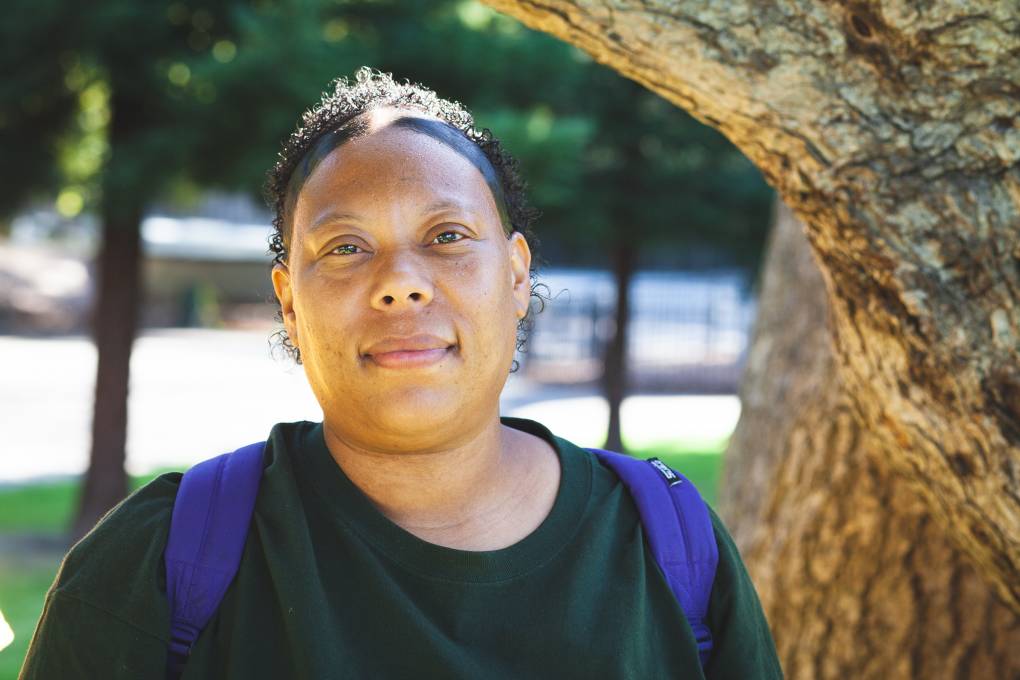
"caption": "Monique Bryant is an outreach worker with Downtown Streets Team, a San Jose-based nonprofit working to make sure homeless people in the Bay Area are counted in the 2020 census. Homeless people are historically undercounted in the census.",
"description": "Monique Bryant is an outreach worker with Downtown Streets, a San Jose-based nonprofit working to make sure homeless people in the Bay Area are counted in the 2020 Census. Homeless people are historically undercounted in the census.",
"title": "IMG_6685",
"credit": "Courtesy of Julia Lang",
"status": "inherit",
"isLoading": false,
"fetchFailed": false
},
"news_11807242": {
"type": "attachments",
"id": "news_11807242",
"meta": {
"index": "attachments_1716263798",
"site": "news",
"id": "11807242",
"found": true
},
"parent": 11807140,
"imgSizes": {
"apple_news_ca_landscape_5_5": {
"file": "https://ww2.kqed.org/app/uploads/sites/10/2020/03/1920-1044x783.jpg",
"width": 1044,
"mimeType": "image/jpeg",
"height": 783
},
"apple_news_ca_square_4_0": {
"file": "https://ww2.kqed.org/app/uploads/sites/10/2020/03/1920-470x470.jpg",
"width": 470,
"mimeType": "image/jpeg",
"height": 470
},
"twentyfourteen-full-width": {
"file": "https://ww2.kqed.org/app/uploads/sites/10/2020/03/1920-1038x576.jpg",
"width": 1038,
"mimeType": "image/jpeg",
"height": 576
},
"thumbnail": {
"file": "https://ww2.kqed.org/app/uploads/sites/10/2020/03/1920-160x90.jpg",
"width": 160,
"mimeType": "image/jpeg",
"height": 90
},
"post-thumbnail": {
"file": "https://ww2.kqed.org/app/uploads/sites/10/2020/03/1920-672x372.jpg",
"width": 672,
"mimeType": "image/jpeg",
"height": 372
},
"kqedFullSize": {
"file": "https://ww2.kqed.org/app/uploads/sites/10/2020/03/1920.jpg",
"width": 1920,
"height": 1080
},
"apple_news_ca_landscape_4_7": {
"file": "https://ww2.kqed.org/app/uploads/sites/10/2020/03/1920-632x474.jpg",
"width": 632,
"mimeType": "image/jpeg",
"height": 474
},
"large": {
"file": "https://ww2.kqed.org/app/uploads/sites/10/2020/03/1920-1020x574.jpg",
"width": 1020,
"mimeType": "image/jpeg",
"height": 574
},
"apple_news_ca_landscape_4_0": {
"file": "https://ww2.kqed.org/app/uploads/sites/10/2020/03/1920-536x402.jpg",
"width": 536,
"mimeType": "image/jpeg",
"height": 402
},
"apple_news_ca_portrait_12_9": {
"file": "https://ww2.kqed.org/app/uploads/sites/10/2020/03/1920-1122x1080.jpg",
"width": 1122,
"mimeType": "image/jpeg",
"height": 1080
},
"medium": {
"file": "https://ww2.kqed.org/app/uploads/sites/10/2020/03/1920-800x450.jpg",
"width": 800,
"mimeType": "image/jpeg",
"height": 450
},
"apple_news_ca_portrait_4_0": {
"file": "https://ww2.kqed.org/app/uploads/sites/10/2020/03/1920-354x472.jpg",
"width": 354,
"mimeType": "image/jpeg",
"height": 472
},
"apple_news_ca_portrait_9_7": {
"file": "https://ww2.kqed.org/app/uploads/sites/10/2020/03/1920-840x1080.jpg",
"width": 840,
"mimeType": "image/jpeg",
"height": 1080
},
"apple_news_ca_landscape_12_9": {
"file": "https://ww2.kqed.org/app/uploads/sites/10/2020/03/1920-1832x1080.jpg",
"width": 1832,
"mimeType": "image/jpeg",
"height": 1080
},
"apple_news_ca_square_9_7": {
"file": "https://ww2.kqed.org/app/uploads/sites/10/2020/03/1920-1104x1080.jpg",
"width": 1104,
"mimeType": "image/jpeg",
"height": 1080
},
"apple_news_ca_portrait_4_7": {
"file": "https://ww2.kqed.org/app/uploads/sites/10/2020/03/1920-414x552.jpg",
"width": 414,
"mimeType": "image/jpeg",
"height": 552
},
"apple_news_ca_square_12_9": {
"file": "https://ww2.kqed.org/app/uploads/sites/10/2020/03/1920-1472x1080.jpg",
"width": 1472,
"mimeType": "image/jpeg",
"height": 1080
},
"apple_news_ca_portrait_5_5": {
"file": "https://ww2.kqed.org/app/uploads/sites/10/2020/03/1920-687x916.jpg",
"width": 687,
"mimeType": "image/jpeg",
"height": 916
},
"full-width": {
"file": "https://ww2.kqed.org/app/uploads/sites/10/2020/03/1920-1920x1080.jpg",
"width": 1920,
"mimeType": "image/jpeg",
"height": 1080
},
"apple_news_ca_square_4_7": {
"file": "https://ww2.kqed.org/app/uploads/sites/10/2020/03/1920-550x550.jpg",
"width": 550,
"mimeType": "image/jpeg",
"height": 550
},
"apple_news_ca_landscape_9_7": {
"file": "https://ww2.kqed.org/app/uploads/sites/10/2020/03/1920-1376x1032.jpg",
"width": 1376,
"mimeType": "image/jpeg",
"height": 1032
},
"apple_news_ca_square_5_5": {
"file": "https://ww2.kqed.org/app/uploads/sites/10/2020/03/1920-912x912.jpg",
"width": 912,
"mimeType": "image/jpeg",
"height": 912
}
},
"publishDate": 1584501447,
"modified": 1584503057,
"caption": "The San Jose city council met in a room of city hall with ample space for social distancing between each member on March 17, 2020.",
"description": null,
"title": "San Jose",
"credit": "Courtesy of the City of San Jose",
"status": "inherit",
"isLoading": false,
"fetchFailed": false
},
"news_11805925": {
"type": "attachments",
"id": "news_11805925",
"meta": {
"index": "attachments_1716263798",
"site": "news",
"id": "11805925",
"found": true
},
"parent": 11805851,
"imgSizes": {
"apple_news_ca_landscape_5_5": {
"file": "https://ww2.kqed.org/app/uploads/sites/10/2020/03/007_KQED_Coronavirus_EmptyShelves_03052020_6158-1044x783.jpg",
"width": 1044,
"mimeType": "image/jpeg",
"height": 783
},
"apple_news_ca_square_4_0": {
"file": "https://ww2.kqed.org/app/uploads/sites/10/2020/03/007_KQED_Coronavirus_EmptyShelves_03052020_6158-470x470.jpg",
"width": 470,
"mimeType": "image/jpeg",
"height": 470
},
"twentyfourteen-full-width": {
"file": "https://ww2.kqed.org/app/uploads/sites/10/2020/03/007_KQED_Coronavirus_EmptyShelves_03052020_6158-1038x576.jpg",
"width": 1038,
"mimeType": "image/jpeg",
"height": 576
},
"thumbnail": {
"file": "https://ww2.kqed.org/app/uploads/sites/10/2020/03/007_KQED_Coronavirus_EmptyShelves_03052020_6158-160x107.jpg",
"width": 160,
"mimeType": "image/jpeg",
"height": 107
},
"post-thumbnail": {
"file": "https://ww2.kqed.org/app/uploads/sites/10/2020/03/007_KQED_Coronavirus_EmptyShelves_03052020_6158-672x372.jpg",
"width": 672,
"mimeType": "image/jpeg",
"height": 372
},
"kqedFullSize": {
"file": "https://ww2.kqed.org/app/uploads/sites/10/2020/03/007_KQED_Coronavirus_EmptyShelves_03052020_6158.jpg",
"width": 1920,
"height": 1280
},
"apple_news_ca_landscape_4_7": {
"file": "https://ww2.kqed.org/app/uploads/sites/10/2020/03/007_KQED_Coronavirus_EmptyShelves_03052020_6158-632x474.jpg",
"width": 632,
"mimeType": "image/jpeg",
"height": 474
},
"large": {
"file": "https://ww2.kqed.org/app/uploads/sites/10/2020/03/007_KQED_Coronavirus_EmptyShelves_03052020_6158-1020x680.jpg",
"width": 1020,
"mimeType": "image/jpeg",
"height": 680
},
"apple_news_ca_landscape_4_0": {
"file": "https://ww2.kqed.org/app/uploads/sites/10/2020/03/007_KQED_Coronavirus_EmptyShelves_03052020_6158-536x402.jpg",
"width": 536,
"mimeType": "image/jpeg",
"height": 402
},
"apple_news_ca_portrait_12_9": {
"file": "https://ww2.kqed.org/app/uploads/sites/10/2020/03/007_KQED_Coronavirus_EmptyShelves_03052020_6158-1122x1280.jpg",
"width": 1122,
"mimeType": "image/jpeg",
"height": 1280
},
"medium": {
"file": "https://ww2.kqed.org/app/uploads/sites/10/2020/03/007_KQED_Coronavirus_EmptyShelves_03052020_6158-800x533.jpg",
"width": 800,
"mimeType": "image/jpeg",
"height": 533
},
"apple_news_ca_portrait_4_0": {
"file": "https://ww2.kqed.org/app/uploads/sites/10/2020/03/007_KQED_Coronavirus_EmptyShelves_03052020_6158-354x472.jpg",
"width": 354,
"mimeType": "image/jpeg",
"height": 472
},
"apple_news_ca_portrait_9_7": {
"file": "https://ww2.kqed.org/app/uploads/sites/10/2020/03/007_KQED_Coronavirus_EmptyShelves_03052020_6158-840x1120.jpg",
"width": 840,
"mimeType": "image/jpeg",
"height": 1120
},
"apple_news_ca_landscape_12_9": {
"file": "https://ww2.kqed.org/app/uploads/sites/10/2020/03/007_KQED_Coronavirus_EmptyShelves_03052020_6158-1832x1280.jpg",
"width": 1832,
"mimeType": "image/jpeg",
"height": 1280
},
"apple_news_ca_square_9_7": {
"file": "https://ww2.kqed.org/app/uploads/sites/10/2020/03/007_KQED_Coronavirus_EmptyShelves_03052020_6158-1104x1104.jpg",
"width": 1104,
"mimeType": "image/jpeg",
"height": 1104
},
"apple_news_ca_portrait_4_7": {
"file": "https://ww2.kqed.org/app/uploads/sites/10/2020/03/007_KQED_Coronavirus_EmptyShelves_03052020_6158-414x552.jpg",
"width": 414,
"mimeType": "image/jpeg",
"height": 552
},
"apple_news_ca_square_12_9": {
"file": "https://ww2.kqed.org/app/uploads/sites/10/2020/03/007_KQED_Coronavirus_EmptyShelves_03052020_6158-1472x1280.jpg",
"width": 1472,
"mimeType": "image/jpeg",
"height": 1280
},
"apple_news_ca_portrait_5_5": {
"file": "https://ww2.kqed.org/app/uploads/sites/10/2020/03/007_KQED_Coronavirus_EmptyShelves_03052020_6158-687x916.jpg",
"width": 687,
"mimeType": "image/jpeg",
"height": 916
},
"full-width": {
"file": "https://ww2.kqed.org/app/uploads/sites/10/2020/03/007_KQED_Coronavirus_EmptyShelves_03052020_6158-1920x1280.jpg",
"width": 1920,
"mimeType": "image/jpeg",
"height": 1280
},
"apple_news_ca_square_4_7": {
"file": "https://ww2.kqed.org/app/uploads/sites/10/2020/03/007_KQED_Coronavirus_EmptyShelves_03052020_6158-550x550.jpg",
"width": 550,
"mimeType": "image/jpeg",
"height": 550
},
"apple_news_ca_landscape_9_7": {
"file": "https://ww2.kqed.org/app/uploads/sites/10/2020/03/007_KQED_Coronavirus_EmptyShelves_03052020_6158-1376x1032.jpg",
"width": 1376,
"mimeType": "image/jpeg",
"height": 1032
},
"apple_news_ca_square_5_5": {
"file": "https://ww2.kqed.org/app/uploads/sites/10/2020/03/007_KQED_Coronavirus_EmptyShelves_03052020_6158-912x912.jpg",
"width": 912,
"mimeType": "image/jpeg",
"height": 912
}
},
"publishDate": 1583799729,
"modified": 1583875711,
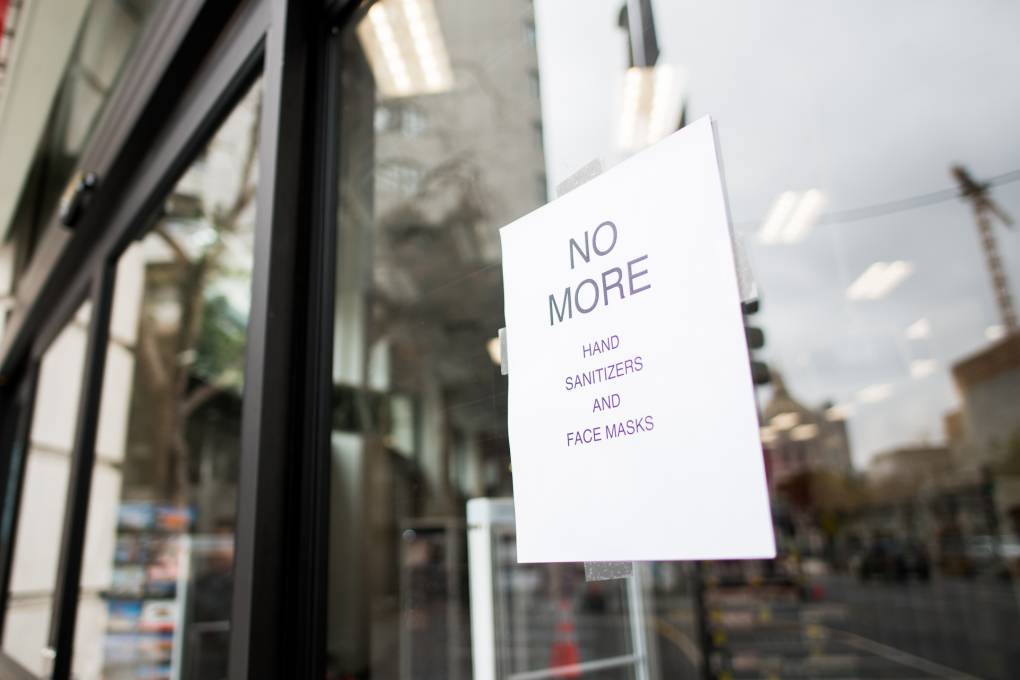
"caption": "A sign at a CVS on South Van Ness in San Francisco reads, \"No more hand sanitizers and face masks\" on March 5, 2020.",
"description": "A sign at a CVS on South Van Ness in San Francisco reads, \"No more hand sanitizers and face masks\" on Thursday, Mar. 5, 2020.",
"title": "007_KQED_Coronavirus_EmptyShelves_03052020_6158",
"credit": "Beth LaBerge/KQED",
"status": "inherit",
"isLoading": false,
"fetchFailed": false
},
"news_11804378": {
"type": "attachments",
"id": "news_11804378",
"meta": {
"index": "attachments_1716263798",
"site": "news",
"id": "11804378",
"found": true
},
"parent": 11804360,
"imgSizes": {
"apple_news_ca_landscape_5_5": {
"file": "https://ww2.kqed.org/app/uploads/sites/10/2020/02/RS41680_IMG_3672_v2-qut-1044x783.jpg",
"width": 1044,
"mimeType": "image/jpeg",
"height": 783
},
"apple_news_ca_square_4_0": {
"file": "https://ww2.kqed.org/app/uploads/sites/10/2020/02/RS41680_IMG_3672_v2-qut-470x470.jpg",
"width": 470,
"mimeType": "image/jpeg",
"height": 470
},
"twentyfourteen-full-width": {
"file": "https://ww2.kqed.org/app/uploads/sites/10/2020/02/RS41680_IMG_3672_v2-qut-1038x576.jpg",
"width": 1038,
"mimeType": "image/jpeg",
"height": 576
},
"thumbnail": {
"file": "https://ww2.kqed.org/app/uploads/sites/10/2020/02/RS41680_IMG_3672_v2-qut-160x90.jpg",
"width": 160,
"mimeType": "image/jpeg",
"height": 90
},
"post-thumbnail": {
"file": "https://ww2.kqed.org/app/uploads/sites/10/2020/02/RS41680_IMG_3672_v2-qut-672x372.jpg",
"width": 672,
"mimeType": "image/jpeg",
"height": 372
},
"kqedFullSize": {
"file": "https://ww2.kqed.org/app/uploads/sites/10/2020/02/RS41680_IMG_3672_v2-qut.jpg",
"width": 1920,
"height": 1080
},
"apple_news_ca_landscape_4_7": {
"file": "https://ww2.kqed.org/app/uploads/sites/10/2020/02/RS41680_IMG_3672_v2-qut-632x474.jpg",
"width": 632,
"mimeType": "image/jpeg",
"height": 474
},
"large": {
"file": "https://ww2.kqed.org/app/uploads/sites/10/2020/02/RS41680_IMG_3672_v2-qut-1020x574.jpg",
"width": 1020,
"mimeType": "image/jpeg",
"height": 574
},
"apple_news_ca_landscape_4_0": {
"file": "https://ww2.kqed.org/app/uploads/sites/10/2020/02/RS41680_IMG_3672_v2-qut-536x402.jpg",
"width": 536,
"mimeType": "image/jpeg",
"height": 402
},
"apple_news_ca_portrait_12_9": {
"file": "https://ww2.kqed.org/app/uploads/sites/10/2020/02/RS41680_IMG_3672_v2-qut-1122x1080.jpg",
"width": 1122,
"mimeType": "image/jpeg",
"height": 1080
},
"medium": {
"file": "https://ww2.kqed.org/app/uploads/sites/10/2020/02/RS41680_IMG_3672_v2-qut-800x450.jpg",
"width": 800,
"mimeType": "image/jpeg",
"height": 450
},
"apple_news_ca_portrait_4_0": {
"file": "https://ww2.kqed.org/app/uploads/sites/10/2020/02/RS41680_IMG_3672_v2-qut-354x472.jpg",
"width": 354,
"mimeType": "image/jpeg",
"height": 472
},
"apple_news_ca_portrait_9_7": {
"file": "https://ww2.kqed.org/app/uploads/sites/10/2020/02/RS41680_IMG_3672_v2-qut-840x1080.jpg",
"width": 840,
"mimeType": "image/jpeg",
"height": 1080
},
"apple_news_ca_landscape_12_9": {
"file": "https://ww2.kqed.org/app/uploads/sites/10/2020/02/RS41680_IMG_3672_v2-qut-1832x1080.jpg",
"width": 1832,
"mimeType": "image/jpeg",
"height": 1080
},
"apple_news_ca_square_9_7": {
"file": "https://ww2.kqed.org/app/uploads/sites/10/2020/02/RS41680_IMG_3672_v2-qut-1104x1080.jpg",
"width": 1104,
"mimeType": "image/jpeg",
"height": 1080
},
"apple_news_ca_portrait_4_7": {
"file": "https://ww2.kqed.org/app/uploads/sites/10/2020/02/RS41680_IMG_3672_v2-qut-414x552.jpg",
"width": 414,
"mimeType": "image/jpeg",
"height": 552
},
"apple_news_ca_square_12_9": {
"file": "https://ww2.kqed.org/app/uploads/sites/10/2020/02/RS41680_IMG_3672_v2-qut-1472x1080.jpg",
"width": 1472,
"mimeType": "image/jpeg",
"height": 1080
},
"apple_news_ca_portrait_5_5": {
"file": "https://ww2.kqed.org/app/uploads/sites/10/2020/02/RS41680_IMG_3672_v2-qut-687x916.jpg",
"width": 687,
"mimeType": "image/jpeg",
"height": 916
},
"full-width": {
"file": "https://ww2.kqed.org/app/uploads/sites/10/2020/02/RS41680_IMG_3672_v2-qut-1920x1080.jpg",
"width": 1920,
"mimeType": "image/jpeg",
"height": 1080
},
"apple_news_ca_square_4_7": {
"file": "https://ww2.kqed.org/app/uploads/sites/10/2020/02/RS41680_IMG_3672_v2-qut-550x550.jpg",
"width": 550,
"mimeType": "image/jpeg",
"height": 550
},
"apple_news_ca_landscape_9_7": {
"file": "https://ww2.kqed.org/app/uploads/sites/10/2020/02/RS41680_IMG_3672_v2-qut-1376x1032.jpg",
"width": 1376,
"mimeType": "image/jpeg",
"height": 1032
},
"apple_news_ca_square_5_5": {
"file": "https://ww2.kqed.org/app/uploads/sites/10/2020/02/RS41680_IMG_3672_v2-qut-912x912.jpg",
"width": 912,
"mimeType": "image/jpeg",
"height": 912
}
},
"publishDate": 1583011988,
"modified": 1583184212,
"caption": "Marshall Woodmansee tows a homemade billboard on a modified electric bicycle on Jan. 21, 2020. He is campaigning on a platform of transportation, housing and climate action.",
"description": "Marshall Woodmansee tows a homemade billboard on a modified electric bicycle, Jan. 21, 2020. He is campaigning on a platform of transportation, housing, climate action",
"title": "Woodmansee 2",
"credit": "Christine Nguyen/KQED",
"status": "inherit",
"isLoading": false,
"fetchFailed": false
},
"news_11802789": {
"type": "attachments",
"id": "news_11802789",
"meta": {
"index": "attachments_1716263798",
"site": "news",
"id": "11802789",
"found": true
},
"parent": 11802718,
"imgSizes": {
"apple_news_ca_landscape_5_5": {
"file": "https://ww2.kqed.org/app/uploads/sites/10/2020/02/RS41462_HEADLINE-qut-1044x783.jpg",
"width": 1044,
"mimeType": "image/jpeg",
"height": 783
},
"apple_news_ca_square_4_0": {
"file": "https://ww2.kqed.org/app/uploads/sites/10/2020/02/RS41462_HEADLINE-qut-470x470.jpg",
"width": 470,
"mimeType": "image/jpeg",
"height": 470
},
"twentyfourteen-full-width": {
"file": "https://ww2.kqed.org/app/uploads/sites/10/2020/02/RS41462_HEADLINE-qut-1038x576.jpg",
"width": 1038,
"mimeType": "image/jpeg",
"height": 576
},
"thumbnail": {
"file": "https://ww2.kqed.org/app/uploads/sites/10/2020/02/RS41462_HEADLINE-qut-160x123.jpg",
"width": 160,
"mimeType": "image/jpeg",
"height": 123
},
"post-thumbnail": {
"file": "https://ww2.kqed.org/app/uploads/sites/10/2020/02/RS41462_HEADLINE-qut-672x372.jpg",
"width": 672,
"mimeType": "image/jpeg",
"height": 372
},
"kqedFullSize": {
"file": "https://ww2.kqed.org/app/uploads/sites/10/2020/02/RS41462_HEADLINE-qut.jpg",
"width": 1650,
"height": 1265
},
"apple_news_ca_landscape_4_7": {
"file": "https://ww2.kqed.org/app/uploads/sites/10/2020/02/RS41462_HEADLINE-qut-632x474.jpg",
"width": 632,
"mimeType": "image/jpeg",
"height": 474
},
"large": {
"file": "https://ww2.kqed.org/app/uploads/sites/10/2020/02/RS41462_HEADLINE-qut-1020x782.jpg",
"width": 1020,
"mimeType": "image/jpeg",
"height": 782
},
"apple_news_ca_landscape_4_0": {
"file": "https://ww2.kqed.org/app/uploads/sites/10/2020/02/RS41462_HEADLINE-qut-536x402.jpg",
"width": 536,
"mimeType": "image/jpeg",
"height": 402
},
"apple_news_ca_portrait_12_9": {
"file": "https://ww2.kqed.org/app/uploads/sites/10/2020/02/RS41462_HEADLINE-qut-1122x1265.jpg",
"width": 1122,
"mimeType": "image/jpeg",
"height": 1265
},
"medium": {
"file": "https://ww2.kqed.org/app/uploads/sites/10/2020/02/RS41462_HEADLINE-qut-800x613.jpg",
"width": 800,
"mimeType": "image/jpeg",
"height": 613
},
"apple_news_ca_portrait_4_0": {
"file": "https://ww2.kqed.org/app/uploads/sites/10/2020/02/RS41462_HEADLINE-qut-354x472.jpg",
"width": 354,
"mimeType": "image/jpeg",
"height": 472
},
"apple_news_ca_portrait_9_7": {
"file": "https://ww2.kqed.org/app/uploads/sites/10/2020/02/RS41462_HEADLINE-qut-840x1120.jpg",
"width": 840,
"mimeType": "image/jpeg",
"height": 1120
},
"apple_news_ca_square_9_7": {
"file": "https://ww2.kqed.org/app/uploads/sites/10/2020/02/RS41462_HEADLINE-qut-1104x1104.jpg",
"width": 1104,
"mimeType": "image/jpeg",
"height": 1104
},
"apple_news_ca_portrait_4_7": {
"file": "https://ww2.kqed.org/app/uploads/sites/10/2020/02/RS41462_HEADLINE-qut-414x552.jpg",
"width": 414,
"mimeType": "image/jpeg",
"height": 552
},
"apple_news_ca_square_12_9": {
"file": "https://ww2.kqed.org/app/uploads/sites/10/2020/02/RS41462_HEADLINE-qut-1472x1265.jpg",
"width": 1472,
"mimeType": "image/jpeg",
"height": 1265
},
"apple_news_ca_portrait_5_5": {
"file": "https://ww2.kqed.org/app/uploads/sites/10/2020/02/RS41462_HEADLINE-qut-687x916.jpg",
"width": 687,
"mimeType": "image/jpeg",
"height": 916
},
"apple_news_ca_square_4_7": {
"file": "https://ww2.kqed.org/app/uploads/sites/10/2020/02/RS41462_HEADLINE-qut-550x550.jpg",
"width": 550,
"mimeType": "image/jpeg",
"height": 550
},
"apple_news_ca_landscape_9_7": {
"file": "https://ww2.kqed.org/app/uploads/sites/10/2020/02/RS41462_HEADLINE-qut-1376x1032.jpg",
"width": 1376,
"mimeType": "image/jpeg",
"height": 1032
},
"apple_news_ca_square_5_5": {
"file": "https://ww2.kqed.org/app/uploads/sites/10/2020/02/RS41462_HEADLINE-qut-912x912.jpg",
"width": 912,
"mimeType": "image/jpeg",
"height": 912
}
},
"publishDate": 1582308542,
"modified": 1582571235,
"caption": "Kristine Lee and Stewart Kume kick off the 'Swingposium' performance at the Humboldt County Bayside Community Hall.",
"description": "Courtesy of Mark Larson\n",
"title": "RS41462_HEADLINE-qut",
"credit": "Courtesy of Mark Larson",
"status": "inherit",
"isLoading": false,
"fetchFailed": false
},
"news_11802404": {
"type": "attachments",
"id": "news_11802404",
"meta": {
"index": "attachments_1716263798",
"site": "news",
"id": "11802404",
"found": true
},
"parent": 11801642,
"imgSizes": {
"apple_news_ca_square_4_0": {
"file": "https://ww2.kqed.org/app/uploads/sites/10/2020/02/Scooter-SJ-470x470.jpg",
"width": 470,
"mimeType": "image/jpeg",
"height": 470
},
"twentyfourteen-full-width": {
"file": "https://ww2.kqed.org/app/uploads/sites/10/2020/02/Scooter-SJ-1024x576.jpg",
"width": 1024,
"mimeType": "image/jpeg",
"height": 576
},
"thumbnail": {
"file": "https://ww2.kqed.org/app/uploads/sites/10/2020/02/Scooter-SJ-160x120.jpg",
"width": 160,
"mimeType": "image/jpeg",
"height": 120
},
"post-thumbnail": {
"file": "https://ww2.kqed.org/app/uploads/sites/10/2020/02/Scooter-SJ-672x372.jpg",
"width": 672,
"mimeType": "image/jpeg",
"height": 372
},
"kqedFullSize": {
"file": "https://ww2.kqed.org/app/uploads/sites/10/2020/02/Scooter-SJ.jpg",
"width": 1024,
"height": 768
},
"apple_news_ca_landscape_4_7": {
"file": "https://ww2.kqed.org/app/uploads/sites/10/2020/02/Scooter-SJ-632x474.jpg",
"width": 632,
"mimeType": "image/jpeg",
"height": 474
},
"large": {
"file": "https://ww2.kqed.org/app/uploads/sites/10/2020/02/Scooter-SJ-1020x765.jpg",
"width": 1020,
"mimeType": "image/jpeg",
"height": 765
},
"apple_news_ca_landscape_4_0": {
"file": "https://ww2.kqed.org/app/uploads/sites/10/2020/02/Scooter-SJ-536x402.jpg",
"width": 536,
"mimeType": "image/jpeg",
"height": 402
},
"medium": {
"file": "https://ww2.kqed.org/app/uploads/sites/10/2020/02/Scooter-SJ-800x600.jpg",
"width": 800,
"mimeType": "image/jpeg",
"height": 600
},
"apple_news_ca_portrait_4_0": {
"file": "https://ww2.kqed.org/app/uploads/sites/10/2020/02/Scooter-SJ-354x472.jpg",
"width": 354,
"mimeType": "image/jpeg",
"height": 472
},
"apple_news_ca_portrait_9_7": {
"file": "https://ww2.kqed.org/app/uploads/sites/10/2020/02/Scooter-SJ-840x768.jpg",
"width": 840,
"mimeType": "image/jpeg",
"height": 768
},
"apple_news_ca_portrait_4_7": {
"file": "https://ww2.kqed.org/app/uploads/sites/10/2020/02/Scooter-SJ-414x552.jpg",
"width": 414,
"mimeType": "image/jpeg",
"height": 552
},
"apple_news_ca_portrait_5_5": {
"file": "https://ww2.kqed.org/app/uploads/sites/10/2020/02/Scooter-SJ-687x768.jpg",
"width": 687,
"mimeType": "image/jpeg",
"height": 768
},
"apple_news_ca_square_4_7": {
"file": "https://ww2.kqed.org/app/uploads/sites/10/2020/02/Scooter-SJ-550x550.jpg",
"width": 550,
"mimeType": "image/jpeg",
"height": 550
},
"apple_news_ca_square_5_5": {
"file": "https://ww2.kqed.org/app/uploads/sites/10/2020/02/Scooter-SJ-912x768.jpg",
"width": 912,
"mimeType": "image/jpeg",
"height": 768
}
},
"publishDate": 1582141355,
"modified": 1582141382,
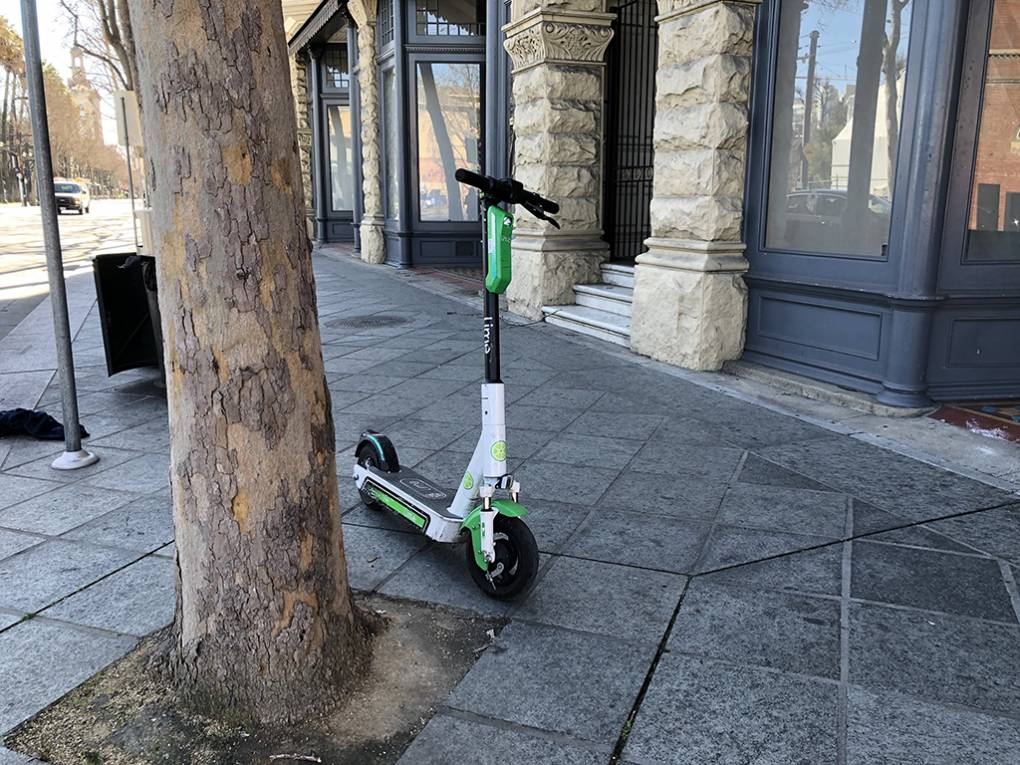
"caption": "A Lime scooter sits in the middle of a sidewalk in downtown San Jose. The city is working with e-scooter companies to keep scooters in bike lanes.",
"description": null,
"title": "Scooter-SJ",
"credit": "Adhiti Bandlamudi/KQED",
"status": "inherit",
"isLoading": false,
"fetchFailed": false
},
"news_11800755": {
"type": "attachments",
"id": "news_11800755",
"meta": {
"index": "attachments_1716263798",
"site": "news",
"id": "11800755",
"found": true
},
"parent": 11800752,
"imgSizes": {
"apple_news_ca_landscape_5_5": {
"file": "https://ww2.kqed.org/app/uploads/sites/10/2020/02/RS41247_2020census_square-qut-1044x783.jpg",
"width": 1044,
"mimeType": "image/jpeg",
"height": 783
},
"apple_news_ca_square_4_0": {
"file": "https://ww2.kqed.org/app/uploads/sites/10/2020/02/RS41247_2020census_square-qut-470x470.jpg",
"width": 470,
"mimeType": "image/jpeg",
"height": 470
},
"twentyfourteen-full-width": {
"file": "https://ww2.kqed.org/app/uploads/sites/10/2020/02/RS41247_2020census_square-qut-1038x576.jpg",
"width": 1038,
"mimeType": "image/jpeg",
"height": 576
},
"thumbnail": {
"file": "https://ww2.kqed.org/app/uploads/sites/10/2020/02/RS41247_2020census_square-qut-160x160.jpg",
"width": 160,
"mimeType": "image/jpeg",
"height": 160
},
"post-thumbnail": {
"file": "https://ww2.kqed.org/app/uploads/sites/10/2020/02/RS41247_2020census_square-qut-672x372.jpg",
"width": 672,
"mimeType": "image/jpeg",
"height": 372
},
"kqedFullSize": {
"file": "https://ww2.kqed.org/app/uploads/sites/10/2020/02/RS41247_2020census_square-qut.jpg",
"width": 1920,
"height": 1920
},
"apple_news_ca_landscape_4_7": {
"file": "https://ww2.kqed.org/app/uploads/sites/10/2020/02/RS41247_2020census_square-qut-632x474.jpg",
"width": 632,
"mimeType": "image/jpeg",
"height": 474
},
"large": {
"file": "https://ww2.kqed.org/app/uploads/sites/10/2020/02/RS41247_2020census_square-qut-1020x1020.jpg",
"width": 1020,
"mimeType": "image/jpeg",
"height": 1020
},
"apple_news_ca_landscape_4_0": {
"file": "https://ww2.kqed.org/app/uploads/sites/10/2020/02/RS41247_2020census_square-qut-536x402.jpg",
"width": 536,
"mimeType": "image/jpeg",
"height": 402
},
"apple_news_ca_portrait_12_9": {
"file": "https://ww2.kqed.org/app/uploads/sites/10/2020/02/RS41247_2020census_square-qut-1122x1496.jpg",
"width": 1122,
"mimeType": "image/jpeg",
"height": 1496
},
"medium": {
"file": "https://ww2.kqed.org/app/uploads/sites/10/2020/02/RS41247_2020census_square-qut-800x800.jpg",
"width": 800,
"mimeType": "image/jpeg",
"height": 800
},
"apple_news_ca_portrait_4_0": {
"file": "https://ww2.kqed.org/app/uploads/sites/10/2020/02/RS41247_2020census_square-qut-354x472.jpg",
"width": 354,
"mimeType": "image/jpeg",
"height": 472
},
"apple_news_ca_portrait_9_7": {
"file": "https://ww2.kqed.org/app/uploads/sites/10/2020/02/RS41247_2020census_square-qut-840x1120.jpg",
"width": 840,
"mimeType": "image/jpeg",
"height": 1120
},
"apple_news_ca_landscape_12_9": {
"file": "https://ww2.kqed.org/app/uploads/sites/10/2020/02/RS41247_2020census_square-qut-1832x1374.jpg",
"width": 1832,
"mimeType": "image/jpeg",
"height": 1374
},
"apple_news_ca_square_9_7": {
"file": "https://ww2.kqed.org/app/uploads/sites/10/2020/02/RS41247_2020census_square-qut-1104x1104.jpg",
"width": 1104,
"mimeType": "image/jpeg",
"height": 1104
},
"apple_news_ca_portrait_4_7": {
"file": "https://ww2.kqed.org/app/uploads/sites/10/2020/02/RS41247_2020census_square-qut-414x552.jpg",
"width": 414,
"mimeType": "image/jpeg",
"height": 552
},
"apple_news_ca_square_12_9": {
"file": "https://ww2.kqed.org/app/uploads/sites/10/2020/02/RS41247_2020census_square-qut-1472x1472.jpg",
"width": 1472,
"mimeType": "image/jpeg",
"height": 1472
},
"apple_news_ca_portrait_5_5": {
"file": "https://ww2.kqed.org/app/uploads/sites/10/2020/02/RS41247_2020census_square-qut-687x916.jpg",
"width": 687,
"mimeType": "image/jpeg",
"height": 916
},
"full-width": {
"file": "https://ww2.kqed.org/app/uploads/sites/10/2020/02/RS41247_2020census_square-qut-1920x1920.jpg",
"width": 1920,
"mimeType": "image/jpeg",
"height": 1920
},
"apple_news_ca_square_4_7": {
"file": "https://ww2.kqed.org/app/uploads/sites/10/2020/02/RS41247_2020census_square-qut-550x550.jpg",
"width": 550,
"mimeType": "image/jpeg",
"height": 550
},
"apple_news_ca_landscape_9_7": {
"file": "https://ww2.kqed.org/app/uploads/sites/10/2020/02/RS41247_2020census_square-qut-1376x1032.jpg",
"width": 1376,
"mimeType": "image/jpeg",
"height": 1032
},
"apple_news_ca_square_5_5": {
"file": "https://ww2.kqed.org/app/uploads/sites/10/2020/02/RS41247_2020census_square-qut-912x912.jpg",
"width": 912,
"mimeType": "image/jpeg",
"height": 912
}
},
"publishDate": 1581191742,
"modified": 1581191791,
"caption": "San José's Office of Cultural Affairs, in partnership with the Santa Clara Valley Transportation Authority (VTA), invited Santa Clara County college students to submit original poster designs to promote participation in the 2020 Census. This is the first place design by Evergreen Valley Community College student, Tran Minh Tien Le. ",
"description": "San José's Office of Cultural Affairs, in partnership with the Santa Clara Valley Transportation Authority (VTA), invited Santa Clara County college students to submit original poster designs to promote participation in the 2020 Census. This is the first place design by Evergreen Valley Community College student, Tran Minh Tien Le. ",
"title": "2020census_square",
"credit": "Courtesy of the San Jose Office of Cultural Affairs",
"status": "inherit",
"isLoading": false,
"fetchFailed": false
},
"news_11797949": {
"type": "attachments",
"id": "news_11797949",
"meta": {
"index": "attachments_1716263798",
"site": "news",
"id": "11797949",
"found": true
},
"parent": 11797856,
"imgSizes": {
"apple_news_ca_landscape_5_5": {
"file": "https://ww2.kqed.org/app/uploads/sites/10/2020/01/RS40904_Photo-Jan-23-5-46-38-PM-qut-1044x783.jpg",
"width": 1044,
"mimeType": "image/jpeg",
"height": 783
},
"apple_news_ca_square_4_0": {
"file": "https://ww2.kqed.org/app/uploads/sites/10/2020/01/RS40904_Photo-Jan-23-5-46-38-PM-qut-470x470.jpg",
"width": 470,
"mimeType": "image/jpeg",
"height": 470
},
"twentyfourteen-full-width": {
"file": "https://ww2.kqed.org/app/uploads/sites/10/2020/01/RS40904_Photo-Jan-23-5-46-38-PM-qut-1038x576.jpg",
"width": 1038,
"mimeType": "image/jpeg",
"height": 576
},
"thumbnail": {
"file": "https://ww2.kqed.org/app/uploads/sites/10/2020/01/RS40904_Photo-Jan-23-5-46-38-PM-qut-160x120.jpg",
"width": 160,
"mimeType": "image/jpeg",
"height": 120
},
"post-thumbnail": {
"file": "https://ww2.kqed.org/app/uploads/sites/10/2020/01/RS40904_Photo-Jan-23-5-46-38-PM-qut-672x372.jpg",
"width": 672,
"mimeType": "image/jpeg",
"height": 372
},
"kqedFullSize": {
"file": "https://ww2.kqed.org/app/uploads/sites/10/2020/01/RS40904_Photo-Jan-23-5-46-38-PM-qut.jpg",
"width": 1920,
"height": 1440
},
"apple_news_ca_landscape_4_7": {
"file": "https://ww2.kqed.org/app/uploads/sites/10/2020/01/RS40904_Photo-Jan-23-5-46-38-PM-qut-632x474.jpg",
"width": 632,
"mimeType": "image/jpeg",
"height": 474
},
"large": {
"file": "https://ww2.kqed.org/app/uploads/sites/10/2020/01/RS40904_Photo-Jan-23-5-46-38-PM-qut-1020x765.jpg",
"width": 1020,
"mimeType": "image/jpeg",
"height": 765
},
"apple_news_ca_landscape_4_0": {
"file": "https://ww2.kqed.org/app/uploads/sites/10/2020/01/RS40904_Photo-Jan-23-5-46-38-PM-qut-536x402.jpg",
"width": 536,
"mimeType": "image/jpeg",
"height": 402
},
"apple_news_ca_portrait_12_9": {
"file": "https://ww2.kqed.org/app/uploads/sites/10/2020/01/RS40904_Photo-Jan-23-5-46-38-PM-qut-1122x1440.jpg",
"width": 1122,
"mimeType": "image/jpeg",
"height": 1440
},
"medium": {
"file": "https://ww2.kqed.org/app/uploads/sites/10/2020/01/RS40904_Photo-Jan-23-5-46-38-PM-qut-800x600.jpg",
"width": 800,
"mimeType": "image/jpeg",
"height": 600
},
"apple_news_ca_portrait_4_0": {
"file": "https://ww2.kqed.org/app/uploads/sites/10/2020/01/RS40904_Photo-Jan-23-5-46-38-PM-qut-354x472.jpg",
"width": 354,
"mimeType": "image/jpeg",
"height": 472
},
"apple_news_ca_portrait_9_7": {
"file": "https://ww2.kqed.org/app/uploads/sites/10/2020/01/RS40904_Photo-Jan-23-5-46-38-PM-qut-840x1120.jpg",
"width": 840,
"mimeType": "image/jpeg",
"height": 1120
},
"apple_news_ca_landscape_12_9": {
"file": "https://ww2.kqed.org/app/uploads/sites/10/2020/01/RS40904_Photo-Jan-23-5-46-38-PM-qut-1832x1374.jpg",
"width": 1832,
"mimeType": "image/jpeg",
"height": 1374
},
"apple_news_ca_square_9_7": {
"file": "https://ww2.kqed.org/app/uploads/sites/10/2020/01/RS40904_Photo-Jan-23-5-46-38-PM-qut-1104x1104.jpg",
"width": 1104,
"mimeType": "image/jpeg",
"height": 1104
},
"apple_news_ca_portrait_4_7": {
"file": "https://ww2.kqed.org/app/uploads/sites/10/2020/01/RS40904_Photo-Jan-23-5-46-38-PM-qut-414x552.jpg",
"width": 414,
"mimeType": "image/jpeg",
"height": 552
},
"apple_news_ca_square_12_9": {
"file": "https://ww2.kqed.org/app/uploads/sites/10/2020/01/RS40904_Photo-Jan-23-5-46-38-PM-qut-1472x1440.jpg",
"width": 1472,
"mimeType": "image/jpeg",
"height": 1440
},
"apple_news_ca_portrait_5_5": {
"file": "https://ww2.kqed.org/app/uploads/sites/10/2020/01/RS40904_Photo-Jan-23-5-46-38-PM-qut-687x916.jpg",
"width": 687,
"mimeType": "image/jpeg",
"height": 916
},
"full-width": {
"file": "https://ww2.kqed.org/app/uploads/sites/10/2020/01/RS40904_Photo-Jan-23-5-46-38-PM-qut-1920x1440.jpg",
"width": 1920,
"mimeType": "image/jpeg",
"height": 1440
},
"apple_news_ca_square_4_7": {
"file": "https://ww2.kqed.org/app/uploads/sites/10/2020/01/RS40904_Photo-Jan-23-5-46-38-PM-qut-550x550.jpg",
"width": 550,
"mimeType": "image/jpeg",
"height": 550
},
"apple_news_ca_landscape_9_7": {
"file": "https://ww2.kqed.org/app/uploads/sites/10/2020/01/RS40904_Photo-Jan-23-5-46-38-PM-qut-1376x1032.jpg",
"width": 1376,
"mimeType": "image/jpeg",
"height": 1032
},
"apple_news_ca_square_5_5": {
"file": "https://ww2.kqed.org/app/uploads/sites/10/2020/01/RS40904_Photo-Jan-23-5-46-38-PM-qut-912x912.jpg",
"width": 912,
"mimeType": "image/jpeg",
"height": 912
}
},
"publishDate": 1579924342,
"modified": 1579924383,
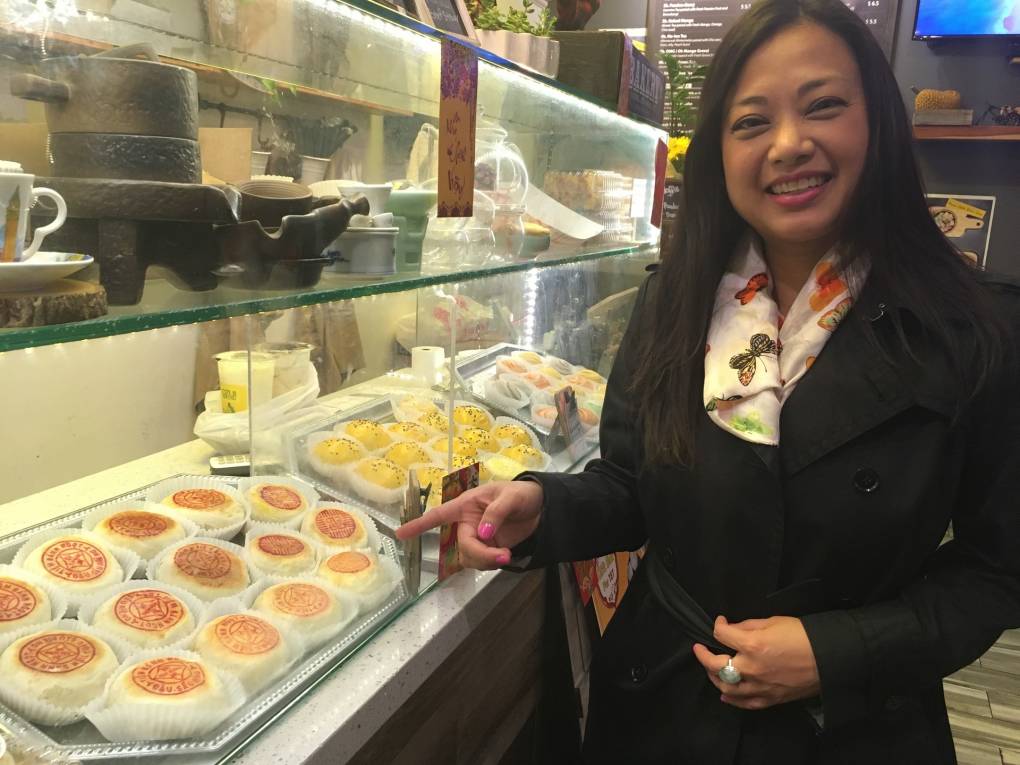
"caption": "Trami Cron of Chopsticks Alley points to the wide variety of traditional baked goodies available at Dzui’s Cakes and Desserts in San Jose.",
"description": "Trami Cron of Chopsticks Alley points to the wide variety of traditional baked goodies available at Dzui’s Cakes and Desserts in San Jose.",
"title": "RS40904_Photo Jan 23, 5 46 38 PM-qut",
"credit": "Rachael Myrow/KQED",
"status": "inherit",
"isLoading": false,
"fetchFailed": false
},
"news_11791357": {
"type": "attachments",
"id": "news_11791357",
"meta": {
"index": "attachments_1716263798",
"site": "news",
"id": "11791357",
"found": true
},
"parent": 11791335,
"imgSizes": {
"apple_news_ca_landscape_5_5": {
"file": "https://ww2.kqed.org/app/uploads/sites/10/2019/12/GettyImages-1184880142-1-1044x783.jpg",
"width": 1044,
"mimeType": "image/jpeg",
"height": 783
},
"apple_news_ca_square_4_0": {
"file": "https://ww2.kqed.org/app/uploads/sites/10/2019/12/GettyImages-1184880142-1-470x470.jpg",
"width": 470,
"mimeType": "image/jpeg",
"height": 470
},
"twentyfourteen-full-width": {
"file": "https://ww2.kqed.org/app/uploads/sites/10/2019/12/GettyImages-1184880142-1-1038x576.jpg",
"width": 1038,
"mimeType": "image/jpeg",
"height": 576
},
"thumbnail": {
"file": "https://ww2.kqed.org/app/uploads/sites/10/2019/12/GettyImages-1184880142-1-160x97.jpg",
"width": 160,
"mimeType": "image/jpeg",
"height": 97
},
"post-thumbnail": {
"file": "https://ww2.kqed.org/app/uploads/sites/10/2019/12/GettyImages-1184880142-1-672x372.jpg",
"width": 672,
"mimeType": "image/jpeg",
"height": 372
},
"kqedFullSize": {
"file": "https://ww2.kqed.org/app/uploads/sites/10/2019/12/GettyImages-1184880142-1.jpg",
"width": 1920,
"height": 1166
},
"apple_news_ca_landscape_4_7": {
"file": "https://ww2.kqed.org/app/uploads/sites/10/2019/12/GettyImages-1184880142-1-632x474.jpg",
"width": 632,
"mimeType": "image/jpeg",
"height": 474
},
"large": {
"file": "https://ww2.kqed.org/app/uploads/sites/10/2019/12/GettyImages-1184880142-1-1020x619.jpg",
"width": 1020,
"mimeType": "image/jpeg",
"height": 619
},
"complete_open_graph": {
"file": "https://ww2.kqed.org/app/uploads/sites/10/2019/12/GettyImages-1184880142-1-1200x729.jpg",
"width": 1200,
"mimeType": "image/jpeg",
"height": 729
},
"apple_news_ca_landscape_4_0": {
"file": "https://ww2.kqed.org/app/uploads/sites/10/2019/12/GettyImages-1184880142-1-536x402.jpg",
"width": 536,
"mimeType": "image/jpeg",
"height": 402
},
"apple_news_ca_portrait_12_9": {
"file": "https://ww2.kqed.org/app/uploads/sites/10/2019/12/GettyImages-1184880142-1-1122x1166.jpg",
"width": 1122,
"mimeType": "image/jpeg",
"height": 1166
},
"medium": {
"file": "https://ww2.kqed.org/app/uploads/sites/10/2019/12/GettyImages-1184880142-1-800x486.jpg",
"width": 800,
"mimeType": "image/jpeg",
"height": 486
},
"apple_news_ca_portrait_4_0": {
"file": "https://ww2.kqed.org/app/uploads/sites/10/2019/12/GettyImages-1184880142-1-354x472.jpg",
"width": 354,
"mimeType": "image/jpeg",
"height": 472
},
"apple_news_ca_portrait_9_7": {
"file": "https://ww2.kqed.org/app/uploads/sites/10/2019/12/GettyImages-1184880142-1-840x1120.jpg",
"width": 840,
"mimeType": "image/jpeg",
"height": 1120
},
"apple_news_ca_landscape_12_9": {
"file": "https://ww2.kqed.org/app/uploads/sites/10/2019/12/GettyImages-1184880142-1-1832x1166.jpg",
"width": 1832,
"mimeType": "image/jpeg",
"height": 1166
},
"apple_news_ca_square_9_7": {
"file": "https://ww2.kqed.org/app/uploads/sites/10/2019/12/GettyImages-1184880142-1-1104x1104.jpg",
"width": 1104,
"mimeType": "image/jpeg",
"height": 1104
},
"apple_news_ca_portrait_4_7": {
"file": "https://ww2.kqed.org/app/uploads/sites/10/2019/12/GettyImages-1184880142-1-414x552.jpg",
"width": 414,
"mimeType": "image/jpeg",
"height": 552
},
"apple_news_ca_square_12_9": {
"file": "https://ww2.kqed.org/app/uploads/sites/10/2019/12/GettyImages-1184880142-1-1472x1166.jpg",
"width": 1472,
"mimeType": "image/jpeg",
"height": 1166
},
"apple_news_ca_portrait_5_5": {
"file": "https://ww2.kqed.org/app/uploads/sites/10/2019/12/GettyImages-1184880142-1-687x916.jpg",
"width": 687,
"mimeType": "image/jpeg",
"height": 916
},
"full-width": {
"file": "https://ww2.kqed.org/app/uploads/sites/10/2019/12/GettyImages-1184880142-1-1920x1166.jpg",
"width": 1920,
"mimeType": "image/jpeg",
"height": 1166
},
"apple_news_ca_square_4_7": {
"file": "https://ww2.kqed.org/app/uploads/sites/10/2019/12/GettyImages-1184880142-1-550x550.jpg",
"width": 550,
"mimeType": "image/jpeg",
"height": 550
},
"apple_news_ca_landscape_9_7": {
"file": "https://ww2.kqed.org/app/uploads/sites/10/2019/12/GettyImages-1184880142-1-1376x1032.jpg",
"width": 1376,
"mimeType": "image/jpeg",
"height": 1032
},
"apple_news_ca_square_5_5": {
"file": "https://ww2.kqed.org/app/uploads/sites/10/2019/12/GettyImages-1184880142-1-912x912.jpg",
"width": 912,
"mimeType": "image/jpeg",
"height": 912
}
},
"publishDate": 1576448987,
"modified": 1576458996,
"caption": "Workers rebuild a cellular tower with 5G equipment. San Jose's deal with mobile companies to launch 5G networks ensures that the new technology will be available to all of its residents. ",
"description": null,
"title": "GettyImages-1184880142 (1)",
"credit": "George Frey/Getty Images",
"status": "inherit",
"isLoading": false,
"fetchFailed": false
}
},
"audioPlayerReducer": {
"postId": "stream_live",
"isPaused": true,
"isPlaying": false,
"pfsActive": false,
"pledgeModalIsOpen": true,
"playerDrawerIsOpen": false,
"liveAudioPlayStartedAt": 0,
"liveAudioPlayContext": ""
},
"authorsReducer": {
"byline_news_11804360": {
"type": "authors",
"id": "byline_news_11804360",
"meta": {
"override": true
},
"slug": "byline_news_11804360",
"name": "\u003ca href=\"https://twitter.com/christinenguyen\">Christine Nguyen\u003c/a>",
"isLoading": false
},
"gmarzorati": {
"type": "authors",
"id": "227",
"meta": {
"index": "authors_1716337520",
"id": "227",
"found": true
},
"name": "Guy Marzorati",
"firstName": "Guy",
"lastName": "Marzorati",
"slug": "gmarzorati",
"email": "gmarzorati@KQED.org",
"display_author_email": true,
"staff_mastheads": [
"news"
],
"title": "Correspondent",
"bio": "Guy Marzorati is a correspondent on KQED's California Politics and Government Desk, based in San Jose. A graduate of Santa Clara University, Guy joined KQED in 2013. He reports on state and local politics and produces KQED's digital voter guide.",
"avatar": "https://secure.gravatar.com/avatar/e7038b8dbfd55b104369b76b1cd0b9de?s=600&d=blank&r=g",
"twitter": "guymarzorati",
"facebook": null,
"instagram": null,
"linkedin": null,
"sites": [
{
"site": "",
"roles": [
"editor"
]
},
{
"site": "news",
"roles": [
"editor"
]
},
{
"site": "science",
"roles": [
"editor"
]
},
{
"site": "forum",
"roles": [
"editor"
]
},
{
"site": "elections",
"roles": [
"editor"
]
},
{
"site": "liveblog",
"roles": [
"editor"
]
}
],
"headData": {
"title": "Guy Marzorati | KQED",
"description": "Correspondent",
"ogImgSrc": "https://secure.gravatar.com/avatar/e7038b8dbfd55b104369b76b1cd0b9de?s=600&d=blank&r=g",
"twImgSrc": "https://secure.gravatar.com/avatar/e7038b8dbfd55b104369b76b1cd0b9de?s=600&d=blank&r=g"
},
"isLoading": false,
"link": "/author/gmarzorati"
},
"rachael-myrow": {
"type": "authors",
"id": "251",
"meta": {
"index": "authors_1716337520",
"id": "251",
"found": true
},
"name": "Rachael Myrow",
"firstName": "Rachael",
"lastName": "Myrow",
"slug": "rachael-myrow",
"email": "rmyrow@kqed.org",
"display_author_email": true,
"staff_mastheads": [
"news"
],
"title": "Senior Editor of KQED's Silicon Valley News Desk",
"bio": "• I write and edit stories about how Silicon Valley power and policies shape everyday life in California. I’m also passionate about making Bay Area history and culture more accessible to a broad public. • I’ve been a journalist for most of my life, starting in high school with The Franklin Press in Los Angeles, where I grew up. While earning my first degree in English at UC Berkeley, I got my start in public radio at KALX-FM. After completing a second degree in journalism at Cal, I landed my first professional job at Marketplace, then moved on to KPCC (now LAist), and then KQED, where I hosted The California Report for more than seven years. • My reporting has appeared on NPR, The World, WBUR’s \u003ci>Here & Now\u003c/i>, and the BBC. I also guest host for KQED’s \u003ci>Forum\u003c/i>, as well as the Commonwealth Club in San Francisco. • I speak periodically on media, democracy and technology issues, and do voiceover work for documentaries and educational video projects. • Outside of the studio, you'll find me hiking Bay Area trails and whipping up Insta-ready meals in my kitchen. • I do not accept gifts, money, or favors from anyone connected to my reporting, I don't pay people for information, and I do not support or donate to political causes. • I strive to treat the people I report on with fairness, honesty, and respect. I also recognize there are often multiple sides to a story and work to verify information through multiple sources and documentation. If I get something wrong, I correct it.",
"avatar": "https://secure.gravatar.com/avatar/3ed8a3c5f26025e4a805ba634cda8cd764906b97438a6d9ce216b044e340da4e?s=600&d=blank&r=g",
"twitter": "rachaelmyrow",
"bluesky": null,
"facebook": null,
"instagram": null,
"linkedin": "https://www.linkedin.com/in/rachaelmyrow/",
"sites": [
{
"site": "arts",
"roles": [
"administrator"
]
},
{
"site": "news",
"roles": [
"edit_others_posts",
"editor"
]
},
{
"site": "futureofyou",
"roles": [
"editor"
]
},
{
"site": "bayareabites",
"roles": [
"editor"
]
},
{
"site": "stateofhealth",
"roles": [
"editor"
]
},
{
"site": "science",
"roles": [
"editor"
]
},
{
"site": "food",
"roles": [
"editor"
]
},
{
"site": "forum",
"roles": [
"editor"
]
},
{
"site": "liveblog",
"roles": [
"author"
]
}
],
"headData": {
"title": "Rachael Myrow | KQED",
"description": "Senior Editor of KQED's Silicon Valley News Desk",
"ogImgSrc": "https://secure.gravatar.com/avatar/3ed8a3c5f26025e4a805ba634cda8cd764906b97438a6d9ce216b044e340da4e?s=600&d=blank&r=g",
"twImgSrc": "https://secure.gravatar.com/avatar/3ed8a3c5f26025e4a805ba634cda8cd764906b97438a6d9ce216b044e340da4e?s=600&d=blank&r=g"
},
"isLoading": false,
"link": "/author/rachael-myrow"
},
"tcamhi": {
"type": "authors",
"id": "3251",
"meta": {
"index": "authors_1716337520",
"id": "3251",
"found": true
},
"name": "Tiffany Camhi",
"firstName": "Tiffany",
"lastName": "Camhi",
"slug": "tcamhi",
"email": "tiffanycamhi@gmail.com",
"display_author_email": false,
"staff_mastheads": [],
"title": "KQED Contributor",
"bio": null,
"avatar": "https://secure.gravatar.com/avatar/f8204ce351139205d3b3dc1581016a5e30d7d8b38cb2c139348c151ec14b792e?s=600&d=blank&r=g",
"twitter": null,
"bluesky": null,
"facebook": null,
"instagram": null,
"linkedin": null,
"sites": [
{
"site": "arts",
"roles": [
"subscriber"
]
},
{
"site": "news",
"roles": [
"subscriber"
]
}
],
"headData": {
"title": "Tiffany Camhi | KQED",
"description": "KQED Contributor",
"ogImgSrc": "https://secure.gravatar.com/avatar/f8204ce351139205d3b3dc1581016a5e30d7d8b38cb2c139348c151ec14b792e?s=600&d=blank&r=g",
"twImgSrc": "https://secure.gravatar.com/avatar/f8204ce351139205d3b3dc1581016a5e30d7d8b38cb2c139348c151ec14b792e?s=600&d=blank&r=g"
},
"isLoading": false,
"link": "/author/tcamhi"
},
"korr": {
"type": "authors",
"id": "11200",
"meta": {
"index": "authors_1716337520",
"id": "11200",
"found": true
},
"name": "Katie Orr",
"firstName": "Katie",
"lastName": "Orr",
"slug": "korr",
"email": "korr@kqed.org",
"display_author_email": false,
"staff_mastheads": [],
"title": "KQED Contributor",
"bio": "Katie Orr was a Sacramento-based reporter for KQED's Politics and Government Desk, covering the state Capitol and a variety of issues including women in politics, voting and elections and legislation. Prior to joining KQED in 2016, Katie was state government reporter for Capital Public Radio in Sacramento. She's also worked for KPBS in San Diego, where she covered City Hall.\r\n\r\nKatie received her masters degree in political science from San Diego State University and holds a Bachelors degree in broadcast journalism from Arizona State University.\r\n\r\nIn 2015 Katie won a national Clarion Award for a series of stories she did on women in California politics. She's been honored by the Society for Professional Journalists and, in 2013, was named by \u003cem>The Washington Post\u003c/em> as one of the country's top state Capitol reporters. She's also reported for the award-winning documentary series \u003cem>The View from Here \u003c/em>and was part of the team that won national PRNDI and Gabriel Awards in 2015. She lives in Sacramento with her husband. Twitter: @1KatieOrr",
"avatar": "https://secure.gravatar.com/avatar/41a40b25845adc78f50808670860449e?s=600&d=blank&r=g",
"twitter": "1katieorr",
"facebook": null,
"instagram": null,
"linkedin": null,
"sites": [
{
"site": "news",
"roles": [
"subscriber"
]
},
{
"site": "stateofhealth",
"roles": [
"author"
]
},
{
"site": "forum",
"roles": [
"author"
]
}
],
"headData": {
"title": "Katie Orr | KQED",
"description": "KQED Contributor",
"ogImgSrc": "https://secure.gravatar.com/avatar/41a40b25845adc78f50808670860449e?s=600&d=blank&r=g",
"twImgSrc": "https://secure.gravatar.com/avatar/41a40b25845adc78f50808670860449e?s=600&d=blank&r=g"
},
"isLoading": false,
"link": "/author/korr"
},
"ljamali": {
"type": "authors",
"id": "11552",
"meta": {
"index": "authors_1716337520",
"id": "11552",
"found": true
},
"name": "Lily Jamali",
"firstName": "Lily",
"lastName": "Jamali",
"slug": "ljamali",
"email": "ljamali@kqed.org",
"display_author_email": false,
"staff_mastheads": [],
"title": "KQED Contributor",
"bio": "Lily was the former co-host of the daily morning show, The California Report.",
"avatar": "https://secure.gravatar.com/avatar/dbf7b30d159e697731046a10d25a9e29?s=600&d=blank&r=g",
"twitter": "lilyjamali",
"facebook": null,
"instagram": null,
"linkedin": null,
"sites": [
{
"site": "news",
"roles": [
"create_posts",
"subscriber"
]
},
{
"site": "forum",
"roles": [
"editor"
]
}
],
"headData": {
"title": "Lily Jamali | KQED",
"description": "KQED Contributor",
"ogImgSrc": "https://secure.gravatar.com/avatar/dbf7b30d159e697731046a10d25a9e29?s=600&d=blank&r=g",
"twImgSrc": "https://secure.gravatar.com/avatar/dbf7b30d159e697731046a10d25a9e29?s=600&d=blank&r=g"
},
"isLoading": false,
"link": "/author/ljamali"
},
"amarkowitz": {
"type": "authors",
"id": "11660",
"meta": {
"index": "authors_1716337520",
"id": "11660",
"found": true
},
"name": "Ariella Markowitz",
"firstName": "Ariella",
"lastName": "Markowitz",
"slug": "amarkowitz",
"email": "amarkowitz@kqed.org",
"display_author_email": false,
"staff_mastheads": [],
"title": "KQED Contributor",
"bio": "Ariella is a former intern for the California Report Magazine. Before that, she helped mobilize freelance journalists with Association of Independents in Radio (AIR) and made radio features for KALW. Ariella loves investigative reporting, personal stories that interrogate power, and spicy vegan cooking.",
"avatar": "https://secure.gravatar.com/avatar/7076c77064fecef602a2c779f2b9e1d33cb6f9b5fa13542bd1a6e2846a7c85a9?s=600&d=blank&r=g",
"twitter": "ariellaudio",
"bluesky": null,
"facebook": null,
"instagram": null,
"linkedin": null,
"sites": [
{
"site": "news",
"roles": [
"author"
]
},
{
"site": "forum",
"roles": [
"editor"
]
},
{
"site": "perspectives",
"roles": [
"administrator"
]
}
],
"headData": {
"title": "Ariella Markowitz | KQED",
"description": "KQED Contributor",
"ogImgSrc": "https://secure.gravatar.com/avatar/7076c77064fecef602a2c779f2b9e1d33cb6f9b5fa13542bd1a6e2846a7c85a9?s=600&d=blank&r=g",
"twImgSrc": "https://secure.gravatar.com/avatar/7076c77064fecef602a2c779f2b9e1d33cb6f9b5fa13542bd1a6e2846a7c85a9?s=600&d=blank&r=g"
},
"isLoading": false,
"link": "/author/amarkowitz"
},
"abandlamudi": {
"type": "authors",
"id": "11672",
"meta": {
"index": "authors_1716337520",
"id": "11672",
"found": true
},
"name": "Adhiti Bandlamudi",
"firstName": "Adhiti",
"lastName": "Bandlamudi",
"slug": "abandlamudi",
"email": "abandlamudi@kqed.org",
"display_author_email": false,
"staff_mastheads": [
"news"
],
"title": "KQED Housing Reporter",
"bio": "Adhiti Bandlamudi reports for KQED's Housing desk. She focuses on how housing gets built across the Bay Area. Before joining KQED in 2020, she reported for WUNC in Durham, North Carolina, WABE in Atlanta, Georgia and Capital Public Radio in Sacramento. In 2017, she was awarded a Kroc Fellowship at NPR where she reported on everything from sprinkles to the Golden State Killer's arrest. When she's not reporting, she's baking new recipes in her kitchen or watching movies with friends and family. She's originally from Georgia and has strong opinions about Great British Bake Off.",
"avatar": "https://secure.gravatar.com/avatar/868129c8b257bb99a3500e2c86a65400?s=600&d=mm&r=g",
"twitter": "oddity_adhiti",
"facebook": null,
"instagram": null,
"linkedin": null,
"sites": [
{
"site": "arts",
"roles": [
"author"
]
},
{
"site": "news",
"roles": [
"editor"
]
},
{
"site": "liveblog",
"roles": [
"author"
]
}
],
"headData": {
"title": "Adhiti Bandlamudi | KQED",
"description": "KQED Housing Reporter",
"ogImgSrc": "https://secure.gravatar.com/avatar/868129c8b257bb99a3500e2c86a65400?s=600&d=mm&r=g",
"twImgSrc": "https://secure.gravatar.com/avatar/868129c8b257bb99a3500e2c86a65400?s=600&d=mm&r=g"
},
"isLoading": false,
"link": "/author/abandlamudi"
}
},
"pagesReducer": {
"news_tag_san-jose": {
"type": "terms",
"id": "news_18541",
"meta": {
"index": "terms_1716263798",
"site": "news",
"id": "18541",
"score": 8.005313
},
"featImg": null,
"name": "San Jose",
"description": null,
"taxonomy": "tag",
"headData": {
"twImgId": null,
"twTitle": null,
"ogTitle": null,
"ogImgId": null,
"twDescription": null,
"description": null,
"title": "San Jose Archives | KQED News",
"ogDescription": null
},
"ttid": 91,
"slug": "san-jose",
"isLoading": false,
"title": "San Jose",
"pageMeta": {
"site": "news",
"WpPageTemplate": "page-topic-editorial",
"currentPage": 33
},
"blocks": [
{
"blockName": "kqed/post-list",
"attrs": {
"layout": "cardArticle2",
"query": "posts/news?tag=san-jose",
"seeMore": false,
"paginated": true,
"page": 33
}
},
{
"blockName": "kqed/ad"
}
]
}
},
"pfsSessionReducer": {},
"postsReducer": {
"stream_live": {
"type": "live",
"id": "stream_live",
"audioUrl": "https://streams.kqed.org/kqedradio",
"title": "Live Stream",
"excerpt": "Live Stream information currently unavailable.",
"link": "/radio",
"featImg": "",
"label": {
"name": "KQED Live",
"link": "/"
}
},
"stream_kqedNewscast": {
"type": "posts",
"id": "stream_kqedNewscast",
"audioUrl": "https://www.kqed.org/.stream/anon/radio/RDnews/newscast.mp3?_=1",
"title": "KQED Newscast",
"featImg": "",
"label": {
"name": "88.5 FM",
"link": "/"
}
},
"news_11816925": {
"type": "posts",
"id": "news_11816925",
"meta": {
"index": "posts_1716263798",
"site": "news",
"id": "11816925",
"score": null,
"sort": [
1588980390000
]
},
"guestAuthors": [],
"slug": "bay-area-florists-wilting-under-shelter-in-place-restrictions",
"title": "Bay Area Florists Wilting Under Shelter-In-Place Restrictions",
"publishDate": 1588980390,
"format": "audio",
"headTitle": "Bay Area Florists Wilting Under Shelter-In-Place Restrictions | KQED",
"labelTerm": {
"term": 72,
"site": "news"
},
"content": "\u003cp>Mother’s Day is the biggest day for flower shop sales — bigger than Valentine’s Day. But the sales bump may not come soon enough to save smaller stores already floundering because of the economic slump caused by COVID-19 shelter-in-place orders.\u003c/p>\n\u003cp>Yuri Kim runs \u003ca href=\"https://fractalflora.myshopify.com\" target=\"_blank\" rel=\"noopener noreferrer\">Fractal Flora\u003c/a>, a local flower shop based in downtown San Jose’s San Pedro Square neighborhood. The shop is so small, it’s housed in a converted garage parking space. In early March, Fractal Flora closed off its retail area but allowed people to walk up to the storefront and point out what they wanted from inside.\u003c/p>\n\u003cp>“And then when shelter in place came into effect [in \u003ca href=\"https://www.sccgov.org/sites/covid19/Pages/public-health-orders.aspx\" target=\"_blank\" rel=\"noopener noreferrer\">Santa Clara County\u003c/a>], we decided to close down the retail side completely,” Kim said.\u003c/p>\n\u003cp>As weddings across the region were canceled or postponed, their flower orders dried up as well. Kim and co-founder Sarah Lim had to lay off Fractal Flora’s six part-time employees.\u003c/p>\n\u003cfigure id=\"attachment_11816955\" class=\"wp-caption aligncenter\" style=\"max-width: 800px\">\u003cimg loading=\"lazy\" decoding=\"async\" class=\"size-medium wp-image-11816955\" src=\"https://ww2.kqed.org/app/uploads/sites/10/2020/05/IMG_7883-800x1067.jpg\" alt=\"When social distancing started, San Jose flower shop Fractal Flora sectioned off their shop so customers couldn't enter the space, but could still window shop.\" width=\"800\" height=\"1067\" srcset=\"https://cdn.kqed.org/wp-content/uploads/sites/10/2020/05/IMG_7883-800x1067.jpg 800w, https://cdn.kqed.org/wp-content/uploads/sites/10/2020/05/IMG_7883-160x213.jpg 160w, https://cdn.kqed.org/wp-content/uploads/sites/10/2020/05/IMG_7883-1020x1360.jpg 1020w, https://cdn.kqed.org/wp-content/uploads/sites/10/2020/05/IMG_7883-1920x2560.jpg 1920w, https://cdn.kqed.org/wp-content/uploads/sites/10/2020/05/IMG_7883-1122x1496.jpg 1122w, https://cdn.kqed.org/wp-content/uploads/sites/10/2020/05/IMG_7883-840x1120.jpg 840w, https://cdn.kqed.org/wp-content/uploads/sites/10/2020/05/IMG_7883-687x916.jpg 687w, https://cdn.kqed.org/wp-content/uploads/sites/10/2020/05/IMG_7883-414x552.jpg 414w, https://cdn.kqed.org/wp-content/uploads/sites/10/2020/05/IMG_7883-354x472.jpg 354w\" sizes=\"(max-width: 800px) 100vw, 800px\">\u003cfigcaption class=\"wp-caption-text\">When social distancing started, San Jose flower shop Fractal Flora sectioned off their shop so customers couldn’t enter the space, but could still window shop. \u003ccite>(Adhiti Bandlamudi/ KQED)\u003c/cite>\u003c/figcaption>\u003c/figure>\n\u003ch3>Delivery Only, No Pickups\u003c/h3>\n\u003cp>To move some inventory, Kim partnered with \u003ca href=\"https://www.instagram.com/voyagercraftcoffee/?hl=en\" target=\"_blank\" rel=\"noopener noreferrer\">Voyager Coffee\u003c/a>, a local cafe in San Jose, where she sold bouquets of lilies, roses and small succulent kits for customers to pick up with their coffee. But a few weeks in, she got a call from the Santa Clara County District Attorney’s Office.\u003c/p>\n\u003cp>“We had been reported for doing these pickups, and it was unauthorized,” Kim said. “We had to stop immediately or we would be fined.”\u003c/p>\n\u003cp>On May 4, Santa Clara County announced that it would start easing restrictions, but not for flower shops. Kim can only deliver. She’s not allowed to offer curbside pickup. Because she’s the only employee left at Fractal Flora, she’s left to do all the deliveries herself, even as she receives an influx of orders for Mother’s Day.\u003c/p>\n\u003cp>“I can only do so much, so we’re putting a limit on how many orders we can accept,” Kim said.\u003c/p>\n\u003cp>[ad fullwidth]\u003c/p>\n\u003ch3>The Wholesale Flower Market\u003c/h3>\n\u003cp>The story is similar for flower shops throughout the San Francisco Bay Area, including wholesalers. Rob Shibata runs \u003ca href=\"http://www.mteden.com\" target=\"_blank\" rel=\"noopener noreferrer\">Mount Eden Floral Wholesale\u003c/a>, one of the largest wholesalers in the region. When shelter-in-place orders were announced, Shibata had to shut down his warehouse.\u003c/p>\n\u003cp>“We had to dump or give away our entire inventory of fresh flowers,” Shibata said. “That was well into six figures of what we had to discard.”\u003c/p>\n\u003cp>On May 4, Shibata was able to finally reopen, but only for delivery. He understands his warehouse is considered non-essential, and he doesn’t want the virus to spread further, but he’s confident he could maintain social distancing. What’s the difference, he wonders, between ordering a pizza versus ordering a bouquet of flowers?\u003c/p>\n\u003cp>“I think the difference to the government is that it’s simpler to make a one-size-all-fits rule, regardless of whether there’s a difference in the public health risk,” Shibata said.\u003c/p>\n\u003cp>Select wholesalers in California have been able to reopen for distribution, including the \u003ca href=\"https://www.sanfranciscoflowermart.com\" target=\"_blank\" rel=\"noopener noreferrer\">San Francisco Flower Mart\u003c/a>, which reopened on April 22, and the \u003ca href=\"http://originallaflowermarket.com\" target=\"_blank\" rel=\"noopener noreferrer\">Los Angeles Flower Market\u003c/a>, which reopened on May 8. Shibata is a vendor at both markets and is happy he can move inventory somewhere.\u003c/p>\n\u003cfigure id=\"attachment_11817166\" class=\"wp-caption aligncenter\" style=\"max-width: 800px\">\u003cimg loading=\"lazy\" decoding=\"async\" class=\"size-medium wp-image-11817166\" src=\"https://ww2.kqed.org/app/uploads/sites/10/2020/05/RS43064_021_KQED_SanFrancisco_FlowerMart_05062020-qut-800x533.jpg\" alt=\"Roses at Chak Nursery in the San Francisco Flower Mart on May 5, 2020. The market is currently only open to those who are registered badgeholders making purchases for their business.\" width=\"800\" height=\"533\" srcset=\"https://cdn.kqed.org/wp-content/uploads/sites/10/2020/05/RS43064_021_KQED_SanFrancisco_FlowerMart_05062020-qut-800x533.jpg 800w, https://cdn.kqed.org/wp-content/uploads/sites/10/2020/05/RS43064_021_KQED_SanFrancisco_FlowerMart_05062020-qut-160x107.jpg 160w, https://cdn.kqed.org/wp-content/uploads/sites/10/2020/05/RS43064_021_KQED_SanFrancisco_FlowerMart_05062020-qut-1020x680.jpg 1020w, https://cdn.kqed.org/wp-content/uploads/sites/10/2020/05/RS43064_021_KQED_SanFrancisco_FlowerMart_05062020-qut.jpg 1920w\" sizes=\"(max-width: 800px) 100vw, 800px\">\u003cfigcaption class=\"wp-caption-text\">Roses at Chak Nursery in the San Francisco Flower Mart on May 5, 2020. The market is currently only open to those who are registered badge holders making purchases for their business. \u003ccite>(Beth LaBerge/KQED)\u003c/cite>\u003c/figcaption>\u003c/figure>\n\u003cp>Officials in San Francisco, along with others across the Bay Area, say restaurants are allowed to offer pickup services because people “need calories to survive,” according to Gov. Gavin Newsom. But the rules are also about to loosen for retailers.\u003c/p>\n\u003cp>“You will have the capacity as a retailer to begin to reopen for pickup: clothing, bookstores, florists — with Mother’s Day coming up,” Newsom said in a press conference on May 4.\u003c/p>\n\u003cp>But those loosening restrictions don’t apply to Alameda, Contra Costa, Marin, San Francisco, San Mateo and Santa Clara counties, and the city of Berkeley — non-essential and non-outdoor businesses still can’t provide curbside pickup services.\u003c/p>\n\u003ch3>Good News, a Little Too Late\u003c/h3>\n\u003cp>Fractal Flora recently received good news — the shop will receive a $32,000 Paycheck Protection Program loan from Chase Bank. But the store owners must spend 75% of that loan on payroll within eight weeks. Otherwise, the loan won’t be forgiven, and she’ll be on the hook to pay the interest.\u003c/p>\n\u003cp>“It’s definitely a mixed bag, because, ‘Yay, we got the loan!’ ” Kim said. “But now I’m apprehensive about spending it because I don’t know if that loan will be forgiven.”\u003c/p>\n\u003cp>Again, Kim had to lay off her six part-time employees months ago.\u003c/p>\n\u003cp>“If I can’t spend 75% of that loan in two months,” Kim said. “I feel like I have no choice but to give it back.”\u003c/p>\n\u003cp>\u003c/p>\n",
"blocks": [],
"excerpt": "Mother's Day is the biggest day for sales for florists. But it might not be enough for many Bay Area flower shops already floundering because of shelter-in-place restrictions.",
"status": "publish",
"parent": 0,
"modified": 1726006963,
"stats": {
"hasAudio": false,
"hasVideo": false,
"hasChartOrMap": false,
"iframeSrcs": [],
"hasGoogleForm": false,
"hasGallery": false,
"hasHearkenModule": false,
"hasPolis": false,
"paragraphCount": 22,
"wordCount": 902
},
"headData": {
"title": "Bay Area Florists Wilting Under Shelter-In-Place Restrictions | KQED",
"description": "Mother's Day is the biggest day for sales for florists. But it might not be enough for many Bay Area flower shops already floundering because of shelter-in-place restrictions.",
"ogTitle": "",
"ogDescription": "",
"ogImgId": "",
"twTitle": "",
"twDescription": "",
"twImgId": "",
"schema": {
"@context": "https://schema.org",
"@type": "NewsArticle",
"headline": "Bay Area Florists Wilting Under Shelter-In-Place Restrictions",
"datePublished": "2020-05-08T16:26:30-07:00",
"dateModified": "2024-09-10T15:22:43-07:00",
"image": "https://cdn.kqed.org/wp-content/uploads/2020/02/KQED-OG-Image@1x.png",
"isAccessibleForFree": "True",
"publisher": {
"@type": "NewsMediaOrganization",
"@id": "https://www.kqed.org/#organization",
"name": "KQED",
"logo": "https://cdn.kqed.org/wp-content/uploads/2020/02/KQED-OG-Image@1x.png",
"url": "https://www.kqed.org",
"sameAs": [
"https://www.facebook.com/KQED",
"https://twitter.com/KQED",
"https://www.instagram.com/kqed/",
"https://www.tiktok.com/@kqedofficial",
"https://www.linkedin.com/company/kqed",
"https://www.youtube.com/channel/UCeC0IOo7i1P_61zVUWbJ4nw"
]
}
}
},
"audioUrl": "https://www.kqed.org/.stream/anon/radio/RDnews/2020/05/BandlamudiFlowerBusiness.mp3",
"sticky": false,
"path": "/news/11816925/bay-area-florists-wilting-under-shelter-in-place-restrictions",
"audioTrackLength": null,
"parsedContent": [
{
"type": "contentString",
"content": "\u003cdiv class=\"post-body\">\u003cp>\u003cp>Mother’s Day is the biggest day for flower shop sales — bigger than Valentine’s Day. But the sales bump may not come soon enough to save smaller stores already floundering because of the economic slump caused by COVID-19 shelter-in-place orders.\u003c/p>\n\u003cp>Yuri Kim runs \u003ca href=\"https://fractalflora.myshopify.com\" target=\"_blank\" rel=\"noopener noreferrer\">Fractal Flora\u003c/a>, a local flower shop based in downtown San Jose’s San Pedro Square neighborhood. The shop is so small, it’s housed in a converted garage parking space. In early March, Fractal Flora closed off its retail area but allowed people to walk up to the storefront and point out what they wanted from inside.\u003c/p>\n\u003cp>“And then when shelter in place came into effect [in \u003ca href=\"https://www.sccgov.org/sites/covid19/Pages/public-health-orders.aspx\" target=\"_blank\" rel=\"noopener noreferrer\">Santa Clara County\u003c/a>], we decided to close down the retail side completely,” Kim said.\u003c/p>\n\u003cp>As weddings across the region were canceled or postponed, their flower orders dried up as well. Kim and co-founder Sarah Lim had to lay off Fractal Flora’s six part-time employees.\u003c/p>\n\u003cfigure id=\"attachment_11816955\" class=\"wp-caption aligncenter\" style=\"max-width: 800px\">\u003cimg loading=\"lazy\" decoding=\"async\" class=\"size-medium wp-image-11816955\" src=\"https://ww2.kqed.org/app/uploads/sites/10/2020/05/IMG_7883-800x1067.jpg\" alt=\"When social distancing started, San Jose flower shop Fractal Flora sectioned off their shop so customers couldn't enter the space, but could still window shop.\" width=\"800\" height=\"1067\" srcset=\"https://cdn.kqed.org/wp-content/uploads/sites/10/2020/05/IMG_7883-800x1067.jpg 800w, https://cdn.kqed.org/wp-content/uploads/sites/10/2020/05/IMG_7883-160x213.jpg 160w, https://cdn.kqed.org/wp-content/uploads/sites/10/2020/05/IMG_7883-1020x1360.jpg 1020w, https://cdn.kqed.org/wp-content/uploads/sites/10/2020/05/IMG_7883-1920x2560.jpg 1920w, https://cdn.kqed.org/wp-content/uploads/sites/10/2020/05/IMG_7883-1122x1496.jpg 1122w, https://cdn.kqed.org/wp-content/uploads/sites/10/2020/05/IMG_7883-840x1120.jpg 840w, https://cdn.kqed.org/wp-content/uploads/sites/10/2020/05/IMG_7883-687x916.jpg 687w, https://cdn.kqed.org/wp-content/uploads/sites/10/2020/05/IMG_7883-414x552.jpg 414w, https://cdn.kqed.org/wp-content/uploads/sites/10/2020/05/IMG_7883-354x472.jpg 354w\" sizes=\"(max-width: 800px) 100vw, 800px\">\u003cfigcaption class=\"wp-caption-text\">When social distancing started, San Jose flower shop Fractal Flora sectioned off their shop so customers couldn’t enter the space, but could still window shop. \u003ccite>(Adhiti Bandlamudi/ KQED)\u003c/cite>\u003c/figcaption>\u003c/figure>\n\u003ch3>Delivery Only, No Pickups\u003c/h3>\n\u003cp>To move some inventory, Kim partnered with \u003ca href=\"https://www.instagram.com/voyagercraftcoffee/?hl=en\" target=\"_blank\" rel=\"noopener noreferrer\">Voyager Coffee\u003c/a>, a local cafe in San Jose, where she sold bouquets of lilies, roses and small succulent kits for customers to pick up with their coffee. But a few weeks in, she got a call from the Santa Clara County District Attorney’s Office.\u003c/p>\n\u003cp>“We had been reported for doing these pickups, and it was unauthorized,” Kim said. “We had to stop immediately or we would be fined.”\u003c/p>\n\u003cp>On May 4, Santa Clara County announced that it would start easing restrictions, but not for flower shops. Kim can only deliver. She’s not allowed to offer curbside pickup. Because she’s the only employee left at Fractal Flora, she’s left to do all the deliveries herself, even as she receives an influx of orders for Mother’s Day.\u003c/p>\n\u003cp>“I can only do so much, so we’re putting a limit on how many orders we can accept,” Kim said.\u003c/p>\n\u003cp>\u003c/p>\u003c/div>",
"attributes": {
"named": {},
"numeric": []
}
},
{
"type": "component",
"content": "",
"name": "ad",
"attributes": {
"named": {
"label": "fullwidth"
},
"numeric": [
"fullwidth"
]
}
},
{
"type": "contentString",
"content": "\u003cdiv class=\"post-body\">\u003cp>\u003c/p>\n\u003ch3>The Wholesale Flower Market\u003c/h3>\n\u003cp>The story is similar for flower shops throughout the San Francisco Bay Area, including wholesalers. Rob Shibata runs \u003ca href=\"http://www.mteden.com\" target=\"_blank\" rel=\"noopener noreferrer\">Mount Eden Floral Wholesale\u003c/a>, one of the largest wholesalers in the region. When shelter-in-place orders were announced, Shibata had to shut down his warehouse.\u003c/p>\n\u003cp>“We had to dump or give away our entire inventory of fresh flowers,” Shibata said. “That was well into six figures of what we had to discard.”\u003c/p>\n\u003cp>On May 4, Shibata was able to finally reopen, but only for delivery. He understands his warehouse is considered non-essential, and he doesn’t want the virus to spread further, but he’s confident he could maintain social distancing. What’s the difference, he wonders, between ordering a pizza versus ordering a bouquet of flowers?\u003c/p>\n\u003cp>“I think the difference to the government is that it’s simpler to make a one-size-all-fits rule, regardless of whether there’s a difference in the public health risk,” Shibata said.\u003c/p>\n\u003cp>Select wholesalers in California have been able to reopen for distribution, including the \u003ca href=\"https://www.sanfranciscoflowermart.com\" target=\"_blank\" rel=\"noopener noreferrer\">San Francisco Flower Mart\u003c/a>, which reopened on April 22, and the \u003ca href=\"http://originallaflowermarket.com\" target=\"_blank\" rel=\"noopener noreferrer\">Los Angeles Flower Market\u003c/a>, which reopened on May 8. Shibata is a vendor at both markets and is happy he can move inventory somewhere.\u003c/p>\n\u003cfigure id=\"attachment_11817166\" class=\"wp-caption aligncenter\" style=\"max-width: 800px\">\u003cimg loading=\"lazy\" decoding=\"async\" class=\"size-medium wp-image-11817166\" src=\"https://ww2.kqed.org/app/uploads/sites/10/2020/05/RS43064_021_KQED_SanFrancisco_FlowerMart_05062020-qut-800x533.jpg\" alt=\"Roses at Chak Nursery in the San Francisco Flower Mart on May 5, 2020. The market is currently only open to those who are registered badgeholders making purchases for their business.\" width=\"800\" height=\"533\" srcset=\"https://cdn.kqed.org/wp-content/uploads/sites/10/2020/05/RS43064_021_KQED_SanFrancisco_FlowerMart_05062020-qut-800x533.jpg 800w, https://cdn.kqed.org/wp-content/uploads/sites/10/2020/05/RS43064_021_KQED_SanFrancisco_FlowerMart_05062020-qut-160x107.jpg 160w, https://cdn.kqed.org/wp-content/uploads/sites/10/2020/05/RS43064_021_KQED_SanFrancisco_FlowerMart_05062020-qut-1020x680.jpg 1020w, https://cdn.kqed.org/wp-content/uploads/sites/10/2020/05/RS43064_021_KQED_SanFrancisco_FlowerMart_05062020-qut.jpg 1920w\" sizes=\"(max-width: 800px) 100vw, 800px\">\u003cfigcaption class=\"wp-caption-text\">Roses at Chak Nursery in the San Francisco Flower Mart on May 5, 2020. The market is currently only open to those who are registered badge holders making purchases for their business. \u003ccite>(Beth LaBerge/KQED)\u003c/cite>\u003c/figcaption>\u003c/figure>\n\u003cp>Officials in San Francisco, along with others across the Bay Area, say restaurants are allowed to offer pickup services because people “need calories to survive,” according to Gov. Gavin Newsom. But the rules are also about to loosen for retailers.\u003c/p>\n\u003cp>“You will have the capacity as a retailer to begin to reopen for pickup: clothing, bookstores, florists — with Mother’s Day coming up,” Newsom said in a press conference on May 4.\u003c/p>\n\u003cp>But those loosening restrictions don’t apply to Alameda, Contra Costa, Marin, San Francisco, San Mateo and Santa Clara counties, and the city of Berkeley — non-essential and non-outdoor businesses still can’t provide curbside pickup services.\u003c/p>\n\u003ch3>Good News, a Little Too Late\u003c/h3>\n\u003cp>Fractal Flora recently received good news — the shop will receive a $32,000 Paycheck Protection Program loan from Chase Bank. But the store owners must spend 75% of that loan on payroll within eight weeks. Otherwise, the loan won’t be forgiven, and she’ll be on the hook to pay the interest.\u003c/p>\n\u003cp>“It’s definitely a mixed bag, because, ‘Yay, we got the loan!’ ” Kim said. “But now I’m apprehensive about spending it because I don’t know if that loan will be forgiven.”\u003c/p>\n\u003cp>Again, Kim had to lay off her six part-time employees months ago.\u003c/p>\n\u003cp>“If I can’t spend 75% of that loan in two months,” Kim said. “I feel like I have no choice but to give it back.”\u003c/p>\n\u003cp>\u003c/p>\n\u003c/div>\u003c/p>",
"attributes": {
"named": {},
"numeric": []
}
}
],
"link": "/news/11816925/bay-area-florists-wilting-under-shelter-in-place-restrictions",
"authors": [
"11672"
],
"programs": [
"news_72"
],
"categories": [
"news_1758",
"news_457",
"news_8"
],
"tags": [
"news_27510",
"news_27504",
"news_18543",
"news_27660",
"news_27814",
"news_18541",
"news_18188",
"news_27638"
],
"featImg": "news_11816931",
"label": "news_72"
},
"news_11813685": {
"type": "posts",
"id": "news_11813685",
"meta": {
"index": "posts_1716263798",
"site": "news",
"id": "11813685",
"score": null,
"sort": [
1587643292000
]
},
"guestAuthors": [],
"slug": "bay-area-tech-corp-nets-10m-in-covid-19-aid-package-but-does-it-need-the-money",
"title": "Bay Area Tech Corp Nets $10M in COVID-19 Aid Package — But Does It Need the Money?",
"publishDate": 1587643292,
"format": "standard",
"headTitle": "Bay Area Tech Corp Nets $10M in COVID-19 Aid Package — But Does It Need the Money? | KQED",
"labelTerm": {
"site": "news"
},
"content": "\u003cp>Count Quantum Corp. among the big winners in the first round of funding doled out by the U.S. Small Business Administration’s Paycheck Protection Program.\u003c/p>\n\u003cp>The San Jose-based video data storage company received the maximum allowable amount under the program — $10 million — even though its business doesn’t appear to be bracing for a significant financial hit from the COVID-19 pandemic.\u003c/p>\n\u003cp>On April 6 — 10 days before Quantum applied for help from the PPP — the company told investors it expected revenue for the fourth quarter ending on March 31 would fall to \u003ca href=\"https://investors.quantum.com/QMCO/press_releases?qmodStoryID=8640855878756812\">$87 million from the previous estimate of $90-$100 million.\u003c/a>\u003c/p>\n\u003cp>“Quantum equipment is relied on in disaster and crisis situations, and our solutions are core to many of our customers’ business continuity. As a result, we remain confident we have a business model that can weather the delays and disruption of a challenging pandemic,” Quantum CEO Jamie Lerner said at the time. [aside tag=\"coronavirus\" label=\"related coverage\"]\u003c/p>\n\u003cp>While bracing investors for production and shipping delays, Lerner signaled that the pandemic might actually be good for business.\u003c/p>\n\u003cp>“We also believe this crisis will be a driver for significant innovation,” Lerner continued.\u003c/p>\n\u003cp>The PPP was set up to help businesses with less than 500 workers cope with the COVID-19 pandemic. Quantum has 800 employees, with 550 working in the U.S. The company maintains the PPP loan is saving jobs.\u003c/p>\n\u003cp>“Without it, we would most certainly be forced to reduce headcount,” a company spokesperson told KQED in an email. “We owe it to our employees, who’ve stuck with us through a long and difficult turnaround, to do everything we can to save their jobs during this crisis.”\u003c/p>\n\u003cp>Quantum said it qualified for the program because it is \u003ca href=\"https://www.sba.gov/sites/default/files/2019-08/SBA%20Table%20of%20Size%20Standards_Effective%20Aug%2019%2C%202019_Rev.pdf\">classified\u003c/a> as a computer storage device manufacturing company, in which the cutoff is 1,250 employees. [ad fullwidth]\u003c/p>\n\u003cp>The company is coming under added scrutiny because of a U.S. Securities and Exchange Commission investigation into its accounting practices that prompted the New York Stock Exchange to delist Quantum stock last year. After a settlement, Quantum shares were listed on the Nasdaq this year.\u003c/p>\n\u003cp>Examples like this one have caused lawmakers to question the execution of the PPP, which was included in the federal relief package that was rushed through Congress last month.\u003c/p>\n\u003cp>“I am concerned by reports that the Trump administration is unfairly allocating funds to the benefit of big businesses, with millions for big corporations instead of Main Street,” said Democratic congresswoman Zoe Lofgren, who represents the Silicon Valley district where Quantum is located.\u003c/p>\n\u003cp>“It’s apparent that simply appropriating the funds without directing the Trump administration to get money into the hands of small businesses won’t work,” Lofgren said. [pullquote size='medium' align='right' citation='Ann Skeet']‘Some companies have had to face some fairly harsh realities and have decided that this is a moment in time to close up shop’[/pullquote]\u003c/p>\n\u003cp>Quantum wouldn’t comment on whether it plans to give the money back, like burger chain \u003ca href=\"https://www.nbcnews.com/news/us-news/shake-shack-returning-10-million-government-loan-meant-small-businesses-n1187541\">Shake Shack made headlines for doing last weekend.\u003c/a>\u003c/p>\n\u003cp>Ethics experts say companies should take a hard look at whether they need the money available through the PPP before they apply, given that funds are limited and many small businesses are operating on tight margins.\u003c/p>\n\u003cp>“Some companies have had to face some fairly harsh realities and have decided that this is a moment in time to close up shop,” said Ann Skeet, senior director of leadership ethics at the Markkula Center for Applied Ethics at Santa Clara University.\u003c/p>\n\u003cp>“The Small Business Administration says it’s not in a position to disclose fully what loans are being made and how they’re being made. And that’s really unfortunate,” Skeet said. “That’s crucial, especially right now, where trust is really the currency of the day.”\u003c/p>\n\u003cp>\u003cem>Editor’s note: KQED is among the local businesses and media organizations that have received a PPP loan. This helps us continue to provide essential information and service to our audiences during the COVID-19 pandemic.\u003c/em>\u003c/p>\n\u003cp>\u003c/p>\n",
"blocks": [],
"excerpt": "A San Jose-based video data storage company received the maximum allowable amount from the federal coronavirus relief bill, even though its business doesn't appear to be bracing for a significant financial hit from the pandemic.",
"status": "publish",
"parent": 0,
"modified": 1727475670,
"stats": {
"hasAudio": false,
"hasVideo": false,
"hasChartOrMap": false,
"iframeSrcs": [],
"hasGoogleForm": false,
"hasGallery": false,
"hasHearkenModule": false,
"hasPolis": false,
"paragraphCount": 19,
"wordCount": 713
},
"headData": {
"title": "Bay Area Tech Corp Nets $10M in COVID-19 Aid Package — But Does It Need the Money? | KQED",
"description": "A San Jose-based video data storage company received the maximum allowable amount from the federal coronavirus relief bill, even though its business doesn't appear to be bracing for a significant financial hit from the pandemic.",
"ogTitle": "",
"ogDescription": "",
"ogImgId": "",
"twTitle": "",
"twDescription": "",
"twImgId": "",
"schema": {
"@context": "https://schema.org",
"@type": "NewsArticle",
"headline": "Bay Area Tech Corp Nets $10M in COVID-19 Aid Package — But Does It Need the Money?",
"datePublished": "2020-04-23T05:01:32-07:00",
"dateModified": "2024-09-27T15:21:10-07:00",
"image": "https://cdn.kqed.org/wp-content/uploads/2020/02/KQED-OG-Image@1x.png",
"isAccessibleForFree": "True",
"publisher": {
"@type": "NewsMediaOrganization",
"@id": "https://www.kqed.org/#organization",
"name": "KQED",
"logo": "https://cdn.kqed.org/wp-content/uploads/2020/02/KQED-OG-Image@1x.png",
"url": "https://www.kqed.org",
"sameAs": [
"https://www.facebook.com/KQED",
"https://twitter.com/KQED",
"https://www.instagram.com/kqed/",
"https://www.tiktok.com/@kqedofficial",
"https://www.linkedin.com/company/kqed",
"https://www.youtube.com/channel/UCeC0IOo7i1P_61zVUWbJ4nw"
]
}
}
},
"sticky": false,
"path": "/news/11813685/bay-area-tech-corp-nets-10m-in-covid-19-aid-package-but-does-it-need-the-money",
"audioTrackLength": null,
"parsedContent": [
{
"type": "contentString",
"content": "\u003cdiv class=\"post-body\">\u003cp>\u003cp>Count Quantum Corp. among the big winners in the first round of funding doled out by the U.S. Small Business Administration’s Paycheck Protection Program.\u003c/p>\n\u003cp>The San Jose-based video data storage company received the maximum allowable amount under the program — $10 million — even though its business doesn’t appear to be bracing for a significant financial hit from the COVID-19 pandemic.\u003c/p>\n\u003cp>On April 6 — 10 days before Quantum applied for help from the PPP — the company told investors it expected revenue for the fourth quarter ending on March 31 would fall to \u003ca href=\"https://investors.quantum.com/QMCO/press_releases?qmodStoryID=8640855878756812\">$87 million from the previous estimate of $90-$100 million.\u003c/a>\u003c/p>\n\u003cp>“Quantum equipment is relied on in disaster and crisis situations, and our solutions are core to many of our customers’ business continuity. As a result, we remain confident we have a business model that can weather the delays and disruption of a challenging pandemic,” Quantum CEO Jamie Lerner said at the time. \u003c/p>\u003c/div>",
"attributes": {
"named": {},
"numeric": []
}
},
{
"type": "component",
"content": "",
"name": "aside",
"attributes": {
"named": {
"tag": "coronavirus",
"label": "related coverage "
},
"numeric": []
}
},
{
"type": "contentString",
"content": "\u003cdiv class=\"post-body\">\u003cp>\u003c/p>\n\u003cp>While bracing investors for production and shipping delays, Lerner signaled that the pandemic might actually be good for business.\u003c/p>\n\u003cp>“We also believe this crisis will be a driver for significant innovation,” Lerner continued.\u003c/p>\n\u003cp>The PPP was set up to help businesses with less than 500 workers cope with the COVID-19 pandemic. Quantum has 800 employees, with 550 working in the U.S. The company maintains the PPP loan is saving jobs.\u003c/p>\n\u003cp>“Without it, we would most certainly be forced to reduce headcount,” a company spokesperson told KQED in an email. “We owe it to our employees, who’ve stuck with us through a long and difficult turnaround, to do everything we can to save their jobs during this crisis.”\u003c/p>\n\u003cp>Quantum said it qualified for the program because it is \u003ca href=\"https://www.sba.gov/sites/default/files/2019-08/SBA%20Table%20of%20Size%20Standards_Effective%20Aug%2019%2C%202019_Rev.pdf\">classified\u003c/a> as a computer storage device manufacturing company, in which the cutoff is 1,250 employees. \u003c/p>\u003c/div>",
"attributes": {
"named": {},
"numeric": []
}
},
{
"type": "component",
"content": "",
"name": "ad",
"attributes": {
"named": {
"label": "fullwidth"
},
"numeric": [
"fullwidth"
]
}
},
{
"type": "contentString",
"content": "\u003cdiv class=\"post-body\">\u003cp>\u003c/p>\n\u003cp>The company is coming under added scrutiny because of a U.S. Securities and Exchange Commission investigation into its accounting practices that prompted the New York Stock Exchange to delist Quantum stock last year. After a settlement, Quantum shares were listed on the Nasdaq this year.\u003c/p>\n\u003cp>Examples like this one have caused lawmakers to question the execution of the PPP, which was included in the federal relief package that was rushed through Congress last month.\u003c/p>\n\u003cp>“I am concerned by reports that the Trump administration is unfairly allocating funds to the benefit of big businesses, with millions for big corporations instead of Main Street,” said Democratic congresswoman Zoe Lofgren, who represents the Silicon Valley district where Quantum is located.\u003c/p>\n\u003cp>“It’s apparent that simply appropriating the funds without directing the Trump administration to get money into the hands of small businesses won’t work,” Lofgren said. \u003c/p>\u003c/div>",
"attributes": {
"named": {},
"numeric": []
}
},
{
"type": "component",
"content": "‘Some companies have had to face some fairly harsh realities and have decided that this is a moment in time to close up shop’",
"name": "pullquote",
"attributes": {
"named": {
"size": "medium",
"align": "right",
"citation": "Ann Skeet",
"label": ""
},
"numeric": []
}
},
{
"type": "contentString",
"content": "\u003cdiv class=\"post-body\">\u003cp>\u003c/p>\n\u003cp>Quantum wouldn’t comment on whether it plans to give the money back, like burger chain \u003ca href=\"https://www.nbcnews.com/news/us-news/shake-shack-returning-10-million-government-loan-meant-small-businesses-n1187541\">Shake Shack made headlines for doing last weekend.\u003c/a>\u003c/p>\n\u003cp>Ethics experts say companies should take a hard look at whether they need the money available through the PPP before they apply, given that funds are limited and many small businesses are operating on tight margins.\u003c/p>\n\u003cp>“Some companies have had to face some fairly harsh realities and have decided that this is a moment in time to close up shop,” said Ann Skeet, senior director of leadership ethics at the Markkula Center for Applied Ethics at Santa Clara University.\u003c/p>\n\u003cp>“The Small Business Administration says it’s not in a position to disclose fully what loans are being made and how they’re being made. And that’s really unfortunate,” Skeet said. “That’s crucial, especially right now, where trust is really the currency of the day.”\u003c/p>\n\u003cp>\u003cem>Editor’s note: KQED is among the local businesses and media organizations that have received a PPP loan. This helps us continue to provide essential information and service to our audiences during the COVID-19 pandemic.\u003c/em>\u003c/p>\n\u003cp>\u003c/p>\n\u003c/div>\u003c/p>",
"attributes": {
"named": {},
"numeric": []
}
}
],
"link": "/news/11813685/bay-area-tech-corp-nets-10m-in-covid-19-aid-package-but-does-it-need-the-money",
"authors": [
"11552"
],
"categories": [
"news_1758",
"news_8",
"news_13"
],
"tags": [
"news_27350",
"news_27504",
"news_1323",
"news_27626",
"news_18541"
],
"featImg": "news_11813828",
"label": "news"
},
"news_11812665": {
"type": "posts",
"id": "news_11812665",
"meta": {
"index": "posts_1716263798",
"site": "news",
"id": "11812665",
"score": null,
"sort": [
1587164599000
]
},
"guestAuthors": [],
"slug": "the-homeless-census-count-was-difficult-before-covid-19-now-its-a-feat",
"title": "The Homeless Census Count Was Difficult Before COVID-19 — Now It’s a Feat",
"publishDate": 1587164599,
"format": "audio",
"headTitle": "The Homeless Census Count Was Difficult Before COVID-19 — Now It’s a Feat | KQED",
"labelTerm": {
"site": "news"
},
"content": "\u003cp>Homeless people are among the hardest to count for the U.S. Census Bureau. Now that COVID-19 has restricted normal operations, some Bay Area groups are still working to spread the word while sheltering in place.\u003c/p>\n\u003cp>San Jose-based nonprofit \u003ca href=\"https://streetsteam.org/index\">Downtown Streets Team\u003c/a> is trying to ensure Bay Area homeless people get counted this year. The nonprofit had initially planned to canvas encampments and talk to people face to face. But once COVID-19 hit, those plans went out the window. The organization is now relying on their outreach workers, who are often homeless themselves, to spread the word.\u003c/p>\n\u003cp>Denise Del Rio is one of those volunteers. She became homeless two years ago after losing her mom to lung cancer and her house to a cheating boyfriend. She’s 59 years old, has congestive heart failure and pulmonary arterial hypertension, a type of hypertension that affects her lungs and heart.\u003c/p>\n\u003cp>She now lives in a white van that she parks in Hayward. She keeps her distance and wears a mask while doing outreach work, but it’s still scary. “I get frightened, but I pray a lot,” she said.\u003c/p>\n\u003cp>Downtown Streets provides Del Rio with a weekly basic needs stipend for the census work she’s doing. She has a network of friends and acquaintances she’s been reaching out to, but the census is not an easy sell. It’s not that people are worried about the pandemic — Del Rio calls people on the phone and encourages them to use the phone or to fill out the survey online.\u003c/p>\n\u003cp>[ad fullwidth]\u003c/p>\n\u003cp>“The first question is, ‘What do I get out of it?’ And I’m like, ‘Well, I can give you a coffee or we could go to 7/11 and get something to eat, but the main function is to get your count,’ ” Del Rio said.\u003c/p>\n\u003cp>Downtown Streets has a contract with United Way Bay Area to facilitate the count among this historically undercounted group. The nonprofit has five volunteers, including Del Rio, working in Hayward. They have applied for grants to do work in six more cities — including San Jose, San Francisco and Berkeley — but they won’t hear back about those grants until April 27.\u003c/p>\n\u003cp>Tiana Smith, Downtown Streets Team lead for the census, believes the team is doing the best they can under the circumstances, but they’re still missing people.\u003c/p>\n\u003cp>\u003c!-- iframe plugin v.4.3 wordpress.org/plugins/iframe/ -->\u003cbr>\n\u003ciframe loading=\"lazy\" width=\"1080\" height=\"720\" frameborder=\"0\" scrolling=\"no\" src=\"https://arcg.is/1vGfia\" class=\"iframe-class\">\u003c/iframe>\u003cbr>\n“Well, some people don’t have cellphones, so we can’t reach them by a text message or a phone call,” Smith said. “People who are in those hard-to-reach places, if it’s under the bridge or in an encampment somewhere.”\u003c/p>\n\u003cp>The California Complete Count Census 2020 office is spending $187.2 million on outreach and communications. They’re working with 120 organizations to reach hard-to-count groups, including seniors, people with disabilities and immigrant communities. Homebase is one of those organizations, focusing on the homeless count.\u003c/p>\n\u003cp>Jessie Hewins, \u003ca href=\"https://www.homebaseccc.org/\">Homebase’s\u003c/a> managing attorney, said the San Francisco-based nonprofit was among the groups working to provide accessible self-response census kiosks that would be stationed in libraries and community centers for anyone to use. But now that shelter-in-place orders have prohibited face-to-face interactions, those plans are on hold for now.\u003c/p>\n\u003cp>“The COVID-19 outbreak has really thrown a wrench in a lot of the preparation that was going on,” Hewins said.\u003c/p>\n\u003cp>Homebase has been coordinating outreach efforts within shelters, food banks and other homeless service organizations, but it’s not anywhere near the effort the nonprofit was planning to roll out by now.\u003c/p>\n\u003cp>[aside tag=\"census\" label=\"Related Coverage\"]\u003c/p>\n\u003cp>The U.S. Census Bureau has pushed back some deadlines for data collection. The self-response period has been extended from \u003ca href=\"https://www.census.gov/newsroom/press-releases/2020/statement-covid-19-2020.html\">July 31 to Oct. 31\u003c/a>. But the deadline to count people experiencing homelessness outdoors hasn’t been set yet. The Census Bureau says that schedule needs \u003ca href=\"https://2020census.gov/en/news-events/operational-adjustments-covid-19.html\">“further review.”\u003c/a>\u003c/p>\n\u003cp>“Because all of that is on hold right now and those person-to-person interactions aren’t happening,” Hewin said. “We’re kinda waiting to see when some of that will get pushed back to.”\u003c/p>\n\u003cp>Hewins said it’s difficult to plan outreach efforts when she’s not getting clear guidance from the Census Bureau on what outreach is permitted right now. And while the census is important, organizations like hers have their plates full with matters of greater urgency: They’re trying to move homeless people off the streets and from congested shelters into temporary housing and hotel rooms. They’re also trying to identify and protect the immunocompromised within homeless groups.\u003c/p>\n\u003cp>\u003c/p>\n\u003cp>“Everybody is just doing their best to change course,” Hewins said.\u003c/p>\n\n",
"blocks": [],
"excerpt": "Now that COVID-19 has restricted normal operations, some Bay Area groups are still working to spread the word while sheltering in place.",
"status": "publish",
"parent": 0,
"modified": 1740521072,
"stats": {
"hasAudio": false,
"hasVideo": false,
"hasChartOrMap": true,
"iframeSrcs": [
"https://arcg.is/1vGfia"
],
"hasGoogleForm": false,
"hasGallery": false,
"hasHearkenModule": false,
"hasPolis": false,
"paragraphCount": 20,
"wordCount": 822
},
"headData": {
"title": "The Homeless Census Count Was Difficult Before COVID-19 — Now It’s a Feat | KQED",
"description": "Now that COVID-19 has restricted normal operations, some Bay Area groups are still working to spread the word while sheltering in place.",
"ogTitle": "",
"ogDescription": "",
"ogImgId": "",
"twTitle": "",
"twDescription": "",
"twImgId": "",
"schema": {
"@context": "https://schema.org",
"@type": "NewsArticle",
"headline": "The Homeless Census Count Was Difficult Before COVID-19 — Now It’s a Feat",
"datePublished": "2020-04-17T16:03:19-07:00",
"dateModified": "2025-02-25T14:04:32-08:00",
"image": "https://cdn.kqed.org/wp-content/uploads/2020/02/KQED-OG-Image@1x.png",
"isAccessibleForFree": "True",
"publisher": {
"@type": "NewsMediaOrganization",
"@id": "https://www.kqed.org/#organization",
"name": "KQED",
"logo": "https://cdn.kqed.org/wp-content/uploads/2020/02/KQED-OG-Image@1x.png",
"url": "https://www.kqed.org",
"sameAs": [
"https://www.facebook.com/KQED",
"https://twitter.com/KQED",
"https://www.instagram.com/kqed/",
"https://www.tiktok.com/@kqedofficial",
"https://www.linkedin.com/company/kqed",
"https://www.youtube.com/channel/UCeC0IOo7i1P_61zVUWbJ4nw"
]
}
}
},
"audioUrl": "https://traffic.omny.fm/d/clips/0af137ef-751e-4b19-a055-aaef00d2d578/ffca7e9f-6831-41c5-bcaf-aaef00f5a073/dd6b64f2-888a-4a80-85a2-aba3012e6566/audio.mp3",
"sticky": false,
"path": "/news/11812665/the-homeless-census-count-was-difficult-before-covid-19-now-its-a-feat",
"audioTrackLength": null,
"parsedContent": [
{
"type": "contentString",
"content": "\u003cdiv class=\"post-body\">\u003cp>\u003cp>Homeless people are among the hardest to count for the U.S. Census Bureau. Now that COVID-19 has restricted normal operations, some Bay Area groups are still working to spread the word while sheltering in place.\u003c/p>\n\u003cp>San Jose-based nonprofit \u003ca href=\"https://streetsteam.org/index\">Downtown Streets Team\u003c/a> is trying to ensure Bay Area homeless people get counted this year. The nonprofit had initially planned to canvas encampments and talk to people face to face. But once COVID-19 hit, those plans went out the window. The organization is now relying on their outreach workers, who are often homeless themselves, to spread the word.\u003c/p>\n\u003cp>Denise Del Rio is one of those volunteers. She became homeless two years ago after losing her mom to lung cancer and her house to a cheating boyfriend. She’s 59 years old, has congestive heart failure and pulmonary arterial hypertension, a type of hypertension that affects her lungs and heart.\u003c/p>\n\u003cp>She now lives in a white van that she parks in Hayward. She keeps her distance and wears a mask while doing outreach work, but it’s still scary. “I get frightened, but I pray a lot,” she said.\u003c/p>\n\u003cp>Downtown Streets provides Del Rio with a weekly basic needs stipend for the census work she’s doing. She has a network of friends and acquaintances she’s been reaching out to, but the census is not an easy sell. It’s not that people are worried about the pandemic — Del Rio calls people on the phone and encourages them to use the phone or to fill out the survey online.\u003c/p>\n\u003cp>\u003c/p>\u003c/div>",
"attributes": {
"named": {},
"numeric": []
}
},
{
"type": "component",
"content": "",
"name": "ad",
"attributes": {
"named": {
"label": "fullwidth"
},
"numeric": [
"fullwidth"
]
}
},
{
"type": "contentString",
"content": "\u003cdiv class=\"post-body\">\u003cp>\u003c/p>\n\u003cp>“The first question is, ‘What do I get out of it?’ And I’m like, ‘Well, I can give you a coffee or we could go to 7/11 and get something to eat, but the main function is to get your count,’ ” Del Rio said.\u003c/p>\n\u003cp>Downtown Streets has a contract with United Way Bay Area to facilitate the count among this historically undercounted group. The nonprofit has five volunteers, including Del Rio, working in Hayward. They have applied for grants to do work in six more cities — including San Jose, San Francisco and Berkeley — but they won’t hear back about those grants until April 27.\u003c/p>\n\u003cp>Tiana Smith, Downtown Streets Team lead for the census, believes the team is doing the best they can under the circumstances, but they’re still missing people.\u003c/p>\n\u003cp>\u003c!-- iframe plugin v.4.3 wordpress.org/plugins/iframe/ -->\u003cbr>\n\u003ciframe loading=\"lazy\" width=\"1080\" height=\"720\" frameborder=\"0\" scrolling=\"no\" src=\"https://arcg.is/1vGfia\" class=\"iframe-class\">\u003c/iframe>\u003cbr>\n“Well, some people don’t have cellphones, so we can’t reach them by a text message or a phone call,” Smith said. “People who are in those hard-to-reach places, if it’s under the bridge or in an encampment somewhere.”\u003c/p>\n\u003cp>The California Complete Count Census 2020 office is spending $187.2 million on outreach and communications. They’re working with 120 organizations to reach hard-to-count groups, including seniors, people with disabilities and immigrant communities. Homebase is one of those organizations, focusing on the homeless count.\u003c/p>\n\u003cp>Jessie Hewins, \u003ca href=\"https://www.homebaseccc.org/\">Homebase’s\u003c/a> managing attorney, said the San Francisco-based nonprofit was among the groups working to provide accessible self-response census kiosks that would be stationed in libraries and community centers for anyone to use. But now that shelter-in-place orders have prohibited face-to-face interactions, those plans are on hold for now.\u003c/p>\n\u003cp>“The COVID-19 outbreak has really thrown a wrench in a lot of the preparation that was going on,” Hewins said.\u003c/p>\n\u003cp>Homebase has been coordinating outreach efforts within shelters, food banks and other homeless service organizations, but it’s not anywhere near the effort the nonprofit was planning to roll out by now.\u003c/p>\n\u003cp>\u003c/p>\u003c/div>",
"attributes": {
"named": {},
"numeric": []
}
},
{
"type": "component",
"content": "",
"name": "aside",
"attributes": {
"named": {
"tag": "census",
"label": "Related Coverage "
},
"numeric": []
}
},
{
"type": "contentString",
"content": "\u003cdiv class=\"post-body\">\u003cp>\u003c/p>\n\u003cp>The U.S. Census Bureau has pushed back some deadlines for data collection. The self-response period has been extended from \u003ca href=\"https://www.census.gov/newsroom/press-releases/2020/statement-covid-19-2020.html\">July 31 to Oct. 31\u003c/a>. But the deadline to count people experiencing homelessness outdoors hasn’t been set yet. The Census Bureau says that schedule needs \u003ca href=\"https://2020census.gov/en/news-events/operational-adjustments-covid-19.html\">“further review.”\u003c/a>\u003c/p>\n\u003cp>“Because all of that is on hold right now and those person-to-person interactions aren’t happening,” Hewin said. “We’re kinda waiting to see when some of that will get pushed back to.”\u003c/p>\n\u003cp>Hewins said it’s difficult to plan outreach efforts when she’s not getting clear guidance from the Census Bureau on what outreach is permitted right now. And while the census is important, organizations like hers have their plates full with matters of greater urgency: They’re trying to move homeless people off the streets and from congested shelters into temporary housing and hotel rooms. They’re also trying to identify and protect the immunocompromised within homeless groups.\u003c/p>\n\u003cp>\u003c/p>\n\u003cp>“Everybody is just doing their best to change course,” Hewins said.\u003c/p>\n\n\u003c/div>\u003c/p>",
"attributes": {
"named": {},
"numeric": []
}
}
],
"link": "/news/11812665/the-homeless-census-count-was-difficult-before-covid-19-now-its-a-feat",
"authors": [
"11672"
],
"categories": [
"news_18540",
"news_6266",
"news_8"
],
"tags": [
"news_26244",
"news_27510",
"news_997",
"news_5758",
"news_20013",
"news_21214",
"news_4020",
"news_38",
"news_18541",
"news_994"
],
"featImg": "news_11812754",
"label": "news"
},
"news_11807140": {
"type": "posts",
"id": "news_11807140",
"meta": {
"index": "posts_1716263798",
"site": "news",
"id": "11807140",
"score": null,
"sort": [
1584540001000
]
},
"guestAuthors": [],
"slug": "the-bay-area-prepares-for-remote-governance",
"title": "Social Distancing and Democracy: The Bay Area Prepares for Remote Governance",
"publishDate": 1584540001,
"format": "standard",
"headTitle": "Social Distancing and Democracy: The Bay Area Prepares for Remote Governance | KQED",
"labelTerm": {},
"content": "\u003cp>Local elected officials in the Bay Area moved to adapt public meetings to deal with the shelter-in-place order for millions of residents across six counties during the region’s coronavirus outbreak.\u003c/p>\n\u003cp>On Tuesday, the traditional day for most county and city meetings, supervisors and council members announced protocols for how gatherings would balance the needs for public comment and public health.\u003c/p>\n\u003cp>“Obviously they are public in a pretty unorthodox way as we adjust in this post-pandemic world,” San Jose Mayor Sam Liccardo said.\u003c/p>\n\u003cp>As local leaders scrambled to plan for future meetings, they laid out diverging plans on how those hearings will take place.\u003c/p>\n\u003cp>Liccardo and the rest of the San Jose City Council met in a side room at City Hall, listening to public comments being streamed from residents who gathered in the main council chambers. City security planned to escort 35 members of the public into the chambers at a time to maintain social distancing.\u003c/p>\n\u003cp>The Alameda County Board of Supervisors decided to continue meeting in the board’s chambers.\u003c/p>\n\u003cp>“We will implement Alameda County Public Health Department-approved social distancing requirements, have hand sanitation stations available and thoroughly disinfect the chambers prior to and after meetings,” said a spokeswoman for board President Richard Valle.\u003c/p>\n\u003cp>Other local governments prepared to reach a quorum entirely over remote connection.\u003c/p>\n\u003cp>In San Francisco, Board of Supervisors President Norman Yee hinted that Tuesday’s gathering would be the last in the supervisors’ chambers for the foreseeable future.\u003c/p>\n\u003cp>“During this emergency, we may also be moving the Board of Supervisors meetings and committee meetings remotely through video conferencing,” Yee said. “We will return to meetings back at the Board of Supervisors chambers as soon as we feel appropriate to do so.”\u003c/p>\n\u003cp>[ad fullwidth]\u003c/p>\n\u003cp>Yee said the board was working on setting up remote public commenting, and previous guidance from the city directed remote commenters to email Board.of.Supervisors@sfgov.org.\u003c/p>\n\u003cp>The local decisions came after Gov. Gavin Newsom suspended pieces of the state’s Brown Act, a law that regulates meetings of local government.\u003c/p>\n\u003cp>Newsom’s order, \u003ca href=\"https://www.gov.ca.gov/wp-content/uploads/2020/03/3.12.20-EO-N-25-20-COVID-19.pdf\" target=\"_blank\" rel=\"noopener noreferrer\">issued Thursday\u003c/a>, “authorizes state and local bodies to hold public meetings by teleconference and to make public meetings accessible telephonically or otherwise electronically to all members of the public seeking to attend.”\u003c/p>\n\u003cp>The transition to remote gatherings was accelerated by Monday’s public health “shelter-in-place” order requiring residents of Alameda, Contra Costa, Marin, San Francisco, San Mateo and Santa Clara counties to remain in their homes.\u003c/p>\n\u003cp>Santa Clara’s Board of Supervisors will meet on March 24, with supervisors and the public given the option to join in person or remotely.\u003c/p>\n\u003cp>[aside tag=\"government, coronavirus\" label=\"More Related Stories\"]\u003c/p>\n\u003cp>“For public comment we are working on having it by phone and/or electronically by sending in questions by phone [and] computer,” a spokeswoman for Santa Clara Board President Cindy Chavez said by email, adding that public comment “may be a bit clunky the first meeting.”\u003c/p>\n\u003cp>Contra Costa County encouraged residents to send public comments during next Tuesday’s meeting to clerkoftheboard@cob.cccounty.us.\u003c/p>\n\u003cp>Marin County supervisors plan on continuing to hold their meetings in the Marin County Civic Center’s board chamber in San Rafael to conduct essential business during the coronavirus outbreak, the county said in a statement.\u003c/p>\n\u003cp>On the state level on Monday, the California Legislature took emergency action unanimously passing emergency legislation to help fund the battle against the coronoavirus, followed by a vote to take a break. The state Senate and Assembly will recess until mid-April, but this can be extended or cut short. Legislative leaders stressed they’d continue doing state business despite being away from the State Capitol.\u003c/p>\n\u003cp>\u003cem>KQED’s Katie Orr contributed to this story.\u003c/em>\u003c/p>\n\u003cp>\u003c/p>\n",
"blocks": [],
"excerpt": "Supervisors and council members announced protocols for how gatherings would balance the needs for public comment and public health during the coronavirus outbreak. ",
"status": "publish",
"parent": 0,
"modified": 1721118707,
"stats": {
"hasAudio": false,
"hasVideo": false,
"hasChartOrMap": false,
"iframeSrcs": [],
"hasGoogleForm": false,
"hasGallery": false,
"hasHearkenModule": false,
"hasPolis": false,
"paragraphCount": 23,
"wordCount": 652
},
"headData": {
"title": "Social Distancing and Democracy: The Bay Area Prepares for Remote Governance | KQED",
"description": "Supervisors and council members announced protocols for how gatherings would balance the needs for public comment and public health during the coronavirus outbreak. ",
"ogTitle": "",
"ogDescription": "",
"ogImgId": "",
"twTitle": "",
"twDescription": "",
"twImgId": "",
"schema": {
"@context": "https://schema.org",
"@type": "NewsArticle",
"headline": "Social Distancing and Democracy: The Bay Area Prepares for Remote Governance",
"datePublished": "2020-03-18T07:00:01-07:00",
"dateModified": "2024-07-16T01:31:47-07:00",
"image": "https://cdn.kqed.org/wp-content/uploads/2020/02/KQED-OG-Image@1x.png",
"isAccessibleForFree": "True",
"publisher": {
"@type": "NewsMediaOrganization",
"@id": "https://www.kqed.org/#organization",
"name": "KQED",
"logo": "https://cdn.kqed.org/wp-content/uploads/2020/02/KQED-OG-Image@1x.png",
"url": "https://www.kqed.org",
"sameAs": [
"https://www.facebook.com/KQED",
"https://twitter.com/KQED",
"https://www.instagram.com/kqed/",
"https://www.tiktok.com/@kqedofficial",
"https://www.linkedin.com/company/kqed",
"https://www.youtube.com/channel/UCeC0IOo7i1P_61zVUWbJ4nw"
]
}
}
},
"source": "Coronavirus",
"sourceUrl": "https://www.kqed.org/coronavirus",
"sticky": false,
"path": "/news/11807140/the-bay-area-prepares-for-remote-governance",
"audioTrackLength": null,
"parsedContent": [
{
"type": "contentString",
"content": "\u003cdiv class=\"post-body\">\u003cp>\u003cp>Local elected officials in the Bay Area moved to adapt public meetings to deal with the shelter-in-place order for millions of residents across six counties during the region’s coronavirus outbreak.\u003c/p>\n\u003cp>On Tuesday, the traditional day for most county and city meetings, supervisors and council members announced protocols for how gatherings would balance the needs for public comment and public health.\u003c/p>\n\u003cp>“Obviously they are public in a pretty unorthodox way as we adjust in this post-pandemic world,” San Jose Mayor Sam Liccardo said.\u003c/p>\n\u003cp>As local leaders scrambled to plan for future meetings, they laid out diverging plans on how those hearings will take place.\u003c/p>\n\u003cp>Liccardo and the rest of the San Jose City Council met in a side room at City Hall, listening to public comments being streamed from residents who gathered in the main council chambers. City security planned to escort 35 members of the public into the chambers at a time to maintain social distancing.\u003c/p>\n\u003cp>The Alameda County Board of Supervisors decided to continue meeting in the board’s chambers.\u003c/p>\n\u003cp>“We will implement Alameda County Public Health Department-approved social distancing requirements, have hand sanitation stations available and thoroughly disinfect the chambers prior to and after meetings,” said a spokeswoman for board President Richard Valle.\u003c/p>\n\u003cp>Other local governments prepared to reach a quorum entirely over remote connection.\u003c/p>\n\u003cp>In San Francisco, Board of Supervisors President Norman Yee hinted that Tuesday’s gathering would be the last in the supervisors’ chambers for the foreseeable future.\u003c/p>\n\u003cp>“During this emergency, we may also be moving the Board of Supervisors meetings and committee meetings remotely through video conferencing,” Yee said. “We will return to meetings back at the Board of Supervisors chambers as soon as we feel appropriate to do so.”\u003c/p>\n\u003cp>\u003c/p>\u003c/div>",
"attributes": {
"named": {},
"numeric": []
}
},
{
"type": "component",
"content": "",
"name": "ad",
"attributes": {
"named": {
"label": "fullwidth"
},
"numeric": [
"fullwidth"
]
}
},
{
"type": "contentString",
"content": "\u003cdiv class=\"post-body\">\u003cp>\u003c/p>\n\u003cp>Yee said the board was working on setting up remote public commenting, and previous guidance from the city directed remote commenters to email Board.of.Supervisors@sfgov.org.\u003c/p>\n\u003cp>The local decisions came after Gov. Gavin Newsom suspended pieces of the state’s Brown Act, a law that regulates meetings of local government.\u003c/p>\n\u003cp>Newsom’s order, \u003ca href=\"https://www.gov.ca.gov/wp-content/uploads/2020/03/3.12.20-EO-N-25-20-COVID-19.pdf\" target=\"_blank\" rel=\"noopener noreferrer\">issued Thursday\u003c/a>, “authorizes state and local bodies to hold public meetings by teleconference and to make public meetings accessible telephonically or otherwise electronically to all members of the public seeking to attend.”\u003c/p>\n\u003cp>The transition to remote gatherings was accelerated by Monday’s public health “shelter-in-place” order requiring residents of Alameda, Contra Costa, Marin, San Francisco, San Mateo and Santa Clara counties to remain in their homes.\u003c/p>\n\u003cp>Santa Clara’s Board of Supervisors will meet on March 24, with supervisors and the public given the option to join in person or remotely.\u003c/p>\n\u003cp>\u003c/p>\u003c/div>",
"attributes": {
"named": {},
"numeric": []
}
},
{
"type": "component",
"content": "",
"name": "aside",
"attributes": {
"named": {
"tag": "government, coronavirus",
"label": "More Related Stories "
},
"numeric": []
}
},
{
"type": "contentString",
"content": "\u003cdiv class=\"post-body\">\u003cp>\u003c/p>\n\u003cp>“For public comment we are working on having it by phone and/or electronically by sending in questions by phone [and] computer,” a spokeswoman for Santa Clara Board President Cindy Chavez said by email, adding that public comment “may be a bit clunky the first meeting.”\u003c/p>\n\u003cp>Contra Costa County encouraged residents to send public comments during next Tuesday’s meeting to clerkoftheboard@cob.cccounty.us.\u003c/p>\n\u003cp>Marin County supervisors plan on continuing to hold their meetings in the Marin County Civic Center’s board chamber in San Rafael to conduct essential business during the coronavirus outbreak, the county said in a statement.\u003c/p>\n\u003cp>On the state level on Monday, the California Legislature took emergency action unanimously passing emergency legislation to help fund the battle against the coronoavirus, followed by a vote to take a break. The state Senate and Assembly will recess until mid-April, but this can be extended or cut short. Legislative leaders stressed they’d continue doing state business despite being away from the State Capitol.\u003c/p>\n\u003cp>\u003cem>KQED’s Katie Orr contributed to this story.\u003c/em>\u003c/p>\n\u003cp>\u003c/p>\n\u003c/div>\u003c/p>",
"attributes": {
"named": {},
"numeric": []
}
}
],
"link": "/news/11807140/the-bay-area-prepares-for-remote-governance",
"authors": [
"227"
],
"categories": [
"news_8",
"news_13"
],
"tags": [
"news_27350",
"news_17968",
"news_6413",
"news_196",
"news_18541"
],
"featImg": "news_11807242",
"label": "source_news_11807140"
},
"news_11805851": {
"type": "posts",
"id": "news_11805851",
"meta": {
"index": "posts_1716263798",
"site": "news",
"id": "11805851",
"score": null,
"sort": [
1583798978000
]
},
"parent": 0,
"labelTerm": {
"site": "news"
},
"blocks": [],
"publishDate": 1583798978,
"format": "standard",
"disqusTitle": "California Mayors Call for More Testing to Slow the Spread of Coronavirus",
"title": "California Mayors Call for More Testing to Slow the Spread of Coronavirus",
"headTitle": "KQED News",
"content": "\u003cp>The mayors of California’s largest cities are nervously watching the spread of the coronavirus, and worrying about what will happen next.\u003c/p>\n\u003cp>On Monday in Sacramento, Gov. Gavin Newsom met with mayors from around the state. The mayors said they discussed the spread of the coronavirus, which causes COVID-19.\u003c/p>\n\u003cp>San Jose Mayor Sam Liccardo said to effectively contain the virus, thousands of people need to be tested every day.\u003c/p>\n\u003cp>“That is not happening in California or anywhere in the country right now,\" he said. \"We critically need to scale up the number of tests.\"\u003c/p>\n\u003cp>The Centers for Disease Control and Prevention has been sharply criticized for a lack of testing kits around the country. While California has been ramping up testing, experts say \u003ca href=\"https://www.kqed.org/science/1958449/california-nearly-doubles-covid-19-tests-but-experts-say-its-not-enough\">it's still not enough.\u003c/a>\u003c/p>\n\u003cp>[ad fullwidth]\u003c/p>\n\u003cp>Santa Clara County, where San Jose is located, currently has the highest number of confirmed cases in the state. On Monday, the county announced the first death from the virus, \u003ca href=\"https://www.kqed.org/science/1957877/live-updates-coronavirus-in-the-san-francisco-bay-area#0309santaclaradeath\">a woman in her 60s\u003c/a>.\u003c/p>\n\u003cp>Oakland is also on edge after the cruise ship Grand Princess \u003ca href=\"https://www.kqed.org/news/11805803/cruise-ship-hit-by-coronavirus-docks-in-oakland\">docked Monday\u003c/a>, carrying at least 21 passengers who have tested positive for the coronavirus. The ship and its roughly 3,500 passengers and crew had been waiting off the California coast for several days until it was given a place to dock.\u003c/p>\n\u003cp>Oakland Mayor Libby Schaaf said she's concerned for all the residents of her city.\u003c/p>\n\u003cp>\"That actually starts with our most vulnerable residents, that is our unsheltered people,\" she said.\u003c/p>\n\u003cp>[aside label=\"more coronavirus coverage\" tag=\"coronavirus\"]\u003c/p>\n\u003cp>Schaaf said Oakland is providing hand-washing stations and additional trash services in homeless encampments \u003ca href=\"https://www.kqed.org/news/11805516/people-experiencing-homelessness-are-vulnerable-when-it-comes-to-coronavirus\">to try to prevent an outbreak\u003c/a>.\u003c/p>\n\u003cp>In a public health order issued Monday, San Francisco Mayor London Breed announced the city will allocate $5 million to add more hand-washing stations for homeless people living outside and to support cleaning services at privately owned single-room occupancy (SRO) hotels.\u003c/p>\n\u003cp>The order requires SRO building owners to disinfect their facilities, including “high-touch surfaces,” using CDC-approved household cleaners and provide washing stations and hand sanitizers. A team of public health workers will inspect the buildings, according to the announcement.\u003c/p>\n\u003cp>The funding will also be used to deliver meals at home to people living in SROs and expand meal service at shelters.\u003c/p>\n\u003cp>San Francisco Health Director Dr. Grant Colfax recommended that people 60 years old or older and those with underlying health conditions stay at home as much as possible because they are most at risk of getting sick or dying, if they contract COVID-19.\u003c/p>\n\u003cp>“For vulnerable people in SROs or shelters, this investment will help them limit their outings by assuring that food and shelter is available, and that congregate settings are clean environments,” Colfax said.\u003c/p>\n\u003cp>People experiencing homelessness often suffer from high blood pressure, heart and lung disease or health problems that weaken immune systems. Extremely low-income residents including seniors often live in SROs because they are some of San Francisco’s most affordable housing units available.\u003c/p>\n\u003cp>San Diego is taking similar steps. Mayor Kevin Faulconer said they are also focusing on educating people about how to stay safe.\u003c/p>\n\u003cp>“We’ve worked so hard to get so many individuals and families off the street,\" he said. \"We want to make sure that the environment that is being provided in all of our shelters is a safe [and] clean one.”\u003c/p>\n\u003cp>Schaaf, Liccardo and Faulconer said their cities can currently handle the cost of dealing with the virus, but that that could change quickly if there were a dramatic increase in cases.\u003c/p>\n\u003cp>\u003cem>KQED's Erika Aguilar contributed to this story.\u003c/em>\u003c/p>\n\u003cp>\u003c/p>\n\u003cp>\u003cem>This story has been updated.\u003c/em>\u003c/p>\n\n",
"disqusIdentifier": "11805851 https://ww2.kqed.org/news/?p=11805851",
"disqusUrl": "https://ww2.kqed.org/news/2020/03/09/california-mayors-call-for-more-testing-to-slow-the-spread-of-coronavirus/",
"stats": {
"hasVideo": false,
"hasChartOrMap": false,
"hasAudio": false,
"hasPolis": false,
"wordCount": 618,
"hasGoogleForm": false,
"hasGallery": false,
"hasHearkenModule": false,
"iframeSrcs": [],
"paragraphCount": 24
},
"modified": 1584742146,
"excerpt": "The leaders of San Jose, Oakland and San Diego are bracing themselves as the coronavirus spreads.",
"headData": {
"twImgId": "",
"twTitle": "",
"ogTitle": "",
"ogImgId": "",
"twDescription": "",
"description": "The leaders of California's largest cities are bracing themselves as the Coronavirus spreads.",
"title": "California Mayors Call for More Testing to Slow the Spread of Coronavirus | KQED",
"ogDescription": "",
"schema": {
"@context": "https://schema.org",
"@type": "NewsArticle",
"headline": "California Mayors Call for More Testing to Slow the Spread of Coronavirus",
"datePublished": "2020-03-09T17:09:38-07:00",
"dateModified": "2020-03-20T15:09:06-07:00",
"image": "https://cdn.kqed.org/wp-content/uploads/2020/02/KQED-OG-Image@1x.png",
"isAccessibleForFree": "True",
"publisher": {
"@type": "NewsMediaOrganization",
"@id": "https://www.kqed.org/#organization",
"name": "KQED",
"logo": "https://cdn.kqed.org/wp-content/uploads/2020/02/KQED-OG-Image@1x.png",
"url": "https://www.kqed.org",
"sameAs": [
"https://www.facebook.com/KQED",
"https://twitter.com/KQED",
"https://www.instagram.com/kqed/",
"https://www.tiktok.com/@kqedofficial",
"https://www.linkedin.com/company/kqed",
"https://www.youtube.com/channel/UCeC0IOo7i1P_61zVUWbJ4nw"
]
}
}
},
"guestAuthors": [],
"slug": "california-mayors-call-for-more-testing-to-slow-the-spread-of-coronavirus",
"status": "publish",
"path": "/news/11805851/california-mayors-call-for-more-testing-to-slow-the-spread-of-coronavirus",
"audioTrackLength": null,
"parsedContent": [
{
"type": "contentString",
"content": "\u003cdiv class=\"post-body\">\u003cp>\u003cp>The mayors of California’s largest cities are nervously watching the spread of the coronavirus, and worrying about what will happen next.\u003c/p>\n\u003cp>On Monday in Sacramento, Gov. Gavin Newsom met with mayors from around the state. The mayors said they discussed the spread of the coronavirus, which causes COVID-19.\u003c/p>\n\u003cp>San Jose Mayor Sam Liccardo said to effectively contain the virus, thousands of people need to be tested every day.\u003c/p>\n\u003cp>“That is not happening in California or anywhere in the country right now,\" he said. \"We critically need to scale up the number of tests.\"\u003c/p>\n\u003cp>The Centers for Disease Control and Prevention has been sharply criticized for a lack of testing kits around the country. While California has been ramping up testing, experts say \u003ca href=\"https://www.kqed.org/science/1958449/california-nearly-doubles-covid-19-tests-but-experts-say-its-not-enough\">it's still not enough.\u003c/a>\u003c/p>\n\u003cp>\u003c/p>\u003c/div>",
"attributes": {
"named": {},
"numeric": []
}
},
{
"type": "component",
"content": "",
"name": "ad",
"attributes": {
"named": {
"label": "fullwidth"
},
"numeric": [
"fullwidth"
]
}
},
{
"type": "contentString",
"content": "\u003cdiv class=\"post-body\">\u003cp>\u003c/p>\n\u003cp>Santa Clara County, where San Jose is located, currently has the highest number of confirmed cases in the state. On Monday, the county announced the first death from the virus, \u003ca href=\"https://www.kqed.org/science/1957877/live-updates-coronavirus-in-the-san-francisco-bay-area#0309santaclaradeath\">a woman in her 60s\u003c/a>.\u003c/p>\n\u003cp>Oakland is also on edge after the cruise ship Grand Princess \u003ca href=\"https://www.kqed.org/news/11805803/cruise-ship-hit-by-coronavirus-docks-in-oakland\">docked Monday\u003c/a>, carrying at least 21 passengers who have tested positive for the coronavirus. The ship and its roughly 3,500 passengers and crew had been waiting off the California coast for several days until it was given a place to dock.\u003c/p>\n\u003cp>Oakland Mayor Libby Schaaf said she's concerned for all the residents of her city.\u003c/p>\n\u003cp>\"That actually starts with our most vulnerable residents, that is our unsheltered people,\" she said.\u003c/p>\n\u003cp>\u003c/p>\u003c/div>",
"attributes": {
"named": {},
"numeric": []
}
},
{
"type": "component",
"content": "",
"name": "aside",
"attributes": {
"named": {
"label": "more coronavirus coverage ",
"tag": "coronavirus"
},
"numeric": []
}
},
{
"type": "contentString",
"content": "\u003cdiv class=\"post-body\">\u003cp>\u003c/p>\n\u003cp>Schaaf said Oakland is providing hand-washing stations and additional trash services in homeless encampments \u003ca href=\"https://www.kqed.org/news/11805516/people-experiencing-homelessness-are-vulnerable-when-it-comes-to-coronavirus\">to try to prevent an outbreak\u003c/a>.\u003c/p>\n\u003cp>In a public health order issued Monday, San Francisco Mayor London Breed announced the city will allocate $5 million to add more hand-washing stations for homeless people living outside and to support cleaning services at privately owned single-room occupancy (SRO) hotels.\u003c/p>\n\u003cp>The order requires SRO building owners to disinfect their facilities, including “high-touch surfaces,” using CDC-approved household cleaners and provide washing stations and hand sanitizers. A team of public health workers will inspect the buildings, according to the announcement.\u003c/p>\n\u003cp>The funding will also be used to deliver meals at home to people living in SROs and expand meal service at shelters.\u003c/p>\n\u003cp>San Francisco Health Director Dr. Grant Colfax recommended that people 60 years old or older and those with underlying health conditions stay at home as much as possible because they are most at risk of getting sick or dying, if they contract COVID-19.\u003c/p>\n\u003cp>“For vulnerable people in SROs or shelters, this investment will help them limit their outings by assuring that food and shelter is available, and that congregate settings are clean environments,” Colfax said.\u003c/p>\n\u003cp>People experiencing homelessness often suffer from high blood pressure, heart and lung disease or health problems that weaken immune systems. Extremely low-income residents including seniors often live in SROs because they are some of San Francisco’s most affordable housing units available.\u003c/p>\n\u003cp>San Diego is taking similar steps. Mayor Kevin Faulconer said they are also focusing on educating people about how to stay safe.\u003c/p>\n\u003cp>“We’ve worked so hard to get so many individuals and families off the street,\" he said. \"We want to make sure that the environment that is being provided in all of our shelters is a safe [and] clean one.”\u003c/p>\n\u003cp>Schaaf, Liccardo and Faulconer said their cities can currently handle the cost of dealing with the virus, but that that could change quickly if there were a dramatic increase in cases.\u003c/p>\n\u003cp>\u003cem>KQED's Erika Aguilar contributed to this story.\u003c/em>\u003c/p>\n\u003cp>\u003c/p>\n\u003cp>\u003cem>This story has been updated.\u003c/em>\u003c/p>\n\n\u003c/div>\u003c/p>",
"attributes": {
"named": {},
"numeric": []
}
}
],
"link": "/news/11805851/california-mayors-call-for-more-testing-to-slow-the-spread-of-coronavirus",
"authors": [
"11200"
],
"categories": [
"news_457",
"news_8",
"news_13"
],
"tags": [
"news_18538",
"news_27350",
"news_27504",
"news_4020",
"news_5973",
"news_6905",
"news_18",
"news_17968",
"news_6413",
"news_18541"
],
"featImg": "news_11805925",
"label": "news"
},
"news_11804360": {
"type": "posts",
"id": "news_11804360",
"meta": {
"index": "posts_1716263798",
"site": "news",
"id": "11804360",
"score": null,
"sort": [
1583016636000
]
},
"guestAuthors": [],
"slug": "we-want-change-says-19-year-old-candidate-for-san-jose-city-council",
"title": "‘We Want Change’ Says 19-Year-Old Candidate for San Jose City Council",
"publishDate": 1583016636,
"format": "standard",
"headTitle": "‘We Want Change’ Says 19-Year-Old Candidate for San Jose City Council | KQED",
"labelTerm": {},
"content": "\u003cp>Marshall Woodmansee is not trying to go viral with a Snapchat or TikTok meme. The 19 year old is doing it the hard way – in real life.\u003c/p>\n\u003cp>Woodmansee has taken a year off from college to run for San Jose’s City Council. He’s banking on his skills as a connector and organizer to energize people who don’t normally vote in local politics. Woodmansee believes young people shouldn’t wait to influence issues important to them.\u003c/p>\n\u003cp>“We do need to enter the political system, as soon as possible, and if not enter, just bust in. Just break the door down and say hey we’re here, we want change, and we’re not going to leave until we get it,” Woodmansee recently told the audience at a candidate debate in San Jose.\u003c/p>\n\u003cp>The 2018 midterm elections saw a record turnout from voters aged 18-28, and turnout this fall is predicted to be even higher. Woodmansee wants to help propel this turnout.\u003c/p>\n\u003cfigure id=\"attachment_11804377\" class=\"wp-caption alignnone\" style=\"max-width: 800px\">\u003cimg loading=\"lazy\" decoding=\"async\" class=\"size-medium wp-image-11804377\" src=\"https://ww2.kqed.org/app/uploads/sites/10/2020/02/RS41679_IMG_3650_v2-qut-800x450.jpg\" alt=\"Marshall Woodmansee urges Lincoln High School seniors to get involved in their community, Jan. 21, 2020.\" width=\"800\" height=\"450\" srcset=\"https://cdn.kqed.org/wp-content/uploads/sites/10/2020/02/RS41679_IMG_3650_v2-qut-800x450.jpg 800w, https://cdn.kqed.org/wp-content/uploads/sites/10/2020/02/RS41679_IMG_3650_v2-qut-160x90.jpg 160w, https://cdn.kqed.org/wp-content/uploads/sites/10/2020/02/RS41679_IMG_3650_v2-qut-1020x574.jpg 1020w, https://cdn.kqed.org/wp-content/uploads/sites/10/2020/02/RS41679_IMG_3650_v2-qut.jpg 1920w\" sizes=\"(max-width: 800px) 100vw, 800px\">\u003cfigcaption class=\"wp-caption-text\">Marshall Woodmansee urges Lincoln High School seniors to get involved in their community on Jan. 21, 2020. \u003ccite>(Christine Nguyen/KQED)\u003c/cite>\u003c/figcaption>\u003c/figure>\n\u003ch3>A Childhood Steeped in Politics\u003c/h3>\n\u003cp>Woodmansee has loved politics from an early age. He gave his first speech at San Jose’s City Hall protesting local noise and air pollution when he was eight. For years, he has been a regular fixture at Santa Clara Valley Transportation Authority meetings, advocating for improved bus and light rail service.\u003c/p>\n\u003cp>[ad fullwidth]\u003c/p>\n\u003cp>Michael Harris, a college student who is volunteering in Woodmansee’s campaign, said he met Woodmansee when they were high school students participating in the YMCA’s Youth and Government program.\u003c/p>\n\u003cp>“I knew from the moment I met him, this guy is made for politics,” Harris said. “He can connect with people, he cares about people, and he really tries to represent everyone. That’s immediately what drew me to Marshall.”\u003c/p>\n\u003cp>Woodmansee is from a family that lives their mantra of environmental sustainability. He and his father did the plumbing, electrical and structural components on the family’s property, a former bar. Together with his best friend Cameron Kemske, he jackhammered the bedrock underneath the house to make a livable basement. No one in the family drives regularly. They replaced a 1968 Dodge pickup truck they once used for hauling building material with an electric bike with a huge trailer.\u003c/p>\n\u003cp>Woodmansee’s mother is Tessa Woodmansee, a longtime clean air and transportation activist and serial door knocker. “I’ve seen her doing it my whole life, so I’m comfortable doing it,” he said.\u003c/p>\n\u003cp>For years, family dinners included a steady diet of issues including climate change and gun violence. Plugging away at college classes, he became resentful and anxious about his inability to make a difference.\u003c/p>\n\u003cp>Eventually, his mother said to him, “You can go that path, you know, of being aggravated and angry. Or you could be a leader.”\u003c/p>\n\u003cp>Woodmansee answered her challenge by running for office.\u003c/p>\n\u003ch3>Fourteen-Hour Days\u003c/h3>\n\u003cp>Woodmansee and contenders Ruben Navarro and Jake Tonkel are running against incumbent Devora Davis to represent San Jose’s politically influential \u003ca href=\"https://www.sanjoseca.gov/home/showdocument?id=23713\">District 6\u003c/a>, which has about 100,000 residents.\u003c/p>\n\u003cp>To reach young voters, Marshall visits high schools, hosts music and arts events, and livestreams on Facebook and Twitter. To reach older voters, he canvasses the district and makes phone calls on many weekends.\u003c/p>\n\u003cfigure id=\"attachment_11804379\" class=\"wp-caption alignnone\" style=\"max-width: 800px\">\u003cimg loading=\"lazy\" decoding=\"async\" class=\"size-medium wp-image-11804379\" src=\"https://ww2.kqed.org/app/uploads/sites/10/2020/02/RS41681_IMG_3810_v2-qut-800x450.jpg\" alt=\"(L-R) Michael Harris, Marshall Woodmansee, Alyssa McCullough, and Julian Velez canvassing San Jose on Feb. 2, 2020.\" width=\"800\" height=\"450\" srcset=\"https://cdn.kqed.org/wp-content/uploads/sites/10/2020/02/RS41681_IMG_3810_v2-qut-800x450.jpg 800w, https://cdn.kqed.org/wp-content/uploads/sites/10/2020/02/RS41681_IMG_3810_v2-qut-160x90.jpg 160w, https://cdn.kqed.org/wp-content/uploads/sites/10/2020/02/RS41681_IMG_3810_v2-qut-1020x574.jpg 1020w, https://cdn.kqed.org/wp-content/uploads/sites/10/2020/02/RS41681_IMG_3810_v2-qut.jpg 1920w\" sizes=\"(max-width: 800px) 100vw, 800px\">\u003cfigcaption class=\"wp-caption-text\">(L-R) Michael Harris, Marshall Woodmansee, Alyssa McCullough and Julian Velez canvassing San Jose on Feb. 2, 2020. \u003ccite>(Christine Nguyen/KQED)\u003c/cite>\u003c/figcaption>\u003c/figure>\n\u003cp>His main advertisement is a homemade billboard with a monarch butterfly and a photo of his freckled face, which he tows on a modified electric bicycle while dressed in a suit and wingtip shoes.\u003c/p>\n\u003cp>On his bike, Marshall crisscrosses a community where some of San Jose’s wealthiest live next to some of the city’s poorest. He makes frequent stops to talk to just about anyone who makes eye contact. Invariably he shifts the conversation to his soapbox topics: housing, transportation and community resilience.\u003c/p>\n\u003cp>At a speech he gave to students at his old high school, he quizzes the 17 and 18 year olds about the cost of renting a one-bedroom apartment in San Jose. The students gasp when Marshall tells them it’s about $2,700 per month.\u003c/p>\n\u003cp>“What it’s probably gonna mean is that you’ll work in San Jose, but you won’t be able to live here,” Marshall said.\u003c/p>\n\u003cp>He argues that many problems, including the housing and climate crisis, are a result of older voters’ inaction. To ensure their futures, young people have to get involved in politics.\u003c/p>\n\u003cp>Marshall rejects critics who say he and his peers don’t have the qualifications or experience to have a major say in city government. “We need to change our requirements for what makes someone a good leader,” he argued.\u003c/p>\n\u003cp>Despite his confidence, the campaign has been tough on his ego and on his endurance.\u003c/p>\n\u003cp>“Currently I’m putting in 14-hour days, doing intense outreach and being confused all the time, and not knowing what to do, and trying to do 50 different things,” he said. “Half of them don’t even work, half of them are futile.”\u003c/p>\n\u003cp>[aside tag=\"election2020\" label=\"more election coverage\"]\u003c/p>\n\u003cp>Financial hurdles, he said, can discourage young people from participating in government. Woodmansee works as a lifeguard at the YMCA to help pay some of his campaign costs.\u003c/p>\n\u003cp>It cost $3,000 to include his name and a 200 word blurb in the \u003ca href=\"https://drive.google.com/open?id=1tbU18EpIAqNpy3HMPnZjldnoyYOdq12h\">county voter’s guide\u003c/a> — a fee that ate up most of his campaign donations, he said.\u003c/p>\n\u003cp>He said better funded candidates can purchase detailed searchable datasets to target potential voters, but he can’t afford the large sums of money that would require.\u003c/p>\n\u003cp>“I just spent $92 to get the plain text file of voter information and all that does is give you a 30,000 page PDF,” he laughed ruefully. “I just use it for phone calling.”\u003c/p>\n\u003cp>Woodmansee remains upbeat, however, because he believes his year running for office has taught him more than his first year of college. He said he’s connected with hundreds of idealists like him, and win or lose this election, he’s ready to continue their fight.\u003c/p>\n\u003cp>[ad floatright]\u003c/p>\n\u003cp>“Knocking on doors has been the most important thing that I’ve done in this campaign,” Woodmansee reflected. “I know my neighbors’ stories, and I’ve reconnected with people from my childhood. People have ties to where they call home. That’s what makes a city great.”\u003c/p>\n\n",
"blocks": [],
"excerpt": "Marshall Woodmansee's campaign vehicle is a modified electric bike. He is running on a platform of fighting air pollution and climate change.",
"status": "publish",
"parent": 0,
"modified": 1729884182,
"stats": {
"hasAudio": false,
"hasVideo": false,
"hasChartOrMap": false,
"iframeSrcs": [],
"hasGoogleForm": false,
"hasGallery": false,
"hasHearkenModule": false,
"hasPolis": false,
"paragraphCount": 31,
"wordCount": 1147
},
"headData": {
"title": "‘We Want Change’ Says 19-Year-Old Candidate for San Jose City Council | KQED",
"description": "Marshall Woodmansee's campaign vehicle is a modified electric bike. He is running on a platform of fighting air pollution and climate change.",
"ogTitle": "",
"ogDescription": "",
"ogImgId": "",
"twTitle": "",
"twDescription": "",
"twImgId": "",
"schema": {
"@context": "https://schema.org",
"@type": "NewsArticle",
"headline": "‘We Want Change’ Says 19-Year-Old Candidate for San Jose City Council",
"datePublished": "2020-02-29T14:50:36-08:00",
"dateModified": "2024-10-25T12:23:02-07:00",
"image": "https://cdn.kqed.org/wp-content/uploads/2020/02/KQED-OG-Image@1x.png",
"isAccessibleForFree": "True",
"publisher": {
"@type": "NewsMediaOrganization",
"@id": "https://www.kqed.org/#organization",
"name": "KQED",
"logo": "https://cdn.kqed.org/wp-content/uploads/2020/02/KQED-OG-Image@1x.png",
"url": "https://www.kqed.org",
"sameAs": [
"https://www.facebook.com/KQED",
"https://twitter.com/KQED",
"https://www.instagram.com/kqed/",
"https://www.tiktok.com/@kqedofficial",
"https://www.linkedin.com/company/kqed",
"https://www.youtube.com/channel/UCeC0IOo7i1P_61zVUWbJ4nw"
]
}
}
},
"source": "Election 2020",
"sourceUrl": "https://www.kqed.org/elections",
"sticky": false,
"nprByline": "\u003ca href=\"https://twitter.com/christinenguyen\">Christine Nguyen\u003c/a>",
"path": "/news/11804360/we-want-change-says-19-year-old-candidate-for-san-jose-city-council",
"audioTrackLength": null,
"parsedContent": [
{
"type": "contentString",
"content": "\u003cdiv class=\"post-body\">\u003cp>\u003cp>Marshall Woodmansee is not trying to go viral with a Snapchat or TikTok meme. The 19 year old is doing it the hard way – in real life.\u003c/p>\n\u003cp>Woodmansee has taken a year off from college to run for San Jose’s City Council. He’s banking on his skills as a connector and organizer to energize people who don’t normally vote in local politics. Woodmansee believes young people shouldn’t wait to influence issues important to them.\u003c/p>\n\u003cp>“We do need to enter the political system, as soon as possible, and if not enter, just bust in. Just break the door down and say hey we’re here, we want change, and we’re not going to leave until we get it,” Woodmansee recently told the audience at a candidate debate in San Jose.\u003c/p>\n\u003cp>The 2018 midterm elections saw a record turnout from voters aged 18-28, and turnout this fall is predicted to be even higher. Woodmansee wants to help propel this turnout.\u003c/p>\n\u003cfigure id=\"attachment_11804377\" class=\"wp-caption alignnone\" style=\"max-width: 800px\">\u003cimg loading=\"lazy\" decoding=\"async\" class=\"size-medium wp-image-11804377\" src=\"https://ww2.kqed.org/app/uploads/sites/10/2020/02/RS41679_IMG_3650_v2-qut-800x450.jpg\" alt=\"Marshall Woodmansee urges Lincoln High School seniors to get involved in their community, Jan. 21, 2020.\" width=\"800\" height=\"450\" srcset=\"https://cdn.kqed.org/wp-content/uploads/sites/10/2020/02/RS41679_IMG_3650_v2-qut-800x450.jpg 800w, https://cdn.kqed.org/wp-content/uploads/sites/10/2020/02/RS41679_IMG_3650_v2-qut-160x90.jpg 160w, https://cdn.kqed.org/wp-content/uploads/sites/10/2020/02/RS41679_IMG_3650_v2-qut-1020x574.jpg 1020w, https://cdn.kqed.org/wp-content/uploads/sites/10/2020/02/RS41679_IMG_3650_v2-qut.jpg 1920w\" sizes=\"(max-width: 800px) 100vw, 800px\">\u003cfigcaption class=\"wp-caption-text\">Marshall Woodmansee urges Lincoln High School seniors to get involved in their community on Jan. 21, 2020. \u003ccite>(Christine Nguyen/KQED)\u003c/cite>\u003c/figcaption>\u003c/figure>\n\u003ch3>A Childhood Steeped in Politics\u003c/h3>\n\u003cp>Woodmansee has loved politics from an early age. He gave his first speech at San Jose’s City Hall protesting local noise and air pollution when he was eight. For years, he has been a regular fixture at Santa Clara Valley Transportation Authority meetings, advocating for improved bus and light rail service.\u003c/p>\n\u003cp>\u003c/p>\u003c/div>",
"attributes": {
"named": {},
"numeric": []
}
},
{
"type": "component",
"content": "",
"name": "ad",
"attributes": {
"named": {
"label": "fullwidth"
},
"numeric": [
"fullwidth"
]
}
},
{
"type": "contentString",
"content": "\u003cdiv class=\"post-body\">\u003cp>\u003c/p>\n\u003cp>Michael Harris, a college student who is volunteering in Woodmansee’s campaign, said he met Woodmansee when they were high school students participating in the YMCA’s Youth and Government program.\u003c/p>\n\u003cp>“I knew from the moment I met him, this guy is made for politics,” Harris said. “He can connect with people, he cares about people, and he really tries to represent everyone. That’s immediately what drew me to Marshall.”\u003c/p>\n\u003cp>Woodmansee is from a family that lives their mantra of environmental sustainability. He and his father did the plumbing, electrical and structural components on the family’s property, a former bar. Together with his best friend Cameron Kemske, he jackhammered the bedrock underneath the house to make a livable basement. No one in the family drives regularly. They replaced a 1968 Dodge pickup truck they once used for hauling building material with an electric bike with a huge trailer.\u003c/p>\n\u003cp>Woodmansee’s mother is Tessa Woodmansee, a longtime clean air and transportation activist and serial door knocker. “I’ve seen her doing it my whole life, so I’m comfortable doing it,” he said.\u003c/p>\n\u003cp>For years, family dinners included a steady diet of issues including climate change and gun violence. Plugging away at college classes, he became resentful and anxious about his inability to make a difference.\u003c/p>\n\u003cp>Eventually, his mother said to him, “You can go that path, you know, of being aggravated and angry. Or you could be a leader.”\u003c/p>\n\u003cp>Woodmansee answered her challenge by running for office.\u003c/p>\n\u003ch3>Fourteen-Hour Days\u003c/h3>\n\u003cp>Woodmansee and contenders Ruben Navarro and Jake Tonkel are running against incumbent Devora Davis to represent San Jose’s politically influential \u003ca href=\"https://www.sanjoseca.gov/home/showdocument?id=23713\">District 6\u003c/a>, which has about 100,000 residents.\u003c/p>\n\u003cp>To reach young voters, Marshall visits high schools, hosts music and arts events, and livestreams on Facebook and Twitter. To reach older voters, he canvasses the district and makes phone calls on many weekends.\u003c/p>\n\u003cfigure id=\"attachment_11804379\" class=\"wp-caption alignnone\" style=\"max-width: 800px\">\u003cimg loading=\"lazy\" decoding=\"async\" class=\"size-medium wp-image-11804379\" src=\"https://ww2.kqed.org/app/uploads/sites/10/2020/02/RS41681_IMG_3810_v2-qut-800x450.jpg\" alt=\"(L-R) Michael Harris, Marshall Woodmansee, Alyssa McCullough, and Julian Velez canvassing San Jose on Feb. 2, 2020.\" width=\"800\" height=\"450\" srcset=\"https://cdn.kqed.org/wp-content/uploads/sites/10/2020/02/RS41681_IMG_3810_v2-qut-800x450.jpg 800w, https://cdn.kqed.org/wp-content/uploads/sites/10/2020/02/RS41681_IMG_3810_v2-qut-160x90.jpg 160w, https://cdn.kqed.org/wp-content/uploads/sites/10/2020/02/RS41681_IMG_3810_v2-qut-1020x574.jpg 1020w, https://cdn.kqed.org/wp-content/uploads/sites/10/2020/02/RS41681_IMG_3810_v2-qut.jpg 1920w\" sizes=\"(max-width: 800px) 100vw, 800px\">\u003cfigcaption class=\"wp-caption-text\">(L-R) Michael Harris, Marshall Woodmansee, Alyssa McCullough and Julian Velez canvassing San Jose on Feb. 2, 2020. \u003ccite>(Christine Nguyen/KQED)\u003c/cite>\u003c/figcaption>\u003c/figure>\n\u003cp>His main advertisement is a homemade billboard with a monarch butterfly and a photo of his freckled face, which he tows on a modified electric bicycle while dressed in a suit and wingtip shoes.\u003c/p>\n\u003cp>On his bike, Marshall crisscrosses a community where some of San Jose’s wealthiest live next to some of the city’s poorest. He makes frequent stops to talk to just about anyone who makes eye contact. Invariably he shifts the conversation to his soapbox topics: housing, transportation and community resilience.\u003c/p>\n\u003cp>At a speech he gave to students at his old high school, he quizzes the 17 and 18 year olds about the cost of renting a one-bedroom apartment in San Jose. The students gasp when Marshall tells them it’s about $2,700 per month.\u003c/p>\n\u003cp>“What it’s probably gonna mean is that you’ll work in San Jose, but you won’t be able to live here,” Marshall said.\u003c/p>\n\u003cp>He argues that many problems, including the housing and climate crisis, are a result of older voters’ inaction. To ensure their futures, young people have to get involved in politics.\u003c/p>\n\u003cp>Marshall rejects critics who say he and his peers don’t have the qualifications or experience to have a major say in city government. “We need to change our requirements for what makes someone a good leader,” he argued.\u003c/p>\n\u003cp>Despite his confidence, the campaign has been tough on his ego and on his endurance.\u003c/p>\n\u003cp>“Currently I’m putting in 14-hour days, doing intense outreach and being confused all the time, and not knowing what to do, and trying to do 50 different things,” he said. “Half of them don’t even work, half of them are futile.”\u003c/p>\n\u003cp>\u003c/p>\u003c/div>",
"attributes": {
"named": {},
"numeric": []
}
},
{
"type": "component",
"content": "",
"name": "aside",
"attributes": {
"named": {
"tag": "election2020",
"label": "more election coverage "
},
"numeric": []
}
},
{
"type": "contentString",
"content": "\u003cdiv class=\"post-body\">\u003cp>\u003c/p>\n\u003cp>Financial hurdles, he said, can discourage young people from participating in government. Woodmansee works as a lifeguard at the YMCA to help pay some of his campaign costs.\u003c/p>\n\u003cp>It cost $3,000 to include his name and a 200 word blurb in the \u003ca href=\"https://drive.google.com/open?id=1tbU18EpIAqNpy3HMPnZjldnoyYOdq12h\">county voter’s guide\u003c/a> — a fee that ate up most of his campaign donations, he said.\u003c/p>\n\u003cp>He said better funded candidates can purchase detailed searchable datasets to target potential voters, but he can’t afford the large sums of money that would require.\u003c/p>\n\u003cp>“I just spent $92 to get the plain text file of voter information and all that does is give you a 30,000 page PDF,” he laughed ruefully. “I just use it for phone calling.”\u003c/p>\n\u003cp>Woodmansee remains upbeat, however, because he believes his year running for office has taught him more than his first year of college. He said he’s connected with hundreds of idealists like him, and win or lose this election, he’s ready to continue their fight.\u003c/p>\n\u003cp>\u003c/p>\u003c/div>",
"attributes": {
"named": {},
"numeric": []
}
},
{
"type": "component",
"content": "",
"name": "ad",
"attributes": {
"named": {
"label": "floatright"
},
"numeric": [
"floatright"
]
}
},
{
"type": "contentString",
"content": "\u003cdiv class=\"post-body\">\u003cp>\u003c/p>\n\u003cp>“Knocking on doors has been the most important thing that I’ve done in this campaign,” Woodmansee reflected. “I know my neighbors’ stories, and I’ve reconnected with people from my childhood. People have ties to where they call home. That’s what makes a city great.”\u003c/p>\n\n\u003c/div>\u003c/p>",
"attributes": {
"named": {},
"numeric": []
}
}
],
"link": "/news/11804360/we-want-change-says-19-year-old-candidate-for-san-jose-city-council",
"authors": [
"byline_news_11804360"
],
"categories": [
"news_8",
"news_13"
],
"tags": [
"news_28756",
"news_27419",
"news_17968",
"news_18541"
],
"featImg": "news_11804378",
"label": "source_news_11804360"
},
"news_11802718": {
"type": "posts",
"id": "news_11802718",
"meta": {
"index": "posts_1716263798",
"site": "news",
"id": "11802718",
"score": null,
"sort": [
1582383640000
]
},
"parent": 0,
"labelTerm": {
"site": "news",
"term": 26731
},
"blocks": [],
"publishDate": 1582383640,
"format": "standard",
"disqusTitle": "‘Swingposium’ Celebrates Music in Japanese American Incarceration Camps … With Taiko",
"title": "‘Swingposium’ Celebrates Music in Japanese American Incarceration Camps … With Taiko",
"headTitle": "The California Report Magazine | KQED News",
"content": "\u003cp>When you think about internment of Japanese Americans during World War II, you probably don’t think about big bands and dancing. But music — especially swing music — played a big role in incarceration camps.\u003c/p>\n\u003cp>“Music was infused early on in the internment incarceration experience as a way to bring some normalcy,” said Franco Imperial, artistic director of San Jose Taiko, a performance group with a California take on classical Japanese percussion. “Music was a source of hope. It allowed them to escape.”\u003c/p>\n\u003cfigure id=\"attachment_11802776\" class=\"wp-caption alignnone\" style=\"max-width: 800px\">\u003cimg class=\"size-medium wp-image-11802776\" src=\"https://ww2.kqed.org/app/uploads/sites/10/2020/02/RS41463_PHOTO1-qut-800x533.jpg\" alt=\"\" width=\"800\" height=\"533\" srcset=\"https://ww2.kqed.org/app/uploads/sites/10/2020/02/RS41463_PHOTO1-qut-800x533.jpg 800w, https://ww2.kqed.org/app/uploads/sites/10/2020/02/RS41463_PHOTO1-qut-160x107.jpg 160w, https://ww2.kqed.org/app/uploads/sites/10/2020/02/RS41463_PHOTO1-qut-1020x680.jpg 1020w, https://ww2.kqed.org/app/uploads/sites/10/2020/02/RS41463_PHOTO1-qut.jpg 1800w\" sizes=\"(max-width: 800px) 100vw, 800px\">\u003cfigcaption class=\"wp-caption-text\">Audience members join in on San Jose Taiko's dance for an interactive performance. \u003ccite>(Photo Courtesy of Mark Larson)\u003c/cite>\u003c/figcaption>\u003c/figure>\n\u003cp>\"\u003ca href=\"https://taiko.org/swingposium\">Swingposium,\u003c/a>\" San Jose Taiko's interactive show touring the state, celebrates the big band scene that emerged while Japanese American people were in incarceration camps.\u003c/p>\n\u003cp>“The whole show starts with the door swinging open. You've just been transported through time,\" Imperial said. The classic Benny Goodman song, “In the Mood,\" plays courtesy of a live jazz ensemble, and the audience starts dancing.\u003c/p>\n\u003cp>“As an audience member, you are not just watching, but you are participating,\" he said. \"Imagine yourself walking onto a movie set from the 1940s, in an internment camp dance hall. And so you're surrounded by actors, dancers, Taiko musicians.”\u003c/p>\n\u003cfigure id=\"attachment_11802779\" class=\"wp-caption alignright\" style=\"max-width: 600px\">\u003cimg class=\"wp-image-11802779\" src=\"https://ww2.kqed.org/app/uploads/sites/10/2020/02/RS41465_PHOTO3-qut-800x1200.jpg\" alt=\"\" width=\"600\" height=\"900\" srcset=\"https://ww2.kqed.org/app/uploads/sites/10/2020/02/RS41465_PHOTO3-qut-800x1200.jpg 800w, https://ww2.kqed.org/app/uploads/sites/10/2020/02/RS41465_PHOTO3-qut-160x240.jpg 160w, https://ww2.kqed.org/app/uploads/sites/10/2020/02/RS41465_PHOTO3-qut-1020x1530.jpg 1020w, https://ww2.kqed.org/app/uploads/sites/10/2020/02/RS41465_PHOTO3-qut.jpg 1200w\" sizes=\"(max-width: 600px) 100vw, 600px\">\u003cfigcaption class=\"wp-caption-text\">Actors Nicole Ogata and Matt Mori cozy up for a slow dance. \u003ccite>(Photo Courtesy of Mark Larson)\u003c/cite>\u003c/figcaption>\u003c/figure>\n\u003cp>\"Swingposium\" employs actors from \u003ca href=\"https://www.epicimmersive.com/\">Epic Immersive\u003c/a> to tell a personal story of internment. Imperial teases the plot: It’s about “love that blossomed between a young man named George and a young woman named Amy.” George is named after real life incarceree and bandleader, George Igawa.\u003c/p>\n\u003cp>Even more than a love story, \"Swingposium\" explores the complex effects of incarceration on a Japanese American's identity.\u003c/p>\n\u003cp>“[George is] also navigating being a teenager of 18, wondering if he should go to war,\" Imperial said. \"Why should you fight for a country that incarcerates your family and yourself without due process? And [on] another side, wanting to prove yourself as an American?”\u003c/p>\n\u003ch3>\u003cstrong>San Jose's Take on Taiko: California Style\u003c/strong>\u003c/h3>\n\u003cp>Taiko signifies a broad range of Japanese percussion instruments, but San Jose Taiko’s version of Taiko is different from Japan’s classical forms.\u003c/p>\n\u003cp>Founded in 1973, San Jose Taiko decided that its sound was meant to be representative of the \"Asian soul of America.\"\u003c/p>\n\u003cp>\"When we first performed in Japan in the early '90s, the Taiko establishment in Japan saw us from California. We were smiling, being joyful and effusive. And they labeled us 'California Sunshine Taiko,' \" Imperial said.\u003c/p>\n\u003cp>Combining swing music with a modern, ensemble-style of Taiko felt like a natural progression, Imperial said.\u003c/p>\n\u003cp>You might wonder, how did they choreograph the performances so they could \u003ca href=\"https://www.youtube.com/watch?v=m1un9X2_sOY\">play a huge taiko drum\u003c/a> and swing dance at the same time?\u003c/p>\n\u003cp>Imperial’s answer: trial and error.\u003c/p>\n\u003cfigure id=\"attachment_11802786\" class=\"wp-caption alignnone\" style=\"max-width: 1920px\">\u003cimg class=\"size-full wp-image-11802786\" src=\"https://ww2.kqed.org/app/uploads/sites/10/2020/02/RS41468_PHOTO6-qut.jpg\" alt=\"\" width=\"1920\" height=\"1146\" srcset=\"https://ww2.kqed.org/app/uploads/sites/10/2020/02/RS41468_PHOTO6-qut.jpg 1920w, https://ww2.kqed.org/app/uploads/sites/10/2020/02/RS41468_PHOTO6-qut-160x96.jpg 160w, https://ww2.kqed.org/app/uploads/sites/10/2020/02/RS41468_PHOTO6-qut-800x478.jpg 800w, https://ww2.kqed.org/app/uploads/sites/10/2020/02/RS41468_PHOTO6-qut-1020x609.jpg 1020w\" sizes=\"(max-width: 1920px) 100vw, 1920px\">\u003cfigcaption class=\"wp-caption-text\">The George Igawa Orchestra perform in Hope Mountain, Wyoming. \u003ccite>(HMWF Collection 2001.007, Gift of Joy Teraoka)\u003c/cite>\u003c/figcaption>\u003c/figure>\n\u003ch3>\u003cstrong>'Americanization' Versus American Affirmation\u003c/strong>\u003c/h3>\n\u003cp>Swing bands were sponsored by the War Relocation Authority as a propaganda tool meant to “Americanize\" incarcerees. Bands like the \u003ca href=\"https://everything2.com/title/George+Igawa+Band\">George Igawa Band\u003c/a> in Heart Mountain, Wyoming, were funded by the Recreation Department, and some band members even received a monthly salary.\u003c/p>\n\u003cfigure id=\"attachment_11802787\" class=\"wp-caption alignnone\" style=\"max-width: 1800px\">\u003cimg class=\"size-full wp-image-11802787\" src=\"https://ww2.kqed.org/app/uploads/sites/10/2020/02/RS41467_PHOTO5-qut.jpg\" alt=\"\" width=\"1800\" height=\"1200\" srcset=\"https://ww2.kqed.org/app/uploads/sites/10/2020/02/RS41467_PHOTO5-qut.jpg 1800w, https://ww2.kqed.org/app/uploads/sites/10/2020/02/RS41467_PHOTO5-qut-160x107.jpg 160w, https://ww2.kqed.org/app/uploads/sites/10/2020/02/RS41467_PHOTO5-qut-800x533.jpg 800w, https://ww2.kqed.org/app/uploads/sites/10/2020/02/RS41467_PHOTO5-qut-1020x680.jpg 1020w\" sizes=\"(max-width: 1800px) 100vw, 1800px\">\u003cfigcaption class=\"wp-caption-text\">Internment survivor Naomi Meyers is interviewed by Franco Imperial, Artistic Director San Jose Taiko, before 'Swingposium.' \u003ccite>(Courtesy of Mark Larson)\u003c/cite>\u003c/figcaption>\u003c/figure>\n\u003cp>“If you were at Heart Mountain, Wyoming, the only swing band if you wanted to listen to swing music live was the George Igawa Band,” Imperial said. “They played a gig and then bused back into the incarceration camps afterwards. They were used for anything from high school dances to community dances. What was unbelievable was that they would be used for war bond rallies.”\u003c/p>\n\u003cp>Imperial noted that there were no recorded instances of Taiko at Heart Mountain, but dancing to swing music was a way incarcerated people affirmed their American identities. And today, \"Swingposium\" uses Taiko as a symbol for the spirit and resilience of Japanese people.\u003c/p>\n\u003cp>“This was them proving that we're just as American as anybody else in the country. They were saying they loved Duke Ellington and Cole Porter and listened to the same music,\" he said. \"This music was an expression of them saying we're no different than anyone outside of the barbed wire.”\u003c/p>\n\u003cp>[ad fullwidth]\u003c/p>\n\u003cp>\u003c/p>\n",
"disqusIdentifier": "11802718 https://ww2.kqed.org/news/?p=11802718",
"disqusUrl": "https://ww2.kqed.org/news/2020/02/22/swingposium-celebrates-music-in-japanese-american-incarceration-camps-with-taiko/",
"stats": {
"hasVideo": false,
"hasChartOrMap": false,
"hasAudio": false,
"hasPolis": false,
"wordCount": 741,
"hasGoogleForm": false,
"hasGallery": false,
"hasHearkenModule": false,
"iframeSrcs": [],
"paragraphCount": 20
},
"modified": 1582736782,
"excerpt": "San Jose Taiko has a unique touring show that tells the hidden history of one way Japanese Americans maintained morale in the camps: through swing dancing.",
"headData": {
"twImgId": "",
"twTitle": "",
"ogTitle": "",
"ogImgId": "",
"twDescription": "",
"description": "San Jose Taiko has a unique touring show that tells the hidden history of one way Japanese Americans maintained morale in the camps: through swing dancing.",
"title": "‘Swingposium’ Celebrates Music in Japanese American Incarceration Camps … With Taiko | KQED",
"ogDescription": "",
"schema": {
"@context": "https://schema.org",
"@type": "NewsArticle",
"headline": "‘Swingposium’ Celebrates Music in Japanese American Incarceration Camps … With Taiko",
"datePublished": "2020-02-22T07:00:40-08:00",
"dateModified": "2020-02-26T09:06:22-08:00",
"image": "https://cdn.kqed.org/wp-content/uploads/2020/02/KQED-OG-Image@1x.png",
"isAccessibleForFree": "True",
"publisher": {
"@type": "NewsMediaOrganization",
"@id": "https://www.kqed.org/#organization",
"name": "KQED",
"logo": "https://cdn.kqed.org/wp-content/uploads/2020/02/KQED-OG-Image@1x.png",
"url": "https://www.kqed.org",
"sameAs": [
"https://www.facebook.com/KQED",
"https://twitter.com/KQED",
"https://www.instagram.com/kqed/",
"https://www.tiktok.com/@kqedofficial",
"https://www.linkedin.com/company/kqed",
"https://www.youtube.com/channel/UCeC0IOo7i1P_61zVUWbJ4nw"
]
}
}
},
"guestAuthors": [],
"slug": "swingposium-celebrates-music-in-japanese-american-incarceration-camps-with-taiko",
"status": "publish",
"audioUrl": "https://traffic.omny.fm/d/clips/0af137ef-751e-4b19-a055-aaef00d2d578/ffca7e9f-6831-41c5-bcaf-aaef00f5a073/ff85a310-8399-4b49-a784-ab68018a5097/audio.mp3",
"path": "/news/11802718/swingposium-celebrates-music-in-japanese-american-incarceration-camps-with-taiko",
"audioDuration": 358000,
"audioTrackLength": null,
"parsedContent": [
{
"type": "contentString",
"content": "\u003cdiv class=\"post-body\">\u003cp>\u003cp>When you think about internment of Japanese Americans during World War II, you probably don’t think about big bands and dancing. But music — especially swing music — played a big role in incarceration camps.\u003c/p>\n\u003cp>“Music was infused early on in the internment incarceration experience as a way to bring some normalcy,” said Franco Imperial, artistic director of San Jose Taiko, a performance group with a California take on classical Japanese percussion. “Music was a source of hope. It allowed them to escape.”\u003c/p>\n\u003cfigure id=\"attachment_11802776\" class=\"wp-caption alignnone\" style=\"max-width: 800px\">\u003cimg class=\"size-medium wp-image-11802776\" src=\"https://ww2.kqed.org/app/uploads/sites/10/2020/02/RS41463_PHOTO1-qut-800x533.jpg\" alt=\"\" width=\"800\" height=\"533\" srcset=\"https://ww2.kqed.org/app/uploads/sites/10/2020/02/RS41463_PHOTO1-qut-800x533.jpg 800w, https://ww2.kqed.org/app/uploads/sites/10/2020/02/RS41463_PHOTO1-qut-160x107.jpg 160w, https://ww2.kqed.org/app/uploads/sites/10/2020/02/RS41463_PHOTO1-qut-1020x680.jpg 1020w, https://ww2.kqed.org/app/uploads/sites/10/2020/02/RS41463_PHOTO1-qut.jpg 1800w\" sizes=\"(max-width: 800px) 100vw, 800px\">\u003cfigcaption class=\"wp-caption-text\">Audience members join in on San Jose Taiko's dance for an interactive performance. \u003ccite>(Photo Courtesy of Mark Larson)\u003c/cite>\u003c/figcaption>\u003c/figure>\n\u003cp>\"\u003ca href=\"https://taiko.org/swingposium\">Swingposium,\u003c/a>\" San Jose Taiko's interactive show touring the state, celebrates the big band scene that emerged while Japanese American people were in incarceration camps.\u003c/p>\n\u003cp>“The whole show starts with the door swinging open. You've just been transported through time,\" Imperial said. The classic Benny Goodman song, “In the Mood,\" plays courtesy of a live jazz ensemble, and the audience starts dancing.\u003c/p>\n\u003cp>“As an audience member, you are not just watching, but you are participating,\" he said. \"Imagine yourself walking onto a movie set from the 1940s, in an internment camp dance hall. And so you're surrounded by actors, dancers, Taiko musicians.”\u003c/p>\n\u003cfigure id=\"attachment_11802779\" class=\"wp-caption alignright\" style=\"max-width: 600px\">\u003cimg class=\"wp-image-11802779\" src=\"https://ww2.kqed.org/app/uploads/sites/10/2020/02/RS41465_PHOTO3-qut-800x1200.jpg\" alt=\"\" width=\"600\" height=\"900\" srcset=\"https://ww2.kqed.org/app/uploads/sites/10/2020/02/RS41465_PHOTO3-qut-800x1200.jpg 800w, https://ww2.kqed.org/app/uploads/sites/10/2020/02/RS41465_PHOTO3-qut-160x240.jpg 160w, https://ww2.kqed.org/app/uploads/sites/10/2020/02/RS41465_PHOTO3-qut-1020x1530.jpg 1020w, https://ww2.kqed.org/app/uploads/sites/10/2020/02/RS41465_PHOTO3-qut.jpg 1200w\" sizes=\"(max-width: 600px) 100vw, 600px\">\u003cfigcaption class=\"wp-caption-text\">Actors Nicole Ogata and Matt Mori cozy up for a slow dance. \u003ccite>(Photo Courtesy of Mark Larson)\u003c/cite>\u003c/figcaption>\u003c/figure>\n\u003cp>\"Swingposium\" employs actors from \u003ca href=\"https://www.epicimmersive.com/\">Epic Immersive\u003c/a> to tell a personal story of internment. Imperial teases the plot: It’s about “love that blossomed between a young man named George and a young woman named Amy.” George is named after real life incarceree and bandleader, George Igawa.\u003c/p>\n\u003cp>Even more than a love story, \"Swingposium\" explores the complex effects of incarceration on a Japanese American's identity.\u003c/p>\n\u003cp>“[George is] also navigating being a teenager of 18, wondering if he should go to war,\" Imperial said. \"Why should you fight for a country that incarcerates your family and yourself without due process? And [on] another side, wanting to prove yourself as an American?”\u003c/p>\n\u003ch3>\u003cstrong>San Jose's Take on Taiko: California Style\u003c/strong>\u003c/h3>\n\u003cp>Taiko signifies a broad range of Japanese percussion instruments, but San Jose Taiko’s version of Taiko is different from Japan’s classical forms.\u003c/p>\n\u003cp>Founded in 1973, San Jose Taiko decided that its sound was meant to be representative of the \"Asian soul of America.\"\u003c/p>\n\u003cp>\"When we first performed in Japan in the early '90s, the Taiko establishment in Japan saw us from California. We were smiling, being joyful and effusive. And they labeled us 'California Sunshine Taiko,' \" Imperial said.\u003c/p>\n\u003cp>Combining swing music with a modern, ensemble-style of Taiko felt like a natural progression, Imperial said.\u003c/p>\n\u003cp>You might wonder, how did they choreograph the performances so they could \u003ca href=\"https://www.youtube.com/watch?v=m1un9X2_sOY\">play a huge taiko drum\u003c/a> and swing dance at the same time?\u003c/p>\n\u003cp>Imperial’s answer: trial and error.\u003c/p>\n\u003cfigure id=\"attachment_11802786\" class=\"wp-caption alignnone\" style=\"max-width: 1920px\">\u003cimg class=\"size-full wp-image-11802786\" src=\"https://ww2.kqed.org/app/uploads/sites/10/2020/02/RS41468_PHOTO6-qut.jpg\" alt=\"\" width=\"1920\" height=\"1146\" srcset=\"https://ww2.kqed.org/app/uploads/sites/10/2020/02/RS41468_PHOTO6-qut.jpg 1920w, https://ww2.kqed.org/app/uploads/sites/10/2020/02/RS41468_PHOTO6-qut-160x96.jpg 160w, https://ww2.kqed.org/app/uploads/sites/10/2020/02/RS41468_PHOTO6-qut-800x478.jpg 800w, https://ww2.kqed.org/app/uploads/sites/10/2020/02/RS41468_PHOTO6-qut-1020x609.jpg 1020w\" sizes=\"(max-width: 1920px) 100vw, 1920px\">\u003cfigcaption class=\"wp-caption-text\">The George Igawa Orchestra perform in Hope Mountain, Wyoming. \u003ccite>(HMWF Collection 2001.007, Gift of Joy Teraoka)\u003c/cite>\u003c/figcaption>\u003c/figure>\n\u003ch3>\u003cstrong>'Americanization' Versus American Affirmation\u003c/strong>\u003c/h3>\n\u003cp>Swing bands were sponsored by the War Relocation Authority as a propaganda tool meant to “Americanize\" incarcerees. Bands like the \u003ca href=\"https://everything2.com/title/George+Igawa+Band\">George Igawa Band\u003c/a> in Heart Mountain, Wyoming, were funded by the Recreation Department, and some band members even received a monthly salary.\u003c/p>\n\u003cfigure id=\"attachment_11802787\" class=\"wp-caption alignnone\" style=\"max-width: 1800px\">\u003cimg class=\"size-full wp-image-11802787\" src=\"https://ww2.kqed.org/app/uploads/sites/10/2020/02/RS41467_PHOTO5-qut.jpg\" alt=\"\" width=\"1800\" height=\"1200\" srcset=\"https://ww2.kqed.org/app/uploads/sites/10/2020/02/RS41467_PHOTO5-qut.jpg 1800w, https://ww2.kqed.org/app/uploads/sites/10/2020/02/RS41467_PHOTO5-qut-160x107.jpg 160w, https://ww2.kqed.org/app/uploads/sites/10/2020/02/RS41467_PHOTO5-qut-800x533.jpg 800w, https://ww2.kqed.org/app/uploads/sites/10/2020/02/RS41467_PHOTO5-qut-1020x680.jpg 1020w\" sizes=\"(max-width: 1800px) 100vw, 1800px\">\u003cfigcaption class=\"wp-caption-text\">Internment survivor Naomi Meyers is interviewed by Franco Imperial, Artistic Director San Jose Taiko, before 'Swingposium.' \u003ccite>(Courtesy of Mark Larson)\u003c/cite>\u003c/figcaption>\u003c/figure>\n\u003cp>“If you were at Heart Mountain, Wyoming, the only swing band if you wanted to listen to swing music live was the George Igawa Band,” Imperial said. “They played a gig and then bused back into the incarceration camps afterwards. They were used for anything from high school dances to community dances. What was unbelievable was that they would be used for war bond rallies.”\u003c/p>\n\u003cp>Imperial noted that there were no recorded instances of Taiko at Heart Mountain, but dancing to swing music was a way incarcerated people affirmed their American identities. And today, \"Swingposium\" uses Taiko as a symbol for the spirit and resilience of Japanese people.\u003c/p>\n\u003cp>“This was them proving that we're just as American as anybody else in the country. They were saying they loved Duke Ellington and Cole Porter and listened to the same music,\" he said. \"This music was an expression of them saying we're no different than anyone outside of the barbed wire.”\u003c/p>\n\u003cp>\u003c/p>\u003c/div>",
"attributes": {
"named": {},
"numeric": []
}
},
{
"type": "component",
"content": "",
"name": "ad",
"attributes": {
"named": {
"label": "fullwidth"
},
"numeric": [
"fullwidth"
]
}
},
{
"type": "contentString",
"content": "\u003cdiv class=\"post-body\">\u003cp>\u003c/p>\n\u003cp>\u003c/p>\n\u003c/div>\u003c/p>",
"attributes": {
"named": {},
"numeric": []
}
}
],
"link": "/news/11802718/swingposium-celebrates-music-in-japanese-american-incarceration-camps-with-taiko",
"authors": [
"11660"
],
"programs": [
"news_72",
"news_26731"
],
"categories": [
"news_223",
"news_8"
],
"tags": [
"news_2267",
"news_18541",
"news_17041"
],
"featImg": "news_11802789",
"label": "news_26731"
},
"news_11801642": {
"type": "posts",
"id": "news_11801642",
"meta": {
"index": "posts_1716263798",
"site": "news",
"id": "11801642",
"score": null,
"sort": [
1582146010000
]
},
"guestAuthors": [],
"slug": "sick-of-scooters-zooming-on-your-sidewalks-keeping-them-off-isnt-so-easy",
"title": "Sick of Scooter Riders on Your Sidewalks? Keeping Them Off Isn’t So Easy",
"publishDate": 1582146010,
"format": "audio",
"headTitle": "Sick of Scooter Riders on Your Sidewalks? Keeping Them Off Isn’t So Easy | KQED",
"labelTerm": {
"term": 72,
"site": "news"
},
"content": "\u003cp>It’s probably a common sight during your commute — electric scooters zooming down or being abandoned on sidewalks. The \u003ca href=\"https://www.sanjoseca.gov/your-government/departments-offices/transportation/micro-mobility\" target=\"_blank\" rel=\"noopener noreferrer\">City of San Jose\u003c/a> wants to be the first in the world to keep electric scooters in the bike lane.\u003c/p>\n\u003cp>Simran Rakhra, a fourth-year student at San Jose State University, rides Lime scooters occasionally when she’s running late to class. She said she usually rides on whatever path is the fastest.\u003c/p>\n\u003cp>“Honestly, if there’s a bike lane, I usually go on the bike lane so that I’m not in the way of people,” Rakhra said. “But if there’s nobody there, I’m going to be on the sidewalk.”\u003c/p>\n\u003cp>[pullquote size='medium' align='right' citation='Sam Liccardo, San Jose Mayor']‘I can’t tell you what the technology is going to be or whether it’ll be a whole assortment of them. But we’re going to use that as a standard for the rest of the industry.’[/pullquote]\u003c/p>\n\u003cp>According to California \u003ca href=\"https://www.dmv.ca.gov/portal/dmv/detail/vr/scooters\" target=\"_blank\" rel=\"noopener noreferrer\">state law\u003c/a>, electric scooters are allowed on bike paths, lanes, or trails, but not on sidewalks. But enforcing the law is an entirely different beast to tackle. The City of San Jose took the problem to the scooter companies themselves.\u003c/p>\n\u003cp>San Jose Mayor Sam Liccardo said the city is working with several app-based scooter companies to keep riders in bike lanes — and off sidewalks — using technology.\u003c/p>\n\u003cp>“I can’t tell you what the technology is going to be or whether it’ll be a whole assortment of them,” Liccardo said. “But we’re going to use that as a standard for the rest of the industry.”\u003c/p>\n\u003cp>One technology most companies are using is geofencing. It uses a person’s location and creates boundaries that a user has to stay in — similar to how Google Maps creates a specific geographic perimeter for a person to get to his or her destination. If the person deviates from that path, the app knows and will reroute accordingly to get back within the boundary.\u003c/p>\n\u003cp>[ad fullwidth]\u003c/p>\n\u003cp>\u003ca href=\"https://www.li.me/en-us/home\" target=\"_blank\" rel=\"noopener noreferrer\">Lime\u003c/a> is using geofencing — and detection technology — in its proposed solution to the city.\u003c/p>\n\u003cp>“When you look at the surface of a road compared to the surface of a sidewalk, they feel very different,” Sam Kang, Lime’s government relations director, said. “Where the road will be bumpier and inconsistent, the sidewalk tends to be smoother and whatever grooves it has tends to be a lot more consistent because of the tiles … that most sidewalks has.”\u003c/p>\n\u003cp>[aside label=\"related content\" tag=\"scooters\"]Lime scooters detect those differences and can identify with 95 percent accuracy whether someone is riding on the sidewalk or the road. Riders who spend more than half of their journey on a sidewalk get a reminder on their phone that riding on the sidewalk is illegal.\u003c/p>\n\u003cp>“And for more habitual offenders, we can send them a more stern warning and we can experiment with different educational ways in which we can try to alter rider behavior,” Kang said.\u003c/p>\n\u003cp>\u003ca href=\"https://gruv.app\" target=\"_blank\" rel=\"noopener noreferrer\">Grüv\u003c/a>, another electric scooter company, plans to go a step further with their new software, according to co-founder Alex Nesic.\u003c/p>\n\u003cp>“Rather than simply informing riders of bad behavior with the hope of nudging them toward better behavior, our approach is designed to decrease the vehicle speed to five miles per hour on sidewalks in real-time while alerting the rider simultaneously of the reason why,” Nesic said.\u003c/p>\n\u003cp>Colin Heyne, a public information manager with the San Jose Department of Transportation, said he has yet to see a company in San Jose that incorporates all of the e-scooter safety technologies available — one that detects sidewalk riding and one that reduces an e-scooter’s speed when on the sidewalk.\u003c/p>\n\u003cp>“Our next step will be to limit deployment of the [scooter] devices in the area defined in our regulations until companies are ready to deploy devices that meet our regulatory requirements,” Heyne said.\u003c/p>\n\u003cp>The city hopes to eventually require companies to incorporate the safety technologies that will encourage riders to stay away from sidewalks.\u003c/p>\n\u003cp>Rakhra, the SJSU student, said she rides her scooter on the sidewalk because she doesn’t always feel safe riding on the road. As she stands on 2nd street in downtown San Jose, she said, “If I’m trying to cross here, there is no bike lane … so it just depends on where you’re at.”\u003c/p>\n\u003cp>\u003c/p>\n",
"blocks": [],
"excerpt": "Electronic scooter companies are working with San Jose to develop technologies that will improve safety for riders and pedestrians. ",
"status": "publish",
"parent": 0,
"modified": 1729028623,
"stats": {
"hasAudio": false,
"hasVideo": false,
"hasChartOrMap": false,
"iframeSrcs": [],
"hasGoogleForm": false,
"hasGallery": false,
"hasHearkenModule": false,
"hasPolis": false,
"paragraphCount": 20,
"wordCount": 780
},
"headData": {
"title": "Sick of Scooter Riders on Your Sidewalks? Keeping Them Off Isn’t So Easy | KQED",
"description": "Electronic scooter companies are working with San Jose to develop technologies that will improve safety for riders and pedestrians. ",
"ogTitle": "",
"ogDescription": "",
"ogImgId": "",
"twTitle": "",
"twDescription": "",
"twImgId": "",
"schema": {
"@context": "https://schema.org",
"@type": "NewsArticle",
"headline": "Sick of Scooter Riders on Your Sidewalks? Keeping Them Off Isn’t So Easy",
"datePublished": "2020-02-19T13:00:10-08:00",
"dateModified": "2024-10-15T14:43:43-07:00",
"image": "https://cdn.kqed.org/wp-content/uploads/2020/02/KQED-OG-Image@1x.png",
"isAccessibleForFree": "True",
"publisher": {
"@type": "NewsMediaOrganization",
"@id": "https://www.kqed.org/#organization",
"name": "KQED",
"logo": "https://cdn.kqed.org/wp-content/uploads/2020/02/KQED-OG-Image@1x.png",
"url": "https://www.kqed.org",
"sameAs": [
"https://www.facebook.com/KQED",
"https://twitter.com/KQED",
"https://www.instagram.com/kqed/",
"https://www.tiktok.com/@kqedofficial",
"https://www.linkedin.com/company/kqed",
"https://www.youtube.com/channel/UCeC0IOo7i1P_61zVUWbJ4nw"
]
}
}
},
"audioUrl": "https://traffic.omny.fm/d/clips/0af137ef-751e-4b19-a055-aaef00d2d578/ffca7e9f-6831-41c5-bcaf-aaef00f5a073/e84dcfb6-b632-4cd3-836d-ab5f013518ab/audio.mp3",
"sticky": false,
"audioTrackLength": 151,
"path": "/news/11801642/sick-of-scooters-zooming-on-your-sidewalks-keeping-them-off-isnt-so-easy",
"parsedContent": [
{
"type": "contentString",
"content": "\u003cdiv class=\"post-body\">\u003cp>\u003cp>It’s probably a common sight during your commute — electric scooters zooming down or being abandoned on sidewalks. The \u003ca href=\"https://www.sanjoseca.gov/your-government/departments-offices/transportation/micro-mobility\" target=\"_blank\" rel=\"noopener noreferrer\">City of San Jose\u003c/a> wants to be the first in the world to keep electric scooters in the bike lane.\u003c/p>\n\u003cp>Simran Rakhra, a fourth-year student at San Jose State University, rides Lime scooters occasionally when she’s running late to class. She said she usually rides on whatever path is the fastest.\u003c/p>\n\u003cp>“Honestly, if there’s a bike lane, I usually go on the bike lane so that I’m not in the way of people,” Rakhra said. “But if there’s nobody there, I’m going to be on the sidewalk.”\u003c/p>\n\u003cp>\u003c/p>\u003c/div>",
"attributes": {
"named": {},
"numeric": []
}
},
{
"type": "component",
"content": "‘I can’t tell you what the technology is going to be or whether it’ll be a whole assortment of them. But we’re going to use that as a standard for the rest of the industry.’",
"name": "pullquote",
"attributes": {
"named": {
"size": "medium",
"align": "right",
"citation": "Sam Liccardo, San Jose Mayor",
"label": ""
},
"numeric": []
}
},
{
"type": "contentString",
"content": "\u003cdiv class=\"post-body\">\u003cp>\u003c/p>\n\u003cp>According to California \u003ca href=\"https://www.dmv.ca.gov/portal/dmv/detail/vr/scooters\" target=\"_blank\" rel=\"noopener noreferrer\">state law\u003c/a>, electric scooters are allowed on bike paths, lanes, or trails, but not on sidewalks. But enforcing the law is an entirely different beast to tackle. The City of San Jose took the problem to the scooter companies themselves.\u003c/p>\n\u003cp>San Jose Mayor Sam Liccardo said the city is working with several app-based scooter companies to keep riders in bike lanes — and off sidewalks — using technology.\u003c/p>\n\u003cp>“I can’t tell you what the technology is going to be or whether it’ll be a whole assortment of them,” Liccardo said. “But we’re going to use that as a standard for the rest of the industry.”\u003c/p>\n\u003cp>One technology most companies are using is geofencing. It uses a person’s location and creates boundaries that a user has to stay in — similar to how Google Maps creates a specific geographic perimeter for a person to get to his or her destination. If the person deviates from that path, the app knows and will reroute accordingly to get back within the boundary.\u003c/p>\n\u003cp>\u003c/p>\u003c/div>",
"attributes": {
"named": {},
"numeric": []
}
},
{
"type": "component",
"content": "",
"name": "ad",
"attributes": {
"named": {
"label": "fullwidth"
},
"numeric": [
"fullwidth"
]
}
},
{
"type": "contentString",
"content": "\u003cdiv class=\"post-body\">\u003cp>\u003c/p>\n\u003cp>\u003ca href=\"https://www.li.me/en-us/home\" target=\"_blank\" rel=\"noopener noreferrer\">Lime\u003c/a> is using geofencing — and detection technology — in its proposed solution to the city.\u003c/p>\n\u003cp>“When you look at the surface of a road compared to the surface of a sidewalk, they feel very different,” Sam Kang, Lime’s government relations director, said. “Where the road will be bumpier and inconsistent, the sidewalk tends to be smoother and whatever grooves it has tends to be a lot more consistent because of the tiles … that most sidewalks has.”\u003c/p>\n\u003cp>\u003c/p>\u003c/div>",
"attributes": {
"named": {},
"numeric": []
}
},
{
"type": "component",
"content": "",
"name": "aside",
"attributes": {
"named": {
"label": "related content ",
"tag": "scooters"
},
"numeric": []
}
},
{
"type": "contentString",
"content": "\u003cdiv class=\"post-body\">\u003cp>Lime scooters detect those differences and can identify with 95 percent accuracy whether someone is riding on the sidewalk or the road. Riders who spend more than half of their journey on a sidewalk get a reminder on their phone that riding on the sidewalk is illegal.\u003c/p>\n\u003cp>“And for more habitual offenders, we can send them a more stern warning and we can experiment with different educational ways in which we can try to alter rider behavior,” Kang said.\u003c/p>\n\u003cp>\u003ca href=\"https://gruv.app\" target=\"_blank\" rel=\"noopener noreferrer\">Grüv\u003c/a>, another electric scooter company, plans to go a step further with their new software, according to co-founder Alex Nesic.\u003c/p>\n\u003cp>“Rather than simply informing riders of bad behavior with the hope of nudging them toward better behavior, our approach is designed to decrease the vehicle speed to five miles per hour on sidewalks in real-time while alerting the rider simultaneously of the reason why,” Nesic said.\u003c/p>\n\u003cp>Colin Heyne, a public information manager with the San Jose Department of Transportation, said he has yet to see a company in San Jose that incorporates all of the e-scooter safety technologies available — one that detects sidewalk riding and one that reduces an e-scooter’s speed when on the sidewalk.\u003c/p>\n\u003cp>“Our next step will be to limit deployment of the [scooter] devices in the area defined in our regulations until companies are ready to deploy devices that meet our regulatory requirements,” Heyne said.\u003c/p>\n\u003cp>The city hopes to eventually require companies to incorporate the safety technologies that will encourage riders to stay away from sidewalks.\u003c/p>\n\u003cp>Rakhra, the SJSU student, said she rides her scooter on the sidewalk because she doesn’t always feel safe riding on the road. As she stands on 2nd street in downtown San Jose, she said, “If I’m trying to cross here, there is no bike lane … so it just depends on where you’re at.”\u003c/p>\n\u003cp>\u003c/p>\n\u003c/div>\u003c/p>",
"attributes": {
"named": {},
"numeric": []
}
}
],
"link": "/news/11801642/sick-of-scooters-zooming-on-your-sidewalks-keeping-them-off-isnt-so-easy",
"authors": [
"11672"
],
"programs": [
"news_72"
],
"categories": [
"news_1758",
"news_8",
"news_33520",
"news_13",
"news_248"
],
"tags": [
"news_27510",
"news_4524",
"news_17968",
"news_6413",
"news_18541",
"news_5711",
"news_22983",
"news_1631",
"news_20517"
],
"featImg": "news_11802404",
"label": "news_72"
},
"news_11800752": {
"type": "posts",
"id": "news_11800752",
"meta": {
"index": "posts_1716263798",
"site": "news",
"id": "11800752",
"score": null,
"sort": [
1581215554000
]
},
"guestAuthors": [],
"slug": "san-jose-has-much-to-gain-ensuring-the-census-2020-count-is-accurate",
"title": "San Jose Has Much to Gain Ensuring the Census 2020 Count Is Accurate",
"publishDate": 1581215554,
"format": "audio",
"headTitle": "San Jose Has Much to Gain Ensuring the Census 2020 Count Is Accurate | KQED",
"labelTerm": {
"site": "news"
},
"content": "\u003cp>Every decade, the U.S. Census Bureau sets out to count every person living in the United States, asking each household for names, age, sex, race and relationships.\u003c/p>\n\u003cp>As the nation gears up for the \u003ca href=\"http://www.2020census.gov\" target=\"_blank\" rel=\"noopener noreferrer\">2020 census\u003c/a>, California is under particular pressure to make sure everyone gets counted, particularly in immigrant communities.\u003c/p>\n\u003cp>With more than one million residents, San Jose is \u003ca href=\"https://www.usnews.com/news/cities/slideshows/the-10-most-racially-diverse-big-cities-in-the-the-us?slide=6\" target=\"_blank\" rel=\"noopener noreferrer\">one of the most diverse\u003c/a> cities in the United States, let alone California.\u003c/p>\n\u003cp>“Perhaps 40% of our adults were born in a foreign country. We’re typically undercounted in census efforts,” San Jose Mayor Sam Liccardo said.\u003c/p>\n\u003cp>Federal law bars the Census Bureau from sharing survey information with law enforcement, immigration officials and the like. And while three \u003ca href=\"https://www.brennancenter.org/issues/gerrymandering-fair-representation/fair-accurate-census/2020-census-litigation\" target=\"_blank\" rel=\"noopener noreferrer\">pending federal court suits\u003c/a> claim the Trump administration is purposefully failing to fully plan for and fund this year’s count, the U.S. Census Bureau is making a concerted effort to reach out to the nation’s residents in dozens of languages to urge them to participate.\u003c/p>\n\u003cp>[youtube https://www.youtube.com/watch?v=eIyX7OjoqUo]\u003c/p>\n\u003cp>But highly publicized controversies can make some households nervous. The Trump administration was keen to ask every respondent if they were a citizen, until blocked by the \u003ca href=\"https://theconversation.com/why-the-supreme-court-asked-for-an-explanation-of-the-2020-census-citizenship-question-119567\" target=\"_blank\" rel=\"noopener noreferrer\">U.S. Supreme Court\u003c/a> last year. The city of San Jose was among the first in the country to \u003ca href=\"https://www.sanjoseca.gov/Home/Components/News/News/457/4960?npage=2\" target=\"_blank\" rel=\"noopener noreferrer\">participate\u003c/a> in that lawsuit.\u003c/p>\n\u003cp>The Trump administration has also taken to deporting immigrants for the slightest of reasons, and that has many people feeling anxious about cooperating with census counters.\u003c/p>\n\u003cp>When individuals beg off participating, that has consequences for the wider community.\u003c/p>\n\u003cp>“First, of course, there’s the question of political representation and how seats in Congress are allocated,” Liccardo said.\u003c/p>\n\u003cp>That’s because congressional seats have been a zero-sum game ever since 1911, when Congress capped its membership at 435. That means states like California that experience “net domestic migration loss,” as we did \u003ca href=\"https://www.census.gov/newsroom/press-releases/2019/popest-nation.html\" target=\"_blank\" rel=\"noopener noreferrer\">in 2019\u003c/a>, are at risk of \u003ca href=\"https://www.brookings.edu/research/population-change-and-the-projected-change-in-congressional-representation/\" target=\"_blank\" rel=\"noopener noreferrer\">losing a representative\u003c/a>.\u003c/p>\n\u003cp>“But even more impactful for us, are the tens of millions of dollars of federal funding for education, for housing, for social services,” Liccardo added. At present, $1.5 trillion in federal spending is distributed to states and local governments every year on the basis of data gathered by the Census Bureau. It’s estimated each individual counted translates to $2,000 in federal funding, according to the California Department of Finance.\u003c/p>\n\u003cp>So what is San Jose doing to maximize the accuracy of its count? The city is coordinating with dozens of trusted local nonprofits, like \u003ca href=\"https://www.facebook.com/SomosMayfair/posts/census-2020-update-the-us-census-bureau-has-begun-their-address-canvassing-campa/2757029910993793/\" target=\"_blank\" rel=\"noopener noreferrer\">SOMOS Mayfair\u003c/a> in East San Jose.\u003c/p>\n\u003cp>Transportation department staff have installed streetlight pole banners in English, Spanish and Vietnamese at 400 targeted locations to encourage participation.\u003c/p>\n\u003cp>Given that recent immigrants are not the only difficult-to-count populations, San Jose is also co-sponsoring an app to help census takers find homeless and low-income individuals, like students living in non-traditional housing, like garages and granny flats.\u003c/p>\n\u003cp>“We’re able to identify thousands of families that way, that otherwise the census would have missed. Beause we have way too many families living in garages, or ADUs [accessory dwelling units, also known as granny flats],” Liccardo said.\u003c/p>\n\u003cp>Expect other initiatives to be announced in the coming weeks.\u003c/p>\n\u003cp>[ad fullwidth]\u003c/p>\n\u003cp>\u003c/p>\n",
"blocks": [],
"excerpt": "Diverse communities like San Jose have a lot at stake in the upcoming 2020 census count.",
"status": "publish",
"parent": 0,
"modified": 1721114003,
"stats": {
"hasAudio": false,
"hasVideo": true,
"hasChartOrMap": false,
"iframeSrcs": [],
"hasGoogleForm": false,
"hasGallery": false,
"hasHearkenModule": false,
"hasPolis": false,
"paragraphCount": 19,
"wordCount": 564
},
"headData": {
"title": "San Jose Has Much to Gain Ensuring the Census 2020 Count Is Accurate | KQED",
"description": "Diverse communities like San Jose have a lot at stake in the upcoming 2020 census count.",
"ogTitle": "",
"ogDescription": "",
"ogImgId": "",
"twTitle": "",
"twDescription": "",
"twImgId": "",
"schema": {
"@context": "https://schema.org",
"@type": "NewsArticle",
"headline": "San Jose Has Much to Gain Ensuring the Census 2020 Count Is Accurate",
"datePublished": "2020-02-08T18:32:34-08:00",
"dateModified": "2024-07-16T00:13:23-07:00",
"image": "https://cdn.kqed.org/wp-content/uploads/2020/02/KQED-OG-Image@1x.png",
"isAccessibleForFree": "True",
"publisher": {
"@type": "NewsMediaOrganization",
"@id": "https://www.kqed.org/#organization",
"name": "KQED",
"logo": "https://cdn.kqed.org/wp-content/uploads/2020/02/KQED-OG-Image@1x.png",
"url": "https://www.kqed.org",
"sameAs": [
"https://www.facebook.com/KQED",
"https://twitter.com/KQED",
"https://www.instagram.com/kqed/",
"https://www.tiktok.com/@kqedofficial",
"https://www.linkedin.com/company/kqed",
"https://www.youtube.com/channel/UCeC0IOo7i1P_61zVUWbJ4nw"
]
}
}
},
"audioUrl": "https://www.kqed.org/.stream/anon/radio/RDnews/2020/02/MyrowLiccardoCensus.mp3",
"sticky": false,
"audioTrackLength": 92,
"path": "/news/11800752/san-jose-has-much-to-gain-ensuring-the-census-2020-count-is-accurate",
"audioDuration": 92000,
"parsedContent": [
{
"type": "contentString",
"content": "\u003cdiv class=\"post-body\">\u003cp>\u003cp>Every decade, the U.S. Census Bureau sets out to count every person living in the United States, asking each household for names, age, sex, race and relationships.\u003c/p>\n\u003cp>As the nation gears up for the \u003ca href=\"http://www.2020census.gov\" target=\"_blank\" rel=\"noopener noreferrer\">2020 census\u003c/a>, California is under particular pressure to make sure everyone gets counted, particularly in immigrant communities.\u003c/p>\n\u003cp>With more than one million residents, San Jose is \u003ca href=\"https://www.usnews.com/news/cities/slideshows/the-10-most-racially-diverse-big-cities-in-the-the-us?slide=6\" target=\"_blank\" rel=\"noopener noreferrer\">one of the most diverse\u003c/a> cities in the United States, let alone California.\u003c/p>\n\u003cp>“Perhaps 40% of our adults were born in a foreign country. We’re typically undercounted in census efforts,” San Jose Mayor Sam Liccardo said.\u003c/p>\n\u003cp>Federal law bars the Census Bureau from sharing survey information with law enforcement, immigration officials and the like. And while three \u003ca href=\"https://www.brennancenter.org/issues/gerrymandering-fair-representation/fair-accurate-census/2020-census-litigation\" target=\"_blank\" rel=\"noopener noreferrer\">pending federal court suits\u003c/a> claim the Trump administration is purposefully failing to fully plan for and fund this year’s count, the U.S. Census Bureau is making a concerted effort to reach out to the nation’s residents in dozens of languages to urge them to participate.\u003c/p>\n\u003cp>\u003c/p>\u003cp>\u003cspan class='utils-parseShortcode-shortcodes-__youtubeShortcode__embedYoutube'>\n \u003cspan class='utils-parseShortcode-shortcodes-__youtubeShortcode__embedYoutubeInside'>\n \u003ciframe\n loading='lazy'\n class='utils-parseShortcode-shortcodes-__youtubeShortcode__youtubePlayer'\n type='text/html'\n src='//www.youtube.com/embed/eIyX7OjoqUo'\n title='//www.youtube.com/embed/eIyX7OjoqUo'\n allowfullscreen='true'\n style='border:0;'>\u003c/iframe>\n \u003c/span>\n \u003c/span>\u003c/p>\u003cp>\u003c/p>\n\u003cp>But highly publicized controversies can make some households nervous. The Trump administration was keen to ask every respondent if they were a citizen, until blocked by the \u003ca href=\"https://theconversation.com/why-the-supreme-court-asked-for-an-explanation-of-the-2020-census-citizenship-question-119567\" target=\"_blank\" rel=\"noopener noreferrer\">U.S. Supreme Court\u003c/a> last year. The city of San Jose was among the first in the country to \u003ca href=\"https://www.sanjoseca.gov/Home/Components/News/News/457/4960?npage=2\" target=\"_blank\" rel=\"noopener noreferrer\">participate\u003c/a> in that lawsuit.\u003c/p>\n\u003cp>The Trump administration has also taken to deporting immigrants for the slightest of reasons, and that has many people feeling anxious about cooperating with census counters.\u003c/p>\n\u003cp>When individuals beg off participating, that has consequences for the wider community.\u003c/p>\n\u003cp>“First, of course, there’s the question of political representation and how seats in Congress are allocated,” Liccardo said.\u003c/p>\n\u003cp>That’s because congressional seats have been a zero-sum game ever since 1911, when Congress capped its membership at 435. That means states like California that experience “net domestic migration loss,” as we did \u003ca href=\"https://www.census.gov/newsroom/press-releases/2019/popest-nation.html\" target=\"_blank\" rel=\"noopener noreferrer\">in 2019\u003c/a>, are at risk of \u003ca href=\"https://www.brookings.edu/research/population-change-and-the-projected-change-in-congressional-representation/\" target=\"_blank\" rel=\"noopener noreferrer\">losing a representative\u003c/a>.\u003c/p>\n\u003cp>“But even more impactful for us, are the tens of millions of dollars of federal funding for education, for housing, for social services,” Liccardo added. At present, $1.5 trillion in federal spending is distributed to states and local governments every year on the basis of data gathered by the Census Bureau. It’s estimated each individual counted translates to $2,000 in federal funding, according to the California Department of Finance.\u003c/p>\n\u003cp>So what is San Jose doing to maximize the accuracy of its count? The city is coordinating with dozens of trusted local nonprofits, like \u003ca href=\"https://www.facebook.com/SomosMayfair/posts/census-2020-update-the-us-census-bureau-has-begun-their-address-canvassing-campa/2757029910993793/\" target=\"_blank\" rel=\"noopener noreferrer\">SOMOS Mayfair\u003c/a> in East San Jose.\u003c/p>\n\u003cp>Transportation department staff have installed streetlight pole banners in English, Spanish and Vietnamese at 400 targeted locations to encourage participation.\u003c/p>\n\u003cp>Given that recent immigrants are not the only difficult-to-count populations, San Jose is also co-sponsoring an app to help census takers find homeless and low-income individuals, like students living in non-traditional housing, like garages and granny flats.\u003c/p>\n\u003cp>“We’re able to identify thousands of families that way, that otherwise the census would have missed. Beause we have way too many families living in garages, or ADUs [accessory dwelling units, also known as granny flats],” Liccardo said.\u003c/p>\n\u003cp>Expect other initiatives to be announced in the coming weeks.\u003c/p>\n\u003cp>\u003c/p>\u003c/div>",
"attributes": {
"named": {},
"numeric": []
}
},
{
"type": "component",
"content": "",
"name": "ad",
"attributes": {
"named": {
"label": "fullwidth"
},
"numeric": [
"fullwidth"
]
}
},
{
"type": "contentString",
"content": "\u003cdiv class=\"post-body\">\u003cp>\u003c/p>\n\u003cp>\u003c/p>\n\u003c/div>\u003c/p>",
"attributes": {
"named": {},
"numeric": []
}
}
],
"link": "/news/11800752/san-jose-has-much-to-gain-ensuring-the-census-2020-count-is-accurate",
"authors": [
"251"
],
"categories": [
"news_6188",
"news_8",
"news_13"
],
"tags": [
"news_26244",
"news_997",
"news_482",
"news_25535",
"news_5758",
"news_2011",
"news_6413",
"news_18541",
"news_994",
"news_20675"
],
"featImg": "news_11800755",
"label": "news"
},
"news_11797856": {
"type": "posts",
"id": "news_11797856",
"meta": {
"index": "posts_1716263798",
"site": "news",
"id": "11797856",
"score": null,
"sort": [
1579974558000
]
},
"guestAuthors": [],
"slug": "tasty-treats-await-in-the-year-of-the-rat",
"title": "Tasty Treats Await in the Year of the Rat",
"publishDate": 1579974558,
"format": "audio",
"headTitle": "Tasty Treats Await in the Year of the Rat | KQED",
"labelTerm": {},
"content": "\u003cp>It’s at a time like Lunar New Year, or Tết, that you realize what a privilege it is to live in the San Francisco Bay Area, where a wide variety of cultural celebrations are available for all to partake in, no matter your level of familiarity or expertise.\u003c/p>\n\u003cp>Take San Jose, where the size of the Vietnamese-American community supports a host of restaurants, bakeries and grocery stores serving Vietnamese specialties that are both traditional and next-gen.\u003c/p>\n\u003cp>Love \u003ca href=\"https://www.kqed.org/bayareabites/106934/bay-area-bites-guide-to-5-favorite-dim-sum-restaurants-south-of-san-francisco\" target=\"_blank\" rel=\"noopener noreferrer\">dumplings\u003c/a>? \u003ca href=\"https://www.kqed.org/bayareabites/93275/40-years-of-vietnamese-food-in-california-a-conversation-with-andrew-lam\" target=\"_blank\" rel=\"noopener noreferrer\">Noodles\u003c/a>? \u003ca href=\"https://www.kqed.org/bayareabites/79934/food-spirituality-a-visit-to-charles-phans-home-kitchen\" target=\"_blank\" rel=\"noopener noreferrer\">Rice cakes\u003c/a>? This is your time.\u003c/p>\n\u003cp>This is how I found myself in San Jose’s Little Saigon at \u003ca href=\"https://www.facebook.com/pages/category/Bakery/Dzuis-Cakes-Desserts-771574152953969/\" target=\"_blank\" rel=\"noopener noreferrer\">Dzui’s Cakes and Desserts\u003c/a>, which sells sweet and savory pastries to gobble up with tea on site.\u003c/p>\n\u003cp>“This is where you come to get all the goodies,” said Trami Cron, executive artistic director of \u003ca href=\"https://www.chopsticksalley.com\" target=\"_blank\" rel=\"noopener noreferrer\">Chopsticks Alley\u003c/a>, an organization supporting Southeast Asian artists with exhibits, classes and events in San Jose.\u003c/p>\n\u003cp>Cron agreed to meet me at the dessert shop to talk about Vietnamese goodies. She’s proud to be a rat, this year’s Chinese zodiac animal.\u003c/p>\n\u003cp>“It’s a good year for me,” Cron said. “I’m just saying.”\u003c/p>\n\u003cfigure id=\"attachment_11797950\" class=\"wp-caption aligncenter\" style=\"max-width: 1920px\">\u003cimg loading=\"lazy\" decoding=\"async\" class=\"wp-image-11797950 size-full\" src=\"https://ww2.kqed.org/app/uploads/sites/10/2020/01/RS40903_Photo-Jan-23-5-47-11-PM-qut.jpg\" alt=\"Bánh pía resemble the Cantonese mooncake, but these feature flaky pastry and the fillings are different, too. The ones in this case at Dzui’s Cakes and Desserts in San Jose features fillings like mung bean paste, durian and pork.\" width=\"1920\" height=\"1440\" srcset=\"https://cdn.kqed.org/wp-content/uploads/sites/10/2020/01/RS40903_Photo-Jan-23-5-47-11-PM-qut.jpg 1920w, https://cdn.kqed.org/wp-content/uploads/sites/10/2020/01/RS40903_Photo-Jan-23-5-47-11-PM-qut-160x120.jpg 160w, https://cdn.kqed.org/wp-content/uploads/sites/10/2020/01/RS40903_Photo-Jan-23-5-47-11-PM-qut-800x600.jpg 800w, https://cdn.kqed.org/wp-content/uploads/sites/10/2020/01/RS40903_Photo-Jan-23-5-47-11-PM-qut-1020x765.jpg 1020w, https://cdn.kqed.org/wp-content/uploads/sites/10/2020/01/RS40903_Photo-Jan-23-5-47-11-PM-qut-1832x1374.jpg 1832w, https://cdn.kqed.org/wp-content/uploads/sites/10/2020/01/RS40903_Photo-Jan-23-5-47-11-PM-qut-1376x1032.jpg 1376w, https://cdn.kqed.org/wp-content/uploads/sites/10/2020/01/RS40903_Photo-Jan-23-5-47-11-PM-qut-1044x783.jpg 1044w, https://cdn.kqed.org/wp-content/uploads/sites/10/2020/01/RS40903_Photo-Jan-23-5-47-11-PM-qut-632x474.jpg 632w, https://cdn.kqed.org/wp-content/uploads/sites/10/2020/01/RS40903_Photo-Jan-23-5-47-11-PM-qut-536x402.jpg 536w\" sizes=\"(max-width: 1920px) 100vw, 1920px\">\u003cfigcaption class=\"wp-caption-text\">Bánh pía resemble the Cantonese mooncake, but these feature flaky pastry and the fillings are different, too. The ones in this case at Dzui’s Cakes and Desserts in San Jose features fillings like mung bean paste, durian and pork. \u003ccite>(Rachael Myrow/KQED)\u003c/cite>\u003c/figcaption>\u003c/figure>\n\u003cp>Cron is aware many Americans turn up their noses at the very thought of a rat. Except for those kept as pets, the rat has a bad rap.\u003c/p>\n\u003cp>“It’s dirty, a sewer animal,” she said. “It eats yucky things.”\u003c/p>\n\u003cp>But in Vietnamese culture, and really, most East Asian and Southeast Asian cultures, “as soon as you say you’re a rat, everyone’s like ‘Oh! She’s intelligent, clever.’ Also, ‘better watch out for her,'” Cron said.\u003c/p>\n\u003cp>That’s because rats are thought to be social, charming, and just a little bit devious in their pursuit of material success.\u003c/p>\n\u003cp>Cron recently held a workshop to help young Vietnamese-Americans learn how to cook one of the most traditional treats of the season, a sticky rice cake wrapped in banana leaves called bánh chưng. Inside the glutinous rice, you’ll find mung bean and pork belly.\u003c/p>\n\u003cp>This goodie is eaten all year round. But it’s right about now families gather to make it at home. It’s a dish that usually involves a small army getting together in the kitchen to prepare and combine the ingredients, then hover over the pots in which piles of banh chưng are boiled. Small, hungry children typically watch with great interest, but the first banh chưng go to the family’s altar honoring ancestors.\u003c/p>\n\u003cp>Cron recommends using a pressure cooker to speed up the process (and make it more appealing to younger generations who don’t want to spend so much time in the kitchen).\u003c/p>\n\u003cp>“40 minutes, you’re done,” Cron said. “Cause it’s very intimidating.”\u003c/p>\n\u003cfigure id=\"attachment_11797951\" class=\"wp-caption aligncenter\" style=\"max-width: 1920px\">\u003cimg loading=\"lazy\" decoding=\"async\" class=\"size-full wp-image-11797951\" src=\"https://ww2.kqed.org/app/uploads/sites/10/2020/01/RS40901_Photo-Jan-23-5-47-30-PM-qut.jpg\" alt=\"Taro pastries at Dzui’s Cakes and Desserts in San Jose.\" width=\"1920\" height=\"1440\" srcset=\"https://cdn.kqed.org/wp-content/uploads/sites/10/2020/01/RS40901_Photo-Jan-23-5-47-30-PM-qut.jpg 1920w, https://cdn.kqed.org/wp-content/uploads/sites/10/2020/01/RS40901_Photo-Jan-23-5-47-30-PM-qut-160x120.jpg 160w, https://cdn.kqed.org/wp-content/uploads/sites/10/2020/01/RS40901_Photo-Jan-23-5-47-30-PM-qut-800x600.jpg 800w, https://cdn.kqed.org/wp-content/uploads/sites/10/2020/01/RS40901_Photo-Jan-23-5-47-30-PM-qut-1020x765.jpg 1020w, https://cdn.kqed.org/wp-content/uploads/sites/10/2020/01/RS40901_Photo-Jan-23-5-47-30-PM-qut-1832x1374.jpg 1832w, https://cdn.kqed.org/wp-content/uploads/sites/10/2020/01/RS40901_Photo-Jan-23-5-47-30-PM-qut-1376x1032.jpg 1376w, https://cdn.kqed.org/wp-content/uploads/sites/10/2020/01/RS40901_Photo-Jan-23-5-47-30-PM-qut-1044x783.jpg 1044w, https://cdn.kqed.org/wp-content/uploads/sites/10/2020/01/RS40901_Photo-Jan-23-5-47-30-PM-qut-632x474.jpg 632w, https://cdn.kqed.org/wp-content/uploads/sites/10/2020/01/RS40901_Photo-Jan-23-5-47-30-PM-qut-536x402.jpg 536w\" sizes=\"(max-width: 1920px) 100vw, 1920px\">\u003cfigcaption class=\"wp-caption-text\">Taro pastries at Dzui’s Cakes and Desserts in San Jose. \u003ccite>(Rachael Myrow/KQED)\u003c/cite>\u003c/figcaption>\u003c/figure>\n\u003cp>But at a bakery like Dzui’s, you’ll want to sample everything in the glass case. Take bánh pia. It’s about the size of a hockey puck, with a dense but flaky crust on the outside, finished with an egg wash glaze and a red stamp on top.\u003c/p>\n\u003cp>Given that it’s the Year of the Rat, many bakers will opt for a playful stamp of the animal on top. Pick one made fresh and filled with taro, mung bean or pork and you’ll go in for seconds. I did, at least.\u003c/p>\n\u003cp>If the traditional mung bean filling is not your thing, Dzui’s is where you can find other fillings to fit the bill, like durian and salted egg.\u003c/p>\n\u003cp>It also goes without saying that fresh is always tastier than pre-packaged.\u003c/p>\n\u003cp>“Next generation Vietnamese bakeries are combining a more modern look and feel — and the traditional homage to French sensibilities about sugar and flour,” says my KQED colleague Luke Lam, who independently recommended this bakery.\u003c/p>\n\u003cp>So what are you waiting for? Bring your appetite and a sense of adventure to Little Saigon this weekend.\u003c/p>\n\u003cp>Chúc Mừng Năm Mới! (Happy Lunar New Year!)\u003c/p>\n\u003cfigure id=\"attachment_11797966\" class=\"wp-caption aligncenter\" style=\"max-width: 1920px\">\u003cimg loading=\"lazy\" decoding=\"async\" class=\"size-full wp-image-11797966\" src=\"https://ww2.kqed.org/app/uploads/sites/10/2020/01/RS40902_Photo-Jan-23-5-47-16-PM-qut.jpg\" alt=\"Salted egg yolk buns at Dzui’s Cakes and Desserts in San Jose.\" width=\"1920\" height=\"1440\" srcset=\"https://cdn.kqed.org/wp-content/uploads/sites/10/2020/01/RS40902_Photo-Jan-23-5-47-16-PM-qut.jpg 1920w, https://cdn.kqed.org/wp-content/uploads/sites/10/2020/01/RS40902_Photo-Jan-23-5-47-16-PM-qut-160x120.jpg 160w, https://cdn.kqed.org/wp-content/uploads/sites/10/2020/01/RS40902_Photo-Jan-23-5-47-16-PM-qut-800x600.jpg 800w, https://cdn.kqed.org/wp-content/uploads/sites/10/2020/01/RS40902_Photo-Jan-23-5-47-16-PM-qut-1020x765.jpg 1020w, https://cdn.kqed.org/wp-content/uploads/sites/10/2020/01/RS40902_Photo-Jan-23-5-47-16-PM-qut-1832x1374.jpg 1832w, https://cdn.kqed.org/wp-content/uploads/sites/10/2020/01/RS40902_Photo-Jan-23-5-47-16-PM-qut-1376x1032.jpg 1376w, https://cdn.kqed.org/wp-content/uploads/sites/10/2020/01/RS40902_Photo-Jan-23-5-47-16-PM-qut-1044x783.jpg 1044w, https://cdn.kqed.org/wp-content/uploads/sites/10/2020/01/RS40902_Photo-Jan-23-5-47-16-PM-qut-632x474.jpg 632w, https://cdn.kqed.org/wp-content/uploads/sites/10/2020/01/RS40902_Photo-Jan-23-5-47-16-PM-qut-536x402.jpg 536w\" sizes=\"(max-width: 1920px) 100vw, 1920px\">\u003cfigcaption class=\"wp-caption-text\">Salted egg yolk buns at Dzui’s Cakes and Desserts in San Jose. \u003ccite>(Rachael Myrow/KQED)\u003c/cite>\u003c/figcaption>\u003c/figure>\n\u003cp>[ad fullwidth]\u003c/p>\n\u003cp>\u003c/p>\n",
"blocks": [],
"excerpt": "Get yourself to a Vietnamese bakery this time of year to enjoy seasonal specialities made to celebrate the new year.",
"status": "publish",
"parent": 0,
"modified": 1721153551,
"stats": {
"hasAudio": false,
"hasVideo": false,
"hasChartOrMap": false,
"iframeSrcs": [],
"hasGoogleForm": false,
"hasGallery": false,
"hasHearkenModule": false,
"hasPolis": false,
"paragraphCount": 24,
"wordCount": 803
},
"headData": {
"title": "Tasty Treats Await in the Year of the Rat | KQED",
"description": "Get yourself to a Vietnamese bakery this time of year to enjoy seasonal specialities made to celebrate the new year.",
"ogTitle": "",
"ogDescription": "",
"ogImgId": "",
"twTitle": "",
"twDescription": "",
"twImgId": "",
"schema": {
"@context": "https://schema.org",
"@type": "NewsArticle",
"headline": "Tasty Treats Await in the Year of the Rat",
"datePublished": "2020-01-25T09:49:18-08:00",
"dateModified": "2024-07-16T11:12:31-07:00",
"image": "https://cdn.kqed.org/wp-content/uploads/2020/02/KQED-OG-Image@1x.png",
"isAccessibleForFree": "True",
"publisher": {
"@type": "NewsMediaOrganization",
"@id": "https://www.kqed.org/#organization",
"name": "KQED",
"logo": "https://cdn.kqed.org/wp-content/uploads/2020/02/KQED-OG-Image@1x.png",
"url": "https://www.kqed.org",
"sameAs": [
"https://www.facebook.com/KQED",
"https://twitter.com/KQED",
"https://www.instagram.com/kqed/",
"https://www.tiktok.com/@kqedofficial",
"https://www.linkedin.com/company/kqed",
"https://www.youtube.com/channel/UCeC0IOo7i1P_61zVUWbJ4nw"
]
}
}
},
"source": "Food",
"sourceUrl": "/food/",
"audioUrl": "https://www.kqed.org/.stream/anon/radio/RDnews/2020/01/MyrowYearoftheRat.mp3",
"sticky": false,
"audioTrackLength": 106,
"excludeFromSiteSearch": "Include",
"path": "/news/11797856/tasty-treats-await-in-the-year-of-the-rat",
"audioDuration": 106000,
"parsedContent": [
{
"type": "contentString",
"content": "\u003cdiv class=\"post-body\">\u003cp>\u003cp>It’s at a time like Lunar New Year, or Tết, that you realize what a privilege it is to live in the San Francisco Bay Area, where a wide variety of cultural celebrations are available for all to partake in, no matter your level of familiarity or expertise.\u003c/p>\n\u003cp>Take San Jose, where the size of the Vietnamese-American community supports a host of restaurants, bakeries and grocery stores serving Vietnamese specialties that are both traditional and next-gen.\u003c/p>\n\u003cp>Love \u003ca href=\"https://www.kqed.org/bayareabites/106934/bay-area-bites-guide-to-5-favorite-dim-sum-restaurants-south-of-san-francisco\" target=\"_blank\" rel=\"noopener noreferrer\">dumplings\u003c/a>? \u003ca href=\"https://www.kqed.org/bayareabites/93275/40-years-of-vietnamese-food-in-california-a-conversation-with-andrew-lam\" target=\"_blank\" rel=\"noopener noreferrer\">Noodles\u003c/a>? \u003ca href=\"https://www.kqed.org/bayareabites/79934/food-spirituality-a-visit-to-charles-phans-home-kitchen\" target=\"_blank\" rel=\"noopener noreferrer\">Rice cakes\u003c/a>? This is your time.\u003c/p>\n\u003cp>This is how I found myself in San Jose’s Little Saigon at \u003ca href=\"https://www.facebook.com/pages/category/Bakery/Dzuis-Cakes-Desserts-771574152953969/\" target=\"_blank\" rel=\"noopener noreferrer\">Dzui’s Cakes and Desserts\u003c/a>, which sells sweet and savory pastries to gobble up with tea on site.\u003c/p>\n\u003cp>“This is where you come to get all the goodies,” said Trami Cron, executive artistic director of \u003ca href=\"https://www.chopsticksalley.com\" target=\"_blank\" rel=\"noopener noreferrer\">Chopsticks Alley\u003c/a>, an organization supporting Southeast Asian artists with exhibits, classes and events in San Jose.\u003c/p>\n\u003cp>Cron agreed to meet me at the dessert shop to talk about Vietnamese goodies. She’s proud to be a rat, this year’s Chinese zodiac animal.\u003c/p>\n\u003cp>“It’s a good year for me,” Cron said. “I’m just saying.”\u003c/p>\n\u003cfigure id=\"attachment_11797950\" class=\"wp-caption aligncenter\" style=\"max-width: 1920px\">\u003cimg loading=\"lazy\" decoding=\"async\" class=\"wp-image-11797950 size-full\" src=\"https://ww2.kqed.org/app/uploads/sites/10/2020/01/RS40903_Photo-Jan-23-5-47-11-PM-qut.jpg\" alt=\"Bánh pía resemble the Cantonese mooncake, but these feature flaky pastry and the fillings are different, too. The ones in this case at Dzui’s Cakes and Desserts in San Jose features fillings like mung bean paste, durian and pork.\" width=\"1920\" height=\"1440\" srcset=\"https://cdn.kqed.org/wp-content/uploads/sites/10/2020/01/RS40903_Photo-Jan-23-5-47-11-PM-qut.jpg 1920w, https://cdn.kqed.org/wp-content/uploads/sites/10/2020/01/RS40903_Photo-Jan-23-5-47-11-PM-qut-160x120.jpg 160w, https://cdn.kqed.org/wp-content/uploads/sites/10/2020/01/RS40903_Photo-Jan-23-5-47-11-PM-qut-800x600.jpg 800w, https://cdn.kqed.org/wp-content/uploads/sites/10/2020/01/RS40903_Photo-Jan-23-5-47-11-PM-qut-1020x765.jpg 1020w, https://cdn.kqed.org/wp-content/uploads/sites/10/2020/01/RS40903_Photo-Jan-23-5-47-11-PM-qut-1832x1374.jpg 1832w, https://cdn.kqed.org/wp-content/uploads/sites/10/2020/01/RS40903_Photo-Jan-23-5-47-11-PM-qut-1376x1032.jpg 1376w, https://cdn.kqed.org/wp-content/uploads/sites/10/2020/01/RS40903_Photo-Jan-23-5-47-11-PM-qut-1044x783.jpg 1044w, https://cdn.kqed.org/wp-content/uploads/sites/10/2020/01/RS40903_Photo-Jan-23-5-47-11-PM-qut-632x474.jpg 632w, https://cdn.kqed.org/wp-content/uploads/sites/10/2020/01/RS40903_Photo-Jan-23-5-47-11-PM-qut-536x402.jpg 536w\" sizes=\"(max-width: 1920px) 100vw, 1920px\">\u003cfigcaption class=\"wp-caption-text\">Bánh pía resemble the Cantonese mooncake, but these feature flaky pastry and the fillings are different, too. The ones in this case at Dzui’s Cakes and Desserts in San Jose features fillings like mung bean paste, durian and pork. \u003ccite>(Rachael Myrow/KQED)\u003c/cite>\u003c/figcaption>\u003c/figure>\n\u003cp>Cron is aware many Americans turn up their noses at the very thought of a rat. Except for those kept as pets, the rat has a bad rap.\u003c/p>\n\u003cp>“It’s dirty, a sewer animal,” she said. “It eats yucky things.”\u003c/p>\n\u003cp>But in Vietnamese culture, and really, most East Asian and Southeast Asian cultures, “as soon as you say you’re a rat, everyone’s like ‘Oh! She’s intelligent, clever.’ Also, ‘better watch out for her,'” Cron said.\u003c/p>\n\u003cp>That’s because rats are thought to be social, charming, and just a little bit devious in their pursuit of material success.\u003c/p>\n\u003cp>Cron recently held a workshop to help young Vietnamese-Americans learn how to cook one of the most traditional treats of the season, a sticky rice cake wrapped in banana leaves called bánh chưng. Inside the glutinous rice, you’ll find mung bean and pork belly.\u003c/p>\n\u003cp>This goodie is eaten all year round. But it’s right about now families gather to make it at home. It’s a dish that usually involves a small army getting together in the kitchen to prepare and combine the ingredients, then hover over the pots in which piles of banh chưng are boiled. Small, hungry children typically watch with great interest, but the first banh chưng go to the family’s altar honoring ancestors.\u003c/p>\n\u003cp>Cron recommends using a pressure cooker to speed up the process (and make it more appealing to younger generations who don’t want to spend so much time in the kitchen).\u003c/p>\n\u003cp>“40 minutes, you’re done,” Cron said. “Cause it’s very intimidating.”\u003c/p>\n\u003cfigure id=\"attachment_11797951\" class=\"wp-caption aligncenter\" style=\"max-width: 1920px\">\u003cimg loading=\"lazy\" decoding=\"async\" class=\"size-full wp-image-11797951\" src=\"https://ww2.kqed.org/app/uploads/sites/10/2020/01/RS40901_Photo-Jan-23-5-47-30-PM-qut.jpg\" alt=\"Taro pastries at Dzui’s Cakes and Desserts in San Jose.\" width=\"1920\" height=\"1440\" srcset=\"https://cdn.kqed.org/wp-content/uploads/sites/10/2020/01/RS40901_Photo-Jan-23-5-47-30-PM-qut.jpg 1920w, https://cdn.kqed.org/wp-content/uploads/sites/10/2020/01/RS40901_Photo-Jan-23-5-47-30-PM-qut-160x120.jpg 160w, https://cdn.kqed.org/wp-content/uploads/sites/10/2020/01/RS40901_Photo-Jan-23-5-47-30-PM-qut-800x600.jpg 800w, https://cdn.kqed.org/wp-content/uploads/sites/10/2020/01/RS40901_Photo-Jan-23-5-47-30-PM-qut-1020x765.jpg 1020w, https://cdn.kqed.org/wp-content/uploads/sites/10/2020/01/RS40901_Photo-Jan-23-5-47-30-PM-qut-1832x1374.jpg 1832w, https://cdn.kqed.org/wp-content/uploads/sites/10/2020/01/RS40901_Photo-Jan-23-5-47-30-PM-qut-1376x1032.jpg 1376w, https://cdn.kqed.org/wp-content/uploads/sites/10/2020/01/RS40901_Photo-Jan-23-5-47-30-PM-qut-1044x783.jpg 1044w, https://cdn.kqed.org/wp-content/uploads/sites/10/2020/01/RS40901_Photo-Jan-23-5-47-30-PM-qut-632x474.jpg 632w, https://cdn.kqed.org/wp-content/uploads/sites/10/2020/01/RS40901_Photo-Jan-23-5-47-30-PM-qut-536x402.jpg 536w\" sizes=\"(max-width: 1920px) 100vw, 1920px\">\u003cfigcaption class=\"wp-caption-text\">Taro pastries at Dzui’s Cakes and Desserts in San Jose. \u003ccite>(Rachael Myrow/KQED)\u003c/cite>\u003c/figcaption>\u003c/figure>\n\u003cp>But at a bakery like Dzui’s, you’ll want to sample everything in the glass case. Take bánh pia. It’s about the size of a hockey puck, with a dense but flaky crust on the outside, finished with an egg wash glaze and a red stamp on top.\u003c/p>\n\u003cp>Given that it’s the Year of the Rat, many bakers will opt for a playful stamp of the animal on top. Pick one made fresh and filled with taro, mung bean or pork and you’ll go in for seconds. I did, at least.\u003c/p>\n\u003cp>If the traditional mung bean filling is not your thing, Dzui’s is where you can find other fillings to fit the bill, like durian and salted egg.\u003c/p>\n\u003cp>It also goes without saying that fresh is always tastier than pre-packaged.\u003c/p>\n\u003cp>“Next generation Vietnamese bakeries are combining a more modern look and feel — and the traditional homage to French sensibilities about sugar and flour,” says my KQED colleague Luke Lam, who independently recommended this bakery.\u003c/p>\n\u003cp>So what are you waiting for? Bring your appetite and a sense of adventure to Little Saigon this weekend.\u003c/p>\n\u003cp>Chúc Mừng Năm Mới! (Happy Lunar New Year!)\u003c/p>\n\u003cfigure id=\"attachment_11797966\" class=\"wp-caption aligncenter\" style=\"max-width: 1920px\">\u003cimg loading=\"lazy\" decoding=\"async\" class=\"size-full wp-image-11797966\" src=\"https://ww2.kqed.org/app/uploads/sites/10/2020/01/RS40902_Photo-Jan-23-5-47-16-PM-qut.jpg\" alt=\"Salted egg yolk buns at Dzui’s Cakes and Desserts in San Jose.\" width=\"1920\" height=\"1440\" srcset=\"https://cdn.kqed.org/wp-content/uploads/sites/10/2020/01/RS40902_Photo-Jan-23-5-47-16-PM-qut.jpg 1920w, https://cdn.kqed.org/wp-content/uploads/sites/10/2020/01/RS40902_Photo-Jan-23-5-47-16-PM-qut-160x120.jpg 160w, https://cdn.kqed.org/wp-content/uploads/sites/10/2020/01/RS40902_Photo-Jan-23-5-47-16-PM-qut-800x600.jpg 800w, https://cdn.kqed.org/wp-content/uploads/sites/10/2020/01/RS40902_Photo-Jan-23-5-47-16-PM-qut-1020x765.jpg 1020w, https://cdn.kqed.org/wp-content/uploads/sites/10/2020/01/RS40902_Photo-Jan-23-5-47-16-PM-qut-1832x1374.jpg 1832w, https://cdn.kqed.org/wp-content/uploads/sites/10/2020/01/RS40902_Photo-Jan-23-5-47-16-PM-qut-1376x1032.jpg 1376w, https://cdn.kqed.org/wp-content/uploads/sites/10/2020/01/RS40902_Photo-Jan-23-5-47-16-PM-qut-1044x783.jpg 1044w, https://cdn.kqed.org/wp-content/uploads/sites/10/2020/01/RS40902_Photo-Jan-23-5-47-16-PM-qut-632x474.jpg 632w, https://cdn.kqed.org/wp-content/uploads/sites/10/2020/01/RS40902_Photo-Jan-23-5-47-16-PM-qut-536x402.jpg 536w\" sizes=\"(max-width: 1920px) 100vw, 1920px\">\u003cfigcaption class=\"wp-caption-text\">Salted egg yolk buns at Dzui’s Cakes and Desserts in San Jose. \u003ccite>(Rachael Myrow/KQED)\u003c/cite>\u003c/figcaption>\u003c/figure>\n\u003cp>\u003c/p>\u003c/div>",
"attributes": {
"named": {},
"numeric": []
}
},
{
"type": "component",
"content": "",
"name": "ad",
"attributes": {
"named": {
"label": "fullwidth"
},
"numeric": [
"fullwidth"
]
}
},
{
"type": "contentString",
"content": "\u003cdiv class=\"post-body\">\u003cp>\u003c/p>\n\u003cp>\u003c/p>\n\u003c/div>\u003c/p>",
"attributes": {
"named": {},
"numeric": []
}
}
],
"link": "/news/11797856/tasty-treats-await-in-the-year-of-the-rat",
"authors": [
"251"
],
"categories": [
"news_223",
"news_24114",
"news_8"
],
"tags": [
"news_2293",
"news_24932",
"news_18541",
"news_20043"
],
"featImg": "news_11797949",
"label": "source_news_11797856"
},
"news_11791335": {
"type": "posts",
"id": "news_11791335",
"meta": {
"index": "posts_1716263798",
"site": "news",
"id": "11791335",
"score": null,
"sort": [
1576450213000
]
},
"guestAuthors": [],
"slug": "5g-is-officially-in-san-francisco-and-san-jose-but-who-really-has-access",
"title": "5G is Officially in San Francisco and San Jose. But Who Really Has Access?",
"publishDate": 1576450213,
"format": "standard",
"headTitle": "5G is Officially in San Francisco and San Jose. But Who Really Has Access? | KQED",
"labelTerm": {
"term": 72,
"site": "news"
},
"content": "\u003cp>If you live in San Francisco or San Jose, congratulations, you are now technologically ahead compared to most other cities. \u003ca href=\"https://about.att.com/story/2019/5g_launch.html\">AT&T announced\u003c/a> that its 5G network went live in those two cities on Friday, making it the first mobile carrier to bring the service to widespread parts of the Bay Area.\u003c/p>\n\u003cp>There is a lot of hype surrounding 5G. It’s been touted as a game changer cellular network with “blazing fast” speeds that can be up to ten times faster than the 4G LTE network most use now. Eventually, it will mean crystal clear video streaming or autonomous vehicles that have quicker reaction times than humans.\u003c/p>\n\u003cp>But as this quicker and newer technology is rolled out in more areas, some communities could be left behind.\u003c/p>\n\u003cp>“The number of [5G] deployment and adoption in urban high-income areas is significantly outpacing those in low-income and rural areas,” said Brandie Nonnecke, founding director of UC Berkeley-based tech research institute \u003ca href=\"https://citris-uc.org/initiatives/citris-policy-lab/\">CITRIS Policy Lab\u003c/a>. “While 5G networks hold great potential, we have to think about actionable steps that cities should be taking to ensure the deployment of these new networks are inclusive of everyone in the community.”\u003c/p>\n\u003cp>This attitude especially rings true for San Jose, where 95,000 people already have no access to the internet, according to a recent \u003ca href=\"https://www.sjdigitalinclusion.org/\" target=\"_blank\" rel=\"noopener noreferrer\">city study.\u003c/a> But over the past year, the city has been working to address this issue of equitable technology access. Its approach is unique among other cities working to roll out 5G, according to San Jose’s Chief Innovation Officer Shireen Santosham.\u003c/p>\n\u003cp>The city’s plan works by charging for permits on utility poles that mobile companies need to use as they race to build out their 5G networks. Then the city takes this revenue and reorganizes staff to permit these companies faster. The rest of the money goes towards the city’s\u003ca href=\"https://www.sjdigitalinclusion.org/about\" target=\"_blank\" rel=\"noopener noreferrer\"> Digital Inclusion Fund\u003c/a>, which was launched in February 2019 and aims to connect 50,000 households to the web and equip residents with digital literacy skills over the next ten years.\u003c/p>\n\u003cp>[pullquote size='large' align='right' citation='CITRIS Policy Lab Founding Director Brandie Nonnecke']‘The number of [5G] deployment and adoption in urban high-income areas is significantly outpacing those in low-income and rural areas.’[/pullquote]\u003c/p>\n\u003cp>San Jose currently has tiered pricing for these treasured utility poles and other public sites, charging telecoms anywhere from $750 to $2500 a site based on how much of the city a carrier wants to serve.\u003c/p>\n\u003cp>Santosham said companies essentially get a discount for choosing to serve the entire city.\u003c/p>\n\u003cp>“We looked at where in the city carriers were going to build and we tried to balance that across the city to the degree that we could influence it,” said Santosham. “Overall, the deployment that we’ll see in San Jose is going to be pretty equitable across the whole city.”\u003c/p>\n\u003cp>So far, San Jose has permitted 943 sites and expects about 3,000 more to be developed over the next several years. Santosham said she expects the city to have the largest 5G deployment in the country.\u003c/p>\n\u003cp>An exact number of how much the city has made off the build out to date is not yet available, but Santosham said San Jose expects up to $24 million to be raised over the next decade for the Digital Inclusion Fund.\u003c/p>\n\u003cp>Although the city has come up with a novel way to make sure all of its residents can ride the 5G wave, the Federal Communications Commission is not keen on seeing other communities do the same thing. It wants to keep 5G construction costs as low as possible for telecoms to help ensure a swift move to the new technology.\u003c/p>\n\u003cp>[aside tag='5g' label='The Rise of 5G']\u003c/p>\n\u003cp>Last fall, the FCC capped the amount cities can charge for the use of public infrastructure to $270 and imposed a “shot clock” of up to 90 days for cities to issue permits. Three mobile companies are honoring a prior agreement with San Jose that allows the city to still charge more than the FCC’s mandate.\u003c/p>\n\u003cp>The FCC rules prompted a lawsuit from San Jose and a group of close to 100 other cities that allege the order limits cities’ local control. The case is currently awaiting a hearing date in the Ninth Circuit Court of Appeals.\u003c/p>\n\u003cp>Still, Brandie Nonnecke at CITRIS Policy Lab said other cities should look to San Jose as a model.\u003c/p>\n\u003cp>“This digital inclusion fund is an excellent effort to better ensure that when we’re moving to these new generations of technologies, we’re doing so in a way that ensures every member of your city is able to have access,” said Nonnecke.\u003c/p>\n\u003cp>And as for access to AT&T’s faster network that launched this week, you really can only get it if you have a fancy, new 5G compatible phone.\u003c/p>\n\u003cp>[ad fullwidth]\u003c/p>\n\u003cp>\u003c/p>\n",
"blocks": [],
"excerpt": "San José's deal with mobile companies to launch mobile 5G networks ensures that the new technology will be available to all of its residents.",
"status": "publish",
"parent": 0,
"modified": 1721121645,
"stats": {
"hasAudio": false,
"hasVideo": false,
"hasChartOrMap": false,
"iframeSrcs": [],
"hasGoogleForm": false,
"hasGallery": false,
"hasHearkenModule": false,
"hasPolis": false,
"paragraphCount": 21,
"wordCount": 847
},
"headData": {
"title": "5G is Officially in San Francisco and San Jose. But Who Really Has Access? | KQED",
"description": "San José's deal with mobile companies to launch mobile 5G networks ensures that the new technology will be available to all of its residents.",
"ogTitle": "",
"ogDescription": "",
"ogImgId": "",
"twTitle": "",
"twDescription": "",
"twImgId": "",
"schema": {
"@context": "https://schema.org",
"@type": "NewsArticle",
"headline": "5G is Officially in San Francisco and San Jose. But Who Really Has Access?",
"datePublished": "2019-12-15T14:50:13-08:00",
"dateModified": "2024-07-16T02:20:45-07:00",
"image": "https://cdn.kqed.org/wp-content/uploads/2020/02/KQED-OG-Image@1x.png",
"isAccessibleForFree": "True",
"publisher": {
"@type": "NewsMediaOrganization",
"@id": "https://www.kqed.org/#organization",
"name": "KQED",
"logo": "https://cdn.kqed.org/wp-content/uploads/2020/02/KQED-OG-Image@1x.png",
"url": "https://www.kqed.org",
"sameAs": [
"https://www.facebook.com/KQED",
"https://twitter.com/KQED",
"https://www.instagram.com/kqed/",
"https://www.tiktok.com/@kqedofficial",
"https://www.linkedin.com/company/kqed",
"https://www.youtube.com/channel/UCeC0IOo7i1P_61zVUWbJ4nw"
]
}
}
},
"sticky": false,
"path": "/news/11791335/5g-is-officially-in-san-francisco-and-san-jose-but-who-really-has-access",
"audioTrackLength": null,
"parsedContent": [
{
"type": "contentString",
"content": "\u003cdiv class=\"post-body\">\u003cp>\u003cp>If you live in San Francisco or San Jose, congratulations, you are now technologically ahead compared to most other cities. \u003ca href=\"https://about.att.com/story/2019/5g_launch.html\">AT&T announced\u003c/a> that its 5G network went live in those two cities on Friday, making it the first mobile carrier to bring the service to widespread parts of the Bay Area.\u003c/p>\n\u003cp>There is a lot of hype surrounding 5G. It’s been touted as a game changer cellular network with “blazing fast” speeds that can be up to ten times faster than the 4G LTE network most use now. Eventually, it will mean crystal clear video streaming or autonomous vehicles that have quicker reaction times than humans.\u003c/p>\n\u003cp>But as this quicker and newer technology is rolled out in more areas, some communities could be left behind.\u003c/p>\n\u003cp>“The number of [5G] deployment and adoption in urban high-income areas is significantly outpacing those in low-income and rural areas,” said Brandie Nonnecke, founding director of UC Berkeley-based tech research institute \u003ca href=\"https://citris-uc.org/initiatives/citris-policy-lab/\">CITRIS Policy Lab\u003c/a>. “While 5G networks hold great potential, we have to think about actionable steps that cities should be taking to ensure the deployment of these new networks are inclusive of everyone in the community.”\u003c/p>\n\u003cp>This attitude especially rings true for San Jose, where 95,000 people already have no access to the internet, according to a recent \u003ca href=\"https://www.sjdigitalinclusion.org/\" target=\"_blank\" rel=\"noopener noreferrer\">city study.\u003c/a> But over the past year, the city has been working to address this issue of equitable technology access. Its approach is unique among other cities working to roll out 5G, according to San Jose’s Chief Innovation Officer Shireen Santosham.\u003c/p>\n\u003cp>The city’s plan works by charging for permits on utility poles that mobile companies need to use as they race to build out their 5G networks. Then the city takes this revenue and reorganizes staff to permit these companies faster. The rest of the money goes towards the city’s\u003ca href=\"https://www.sjdigitalinclusion.org/about\" target=\"_blank\" rel=\"noopener noreferrer\"> Digital Inclusion Fund\u003c/a>, which was launched in February 2019 and aims to connect 50,000 households to the web and equip residents with digital literacy skills over the next ten years.\u003c/p>\n\u003cp>\u003c/p>\u003c/div>",
"attributes": {
"named": {},
"numeric": []
}
},
{
"type": "component",
"content": "‘The number of [5G] deployment and adoption in urban high-income areas is significantly outpacing those in low-income and rural areas.’",
"name": "pullquote",
"attributes": {
"named": {
"size": "large",
"align": "right",
"citation": "CITRIS Policy Lab Founding Director Brandie Nonnecke",
"label": ""
},
"numeric": []
}
},
{
"type": "contentString",
"content": "\u003cdiv class=\"post-body\">\u003cp>\u003c/p>\n\u003cp>San Jose currently has tiered pricing for these treasured utility poles and other public sites, charging telecoms anywhere from $750 to $2500 a site based on how much of the city a carrier wants to serve.\u003c/p>\n\u003cp>Santosham said companies essentially get a discount for choosing to serve the entire city.\u003c/p>\n\u003cp>“We looked at where in the city carriers were going to build and we tried to balance that across the city to the degree that we could influence it,” said Santosham. “Overall, the deployment that we’ll see in San Jose is going to be pretty equitable across the whole city.”\u003c/p>\n\u003cp>So far, San Jose has permitted 943 sites and expects about 3,000 more to be developed over the next several years. Santosham said she expects the city to have the largest 5G deployment in the country.\u003c/p>\n\u003cp>An exact number of how much the city has made off the build out to date is not yet available, but Santosham said San Jose expects up to $24 million to be raised over the next decade for the Digital Inclusion Fund.\u003c/p>\n\u003cp>Although the city has come up with a novel way to make sure all of its residents can ride the 5G wave, the Federal Communications Commission is not keen on seeing other communities do the same thing. It wants to keep 5G construction costs as low as possible for telecoms to help ensure a swift move to the new technology.\u003c/p>\n\u003cp>\u003c/p>\u003c/div>",
"attributes": {
"named": {},
"numeric": []
}
},
{
"type": "component",
"content": "",
"name": "aside",
"attributes": {
"named": {
"tag": "5g",
"label": "The Rise of 5G "
},
"numeric": []
}
},
{
"type": "contentString",
"content": "\u003cdiv class=\"post-body\">\u003cp>\u003c/p>\n\u003cp>Last fall, the FCC capped the amount cities can charge for the use of public infrastructure to $270 and imposed a “shot clock” of up to 90 days for cities to issue permits. Three mobile companies are honoring a prior agreement with San Jose that allows the city to still charge more than the FCC’s mandate.\u003c/p>\n\u003cp>The FCC rules prompted a lawsuit from San Jose and a group of close to 100 other cities that allege the order limits cities’ local control. The case is currently awaiting a hearing date in the Ninth Circuit Court of Appeals.\u003c/p>\n\u003cp>Still, Brandie Nonnecke at CITRIS Policy Lab said other cities should look to San Jose as a model.\u003c/p>\n\u003cp>“This digital inclusion fund is an excellent effort to better ensure that when we’re moving to these new generations of technologies, we’re doing so in a way that ensures every member of your city is able to have access,” said Nonnecke.\u003c/p>\n\u003cp>And as for access to AT&T’s faster network that launched this week, you really can only get it if you have a fancy, new 5G compatible phone.\u003c/p>\n\u003cp>\u003c/p>\u003c/div>",
"attributes": {
"named": {},
"numeric": []
}
},
{
"type": "component",
"content": "",
"name": "ad",
"attributes": {
"named": {
"label": "fullwidth"
},
"numeric": [
"fullwidth"
]
}
},
{
"type": "contentString",
"content": "\u003cdiv class=\"post-body\">\u003cp>\u003c/p>\n\u003cp>\u003c/p>\n\u003c/div>\u003c/p>",
"attributes": {
"named": {},
"numeric": []
}
}
],
"link": "/news/11791335/5g-is-officially-in-san-francisco-and-san-jose-but-who-really-has-access",
"authors": [
"3251"
],
"programs": [
"news_72"
],
"categories": [
"news_1758",
"news_8",
"news_248"
],
"tags": [
"news_21405",
"news_18541",
"news_1631"
],
"featImg": "news_11791357",
"label": "news_72"
},
"news_11788730": {
"type": "posts",
"id": "news_11788730",
"meta": {
"index": "posts_1716263798",
"site": "news",
"id": "11788730",
"score": null,
"sort": [
1574897322000
]
},
"guestAuthors": [],
"slug": "nearly-two-years-after-coyote-creek-floods-lawsuit-drags-on",
"title": "Nearly Three Years After Coyote Creek Floods, Lawsuit Drags On",
"publishDate": 1574897322,
"format": "audio",
"headTitle": "Nearly Three Years After Coyote Creek Floods, Lawsuit Drags On | KQED",
"labelTerm": {
"site": "news"
},
"content": "\u003cp>While many welcomed the wet weather this week, for some people the heavy rain brought back unpleasant memories.\u003c/p>\n\u003cp>“Now I tend to be paranoid when it rains a lot,” says Teresa Pedrizco, whose home in San Jose flooded after Coyote Creek spilled over its banks in February 2017.\u003c/p>\n\u003cp>Before the flooding, San Jose residents had \u003ca href=\"https://www.kqed.org/news/11612712/the-san-jose-flood-what-went-wrong-and-how-the-city-plans-to-fix-it\">little to no warning\u003c/a> of the rising waters. About 14,000 people were evacuated and some had to rescued from their homes by boat. Hundreds of public and private structures were damaged to the tune of $73 million.\u003c/p>\n\u003cp>And for some, the recovery process has been slow. This September, as part of a deal with the Santa Clara Valley Water District, about 200 victims settled their claims and received up to $5,000 in partial compensation for damage done to their homes and property.\u003c/p>\n\u003cp>Lifelong San Jose resident Luis Rosas, who lives in a mobile home park along Oakland Road with his mother and brother, was one of those people.\u003c/p>\n\u003cp>[ad fullwidth]\u003c/p>\n\u003cp>“I didn’t think this day would come,” says Rosas, whose home has flooded three times since 1997. “This is the only time they’ve ever actually given us money for repairs.”\u003c/p>\n\u003cp>Most who settled with the water agency are from low-income and immigrant communities, according to a community group that helped file the claims. All of them filed claims without a lawyer.\u003c/p>\n\u003cp>While those who settled, like Rojas and his family, are moving on, other flood victims chose not to settle for the amount offered. They now feel stuck in a never-ending legal battle trying to recoup their losses. Many of those victims argue the city should have done more in the first place to prevent the flooding and that $5,000 won’t begin to cover the damage done to their properties.\u003c/p>\n\u003cp>Attorney Amanda Hawes \u003ca href=\"https://www.documentcloud.org/documents/6562119-Coyote-Creek-Flood-Lawsuit.html\">filed a lawsuit\u003c/a> two years ago against the water district, \u003ca href=\"https://www.valleywater.org/\">Valley Water\u003c/a>, and the city of San Jose on behalf of about 150 victims. The lawsuit claims the city and Valley Water should have taken more preventative action to protect them from a flood.\u003c/p>\n\u003cp>[aside postID=\"news_11612712,news_11617150\" label=\"Coyote Creek Flood\"]Hawes alleges that both the water district and the city knew flooding along Coyote Creek was imminent days before it occurred and yet they didn’t do enough to prevent it.\u003c/p>\n\u003cp>“A lot of clients have lost some degree of confidence in their representatives, in the agencies whose job is to protect the welfare of the community, protect the health of the community,” says Hawes.\u003c/p>\n\u003cp>Pedrizco, the San Jose homeowner, is part of the lawsuit. She remembers rushing to get sandbags that day, after her mother called her to say their neighborhood was flooding. But the sandbags were no match for the amount of water flowing out of the creek.\u003c/p>\n\u003cp>“The basement was totally full of water, about a foot and a half of water,” says Pedrizco. “[It] was enough to ruin our home.”\u003c/p>\n\u003cp>Pedrizco lives in San Jose’s Olinder neighborhood, near Coyote Creek. She shares her single-family, one-bedroom home with six other family members. The house suffered severe flood damage, but they still live there — even though the foundation and walls have cracked in places and there’s mold in the basement.\u003c/p>\n\u003cp>“That’s the only place we can afford to live,” says Pedrizco. “So whether it is safe or not, we’re there.”\u003c/p>\n\u003cp>Pedrizco estimates she’ll need at least $60,000 to fix the foundation and thousands more to fix the rest of the house.\u003c/p>\n\u003cp>Some flood victims, including some of those suing, received financial assistance from the city through Catholic Charities of Santa Clara or through individual donors. But Pedrizco says she hasn’t seen a penny of help from the city.\u003c/p>\n\u003cp>“I get really upset,” says Pedrizco. “The city has presented themselves somehow to say ‘Oh yeah, we help flood victims,’ but they haven’t.”\u003c/p>\n\u003cp>However, the lawyer, Hawes, says the settlement with the other flood victims, even for smaller amounts, is a step in the right direction. “It’s a good sign that the water district is willing to start making some reparations for harm done,” says Hawes.\u003c/p>\n\u003cfigure id=\"attachment_11612797\" class=\"wp-caption aligncenter\" style=\"max-width: 800px\">\u003ca href=\"https://ww2.kqed.org/app/uploads/sites/10/2017/08/CoyoteCreekFlood1Getty-e1503424526229.jpg\">\u003cimg loading=\"lazy\" decoding=\"async\" class=\"size-medium wp-image-11612797\" src=\"https://ww2.kqed.org/app/uploads/sites/10/2017/08/CoyoteCreekFlood1Getty-800x533.jpg\" alt=\"\" width=\"800\" height=\"533\">\u003c/a>\u003cfigcaption class=\"wp-caption-text\">A Ford Bronco rests in floodwaters on Feb. 22, 2017, in the Rock Springs neighborhood of San Jose. \u003ccite>(Noah Berger/AFP/Getty Images)\u003c/cite>\u003c/figcaption>\u003c/figure>\n\u003cp>In addition to compensation for flood damages, Pedrizco and the others in the lawsuit say they want accountability from the city and the water district, and they want to know a similar situation will not happen again.\u003c/p>\n\u003cp>Valley Water and San Jose declined to comment on the ongoing lawsuit.\u003c/p>\n\u003cp>San Jose Mayor Sam Liccardo has publicly apologized for the city’s emergency response. Since 2017, the city adopted a joint emergency action plan with the water district to improve flood response. Valley Water has repaired levees and is in the planning stages of a \u003ca href=\"https://www.valleywater.org/coyote-creek\">Coyote Creek flood protection project\u003c/a>. The water district began holding regular public meetings to discuss the project this month.\u003c/p>\n\u003cp>But Pedrizco says she feels like the city and the water district are dragging their feet to compensate those suing.\u003c/p>\n\u003cp>“They don’t have to create more obstacles for us. We already live in the flooded home,” says Pedrizco. “We are continually suffering.”\u003c/p>\n\u003cp>\u003c/p>\n\u003cp>A mediator was brought in this summer to help resolve the lawsuit from Pedrizco and the 150 other households. Hawes says if nothing comes from the mediation sessions, the case could go to trial in early 2021.\u003c/p>\n\n",
"blocks": [],
"excerpt": "Coyote Creek flood victims say they're forced to lived in damaged homes while waiting for compensation from the city and water district.",
"status": "publish",
"parent": 0,
"modified": 1721112052,
"stats": {
"hasAudio": false,
"hasVideo": false,
"hasChartOrMap": false,
"iframeSrcs": [],
"hasGoogleForm": false,
"hasGallery": false,
"hasHearkenModule": false,
"hasPolis": false,
"paragraphCount": 27,
"wordCount": 954
},
"headData": {
"title": "Nearly Three Years After Coyote Creek Floods, Lawsuit Drags On | KQED",
"description": "Coyote Creek flood victims say they're forced to lived in damaged homes while waiting for compensation from the city and water district.",
"ogTitle": "",
"ogDescription": "",
"ogImgId": "",
"twTitle": "",
"twDescription": "",
"twImgId": "",
"schema": {
"@context": "https://schema.org",
"@type": "NewsArticle",
"headline": "Nearly Three Years After Coyote Creek Floods, Lawsuit Drags On",
"datePublished": "2019-11-27T15:28:42-08:00",
"dateModified": "2024-07-15T23:40:52-07:00",
"image": "https://cdn.kqed.org/wp-content/uploads/2020/02/KQED-OG-Image@1x.png",
"isAccessibleForFree": "True",
"publisher": {
"@type": "NewsMediaOrganization",
"@id": "https://www.kqed.org/#organization",
"name": "KQED",
"logo": "https://cdn.kqed.org/wp-content/uploads/2020/02/KQED-OG-Image@1x.png",
"url": "https://www.kqed.org",
"sameAs": [
"https://www.facebook.com/KQED",
"https://twitter.com/KQED",
"https://www.instagram.com/kqed/",
"https://www.tiktok.com/@kqedofficial",
"https://www.linkedin.com/company/kqed",
"https://www.youtube.com/channel/UCeC0IOo7i1P_61zVUWbJ4nw"
]
}
}
},
"audioUrl": "https://www.kqed.org/.stream/anon/radio/RDnews/2019/11/CamhiCoyoteCreek.mp3",
"sticky": false,
"audioTrackLength": 287,
"path": "/news/11788730/nearly-two-years-after-coyote-creek-floods-lawsuit-drags-on",
"audioDuration": 287000,
"parsedContent": [
{
"type": "contentString",
"content": "\u003cdiv class=\"post-body\">\u003cp>\u003cp>While many welcomed the wet weather this week, for some people the heavy rain brought back unpleasant memories.\u003c/p>\n\u003cp>“Now I tend to be paranoid when it rains a lot,” says Teresa Pedrizco, whose home in San Jose flooded after Coyote Creek spilled over its banks in February 2017.\u003c/p>\n\u003cp>Before the flooding, San Jose residents had \u003ca href=\"https://www.kqed.org/news/11612712/the-san-jose-flood-what-went-wrong-and-how-the-city-plans-to-fix-it\">little to no warning\u003c/a> of the rising waters. About 14,000 people were evacuated and some had to rescued from their homes by boat. Hundreds of public and private structures were damaged to the tune of $73 million.\u003c/p>\n\u003cp>And for some, the recovery process has been slow. This September, as part of a deal with the Santa Clara Valley Water District, about 200 victims settled their claims and received up to $5,000 in partial compensation for damage done to their homes and property.\u003c/p>\n\u003cp>Lifelong San Jose resident Luis Rosas, who lives in a mobile home park along Oakland Road with his mother and brother, was one of those people.\u003c/p>\n\u003cp>\u003c/p>\u003c/div>",
"attributes": {
"named": {},
"numeric": []
}
},
{
"type": "component",
"content": "",
"name": "ad",
"attributes": {
"named": {
"label": "fullwidth"
},
"numeric": [
"fullwidth"
]
}
},
{
"type": "contentString",
"content": "\u003cdiv class=\"post-body\">\u003cp>\u003c/p>\n\u003cp>“I didn’t think this day would come,” says Rosas, whose home has flooded three times since 1997. “This is the only time they’ve ever actually given us money for repairs.”\u003c/p>\n\u003cp>Most who settled with the water agency are from low-income and immigrant communities, according to a community group that helped file the claims. All of them filed claims without a lawyer.\u003c/p>\n\u003cp>While those who settled, like Rojas and his family, are moving on, other flood victims chose not to settle for the amount offered. They now feel stuck in a never-ending legal battle trying to recoup their losses. Many of those victims argue the city should have done more in the first place to prevent the flooding and that $5,000 won’t begin to cover the damage done to their properties.\u003c/p>\n\u003cp>Attorney Amanda Hawes \u003ca href=\"https://www.documentcloud.org/documents/6562119-Coyote-Creek-Flood-Lawsuit.html\">filed a lawsuit\u003c/a> two years ago against the water district, \u003ca href=\"https://www.valleywater.org/\">Valley Water\u003c/a>, and the city of San Jose on behalf of about 150 victims. The lawsuit claims the city and Valley Water should have taken more preventative action to protect them from a flood.\u003c/p>\n\u003cp>\u003c/p>\u003c/div>",
"attributes": {
"named": {},
"numeric": []
}
},
{
"type": "component",
"content": "",
"name": "aside",
"attributes": {
"named": {
"postid": "news_11612712,news_11617150",
"label": "Coyote Creek Flood "
},
"numeric": []
}
},
{
"type": "contentString",
"content": "\u003cdiv class=\"post-body\">\u003cp>Hawes alleges that both the water district and the city knew flooding along Coyote Creek was imminent days before it occurred and yet they didn’t do enough to prevent it.\u003c/p>\n\u003cp>“A lot of clients have lost some degree of confidence in their representatives, in the agencies whose job is to protect the welfare of the community, protect the health of the community,” says Hawes.\u003c/p>\n\u003cp>Pedrizco, the San Jose homeowner, is part of the lawsuit. She remembers rushing to get sandbags that day, after her mother called her to say their neighborhood was flooding. But the sandbags were no match for the amount of water flowing out of the creek.\u003c/p>\n\u003cp>“The basement was totally full of water, about a foot and a half of water,” says Pedrizco. “[It] was enough to ruin our home.”\u003c/p>\n\u003cp>Pedrizco lives in San Jose’s Olinder neighborhood, near Coyote Creek. She shares her single-family, one-bedroom home with six other family members. The house suffered severe flood damage, but they still live there — even though the foundation and walls have cracked in places and there’s mold in the basement.\u003c/p>\n\u003cp>“That’s the only place we can afford to live,” says Pedrizco. “So whether it is safe or not, we’re there.”\u003c/p>\n\u003cp>Pedrizco estimates she’ll need at least $60,000 to fix the foundation and thousands more to fix the rest of the house.\u003c/p>\n\u003cp>Some flood victims, including some of those suing, received financial assistance from the city through Catholic Charities of Santa Clara or through individual donors. But Pedrizco says she hasn’t seen a penny of help from the city.\u003c/p>\n\u003cp>“I get really upset,” says Pedrizco. “The city has presented themselves somehow to say ‘Oh yeah, we help flood victims,’ but they haven’t.”\u003c/p>\n\u003cp>However, the lawyer, Hawes, says the settlement with the other flood victims, even for smaller amounts, is a step in the right direction. “It’s a good sign that the water district is willing to start making some reparations for harm done,” says Hawes.\u003c/p>\n\u003cfigure id=\"attachment_11612797\" class=\"wp-caption aligncenter\" style=\"max-width: 800px\">\u003ca href=\"https://ww2.kqed.org/app/uploads/sites/10/2017/08/CoyoteCreekFlood1Getty-e1503424526229.jpg\">\u003cimg loading=\"lazy\" decoding=\"async\" class=\"size-medium wp-image-11612797\" src=\"https://ww2.kqed.org/app/uploads/sites/10/2017/08/CoyoteCreekFlood1Getty-800x533.jpg\" alt=\"\" width=\"800\" height=\"533\">\u003c/a>\u003cfigcaption class=\"wp-caption-text\">A Ford Bronco rests in floodwaters on Feb. 22, 2017, in the Rock Springs neighborhood of San Jose. \u003ccite>(Noah Berger/AFP/Getty Images)\u003c/cite>\u003c/figcaption>\u003c/figure>\n\u003cp>In addition to compensation for flood damages, Pedrizco and the others in the lawsuit say they want accountability from the city and the water district, and they want to know a similar situation will not happen again.\u003c/p>\n\u003cp>Valley Water and San Jose declined to comment on the ongoing lawsuit.\u003c/p>\n\u003cp>San Jose Mayor Sam Liccardo has publicly apologized for the city’s emergency response. Since 2017, the city adopted a joint emergency action plan with the water district to improve flood response. Valley Water has repaired levees and is in the planning stages of a \u003ca href=\"https://www.valleywater.org/coyote-creek\">Coyote Creek flood protection project\u003c/a>. The water district began holding regular public meetings to discuss the project this month.\u003c/p>\n\u003cp>But Pedrizco says she feels like the city and the water district are dragging their feet to compensate those suing.\u003c/p>\n\u003cp>“They don’t have to create more obstacles for us. We already live in the flooded home,” says Pedrizco. “We are continually suffering.”\u003c/p>\n\u003cp>\u003c/p>\n\u003cp>A mediator was brought in this summer to help resolve the lawsuit from Pedrizco and the 150 other households. Hawes says if nothing comes from the mediation sessions, the case could go to trial in early 2021.\u003c/p>\n\n\u003c/div>\u003c/p>",
"attributes": {
"named": {},
"numeric": []
}
}
],
"link": "/news/11788730/nearly-two-years-after-coyote-creek-floods-lawsuit-drags-on",
"authors": [
"3251"
],
"categories": [
"news_6266",
"news_6188",
"news_8"
],
"tags": [
"news_20023",
"news_3431",
"news_18541"
],
"featImg": "news_11788870",
"label": "news"
}
},
"podcastsReducer": {
"isFetching": false,
"fetchFailed": false,
"hasFetched": false,
"podcasts": {}
},
"radioProgramsReducer": {
"isFetching": false,
"fetchFailed": false,
"hasFetched": false,
"radioPrograms": {}
},
"radioSearchSegmentsReducer": {},
"programsReducer": {
"all-things-considered": {
"id": "all-things-considered",
"title": "All Things Considered",
"info": "Every weekday, \u003cem>All Things Considered\u003c/em> hosts Robert Siegel, Audie Cornish, Ari Shapiro, and Kelly McEvers present the program's trademark mix of news, interviews, commentaries, reviews, and offbeat features. Michel Martin hosts on the weekends.",
"airtime": "MON-FRI 1pm-2pm, 4:30pm-6:30pm\u003cbr />SAT-SUN 5pm-6pm",
"imageSrc": "https://cdn.kqed.org/wp-content/uploads/2024/04/All-Things-Considered-Podcast-Tile-360x360-1.jpg",
"officialWebsiteLink": "https://www.npr.org/programs/all-things-considered/",
"meta": {
"site": "news",
"source": "npr"
},
"link": "/radio/program/all-things-considered"
},
"american-suburb-podcast": {
"id": "american-suburb-podcast",
"title": "American Suburb: The Podcast",
"tagline": "The flip side of gentrification, told through one town",
"info": "Gentrification is changing cities across America, forcing people from neighborhoods they have long called home. Call them the displaced. Now those priced out of the Bay Area are looking for a better life in an unlikely place. American Suburb follows this migration to one California town along the Delta, 45 miles from San Francisco. But is this once sleepy suburb ready for them?",
"imageSrc": "https://cdn.kqed.org/wp-content/uploads/2024/04/American-Suburb-Podcast-Tile-703x703-1.jpg",
"officialWebsiteLink": "/news/series/american-suburb-podcast",
"meta": {
"site": "news",
"source": "kqed",
"order": 19
},
"link": "/news/series/american-suburb-podcast/",
"subscribe": {
"npr": "https://rpb3r.app.goo.gl/RBrW",
"apple": "https://itunes.apple.com/WebObjects/MZStore.woa/wa/viewPodcast?mt=2&id=1287748328",
"tuneIn": "https://tunein.com/radio/American-Suburb-p1086805/",
"rss": "https://ww2.kqed.org/news/series/american-suburb-podcast/feed/podcast",
"google": "https://podcasts.google.com/feed/aHR0cHM6Ly9mZWVkcy5tZWdhcGhvbmUuZm0vS1FJTkMzMDExODgxNjA5"
}
},
"baycurious": {
"id": "baycurious",
"title": "Bay Curious",
"tagline": "Exploring the Bay Area, one question at a time",
"info": "KQED’s new podcast, Bay Curious, gets to the bottom of the mysteries — both profound and peculiar — that give the Bay Area its unique identity. And we’ll do it with your help! You ask the questions. You decide what Bay Curious investigates. And you join us on the journey to find the answers.",
"imageSrc": "https://cdn.kqed.org/wp-content/uploads/2024/04/Bay-Curious-Podcast-Tile-703x703-1.jpg",
"imageAlt": "KQED Bay Curious",
"officialWebsiteLink": "/news/series/baycurious",
"meta": {
"site": "news",
"source": "kqed",
"order": 3
},
"link": "/podcasts/baycurious",
"subscribe": {
"apple": "https://podcasts.apple.com/us/podcast/bay-curious/id1172473406",
"npr": "https://www.npr.org/podcasts/500557090/bay-curious",
"rss": "https://ww2.kqed.org/news/category/bay-curious-podcast/feed/podcast",
"amazon": "https://music.amazon.com/podcasts/9a90d476-aa04-455d-9a4c-0871ed6216d4/bay-curious",
"stitcher": "https://www.stitcher.com/podcast/kqed/bay-curious",
"spotify": "https://open.spotify.com/show/6O76IdmhixfijmhTZLIJ8k"
}
},
"bbc-world-service": {
"id": "bbc-world-service",
"title": "BBC World Service",
"info": "The day's top stories from BBC News compiled twice daily in the week, once at weekends.",
"airtime": "MON-FRI 9pm-10pm, TUE-FRI 1am-2am",
"imageSrc": "https://cdn.kqed.org/wp-content/uploads/2024/04/BBC-World-Service-Podcast-Tile-360x360-1.jpg",
"officialWebsiteLink": "https://www.bbc.co.uk/sounds/play/live:bbc_world_service",
"meta": {
"site": "news",
"source": "BBC World Service"
},
"link": "/radio/program/bbc-world-service",
"subscribe": {
"apple": "https://itunes.apple.com/us/podcast/global-news-podcast/id135067274?mt=2",
"tuneIn": "https://tunein.com/radio/BBC-World-Service-p455581/",
"rss": "https://podcasts.files.bbci.co.uk/p02nq0gn.rss"
}
},
"californiareport": {
"id": "californiareport",
"title": "The California Report",
"tagline": "California, day by day",
"info": "KQED’s statewide radio news program providing daily coverage of issues, trends and public policy decisions.",
"imageSrc": "https://cdn.kqed.org/wp-content/uploads/2024/04/The-California-Report-Podcast-Tile-703x703-1.jpg",
"imageAlt": "KQED The California Report",
"officialWebsiteLink": "/californiareport",
"meta": {
"site": "news",
"source": "kqed",
"order": 8
},
"link": "/californiareport",
"subscribe": {
"apple": "https://podcasts.apple.com/us/podcast/kqeds-the-california-report/id79681292",
"amazon": "https://music.amazon.com/podcasts/26099305-72af-4542-9dde-ac1807fe36d5/kqed-s-the-california-report",
"npr": "https://www.npr.org/podcasts/432285393/the-california-report",
"stitcher": "https://www.stitcher.com/podcast/kqedfm-kqeds-the-california-report-podcast-8838",
"rss": "https://ww2.kqed.org/news/tag/tcram/feed/podcast"
}
},
"californiareportmagazine": {
"id": "californiareportmagazine",
"title": "The California Report Magazine",
"tagline": "Your state, your stories",
"info": "Every week, The California Report Magazine takes you on a road trip for the ears: to visit the places and meet the people who make California unique. The in-depth storytelling podcast from the California Report.",
"airtime": "FRI 4:30pm-5pm, 6:30pm-7pm, 11pm-11:30pm",
"imageSrc": "https://cdn.kqed.org/wp-content/uploads/2024/04/The-California-Report-Magazine-Podcast-Tile-703x703-1.jpg",
"imageAlt": "KQED The California Report Magazine",
"officialWebsiteLink": "/californiareportmagazine",
"meta": {
"site": "news",
"source": "kqed",
"order": 10
},
"link": "/californiareportmagazine",
"subscribe": {
"apple": "https://podcasts.apple.com/us/podcast/the-california-report-magazine/id1314750545",
"google": "https://podcasts.google.com/feed/aHR0cHM6Ly9mZWVkcy5tZWdhcGhvbmUuZm0vS1FJTkM3NjkwNjk1OTAz",
"npr": "https://www.npr.org/podcasts/564733126/the-california-report-magazine",
"stitcher": "https://www.stitcher.com/podcast/kqed/the-california-report-magazine",
"rss": "https://ww2.kqed.org/news/tag/tcrmag/feed/podcast"
}
},
"city-arts": {
"id": "city-arts",
"title": "City Arts & Lectures",
"info": "A one-hour radio program to hear celebrated writers, artists and thinkers address contemporary ideas and values, often discussing the creative process. Please note: tapes or transcripts are not available",
"imageSrc": "https://ww2.kqed.org/radio/wp-content/uploads/sites/50/2018/05/cityartsandlecture-300x300.jpg",
"officialWebsiteLink": "https://www.cityarts.net/",
"airtime": "SUN 1pm-2pm, TUE 10pm, WED 1am",
"meta": {
"site": "news",
"source": "City Arts & Lectures"
},
"link": "https://www.cityarts.net",
"subscribe": {
"tuneIn": "https://tunein.com/radio/City-Arts-and-Lectures-p692/",
"rss": "https://www.cityarts.net/feed/"
}
},
"closealltabs": {
"id": "closealltabs",
"title": "Close All Tabs",
"tagline": "Your irreverent guide to the trends redefining our world",
"info": "Close All Tabs breaks down how digital culture shapes our world through thoughtful insights and irreverent humor.",
"imageSrc": "https://cdn.kqed.org/wp-content/uploads/2025/02/CAT_2_Tile-scaled.jpg",
"imageAlt": "KQED Close All Tabs",
"officialWebsiteLink": "/podcasts/closealltabs",
"meta": {
"site": "news",
"source": "kqed",
"order": 1
},
"link": "/podcasts/closealltabs",
"subscribe": {
"apple": "https://podcasts.apple.com/us/podcast/close-all-tabs/id214663465",
"rss": "https://feeds.megaphone.fm/KQINC6993880386",
"amazon": "https://music.amazon.com/podcasts/92d9d4ac-67a3-4eed-b10a-fb45d45b1ef2/close-all-tabs",
"spotify": "https://open.spotify.com/show/6LAJFHnGK1pYXYzv6SIol6?si=deb0cae19813417c"
}
},
"code-switch-life-kit": {
"id": "code-switch-life-kit",
"title": "Code Switch / Life Kit",
"info": "\u003cem>Code Switch\u003c/em>, which listeners will hear in the first part of the hour, has fearless and much-needed conversations about race. Hosted by journalists of color, the show tackles the subject of race head-on, exploring how it impacts every part of society — from politics and pop culture to history, sports and more.\u003cbr />\u003cbr />\u003cem>Life Kit\u003c/em>, which will be in the second part of the hour, guides you through spaces and feelings no one prepares you for — from finances to mental health, from workplace microaggressions to imposter syndrome, from relationships to parenting. The show features experts with real world experience and shares their knowledge. Because everyone needs a little help being human.\u003cbr />\u003cbr />\u003ca href=\"https://www.npr.org/podcasts/510312/codeswitch\">\u003cem>Code Switch\u003c/em> offical site and podcast\u003c/a>\u003cbr />\u003ca href=\"https://www.npr.org/lifekit\">\u003cem>Life Kit\u003c/em> offical site and podcast\u003c/a>\u003cbr />",
"airtime": "SUN 9pm-10pm",
"imageSrc": "https://cdn.kqed.org/wp-content/uploads/2024/04/Code-Switch-Life-Kit-Podcast-Tile-360x360-1.jpg",
"meta": {
"site": "radio",
"source": "npr"
},
"link": "/radio/program/code-switch-life-kit",
"subscribe": {
"apple": "https://podcasts.apple.com/podcast/1112190608?mt=2&at=11l79Y&ct=nprdirectory",
"google": "https://podcasts.google.com/feed/aHR0cHM6Ly93d3cubnByLm9yZy9yc3MvcG9kY2FzdC5waHA_aWQ9NTEwMzEy",
"spotify": "https://open.spotify.com/show/3bExJ9JQpkwNhoHvaIIuyV",
"rss": "https://feeds.npr.org/510312/podcast.xml"
}
},
"commonwealth-club": {
"id": "commonwealth-club",
"title": "Commonwealth Club of California Podcast",
"info": "The Commonwealth Club of California is the nation's oldest and largest public affairs forum. As a non-partisan forum, The Club brings to the public airwaves diverse viewpoints on important topics. The Club's weekly radio broadcast - the oldest in the U.S., dating back to 1924 - is carried across the nation on public radio stations and is now podcasting. Our website archive features audio of our recent programs, as well as selected speeches from our long and distinguished history. This podcast feed is usually updated twice a week and is always un-edited.",
"airtime": "THU 10pm, FRI 1am",
"imageSrc": "https://cdn.kqed.org/wp-content/uploads/2024/04/Commonwealth-Club-Podcast-Tile-360x360-1.jpg",
"officialWebsiteLink": "https://www.commonwealthclub.org/podcasts",
"meta": {
"site": "news",
"source": "Commonwealth Club of California"
},
"link": "/radio/program/commonwealth-club",
"subscribe": {
"apple": "https://itunes.apple.com/us/podcast/commonwealth-club-of-california-podcast/id976334034?mt=2",
"google": "https://podcasts.google.com/feed/aHR0cDovL3d3dy5jb21tb253ZWFsdGhjbHViLm9yZy9hdWRpby9wb2RjYXN0L3dlZWtseS54bWw",
"tuneIn": "https://tunein.com/radio/Commonwealth-Club-of-California-p1060/"
}
},
"forum": {
"id": "forum",
"title": "Forum",
"tagline": "The conversation starts here",
"info": "KQED’s live call-in program discussing local, state, national and international issues, as well as in-depth interviews.",
"airtime": "MON-FRI 9am-11am, 10pm-11pm",
"imageSrc": "https://cdn.kqed.org/wp-content/uploads/2024/04/Forum-Podcast-Tile-703x703-1.jpg",
"imageAlt": "KQED Forum with Mina Kim and Alexis Madrigal",
"officialWebsiteLink": "/forum",
"meta": {
"site": "news",
"source": "kqed",
"order": 9
},
"link": "/forum",
"subscribe": {
"apple": "https://podcasts.apple.com/us/podcast/kqeds-forum/id73329719",
"google": "https://podcasts.google.com/feed/aHR0cHM6Ly9mZWVkcy5tZWdhcGhvbmUuZm0vS1FJTkM5NTU3MzgxNjMz",
"npr": "https://www.npr.org/podcasts/432307980/forum",
"stitcher": "https://www.stitcher.com/podcast/kqedfm-kqeds-forum-podcast",
"rss": "https://feeds.megaphone.fm/KQINC9557381633"
}
},
"freakonomics-radio": {
"id": "freakonomics-radio",
"title": "Freakonomics Radio",
"info": "Freakonomics Radio is a one-hour award-winning podcast and public-radio project hosted by Stephen Dubner, with co-author Steve Levitt as a regular guest. It is produced in partnership with WNYC.",
"imageSrc": "https://ww2.kqed.org/news/wp-content/uploads/sites/10/2018/05/freakonomicsRadio.png",
"officialWebsiteLink": "http://freakonomics.com/",
"airtime": "SUN 1am-2am, SAT 3pm-4pm",
"meta": {
"site": "radio",
"source": "WNYC"
},
"link": "/radio/program/freakonomics-radio",
"subscribe": {
"npr": "https://rpb3r.app.goo.gl/4s8b",
"apple": "https://itunes.apple.com/us/podcast/freakonomics-radio/id354668519",
"tuneIn": "https://tunein.com/podcasts/WNYC-Podcasts/Freakonomics-Radio-p272293/",
"rss": "https://feeds.feedburner.com/freakonomicsradio"
}
},
"fresh-air": {
"id": "fresh-air",
"title": "Fresh Air",
"info": "Hosted by Terry Gross, \u003cem>Fresh Air from WHYY\u003c/em> is the Peabody Award-winning weekday magazine of contemporary arts and issues. One of public radio's most popular programs, Fresh Air features intimate conversations with today's biggest luminaries.",
"airtime": "MON-FRI 7pm-8pm",
"imageSrc": "https://cdn.kqed.org/wp-content/uploads/2024/04/Fresh-Air-Podcast-Tile-360x360-1.jpg",
"officialWebsiteLink": "https://www.npr.org/programs/fresh-air/",
"meta": {
"site": "radio",
"source": "npr"
},
"link": "/radio/program/fresh-air",
"subscribe": {
"npr": "https://rpb3r.app.goo.gl/4s8b",
"apple": "https://itunes.apple.com/WebObjects/MZStore.woa/wa/viewPodcast?s=143441&mt=2&id=214089682&at=11l79Y&ct=nprdirectory",
"tuneIn": "https://tunein.com/radio/Fresh-Air-p17/",
"rss": "https://feeds.npr.org/381444908/podcast.xml"
}
},
"here-and-now": {
"id": "here-and-now",
"title": "Here & Now",
"info": "A live production of NPR and WBUR Boston, in collaboration with stations across the country, Here & Now reflects the fluid world of news as it's happening in the middle of the day, with timely, in-depth news, interviews and conversation. Hosted by Robin Young, Jeremy Hobson and Tonya Mosley.",
"airtime": "MON-THU 11am-12pm",
"imageSrc": "https://cdn.kqed.org/wp-content/uploads/2024/04/Here-And-Now-Podcast-Tile-360x360-1.jpg",
"officialWebsiteLink": "http://www.wbur.org/hereandnow",
"meta": {
"site": "news",
"source": "npr"
},
"link": "/radio/program/here-and-now",
"subsdcribe": {
"apple": "https://itunes.apple.com/WebObjects/MZStore.woa/wa/viewPodcast?mt=2&id=426698661",
"tuneIn": "https://tunein.com/radio/Here--Now-p211/",
"rss": "https://feeds.npr.org/510051/podcast.xml"
}
},
"hidden-brain": {
"id": "hidden-brain",
"title": "Hidden Brain",
"info": "Shankar Vedantam uses science and storytelling to reveal the unconscious patterns that drive human behavior, shape our choices and direct our relationships.",
"imageSrc": "https://ww2.kqed.org/radio/wp-content/uploads/sites/50/2018/05/hiddenbrain.jpg",
"officialWebsiteLink": "https://www.npr.org/series/423302056/hidden-brain",
"airtime": "SUN 7pm-8pm",
"meta": {
"site": "news",
"source": "NPR"
},
"link": "/radio/program/hidden-brain",
"subscribe": {
"apple": "https://itunes.apple.com/us/podcast/hidden-brain/id1028908750?mt=2",
"tuneIn": "https://tunein.com/podcasts/Science-Podcasts/Hidden-Brain-p787503/",
"rss": "https://feeds.npr.org/510308/podcast.xml"
}
},
"how-i-built-this": {
"id": "how-i-built-this",
"title": "How I Built This with Guy Raz",
"info": "Guy Raz dives into the stories behind some of the world's best known companies. How I Built This weaves a narrative journey about innovators, entrepreneurs and idealists—and the movements they built.",
"imageSrc": "https://ww2.kqed.org/news/wp-content/uploads/sites/10/2018/05/howIBuiltThis.png",
"officialWebsiteLink": "https://www.npr.org/podcasts/510313/how-i-built-this",
"airtime": "SUN 7:30pm-8pm",
"meta": {
"site": "news",
"source": "npr"
},
"link": "/radio/program/how-i-built-this",
"subscribe": {
"npr": "https://rpb3r.app.goo.gl/3zxy",
"apple": "https://itunes.apple.com/us/podcast/how-i-built-this-with-guy-raz/id1150510297?mt=2",
"tuneIn": "https://tunein.com/podcasts/Arts--Culture-Podcasts/How-I-Built-This-p910896/",
"rss": "https://feeds.npr.org/510313/podcast.xml"
}
},
"hyphenacion": {
"id": "hyphenacion",
"title": "Hyphenación",
"tagline": "Where conversation and cultura meet",
"info": "What kind of no sabo word is Hyphenación? For us, it’s about living within a hyphenation. Like being a third-gen Mexican-American from the Texas border now living that Bay Area Chicano life. Like Xorje! Each week we bring together a couple of hyphenated Latinos to talk all about personal life choices: family, careers, relationships, belonging … everything is on the table. ",
"imageSrc": "https://cdn.kqed.org/wp-content/uploads/2025/03/Hyphenacion_FinalAssets_PodcastTile.png",
"imageAlt": "KQED Hyphenación",
"officialWebsiteLink": "/podcasts/hyphenacion",
"meta": {
"site": "news",
"source": "kqed",
"order": 15
},
"link": "/podcasts/hyphenacion",
"subscribe": {
"apple": "https://podcasts.apple.com/us/podcast/hyphenaci%C3%B3n/id1191591838",
"spotify": "https://open.spotify.com/show/2p3Fifq96nw9BPcmFdIq0o?si=39209f7b25774f38",
"youtube": "https://www.youtube.com/c/kqedarts",
"amazon": "https://music.amazon.com/podcasts/6c3dd23c-93fb-4aab-97ba-1725fa6315f1/hyphenaci%C3%B3n",
"rss": "https://feeds.megaphone.fm/KQINC2275451163"
}
},
"jerrybrown": {
"id": "jerrybrown",
"title": "The Political Mind of Jerry Brown",
"tagline": "Lessons from a lifetime in politics",
"info": "The Political Mind of Jerry Brown brings listeners the wisdom of the former Governor, Mayor, and presidential candidate. Scott Shafer interviewed Brown for more than 40 hours, covering the former governor's life and half-century in the political game – and Brown has some lessons he'd like to share. ",
"imageSrc": "https://cdn.kqed.org/wp-content/uploads/2024/04/The-Political-Mind-of-Jerry-Brown-Podcast-Tile-703x703-1.jpg",
"imageAlt": "KQED The Political Mind of Jerry Brown",
"officialWebsiteLink": "/podcasts/jerrybrown",
"meta": {
"site": "news",
"source": "kqed",
"order": 18
},
"link": "/podcasts/jerrybrown",
"subscribe": {
"npr": "https://www.npr.org/podcasts/790253322/the-political-mind-of-jerry-brown",
"apple": "https://itunes.apple.com/us/podcast/id1492194549",
"rss": "https://ww2.kqed.org/news/series/jerrybrown/feed/podcast/",
"tuneIn": "http://tun.in/pjGcK",
"stitcher": "https://www.stitcher.com/podcast/kqed/the-political-mind-of-jerry-brown",
"spotify": "https://open.spotify.com/show/54C1dmuyFyKMFttY6X2j6r?si=K8SgRCoISNK6ZbjpXrX5-w",
"amazon": "https://music.amazon.com/podcasts/44420f75-3b0e-4301-ab3b-16da6b09e543/the-political-mind-of-jerry-brown"
}
},
"latino-usa": {
"id": "latino-usa",
"title": "Latino USA",
"airtime": "MON 1am-2am, SUN 6pm-7pm",
"info": "Latino USA, the radio journal of news and culture, is the only national, English-language radio program produced from a Latino perspective.",
"imageSrc": "https://ww2.kqed.org/radio/wp-content/uploads/sites/50/2018/04/latinoUsa.jpg",
"officialWebsiteLink": "http://latinousa.org/",
"meta": {
"site": "news",
"source": "npr"
},
"link": "/radio/program/latino-usa",
"subscribe": {
"npr": "https://rpb3r.app.goo.gl/xtTd",
"apple": "https://itunes.apple.com/WebObjects/MZStore.woa/wa/viewPodcast?s=143441&mt=2&id=79681317&at=11l79Y&ct=nprdirectory",
"tuneIn": "https://tunein.com/radio/Latino-USA-p621/",
"rss": "https://feeds.npr.org/510016/podcast.xml"
}
},
"marketplace": {
"id": "marketplace",
"title": "Marketplace",
"info": "Our flagship program, helmed by Kai Ryssdal, examines what the day in money delivered, through stories, conversations, newsworthy numbers and more. Updated Monday through Friday at about 3:30 p.m. PT.",
"airtime": "MON-FRI 4pm-4:30pm, MON-WED 6:30pm-7pm",
"imageSrc": "https://cdn.kqed.org/wp-content/uploads/2024/04/Marketplace-Podcast-Tile-360x360-1.jpg",
"officialWebsiteLink": "https://www.marketplace.org/",
"meta": {
"site": "news",
"source": "American Public Media"
},
"link": "/radio/program/marketplace",
"subscribe": {
"apple": "https://itunes.apple.com/WebObjects/MZStore.woa/wa/viewPodcast?s=143441&mt=2&id=201853034&at=11l79Y&ct=nprdirectory",
"tuneIn": "https://tunein.com/radio/APM-Marketplace-p88/",
"rss": "https://feeds.publicradio.org/public_feeds/marketplace-pm/rss/rss"
}
},
"masters-of-scale": {
"id": "masters-of-scale",
"title": "Masters of Scale",
"info": "Masters of Scale is an original podcast in which LinkedIn co-founder and Greylock Partner Reid Hoffman sets out to describe and prove theories that explain how great entrepreneurs take their companies from zero to a gazillion in ingenious fashion.",
"airtime": "Every other Wednesday June 12 through October 16 at 8pm (repeats Thursdays at 2am)",
"imageSrc": "https://cdn.kqed.org/wp-content/uploads/2024/04/Masters-of-Scale-Podcast-Tile-360x360-1.jpg",
"officialWebsiteLink": "https://mastersofscale.com/",
"meta": {
"site": "radio",
"source": "WaitWhat"
},
"link": "/radio/program/masters-of-scale",
"subscribe": {
"apple": "http://mastersofscale.app.link/",
"rss": "https://rss.art19.com/masters-of-scale"
}
},
"mindshift": {
"id": "mindshift",
"title": "MindShift",
"tagline": "A podcast about the future of learning and how we raise our kids",
"info": "The MindShift podcast explores the innovations in education that are shaping how kids learn. Hosts Ki Sung and Katrina Schwartz introduce listeners to educators, researchers, parents and students who are developing effective ways to improve how kids learn. We cover topics like how fed-up administrators are developing surprising tactics to deal with classroom disruptions; how listening to podcasts are helping kids develop reading skills; the consequences of overparenting; and why interdisciplinary learning can engage students on all ends of the traditional achievement spectrum. This podcast is part of the MindShift education site, a division of KQED News. KQED is an NPR/PBS member station based in San Francisco. You can also visit the MindShift website for episodes and supplemental blog posts or tweet us \u003ca href=\"https://twitter.com/MindShiftKQED\">@MindShiftKQED\u003c/a> or visit us at \u003ca href=\"/mindshift\">MindShift.KQED.org\u003c/a>",
"imageSrc": "https://cdn.kqed.org/wp-content/uploads/2024/04/Mindshift-Podcast-Tile-703x703-1.jpg",
"imageAlt": "KQED MindShift: How We Will Learn",
"officialWebsiteLink": "/mindshift/",
"meta": {
"site": "news",
"source": "kqed",
"order": 12
},
"link": "/podcasts/mindshift",
"subscribe": {
"apple": "https://podcasts.apple.com/us/podcast/mindshift-podcast/id1078765985",
"google": "https://podcasts.google.com/feed/aHR0cHM6Ly9mZWVkcy5tZWdhcGhvbmUuZm0vS1FJTkM1NzY0NjAwNDI5",
"npr": "https://www.npr.org/podcasts/464615685/mind-shift-podcast",
"stitcher": "https://www.stitcher.com/podcast/kqed/stories-teachers-share",
"spotify": "https://open.spotify.com/show/0MxSpNYZKNprFLCl7eEtyx"
}
},
"morning-edition": {
"id": "morning-edition",
"title": "Morning Edition",
"info": "\u003cem>Morning Edition\u003c/em> takes listeners around the country and the world with multi-faceted stories and commentaries every weekday. Hosts Steve Inskeep, David Greene and Rachel Martin bring you the latest breaking news and features to prepare you for the day.",
"airtime": "MON-FRI 3am-9am",
"imageSrc": "https://cdn.kqed.org/wp-content/uploads/2024/04/Morning-Edition-Podcast-Tile-360x360-1.jpg",
"officialWebsiteLink": "https://www.npr.org/programs/morning-edition/",
"meta": {
"site": "news",
"source": "npr"
},
"link": "/radio/program/morning-edition"
},
"onourwatch": {
"id": "onourwatch",
"title": "On Our Watch",
"tagline": "Deeply-reported investigative journalism",
"info": "For decades, the process for how police police themselves has been inconsistent – if not opaque. In some states, like California, these proceedings were completely hidden. After a new police transparency law unsealed scores of internal affairs files, our reporters set out to examine these cases and the shadow world of police discipline. On Our Watch brings listeners into the rooms where officers are questioned and witnesses are interrogated to find out who this system is really protecting. Is it the officers, or the public they've sworn to serve?",
"imageSrc": "https://cdn.kqed.org/wp-content/uploads/2024/04/On-Our-Watch-Podcast-Tile-703x703-1.jpg",
"imageAlt": "On Our Watch from NPR and KQED",
"officialWebsiteLink": "/podcasts/onourwatch",
"meta": {
"site": "news",
"source": "kqed",
"order": 11
},
"link": "/podcasts/onourwatch",
"subscribe": {
"apple": "https://podcasts.apple.com/podcast/id1567098962",
"google": "https://podcasts.google.com/feed/aHR0cHM6Ly9mZWVkcy5ucHIub3JnLzUxMDM2MC9wb2RjYXN0LnhtbD9zYz1nb29nbGVwb2RjYXN0cw",
"npr": "https://rpb3r.app.goo.gl/onourwatch",
"spotify": "https://open.spotify.com/show/0OLWoyizopu6tY1XiuX70x",
"tuneIn": "https://tunein.com/radio/On-Our-Watch-p1436229/",
"stitcher": "https://www.stitcher.com/show/on-our-watch",
"rss": "https://feeds.npr.org/510360/podcast.xml"
}
},
"on-the-media": {
"id": "on-the-media",
"title": "On The Media",
"info": "Our weekly podcast explores how the media 'sausage' is made, casts an incisive eye on fluctuations in the marketplace of ideas, and examines threats to the freedom of information and expression in America and abroad. For one hour a week, the show tries to lift the veil from the process of \"making media,\" especially news media, because it's through that lens that we see the world and the world sees us",
"airtime": "SUN 2pm-3pm, MON 12am-1am",
"imageSrc": "https://ww2.kqed.org/radio/wp-content/uploads/sites/50/2018/04/onTheMedia.png",
"officialWebsiteLink": "https://www.wnycstudios.org/shows/otm",
"meta": {
"site": "news",
"source": "wnyc"
},
"link": "/radio/program/on-the-media",
"subscribe": {
"apple": "https://itunes.apple.com/us/podcast/on-the-media/id73330715?mt=2",
"tuneIn": "https://tunein.com/radio/On-the-Media-p69/",
"rss": "http://feeds.wnyc.org/onthemedia"
}
},
"pbs-newshour": {
"id": "pbs-newshour",
"title": "PBS NewsHour",
"info": "Analysis, background reports and updates from the PBS NewsHour putting today's news in context.",
"airtime": "MON-FRI 3pm-4pm",
"imageSrc": "https://cdn.kqed.org/wp-content/uploads/2024/04/PBS-News-Hour-Podcast-Tile-360x360-1.jpg",
"officialWebsiteLink": "https://www.pbs.org/newshour/",
"meta": {
"site": "news",
"source": "pbs"
},
"link": "/radio/program/pbs-newshour",
"subscribe": {
"apple": "https://itunes.apple.com/us/podcast/pbs-newshour-full-show/id394432287?mt=2",
"tuneIn": "https://tunein.com/radio/PBS-NewsHour---Full-Show-p425698/",
"rss": "https://www.pbs.org/newshour/feeds/rss/podcasts/show"
}
},
"perspectives": {
"id": "perspectives",
"title": "Perspectives",
"tagline": "KQED's series of daily listener commentaries since 1991",
"info": "KQED's series of daily listener commentaries since 1991.",
"imageSrc": "https://cdn.kqed.org/wp-content/uploads/2025/01/Perspectives_Tile_Final.jpg",
"imageAlt": "KQED Perspectives",
"officialWebsiteLink": "/perspectives/",
"meta": {
"site": "radio",
"source": "kqed",
"order": 14
},
"link": "/perspectives",
"subscribe": {
"apple": "https://podcasts.apple.com/us/podcast/id73801135",
"npr": "https://www.npr.org/podcasts/432309616/perspectives",
"rss": "https://ww2.kqed.org/perspectives/category/perspectives/feed/",
"google": "https://podcasts.google.com/feed/aHR0cHM6Ly93dzIua3FlZC5vcmcvcGVyc3BlY3RpdmVzL2NhdGVnb3J5L3BlcnNwZWN0aXZlcy9mZWVkLw"
}
},
"planet-money": {
"id": "planet-money",
"title": "Planet Money",
"info": "The economy explained. Imagine you could call up a friend and say, Meet me at the bar and tell me what's going on with the economy. Now imagine that's actually a fun evening.",
"airtime": "SUN 3pm-4pm",
"imageSrc": "https://ww2.kqed.org/radio/wp-content/uploads/sites/50/2018/04/planetmoney.jpg",
"officialWebsiteLink": "https://www.npr.org/sections/money/",
"meta": {
"site": "news",
"source": "npr"
},
"link": "/radio/program/planet-money",
"subscribe": {
"npr": "https://rpb3r.app.goo.gl/M4f5",
"apple": "https://itunes.apple.com/us/podcast/planet-money/id290783428?mt=2",
"tuneIn": "https://tunein.com/podcasts/Business--Economics-Podcasts/Planet-Money-p164680/",
"rss": "https://feeds.npr.org/510289/podcast.xml"
}
},
"politicalbreakdown": {
"id": "politicalbreakdown",
"title": "Political Breakdown",
"tagline": "Politics from a personal perspective",
"info": "Political Breakdown is a new series that explores the political intersection of California and the nation. Each week hosts Scott Shafer and Marisa Lagos are joined with a new special guest to unpack politics -- with personality — and offer an insider’s glimpse at how politics happens.",
"airtime": "THU 6:30pm-7pm",
"imageSrc": "https://cdn.kqed.org/wp-content/uploads/2024/04/Political-Breakdown-2024-Podcast-Tile-703x703-1.jpg",
"imageAlt": "KQED Political Breakdown",
"officialWebsiteLink": "/podcasts/politicalbreakdown",
"meta": {
"site": "radio",
"source": "kqed",
"order": 5
},
"link": "/podcasts/politicalbreakdown",
"subscribe": {
"apple": "https://podcasts.apple.com/us/podcast/political-breakdown/id1327641087",
"amazon": "https://music.amazon.com/podcasts/e0c2d153-ad36-4c8d-901d-f1da6a724824/political-breakdown",
"npr": "https://www.npr.org/podcasts/572155894/political-breakdown",
"stitcher": "https://www.stitcher.com/podcast/kqed/political-breakdown",
"spotify": "https://open.spotify.com/show/07RVyIjIdk2WDuVehvBMoN",
"rss": "https://ww2.kqed.org/news/tag/political-breakdown/feed/podcast"
}
},
"possible": {
"id": "possible",
"title": "Possible",
"info": "Possible is hosted by entrepreneur Reid Hoffman and writer Aria Finger. Together in Possible, Hoffman and Finger lead enlightening discussions about building a brighter collective future. The show features interviews with visionary guests like Trevor Noah, Sam Altman and Janette Sadik-Khan. Possible paints an optimistic portrait of the world we can create through science, policy, business, art and our shared humanity. It asks: What if everything goes right for once? How can we get there? Each episode also includes a short fiction story generated by advanced AI GPT-4, serving as a thought-provoking springboard to speculate how humanity could leverage technology for good.",
"airtime": "SUN 2pm",
"imageSrc": "https://cdn.kqed.org/wp-content/uploads/2024/04/Possible-Podcast-Tile-360x360-1.jpg",
"officialWebsiteLink": "https://www.possible.fm/",
"meta": {
"site": "news",
"source": "Possible"
},
"link": "/radio/program/possible",
"subscribe": {
"apple": "https://podcasts.apple.com/us/podcast/possible/id1677184070",
"spotify": "https://open.spotify.com/show/730YpdUSNlMyPQwNnyjp4k"
}
},
"pri-the-world": {
"id": "pri-the-world",
"title": "PRI's The World: Latest Edition",
"info": "Each weekday, host Marco Werman and his team of producers bring you the world's most interesting stories in an hour of radio that reminds us just how small our planet really is.",
"airtime": "MON-FRI 2pm-3pm",
"imageSrc": "https://cdn.kqed.org/wp-content/uploads/2024/04/The-World-Podcast-Tile-360x360-1.jpg",
"officialWebsiteLink": "https://www.pri.org/programs/the-world",
"meta": {
"site": "news",
"source": "PRI"
},
"link": "/radio/program/pri-the-world",
"subscribe": {
"apple": "https://itunes.apple.com/us/podcast/pris-the-world-latest-edition/id278196007?mt=2",
"tuneIn": "https://tunein.com/podcasts/News--Politics-Podcasts/PRIs-The-World-p24/",
"rss": "http://feeds.feedburner.com/pri/theworld"
}
},
"radiolab": {
"id": "radiolab",
"title": "Radiolab",
"info": "A two-time Peabody Award-winner, Radiolab is an investigation told through sounds and stories, and centered around one big idea. In the Radiolab world, information sounds like music and science and culture collide. Hosted by Jad Abumrad and Robert Krulwich, the show is designed for listeners who demand skepticism, but appreciate wonder. WNYC Studios is the producer of other leading podcasts including Freakonomics Radio, Death, Sex & Money, On the Media and many more.",
"airtime": "SUN 12am-1am, SAT 2pm-3pm",
"imageSrc": "https://ww2.kqed.org/radio/wp-content/uploads/sites/50/2018/04/radiolab1400.png",
"officialWebsiteLink": "https://www.wnycstudios.org/shows/radiolab/",
"meta": {
"site": "science",
"source": "WNYC"
},
"link": "/radio/program/radiolab",
"subscribe": {
"apple": "https://itunes.apple.com/us/podcast/radiolab/id152249110?mt=2",
"tuneIn": "https://tunein.com/radio/RadioLab-p68032/",
"rss": "https://feeds.wnyc.org/radiolab"
}
},
"reveal": {
"id": "reveal",
"title": "Reveal",
"info": "Created by The Center for Investigative Reporting and PRX, Reveal is public radios first one-hour weekly radio show and podcast dedicated to investigative reporting. Credible, fact based and without a partisan agenda, Reveal combines the power and artistry of driveway moment storytelling with data-rich reporting on critically important issues. The result is stories that inform and inspire, arming our listeners with information to right injustices, hold the powerful accountable and improve lives.Reveal is hosted by Al Letson and showcases the award-winning work of CIR and newsrooms large and small across the nation. In a radio and podcast market crowded with choices, Reveal focuses on important and often surprising stories that illuminate the world for our listeners.",
"airtime": "SAT 4pm-5pm",
"imageSrc": "https://ww2.kqed.org/radio/wp-content/uploads/sites/50/2018/04/reveal300px.png",
"officialWebsiteLink": "https://www.revealnews.org/episodes/",
"meta": {
"site": "news",
"source": "npr"
},
"link": "/radio/program/reveal",
"subscribe": {
"apple": "https://itunes.apple.com/us/podcast/reveal/id886009669",
"tuneIn": "https://tunein.com/radio/Reveal-p679597/",
"rss": "http://feeds.revealradio.org/revealpodcast"
}
},
"rightnowish": {
"id": "rightnowish",
"title": "Rightnowish",
"tagline": "Art is where you find it",
"info": "Rightnowish digs into life in the Bay Area right now… ish. Journalist Pendarvis Harshaw takes us to galleries painted on the sides of liquor stores in West Oakland. We'll dance in warehouses in the Bayview, make smoothies with kids in South Berkeley, and listen to classical music in a 1984 Cutlass Supreme in Richmond. Every week, Pen talks to movers and shakers about how the Bay Area shapes what they create, and how they shape the place we call home.",
"imageSrc": "https://cdn.kqed.org/wp-content/uploads/2024/04/Rightnowish-Podcast-Tile-500x500-1.jpg",
"imageAlt": "KQED Rightnowish with Pendarvis Harshaw",
"officialWebsiteLink": "/podcasts/rightnowish",
"meta": {
"site": "arts",
"source": "kqed",
"order": 16
},
"link": "/podcasts/rightnowish",
"subscribe": {
"npr": "https://www.npr.org/podcasts/721590300/rightnowish",
"rss": "https://ww2.kqed.org/arts/programs/rightnowish/feed/podcast",
"apple": "https://podcasts.apple.com/us/podcast/rightnowish/id1482187648",
"stitcher": "https://www.stitcher.com/podcast/kqed/rightnowish",
"google": "https://podcasts.google.com/feed/aHR0cHM6Ly9mZWVkcy5tZWdhcGhvbmUuZm0vS1FJTkMxMjU5MTY3NDc4",
"spotify": "https://open.spotify.com/show/7kEJuafTzTVan7B78ttz1I"
}
},
"science-friday": {
"id": "science-friday",
"title": "Science Friday",
"info": "Science Friday is a weekly science talk show, broadcast live over public radio stations nationwide. Each week, the show focuses on science topics that are in the news and tries to bring an educated, balanced discussion to bear on the scientific issues at hand. Panels of expert guests join host Ira Flatow, a veteran science journalist, to discuss science and to take questions from listeners during the call-in portion of the program.",
"airtime": "FRI 11am-1pm",
"imageSrc": "https://cdn.kqed.org/wp-content/uploads/2024/04/Science-Friday-Podcast-Tile-360x360-1.jpg",
"officialWebsiteLink": "https://www.wnycstudios.org/shows/science-friday",
"meta": {
"site": "news",
"source": "npr"
},
"link": "/radio/program/science-friday",
"subscribe": {
"apple": "https://itunes.apple.com/WebObjects/MZStore.woa/wa/viewPodcast?s=143441&mt=2&id=73329284&at=11l79Y&ct=nprdirectory",
"tuneIn": "https://tunein.com/radio/Science-Friday-p394/",
"rss": "http://feeds.wnyc.org/science-friday"
}
},
"snap-judgment": {
"id": "snap-judgment",
"title": "Snap Judgment",
"tagline": "Real stories with killer beats",
"info": "The Snap Judgment radio show and podcast mixes real stories with killer beats to produce cinematic, dramatic radio. Snap's musical brand of storytelling dares listeners to see the world through the eyes of another. This is storytelling... with a BEAT!! Snap first aired on public radio stations nationwide in July 2010. Today, Snap Judgment airs on over 450 public radio stations and is brought to the airwaves by KQED & PRX.",
"airtime": "SAT 1pm-2pm, 9pm-10pm",
"imageSrc": "https://cdn.kqed.org/wp-content/uploads/2024/05/Snap-Judgment-Podcast-Tile-703x703-1.jpg",
"imageAlt": "KQED Snap Judgment",
"officialWebsiteLink": "https://snapjudgment.org",
"meta": {
"site": "arts",
"source": "kqed",
"order": 4
},
"link": "https://snapjudgment.org",
"subscribe": {
"apple": "https://podcasts.apple.com/us/podcast/snap-judgment/id283657561",
"npr": "https://www.npr.org/podcasts/449018144/snap-judgment",
"stitcher": "https://www.pandora.com/podcast/snap-judgment/PC:241?source=stitcher-sunset",
"spotify": "https://open.spotify.com/show/3Cct7ZWmxHNAtLgBTqjC5v",
"rss": "https://snap.feed.snapjudgment.org/"
}
},
"soldout": {
"id": "soldout",
"title": "SOLD OUT: Rethinking Housing in America",
"tagline": "A new future for housing",
"info": "Sold Out: Rethinking Housing in America",
"imageSrc": "https://cdn.kqed.org/wp-content/uploads/2024/04/Sold-Out-Podcast-Tile-703x703-1.jpg",
"imageAlt": "KQED Sold Out: Rethinking Housing in America",
"officialWebsiteLink": "/podcasts/soldout",
"meta": {
"site": "news",
"source": "kqed",
"order": 13
},
"link": "/podcasts/soldout",
"subscribe": {
"npr": "https://www.npr.org/podcasts/911586047/s-o-l-d-o-u-t-a-new-future-for-housing",
"apple": "https://podcasts.apple.com/us/podcast/introducing-sold-out-rethinking-housing-in-america/id1531354937",
"rss": "https://feeds.megaphone.fm/soldout",
"spotify": "https://open.spotify.com/show/38dTBSk2ISFoPiyYNoKn1X",
"stitcher": "https://www.stitcher.com/podcast/kqed/sold-out-rethinking-housing-in-america",
"tunein": "https://tunein.com/radio/SOLD-OUT-Rethinking-Housing-in-America-p1365871/"
}
},
"spooked": {
"id": "spooked",
"title": "Spooked",
"tagline": "True-life supernatural stories",
"info": "",
"imageSrc": "https://cdn.kqed.org/wp-content/uploads/2024/10/Spooked-Podcast-Tile-703x703-1.jpg",
"imageAlt": "KQED Spooked",
"officialWebsiteLink": "https://spookedpodcast.org/",
"meta": {
"site": "news",
"source": "kqed",
"order": 7
},
"link": "https://spookedpodcast.org/",
"subscribe": {
"apple": "https://podcasts.apple.com/us/podcast/spooked/id1279361017",
"npr": "https://www.npr.org/podcasts/549547848/snap-judgment-presents-spooked",
"spotify": "https://open.spotify.com/show/76571Rfl3m7PLJQZKQIGCT",
"rss": "https://feeds.simplecast.com/TBotaapn"
}
},
"tech-nation": {
"id": "tech-nation",
"title": "Tech Nation Radio Podcast",
"info": "Tech Nation is a weekly public radio program, hosted by Dr. Moira Gunn. Founded in 1993, it has grown from a simple interview show to a multi-faceted production, featuring conversations with noted technology and science leaders, and a weekly science and technology-related commentary.",
"airtime": "FRI 10pm",
"imageSrc": "https://cdn.kqed.org/wp-content/uploads/2024/04/Tech-Nation-Radio-Podcast-Tile-360x360-1.jpg",
"officialWebsiteLink": "http://technation.podomatic.com/",
"meta": {
"site": "science",
"source": "Tech Nation Media"
},
"link": "/radio/program/tech-nation",
"subscribe": {
"rss": "https://technation.podomatic.com/rss2.xml"
}
},
"ted-radio-hour": {
"id": "ted-radio-hour",
"title": "TED Radio Hour",
"info": "The TED Radio Hour is a journey through fascinating ideas, astonishing inventions, fresh approaches to old problems, and new ways to think and create.",
"airtime": "SUN 3pm-4pm, SAT 10pm-11pm",
"imageSrc": "https://ww2.kqed.org/radio/wp-content/uploads/sites/50/2018/04/tedRadioHour.jpg",
"officialWebsiteLink": "https://www.npr.org/programs/ted-radio-hour/?showDate=2018-06-22",
"meta": {
"site": "news",
"source": "npr"
},
"link": "/radio/program/ted-radio-hour",
"subscribe": {
"npr": "https://rpb3r.app.goo.gl/8vsS",
"apple": "https://itunes.apple.com/WebObjects/MZStore.woa/wa/viewPodcast?s=143441&mt=2&id=523121474&at=11l79Y&ct=nprdirectory",
"tuneIn": "https://tunein.com/radio/TED-Radio-Hour-p418021/",
"rss": "https://feeds.npr.org/510298/podcast.xml"
}
},
"thebay": {
"id": "thebay",
"title": "The Bay",
"tagline": "Local news to keep you rooted",
"info": "Host Devin Katayama walks you through the biggest story of the day with reporters and newsmakers.",
"imageSrc": "https://cdn.kqed.org/wp-content/uploads/2024/04/The-Bay-Podcast-Tile-703x703-1.jpg",
"imageAlt": "KQED The Bay",
"officialWebsiteLink": "/podcasts/thebay",
"meta": {
"site": "radio",
"source": "kqed",
"order": 2
},
"link": "/podcasts/thebay",
"subscribe": {
"apple": "https://podcasts.apple.com/us/podcast/the-bay/id1350043452",
"amazon": "https://music.amazon.com/podcasts/d800ea4c-7a2c-42f2-b861-edaf78a5db0b/the-bay",
"npr": "https://www.npr.org/podcasts/586725995/the-bay",
"stitcher": "https://www.stitcher.com/podcast/kqed/the-bay",
"spotify": "https://open.spotify.com/show/4BIKBKIujizLHlIlBNaAqQ",
"rss": "https://feeds.megaphone.fm/KQINC8259786327"
}
},
"thelatest": {
"id": "thelatest",
"title": "The Latest",
"tagline": "Trusted local news in real time",
"info": "",
"imageSrc": "https://cdn.kqed.org/wp-content/uploads/2025/05/The-Latest-2025-Podcast-Tile-703x703-1.jpg",
"imageAlt": "KQED The Latest",
"officialWebsiteLink": "/thelatest",
"meta": {
"site": "news",
"source": "kqed",
"order": 6
},
"link": "/thelatest",
"subscribe": {
"apple": "https://podcasts.apple.com/us/podcast/the-latest-from-kqed/id1197721799",
"npr": "https://www.npr.org/podcasts/1257949365/the-latest-from-k-q-e-d",
"spotify": "https://open.spotify.com/show/5KIIXMgM9GTi5AepwOYvIZ?si=bd3053fec7244dba",
"rss": "https://feeds.megaphone.fm/KQINC9137121918"
}
},
"theleap": {
"id": "theleap",
"title": "The Leap",
"tagline": "What if you closed your eyes, and jumped?",
"info": "Stories about people making dramatic, risky changes, told by award-winning public radio reporter Judy Campbell.",
"imageSrc": "https://cdn.kqed.org/wp-content/uploads/2024/04/The-Leap-Podcast-Tile-703x703-1.jpg",
"imageAlt": "KQED The Leap",
"officialWebsiteLink": "/podcasts/theleap",
"meta": {
"site": "news",
"source": "kqed",
"order": 17
},
"link": "/podcasts/theleap",
"subscribe": {
"apple": "https://podcasts.apple.com/us/podcast/the-leap/id1046668171",
"npr": "https://www.npr.org/podcasts/447248267/the-leap",
"stitcher": "https://www.stitcher.com/podcast/kqed/the-leap",
"spotify": "https://open.spotify.com/show/3sSlVHHzU0ytLwuGs1SD1U",
"rss": "https://ww2.kqed.org/news/programs/the-leap/feed/podcast"
}
},
"the-moth-radio-hour": {
"id": "the-moth-radio-hour",
"title": "The Moth Radio Hour",
"info": "Since its launch in 1997, The Moth has presented thousands of true stories, told live and without notes, to standing-room-only crowds worldwide. Moth storytellers stand alone, under a spotlight, with only a microphone and a roomful of strangers. The storyteller and the audience embark on a high-wire act of shared experience which is both terrifying and exhilarating. Since 2008, The Moth podcast has featured many of our favorite stories told live on Moth stages around the country. For information on all of our programs and live events, visit themoth.org.",
"airtime": "SAT 8pm-9pm and SUN 11am-12pm",
"imageSrc": "https://ww2.kqed.org/radio/wp-content/uploads/sites/50/2018/04/theMoth.jpg",
"officialWebsiteLink": "https://themoth.org/",
"meta": {
"site": "arts",
"source": "prx"
},
"link": "/radio/program/the-moth-radio-hour",
"subscribe": {
"apple": "https://itunes.apple.com/us/podcast/the-moth-podcast/id275699983?mt=2",
"tuneIn": "https://tunein.com/radio/The-Moth-p273888/",
"rss": "http://feeds.themoth.org/themothpodcast"
}
},
"the-new-yorker-radio-hour": {
"id": "the-new-yorker-radio-hour",
"title": "The New Yorker Radio Hour",
"info": "The New Yorker Radio Hour is a weekly program presented by the magazine's editor, David Remnick, and produced by WNYC Studios and The New Yorker. Each episode features a diverse mix of interviews, profiles, storytelling, and an occasional burst of humor inspired by the magazine, and shaped by its writers, artists, and editors. This isn't a radio version of a magazine, but something all its own, reflecting the rich possibilities of audio storytelling and conversation. Theme music for the show was composed and performed by Merrill Garbus of tUnE-YArDs.",
"airtime": "SAT 10am-11am",
"imageSrc": "https://cdn.kqed.org/wp-content/uploads/2024/04/The-New-Yorker-Podcast-Tile-360x360-1.jpg",
"officialWebsiteLink": "https://www.wnycstudios.org/shows/tnyradiohour",
"meta": {
"site": "arts",
"source": "WNYC"
},
"link": "/radio/program/the-new-yorker-radio-hour",
"subscribe": {
"apple": "https://itunes.apple.com/us/podcast/id1050430296",
"tuneIn": "https://tunein.com/podcasts/WNYC-Podcasts/New-Yorker-Radio-Hour-p803804/",
"rss": "https://feeds.feedburner.com/newyorkerradiohour"
}
},
"the-sam-sanders-show": {
"id": "the-sam-sanders-show",
"title": "The Sam Sanders Show",
"info": "One of public radio's most dynamic voices, Sam Sanders helped launch The NPR Politics Podcast and hosted NPR's hit show It's Been A Minute. Now, the award-winning host returns with something brand new, The Sam Sanders Show. Every week, Sam Sanders and friends dig into the culture that shapes our lives: what's driving the biggest trends, how artists really think, and even the memes you can't stop scrolling past. Sam is beloved for his way of unpacking the world and bringing you up close to fresh currents and engaging conversations. The Sam Sanders Show is smart, funny and always a good time.",
"airtime": "FRI 12-1pm AND SAT 11am-12pm",
"imageSrc": "https://cdn.kqed.org/wp-content/uploads/2025/11/The-Sam-Sanders-Show-Podcast-Tile-400x400-1.jpg",
"officialWebsiteLink": "https://www.kcrw.com/shows/the-sam-sanders-show/latest",
"meta": {
"site": "arts",
"source": "KCRW"
},
"link": "https://www.kcrw.com/shows/the-sam-sanders-show/latest",
"subscribe": {
"rss": "https://feed.cdnstream1.com/zjb/feed/download/ac/28/59/ac28594c-e1d0-4231-8728-61865cdc80e8.xml"
}
},
"the-splendid-table": {
"id": "the-splendid-table",
"title": "The Splendid Table",
"info": "\u003cem>The Splendid Table\u003c/em> hosts our nation's conversations about cooking, sustainability and food culture.",
"imageSrc": "https://cdn.kqed.org/wp-content/uploads/2024/04/The-Splendid-Table-Podcast-Tile-360x360-1.jpg",
"officialWebsiteLink": "https://www.splendidtable.org/",
"airtime": "SUN 10-11 pm",
"meta": {
"site": "radio",
"source": "npr"
},
"link": "/radio/program/the-splendid-table"
},
"this-american-life": {
"id": "this-american-life",
"title": "This American Life",
"info": "This American Life is a weekly public radio show, heard by 2.2 million people on more than 500 stations. Another 2.5 million people download the weekly podcast. It is hosted by Ira Glass, produced in collaboration with Chicago Public Media, delivered to stations by PRX The Public Radio Exchange, and has won all of the major broadcasting awards.",
"airtime": "SAT 12pm-1pm, 7pm-8pm",
"imageSrc": "https://ww2.kqed.org/radio/wp-content/uploads/sites/50/2018/04/thisAmericanLife.png",
"officialWebsiteLink": "https://www.thisamericanlife.org/",
"meta": {
"site": "news",
"source": "wbez"
},
"link": "/radio/program/this-american-life",
"subscribe": {
"apple": "https://itunes.apple.com/WebObjects/MZStore.woa/wa/viewPodcast?s=143441&mt=2&id=201671138&at=11l79Y&ct=nprdirectory",
"rss": "https://www.thisamericanlife.org/podcast/rss.xml"
}
},
"tinydeskradio": {
"id": "tinydeskradio",
"title": "Tiny Desk Radio",
"info": "We're bringing the best of Tiny Desk to the airwaves, only on public radio.",
"airtime": "SUN 8pm and SAT 9pm",
"imageSrc": "https://cdn.kqed.org/wp-content/uploads/2025/04/300x300-For-Member-Station-Logo-Tiny-Desk-Radio-@2x.png",
"officialWebsiteLink": "https://www.npr.org/series/g-s1-52030/tiny-desk-radio",
"meta": {
"site": "news",
"source": "npr"
},
"link": "/radio/program/tinydeskradio",
"subscribe": {
"rss": "https://feeds.npr.org/g-s1-52030/rss.xml"
}
},
"wait-wait-dont-tell-me": {
"id": "wait-wait-dont-tell-me",
"title": "Wait Wait... Don't Tell Me!",
"info": "Peter Sagal and Bill Kurtis host the weekly NPR News quiz show alongside some of the best and brightest news and entertainment personalities.",
"airtime": "SUN 10am-11am, SAT 11am-12pm, SAT 6pm-7pm",
"imageSrc": "https://cdn.kqed.org/wp-content/uploads/2024/04/Wait-Wait-Podcast-Tile-300x300-1.jpg",
"officialWebsiteLink": "https://www.npr.org/programs/wait-wait-dont-tell-me/",
"meta": {
"site": "news",
"source": "npr"
},
"link": "/radio/program/wait-wait-dont-tell-me",
"subscribe": {
"npr": "https://rpb3r.app.goo.gl/Xogv",
"apple": "https://itunes.apple.com/WebObjects/MZStore.woa/wa/viewPodcast?s=143441&mt=2&id=121493804&at=11l79Y&ct=nprdirectory",
"tuneIn": "https://tunein.com/radio/Wait-Wait-Dont-Tell-Me-p46/",
"rss": "https://feeds.npr.org/344098539/podcast.xml"
}
},
"weekend-edition-saturday": {
"id": "weekend-edition-saturday",
"title": "Weekend Edition Saturday",
"info": "Weekend Edition Saturday wraps up the week's news and offers a mix of analysis and features on a wide range of topics, including arts, sports, entertainment, and human interest stories. The two-hour program is hosted by NPR's Peabody Award-winning Scott Simon.",
"airtime": "SAT 5am-10am",
"imageSrc": "https://cdn.kqed.org/wp-content/uploads/2024/04/Weekend-Edition-Podcast-Tile-360x360-1.jpg",
"officialWebsiteLink": "https://www.npr.org/programs/weekend-edition-saturday/",
"meta": {
"site": "news",
"source": "npr"
},
"link": "/radio/program/weekend-edition-saturday"
},
"weekend-edition-sunday": {
"id": "weekend-edition-sunday",
"title": "Weekend Edition Sunday",
"info": "Weekend Edition Sunday features interviews with newsmakers, artists, scientists, politicians, musicians, writers, theologians and historians. The program has covered news events from Nelson Mandela's 1990 release from a South African prison to the capture of Saddam Hussein.",
"airtime": "SUN 5am-10am",
"imageSrc": "https://cdn.kqed.org/wp-content/uploads/2024/04/Weekend-Edition-Podcast-Tile-360x360-1.jpg",
"officialWebsiteLink": "https://www.npr.org/programs/weekend-edition-sunday/",
"meta": {
"site": "news",
"source": "npr"
},
"link": "/radio/program/weekend-edition-sunday"
}
},
"racesReducer": {},
"racesGenElectionReducer": {},
"racesGenElection2026Reducer": {},
"radioSchedulesReducer": {},
"listsReducer": {
"posts/news?tag=san-jose": {
"isFetching": false,
"latestQuery": {
"from": 384,
"size": 12
},
"vitalsOnly": false,
"totalRequested": 12,
"isLoading": false,
"isLoadingMore": true,
"total": {
"value": 687,
"relation": "eq"
},
"items": [
"news_11816925",
"news_11813685",
"news_11812665",
"news_11807140",
"news_11805851",
"news_11804360",
"news_11802718",
"news_11801642",
"news_11800752",
"news_11797856",
"news_11791335",
"news_11788730"
],
"complete": true
}
},
"recallGuideReducer": {
"intros": {},
"policy": {},
"candidates": {}
},
"savedArticleReducer": {
"articles": [],
"status": {}
},
"newslettersReducer": {
"isFetching": false,
"fetchFailed": false,
"hasFetched": false,
"newsletters": {},
"isSubscribing": false,
"isUnsubscribing": false,
"subscribedNewsletters": {}
},
"termsReducer": {
"about": {
"name": "About",
"type": "terms",
"id": "about",
"slug": "about",
"link": "/about",
"taxonomy": "site"
},
"arts": {
"name": "Arts & Culture",
"grouping": [
"arts",
"pop",
"trulyca"
],
"description": "KQED Arts provides daily in-depth coverage of the Bay Area's music, art, film, performing arts, literature and arts news, as well as cultural commentary and criticism.",
"type": "terms",
"id": "arts",
"slug": "arts",
"link": "/arts",
"taxonomy": "site"
},
"artschool": {
"name": "Art School",
"parent": "arts",
"type": "terms",
"id": "artschool",
"slug": "artschool",
"link": "/artschool",
"taxonomy": "site"
},
"bayareabites": {
"name": "KQED food",
"grouping": [
"food",
"bayareabites",
"checkplease"
],
"parent": "food",
"type": "terms",
"id": "bayareabites",
"slug": "bayareabites",
"link": "/food",
"taxonomy": "site"
},
"bayareahiphop": {
"name": "Bay Area Hiphop",
"type": "terms",
"id": "bayareahiphop",
"slug": "bayareahiphop",
"link": "/bayareahiphop",
"taxonomy": "site"
},
"campaign21": {
"name": "Campaign 21",
"type": "terms",
"id": "campaign21",
"slug": "campaign21",
"link": "/campaign21",
"taxonomy": "site"
},
"careers": {
"name": "Careers",
"type": "terms",
"id": "careers",
"slug": "careers",
"link": "/careers",
"taxonomy": "site"
},
"checkplease": {
"name": "KQED food",
"grouping": [
"food",
"bayareabites",
"checkplease"
],
"parent": "food",
"type": "terms",
"id": "checkplease",
"slug": "checkplease",
"link": "/food",
"taxonomy": "site"
},
"education": {
"name": "Education",
"grouping": [
"education"
],
"type": "terms",
"id": "education",
"slug": "education",
"link": "/education",
"taxonomy": "site"
},
"elections": {
"name": "Elections",
"type": "terms",
"id": "elections",
"slug": "elections",
"link": "/elections",
"taxonomy": "site"
},
"events": {
"name": "Events",
"type": "terms",
"id": "events",
"slug": "events",
"link": "/events",
"taxonomy": "site"
},
"event": {
"name": "Event",
"alias": "events",
"type": "terms",
"id": "event",
"slug": "event",
"link": "/event",
"taxonomy": "site"
},
"filmschoolshorts": {
"name": "Film School Shorts",
"type": "terms",
"id": "filmschoolshorts",
"slug": "filmschoolshorts",
"link": "/filmschoolshorts",
"taxonomy": "site"
},
"food": {
"name": "KQED food",
"grouping": [
"food",
"bayareabites",
"checkplease"
],
"type": "terms",
"id": "food",
"slug": "food",
"link": "/food",
"taxonomy": "site"
},
"forum": {
"name": "Forum",
"relatedContentQuery": "posts/forum?",
"parent": "news",
"type": "terms",
"id": "forum",
"slug": "forum",
"link": "/forum",
"taxonomy": "site"
},
"futureofyou": {
"name": "Future of You",
"grouping": [
"science",
"futureofyou"
],
"parent": "science",
"type": "terms",
"id": "futureofyou",
"slug": "futureofyou",
"link": "/futureofyou",
"taxonomy": "site"
},
"jpepinheart": {
"name": "KQED food",
"relatedContentQuery": "posts/food,bayareabites,checkplease",
"parent": "food",
"type": "terms",
"id": "jpepinheart",
"slug": "jpepinheart",
"link": "/food",
"taxonomy": "site"
},
"liveblog": {
"name": "Live Blog",
"type": "terms",
"id": "liveblog",
"slug": "liveblog",
"link": "/liveblog",
"taxonomy": "site"
},
"livetv": {
"name": "Live TV",
"parent": "tv",
"type": "terms",
"id": "livetv",
"slug": "livetv",
"link": "/livetv",
"taxonomy": "site"
},
"lowdown": {
"name": "The Lowdown",
"relatedContentQuery": "posts/lowdown?",
"parent": "news",
"type": "terms",
"id": "lowdown",
"slug": "lowdown",
"link": "/lowdown",
"taxonomy": "site"
},
"mindshift": {
"name": "Mindshift",
"parent": "news",
"description": "MindShift explores the future of education by highlighting the innovative – and sometimes counterintuitive – ways educators and parents are helping all children succeed.",
"type": "terms",
"id": "mindshift",
"slug": "mindshift",
"link": "/mindshift",
"taxonomy": "site"
},
"news": {
"name": "News",
"grouping": [
"news",
"forum"
],
"type": "terms",
"id": "news",
"slug": "news",
"link": "/news",
"taxonomy": "site"
},
"newsletters": {
"name": "newsletters",
"type": "terms",
"id": "newsletters",
"slug": "newsletters",
"link": "/newsletters",
"taxonomy": "site"
},
"perspectives": {
"name": "Perspectives",
"parent": "radio",
"type": "terms",
"id": "perspectives",
"slug": "perspectives",
"link": "/perspectives",
"taxonomy": "site"
},
"podcasts": {
"name": "Podcasts",
"type": "terms",
"id": "podcasts",
"slug": "podcasts",
"link": "/podcasts",
"taxonomy": "site"
},
"pop": {
"name": "Pop",
"parent": "arts",
"type": "terms",
"id": "pop",
"slug": "pop",
"link": "/pop",
"taxonomy": "site"
},
"pressroom": {
"name": "Pressroom",
"type": "terms",
"id": "pressroom",
"slug": "pressroom",
"link": "/pressroom",
"taxonomy": "site"
},
"quest": {
"name": "Quest",
"parent": "science",
"type": "terms",
"id": "quest",
"slug": "quest",
"link": "/quest",
"taxonomy": "site"
},
"radio": {
"name": "Radio",
"grouping": [
"forum",
"perspectives"
],
"description": "Listen to KQED Public Radio – home of Forum and The California Report – on 88.5 FM in San Francisco, 89.3 FM in Sacramento, 88.3 FM in Santa Rosa and 88.1 FM in Martinez.",
"type": "terms",
"id": "radio",
"slug": "radio",
"link": "/radio",
"taxonomy": "site"
},
"root": {
"name": "KQED",
"image": "https://ww2.kqed.org/app/uploads/2020/02/KQED-OG-Image@1x.png",
"imageWidth": 1200,
"imageHeight": 630,
"headData": {
"title": "KQED | News, Radio, Podcasts, TV | Public Media for Northern California",
"description": "KQED provides public radio, television, and independent reporting on issues that matter to the Bay Area. We’re the NPR and PBS member station for Northern California."
},
"type": "terms",
"id": "root",
"slug": "root",
"link": "/root",
"taxonomy": "site"
},
"science": {
"name": "Science",
"grouping": [
"science",
"futureofyou"
],
"description": "KQED Science brings you award-winning science and environment coverage from the Bay Area and beyond.",
"type": "terms",
"id": "science",
"slug": "science",
"link": "/science",
"taxonomy": "site"
},
"stateofhealth": {
"name": "State of Health",
"parent": "science",
"type": "terms",
"id": "stateofhealth",
"slug": "stateofhealth",
"link": "/stateofhealth",
"taxonomy": "site"
},
"support": {
"name": "Support",
"type": "terms",
"id": "support",
"slug": "support",
"link": "/support",
"taxonomy": "site"
},
"thedolist": {
"name": "The Do List",
"parent": "arts",
"type": "terms",
"id": "thedolist",
"slug": "thedolist",
"link": "/thedolist",
"taxonomy": "site"
},
"trulyca": {
"name": "Truly CA",
"grouping": [
"arts",
"pop",
"trulyca"
],
"parent": "arts",
"type": "terms",
"id": "trulyca",
"slug": "trulyca",
"link": "/trulyca",
"taxonomy": "site"
},
"tv": {
"name": "TV",
"type": "terms",
"id": "tv",
"slug": "tv",
"link": "/tv",
"taxonomy": "site"
},
"voterguide": {
"name": "Voter Guide",
"parent": "elections",
"alias": "elections",
"type": "terms",
"id": "voterguide",
"slug": "voterguide",
"link": "/voterguide",
"taxonomy": "site"
},
"guiaelectoral": {
"name": "Guia Electoral",
"parent": "elections",
"alias": "elections",
"type": "terms",
"id": "guiaelectoral",
"slug": "guiaelectoral",
"link": "/guiaelectoral",
"taxonomy": "site"
},
"news_tag_san-jose": {
"isLoading": true
},
"news_18541": {
"type": "terms",
"id": "news_18541",
"meta": {
"index": "terms_1716263798",
"site": "news",
"id": "18541",
"found": true
},
"relationships": {},
"featImg": null,
"name": "San Jose",
"description": null,
"taxonomy": "tag",
"headData": {
"twImgId": null,
"twTitle": null,
"ogTitle": null,
"ogImgId": null,
"twDescription": null,
"description": null,
"title": "San Jose Archives | KQED News",
"ogDescription": null
},
"ttid": 91,
"slug": "san-jose",
"isLoading": false,
"link": "/news/tag/san-jose"
},
"source_news_11807140": {
"type": "terms",
"id": "source_news_11807140",
"meta": {
"override": true
},
"name": "Coronavirus",
"link": "https://www.kqed.org/coronavirus",
"isLoading": false
},
"source_news_11804360": {
"type": "terms",
"id": "source_news_11804360",
"meta": {
"override": true
},
"name": "Election 2020",
"link": "https://www.kqed.org/elections",
"isLoading": false
},
"source_news_11797856": {
"type": "terms",
"id": "source_news_11797856",
"meta": {
"override": true
},
"name": "Food",
"link": "/food/",
"isLoading": false
},
"news_72": {
"type": "terms",
"id": "news_72",
"meta": {
"index": "terms_1716263798",
"site": "news",
"id": "72",
"found": true
},
"relationships": {},
"featImg": "https://ww2.kqed.org/app/uploads/sites/10/2014/10/TCR-2-Logo-Web-Banners-03.png",
"name": "The California Report",
"description": null,
"taxonomy": "program",
"headData": {
"twImgId": null,
"twTitle": null,
"ogTitle": null,
"ogImgId": null,
"twDescription": null,
"description": null,
"title": "The California Report Archives | KQED News",
"ogDescription": null
},
"ttid": 6969,
"slug": "the-california-report",
"isLoading": false,
"link": "/news/program/the-california-report"
},
"news_1758": {
"type": "terms",
"id": "news_1758",
"meta": {
"index": "terms_1716263798",
"site": "news",
"id": "1758",
"found": true
},
"relationships": {},
"featImg": null,
"name": "Economy",
"description": null,
"taxonomy": "category",
"headData": {
"twImgId": null,
"twTitle": null,
"ogTitle": null,
"ogImgId": null,
"twDescription": null,
"description": "Full coverage of the economy",
"title": "Economy Archives | KQED News",
"ogDescription": null
},
"ttid": 2648,
"slug": "economy",
"isLoading": false,
"link": "/news/category/economy"
},
"news_457": {
"type": "terms",
"id": "news_457",
"meta": {
"index": "terms_1716263798",
"site": "news",
"id": "457",
"found": true
},
"relationships": {},
"featImg": null,
"name": "Health",
"description": null,
"taxonomy": "category",
"headData": {
"twImgId": null,
"twTitle": null,
"ogTitle": null,
"ogImgId": null,
"twDescription": null,
"description": null,
"title": "Health Archives | KQED News",
"ogDescription": null
},
"ttid": 16998,
"slug": "health",
"isLoading": false,
"link": "/news/category/health"
},
"news_8": {
"type": "terms",
"id": "news_8",
"meta": {
"index": "terms_1716263798",
"site": "news",
"id": "8",
"found": true
},
"relationships": {},
"featImg": null,
"name": "News",
"description": null,
"taxonomy": "category",
"headData": {
"twImgId": null,
"twTitle": null,
"ogTitle": null,
"ogImgId": null,
"twDescription": null,
"description": null,
"title": "News Archives | KQED News",
"ogDescription": null
},
"ttid": 8,
"slug": "news",
"isLoading": false,
"link": "/news/category/news"
},
"news_27510": {
"type": "terms",
"id": "news_27510",
"meta": {
"index": "terms_1716263798",
"site": "news",
"id": "27510",
"found": true
},
"relationships": {},
"featImg": null,
"name": "Adhiti Bandlamudi",
"description": null,
"taxonomy": "tag",
"headData": {
"twImgId": null,
"twTitle": null,
"ogTitle": null,
"ogImgId": null,
"twDescription": null,
"description": null,
"title": "Adhiti Bandlamudi Archives | KQED News",
"ogDescription": null
},
"ttid": 27527,
"slug": "adhiti-bandlamudi",
"isLoading": false,
"link": "/news/tag/adhiti-bandlamudi"
},
"news_27504": {
"type": "terms",
"id": "news_27504",
"meta": {
"index": "terms_1716263798",
"site": "news",
"id": "27504",
"found": true
},
"relationships": {},
"featImg": null,
"name": "covid-19",
"description": null,
"taxonomy": "tag",
"headData": {
"twImgId": null,
"twTitle": null,
"ogTitle": null,
"ogImgId": null,
"twDescription": null,
"description": null,
"title": "covid-19 Archives | KQED News",
"ogDescription": null
},
"ttid": 27521,
"slug": "covid-19",
"isLoading": false,
"link": "/news/tag/covid-19"
},
"news_18543": {
"type": "terms",
"id": "news_18543",
"meta": {
"index": "terms_1716263798",
"site": "news",
"id": "18543",
"found": true
},
"relationships": {},
"featImg": null,
"name": "Health",
"description": null,
"taxonomy": "tag",
"headData": {
"twImgId": null,
"twTitle": null,
"ogTitle": null,
"ogImgId": null,
"twDescription": null,
"description": null,
"title": "Health Archives | KQED News",
"ogDescription": null
},
"ttid": 466,
"slug": "health",
"isLoading": false,
"link": "/news/tag/health"
},
"news_27660": {
"type": "terms",
"id": "news_27660",
"meta": {
"index": "terms_1716263798",
"site": "news",
"id": "27660",
"found": true
},
"relationships": {},
"featImg": null,
"name": "pandemic",
"description": null,
"taxonomy": "tag",
"headData": {
"twImgId": null,
"twTitle": null,
"ogTitle": null,
"ogImgId": null,
"twDescription": null,
"description": null,
"title": "pandemic Archives | KQED News",
"ogDescription": null
},
"ttid": 27677,
"slug": "pandemic",
"isLoading": false,
"link": "/news/tag/pandemic"
},
"news_27814": {
"type": "terms",
"id": "news_27814",
"meta": {
"index": "terms_1716263798",
"site": "news",
"id": "27814",
"found": true
},
"relationships": {},
"featImg": null,
"name": "Paycheck Protection Program",
"description": null,
"taxonomy": "tag",
"headData": {
"twImgId": null,
"twTitle": null,
"ogTitle": null,
"ogImgId": null,
"twDescription": null,
"description": null,
"title": "Paycheck Protection Program Archives | KQED News",
"ogDescription": null
},
"ttid": 27831,
"slug": "paycheck-protection-program",
"isLoading": false,
"link": "/news/tag/paycheck-protection-program"
},
"news_18188": {
"type": "terms",
"id": "news_18188",
"meta": {
"index": "terms_1716263798",
"site": "news",
"id": "18188",
"found": true
},
"relationships": {},
"featImg": null,
"name": "Santa Clara County",
"description": null,
"taxonomy": "tag",
"headData": {
"twImgId": null,
"twTitle": null,
"ogTitle": null,
"ogImgId": null,
"twDescription": null,
"description": null,
"title": "Santa Clara County Archives | KQED News",
"ogDescription": null
},
"ttid": 18222,
"slug": "santa-clara-county",
"isLoading": false,
"link": "/news/tag/santa-clara-county"
},
"news_27638": {
"type": "terms",
"id": "news_27638",
"meta": {
"index": "terms_1716263798",
"site": "news",
"id": "27638",
"found": true
},
"relationships": {},
"featImg": null,
"name": "shelter-in-place",
"description": null,
"taxonomy": "tag",
"headData": {
"twImgId": null,
"twTitle": null,
"ogTitle": null,
"ogImgId": null,
"twDescription": null,
"description": null,
"title": "shelter-in-place Archives | KQED News",
"ogDescription": null
},
"ttid": 27655,
"slug": "shelter-in-place",
"isLoading": false,
"link": "/news/tag/shelter-in-place"
},
"news_13": {
"type": "terms",
"id": "news_13",
"meta": {
"index": "terms_1716263798",
"site": "news",
"id": "13",
"found": true
},
"relationships": {},
"name": "Politics",
"slug": "politics",
"taxonomy": "category",
"description": null,
"featImg": null,
"headData": {
"title": "Politics | KQED News",
"description": null,
"ogTitle": null,
"ogDescription": null,
"ogImgId": null,
"twTitle": null,
"twDescription": null,
"twImgId": null
},
"ttid": 13,
"isLoading": false,
"link": "/news/category/politics"
},
"news_27350": {
"type": "terms",
"id": "news_27350",
"meta": {
"index": "terms_1716263798",
"site": "news",
"id": "27350",
"found": true
},
"relationships": {},
"featImg": null,
"name": "coronavirus",
"description": null,
"taxonomy": "tag",
"headData": {
"twImgId": null,
"twTitle": null,
"ogTitle": null,
"ogImgId": null,
"twDescription": null,
"description": null,
"title": "coronavirus Archives | KQED News",
"ogDescription": null
},
"ttid": 27367,
"slug": "coronavirus",
"isLoading": false,
"link": "/news/tag/coronavirus"
},
"news_1323": {
"type": "terms",
"id": "news_1323",
"meta": {
"index": "terms_1716263798",
"site": "news",
"id": "1323",
"found": true
},
"relationships": {},
"featImg": null,
"name": "Donald Trump",
"description": null,
"taxonomy": "tag",
"headData": {
"twImgId": null,
"twTitle": null,
"ogTitle": null,
"ogImgId": null,
"twDescription": null,
"description": null,
"title": "Donald Trump Archives | KQED News",
"ogDescription": null
},
"ttid": 1335,
"slug": "donald-trump",
"isLoading": false,
"link": "/news/tag/donald-trump"
},
"news_27626": {
"type": "terms",
"id": "news_27626",
"meta": {
"index": "terms_1716263798",
"site": "news",
"id": "27626",
"found": true
},
"relationships": {},
"featImg": null,
"name": "featured-news",
"description": null,
"taxonomy": "tag",
"headData": {
"twImgId": null,
"twTitle": null,
"ogTitle": null,
"ogImgId": null,
"twDescription": null,
"description": null,
"title": "featured-news Archives | KQED News",
"ogDescription": null
},
"ttid": 27643,
"slug": "featured-news",
"isLoading": false,
"link": "/news/tag/featured-news"
},
"news_18540": {
"type": "terms",
"id": "news_18540",
"meta": {
"index": "terms_1716263798",
"site": "news",
"id": "18540",
"found": true
},
"relationships": {},
"featImg": null,
"name": "Education",
"description": null,
"taxonomy": "category",
"headData": {
"twImgId": null,
"twTitle": null,
"ogTitle": null,
"ogImgId": null,
"twDescription": null,
"description": null,
"title": "Education Archives | KQED News",
"ogDescription": null
},
"ttid": 2595,
"slug": "education",
"isLoading": false,
"link": "/news/category/education"
},
"news_6266": {
"type": "terms",
"id": "news_6266",
"meta": {
"index": "terms_1716263798",
"site": "news",
"id": "6266",
"found": true
},
"relationships": {},
"featImg": null,
"name": "Housing",
"description": null,
"taxonomy": "category",
"headData": {
"twImgId": null,
"twTitle": null,
"ogTitle": null,
"ogImgId": null,
"twDescription": null,
"description": null,
"title": "Housing Archives | KQED News",
"ogDescription": null
},
"ttid": 6290,
"slug": "housing",
"isLoading": false,
"link": "/news/category/housing"
},
"news_26244": {
"type": "terms",
"id": "news_26244",
"meta": {
"index": "terms_1716263798",
"site": "news",
"id": "26244",
"found": true
},
"relationships": {},
"name": "2020 census",
"slug": "2020-census",
"taxonomy": "tag",
"description": null,
"featImg": null,
"headData": {
"title": "2020 census | KQED News",
"description": null,
"ogTitle": null,
"ogDescription": null,
"ogImgId": null,
"twTitle": null,
"twDescription": null,
"twImgId": null,
"metaRobotsNoIndex": "noindex"
},
"ttid": 26261,
"isLoading": false,
"link": "/news/tag/2020-census"
},
"news_997": {
"type": "terms",
"id": "news_997",
"meta": {
"index": "terms_1716263798",
"site": "news",
"id": "997",
"found": true
},
"relationships": {},
"featImg": null,
"name": "Bay Area census",
"description": null,
"taxonomy": "tag",
"headData": {
"twImgId": null,
"twTitle": null,
"ogTitle": null,
"ogImgId": null,
"twDescription": null,
"description": null,
"title": "Bay Area census Archives | KQED News",
"ogDescription": null
},
"ttid": 1007,
"slug": "bay-area-census",
"isLoading": false,
"link": "/news/tag/bay-area-census"
},
"news_5758": {
"type": "terms",
"id": "news_5758",
"meta": {
"index": "terms_1716263798",
"site": "news",
"id": "5758",
"found": true
},
"relationships": {},
"featImg": null,
"name": "Census Bureau",
"description": null,
"taxonomy": "tag",
"headData": {
"twImgId": null,
"twTitle": null,
"ogTitle": null,
"ogImgId": null,
"twDescription": null,
"description": null,
"title": "Census Bureau Archives | KQED News",
"ogDescription": null
},
"ttid": 5782,
"slug": "census-bureau",
"isLoading": false,
"link": "/news/tag/census-bureau"
},
"news_20013": {
"type": "terms",
"id": "news_20013",
"meta": {
"index": "terms_1716263798",
"site": "news",
"id": "20013",
"found": true
},
"relationships": {},
"featImg": null,
"name": "education",
"description": null,
"taxonomy": "tag",
"headData": {
"twImgId": null,
"twTitle": null,
"ogTitle": null,
"ogImgId": null,
"twDescription": null,
"description": null,
"title": "education Archives | KQED News",
"ogDescription": null
},
"ttid": 20030,
"slug": "education",
"isLoading": false,
"link": "/news/tag/education"
},
"news_21214": {
"type": "terms",
"id": "news_21214",
"meta": {
"index": "terms_1716263798",
"site": "news",
"id": "21214",
"found": true
},
"relationships": {},
"featImg": null,
"name": "homeless encampments",
"description": null,
"taxonomy": "tag",
"headData": {
"twImgId": null,
"twTitle": null,
"ogTitle": null,
"ogImgId": null,
"twDescription": null,
"description": null,
"title": "homeless encampments Archives | KQED News",
"ogDescription": null
},
"ttid": 21231,
"slug": "homeless-encampments",
"isLoading": false,
"link": "/news/tag/homeless-encampments"
},
"news_4020": {
"type": "terms",
"id": "news_4020",
"meta": {
"index": "terms_1716263798",
"site": "news",
"id": "4020",
"found": true
},
"relationships": {},
"name": "Homelessness",
"slug": "homelessness",
"taxonomy": "tag",
"description": null,
"featImg": null,
"headData": {
"title": "Homelessness | KQED News",
"description": null,
"ogTitle": null,
"ogDescription": null,
"ogImgId": null,
"twTitle": null,
"twDescription": null,
"twImgId": null,
"metaRobotsNoIndex": "index"
},
"ttid": 4039,
"isLoading": false,
"link": "/news/tag/homelessness"
},
"news_38": {
"type": "terms",
"id": "news_38",
"meta": {
"index": "terms_1716263798",
"site": "news",
"id": "38",
"found": true
},
"relationships": {},
"featImg": null,
"name": "San Francisco",
"description": null,
"taxonomy": "tag",
"headData": {
"twImgId": null,
"twTitle": null,
"ogTitle": null,
"ogImgId": null,
"twDescription": null,
"description": null,
"title": "San Francisco Archives | KQED News",
"ogDescription": null
},
"ttid": 58,
"slug": "san-francisco",
"isLoading": false,
"link": "/news/tag/san-francisco"
},
"news_994": {
"type": "terms",
"id": "news_994",
"meta": {
"index": "terms_1716263798",
"site": "news",
"id": "994",
"found": true
},
"relationships": {},
"featImg": null,
"name": "U.S. Census",
"description": null,
"taxonomy": "tag",
"headData": {
"twImgId": null,
"twTitle": null,
"ogTitle": null,
"ogImgId": null,
"twDescription": null,
"description": null,
"title": "U.S. Census Archives | KQED News",
"ogDescription": null
},
"ttid": 1004,
"slug": "u-s-census",
"isLoading": false,
"link": "/news/tag/u-s-census"
},
"news_17968": {
"type": "terms",
"id": "news_17968",
"meta": {
"index": "terms_1716263798",
"site": "news",
"id": "17968",
"found": true
},
"relationships": {},
"name": "Politics",
"slug": "politics",
"taxonomy": "tag",
"description": null,
"featImg": null,
"headData": {
"title": "Politics | KQED News",
"description": null,
"ogTitle": null,
"ogDescription": null,
"ogImgId": null,
"twTitle": null,
"twDescription": null,
"twImgId": null
},
"ttid": 18002,
"isLoading": false,
"link": "/news/tag/politics"
},
"news_6413": {
"type": "terms",
"id": "news_6413",
"meta": {
"index": "terms_1716263798",
"site": "news",
"id": "6413",
"found": true
},
"relationships": {},
"featImg": null,
"name": "Sam Liccardo",
"description": null,
"taxonomy": "tag",
"headData": {
"twImgId": null,
"twTitle": null,
"ogTitle": null,
"ogImgId": null,
"twDescription": null,
"description": null,
"title": "Sam Liccardo Archives | KQED News",
"ogDescription": null
},
"ttid": 6437,
"slug": "sam-liccardo",
"isLoading": false,
"link": "/news/tag/sam-liccardo"
},
"news_196": {
"type": "terms",
"id": "news_196",
"meta": {
"index": "terms_1716263798",
"site": "news",
"id": "196",
"found": true
},
"relationships": {},
"featImg": null,
"name": "San Francisco Board of Supervisors",
"description": null,
"taxonomy": "tag",
"headData": {
"twImgId": null,
"twTitle": null,
"ogTitle": null,
"ogImgId": null,
"twDescription": null,
"description": null,
"title": "San Francisco Board of Supervisors Archives | KQED News",
"ogDescription": null
},
"ttid": 204,
"slug": "san-francisco-board-of-supervisors",
"isLoading": false,
"link": "/news/tag/san-francisco-board-of-supervisors"
},
"news_18538": {
"type": "terms",
"id": "news_18538",
"meta": {
"index": "terms_1716263798",
"site": "news",
"id": "18538",
"found": true
},
"relationships": {},
"featImg": null,
"name": "California",
"description": null,
"taxonomy": "tag",
"headData": {
"twImgId": null,
"twTitle": null,
"ogTitle": null,
"ogImgId": null,
"twDescription": null,
"description": null,
"title": "California Archives | KQED News",
"ogDescription": null
},
"ttid": 31,
"slug": "california",
"isLoading": false,
"link": "/news/tag/california"
},
"news_5973": {
"type": "terms",
"id": "news_5973",
"meta": {
"index": "terms_1716263798",
"site": "news",
"id": "5973",
"found": true
},
"relationships": {},
"featImg": null,
"name": "Kevin Faulconer",
"description": null,
"taxonomy": "tag",
"headData": {
"twImgId": null,
"twTitle": null,
"ogTitle": null,
"ogImgId": null,
"twDescription": null,
"description": null,
"title": "Kevin Faulconer Archives | KQED News",
"ogDescription": null
},
"ttid": 5997,
"slug": "kevin-faulconer",
"isLoading": false,
"link": "/news/tag/kevin-faulconer"
},
"news_6905": {
"type": "terms",
"id": "news_6905",
"meta": {
"index": "terms_1716263798",
"site": "news",
"id": "6905",
"found": true
},
"relationships": {},
"featImg": null,
"name": "Libby Schaaf",
"description": null,
"taxonomy": "tag",
"headData": {
"twImgId": null,
"twTitle": null,
"ogTitle": null,
"ogImgId": null,
"twDescription": null,
"description": null,
"title": "Libby Schaaf Archives | KQED News",
"ogDescription": null
},
"ttid": 6929,
"slug": "libby-schaaf",
"isLoading": false,
"link": "/news/tag/libby-schaaf"
},
"news_28756": {
"type": "terms",
"id": "news_28756",
"meta": {
"index": "terms_1716263798",
"site": "news",
"id": "28756",
"found": true
},
"relationships": {},
"name": "Election 2020",
"slug": "election-2020",
"taxonomy": "tag",
"description": null,
"featImg": null,
"headData": {
"title": "Election 2020 | KQED News",
"description": null,
"ogTitle": null,
"ogDescription": null,
"ogImgId": null,
"twTitle": null,
"twDescription": null,
"twImgId": null
},
"ttid": 28773,
"isLoading": false,
"link": "/news/tag/election-2020"
},
"news_27419": {
"type": "terms",
"id": "news_27419",
"meta": {
"index": "terms_1716263798",
"site": "news",
"id": "27419",
"found": true
},
"relationships": {},
"featImg": null,
"name": "election2020-featured",
"description": null,
"taxonomy": "tag",
"headData": {
"twImgId": null,
"twTitle": null,
"ogTitle": null,
"ogImgId": null,
"twDescription": null,
"description": null,
"title": "election2020-featured Archives | KQED News",
"ogDescription": null
},
"ttid": 27436,
"slug": "election2020-featured",
"isLoading": false,
"link": "/news/tag/election2020-featured"
},
"news_26731": {
"type": "terms",
"id": "news_26731",
"meta": {
"index": "terms_1716263798",
"site": "news",
"id": "26731",
"found": true
},
"relationships": {},
"featImg": null,
"name": "The California Report Magazine",
"description": null,
"taxonomy": "program",
"headData": {
"twImgId": null,
"twTitle": null,
"ogTitle": null,
"ogImgId": null,
"twDescription": null,
"description": null,
"title": "The California Report Magazine Archives | KQED News",
"ogDescription": null
},
"ttid": 26748,
"slug": "the-california-report-magazine",
"isLoading": false,
"link": "/news/program/the-california-report-magazine"
},
"news_223": {
"type": "terms",
"id": "news_223",
"meta": {
"index": "terms_1716263798",
"site": "news",
"id": "223",
"found": true
},
"relationships": {},
"featImg": null,
"name": "Arts and Culture",
"description": null,
"taxonomy": "category",
"headData": {
"twImgId": null,
"twTitle": null,
"ogTitle": null,
"ogImgId": null,
"twDescription": null,
"description": null,
"title": "Arts and Culture Archives | KQED News",
"ogDescription": null
},
"ttid": 231,
"slug": "arts-and-culture",
"isLoading": false,
"link": "/news/category/arts-and-culture"
},
"news_2267": {
"type": "terms",
"id": "news_2267",
"meta": {
"index": "terms_1716263798",
"site": "news",
"id": "2267",
"found": true
},
"relationships": {},
"featImg": null,
"name": "Japanese internment",
"description": null,
"taxonomy": "tag",
"headData": {
"twImgId": null,
"twTitle": null,
"ogTitle": null,
"ogImgId": null,
"twDescription": null,
"description": null,
"title": "Japanese internment Archives | KQED News",
"ogDescription": null
},
"ttid": 2282,
"slug": "japanese-internment",
"isLoading": false,
"link": "/news/tag/japanese-internment"
},
"news_17041": {
"type": "terms",
"id": "news_17041",
"meta": {
"index": "terms_1716263798",
"site": "news",
"id": "17041",
"found": true
},
"relationships": {},
"featImg": null,
"name": "the-california-report-featured",
"description": null,
"taxonomy": "tag",
"headData": {
"twImgId": null,
"twTitle": null,
"ogTitle": null,
"ogImgId": null,
"twDescription": null,
"description": null,
"title": "the-california-report-featured Archives | KQED News",
"ogDescription": null
},
"ttid": 17067,
"slug": "the-california-report-featured",
"isLoading": false,
"link": "/news/tag/the-california-report-featured"
},
"news_33520": {
"type": "terms",
"id": "news_33520",
"meta": {
"index": "terms_1716263798",
"site": "news",
"id": "33520",
"found": true
},
"relationships": {},
"featImg": null,
"name": "Podcast",
"description": null,
"taxonomy": "category",
"headData": {
"twImgId": null,
"twTitle": null,
"ogTitle": null,
"ogImgId": null,
"twDescription": null,
"description": null,
"title": "Podcast Archives | KQED News",
"ogDescription": null
},
"ttid": 33537,
"slug": "podcast",
"isLoading": false,
"link": "/news/category/podcast"
},
"news_248": {
"type": "terms",
"id": "news_248",
"meta": {
"index": "terms_1716263798",
"site": "news",
"id": "248",
"found": true
},
"relationships": {},
"featImg": null,
"name": "Technology",
"description": null,
"taxonomy": "category",
"headData": {
"twImgId": null,
"twTitle": null,
"ogTitle": null,
"ogImgId": null,
"twDescription": null,
"description": null,
"title": "Technology Archives | KQED News",
"ogDescription": null
},
"ttid": 256,
"slug": "technology",
"isLoading": false,
"link": "/news/category/technology"
},
"news_4524": {
"type": "terms",
"id": "news_4524",
"meta": {
"index": "terms_1716263798",
"site": "news",
"id": "4524",
"found": true
},
"relationships": {},
"featImg": null,
"name": "Lyft",
"description": null,
"taxonomy": "tag",
"headData": {
"twImgId": null,
"twTitle": null,
"ogTitle": null,
"ogImgId": null,
"twDescription": null,
"description": null,
"title": "Lyft Archives | KQED News",
"ogDescription": null
},
"ttid": 4543,
"slug": "lyft",
"isLoading": false,
"link": "/news/tag/lyft"
},
"news_5711": {
"type": "terms",
"id": "news_5711",
"meta": {
"index": "terms_1716263798",
"site": "news",
"id": "5711",
"found": true
},
"relationships": {},
"featImg": null,
"name": "San Jose State University",
"description": null,
"taxonomy": "tag",
"headData": {
"twImgId": null,
"twTitle": null,
"ogTitle": null,
"ogImgId": null,
"twDescription": null,
"description": null,
"title": "San Jose State University Archives | KQED News",
"ogDescription": null
},
"ttid": 5735,
"slug": "san-jose-state-university",
"isLoading": false,
"link": "/news/tag/san-jose-state-university"
},
"news_22983": {
"type": "terms",
"id": "news_22983",
"meta": {
"index": "terms_1716263798",
"site": "news",
"id": "22983",
"found": true
},
"relationships": {},
"featImg": null,
"name": "scooters",
"description": null,
"taxonomy": "tag",
"headData": {
"twImgId": null,
"twTitle": null,
"ogTitle": null,
"ogImgId": null,
"twDescription": null,
"description": null,
"title": "scooters Archives | KQED News",
"ogDescription": null
},
"ttid": 23000,
"slug": "scooters",
"isLoading": false,
"link": "/news/tag/scooters"
},
"news_1631": {
"type": "terms",
"id": "news_1631",
"meta": {
"index": "terms_1716263798",
"site": "news",
"id": "1631",
"found": true
},
"relationships": {},
"name": "Technology",
"slug": "technology",
"taxonomy": "tag",
"description": null,
"featImg": null,
"headData": {
"title": "Technology | KQED News",
"description": null,
"ogTitle": null,
"ogDescription": null,
"ogImgId": null,
"twTitle": null,
"twDescription": null,
"twImgId": null
},
"ttid": 1643,
"isLoading": false,
"link": "/news/tag/technology"
},
"news_20517": {
"type": "terms",
"id": "news_20517",
"meta": {
"index": "terms_1716263798",
"site": "news",
"id": "20517",
"found": true
},
"relationships": {},
"featImg": null,
"name": "transportation",
"description": null,
"taxonomy": "tag",
"headData": {
"twImgId": null,
"twTitle": null,
"ogTitle": null,
"ogImgId": null,
"twDescription": null,
"description": null,
"title": "transportation Archives | KQED News",
"ogDescription": null
},
"ttid": 20534,
"slug": "transportation",
"isLoading": false,
"link": "/news/tag/transportation"
},
"news_6188": {
"type": "terms",
"id": "news_6188",
"meta": {
"index": "terms_1716263798",
"site": "news",
"id": "6188",
"found": true
},
"relationships": {},
"featImg": null,
"name": "Law and Justice",
"description": null,
"taxonomy": "category",
"headData": {
"twImgId": null,
"twTitle": null,
"ogTitle": null,
"ogImgId": null,
"twDescription": null,
"description": null,
"title": "Law and Justice Archives | KQED News",
"ogDescription": null
},
"ttid": 6212,
"slug": "law-and-justice",
"isLoading": false,
"link": "/news/category/law-and-justice"
},
"news_482": {
"type": "terms",
"id": "news_482",
"meta": {
"index": "terms_1716263798",
"site": "news",
"id": "482",
"found": true
},
"relationships": {},
"featImg": null,
"name": "census",
"description": null,
"taxonomy": "tag",
"headData": {
"twImgId": null,
"twTitle": null,
"ogTitle": null,
"ogImgId": null,
"twDescription": null,
"description": null,
"title": "census Archives | KQED News",
"ogDescription": null
},
"ttid": 491,
"slug": "census",
"isLoading": false,
"link": "/news/tag/census"
},
"news_25535": {
"type": "terms",
"id": "news_25535",
"meta": {
"index": "terms_1716263798",
"site": "news",
"id": "25535",
"found": true
},
"relationships": {},
"featImg": null,
"name": "Census 2020",
"description": null,
"taxonomy": "tag",
"headData": {
"twImgId": null,
"twTitle": null,
"ogTitle": null,
"ogImgId": null,
"twDescription": null,
"description": null,
"title": "Census 2020 Archives | KQED News",
"ogDescription": null
},
"ttid": 25552,
"slug": "census-2020",
"isLoading": false,
"link": "/news/tag/census-2020"
},
"news_2011": {
"type": "terms",
"id": "news_2011",
"meta": {
"index": "terms_1716263798",
"site": "news",
"id": "2011",
"found": true
},
"relationships": {},
"featImg": null,
"name": "Rachael Myrow",
"description": null,
"taxonomy": "tag",
"headData": {
"twImgId": null,
"twTitle": null,
"ogTitle": null,
"ogImgId": null,
"twDescription": null,
"description": null,
"title": "Rachael Myrow Archives | KQED News",
"ogDescription": null
},
"ttid": 2026,
"slug": "rachael-myrow-2",
"isLoading": false,
"link": "/news/tag/rachael-myrow-2"
},
"news_20675": {
"type": "terms",
"id": "news_20675",
"meta": {
"index": "terms_1716263798",
"site": "news",
"id": "20675",
"found": true
},
"relationships": {},
"featImg": null,
"name": "VTA",
"description": null,
"taxonomy": "tag",
"headData": {
"twImgId": null,
"twTitle": null,
"ogTitle": null,
"ogImgId": null,
"twDescription": null,
"description": null,
"title": "VTA Archives | KQED News",
"ogDescription": null
},
"ttid": 20692,
"slug": "vta",
"isLoading": false,
"link": "/news/tag/vta"
},
"news_24114": {
"type": "terms",
"id": "news_24114",
"meta": {
"index": "terms_1716263798",
"site": "news",
"id": "24114",
"found": true
},
"relationships": {},
"featImg": null,
"name": "Food",
"description": null,
"taxonomy": "category",
"headData": {
"twImgId": null,
"twTitle": null,
"ogTitle": null,
"ogImgId": null,
"twDescription": null,
"description": null,
"title": "Food Archives | KQED News",
"ogDescription": null
},
"ttid": 24131,
"slug": "food",
"isLoading": false,
"link": "/news/category/food"
},
"news_2293": {
"type": "terms",
"id": "news_2293",
"meta": {
"index": "terms_1716263798",
"site": "news",
"id": "2293",
"found": true
},
"relationships": {},
"featImg": null,
"name": "Chinese New Year",
"description": null,
"taxonomy": "tag",
"headData": {
"twImgId": null,
"twTitle": null,
"ogTitle": null,
"ogImgId": null,
"twDescription": null,
"description": null,
"title": "Chinese New Year Archives | KQED News",
"ogDescription": null
},
"ttid": 2308,
"slug": "chinese-new-year",
"isLoading": false,
"link": "/news/tag/chinese-new-year"
},
"news_24932": {
"type": "terms",
"id": "news_24932",
"meta": {
"index": "terms_1716263798",
"site": "news",
"id": "24932",
"found": true
},
"relationships": {},
"featImg": null,
"name": "Lunar new year",
"description": null,
"taxonomy": "tag",
"headData": {
"twImgId": null,
"twTitle": null,
"ogTitle": null,
"ogImgId": null,
"twDescription": null,
"description": null,
"title": "Lunar new year Archives | KQED News",
"ogDescription": null
},
"ttid": 24949,
"slug": "lunar-new-year",
"isLoading": false,
"link": "/news/tag/lunar-new-year"
},
"news_20043": {
"type": "terms",
"id": "news_20043",
"meta": {
"index": "terms_1716263798",
"site": "news",
"id": "20043",
"found": true
},
"relationships": {},
"featImg": null,
"name": "Vietnamese-Americans",
"description": null,
"taxonomy": "tag",
"headData": {
"twImgId": null,
"twTitle": null,
"ogTitle": null,
"ogImgId": null,
"twDescription": null,
"description": null,
"title": "Vietnamese-Americans Archives | KQED News",
"ogDescription": null
},
"ttid": 20060,
"slug": "vietnamese-americans",
"isLoading": false,
"link": "/news/tag/vietnamese-americans"
},
"news_21405": {
"type": "terms",
"id": "news_21405",
"meta": {
"index": "terms_1716263798",
"site": "news",
"id": "21405",
"found": true
},
"relationships": {},
"featImg": null,
"name": "equity",
"description": null,
"taxonomy": "tag",
"headData": {
"twImgId": null,
"twTitle": null,
"ogTitle": null,
"ogImgId": null,
"twDescription": null,
"description": null,
"title": "equity Archives | KQED News",
"ogDescription": null
},
"ttid": 21422,
"slug": "equity",
"isLoading": false,
"link": "/news/tag/equity"
},
"news_20023": {
"type": "terms",
"id": "news_20023",
"meta": {
"index": "terms_1716263798",
"site": "news",
"id": "20023",
"found": true
},
"relationships": {},
"featImg": null,
"name": "environment",
"description": null,
"taxonomy": "tag",
"headData": {
"twImgId": null,
"twTitle": null,
"ogTitle": null,
"ogImgId": null,
"twDescription": null,
"description": null,
"title": "environment Archives | KQED News",
"ogDescription": null
},
"ttid": 20040,
"slug": "environment",
"isLoading": false,
"link": "/news/tag/environment"
},
"news_3431": {
"type": "terms",
"id": "news_3431",
"meta": {
"index": "terms_1716263798",
"site": "news",
"id": "3431",
"found": true
},
"relationships": {},
"name": "Flooding",
"slug": "flooding",
"taxonomy": "tag",
"description": null,
"featImg": null,
"headData": {
"title": "Flooding | KQED News",
"description": null,
"ogTitle": null,
"ogDescription": null,
"ogImgId": null,
"twTitle": null,
"twDescription": null,
"twImgId": null
},
"ttid": 3449,
"isLoading": false,
"link": "/news/tag/flooding"
}
},
"userPermissionsReducer": {
"wpLoggedIn": false
},
"eventsReducer": {},
"fssReducer": {},
"tvDailyScheduleReducer": {},
"tvWeeklyScheduleReducer": {},
"tvPrimetimeScheduleReducer": {},
"tvMonthlyScheduleReducer": {},
"userAccountReducer": {
"user": {
"email": null,
"emailStatus": "EMAIL_UNVALIDATED",
"loggedStatus": "LOGGED_OUT",
"loggingChecked": false,
"articles": [],
"firstName": null,
"lastName": null,
"phoneNumber": null,
"fetchingMembership": false,
"membershipError": false,
"memberships": [
{
"id": null,
"startDate": null,
"firstName": null,
"lastName": null,
"familyNumber": null,
"memberNumber": null,
"memberSince": null,
"expirationDate": null,
"pfsEligible": false,
"isSustaining": false,
"membershipLevel": "Prospect",
"membershipStatus": "Non Member",
"lastGiftDate": null,
"renewalDate": null,
"lastDonationAmount": null
}
]
},
"authModal": {
"isOpen": false,
"view": "LANDING_VIEW"
},
"error": null
},
"youthMediaReducer": {},
"checkPleaseReducer": {
"filterData": {
"region": {
"key": "Restaurant Region",
"filters": [
"Any Region"
]
},
"cuisine": {
"key": "Restaurant Cuisine",
"filters": [
"Any Cuisine"
]
}
},
"restaurantDataById": {},
"restaurantIdsSorted": [],
"error": null
},
"userAgentReducer": {
"userAgent": "Mozilla/5.0 AppleWebKit/537.36 (KHTML, like Gecko; compatible; ClaudeBot/1.0; +claudebot@anthropic.com)",
"isBot": true
},
"requestOutcomesReducer": {
"notFound": []
}
}