window.__IS_SSR__=true
window.__INITIAL_STATE__={
"attachmentsReducer": {
"audio_0": {
"type": "attachments",
"id": "audio_0",
"imgSizes": {
"kqedFullSize": {
"file": "https://ww2.kqed.org/news/wp-content/themes/KQED-unified/img/audio_bgs/background0.jpg"
}
}
},
"audio_1": {
"type": "attachments",
"id": "audio_1",
"imgSizes": {
"kqedFullSize": {
"file": "https://ww2.kqed.org/news/wp-content/themes/KQED-unified/img/audio_bgs/background1.jpg"
}
}
},
"audio_2": {
"type": "attachments",
"id": "audio_2",
"imgSizes": {
"kqedFullSize": {
"file": "https://ww2.kqed.org/news/wp-content/themes/KQED-unified/img/audio_bgs/background2.jpg"
}
}
},
"audio_3": {
"type": "attachments",
"id": "audio_3",
"imgSizes": {
"kqedFullSize": {
"file": "https://ww2.kqed.org/news/wp-content/themes/KQED-unified/img/audio_bgs/background3.jpg"
}
}
},
"audio_4": {
"type": "attachments",
"id": "audio_4",
"imgSizes": {
"kqedFullSize": {
"file": "https://ww2.kqed.org/news/wp-content/themes/KQED-unified/img/audio_bgs/background4.jpg"
}
}
},
"placeholder": {
"type": "attachments",
"id": "placeholder",
"imgSizes": {
"thumbnail": {
"file": "https://cdn.kqed.org/wp-content/uploads/2024/12/KQED-Default-Image-816638274-2000x1333-1-160x107.jpg",
"width": 160,
"height": 107,
"mimeType": "image/jpeg"
},
"medium": {
"file": "https://cdn.kqed.org/wp-content/uploads/2024/12/KQED-Default-Image-816638274-2000x1333-1-800x533.jpg",
"width": 800,
"height": 533,
"mimeType": "image/jpeg"
},
"medium_large": {
"file": "https://cdn.kqed.org/wp-content/uploads/2024/12/KQED-Default-Image-816638274-2000x1333-1-768x512.jpg",
"width": 768,
"height": 512,
"mimeType": "image/jpeg"
},
"large": {
"file": "https://cdn.kqed.org/wp-content/uploads/2024/12/KQED-Default-Image-816638274-2000x1333-1-1020x680.jpg",
"width": 1020,
"height": 680,
"mimeType": "image/jpeg"
},
"1536x1536": {
"file": "https://cdn.kqed.org/wp-content/uploads/2024/12/KQED-Default-Image-816638274-2000x1333-1-1536x1024.jpg",
"width": 1536,
"height": 1024,
"mimeType": "image/jpeg"
},
"fd-lrg": {
"file": "https://cdn.kqed.org/wp-content/uploads/2024/12/KQED-Default-Image-816638274-2000x1333-1-1536x1024.jpg",
"width": 1536,
"height": 1024,
"mimeType": "image/jpeg"
},
"fd-med": {
"file": "https://cdn.kqed.org/wp-content/uploads/2024/12/KQED-Default-Image-816638274-2000x1333-1-1020x680.jpg",
"width": 1020,
"height": 680,
"mimeType": "image/jpeg"
},
"fd-sm": {
"file": "https://cdn.kqed.org/wp-content/uploads/2024/12/KQED-Default-Image-816638274-2000x1333-1-800x533.jpg",
"width": 800,
"height": 533,
"mimeType": "image/jpeg"
},
"post-thumbnail": {
"file": "https://cdn.kqed.org/wp-content/uploads/2024/12/KQED-Default-Image-816638274-2000x1333-1-672x372.jpg",
"width": 672,
"height": 372,
"mimeType": "image/jpeg"
},
"twentyfourteen-full-width": {
"file": "https://cdn.kqed.org/wp-content/uploads/2024/12/KQED-Default-Image-816638274-2000x1333-1-1038x576.jpg",
"width": 1038,
"height": 576,
"mimeType": "image/jpeg"
},
"xxsmall": {
"file": "https://cdn.kqed.org/wp-content/uploads/2024/12/KQED-Default-Image-816638274-2000x1333-1-160x107.jpg",
"width": 160,
"height": 107,
"mimeType": "image/jpeg"
},
"xsmall": {
"file": "https://cdn.kqed.org/wp-content/uploads/2024/12/KQED-Default-Image-816638274-2000x1333-1-672x372.jpg",
"width": 672,
"height": 372,
"mimeType": "image/jpeg"
},
"small": {
"file": "https://cdn.kqed.org/wp-content/uploads/2024/12/KQED-Default-Image-816638274-2000x1333-1-672x372.jpg",
"width": 672,
"height": 372,
"mimeType": "image/jpeg"
},
"xlarge": {
"file": "https://cdn.kqed.org/wp-content/uploads/2024/12/KQED-Default-Image-816638274-2000x1333-1-1020x680.jpg",
"width": 1020,
"height": 680,
"mimeType": "image/jpeg"
},
"full-width": {
"file": "https://cdn.kqed.org/wp-content/uploads/2024/12/KQED-Default-Image-816638274-2000x1333-1-1920x1280.jpg",
"width": 1920,
"height": 1280,
"mimeType": "image/jpeg"
},
"guest-author-32": {
"file": "https://cdn.kqed.org/wp-content/uploads/2025/01/KQED-Default-Image-816638274-1333x1333-1-160x160.jpg",
"width": 32,
"height": 32,
"mimeType": "image/jpeg"
},
"guest-author-50": {
"file": "https://cdn.kqed.org/wp-content/uploads/2025/01/KQED-Default-Image-816638274-1333x1333-1-160x160.jpg",
"width": 50,
"height": 50,
"mimeType": "image/jpeg"
},
"guest-author-64": {
"file": "https://cdn.kqed.org/wp-content/uploads/2025/01/KQED-Default-Image-816638274-1333x1333-1-160x160.jpg",
"width": 64,
"height": 64,
"mimeType": "image/jpeg"
},
"guest-author-96": {
"file": "https://cdn.kqed.org/wp-content/uploads/2025/01/KQED-Default-Image-816638274-1333x1333-1-160x160.jpg",
"width": 96,
"height": 96,
"mimeType": "image/jpeg"
},
"guest-author-128": {
"file": "https://cdn.kqed.org/wp-content/uploads/2025/01/KQED-Default-Image-816638274-1333x1333-1-160x160.jpg",
"width": 128,
"height": 128,
"mimeType": "image/jpeg"
},
"detail": {
"file": "https://cdn.kqed.org/wp-content/uploads/2025/01/KQED-Default-Image-816638274-1333x1333-1-160x160.jpg",
"width": 160,
"height": 160,
"mimeType": "image/jpeg"
},
"kqedFullSize": {
"file": "https://cdn.kqed.org/wp-content/uploads/2024/12/KQED-Default-Image-816638274-2000x1333-1.jpg",
"width": 2000,
"height": 1333
}
}
},
"news_11903105": {
"type": "attachments",
"id": "news_11903105",
"meta": {
"index": "attachments_1716263798",
"site": "news",
"id": "11903105",
"found": true
},
"parent": 11903103,
"imgSizes": {
"twentyfourteen-full-width": {
"file": "https://ww2.kqed.org/app/uploads/sites/10/2022/01/ANGELA-ZHOU-SF-SCHOO-BOARD-RECALL-PICTURE-1020x576.jpg",
"width": 1020,
"mimeType": "image/jpeg",
"height": 576
},
"thumbnail": {
"file": "https://ww2.kqed.org/app/uploads/sites/10/2022/01/ANGELA-ZHOU-SF-SCHOO-BOARD-RECALL-PICTURE-160x107.jpg",
"width": 160,
"mimeType": "image/jpeg",
"height": 107
},
"post-thumbnail": {
"file": "https://ww2.kqed.org/app/uploads/sites/10/2022/01/ANGELA-ZHOU-SF-SCHOO-BOARD-RECALL-PICTURE-672x372.jpg",
"width": 672,
"mimeType": "image/jpeg",
"height": 372
},
"kqedFullSize": {
"file": "https://ww2.kqed.org/app/uploads/sites/10/2022/01/ANGELA-ZHOU-SF-SCHOO-BOARD-RECALL-PICTURE.jpg",
"width": 1020,
"height": 679
},
"medium": {
"file": "https://ww2.kqed.org/app/uploads/sites/10/2022/01/ANGELA-ZHOU-SF-SCHOO-BOARD-RECALL-PICTURE-800x533.jpg",
"width": 800,
"mimeType": "image/jpeg",
"height": 533
}
},
"publishDate": 1643394355,
"modified": 1643652988,
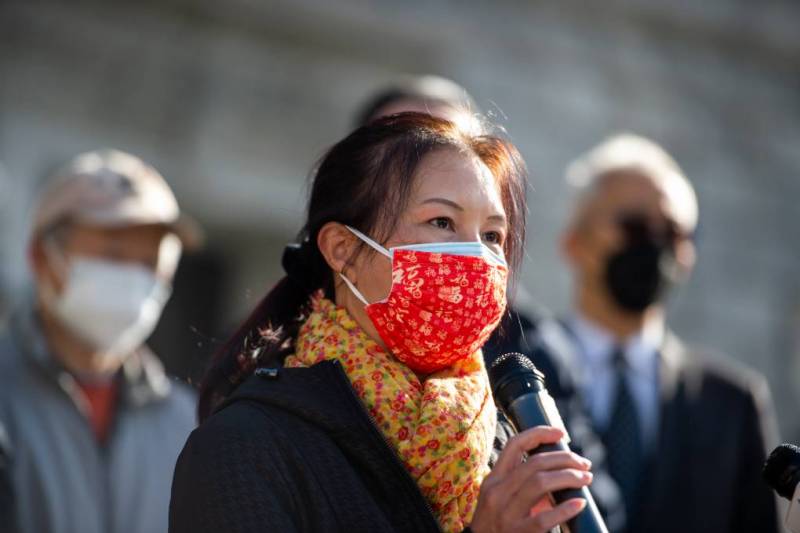
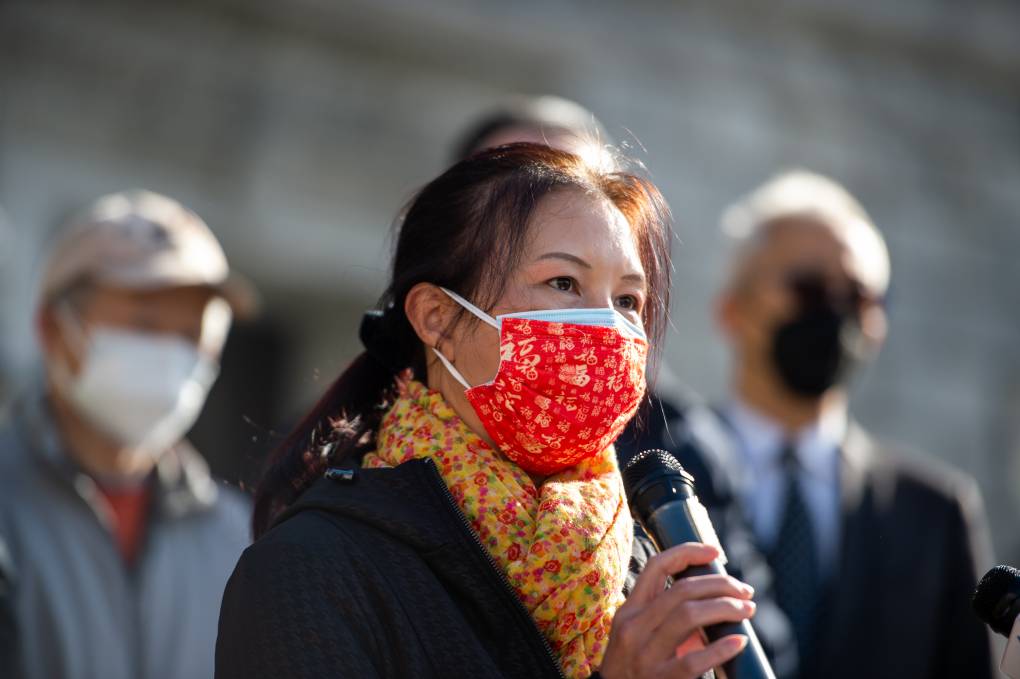
"caption": "Angela Zhou habla durante una conferencia de prensa organizada por el grupo de trabajo de alcance al votante chino/API en las escalinatas del Asian Art Museum en San Francisco el 14 de enero de 2022.",
"description": null,
"title": "ANGELA ZHOU SF SCHOO BOARD RECALL PICTURE",
"credit": "(Beth LaBerge/KQED)",
"status": "inherit",
"altTag": null,
"isLoading": false,
"fetchFailed": false
},
"news_11903295": {
"type": "attachments",
"id": "news_11903295",
"meta": {
"index": "attachments_1716263798",
"site": "news",
"id": "11903295",
"found": true
},
"parent": 11902998,
"imgSizes": {
"twentyfourteen-full-width": {
"file": "https://ww2.kqed.org/app/uploads/sites/10/2022/01/GettyImages-1322405018-1038x576.jpg",
"width": 1038,
"mimeType": "image/jpeg",
"height": 576
},
"thumbnail": {
"file": "https://ww2.kqed.org/app/uploads/sites/10/2022/01/GettyImages-1322405018-160x109.jpg",
"width": 160,
"mimeType": "image/jpeg",
"height": 109
},
"post-thumbnail": {
"file": "https://ww2.kqed.org/app/uploads/sites/10/2022/01/GettyImages-1322405018-672x372.jpg",
"width": 672,
"mimeType": "image/jpeg",
"height": 372
},
"kqedFullSize": {
"file": "https://ww2.kqed.org/app/uploads/sites/10/2022/01/GettyImages-1322405018.jpg",
"width": 1200,
"height": 821
},
"large": {
"file": "https://ww2.kqed.org/app/uploads/sites/10/2022/01/GettyImages-1322405018-1020x698.jpg",
"width": 1020,
"mimeType": "image/jpeg",
"height": 698
},
"medium": {
"file": "https://ww2.kqed.org/app/uploads/sites/10/2022/01/GettyImages-1322405018-800x547.jpg",
"width": 800,
"mimeType": "image/jpeg",
"height": 547
}
},
"publishDate": 1643413448,
"modified": 1643413921,
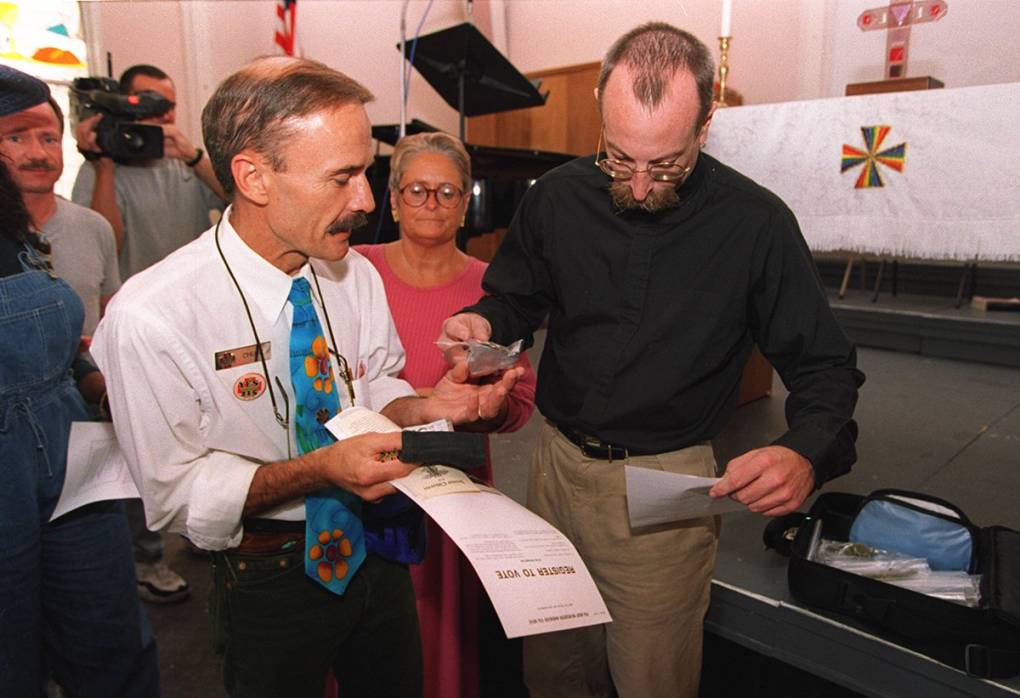
"caption": "Rev. Jim Mitulski (right), pastor of the Metropolitan Community Church of SF, hands a volunteer a bag of marijuana after church services as part of a relief effort in the summer of 1996 to help people suffering from AIDS. ",
"description": null,
"title": "MARIJUANA/C/18AUG96/MN/LS-Rev. Jim Mitulski (right) pastor of the Metropolitan Community Church of SF hands Chuck Jones, a CBC volunteer, a bag of marijuana during a medical marijuana relief effort sponsored by the church. BY LEA SUZUKI/THE CHRONICLE",
"credit": "Lea Suzuki/San Francisco Chronicle via Getty Images",
"status": "inherit",
"altTag": "One man gives another man a small bag of marijuana. A group of people stand behind them, including someone with a video camera.",
"isLoading": false,
"fetchFailed": false
},
"news_11902897": {
"type": "attachments",
"id": "news_11902897",
"meta": {
"index": "attachments_1716263798",
"site": "news",
"id": "11902897",
"found": true
},
"parent": 11902873,
"imgSizes": {
"twentyfourteen-full-width": {
"file": "https://ww2.kqed.org/app/uploads/sites/10/2022/01/23753286105_6c93115f9f_k-1038x576.jpg",
"width": 1038,
"mimeType": "image/jpeg",
"height": 576
},
"thumbnail": {
"file": "https://ww2.kqed.org/app/uploads/sites/10/2022/01/23753286105_6c93115f9f_k-160x107.jpg",
"width": 160,
"mimeType": "image/jpeg",
"height": 107
},
"post-thumbnail": {
"file": "https://ww2.kqed.org/app/uploads/sites/10/2022/01/23753286105_6c93115f9f_k-672x372.jpg",
"width": 672,
"mimeType": "image/jpeg",
"height": 372
},
"kqedFullSize": {
"file": "https://ww2.kqed.org/app/uploads/sites/10/2022/01/23753286105_6c93115f9f_k.jpg",
"width": 2047,
"height": 1365
},
"large": {
"file": "https://ww2.kqed.org/app/uploads/sites/10/2022/01/23753286105_6c93115f9f_k-1020x680.jpg",
"width": 1020,
"mimeType": "image/jpeg",
"height": 680
},
"1536x1536": {
"file": "https://ww2.kqed.org/app/uploads/sites/10/2022/01/23753286105_6c93115f9f_k-1536x1024.jpg",
"width": 1536,
"mimeType": "image/jpeg",
"height": 1024
},
"full-width": {
"file": "https://ww2.kqed.org/app/uploads/sites/10/2022/01/23753286105_6c93115f9f_k-1920x1280.jpg",
"width": 1920,
"mimeType": "image/jpeg",
"height": 1280
},
"medium": {
"file": "https://ww2.kqed.org/app/uploads/sites/10/2022/01/23753286105_6c93115f9f_k-800x533.jpg",
"width": 800,
"mimeType": "image/jpeg",
"height": 533
}
},
"publishDate": 1643303554,
"modified": 1643402320,
"caption": "Isn't staying in great? Cozy up this weekend with this sound-rich Bay Curious playlist.",
"description": null,
"title": "23753286105_6c93115f9f_k",
"credit": "Daniel Foster/flickr",
"status": "inherit",
"altTag": "A man in a blue collared shirt laying down and adjusting his headphones.",
"isLoading": false,
"fetchFailed": false
},
"news_11902766": {
"type": "attachments",
"id": "news_11902766",
"meta": {
"index": "attachments_1716263798",
"site": "news",
"id": "11902766",
"found": true
},
"parent": 11902654,
"imgSizes": {
"twentyfourteen-full-width": {
"file": "https://ww2.kqed.org/app/uploads/sites/10/2022/01/RS53072_033_KQED_BethLaBerge_SchoolBoardRecallPresser_01142022-1038x576.jpg",
"width": 1038,
"mimeType": "image/jpeg",
"height": 576
},
"thumbnail": {
"file": "https://ww2.kqed.org/app/uploads/sites/10/2022/01/RS53072_033_KQED_BethLaBerge_SchoolBoardRecallPresser_01142022-160x106.jpg",
"width": 160,
"mimeType": "image/jpeg",
"height": 106
},
"post-thumbnail": {
"file": "https://ww2.kqed.org/app/uploads/sites/10/2022/01/RS53072_033_KQED_BethLaBerge_SchoolBoardRecallPresser_01142022-672x372.jpg",
"width": 672,
"mimeType": "image/jpeg",
"height": 372
},
"kqedFullSize": {
"file": "https://ww2.kqed.org/app/uploads/sites/10/2022/01/RS53072_033_KQED_BethLaBerge_SchoolBoardRecallPresser_01142022-scaled-e1643231503635.jpg",
"width": 1920,
"height": 1278
},
"2048x2048": {
"file": "https://ww2.kqed.org/app/uploads/sites/10/2022/01/RS53072_033_KQED_BethLaBerge_SchoolBoardRecallPresser_01142022-2048x1363.jpg",
"width": 2048,
"mimeType": "image/jpeg",
"height": 1363
},
"large": {
"file": "https://ww2.kqed.org/app/uploads/sites/10/2022/01/RS53072_033_KQED_BethLaBerge_SchoolBoardRecallPresser_01142022-1020x679.jpg",
"width": 1020,
"mimeType": "image/jpeg",
"height": 679
},
"1536x1536": {
"file": "https://ww2.kqed.org/app/uploads/sites/10/2022/01/RS53072_033_KQED_BethLaBerge_SchoolBoardRecallPresser_01142022-1536x1022.jpg",
"width": 1536,
"mimeType": "image/jpeg",
"height": 1022
},
"full-width": {
"file": "https://ww2.kqed.org/app/uploads/sites/10/2022/01/RS53072_033_KQED_BethLaBerge_SchoolBoardRecallPresser_01142022-1920x1278.jpg",
"width": 1920,
"mimeType": "image/jpeg",
"height": 1278
},
"medium": {
"file": "https://ww2.kqed.org/app/uploads/sites/10/2022/01/RS53072_033_KQED_BethLaBerge_SchoolBoardRecallPresser_01142022-800x532.jpg",
"width": 800,
"mimeType": "image/jpeg",
"height": 532
}
},
"publishDate": 1643231478,
"modified": 1643653008,
"caption": "Angela Zhou speaks during a press conference held by the Chinese/API Voter Outreach Taskforce on the steps of the Asian Art Museum in San Francisco on Jan. 14, 2022.",
"description": null,
"title": "RS53072_033_KQED_BethLaBerge_SchoolBoardRecallPresser_01142022",
"credit": "Beth LaBerge/KQED",
"status": "inherit",
"altTag": "A woman wearing a red mask and yellow scarf holds a microphone.",
"isLoading": false,
"fetchFailed": false
},
"news_11834975": {
"type": "attachments",
"id": "news_11834975",
"meta": {
"index": "attachments_1716263798",
"site": "news",
"id": "11834975",
"found": true
},
"parent": 11834961,
"imgSizes": {
"apple_news_ca_landscape_5_5": {
"file": "https://ww2.kqed.org/app/uploads/sites/10/2020/08/PalaceFineArts-DavidYu-1044x783.jpg",
"width": 1044,
"mimeType": "image/jpeg",
"height": 783
},
"apple_news_ca_square_4_0": {
"file": "https://ww2.kqed.org/app/uploads/sites/10/2020/08/PalaceFineArts-DavidYu-470x470.jpg",
"width": 470,
"mimeType": "image/jpeg",
"height": 470
},
"twentyfourteen-full-width": {
"file": "https://ww2.kqed.org/app/uploads/sites/10/2020/08/PalaceFineArts-DavidYu-1038x576.jpg",
"width": 1038,
"mimeType": "image/jpeg",
"height": 576
},
"thumbnail": {
"file": "https://ww2.kqed.org/app/uploads/sites/10/2020/08/PalaceFineArts-DavidYu-160x107.jpg",
"width": 160,
"mimeType": "image/jpeg",
"height": 107
},
"post-thumbnail": {
"file": "https://ww2.kqed.org/app/uploads/sites/10/2020/08/PalaceFineArts-DavidYu-672x372.jpg",
"width": 672,
"mimeType": "image/jpeg",
"height": 372
},
"kqedFullSize": {
"file": "https://ww2.kqed.org/app/uploads/sites/10/2020/08/PalaceFineArts-DavidYu.jpg",
"width": 1500,
"height": 1001
},
"apple_news_ca_landscape_4_7": {
"file": "https://ww2.kqed.org/app/uploads/sites/10/2020/08/PalaceFineArts-DavidYu-632x474.jpg",
"width": 632,
"mimeType": "image/jpeg",
"height": 474
},
"large": {
"file": "https://ww2.kqed.org/app/uploads/sites/10/2020/08/PalaceFineArts-DavidYu-1020x681.jpg",
"width": 1020,
"mimeType": "image/jpeg",
"height": 681
},
"apple_news_ca_landscape_4_0": {
"file": "https://ww2.kqed.org/app/uploads/sites/10/2020/08/PalaceFineArts-DavidYu-536x402.jpg",
"width": 536,
"mimeType": "image/jpeg",
"height": 402
},
"apple_news_ca_portrait_12_9": {
"file": "https://ww2.kqed.org/app/uploads/sites/10/2020/08/PalaceFineArts-DavidYu-1122x1001.jpg",
"width": 1122,
"mimeType": "image/jpeg",
"height": 1001
},
"medium": {
"file": "https://ww2.kqed.org/app/uploads/sites/10/2020/08/PalaceFineArts-DavidYu-800x534.jpg",
"width": 800,
"mimeType": "image/jpeg",
"height": 534
},
"apple_news_ca_portrait_4_0": {
"file": "https://ww2.kqed.org/app/uploads/sites/10/2020/08/PalaceFineArts-DavidYu-354x472.jpg",
"width": 354,
"mimeType": "image/jpeg",
"height": 472
},
"apple_news_ca_portrait_9_7": {
"file": "https://ww2.kqed.org/app/uploads/sites/10/2020/08/PalaceFineArts-DavidYu-840x1001.jpg",
"width": 840,
"mimeType": "image/jpeg",
"height": 1001
},
"apple_news_ca_square_9_7": {
"file": "https://ww2.kqed.org/app/uploads/sites/10/2020/08/PalaceFineArts-DavidYu-1104x1001.jpg",
"width": 1104,
"mimeType": "image/jpeg",
"height": 1001
},
"apple_news_ca_portrait_4_7": {
"file": "https://ww2.kqed.org/app/uploads/sites/10/2020/08/PalaceFineArts-DavidYu-414x552.jpg",
"width": 414,
"mimeType": "image/jpeg",
"height": 552
},
"apple_news_ca_square_12_9": {
"file": "https://ww2.kqed.org/app/uploads/sites/10/2020/08/PalaceFineArts-DavidYu-1472x1001.jpg",
"width": 1472,
"mimeType": "image/jpeg",
"height": 1001
},
"apple_news_ca_portrait_5_5": {
"file": "https://ww2.kqed.org/app/uploads/sites/10/2020/08/PalaceFineArts-DavidYu-687x916.jpg",
"width": 687,
"mimeType": "image/jpeg",
"height": 916
},
"apple_news_ca_square_4_7": {
"file": "https://ww2.kqed.org/app/uploads/sites/10/2020/08/PalaceFineArts-DavidYu-550x550.jpg",
"width": 550,
"mimeType": "image/jpeg",
"height": 550
},
"apple_news_ca_landscape_9_7": {
"file": "https://ww2.kqed.org/app/uploads/sites/10/2020/08/PalaceFineArts-DavidYu-1376x1001.jpg",
"width": 1376,
"mimeType": "image/jpeg",
"height": 1001
},
"apple_news_ca_square_5_5": {
"file": "https://ww2.kqed.org/app/uploads/sites/10/2020/08/PalaceFineArts-DavidYu-912x912.jpg",
"width": 912,
"mimeType": "image/jpeg",
"height": 912
}
},
"publishDate": 1598312264,
"modified": 1642110807,
"caption": "The Palace of Fine Arts lagoon has been home to many swans throughout the years.",
"description": null,
"title": "PalaceFineArts-DavidYu",
"credit": "\u003ca href=\"https://www.flickr.com/photos/davidyuweb/9450013295/\">David Yu\u003c/a>/Flickr",
"status": "inherit",
"altTag": null,
"isLoading": false,
"fetchFailed": false
},
"news_11900906": {
"type": "attachments",
"id": "news_11900906",
"meta": {
"index": "attachments_1716263798",
"site": "news",
"id": "11900906",
"found": true
},
"title": "San Francisco Mayor London Breed And Essential Workers Mark One-Year Since Covid Lockdowns In Bay Area",
"publishDate": 1641424316,
"status": "inherit",
"parent": 11900729,
"modified": 1641429538,
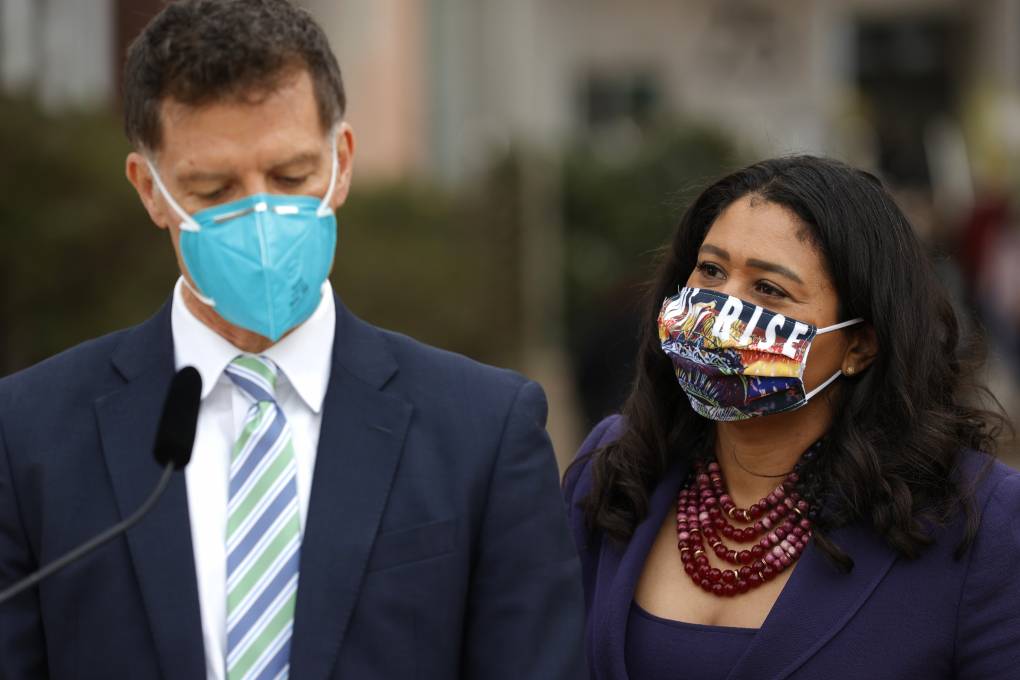
"caption": "San Francisco Mayor London Breed (right) looks on as Dr. Grant Colfax, director of health for San Francisco, speaks during a news conference outside Zuckerberg San Francisco General Hospital with essential workers to mark the one-year anniversary of the COVID-19 lockdown, on March 17, 2021, in San Francisco.",
"credit": "Justin Sullivan/Getty Images",
"altTag": "A man and woman stand next to each other. The man is wearing a business suit and light blue mask in front of a microphone and the woman is wearing a navy blue jacket with a red beaded necklace and multicolored mask.",
"description": null,
"imgSizes": {
"medium": {
"file": "https://cdn.kqed.org/wp-content/uploads/sites/10/2022/01/GettyImages-1307622423-800x533.jpg",
"width": 800,
"height": 533,
"mimeType": "image/jpeg"
},
"large": {
"file": "https://cdn.kqed.org/wp-content/uploads/sites/10/2022/01/GettyImages-1307622423-1020x680.jpg",
"width": 1020,
"height": 680,
"mimeType": "image/jpeg"
},
"thumbnail": {
"file": "https://cdn.kqed.org/wp-content/uploads/sites/10/2022/01/GettyImages-1307622423-160x107.jpg",
"width": 160,
"height": 107,
"mimeType": "image/jpeg"
},
"1536x1536": {
"file": "https://cdn.kqed.org/wp-content/uploads/sites/10/2022/01/GettyImages-1307622423-1536x1024.jpg",
"width": 1536,
"height": 1024,
"mimeType": "image/jpeg"
},
"2048x2048": {
"file": "https://cdn.kqed.org/wp-content/uploads/sites/10/2022/01/GettyImages-1307622423-2048x1365.jpg",
"width": 2048,
"height": 1365,
"mimeType": "image/jpeg"
},
"post-thumbnail": {
"file": "https://cdn.kqed.org/wp-content/uploads/sites/10/2022/01/GettyImages-1307622423-672x372.jpg",
"width": 672,
"height": 372,
"mimeType": "image/jpeg"
},
"twentyfourteen-full-width": {
"file": "https://cdn.kqed.org/wp-content/uploads/sites/10/2022/01/GettyImages-1307622423-1038x576.jpg",
"width": 1038,
"height": 576,
"mimeType": "image/jpeg"
},
"full-width": {
"file": "https://cdn.kqed.org/wp-content/uploads/sites/10/2022/01/GettyImages-1307622423-1920x1280.jpg",
"width": 1920,
"height": 1280,
"mimeType": "image/jpeg"
},
"kqedFullSize": {
"file": "https://cdn.kqed.org/wp-content/uploads/sites/10/2022/01/GettyImages-1307622423-scaled-e1737076380340.jpg",
"width": 2000,
"height": 1334
}
},
"isLoading": false,
"fetchFailed": false
},
"news_11900543": {
"type": "attachments",
"id": "news_11900543",
"meta": {
"index": "attachments_1716263798",
"site": "news",
"id": "11900543",
"found": true
},
"parent": 11900535,
"imgSizes": {
"twentyfourteen-full-width": {
"file": "https://ww2.kqed.org/app/uploads/sites/10/2021/12/RosaDiaz3-1038x576.jpg",
"width": 1038,
"mimeType": "image/jpeg",
"height": 576
},
"thumbnail": {
"file": "https://ww2.kqed.org/app/uploads/sites/10/2021/12/RosaDiaz3-160x114.jpg",
"width": 160,
"mimeType": "image/jpeg",
"height": 114
},
"post-thumbnail": {
"file": "https://ww2.kqed.org/app/uploads/sites/10/2021/12/RosaDiaz3-672x372.jpg",
"width": 672,
"mimeType": "image/jpeg",
"height": 372
},
"kqedFullSize": {
"file": "https://ww2.kqed.org/app/uploads/sites/10/2021/12/RosaDiaz3.jpg",
"width": 1200,
"height": 857
},
"large": {
"file": "https://ww2.kqed.org/app/uploads/sites/10/2021/12/RosaDiaz3-1020x728.jpg",
"width": 1020,
"mimeType": "image/jpeg",
"height": 728
},
"medium": {
"file": "https://ww2.kqed.org/app/uploads/sites/10/2021/12/RosaDiaz3-800x571.jpg",
"width": 800,
"mimeType": "image/jpeg",
"height": 571
}
},
"publishDate": 1640896703,
"modified": 1640896778,
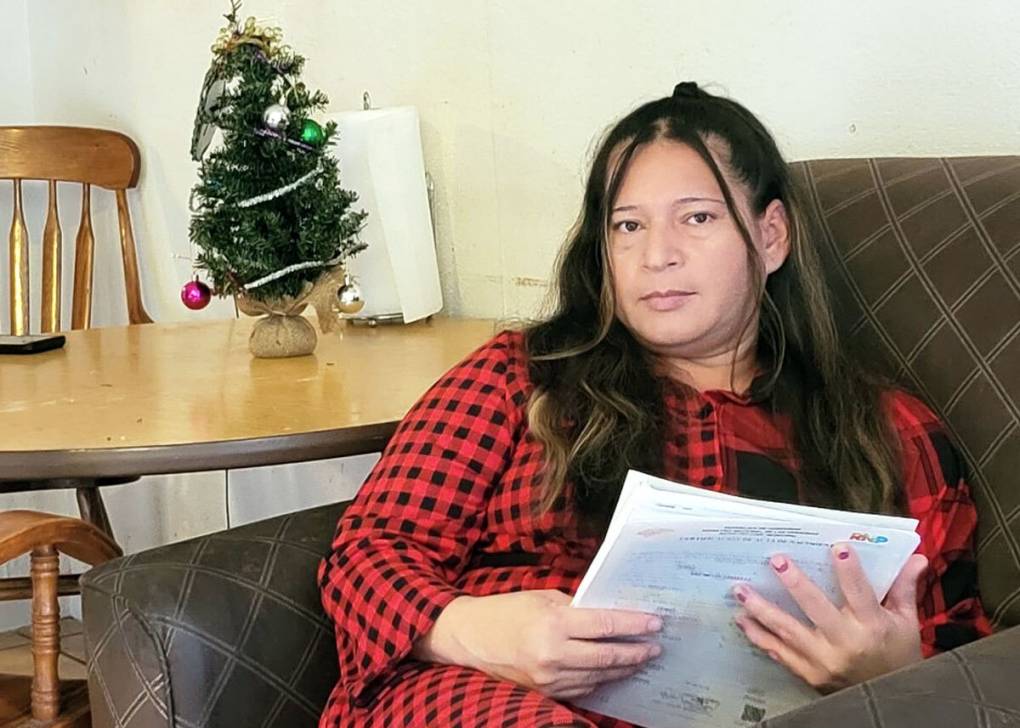
"caption": "Sitting in her home in Colusa County on Dec. 29, 2021, Rosa Díaz holds the papers she was given by immigration officials when she fled Honduras and asked for asylum at the U.S. border. Díaz was ordered deported 'in absentia' when she missed a hearing in immigration court due to a clerical error in her address.",
"description": null,
"title": "RosaDiaz3",
"credit": "Courtesy of Rosa Díaz",
"status": "inherit",
"altTag": "A woman sits in a red plaid dress holding papers with a Christmas tree in the background.",
"isLoading": false,
"fetchFailed": false
},
"news_11900203": {
"type": "attachments",
"id": "news_11900203",
"meta": {
"index": "attachments_1716263798",
"site": "news",
"id": "11900203",
"found": true
},
"parent": 11900195,
"imgSizes": {
"twentyfourteen-full-width": {
"file": "https://ww2.kqed.org/app/uploads/sites/10/2021/12/NPR-fentanyl-5-1038x576.jpg",
"width": 1038,
"mimeType": "image/jpeg",
"height": 576
},
"thumbnail": {
"file": "https://ww2.kqed.org/app/uploads/sites/10/2021/12/NPR-fentanyl-5-160x107.jpg",
"width": 160,
"mimeType": "image/jpeg",
"height": 107
},
"post-thumbnail": {
"file": "https://ww2.kqed.org/app/uploads/sites/10/2021/12/NPR-fentanyl-5-672x372.jpg",
"width": 672,
"mimeType": "image/jpeg",
"height": 372
},
"kqedFullSize": {
"file": "https://ww2.kqed.org/app/uploads/sites/10/2021/12/NPR-fentanyl-5.jpg",
"width": 1224,
"height": 816
},
"large": {
"file": "https://ww2.kqed.org/app/uploads/sites/10/2021/12/NPR-fentanyl-5-1020x680.jpg",
"width": 1020,
"mimeType": "image/jpeg",
"height": 680
},
"medium": {
"file": "https://ww2.kqed.org/app/uploads/sites/10/2021/12/NPR-fentanyl-5-800x533.jpg",
"width": 800,
"mimeType": "image/jpeg",
"height": 533
}
},
"publishDate": 1640299388,
"modified": 1661260992,
"caption": null,
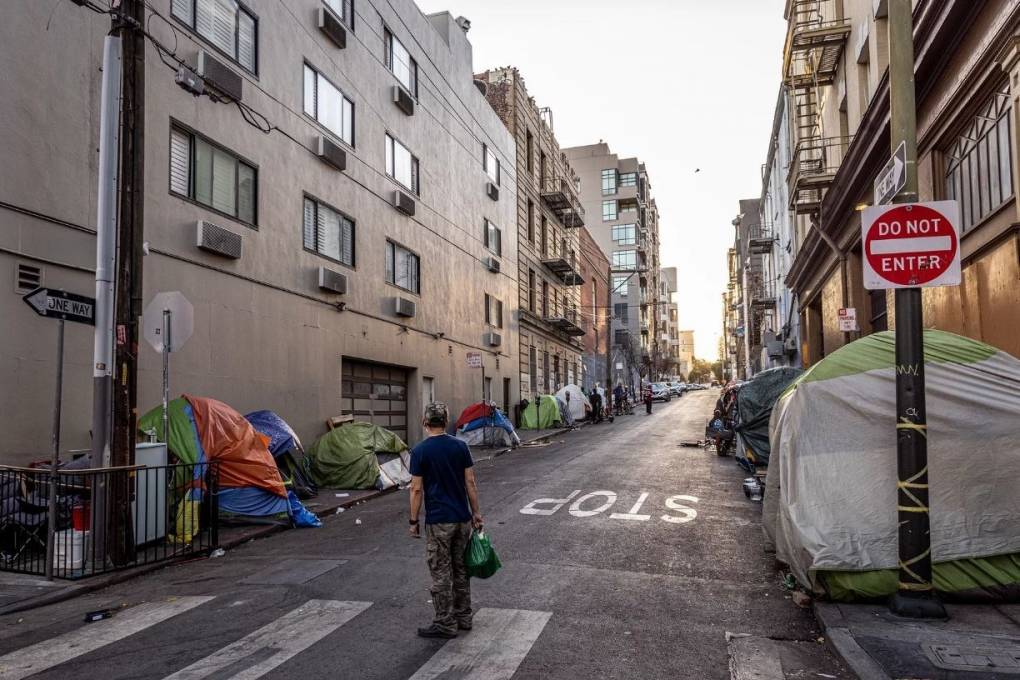
"description": "People live in tents that line a side street in the Tenderloin District. More than 40% of all drug overdoses are in the Tenderloin and neighboring SoMa districts, according to city data.",
"title": "NPR-fentanyl-5",
"credit": "Rachel Bujalski for NPR",
"status": "inherit",
"altTag": "A person stands in the middle of the street and looks down the sidewalk where there are dozens of tents lined up",
"isLoading": false,
"fetchFailed": false
},
"news_11720643": {
"type": "attachments",
"id": "news_11720643",
"meta": {
"index": "attachments_1716263798",
"site": "news",
"id": "11720643",
"found": true
},
"parent": 11719871,
"imgSizes": {
"twentyfourteen-full-width": {
"file": "https://ww2.kqed.org/app/uploads/sites/10/2019/01/BayCurious_opt1-1038x576.jpg",
"width": 1038,
"mimeType": "image/jpeg",
"height": 576
},
"thumbnail": {
"file": "https://ww2.kqed.org/app/uploads/sites/10/2019/01/BayCurious_opt1-160x90.jpg",
"width": 160,
"mimeType": "image/jpeg",
"height": 90
},
"post-thumbnail": {
"file": "https://ww2.kqed.org/app/uploads/sites/10/2019/01/BayCurious_opt1-672x372.jpg",
"width": 672,
"mimeType": "image/jpeg",
"height": 372
},
"kqedFullSize": {
"file": "https://ww2.kqed.org/app/uploads/sites/10/2019/01/BayCurious_opt1.jpg",
"width": 1920,
"height": 1080
},
"large": {
"file": "https://ww2.kqed.org/app/uploads/sites/10/2019/01/BayCurious_opt1-1020x574.jpg",
"width": 1020,
"mimeType": "image/jpeg",
"height": 574
},
"complete_open_graph": {
"file": "https://ww2.kqed.org/app/uploads/sites/10/2019/01/BayCurious_opt1-1200x675.jpg",
"width": 1200,
"mimeType": "image/jpeg",
"height": 675
},
"guest-author-50": {
"file": "https://ww2.kqed.org/app/uploads/sites/10/2019/01/BayCurious_opt1-50x50.jpg",
"width": 50,
"mimeType": "image/jpeg",
"height": 50
},
"guest-author-96": {
"file": "https://ww2.kqed.org/app/uploads/sites/10/2019/01/BayCurious_opt1-96x96.jpg",
"width": 96,
"mimeType": "image/jpeg",
"height": 96
},
"medium": {
"file": "https://ww2.kqed.org/app/uploads/sites/10/2019/01/BayCurious_opt1-800x450.jpg",
"width": 800,
"mimeType": "image/jpeg",
"height": 450
},
"guest-author-64": {
"file": "https://ww2.kqed.org/app/uploads/sites/10/2019/01/BayCurious_opt1-64x64.jpg",
"width": 64,
"mimeType": "image/jpeg",
"height": 64
},
"guest-author-32": {
"file": "https://ww2.kqed.org/app/uploads/sites/10/2019/01/BayCurious_opt1-32x32.jpg",
"width": 32,
"mimeType": "image/jpeg",
"height": 32
},
"full-width": {
"file": "https://ww2.kqed.org/app/uploads/sites/10/2019/01/BayCurious_opt1-1920x1080.jpg",
"width": 1920,
"mimeType": "image/jpeg",
"height": 1080
},
"detail": {
"file": "https://ww2.kqed.org/app/uploads/sites/10/2019/01/BayCurious_opt1-150x150.jpg",
"width": 150,
"mimeType": "image/jpeg",
"height": 150
},
"guest-author-128": {
"file": "https://ww2.kqed.org/app/uploads/sites/10/2019/01/BayCurious_opt1-128x128.jpg",
"width": 128,
"mimeType": "image/jpeg",
"height": 128
}
},
"publishDate": 1548309575,
"modified": 1548309620,
"caption": "Accent is different from word choice. It's about how a word is pronounced. ",
"description": "Accent is different from word choice. It's about how a word is pronounced. ",
"title": "BayCurious_opt1",
"credit": "Kelly Heigert/KQED",
"status": "inherit",
"isLoading": false,
"fetchFailed": false
},
"news_11899168": {
"type": "attachments",
"id": "news_11899168",
"meta": {
"index": "attachments_1716263798",
"site": "news",
"id": "11899168",
"found": true
},
"parent": 11899150,
"imgSizes": {
"twentyfourteen-full-width": {
"file": "https://ww2.kqed.org/app/uploads/sites/10/2021/12/GettyImages-1346760464-1038x576.jpg",
"width": 1038,
"mimeType": "image/jpeg",
"height": 576
},
"thumbnail": {
"file": "https://ww2.kqed.org/app/uploads/sites/10/2021/12/GettyImages-1346760464-160x107.jpg",
"width": 160,
"mimeType": "image/jpeg",
"height": 107
},
"post-thumbnail": {
"file": "https://ww2.kqed.org/app/uploads/sites/10/2021/12/GettyImages-1346760464-672x372.jpg",
"width": 672,
"mimeType": "image/jpeg",
"height": 372
},
"kqedFullSize": {
"file": "https://ww2.kqed.org/app/uploads/sites/10/2021/12/GettyImages-1346760464-scaled.jpg",
"width": 2560,
"height": 1707
},
"2048x2048": {
"file": "https://ww2.kqed.org/app/uploads/sites/10/2021/12/GettyImages-1346760464-2048x1365.jpg",
"width": 2048,
"mimeType": "image/jpeg",
"height": 1365
},
"large": {
"file": "https://ww2.kqed.org/app/uploads/sites/10/2021/12/GettyImages-1346760464-1020x680.jpg",
"width": 1020,
"mimeType": "image/jpeg",
"height": 680
},
"1536x1536": {
"file": "https://ww2.kqed.org/app/uploads/sites/10/2021/12/GettyImages-1346760464-1536x1024.jpg",
"width": 1536,
"mimeType": "image/jpeg",
"height": 1024
},
"full-width": {
"file": "https://ww2.kqed.org/app/uploads/sites/10/2021/12/GettyImages-1346760464-1920x1280.jpg",
"width": 1920,
"mimeType": "image/jpeg",
"height": 1280
},
"medium": {
"file": "https://ww2.kqed.org/app/uploads/sites/10/2021/12/GettyImages-1346760464-800x533.jpg",
"width": 800,
"mimeType": "image/jpeg",
"height": 533
}
},
"publishDate": 1639598883,
"modified": 1639623967,
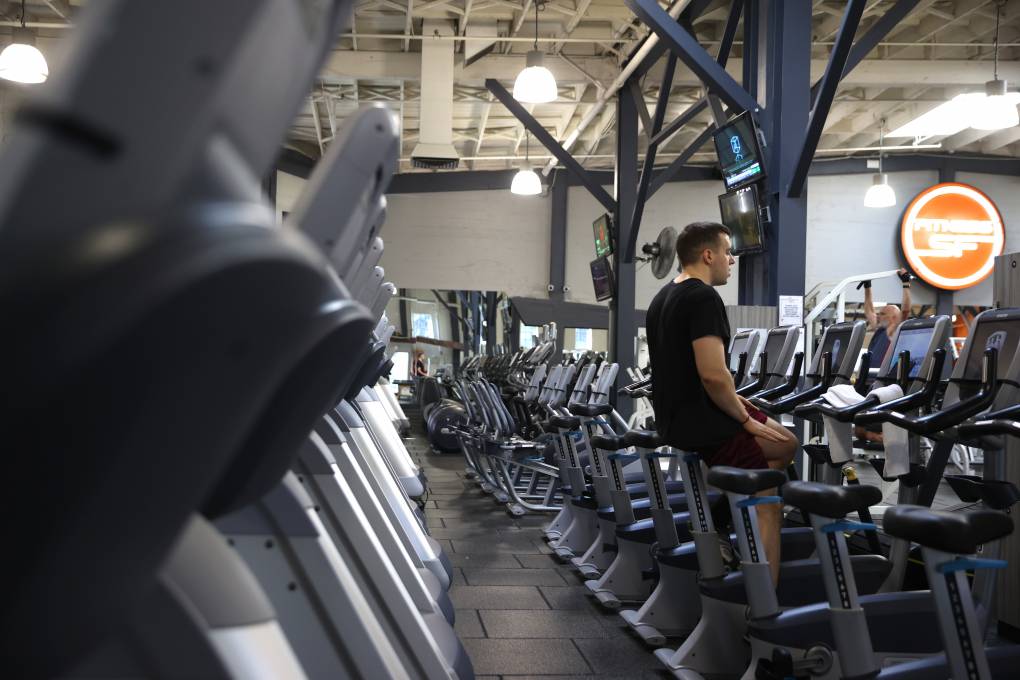
"caption": "A man without a face mask rides a stationary bike in a Fitness SF gym on Oct. 15, 2021. San Francisco is among a handful of Bay Area counties — including Marin and Contra Costa — made exempt from some of the new statewide indoor mask-mandate requirements that go into effect today.",
"description": "A person rides a stationary bike without a face mask in a Fitness SF gym on October 15, 2021, in San Francisco.",
"title": "San Francisco Eases Indoor Mask Requirements",
"credit": "Justin Sullivan/Getty Images",
"status": "inherit",
"altTag": "A man rides a stationary bike in a gym.",
"isLoading": false,
"fetchFailed": false
},
"news_11899110": {
"type": "attachments",
"id": "news_11899110",
"meta": {
"index": "attachments_1716263798",
"site": "news",
"id": "11899110",
"found": true
},
"parent": 11899060,
"imgSizes": {
"twentyfourteen-full-width": {
"file": "https://ww2.kqed.org/app/uploads/sites/10/2021/12/20211214_115252-1038x576.jpg",
"width": 1038,
"mimeType": "image/jpeg",
"height": 576
},
"thumbnail": {
"file": "https://ww2.kqed.org/app/uploads/sites/10/2021/12/20211214_115252-160x121.jpg",
"width": 160,
"mimeType": "image/jpeg",
"height": 121
},
"post-thumbnail": {
"file": "https://ww2.kqed.org/app/uploads/sites/10/2021/12/20211214_115252-672x372.jpg",
"width": 672,
"mimeType": "image/jpeg",
"height": 372
},
"kqedFullSize": {
"file": "https://ww2.kqed.org/app/uploads/sites/10/2021/12/20211214_115252-scaled.jpg",
"width": 2560,
"height": 1934
},
"2048x2048": {
"file": "https://ww2.kqed.org/app/uploads/sites/10/2021/12/20211214_115252-2048x1547.jpg",
"width": 2048,
"mimeType": "image/jpeg",
"height": 1547
},
"large": {
"file": "https://ww2.kqed.org/app/uploads/sites/10/2021/12/20211214_115252-1020x771.jpg",
"width": 1020,
"mimeType": "image/jpeg",
"height": 771
},
"1536x1536": {
"file": "https://ww2.kqed.org/app/uploads/sites/10/2021/12/20211214_115252-1536x1161.jpg",
"width": 1536,
"mimeType": "image/jpeg",
"height": 1161
},
"full-width": {
"file": "https://ww2.kqed.org/app/uploads/sites/10/2021/12/20211214_115252-1920x1451.jpg",
"width": 1920,
"mimeType": "image/jpeg",
"height": 1451
},
"medium": {
"file": "https://ww2.kqed.org/app/uploads/sites/10/2021/12/20211214_115252-800x604.jpg",
"width": 800,
"mimeType": "image/jpeg",
"height": 604
}
},
"publishDate": 1639532879,
"modified": 1639599075,
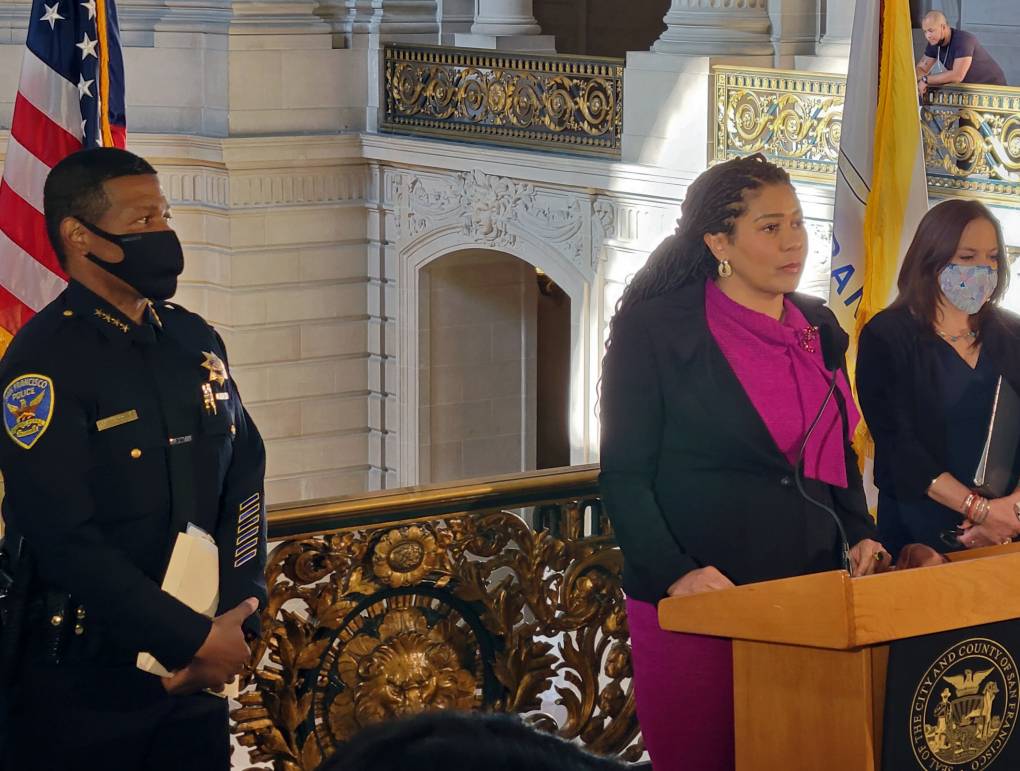
"caption": "San Francisco Mayor London Breed, flanked by Police Chief Bill Scott, left, on the balcony of City Hall on Dec. 14, 2021, announcing a plan to combat crime in the city's Tenderloin neighborhood.",
"description": null,
"title": "20211214_115252",
"credit": "Alex Emslie/KQED",
"status": "inherit",
"altTag": "SF Mayor London Breed stands at a lectern on a balcony at City Hall.",
"isLoading": false,
"fetchFailed": false
},
"news_11898048": {
"type": "attachments",
"id": "news_11898048",
"meta": {
"index": "attachments_1716263798",
"site": "news",
"id": "11898048",
"found": true
},
"parent": 11898018,
"imgSizes": {
"twentyfourteen-full-width": {
"file": "https://ww2.kqed.org/app/uploads/sites/10/2021/12/KNR912_MARQUEE-1038x576.jpeg",
"width": 1038,
"mimeType": "image/jpeg",
"height": 576
},
"thumbnail": {
"file": "https://ww2.kqed.org/app/uploads/sites/10/2021/12/KNR912_MARQUEE-160x90.jpeg",
"width": 160,
"mimeType": "image/jpeg",
"height": 90
},
"post-thumbnail": {
"file": "https://ww2.kqed.org/app/uploads/sites/10/2021/12/KNR912_MARQUEE-672x372.jpeg",
"width": 672,
"mimeType": "image/jpeg",
"height": 372
},
"kqedFullSize": {
"file": "https://ww2.kqed.org/app/uploads/sites/10/2021/12/KNR912_MARQUEE.jpeg",
"width": 1920,
"height": 1080
},
"large": {
"file": "https://ww2.kqed.org/app/uploads/sites/10/2021/12/KNR912_MARQUEE-1020x574.jpeg",
"width": 1020,
"mimeType": "image/jpeg",
"height": 574
},
"1536x1536": {
"file": "https://ww2.kqed.org/app/uploads/sites/10/2021/12/KNR912_MARQUEE-1536x864.jpeg",
"width": 1536,
"mimeType": "image/jpeg",
"height": 864
},
"medium": {
"file": "https://ww2.kqed.org/app/uploads/sites/10/2021/12/KNR912_MARQUEE-800x450.jpeg",
"width": 800,
"mimeType": "image/jpeg",
"height": 450
}
},
"publishDate": 1638570408,
"modified": 1638570429,
"caption": null,
"description": null,
"title": "KNR912_MARQUEE",
"credit": null,
"status": "inherit",
"altTag": "Dr. Peter Chin-Hong, UCSF",
"isLoading": false,
"fetchFailed": false
}
},
"audioPlayerReducer": {
"postId": "stream_live",
"isPaused": true,
"isPlaying": false,
"pfsActive": false,
"pledgeModalIsOpen": true,
"playerDrawerIsOpen": false,
"liveAudioPlayStartedAt": 0,
"liveAudioPlayContext": ""
},
"authorsReducer": {
"gmarzorati": {
"type": "authors",
"id": "227",
"meta": {
"index": "authors_1716337520",
"id": "227",
"found": true
},
"name": "Guy Marzorati",
"firstName": "Guy",
"lastName": "Marzorati",
"slug": "gmarzorati",
"email": "gmarzorati@KQED.org",
"display_author_email": true,
"staff_mastheads": [
"news"
],
"title": "Correspondent",
"bio": "Guy Marzorati is a correspondent on KQED's California Politics and Government Desk, based in San Jose. A graduate of Santa Clara University, Guy joined KQED in 2013. He reports on state and local politics and produces KQED's digital voter guide.",
"avatar": "https://secure.gravatar.com/avatar/e7038b8dbfd55b104369b76b1cd0b9de?s=600&d=blank&r=g",
"twitter": "guymarzorati",
"facebook": null,
"instagram": null,
"linkedin": null,
"sites": [
{
"site": "",
"roles": [
"editor"
]
},
{
"site": "news",
"roles": [
"editor"
]
},
{
"site": "science",
"roles": [
"editor"
]
},
{
"site": "forum",
"roles": [
"editor"
]
},
{
"site": "elections",
"roles": [
"editor"
]
},
{
"site": "liveblog",
"roles": [
"editor"
]
}
],
"headData": {
"title": "Guy Marzorati | KQED",
"description": "Correspondent",
"ogImgSrc": "https://secure.gravatar.com/avatar/e7038b8dbfd55b104369b76b1cd0b9de?s=600&d=blank&r=g",
"twImgSrc": "https://secure.gravatar.com/avatar/e7038b8dbfd55b104369b76b1cd0b9de?s=600&d=blank&r=g"
},
"isLoading": false,
"link": "/author/gmarzorati"
},
"kqed": {
"type": "authors",
"id": "236",
"meta": {
"index": "authors_1716337520",
"id": "236",
"found": true
},
"name": "KQED News Staff",
"firstName": "KQED News Staff",
"lastName": null,
"slug": "kqed",
"email": "faq@kqed.org",
"display_author_email": false,
"staff_mastheads": [],
"title": null,
"bio": null,
"avatar": "https://secure.gravatar.com/avatar/ef0e801a68c4c54afa9180db14084167?s=600&d=blank&r=g",
"twitter": null,
"facebook": null,
"instagram": null,
"linkedin": null,
"sites": [
{
"site": "arts",
"roles": [
"contributor"
]
},
{
"site": "news",
"roles": [
"editor"
]
},
{
"site": "futureofyou",
"roles": [
"author"
]
}
],
"headData": {
"title": "KQED News Staff | KQED",
"description": null,
"ogImgSrc": "https://secure.gravatar.com/avatar/ef0e801a68c4c54afa9180db14084167?s=600&d=blank&r=g",
"twImgSrc": "https://secure.gravatar.com/avatar/ef0e801a68c4c54afa9180db14084167?s=600&d=blank&r=g"
},
"isLoading": false,
"link": "/author/kqed"
},
"kqednewsstaffandwires": {
"type": "authors",
"id": "237",
"meta": {
"index": "authors_1716337520",
"id": "237",
"found": true
},
"name": "KQED News Staff and Wires",
"firstName": "KQED News Staff and Wires",
"lastName": null,
"slug": "kqednewsstaffandwires",
"email": "onlinenewsstaff@kqed.org",
"display_author_email": false,
"staff_mastheads": [],
"title": null,
"bio": null,
"avatar": "https://secure.gravatar.com/avatar/72295af8ebbfbd19a4948f5271285664?s=600&d=blank&r=g",
"twitter": null,
"facebook": null,
"instagram": null,
"linkedin": null,
"sites": [
{
"site": "arts",
"roles": [
"contributor"
]
},
{
"site": "news",
"roles": [
"contributor"
]
},
{
"site": "lowdown",
"roles": [
"author"
]
},
{
"site": "stateofhealth",
"roles": [
"contributor"
]
},
{
"site": "food",
"roles": [
"author"
]
}
],
"headData": {
"title": "KQED News Staff and Wires | KQED",
"description": null,
"ogImgSrc": "https://secure.gravatar.com/avatar/72295af8ebbfbd19a4948f5271285664?s=600&d=blank&r=g",
"twImgSrc": "https://secure.gravatar.com/avatar/72295af8ebbfbd19a4948f5271285664?s=600&d=blank&r=g"
},
"isLoading": false,
"link": "/author/kqednewsstaffandwires"
},
"ninathorsen": {
"type": "authors",
"id": "246",
"meta": {
"index": "authors_1716337520",
"id": "246",
"found": true
},
"name": "Nina Thorsen",
"firstName": "Nina",
"lastName": "Thorsen",
"slug": "ninathorsen",
"email": "nthorsen@kqed.org",
"display_author_email": false,
"staff_mastheads": [
"news"
],
"title": "Producer, Radio",
"bio": "\u003cspan style=\"color: #000000;\">Nina Thorsen is a KQED radio producer, and frequently reports on sports and culture. \u003c/span>\u003cspan style=\"color: #000000;\">She co-created and produced KQED's \u003cem>Pacific Time, \u003c/em> a weekly radio program on Asian and Asian American issues that aired from 2000 to 2007. Before coming to KQED, Thorsen was the deputy foreign editor for \u003cem>Marketplace, \u003c/em>and in her home state of Minnesota, worked for \u003cem>A Prairie Home Companion\u003c/em> and for Public Radio International. \u003c/span>",
"avatar": "https://secure.gravatar.com/avatar/e13dc7282cec33c15d973ebb56d57ead?s=600&d=blank&r=g",
"twitter": "NinaKQED",
"facebook": null,
"instagram": null,
"linkedin": null,
"sites": [
{
"site": "news",
"roles": [
"editor"
]
},
{
"site": "podcasts",
"roles": [
"editor"
]
}
],
"headData": {
"title": "Nina Thorsen | KQED",
"description": "Producer, Radio",
"ogImgSrc": "https://secure.gravatar.com/avatar/e13dc7282cec33c15d973ebb56d57ead?s=600&d=blank&r=g",
"twImgSrc": "https://secure.gravatar.com/avatar/e13dc7282cec33c15d973ebb56d57ead?s=600&d=blank&r=g"
},
"isLoading": false,
"link": "/author/ninathorsen"
},
"tychehendricks": {
"type": "authors",
"id": "259",
"meta": {
"index": "authors_1716337520",
"id": "259",
"found": true
},
"name": "Tyche Hendricks",
"firstName": "Tyche",
"lastName": "Hendricks",
"slug": "tychehendricks",
"email": "thendricks@kqed.org",
"display_author_email": true,
"staff_mastheads": [
"news"
],
"title": "KQED Senior Editor, Immigration",
"bio": "\u003cspan style=\"font-weight: 400;\">Tyche Hendricks is KQED’s senior editor for immigration, leading coverage of the policy and politics that affect California’s immigrant communities. Her work for KQED’s radio and online audiences is also carried on NPR and other national outlets. She has been recognized with awards from the Radio and Television News Directors Association, the Society for Professional Journalists; the Education Writers Association; the Best of the West and the National Federation of Community Broadcasters. Before joining KQED in 2010, Tyche spent more than a dozen years as a newspaper reporter, notably at the \u003c/span>\u003ci>\u003cspan style=\"font-weight: 400;\">San Francisco Chronicle\u003c/span>\u003c/i>\u003cspan style=\"font-weight: 400;\">. At different times she has covered criminal justice, government and politics and urban planning. Tyche has taught in the MFA Creative Writing program at the University of San Francisco and at UC Berkeley’s Graduate School of Journalism, where she was co-director of a national immigration symposium for professional journalists. She is the author of \u003c/span>\u003ci>\u003cspan style=\"font-weight: 400;\">The Wind Doesn't Need a Passport: Stories from the U.S.-Mexico Borderlands\u003c/span>\u003c/i>\u003cspan style=\"font-weight: 400;\"> (University of California Press). \u003c/span>",
"avatar": "https://secure.gravatar.com/avatar/b8ee458e2731c2d43df86882ce17267e?s=600&d=blank&r=g",
"twitter": "tychehendricks",
"facebook": null,
"instagram": null,
"linkedin": null,
"sites": [
{
"site": "news",
"roles": [
"editor"
]
},
{
"site": "stateofhealth",
"roles": [
"editor"
]
}
],
"headData": {
"title": "Tyche Hendricks | KQED",
"description": "KQED Senior Editor, Immigration",
"ogImgSrc": "https://secure.gravatar.com/avatar/b8ee458e2731c2d43df86882ce17267e?s=600&d=blank&r=g",
"twImgSrc": "https://secure.gravatar.com/avatar/b8ee458e2731c2d43df86882ce17267e?s=600&d=blank&r=g"
},
"isLoading": false,
"link": "/author/tychehendricks"
},
"aemslie": {
"type": "authors",
"id": "3206",
"meta": {
"index": "authors_1716337520",
"id": "3206",
"found": true
},
"name": "Alex Emslie",
"firstName": "Alex",
"lastName": "Emslie",
"slug": "aemslie",
"email": "aemslie@kqed.org",
"display_author_email": true,
"staff_mastheads": [
"news"
],
"title": "KQED Senior Editor",
"bio": "Alex Emslie is senior editor of talent and development at KQED, where he manages dozens of early career journalists and oversees news department internships.\r\n\r\nHe is a former carpenter and proud graduate of City College of San Francisco and San Francisco State University, where he studied journalism and criminal justice before joining KQED in 2013.\r\n\r\nAlex produced investigative journalism focused on \u003ca href=\"https://www.kqed.org/news/11667594/the-trials-of-marvin-mutch-video\">criminal justice\u003c/a> and policing for most of a decade. He has broken major stories about \u003ca href=\"https://www.kqed.org/news/135682/amid-a-series-of-vallejo-police-shootings-one-officers-name-stands-out\">police use of deadly force\u003c/a>, \u003ca href=\"https://www.kqed.org/news/10454955/racist-texts-prompt-sfpd-internal-investigation\">officer misconduct\u003c/a> and \u003ca href=\"https://www.kqed.org/news/11712239/terrorist-or-troll-judge-to-weigh-whether-oakland-man-really-intended-to-attack-bay-area\">other\u003c/a> \u003ca href=\"https://www.kqed.org/news/11221414/hayward-paid-159000-to-husband-of-retired-police-chief-documents-show\">high\u003c/a>-\u003ca href=\"https://www.kqed.org/news/10622762/the-forgotten-tracking-two-homicides-in-san-francisco-public-housing\">profile\u003c/a> \u003ca href=\"https://www.kqed.org/news/11624516/federal-agency-promoted-ranger-just-months-after-his-gun-was-stolen-and-used-in-steinle-killing\">cases\u003c/a>. He co-founded the \u003ca href=\"https://projects.scpr.org/california-reporting-project/\">California Reporting Project\u003c/a> in 2019 to obtain and report on previously confidential police internal investigations. The effort produced well over 100 original stories and changed the course of multiple criminal cases.\r\n\r\nHis work has been recognized with numerous journalism awards, including a national Edward R. Murrow award for several years of \u003ca href=\"https://www.kqed.org/news/11688481/sfpd-officers-in-mario-woods-case-recount-shooting-in-newly-filed-depositions\">reporting\u003c/a> on the San Francisco Police shooting of Mario Woods. His \u003ca href=\"https://www.kqed.org/news/147854/half-of-those-killed-by-san-francisco-police-are-mentally-ill\">reporting\u003c/a> on police killings of people in psychiatric crisis was cited in amicus briefs before the U.S. Supreme Court.\r\n\r\nAlex now enjoys mentoring the next generation of journalists at KQED.",
"avatar": "https://secure.gravatar.com/avatar/e691e65209f20e9da202bd730ead5663?s=600&d=blank&r=g",
"twitter": "SFNewsReporter",
"facebook": null,
"instagram": null,
"linkedin": null,
"sites": [
{
"site": "arts",
"roles": [
"editor"
]
},
{
"site": "news",
"roles": [
"editor"
]
},
{
"site": "mindshift",
"roles": [
"editor"
]
},
{
"site": "stateofhealth",
"roles": [
"editor"
]
},
{
"site": "science",
"roles": [
"administrator"
]
}
],
"headData": {
"title": "Alex Emslie | KQED",
"description": "KQED Senior Editor",
"ogImgSrc": "https://secure.gravatar.com/avatar/e691e65209f20e9da202bd730ead5663?s=600&d=blank&r=g",
"twImgSrc": "https://secure.gravatar.com/avatar/e691e65209f20e9da202bd730ead5663?s=600&d=blank&r=g"
},
"isLoading": false,
"link": "/author/aemslie"
},
"cveltman": {
"type": "authors",
"id": "8608",
"meta": {
"index": "authors_1716337520",
"id": "8608",
"found": true
},
"name": "Chloe Veltman",
"firstName": "Chloe",
"lastName": "Veltman",
"slug": "cveltman",
"email": "cveltman@kqed.org",
"display_author_email": true,
"staff_mastheads": [],
"title": "Arts and Culture Reporter",
"bio": "Chloe Veltman is a former arts and culture reporter for KQED. Prior to joining the organization, she launched and led the arts bureau at Colorado Public Radio, served as the Bay Area's culture columnist for the New York Times, and was the founder, host and executive producer of VoiceBox, a national award-winning weekly podcast/radio show and live events series all about the human voice. Chloe is the recipient of numerous prizes, grants and fellowships including a Webby Award for her work on interactive storytelling, both the John S Knight Journalism Fellowship and Humanities Center Fellowship at Stanford University, the Sundance Arts Writing Fellowship and a Library of Congress Research Fellowship. She is the author of the book \"On Acting\" and has appeared as a guest lecturer at Yale University and the San Francisco Conservatory of Music among other institutions. She holds a BA in english literature from King's College, Cambridge, and a Masters in Dramaturgy from the Central School of Speech and Drama/Harvard Institute for Advanced Theater Training.\r\n\u003ca href=\"https://www.chloeveltman.com\">www.chloeveltman.com\u003c/a>",
"avatar": "https://secure.gravatar.com/avatar/55403394b00a1ddab683952c2eb2cf85?s=600&d=blank&r=g",
"twitter": "chloeveltman",
"facebook": null,
"instagram": null,
"linkedin": null,
"sites": [
{
"site": "arts",
"roles": []
},
{
"site": "news",
"roles": [
"author"
]
},
{
"site": "pop",
"roles": [
"editor"
]
},
{
"site": "science",
"roles": []
}
],
"headData": {
"title": "Chloe Veltman | KQED",
"description": "Arts and Culture Reporter",
"ogImgSrc": "https://secure.gravatar.com/avatar/55403394b00a1ddab683952c2eb2cf85?s=600&d=blank&r=g",
"twImgSrc": "https://secure.gravatar.com/avatar/55403394b00a1ddab683952c2eb2cf85?s=600&d=blank&r=g"
},
"isLoading": false,
"link": "/author/cveltman"
},
"jrodriguez": {
"type": "authors",
"id": "11690",
"meta": {
"index": "authors_1716337520",
"id": "11690",
"found": true
},
"name": "Joe Fitzgerald Rodriguez",
"firstName": "Joe",
"lastName": "Fitzgerald Rodriguez",
"slug": "jrodriguez",
"email": "jrodriguez@kqed.org",
"display_author_email": true,
"staff_mastheads": [
"news"
],
"title": "Reporter and Producer",
"bio": "Joe Fitzgerald Rodriguez is a reporter and digital producer for KQED covering politics. Joe most recently wrote for the \u003cem>San Francisco Examiner\u003c/em> as a political columnist covering The City. He was raised in San Francisco and has spent his reporting career in his beloved, foggy, city by the bay. Joe was 12-years-old when he conducted his first interview in journalism, grilling former San Francisco Mayor Willie Brown for the Marina Middle School newspaper, \u003cem>The Penguin Press, \u003c/em>and he continues to report on the San Francisco Bay Area to this day.",
"avatar": "https://secure.gravatar.com/avatar/2247beb0564c1e9c62228d5649d2edac?s=600&d=blank&r=g",
"twitter": "FitztheReporter",
"facebook": null,
"instagram": "https://www.instagram.com/fitzthereporter/",
"linkedin": null,
"sites": [
{
"site": "",
"roles": [
"editor"
]
},
{
"site": "arts",
"roles": [
"editor"
]
},
{
"site": "news",
"roles": [
"editor"
]
},
{
"site": "science",
"roles": [
"editor"
]
},
{
"site": "elections",
"roles": [
"editor"
]
},
{
"site": "liveblog",
"roles": [
"editor"
]
}
],
"headData": {
"title": "Joe Fitzgerald Rodriguez | KQED",
"description": "Reporter and Producer",
"ogImgSrc": "https://secure.gravatar.com/avatar/2247beb0564c1e9c62228d5649d2edac?s=600&d=blank&r=g",
"twImgSrc": "https://secure.gravatar.com/avatar/2247beb0564c1e9c62228d5649d2edac?s=600&d=blank&r=g"
},
"isLoading": false,
"link": "/author/jrodriguez"
},
"ccabreralomeli": {
"type": "authors",
"id": "11708",
"meta": {
"index": "authors_1716337520",
"id": "11708",
"found": true
},
"name": "Carlos Cabrera-Lomelí",
"firstName": "Carlos",
"lastName": "Cabrera-Lomelí",
"slug": "ccabreralomeli",
"email": "ccabreralomeli@KQED.org",
"display_author_email": true,
"staff_mastheads": [
"news"
],
"title": "Community Reporter",
"bio": "Carlos Cabrera-Lomelí is a community reporter with KQED's digital engagement team. He also reports and co-produces for KQED's bilingual news hub KQED en Español. He grew up in San Francisco's Mission District and has previously worked with Univision, 48 Hills and REFORMA in Mexico City.",
"avatar": "https://secure.gravatar.com/avatar/c309be9665e484f887b818c89e273ecc673004f426f36b24d00a4d813a2e0518?s=600&d=blank&r=g",
"twitter": "@LomeliCabrera",
"bluesky": null,
"facebook": null,
"instagram": null,
"linkedin": null,
"sites": [
{
"site": "arts",
"roles": [
"editor"
]
},
{
"site": "news",
"roles": [
"editor"
]
},
{
"site": "about",
"roles": [
"editor"
]
},
{
"site": "science",
"roles": [
"editor"
]
},
{
"site": "perspectives",
"roles": [
"editor"
]
},
{
"site": "elections",
"roles": [
"editor"
]
},
{
"site": "liveblog",
"roles": [
"contributor"
]
}
],
"headData": {
"title": "Carlos Cabrera-Lomelí | KQED",
"description": "Community Reporter",
"ogImgSrc": "https://secure.gravatar.com/avatar/c309be9665e484f887b818c89e273ecc673004f426f36b24d00a4d813a2e0518?s=600&d=blank&r=g",
"twImgSrc": "https://secure.gravatar.com/avatar/c309be9665e484f887b818c89e273ecc673004f426f36b24d00a4d813a2e0518?s=600&d=blank&r=g"
},
"isLoading": false,
"link": "/author/ccabreralomeli"
},
"cbeale": {
"type": "authors",
"id": "11749",
"meta": {
"index": "authors_1716337520",
"id": "11749",
"found": true
},
"name": "Christopher Beale",
"firstName": "Christopher",
"lastName": "Beale",
"slug": "cbeale",
"email": "cbeale@kqed.org",
"display_author_email": true,
"staff_mastheads": [
"news"
],
"title": "Engineer/Producer/Reporter",
"bio": "\u003ca href=\"https://linktr.ee/realchrisjbeale\" rel=\"noopener noreferrer\">Christopher J. Beale\u003c/a> is an award winning journalist, audio engineer, and media host living in San Francisco. \r\n\r\nChristopher works primarily as an audio engineer at KQED and serves as the sound designer for both the Bay Curious and Rightnowish podcasts. He is the host and producer of the LGBTQIA podcast and radio segment \u003ca href=\"https://stereotypespodcast.org\">Stereotypes\u003c/a>.",
"avatar": "https://secure.gravatar.com/avatar/dc485bf84788eb7e7414eb638e72407e?s=600&d=blank&r=g",
"twitter": "realchrisjbeale",
"facebook": null,
"instagram": "http://instagram.com/realchrisjbeale",
"linkedin": null,
"sites": [
{
"site": "arts",
"roles": [
"contributor"
]
},
{
"site": "news",
"roles": [
"editor"
]
},
{
"site": "forum",
"roles": [
"editor"
]
}
],
"headData": {
"title": "Christopher Beale | KQED",
"description": "Engineer/Producer/Reporter",
"ogImgSrc": "https://secure.gravatar.com/avatar/dc485bf84788eb7e7414eb638e72407e?s=600&d=blank&r=g",
"twImgSrc": "https://secure.gravatar.com/avatar/dc485bf84788eb7e7414eb638e72407e?s=600&d=blank&r=g"
},
"isLoading": false,
"link": "/author/cbeale"
},
"naldana": {
"type": "authors",
"id": "11793",
"meta": {
"index": "authors_1716337520",
"id": "11793",
"found": true
},
"name": "Natalia Aldana",
"firstName": "Natalia",
"lastName": "Aldana",
"slug": "naldana",
"email": "naldana@kqed.org",
"display_author_email": false,
"staff_mastheads": [],
"title": "KQED Producer",
"bio": "Natalia Aldana is the senior engagement producer for KQED podcasts.",
"avatar": "https://secure.gravatar.com/avatar/c784d8a94359b38cc84991c1a7a565b2?s=600&d=blank&r=g",
"twitter": null,
"facebook": null,
"instagram": null,
"linkedin": null,
"sites": [
{
"site": "news",
"roles": [
"editor"
]
}
],
"headData": {
"title": "Natalia Aldana | KQED",
"description": "KQED Producer",
"ogImgSrc": "https://secure.gravatar.com/avatar/c784d8a94359b38cc84991c1a7a565b2?s=600&d=blank&r=g",
"twImgSrc": "https://secure.gravatar.com/avatar/c784d8a94359b38cc84991c1a7a565b2?s=600&d=blank&r=g"
},
"isLoading": false,
"link": "/author/naldana"
}
},
"pagesReducer": {
"news_tag_san-francisco": {
"type": "terms",
"id": "news_38",
"meta": {
"index": "terms_1716263798",
"site": "news",
"id": "38",
"score": 6.723126
},
"featImg": null,
"name": "San Francisco",
"description": null,
"taxonomy": "tag",
"headData": {
"twImgId": null,
"twTitle": null,
"ogTitle": null,
"ogImgId": null,
"twDescription": null,
"description": null,
"title": "San Francisco Archives | KQED News",
"ogDescription": null
},
"ttid": 58,
"slug": "san-francisco",
"isLoading": false,
"title": "San Francisco",
"pageMeta": {
"site": "news",
"WpPageTemplate": "page-topic-editorial",
"currentPage": 124
},
"blocks": [
{
"blockName": "kqed/post-list",
"attrs": {
"layout": "cardArticle2",
"query": "posts/news?tag=san-francisco",
"seeMore": false,
"paginated": true,
"page": 124
}
},
{
"blockName": "kqed/ad"
}
]
}
},
"pfsSessionReducer": {},
"postsReducer": {
"stream_live": {
"type": "live",
"id": "stream_live",
"audioUrl": "https://streams.kqed.org/kqedradio",
"title": "Live Stream",
"excerpt": "Live Stream information currently unavailable.",
"link": "/radio",
"featImg": "",
"label": {
"name": "KQED Live",
"link": "/"
}
},
"stream_kqedNewscast": {
"type": "posts",
"id": "stream_kqedNewscast",
"audioUrl": "https://www.kqed.org/.stream/anon/radio/RDnews/newscast.mp3?_=1",
"title": "KQED Newscast",
"featImg": "",
"label": {
"name": "88.5 FM",
"link": "/"
}
},
"news_11903103": {
"type": "posts",
"id": "news_11903103",
"meta": {
"index": "posts_1716263798",
"site": "news",
"id": "11903103",
"score": null,
"sort": [
1643415575000
]
},
"guestAuthors": [],
"slug": "como-votar-en-la-eleccion-revocatoria-del-consejo-escolar-de-san-francisco-si-usted-es-padre-no-ciudadano",
"title": "Cómo votar en la elección revocatoria del consejo escolar de San Francisco si usted es padre no ciudadano",
"publishDate": 1643415575,
"format": "standard",
"headTitle": "Cómo votar en la elección revocatoria del consejo escolar de San Francisco si usted es padre no ciudadano | KQED",
"labelTerm": {},
"content": "\u003cul>\n\u003cli>\u003ca href=\"#inscribo\">\u003cstrong>Avanza a la sección con detalles sobre cómo registrarse como no ciudadano para la elección revocatoria de la junta escolar.\u003c/strong>\u003c/a>\u003c/li>\n\u003c/ul>\n\u003cp>\u003ca href=\"https://www.kqed.org/news/11902654/sf-school-board-recall-how-to-vote-as-a-noncitizen-parent\">\u003cem>Read in English\u003c/em>\u003c/a>\u003c/p>\n\u003cp>Algunos residentes de San Francisco que no son ciudadanos podrán \u003ca href=\"https://www.kqed.org/news/tag/sf-school-board-recall\">votar en la elección revocatoria que se aproxima de los miembros del consejo escolar Alison Collins, Gabriela López y Faauuga Moliga\u003c/a> (\u003cspan style=\"font-weight: 400\">sólo\u003c/span> en inglés).\u003c/p>\n\u003cp>Gracias a una ley que fue aprobada por votantes en 2016, los padres y tutores legales de estudiantes en el Distrito Escolar Unificado de San Francisco pueden participar en las elecciones del consejo escolar, independientemente de su estatus migratorio. Para que un padre pueda votar, debe tener un hijo/hija de 19 años o menos\u003c/p>\n\u003cp>En octubre de 2021, la Junta de Supervisores de la ciudad hizo que la ley fuera permanente para todas las futuras votaciones del consejo escolar, permitiendo a los padres no ciudadanos, como Angela Zhou, votar en las elecciones de febrero.\u003c/p>\n\u003cp>[pullquote align=\"right\" size=\"medium\" citation=\"Angela Zhou, una registrante no ciudadana\"]‘Estoy muy contenta de tener la oportunidad de votar. Será la primera vez que vote en Estados Unidos y me siento muy afortunad.’[/pullquote]\u003c/p>\n\u003cp>“Soy residente en San Francisco desde hace unos 20 años, pero aún no soy ciudadana estadounidense”, dijo Zhou, \u003ca href=\"https://www.kqed.org/news/11901813/sf-school-board-recall-drives-more-non-citizen-voters-to-register\">en una rueda de prensa celebrada por un grupo de voluntarios enfocado en el registro de votantes asiáticos\u003c/a> (\u003cspan style=\"font-weight: 400\">sólo\u003c/span> en inglés). “Estoy muy contenta de tener la oportunidad de votar. Será la primera vez que vote en Estados Unidos y me siento muy afortunada”.\u003c/p>\n\u003cp>La idea de limitar el derecho de voto de algunos no ciudadanos está adquiriendo impulso: \u003ca href=\"https://www.npr.org/2021/12/12/1063539443/nyc-granted-noncitizens-the-right-to-vote-in-local-elections-the-idea-isnt-so-ne\">Nueva York permitirá a los residentes legales votar en las elecciones municipales\u003c/a> (\u003cspan style=\"font-weight: 400\">sólo\u003c/span> en inglés), y \u003ca href=\"https://www.kqed.org/news/11901435/give-us-a-chance-non-citizens-in-san-jose-could-potentially-be-allowed-to-vote\">San José está estudiando la idea\u003c/a> (\u003cspan style=\"font-weight: 400\">sólo\u003c/span> en inglés).\u003c/p>\n\u003cp>Los grupos comunitarios y de defensa de los inmigrantes de San Francisco ya se están movilizando para que los padres no ciudadanos se registren. Hasta el martes, una cifra récord de 122 personas no ciudadanos se han registrado para votar en la revocación de la Junta de Educación.\u003c/p>\n\u003cp>A continuación, las respuestas a algunas preguntas comunes sobre el programa de San Francisco. Haga clic en los enlaces de abajo para ir a una sección específica.\u003c/p>\n\u003cul>\n\u003cli>\u003ca href=\"#revocatoria\">\u003cstrong>¿Qué es la elección revocatoria de la junta escolar de SF?\u003c/strong>\u003c/a>\u003c/li>\n\u003cli>\u003ca href=\"#correo\">\u003cstrong>¿Por qué he recibido información por correo sobre la votación cuando no soy ciudadano?\u003c/strong>\u003c/a>\u003c/li>\n\u003cli>\u003ca href=\"#inscribo\">\u003cstrong>¿Cómo me inscribo para votar a través de este programa?\u003c/strong>\u003c/a>\u003c/li>\n\u003cli>\u003ca href=\"#ciudadanos\">\u003cstrong>¿Los votos de los no ciudadanos se cuentan de forma diferente a los de los ciudadanos?\u003c/strong>\u003c/a>\u003c/li>\n\u003cli>\u003ca href=\"#ICE\">\u003cstrong>¿Adónde va a parar esta información? ¿Se compartirá mi información con otras agencias gubernamentales como ICE?\u003c/strong>\u003c/a>\u003c/li>\n\u003c/ul>\n\u003ch3>\u003ca id=\"revocatoria\">\u003c/a>¿Qué es la elección revocatoria de la junta escolar de SF?\u003c/h3>\n\u003cp>El 15 de febrero, los votantes decidirán si quieren remover de su cargo a tres comisionados de la Junta de Educación de San Francisco: Alison Collins, Gabriela López y Faauuga Moliga.\u003c/p>\n\u003cp>Los votantes pueden optar por destituir a uno, dos, los tres o ninguno de estos funcionarios. Si se destituye a alguno de los tres miembros del consejo, la alcaldesa de San Francisco, London Breed, nombraría a su sustituto.\u003c/p>\n\u003cp>La votación será la primera revocación de un funcionario de San Francisco en casi 40 años, después de que los organizadores que apoyan la revocación presentaran el año pasado más de las 51,325 firmas necesarias para forzar la votación.\u003c/p>\n\u003cp>\u003ca href=\"https://www.kqed.org/news/11900721/how-we-got-here-the-road-to-the-recall-election-of-3-sf-school-board-members\">Lea más sobre la cronología que condujo a esta elección revocatoria del Consejo Escolar de San Francisco, y lo que está en juego\u003c/a> (sólo en inglés).\u003cbr>\n[ad fullwidth]\u003c/p>\n\u003ch3>\u003ca id=\"correo\">\u003c/a>¿Por qué he recibido información por correo sobre la votación cuando no soy ciudadano?\u003c/h3>\n\u003cp>Antes de cada elección, el Departamento Electoral de San Francisco envía información sobre el voto a todos los hogares de la ciudad. Estos correos, que contienen información sobre el voto de los residentes no ciudadanos, se envían a las casas y apartamentos independientemente de quiénes residan en ellos.\u003c/p>\n\u003cp>“Cualquiera que viva en San Francisco, recibe un correo antes de las elecciones, indicando cómo pueden, si no son ciudadanos, obtener más información y participar en las elecciones”, dijo John Arntz, director del departamento. “No sabemos quiénes son no ciudadanos, así que no nos ponemos en contacto con ellos individualmente”.\u003c/p>\n\u003cp>Arntz dijo que su departamento espera concienciar sobre el voto de los no ciudadanos mediante anuncios en los periódicos locales. Un grupo de organizaciones sin fines de lucro ha formado la coalición multilingüe Immigrant Parent Voting Collaborative, la cual trabaja para dar a conocer a los no ciudadanos su derecho al voto.\u003c/p>\n\u003cp>“Nuestro trabajo continúa asegurando que las familias inmigrantes conozcan y tomen sus propias decisiones sobre el ejercicio de este nuevo derecho de voto permanente”, dijo Eva Poon, gerente de políticas del grupo ‘Chinese for Affirmative Action’, en una declaración celebrando la decisión de hacer permanente el voto de los no ciudadanos.\u003c/p>\n\u003ch3>\u003ca id=\"inscribo\">\u003c/a>¿Cómo me inscribo para votar a través de este programa?\u003c/h3>\n\u003cp>Asegúrese de rellenar y enviar un formulario de inscripción para votantes no ciudadanos. El formulario está disponible en línea en \u003ca href=\"https://sfelections.sfgov.org/sites/default/files/Documents/VoterEducation/2022February/NCV_VRC_SP.pdf\">español\u003c/a>, \u003ca href=\"https://sfelections.sfgov.org/sites/default/files/Documents/VoterEducation/2022February/NCV_VRC_ENG.pdf\">inglés\u003c/a>, \u003ca href=\"https://sfelections.sfgov.org/sites/default/files/Documents/VoterEducation/2022February/NCV_VRC_CH.pdf\">chino\u003c/a>, \u003ca href=\"https://sfelections.sfgov.org/sites/default/files/Documents/VoterEducation/2022February/NCV_VRC_FI.pdf\">tagalo\u003c/a>, \u003ca href=\"https://sfelections.sfgov.org/sites/default/files/Documents/VoterEducation/2022February/NCV_VRC_Arabic.pdf\">árabe\u003c/a> y \u003ca href=\"https://sfelections.sfgov.org/inscripci%C3%B3n-y-votaci%C3%B3n-de-personas-sin-ciudadan%C3%ADa\">más de 40 idiomas\u003c/a>. \u003ca href=\"https://sfelections.sfgov.org/formularios-y-recursos\">La lista completa de formularios que puede imprimir está disponible aquí\u003c/a>.\u003c/p>\n\u003cp>El formulario de inscripción le pide que comparta su nombre y dirección, e incluye preguntas opcionales donde puede compartir su correo electrónico, número de teléfono y país de nacimiento. No es necesario que comparta su estatus migratorio ni información sobre sus hijos.\u003c/p>\n\u003cp>Una vez que haya rellenado el formulario, puede presentarlo en persona en la oficina del Departamento de Elecciones en el Ayuntamiento o enviarlo por correo (a través del Servicio Postal de EE.UU.) a:\u003c/p>\n\u003cp>Department of Elections\u003cbr>\nCity Hall\u003cbr>\n1 Dr. Carlton B. Goodlett Place, Room 48\u003cbr>\nSan Francisco, CA 94102\u003c/p>\n\u003cp>La fecha límite de inscripción es el 31 de enero. Si se le pasó la fecha, no se preocupe, todavía puede registrarse, pero ya no tendrá la opción de hacerlo por correo. Tendrá que rellenar el formulario y presentarlo en persona en el Ayuntamiento o en la mesa electoral más cercana.\u003c/p>\n\u003ch3>\u003ca id=\"ciudadanos\">\u003c/a>¿Los votos de los no ciudadanos se cuentan de forma diferente a los de los ciudadanos?\u003c/h3>\n\u003cp>No, los votos de los no ciudadanos se incluyen en el recuento total de las elecciones al consejo escolar.\u003c/p>\n\u003cp>“En su mayoría, es la misma elección, los no ciudadanos experimentan la misma elección que otros votantes”, dijo Arntz.\u003c/p>\n\u003cp>Hay algunas pequeñas diferencias en la forma en que se administran las elecciones para los no ciudadanos.\u003c/p>\n\u003cp>Estos votantes se registran en una base de datos local, separada del sistema estatal que sólo contiene la información de los votantes que son ciudadanos. Y los no ciudadanos reciben una guía del votante única, escrita en cuatro idiomas (inglés, español, chino y tagalo) y una papeleta que contiene sólo las contiendas del consejo escolar.\u003c/p>\n\u003ch3>\u003ca id=\"ICE\">\u003c/a>¿Adónde va a parar esta información? ¿Se compartirá mi información con otras agencias gubernamentales como el ICE?\u003c/h3>\n\u003cp>Una vez que haya rellenado su formulario de inscripción de votante y lo haya enviado al Departamento de Elecciones, su información se almacenará en la base de datos de este organismo. Según Arntz, la ciudad mantiene una base de datos separada donde guarda la información de registro de los no ciudadanos.\u003c/p>\n\u003cp>“No podemos ingresar a los no ciudadanos en la base de datos estatal”, dijo, pero añadió que la base de datos de no ciudadanos debe seguir las mismas normas sobre quién tiene acceso a su contenido. Las agencias gubernamentales, las campañas políticas y los periodistas pueden solicitar información específica sobre los votantes registrados, como direcciones o información demográfica.\u003c/p>\n\u003cp>Arntz reconoce que esto puede preocupar a algunas personas, el hecho de que agencias federales como el Servicio de Inmigración y Control de Aduanas (ICE) puedan acceder a los datos personales de personas indocumentadas que se registraron en San Francisco para votar. Sin embargo, señala que existe un sistema que controla quién puede acceder a esta información.\u003c/p>\n\u003cp>“Si alguien nos pidiera específicamente la información de registro [de los no ciudadanos], en realidad consultaríamos primero a la oficina del abogado de la ciudad antes de hacer algo”, dijo. ICE podría solicitar esta información, pero Arntz dice que nunca ha recibido una solicitud de esta agencia desde que la ciudad amplió la elegibilidad de los votantes en 2016.\u003c/p>\n\u003cp>Además, la oficina del abogado de la ciudad publicó un memorando el 20 de enero, defendiendo la legalidad de dejar que los padres no ciudadanos voten en las elecciones de la junta escolar, afirmando que, “las elecciones de la junta escolar son para un propósito local, distinto de una elección para un cargo federal…los votantes no ciudadanos no pueden, y no votan en ninguna otra contienda electoral.”\u003c/p>\n\u003chr>\n\u003cp>\u003cem>Este artículo fue traducido por la periodista, \u003ca href=\"https://twitter.com/soytapatia\">María Peña\u003c/a> y editado por el periodista, \u003ca href=\"https://www.kqed.org/author/ccabreralomeli\">Carlos Cabrera-Lomelí\u003c/a>.\u003c/em>\u003cbr>\n[ad fullwidth]\u003c/p>\n\u003cp>[ad floatright]\u003c/p>\n",
"blocks": [],
"excerpt": "Algunos residentes de San Francisco que no son ciudadanos podrán votar en la elección revocatoria de los miembros del consejo escolar Alison Collins, Gabriela López y Faauuga Moliga.",
"status": "publish",
"parent": 0,
"modified": 1721132213,
"stats": {
"hasAudio": false,
"hasVideo": false,
"hasChartOrMap": false,
"iframeSrcs": [],
"hasGoogleForm": false,
"hasGallery": false,
"hasHearkenModule": false,
"hasPolis": false,
"paragraphCount": 33,
"wordCount": 1772
},
"headData": {
"title": "Cómo votar en la elección revocatoria del consejo escolar de San Francisco si usted es padre no ciudadano | KQED",
"description": "Algunos residentes de San Francisco que no son ciudadanos podrán votar en la elección revocatoria de los miembros del consejo escolar Alison Collins, Gabriela López y Faauuga Moliga.",
"ogTitle": "",
"ogDescription": "",
"ogImgId": "",
"twTitle": "",
"twDescription": "",
"twImgId": "",
"schema": {
"@context": "https://schema.org",
"@type": "NewsArticle",
"headline": "Cómo votar en la elección revocatoria del consejo escolar de San Francisco si usted es padre no ciudadano",
"datePublished": "2022-01-28T16:19:35-08:00",
"dateModified": "2024-07-16T05:16:53-07:00",
"image": "https://cdn.kqed.org/wp-content/uploads/2020/02/KQED-OG-Image@1x.png",
"isAccessibleForFree": "True",
"publisher": {
"@type": "NewsMediaOrganization",
"@id": "https://www.kqed.org/#organization",
"name": "KQED",
"logo": "https://cdn.kqed.org/wp-content/uploads/2020/02/KQED-OG-Image@1x.png",
"url": "https://www.kqed.org",
"sameAs": [
"https://www.facebook.com/KQED",
"https://twitter.com/KQED",
"https://www.instagram.com/kqed/",
"https://www.tiktok.com/@kqedofficial",
"https://www.linkedin.com/company/kqed",
"https://www.youtube.com/channel/UCeC0IOo7i1P_61zVUWbJ4nw"
]
}
}
},
"source": "KQED En Español",
"sourceUrl": "https://www.kqed.org/kqedenespanol",
"sticky": false,
"excludeFromSiteSearch": "Include",
"showOnAuthorArchivePages": "No",
"path": "/news/11903103/como-votar-en-la-eleccion-revocatoria-del-consejo-escolar-de-san-francisco-si-usted-es-padre-no-ciudadano",
"audioTrackLength": null,
"parsedContent": [
{
"type": "contentString",
"content": "\u003cdiv class=\"post-body\">\u003cp>\u003cul>\n\u003cli>\u003ca href=\"#inscribo\">\u003cstrong>Avanza a la sección con detalles sobre cómo registrarse como no ciudadano para la elección revocatoria de la junta escolar.\u003c/strong>\u003c/a>\u003c/li>\n\u003c/ul>\n\u003cp>\u003ca href=\"https://www.kqed.org/news/11902654/sf-school-board-recall-how-to-vote-as-a-noncitizen-parent\">\u003cem>Read in English\u003c/em>\u003c/a>\u003c/p>\n\u003cp>Algunos residentes de San Francisco que no son ciudadanos podrán \u003ca href=\"https://www.kqed.org/news/tag/sf-school-board-recall\">votar en la elección revocatoria que se aproxima de los miembros del consejo escolar Alison Collins, Gabriela López y Faauuga Moliga\u003c/a> (\u003cspan style=\"font-weight: 400\">sólo\u003c/span> en inglés).\u003c/p>\n\u003cp>Gracias a una ley que fue aprobada por votantes en 2016, los padres y tutores legales de estudiantes en el Distrito Escolar Unificado de San Francisco pueden participar en las elecciones del consejo escolar, independientemente de su estatus migratorio. Para que un padre pueda votar, debe tener un hijo/hija de 19 años o menos\u003c/p>\n\u003cp>En octubre de 2021, la Junta de Supervisores de la ciudad hizo que la ley fuera permanente para todas las futuras votaciones del consejo escolar, permitiendo a los padres no ciudadanos, como Angela Zhou, votar en las elecciones de febrero.\u003c/p>\n\u003cp>\u003c/p>\u003c/div>",
"attributes": {
"named": {},
"numeric": []
}
},
{
"type": "component",
"content": "‘Estoy muy contenta de tener la oportunidad de votar. Será la primera vez que vote en Estados Unidos y me siento muy afortunad.’",
"name": "pullquote",
"attributes": {
"named": {
"align": "right",
"size": "medium",
"citation": "Angela Zhou, una registrante no ciudadana",
"label": ""
},
"numeric": []
}
},
{
"type": "contentString",
"content": "\u003cdiv class=\"post-body\">\u003cp>\u003c/p>\n\u003cp>“Soy residente en San Francisco desde hace unos 20 años, pero aún no soy ciudadana estadounidense”, dijo Zhou, \u003ca href=\"https://www.kqed.org/news/11901813/sf-school-board-recall-drives-more-non-citizen-voters-to-register\">en una rueda de prensa celebrada por un grupo de voluntarios enfocado en el registro de votantes asiáticos\u003c/a> (\u003cspan style=\"font-weight: 400\">sólo\u003c/span> en inglés). “Estoy muy contenta de tener la oportunidad de votar. Será la primera vez que vote en Estados Unidos y me siento muy afortunada”.\u003c/p>\n\u003cp>La idea de limitar el derecho de voto de algunos no ciudadanos está adquiriendo impulso: \u003ca href=\"https://www.npr.org/2021/12/12/1063539443/nyc-granted-noncitizens-the-right-to-vote-in-local-elections-the-idea-isnt-so-ne\">Nueva York permitirá a los residentes legales votar en las elecciones municipales\u003c/a> (\u003cspan style=\"font-weight: 400\">sólo\u003c/span> en inglés), y \u003ca href=\"https://www.kqed.org/news/11901435/give-us-a-chance-non-citizens-in-san-jose-could-potentially-be-allowed-to-vote\">San José está estudiando la idea\u003c/a> (\u003cspan style=\"font-weight: 400\">sólo\u003c/span> en inglés).\u003c/p>\n\u003cp>Los grupos comunitarios y de defensa de los inmigrantes de San Francisco ya se están movilizando para que los padres no ciudadanos se registren. Hasta el martes, una cifra récord de 122 personas no ciudadanos se han registrado para votar en la revocación de la Junta de Educación.\u003c/p>\n\u003cp>A continuación, las respuestas a algunas preguntas comunes sobre el programa de San Francisco. Haga clic en los enlaces de abajo para ir a una sección específica.\u003c/p>\n\u003cul>\n\u003cli>\u003ca href=\"#revocatoria\">\u003cstrong>¿Qué es la elección revocatoria de la junta escolar de SF?\u003c/strong>\u003c/a>\u003c/li>\n\u003cli>\u003ca href=\"#correo\">\u003cstrong>¿Por qué he recibido información por correo sobre la votación cuando no soy ciudadano?\u003c/strong>\u003c/a>\u003c/li>\n\u003cli>\u003ca href=\"#inscribo\">\u003cstrong>¿Cómo me inscribo para votar a través de este programa?\u003c/strong>\u003c/a>\u003c/li>\n\u003cli>\u003ca href=\"#ciudadanos\">\u003cstrong>¿Los votos de los no ciudadanos se cuentan de forma diferente a los de los ciudadanos?\u003c/strong>\u003c/a>\u003c/li>\n\u003cli>\u003ca href=\"#ICE\">\u003cstrong>¿Adónde va a parar esta información? ¿Se compartirá mi información con otras agencias gubernamentales como ICE?\u003c/strong>\u003c/a>\u003c/li>\n\u003c/ul>\n\u003ch3>\u003ca id=\"revocatoria\">\u003c/a>¿Qué es la elección revocatoria de la junta escolar de SF?\u003c/h3>\n\u003cp>El 15 de febrero, los votantes decidirán si quieren remover de su cargo a tres comisionados de la Junta de Educación de San Francisco: Alison Collins, Gabriela López y Faauuga Moliga.\u003c/p>\n\u003cp>Los votantes pueden optar por destituir a uno, dos, los tres o ninguno de estos funcionarios. Si se destituye a alguno de los tres miembros del consejo, la alcaldesa de San Francisco, London Breed, nombraría a su sustituto.\u003c/p>\n\u003cp>La votación será la primera revocación de un funcionario de San Francisco en casi 40 años, después de que los organizadores que apoyan la revocación presentaran el año pasado más de las 51,325 firmas necesarias para forzar la votación.\u003c/p>\n\u003cp>\u003ca href=\"https://www.kqed.org/news/11900721/how-we-got-here-the-road-to-the-recall-election-of-3-sf-school-board-members\">Lea más sobre la cronología que condujo a esta elección revocatoria del Consejo Escolar de San Francisco, y lo que está en juego\u003c/a> (sólo en inglés).\u003cbr>\n\u003c/p>\u003c/div>",
"attributes": {
"named": {},
"numeric": []
}
},
{
"type": "component",
"content": "",
"name": "ad",
"attributes": {
"named": {
"label": "fullwidth"
},
"numeric": [
"fullwidth"
]
}
},
{
"type": "contentString",
"content": "\u003cdiv class=\"post-body\">\u003cp>\u003c/p>\n\u003ch3>\u003ca id=\"correo\">\u003c/a>¿Por qué he recibido información por correo sobre la votación cuando no soy ciudadano?\u003c/h3>\n\u003cp>Antes de cada elección, el Departamento Electoral de San Francisco envía información sobre el voto a todos los hogares de la ciudad. Estos correos, que contienen información sobre el voto de los residentes no ciudadanos, se envían a las casas y apartamentos independientemente de quiénes residan en ellos.\u003c/p>\n\u003cp>“Cualquiera que viva en San Francisco, recibe un correo antes de las elecciones, indicando cómo pueden, si no son ciudadanos, obtener más información y participar en las elecciones”, dijo John Arntz, director del departamento. “No sabemos quiénes son no ciudadanos, así que no nos ponemos en contacto con ellos individualmente”.\u003c/p>\n\u003cp>Arntz dijo que su departamento espera concienciar sobre el voto de los no ciudadanos mediante anuncios en los periódicos locales. Un grupo de organizaciones sin fines de lucro ha formado la coalición multilingüe Immigrant Parent Voting Collaborative, la cual trabaja para dar a conocer a los no ciudadanos su derecho al voto.\u003c/p>\n\u003cp>“Nuestro trabajo continúa asegurando que las familias inmigrantes conozcan y tomen sus propias decisiones sobre el ejercicio de este nuevo derecho de voto permanente”, dijo Eva Poon, gerente de políticas del grupo ‘Chinese for Affirmative Action’, en una declaración celebrando la decisión de hacer permanente el voto de los no ciudadanos.\u003c/p>\n\u003ch3>\u003ca id=\"inscribo\">\u003c/a>¿Cómo me inscribo para votar a través de este programa?\u003c/h3>\n\u003cp>Asegúrese de rellenar y enviar un formulario de inscripción para votantes no ciudadanos. El formulario está disponible en línea en \u003ca href=\"https://sfelections.sfgov.org/sites/default/files/Documents/VoterEducation/2022February/NCV_VRC_SP.pdf\">español\u003c/a>, \u003ca href=\"https://sfelections.sfgov.org/sites/default/files/Documents/VoterEducation/2022February/NCV_VRC_ENG.pdf\">inglés\u003c/a>, \u003ca href=\"https://sfelections.sfgov.org/sites/default/files/Documents/VoterEducation/2022February/NCV_VRC_CH.pdf\">chino\u003c/a>, \u003ca href=\"https://sfelections.sfgov.org/sites/default/files/Documents/VoterEducation/2022February/NCV_VRC_FI.pdf\">tagalo\u003c/a>, \u003ca href=\"https://sfelections.sfgov.org/sites/default/files/Documents/VoterEducation/2022February/NCV_VRC_Arabic.pdf\">árabe\u003c/a> y \u003ca href=\"https://sfelections.sfgov.org/inscripci%C3%B3n-y-votaci%C3%B3n-de-personas-sin-ciudadan%C3%ADa\">más de 40 idiomas\u003c/a>. \u003ca href=\"https://sfelections.sfgov.org/formularios-y-recursos\">La lista completa de formularios que puede imprimir está disponible aquí\u003c/a>.\u003c/p>\n\u003cp>El formulario de inscripción le pide que comparta su nombre y dirección, e incluye preguntas opcionales donde puede compartir su correo electrónico, número de teléfono y país de nacimiento. No es necesario que comparta su estatus migratorio ni información sobre sus hijos.\u003c/p>\n\u003cp>Una vez que haya rellenado el formulario, puede presentarlo en persona en la oficina del Departamento de Elecciones en el Ayuntamiento o enviarlo por correo (a través del Servicio Postal de EE.UU.) a:\u003c/p>\n\u003cp>Department of Elections\u003cbr>\nCity Hall\u003cbr>\n1 Dr. Carlton B. Goodlett Place, Room 48\u003cbr>\nSan Francisco, CA 94102\u003c/p>\n\u003cp>La fecha límite de inscripción es el 31 de enero. Si se le pasó la fecha, no se preocupe, todavía puede registrarse, pero ya no tendrá la opción de hacerlo por correo. Tendrá que rellenar el formulario y presentarlo en persona en el Ayuntamiento o en la mesa electoral más cercana.\u003c/p>\n\u003ch3>\u003ca id=\"ciudadanos\">\u003c/a>¿Los votos de los no ciudadanos se cuentan de forma diferente a los de los ciudadanos?\u003c/h3>\n\u003cp>No, los votos de los no ciudadanos se incluyen en el recuento total de las elecciones al consejo escolar.\u003c/p>\n\u003cp>“En su mayoría, es la misma elección, los no ciudadanos experimentan la misma elección que otros votantes”, dijo Arntz.\u003c/p>\n\u003cp>Hay algunas pequeñas diferencias en la forma en que se administran las elecciones para los no ciudadanos.\u003c/p>\n\u003cp>Estos votantes se registran en una base de datos local, separada del sistema estatal que sólo contiene la información de los votantes que son ciudadanos. Y los no ciudadanos reciben una guía del votante única, escrita en cuatro idiomas (inglés, español, chino y tagalo) y una papeleta que contiene sólo las contiendas del consejo escolar.\u003c/p>\n\u003ch3>\u003ca id=\"ICE\">\u003c/a>¿Adónde va a parar esta información? ¿Se compartirá mi información con otras agencias gubernamentales como el ICE?\u003c/h3>\n\u003cp>Una vez que haya rellenado su formulario de inscripción de votante y lo haya enviado al Departamento de Elecciones, su información se almacenará en la base de datos de este organismo. Según Arntz, la ciudad mantiene una base de datos separada donde guarda la información de registro de los no ciudadanos.\u003c/p>\n\u003cp>“No podemos ingresar a los no ciudadanos en la base de datos estatal”, dijo, pero añadió que la base de datos de no ciudadanos debe seguir las mismas normas sobre quién tiene acceso a su contenido. Las agencias gubernamentales, las campañas políticas y los periodistas pueden solicitar información específica sobre los votantes registrados, como direcciones o información demográfica.\u003c/p>\n\u003cp>Arntz reconoce que esto puede preocupar a algunas personas, el hecho de que agencias federales como el Servicio de Inmigración y Control de Aduanas (ICE) puedan acceder a los datos personales de personas indocumentadas que se registraron en San Francisco para votar. Sin embargo, señala que existe un sistema que controla quién puede acceder a esta información.\u003c/p>\n\u003cp>“Si alguien nos pidiera específicamente la información de registro [de los no ciudadanos], en realidad consultaríamos primero a la oficina del abogado de la ciudad antes de hacer algo”, dijo. ICE podría solicitar esta información, pero Arntz dice que nunca ha recibido una solicitud de esta agencia desde que la ciudad amplió la elegibilidad de los votantes en 2016.\u003c/p>\n\u003cp>Además, la oficina del abogado de la ciudad publicó un memorando el 20 de enero, defendiendo la legalidad de dejar que los padres no ciudadanos voten en las elecciones de la junta escolar, afirmando que, “las elecciones de la junta escolar son para un propósito local, distinto de una elección para un cargo federal…los votantes no ciudadanos no pueden, y no votan en ninguna otra contienda electoral.”\u003c/p>\n\u003chr>\n\u003cp>\u003cem>Este artículo fue traducido por la periodista, \u003ca href=\"https://twitter.com/soytapatia\">María Peña\u003c/a> y editado por el periodista, \u003ca href=\"https://www.kqed.org/author/ccabreralomeli\">Carlos Cabrera-Lomelí\u003c/a>.\u003c/em>\u003cbr>\n\u003c/p>\u003c/div>",
"attributes": {
"named": {},
"numeric": []
}
},
{
"type": "component",
"content": "",
"name": "ad",
"attributes": {
"named": {
"label": "fullwidth"
},
"numeric": [
"fullwidth"
]
}
},
{
"type": "contentString",
"content": "\u003cdiv class=\"post-body\">\u003cp>\u003c/p>\n\u003cp>\u003c/p>\u003c/div>",
"attributes": {
"named": {},
"numeric": []
}
},
{
"type": "component",
"content": "",
"name": "ad",
"attributes": {
"named": {
"label": "floatright"
},
"numeric": [
"floatright"
]
}
},
{
"type": "contentString",
"content": "\u003cdiv class=\"post-body\">\u003cp>\u003c/p>\n\u003c/div>\u003c/p>",
"attributes": {
"named": {},
"numeric": []
}
}
],
"link": "/news/11903103/como-votar-en-la-eleccion-revocatoria-del-consejo-escolar-de-san-francisco-si-usted-es-padre-no-ciudadano",
"authors": [
"11708",
"227"
],
"categories": [
"news_18540",
"news_1169",
"news_28523",
"news_28250",
"news_13"
],
"tags": [
"news_29311",
"news_28422",
"news_28586",
"news_30139",
"news_29888",
"news_29423",
"news_28611",
"news_30152",
"news_27775",
"news_17968",
"news_38"
],
"featImg": "news_11903105",
"label": "source_news_11903103"
},
"news_11902998": {
"type": "posts",
"id": "news_11902998",
"meta": {
"index": "posts_1716263798",
"site": "news",
"id": "11902998",
"score": null,
"sort": [
1643414516000
]
},
"guestAuthors": [],
"slug": "the-marijuana-minister-of-the-castro",
"title": "'Acts of Great Love': How the Marijuana Minister of the Castro Helped His Flock Endure the AIDS Epidemic",
"publishDate": 1643414516,
"format": "standard",
"headTitle": "‘Acts of Great Love’: How the Marijuana Minister of the Castro Helped His Flock Endure the AIDS Epidemic | KQED",
"labelTerm": {
"term": 26731,
"site": "news"
},
"content": "\u003cp>\u003cem>\u003ca href=\"http://itunes.apple.com/us/podcast/the-california-report-magazine/id1314750545?mt=2\" target=\"_blank\" rel=\"noopener noreferrer\" data-stringify-link=\"http://itunes.apple.com/us/podcast/the-california-report-magazine/id1314750545?mt=2\" data-sk=\"tooltip_parent\" data-remove-tab-index=\"true\">Listen to this and more in-depth storytelling by subscribing to The California Report Magazine podcast.\u003c/a>\u003c/em>\u003c/p>\n\u003cp>When you think of gay activists and icons in San Francisco history, leaders like Supervisor Harvey Milk and Sally Miller Gearhart or recording artist — and Castro staple — Sylvester might first come to mind.\u003c/p>\n\u003cp>These pioneers did their work in the public eye and are recognized for their achievements, but they weren’t the only ones on the front lines fighting for the rights of the city’s queer community.\u003c/p>\n\u003cp>In a small church a few blocks away from the Castro — during the height of the AIDS epidemic — a much lesser-known activist was fighting to provide comfort to a dying congregation of LGBTQIA Christians.\u003c/p>\n\u003ch3>Not your average pastor\u003c/h3>\n\u003cp>“My earliest survival skill in church was: Don’t listen if they’re talking, just pay attention when they’re singing,” said Rev. Jim Mitulski, the former senior pastor at the Metropolitan Community Church in San Francisco’s Castro district.\u003c/p>\n\u003cfigure id=\"attachment_11903193\" class=\"wp-caption aligncenter\" style=\"max-width: 2560px\">\u003ca href=\"https://ww2.kqed.org/app/uploads/sites/10/2022/01/272669153_3156595744556727_3278188865832847024_n-scaled.jpg\">\u003cimg loading=\"lazy\" decoding=\"async\" class=\"size-full wp-image-11903193\" src=\"https://ww2.kqed.org/app/uploads/sites/10/2022/01/272669153_3156595744556727_3278188865832847024_n-scaled.jpg\" alt=\"Two little boys sitting on the lap of their grandfather.\" width=\"2560\" height=\"1920\" srcset=\"https://cdn.kqed.org/wp-content/uploads/sites/10/2022/01/272669153_3156595744556727_3278188865832847024_n-scaled.jpg 2560w, https://cdn.kqed.org/wp-content/uploads/sites/10/2022/01/272669153_3156595744556727_3278188865832847024_n-800x600.jpg 800w, https://cdn.kqed.org/wp-content/uploads/sites/10/2022/01/272669153_3156595744556727_3278188865832847024_n-1020x765.jpg 1020w, https://cdn.kqed.org/wp-content/uploads/sites/10/2022/01/272669153_3156595744556727_3278188865832847024_n-160x120.jpg 160w, https://cdn.kqed.org/wp-content/uploads/sites/10/2022/01/272669153_3156595744556727_3278188865832847024_n-1536x1152.jpg 1536w, https://cdn.kqed.org/wp-content/uploads/sites/10/2022/01/272669153_3156595744556727_3278188865832847024_n-2048x1536.jpg 2048w, https://cdn.kqed.org/wp-content/uploads/sites/10/2022/01/272669153_3156595744556727_3278188865832847024_n-1920x1440.jpg 1920w\" sizes=\"(max-width: 2560px) 100vw, 2560px\">\u003c/a>\u003cfigcaption class=\"wp-caption-text\">Jim Mitulski (left), his grandfather Jack Downs, and cousin Jan. “I dressed gay then, too,” Mitulski said. \u003ccite>(Courtesy of Jim Mitulski)\u003c/cite>\u003c/figcaption>\u003c/figure>\n\u003cp>Growing up in northern Michigan, Mitulski, now 63, was immediately drawn to church: the ritual, the kindness and, most of all, the music. “I don’t think I’ve ever met a piece of music I didn’t like, especially in a religious setting,” he said.\u003c/p>\n\u003cp>Mitulski attended New York’s Columbia College in the 1970s (then an all-men’s school) and immediately felt at home there. “Who do you think goes to a men’s college in the ’70s?” he said. “Gay guys.”[pullquote align=\"right\" size=\"medium\" citation=\"Rev. Jim Mitulski\"]‘The greater the love, the greater the risk, and you will never regret acts of great love.’[/pullquote]While in New York, Mitulski says he was focused more on political activism and sex than on his schoolwork, “and my grades reflected it.” He eventually dropped out of college and continued to pursue his activism work. “I was a political gay,” he said.\u003c/p>\n\u003cp>After discovering the Metropolitan Community Church (MCC) in Manhattan’s Greenwich Village, Mitulski began considering a new career path. In this new gay denomination — founded in 1968 by and for LGBTQIA people — Jim found a spiritual family.\u003c/p>\n\u003cp>“It didn’t occur to me that you could be gay and be a priest,” he said.\u003c/p>\n\u003cp>Mitulski went back to school to become a pastor, and would help lead the MCC in New York for several years, a time he recalls as magical.\u003c/p>\n\u003cp>“It was church, not like church. We were anti-church,” he said. “We were ‘deconstructing Christianity’ church. We were ‘out in the streets protesting’ church. We were ‘wear T-shirts, not wear vestments’ church.”\u003c/p>\n\u003ch3>San Francisco in crisis\u003c/h3>\n\u003cp>In the mid 1980s, Mitulski moved to San Francisco to become the senior pastor of an MCC congregation in the historic Castro District. He arrived to find a city “in the midst of a terrible tragedy unfolding.”\u003c/p>\n\u003cp>“But still, it was a cool place to be,” he said. “It was still happy.”\u003c/p>\n\u003cp>Located a few blocks from the shops and gay bars of Castro Street, the church served as a de facto LGBTQIA community center, hosting meetings, same-sex weddings (which would not be legal for two more decades) and an ever-increasing number of funerals.\u003c/p>\n\u003cp>In 1988, \u003ca href=\"https://www.latimes.com/archives/la-xpm-1988-08-22-mn-551-story.html\">The LA Times\u003c/a>, under the headline “City Under Siege,” reported that about 4% of San Francisco’s population, including an astonishing half of the city’s estimated more than 60,000 gay men, had AIDS. Without a cure or effective treatment, most would end up dying within the next 10 years.\u003c/p>\n\u003cp>By 1992, HIV infection had become \u003ca href=\"https://www.cdc.gov/mmwr/preview/mmwrhtml/00022174.htm\">the No. 1 cause of death\u003c/a> among 25- to 44-year-old men in the United States.\u003c/p>\n\u003cfigure id=\"attachment_11903196\" class=\"wp-caption alignright\" style=\"max-width: 1036px\">\u003ca href=\"https://ww2.kqed.org/app/uploads/sites/10/2022/01/272445169_651379669343066_1985915600313202814_n.jpg\">\u003cimg loading=\"lazy\" decoding=\"async\" class=\"wp-image-11903196 size-full\" src=\"https://ww2.kqed.org/app/uploads/sites/10/2022/01/272445169_651379669343066_1985915600313202814_n.jpg\" alt=\"Three pastors wearing church garb sit near a microphone.\" width=\"1036\" height=\"1548\" srcset=\"https://cdn.kqed.org/wp-content/uploads/sites/10/2022/01/272445169_651379669343066_1985915600313202814_n.jpg 1036w, https://cdn.kqed.org/wp-content/uploads/sites/10/2022/01/272445169_651379669343066_1985915600313202814_n-800x1195.jpg 800w, https://cdn.kqed.org/wp-content/uploads/sites/10/2022/01/272445169_651379669343066_1985915600313202814_n-1020x1524.jpg 1020w, https://cdn.kqed.org/wp-content/uploads/sites/10/2022/01/272445169_651379669343066_1985915600313202814_n-160x239.jpg 160w, https://cdn.kqed.org/wp-content/uploads/sites/10/2022/01/272445169_651379669343066_1985915600313202814_n-1028x1536.jpg 1028w\" sizes=\"(max-width: 1036px) 100vw, 1036px\">\u003c/a>\u003cfigcaption class=\"wp-caption-text\">From left, Rev. Ron Russell-Coons, Rev. Jim Mitulski and Rev. Kit Cherry at the MCC of SF in 1989. \u003ccite>(Courtesy of Jim Mitulski)\u003c/cite>\u003c/figcaption>\u003c/figure>\n\u003cp>“I just wasn’t prepared for the sheer numbers of it,” Mitulski said. Seemingly healthy young men in his neighborhood, he recalled, would simply just disappear and be assumed dead.\u003c/p>\n\u003cp>In 1995, Mitulski received his own HIV diagnosis.\u003c/p>\n\u003cp>“Facing my own mortality made me realize we’re only here as long as we’re here. ‘What are you being so cautious about?’” he said he asked himself. “My ministry changed right after that.”\u003c/p>\n\u003ch3>\u003cstrong>Marijuana and AIDS\u003c/strong>\u003c/h3>\n\u003cp>Marijuana is known to help ease the nausea and pain associated with HIV and AIDS. The drug also enables many patients to eat by helping to increase their appetites, while providing pain relief and aiding in sleep.\u003c/p>\n\u003cp>“They would actually feel pain relief and relief from the stress around worrying about mortality,” Mitulski said. “It lasts for half an hour, an hour or whatever, not all day, not all night. But sometimes the freedom from the omnipresent anxiety is important. … It’s welcome.”\u003c/p>\n\u003cp>In California, marijuana is now legal for adult use, both recreationally and medically. But in the 1980s and early 1990s, things worked a bit differently. Medical marijuana clubs, the underground predecessors of dispensaries, provided the drug to people in need — and law enforcement generally looked the other way.\u003c/p>\n\u003cp>Enter California Attorney General Dan Lungren, the state’s top cop for much of the 1990s. In anticipation of his (ultimately unsuccessful) bid for governor in 1998, Lungren “saw [marijuana] as an issue that he thought could be a popular enforcement issue as a law-and-order guy,” Mitulski said. “And without consulting with city officials, [he] exercised his authority as a state official — probably with the support of the federal government — to crack down on and close, without warning, all of the marijuana outlets and distributors in San Francisco.”\u003c/p>\n\u003cp>Almost overnight, marijuana patients across the city, including those with HIV/AIDS, lost access to one of the few treatments that had been available. It wasn’t long before the gay community sprang into action.\u003c/p>\n\u003ch3>\u003cstrong>‘Acts of great love’\u003c/strong>\u003c/h3>\n\u003cp>Within a few days of the crackdown, Allen White — a queer journalist — approached Mitulski with the idea of distributing marijuana from his church to patients in need.\u003c/p>\n\u003cp>“They wanted to see who could they get to distribute marijuana that the government would think twice about arresting,” Mitulski said.\u003c/p>\n\u003cfigure id=\"attachment_11903216\" class=\"wp-caption aligncenter\" style=\"max-width: 2049px\">\u003ca href=\"https://ww2.kqed.org/app/uploads/sites/10/2022/01/08130841-DEC3-4E56-84A6-EA6C0BF39A3D.jpg\">\u003cimg loading=\"lazy\" decoding=\"async\" class=\"size-full wp-image-11903216\" src=\"https://ww2.kqed.org/app/uploads/sites/10/2022/01/08130841-DEC3-4E56-84A6-EA6C0BF39A3D.jpg\" alt=\"A man wearing a face mask stares up to the ceiling of a large vacant room.\" width=\"2049\" height=\"1536\" srcset=\"https://cdn.kqed.org/wp-content/uploads/sites/10/2022/01/08130841-DEC3-4E56-84A6-EA6C0BF39A3D.jpg 2049w, https://cdn.kqed.org/wp-content/uploads/sites/10/2022/01/08130841-DEC3-4E56-84A6-EA6C0BF39A3D-800x600.jpg 800w, https://cdn.kqed.org/wp-content/uploads/sites/10/2022/01/08130841-DEC3-4E56-84A6-EA6C0BF39A3D-1020x765.jpg 1020w, https://cdn.kqed.org/wp-content/uploads/sites/10/2022/01/08130841-DEC3-4E56-84A6-EA6C0BF39A3D-160x120.jpg 160w, https://cdn.kqed.org/wp-content/uploads/sites/10/2022/01/08130841-DEC3-4E56-84A6-EA6C0BF39A3D-1536x1151.jpg 1536w, https://cdn.kqed.org/wp-content/uploads/sites/10/2022/01/08130841-DEC3-4E56-84A6-EA6C0BF39A3D-1920x1439.jpg 1920w\" sizes=\"(max-width: 2049px) 100vw, 2049px\">\u003c/a>\u003cfigcaption class=\"wp-caption-text\">Rev. Jim Mitulski in 2021 revisiting the now-vacant Metropolitan Community Church building in the Castro District. \u003ccite>(Courtesy of Todd Atkins-Whitley)\u003c/cite>\u003c/figcaption>\u003c/figure>\n\u003cp>The risks were high: The federal government could seize the property of people found to be participating in a federal crime — including the distribution of marijuana.\u003c/p>\n\u003cp>In the summer of 1996, Mitulski began distributing small bags of marijuana to HIV/AIDS patients after his church services. The pot was all donated, no money could be exchanged, and the patients were required to have a doctor’s note.\u003c/p>\n\u003cp>[aside label=\"Related Coverage\" tag=\"aids\"]Mitulski said the media reported on it when he first started distributing marijuana in his church, but the police never cracked down on him. “I think they knew we were doing the right thing,” he said. “I think angels protected us.”\u003c/p>\n\u003cp>Despite Lungren’s campaign to stop it, voters in 1996 passed Proposition 215, legalizing medical marijuana statewide.\u003c/p>\n\u003cp>Mitulski shut down his marijuana ministry right after the results were announced. But the impact of his efforts was evident: In just over a few months, he had used prayer, music and marijuana to serve a few thousand people in dire need of comfort.\u003c/p>\n\u003cp>He has only one regret from that period of his life: “That we did all that activism on AIDS care in the ’80s and ’90s, and somehow did not end up with universal health care. Crazy.”\u003c/p>\n\u003cp>In 2000, Mitulski left the MCC in the Castro where he had served for more than two decades. He is now interim senior pastor of Peace United Church of Christ in Duluth, Minnesota, where he continues to push for marijuana legalization and gay rights.\u003c/p>\n\u003cp>“Let your acts of love guide you, even if it means great risk,” Mitulski said.\u003c/p>\n\u003cfigure id=\"attachment_11903117\" class=\"wp-caption aligncenter\" style=\"max-width: 2560px\">\u003ca href=\"https://ww2.kqed.org/app/uploads/sites/10/2022/01/194146336_326107285562520_8338172634866005523_n-scaled.jpg\">\u003cimg loading=\"lazy\" decoding=\"async\" class=\"size-full wp-image-11903117\" src=\"https://ww2.kqed.org/app/uploads/sites/10/2022/01/194146336_326107285562520_8338172634866005523_n-scaled.jpg\" alt=\"A man sitting outside on a chair by a lake.\" width=\"2560\" height=\"1920\" srcset=\"https://cdn.kqed.org/wp-content/uploads/sites/10/2022/01/194146336_326107285562520_8338172634866005523_n-scaled.jpg 2560w, https://cdn.kqed.org/wp-content/uploads/sites/10/2022/01/194146336_326107285562520_8338172634866005523_n-800x600.jpg 800w, https://cdn.kqed.org/wp-content/uploads/sites/10/2022/01/194146336_326107285562520_8338172634866005523_n-1020x765.jpg 1020w, https://cdn.kqed.org/wp-content/uploads/sites/10/2022/01/194146336_326107285562520_8338172634866005523_n-160x120.jpg 160w, https://cdn.kqed.org/wp-content/uploads/sites/10/2022/01/194146336_326107285562520_8338172634866005523_n-1536x1152.jpg 1536w, https://cdn.kqed.org/wp-content/uploads/sites/10/2022/01/194146336_326107285562520_8338172634866005523_n-2048x1536.jpg 2048w, https://cdn.kqed.org/wp-content/uploads/sites/10/2022/01/194146336_326107285562520_8338172634866005523_n-1920x1440.jpg 1920w\" sizes=\"(max-width: 2560px) 100vw, 2560px\">\u003c/a>\u003cfigcaption class=\"wp-caption-text\">Rev. Jim Mitulski at Lake Merritt in Oakland in 2021. \u003ccite>(Courtesy of Todd Atkins-Whitley)\u003c/cite>\u003c/figcaption>\u003c/figure>\n\u003cp>He’s still proud, he says, of the work he did at that little church in San Francisco more than 25 years ago.\u003c/p>\n\u003cp>“I took a risk. I used my body. I acted on a belief that was motivated by my desire to provide healing and comfort for my friends,” he said. “And I didn’t know what else to do that I could do, but this was something I could do. And I did it.”\u003c/p>\n\u003cp>Mitulski says he wouldn’t hesitate to do it all again.\u003c/p>\n\u003cp>“The greater the love, the greater the risk, and you will never regret acts of great love,” he said.\u003cbr>\n[ad fullwidth]\u003c/p>\n\u003cp>[ad floatright]\u003c/p>\n",
"blocks": [],
"excerpt": "In the summer of 1996, Rev. Jim Mitulski began distributing small bags of marijuana to HIV/AIDS patients at the ends of the services he led from his small church in the Castro district. ",
"status": "publish",
"parent": 0,
"modified": 1726005809,
"stats": {
"hasAudio": false,
"hasVideo": false,
"hasChartOrMap": false,
"iframeSrcs": [],
"hasGoogleForm": false,
"hasGallery": false,
"hasHearkenModule": false,
"hasPolis": false,
"paragraphCount": 39,
"wordCount": 1570
},
"headData": {
"title": "'Acts of Great Love': How the Marijuana Minister of the Castro Helped His Flock Endure the AIDS Epidemic | KQED",
"description": "In a small church a few blocks away from the Castro — during the height of the AIDS epidemic — one pastor fought to provide comfort to a dying congregation of LGBTQIA Christians.",
"ogTitle": "",
"ogDescription": "",
"ogImgId": "",
"twTitle": "",
"twDescription": "",
"twImgId": "",
"socialDescription": "In a small church a few blocks away from the Castro — during the height of the AIDS epidemic — one pastor fought to provide comfort to a dying congregation of LGBTQIA Christians.",
"schema": {
"@context": "https://schema.org",
"@type": "NewsArticle",
"headline": "'Acts of Great Love': How the Marijuana Minister of the Castro Helped His Flock Endure the AIDS Epidemic",
"datePublished": "2022-01-28T16:01:56-08:00",
"dateModified": "2024-09-10T15:03:29-07:00",
"image": "https://cdn.kqed.org/wp-content/uploads/2020/02/KQED-OG-Image@1x.png",
"isAccessibleForFree": "True",
"publisher": {
"@type": "NewsMediaOrganization",
"@id": "https://www.kqed.org/#organization",
"name": "KQED",
"logo": "https://cdn.kqed.org/wp-content/uploads/2020/02/KQED-OG-Image@1x.png",
"url": "https://www.kqed.org",
"sameAs": [
"https://www.facebook.com/KQED",
"https://twitter.com/KQED",
"https://www.instagram.com/kqed/",
"https://www.tiktok.com/@kqedofficial",
"https://www.linkedin.com/company/kqed",
"https://www.youtube.com/channel/UCeC0IOo7i1P_61zVUWbJ4nw"
]
}
}
},
"audioUrl": "https://www.podtrac.com/pts/redirect.mp3/traffic.megaphone.fm/KQINC8035844417.mp3?updated=1643325568",
"sticky": false,
"excludeFromSiteSearch": "Include",
"path": "/news/11902998/the-marijuana-minister-of-the-castro",
"audioTrackLength": null,
"parsedContent": [
{
"type": "contentString",
"content": "\u003cdiv class=\"post-body\">\u003cp>\u003cp>\u003cem>\u003ca href=\"http://itunes.apple.com/us/podcast/the-california-report-magazine/id1314750545?mt=2\" target=\"_blank\" rel=\"noopener noreferrer\" data-stringify-link=\"http://itunes.apple.com/us/podcast/the-california-report-magazine/id1314750545?mt=2\" data-sk=\"tooltip_parent\" data-remove-tab-index=\"true\">Listen to this and more in-depth storytelling by subscribing to The California Report Magazine podcast.\u003c/a>\u003c/em>\u003c/p>\n\u003cp>When you think of gay activists and icons in San Francisco history, leaders like Supervisor Harvey Milk and Sally Miller Gearhart or recording artist — and Castro staple — Sylvester might first come to mind.\u003c/p>\n\u003cp>These pioneers did their work in the public eye and are recognized for their achievements, but they weren’t the only ones on the front lines fighting for the rights of the city’s queer community.\u003c/p>\n\u003cp>In a small church a few blocks away from the Castro — during the height of the AIDS epidemic — a much lesser-known activist was fighting to provide comfort to a dying congregation of LGBTQIA Christians.\u003c/p>\n\u003ch3>Not your average pastor\u003c/h3>\n\u003cp>“My earliest survival skill in church was: Don’t listen if they’re talking, just pay attention when they’re singing,” said Rev. Jim Mitulski, the former senior pastor at the Metropolitan Community Church in San Francisco’s Castro district.\u003c/p>\n\u003cfigure id=\"attachment_11903193\" class=\"wp-caption aligncenter\" style=\"max-width: 2560px\">\u003ca href=\"https://ww2.kqed.org/app/uploads/sites/10/2022/01/272669153_3156595744556727_3278188865832847024_n-scaled.jpg\">\u003cimg loading=\"lazy\" decoding=\"async\" class=\"size-full wp-image-11903193\" src=\"https://ww2.kqed.org/app/uploads/sites/10/2022/01/272669153_3156595744556727_3278188865832847024_n-scaled.jpg\" alt=\"Two little boys sitting on the lap of their grandfather.\" width=\"2560\" height=\"1920\" srcset=\"https://cdn.kqed.org/wp-content/uploads/sites/10/2022/01/272669153_3156595744556727_3278188865832847024_n-scaled.jpg 2560w, https://cdn.kqed.org/wp-content/uploads/sites/10/2022/01/272669153_3156595744556727_3278188865832847024_n-800x600.jpg 800w, https://cdn.kqed.org/wp-content/uploads/sites/10/2022/01/272669153_3156595744556727_3278188865832847024_n-1020x765.jpg 1020w, https://cdn.kqed.org/wp-content/uploads/sites/10/2022/01/272669153_3156595744556727_3278188865832847024_n-160x120.jpg 160w, https://cdn.kqed.org/wp-content/uploads/sites/10/2022/01/272669153_3156595744556727_3278188865832847024_n-1536x1152.jpg 1536w, https://cdn.kqed.org/wp-content/uploads/sites/10/2022/01/272669153_3156595744556727_3278188865832847024_n-2048x1536.jpg 2048w, https://cdn.kqed.org/wp-content/uploads/sites/10/2022/01/272669153_3156595744556727_3278188865832847024_n-1920x1440.jpg 1920w\" sizes=\"(max-width: 2560px) 100vw, 2560px\">\u003c/a>\u003cfigcaption class=\"wp-caption-text\">Jim Mitulski (left), his grandfather Jack Downs, and cousin Jan. “I dressed gay then, too,” Mitulski said. \u003ccite>(Courtesy of Jim Mitulski)\u003c/cite>\u003c/figcaption>\u003c/figure>\n\u003cp>Growing up in northern Michigan, Mitulski, now 63, was immediately drawn to church: the ritual, the kindness and, most of all, the music. “I don’t think I’ve ever met a piece of music I didn’t like, especially in a religious setting,” he said.\u003c/p>\n\u003cp>Mitulski attended New York’s Columbia College in the 1970s (then an all-men’s school) and immediately felt at home there. “Who do you think goes to a men’s college in the ’70s?” he said. “Gay guys.”\u003c/p>\u003c/div>",
"attributes": {
"named": {},
"numeric": []
}
},
{
"type": "component",
"content": "‘The greater the love, the greater the risk, and you will never regret acts of great love.’",
"name": "pullquote",
"attributes": {
"named": {
"align": "right",
"size": "medium",
"citation": "Rev. Jim Mitulski",
"label": ""
},
"numeric": []
}
},
{
"type": "contentString",
"content": "\u003cdiv class=\"post-body\">\u003cp>While in New York, Mitulski says he was focused more on political activism and sex than on his schoolwork, “and my grades reflected it.” He eventually dropped out of college and continued to pursue his activism work. “I was a political gay,” he said.\u003c/p>\n\u003cp>After discovering the Metropolitan Community Church (MCC) in Manhattan’s Greenwich Village, Mitulski began considering a new career path. In this new gay denomination — founded in 1968 by and for LGBTQIA people — Jim found a spiritual family.\u003c/p>\n\u003cp>“It didn’t occur to me that you could be gay and be a priest,” he said.\u003c/p>\n\u003cp>Mitulski went back to school to become a pastor, and would help lead the MCC in New York for several years, a time he recalls as magical.\u003c/p>\n\u003cp>“It was church, not like church. We were anti-church,” he said. “We were ‘deconstructing Christianity’ church. We were ‘out in the streets protesting’ church. We were ‘wear T-shirts, not wear vestments’ church.”\u003c/p>\n\u003ch3>San Francisco in crisis\u003c/h3>\n\u003cp>In the mid 1980s, Mitulski moved to San Francisco to become the senior pastor of an MCC congregation in the historic Castro District. He arrived to find a city “in the midst of a terrible tragedy unfolding.”\u003c/p>\n\u003cp>“But still, it was a cool place to be,” he said. “It was still happy.”\u003c/p>\n\u003cp>Located a few blocks from the shops and gay bars of Castro Street, the church served as a de facto LGBTQIA community center, hosting meetings, same-sex weddings (which would not be legal for two more decades) and an ever-increasing number of funerals.\u003c/p>\n\u003cp>In 1988, \u003ca href=\"https://www.latimes.com/archives/la-xpm-1988-08-22-mn-551-story.html\">The LA Times\u003c/a>, under the headline “City Under Siege,” reported that about 4% of San Francisco’s population, including an astonishing half of the city’s estimated more than 60,000 gay men, had AIDS. Without a cure or effective treatment, most would end up dying within the next 10 years.\u003c/p>\n\u003cp>By 1992, HIV infection had become \u003ca href=\"https://www.cdc.gov/mmwr/preview/mmwrhtml/00022174.htm\">the No. 1 cause of death\u003c/a> among 25- to 44-year-old men in the United States.\u003c/p>\n\u003cfigure id=\"attachment_11903196\" class=\"wp-caption alignright\" style=\"max-width: 1036px\">\u003ca href=\"https://ww2.kqed.org/app/uploads/sites/10/2022/01/272445169_651379669343066_1985915600313202814_n.jpg\">\u003cimg loading=\"lazy\" decoding=\"async\" class=\"wp-image-11903196 size-full\" src=\"https://ww2.kqed.org/app/uploads/sites/10/2022/01/272445169_651379669343066_1985915600313202814_n.jpg\" alt=\"Three pastors wearing church garb sit near a microphone.\" width=\"1036\" height=\"1548\" srcset=\"https://cdn.kqed.org/wp-content/uploads/sites/10/2022/01/272445169_651379669343066_1985915600313202814_n.jpg 1036w, https://cdn.kqed.org/wp-content/uploads/sites/10/2022/01/272445169_651379669343066_1985915600313202814_n-800x1195.jpg 800w, https://cdn.kqed.org/wp-content/uploads/sites/10/2022/01/272445169_651379669343066_1985915600313202814_n-1020x1524.jpg 1020w, https://cdn.kqed.org/wp-content/uploads/sites/10/2022/01/272445169_651379669343066_1985915600313202814_n-160x239.jpg 160w, https://cdn.kqed.org/wp-content/uploads/sites/10/2022/01/272445169_651379669343066_1985915600313202814_n-1028x1536.jpg 1028w\" sizes=\"(max-width: 1036px) 100vw, 1036px\">\u003c/a>\u003cfigcaption class=\"wp-caption-text\">From left, Rev. Ron Russell-Coons, Rev. Jim Mitulski and Rev. Kit Cherry at the MCC of SF in 1989. \u003ccite>(Courtesy of Jim Mitulski)\u003c/cite>\u003c/figcaption>\u003c/figure>\n\u003cp>“I just wasn’t prepared for the sheer numbers of it,” Mitulski said. Seemingly healthy young men in his neighborhood, he recalled, would simply just disappear and be assumed dead.\u003c/p>\n\u003cp>In 1995, Mitulski received his own HIV diagnosis.\u003c/p>\n\u003cp>“Facing my own mortality made me realize we’re only here as long as we’re here. ‘What are you being so cautious about?’” he said he asked himself. “My ministry changed right after that.”\u003c/p>\n\u003ch3>\u003cstrong>Marijuana and AIDS\u003c/strong>\u003c/h3>\n\u003cp>Marijuana is known to help ease the nausea and pain associated with HIV and AIDS. The drug also enables many patients to eat by helping to increase their appetites, while providing pain relief and aiding in sleep.\u003c/p>\n\u003cp>“They would actually feel pain relief and relief from the stress around worrying about mortality,” Mitulski said. “It lasts for half an hour, an hour or whatever, not all day, not all night. But sometimes the freedom from the omnipresent anxiety is important. … It’s welcome.”\u003c/p>\n\u003cp>In California, marijuana is now legal for adult use, both recreationally and medically. But in the 1980s and early 1990s, things worked a bit differently. Medical marijuana clubs, the underground predecessors of dispensaries, provided the drug to people in need — and law enforcement generally looked the other way.\u003c/p>\n\u003cp>Enter California Attorney General Dan Lungren, the state’s top cop for much of the 1990s. In anticipation of his (ultimately unsuccessful) bid for governor in 1998, Lungren “saw [marijuana] as an issue that he thought could be a popular enforcement issue as a law-and-order guy,” Mitulski said. “And without consulting with city officials, [he] exercised his authority as a state official — probably with the support of the federal government — to crack down on and close, without warning, all of the marijuana outlets and distributors in San Francisco.”\u003c/p>\n\u003cp>Almost overnight, marijuana patients across the city, including those with HIV/AIDS, lost access to one of the few treatments that had been available. It wasn’t long before the gay community sprang into action.\u003c/p>\n\u003ch3>\u003cstrong>‘Acts of great love’\u003c/strong>\u003c/h3>\n\u003cp>Within a few days of the crackdown, Allen White — a queer journalist — approached Mitulski with the idea of distributing marijuana from his church to patients in need.\u003c/p>\n\u003cp>“They wanted to see who could they get to distribute marijuana that the government would think twice about arresting,” Mitulski said.\u003c/p>\n\u003cfigure id=\"attachment_11903216\" class=\"wp-caption aligncenter\" style=\"max-width: 2049px\">\u003ca href=\"https://ww2.kqed.org/app/uploads/sites/10/2022/01/08130841-DEC3-4E56-84A6-EA6C0BF39A3D.jpg\">\u003cimg loading=\"lazy\" decoding=\"async\" class=\"size-full wp-image-11903216\" src=\"https://ww2.kqed.org/app/uploads/sites/10/2022/01/08130841-DEC3-4E56-84A6-EA6C0BF39A3D.jpg\" alt=\"A man wearing a face mask stares up to the ceiling of a large vacant room.\" width=\"2049\" height=\"1536\" srcset=\"https://cdn.kqed.org/wp-content/uploads/sites/10/2022/01/08130841-DEC3-4E56-84A6-EA6C0BF39A3D.jpg 2049w, https://cdn.kqed.org/wp-content/uploads/sites/10/2022/01/08130841-DEC3-4E56-84A6-EA6C0BF39A3D-800x600.jpg 800w, https://cdn.kqed.org/wp-content/uploads/sites/10/2022/01/08130841-DEC3-4E56-84A6-EA6C0BF39A3D-1020x765.jpg 1020w, https://cdn.kqed.org/wp-content/uploads/sites/10/2022/01/08130841-DEC3-4E56-84A6-EA6C0BF39A3D-160x120.jpg 160w, https://cdn.kqed.org/wp-content/uploads/sites/10/2022/01/08130841-DEC3-4E56-84A6-EA6C0BF39A3D-1536x1151.jpg 1536w, https://cdn.kqed.org/wp-content/uploads/sites/10/2022/01/08130841-DEC3-4E56-84A6-EA6C0BF39A3D-1920x1439.jpg 1920w\" sizes=\"(max-width: 2049px) 100vw, 2049px\">\u003c/a>\u003cfigcaption class=\"wp-caption-text\">Rev. Jim Mitulski in 2021 revisiting the now-vacant Metropolitan Community Church building in the Castro District. \u003ccite>(Courtesy of Todd Atkins-Whitley)\u003c/cite>\u003c/figcaption>\u003c/figure>\n\u003cp>The risks were high: The federal government could seize the property of people found to be participating in a federal crime — including the distribution of marijuana.\u003c/p>\n\u003cp>In the summer of 1996, Mitulski began distributing small bags of marijuana to HIV/AIDS patients after his church services. The pot was all donated, no money could be exchanged, and the patients were required to have a doctor’s note.\u003c/p>\n\u003cp>\u003c/p>\u003c/div>",
"attributes": {
"named": {},
"numeric": []
}
},
{
"type": "component",
"content": "",
"name": "aside",
"attributes": {
"named": {
"label": "Related Coverage ",
"tag": "aids"
},
"numeric": []
}
},
{
"type": "contentString",
"content": "\u003cdiv class=\"post-body\">\u003cp>Mitulski said the media reported on it when he first started distributing marijuana in his church, but the police never cracked down on him. “I think they knew we were doing the right thing,” he said. “I think angels protected us.”\u003c/p>\n\u003cp>Despite Lungren’s campaign to stop it, voters in 1996 passed Proposition 215, legalizing medical marijuana statewide.\u003c/p>\n\u003cp>Mitulski shut down his marijuana ministry right after the results were announced. But the impact of his efforts was evident: In just over a few months, he had used prayer, music and marijuana to serve a few thousand people in dire need of comfort.\u003c/p>\n\u003cp>He has only one regret from that period of his life: “That we did all that activism on AIDS care in the ’80s and ’90s, and somehow did not end up with universal health care. Crazy.”\u003c/p>\n\u003cp>In 2000, Mitulski left the MCC in the Castro where he had served for more than two decades. He is now interim senior pastor of Peace United Church of Christ in Duluth, Minnesota, where he continues to push for marijuana legalization and gay rights.\u003c/p>\n\u003cp>“Let your acts of love guide you, even if it means great risk,” Mitulski said.\u003c/p>\n\u003cfigure id=\"attachment_11903117\" class=\"wp-caption aligncenter\" style=\"max-width: 2560px\">\u003ca href=\"https://ww2.kqed.org/app/uploads/sites/10/2022/01/194146336_326107285562520_8338172634866005523_n-scaled.jpg\">\u003cimg loading=\"lazy\" decoding=\"async\" class=\"size-full wp-image-11903117\" src=\"https://ww2.kqed.org/app/uploads/sites/10/2022/01/194146336_326107285562520_8338172634866005523_n-scaled.jpg\" alt=\"A man sitting outside on a chair by a lake.\" width=\"2560\" height=\"1920\" srcset=\"https://cdn.kqed.org/wp-content/uploads/sites/10/2022/01/194146336_326107285562520_8338172634866005523_n-scaled.jpg 2560w, https://cdn.kqed.org/wp-content/uploads/sites/10/2022/01/194146336_326107285562520_8338172634866005523_n-800x600.jpg 800w, https://cdn.kqed.org/wp-content/uploads/sites/10/2022/01/194146336_326107285562520_8338172634866005523_n-1020x765.jpg 1020w, https://cdn.kqed.org/wp-content/uploads/sites/10/2022/01/194146336_326107285562520_8338172634866005523_n-160x120.jpg 160w, https://cdn.kqed.org/wp-content/uploads/sites/10/2022/01/194146336_326107285562520_8338172634866005523_n-1536x1152.jpg 1536w, https://cdn.kqed.org/wp-content/uploads/sites/10/2022/01/194146336_326107285562520_8338172634866005523_n-2048x1536.jpg 2048w, https://cdn.kqed.org/wp-content/uploads/sites/10/2022/01/194146336_326107285562520_8338172634866005523_n-1920x1440.jpg 1920w\" sizes=\"(max-width: 2560px) 100vw, 2560px\">\u003c/a>\u003cfigcaption class=\"wp-caption-text\">Rev. Jim Mitulski at Lake Merritt in Oakland in 2021. \u003ccite>(Courtesy of Todd Atkins-Whitley)\u003c/cite>\u003c/figcaption>\u003c/figure>\n\u003cp>He’s still proud, he says, of the work he did at that little church in San Francisco more than 25 years ago.\u003c/p>\n\u003cp>“I took a risk. I used my body. I acted on a belief that was motivated by my desire to provide healing and comfort for my friends,” he said. “And I didn’t know what else to do that I could do, but this was something I could do. And I did it.”\u003c/p>\n\u003cp>Mitulski says he wouldn’t hesitate to do it all again.\u003c/p>\n\u003cp>“The greater the love, the greater the risk, and you will never regret acts of great love,” he said.\u003cbr>\n\u003c/p>\u003c/div>",
"attributes": {
"named": {},
"numeric": []
}
},
{
"type": "component",
"content": "",
"name": "ad",
"attributes": {
"named": {
"label": "fullwidth"
},
"numeric": [
"fullwidth"
]
}
},
{
"type": "contentString",
"content": "\u003cdiv class=\"post-body\">\u003cp>\u003c/p>\n\u003cp>\u003c/p>\u003c/div>",
"attributes": {
"named": {},
"numeric": []
}
},
{
"type": "component",
"content": "",
"name": "ad",
"attributes": {
"named": {
"label": "floatright"
},
"numeric": [
"floatright"
]
}
},
{
"type": "contentString",
"content": "\u003cdiv class=\"post-body\">\u003cp>\u003c/p>\n\u003c/div>\u003c/p>",
"attributes": {
"named": {},
"numeric": []
}
}
],
"link": "/news/11902998/the-marijuana-minister-of-the-castro",
"authors": [
"11749"
],
"programs": [
"news_26731"
],
"categories": [
"news_457",
"news_8"
],
"tags": [
"news_1510",
"news_21534",
"news_27626",
"news_18543",
"news_20004",
"news_102",
"news_38"
],
"featImg": "news_11903295",
"label": "news_26731"
},
"news_11902873": {
"type": "posts",
"id": "news_11902873",
"meta": {
"index": "posts_1716263798",
"site": "news",
"id": "11902873",
"score": null,
"sort": [
1643386504000
]
},
"guestAuthors": [],
"slug": "the-sounds-of-california-from-the-comfort-of-your-couch",
"title": "The Sounds of the Bay Area: Escape With 8 Sonic Stories",
"publishDate": 1643386504,
"format": "standard",
"headTitle": "The Sounds of the Bay Area: Escape With 8 Sonic Stories | KQED",
"labelTerm": {
"term": 17986,
"site": "news"
},
"content": "\u003cp>\u003ci>\u003cspan style=\"font-weight: 400\">Screech! Chirp, chirp. Bwwwwaaaaaa. Hyphy!\u003c/span>\u003c/i>\u003c/p>\n\u003cp>\u003cspan style=\"font-weight: 400\">The sounds of California are eclectic, and here at \u003ca href=\"https://www.kqed.org/podcasts/baycurious\">Bay Curious\u003c/a>, we’re pretty big fans of noise. So we dug through the Bay Curious archives to celebrate the soundtrack of the Golden State, from the sounds that guide us home, to the people who brighten up our day.\u003c/span>\u003c/p>\n\u003cp>\u003cspan style=\"font-weight: 400\">This is your excuse to stay in bed, snuggle deeper into your couch, and join Bay Curious on a truly immersive experience for your ears. So put on your headphones, follow along on our Spotify playlist below, settle in and turn up the volume.\u003c/span>\u003c/p>\n\u003cp>\u003c!-- iframe plugin v.4.3 wordpress.org/plugins/iframe/ -->\u003cbr>\n\u003ciframe loading=\"lazy\" src=\"https://open.spotify.com/embed/playlist/3pnC5RuL20oLb74k2FoMt4?utm_source=generator\" width=\"100%\" height=\"380\" frameborder=\"0\" allowfullscreen allow=\"autoplay; clipboard-write; encrypted-media; fullscreen; picture-in-picture\" scrolling=\"yes\" class=\"iframe-class\">\u003c/iframe>\u003c/p>\n\u003col>\n\u003cli style=\"font-weight: 400\">\n\u003ch3>\u003ca href=\"https://www.kqed.org/news/11030282/why-are-bart-trains-so-loud\">\u003cstrong>Why are BART trains so loud?\u003c/strong>\u003cspan style=\"font-weight: 400\">\u003cbr>\n\u003c/span>\u003c/a>\u003c/h3>\n\u003cfigure id=\"attachment_11425097\" class=\"wp-caption alignnone\" style=\"max-width: 800px\">\u003cimg loading=\"lazy\" decoding=\"async\" class=\"size-medium wp-image-11425097\" src=\"https://ww2.kqed.org/app/uploads/sites/10/2017/04/BartColiseum-800x510.jpg\" alt=\"A BART train at Oakland's Coliseum station, where 40 to 60 youths took over a train car and robbed and beat passengers.\" width=\"800\" height=\"510\" srcset=\"https://cdn.kqed.org/wp-content/uploads/sites/10/2017/04/BartColiseum-800x510.jpg 800w, https://cdn.kqed.org/wp-content/uploads/sites/10/2017/04/BartColiseum-160x102.jpg 160w, https://cdn.kqed.org/wp-content/uploads/sites/10/2017/04/BartColiseum-1020x650.jpg 1020w, https://cdn.kqed.org/wp-content/uploads/sites/10/2017/04/BartColiseum.jpg 1920w, https://cdn.kqed.org/wp-content/uploads/sites/10/2017/04/BartColiseum-1180x752.jpg 1180w, https://cdn.kqed.org/wp-content/uploads/sites/10/2017/04/BartColiseum-960x612.jpg 960w, https://cdn.kqed.org/wp-content/uploads/sites/10/2017/04/BartColiseum-240x153.jpg 240w, https://cdn.kqed.org/wp-content/uploads/sites/10/2017/04/BartColiseum-375x239.jpg 375w, https://cdn.kqed.org/wp-content/uploads/sites/10/2017/04/BartColiseum-520x332.jpg 520w\" sizes=\"(max-width: 800px) 100vw, 800px\">\u003cfigcaption class=\"wp-caption-text\">A BART train at Oakland’s Coliseum station. \u003ccite>(Paul Sullivan/Flickr)\u003c/cite>\u003c/figcaption>\u003c/figure>\n\u003cp>\u003cspan style=\"font-weight: 400\">The Bay Area is full of sounds. But one sound, in particular, stood out to Bay Curious listener Eric Bauer: “Why does BART scream like a banshee?” he so vividly asked us. Eric’s no stranger to trains — he rode them all the time when he lived in Chicago. To figure out what makes the noises of our subway system so unique, we visited BART’s repair shop to ask the experts.\u003c/span>\u003c/p>\u003c/li>\n\u003cli style=\"font-weight: 400\">\n\u003ch3>\u003ca href=\"https://www.kqed.org/news/11881696/how-hyphy-came-to-define-bay-area-hip-hop\">\u003cstrong>‘It’s pure energy’: How hyphy came to define Bay Area hip-hop\u003c/strong>\u003cspan style=\"font-weight: 400\">\u003cbr>\n\u003c/span>\u003c/a>\u003c/h3>\n\u003cfigure id=\"attachment_11882075\" class=\"wp-caption alignnone\" style=\"max-width: 800px\">\u003cimg loading=\"lazy\" decoding=\"async\" class=\"size-medium wp-image-11882075\" src=\"https://ww2.kqed.org/app/uploads/sites/10/2021/07/E-40.DeFremery-800x535.jpg\" alt=\"\" width=\"800\" height=\"535\" srcset=\"https://cdn.kqed.org/wp-content/uploads/sites/10/2021/07/E-40.DeFremery-800x535.jpg 800w, https://cdn.kqed.org/wp-content/uploads/sites/10/2021/07/E-40.DeFremery-1020x682.jpg 1020w, https://cdn.kqed.org/wp-content/uploads/sites/10/2021/07/E-40.DeFremery-160x107.jpg 160w, https://cdn.kqed.org/wp-content/uploads/sites/10/2021/07/E-40.DeFremery-1536x1026.jpg 1536w, https://cdn.kqed.org/wp-content/uploads/sites/10/2021/07/E-40.DeFremery.jpg 1920w\" sizes=\"(max-width: 800px) 100vw, 800px\">\u003cfigcaption class=\"wp-caption-text\">E-40 at DeFremery Park in West Oakland, Oct. 12, 2018. \u003ccite>(Pendarvis Harshaw/KQED)\u003c/cite>\u003c/figcaption>\u003c/figure>\n\u003cp>\u003cspan style=\"font-weight: 400\">Welcome to perhaps the most energizing history lesson you’ll ever have: how the hyphy movement created a distinctly Bay Area sound. We’re joined by Pendarvis Harshaw, host of \u003c/span>\u003ca href=\"https://www.kqed.org/podcasts/rightnowish\">\u003cspan style=\"font-weight: 400\">KQED’s Rightnowish podcast\u003c/span>\u003c/a>\u003cspan style=\"font-weight: 400\">, to answer Bay Curious listener Lauren Tankeh’s question on how hyphy music started, and what the movement represented for Bay culture. Requirements for this episode: “Gig,” not just dance, to the hyperactive up-tempo beats while you learn about the pioneers and legacy of this hip-hop subgenre.\u003c/span>\u003c/p>\u003c/li>\n\u003cli style=\"font-weight: 400\">\n\u003ch3>\u003ca href=\"https://www.kqed.org/news/11272504/foghorns-who-presses-the-play-button\">\u003cstrong>Foghorns: Who presses the play button?\u003c/strong>\u003cspan style=\"font-weight: 400\">\u003cbr>\n\u003c/span>\u003c/a>\u003c/h3>\n\u003cfigure id=\"attachment_11272505\" class=\"wp-caption alignnone\" style=\"max-width: 800px\">\u003cimg loading=\"lazy\" decoding=\"async\" class=\"size-medium wp-image-11272505\" src=\"https://ww2.kqed.org/app/uploads/sites/10/2017/01/RS23445_161219_GGFoghorns_bhs07-qut-800x533.jpg\" alt=\"This Golden Gate Bridge fog horn points west on the concrete base of the bridge's south tower, guiding ships safely in the fog.\" width=\"800\" height=\"533\" srcset=\"https://cdn.kqed.org/wp-content/uploads/sites/10/2017/01/RS23445_161219_GGFoghorns_bhs07-qut-800x533.jpg 800w, https://cdn.kqed.org/wp-content/uploads/sites/10/2017/01/RS23445_161219_GGFoghorns_bhs07-qut-160x107.jpg 160w, https://cdn.kqed.org/wp-content/uploads/sites/10/2017/01/RS23445_161219_GGFoghorns_bhs07-qut-1020x680.jpg 1020w, https://cdn.kqed.org/wp-content/uploads/sites/10/2017/01/RS23445_161219_GGFoghorns_bhs07-qut.jpg 1920w, https://cdn.kqed.org/wp-content/uploads/sites/10/2017/01/RS23445_161219_GGFoghorns_bhs07-qut-1180x787.jpg 1180w, https://cdn.kqed.org/wp-content/uploads/sites/10/2017/01/RS23445_161219_GGFoghorns_bhs07-qut-960x640.jpg 960w, https://cdn.kqed.org/wp-content/uploads/sites/10/2017/01/RS23445_161219_GGFoghorns_bhs07-qut-240x160.jpg 240w, https://cdn.kqed.org/wp-content/uploads/sites/10/2017/01/RS23445_161219_GGFoghorns_bhs07-qut-375x250.jpg 375w, https://cdn.kqed.org/wp-content/uploads/sites/10/2017/01/RS23445_161219_GGFoghorns_bhs07-qut-520x347.jpg 520w\" sizes=\"(max-width: 800px) 100vw, 800px\">\u003cfigcaption class=\"wp-caption-text\">This Golden Gate Bridge foghorn points west on the concrete base of the bridge’s south tower, guiding ships safely in the fog. \u003ccite>(Brittany Hosea-Small/KQED)\u003c/cite>\u003c/figcaption>\u003c/figure>\n\u003cp>Depending on where you live in the Bay Area, the sight of fog can also mean hearing foghorns. After Bay Curious listeners Andy MacKinnon and Jen Liu moved from San Francisco’s SOMA district to the Sunset, they realized foghorns were becoming a constant part of their lives — for better or for worse. They had so many questions for us, such as:\u003c/p>\n\u003cp>1. Where are these foghorns?\u003cbr>\n2. How many of them are there?\u003cbr>\n3. Why do we still use them despite technology like radar and GPS?\u003cbr>\n4. Who, or what, turns them on?\u003c/p>\n\u003cp>We went out into the fog to help Andy and Jen get some much-needed answers.\u003c/p>\u003c/li>\n\u003cli style=\"font-weight: 400\">\n\u003ch3>\u003ca href=\"https://www.kqed.org/news/11719871/why-the-myth-of-the-san-francisco-accent-persists\">\u003cstrong>Why does the myth of the ‘San Francisco accent’ persist?\u003c/strong>\u003cspan style=\"font-weight: 400\">\u003cbr>\n\u003c/span>\u003c/a>\u003c/h3>\n\u003cfigure id=\"attachment_11720643\" class=\"wp-caption alignnone\" style=\"max-width: 800px\">\u003cimg loading=\"lazy\" decoding=\"async\" class=\"size-medium wp-image-11720643\" src=\"https://ww2.kqed.org/app/uploads/sites/10/2019/01/BayCurious_opt1-800x450.jpg\" alt=\"\" width=\"800\" height=\"450\" srcset=\"https://cdn.kqed.org/wp-content/uploads/sites/10/2019/01/BayCurious_opt1-800x450.jpg 800w, https://cdn.kqed.org/wp-content/uploads/sites/10/2019/01/BayCurious_opt1-160x90.jpg 160w, https://cdn.kqed.org/wp-content/uploads/sites/10/2019/01/BayCurious_opt1-1020x574.jpg 1020w, https://cdn.kqed.org/wp-content/uploads/sites/10/2019/01/BayCurious_opt1-1200x675.jpg 1200w, https://cdn.kqed.org/wp-content/uploads/sites/10/2019/01/BayCurious_opt1.jpg 1920w\" sizes=\"(max-width: 800px) 100vw, 800px\">\u003cfigcaption class=\"wp-caption-text\">An accent is different from a word choice. It’s about how a word is pronounced. \u003ccite>(Kelly Heigert/KQED)\u003c/cite>\u003c/figcaption>\u003c/figure>\n\u003cp>\u003cspan style=\"font-weight: 400\">“Is there such a thing as a San Francisco accent?” That’s what Bay Curious listener Jonathan Morton wanted to know. When you think of New Yorkers, Bostonians or Texans, you might have a pretty good idea of a general accent, down to the rhythms and tones. But that gets harder to do with San Franciscans. In this episode, we dive deep into accents, the myth of the “Mission brogue,” and how naming just one accent in San Francisco actually says more about who has political power than how people speak.\u003c/span>\u003c/p>\u003c/li>\n\u003cli style=\"font-weight: 400\">\n\u003ch3>\u003ca href=\"https://www.kqed.org/news/11795009/why-do-some-crosswalks-make-a-machine-gun-sound\">\u003cstrong>Why do some crosswalks make a machine-gun sound?\u003c/strong>\u003cspan style=\"font-weight: 400\">\u003cbr>\n\u003c/span>\u003c/a>\u003c/h3>\n\u003cfigure id=\"attachment_11795015\" class=\"wp-caption alignnone\" style=\"max-width: 800px\">\u003cimg loading=\"lazy\" decoding=\"async\" class=\"size-medium wp-image-11795015\" src=\"https://ww2.kqed.org/app/uploads/sites/10/2020/01/1024px-PedestrianSignalPushButton-800x530.jpg\" alt=\"\" width=\"800\" height=\"530\" srcset=\"https://cdn.kqed.org/wp-content/uploads/sites/10/2020/01/1024px-PedestrianSignalPushButton-800x530.jpg 800w, https://cdn.kqed.org/wp-content/uploads/sites/10/2020/01/1024px-PedestrianSignalPushButton-160x106.jpg 160w, https://cdn.kqed.org/wp-content/uploads/sites/10/2020/01/1024px-PedestrianSignalPushButton-1020x675.jpg 1020w, https://cdn.kqed.org/wp-content/uploads/sites/10/2020/01/1024px-PedestrianSignalPushButton.jpg 1024w\" sizes=\"(max-width: 800px) 100vw, 800px\">\u003cfigcaption class=\"wp-caption-text\">Many of the accessible pedestrian signals in San Francisco look like this. \u003ccite>(Raysonho @ Open Grid Scheduler/Grid Engine)\u003c/cite>\u003c/figcaption>\u003c/figure>\n\u003cp>\u003cspan style=\"font-weight: 400\">The official name for the sound is the rapid tick. But one Bay Curious listener asked why so many crosswalks in the Bay Area sound like a “machine gun,” as opposed to the more commonplace cuckoo-chirp signals. Find out how the rapid tick was designed and how it’s meant to ensure accessibility for all pedestrians.\u003c/span>\u003c/p>\u003c/li>\n\u003cli style=\"font-weight: 400\">\n\u003ch3>\u003ca href=\"https://www.kqed.org/news/11825401/how-urban-renewal-decimated-the-fillmore-district-and-took-jazz-with-it\">\u003cstrong>Why is San Francisco’s Fillmore District no longer the ‘Harlem of the West’?\u003c/strong>\u003cspan style=\"font-weight: 400\">\u003cbr>\n\u003c/span>\u003c/a>\u003c/h3>\n\u003cfigure id=\"attachment_11825842\" class=\"wp-caption alignnone\" style=\"max-width: 497px\">\u003cimg loading=\"lazy\" decoding=\"async\" class=\"size-full wp-image-11825842\" src=\"https://ww2.kqed.org/app/uploads/sites/10/2020/06/RS43798_MOR-0681-qut.jpg\" alt=\"\" width=\"497\" height=\"400\" srcset=\"https://cdn.kqed.org/wp-content/uploads/sites/10/2020/06/RS43798_MOR-0681-qut.jpg 497w, https://cdn.kqed.org/wp-content/uploads/sites/10/2020/06/RS43798_MOR-0681-qut-160x129.jpg 160w\" sizes=\"(max-width: 497px) 100vw, 497px\">\u003cfigcaption class=\"wp-caption-text\">Jazz musician Dizzy Gillespie with San Francisco Mayor George Christopher in 1957. \u003ccite>(San Francisco History Center, San Francisco Public Library)\u003c/cite>\u003c/figcaption>\u003c/figure>\n\u003cp>\u003cspan style=\"font-weight: 400\">If you were walking down San Francisco’s Fillmore Street in the 1950s, chances are you might have run into any number of stars, from Billie Holiday to Ella Fitzgerald and Thelonious Monk. The Fillmore was known as the “Harlem of the West” for fostering a booming jazz scene and a vibrant Black community. “It was just magic,” said \u003c/span>\u003ca href=\"http://marystallingsjazz.com/\">\u003cspan style=\"font-weight: 400\">jazz singer Mary Stallings\u003c/span>\u003c/a>\u003cspan style=\"font-weight: 400\">. These days, however, the Fillmore isn’t booming like it once was. In this story, which won a public voting round, we explore how the Fillmore came to be a cultural center, and why that ultimately changed.\u003c/span>\u003c/p>\u003c/li>\n\u003cli style=\"font-weight: 400\">\n\u003ch3>\u003ca href=\"https://www.kqed.org/news/11185731/where-did-the-wild-parrots-of-san-francisco-come-from\">\u003cstrong>Where did the wild parrots of San Francisco come from?\u003c/strong>\u003cspan style=\"font-weight: 400\">\u003cbr>\n\u003c/span>\u003c/a>\u003c/h3>\n\u003cfigure id=\"attachment_11187393\" class=\"wp-caption alignnone\" style=\"max-width: 800px\">\u003cimg loading=\"lazy\" decoding=\"async\" class=\"size-medium wp-image-11187393\" src=\"https://ww2.kqed.org/app/uploads/sites/10/2016/11/2924064112_df11d9e7ec_o-800x532.jpg\" alt=\"The parrots have been spotted from the Embarcadero, all the way down to Sunnyvale.\" width=\"800\" height=\"532\" srcset=\"https://cdn.kqed.org/wp-content/uploads/sites/10/2016/11/2924064112_df11d9e7ec_o-800x532.jpg 800w, https://cdn.kqed.org/wp-content/uploads/sites/10/2016/11/2924064112_df11d9e7ec_o-160x106.jpg 160w, https://cdn.kqed.org/wp-content/uploads/sites/10/2016/11/2924064112_df11d9e7ec_o-1020x678.jpg 1020w, https://cdn.kqed.org/wp-content/uploads/sites/10/2016/11/2924064112_df11d9e7ec_o-1920x1277.jpg 1920w, https://cdn.kqed.org/wp-content/uploads/sites/10/2016/11/2924064112_df11d9e7ec_o-1180x785.jpg 1180w, https://cdn.kqed.org/wp-content/uploads/sites/10/2016/11/2924064112_df11d9e7ec_o-960x638.jpg 960w, https://cdn.kqed.org/wp-content/uploads/sites/10/2016/11/2924064112_df11d9e7ec_o-240x160.jpg 240w, https://cdn.kqed.org/wp-content/uploads/sites/10/2016/11/2924064112_df11d9e7ec_o-375x249.jpg 375w, https://cdn.kqed.org/wp-content/uploads/sites/10/2016/11/2924064112_df11d9e7ec_o-520x346.jpg 520w\" sizes=\"(max-width: 800px) 100vw, 800px\">\u003cfigcaption class=\"wp-caption-text\">The famous parrots of San Francisco’s Telegraph Hill. \u003ccite>(Patrick Buechner/KQED)\u003c/cite>\u003c/figcaption>\u003c/figure>\n\u003cp>They can be found from the Ferry Building in San Francisco all the way south to Sunnyvale, but you’ll likely \u003cem>hear\u003c/em> the cherry-headed conures before you \u003cem>see\u003c/em> them. Wild parrots are not what you would expect to find atop Bay Area trees and traffic signals, and Bay Curious listener Colleen McClowry wanted to know how they became Bay residents. “I think they’re probably not native to the city. But I’m interested to know how they got there,” Colleen asked. There are a lot of theories, and we start in San Francisco’s Telegraph Hill to learn more about these colorful cuties.\u003c/p>\u003c/li>\n\u003cli style=\"font-weight: 400\">\n\u003ch3>\u003cstrong>\u003ca href=\"https://www.kqed.org/news/11755398/whats-it-like-to-navigate-the-bay-area-while-blind\">What’s it like to navigate the Bay Area while blind?\u003c/a>\u003c/strong>\u003c/h3>\n\u003cfigure id=\"attachment_11755401\" class=\"wp-caption alignnone\" style=\"max-width: 800px\">\u003cimg loading=\"lazy\" decoding=\"async\" class=\"size-medium wp-image-11755401\" src=\"https://ww2.kqed.org/app/uploads/sites/10/2019/06/LH18BlindAmbition-154-800x534.jpg\" alt=\"Bryan Bashin, CEO of LightHouse for the Blind and Visually Impaired, stands at a varnished wood podium in a blue suit, speaking at a gala put on for his organization.\" width=\"800\" height=\"534\" srcset=\"https://cdn.kqed.org/wp-content/uploads/sites/10/2019/06/LH18BlindAmbition-154-800x534.jpg 800w, https://cdn.kqed.org/wp-content/uploads/sites/10/2019/06/LH18BlindAmbition-154-160x107.jpg 160w, https://cdn.kqed.org/wp-content/uploads/sites/10/2019/06/LH18BlindAmbition-154.jpg 1000w\" sizes=\"(max-width: 800px) 100vw, 800px\">\u003cfigcaption class=\"wp-caption-text\">Bryan Bashin, CEO of LightHouse for the Blind and Visually Impaired, stands at a varnished wood lectern in a blue suit, speaking at a gala for the organization. \u003ccite>(Courtesy of LightHouse for the Blind)\u003c/cite>\u003c/figcaption>\u003c/figure>\n\u003cp>This episode is a little different from most Bay Curious episodes. For this sonic experience, we’re joined by Sam Harnett and Chris Hoff, hosts of the podcast, \u003ca href=\"http://www.theworldaccordingtosound.org/\">“The World According to Sound,”\u003c/a> as they get a sense of what it’s like to navigate a chaotic city while blind. They’re guided by \u003cspan style=\"font-weight: 400\">Bryan Bashin, CEO of LightHouse for the Blind and Visually Impaired, on his morning commute.\u003c/span>\u003c/p>\u003c/li>\n\u003c/ol>\n\u003cp>[ad fullwidth]\u003c/p>\u003cp>[ad floatright]\u003c/p>\n",
"blocks": [],
"excerpt": null,
"status": "publish",
"parent": 0,
"modified": 1721132154,
"stats": {
"hasAudio": false,
"hasVideo": false,
"hasChartOrMap": false,
"iframeSrcs": [],
"hasGoogleForm": false,
"hasGallery": false,
"hasHearkenModule": false,
"hasPolis": false,
"paragraphCount": 16,
"wordCount": 1075
},
"headData": {
"title": "The Sounds of the Bay Area: Escape With 8 Sonic Stories | KQED",
"description": "Screech! Chirp, chirp. Bwwwwaaaaaa. Hyphy! The sounds of California are eclectic, and here at Bay Curious, we’re pretty big fans of noise. So we dug through the Bay Curious archives to celebrate the soundtrack of the Golden State, from the sounds that guide us home, to the people who brighten up our day. This is",
"ogTitle": "",
"ogDescription": "",
"ogImgId": "",
"twTitle": "",
"twDescription": "",
"twImgId": "",
"schema": {
"@context": "https://schema.org",
"@type": "NewsArticle",
"headline": "The Sounds of the Bay Area: Escape With 8 Sonic Stories",
"datePublished": "2022-01-28T08:15:04-08:00",
"dateModified": "2024-07-16T05:15:54-07:00",
"image": "https://cdn.kqed.org/wp-content/uploads/2020/02/KQED-OG-Image@1x.png",
"isAccessibleForFree": "True",
"publisher": {
"@type": "NewsMediaOrganization",
"@id": "https://www.kqed.org/#organization",
"name": "KQED",
"logo": "https://cdn.kqed.org/wp-content/uploads/2020/02/KQED-OG-Image@1x.png",
"url": "https://www.kqed.org",
"sameAs": [
"https://www.facebook.com/KQED",
"https://twitter.com/KQED",
"https://www.instagram.com/kqed/",
"https://www.tiktok.com/@kqedofficial",
"https://www.linkedin.com/company/kqed",
"https://www.youtube.com/channel/UCeC0IOo7i1P_61zVUWbJ4nw"
]
}
}
},
"sticky": false,
"excludeFromSiteSearch": "Include",
"path": "/news/11902873/the-sounds-of-california-from-the-comfort-of-your-couch",
"audioTrackLength": null,
"parsedContent": [
{
"type": "contentString",
"content": "\u003cdiv class=\"post-body\">\u003cp>\u003cp>\u003ci>\u003cspan style=\"font-weight: 400\">Screech! Chirp, chirp. Bwwwwaaaaaa. Hyphy!\u003c/span>\u003c/i>\u003c/p>\n\u003cp>\u003cspan style=\"font-weight: 400\">The sounds of California are eclectic, and here at \u003ca href=\"https://www.kqed.org/podcasts/baycurious\">Bay Curious\u003c/a>, we’re pretty big fans of noise. So we dug through the Bay Curious archives to celebrate the soundtrack of the Golden State, from the sounds that guide us home, to the people who brighten up our day.\u003c/span>\u003c/p>\n\u003cp>\u003cspan style=\"font-weight: 400\">This is your excuse to stay in bed, snuggle deeper into your couch, and join Bay Curious on a truly immersive experience for your ears. So put on your headphones, follow along on our Spotify playlist below, settle in and turn up the volume.\u003c/span>\u003c/p>\n\u003cp>\u003c!-- iframe plugin v.4.3 wordpress.org/plugins/iframe/ -->\u003cbr>\n\u003ciframe loading=\"lazy\" src=\"https://open.spotify.com/embed/playlist/3pnC5RuL20oLb74k2FoMt4?utm_source=generator\" width=\"100%\" height=\"380\" frameborder=\"0\" allowfullscreen allow=\"autoplay; clipboard-write; encrypted-media; fullscreen; picture-in-picture\" scrolling=\"yes\" class=\"iframe-class\">\u003c/iframe>\u003c/p>\n\u003col>\n\u003cli style=\"font-weight: 400\">\n\u003ch3>\u003ca href=\"https://www.kqed.org/news/11030282/why-are-bart-trains-so-loud\">\u003cstrong>Why are BART trains so loud?\u003c/strong>\u003cspan style=\"font-weight: 400\">\u003cbr>\n\u003c/span>\u003c/a>\u003c/h3>\n\u003cfigure id=\"attachment_11425097\" class=\"wp-caption alignnone\" style=\"max-width: 800px\">\u003cimg loading=\"lazy\" decoding=\"async\" class=\"size-medium wp-image-11425097\" src=\"https://ww2.kqed.org/app/uploads/sites/10/2017/04/BartColiseum-800x510.jpg\" alt=\"A BART train at Oakland's Coliseum station, where 40 to 60 youths took over a train car and robbed and beat passengers.\" width=\"800\" height=\"510\" srcset=\"https://cdn.kqed.org/wp-content/uploads/sites/10/2017/04/BartColiseum-800x510.jpg 800w, https://cdn.kqed.org/wp-content/uploads/sites/10/2017/04/BartColiseum-160x102.jpg 160w, https://cdn.kqed.org/wp-content/uploads/sites/10/2017/04/BartColiseum-1020x650.jpg 1020w, https://cdn.kqed.org/wp-content/uploads/sites/10/2017/04/BartColiseum.jpg 1920w, https://cdn.kqed.org/wp-content/uploads/sites/10/2017/04/BartColiseum-1180x752.jpg 1180w, https://cdn.kqed.org/wp-content/uploads/sites/10/2017/04/BartColiseum-960x612.jpg 960w, https://cdn.kqed.org/wp-content/uploads/sites/10/2017/04/BartColiseum-240x153.jpg 240w, https://cdn.kqed.org/wp-content/uploads/sites/10/2017/04/BartColiseum-375x239.jpg 375w, https://cdn.kqed.org/wp-content/uploads/sites/10/2017/04/BartColiseum-520x332.jpg 520w\" sizes=\"(max-width: 800px) 100vw, 800px\">\u003cfigcaption class=\"wp-caption-text\">A BART train at Oakland’s Coliseum station. \u003ccite>(Paul Sullivan/Flickr)\u003c/cite>\u003c/figcaption>\u003c/figure>\n\u003cp>\u003cspan style=\"font-weight: 400\">The Bay Area is full of sounds. But one sound, in particular, stood out to Bay Curious listener Eric Bauer: “Why does BART scream like a banshee?” he so vividly asked us. Eric’s no stranger to trains — he rode them all the time when he lived in Chicago. To figure out what makes the noises of our subway system so unique, we visited BART’s repair shop to ask the experts.\u003c/span>\u003c/p>\u003c/li>\n\u003cli style=\"font-weight: 400\">\n\u003ch3>\u003ca href=\"https://www.kqed.org/news/11881696/how-hyphy-came-to-define-bay-area-hip-hop\">\u003cstrong>‘It’s pure energy’: How hyphy came to define Bay Area hip-hop\u003c/strong>\u003cspan style=\"font-weight: 400\">\u003cbr>\n\u003c/span>\u003c/a>\u003c/h3>\n\u003cfigure id=\"attachment_11882075\" class=\"wp-caption alignnone\" style=\"max-width: 800px\">\u003cimg loading=\"lazy\" decoding=\"async\" class=\"size-medium wp-image-11882075\" src=\"https://ww2.kqed.org/app/uploads/sites/10/2021/07/E-40.DeFremery-800x535.jpg\" alt=\"\" width=\"800\" height=\"535\" srcset=\"https://cdn.kqed.org/wp-content/uploads/sites/10/2021/07/E-40.DeFremery-800x535.jpg 800w, https://cdn.kqed.org/wp-content/uploads/sites/10/2021/07/E-40.DeFremery-1020x682.jpg 1020w, https://cdn.kqed.org/wp-content/uploads/sites/10/2021/07/E-40.DeFremery-160x107.jpg 160w, https://cdn.kqed.org/wp-content/uploads/sites/10/2021/07/E-40.DeFremery-1536x1026.jpg 1536w, https://cdn.kqed.org/wp-content/uploads/sites/10/2021/07/E-40.DeFremery.jpg 1920w\" sizes=\"(max-width: 800px) 100vw, 800px\">\u003cfigcaption class=\"wp-caption-text\">E-40 at DeFremery Park in West Oakland, Oct. 12, 2018. \u003ccite>(Pendarvis Harshaw/KQED)\u003c/cite>\u003c/figcaption>\u003c/figure>\n\u003cp>\u003cspan style=\"font-weight: 400\">Welcome to perhaps the most energizing history lesson you’ll ever have: how the hyphy movement created a distinctly Bay Area sound. We’re joined by Pendarvis Harshaw, host of \u003c/span>\u003ca href=\"https://www.kqed.org/podcasts/rightnowish\">\u003cspan style=\"font-weight: 400\">KQED’s Rightnowish podcast\u003c/span>\u003c/a>\u003cspan style=\"font-weight: 400\">, to answer Bay Curious listener Lauren Tankeh’s question on how hyphy music started, and what the movement represented for Bay culture. Requirements for this episode: “Gig,” not just dance, to the hyperactive up-tempo beats while you learn about the pioneers and legacy of this hip-hop subgenre.\u003c/span>\u003c/p>\u003c/li>\n\u003cli style=\"font-weight: 400\">\n\u003ch3>\u003ca href=\"https://www.kqed.org/news/11272504/foghorns-who-presses-the-play-button\">\u003cstrong>Foghorns: Who presses the play button?\u003c/strong>\u003cspan style=\"font-weight: 400\">\u003cbr>\n\u003c/span>\u003c/a>\u003c/h3>\n\u003cfigure id=\"attachment_11272505\" class=\"wp-caption alignnone\" style=\"max-width: 800px\">\u003cimg loading=\"lazy\" decoding=\"async\" class=\"size-medium wp-image-11272505\" src=\"https://ww2.kqed.org/app/uploads/sites/10/2017/01/RS23445_161219_GGFoghorns_bhs07-qut-800x533.jpg\" alt=\"This Golden Gate Bridge fog horn points west on the concrete base of the bridge's south tower, guiding ships safely in the fog.\" width=\"800\" height=\"533\" srcset=\"https://cdn.kqed.org/wp-content/uploads/sites/10/2017/01/RS23445_161219_GGFoghorns_bhs07-qut-800x533.jpg 800w, https://cdn.kqed.org/wp-content/uploads/sites/10/2017/01/RS23445_161219_GGFoghorns_bhs07-qut-160x107.jpg 160w, https://cdn.kqed.org/wp-content/uploads/sites/10/2017/01/RS23445_161219_GGFoghorns_bhs07-qut-1020x680.jpg 1020w, https://cdn.kqed.org/wp-content/uploads/sites/10/2017/01/RS23445_161219_GGFoghorns_bhs07-qut.jpg 1920w, https://cdn.kqed.org/wp-content/uploads/sites/10/2017/01/RS23445_161219_GGFoghorns_bhs07-qut-1180x787.jpg 1180w, https://cdn.kqed.org/wp-content/uploads/sites/10/2017/01/RS23445_161219_GGFoghorns_bhs07-qut-960x640.jpg 960w, https://cdn.kqed.org/wp-content/uploads/sites/10/2017/01/RS23445_161219_GGFoghorns_bhs07-qut-240x160.jpg 240w, https://cdn.kqed.org/wp-content/uploads/sites/10/2017/01/RS23445_161219_GGFoghorns_bhs07-qut-375x250.jpg 375w, https://cdn.kqed.org/wp-content/uploads/sites/10/2017/01/RS23445_161219_GGFoghorns_bhs07-qut-520x347.jpg 520w\" sizes=\"(max-width: 800px) 100vw, 800px\">\u003cfigcaption class=\"wp-caption-text\">This Golden Gate Bridge foghorn points west on the concrete base of the bridge’s south tower, guiding ships safely in the fog. \u003ccite>(Brittany Hosea-Small/KQED)\u003c/cite>\u003c/figcaption>\u003c/figure>\n\u003cp>Depending on where you live in the Bay Area, the sight of fog can also mean hearing foghorns. After Bay Curious listeners Andy MacKinnon and Jen Liu moved from San Francisco’s SOMA district to the Sunset, they realized foghorns were becoming a constant part of their lives — for better or for worse. They had so many questions for us, such as:\u003c/p>\n\u003cp>1. Where are these foghorns?\u003cbr>\n2. How many of them are there?\u003cbr>\n3. Why do we still use them despite technology like radar and GPS?\u003cbr>\n4. Who, or what, turns them on?\u003c/p>\n\u003cp>We went out into the fog to help Andy and Jen get some much-needed answers.\u003c/p>\u003c/li>\n\u003cli style=\"font-weight: 400\">\n\u003ch3>\u003ca href=\"https://www.kqed.org/news/11719871/why-the-myth-of-the-san-francisco-accent-persists\">\u003cstrong>Why does the myth of the ‘San Francisco accent’ persist?\u003c/strong>\u003cspan style=\"font-weight: 400\">\u003cbr>\n\u003c/span>\u003c/a>\u003c/h3>\n\u003cfigure id=\"attachment_11720643\" class=\"wp-caption alignnone\" style=\"max-width: 800px\">\u003cimg loading=\"lazy\" decoding=\"async\" class=\"size-medium wp-image-11720643\" src=\"https://ww2.kqed.org/app/uploads/sites/10/2019/01/BayCurious_opt1-800x450.jpg\" alt=\"\" width=\"800\" height=\"450\" srcset=\"https://cdn.kqed.org/wp-content/uploads/sites/10/2019/01/BayCurious_opt1-800x450.jpg 800w, https://cdn.kqed.org/wp-content/uploads/sites/10/2019/01/BayCurious_opt1-160x90.jpg 160w, https://cdn.kqed.org/wp-content/uploads/sites/10/2019/01/BayCurious_opt1-1020x574.jpg 1020w, https://cdn.kqed.org/wp-content/uploads/sites/10/2019/01/BayCurious_opt1-1200x675.jpg 1200w, https://cdn.kqed.org/wp-content/uploads/sites/10/2019/01/BayCurious_opt1.jpg 1920w\" sizes=\"(max-width: 800px) 100vw, 800px\">\u003cfigcaption class=\"wp-caption-text\">An accent is different from a word choice. It’s about how a word is pronounced. \u003ccite>(Kelly Heigert/KQED)\u003c/cite>\u003c/figcaption>\u003c/figure>\n\u003cp>\u003cspan style=\"font-weight: 400\">“Is there such a thing as a San Francisco accent?” That’s what Bay Curious listener Jonathan Morton wanted to know. When you think of New Yorkers, Bostonians or Texans, you might have a pretty good idea of a general accent, down to the rhythms and tones. But that gets harder to do with San Franciscans. In this episode, we dive deep into accents, the myth of the “Mission brogue,” and how naming just one accent in San Francisco actually says more about who has political power than how people speak.\u003c/span>\u003c/p>\u003c/li>\n\u003cli style=\"font-weight: 400\">\n\u003ch3>\u003ca href=\"https://www.kqed.org/news/11795009/why-do-some-crosswalks-make-a-machine-gun-sound\">\u003cstrong>Why do some crosswalks make a machine-gun sound?\u003c/strong>\u003cspan style=\"font-weight: 400\">\u003cbr>\n\u003c/span>\u003c/a>\u003c/h3>\n\u003cfigure id=\"attachment_11795015\" class=\"wp-caption alignnone\" style=\"max-width: 800px\">\u003cimg loading=\"lazy\" decoding=\"async\" class=\"size-medium wp-image-11795015\" src=\"https://ww2.kqed.org/app/uploads/sites/10/2020/01/1024px-PedestrianSignalPushButton-800x530.jpg\" alt=\"\" width=\"800\" height=\"530\" srcset=\"https://cdn.kqed.org/wp-content/uploads/sites/10/2020/01/1024px-PedestrianSignalPushButton-800x530.jpg 800w, https://cdn.kqed.org/wp-content/uploads/sites/10/2020/01/1024px-PedestrianSignalPushButton-160x106.jpg 160w, https://cdn.kqed.org/wp-content/uploads/sites/10/2020/01/1024px-PedestrianSignalPushButton-1020x675.jpg 1020w, https://cdn.kqed.org/wp-content/uploads/sites/10/2020/01/1024px-PedestrianSignalPushButton.jpg 1024w\" sizes=\"(max-width: 800px) 100vw, 800px\">\u003cfigcaption class=\"wp-caption-text\">Many of the accessible pedestrian signals in San Francisco look like this. \u003ccite>(Raysonho @ Open Grid Scheduler/Grid Engine)\u003c/cite>\u003c/figcaption>\u003c/figure>\n\u003cp>\u003cspan style=\"font-weight: 400\">The official name for the sound is the rapid tick. But one Bay Curious listener asked why so many crosswalks in the Bay Area sound like a “machine gun,” as opposed to the more commonplace cuckoo-chirp signals. Find out how the rapid tick was designed and how it’s meant to ensure accessibility for all pedestrians.\u003c/span>\u003c/p>\u003c/li>\n\u003cli style=\"font-weight: 400\">\n\u003ch3>\u003ca href=\"https://www.kqed.org/news/11825401/how-urban-renewal-decimated-the-fillmore-district-and-took-jazz-with-it\">\u003cstrong>Why is San Francisco’s Fillmore District no longer the ‘Harlem of the West’?\u003c/strong>\u003cspan style=\"font-weight: 400\">\u003cbr>\n\u003c/span>\u003c/a>\u003c/h3>\n\u003cfigure id=\"attachment_11825842\" class=\"wp-caption alignnone\" style=\"max-width: 497px\">\u003cimg loading=\"lazy\" decoding=\"async\" class=\"size-full wp-image-11825842\" src=\"https://ww2.kqed.org/app/uploads/sites/10/2020/06/RS43798_MOR-0681-qut.jpg\" alt=\"\" width=\"497\" height=\"400\" srcset=\"https://cdn.kqed.org/wp-content/uploads/sites/10/2020/06/RS43798_MOR-0681-qut.jpg 497w, https://cdn.kqed.org/wp-content/uploads/sites/10/2020/06/RS43798_MOR-0681-qut-160x129.jpg 160w\" sizes=\"(max-width: 497px) 100vw, 497px\">\u003cfigcaption class=\"wp-caption-text\">Jazz musician Dizzy Gillespie with San Francisco Mayor George Christopher in 1957. \u003ccite>(San Francisco History Center, San Francisco Public Library)\u003c/cite>\u003c/figcaption>\u003c/figure>\n\u003cp>\u003cspan style=\"font-weight: 400\">If you were walking down San Francisco’s Fillmore Street in the 1950s, chances are you might have run into any number of stars, from Billie Holiday to Ella Fitzgerald and Thelonious Monk. The Fillmore was known as the “Harlem of the West” for fostering a booming jazz scene and a vibrant Black community. “It was just magic,” said \u003c/span>\u003ca href=\"http://marystallingsjazz.com/\">\u003cspan style=\"font-weight: 400\">jazz singer Mary Stallings\u003c/span>\u003c/a>\u003cspan style=\"font-weight: 400\">. These days, however, the Fillmore isn’t booming like it once was. In this story, which won a public voting round, we explore how the Fillmore came to be a cultural center, and why that ultimately changed.\u003c/span>\u003c/p>\u003c/li>\n\u003cli style=\"font-weight: 400\">\n\u003ch3>\u003ca href=\"https://www.kqed.org/news/11185731/where-did-the-wild-parrots-of-san-francisco-come-from\">\u003cstrong>Where did the wild parrots of San Francisco come from?\u003c/strong>\u003cspan style=\"font-weight: 400\">\u003cbr>\n\u003c/span>\u003c/a>\u003c/h3>\n\u003cfigure id=\"attachment_11187393\" class=\"wp-caption alignnone\" style=\"max-width: 800px\">\u003cimg loading=\"lazy\" decoding=\"async\" class=\"size-medium wp-image-11187393\" src=\"https://ww2.kqed.org/app/uploads/sites/10/2016/11/2924064112_df11d9e7ec_o-800x532.jpg\" alt=\"The parrots have been spotted from the Embarcadero, all the way down to Sunnyvale.\" width=\"800\" height=\"532\" srcset=\"https://cdn.kqed.org/wp-content/uploads/sites/10/2016/11/2924064112_df11d9e7ec_o-800x532.jpg 800w, https://cdn.kqed.org/wp-content/uploads/sites/10/2016/11/2924064112_df11d9e7ec_o-160x106.jpg 160w, https://cdn.kqed.org/wp-content/uploads/sites/10/2016/11/2924064112_df11d9e7ec_o-1020x678.jpg 1020w, https://cdn.kqed.org/wp-content/uploads/sites/10/2016/11/2924064112_df11d9e7ec_o-1920x1277.jpg 1920w, https://cdn.kqed.org/wp-content/uploads/sites/10/2016/11/2924064112_df11d9e7ec_o-1180x785.jpg 1180w, https://cdn.kqed.org/wp-content/uploads/sites/10/2016/11/2924064112_df11d9e7ec_o-960x638.jpg 960w, https://cdn.kqed.org/wp-content/uploads/sites/10/2016/11/2924064112_df11d9e7ec_o-240x160.jpg 240w, https://cdn.kqed.org/wp-content/uploads/sites/10/2016/11/2924064112_df11d9e7ec_o-375x249.jpg 375w, https://cdn.kqed.org/wp-content/uploads/sites/10/2016/11/2924064112_df11d9e7ec_o-520x346.jpg 520w\" sizes=\"(max-width: 800px) 100vw, 800px\">\u003cfigcaption class=\"wp-caption-text\">The famous parrots of San Francisco’s Telegraph Hill. \u003ccite>(Patrick Buechner/KQED)\u003c/cite>\u003c/figcaption>\u003c/figure>\n\u003cp>They can be found from the Ferry Building in San Francisco all the way south to Sunnyvale, but you’ll likely \u003cem>hear\u003c/em> the cherry-headed conures before you \u003cem>see\u003c/em> them. Wild parrots are not what you would expect to find atop Bay Area trees and traffic signals, and Bay Curious listener Colleen McClowry wanted to know how they became Bay residents. “I think they’re probably not native to the city. But I’m interested to know how they got there,” Colleen asked. There are a lot of theories, and we start in San Francisco’s Telegraph Hill to learn more about these colorful cuties.\u003c/p>\u003c/li>\n\u003cli style=\"font-weight: 400\">\n\u003ch3>\u003cstrong>\u003ca href=\"https://www.kqed.org/news/11755398/whats-it-like-to-navigate-the-bay-area-while-blind\">What’s it like to navigate the Bay Area while blind?\u003c/a>\u003c/strong>\u003c/h3>\n\u003cfigure id=\"attachment_11755401\" class=\"wp-caption alignnone\" style=\"max-width: 800px\">\u003cimg loading=\"lazy\" decoding=\"async\" class=\"size-medium wp-image-11755401\" src=\"https://ww2.kqed.org/app/uploads/sites/10/2019/06/LH18BlindAmbition-154-800x534.jpg\" alt=\"Bryan Bashin, CEO of LightHouse for the Blind and Visually Impaired, stands at a varnished wood podium in a blue suit, speaking at a gala put on for his organization.\" width=\"800\" height=\"534\" srcset=\"https://cdn.kqed.org/wp-content/uploads/sites/10/2019/06/LH18BlindAmbition-154-800x534.jpg 800w, https://cdn.kqed.org/wp-content/uploads/sites/10/2019/06/LH18BlindAmbition-154-160x107.jpg 160w, https://cdn.kqed.org/wp-content/uploads/sites/10/2019/06/LH18BlindAmbition-154.jpg 1000w\" sizes=\"(max-width: 800px) 100vw, 800px\">\u003cfigcaption class=\"wp-caption-text\">Bryan Bashin, CEO of LightHouse for the Blind and Visually Impaired, stands at a varnished wood lectern in a blue suit, speaking at a gala for the organization. \u003ccite>(Courtesy of LightHouse for the Blind)\u003c/cite>\u003c/figcaption>\u003c/figure>\n\u003cp>This episode is a little different from most Bay Curious episodes. For this sonic experience, we’re joined by Sam Harnett and Chris Hoff, hosts of the podcast, \u003ca href=\"http://www.theworldaccordingtosound.org/\">“The World According to Sound,”\u003c/a> as they get a sense of what it’s like to navigate a chaotic city while blind. They’re guided by \u003cspan style=\"font-weight: 400\">Bryan Bashin, CEO of LightHouse for the Blind and Visually Impaired, on his morning commute.\u003c/span>\u003c/p>\u003c/li>\n\u003c/ol>\n\u003cp>\u003c/p>\u003c/div>",
"attributes": {
"named": {},
"numeric": []
}
},
{
"type": "component",
"content": "",
"name": "ad",
"attributes": {
"named": {
"label": "fullwidth"
},
"numeric": [
"fullwidth"
]
}
},
{
"type": "contentString",
"content": "\u003cdiv class=\"post-body\">\u003cp>\u003c/p>\u003cp>\u003c/p>\u003c/div>",
"attributes": {
"named": {},
"numeric": []
}
},
{
"type": "component",
"content": "",
"name": "ad",
"attributes": {
"named": {
"label": "floatright"
},
"numeric": [
"floatright"
]
}
},
{
"type": "contentString",
"content": "\u003cdiv class=\"post-body\">\u003cp>\u003c/p>\n\u003c/div>\u003c/p>",
"attributes": {
"named": {},
"numeric": []
}
}
],
"link": "/news/11902873/the-sounds-of-california-from-the-comfort-of-your-couch",
"authors": [
"11793"
],
"series": [
"news_17986"
],
"categories": [
"news_8"
],
"tags": [
"news_18132",
"news_19133",
"news_269",
"news_1386",
"news_18426",
"news_2426",
"news_22210",
"news_20691",
"news_28946",
"news_38",
"news_519"
],
"featImg": "news_11902897",
"label": "news_17986"
},
"news_11902654": {
"type": "posts",
"id": "news_11902654",
"meta": {
"index": "posts_1716263798",
"site": "news",
"id": "11902654",
"score": null,
"sort": [
1643238926000
]
},
"guestAuthors": [],
"slug": "sf-school-board-recall-how-to-vote-as-a-noncitizen-parent",
"title": "SF School Board Recall: How to Vote as a Noncitizen Parent",
"publishDate": 1643238926,
"format": "standard",
"headTitle": "SF School Board Recall: How to Vote as a Noncitizen Parent | KQED",
"labelTerm": {
"site": "news"
},
"content": "\u003cul>\n\u003cli>\u003ca href=\"#register\">\u003cstrong>Skip ahead to information on how to register for the school board recall election as a noncitizen.\u003c/strong>\u003c/a>\u003c/li>\n\u003c/ul>\n\u003cp>\u003ca href=\"https://www.kqed.org/news/11903103/como-votar-en-la-eleccion-revocatoria-del-consejo-escolar-de-san-francisco-si-usted-es-padre-no-ciudadano\">\u003cem>Leer en español.\u003c/em>\u003c/a>\u003c/p>\n\u003cp>Some San Franciscans who are not citizens can vote in the upcoming \u003ca class=\"c-link\" href=\"https://www.kqed.org/news/tag/sf-school-board-recall\" target=\"_blank\" rel=\"noopener noreferrer\" data-stringify-link=\"https://www.kqed.org/news/tag/sf-school-board-recall\" data-sk=\"tooltip_parent\" data-remove-tab-index=\"true\">recall election of school board members Alison Collins, Gabriela López and Faauuga Moliga\u003c/a>.\u003c/p>\n\u003cp>Under a city law approved by voters in 2016, parents and guardians of students in the San Francisco Unified School District can participate in school board elections, regardless of immigration status. For a parent to be eligible to vote, they must have at least one child that’s 19 years old or younger.[pullquote size=\"medium\" align=\"right\" citation=\"Angela Zhou, a noncitizen registrant\"]‘I’m very happy to have the opportunity to vote. It will be my first time to vote in the United States and I feel very lucky.’[/pullquote]\u003c/p>\n\u003cp>In October, the city’s Board of Supervisors made the law permanent for all future school board votes, allowing noncitizen parents like Angela Zhou to vote in the February election.\u003c/p>\n\u003cp>“I have been a resident of San Francisco for about 20 years but not yet a U.S. citizen,” said Zhou,\u003ca href=\"https://www.kqed.org/news/11901813/sf-school-board-recall-drives-more-non-citizen-voters-to-register\"> at a press conference held by a volunteer group focused on registering Asian voters\u003c/a>. “I’m very happy to have the opportunity to vote. It will be my first time to vote in the United States and I feel very lucky.”\u003c/p>\n\u003cp>The idea of limited voting rights for some noncitizens is gaining traction: \u003ca href=\"https://www.npr.org/2021/12/12/1063539443/nyc-granted-noncitizens-the-right-to-vote-in-local-elections-the-idea-isnt-so-ne\">New York will allow legal residents to vote in municipal elections\u003c/a>, and \u003ca href=\"https://www.kqed.org/news/11901435/give-us-a-chance-non-citizens-in-san-jose-could-potentially-be-allowed-to-vote\">San Jose is studying the idea\u003c/a>.\u003c/p>\n\u003cp>Immigrant advocacy and community groups across San Francisco are already mobilizing to get noncitizens registered. As of Tuesday, a record 122 people are registered as noncitizens to vote in the Board of Education recall.\u003c/p>\n\u003cp>Here are answers to some common questions about San Francisco’s program. Click the links below to skip to a specific section.\u003c/p>\n\u003cul>\n\u003cli>\u003ca href=\"#recall\">\u003cstrong>What is the SF school board recall election?\u003c/strong>\u003c/a>\u003c/li>\n\u003cli>\u003ca href=\"#receive\">\u003cstrong>Why did I receive info in the mail about voting when I am not a citizen?\u003c/strong>\u003c/a>\u003c/li>\n\u003cli>\u003ca href=\"#register\">\u003cstrong>How do I register to vote through this program?\u003c/strong>\u003c/a>\u003c/li>\n\u003cli>\u003ca href=\"#counted\">\u003cstrong>Are noncitizen votes counted differently from those of citizens?\u003c/strong>\u003c/a>\u003c/li>\n\u003cli>\u003ca href=\"#information\">\u003cstrong>Where is this information going to go? Will my information be shared with other government agencies like ICE?\u003c/strong>\u003c/a>\u003c/li>\n\u003cli>\u003ca href=\"#future\">\u003cstrong>Will participating in this election affect my immigration application in the future?\u003c/strong>\u003c/a>\u003c/li>\n\u003c/ul>\n\u003ch2>\u003ca id=\"recall\">\u003c/a>What is the SF school board recall election?\u003c/h2>\n\u003cp>On Feb. 15, there’ll be a vote on whether to recall three San Francisco Board of Education commissioners: Alison Collins, Gabriela López and Faauuga Moliga.\u003c/p>\n\u003cp>Voters can choose to recall one, two, all three or none of these officials. If any of the three board members is recalled, San Francisco Mayor London Breed would appoint their replacement.\u003c/p>\n\u003cp>The vote will be the first ballot recall of a San Francisco official in nearly 40 years, after organizers in support of the recall election last year submitted far more than the 51,325 signatures per member required to force a vote.\u003c/p>\n\u003cp>\u003ca href=\"https://www.kqed.org/news/11900721/how-we-got-here-the-road-to-the-recall-election-of-3-sf-school-board-members\">Read more about the timeline that led to this SF school board recall election, and what’s at stake.\u003c/a>\u003c/p>\n\u003ch2>\u003ca id=\"receive\">\u003c/a>Why did I receive info in the mail about voting when I am not a citizen?\u003c/h2>\n\u003cp>Before each election, San Francisco’s Department of Elections sends out voting information to every household in the city. These mailers, which contain information about noncitizen voting, are sent to homes and apartments regardless of who resides in them.\u003c/p>\n\u003cp>“Anyone who lives in San Francisco, they’re receiving a mailer before the election, indicating how they can, if they’re not citizens, get more information and participate in the election,” said John Arntz, the department’s director. “We don’t know who the noncitizens are, so we’re not contacting them individually.”\u003c/p>\n\u003cp>Arntz said his department is hoping to raise awareness about noncitizen voting through ads in local newspapers. A group of nonprofits have formed the\u003ca href=\"https://www.missiongraduates.org/parent-partner-program-celebrates-immigrant-parents-at-the-polls/\"> Immigrant Parent Voting Collaborative\u003c/a>, a multilingual coalition working to spread the word to noncitizens about their voting rights.\u003c/p>\n\u003cp>“Our work continues in ensuring that immigrant families know about and make their own decisions on exercising this newly permanent voting right,” said Eva Poon, policy manager for Chinese for Affirmative Action, in a statement celebrating the move to make noncitizen voting permanent.\u003c/p>\n\u003ch2>\u003ca id=\"register\">\u003c/a>How do I register to vote through this program?\u003c/h2>\n\u003cp>Make sure to complete and submit a Non-Citizen Voter Registration Form. The form is available online in \u003ca href=\"https://sfelections.sfgov.org/sites/default/files/Documents/VoterEducation/2022February/NCV_VRC_ENG.pdf\">English\u003c/a>, \u003ca href=\"https://sfelections.sfgov.org/sites/default/files/Documents/VoterEducation/2022February/NCV_VRC_CH.pdf\">Chinese\u003c/a>, \u003ca href=\"https://sfelections.sfgov.org/sites/default/files/Documents/VoterEducation/2022February/NCV_VRC_SP.pdf\">Spanish\u003c/a>, \u003ca href=\"https://sfelections.sfgov.org/sites/default/files/Documents/VoterEducation/2022February/NCV_VRC_FI.pdf\">Tagalog\u003c/a>, \u003ca href=\"https://sfelections.sfgov.org/sites/default/files/Documents/VoterEducation/2022February/NCV_VRC_Arabic.pdf\">Arabic\u003c/a> and \u003ca href=\"https://sfelections.sfgov.org/non-citizen-registration-and-voting\">over 40 other languages\u003c/a>. The full list of \u003ca href=\"https://sfelections.sfgov.org/non-citizen-registration-and-voting\">forms you can print is available here\u003c/a>.\u003c/p>\n\u003cp>The registration form asks you to share your name and address, and includes optional questions where you can share your email, phone number and country of birth. You do not need to share your immigration status or information about your children.[aside postID=\"news_11901813,news_11900721,news_11897089\" label=\"MORE RECALL COVERAGE\"]Once you’ve filled out the form, you can present the form in person at the Department of Elections office in City Hall or mail it (via the U.S. Postal Service) to:\u003c/p>\n\u003cp>Department of Elections\u003cbr>\nCity Hall\u003cbr>\n1 Dr. Carlton B. Goodlett Place, Room 48\u003cbr>\nSan Francisco, CA 94102\u003c/p>\n\u003cp>The registration deadline is Jan. 31. If you miss it, don’t worry: You can still register, but you will no longer have the option to do so through the mail. You’ll have to fill out the form and submit it in person at City Hall or at your nearest polling booth.\u003c/p>\n\u003ch2>\u003ca id=\"counted\">\u003c/a>Are noncitizen votes counted differently from those of citizens?\u003c/h2>\n\u003cp>No, noncitizen votes are included in the overall tally of school board elections.\u003c/p>\n\u003cp>“For the most part, it’s the same election — noncitizens experience the same election as other voters,” said Arntz.\u003c/p>\n\u003cp>There are some slight differences in the way that elections are administered for noncitizens.\u003c/p>\n\u003cp>These voters are registered in a local database, separate from the statewide system that only contains the information of voters who are citizens. And noncitizens receive a unique voter guide, written in four languages (English, Spanish, Chinese and Tagalog) and a ballot containing only school board races.\u003c/p>\n\u003ch2>\u003ca id=\"information\">\u003c/a>Where is this information going to go? Will my information be shared with other government agencies like ICE?\u003c/h2>\n\u003cp>Once you’ve filled out your voter registration form and sent it over to the Department of Elections, your information will be stored in this agency’s database. According to Arntz, the city keeps a separate database for the registration information shared by noncitizens.\u003c/p>\n\u003cp>“We can’t input noncitizens into the statewide database,” he said, but added that the noncitizen database must follow the same rules regarding who has access to its contents. Government agencies, political campaigns and journalists can all request to see specific information about registered voters, like addresses or demographic information.\u003c/p>\n\u003cp>Arntz acknowledges that this may worry some folks that federal agencies like U.S. Immigration and Customs Enforcement (ICE) could access the personal details of undocumented San Franciscans who registered to vote. However, he points out that there is a system in place that screens who can access this information.\u003c/p>\n\u003cp>“If someone requested specifically the registration information [of noncitizens] from us, we would actually consult the city attorney’s office first before we did anything,” he said. ICE could request this information, but Arntz says that he has never received a request from this agency since the city expanded voter eligibility in 2016.\u003c/p>\n\u003cp>Additionally, the city attorney’s office published a memo on Jan. 20, defending the legality of letting noncitizen parents vote in school board elections, stating that, “School Board elections are for a local purpose, distinct from an election for federal office … noncitizen voters cannot and do not vote in any other election contest.”\u003c/p>\n\u003ch3>\u003ca id=\"future\">\u003c/a>Will participating in this election affect my immigration application in the future?\u003c/h3>\n\u003cp>KQED spoke with Tala Hartsough, a senior staff attorney with CARECEN SF, a San Francisco-based nonprofit providing immigration legal services and social services to Bay Area migrants, to understand whether voting in the school board recall election could complicate future prospects of becoming a U.S. citizen or legal permanent resident.\u003c/p>\n\u003cp>As part of their naturalization process, some folks have to submit an \u003ca href=\"https://www.uscis.gov/sites/default/files/document/forms/n-400.pdf\">N-400 form\u003c/a> to U.S. Citizenship and Immigration Services. This form asks whether the applicant has ever registered or voted in a federal, state or local election.\u003c/p>\n\u003cp>“In contrast, when someone is applying to become a permanent resident, the question is different on the form,” Hartsough said. The \u003ca href=\"https://www.uscis.gov/sites/default/files/document/forms/i-485.pdf\">application for permanent residency, I-485\u003c/a>, asks whether the applicant has ever voted in violation of any federal, state or local provision.\u003c/p>\n\u003cp>Hartsough understands that some people might feel nervous answering these questions if they’ve previously registered to vote as a noncitizen — because the federal government restricts voting to citizens.\u003c/p>\n\u003cp>“When [someone] is applying for citizenship, they need to show that they have good moral character,” Hartsough said. Immigration officials also can use good moral character as a metric to inform their decision in other types of immigration applications.\u003c/p>\n\u003cp>If you were to register for an election you are not allowed to participate in as a noncitizen (the presidential election, for example) by falsely claiming to be a citizen, Hartsough says, then that would be unlawful and could bar you from the good moral character requirement.\u003c/p>\n\u003cp>“But I don’t think that someone who meets the requirements of registering to vote [in San Francisco], registers, then votes in the school board election would be implicating any of those problems,” she said.\u003c/p>\n\u003cp>Hartsough explains that when a noncitizen parent votes in San Francisco, they’re not claiming to be a citizen or voting as a citizen. When someone fills out a noncitizen registration form, they are making it explicit that they will be participating in the school board election as a noncitizen, and will have access to a separate ballot that includes only questions about that election.\u003c/p>\n\u003cp>“[Eligible parents are] not going to say they’re a citizen, because they don’t need to be,” she added. “So someone is not registering unlawfully if they qualify.”\u003c/p>\n\u003cp>Additionally, the Department of Elections offers, upon request, a letter that confirms that certain noncitizens are eligible to vote in San Francisco school board elections.\u003c/p>\n\u003cp>However, Hartsough stresses that it’s important for someone going through an immigration process to notify their legal representative if they voted or are planning to vote in the school board election as a noncitizen. Talking about these things helps prepare an attorney and an applicant for any potential questions from immigration officials.\u003c/p>\n\u003cp>Each case is different and it’s best to consult with an immigration attorney to fully understand any potential effects in your proceeding that could come from voting. We’ve compiled below a list of nonprofit organizations in San Francisco that can connect you to immigration legal aid.\u003c/p>\n\u003cul>\n\u003cli>\u003ca href=\"https://www.aansf.org/\">\u003cstrong>African Advocacy Network\u003c/strong>\u003c/a> located on 3106 Folsom Street. Phone: (415) 503-1032. You can also \u003ca href=\"https://www.aansf.org/contact-us\">contact the network by filling out this form\u003c/a>.\u003c/li>\n\u003cli>\u003ca href=\"https://www.advancingjustice-alc.org/\">\u003cstrong>Asian Americans Advancing Justice – Asian Law Caucus\u003c/strong>\u003c/a> located on 55 Columbus Avenue. Phone: (415) 896-1701.\u003c/li>\n\u003cli>\u003ca href=\"https://carecensf.org/\">\u003cstrong>CARECEN SF\u003c/strong>\u003c/a> located on 3101 Mission Street. Phone: (415) 642-4400.\u003c/li>\n\u003cli>\u003ca href=\"https://lrcl.org/\">\u003cstrong>La Raza Centro Legal\u003c/strong>\u003c/a> located on 474 Valencia Street, Suite 295. Phone: (415) 575-3500.\u003c/li>\n\u003c/ul>\n\u003cp>[ad fullwidth]\u003c/p>\n\u003cp>[ad floatright]\u003c/p>\n",
"blocks": [],
"excerpt": "Noncitizen parents will have the chance to vote in the recall election against San Francisco school board members Alison Collins, Gabriela López and Faauuga Moliga on Feb. 15. Our guide explains how to register — and who has access to this information.",
"status": "publish",
"parent": 0,
"modified": 1721132145,
"stats": {
"hasAudio": false,
"hasVideo": false,
"hasChartOrMap": false,
"iframeSrcs": [],
"hasGoogleForm": false,
"hasGallery": false,
"hasHearkenModule": false,
"hasPolis": false,
"paragraphCount": 43,
"wordCount": 1936
},
"headData": {
"title": "SF School Board Recall: How to Vote as a Noncitizen Parent | KQED",
"description": "Noncitizen parents will have the chance to vote in the recall election against San Francisco school board members Alison Collins, Gabriela López and Faauuga Moliga on Feb. 15. Our guide explains how to register — and who has access to this information.",
"ogTitle": "",
"ogDescription": "",
"ogImgId": "",
"twTitle": "",
"twDescription": "",
"twImgId": "",
"schema": {
"@context": "https://schema.org",
"@type": "NewsArticle",
"headline": "SF School Board Recall: How to Vote as a Noncitizen Parent",
"datePublished": "2022-01-26T15:15:26-08:00",
"dateModified": "2024-07-16T05:15:45-07:00",
"image": "https://cdn.kqed.org/wp-content/uploads/2020/02/KQED-OG-Image@1x.png",
"isAccessibleForFree": "True",
"publisher": {
"@type": "NewsMediaOrganization",
"@id": "https://www.kqed.org/#organization",
"name": "KQED",
"logo": "https://cdn.kqed.org/wp-content/uploads/2020/02/KQED-OG-Image@1x.png",
"url": "https://www.kqed.org",
"sameAs": [
"https://www.facebook.com/KQED",
"https://twitter.com/KQED",
"https://www.instagram.com/kqed/",
"https://www.tiktok.com/@kqedofficial",
"https://www.linkedin.com/company/kqed",
"https://www.youtube.com/channel/UCeC0IOo7i1P_61zVUWbJ4nw"
]
}
}
},
"sticky": false,
"excludeFromSiteSearch": "Include",
"path": "/news/11902654/sf-school-board-recall-how-to-vote-as-a-noncitizen-parent",
"audioTrackLength": null,
"parsedContent": [
{
"type": "contentString",
"content": "\u003cdiv class=\"post-body\">\u003cp>\u003cul>\n\u003cli>\u003ca href=\"#register\">\u003cstrong>Skip ahead to information on how to register for the school board recall election as a noncitizen.\u003c/strong>\u003c/a>\u003c/li>\n\u003c/ul>\n\u003cp>\u003ca href=\"https://www.kqed.org/news/11903103/como-votar-en-la-eleccion-revocatoria-del-consejo-escolar-de-san-francisco-si-usted-es-padre-no-ciudadano\">\u003cem>Leer en español.\u003c/em>\u003c/a>\u003c/p>\n\u003cp>Some San Franciscans who are not citizens can vote in the upcoming \u003ca class=\"c-link\" href=\"https://www.kqed.org/news/tag/sf-school-board-recall\" target=\"_blank\" rel=\"noopener noreferrer\" data-stringify-link=\"https://www.kqed.org/news/tag/sf-school-board-recall\" data-sk=\"tooltip_parent\" data-remove-tab-index=\"true\">recall election of school board members Alison Collins, Gabriela López and Faauuga Moliga\u003c/a>.\u003c/p>\n\u003cp>Under a city law approved by voters in 2016, parents and guardians of students in the San Francisco Unified School District can participate in school board elections, regardless of immigration status. For a parent to be eligible to vote, they must have at least one child that’s 19 years old or younger.\u003c/p>\u003c/div>",
"attributes": {
"named": {},
"numeric": []
}
},
{
"type": "component",
"content": "‘I’m very happy to have the opportunity to vote. It will be my first time to vote in the United States and I feel very lucky.’",
"name": "pullquote",
"attributes": {
"named": {
"size": "medium",
"align": "right",
"citation": "Angela Zhou, a noncitizen registrant",
"label": ""
},
"numeric": []
}
},
{
"type": "contentString",
"content": "\u003cdiv class=\"post-body\">\u003cp>\u003c/p>\n\u003cp>In October, the city’s Board of Supervisors made the law permanent for all future school board votes, allowing noncitizen parents like Angela Zhou to vote in the February election.\u003c/p>\n\u003cp>“I have been a resident of San Francisco for about 20 years but not yet a U.S. citizen,” said Zhou,\u003ca href=\"https://www.kqed.org/news/11901813/sf-school-board-recall-drives-more-non-citizen-voters-to-register\"> at a press conference held by a volunteer group focused on registering Asian voters\u003c/a>. “I’m very happy to have the opportunity to vote. It will be my first time to vote in the United States and I feel very lucky.”\u003c/p>\n\u003cp>The idea of limited voting rights for some noncitizens is gaining traction: \u003ca href=\"https://www.npr.org/2021/12/12/1063539443/nyc-granted-noncitizens-the-right-to-vote-in-local-elections-the-idea-isnt-so-ne\">New York will allow legal residents to vote in municipal elections\u003c/a>, and \u003ca href=\"https://www.kqed.org/news/11901435/give-us-a-chance-non-citizens-in-san-jose-could-potentially-be-allowed-to-vote\">San Jose is studying the idea\u003c/a>.\u003c/p>\n\u003cp>Immigrant advocacy and community groups across San Francisco are already mobilizing to get noncitizens registered. As of Tuesday, a record 122 people are registered as noncitizens to vote in the Board of Education recall.\u003c/p>\n\u003cp>Here are answers to some common questions about San Francisco’s program. Click the links below to skip to a specific section.\u003c/p>\n\u003cul>\n\u003cli>\u003ca href=\"#recall\">\u003cstrong>What is the SF school board recall election?\u003c/strong>\u003c/a>\u003c/li>\n\u003cli>\u003ca href=\"#receive\">\u003cstrong>Why did I receive info in the mail about voting when I am not a citizen?\u003c/strong>\u003c/a>\u003c/li>\n\u003cli>\u003ca href=\"#register\">\u003cstrong>How do I register to vote through this program?\u003c/strong>\u003c/a>\u003c/li>\n\u003cli>\u003ca href=\"#counted\">\u003cstrong>Are noncitizen votes counted differently from those of citizens?\u003c/strong>\u003c/a>\u003c/li>\n\u003cli>\u003ca href=\"#information\">\u003cstrong>Where is this information going to go? Will my information be shared with other government agencies like ICE?\u003c/strong>\u003c/a>\u003c/li>\n\u003cli>\u003ca href=\"#future\">\u003cstrong>Will participating in this election affect my immigration application in the future?\u003c/strong>\u003c/a>\u003c/li>\n\u003c/ul>\n\u003ch2>\u003ca id=\"recall\">\u003c/a>What is the SF school board recall election?\u003c/h2>\n\u003cp>On Feb. 15, there’ll be a vote on whether to recall three San Francisco Board of Education commissioners: Alison Collins, Gabriela López and Faauuga Moliga.\u003c/p>\n\u003cp>Voters can choose to recall one, two, all three or none of these officials. If any of the three board members is recalled, San Francisco Mayor London Breed would appoint their replacement.\u003c/p>\n\u003cp>The vote will be the first ballot recall of a San Francisco official in nearly 40 years, after organizers in support of the recall election last year submitted far more than the 51,325 signatures per member required to force a vote.\u003c/p>\n\u003cp>\u003ca href=\"https://www.kqed.org/news/11900721/how-we-got-here-the-road-to-the-recall-election-of-3-sf-school-board-members\">Read more about the timeline that led to this SF school board recall election, and what’s at stake.\u003c/a>\u003c/p>\n\u003ch2>\u003ca id=\"receive\">\u003c/a>Why did I receive info in the mail about voting when I am not a citizen?\u003c/h2>\n\u003cp>Before each election, San Francisco’s Department of Elections sends out voting information to every household in the city. These mailers, which contain information about noncitizen voting, are sent to homes and apartments regardless of who resides in them.\u003c/p>\n\u003cp>“Anyone who lives in San Francisco, they’re receiving a mailer before the election, indicating how they can, if they’re not citizens, get more information and participate in the election,” said John Arntz, the department’s director. “We don’t know who the noncitizens are, so we’re not contacting them individually.”\u003c/p>\n\u003cp>Arntz said his department is hoping to raise awareness about noncitizen voting through ads in local newspapers. A group of nonprofits have formed the\u003ca href=\"https://www.missiongraduates.org/parent-partner-program-celebrates-immigrant-parents-at-the-polls/\"> Immigrant Parent Voting Collaborative\u003c/a>, a multilingual coalition working to spread the word to noncitizens about their voting rights.\u003c/p>\n\u003cp>“Our work continues in ensuring that immigrant families know about and make their own decisions on exercising this newly permanent voting right,” said Eva Poon, policy manager for Chinese for Affirmative Action, in a statement celebrating the move to make noncitizen voting permanent.\u003c/p>\n\u003ch2>\u003ca id=\"register\">\u003c/a>How do I register to vote through this program?\u003c/h2>\n\u003cp>Make sure to complete and submit a Non-Citizen Voter Registration Form. The form is available online in \u003ca href=\"https://sfelections.sfgov.org/sites/default/files/Documents/VoterEducation/2022February/NCV_VRC_ENG.pdf\">English\u003c/a>, \u003ca href=\"https://sfelections.sfgov.org/sites/default/files/Documents/VoterEducation/2022February/NCV_VRC_CH.pdf\">Chinese\u003c/a>, \u003ca href=\"https://sfelections.sfgov.org/sites/default/files/Documents/VoterEducation/2022February/NCV_VRC_SP.pdf\">Spanish\u003c/a>, \u003ca href=\"https://sfelections.sfgov.org/sites/default/files/Documents/VoterEducation/2022February/NCV_VRC_FI.pdf\">Tagalog\u003c/a>, \u003ca href=\"https://sfelections.sfgov.org/sites/default/files/Documents/VoterEducation/2022February/NCV_VRC_Arabic.pdf\">Arabic\u003c/a> and \u003ca href=\"https://sfelections.sfgov.org/non-citizen-registration-and-voting\">over 40 other languages\u003c/a>. The full list of \u003ca href=\"https://sfelections.sfgov.org/non-citizen-registration-and-voting\">forms you can print is available here\u003c/a>.\u003c/p>\n\u003cp>The registration form asks you to share your name and address, and includes optional questions where you can share your email, phone number and country of birth. You do not need to share your immigration status or information about your children.\u003c/p>\u003c/div>",
"attributes": {
"named": {},
"numeric": []
}
},
{
"type": "component",
"content": "",
"name": "aside",
"attributes": {
"named": {
"postid": "news_11901813,news_11900721,news_11897089",
"label": "MORE RECALL COVERAGE "
},
"numeric": []
}
},
{
"type": "contentString",
"content": "\u003cdiv class=\"post-body\">\u003cp>Once you’ve filled out the form, you can present the form in person at the Department of Elections office in City Hall or mail it (via the U.S. Postal Service) to:\u003c/p>\n\u003cp>Department of Elections\u003cbr>\nCity Hall\u003cbr>\n1 Dr. Carlton B. Goodlett Place, Room 48\u003cbr>\nSan Francisco, CA 94102\u003c/p>\n\u003cp>The registration deadline is Jan. 31. If you miss it, don’t worry: You can still register, but you will no longer have the option to do so through the mail. You’ll have to fill out the form and submit it in person at City Hall or at your nearest polling booth.\u003c/p>\n\u003ch2>\u003ca id=\"counted\">\u003c/a>Are noncitizen votes counted differently from those of citizens?\u003c/h2>\n\u003cp>No, noncitizen votes are included in the overall tally of school board elections.\u003c/p>\n\u003cp>“For the most part, it’s the same election — noncitizens experience the same election as other voters,” said Arntz.\u003c/p>\n\u003cp>There are some slight differences in the way that elections are administered for noncitizens.\u003c/p>\n\u003cp>These voters are registered in a local database, separate from the statewide system that only contains the information of voters who are citizens. And noncitizens receive a unique voter guide, written in four languages (English, Spanish, Chinese and Tagalog) and a ballot containing only school board races.\u003c/p>\n\u003ch2>\u003ca id=\"information\">\u003c/a>Where is this information going to go? Will my information be shared with other government agencies like ICE?\u003c/h2>\n\u003cp>Once you’ve filled out your voter registration form and sent it over to the Department of Elections, your information will be stored in this agency’s database. According to Arntz, the city keeps a separate database for the registration information shared by noncitizens.\u003c/p>\n\u003cp>“We can’t input noncitizens into the statewide database,” he said, but added that the noncitizen database must follow the same rules regarding who has access to its contents. Government agencies, political campaigns and journalists can all request to see specific information about registered voters, like addresses or demographic information.\u003c/p>\n\u003cp>Arntz acknowledges that this may worry some folks that federal agencies like U.S. Immigration and Customs Enforcement (ICE) could access the personal details of undocumented San Franciscans who registered to vote. However, he points out that there is a system in place that screens who can access this information.\u003c/p>\n\u003cp>“If someone requested specifically the registration information [of noncitizens] from us, we would actually consult the city attorney’s office first before we did anything,” he said. ICE could request this information, but Arntz says that he has never received a request from this agency since the city expanded voter eligibility in 2016.\u003c/p>\n\u003cp>Additionally, the city attorney’s office published a memo on Jan. 20, defending the legality of letting noncitizen parents vote in school board elections, stating that, “School Board elections are for a local purpose, distinct from an election for federal office … noncitizen voters cannot and do not vote in any other election contest.”\u003c/p>\n\u003ch3>\u003ca id=\"future\">\u003c/a>Will participating in this election affect my immigration application in the future?\u003c/h3>\n\u003cp>KQED spoke with Tala Hartsough, a senior staff attorney with CARECEN SF, a San Francisco-based nonprofit providing immigration legal services and social services to Bay Area migrants, to understand whether voting in the school board recall election could complicate future prospects of becoming a U.S. citizen or legal permanent resident.\u003c/p>\n\u003cp>As part of their naturalization process, some folks have to submit an \u003ca href=\"https://www.uscis.gov/sites/default/files/document/forms/n-400.pdf\">N-400 form\u003c/a> to U.S. Citizenship and Immigration Services. This form asks whether the applicant has ever registered or voted in a federal, state or local election.\u003c/p>\n\u003cp>“In contrast, when someone is applying to become a permanent resident, the question is different on the form,” Hartsough said. The \u003ca href=\"https://www.uscis.gov/sites/default/files/document/forms/i-485.pdf\">application for permanent residency, I-485\u003c/a>, asks whether the applicant has ever voted in violation of any federal, state or local provision.\u003c/p>\n\u003cp>Hartsough understands that some people might feel nervous answering these questions if they’ve previously registered to vote as a noncitizen — because the federal government restricts voting to citizens.\u003c/p>\n\u003cp>“When [someone] is applying for citizenship, they need to show that they have good moral character,” Hartsough said. Immigration officials also can use good moral character as a metric to inform their decision in other types of immigration applications.\u003c/p>\n\u003cp>If you were to register for an election you are not allowed to participate in as a noncitizen (the presidential election, for example) by falsely claiming to be a citizen, Hartsough says, then that would be unlawful and could bar you from the good moral character requirement.\u003c/p>\n\u003cp>“But I don’t think that someone who meets the requirements of registering to vote [in San Francisco], registers, then votes in the school board election would be implicating any of those problems,” she said.\u003c/p>\n\u003cp>Hartsough explains that when a noncitizen parent votes in San Francisco, they’re not claiming to be a citizen or voting as a citizen. When someone fills out a noncitizen registration form, they are making it explicit that they will be participating in the school board election as a noncitizen, and will have access to a separate ballot that includes only questions about that election.\u003c/p>\n\u003cp>“[Eligible parents are] not going to say they’re a citizen, because they don’t need to be,” she added. “So someone is not registering unlawfully if they qualify.”\u003c/p>\n\u003cp>Additionally, the Department of Elections offers, upon request, a letter that confirms that certain noncitizens are eligible to vote in San Francisco school board elections.\u003c/p>\n\u003cp>However, Hartsough stresses that it’s important for someone going through an immigration process to notify their legal representative if they voted or are planning to vote in the school board election as a noncitizen. Talking about these things helps prepare an attorney and an applicant for any potential questions from immigration officials.\u003c/p>\n\u003cp>Each case is different and it’s best to consult with an immigration attorney to fully understand any potential effects in your proceeding that could come from voting. We’ve compiled below a list of nonprofit organizations in San Francisco that can connect you to immigration legal aid.\u003c/p>\n\u003cul>\n\u003cli>\u003ca href=\"https://www.aansf.org/\">\u003cstrong>African Advocacy Network\u003c/strong>\u003c/a> located on 3106 Folsom Street. Phone: (415) 503-1032. You can also \u003ca href=\"https://www.aansf.org/contact-us\">contact the network by filling out this form\u003c/a>.\u003c/li>\n\u003cli>\u003ca href=\"https://www.advancingjustice-alc.org/\">\u003cstrong>Asian Americans Advancing Justice – Asian Law Caucus\u003c/strong>\u003c/a> located on 55 Columbus Avenue. Phone: (415) 896-1701.\u003c/li>\n\u003cli>\u003ca href=\"https://carecensf.org/\">\u003cstrong>CARECEN SF\u003c/strong>\u003c/a> located on 3101 Mission Street. Phone: (415) 642-4400.\u003c/li>\n\u003cli>\u003ca href=\"https://lrcl.org/\">\u003cstrong>La Raza Centro Legal\u003c/strong>\u003c/a> located on 474 Valencia Street, Suite 295. Phone: (415) 575-3500.\u003c/li>\n\u003c/ul>\n\u003cp>\u003c/p>\u003c/div>",
"attributes": {
"named": {},
"numeric": []
}
},
{
"type": "component",
"content": "",
"name": "ad",
"attributes": {
"named": {
"label": "fullwidth"
},
"numeric": [
"fullwidth"
]
}
},
{
"type": "contentString",
"content": "\u003cdiv class=\"post-body\">\u003cp>\u003c/p>\n\u003cp>\u003c/p>\u003c/div>",
"attributes": {
"named": {},
"numeric": []
}
},
{
"type": "component",
"content": "",
"name": "ad",
"attributes": {
"named": {
"label": "floatright"
},
"numeric": [
"floatright"
]
}
},
{
"type": "contentString",
"content": "\u003cdiv class=\"post-body\">\u003cp>\u003c/p>\n\u003c/div>\u003c/p>",
"attributes": {
"named": {},
"numeric": []
}
}
],
"link": "/news/11902654/sf-school-board-recall-how-to-vote-as-a-noncitizen-parent",
"authors": [
"11708",
"227"
],
"categories": [
"news_28250",
"news_8",
"news_13"
],
"tags": [
"news_20013",
"news_29647",
"news_38",
"news_123",
"news_30150",
"news_30277"
],
"featImg": "news_11902766",
"label": "news"
},
"news_11901311": {
"type": "posts",
"id": "news_11901311",
"meta": {
"index": "posts_1716263798",
"site": "news",
"id": "11901311",
"score": null,
"sort": [
1642158041000
]
},
"guestAuthors": [],
"slug": "need-outdoor-adventures-during-omicron-things-to-do-around-the-bay-area-with-quirky-backstories",
"title": "Need Outdoor Adventures During Omicron? Things to Do Around the Bay Area (With Quirky Backstories)",
"publishDate": 1642158041,
"format": "standard",
"headTitle": "Need Outdoor Adventures During Omicron? Things to Do Around the Bay Area (With Quirky Backstories) | KQED",
"labelTerm": {},
"content": "\u003cp>The Bay Area is one of the most eclectic places in the world, if we do say so ourselves. It’s filled with people and places that prove time and again why so many yearn to visit us. As we’re contemplating how we want to start this new year, the Bay Curious team wanted a way to get out and explore the unique, rich history surrounding us in a safe — and relatively cost-free — way. So we dug through the archives for some fun activities you and yours can enjoy this weekend.\u003c/p>\n\u003cp>Here are seven places to visit to learn more about what makes the Bay so special. Listen to our Spotify playlist of these Bay Curious episodes on the road, while you’re there, or on your way to the next adventure.\u003c/p>\n\u003cp>\u003c!-- iframe plugin v.4.3 wordpress.org/plugins/iframe/ -->\u003cbr>\n\u003ciframe loading=\"lazy\" src=\"https://open.spotify.com/embed/playlist/3wc6RFluIltLRclRN3yHsb?utm_source=generator\" width=\"100%\" height=\"380\" frameborder=\"0\" allowfullscreen allow=\"autoplay; clipboard-write; encrypted-media; fullscreen; picture-in-picture\" scrolling=\"yes\" class=\"iframe-class\">\u003c/iframe>\u003c/p>\n\u003col>\n\u003cli>\n\u003ch3>\u003cstrong>\u003ca href=\"https://www.kqed.org/news/11428075/whos-behind-the-colorful-lights-at-san-francisco-city-hall\">Who’s Behind the Colorful Lights at San Francisco City Hall?\u003c/a>\u003c/strong>\u003c/h3>\n\u003cfigure id=\"attachment_11428739\" class=\"wp-caption alignnone\" style=\"max-width: 800px\">\u003cimg loading=\"lazy\" decoding=\"async\" class=\"wp-image-11428739 size-medium\" src=\"https://ww2.kqed.org/app/uploads/sites/10/2017/04/DSC_k4956-11-800x532.jpg\" alt=\"Katie Emigh met up with her best friend Kim Ish for St. Patrick's Day — but first a stop at her favorite landmark.\" width=\"800\" height=\"532\" srcset=\"https://cdn.kqed.org/wp-content/uploads/sites/10/2017/04/DSC_k4956-11-800x532.jpg 800w, https://cdn.kqed.org/wp-content/uploads/sites/10/2017/04/DSC_k4956-11-160x106.jpg 160w, https://cdn.kqed.org/wp-content/uploads/sites/10/2017/04/DSC_k4956-11-1020x679.jpg 1020w, https://cdn.kqed.org/wp-content/uploads/sites/10/2017/04/DSC_k4956-11-1920x1277.jpg 1920w, https://cdn.kqed.org/wp-content/uploads/sites/10/2017/04/DSC_k4956-11-1180x785.jpg 1180w, https://cdn.kqed.org/wp-content/uploads/sites/10/2017/04/DSC_k4956-11-960x639.jpg 960w, https://cdn.kqed.org/wp-content/uploads/sites/10/2017/04/DSC_k4956-11-240x160.jpg 240w, https://cdn.kqed.org/wp-content/uploads/sites/10/2017/04/DSC_k4956-11-375x249.jpg 375w, https://cdn.kqed.org/wp-content/uploads/sites/10/2017/04/DSC_k4956-11-520x346.jpg 520w\" sizes=\"(max-width: 800px) 100vw, 800px\">\u003cfigcaption class=\"wp-caption-text\">Katie Emigh (left) met up with her best friend, Kim Ish, for St. Patrick’s Day — but first a stop at her favorite landmark. \u003ccite>(Blair Wells/KQED)\u003c/cite>\u003c/figcaption>\u003c/figure>\n\u003cp>By day, San Francisco City Hall is a monument to a place many of us call home. And at night, the lights reflect the city’s unique identity. Like every great structure in every great city, San Francisco City Hall has a story to tell. Its history can be explored through the special days when its granite exterior takes on a vibrant new look: perhaps the colors of the rainbow for Pride Week, or a radiant shamrock green on St. Patty’s Day. Head on over to the historic steps and listen to Bay Curious to discover who makes the lighting decisions, and how it comes together.\u003c/p>\u003c/li>\n\u003cli>\n\u003ch3>\u003cstrong>\u003ca href=\"https://www.kqed.org/news/11655269/how-oakland-became-a-gnome-mans-land\">How Oakland Became a Gnome-Man’s Land\u003c/a>\u003c/strong>\u003c/h3>\n\u003cfigure id=\"attachment_11655279\" class=\"wp-caption alignnone\" style=\"max-width: 800px\">\u003cimg loading=\"lazy\" decoding=\"async\" class=\"wp-image-11655279 size-medium\" src=\"https://ww2.kqed.org/app/uploads/sites/10/2018/03/RS20458_160723_gnomes_bhs07-qut-800x533.jpg\" alt=\"This gnome sits against its telephone pole alongside a liquidambar tree in an Oakland neighborhood not far from Lake Merritt.\" width=\"800\" height=\"533\" srcset=\"https://cdn.kqed.org/wp-content/uploads/sites/10/2018/03/RS20458_160723_gnomes_bhs07-qut-800x533.jpg 800w, https://cdn.kqed.org/wp-content/uploads/sites/10/2018/03/RS20458_160723_gnomes_bhs07-qut-160x107.jpg 160w, https://cdn.kqed.org/wp-content/uploads/sites/10/2018/03/RS20458_160723_gnomes_bhs07-qut-1020x680.jpg 1020w, https://cdn.kqed.org/wp-content/uploads/sites/10/2018/03/RS20458_160723_gnomes_bhs07-qut.jpg 1920w, https://cdn.kqed.org/wp-content/uploads/sites/10/2018/03/RS20458_160723_gnomes_bhs07-qut-1180x787.jpg 1180w, https://cdn.kqed.org/wp-content/uploads/sites/10/2018/03/RS20458_160723_gnomes_bhs07-qut-960x640.jpg 960w, https://cdn.kqed.org/wp-content/uploads/sites/10/2018/03/RS20458_160723_gnomes_bhs07-qut-240x160.jpg 240w, https://cdn.kqed.org/wp-content/uploads/sites/10/2018/03/RS20458_160723_gnomes_bhs07-qut-375x250.jpg 375w, https://cdn.kqed.org/wp-content/uploads/sites/10/2018/03/RS20458_160723_gnomes_bhs07-qut-520x347.jpg 520w\" sizes=\"(max-width: 800px) 100vw, 800px\">\u003cfigcaption class=\"wp-caption-text\">This gnome is nailed to a telephone pole alongside a liquidambar tree in an Oakland neighborhood not far from Lake Merritt. \u003ccite>(Brittany Hosea-Small/KQED)\u003c/cite>\u003c/figcaption>\u003c/figure>\n\u003cp>Every time Bay Curious listener Lauren Bresnahan takes her dog for a walk, she sees them: a collection of painted gnomes at the bases of utility poles all over her Lake Merritt neighborhood. Seems kind of random, right? It’s a cute oddity, so we set out to find the story behind the little gnomes painted around this cherished Oakland neighborhood.\u003c/p>\u003c/li>\n\u003cli>\n\u003ch3>\u003cstrong>\u003ca href=\"https://www.kqed.org/news/11495697/whats-with-the-bison-in-golden-gate-park\">What’s With the Bison in Golden Gate Park?\u003c/a>\u003c/strong>\u003c/h3>\n\u003cfigure id=\"attachment_11809842\" class=\"wp-caption alignnone\" style=\"max-width: 800px\">\u003cimg loading=\"lazy\" decoding=\"async\" class=\"wp-image-11809842 size-medium\" src=\"https://ww2.kqed.org/app/uploads/sites/10/2020/04/Photo-1-Bison-Arrival-Credit_-James-Watkins-800x450.jpg\" alt=\"Five new bison are joining the heard at Golden Gate Park in honor of the park's Sesquicentennial.\" width=\"800\" height=\"450\" srcset=\"https://cdn.kqed.org/wp-content/uploads/sites/10/2020/04/Photo-1-Bison-Arrival-Credit_-James-Watkins-800x450.jpg 800w, https://cdn.kqed.org/wp-content/uploads/sites/10/2020/04/Photo-1-Bison-Arrival-Credit_-James-Watkins-160x90.jpg 160w, https://cdn.kqed.org/wp-content/uploads/sites/10/2020/04/Photo-1-Bison-Arrival-Credit_-James-Watkins-1020x574.jpg 1020w, https://cdn.kqed.org/wp-content/uploads/sites/10/2020/04/Photo-1-Bison-Arrival-Credit_-James-Watkins.jpg 1920w\" sizes=\"(max-width: 800px) 100vw, 800px\">\u003cfigcaption class=\"wp-caption-text\">Five members of the herd at Golden Gate Park. \u003ccite>(James Watkins/Courtesy of San Francisco Recreation and Parks)\u003c/cite>\u003c/figcaption>\u003c/figure>\n\u003cp>You might be wondering, why are there bison in San Francisco? Bay Curious listener Paul Irving had the same question. So we headed over to the lush fields of Golden Gate Park in search of the herd of American bison that call a section of the 1,000-acre urban park home. Bison aren’t native to San Francisco, after all, so what’s the story behind their presence at Golden Gate Park? The answer goes back hundreds of years.\u003c/p>\u003c/li>\n\u003cli>\n\u003ch3>\u003cstrong>\u003ca href=\"https://www.kqed.org/news/11831229/the-unassuming-east-bay-beach-with-hidden-ceramic-treasures\">The Unassuming East Bay Beach Strewn With Ceramic Treasures \u003c/a>\u003c/strong>\u003c/h3>\n\u003cfigure id=\"attachment_11831244\" class=\"wp-caption alignnone\" style=\"max-width: 800px\">\u003cimg loading=\"lazy\" decoding=\"async\" class=\"size-medium wp-image-11831244\" src=\"https://ww2.kqed.org/app/uploads/sites/10/2020/07/Tepco-beach-800x450.jpg\" alt=\"TEPCO beach in Richmond\" width=\"800\" height=\"450\" srcset=\"https://cdn.kqed.org/wp-content/uploads/sites/10/2020/07/Tepco-beach-800x450.jpg 800w, https://cdn.kqed.org/wp-content/uploads/sites/10/2020/07/Tepco-beach-1020x574.jpg 1020w, https://cdn.kqed.org/wp-content/uploads/sites/10/2020/07/Tepco-beach-160x90.jpg 160w, https://cdn.kqed.org/wp-content/uploads/sites/10/2020/07/Tepco-beach-1536x864.jpg 1536w, https://cdn.kqed.org/wp-content/uploads/sites/10/2020/07/Tepco-beach.jpg 1920w\" sizes=\"(max-width: 800px) 100vw, 800px\">\u003cfigcaption class=\"wp-caption-text\">TEPCO Beach is strewn with broken pieces of TEPCO pottery, dumped there when the factory was operating in El Cerrito. \u003ccite>(Katrina Schwartz/KQED)\u003c/cite>\u003c/figcaption>\u003c/figure>\n\u003cp>At this beach off the southern side of Point Isabel in Richmond, you’ll find broken pottery, not sand. It feels like you’ve happened upon some kind of archaeological site right next to the Costco. Bay Curious listener Jo Anne Yada stumbled upon this beach, affectionately called TEPCO Beach by locals, and wondered why it has so much pottery on it. The bizarre ceramic-strewn beach’s history tells us a lot about a beloved Bay Area porcelain business, its legacy, and changing views on environmentalism.\u003c/p>\u003c/li>\n\u003cli>\n\u003ch3>\u003cstrong>\u003ca href=\"https://www.kqed.org/news/11634601/is-the-castro-getting-less-gay\">Is the Castro Getting Less Gay?\u003c/a>\u003c/strong>\u003c/h3>\n\u003cfigure id=\"attachment_11635012\" class=\"wp-caption alignnone\" style=\"max-width: 800px\">\u003cimg loading=\"lazy\" decoding=\"async\" class=\"size-medium wp-image-11635012\" src=\"https://ww2.kqed.org/app/uploads/sites/10/2017/12/iStock-183834678-800x598.jpg\" alt=\"Longtime Castro residents say the neighborhood has evolved as house prices have gone up.\" width=\"800\" height=\"598\" srcset=\"https://cdn.kqed.org/wp-content/uploads/sites/10/2017/12/iStock-183834678-800x598.jpg 800w, https://cdn.kqed.org/wp-content/uploads/sites/10/2017/12/iStock-183834678-160x120.jpg 160w, https://cdn.kqed.org/wp-content/uploads/sites/10/2017/12/iStock-183834678-1020x763.jpg 1020w, https://cdn.kqed.org/wp-content/uploads/sites/10/2017/12/iStock-183834678-1920x1436.jpg 1920w, https://cdn.kqed.org/wp-content/uploads/sites/10/2017/12/iStock-183834678-1180x882.jpg 1180w, https://cdn.kqed.org/wp-content/uploads/sites/10/2017/12/iStock-183834678-960x718.jpg 960w, https://cdn.kqed.org/wp-content/uploads/sites/10/2017/12/iStock-183834678-240x179.jpg 240w, https://cdn.kqed.org/wp-content/uploads/sites/10/2017/12/iStock-183834678-375x280.jpg 375w, https://cdn.kqed.org/wp-content/uploads/sites/10/2017/12/iStock-183834678-520x389.jpg 520w, https://cdn.kqed.org/wp-content/uploads/sites/10/2017/12/iStock-183834678.jpg 2048w\" sizes=\"(max-width: 800px) 100vw, 800px\">\u003cfigcaption class=\"wp-caption-text\">Longtime Castro residents say the neighborhood has evolved as house prices have gone up. \u003ccite>(oversnap/iStock)\u003c/cite>\u003c/figcaption>\u003c/figure>\n\u003cp>“I had never seen a gayer place,” journalist Ryan Levi said when he first moved to San Francisco in 2016. He was blown away by the endless expressions of love and community in the Castro. But Bay Curious listener Bob Girard has a different perspective. As someone who has visited the Castro a lot over the years, he noticed a changing neighborhood, one that is less of a haven for LGBTQ+ people than it once was. “Doesn’t seem to be quite the same old Castro as in years past,” he said. So, what has changed, and why? Bay Curious explores the changing dynamics of one of San Francisco’s most famous neighborhoods.\u003c/p>\u003c/li>\n\u003cli>\n\u003ch3>\u003cstrong>\u003ca href=\"https://www.kqed.org/news/11621122/el-camino-not-so-real-the-true-story-of-the-ancient-road\">El Camino Not-So-Real: The True Story of the ‘Ancient Road’\u003c/a>\u003cbr>\n\u003c/strong>\u003c/h3>\n\u003cfigure id=\"attachment_11621286\" class=\"wp-caption alignnone\" style=\"max-width: 800px\">\u003cimg loading=\"lazy\" decoding=\"async\" class=\"wp-image-11621286 size-medium\" src=\"https://ww2.kqed.org/app/uploads/sites/10/2017/10/RS27186_IMG_3334-2-qut-800x450.jpg\" alt=\"\" width=\"800\" height=\"450\" srcset=\"https://cdn.kqed.org/wp-content/uploads/sites/10/2017/10/RS27186_IMG_3334-2-qut-800x450.jpg 800w, https://cdn.kqed.org/wp-content/uploads/sites/10/2017/10/RS27186_IMG_3334-2-qut-160x90.jpg 160w, https://cdn.kqed.org/wp-content/uploads/sites/10/2017/10/RS27186_IMG_3334-2-qut-1020x574.jpg 1020w, https://cdn.kqed.org/wp-content/uploads/sites/10/2017/10/RS27186_IMG_3334-2-qut.jpg 1920w, https://cdn.kqed.org/wp-content/uploads/sites/10/2017/10/RS27186_IMG_3334-2-qut-1180x664.jpg 1180w, https://cdn.kqed.org/wp-content/uploads/sites/10/2017/10/RS27186_IMG_3334-2-qut-960x540.jpg 960w, https://cdn.kqed.org/wp-content/uploads/sites/10/2017/10/RS27186_IMG_3334-2-qut-240x135.jpg 240w, https://cdn.kqed.org/wp-content/uploads/sites/10/2017/10/RS27186_IMG_3334-2-qut-375x211.jpg 375w, https://cdn.kqed.org/wp-content/uploads/sites/10/2017/10/RS27186_IMG_3334-2-qut-520x293.jpg 520w\" sizes=\"(max-width: 800px) 100vw, 800px\">\u003cfigcaption class=\"wp-caption-text\">Mission San José in Fremont once controlled a huge expanse of what we now know as the East Bay. \u003ccite>(Rachael Myrow/KQED)\u003c/cite>\u003c/figcaption>\u003c/figure>\n\u003cp>El Camino Real runs the length of the Peninsula between San Francisco and San José. Its very name implies a regal history, translating to “The King’s Highway” in Spanish. Legend has it that El Camino Real in Silicon Valley is part of the historic Mission Trail, an ancient road that connects the Spanish missions that stretch along the California coast. But is that true? Join us as we unravel a series of falsehoods that have become “common wisdom.”\u003c/p>\u003c/li>\n\u003cli>\n\u003ch3>\u003cstrong>\u003ca href=\"https://www.kqed.org/news/11834961/the-swans-at-san-franciscos-palace-of-fine-arts-have-attitude\">The Secret Lives of the Palace of Fine Arts Swans\u003c/a>\u003c/strong>\u003c/h3>\n\u003cfigure id=\"attachment_11834980\" class=\"wp-caption alignnone\" style=\"max-width: 800px\">\u003cimg loading=\"lazy\" decoding=\"async\" class=\"wp-image-11834980 size-medium\" src=\"https://ww2.kqed.org/app/uploads/sites/10/2020/08/7984114855_23d47852e9_k-800x600.jpg\" alt=\"Swan at the Palace of Fine Arts\" width=\"800\" height=\"600\" srcset=\"https://cdn.kqed.org/wp-content/uploads/sites/10/2020/08/7984114855_23d47852e9_k-800x600.jpg 800w, https://cdn.kqed.org/wp-content/uploads/sites/10/2020/08/7984114855_23d47852e9_k-1020x765.jpg 1020w, https://cdn.kqed.org/wp-content/uploads/sites/10/2020/08/7984114855_23d47852e9_k-160x120.jpg 160w, https://cdn.kqed.org/wp-content/uploads/sites/10/2020/08/7984114855_23d47852e9_k-1536x1152.jpg 1536w, https://cdn.kqed.org/wp-content/uploads/sites/10/2020/08/7984114855_23d47852e9_k-1920x1440.jpg 1920w, https://cdn.kqed.org/wp-content/uploads/sites/10/2020/08/7984114855_23d47852e9_k-1832x1374.jpg 1832w, https://cdn.kqed.org/wp-content/uploads/sites/10/2020/08/7984114855_23d47852e9_k-1376x1032.jpg 1376w, https://cdn.kqed.org/wp-content/uploads/sites/10/2020/08/7984114855_23d47852e9_k-1044x783.jpg 1044w, https://cdn.kqed.org/wp-content/uploads/sites/10/2020/08/7984114855_23d47852e9_k-632x474.jpg 632w, https://cdn.kqed.org/wp-content/uploads/sites/10/2020/08/7984114855_23d47852e9_k-536x402.jpg 536w, https://cdn.kqed.org/wp-content/uploads/sites/10/2020/08/7984114855_23d47852e9_k.jpg 2048w\" sizes=\"(max-width: 800px) 100vw, 800px\">\u003cfigcaption class=\"wp-caption-text\">One of the swans at the Palace of Fine Arts in San Francisco. \u003ccite>(\u003ca href=\"https://www.flickr.com/photos/jasontho/7984114855/in/photolist-dawFbF-dQim3j-7pRZus-6RdUub-4xeUJK-TKz9yu-6R9TGV-6R9MGF-6RdSEG-ij3Vv-wDA17y-6WpZDU-b76S2g-AUFCu-6Wq3gE-eyfZv-6Wmana-9W6KEf-nNnE2i-5LD1GD-5LHjsq-6Wm2yg-eBgK6B-PZzmK-9W3W7i-9W3WMr-56PXb-9W6Lq5-2zCEqN-9W6L7G-9W3WrK-9W3WAZ-9W6KY9-9W3Wjg-9W3Xak-9W3Wbv-9W3WnD-5j8jip-9W6LjY-9W3WS6-MBFw-9W6LAh-9W6KT3-jHc8Lx-5LHh79-9W6Lby-rMwYX-9W6Ldj-9W6Lr1-9W3WKR\">Jason Thompson\u003c/a>/Flickr)\u003c/cite>\u003c/figcaption>\u003c/figure>\n\u003cp>The Palace of Fine Arts is an architectural gem tucked into a corner of the Marina district, offering a lovely space for a stroll, a picnic and a selfie session. But do you know the story of the swans that live here? The lagoon at the center of the ancient Roman-style rotunda is home to swans that glide the chilly waters. One Bay Curious listener wondered how the graceful birds survive here. We soon found out that, if you want to know anything about the swans, there’s only one person to ask: The Swan Lady.\u003c/p>\n\u003cp>\u003cem>(Since publishing this episode, one of the swans featured in the story has sadly passed away.)\u003c/em>\u003c/p>\u003c/li>\n\u003c/ol>\n\u003cp>[baycuriousquestion]\u003c/p>\n\u003cp>[ad fullwidth]\u003c/p>\u003cp>\u003c/p>\n",
"blocks": [],
"excerpt": "Tired of being cooped up at home during the latest omicron-spurred COVID-19 surge? Get out and take a tour of a local city with this Bay Curious playlist that takes you behind the scenes of some of the Bay Area's most iconic spots. Whether it's bison in Golden Gate Park, the swans at San Francisco's Palace of Fine Arts, or gnomes in Oakland, these stories will get you excited — again — about living here.",
"status": "publish",
"parent": 0,
"modified": 1721131946,
"stats": {
"hasAudio": false,
"hasVideo": false,
"hasChartOrMap": false,
"iframeSrcs": [],
"hasGoogleForm": false,
"hasGallery": false,
"hasHearkenModule": true,
"hasPolis": false,
"paragraphCount": 14,
"wordCount": 1024
},
"headData": {
"title": "Need Outdoor Adventures During Omicron? Things to Do Around the Bay Area (With Quirky Backstories) | KQED",
"description": "From KQED's Bay Curious podcast team, explore seven stories about the people and places that make the Bay Area, California so special.",
"ogTitle": "",
"ogDescription": "",
"ogImgId": "",
"twTitle": "",
"twDescription": "",
"twImgId": "",
"socialDescription": "From KQED's Bay Curious podcast team, explore seven stories about the people and places that make the Bay Area, California so special.",
"schema": {
"@context": "https://schema.org",
"@type": "NewsArticle",
"headline": "Need Outdoor Adventures During Omicron? Things to Do Around the Bay Area (With Quirky Backstories)",
"datePublished": "2022-01-14T03:00:41-08:00",
"dateModified": "2024-07-16T05:12:26-07:00",
"image": "https://cdn.kqed.org/wp-content/uploads/2020/02/KQED-OG-Image@1x.png",
"isAccessibleForFree": "True",
"publisher": {
"@type": "NewsMediaOrganization",
"@id": "https://www.kqed.org/#organization",
"name": "KQED",
"logo": "https://cdn.kqed.org/wp-content/uploads/2020/02/KQED-OG-Image@1x.png",
"url": "https://www.kqed.org",
"sameAs": [
"https://www.facebook.com/KQED",
"https://twitter.com/KQED",
"https://www.instagram.com/kqed/",
"https://www.tiktok.com/@kqedofficial",
"https://www.linkedin.com/company/kqed",
"https://www.youtube.com/channel/UCeC0IOo7i1P_61zVUWbJ4nw"
]
}
}
},
"source": "Bay Curious",
"sourceUrl": "https://www.kqed.org/podcasts/baycurious",
"sticky": false,
"excludeFromSiteSearch": "Include",
"path": "/news/11901311/need-outdoor-adventures-during-omicron-things-to-do-around-the-bay-area-with-quirky-backstories",
"audioTrackLength": null,
"parsedContent": [
{
"type": "contentString",
"content": "\u003cdiv class=\"post-body\">\u003cp>\u003cp>The Bay Area is one of the most eclectic places in the world, if we do say so ourselves. It’s filled with people and places that prove time and again why so many yearn to visit us. As we’re contemplating how we want to start this new year, the Bay Curious team wanted a way to get out and explore the unique, rich history surrounding us in a safe — and relatively cost-free — way. So we dug through the archives for some fun activities you and yours can enjoy this weekend.\u003c/p>\n\u003cp>Here are seven places to visit to learn more about what makes the Bay so special. Listen to our Spotify playlist of these Bay Curious episodes on the road, while you’re there, or on your way to the next adventure.\u003c/p>\n\u003cp>\u003c!-- iframe plugin v.4.3 wordpress.org/plugins/iframe/ -->\u003cbr>\n\u003ciframe loading=\"lazy\" src=\"https://open.spotify.com/embed/playlist/3wc6RFluIltLRclRN3yHsb?utm_source=generator\" width=\"100%\" height=\"380\" frameborder=\"0\" allowfullscreen allow=\"autoplay; clipboard-write; encrypted-media; fullscreen; picture-in-picture\" scrolling=\"yes\" class=\"iframe-class\">\u003c/iframe>\u003c/p>\n\u003col>\n\u003cli>\n\u003ch3>\u003cstrong>\u003ca href=\"https://www.kqed.org/news/11428075/whos-behind-the-colorful-lights-at-san-francisco-city-hall\">Who’s Behind the Colorful Lights at San Francisco City Hall?\u003c/a>\u003c/strong>\u003c/h3>\n\u003cfigure id=\"attachment_11428739\" class=\"wp-caption alignnone\" style=\"max-width: 800px\">\u003cimg loading=\"lazy\" decoding=\"async\" class=\"wp-image-11428739 size-medium\" src=\"https://ww2.kqed.org/app/uploads/sites/10/2017/04/DSC_k4956-11-800x532.jpg\" alt=\"Katie Emigh met up with her best friend Kim Ish for St. Patrick's Day — but first a stop at her favorite landmark.\" width=\"800\" height=\"532\" srcset=\"https://cdn.kqed.org/wp-content/uploads/sites/10/2017/04/DSC_k4956-11-800x532.jpg 800w, https://cdn.kqed.org/wp-content/uploads/sites/10/2017/04/DSC_k4956-11-160x106.jpg 160w, https://cdn.kqed.org/wp-content/uploads/sites/10/2017/04/DSC_k4956-11-1020x679.jpg 1020w, https://cdn.kqed.org/wp-content/uploads/sites/10/2017/04/DSC_k4956-11-1920x1277.jpg 1920w, https://cdn.kqed.org/wp-content/uploads/sites/10/2017/04/DSC_k4956-11-1180x785.jpg 1180w, https://cdn.kqed.org/wp-content/uploads/sites/10/2017/04/DSC_k4956-11-960x639.jpg 960w, https://cdn.kqed.org/wp-content/uploads/sites/10/2017/04/DSC_k4956-11-240x160.jpg 240w, https://cdn.kqed.org/wp-content/uploads/sites/10/2017/04/DSC_k4956-11-375x249.jpg 375w, https://cdn.kqed.org/wp-content/uploads/sites/10/2017/04/DSC_k4956-11-520x346.jpg 520w\" sizes=\"(max-width: 800px) 100vw, 800px\">\u003cfigcaption class=\"wp-caption-text\">Katie Emigh (left) met up with her best friend, Kim Ish, for St. Patrick’s Day — but first a stop at her favorite landmark. \u003ccite>(Blair Wells/KQED)\u003c/cite>\u003c/figcaption>\u003c/figure>\n\u003cp>By day, San Francisco City Hall is a monument to a place many of us call home. And at night, the lights reflect the city’s unique identity. Like every great structure in every great city, San Francisco City Hall has a story to tell. Its history can be explored through the special days when its granite exterior takes on a vibrant new look: perhaps the colors of the rainbow for Pride Week, or a radiant shamrock green on St. Patty’s Day. Head on over to the historic steps and listen to Bay Curious to discover who makes the lighting decisions, and how it comes together.\u003c/p>\u003c/li>\n\u003cli>\n\u003ch3>\u003cstrong>\u003ca href=\"https://www.kqed.org/news/11655269/how-oakland-became-a-gnome-mans-land\">How Oakland Became a Gnome-Man’s Land\u003c/a>\u003c/strong>\u003c/h3>\n\u003cfigure id=\"attachment_11655279\" class=\"wp-caption alignnone\" style=\"max-width: 800px\">\u003cimg loading=\"lazy\" decoding=\"async\" class=\"wp-image-11655279 size-medium\" src=\"https://ww2.kqed.org/app/uploads/sites/10/2018/03/RS20458_160723_gnomes_bhs07-qut-800x533.jpg\" alt=\"This gnome sits against its telephone pole alongside a liquidambar tree in an Oakland neighborhood not far from Lake Merritt.\" width=\"800\" height=\"533\" srcset=\"https://cdn.kqed.org/wp-content/uploads/sites/10/2018/03/RS20458_160723_gnomes_bhs07-qut-800x533.jpg 800w, https://cdn.kqed.org/wp-content/uploads/sites/10/2018/03/RS20458_160723_gnomes_bhs07-qut-160x107.jpg 160w, https://cdn.kqed.org/wp-content/uploads/sites/10/2018/03/RS20458_160723_gnomes_bhs07-qut-1020x680.jpg 1020w, https://cdn.kqed.org/wp-content/uploads/sites/10/2018/03/RS20458_160723_gnomes_bhs07-qut.jpg 1920w, https://cdn.kqed.org/wp-content/uploads/sites/10/2018/03/RS20458_160723_gnomes_bhs07-qut-1180x787.jpg 1180w, https://cdn.kqed.org/wp-content/uploads/sites/10/2018/03/RS20458_160723_gnomes_bhs07-qut-960x640.jpg 960w, https://cdn.kqed.org/wp-content/uploads/sites/10/2018/03/RS20458_160723_gnomes_bhs07-qut-240x160.jpg 240w, https://cdn.kqed.org/wp-content/uploads/sites/10/2018/03/RS20458_160723_gnomes_bhs07-qut-375x250.jpg 375w, https://cdn.kqed.org/wp-content/uploads/sites/10/2018/03/RS20458_160723_gnomes_bhs07-qut-520x347.jpg 520w\" sizes=\"(max-width: 800px) 100vw, 800px\">\u003cfigcaption class=\"wp-caption-text\">This gnome is nailed to a telephone pole alongside a liquidambar tree in an Oakland neighborhood not far from Lake Merritt. \u003ccite>(Brittany Hosea-Small/KQED)\u003c/cite>\u003c/figcaption>\u003c/figure>\n\u003cp>Every time Bay Curious listener Lauren Bresnahan takes her dog for a walk, she sees them: a collection of painted gnomes at the bases of utility poles all over her Lake Merritt neighborhood. Seems kind of random, right? It’s a cute oddity, so we set out to find the story behind the little gnomes painted around this cherished Oakland neighborhood.\u003c/p>\u003c/li>\n\u003cli>\n\u003ch3>\u003cstrong>\u003ca href=\"https://www.kqed.org/news/11495697/whats-with-the-bison-in-golden-gate-park\">What’s With the Bison in Golden Gate Park?\u003c/a>\u003c/strong>\u003c/h3>\n\u003cfigure id=\"attachment_11809842\" class=\"wp-caption alignnone\" style=\"max-width: 800px\">\u003cimg loading=\"lazy\" decoding=\"async\" class=\"wp-image-11809842 size-medium\" src=\"https://ww2.kqed.org/app/uploads/sites/10/2020/04/Photo-1-Bison-Arrival-Credit_-James-Watkins-800x450.jpg\" alt=\"Five new bison are joining the heard at Golden Gate Park in honor of the park's Sesquicentennial.\" width=\"800\" height=\"450\" srcset=\"https://cdn.kqed.org/wp-content/uploads/sites/10/2020/04/Photo-1-Bison-Arrival-Credit_-James-Watkins-800x450.jpg 800w, https://cdn.kqed.org/wp-content/uploads/sites/10/2020/04/Photo-1-Bison-Arrival-Credit_-James-Watkins-160x90.jpg 160w, https://cdn.kqed.org/wp-content/uploads/sites/10/2020/04/Photo-1-Bison-Arrival-Credit_-James-Watkins-1020x574.jpg 1020w, https://cdn.kqed.org/wp-content/uploads/sites/10/2020/04/Photo-1-Bison-Arrival-Credit_-James-Watkins.jpg 1920w\" sizes=\"(max-width: 800px) 100vw, 800px\">\u003cfigcaption class=\"wp-caption-text\">Five members of the herd at Golden Gate Park. \u003ccite>(James Watkins/Courtesy of San Francisco Recreation and Parks)\u003c/cite>\u003c/figcaption>\u003c/figure>\n\u003cp>You might be wondering, why are there bison in San Francisco? Bay Curious listener Paul Irving had the same question. So we headed over to the lush fields of Golden Gate Park in search of the herd of American bison that call a section of the 1,000-acre urban park home. Bison aren’t native to San Francisco, after all, so what’s the story behind their presence at Golden Gate Park? The answer goes back hundreds of years.\u003c/p>\u003c/li>\n\u003cli>\n\u003ch3>\u003cstrong>\u003ca href=\"https://www.kqed.org/news/11831229/the-unassuming-east-bay-beach-with-hidden-ceramic-treasures\">The Unassuming East Bay Beach Strewn With Ceramic Treasures \u003c/a>\u003c/strong>\u003c/h3>\n\u003cfigure id=\"attachment_11831244\" class=\"wp-caption alignnone\" style=\"max-width: 800px\">\u003cimg loading=\"lazy\" decoding=\"async\" class=\"size-medium wp-image-11831244\" src=\"https://ww2.kqed.org/app/uploads/sites/10/2020/07/Tepco-beach-800x450.jpg\" alt=\"TEPCO beach in Richmond\" width=\"800\" height=\"450\" srcset=\"https://cdn.kqed.org/wp-content/uploads/sites/10/2020/07/Tepco-beach-800x450.jpg 800w, https://cdn.kqed.org/wp-content/uploads/sites/10/2020/07/Tepco-beach-1020x574.jpg 1020w, https://cdn.kqed.org/wp-content/uploads/sites/10/2020/07/Tepco-beach-160x90.jpg 160w, https://cdn.kqed.org/wp-content/uploads/sites/10/2020/07/Tepco-beach-1536x864.jpg 1536w, https://cdn.kqed.org/wp-content/uploads/sites/10/2020/07/Tepco-beach.jpg 1920w\" sizes=\"(max-width: 800px) 100vw, 800px\">\u003cfigcaption class=\"wp-caption-text\">TEPCO Beach is strewn with broken pieces of TEPCO pottery, dumped there when the factory was operating in El Cerrito. \u003ccite>(Katrina Schwartz/KQED)\u003c/cite>\u003c/figcaption>\u003c/figure>\n\u003cp>At this beach off the southern side of Point Isabel in Richmond, you’ll find broken pottery, not sand. It feels like you’ve happened upon some kind of archaeological site right next to the Costco. Bay Curious listener Jo Anne Yada stumbled upon this beach, affectionately called TEPCO Beach by locals, and wondered why it has so much pottery on it. The bizarre ceramic-strewn beach’s history tells us a lot about a beloved Bay Area porcelain business, its legacy, and changing views on environmentalism.\u003c/p>\u003c/li>\n\u003cli>\n\u003ch3>\u003cstrong>\u003ca href=\"https://www.kqed.org/news/11634601/is-the-castro-getting-less-gay\">Is the Castro Getting Less Gay?\u003c/a>\u003c/strong>\u003c/h3>\n\u003cfigure id=\"attachment_11635012\" class=\"wp-caption alignnone\" style=\"max-width: 800px\">\u003cimg loading=\"lazy\" decoding=\"async\" class=\"size-medium wp-image-11635012\" src=\"https://ww2.kqed.org/app/uploads/sites/10/2017/12/iStock-183834678-800x598.jpg\" alt=\"Longtime Castro residents say the neighborhood has evolved as house prices have gone up.\" width=\"800\" height=\"598\" srcset=\"https://cdn.kqed.org/wp-content/uploads/sites/10/2017/12/iStock-183834678-800x598.jpg 800w, https://cdn.kqed.org/wp-content/uploads/sites/10/2017/12/iStock-183834678-160x120.jpg 160w, https://cdn.kqed.org/wp-content/uploads/sites/10/2017/12/iStock-183834678-1020x763.jpg 1020w, https://cdn.kqed.org/wp-content/uploads/sites/10/2017/12/iStock-183834678-1920x1436.jpg 1920w, https://cdn.kqed.org/wp-content/uploads/sites/10/2017/12/iStock-183834678-1180x882.jpg 1180w, https://cdn.kqed.org/wp-content/uploads/sites/10/2017/12/iStock-183834678-960x718.jpg 960w, https://cdn.kqed.org/wp-content/uploads/sites/10/2017/12/iStock-183834678-240x179.jpg 240w, https://cdn.kqed.org/wp-content/uploads/sites/10/2017/12/iStock-183834678-375x280.jpg 375w, https://cdn.kqed.org/wp-content/uploads/sites/10/2017/12/iStock-183834678-520x389.jpg 520w, https://cdn.kqed.org/wp-content/uploads/sites/10/2017/12/iStock-183834678.jpg 2048w\" sizes=\"(max-width: 800px) 100vw, 800px\">\u003cfigcaption class=\"wp-caption-text\">Longtime Castro residents say the neighborhood has evolved as house prices have gone up. \u003ccite>(oversnap/iStock)\u003c/cite>\u003c/figcaption>\u003c/figure>\n\u003cp>“I had never seen a gayer place,” journalist Ryan Levi said when he first moved to San Francisco in 2016. He was blown away by the endless expressions of love and community in the Castro. But Bay Curious listener Bob Girard has a different perspective. As someone who has visited the Castro a lot over the years, he noticed a changing neighborhood, one that is less of a haven for LGBTQ+ people than it once was. “Doesn’t seem to be quite the same old Castro as in years past,” he said. So, what has changed, and why? Bay Curious explores the changing dynamics of one of San Francisco’s most famous neighborhoods.\u003c/p>\u003c/li>\n\u003cli>\n\u003ch3>\u003cstrong>\u003ca href=\"https://www.kqed.org/news/11621122/el-camino-not-so-real-the-true-story-of-the-ancient-road\">El Camino Not-So-Real: The True Story of the ‘Ancient Road’\u003c/a>\u003cbr>\n\u003c/strong>\u003c/h3>\n\u003cfigure id=\"attachment_11621286\" class=\"wp-caption alignnone\" style=\"max-width: 800px\">\u003cimg loading=\"lazy\" decoding=\"async\" class=\"wp-image-11621286 size-medium\" src=\"https://ww2.kqed.org/app/uploads/sites/10/2017/10/RS27186_IMG_3334-2-qut-800x450.jpg\" alt=\"\" width=\"800\" height=\"450\" srcset=\"https://cdn.kqed.org/wp-content/uploads/sites/10/2017/10/RS27186_IMG_3334-2-qut-800x450.jpg 800w, https://cdn.kqed.org/wp-content/uploads/sites/10/2017/10/RS27186_IMG_3334-2-qut-160x90.jpg 160w, https://cdn.kqed.org/wp-content/uploads/sites/10/2017/10/RS27186_IMG_3334-2-qut-1020x574.jpg 1020w, https://cdn.kqed.org/wp-content/uploads/sites/10/2017/10/RS27186_IMG_3334-2-qut.jpg 1920w, https://cdn.kqed.org/wp-content/uploads/sites/10/2017/10/RS27186_IMG_3334-2-qut-1180x664.jpg 1180w, https://cdn.kqed.org/wp-content/uploads/sites/10/2017/10/RS27186_IMG_3334-2-qut-960x540.jpg 960w, https://cdn.kqed.org/wp-content/uploads/sites/10/2017/10/RS27186_IMG_3334-2-qut-240x135.jpg 240w, https://cdn.kqed.org/wp-content/uploads/sites/10/2017/10/RS27186_IMG_3334-2-qut-375x211.jpg 375w, https://cdn.kqed.org/wp-content/uploads/sites/10/2017/10/RS27186_IMG_3334-2-qut-520x293.jpg 520w\" sizes=\"(max-width: 800px) 100vw, 800px\">\u003cfigcaption class=\"wp-caption-text\">Mission San José in Fremont once controlled a huge expanse of what we now know as the East Bay. \u003ccite>(Rachael Myrow/KQED)\u003c/cite>\u003c/figcaption>\u003c/figure>\n\u003cp>El Camino Real runs the length of the Peninsula between San Francisco and San José. Its very name implies a regal history, translating to “The King’s Highway” in Spanish. Legend has it that El Camino Real in Silicon Valley is part of the historic Mission Trail, an ancient road that connects the Spanish missions that stretch along the California coast. But is that true? Join us as we unravel a series of falsehoods that have become “common wisdom.”\u003c/p>\u003c/li>\n\u003cli>\n\u003ch3>\u003cstrong>\u003ca href=\"https://www.kqed.org/news/11834961/the-swans-at-san-franciscos-palace-of-fine-arts-have-attitude\">The Secret Lives of the Palace of Fine Arts Swans\u003c/a>\u003c/strong>\u003c/h3>\n\u003cfigure id=\"attachment_11834980\" class=\"wp-caption alignnone\" style=\"max-width: 800px\">\u003cimg loading=\"lazy\" decoding=\"async\" class=\"wp-image-11834980 size-medium\" src=\"https://ww2.kqed.org/app/uploads/sites/10/2020/08/7984114855_23d47852e9_k-800x600.jpg\" alt=\"Swan at the Palace of Fine Arts\" width=\"800\" height=\"600\" srcset=\"https://cdn.kqed.org/wp-content/uploads/sites/10/2020/08/7984114855_23d47852e9_k-800x600.jpg 800w, https://cdn.kqed.org/wp-content/uploads/sites/10/2020/08/7984114855_23d47852e9_k-1020x765.jpg 1020w, https://cdn.kqed.org/wp-content/uploads/sites/10/2020/08/7984114855_23d47852e9_k-160x120.jpg 160w, https://cdn.kqed.org/wp-content/uploads/sites/10/2020/08/7984114855_23d47852e9_k-1536x1152.jpg 1536w, https://cdn.kqed.org/wp-content/uploads/sites/10/2020/08/7984114855_23d47852e9_k-1920x1440.jpg 1920w, https://cdn.kqed.org/wp-content/uploads/sites/10/2020/08/7984114855_23d47852e9_k-1832x1374.jpg 1832w, https://cdn.kqed.org/wp-content/uploads/sites/10/2020/08/7984114855_23d47852e9_k-1376x1032.jpg 1376w, https://cdn.kqed.org/wp-content/uploads/sites/10/2020/08/7984114855_23d47852e9_k-1044x783.jpg 1044w, https://cdn.kqed.org/wp-content/uploads/sites/10/2020/08/7984114855_23d47852e9_k-632x474.jpg 632w, https://cdn.kqed.org/wp-content/uploads/sites/10/2020/08/7984114855_23d47852e9_k-536x402.jpg 536w, https://cdn.kqed.org/wp-content/uploads/sites/10/2020/08/7984114855_23d47852e9_k.jpg 2048w\" sizes=\"(max-width: 800px) 100vw, 800px\">\u003cfigcaption class=\"wp-caption-text\">One of the swans at the Palace of Fine Arts in San Francisco. \u003ccite>(\u003ca href=\"https://www.flickr.com/photos/jasontho/7984114855/in/photolist-dawFbF-dQim3j-7pRZus-6RdUub-4xeUJK-TKz9yu-6R9TGV-6R9MGF-6RdSEG-ij3Vv-wDA17y-6WpZDU-b76S2g-AUFCu-6Wq3gE-eyfZv-6Wmana-9W6KEf-nNnE2i-5LD1GD-5LHjsq-6Wm2yg-eBgK6B-PZzmK-9W3W7i-9W3WMr-56PXb-9W6Lq5-2zCEqN-9W6L7G-9W3WrK-9W3WAZ-9W6KY9-9W3Wjg-9W3Xak-9W3Wbv-9W3WnD-5j8jip-9W6LjY-9W3WS6-MBFw-9W6LAh-9W6KT3-jHc8Lx-5LHh79-9W6Lby-rMwYX-9W6Ldj-9W6Lr1-9W3WKR\">Jason Thompson\u003c/a>/Flickr)\u003c/cite>\u003c/figcaption>\u003c/figure>\n\u003cp>The Palace of Fine Arts is an architectural gem tucked into a corner of the Marina district, offering a lovely space for a stroll, a picnic and a selfie session. But do you know the story of the swans that live here? The lagoon at the center of the ancient Roman-style rotunda is home to swans that glide the chilly waters. One Bay Curious listener wondered how the graceful birds survive here. We soon found out that, if you want to know anything about the swans, there’s only one person to ask: The Swan Lady.\u003c/p>\n\u003cp>\u003cem>(Since publishing this episode, one of the swans featured in the story has sadly passed away.)\u003c/em>\u003c/p>\u003c/li>\n\u003c/ol>\n\u003cp>\u003c/p>\u003c/div>",
"attributes": {
"named": {},
"numeric": []
}
},
{
"type": "component",
"content": "",
"name": "baycuriousquestion",
"attributes": {
"named": {
"label": ""
},
"numeric": []
}
},
{
"type": "contentString",
"content": "\u003cdiv class=\"post-body\">\u003cp>\u003c/p>\n\u003cp>\u003c/p>\u003c/div>",
"attributes": {
"named": {},
"numeric": []
}
},
{
"type": "component",
"content": "",
"name": "ad",
"attributes": {
"named": {
"label": "fullwidth"
},
"numeric": [
"fullwidth"
]
}
},
{
"type": "contentString",
"content": "\u003cdiv class=\"post-body\">\u003cp>\u003c/p>\u003cp>\u003c/p>\n\u003c/div>\u003c/p>",
"attributes": {
"named": {},
"numeric": []
}
}
],
"link": "/news/11901311/need-outdoor-adventures-during-omicron-things-to-do-around-the-bay-area-with-quirky-backstories",
"authors": [
"11793"
],
"series": [
"news_17986"
],
"categories": [
"news_8"
],
"tags": [
"news_19133",
"news_1386",
"news_20013",
"news_823",
"news_579",
"news_38",
"news_28568"
],
"featImg": "news_11834975",
"label": "source_news_11901311"
},
"news_11900729": {
"type": "posts",
"id": "news_11900729",
"meta": {
"index": "posts_1716263798",
"site": "news",
"id": "11900729",
"score": null,
"sort": [
1641424922000
]
},
"parent": 0,
"labelTerm": {
"site": "news"
},
"blocks": [],
"publishDate": 1641424922,
"format": "standard",
"disqusTitle": "Omicron Leaves SF With Hundreds of Public Employees Out Sick",
"title": "Omicron Leaves SF With Hundreds of Public Employees Out Sick",
"headTitle": "KQED News",
"content": "\u003cp>With the number of new COVID-19 cases rapidly increasing once again, San Francisco is seeing its public services short-staffed, city officials said at a virtual press conference on Tuesday. The surge, directly linked to the omicron variant, has affected key city agencies, from Muni to the police department.\u003c/p>\n\u003cp>As of Tuesday, 167 police officers were reported to be in quarantine — \u003ca href=\"https://www.sanfranciscopolice.org/your-sfpd/published-reports/demographics\">that's roughly 8% of the city's police force\u003c/a>. One hundred and thirty-five members of the fire department and 68 SFMTA employees also are isolating due to COVID-19 infections. And the United Educators of San Francisco (UESF) confirmed separately with KQED that 626 educators across the city's public schools called in sick on Tuesday.\u003c/p>\n\u003cp>Mayor London Breed said during the conference that the current challenge is keeping the city's workforce numbers up through the surge. But she stressed that public services will continue to operate as normal and that the city is not planning to impose any new restrictions on indoor dining, shopping or social events despite the uptick in cases.\u003c/p>\n\u003cp>[aside postID=\"news_11896107\" hero=\"https://ww2.kqed.org/app/uploads/sites/10/2021/11/GettyImages-1234850823-1020x680.jpg\"]\"Frontline workers will be putting in overtime to make up for their quarantined colleagues,\" she said. \"Trash is still being picked up, police are still on patrol and firefighters stand ready to respond.\"\u003c/p>\n\u003cp>But Muni users could see longer wait times, SFMTA officials shared. Twenty-eight Muni operators are in quarantine while others are out supporting family members affected by the surge. At the moment, no announcement has been made of any bus lines being canceled or route schedules permanently changing.\u003c/p>\n\u003cp>On Wednesday, the city registered a weekly average of 941 new cases per day — \u003ca href=\"https://sf.gov/data/covid-19-cases-and-deaths\">an all-time high that is more than double what public officials registered during the surge of January 2021\u003c/a>, when the city still had in place strict restrictions on indoor public spaces.\u003c/p>\n\u003cp>Breed added that San Francisco finds itself in a very different situation from past surges thanks to its high vaccination rate — \u003ca href=\"https://sf.gov/data/covid-19-vaccinations\">85% of the city's eligible population has been vaccinated\u003c/a>, and \u003ca href=\"https://sf.gov/data/covid-19-vaccine-boosters\">59% have already received their booster shot as of Wednesday\u003c/a>. While researchers have found that omicron has the ability to bypass immune protection and cause breakthrough infections, vaccines and booster shots are still highly successful at preventing serious illness and hospitalization.\u003c/p>\n\u003cp>[pullquote align=\"right\" size=\"medium\" citation=\"San Francisco Mayor London Breed\"]'Frontline workers will be putting in overtime to make up for their quarantined colleagues.'[/pullquote]\"Omicron is facing a wall of immunity as it moves through the city,\" said City Health Director Dr. Grant Colfax. \"Our vaccinations and boosters are doing what we need them to do right now, which is preventing many people from getting sick and being hospitalized.\"\u003c/p>\n\u003cp>But the sheer number of new infections does affect hospitalizations, he explained. According to the latest city data on Wednesday, 91 patients are receiving intensive care. That's much fewer than the historic peak of 256 from January 2021 \u003ca href=\"https://sf.gov/data/covid-19-hospitalizations\">but still represents a 54% increase from the week prior\u003c/a>.\u003c/p>\n\u003cp>The city currently has enough beds to manage this volume, said Colfax, and added that health officials expect cases to peak in the next couple of weeks, partly due to gatherings during the holiday season.\u003c/p>\n\u003cp>\"The large number of people contracting COVID has an impact on our hospitals, businesses, schools and essential city services,\" he said.\u003c/p>\n\u003cp>[aside label ='related Coverage' tag='omicron']However, many essential workers have expressed their frustration with city officials at what they feel is a lack of preparedness and attention to the risks of omicron.\u003c/p>\n\u003cp>Despite the Department of Public Health conducting approximately 25,000 coronavirus tests last week — nearly double its capacity from the start of December — many testing sites are still struggling with an increased demand for tests that results in long lines and waiting times that can stretch for hours.\u003c/p>\n\u003cp>UESF officials \u003ca href=\"https://twitter.com/UESF/status/1478478513606848513\">announced via Twitter that they are ready to negotiate with the school district\u003c/a> to secure COVID-19 sick leave and improve access to testing and KN95 masks. The union expects to meet with district officials on Thursday morning.\u003cbr>\nhttps://twitter.com/UESF/status/1478478513606848513\u003cbr>\nFor now, SFUSD does not plan a return to distance learning. Colfax announced his support of this decision at Tuesday's conference.\u003c/p>\n\u003cp>\"Even with the increase of additional cases, we have learned that the mental health and educational impacts on students due to social isolation far outweigh the challenges of in-person learning,\" he said.\u003c/p>\n\u003cp>Breed, for her part, insisted that the current surge will be brief and asked residents to avoid activities that may result in COVID-19 exposure.\u003c/p>\n\u003cp>\"To put it simply,\" she said, \"right now, we're learning what it means to live with COVID.\"\u003c/p>\n\u003cp>[ad fullwidth]\u003c/p>\n\u003cp>\u003c/p>\n",
"disqusIdentifier": "11900729 https://ww2.kqed.org/news/?p=11900729",
"disqusUrl": "https://ww2.kqed.org/news/2022/01/05/omicron-leaves-sf-with-hundreds-of-public-employees-out-sick/",
"stats": {
"hasVideo": false,
"hasChartOrMap": false,
"hasAudio": false,
"hasPolis": false,
"wordCount": 804,
"hasGoogleForm": false,
"hasGallery": false,
"hasHearkenModule": false,
"iframeSrcs": [],
"paragraphCount": 19
},
"modified": 1641429801,
"excerpt": "With COVID-19 cases on the rise, San Francisco is seeing its public services short-staffed, from Muni to the police department. Mayor London Breed said the city is not planning to impose any new restrictions, despite the uptick in cases.",
"headData": {
"twImgId": "",
"twTitle": "",
"ogTitle": "",
"ogImgId": "",
"twDescription": "",
"description": "With COVID-19 cases on the rise, San Francisco is seeing its public services short-staffed, from Muni to the police department. Mayor London Breed said the city is not planning to impose any new restrictions, despite the uptick in cases.",
"title": "Omicron Leaves SF With Hundreds of Public Employees Out Sick | KQED",
"ogDescription": "",
"schema": {
"@context": "https://schema.org",
"@type": "NewsArticle",
"headline": "Omicron Leaves SF With Hundreds of Public Employees Out Sick",
"datePublished": "2022-01-05T15:22:02-08:00",
"dateModified": "2022-01-05T16:43:21-08:00",
"image": "https://cdn.kqed.org/wp-content/uploads/2020/02/KQED-OG-Image@1x.png",
"isAccessibleForFree": "True",
"publisher": {
"@type": "NewsMediaOrganization",
"@id": "https://www.kqed.org/#organization",
"name": "KQED",
"logo": "https://cdn.kqed.org/wp-content/uploads/2020/02/KQED-OG-Image@1x.png",
"url": "https://www.kqed.org",
"sameAs": [
"https://www.facebook.com/KQED",
"https://twitter.com/KQED",
"https://www.instagram.com/kqed/",
"https://www.tiktok.com/@kqedofficial",
"https://www.linkedin.com/company/kqed",
"https://www.youtube.com/channel/UCeC0IOo7i1P_61zVUWbJ4nw"
]
}
}
},
"guestAuthors": [],
"slug": "omicron-leaves-sf-with-hundreds-of-public-employees-out-sick",
"status": "publish",
"excludeFromSiteSearch": "Include",
"path": "/news/11900729/omicron-leaves-sf-with-hundreds-of-public-employees-out-sick",
"audioTrackLength": null,
"parsedContent": [
{
"type": "contentString",
"content": "\u003cdiv class=\"post-body\">\u003cp>\u003cp>With the number of new COVID-19 cases rapidly increasing once again, San Francisco is seeing its public services short-staffed, city officials said at a virtual press conference on Tuesday. The surge, directly linked to the omicron variant, has affected key city agencies, from Muni to the police department.\u003c/p>\n\u003cp>As of Tuesday, 167 police officers were reported to be in quarantine — \u003ca href=\"https://www.sanfranciscopolice.org/your-sfpd/published-reports/demographics\">that's roughly 8% of the city's police force\u003c/a>. One hundred and thirty-five members of the fire department and 68 SFMTA employees also are isolating due to COVID-19 infections. And the United Educators of San Francisco (UESF) confirmed separately with KQED that 626 educators across the city's public schools called in sick on Tuesday.\u003c/p>\n\u003cp>Mayor London Breed said during the conference that the current challenge is keeping the city's workforce numbers up through the surge. But she stressed that public services will continue to operate as normal and that the city is not planning to impose any new restrictions on indoor dining, shopping or social events despite the uptick in cases.\u003c/p>\n\u003cp>\u003c/p>\u003c/div>",
"attributes": {
"named": {},
"numeric": []
}
},
{
"type": "component",
"content": "",
"name": "aside",
"attributes": {
"named": {
"postid": "news_11896107",
"hero": "https://ww2.kqed.org/app/uploads/sites/10/2021/11/GettyImages-1234850823-1020x680.jpg",
"label": ""
},
"numeric": []
}
},
{
"type": "contentString",
"content": "\u003cdiv class=\"post-body\">\u003cp>\"Frontline workers will be putting in overtime to make up for their quarantined colleagues,\" she said. \"Trash is still being picked up, police are still on patrol and firefighters stand ready to respond.\"\u003c/p>\n\u003cp>But Muni users could see longer wait times, SFMTA officials shared. Twenty-eight Muni operators are in quarantine while others are out supporting family members affected by the surge. At the moment, no announcement has been made of any bus lines being canceled or route schedules permanently changing.\u003c/p>\n\u003cp>On Wednesday, the city registered a weekly average of 941 new cases per day — \u003ca href=\"https://sf.gov/data/covid-19-cases-and-deaths\">an all-time high that is more than double what public officials registered during the surge of January 2021\u003c/a>, when the city still had in place strict restrictions on indoor public spaces.\u003c/p>\n\u003cp>Breed added that San Francisco finds itself in a very different situation from past surges thanks to its high vaccination rate — \u003ca href=\"https://sf.gov/data/covid-19-vaccinations\">85% of the city's eligible population has been vaccinated\u003c/a>, and \u003ca href=\"https://sf.gov/data/covid-19-vaccine-boosters\">59% have already received their booster shot as of Wednesday\u003c/a>. While researchers have found that omicron has the ability to bypass immune protection and cause breakthrough infections, vaccines and booster shots are still highly successful at preventing serious illness and hospitalization.\u003c/p>\n\u003cp>\u003c/p>\u003c/div>",
"attributes": {
"named": {},
"numeric": []
}
},
{
"type": "component",
"content": "'Frontline workers will be putting in overtime to make up for their quarantined colleagues.'",
"name": "pullquote",
"attributes": {
"named": {
"align": "right",
"size": "medium",
"citation": "San Francisco Mayor London Breed",
"label": ""
},
"numeric": []
}
},
{
"type": "contentString",
"content": "\u003cdiv class=\"post-body\">\u003cp>\"Omicron is facing a wall of immunity as it moves through the city,\" said City Health Director Dr. Grant Colfax. \"Our vaccinations and boosters are doing what we need them to do right now, which is preventing many people from getting sick and being hospitalized.\"\u003c/p>\n\u003cp>But the sheer number of new infections does affect hospitalizations, he explained. According to the latest city data on Wednesday, 91 patients are receiving intensive care. That's much fewer than the historic peak of 256 from January 2021 \u003ca href=\"https://sf.gov/data/covid-19-hospitalizations\">but still represents a 54% increase from the week prior\u003c/a>.\u003c/p>\n\u003cp>The city currently has enough beds to manage this volume, said Colfax, and added that health officials expect cases to peak in the next couple of weeks, partly due to gatherings during the holiday season.\u003c/p>\n\u003cp>\"The large number of people contracting COVID has an impact on our hospitals, businesses, schools and essential city services,\" he said.\u003c/p>\n\u003cp>\u003c/p>\u003c/div>",
"attributes": {
"named": {},
"numeric": []
}
},
{
"type": "component",
"content": "",
"name": "aside",
"attributes": {
"named": {
"label": "related Coverage ",
"tag": "omicron"
},
"numeric": []
}
},
{
"type": "contentString",
"content": "\u003cdiv class=\"post-body\">\u003cp>However, many essential workers have expressed their frustration with city officials at what they feel is a lack of preparedness and attention to the risks of omicron.\u003c/p>\n\u003cp>Despite the Department of Public Health conducting approximately 25,000 coronavirus tests last week — nearly double its capacity from the start of December — many testing sites are still struggling with an increased demand for tests that results in long lines and waiting times that can stretch for hours.\u003c/p>\n\u003cp>UESF officials \u003ca href=\"https://twitter.com/UESF/status/1478478513606848513\">announced via Twitter that they are ready to negotiate with the school district\u003c/a> to secure COVID-19 sick leave and improve access to testing and KN95 masks. The union expects to meet with district officials on Thursday morning.\u003cbr>\u003c/p>\u003c/div>",
"attributes": {
"named": {},
"numeric": []
}
},
{
"type": "component",
"content": "",
"name": "singleTwitterStatus",
"attributes": {
"named": {
"id": "1478478513606848513"
},
"numeric": []
}
},
{
"type": "contentString",
"content": "\u003cdiv class=\"post-body\">\u003cp>\u003cbr>\nFor now, SFUSD does not plan a return to distance learning. Colfax announced his support of this decision at Tuesday's conference.\u003c/p>\n\u003cp>\"Even with the increase of additional cases, we have learned that the mental health and educational impacts on students due to social isolation far outweigh the challenges of in-person learning,\" he said.\u003c/p>\n\u003cp>Breed, for her part, insisted that the current surge will be brief and asked residents to avoid activities that may result in COVID-19 exposure.\u003c/p>\n\u003cp>\"To put it simply,\" she said, \"right now, we're learning what it means to live with COVID.\"\u003c/p>\n\u003cp>\u003c/p>\u003c/div>",
"attributes": {
"named": {},
"numeric": []
}
},
{
"type": "component",
"content": "",
"name": "ad",
"attributes": {
"named": {
"label": "fullwidth"
},
"numeric": [
"fullwidth"
]
}
},
{
"type": "contentString",
"content": "\u003cdiv class=\"post-body\">\u003cp>\u003c/p>\n\u003cp>\u003c/p>\n\u003c/div>\u003c/p>",
"attributes": {
"named": {},
"numeric": []
}
}
],
"link": "/news/11900729/omicron-leaves-sf-with-hundreds-of-public-employees-out-sick",
"authors": [
"246",
"11708"
],
"categories": [
"news_457",
"news_28250",
"news_8"
],
"tags": [
"news_27350",
"news_27989",
"news_27504",
"news_27626",
"news_2388",
"news_6931",
"news_320",
"news_30305",
"news_30306",
"news_38",
"news_1334",
"news_20331"
],
"featImg": "news_11900906",
"label": "news"
},
"news_11900535": {
"type": "posts",
"id": "news_11900535",
"meta": {
"index": "posts_1716263798",
"site": "news",
"id": "11900535",
"score": null,
"sort": [
1641304831000
]
},
"parent": 0,
"labelTerm": {
"site": "news"
},
"blocks": [],
"publishDate": 1641304831,
"format": "audio",
"disqusTitle": "A Simple Paperwork Error Can Get Asylum Seekers Deported. Rosa Díaz Got Lucky on a Lunch Break",
"title": "A Simple Paperwork Error Can Get Asylum Seekers Deported. Rosa Díaz Got Lucky on a Lunch Break",
"headTitle": "KQED News",
"content": "\u003cp>Rosa Díaz vividly remembers the summer day in 2019 when she showed up for an appointment at the Sacramento office of U.S. Immigration and Customs Enforcement.\u003c/p>\n\u003cp>“The surprise I got on July 12 was that I was going to be deported,” she said, speaking in Spanish.\u003c/p>\n\u003cp>An ICE officer told her that a judge had ordered her removed from the country after she missed an immigration court hearing in Los Angeles the previous November. Díaz was stunned.\u003c/p>\n\u003cp>She had left Honduras with her three children in 2018 after police failed to protect her from an abusive partner who beat her close to death while she was pregnant with her youngest child. Over two weeks, they walked, got rides and took buses to the U.S. border, hoping to find protection. They were sent to an ICE family detention center in Texas for three weeks.\u003c/p>\n\u003cp>Before she was released from detention, Díaz, 40, gave ICE agents the phone number for her adult son, who lived in Maxwell, a town in rural Colusa County in the Sacramento Valley. Her son provided officials with his address, where his mom and siblings would be living. But the address ICE sent to the immigration court got botched: ICE listed the city as Los Angeles.\u003c/p>\n\u003cp>“I never received a notice of that hearing. If I had, I would have been there,” Díaz said. “My intention was to do things the right way.” [pullquote size=\"medium\" align=\"right\" citation=\"Rosa Díaz, asylum seeker from Honduras\"]'I never received a notice of that hearing. If I had, I would have been there.'[/pullquote]\u003c/p>\n\u003cp>When she was released from detention with a temporary status called “parole,” she was given a year before she had to check in with ICE. Díaz said she thought she had already been granted asylum.\u003c/p>\n\u003cp>“When a person first gets here, they don't know how things work, and nobody explained it to me,” she said.\u003c/p>\n\u003cp>The asylum process can be baffling, and, as Díaz learned, navigating it without a lawyer can be disastrous. Unlike in criminal cases, people in federal immigration court have no right to a court-appointed lawyer if they can’t find their own.\u003c/p>\n\u003cp>Like Díaz, thousands of newly arrived \u003ca href=\"https://trac.syr.edu/phptools/immigration/asylum/\">asylum seekers never get their day in court\u003c/a>. They can be tripped up by paperwork, and a clerical error can be enough to get them deported.\u003c/p>\n\u003cp>Last year a third of all immigrants in asylum cases did not have representation, according to data analyzed by the \u003ca href=\"https://trac.syr.edu/aboutTRACgeneral.html\" target=\"_blank\" rel=\"noopener noreferrer\">Transactional Records Access Clearinghouse\u003c/a>, or TRAC, a research center at Syracuse University. And over the past two decades, just 10% of asylum seekers without legal representation won their cases, while those with lawyers were nearly four times as likely to win protection, according to \u003ca href=\"https://trac.syr.edu/phptools/immigration/asyfile/\" target=\"_blank\" rel=\"noopener noreferrer\">TRAC’s data\u003c/a>.\u003c/p>\n\u003ch3>The luckiest lunch break\u003c/h3>\n\u003cp>After passing an initial asylum screening, Díaz and her kids were released from family detention on June 20, 2018, and told to check in with ICE before her one-year parole document expired. So on June 13, 2019, Díaz voluntarily went to the ICE office in Sacramento. She was instructed to return on June 20 with all her documents, which she did. That day, ICE officials put her in a GPS ankle monitor. On July 12, they summoned her again, and that’s when she learned she had been ordered deported “in absentia” by a Los Angeles immigration judge on Nov. 27, 2018.\u003c/p>\n\u003cp>ICE officials told Díaz they planned to deport her that same day. But first, the office was closing for lunch.\u003c/p>\n\u003cp>“I went outside, sat down and burst into tears,” Díaz said. “I cried because I had gotten all the way here with my three children and I couldn’t imagine taking them back to Honduras.”\u003c/p>\n\u003cp>A pair of immigrant rights advocates with \u003ca href=\"https://www.norcalresist.org/\" target=\"_blank\" rel=\"noopener noreferrer\">NorCal Resist\u003c/a> who were leafleting outside the ICE building stopped to check on Díaz, said Katie Fleming, director of the \u003ca href=\"https://www.crlaf.org/removal-defense-representation\" target=\"_blank\" rel=\"noopener noreferrer\">removal defense program\u003c/a> at the California Rural Legal Assistance Foundation in Sacramento. The advocates drove her to Fleming’s office and made an urgent plea for legal help.\u003c/p>\n\u003cp>“We were able to talk to her and then advocate with ICE to give her a few more days to be able to try to reopen that removal proceeding because she did not know about it,” Fleming said.\u003c/p>\n\u003cp>The swift response by the activists and lawyers was an incredible stroke of luck for Díaz. Attorneys succeeded in reopening her case. And in March, with Fleming representing her, she won asylum for herself and her children.\u003c/p>\n\u003cp>But what Díaz experienced is common for asylum seekers without a lawyer. Fleming said Díaz’s case shows how even people with legitimate claims to asylum can be ordered deported without getting a chance to make their case to a judge.\u003c/p>\n\u003cp>“She didn’t understand, as most people don’t, what the next process entailed in terms of applying for asylum,” she continued. “She didn’t realize that going to an ICE office is different from going to court.”\u003c/p>\n\u003cp>[pullquote size='large' align='right']Judge Phan turned to a towering stack of blue folders for those not present. Then she signed deportation orders for 23 people who failed to appear.[/pullquote]\u003c/p>\n\u003cp>Immigrant rights advocates have long argued for universal access to counsel for people in removal proceedings. In a \u003ca href=\"https://www.americanbar.org/content/dam/aba/administrative/immigration/achieving_americas_immigration_promise.pdf\" target=\"_blank\" rel=\"noopener noreferrer\">January 2021 report\u003c/a>, the American Bar Association made a series of recommendations for how the incoming administration of President Joe Biden could make the immigration system more fair and efficient by providing government funding for lawyers, among other things.\u003c/p>\n\u003cp>The stakes for people who are deported can include persecution, torture and death, the report noted.\u003c/p>\n\u003cp>“Unrepresented individuals in removal proceedings are inherently disadvantaged in an adversarial system in which the government is always represented by an experienced attorney,” the report warned.\u003c/p>\n\u003cp>The \u003ca href=\"https://www.whitehouse.gov/briefing-room/statements-releases/2021/07/27/fact-sheet-the-biden-administration-blueprint-for-a-fair-orderly-and-humane-immigration-system/\" target=\"_blank\" rel=\"noopener noreferrer\">Biden administration has asked Congress\u003c/a> to budget $15 million to provide representation to families and children, and $23 million for legal orientation programs, but Congress has yet to act.\u003c/p>\n\u003ch3>Deported in absentia\u003c/h3>\n\u003cp>When a person fails to appear for a hearing in immigration court, they can be ordered removed from the country in absentia. That’s what happened to Díaz, and it’s been happening with alarming regularity at San Francisco’s immigration court, according to Milli Atkinson, who runs the \u003ca href=\"https://www.sfbar.org/jdc/immigrant-legal-defense/\" target=\"_blank\" rel=\"noopener noreferrer\">Immigrant Legal Defense Program\u003c/a> at the Bar Association of San Francisco.\u003c/p>\n\u003cp>Atkinson said judges handed out scores of deportation orders in absentia from August to November under a new system ostensibly aimed at correcting bad addresses when mail was returned as undeliverable.\u003c/p>\n\u003cp>“What the court started doing in August is purposely taking cases that they knew people were unlikely to get their mail and rescheduling their hearing and sending a new notice out to an address that the court knows is incorrect,” Atkinson said. “Some of the judges were just reading off their names and their case numbers and ordering them removed in bunches, without looking at the individual file, making sure the information was all correct and really making no attempt to contact the individuals.”\u003c/p>\n\u003cp>It’s a self-defeating system, Atkinson said, because most immigrants never get the new notice, so they miss their new court date.\u003c/p>\n\u003cp>She acknowledged that it’s the responsibility of individuals to notify the court within five days every time they move. But many people in removal proceedings are checking in regularly with ICE under a supervision program, she said.\u003c/p>\n\u003cp>“A lot of times ICE and the government attorneys have information about where these people are and what their current addresses are, and they have no legal obligation to share those with the court,” she said.[aside postID=news_11886227]At one “returned notice” hearing in San Francisco in late October, Judge Susan Phan had 31 cases on her afternoon docket, but only six of the people were present.\u003c/p>\n\u003cp>One woman in the courtroom was Nichol Valencia, a fluent English speaker originally from the Philippines who’s married to a U.S. Coast Guard officer. She said she learned that her December hearing date had been rescheduled for October when she checked the court’s website, concerned that COVID-19 might interfere with court business.\u003c/p>\n\u003cp>“We called you in today because we were concerned you were not getting hearing notices,” Phan told Valencia. “Even though you submitted your new address to the ICE officer, you have to separately submit it to the court.”\u003c/p>\n\u003cp>“I did submit a blue form to the court,” responded Valencia, who again provided her new address.\u003c/p>\n\u003cp>After scheduling a new hearing for Valencia in February, Judge Phan turned to a towering stack of blue folders for those not present. She rescheduled two cases, telling the ICE prosecutor he needed to provide more evidence. Then Phan signed deportation orders for 23 people who failed to appear.\u003c/p>\n\u003cp>Atkinson said she thinks the new system was an effort to cope with the court’s massive backlog, which recently surpassed 1.5 million cases. [aside postID=news_11883227]\u003c/p>\n\u003cp>“This was a way to help some cases get back on track that might have otherwise lost contact with the court, but the actual result is they’re deporting people in very high numbers,” she said.\u003c/p>\n\u003cp>In November, Atkinson sent a letter on behalf of a group of Bay Area legal advocates to the presiding judge for the San Francisco court expressing “grave concerns” about the returned notice dockets, arguing they violate the constitutional due process rights of people who are ordered deported in absentia.\u003c/p>\n\u003cp>In addition, the letter said, the COVID-19 pandemic has caused housing instability for many immigrants and restricted their access to legal services, two reasons the court should be more understanding.\u003c/p>\n\u003cp>In December, an official for the court system replied, calling the approach a “longstanding practice” for immigration courts throughout the country.\u003c/p>\n\u003cp>Courts “routinely create dockets for cases with returned hearing notices for efficiency and docket management,” wrote Alexis Fooshé, the communications and legislative affairs division chief of the Executive Office for Immigration Review. “Like every case before the court, immigration judges make decisions based on the specific and unique factors of each case in accordance with applicable law.”[aside tag=\"immigration, migration\" label=\"Related Coverage\"]Atkinson said if people in immigration proceedings had the right to court-appointed counsel, attorneys would help with the simple but essential task of keeping contact information current.\u003c/p>\n\u003cp>“And all of your mail would go to the lawyer’s office, so that would be a huge problem solved right there,” she said.\u003c/p>\n\u003cp>Díaz did not have a lawyer to sort out the mess caused when ICE erroneously entered her brother’s address. She’s grateful that the two advocates stopped to help when they saw her weeping outside the Sacramento ICE office.\u003c/p>\n\u003cp>“If they hadn’t been there, I wouldn’t be here,” she said. “I’d be back in my country and God knows what would have happened to me there.”\u003c/p>\n\u003cp>[ad fullwidth]\u003c/p>\n\u003cp>[ad floatright]\u003c/p>\n",
"disqusIdentifier": "11900535 https://ww2.kqed.org/news/?p=11900535",
"disqusUrl": "https://ww2.kqed.org/news/2022/01/04/a-simple-paperwork-error-can-get-asylum-seekers-deported-rosa-diaz-got-lucky-on-a-lunch-break/",
"stats": {
"hasVideo": false,
"hasChartOrMap": false,
"hasAudio": false,
"hasPolis": false,
"wordCount": 1932,
"hasGoogleForm": false,
"hasGallery": false,
"hasHearkenModule": false,
"iframeSrcs": [],
"paragraphCount": 45
},
"modified": 1662486872,
"excerpt": "Navigating immigration court can be bewildering — but without a lawyer, it can be disastrous, and some newly arrived asylum seekers never even get their day in court. One woman, Rosa Díaz, got lucky.",
"headData": {
"twImgId": "",
"twTitle": "",
"ogTitle": "",
"ogImgId": "",
"twDescription": "",
"description": "Navigating immigration court can be bewildering — but without a lawyer, it can be disastrous, and some newly arrived asylum seekers never even get their day in court. One woman, Rosa Díaz, got lucky.",
"title": "A Simple Paperwork Error Can Get Asylum Seekers Deported. Rosa Díaz Got Lucky on a Lunch Break | KQED",
"ogDescription": "",
"schema": {
"@context": "https://schema.org",
"@type": "NewsArticle",
"headline": "A Simple Paperwork Error Can Get Asylum Seekers Deported. Rosa Díaz Got Lucky on a Lunch Break",
"datePublished": "2022-01-04T06:00:31-08:00",
"dateModified": "2022-09-06T10:54:32-07:00",
"image": "https://cdn.kqed.org/wp-content/uploads/2020/02/KQED-OG-Image@1x.png",
"isAccessibleForFree": "True",
"publisher": {
"@type": "NewsMediaOrganization",
"@id": "https://www.kqed.org/#organization",
"name": "KQED",
"logo": "https://cdn.kqed.org/wp-content/uploads/2020/02/KQED-OG-Image@1x.png",
"url": "https://www.kqed.org",
"sameAs": [
"https://www.facebook.com/KQED",
"https://twitter.com/KQED",
"https://www.instagram.com/kqed/",
"https://www.tiktok.com/@kqedofficial",
"https://www.linkedin.com/company/kqed",
"https://www.youtube.com/channel/UCeC0IOo7i1P_61zVUWbJ4nw"
]
}
}
},
"guestAuthors": [],
"slug": "a-simple-paperwork-error-can-get-asylum-seekers-deported-rosa-diaz-got-lucky-on-a-lunch-break",
"status": "publish",
"audioUrl": "https://traffic.omny.fm/d/clips/0af137ef-751e-4b19-a055-aaef00d2d578/ffca7e9f-6831-4[…]f-aaef00f5a073/ca3e7708-155d-436a-8ba7-ae0501329ede/audio.mp3",
"excludeFromSiteSearch": "Include",
"path": "/news/11900535/a-simple-paperwork-error-can-get-asylum-seekers-deported-rosa-diaz-got-lucky-on-a-lunch-break",
"audioTrackLength": null,
"parsedContent": [
{
"type": "contentString",
"content": "\u003cdiv class=\"post-body\">\u003cp>\u003cp>Rosa Díaz vividly remembers the summer day in 2019 when she showed up for an appointment at the Sacramento office of U.S. Immigration and Customs Enforcement.\u003c/p>\n\u003cp>“The surprise I got on July 12 was that I was going to be deported,” she said, speaking in Spanish.\u003c/p>\n\u003cp>An ICE officer told her that a judge had ordered her removed from the country after she missed an immigration court hearing in Los Angeles the previous November. Díaz was stunned.\u003c/p>\n\u003cp>She had left Honduras with her three children in 2018 after police failed to protect her from an abusive partner who beat her close to death while she was pregnant with her youngest child. Over two weeks, they walked, got rides and took buses to the U.S. border, hoping to find protection. They were sent to an ICE family detention center in Texas for three weeks.\u003c/p>\n\u003cp>Before she was released from detention, Díaz, 40, gave ICE agents the phone number for her adult son, who lived in Maxwell, a town in rural Colusa County in the Sacramento Valley. Her son provided officials with his address, where his mom and siblings would be living. But the address ICE sent to the immigration court got botched: ICE listed the city as Los Angeles.\u003c/p>\n\u003cp>“I never received a notice of that hearing. If I had, I would have been there,” Díaz said. “My intention was to do things the right way.” \u003c/p>\u003c/div>",
"attributes": {
"named": {},
"numeric": []
}
},
{
"type": "component",
"content": "'I never received a notice of that hearing. If I had, I would have been there.'",
"name": "pullquote",
"attributes": {
"named": {
"size": "medium",
"align": "right",
"citation": "Rosa Díaz, asylum seeker from Honduras",
"label": ""
},
"numeric": []
}
},
{
"type": "contentString",
"content": "\u003cdiv class=\"post-body\">\u003cp>\u003c/p>\n\u003cp>When she was released from detention with a temporary status called “parole,” she was given a year before she had to check in with ICE. Díaz said she thought she had already been granted asylum.\u003c/p>\n\u003cp>“When a person first gets here, they don't know how things work, and nobody explained it to me,” she said.\u003c/p>\n\u003cp>The asylum process can be baffling, and, as Díaz learned, navigating it without a lawyer can be disastrous. Unlike in criminal cases, people in federal immigration court have no right to a court-appointed lawyer if they can’t find their own.\u003c/p>\n\u003cp>Like Díaz, thousands of newly arrived \u003ca href=\"https://trac.syr.edu/phptools/immigration/asylum/\">asylum seekers never get their day in court\u003c/a>. They can be tripped up by paperwork, and a clerical error can be enough to get them deported.\u003c/p>\n\u003cp>Last year a third of all immigrants in asylum cases did not have representation, according to data analyzed by the \u003ca href=\"https://trac.syr.edu/aboutTRACgeneral.html\" target=\"_blank\" rel=\"noopener noreferrer\">Transactional Records Access Clearinghouse\u003c/a>, or TRAC, a research center at Syracuse University. And over the past two decades, just 10% of asylum seekers without legal representation won their cases, while those with lawyers were nearly four times as likely to win protection, according to \u003ca href=\"https://trac.syr.edu/phptools/immigration/asyfile/\" target=\"_blank\" rel=\"noopener noreferrer\">TRAC’s data\u003c/a>.\u003c/p>\n\u003ch3>The luckiest lunch break\u003c/h3>\n\u003cp>After passing an initial asylum screening, Díaz and her kids were released from family detention on June 20, 2018, and told to check in with ICE before her one-year parole document expired. So on June 13, 2019, Díaz voluntarily went to the ICE office in Sacramento. She was instructed to return on June 20 with all her documents, which she did. That day, ICE officials put her in a GPS ankle monitor. On July 12, they summoned her again, and that’s when she learned she had been ordered deported “in absentia” by a Los Angeles immigration judge on Nov. 27, 2018.\u003c/p>\n\u003cp>ICE officials told Díaz they planned to deport her that same day. But first, the office was closing for lunch.\u003c/p>\n\u003cp>“I went outside, sat down and burst into tears,” Díaz said. “I cried because I had gotten all the way here with my three children and I couldn’t imagine taking them back to Honduras.”\u003c/p>\n\u003cp>A pair of immigrant rights advocates with \u003ca href=\"https://www.norcalresist.org/\" target=\"_blank\" rel=\"noopener noreferrer\">NorCal Resist\u003c/a> who were leafleting outside the ICE building stopped to check on Díaz, said Katie Fleming, director of the \u003ca href=\"https://www.crlaf.org/removal-defense-representation\" target=\"_blank\" rel=\"noopener noreferrer\">removal defense program\u003c/a> at the California Rural Legal Assistance Foundation in Sacramento. The advocates drove her to Fleming’s office and made an urgent plea for legal help.\u003c/p>\n\u003cp>“We were able to talk to her and then advocate with ICE to give her a few more days to be able to try to reopen that removal proceeding because she did not know about it,” Fleming said.\u003c/p>\n\u003cp>The swift response by the activists and lawyers was an incredible stroke of luck for Díaz. Attorneys succeeded in reopening her case. And in March, with Fleming representing her, she won asylum for herself and her children.\u003c/p>\n\u003cp>But what Díaz experienced is common for asylum seekers without a lawyer. Fleming said Díaz’s case shows how even people with legitimate claims to asylum can be ordered deported without getting a chance to make their case to a judge.\u003c/p>\n\u003cp>“She didn’t understand, as most people don’t, what the next process entailed in terms of applying for asylum,” she continued. “She didn’t realize that going to an ICE office is different from going to court.”\u003c/p>\n\u003cp>\u003c/p>\u003c/div>",
"attributes": {
"named": {},
"numeric": []
}
},
{
"type": "component",
"content": "Judge Phan turned to a towering stack of blue folders for those not present. Then she signed deportation orders for 23 people who failed to appear.",
"name": "pullquote",
"attributes": {
"named": {
"size": "large",
"align": "right",
"label": ""
},
"numeric": []
}
},
{
"type": "contentString",
"content": "\u003cdiv class=\"post-body\">\u003cp>\u003c/p>\n\u003cp>Immigrant rights advocates have long argued for universal access to counsel for people in removal proceedings. In a \u003ca href=\"https://www.americanbar.org/content/dam/aba/administrative/immigration/achieving_americas_immigration_promise.pdf\" target=\"_blank\" rel=\"noopener noreferrer\">January 2021 report\u003c/a>, the American Bar Association made a series of recommendations for how the incoming administration of President Joe Biden could make the immigration system more fair and efficient by providing government funding for lawyers, among other things.\u003c/p>\n\u003cp>The stakes for people who are deported can include persecution, torture and death, the report noted.\u003c/p>\n\u003cp>“Unrepresented individuals in removal proceedings are inherently disadvantaged in an adversarial system in which the government is always represented by an experienced attorney,” the report warned.\u003c/p>\n\u003cp>The \u003ca href=\"https://www.whitehouse.gov/briefing-room/statements-releases/2021/07/27/fact-sheet-the-biden-administration-blueprint-for-a-fair-orderly-and-humane-immigration-system/\" target=\"_blank\" rel=\"noopener noreferrer\">Biden administration has asked Congress\u003c/a> to budget $15 million to provide representation to families and children, and $23 million for legal orientation programs, but Congress has yet to act.\u003c/p>\n\u003ch3>Deported in absentia\u003c/h3>\n\u003cp>When a person fails to appear for a hearing in immigration court, they can be ordered removed from the country in absentia. That’s what happened to Díaz, and it’s been happening with alarming regularity at San Francisco’s immigration court, according to Milli Atkinson, who runs the \u003ca href=\"https://www.sfbar.org/jdc/immigrant-legal-defense/\" target=\"_blank\" rel=\"noopener noreferrer\">Immigrant Legal Defense Program\u003c/a> at the Bar Association of San Francisco.\u003c/p>\n\u003cp>Atkinson said judges handed out scores of deportation orders in absentia from August to November under a new system ostensibly aimed at correcting bad addresses when mail was returned as undeliverable.\u003c/p>\n\u003cp>“What the court started doing in August is purposely taking cases that they knew people were unlikely to get their mail and rescheduling their hearing and sending a new notice out to an address that the court knows is incorrect,” Atkinson said. “Some of the judges were just reading off their names and their case numbers and ordering them removed in bunches, without looking at the individual file, making sure the information was all correct and really making no attempt to contact the individuals.”\u003c/p>\n\u003cp>It’s a self-defeating system, Atkinson said, because most immigrants never get the new notice, so they miss their new court date.\u003c/p>\n\u003cp>She acknowledged that it’s the responsibility of individuals to notify the court within five days every time they move. But many people in removal proceedings are checking in regularly with ICE under a supervision program, she said.\u003c/p>\n\u003cp>“A lot of times ICE and the government attorneys have information about where these people are and what their current addresses are, and they have no legal obligation to share those with the court,” she said.\u003c/p>\u003c/div>",
"attributes": {
"named": {},
"numeric": []
}
},
{
"type": "component",
"content": "",
"name": "aside",
"attributes": {
"named": {
"postid": "news_11886227",
"label": ""
},
"numeric": []
}
},
{
"type": "contentString",
"content": "\u003cdiv class=\"post-body\">\u003cp>At one “returned notice” hearing in San Francisco in late October, Judge Susan Phan had 31 cases on her afternoon docket, but only six of the people were present.\u003c/p>\n\u003cp>One woman in the courtroom was Nichol Valencia, a fluent English speaker originally from the Philippines who’s married to a U.S. Coast Guard officer. She said she learned that her December hearing date had been rescheduled for October when she checked the court’s website, concerned that COVID-19 might interfere with court business.\u003c/p>\n\u003cp>“We called you in today because we were concerned you were not getting hearing notices,” Phan told Valencia. “Even though you submitted your new address to the ICE officer, you have to separately submit it to the court.”\u003c/p>\n\u003cp>“I did submit a blue form to the court,” responded Valencia, who again provided her new address.\u003c/p>\n\u003cp>After scheduling a new hearing for Valencia in February, Judge Phan turned to a towering stack of blue folders for those not present. She rescheduled two cases, telling the ICE prosecutor he needed to provide more evidence. Then Phan signed deportation orders for 23 people who failed to appear.\u003c/p>\n\u003cp>Atkinson said she thinks the new system was an effort to cope with the court’s massive backlog, which recently surpassed 1.5 million cases. \u003c/p>\u003c/div>",
"attributes": {
"named": {},
"numeric": []
}
},
{
"type": "component",
"content": "",
"name": "aside",
"attributes": {
"named": {
"postid": "news_11883227",
"label": ""
},
"numeric": []
}
},
{
"type": "contentString",
"content": "\u003cdiv class=\"post-body\">\u003cp>\u003c/p>\n\u003cp>“This was a way to help some cases get back on track that might have otherwise lost contact with the court, but the actual result is they’re deporting people in very high numbers,” she said.\u003c/p>\n\u003cp>In November, Atkinson sent a letter on behalf of a group of Bay Area legal advocates to the presiding judge for the San Francisco court expressing “grave concerns” about the returned notice dockets, arguing they violate the constitutional due process rights of people who are ordered deported in absentia.\u003c/p>\n\u003cp>In addition, the letter said, the COVID-19 pandemic has caused housing instability for many immigrants and restricted their access to legal services, two reasons the court should be more understanding.\u003c/p>\n\u003cp>In December, an official for the court system replied, calling the approach a “longstanding practice” for immigration courts throughout the country.\u003c/p>\n\u003cp>Courts “routinely create dockets for cases with returned hearing notices for efficiency and docket management,” wrote Alexis Fooshé, the communications and legislative affairs division chief of the Executive Office for Immigration Review. “Like every case before the court, immigration judges make decisions based on the specific and unique factors of each case in accordance with applicable law.”\u003c/p>\u003c/div>",
"attributes": {
"named": {},
"numeric": []
}
},
{
"type": "component",
"content": "",
"name": "aside",
"attributes": {
"named": {
"tag": "immigration, migration",
"label": "Related Coverage "
},
"numeric": []
}
},
{
"type": "contentString",
"content": "\u003cdiv class=\"post-body\">\u003cp>Atkinson said if people in immigration proceedings had the right to court-appointed counsel, attorneys would help with the simple but essential task of keeping contact information current.\u003c/p>\n\u003cp>“And all of your mail would go to the lawyer’s office, so that would be a huge problem solved right there,” she said.\u003c/p>\n\u003cp>Díaz did not have a lawyer to sort out the mess caused when ICE erroneously entered her brother’s address. She’s grateful that the two advocates stopped to help when they saw her weeping outside the Sacramento ICE office.\u003c/p>\n\u003cp>“If they hadn’t been there, I wouldn’t be here,” she said. “I’d be back in my country and God knows what would have happened to me there.”\u003c/p>\n\u003cp>\u003c/p>\u003c/div>",
"attributes": {
"named": {},
"numeric": []
}
},
{
"type": "component",
"content": "",
"name": "ad",
"attributes": {
"named": {
"label": "fullwidth"
},
"numeric": [
"fullwidth"
]
}
},
{
"type": "contentString",
"content": "\u003cdiv class=\"post-body\">\u003cp>\u003c/p>\n\u003cp>\u003c/p>\u003c/div>",
"attributes": {
"named": {},
"numeric": []
}
},
{
"type": "component",
"content": "",
"name": "ad",
"attributes": {
"named": {
"label": "floatright"
},
"numeric": [
"floatright"
]
}
},
{
"type": "contentString",
"content": "\u003cdiv class=\"post-body\">\u003cp>\u003c/p>\n\u003c/div>\u003c/p>",
"attributes": {
"named": {},
"numeric": []
}
}
],
"link": "/news/11900535/a-simple-paperwork-error-can-get-asylum-seekers-deported-rosa-diaz-got-lucky-on-a-lunch-break",
"authors": [
"259"
],
"categories": [
"news_1169",
"news_6188",
"news_28250",
"news_8"
],
"tags": [
"news_23087",
"news_19542",
"news_29720",
"news_27626",
"news_21027",
"news_20202",
"news_25409",
"news_25296",
"news_38"
],
"featImg": "news_11900543",
"label": "news"
},
"news_11900195": {
"type": "posts",
"id": "news_11900195",
"meta": {
"index": "posts_1716263798",
"site": "news",
"id": "11900195",
"score": null,
"sort": [
1640299764000
]
},
"guestAuthors": [],
"slug": "sf-supervisors-to-vote-on-mayor-breeds-state-of-emergency-declaration-in-the-tenderloin",
"title": "SF Supervisors Approve Mayor Breed's State of Emergency Declaration for the Tenderloin",
"publishDate": 1640299764,
"format": "standard",
"headTitle": "SF Supervisors Approve Mayor Breed’s State of Emergency Declaration for the Tenderloin | KQED",
"labelTerm": {
"site": "news"
},
"content": "\u003cp>San Francisco’s Tenderloin neighborhood is officially in a state of emergency.\u003c/p>\n\u003cp>The San Francisco Board of Supervisors voted Thursday night to approve \u003ca href=\"https://sfmayor.org/sites/default/files/Emergency%20Declaration%20-%20Tenderloin.pdf\">Mayor London Breed’s order to declare a state of emergency\u003c/a> in the long-beleaguered city neighborhood, where the needs of people suffering and dying from poverty and substance use disorders have clashed with the needs of nearby families, who are demanding relief from the psychological toll of continuous open-air drug markets and unregulated use.\u003c/p>\n\u003cp>Some of the supervisors who voted to approve the declaration still expressed their concerns that the ordinance may condone the criminalization of those experiencing substance use disorders in the Tenderloin.\u003c/p>\n\u003cp>[aside postID=\"news_11899726\" hero=\"https://ww2.kqed.org/app/uploads/sites/10/2019/11/IMG_20191127_153031-e1574905962967-1020x802.jpg\"]“I will note, the mayor can crack down on the Tenderloin today no matter what we do,” said Supervisor Hillary Ronen, who represents the Mission and other neighborhoods.\u003c/p>\n\u003cp>However, during the meeting, the mayor’s staff promised not to use the emergency powers to boost police funding, but instead to enable more services to help people with substance use disorders.\u003c/p>\n\u003cp>“Between now and January, if they use a cent to increase [the San Francisco Police Department budget], we can cancel this order on the spot,” Ronen said. “I’m going to vote to approve this order today, but I’m going to watch this thing like a hawk.”\u003c/p>\n\u003cp>The supervisors had seven days to approve Breed’s emergency declaration for the Tenderloin, which will last 90 days. Eight supervisors voted to approve the order, with Supervisors Dean Preston and Shamann Walton voting no, and Supervisor Aaron Peskin absent.\u003c/p>\n\u003cp>[pullquote align=\"right\" size=\"medium\" citation=\"Supervisor Hillary Ronen, District 9\"]‘Between now and January, if they use a cent to increase [the SFPD budget], we can cancel this order on the spot.’[/pullquote]In their vote to approve the measure, some members of the board cited a longstanding informal policy of voting alongside a supervisor on issues that affect the neighborhood that supervisor represents. Since Supervisor Matt Haney, who is running for State Assembly and represents the Tenderloin, backed the emergency order, other supervisors were swayed to join him.\u003c/p>\n\u003cp>Still, they did so amid publicly aired concerns. Breed spurred fears she would criminalize drug use when she announced earlier this month \u003ca href=\"https://www.kqed.org/news/11899060/vowing-to-end-reign-of-criminals-destroying-our-city-sf-mayor-breed-announces-latest-tenderloin-crackdown\">a new public safety strategy in the Tenderloin\u003c/a>, calling for a “tough love” approach that would have more cops on the ground.\u003c/p>\n\u003cp>In her remarks, she said San Franciscans should be “less tolerant of all the bull— that has destroyed our city,” and suggested that people who did not accept services would be jailed.\u003c/p>\n\u003cp>Those words, \u003ca href=\"https://missionlocal.org/2021/12/san-francisco-tenderloin-matrix-declaration-of-emergency-london-breed/\">and others from Breed\u003c/a>, hung over the more than 10-hour-long meeting, as some of the supervisors argued people using drugs need care, not jail, to find healthier lives.\u003c/p>\n\u003cp>Ultimately, city staff delivered a softened version of Breed’s message to the supervisors.\u003c/p>\n\u003cp>[aside postID=\"news_11899060\" hero=\"https://ww2.kqed.org/app/uploads/sites/10/2021/12/20211214_115252-1020x771.jpg\"]“I can say unequivocally our office will not use authority in the emergency order to provide appropriations [of funding] to the police department,” Mayor’s Office Deputy Chief of Staff Andres Power told the board Thursday night.\u003c/p>\n\u003cp>Instead, Power and other staff said, the state of emergency would cut red tape and enable San Francisco agencies to lease a location near the Tenderloin to establish a “linkage site” to help connect people who use drugs to health services and resources, staffed by social workers.\u003c/p>\n\u003cp>Without the emergency order, it would take months, perhaps a year, to create such a site in the Tenderloin, city staff said at the meeting.\u003c/p>\n\u003cp>The order also would allow the city to more quickly hire 250 behavioral health staffers to help people with substance use disorders heal from their illnesses by blazing through “byzantine” civil-service rules, city staff said.\u003c/p>\n\u003cp>“Those are things that can absolutely save lives,” Haney said.\u003c/p>\n\u003cp>Despite those assurances, other supervisors said they were disappointed Breed didn’t attend the meeting herself to tell them how much, or how little, the police would be involved in her plan.\u003c/p>\n\u003cp>Supervisor Dean Preston, who represents Haight-Ashbury, the Fillmore and Japantown, among other neighborhoods, was openly critical of the emergency order, calling it a “publicity stunt.”\u003c/p>\n\u003cp>Supervisor Connie Chan, who represents the Richmond neighborhood, also questioned the political nature of the declaration and asked why the mayor hadn’t taken similar action earlier.\u003c/p>\n\u003cp>“If this declaration was truly about tackling the fentanyl crisis, where was this declaration when we voted to urge the mayor to do so in September of this year?” Chan said, referencing a resolution introduced by Haney.\u003c/p>\n\u003cp>Some supervisors worried approving the emergency order would tacitly endorse Breed’s law-and-order messaging.\u003c/p>\n\u003cp>At a community market opening in the Tenderloin in mid-December,\u003ca href=\"https://twitter.com/FitzTheReporter/status/1474166266797518888\"> Breed was recorded on video saying\u003c/a>, “We are going to make people who are dealing drugs, who are using drugs out in the open with no regard for the community, people who are assaulting and spitting on and stabbing and shooting and destroying this community, we are going to make life hell for them.”\u003c/p>\n\u003cp>Preston called out those words in the meeting — making “life hell” for those who use drugs — when \u003ca href=\"https://health.ucdavis.edu/newsroom/news/headlines/its-time-to-treat-substance-abuse-like-a-chronic-disease/2021/12\">public health experts consider substance use disorder to be a disease that can be treated\u003c/a>.\u003c/p>\n\u003cp>At the meeting, SFPD Chief Bill Scott expressed frustration at the position his officers are placed in when addressing the sale and consumption of drugs in the Tenderloin.\u003c/p>\n\u003cp>“We’re in this ‘no-person’s-land’ where they’re being asked not to arrest, and they’re seeing people smoking fentanyl out on the streets,” Scott said. “What tools do they have to address this, if they’re not going to be arresting?”\u003c/p>\n\u003cp>https://twitter.com/FitzTheReporter/status/1474177258323546120\u003c/p>\n\u003cp>In other critiques, Supervisor Shamann Walton questioned why there wasn’t an emergency order when homicides rose in the southeast of the city, which he represents, and Chan questioned why the mayor didn’t have similar urgency around attacks against the Asian American and Pacific Islander community.\u003c/p>\n\u003cp>Hundreds of people called in to comment on the vote during the public meeting. Those supporting Breed’s emergency order ran the gamut: Some lauded Breed’s plan as compassionate for boosting access to services, while others embraced more police action, even going so far as to suggest jailing drug dealers on Alcatraz, or encouraging the police to commit violence against drug users and dealers alike. Callers often called the Tenderloin a “dystopia,” and called for “order.”\u003c/p>\n\u003cp>Other callers lived with their families in the Tenderloin, and were calling for help.\u003c/p>\n\u003cp>“Don’t forget that children and young people are affected in their mental health directly. It’s a day-to-day situation where they’re offered drugs and are afraid of being shot,” said Norma Carrera, a 26-year Tenderloin resident who spoke in Spanish with the aid of an interpreter.\u003c/p>\n\u003cp>Thomas Wolf, who previously struggled with substance abuse \u003ca href=\"https://www.nytimes.com/2021/04/26/us/san-francisco-drug-crisis.html\">and became notable in San Francisco for going sober after his arrest by city police\u003c/a>, told the board, “I’m alive today, and in recovery, because I was held accountable when I broke the law to support my addiction. Accountability is the cornerstone of recovery.”\u003c/p>\n\u003cp>People speaking publicly against Breed’s emergency order sometimes characterized it as police overreach, even though the mayor’s office pledged in the meeting not to add funding to policing by using the order.\u003c/p>\n\u003cp>Callers repeatedly described fear of the police, citing the police killings of \u003ca href=\"https://www.npr.org/series/1000988747/george-floyds-murder-one-year-later\">George Floyd\u003c/a> and\u003ca href=\"https://www.theguardian.com/us-news/2016/mar/21/death-by-gentrification-the-killing-that-shamed-san-francisco\"> Alex Nieto\u003c/a>. They also often suggested officials boost funding for the Community Alternative Response Team (CART), a citywide program designed to connect unhoused people with community workers, as opposed to police.\u003c/p>\n\u003cp>Jessica Hernandez, an 18-year-old who said they were unhoused, said “instead of a police crackdown,” Breed should increase funding for housing initiatives to aid those living on the streets.\u003c/p>\n\u003cp>“I don’t want to live in fear,” they said.\u003c/p>\n\u003cp>Peter Murphy, a Tenderloin resident who works at the Mental Health Association of San Francisco, said his agency opposes the emergency order and any measure that would criminalize substance use disorders.\u003c/p>\n\u003cp>“I identify as an addict and an alcoholic. The only thing that’s worked for me is voluntary treatment,” he said, and suggested the city fund CART. “This is not the time to repeat the mistakes of the past, with over-policing the Tenderloin.”\u003c/p>\n\u003cp>Deaths attributable to drug overdoses have increased more than 200% in San Francisco since 2018, and last year, more than 700 people died from drug overdoses in the city, more than the number who died from COVID-19, according to \u003ca href=\"https://sfmayor.org/sites/default/files/Emergency%20Declaration%20-%20Tenderloin.pdf\">Breed’s proclamation of a local emergency\u003c/a>.\u003c/p>\n\u003cp>[aside postID=\"news_11894981\" hero=\"https://ww2.kqed.org/app/uploads/sites/10/2021/11/NPR-fentanyl-1-1020x766.jpg\"]Nearly 600 people have died of drug overdoses through November of this year, with nearly half the deaths occurring in the Tenderloin and the neighboring South of Market neighborhood, the proclamation said. These areas make up 7% of San Francisco’s population.\u003c/p>\n\u003cp>San Francisco District Attorney Chesa Boudin joined the city’s public defender Mano Raju at a news conference on Monday to denounce the mayor’s plan, saying that jailing people experiencing substance use disorders, mental health issues and homelessness would not work.\u003c/p>\n\u003cp>“If arrests and prosecutions alone could solve the drug crisis in this country or in this city, it would have been solved long ago,” Boudin said. “We’ve invested over a trillion dollars in fighting the so-called war on drugs, and where has it gotten us?”\u003c/p>\n\u003cp>https://twitter.com/LondonBreed/status/1473064841568940034\u003c/p>\n\u003cp>Boudin said the “raw human suffering” he sees in the neighborhood outrages him. But using outdated methods won’t make people any safer, and the city has other options, said Boudin, who worked in the public defender’s office before becoming DA.\u003c/p>\n\u003cp>Among local community activists, reaction to Breed’s declaration has been mixed, at best.\u003c/p>\n\u003cp>Jennifer Friedenbach, executive director of the Coalition on Homelessness, last week slammed the mayor’s strategy.\u003c/p>\n\u003cp>“It’s really clear that Mayor Breed is vilifying and degrading people who are living in poverty,” she said, calling it a shortsighted political response to the “misleading flood of media hysteria around crime.”\u003c/p>\n\u003cp>Pointing to Proposition C, the 2018 voter-approved measure that directs hundreds of millions of dollars a year to pay for services for unhoused people in the city, Friedenbach said Breed was already “sitting on very carefully crafted solutions to these issues that the community has been calling for, with feedback and expertise from unhoused community members themselves.”\u003c/p>\n\u003cp>Chan, the supervisor representing the Richmond, said at the meeting that San Francisco has seen police-focused plans to address drug use and homelessness in the past, and they haven’t succeeded — because the problem still lingers.\u003c/p>\n\u003cp>“I’ve been in city government for almost two decades, serving under four different mayors. We’ve seen this all before. It’s why we know it’s not going to work. From \u003ca href=\"https://www.latimes.com/politics/la-pol-ca-gavin-newsom-homelessness-san-francisco-20181023-story.html\">Care Not Cash\u003c/a>, to the \u003ca href=\"https://www.sfchronicle.com/crime/article/The-Scanner-SF-police-have-backed-off-13322561.php\">sit-lie ordinance\u003c/a>, to the \u003ca href=\"https://sf.curbed.com/2016/11/10/13576508/san-francisco-homeless-tents-election\">[Proposition] Q tent prohibition\u003c/a>. Different slogans, but the same tactics of criminalizing the poor and the unhoused. Different players, same game, and we know they don’t work, because we’re suffering from these measures’ cumulative impact on our streets right now,” Chan said.\u003c/p>\n\u003cp>She added, “We know the solution, colleagues, and that work is hard, to implement policy solutions that may not garner news attention. Work that includes meaningful investment in the health care system, public education, workforce development and housing security not just for the homeless, but working families to stop them from becoming homeless in the first place.”\u003c/p>\n\u003cp>\u003cem>This post includes reporting from The Associated Press and KQED’s Kate Wolffe, Carlos Cabrera-Lomelí, Matthew Green and David Marks.\u003c/em>\u003cbr>\n[ad fullwidth]\u003c/p>\n\u003cp>[ad floatright]\u003c/p>\n",
"blocks": [],
"excerpt": "Supervisors voted to authorize the mayor's state of emergency declaration for the Tenderloin, allowing the city to 'waive certain laws' to move people off the streets and into treatment programs.",
"status": "publish",
"parent": 0,
"modified": 1725922711,
"stats": {
"hasAudio": false,
"hasVideo": false,
"hasChartOrMap": false,
"iframeSrcs": [],
"hasGoogleForm": false,
"hasGallery": false,
"hasHearkenModule": false,
"hasPolis": false,
"paragraphCount": 51,
"wordCount": 2102
},
"headData": {
"title": "SF Supervisors Approve Mayor Breed's State of Emergency Declaration for the Tenderloin | KQED",
"description": "Supervisors voted to authorize the mayor's state of emergency declaration for the Tenderloin, allowing the city to 'waive certain laws' to move people off the streets and into treatment programs.",
"ogTitle": "",
"ogDescription": "",
"ogImgId": "",
"twTitle": "",
"twDescription": "",
"twImgId": "",
"schema": {
"@context": "https://schema.org",
"@type": "NewsArticle",
"headline": "SF Supervisors Approve Mayor Breed's State of Emergency Declaration for the Tenderloin",
"datePublished": "2021-12-23T14:49:24-08:00",
"dateModified": "2024-09-09T15:58:31-07:00",
"image": "https://cdn.kqed.org/wp-content/uploads/2020/02/KQED-OG-Image@1x.png",
"isAccessibleForFree": "True",
"publisher": {
"@type": "NewsMediaOrganization",
"@id": "https://www.kqed.org/#organization",
"name": "KQED",
"logo": "https://cdn.kqed.org/wp-content/uploads/2020/02/KQED-OG-Image@1x.png",
"url": "https://www.kqed.org",
"sameAs": [
"https://www.facebook.com/KQED",
"https://twitter.com/KQED",
"https://www.instagram.com/kqed/",
"https://www.tiktok.com/@kqedofficial",
"https://www.linkedin.com/company/kqed",
"https://www.youtube.com/channel/UCeC0IOo7i1P_61zVUWbJ4nw"
]
}
}
},
"sticky": false,
"excludeFromSiteSearch": "Include",
"path": "/news/11900195/sf-supervisors-to-vote-on-mayor-breeds-state-of-emergency-declaration-in-the-tenderloin",
"audioTrackLength": null,
"parsedContent": [
{
"type": "contentString",
"content": "\u003cdiv class=\"post-body\">\u003cp>\u003cp>San Francisco’s Tenderloin neighborhood is officially in a state of emergency.\u003c/p>\n\u003cp>The San Francisco Board of Supervisors voted Thursday night to approve \u003ca href=\"https://sfmayor.org/sites/default/files/Emergency%20Declaration%20-%20Tenderloin.pdf\">Mayor London Breed’s order to declare a state of emergency\u003c/a> in the long-beleaguered city neighborhood, where the needs of people suffering and dying from poverty and substance use disorders have clashed with the needs of nearby families, who are demanding relief from the psychological toll of continuous open-air drug markets and unregulated use.\u003c/p>\n\u003cp>Some of the supervisors who voted to approve the declaration still expressed their concerns that the ordinance may condone the criminalization of those experiencing substance use disorders in the Tenderloin.\u003c/p>\n\u003cp>\u003c/p>\u003c/div>",
"attributes": {
"named": {},
"numeric": []
}
},
{
"type": "component",
"content": "",
"name": "aside",
"attributes": {
"named": {
"postid": "news_11899726",
"hero": "https://ww2.kqed.org/app/uploads/sites/10/2019/11/IMG_20191127_153031-e1574905962967-1020x802.jpg",
"label": ""
},
"numeric": []
}
},
{
"type": "contentString",
"content": "\u003cdiv class=\"post-body\">\u003cp>“I will note, the mayor can crack down on the Tenderloin today no matter what we do,” said Supervisor Hillary Ronen, who represents the Mission and other neighborhoods.\u003c/p>\n\u003cp>However, during the meeting, the mayor’s staff promised not to use the emergency powers to boost police funding, but instead to enable more services to help people with substance use disorders.\u003c/p>\n\u003cp>“Between now and January, if they use a cent to increase [the San Francisco Police Department budget], we can cancel this order on the spot,” Ronen said. “I’m going to vote to approve this order today, but I’m going to watch this thing like a hawk.”\u003c/p>\n\u003cp>The supervisors had seven days to approve Breed’s emergency declaration for the Tenderloin, which will last 90 days. Eight supervisors voted to approve the order, with Supervisors Dean Preston and Shamann Walton voting no, and Supervisor Aaron Peskin absent.\u003c/p>\n\u003cp>\u003c/p>\u003c/div>",
"attributes": {
"named": {},
"numeric": []
}
},
{
"type": "component",
"content": "‘Between now and January, if they use a cent to increase [the SFPD budget], we can cancel this order on the spot.’",
"name": "pullquote",
"attributes": {
"named": {
"align": "right",
"size": "medium",
"citation": "Supervisor Hillary Ronen, District 9",
"label": ""
},
"numeric": []
}
},
{
"type": "contentString",
"content": "\u003cdiv class=\"post-body\">\u003cp>In their vote to approve the measure, some members of the board cited a longstanding informal policy of voting alongside a supervisor on issues that affect the neighborhood that supervisor represents. Since Supervisor Matt Haney, who is running for State Assembly and represents the Tenderloin, backed the emergency order, other supervisors were swayed to join him.\u003c/p>\n\u003cp>Still, they did so amid publicly aired concerns. Breed spurred fears she would criminalize drug use when she announced earlier this month \u003ca href=\"https://www.kqed.org/news/11899060/vowing-to-end-reign-of-criminals-destroying-our-city-sf-mayor-breed-announces-latest-tenderloin-crackdown\">a new public safety strategy in the Tenderloin\u003c/a>, calling for a “tough love” approach that would have more cops on the ground.\u003c/p>\n\u003cp>In her remarks, she said San Franciscans should be “less tolerant of all the bull— that has destroyed our city,” and suggested that people who did not accept services would be jailed.\u003c/p>\n\u003cp>Those words, \u003ca href=\"https://missionlocal.org/2021/12/san-francisco-tenderloin-matrix-declaration-of-emergency-london-breed/\">and others from Breed\u003c/a>, hung over the more than 10-hour-long meeting, as some of the supervisors argued people using drugs need care, not jail, to find healthier lives.\u003c/p>\n\u003cp>Ultimately, city staff delivered a softened version of Breed’s message to the supervisors.\u003c/p>\n\u003cp>\u003c/p>\u003c/div>",
"attributes": {
"named": {},
"numeric": []
}
},
{
"type": "component",
"content": "",
"name": "aside",
"attributes": {
"named": {
"postid": "news_11899060",
"hero": "https://ww2.kqed.org/app/uploads/sites/10/2021/12/20211214_115252-1020x771.jpg",
"label": ""
},
"numeric": []
}
},
{
"type": "contentString",
"content": "\u003cdiv class=\"post-body\">\u003cp>“I can say unequivocally our office will not use authority in the emergency order to provide appropriations [of funding] to the police department,” Mayor’s Office Deputy Chief of Staff Andres Power told the board Thursday night.\u003c/p>\n\u003cp>Instead, Power and other staff said, the state of emergency would cut red tape and enable San Francisco agencies to lease a location near the Tenderloin to establish a “linkage site” to help connect people who use drugs to health services and resources, staffed by social workers.\u003c/p>\n\u003cp>Without the emergency order, it would take months, perhaps a year, to create such a site in the Tenderloin, city staff said at the meeting.\u003c/p>\n\u003cp>The order also would allow the city to more quickly hire 250 behavioral health staffers to help people with substance use disorders heal from their illnesses by blazing through “byzantine” civil-service rules, city staff said.\u003c/p>\n\u003cp>“Those are things that can absolutely save lives,” Haney said.\u003c/p>\n\u003cp>Despite those assurances, other supervisors said they were disappointed Breed didn’t attend the meeting herself to tell them how much, or how little, the police would be involved in her plan.\u003c/p>\n\u003cp>Supervisor Dean Preston, who represents Haight-Ashbury, the Fillmore and Japantown, among other neighborhoods, was openly critical of the emergency order, calling it a “publicity stunt.”\u003c/p>\n\u003cp>Supervisor Connie Chan, who represents the Richmond neighborhood, also questioned the political nature of the declaration and asked why the mayor hadn’t taken similar action earlier.\u003c/p>\n\u003cp>“If this declaration was truly about tackling the fentanyl crisis, where was this declaration when we voted to urge the mayor to do so in September of this year?” Chan said, referencing a resolution introduced by Haney.\u003c/p>\n\u003cp>Some supervisors worried approving the emergency order would tacitly endorse Breed’s law-and-order messaging.\u003c/p>\n\u003cp>At a community market opening in the Tenderloin in mid-December,\u003ca href=\"https://twitter.com/FitzTheReporter/status/1474166266797518888\"> Breed was recorded on video saying\u003c/a>, “We are going to make people who are dealing drugs, who are using drugs out in the open with no regard for the community, people who are assaulting and spitting on and stabbing and shooting and destroying this community, we are going to make life hell for them.”\u003c/p>\n\u003cp>Preston called out those words in the meeting — making “life hell” for those who use drugs — when \u003ca href=\"https://health.ucdavis.edu/newsroom/news/headlines/its-time-to-treat-substance-abuse-like-a-chronic-disease/2021/12\">public health experts consider substance use disorder to be a disease that can be treated\u003c/a>.\u003c/p>\n\u003cp>At the meeting, SFPD Chief Bill Scott expressed frustration at the position his officers are placed in when addressing the sale and consumption of drugs in the Tenderloin.\u003c/p>\n\u003cp>“We’re in this ‘no-person’s-land’ where they’re being asked not to arrest, and they’re seeing people smoking fentanyl out on the streets,” Scott said. “What tools do they have to address this, if they’re not going to be arresting?”\u003c/p>\u003c/p>\u003c/div>",
"attributes": {
"named": {},
"numeric": []
}
},
{
"type": "component",
"content": "",
"name": "singleTwitterStatus",
"attributes": {
"named": {
"id": "1474177258323546120"
},
"numeric": []
}
},
{
"type": "contentString",
"content": "\u003cdiv class=\"post-body\">\u003cp>\n\u003cp>In other critiques, Supervisor Shamann Walton questioned why there wasn’t an emergency order when homicides rose in the southeast of the city, which he represents, and Chan questioned why the mayor didn’t have similar urgency around attacks against the Asian American and Pacific Islander community.\u003c/p>\n\u003cp>Hundreds of people called in to comment on the vote during the public meeting. Those supporting Breed’s emergency order ran the gamut: Some lauded Breed’s plan as compassionate for boosting access to services, while others embraced more police action, even going so far as to suggest jailing drug dealers on Alcatraz, or encouraging the police to commit violence against drug users and dealers alike. Callers often called the Tenderloin a “dystopia,” and called for “order.”\u003c/p>\n\u003cp>Other callers lived with their families in the Tenderloin, and were calling for help.\u003c/p>\n\u003cp>“Don’t forget that children and young people are affected in their mental health directly. It’s a day-to-day situation where they’re offered drugs and are afraid of being shot,” said Norma Carrera, a 26-year Tenderloin resident who spoke in Spanish with the aid of an interpreter.\u003c/p>\n\u003cp>Thomas Wolf, who previously struggled with substance abuse \u003ca href=\"https://www.nytimes.com/2021/04/26/us/san-francisco-drug-crisis.html\">and became notable in San Francisco for going sober after his arrest by city police\u003c/a>, told the board, “I’m alive today, and in recovery, because I was held accountable when I broke the law to support my addiction. Accountability is the cornerstone of recovery.”\u003c/p>\n\u003cp>People speaking publicly against Breed’s emergency order sometimes characterized it as police overreach, even though the mayor’s office pledged in the meeting not to add funding to policing by using the order.\u003c/p>\n\u003cp>Callers repeatedly described fear of the police, citing the police killings of \u003ca href=\"https://www.npr.org/series/1000988747/george-floyds-murder-one-year-later\">George Floyd\u003c/a> and\u003ca href=\"https://www.theguardian.com/us-news/2016/mar/21/death-by-gentrification-the-killing-that-shamed-san-francisco\"> Alex Nieto\u003c/a>. They also often suggested officials boost funding for the Community Alternative Response Team (CART), a citywide program designed to connect unhoused people with community workers, as opposed to police.\u003c/p>\n\u003cp>Jessica Hernandez, an 18-year-old who said they were unhoused, said “instead of a police crackdown,” Breed should increase funding for housing initiatives to aid those living on the streets.\u003c/p>\n\u003cp>“I don’t want to live in fear,” they said.\u003c/p>\n\u003cp>Peter Murphy, a Tenderloin resident who works at the Mental Health Association of San Francisco, said his agency opposes the emergency order and any measure that would criminalize substance use disorders.\u003c/p>\n\u003cp>“I identify as an addict and an alcoholic. The only thing that’s worked for me is voluntary treatment,” he said, and suggested the city fund CART. “This is not the time to repeat the mistakes of the past, with over-policing the Tenderloin.”\u003c/p>\n\u003cp>Deaths attributable to drug overdoses have increased more than 200% in San Francisco since 2018, and last year, more than 700 people died from drug overdoses in the city, more than the number who died from COVID-19, according to \u003ca href=\"https://sfmayor.org/sites/default/files/Emergency%20Declaration%20-%20Tenderloin.pdf\">Breed’s proclamation of a local emergency\u003c/a>.\u003c/p>\n\u003cp>\u003c/p>\u003c/div>",
"attributes": {
"named": {},
"numeric": []
}
},
{
"type": "component",
"content": "",
"name": "aside",
"attributes": {
"named": {
"postid": "news_11894981",
"hero": "https://ww2.kqed.org/app/uploads/sites/10/2021/11/NPR-fentanyl-1-1020x766.jpg",
"label": ""
},
"numeric": []
}
},
{
"type": "contentString",
"content": "\u003cdiv class=\"post-body\">\u003cp>Nearly 600 people have died of drug overdoses through November of this year, with nearly half the deaths occurring in the Tenderloin and the neighboring South of Market neighborhood, the proclamation said. These areas make up 7% of San Francisco’s population.\u003c/p>\n\u003cp>San Francisco District Attorney Chesa Boudin joined the city’s public defender Mano Raju at a news conference on Monday to denounce the mayor’s plan, saying that jailing people experiencing substance use disorders, mental health issues and homelessness would not work.\u003c/p>\n\u003cp>“If arrests and prosecutions alone could solve the drug crisis in this country or in this city, it would have been solved long ago,” Boudin said. “We’ve invested over a trillion dollars in fighting the so-called war on drugs, and where has it gotten us?”\u003c/p>\u003c/p>\u003c/div>",
"attributes": {
"named": {},
"numeric": []
}
},
{
"type": "component",
"content": "",
"name": "singleTwitterStatus",
"attributes": {
"named": {
"id": "1473064841568940034"
},
"numeric": []
}
},
{
"type": "contentString",
"content": "\u003cdiv class=\"post-body\">\u003cp>\n\u003cp>Boudin said the “raw human suffering” he sees in the neighborhood outrages him. But using outdated methods won’t make people any safer, and the city has other options, said Boudin, who worked in the public defender’s office before becoming DA.\u003c/p>\n\u003cp>Among local community activists, reaction to Breed’s declaration has been mixed, at best.\u003c/p>\n\u003cp>Jennifer Friedenbach, executive director of the Coalition on Homelessness, last week slammed the mayor’s strategy.\u003c/p>\n\u003cp>“It’s really clear that Mayor Breed is vilifying and degrading people who are living in poverty,” she said, calling it a shortsighted political response to the “misleading flood of media hysteria around crime.”\u003c/p>\n\u003cp>Pointing to Proposition C, the 2018 voter-approved measure that directs hundreds of millions of dollars a year to pay for services for unhoused people in the city, Friedenbach said Breed was already “sitting on very carefully crafted solutions to these issues that the community has been calling for, with feedback and expertise from unhoused community members themselves.”\u003c/p>\n\u003cp>Chan, the supervisor representing the Richmond, said at the meeting that San Francisco has seen police-focused plans to address drug use and homelessness in the past, and they haven’t succeeded — because the problem still lingers.\u003c/p>\n\u003cp>“I’ve been in city government for almost two decades, serving under four different mayors. We’ve seen this all before. It’s why we know it’s not going to work. From \u003ca href=\"https://www.latimes.com/politics/la-pol-ca-gavin-newsom-homelessness-san-francisco-20181023-story.html\">Care Not Cash\u003c/a>, to the \u003ca href=\"https://www.sfchronicle.com/crime/article/The-Scanner-SF-police-have-backed-off-13322561.php\">sit-lie ordinance\u003c/a>, to the \u003ca href=\"https://sf.curbed.com/2016/11/10/13576508/san-francisco-homeless-tents-election\">[Proposition] Q tent prohibition\u003c/a>. Different slogans, but the same tactics of criminalizing the poor and the unhoused. Different players, same game, and we know they don’t work, because we’re suffering from these measures’ cumulative impact on our streets right now,” Chan said.\u003c/p>\n\u003cp>She added, “We know the solution, colleagues, and that work is hard, to implement policy solutions that may not garner news attention. Work that includes meaningful investment in the health care system, public education, workforce development and housing security not just for the homeless, but working families to stop them from becoming homeless in the first place.”\u003c/p>\n\u003cp>\u003cem>This post includes reporting from The Associated Press and KQED’s Kate Wolffe, Carlos Cabrera-Lomelí, Matthew Green and David Marks.\u003c/em>\u003cbr>\n\u003c/p>\u003c/div>",
"attributes": {
"named": {},
"numeric": []
}
},
{
"type": "component",
"content": "",
"name": "ad",
"attributes": {
"named": {
"label": "fullwidth"
},
"numeric": [
"fullwidth"
]
}
},
{
"type": "contentString",
"content": "\u003cdiv class=\"post-body\">\u003cp>\u003c/p>\n\u003cp>\u003c/p>\u003c/div>",
"attributes": {
"named": {},
"numeric": []
}
},
{
"type": "component",
"content": "",
"name": "ad",
"attributes": {
"named": {
"label": "floatright"
},
"numeric": [
"floatright"
]
}
},
{
"type": "contentString",
"content": "\u003cdiv class=\"post-body\">\u003cp>\u003c/p>\n\u003c/div>\u003c/p>",
"attributes": {
"named": {},
"numeric": []
}
}
],
"link": "/news/11900195/sf-supervisors-to-vote-on-mayor-breeds-state-of-emergency-declaration-in-the-tenderloin",
"authors": [
"11690"
],
"categories": [
"news_6266",
"news_28250",
"news_8"
],
"tags": [
"news_24162",
"news_27045",
"news_27626",
"news_4020",
"news_1775",
"news_6931",
"news_25468",
"news_29747",
"news_38",
"news_196",
"news_3181"
],
"featImg": "news_11900203",
"label": "news"
},
"news_11719871": {
"type": "posts",
"id": "news_11719871",
"meta": {
"index": "posts_1716263798",
"site": "news",
"id": "11719871",
"score": null,
"sort": [
1639652436000
]
},
"parent": 0,
"labelTerm": {},
"blocks": [],
"publishDate": 1639652436,
"format": "standard",
"title": "Why the Myth of the 'San Francisco Accent' Persists",
"headTitle": "Why the Myth of the ‘San Francisco Accent’ Persists | KQED",
"content": "\u003cp>\u003cem>This article was first published on January 24, 2019.\u003c/em>\u003c/p>\n\u003cp>When you think about America’s biggest cities, many have a recognizable accent — from the shifting vowels of Chicago to the dropped R’s of New York.\u003c/p>\n\u003cp>This early Joan Rivers standup clip provides a good example of what many people might identify as a New York accent.\u003c/p>\n\u003cp>\u003ca href=\"https://www.youtube.com/watch?time_continue=1&v=EpPCFoXXhF0\">https://www.youtube.com/watch?time_continue=1&v=EpPCFoXXhF0\u003c/a>\u003c/p>\n\u003cp>If you ask people for an example of a San Francisco accent, some might say they hear it in San Francisco Mayor London Breed:\u003c/p>\n\u003cp>\u003caudio controls=\"controls\">\u003csource src=\"https://ww2.kqed.org/news/wp-content/uploads/sites/10/2019/01/Breed.mp3\" br=\"\">\u003c/source>\u003c/audio>\u003cbr>\nOr Grateful Dead frontman Jerry Garcia:\u003c/p>\n\u003cp>\u003caudio controls=\"controls\">\u003csource src=\"https://ww2.kqed.org/news/wp-content/uploads/sites/10/2019/01/Garcia.mp3\">\u003c/source>\u003c/audio>\u003c/p>\n\u003cp>Or comedian Ali Wong.\u003c/p>\n\u003cp>\u003caudio controls=\"controls\">\u003csource src=\"https://ww2.kqed.org/news/wp-content/uploads/sites/10/2019/01/Wong.mp3\">\u003c/source>\u003c/audio>\u003c/p>\n\u003cp>Breed, Garcia and Wong are all San Francisco natives — \u003cem>born and raised\u003c/em> in the city. And they all have very different ways of speaking.\u003c/p>\n\u003cp>[baycuriouspodcastinfo]\u003c/p>\n\u003cp>\u003ca href=\"https://www.kqed.org/news/series/baycurious\" target=\"_blank\" rel=\"noopener noreferrer\">Bay Curious \u003c/a>listener Jonathan Morton wants to know: “Is there still such a thing as a San Francisco accent? Or have migration and television erased it?”\u003c/p>\n\u003cp>“So logically every single person has an accent, because everyone has some set of pronunciations that they use most of the time, and that’s going to be different from someone else’s set of pronunciations,” said sociolinguist Lauren Hall-Lew. “But there’s not really a way of speaking that identifies a San Franciscan.”\u003c/p>\n\u003cp>Hall-Lew comes from a Chinese-American family that goes back five generations in San Francisco. She’s currently based at the University of Edinburgh. She has spent years studying how people speak in her hometown.\u003c/p>\n\u003cp>[ad fullwidth]\u003c/p>\n\u003cp>Despite the many differences in locals’ speech patterns, Hall-Lew said the idea of a quintessential “San Francisco accent” still persists in some quarters.\u003c/p>\n\u003cfigure id=\"attachment_11720021\" class=\"wp-caption alignright\" style=\"max-width: 250px\">\u003cimg decoding=\"async\" loading=\"lazy\" class=\"wp-image-11720021\" src=\"https://ww2.kqed.org/news/wp-content/uploads/sites/10/2019/01/5d389fd7-laurenhall-lew_2018-800x800.jpg\" alt=\"Linguist Lauren Hall-Lew.\" width=\"250\" height=\"250\" srcset=\"https://ww2.kqed.org/app/uploads/sites/10/2019/01/5d389fd7-laurenhall-lew_2018-800x800.jpg 800w, https://ww2.kqed.org/app/uploads/sites/10/2019/01/5d389fd7-laurenhall-lew_2018-160x160.jpg 160w, https://ww2.kqed.org/app/uploads/sites/10/2019/01/5d389fd7-laurenhall-lew_2018-1020x1020.jpg 1020w, https://ww2.kqed.org/app/uploads/sites/10/2019/01/5d389fd7-laurenhall-lew_2018-1200x1200.jpg 1200w, https://ww2.kqed.org/app/uploads/sites/10/2019/01/5d389fd7-laurenhall-lew_2018-1920x1920.jpg 1920w, https://ww2.kqed.org/app/uploads/sites/10/2019/01/5d389fd7-laurenhall-lew_2018-32x32.jpg 32w, https://ww2.kqed.org/app/uploads/sites/10/2019/01/5d389fd7-laurenhall-lew_2018-50x50.jpg 50w, https://ww2.kqed.org/app/uploads/sites/10/2019/01/5d389fd7-laurenhall-lew_2018-64x64.jpg 64w, https://ww2.kqed.org/app/uploads/sites/10/2019/01/5d389fd7-laurenhall-lew_2018-96x96.jpg 96w, https://ww2.kqed.org/app/uploads/sites/10/2019/01/5d389fd7-laurenhall-lew_2018-128x128.jpg 128w, https://ww2.kqed.org/app/uploads/sites/10/2019/01/5d389fd7-laurenhall-lew_2018-150x150.jpg 150w, https://ww2.kqed.org/app/uploads/sites/10/2019/01/5d389fd7-laurenhall-lew_2018.jpg 1936w\" sizes=\"(max-width: 250px) 100vw, 250px\">\u003cfigcaption class=\"wp-caption-text\">Linguist Lauren Hall-Lew. \u003ccite>(Courtesy Lauren Hall-Lew)\u003c/cite>\u003c/figcaption>\u003c/figure>\n\u003cp>One reason for this, Hall-Lew said, is because of misunderstandings about the definition of the word “accent.”\u003c/p>\n\u003cp>Some people think it’s about localized vocabulary, like how Northern Californians are known to say “hella,” or the way locals say “S.I.” to refer to Saint Ignatius.\u003c/p>\n\u003cp>But accent isn’t the same thing as word choice, Hall-Lew said.\u003c/p>\n\u003cp>“Unlike a dialect, which is referring to words and grammar, an accent is just about pronunciation,” Hall-Lew said. “So an accent is basically a set of pronunciations that people notice as being distinct from another set of pronunciations.”\u003c/p>\n\u003ch2>Mission Brogue: \u003cem>An\u003c/em> Accent, but not \u003cem>The\u003c/em> Accent\u003c/h2>\n\u003cp>When some think of a San Francisco accent, they imagine a particular way of speaking known as the “Mission Brogue,” which came to dominate the city in the 20th century.\u003c/p>\n\u003cp>This 1985 video, featuring “Tough Tony,” a San Francisco bus driver, provides a good sample of Mission Brogue.\u003c/p>\n\u003cp>\u003ciframe loading=\"lazy\" title=\"Lucky.McCarthys'85.Part2\" width=\"640\" height=\"480\" src=\"https://www.youtube.com/embed/uN_to8ldnYc?feature=oembed\" frameborder=\"0\" allow=\"accelerometer; autoplay; clipboard-write; encrypted-media; gyroscope; picture-in-picture; web-share\" allowfullscreen>\u003c/iframe>\u003c/p>\n\u003cp>Tony’s accent is particular to Irish and Jewish people who started settling in the city during the Gold Rush days. Many of them originally spent time on the East Coast, which explains why they sound a bit like they’re from New York or Philadelphia.\u003c/p>\n\u003cp>The Mission neighborhood was a big Irish enclave back in the day, which is how the accent came to be known as the Mission Brogue.\u003c/p>\n\u003cp>Few people in San Francisco speak with this accent today, though you can hear traces of it in former California Gov. Jerry Brown’s voice. Brown comes from true San Francisco Irish stock.\u003c/p>\n\u003cp>\u003ciframe loading=\"lazy\" title=\"1976: The first time 60 Minutes met Gov. Jerry Brown\" width=\"640\" height=\"360\" src=\"https://www.youtube.com/embed/2TTF1-LoKn8?feature=oembed\" frameborder=\"0\" allow=\"accelerometer; autoplay; clipboard-write; encrypted-media; gyroscope; picture-in-picture; web-share\" allowfullscreen>\u003c/iframe>\u003c/p>\n\u003cp>“Jerry Brown’s speech style is definitely reminiscent of that old Mission Brogue style,” said Hall-Lew. “The marker in this speech that stood out to me the most is probably the way he says the ‘r’ in ‘store.’ It’s a rather soft or even deleted ‘r,’ more like ‘stwah’ than ‘store.’ ”\u003c/p>\n\u003cp>Hall-Lew said other markers of this accent are things like dropping the “th” at the end of “South,” so it sounds like “sout,” or pronouncing a word like “third” as “thoid.” Listen to Tough Tony say third in this clip:\u003c/p>\n\u003cp>\u003caudio controls=\"controls\">\u003csource src=\"https://ww2.kqed.org/news/wp-content/uploads/sites/10/2019/01/Tony.mp3\">\u003c/source>\u003c/audio>\u003c/p>\n\u003ch2>The Trouble With Defining Accents\u003c/h2>\n\u003cp>Like New York, Chicago and other big cities, San Francisco was a total melting pot. Starting in the mid-1800s, the city attracted people from all over the world. Not only was English spoken in many different ways, but the language was only one of many languages spoken.\u003c/p>\n\u003cp>Hall-Lew said the reason people came to view the “Mission Brogue” as \u003cspan style=\"text-decoration: underline\">the\u003c/span> San Francisco accent in the 20th century — in spite of all this linguistic variety — has a lot to do with who wielded the most power.\u003c/p>\n\u003cp>“The idea of a San Francisco accent is usually framed in terms of a specific social group that was predominant at the time, in terms of political power,” Hall-Lew said. During the 20th century, Irish immigrants were more visible in public life than many of the other groups living in the city, dominating local politics and law enforcement.\u003c/p>\n\u003cp>This might explain why some people, even today, see the Mission Brogue as the quintessential San Francisco accent — even though the city’s leadership is more diverse these days.\u003c/p>\n\u003cp>Lauren Hall-Lew said the very question of whether there is, or ever has been, a San Francisco accent is problematic in a city that’s long been so diverse.\u003c/p>\n\u003cp>“Are you honestly meaning to ask: Do the people from Chinatown talk like the Russians in the Richmond, talk like the Central Americans in the Mission? No of course not,” she said. “No, what you mean is, probably, is there a way of speaking that we associate with the middle-class white people of European heritage? That’s what that question usually means. And that’s the problem. That’s not actually representative of the city.”\u003c/p>\n\u003cp>If you want to find out more about statewide California accent trends, click the play button below to hear Chloe Veltman chatting with The California Report’s Lily Jamali on the subject.\u003c/p>\n\u003cp>\u003caudio controls=\"controls\">\u003csource src=\"https://www.kqed.org/.stream/anon/radio/tcr/2019/02/AudioforVeltmanCAEnglish2wayTCR1.mp3\">\u003c/source>\u003c/audio>\u003c/p>\n\u003cp>\u003cem>Thanks to sociolinguists Lauren Hall-Lew and Teresa Pratt for their help with this story.\u003c/em>\u003c/p>\n\u003cp>\u003cem>Thanks also to \u003cspan style=\"font-weight: 400\">Jonathan Morton of Mountain View, who asked the Bay Curious question this week. \u003c/span>\u003c/em>\u003c/p>\n\u003cp>[baycuriousquestion]\u003c/p>\n\u003cp>\u003c/p>\n",
"stats": {
"hasVideo": true,
"hasChartOrMap": false,
"hasAudio": true,
"hasPolis": false,
"wordCount": 1062,
"hasGoogleForm": false,
"hasGallery": false,
"hasHearkenModule": true,
"iframeSrcs": [],
"paragraphCount": 41
},
"modified": 1700534539,
"excerpt": "Despite the many differences in locals' speech patterns, the idea of a quintessential 'San Francisco accent' still persists in some quarters.",
"headData": {
"twImgId": "",
"twTitle": "",
"ogTitle": "",
"ogImgId": "",
"twDescription": "",
"description": "Despite the many differences in locals' speech patterns, the idea of a quintessential 'San Francisco accent' still persists in some quarters.",
"title": "Why the Myth of the 'San Francisco Accent' Persists | KQED",
"ogDescription": "",
"schema": {
"@context": "https://schema.org",
"@type": "NewsArticle",
"headline": "Why the Myth of the 'San Francisco Accent' Persists",
"datePublished": "2021-12-16T03:00:36-08:00",
"dateModified": "2023-11-20T18:42:19-08:00",
"image": "https://cdn.kqed.org/wp-content/uploads/2020/02/KQED-OG-Image@1x.png",
"isAccessibleForFree": "True",
"publisher": {
"@type": "NewsMediaOrganization",
"@id": "https://www.kqed.org/#organization",
"name": "KQED",
"logo": "https://cdn.kqed.org/wp-content/uploads/2020/02/KQED-OG-Image@1x.png",
"url": "https://www.kqed.org",
"sameAs": [
"https://www.facebook.com/KQED",
"https://twitter.com/KQED",
"https://www.instagram.com/kqed/",
"https://www.tiktok.com/@kqedofficial",
"https://www.linkedin.com/company/kqed",
"https://www.youtube.com/channel/UCeC0IOo7i1P_61zVUWbJ4nw"
]
}
}
},
"guestAuthors": [],
"slug": "why-the-myth-of-the-san-francisco-accent-persists",
"status": "publish",
"sourceUrl": "https://www.kqed.org/news/series/baycurious",
"templateType": "standard",
"audioUrl": "https://www.podtrac.com/pts/redirect.mp3/traffic.megaphone.fm/KQINC2171774389.mp3?updated=1639615883",
"excludeFromSiteSearch": "Include",
"featuredImageType": "standard",
"audioTrackLength": 781,
"source": "Bay Curious",
"path": "/news/11719871/why-the-myth-of-the-san-francisco-accent-persists",
"audioDuration": 783000,
"parsedContent": [
{
"type": "contentString",
"content": "\u003cdiv class=\"post-body\">\u003cp>\u003cp>\u003cem>This article was first published on January 24, 2019.\u003c/em>\u003c/p>\n\u003cp>When you think about America’s biggest cities, many have a recognizable accent — from the shifting vowels of Chicago to the dropped R’s of New York.\u003c/p>\n\u003cp>This early Joan Rivers standup clip provides a good example of what many people might identify as a New York accent.\u003c/p>\n\u003cp>\u003ca href=\"https://www.youtube.com/watch?time_continue=1&v=EpPCFoXXhF0\">https://www.youtube.com/watch?time_continue=1&v=EpPCFoXXhF0\u003c/a>\u003c/p>\n\u003cp>If you ask people for an example of a San Francisco accent, some might say they hear it in San Francisco Mayor London Breed:\u003c/p>\n\u003cp>\u003caudio controls=\"controls\">\u003csource src=\"https://ww2.kqed.org/news/wp-content/uploads/sites/10/2019/01/Breed.mp3\" br=\"\">\u003c/source>\u003c/audio>\u003cbr>\nOr Grateful Dead frontman Jerry Garcia:\u003c/p>\n\u003cp>\u003caudio controls=\"controls\">\u003csource src=\"https://ww2.kqed.org/news/wp-content/uploads/sites/10/2019/01/Garcia.mp3\">\u003c/source>\u003c/audio>\u003c/p>\n\u003cp>Or comedian Ali Wong.\u003c/p>\n\u003cp>\u003caudio controls=\"controls\">\u003csource src=\"https://ww2.kqed.org/news/wp-content/uploads/sites/10/2019/01/Wong.mp3\">\u003c/source>\u003c/audio>\u003c/p>\n\u003cp>Breed, Garcia and Wong are all San Francisco natives — \u003cem>born and raised\u003c/em> in the city. And they all have very different ways of speaking.\u003c/p>\n\u003cp>\u003c/p>\u003cp>\u003caside class=\"alignleft utils-parseShortcode-shortcodes-__bayCuriousPodcastShortcode__bayCurious\">\u003cimg src=https://cdn.kqed.org/wp-content/uploads/2023/02/bayCuriousLogo.png alt=\"Bay Curious Podcast\" loading=\"lazy\" />\n \u003ca href=\"/news/series/baycurious\">Bay Curious\u003c/a> is a podcast that answers your questions about the Bay Area.\n Subscribe on \u003ca href=\"https://itunes.apple.com/us/podcast/bay-curious/id1172473406\" target=\"_blank\" rel=\"noopener noreferrer\">Apple Podcasts\u003c/a>,\n \u003ca href=\"http://www.npr.org/podcasts/500557090/bay-curious\" target=\"_blank\" rel=\"noopener noreferrer\">NPR One\u003c/a> or your favorite podcast platform.\u003c/aside>\u003c/p>\u003cp>\u003c/p>\n\u003cp>\u003ca href=\"https://www.kqed.org/news/series/baycurious\" target=\"_blank\" rel=\"noopener noreferrer\">Bay Curious \u003c/a>listener Jonathan Morton wants to know: “Is there still such a thing as a San Francisco accent? Or have migration and television erased it?”\u003c/p>\n\u003cp>“So logically every single person has an accent, because everyone has some set of pronunciations that they use most of the time, and that’s going to be different from someone else’s set of pronunciations,” said sociolinguist Lauren Hall-Lew. “But there’s not really a way of speaking that identifies a San Franciscan.”\u003c/p>\n\u003cp>Hall-Lew comes from a Chinese-American family that goes back five generations in San Francisco. She’s currently based at the University of Edinburgh. She has spent years studying how people speak in her hometown.\u003c/p>\n\u003cp>\u003c/p>\u003c/div>",
"attributes": {
"named": {},
"numeric": []
}
},
{
"type": "component",
"content": "",
"name": "ad",
"attributes": {
"named": {
"label": "fullwidth"
},
"numeric": [
"fullwidth"
]
}
},
{
"type": "contentString",
"content": "\u003cdiv class=\"post-body\">\u003cp>\u003c/p>\n\u003cp>Despite the many differences in locals’ speech patterns, Hall-Lew said the idea of a quintessential “San Francisco accent” still persists in some quarters.\u003c/p>\n\u003cfigure id=\"attachment_11720021\" class=\"wp-caption alignright\" style=\"max-width: 250px\">\u003cimg decoding=\"async\" loading=\"lazy\" class=\"wp-image-11720021\" src=\"https://ww2.kqed.org/news/wp-content/uploads/sites/10/2019/01/5d389fd7-laurenhall-lew_2018-800x800.jpg\" alt=\"Linguist Lauren Hall-Lew.\" width=\"250\" height=\"250\" srcset=\"https://ww2.kqed.org/app/uploads/sites/10/2019/01/5d389fd7-laurenhall-lew_2018-800x800.jpg 800w, https://ww2.kqed.org/app/uploads/sites/10/2019/01/5d389fd7-laurenhall-lew_2018-160x160.jpg 160w, https://ww2.kqed.org/app/uploads/sites/10/2019/01/5d389fd7-laurenhall-lew_2018-1020x1020.jpg 1020w, https://ww2.kqed.org/app/uploads/sites/10/2019/01/5d389fd7-laurenhall-lew_2018-1200x1200.jpg 1200w, https://ww2.kqed.org/app/uploads/sites/10/2019/01/5d389fd7-laurenhall-lew_2018-1920x1920.jpg 1920w, https://ww2.kqed.org/app/uploads/sites/10/2019/01/5d389fd7-laurenhall-lew_2018-32x32.jpg 32w, https://ww2.kqed.org/app/uploads/sites/10/2019/01/5d389fd7-laurenhall-lew_2018-50x50.jpg 50w, https://ww2.kqed.org/app/uploads/sites/10/2019/01/5d389fd7-laurenhall-lew_2018-64x64.jpg 64w, https://ww2.kqed.org/app/uploads/sites/10/2019/01/5d389fd7-laurenhall-lew_2018-96x96.jpg 96w, https://ww2.kqed.org/app/uploads/sites/10/2019/01/5d389fd7-laurenhall-lew_2018-128x128.jpg 128w, https://ww2.kqed.org/app/uploads/sites/10/2019/01/5d389fd7-laurenhall-lew_2018-150x150.jpg 150w, https://ww2.kqed.org/app/uploads/sites/10/2019/01/5d389fd7-laurenhall-lew_2018.jpg 1936w\" sizes=\"(max-width: 250px) 100vw, 250px\">\u003cfigcaption class=\"wp-caption-text\">Linguist Lauren Hall-Lew. \u003ccite>(Courtesy Lauren Hall-Lew)\u003c/cite>\u003c/figcaption>\u003c/figure>\n\u003cp>One reason for this, Hall-Lew said, is because of misunderstandings about the definition of the word “accent.”\u003c/p>\n\u003cp>Some people think it’s about localized vocabulary, like how Northern Californians are known to say “hella,” or the way locals say “S.I.” to refer to Saint Ignatius.\u003c/p>\n\u003cp>But accent isn’t the same thing as word choice, Hall-Lew said.\u003c/p>\n\u003cp>“Unlike a dialect, which is referring to words and grammar, an accent is just about pronunciation,” Hall-Lew said. “So an accent is basically a set of pronunciations that people notice as being distinct from another set of pronunciations.”\u003c/p>\n\u003ch2>Mission Brogue: \u003cem>An\u003c/em> Accent, but not \u003cem>The\u003c/em> Accent\u003c/h2>\n\u003cp>When some think of a San Francisco accent, they imagine a particular way of speaking known as the “Mission Brogue,” which came to dominate the city in the 20th century.\u003c/p>\n\u003cp>This 1985 video, featuring “Tough Tony,” a San Francisco bus driver, provides a good sample of Mission Brogue.\u003c/p>\n\u003cp>\u003ciframe loading=\"lazy\" title=\"Lucky.McCarthys'85.Part2\" width=\"640\" height=\"480\" src=\"https://www.youtube.com/embed/uN_to8ldnYc?feature=oembed\" frameborder=\"0\" allow=\"accelerometer; autoplay; clipboard-write; encrypted-media; gyroscope; picture-in-picture; web-share\" allowfullscreen>\u003c/iframe>\u003c/p>\n\u003cp>Tony’s accent is particular to Irish and Jewish people who started settling in the city during the Gold Rush days. Many of them originally spent time on the East Coast, which explains why they sound a bit like they’re from New York or Philadelphia.\u003c/p>\n\u003cp>The Mission neighborhood was a big Irish enclave back in the day, which is how the accent came to be known as the Mission Brogue.\u003c/p>\n\u003cp>Few people in San Francisco speak with this accent today, though you can hear traces of it in former California Gov. Jerry Brown’s voice. Brown comes from true San Francisco Irish stock.\u003c/p>\n\u003cp>\u003ciframe loading=\"lazy\" title=\"1976: The first time 60 Minutes met Gov. Jerry Brown\" width=\"640\" height=\"360\" src=\"https://www.youtube.com/embed/2TTF1-LoKn8?feature=oembed\" frameborder=\"0\" allow=\"accelerometer; autoplay; clipboard-write; encrypted-media; gyroscope; picture-in-picture; web-share\" allowfullscreen>\u003c/iframe>\u003c/p>\n\u003cp>“Jerry Brown’s speech style is definitely reminiscent of that old Mission Brogue style,” said Hall-Lew. “The marker in this speech that stood out to me the most is probably the way he says the ‘r’ in ‘store.’ It’s a rather soft or even deleted ‘r,’ more like ‘stwah’ than ‘store.’ ”\u003c/p>\n\u003cp>Hall-Lew said other markers of this accent are things like dropping the “th” at the end of “South,” so it sounds like “sout,” or pronouncing a word like “third” as “thoid.” Listen to Tough Tony say third in this clip:\u003c/p>\n\u003cp>\u003caudio controls=\"controls\">\u003csource src=\"https://ww2.kqed.org/news/wp-content/uploads/sites/10/2019/01/Tony.mp3\">\u003c/source>\u003c/audio>\u003c/p>\n\u003ch2>The Trouble With Defining Accents\u003c/h2>\n\u003cp>Like New York, Chicago and other big cities, San Francisco was a total melting pot. Starting in the mid-1800s, the city attracted people from all over the world. Not only was English spoken in many different ways, but the language was only one of many languages spoken.\u003c/p>\n\u003cp>Hall-Lew said the reason people came to view the “Mission Brogue” as \u003cspan style=\"text-decoration: underline\">the\u003c/span> San Francisco accent in the 20th century — in spite of all this linguistic variety — has a lot to do with who wielded the most power.\u003c/p>\n\u003cp>“The idea of a San Francisco accent is usually framed in terms of a specific social group that was predominant at the time, in terms of political power,” Hall-Lew said. During the 20th century, Irish immigrants were more visible in public life than many of the other groups living in the city, dominating local politics and law enforcement.\u003c/p>\n\u003cp>This might explain why some people, even today, see the Mission Brogue as the quintessential San Francisco accent — even though the city’s leadership is more diverse these days.\u003c/p>\n\u003cp>Lauren Hall-Lew said the very question of whether there is, or ever has been, a San Francisco accent is problematic in a city that’s long been so diverse.\u003c/p>\n\u003cp>“Are you honestly meaning to ask: Do the people from Chinatown talk like the Russians in the Richmond, talk like the Central Americans in the Mission? No of course not,” she said. “No, what you mean is, probably, is there a way of speaking that we associate with the middle-class white people of European heritage? That’s what that question usually means. And that’s the problem. That’s not actually representative of the city.”\u003c/p>\n\u003cp>If you want to find out more about statewide California accent trends, click the play button below to hear Chloe Veltman chatting with The California Report’s Lily Jamali on the subject.\u003c/p>\n\u003cp>\u003caudio controls=\"controls\">\u003csource src=\"https://www.kqed.org/.stream/anon/radio/tcr/2019/02/AudioforVeltmanCAEnglish2wayTCR1.mp3\">\u003c/source>\u003c/audio>\u003c/p>\n\u003cp>\u003cem>Thanks to sociolinguists Lauren Hall-Lew and Teresa Pratt for their help with this story.\u003c/em>\u003c/p>\n\u003cp>\u003cem>Thanks also to \u003cspan style=\"font-weight: 400\">Jonathan Morton of Mountain View, who asked the Bay Curious question this week. \u003c/span>\u003c/em>\u003c/p>\n\u003cp>\u003c/p>\u003c/div>",
"attributes": {
"named": {},
"numeric": []
}
},
{
"type": "component",
"content": "",
"name": "baycuriousquestion",
"attributes": {
"named": {
"label": ""
},
"numeric": []
}
},
{
"type": "contentString",
"content": "\u003cdiv class=\"post-body\">\u003cp>\u003c/p>\n\u003cp>\u003c/p>\n\u003c/div>\u003c/p>",
"attributes": {
"named": {},
"numeric": []
}
}
],
"link": "/news/11719871/why-the-myth-of-the-san-francisco-accent-persists",
"authors": [
"8608"
],
"programs": [
"news_33523"
],
"series": [
"news_17986"
],
"categories": [
"news_28250",
"news_8",
"news_33520"
],
"tags": [
"news_18426",
"news_24509",
"news_38"
],
"featImg": "news_11720643",
"label": "source_news_11719871"
},
"news_11899150": {
"type": "posts",
"id": "news_11899150",
"meta": {
"index": "posts_1716263798",
"site": "news",
"id": "11899150",
"score": null,
"sort": [
1639599590000
]
},
"parent": 0,
"labelTerm": {
"site": "news"
},
"blocks": [],
"publishDate": 1639599590,
"format": "standard",
"disqusTitle": "These Bay Area Counties Are Exempt From Some of California's New Indoor Mask Mandate Rules",
"title": "These Bay Area Counties Are Exempt From Some of California's New Indoor Mask Mandate Rules",
"headTitle": "KQED News",
"content": "\u003cp>Confused? You're not alone!\u003c/p>\n\u003cp>In a sudden, surprise move that's left thousands of residents uncertain of how to show their faces, California is now exempting San Francisco and a handful of other Bay Area counties from having to follow several requirements of its new statewide indoor mask mandate that started Wednesday.\u003c/p>\n\u003cp>San Francisco residents can still remove their masks in gyms, workplaces and classes and at religious gatherings if everyone in those settings is vaccinated, the city's Department of Public Health announced just hours before the mandate took effect.\u003c/p>\n\u003cp>In many instances, office workers spent the morning with masks on — unaware of the exemption — only to show their faces in the afternoon, once the news had circulated. \u003c/p>\n\u003cp>Similar exemptions also apply to Alameda, Contra Costa, Sonoma and Marin counties — all of which have their own mask mandates.\u003c/p>\n\u003cp>“It’s a recognition of all of the thought and care that San Francisco residents have been putting into staying as safe as possible,” said Dr. Susan Philip, San Francisco’s health officer.\u003c/p>\n\u003cp>About 86% of eligible San Francisco residents have received at least one vaccine dose, according to the city's public health department.\u003c/p>\n\u003cp>In Contra Costa County, 81.1% of eligible residents are fully vaccinated. County health officials pointed out Wednesday morning that these numbers are higher than the state's average and that the county would keep in place its own mask mandate, which allows for some exceptions.\u003c/p>\n\u003cp>“The limited exceptions we made are for very low-risk scenarios where everyone is vaccinated,” said county health officer Dr. Chris Farnitano in a statement. “Our community already understands and is following these rules and it would be confusing to change them for just one month.”\u003c/p>\n\u003cp>Gym owners in the five select counties were relieved that fully vaccinated customers can continue going maskless in select indoor locations.\u003c/p>\n\u003cp>\"Everybody was very upset because we have worked so hard in San Francisco to knock this thing down. And to have the state come back and say, 'You know what, because of San Joaquin Valley and because of Orange County, we're going to penalize you,'\" said Dave Karraker, co-owner of MX3 Fitness gym.\u003c/p>\n\u003cp>Requiring patrons to wear masks at the gym through the start of January could make it harder to encourage potential customers to fulfill a New Year's fitness resolution.\u003c/p>\n\u003cp>\"That can be up to 25% of the gym's annual revenue that shows up in the first two months of the year,\" he said. \"It was just one more punch in the gut after two really, really hard years for any small business.\"\u003c/p>\n\u003cp>California lifted its statewide mask mandate on June 15 for people who were vaccinated, a date that Gov. Gavin Newsom heralded as the state’s grand reopening.\u003c/p>\n\u003cp>[aside label=\"related stories\" tag=\"mask-mandate\"]But the spread of the new omicron variant has worried health officials, who believe that this strain can spread more easily than the delta variant, particularly among those who are unvaccinated.\u003c/p>\n\u003cp>Officials have yet to specify how the mask rule will be enforced and acknowledged that much will depend on voluntary public compliance.\u003c/p>\n\u003cp>After California lifted its statewide indoor mask mandate this summer, county governments covering about half of the state’s population imposed their own mandates as case rates surged with new variants.\u003c/p>\n\u003cp>The new order comes as the statewide seven-day average rate of new coronavirus cases has jumped 47% since Thanksgiving and hospitalizations have risen by 14%, according to the state Department of Public Health.\u003c/p>\n\u003cp>That’s still far below last winter's surge — before vaccines were available — when the state averaged more than 100 cases per 100,000 people, and nearly 20,000 people died during an eight-week period.\u003c/p>\n\u003cp>Although more than 70% of eligible Californians are fully vaccinated, state public health officials are concerned about a large swath of the state where those rates remain strikingly low, putting millions of residents at greater risk of contracting the virus and suffering more severe health effects from it.\u003c/p>\n\u003cp>“Given the current hospital census, which is at or over capacity, even a moderate surge in cases and hospitalizations could materially impact California’s health care delivery system within certain regions of the state,” CDPH said in a statement.\u003c/p>\n\u003cp>California also is tightening existing testing requirements by ordering unvaccinated people attending indoor events of 1,000 people or more to have a negative test within the last one or two days, depending on the type of test. The state also is recommending travelers who visit or return to California to get tested within five days of their arrival.\u003c/p>\n\u003cp>California joins other left-leaning states that currently have similar indoor mask mandates in place, including Washington, Oregon, Illinois, New Mexico, Nevada, Hawaii and New York.\u003c/p>\n\u003cp>\u003cem>This post includes reporting from The Associated Press, Bay City News and KQED's April Dembosky, Carlos Cabrera-Lomelí and Matthew Green.\u003c/em>\u003c/p>\n\u003cp>[ad fullwidth]\u003c/p>\n\u003cp>\u003c/p>\n",
"disqusIdentifier": "11899150 https://ww2.kqed.org/news/?p=11899150",
"disqusUrl": "https://ww2.kqed.org/news/2021/12/15/california-mask-mandate-update-these-bay-area-counties-are-exempt-state-now-says/",
"stats": {
"hasVideo": false,
"hasChartOrMap": false,
"hasAudio": false,
"hasPolis": false,
"wordCount": 842,
"hasGoogleForm": false,
"hasGallery": false,
"hasHearkenModule": false,
"iframeSrcs": [],
"paragraphCount": 26
},
"modified": 1639682911,
"excerpt": "Just hours before a statewide temporary mask mandate for indoor public settings went into effect, San Francisco, Alameda, Sonoma, Marin and Contra Costa counties announced they were exempt from following certain requirements.",
"headData": {
"twImgId": "",
"twTitle": "",
"ogTitle": "",
"ogImgId": "",
"twDescription": "",
"description": "Just hours before a statewide temporary mask mandate for indoor public settings went into effect, San Francisco, Alameda, Sonoma, Marin and Contra Costa counties announced they were exempt from following certain requirements.",
"title": "These Bay Area Counties Are Exempt From Some of California's New Indoor Mask Mandate Rules | KQED",
"ogDescription": "",
"schema": {
"@context": "https://schema.org",
"@type": "NewsArticle",
"headline": "These Bay Area Counties Are Exempt From Some of California's New Indoor Mask Mandate Rules",
"datePublished": "2021-12-15T12:19:50-08:00",
"dateModified": "2021-12-16T11:28:31-08:00",
"image": "https://cdn.kqed.org/wp-content/uploads/2020/02/KQED-OG-Image@1x.png",
"isAccessibleForFree": "True",
"publisher": {
"@type": "NewsMediaOrganization",
"@id": "https://www.kqed.org/#organization",
"name": "KQED",
"logo": "https://cdn.kqed.org/wp-content/uploads/2020/02/KQED-OG-Image@1x.png",
"url": "https://www.kqed.org",
"sameAs": [
"https://www.facebook.com/KQED",
"https://twitter.com/KQED",
"https://www.instagram.com/kqed/",
"https://www.tiktok.com/@kqedofficial",
"https://www.linkedin.com/company/kqed",
"https://www.youtube.com/channel/UCeC0IOo7i1P_61zVUWbJ4nw"
]
}
}
},
"guestAuthors": [],
"slug": "california-mask-mandate-update-these-bay-area-counties-are-exempt-state-now-says",
"status": "publish",
"excludeFromSiteSearch": "Include",
"path": "/news/11899150/california-mask-mandate-update-these-bay-area-counties-are-exempt-state-now-says",
"audioTrackLength": null,
"parsedContent": [
{
"type": "contentString",
"content": "\u003cdiv class=\"post-body\">\u003cp>\u003cp>Confused? You're not alone!\u003c/p>\n\u003cp>In a sudden, surprise move that's left thousands of residents uncertain of how to show their faces, California is now exempting San Francisco and a handful of other Bay Area counties from having to follow several requirements of its new statewide indoor mask mandate that started Wednesday.\u003c/p>\n\u003cp>San Francisco residents can still remove their masks in gyms, workplaces and classes and at religious gatherings if everyone in those settings is vaccinated, the city's Department of Public Health announced just hours before the mandate took effect.\u003c/p>\n\u003cp>In many instances, office workers spent the morning with masks on — unaware of the exemption — only to show their faces in the afternoon, once the news had circulated. \u003c/p>\n\u003cp>Similar exemptions also apply to Alameda, Contra Costa, Sonoma and Marin counties — all of which have their own mask mandates.\u003c/p>\n\u003cp>“It’s a recognition of all of the thought and care that San Francisco residents have been putting into staying as safe as possible,” said Dr. Susan Philip, San Francisco’s health officer.\u003c/p>\n\u003cp>About 86% of eligible San Francisco residents have received at least one vaccine dose, according to the city's public health department.\u003c/p>\n\u003cp>In Contra Costa County, 81.1% of eligible residents are fully vaccinated. County health officials pointed out Wednesday morning that these numbers are higher than the state's average and that the county would keep in place its own mask mandate, which allows for some exceptions.\u003c/p>\n\u003cp>“The limited exceptions we made are for very low-risk scenarios where everyone is vaccinated,” said county health officer Dr. Chris Farnitano in a statement. “Our community already understands and is following these rules and it would be confusing to change them for just one month.”\u003c/p>\n\u003cp>Gym owners in the five select counties were relieved that fully vaccinated customers can continue going maskless in select indoor locations.\u003c/p>\n\u003cp>\"Everybody was very upset because we have worked so hard in San Francisco to knock this thing down. And to have the state come back and say, 'You know what, because of San Joaquin Valley and because of Orange County, we're going to penalize you,'\" said Dave Karraker, co-owner of MX3 Fitness gym.\u003c/p>\n\u003cp>Requiring patrons to wear masks at the gym through the start of January could make it harder to encourage potential customers to fulfill a New Year's fitness resolution.\u003c/p>\n\u003cp>\"That can be up to 25% of the gym's annual revenue that shows up in the first two months of the year,\" he said. \"It was just one more punch in the gut after two really, really hard years for any small business.\"\u003c/p>\n\u003cp>California lifted its statewide mask mandate on June 15 for people who were vaccinated, a date that Gov. Gavin Newsom heralded as the state’s grand reopening.\u003c/p>\n\u003cp>\u003c/p>\u003c/div>",
"attributes": {
"named": {},
"numeric": []
}
},
{
"type": "component",
"content": "",
"name": "aside",
"attributes": {
"named": {
"label": "related stories ",
"tag": "mask-mandate"
},
"numeric": []
}
},
{
"type": "contentString",
"content": "\u003cdiv class=\"post-body\">\u003cp>But the spread of the new omicron variant has worried health officials, who believe that this strain can spread more easily than the delta variant, particularly among those who are unvaccinated.\u003c/p>\n\u003cp>Officials have yet to specify how the mask rule will be enforced and acknowledged that much will depend on voluntary public compliance.\u003c/p>\n\u003cp>After California lifted its statewide indoor mask mandate this summer, county governments covering about half of the state’s population imposed their own mandates as case rates surged with new variants.\u003c/p>\n\u003cp>The new order comes as the statewide seven-day average rate of new coronavirus cases has jumped 47% since Thanksgiving and hospitalizations have risen by 14%, according to the state Department of Public Health.\u003c/p>\n\u003cp>That’s still far below last winter's surge — before vaccines were available — when the state averaged more than 100 cases per 100,000 people, and nearly 20,000 people died during an eight-week period.\u003c/p>\n\u003cp>Although more than 70% of eligible Californians are fully vaccinated, state public health officials are concerned about a large swath of the state where those rates remain strikingly low, putting millions of residents at greater risk of contracting the virus and suffering more severe health effects from it.\u003c/p>\n\u003cp>“Given the current hospital census, which is at or over capacity, even a moderate surge in cases and hospitalizations could materially impact California’s health care delivery system within certain regions of the state,” CDPH said in a statement.\u003c/p>\n\u003cp>California also is tightening existing testing requirements by ordering unvaccinated people attending indoor events of 1,000 people or more to have a negative test within the last one or two days, depending on the type of test. The state also is recommending travelers who visit or return to California to get tested within five days of their arrival.\u003c/p>\n\u003cp>California joins other left-leaning states that currently have similar indoor mask mandates in place, including Washington, Oregon, Illinois, New Mexico, Nevada, Hawaii and New York.\u003c/p>\n\u003cp>\u003cem>This post includes reporting from The Associated Press, Bay City News and KQED's April Dembosky, Carlos Cabrera-Lomelí and Matthew Green.\u003c/em>\u003c/p>\n\u003cp>\u003c/p>\u003c/div>",
"attributes": {
"named": {},
"numeric": []
}
},
{
"type": "component",
"content": "",
"name": "ad",
"attributes": {
"named": {
"label": "fullwidth"
},
"numeric": [
"fullwidth"
]
}
},
{
"type": "contentString",
"content": "\u003cdiv class=\"post-body\">\u003cp>\u003c/p>\n\u003cp>\u003c/p>\n\u003c/div>\u003c/p>",
"attributes": {
"named": {},
"numeric": []
}
}
],
"link": "/news/11899150/california-mask-mandate-update-these-bay-area-counties-are-exempt-state-now-says",
"authors": [
"237"
],
"categories": [
"news_457",
"news_8"
],
"tags": [
"news_18538",
"news_1467",
"news_27718",
"news_29660",
"news_27626",
"news_16",
"news_3729",
"news_29535",
"news_29575",
"news_38"
],
"featImg": "news_11899168",
"label": "news"
},
"news_11899060": {
"type": "posts",
"id": "news_11899060",
"meta": {
"index": "posts_1716263798",
"site": "news",
"id": "11899060",
"score": null,
"sort": [
1639533413000
]
},
"guestAuthors": [],
"slug": "vowing-to-end-reign-of-criminals-destroying-our-city-sf-mayor-breed-announces-latest-tenderloin-crackdown",
"title": "SF Mayor Breed Announces Latest Tenderloin Crackdown, Vows to End 'Reign of Criminals Destroying Our City'",
"publishDate": 1639533413,
"format": "standard",
"headTitle": "SF Mayor Breed Announces Latest Tenderloin Crackdown, Vows to End ‘Reign of Criminals Destroying Our City’ | KQED",
"labelTerm": {
"site": "news"
},
"content": "\u003cp>San Francisco Mayor London Breed announced a new public safety strategy on Tuesday, calling for a “tough love” approach to the city’s Tenderloin neighborhood.\u003c/p>\n\u003cp>“It’s time that the reign of criminals who are destroying our city, it is time for it to come to an end,” Breed, flanked by San Francisco Police Chief Bill Scott, told a bank of news cameras and reporters on the balcony of City Hall. “It comes to an end when we take the steps to be more aggressive with law enforcement, more aggressive with the changes in our policies and less tolerant of all the bulls— that has destroyed our city.”\u003c/p>\n\u003cp>The mayor \u003ca href=\"https://www.kqed.org/news/11889586/dont-take-our-kindness-for-weakness-sfpd-unveils-strategy-to-reduce-retail-shoplifting\" target=\"_blank\" rel=\"noopener noreferrer\">paraphrased a statement she made just a few months earlier\u003c/a>, when her rhetoric began to shift away from championing policing alternatives and criminal justice reforms, as the prevalence of property crime in the city drew increased attention: “Our compassion should not be mistaken for weakness or indifference,” Breed reiterated on Tuesday.\u003c/p>\n\u003cp>“What I’m proposing today and what I will be proposing in the future will make a lot of people uncomfortable,” she said. “And I don’t care. At the end of the day, the safety of the people of San Francisco is the most important thing to me, and we are past the point where what we see is even remotely acceptable.”\u003c/p>\n\u003cp>The San Francisco Police Department has been vague about the costs of stepped-up enforcement in Union Square, the shopping and tourist destination neighboring the Tenderloin that was \u003ca href=\"https://www.kqed.org/news/11897148/rash-of-organized-weekend-robberies-target-luxury-stores-across-the-bay-area\">the target of an organized mass shoplifting operation last month\u003c/a>, an incident that garnered national headlines — much to the consternation of city leaders. A surge of cops in the area since then has driven down thefts some 80%, according to SFPD, and racked up some 8,000 hours in officer overtime.\u003c/p>\n\u003cp>[ad fullwidth]\u003c/p>\n\u003cp>One aspect of the \u003ca href=\"https://londonbreed.medium.com/a-safer-san-francisco-eb40d9d502e4\">crime-fighting plan\u003c/a> that Breed and Scott are proposing for the Tenderloin, as holiday shopping shifts into high gear, aims to employ a similar strategy. Put simply: more cops on the ground.\u003c/p>\n\u003cp>“There are areas in this city that need constant, 24-hour police presence while we make those arrests,” Scott said, portraying a chaotic environment of rampant open-air drug use and street crime.[aside label=\"Related Stories\" postID=\"news_11892879,news_11892123,news_11889586\"]If Breed’s budget request for more officers goes through, one thing is likely to change, Scott said: The police will stop ignoring open-air drug use.\u003c/p>\n\u003cp>“People will not be allowed to smoke meth, to smoke fentanyl, to inject heroin in their arms in public spaces,” he said. “And it’s very important that we are consistent and that we sustain this effort, because to do it for two weeks is not going to help us long-term.”\u003c/p>\n\u003cp>But more police officers on the street will require significantly more funding, a move that comes roughly a year and a half since Breed championed a much different plan to \u003ca href=\"https://www.kqed.org/news/11862094/sf-mayor-breed-unveils-plan-for-reinvesting-120-million-from-police-into-black-communities\" target=\"_blank\" rel=\"noopener noreferrer\">divert $120 million\u003c/a> away from law enforcement. But she said her intention to ask San Francisco’s Board of Supervisors for supplemental police funding does not represent a reversal.\u003c/p>\n\u003cp>“I would say that things have changed as it related to our significant need for law enforcement, and so an investment is necessary as a result,” Breed said.\u003c/p>\n\u003cp>More officers on the beat is just one part of San Francisco’s latest Tenderloin crackdown. The mayor has also tasked the city’s Department of Emergency Management to coordinate a holistic response, which includes expanding housing resources, cleaning the streets and improving lighting and physical conditions in the neighborhood.\u003c/p>\n\u003cp>Additionally, the plan includes two pieces of legislation: One, likely to be introduced in January, would amend the city’s surveillance ordinance to allow police to access camera systems in real time — a move sure to stoke controversy. A separate ordinance would crack down on illegal street vending in an effort to stem the resale of stolen goods.\u003c/p>\n\u003cp>While some city leaders were quick to support the plan, others expressed serious doubts about its efficacy.\u003c/p>\n\u003cp>San Francisco Police Commissioner John Hamasaki \u003ca href=\"https://twitter.com/HamasakiLaw/status/1470866635149897728?s=20\" target=\"_blank\" rel=\"noopener noreferrer\">pointed out on Twitter\u003c/a> that tough-on-crime tactics have come to the Tenderloin before.\u003c/p>\n\u003cp>\u003c/p>\n\u003cp>“The myth that we just need to ‘prosecute harder’ is garbage,” he said, referencing the most recent federal crackdown targeting the Tenderloin that brought stiff prison sentences for drug dealing. “Dealing has gone up, supply has gotten bigger, violence increased. Is that success? Why are we doing the same thing and expecting a different result?”\u003c/p>\n\n",
"blocks": [],
"excerpt": "The mayor is seeking additional funding to hire more officers to patrol the neighborhood, while pushing for expanded police surveillance and other controversial measures aimed at deterring crime.",
"status": "publish",
"parent": 0,
"modified": 1721131072,
"stats": {
"hasAudio": false,
"hasVideo": false,
"hasChartOrMap": false,
"iframeSrcs": [],
"hasGoogleForm": false,
"hasGallery": false,
"hasHearkenModule": false,
"hasPolis": false,
"paragraphCount": 17,
"wordCount": 788
},
"headData": {
"title": "SF Mayor Breed Announces Latest Tenderloin Crackdown, Vows to End 'Reign of Criminals Destroying Our City' | KQED",
"description": "The mayor is seeking additional funding to hire more officers to patrol the neighborhood, while pushing for expanded police surveillance and other controversial measures aimed at deterring crime.",
"ogTitle": "",
"ogDescription": "",
"ogImgId": "",
"twTitle": "",
"twDescription": "",
"twImgId": "",
"schema": {
"@context": "https://schema.org",
"@type": "NewsArticle",
"headline": "SF Mayor Breed Announces Latest Tenderloin Crackdown, Vows to End 'Reign of Criminals Destroying Our City'",
"datePublished": "2021-12-14T17:56:53-08:00",
"dateModified": "2024-07-16T04:57:52-07:00",
"image": "https://cdn.kqed.org/wp-content/uploads/2020/02/KQED-OG-Image@1x.png",
"isAccessibleForFree": "True",
"publisher": {
"@type": "NewsMediaOrganization",
"@id": "https://www.kqed.org/#organization",
"name": "KQED",
"logo": "https://cdn.kqed.org/wp-content/uploads/2020/02/KQED-OG-Image@1x.png",
"url": "https://www.kqed.org",
"sameAs": [
"https://www.facebook.com/KQED",
"https://twitter.com/KQED",
"https://www.instagram.com/kqed/",
"https://www.tiktok.com/@kqedofficial",
"https://www.linkedin.com/company/kqed",
"https://www.youtube.com/channel/UCeC0IOo7i1P_61zVUWbJ4nw"
]
}
}
},
"sticky": false,
"excludeFromSiteSearch": "Include",
"path": "/news/11899060/vowing-to-end-reign-of-criminals-destroying-our-city-sf-mayor-breed-announces-latest-tenderloin-crackdown",
"audioTrackLength": null,
"parsedContent": [
{
"type": "contentString",
"content": "\u003cdiv class=\"post-body\">\u003cp>\u003cp>San Francisco Mayor London Breed announced a new public safety strategy on Tuesday, calling for a “tough love” approach to the city’s Tenderloin neighborhood.\u003c/p>\n\u003cp>“It’s time that the reign of criminals who are destroying our city, it is time for it to come to an end,” Breed, flanked by San Francisco Police Chief Bill Scott, told a bank of news cameras and reporters on the balcony of City Hall. “It comes to an end when we take the steps to be more aggressive with law enforcement, more aggressive with the changes in our policies and less tolerant of all the bulls— that has destroyed our city.”\u003c/p>\n\u003cp>The mayor \u003ca href=\"https://www.kqed.org/news/11889586/dont-take-our-kindness-for-weakness-sfpd-unveils-strategy-to-reduce-retail-shoplifting\" target=\"_blank\" rel=\"noopener noreferrer\">paraphrased a statement she made just a few months earlier\u003c/a>, when her rhetoric began to shift away from championing policing alternatives and criminal justice reforms, as the prevalence of property crime in the city drew increased attention: “Our compassion should not be mistaken for weakness or indifference,” Breed reiterated on Tuesday.\u003c/p>\n\u003cp>“What I’m proposing today and what I will be proposing in the future will make a lot of people uncomfortable,” she said. “And I don’t care. At the end of the day, the safety of the people of San Francisco is the most important thing to me, and we are past the point where what we see is even remotely acceptable.”\u003c/p>\n\u003cp>The San Francisco Police Department has been vague about the costs of stepped-up enforcement in Union Square, the shopping and tourist destination neighboring the Tenderloin that was \u003ca href=\"https://www.kqed.org/news/11897148/rash-of-organized-weekend-robberies-target-luxury-stores-across-the-bay-area\">the target of an organized mass shoplifting operation last month\u003c/a>, an incident that garnered national headlines — much to the consternation of city leaders. A surge of cops in the area since then has driven down thefts some 80%, according to SFPD, and racked up some 8,000 hours in officer overtime.\u003c/p>\n\u003cp>\u003c/p>\u003c/div>",
"attributes": {
"named": {},
"numeric": []
}
},
{
"type": "component",
"content": "",
"name": "ad",
"attributes": {
"named": {
"label": "fullwidth"
},
"numeric": [
"fullwidth"
]
}
},
{
"type": "contentString",
"content": "\u003cdiv class=\"post-body\">\u003cp>\u003c/p>\n\u003cp>One aspect of the \u003ca href=\"https://londonbreed.medium.com/a-safer-san-francisco-eb40d9d502e4\">crime-fighting plan\u003c/a> that Breed and Scott are proposing for the Tenderloin, as holiday shopping shifts into high gear, aims to employ a similar strategy. Put simply: more cops on the ground.\u003c/p>\n\u003cp>“There are areas in this city that need constant, 24-hour police presence while we make those arrests,” Scott said, portraying a chaotic environment of rampant open-air drug use and street crime.\u003c/p>\u003c/div>",
"attributes": {
"named": {},
"numeric": []
}
},
{
"type": "component",
"content": "",
"name": "aside",
"attributes": {
"named": {
"label": "Related Stories ",
"postid": "news_11892879,news_11892123,news_11889586"
},
"numeric": []
}
},
{
"type": "contentString",
"content": "\u003cdiv class=\"post-body\">\u003cp>If Breed’s budget request for more officers goes through, one thing is likely to change, Scott said: The police will stop ignoring open-air drug use.\u003c/p>\n\u003cp>“People will not be allowed to smoke meth, to smoke fentanyl, to inject heroin in their arms in public spaces,” he said. “And it’s very important that we are consistent and that we sustain this effort, because to do it for two weeks is not going to help us long-term.”\u003c/p>\n\u003cp>But more police officers on the street will require significantly more funding, a move that comes roughly a year and a half since Breed championed a much different plan to \u003ca href=\"https://www.kqed.org/news/11862094/sf-mayor-breed-unveils-plan-for-reinvesting-120-million-from-police-into-black-communities\" target=\"_blank\" rel=\"noopener noreferrer\">divert $120 million\u003c/a> away from law enforcement. But she said her intention to ask San Francisco’s Board of Supervisors for supplemental police funding does not represent a reversal.\u003c/p>\n\u003cp>“I would say that things have changed as it related to our significant need for law enforcement, and so an investment is necessary as a result,” Breed said.\u003c/p>\n\u003cp>More officers on the beat is just one part of San Francisco’s latest Tenderloin crackdown. The mayor has also tasked the city’s Department of Emergency Management to coordinate a holistic response, which includes expanding housing resources, cleaning the streets and improving lighting and physical conditions in the neighborhood.\u003c/p>\n\u003cp>Additionally, the plan includes two pieces of legislation: One, likely to be introduced in January, would amend the city’s surveillance ordinance to allow police to access camera systems in real time — a move sure to stoke controversy. A separate ordinance would crack down on illegal street vending in an effort to stem the resale of stolen goods.\u003c/p>\n\u003cp>While some city leaders were quick to support the plan, others expressed serious doubts about its efficacy.\u003c/p>\n\u003cp>San Francisco Police Commissioner John Hamasaki \u003ca href=\"https://twitter.com/HamasakiLaw/status/1470866635149897728?s=20\" target=\"_blank\" rel=\"noopener noreferrer\">pointed out on Twitter\u003c/a> that tough-on-crime tactics have come to the Tenderloin before.\u003c/p>\n\u003cp>\u003c/p>\n\u003cp>“The myth that we just need to ‘prosecute harder’ is garbage,” he said, referencing the most recent federal crackdown targeting the Tenderloin that brought stiff prison sentences for drug dealing. “Dealing has gone up, supply has gotten bigger, violence increased. Is that success? Why are we doing the same thing and expecting a different result?”\u003c/p>\n\n\u003c/div>\u003c/p>",
"attributes": {
"named": {},
"numeric": []
}
}
],
"link": "/news/11899060/vowing-to-end-reign-of-criminals-destroying-our-city-sf-mayor-breed-announces-latest-tenderloin-crackdown",
"authors": [
"3206"
],
"categories": [
"news_6188",
"news_8"
],
"tags": [
"news_25782",
"news_17725",
"news_27626",
"news_6931",
"news_38",
"news_545",
"news_20331",
"news_3181",
"news_20441"
],
"featImg": "news_11899110",
"label": "news"
},
"news_11898018": {
"type": "posts",
"id": "news_11898018",
"meta": {
"index": "posts_1716263798",
"site": "news",
"id": "11898018",
"score": null,
"sort": [
1638581831000
]
},
"parent": 0,
"labelTerm": {
"site": "news",
"term": 7052
},
"blocks": [],
"publishDate": 1638581831,
"format": "video",
"disqusTitle": "Omicron Coronavirus Variant | This Week in Politics",
"title": "Omicron Coronavirus Variant | This Week in Politics",
"headTitle": "KQED Newsroom | KQED News",
"content": "\u003cp>\u003cb>Omicron Coronavirus Variant Reaches California\u003cbr>\n\u003c/b>\u003cspan style=\"font-weight: 400\">With the appearance of the first U.S. case of the omicron coronavirus variant in San Francisco this week, public health officials are urging people to get booster vaccinations and wear masks indoors. There is much we still don’t know about the new variant, but experts warn that it could evade vaccines, spread quickly and slow the country’s ability to end the pandemic.\u003c/span>\u003c/p>\n\u003cp>\u003cspan style=\"font-weight: 400\">Guest:\u003c/span>\u003c/p>\n\u003cul>\n\u003cli style=\"font-weight: 400\">\u003cspan style=\"font-weight: 400\">Dr. Peter Chin-Hong, UCSF professor and infectious disease specialist\u003c/span>\u003c/li>\n\u003c/ul>\n\u003cp>\u003cb>This Week in California Politics\u003cbr>\n\u003c/b>\u003cspan style=\"font-weight: 400\">As a rash of burglaries plague retailers, city leaders around the Bay Area are calling for increased policing. Also this week, Oakland Mayor Libby Schaaf moved to expand the police department in response to a rise in violent crime, while Californians watched closely a U.S. Supreme Court hearing that could affect abortion rights nationwide.\u003c/span>\u003c/p>\n\u003cp>\u003cspan style=\"font-weight: 400\">Guests:\u003c/span>\u003c/p>\n\u003cul>\n\u003cli style=\"font-weight: 400\">\u003cspan style=\"font-weight: 400\">Guy Marzorati, KQED politics and government reporter\u003c/span>\u003c/li>\n\u003cli style=\"font-weight: 400\">\u003cspan style=\"font-weight: 400\">Katie Orr, KQED politics and government reporter\u003c/span>\u003c/li>\n\u003c/ul>\n\u003cp>\u003cb>Something Beautiful: The Winchester Mystery House\u003cbr>\n\u003c/b>\u003cspan style=\"font-weight: 400\">For tonight’s edition of Something Beautiful we wander through a mansion in San Jose with more than 160 rooms. Decked out for the holidays, Victorian traditions shine at the Winchester Mystery House.\u003c/span>\u003c/p>\n\u003cp>[ad fullwidth]\u003c/p>\u003cp>\u003c/p>\n",
"disqusIdentifier": "11898018 https://ww2.kqed.org/news/?p=11898018",
"disqusUrl": "https://ww2.kqed.org/news/2021/12/03/omicron-coronavirus-variant-this-week-in-politics/",
"stats": {
"hasVideo": false,
"hasChartOrMap": false,
"hasAudio": false,
"hasPolis": false,
"wordCount": 200,
"hasGoogleForm": false,
"hasGallery": false,
"hasHearkenModule": false,
"iframeSrcs": [],
"paragraphCount": 7
},
"modified": 1645817723,
"excerpt": null,
"headData": {
"twImgId": "",
"twTitle": "",
"ogTitle": "",
"ogImgId": "",
"twDescription": "",
"description": "With the appearance of the first U.S. case of the omicron coronavirus variant in San Francisco, public health officials are urging booster vaccinations.",
"title": "Omicron Coronavirus Variant | This Week in Politics | KQED",
"ogDescription": "",
"schema": {
"@context": "https://schema.org",
"@type": "NewsArticle",
"headline": "Omicron Coronavirus Variant | This Week in Politics",
"datePublished": "2021-12-03T17:37:11-08:00",
"dateModified": "2022-02-25T11:35:23-08:00",
"image": "https://cdn.kqed.org/wp-content/uploads/2020/02/KQED-OG-Image@1x.png",
"isAccessibleForFree": "True",
"publisher": {
"@type": "NewsMediaOrganization",
"@id": "https://www.kqed.org/#organization",
"name": "KQED",
"logo": "https://cdn.kqed.org/wp-content/uploads/2020/02/KQED-OG-Image@1x.png",
"url": "https://www.kqed.org",
"sameAs": [
"https://www.facebook.com/KQED",
"https://twitter.com/KQED",
"https://www.instagram.com/kqed/",
"https://www.tiktok.com/@kqedofficial",
"https://www.linkedin.com/company/kqed",
"https://www.youtube.com/channel/UCeC0IOo7i1P_61zVUWbJ4nw"
]
}
}
},
"guestAuthors": [],
"slug": "omicron-coronavirus-variant-this-week-in-politics",
"status": "publish",
"videoEmbed": "https://youtu.be/CEJC2rN-tRE",
"excludeFromSiteSearch": "Include",
"path": "/news/11898018/omicron-coronavirus-variant-this-week-in-politics",
"audioTrackLength": null,
"parsedContent": [
{
"type": "contentString",
"content": "\u003cdiv class=\"post-body\">\u003cp>\u003cp>\u003cb>Omicron Coronavirus Variant Reaches California\u003cbr>\n\u003c/b>\u003cspan style=\"font-weight: 400\">With the appearance of the first U.S. case of the omicron coronavirus variant in San Francisco this week, public health officials are urging people to get booster vaccinations and wear masks indoors. There is much we still don’t know about the new variant, but experts warn that it could evade vaccines, spread quickly and slow the country’s ability to end the pandemic.\u003c/span>\u003c/p>\n\u003cp>\u003cspan style=\"font-weight: 400\">Guest:\u003c/span>\u003c/p>\n\u003cul>\n\u003cli style=\"font-weight: 400\">\u003cspan style=\"font-weight: 400\">Dr. Peter Chin-Hong, UCSF professor and infectious disease specialist\u003c/span>\u003c/li>\n\u003c/ul>\n\u003cp>\u003cb>This Week in California Politics\u003cbr>\n\u003c/b>\u003cspan style=\"font-weight: 400\">As a rash of burglaries plague retailers, city leaders around the Bay Area are calling for increased policing. Also this week, Oakland Mayor Libby Schaaf moved to expand the police department in response to a rise in violent crime, while Californians watched closely a U.S. Supreme Court hearing that could affect abortion rights nationwide.\u003c/span>\u003c/p>\n\u003cp>\u003cspan style=\"font-weight: 400\">Guests:\u003c/span>\u003c/p>\n\u003cul>\n\u003cli style=\"font-weight: 400\">\u003cspan style=\"font-weight: 400\">Guy Marzorati, KQED politics and government reporter\u003c/span>\u003c/li>\n\u003cli style=\"font-weight: 400\">\u003cspan style=\"font-weight: 400\">Katie Orr, KQED politics and government reporter\u003c/span>\u003c/li>\n\u003c/ul>\n\u003cp>\u003cb>Something Beautiful: The Winchester Mystery House\u003cbr>\n\u003c/b>\u003cspan style=\"font-weight: 400\">For tonight’s edition of Something Beautiful we wander through a mansion in San Jose with more than 160 rooms. Decked out for the holidays, Victorian traditions shine at the Winchester Mystery House.\u003c/span>\u003c/p>\n\u003cp>\u003c/p>\u003c/div>",
"attributes": {
"named": {},
"numeric": []
}
},
{
"type": "component",
"content": "",
"name": "ad",
"attributes": {
"named": {
"label": "fullwidth"
},
"numeric": [
"fullwidth"
]
}
},
{
"type": "contentString",
"content": "\u003cdiv class=\"post-body\">\u003cp>\u003c/p>\u003cp>\u003c/p>\n\u003c/div>\u003c/p>",
"attributes": {
"named": {},
"numeric": []
}
}
],
"link": "/news/11898018/omicron-coronavirus-variant-this-week-in-politics",
"authors": [
"236"
],
"programs": [
"news_7052"
],
"categories": [
"news_1758",
"news_457",
"news_6188",
"news_8",
"news_13"
],
"tags": [
"news_24162",
"news_30334",
"news_23289",
"news_20870",
"news_6905",
"news_18",
"news_30305",
"news_30306",
"news_38",
"news_922",
"news_146"
],
"featImg": "news_11898048",
"label": "news_7052"
}
},
"podcastsReducer": {
"isFetching": false,
"fetchFailed": false,
"hasFetched": false,
"podcasts": {}
},
"radioProgramsReducer": {
"isFetching": false,
"fetchFailed": false,
"hasFetched": false,
"radioPrograms": {}
},
"radioSearchSegmentsReducer": {},
"programsReducer": {
"all-things-considered": {
"id": "all-things-considered",
"title": "All Things Considered",
"info": "Every weekday, \u003cem>All Things Considered\u003c/em> hosts Robert Siegel, Audie Cornish, Ari Shapiro, and Kelly McEvers present the program's trademark mix of news, interviews, commentaries, reviews, and offbeat features. Michel Martin hosts on the weekends.",
"airtime": "MON-FRI 1pm-2pm, 4:30pm-6:30pm\u003cbr />SAT-SUN 5pm-6pm",
"imageSrc": "https://cdn.kqed.org/wp-content/uploads/2024/04/All-Things-Considered-Podcast-Tile-360x360-1.jpg",
"officialWebsiteLink": "https://www.npr.org/programs/all-things-considered/",
"meta": {
"site": "news",
"source": "npr"
},
"link": "/radio/program/all-things-considered"
},
"american-suburb-podcast": {
"id": "american-suburb-podcast",
"title": "American Suburb: The Podcast",
"tagline": "The flip side of gentrification, told through one town",
"info": "Gentrification is changing cities across America, forcing people from neighborhoods they have long called home. Call them the displaced. Now those priced out of the Bay Area are looking for a better life in an unlikely place. American Suburb follows this migration to one California town along the Delta, 45 miles from San Francisco. But is this once sleepy suburb ready for them?",
"imageSrc": "https://cdn.kqed.org/wp-content/uploads/2024/04/American-Suburb-Podcast-Tile-703x703-1.jpg",
"officialWebsiteLink": "/news/series/american-suburb-podcast",
"meta": {
"site": "news",
"source": "kqed",
"order": 19
},
"link": "/news/series/american-suburb-podcast/",
"subscribe": {
"npr": "https://rpb3r.app.goo.gl/RBrW",
"apple": "https://itunes.apple.com/WebObjects/MZStore.woa/wa/viewPodcast?mt=2&id=1287748328",
"tuneIn": "https://tunein.com/radio/American-Suburb-p1086805/",
"rss": "https://ww2.kqed.org/news/series/american-suburb-podcast/feed/podcast",
"google": "https://podcasts.google.com/feed/aHR0cHM6Ly9mZWVkcy5tZWdhcGhvbmUuZm0vS1FJTkMzMDExODgxNjA5"
}
},
"baycurious": {
"id": "baycurious",
"title": "Bay Curious",
"tagline": "Exploring the Bay Area, one question at a time",
"info": "KQED’s new podcast, Bay Curious, gets to the bottom of the mysteries — both profound and peculiar — that give the Bay Area its unique identity. And we’ll do it with your help! You ask the questions. You decide what Bay Curious investigates. And you join us on the journey to find the answers.",
"imageSrc": "https://cdn.kqed.org/wp-content/uploads/2024/04/Bay-Curious-Podcast-Tile-703x703-1.jpg",
"imageAlt": "KQED Bay Curious",
"officialWebsiteLink": "/news/series/baycurious",
"meta": {
"site": "news",
"source": "kqed",
"order": 3
},
"link": "/podcasts/baycurious",
"subscribe": {
"apple": "https://podcasts.apple.com/us/podcast/bay-curious/id1172473406",
"npr": "https://www.npr.org/podcasts/500557090/bay-curious",
"rss": "https://ww2.kqed.org/news/category/bay-curious-podcast/feed/podcast",
"amazon": "https://music.amazon.com/podcasts/9a90d476-aa04-455d-9a4c-0871ed6216d4/bay-curious",
"stitcher": "https://www.stitcher.com/podcast/kqed/bay-curious",
"spotify": "https://open.spotify.com/show/6O76IdmhixfijmhTZLIJ8k"
}
},
"bbc-world-service": {
"id": "bbc-world-service",
"title": "BBC World Service",
"info": "The day's top stories from BBC News compiled twice daily in the week, once at weekends.",
"airtime": "MON-FRI 9pm-10pm, TUE-FRI 1am-2am",
"imageSrc": "https://cdn.kqed.org/wp-content/uploads/2024/04/BBC-World-Service-Podcast-Tile-360x360-1.jpg",
"officialWebsiteLink": "https://www.bbc.co.uk/sounds/play/live:bbc_world_service",
"meta": {
"site": "news",
"source": "BBC World Service"
},
"link": "/radio/program/bbc-world-service",
"subscribe": {
"apple": "https://itunes.apple.com/us/podcast/global-news-podcast/id135067274?mt=2",
"tuneIn": "https://tunein.com/radio/BBC-World-Service-p455581/",
"rss": "https://podcasts.files.bbci.co.uk/p02nq0gn.rss"
}
},
"californiareport": {
"id": "californiareport",
"title": "The California Report",
"tagline": "California, day by day",
"info": "KQED’s statewide radio news program providing daily coverage of issues, trends and public policy decisions.",
"imageSrc": "https://cdn.kqed.org/wp-content/uploads/2024/04/The-California-Report-Podcast-Tile-703x703-1.jpg",
"imageAlt": "KQED The California Report",
"officialWebsiteLink": "/californiareport",
"meta": {
"site": "news",
"source": "kqed",
"order": 8
},
"link": "/californiareport",
"subscribe": {
"apple": "https://podcasts.apple.com/us/podcast/kqeds-the-california-report/id79681292",
"amazon": "https://music.amazon.com/podcasts/26099305-72af-4542-9dde-ac1807fe36d5/kqed-s-the-california-report",
"npr": "https://www.npr.org/podcasts/432285393/the-california-report",
"stitcher": "https://www.stitcher.com/podcast/kqedfm-kqeds-the-california-report-podcast-8838",
"rss": "https://ww2.kqed.org/news/tag/tcram/feed/podcast"
}
},
"californiareportmagazine": {
"id": "californiareportmagazine",
"title": "The California Report Magazine",
"tagline": "Your state, your stories",
"info": "Every week, The California Report Magazine takes you on a road trip for the ears: to visit the places and meet the people who make California unique. The in-depth storytelling podcast from the California Report.",
"airtime": "FRI 4:30pm-5pm, 6:30pm-7pm, 11pm-11:30pm",
"imageSrc": "https://cdn.kqed.org/wp-content/uploads/2024/04/The-California-Report-Magazine-Podcast-Tile-703x703-1.jpg",
"imageAlt": "KQED The California Report Magazine",
"officialWebsiteLink": "/californiareportmagazine",
"meta": {
"site": "news",
"source": "kqed",
"order": 10
},
"link": "/californiareportmagazine",
"subscribe": {
"apple": "https://podcasts.apple.com/us/podcast/the-california-report-magazine/id1314750545",
"google": "https://podcasts.google.com/feed/aHR0cHM6Ly9mZWVkcy5tZWdhcGhvbmUuZm0vS1FJTkM3NjkwNjk1OTAz",
"npr": "https://www.npr.org/podcasts/564733126/the-california-report-magazine",
"stitcher": "https://www.stitcher.com/podcast/kqed/the-california-report-magazine",
"rss": "https://ww2.kqed.org/news/tag/tcrmag/feed/podcast"
}
},
"city-arts": {
"id": "city-arts",
"title": "City Arts & Lectures",
"info": "A one-hour radio program to hear celebrated writers, artists and thinkers address contemporary ideas and values, often discussing the creative process. Please note: tapes or transcripts are not available",
"imageSrc": "https://ww2.kqed.org/radio/wp-content/uploads/sites/50/2018/05/cityartsandlecture-300x300.jpg",
"officialWebsiteLink": "https://www.cityarts.net/",
"airtime": "SUN 1pm-2pm, TUE 10pm, WED 1am",
"meta": {
"site": "news",
"source": "City Arts & Lectures"
},
"link": "https://www.cityarts.net",
"subscribe": {
"tuneIn": "https://tunein.com/radio/City-Arts-and-Lectures-p692/",
"rss": "https://www.cityarts.net/feed/"
}
},
"closealltabs": {
"id": "closealltabs",
"title": "Close All Tabs",
"tagline": "Your irreverent guide to the trends redefining our world",
"info": "Close All Tabs breaks down how digital culture shapes our world through thoughtful insights and irreverent humor.",
"imageSrc": "https://cdn.kqed.org/wp-content/uploads/2025/02/CAT_2_Tile-scaled.jpg",
"imageAlt": "KQED Close All Tabs",
"officialWebsiteLink": "/podcasts/closealltabs",
"meta": {
"site": "news",
"source": "kqed",
"order": 1
},
"link": "/podcasts/closealltabs",
"subscribe": {
"apple": "https://podcasts.apple.com/us/podcast/close-all-tabs/id214663465",
"rss": "https://feeds.megaphone.fm/KQINC6993880386",
"amazon": "https://music.amazon.com/podcasts/92d9d4ac-67a3-4eed-b10a-fb45d45b1ef2/close-all-tabs",
"spotify": "https://open.spotify.com/show/6LAJFHnGK1pYXYzv6SIol6?si=deb0cae19813417c"
}
},
"code-switch-life-kit": {
"id": "code-switch-life-kit",
"title": "Code Switch / Life Kit",
"info": "\u003cem>Code Switch\u003c/em>, which listeners will hear in the first part of the hour, has fearless and much-needed conversations about race. Hosted by journalists of color, the show tackles the subject of race head-on, exploring how it impacts every part of society — from politics and pop culture to history, sports and more.\u003cbr />\u003cbr />\u003cem>Life Kit\u003c/em>, which will be in the second part of the hour, guides you through spaces and feelings no one prepares you for — from finances to mental health, from workplace microaggressions to imposter syndrome, from relationships to parenting. The show features experts with real world experience and shares their knowledge. Because everyone needs a little help being human.\u003cbr />\u003cbr />\u003ca href=\"https://www.npr.org/podcasts/510312/codeswitch\">\u003cem>Code Switch\u003c/em> offical site and podcast\u003c/a>\u003cbr />\u003ca href=\"https://www.npr.org/lifekit\">\u003cem>Life Kit\u003c/em> offical site and podcast\u003c/a>\u003cbr />",
"airtime": "SUN 9pm-10pm",
"imageSrc": "https://cdn.kqed.org/wp-content/uploads/2024/04/Code-Switch-Life-Kit-Podcast-Tile-360x360-1.jpg",
"meta": {
"site": "radio",
"source": "npr"
},
"link": "/radio/program/code-switch-life-kit",
"subscribe": {
"apple": "https://podcasts.apple.com/podcast/1112190608?mt=2&at=11l79Y&ct=nprdirectory",
"google": "https://podcasts.google.com/feed/aHR0cHM6Ly93d3cubnByLm9yZy9yc3MvcG9kY2FzdC5waHA_aWQ9NTEwMzEy",
"spotify": "https://open.spotify.com/show/3bExJ9JQpkwNhoHvaIIuyV",
"rss": "https://feeds.npr.org/510312/podcast.xml"
}
},
"commonwealth-club": {
"id": "commonwealth-club",
"title": "Commonwealth Club of California Podcast",
"info": "The Commonwealth Club of California is the nation's oldest and largest public affairs forum. As a non-partisan forum, The Club brings to the public airwaves diverse viewpoints on important topics. The Club's weekly radio broadcast - the oldest in the U.S., dating back to 1924 - is carried across the nation on public radio stations and is now podcasting. Our website archive features audio of our recent programs, as well as selected speeches from our long and distinguished history. This podcast feed is usually updated twice a week and is always un-edited.",
"airtime": "THU 10pm, FRI 1am",
"imageSrc": "https://cdn.kqed.org/wp-content/uploads/2024/04/Commonwealth-Club-Podcast-Tile-360x360-1.jpg",
"officialWebsiteLink": "https://www.commonwealthclub.org/podcasts",
"meta": {
"site": "news",
"source": "Commonwealth Club of California"
},
"link": "/radio/program/commonwealth-club",
"subscribe": {
"apple": "https://itunes.apple.com/us/podcast/commonwealth-club-of-california-podcast/id976334034?mt=2",
"google": "https://podcasts.google.com/feed/aHR0cDovL3d3dy5jb21tb253ZWFsdGhjbHViLm9yZy9hdWRpby9wb2RjYXN0L3dlZWtseS54bWw",
"tuneIn": "https://tunein.com/radio/Commonwealth-Club-of-California-p1060/"
}
},
"forum": {
"id": "forum",
"title": "Forum",
"tagline": "The conversation starts here",
"info": "KQED’s live call-in program discussing local, state, national and international issues, as well as in-depth interviews.",
"airtime": "MON-FRI 9am-11am, 10pm-11pm",
"imageSrc": "https://cdn.kqed.org/wp-content/uploads/2024/04/Forum-Podcast-Tile-703x703-1.jpg",
"imageAlt": "KQED Forum with Mina Kim and Alexis Madrigal",
"officialWebsiteLink": "/forum",
"meta": {
"site": "news",
"source": "kqed",
"order": 9
},
"link": "/forum",
"subscribe": {
"apple": "https://podcasts.apple.com/us/podcast/kqeds-forum/id73329719",
"google": "https://podcasts.google.com/feed/aHR0cHM6Ly9mZWVkcy5tZWdhcGhvbmUuZm0vS1FJTkM5NTU3MzgxNjMz",
"npr": "https://www.npr.org/podcasts/432307980/forum",
"stitcher": "https://www.stitcher.com/podcast/kqedfm-kqeds-forum-podcast",
"rss": "https://feeds.megaphone.fm/KQINC9557381633"
}
},
"freakonomics-radio": {
"id": "freakonomics-radio",
"title": "Freakonomics Radio",
"info": "Freakonomics Radio is a one-hour award-winning podcast and public-radio project hosted by Stephen Dubner, with co-author Steve Levitt as a regular guest. It is produced in partnership with WNYC.",
"imageSrc": "https://ww2.kqed.org/news/wp-content/uploads/sites/10/2018/05/freakonomicsRadio.png",
"officialWebsiteLink": "http://freakonomics.com/",
"airtime": "SUN 1am-2am, SAT 3pm-4pm",
"meta": {
"site": "radio",
"source": "WNYC"
},
"link": "/radio/program/freakonomics-radio",
"subscribe": {
"npr": "https://rpb3r.app.goo.gl/4s8b",
"apple": "https://itunes.apple.com/us/podcast/freakonomics-radio/id354668519",
"tuneIn": "https://tunein.com/podcasts/WNYC-Podcasts/Freakonomics-Radio-p272293/",
"rss": "https://feeds.feedburner.com/freakonomicsradio"
}
},
"fresh-air": {
"id": "fresh-air",
"title": "Fresh Air",
"info": "Hosted by Terry Gross, \u003cem>Fresh Air from WHYY\u003c/em> is the Peabody Award-winning weekday magazine of contemporary arts and issues. One of public radio's most popular programs, Fresh Air features intimate conversations with today's biggest luminaries.",
"airtime": "MON-FRI 7pm-8pm",
"imageSrc": "https://cdn.kqed.org/wp-content/uploads/2024/04/Fresh-Air-Podcast-Tile-360x360-1.jpg",
"officialWebsiteLink": "https://www.npr.org/programs/fresh-air/",
"meta": {
"site": "radio",
"source": "npr"
},
"link": "/radio/program/fresh-air",
"subscribe": {
"npr": "https://rpb3r.app.goo.gl/4s8b",
"apple": "https://itunes.apple.com/WebObjects/MZStore.woa/wa/viewPodcast?s=143441&mt=2&id=214089682&at=11l79Y&ct=nprdirectory",
"tuneIn": "https://tunein.com/radio/Fresh-Air-p17/",
"rss": "https://feeds.npr.org/381444908/podcast.xml"
}
},
"here-and-now": {
"id": "here-and-now",
"title": "Here & Now",
"info": "A live production of NPR and WBUR Boston, in collaboration with stations across the country, Here & Now reflects the fluid world of news as it's happening in the middle of the day, with timely, in-depth news, interviews and conversation. Hosted by Robin Young, Jeremy Hobson and Tonya Mosley.",
"airtime": "MON-THU 11am-12pm",
"imageSrc": "https://cdn.kqed.org/wp-content/uploads/2024/04/Here-And-Now-Podcast-Tile-360x360-1.jpg",
"officialWebsiteLink": "http://www.wbur.org/hereandnow",
"meta": {
"site": "news",
"source": "npr"
},
"link": "/radio/program/here-and-now",
"subsdcribe": {
"apple": "https://itunes.apple.com/WebObjects/MZStore.woa/wa/viewPodcast?mt=2&id=426698661",
"tuneIn": "https://tunein.com/radio/Here--Now-p211/",
"rss": "https://feeds.npr.org/510051/podcast.xml"
}
},
"hidden-brain": {
"id": "hidden-brain",
"title": "Hidden Brain",
"info": "Shankar Vedantam uses science and storytelling to reveal the unconscious patterns that drive human behavior, shape our choices and direct our relationships.",
"imageSrc": "https://ww2.kqed.org/radio/wp-content/uploads/sites/50/2018/05/hiddenbrain.jpg",
"officialWebsiteLink": "https://www.npr.org/series/423302056/hidden-brain",
"airtime": "SUN 7pm-8pm",
"meta": {
"site": "news",
"source": "NPR"
},
"link": "/radio/program/hidden-brain",
"subscribe": {
"apple": "https://itunes.apple.com/us/podcast/hidden-brain/id1028908750?mt=2",
"tuneIn": "https://tunein.com/podcasts/Science-Podcasts/Hidden-Brain-p787503/",
"rss": "https://feeds.npr.org/510308/podcast.xml"
}
},
"how-i-built-this": {
"id": "how-i-built-this",
"title": "How I Built This with Guy Raz",
"info": "Guy Raz dives into the stories behind some of the world's best known companies. How I Built This weaves a narrative journey about innovators, entrepreneurs and idealists—and the movements they built.",
"imageSrc": "https://ww2.kqed.org/news/wp-content/uploads/sites/10/2018/05/howIBuiltThis.png",
"officialWebsiteLink": "https://www.npr.org/podcasts/510313/how-i-built-this",
"airtime": "SUN 7:30pm-8pm",
"meta": {
"site": "news",
"source": "npr"
},
"link": "/radio/program/how-i-built-this",
"subscribe": {
"npr": "https://rpb3r.app.goo.gl/3zxy",
"apple": "https://itunes.apple.com/us/podcast/how-i-built-this-with-guy-raz/id1150510297?mt=2",
"tuneIn": "https://tunein.com/podcasts/Arts--Culture-Podcasts/How-I-Built-This-p910896/",
"rss": "https://feeds.npr.org/510313/podcast.xml"
}
},
"hyphenacion": {
"id": "hyphenacion",
"title": "Hyphenación",
"tagline": "Where conversation and cultura meet",
"info": "What kind of no sabo word is Hyphenación? For us, it’s about living within a hyphenation. Like being a third-gen Mexican-American from the Texas border now living that Bay Area Chicano life. Like Xorje! Each week we bring together a couple of hyphenated Latinos to talk all about personal life choices: family, careers, relationships, belonging … everything is on the table. ",
"imageSrc": "https://cdn.kqed.org/wp-content/uploads/2025/03/Hyphenacion_FinalAssets_PodcastTile.png",
"imageAlt": "KQED Hyphenación",
"officialWebsiteLink": "/podcasts/hyphenacion",
"meta": {
"site": "news",
"source": "kqed",
"order": 15
},
"link": "/podcasts/hyphenacion",
"subscribe": {
"apple": "https://podcasts.apple.com/us/podcast/hyphenaci%C3%B3n/id1191591838",
"spotify": "https://open.spotify.com/show/2p3Fifq96nw9BPcmFdIq0o?si=39209f7b25774f38",
"youtube": "https://www.youtube.com/c/kqedarts",
"amazon": "https://music.amazon.com/podcasts/6c3dd23c-93fb-4aab-97ba-1725fa6315f1/hyphenaci%C3%B3n",
"rss": "https://feeds.megaphone.fm/KQINC2275451163"
}
},
"jerrybrown": {
"id": "jerrybrown",
"title": "The Political Mind of Jerry Brown",
"tagline": "Lessons from a lifetime in politics",
"info": "The Political Mind of Jerry Brown brings listeners the wisdom of the former Governor, Mayor, and presidential candidate. Scott Shafer interviewed Brown for more than 40 hours, covering the former governor's life and half-century in the political game – and Brown has some lessons he'd like to share. ",
"imageSrc": "https://cdn.kqed.org/wp-content/uploads/2024/04/The-Political-Mind-of-Jerry-Brown-Podcast-Tile-703x703-1.jpg",
"imageAlt": "KQED The Political Mind of Jerry Brown",
"officialWebsiteLink": "/podcasts/jerrybrown",
"meta": {
"site": "news",
"source": "kqed",
"order": 18
},
"link": "/podcasts/jerrybrown",
"subscribe": {
"npr": "https://www.npr.org/podcasts/790253322/the-political-mind-of-jerry-brown",
"apple": "https://itunes.apple.com/us/podcast/id1492194549",
"rss": "https://ww2.kqed.org/news/series/jerrybrown/feed/podcast/",
"tuneIn": "http://tun.in/pjGcK",
"stitcher": "https://www.stitcher.com/podcast/kqed/the-political-mind-of-jerry-brown",
"spotify": "https://open.spotify.com/show/54C1dmuyFyKMFttY6X2j6r?si=K8SgRCoISNK6ZbjpXrX5-w",
"amazon": "https://music.amazon.com/podcasts/44420f75-3b0e-4301-ab3b-16da6b09e543/the-political-mind-of-jerry-brown"
}
},
"latino-usa": {
"id": "latino-usa",
"title": "Latino USA",
"airtime": "MON 1am-2am, SUN 6pm-7pm",
"info": "Latino USA, the radio journal of news and culture, is the only national, English-language radio program produced from a Latino perspective.",
"imageSrc": "https://ww2.kqed.org/radio/wp-content/uploads/sites/50/2018/04/latinoUsa.jpg",
"officialWebsiteLink": "http://latinousa.org/",
"meta": {
"site": "news",
"source": "npr"
},
"link": "/radio/program/latino-usa",
"subscribe": {
"npr": "https://rpb3r.app.goo.gl/xtTd",
"apple": "https://itunes.apple.com/WebObjects/MZStore.woa/wa/viewPodcast?s=143441&mt=2&id=79681317&at=11l79Y&ct=nprdirectory",
"tuneIn": "https://tunein.com/radio/Latino-USA-p621/",
"rss": "https://feeds.npr.org/510016/podcast.xml"
}
},
"marketplace": {
"id": "marketplace",
"title": "Marketplace",
"info": "Our flagship program, helmed by Kai Ryssdal, examines what the day in money delivered, through stories, conversations, newsworthy numbers and more. Updated Monday through Friday at about 3:30 p.m. PT.",
"airtime": "MON-FRI 4pm-4:30pm, MON-WED 6:30pm-7pm",
"imageSrc": "https://cdn.kqed.org/wp-content/uploads/2024/04/Marketplace-Podcast-Tile-360x360-1.jpg",
"officialWebsiteLink": "https://www.marketplace.org/",
"meta": {
"site": "news",
"source": "American Public Media"
},
"link": "/radio/program/marketplace",
"subscribe": {
"apple": "https://itunes.apple.com/WebObjects/MZStore.woa/wa/viewPodcast?s=143441&mt=2&id=201853034&at=11l79Y&ct=nprdirectory",
"tuneIn": "https://tunein.com/radio/APM-Marketplace-p88/",
"rss": "https://feeds.publicradio.org/public_feeds/marketplace-pm/rss/rss"
}
},
"masters-of-scale": {
"id": "masters-of-scale",
"title": "Masters of Scale",
"info": "Masters of Scale is an original podcast in which LinkedIn co-founder and Greylock Partner Reid Hoffman sets out to describe and prove theories that explain how great entrepreneurs take their companies from zero to a gazillion in ingenious fashion.",
"airtime": "Every other Wednesday June 12 through October 16 at 8pm (repeats Thursdays at 2am)",
"imageSrc": "https://cdn.kqed.org/wp-content/uploads/2024/04/Masters-of-Scale-Podcast-Tile-360x360-1.jpg",
"officialWebsiteLink": "https://mastersofscale.com/",
"meta": {
"site": "radio",
"source": "WaitWhat"
},
"link": "/radio/program/masters-of-scale",
"subscribe": {
"apple": "http://mastersofscale.app.link/",
"rss": "https://rss.art19.com/masters-of-scale"
}
},
"mindshift": {
"id": "mindshift",
"title": "MindShift",
"tagline": "A podcast about the future of learning and how we raise our kids",
"info": "The MindShift podcast explores the innovations in education that are shaping how kids learn. Hosts Ki Sung and Katrina Schwartz introduce listeners to educators, researchers, parents and students who are developing effective ways to improve how kids learn. We cover topics like how fed-up administrators are developing surprising tactics to deal with classroom disruptions; how listening to podcasts are helping kids develop reading skills; the consequences of overparenting; and why interdisciplinary learning can engage students on all ends of the traditional achievement spectrum. This podcast is part of the MindShift education site, a division of KQED News. KQED is an NPR/PBS member station based in San Francisco. You can also visit the MindShift website for episodes and supplemental blog posts or tweet us \u003ca href=\"https://twitter.com/MindShiftKQED\">@MindShiftKQED\u003c/a> or visit us at \u003ca href=\"/mindshift\">MindShift.KQED.org\u003c/a>",
"imageSrc": "https://cdn.kqed.org/wp-content/uploads/2024/04/Mindshift-Podcast-Tile-703x703-1.jpg",
"imageAlt": "KQED MindShift: How We Will Learn",
"officialWebsiteLink": "/mindshift/",
"meta": {
"site": "news",
"source": "kqed",
"order": 12
},
"link": "/podcasts/mindshift",
"subscribe": {
"apple": "https://podcasts.apple.com/us/podcast/mindshift-podcast/id1078765985",
"google": "https://podcasts.google.com/feed/aHR0cHM6Ly9mZWVkcy5tZWdhcGhvbmUuZm0vS1FJTkM1NzY0NjAwNDI5",
"npr": "https://www.npr.org/podcasts/464615685/mind-shift-podcast",
"stitcher": "https://www.stitcher.com/podcast/kqed/stories-teachers-share",
"spotify": "https://open.spotify.com/show/0MxSpNYZKNprFLCl7eEtyx"
}
},
"morning-edition": {
"id": "morning-edition",
"title": "Morning Edition",
"info": "\u003cem>Morning Edition\u003c/em> takes listeners around the country and the world with multi-faceted stories and commentaries every weekday. Hosts Steve Inskeep, David Greene and Rachel Martin bring you the latest breaking news and features to prepare you for the day.",
"airtime": "MON-FRI 3am-9am",
"imageSrc": "https://cdn.kqed.org/wp-content/uploads/2024/04/Morning-Edition-Podcast-Tile-360x360-1.jpg",
"officialWebsiteLink": "https://www.npr.org/programs/morning-edition/",
"meta": {
"site": "news",
"source": "npr"
},
"link": "/radio/program/morning-edition"
},
"onourwatch": {
"id": "onourwatch",
"title": "On Our Watch",
"tagline": "Deeply-reported investigative journalism",
"info": "For decades, the process for how police police themselves has been inconsistent – if not opaque. In some states, like California, these proceedings were completely hidden. After a new police transparency law unsealed scores of internal affairs files, our reporters set out to examine these cases and the shadow world of police discipline. On Our Watch brings listeners into the rooms where officers are questioned and witnesses are interrogated to find out who this system is really protecting. Is it the officers, or the public they've sworn to serve?",
"imageSrc": "https://cdn.kqed.org/wp-content/uploads/2024/04/On-Our-Watch-Podcast-Tile-703x703-1.jpg",
"imageAlt": "On Our Watch from NPR and KQED",
"officialWebsiteLink": "/podcasts/onourwatch",
"meta": {
"site": "news",
"source": "kqed",
"order": 11
},
"link": "/podcasts/onourwatch",
"subscribe": {
"apple": "https://podcasts.apple.com/podcast/id1567098962",
"google": "https://podcasts.google.com/feed/aHR0cHM6Ly9mZWVkcy5ucHIub3JnLzUxMDM2MC9wb2RjYXN0LnhtbD9zYz1nb29nbGVwb2RjYXN0cw",
"npr": "https://rpb3r.app.goo.gl/onourwatch",
"spotify": "https://open.spotify.com/show/0OLWoyizopu6tY1XiuX70x",
"tuneIn": "https://tunein.com/radio/On-Our-Watch-p1436229/",
"stitcher": "https://www.stitcher.com/show/on-our-watch",
"rss": "https://feeds.npr.org/510360/podcast.xml"
}
},
"on-the-media": {
"id": "on-the-media",
"title": "On The Media",
"info": "Our weekly podcast explores how the media 'sausage' is made, casts an incisive eye on fluctuations in the marketplace of ideas, and examines threats to the freedom of information and expression in America and abroad. For one hour a week, the show tries to lift the veil from the process of \"making media,\" especially news media, because it's through that lens that we see the world and the world sees us",
"airtime": "SUN 2pm-3pm, MON 12am-1am",
"imageSrc": "https://ww2.kqed.org/radio/wp-content/uploads/sites/50/2018/04/onTheMedia.png",
"officialWebsiteLink": "https://www.wnycstudios.org/shows/otm",
"meta": {
"site": "news",
"source": "wnyc"
},
"link": "/radio/program/on-the-media",
"subscribe": {
"apple": "https://itunes.apple.com/us/podcast/on-the-media/id73330715?mt=2",
"tuneIn": "https://tunein.com/radio/On-the-Media-p69/",
"rss": "http://feeds.wnyc.org/onthemedia"
}
},
"pbs-newshour": {
"id": "pbs-newshour",
"title": "PBS NewsHour",
"info": "Analysis, background reports and updates from the PBS NewsHour putting today's news in context.",
"airtime": "MON-FRI 3pm-4pm",
"imageSrc": "https://cdn.kqed.org/wp-content/uploads/2024/04/PBS-News-Hour-Podcast-Tile-360x360-1.jpg",
"officialWebsiteLink": "https://www.pbs.org/newshour/",
"meta": {
"site": "news",
"source": "pbs"
},
"link": "/radio/program/pbs-newshour",
"subscribe": {
"apple": "https://itunes.apple.com/us/podcast/pbs-newshour-full-show/id394432287?mt=2",
"tuneIn": "https://tunein.com/radio/PBS-NewsHour---Full-Show-p425698/",
"rss": "https://www.pbs.org/newshour/feeds/rss/podcasts/show"
}
},
"perspectives": {
"id": "perspectives",
"title": "Perspectives",
"tagline": "KQED's series of daily listener commentaries since 1991",
"info": "KQED's series of daily listener commentaries since 1991.",
"imageSrc": "https://cdn.kqed.org/wp-content/uploads/2025/01/Perspectives_Tile_Final.jpg",
"imageAlt": "KQED Perspectives",
"officialWebsiteLink": "/perspectives/",
"meta": {
"site": "radio",
"source": "kqed",
"order": 14
},
"link": "/perspectives",
"subscribe": {
"apple": "https://podcasts.apple.com/us/podcast/id73801135",
"npr": "https://www.npr.org/podcasts/432309616/perspectives",
"rss": "https://ww2.kqed.org/perspectives/category/perspectives/feed/",
"google": "https://podcasts.google.com/feed/aHR0cHM6Ly93dzIua3FlZC5vcmcvcGVyc3BlY3RpdmVzL2NhdGVnb3J5L3BlcnNwZWN0aXZlcy9mZWVkLw"
}
},
"planet-money": {
"id": "planet-money",
"title": "Planet Money",
"info": "The economy explained. Imagine you could call up a friend and say, Meet me at the bar and tell me what's going on with the economy. Now imagine that's actually a fun evening.",
"airtime": "SUN 3pm-4pm",
"imageSrc": "https://ww2.kqed.org/radio/wp-content/uploads/sites/50/2018/04/planetmoney.jpg",
"officialWebsiteLink": "https://www.npr.org/sections/money/",
"meta": {
"site": "news",
"source": "npr"
},
"link": "/radio/program/planet-money",
"subscribe": {
"npr": "https://rpb3r.app.goo.gl/M4f5",
"apple": "https://itunes.apple.com/us/podcast/planet-money/id290783428?mt=2",
"tuneIn": "https://tunein.com/podcasts/Business--Economics-Podcasts/Planet-Money-p164680/",
"rss": "https://feeds.npr.org/510289/podcast.xml"
}
},
"politicalbreakdown": {
"id": "politicalbreakdown",
"title": "Political Breakdown",
"tagline": "Politics from a personal perspective",
"info": "Political Breakdown is a new series that explores the political intersection of California and the nation. Each week hosts Scott Shafer and Marisa Lagos are joined with a new special guest to unpack politics -- with personality — and offer an insider’s glimpse at how politics happens.",
"airtime": "THU 6:30pm-7pm",
"imageSrc": "https://cdn.kqed.org/wp-content/uploads/2024/04/Political-Breakdown-2024-Podcast-Tile-703x703-1.jpg",
"imageAlt": "KQED Political Breakdown",
"officialWebsiteLink": "/podcasts/politicalbreakdown",
"meta": {
"site": "radio",
"source": "kqed",
"order": 5
},
"link": "/podcasts/politicalbreakdown",
"subscribe": {
"apple": "https://podcasts.apple.com/us/podcast/political-breakdown/id1327641087",
"amazon": "https://music.amazon.com/podcasts/e0c2d153-ad36-4c8d-901d-f1da6a724824/political-breakdown",
"npr": "https://www.npr.org/podcasts/572155894/political-breakdown",
"stitcher": "https://www.stitcher.com/podcast/kqed/political-breakdown",
"spotify": "https://open.spotify.com/show/07RVyIjIdk2WDuVehvBMoN",
"rss": "https://ww2.kqed.org/news/tag/political-breakdown/feed/podcast"
}
},
"possible": {
"id": "possible",
"title": "Possible",
"info": "Possible is hosted by entrepreneur Reid Hoffman and writer Aria Finger. Together in Possible, Hoffman and Finger lead enlightening discussions about building a brighter collective future. The show features interviews with visionary guests like Trevor Noah, Sam Altman and Janette Sadik-Khan. Possible paints an optimistic portrait of the world we can create through science, policy, business, art and our shared humanity. It asks: What if everything goes right for once? How can we get there? Each episode also includes a short fiction story generated by advanced AI GPT-4, serving as a thought-provoking springboard to speculate how humanity could leverage technology for good.",
"airtime": "SUN 2pm",
"imageSrc": "https://cdn.kqed.org/wp-content/uploads/2024/04/Possible-Podcast-Tile-360x360-1.jpg",
"officialWebsiteLink": "https://www.possible.fm/",
"meta": {
"site": "news",
"source": "Possible"
},
"link": "/radio/program/possible",
"subscribe": {
"apple": "https://podcasts.apple.com/us/podcast/possible/id1677184070",
"spotify": "https://open.spotify.com/show/730YpdUSNlMyPQwNnyjp4k"
}
},
"pri-the-world": {
"id": "pri-the-world",
"title": "PRI's The World: Latest Edition",
"info": "Each weekday, host Marco Werman and his team of producers bring you the world's most interesting stories in an hour of radio that reminds us just how small our planet really is.",
"airtime": "MON-FRI 2pm-3pm",
"imageSrc": "https://cdn.kqed.org/wp-content/uploads/2024/04/The-World-Podcast-Tile-360x360-1.jpg",
"officialWebsiteLink": "https://www.pri.org/programs/the-world",
"meta": {
"site": "news",
"source": "PRI"
},
"link": "/radio/program/pri-the-world",
"subscribe": {
"apple": "https://itunes.apple.com/us/podcast/pris-the-world-latest-edition/id278196007?mt=2",
"tuneIn": "https://tunein.com/podcasts/News--Politics-Podcasts/PRIs-The-World-p24/",
"rss": "http://feeds.feedburner.com/pri/theworld"
}
},
"radiolab": {
"id": "radiolab",
"title": "Radiolab",
"info": "A two-time Peabody Award-winner, Radiolab is an investigation told through sounds and stories, and centered around one big idea. In the Radiolab world, information sounds like music and science and culture collide. Hosted by Jad Abumrad and Robert Krulwich, the show is designed for listeners who demand skepticism, but appreciate wonder. WNYC Studios is the producer of other leading podcasts including Freakonomics Radio, Death, Sex & Money, On the Media and many more.",
"airtime": "SUN 12am-1am, SAT 2pm-3pm",
"imageSrc": "https://ww2.kqed.org/radio/wp-content/uploads/sites/50/2018/04/radiolab1400.png",
"officialWebsiteLink": "https://www.wnycstudios.org/shows/radiolab/",
"meta": {
"site": "science",
"source": "WNYC"
},
"link": "/radio/program/radiolab",
"subscribe": {
"apple": "https://itunes.apple.com/us/podcast/radiolab/id152249110?mt=2",
"tuneIn": "https://tunein.com/radio/RadioLab-p68032/",
"rss": "https://feeds.wnyc.org/radiolab"
}
},
"reveal": {
"id": "reveal",
"title": "Reveal",
"info": "Created by The Center for Investigative Reporting and PRX, Reveal is public radios first one-hour weekly radio show and podcast dedicated to investigative reporting. Credible, fact based and without a partisan agenda, Reveal combines the power and artistry of driveway moment storytelling with data-rich reporting on critically important issues. The result is stories that inform and inspire, arming our listeners with information to right injustices, hold the powerful accountable and improve lives.Reveal is hosted by Al Letson and showcases the award-winning work of CIR and newsrooms large and small across the nation. In a radio and podcast market crowded with choices, Reveal focuses on important and often surprising stories that illuminate the world for our listeners.",
"airtime": "SAT 4pm-5pm",
"imageSrc": "https://ww2.kqed.org/radio/wp-content/uploads/sites/50/2018/04/reveal300px.png",
"officialWebsiteLink": "https://www.revealnews.org/episodes/",
"meta": {
"site": "news",
"source": "npr"
},
"link": "/radio/program/reveal",
"subscribe": {
"apple": "https://itunes.apple.com/us/podcast/reveal/id886009669",
"tuneIn": "https://tunein.com/radio/Reveal-p679597/",
"rss": "http://feeds.revealradio.org/revealpodcast"
}
},
"rightnowish": {
"id": "rightnowish",
"title": "Rightnowish",
"tagline": "Art is where you find it",
"info": "Rightnowish digs into life in the Bay Area right now… ish. Journalist Pendarvis Harshaw takes us to galleries painted on the sides of liquor stores in West Oakland. We'll dance in warehouses in the Bayview, make smoothies with kids in South Berkeley, and listen to classical music in a 1984 Cutlass Supreme in Richmond. Every week, Pen talks to movers and shakers about how the Bay Area shapes what they create, and how they shape the place we call home.",
"imageSrc": "https://cdn.kqed.org/wp-content/uploads/2024/04/Rightnowish-Podcast-Tile-500x500-1.jpg",
"imageAlt": "KQED Rightnowish with Pendarvis Harshaw",
"officialWebsiteLink": "/podcasts/rightnowish",
"meta": {
"site": "arts",
"source": "kqed",
"order": 16
},
"link": "/podcasts/rightnowish",
"subscribe": {
"npr": "https://www.npr.org/podcasts/721590300/rightnowish",
"rss": "https://ww2.kqed.org/arts/programs/rightnowish/feed/podcast",
"apple": "https://podcasts.apple.com/us/podcast/rightnowish/id1482187648",
"stitcher": "https://www.stitcher.com/podcast/kqed/rightnowish",
"google": "https://podcasts.google.com/feed/aHR0cHM6Ly9mZWVkcy5tZWdhcGhvbmUuZm0vS1FJTkMxMjU5MTY3NDc4",
"spotify": "https://open.spotify.com/show/7kEJuafTzTVan7B78ttz1I"
}
},
"science-friday": {
"id": "science-friday",
"title": "Science Friday",
"info": "Science Friday is a weekly science talk show, broadcast live over public radio stations nationwide. Each week, the show focuses on science topics that are in the news and tries to bring an educated, balanced discussion to bear on the scientific issues at hand. Panels of expert guests join host Ira Flatow, a veteran science journalist, to discuss science and to take questions from listeners during the call-in portion of the program.",
"airtime": "FRI 11am-1pm",
"imageSrc": "https://cdn.kqed.org/wp-content/uploads/2024/04/Science-Friday-Podcast-Tile-360x360-1.jpg",
"officialWebsiteLink": "https://www.wnycstudios.org/shows/science-friday",
"meta": {
"site": "news",
"source": "npr"
},
"link": "/radio/program/science-friday",
"subscribe": {
"apple": "https://itunes.apple.com/WebObjects/MZStore.woa/wa/viewPodcast?s=143441&mt=2&id=73329284&at=11l79Y&ct=nprdirectory",
"tuneIn": "https://tunein.com/radio/Science-Friday-p394/",
"rss": "http://feeds.wnyc.org/science-friday"
}
},
"snap-judgment": {
"id": "snap-judgment",
"title": "Snap Judgment",
"tagline": "Real stories with killer beats",
"info": "The Snap Judgment radio show and podcast mixes real stories with killer beats to produce cinematic, dramatic radio. Snap's musical brand of storytelling dares listeners to see the world through the eyes of another. This is storytelling... with a BEAT!! Snap first aired on public radio stations nationwide in July 2010. Today, Snap Judgment airs on over 450 public radio stations and is brought to the airwaves by KQED & PRX.",
"airtime": "SAT 1pm-2pm, 9pm-10pm",
"imageSrc": "https://cdn.kqed.org/wp-content/uploads/2024/05/Snap-Judgment-Podcast-Tile-703x703-1.jpg",
"imageAlt": "KQED Snap Judgment",
"officialWebsiteLink": "https://snapjudgment.org",
"meta": {
"site": "arts",
"source": "kqed",
"order": 4
},
"link": "https://snapjudgment.org",
"subscribe": {
"apple": "https://podcasts.apple.com/us/podcast/snap-judgment/id283657561",
"npr": "https://www.npr.org/podcasts/449018144/snap-judgment",
"stitcher": "https://www.pandora.com/podcast/snap-judgment/PC:241?source=stitcher-sunset",
"spotify": "https://open.spotify.com/show/3Cct7ZWmxHNAtLgBTqjC5v",
"rss": "https://snap.feed.snapjudgment.org/"
}
},
"soldout": {
"id": "soldout",
"title": "SOLD OUT: Rethinking Housing in America",
"tagline": "A new future for housing",
"info": "Sold Out: Rethinking Housing in America",
"imageSrc": "https://cdn.kqed.org/wp-content/uploads/2024/04/Sold-Out-Podcast-Tile-703x703-1.jpg",
"imageAlt": "KQED Sold Out: Rethinking Housing in America",
"officialWebsiteLink": "/podcasts/soldout",
"meta": {
"site": "news",
"source": "kqed",
"order": 13
},
"link": "/podcasts/soldout",
"subscribe": {
"npr": "https://www.npr.org/podcasts/911586047/s-o-l-d-o-u-t-a-new-future-for-housing",
"apple": "https://podcasts.apple.com/us/podcast/introducing-sold-out-rethinking-housing-in-america/id1531354937",
"rss": "https://feeds.megaphone.fm/soldout",
"spotify": "https://open.spotify.com/show/38dTBSk2ISFoPiyYNoKn1X",
"stitcher": "https://www.stitcher.com/podcast/kqed/sold-out-rethinking-housing-in-america",
"tunein": "https://tunein.com/radio/SOLD-OUT-Rethinking-Housing-in-America-p1365871/"
}
},
"spooked": {
"id": "spooked",
"title": "Spooked",
"tagline": "True-life supernatural stories",
"info": "",
"imageSrc": "https://cdn.kqed.org/wp-content/uploads/2024/10/Spooked-Podcast-Tile-703x703-1.jpg",
"imageAlt": "KQED Spooked",
"officialWebsiteLink": "https://spookedpodcast.org/",
"meta": {
"site": "news",
"source": "kqed",
"order": 7
},
"link": "https://spookedpodcast.org/",
"subscribe": {
"apple": "https://podcasts.apple.com/us/podcast/spooked/id1279361017",
"npr": "https://www.npr.org/podcasts/549547848/snap-judgment-presents-spooked",
"spotify": "https://open.spotify.com/show/76571Rfl3m7PLJQZKQIGCT",
"rss": "https://feeds.simplecast.com/TBotaapn"
}
},
"tech-nation": {
"id": "tech-nation",
"title": "Tech Nation Radio Podcast",
"info": "Tech Nation is a weekly public radio program, hosted by Dr. Moira Gunn. Founded in 1993, it has grown from a simple interview show to a multi-faceted production, featuring conversations with noted technology and science leaders, and a weekly science and technology-related commentary.",
"airtime": "FRI 10pm",
"imageSrc": "https://cdn.kqed.org/wp-content/uploads/2024/04/Tech-Nation-Radio-Podcast-Tile-360x360-1.jpg",
"officialWebsiteLink": "http://technation.podomatic.com/",
"meta": {
"site": "science",
"source": "Tech Nation Media"
},
"link": "/radio/program/tech-nation",
"subscribe": {
"rss": "https://technation.podomatic.com/rss2.xml"
}
},
"ted-radio-hour": {
"id": "ted-radio-hour",
"title": "TED Radio Hour",
"info": "The TED Radio Hour is a journey through fascinating ideas, astonishing inventions, fresh approaches to old problems, and new ways to think and create.",
"airtime": "SUN 3pm-4pm, SAT 10pm-11pm",
"imageSrc": "https://ww2.kqed.org/radio/wp-content/uploads/sites/50/2018/04/tedRadioHour.jpg",
"officialWebsiteLink": "https://www.npr.org/programs/ted-radio-hour/?showDate=2018-06-22",
"meta": {
"site": "news",
"source": "npr"
},
"link": "/radio/program/ted-radio-hour",
"subscribe": {
"npr": "https://rpb3r.app.goo.gl/8vsS",
"apple": "https://itunes.apple.com/WebObjects/MZStore.woa/wa/viewPodcast?s=143441&mt=2&id=523121474&at=11l79Y&ct=nprdirectory",
"tuneIn": "https://tunein.com/radio/TED-Radio-Hour-p418021/",
"rss": "https://feeds.npr.org/510298/podcast.xml"
}
},
"thebay": {
"id": "thebay",
"title": "The Bay",
"tagline": "Local news to keep you rooted",
"info": "Host Devin Katayama walks you through the biggest story of the day with reporters and newsmakers.",
"imageSrc": "https://cdn.kqed.org/wp-content/uploads/2024/04/The-Bay-Podcast-Tile-703x703-1.jpg",
"imageAlt": "KQED The Bay",
"officialWebsiteLink": "/podcasts/thebay",
"meta": {
"site": "radio",
"source": "kqed",
"order": 2
},
"link": "/podcasts/thebay",
"subscribe": {
"apple": "https://podcasts.apple.com/us/podcast/the-bay/id1350043452",
"amazon": "https://music.amazon.com/podcasts/d800ea4c-7a2c-42f2-b861-edaf78a5db0b/the-bay",
"npr": "https://www.npr.org/podcasts/586725995/the-bay",
"stitcher": "https://www.stitcher.com/podcast/kqed/the-bay",
"spotify": "https://open.spotify.com/show/4BIKBKIujizLHlIlBNaAqQ",
"rss": "https://feeds.megaphone.fm/KQINC8259786327"
}
},
"thelatest": {
"id": "thelatest",
"title": "The Latest",
"tagline": "Trusted local news in real time",
"info": "",
"imageSrc": "https://cdn.kqed.org/wp-content/uploads/2025/05/The-Latest-2025-Podcast-Tile-703x703-1.jpg",
"imageAlt": "KQED The Latest",
"officialWebsiteLink": "/thelatest",
"meta": {
"site": "news",
"source": "kqed",
"order": 6
},
"link": "/thelatest",
"subscribe": {
"apple": "https://podcasts.apple.com/us/podcast/the-latest-from-kqed/id1197721799",
"npr": "https://www.npr.org/podcasts/1257949365/the-latest-from-k-q-e-d",
"spotify": "https://open.spotify.com/show/5KIIXMgM9GTi5AepwOYvIZ?si=bd3053fec7244dba",
"rss": "https://feeds.megaphone.fm/KQINC9137121918"
}
},
"theleap": {
"id": "theleap",
"title": "The Leap",
"tagline": "What if you closed your eyes, and jumped?",
"info": "Stories about people making dramatic, risky changes, told by award-winning public radio reporter Judy Campbell.",
"imageSrc": "https://cdn.kqed.org/wp-content/uploads/2024/04/The-Leap-Podcast-Tile-703x703-1.jpg",
"imageAlt": "KQED The Leap",
"officialWebsiteLink": "/podcasts/theleap",
"meta": {
"site": "news",
"source": "kqed",
"order": 17
},
"link": "/podcasts/theleap",
"subscribe": {
"apple": "https://podcasts.apple.com/us/podcast/the-leap/id1046668171",
"npr": "https://www.npr.org/podcasts/447248267/the-leap",
"stitcher": "https://www.stitcher.com/podcast/kqed/the-leap",
"spotify": "https://open.spotify.com/show/3sSlVHHzU0ytLwuGs1SD1U",
"rss": "https://ww2.kqed.org/news/programs/the-leap/feed/podcast"
}
},
"the-moth-radio-hour": {
"id": "the-moth-radio-hour",
"title": "The Moth Radio Hour",
"info": "Since its launch in 1997, The Moth has presented thousands of true stories, told live and without notes, to standing-room-only crowds worldwide. Moth storytellers stand alone, under a spotlight, with only a microphone and a roomful of strangers. The storyteller and the audience embark on a high-wire act of shared experience which is both terrifying and exhilarating. Since 2008, The Moth podcast has featured many of our favorite stories told live on Moth stages around the country. For information on all of our programs and live events, visit themoth.org.",
"airtime": "SAT 8pm-9pm and SUN 11am-12pm",
"imageSrc": "https://ww2.kqed.org/radio/wp-content/uploads/sites/50/2018/04/theMoth.jpg",
"officialWebsiteLink": "https://themoth.org/",
"meta": {
"site": "arts",
"source": "prx"
},
"link": "/radio/program/the-moth-radio-hour",
"subscribe": {
"apple": "https://itunes.apple.com/us/podcast/the-moth-podcast/id275699983?mt=2",
"tuneIn": "https://tunein.com/radio/The-Moth-p273888/",
"rss": "http://feeds.themoth.org/themothpodcast"
}
},
"the-new-yorker-radio-hour": {
"id": "the-new-yorker-radio-hour",
"title": "The New Yorker Radio Hour",
"info": "The New Yorker Radio Hour is a weekly program presented by the magazine's editor, David Remnick, and produced by WNYC Studios and The New Yorker. Each episode features a diverse mix of interviews, profiles, storytelling, and an occasional burst of humor inspired by the magazine, and shaped by its writers, artists, and editors. This isn't a radio version of a magazine, but something all its own, reflecting the rich possibilities of audio storytelling and conversation. Theme music for the show was composed and performed by Merrill Garbus of tUnE-YArDs.",
"airtime": "SAT 10am-11am",
"imageSrc": "https://cdn.kqed.org/wp-content/uploads/2024/04/The-New-Yorker-Podcast-Tile-360x360-1.jpg",
"officialWebsiteLink": "https://www.wnycstudios.org/shows/tnyradiohour",
"meta": {
"site": "arts",
"source": "WNYC"
},
"link": "/radio/program/the-new-yorker-radio-hour",
"subscribe": {
"apple": "https://itunes.apple.com/us/podcast/id1050430296",
"tuneIn": "https://tunein.com/podcasts/WNYC-Podcasts/New-Yorker-Radio-Hour-p803804/",
"rss": "https://feeds.feedburner.com/newyorkerradiohour"
}
},
"the-sam-sanders-show": {
"id": "the-sam-sanders-show",
"title": "The Sam Sanders Show",
"info": "One of public radio's most dynamic voices, Sam Sanders helped launch The NPR Politics Podcast and hosted NPR's hit show It's Been A Minute. Now, the award-winning host returns with something brand new, The Sam Sanders Show. Every week, Sam Sanders and friends dig into the culture that shapes our lives: what's driving the biggest trends, how artists really think, and even the memes you can't stop scrolling past. Sam is beloved for his way of unpacking the world and bringing you up close to fresh currents and engaging conversations. The Sam Sanders Show is smart, funny and always a good time.",
"airtime": "FRI 12-1pm AND SAT 11am-12pm",
"imageSrc": "https://cdn.kqed.org/wp-content/uploads/2025/11/The-Sam-Sanders-Show-Podcast-Tile-400x400-1.jpg",
"officialWebsiteLink": "https://www.kcrw.com/shows/the-sam-sanders-show/latest",
"meta": {
"site": "arts",
"source": "KCRW"
},
"link": "https://www.kcrw.com/shows/the-sam-sanders-show/latest",
"subscribe": {
"rss": "https://feed.cdnstream1.com/zjb/feed/download/ac/28/59/ac28594c-e1d0-4231-8728-61865cdc80e8.xml"
}
},
"the-splendid-table": {
"id": "the-splendid-table",
"title": "The Splendid Table",
"info": "\u003cem>The Splendid Table\u003c/em> hosts our nation's conversations about cooking, sustainability and food culture.",
"imageSrc": "https://cdn.kqed.org/wp-content/uploads/2024/04/The-Splendid-Table-Podcast-Tile-360x360-1.jpg",
"officialWebsiteLink": "https://www.splendidtable.org/",
"airtime": "SUN 10-11 pm",
"meta": {
"site": "radio",
"source": "npr"
},
"link": "/radio/program/the-splendid-table"
},
"this-american-life": {
"id": "this-american-life",
"title": "This American Life",
"info": "This American Life is a weekly public radio show, heard by 2.2 million people on more than 500 stations. Another 2.5 million people download the weekly podcast. It is hosted by Ira Glass, produced in collaboration with Chicago Public Media, delivered to stations by PRX The Public Radio Exchange, and has won all of the major broadcasting awards.",
"airtime": "SAT 12pm-1pm, 7pm-8pm",
"imageSrc": "https://ww2.kqed.org/radio/wp-content/uploads/sites/50/2018/04/thisAmericanLife.png",
"officialWebsiteLink": "https://www.thisamericanlife.org/",
"meta": {
"site": "news",
"source": "wbez"
},
"link": "/radio/program/this-american-life",
"subscribe": {
"apple": "https://itunes.apple.com/WebObjects/MZStore.woa/wa/viewPodcast?s=143441&mt=2&id=201671138&at=11l79Y&ct=nprdirectory",
"rss": "https://www.thisamericanlife.org/podcast/rss.xml"
}
},
"tinydeskradio": {
"id": "tinydeskradio",
"title": "Tiny Desk Radio",
"info": "We're bringing the best of Tiny Desk to the airwaves, only on public radio.",
"airtime": "SUN 8pm and SAT 9pm",
"imageSrc": "https://cdn.kqed.org/wp-content/uploads/2025/04/300x300-For-Member-Station-Logo-Tiny-Desk-Radio-@2x.png",
"officialWebsiteLink": "https://www.npr.org/series/g-s1-52030/tiny-desk-radio",
"meta": {
"site": "news",
"source": "npr"
},
"link": "/radio/program/tinydeskradio",
"subscribe": {
"rss": "https://feeds.npr.org/g-s1-52030/rss.xml"
}
},
"wait-wait-dont-tell-me": {
"id": "wait-wait-dont-tell-me",
"title": "Wait Wait... Don't Tell Me!",
"info": "Peter Sagal and Bill Kurtis host the weekly NPR News quiz show alongside some of the best and brightest news and entertainment personalities.",
"airtime": "SUN 10am-11am, SAT 11am-12pm, SAT 6pm-7pm",
"imageSrc": "https://cdn.kqed.org/wp-content/uploads/2024/04/Wait-Wait-Podcast-Tile-300x300-1.jpg",
"officialWebsiteLink": "https://www.npr.org/programs/wait-wait-dont-tell-me/",
"meta": {
"site": "news",
"source": "npr"
},
"link": "/radio/program/wait-wait-dont-tell-me",
"subscribe": {
"npr": "https://rpb3r.app.goo.gl/Xogv",
"apple": "https://itunes.apple.com/WebObjects/MZStore.woa/wa/viewPodcast?s=143441&mt=2&id=121493804&at=11l79Y&ct=nprdirectory",
"tuneIn": "https://tunein.com/radio/Wait-Wait-Dont-Tell-Me-p46/",
"rss": "https://feeds.npr.org/344098539/podcast.xml"
}
},
"weekend-edition-saturday": {
"id": "weekend-edition-saturday",
"title": "Weekend Edition Saturday",
"info": "Weekend Edition Saturday wraps up the week's news and offers a mix of analysis and features on a wide range of topics, including arts, sports, entertainment, and human interest stories. The two-hour program is hosted by NPR's Peabody Award-winning Scott Simon.",
"airtime": "SAT 5am-10am",
"imageSrc": "https://cdn.kqed.org/wp-content/uploads/2024/04/Weekend-Edition-Podcast-Tile-360x360-1.jpg",
"officialWebsiteLink": "https://www.npr.org/programs/weekend-edition-saturday/",
"meta": {
"site": "news",
"source": "npr"
},
"link": "/radio/program/weekend-edition-saturday"
},
"weekend-edition-sunday": {
"id": "weekend-edition-sunday",
"title": "Weekend Edition Sunday",
"info": "Weekend Edition Sunday features interviews with newsmakers, artists, scientists, politicians, musicians, writers, theologians and historians. The program has covered news events from Nelson Mandela's 1990 release from a South African prison to the capture of Saddam Hussein.",
"airtime": "SUN 5am-10am",
"imageSrc": "https://cdn.kqed.org/wp-content/uploads/2024/04/Weekend-Edition-Podcast-Tile-360x360-1.jpg",
"officialWebsiteLink": "https://www.npr.org/programs/weekend-edition-sunday/",
"meta": {
"site": "news",
"source": "npr"
},
"link": "/radio/program/weekend-edition-sunday"
}
},
"racesReducer": {},
"racesGenElectionReducer": {},
"racesGenElection2026Reducer": {},
"radioSchedulesReducer": {},
"listsReducer": {
"posts/news?tag=san-francisco": {
"isFetching": false,
"latestQuery": {
"from": 1476,
"size": 12
},
"vitalsOnly": false,
"totalRequested": 12,
"isLoading": false,
"isLoadingMore": true,
"total": {
"value": 3225,
"relation": "eq"
},
"items": [
"news_11903103",
"news_11902998",
"news_11902873",
"news_11902654",
"news_11901311",
"news_11900729",
"news_11900535",
"news_11900195",
"news_11719871",
"news_11899150",
"news_11899060",
"news_11898018"
],
"complete": true
}
},
"recallGuideReducer": {
"intros": {},
"policy": {},
"candidates": {}
},
"savedArticleReducer": {
"articles": [],
"status": {}
},
"newslettersReducer": {
"isFetching": false,
"fetchFailed": false,
"hasFetched": false,
"newsletters": {},
"isSubscribing": false,
"isUnsubscribing": false,
"subscribedNewsletters": {}
},
"termsReducer": {
"about": {
"name": "About",
"type": "terms",
"id": "about",
"slug": "about",
"link": "/about",
"taxonomy": "site"
},
"arts": {
"name": "Arts & Culture",
"grouping": [
"arts",
"pop",
"trulyca"
],
"description": "KQED Arts provides daily in-depth coverage of the Bay Area's music, art, film, performing arts, literature and arts news, as well as cultural commentary and criticism.",
"type": "terms",
"id": "arts",
"slug": "arts",
"link": "/arts",
"taxonomy": "site"
},
"artschool": {
"name": "Art School",
"parent": "arts",
"type": "terms",
"id": "artschool",
"slug": "artschool",
"link": "/artschool",
"taxonomy": "site"
},
"bayareabites": {
"name": "KQED food",
"grouping": [
"food",
"bayareabites",
"checkplease"
],
"parent": "food",
"type": "terms",
"id": "bayareabites",
"slug": "bayareabites",
"link": "/food",
"taxonomy": "site"
},
"bayareahiphop": {
"name": "Bay Area Hiphop",
"type": "terms",
"id": "bayareahiphop",
"slug": "bayareahiphop",
"link": "/bayareahiphop",
"taxonomy": "site"
},
"campaign21": {
"name": "Campaign 21",
"type": "terms",
"id": "campaign21",
"slug": "campaign21",
"link": "/campaign21",
"taxonomy": "site"
},
"careers": {
"name": "Careers",
"type": "terms",
"id": "careers",
"slug": "careers",
"link": "/careers",
"taxonomy": "site"
},
"checkplease": {
"name": "KQED food",
"grouping": [
"food",
"bayareabites",
"checkplease"
],
"parent": "food",
"type": "terms",
"id": "checkplease",
"slug": "checkplease",
"link": "/food",
"taxonomy": "site"
},
"education": {
"name": "Education",
"grouping": [
"education"
],
"type": "terms",
"id": "education",
"slug": "education",
"link": "/education",
"taxonomy": "site"
},
"elections": {
"name": "Elections",
"type": "terms",
"id": "elections",
"slug": "elections",
"link": "/elections",
"taxonomy": "site"
},
"events": {
"name": "Events",
"type": "terms",
"id": "events",
"slug": "events",
"link": "/events",
"taxonomy": "site"
},
"event": {
"name": "Event",
"alias": "events",
"type": "terms",
"id": "event",
"slug": "event",
"link": "/event",
"taxonomy": "site"
},
"filmschoolshorts": {
"name": "Film School Shorts",
"type": "terms",
"id": "filmschoolshorts",
"slug": "filmschoolshorts",
"link": "/filmschoolshorts",
"taxonomy": "site"
},
"food": {
"name": "KQED food",
"grouping": [
"food",
"bayareabites",
"checkplease"
],
"type": "terms",
"id": "food",
"slug": "food",
"link": "/food",
"taxonomy": "site"
},
"forum": {
"name": "Forum",
"relatedContentQuery": "posts/forum?",
"parent": "news",
"type": "terms",
"id": "forum",
"slug": "forum",
"link": "/forum",
"taxonomy": "site"
},
"futureofyou": {
"name": "Future of You",
"grouping": [
"science",
"futureofyou"
],
"parent": "science",
"type": "terms",
"id": "futureofyou",
"slug": "futureofyou",
"link": "/futureofyou",
"taxonomy": "site"
},
"jpepinheart": {
"name": "KQED food",
"relatedContentQuery": "posts/food,bayareabites,checkplease",
"parent": "food",
"type": "terms",
"id": "jpepinheart",
"slug": "jpepinheart",
"link": "/food",
"taxonomy": "site"
},
"liveblog": {
"name": "Live Blog",
"type": "terms",
"id": "liveblog",
"slug": "liveblog",
"link": "/liveblog",
"taxonomy": "site"
},
"livetv": {
"name": "Live TV",
"parent": "tv",
"type": "terms",
"id": "livetv",
"slug": "livetv",
"link": "/livetv",
"taxonomy": "site"
},
"lowdown": {
"name": "The Lowdown",
"relatedContentQuery": "posts/lowdown?",
"parent": "news",
"type": "terms",
"id": "lowdown",
"slug": "lowdown",
"link": "/lowdown",
"taxonomy": "site"
},
"mindshift": {
"name": "Mindshift",
"parent": "news",
"description": "MindShift explores the future of education by highlighting the innovative – and sometimes counterintuitive – ways educators and parents are helping all children succeed.",
"type": "terms",
"id": "mindshift",
"slug": "mindshift",
"link": "/mindshift",
"taxonomy": "site"
},
"news": {
"name": "News",
"grouping": [
"news",
"forum"
],
"type": "terms",
"id": "news",
"slug": "news",
"link": "/news",
"taxonomy": "site"
},
"newsletters": {
"name": "newsletters",
"type": "terms",
"id": "newsletters",
"slug": "newsletters",
"link": "/newsletters",
"taxonomy": "site"
},
"perspectives": {
"name": "Perspectives",
"parent": "radio",
"type": "terms",
"id": "perspectives",
"slug": "perspectives",
"link": "/perspectives",
"taxonomy": "site"
},
"podcasts": {
"name": "Podcasts",
"type": "terms",
"id": "podcasts",
"slug": "podcasts",
"link": "/podcasts",
"taxonomy": "site"
},
"pop": {
"name": "Pop",
"parent": "arts",
"type": "terms",
"id": "pop",
"slug": "pop",
"link": "/pop",
"taxonomy": "site"
},
"pressroom": {
"name": "Pressroom",
"type": "terms",
"id": "pressroom",
"slug": "pressroom",
"link": "/pressroom",
"taxonomy": "site"
},
"quest": {
"name": "Quest",
"parent": "science",
"type": "terms",
"id": "quest",
"slug": "quest",
"link": "/quest",
"taxonomy": "site"
},
"radio": {
"name": "Radio",
"grouping": [
"forum",
"perspectives"
],
"description": "Listen to KQED Public Radio – home of Forum and The California Report – on 88.5 FM in San Francisco, 89.3 FM in Sacramento, 88.3 FM in Santa Rosa and 88.1 FM in Martinez.",
"type": "terms",
"id": "radio",
"slug": "radio",
"link": "/radio",
"taxonomy": "site"
},
"root": {
"name": "KQED",
"image": "https://ww2.kqed.org/app/uploads/2020/02/KQED-OG-Image@1x.png",
"imageWidth": 1200,
"imageHeight": 630,
"headData": {
"title": "KQED | News, Radio, Podcasts, TV | Public Media for Northern California",
"description": "KQED provides public radio, television, and independent reporting on issues that matter to the Bay Area. We’re the NPR and PBS member station for Northern California."
},
"type": "terms",
"id": "root",
"slug": "root",
"link": "/root",
"taxonomy": "site"
},
"science": {
"name": "Science",
"grouping": [
"science",
"futureofyou"
],
"description": "KQED Science brings you award-winning science and environment coverage from the Bay Area and beyond.",
"type": "terms",
"id": "science",
"slug": "science",
"link": "/science",
"taxonomy": "site"
},
"stateofhealth": {
"name": "State of Health",
"parent": "science",
"type": "terms",
"id": "stateofhealth",
"slug": "stateofhealth",
"link": "/stateofhealth",
"taxonomy": "site"
},
"support": {
"name": "Support",
"type": "terms",
"id": "support",
"slug": "support",
"link": "/support",
"taxonomy": "site"
},
"thedolist": {
"name": "The Do List",
"parent": "arts",
"type": "terms",
"id": "thedolist",
"slug": "thedolist",
"link": "/thedolist",
"taxonomy": "site"
},
"trulyca": {
"name": "Truly CA",
"grouping": [
"arts",
"pop",
"trulyca"
],
"parent": "arts",
"type": "terms",
"id": "trulyca",
"slug": "trulyca",
"link": "/trulyca",
"taxonomy": "site"
},
"tv": {
"name": "TV",
"type": "terms",
"id": "tv",
"slug": "tv",
"link": "/tv",
"taxonomy": "site"
},
"voterguide": {
"name": "Voter Guide",
"parent": "elections",
"alias": "elections",
"type": "terms",
"id": "voterguide",
"slug": "voterguide",
"link": "/voterguide",
"taxonomy": "site"
},
"guiaelectoral": {
"name": "Guia Electoral",
"parent": "elections",
"alias": "elections",
"type": "terms",
"id": "guiaelectoral",
"slug": "guiaelectoral",
"link": "/guiaelectoral",
"taxonomy": "site"
},
"news_tag_san-francisco": {
"isLoading": true
},
"news_38": {
"type": "terms",
"id": "news_38",
"meta": {
"index": "terms_1716263798",
"site": "news",
"id": "38",
"found": true
},
"relationships": {},
"featImg": null,
"name": "San Francisco",
"description": null,
"taxonomy": "tag",
"headData": {
"twImgId": null,
"twTitle": null,
"ogTitle": null,
"ogImgId": null,
"twDescription": null,
"description": null,
"title": "San Francisco Archives | KQED News",
"ogDescription": null
},
"ttid": 58,
"slug": "san-francisco",
"isLoading": false,
"link": "/news/tag/san-francisco"
},
"source_news_11903103": {
"type": "terms",
"id": "source_news_11903103",
"meta": {
"override": true
},
"name": "KQED En Español",
"link": "https://www.kqed.org/kqedenespanol",
"isLoading": false
},
"source_news_11901311": {
"type": "terms",
"id": "source_news_11901311",
"meta": {
"override": true
},
"name": "Bay Curious",
"link": "https://www.kqed.org/podcasts/baycurious",
"isLoading": false
},
"source_news_11719871": {
"type": "terms",
"id": "source_news_11719871",
"meta": {
"override": true
},
"name": "Bay Curious",
"link": "https://www.kqed.org/news/series/baycurious",
"isLoading": false
},
"news_18540": {
"type": "terms",
"id": "news_18540",
"meta": {
"index": "terms_1716263798",
"site": "news",
"id": "18540",
"found": true
},
"relationships": {},
"featImg": null,
"name": "Education",
"description": null,
"taxonomy": "category",
"headData": {
"twImgId": null,
"twTitle": null,
"ogTitle": null,
"ogImgId": null,
"twDescription": null,
"description": null,
"title": "Education Archives | KQED News",
"ogDescription": null
},
"ttid": 2595,
"slug": "education",
"isLoading": false,
"link": "/news/category/education"
},
"news_1169": {
"type": "terms",
"id": "news_1169",
"meta": {
"index": "terms_1716263798",
"site": "news",
"id": "1169",
"found": true
},
"relationships": {},
"featImg": null,
"name": "Immigration",
"description": null,
"taxonomy": "category",
"headData": {
"twImgId": null,
"twTitle": null,
"ogTitle": null,
"ogImgId": null,
"twDescription": null,
"description": null,
"title": "Immigration Archives | KQED News",
"ogDescription": null
},
"ttid": 1180,
"slug": "immigration",
"isLoading": false,
"link": "/news/category/immigration"
},
"news_28523": {
"type": "terms",
"id": "news_28523",
"meta": {
"index": "terms_1716263798",
"site": "news",
"id": "28523",
"found": true
},
"relationships": {},
"featImg": null,
"name": "KQED en Español",
"description": null,
"taxonomy": "category",
"headData": {
"twImgId": null,
"twTitle": null,
"ogTitle": null,
"ogImgId": null,
"twDescription": null,
"description": null,
"title": "KQED en Español Archives | KQED News",
"ogDescription": null
},
"ttid": 28540,
"slug": "kqed-en-espanol",
"isLoading": false,
"link": "/news/category/kqed-en-espanol"
},
"news_28250": {
"type": "terms",
"id": "news_28250",
"meta": {
"index": "terms_1716263798",
"site": "news",
"id": "28250",
"found": true
},
"relationships": {},
"featImg": null,
"name": "Local",
"description": null,
"taxonomy": "category",
"headData": {
"twImgId": null,
"twTitle": null,
"ogTitle": null,
"ogImgId": null,
"twDescription": null,
"description": null,
"title": "Local Archives | KQED News",
"ogDescription": null
},
"ttid": 28267,
"slug": "local",
"isLoading": false,
"link": "/news/category/local"
},
"news_13": {
"type": "terms",
"id": "news_13",
"meta": {
"index": "terms_1716263798",
"site": "news",
"id": "13",
"found": true
},
"relationships": {},
"name": "Politics",
"slug": "politics",
"taxonomy": "category",
"description": null,
"featImg": null,
"headData": {
"title": "Politics | KQED News",
"description": null,
"ogTitle": null,
"ogDescription": null,
"ogImgId": null,
"twTitle": null,
"twDescription": null,
"twImgId": null
},
"ttid": 13,
"isLoading": false,
"link": "/news/category/politics"
},
"news_29311": {
"type": "terms",
"id": "news_29311",
"meta": {
"index": "terms_1716263798",
"site": "news",
"id": "29311",
"found": true
},
"relationships": {},
"name": "alison collins",
"slug": "alison-collins",
"taxonomy": "tag",
"description": null,
"featImg": null,
"headData": {
"title": "alison collins | KQED News",
"description": null,
"ogTitle": null,
"ogDescription": null,
"ogImgId": null,
"twTitle": null,
"twDescription": null,
"twImgId": null,
"metaRobotsNoIndex": "noindex"
},
"ttid": 29328,
"isLoading": false,
"link": "/news/tag/alison-collins"
},
"news_28422": {
"type": "terms",
"id": "news_28422",
"meta": {
"index": "terms_1716263798",
"site": "news",
"id": "28422",
"found": true
},
"relationships": {},
"featImg": null,
"name": "elecciones",
"description": null,
"taxonomy": "tag",
"headData": {
"twImgId": null,
"twTitle": null,
"ogTitle": null,
"ogImgId": null,
"twDescription": null,
"description": null,
"title": "elecciones Archives | KQED News",
"ogDescription": null
},
"ttid": 28439,
"slug": "elecciones",
"isLoading": false,
"link": "/news/tag/elecciones"
},
"news_28586": {
"type": "terms",
"id": "news_28586",
"meta": {
"index": "terms_1716263798",
"site": "news",
"id": "28586",
"found": true
},
"relationships": {},
"featImg": null,
"name": "en español",
"description": null,
"taxonomy": "tag",
"headData": {
"twImgId": null,
"twTitle": null,
"ogTitle": null,
"ogImgId": null,
"twDescription": null,
"description": null,
"title": "en español Archives | KQED News",
"ogDescription": null
},
"ttid": 28603,
"slug": "en-espanol",
"isLoading": false,
"link": "/news/tag/en-espanol"
},
"news_30139": {
"type": "terms",
"id": "news_30139",
"meta": {
"index": "terms_1716263798",
"site": "news",
"id": "30139",
"found": true
},
"relationships": {},
"featImg": null,
"name": "Faauuga Moliga",
"description": null,
"taxonomy": "tag",
"headData": {
"twImgId": null,
"twTitle": null,
"ogTitle": null,
"ogImgId": null,
"twDescription": null,
"description": null,
"title": "Faauuga Moliga Archives | KQED News",
"ogDescription": null
},
"ttid": 30156,
"slug": "faauuga-moliga",
"isLoading": false,
"link": "/news/tag/faauuga-moliga"
},
"news_29888": {
"type": "terms",
"id": "news_29888",
"meta": {
"index": "terms_1716263798",
"site": "news",
"id": "29888",
"found": true
},
"relationships": {},
"featImg": null,
"name": "Gabriela Lopez",
"description": null,
"taxonomy": "tag",
"headData": {
"twImgId": null,
"twTitle": null,
"ogTitle": null,
"ogImgId": null,
"twDescription": null,
"description": null,
"title": "Gabriela Lopez Archives | KQED News",
"ogDescription": null
},
"ttid": 29905,
"slug": "gabriela-lopez",
"isLoading": false,
"link": "/news/tag/gabriela-lopez"
},
"news_29423": {
"type": "terms",
"id": "news_29423",
"meta": {
"index": "terms_1716263798",
"site": "news",
"id": "29423",
"found": true
},
"relationships": {},
"featImg": null,
"name": "guia",
"description": null,
"taxonomy": "tag",
"headData": {
"twImgId": null,
"twTitle": null,
"ogTitle": null,
"ogImgId": null,
"twDescription": null,
"description": null,
"title": "guia Archives | KQED News",
"ogDescription": null
},
"ttid": 29440,
"slug": "guia",
"isLoading": false,
"link": "/news/tag/guia"
},
"news_28611": {
"type": "terms",
"id": "news_28611",
"meta": {
"index": "terms_1716263798",
"site": "news",
"id": "28611",
"found": true
},
"relationships": {},
"featImg": null,
"name": "guía para votar",
"description": null,
"taxonomy": "tag",
"headData": {
"twImgId": null,
"twTitle": null,
"ogTitle": null,
"ogImgId": null,
"twDescription": null,
"description": null,
"title": "guía para votar Archives | KQED News",
"ogDescription": null
},
"ttid": 28628,
"slug": "guia-para-votar",
"isLoading": false,
"link": "/news/tag/guia-para-votar"
},
"news_30152": {
"type": "terms",
"id": "news_30152",
"meta": {
"index": "terms_1716263798",
"site": "news",
"id": "30152",
"found": true
},
"relationships": {},
"featImg": null,
"name": "guías de KQED",
"description": null,
"taxonomy": "tag",
"headData": {
"twImgId": null,
"twTitle": null,
"ogTitle": null,
"ogImgId": null,
"twDescription": null,
"description": null,
"title": "guías de KQED Archives | KQED News",
"ogDescription": null
},
"ttid": 30169,
"slug": "guias-de-kqed",
"isLoading": false,
"link": "/news/tag/guias-de-kqed"
},
"news_27775": {
"type": "terms",
"id": "news_27775",
"meta": {
"index": "terms_1716263798",
"site": "news",
"id": "27775",
"found": true
},
"relationships": {},
"featImg": null,
"name": "kqed en español",
"description": null,
"taxonomy": "tag",
"headData": {
"twImgId": null,
"twTitle": null,
"ogTitle": null,
"ogImgId": null,
"twDescription": null,
"description": null,
"title": "kqed en español Archives | KQED News",
"ogDescription": null
},
"ttid": 27792,
"slug": "kqed-en-espanol",
"isLoading": false,
"link": "/news/tag/kqed-en-espanol"
},
"news_17968": {
"type": "terms",
"id": "news_17968",
"meta": {
"index": "terms_1716263798",
"site": "news",
"id": "17968",
"found": true
},
"relationships": {},
"name": "Politics",
"slug": "politics",
"taxonomy": "tag",
"description": null,
"featImg": null,
"headData": {
"title": "Politics | KQED News",
"description": null,
"ogTitle": null,
"ogDescription": null,
"ogImgId": null,
"twTitle": null,
"twDescription": null,
"twImgId": null
},
"ttid": 18002,
"isLoading": false,
"link": "/news/tag/politics"
},
"news_26731": {
"type": "terms",
"id": "news_26731",
"meta": {
"index": "terms_1716263798",
"site": "news",
"id": "26731",
"found": true
},
"relationships": {},
"featImg": null,
"name": "The California Report Magazine",
"description": null,
"taxonomy": "program",
"headData": {
"twImgId": null,
"twTitle": null,
"ogTitle": null,
"ogImgId": null,
"twDescription": null,
"description": null,
"title": "The California Report Magazine Archives | KQED News",
"ogDescription": null
},
"ttid": 26748,
"slug": "the-california-report-magazine",
"isLoading": false,
"link": "/news/program/the-california-report-magazine"
},
"news_457": {
"type": "terms",
"id": "news_457",
"meta": {
"index": "terms_1716263798",
"site": "news",
"id": "457",
"found": true
},
"relationships": {},
"featImg": null,
"name": "Health",
"description": null,
"taxonomy": "category",
"headData": {
"twImgId": null,
"twTitle": null,
"ogTitle": null,
"ogImgId": null,
"twDescription": null,
"description": null,
"title": "Health Archives | KQED News",
"ogDescription": null
},
"ttid": 16998,
"slug": "health",
"isLoading": false,
"link": "/news/category/health"
},
"news_8": {
"type": "terms",
"id": "news_8",
"meta": {
"index": "terms_1716263798",
"site": "news",
"id": "8",
"found": true
},
"relationships": {},
"featImg": null,
"name": "News",
"description": null,
"taxonomy": "category",
"headData": {
"twImgId": null,
"twTitle": null,
"ogTitle": null,
"ogImgId": null,
"twDescription": null,
"description": null,
"title": "News Archives | KQED News",
"ogDescription": null
},
"ttid": 8,
"slug": "news",
"isLoading": false,
"link": "/news/category/news"
},
"news_1510": {
"type": "terms",
"id": "news_1510",
"meta": {
"index": "terms_1716263798",
"site": "news",
"id": "1510",
"found": true
},
"relationships": {},
"featImg": null,
"name": "AIDS",
"description": null,
"taxonomy": "tag",
"headData": {
"twImgId": null,
"twTitle": null,
"ogTitle": null,
"ogImgId": null,
"twDescription": null,
"description": null,
"title": "AIDS Archives | KQED News",
"ogDescription": null
},
"ttid": 1522,
"slug": "aids",
"isLoading": false,
"link": "/news/tag/aids"
},
"news_21534": {
"type": "terms",
"id": "news_21534",
"meta": {
"index": "terms_1716263798",
"site": "news",
"id": "21534",
"found": true
},
"relationships": {},
"featImg": null,
"name": "Castro",
"description": null,
"taxonomy": "tag",
"headData": {
"twImgId": null,
"twTitle": null,
"ogTitle": null,
"ogImgId": null,
"twDescription": null,
"description": null,
"title": "Castro Archives | KQED News",
"ogDescription": null
},
"ttid": 21551,
"slug": "castro",
"isLoading": false,
"link": "/news/tag/castro"
},
"news_27626": {
"type": "terms",
"id": "news_27626",
"meta": {
"index": "terms_1716263798",
"site": "news",
"id": "27626",
"found": true
},
"relationships": {},
"featImg": null,
"name": "featured-news",
"description": null,
"taxonomy": "tag",
"headData": {
"twImgId": null,
"twTitle": null,
"ogTitle": null,
"ogImgId": null,
"twDescription": null,
"description": null,
"title": "featured-news Archives | KQED News",
"ogDescription": null
},
"ttid": 27643,
"slug": "featured-news",
"isLoading": false,
"link": "/news/tag/featured-news"
},
"news_18543": {
"type": "terms",
"id": "news_18543",
"meta": {
"index": "terms_1716263798",
"site": "news",
"id": "18543",
"found": true
},
"relationships": {},
"featImg": null,
"name": "Health",
"description": null,
"taxonomy": "tag",
"headData": {
"twImgId": null,
"twTitle": null,
"ogTitle": null,
"ogImgId": null,
"twDescription": null,
"description": null,
"title": "Health Archives | KQED News",
"ogDescription": null
},
"ttid": 466,
"slug": "health",
"isLoading": false,
"link": "/news/tag/health"
},
"news_20004": {
"type": "terms",
"id": "news_20004",
"meta": {
"index": "terms_1716263798",
"site": "news",
"id": "20004",
"found": true
},
"relationships": {},
"featImg": null,
"name": "LGBTQ",
"description": null,
"taxonomy": "tag",
"headData": {
"twImgId": null,
"twTitle": null,
"ogTitle": null,
"ogImgId": null,
"twDescription": null,
"description": null,
"title": "LGBTQ Archives | KQED News",
"ogDescription": null
},
"ttid": 20021,
"slug": "lgbtq",
"isLoading": false,
"link": "/news/tag/lgbtq"
},
"news_102": {
"type": "terms",
"id": "news_102",
"meta": {
"index": "terms_1716263798",
"site": "news",
"id": "102",
"found": true
},
"relationships": {},
"featImg": null,
"name": "marijuana",
"description": null,
"taxonomy": "tag",
"headData": {
"twImgId": null,
"twTitle": null,
"ogTitle": null,
"ogImgId": null,
"twDescription": null,
"description": null,
"title": "marijuana Archives | KQED News",
"ogDescription": null
},
"ttid": 106,
"slug": "marijuana",
"isLoading": false,
"link": "/news/tag/marijuana"
},
"news_17986": {
"type": "terms",
"id": "news_17986",
"meta": {
"index": "terms_1716263798",
"site": "news",
"id": "17986",
"found": true
},
"relationships": {},
"featImg": "https://ww2.kqed.org/app/uploads/sites/10/2016/11/BayCuriousLogoFinal01-e1493662037229.png",
"name": "Bay Curious",
"description": "\u003ch2>A podcast exploring the Bay Area one question at a time\u003c/h2>\r\n\r\n\u003caside>\r\n\u003cdiv style=\"width: 100%; padding-right: 20px;\">\r\n\r\nKQED’s \u003cstrong>Bay Curious\u003c/strong> gets to the bottom of the mysteries — both profound and peculiar — that give the Bay Area its unique identity. And we’ll do it with your help! You ask the questions. You decide what Bay Curious investigates. And you join us on the journey to find the answers.\r\n\u003cbr />\r\n\u003cspan class=\"alignleft\">\u003ca href=\"https://itunes.apple.com/us/podcast/id1172473406\">\u003cimg width=\"75px\" src=\"https://ww2.kqed.org/news/wp-content/uploads/sites/10/2016/11/DownloadOniTunes_100x100.png\">\u003c/a> \u003ca href=\"https://goo.gl/app/playmusic?ibi=com.google.PlayMusic&isi=691797987&ius=googleplaymusic&link=https://play.google.com/music/m/Ipi2mc5aqfen4nr2daayiziiyuy?t%3DBay_Curious\">\u003cimg width=\"75px\" src=\"https://ww2.kqed.org/news/wp-content/uploads/sites/10/2016/11/Google_Play_100x100.png\">\u003c/a>\u003c/span>\u003c/div>\r\n\u003c/aside> \r\n\u003ch2>What's your question?\u003c/h2>\r\n\u003cdiv id=\"huxq6\" class=\"curiosity-module\" data-pym-src=\"//modules.wearehearken.com/kqed/curiosity_modules/133\">\u003c/div>\r\n\u003cscript src=\"//assets.wearehearken.com/production/thirdparty/p.m.js\">\u003c/script>\r\n\u003ch2>Bay Curious monthly newsletter\u003c/h2>\r\nWe're launching it soon! \u003ca href=\"https://docs.google.com/forms/d/e/1FAIpQLSdEtzbyNbSQkRHCCAkKhoGiAl3Bd0zWxhk0ZseJ1KH_o_ZDjQ/viewform\" target=\"_blank\">Sign up\u003c/a> so you don't miss it when it drops.\r\n",
"taxonomy": "series",
"headData": {
"twImgId": null,
"twTitle": null,
"ogTitle": null,
"ogImgId": null,
"twDescription": null,
"description": "A podcast exploring the Bay Area one question at a time KQED’s Bay Curious gets to the bottom of the mysteries — both profound and peculiar — that give the Bay Area its unique identity. And we’ll do it with your help! You ask the questions. You decide what Bay Curious investigates. And you join us on the journey to find the answers. What's your question? Bay Curious monthly newsletter We're launching it soon! Sign up so you don't miss it when it drops.",
"title": "Bay Curious Archives | KQED News",
"ogDescription": null
},
"ttid": 18020,
"slug": "baycurious",
"isLoading": false,
"link": "/news/series/baycurious"
},
"news_18132": {
"type": "terms",
"id": "news_18132",
"meta": {
"index": "terms_1716263798",
"site": "news",
"id": "18132",
"found": true
},
"relationships": {},
"featImg": null,
"name": "animals",
"description": null,
"taxonomy": "tag",
"headData": {
"twImgId": null,
"twTitle": null,
"ogTitle": null,
"ogImgId": null,
"twDescription": null,
"description": null,
"title": "animals Archives | KQED News",
"ogDescription": null
},
"ttid": 18166,
"slug": "animals",
"isLoading": false,
"link": "/news/tag/animals"
},
"news_19133": {
"type": "terms",
"id": "news_19133",
"meta": {
"index": "terms_1716263798",
"site": "news",
"id": "19133",
"found": true
},
"relationships": {},
"featImg": null,
"name": "Arts",
"description": null,
"taxonomy": "tag",
"headData": {
"twImgId": null,
"twTitle": null,
"ogTitle": null,
"ogImgId": null,
"twDescription": null,
"description": null,
"title": "Arts Archives | KQED News",
"ogDescription": null
},
"ttid": 19150,
"slug": "arts",
"isLoading": false,
"link": "/news/tag/arts"
},
"news_269": {
"type": "terms",
"id": "news_269",
"meta": {
"index": "terms_1716263798",
"site": "news",
"id": "269",
"found": true
},
"relationships": {},
"featImg": null,
"name": "BART",
"description": null,
"taxonomy": "tag",
"headData": {
"twImgId": null,
"twTitle": null,
"ogTitle": null,
"ogImgId": null,
"twDescription": null,
"description": null,
"title": "BART Archives | KQED News",
"ogDescription": null
},
"ttid": 277,
"slug": "bart",
"isLoading": false,
"link": "/news/tag/bart"
},
"news_1386": {
"type": "terms",
"id": "news_1386",
"meta": {
"index": "terms_1716263798",
"site": "news",
"id": "1386",
"found": true
},
"relationships": {},
"featImg": null,
"name": "Bay Area",
"description": null,
"taxonomy": "tag",
"headData": {
"twImgId": null,
"twTitle": null,
"ogTitle": null,
"ogImgId": null,
"twDescription": null,
"description": null,
"title": "Bay Area Archives | KQED News",
"ogDescription": null
},
"ttid": 1398,
"slug": "bay-area",
"isLoading": false,
"link": "/news/tag/bay-area"
},
"news_18426": {
"type": "terms",
"id": "news_18426",
"meta": {
"index": "terms_1716263798",
"site": "news",
"id": "18426",
"found": true
},
"relationships": {},
"featImg": null,
"name": "Bay Curious",
"description": null,
"taxonomy": "tag",
"headData": {
"twImgId": null,
"twTitle": null,
"ogTitle": null,
"ogImgId": null,
"twDescription": null,
"description": null,
"title": "Bay Curious Archives | KQED News",
"ogDescription": null
},
"ttid": 18460,
"slug": "bay-curious",
"isLoading": false,
"link": "/news/tag/bay-curious"
},
"news_2426": {
"type": "terms",
"id": "news_2426",
"meta": {
"index": "terms_1716263798",
"site": "news",
"id": "2426",
"found": true
},
"relationships": {},
"featImg": null,
"name": "birds",
"description": null,
"taxonomy": "tag",
"headData": {
"twImgId": null,
"twTitle": null,
"ogTitle": null,
"ogImgId": null,
"twDescription": null,
"description": null,
"title": "birds Archives | KQED News",
"ogDescription": null
},
"ttid": 2441,
"slug": "birds",
"isLoading": false,
"link": "/news/tag/birds"
},
"news_22210": {
"type": "terms",
"id": "news_22210",
"meta": {
"index": "terms_1716263798",
"site": "news",
"id": "22210",
"found": true
},
"relationships": {},
"featImg": null,
"name": "Fillmore District",
"description": null,
"taxonomy": "tag",
"headData": {
"twImgId": null,
"twTitle": null,
"ogTitle": null,
"ogImgId": null,
"twDescription": null,
"description": null,
"title": "Fillmore District Archives | KQED News",
"ogDescription": null
},
"ttid": 22227,
"slug": "fillmore-district",
"isLoading": false,
"link": "/news/tag/fillmore-district"
},
"news_20691": {
"type": "terms",
"id": "news_20691",
"meta": {
"index": "terms_1716263798",
"site": "news",
"id": "20691",
"found": true
},
"relationships": {},
"featImg": null,
"name": "LightHouse for the Blind and Visually Impaired",
"description": null,
"taxonomy": "tag",
"headData": {
"twImgId": null,
"twTitle": null,
"ogTitle": null,
"ogImgId": null,
"twDescription": null,
"description": null,
"title": "LightHouse for the Blind and Visually Impaired Archives | KQED News",
"ogDescription": null
},
"ttid": 20708,
"slug": "lighthouse-for-the-blind-and-visually-impaired",
"isLoading": false,
"link": "/news/tag/lighthouse-for-the-blind-and-visually-impaired"
},
"news_28946": {
"type": "terms",
"id": "news_28946",
"meta": {
"index": "terms_1716263798",
"site": "news",
"id": "28946",
"found": true
},
"relationships": {},
"name": "rightnowish",
"slug": "rightnowish",
"taxonomy": "tag",
"description": null,
"featImg": null,
"headData": {
"title": "rightnowish | KQED News",
"description": null,
"ogTitle": null,
"ogDescription": null,
"ogImgId": null,
"twTitle": null,
"twDescription": null,
"twImgId": null,
"metaRobotsNoIndex": "noindex"
},
"ttid": 28963,
"isLoading": false,
"link": "/news/tag/rightnowish"
},
"news_519": {
"type": "terms",
"id": "news_519",
"meta": {
"index": "terms_1716263798",
"site": "news",
"id": "519",
"found": true
},
"relationships": {},
"featImg": null,
"name": "the Mission",
"description": null,
"taxonomy": "tag",
"headData": {
"twImgId": null,
"twTitle": null,
"ogTitle": null,
"ogImgId": null,
"twDescription": null,
"description": null,
"title": "the Mission Archives | KQED News",
"ogDescription": null
},
"ttid": 528,
"slug": "the-mission",
"isLoading": false,
"link": "/news/tag/the-mission"
},
"news_20013": {
"type": "terms",
"id": "news_20013",
"meta": {
"index": "terms_1716263798",
"site": "news",
"id": "20013",
"found": true
},
"relationships": {},
"featImg": null,
"name": "education",
"description": null,
"taxonomy": "tag",
"headData": {
"twImgId": null,
"twTitle": null,
"ogTitle": null,
"ogImgId": null,
"twDescription": null,
"description": null,
"title": "education Archives | KQED News",
"ogDescription": null
},
"ttid": 20030,
"slug": "education",
"isLoading": false,
"link": "/news/tag/education"
},
"news_29647": {
"type": "terms",
"id": "news_29647",
"meta": {
"index": "terms_1716263798",
"site": "news",
"id": "29647",
"found": true
},
"relationships": {},
"featImg": null,
"name": "Recall election",
"description": null,
"taxonomy": "tag",
"headData": {
"twImgId": null,
"twTitle": null,
"ogTitle": null,
"ogImgId": null,
"twDescription": null,
"description": null,
"title": "Recall election Archives | KQED News",
"ogDescription": null
},
"ttid": 29664,
"slug": "recall-election",
"isLoading": false,
"link": "/news/tag/recall-election"
},
"news_123": {
"type": "terms",
"id": "news_123",
"meta": {
"index": "terms_1716263798",
"site": "news",
"id": "123",
"found": true
},
"relationships": {},
"featImg": null,
"name": "San Francisco School Board",
"description": null,
"taxonomy": "tag",
"headData": {
"twImgId": null,
"twTitle": null,
"ogTitle": null,
"ogImgId": null,
"twDescription": null,
"description": null,
"title": "San Francisco School Board Archives | KQED News",
"ogDescription": null
},
"ttid": 127,
"slug": "san-francisco-school-board",
"isLoading": false,
"link": "/news/tag/san-francisco-school-board"
},
"news_30150": {
"type": "terms",
"id": "news_30150",
"meta": {
"index": "terms_1716263798",
"site": "news",
"id": "30150",
"found": true
},
"relationships": {},
"featImg": null,
"name": "school board recall",
"description": null,
"taxonomy": "tag",
"headData": {
"twImgId": null,
"twTitle": null,
"ogTitle": null,
"ogImgId": null,
"twDescription": null,
"description": null,
"title": "school board recall Archives | KQED News",
"ogDescription": null
},
"ttid": 30167,
"slug": "school-board-recall",
"isLoading": false,
"link": "/news/tag/school-board-recall"
},
"news_30277": {
"type": "terms",
"id": "news_30277",
"meta": {
"index": "terms_1716263798",
"site": "news",
"id": "30277",
"found": true
},
"relationships": {},
"featImg": null,
"name": "SF school board recall",
"description": null,
"taxonomy": "tag",
"headData": {
"twImgId": null,
"twTitle": null,
"ogTitle": null,
"ogImgId": null,
"twDescription": null,
"description": null,
"title": "SF school board recall Archives | KQED News",
"ogDescription": null
},
"ttid": 30294,
"slug": "sf-school-board-recall",
"isLoading": false,
"link": "/news/tag/sf-school-board-recall"
},
"news_823": {
"type": "terms",
"id": "news_823",
"meta": {
"index": "terms_1716263798",
"site": "news",
"id": "823",
"found": true
},
"relationships": {},
"featImg": null,
"name": "Golden Gate Park",
"description": null,
"taxonomy": "tag",
"headData": {
"twImgId": null,
"twTitle": null,
"ogTitle": null,
"ogImgId": null,
"twDescription": null,
"description": null,
"title": "Golden Gate Park Archives | KQED News",
"ogDescription": null
},
"ttid": 833,
"slug": "golden-gate-park",
"isLoading": false,
"link": "/news/tag/golden-gate-park"
},
"news_579": {
"type": "terms",
"id": "news_579",
"meta": {
"index": "terms_1716263798",
"site": "news",
"id": "579",
"found": true
},
"relationships": {},
"featImg": null,
"name": "Richmond",
"description": null,
"taxonomy": "tag",
"headData": {
"twImgId": null,
"twTitle": null,
"ogTitle": null,
"ogImgId": null,
"twDescription": null,
"description": null,
"title": "Richmond Archives | KQED News",
"ogDescription": null
},
"ttid": 2717,
"slug": "richmond",
"isLoading": false,
"link": "/news/tag/richmond"
},
"news_28568": {
"type": "terms",
"id": "news_28568",
"meta": {
"index": "terms_1716263798",
"site": "news",
"id": "28568",
"found": true
},
"relationships": {},
"name": "the castro",
"slug": "the-castro",
"taxonomy": "tag",
"description": null,
"featImg": null,
"headData": {
"title": "the castro | KQED News",
"description": null,
"ogTitle": null,
"ogDescription": null,
"ogImgId": null,
"twTitle": null,
"twDescription": null,
"twImgId": null,
"metaRobotsNoIndex": "noindex"
},
"ttid": 28585,
"isLoading": false,
"link": "/news/tag/the-castro"
},
"news_27350": {
"type": "terms",
"id": "news_27350",
"meta": {
"index": "terms_1716263798",
"site": "news",
"id": "27350",
"found": true
},
"relationships": {},
"featImg": null,
"name": "coronavirus",
"description": null,
"taxonomy": "tag",
"headData": {
"twImgId": null,
"twTitle": null,
"ogTitle": null,
"ogImgId": null,
"twDescription": null,
"description": null,
"title": "coronavirus Archives | KQED News",
"ogDescription": null
},
"ttid": 27367,
"slug": "coronavirus",
"isLoading": false,
"link": "/news/tag/coronavirus"
},
"news_27989": {
"type": "terms",
"id": "news_27989",
"meta": {
"index": "terms_1716263798",
"site": "news",
"id": "27989",
"found": true
},
"relationships": {},
"featImg": null,
"name": "covid",
"description": null,
"taxonomy": "tag",
"headData": {
"twImgId": null,
"twTitle": null,
"ogTitle": null,
"ogImgId": null,
"twDescription": null,
"description": null,
"title": "covid Archives | KQED News",
"ogDescription": null
},
"ttid": 28006,
"slug": "covid",
"isLoading": false,
"link": "/news/tag/covid"
},
"news_27504": {
"type": "terms",
"id": "news_27504",
"meta": {
"index": "terms_1716263798",
"site": "news",
"id": "27504",
"found": true
},
"relationships": {},
"featImg": null,
"name": "covid-19",
"description": null,
"taxonomy": "tag",
"headData": {
"twImgId": null,
"twTitle": null,
"ogTitle": null,
"ogImgId": null,
"twDescription": null,
"description": null,
"title": "covid-19 Archives | KQED News",
"ogDescription": null
},
"ttid": 27521,
"slug": "covid-19",
"isLoading": false,
"link": "/news/tag/covid-19"
},
"news_2388": {
"type": "terms",
"id": "news_2388",
"meta": {
"index": "terms_1716263798",
"site": "news",
"id": "2388",
"found": true
},
"relationships": {},
"featImg": null,
"name": "Grant Colfax",
"description": null,
"taxonomy": "tag",
"headData": {
"twImgId": null,
"twTitle": null,
"ogTitle": null,
"ogImgId": null,
"twDescription": null,
"description": null,
"title": "Grant Colfax Archives | KQED News",
"ogDescription": null
},
"ttid": 2403,
"slug": "grant-colfax",
"isLoading": false,
"link": "/news/tag/grant-colfax"
},
"news_6931": {
"type": "terms",
"id": "news_6931",
"meta": {
"index": "terms_1716263798",
"site": "news",
"id": "6931",
"found": true
},
"relationships": {},
"featImg": null,
"name": "London Breed",
"description": null,
"taxonomy": "tag",
"headData": {
"twImgId": null,
"twTitle": null,
"ogTitle": null,
"ogImgId": null,
"twDescription": null,
"description": null,
"title": "London Breed Archives | KQED News",
"ogDescription": null
},
"ttid": 6955,
"slug": "london-breed",
"isLoading": false,
"link": "/news/tag/london-breed"
},
"news_320": {
"type": "terms",
"id": "news_320",
"meta": {
"index": "terms_1716263798",
"site": "news",
"id": "320",
"found": true
},
"relationships": {},
"featImg": null,
"name": "Muni",
"description": null,
"taxonomy": "tag",
"headData": {
"twImgId": null,
"twTitle": null,
"ogTitle": null,
"ogImgId": null,
"twDescription": null,
"description": null,
"title": "Muni Archives | KQED News",
"ogDescription": null
},
"ttid": 328,
"slug": "muni",
"isLoading": false,
"link": "/news/tag/muni"
},
"news_30305": {
"type": "terms",
"id": "news_30305",
"meta": {
"index": "terms_1716263798",
"site": "news",
"id": "30305",
"found": true
},
"relationships": {},
"featImg": null,
"name": "omicron",
"description": null,
"taxonomy": "tag",
"headData": {
"twImgId": null,
"twTitle": null,
"ogTitle": null,
"ogImgId": null,
"twDescription": null,
"description": null,
"title": "omicron Archives | KQED News",
"ogDescription": null
},
"ttid": 30322,
"slug": "omicron",
"isLoading": false,
"link": "/news/tag/omicron"
},
"news_30306": {
"type": "terms",
"id": "news_30306",
"meta": {
"index": "terms_1716263798",
"site": "news",
"id": "30306",
"found": true
},
"relationships": {},
"featImg": null,
"name": "omicron variant",
"description": null,
"taxonomy": "tag",
"headData": {
"twImgId": null,
"twTitle": null,
"ogTitle": null,
"ogImgId": null,
"twDescription": null,
"description": null,
"title": "omicron variant Archives | KQED News",
"ogDescription": null
},
"ttid": 30323,
"slug": "omicron-variant",
"isLoading": false,
"link": "/news/tag/omicron-variant"
},
"news_1334": {
"type": "terms",
"id": "news_1334",
"meta": {
"index": "terms_1716263798",
"site": "news",
"id": "1334",
"found": true
},
"relationships": {},
"featImg": null,
"name": "SFMTA",
"description": null,
"taxonomy": "tag",
"headData": {
"twImgId": null,
"twTitle": null,
"ogTitle": null,
"ogImgId": null,
"twDescription": null,
"description": null,
"title": "SFMTA Archives | KQED News",
"ogDescription": null
},
"ttid": 1346,
"slug": "sfmta",
"isLoading": false,
"link": "/news/tag/sfmta"
},
"news_20331": {
"type": "terms",
"id": "news_20331",
"meta": {
"index": "terms_1716263798",
"site": "news",
"id": "20331",
"found": true
},
"relationships": {},
"featImg": null,
"name": "SFPD",
"description": null,
"taxonomy": "tag",
"headData": {
"twImgId": null,
"twTitle": null,
"ogTitle": null,
"ogImgId": null,
"twDescription": null,
"description": null,
"title": "SFPD Archives | KQED News",
"ogDescription": null
},
"ttid": 20348,
"slug": "sfpd",
"isLoading": false,
"link": "/news/tag/sfpd"
},
"news_6188": {
"type": "terms",
"id": "news_6188",
"meta": {
"index": "terms_1716263798",
"site": "news",
"id": "6188",
"found": true
},
"relationships": {},
"featImg": null,
"name": "Law and Justice",
"description": null,
"taxonomy": "category",
"headData": {
"twImgId": null,
"twTitle": null,
"ogTitle": null,
"ogImgId": null,
"twDescription": null,
"description": null,
"title": "Law and Justice Archives | KQED News",
"ogDescription": null
},
"ttid": 6212,
"slug": "law-and-justice",
"isLoading": false,
"link": "/news/category/law-and-justice"
},
"news_23087": {
"type": "terms",
"id": "news_23087",
"meta": {
"index": "terms_1716263798",
"site": "news",
"id": "23087",
"found": true
},
"relationships": {},
"featImg": null,
"name": "Asylum",
"description": null,
"taxonomy": "tag",
"headData": {
"twImgId": null,
"twTitle": null,
"ogTitle": null,
"ogImgId": null,
"twDescription": null,
"description": null,
"title": "Asylum Archives | KQED News",
"ogDescription": null
},
"ttid": 23104,
"slug": "asylum",
"isLoading": false,
"link": "/news/tag/asylum"
},
"news_19542": {
"type": "terms",
"id": "news_19542",
"meta": {
"index": "terms_1716263798",
"site": "news",
"id": "19542",
"found": true
},
"relationships": {},
"featImg": null,
"name": "featured",
"description": null,
"taxonomy": "tag",
"headData": {
"twImgId": null,
"twTitle": null,
"ogTitle": null,
"ogImgId": null,
"twDescription": null,
"description": null,
"title": "featured Archives | KQED News",
"ogDescription": null
},
"ttid": 19559,
"slug": "featured",
"isLoading": false,
"link": "/news/tag/featured"
},
"news_21027": {
"type": "terms",
"id": "news_21027",
"meta": {
"index": "terms_1716263798",
"site": "news",
"id": "21027",
"found": true
},
"relationships": {},
"featImg": null,
"name": "ICE",
"description": null,
"taxonomy": "tag",
"headData": {
"twImgId": null,
"twTitle": null,
"ogTitle": null,
"ogImgId": null,
"twDescription": null,
"description": null,
"title": "ICE Archives | KQED News",
"ogDescription": null
},
"ttid": 21044,
"slug": "ice",
"isLoading": false,
"link": "/news/tag/ice"
},
"news_20202": {
"type": "terms",
"id": "news_20202",
"meta": {
"index": "terms_1716263798",
"site": "news",
"id": "20202",
"found": true
},
"relationships": {},
"featImg": null,
"name": "immigration",
"description": null,
"taxonomy": "tag",
"headData": {
"twImgId": null,
"twTitle": null,
"ogTitle": null,
"ogImgId": null,
"twDescription": null,
"description": null,
"title": "immigration Archives | KQED News",
"ogDescription": null
},
"ttid": 20219,
"slug": "immigration",
"isLoading": false,
"link": "/news/tag/immigration"
},
"news_25409": {
"type": "terms",
"id": "news_25409",
"meta": {
"index": "terms_1716263798",
"site": "news",
"id": "25409",
"found": true
},
"relationships": {},
"featImg": null,
"name": "Latinx",
"description": null,
"taxonomy": "tag",
"headData": {
"twImgId": null,
"twTitle": null,
"ogTitle": null,
"ogImgId": null,
"twDescription": null,
"description": null,
"title": "Latinx Archives | KQED News",
"ogDescription": null
},
"ttid": 25426,
"slug": "latinx",
"isLoading": false,
"link": "/news/tag/latinx"
},
"news_25296": {
"type": "terms",
"id": "news_25296",
"meta": {
"index": "terms_1716263798",
"site": "news",
"id": "25296",
"found": true
},
"relationships": {},
"featImg": null,
"name": "migration",
"description": null,
"taxonomy": "tag",
"headData": {
"twImgId": null,
"twTitle": null,
"ogTitle": null,
"ogImgId": null,
"twDescription": null,
"description": null,
"title": "migration Archives | KQED News",
"ogDescription": null
},
"ttid": 25313,
"slug": "migration",
"isLoading": false,
"link": "/news/tag/migration"
},
"news_6266": {
"type": "terms",
"id": "news_6266",
"meta": {
"index": "terms_1716263798",
"site": "news",
"id": "6266",
"found": true
},
"relationships": {},
"featImg": null,
"name": "Housing",
"description": null,
"taxonomy": "category",
"headData": {
"twImgId": null,
"twTitle": null,
"ogTitle": null,
"ogImgId": null,
"twDescription": null,
"description": null,
"title": "Housing Archives | KQED News",
"ogDescription": null
},
"ttid": 6290,
"slug": "housing",
"isLoading": false,
"link": "/news/category/housing"
},
"news_24162": {
"type": "terms",
"id": "news_24162",
"meta": {
"index": "terms_1716263798",
"site": "news",
"id": "24162",
"found": true
},
"relationships": {},
"featImg": null,
"name": "Chesa Boudin",
"description": null,
"taxonomy": "tag",
"headData": {
"twImgId": null,
"twTitle": null,
"ogTitle": null,
"ogImgId": null,
"twDescription": null,
"description": null,
"title": "Chesa Boudin Archives | KQED News",
"ogDescription": null
},
"ttid": 24179,
"slug": "chesa-boudin",
"isLoading": false,
"link": "/news/tag/chesa-boudin"
},
"news_27045": {
"type": "terms",
"id": "news_27045",
"meta": {
"index": "terms_1716263798",
"site": "news",
"id": "27045",
"found": true
},
"relationships": {},
"featImg": null,
"name": "Dean Preston",
"description": null,
"taxonomy": "tag",
"headData": {
"twImgId": null,
"twTitle": null,
"ogTitle": null,
"ogImgId": null,
"twDescription": null,
"description": null,
"title": "Dean Preston Archives | KQED News",
"ogDescription": null
},
"ttid": 27062,
"slug": "dean-preston",
"isLoading": false,
"link": "/news/tag/dean-preston"
},
"news_4020": {
"type": "terms",
"id": "news_4020",
"meta": {
"index": "terms_1716263798",
"site": "news",
"id": "4020",
"found": true
},
"relationships": {},
"name": "Homelessness",
"slug": "homelessness",
"taxonomy": "tag",
"description": null,
"featImg": null,
"headData": {
"title": "Homelessness | KQED News",
"description": null,
"ogTitle": null,
"ogDescription": null,
"ogImgId": null,
"twTitle": null,
"twDescription": null,
"twImgId": null,
"metaRobotsNoIndex": "index"
},
"ttid": 4039,
"isLoading": false,
"link": "/news/tag/homelessness"
},
"news_1775": {
"type": "terms",
"id": "news_1775",
"meta": {
"index": "terms_1716263798",
"site": "news",
"id": "1775",
"found": true
},
"relationships": {},
"featImg": null,
"name": "housing",
"description": null,
"taxonomy": "tag",
"headData": {
"twImgId": null,
"twTitle": null,
"ogTitle": null,
"ogImgId": null,
"twDescription": null,
"description": null,
"title": "housing Archives | KQED News",
"ogDescription": null
},
"ttid": 1790,
"slug": "housing",
"isLoading": false,
"link": "/news/tag/housing"
},
"news_25468": {
"type": "terms",
"id": "news_25468",
"meta": {
"index": "terms_1716263798",
"site": "news",
"id": "25468",
"found": true
},
"relationships": {},
"featImg": null,
"name": "Matt Haney",
"description": null,
"taxonomy": "tag",
"headData": {
"twImgId": null,
"twTitle": null,
"ogTitle": null,
"ogImgId": null,
"twDescription": null,
"description": null,
"title": "Matt Haney Archives | KQED News",
"ogDescription": null
},
"ttid": 25485,
"slug": "matt-haney",
"isLoading": false,
"link": "/news/tag/matt-haney"
},
"news_29747": {
"type": "terms",
"id": "news_29747",
"meta": {
"index": "terms_1716263798",
"site": "news",
"id": "29747",
"found": true
},
"relationships": {},
"featImg": null,
"name": "overdose deaths",
"description": null,
"taxonomy": "tag",
"headData": {
"twImgId": null,
"twTitle": null,
"ogTitle": null,
"ogImgId": null,
"twDescription": null,
"description": null,
"title": "overdose deaths Archives | KQED News",
"ogDescription": null
},
"ttid": 29764,
"slug": "overdose-deaths",
"isLoading": false,
"link": "/news/tag/overdose-deaths"
},
"news_196": {
"type": "terms",
"id": "news_196",
"meta": {
"index": "terms_1716263798",
"site": "news",
"id": "196",
"found": true
},
"relationships": {},
"featImg": null,
"name": "San Francisco Board of Supervisors",
"description": null,
"taxonomy": "tag",
"headData": {
"twImgId": null,
"twTitle": null,
"ogTitle": null,
"ogImgId": null,
"twDescription": null,
"description": null,
"title": "San Francisco Board of Supervisors Archives | KQED News",
"ogDescription": null
},
"ttid": 204,
"slug": "san-francisco-board-of-supervisors",
"isLoading": false,
"link": "/news/tag/san-francisco-board-of-supervisors"
},
"news_3181": {
"type": "terms",
"id": "news_3181",
"meta": {
"index": "terms_1716263798",
"site": "news",
"id": "3181",
"found": true
},
"relationships": {},
"featImg": null,
"name": "Tenderloin",
"description": null,
"taxonomy": "tag",
"headData": {
"twImgId": null,
"twTitle": null,
"ogTitle": null,
"ogImgId": null,
"twDescription": null,
"description": null,
"title": "Tenderloin Archives | KQED News",
"ogDescription": null
},
"ttid": 3199,
"slug": "tenderloin",
"isLoading": false,
"link": "/news/tag/tenderloin"
},
"news_33523": {
"type": "terms",
"id": "news_33523",
"meta": {
"index": "terms_1716263798",
"site": "news",
"id": "33523",
"found": true
},
"relationships": {},
"featImg": null,
"name": "Bay Curious",
"description": null,
"taxonomy": "program",
"headData": {
"twImgId": null,
"twTitle": null,
"ogTitle": null,
"ogImgId": null,
"twDescription": null,
"description": null,
"title": "Bay Curious Archives | KQED News",
"ogDescription": null
},
"ttid": 33540,
"slug": "bay-curious",
"isLoading": false,
"link": "/news/program/bay-curious"
},
"news_33520": {
"type": "terms",
"id": "news_33520",
"meta": {
"index": "terms_1716263798",
"site": "news",
"id": "33520",
"found": true
},
"relationships": {},
"featImg": null,
"name": "Podcast",
"description": null,
"taxonomy": "category",
"headData": {
"twImgId": null,
"twTitle": null,
"ogTitle": null,
"ogImgId": null,
"twDescription": null,
"description": null,
"title": "Podcast Archives | KQED News",
"ogDescription": null
},
"ttid": 33537,
"slug": "podcast",
"isLoading": false,
"link": "/news/category/podcast"
},
"news_24509": {
"type": "terms",
"id": "news_24509",
"meta": {
"index": "terms_1716263798",
"site": "news",
"id": "24509",
"found": true
},
"relationships": {},
"name": "linguistics",
"slug": "linguistics",
"taxonomy": "tag",
"description": null,
"featImg": null,
"headData": {
"title": "linguistics | KQED News",
"description": null,
"ogTitle": null,
"ogDescription": null,
"ogImgId": null,
"twTitle": null,
"twDescription": null,
"twImgId": null,
"metaRobotsNoIndex": "noindex"
},
"ttid": 24526,
"isLoading": false,
"link": "/news/tag/linguistics"
},
"news_18538": {
"type": "terms",
"id": "news_18538",
"meta": {
"index": "terms_1716263798",
"site": "news",
"id": "18538",
"found": true
},
"relationships": {},
"featImg": null,
"name": "California",
"description": null,
"taxonomy": "tag",
"headData": {
"twImgId": null,
"twTitle": null,
"ogTitle": null,
"ogImgId": null,
"twDescription": null,
"description": null,
"title": "California Archives | KQED News",
"ogDescription": null
},
"ttid": 31,
"slug": "california",
"isLoading": false,
"link": "/news/tag/california"
},
"news_1467": {
"type": "terms",
"id": "news_1467",
"meta": {
"index": "terms_1716263798",
"site": "news",
"id": "1467",
"found": true
},
"relationships": {},
"featImg": null,
"name": "Contra Costa County",
"description": null,
"taxonomy": "tag",
"headData": {
"twImgId": null,
"twTitle": null,
"ogTitle": null,
"ogImgId": null,
"twDescription": null,
"description": null,
"title": "Contra Costa County Archives | KQED News",
"ogDescription": null
},
"ttid": 1479,
"slug": "contra-costa-county",
"isLoading": false,
"link": "/news/tag/contra-costa-county"
},
"news_27718": {
"type": "terms",
"id": "news_27718",
"meta": {
"index": "terms_1716263798",
"site": "news",
"id": "27718",
"found": true
},
"relationships": {},
"featImg": null,
"name": "face covering",
"description": null,
"taxonomy": "tag",
"headData": {
"twImgId": null,
"twTitle": null,
"ogTitle": null,
"ogImgId": null,
"twDescription": null,
"description": null,
"title": "face covering Archives | KQED News",
"ogDescription": null
},
"ttid": 27735,
"slug": "face-covering",
"isLoading": false,
"link": "/news/tag/face-covering"
},
"news_29660": {
"type": "terms",
"id": "news_29660",
"meta": {
"index": "terms_1716263798",
"site": "news",
"id": "29660",
"found": true
},
"relationships": {},
"featImg": null,
"name": "face mask",
"description": null,
"taxonomy": "tag",
"headData": {
"twImgId": null,
"twTitle": null,
"ogTitle": null,
"ogImgId": null,
"twDescription": null,
"description": null,
"title": "face mask Archives | KQED News",
"ogDescription": null
},
"ttid": 29677,
"slug": "face-mask",
"isLoading": false,
"link": "/news/tag/face-mask"
},
"news_16": {
"type": "terms",
"id": "news_16",
"meta": {
"index": "terms_1716263798",
"site": "news",
"id": "16",
"found": true
},
"relationships": {},
"featImg": null,
"name": "Gavin Newsom",
"description": null,
"taxonomy": "tag",
"headData": {
"twImgId": null,
"twTitle": null,
"ogTitle": null,
"ogImgId": null,
"twDescription": null,
"description": null,
"title": "Gavin Newsom Archives | KQED News",
"ogDescription": null
},
"ttid": 16,
"slug": "gavin-newsom",
"isLoading": false,
"link": "/news/tag/gavin-newsom"
},
"news_3729": {
"type": "terms",
"id": "news_3729",
"meta": {
"index": "terms_1716263798",
"site": "news",
"id": "3729",
"found": true
},
"relationships": {},
"featImg": null,
"name": "Marin County",
"description": null,
"taxonomy": "tag",
"headData": {
"twImgId": null,
"twTitle": null,
"ogTitle": null,
"ogImgId": null,
"twDescription": null,
"description": null,
"title": "Marin County Archives | KQED News",
"ogDescription": null
},
"ttid": 3747,
"slug": "marin-county",
"isLoading": false,
"link": "/news/tag/marin-county"
},
"news_29535": {
"type": "terms",
"id": "news_29535",
"meta": {
"index": "terms_1716263798",
"site": "news",
"id": "29535",
"found": true
},
"relationships": {},
"featImg": null,
"name": "mask mandate",
"description": null,
"taxonomy": "tag",
"headData": {
"twImgId": null,
"twTitle": null,
"ogTitle": null,
"ogImgId": null,
"twDescription": null,
"description": null,
"title": "mask mandate Archives | KQED News",
"ogDescription": null
},
"ttid": 29552,
"slug": "mask-mandate",
"isLoading": false,
"link": "/news/tag/mask-mandate"
},
"news_29575": {
"type": "terms",
"id": "news_29575",
"meta": {
"index": "terms_1716263798",
"site": "news",
"id": "29575",
"found": true
},
"relationships": {},
"featImg": null,
"name": "mask mandates",
"description": null,
"taxonomy": "tag",
"headData": {
"twImgId": null,
"twTitle": null,
"ogTitle": null,
"ogImgId": null,
"twDescription": null,
"description": null,
"title": "mask mandates Archives | KQED News",
"ogDescription": null
},
"ttid": 29592,
"slug": "mask-mandates",
"isLoading": false,
"link": "/news/tag/mask-mandates"
},
"news_25782": {
"type": "terms",
"id": "news_25782",
"meta": {
"index": "terms_1716263798",
"site": "news",
"id": "25782",
"found": true
},
"relationships": {},
"featImg": null,
"name": "Bill Scott",
"description": null,
"taxonomy": "tag",
"headData": {
"twImgId": null,
"twTitle": null,
"ogTitle": null,
"ogImgId": null,
"twDescription": null,
"description": null,
"title": "Bill Scott Archives | KQED News",
"ogDescription": null
},
"ttid": 25799,
"slug": "bill-scott",
"isLoading": false,
"link": "/news/tag/bill-scott"
},
"news_17725": {
"type": "terms",
"id": "news_17725",
"meta": {
"index": "terms_1716263798",
"site": "news",
"id": "17725",
"found": true
},
"relationships": {},
"featImg": null,
"name": "criminal justice",
"description": null,
"taxonomy": "tag",
"headData": {
"twImgId": null,
"twTitle": null,
"ogTitle": null,
"ogImgId": null,
"twDescription": null,
"description": null,
"title": "criminal justice Archives | KQED News",
"ogDescription": null
},
"ttid": 17759,
"slug": "criminal-justice",
"isLoading": false,
"link": "/news/tag/criminal-justice"
},
"news_545": {
"type": "terms",
"id": "news_545",
"meta": {
"index": "terms_1716263798",
"site": "news",
"id": "545",
"found": true
},
"relationships": {},
"featImg": null,
"name": "San Francisco Police Department",
"description": null,
"taxonomy": "tag",
"headData": {
"twImgId": null,
"twTitle": null,
"ogTitle": null,
"ogImgId": null,
"twDescription": null,
"description": null,
"title": "San Francisco Police Department Archives | KQED News",
"ogDescription": null
},
"ttid": 554,
"slug": "san-francisco-police-department",
"isLoading": false,
"link": "/news/tag/san-francisco-police-department"
},
"news_20441": {
"type": "terms",
"id": "news_20441",
"meta": {
"index": "terms_1716263798",
"site": "news",
"id": "20441",
"found": true
},
"relationships": {},
"featImg": null,
"name": "William Scott",
"description": null,
"taxonomy": "tag",
"headData": {
"twImgId": null,
"twTitle": null,
"ogTitle": null,
"ogImgId": null,
"twDescription": null,
"description": null,
"title": "William Scott Archives | KQED News",
"ogDescription": null
},
"ttid": 20458,
"slug": "william-scott",
"isLoading": false,
"link": "/news/tag/william-scott"
},
"news_7052": {
"type": "terms",
"id": "news_7052",
"meta": {
"index": "terms_1716263798",
"site": "news",
"id": "7052",
"found": true
},
"relationships": {
"ogImgId": {
"data": {
"type": "attachments",
"id": "news_117396"
}
}
},
"featImg": "https://ww2.kqed.org/app/uploads/sites/10/2014/10/KQED-Newsroom-Logo-Web-Banners-051.png",
"name": "KQED Newsroom",
"description": null,
"taxonomy": "program",
"headData": {
"twImgId": null,
"twTitle": null,
"ogTitle": "KQED Newsroom",
"ogImgId": "news_117396",
"twDescription": null,
"description": "KQED Newsroom airs every Friday on KQED-9",
"title": "KQED Newsroom | KQED Arts",
"ogDescription": "KQED Newsroom is our weekly show highlighting the issues that matter most to the people of Northern California."
},
"ttid": 7078,
"slug": "kqed-newsroom",
"isLoading": false,
"link": "/news/program/kqed-newsroom"
},
"news_1758": {
"type": "terms",
"id": "news_1758",
"meta": {
"index": "terms_1716263798",
"site": "news",
"id": "1758",
"found": true
},
"relationships": {},
"featImg": null,
"name": "Economy",
"description": null,
"taxonomy": "category",
"headData": {
"twImgId": null,
"twTitle": null,
"ogTitle": null,
"ogImgId": null,
"twDescription": null,
"description": "Full coverage of the economy",
"title": "Economy Archives | KQED News",
"ogDescription": null
},
"ttid": 2648,
"slug": "economy",
"isLoading": false,
"link": "/news/category/economy"
},
"news_23289": {
"type": "terms",
"id": "news_23289",
"meta": {
"index": "terms_1716263798",
"site": "news",
"id": "23289",
"found": true
},
"relationships": {},
"featImg": null,
"name": "Guy Marzorati",
"description": null,
"taxonomy": "tag",
"headData": {
"twImgId": null,
"twTitle": null,
"ogTitle": null,
"ogImgId": null,
"twDescription": null,
"description": null,
"title": "Guy Marzorati Archives | KQED News",
"ogDescription": null
},
"ttid": 23306,
"slug": "guy-marzorati",
"isLoading": false,
"link": "/news/tag/guy-marzorati"
},
"news_20870": {
"type": "terms",
"id": "news_20870",
"meta": {
"index": "terms_1716263798",
"site": "news",
"id": "20870",
"found": true
},
"relationships": {},
"featImg": null,
"name": "katie orr",
"description": null,
"taxonomy": "tag",
"headData": {
"twImgId": null,
"twTitle": null,
"ogTitle": null,
"ogImgId": null,
"twDescription": null,
"description": null,
"title": "katie orr Archives | KQED News",
"ogDescription": null
},
"ttid": 20887,
"slug": "katie-orr",
"isLoading": false,
"link": "/news/tag/katie-orr"
},
"news_6905": {
"type": "terms",
"id": "news_6905",
"meta": {
"index": "terms_1716263798",
"site": "news",
"id": "6905",
"found": true
},
"relationships": {},
"featImg": null,
"name": "Libby Schaaf",
"description": null,
"taxonomy": "tag",
"headData": {
"twImgId": null,
"twTitle": null,
"ogTitle": null,
"ogImgId": null,
"twDescription": null,
"description": null,
"title": "Libby Schaaf Archives | KQED News",
"ogDescription": null
},
"ttid": 6929,
"slug": "libby-schaaf",
"isLoading": false,
"link": "/news/tag/libby-schaaf"
},
"news_922": {
"type": "terms",
"id": "news_922",
"meta": {
"index": "terms_1716263798",
"site": "news",
"id": "922",
"found": true
},
"relationships": {},
"featImg": null,
"name": "ucsf",
"description": null,
"taxonomy": "tag",
"headData": {
"twImgId": null,
"twTitle": null,
"ogTitle": null,
"ogImgId": null,
"twDescription": null,
"description": null,
"title": "ucsf Archives | KQED News",
"ogDescription": null
},
"ttid": 932,
"slug": "ucsf",
"isLoading": false,
"link": "/news/tag/ucsf"
},
"news_146": {
"type": "terms",
"id": "news_146",
"meta": {
"index": "terms_1716263798",
"site": "news",
"id": "146",
"found": true
},
"relationships": {},
"name": "Winchester Mystery House",
"slug": "winchester-mystery-house",
"taxonomy": "tag",
"description": null,
"featImg": null,
"headData": {
"title": "Winchester Mystery House | KQED News",
"description": null,
"ogTitle": null,
"ogDescription": null,
"ogImgId": null,
"twTitle": null,
"twDescription": null,
"twImgId": null,
"metaRobotsNoIndex": "noindex"
},
"ttid": 152,
"isLoading": false,
"link": "/news/tag/winchester-mystery-house"
}
},
"userPermissionsReducer": {
"wpLoggedIn": false
},
"eventsReducer": {},
"fssReducer": {},
"tvDailyScheduleReducer": {},
"tvWeeklyScheduleReducer": {},
"tvPrimetimeScheduleReducer": {},
"tvMonthlyScheduleReducer": {},
"userAccountReducer": {
"user": {
"email": null,
"emailStatus": "EMAIL_UNVALIDATED",
"loggedStatus": "LOGGED_OUT",
"loggingChecked": false,
"articles": [],
"firstName": null,
"lastName": null,
"phoneNumber": null,
"fetchingMembership": false,
"membershipError": false,
"memberships": [
{
"id": null,
"startDate": null,
"firstName": null,
"lastName": null,
"familyNumber": null,
"memberNumber": null,
"memberSince": null,
"expirationDate": null,
"pfsEligible": false,
"isSustaining": false,
"membershipLevel": "Prospect",
"membershipStatus": "Non Member",
"lastGiftDate": null,
"renewalDate": null,
"lastDonationAmount": null
}
]
},
"authModal": {
"isOpen": false,
"view": "LANDING_VIEW"
},
"error": null
},
"youthMediaReducer": {},
"checkPleaseReducer": {
"filterData": {
"region": {
"key": "Restaurant Region",
"filters": [
"Any Region"
]
},
"cuisine": {
"key": "Restaurant Cuisine",
"filters": [
"Any Cuisine"
]
}
},
"restaurantDataById": {},
"restaurantIdsSorted": [],
"error": null
},
"userAgentReducer": {
"userAgent": "Mozilla/5.0 AppleWebKit/537.36 (KHTML, like Gecko; compatible; ClaudeBot/1.0; +claudebot@anthropic.com)",
"isBot": true
},
"requestOutcomesReducer": {
"notFound": []
}
}