window.__IS_SSR__=true
window.__INITIAL_STATE__={
"attachmentsReducer": {
"audio_0": {
"type": "attachments",
"id": "audio_0",
"imgSizes": {
"kqedFullSize": {
"file": "https://ww2.kqed.org/news/wp-content/themes/KQED-unified/img/audio_bgs/background0.jpg"
}
}
},
"audio_1": {
"type": "attachments",
"id": "audio_1",
"imgSizes": {
"kqedFullSize": {
"file": "https://ww2.kqed.org/news/wp-content/themes/KQED-unified/img/audio_bgs/background1.jpg"
}
}
},
"audio_2": {
"type": "attachments",
"id": "audio_2",
"imgSizes": {
"kqedFullSize": {
"file": "https://ww2.kqed.org/news/wp-content/themes/KQED-unified/img/audio_bgs/background2.jpg"
}
}
},
"audio_3": {
"type": "attachments",
"id": "audio_3",
"imgSizes": {
"kqedFullSize": {
"file": "https://ww2.kqed.org/news/wp-content/themes/KQED-unified/img/audio_bgs/background3.jpg"
}
}
},
"audio_4": {
"type": "attachments",
"id": "audio_4",
"imgSizes": {
"kqedFullSize": {
"file": "https://ww2.kqed.org/news/wp-content/themes/KQED-unified/img/audio_bgs/background4.jpg"
}
}
},
"placeholder": {
"type": "attachments",
"id": "placeholder",
"imgSizes": {
"thumbnail": {
"file": "https://cdn.kqed.org/wp-content/uploads/2024/12/KQED-Default-Image-816638274-2000x1333-1-160x107.jpg",
"width": 160,
"height": 107,
"mimeType": "image/jpeg"
},
"medium": {
"file": "https://cdn.kqed.org/wp-content/uploads/2024/12/KQED-Default-Image-816638274-2000x1333-1-800x533.jpg",
"width": 800,
"height": 533,
"mimeType": "image/jpeg"
},
"medium_large": {
"file": "https://cdn.kqed.org/wp-content/uploads/2024/12/KQED-Default-Image-816638274-2000x1333-1-768x512.jpg",
"width": 768,
"height": 512,
"mimeType": "image/jpeg"
},
"large": {
"file": "https://cdn.kqed.org/wp-content/uploads/2024/12/KQED-Default-Image-816638274-2000x1333-1-1020x680.jpg",
"width": 1020,
"height": 680,
"mimeType": "image/jpeg"
},
"1536x1536": {
"file": "https://cdn.kqed.org/wp-content/uploads/2024/12/KQED-Default-Image-816638274-2000x1333-1-1536x1024.jpg",
"width": 1536,
"height": 1024,
"mimeType": "image/jpeg"
},
"fd-lrg": {
"file": "https://cdn.kqed.org/wp-content/uploads/2024/12/KQED-Default-Image-816638274-2000x1333-1-1536x1024.jpg",
"width": 1536,
"height": 1024,
"mimeType": "image/jpeg"
},
"fd-med": {
"file": "https://cdn.kqed.org/wp-content/uploads/2024/12/KQED-Default-Image-816638274-2000x1333-1-1020x680.jpg",
"width": 1020,
"height": 680,
"mimeType": "image/jpeg"
},
"fd-sm": {
"file": "https://cdn.kqed.org/wp-content/uploads/2024/12/KQED-Default-Image-816638274-2000x1333-1-800x533.jpg",
"width": 800,
"height": 533,
"mimeType": "image/jpeg"
},
"post-thumbnail": {
"file": "https://cdn.kqed.org/wp-content/uploads/2024/12/KQED-Default-Image-816638274-2000x1333-1-672x372.jpg",
"width": 672,
"height": 372,
"mimeType": "image/jpeg"
},
"twentyfourteen-full-width": {
"file": "https://cdn.kqed.org/wp-content/uploads/2024/12/KQED-Default-Image-816638274-2000x1333-1-1038x576.jpg",
"width": 1038,
"height": 576,
"mimeType": "image/jpeg"
},
"xxsmall": {
"file": "https://cdn.kqed.org/wp-content/uploads/2024/12/KQED-Default-Image-816638274-2000x1333-1-160x107.jpg",
"width": 160,
"height": 107,
"mimeType": "image/jpeg"
},
"xsmall": {
"file": "https://cdn.kqed.org/wp-content/uploads/2024/12/KQED-Default-Image-816638274-2000x1333-1-672x372.jpg",
"width": 672,
"height": 372,
"mimeType": "image/jpeg"
},
"small": {
"file": "https://cdn.kqed.org/wp-content/uploads/2024/12/KQED-Default-Image-816638274-2000x1333-1-672x372.jpg",
"width": 672,
"height": 372,
"mimeType": "image/jpeg"
},
"xlarge": {
"file": "https://cdn.kqed.org/wp-content/uploads/2024/12/KQED-Default-Image-816638274-2000x1333-1-1020x680.jpg",
"width": 1020,
"height": 680,
"mimeType": "image/jpeg"
},
"full-width": {
"file": "https://cdn.kqed.org/wp-content/uploads/2024/12/KQED-Default-Image-816638274-2000x1333-1-1920x1280.jpg",
"width": 1920,
"height": 1280,
"mimeType": "image/jpeg"
},
"guest-author-32": {
"file": "https://cdn.kqed.org/wp-content/uploads/2025/01/KQED-Default-Image-816638274-1333x1333-1-160x160.jpg",
"width": 32,
"height": 32,
"mimeType": "image/jpeg"
},
"guest-author-50": {
"file": "https://cdn.kqed.org/wp-content/uploads/2025/01/KQED-Default-Image-816638274-1333x1333-1-160x160.jpg",
"width": 50,
"height": 50,
"mimeType": "image/jpeg"
},
"guest-author-64": {
"file": "https://cdn.kqed.org/wp-content/uploads/2025/01/KQED-Default-Image-816638274-1333x1333-1-160x160.jpg",
"width": 64,
"height": 64,
"mimeType": "image/jpeg"
},
"guest-author-96": {
"file": "https://cdn.kqed.org/wp-content/uploads/2025/01/KQED-Default-Image-816638274-1333x1333-1-160x160.jpg",
"width": 96,
"height": 96,
"mimeType": "image/jpeg"
},
"guest-author-128": {
"file": "https://cdn.kqed.org/wp-content/uploads/2025/01/KQED-Default-Image-816638274-1333x1333-1-160x160.jpg",
"width": 128,
"height": 128,
"mimeType": "image/jpeg"
},
"detail": {
"file": "https://cdn.kqed.org/wp-content/uploads/2025/01/KQED-Default-Image-816638274-1333x1333-1-160x160.jpg",
"width": 160,
"height": 160,
"mimeType": "image/jpeg"
},
"kqedFullSize": {
"file": "https://cdn.kqed.org/wp-content/uploads/2024/12/KQED-Default-Image-816638274-2000x1333-1.jpg",
"width": 2000,
"height": 1333
}
}
},
"news_135276": {
"type": "attachments",
"id": "news_135276",
"meta": {
"index": "attachments_1716263798",
"site": "news",
"id": "135276",
"found": true
},
"parent": 135256,
"imgSizes": {
"kqedFullSize": {
"file": "https://ww2.kqed.org/app/uploads/sites/10/2014/05/salmon-3.jpg",
"width": 800,
"height": 533
}
},
"publishDate": 1399412130,
"modified": 1399412130,
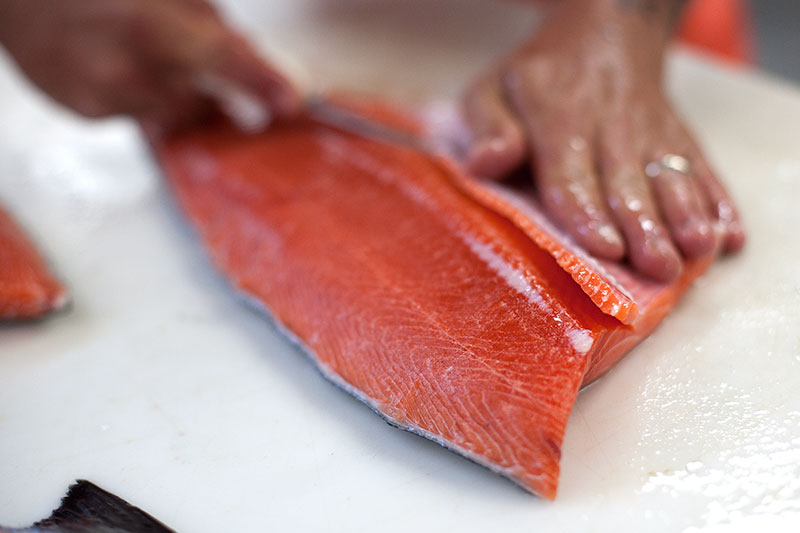
"caption": "Kenny Belov, co-owner of 2xSea, cuts a piece of salmon (Mark Andrew Boyer/KQED)",
"description": null,
"title": "salmon-3",
"credit": null,
"status": "inherit",
"isLoading": false,
"fetchFailed": false
},
"news_11954999": {
"type": "attachments",
"id": "news_11954999",
"meta": {
"index": "attachments_1716263798",
"site": "news",
"id": "11954999",
"found": true
},
"parent": 0,
"imgSizes": {
"twentyfourteen-full-width": {
"file": "https://ww2.kqed.org/app/uploads/sites/10/2023/07/01_RS66397_230607-salmon-closures-03-ksA-KQED-1038x576.jpg",
"width": 1038,
"mimeType": "image/jpeg",
"height": 576
},
"thumbnail": {
"file": "https://ww2.kqed.org/app/uploads/sites/10/2023/07/01_RS66397_230607-salmon-closures-03-ksA-KQED-160x106.jpg",
"width": 160,
"mimeType": "image/jpeg",
"height": 106
},
"post-thumbnail": {
"file": "https://ww2.kqed.org/app/uploads/sites/10/2023/07/01_RS66397_230607-salmon-closures-03-ksA-KQED-672x372.jpg",
"width": 672,
"mimeType": "image/jpeg",
"height": 372
},
"kqedFullSize": {
"file": "https://ww2.kqed.org/app/uploads/sites/10/2023/07/01_RS66397_230607-salmon-closures-03-ksA-KQED.jpg",
"width": 2000,
"height": 1330
},
"large": {
"file": "https://ww2.kqed.org/app/uploads/sites/10/2023/07/01_RS66397_230607-salmon-closures-03-ksA-KQED-1020x678.jpg",
"width": 1020,
"mimeType": "image/jpeg",
"height": 678
},
"1536x1536": {
"file": "https://ww2.kqed.org/app/uploads/sites/10/2023/07/01_RS66397_230607-salmon-closures-03-ksA-KQED-1536x1021.jpg",
"width": 1536,
"mimeType": "image/jpeg",
"height": 1021
},
"full-width": {
"file": "https://ww2.kqed.org/app/uploads/sites/10/2023/07/01_RS66397_230607-salmon-closures-03-ksA-KQED-1920x1277.jpg",
"width": 1920,
"mimeType": "image/jpeg",
"height": 1277
},
"medium": {
"file": "https://ww2.kqed.org/app/uploads/sites/10/2023/07/01_RS66397_230607-salmon-closures-03-ksA-KQED-800x532.jpg",
"width": 800,
"mimeType": "image/jpeg",
"height": 532
}
},
"publishDate": 1688578905,
"modified": 1688591051,
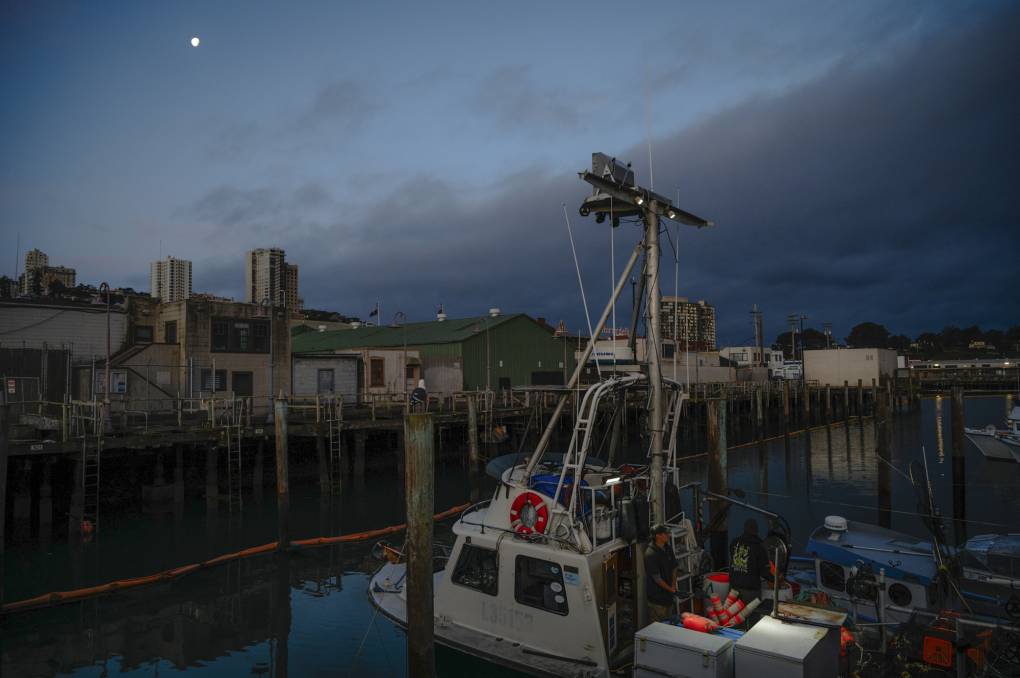
"caption": "The moon sets over Fisherman's Wharf in San Francisco as commercial salmon fisher Matt Juanes' boat, the FV Plumeria, sits docked on June 7, 2023. With California's salmon season shut down this year, Juanes is pivoting to try fishing for shrimp for the first time.",
"description": null,
"title": "01_RS66397_230607-salmon closures-03-ksA-KQED",
"credit": "Kori Suzuki/KQED",
"status": "inherit",
"altTag": "The moon sets as people work on a boat in a harbor in the early morning light.",
"isLoading": false,
"fetchFailed": false
},
"news_11184522": {
"type": "attachments",
"id": "news_11184522",
"meta": {
"index": "attachments_1716263798",
"site": "news",
"id": "11184522",
"found": true
},
"parent": 11156846,
"imgSizes": {
"small": {
"file": "https://ww2.kqed.org/app/uploads/sites/10/2016/11/RS22166_P7170153-520x390.jpg",
"width": 520,
"mimeType": "image/jpeg",
"height": 390
},
"twentyfourteen-full-width": {
"file": "https://ww2.kqed.org/app/uploads/sites/10/2016/11/RS22166_P7170153-1038x576.jpg",
"width": 1038,
"mimeType": "image/jpeg",
"height": 576
},
"thumbnail": {
"file": "https://ww2.kqed.org/app/uploads/sites/10/2016/11/RS22166_P7170153-160x120.jpg",
"width": 160,
"mimeType": "image/jpeg",
"height": 120
},
"fd-sm": {
"file": "https://ww2.kqed.org/app/uploads/sites/10/2016/11/RS22166_P7170153-960x720.jpg",
"width": 960,
"mimeType": "image/jpeg",
"height": 720
},
"post-thumbnail": {
"file": "https://ww2.kqed.org/app/uploads/sites/10/2016/11/RS22166_P7170153-672x372.jpg",
"width": 672,
"mimeType": "image/jpeg",
"height": 372
},
"xsmall": {
"file": "https://ww2.kqed.org/app/uploads/sites/10/2016/11/RS22166_P7170153-375x281.jpg",
"width": 375,
"mimeType": "image/jpeg",
"height": 281
},
"kqedFullSize": {
"file": "https://ww2.kqed.org/app/uploads/sites/10/2016/11/RS22166_P7170153.jpg",
"width": 3968,
"height": 2976
},
"large": {
"file": "https://ww2.kqed.org/app/uploads/sites/10/2016/11/RS22166_P7170153-1020x765.jpg",
"width": 1020,
"mimeType": "image/jpeg",
"height": 765
},
"xlarge": {
"file": "https://ww2.kqed.org/app/uploads/sites/10/2016/11/RS22166_P7170153-1180x885.jpg",
"width": 1180,
"mimeType": "image/jpeg",
"height": 885
},
"guest-author-50": {
"file": "https://ww2.kqed.org/app/uploads/sites/10/2016/11/RS22166_P7170153-50x50.jpg",
"width": 50,
"mimeType": "image/jpeg",
"height": 50
},
"guest-author-96": {
"file": "https://ww2.kqed.org/app/uploads/sites/10/2016/11/RS22166_P7170153-96x96.jpg",
"width": 96,
"mimeType": "image/jpeg",
"height": 96
},
"medium": {
"file": "https://ww2.kqed.org/app/uploads/sites/10/2016/11/RS22166_P7170153-800x600.jpg",
"width": 800,
"mimeType": "image/jpeg",
"height": 600
},
"guest-author-64": {
"file": "https://ww2.kqed.org/app/uploads/sites/10/2016/11/RS22166_P7170153-64x64.jpg",
"width": 64,
"mimeType": "image/jpeg",
"height": 64
},
"guest-author-32": {
"file": "https://ww2.kqed.org/app/uploads/sites/10/2016/11/RS22166_P7170153-32x32.jpg",
"width": 32,
"mimeType": "image/jpeg",
"height": 32
},
"jmtc-small-thumb": {
"file": "https://ww2.kqed.org/app/uploads/sites/10/2016/11/RS22166_P7170153-280x150.jpg",
"width": 280,
"mimeType": "image/jpeg",
"height": 150
},
"fd-lrg": {
"file": "https://ww2.kqed.org/app/uploads/sites/10/2016/11/RS22166_P7170153-1920x1440.jpg",
"width": 1920,
"mimeType": "image/jpeg",
"height": 1440
},
"fd-med": {
"file": "https://ww2.kqed.org/app/uploads/sites/10/2016/11/RS22166_P7170153-1180x885.jpg",
"width": 1180,
"mimeType": "image/jpeg",
"height": 885
},
"full-width": {
"file": "https://ww2.kqed.org/app/uploads/sites/10/2016/11/RS22166_P7170153-1920x1440.jpg",
"width": 1920,
"mimeType": "image/jpeg",
"height": 1440
},
"detail": {
"file": "https://ww2.kqed.org/app/uploads/sites/10/2016/11/RS22166_P7170153-150x150.jpg",
"width": 150,
"mimeType": "image/jpeg",
"height": 150
},
"guest-author-128": {
"file": "https://ww2.kqed.org/app/uploads/sites/10/2016/11/RS22166_P7170153-128x128.jpg",
"width": 128,
"mimeType": "image/jpeg",
"height": 128
},
"xxsmall": {
"file": "https://ww2.kqed.org/app/uploads/sites/10/2016/11/RS22166_P7170153-240x180.jpg",
"width": 240,
"mimeType": "image/jpeg",
"height": 180
}
},
"publishDate": 1479768905,
"modified": 1627406059,
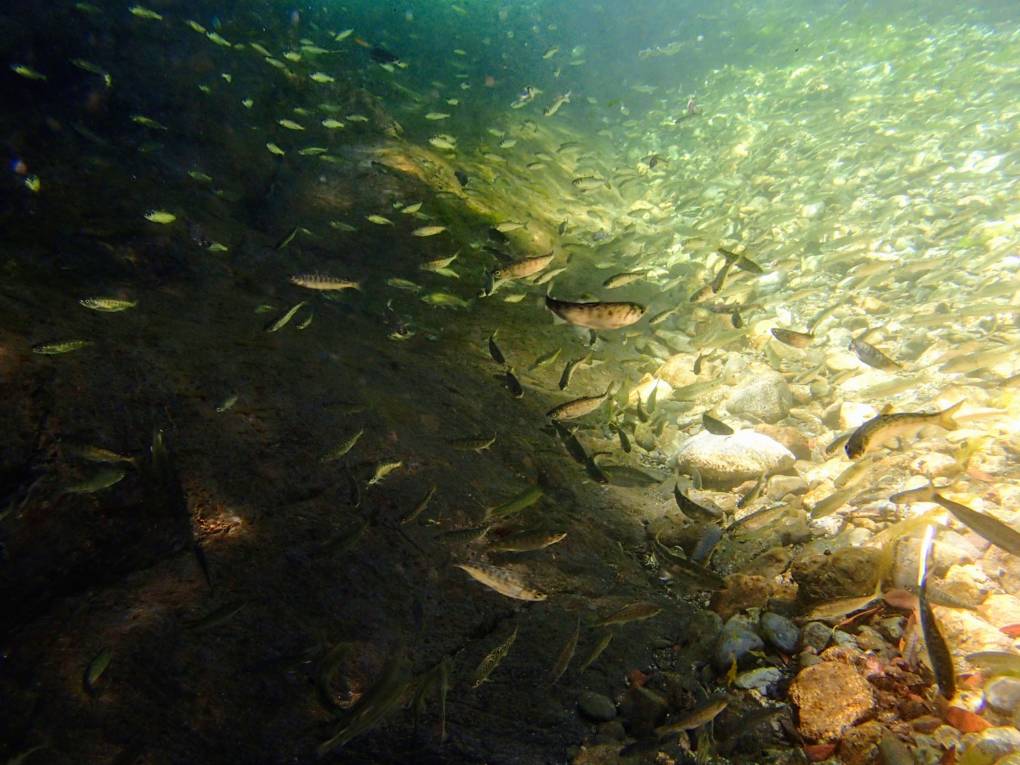
"caption": "The Klamath River is prime habitat for coho salmon, like these juveniles, but that fish has been listed as threatened under the Endangered Species Act.",
"description": "The Klamath River is prime habitat for coho salmon, like these juveniles, but that fish has been listed as threatened under the Endangered Species Act.",
"title": "OLYMPUS DIGITAL CAMERA",
"credit": "Jimmy Peterson and Will Harling/Mid Klamath Watershed Council",
"status": "inherit",
"altTag": "The Klamath River is prime habitat for coho salmon, like these juveniles, but that fish has been listed as threatened under the Endangered Species Act.",
"isLoading": false,
"fetchFailed": false
},
"news_11870671": {
"type": "attachments",
"id": "news_11870671",
"meta": {
"index": "attachments_1716263798",
"site": "news",
"id": "11870671",
"found": true
},
"parent": 11870670,
"imgSizes": {
"twentyfourteen-full-width": {
"file": "https://ww2.kqed.org/app/uploads/sites/10/2021/04/GettyImages-1313741254-1038x576.jpg",
"width": 1038,
"mimeType": "image/jpeg",
"height": 576
},
"thumbnail": {
"file": "https://ww2.kqed.org/app/uploads/sites/10/2021/04/GettyImages-1313741254-160x107.jpg",
"width": 160,
"mimeType": "image/jpeg",
"height": 107
},
"post-thumbnail": {
"file": "https://ww2.kqed.org/app/uploads/sites/10/2021/04/GettyImages-1313741254-672x372.jpg",
"width": 672,
"mimeType": "image/jpeg",
"height": 372
},
"kqedFullSize": {
"file": "https://ww2.kqed.org/app/uploads/sites/10/2021/04/GettyImages-1313741254-scaled-e1619741940405.jpg",
"width": 1920,
"height": 1280
},
"2048x2048": {
"file": "https://ww2.kqed.org/app/uploads/sites/10/2021/04/GettyImages-1313741254-2048x1365.jpg",
"width": 2048,
"mimeType": "image/jpeg",
"height": 1365
},
"large": {
"file": "https://ww2.kqed.org/app/uploads/sites/10/2021/04/GettyImages-1313741254-1020x680.jpg",
"width": 1020,
"mimeType": "image/jpeg",
"height": 680
},
"1536x1536": {
"file": "https://ww2.kqed.org/app/uploads/sites/10/2021/04/GettyImages-1313741254-1536x1024.jpg",
"width": 1536,
"mimeType": "image/jpeg",
"height": 1024
},
"full-width": {
"file": "https://ww2.kqed.org/app/uploads/sites/10/2021/04/GettyImages-1313741254-1920x1280.jpg",
"width": 1920,
"mimeType": "image/jpeg",
"height": 1280
},
"medium": {
"file": "https://ww2.kqed.org/app/uploads/sites/10/2021/04/GettyImages-1313741254-800x533.jpg",
"width": 800,
"mimeType": "image/jpeg",
"height": 533
}
},
"publishDate": 1619097294,
"modified": 1619802940,
"caption": "Dry, cracked earth is visible along the banks of Phoenix Lake on April 21, 2021 in Ross, California. Marin County became the first county in California to impose mandatory water-use restrictions that are set to take effect May 1.",
"description": null,
"title": "Drought",
"credit": "Justin Sullivan/Getty Images",
"status": "inherit",
"altTag": null,
"isLoading": false,
"fetchFailed": false
},
"news_11802922": {
"type": "attachments",
"id": "news_11802922",
"meta": {
"index": "attachments_1716263798",
"site": "news",
"id": "11802922",
"found": true
},
"parent": 11802920,
"imgSizes": {
"apple_news_ca_landscape_5_5": {
"file": "https://ww2.kqed.org/app/uploads/sites/10/2020/02/lotofwater_022120_final-1044x783.png",
"width": 1044,
"mimeType": "image/png",
"height": 783
},
"apple_news_ca_square_4_0": {
"file": "https://ww2.kqed.org/app/uploads/sites/10/2020/02/lotofwater_022120_final-470x470.png",
"width": 470,
"mimeType": "image/png",
"height": 470
},
"twentyfourteen-full-width": {
"file": "https://ww2.kqed.org/app/uploads/sites/10/2020/02/lotofwater_022120_final-1038x576.png",
"width": 1038,
"mimeType": "image/png",
"height": 576
},
"thumbnail": {
"file": "https://ww2.kqed.org/app/uploads/sites/10/2020/02/lotofwater_022120_final-160x108.png",
"width": 160,
"mimeType": "image/png",
"height": 108
},
"post-thumbnail": {
"file": "https://ww2.kqed.org/app/uploads/sites/10/2020/02/lotofwater_022120_final-672x372.png",
"width": 672,
"mimeType": "image/png",
"height": 372
},
"kqedFullSize": {
"file": "https://ww2.kqed.org/app/uploads/sites/10/2020/02/lotofwater_022120_final.png",
"width": 1920,
"height": 1299
},
"apple_news_ca_landscape_4_7": {
"file": "https://ww2.kqed.org/app/uploads/sites/10/2020/02/lotofwater_022120_final-632x474.png",
"width": 632,
"mimeType": "image/png",
"height": 474
},
"large": {
"file": "https://ww2.kqed.org/app/uploads/sites/10/2020/02/lotofwater_022120_final-1020x690.png",
"width": 1020,
"mimeType": "image/png",
"height": 690
},
"apple_news_ca_landscape_4_0": {
"file": "https://ww2.kqed.org/app/uploads/sites/10/2020/02/lotofwater_022120_final-536x402.png",
"width": 536,
"mimeType": "image/png",
"height": 402
},
"apple_news_ca_portrait_12_9": {
"file": "https://ww2.kqed.org/app/uploads/sites/10/2020/02/lotofwater_022120_final-1122x1299.png",
"width": 1122,
"mimeType": "image/png",
"height": 1299
},
"medium": {
"file": "https://ww2.kqed.org/app/uploads/sites/10/2020/02/lotofwater_022120_final-800x541.png",
"width": 800,
"mimeType": "image/png",
"height": 541
},
"apple_news_ca_portrait_4_0": {
"file": "https://ww2.kqed.org/app/uploads/sites/10/2020/02/lotofwater_022120_final-354x472.png",
"width": 354,
"mimeType": "image/png",
"height": 472
},
"apple_news_ca_portrait_9_7": {
"file": "https://ww2.kqed.org/app/uploads/sites/10/2020/02/lotofwater_022120_final-840x1120.png",
"width": 840,
"mimeType": "image/png",
"height": 1120
},
"apple_news_ca_landscape_12_9": {
"file": "https://ww2.kqed.org/app/uploads/sites/10/2020/02/lotofwater_022120_final-1832x1299.png",
"width": 1832,
"mimeType": "image/png",
"height": 1299
},
"apple_news_ca_square_9_7": {
"file": "https://ww2.kqed.org/app/uploads/sites/10/2020/02/lotofwater_022120_final-1104x1104.png",
"width": 1104,
"mimeType": "image/png",
"height": 1104
},
"apple_news_ca_portrait_4_7": {
"file": "https://ww2.kqed.org/app/uploads/sites/10/2020/02/lotofwater_022120_final-414x552.png",
"width": 414,
"mimeType": "image/png",
"height": 552
},
"apple_news_ca_square_12_9": {
"file": "https://ww2.kqed.org/app/uploads/sites/10/2020/02/lotofwater_022120_final-1472x1299.png",
"width": 1472,
"mimeType": "image/png",
"height": 1299
},
"apple_news_ca_portrait_5_5": {
"file": "https://ww2.kqed.org/app/uploads/sites/10/2020/02/lotofwater_022120_final-687x916.png",
"width": 687,
"mimeType": "image/png",
"height": 916
},
"full-width": {
"file": "https://ww2.kqed.org/app/uploads/sites/10/2020/02/lotofwater_022120_final-1920x1299.png",
"width": 1920,
"mimeType": "image/png",
"height": 1299
},
"apple_news_ca_square_4_7": {
"file": "https://ww2.kqed.org/app/uploads/sites/10/2020/02/lotofwater_022120_final-550x550.png",
"width": 550,
"mimeType": "image/png",
"height": 550
},
"apple_news_ca_landscape_9_7": {
"file": "https://ww2.kqed.org/app/uploads/sites/10/2020/02/lotofwater_022120_final-1376x1032.png",
"width": 1376,
"mimeType": "image/png",
"height": 1032
},
"apple_news_ca_square_5_5": {
"file": "https://ww2.kqed.org/app/uploads/sites/10/2020/02/lotofwater_022120_final-912x912.png",
"width": 912,
"mimeType": "image/png",
"height": 912
}
},
"publishDate": 1582329461,
"modified": 1582329501,
"caption": null,
"description": null,
"title": "lotofwater_022120_final",
"credit": null,
"status": "inherit",
"isLoading": false,
"fetchFailed": false
},
"news_11797879": {
"type": "attachments",
"id": "news_11797879",
"meta": {
"index": "attachments_1716263798",
"site": "news",
"id": "11797879",
"found": true
},
"parent": 11797861,
"imgSizes": {
"apple_news_ca_landscape_5_5": {
"file": "https://ww2.kqed.org/app/uploads/sites/10/2020/01/break_012420_final-1044x783.jpg",
"width": 1044,
"mimeType": "image/jpeg",
"height": 783
},
"apple_news_ca_square_4_0": {
"file": "https://ww2.kqed.org/app/uploads/sites/10/2020/01/break_012420_final-470x470.jpg",
"width": 470,
"mimeType": "image/jpeg",
"height": 470
},
"twentyfourteen-full-width": {
"file": "https://ww2.kqed.org/app/uploads/sites/10/2020/01/break_012420_final-1038x576.jpg",
"width": 1038,
"mimeType": "image/jpeg",
"height": 576
},
"thumbnail": {
"file": "https://ww2.kqed.org/app/uploads/sites/10/2020/01/break_012420_final-160x102.jpg",
"width": 160,
"mimeType": "image/jpeg",
"height": 102
},
"post-thumbnail": {
"file": "https://ww2.kqed.org/app/uploads/sites/10/2020/01/break_012420_final-672x372.jpg",
"width": 672,
"mimeType": "image/jpeg",
"height": 372
},
"kqedFullSize": {
"file": "https://ww2.kqed.org/app/uploads/sites/10/2020/01/break_012420_final.jpg",
"width": 1920,
"height": 1229
},
"apple_news_ca_landscape_4_7": {
"file": "https://ww2.kqed.org/app/uploads/sites/10/2020/01/break_012420_final-632x474.jpg",
"width": 632,
"mimeType": "image/jpeg",
"height": 474
},
"large": {
"file": "https://ww2.kqed.org/app/uploads/sites/10/2020/01/break_012420_final-1020x653.jpg",
"width": 1020,
"mimeType": "image/jpeg",
"height": 653
},
"apple_news_ca_landscape_4_0": {
"file": "https://ww2.kqed.org/app/uploads/sites/10/2020/01/break_012420_final-536x402.jpg",
"width": 536,
"mimeType": "image/jpeg",
"height": 402
},
"apple_news_ca_portrait_12_9": {
"file": "https://ww2.kqed.org/app/uploads/sites/10/2020/01/break_012420_final-1122x1229.jpg",
"width": 1122,
"mimeType": "image/jpeg",
"height": 1229
},
"medium": {
"file": "https://ww2.kqed.org/app/uploads/sites/10/2020/01/break_012420_final-800x512.jpg",
"width": 800,
"mimeType": "image/jpeg",
"height": 512
},
"apple_news_ca_portrait_4_0": {
"file": "https://ww2.kqed.org/app/uploads/sites/10/2020/01/break_012420_final-354x472.jpg",
"width": 354,
"mimeType": "image/jpeg",
"height": 472
},
"apple_news_ca_portrait_9_7": {
"file": "https://ww2.kqed.org/app/uploads/sites/10/2020/01/break_012420_final-840x1120.jpg",
"width": 840,
"mimeType": "image/jpeg",
"height": 1120
},
"apple_news_ca_landscape_12_9": {
"file": "https://ww2.kqed.org/app/uploads/sites/10/2020/01/break_012420_final-1832x1229.jpg",
"width": 1832,
"mimeType": "image/jpeg",
"height": 1229
},
"apple_news_ca_square_9_7": {
"file": "https://ww2.kqed.org/app/uploads/sites/10/2020/01/break_012420_final-1104x1104.jpg",
"width": 1104,
"mimeType": "image/jpeg",
"height": 1104
},
"apple_news_ca_portrait_4_7": {
"file": "https://ww2.kqed.org/app/uploads/sites/10/2020/01/break_012420_final-414x552.jpg",
"width": 414,
"mimeType": "image/jpeg",
"height": 552
},
"apple_news_ca_square_12_9": {
"file": "https://ww2.kqed.org/app/uploads/sites/10/2020/01/break_012420_final-1472x1229.jpg",
"width": 1472,
"mimeType": "image/jpeg",
"height": 1229
},
"apple_news_ca_portrait_5_5": {
"file": "https://ww2.kqed.org/app/uploads/sites/10/2020/01/break_012420_final-687x916.jpg",
"width": 687,
"mimeType": "image/jpeg",
"height": 916
},
"full-width": {
"file": "https://ww2.kqed.org/app/uploads/sites/10/2020/01/break_012420_final-1920x1229.jpg",
"width": 1920,
"mimeType": "image/jpeg",
"height": 1229
},
"apple_news_ca_square_4_7": {
"file": "https://ww2.kqed.org/app/uploads/sites/10/2020/01/break_012420_final-550x550.jpg",
"width": 550,
"mimeType": "image/jpeg",
"height": 550
},
"apple_news_ca_landscape_9_7": {
"file": "https://ww2.kqed.org/app/uploads/sites/10/2020/01/break_012420_final-1376x1032.jpg",
"width": 1376,
"mimeType": "image/jpeg",
"height": 1032
},
"apple_news_ca_square_5_5": {
"file": "https://ww2.kqed.org/app/uploads/sites/10/2020/01/break_012420_final-912x912.jpg",
"width": 912,
"mimeType": "image/jpeg",
"height": 912
}
},
"publishDate": 1579910759,
"modified": 1579910795,
"caption": null,
"description": null,
"title": "break_012420_final",
"credit": null,
"status": "inherit",
"isLoading": false,
"fetchFailed": false
},
"news_11777218": {
"type": "attachments",
"id": "news_11777218",
"meta": {
"index": "attachments_1716263798",
"site": "news",
"id": "11777218",
"found": true
},
"parent": 11777193,
"imgSizes": {
"apple_news_ca_square_4_0": {
"file": "https://ww2.kqed.org/app/uploads/sites/10/2019/09/coho-salmon-spawnusa-2-e1569708034460-470x401.jpg",
"width": 470,
"mimeType": "image/jpeg",
"height": 401
},
"thumbnail": {
"file": "https://ww2.kqed.org/app/uploads/sites/10/2019/09/coho-salmon-spawnusa-2-e1569708034460-160x114.jpg",
"width": 160,
"mimeType": "image/jpeg",
"height": 114
},
"post-thumbnail": {
"file": "https://ww2.kqed.org/app/uploads/sites/10/2019/09/coho-salmon-spawnusa-2-e1569708034460-561x372.jpg",
"width": 561,
"mimeType": "image/jpeg",
"height": 372
},
"kqedFullSize": {
"file": "https://ww2.kqed.org/app/uploads/sites/10/2019/09/coho-salmon-spawnusa-2-e1569708034460.jpg",
"width": 561,
"height": 401
},
"apple_news_ca_landscape_4_7": {
"file": "https://ww2.kqed.org/app/uploads/sites/10/2019/09/coho-salmon-spawnusa-2-632x474.jpg",
"width": 632,
"mimeType": "image/jpeg",
"height": 474
},
"apple_news_ca_portrait_4_7": {
"file": "https://ww2.kqed.org/app/uploads/sites/10/2019/09/coho-salmon-spawnusa-2-e1569708034460-414x401.jpg",
"width": 414,
"mimeType": "image/jpeg",
"height": 401
},
"apple_news_ca_portrait_5_5": {
"file": "https://ww2.kqed.org/app/uploads/sites/10/2019/09/coho-salmon-spawnusa-2-687x480.jpg",
"width": 687,
"mimeType": "image/jpeg",
"height": 480
},
"apple_news_ca_square_4_7": {
"file": "https://ww2.kqed.org/app/uploads/sites/10/2019/09/coho-salmon-spawnusa-2-e1569708034460-550x401.jpg",
"width": 550,
"mimeType": "image/jpeg",
"height": 401
},
"apple_news_ca_landscape_4_0": {
"file": "https://ww2.kqed.org/app/uploads/sites/10/2019/09/coho-salmon-spawnusa-2-e1569708034460-536x401.jpg",
"width": 536,
"mimeType": "image/jpeg",
"height": 401
},
"apple_news_ca_portrait_4_0": {
"file": "https://ww2.kqed.org/app/uploads/sites/10/2019/09/coho-salmon-spawnusa-2-e1569708034460-354x401.jpg",
"width": 354,
"mimeType": "image/jpeg",
"height": 401
}
},
"publishDate": 1569707871,
"modified": 1569708000,
"caption": "The Central California Coast Coho salmon population are protected under the U.S. Endangered Species Act.",
"description": null,
"title": "coho-salmon-spawnusa (2)",
"credit": "courtesy of SPAWN",
"status": "inherit",
"isLoading": false,
"fetchFailed": false
},
"news_11762122": {
"type": "attachments",
"id": "news_11762122",
"meta": {
"index": "attachments_1716263798",
"site": "news",
"id": "11762122",
"found": true
},
"parent": 11761013,
"imgSizes": {
"apple_news_ca_landscape_5_5": {
"file": "https://ww2.kqed.org/app/uploads/sites/10/2019/07/RS37427_IMG_1777-qut-1044x783.jpg",
"width": 1044,
"mimeType": "image/jpeg",
"height": 783
},
"apple_news_ca_square_4_0": {
"file": "https://ww2.kqed.org/app/uploads/sites/10/2019/07/RS37427_IMG_1777-qut-470x470.jpg",
"width": 470,
"mimeType": "image/jpeg",
"height": 470
},
"twentyfourteen-full-width": {
"file": "https://ww2.kqed.org/app/uploads/sites/10/2019/07/RS37427_IMG_1777-qut-1038x576.jpg",
"width": 1038,
"mimeType": "image/jpeg",
"height": 576
},
"thumbnail": {
"file": "https://ww2.kqed.org/app/uploads/sites/10/2019/07/RS37427_IMG_1777-qut-160x107.jpg",
"width": 160,
"mimeType": "image/jpeg",
"height": 107
},
"post-thumbnail": {
"file": "https://ww2.kqed.org/app/uploads/sites/10/2019/07/RS37427_IMG_1777-qut-672x372.jpg",
"width": 672,
"mimeType": "image/jpeg",
"height": 372
},
"kqedFullSize": {
"file": "https://ww2.kqed.org/app/uploads/sites/10/2019/07/RS37427_IMG_1777-qut.jpg",
"width": 1920,
"height": 1280
},
"apple_news_ca_landscape_4_7": {
"file": "https://ww2.kqed.org/app/uploads/sites/10/2019/07/RS37427_IMG_1777-qut-632x474.jpg",
"width": 632,
"mimeType": "image/jpeg",
"height": 474
},
"large": {
"file": "https://ww2.kqed.org/app/uploads/sites/10/2019/07/RS37427_IMG_1777-qut-1020x680.jpg",
"width": 1020,
"mimeType": "image/jpeg",
"height": 680
},
"complete_open_graph": {
"file": "https://ww2.kqed.org/app/uploads/sites/10/2019/07/RS37427_IMG_1777-qut-1200x800.jpg",
"width": 1200,
"mimeType": "image/jpeg",
"height": 800
},
"apple_news_ca_landscape_4_0": {
"file": "https://ww2.kqed.org/app/uploads/sites/10/2019/07/RS37427_IMG_1777-qut-536x402.jpg",
"width": 536,
"mimeType": "image/jpeg",
"height": 402
},
"apple_news_ca_portrait_12_9": {
"file": "https://ww2.kqed.org/app/uploads/sites/10/2019/07/RS37427_IMG_1777-qut-1122x1280.jpg",
"width": 1122,
"mimeType": "image/jpeg",
"height": 1280
},
"medium": {
"file": "https://ww2.kqed.org/app/uploads/sites/10/2019/07/RS37427_IMG_1777-qut-800x533.jpg",
"width": 800,
"mimeType": "image/jpeg",
"height": 533
},
"apple_news_ca_portrait_4_0": {
"file": "https://ww2.kqed.org/app/uploads/sites/10/2019/07/RS37427_IMG_1777-qut-354x472.jpg",
"width": 354,
"mimeType": "image/jpeg",
"height": 472
},
"apple_news_ca_portrait_9_7": {
"file": "https://ww2.kqed.org/app/uploads/sites/10/2019/07/RS37427_IMG_1777-qut-840x1120.jpg",
"width": 840,
"mimeType": "image/jpeg",
"height": 1120
},
"apple_news_ca_landscape_12_9": {
"file": "https://ww2.kqed.org/app/uploads/sites/10/2019/07/RS37427_IMG_1777-qut-1832x1280.jpg",
"width": 1832,
"mimeType": "image/jpeg",
"height": 1280
},
"apple_news_ca_square_9_7": {
"file": "https://ww2.kqed.org/app/uploads/sites/10/2019/07/RS37427_IMG_1777-qut-1104x1104.jpg",
"width": 1104,
"mimeType": "image/jpeg",
"height": 1104
},
"apple_news_ca_portrait_4_7": {
"file": "https://ww2.kqed.org/app/uploads/sites/10/2019/07/RS37427_IMG_1777-qut-414x552.jpg",
"width": 414,
"mimeType": "image/jpeg",
"height": 552
},
"apple_news_ca_square_12_9": {
"file": "https://ww2.kqed.org/app/uploads/sites/10/2019/07/RS37427_IMG_1777-qut-1472x1280.jpg",
"width": 1472,
"mimeType": "image/jpeg",
"height": 1280
},
"apple_news_ca_portrait_5_5": {
"file": "https://ww2.kqed.org/app/uploads/sites/10/2019/07/RS37427_IMG_1777-qut-687x916.jpg",
"width": 687,
"mimeType": "image/jpeg",
"height": 916
},
"full-width": {
"file": "https://ww2.kqed.org/app/uploads/sites/10/2019/07/RS37427_IMG_1777-qut-1920x1280.jpg",
"width": 1920,
"mimeType": "image/jpeg",
"height": 1280
},
"apple_news_ca_square_4_7": {
"file": "https://ww2.kqed.org/app/uploads/sites/10/2019/07/RS37427_IMG_1777-qut-550x550.jpg",
"width": 550,
"mimeType": "image/jpeg",
"height": 550
},
"apple_news_ca_landscape_9_7": {
"file": "https://ww2.kqed.org/app/uploads/sites/10/2019/07/RS37427_IMG_1777-qut-1376x1032.jpg",
"width": 1376,
"mimeType": "image/jpeg",
"height": 1032
},
"apple_news_ca_square_5_5": {
"file": "https://ww2.kqed.org/app/uploads/sites/10/2019/07/RS37427_IMG_1777-qut-912x912.jpg",
"width": 912,
"mimeType": "image/jpeg",
"height": 912
}
},
"publishDate": 1563461431,
"modified": 1563472043,
"caption": "Teresa Mendoza cuts salmon before weighing the fillets at TwoXSea, a seafood wholesaler at San Francisco's Fisherman's Wharf on May 31, 2019.",
"description": null,
"title": "RS37427_IMG_1777-qut",
"credit": "Audrey Garces/KQED",
"status": "inherit",
"isLoading": false,
"fetchFailed": false
},
"news_11753547": {
"type": "attachments",
"id": "news_11753547",
"meta": {
"index": "attachments_1716263798",
"site": "news",
"id": "11753547",
"found": true
},
"parent": 11753540,
"imgSizes": {
"apple_news_ca_landscape_5_5": {
"file": "https://ww2.kqed.org/app/uploads/sites/10/2019/06/RS37636_IMG_2382-qut-1044x783.jpg",
"width": 1044,
"mimeType": "image/jpeg",
"height": 783
},
"apple_news_ca_square_4_0": {
"file": "https://ww2.kqed.org/app/uploads/sites/10/2019/06/RS37636_IMG_2382-qut-470x470.jpg",
"width": 470,
"mimeType": "image/jpeg",
"height": 470
},
"twentyfourteen-full-width": {
"file": "https://ww2.kqed.org/app/uploads/sites/10/2019/06/RS37636_IMG_2382-qut-1038x576.jpg",
"width": 1038,
"mimeType": "image/jpeg",
"height": 576
},
"thumbnail": {
"file": "https://ww2.kqed.org/app/uploads/sites/10/2019/06/RS37636_IMG_2382-qut-160x120.jpg",
"width": 160,
"mimeType": "image/jpeg",
"height": 120
},
"post-thumbnail": {
"file": "https://ww2.kqed.org/app/uploads/sites/10/2019/06/RS37636_IMG_2382-qut-672x372.jpg",
"width": 672,
"mimeType": "image/jpeg",
"height": 372
},
"kqedFullSize": {
"file": "https://ww2.kqed.org/app/uploads/sites/10/2019/06/RS37636_IMG_2382-qut.jpg",
"width": 1920,
"height": 1440
},
"apple_news_ca_landscape_4_7": {
"file": "https://ww2.kqed.org/app/uploads/sites/10/2019/06/RS37636_IMG_2382-qut-632x474.jpg",
"width": 632,
"mimeType": "image/jpeg",
"height": 474
},
"large": {
"file": "https://ww2.kqed.org/app/uploads/sites/10/2019/06/RS37636_IMG_2382-qut-1020x765.jpg",
"width": 1020,
"mimeType": "image/jpeg",
"height": 765
},
"complete_open_graph": {
"file": "https://ww2.kqed.org/app/uploads/sites/10/2019/06/RS37636_IMG_2382-qut-1200x900.jpg",
"width": 1200,
"mimeType": "image/jpeg",
"height": 900
},
"apple_news_ca_landscape_4_0": {
"file": "https://ww2.kqed.org/app/uploads/sites/10/2019/06/RS37636_IMG_2382-qut-536x402.jpg",
"width": 536,
"mimeType": "image/jpeg",
"height": 402
},
"apple_news_ca_portrait_12_9": {
"file": "https://ww2.kqed.org/app/uploads/sites/10/2019/06/RS37636_IMG_2382-qut-1122x1440.jpg",
"width": 1122,
"mimeType": "image/jpeg",
"height": 1440
},
"medium": {
"file": "https://ww2.kqed.org/app/uploads/sites/10/2019/06/RS37636_IMG_2382-qut-800x600.jpg",
"width": 800,
"mimeType": "image/jpeg",
"height": 600
},
"apple_news_ca_portrait_4_0": {
"file": "https://ww2.kqed.org/app/uploads/sites/10/2019/06/RS37636_IMG_2382-qut-354x472.jpg",
"width": 354,
"mimeType": "image/jpeg",
"height": 472
},
"apple_news_ca_portrait_9_7": {
"file": "https://ww2.kqed.org/app/uploads/sites/10/2019/06/RS37636_IMG_2382-qut-840x1120.jpg",
"width": 840,
"mimeType": "image/jpeg",
"height": 1120
},
"apple_news_ca_landscape_12_9": {
"file": "https://ww2.kqed.org/app/uploads/sites/10/2019/06/RS37636_IMG_2382-qut-1832x1374.jpg",
"width": 1832,
"mimeType": "image/jpeg",
"height": 1374
},
"apple_news_ca_square_9_7": {
"file": "https://ww2.kqed.org/app/uploads/sites/10/2019/06/RS37636_IMG_2382-qut-1104x1104.jpg",
"width": 1104,
"mimeType": "image/jpeg",
"height": 1104
},
"apple_news_ca_portrait_4_7": {
"file": "https://ww2.kqed.org/app/uploads/sites/10/2019/06/RS37636_IMG_2382-qut-414x552.jpg",
"width": 414,
"mimeType": "image/jpeg",
"height": 552
},
"apple_news_ca_square_12_9": {
"file": "https://ww2.kqed.org/app/uploads/sites/10/2019/06/RS37636_IMG_2382-qut-1472x1440.jpg",
"width": 1472,
"mimeType": "image/jpeg",
"height": 1440
},
"apple_news_ca_portrait_5_5": {
"file": "https://ww2.kqed.org/app/uploads/sites/10/2019/06/RS37636_IMG_2382-qut-687x916.jpg",
"width": 687,
"mimeType": "image/jpeg",
"height": 916
},
"full-width": {
"file": "https://ww2.kqed.org/app/uploads/sites/10/2019/06/RS37636_IMG_2382-qut-1920x1440.jpg",
"width": 1920,
"mimeType": "image/jpeg",
"height": 1440
},
"apple_news_ca_square_4_7": {
"file": "https://ww2.kqed.org/app/uploads/sites/10/2019/06/RS37636_IMG_2382-qut-550x550.jpg",
"width": 550,
"mimeType": "image/jpeg",
"height": 550
},
"apple_news_ca_landscape_9_7": {
"file": "https://ww2.kqed.org/app/uploads/sites/10/2019/06/RS37636_IMG_2382-qut-1376x1032.jpg",
"width": 1376,
"mimeType": "image/jpeg",
"height": 1032
},
"apple_news_ca_square_5_5": {
"file": "https://ww2.kqed.org/app/uploads/sites/10/2019/06/RS37636_IMG_2382-qut-912x912.jpg",
"width": 912,
"mimeType": "image/jpeg",
"height": 912
}
},
"publishDate": 1560109644,
"modified": 1560109753,
"caption": "This coho smolt spent the first year of its like at a hatchery in Sonoma County.",
"description": null,
"title": "RS37636_IMG_2382-qut",
"credit": "Tiffany Camhi/KQED",
"status": "inherit",
"isLoading": false,
"fetchFailed": false
},
"news_11740424": {
"type": "attachments",
"id": "news_11740424",
"meta": {
"index": "attachments_1716263798",
"site": "news",
"id": "11740424",
"found": true
},
"parent": 11740344,
"imgSizes": {
"apple_news_ca_square_4_0": {
"file": "https://ww2.kqed.org/app/uploads/sites/10/2019/04/Pacific-sardines-470x470.jpg",
"width": 470,
"mimeType": "image/jpeg",
"height": 470
},
"twentyfourteen-full-width": {
"file": "https://ww2.kqed.org/app/uploads/sites/10/2019/04/Pacific-sardines-900x576.jpg",
"width": 900,
"mimeType": "image/jpeg",
"height": 576
},
"thumbnail": {
"file": "https://ww2.kqed.org/app/uploads/sites/10/2019/04/Pacific-sardines-160x107.jpg",
"width": 160,
"mimeType": "image/jpeg",
"height": 107
},
"post-thumbnail": {
"file": "https://ww2.kqed.org/app/uploads/sites/10/2019/04/Pacific-sardines-672x372.jpg",
"width": 672,
"mimeType": "image/jpeg",
"height": 372
},
"kqedFullSize": {
"file": "https://ww2.kqed.org/app/uploads/sites/10/2019/04/Pacific-sardines.jpg",
"width": 900,
"height": 600
},
"apple_news_ca_landscape_4_7": {
"file": "https://ww2.kqed.org/app/uploads/sites/10/2019/04/Pacific-sardines-632x474.jpg",
"width": 632,
"mimeType": "image/jpeg",
"height": 474
},
"apple_news_ca_landscape_4_0": {
"file": "https://ww2.kqed.org/app/uploads/sites/10/2019/04/Pacific-sardines-536x402.jpg",
"width": 536,
"mimeType": "image/jpeg",
"height": 402
},
"medium": {
"file": "https://ww2.kqed.org/app/uploads/sites/10/2019/04/Pacific-sardines-800x533.jpg",
"width": 800,
"mimeType": "image/jpeg",
"height": 533
},
"apple_news_ca_portrait_4_0": {
"file": "https://ww2.kqed.org/app/uploads/sites/10/2019/04/Pacific-sardines-354x472.jpg",
"width": 354,
"mimeType": "image/jpeg",
"height": 472
},
"apple_news_ca_portrait_9_7": {
"file": "https://ww2.kqed.org/app/uploads/sites/10/2019/04/Pacific-sardines-840x600.jpg",
"width": 840,
"mimeType": "image/jpeg",
"height": 600
},
"apple_news_ca_portrait_4_7": {
"file": "https://ww2.kqed.org/app/uploads/sites/10/2019/04/Pacific-sardines-414x552.jpg",
"width": 414,
"mimeType": "image/jpeg",
"height": 552
},
"apple_news_ca_portrait_5_5": {
"file": "https://ww2.kqed.org/app/uploads/sites/10/2019/04/Pacific-sardines-687x600.jpg",
"width": 687,
"mimeType": "image/jpeg",
"height": 600
},
"apple_news_ca_square_4_7": {
"file": "https://ww2.kqed.org/app/uploads/sites/10/2019/04/Pacific-sardines-550x550.jpg",
"width": 550,
"mimeType": "image/jpeg",
"height": 550
}
},
"publishDate": 1555368897,
"modified": 1555373879,
"caption": "Pacific sardines populations off the West Coast have plummeted since 2006, leading to closures of the commercial fishery for the fifth straight year.",
"description": "Pacific sardines populations off the West Coast have plummeted since 2006, leading to closures of the commercial fishery for the fifth straight year.",
"title": "Pacific sardines",
"credit": "National Oceanic and Atmospheric Administration",
"status": "inherit",
"isLoading": false,
"fetchFailed": false
},
"news_11731664": {
"type": "attachments",
"id": "news_11731664",
"meta": {
"index": "attachments_1716263798",
"site": "news",
"id": "11731664",
"found": true
},
"parent": 11731648,
"imgSizes": {
"twentyfourteen-full-width": {
"file": "https://ww2.kqed.org/app/uploads/sites/10/2019/03/rushed_030819_final-1038x576.jpg",
"width": 1038,
"mimeType": "image/jpeg",
"height": 576
},
"thumbnail": {
"file": "https://ww2.kqed.org/app/uploads/sites/10/2019/03/rushed_030819_final-160x111.jpg",
"width": 160,
"mimeType": "image/jpeg",
"height": 111
},
"post-thumbnail": {
"file": "https://ww2.kqed.org/app/uploads/sites/10/2019/03/rushed_030819_final-672x372.jpg",
"width": 672,
"mimeType": "image/jpeg",
"height": 372
},
"kqedFullSize": {
"file": "https://ww2.kqed.org/app/uploads/sites/10/2019/03/rushed_030819_final.jpg",
"width": 1920,
"height": 1326
},
"large": {
"file": "https://ww2.kqed.org/app/uploads/sites/10/2019/03/rushed_030819_final-1020x704.jpg",
"width": 1020,
"mimeType": "image/jpeg",
"height": 704
},
"complete_open_graph": {
"file": "https://ww2.kqed.org/app/uploads/sites/10/2019/03/rushed_030819_final-1200x829.jpg",
"width": 1200,
"mimeType": "image/jpeg",
"height": 829
},
"guest-author-50": {
"file": "https://ww2.kqed.org/app/uploads/sites/10/2019/03/rushed_030819_final-50x50.jpg",
"width": 50,
"mimeType": "image/jpeg",
"height": 50
},
"guest-author-96": {
"file": "https://ww2.kqed.org/app/uploads/sites/10/2019/03/rushed_030819_final-96x96.jpg",
"width": 96,
"mimeType": "image/jpeg",
"height": 96
},
"medium": {
"file": "https://ww2.kqed.org/app/uploads/sites/10/2019/03/rushed_030819_final-800x553.jpg",
"width": 800,
"mimeType": "image/jpeg",
"height": 553
},
"guest-author-64": {
"file": "https://ww2.kqed.org/app/uploads/sites/10/2019/03/rushed_030819_final-64x64.jpg",
"width": 64,
"mimeType": "image/jpeg",
"height": 64
},
"guest-author-32": {
"file": "https://ww2.kqed.org/app/uploads/sites/10/2019/03/rushed_030819_final-32x32.jpg",
"width": 32,
"mimeType": "image/jpeg",
"height": 32
},
"full-width": {
"file": "https://ww2.kqed.org/app/uploads/sites/10/2019/03/rushed_030819_final-1920x1326.jpg",
"width": 1920,
"mimeType": "image/jpeg",
"height": 1326
},
"guest-author-128": {
"file": "https://ww2.kqed.org/app/uploads/sites/10/2019/03/rushed_030819_final-128x128.jpg",
"width": 128,
"mimeType": "image/jpeg",
"height": 128
}
},
"publishDate": 1552077800,
"modified": 1552077814,
"caption": null,
"description": null,
"title": "rushed_030819_final",
"credit": null,
"status": "inherit",
"isLoading": false,
"fetchFailed": false
}
},
"audioPlayerReducer": {
"postId": "stream_live",
"isPaused": true,
"isPlaying": false,
"pfsActive": false,
"pledgeModalIsOpen": true,
"playerDrawerIsOpen": false,
"liveAudioPlayStartedAt": 0,
"liveAudioPlayContext": ""
},
"authorsReducer": {
"byline_news_11954645": {
"type": "authors",
"id": "byline_news_11954645",
"meta": {
"override": true
},
"slug": "byline_news_11954645",
"name": "\u003ca href=\"https://twitter.com/koritsuzuki\">Kori Suzuki\u003c/a>",
"isLoading": false
},
"byline_news_11882491": {
"type": "authors",
"id": "byline_news_11882491",
"meta": {
"override": true
},
"slug": "byline_news_11882491",
"name": "Daisy Nguyen \u003cbr> The Associated Press",
"isLoading": false
},
"byline_news_11871712": {
"type": "authors",
"id": "byline_news_11871712",
"meta": {
"override": true
},
"slug": "byline_news_11871712",
"name": "Adam Beam\u003cbr>Associated Press",
"isLoading": false
},
"byline_news_11788153": {
"type": "authors",
"id": "byline_news_11788153",
"meta": {
"override": true
},
"slug": "byline_news_11788153",
"name": "\u003cstrong>Adam Beam\u003cbr>Associated Press\u003c/strong>",
"isLoading": false
},
"markfiore": {
"type": "authors",
"id": "3236",
"meta": {
"index": "authors_1716337520",
"id": "3236",
"found": true
},
"name": "Mark Fiore",
"firstName": "Mark",
"lastName": "Fiore",
"slug": "markfiore",
"email": "mark@markfiore.com",
"display_author_email": false,
"staff_mastheads": [
"news"
],
"title": "KQED News Cartoonist",
"bio": "\u003ca href=\"http://www.MarkFiore.com\">MarkFiore.com\u003c/a> | \u003ca href=\"https://twitter.com/markfiore\">Follow on Twitter\u003c/a> | \u003ca href=\"https://www.facebook.com/pages/Mark-Fiore-Animated-Political-Cartoons/94451707396?ref=bookmarks\">Facebook\u003c/a> | \u003ca href=\"mailto:mark@markfiore.com\">email\u003c/a>\r\n\r\nPulitzer Prize-winner, Mark Fiore, who the Wall Street Journal has called “the undisputed guru of the form,” creates animated political cartoons in San Francisco, where his work has been featured regularly on the San Francisco Chronicle’s web site, SFGate.com. His work has appeared on Newsweek.com, Slate.com, CBSNews.com, MotherJones.com, DailyKos.com and NPR’s web site. Fiore’s political animation has appeared on CNN, Frontline, Bill Moyers Journal, Salon.com and cable and broadcast outlets across the globe.\r\n\r\nBeginning his professional life by drawing traditional political cartoons for newspapers, Fiore’s work appeared in publications ranging from the Washington Post to the Los Angeles Times. In the late 1990s, he began to experiment with animating political cartoons and, after a short stint at the San Jose Mercury News as their staff cartoonist, Fiore devoted all his energies to animation.\r\nGrowing up in California, Fiore also spent a good portion of his life in the backwoods of Idaho. It was this combination that shaped him politically. Mark majored in political science at Colorado College, where, in a perfect send-off for a cartoonist, he received his diploma in 1991 as commencement speaker Dick Cheney smiled approvingly.\r\nMark Fiore was awarded the Pulitzer Prize for political cartooning in 2010, a Robert F. Kennedy Journalism Award in 2004 and has twice received an Online Journalism Award for commentary from the Online News Association (2002, 2008). Fiore has received two awards for his work in new media from the National Cartoonists Society (2001, 2002), and in 2006 received The James Madison Freedom of Information Award from The Society of Professional Journalists.",
"avatar": "https://secure.gravatar.com/avatar/fc4e2a612b15b67bad0c6f0e1db4ca9b?s=600&d=blank&r=g",
"twitter": "MarkFiore",
"facebook": null,
"instagram": "https://www.instagram.com/markfiore/?hl=en",
"linkedin": null,
"sites": [
{
"site": "arts",
"roles": [
"contributor"
]
},
{
"site": "news",
"roles": [
"editor"
]
},
{
"site": "futureofyou",
"roles": [
"editor"
]
},
{
"site": "science",
"roles": [
"editor"
]
}
],
"headData": {
"title": "Mark Fiore | KQED",
"description": "KQED News Cartoonist",
"ogImgSrc": "https://secure.gravatar.com/avatar/fc4e2a612b15b67bad0c6f0e1db4ca9b?s=600&d=blank&r=g",
"twImgSrc": "https://secure.gravatar.com/avatar/fc4e2a612b15b67bad0c6f0e1db4ca9b?s=600&d=blank&r=g"
},
"isLoading": false,
"link": "/author/markfiore"
},
"tcamhi": {
"type": "authors",
"id": "3251",
"meta": {
"index": "authors_1716337520",
"id": "3251",
"found": true
},
"name": "Tiffany Camhi",
"firstName": "Tiffany",
"lastName": "Camhi",
"slug": "tcamhi",
"email": "tiffanycamhi@gmail.com",
"display_author_email": false,
"staff_mastheads": [],
"title": "KQED Contributor",
"bio": null,
"avatar": "https://secure.gravatar.com/avatar/f8204ce351139205d3b3dc1581016a5e30d7d8b38cb2c139348c151ec14b792e?s=600&d=blank&r=g",
"twitter": null,
"bluesky": null,
"facebook": null,
"instagram": null,
"linkedin": null,
"sites": [
{
"site": "arts",
"roles": [
"subscriber"
]
},
{
"site": "news",
"roles": [
"subscriber"
]
}
],
"headData": {
"title": "Tiffany Camhi | KQED",
"description": "KQED Contributor",
"ogImgSrc": "https://secure.gravatar.com/avatar/f8204ce351139205d3b3dc1581016a5e30d7d8b38cb2c139348c151ec14b792e?s=600&d=blank&r=g",
"twImgSrc": "https://secure.gravatar.com/avatar/f8204ce351139205d3b3dc1581016a5e30d7d8b38cb2c139348c151ec14b792e?s=600&d=blank&r=g"
},
"isLoading": false,
"link": "/author/tcamhi"
},
"ecruzguevarra": {
"type": "authors",
"id": "8654",
"meta": {
"index": "authors_1716337520",
"id": "8654",
"found": true
},
"name": "Ericka Cruz Guevarra",
"firstName": "Ericka",
"lastName": "Cruz Guevarra",
"slug": "ecruzguevarra",
"email": "ecruzguevarra@kqed.org",
"display_author_email": true,
"staff_mastheads": [
"news"
],
"title": "Producer, The Bay Podcast",
"bio": "Ericka Cruz Guevarra is host of \u003ca href=\"https://www.kqed.org/podcasts/thebay\">\u003cem>The Bay\u003c/em>\u003c/a> podcast at KQED. Before host, she was the show’s producer. Her work in that capacity includes a three-part reported series on policing in Vallejo, which won a 2020 excellence in journalism award from the Society of Professional Journalists. Ericka has worked as a breaking news reporter at Oregon Public Broadcasting, helped produce the Code Switch podcast, and was KQED’s inaugural Raul Ramirez Diversity Fund intern. She’s also an alumna of NPR’s Next Generation Radio program. Send her an email if you have strong feelings about whether Fairfield and Suisun City are the Bay. Ericka is represented by SAG-AFTRA.",
"avatar": "https://secure.gravatar.com/avatar/accefc1de4bafc7e234b69bcb9b6f6536c130fd84709bc3069ef11a78787e1bb?s=600&d=blank&r=g",
"twitter": "NotoriousECG",
"bluesky": null,
"facebook": null,
"instagram": null,
"linkedin": null,
"sites": [
{
"site": "arts",
"roles": [
"subscriber"
]
},
{
"site": "news",
"roles": [
"editor",
"manage_categories"
]
},
{
"site": "futureofyou",
"roles": [
"subscriber"
]
},
{
"site": "stateofhealth",
"roles": [
"subscriber"
]
},
{
"site": "science",
"roles": [
"editor"
]
},
{
"site": "forum",
"roles": [
"subscriber"
]
}
],
"headData": {
"title": "Ericka Cruz Guevarra | KQED",
"description": "Producer, The Bay Podcast",
"ogImgSrc": "https://secure.gravatar.com/avatar/accefc1de4bafc7e234b69bcb9b6f6536c130fd84709bc3069ef11a78787e1bb?s=600&d=blank&r=g",
"twImgSrc": "https://secure.gravatar.com/avatar/accefc1de4bafc7e234b69bcb9b6f6536c130fd84709bc3069ef11a78787e1bb?s=600&d=blank&r=g"
},
"isLoading": false,
"link": "/author/ecruzguevarra"
},
"dventon": {
"type": "authors",
"id": "11088",
"meta": {
"index": "authors_1716337520",
"id": "11088",
"found": true
},
"name": "Danielle Venton",
"firstName": "Danielle",
"lastName": "Venton",
"slug": "dventon",
"email": "dventon@kqed.org",
"display_author_email": true,
"staff_mastheads": [
"science"
],
"title": "Science reporter",
"bio": "Danielle Venton is a reporter for KQED Science. She covers wildfires, space and oceans (though she is prone to sea sickness).\r\n\r\nBefore joining KQED in 2015, Danielle was a staff reporter at KRCB in Sonoma County and a freelancer. She studied science communication at UC Santa Cruz and formerly worked at CERN in Geneva, Switzerland where she wrote about computing. She lives in Sonoma County and enjoys backpacking.",
"avatar": "https://secure.gravatar.com/avatar/37b292b5c40c8d93959c4f48d73b5286f41b7abd8588277e941905a3ed4c801c?s=600&d=blank&r=g",
"twitter": "DanielleVenton",
"bluesky": null,
"facebook": null,
"instagram": null,
"linkedin": null,
"sites": [
{
"site": "arts",
"roles": [
"contributor"
]
},
{
"site": "news",
"roles": [
"editor"
]
},
{
"site": "futureofyou",
"roles": [
"editor"
]
},
{
"site": "science",
"roles": [
"editor"
]
},
{
"site": "liveblog",
"roles": [
"contributor"
]
}
],
"headData": {
"title": "Danielle Venton | KQED",
"description": "Science reporter",
"ogImgSrc": "https://secure.gravatar.com/avatar/37b292b5c40c8d93959c4f48d73b5286f41b7abd8588277e941905a3ed4c801c?s=600&d=blank&r=g",
"twImgSrc": "https://secure.gravatar.com/avatar/37b292b5c40c8d93959c4f48d73b5286f41b7abd8588277e941905a3ed4c801c?s=600&d=blank&r=g"
},
"isLoading": false,
"link": "/author/dventon"
},
"rlevi": {
"type": "authors",
"id": "11260",
"meta": {
"index": "authors_1716337520",
"id": "11260",
"found": true
},
"name": "Ryan Levi",
"firstName": "Ryan",
"lastName": "Levi",
"slug": "rlevi",
"email": "rlevi@KQED.org",
"display_author_email": false,
"staff_mastheads": [],
"title": "KQED Contributor",
"bio": "Ryan Levi was a reporter and podcast producer at KQED News from 2016-2019. He worked on \u003ca href=\"https://www.kqed.org/news/series/baycurious\">Bay Curious\u003c/a>, \u003ca href=\"https://www.kqed.org/news/tag/the-bay/\">The Bay, \u003c/a>and \u003ca href=\"https://podcasts.apple.com/us/podcast/the-california-report-magazine/id1314750545\">The California Report Magazine\u003c/a>, as well as hosting and producing the weekly \u003ca href=\"https://www.kqed.org/news/program/qedup/\">Q'ed Up podcast. \u003c/a>He also helped inaugurate KQED's weekend news coverage in 2017 as one of two original digital producers. Ryan holds degrees in multimedia journalism and Spanish from the University of Missouri.",
"avatar": "https://secure.gravatar.com/avatar/4cb2ddd028ac8807d1adf09609c5555d?s=600&d=blank&r=g",
"twitter": "ryan_levi",
"facebook": null,
"instagram": null,
"linkedin": null,
"sites": [
{
"site": "arts",
"roles": [
"editor"
]
},
{
"site": "news",
"roles": [
"subscriber"
]
},
{
"site": "stateofhealth",
"roles": [
"editor"
]
},
{
"site": "science",
"roles": [
"editor"
]
},
{
"site": "forum",
"roles": [
"administrator"
]
},
{
"site": "perspectives",
"roles": [
"administrator"
]
}
],
"headData": {
"title": "Ryan Levi | KQED",
"description": "KQED Contributor",
"ogImgSrc": "https://secure.gravatar.com/avatar/4cb2ddd028ac8807d1adf09609c5555d?s=600&d=blank&r=g",
"twImgSrc": "https://secure.gravatar.com/avatar/4cb2ddd028ac8807d1adf09609c5555d?s=600&d=blank&r=g"
},
"isLoading": false,
"link": "/author/rlevi"
},
"parcuni": {
"type": "authors",
"id": "11368",
"meta": {
"index": "authors_1716337520",
"id": "11368",
"found": true
},
"name": "Peter Arcuni",
"firstName": "Peter",
"lastName": "Arcuni",
"slug": "parcuni",
"email": "parcuni@KQED.org",
"display_author_email": false,
"staff_mastheads": [
"science"
],
"title": "Reporter",
"bio": "Peter reports radio and online stories for \u003cem>KQED Science\u003c/em>. His work has also appeared on the \u003cem>The California Report\u003c/em> morning show and \u003cem>KQED News\u003c/em>. His production credits include \u003cem>The California Report, The California Report Magazine\u003c/em> and KQED's local news podcast \u003cem>The Bay\u003c/em>. Other credits include NPR's \u003cem>All Things Considered\u003c/em>, WNYC's \u003cem>Science Friday\u003c/em>, WBUR's \u003cem>Here & Now\u003c/em>, WIRED and SFGate. Peter graduated from Brown University and earned a master's degree in journalism from Stanford. He's covered everything from homelessness to wildfires, health, the environment, arts and Thanksgiving in San Quentin prison. In other lives, he played rock n roll music and studied neuroscience. You can email him at: parcuni@kqed.org",
"avatar": "https://secure.gravatar.com/avatar/d5032f6f27199d478af34ad2e1d98732?s=600&d=blank&r=g",
"twitter": "peterarcuni",
"facebook": null,
"instagram": null,
"linkedin": null,
"sites": [
{
"site": "news",
"roles": [
"editor"
]
},
{
"site": "science",
"roles": [
"editor"
]
}
],
"headData": {
"title": "Peter Arcuni | KQED",
"description": "Reporter",
"ogImgSrc": "https://secure.gravatar.com/avatar/d5032f6f27199d478af34ad2e1d98732?s=600&d=blank&r=g",
"twImgSrc": "https://secure.gravatar.com/avatar/d5032f6f27199d478af34ad2e1d98732?s=600&d=blank&r=g"
},
"isLoading": false,
"link": "/author/parcuni"
},
"amontecillo": {
"type": "authors",
"id": "11649",
"meta": {
"index": "authors_1716337520",
"id": "11649",
"found": true
},
"name": "Alan Montecillo",
"firstName": "Alan",
"lastName": "Montecillo",
"slug": "amontecillo",
"email": "amontecillo@kqed.org",
"display_author_email": false,
"staff_mastheads": [
"news"
],
"title": "KQED Contributor",
"bio": "Alan Montecillo is the senior editor of \u003cem>\u003ca href=\"http://kqed.org/thebay\">The Bay\u003c/a>, \u003c/em> KQED's local news podcast. Before moving to the Bay Area, he worked as a senior talk show producer for WILL in Champaign-Urbana, Illinois and at Oregon Public Broadcasting in Portland, Oregon. He has won journalism awards from the Society of Professional Journalists Northern California, the Public Media Journalists Association, The Signal Awards, and has also received a regional Edward R. Murrow award. Alan is a Filipino American from Hong Kong and a graduate of Reed College.",
"avatar": "https://secure.gravatar.com/avatar/268f53a2066899ea9efdd8a5900218b17c822d9862cbc9326cccec53ef41d349?s=600&d=blank&r=g",
"twitter": "alanmontecillo",
"bluesky": null,
"facebook": null,
"instagram": null,
"linkedin": null,
"sites": [
{
"site": "",
"roles": [
"editor"
]
},
{
"site": "news",
"roles": [
"editor",
"manage_categories"
]
}
],
"headData": {
"title": "Alan Montecillo | KQED",
"description": "KQED Contributor",
"ogImgSrc": "https://secure.gravatar.com/avatar/268f53a2066899ea9efdd8a5900218b17c822d9862cbc9326cccec53ef41d349?s=600&d=blank&r=g",
"twImgSrc": "https://secure.gravatar.com/avatar/268f53a2066899ea9efdd8a5900218b17c822d9862cbc9326cccec53ef41d349?s=600&d=blank&r=g"
},
"isLoading": false,
"link": "/author/amontecillo"
},
"mesquinca": {
"type": "authors",
"id": "11802",
"meta": {
"index": "authors_1716337520",
"id": "11802",
"found": true
},
"name": "Maria Esquinca",
"firstName": "Maria",
"lastName": "Esquinca",
"slug": "mesquinca",
"email": "mesquinca@kqed.org",
"display_author_email": false,
"staff_mastheads": [],
"title": "Producer, The Bay",
"bio": "María Esquinca is a producer of The Bay. Before that, she was a New York Women’s Foundation IGNITE Fellow at Latino USA. She worked at Radio Bilingue where she covered the San Joaquin Valley. Maria has interned at WLRN, News 21, The New York Times Student Journalism Institute and at Crain’s Detroit Business as a Dow Jones News Fund Business Reporting Intern. She is an MFA graduate from the University of Miami. In 2017, she graduated from the Walter Cronkite School of Journalism and Mass Communication with a Master of Mass Communication. A fronteriza, she was born in Ciudad Juárez, Chihuahua, Mexico and grew up in El Paso, Texas.",
"avatar": "https://secure.gravatar.com/avatar/77cedba18aae91da775038ba06dcd8d0?s=600&d=blank&r=g",
"twitter": "@m_esquinca",
"facebook": null,
"instagram": null,
"linkedin": null,
"sites": [
{
"site": "news",
"roles": []
}
],
"headData": {
"title": "Maria Esquinca | KQED",
"description": "Producer, The Bay",
"ogImgSrc": "https://secure.gravatar.com/avatar/77cedba18aae91da775038ba06dcd8d0?s=600&d=blank&r=g",
"twImgSrc": "https://secure.gravatar.com/avatar/77cedba18aae91da775038ba06dcd8d0?s=600&d=blank&r=g"
},
"isLoading": false,
"link": "/author/mesquinca"
}
},
"pagesReducer": {
"news_tag_salmon": {
"type": "terms",
"id": "news_3531",
"meta": {
"index": "terms_1716263798",
"site": "news",
"id": "3531",
"score": 8.941178
},
"featImg": null,
"name": "salmon",
"description": null,
"taxonomy": "tag",
"headData": {
"twImgId": null,
"twTitle": null,
"ogTitle": null,
"ogImgId": null,
"twDescription": null,
"description": null,
"title": "salmon Archives | KQED News",
"ogDescription": null
},
"ttid": 3549,
"slug": "salmon",
"isLoading": false,
"title": "salmon",
"pageMeta": {
"site": "news",
"WpPageTemplate": "page-topic-editorial",
"currentPage": 2
},
"blocks": [
{
"blockName": "kqed/post-list",
"attrs": {
"layout": "cardArticle2",
"query": "posts/news?tag=salmon",
"seeMore": false,
"paginated": true,
"page": 2
}
},
{
"blockName": "kqed/ad"
}
]
}
},
"pfsSessionReducer": {},
"postsReducer": {
"stream_live": {
"type": "live",
"id": "stream_live",
"audioUrl": "https://hls.kqed.org/hls/kqed_app/playlist.m3u8",
"title": "Live Stream",
"excerpt": "Live Stream information currently unavailable.",
"link": "/radio",
"featImg": "",
"label": {
"name": "KQED Live",
"link": "/"
}
},
"stream_kqedNewscast": {
"type": "posts",
"id": "stream_kqedNewscast",
"audioUrl": "https://www.kqed.org/.stream/anon/radio/RDnews/newscast.mp3?_=1",
"title": "KQED Newscast",
"featImg": "",
"label": {
"name": "88.5 FM",
"link": "/"
}
},
"news_11957340": {
"type": "posts",
"id": "news_11957340",
"meta": {
"index": "posts_1716263798",
"site": "news",
"id": "11957340",
"score": null,
"sort": [
1691143212000
]
},
"guestAuthors": [],
"slug": "why-californias-salmon-season-was-canceled",
"title": "Why California’s Salmon Season Was Canceled",
"publishDate": 1691143212,
"format": "audio",
"headTitle": "Why California’s Salmon Season Was Canceled | KQED",
"labelTerm": {},
"content": "\u003cp>\u003ca href=\"#episode-transcript\">\u003ci>\u003cspan style=\"font-weight: 400\">View the full episode transcript.\u003c/span>\u003c/i>\u003c/a>\u003c/p>\n\u003cp>\u003cspan style=\"font-weight: 400\">For the first time since 2009, there is no salmon fishing season in California. This decision has hit fishers, coastal towns, and Native communities hard. \u003c/span>\u003c/p>\n\u003cp>\u003cspan style=\"font-weight: 400\">But it also wasn’t inevitable. KQED climate and science reporter Danielle Venton explains how the state’s choices around water management played a major role.\u003c/span>\u003c/p>\n\u003cdiv class=\"card card--enclosed grey\">\n\u003cp id=\"embed-code\" class=\"inconsolata\">\n\u003c!-- iframe plugin v.4.3 wordpress.org/plugins/iframe/ -->\u003cbr>\n\u003ciframe loading=\"lazy\" frameborder=\"0\" height=\"200\" scrolling=\"no\" src=\"https://playlist.megaphone.fm/?e=KQINC1724950656&light=true\" width=\"100%\" class=\"iframe-class\">\u003c/iframe>\n\u003c/p>\n\u003ch2 id=\"episode-transcript\">Episode Transcript\u003c/h2>\n\u003cp>\u003ci>\u003cspan style=\"font-weight: 400\">This is a computer-generated transcript. While our team has reviewed it, there may be errors.\u003c/span>\u003c/i>\u003c/p>\n\u003cp style=\"font-weight: 400\">\u003cstrong>Ericka Cruz Guevarra: \u003c/strong>I’m Ericka Cruz Guevarra, and welcome to The Bay. Local News to keep you rooted. Something is missing from the ocean this summer as a result of declining populations. Fisheries regulators have made a drastic decision to cancel salmon fishing season.\u003c/p>\n\u003cp style=\"font-weight: 400\">\u003cstrong>Sarah Bates: \u003c/strong>There’s a huge, conspicuous absence not only on the barbecue. There’s an absence in my fish hold. There’s an absence on the docks in San Francisco. There’s an absence in our markets, because there’s no fish in the ocean.\u003c/p>\n\u003cp style=\"font-weight: 400\">\u003cstrong>Ericka Cruz Guevarra: \u003c/strong>Commercial fishers who rely on the salmon to make their living are struggling to get by.\u003c/p>\n\u003cp style=\"font-weight: 400\">\u003cstrong>John McManus: \u003c/strong>Some people will be able to make a little bit of money targeting other species, but they’re going to lose a significant portion of their annual income.\u003c/p>\n\u003cp style=\"font-weight: 400\">\u003cstrong>Ericka Cruz Guevarra: \u003c/strong>And it’s not just commercial fishers who are feeling this. It’s the entire ecosystem of the state and California’s native tribes who’ve relied on the health of the salmon for generations.\u003c/p>\n\u003cp style=\"font-weight: 400\">\u003cstrong>Jason Jackson-Reed: \u003c/strong>We believe as Hupa peopl, that our social well-being and our physical our cultural, our spiritual well-being, it all runs parallel to the salmon.\u003c/p>\n\u003cp style=\"font-weight: 400\">\u003cstrong>Ericka Cruz Guevarra: \u003c/strong>Today, we’re going to talk with KQED reporter Danielle Vinton about what happened to the salmon and how decisions by the state helped bring us here. Stay with us.\u003c/p>\n\u003cp style=\"font-weight: 400\">\u003cstrong>Danielle Venton: \u003c/strong>I come from a family of fisher folk. I think I knew how to Filet-O-Fish before I knew how to ride a bike.\u003c/p>\n\u003cp style=\"font-weight: 400\">\u003cstrong>Ericka Cruz Guevarra: \u003c/strong>Danielle Venton is a science and climate reporter for KQED.\u003c/p>\n\u003cp style=\"font-weight: 400\">\u003cstrong>Danielle Venton: \u003c/strong>My dad was a big recreational fisherman and even tried commercial fishing for one year. When my cousin got married for the dinner, my dad and uncle and cousins would just go out day after day, catching their limit until we had enough salmon to barbecue for 200 people. You know, it’s a really cool kind of local thing, like a really cool thing to do, but that wouldn’t be possible this year. Obviously.\u003c/p>\n\u003cp style=\"font-weight: 400\">\u003cstrong>Ericka Cruz Guevarra: \u003c/strong>Let’s dive into it, Danielle. What exactly, I guess, is the state of the salmon season this year?\u003c/p>\n\u003cp style=\"font-weight: 400\">\u003cstrong>Danielle Venton: \u003c/strong>Well, unfortunately, there is no salmon season. Usually the commercial season runs from May to October, so we should be right in the middle of it. Recreational season starts a little earlier than that and both are closed this year. There is no locally fresh caught salmon to be had. This is an industry that is valued at around $500 million. It’s also restaurants, tackle shops, private fishing guides, campgrounds. You know, there’s this whole tourism industry that is centered around California’s salmon season, and that’s dried up this year. The rules for tribal people are different because they’re different nations. So there is some tribal take allowed in rivers, but they are very much affected when salmon numbers are in decline. This is very abnormal. And the last time something like this happened was in 2008 and nine, and I don’t believe it had ever happened before that. Part of that reason is that we have rules and policies that are supposed to prevent exactly this kind of thing. I mean, this is a failure.\u003c/p>\n\u003cp style=\"font-weight: 400\">\u003cstrong>Ericka Cruz Guevarra: \u003c/strong>Okay, before we get into the policy stuff, I want to understand the basics when it comes to salmon. How would you describe the life cycle of these fish? Like what is supposed to happen?\u003c/p>\n\u003cp style=\"font-weight: 400\">\u003cstrong>Danielle Venton: \u003c/strong>Salmon are these strange kind of semi magical creatures. Salman are born in natal rivers and streams and in nests called reds. They hatch and they begin migrating downstream, even though they’ve been spent their entire life in a freshwater habitat. They’re able to change and live in a saltwater habitat. And they feed out in the ocean and fatten up their food for whales and all of us. And then they reach maturity and they feel the call of home and they return to the same rivers and streams that they were born in. Swim back up there and they spawn. The female like wiggles around in the gravel, builds a nest, lays her eggs. Male fish fertilize them, and then their bodies give out and they then feed their natural surroundings. You know, this is very important way where nutrients get transferred from the ocean back up into the streams. These are fish that kind of define an ecosystem.\u003c/p>\n\u003cp style=\"font-weight: 400\">\u003cstrong>Ericka Cruz Guevarra: \u003c/strong>And here’s where humans come in. We decide how much water from our dams should go to the rivers where the seminar versus to irrigators like farms and agriculture. So what happened this time? Well, it starts a few years ago during a bad drought year when salmon didn’t get the water they needed.\u003c/p>\n\u003cp style=\"font-weight: 400\">\u003cstrong>Danielle Venton: \u003c/strong>The fish that should be in the ocean right now waiting to be caught in on our dinner plate were born in their birth streams back in the fall of 2020. 2020 was a drought year. 2019 was a really wet year. And so water managers had delivered a lot of water to irrigators in 2019. They didn’t save it in reservoirs and as we went into 2020, there wasn’t a lot of water in the dams. There was a case of kind of climate whiplash and that water is needed to be released into the river to maintain kind of minimum flows like the amount of water that’s flowing down and to maintain temperatures. These fish like cool, clean flowing water. And so as we went into 2020, there wasn’t a lot of water to be released into these dams and some of the nests and that were born that year. They dried up and a lot of the fish that were born kind of cooked to death because conditions were just so warm.\u003c/p>\n\u003cp style=\"font-weight: 400\">\u003cstrong>Ericka Cruz Guevarra: \u003c/strong>That’s a chilling, chilling image, like these eggs being cooked. Was this inevitable? I mean, climate change is happening, right?\u003c/p>\n\u003cp style=\"font-weight: 400\">\u003cstrong>Danielle Venton: \u003c/strong>So climate change is definitely happening and puts more stress on the rivers. But also, California has made a lot of policy decisions that pushed us in this direction.\u003c/p>\n\u003cp style=\"font-weight: 400\">\u003cstrong>Jon Rosenfield \u003c/strong>Yeah, it’s inextricably linked to state and federal water policies.\u003c/p>\n\u003cp style=\"font-weight: 400\">\u003cstrong>Danielle Venton: \u003c/strong>So, someone who pays really close attention to this is Jon Rosenfield, and he’s the senior scientist with the San Francisco Baykeeper. He points to inaction on part of the state as leading to this.\u003c/p>\n\u003cp style=\"font-weight: 400\">\u003cstrong>Jon Rosenfield \u003c/strong>We have increasingly good scientific evidence that that journey, the success of that journey, is really dependent on the flow and in rivers when the fish are trying to migrate. The lower the flow, the less they survive. And that flow in the rivers is also determined by state and federal water management policies.\u003c/p>\n\u003cp style=\"font-weight: 400\">\u003cstrong>Danielle Venton: \u003c/strong>So in California, we have these kind of sets of rules that govern how water should work in the state. And what is supposed to happen is that they are meant to be reevaluated and updated if needed every three years. In reality, the plan controlling what happens in the Sacramento Delta. It dates from 1995. It’s been updated here and there, but it is really awaiting a big overhaul. In 2018, the Jerry Brown administration tried to update part of those rules. He allowed his water agency to kind of take, you know, exert some control in this area. They were coming up with a new plan to increase the flows and to really improve conditions in those rivers. It was going to mean less water for irrigators. Irrigators were really upset. But it was seen as a plan that was very effective for improving ecosystem health and, you know, advocating on behalf of the fish and on behalf of communities that live along these rivers that kind of want to enjoy clean, flowing water. But 2018 was also the year that Governor Newsom was elected. And before they could go into effect, he basically put a chill on that and said, we’re just going to pause and we’re not going to do that right now.\u003c/p>\n\u003cp style=\"font-weight: 400\">\u003cstrong>Jon Rosenfield \u003c/strong>Governor Newsom and throughout his administration, starting on election night, has actively blocked update of those water quality standards.\u003c/p>\n\u003cp style=\"font-weight: 400\">\u003cstrong>Ericka Cruz Guevarra: \u003c/strong>Why has governor, after governor failed to update these rules, which seem really important, especially when water just increasingly seems to be this sort of like finite resource and is we have to make decisions about where that water goes, right?\u003c/p>\n\u003cp style=\"font-weight: 400\">\u003cstrong>Danielle Venton: \u003c/strong>I mean, this is not a politically winning issue. It’s very difficult. You have different sides that have different values. It’s a hard it’s a hard issue. I mean, people talk about, you know, these California water wars. This is something that’s been going on for decades and it’s still going on. And, you know, to some people’s mind, they just don’t feel winnable. I mean, agriculture is a very big political player in our state, and a lot of money can be made in agriculture. They have very old claims on water and there is a lot of political power behind, you know, big agribusiness interests. And Governor, after governor and you know, many people believe Newsom in particular is very loathe to do anything to upset them.\u003c/p>\n\u003cp style=\"font-weight: 400\">\u003cstrong>Ericka Cruz Guevarra: \u003c/strong>Governor Newsom has gotten a lot of heat for this. How has he responded to allegations that their policy decisions are to blame for what’s happened to the salmon this year?\u003c/p>\n\u003cp style=\"font-weight: 400\">\u003cstrong>Danielle Venton: \u003c/strong>Governor Newsom has pushed away the idea of any responsibility for this.\u003c/p>\n\u003cp style=\"font-weight: 400\">\u003cstrong>Gavin Newsom: \u003c/strong>I take this issue seriously. I’ll take a backseat to no governor in the United States of America in terms of my environmental stewardship and passion.\u003c/p>\n\u003cp style=\"font-weight: 400\">\u003cstrong>Danielle Venton: \u003c/strong>He was asked about this at a press conference this spring. And, you know, his response was pretty striking.\u003c/p>\n\u003cp style=\"font-weight: 400\">\u003cstrong>Gavin Newsom: \u003c/strong>What what occurs? The salmon that happened three years ago. So anyone who suggests otherwise is being purposely misleading or a knowingly misleading.\u003c/p>\n\u003cp style=\"font-weight: 400\">\u003cstrong>Danielle Venton: \u003c/strong>I basically I couldn’t possibly have had any effect on that. You know, and he he has been governor for four and a half years.\u003c/p>\n\u003cp style=\"font-weight: 400\">\u003cstrong>Ericka Cruz Guevarra: \u003c/strong>It seems like everyone affected agrees that something went wrong. And the governor clearly thinks he has nothing to do with it. But, I mean, going back to these rules, Danielle, they haven’t been updated in decades. So what is the state’s vision here?\u003c/p>\n\u003cp style=\"font-weight: 400\">\u003cstrong>Danielle Venton: \u003c/strong>So the state has put its emphasis behind what are called voluntary agreements, and these are non regulatory frameworks. The state says that these are voluntary agreements are a better approach because if everyone can kind of get the part that they really care about, then maybe we can avoid lawsuits. That’s part of why these plans are so hard to update because they are tied up in litigation for years and years and years and years. Tribes and conservation groups and environmental justice groups say that these agreements are completely unacceptable because they cut them out of the decision making process when the real important decisions are being made and that the state has only asked for feedback on their voluntary agreements after, you know, they were largely hashed out. And they say that’s totally unacceptable. And the big emphasis of these voluntary agreements are restoring habitat, which is great, but it seems a big emphasis of these agreements is not putting more water in the rivers and allowing more water to flow. And, you know, fish can have all the habitat they want, but if there’s not water in the river, they’re not going to make it.\u003c/p>\n\u003cp style=\"font-weight: 400\">\u003cstrong>Ericka Cruz Guevarra: \u003c/strong>It sounds like you’re saying it’s just kind of impossible at this point to really think that we can satisfy everyone when it comes to water, when there isn’t enough of it, and someone has to make that hard decision.\u003c/p>\n\u003cp style=\"font-weight: 400\">\u003cstrong>Danielle Venton: \u003c/strong>Yeah, but I would say like there is definitely enough water for everyone to have drinking water for everyone to wash their dishes and have showers and stuff. I mean, the point where this gets really difficult is like, can we grow hundreds of thousands of acres of nut trees that are exported around the world and that are extremely profitable and are extremely thirsty crops? We’re not talking about subsistence agriculture here. We’re not talking about growing the food that we’re going to survive on. You know, to hear some people at the state level talk, you would think that like if we all just sit together at the same table and put our heads together and hash it out, we can come up with some compromise where everyone can get their needs and wants met. And I’m not sure that that’s realistic, especially in difficult dry years if salmon are going to get the amount of water that they need to support them. We are not also going to be able to support the number of acres that are currently planted. Something is going to give.\u003c/p>\n\u003cp style=\"font-weight: 400\">\u003cstrong>Ericka Cruz Guevarra: \u003c/strong>I mean, what’s next here, Danielle? Like, what are these communities, these fissures, these tribes? What are they pushing for now?\u003c/p>\n\u003cp style=\"font-weight: 400\">\u003cstrong>Danielle Venton: \u003c/strong>They’re pushing for the state to take more action. They’re pushing for a seat at the table. I recently attended a rally in Sacramento on the Capitol steps where, you know, this broad coalition came together to try to get the attention of lawmakers. There’s also a group that feels so neglected by the state that they are petitioning the Environmental Protection Agents Agency, a federal agency, to step in and enforce the Clean Water Act. They say that’s how dire it is and that the state is not taking care of their needs and that that is a violation of their civil rights. And the last I heard, the EPA was kind of looking at this issue and deciding if they had the authority to step in.\u003c/p>\n\u003cp style=\"font-weight: 400\">\u003cstrong>Jason Jackson-Reed: \u003c/strong>And if the salmon aren’t doing good, we’re not doing good.\u003c/p>\n\u003cp style=\"font-weight: 400\">\u003cstrong>Danielle Venton: \u003c/strong>So I spoke with a man, Jason Jackson-Reed, who’s a member of the Hoopa Valley Tribe.\u003c/p>\n\u003cp style=\"font-weight: 400\">\u003cstrong>Jason Jackson-Reed: \u003c/strong>Our physical, our cultural, our spiritual well-being, it all runs parallel to the salmon.\u003c/p>\n\u003cp style=\"font-weight: 400\">\u003cstrong>Danielle Venton: \u003c/strong>And he was there at the rally with his one year, one month old son cradled in a carrier, very much thinking about the next generation. He said that this story is not going to change until native people start having a role in making management decisions.\u003c/p>\n\u003cp style=\"font-weight: 400\">\u003cstrong>Jason Jackson-Reed: \u003c/strong>It’s not going to change until, you know, the natives start writing the narrative and we start reading, digitizing, you know, a management.\u003c/p>\n\u003cp style=\"font-weight: 400\">\u003cstrong>Ericka Cruz Guevarra: \u003c/strong>We’ve been talking about salmon. And I think it’s fair to say that most people interact with salmon when they eat it. But beyond that, why should we all have a stake in having a healthy salmon season.\u003c/p>\n\u003cp style=\"font-weight: 400\">\u003cstrong>Danielle Venton: \u003c/strong>When salmon are doing well, the environment is doing well, and that’s an environment that supports us all and that we all enjoy. It is part of the natural heritage of the state. And supporting salmon also supports the native people who were the original caretakers of this land. A lot of people talk about this issue in these very simple terms, this very simple dichotomy of fish versus farms. And of course, we support farms and we need food. But salmon are also food, and a healthy salmon run means a healthy environment. Salmon. And to simplify it. Almond trees are not equivalent species. You know, one is integral to California environment, the people of California. And one is an export crop that is profitable and that is optional to grow. Each of us can decide where our values lie within that. But, you know, for thinking about the long term future, our life is getting better. Our children’s life is going to be better if we do take care of rivers and streams and the health of our salmon.\u003c/p>\n\u003cp style=\"font-weight: 400\">\u003cstrong>Ericka Cruz Guevarra: \u003c/strong>Danielle, thank you so much for joining us. I appreciate it.\u003c/p>\n\u003cp style=\"font-weight: 400\">\u003cstrong>Danielle Venton: \u003c/strong>Thank you so much for having me, Ericka.\u003c/p>\n\u003cp style=\"font-weight: 400\">\u003cstrong>Ericka Cruz Guevarra: \u003c/strong>Governor Newsom has requested federal disaster relief money for commercial fishers impacted by the canceled salmon season. Danielle says that money is believed to be on its way, but it’s not here yet. Meanwhile, Danielle says fishers that she’s spoken with have told her they’d much rather fish than have to rely on these funds. That was Danielle Venton, a science and climate reporter for KQED. At the top of this episode, you also heard from Sarah Bates, a commercial fisher. John McManus with the Golden State Salmon Association. And Jason Jackson Reed, a member of the Hoopa Valley Tribe. This 45-minute conversation with Danielle was cut down and edited by our senior editor, Alan Montecillo. Maria Esquinca is our producer. She scored this episode and added all the tape. The rest of our team here at KQED includes Jen Chien. Our director of podcasts, Katie Sprenger, our podcast operations manager. César Saldaña, our podcast engagement producer. And Holly Kernan, our chief content officer. The Bay is a production of a member supported KQED in San Francisco. I’m Ericka Cruz Guevara. Thank you so much for listening. From all of us here at The Bay, Peace.\u003c/p>\n\u003cp style=\"font-weight: 400\">\n\u003c/p>\u003c/div>\n\u003cp>[ad fullwidth]\u003c/p>\u003cp>[ad floatright]\u003c/p>\n",
"blocks": [],
"excerpt": null,
"status": "publish",
"parent": 0,
"modified": 1727905245,
"stats": {
"hasAudio": true,
"hasVideo": false,
"hasChartOrMap": false,
"iframeSrcs": [],
"hasGoogleForm": false,
"hasGallery": false,
"hasHearkenModule": false,
"hasPolis": false,
"paragraphCount": 6,
"wordCount": 3146
},
"headData": {
"title": "Why California’s Salmon Season Was Canceled | KQED",
"description": "View the full episode transcript. For the first time since 2009, there is no salmon fishing season in California. This decision has hit fishers, coastal towns, and Native communities hard. But it also wasn’t inevitable. KQED climate and science reporter Danielle Venton explains how the state’s choices around water management played a major role. Episode Transcript This is a computer-generated transcript. While our team has reviewed it, there may be errors. Ericka Cruz Guevarra: I'm Ericka Cruz Guevarra, and welcome to The Bay. Local News to keep you rooted. Something is missing from the ocean this summer as a result",
"ogTitle": "",
"ogDescription": "",
"ogImgId": "",
"twTitle": "",
"twDescription": "",
"twImgId": "",
"schema": {
"@context": "https://schema.org",
"@type": "NewsArticle",
"headline": "Why California’s Salmon Season Was Canceled",
"datePublished": "2023-08-04T03:00:12-07:00",
"dateModified": "2024-10-02T14:40:45-07:00",
"image": "https://cdn.kqed.org/wp-content/uploads/2020/02/KQED-OG-Image@1x.png",
"isAccessibleForFree": "True",
"publisher": {
"@type": "NewsMediaOrganization",
"@id": "https://www.kqed.org/#organization",
"name": "KQED",
"logo": "https://cdn.kqed.org/wp-content/uploads/2020/02/KQED-OG-Image@1x.png",
"url": "https://www.kqed.org",
"sameAs": [
"https://www.facebook.com/KQED",
"https://twitter.com/KQED",
"https://www.instagram.com/kqed/",
"https://www.tiktok.com/@kqedofficial",
"https://www.linkedin.com/company/kqed",
"https://www.youtube.com/channel/UCeC0IOo7i1P_61zVUWbJ4nw"
]
}
}
},
"source": "The Bay",
"sourceUrl": "https://www.kqed.org/podcasts/thebay",
"audioUrl": "https://www.podtrac.com/pts/redirect.mp3/chrt.fm/track/G6C7C3/traffic.megaphone.fm/KQINC1724950656.mp3?updated=1691099700",
"sticky": false,
"excludeFromSiteSearch": "Include",
"articleAge": "0",
"path": "/news/11957340/why-californias-salmon-season-was-canceled",
"audioTrackLength": null,
"parsedContent": [
{
"type": "contentString",
"content": "\u003cdiv class=\"post-body\">\u003cp>\u003cp>\u003ca href=\"#episode-transcript\">\u003ci>\u003cspan style=\"font-weight: 400\">View the full episode transcript.\u003c/span>\u003c/i>\u003c/a>\u003c/p>\n\u003cp>\u003cspan style=\"font-weight: 400\">For the first time since 2009, there is no salmon fishing season in California. This decision has hit fishers, coastal towns, and Native communities hard. \u003c/span>\u003c/p>\n\u003cp>\u003cspan style=\"font-weight: 400\">But it also wasn’t inevitable. KQED climate and science reporter Danielle Venton explains how the state’s choices around water management played a major role.\u003c/span>\u003c/p>\n\u003cdiv class=\"card card--enclosed grey\">\n\u003cp id=\"embed-code\" class=\"inconsolata\">\n\u003c!-- iframe plugin v.4.3 wordpress.org/plugins/iframe/ -->\u003cbr>\n\u003ciframe loading=\"lazy\" frameborder=\"0\" height=\"200\" scrolling=\"no\" src=\"https://playlist.megaphone.fm/?e=KQINC1724950656&light=true\" width=\"100%\" class=\"iframe-class\">\u003c/iframe>\u003c/div>",
"attributes": {
"named": {},
"numeric": []
}
},
{
"type": "contentString",
"content": "\u003cdiv class=\"post-content post-body\">\u003ch2 id=\"episode-transcript\">Episode Transcript\u003c/h2>\n\u003cp>\u003ci>\u003cspan style=\"font-weight: 400\">This is a computer-generated transcript. While our team has reviewed it, there may be errors.\u003c/span>\u003c/i>\u003c/p>\n\u003cp style=\"font-weight: 400\">\u003cstrong>Ericka Cruz Guevarra: \u003c/strong>I’m Ericka Cruz Guevarra, and welcome to The Bay. Local News to keep you rooted. Something is missing from the ocean this summer as a result of declining populations. Fisheries regulators have made a drastic decision to cancel salmon fishing season.\u003c/p>\n\u003cp style=\"font-weight: 400\">\u003cstrong>Sarah Bates: \u003c/strong>There’s a huge, conspicuous absence not only on the barbecue. There’s an absence in my fish hold. There’s an absence on the docks in San Francisco. There’s an absence in our markets, because there’s no fish in the ocean.\u003c/p>\n\u003cp style=\"font-weight: 400\">\u003cstrong>Ericka Cruz Guevarra: \u003c/strong>Commercial fishers who rely on the salmon to make their living are struggling to get by.\u003c/p>\n\u003cp style=\"font-weight: 400\">\u003cstrong>John McManus: \u003c/strong>Some people will be able to make a little bit of money targeting other species, but they’re going to lose a significant portion of their annual income.\u003c/p>\n\u003cp style=\"font-weight: 400\">\u003cstrong>Ericka Cruz Guevarra: \u003c/strong>And it’s not just commercial fishers who are feeling this. It’s the entire ecosystem of the state and California’s native tribes who’ve relied on the health of the salmon for generations.\u003c/p>\n\u003cp style=\"font-weight: 400\">\u003cstrong>Jason Jackson-Reed: \u003c/strong>We believe as Hupa peopl, that our social well-being and our physical our cultural, our spiritual well-being, it all runs parallel to the salmon.\u003c/p>\n\u003cp style=\"font-weight: 400\">\u003cstrong>Ericka Cruz Guevarra: \u003c/strong>Today, we’re going to talk with KQED reporter Danielle Vinton about what happened to the salmon and how decisions by the state helped bring us here. Stay with us.\u003c/p>\n\u003cp style=\"font-weight: 400\">\u003cstrong>Danielle Venton: \u003c/strong>I come from a family of fisher folk. I think I knew how to Filet-O-Fish before I knew how to ride a bike.\u003c/p>\n\u003cp style=\"font-weight: 400\">\u003cstrong>Ericka Cruz Guevarra: \u003c/strong>Danielle Venton is a science and climate reporter for KQED.\u003c/p>\n\u003cp style=\"font-weight: 400\">\u003cstrong>Danielle Venton: \u003c/strong>My dad was a big recreational fisherman and even tried commercial fishing for one year. When my cousin got married for the dinner, my dad and uncle and cousins would just go out day after day, catching their limit until we had enough salmon to barbecue for 200 people. You know, it’s a really cool kind of local thing, like a really cool thing to do, but that wouldn’t be possible this year. Obviously.\u003c/p>\n\u003cp style=\"font-weight: 400\">\u003cstrong>Ericka Cruz Guevarra: \u003c/strong>Let’s dive into it, Danielle. What exactly, I guess, is the state of the salmon season this year?\u003c/p>\n\u003cp style=\"font-weight: 400\">\u003cstrong>Danielle Venton: \u003c/strong>Well, unfortunately, there is no salmon season. Usually the commercial season runs from May to October, so we should be right in the middle of it. Recreational season starts a little earlier than that and both are closed this year. There is no locally fresh caught salmon to be had. This is an industry that is valued at around $500 million. It’s also restaurants, tackle shops, private fishing guides, campgrounds. You know, there’s this whole tourism industry that is centered around California’s salmon season, and that’s dried up this year. The rules for tribal people are different because they’re different nations. So there is some tribal take allowed in rivers, but they are very much affected when salmon numbers are in decline. This is very abnormal. And the last time something like this happened was in 2008 and nine, and I don’t believe it had ever happened before that. Part of that reason is that we have rules and policies that are supposed to prevent exactly this kind of thing. I mean, this is a failure.\u003c/p>\n\u003cp style=\"font-weight: 400\">\u003cstrong>Ericka Cruz Guevarra: \u003c/strong>Okay, before we get into the policy stuff, I want to understand the basics when it comes to salmon. How would you describe the life cycle of these fish? Like what is supposed to happen?\u003c/p>\n\u003cp style=\"font-weight: 400\">\u003cstrong>Danielle Venton: \u003c/strong>Salmon are these strange kind of semi magical creatures. Salman are born in natal rivers and streams and in nests called reds. They hatch and they begin migrating downstream, even though they’ve been spent their entire life in a freshwater habitat. They’re able to change and live in a saltwater habitat. And they feed out in the ocean and fatten up their food for whales and all of us. And then they reach maturity and they feel the call of home and they return to the same rivers and streams that they were born in. Swim back up there and they spawn. The female like wiggles around in the gravel, builds a nest, lays her eggs. Male fish fertilize them, and then their bodies give out and they then feed their natural surroundings. You know, this is very important way where nutrients get transferred from the ocean back up into the streams. These are fish that kind of define an ecosystem.\u003c/p>\n\u003cp style=\"font-weight: 400\">\u003cstrong>Ericka Cruz Guevarra: \u003c/strong>And here’s where humans come in. We decide how much water from our dams should go to the rivers where the seminar versus to irrigators like farms and agriculture. So what happened this time? Well, it starts a few years ago during a bad drought year when salmon didn’t get the water they needed.\u003c/p>\n\u003cp style=\"font-weight: 400\">\u003cstrong>Danielle Venton: \u003c/strong>The fish that should be in the ocean right now waiting to be caught in on our dinner plate were born in their birth streams back in the fall of 2020. 2020 was a drought year. 2019 was a really wet year. And so water managers had delivered a lot of water to irrigators in 2019. They didn’t save it in reservoirs and as we went into 2020, there wasn’t a lot of water in the dams. There was a case of kind of climate whiplash and that water is needed to be released into the river to maintain kind of minimum flows like the amount of water that’s flowing down and to maintain temperatures. These fish like cool, clean flowing water. And so as we went into 2020, there wasn’t a lot of water to be released into these dams and some of the nests and that were born that year. They dried up and a lot of the fish that were born kind of cooked to death because conditions were just so warm.\u003c/p>\n\u003cp style=\"font-weight: 400\">\u003cstrong>Ericka Cruz Guevarra: \u003c/strong>That’s a chilling, chilling image, like these eggs being cooked. Was this inevitable? I mean, climate change is happening, right?\u003c/p>\n\u003cp style=\"font-weight: 400\">\u003cstrong>Danielle Venton: \u003c/strong>So climate change is definitely happening and puts more stress on the rivers. But also, California has made a lot of policy decisions that pushed us in this direction.\u003c/p>\n\u003cp style=\"font-weight: 400\">\u003cstrong>Jon Rosenfield \u003c/strong>Yeah, it’s inextricably linked to state and federal water policies.\u003c/p>\n\u003cp style=\"font-weight: 400\">\u003cstrong>Danielle Venton: \u003c/strong>So, someone who pays really close attention to this is Jon Rosenfield, and he’s the senior scientist with the San Francisco Baykeeper. He points to inaction on part of the state as leading to this.\u003c/p>\n\u003cp style=\"font-weight: 400\">\u003cstrong>Jon Rosenfield \u003c/strong>We have increasingly good scientific evidence that that journey, the success of that journey, is really dependent on the flow and in rivers when the fish are trying to migrate. The lower the flow, the less they survive. And that flow in the rivers is also determined by state and federal water management policies.\u003c/p>\n\u003cp style=\"font-weight: 400\">\u003cstrong>Danielle Venton: \u003c/strong>So in California, we have these kind of sets of rules that govern how water should work in the state. And what is supposed to happen is that they are meant to be reevaluated and updated if needed every three years. In reality, the plan controlling what happens in the Sacramento Delta. It dates from 1995. It’s been updated here and there, but it is really awaiting a big overhaul. In 2018, the Jerry Brown administration tried to update part of those rules. He allowed his water agency to kind of take, you know, exert some control in this area. They were coming up with a new plan to increase the flows and to really improve conditions in those rivers. It was going to mean less water for irrigators. Irrigators were really upset. But it was seen as a plan that was very effective for improving ecosystem health and, you know, advocating on behalf of the fish and on behalf of communities that live along these rivers that kind of want to enjoy clean, flowing water. But 2018 was also the year that Governor Newsom was elected. And before they could go into effect, he basically put a chill on that and said, we’re just going to pause and we’re not going to do that right now.\u003c/p>\n\u003cp style=\"font-weight: 400\">\u003cstrong>Jon Rosenfield \u003c/strong>Governor Newsom and throughout his administration, starting on election night, has actively blocked update of those water quality standards.\u003c/p>\n\u003cp style=\"font-weight: 400\">\u003cstrong>Ericka Cruz Guevarra: \u003c/strong>Why has governor, after governor failed to update these rules, which seem really important, especially when water just increasingly seems to be this sort of like finite resource and is we have to make decisions about where that water goes, right?\u003c/p>\n\u003cp style=\"font-weight: 400\">\u003cstrong>Danielle Venton: \u003c/strong>I mean, this is not a politically winning issue. It’s very difficult. You have different sides that have different values. It’s a hard it’s a hard issue. I mean, people talk about, you know, these California water wars. This is something that’s been going on for decades and it’s still going on. And, you know, to some people’s mind, they just don’t feel winnable. I mean, agriculture is a very big political player in our state, and a lot of money can be made in agriculture. They have very old claims on water and there is a lot of political power behind, you know, big agribusiness interests. And Governor, after governor and you know, many people believe Newsom in particular is very loathe to do anything to upset them.\u003c/p>\n\u003cp style=\"font-weight: 400\">\u003cstrong>Ericka Cruz Guevarra: \u003c/strong>Governor Newsom has gotten a lot of heat for this. How has he responded to allegations that their policy decisions are to blame for what’s happened to the salmon this year?\u003c/p>\n\u003cp style=\"font-weight: 400\">\u003cstrong>Danielle Venton: \u003c/strong>Governor Newsom has pushed away the idea of any responsibility for this.\u003c/p>\n\u003cp style=\"font-weight: 400\">\u003cstrong>Gavin Newsom: \u003c/strong>I take this issue seriously. I’ll take a backseat to no governor in the United States of America in terms of my environmental stewardship and passion.\u003c/p>\n\u003cp style=\"font-weight: 400\">\u003cstrong>Danielle Venton: \u003c/strong>He was asked about this at a press conference this spring. And, you know, his response was pretty striking.\u003c/p>\n\u003cp style=\"font-weight: 400\">\u003cstrong>Gavin Newsom: \u003c/strong>What what occurs? The salmon that happened three years ago. So anyone who suggests otherwise is being purposely misleading or a knowingly misleading.\u003c/p>\n\u003cp style=\"font-weight: 400\">\u003cstrong>Danielle Venton: \u003c/strong>I basically I couldn’t possibly have had any effect on that. You know, and he he has been governor for four and a half years.\u003c/p>\n\u003cp style=\"font-weight: 400\">\u003cstrong>Ericka Cruz Guevarra: \u003c/strong>It seems like everyone affected agrees that something went wrong. And the governor clearly thinks he has nothing to do with it. But, I mean, going back to these rules, Danielle, they haven’t been updated in decades. So what is the state’s vision here?\u003c/p>\n\u003cp style=\"font-weight: 400\">\u003cstrong>Danielle Venton: \u003c/strong>So the state has put its emphasis behind what are called voluntary agreements, and these are non regulatory frameworks. The state says that these are voluntary agreements are a better approach because if everyone can kind of get the part that they really care about, then maybe we can avoid lawsuits. That’s part of why these plans are so hard to update because they are tied up in litigation for years and years and years and years. Tribes and conservation groups and environmental justice groups say that these agreements are completely unacceptable because they cut them out of the decision making process when the real important decisions are being made and that the state has only asked for feedback on their voluntary agreements after, you know, they were largely hashed out. And they say that’s totally unacceptable. And the big emphasis of these voluntary agreements are restoring habitat, which is great, but it seems a big emphasis of these agreements is not putting more water in the rivers and allowing more water to flow. And, you know, fish can have all the habitat they want, but if there’s not water in the river, they’re not going to make it.\u003c/p>\n\u003cp style=\"font-weight: 400\">\u003cstrong>Ericka Cruz Guevarra: \u003c/strong>It sounds like you’re saying it’s just kind of impossible at this point to really think that we can satisfy everyone when it comes to water, when there isn’t enough of it, and someone has to make that hard decision.\u003c/p>\n\u003cp style=\"font-weight: 400\">\u003cstrong>Danielle Venton: \u003c/strong>Yeah, but I would say like there is definitely enough water for everyone to have drinking water for everyone to wash their dishes and have showers and stuff. I mean, the point where this gets really difficult is like, can we grow hundreds of thousands of acres of nut trees that are exported around the world and that are extremely profitable and are extremely thirsty crops? We’re not talking about subsistence agriculture here. We’re not talking about growing the food that we’re going to survive on. You know, to hear some people at the state level talk, you would think that like if we all just sit together at the same table and put our heads together and hash it out, we can come up with some compromise where everyone can get their needs and wants met. And I’m not sure that that’s realistic, especially in difficult dry years if salmon are going to get the amount of water that they need to support them. We are not also going to be able to support the number of acres that are currently planted. Something is going to give.\u003c/p>\n\u003cp style=\"font-weight: 400\">\u003cstrong>Ericka Cruz Guevarra: \u003c/strong>I mean, what’s next here, Danielle? Like, what are these communities, these fissures, these tribes? What are they pushing for now?\u003c/p>\n\u003cp style=\"font-weight: 400\">\u003cstrong>Danielle Venton: \u003c/strong>They’re pushing for the state to take more action. They’re pushing for a seat at the table. I recently attended a rally in Sacramento on the Capitol steps where, you know, this broad coalition came together to try to get the attention of lawmakers. There’s also a group that feels so neglected by the state that they are petitioning the Environmental Protection Agents Agency, a federal agency, to step in and enforce the Clean Water Act. They say that’s how dire it is and that the state is not taking care of their needs and that that is a violation of their civil rights. And the last I heard, the EPA was kind of looking at this issue and deciding if they had the authority to step in.\u003c/p>\n\u003cp style=\"font-weight: 400\">\u003cstrong>Jason Jackson-Reed: \u003c/strong>And if the salmon aren’t doing good, we’re not doing good.\u003c/p>\n\u003cp style=\"font-weight: 400\">\u003cstrong>Danielle Venton: \u003c/strong>So I spoke with a man, Jason Jackson-Reed, who’s a member of the Hoopa Valley Tribe.\u003c/p>\n\u003cp style=\"font-weight: 400\">\u003cstrong>Jason Jackson-Reed: \u003c/strong>Our physical, our cultural, our spiritual well-being, it all runs parallel to the salmon.\u003c/p>\n\u003cp style=\"font-weight: 400\">\u003cstrong>Danielle Venton: \u003c/strong>And he was there at the rally with his one year, one month old son cradled in a carrier, very much thinking about the next generation. He said that this story is not going to change until native people start having a role in making management decisions.\u003c/p>\n\u003cp style=\"font-weight: 400\">\u003cstrong>Jason Jackson-Reed: \u003c/strong>It’s not going to change until, you know, the natives start writing the narrative and we start reading, digitizing, you know, a management.\u003c/p>\n\u003cp style=\"font-weight: 400\">\u003cstrong>Ericka Cruz Guevarra: \u003c/strong>We’ve been talking about salmon. And I think it’s fair to say that most people interact with salmon when they eat it. But beyond that, why should we all have a stake in having a healthy salmon season.\u003c/p>\n\u003cp style=\"font-weight: 400\">\u003cstrong>Danielle Venton: \u003c/strong>When salmon are doing well, the environment is doing well, and that’s an environment that supports us all and that we all enjoy. It is part of the natural heritage of the state. And supporting salmon also supports the native people who were the original caretakers of this land. A lot of people talk about this issue in these very simple terms, this very simple dichotomy of fish versus farms. And of course, we support farms and we need food. But salmon are also food, and a healthy salmon run means a healthy environment. Salmon. And to simplify it. Almond trees are not equivalent species. You know, one is integral to California environment, the people of California. And one is an export crop that is profitable and that is optional to grow. Each of us can decide where our values lie within that. But, you know, for thinking about the long term future, our life is getting better. Our children’s life is going to be better if we do take care of rivers and streams and the health of our salmon.\u003c/p>\n\u003cp style=\"font-weight: 400\">\u003cstrong>Ericka Cruz Guevarra: \u003c/strong>Danielle, thank you so much for joining us. I appreciate it.\u003c/p>\n\u003cp style=\"font-weight: 400\">\u003cstrong>Danielle Venton: \u003c/strong>Thank you so much for having me, Ericka.\u003c/p>\n\u003cp style=\"font-weight: 400\">\u003cstrong>Ericka Cruz Guevarra: \u003c/strong>Governor Newsom has requested federal disaster relief money for commercial fishers impacted by the canceled salmon season. Danielle says that money is believed to be on its way, but it’s not here yet. Meanwhile, Danielle says fishers that she’s spoken with have told her they’d much rather fish than have to rely on these funds. That was Danielle Venton, a science and climate reporter for KQED. At the top of this episode, you also heard from Sarah Bates, a commercial fisher. John McManus with the Golden State Salmon Association. And Jason Jackson Reed, a member of the Hoopa Valley Tribe. This 45-minute conversation with Danielle was cut down and edited by our senior editor, Alan Montecillo. Maria Esquinca is our producer. She scored this episode and added all the tape. The rest of our team here at KQED includes Jen Chien. Our director of podcasts, Katie Sprenger, our podcast operations manager. César Saldaña, our podcast engagement producer. And Holly Kernan, our chief content officer. The Bay is a production of a member supported KQED in San Francisco. I’m Ericka Cruz Guevara. Thank you so much for listening. From all of us here at The Bay, Peace.\u003c/p>\n\u003cp style=\"font-weight: 400\">\n\u003c/p>\u003c/div>\n\u003cp>\u003c/p>\u003cp>\u003c/p>\n\u003c/div>"
}
],
"link": "/news/11957340/why-californias-salmon-season-was-canceled",
"authors": [
"8654",
"11088",
"11802",
"11649"
],
"programs": [
"news_28779"
],
"categories": [
"news_34165",
"news_8",
"news_33520"
],
"tags": [
"news_31711",
"news_19204",
"news_3531",
"news_22598"
],
"featImg": "news_135276",
"label": "source_news_11957340"
},
"news_11954645": {
"type": "posts",
"id": "news_11954645",
"meta": {
"index": "posts_1716263798",
"site": "news",
"id": "11954645",
"score": null,
"sort": [
1688595838000
]
},
"guestAuthors": [],
"slug": "californias-salmon-fishers-are-facing-a-summer-without-salmon-will-they-get-federal-help",
"title": "California's Salmon Fishers Are Facing a Summer Without Salmon. Will They Get Federal Help?",
"publishDate": 1688595838,
"format": "standard",
"headTitle": "California’s Salmon Fishers Are Facing a Summer Without Salmon. Will They Get Federal Help? | KQED",
"labelTerm": {
"site": "news"
},
"content": "\u003cp>[dropcap]O[/dropcap]n another day, Matt Juanes would have set out on the water long before sunrise.\u003c/p>\n\u003cp>But this still June morning, Juanes was taking his time. As dawn flickered across the sky, the San Francisco-based commercial fisher and his deckhand carefully checked their ropes and bait jars and the dozens of fishing pots piled at the back of Juanes’ boat. Juanes was hoping to get ahead of any issues they might encounter out at sea. Still, he was almost certain something would go wrong.\u003c/p>\n\u003cp>Juanes, an experienced salmon and crab fisher who has worked out of Fisherman’s Wharf for over five years, is no stranger to the trade. Today, though, he would be chasing an unfamiliar catch for the first time: coonstripe shrimp.\u003c/p>\n\u003cp>“This is all new to me,” Juanes, 46, said. “This is going to be a learning experience.”\u003c/p>\n\u003cp>\u003cimg loading=\"lazy\" decoding=\"async\" class=\"alignnone wp-image-11954620 size-full\" src=\"https://ww2.kqed.org/app/uploads/sites/10/2023/06/02_RS66391_230607-salmon-closures-02-ksA.jpg\" alt=\"A person works with brightly colored buoys aboard a boat beside a pier.\" width=\"2500\" height=\"1662\" srcset=\"https://cdn.kqed.org/wp-content/uploads/sites/10/2023/06/02_RS66391_230607-salmon-closures-02-ksA.jpg 2500w, https://cdn.kqed.org/wp-content/uploads/sites/10/2023/06/02_RS66391_230607-salmon-closures-02-ksA-800x532.jpg 800w, https://cdn.kqed.org/wp-content/uploads/sites/10/2023/06/02_RS66391_230607-salmon-closures-02-ksA-1020x678.jpg 1020w, https://cdn.kqed.org/wp-content/uploads/sites/10/2023/06/02_RS66391_230607-salmon-closures-02-ksA-160x106.jpg 160w, https://cdn.kqed.org/wp-content/uploads/sites/10/2023/06/02_RS66391_230607-salmon-closures-02-ksA-1536x1021.jpg 1536w, https://cdn.kqed.org/wp-content/uploads/sites/10/2023/06/02_RS66391_230607-salmon-closures-02-ksA-2048x1362.jpg 2048w, https://cdn.kqed.org/wp-content/uploads/sites/10/2023/06/02_RS66391_230607-salmon-closures-02-ksA-1920x1276.jpg 1920w\" sizes=\"(max-width: 2500px) 100vw, 2500px\" />\u003c/p>\n\u003cfigure id=\"attachment_11954621\" class=\"wp-caption alignnone\" style=\"max-width: 2500px\">\u003cimg loading=\"lazy\" decoding=\"async\" class=\"size-full wp-image-11954621\" src=\"https://ww2.kqed.org/app/uploads/sites/10/2023/06/03_preparing-to-depart_horizontal-7A.jpg\" alt=\"Two photos side-by-side: on the left, the silhouette of a person is seen against an early morning sky; on the right, boats are seen in harbor early in the morning.\" width=\"2500\" height=\"892\" srcset=\"https://cdn.kqed.org/wp-content/uploads/sites/10/2023/06/03_preparing-to-depart_horizontal-7A.jpg 2500w, https://cdn.kqed.org/wp-content/uploads/sites/10/2023/06/03_preparing-to-depart_horizontal-7A-800x285.jpg 800w, https://cdn.kqed.org/wp-content/uploads/sites/10/2023/06/03_preparing-to-depart_horizontal-7A-1020x364.jpg 1020w, https://cdn.kqed.org/wp-content/uploads/sites/10/2023/06/03_preparing-to-depart_horizontal-7A-160x57.jpg 160w, https://cdn.kqed.org/wp-content/uploads/sites/10/2023/06/03_preparing-to-depart_horizontal-7A-1536x548.jpg 1536w, https://cdn.kqed.org/wp-content/uploads/sites/10/2023/06/03_preparing-to-depart_horizontal-7A-2048x731.jpg 2048w, https://cdn.kqed.org/wp-content/uploads/sites/10/2023/06/03_preparing-to-depart_horizontal-7A-1920x685.jpg 1920w\" sizes=\"(max-width: 2500px) 100vw, 2500px\" />\u003cfigcaption class=\"wp-caption-text\">Top: Dawn flickers across the sky as salmon fisher Matt Juanes checks his buoys at Pier 47 in San Francisco on June 7, 2023. With California’s salmon season shut down this year, Juanes is pivoting to try fishing for shrimp for the first time. Left: Deckhand Angelo Rovetta prepares jars of bait as he and Juanes set sail from Pier 47. Right: The sun rises over Fisherman’s Wharf. \u003ccite>(Kori Suzuki/KQED)\u003c/cite>\u003c/figcaption>\u003c/figure>\n\u003cp>Juanes is one of hundreds of commercial fishers who dock along the Golden State coast and who would normally be out hunting mighty chinook or “king” salmon — the mainstay of California’s commercial salmon fishing industry. The first months of summer are typically a premier time for both salmon and salmon fishers.\u003c/p>\n\u003cp>But this summer, California’s salmon fishing season is completely shut down for the first time in over a decade. Last year, only \u003ca href=\"https://nrm.dfg.ca.gov/FileHandler.ashx?DocumentID=210788&inline\">62,000 adult fall chinook salmon returned\u003c/a> to the rivers of the Sacramento Valley to spawn — the third-worst year on record, according to the state Department of Fish and Wildlife. In April, the Pacific Fishery Management Council issued its response: Salmon fishing all along the California coast \u003ca href=\"https://www.pcouncil.org/documents/2023/04/pacific-fishery-management-council-adopts-2023-west-coast-ocean-salmon-seasons.pdf/\">would be shut down (PDF)\u003c/a> this year.\u003c/p>\n\u003cp>The decision, which fishery managers hope will give salmon time to recover, has left California’s commercial fishers scrambling to find alternate sources of income.\u003c/p>\n\u003cp>“There’s a lot of fear and panic all up and down the coast,” said John McManus, senior policy director of the Golden State Salmon Association, at a press conference in April. “People are wondering how they’re gonna pay the bills this year.”\u003c/p>\n\u003cp>The Biden administration is considering whether to declare a \u003ca href=\"https://www.fisheries.noaa.gov/national/resources-fishing/frequent-questions-fishery-disaster-assistance\">federal resource disaster\u003c/a>, which would allow Congress to provide financial assistance to people affected by the closure. A disaster declaration came swiftly during the last salmon fishing closures in 2008 and 2009, and political leaders, including Gov. Gavin Newsom and U.S. Rep. Nancy Pelosi, have called on the federal government to act quickly again.\u003c/p>\n\u003cp>But as summer arrives, fishers are still waiting for news.\u003c/p>\n\u003cfigure id=\"attachment_11954622\" class=\"wp-caption alignnone\" style=\"max-width: 2500px\">\u003cimg loading=\"lazy\" decoding=\"async\" class=\"size-full wp-image-11954622\" src=\"https://ww2.kqed.org/app/uploads/sites/10/2023/06/04_RS66400_230607-salmon-closures-14-ksA.jpg\" alt=\"Two people, one inside a boat and leaning on a steering wheel and the other outside, talk.\" width=\"2500\" height=\"1662\" srcset=\"https://cdn.kqed.org/wp-content/uploads/sites/10/2023/06/04_RS66400_230607-salmon-closures-14-ksA.jpg 2500w, https://cdn.kqed.org/wp-content/uploads/sites/10/2023/06/04_RS66400_230607-salmon-closures-14-ksA-800x532.jpg 800w, https://cdn.kqed.org/wp-content/uploads/sites/10/2023/06/04_RS66400_230607-salmon-closures-14-ksA-1020x678.jpg 1020w, https://cdn.kqed.org/wp-content/uploads/sites/10/2023/06/04_RS66400_230607-salmon-closures-14-ksA-160x106.jpg 160w, https://cdn.kqed.org/wp-content/uploads/sites/10/2023/06/04_RS66400_230607-salmon-closures-14-ksA-1536x1021.jpg 1536w, https://cdn.kqed.org/wp-content/uploads/sites/10/2023/06/04_RS66400_230607-salmon-closures-14-ksA-2048x1362.jpg 2048w, https://cdn.kqed.org/wp-content/uploads/sites/10/2023/06/04_RS66400_230607-salmon-closures-14-ksA-1920x1276.jpg 1920w\" sizes=\"(max-width: 2500px) 100vw, 2500px\" />\u003cfigcaption class=\"wp-caption-text\">Juanes chats with Rovetta as he guides the Plumeria toward the mouth of San Francisco Bay. \u003ccite>(Kori Suzuki/KQED)\u003c/cite>\u003c/figcaption>\u003c/figure>\n\u003cp>Back at Fisherman’s Wharf on that early June morning, Juanes and his deckhand, Angelo Rovetta, were making the final preparations to Juanes’ boat, the FV Plumeria, to set out.\u003c/p>\n\u003cp>Salmon account for close to two-thirds of his income every year, Juanes says, meaning a federal relief check would make a big difference. Shrimping could bring in some cash, he said, but it wouldn’t be anywhere near enough to make up the loss.\u003c/p>\n\u003cp>“Nothing’s going to replace salmon,” he said. “It’s going to be a real tough struggle this year.”\u003c/p>\n\u003cp>He and Rovetta undid the moorings, and headed for the open ocean.\u003c/p>\n\u003cfigure id=\"attachment_11954623\" class=\"wp-caption alignnone\" style=\"max-width: 2500px\">\u003cimg loading=\"lazy\" decoding=\"async\" class=\"wp-image-11954623 size-full\" src=\"https://ww2.kqed.org/app/uploads/sites/10/2023/06/05_12152022_salmontrucking_nimbushatchery-1662A.jpg\" alt=\"A large fish jumps against a section of concrete splashing water.\" width=\"2500\" height=\"1662\" srcset=\"https://cdn.kqed.org/wp-content/uploads/sites/10/2023/06/05_12152022_salmontrucking_nimbushatchery-1662A.jpg 2500w, https://cdn.kqed.org/wp-content/uploads/sites/10/2023/06/05_12152022_salmontrucking_nimbushatchery-1662A-800x532.jpg 800w, https://cdn.kqed.org/wp-content/uploads/sites/10/2023/06/05_12152022_salmontrucking_nimbushatchery-1662A-1020x678.jpg 1020w, https://cdn.kqed.org/wp-content/uploads/sites/10/2023/06/05_12152022_salmontrucking_nimbushatchery-1662A-160x106.jpg 160w, https://cdn.kqed.org/wp-content/uploads/sites/10/2023/06/05_12152022_salmontrucking_nimbushatchery-1662A-1536x1021.jpg 1536w, https://cdn.kqed.org/wp-content/uploads/sites/10/2023/06/05_12152022_salmontrucking_nimbushatchery-1662A-2048x1362.jpg 2048w, https://cdn.kqed.org/wp-content/uploads/sites/10/2023/06/05_12152022_salmontrucking_nimbushatchery-1662A-1920x1276.jpg 1920w\" sizes=\"(max-width: 2500px) 100vw, 2500px\" />\u003cfigcaption class=\"wp-caption-text\">An adult chinook salmon hurls itself against a section of concrete near Nimbus Dam in Gold River on Dec. 15, 2022. \u003ccite>(Kori Suzuki/KQED)\u003c/cite>\u003c/figcaption>\u003c/figure>\n\u003ch2>The salmon, the fishers and the crash\u003c/h2>\n\u003cp>Biologists have estimated that before the Gold Rush, more than 1 million fall chinook would come back to the Central Valley to spawn — a stark contrast to the 62,000 that arrived last fall.\u003c/p>\n\u003cp>The decline is largely the result of nearly \u003ca href=\"https://onlinelibrary.wiley.com/doi/full/10.1111/gcb.16029\">two centuries of environmental degradation\u003c/a> the Central Valley’s rivers and tributaries have suffered since the Gold Rush, first through the effects of intensive gold mining, then thanks to generations of dam and levee building and massive water diversions to serve the state’s farms and cities. Introduction of non-native predators and fishing pressure have also played a part.\u003c/p>\n\u003cfigure id=\"attachment_11954624\" class=\"wp-caption alignnone\" style=\"max-width: 2500px\">\u003cimg loading=\"lazy\" decoding=\"async\" class=\"wp-image-11954624 size-full\" src=\"https://ww2.kqed.org/app/uploads/sites/10/2023/06/06_12152022_salmontrucking_nimbushatchery-1019A.jpg\" alt=\"A bird flies over river with dried grasses on its banks and a low bridge in the background.\" width=\"2500\" height=\"1662\" srcset=\"https://cdn.kqed.org/wp-content/uploads/sites/10/2023/06/06_12152022_salmontrucking_nimbushatchery-1019A.jpg 2500w, https://cdn.kqed.org/wp-content/uploads/sites/10/2023/06/06_12152022_salmontrucking_nimbushatchery-1019A-800x532.jpg 800w, https://cdn.kqed.org/wp-content/uploads/sites/10/2023/06/06_12152022_salmontrucking_nimbushatchery-1019A-1020x678.jpg 1020w, https://cdn.kqed.org/wp-content/uploads/sites/10/2023/06/06_12152022_salmontrucking_nimbushatchery-1019A-160x106.jpg 160w, https://cdn.kqed.org/wp-content/uploads/sites/10/2023/06/06_12152022_salmontrucking_nimbushatchery-1019A-1536x1021.jpg 1536w, https://cdn.kqed.org/wp-content/uploads/sites/10/2023/06/06_12152022_salmontrucking_nimbushatchery-1019A-2048x1362.jpg 2048w, https://cdn.kqed.org/wp-content/uploads/sites/10/2023/06/06_12152022_salmontrucking_nimbushatchery-1019A-1920x1276.jpg 1920w\" sizes=\"(max-width: 2500px) 100vw, 2500px\" />\u003cfigcaption class=\"wp-caption-text\">A bird soars over fall chinook salmon spawning grounds along the American River in Gold River on Dec. 15, 2022. \u003ccite>(Kori Suzuki/KQED)\u003c/cite>\u003c/figcaption>\u003c/figure>\n\u003cp>The dams cut off most chinook from their cold-water spawning grounds in the upper reaches of Central Valley tributaries and streams. To try to mitigate the damage, state and federal authorities built \u003ca href=\"https://www.fisheries.noaa.gov/west-coast/endangered-species-conservation/hatchery-programs-california\">hatcheries\u003c/a> up and down the valley. But now, the effects of climate change — limiting the supply of cold water during drought years and playing havoc with salmon’s food supply in the Pacific Ocean — appear to be accelerating the fish’s decline. The fall chinook population has plunged to record lows twice over the last two decades.\u003c/p>\n\u003cp>Although salmon numbers tend to rise and fall every few years, researchers say the fall chinook have become increasingly volatile.\u003c/p>\n\u003cp>“We are not in a great phase,” said Rachael Ryan, a doctoral candidate studying salmon life histories at UC Berkeley. “It’s just going to get worse — the unpredictability.”\u003c/p>\n\u003cfigure id=\"attachment_11954625\" class=\"wp-caption alignnone\" style=\"max-width: 2500px\">\u003cimg loading=\"lazy\" decoding=\"async\" class=\"wp-image-11954625 size-full\" src=\"https://ww2.kqed.org/app/uploads/sites/10/2023/06/07_04072023_ksuzuki_salmontrucking-178A.jpg\" alt=\"A group of people wearing jackets and sweatshirts with their hoods up and baseball caps all look in the same direction on a gray day.\" width=\"2500\" height=\"1662\" srcset=\"https://cdn.kqed.org/wp-content/uploads/sites/10/2023/06/07_04072023_ksuzuki_salmontrucking-178A.jpg 2500w, https://cdn.kqed.org/wp-content/uploads/sites/10/2023/06/07_04072023_ksuzuki_salmontrucking-178A-800x532.jpg 800w, https://cdn.kqed.org/wp-content/uploads/sites/10/2023/06/07_04072023_ksuzuki_salmontrucking-178A-1020x678.jpg 1020w, https://cdn.kqed.org/wp-content/uploads/sites/10/2023/06/07_04072023_ksuzuki_salmontrucking-178A-160x106.jpg 160w, https://cdn.kqed.org/wp-content/uploads/sites/10/2023/06/07_04072023_ksuzuki_salmontrucking-178A-1536x1021.jpg 1536w, https://cdn.kqed.org/wp-content/uploads/sites/10/2023/06/07_04072023_ksuzuki_salmontrucking-178A-2048x1362.jpg 2048w, https://cdn.kqed.org/wp-content/uploads/sites/10/2023/06/07_04072023_ksuzuki_salmontrucking-178A-1920x1276.jpg 1920w\" sizes=\"(max-width: 2500px) 100vw, 2500px\" />\u003cfigcaption class=\"wp-caption-text\">Matt Juanes (gray jacket with orange sleeves, looking down at phone) and other fishers listen as political leaders and fishers address the shutdown of the year’s salmon fishing season at Pier 47 in San Francisco on April 7, 2023. \u003ccite>(Kori Suzuki/KQED)\u003c/cite>\u003c/figcaption>\u003c/figure>\n\u003ch2>Fishery disaster declarations, explained\u003c/h2>\n\u003cp>When disaster hits one of the country’s regional fishing areas, or fisheries, the federal government can use \u003ca href=\"https://www.fisheries.noaa.gov/national/resources-fishing/frequent-questions-fishery-disaster-assistance\">a disaster declaration\u003c/a> to send aid checks directly to the fishing communities affected.\u003c/p>\n\u003cp>Last year, the Commerce Department did just that after several crab and salmon fisheries failed in Alaska and Washington state. The decision led to $220 million in aid for the fishers, businesses and communities those disasters affected.\u003c/p>\n\u003cp>The federal government also declared a disaster when critically low numbers of chinook salmon led fishery managers to shut down fishing off the California coast in 2008 and 2009.\u003c/p>\n\u003cp>\u003cb>How a declaration works\u003c/b>\u003c/p>\n\u003cp>The first step in the disaster declaration process is a request for aid, often from a state governor. Then, the \u003ca href=\"http://www.nmfs.noaa.gov/\">National Oceanic and Atmospheric Administration\u003c/a> (NOAA) looks at the situation and reviews that request.\u003c/p>\n\u003cp>Next, the secretary of commerce makes the final decision on whether to declare a disaster. The declaration moves to Congress, which decides how many federal dollars to set aside for relief aid. Finally, NOAA distributes the funds to fishers.\u003c/p>\n\u003cp>\u003cb>How quickly did it happen last time?\u003c/b>\u003c/p>\n\u003cp>When California’s last salmon closure happened, the disaster process moved fast. In March 2008, the governors of California, Oregon and Washington signed a letter asking for a federal disaster declaration. Secretary of Commerce Carlos Gutierrez issued the declaration May 1. In July, Congress approved \u003ca href=\"https://www.spokesman.com/stories/2008/nov/26/70-million-released-for-salmon-disaster-aid/\">$170 million\u003c/a> in relief. By September, payments had started making their way to salmon fishers along the West Coast.\u003c/p>\n\u003cfigure id=\"attachment_11954626\" class=\"wp-caption alignnone\" style=\"max-width: 2500px\">\u003cimg loading=\"lazy\" decoding=\"async\" class=\"size-full wp-image-11954626\" src=\"https://ww2.kqed.org/app/uploads/sites/10/2023/06/08_04072023_ksuzuki_salmontrucking-294-1A.jpg\" alt=\"A hunched over woman speaks into microphones while surrounded by people in front of a boat by a pier.\" width=\"2500\" height=\"1662\" srcset=\"https://cdn.kqed.org/wp-content/uploads/sites/10/2023/06/08_04072023_ksuzuki_salmontrucking-294-1A.jpg 2500w, https://cdn.kqed.org/wp-content/uploads/sites/10/2023/06/08_04072023_ksuzuki_salmontrucking-294-1A-800x532.jpg 800w, https://cdn.kqed.org/wp-content/uploads/sites/10/2023/06/08_04072023_ksuzuki_salmontrucking-294-1A-1020x678.jpg 1020w, https://cdn.kqed.org/wp-content/uploads/sites/10/2023/06/08_04072023_ksuzuki_salmontrucking-294-1A-160x106.jpg 160w, https://cdn.kqed.org/wp-content/uploads/sites/10/2023/06/08_04072023_ksuzuki_salmontrucking-294-1A-1536x1021.jpg 1536w, https://cdn.kqed.org/wp-content/uploads/sites/10/2023/06/08_04072023_ksuzuki_salmontrucking-294-1A-2048x1362.jpg 2048w, https://cdn.kqed.org/wp-content/uploads/sites/10/2023/06/08_04072023_ksuzuki_salmontrucking-294-1A-1920x1276.jpg 1920w\" sizes=\"(max-width: 2500px) 100vw, 2500px\" />\u003cfigcaption class=\"wp-caption-text\">Reporters speak to U.S. Rep. Nancy Pelosi at a press conference to address the shutdown of this year’s salmon fishing season, at Pier 47 in San Francisco on April 7, 2023. \u003ccite>(Kori Suzuki/KQED)\u003c/cite>\u003c/figcaption>\u003c/figure>\n\u003cp>\u003cb>Where are we right now?\u003c/b>\u003c/p>\n\u003cp>The process is moving more slowly this year. Newsom formally requested a disaster declaration on April 6, but it’s still unclear when or whether the Commerce Department will act. A NOAA spokesperson told KQED that the agency is still reviewing the situation.\u003c/p>\n\u003cp>“We are evaluating the current requests as promptly as we can,” NOAA Public Affairs Officer Michael Milstein wrote in an email. “But at this point we cannot predict a specific timeline” for referring the requests to Commerce Secretary Gina Raimondo.\u003c/p>\n\u003cp>Northern California’s Yurok Tribe and the governor of Oregon also have requested similar declarations for their salmon fisheries.\u003c/p>\n\u003cp>If Raimondo does declare a fishery disaster in California, some experts say Congress is likely to respond promptly. Lawmakers have already set aside $300 million for fishery disaster aid as part of the \u003ca href=\"https://huffman.house.gov/imo/media/doc/California%20Salmon%20Disaster%20Declaration%20Congressional%20Support%20Letter_4.11.2023.pdf\">2023 fiscal year appropriations bill\u003c/a>.\u003c/p>\n\u003cp>“This is exactly the kind of problem that Congress especially loves to respond to,” said UC Santa Barbara Professor Sarah Anderson, who studies how governments react to environmental disasters. “It’s likely to lead to some relief for those who are affected by the closure.”\u003c/p>\n\u003cp>“We are pretty good at thinking quickly in an emergency,” San Francisco-based commercial fisher Sarah Bates told reporters during a press conference in April. “Things happen at sea. But this one is bigger than that — we need help.”\u003c/p>\n\u003cfigure id=\"attachment_11954627\" class=\"wp-caption alignnone\" style=\"max-width: 2500px\">\u003cimg loading=\"lazy\" decoding=\"async\" class=\"wp-image-11954627 size-full\" src=\"https://ww2.kqed.org/app/uploads/sites/10/2023/06/09_20230607_salmon_mattjuanes-472A.jpg\" alt=\"A man wearing a life vest stands beside with red and black cages looking off into the distance.\" width=\"2500\" height=\"1662\" srcset=\"https://cdn.kqed.org/wp-content/uploads/sites/10/2023/06/09_20230607_salmon_mattjuanes-472A.jpg 2500w, https://cdn.kqed.org/wp-content/uploads/sites/10/2023/06/09_20230607_salmon_mattjuanes-472A-800x532.jpg 800w, https://cdn.kqed.org/wp-content/uploads/sites/10/2023/06/09_20230607_salmon_mattjuanes-472A-1020x678.jpg 1020w, https://cdn.kqed.org/wp-content/uploads/sites/10/2023/06/09_20230607_salmon_mattjuanes-472A-160x106.jpg 160w, https://cdn.kqed.org/wp-content/uploads/sites/10/2023/06/09_20230607_salmon_mattjuanes-472A-1536x1021.jpg 1536w, https://cdn.kqed.org/wp-content/uploads/sites/10/2023/06/09_20230607_salmon_mattjuanes-472A-2048x1362.jpg 2048w, https://cdn.kqed.org/wp-content/uploads/sites/10/2023/06/09_20230607_salmon_mattjuanes-472A-1920x1276.jpg 1920w\" sizes=\"(max-width: 2500px) 100vw, 2500px\" />\u003cfigcaption class=\"wp-caption-text\">Angelo Rovetta looks out over the water as he and Matt Juanes prepare to drop their shrimping gear off the Northern California coast. \u003ccite>(Kori Suzuki/KQED)\u003c/cite>\u003c/figcaption>\u003c/figure>\n\u003ch2>A long year ahead\u003c/h2>\n\u003cp>Whether aid comes or not, this year will be a long one for many salmon fishers. Some, like Juanes, are making sharp pivots to new kinds of catch that they have little experience with. Others are turning to land jobs.\u003c/p>\n\u003cp>All are once again confronting the murky future of California’s chinook salmon and the state’s commercial fishing sector — an industry that has shrunk \u003ca href=\"https://calmatters.org/environment/water/2023/03/california-salmon-fishery-shut-down/#:~:text=Salmon%20season%20usually%20runs%20from%20May%20through%20October.\">from thousands of boats in the 1980s to fewer than 500\u003c/a> today.\u003c/p>\n\u003cp>\u003cimg loading=\"lazy\" decoding=\"async\" class=\"size-full wp-image-11954628\" src=\"https://ww2.kqed.org/app/uploads/sites/10/2023/06/10_20230607_salmon_mattjuanes-834A.jpg\" alt=\"Two men work with red and black cages on a boat.\" width=\"2500\" height=\"1662\" srcset=\"https://cdn.kqed.org/wp-content/uploads/sites/10/2023/06/10_20230607_salmon_mattjuanes-834A.jpg 2500w, https://cdn.kqed.org/wp-content/uploads/sites/10/2023/06/10_20230607_salmon_mattjuanes-834A-800x532.jpg 800w, https://cdn.kqed.org/wp-content/uploads/sites/10/2023/06/10_20230607_salmon_mattjuanes-834A-1020x678.jpg 1020w, https://cdn.kqed.org/wp-content/uploads/sites/10/2023/06/10_20230607_salmon_mattjuanes-834A-160x106.jpg 160w, https://cdn.kqed.org/wp-content/uploads/sites/10/2023/06/10_20230607_salmon_mattjuanes-834A-1536x1021.jpg 1536w, https://cdn.kqed.org/wp-content/uploads/sites/10/2023/06/10_20230607_salmon_mattjuanes-834A-2048x1362.jpg 2048w, https://cdn.kqed.org/wp-content/uploads/sites/10/2023/06/10_20230607_salmon_mattjuanes-834A-1920x1276.jpg 1920w\" sizes=\"(max-width: 2500px) 100vw, 2500px\" />\u003c/p>\n\u003cfigure id=\"attachment_11954629\" class=\"wp-caption alignnone\" style=\"max-width: 2500px\">\u003cimg loading=\"lazy\" decoding=\"async\" class=\"size-full wp-image-11954629\" src=\"https://ww2.kqed.org/app/uploads/sites/10/2023/06/11_ocean_landscapeA.jpg\" alt=\"Two photos side-by-side: On the left, a view of the ocean seen through the cabin windows of a boat; on the right, small crests of water on the ocean.\" width=\"2500\" height=\"892\" srcset=\"https://cdn.kqed.org/wp-content/uploads/sites/10/2023/06/11_ocean_landscapeA.jpg 2500w, https://cdn.kqed.org/wp-content/uploads/sites/10/2023/06/11_ocean_landscapeA-800x285.jpg 800w, https://cdn.kqed.org/wp-content/uploads/sites/10/2023/06/11_ocean_landscapeA-1020x364.jpg 1020w, https://cdn.kqed.org/wp-content/uploads/sites/10/2023/06/11_ocean_landscapeA-160x57.jpg 160w, https://cdn.kqed.org/wp-content/uploads/sites/10/2023/06/11_ocean_landscapeA-1536x548.jpg 1536w, https://cdn.kqed.org/wp-content/uploads/sites/10/2023/06/11_ocean_landscapeA-2048x731.jpg 2048w, https://cdn.kqed.org/wp-content/uploads/sites/10/2023/06/11_ocean_landscapeA-1920x685.jpg 1920w\" sizes=\"(max-width: 2500px) 100vw, 2500px\" />\u003cfigcaption class=\"wp-caption-text\">Top: Rovetta (left) and Juanes haul stacks of extra shrimp pots from a storage area belowdecks. Left: Clouds darken the sky above the Pacific Ocean through the cabin windows of the Plumeria. Right: The water is calm as the Plumeria floats off coast; Juanes waited for mild weather to make his first attempt at shrimping. \u003ccite>(Kori Suzuki/KQED)\u003c/cite>\u003c/figcaption>\u003c/figure>\n\u003cp>Juanes suspects fishery managers will want to give salmon more time to recover and cancel next year’s fishing season, too.\u003c/p>\n\u003cp>As they turned out along the coastline toward his planned shrimping grounds, Juanes leaned on the helm and recalled his decision to start fishing full time.\u003c/p>\n\u003cp>Juanes himself was not a commercial fisher during the chaos of the last salmon closures in 2008 and 2009. He was at work repairing high-end ovens and stoves across Northern California. It was a stressful job, full of hours of traffic and frustrated clients.\u003c/p>\n\u003cp>“I drove all over the place and kind of burnt myself out,” he said. “I just never felt really happy.”\u003c/p>\n\u003cfigure id=\"attachment_11954630\" class=\"wp-caption alignnone\" style=\"max-width: 2500px\">\u003cimg loading=\"lazy\" decoding=\"async\" class=\"size-full wp-image-11954630\" src=\"https://ww2.kqed.org/app/uploads/sites/10/2023/06/12_RS66403_230607-salmon-closures-13-ksA.jpg\" alt=\"A man smiles holding a cup of coffee and leaning on the steering wheel of a boat. Through the window over his shoulder is the Golden Gate Bridge.\" width=\"2500\" height=\"1662\" srcset=\"https://cdn.kqed.org/wp-content/uploads/sites/10/2023/06/12_RS66403_230607-salmon-closures-13-ksA.jpg 2500w, https://cdn.kqed.org/wp-content/uploads/sites/10/2023/06/12_RS66403_230607-salmon-closures-13-ksA-800x532.jpg 800w, https://cdn.kqed.org/wp-content/uploads/sites/10/2023/06/12_RS66403_230607-salmon-closures-13-ksA-1020x678.jpg 1020w, https://cdn.kqed.org/wp-content/uploads/sites/10/2023/06/12_RS66403_230607-salmon-closures-13-ksA-160x106.jpg 160w, https://cdn.kqed.org/wp-content/uploads/sites/10/2023/06/12_RS66403_230607-salmon-closures-13-ksA-1536x1021.jpg 1536w, https://cdn.kqed.org/wp-content/uploads/sites/10/2023/06/12_RS66403_230607-salmon-closures-13-ksA-2048x1362.jpg 2048w, https://cdn.kqed.org/wp-content/uploads/sites/10/2023/06/12_RS66403_230607-salmon-closures-13-ksA-1920x1276.jpg 1920w\" sizes=\"(max-width: 2500px) 100vw, 2500px\" />\u003cfigcaption class=\"wp-caption-text\">Juanes smiles as he guides the Plumeria toward the mouth of the bay. \u003ccite>(Kori Suzuki/KQED)\u003c/cite>\u003c/figcaption>\u003c/figure>\n\u003cp>In his spare time, Juanes would drive to the coast from his home in Santa Clara, take a small boat with an outboard motor out on the water and go fishing for halibut and rockfish. He didn’t completely know what he was doing, but he knew that it felt a lot better than his appliance work. In 2017, Juanes made the decision to leave his job to start fishing commercially.\u003c/p>\n\u003cp>Looking back, Juanes wishes he had taken more time to learn about the industry before taking that leap. He wasn’t prepared for how demanding the work was and didn’t know that the industry was facing turbulent conditions. That year, the number of chinook salmon returning to the rivers \u003ca href=\"https://nrm.dfg.ca.gov/FileHandler.ashx?DocumentID=210788&inline\">had plunged again\u003c/a>.\u003c/p>\n\u003cp>But Juanes says he has no regrets. Immediately, he remembers, he felt some of the stress lift from his shoulders.\u003c/p>\n\u003cp>“I don’t say it was the smartest thing to do,” he said. “But it was something that I did.”\u003c/p>\n\u003cp>Out on the water, Juanes slowed the Plumeria to a crawl. The ocean was calm and still. In the distance, the towers of the Golden Gate Bridge rose against a gray sky.\u003c/p>\n\u003cfigure id=\"attachment_11954631\" class=\"wp-caption alignnone\" style=\"max-width: 2500px\">\u003cimg loading=\"lazy\" decoding=\"async\" class=\"wp-image-11954631 size-full\" src=\"https://ww2.kqed.org/app/uploads/sites/10/2023/06/13_RS66419_230607-salmon-closures-31-ksA.jpg\" alt=\"Two men work together with a cage and rope on a boat on the water.\" width=\"2500\" height=\"1662\" srcset=\"https://cdn.kqed.org/wp-content/uploads/sites/10/2023/06/13_RS66419_230607-salmon-closures-31-ksA.jpg 2500w, https://cdn.kqed.org/wp-content/uploads/sites/10/2023/06/13_RS66419_230607-salmon-closures-31-ksA-800x532.jpg 800w, https://cdn.kqed.org/wp-content/uploads/sites/10/2023/06/13_RS66419_230607-salmon-closures-31-ksA-1020x678.jpg 1020w, https://cdn.kqed.org/wp-content/uploads/sites/10/2023/06/13_RS66419_230607-salmon-closures-31-ksA-160x106.jpg 160w, https://cdn.kqed.org/wp-content/uploads/sites/10/2023/06/13_RS66419_230607-salmon-closures-31-ksA-1536x1021.jpg 1536w, https://cdn.kqed.org/wp-content/uploads/sites/10/2023/06/13_RS66419_230607-salmon-closures-31-ksA-2048x1362.jpg 2048w, https://cdn.kqed.org/wp-content/uploads/sites/10/2023/06/13_RS66419_230607-salmon-closures-31-ksA-1920x1276.jpg 1920w\" sizes=\"(max-width: 2500px) 100vw, 2500px\" />\u003cfigcaption class=\"wp-caption-text\">Juanes and Rovetta prepare to drop a line of shrimp pots. \u003ccite>(Kori Suzuki/KQED)\u003c/cite>\u003c/figcaption>\u003c/figure>\n\u003cp>Juanes and Rovetta hauled their shrimp gear up against the railing and readied a long length of rope and a set of buoys. Rovetta rearranged a stack of shrimp pots so they were ready to drop into the water.\u003c/p>\n\u003cp>“Kind of scary, setting all this up and then knowing you’re just throwing it out in the ocean,” Juanes said.\u003c/p>\n\u003cp>He laughed. “Hopefully it comes back to me,” he said.\u003c/p>\n\u003cp>\u003cimg loading=\"lazy\" decoding=\"async\" class=\"size-full wp-image-11954632\" src=\"https://ww2.kqed.org/app/uploads/sites/10/2023/06/14_back-to-the-doc_landscapeA.jpg\" alt=\"Two photos side-by-side: On the left, a view of San Francisco skyline seen through a window on a boat. On the right: two men work on a boat in a dock.\" width=\"2500\" height=\"892\" srcset=\"https://cdn.kqed.org/wp-content/uploads/sites/10/2023/06/14_back-to-the-doc_landscapeA.jpg 2500w, https://cdn.kqed.org/wp-content/uploads/sites/10/2023/06/14_back-to-the-doc_landscapeA-800x285.jpg 800w, https://cdn.kqed.org/wp-content/uploads/sites/10/2023/06/14_back-to-the-doc_landscapeA-1020x364.jpg 1020w, https://cdn.kqed.org/wp-content/uploads/sites/10/2023/06/14_back-to-the-doc_landscapeA-160x57.jpg 160w, https://cdn.kqed.org/wp-content/uploads/sites/10/2023/06/14_back-to-the-doc_landscapeA-1536x548.jpg 1536w, https://cdn.kqed.org/wp-content/uploads/sites/10/2023/06/14_back-to-the-doc_landscapeA-2048x731.jpg 2048w, https://cdn.kqed.org/wp-content/uploads/sites/10/2023/06/14_back-to-the-doc_landscapeA-1920x685.jpg 1920w\" sizes=\"(max-width: 2500px) 100vw, 2500px\" />\u003c/p>\n\u003cfigure id=\"attachment_11954633\" class=\"wp-caption alignnone\" style=\"max-width: 2500px\">\u003cimg loading=\"lazy\" decoding=\"async\" class=\"size-full wp-image-11954633\" src=\"https://ww2.kqed.org/app/uploads/sites/10/2023/06/15_RS66458_230607-salmon-closures-71-ksA.jpg\" alt=\"A close-up of hands holding a shrimp with red stripes.\" width=\"2500\" height=\"1662\" srcset=\"https://cdn.kqed.org/wp-content/uploads/sites/10/2023/06/15_RS66458_230607-salmon-closures-71-ksA.jpg 2500w, https://cdn.kqed.org/wp-content/uploads/sites/10/2023/06/15_RS66458_230607-salmon-closures-71-ksA-800x532.jpg 800w, https://cdn.kqed.org/wp-content/uploads/sites/10/2023/06/15_RS66458_230607-salmon-closures-71-ksA-1020x678.jpg 1020w, https://cdn.kqed.org/wp-content/uploads/sites/10/2023/06/15_RS66458_230607-salmon-closures-71-ksA-160x106.jpg 160w, https://cdn.kqed.org/wp-content/uploads/sites/10/2023/06/15_RS66458_230607-salmon-closures-71-ksA-1536x1021.jpg 1536w, https://cdn.kqed.org/wp-content/uploads/sites/10/2023/06/15_RS66458_230607-salmon-closures-71-ksA-2048x1362.jpg 2048w, https://cdn.kqed.org/wp-content/uploads/sites/10/2023/06/15_RS66458_230607-salmon-closures-71-ksA-1920x1276.jpg 1920w\" sizes=\"(max-width: 2500px) 100vw, 2500px\" />\u003cfigcaption class=\"wp-caption-text\">Top left: The San Francisco skyline is seen through a window from the cabin of the Plumeria. Top right: Juanes and Rovetta guide the Plumeria back into Hyde Street Pier in San Francisco. Bottom: Juanes proudly displays a freshly caught coonstripe shrimp at Fisherman’s Wharf in San Francisco, two days later on June 9, 2023. \u003ccite>(Kori Suzuki/KQED)\u003c/cite>\u003c/figcaption>\u003c/figure>\n",
"blocks": [],
"excerpt": "Commercial fishers are scrambling to find alternate sources of income with California's salmon season completely shut down for the first time in over a decade.",
"status": "publish",
"parent": 0,
"modified": 1718390692,
"stats": {
"hasAudio": false,
"hasVideo": false,
"hasChartOrMap": false,
"iframeSrcs": [],
"hasGoogleForm": false,
"hasGallery": false,
"hasHearkenModule": false,
"hasPolis": false,
"paragraphCount": 51,
"wordCount": 2115
},
"headData": {
"title": "California's Salmon Fishers Are Facing a Summer Without Salmon. Will They Get Federal Help? | KQED",
"description": "Commercial fishers are scrambling to find alternate sources of income with California's salmon season completely shut down for the first time in over a decade.",
"ogTitle": "",
"ogDescription": "",
"ogImgId": "",
"twTitle": "",
"twDescription": "",
"twImgId": "",
"schema": {
"@context": "https://schema.org",
"@type": "NewsArticle",
"headline": "California's Salmon Fishers Are Facing a Summer Without Salmon. Will They Get Federal Help?",
"datePublished": "2023-07-05T15:23:58-07:00",
"dateModified": "2024-06-14T11:44:52-07:00",
"image": "https://cdn.kqed.org/wp-content/uploads/2020/02/KQED-OG-Image@1x.png",
"isAccessibleForFree": "True",
"publisher": {
"@type": "NewsMediaOrganization",
"@id": "https://www.kqed.org/#organization",
"name": "KQED",
"logo": "https://cdn.kqed.org/wp-content/uploads/2020/02/KQED-OG-Image@1x.png",
"url": "https://www.kqed.org",
"sameAs": [
"https://www.facebook.com/KQED",
"https://twitter.com/KQED",
"https://www.instagram.com/kqed/",
"https://www.tiktok.com/@kqedofficial",
"https://www.linkedin.com/company/kqed",
"https://www.youtube.com/channel/UCeC0IOo7i1P_61zVUWbJ4nw"
]
}
}
},
"sticky": false,
"nprByline": "\u003ca href=\"https://twitter.com/koritsuzuki\">Kori Suzuki\u003c/a>",
"excludeFromSiteSearch": "Include",
"showOnAuthorArchivePages": "No",
"articleAge": "0",
"path": "/news/11954645/californias-salmon-fishers-are-facing-a-summer-without-salmon-will-they-get-federal-help",
"audioTrackLength": null,
"parsedContent": [
{
"type": "contentString",
"content": "\u003cdiv class=\"post-body\">\u003cp>\u003cp>\u003c/p>\u003cp>\u003cspan class=\"utils-parseShortcode-shortcodes-__dropcapShortcode__dropcap\">O\u003c/span>\u003c/p>\u003cp>n another day, Matt Juanes would have set out on the water long before sunrise.\u003c/p>\n\u003cp>But this still June morning, Juanes was taking his time. As dawn flickered across the sky, the San Francisco-based commercial fisher and his deckhand carefully checked their ropes and bait jars and the dozens of fishing pots piled at the back of Juanes’ boat. Juanes was hoping to get ahead of any issues they might encounter out at sea. Still, he was almost certain something would go wrong.\u003c/p>\n\u003cp>Juanes, an experienced salmon and crab fisher who has worked out of Fisherman’s Wharf for over five years, is no stranger to the trade. Today, though, he would be chasing an unfamiliar catch for the first time: coonstripe shrimp.\u003c/p>\n\u003cp>“This is all new to me,” Juanes, 46, said. “This is going to be a learning experience.”\u003c/p>\n\u003cp>\u003cimg loading=\"lazy\" decoding=\"async\" class=\"alignnone wp-image-11954620 size-full\" src=\"https://ww2.kqed.org/app/uploads/sites/10/2023/06/02_RS66391_230607-salmon-closures-02-ksA.jpg\" alt=\"A person works with brightly colored buoys aboard a boat beside a pier.\" width=\"2500\" height=\"1662\" srcset=\"https://cdn.kqed.org/wp-content/uploads/sites/10/2023/06/02_RS66391_230607-salmon-closures-02-ksA.jpg 2500w, https://cdn.kqed.org/wp-content/uploads/sites/10/2023/06/02_RS66391_230607-salmon-closures-02-ksA-800x532.jpg 800w, https://cdn.kqed.org/wp-content/uploads/sites/10/2023/06/02_RS66391_230607-salmon-closures-02-ksA-1020x678.jpg 1020w, https://cdn.kqed.org/wp-content/uploads/sites/10/2023/06/02_RS66391_230607-salmon-closures-02-ksA-160x106.jpg 160w, https://cdn.kqed.org/wp-content/uploads/sites/10/2023/06/02_RS66391_230607-salmon-closures-02-ksA-1536x1021.jpg 1536w, https://cdn.kqed.org/wp-content/uploads/sites/10/2023/06/02_RS66391_230607-salmon-closures-02-ksA-2048x1362.jpg 2048w, https://cdn.kqed.org/wp-content/uploads/sites/10/2023/06/02_RS66391_230607-salmon-closures-02-ksA-1920x1276.jpg 1920w\" sizes=\"(max-width: 2500px) 100vw, 2500px\" />\u003c/p>\n\u003cfigure id=\"attachment_11954621\" class=\"wp-caption alignnone\" style=\"max-width: 2500px\">\u003cimg loading=\"lazy\" decoding=\"async\" class=\"size-full wp-image-11954621\" src=\"https://ww2.kqed.org/app/uploads/sites/10/2023/06/03_preparing-to-depart_horizontal-7A.jpg\" alt=\"Two photos side-by-side: on the left, the silhouette of a person is seen against an early morning sky; on the right, boats are seen in harbor early in the morning.\" width=\"2500\" height=\"892\" srcset=\"https://cdn.kqed.org/wp-content/uploads/sites/10/2023/06/03_preparing-to-depart_horizontal-7A.jpg 2500w, https://cdn.kqed.org/wp-content/uploads/sites/10/2023/06/03_preparing-to-depart_horizontal-7A-800x285.jpg 800w, https://cdn.kqed.org/wp-content/uploads/sites/10/2023/06/03_preparing-to-depart_horizontal-7A-1020x364.jpg 1020w, https://cdn.kqed.org/wp-content/uploads/sites/10/2023/06/03_preparing-to-depart_horizontal-7A-160x57.jpg 160w, https://cdn.kqed.org/wp-content/uploads/sites/10/2023/06/03_preparing-to-depart_horizontal-7A-1536x548.jpg 1536w, https://cdn.kqed.org/wp-content/uploads/sites/10/2023/06/03_preparing-to-depart_horizontal-7A-2048x731.jpg 2048w, https://cdn.kqed.org/wp-content/uploads/sites/10/2023/06/03_preparing-to-depart_horizontal-7A-1920x685.jpg 1920w\" sizes=\"(max-width: 2500px) 100vw, 2500px\" />\u003cfigcaption class=\"wp-caption-text\">Top: Dawn flickers across the sky as salmon fisher Matt Juanes checks his buoys at Pier 47 in San Francisco on June 7, 2023. With California’s salmon season shut down this year, Juanes is pivoting to try fishing for shrimp for the first time. Left: Deckhand Angelo Rovetta prepares jars of bait as he and Juanes set sail from Pier 47. Right: The sun rises over Fisherman’s Wharf. \u003ccite>(Kori Suzuki/KQED)\u003c/cite>\u003c/figcaption>\u003c/figure>\n\u003cp>Juanes is one of hundreds of commercial fishers who dock along the Golden State coast and who would normally be out hunting mighty chinook or “king” salmon — the mainstay of California’s commercial salmon fishing industry. The first months of summer are typically a premier time for both salmon and salmon fishers.\u003c/p>\n\u003cp>But this summer, California’s salmon fishing season is completely shut down for the first time in over a decade. Last year, only \u003ca href=\"https://nrm.dfg.ca.gov/FileHandler.ashx?DocumentID=210788&inline\">62,000 adult fall chinook salmon returned\u003c/a> to the rivers of the Sacramento Valley to spawn — the third-worst year on record, according to the state Department of Fish and Wildlife. In April, the Pacific Fishery Management Council issued its response: Salmon fishing all along the California coast \u003ca href=\"https://www.pcouncil.org/documents/2023/04/pacific-fishery-management-council-adopts-2023-west-coast-ocean-salmon-seasons.pdf/\">would be shut down (PDF)\u003c/a> this year.\u003c/p>\n\u003cp>The decision, which fishery managers hope will give salmon time to recover, has left California’s commercial fishers scrambling to find alternate sources of income.\u003c/p>\n\u003cp>“There’s a lot of fear and panic all up and down the coast,” said John McManus, senior policy director of the Golden State Salmon Association, at a press conference in April. “People are wondering how they’re gonna pay the bills this year.”\u003c/p>\n\u003cp>The Biden administration is considering whether to declare a \u003ca href=\"https://www.fisheries.noaa.gov/national/resources-fishing/frequent-questions-fishery-disaster-assistance\">federal resource disaster\u003c/a>, which would allow Congress to provide financial assistance to people affected by the closure. A disaster declaration came swiftly during the last salmon fishing closures in 2008 and 2009, and political leaders, including Gov. Gavin Newsom and U.S. Rep. Nancy Pelosi, have called on the federal government to act quickly again.\u003c/p>\n\u003cp>But as summer arrives, fishers are still waiting for news.\u003c/p>\n\u003cfigure id=\"attachment_11954622\" class=\"wp-caption alignnone\" style=\"max-width: 2500px\">\u003cimg loading=\"lazy\" decoding=\"async\" class=\"size-full wp-image-11954622\" src=\"https://ww2.kqed.org/app/uploads/sites/10/2023/06/04_RS66400_230607-salmon-closures-14-ksA.jpg\" alt=\"Two people, one inside a boat and leaning on a steering wheel and the other outside, talk.\" width=\"2500\" height=\"1662\" srcset=\"https://cdn.kqed.org/wp-content/uploads/sites/10/2023/06/04_RS66400_230607-salmon-closures-14-ksA.jpg 2500w, https://cdn.kqed.org/wp-content/uploads/sites/10/2023/06/04_RS66400_230607-salmon-closures-14-ksA-800x532.jpg 800w, https://cdn.kqed.org/wp-content/uploads/sites/10/2023/06/04_RS66400_230607-salmon-closures-14-ksA-1020x678.jpg 1020w, https://cdn.kqed.org/wp-content/uploads/sites/10/2023/06/04_RS66400_230607-salmon-closures-14-ksA-160x106.jpg 160w, https://cdn.kqed.org/wp-content/uploads/sites/10/2023/06/04_RS66400_230607-salmon-closures-14-ksA-1536x1021.jpg 1536w, https://cdn.kqed.org/wp-content/uploads/sites/10/2023/06/04_RS66400_230607-salmon-closures-14-ksA-2048x1362.jpg 2048w, https://cdn.kqed.org/wp-content/uploads/sites/10/2023/06/04_RS66400_230607-salmon-closures-14-ksA-1920x1276.jpg 1920w\" sizes=\"(max-width: 2500px) 100vw, 2500px\" />\u003cfigcaption class=\"wp-caption-text\">Juanes chats with Rovetta as he guides the Plumeria toward the mouth of San Francisco Bay. \u003ccite>(Kori Suzuki/KQED)\u003c/cite>\u003c/figcaption>\u003c/figure>\n\u003cp>Back at Fisherman’s Wharf on that early June morning, Juanes and his deckhand, Angelo Rovetta, were making the final preparations to Juanes’ boat, the FV Plumeria, to set out.\u003c/p>\n\u003cp>Salmon account for close to two-thirds of his income every year, Juanes says, meaning a federal relief check would make a big difference. Shrimping could bring in some cash, he said, but it wouldn’t be anywhere near enough to make up the loss.\u003c/p>\n\u003cp>“Nothing’s going to replace salmon,” he said. “It’s going to be a real tough struggle this year.”\u003c/p>\n\u003cp>He and Rovetta undid the moorings, and headed for the open ocean.\u003c/p>\n\u003cfigure id=\"attachment_11954623\" class=\"wp-caption alignnone\" style=\"max-width: 2500px\">\u003cimg loading=\"lazy\" decoding=\"async\" class=\"wp-image-11954623 size-full\" src=\"https://ww2.kqed.org/app/uploads/sites/10/2023/06/05_12152022_salmontrucking_nimbushatchery-1662A.jpg\" alt=\"A large fish jumps against a section of concrete splashing water.\" width=\"2500\" height=\"1662\" srcset=\"https://cdn.kqed.org/wp-content/uploads/sites/10/2023/06/05_12152022_salmontrucking_nimbushatchery-1662A.jpg 2500w, https://cdn.kqed.org/wp-content/uploads/sites/10/2023/06/05_12152022_salmontrucking_nimbushatchery-1662A-800x532.jpg 800w, https://cdn.kqed.org/wp-content/uploads/sites/10/2023/06/05_12152022_salmontrucking_nimbushatchery-1662A-1020x678.jpg 1020w, https://cdn.kqed.org/wp-content/uploads/sites/10/2023/06/05_12152022_salmontrucking_nimbushatchery-1662A-160x106.jpg 160w, https://cdn.kqed.org/wp-content/uploads/sites/10/2023/06/05_12152022_salmontrucking_nimbushatchery-1662A-1536x1021.jpg 1536w, https://cdn.kqed.org/wp-content/uploads/sites/10/2023/06/05_12152022_salmontrucking_nimbushatchery-1662A-2048x1362.jpg 2048w, https://cdn.kqed.org/wp-content/uploads/sites/10/2023/06/05_12152022_salmontrucking_nimbushatchery-1662A-1920x1276.jpg 1920w\" sizes=\"(max-width: 2500px) 100vw, 2500px\" />\u003cfigcaption class=\"wp-caption-text\">An adult chinook salmon hurls itself against a section of concrete near Nimbus Dam in Gold River on Dec. 15, 2022. \u003ccite>(Kori Suzuki/KQED)\u003c/cite>\u003c/figcaption>\u003c/figure>\n\u003ch2>The salmon, the fishers and the crash\u003c/h2>\n\u003cp>Biologists have estimated that before the Gold Rush, more than 1 million fall chinook would come back to the Central Valley to spawn — a stark contrast to the 62,000 that arrived last fall.\u003c/p>\n\u003cp>The decline is largely the result of nearly \u003ca href=\"https://onlinelibrary.wiley.com/doi/full/10.1111/gcb.16029\">two centuries of environmental degradation\u003c/a> the Central Valley’s rivers and tributaries have suffered since the Gold Rush, first through the effects of intensive gold mining, then thanks to generations of dam and levee building and massive water diversions to serve the state’s farms and cities. Introduction of non-native predators and fishing pressure have also played a part.\u003c/p>\n\u003cfigure id=\"attachment_11954624\" class=\"wp-caption alignnone\" style=\"max-width: 2500px\">\u003cimg loading=\"lazy\" decoding=\"async\" class=\"wp-image-11954624 size-full\" src=\"https://ww2.kqed.org/app/uploads/sites/10/2023/06/06_12152022_salmontrucking_nimbushatchery-1019A.jpg\" alt=\"A bird flies over river with dried grasses on its banks and a low bridge in the background.\" width=\"2500\" height=\"1662\" srcset=\"https://cdn.kqed.org/wp-content/uploads/sites/10/2023/06/06_12152022_salmontrucking_nimbushatchery-1019A.jpg 2500w, https://cdn.kqed.org/wp-content/uploads/sites/10/2023/06/06_12152022_salmontrucking_nimbushatchery-1019A-800x532.jpg 800w, https://cdn.kqed.org/wp-content/uploads/sites/10/2023/06/06_12152022_salmontrucking_nimbushatchery-1019A-1020x678.jpg 1020w, https://cdn.kqed.org/wp-content/uploads/sites/10/2023/06/06_12152022_salmontrucking_nimbushatchery-1019A-160x106.jpg 160w, https://cdn.kqed.org/wp-content/uploads/sites/10/2023/06/06_12152022_salmontrucking_nimbushatchery-1019A-1536x1021.jpg 1536w, https://cdn.kqed.org/wp-content/uploads/sites/10/2023/06/06_12152022_salmontrucking_nimbushatchery-1019A-2048x1362.jpg 2048w, https://cdn.kqed.org/wp-content/uploads/sites/10/2023/06/06_12152022_salmontrucking_nimbushatchery-1019A-1920x1276.jpg 1920w\" sizes=\"(max-width: 2500px) 100vw, 2500px\" />\u003cfigcaption class=\"wp-caption-text\">A bird soars over fall chinook salmon spawning grounds along the American River in Gold River on Dec. 15, 2022. \u003ccite>(Kori Suzuki/KQED)\u003c/cite>\u003c/figcaption>\u003c/figure>\n\u003cp>The dams cut off most chinook from their cold-water spawning grounds in the upper reaches of Central Valley tributaries and streams. To try to mitigate the damage, state and federal authorities built \u003ca href=\"https://www.fisheries.noaa.gov/west-coast/endangered-species-conservation/hatchery-programs-california\">hatcheries\u003c/a> up and down the valley. But now, the effects of climate change — limiting the supply of cold water during drought years and playing havoc with salmon’s food supply in the Pacific Ocean — appear to be accelerating the fish’s decline. The fall chinook population has plunged to record lows twice over the last two decades.\u003c/p>\n\u003cp>Although salmon numbers tend to rise and fall every few years, researchers say the fall chinook have become increasingly volatile.\u003c/p>\n\u003cp>“We are not in a great phase,” said Rachael Ryan, a doctoral candidate studying salmon life histories at UC Berkeley. “It’s just going to get worse — the unpredictability.”\u003c/p>\n\u003cfigure id=\"attachment_11954625\" class=\"wp-caption alignnone\" style=\"max-width: 2500px\">\u003cimg loading=\"lazy\" decoding=\"async\" class=\"wp-image-11954625 size-full\" src=\"https://ww2.kqed.org/app/uploads/sites/10/2023/06/07_04072023_ksuzuki_salmontrucking-178A.jpg\" alt=\"A group of people wearing jackets and sweatshirts with their hoods up and baseball caps all look in the same direction on a gray day.\" width=\"2500\" height=\"1662\" srcset=\"https://cdn.kqed.org/wp-content/uploads/sites/10/2023/06/07_04072023_ksuzuki_salmontrucking-178A.jpg 2500w, https://cdn.kqed.org/wp-content/uploads/sites/10/2023/06/07_04072023_ksuzuki_salmontrucking-178A-800x532.jpg 800w, https://cdn.kqed.org/wp-content/uploads/sites/10/2023/06/07_04072023_ksuzuki_salmontrucking-178A-1020x678.jpg 1020w, https://cdn.kqed.org/wp-content/uploads/sites/10/2023/06/07_04072023_ksuzuki_salmontrucking-178A-160x106.jpg 160w, https://cdn.kqed.org/wp-content/uploads/sites/10/2023/06/07_04072023_ksuzuki_salmontrucking-178A-1536x1021.jpg 1536w, https://cdn.kqed.org/wp-content/uploads/sites/10/2023/06/07_04072023_ksuzuki_salmontrucking-178A-2048x1362.jpg 2048w, https://cdn.kqed.org/wp-content/uploads/sites/10/2023/06/07_04072023_ksuzuki_salmontrucking-178A-1920x1276.jpg 1920w\" sizes=\"(max-width: 2500px) 100vw, 2500px\" />\u003cfigcaption class=\"wp-caption-text\">Matt Juanes (gray jacket with orange sleeves, looking down at phone) and other fishers listen as political leaders and fishers address the shutdown of the year’s salmon fishing season at Pier 47 in San Francisco on April 7, 2023. \u003ccite>(Kori Suzuki/KQED)\u003c/cite>\u003c/figcaption>\u003c/figure>\n\u003ch2>Fishery disaster declarations, explained\u003c/h2>\n\u003cp>When disaster hits one of the country’s regional fishing areas, or fisheries, the federal government can use \u003ca href=\"https://www.fisheries.noaa.gov/national/resources-fishing/frequent-questions-fishery-disaster-assistance\">a disaster declaration\u003c/a> to send aid checks directly to the fishing communities affected.\u003c/p>\n\u003cp>Last year, the Commerce Department did just that after several crab and salmon fisheries failed in Alaska and Washington state. The decision led to $220 million in aid for the fishers, businesses and communities those disasters affected.\u003c/p>\n\u003cp>The federal government also declared a disaster when critically low numbers of chinook salmon led fishery managers to shut down fishing off the California coast in 2008 and 2009.\u003c/p>\n\u003cp>\u003cb>How a declaration works\u003c/b>\u003c/p>\n\u003cp>The first step in the disaster declaration process is a request for aid, often from a state governor. Then, the \u003ca href=\"http://www.nmfs.noaa.gov/\">National Oceanic and Atmospheric Administration\u003c/a> (NOAA) looks at the situation and reviews that request.\u003c/p>\n\u003cp>Next, the secretary of commerce makes the final decision on whether to declare a disaster. The declaration moves to Congress, which decides how many federal dollars to set aside for relief aid. Finally, NOAA distributes the funds to fishers.\u003c/p>\n\u003cp>\u003cb>How quickly did it happen last time?\u003c/b>\u003c/p>\n\u003cp>When California’s last salmon closure happened, the disaster process moved fast. In March 2008, the governors of California, Oregon and Washington signed a letter asking for a federal disaster declaration. Secretary of Commerce Carlos Gutierrez issued the declaration May 1. In July, Congress approved \u003ca href=\"https://www.spokesman.com/stories/2008/nov/26/70-million-released-for-salmon-disaster-aid/\">$170 million\u003c/a> in relief. By September, payments had started making their way to salmon fishers along the West Coast.\u003c/p>\n\u003cfigure id=\"attachment_11954626\" class=\"wp-caption alignnone\" style=\"max-width: 2500px\">\u003cimg loading=\"lazy\" decoding=\"async\" class=\"size-full wp-image-11954626\" src=\"https://ww2.kqed.org/app/uploads/sites/10/2023/06/08_04072023_ksuzuki_salmontrucking-294-1A.jpg\" alt=\"A hunched over woman speaks into microphones while surrounded by people in front of a boat by a pier.\" width=\"2500\" height=\"1662\" srcset=\"https://cdn.kqed.org/wp-content/uploads/sites/10/2023/06/08_04072023_ksuzuki_salmontrucking-294-1A.jpg 2500w, https://cdn.kqed.org/wp-content/uploads/sites/10/2023/06/08_04072023_ksuzuki_salmontrucking-294-1A-800x532.jpg 800w, https://cdn.kqed.org/wp-content/uploads/sites/10/2023/06/08_04072023_ksuzuki_salmontrucking-294-1A-1020x678.jpg 1020w, https://cdn.kqed.org/wp-content/uploads/sites/10/2023/06/08_04072023_ksuzuki_salmontrucking-294-1A-160x106.jpg 160w, https://cdn.kqed.org/wp-content/uploads/sites/10/2023/06/08_04072023_ksuzuki_salmontrucking-294-1A-1536x1021.jpg 1536w, https://cdn.kqed.org/wp-content/uploads/sites/10/2023/06/08_04072023_ksuzuki_salmontrucking-294-1A-2048x1362.jpg 2048w, https://cdn.kqed.org/wp-content/uploads/sites/10/2023/06/08_04072023_ksuzuki_salmontrucking-294-1A-1920x1276.jpg 1920w\" sizes=\"(max-width: 2500px) 100vw, 2500px\" />\u003cfigcaption class=\"wp-caption-text\">Reporters speak to U.S. Rep. Nancy Pelosi at a press conference to address the shutdown of this year’s salmon fishing season, at Pier 47 in San Francisco on April 7, 2023. \u003ccite>(Kori Suzuki/KQED)\u003c/cite>\u003c/figcaption>\u003c/figure>\n\u003cp>\u003cb>Where are we right now?\u003c/b>\u003c/p>\n\u003cp>The process is moving more slowly this year. Newsom formally requested a disaster declaration on April 6, but it’s still unclear when or whether the Commerce Department will act. A NOAA spokesperson told KQED that the agency is still reviewing the situation.\u003c/p>\n\u003cp>“We are evaluating the current requests as promptly as we can,” NOAA Public Affairs Officer Michael Milstein wrote in an email. “But at this point we cannot predict a specific timeline” for referring the requests to Commerce Secretary Gina Raimondo.\u003c/p>\n\u003cp>Northern California’s Yurok Tribe and the governor of Oregon also have requested similar declarations for their salmon fisheries.\u003c/p>\n\u003cp>If Raimondo does declare a fishery disaster in California, some experts say Congress is likely to respond promptly. Lawmakers have already set aside $300 million for fishery disaster aid as part of the \u003ca href=\"https://huffman.house.gov/imo/media/doc/California%20Salmon%20Disaster%20Declaration%20Congressional%20Support%20Letter_4.11.2023.pdf\">2023 fiscal year appropriations bill\u003c/a>.\u003c/p>\n\u003cp>“This is exactly the kind of problem that Congress especially loves to respond to,” said UC Santa Barbara Professor Sarah Anderson, who studies how governments react to environmental disasters. “It’s likely to lead to some relief for those who are affected by the closure.”\u003c/p>\n\u003cp>“We are pretty good at thinking quickly in an emergency,” San Francisco-based commercial fisher Sarah Bates told reporters during a press conference in April. “Things happen at sea. But this one is bigger than that — we need help.”\u003c/p>\n\u003cfigure id=\"attachment_11954627\" class=\"wp-caption alignnone\" style=\"max-width: 2500px\">\u003cimg loading=\"lazy\" decoding=\"async\" class=\"wp-image-11954627 size-full\" src=\"https://ww2.kqed.org/app/uploads/sites/10/2023/06/09_20230607_salmon_mattjuanes-472A.jpg\" alt=\"A man wearing a life vest stands beside with red and black cages looking off into the distance.\" width=\"2500\" height=\"1662\" srcset=\"https://cdn.kqed.org/wp-content/uploads/sites/10/2023/06/09_20230607_salmon_mattjuanes-472A.jpg 2500w, https://cdn.kqed.org/wp-content/uploads/sites/10/2023/06/09_20230607_salmon_mattjuanes-472A-800x532.jpg 800w, https://cdn.kqed.org/wp-content/uploads/sites/10/2023/06/09_20230607_salmon_mattjuanes-472A-1020x678.jpg 1020w, https://cdn.kqed.org/wp-content/uploads/sites/10/2023/06/09_20230607_salmon_mattjuanes-472A-160x106.jpg 160w, https://cdn.kqed.org/wp-content/uploads/sites/10/2023/06/09_20230607_salmon_mattjuanes-472A-1536x1021.jpg 1536w, https://cdn.kqed.org/wp-content/uploads/sites/10/2023/06/09_20230607_salmon_mattjuanes-472A-2048x1362.jpg 2048w, https://cdn.kqed.org/wp-content/uploads/sites/10/2023/06/09_20230607_salmon_mattjuanes-472A-1920x1276.jpg 1920w\" sizes=\"(max-width: 2500px) 100vw, 2500px\" />\u003cfigcaption class=\"wp-caption-text\">Angelo Rovetta looks out over the water as he and Matt Juanes prepare to drop their shrimping gear off the Northern California coast. \u003ccite>(Kori Suzuki/KQED)\u003c/cite>\u003c/figcaption>\u003c/figure>\n\u003ch2>A long year ahead\u003c/h2>\n\u003cp>Whether aid comes or not, this year will be a long one for many salmon fishers. Some, like Juanes, are making sharp pivots to new kinds of catch that they have little experience with. Others are turning to land jobs.\u003c/p>\n\u003cp>All are once again confronting the murky future of California’s chinook salmon and the state’s commercial fishing sector — an industry that has shrunk \u003ca href=\"https://calmatters.org/environment/water/2023/03/california-salmon-fishery-shut-down/#:~:text=Salmon%20season%20usually%20runs%20from%20May%20through%20October.\">from thousands of boats in the 1980s to fewer than 500\u003c/a> today.\u003c/p>\n\u003cp>\u003cimg loading=\"lazy\" decoding=\"async\" class=\"size-full wp-image-11954628\" src=\"https://ww2.kqed.org/app/uploads/sites/10/2023/06/10_20230607_salmon_mattjuanes-834A.jpg\" alt=\"Two men work with red and black cages on a boat.\" width=\"2500\" height=\"1662\" srcset=\"https://cdn.kqed.org/wp-content/uploads/sites/10/2023/06/10_20230607_salmon_mattjuanes-834A.jpg 2500w, https://cdn.kqed.org/wp-content/uploads/sites/10/2023/06/10_20230607_salmon_mattjuanes-834A-800x532.jpg 800w, https://cdn.kqed.org/wp-content/uploads/sites/10/2023/06/10_20230607_salmon_mattjuanes-834A-1020x678.jpg 1020w, https://cdn.kqed.org/wp-content/uploads/sites/10/2023/06/10_20230607_salmon_mattjuanes-834A-160x106.jpg 160w, https://cdn.kqed.org/wp-content/uploads/sites/10/2023/06/10_20230607_salmon_mattjuanes-834A-1536x1021.jpg 1536w, https://cdn.kqed.org/wp-content/uploads/sites/10/2023/06/10_20230607_salmon_mattjuanes-834A-2048x1362.jpg 2048w, https://cdn.kqed.org/wp-content/uploads/sites/10/2023/06/10_20230607_salmon_mattjuanes-834A-1920x1276.jpg 1920w\" sizes=\"(max-width: 2500px) 100vw, 2500px\" />\u003c/p>\n\u003cfigure id=\"attachment_11954629\" class=\"wp-caption alignnone\" style=\"max-width: 2500px\">\u003cimg loading=\"lazy\" decoding=\"async\" class=\"size-full wp-image-11954629\" src=\"https://ww2.kqed.org/app/uploads/sites/10/2023/06/11_ocean_landscapeA.jpg\" alt=\"Two photos side-by-side: On the left, a view of the ocean seen through the cabin windows of a boat; on the right, small crests of water on the ocean.\" width=\"2500\" height=\"892\" srcset=\"https://cdn.kqed.org/wp-content/uploads/sites/10/2023/06/11_ocean_landscapeA.jpg 2500w, https://cdn.kqed.org/wp-content/uploads/sites/10/2023/06/11_ocean_landscapeA-800x285.jpg 800w, https://cdn.kqed.org/wp-content/uploads/sites/10/2023/06/11_ocean_landscapeA-1020x364.jpg 1020w, https://cdn.kqed.org/wp-content/uploads/sites/10/2023/06/11_ocean_landscapeA-160x57.jpg 160w, https://cdn.kqed.org/wp-content/uploads/sites/10/2023/06/11_ocean_landscapeA-1536x548.jpg 1536w, https://cdn.kqed.org/wp-content/uploads/sites/10/2023/06/11_ocean_landscapeA-2048x731.jpg 2048w, https://cdn.kqed.org/wp-content/uploads/sites/10/2023/06/11_ocean_landscapeA-1920x685.jpg 1920w\" sizes=\"(max-width: 2500px) 100vw, 2500px\" />\u003cfigcaption class=\"wp-caption-text\">Top: Rovetta (left) and Juanes haul stacks of extra shrimp pots from a storage area belowdecks. Left: Clouds darken the sky above the Pacific Ocean through the cabin windows of the Plumeria. Right: The water is calm as the Plumeria floats off coast; Juanes waited for mild weather to make his first attempt at shrimping. \u003ccite>(Kori Suzuki/KQED)\u003c/cite>\u003c/figcaption>\u003c/figure>\n\u003cp>Juanes suspects fishery managers will want to give salmon more time to recover and cancel next year’s fishing season, too.\u003c/p>\n\u003cp>As they turned out along the coastline toward his planned shrimping grounds, Juanes leaned on the helm and recalled his decision to start fishing full time.\u003c/p>\n\u003cp>Juanes himself was not a commercial fisher during the chaos of the last salmon closures in 2008 and 2009. He was at work repairing high-end ovens and stoves across Northern California. It was a stressful job, full of hours of traffic and frustrated clients.\u003c/p>\n\u003cp>“I drove all over the place and kind of burnt myself out,” he said. “I just never felt really happy.”\u003c/p>\n\u003cfigure id=\"attachment_11954630\" class=\"wp-caption alignnone\" style=\"max-width: 2500px\">\u003cimg loading=\"lazy\" decoding=\"async\" class=\"size-full wp-image-11954630\" src=\"https://ww2.kqed.org/app/uploads/sites/10/2023/06/12_RS66403_230607-salmon-closures-13-ksA.jpg\" alt=\"A man smiles holding a cup of coffee and leaning on the steering wheel of a boat. Through the window over his shoulder is the Golden Gate Bridge.\" width=\"2500\" height=\"1662\" srcset=\"https://cdn.kqed.org/wp-content/uploads/sites/10/2023/06/12_RS66403_230607-salmon-closures-13-ksA.jpg 2500w, https://cdn.kqed.org/wp-content/uploads/sites/10/2023/06/12_RS66403_230607-salmon-closures-13-ksA-800x532.jpg 800w, https://cdn.kqed.org/wp-content/uploads/sites/10/2023/06/12_RS66403_230607-salmon-closures-13-ksA-1020x678.jpg 1020w, https://cdn.kqed.org/wp-content/uploads/sites/10/2023/06/12_RS66403_230607-salmon-closures-13-ksA-160x106.jpg 160w, https://cdn.kqed.org/wp-content/uploads/sites/10/2023/06/12_RS66403_230607-salmon-closures-13-ksA-1536x1021.jpg 1536w, https://cdn.kqed.org/wp-content/uploads/sites/10/2023/06/12_RS66403_230607-salmon-closures-13-ksA-2048x1362.jpg 2048w, https://cdn.kqed.org/wp-content/uploads/sites/10/2023/06/12_RS66403_230607-salmon-closures-13-ksA-1920x1276.jpg 1920w\" sizes=\"(max-width: 2500px) 100vw, 2500px\" />\u003cfigcaption class=\"wp-caption-text\">Juanes smiles as he guides the Plumeria toward the mouth of the bay. \u003ccite>(Kori Suzuki/KQED)\u003c/cite>\u003c/figcaption>\u003c/figure>\n\u003cp>In his spare time, Juanes would drive to the coast from his home in Santa Clara, take a small boat with an outboard motor out on the water and go fishing for halibut and rockfish. He didn’t completely know what he was doing, but he knew that it felt a lot better than his appliance work. In 2017, Juanes made the decision to leave his job to start fishing commercially.\u003c/p>\n\u003cp>Looking back, Juanes wishes he had taken more time to learn about the industry before taking that leap. He wasn’t prepared for how demanding the work was and didn’t know that the industry was facing turbulent conditions. That year, the number of chinook salmon returning to the rivers \u003ca href=\"https://nrm.dfg.ca.gov/FileHandler.ashx?DocumentID=210788&inline\">had plunged again\u003c/a>.\u003c/p>\n\u003cp>But Juanes says he has no regrets. Immediately, he remembers, he felt some of the stress lift from his shoulders.\u003c/p>\n\u003cp>“I don’t say it was the smartest thing to do,” he said. “But it was something that I did.”\u003c/p>\n\u003cp>Out on the water, Juanes slowed the Plumeria to a crawl. The ocean was calm and still. In the distance, the towers of the Golden Gate Bridge rose against a gray sky.\u003c/p>\n\u003cfigure id=\"attachment_11954631\" class=\"wp-caption alignnone\" style=\"max-width: 2500px\">\u003cimg loading=\"lazy\" decoding=\"async\" class=\"wp-image-11954631 size-full\" src=\"https://ww2.kqed.org/app/uploads/sites/10/2023/06/13_RS66419_230607-salmon-closures-31-ksA.jpg\" alt=\"Two men work together with a cage and rope on a boat on the water.\" width=\"2500\" height=\"1662\" srcset=\"https://cdn.kqed.org/wp-content/uploads/sites/10/2023/06/13_RS66419_230607-salmon-closures-31-ksA.jpg 2500w, https://cdn.kqed.org/wp-content/uploads/sites/10/2023/06/13_RS66419_230607-salmon-closures-31-ksA-800x532.jpg 800w, https://cdn.kqed.org/wp-content/uploads/sites/10/2023/06/13_RS66419_230607-salmon-closures-31-ksA-1020x678.jpg 1020w, https://cdn.kqed.org/wp-content/uploads/sites/10/2023/06/13_RS66419_230607-salmon-closures-31-ksA-160x106.jpg 160w, https://cdn.kqed.org/wp-content/uploads/sites/10/2023/06/13_RS66419_230607-salmon-closures-31-ksA-1536x1021.jpg 1536w, https://cdn.kqed.org/wp-content/uploads/sites/10/2023/06/13_RS66419_230607-salmon-closures-31-ksA-2048x1362.jpg 2048w, https://cdn.kqed.org/wp-content/uploads/sites/10/2023/06/13_RS66419_230607-salmon-closures-31-ksA-1920x1276.jpg 1920w\" sizes=\"(max-width: 2500px) 100vw, 2500px\" />\u003cfigcaption class=\"wp-caption-text\">Juanes and Rovetta prepare to drop a line of shrimp pots. \u003ccite>(Kori Suzuki/KQED)\u003c/cite>\u003c/figcaption>\u003c/figure>\n\u003cp>Juanes and Rovetta hauled their shrimp gear up against the railing and readied a long length of rope and a set of buoys. Rovetta rearranged a stack of shrimp pots so they were ready to drop into the water.\u003c/p>\n\u003cp>“Kind of scary, setting all this up and then knowing you’re just throwing it out in the ocean,” Juanes said.\u003c/p>\n\u003cp>He laughed. “Hopefully it comes back to me,” he said.\u003c/p>\n\u003cp>\u003cimg loading=\"lazy\" decoding=\"async\" class=\"size-full wp-image-11954632\" src=\"https://ww2.kqed.org/app/uploads/sites/10/2023/06/14_back-to-the-doc_landscapeA.jpg\" alt=\"Two photos side-by-side: On the left, a view of San Francisco skyline seen through a window on a boat. On the right: two men work on a boat in a dock.\" width=\"2500\" height=\"892\" srcset=\"https://cdn.kqed.org/wp-content/uploads/sites/10/2023/06/14_back-to-the-doc_landscapeA.jpg 2500w, https://cdn.kqed.org/wp-content/uploads/sites/10/2023/06/14_back-to-the-doc_landscapeA-800x285.jpg 800w, https://cdn.kqed.org/wp-content/uploads/sites/10/2023/06/14_back-to-the-doc_landscapeA-1020x364.jpg 1020w, https://cdn.kqed.org/wp-content/uploads/sites/10/2023/06/14_back-to-the-doc_landscapeA-160x57.jpg 160w, https://cdn.kqed.org/wp-content/uploads/sites/10/2023/06/14_back-to-the-doc_landscapeA-1536x548.jpg 1536w, https://cdn.kqed.org/wp-content/uploads/sites/10/2023/06/14_back-to-the-doc_landscapeA-2048x731.jpg 2048w, https://cdn.kqed.org/wp-content/uploads/sites/10/2023/06/14_back-to-the-doc_landscapeA-1920x685.jpg 1920w\" sizes=\"(max-width: 2500px) 100vw, 2500px\" />\u003c/p>\n\u003cfigure id=\"attachment_11954633\" class=\"wp-caption alignnone\" style=\"max-width: 2500px\">\u003cimg loading=\"lazy\" decoding=\"async\" class=\"size-full wp-image-11954633\" src=\"https://ww2.kqed.org/app/uploads/sites/10/2023/06/15_RS66458_230607-salmon-closures-71-ksA.jpg\" alt=\"A close-up of hands holding a shrimp with red stripes.\" width=\"2500\" height=\"1662\" srcset=\"https://cdn.kqed.org/wp-content/uploads/sites/10/2023/06/15_RS66458_230607-salmon-closures-71-ksA.jpg 2500w, https://cdn.kqed.org/wp-content/uploads/sites/10/2023/06/15_RS66458_230607-salmon-closures-71-ksA-800x532.jpg 800w, https://cdn.kqed.org/wp-content/uploads/sites/10/2023/06/15_RS66458_230607-salmon-closures-71-ksA-1020x678.jpg 1020w, https://cdn.kqed.org/wp-content/uploads/sites/10/2023/06/15_RS66458_230607-salmon-closures-71-ksA-160x106.jpg 160w, https://cdn.kqed.org/wp-content/uploads/sites/10/2023/06/15_RS66458_230607-salmon-closures-71-ksA-1536x1021.jpg 1536w, https://cdn.kqed.org/wp-content/uploads/sites/10/2023/06/15_RS66458_230607-salmon-closures-71-ksA-2048x1362.jpg 2048w, https://cdn.kqed.org/wp-content/uploads/sites/10/2023/06/15_RS66458_230607-salmon-closures-71-ksA-1920x1276.jpg 1920w\" sizes=\"(max-width: 2500px) 100vw, 2500px\" />\u003cfigcaption class=\"wp-caption-text\">Top left: The San Francisco skyline is seen through a window from the cabin of the Plumeria. Top right: Juanes and Rovetta guide the Plumeria back into Hyde Street Pier in San Francisco. Bottom: Juanes proudly displays a freshly caught coonstripe shrimp at Fisherman’s Wharf in San Francisco, two days later on June 9, 2023. \u003ccite>(Kori Suzuki/KQED)\u003c/cite>\u003c/figcaption>\u003c/figure>\n\u003c/div>\u003c/p>",
"attributes": {
"named": {},
"numeric": []
}
}
],
"link": "/news/11954645/californias-salmon-fishers-are-facing-a-summer-without-salmon-will-they-get-federal-help",
"authors": [
"byline_news_11954645"
],
"categories": [
"news_8",
"news_356"
],
"tags": [
"news_18538",
"news_20023",
"news_19904",
"news_2672",
"news_3531"
],
"featImg": "news_11954999",
"label": "news"
},
"news_11882491": {
"type": "posts",
"id": "news_11882491",
"meta": {
"index": "posts_1716263798",
"site": "news",
"id": "11882491",
"score": null,
"sort": [
1627346672000
]
},
"guestAuthors": [],
"slug": "warming-rivers-killing-juvenile-salmon-in-california-imperiling-fish-industry",
"title": "Warming Rivers Killing Juvenile Salmon in California, Imperiling Fishing Industry",
"publishDate": 1627346672,
"format": "standard",
"headTitle": "Warming Rivers Killing Juvenile Salmon in California, Imperiling Fishing Industry | KQED",
"labelTerm": {},
"content": "\u003cp>Baby salmon are dying by the thousands in one California river, and an entire run of endangered salmon could be wiped out in another. Fishermen who make their living off adult salmon, once they enter the Pacific Ocean, are sounding the alarm as blistering heat waves and extended drought in the U.S. West raise water temperatures and imperil fish from Idaho to California.\u003c/p>\n\u003cp>Hundreds of thousands of young salmon are \u003ca href=\"https://apnews.com/article/droughts-climate-change-science-government-and-politics-environment-and-nature-dd8ef971f3083006b6f314e24d530f27\">dying in Northern California’s Klamath River\u003c/a> as low water levels brought about by drought allow a parasite to thrive, devastating a Native American tribe whose diet and traditions are tied to the fish. And wildlife officials said the Sacramento River is facing a “near-complete loss” of young Chinook salmon due to abnormally warm water.\u003c/p>\n\u003cp>A crash in one year’s class of young salmon can have lasting effects on the total population and shorten or stop the fishing season, a growing concern as climate change continues to make the West hotter and drier. That could be devastating to the commercial salmon fishing industry, which in California alone is worth $1.4 billion.\u003c/p>\n\u003cp>The plummeting catch already has led to skyrocketing retail prices for salmon, hurting customers who say they can no longer afford the $35 per pound of fish, said Mike Hudson, who has spent the last 25 years catching and selling salmon at farmers markets in Berkeley.\u003c/p>\n\u003cp>Hudson said he has considered retiring and selling his 40-foot boat because “it’s going to get worse from here.”\u003c/p>\n\u003cp>[ad fullwidth]\u003c/p>\n\u003cp>Winter-run Chinook salmon are born in the Sacramento River, traverse hundreds of miles to the Pacific, where they normally spend three years before returning to their birthplace to mate and lay their eggs between April and August. Unlike the fall-run Chinook that survives almost entirely due to hatchery breeding programs, the winter run is still largely reared in the wild.\u003c/p>\n\u003cp>Federal fisheries officials predicted in May that more than 80% of baby salmon could die because of warmer water in the Sacramento River. Now, state wildlife officials say that number could be higher amid a rapidly depleting pool of cool water in Lake Shasta. California’s largest reservoir is filled to only about 35% capacity, federal water managers said this week.\u003c/p>\n\u003cp>“The pain we’re going to feel is a few years from now, when there will be no naturally spawned salmon out in the ocean,” said John McManus, president of the Golden State Salmon Association, which represents the fishing industry.\u003c/p>\n\u003cp>[pullquote size='medium' align='right' citation=\"John McManus, Golden State Salmon Association\"]‘The pain we’re going to feel is a few years from now, when there will be no naturally spawned salmon out in the ocean.’[/pullquote]When Lake Shasta was formed in the 1940s, it blocked access to the cool mountain streams where fish traditionally spawned. To ensure their survival, the U.S. government is required to maintain river temperatures below 56 degrees Fahrenheit in spawning habitat because salmon eggs generally can’t withstand anything warmer.\u003c/p>\n\u003cp>The warm water is starting to affect older fish, too. Scientists have seen some adult fish dying before they can lay their eggs.\u003c/p>\n\u003cp>“An extreme set of cascading climate events is pushing us into this crisis situation,” said Jordan Traverso, a spokesperson for the California Department of Fish and Wildlife.\u003c/p>\n\u003cp>The West has been grappling with a \u003ca href=\"https://apnews.com/article/business-science-environment-and-nature-droughts-bb2a2455f9d1e8d67a07817df6d51a00\">historic drought\u003c/a> and recent heat waves worsened by climate change, stressing waterways and reservoirs that sustain millions of people and wildlife.\u003c/p>\n\u003cp>As a result, the state has been trucking millions of salmon raised at hatcheries to the ocean each year, bypassing the perilous downstream journey. State and federal hatcheries take other extraordinary measures to preserve the decimated salmon stocks, such as maintaining a genetic bank to prevent inbreeding at hatcheries and releasing them at critical life stages, when they can recognize and return to the water where they were born.\u003c/p>\n\u003cp>Fishermen and environmental groups blame water agencies for diverting too much water too soon to farms, which could lead to severe salmon die-off and drive the species closer to extinction.\u003c/p>\n\u003cp>[aside label=\"More Drought Coverage\" tag=\"drought\"]“We know that climate change is going to make years like this more common, and what the agencies should be doing is managing for the worst-case scenario,” said Sam Mace, a director of Save Our Wild Salmon, a coalition working to restore wild salmon and steelhead in the Pacific Northwest.\u003c/p>\n\u003cp>“We need some real changes in how rivers are managed if they’re going to survive,” she added.\u003c/p>\n\u003cp>On the Klamath River near the Oregon state line, California wildlife officials decided not to release more than 1 million young Chinook salmon into the wild and instead drove them to hatcheries that could host them until river conditions improve.\u003c/p>\n\u003cp>Much is riding on this class of salmon because it could be the first to return to the river if plans to remove four of six dams on the Klamath and restore fish access to the upper river go according to plan.\u003c/p>\n\u003cp>Across the West, officials are struggling with the similar concerns over fish populations.\u003c/p>\n\u003cp>In Idaho, officials recognized that endangered sockeye salmon wouldn’t make their upstream migration through hundreds of miles of warm water to their spawning habitat, so they flooded the Snake River with cool water, then trapped and trucked the fish to hatcheries.\u003c/p>\n\u003cp>And environmentalists went to court this month in Portland, Oregon, to try to force dam operators on the Snake and Columbia rivers to release more water at dams blocking migrating salmon, arguing that the effects of climate change and a recent heat wave were further threatening fish already on the verge of extinction.\u003c/p>\n\u003cp>[pullquote size='medium' align='right' citation=\"Andrew Rypel, UC Davis\"]‘We’re at the point where I’m not sure drought is appropriate term to describe what’s happening.’[/pullquote]Low water levels are also affecting recreational fishing. Officials in Wyoming, Colorado, Montana and California are asking anglers to fish during the coolest parts of the day to minimize the impact on fish stressed from low-oxygen levels in warm water.\u003c/p>\n\u003cp>Scientists say the salmon population in California historically has rebounded after a drought because they have evolved to tolerate the Mediterranean-like climate and benefited from rainy, wet years. But an extended drought could lead to extinction of certain runs of salmon.\u003c/p>\n\u003cp>“We’re at the point where I’m not sure drought is appropriate term to describe what’s happening,” said Andrew Rypel, a fish ecologist at UC Davis. He said the West is transitioning to an increasingly water-scarce environment.\u003c/p>\n\u003cp>Hudson, the fisherman, said he used to spend days at sea when the salmon season was longer and could catch 100 fish per day.\u003c/p>\n\u003cp>This year, he said he was lucky to catch 80 to sell at the market.\u003c/p>\n\u003cp>“Retiring would be the smart thing to do, but I can’t bring myself to do it because these fish have been so good to us for all these years,” Hudson said. “I can’t just walk away from it.”\u003c/p>\n\u003cp>___\u003c/p>\n\u003cp>[ad floatright]\u003c/p>\n\u003cp>\u003cem>Associated Press writer Gillian Flaccus in Portland, Oregon, and Jim Anderson in Denver contributed to this report.\u003c/em>\u003c/p>\n\n",
"blocks": [],
"excerpt": "A crash in one year’s class of young salmon can have lasting effects on the total population and shorten or stop the fishing season, a growing concern as climate change continues to make the West hotter and drier.",
"status": "publish",
"parent": 0,
"modified": 1721117733,
"stats": {
"hasAudio": false,
"hasVideo": false,
"hasChartOrMap": false,
"iframeSrcs": [],
"hasGoogleForm": false,
"hasGallery": false,
"hasHearkenModule": false,
"hasPolis": false,
"paragraphCount": 31,
"wordCount": 1240
},
"headData": {
"title": "Warming Rivers Killing Juvenile Salmon in California, Imperiling Fishing Industry | KQED",
"description": "A crash in one year’s class of young salmon can have lasting effects on the total population and shorten or stop the fishing season, a growing concern as climate change continues to make the West hotter and drier.",
"ogTitle": "",
"ogDescription": "",
"ogImgId": "",
"twTitle": "",
"twDescription": "",
"twImgId": "",
"schema": {
"@context": "https://schema.org",
"@type": "NewsArticle",
"headline": "Warming Rivers Killing Juvenile Salmon in California, Imperiling Fishing Industry",
"datePublished": "2021-07-26T17:44:32-07:00",
"dateModified": "2024-07-16T01:15:33-07:00",
"image": "https://cdn.kqed.org/wp-content/uploads/2020/02/KQED-OG-Image@1x.png",
"isAccessibleForFree": "True",
"publisher": {
"@type": "NewsMediaOrganization",
"@id": "https://www.kqed.org/#organization",
"name": "KQED",
"logo": "https://cdn.kqed.org/wp-content/uploads/2020/02/KQED-OG-Image@1x.png",
"url": "https://www.kqed.org",
"sameAs": [
"https://www.facebook.com/KQED",
"https://twitter.com/KQED",
"https://www.instagram.com/kqed/",
"https://www.tiktok.com/@kqedofficial",
"https://www.linkedin.com/company/kqed",
"https://www.youtube.com/channel/UCeC0IOo7i1P_61zVUWbJ4nw"
]
}
}
},
"source": "The Associated Press",
"sourceUrl": "https://newsroom.ap.org/detail/WarmingriversinUSWestkillingfishimperilingindustry/5c85e86a2ba18171ca55d5de8f89dea3/text?Query=california%20AND%20rivers&mediaType=text&sortBy=arrivaldatetime:desc&dateRange=Anytime&totalCount=47¤tItemNo=2",
"sticky": false,
"nprByline": "Daisy Nguyen \u003cbr> The Associated Press",
"path": "/news/11882491/warming-rivers-killing-juvenile-salmon-in-california-imperiling-fish-industry",
"audioTrackLength": null,
"parsedContent": [
{
"type": "contentString",
"content": "\u003cdiv class=\"post-body\">\u003cp>\u003cp>Baby salmon are dying by the thousands in one California river, and an entire run of endangered salmon could be wiped out in another. Fishermen who make their living off adult salmon, once they enter the Pacific Ocean, are sounding the alarm as blistering heat waves and extended drought in the U.S. West raise water temperatures and imperil fish from Idaho to California.\u003c/p>\n\u003cp>Hundreds of thousands of young salmon are \u003ca href=\"https://apnews.com/article/droughts-climate-change-science-government-and-politics-environment-and-nature-dd8ef971f3083006b6f314e24d530f27\">dying in Northern California’s Klamath River\u003c/a> as low water levels brought about by drought allow a parasite to thrive, devastating a Native American tribe whose diet and traditions are tied to the fish. And wildlife officials said the Sacramento River is facing a “near-complete loss” of young Chinook salmon due to abnormally warm water.\u003c/p>\n\u003cp>A crash in one year’s class of young salmon can have lasting effects on the total population and shorten or stop the fishing season, a growing concern as climate change continues to make the West hotter and drier. That could be devastating to the commercial salmon fishing industry, which in California alone is worth $1.4 billion.\u003c/p>\n\u003cp>The plummeting catch already has led to skyrocketing retail prices for salmon, hurting customers who say they can no longer afford the $35 per pound of fish, said Mike Hudson, who has spent the last 25 years catching and selling salmon at farmers markets in Berkeley.\u003c/p>\n\u003cp>Hudson said he has considered retiring and selling his 40-foot boat because “it’s going to get worse from here.”\u003c/p>\n\u003cp>\u003c/p>\u003c/div>",
"attributes": {
"named": {},
"numeric": []
}
},
{
"type": "component",
"content": "",
"name": "ad",
"attributes": {
"named": {
"label": "fullwidth"
},
"numeric": [
"fullwidth"
]
}
},
{
"type": "contentString",
"content": "\u003cdiv class=\"post-body\">\u003cp>\u003c/p>\n\u003cp>Winter-run Chinook salmon are born in the Sacramento River, traverse hundreds of miles to the Pacific, where they normally spend three years before returning to their birthplace to mate and lay their eggs between April and August. Unlike the fall-run Chinook that survives almost entirely due to hatchery breeding programs, the winter run is still largely reared in the wild.\u003c/p>\n\u003cp>Federal fisheries officials predicted in May that more than 80% of baby salmon could die because of warmer water in the Sacramento River. Now, state wildlife officials say that number could be higher amid a rapidly depleting pool of cool water in Lake Shasta. California’s largest reservoir is filled to only about 35% capacity, federal water managers said this week.\u003c/p>\n\u003cp>“The pain we’re going to feel is a few years from now, when there will be no naturally spawned salmon out in the ocean,” said John McManus, president of the Golden State Salmon Association, which represents the fishing industry.\u003c/p>\n\u003cp>\u003c/p>\u003c/div>",
"attributes": {
"named": {},
"numeric": []
}
},
{
"type": "component",
"content": "‘The pain we’re going to feel is a few years from now, when there will be no naturally spawned salmon out in the ocean.’",
"name": "pullquote",
"attributes": {
"named": {
"size": "medium",
"align": "right",
"citation": "John McManus, Golden State Salmon Association",
"label": ""
},
"numeric": []
}
},
{
"type": "contentString",
"content": "\u003cdiv class=\"post-body\">\u003cp>When Lake Shasta was formed in the 1940s, it blocked access to the cool mountain streams where fish traditionally spawned. To ensure their survival, the U.S. government is required to maintain river temperatures below 56 degrees Fahrenheit in spawning habitat because salmon eggs generally can’t withstand anything warmer.\u003c/p>\n\u003cp>The warm water is starting to affect older fish, too. Scientists have seen some adult fish dying before they can lay their eggs.\u003c/p>\n\u003cp>“An extreme set of cascading climate events is pushing us into this crisis situation,” said Jordan Traverso, a spokesperson for the California Department of Fish and Wildlife.\u003c/p>\n\u003cp>The West has been grappling with a \u003ca href=\"https://apnews.com/article/business-science-environment-and-nature-droughts-bb2a2455f9d1e8d67a07817df6d51a00\">historic drought\u003c/a> and recent heat waves worsened by climate change, stressing waterways and reservoirs that sustain millions of people and wildlife.\u003c/p>\n\u003cp>As a result, the state has been trucking millions of salmon raised at hatcheries to the ocean each year, bypassing the perilous downstream journey. State and federal hatcheries take other extraordinary measures to preserve the decimated salmon stocks, such as maintaining a genetic bank to prevent inbreeding at hatcheries and releasing them at critical life stages, when they can recognize and return to the water where they were born.\u003c/p>\n\u003cp>Fishermen and environmental groups blame water agencies for diverting too much water too soon to farms, which could lead to severe salmon die-off and drive the species closer to extinction.\u003c/p>\n\u003cp>\u003c/p>\u003c/div>",
"attributes": {
"named": {},
"numeric": []
}
},
{
"type": "component",
"content": "",
"name": "aside",
"attributes": {
"named": {
"label": "More Drought Coverage ",
"tag": "drought"
},
"numeric": []
}
},
{
"type": "contentString",
"content": "\u003cdiv class=\"post-body\">\u003cp>“We know that climate change is going to make years like this more common, and what the agencies should be doing is managing for the worst-case scenario,” said Sam Mace, a director of Save Our Wild Salmon, a coalition working to restore wild salmon and steelhead in the Pacific Northwest.\u003c/p>\n\u003cp>“We need some real changes in how rivers are managed if they’re going to survive,” she added.\u003c/p>\n\u003cp>On the Klamath River near the Oregon state line, California wildlife officials decided not to release more than 1 million young Chinook salmon into the wild and instead drove them to hatcheries that could host them until river conditions improve.\u003c/p>\n\u003cp>Much is riding on this class of salmon because it could be the first to return to the river if plans to remove four of six dams on the Klamath and restore fish access to the upper river go according to plan.\u003c/p>\n\u003cp>Across the West, officials are struggling with the similar concerns over fish populations.\u003c/p>\n\u003cp>In Idaho, officials recognized that endangered sockeye salmon wouldn’t make their upstream migration through hundreds of miles of warm water to their spawning habitat, so they flooded the Snake River with cool water, then trapped and trucked the fish to hatcheries.\u003c/p>\n\u003cp>And environmentalists went to court this month in Portland, Oregon, to try to force dam operators on the Snake and Columbia rivers to release more water at dams blocking migrating salmon, arguing that the effects of climate change and a recent heat wave were further threatening fish already on the verge of extinction.\u003c/p>\n\u003cp>\u003c/p>\u003c/div>",
"attributes": {
"named": {},
"numeric": []
}
},
{
"type": "component",
"content": "‘We’re at the point where I’m not sure drought is appropriate term to describe what’s happening.’",
"name": "pullquote",
"attributes": {
"named": {
"size": "medium",
"align": "right",
"citation": "Andrew Rypel, UC Davis",
"label": ""
},
"numeric": []
}
},
{
"type": "contentString",
"content": "\u003cdiv class=\"post-body\">\u003cp>Low water levels are also affecting recreational fishing. Officials in Wyoming, Colorado, Montana and California are asking anglers to fish during the coolest parts of the day to minimize the impact on fish stressed from low-oxygen levels in warm water.\u003c/p>\n\u003cp>Scientists say the salmon population in California historically has rebounded after a drought because they have evolved to tolerate the Mediterranean-like climate and benefited from rainy, wet years. But an extended drought could lead to extinction of certain runs of salmon.\u003c/p>\n\u003cp>“We’re at the point where I’m not sure drought is appropriate term to describe what’s happening,” said Andrew Rypel, a fish ecologist at UC Davis. He said the West is transitioning to an increasingly water-scarce environment.\u003c/p>\n\u003cp>Hudson, the fisherman, said he used to spend days at sea when the salmon season was longer and could catch 100 fish per day.\u003c/p>\n\u003cp>This year, he said he was lucky to catch 80 to sell at the market.\u003c/p>\n\u003cp>“Retiring would be the smart thing to do, but I can’t bring myself to do it because these fish have been so good to us for all these years,” Hudson said. “I can’t just walk away from it.”\u003c/p>\n\u003cp>___\u003c/p>\n\u003cp>\u003c/p>\u003c/div>",
"attributes": {
"named": {},
"numeric": []
}
},
{
"type": "component",
"content": "",
"name": "ad",
"attributes": {
"named": {
"label": "floatright"
},
"numeric": [
"floatright"
]
}
},
{
"type": "contentString",
"content": "\u003cdiv class=\"post-body\">\u003cp>\u003c/p>\n\u003cp>\u003cem>Associated Press writer Gillian Flaccus in Portland, Oregon, and Jim Anderson in Denver contributed to this report.\u003c/em>\u003c/p>\n\n\u003c/div>\u003c/p>",
"attributes": {
"named": {},
"numeric": []
}
}
],
"link": "/news/11882491/warming-rivers-killing-juvenile-salmon-in-california-imperiling-fish-industry",
"authors": [
"byline_news_11882491"
],
"categories": [
"news_19906",
"news_8"
],
"tags": [
"news_17601",
"news_6801",
"news_3531"
],
"featImg": "news_11184522",
"label": "source_news_11882491"
},
"news_11871712": {
"type": "posts",
"id": "news_11871712",
"meta": {
"index": "posts_1716263798",
"site": "news",
"id": "11871712",
"score": null,
"sort": [
1619742041000
]
},
"parent": 0,
"labelTerm": {
"site": "news"
},
"blocks": [],
"publishDate": 1619742041,
"format": "standard",
"disqusTitle": "California Lawmakers Propose Spending $3.4 Billion on Drought",
"title": "California Lawmakers Propose Spending $3.4 Billion on Drought",
"headTitle": "KQED News",
"content": "\u003cp>Mired in yet another drought that threatens drinking water, endangered species of fish and the state's massive agriculture industry, Democrats in the California Senate on Thursday detailed a $3.4 billion proposal designed to gird the state for a new crisis on the heels of a deadly and disruptive pandemic.\u003c/p>\n\u003cp>The proposal would equal all of the state's combined spending during the previous drought, which lasted from 2012 to 2016, according to the Legislative Analyst’s Office. That drought occurred after the Great Recession, when California routinely battled multibillion-dollar budget deficits and struggled to pay for state services.\u003c/p>\n\u003cp>But this year, California is flush with cash after the forecasts of damaging deficits because of the pandemic never came true. Nine months into California’s fiscal year, the state has so far collected $16.7 billion more in taxes than it had predicted. In addition, the federal government has sent the state $26 billion as part of a coronavirus relief package with broad authority on how to spend it.\u003c/p>\n\u003cp>“We live in an unprecedented time and ... I think we shouldn't have unprecedented patience,\" said state Senate President Pro Tempore Toni Atkins, a San Diego Democrat. “We really have an opportunity now and we should take advantage of it.”\u003c/p>\n\u003cp>California gets nearly all of its rain and snow in the winter and early spring. But this year, snowpack in the Sierra Nevada is less than half of normal while most of the state is well below their normal precipitation amounts.\u003c/p>\n\u003cp>[ad fullwidth]\u003c/p>\n\u003cp>The Senate proposal does not include money for big projects, like building new reservoirs or repairing canals in the Central Valley. Instead, the money would bolster projects and programs the state is already doing, setting them up for the dry, hot months ahead.\u003c/p>\n\u003cp>“We've been working with them to identify noncontroversial early action projects that will assist now — not six months from now, not a year or two or three years from now,” said Danny Merkley, director of water resources for the California Farm Bureau. Merkley said he was involved in the discussions and he is “encouraged” by the proposal.\u003c/p>\n\u003cp>The Senate, Assembly and Gov. Gavin Newsom’s administration would need to agree on any new spending. Newsom will reveal his updated budget proposal next month. Assembly Democrats updated their “budget blueprint” on Wednesday to include “increased investments” in things like “drought resiliency” and clean water. Assembly Speaker Anthony Rendon, D-Lakewood, said Thursday he looks forward to negotiating with Newsom and Senate leaders on a final proposal.\u003c/p>\n\u003cp>[aside label=\"related coverage\" tag=\"california-drought\"]About $285 million would be spent protecting fish and wildlife from the drought, including the state buying back water from farmers so it can be returned to the Sacramento and San Joaquin river delta, reducing the salinity of the water and making it safer for fish. It would also spend money on monitoring the salmon, which must swim up the state's drought-depleted rivers to spawn.\u003c/p>\n\u003cp>But John McManus, president of the Golden State Salmon Association, worried the proposal didn't do enough for the state's endangered fish species.\u003c/p>\n\u003cp>“All the technology in the world so far is only delivering to us the best documented extinction of native species,” he said, referencing the delta smelt, a small fish native to California that some scientists say is practically extinct in the wild.\u003c/p>\n\u003cp>About a third of the money, or $1 billion, would pay off the accumulated debt of unpaid water bills in the state, a problem caused by pandemic-induced economic downturn. That money comes from the federal government, part of the $1.9 trillion coronavirus relief package President Biden signed in March.\u003c/p>\n\u003cp>The rest of the money would come from a variety of sources, including state tax dollars.\u003c/p>\n\u003cp>About half a billion dollars would pay for things like trucking emergency water into cisterns for small communities, rural storage tanks and construction to connect smaller water systems to bigger ones to ensure access to potable water in summer.\u003c/p>\n\u003cp>About $75 million would pay for other devices like remote sensors and gauges to measure snow and rain to help officials make decisions about how much water they should keep in reservoirs. That money includes $15 million to help the state better predict atmospheric rivers — the long, narrow bands of water vapor that form over the ocean and flow through the sky.\u003c/p>\n\u003cp>This phenomenon creates between 30% and 50% of annual precipitation on the West Coast, so knowing when and where they will occur can help officials plan on how to capture and store that water and better manage reservoirs.\u003c/p>\n\u003cp>About $500 million would pay for incentive programs like grants so homeowners and local officials can replace grassy lawns and medians with landscapes that rely on little or no water. The money would also help farmers upgrade their irrigation systems to be more efficient.\u003c/p>\n\u003cp>Atkins, who lives in San Diego, said she and her spouse have already replaced their lawn to be more water efficient, although they did not take money from a state program.\u003c/p>\n\u003cp>\u003c/p>\n\u003cp>“That's very clearly happening throughout communities in California because we understand what's at stake,” she said.\u003c/p>\n\n",
"disqusIdentifier": "11871712 https://ww2.kqed.org/news/?p=11871712",
"disqusUrl": "https://ww2.kqed.org/news/2021/04/29/california-senate-proposes-spending-3-4-billion-on-drought/",
"stats": {
"hasVideo": false,
"hasChartOrMap": false,
"hasAudio": false,
"hasPolis": false,
"wordCount": 884,
"hasGoogleForm": false,
"hasGallery": false,
"hasHearkenModule": false,
"iframeSrcs": [],
"paragraphCount": 21
},
"modified": 1619806268,
"excerpt": "The proposal is designed to gird the state for a new drought crisis on the heels of a deadly and disruptive pandemic.",
"headData": {
"twImgId": "",
"twTitle": "",
"ogTitle": "",
"ogImgId": "",
"twDescription": "",
"description": "The proposal is designed to gird the state for a new drought crisis on the heels of a deadly and disruptive pandemic.",
"title": "California Lawmakers Propose Spending $3.4 Billion on Drought | KQED",
"ogDescription": "",
"schema": {
"@context": "https://schema.org",
"@type": "NewsArticle",
"headline": "California Lawmakers Propose Spending $3.4 Billion on Drought",
"datePublished": "2021-04-29T17:20:41-07:00",
"dateModified": "2021-04-30T11:11:08-07:00",
"image": "https://cdn.kqed.org/wp-content/uploads/2020/02/KQED-OG-Image@1x.png",
"isAccessibleForFree": "True",
"publisher": {
"@type": "NewsMediaOrganization",
"@id": "https://www.kqed.org/#organization",
"name": "KQED",
"logo": "https://cdn.kqed.org/wp-content/uploads/2020/02/KQED-OG-Image@1x.png",
"url": "https://www.kqed.org",
"sameAs": [
"https://www.facebook.com/KQED",
"https://twitter.com/KQED",
"https://www.instagram.com/kqed/",
"https://www.tiktok.com/@kqedofficial",
"https://www.linkedin.com/company/kqed",
"https://www.youtube.com/channel/UCeC0IOo7i1P_61zVUWbJ4nw"
]
}
}
},
"guestAuthors": [],
"slug": "california-senate-proposes-spending-3-4-billion-on-drought",
"status": "publish",
"nprByline": "Adam Beam\u003cbr>Associated Press",
"path": "/news/11871712/california-senate-proposes-spending-3-4-billion-on-drought",
"audioTrackLength": null,
"parsedContent": [
{
"type": "contentString",
"content": "\u003cdiv class=\"post-body\">\u003cp>\u003cp>Mired in yet another drought that threatens drinking water, endangered species of fish and the state's massive agriculture industry, Democrats in the California Senate on Thursday detailed a $3.4 billion proposal designed to gird the state for a new crisis on the heels of a deadly and disruptive pandemic.\u003c/p>\n\u003cp>The proposal would equal all of the state's combined spending during the previous drought, which lasted from 2012 to 2016, according to the Legislative Analyst’s Office. That drought occurred after the Great Recession, when California routinely battled multibillion-dollar budget deficits and struggled to pay for state services.\u003c/p>\n\u003cp>But this year, California is flush with cash after the forecasts of damaging deficits because of the pandemic never came true. Nine months into California’s fiscal year, the state has so far collected $16.7 billion more in taxes than it had predicted. In addition, the federal government has sent the state $26 billion as part of a coronavirus relief package with broad authority on how to spend it.\u003c/p>\n\u003cp>“We live in an unprecedented time and ... I think we shouldn't have unprecedented patience,\" said state Senate President Pro Tempore Toni Atkins, a San Diego Democrat. “We really have an opportunity now and we should take advantage of it.”\u003c/p>\n\u003cp>California gets nearly all of its rain and snow in the winter and early spring. But this year, snowpack in the Sierra Nevada is less than half of normal while most of the state is well below their normal precipitation amounts.\u003c/p>\n\u003cp>\u003c/p>\u003c/div>",
"attributes": {
"named": {},
"numeric": []
}
},
{
"type": "component",
"content": "",
"name": "ad",
"attributes": {
"named": {
"label": "fullwidth"
},
"numeric": [
"fullwidth"
]
}
},
{
"type": "contentString",
"content": "\u003cdiv class=\"post-body\">\u003cp>\u003c/p>\n\u003cp>The Senate proposal does not include money for big projects, like building new reservoirs or repairing canals in the Central Valley. Instead, the money would bolster projects and programs the state is already doing, setting them up for the dry, hot months ahead.\u003c/p>\n\u003cp>“We've been working with them to identify noncontroversial early action projects that will assist now — not six months from now, not a year or two or three years from now,” said Danny Merkley, director of water resources for the California Farm Bureau. Merkley said he was involved in the discussions and he is “encouraged” by the proposal.\u003c/p>\n\u003cp>The Senate, Assembly and Gov. Gavin Newsom’s administration would need to agree on any new spending. Newsom will reveal his updated budget proposal next month. Assembly Democrats updated their “budget blueprint” on Wednesday to include “increased investments” in things like “drought resiliency” and clean water. Assembly Speaker Anthony Rendon, D-Lakewood, said Thursday he looks forward to negotiating with Newsom and Senate leaders on a final proposal.\u003c/p>\n\u003cp>\u003c/p>\u003c/div>",
"attributes": {
"named": {},
"numeric": []
}
},
{
"type": "component",
"content": "",
"name": "aside",
"attributes": {
"named": {
"label": "related coverage ",
"tag": "california-drought"
},
"numeric": []
}
},
{
"type": "contentString",
"content": "\u003cdiv class=\"post-body\">\u003cp>About $285 million would be spent protecting fish and wildlife from the drought, including the state buying back water from farmers so it can be returned to the Sacramento and San Joaquin river delta, reducing the salinity of the water and making it safer for fish. It would also spend money on monitoring the salmon, which must swim up the state's drought-depleted rivers to spawn.\u003c/p>\n\u003cp>But John McManus, president of the Golden State Salmon Association, worried the proposal didn't do enough for the state's endangered fish species.\u003c/p>\n\u003cp>“All the technology in the world so far is only delivering to us the best documented extinction of native species,” he said, referencing the delta smelt, a small fish native to California that some scientists say is practically extinct in the wild.\u003c/p>\n\u003cp>About a third of the money, or $1 billion, would pay off the accumulated debt of unpaid water bills in the state, a problem caused by pandemic-induced economic downturn. That money comes from the federal government, part of the $1.9 trillion coronavirus relief package President Biden signed in March.\u003c/p>\n\u003cp>The rest of the money would come from a variety of sources, including state tax dollars.\u003c/p>\n\u003cp>About half a billion dollars would pay for things like trucking emergency water into cisterns for small communities, rural storage tanks and construction to connect smaller water systems to bigger ones to ensure access to potable water in summer.\u003c/p>\n\u003cp>About $75 million would pay for other devices like remote sensors and gauges to measure snow and rain to help officials make decisions about how much water they should keep in reservoirs. That money includes $15 million to help the state better predict atmospheric rivers — the long, narrow bands of water vapor that form over the ocean and flow through the sky.\u003c/p>\n\u003cp>This phenomenon creates between 30% and 50% of annual precipitation on the West Coast, so knowing when and where they will occur can help officials plan on how to capture and store that water and better manage reservoirs.\u003c/p>\n\u003cp>About $500 million would pay for incentive programs like grants so homeowners and local officials can replace grassy lawns and medians with landscapes that rely on little or no water. The money would also help farmers upgrade their irrigation systems to be more efficient.\u003c/p>\n\u003cp>Atkins, who lives in San Diego, said she and her spouse have already replaced their lawn to be more water efficient, although they did not take money from a state program.\u003c/p>\n\u003cp>\u003c/p>\n\u003cp>“That's very clearly happening throughout communities in California because we understand what's at stake,” she said.\u003c/p>\n\n\u003c/div>\u003c/p>",
"attributes": {
"named": {},
"numeric": []
}
}
],
"link": "/news/11871712/california-senate-proposes-spending-3-4-billion-on-drought",
"authors": [
"byline_news_11871712"
],
"categories": [
"news_8"
],
"tags": [
"news_18022",
"news_2704",
"news_20447",
"news_3531"
],
"featImg": "news_11870671",
"label": "news"
},
"news_11802920": {
"type": "posts",
"id": "news_11802920",
"meta": {
"index": "posts_1716263798",
"site": "news",
"id": "11802920",
"score": null,
"sort": [
1582332189000
]
},
"guestAuthors": [],
"slug": "a-real-fish-story",
"title": "A Real Fish Story",
"publishDate": 1582332189,
"format": "standard",
"headTitle": "A Real Fish Story | KQED",
"labelTerm": {
"term": 18515,
"site": "news"
},
"content": "\u003cp>One day after President Trump promised “a lot of dam and a lot of everything,” California \u003ca href=\"http://bit.ly/fioretrumpwater\">sued the administration\u003c/a> to protect endangered salmon and other fish.\u003c/p>\n\u003cp>In the midst of his reelection campaign, Trump is promising literally everything to Central Valley farmers as part of recently unveiled Delta water rules.\u003c/p>\n\u003cp>Trump pitted farmers against the Endangered Species Act in his first campaign for president as well, and has now staffed his administration with industry insiders like Interior Secretary David Bernhardt – who is now setting policy for his \u003ca href=\"https://www.kqed.org/news/11431557/trump-appoints-valley-water-districts-lobbyist-to-interior-department-post\">former clients\u003c/a>.\u003c/p>\n\u003cp>California’s Chinook salmon, steelhead trout and delta smelt may be on the\u003ca href=\"https://www.kqed.org/science/1949697/trump-water-rules-erode-protection-for-endangered-salmon\"> fast track to extinction\u003c/a> after the administration pushed out federal scientists who raised alarms about the fate of endangered salmon.\u003c/p>\n\u003cp>[ad fullwidth]\u003c/p>\n\u003cp>\u003c/p>\n",
"blocks": [],
"excerpt": "One day after President Trump promised 'a lot of dam and a lot of everything,' California sued the administration to protect endangered salmon and other fish.",
"status": "publish",
"parent": 0,
"modified": 1721152664,
"stats": {
"hasAudio": false,
"hasVideo": false,
"hasChartOrMap": false,
"iframeSrcs": [],
"hasGoogleForm": false,
"hasGallery": false,
"hasHearkenModule": false,
"hasPolis": false,
"paragraphCount": 6,
"wordCount": 128
},
"headData": {
"title": "A Real Fish Story | KQED",
"description": "One day after President Trump promised 'a lot of dam and a lot of everything,' California sued the administration to protect endangered salmon and other fish.",
"ogTitle": "",
"ogDescription": "",
"ogImgId": "",
"twTitle": "",
"twDescription": "",
"twImgId": "",
"schema": {
"@context": "https://schema.org",
"@type": "NewsArticle",
"headline": "A Real Fish Story",
"datePublished": "2020-02-21T16:43:09-08:00",
"dateModified": "2024-07-16T10:57:44-07:00",
"image": "https://cdn.kqed.org/wp-content/uploads/2020/02/KQED-OG-Image@1x.png",
"isAccessibleForFree": "True",
"publisher": {
"@type": "NewsMediaOrganization",
"@id": "https://www.kqed.org/#organization",
"name": "KQED",
"logo": "https://cdn.kqed.org/wp-content/uploads/2020/02/KQED-OG-Image@1x.png",
"url": "https://www.kqed.org",
"sameAs": [
"https://www.facebook.com/KQED",
"https://twitter.com/KQED",
"https://www.instagram.com/kqed/",
"https://www.tiktok.com/@kqedofficial",
"https://www.linkedin.com/company/kqed",
"https://www.youtube.com/channel/UCeC0IOo7i1P_61zVUWbJ4nw"
]
}
}
},
"sticky": false,
"path": "/news/11802920/a-real-fish-story",
"audioTrackLength": null,
"parsedContent": [
{
"type": "contentString",
"content": "\u003cdiv class=\"post-body\">\u003cp>\u003cp>One day after President Trump promised “a lot of dam and a lot of everything,” California \u003ca href=\"http://bit.ly/fioretrumpwater\">sued the administration\u003c/a> to protect endangered salmon and other fish.\u003c/p>\n\u003cp>In the midst of his reelection campaign, Trump is promising literally everything to Central Valley farmers as part of recently unveiled Delta water rules.\u003c/p>\n\u003cp>Trump pitted farmers against the Endangered Species Act in his first campaign for president as well, and has now staffed his administration with industry insiders like Interior Secretary David Bernhardt – who is now setting policy for his \u003ca href=\"https://www.kqed.org/news/11431557/trump-appoints-valley-water-districts-lobbyist-to-interior-department-post\">former clients\u003c/a>.\u003c/p>\n\u003cp>California’s Chinook salmon, steelhead trout and delta smelt may be on the\u003ca href=\"https://www.kqed.org/science/1949697/trump-water-rules-erode-protection-for-endangered-salmon\"> fast track to extinction\u003c/a> after the administration pushed out federal scientists who raised alarms about the fate of endangered salmon.\u003c/p>\n\u003cp>\u003c/p>\u003c/div>",
"attributes": {
"named": {},
"numeric": []
}
},
{
"type": "component",
"content": "",
"name": "ad",
"attributes": {
"named": {
"label": "fullwidth"
},
"numeric": [
"fullwidth"
]
}
},
{
"type": "contentString",
"content": "\u003cdiv class=\"post-body\">\u003cp>\u003c/p>\n\u003cp>\u003c/p>\n\u003c/div>\u003c/p>",
"attributes": {
"named": {},
"numeric": []
}
}
],
"link": "/news/11802920/a-real-fish-story",
"authors": [
"3236"
],
"series": [
"news_18515"
],
"categories": [
"news_19906",
"news_6188",
"news_8",
"news_13"
],
"tags": [
"news_18132",
"news_25168",
"news_1323",
"news_1848",
"news_20949",
"news_17968",
"news_3531",
"news_20378"
],
"featImg": "news_11802922",
"label": "news_18515"
},
"news_11797861": {
"type": "posts",
"id": "news_11797861",
"meta": {
"index": "posts_1716263798",
"site": "news",
"id": "11797861",
"score": null,
"sort": [
1579911948000
]
},
"guestAuthors": [],
"slug": "the-great-cabernet-sauvignon-spill-of-2020",
"title": "The Great Cabernet Sauvignon Spill of 2020",
"publishDate": 1579911948,
"format": "standard",
"headTitle": "The Great Cabernet Sauvignon Spill of 2020 | KQED",
"labelTerm": {},
"content": "\u003cp>Nearly 100,000 gallons of wine – cabernet sauvignon to be specific – spilled from a tank at Rodney Strong Vineyards on Wednesday and \u003ca href=\"http://bit.ly/fiorewinespill\" target=\"_blank\" rel=\"noopener noreferrer\">flowed into the Russian River\u003c/a>.\u003c/p>\n\u003cp>While a certain cartoonist could not resist making a wine-fish-impeachment connection, this \u003ca href=\"https://www.kqed.org/news/11753540/hatchery-born-coho-save-species-extinction-russian-river\" target=\"_blank\" rel=\"noopener noreferrer\">troubled fishery\u003c/a> doesn’t need any more pollution, even if many humans love to drink this particular type of pollution.\u003c/p>\n\u003cp>Let’s hope those salmon and steelhead trout that should be frequenting the Russian River stay clean and sober.\u003c/p>\n\u003cp>[ad fullwidth]\u003c/p>\n\u003cp>\u003c/p>\n",
"blocks": [],
"excerpt": "Nearly 100,000 gallons of wine – cabernet sauvignon to be specific – spilled from a tank at Rodney Strong Vineyards on Wednesday and flowed into the Russian River.",
"status": "publish",
"parent": 0,
"modified": 1721120780,
"stats": {
"hasAudio": false,
"hasVideo": false,
"hasChartOrMap": false,
"iframeSrcs": [],
"hasGoogleForm": false,
"hasGallery": false,
"hasHearkenModule": false,
"hasPolis": false,
"paragraphCount": 5,
"wordCount": 86
},
"headData": {
"title": "The Great Cabernet Sauvignon Spill of 2020 | KQED",
"description": "Nearly 100,000 gallons of wine – cabernet sauvignon to be specific – spilled from a tank at Rodney Strong Vineyards on Wednesday and flowed into the Russian River.",
"ogTitle": "",
"ogDescription": "",
"ogImgId": "",
"twTitle": "",
"twDescription": "",
"twImgId": "",
"schema": {
"@context": "https://schema.org",
"@type": "NewsArticle",
"headline": "The Great Cabernet Sauvignon Spill of 2020",
"datePublished": "2020-01-24T16:25:48-08:00",
"dateModified": "2024-07-16T02:06:20-07:00",
"image": "https://cdn.kqed.org/wp-content/uploads/2020/02/KQED-OG-Image@1x.png",
"isAccessibleForFree": "True",
"publisher": {
"@type": "NewsMediaOrganization",
"@id": "https://www.kqed.org/#organization",
"name": "KQED",
"logo": "https://cdn.kqed.org/wp-content/uploads/2020/02/KQED-OG-Image@1x.png",
"url": "https://www.kqed.org",
"sameAs": [
"https://www.facebook.com/KQED",
"https://twitter.com/KQED",
"https://www.instagram.com/kqed/",
"https://www.tiktok.com/@kqedofficial",
"https://www.linkedin.com/company/kqed",
"https://www.youtube.com/channel/UCeC0IOo7i1P_61zVUWbJ4nw"
]
}
}
},
"source": "Food",
"sourceUrl": "https://www.kqed.org/food",
"sticky": false,
"path": "/news/11797861/the-great-cabernet-sauvignon-spill-of-2020",
"audioTrackLength": null,
"parsedContent": [
{
"type": "contentString",
"content": "\u003cdiv class=\"post-body\">\u003cp>\u003cp>Nearly 100,000 gallons of wine – cabernet sauvignon to be specific – spilled from a tank at Rodney Strong Vineyards on Wednesday and \u003ca href=\"http://bit.ly/fiorewinespill\" target=\"_blank\" rel=\"noopener noreferrer\">flowed into the Russian River\u003c/a>.\u003c/p>\n\u003cp>While a certain cartoonist could not resist making a wine-fish-impeachment connection, this \u003ca href=\"https://www.kqed.org/news/11753540/hatchery-born-coho-save-species-extinction-russian-river\" target=\"_blank\" rel=\"noopener noreferrer\">troubled fishery\u003c/a> doesn’t need any more pollution, even if many humans love to drink this particular type of pollution.\u003c/p>\n\u003cp>Let’s hope those salmon and steelhead trout that should be frequenting the Russian River stay clean and sober.\u003c/p>\n\u003cp>\u003c/p>\u003c/div>",
"attributes": {
"named": {},
"numeric": []
}
},
{
"type": "component",
"content": "",
"name": "ad",
"attributes": {
"named": {
"label": "fullwidth"
},
"numeric": [
"fullwidth"
]
}
},
{
"type": "contentString",
"content": "\u003cdiv class=\"post-body\">\u003cp>\u003c/p>\n\u003cp>\u003c/p>\n\u003c/div>\u003c/p>",
"attributes": {
"named": {},
"numeric": []
}
}
],
"link": "/news/11797861/the-great-cabernet-sauvignon-spill-of-2020",
"authors": [
"3236"
],
"series": [
"news_18515"
],
"categories": [
"news_19906",
"news_24114",
"news_8"
],
"tags": [
"news_18132",
"news_20023",
"news_4338",
"news_20949",
"news_25105",
"news_3531"
],
"featImg": "news_11797879",
"label": "source_news_11797861"
},
"news_11788153": {
"type": "posts",
"id": "news_11788153",
"meta": {
"index": "posts_1716263798",
"site": "news",
"id": "11788153",
"score": null,
"sort": [
1574456238000
]
},
"guestAuthors": [],
"slug": "california-to-sue-federal-government-over-rules-managing-states-scarce-water-supply",
"title": "California to Sue Federal Government Over Rules Managing State's Scarce Water Supply",
"publishDate": 1574456238,
"format": "standard",
"headTitle": "California to Sue Federal Government Over Rules Managing State’s Scarce Water Supply | KQED",
"labelTerm": {
"term": 72,
"site": "news"
},
"content": "\u003cp>California officials said Thursday they will sue the federal government over proposed rules managing the state’s scarce water supply, arguing its conclusions are not scientifically adequate and fall short of protecting species and the state’s interests.\u003c/p>\n\u003cp>[pullquote size='small' align='right' citation='Gov. Gavin Newsom']‘As stewards of this state’s remarkable natural resources, we must do everything in our power to protect them.’[/pullquote]The state, which has historically relied on the federal government to set rules, is proposing its own rules governing the State Water Project, which captures and stores water originating in the Sierra Nevada and delivers it to 27 million people in the San Francisco Bay Area and Central and Southern California.\u003c/p>\n\u003cp>“We value our partnerships with federal agencies on water management,” said the state’s Secretary for Environmental Protection Jared Blumenfeld. “At the same time, we also need to take legal action to protect the state’s interest and our environment.”\u003c/p>\n\u003cp>Environmental groups cheered the state’s decision but criticized its proposed rules.\u003c/p>\n\u003cp>Doug Obegi at the Natural Resources Defense Council referring to them as “Trump lite.”\u003c/p>\n\u003cp>[ad fullwidth]\u003c/p>\n\u003cp>“It’s not as bad as what’s in the Trump (proposed rules), but it’s certainly less protections than what’s in place today,” he said.\u003c/p>\n\u003cp>The wrangling highlights the perils of water politics in California as first-term Democratic Gov. Gavin Newsom seeks to reconcile the interests of the state’s $50 billion agriculture industry with the growing list of endangered species in a fragile ecosystem.\u003c/p>\n\u003cp>[pullquote size='small' align='right' citation='U.S. Fish and Wildlife Service, the National Marine Fisheries Service and the U.S. Bureau of Reclamation']‘We firmly stand behind the science that was used and the conclusions that were made.’[/pullquote]Earlier this year, the Legislature approved a law that would have applied California’s Endangered Species Act to the federally-operated Central Valley Project. But Newsom angered environmentalists when he vetoed that law, calling it “a solution in search of a problem.”\u003c/p>\n\u003cp>Newsom said Thursday the state’s actions are beginning “to chart a new path forward for water policy in California.”\u003c/p>\n\u003cp>“As stewards of this state’s remarkable natural resources, we must do everything in our power to protect them,” he said.\u003c/p>\n\u003cp>In October, the federal government proposed new rules that would govern the State Water Project and the federal Central Valley Project. The rules would deliver more water to farmers, despite warnings from environmentalists that it would imperil endangered species like the delta smelt and the winter-run chinook Salmon.\u003c/p>\n\u003cp>A joint statement from the U.S. Fish and Wildlife Service, the National Marine Fisheries Service and the U.S. Bureau of Reclamation said their final proposed rules “incorporated significant modifications based upon input from the State of California and our partners.”\u003c/p>\n\u003cp>“We firmly stand behind the science that was used and the conclusions that were made,” the agencies said in the joint statement.\u003c/p>\n\u003cp>[aside postID=news_11775819,science_1944904,science_914603]The state Department of Water Resources said its proposed rules for the State Water Project include specific protections for the longfin smelt, which is protected under the state’s Endangered Species Act but not the federal equivalent.\u003c/p>\n\u003cp>Obegi said the state’s water rules ultimately would let water agencies take out an additional 219,000 acre feet of water each year, which he said would harm the longfin smelt and other endangered species. One acre-foot of water is more than 325,000 gallons, or the amount of water that would cover an acre to the depth of a foot.\u003c/p>\n\u003cp>Department of Natural Resources spokeswoman Lisa Lien-Mager said the new rules give the state Department of Fish and Wildlife authority to stop the increased pumping if it determines it would violate the Endangered Species Act.\u003c/p>\n\u003cp>\u003c/p>\n\u003cp>She also said the plan would set aside 200,000 acre-feet of water to offset the additional pumping impacts in the Delta, which when combined with other factors, “does not result in a net increase in exports.”\u003c/p>\n\n",
"blocks": [],
"excerpt": null,
"status": "publish",
"parent": 0,
"modified": 1721149800,
"stats": {
"hasAudio": false,
"hasVideo": false,
"hasChartOrMap": false,
"iframeSrcs": [],
"hasGoogleForm": false,
"hasGallery": false,
"hasHearkenModule": false,
"hasPolis": false,
"paragraphCount": 19,
"wordCount": 709
},
"headData": {
"title": "California to Sue Federal Government Over Rules Managing State's Scarce Water Supply | KQED",
"description": "California officials said Thursday they will sue the federal government over proposed rules managing the state’s scarce water supply, arguing its conclusions are not scientifically adequate and fall short of protecting species and the state’s interests. The state, which has historically relied on the federal government to set rules, is proposing its own rules governing",
"ogTitle": "",
"ogDescription": "",
"ogImgId": "",
"twTitle": "",
"twDescription": "",
"twImgId": "",
"schema": {
"@context": "https://schema.org",
"@type": "NewsArticle",
"headline": "California to Sue Federal Government Over Rules Managing State's Scarce Water Supply",
"datePublished": "2019-11-22T12:57:18-08:00",
"dateModified": "2024-07-16T10:10:00-07:00",
"image": "https://cdn.kqed.org/wp-content/uploads/2020/02/KQED-OG-Image@1x.png",
"isAccessibleForFree": "True",
"publisher": {
"@type": "NewsMediaOrganization",
"@id": "https://www.kqed.org/#organization",
"name": "KQED",
"logo": "https://cdn.kqed.org/wp-content/uploads/2020/02/KQED-OG-Image@1x.png",
"url": "https://www.kqed.org",
"sameAs": [
"https://www.facebook.com/KQED",
"https://twitter.com/KQED",
"https://www.instagram.com/kqed/",
"https://www.tiktok.com/@kqedofficial",
"https://www.linkedin.com/company/kqed",
"https://www.youtube.com/channel/UCeC0IOo7i1P_61zVUWbJ4nw"
]
}
}
},
"sticky": false,
"nprByline": "\u003cstrong>Adam Beam\u003cbr>Associated Press\u003c/strong>",
"path": "/news/11788153/california-to-sue-federal-government-over-rules-managing-states-scarce-water-supply",
"audioTrackLength": null,
"parsedContent": [
{
"type": "contentString",
"content": "\u003cdiv class=\"post-body\">\u003cp>\u003cp>California officials said Thursday they will sue the federal government over proposed rules managing the state’s scarce water supply, arguing its conclusions are not scientifically adequate and fall short of protecting species and the state’s interests.\u003c/p>\n\u003cp>\u003c/p>\u003c/div>",
"attributes": {
"named": {},
"numeric": []
}
},
{
"type": "component",
"content": "‘As stewards of this state’s remarkable natural resources, we must do everything in our power to protect them.’",
"name": "pullquote",
"attributes": {
"named": {
"size": "small",
"align": "right",
"citation": "Gov. Gavin Newsom",
"label": ""
},
"numeric": []
}
},
{
"type": "contentString",
"content": "\u003cdiv class=\"post-body\">\u003cp>The state, which has historically relied on the federal government to set rules, is proposing its own rules governing the State Water Project, which captures and stores water originating in the Sierra Nevada and delivers it to 27 million people in the San Francisco Bay Area and Central and Southern California.\u003c/p>\n\u003cp>“We value our partnerships with federal agencies on water management,” said the state’s Secretary for Environmental Protection Jared Blumenfeld. “At the same time, we also need to take legal action to protect the state’s interest and our environment.”\u003c/p>\n\u003cp>Environmental groups cheered the state’s decision but criticized its proposed rules.\u003c/p>\n\u003cp>Doug Obegi at the Natural Resources Defense Council referring to them as “Trump lite.”\u003c/p>\n\u003cp>\u003c/p>\u003c/div>",
"attributes": {
"named": {},
"numeric": []
}
},
{
"type": "component",
"content": "",
"name": "ad",
"attributes": {
"named": {
"label": "fullwidth"
},
"numeric": [
"fullwidth"
]
}
},
{
"type": "contentString",
"content": "\u003cdiv class=\"post-body\">\u003cp>\u003c/p>\n\u003cp>“It’s not as bad as what’s in the Trump (proposed rules), but it’s certainly less protections than what’s in place today,” he said.\u003c/p>\n\u003cp>The wrangling highlights the perils of water politics in California as first-term Democratic Gov. Gavin Newsom seeks to reconcile the interests of the state’s $50 billion agriculture industry with the growing list of endangered species in a fragile ecosystem.\u003c/p>\n\u003cp>\u003c/p>\u003c/div>",
"attributes": {
"named": {},
"numeric": []
}
},
{
"type": "component",
"content": "‘We firmly stand behind the science that was used and the conclusions that were made.’",
"name": "pullquote",
"attributes": {
"named": {
"size": "small",
"align": "right",
"citation": "U.S. Fish and Wildlife Service, the National Marine Fisheries Service and the U.S. Bureau of Reclamation",
"label": ""
},
"numeric": []
}
},
{
"type": "contentString",
"content": "\u003cdiv class=\"post-body\">\u003cp>Earlier this year, the Legislature approved a law that would have applied California’s Endangered Species Act to the federally-operated Central Valley Project. But Newsom angered environmentalists when he vetoed that law, calling it “a solution in search of a problem.”\u003c/p>\n\u003cp>Newsom said Thursday the state’s actions are beginning “to chart a new path forward for water policy in California.”\u003c/p>\n\u003cp>“As stewards of this state’s remarkable natural resources, we must do everything in our power to protect them,” he said.\u003c/p>\n\u003cp>In October, the federal government proposed new rules that would govern the State Water Project and the federal Central Valley Project. The rules would deliver more water to farmers, despite warnings from environmentalists that it would imperil endangered species like the delta smelt and the winter-run chinook Salmon.\u003c/p>\n\u003cp>A joint statement from the U.S. Fish and Wildlife Service, the National Marine Fisheries Service and the U.S. Bureau of Reclamation said their final proposed rules “incorporated significant modifications based upon input from the State of California and our partners.”\u003c/p>\n\u003cp>“We firmly stand behind the science that was used and the conclusions that were made,” the agencies said in the joint statement.\u003c/p>\n\u003cp>\u003c/p>\u003c/div>",
"attributes": {
"named": {},
"numeric": []
}
},
{
"type": "component",
"content": "",
"name": "aside",
"attributes": {
"named": {
"postid": "news_11775819,science_1944904,science_914603",
"label": ""
},
"numeric": []
}
},
{
"type": "contentString",
"content": "\u003cdiv class=\"post-body\">\u003cp>The state Department of Water Resources said its proposed rules for the State Water Project include specific protections for the longfin smelt, which is protected under the state’s Endangered Species Act but not the federal equivalent.\u003c/p>\n\u003cp>Obegi said the state’s water rules ultimately would let water agencies take out an additional 219,000 acre feet of water each year, which he said would harm the longfin smelt and other endangered species. One acre-foot of water is more than 325,000 gallons, or the amount of water that would cover an acre to the depth of a foot.\u003c/p>\n\u003cp>Department of Natural Resources spokeswoman Lisa Lien-Mager said the new rules give the state Department of Fish and Wildlife authority to stop the increased pumping if it determines it would violate the Endangered Species Act.\u003c/p>\n\u003cp>\u003c/p>\n\u003cp>She also said the plan would set aside 200,000 acre-feet of water to offset the additional pumping impacts in the Delta, which when combined with other factors, “does not result in a net increase in exports.”\u003c/p>\n\n\u003c/div>\u003c/p>",
"attributes": {
"named": {},
"numeric": []
}
}
],
"link": "/news/11788153/california-to-sue-federal-government-over-rules-managing-states-scarce-water-supply",
"authors": [
"byline_news_11788153"
],
"programs": [
"news_72"
],
"categories": [
"news_19906",
"news_457",
"news_6188",
"news_8",
"news_13",
"news_356"
],
"tags": [
"news_1386",
"news_18245",
"news_1848",
"news_16",
"news_3531",
"news_4747",
"news_5641"
],
"label": "news_72"
},
"news_11777193": {
"type": "posts",
"id": "news_11777193",
"meta": {
"index": "posts_1716263798",
"site": "news",
"id": "11777193",
"score": null,
"sort": [
1569713474000
]
},
"guestAuthors": [],
"slug": "marin-county-sued-over-failure-to-protect-endangered-coho-salmon",
"title": "Marin County Sued in Fight Over Protecting Endangered Coho Salmon",
"publishDate": 1569713474,
"format": "audio",
"headTitle": "Marin County Sued in Fight Over Protecting Endangered Coho Salmon | KQED",
"labelTerm": {
"site": "news"
},
"content": "\u003cp>Two conservation nonprofits \u003ca href=\"https://seaturtles.org/wp-content/uploads/2019/09/P002-PWM.pdf\" target=\"_blank\" rel=\"noopener\">are suing\u003c/a> Marin County for allegedly violating the California environmental law.\u003c/p>\n\u003cp>The lawsuit, filed by the Center for Biological Diversity and the Salmon Protection and Watershed Network, or SPAWN, concerns the protection of endangered coho salmon and threatened steelhead trout in streams in Marin’s San Geronimo Valley.\u003c/p>\n\u003cp>SPAWN’s Executive Director Todd Steiner said the county has failed to adopt a streamside conservation ordinance to preserve and protect the habitat of these fish.\u003c/p>\n\u003cp>“They’re on the verge of extinction and meanwhile the county just continues not to take the necessary actions to give these animals a fighting chance of survival,” said Steiner.\u003c/p>\n\u003cp>Marin’s Lagunitas Creek watershed, including the San Geronimo streams, is home to one of the last remaining strongholds of coho salmon in a stretch of coastline that runs from Humboldt County to near Santa Cruz. \u003c/p>\n\u003cp>The National Marine Fisheries Service has identified the watershed as critical habitat for both coho and steelhead, and it’s one of the areas the agency has targeted for action to prevent extinction of coho in the region.\u003c/p>\n\u003cp>The regional coho population has declined by more than 95% from historic levels, according to a \u003ca href=\"https://www.westcoast.fisheries.noaa.gov/publications/recovery_planning/salmon_steelhead/domains/north_central_california_coast/central_california_coast_coho/overview_i.pdf\" target=\"_blank\" rel=\"noopener\">2012 recovery plan\u003c/a> from the NMFS.\u003c/p>\n\u003cp>[pullquote size='medium' align='right' citation='Todd Steiner, SPAWN's Executive Director ']‘They’re on the verge of extinction and meanwhile the county just continues not to take the necessary actions to give these animals a fighting chance of survival.’[/pullquote]\u003c/p>\n\u003cp>The coho play an important role in streamside ecosystems. Over 100 species feed on the fish, and when coho die after spawning their carcasses provide ocean-derived nutrients to both the animals and plants that live in and around creeks.\u003c/p>\n\u003cp>This lawsuit comes after the county’s board of supervisors certified a \u003ca href=\"https://marin.granicus.com/DocumentViewer.php?file=marin_fd28126d4d316bf7951b5148efb99c0a.pdf\" target=\"_blank\" rel=\"noopener\">supplemental environmental impact report\u003c/a> in August.\u003c/p>\n\u003cp> The report looked into possible impacts to the San Geronimo Valley watershed from future development, like infrastructure connected to housing and roads. The report found that there would be no major impacts to fish – if several mitigation efforts were adopted. It includes a self-imposed deadline of five years to adopt a streamside conservation ordinance.\u003c/p>\n\u003cp>But Steiner said the report is inadequate and does not include a well thought out or timely proposal, violating the \u003ca href=\"https://www.wildlife.ca.gov/Conservation/CEQA/Purpose\" target=\"_blank\" rel=\"noopener\">California Environmental Quality Act, a law that aims to reduce environmental impacts from development projects by requiring thorough and often time-consuming reviews.\u003c/a>\u003c/p>\n\u003cp>Marin County Counsel Brian Washington said his office is reviewing the lawsuit.\u003c/p>\n\u003cp>“We are very disappointed that the petitioners are wasting time and resources on litigation rather than working with the county to continue to protect salmon and other natural resources in the San Geronimo Valley,” Washington said.\u003c/p>\n\u003cp>Tom Lai, Marin County Community Development Agency assistant director, said in an emailed statement the county has spent millions on restoration projects in the valley.\u003c/p>\n\u003cp>“We have creek setbacks enforced on all building permits and all discretionary planning applications, as well as a native tree ordinance,” said Lai. “It is not the wild, wild west as far as development regulation goes.”\u003c/p>\n\u003cp>\u003cspan style=\"font-weight: 400\">[aside tag='salmon' label='More Coverage.']\u003c/span>\u003c/p>\n\u003cp>The county also coordinates a creek restoration and fish passage program that removes barriers along streams that run up against road crossings. The county says 14 fish passage projects have been completed, 12 of which were in the San Geronimo Valley watershed.\u003c/p>\n\u003cp>SPAWN brought a similar lawsuit against the county in 2014. In that case, the group challenged the adequacy of the environmental analysis of Marin’s countywide plan regarding the San Geronimo Valley watershed.\u003c/p>\n\u003cp>A state appeals court sided with SPAWN, and ordered the county to complete a more thorough analysis of potential impacts to fish in the watershed. The redone analysis is now the subject of the new lawsuit.\u003c/p>\n\u003cp>SPAWN’s Steiner said Marin’s coho population has continued to decline in the five years it has taken the county to conduct and process this new report. Steiner said the worry now is that the coho could die out by the time the county adopts a sufficient streamside conservation ordinance.\u003c/p>\n\u003cp>\u003cb>\u003c/b>“These fish could blink out in a minute,” Steiner said. “It’s critically important that we protect this last remaining population from going extinct.”\u003c/p>\n\u003cp>[ad fullwidth]\u003c/p>\n\u003cp>\u003c/p>\n",
"blocks": [],
"excerpt": "These salmon have played a key role in the health of Northern California's streamside ecosystems, but their population has declined 95% from historic levels.",
"status": "publish",
"parent": 0,
"modified": 1721121636,
"stats": {
"hasAudio": false,
"hasVideo": false,
"hasChartOrMap": false,
"iframeSrcs": [],
"hasGoogleForm": false,
"hasGallery": false,
"hasHearkenModule": false,
"hasPolis": false,
"paragraphCount": 24,
"wordCount": 733
},
"headData": {
"title": "Marin County Sued in Fight Over Protecting Endangered Coho Salmon | KQED",
"description": "These salmon have played a key role in the health of Northern California's streamside ecosystems, but their population has declined 95% from historic levels.",
"ogTitle": "",
"ogDescription": "",
"ogImgId": "",
"twTitle": "",
"twDescription": "",
"twImgId": "",
"schema": {
"@context": "https://schema.org",
"@type": "NewsArticle",
"headline": "Marin County Sued in Fight Over Protecting Endangered Coho Salmon",
"datePublished": "2019-09-28T16:31:14-07:00",
"dateModified": "2024-07-16T02:20:36-07:00",
"image": "https://cdn.kqed.org/wp-content/uploads/2020/02/KQED-OG-Image@1x.png",
"isAccessibleForFree": "True",
"publisher": {
"@type": "NewsMediaOrganization",
"@id": "https://www.kqed.org/#organization",
"name": "KQED",
"logo": "https://cdn.kqed.org/wp-content/uploads/2020/02/KQED-OG-Image@1x.png",
"url": "https://www.kqed.org",
"sameAs": [
"https://www.facebook.com/KQED",
"https://twitter.com/KQED",
"https://www.instagram.com/kqed/",
"https://www.tiktok.com/@kqedofficial",
"https://www.linkedin.com/company/kqed",
"https://www.youtube.com/channel/UCeC0IOo7i1P_61zVUWbJ4nw"
]
}
}
},
"audioUrl": "https://www.kqed.org/.stream/anon/radio/RDnews/2019/09/MarinSalmonspot.wav",
"sticky": false,
"path": "/news/11777193/marin-county-sued-over-failure-to-protect-endangered-coho-salmon",
"audioTrackLength": null,
"parsedContent": [
{
"type": "contentString",
"content": "\u003cdiv class=\"post-body\">\u003cp>\u003cp>Two conservation nonprofits \u003ca href=\"https://seaturtles.org/wp-content/uploads/2019/09/P002-PWM.pdf\" target=\"_blank\" rel=\"noopener\">are suing\u003c/a> Marin County for allegedly violating the California environmental law.\u003c/p>\n\u003cp>The lawsuit, filed by the Center for Biological Diversity and the Salmon Protection and Watershed Network, or SPAWN, concerns the protection of endangered coho salmon and threatened steelhead trout in streams in Marin’s San Geronimo Valley.\u003c/p>\n\u003cp>SPAWN’s Executive Director Todd Steiner said the county has failed to adopt a streamside conservation ordinance to preserve and protect the habitat of these fish.\u003c/p>\n\u003cp>“They’re on the verge of extinction and meanwhile the county just continues not to take the necessary actions to give these animals a fighting chance of survival,” said Steiner.\u003c/p>\n\u003cp>Marin’s Lagunitas Creek watershed, including the San Geronimo streams, is home to one of the last remaining strongholds of coho salmon in a stretch of coastline that runs from Humboldt County to near Santa Cruz. \u003c/p>\n\u003cp>The National Marine Fisheries Service has identified the watershed as critical habitat for both coho and steelhead, and it’s one of the areas the agency has targeted for action to prevent extinction of coho in the region.\u003c/p>\n\u003cp>The regional coho population has declined by more than 95% from historic levels, according to a \u003ca href=\"https://www.westcoast.fisheries.noaa.gov/publications/recovery_planning/salmon_steelhead/domains/north_central_california_coast/central_california_coast_coho/overview_i.pdf\" target=\"_blank\" rel=\"noopener\">2012 recovery plan\u003c/a> from the NMFS.\u003c/p>\n\u003cp>\u003c/p>\u003c/div>",
"attributes": {
"named": {},
"numeric": []
}
},
{
"type": "component",
"content": "‘They’re on the verge of extinction and meanwhile the county just continues not to take the necessary actions to give these animals a fighting chance of survival.’",
"name": "pullquote",
"attributes": {
"named": {
"size": "medium",
"align": "right",
"label": "citation='Todd Steiner, SPAWN's Executive Director '"
},
"numeric": [
"citation='Todd",
"Steiner,",
"SPAWN's",
"Executive",
"Director",
"'"
]
}
},
{
"type": "contentString",
"content": "\u003cdiv class=\"post-body\">\u003cp>\u003c/p>\n\u003cp>The coho play an important role in streamside ecosystems. Over 100 species feed on the fish, and when coho die after spawning their carcasses provide ocean-derived nutrients to both the animals and plants that live in and around creeks.\u003c/p>\n\u003cp>This lawsuit comes after the county’s board of supervisors certified a \u003ca href=\"https://marin.granicus.com/DocumentViewer.php?file=marin_fd28126d4d316bf7951b5148efb99c0a.pdf\" target=\"_blank\" rel=\"noopener\">supplemental environmental impact report\u003c/a> in August.\u003c/p>\n\u003cp> The report looked into possible impacts to the San Geronimo Valley watershed from future development, like infrastructure connected to housing and roads. The report found that there would be no major impacts to fish – if several mitigation efforts were adopted. It includes a self-imposed deadline of five years to adopt a streamside conservation ordinance.\u003c/p>\n\u003cp>But Steiner said the report is inadequate and does not include a well thought out or timely proposal, violating the \u003ca href=\"https://www.wildlife.ca.gov/Conservation/CEQA/Purpose\" target=\"_blank\" rel=\"noopener\">California Environmental Quality Act, a law that aims to reduce environmental impacts from development projects by requiring thorough and often time-consuming reviews.\u003c/a>\u003c/p>\n\u003cp>Marin County Counsel Brian Washington said his office is reviewing the lawsuit.\u003c/p>\n\u003cp>“We are very disappointed that the petitioners are wasting time and resources on litigation rather than working with the county to continue to protect salmon and other natural resources in the San Geronimo Valley,” Washington said.\u003c/p>\n\u003cp>Tom Lai, Marin County Community Development Agency assistant director, said in an emailed statement the county has spent millions on restoration projects in the valley.\u003c/p>\n\u003cp>“We have creek setbacks enforced on all building permits and all discretionary planning applications, as well as a native tree ordinance,” said Lai. “It is not the wild, wild west as far as development regulation goes.”\u003c/p>\n\u003cp>\u003cspan style=\"font-weight: 400\">\u003c/p>\u003c/div>",
"attributes": {
"named": {},
"numeric": []
}
},
{
"type": "component",
"content": "",
"name": "aside",
"attributes": {
"named": {
"tag": "salmon",
"label": "More Coverage. "
},
"numeric": []
}
},
{
"type": "contentString",
"content": "\u003cdiv class=\"post-body\">\u003cp>\u003c/span>\u003c/p>\n\u003cp>The county also coordinates a creek restoration and fish passage program that removes barriers along streams that run up against road crossings. The county says 14 fish passage projects have been completed, 12 of which were in the San Geronimo Valley watershed.\u003c/p>\n\u003cp>SPAWN brought a similar lawsuit against the county in 2014. In that case, the group challenged the adequacy of the environmental analysis of Marin’s countywide plan regarding the San Geronimo Valley watershed.\u003c/p>\n\u003cp>A state appeals court sided with SPAWN, and ordered the county to complete a more thorough analysis of potential impacts to fish in the watershed. The redone analysis is now the subject of the new lawsuit.\u003c/p>\n\u003cp>SPAWN’s Steiner said Marin’s coho population has continued to decline in the five years it has taken the county to conduct and process this new report. Steiner said the worry now is that the coho could die out by the time the county adopts a sufficient streamside conservation ordinance.\u003c/p>\n\u003cp>\u003cb>\u003c/b>“These fish could blink out in a minute,” Steiner said. “It’s critically important that we protect this last remaining population from going extinct.”\u003c/p>\n\u003cp>\u003c/p>\u003c/div>",
"attributes": {
"named": {},
"numeric": []
}
},
{
"type": "component",
"content": "",
"name": "ad",
"attributes": {
"named": {
"label": "fullwidth"
},
"numeric": [
"fullwidth"
]
}
},
{
"type": "contentString",
"content": "\u003cdiv class=\"post-body\">\u003cp>\u003c/p>\n\u003cp>\u003c/p>\n\u003c/div>\u003c/p>",
"attributes": {
"named": {},
"numeric": []
}
}
],
"link": "/news/11777193/marin-county-sued-over-failure-to-protect-endangered-coho-salmon",
"authors": [
"3251"
],
"categories": [
"news_19906",
"news_8",
"news_356"
],
"tags": [
"news_3729",
"news_3531"
],
"featImg": "news_11777218",
"label": "news"
},
"news_11761013": {
"type": "posts",
"id": "news_11761013",
"meta": {
"index": "posts_1716263798",
"site": "news",
"id": "11761013",
"score": null,
"sort": [
1563534044000
]
},
"parent": 0,
"labelTerm": {},
"blocks": [],
"publishDate": 1563534044,
"format": "standard",
"title": "Why Isn't Local Seafood a Bigger Deal in the Bay Area?",
"headTitle": "Why Isn’t Local Seafood a Bigger Deal in the Bay Area? | KQED",
"content": "\u003cp>Rayan Rafay was prepared to be blown away by Bay Area seafood when he moved here in 2016.\u003c/p>\n\u003cp>After growing up on the East Coast, he had been amazed by the seafood he encountered when he moved to Vancouver, British Columbia.[baycuriouspodcastinfo]\u003c/p>\n\u003cp>“It’s just this like magical wonderland of seafood,” he said. “Chefs just did things with seafood on the West Coast that I’d never even imagined in my lemon butter world of fish.”\u003c/p>\n\u003cp>Rafay said he saw this in Vancouver, Seattle and Portland, and he assumed he would find the same thing when he moved to the Bay Area. After all, it’s a place with a long tradition of fishing and home to many immigrant groups — Chinese, Japanese, Italians and others — for whom fish play a big part in culture and diet.\u003c/p>\n\u003cp>Rafay even went out on local waters with a commercial fisherman and caught his own rock cod and halibut. But back on land, he wasn’t seeing those local catches showing up on many local menus.\u003c/p>\n\u003cp>[ad fullwidth]\u003c/p>\n\u003cp>“I couldn’t find any of the fish that I’m pretty sure are right outside in the ocean,” he said.\u003c/p>\n\u003cp>So he asked \u003ca href=\"https://www.kqed.org/news/series/baycurious\" target=\"_blank\" rel=\"noopener\">Bay Curious\u003c/a>: With the Pacific Ocean right there, \u003cstrong>why isn’t local seafood a bigger deal in the Bay Area?\u003c/strong>\u003c/p>\n\u003ch3>Show Me the Money\u003c/h3>\n\u003cp>Like many things in the Bay Area, the seeming dearth of a robust local seafood scene can be traced in part to the cost of doing business — and that, in turn, can be traced to the region’s high real estate costs.\u003c/p>\n\u003cp>“How expensive it is to stay in business in the Bay Area means that all of us who are in business are trying to find ways to cut costs, and we are cutting costs in the ingredients that we are using,” said Kenny Belov, who runs Fish restaurant in Sausalito and TwoXSea, a seafood wholesaler at Fisherman’s Wharf in San Francisco.\u003c/p>\n\u003cfigure id=\"attachment_11762128\" class=\"wp-caption aligncenter\" style=\"max-width: 800px\">\u003cimg decoding=\"async\" loading=\"lazy\" class=\"wp-image-11762128 size-medium\" src=\"https://ww2.kqed.org/news/wp-content/uploads/sites/10/2019/07/RS37415_IMG_1609-qut-800x533.jpg\" alt=\"\" width=\"800\" height=\"533\" srcset=\"https://ww2.kqed.org/app/uploads/sites/10/2019/07/RS37415_IMG_1609-qut-800x533.jpg 800w, https://ww2.kqed.org/app/uploads/sites/10/2019/07/RS37415_IMG_1609-qut-160x107.jpg 160w, https://ww2.kqed.org/app/uploads/sites/10/2019/07/RS37415_IMG_1609-qut-1020x680.jpg 1020w, https://ww2.kqed.org/app/uploads/sites/10/2019/07/RS37415_IMG_1609-qut-1200x800.jpg 1200w, https://ww2.kqed.org/app/uploads/sites/10/2019/07/RS37415_IMG_1609-qut.jpg 1920w\" sizes=\"(max-width: 800px) 100vw, 800px\">\u003cfigcaption class=\"wp-caption-text\">Lourdes Mendoza guts rockfish at TwoXSea, a seafood wholesaler at Fisherman’s Wharf in San Francisco on May 31, 2019. \u003ccite>(Audrey Garces/KQED)\u003c/cite>\u003c/figcaption>\u003c/figure>\n\u003cp>Bay Area restaurants have to deal with high rents and high salaries among other costs, and adding in the volatility and uncertainty that comes with buying local, wild-caught seafood can make things even tougher.\u003c/p>\n\u003cp>It’s much easier and more economical, according to Belov, for restaurants to serve Atlantic salmon raised in fish farms. These fish provide a consistent supply at a consistent price all year long, but some see farmed salmon as an inferior product and potentially harmful to the oceans.\u003c/p>\n\u003caside class=\"alignright\">\u003cstrong>Local Seafood Resources\u003c/strong>\n\u003cul>\n\u003cli>The latest data from the California Department of Fish and Wildlife shows the \u003ca href=\"https://nrm.dfg.ca.gov/FileHandler.ashx?DocumentID=159550&inline\" target=\"_blank\" rel=\"noopener\">more than 100 species\u003c/a> of seafood that are caught in the Bay Area.\u003c/li>\n\u003cli>The Monterey Bay Aquarium Seafood Watch program \u003ca href=\"https://www.seafoodwatch.org/seafood-recommendations\" target=\"_blank\" rel=\"noopener\">rates seafood\u003c/a> based on its sustainability. It also offers a \u003ca href=\"https://www.seafoodwatch.org/seafood-recommendations/our-app\" target=\"_blank\" rel=\"noopener\">mobile app\u003c/a> and \u003ca href=\"https://www.seafoodwatch.org/-/m/sfw/pdf/guides/mba-seafoodwatch-west-coast-guide.pdf?la=en\" target=\"_blank\" rel=\"noopener\">printable consumer guides\u003c/a>.\u003c/li>\n\u003cli>The Ferry Plaza Farmers Market at the Ferry Building in San Francisco has a list of \u003ca href=\"https://cuesa.org/eat-seasonally/charts/seafood\" target=\"_blank\" rel=\"noopener\">15 local seafood options\u003c/a> sold seasonally at its market.\u003c/li>\n\u003cli>\u003ca href=\"https://www.kqed.org/bayareabites/99587/bay-area-bites-guide-to-8-places-to-buy-fresh-fish\" target=\"_blank\" rel=\"noopener\">Bay Area Bites Guide to 8 Great Places to Buy Fresh Fish\u003c/a> (KQED)\u003c/li>\n\u003cli>\u003ca href=\"https://www.sfchronicle.com/recipes/article/The-seafood-calendar-What-s-in-season-locally-6403686.php\" target=\"_blank\" rel=\"noopener\">The seafood calendar: What’s in season locally\u003c/a> (San Francisco Chronicle)\u003c/li>\n\u003c/ul>\n\u003c/aside>\n\u003cp>Wholesale farmed salmon sells for around $8 per pound year-round, while wild-caught salmon is going for closer to $20 per pound this year, and isn’t guaranteed to be available every day even in season.\u003c/p>\n\u003cp>Belov doesn’t offer farmed salmon at Fish restaurant or TwoXSea, instead choosing to only buy and serve seafood that can be traced all the way back to the boat it was caught on and the person who reeled it in.\u003c/p>\n\u003cp>“To me that’s what makes food taste better. It’s not just food on a plate. It’s the story of the men and women who work so hard to get those ingredients,” he said.\u003c/p>\n\u003cp>But he knows doing that raises his costs, and he says part of the reason more restaurants aren’t willing to take on those extra costs is because there’s not enough demand from consumers.\u003c/p>\n\u003cp>“It seems like when it comes to seafood we just don’t want to pay a lot for it,” Belov said of Bay Area diners. “We’re still kind of in that fish-stick mentality of it’s cheap, it’s protein and it’s abundant.”\u003c/p>\n\u003cp>On the other hand, consumers in places like China and Japan are more than willing to pay top dollar for many of the region’s top catches, including crab, spiny lobster and black cod.\u003c/p>\n\u003cfigure id=\"attachment_11762131\" class=\"wp-caption aligncenter\" style=\"max-width: 800px\">\u003cimg decoding=\"async\" loading=\"lazy\" class=\"size-medium wp-image-11762131\" src=\"https://ww2.kqed.org/news/wp-content/uploads/sites/10/2019/07/RS38122_IMG_3927-qut-800x600.jpg\" alt=\"Salmon for sale at Berkeley Bowl on June 22, 2019.\" width=\"800\" height=\"600\" srcset=\"https://ww2.kqed.org/app/uploads/sites/10/2019/07/RS38122_IMG_3927-qut-800x600.jpg 800w, https://ww2.kqed.org/app/uploads/sites/10/2019/07/RS38122_IMG_3927-qut-160x120.jpg 160w, https://ww2.kqed.org/app/uploads/sites/10/2019/07/RS38122_IMG_3927-qut-1020x765.jpg 1020w, https://ww2.kqed.org/app/uploads/sites/10/2019/07/RS38122_IMG_3927-qut-1200x900.jpg 1200w, https://ww2.kqed.org/app/uploads/sites/10/2019/07/RS38122_IMG_3927-qut.jpg 1920w, https://ww2.kqed.org/app/uploads/sites/10/2019/07/RS38122_IMG_3927-qut-1832x1374.jpg 1832w, https://ww2.kqed.org/app/uploads/sites/10/2019/07/RS38122_IMG_3927-qut-1376x1032.jpg 1376w, https://ww2.kqed.org/app/uploads/sites/10/2019/07/RS38122_IMG_3927-qut-1044x783.jpg 1044w, https://ww2.kqed.org/app/uploads/sites/10/2019/07/RS38122_IMG_3927-qut-632x474.jpg 632w, https://ww2.kqed.org/app/uploads/sites/10/2019/07/RS38122_IMG_3927-qut-536x402.jpg 536w\" sizes=\"(max-width: 800px) 100vw, 800px\">\u003cfigcaption class=\"wp-caption-text\">Locally caught chinook salmon for sale at the Berkeley Bowl on June 22, 2019. \u003ccite>(Dan Brekke/KQED)\u003c/cite>\u003c/figcaption>\u003c/figure>\n\u003ch3>Where Are the Fish?\u003c/h3>\n\u003cp>It’s not just about the demand; the supply of wild-caught Bay Area seafood has been in flux in recent years.\u003c/p>\n\u003cp>Several California fisheries, including chinook salmon, Dungeness crab and rockfish, have been curtailed or temporarily shut down in recent years due to population declines traced to overfishing, water diversions, habitat destruction and drought, among other factors.\u003c/p>\n\u003cp>“The number of fish that we can actually catch has gone way down,” said Mike Hudson, who has worked as a commercial fisherman in the Bay Area for decades, catching mostly salmon.\u003c/p>\n\u003cp>Hudson remembers years when the region’s chinook salmon season netted more than a million fish in just a few months. But the salmon fishery was completely shut down in 2008 and 2009, and it has been carefully managed ever since.\u003c/p>\n\u003cfigure id=\"attachment_11762130\" class=\"wp-caption aligncenter\" style=\"max-width: 800px\">\u003cimg decoding=\"async\" loading=\"lazy\" class=\"size-medium wp-image-11762130\" src=\"https://ww2.kqed.org/news/wp-content/uploads/sites/10/2019/07/RS38123_IMG_7086-qut-800x600.jpg\" alt=\"Commercial fisherman Mike Hudson off-loads a boat full of chinook salmon at Pillar Point Harbor in Half Moon Bay.\" width=\"800\" height=\"600\" srcset=\"https://ww2.kqed.org/app/uploads/sites/10/2019/07/RS38123_IMG_7086-qut-800x600.jpg 800w, https://ww2.kqed.org/app/uploads/sites/10/2019/07/RS38123_IMG_7086-qut-160x120.jpg 160w, https://ww2.kqed.org/app/uploads/sites/10/2019/07/RS38123_IMG_7086-qut-1020x765.jpg 1020w, https://ww2.kqed.org/app/uploads/sites/10/2019/07/RS38123_IMG_7086-qut-1200x900.jpg 1200w, https://ww2.kqed.org/app/uploads/sites/10/2019/07/RS38123_IMG_7086-qut.jpg 1920w, https://ww2.kqed.org/app/uploads/sites/10/2019/07/RS38123_IMG_7086-qut-1832x1374.jpg 1832w, https://ww2.kqed.org/app/uploads/sites/10/2019/07/RS38123_IMG_7086-qut-1376x1032.jpg 1376w, https://ww2.kqed.org/app/uploads/sites/10/2019/07/RS38123_IMG_7086-qut-1044x783.jpg 1044w, https://ww2.kqed.org/app/uploads/sites/10/2019/07/RS38123_IMG_7086-qut-632x474.jpg 632w, https://ww2.kqed.org/app/uploads/sites/10/2019/07/RS38123_IMG_7086-qut-536x402.jpg 536w\" sizes=\"(max-width: 800px) 100vw, 800px\">\u003cfigcaption class=\"wp-caption-text\">Commercial fisherman Mike Hudson offloads a boat full of chinook salmon at Pillar Point Harbor in Half Moon Bay. \u003ccite>(Ryan Levi/KQED)\u003c/cite>\u003c/figcaption>\u003c/figure>\n\u003cp>There were \u003ca href=\"https://www.sfchronicle.com/food/article/California-salmon-season-nears-with-hopes-of-a-13772919.php\" target=\"_blank\" rel=\"noopener\">significant restrictions\u003c/a> placed on salmon season the past three years, resulting in fewer fish and prices jumping to around $30 to $35 per pound.\u003c/p>\n\u003cp>“People used to come to our farmers markets and buy 2 pounds of salmon or 4 pounds of salmon for their family for the entire week,” Hudson said. “Now the same people come and they buy half a pound.”\u003c/p>\n\u003cp>Attempts to restore habitat, improve salmon hatchery practices and recent wet winters have fishermen like Hudson \u003ca href=\"https://www.sfchronicle.com/food/article/California-fishermen-report-the-biggest-salmon-14028875.php\" target=\"_blank\" rel=\"noopener\">feeling optimistic\u003c/a> about the upcoming and future salmon seasons, but the salmon population is still far from the million-fish seasons of Hudson’s early days, and a fillet still costs around $20 per pound.\u003c/p>\n\u003ch3>Knowledge Is Power\u003c/h3>\n\u003cp>But it’s not all about how much local, wild-caught seafood costs.\u003c/p>\n\u003cp>“There’s also just a lack of awareness,” said Jana Hennig, the executive director of \u003ca href=\"https://www.positivelygroundfish.org/\" target=\"_blank\" rel=\"noopener\">Positively Groundfish\u003c/a>, a nonprofit that promotes groundfish caught on the West Coast. “Most people just don’t know what is even a local species here in California.”\u003c/p>\n\u003cp>Many of the 90 or so species of groundfish that Hennig works with — which include Pacific cod, rockfish and sole — aren’t as expensive as better-known Dungeness crab or chinook salmon.\u003c/p>\n\u003cp>But because many consumers aren’t as aware of the breadth of local options, Hennig said many Bay Area chefs are hesitant to feature them on their menu, even with the low cost.\u003c/p>\n\u003cp>“If more people actually went to restaurants and said, ‘Hey, do you have any local seafood? And do you ever serve rockfish?’ They’d be far more inclined to actually put it on the menu,” she said.\u003c/p>\n\u003cp>[ad floatright]\u003c/p>\n\u003cp>[baycuriousquestion]\u003c/p>\n\n",
"stats": {
"hasVideo": false,
"hasChartOrMap": false,
"hasAudio": false,
"hasPolis": false,
"wordCount": 1282,
"hasGoogleForm": false,
"hasGallery": false,
"hasHearkenModule": true,
"iframeSrcs": [],
"paragraphCount": 32
},
"modified": 1700591205,
"excerpt": "With the Pacific Ocean right in our backyard, why isn't it easier to find local, wild-caught seafood in the Bay Area?",
"headData": {
"twImgId": "",
"twTitle": "",
"ogTitle": "",
"ogImgId": "",
"twDescription": "",
"description": "With the Pacific Ocean right in our backyard, why isn't it easier to find local, wild-caught seafood in the Bay Area?",
"title": "Why Isn't Local Seafood a Bigger Deal in the Bay Area? | KQED",
"ogDescription": "",
"schema": {
"@context": "https://schema.org",
"@type": "NewsArticle",
"headline": "Why Isn't Local Seafood a Bigger Deal in the Bay Area?",
"datePublished": "2019-07-19T04:00:44-07:00",
"dateModified": "2023-11-21T10:26:45-08:00",
"image": "https://cdn.kqed.org/wp-content/uploads/2020/02/KQED-OG-Image@1x.png",
"isAccessibleForFree": "True",
"publisher": {
"@type": "NewsMediaOrganization",
"@id": "https://www.kqed.org/#organization",
"name": "KQED",
"logo": "https://cdn.kqed.org/wp-content/uploads/2020/02/KQED-OG-Image@1x.png",
"url": "https://www.kqed.org",
"sameAs": [
"https://www.facebook.com/KQED",
"https://twitter.com/KQED",
"https://www.instagram.com/kqed/",
"https://www.tiktok.com/@kqedofficial",
"https://www.linkedin.com/company/kqed",
"https://www.youtube.com/channel/UCeC0IOo7i1P_61zVUWbJ4nw"
]
}
}
},
"guestAuthors": [],
"slug": "why-isnt-local-seafood-a-bigger-deal-in-the-bay-area",
"status": "publish",
"sourceUrl": "https://www.kqed.org/news/series/baycurious",
"audioUrl": "https://www.kqed.org/.stream/anon/radio/new-bay-curious/2019/07/BaySeafood.mp3",
"source": "Bay Curious",
"path": "/news/11761013/why-isnt-local-seafood-a-bigger-deal-in-the-bay-area",
"audioTrackLength": null,
"parsedContent": [
{
"type": "contentString",
"content": "\u003cdiv class=\"post-body\">\u003cp>\u003cp>Rayan Rafay was prepared to be blown away by Bay Area seafood when he moved here in 2016.\u003c/p>\n\u003cp>After growing up on the East Coast, he had been amazed by the seafood he encountered when he moved to Vancouver, British Columbia.\u003c/p>\u003cp>\u003caside class=\"alignleft utils-parseShortcode-shortcodes-__bayCuriousPodcastShortcode__bayCurious\">\u003cimg src=https://cdn.kqed.org/wp-content/uploads/2023/02/bayCuriousLogo.png alt=\"Bay Curious Podcast\" loading=\"lazy\" />\n \u003ca href=\"/news/series/baycurious\">Bay Curious\u003c/a> is a podcast that answers your questions about the Bay Area.\n Subscribe on \u003ca href=\"https://itunes.apple.com/us/podcast/bay-curious/id1172473406\" target=\"_blank\" rel=\"noopener noreferrer\">Apple Podcasts\u003c/a>,\n \u003ca href=\"http://www.npr.org/podcasts/500557090/bay-curious\" target=\"_blank\" rel=\"noopener noreferrer\">NPR One\u003c/a> or your favorite podcast platform.\u003c/aside>\u003c/p>\u003cp>\u003c/p>\n\u003cp>“It’s just this like magical wonderland of seafood,” he said. “Chefs just did things with seafood on the West Coast that I’d never even imagined in my lemon butter world of fish.”\u003c/p>\n\u003cp>Rafay said he saw this in Vancouver, Seattle and Portland, and he assumed he would find the same thing when he moved to the Bay Area. After all, it’s a place with a long tradition of fishing and home to many immigrant groups — Chinese, Japanese, Italians and others — for whom fish play a big part in culture and diet.\u003c/p>\n\u003cp>Rafay even went out on local waters with a commercial fisherman and caught his own rock cod and halibut. But back on land, he wasn’t seeing those local catches showing up on many local menus.\u003c/p>\n\u003cp>\u003c/p>\u003c/div>",
"attributes": {
"named": {},
"numeric": []
}
},
{
"type": "component",
"content": "",
"name": "ad",
"attributes": {
"named": {
"label": "fullwidth"
},
"numeric": [
"fullwidth"
]
}
},
{
"type": "contentString",
"content": "\u003cdiv class=\"post-body\">\u003cp>\u003c/p>\n\u003cp>“I couldn’t find any of the fish that I’m pretty sure are right outside in the ocean,” he said.\u003c/p>\n\u003cp>So he asked \u003ca href=\"https://www.kqed.org/news/series/baycurious\" target=\"_blank\" rel=\"noopener\">Bay Curious\u003c/a>: With the Pacific Ocean right there, \u003cstrong>why isn’t local seafood a bigger deal in the Bay Area?\u003c/strong>\u003c/p>\n\u003ch3>Show Me the Money\u003c/h3>\n\u003cp>Like many things in the Bay Area, the seeming dearth of a robust local seafood scene can be traced in part to the cost of doing business — and that, in turn, can be traced to the region’s high real estate costs.\u003c/p>\n\u003cp>“How expensive it is to stay in business in the Bay Area means that all of us who are in business are trying to find ways to cut costs, and we are cutting costs in the ingredients that we are using,” said Kenny Belov, who runs Fish restaurant in Sausalito and TwoXSea, a seafood wholesaler at Fisherman’s Wharf in San Francisco.\u003c/p>\n\u003cfigure id=\"attachment_11762128\" class=\"wp-caption aligncenter\" style=\"max-width: 800px\">\u003cimg decoding=\"async\" loading=\"lazy\" class=\"wp-image-11762128 size-medium\" src=\"https://ww2.kqed.org/news/wp-content/uploads/sites/10/2019/07/RS37415_IMG_1609-qut-800x533.jpg\" alt=\"\" width=\"800\" height=\"533\" srcset=\"https://ww2.kqed.org/app/uploads/sites/10/2019/07/RS37415_IMG_1609-qut-800x533.jpg 800w, https://ww2.kqed.org/app/uploads/sites/10/2019/07/RS37415_IMG_1609-qut-160x107.jpg 160w, https://ww2.kqed.org/app/uploads/sites/10/2019/07/RS37415_IMG_1609-qut-1020x680.jpg 1020w, https://ww2.kqed.org/app/uploads/sites/10/2019/07/RS37415_IMG_1609-qut-1200x800.jpg 1200w, https://ww2.kqed.org/app/uploads/sites/10/2019/07/RS37415_IMG_1609-qut.jpg 1920w\" sizes=\"(max-width: 800px) 100vw, 800px\">\u003cfigcaption class=\"wp-caption-text\">Lourdes Mendoza guts rockfish at TwoXSea, a seafood wholesaler at Fisherman’s Wharf in San Francisco on May 31, 2019. \u003ccite>(Audrey Garces/KQED)\u003c/cite>\u003c/figcaption>\u003c/figure>\n\u003cp>Bay Area restaurants have to deal with high rents and high salaries among other costs, and adding in the volatility and uncertainty that comes with buying local, wild-caught seafood can make things even tougher.\u003c/p>\n\u003cp>It’s much easier and more economical, according to Belov, for restaurants to serve Atlantic salmon raised in fish farms. These fish provide a consistent supply at a consistent price all year long, but some see farmed salmon as an inferior product and potentially harmful to the oceans.\u003c/p>\n\u003caside class=\"alignright\">\u003cstrong>Local Seafood Resources\u003c/strong>\n\u003cul>\n\u003cli>The latest data from the California Department of Fish and Wildlife shows the \u003ca href=\"https://nrm.dfg.ca.gov/FileHandler.ashx?DocumentID=159550&inline\" target=\"_blank\" rel=\"noopener\">more than 100 species\u003c/a> of seafood that are caught in the Bay Area.\u003c/li>\n\u003cli>The Monterey Bay Aquarium Seafood Watch program \u003ca href=\"https://www.seafoodwatch.org/seafood-recommendations\" target=\"_blank\" rel=\"noopener\">rates seafood\u003c/a> based on its sustainability. It also offers a \u003ca href=\"https://www.seafoodwatch.org/seafood-recommendations/our-app\" target=\"_blank\" rel=\"noopener\">mobile app\u003c/a> and \u003ca href=\"https://www.seafoodwatch.org/-/m/sfw/pdf/guides/mba-seafoodwatch-west-coast-guide.pdf?la=en\" target=\"_blank\" rel=\"noopener\">printable consumer guides\u003c/a>.\u003c/li>\n\u003cli>The Ferry Plaza Farmers Market at the Ferry Building in San Francisco has a list of \u003ca href=\"https://cuesa.org/eat-seasonally/charts/seafood\" target=\"_blank\" rel=\"noopener\">15 local seafood options\u003c/a> sold seasonally at its market.\u003c/li>\n\u003cli>\u003ca href=\"https://www.kqed.org/bayareabites/99587/bay-area-bites-guide-to-8-places-to-buy-fresh-fish\" target=\"_blank\" rel=\"noopener\">Bay Area Bites Guide to 8 Great Places to Buy Fresh Fish\u003c/a> (KQED)\u003c/li>\n\u003cli>\u003ca href=\"https://www.sfchronicle.com/recipes/article/The-seafood-calendar-What-s-in-season-locally-6403686.php\" target=\"_blank\" rel=\"noopener\">The seafood calendar: What’s in season locally\u003c/a> (San Francisco Chronicle)\u003c/li>\n\u003c/ul>\n\u003c/aside>\n\u003cp>Wholesale farmed salmon sells for around $8 per pound year-round, while wild-caught salmon is going for closer to $20 per pound this year, and isn’t guaranteed to be available every day even in season.\u003c/p>\n\u003cp>Belov doesn’t offer farmed salmon at Fish restaurant or TwoXSea, instead choosing to only buy and serve seafood that can be traced all the way back to the boat it was caught on and the person who reeled it in.\u003c/p>\n\u003cp>“To me that’s what makes food taste better. It’s not just food on a plate. It’s the story of the men and women who work so hard to get those ingredients,” he said.\u003c/p>\n\u003cp>But he knows doing that raises his costs, and he says part of the reason more restaurants aren’t willing to take on those extra costs is because there’s not enough demand from consumers.\u003c/p>\n\u003cp>“It seems like when it comes to seafood we just don’t want to pay a lot for it,” Belov said of Bay Area diners. “We’re still kind of in that fish-stick mentality of it’s cheap, it’s protein and it’s abundant.”\u003c/p>\n\u003cp>On the other hand, consumers in places like China and Japan are more than willing to pay top dollar for many of the region’s top catches, including crab, spiny lobster and black cod.\u003c/p>\n\u003cfigure id=\"attachment_11762131\" class=\"wp-caption aligncenter\" style=\"max-width: 800px\">\u003cimg decoding=\"async\" loading=\"lazy\" class=\"size-medium wp-image-11762131\" src=\"https://ww2.kqed.org/news/wp-content/uploads/sites/10/2019/07/RS38122_IMG_3927-qut-800x600.jpg\" alt=\"Salmon for sale at Berkeley Bowl on June 22, 2019.\" width=\"800\" height=\"600\" srcset=\"https://ww2.kqed.org/app/uploads/sites/10/2019/07/RS38122_IMG_3927-qut-800x600.jpg 800w, https://ww2.kqed.org/app/uploads/sites/10/2019/07/RS38122_IMG_3927-qut-160x120.jpg 160w, https://ww2.kqed.org/app/uploads/sites/10/2019/07/RS38122_IMG_3927-qut-1020x765.jpg 1020w, https://ww2.kqed.org/app/uploads/sites/10/2019/07/RS38122_IMG_3927-qut-1200x900.jpg 1200w, https://ww2.kqed.org/app/uploads/sites/10/2019/07/RS38122_IMG_3927-qut.jpg 1920w, https://ww2.kqed.org/app/uploads/sites/10/2019/07/RS38122_IMG_3927-qut-1832x1374.jpg 1832w, https://ww2.kqed.org/app/uploads/sites/10/2019/07/RS38122_IMG_3927-qut-1376x1032.jpg 1376w, https://ww2.kqed.org/app/uploads/sites/10/2019/07/RS38122_IMG_3927-qut-1044x783.jpg 1044w, https://ww2.kqed.org/app/uploads/sites/10/2019/07/RS38122_IMG_3927-qut-632x474.jpg 632w, https://ww2.kqed.org/app/uploads/sites/10/2019/07/RS38122_IMG_3927-qut-536x402.jpg 536w\" sizes=\"(max-width: 800px) 100vw, 800px\">\u003cfigcaption class=\"wp-caption-text\">Locally caught chinook salmon for sale at the Berkeley Bowl on June 22, 2019. \u003ccite>(Dan Brekke/KQED)\u003c/cite>\u003c/figcaption>\u003c/figure>\n\u003ch3>Where Are the Fish?\u003c/h3>\n\u003cp>It’s not just about the demand; the supply of wild-caught Bay Area seafood has been in flux in recent years.\u003c/p>\n\u003cp>Several California fisheries, including chinook salmon, Dungeness crab and rockfish, have been curtailed or temporarily shut down in recent years due to population declines traced to overfishing, water diversions, habitat destruction and drought, among other factors.\u003c/p>\n\u003cp>“The number of fish that we can actually catch has gone way down,” said Mike Hudson, who has worked as a commercial fisherman in the Bay Area for decades, catching mostly salmon.\u003c/p>\n\u003cp>Hudson remembers years when the region’s chinook salmon season netted more than a million fish in just a few months. But the salmon fishery was completely shut down in 2008 and 2009, and it has been carefully managed ever since.\u003c/p>\n\u003cfigure id=\"attachment_11762130\" class=\"wp-caption aligncenter\" style=\"max-width: 800px\">\u003cimg decoding=\"async\" loading=\"lazy\" class=\"size-medium wp-image-11762130\" src=\"https://ww2.kqed.org/news/wp-content/uploads/sites/10/2019/07/RS38123_IMG_7086-qut-800x600.jpg\" alt=\"Commercial fisherman Mike Hudson off-loads a boat full of chinook salmon at Pillar Point Harbor in Half Moon Bay.\" width=\"800\" height=\"600\" srcset=\"https://ww2.kqed.org/app/uploads/sites/10/2019/07/RS38123_IMG_7086-qut-800x600.jpg 800w, https://ww2.kqed.org/app/uploads/sites/10/2019/07/RS38123_IMG_7086-qut-160x120.jpg 160w, https://ww2.kqed.org/app/uploads/sites/10/2019/07/RS38123_IMG_7086-qut-1020x765.jpg 1020w, https://ww2.kqed.org/app/uploads/sites/10/2019/07/RS38123_IMG_7086-qut-1200x900.jpg 1200w, https://ww2.kqed.org/app/uploads/sites/10/2019/07/RS38123_IMG_7086-qut.jpg 1920w, https://ww2.kqed.org/app/uploads/sites/10/2019/07/RS38123_IMG_7086-qut-1832x1374.jpg 1832w, https://ww2.kqed.org/app/uploads/sites/10/2019/07/RS38123_IMG_7086-qut-1376x1032.jpg 1376w, https://ww2.kqed.org/app/uploads/sites/10/2019/07/RS38123_IMG_7086-qut-1044x783.jpg 1044w, https://ww2.kqed.org/app/uploads/sites/10/2019/07/RS38123_IMG_7086-qut-632x474.jpg 632w, https://ww2.kqed.org/app/uploads/sites/10/2019/07/RS38123_IMG_7086-qut-536x402.jpg 536w\" sizes=\"(max-width: 800px) 100vw, 800px\">\u003cfigcaption class=\"wp-caption-text\">Commercial fisherman Mike Hudson offloads a boat full of chinook salmon at Pillar Point Harbor in Half Moon Bay. \u003ccite>(Ryan Levi/KQED)\u003c/cite>\u003c/figcaption>\u003c/figure>\n\u003cp>There were \u003ca href=\"https://www.sfchronicle.com/food/article/California-salmon-season-nears-with-hopes-of-a-13772919.php\" target=\"_blank\" rel=\"noopener\">significant restrictions\u003c/a> placed on salmon season the past three years, resulting in fewer fish and prices jumping to around $30 to $35 per pound.\u003c/p>\n\u003cp>“People used to come to our farmers markets and buy 2 pounds of salmon or 4 pounds of salmon for their family for the entire week,” Hudson said. “Now the same people come and they buy half a pound.”\u003c/p>\n\u003cp>Attempts to restore habitat, improve salmon hatchery practices and recent wet winters have fishermen like Hudson \u003ca href=\"https://www.sfchronicle.com/food/article/California-fishermen-report-the-biggest-salmon-14028875.php\" target=\"_blank\" rel=\"noopener\">feeling optimistic\u003c/a> about the upcoming and future salmon seasons, but the salmon population is still far from the million-fish seasons of Hudson’s early days, and a fillet still costs around $20 per pound.\u003c/p>\n\u003ch3>Knowledge Is Power\u003c/h3>\n\u003cp>But it’s not all about how much local, wild-caught seafood costs.\u003c/p>\n\u003cp>“There’s also just a lack of awareness,” said Jana Hennig, the executive director of \u003ca href=\"https://www.positivelygroundfish.org/\" target=\"_blank\" rel=\"noopener\">Positively Groundfish\u003c/a>, a nonprofit that promotes groundfish caught on the West Coast. “Most people just don’t know what is even a local species here in California.”\u003c/p>\n\u003cp>Many of the 90 or so species of groundfish that Hennig works with — which include Pacific cod, rockfish and sole — aren’t as expensive as better-known Dungeness crab or chinook salmon.\u003c/p>\n\u003cp>But because many consumers aren’t as aware of the breadth of local options, Hennig said many Bay Area chefs are hesitant to feature them on their menu, even with the low cost.\u003c/p>\n\u003cp>“If more people actually went to restaurants and said, ‘Hey, do you have any local seafood? And do you ever serve rockfish?’ They’d be far more inclined to actually put it on the menu,” she said.\u003c/p>\n\u003cp>\u003c/p>\u003c/div>",
"attributes": {
"named": {},
"numeric": []
}
},
{
"type": "component",
"content": "",
"name": "ad",
"attributes": {
"named": {
"label": "floatright"
},
"numeric": [
"floatright"
]
}
},
{
"type": "contentString",
"content": "\u003cdiv class=\"post-body\">\u003cp>\u003c/p>\n\u003cp>\u003c/p>\u003c/div>",
"attributes": {
"named": {},
"numeric": []
}
},
{
"type": "component",
"content": "",
"name": "baycuriousquestion",
"attributes": {
"named": {
"label": ""
},
"numeric": []
}
},
{
"type": "contentString",
"content": "\u003cdiv class=\"post-body\">\u003cp>\u003c/p>\n\n\u003c/div>\u003c/p>",
"attributes": {
"named": {},
"numeric": []
}
}
],
"link": "/news/11761013/why-isnt-local-seafood-a-bigger-deal-in-the-bay-area",
"authors": [
"11260"
],
"programs": [
"news_33523"
],
"series": [
"news_17986"
],
"categories": [
"news_223",
"news_19906",
"news_24114",
"news_8",
"news_33520",
"news_356"
],
"tags": [
"news_24374",
"news_19172",
"news_22714",
"news_3531"
],
"featImg": "news_11762122",
"label": "source_news_11761013"
},
"news_11753540": {
"type": "posts",
"id": "news_11753540",
"meta": {
"index": "posts_1716263798",
"site": "news",
"id": "11753540",
"score": null,
"sort": [
1560124766000
]
},
"guestAuthors": [],
"slug": "hatchery-born-coho-save-species-extinction-russian-river",
"title": "Hatchery-Born Coho Salmon Are Helping Save the Species From Extinction in the Russian River",
"publishDate": 1560124766,
"format": "audio",
"headTitle": "Hatchery-Born Coho Salmon Are Helping Save the Species From Extinction in the Russian River | KQED",
"labelTerm": {
"term": 72,
"site": "news"
},
"content": "\u003cp>Right now, thousands of 1-year-old coho salmon, or smolts, are making their way to the Pacific Ocean from the Russian River in Sonoma County.\u003c/p>\n\u003cp>But most of these endangered fish weren’t actually born in the river’s tributaries. Instead, they were bred and raised at the \u003ca href=\"https://www.wildlife.ca.gov/Fishing/Hatcheries/Warm-Springs\" target=\"_blank\" rel=\"noopener\">Warm Springs Fish Hatchery\u003c/a> in Geyserville.\u003c/p>\n\u003cp>At the beginning of this century, the coho in the Russian River were almost completely eradicated.\u003c/p>\n\u003cp>“We were seeing less than 10 adults returning to the Russian River watershed, when years ago there were thousands of fish returning,” says Mariska Obedzinski, who helps run California Sea Grant’s \u003ca href=\"https://caseagrant.ucsd.edu/project/russian-river-salmon-and-steelhead-monitoring-program\" target=\"_blank\" rel=\"noopener\">Russian River Salmon and Steelhead Monitoring Program\u003c/a>.\u003c/p>\n\u003cp>The Russian River watershed was once a stronghold for Central California’s coho salmon population, but Obedzinski says things like extreme habitat loss and drought years have led to the downturn. According to California Sea Grant, the state’s coho has dwindled down to an estimated 15% of its population in the 1940s.\u003c/p>\n\u003cfigure id=\"attachment_11753545\" class=\"wp-caption alignnone\" style=\"max-width: 800px\">\u003cimg loading=\"lazy\" decoding=\"async\" class=\"size-medium wp-image-11753545\" src=\"https://ww2.kqed.org/news/wp-content/uploads/sites/10/2019/06/RS37633_IMG_2406-qut-800x600.jpg\" alt=\"\" width=\"800\" height=\"600\" srcset=\"https://cdn.kqed.org/wp-content/uploads/sites/10/2019/06/RS37633_IMG_2406-qut-800x600.jpg 800w, https://cdn.kqed.org/wp-content/uploads/sites/10/2019/06/RS37633_IMG_2406-qut-160x120.jpg 160w, https://cdn.kqed.org/wp-content/uploads/sites/10/2019/06/RS37633_IMG_2406-qut-1020x765.jpg 1020w, https://cdn.kqed.org/wp-content/uploads/sites/10/2019/06/RS37633_IMG_2406-qut-1200x900.jpg 1200w, https://cdn.kqed.org/wp-content/uploads/sites/10/2019/06/RS37633_IMG_2406-qut.jpg 1920w, https://cdn.kqed.org/wp-content/uploads/sites/10/2019/06/RS37633_IMG_2406-qut-1832x1374.jpg 1832w, https://cdn.kqed.org/wp-content/uploads/sites/10/2019/06/RS37633_IMG_2406-qut-1376x1032.jpg 1376w, https://cdn.kqed.org/wp-content/uploads/sites/10/2019/06/RS37633_IMG_2406-qut-1044x783.jpg 1044w, https://cdn.kqed.org/wp-content/uploads/sites/10/2019/06/RS37633_IMG_2406-qut-632x474.jpg 632w, https://cdn.kqed.org/wp-content/uploads/sites/10/2019/06/RS37633_IMG_2406-qut-536x402.jpg 536w\" sizes=\"(max-width: 800px) 100vw, 800px\">\u003cfigcaption class=\"wp-caption-text\">The smolt run in the Russian River lasts from March through the end of June. \u003ccite>(Tiffany Camhi/KQED)\u003c/cite>\u003c/figcaption>\u003c/figure>\n\u003cp>Obedzinski’s group, along with federal and local agencies, have been helping rebuild the coho population in Sonoma County through a combination of restoration efforts, monitoring and the hatchery program, which began in 2004. That was when some of the last handful of coho born in the watershed were captured and bred.\u003c/p>\n\u003cp>[ad fullwidth]\u003c/p>\n\u003cp>“It was a last attempt to really save the coho salmon in the Russian River watershed,” says Obedzinkski.\u003c/p>\n\u003cp>Now the program releases thousands of smolt, at different life stages, throughout the year in the Russian’s tributaries. More than 1.5 million smolt have been released since the program began. The fish are closely monitored to see how they’re surviving, but watching over these young fish after releasing them into the wild is no easy task.\u003c/p>\n\u003cp>Teams of biologists go out daily to check traps in five of the watershed’s creeks, hoping to find a mix of healthy hatchery-born and natural-born salmon.\u003c/p>\n\u003cfigure id=\"attachment_11753546\" class=\"wp-caption alignnone\" style=\"max-width: 800px\">\u003cimg loading=\"lazy\" decoding=\"async\" class=\"size-medium wp-image-11753546\" src=\"https://ww2.kqed.org/news/wp-content/uploads/sites/10/2019/06/RS37634_IMG_2370-qut-800x600.jpg\" alt=\"\" width=\"800\" height=\"600\" srcset=\"https://cdn.kqed.org/wp-content/uploads/sites/10/2019/06/RS37634_IMG_2370-qut-800x600.jpg 800w, https://cdn.kqed.org/wp-content/uploads/sites/10/2019/06/RS37634_IMG_2370-qut-160x120.jpg 160w, https://cdn.kqed.org/wp-content/uploads/sites/10/2019/06/RS37634_IMG_2370-qut-1020x765.jpg 1020w, https://cdn.kqed.org/wp-content/uploads/sites/10/2019/06/RS37634_IMG_2370-qut-1200x900.jpg 1200w, https://cdn.kqed.org/wp-content/uploads/sites/10/2019/06/RS37634_IMG_2370-qut.jpg 1920w, https://cdn.kqed.org/wp-content/uploads/sites/10/2019/06/RS37634_IMG_2370-qut-1832x1374.jpg 1832w, https://cdn.kqed.org/wp-content/uploads/sites/10/2019/06/RS37634_IMG_2370-qut-1376x1032.jpg 1376w, https://cdn.kqed.org/wp-content/uploads/sites/10/2019/06/RS37634_IMG_2370-qut-1044x783.jpg 1044w, https://cdn.kqed.org/wp-content/uploads/sites/10/2019/06/RS37634_IMG_2370-qut-632x474.jpg 632w, https://cdn.kqed.org/wp-content/uploads/sites/10/2019/06/RS37634_IMG_2370-qut-536x402.jpg 536w\" sizes=\"(max-width: 800px) 100vw, 800px\">\u003cfigcaption class=\"wp-caption-text\">This rig helps capture smolt that are swimming to the Russian River. \u003ccite>(Tiffany Camhi/KQED)\u003c/cite>\u003c/figcaption>\u003c/figure>\n\u003cp>A contraption, made up netting and pipes, funnels anything going downstream into a covered, wooden box. On any given day, anywhere from a handful to hundreds of smolt can be found inside. And sometimes, other aquatic animals get stuck in the trap too.\u003c/p>\n\u003cp>“If there’s something big, you can hear it splashing around in there,” says Nick Bauer, a fisheries biologist with California Sea Grant.\u003c/p>\n\u003cp>Bauer and his team count and scan every single coho they find before letting them go back downstream to the Russian River. A metal detector helps identify which fish have an implanted wire tag, which means they’re hatchery-born.\u003c/p>\n\u003cp>Then a portion are measured and weighed. An even smaller portion get trackers implanted in them, which help biologists monitor the migratory habits of the smolt and find out whether the fish come back to these creeks as adults to spawn.\u003c/p>\n\u003cfigure id=\"attachment_11753548\" class=\"wp-caption alignnone\" style=\"max-width: 800px\">\u003cimg loading=\"lazy\" decoding=\"async\" class=\"size-medium wp-image-11753548\" src=\"https://ww2.kqed.org/news/wp-content/uploads/sites/10/2019/06/RS37637_IMG_2384-qut-800x600.jpg\" alt=\"\" width=\"800\" height=\"600\" srcset=\"https://cdn.kqed.org/wp-content/uploads/sites/10/2019/06/RS37637_IMG_2384-qut-800x600.jpg 800w, https://cdn.kqed.org/wp-content/uploads/sites/10/2019/06/RS37637_IMG_2384-qut-160x120.jpg 160w, https://cdn.kqed.org/wp-content/uploads/sites/10/2019/06/RS37637_IMG_2384-qut-1020x765.jpg 1020w, https://cdn.kqed.org/wp-content/uploads/sites/10/2019/06/RS37637_IMG_2384-qut-1200x900.jpg 1200w, https://cdn.kqed.org/wp-content/uploads/sites/10/2019/06/RS37637_IMG_2384-qut.jpg 1920w, https://cdn.kqed.org/wp-content/uploads/sites/10/2019/06/RS37637_IMG_2384-qut-1832x1374.jpg 1832w, https://cdn.kqed.org/wp-content/uploads/sites/10/2019/06/RS37637_IMG_2384-qut-1376x1032.jpg 1376w, https://cdn.kqed.org/wp-content/uploads/sites/10/2019/06/RS37637_IMG_2384-qut-1044x783.jpg 1044w, https://cdn.kqed.org/wp-content/uploads/sites/10/2019/06/RS37637_IMG_2384-qut-632x474.jpg 632w, https://cdn.kqed.org/wp-content/uploads/sites/10/2019/06/RS37637_IMG_2384-qut-536x402.jpg 536w\" sizes=\"(max-width: 800px) 100vw, 800px\">\u003cfigcaption class=\"wp-caption-text\">The process of counting and scanning smolt can take a few hours or all day, depending on how many fish are caught. \u003ccite>(Tiffany Camhi/KQED)\u003c/cite>\u003c/figcaption>\u003c/figure>\n\u003cp>“We’d like to see wild fish being able to complete their life cycle in the streams on their own,” says Obedzinksi. “We ultimately would like to see the whole hatchery component go out of business.”\u003c/p>\n\u003cp>Obedzinksi says the program is making progress. About 1,200 natural-born smolt were recorded in the watershed in 2018, the second highest amount documented since the program began, according to a recent report from California Sea Grant.\u003c/p>\n\u003cp>“If this program wasn’t in place, coho salmon would pretty much be extinct in the watershed,” says Bauer.\u003c/p>\n\u003cp>But Bauer also says it’s not just about the coho. These fish are a cornerstone of a healthy ecosystem.\u003c/p>\n\u003cp>“Over 127 different species will feed on salmon,” says Bauer. “And they perform this function of bringing ocean derived nutrients back to our freshwater systems and increase the health of the whole system.”\u003c/p>\n\u003cp>\u003c/p>\n\u003cp>Now the smolt heading to the Pacific Ocean are on their own. They’re at the beginning of what can be a treacherous journey. Most will spend about a year and a half growing up in the ocean, facing all sorts of predators and possibly another drought, before attempting to make their way back to the Russian River to spawn.\u003c/p>\n\n",
"blocks": [],
"excerpt": "At the beginning of this century, the coho in the Russian River were almost completely gone.\r\n",
"status": "publish",
"parent": 0,
"modified": 1721121641,
"stats": {
"hasAudio": false,
"hasVideo": false,
"hasChartOrMap": false,
"iframeSrcs": [],
"hasGoogleForm": false,
"hasGallery": false,
"hasHearkenModule": false,
"hasPolis": false,
"paragraphCount": 21,
"wordCount": 765
},
"headData": {
"title": "Hatchery-Born Coho Salmon Are Helping Save the Species From Extinction in the Russian River | KQED",
"description": "At the beginning of this century, the coho in the Russian River were almost completely gone.\r\n",
"ogTitle": "",
"ogDescription": "",
"ogImgId": "",
"twTitle": "",
"twDescription": "",
"twImgId": "",
"schema": {
"@context": "https://schema.org",
"@type": "NewsArticle",
"headline": "Hatchery-Born Coho Salmon Are Helping Save the Species From Extinction in the Russian River",
"datePublished": "2019-06-09T16:59:26-07:00",
"dateModified": "2024-07-16T02:20:41-07:00",
"image": "https://cdn.kqed.org/wp-content/uploads/2020/02/KQED-OG-Image@1x.png",
"isAccessibleForFree": "True",
"publisher": {
"@type": "NewsMediaOrganization",
"@id": "https://www.kqed.org/#organization",
"name": "KQED",
"logo": "https://cdn.kqed.org/wp-content/uploads/2020/02/KQED-OG-Image@1x.png",
"url": "https://www.kqed.org",
"sameAs": [
"https://www.facebook.com/KQED",
"https://twitter.com/KQED",
"https://www.instagram.com/kqed/",
"https://www.tiktok.com/@kqedofficial",
"https://www.linkedin.com/company/kqed",
"https://www.youtube.com/channel/UCeC0IOo7i1P_61zVUWbJ4nw"
]
}
}
},
"audioUrl": "https://www.kqed.org/.stream/anon/radio/RDnews/2019/06/CamhiRussianRiverCoho190622.mp3",
"sticky": false,
"audioTrackLength": 232,
"path": "/news/11753540/hatchery-born-coho-save-species-extinction-russian-river",
"parsedContent": [
{
"type": "contentString",
"content": "\u003cdiv class=\"post-body\">\u003cp>\u003cp>Right now, thousands of 1-year-old coho salmon, or smolts, are making their way to the Pacific Ocean from the Russian River in Sonoma County.\u003c/p>\n\u003cp>But most of these endangered fish weren’t actually born in the river’s tributaries. Instead, they were bred and raised at the \u003ca href=\"https://www.wildlife.ca.gov/Fishing/Hatcheries/Warm-Springs\" target=\"_blank\" rel=\"noopener\">Warm Springs Fish Hatchery\u003c/a> in Geyserville.\u003c/p>\n\u003cp>At the beginning of this century, the coho in the Russian River were almost completely eradicated.\u003c/p>\n\u003cp>“We were seeing less than 10 adults returning to the Russian River watershed, when years ago there were thousands of fish returning,” says Mariska Obedzinski, who helps run California Sea Grant’s \u003ca href=\"https://caseagrant.ucsd.edu/project/russian-river-salmon-and-steelhead-monitoring-program\" target=\"_blank\" rel=\"noopener\">Russian River Salmon and Steelhead Monitoring Program\u003c/a>.\u003c/p>\n\u003cp>The Russian River watershed was once a stronghold for Central California’s coho salmon population, but Obedzinski says things like extreme habitat loss and drought years have led to the downturn. According to California Sea Grant, the state’s coho has dwindled down to an estimated 15% of its population in the 1940s.\u003c/p>\n\u003cfigure id=\"attachment_11753545\" class=\"wp-caption alignnone\" style=\"max-width: 800px\">\u003cimg loading=\"lazy\" decoding=\"async\" class=\"size-medium wp-image-11753545\" src=\"https://ww2.kqed.org/news/wp-content/uploads/sites/10/2019/06/RS37633_IMG_2406-qut-800x600.jpg\" alt=\"\" width=\"800\" height=\"600\" srcset=\"https://cdn.kqed.org/wp-content/uploads/sites/10/2019/06/RS37633_IMG_2406-qut-800x600.jpg 800w, https://cdn.kqed.org/wp-content/uploads/sites/10/2019/06/RS37633_IMG_2406-qut-160x120.jpg 160w, https://cdn.kqed.org/wp-content/uploads/sites/10/2019/06/RS37633_IMG_2406-qut-1020x765.jpg 1020w, https://cdn.kqed.org/wp-content/uploads/sites/10/2019/06/RS37633_IMG_2406-qut-1200x900.jpg 1200w, https://cdn.kqed.org/wp-content/uploads/sites/10/2019/06/RS37633_IMG_2406-qut.jpg 1920w, https://cdn.kqed.org/wp-content/uploads/sites/10/2019/06/RS37633_IMG_2406-qut-1832x1374.jpg 1832w, https://cdn.kqed.org/wp-content/uploads/sites/10/2019/06/RS37633_IMG_2406-qut-1376x1032.jpg 1376w, https://cdn.kqed.org/wp-content/uploads/sites/10/2019/06/RS37633_IMG_2406-qut-1044x783.jpg 1044w, https://cdn.kqed.org/wp-content/uploads/sites/10/2019/06/RS37633_IMG_2406-qut-632x474.jpg 632w, https://cdn.kqed.org/wp-content/uploads/sites/10/2019/06/RS37633_IMG_2406-qut-536x402.jpg 536w\" sizes=\"(max-width: 800px) 100vw, 800px\">\u003cfigcaption class=\"wp-caption-text\">The smolt run in the Russian River lasts from March through the end of June. \u003ccite>(Tiffany Camhi/KQED)\u003c/cite>\u003c/figcaption>\u003c/figure>\n\u003cp>Obedzinski’s group, along with federal and local agencies, have been helping rebuild the coho population in Sonoma County through a combination of restoration efforts, monitoring and the hatchery program, which began in 2004. That was when some of the last handful of coho born in the watershed were captured and bred.\u003c/p>\n\u003cp>\u003c/p>\u003c/div>",
"attributes": {
"named": {},
"numeric": []
}
},
{
"type": "component",
"content": "",
"name": "ad",
"attributes": {
"named": {
"label": "fullwidth"
},
"numeric": [
"fullwidth"
]
}
},
{
"type": "contentString",
"content": "\u003cdiv class=\"post-body\">\u003cp>\u003c/p>\n\u003cp>“It was a last attempt to really save the coho salmon in the Russian River watershed,” says Obedzinkski.\u003c/p>\n\u003cp>Now the program releases thousands of smolt, at different life stages, throughout the year in the Russian’s tributaries. More than 1.5 million smolt have been released since the program began. The fish are closely monitored to see how they’re surviving, but watching over these young fish after releasing them into the wild is no easy task.\u003c/p>\n\u003cp>Teams of biologists go out daily to check traps in five of the watershed’s creeks, hoping to find a mix of healthy hatchery-born and natural-born salmon.\u003c/p>\n\u003cfigure id=\"attachment_11753546\" class=\"wp-caption alignnone\" style=\"max-width: 800px\">\u003cimg loading=\"lazy\" decoding=\"async\" class=\"size-medium wp-image-11753546\" src=\"https://ww2.kqed.org/news/wp-content/uploads/sites/10/2019/06/RS37634_IMG_2370-qut-800x600.jpg\" alt=\"\" width=\"800\" height=\"600\" srcset=\"https://cdn.kqed.org/wp-content/uploads/sites/10/2019/06/RS37634_IMG_2370-qut-800x600.jpg 800w, https://cdn.kqed.org/wp-content/uploads/sites/10/2019/06/RS37634_IMG_2370-qut-160x120.jpg 160w, https://cdn.kqed.org/wp-content/uploads/sites/10/2019/06/RS37634_IMG_2370-qut-1020x765.jpg 1020w, https://cdn.kqed.org/wp-content/uploads/sites/10/2019/06/RS37634_IMG_2370-qut-1200x900.jpg 1200w, https://cdn.kqed.org/wp-content/uploads/sites/10/2019/06/RS37634_IMG_2370-qut.jpg 1920w, https://cdn.kqed.org/wp-content/uploads/sites/10/2019/06/RS37634_IMG_2370-qut-1832x1374.jpg 1832w, https://cdn.kqed.org/wp-content/uploads/sites/10/2019/06/RS37634_IMG_2370-qut-1376x1032.jpg 1376w, https://cdn.kqed.org/wp-content/uploads/sites/10/2019/06/RS37634_IMG_2370-qut-1044x783.jpg 1044w, https://cdn.kqed.org/wp-content/uploads/sites/10/2019/06/RS37634_IMG_2370-qut-632x474.jpg 632w, https://cdn.kqed.org/wp-content/uploads/sites/10/2019/06/RS37634_IMG_2370-qut-536x402.jpg 536w\" sizes=\"(max-width: 800px) 100vw, 800px\">\u003cfigcaption class=\"wp-caption-text\">This rig helps capture smolt that are swimming to the Russian River. \u003ccite>(Tiffany Camhi/KQED)\u003c/cite>\u003c/figcaption>\u003c/figure>\n\u003cp>A contraption, made up netting and pipes, funnels anything going downstream into a covered, wooden box. On any given day, anywhere from a handful to hundreds of smolt can be found inside. And sometimes, other aquatic animals get stuck in the trap too.\u003c/p>\n\u003cp>“If there’s something big, you can hear it splashing around in there,” says Nick Bauer, a fisheries biologist with California Sea Grant.\u003c/p>\n\u003cp>Bauer and his team count and scan every single coho they find before letting them go back downstream to the Russian River. A metal detector helps identify which fish have an implanted wire tag, which means they’re hatchery-born.\u003c/p>\n\u003cp>Then a portion are measured and weighed. An even smaller portion get trackers implanted in them, which help biologists monitor the migratory habits of the smolt and find out whether the fish come back to these creeks as adults to spawn.\u003c/p>\n\u003cfigure id=\"attachment_11753548\" class=\"wp-caption alignnone\" style=\"max-width: 800px\">\u003cimg loading=\"lazy\" decoding=\"async\" class=\"size-medium wp-image-11753548\" src=\"https://ww2.kqed.org/news/wp-content/uploads/sites/10/2019/06/RS37637_IMG_2384-qut-800x600.jpg\" alt=\"\" width=\"800\" height=\"600\" srcset=\"https://cdn.kqed.org/wp-content/uploads/sites/10/2019/06/RS37637_IMG_2384-qut-800x600.jpg 800w, https://cdn.kqed.org/wp-content/uploads/sites/10/2019/06/RS37637_IMG_2384-qut-160x120.jpg 160w, https://cdn.kqed.org/wp-content/uploads/sites/10/2019/06/RS37637_IMG_2384-qut-1020x765.jpg 1020w, https://cdn.kqed.org/wp-content/uploads/sites/10/2019/06/RS37637_IMG_2384-qut-1200x900.jpg 1200w, https://cdn.kqed.org/wp-content/uploads/sites/10/2019/06/RS37637_IMG_2384-qut.jpg 1920w, https://cdn.kqed.org/wp-content/uploads/sites/10/2019/06/RS37637_IMG_2384-qut-1832x1374.jpg 1832w, https://cdn.kqed.org/wp-content/uploads/sites/10/2019/06/RS37637_IMG_2384-qut-1376x1032.jpg 1376w, https://cdn.kqed.org/wp-content/uploads/sites/10/2019/06/RS37637_IMG_2384-qut-1044x783.jpg 1044w, https://cdn.kqed.org/wp-content/uploads/sites/10/2019/06/RS37637_IMG_2384-qut-632x474.jpg 632w, https://cdn.kqed.org/wp-content/uploads/sites/10/2019/06/RS37637_IMG_2384-qut-536x402.jpg 536w\" sizes=\"(max-width: 800px) 100vw, 800px\">\u003cfigcaption class=\"wp-caption-text\">The process of counting and scanning smolt can take a few hours or all day, depending on how many fish are caught. \u003ccite>(Tiffany Camhi/KQED)\u003c/cite>\u003c/figcaption>\u003c/figure>\n\u003cp>“We’d like to see wild fish being able to complete their life cycle in the streams on their own,” says Obedzinksi. “We ultimately would like to see the whole hatchery component go out of business.”\u003c/p>\n\u003cp>Obedzinksi says the program is making progress. About 1,200 natural-born smolt were recorded in the watershed in 2018, the second highest amount documented since the program began, according to a recent report from California Sea Grant.\u003c/p>\n\u003cp>“If this program wasn’t in place, coho salmon would pretty much be extinct in the watershed,” says Bauer.\u003c/p>\n\u003cp>But Bauer also says it’s not just about the coho. These fish are a cornerstone of a healthy ecosystem.\u003c/p>\n\u003cp>“Over 127 different species will feed on salmon,” says Bauer. “And they perform this function of bringing ocean derived nutrients back to our freshwater systems and increase the health of the whole system.”\u003c/p>\n\u003cp>\u003c/p>\n\u003cp>Now the smolt heading to the Pacific Ocean are on their own. They’re at the beginning of what can be a treacherous journey. Most will spend about a year and a half growing up in the ocean, facing all sorts of predators and possibly another drought, before attempting to make their way back to the Russian River to spawn.\u003c/p>\n\n\u003c/div>\u003c/p>",
"attributes": {
"named": {},
"numeric": []
}
}
],
"link": "/news/11753540/hatchery-born-coho-save-species-extinction-russian-river",
"authors": [
"3251"
],
"programs": [
"news_72"
],
"categories": [
"news_19906",
"news_8",
"news_356"
],
"tags": [
"news_18245",
"news_25105",
"news_3531",
"news_4981"
],
"featImg": "news_11753547",
"label": "news_72"
},
"news_11740344": {
"type": "posts",
"id": "news_11740344",
"meta": {
"index": "posts_1716263798",
"site": "news",
"id": "11740344",
"score": null,
"sort": [
1555399810000
]
},
"guestAuthors": [],
"slug": "officials-no-sardine-fishing-off-california-this-year-due-to-steep-population-decline",
"title": "Officials: No Sardine Fishing Off California This Year Due to Steep Population Decline",
"publishDate": 1555399810,
"format": "audio",
"headTitle": "Officials: No Sardine Fishing Off California This Year Due to Steep Population Decline | KQED",
"labelTerm": {
"term": 72,
"site": "news"
},
"content": "\u003cp>West coast regulators have voted unanimously to ban commercial sardine fishing for the fifth straight year after a recent evaluation of the northern Pacific stock revealed a steep decline.\u003c/p>\n\u003cp>The ban on commercial sardine catch spans the entire length of the U.S. West Coast. The 2019 season would have opened July 1.\u003c/p>\n\u003cp>A \u003ca href=\"https://www.pcouncil.org/wp-content/uploads/2019/04/2018-CPS-SAFE-DRAFT-April-2019.pdf\" target=\"_blank\" rel=\"noopener\">new assessment\u003c/a> of northern Pacific sardine stocks by the \u003ca href=\"https://www.westcoast.fisheries.noaa.gov/fisheries/pelagic/pacific_sardine_landings.html\" target=\"_blank\" rel=\"noopener\">National Oceanic and Atmospheric Administration\u003c/a> (NOAA) estimates populations of the small silvery fish have declined more than 98 percent since 2006.\u003c/p>\n\u003caside class=\"pullquote alignright\">‘When sardines collapse, the collapse just pulls the rug out from the entire ecosystem.’\u003ccite>Geoff Shester, Oceana\u003c/cite>\u003c/aside>\n\u003cp>Kerry Griffin of the \u003ca href=\"https://www.pcouncil.org/\" target=\"_blank\" rel=\"noopener\">Pacific Fishery Management Council\u003c/a>, which voted unanimously on Friday in favor of the closure, said sardines and similar species like anchovy and herring can experience large population booms and busts.\u003c/p>\n\u003cp>“So when the sardine population is on the decline,” Griffin said, “you want to protect the core spawning population to protect the stock.”\u003c/p>\n\u003cp>[ad fullwidth]\u003c/p>\n\u003cp>The \u003ca href=\"https://www.seafoodsource.com/news/environment-sustainability/draft-assessment-shows-pacific-sardine-is-overfished\" target=\"_blank\" rel=\"noopener\">latest surveys\u003c/a> estimate the abundance of northern Pacific sardines at roughly 28,000 metric tons, well-below the 150,000 metric ton threshold required for commercial fishermen to start dropping nets. In 2006, there were nearly 1.8 million metric tons of sardine swimming off the Pacific U.S., according to NOAA’s estimates.\u003c/p>\n\u003cp>Griffin said the current decline is “largely environmentally driven.” Changing ocean temperatures, weather extremes like El Niño and predator-prey relationships, he said, have an impact on sardine populations.\u003c/p>\n\u003cfigure id=\"attachment_11740434\" class=\"wp-caption alignright\" style=\"max-width: 800px\">\u003cimg loading=\"lazy\" decoding=\"async\" class=\"size-medium wp-image-11740434\" src=\"https://ww2.kqed.org/news/wp-content/uploads/sites/10/2019/04/sardine20and20kelp_Anacapa_NOAA-800x532.png\" alt=\"\" width=\"800\" height=\"532\" srcset=\"https://cdn.kqed.org/wp-content/uploads/sites/10/2019/04/sardine20and20kelp_Anacapa_NOAA-800x532.png 800w, https://cdn.kqed.org/wp-content/uploads/sites/10/2019/04/sardine20and20kelp_Anacapa_NOAA-160x106.png 160w, https://cdn.kqed.org/wp-content/uploads/sites/10/2019/04/sardine20and20kelp_Anacapa_NOAA.png 900w\" sizes=\"(max-width: 800px) 100vw, 800px\">\u003cfigcaption class=\"wp-caption-text\">Marine scientists say the decline in West Coast sardine populations is driven by environmental factors like changing ocean temperatures. \u003ccite>(National Oceanic and Atmospheric Administration)\u003c/cite>\u003c/figcaption>\u003c/figure>\n\u003cp>“Typically when the conditions are right, these stocks will rebound,” Griffin said. “That’s what we’re waiting for.”\u003c/p>\n\u003cp>Geoff Shester, a marine biologist with the environmental group \u003ca href=\"https://oceana.org/\" target=\"_blank\" rel=\"noopener\">Oceana\u003c/a>, said sardines play a major role in the ocean off California because so much marine life — Brown Pelicans, dolphins, salmon and shark — rely on them for food.\u003c/p>\n\u003cp>“These are the engines, or the heartbeat of the ocean, that is really supplying our entire ecosystem with the fuel it needs to be productive,” Shester said. “So when sardines collapse, the collapse just pulls the rug out from the entire ecosystem.”\u003c/p>\n\u003cp>Shester said over-fishing is a threat to the fragile states of Pacific sardines and that keeping the fishery closed could give it a chance to recover.\u003c/p>\n\u003cp>“Sardines have traditionally been one of California’s most important and valuable fisheries,” Shester said. “So this is millions and millions of dollars of lost income.”\u003c/p>\n\u003cp>Not all fishermen agree with the decision to keep the sardine fishery shuttered.\u003c/p>\n\u003cfigure id=\"attachment_11740429\" class=\"wp-caption alignright\" style=\"max-width: 800px\">\u003cimg loading=\"lazy\" decoding=\"async\" class=\"size-medium wp-image-11740429\" src=\"https://ww2.kqed.org/news/wp-content/uploads/sites/10/2019/04/purse-seiner_Oceana-2-800x600.jpg\" alt=\"\" width=\"800\" height=\"600\" srcset=\"https://cdn.kqed.org/wp-content/uploads/sites/10/2019/04/purse-seiner_Oceana-2-800x600.jpg 800w, https://cdn.kqed.org/wp-content/uploads/sites/10/2019/04/purse-seiner_Oceana-2-160x120.jpg 160w, https://cdn.kqed.org/wp-content/uploads/sites/10/2019/04/purse-seiner_Oceana-2-1020x765.jpg 1020w, https://cdn.kqed.org/wp-content/uploads/sites/10/2019/04/purse-seiner_Oceana-2-1200x900.jpg 1200w, https://cdn.kqed.org/wp-content/uploads/sites/10/2019/04/purse-seiner_Oceana-2-1920x1440.jpg 1920w, https://cdn.kqed.org/wp-content/uploads/sites/10/2019/04/purse-seiner_Oceana-2-1832x1374.jpg 1832w, https://cdn.kqed.org/wp-content/uploads/sites/10/2019/04/purse-seiner_Oceana-2-1376x1032.jpg 1376w, https://cdn.kqed.org/wp-content/uploads/sites/10/2019/04/purse-seiner_Oceana-2-1044x783.jpg 1044w, https://cdn.kqed.org/wp-content/uploads/sites/10/2019/04/purse-seiner_Oceana-2-632x474.jpg 632w, https://cdn.kqed.org/wp-content/uploads/sites/10/2019/04/purse-seiner_Oceana-2-536x402.jpg 536w, https://cdn.kqed.org/wp-content/uploads/sites/10/2019/04/purse-seiner_Oceana-2.jpg 2048w\" sizes=\"(max-width: 800px) 100vw, 800px\">\u003cfigcaption class=\"wp-caption-text\">Fishery closures have hit California’s sardine industry hard in recent years. Pictured: a sardine fishing boat in Monterey Bay. \u003ccite>(Courtesy of Oceana)\u003c/cite>\u003c/figcaption>\u003c/figure>\n\u003cp>Diane Pleschner-Steele, executive director of the \u003ca href=\"https://californiawetfish.org/\" target=\"_blank\" rel=\"noopener\">California Wetfish Producers Association\u003c/a>, said NOAA’s sardine survey under-counts the fish, and that the fishermen she hears from are noticing a comeback.\u003c/p>\n\u003cp>“They are so frustrated because they drive by school after school after school and they can’t fish,” Pleschner-Steele said. “This is their livelihood and they have families and they are losing their jobs.”\u003c/p>\n\u003cp>Pleschner-Steele’s group has been working with the \u003ca href=\"https://www.wildlife.ca.gov/\" target=\"_blank\" rel=\"noopener\">California Department of Fish and Wildlife\u003c/a> on different ways to count sardines, including aerial and shallow water surveys that she says may account for fish missed by NOAA’s deep ocean boats.\u003c/p>\n\u003cp>In the meantime, limited sardine catch for use as live bait will be allowed in Southern California to service the region’s sportfishing industry. Commercial fishermen may keep a small amount of sardines as incidental catch — below 20 percent — when fishing for other types of fish.\u003c/p>\n\u003cp>\u003c/p>\n\u003cp>“You have to make decisions to protect the stock,” said Griffin. “But also do what you can to protect these small fishing dependent communities.”\u003c/p>\n\n",
"blocks": [],
"excerpt": "Wildlife officials say populations of the silvery Pacific sardine have plummeted over the past decade.",
"status": "publish",
"parent": 0,
"modified": 1727905678,
"stats": {
"hasAudio": false,
"hasVideo": false,
"hasChartOrMap": false,
"iframeSrcs": [],
"hasGoogleForm": false,
"hasGallery": false,
"hasHearkenModule": false,
"hasPolis": false,
"paragraphCount": 20,
"wordCount": 680
},
"headData": {
"title": "Officials: No Sardine Fishing Off California This Year Due to Steep Population Decline | KQED",
"description": "Wildlife officials say populations of the silvery Pacific sardine have plummeted over the past decade.",
"ogTitle": "",
"ogDescription": "",
"ogImgId": "",
"twTitle": "",
"twDescription": "",
"twImgId": "",
"schema": {
"@context": "https://schema.org",
"@type": "NewsArticle",
"headline": "Officials: No Sardine Fishing Off California This Year Due to Steep Population Decline",
"datePublished": "2019-04-16T00:30:10-07:00",
"dateModified": "2024-10-02T14:47:58-07:00",
"image": "https://cdn.kqed.org/wp-content/uploads/2020/02/KQED-OG-Image@1x.png",
"isAccessibleForFree": "True",
"publisher": {
"@type": "NewsMediaOrganization",
"@id": "https://www.kqed.org/#organization",
"name": "KQED",
"logo": "https://cdn.kqed.org/wp-content/uploads/2020/02/KQED-OG-Image@1x.png",
"url": "https://www.kqed.org",
"sameAs": [
"https://www.facebook.com/KQED",
"https://twitter.com/KQED",
"https://www.instagram.com/kqed/",
"https://www.tiktok.com/@kqedofficial",
"https://www.linkedin.com/company/kqed",
"https://www.youtube.com/channel/UCeC0IOo7i1P_61zVUWbJ4nw"
]
}
}
},
"audioUrl": "https://www.kqed.org/.stream/anon/radio/tcr/2019/04/ArcuniSardineFishing.mp3",
"sticky": false,
"audioTrackLength": 114,
"path": "/news/11740344/officials-no-sardine-fishing-off-california-this-year-due-to-steep-population-decline",
"parsedContent": [
{
"type": "contentString",
"content": "\u003cdiv class=\"post-body\">\u003cp>\u003cp>West coast regulators have voted unanimously to ban commercial sardine fishing for the fifth straight year after a recent evaluation of the northern Pacific stock revealed a steep decline.\u003c/p>\n\u003cp>The ban on commercial sardine catch spans the entire length of the U.S. West Coast. The 2019 season would have opened July 1.\u003c/p>\n\u003cp>A \u003ca href=\"https://www.pcouncil.org/wp-content/uploads/2019/04/2018-CPS-SAFE-DRAFT-April-2019.pdf\" target=\"_blank\" rel=\"noopener\">new assessment\u003c/a> of northern Pacific sardine stocks by the \u003ca href=\"https://www.westcoast.fisheries.noaa.gov/fisheries/pelagic/pacific_sardine_landings.html\" target=\"_blank\" rel=\"noopener\">National Oceanic and Atmospheric Administration\u003c/a> (NOAA) estimates populations of the small silvery fish have declined more than 98 percent since 2006.\u003c/p>\n\u003caside class=\"pullquote alignright\">‘When sardines collapse, the collapse just pulls the rug out from the entire ecosystem.’\u003ccite>Geoff Shester, Oceana\u003c/cite>\u003c/aside>\n\u003cp>Kerry Griffin of the \u003ca href=\"https://www.pcouncil.org/\" target=\"_blank\" rel=\"noopener\">Pacific Fishery Management Council\u003c/a>, which voted unanimously on Friday in favor of the closure, said sardines and similar species like anchovy and herring can experience large population booms and busts.\u003c/p>\n\u003cp>“So when the sardine population is on the decline,” Griffin said, “you want to protect the core spawning population to protect the stock.”\u003c/p>\n\u003cp>\u003c/p>\u003c/div>",
"attributes": {
"named": {},
"numeric": []
}
},
{
"type": "component",
"content": "",
"name": "ad",
"attributes": {
"named": {
"label": "fullwidth"
},
"numeric": [
"fullwidth"
]
}
},
{
"type": "contentString",
"content": "\u003cdiv class=\"post-body\">\u003cp>\u003c/p>\n\u003cp>The \u003ca href=\"https://www.seafoodsource.com/news/environment-sustainability/draft-assessment-shows-pacific-sardine-is-overfished\" target=\"_blank\" rel=\"noopener\">latest surveys\u003c/a> estimate the abundance of northern Pacific sardines at roughly 28,000 metric tons, well-below the 150,000 metric ton threshold required for commercial fishermen to start dropping nets. In 2006, there were nearly 1.8 million metric tons of sardine swimming off the Pacific U.S., according to NOAA’s estimates.\u003c/p>\n\u003cp>Griffin said the current decline is “largely environmentally driven.” Changing ocean temperatures, weather extremes like El Niño and predator-prey relationships, he said, have an impact on sardine populations.\u003c/p>\n\u003cfigure id=\"attachment_11740434\" class=\"wp-caption alignright\" style=\"max-width: 800px\">\u003cimg loading=\"lazy\" decoding=\"async\" class=\"size-medium wp-image-11740434\" src=\"https://ww2.kqed.org/news/wp-content/uploads/sites/10/2019/04/sardine20and20kelp_Anacapa_NOAA-800x532.png\" alt=\"\" width=\"800\" height=\"532\" srcset=\"https://cdn.kqed.org/wp-content/uploads/sites/10/2019/04/sardine20and20kelp_Anacapa_NOAA-800x532.png 800w, https://cdn.kqed.org/wp-content/uploads/sites/10/2019/04/sardine20and20kelp_Anacapa_NOAA-160x106.png 160w, https://cdn.kqed.org/wp-content/uploads/sites/10/2019/04/sardine20and20kelp_Anacapa_NOAA.png 900w\" sizes=\"(max-width: 800px) 100vw, 800px\">\u003cfigcaption class=\"wp-caption-text\">Marine scientists say the decline in West Coast sardine populations is driven by environmental factors like changing ocean temperatures. \u003ccite>(National Oceanic and Atmospheric Administration)\u003c/cite>\u003c/figcaption>\u003c/figure>\n\u003cp>“Typically when the conditions are right, these stocks will rebound,” Griffin said. “That’s what we’re waiting for.”\u003c/p>\n\u003cp>Geoff Shester, a marine biologist with the environmental group \u003ca href=\"https://oceana.org/\" target=\"_blank\" rel=\"noopener\">Oceana\u003c/a>, said sardines play a major role in the ocean off California because so much marine life — Brown Pelicans, dolphins, salmon and shark — rely on them for food.\u003c/p>\n\u003cp>“These are the engines, or the heartbeat of the ocean, that is really supplying our entire ecosystem with the fuel it needs to be productive,” Shester said. “So when sardines collapse, the collapse just pulls the rug out from the entire ecosystem.”\u003c/p>\n\u003cp>Shester said over-fishing is a threat to the fragile states of Pacific sardines and that keeping the fishery closed could give it a chance to recover.\u003c/p>\n\u003cp>“Sardines have traditionally been one of California’s most important and valuable fisheries,” Shester said. “So this is millions and millions of dollars of lost income.”\u003c/p>\n\u003cp>Not all fishermen agree with the decision to keep the sardine fishery shuttered.\u003c/p>\n\u003cfigure id=\"attachment_11740429\" class=\"wp-caption alignright\" style=\"max-width: 800px\">\u003cimg loading=\"lazy\" decoding=\"async\" class=\"size-medium wp-image-11740429\" src=\"https://ww2.kqed.org/news/wp-content/uploads/sites/10/2019/04/purse-seiner_Oceana-2-800x600.jpg\" alt=\"\" width=\"800\" height=\"600\" srcset=\"https://cdn.kqed.org/wp-content/uploads/sites/10/2019/04/purse-seiner_Oceana-2-800x600.jpg 800w, https://cdn.kqed.org/wp-content/uploads/sites/10/2019/04/purse-seiner_Oceana-2-160x120.jpg 160w, https://cdn.kqed.org/wp-content/uploads/sites/10/2019/04/purse-seiner_Oceana-2-1020x765.jpg 1020w, https://cdn.kqed.org/wp-content/uploads/sites/10/2019/04/purse-seiner_Oceana-2-1200x900.jpg 1200w, https://cdn.kqed.org/wp-content/uploads/sites/10/2019/04/purse-seiner_Oceana-2-1920x1440.jpg 1920w, https://cdn.kqed.org/wp-content/uploads/sites/10/2019/04/purse-seiner_Oceana-2-1832x1374.jpg 1832w, https://cdn.kqed.org/wp-content/uploads/sites/10/2019/04/purse-seiner_Oceana-2-1376x1032.jpg 1376w, https://cdn.kqed.org/wp-content/uploads/sites/10/2019/04/purse-seiner_Oceana-2-1044x783.jpg 1044w, https://cdn.kqed.org/wp-content/uploads/sites/10/2019/04/purse-seiner_Oceana-2-632x474.jpg 632w, https://cdn.kqed.org/wp-content/uploads/sites/10/2019/04/purse-seiner_Oceana-2-536x402.jpg 536w, https://cdn.kqed.org/wp-content/uploads/sites/10/2019/04/purse-seiner_Oceana-2.jpg 2048w\" sizes=\"(max-width: 800px) 100vw, 800px\">\u003cfigcaption class=\"wp-caption-text\">Fishery closures have hit California’s sardine industry hard in recent years. Pictured: a sardine fishing boat in Monterey Bay. \u003ccite>(Courtesy of Oceana)\u003c/cite>\u003c/figcaption>\u003c/figure>\n\u003cp>Diane Pleschner-Steele, executive director of the \u003ca href=\"https://californiawetfish.org/\" target=\"_blank\" rel=\"noopener\">California Wetfish Producers Association\u003c/a>, said NOAA’s sardine survey under-counts the fish, and that the fishermen she hears from are noticing a comeback.\u003c/p>\n\u003cp>“They are so frustrated because they drive by school after school after school and they can’t fish,” Pleschner-Steele said. “This is their livelihood and they have families and they are losing their jobs.”\u003c/p>\n\u003cp>Pleschner-Steele’s group has been working with the \u003ca href=\"https://www.wildlife.ca.gov/\" target=\"_blank\" rel=\"noopener\">California Department of Fish and Wildlife\u003c/a> on different ways to count sardines, including aerial and shallow water surveys that she says may account for fish missed by NOAA’s deep ocean boats.\u003c/p>\n\u003cp>In the meantime, limited sardine catch for use as live bait will be allowed in Southern California to service the region’s sportfishing industry. Commercial fishermen may keep a small amount of sardines as incidental catch — below 20 percent — when fishing for other types of fish.\u003c/p>\n\u003cp>\u003c/p>\n\u003cp>“You have to make decisions to protect the stock,” said Griffin. “But also do what you can to protect these small fishing dependent communities.”\u003c/p>\n\n\u003c/div>\u003c/p>",
"attributes": {
"named": {},
"numeric": []
}
}
],
"link": "/news/11740344/officials-no-sardine-fishing-off-california-this-year-due-to-steep-population-decline",
"authors": [
"11368"
],
"programs": [
"news_72"
],
"categories": [
"news_34165",
"news_19906",
"news_8",
"news_33520",
"news_356"
],
"tags": [
"news_19204",
"news_20023",
"news_19542",
"news_19092",
"news_22531",
"news_3531",
"news_17041"
],
"featImg": "news_11740424",
"label": "news_72"
},
"news_11731648": {
"type": "posts",
"id": "news_11731648",
"meta": {
"index": "posts_1716263798",
"site": "news",
"id": "11731648",
"score": null,
"sort": [
1552079126000
]
},
"guestAuthors": [],
"slug": "hurry-up-and-go-extinct-already",
"title": "Hurry Up and Go Extinct Already",
"publishDate": 1552079126,
"format": "standard",
"headTitle": "Hurry Up and Go Extinct Already | KQED",
"labelTerm": {
"term": 18515,
"site": "news"
},
"content": "\u003cp>Scientists say the Trump administration is \u003ca href=\"http://bit.ly/fioresciencerush\" target=\"_blank\" rel=\"noopener\">rushing scientific analysis\u003c/a> that will help decide how much water can be pumped out of the Sacramento-San Joaquin River Delta.\u003c/p>\n\u003cp>My first question is, “what’s so bad about rushing the science?”\u003c/p>\n\u003cp>Isn’t more science, faster, a good thing?\u003c/p>\n\u003cp>It turns out federal scientists say they just don’t have the staff to complete the analysis properly, let alone at a faster rate.\u003c/p>\n\u003cp>So that hurry-up-and-decide pressure may force scientists to take shortcuts and complete their analysis by the appointed hour.\u003c/p>\n\u003cp>[ad fullwidth]\u003c/p>\n\u003cp>\u003c/p>\n\u003cp>I love to draw underwater scenes featuring salmon and smelt, here’s hoping my cartoons aren’t the only place they exist in a few years time.\u003c/p>\n\n",
"blocks": [],
"excerpt": "Scientists say the Trump administration is rushing scientific analysis that will help decide how much water can be pumped out of the Sacramento-San Joaquin River Delta.",
"status": "publish",
"parent": 0,
"modified": 1721152655,
"stats": {
"hasAudio": false,
"hasVideo": false,
"hasChartOrMap": false,
"iframeSrcs": [],
"hasGoogleForm": false,
"hasGallery": false,
"hasHearkenModule": false,
"hasPolis": false,
"paragraphCount": 8,
"wordCount": 128
},
"headData": {
"title": "Hurry Up and Go Extinct Already | KQED",
"description": "Scientists say the Trump administration is rushing scientific analysis that will help decide how much water can be pumped out of the Sacramento-San Joaquin River Delta.",
"ogTitle": "",
"ogDescription": "",
"ogImgId": "",
"twTitle": "",
"twDescription": "",
"twImgId": "",
"schema": {
"@context": "https://schema.org",
"@type": "NewsArticle",
"headline": "Hurry Up and Go Extinct Already",
"datePublished": "2019-03-08T13:05:26-08:00",
"dateModified": "2024-07-16T10:57:35-07:00",
"image": "https://cdn.kqed.org/wp-content/uploads/2020/02/KQED-OG-Image@1x.png",
"isAccessibleForFree": "True",
"publisher": {
"@type": "NewsMediaOrganization",
"@id": "https://www.kqed.org/#organization",
"name": "KQED",
"logo": "https://cdn.kqed.org/wp-content/uploads/2020/02/KQED-OG-Image@1x.png",
"url": "https://www.kqed.org",
"sameAs": [
"https://www.facebook.com/KQED",
"https://twitter.com/KQED",
"https://www.instagram.com/kqed/",
"https://www.tiktok.com/@kqedofficial",
"https://www.linkedin.com/company/kqed",
"https://www.youtube.com/channel/UCeC0IOo7i1P_61zVUWbJ4nw"
]
}
}
},
"sticky": false,
"path": "/news/11731648/hurry-up-and-go-extinct-already",
"audioTrackLength": null,
"parsedContent": [
{
"type": "contentString",
"content": "\u003cdiv class=\"post-body\">\u003cp>\u003cp>Scientists say the Trump administration is \u003ca href=\"http://bit.ly/fioresciencerush\" target=\"_blank\" rel=\"noopener\">rushing scientific analysis\u003c/a> that will help decide how much water can be pumped out of the Sacramento-San Joaquin River Delta.\u003c/p>\n\u003cp>My first question is, “what’s so bad about rushing the science?”\u003c/p>\n\u003cp>Isn’t more science, faster, a good thing?\u003c/p>\n\u003cp>It turns out federal scientists say they just don’t have the staff to complete the analysis properly, let alone at a faster rate.\u003c/p>\n\u003cp>So that hurry-up-and-decide pressure may force scientists to take shortcuts and complete their analysis by the appointed hour.\u003c/p>\n\u003cp>\u003c/p>\u003c/div>",
"attributes": {
"named": {},
"numeric": []
}
},
{
"type": "component",
"content": "",
"name": "ad",
"attributes": {
"named": {
"label": "fullwidth"
},
"numeric": [
"fullwidth"
]
}
},
{
"type": "contentString",
"content": "\u003cdiv class=\"post-body\">\u003cp>\u003c/p>\n\u003cp>\u003c/p>\n\u003cp>I love to draw underwater scenes featuring salmon and smelt, here’s hoping my cartoons aren’t the only place they exist in a few years time.\u003c/p>\n\n\u003c/div>\u003c/p>",
"attributes": {
"named": {},
"numeric": []
}
}
],
"link": "/news/11731648/hurry-up-and-go-extinct-already",
"authors": [
"3236"
],
"series": [
"news_18515"
],
"categories": [
"news_19906",
"news_8",
"news_13",
"news_356"
],
"tags": [
"news_25168",
"news_20949",
"news_6653",
"news_3531"
],
"featImg": "news_11731664",
"label": "news_18515"
}
},
"podcastsReducer": {
"isFetching": false,
"fetchFailed": false,
"hasFetched": false,
"podcasts": {}
},
"radioProgramsReducer": {
"isFetching": false,
"fetchFailed": false,
"hasFetched": false,
"radioPrograms": {}
},
"radioSearchSegmentsReducer": {},
"programsReducer": {
"all-things-considered": {
"id": "all-things-considered",
"title": "All Things Considered",
"info": "Every weekday, \u003cem>All Things Considered\u003c/em> hosts Robert Siegel, Audie Cornish, Ari Shapiro, and Kelly McEvers present the program's trademark mix of news, interviews, commentaries, reviews, and offbeat features. Michel Martin hosts on the weekends.",
"airtime": "MON-FRI 1pm-2pm, 4:30pm-6:30pm\u003cbr />SAT-SUN 5pm-6pm",
"imageSrc": "https://cdn.kqed.org/wp-content/uploads/2024/04/All-Things-Considered-Podcast-Tile-360x360-1.jpg",
"officialWebsiteLink": "https://www.npr.org/programs/all-things-considered/",
"meta": {
"site": "news",
"source": "npr"
},
"link": "/radio/program/all-things-considered"
},
"american-suburb-podcast": {
"id": "american-suburb-podcast",
"title": "American Suburb: The Podcast",
"tagline": "The flip side of gentrification, told through one town",
"info": "Gentrification is changing cities across America, forcing people from neighborhoods they have long called home. Call them the displaced. Now those priced out of the Bay Area are looking for a better life in an unlikely place. American Suburb follows this migration to one California town along the Delta, 45 miles from San Francisco. But is this once sleepy suburb ready for them?",
"imageSrc": "https://cdn.kqed.org/wp-content/uploads/2024/04/American-Suburb-Podcast-Tile-703x703-1.jpg",
"officialWebsiteLink": "/news/series/american-suburb-podcast",
"meta": {
"site": "news",
"source": "kqed",
"order": 19
},
"link": "/news/series/american-suburb-podcast/",
"subscribe": {
"npr": "https://rpb3r.app.goo.gl/RBrW",
"apple": "https://itunes.apple.com/WebObjects/MZStore.woa/wa/viewPodcast?mt=2&id=1287748328",
"tuneIn": "https://tunein.com/radio/American-Suburb-p1086805/",
"rss": "https://ww2.kqed.org/news/series/american-suburb-podcast/feed/podcast",
"google": "https://podcasts.google.com/feed/aHR0cHM6Ly9mZWVkcy5tZWdhcGhvbmUuZm0vS1FJTkMzMDExODgxNjA5"
}
},
"baycurious": {
"id": "baycurious",
"title": "Bay Curious",
"tagline": "Exploring the Bay Area, one question at a time",
"info": "KQED’s new podcast, Bay Curious, gets to the bottom of the mysteries — both profound and peculiar — that give the Bay Area its unique identity. And we’ll do it with your help! You ask the questions. You decide what Bay Curious investigates. And you join us on the journey to find the answers.",
"imageSrc": "https://cdn.kqed.org/wp-content/uploads/2024/04/Bay-Curious-Podcast-Tile-703x703-1.jpg",
"imageAlt": "KQED Bay Curious",
"officialWebsiteLink": "/news/series/baycurious",
"meta": {
"site": "news",
"source": "kqed",
"order": 3
},
"link": "/podcasts/baycurious",
"subscribe": {
"apple": "https://podcasts.apple.com/us/podcast/bay-curious/id1172473406",
"npr": "https://www.npr.org/podcasts/500557090/bay-curious",
"rss": "https://ww2.kqed.org/news/category/bay-curious-podcast/feed/podcast",
"amazon": "https://music.amazon.com/podcasts/9a90d476-aa04-455d-9a4c-0871ed6216d4/bay-curious",
"stitcher": "https://www.stitcher.com/podcast/kqed/bay-curious",
"spotify": "https://open.spotify.com/show/6O76IdmhixfijmhTZLIJ8k"
}
},
"bbc-world-service": {
"id": "bbc-world-service",
"title": "BBC World Service",
"info": "The day's top stories from BBC News compiled twice daily in the week, once at weekends.",
"airtime": "MON-FRI 9pm-10pm, TUE-FRI 1am-2am",
"imageSrc": "https://cdn.kqed.org/wp-content/uploads/2024/04/BBC-World-Service-Podcast-Tile-360x360-1.jpg",
"officialWebsiteLink": "https://www.bbc.co.uk/sounds/play/live:bbc_world_service",
"meta": {
"site": "news",
"source": "BBC World Service"
},
"link": "/radio/program/bbc-world-service",
"subscribe": {
"apple": "https://itunes.apple.com/us/podcast/global-news-podcast/id135067274?mt=2",
"tuneIn": "https://tunein.com/radio/BBC-World-Service-p455581/",
"rss": "https://podcasts.files.bbci.co.uk/p02nq0gn.rss"
}
},
"californiareport": {
"id": "californiareport",
"title": "The California Report",
"tagline": "California, day by day",
"info": "KQED’s statewide radio news program providing daily coverage of issues, trends and public policy decisions.",
"imageSrc": "https://cdn.kqed.org/wp-content/uploads/2024/04/The-California-Report-Podcast-Tile-703x703-1.jpg",
"imageAlt": "KQED The California Report",
"officialWebsiteLink": "/californiareport",
"meta": {
"site": "news",
"source": "kqed",
"order": 8
},
"link": "/californiareport",
"subscribe": {
"apple": "https://podcasts.apple.com/us/podcast/kqeds-the-california-report/id79681292",
"amazon": "https://music.amazon.com/podcasts/26099305-72af-4542-9dde-ac1807fe36d5/kqed-s-the-california-report",
"npr": "https://www.npr.org/podcasts/432285393/the-california-report",
"stitcher": "https://www.stitcher.com/podcast/kqedfm-kqeds-the-california-report-podcast-8838",
"rss": "https://ww2.kqed.org/news/tag/tcram/feed/podcast"
}
},
"californiareportmagazine": {
"id": "californiareportmagazine",
"title": "The California Report Magazine",
"tagline": "Your state, your stories",
"info": "Every week, The California Report Magazine takes you on a road trip for the ears: to visit the places and meet the people who make California unique. The in-depth storytelling podcast from the California Report.",
"airtime": "FRI 4:30pm-5pm, 6:30pm-7pm, 11pm-11:30pm",
"imageSrc": "https://cdn.kqed.org/wp-content/uploads/2024/04/The-California-Report-Magazine-Podcast-Tile-703x703-1.jpg",
"imageAlt": "KQED The California Report Magazine",
"officialWebsiteLink": "/californiareportmagazine",
"meta": {
"site": "news",
"source": "kqed",
"order": 10
},
"link": "/californiareportmagazine",
"subscribe": {
"apple": "https://podcasts.apple.com/us/podcast/the-california-report-magazine/id1314750545",
"google": "https://podcasts.google.com/feed/aHR0cHM6Ly9mZWVkcy5tZWdhcGhvbmUuZm0vS1FJTkM3NjkwNjk1OTAz",
"npr": "https://www.npr.org/podcasts/564733126/the-california-report-magazine",
"stitcher": "https://www.stitcher.com/podcast/kqed/the-california-report-magazine",
"rss": "https://ww2.kqed.org/news/tag/tcrmag/feed/podcast"
}
},
"city-arts": {
"id": "city-arts",
"title": "City Arts & Lectures",
"info": "A one-hour radio program to hear celebrated writers, artists and thinkers address contemporary ideas and values, often discussing the creative process. Please note: tapes or transcripts are not available",
"imageSrc": "https://ww2.kqed.org/radio/wp-content/uploads/sites/50/2018/05/cityartsandlecture-300x300.jpg",
"officialWebsiteLink": "https://www.cityarts.net/",
"airtime": "SUN 1pm-2pm, TUE 10pm, WED 1am",
"meta": {
"site": "news",
"source": "City Arts & Lectures"
},
"link": "https://www.cityarts.net",
"subscribe": {
"tuneIn": "https://tunein.com/radio/City-Arts-and-Lectures-p692/",
"rss": "https://www.cityarts.net/feed/"
}
},
"closealltabs": {
"id": "closealltabs",
"title": "Close All Tabs",
"tagline": "Your irreverent guide to the trends redefining our world",
"info": "Close All Tabs breaks down how digital culture shapes our world through thoughtful insights and irreverent humor.",
"imageSrc": "https://cdn.kqed.org/wp-content/uploads/2025/02/CAT_2_Tile-scaled.jpg",
"imageAlt": "KQED Close All Tabs",
"officialWebsiteLink": "/podcasts/closealltabs",
"meta": {
"site": "news",
"source": "kqed",
"order": 1
},
"link": "/podcasts/closealltabs",
"subscribe": {
"apple": "https://podcasts.apple.com/us/podcast/close-all-tabs/id214663465",
"rss": "https://feeds.megaphone.fm/KQINC6993880386",
"amazon": "https://music.amazon.com/podcasts/92d9d4ac-67a3-4eed-b10a-fb45d45b1ef2/close-all-tabs",
"spotify": "https://open.spotify.com/show/6LAJFHnGK1pYXYzv6SIol6?si=deb0cae19813417c"
}
},
"code-switch-life-kit": {
"id": "code-switch-life-kit",
"title": "Code Switch / Life Kit",
"info": "\u003cem>Code Switch\u003c/em>, which listeners will hear in the first part of the hour, has fearless and much-needed conversations about race. Hosted by journalists of color, the show tackles the subject of race head-on, exploring how it impacts every part of society — from politics and pop culture to history, sports and more.\u003cbr />\u003cbr />\u003cem>Life Kit\u003c/em>, which will be in the second part of the hour, guides you through spaces and feelings no one prepares you for — from finances to mental health, from workplace microaggressions to imposter syndrome, from relationships to parenting. The show features experts with real world experience and shares their knowledge. Because everyone needs a little help being human.\u003cbr />\u003cbr />\u003ca href=\"https://www.npr.org/podcasts/510312/codeswitch\">\u003cem>Code Switch\u003c/em> offical site and podcast\u003c/a>\u003cbr />\u003ca href=\"https://www.npr.org/lifekit\">\u003cem>Life Kit\u003c/em> offical site and podcast\u003c/a>\u003cbr />",
"airtime": "SUN 9pm-10pm",
"imageSrc": "https://cdn.kqed.org/wp-content/uploads/2024/04/Code-Switch-Life-Kit-Podcast-Tile-360x360-1.jpg",
"meta": {
"site": "radio",
"source": "npr"
},
"link": "/radio/program/code-switch-life-kit",
"subscribe": {
"apple": "https://podcasts.apple.com/podcast/1112190608?mt=2&at=11l79Y&ct=nprdirectory",
"google": "https://podcasts.google.com/feed/aHR0cHM6Ly93d3cubnByLm9yZy9yc3MvcG9kY2FzdC5waHA_aWQ9NTEwMzEy",
"spotify": "https://open.spotify.com/show/3bExJ9JQpkwNhoHvaIIuyV",
"rss": "https://feeds.npr.org/510312/podcast.xml"
}
},
"commonwealth-club": {
"id": "commonwealth-club",
"title": "Commonwealth Club of California Podcast",
"info": "The Commonwealth Club of California is the nation's oldest and largest public affairs forum. As a non-partisan forum, The Club brings to the public airwaves diverse viewpoints on important topics. The Club's weekly radio broadcast - the oldest in the U.S., dating back to 1924 - is carried across the nation on public radio stations and is now podcasting. Our website archive features audio of our recent programs, as well as selected speeches from our long and distinguished history. This podcast feed is usually updated twice a week and is always un-edited.",
"airtime": "THU 10pm, FRI 1am",
"imageSrc": "https://cdn.kqed.org/wp-content/uploads/2024/04/Commonwealth-Club-Podcast-Tile-360x360-1.jpg",
"officialWebsiteLink": "https://www.commonwealthclub.org/podcasts",
"meta": {
"site": "news",
"source": "Commonwealth Club of California"
},
"link": "/radio/program/commonwealth-club",
"subscribe": {
"apple": "https://itunes.apple.com/us/podcast/commonwealth-club-of-california-podcast/id976334034?mt=2",
"google": "https://podcasts.google.com/feed/aHR0cDovL3d3dy5jb21tb253ZWFsdGhjbHViLm9yZy9hdWRpby9wb2RjYXN0L3dlZWtseS54bWw",
"tuneIn": "https://tunein.com/radio/Commonwealth-Club-of-California-p1060/"
}
},
"forum": {
"id": "forum",
"title": "Forum",
"tagline": "The conversation starts here",
"info": "KQED’s live call-in program discussing local, state, national and international issues, as well as in-depth interviews.",
"airtime": "MON-FRI 9am-11am, 10pm-11pm",
"imageSrc": "https://cdn.kqed.org/wp-content/uploads/2024/04/Forum-Podcast-Tile-703x703-1.jpg",
"imageAlt": "KQED Forum with Mina Kim and Alexis Madrigal",
"officialWebsiteLink": "/forum",
"meta": {
"site": "news",
"source": "kqed",
"order": 9
},
"link": "/forum",
"subscribe": {
"apple": "https://podcasts.apple.com/us/podcast/kqeds-forum/id73329719",
"google": "https://podcasts.google.com/feed/aHR0cHM6Ly9mZWVkcy5tZWdhcGhvbmUuZm0vS1FJTkM5NTU3MzgxNjMz",
"npr": "https://www.npr.org/podcasts/432307980/forum",
"stitcher": "https://www.stitcher.com/podcast/kqedfm-kqeds-forum-podcast",
"rss": "https://feeds.megaphone.fm/KQINC9557381633"
}
},
"freakonomics-radio": {
"id": "freakonomics-radio",
"title": "Freakonomics Radio",
"info": "Freakonomics Radio is a one-hour award-winning podcast and public-radio project hosted by Stephen Dubner, with co-author Steve Levitt as a regular guest. It is produced in partnership with WNYC.",
"imageSrc": "https://ww2.kqed.org/news/wp-content/uploads/sites/10/2018/05/freakonomicsRadio.png",
"officialWebsiteLink": "http://freakonomics.com/",
"airtime": "SUN 1am-2am, SAT 3pm-4pm",
"meta": {
"site": "radio",
"source": "WNYC"
},
"link": "/radio/program/freakonomics-radio",
"subscribe": {
"npr": "https://rpb3r.app.goo.gl/4s8b",
"apple": "https://itunes.apple.com/us/podcast/freakonomics-radio/id354668519",
"tuneIn": "https://tunein.com/podcasts/WNYC-Podcasts/Freakonomics-Radio-p272293/",
"rss": "https://feeds.feedburner.com/freakonomicsradio"
}
},
"fresh-air": {
"id": "fresh-air",
"title": "Fresh Air",
"info": "Hosted by Terry Gross, \u003cem>Fresh Air from WHYY\u003c/em> is the Peabody Award-winning weekday magazine of contemporary arts and issues. One of public radio's most popular programs, Fresh Air features intimate conversations with today's biggest luminaries.",
"airtime": "MON-FRI 7pm-8pm",
"imageSrc": "https://cdn.kqed.org/wp-content/uploads/2024/04/Fresh-Air-Podcast-Tile-360x360-1.jpg",
"officialWebsiteLink": "https://www.npr.org/programs/fresh-air/",
"meta": {
"site": "radio",
"source": "npr"
},
"link": "/radio/program/fresh-air",
"subscribe": {
"npr": "https://rpb3r.app.goo.gl/4s8b",
"apple": "https://itunes.apple.com/WebObjects/MZStore.woa/wa/viewPodcast?s=143441&mt=2&id=214089682&at=11l79Y&ct=nprdirectory",
"tuneIn": "https://tunein.com/radio/Fresh-Air-p17/",
"rss": "https://feeds.npr.org/381444908/podcast.xml"
}
},
"here-and-now": {
"id": "here-and-now",
"title": "Here & Now",
"info": "A live production of NPR and WBUR Boston, in collaboration with stations across the country, Here & Now reflects the fluid world of news as it's happening in the middle of the day, with timely, in-depth news, interviews and conversation. Hosted by Robin Young, Jeremy Hobson and Tonya Mosley.",
"airtime": "MON-THU 11am-12pm",
"imageSrc": "https://cdn.kqed.org/wp-content/uploads/2024/04/Here-And-Now-Podcast-Tile-360x360-1.jpg",
"officialWebsiteLink": "http://www.wbur.org/hereandnow",
"meta": {
"site": "news",
"source": "npr"
},
"link": "/radio/program/here-and-now",
"subsdcribe": {
"apple": "https://itunes.apple.com/WebObjects/MZStore.woa/wa/viewPodcast?mt=2&id=426698661",
"tuneIn": "https://tunein.com/radio/Here--Now-p211/",
"rss": "https://feeds.npr.org/510051/podcast.xml"
}
},
"hidden-brain": {
"id": "hidden-brain",
"title": "Hidden Brain",
"info": "Shankar Vedantam uses science and storytelling to reveal the unconscious patterns that drive human behavior, shape our choices and direct our relationships.",
"imageSrc": "https://ww2.kqed.org/radio/wp-content/uploads/sites/50/2018/05/hiddenbrain.jpg",
"officialWebsiteLink": "https://www.npr.org/series/423302056/hidden-brain",
"airtime": "SUN 7pm-8pm",
"meta": {
"site": "news",
"source": "NPR"
},
"link": "/radio/program/hidden-brain",
"subscribe": {
"apple": "https://itunes.apple.com/us/podcast/hidden-brain/id1028908750?mt=2",
"tuneIn": "https://tunein.com/podcasts/Science-Podcasts/Hidden-Brain-p787503/",
"rss": "https://feeds.npr.org/510308/podcast.xml"
}
},
"how-i-built-this": {
"id": "how-i-built-this",
"title": "How I Built This with Guy Raz",
"info": "Guy Raz dives into the stories behind some of the world's best known companies. How I Built This weaves a narrative journey about innovators, entrepreneurs and idealists—and the movements they built.",
"imageSrc": "https://ww2.kqed.org/news/wp-content/uploads/sites/10/2018/05/howIBuiltThis.png",
"officialWebsiteLink": "https://www.npr.org/podcasts/510313/how-i-built-this",
"airtime": "SUN 7:30pm-8pm",
"meta": {
"site": "news",
"source": "npr"
},
"link": "/radio/program/how-i-built-this",
"subscribe": {
"npr": "https://rpb3r.app.goo.gl/3zxy",
"apple": "https://itunes.apple.com/us/podcast/how-i-built-this-with-guy-raz/id1150510297?mt=2",
"tuneIn": "https://tunein.com/podcasts/Arts--Culture-Podcasts/How-I-Built-This-p910896/",
"rss": "https://feeds.npr.org/510313/podcast.xml"
}
},
"hyphenacion": {
"id": "hyphenacion",
"title": "Hyphenación",
"tagline": "Where conversation and cultura meet",
"info": "What kind of no sabo word is Hyphenación? For us, it’s about living within a hyphenation. Like being a third-gen Mexican-American from the Texas border now living that Bay Area Chicano life. Like Xorje! Each week we bring together a couple of hyphenated Latinos to talk all about personal life choices: family, careers, relationships, belonging … everything is on the table. ",
"imageSrc": "https://cdn.kqed.org/wp-content/uploads/2025/03/Hyphenacion_FinalAssets_PodcastTile.png",
"imageAlt": "KQED Hyphenación",
"officialWebsiteLink": "/podcasts/hyphenacion",
"meta": {
"site": "news",
"source": "kqed",
"order": 15
},
"link": "/podcasts/hyphenacion",
"subscribe": {
"apple": "https://podcasts.apple.com/us/podcast/hyphenaci%C3%B3n/id1191591838",
"spotify": "https://open.spotify.com/show/2p3Fifq96nw9BPcmFdIq0o?si=39209f7b25774f38",
"youtube": "https://www.youtube.com/c/kqedarts",
"amazon": "https://music.amazon.com/podcasts/6c3dd23c-93fb-4aab-97ba-1725fa6315f1/hyphenaci%C3%B3n",
"rss": "https://feeds.megaphone.fm/KQINC2275451163"
}
},
"jerrybrown": {
"id": "jerrybrown",
"title": "The Political Mind of Jerry Brown",
"tagline": "Lessons from a lifetime in politics",
"info": "The Political Mind of Jerry Brown brings listeners the wisdom of the former Governor, Mayor, and presidential candidate. Scott Shafer interviewed Brown for more than 40 hours, covering the former governor's life and half-century in the political game – and Brown has some lessons he'd like to share. ",
"imageSrc": "https://cdn.kqed.org/wp-content/uploads/2024/04/The-Political-Mind-of-Jerry-Brown-Podcast-Tile-703x703-1.jpg",
"imageAlt": "KQED The Political Mind of Jerry Brown",
"officialWebsiteLink": "/podcasts/jerrybrown",
"meta": {
"site": "news",
"source": "kqed",
"order": 18
},
"link": "/podcasts/jerrybrown",
"subscribe": {
"npr": "https://www.npr.org/podcasts/790253322/the-political-mind-of-jerry-brown",
"apple": "https://itunes.apple.com/us/podcast/id1492194549",
"rss": "https://ww2.kqed.org/news/series/jerrybrown/feed/podcast/",
"tuneIn": "http://tun.in/pjGcK",
"stitcher": "https://www.stitcher.com/podcast/kqed/the-political-mind-of-jerry-brown",
"spotify": "https://open.spotify.com/show/54C1dmuyFyKMFttY6X2j6r?si=K8SgRCoISNK6ZbjpXrX5-w",
"amazon": "https://music.amazon.com/podcasts/44420f75-3b0e-4301-ab3b-16da6b09e543/the-political-mind-of-jerry-brown"
}
},
"latino-usa": {
"id": "latino-usa",
"title": "Latino USA",
"airtime": "MON 1am-2am, SUN 6pm-7pm",
"info": "Latino USA, the radio journal of news and culture, is the only national, English-language radio program produced from a Latino perspective.",
"imageSrc": "https://ww2.kqed.org/radio/wp-content/uploads/sites/50/2018/04/latinoUsa.jpg",
"officialWebsiteLink": "http://latinousa.org/",
"meta": {
"site": "news",
"source": "npr"
},
"link": "/radio/program/latino-usa",
"subscribe": {
"npr": "https://rpb3r.app.goo.gl/xtTd",
"apple": "https://itunes.apple.com/WebObjects/MZStore.woa/wa/viewPodcast?s=143441&mt=2&id=79681317&at=11l79Y&ct=nprdirectory",
"tuneIn": "https://tunein.com/radio/Latino-USA-p621/",
"rss": "https://feeds.npr.org/510016/podcast.xml"
}
},
"marketplace": {
"id": "marketplace",
"title": "Marketplace",
"info": "Our flagship program, helmed by Kai Ryssdal, examines what the day in money delivered, through stories, conversations, newsworthy numbers and more. Updated Monday through Friday at about 3:30 p.m. PT.",
"airtime": "MON-FRI 4pm-4:30pm, MON-WED 6:30pm-7pm",
"imageSrc": "https://cdn.kqed.org/wp-content/uploads/2024/04/Marketplace-Podcast-Tile-360x360-1.jpg",
"officialWebsiteLink": "https://www.marketplace.org/",
"meta": {
"site": "news",
"source": "American Public Media"
},
"link": "/radio/program/marketplace",
"subscribe": {
"apple": "https://itunes.apple.com/WebObjects/MZStore.woa/wa/viewPodcast?s=143441&mt=2&id=201853034&at=11l79Y&ct=nprdirectory",
"tuneIn": "https://tunein.com/radio/APM-Marketplace-p88/",
"rss": "https://feeds.publicradio.org/public_feeds/marketplace-pm/rss/rss"
}
},
"masters-of-scale": {
"id": "masters-of-scale",
"title": "Masters of Scale",
"info": "Masters of Scale is an original podcast in which LinkedIn co-founder and Greylock Partner Reid Hoffman sets out to describe and prove theories that explain how great entrepreneurs take their companies from zero to a gazillion in ingenious fashion.",
"airtime": "Every other Wednesday June 12 through October 16 at 8pm (repeats Thursdays at 2am)",
"imageSrc": "https://cdn.kqed.org/wp-content/uploads/2024/04/Masters-of-Scale-Podcast-Tile-360x360-1.jpg",
"officialWebsiteLink": "https://mastersofscale.com/",
"meta": {
"site": "radio",
"source": "WaitWhat"
},
"link": "/radio/program/masters-of-scale",
"subscribe": {
"apple": "http://mastersofscale.app.link/",
"rss": "https://rss.art19.com/masters-of-scale"
}
},
"mindshift": {
"id": "mindshift",
"title": "MindShift",
"tagline": "A podcast about the future of learning and how we raise our kids",
"info": "The MindShift podcast explores the innovations in education that are shaping how kids learn. Hosts Ki Sung and Katrina Schwartz introduce listeners to educators, researchers, parents and students who are developing effective ways to improve how kids learn. We cover topics like how fed-up administrators are developing surprising tactics to deal with classroom disruptions; how listening to podcasts are helping kids develop reading skills; the consequences of overparenting; and why interdisciplinary learning can engage students on all ends of the traditional achievement spectrum. This podcast is part of the MindShift education site, a division of KQED News. KQED is an NPR/PBS member station based in San Francisco. You can also visit the MindShift website for episodes and supplemental blog posts or tweet us \u003ca href=\"https://twitter.com/MindShiftKQED\">@MindShiftKQED\u003c/a> or visit us at \u003ca href=\"/mindshift\">MindShift.KQED.org\u003c/a>",
"imageSrc": "https://cdn.kqed.org/wp-content/uploads/2024/04/Mindshift-Podcast-Tile-703x703-1.jpg",
"imageAlt": "KQED MindShift: How We Will Learn",
"officialWebsiteLink": "/mindshift/",
"meta": {
"site": "news",
"source": "kqed",
"order": 12
},
"link": "/podcasts/mindshift",
"subscribe": {
"apple": "https://podcasts.apple.com/us/podcast/mindshift-podcast/id1078765985",
"google": "https://podcasts.google.com/feed/aHR0cHM6Ly9mZWVkcy5tZWdhcGhvbmUuZm0vS1FJTkM1NzY0NjAwNDI5",
"npr": "https://www.npr.org/podcasts/464615685/mind-shift-podcast",
"stitcher": "https://www.stitcher.com/podcast/kqed/stories-teachers-share",
"spotify": "https://open.spotify.com/show/0MxSpNYZKNprFLCl7eEtyx"
}
},
"morning-edition": {
"id": "morning-edition",
"title": "Morning Edition",
"info": "\u003cem>Morning Edition\u003c/em> takes listeners around the country and the world with multi-faceted stories and commentaries every weekday. Hosts Steve Inskeep, David Greene and Rachel Martin bring you the latest breaking news and features to prepare you for the day.",
"airtime": "MON-FRI 3am-9am",
"imageSrc": "https://cdn.kqed.org/wp-content/uploads/2024/04/Morning-Edition-Podcast-Tile-360x360-1.jpg",
"officialWebsiteLink": "https://www.npr.org/programs/morning-edition/",
"meta": {
"site": "news",
"source": "npr"
},
"link": "/radio/program/morning-edition"
},
"onourwatch": {
"id": "onourwatch",
"title": "On Our Watch",
"tagline": "Deeply-reported investigative journalism",
"info": "For decades, the process for how police police themselves has been inconsistent – if not opaque. In some states, like California, these proceedings were completely hidden. After a new police transparency law unsealed scores of internal affairs files, our reporters set out to examine these cases and the shadow world of police discipline. On Our Watch brings listeners into the rooms where officers are questioned and witnesses are interrogated to find out who this system is really protecting. Is it the officers, or the public they've sworn to serve?",
"imageSrc": "https://cdn.kqed.org/wp-content/uploads/2024/04/On-Our-Watch-Podcast-Tile-703x703-1.jpg",
"imageAlt": "On Our Watch from NPR and KQED",
"officialWebsiteLink": "/podcasts/onourwatch",
"meta": {
"site": "news",
"source": "kqed",
"order": 11
},
"link": "/podcasts/onourwatch",
"subscribe": {
"apple": "https://podcasts.apple.com/podcast/id1567098962",
"google": "https://podcasts.google.com/feed/aHR0cHM6Ly9mZWVkcy5ucHIub3JnLzUxMDM2MC9wb2RjYXN0LnhtbD9zYz1nb29nbGVwb2RjYXN0cw",
"npr": "https://rpb3r.app.goo.gl/onourwatch",
"spotify": "https://open.spotify.com/show/0OLWoyizopu6tY1XiuX70x",
"tuneIn": "https://tunein.com/radio/On-Our-Watch-p1436229/",
"stitcher": "https://www.stitcher.com/show/on-our-watch",
"rss": "https://feeds.npr.org/510360/podcast.xml"
}
},
"on-the-media": {
"id": "on-the-media",
"title": "On The Media",
"info": "Our weekly podcast explores how the media 'sausage' is made, casts an incisive eye on fluctuations in the marketplace of ideas, and examines threats to the freedom of information and expression in America and abroad. For one hour a week, the show tries to lift the veil from the process of \"making media,\" especially news media, because it's through that lens that we see the world and the world sees us",
"airtime": "SUN 2pm-3pm, MON 12am-1am",
"imageSrc": "https://ww2.kqed.org/radio/wp-content/uploads/sites/50/2018/04/onTheMedia.png",
"officialWebsiteLink": "https://www.wnycstudios.org/shows/otm",
"meta": {
"site": "news",
"source": "wnyc"
},
"link": "/radio/program/on-the-media",
"subscribe": {
"apple": "https://itunes.apple.com/us/podcast/on-the-media/id73330715?mt=2",
"tuneIn": "https://tunein.com/radio/On-the-Media-p69/",
"rss": "http://feeds.wnyc.org/onthemedia"
}
},
"pbs-newshour": {
"id": "pbs-newshour",
"title": "PBS NewsHour",
"info": "Analysis, background reports and updates from the PBS NewsHour putting today's news in context.",
"airtime": "MON-FRI 3pm-4pm",
"imageSrc": "https://cdn.kqed.org/wp-content/uploads/2024/04/PBS-News-Hour-Podcast-Tile-360x360-1.jpg",
"officialWebsiteLink": "https://www.pbs.org/newshour/",
"meta": {
"site": "news",
"source": "pbs"
},
"link": "/radio/program/pbs-newshour",
"subscribe": {
"apple": "https://itunes.apple.com/us/podcast/pbs-newshour-full-show/id394432287?mt=2",
"tuneIn": "https://tunein.com/radio/PBS-NewsHour---Full-Show-p425698/",
"rss": "https://www.pbs.org/newshour/feeds/rss/podcasts/show"
}
},
"perspectives": {
"id": "perspectives",
"title": "Perspectives",
"tagline": "KQED's series of daily listener commentaries since 1991",
"info": "KQED's series of daily listener commentaries since 1991.",
"imageSrc": "https://cdn.kqed.org/wp-content/uploads/2025/01/Perspectives_Tile_Final.jpg",
"imageAlt": "KQED Perspectives",
"officialWebsiteLink": "/perspectives/",
"meta": {
"site": "radio",
"source": "kqed",
"order": 14
},
"link": "/perspectives",
"subscribe": {
"apple": "https://podcasts.apple.com/us/podcast/id73801135",
"npr": "https://www.npr.org/podcasts/432309616/perspectives",
"rss": "https://ww2.kqed.org/perspectives/category/perspectives/feed/",
"google": "https://podcasts.google.com/feed/aHR0cHM6Ly93dzIua3FlZC5vcmcvcGVyc3BlY3RpdmVzL2NhdGVnb3J5L3BlcnNwZWN0aXZlcy9mZWVkLw"
}
},
"planet-money": {
"id": "planet-money",
"title": "Planet Money",
"info": "The economy explained. Imagine you could call up a friend and say, Meet me at the bar and tell me what's going on with the economy. Now imagine that's actually a fun evening.",
"airtime": "SUN 3pm-4pm",
"imageSrc": "https://ww2.kqed.org/radio/wp-content/uploads/sites/50/2018/04/planetmoney.jpg",
"officialWebsiteLink": "https://www.npr.org/sections/money/",
"meta": {
"site": "news",
"source": "npr"
},
"link": "/radio/program/planet-money",
"subscribe": {
"npr": "https://rpb3r.app.goo.gl/M4f5",
"apple": "https://itunes.apple.com/us/podcast/planet-money/id290783428?mt=2",
"tuneIn": "https://tunein.com/podcasts/Business--Economics-Podcasts/Planet-Money-p164680/",
"rss": "https://feeds.npr.org/510289/podcast.xml"
}
},
"politicalbreakdown": {
"id": "politicalbreakdown",
"title": "Political Breakdown",
"tagline": "Politics from a personal perspective",
"info": "Political Breakdown is a new series that explores the political intersection of California and the nation. Each week hosts Scott Shafer and Marisa Lagos are joined with a new special guest to unpack politics -- with personality — and offer an insider’s glimpse at how politics happens.",
"airtime": "THU 6:30pm-7pm",
"imageSrc": "https://cdn.kqed.org/wp-content/uploads/2024/04/Political-Breakdown-2024-Podcast-Tile-703x703-1.jpg",
"imageAlt": "KQED Political Breakdown",
"officialWebsiteLink": "/podcasts/politicalbreakdown",
"meta": {
"site": "radio",
"source": "kqed",
"order": 5
},
"link": "/podcasts/politicalbreakdown",
"subscribe": {
"apple": "https://podcasts.apple.com/us/podcast/political-breakdown/id1327641087",
"amazon": "https://music.amazon.com/podcasts/e0c2d153-ad36-4c8d-901d-f1da6a724824/political-breakdown",
"npr": "https://www.npr.org/podcasts/572155894/political-breakdown",
"stitcher": "https://www.stitcher.com/podcast/kqed/political-breakdown",
"spotify": "https://open.spotify.com/show/07RVyIjIdk2WDuVehvBMoN",
"rss": "https://ww2.kqed.org/news/tag/political-breakdown/feed/podcast"
}
},
"possible": {
"id": "possible",
"title": "Possible",
"info": "Possible is hosted by entrepreneur Reid Hoffman and writer Aria Finger. Together in Possible, Hoffman and Finger lead enlightening discussions about building a brighter collective future. The show features interviews with visionary guests like Trevor Noah, Sam Altman and Janette Sadik-Khan. Possible paints an optimistic portrait of the world we can create through science, policy, business, art and our shared humanity. It asks: What if everything goes right for once? How can we get there? Each episode also includes a short fiction story generated by advanced AI GPT-4, serving as a thought-provoking springboard to speculate how humanity could leverage technology for good.",
"airtime": "SUN 2pm",
"imageSrc": "https://cdn.kqed.org/wp-content/uploads/2024/04/Possible-Podcast-Tile-360x360-1.jpg",
"officialWebsiteLink": "https://www.possible.fm/",
"meta": {
"site": "news",
"source": "Possible"
},
"link": "/radio/program/possible",
"subscribe": {
"apple": "https://podcasts.apple.com/us/podcast/possible/id1677184070",
"spotify": "https://open.spotify.com/show/730YpdUSNlMyPQwNnyjp4k"
}
},
"pri-the-world": {
"id": "pri-the-world",
"title": "PRI's The World: Latest Edition",
"info": "Each weekday, host Marco Werman and his team of producers bring you the world's most interesting stories in an hour of radio that reminds us just how small our planet really is.",
"airtime": "MON-FRI 2pm-3pm",
"imageSrc": "https://cdn.kqed.org/wp-content/uploads/2024/04/The-World-Podcast-Tile-360x360-1.jpg",
"officialWebsiteLink": "https://www.pri.org/programs/the-world",
"meta": {
"site": "news",
"source": "PRI"
},
"link": "/radio/program/pri-the-world",
"subscribe": {
"apple": "https://itunes.apple.com/us/podcast/pris-the-world-latest-edition/id278196007?mt=2",
"tuneIn": "https://tunein.com/podcasts/News--Politics-Podcasts/PRIs-The-World-p24/",
"rss": "http://feeds.feedburner.com/pri/theworld"
}
},
"radiolab": {
"id": "radiolab",
"title": "Radiolab",
"info": "A two-time Peabody Award-winner, Radiolab is an investigation told through sounds and stories, and centered around one big idea. In the Radiolab world, information sounds like music and science and culture collide. Hosted by Jad Abumrad and Robert Krulwich, the show is designed for listeners who demand skepticism, but appreciate wonder. WNYC Studios is the producer of other leading podcasts including Freakonomics Radio, Death, Sex & Money, On the Media and many more.",
"airtime": "SUN 12am-1am, SAT 2pm-3pm",
"imageSrc": "https://ww2.kqed.org/radio/wp-content/uploads/sites/50/2018/04/radiolab1400.png",
"officialWebsiteLink": "https://www.wnycstudios.org/shows/radiolab/",
"meta": {
"site": "science",
"source": "WNYC"
},
"link": "/radio/program/radiolab",
"subscribe": {
"apple": "https://itunes.apple.com/us/podcast/radiolab/id152249110?mt=2",
"tuneIn": "https://tunein.com/radio/RadioLab-p68032/",
"rss": "https://feeds.wnyc.org/radiolab"
}
},
"reveal": {
"id": "reveal",
"title": "Reveal",
"info": "Created by The Center for Investigative Reporting and PRX, Reveal is public radios first one-hour weekly radio show and podcast dedicated to investigative reporting. Credible, fact based and without a partisan agenda, Reveal combines the power and artistry of driveway moment storytelling with data-rich reporting on critically important issues. The result is stories that inform and inspire, arming our listeners with information to right injustices, hold the powerful accountable and improve lives.Reveal is hosted by Al Letson and showcases the award-winning work of CIR and newsrooms large and small across the nation. In a radio and podcast market crowded with choices, Reveal focuses on important and often surprising stories that illuminate the world for our listeners.",
"airtime": "SAT 4pm-5pm",
"imageSrc": "https://ww2.kqed.org/radio/wp-content/uploads/sites/50/2018/04/reveal300px.png",
"officialWebsiteLink": "https://www.revealnews.org/episodes/",
"meta": {
"site": "news",
"source": "npr"
},
"link": "/radio/program/reveal",
"subscribe": {
"apple": "https://itunes.apple.com/us/podcast/reveal/id886009669",
"tuneIn": "https://tunein.com/radio/Reveal-p679597/",
"rss": "http://feeds.revealradio.org/revealpodcast"
}
},
"rightnowish": {
"id": "rightnowish",
"title": "Rightnowish",
"tagline": "Art is where you find it",
"info": "Rightnowish digs into life in the Bay Area right now… ish. Journalist Pendarvis Harshaw takes us to galleries painted on the sides of liquor stores in West Oakland. We'll dance in warehouses in the Bayview, make smoothies with kids in South Berkeley, and listen to classical music in a 1984 Cutlass Supreme in Richmond. Every week, Pen talks to movers and shakers about how the Bay Area shapes what they create, and how they shape the place we call home.",
"imageSrc": "https://cdn.kqed.org/wp-content/uploads/2024/04/Rightnowish-Podcast-Tile-500x500-1.jpg",
"imageAlt": "KQED Rightnowish with Pendarvis Harshaw",
"officialWebsiteLink": "/podcasts/rightnowish",
"meta": {
"site": "arts",
"source": "kqed",
"order": 16
},
"link": "/podcasts/rightnowish",
"subscribe": {
"npr": "https://www.npr.org/podcasts/721590300/rightnowish",
"rss": "https://ww2.kqed.org/arts/programs/rightnowish/feed/podcast",
"apple": "https://podcasts.apple.com/us/podcast/rightnowish/id1482187648",
"stitcher": "https://www.stitcher.com/podcast/kqed/rightnowish",
"google": "https://podcasts.google.com/feed/aHR0cHM6Ly9mZWVkcy5tZWdhcGhvbmUuZm0vS1FJTkMxMjU5MTY3NDc4",
"spotify": "https://open.spotify.com/show/7kEJuafTzTVan7B78ttz1I"
}
},
"science-friday": {
"id": "science-friday",
"title": "Science Friday",
"info": "Science Friday is a weekly science talk show, broadcast live over public radio stations nationwide. Each week, the show focuses on science topics that are in the news and tries to bring an educated, balanced discussion to bear on the scientific issues at hand. Panels of expert guests join host Ira Flatow, a veteran science journalist, to discuss science and to take questions from listeners during the call-in portion of the program.",
"airtime": "FRI 11am-1pm",
"imageSrc": "https://cdn.kqed.org/wp-content/uploads/2024/04/Science-Friday-Podcast-Tile-360x360-1.jpg",
"officialWebsiteLink": "https://www.wnycstudios.org/shows/science-friday",
"meta": {
"site": "news",
"source": "npr"
},
"link": "/radio/program/science-friday",
"subscribe": {
"apple": "https://itunes.apple.com/WebObjects/MZStore.woa/wa/viewPodcast?s=143441&mt=2&id=73329284&at=11l79Y&ct=nprdirectory",
"tuneIn": "https://tunein.com/radio/Science-Friday-p394/",
"rss": "http://feeds.wnyc.org/science-friday"
}
},
"snap-judgment": {
"id": "snap-judgment",
"title": "Snap Judgment",
"tagline": "Real stories with killer beats",
"info": "The Snap Judgment radio show and podcast mixes real stories with killer beats to produce cinematic, dramatic radio. Snap's musical brand of storytelling dares listeners to see the world through the eyes of another. This is storytelling... with a BEAT!! Snap first aired on public radio stations nationwide in July 2010. Today, Snap Judgment airs on over 450 public radio stations and is brought to the airwaves by KQED & PRX.",
"airtime": "SAT 1pm-2pm, 9pm-10pm",
"imageSrc": "https://cdn.kqed.org/wp-content/uploads/2024/05/Snap-Judgment-Podcast-Tile-703x703-1.jpg",
"imageAlt": "KQED Snap Judgment",
"officialWebsiteLink": "https://snapjudgment.org",
"meta": {
"site": "arts",
"source": "kqed",
"order": 4
},
"link": "https://snapjudgment.org",
"subscribe": {
"apple": "https://podcasts.apple.com/us/podcast/snap-judgment/id283657561",
"npr": "https://www.npr.org/podcasts/449018144/snap-judgment",
"stitcher": "https://www.pandora.com/podcast/snap-judgment/PC:241?source=stitcher-sunset",
"spotify": "https://open.spotify.com/show/3Cct7ZWmxHNAtLgBTqjC5v",
"rss": "https://snap.feed.snapjudgment.org/"
}
},
"soldout": {
"id": "soldout",
"title": "SOLD OUT: Rethinking Housing in America",
"tagline": "A new future for housing",
"info": "Sold Out: Rethinking Housing in America",
"imageSrc": "https://cdn.kqed.org/wp-content/uploads/2024/04/Sold-Out-Podcast-Tile-703x703-1.jpg",
"imageAlt": "KQED Sold Out: Rethinking Housing in America",
"officialWebsiteLink": "/podcasts/soldout",
"meta": {
"site": "news",
"source": "kqed",
"order": 13
},
"link": "/podcasts/soldout",
"subscribe": {
"npr": "https://www.npr.org/podcasts/911586047/s-o-l-d-o-u-t-a-new-future-for-housing",
"apple": "https://podcasts.apple.com/us/podcast/introducing-sold-out-rethinking-housing-in-america/id1531354937",
"rss": "https://feeds.megaphone.fm/soldout",
"spotify": "https://open.spotify.com/show/38dTBSk2ISFoPiyYNoKn1X",
"stitcher": "https://www.stitcher.com/podcast/kqed/sold-out-rethinking-housing-in-america",
"tunein": "https://tunein.com/radio/SOLD-OUT-Rethinking-Housing-in-America-p1365871/"
}
},
"spooked": {
"id": "spooked",
"title": "Spooked",
"tagline": "True-life supernatural stories",
"info": "",
"imageSrc": "https://cdn.kqed.org/wp-content/uploads/2024/10/Spooked-Podcast-Tile-703x703-1.jpg",
"imageAlt": "KQED Spooked",
"officialWebsiteLink": "https://spookedpodcast.org/",
"meta": {
"site": "news",
"source": "kqed",
"order": 7
},
"link": "https://spookedpodcast.org/",
"subscribe": {
"apple": "https://podcasts.apple.com/us/podcast/spooked/id1279361017",
"npr": "https://www.npr.org/podcasts/549547848/snap-judgment-presents-spooked",
"spotify": "https://open.spotify.com/show/76571Rfl3m7PLJQZKQIGCT",
"rss": "https://feeds.simplecast.com/TBotaapn"
}
},
"tech-nation": {
"id": "tech-nation",
"title": "Tech Nation Radio Podcast",
"info": "Tech Nation is a weekly public radio program, hosted by Dr. Moira Gunn. Founded in 1993, it has grown from a simple interview show to a multi-faceted production, featuring conversations with noted technology and science leaders, and a weekly science and technology-related commentary.",
"airtime": "FRI 10pm",
"imageSrc": "https://cdn.kqed.org/wp-content/uploads/2024/04/Tech-Nation-Radio-Podcast-Tile-360x360-1.jpg",
"officialWebsiteLink": "http://technation.podomatic.com/",
"meta": {
"site": "science",
"source": "Tech Nation Media"
},
"link": "/radio/program/tech-nation",
"subscribe": {
"rss": "https://technation.podomatic.com/rss2.xml"
}
},
"ted-radio-hour": {
"id": "ted-radio-hour",
"title": "TED Radio Hour",
"info": "The TED Radio Hour is a journey through fascinating ideas, astonishing inventions, fresh approaches to old problems, and new ways to think and create.",
"airtime": "SUN 3pm-4pm, SAT 10pm-11pm",
"imageSrc": "https://ww2.kqed.org/radio/wp-content/uploads/sites/50/2018/04/tedRadioHour.jpg",
"officialWebsiteLink": "https://www.npr.org/programs/ted-radio-hour/?showDate=2018-06-22",
"meta": {
"site": "news",
"source": "npr"
},
"link": "/radio/program/ted-radio-hour",
"subscribe": {
"npr": "https://rpb3r.app.goo.gl/8vsS",
"apple": "https://itunes.apple.com/WebObjects/MZStore.woa/wa/viewPodcast?s=143441&mt=2&id=523121474&at=11l79Y&ct=nprdirectory",
"tuneIn": "https://tunein.com/radio/TED-Radio-Hour-p418021/",
"rss": "https://feeds.npr.org/510298/podcast.xml"
}
},
"thebay": {
"id": "thebay",
"title": "The Bay",
"tagline": "Local news to keep you rooted",
"info": "Host Devin Katayama walks you through the biggest story of the day with reporters and newsmakers.",
"imageSrc": "https://cdn.kqed.org/wp-content/uploads/2024/04/The-Bay-Podcast-Tile-703x703-1.jpg",
"imageAlt": "KQED The Bay",
"officialWebsiteLink": "/podcasts/thebay",
"meta": {
"site": "radio",
"source": "kqed",
"order": 2
},
"link": "/podcasts/thebay",
"subscribe": {
"apple": "https://podcasts.apple.com/us/podcast/the-bay/id1350043452",
"amazon": "https://music.amazon.com/podcasts/d800ea4c-7a2c-42f2-b861-edaf78a5db0b/the-bay",
"npr": "https://www.npr.org/podcasts/586725995/the-bay",
"stitcher": "https://www.stitcher.com/podcast/kqed/the-bay",
"spotify": "https://open.spotify.com/show/4BIKBKIujizLHlIlBNaAqQ",
"rss": "https://feeds.megaphone.fm/KQINC8259786327"
}
},
"thelatest": {
"id": "thelatest",
"title": "The Latest",
"tagline": "Trusted local news in real time",
"info": "",
"imageSrc": "https://cdn.kqed.org/wp-content/uploads/2025/05/The-Latest-2025-Podcast-Tile-703x703-1.jpg",
"imageAlt": "KQED The Latest",
"officialWebsiteLink": "/thelatest",
"meta": {
"site": "news",
"source": "kqed",
"order": 6
},
"link": "/thelatest",
"subscribe": {
"apple": "https://podcasts.apple.com/us/podcast/the-latest-from-kqed/id1197721799",
"npr": "https://www.npr.org/podcasts/1257949365/the-latest-from-k-q-e-d",
"spotify": "https://open.spotify.com/show/5KIIXMgM9GTi5AepwOYvIZ?si=bd3053fec7244dba",
"rss": "https://feeds.megaphone.fm/KQINC9137121918"
}
},
"theleap": {
"id": "theleap",
"title": "The Leap",
"tagline": "What if you closed your eyes, and jumped?",
"info": "Stories about people making dramatic, risky changes, told by award-winning public radio reporter Judy Campbell.",
"imageSrc": "https://cdn.kqed.org/wp-content/uploads/2024/04/The-Leap-Podcast-Tile-703x703-1.jpg",
"imageAlt": "KQED The Leap",
"officialWebsiteLink": "/podcasts/theleap",
"meta": {
"site": "news",
"source": "kqed",
"order": 17
},
"link": "/podcasts/theleap",
"subscribe": {
"apple": "https://podcasts.apple.com/us/podcast/the-leap/id1046668171",
"npr": "https://www.npr.org/podcasts/447248267/the-leap",
"stitcher": "https://www.stitcher.com/podcast/kqed/the-leap",
"spotify": "https://open.spotify.com/show/3sSlVHHzU0ytLwuGs1SD1U",
"rss": "https://ww2.kqed.org/news/programs/the-leap/feed/podcast"
}
},
"the-moth-radio-hour": {
"id": "the-moth-radio-hour",
"title": "The Moth Radio Hour",
"info": "Since its launch in 1997, The Moth has presented thousands of true stories, told live and without notes, to standing-room-only crowds worldwide. Moth storytellers stand alone, under a spotlight, with only a microphone and a roomful of strangers. The storyteller and the audience embark on a high-wire act of shared experience which is both terrifying and exhilarating. Since 2008, The Moth podcast has featured many of our favorite stories told live on Moth stages around the country. For information on all of our programs and live events, visit themoth.org.",
"airtime": "SAT 8pm-9pm and SUN 11am-12pm",
"imageSrc": "https://ww2.kqed.org/radio/wp-content/uploads/sites/50/2018/04/theMoth.jpg",
"officialWebsiteLink": "https://themoth.org/",
"meta": {
"site": "arts",
"source": "prx"
},
"link": "/radio/program/the-moth-radio-hour",
"subscribe": {
"apple": "https://itunes.apple.com/us/podcast/the-moth-podcast/id275699983?mt=2",
"tuneIn": "https://tunein.com/radio/The-Moth-p273888/",
"rss": "http://feeds.themoth.org/themothpodcast"
}
},
"the-new-yorker-radio-hour": {
"id": "the-new-yorker-radio-hour",
"title": "The New Yorker Radio Hour",
"info": "The New Yorker Radio Hour is a weekly program presented by the magazine's editor, David Remnick, and produced by WNYC Studios and The New Yorker. Each episode features a diverse mix of interviews, profiles, storytelling, and an occasional burst of humor inspired by the magazine, and shaped by its writers, artists, and editors. This isn't a radio version of a magazine, but something all its own, reflecting the rich possibilities of audio storytelling and conversation. Theme music for the show was composed and performed by Merrill Garbus of tUnE-YArDs.",
"airtime": "SAT 10am-11am",
"imageSrc": "https://cdn.kqed.org/wp-content/uploads/2024/04/The-New-Yorker-Podcast-Tile-360x360-1.jpg",
"officialWebsiteLink": "https://www.wnycstudios.org/shows/tnyradiohour",
"meta": {
"site": "arts",
"source": "WNYC"
},
"link": "/radio/program/the-new-yorker-radio-hour",
"subscribe": {
"apple": "https://itunes.apple.com/us/podcast/id1050430296",
"tuneIn": "https://tunein.com/podcasts/WNYC-Podcasts/New-Yorker-Radio-Hour-p803804/",
"rss": "https://feeds.feedburner.com/newyorkerradiohour"
}
},
"the-sam-sanders-show": {
"id": "the-sam-sanders-show",
"title": "The Sam Sanders Show",
"info": "One of public radio's most dynamic voices, Sam Sanders helped launch The NPR Politics Podcast and hosted NPR's hit show It's Been A Minute. Now, the award-winning host returns with something brand new, The Sam Sanders Show. Every week, Sam Sanders and friends dig into the culture that shapes our lives: what's driving the biggest trends, how artists really think, and even the memes you can't stop scrolling past. Sam is beloved for his way of unpacking the world and bringing you up close to fresh currents and engaging conversations. The Sam Sanders Show is smart, funny and always a good time.",
"airtime": "FRI 12-1pm AND SAT 11am-12pm",
"imageSrc": "https://cdn.kqed.org/wp-content/uploads/2025/11/The-Sam-Sanders-Show-Podcast-Tile-400x400-1.jpg",
"officialWebsiteLink": "https://www.kcrw.com/shows/the-sam-sanders-show/latest",
"meta": {
"site": "arts",
"source": "KCRW"
},
"link": "https://www.kcrw.com/shows/the-sam-sanders-show/latest",
"subscribe": {
"rss": "https://feed.cdnstream1.com/zjb/feed/download/ac/28/59/ac28594c-e1d0-4231-8728-61865cdc80e8.xml"
}
},
"the-splendid-table": {
"id": "the-splendid-table",
"title": "The Splendid Table",
"info": "\u003cem>The Splendid Table\u003c/em> hosts our nation's conversations about cooking, sustainability and food culture.",
"imageSrc": "https://cdn.kqed.org/wp-content/uploads/2024/04/The-Splendid-Table-Podcast-Tile-360x360-1.jpg",
"officialWebsiteLink": "https://www.splendidtable.org/",
"airtime": "SUN 10-11 pm",
"meta": {
"site": "radio",
"source": "npr"
},
"link": "/radio/program/the-splendid-table"
},
"this-american-life": {
"id": "this-american-life",
"title": "This American Life",
"info": "This American Life is a weekly public radio show, heard by 2.2 million people on more than 500 stations. Another 2.5 million people download the weekly podcast. It is hosted by Ira Glass, produced in collaboration with Chicago Public Media, delivered to stations by PRX The Public Radio Exchange, and has won all of the major broadcasting awards.",
"airtime": "SAT 12pm-1pm, 7pm-8pm",
"imageSrc": "https://ww2.kqed.org/radio/wp-content/uploads/sites/50/2018/04/thisAmericanLife.png",
"officialWebsiteLink": "https://www.thisamericanlife.org/",
"meta": {
"site": "news",
"source": "wbez"
},
"link": "/radio/program/this-american-life",
"subscribe": {
"apple": "https://itunes.apple.com/WebObjects/MZStore.woa/wa/viewPodcast?s=143441&mt=2&id=201671138&at=11l79Y&ct=nprdirectory",
"rss": "https://www.thisamericanlife.org/podcast/rss.xml"
}
},
"tinydeskradio": {
"id": "tinydeskradio",
"title": "Tiny Desk Radio",
"info": "We're bringing the best of Tiny Desk to the airwaves, only on public radio.",
"airtime": "SUN 8pm and SAT 9pm",
"imageSrc": "https://cdn.kqed.org/wp-content/uploads/2025/04/300x300-For-Member-Station-Logo-Tiny-Desk-Radio-@2x.png",
"officialWebsiteLink": "https://www.npr.org/series/g-s1-52030/tiny-desk-radio",
"meta": {
"site": "news",
"source": "npr"
},
"link": "/radio/program/tinydeskradio",
"subscribe": {
"rss": "https://feeds.npr.org/g-s1-52030/rss.xml"
}
},
"wait-wait-dont-tell-me": {
"id": "wait-wait-dont-tell-me",
"title": "Wait Wait... Don't Tell Me!",
"info": "Peter Sagal and Bill Kurtis host the weekly NPR News quiz show alongside some of the best and brightest news and entertainment personalities.",
"airtime": "SUN 10am-11am, SAT 11am-12pm, SAT 6pm-7pm",
"imageSrc": "https://cdn.kqed.org/wp-content/uploads/2024/04/Wait-Wait-Podcast-Tile-300x300-1.jpg",
"officialWebsiteLink": "https://www.npr.org/programs/wait-wait-dont-tell-me/",
"meta": {
"site": "news",
"source": "npr"
},
"link": "/radio/program/wait-wait-dont-tell-me",
"subscribe": {
"npr": "https://rpb3r.app.goo.gl/Xogv",
"apple": "https://itunes.apple.com/WebObjects/MZStore.woa/wa/viewPodcast?s=143441&mt=2&id=121493804&at=11l79Y&ct=nprdirectory",
"tuneIn": "https://tunein.com/radio/Wait-Wait-Dont-Tell-Me-p46/",
"rss": "https://feeds.npr.org/344098539/podcast.xml"
}
},
"weekend-edition-saturday": {
"id": "weekend-edition-saturday",
"title": "Weekend Edition Saturday",
"info": "Weekend Edition Saturday wraps up the week's news and offers a mix of analysis and features on a wide range of topics, including arts, sports, entertainment, and human interest stories. The two-hour program is hosted by NPR's Peabody Award-winning Scott Simon.",
"airtime": "SAT 5am-10am",
"imageSrc": "https://cdn.kqed.org/wp-content/uploads/2024/04/Weekend-Edition-Podcast-Tile-360x360-1.jpg",
"officialWebsiteLink": "https://www.npr.org/programs/weekend-edition-saturday/",
"meta": {
"site": "news",
"source": "npr"
},
"link": "/radio/program/weekend-edition-saturday"
},
"weekend-edition-sunday": {
"id": "weekend-edition-sunday",
"title": "Weekend Edition Sunday",
"info": "Weekend Edition Sunday features interviews with newsmakers, artists, scientists, politicians, musicians, writers, theologians and historians. The program has covered news events from Nelson Mandela's 1990 release from a South African prison to the capture of Saddam Hussein.",
"airtime": "SUN 5am-10am",
"imageSrc": "https://cdn.kqed.org/wp-content/uploads/2024/04/Weekend-Edition-Podcast-Tile-360x360-1.jpg",
"officialWebsiteLink": "https://www.npr.org/programs/weekend-edition-sunday/",
"meta": {
"site": "news",
"source": "npr"
},
"link": "/radio/program/weekend-edition-sunday"
}
},
"racesReducer": {},
"racesGenElectionReducer": {},
"racesGenElection2026Reducer": {},
"racesGeneralEl2026Reducer": {},
"radioSchedulesReducer": {},
"listsReducer": {
"posts/news?tag=salmon": {
"isFetching": false,
"latestQuery": {
"from": 12,
"size": 12
},
"vitalsOnly": false,
"totalRequested": 12,
"isLoading": false,
"isLoadingMore": true,
"total": {
"value": 56,
"relation": "eq"
},
"items": [
"news_11957340",
"news_11954645",
"news_11882491",
"news_11871712",
"news_11802920",
"news_11797861",
"news_11788153",
"news_11777193",
"news_11761013",
"news_11753540",
"news_11740344",
"news_11731648"
],
"complete": true
}
},
"recallGuideReducer": {
"intros": {},
"policy": {},
"candidates": {}
},
"savedArticleReducer": {
"articles": [],
"status": {}
},
"newslettersReducer": {
"isFetching": false,
"fetchFailed": false,
"hasFetched": false,
"newsletters": {},
"isSubscribing": false,
"isUnsubscribing": false,
"subscribedNewsletters": {}
},
"termsReducer": {
"about": {
"name": "About",
"type": "terms",
"id": "about",
"slug": "about",
"link": "/about",
"taxonomy": "site"
},
"arts": {
"name": "Arts & Culture",
"grouping": [
"arts",
"pop",
"trulyca"
],
"description": "KQED Arts provides daily in-depth coverage of the Bay Area's music, art, film, performing arts, literature and arts news, as well as cultural commentary and criticism.",
"type": "terms",
"id": "arts",
"slug": "arts",
"link": "/arts",
"taxonomy": "site"
},
"artschool": {
"name": "Art School",
"parent": "arts",
"type": "terms",
"id": "artschool",
"slug": "artschool",
"link": "/artschool",
"taxonomy": "site"
},
"bayareabites": {
"name": "KQED food",
"grouping": [
"food",
"bayareabites",
"checkplease"
],
"parent": "food",
"type": "terms",
"id": "bayareabites",
"slug": "bayareabites",
"link": "/food",
"taxonomy": "site"
},
"bayareahiphop": {
"name": "Bay Area Hiphop",
"type": "terms",
"id": "bayareahiphop",
"slug": "bayareahiphop",
"link": "/bayareahiphop",
"taxonomy": "site"
},
"campaign21": {
"name": "Campaign 21",
"type": "terms",
"id": "campaign21",
"slug": "campaign21",
"link": "/campaign21",
"taxonomy": "site"
},
"careers": {
"name": "Careers",
"type": "terms",
"id": "careers",
"slug": "careers",
"link": "/careers",
"taxonomy": "site"
},
"checkplease": {
"name": "KQED food",
"grouping": [
"food",
"bayareabites",
"checkplease"
],
"parent": "food",
"type": "terms",
"id": "checkplease",
"slug": "checkplease",
"link": "/food",
"taxonomy": "site"
},
"education": {
"name": "Education",
"grouping": [
"education"
],
"type": "terms",
"id": "education",
"slug": "education",
"link": "/education",
"taxonomy": "site"
},
"elections": {
"name": "Elections",
"type": "terms",
"id": "elections",
"slug": "elections",
"link": "/elections",
"taxonomy": "site"
},
"events": {
"name": "Events",
"type": "terms",
"id": "events",
"slug": "events",
"link": "/events",
"taxonomy": "site"
},
"event": {
"name": "Event",
"alias": "events",
"type": "terms",
"id": "event",
"slug": "event",
"link": "/event",
"taxonomy": "site"
},
"filmschoolshorts": {
"name": "Film School Shorts",
"type": "terms",
"id": "filmschoolshorts",
"slug": "filmschoolshorts",
"link": "/filmschoolshorts",
"taxonomy": "site"
},
"food": {
"name": "KQED food",
"grouping": [
"food",
"bayareabites",
"checkplease"
],
"type": "terms",
"id": "food",
"slug": "food",
"link": "/food",
"taxonomy": "site"
},
"forum": {
"name": "Forum",
"relatedContentQuery": "posts/forum?",
"parent": "news",
"type": "terms",
"id": "forum",
"slug": "forum",
"link": "/forum",
"taxonomy": "site"
},
"futureofyou": {
"name": "Future of You",
"grouping": [
"science",
"futureofyou"
],
"parent": "science",
"type": "terms",
"id": "futureofyou",
"slug": "futureofyou",
"link": "/futureofyou",
"taxonomy": "site"
},
"jpepinheart": {
"name": "KQED food",
"relatedContentQuery": "posts/food,bayareabites,checkplease",
"parent": "food",
"type": "terms",
"id": "jpepinheart",
"slug": "jpepinheart",
"link": "/food",
"taxonomy": "site"
},
"liveblog": {
"name": "Live Blog",
"type": "terms",
"id": "liveblog",
"slug": "liveblog",
"link": "/liveblog",
"taxonomy": "site"
},
"livetv": {
"name": "Live TV",
"parent": "tv",
"type": "terms",
"id": "livetv",
"slug": "livetv",
"link": "/livetv",
"taxonomy": "site"
},
"lowdown": {
"name": "The Lowdown",
"relatedContentQuery": "posts/lowdown?",
"parent": "news",
"type": "terms",
"id": "lowdown",
"slug": "lowdown",
"link": "/lowdown",
"taxonomy": "site"
},
"mindshift": {
"name": "Mindshift",
"parent": "news",
"description": "MindShift explores the future of education by highlighting the innovative – and sometimes counterintuitive – ways educators and parents are helping all children succeed.",
"type": "terms",
"id": "mindshift",
"slug": "mindshift",
"link": "/mindshift",
"taxonomy": "site"
},
"news": {
"name": "News",
"grouping": [
"news",
"forum"
],
"type": "terms",
"id": "news",
"slug": "news",
"link": "/news",
"taxonomy": "site"
},
"newsletters": {
"name": "newsletters",
"type": "terms",
"id": "newsletters",
"slug": "newsletters",
"link": "/newsletters",
"taxonomy": "site"
},
"perspectives": {
"name": "Perspectives",
"parent": "radio",
"type": "terms",
"id": "perspectives",
"slug": "perspectives",
"link": "/perspectives",
"taxonomy": "site"
},
"podcasts": {
"name": "Podcasts",
"type": "terms",
"id": "podcasts",
"slug": "podcasts",
"link": "/podcasts",
"taxonomy": "site"
},
"pop": {
"name": "Pop",
"parent": "arts",
"type": "terms",
"id": "pop",
"slug": "pop",
"link": "/pop",
"taxonomy": "site"
},
"pressroom": {
"name": "Pressroom",
"type": "terms",
"id": "pressroom",
"slug": "pressroom",
"link": "/pressroom",
"taxonomy": "site"
},
"quest": {
"name": "Quest",
"parent": "science",
"type": "terms",
"id": "quest",
"slug": "quest",
"link": "/quest",
"taxonomy": "site"
},
"radio": {
"name": "Radio",
"grouping": [
"forum",
"perspectives"
],
"description": "Listen to KQED Public Radio – home of Forum and The California Report – on 88.5 FM in San Francisco, 89.3 FM in Sacramento, 88.3 FM in Santa Rosa and 88.1 FM in Martinez.",
"type": "terms",
"id": "radio",
"slug": "radio",
"link": "/radio",
"taxonomy": "site"
},
"root": {
"name": "KQED",
"image": "https://ww2.kqed.org/app/uploads/2020/02/KQED-OG-Image@1x.png",
"imageWidth": 1200,
"imageHeight": 630,
"headData": {
"title": "KQED | News, Radio, Podcasts, TV | Public Media for Northern California",
"description": "KQED provides public radio, television, and independent reporting on issues that matter to the Bay Area. We’re the NPR and PBS member station for Northern California."
},
"type": "terms",
"id": "root",
"slug": "root",
"link": "/root",
"taxonomy": "site"
},
"science": {
"name": "Science",
"grouping": [
"science",
"futureofyou"
],
"description": "KQED Science brings you award-winning science and environment coverage from the Bay Area and beyond.",
"type": "terms",
"id": "science",
"slug": "science",
"link": "/science",
"taxonomy": "site"
},
"stateofhealth": {
"name": "State of Health",
"parent": "science",
"type": "terms",
"id": "stateofhealth",
"slug": "stateofhealth",
"link": "/stateofhealth",
"taxonomy": "site"
},
"support": {
"name": "Support",
"type": "terms",
"id": "support",
"slug": "support",
"link": "/support",
"taxonomy": "site"
},
"thedolist": {
"name": "The Do List",
"parent": "arts",
"type": "terms",
"id": "thedolist",
"slug": "thedolist",
"link": "/thedolist",
"taxonomy": "site"
},
"trulyca": {
"name": "Truly CA",
"grouping": [
"arts",
"pop",
"trulyca"
],
"parent": "arts",
"type": "terms",
"id": "trulyca",
"slug": "trulyca",
"link": "/trulyca",
"taxonomy": "site"
},
"tv": {
"name": "TV",
"type": "terms",
"id": "tv",
"slug": "tv",
"link": "/tv",
"taxonomy": "site"
},
"voterguide": {
"name": "Voter Guide",
"parent": "elections",
"alias": "elections",
"type": "terms",
"id": "voterguide",
"slug": "voterguide",
"link": "/voterguide",
"taxonomy": "site"
},
"guiaelectoral": {
"name": "Guia Electoral",
"parent": "elections",
"alias": "elections",
"type": "terms",
"id": "guiaelectoral",
"slug": "guiaelectoral",
"link": "/guiaelectoral",
"taxonomy": "site"
},
"news_tag_salmon": {
"isLoading": true
},
"news_3531": {
"type": "terms",
"id": "news_3531",
"meta": {
"index": "terms_1716263798",
"site": "news",
"id": "3531",
"found": true
},
"relationships": {},
"featImg": null,
"name": "salmon",
"description": null,
"taxonomy": "tag",
"headData": {
"twImgId": null,
"twTitle": null,
"ogTitle": null,
"ogImgId": null,
"twDescription": null,
"description": null,
"title": "salmon Archives | KQED News",
"ogDescription": null
},
"ttid": 3549,
"slug": "salmon",
"isLoading": false,
"link": "/news/tag/salmon"
},
"source_news_11957340": {
"type": "terms",
"id": "source_news_11957340",
"meta": {
"override": true
},
"name": "The Bay",
"link": "https://www.kqed.org/podcasts/thebay",
"isLoading": false
},
"source_news_11882491": {
"type": "terms",
"id": "source_news_11882491",
"meta": {
"override": true
},
"name": "The Associated Press",
"link": "https://newsroom.ap.org/detail/WarmingriversinUSWestkillingfishimperilingindustry/5c85e86a2ba18171ca55d5de8f89dea3/text?Query=california%20AND%20rivers&mediaType=text&sortBy=arrivaldatetime:desc&dateRange=Anytime&totalCount=47¤tItemNo=2",
"isLoading": false
},
"source_news_11797861": {
"type": "terms",
"id": "source_news_11797861",
"meta": {
"override": true
},
"name": "Food",
"link": "https://www.kqed.org/food",
"isLoading": false
},
"source_news_11761013": {
"type": "terms",
"id": "source_news_11761013",
"meta": {
"override": true
},
"name": "Bay Curious",
"link": "https://www.kqed.org/news/series/baycurious",
"isLoading": false
},
"news_28779": {
"type": "terms",
"id": "news_28779",
"meta": {
"index": "terms_1716263798",
"site": "news",
"id": "28779",
"found": true
},
"relationships": {},
"featImg": null,
"name": "The Bay",
"description": null,
"taxonomy": "program",
"headData": {
"twImgId": null,
"twTitle": null,
"ogTitle": null,
"ogImgId": null,
"twDescription": null,
"description": "The Bay is a daily news and culture program from KQED that covers the latest headlines, trends, and stories that matter to the Bay Area.",
"title": "The Bay Area Archives | KQED",
"ogDescription": null
},
"ttid": 28796,
"slug": "the-bay",
"isLoading": false,
"link": "/news/program/the-bay"
},
"news_34165": {
"type": "terms",
"id": "news_34165",
"meta": {
"index": "terms_1716263798",
"site": "news",
"id": "34165",
"found": true
},
"relationships": {},
"name": "Climate",
"slug": "climate",
"taxonomy": "category",
"description": null,
"featImg": null,
"headData": {
"title": "Climate Archives | KQED News",
"description": null,
"ogTitle": null,
"ogDescription": null,
"ogImgId": null,
"twTitle": null,
"twDescription": null,
"twImgId": null
},
"ttid": 34182,
"isLoading": false,
"link": "/news/category/climate"
},
"news_8": {
"type": "terms",
"id": "news_8",
"meta": {
"index": "terms_1716263798",
"site": "news",
"id": "8",
"found": true
},
"relationships": {},
"featImg": null,
"name": "News",
"description": null,
"taxonomy": "category",
"headData": {
"twImgId": null,
"twTitle": null,
"ogTitle": null,
"ogImgId": null,
"twDescription": null,
"description": null,
"title": "News Archives | KQED News",
"ogDescription": null
},
"ttid": 8,
"slug": "news",
"isLoading": false,
"link": "/news/category/news"
},
"news_33520": {
"type": "terms",
"id": "news_33520",
"meta": {
"index": "terms_1716263798",
"site": "news",
"id": "33520",
"found": true
},
"relationships": {},
"featImg": null,
"name": "Podcast",
"description": null,
"taxonomy": "category",
"headData": {
"twImgId": null,
"twTitle": null,
"ogTitle": null,
"ogImgId": null,
"twDescription": null,
"description": null,
"title": "Podcast Archives | KQED News",
"ogDescription": null
},
"ttid": 33537,
"slug": "podcast",
"isLoading": false,
"link": "/news/category/podcast"
},
"news_31711": {
"type": "terms",
"id": "news_31711",
"meta": {
"index": "terms_1716263798",
"site": "news",
"id": "31711",
"found": true
},
"relationships": {},
"name": "#water",
"slug": "water",
"taxonomy": "tag",
"description": null,
"featImg": null,
"headData": {
"title": "#water | KQED News",
"description": null,
"ogTitle": null,
"ogDescription": null,
"ogImgId": null,
"twTitle": null,
"twDescription": null,
"twImgId": null
},
"ttid": 31728,
"isLoading": false,
"link": "/news/tag/water"
},
"news_19204": {
"type": "terms",
"id": "news_19204",
"meta": {
"index": "terms_1716263798",
"site": "news",
"id": "19204",
"found": true
},
"relationships": {},
"featImg": null,
"name": "climate",
"description": null,
"taxonomy": "tag",
"headData": {
"twImgId": null,
"twTitle": null,
"ogTitle": null,
"ogImgId": null,
"twDescription": null,
"description": null,
"title": "climate Archives | KQED News",
"ogDescription": null
},
"ttid": 19221,
"slug": "climate",
"isLoading": false,
"link": "/news/tag/climate"
},
"news_22598": {
"type": "terms",
"id": "news_22598",
"meta": {
"index": "terms_1716263798",
"site": "news",
"id": "22598",
"found": true
},
"relationships": {},
"featImg": null,
"name": "The Bay",
"description": "\u003cimg class=\"alignnone size-medium wp-image-11638190\" src=\"https://ww2.kqed.org/news/wp-content/uploads/sites/10/2018/02/TheBay_1200x6301.png\" alt=\"\" />\r\n\u003cbr/>\r\n\r\nEvery good story starts local. So that’s where we start. \u003ci>The Bay\u003c/i> is storytelling for daily news. KQED host Devin Katayama talks with reporters to help us make sense of what’s happening in the Bay Area. One story. One conversation. One idea.\r\n\r\n\u003cstrong>Subscribe to The Bay:\u003c/strong>\r\n\r\n\u003ca href=\"https://itunes.apple.com/us/podcast/the-bay/id1350043452?mt=2\">\u003cimg src=\"https://ww2.kqed.org/news/wp-content/uploads/sites/10/2018/01/Listen_on_Apple_Podcasts_sRGB_US-e1515635079510.png\" />\u003c/a>",
"taxonomy": "tag",
"headData": {
"twImgId": null,
"twTitle": null,
"ogTitle": null,
"ogImgId": null,
"twDescription": null,
"description": "Every good story starts local. So that’s where we start. The Bay is storytelling for daily news. KQED host Devin Katayama talks with reporters to help us make sense of what’s happening in the Bay Area. One story. One conversation. One idea. Subscribe to The Bay:",
"title": "The Bay Archives | KQED News",
"ogDescription": null
},
"ttid": 22615,
"slug": "the-bay",
"isLoading": false,
"link": "/news/tag/the-bay"
},
"news_356": {
"type": "terms",
"id": "news_356",
"meta": {
"index": "terms_1716263798",
"site": "news",
"id": "356",
"found": true
},
"relationships": {},
"featImg": null,
"name": "Science",
"description": null,
"taxonomy": "category",
"headData": {
"twImgId": null,
"twTitle": null,
"ogTitle": null,
"ogImgId": null,
"twDescription": null,
"description": null,
"title": "Science Archives | KQED News",
"ogDescription": null
},
"ttid": 364,
"slug": "science",
"isLoading": false,
"link": "/news/category/science"
},
"news_18538": {
"type": "terms",
"id": "news_18538",
"meta": {
"index": "terms_1716263798",
"site": "news",
"id": "18538",
"found": true
},
"relationships": {},
"featImg": null,
"name": "California",
"description": null,
"taxonomy": "tag",
"headData": {
"twImgId": null,
"twTitle": null,
"ogTitle": null,
"ogImgId": null,
"twDescription": null,
"description": null,
"title": "California Archives | KQED News",
"ogDescription": null
},
"ttid": 31,
"slug": "california",
"isLoading": false,
"link": "/news/tag/california"
},
"news_20023": {
"type": "terms",
"id": "news_20023",
"meta": {
"index": "terms_1716263798",
"site": "news",
"id": "20023",
"found": true
},
"relationships": {},
"featImg": null,
"name": "environment",
"description": null,
"taxonomy": "tag",
"headData": {
"twImgId": null,
"twTitle": null,
"ogTitle": null,
"ogImgId": null,
"twDescription": null,
"description": null,
"title": "environment Archives | KQED News",
"ogDescription": null
},
"ttid": 20040,
"slug": "environment",
"isLoading": false,
"link": "/news/tag/environment"
},
"news_19904": {
"type": "terms",
"id": "news_19904",
"meta": {
"index": "terms_1716263798",
"site": "news",
"id": "19904",
"found": true
},
"relationships": {},
"name": "Labor",
"slug": "labor",
"taxonomy": "tag",
"description": null,
"featImg": null,
"headData": {
"title": "Labor | KQED News",
"description": null,
"ogTitle": null,
"ogDescription": null,
"ogImgId": null,
"twTitle": null,
"twDescription": null,
"twImgId": null
},
"ttid": 19921,
"isLoading": false,
"link": "/news/tag/labor"
},
"news_2672": {
"type": "terms",
"id": "news_2672",
"meta": {
"index": "terms_1716263798",
"site": "news",
"id": "2672",
"found": true
},
"relationships": {},
"featImg": null,
"name": "Photography",
"description": "Witness the Bay Area through captivating images and compelling narratives. Explore the latest visually-driven storytelling by KQED and immerse yourself in the heart of our community.",
"taxonomy": "tag",
"headData": {
"twImgId": null,
"twTitle": null,
"ogTitle": null,
"ogImgId": null,
"twDescription": null,
"description": "Witness the Bay Area through captivating images and compelling narratives. Explore the latest visually-driven storytelling by KQED and immerse yourself in the heart of our community.",
"title": "Photography Archives | KQED News",
"ogDescription": null
},
"ttid": 2689,
"slug": "photography",
"isLoading": false,
"link": "/news/tag/photography"
},
"news_19906": {
"type": "terms",
"id": "news_19906",
"meta": {
"index": "terms_1716263798",
"site": "news",
"id": "19906",
"found": true
},
"relationships": {},
"featImg": null,
"name": "Environment",
"description": null,
"taxonomy": "category",
"headData": {
"twImgId": null,
"twTitle": null,
"ogTitle": null,
"ogImgId": null,
"twDescription": null,
"description": null,
"title": "Environment Archives | KQED News",
"ogDescription": null
},
"ttid": 19923,
"slug": "environment",
"isLoading": false,
"link": "/news/category/environment"
},
"news_17601": {
"type": "terms",
"id": "news_17601",
"meta": {
"index": "terms_1716263798",
"site": "news",
"id": "17601",
"found": true
},
"relationships": {},
"featImg": null,
"name": "Drought",
"description": null,
"taxonomy": "tag",
"headData": {
"twImgId": null,
"twTitle": null,
"ogTitle": null,
"ogImgId": null,
"twDescription": null,
"description": null,
"title": "Drought Archives | KQED News",
"ogDescription": null
},
"ttid": 17635,
"slug": "drought",
"isLoading": false,
"link": "/news/tag/drought"
},
"news_6801": {
"type": "terms",
"id": "news_6801",
"meta": {
"index": "terms_1716263798",
"site": "news",
"id": "6801",
"found": true
},
"relationships": {},
"featImg": null,
"name": "Klamath River",
"description": null,
"taxonomy": "tag",
"headData": {
"twImgId": null,
"twTitle": null,
"ogTitle": null,
"ogImgId": null,
"twDescription": null,
"description": null,
"title": "Klamath River Archives | KQED News",
"ogDescription": null
},
"ttid": 6825,
"slug": "klamath-river",
"isLoading": false,
"link": "/news/tag/klamath-river"
},
"news_18022": {
"type": "terms",
"id": "news_18022",
"meta": {
"index": "terms_1716263798",
"site": "news",
"id": "18022",
"found": true
},
"relationships": {},
"featImg": null,
"name": "California Drought",
"description": null,
"taxonomy": "tag",
"headData": {
"twImgId": null,
"twTitle": null,
"ogTitle": null,
"ogImgId": null,
"twDescription": null,
"description": null,
"title": "California Drought Archives | KQED News",
"ogDescription": null
},
"ttid": 18056,
"slug": "california-drought",
"isLoading": false,
"link": "/news/tag/california-drought"
},
"news_2704": {
"type": "terms",
"id": "news_2704",
"meta": {
"index": "terms_1716263798",
"site": "news",
"id": "2704",
"found": true
},
"relationships": {},
"featImg": null,
"name": "California Legislature",
"description": null,
"taxonomy": "tag",
"headData": {
"twImgId": null,
"twTitle": null,
"ogTitle": null,
"ogImgId": null,
"twDescription": null,
"description": null,
"title": "California Legislature Archives | KQED News",
"ogDescription": null
},
"ttid": 2722,
"slug": "california-legislature",
"isLoading": false,
"link": "/news/tag/california-legislature"
},
"news_20447": {
"type": "terms",
"id": "news_20447",
"meta": {
"index": "terms_1716263798",
"site": "news",
"id": "20447",
"found": true
},
"relationships": {},
"featImg": null,
"name": "California water",
"description": null,
"taxonomy": "tag",
"headData": {
"twImgId": null,
"twTitle": null,
"ogTitle": null,
"ogImgId": null,
"twDescription": null,
"description": null,
"title": "California water Archives | KQED News",
"ogDescription": null
},
"ttid": 20464,
"slug": "california-water",
"isLoading": false,
"link": "/news/tag/california-water"
},
"news_18515": {
"type": "terms",
"id": "news_18515",
"meta": {
"index": "terms_1716263798",
"site": "news",
"id": "18515",
"found": true
},
"relationships": {},
"featImg": "https://ww2.kqed.org/app/uploads/sites/10/2015/09/DrawnBayHeader.jpg",
"name": "Mark Fiore: Drawn to the Bay",
"description": "\"Mark Fiore: Drawn to the Bay\" is a look at the Bay Area through the eyes of a longtime local cartoonist. Sometimes current, sometimes quirky, always interesting and engaging, you can find Drawn to the Bay here and on KQED’s Facebook, Twitter and Instagram feeds Monday through Friday. Mark Fiore is a Pulitzer Prize-winning political animator and cartoonist who hatched in California before the Intertubes were even invented.\r\n",
"taxonomy": "series",
"headData": {
"twImgId": null,
"twTitle": null,
"ogTitle": null,
"ogImgId": null,
"twDescription": null,
"description": "\"Mark Fiore: Drawn to the Bay\" is a look at the Bay Area through the eyes of a longtime local cartoonist. Sometimes current, sometimes quirky, always interesting and engaging, you can find Drawn to the Bay here and on KQED’s Facebook, Twitter and Instagram feeds Monday through Friday. Mark Fiore is a Pulitzer Prize-winning political animator and cartoonist who hatched in California before the Intertubes were even invented.",
"title": "Mark Fiore: Drawn to the Bay Archives | KQED News",
"ogDescription": null
},
"ttid": 18549,
"slug": "mark-fiore-drawn-to-the-bay",
"isLoading": false,
"link": "/news/series/mark-fiore-drawn-to-the-bay"
},
"news_6188": {
"type": "terms",
"id": "news_6188",
"meta": {
"index": "terms_1716263798",
"site": "news",
"id": "6188",
"found": true
},
"relationships": {},
"featImg": null,
"name": "Law and Justice",
"description": null,
"taxonomy": "category",
"headData": {
"twImgId": null,
"twTitle": null,
"ogTitle": null,
"ogImgId": null,
"twDescription": null,
"description": null,
"title": "Law and Justice Archives | KQED News",
"ogDescription": null
},
"ttid": 6212,
"slug": "law-and-justice",
"isLoading": false,
"link": "/news/category/law-and-justice"
},
"news_13": {
"type": "terms",
"id": "news_13",
"meta": {
"index": "terms_1716263798",
"site": "news",
"id": "13",
"found": true
},
"relationships": {},
"name": "Politics",
"slug": "politics",
"taxonomy": "category",
"description": null,
"featImg": null,
"headData": {
"title": "Politics | KQED News",
"description": null,
"ogTitle": null,
"ogDescription": null,
"ogImgId": null,
"twTitle": null,
"twDescription": null,
"twImgId": null
},
"ttid": 13,
"isLoading": false,
"link": "/news/category/politics"
},
"news_18132": {
"type": "terms",
"id": "news_18132",
"meta": {
"index": "terms_1716263798",
"site": "news",
"id": "18132",
"found": true
},
"relationships": {},
"featImg": null,
"name": "animals",
"description": null,
"taxonomy": "tag",
"headData": {
"twImgId": null,
"twTitle": null,
"ogTitle": null,
"ogImgId": null,
"twDescription": null,
"description": null,
"title": "animals Archives | KQED News",
"ogDescription": null
},
"ttid": 18166,
"slug": "animals",
"isLoading": false,
"link": "/news/tag/animals"
},
"news_25168": {
"type": "terms",
"id": "news_25168",
"meta": {
"index": "terms_1716263798",
"site": "news",
"id": "25168",
"found": true
},
"relationships": {},
"name": "delta smelt",
"slug": "delta-smelt",
"taxonomy": "tag",
"description": null,
"featImg": null,
"headData": {
"title": "delta smelt | KQED News",
"description": null,
"ogTitle": null,
"ogDescription": null,
"ogImgId": null,
"twTitle": null,
"twDescription": null,
"twImgId": null,
"metaRobotsNoIndex": "noindex"
},
"ttid": 25185,
"isLoading": false,
"link": "/news/tag/delta-smelt"
},
"news_1323": {
"type": "terms",
"id": "news_1323",
"meta": {
"index": "terms_1716263798",
"site": "news",
"id": "1323",
"found": true
},
"relationships": {},
"featImg": null,
"name": "Donald Trump",
"description": null,
"taxonomy": "tag",
"headData": {
"twImgId": null,
"twTitle": null,
"ogTitle": null,
"ogImgId": null,
"twDescription": null,
"description": null,
"title": "Donald Trump Archives | KQED News",
"ogDescription": null
},
"ttid": 1335,
"slug": "donald-trump",
"isLoading": false,
"link": "/news/tag/donald-trump"
},
"news_1848": {
"type": "terms",
"id": "news_1848",
"meta": {
"index": "terms_1716263798",
"site": "news",
"id": "1848",
"found": true
},
"relationships": {},
"featImg": null,
"name": "Endangered Species Act",
"description": null,
"taxonomy": "tag",
"headData": {
"twImgId": null,
"twTitle": null,
"ogTitle": null,
"ogImgId": null,
"twDescription": null,
"description": null,
"title": "Endangered Species Act Archives | KQED News",
"ogDescription": null
},
"ttid": 1863,
"slug": "endangered-species-act",
"isLoading": false,
"link": "/news/tag/endangered-species-act"
},
"news_20949": {
"type": "terms",
"id": "news_20949",
"meta": {
"index": "terms_1716263798",
"site": "news",
"id": "20949",
"found": true
},
"relationships": {},
"featImg": null,
"name": "mark-fiore-drawn-to-the-bay-featured",
"description": null,
"taxonomy": "tag",
"headData": {
"twImgId": null,
"twTitle": null,
"ogTitle": null,
"ogImgId": null,
"twDescription": null,
"description": null,
"title": "mark-fiore-drawn-to-the-bay-featured Archives | KQED News",
"ogDescription": null
},
"ttid": 20966,
"slug": "mark-fiore-drawn-to-the-bay-featured",
"isLoading": false,
"link": "/news/tag/mark-fiore-drawn-to-the-bay-featured"
},
"news_17968": {
"type": "terms",
"id": "news_17968",
"meta": {
"index": "terms_1716263798",
"site": "news",
"id": "17968",
"found": true
},
"relationships": {},
"name": "Politics",
"slug": "politics",
"taxonomy": "tag",
"description": null,
"featImg": null,
"headData": {
"title": "Politics | KQED News",
"description": null,
"ogTitle": null,
"ogDescription": null,
"ogImgId": null,
"twTitle": null,
"twDescription": null,
"twImgId": null
},
"ttid": 18002,
"isLoading": false,
"link": "/news/tag/politics"
},
"news_20378": {
"type": "terms",
"id": "news_20378",
"meta": {
"index": "terms_1716263798",
"site": "news",
"id": "20378",
"found": true
},
"relationships": {},
"featImg": null,
"name": "Xavier Becerra",
"description": null,
"taxonomy": "tag",
"headData": {
"twImgId": null,
"twTitle": null,
"ogTitle": null,
"ogImgId": null,
"twDescription": null,
"description": null,
"title": "Xavier Becerra Archives | KQED News",
"ogDescription": null
},
"ttid": 20395,
"slug": "xavier-becerra",
"isLoading": false,
"link": "/news/tag/xavier-becerra"
},
"news_24114": {
"type": "terms",
"id": "news_24114",
"meta": {
"index": "terms_1716263798",
"site": "news",
"id": "24114",
"found": true
},
"relationships": {},
"featImg": null,
"name": "Food",
"description": null,
"taxonomy": "category",
"headData": {
"twImgId": null,
"twTitle": null,
"ogTitle": null,
"ogImgId": null,
"twDescription": null,
"description": null,
"title": "Food Archives | KQED News",
"ogDescription": null
},
"ttid": 24131,
"slug": "food",
"isLoading": false,
"link": "/news/category/food"
},
"news_4338": {
"type": "terms",
"id": "news_4338",
"meta": {
"index": "terms_1716263798",
"site": "news",
"id": "4338",
"found": true
},
"relationships": {},
"featImg": null,
"name": "Healdsburg",
"description": null,
"taxonomy": "tag",
"headData": {
"twImgId": null,
"twTitle": null,
"ogTitle": null,
"ogImgId": null,
"twDescription": null,
"description": null,
"title": "Healdsburg Archives | KQED News",
"ogDescription": null
},
"ttid": 4357,
"slug": "healdsburg",
"isLoading": false,
"link": "/news/tag/healdsburg"
},
"news_25105": {
"type": "terms",
"id": "news_25105",
"meta": {
"index": "terms_1716263798",
"site": "news",
"id": "25105",
"found": true
},
"relationships": {},
"featImg": null,
"name": "Russian River",
"description": null,
"taxonomy": "tag",
"headData": {
"twImgId": null,
"twTitle": null,
"ogTitle": null,
"ogImgId": null,
"twDescription": null,
"description": null,
"title": "Russian River Archives | KQED News",
"ogDescription": null
},
"ttid": 25122,
"slug": "russian-river",
"isLoading": false,
"link": "/news/tag/russian-river"
},
"news_72": {
"type": "terms",
"id": "news_72",
"meta": {
"index": "terms_1716263798",
"site": "news",
"id": "72",
"found": true
},
"relationships": {},
"featImg": "https://ww2.kqed.org/app/uploads/sites/10/2014/10/TCR-2-Logo-Web-Banners-03.png",
"name": "The California Report",
"description": null,
"taxonomy": "program",
"headData": {
"twImgId": null,
"twTitle": null,
"ogTitle": null,
"ogImgId": null,
"twDescription": null,
"description": null,
"title": "The California Report Archives | KQED News",
"ogDescription": null
},
"ttid": 6969,
"slug": "the-california-report",
"isLoading": false,
"link": "/news/program/the-california-report"
},
"news_457": {
"type": "terms",
"id": "news_457",
"meta": {
"index": "terms_1716263798",
"site": "news",
"id": "457",
"found": true
},
"relationships": {},
"featImg": null,
"name": "Health",
"description": null,
"taxonomy": "category",
"headData": {
"twImgId": null,
"twTitle": null,
"ogTitle": null,
"ogImgId": null,
"twDescription": null,
"description": null,
"title": "Health Archives | KQED News",
"ogDescription": null
},
"ttid": 16998,
"slug": "health",
"isLoading": false,
"link": "/news/category/health"
},
"news_1386": {
"type": "terms",
"id": "news_1386",
"meta": {
"index": "terms_1716263798",
"site": "news",
"id": "1386",
"found": true
},
"relationships": {},
"featImg": null,
"name": "Bay Area",
"description": null,
"taxonomy": "tag",
"headData": {
"twImgId": null,
"twTitle": null,
"ogTitle": null,
"ogImgId": null,
"twDescription": null,
"description": null,
"title": "Bay Area Archives | KQED News",
"ogDescription": null
},
"ttid": 1398,
"slug": "bay-area",
"isLoading": false,
"link": "/news/tag/bay-area"
},
"news_18245": {
"type": "terms",
"id": "news_18245",
"meta": {
"index": "terms_1716263798",
"site": "news",
"id": "18245",
"found": true
},
"relationships": {},
"featImg": null,
"name": "endangered species",
"description": null,
"taxonomy": "tag",
"headData": {
"twImgId": null,
"twTitle": null,
"ogTitle": null,
"ogImgId": null,
"twDescription": null,
"description": null,
"title": "endangered species Archives | KQED News",
"ogDescription": null
},
"ttid": 18279,
"slug": "endangered-species",
"isLoading": false,
"link": "/news/tag/endangered-species"
},
"news_16": {
"type": "terms",
"id": "news_16",
"meta": {
"index": "terms_1716263798",
"site": "news",
"id": "16",
"found": true
},
"relationships": {},
"featImg": null,
"name": "Gavin Newsom",
"description": null,
"taxonomy": "tag",
"headData": {
"twImgId": null,
"twTitle": null,
"ogTitle": null,
"ogImgId": null,
"twDescription": null,
"description": null,
"title": "Gavin Newsom Archives | KQED News",
"ogDescription": null
},
"ttid": 16,
"slug": "gavin-newsom",
"isLoading": false,
"link": "/news/tag/gavin-newsom"
},
"news_4747": {
"type": "terms",
"id": "news_4747",
"meta": {
"index": "terms_1716263798",
"site": "news",
"id": "4747",
"found": true
},
"relationships": {},
"featImg": null,
"name": "Sierra Nevada",
"description": null,
"taxonomy": "tag",
"headData": {
"twImgId": null,
"twTitle": null,
"ogTitle": null,
"ogImgId": null,
"twDescription": null,
"description": null,
"title": "Sierra Nevada Archives | KQED News",
"ogDescription": null
},
"ttid": 4766,
"slug": "sierra-nevada",
"isLoading": false,
"link": "/news/tag/sierra-nevada"
},
"news_5641": {
"type": "terms",
"id": "news_5641",
"meta": {
"index": "terms_1716263798",
"site": "news",
"id": "5641",
"found": true
},
"relationships": {},
"featImg": null,
"name": "State Water Project",
"description": null,
"taxonomy": "tag",
"headData": {
"twImgId": null,
"twTitle": null,
"ogTitle": null,
"ogImgId": null,
"twDescription": null,
"description": null,
"title": "State Water Project Archives | KQED News",
"ogDescription": null
},
"ttid": 5665,
"slug": "state-water-project",
"isLoading": false,
"link": "/news/tag/state-water-project"
},
"news_3729": {
"type": "terms",
"id": "news_3729",
"meta": {
"index": "terms_1716263798",
"site": "news",
"id": "3729",
"found": true
},
"relationships": {},
"featImg": null,
"name": "Marin County",
"description": null,
"taxonomy": "tag",
"headData": {
"twImgId": null,
"twTitle": null,
"ogTitle": null,
"ogImgId": null,
"twDescription": null,
"description": null,
"title": "Marin County Archives | KQED News",
"ogDescription": null
},
"ttid": 3747,
"slug": "marin-county",
"isLoading": false,
"link": "/news/tag/marin-county"
},
"news_33523": {
"type": "terms",
"id": "news_33523",
"meta": {
"index": "terms_1716263798",
"site": "news",
"id": "33523",
"found": true
},
"relationships": {},
"featImg": null,
"name": "Bay Curious",
"description": null,
"taxonomy": "program",
"headData": {
"twImgId": null,
"twTitle": null,
"ogTitle": null,
"ogImgId": null,
"twDescription": null,
"description": null,
"title": "Bay Curious Archives | KQED News",
"ogDescription": null
},
"ttid": 33540,
"slug": "bay-curious",
"isLoading": false,
"link": "/news/program/bay-curious"
},
"news_17986": {
"type": "terms",
"id": "news_17986",
"meta": {
"index": "terms_1716263798",
"site": "news",
"id": "17986",
"found": true
},
"relationships": {},
"featImg": "https://ww2.kqed.org/app/uploads/sites/10/2016/11/BayCuriousLogoFinal01-e1493662037229.png",
"name": "Bay Curious",
"description": "\u003ch2>A podcast exploring the Bay Area one question at a time\u003c/h2>\r\n\r\n\u003caside>\r\n\u003cdiv style=\"width: 100%; padding-right: 20px;\">\r\n\r\nKQED’s \u003cstrong>Bay Curious\u003c/strong> gets to the bottom of the mysteries — both profound and peculiar — that give the Bay Area its unique identity. And we’ll do it with your help! You ask the questions. You decide what Bay Curious investigates. And you join us on the journey to find the answers.\r\n\u003cbr />\r\n\u003cspan class=\"alignleft\">\u003ca href=\"https://itunes.apple.com/us/podcast/id1172473406\">\u003cimg width=\"75px\" src=\"https://ww2.kqed.org/news/wp-content/uploads/sites/10/2016/11/DownloadOniTunes_100x100.png\">\u003c/a> \u003ca href=\"https://goo.gl/app/playmusic?ibi=com.google.PlayMusic&isi=691797987&ius=googleplaymusic&link=https://play.google.com/music/m/Ipi2mc5aqfen4nr2daayiziiyuy?t%3DBay_Curious\">\u003cimg width=\"75px\" src=\"https://ww2.kqed.org/news/wp-content/uploads/sites/10/2016/11/Google_Play_100x100.png\">\u003c/a>\u003c/span>\u003c/div>\r\n\u003c/aside> \r\n\u003ch2>What's your question?\u003c/h2>\r\n\u003cdiv id=\"huxq6\" class=\"curiosity-module\" data-pym-src=\"//modules.wearehearken.com/kqed/curiosity_modules/133\">\u003c/div>\r\n\u003cscript src=\"//assets.wearehearken.com/production/thirdparty/p.m.js\">\u003c/script>\r\n\u003ch2>Bay Curious monthly newsletter\u003c/h2>\r\nWe're launching it soon! \u003ca href=\"https://docs.google.com/forms/d/e/1FAIpQLSdEtzbyNbSQkRHCCAkKhoGiAl3Bd0zWxhk0ZseJ1KH_o_ZDjQ/viewform\" target=\"_blank\">Sign up\u003c/a> so you don't miss it when it drops.\r\n",
"taxonomy": "series",
"headData": {
"twImgId": null,
"twTitle": null,
"ogTitle": null,
"ogImgId": null,
"twDescription": null,
"description": "A podcast exploring the Bay Area one question at a time KQED’s Bay Curious gets to the bottom of the mysteries — both profound and peculiar — that give the Bay Area its unique identity. And we’ll do it with your help! You ask the questions. You decide what Bay Curious investigates. And you join us on the journey to find the answers. What's your question? Bay Curious monthly newsletter We're launching it soon! Sign up so you don't miss it when it drops.",
"title": "Bay Curious Archives | KQED News",
"ogDescription": null
},
"ttid": 18020,
"slug": "baycurious",
"isLoading": false,
"link": "/news/series/baycurious"
},
"news_223": {
"type": "terms",
"id": "news_223",
"meta": {
"index": "terms_1716263798",
"site": "news",
"id": "223",
"found": true
},
"relationships": {},
"featImg": null,
"name": "Arts and Culture",
"description": null,
"taxonomy": "category",
"headData": {
"twImgId": null,
"twTitle": null,
"ogTitle": null,
"ogImgId": null,
"twDescription": null,
"description": null,
"title": "Arts and Culture Archives | KQED News",
"ogDescription": null
},
"ttid": 231,
"slug": "arts-and-culture",
"isLoading": false,
"link": "/news/category/arts-and-culture"
},
"news_24374": {
"type": "terms",
"id": "news_24374",
"meta": {
"index": "terms_1716263798",
"site": "news",
"id": "24374",
"found": true
},
"relationships": {},
"featImg": null,
"name": "Bay Curious featured",
"description": null,
"taxonomy": "tag",
"headData": {
"twImgId": null,
"twTitle": null,
"ogTitle": null,
"ogImgId": null,
"twDescription": null,
"description": null,
"title": "Bay Curious featured Archives | KQED News",
"ogDescription": null
},
"ttid": 24391,
"slug": "bay-curious-featured",
"isLoading": false,
"link": "/news/tag/bay-curious-featured"
},
"news_19172": {
"type": "terms",
"id": "news_19172",
"meta": {
"index": "terms_1716263798",
"site": "news",
"id": "19172",
"found": true
},
"relationships": {},
"featImg": null,
"name": "Dungeness crab",
"description": null,
"taxonomy": "tag",
"headData": {
"twImgId": null,
"twTitle": null,
"ogTitle": null,
"ogImgId": null,
"twDescription": null,
"description": null,
"title": "Dungeness crab Archives | KQED News",
"ogDescription": null
},
"ttid": 19189,
"slug": "dungeness-crab",
"isLoading": false,
"link": "/news/tag/dungeness-crab"
},
"news_22714": {
"type": "terms",
"id": "news_22714",
"meta": {
"index": "terms_1716263798",
"site": "news",
"id": "22714",
"found": true
},
"relationships": {},
"featImg": null,
"name": "restaurants",
"description": null,
"taxonomy": "tag",
"headData": {
"twImgId": null,
"twTitle": null,
"ogTitle": null,
"ogImgId": null,
"twDescription": null,
"description": null,
"title": "restaurants Archives | KQED News",
"ogDescription": null
},
"ttid": 22731,
"slug": "restaurants",
"isLoading": false,
"link": "/news/tag/restaurants"
},
"news_4981": {
"type": "terms",
"id": "news_4981",
"meta": {
"index": "terms_1716263798",
"site": "news",
"id": "4981",
"found": true
},
"relationships": {},
"featImg": null,
"name": "Sonoma County",
"description": null,
"taxonomy": "tag",
"headData": {
"twImgId": null,
"twTitle": null,
"ogTitle": null,
"ogImgId": null,
"twDescription": null,
"description": null,
"title": "Sonoma County Archives | KQED News",
"ogDescription": null
},
"ttid": 5000,
"slug": "sonoma-county",
"isLoading": false,
"link": "/news/tag/sonoma-county"
},
"news_19542": {
"type": "terms",
"id": "news_19542",
"meta": {
"index": "terms_1716263798",
"site": "news",
"id": "19542",
"found": true
},
"relationships": {},
"featImg": null,
"name": "featured",
"description": null,
"taxonomy": "tag",
"headData": {
"twImgId": null,
"twTitle": null,
"ogTitle": null,
"ogImgId": null,
"twDescription": null,
"description": null,
"title": "featured Archives | KQED News",
"ogDescription": null
},
"ttid": 19559,
"slug": "featured",
"isLoading": false,
"link": "/news/tag/featured"
},
"news_19092": {
"type": "terms",
"id": "news_19092",
"meta": {
"index": "terms_1716263798",
"site": "news",
"id": "19092",
"found": true
},
"relationships": {},
"featImg": null,
"name": "NOAA",
"description": null,
"taxonomy": "tag",
"headData": {
"twImgId": null,
"twTitle": null,
"ogTitle": null,
"ogImgId": null,
"twDescription": null,
"description": null,
"title": "NOAA Archives | KQED News",
"ogDescription": null
},
"ttid": 19109,
"slug": "noaa",
"isLoading": false,
"link": "/news/tag/noaa"
},
"news_22531": {
"type": "terms",
"id": "news_22531",
"meta": {
"index": "terms_1716263798",
"site": "news",
"id": "22531",
"found": true
},
"relationships": {},
"featImg": null,
"name": "oceans",
"description": null,
"taxonomy": "tag",
"headData": {
"twImgId": null,
"twTitle": null,
"ogTitle": null,
"ogImgId": null,
"twDescription": null,
"description": null,
"title": "oceans Archives | KQED News",
"ogDescription": null
},
"ttid": 22548,
"slug": "oceans",
"isLoading": false,
"link": "/news/tag/oceans"
},
"news_17041": {
"type": "terms",
"id": "news_17041",
"meta": {
"index": "terms_1716263798",
"site": "news",
"id": "17041",
"found": true
},
"relationships": {},
"featImg": null,
"name": "the-california-report-featured",
"description": null,
"taxonomy": "tag",
"headData": {
"twImgId": null,
"twTitle": null,
"ogTitle": null,
"ogImgId": null,
"twDescription": null,
"description": null,
"title": "the-california-report-featured Archives | KQED News",
"ogDescription": null
},
"ttid": 17067,
"slug": "the-california-report-featured",
"isLoading": false,
"link": "/news/tag/the-california-report-featured"
},
"news_6653": {
"type": "terms",
"id": "news_6653",
"meta": {
"index": "terms_1716263798",
"site": "news",
"id": "6653",
"found": true
},
"relationships": {},
"featImg": null,
"name": "Sacramento-San Joaquin River Delta",
"description": null,
"taxonomy": "tag",
"headData": {
"twImgId": null,
"twTitle": null,
"ogTitle": null,
"ogImgId": null,
"twDescription": null,
"description": null,
"title": "Sacramento-San Joaquin River Delta Archives | KQED News",
"ogDescription": null
},
"ttid": 6677,
"slug": "sacramento-san-joaquin-river-delta",
"isLoading": false,
"link": "/news/tag/sacramento-san-joaquin-river-delta"
}
},
"userPermissionsReducer": {
"wpLoggedIn": false
},
"eventsReducer": {},
"fssReducer": {},
"tvDailyScheduleReducer": {},
"tvWeeklyScheduleReducer": {},
"tvPrimetimeScheduleReducer": {},
"tvMonthlyScheduleReducer": {},
"userAccountReducer": {
"user": {
"email": null,
"emailStatus": "EMAIL_UNVALIDATED",
"loggedStatus": "LOGGED_OUT",
"loggingChecked": false,
"articles": [],
"firstName": null,
"lastName": null,
"phoneNumber": null,
"fetchingMembership": false,
"membershipError": false,
"memberships": [
{
"id": null,
"startDate": null,
"firstName": null,
"lastName": null,
"familyNumber": null,
"memberNumber": null,
"memberSince": null,
"expirationDate": null,
"pfsEligible": false,
"isSustaining": false,
"membershipLevel": "Prospect",
"membershipStatus": "Non Member",
"lastGiftDate": null,
"renewalDate": null,
"lastDonationAmount": null
}
]
},
"authModal": {
"isOpen": false,
"view": "LANDING_VIEW"
},
"error": null
},
"youthMediaReducer": {},
"checkPleaseReducer": {
"filterData": {
"region": {
"key": "Restaurant Region",
"filters": [
"Any Region"
]
},
"cuisine": {
"key": "Restaurant Cuisine",
"filters": [
"Any Cuisine"
]
}
},
"restaurantDataById": {},
"restaurantIdsSorted": [],
"error": null
},
"userAgentReducer": {
"userAgent": "Mozilla/5.0 AppleWebKit/537.36 (KHTML, like Gecko; compatible; ClaudeBot/1.0; +claudebot@anthropic.com)",
"isBot": true
},
"requestOutcomesReducer": {
"notFound": []
},
"navPromosReducer": {
"isFetching": false,
"fetchFailed": false,
"hasFetched": true,
"promos": {
"news": {},
"podcasts-radio": {},
"video-tv": {},
"events": {},
"support": {}
}
}
}