window.__IS_SSR__=true
window.__INITIAL_STATE__={
"attachmentsReducer": {
"audio_0": {
"type": "attachments",
"id": "audio_0",
"imgSizes": {
"kqedFullSize": {
"file": "https://ww2.kqed.org/news/wp-content/themes/KQED-unified/img/audio_bgs/background0.jpg"
}
}
},
"audio_1": {
"type": "attachments",
"id": "audio_1",
"imgSizes": {
"kqedFullSize": {
"file": "https://ww2.kqed.org/news/wp-content/themes/KQED-unified/img/audio_bgs/background1.jpg"
}
}
},
"audio_2": {
"type": "attachments",
"id": "audio_2",
"imgSizes": {
"kqedFullSize": {
"file": "https://ww2.kqed.org/news/wp-content/themes/KQED-unified/img/audio_bgs/background2.jpg"
}
}
},
"audio_3": {
"type": "attachments",
"id": "audio_3",
"imgSizes": {
"kqedFullSize": {
"file": "https://ww2.kqed.org/news/wp-content/themes/KQED-unified/img/audio_bgs/background3.jpg"
}
}
},
"audio_4": {
"type": "attachments",
"id": "audio_4",
"imgSizes": {
"kqedFullSize": {
"file": "https://ww2.kqed.org/news/wp-content/themes/KQED-unified/img/audio_bgs/background4.jpg"
}
}
},
"placeholder": {
"type": "attachments",
"id": "placeholder",
"imgSizes": {
"thumbnail": {
"file": "https://cdn.kqed.org/wp-content/uploads/2024/12/KQED-Default-Image-816638274-2000x1333-1-160x107.jpg",
"width": 160,
"height": 107,
"mimeType": "image/jpeg"
},
"medium": {
"file": "https://cdn.kqed.org/wp-content/uploads/2024/12/KQED-Default-Image-816638274-2000x1333-1-800x533.jpg",
"width": 800,
"height": 533,
"mimeType": "image/jpeg"
},
"medium_large": {
"file": "https://cdn.kqed.org/wp-content/uploads/2024/12/KQED-Default-Image-816638274-2000x1333-1-768x512.jpg",
"width": 768,
"height": 512,
"mimeType": "image/jpeg"
},
"large": {
"file": "https://cdn.kqed.org/wp-content/uploads/2024/12/KQED-Default-Image-816638274-2000x1333-1-1020x680.jpg",
"width": 1020,
"height": 680,
"mimeType": "image/jpeg"
},
"1536x1536": {
"file": "https://cdn.kqed.org/wp-content/uploads/2024/12/KQED-Default-Image-816638274-2000x1333-1-1536x1024.jpg",
"width": 1536,
"height": 1024,
"mimeType": "image/jpeg"
},
"fd-lrg": {
"file": "https://cdn.kqed.org/wp-content/uploads/2024/12/KQED-Default-Image-816638274-2000x1333-1-1536x1024.jpg",
"width": 1536,
"height": 1024,
"mimeType": "image/jpeg"
},
"fd-med": {
"file": "https://cdn.kqed.org/wp-content/uploads/2024/12/KQED-Default-Image-816638274-2000x1333-1-1020x680.jpg",
"width": 1020,
"height": 680,
"mimeType": "image/jpeg"
},
"fd-sm": {
"file": "https://cdn.kqed.org/wp-content/uploads/2024/12/KQED-Default-Image-816638274-2000x1333-1-800x533.jpg",
"width": 800,
"height": 533,
"mimeType": "image/jpeg"
},
"post-thumbnail": {
"file": "https://cdn.kqed.org/wp-content/uploads/2024/12/KQED-Default-Image-816638274-2000x1333-1-672x372.jpg",
"width": 672,
"height": 372,
"mimeType": "image/jpeg"
},
"twentyfourteen-full-width": {
"file": "https://cdn.kqed.org/wp-content/uploads/2024/12/KQED-Default-Image-816638274-2000x1333-1-1038x576.jpg",
"width": 1038,
"height": 576,
"mimeType": "image/jpeg"
},
"xxsmall": {
"file": "https://cdn.kqed.org/wp-content/uploads/2024/12/KQED-Default-Image-816638274-2000x1333-1-160x107.jpg",
"width": 160,
"height": 107,
"mimeType": "image/jpeg"
},
"xsmall": {
"file": "https://cdn.kqed.org/wp-content/uploads/2024/12/KQED-Default-Image-816638274-2000x1333-1-672x372.jpg",
"width": 672,
"height": 372,
"mimeType": "image/jpeg"
},
"small": {
"file": "https://cdn.kqed.org/wp-content/uploads/2024/12/KQED-Default-Image-816638274-2000x1333-1-672x372.jpg",
"width": 672,
"height": 372,
"mimeType": "image/jpeg"
},
"xlarge": {
"file": "https://cdn.kqed.org/wp-content/uploads/2024/12/KQED-Default-Image-816638274-2000x1333-1-1020x680.jpg",
"width": 1020,
"height": 680,
"mimeType": "image/jpeg"
},
"full-width": {
"file": "https://cdn.kqed.org/wp-content/uploads/2024/12/KQED-Default-Image-816638274-2000x1333-1-1920x1280.jpg",
"width": 1920,
"height": 1280,
"mimeType": "image/jpeg"
},
"guest-author-32": {
"file": "https://cdn.kqed.org/wp-content/uploads/2025/01/KQED-Default-Image-816638274-1333x1333-1-160x160.jpg",
"width": 32,
"height": 32,
"mimeType": "image/jpeg"
},
"guest-author-50": {
"file": "https://cdn.kqed.org/wp-content/uploads/2025/01/KQED-Default-Image-816638274-1333x1333-1-160x160.jpg",
"width": 50,
"height": 50,
"mimeType": "image/jpeg"
},
"guest-author-64": {
"file": "https://cdn.kqed.org/wp-content/uploads/2025/01/KQED-Default-Image-816638274-1333x1333-1-160x160.jpg",
"width": 64,
"height": 64,
"mimeType": "image/jpeg"
},
"guest-author-96": {
"file": "https://cdn.kqed.org/wp-content/uploads/2025/01/KQED-Default-Image-816638274-1333x1333-1-160x160.jpg",
"width": 96,
"height": 96,
"mimeType": "image/jpeg"
},
"guest-author-128": {
"file": "https://cdn.kqed.org/wp-content/uploads/2025/01/KQED-Default-Image-816638274-1333x1333-1-160x160.jpg",
"width": 128,
"height": 128,
"mimeType": "image/jpeg"
},
"detail": {
"file": "https://cdn.kqed.org/wp-content/uploads/2025/01/KQED-Default-Image-816638274-1333x1333-1-160x160.jpg",
"width": 160,
"height": 160,
"mimeType": "image/jpeg"
},
"kqedFullSize": {
"file": "https://cdn.kqed.org/wp-content/uploads/2024/12/KQED-Default-Image-816638274-2000x1333-1.jpg",
"width": 2000,
"height": 1333
}
}
},
"science_650662": {
"type": "attachments",
"id": "science_650662",
"meta": {
"index": "attachments_1716263798",
"site": "science",
"id": "650662",
"found": true
},
"parent": 650656,
"imgSizes": {
"twentyfourteen-full-width": {
"file": "https://ww2.kqed.org/app/uploads/sites/35/2016/04/Berryessa-1038x576.jpg",
"width": 1038,
"mimeType": "image/jpeg",
"height": 576
},
"thumbnail": {
"file": "https://ww2.kqed.org/app/uploads/sites/35/2016/04/Berryessa-400x300.jpg",
"width": 400,
"mimeType": "image/jpeg",
"height": 300
},
"fd-sm": {
"file": "https://ww2.kqed.org/app/uploads/sites/35/2016/04/Berryessa-960x720.jpg",
"width": 960,
"mimeType": "image/jpeg",
"height": 720
},
"post-thumbnail": {
"file": "https://ww2.kqed.org/app/uploads/sites/35/2016/04/Berryessa-672x372.jpg",
"width": 672,
"mimeType": "image/jpeg",
"height": 372
},
"kqedFullSize": {
"file": "https://ww2.kqed.org/app/uploads/sites/35/2016/04/Berryessa.jpg",
"width": 3264,
"height": 2448
},
"large": {
"file": "https://ww2.kqed.org/app/uploads/sites/35/2016/04/Berryessa-1440x1080.jpg",
"width": 1440,
"mimeType": "image/jpeg",
"height": 1080
},
"guest-author-96": {
"file": "https://ww2.kqed.org/app/uploads/sites/35/2016/04/Berryessa-96x96.jpg",
"width": 96,
"mimeType": "image/jpeg",
"height": 96
},
"medium": {
"file": "https://ww2.kqed.org/app/uploads/sites/35/2016/04/Berryessa-800x600.jpg",
"width": 800,
"mimeType": "image/jpeg",
"height": 600
},
"guest-author-64": {
"file": "https://ww2.kqed.org/app/uploads/sites/35/2016/04/Berryessa-64x64.jpg",
"width": 64,
"mimeType": "image/jpeg",
"height": 64
},
"guest-author-32": {
"file": "https://ww2.kqed.org/app/uploads/sites/35/2016/04/Berryessa-32x32.jpg",
"width": 32,
"mimeType": "image/jpeg",
"height": 32
},
"fd-lrg": {
"file": "https://ww2.kqed.org/app/uploads/sites/35/2016/04/Berryessa-1920x1440.jpg",
"width": 1920,
"mimeType": "image/jpeg",
"height": 1440
},
"fd-med": {
"file": "https://ww2.kqed.org/app/uploads/sites/35/2016/04/Berryessa-1180x885.jpg",
"width": 1180,
"mimeType": "image/jpeg",
"height": 885
},
"detail": {
"file": "https://ww2.kqed.org/app/uploads/sites/35/2016/04/Berryessa-75x75.jpg",
"width": 75,
"mimeType": "image/jpeg",
"height": 75
},
"medium_large": {
"file": "https://ww2.kqed.org/app/uploads/sites/35/2016/04/Berryessa-768x576.jpg",
"width": 768,
"mimeType": "image/jpeg",
"height": 576
},
"guest-author-128": {
"file": "https://ww2.kqed.org/app/uploads/sites/35/2016/04/Berryessa-128x128.jpg",
"width": 128,
"mimeType": "image/jpeg",
"height": 128
}
},
"publishDate": 1461178407,
"modified": 1461178552,
"caption": "California reservoirs provide water to millions of residents. Here Lake Berryessa, a reservoir formed behind the Monticello Dam, is seen below capacity on April 11, 2016. ",
"description": null,
"title": "Berryessa",
"credit": "Lindsey Hoshaw",
"status": "inherit",
"isLoading": false,
"fetchFailed": false
},
"news_10346714": {
"type": "attachments",
"id": "news_10346714",
"meta": {
"index": "attachments_1716263798",
"site": "news",
"id": "10346714",
"found": true
},
"parent": 10346615,
"imgSizes": {
"twentyfourteen-full-width": {
"file": "https://ww2.kqed.org/app/uploads/sites/10/2014/11/15540307821_00ea9ff47f_o-1038x576.jpg",
"width": 1038,
"mimeType": "image/jpeg",
"height": 576
},
"thumbnail": {
"file": "https://ww2.kqed.org/app/uploads/sites/10/2014/11/15540307821_00ea9ff47f_o-400x272.jpg",
"width": 400,
"mimeType": "image/jpeg",
"height": 272
},
"post-thumbnail": {
"file": "https://ww2.kqed.org/app/uploads/sites/10/2014/11/15540307821_00ea9ff47f_o-672x372.jpg",
"width": 672,
"mimeType": "image/jpeg",
"height": 372
},
"kqedFullSize": {
"file": "https://ww2.kqed.org/app/uploads/sites/10/2014/11/15540307821_00ea9ff47f_o-e1415061046531.jpg",
"width": 1440,
"height": 982
},
"large": {
"file": "https://ww2.kqed.org/app/uploads/sites/10/2014/11/15540307821_00ea9ff47f_o-1440x982.jpg",
"width": 1440,
"mimeType": "image/jpeg",
"height": 982
},
"guest-author-96": {
"file": "https://ww2.kqed.org/app/uploads/sites/10/2014/11/15540307821_00ea9ff47f_o-96x96.jpg",
"width": 96,
"mimeType": "image/jpeg",
"height": 96
},
"medium": {
"file": "https://ww2.kqed.org/app/uploads/sites/10/2014/11/15540307821_00ea9ff47f_o-800x545.jpg",
"width": 800,
"mimeType": "image/jpeg",
"height": 545
},
"guest-author-64": {
"file": "https://ww2.kqed.org/app/uploads/sites/10/2014/11/15540307821_00ea9ff47f_o-64x64.jpg",
"width": 64,
"mimeType": "image/jpeg",
"height": 64
},
"detail": {
"file": "https://ww2.kqed.org/app/uploads/sites/10/2014/11/15540307821_00ea9ff47f_o-75x75.jpg",
"width": 75,
"mimeType": "image/jpeg",
"height": 75
},
"guest-author-32": {
"file": "https://ww2.kqed.org/app/uploads/sites/10/2014/11/15540307821_00ea9ff47f_o-32x32.jpg",
"width": 32,
"mimeType": "image/jpeg",
"height": 32
},
"guest-author-128": {
"file": "https://ww2.kqed.org/app/uploads/sites/10/2014/11/15540307821_00ea9ff47f_o-128x128.jpg",
"width": 128,
"mimeType": "image/jpeg",
"height": 128
}
},
"publishDate": 1415061027,
"modified": 1434752292,
"caption": "A female chinook salmon after arrival at the Feather River Fish Hatchery in Oroville. ",
"description": "A female chinook salmon after arrival at the Feather River Fish Hatchery in Oroville. (Dan Brekke/KQED)",
"title": "Feather River Hatchery-Salmon",
"credit": "Dan Brekke/KQED",
"status": "inherit",
"isLoading": false,
"fetchFailed": false
},
"news_10418096": {
"type": "attachments",
"id": "news_10418096",
"meta": {
"index": "attachments_1716263798",
"site": "news",
"id": "10418096",
"found": true
},
"parent": 10418061,
"imgSizes": {
"twentyfourteen-full-width": {
"file": "https://ww2.kqed.org/app/uploads/sites/10/2015/01/RS14096_shastadam2014-scr-1038x576.jpg",
"width": 1038,
"mimeType": "image/jpeg",
"height": 576
},
"thumbnail": {
"file": "https://ww2.kqed.org/app/uploads/sites/10/2015/01/RS14096_shastadam2014-scr-400x215.jpg",
"width": 400,
"mimeType": "image/jpeg",
"height": 215
},
"post-thumbnail": {
"file": "https://ww2.kqed.org/app/uploads/sites/10/2015/01/RS14096_shastadam2014-scr-672x372.jpg",
"width": 672,
"mimeType": "image/jpeg",
"height": 372
},
"kqedFullSize": {
"file": "https://ww2.kqed.org/app/uploads/sites/10/2015/01/RS14096_shastadam2014-scr.jpg",
"width": 1440,
"height": 773
},
"large": {
"file": "https://ww2.kqed.org/app/uploads/sites/10/2015/01/RS14096_shastadam2014-scr-1440x773.jpg",
"width": 1440,
"mimeType": "image/jpeg",
"height": 773
},
"guest-author-96": {
"file": "https://ww2.kqed.org/app/uploads/sites/10/2015/01/RS14096_shastadam2014-scr-96x96.jpg",
"width": 96,
"mimeType": "image/jpeg",
"height": 96
},
"medium": {
"file": "https://ww2.kqed.org/app/uploads/sites/10/2015/01/RS14096_shastadam2014-scr-800x429.jpg",
"width": 800,
"mimeType": "image/jpeg",
"height": 429
},
"guest-author-64": {
"file": "https://ww2.kqed.org/app/uploads/sites/10/2015/01/RS14096_shastadam2014-scr-64x64.jpg",
"width": 64,
"mimeType": "image/jpeg",
"height": 64
},
"detail": {
"file": "https://ww2.kqed.org/app/uploads/sites/10/2015/01/RS14096_shastadam2014-scr-75x75.jpg",
"width": 75,
"mimeType": "image/jpeg",
"height": 75
},
"guest-author-32": {
"file": "https://ww2.kqed.org/app/uploads/sites/10/2015/01/RS14096_shastadam2014-scr-32x32.jpg",
"width": 32,
"mimeType": "image/jpeg",
"height": 32
},
"guest-author-128": {
"file": "https://ww2.kqed.org/app/uploads/sites/10/2015/01/RS14096_shastadam2014-scr-128x128.jpg",
"width": 128,
"mimeType": "image/jpeg",
"height": 128
}
},
"publishDate": 1422466369,
"modified": 1422466435,
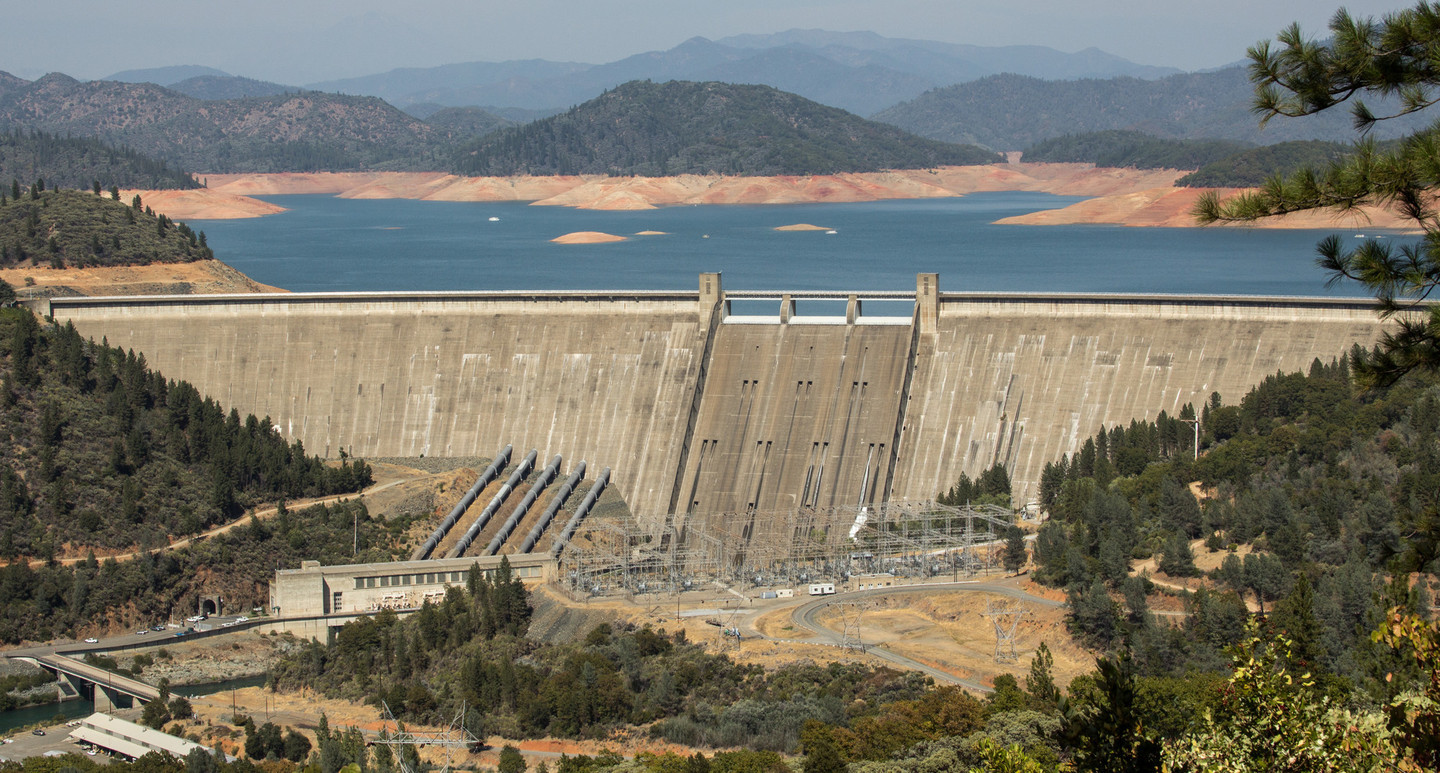
"caption": "Shasta Dam, north of Redding, in September 2014. Federal and state water officials and California water agencies back a plan to raise the dam up to 18 feet. ",
"description": null,
"title": "Shasta Dam",
"credit": "Dan Brekke/KQED",
"status": "inherit",
"isLoading": false,
"fetchFailed": false
},
"news_146082": {
"type": "attachments",
"id": "news_146082",
"meta": {
"index": "attachments_1716263798",
"site": "news",
"id": "146082",
"found": true
},
"parent": 146081,
"imgSizes": {
"kqedFullSize": {
"file": "https://ww2.kqed.org/app/uploads/sites/10/2014/08/15060459675_f1c52850f5_o.jpg",
"width": 4969,
"height": 3313
}
},
"publishDate": 1409217425,
"modified": 1409217425,
"caption": "Water pounds down the spillway from Lewiston Dam on the Trinity River. The U.S. Bureau of Reclamation is increasing flows to aid migrating salmon. (Dan Brekke/KQED)",
"description": "Water pounds down the spillway from Lewiston Dam on the Trinity River. The U.S. Bureau of Reclamation is increasing flows to aid migrating salmon. (Dan Brekke/KQED)",
"title": "Lewiston Dam-Trinity River",
"credit": null,
"status": "inherit",
"isLoading": false,
"fetchFailed": false
},
"news_127089": {
"type": "attachments",
"id": "news_127089",
"meta": {
"index": "attachments_1716263798",
"site": "news",
"id": "127089",
"found": true
},
"parent": 127029,
"imgSizes": {
"kqedFullSize": {
"file": "https://ww2.kqed.org/app/uploads/sites/10/2014/02/12527233845_4dfc14b9e2_k.jpg",
"width": 1531,
"height": 1027
}
},
"publishDate": 1392942399,
"modified": 1392942399,
"caption": "(Dan Brekke/KQED)",
"description": "A female coho salmon, dead after spawning on Marin County's Lagunitas Creek. (Dan Brekke/KQED)",
"title": "Coho Salmon-Lagunitas Creek",
"credit": null,
"status": "inherit",
"isLoading": false,
"fetchFailed": false
},
"news_135275": {
"type": "attachments",
"id": "news_135275",
"meta": {
"index": "attachments_1716263798",
"site": "news",
"id": "135275",
"found": true
},
"parent": 135256,
"imgSizes": {
"kqedFullSize": {
"file": "https://ww2.kqed.org/app/uploads/sites/10/2014/05/salmon-2.jpg",
"width": 800,
"height": 533
}
},
"publishDate": 1399412037,
"modified": 1399412037,
"caption": "(Mark Andrew Boyer/KQED)",
"description": "Fresh-caught salmon sit on ice at 2xSea at Pier 45 (Mark Andrew Boyer/KQED)",
"title": "salmon-2",
"credit": null,
"status": "inherit",
"isLoading": false,
"fetchFailed": false
},
"news_130130": {
"type": "attachments",
"id": "news_130130",
"meta": {
"index": "attachments_1716263798",
"site": "news",
"id": "130130",
"found": true
},
"parent": 130123,
"imgSizes": {
"kqedFullSize": {
"file": "https://ww2.kqed.org/app/uploads/sites/10/2014/03/6821006088_79416592ca_o.jpg",
"width": 1130,
"height": 1153
}
},
"publishDate": 1395442596,
"modified": 1515802729,
"caption": "Spawning chinook salmon arriving at the Feather River hatchery in Oroville. ",
"description": "Spawning chinook salmon arriving at the Feather River hatchery in Oroville. (KQED/Dan Brekke)",
"title": "Salmon-Oroville",
"credit": "KQED/Dan Brekke",
"status": "inherit",
"isLoading": false,
"fetchFailed": false
},
"science_16371": {
"type": "attachments",
"id": "science_16371",
"meta": {
"index": "attachments_1716263798",
"site": "science",
"id": "16371",
"found": true
},
"parent": 16357,
"imgSizes": {
"kqedFullSize": {
"file": "https://ww2.kqed.org/app/uploads/sites/35/2014/04/Healdsburg_4493.jpg",
"width": 640,
"height": 360
}
},
"publishDate": 1397093333,
"modified": 1397093333,
"caption": "A woman and her dog sit by a shrunken stretch of the Russian River in Healdsburg, Sonoma County. (Craig Miller/KQED)",
"description": "A woman and her dog sit by a shrunken stretch of the Russian River in Healdsburg, Sonoma County. (Craig Miller/KQED)",
"title": "Healdsburg_4493",
"credit": null,
"status": "inherit",
"isLoading": false,
"fetchFailed": false
},
"news_130746": {
"type": "attachments",
"id": "news_130746",
"meta": {
"index": "attachments_1716263798",
"site": "news",
"id": "130746",
"found": true
},
"parent": 130742,
"imgSizes": {
"kqedFullSize": {
"file": "https://ww2.kqed.org/app/uploads/sites/10/2014/03/salmon.jpg",
"width": 1280,
"height": 900
}
},
"publishDate": 1395965894,
"modified": 1395965894,
"caption": null,
"description": null,
"title": "salmon",
"credit": null,
"status": "inherit",
"isLoading": false,
"fetchFailed": false
}
},
"audioPlayerReducer": {
"postId": "stream_live",
"isPaused": true,
"isPlaying": false,
"pfsActive": false,
"pledgeModalIsOpen": true,
"playerDrawerIsOpen": false,
"liveAudioPlayStartedAt": 0,
"liveAudioPlayContext": ""
},
"authorsReducer": {
"byline_science_650656": {
"type": "authors",
"id": "byline_science_650656",
"meta": {
"override": true
},
"slug": "byline_science_650656",
"name": "Alastair Bland\u003c/br>Water Deeply",
"isLoading": false
},
"byline_news_10569568": {
"type": "authors",
"id": "byline_news_10569568",
"meta": {
"override": true
},
"slug": "byline_news_10569568",
"name": "\u003cstrong>\u003ca href=\"https://twitter.com/KnickmeyerEllen\" target=\"_blank\">Ellen Knickmeyer\u003c/a>\u003cbr />Associated Press\u003c/strong>",
"isLoading": false
},
"byline_news_10342116": {
"type": "authors",
"id": "byline_news_10342116",
"meta": {
"override": true
},
"slug": "byline_news_10342116",
"name": "\u003ca href=\"https://twitter.com/JeffBarnardAP\" target=\"_blank\">Jeff Barnard\u003c/a>\u003cbr />Associated Press",
"isLoading": false
},
"danbrekke": {
"type": "authors",
"id": "222",
"meta": {
"index": "authors_1716337520",
"id": "222",
"found": true
},
"name": "Dan Brekke",
"firstName": "Dan",
"lastName": "Brekke",
"slug": "danbrekke",
"email": "dbrekke@kqed.org",
"display_author_email": true,
"staff_mastheads": [
"news",
"science"
],
"title": "KQED Editor and Reporter",
"bio": "Dan Brekke is a reporter and editor for KQED News, responsible for coverage of topics ranging from California water issues to the Bay Area's transportation challenges. In a newsroom career that began in Chicago in 1972, Dan has worked for \u003cem>The San Francisco Examiner,\u003c/em> Wired and TechTV and has been published in The New York Times, The New York Times Magazine, Business 2.0, Salon and elsewhere.\r\n\r\nSince joining KQED in 2007, Dan has reported, edited and produced both radio and online features and breaking news pieces. He has shared as both editor and reporter in four Society of Professional Journalists Norcal Excellence in Journalism awards and one Edward R. Murrow regional award. He was chosen for a spring 2017 residency at the Mesa Refuge to advance his research on California salmon.\r\n\r\nEmail Dan at: \u003ca href=\"mailto:dbrekke@kqed.org\">dbrekke@kqed.org\u003c/a>\r\n\r\n\u003cstrong>Twitter:\u003c/strong> \u003ca href=\"https://twitter.com/danbrekke\" rel=\"noopener noreferrer\">twitter.com/danbrekke\u003c/a>\r\n\u003cstrong>Facebook:\u003c/strong> \u003ca href=\"https://www.facebook.com/danbrekke\" rel=\"noopener noreferrer\">www.facebook.com/danbrekke\u003c/a>\r\n\u003cstrong>LinkedIn:\u003c/strong> \u003ca href=\"https://www.linkedin.com/in/danbrekke\" rel=\"noopener noreferrer\">www.linkedin.com/in/danbrekke\u003c/a>",
"avatar": "https://secure.gravatar.com/avatar/8f1f0d2a978fb3b23426c922c7e2af558fa36905b49c4ce76a97dc3c72d27226?s=600&d=mm&r=g",
"twitter": "danbrekke",
"bluesky": null,
"facebook": null,
"instagram": "https://www.instagram.com/dan.brekke/",
"linkedin": "https://www.linkedin.com/in/danbrekke/",
"sites": [
{
"site": "news",
"roles": [
"administrator",
"create_posts"
]
},
{
"site": "stateofhealth",
"roles": [
"editor"
]
},
{
"site": "science",
"roles": [
"editor"
]
},
{
"site": "quest",
"roles": [
"contributor"
]
},
{
"site": "food",
"roles": [
"contributor"
]
},
{
"site": "forum",
"roles": [
"contributor"
]
},
{
"site": "elections",
"roles": [
"editor"
]
},
{
"site": "liveblog",
"roles": [
"editor"
]
}
],
"headData": {
"title": "Dan Brekke | KQED",
"description": "KQED Editor and Reporter",
"ogImgSrc": "https://secure.gravatar.com/avatar/8f1f0d2a978fb3b23426c922c7e2af558fa36905b49c4ce76a97dc3c72d27226?s=600&d=mm&r=g",
"twImgSrc": "https://secure.gravatar.com/avatar/8f1f0d2a978fb3b23426c922c7e2af558fa36905b49c4ce76a97dc3c72d27226?s=600&d=mm&r=g"
},
"isLoading": false,
"link": "/author/danbrekke"
},
"katrinaschwartz": {
"type": "authors",
"id": "234",
"meta": {
"index": "authors_1716337520",
"id": "234",
"found": true
},
"name": "Katrina Schwartz",
"firstName": "Katrina",
"lastName": "Schwartz",
"slug": "katrinaschwartz",
"email": "kschwartz@kqed.org",
"display_author_email": false,
"staff_mastheads": [
"news"
],
"title": "Producer",
"bio": "Katrina Schwartz is a journalist based in San Francisco. She's worked at KPCC public radio in LA and has reported on air and online for KQED since 2010. She covered how teaching and learning is changing for MindShift between 2012 and 2020. She is the co-host of the MindShift podcast and now produces KQED's Bay Curious podcast.",
"avatar": "https://secure.gravatar.com/avatar/edb4ee79070447a018538c9aae6eeecf28786515b8a0c30e43b6b7dce5aa44c8?s=600&d=blank&r=g",
"twitter": "kschwart",
"bluesky": null,
"facebook": null,
"instagram": null,
"linkedin": null,
"sites": [
{
"site": "",
"roles": [
"editor"
]
},
{
"site": "news",
"roles": [
"editor"
]
},
{
"site": "mindshift",
"roles": [
"administrator"
]
},
{
"site": "stateofhealth",
"roles": [
"author"
]
},
{
"site": "science",
"roles": [
"editor"
]
}
],
"headData": {
"title": "Katrina Schwartz | KQED",
"description": "Producer",
"ogImgSrc": "https://secure.gravatar.com/avatar/edb4ee79070447a018538c9aae6eeecf28786515b8a0c30e43b6b7dce5aa44c8?s=600&d=blank&r=g",
"twImgSrc": "https://secure.gravatar.com/avatar/edb4ee79070447a018538c9aae6eeecf28786515b8a0c30e43b6b7dce5aa44c8?s=600&d=blank&r=g"
},
"isLoading": false,
"link": "/author/katrinaschwartz"
},
"kqednewsstaffandwires": {
"type": "authors",
"id": "237",
"meta": {
"index": "authors_1716337520",
"id": "237",
"found": true
},
"name": "KQED News Staff and Wires",
"firstName": "KQED News Staff and Wires",
"lastName": null,
"slug": "kqednewsstaffandwires",
"email": "onlinenewsstaff@kqed.org",
"display_author_email": false,
"staff_mastheads": [],
"title": null,
"bio": null,
"avatar": "https://secure.gravatar.com/avatar/72295af8ebbfbd19a4948f5271285664?s=600&d=blank&r=g",
"twitter": null,
"facebook": null,
"instagram": null,
"linkedin": null,
"sites": [
{
"site": "arts",
"roles": [
"contributor"
]
},
{
"site": "news",
"roles": [
"contributor"
]
},
{
"site": "lowdown",
"roles": [
"author"
]
},
{
"site": "stateofhealth",
"roles": [
"contributor"
]
},
{
"site": "food",
"roles": [
"author"
]
}
],
"headData": {
"title": "KQED News Staff and Wires | KQED",
"description": null,
"ogImgSrc": "https://secure.gravatar.com/avatar/72295af8ebbfbd19a4948f5271285664?s=600&d=blank&r=g",
"twImgSrc": "https://secure.gravatar.com/avatar/72295af8ebbfbd19a4948f5271285664?s=600&d=blank&r=g"
},
"isLoading": false,
"link": "/author/kqednewsstaffandwires"
},
"laurensommer": {
"type": "authors",
"id": "239",
"meta": {
"index": "authors_1716337520",
"id": "239",
"found": true
},
"name": "Lauren Sommer",
"firstName": "Lauren",
"lastName": "Sommer",
"slug": "laurensommer",
"email": "lsommer@kqed.org",
"display_author_email": false,
"staff_mastheads": [],
"title": "KQED Contributor",
"bio": "Lauren is a radio reporter formerly covering environment, water, and energy for KQED Science. As part of her day job, she has scaled Sierra Nevada peaks, run from charging elephant seals, and desperately tried to get her sea legs - all in pursuit of good radio. Her work has appeared on Marketplace, Living on Earth, Science Friday and NPR's Morning Edition and All Things Considered. You can find her on Twitter at \u003ca href=\"https://twitter.com/lesommer\">@lesommer\u003c/a>.",
"avatar": "https://secure.gravatar.com/avatar/33aa3772bb86c6ad45b8aca6a238bbdf?s=600&d=blank&r=g",
"twitter": null,
"facebook": null,
"instagram": null,
"linkedin": null,
"sites": [
{
"site": "news",
"roles": [
"author"
]
},
{
"site": "science",
"roles": [
"editor",
"manage_content_types",
"manage_taxonomies"
]
},
{
"site": "quest",
"roles": [
"editor"
]
}
],
"headData": {
"title": "Lauren Sommer | KQED",
"description": "KQED Contributor",
"ogImgSrc": "https://secure.gravatar.com/avatar/33aa3772bb86c6ad45b8aca6a238bbdf?s=600&d=blank&r=g",
"twImgSrc": "https://secure.gravatar.com/avatar/33aa3772bb86c6ad45b8aca6a238bbdf?s=600&d=blank&r=g"
},
"isLoading": false,
"link": "/author/laurensommer"
}
},
"pagesReducer": {
"news_tag_salmon": {
"type": "terms",
"id": "news_3531",
"meta": {
"index": "terms_1716263798",
"site": "news",
"id": "3531",
"score": 8.941178
},
"featImg": null,
"name": "salmon",
"description": null,
"taxonomy": "tag",
"headData": {
"twImgId": null,
"twTitle": null,
"ogTitle": null,
"ogImgId": null,
"twDescription": null,
"description": null,
"title": "salmon Archives | KQED News",
"ogDescription": null
},
"ttid": 3549,
"slug": "salmon",
"isLoading": false,
"title": "salmon",
"pageMeta": {
"site": "news",
"WpPageTemplate": "page-topic-editorial",
"currentPage": 4
},
"blocks": [
{
"blockName": "kqed/post-list",
"attrs": {
"layout": "cardArticle2",
"query": "posts/news?tag=salmon",
"seeMore": false,
"paginated": true,
"page": 4
}
},
{
"blockName": "kqed/ad"
}
]
}
},
"pfsSessionReducer": {},
"postsReducer": {
"stream_live": {
"type": "live",
"id": "stream_live",
"audioUrl": "https://hls.kqed.org/hls/kqed_app/playlist.m3u8",
"title": "Live Stream",
"excerpt": "Live Stream information currently unavailable.",
"link": "/radio",
"featImg": "",
"label": {
"name": "KQED Live",
"link": "/"
}
},
"stream_kqedNewscast": {
"type": "posts",
"id": "stream_kqedNewscast",
"audioUrl": "https://www.kqed.org/.stream/anon/radio/RDnews/newscast.mp3?_=1",
"title": "KQED Newscast",
"featImg": "",
"label": {
"name": "88.5 FM",
"link": "/"
}
},
"science_650656": {
"type": "posts",
"id": "science_650656",
"meta": {
"index": "posts_1716263798",
"site": "science",
"id": "650656",
"score": null,
"sort": [
1461178750000
]
},
"parent": 0,
"labelTerm": {},
"blocks": [],
"publishDate": 1461178750,
"format": "standard",
"title": "Is California’s Water System Really Broken?",
"headTitle": "Is California’s Water System Really Broken? | KQED",
"content": "\u003cp>Farmers in the western San Joaquin Valley are facing another year with curtailed water allocations, while fish populations are as low as they’ve ever been. Something, clearly, isn’t working, and agriculture industry lobbyists say they know what the problem is.\u003c/p>\n\u003cp>“Our water delivery system is broken,” says Gayle Holman, spokesperson for Westlands Water District, a large San Joaquin Valley farming region expected to take a hard hit this year from reduced water deliveries.\u003c/p>\n\u003cp>[contextly_sidebar id=”Gr8fse4v90zRv9sxyPZNSirJ8tLqmkeL”]Holman argues that environmental restrictions against pumping water from the Delta are harming farmers’ livelihoods without doing any good.\u003c/p>\n\u003cp>“Fish, agriculture, communities – none of them are benefiting from the precautions [against pumping],” Holman claims. “We’re seeing an overall erosion of the productivity of the Delta and the farmland south of it.”\u003c/p>\n\u003cp>There is no doubt that fish species such as winter-run Chinook salmon, delta smelt and several others are slipping toward extinction – but why? Farm lobbyists say removal of water from the Delta has little to do with the declines and that non-native species are a bigger problem. They say striped bass are eating imperiled fishes at unsustainable rates, and over the past few years water users have supported multiple legislative efforts to cull striped bass numbers.\u003c/p>\n\u003cp>[ad fullwidth]\u003c/p>\n\u003cp>“Predation [on salmon] is a huge problem we haven’t addressed,” says Mike Wade, the executive director of the California Farm Water Coalition, a group that lobbies for farmers statewide.\u003c/p>\n\u003cp>Research conducted in 2012 on the Tuolumne River by the private research firm FishBio found striped bass stuffed with baby salmon. To many water users, this is clear and damning evidence that striped bass are a lead driver in the decades-long decline of the Central Valley’s native fishes.\u003c/p>\n\u003cp>But the problem isn’t so simple, according to numerous fishery scientists.\u003c/p>\n\u003cp>“Yes, these fish often die in the mouth of a striped bass,” says Jon Rosenfield, a conservation biologist with the Bay Institute, a watchdog environmental group in San Francisco. “But when a person dies in the emergency room, it wasn’t the hospital that killed them. So, the question you have to ask is, what conditions got the fish into the striped bass’s mouth?”\u003c/p>\n\u003cp>The entire ecosystem is collapsing, and striped bass numbers are plunging about as rapidly as those of salmon, smelt and other species. Rosenfield says so much water is now being taken out of the Delta on an annual basis that what was once a thriving estuary functions today more like a large, warm-water swamp, friendly to some non-native fishes, such as black bass, catfish and sunfish, but very hostile to most native fishes.\u003c/p>\n\u003cp>“These [farm groups] always want to remove the predators, and that is not the solution,” Rosenfield says.\u003c/p>\n\u003cp>Rather, he maintains, restoring the Central Valley’s waterways and their seasonal flow patterns to something resembling their natural state would prompt a response in native fish numbers. It is well known that gushing winter and spring floods can essentially wash juvenile salmon safely out to sea in a protective smokescreen of mud and silt. For this reason, salmon hatcheries often release their smolts immediately after large rain events.\u003c/p>\n\u003cp>Scientists such as striped bass expert David Ostrach, U.C. Davis’ Peter Moyle and Carson Jeffres, and California Trout’s Jacob Katz, have all argued that the loss of annual flood cycles, as well as riverside floodplain habitat, has made survival for small fish in the Central Valley’s waterways almost impossible.\u003c/p>\n\u003cp>FishBio’s Doug Demko, who led the Tuolumne River research, says he has observed that young salmon do poorly when river and Delta flows are reduced.\u003c/p>\n\u003cp>“In those low-flow and medium-flow water years, juvenile salmon mortality is extremely high,” Demko says. “In high-flow years, we get much higher survival.”\u003c/p>\n\u003cp>Striped bass were introduced to California in the late 1800s. The fish took well to the Bay and Delta. As a species, they established themselves, naturalized and boomed. For about 80 years striped bass thrived. Ostrach says there may have been 4 million adult striped bass in the Bay-Delta system in the 1960s. There may have been even more in the decades prior, before close scientific fish surveys had begun. Meanwhile, Chinook salmon – especially the commercial important fall run – supported by fish hatcheries, remained fairly strong.\u003c/p>\n\u003cp>In 1951, the U.S. Bureau of Reclamation’s Central Valley Project began operating a massive pumping station in the southern Delta. About a decade later, the California Department of Water Resources introduced a similar pumping station to support its own conveyance system, the State Water Project. Pumping rates grew steadily from about 1.5 million acre-feet (1.8 billion cubic meters) in the 1960s to the 4 million acre-foot level by the 1970s.\u003c/p>\n\u003cp>At the same time, the decline of the Delta ecosystem began in earnest. This deterioration has been closely tracked by the California Department of Fish and Wildlife, which started an annual survey called the Fall Midwater Trawl in 1967. The idea was to take a yearly snapshot of fish abundance by dragging the same-sized net over the same parcels of water on about the same days every year. In the survey’s first year, department biologists calculated an abundance index of 19,677 juvenile stripers . That number has dropped steadily since, to anywhere from 1,000 to 5,000 through the 1980s and 1990s. Over the same time period, winter-run Chinook salmon, as well as salmon runs in the San Joaquin River, followed a similar downward trajectory.\u003c/p>\n\u003cp>Then, in the early 2000s – after a rapid increase in water pumping pushed Delta exports to record rates of more than 6 million acre-feet (7.4 billion cubic meters) – the decline accelerated, with the striper index ranging from a few dozen to about 300. Bar graphs showing the survey results for several other species look nearly the same, with abundance of each bottoming out to almost nothing in the early 2000s. Delta smelt are now considered essentially extinct in the wild. The simultaneous crash of multiple Delta fish species has been so dramatic that biologists even have a name for it – the Pelagic Organism Decline .\u003c/p>\n\u003cp>Farm lobbyists remain unconvinced. Wade, at the California Farm Water Coalition, says attributing fish declines to water diversions is erroneous and causes needless harm to growers of fruit trees and vegetable crops in the western San Joaquin Valley.\u003c/p>\n\u003cp>“There is no science that shows the export pumps at the south end of the Delta are having a long-term impact on salmon or delta smelt,” Wade says.\u003c/p>\n\u003cp>But the correlation between water pumping and fish declines grows even stronger when fall-run Chinook salmon are added to the equation: In the early 2000s, as the Pelagic Organism Decline began, the Sacramento’s fall run finally caved, as well. Record low returns of the fish came three years after the record high Delta exports. The entire fishery was closed for the first time in 2008. In a 2009 report , scientists with the National Marine Fisheries Service attributed the decline to a combination of poor ocean conditions as well as inland habitat problems.\u003c/p>\n\u003cp>“We recognize … that the rapid and likely temporary deterioration in ocean conditions is acting on top of a long-term, steady degradation of the freshwater and estuarine environment,” the authors wrote.\u003c/p>\n\u003cp>So how much water must be left to flow through the estuary? A certain amount is needed just to keep saltwater from entering the Delta and the pumps themselves. Rosenfield says that from October through March, 1.97 million acre-feet (2.43 billion cubic meters) were allowed through the Delta for this essential purpose – or about 12 percent of the water that fell as precipitation in the Central Valley drainage basin in that time. While fish are often blamed by farmers for hindering operation of the Delta pumps, endangered species protections were responsible for only 664,000 acre-feet – or 4 percent of the basin’s total precipitation – that entered the Bay in that time period.\u003c/p>\n\u003cp>In an average year, more than half the Central Valley’s winter–spring runoff is captured behind dams or pumped out of the Delta, according to Rosenfield. That’s too much. Scientists have calculated that a healthy Delta ecosystem would need closer to 75 percent of that flow moving through the estuary and into San Francisco Bay.\u003c/p>\n\u003cp>But water alone may not be enough to help the fish. Jacob Katz at California Trout says Chinook salmon also need riverside habitat that floods annually. Katz has led research showing that juvenile salmon that are given access to flooded rice fields beside the Sacramento River grow exceptionally fast and, ultimately, have vastly better odds of avoiding predators and reaching the ocean. This habitat has been mostly eliminated from California’s rivers by levees and berms.\u003c/p>\n\u003cp>As for the Bay-Delta’s striped bass population, it has been dwindling for years. Ostrach says there may be as few as 250,000 adults today.\u003c/p>\n\u003cp>He says there is no doubt striped bass have suffered for the same reasons as salmon and smelt.\u003c/p>\n\u003cp>“A combined set of factors has aligned against all of the [Delta’s] fisheries,” Ostrach says. “The major problem is that we no longer have a functioning estuary but have engineered an ecosystem much more similar to an Arkansas lake. It’s no wonder that fish that live in an estuary can’t survive here.”\u003c/p>\n\u003cp>The decline of multiple estuarine species at once suggests the environment they share in common is under extreme pressure.\u003c/p>\n\u003cp>[ad floatright]\u003c/p>\n\u003cp>“The delta smelt lived for 20,000 years in the Delta, and they’ve survived earthquakes and floods and drought and every kind of thing nature has thrown at them, but they can’t survive us,” Rosenfield says. “And Chinook salmon have thrived in every major system from here up to Alaska and around to Russia and Japan, but they can’t survive in our rivers anymore. What does this say about our rivers?”\u003c/p>\n\n",
"stats": {
"hasVideo": false,
"hasChartOrMap": false,
"hasAudio": false,
"hasPolis": false,
"wordCount": 1739,
"hasGoogleForm": false,
"hasGallery": false,
"hasHearkenModule": false,
"iframeSrcs": [],
"paragraphCount": 33
},
"modified": 1704930290,
"excerpt": "Many farmers contend that the water delivery system that pumps water through the Sacramento-San Joaquin Delta is broken – water to farms and cities must be cut to help fish species, but those species’ numbers are still plummeting. So what's going on?",
"headData": {
"twImgId": "",
"twTitle": "",
"ogTitle": "",
"ogImgId": "",
"twDescription": "",
"description": "Many farmers contend that the water delivery system that pumps water through the Sacramento-San Joaquin Delta is broken – water to farms and cities must be cut to help fish species, but those species’ numbers are still plummeting. So what's going on?",
"title": "Is California’s Water System Really Broken? | KQED",
"ogDescription": "",
"schema": {
"@context": "https://schema.org",
"@type": "Article",
"headline": "Is California’s Water System Really Broken?",
"datePublished": "2016-04-20T11:59:10-07:00",
"dateModified": "2024-01-10T15:44:50-08:00",
"image": "https://cdn.kqed.org/wp-content/uploads/2020/02/KQED-OG-Image@1x.png"
}
},
"guestAuthors": [],
"slug": "is-californias-water-system-really-broken",
"status": "publish",
"nprByline": "Alastair Bland\u003c/br>Water Deeply",
"sticky": false,
"source": "Water Deeply",
"path": "/science/650656/is-californias-water-system-really-broken",
"audioTrackLength": null,
"parsedContent": [
{
"type": "contentString",
"content": "\u003cdiv class=\"post-body\">\u003cp>\u003cp>Farmers in the western San Joaquin Valley are facing another year with curtailed water allocations, while fish populations are as low as they’ve ever been. Something, clearly, isn’t working, and agriculture industry lobbyists say they know what the problem is.\u003c/p>\n\u003cp>“Our water delivery system is broken,” says Gayle Holman, spokesperson for Westlands Water District, a large San Joaquin Valley farming region expected to take a hard hit this year from reduced water deliveries.\u003c/p>\n\u003cp>\u003c/p>\u003cp>\u003c/p>\u003cp>Holman argues that environmental restrictions against pumping water from the Delta are harming farmers’ livelihoods without doing any good.\u003c/p>\n\u003cp>“Fish, agriculture, communities – none of them are benefiting from the precautions [against pumping],” Holman claims. “We’re seeing an overall erosion of the productivity of the Delta and the farmland south of it.”\u003c/p>\n\u003cp>There is no doubt that fish species such as winter-run Chinook salmon, delta smelt and several others are slipping toward extinction – but why? Farm lobbyists say removal of water from the Delta has little to do with the declines and that non-native species are a bigger problem. They say striped bass are eating imperiled fishes at unsustainable rates, and over the past few years water users have supported multiple legislative efforts to cull striped bass numbers.\u003c/p>\n\u003cp>\u003c/p>\u003c/div>",
"attributes": {
"named": {},
"numeric": []
}
},
{
"type": "component",
"content": "",
"name": "ad",
"attributes": {
"named": {
"label": "fullwidth"
},
"numeric": [
"fullwidth"
]
}
},
{
"type": "contentString",
"content": "\u003cdiv class=\"post-body\">\u003cp>\u003c/p>\n\u003cp>“Predation [on salmon] is a huge problem we haven’t addressed,” says Mike Wade, the executive director of the California Farm Water Coalition, a group that lobbies for farmers statewide.\u003c/p>\n\u003cp>Research conducted in 2012 on the Tuolumne River by the private research firm FishBio found striped bass stuffed with baby salmon. To many water users, this is clear and damning evidence that striped bass are a lead driver in the decades-long decline of the Central Valley’s native fishes.\u003c/p>\n\u003cp>But the problem isn’t so simple, according to numerous fishery scientists.\u003c/p>\n\u003cp>“Yes, these fish often die in the mouth of a striped bass,” says Jon Rosenfield, a conservation biologist with the Bay Institute, a watchdog environmental group in San Francisco. “But when a person dies in the emergency room, it wasn’t the hospital that killed them. So, the question you have to ask is, what conditions got the fish into the striped bass’s mouth?”\u003c/p>\n\u003cp>The entire ecosystem is collapsing, and striped bass numbers are plunging about as rapidly as those of salmon, smelt and other species. Rosenfield says so much water is now being taken out of the Delta on an annual basis that what was once a thriving estuary functions today more like a large, warm-water swamp, friendly to some non-native fishes, such as black bass, catfish and sunfish, but very hostile to most native fishes.\u003c/p>\n\u003cp>“These [farm groups] always want to remove the predators, and that is not the solution,” Rosenfield says.\u003c/p>\n\u003cp>Rather, he maintains, restoring the Central Valley’s waterways and their seasonal flow patterns to something resembling their natural state would prompt a response in native fish numbers. It is well known that gushing winter and spring floods can essentially wash juvenile salmon safely out to sea in a protective smokescreen of mud and silt. For this reason, salmon hatcheries often release their smolts immediately after large rain events.\u003c/p>\n\u003cp>Scientists such as striped bass expert David Ostrach, U.C. Davis’ Peter Moyle and Carson Jeffres, and California Trout’s Jacob Katz, have all argued that the loss of annual flood cycles, as well as riverside floodplain habitat, has made survival for small fish in the Central Valley’s waterways almost impossible.\u003c/p>\n\u003cp>FishBio’s Doug Demko, who led the Tuolumne River research, says he has observed that young salmon do poorly when river and Delta flows are reduced.\u003c/p>\n\u003cp>“In those low-flow and medium-flow water years, juvenile salmon mortality is extremely high,” Demko says. “In high-flow years, we get much higher survival.”\u003c/p>\n\u003cp>Striped bass were introduced to California in the late 1800s. The fish took well to the Bay and Delta. As a species, they established themselves, naturalized and boomed. For about 80 years striped bass thrived. Ostrach says there may have been 4 million adult striped bass in the Bay-Delta system in the 1960s. There may have been even more in the decades prior, before close scientific fish surveys had begun. Meanwhile, Chinook salmon – especially the commercial important fall run – supported by fish hatcheries, remained fairly strong.\u003c/p>\n\u003cp>In 1951, the U.S. Bureau of Reclamation’s Central Valley Project began operating a massive pumping station in the southern Delta. About a decade later, the California Department of Water Resources introduced a similar pumping station to support its own conveyance system, the State Water Project. Pumping rates grew steadily from about 1.5 million acre-feet (1.8 billion cubic meters) in the 1960s to the 4 million acre-foot level by the 1970s.\u003c/p>\n\u003cp>At the same time, the decline of the Delta ecosystem began in earnest. This deterioration has been closely tracked by the California Department of Fish and Wildlife, which started an annual survey called the Fall Midwater Trawl in 1967. The idea was to take a yearly snapshot of fish abundance by dragging the same-sized net over the same parcels of water on about the same days every year. In the survey’s first year, department biologists calculated an abundance index of 19,677 juvenile stripers . That number has dropped steadily since, to anywhere from 1,000 to 5,000 through the 1980s and 1990s. Over the same time period, winter-run Chinook salmon, as well as salmon runs in the San Joaquin River, followed a similar downward trajectory.\u003c/p>\n\u003cp>Then, in the early 2000s – after a rapid increase in water pumping pushed Delta exports to record rates of more than 6 million acre-feet (7.4 billion cubic meters) – the decline accelerated, with the striper index ranging from a few dozen to about 300. Bar graphs showing the survey results for several other species look nearly the same, with abundance of each bottoming out to almost nothing in the early 2000s. Delta smelt are now considered essentially extinct in the wild. The simultaneous crash of multiple Delta fish species has been so dramatic that biologists even have a name for it – the Pelagic Organism Decline .\u003c/p>\n\u003cp>Farm lobbyists remain unconvinced. Wade, at the California Farm Water Coalition, says attributing fish declines to water diversions is erroneous and causes needless harm to growers of fruit trees and vegetable crops in the western San Joaquin Valley.\u003c/p>\n\u003cp>“There is no science that shows the export pumps at the south end of the Delta are having a long-term impact on salmon or delta smelt,” Wade says.\u003c/p>\n\u003cp>But the correlation between water pumping and fish declines grows even stronger when fall-run Chinook salmon are added to the equation: In the early 2000s, as the Pelagic Organism Decline began, the Sacramento’s fall run finally caved, as well. Record low returns of the fish came three years after the record high Delta exports. The entire fishery was closed for the first time in 2008. In a 2009 report , scientists with the National Marine Fisheries Service attributed the decline to a combination of poor ocean conditions as well as inland habitat problems.\u003c/p>\n\u003cp>“We recognize … that the rapid and likely temporary deterioration in ocean conditions is acting on top of a long-term, steady degradation of the freshwater and estuarine environment,” the authors wrote.\u003c/p>\n\u003cp>So how much water must be left to flow through the estuary? A certain amount is needed just to keep saltwater from entering the Delta and the pumps themselves. Rosenfield says that from October through March, 1.97 million acre-feet (2.43 billion cubic meters) were allowed through the Delta for this essential purpose – or about 12 percent of the water that fell as precipitation in the Central Valley drainage basin in that time. While fish are often blamed by farmers for hindering operation of the Delta pumps, endangered species protections were responsible for only 664,000 acre-feet – or 4 percent of the basin’s total precipitation – that entered the Bay in that time period.\u003c/p>\n\u003cp>In an average year, more than half the Central Valley’s winter–spring runoff is captured behind dams or pumped out of the Delta, according to Rosenfield. That’s too much. Scientists have calculated that a healthy Delta ecosystem would need closer to 75 percent of that flow moving through the estuary and into San Francisco Bay.\u003c/p>\n\u003cp>But water alone may not be enough to help the fish. Jacob Katz at California Trout says Chinook salmon also need riverside habitat that floods annually. Katz has led research showing that juvenile salmon that are given access to flooded rice fields beside the Sacramento River grow exceptionally fast and, ultimately, have vastly better odds of avoiding predators and reaching the ocean. This habitat has been mostly eliminated from California’s rivers by levees and berms.\u003c/p>\n\u003cp>As for the Bay-Delta’s striped bass population, it has been dwindling for years. Ostrach says there may be as few as 250,000 adults today.\u003c/p>\n\u003cp>He says there is no doubt striped bass have suffered for the same reasons as salmon and smelt.\u003c/p>\n\u003cp>“A combined set of factors has aligned against all of the [Delta’s] fisheries,” Ostrach says. “The major problem is that we no longer have a functioning estuary but have engineered an ecosystem much more similar to an Arkansas lake. It’s no wonder that fish that live in an estuary can’t survive here.”\u003c/p>\n\u003cp>The decline of multiple estuarine species at once suggests the environment they share in common is under extreme pressure.\u003c/p>\n\u003cp>\u003c/p>\u003c/div>",
"attributes": {
"named": {},
"numeric": []
}
},
{
"type": "component",
"content": "",
"name": "ad",
"attributes": {
"named": {
"label": "floatright"
},
"numeric": [
"floatright"
]
}
},
{
"type": "contentString",
"content": "\u003cdiv class=\"post-body\">\u003cp>\u003c/p>\n\u003cp>“The delta smelt lived for 20,000 years in the Delta, and they’ve survived earthquakes and floods and drought and every kind of thing nature has thrown at them, but they can’t survive us,” Rosenfield says. “And Chinook salmon have thrived in every major system from here up to Alaska and around to Russia and Japan, but they can’t survive in our rivers anymore. What does this say about our rivers?”\u003c/p>\n\n\u003c/div>\u003c/p>",
"attributes": {
"named": {},
"numeric": []
}
}
],
"link": "/science/650656/is-californias-water-system-really-broken",
"authors": [
"byline_science_650656"
],
"categories": [
"science_35",
"science_40",
"science_98"
],
"featImg": "science_650662",
"label": "source_science_650656"
},
"news_10569568": {
"type": "posts",
"id": "news_10569568",
"meta": {
"index": "posts_1716263798",
"site": "news",
"id": "10569568",
"score": null,
"sort": [
1434752321000
]
},
"parent": 0,
"labelTerm": {
"site": "news",
"term": 72
},
"blocks": [],
"publishDate": 1434752321,
"format": "standard",
"disqusTitle": "New Disaster for Imperiled Run of Sacramento Valley Salmon",
"title": "New Disaster for Imperiled Run of Sacramento Valley Salmon",
"headTitle": "The California Report | KQED News",
"content": "\u003cp>More than one-tenth of the largest wild population of threatened salmon in the Central Valley died after repair work near a power plant led Pacific Gas & Electric Co. to cut off a cooling flow of water into a creek last weekend, wildlife and utility officials say.\u003c/p>\n\u003cp>PG&E, the state's largest utility, restored the water flow on Wednesday to a remote stretch of Butte Creek, home to the largest of three surviving wild populations of Central Valley spring-run Chinook salmon.\u003c/p>\n\u003cp>The death of 277 of the fewer than 2,000 adult chinook in the creek underscored the vulnerability of one of California's most iconic species in a drought year marked by record low amounts of cooling snow melt.\u003c/p>\n\u003cp>Salmon populations from Monterey on the central coast to the Oregon border are showing problems related to low, warm water conditions created by the driest four years in state history.\u003c/p>\n\u003cp>\"As the drought wears on, it's just going to get worse,\" Andrew Hughan, a spokesman for the California Department of Fish and Wildlife, said from the banks of Butte Creek, north of Sacramento.\u003c/p>\n\u003cp>[ad fullwidth]\u003c/p>\n\u003cp>PG&E spokesman Paul Moreno said utility crews rushed an emergency repair project on a canal to restore water flows into the creek as quickly as possible.\u003c/p>\n\u003cp>\"I can tell you that ... crews worked every day to get that back in place,\" Moreno said.\u003c/p>\n\u003cp>The problem began when the utility learned of leaks in a canal carrying water from a utility reservoir to PG&E hydroelectric plants. The utility shut down the canal May 29 to line a 500-foot stretch of the waterway, Moreno said.\u003c/p>\n\u003cp>Without the cooling flow, a hot spell last weekend brought water temperatures in the creek up to the 70s and 80s, fostering a rapid outbreak of deadly pathogens that afflict the gills of the salmon, cutting off oxygen, said Howard Brown, Sacramento River branch chief of the National Marine Fisheries Service.\u003c/p>\n\u003cp>Clint Garman, a biologist with the state wildlife department, said existing conditions from the drought would have killed some of the salmon in the creek outright, but the temporary water cutoff by PG&E increased the number of deaths.\u003c/p>\n\u003cp>Long-term, state and federal wildlife officials said, PG&E's release of water into Butte Creek has helped keep the stream's native salmon alive over the years.\u003c/p>\n\u003cp>\"There is a lot of very careful management\" of water by the utility and regulators at Butte Creek, \"and in a normal year it works very well,\" Brown said. \"It's just the worst year for this kind of thing, and the timing couldn't have been worse.\"\u003c/p>\n\u003cp>The creek is the last, best stronghold of spring-run Chinook salmon, Garman said. Only two other creeks still hold wild populations of the Central Valley spring-run chinook. At last count, fewer than 400 adults were alive in both of those creeks.\u003c/p>\n\u003cp>\u003c/p>\n\u003cp>The chinook numbered in the tens of thousands as recently as the 1990s. California and the U.S. list them as a threatened species.\u003c/p>\n\n",
"disqusIdentifier": "10569568 http://ww2.kqed.org/news/?p=10569568",
"disqusUrl": "https://ww2.kqed.org/news/2015/06/19/new-disaster-for-imperiled-run-of-sacramento-valley-salmon/",
"stats": {
"hasVideo": false,
"hasChartOrMap": false,
"hasAudio": false,
"hasPolis": false,
"wordCount": 514,
"hasGoogleForm": false,
"hasGallery": false,
"hasHearkenModule": false,
"iframeSrcs": [],
"paragraphCount": 16
},
"modified": 1434778271,
"excerpt": "Fish kill occurred after flow of water to creek was cut off during heat wave. ",
"headData": {
"twImgId": "",
"twTitle": "",
"ogTitle": "",
"ogImgId": "",
"twDescription": "",
"description": "Fish kill occurred after flow of water to creek was cut off during heat wave. ",
"title": "New Disaster for Imperiled Run of Sacramento Valley Salmon | KQED",
"ogDescription": "",
"schema": {
"@context": "https://schema.org",
"@type": "NewsArticle",
"headline": "New Disaster for Imperiled Run of Sacramento Valley Salmon",
"datePublished": "2015-06-19T15:18:41-07:00",
"dateModified": "2015-06-19T22:31:11-07:00",
"image": "https://cdn.kqed.org/wp-content/uploads/2020/02/KQED-OG-Image@1x.png",
"isAccessibleForFree": "True",
"publisher": {
"@type": "NewsMediaOrganization",
"@id": "https://www.kqed.org/#organization",
"name": "KQED",
"logo": "https://cdn.kqed.org/wp-content/uploads/2020/02/KQED-OG-Image@1x.png",
"url": "https://www.kqed.org",
"sameAs": [
"https://www.facebook.com/KQED",
"https://twitter.com/KQED",
"https://www.instagram.com/kqed/",
"https://www.tiktok.com/@kqedofficial",
"https://www.linkedin.com/company/kqed",
"https://www.youtube.com/channel/UCeC0IOo7i1P_61zVUWbJ4nw"
]
}
}
},
"guestAuthors": [],
"slug": "new-disaster-for-imperiled-run-of-sacramento-valley-salmon",
"status": "publish",
"nprByline": "\u003cstrong>\u003ca href=\"https://twitter.com/KnickmeyerEllen\" target=\"_blank\">Ellen Knickmeyer\u003c/a>\u003cbr />Associated Press\u003c/strong>",
"path": "/news/10569568/new-disaster-for-imperiled-run-of-sacramento-valley-salmon",
"audioTrackLength": null,
"parsedContent": [
{
"type": "contentString",
"content": "\u003cdiv class=\"post-body\">\u003cp>\u003cp>More than one-tenth of the largest wild population of threatened salmon in the Central Valley died after repair work near a power plant led Pacific Gas & Electric Co. to cut off a cooling flow of water into a creek last weekend, wildlife and utility officials say.\u003c/p>\n\u003cp>PG&E, the state's largest utility, restored the water flow on Wednesday to a remote stretch of Butte Creek, home to the largest of three surviving wild populations of Central Valley spring-run Chinook salmon.\u003c/p>\n\u003cp>The death of 277 of the fewer than 2,000 adult chinook in the creek underscored the vulnerability of one of California's most iconic species in a drought year marked by record low amounts of cooling snow melt.\u003c/p>\n\u003cp>Salmon populations from Monterey on the central coast to the Oregon border are showing problems related to low, warm water conditions created by the driest four years in state history.\u003c/p>\n\u003cp>\"As the drought wears on, it's just going to get worse,\" Andrew Hughan, a spokesman for the California Department of Fish and Wildlife, said from the banks of Butte Creek, north of Sacramento.\u003c/p>\n\u003cp>\u003c/p>\u003c/div>",
"attributes": {
"named": {},
"numeric": []
}
},
{
"type": "component",
"content": "",
"name": "ad",
"attributes": {
"named": {
"label": "fullwidth"
},
"numeric": [
"fullwidth"
]
}
},
{
"type": "contentString",
"content": "\u003cdiv class=\"post-body\">\u003cp>\u003c/p>\n\u003cp>PG&E spokesman Paul Moreno said utility crews rushed an emergency repair project on a canal to restore water flows into the creek as quickly as possible.\u003c/p>\n\u003cp>\"I can tell you that ... crews worked every day to get that back in place,\" Moreno said.\u003c/p>\n\u003cp>The problem began when the utility learned of leaks in a canal carrying water from a utility reservoir to PG&E hydroelectric plants. The utility shut down the canal May 29 to line a 500-foot stretch of the waterway, Moreno said.\u003c/p>\n\u003cp>Without the cooling flow, a hot spell last weekend brought water temperatures in the creek up to the 70s and 80s, fostering a rapid outbreak of deadly pathogens that afflict the gills of the salmon, cutting off oxygen, said Howard Brown, Sacramento River branch chief of the National Marine Fisheries Service.\u003c/p>\n\u003cp>Clint Garman, a biologist with the state wildlife department, said existing conditions from the drought would have killed some of the salmon in the creek outright, but the temporary water cutoff by PG&E increased the number of deaths.\u003c/p>\n\u003cp>Long-term, state and federal wildlife officials said, PG&E's release of water into Butte Creek has helped keep the stream's native salmon alive over the years.\u003c/p>\n\u003cp>\"There is a lot of very careful management\" of water by the utility and regulators at Butte Creek, \"and in a normal year it works very well,\" Brown said. \"It's just the worst year for this kind of thing, and the timing couldn't have been worse.\"\u003c/p>\n\u003cp>The creek is the last, best stronghold of spring-run Chinook salmon, Garman said. Only two other creeks still hold wild populations of the Central Valley spring-run chinook. At last count, fewer than 400 adults were alive in both of those creeks.\u003c/p>\n\u003cp>\u003c/p>\n\u003cp>The chinook numbered in the tens of thousands as recently as the 1990s. California and the U.S. list them as a threatened species.\u003c/p>\n\n\u003c/div>\u003c/p>",
"attributes": {
"named": {},
"numeric": []
}
}
],
"link": "/news/10569568/new-disaster-for-imperiled-run-of-sacramento-valley-salmon",
"authors": [
"byline_news_10569568"
],
"programs": [
"news_6944",
"news_72"
],
"categories": [
"news_19906",
"news_8",
"news_356"
],
"tags": [
"news_18245",
"news_3531",
"news_17041"
],
"featImg": "news_10346714",
"label": "news_72"
},
"news_10418061": {
"type": "posts",
"id": "news_10418061",
"meta": {
"index": "posts_1716263798",
"site": "news",
"id": "10418061",
"score": null,
"sort": [
1422466558000
]
},
"parent": 0,
"labelTerm": {
"site": "news",
"term": 6944
},
"blocks": [],
"publishDate": 1422466558,
"format": "image",
"disqusTitle": "9 Stories You Should Know About Today: Wednesday, Jan. 28",
"title": "9 Stories You Should Know About Today: Wednesday, Jan. 28",
"headTitle": "News Fix | KQED News",
"content": "\u003cp>\u003cem>Weather:\u003c/em> Dry, still dry. Our next weak, uncertain chance for rain is late this weekend. For details: \u003ca href=\"http://www.wrh.noaa.gov/mtr/\" target=\"_blank\">National Weather Service Bay Area\u003c/a>.\u003c/p>\n\u003cul>\n\u003cli>\u003cstrong>Federal biologists reject claims that raising Shasta Dam will aid salmon\u003c/strong> \u003cem>(San Jose Mercury News)\u003c/em>:\u003cbr>\n\u003cblockquote>\u003cp>Less than three months after California voters approved a water bond that contains $2.7 billion for new water storage, one of the leading projects under consideration has suffered a potentially fatal setback. Biologists at the main federal agency that oversees the Endangered Species Act have concluded they cannot endorse a $1.1 billion plan to raise the height of the dam at California's largest reservoir, Shasta Lake, because of its impact on endangered salmon. \u003ca href=\"http://www.mercurynews.com/science/ci_27406666/plan-raise-shasta-dam-takes-hit-after-federal\" target=\"_blank\">Full story\u003c/a>\u003c/p>\u003c/blockquote>\n\u003c/li>\n\u003cli>\u003cstrong>Wildlife agencies see collapse of winter-run chinook salmon\u003c/strong> \u003cem>(Capital Public Radio)\u003c/em>:\u003cbr>\n\u003cblockquote>\u003cp>High water temperatures in the Sacramento River last summer and fall caused 95 percent of naturally-spawning winter-run salmon egg and fry to die. “I think this is really unprecedented, that we’ve seen this level of temperature mortality,” says Maria Rea with NOAA Fisheries. \u003ca href=\"http://www.capradio.org/articles/2015/01/27/wildlife-agencies-see-collapse-of-2014-winter-run-salmon/\" target=\"_blank\">Full story\u003c/a>\u003c/p>\u003c/blockquote>\n\u003c/li>\n\u003cli>\u003cstrong>A rainless January reawakens drought fears\u003c/strong> \u003cem>(San Francisco Chronicle)\u003c/em>:\u003cbr>\n\u003cblockquote>\u003cp>It was an astonishing scene in the heart of winter — dozens of Pacifica residents rushing to grab whatever household valuables they could as flames raced down a coastal bluff toward their homes. Firefighters halted the blaze early Monday before it could do serious damage, but the evacuations punctuated a January that is poised to go down as the driest in California history, giving rise to summerlike conditions — including the threat of wildfire. \u003ca href=\"http://www.sfgate.com/news/article/Destructive-extremes-California-s-dry-January-6041530.php\" target=\"_blank\">Full story\u003c/a>\u003c/p>\u003c/blockquote>\n\u003c/li>\n\u003cli>\u003cstrong>Bay Area weather radar might be in the wrong place\u003c/strong> \u003cem>(Santa Cruz Sentinel)\u003c/em>:\u003cbr>\n\u003cblockquote>\u003cp>On the shoulder of Mount Umunhum in the Santa Cruz Mountains is something that, from afar, resembles a golf ball on a stick. But it's no plaything. Inside spins the National Weather Service's main Doppler radar for the greater Bay Area. Many local weather experts, though, say it's simply in the wrong location. And how it got there is a two-decade-old tale of local weather politics that still affects Bay Area forecasts to this day. \u003ca href=\"http://www.mercurynews.com/science/ci_27386108/many-local-weather-experts-say-radar-is-simply\" target=\"_blank\">Full story\u003c/a>\u003c/p>\u003c/blockquote>\n\u003c/li>\n\u003cli>\u003cstrong>Dust from feedlots and factory farms: Stinky, yucky -- and dangerous\u003c/strong> \u003cem>(Mother Jones)\u003c/em>:\u003cbr>\n\u003cblockquote>\u003cp>Ever approached a feedlot teeming with thousands of cattle? Unlike industrialized hog and chicken farms, where huge enclosed buildings trap at least some of the smell, cattle feedlots are open-air—as anyone who has driven Highway 5 between Los Angeles and San Francisco can testify. Turns out, when you inhale the aroma, you're not just getting a blast of ammonia and other noxious fumes. You're also probably breathing in tiny particles of antibiotics, bacteria from cows' \"fecal matter and gut flora,\" and antibiotic-resistant gene sequences. \u003ca href=\"http://www.motherjones.com/tom-philpott/2015/01/dust-factory-farms-antibiotic-resistant-genes\" target=\"_blank\">Full story\u003c/a>\u003c/p>\u003c/blockquote>\n\u003c/li>\n\u003cli>\u003cstrong>Koch Brothers cash will swamp California political contests\u003c/strong> \u003cem>(San Francisco Chronicle)\u003c/em>:\u003cbr>\n\u003cblockquote>\u003cp>The billionaire Koch brothers’ intention to spend nearly $900 million on conservative candidates and causes in the 2016 election cycle will unleash a tidal wave of cash that will swamp the political landscape even in solidly blue California, experts said Tuesday. When it comes to spreading money around, the spending plan that industrialists Charles and David Koch unveiled Monday will put the brothers and an estimated 300 conservative mega-donors in their network on a plane now occupied only by the country’s two major political parties. \u003ca href=\"http://www.sfgate.com/nation/article/Koch-brothers-cash-will-wash-over-California-6044288.php\" target=\"_blank\">Full story\u003c/a>\u003c/p>\u003c/blockquote>\n\u003c/li>\n\u003cli>\u003cstrong>Hidden in plain sight: Santa Clara County counts its homeless\u003c/strong> \u003cem>(KQED News)\u003c/em>:\u003cbr>\n\u003cblockquote>\u003cp>Amid a historic boom, volunteers fan out to take a census of those who have no place to live but vacant lots and roadsides. \u003ca href=\"http://ww2.kqed.org/news/2015/01/28/hidden-in-plain-view-santa-clara-county-counts-homeless/\" target=\"_blank\">Full story\u003c/a>\u003c/p>\u003c/blockquote>\n\u003c/li>\n\u003cli>\u003cstrong>Stanford swimmer charged with raping unconscious women\u003c/strong> \u003cem>(San Francisco Chronicle)\u003c/em>:\u003cbr>\n\u003cblockquote>\u003cp>A Stanford University student and star swimmer will be charged with rape after he met a woman at a campus party and assaulted her as she lay intoxicated and unconscious outside, Santa Clara County prosecutors said Tuesday. The district attorney’s office said two students on bicycles stopped to help after finding freshman Brock Allen Turner, 19, on top of the woman in the early morning hours of Jan. 18 on Lomita Court, near fraternity houses on university grounds. \u003ca href=\"http://www.sfgate.com/news/article/Stanford-athlete-accused-of-raping-unconscious-6044286.php\" target=\"_blank\">Full story\u003c/a>\u003c/p>\u003c/blockquote>\n\u003c/li>\n\u003cli>\u003cstrong>Local man launches campaign to ban giant S.F. waterslide\u003c/strong> \u003cem>(SF Weekly)\u003c/em>:\u003cbr>\n\u003cblockquote>\u003cp>A guy named Paul Duffy has started a petition to put an end to the \"Slide The City\" event where thousands of waterpark enthusiasts will gather on the city streets to take a ride down the world's largest slip 'n slide. But it's not because Duffy hates fun or even slides for that matter. It's because he hates wasting water, especially during a drought. \u003ca href=\"http://www.sfweekly.com/thesnitch/2015/01/28/local-killjoy-starts-petition-to-end-giant-water-slide-says-its-a-giant-wast-of-water\" target=\"_blank\">Full story\u003c/a>\u003c/p>\u003c/blockquote>\n\u003c/li>\n\u003c/ul>\n\u003cp>[ad fullwidth]\u003c/p>\u003cp>\u003c/p>\n",
"disqusIdentifier": "10418061 http://ww2.kqed.org/news/?p=10418061",
"disqusUrl": "https://ww2.kqed.org/news/2015/01/28/9-stories-you-should-know-about-today-wednesday-jan-28/",
"stats": {
"hasVideo": false,
"hasChartOrMap": false,
"hasAudio": false,
"hasPolis": false,
"wordCount": 781,
"hasGoogleForm": false,
"hasGallery": false,
"hasHearkenModule": false,
"iframeSrcs": [],
"paragraphCount": 12
},
"modified": 1422483744,
"excerpt": "Roadblock for Shasta Dam? Impact of rainless January. Feedlots: stinky and dangerous. Stanford rape case. ",
"headData": {
"twImgId": "",
"twTitle": "",
"ogTitle": "",
"ogImgId": "",
"twDescription": "",
"description": "Roadblock for Shasta Dam? Impact of rainless January. Feedlots: stinky and dangerous. Stanford rape case. ",
"title": "9 Stories You Should Know About Today: Wednesday, Jan. 28 | KQED",
"ogDescription": "",
"schema": {
"@context": "https://schema.org",
"@type": "NewsArticle",
"headline": "9 Stories You Should Know About Today: Wednesday, Jan. 28",
"datePublished": "2015-01-28T09:35:58-08:00",
"dateModified": "2015-01-28T14:22:24-08:00",
"image": "https://cdn.kqed.org/wp-content/uploads/2020/02/KQED-OG-Image@1x.png",
"isAccessibleForFree": "True",
"publisher": {
"@type": "NewsMediaOrganization",
"@id": "https://www.kqed.org/#organization",
"name": "KQED",
"logo": "https://cdn.kqed.org/wp-content/uploads/2020/02/KQED-OG-Image@1x.png",
"url": "https://www.kqed.org",
"sameAs": [
"https://www.facebook.com/KQED",
"https://twitter.com/KQED",
"https://www.instagram.com/kqed/",
"https://www.tiktok.com/@kqedofficial",
"https://www.linkedin.com/company/kqed",
"https://www.youtube.com/channel/UCeC0IOo7i1P_61zVUWbJ4nw"
]
}
}
},
"guestAuthors": [],
"slug": "9-stories-you-should-know-about-today-wednesday-jan-28",
"status": "publish",
"path": "/news/10418061/9-stories-you-should-know-about-today-wednesday-jan-28",
"audioTrackLength": null,
"parsedContent": [
{
"type": "contentString",
"content": "\u003cdiv class=\"post-body\">\u003cp>\u003cp>\u003cem>Weather:\u003c/em> Dry, still dry. Our next weak, uncertain chance for rain is late this weekend. For details: \u003ca href=\"http://www.wrh.noaa.gov/mtr/\" target=\"_blank\">National Weather Service Bay Area\u003c/a>.\u003c/p>\n\u003cul>\n\u003cli>\u003cstrong>Federal biologists reject claims that raising Shasta Dam will aid salmon\u003c/strong> \u003cem>(San Jose Mercury News)\u003c/em>:\u003cbr>\n\u003cblockquote>\u003cp>Less than three months after California voters approved a water bond that contains $2.7 billion for new water storage, one of the leading projects under consideration has suffered a potentially fatal setback. Biologists at the main federal agency that oversees the Endangered Species Act have concluded they cannot endorse a $1.1 billion plan to raise the height of the dam at California's largest reservoir, Shasta Lake, because of its impact on endangered salmon. \u003ca href=\"http://www.mercurynews.com/science/ci_27406666/plan-raise-shasta-dam-takes-hit-after-federal\" target=\"_blank\">Full story\u003c/a>\u003c/p>\u003c/blockquote>\n\u003c/li>\n\u003cli>\u003cstrong>Wildlife agencies see collapse of winter-run chinook salmon\u003c/strong> \u003cem>(Capital Public Radio)\u003c/em>:\u003cbr>\n\u003cblockquote>\u003cp>High water temperatures in the Sacramento River last summer and fall caused 95 percent of naturally-spawning winter-run salmon egg and fry to die. “I think this is really unprecedented, that we’ve seen this level of temperature mortality,” says Maria Rea with NOAA Fisheries. \u003ca href=\"http://www.capradio.org/articles/2015/01/27/wildlife-agencies-see-collapse-of-2014-winter-run-salmon/\" target=\"_blank\">Full story\u003c/a>\u003c/p>\u003c/blockquote>\n\u003c/li>\n\u003cli>\u003cstrong>A rainless January reawakens drought fears\u003c/strong> \u003cem>(San Francisco Chronicle)\u003c/em>:\u003cbr>\n\u003cblockquote>\u003cp>It was an astonishing scene in the heart of winter — dozens of Pacifica residents rushing to grab whatever household valuables they could as flames raced down a coastal bluff toward their homes. Firefighters halted the blaze early Monday before it could do serious damage, but the evacuations punctuated a January that is poised to go down as the driest in California history, giving rise to summerlike conditions — including the threat of wildfire. \u003ca href=\"http://www.sfgate.com/news/article/Destructive-extremes-California-s-dry-January-6041530.php\" target=\"_blank\">Full story\u003c/a>\u003c/p>\u003c/blockquote>\n\u003c/li>\n\u003cli>\u003cstrong>Bay Area weather radar might be in the wrong place\u003c/strong> \u003cem>(Santa Cruz Sentinel)\u003c/em>:\u003cbr>\n\u003cblockquote>\u003cp>On the shoulder of Mount Umunhum in the Santa Cruz Mountains is something that, from afar, resembles a golf ball on a stick. But it's no plaything. Inside spins the National Weather Service's main Doppler radar for the greater Bay Area. Many local weather experts, though, say it's simply in the wrong location. And how it got there is a two-decade-old tale of local weather politics that still affects Bay Area forecasts to this day. \u003ca href=\"http://www.mercurynews.com/science/ci_27386108/many-local-weather-experts-say-radar-is-simply\" target=\"_blank\">Full story\u003c/a>\u003c/p>\u003c/blockquote>\n\u003c/li>\n\u003cli>\u003cstrong>Dust from feedlots and factory farms: Stinky, yucky -- and dangerous\u003c/strong> \u003cem>(Mother Jones)\u003c/em>:\u003cbr>\n\u003cblockquote>\u003cp>Ever approached a feedlot teeming with thousands of cattle? Unlike industrialized hog and chicken farms, where huge enclosed buildings trap at least some of the smell, cattle feedlots are open-air—as anyone who has driven Highway 5 between Los Angeles and San Francisco can testify. Turns out, when you inhale the aroma, you're not just getting a blast of ammonia and other noxious fumes. You're also probably breathing in tiny particles of antibiotics, bacteria from cows' \"fecal matter and gut flora,\" and antibiotic-resistant gene sequences. \u003ca href=\"http://www.motherjones.com/tom-philpott/2015/01/dust-factory-farms-antibiotic-resistant-genes\" target=\"_blank\">Full story\u003c/a>\u003c/p>\u003c/blockquote>\n\u003c/li>\n\u003cli>\u003cstrong>Koch Brothers cash will swamp California political contests\u003c/strong> \u003cem>(San Francisco Chronicle)\u003c/em>:\u003cbr>\n\u003cblockquote>\u003cp>The billionaire Koch brothers’ intention to spend nearly $900 million on conservative candidates and causes in the 2016 election cycle will unleash a tidal wave of cash that will swamp the political landscape even in solidly blue California, experts said Tuesday. When it comes to spreading money around, the spending plan that industrialists Charles and David Koch unveiled Monday will put the brothers and an estimated 300 conservative mega-donors in their network on a plane now occupied only by the country’s two major political parties. \u003ca href=\"http://www.sfgate.com/nation/article/Koch-brothers-cash-will-wash-over-California-6044288.php\" target=\"_blank\">Full story\u003c/a>\u003c/p>\u003c/blockquote>\n\u003c/li>\n\u003cli>\u003cstrong>Hidden in plain sight: Santa Clara County counts its homeless\u003c/strong> \u003cem>(KQED News)\u003c/em>:\u003cbr>\n\u003cblockquote>\u003cp>Amid a historic boom, volunteers fan out to take a census of those who have no place to live but vacant lots and roadsides. \u003ca href=\"http://ww2.kqed.org/news/2015/01/28/hidden-in-plain-view-santa-clara-county-counts-homeless/\" target=\"_blank\">Full story\u003c/a>\u003c/p>\u003c/blockquote>\n\u003c/li>\n\u003cli>\u003cstrong>Stanford swimmer charged with raping unconscious women\u003c/strong> \u003cem>(San Francisco Chronicle)\u003c/em>:\u003cbr>\n\u003cblockquote>\u003cp>A Stanford University student and star swimmer will be charged with rape after he met a woman at a campus party and assaulted her as she lay intoxicated and unconscious outside, Santa Clara County prosecutors said Tuesday. The district attorney’s office said two students on bicycles stopped to help after finding freshman Brock Allen Turner, 19, on top of the woman in the early morning hours of Jan. 18 on Lomita Court, near fraternity houses on university grounds. \u003ca href=\"http://www.sfgate.com/news/article/Stanford-athlete-accused-of-raping-unconscious-6044286.php\" target=\"_blank\">Full story\u003c/a>\u003c/p>\u003c/blockquote>\n\u003c/li>\n\u003cli>\u003cstrong>Local man launches campaign to ban giant S.F. waterslide\u003c/strong> \u003cem>(SF Weekly)\u003c/em>:\u003cbr>\n\u003cblockquote>\u003cp>A guy named Paul Duffy has started a petition to put an end to the \"Slide The City\" event where thousands of waterpark enthusiasts will gather on the city streets to take a ride down the world's largest slip 'n slide. But it's not because Duffy hates fun or even slides for that matter. It's because he hates wasting water, especially during a drought. \u003ca href=\"http://www.sfweekly.com/thesnitch/2015/01/28/local-killjoy-starts-petition-to-end-giant-water-slide-says-its-a-giant-wast-of-water\" target=\"_blank\">Full story\u003c/a>\u003c/p>\u003c/blockquote>\n\u003c/li>\n\u003c/ul>\n\u003cp>\u003c/p>\u003c/div>",
"attributes": {
"named": {},
"numeric": []
}
},
{
"type": "component",
"content": "",
"name": "ad",
"attributes": {
"named": {
"label": "fullwidth"
},
"numeric": [
"fullwidth"
]
}
},
{
"type": "contentString",
"content": "\u003cdiv class=\"post-body\">\u003cp>\u003c/p>\u003cp>\u003c/p>\n\u003c/div>\u003c/p>",
"attributes": {
"named": {},
"numeric": []
}
}
],
"link": "/news/10418061/9-stories-you-should-know-about-today-wednesday-jan-28",
"authors": [
"222"
],
"programs": [
"news_6944"
],
"categories": [
"news_19906",
"news_8"
],
"tags": [
"news_17601",
"news_3531"
],
"featImg": "news_10418096",
"label": "news_6944"
},
"news_10386620": {
"type": "posts",
"id": "news_10386620",
"meta": {
"index": "posts_1716263798",
"site": "news",
"id": "10386620",
"score": null,
"sort": [
1419281191000
]
},
"parent": 0,
"labelTerm": {
"site": "news",
"term": 72
},
"blocks": [],
"publishDate": 1419281191,
"format": "standard",
"disqusTitle": "Federal Appeals Court Upholds Protections for Central Valley Salmon ",
"title": "Federal Appeals Court Upholds Protections for Central Valley Salmon ",
"headTitle": "The California Report | KQED News",
"content": "\u003cp>A federal appeals court in San Francisco has upheld measures imposed by federal agencies to protect salmon and steelhead that migrate through the Sacramento-San Joaquin Delta.\u003c/p>\n\u003cp>A unanimous three-judge panel of the 9th U.S. Circuit Court of Appeals found that the National Marine Fisheries Service acted reasonably and within its discretion when it prescribed limits on the amount of water exported from the Sacramento-San Joaquin Delta in order to protect threatened and endangered salmonids.\u003c/p>\n\u003cp>[soundcloud url=\"https://api.soundcloud.com/tracks/182904532\" params=\"color=ff5500&auto_play=false&hide_related=false&show_comments=true&show_user=true&show_reposts=false\" width=\"100%\" height=\"166\" iframe=\"true\" /]\u003c/p>\n\u003cp>The fisheries service's \"biological opinion,\" issued in 2009, set seasonal limits on the volume of water that could be extracted by the massive federal and state pumping plants at the southern edge of the Delta. From there, water flows down a pair of massive canals to farms in the San Joaquin Valley and to urban customers from the South Bay to the Los Angeles area.\u003c/p>\n\u003cp>Fisheries service biologists said the pumping limits were necessary to prevent juvenile fish from imperiled Central Valley chinook and salmon runs from being pulled toward the pumps as they attempt to migrate out to sea. The biological opinion said pumping limits were needed, too, to aid endangered populations of sturgeon and orcas.\u003c/p>\n\u003cp>[ad fullwidth]\u003c/p>\n\u003cp>A wide array of irrigation districts, serving valley farmers, and urban water districts went to court to challenge the biological opinion. Those plaintiffs won the first round of the case when U.S. District Court Judge Oliver W. Wanger, of Fresno, ruled that fisheries service scientists had erred in developing their findings and that the agency's action was \"arbitrary and capricious\" under federal law.\u003c/p>\n\u003cp>Nine fishing and environment groups joined with federal agencies in appealing Wanger's ruling.\u003c/p>\n\u003cp>In Monday's decision, the appeals panel found that Wanger improperly considered evidence that was not part of the court record, that he had failed to give the National Marine Fisheries Service \"substantial deference\" the agency was due under federal law, and rejected the judge's finding that the agency's biological opinion was arbitrary and capricious.\u003c/p>\n\u003cp>John McManus, executive director of the Golden Gate Salmon Association, issued a statement after the ruling. He says in part:\u003c/p>\n\u003cblockquote>\u003cp>\"The court ruling makes clear that it's legal and right to limit the siphoning of Northern California water because that water is needed by salmon and other wildlife. The federal appeals court upheld limits on how much salmon water junior water rights holders south of the Delta, and others, can grab. ...\u003c/p>\n\u003cp>... . The court ruling is based on common sense, fairness, and compromise that recognizes the need to protect our rivers and the Delta if we're going to keep our salmon runs alive. Most Californians would agree we should reserve the water salmon need and protect the Delta in order to retain healthy salmon runs which are an incredible natural resource that provides food and jobs for many\u003c/p>\u003c/blockquote>\n\u003cp>Monday's ruling marks the second time this year that a 9th Circuit appeal has thrown out an endangered species decision from Wanger. In March, a panel reversed Wanger's 2011 ruling on a biological opinion from the U.S. Fish and Wildlife Service written to protect the endangered Delta smelt. As in the salmon case, Wanger faulted the agency scientists for their findings and declared that the biological opinion was arbitrary, capricious and unlawful.\u003c/p>\n\u003cp>Monday's decision is embedded below:\u003c/p>\n\u003cp>\u003c/p>\n\u003cp>\u003c!-- iframe plugin v.4.3 wordpress.org/plugins/iframe/ -->\u003cbr>\n\u003ciframe class=\"scribd_iframe_embed\" src=\"https://www.scribd.com/embeds/250788490/content?start_page=1&view_mode=scroll&show_recommendations=true\" data-auto-height=\"false\" data-aspect-ratio=\"undefined\" scrolling=\"no\" id=\"doc_69547\" width=\"100%\" height=\"600\" frameborder=\"0\">\u003c/iframe>\u003c/p>\n\n",
"disqusIdentifier": "10386620 http://ww2.kqed.org/news/?p=10386620",
"disqusUrl": "https://ww2.kqed.org/news/2014/12/22/federal-appeals-ruling-upholds-protections-for-central-valley-salmon/",
"stats": {
"hasVideo": false,
"hasChartOrMap": false,
"hasAudio": false,
"hasPolis": false,
"wordCount": 586,
"hasGoogleForm": false,
"hasGallery": false,
"hasHearkenModule": false,
"iframeSrcs": [],
"paragraphCount": 16
},
"modified": 1419385810,
"excerpt": "Three-judge panel finds federal agency acted within law to impose water export limits to protect fish.",
"headData": {
"twImgId": "",
"twTitle": "",
"ogTitle": "",
"ogImgId": "",
"twDescription": "",
"description": "Three-judge panel finds federal agency acted within law to impose water export limits to protect fish.",
"title": "Federal Appeals Court Upholds Protections for Central Valley Salmon | KQED",
"ogDescription": "",
"schema": {
"@context": "https://schema.org",
"@type": "NewsArticle",
"headline": "Federal Appeals Court Upholds Protections for Central Valley Salmon ",
"datePublished": "2014-12-22T12:46:31-08:00",
"dateModified": "2014-12-23T17:50:10-08:00",
"image": "https://cdn.kqed.org/wp-content/uploads/2020/02/KQED-OG-Image@1x.png",
"isAccessibleForFree": "True",
"publisher": {
"@type": "NewsMediaOrganization",
"@id": "https://www.kqed.org/#organization",
"name": "KQED",
"logo": "https://cdn.kqed.org/wp-content/uploads/2020/02/KQED-OG-Image@1x.png",
"url": "https://www.kqed.org",
"sameAs": [
"https://www.facebook.com/KQED",
"https://twitter.com/KQED",
"https://www.instagram.com/kqed/",
"https://www.tiktok.com/@kqedofficial",
"https://www.linkedin.com/company/kqed",
"https://www.youtube.com/channel/UCeC0IOo7i1P_61zVUWbJ4nw"
]
}
}
},
"guestAuthors": [],
"slug": "federal-appeals-ruling-upholds-protections-for-central-valley-salmon",
"status": "publish",
"path": "/news/10386620/federal-appeals-ruling-upholds-protections-for-central-valley-salmon",
"audioTrackLength": null,
"parsedContent": [
{
"type": "contentString",
"content": "\u003cdiv class=\"post-body\">\u003cp>\u003cp>A federal appeals court in San Francisco has upheld measures imposed by federal agencies to protect salmon and steelhead that migrate through the Sacramento-San Joaquin Delta.\u003c/p>\n\u003cp>A unanimous three-judge panel of the 9th U.S. Circuit Court of Appeals found that the National Marine Fisheries Service acted reasonably and within its discretion when it prescribed limits on the amount of water exported from the Sacramento-San Joaquin Delta in order to protect threatened and endangered salmonids.\u003c/p>\n\u003cp>\u003c/p>\u003cp>\u003cdiv class='utils-parseShortcode-shortcodes-__shortcodes__shortcodeWrapper'>\n \u003ciframe width='100%' height='166'\n scrolling='no' frameborder='no'\n src='https://w.soundcloud.com/player/?url=https://api.soundcloud.com/tracks/182904532&visual=true&color=ff5500&auto_play=false&hide_related=false&show_comments=true&show_user=true&show_reposts=false'\n title='https://api.soundcloud.com/tracks/182904532'>\n \u003c/iframe>\n \u003c/div>\u003c/p>\u003cp>\u003c/p>\n\u003cp>The fisheries service's \"biological opinion,\" issued in 2009, set seasonal limits on the volume of water that could be extracted by the massive federal and state pumping plants at the southern edge of the Delta. From there, water flows down a pair of massive canals to farms in the San Joaquin Valley and to urban customers from the South Bay to the Los Angeles area.\u003c/p>\n\u003cp>Fisheries service biologists said the pumping limits were necessary to prevent juvenile fish from imperiled Central Valley chinook and salmon runs from being pulled toward the pumps as they attempt to migrate out to sea. The biological opinion said pumping limits were needed, too, to aid endangered populations of sturgeon and orcas.\u003c/p>\n\u003cp>\u003c/p>\u003c/div>",
"attributes": {
"named": {},
"numeric": []
}
},
{
"type": "component",
"content": "",
"name": "ad",
"attributes": {
"named": {
"label": "fullwidth"
},
"numeric": [
"fullwidth"
]
}
},
{
"type": "contentString",
"content": "\u003cdiv class=\"post-body\">\u003cp>\u003c/p>\n\u003cp>A wide array of irrigation districts, serving valley farmers, and urban water districts went to court to challenge the biological opinion. Those plaintiffs won the first round of the case when U.S. District Court Judge Oliver W. Wanger, of Fresno, ruled that fisheries service scientists had erred in developing their findings and that the agency's action was \"arbitrary and capricious\" under federal law.\u003c/p>\n\u003cp>Nine fishing and environment groups joined with federal agencies in appealing Wanger's ruling.\u003c/p>\n\u003cp>In Monday's decision, the appeals panel found that Wanger improperly considered evidence that was not part of the court record, that he had failed to give the National Marine Fisheries Service \"substantial deference\" the agency was due under federal law, and rejected the judge's finding that the agency's biological opinion was arbitrary and capricious.\u003c/p>\n\u003cp>John McManus, executive director of the Golden Gate Salmon Association, issued a statement after the ruling. He says in part:\u003c/p>\n\u003cblockquote>\u003cp>\"The court ruling makes clear that it's legal and right to limit the siphoning of Northern California water because that water is needed by salmon and other wildlife. The federal appeals court upheld limits on how much salmon water junior water rights holders south of the Delta, and others, can grab. ...\u003c/p>\n\u003cp>... . The court ruling is based on common sense, fairness, and compromise that recognizes the need to protect our rivers and the Delta if we're going to keep our salmon runs alive. Most Californians would agree we should reserve the water salmon need and protect the Delta in order to retain healthy salmon runs which are an incredible natural resource that provides food and jobs for many\u003c/p>\u003c/blockquote>\n\u003cp>Monday's ruling marks the second time this year that a 9th Circuit appeal has thrown out an endangered species decision from Wanger. In March, a panel reversed Wanger's 2011 ruling on a biological opinion from the U.S. Fish and Wildlife Service written to protect the endangered Delta smelt. As in the salmon case, Wanger faulted the agency scientists for their findings and declared that the biological opinion was arbitrary, capricious and unlawful.\u003c/p>\n\u003cp>Monday's decision is embedded below:\u003c/p>\n\u003cp>\u003c/p>\n\u003cp>\u003c!-- iframe plugin v.4.3 wordpress.org/plugins/iframe/ -->\u003cbr>\n\u003ciframe class=\"scribd_iframe_embed\" src=\"https://www.scribd.com/embeds/250788490/content?start_page=1&view_mode=scroll&show_recommendations=true\" data-auto-height=\"false\" data-aspect-ratio=\"undefined\" scrolling=\"no\" id=\"doc_69547\" width=\"100%\" height=\"600\" frameborder=\"0\">\u003c/iframe>\u003c/p>\n\n\u003c/div>\u003c/p>",
"attributes": {
"named": {},
"numeric": []
}
}
],
"link": "/news/10386620/federal-appeals-ruling-upholds-protections-for-central-valley-salmon",
"authors": [
"222"
],
"programs": [
"news_6944",
"news_72"
],
"categories": [
"news_19906",
"news_356"
],
"tags": [
"news_17601",
"news_3531",
"news_483"
],
"featImg": "news_10346714",
"label": "news_72"
},
"news_10342116": {
"type": "posts",
"id": "news_10342116",
"meta": {
"index": "posts_1716263798",
"site": "news",
"id": "10342116",
"score": null,
"sort": [
1412300479000
]
},
"parent": 0,
"labelTerm": {
"site": "news",
"term": 72
},
"blocks": [],
"publishDate": 1412300479,
"format": "standard",
"disqusTitle": "Court Upholds Water Releases for Salmon on North State Rivers",
"title": "Court Upholds Water Releases for Salmon on North State Rivers",
"headTitle": "The California Report | KQED News",
"content": "\u003cp>A federal judge in Fresno has ruled that the U.S. Bureau of Reclamation did not violate the law when it made special reservoir releases last year to help salmon in Northern California's Klamath River survive the drought rather than save the water for farms.\u003c/p>\n\u003cp>But U.S. District Judge Lawrence J. O'Neill wrote in his ruling Wednesday that the next time the U.S. Bureau of Reclamation wants to release Trinity Lake water for Klamath River salmon, it needs to cite a better legal authority.\u003c/p>\n\u003cp>The Westlands Water District and the San Louis & Delta-Mendota Water Authority in the San Joaquin Valley had sued the bureau to stop the releases, arguing the water should have been saved for farms facing the drought. \u003c/p>\n\u003cp>As the drought continued this year, the bureau has again made special releases for Klamath salmon, which the judge also refused to stop, finding that the potential harm from drought to salmon right now was greater than the potential harm to farms next year.\u003c/p>\n\u003cp>The Trinity River is the biggest tributary of the Klamath River, where tens of thousands of adult salmon died from disease in low water conditions in 2002. Since the 1960s, a major portion of the water from Trinity Reservoir has been diverted to the Central Valley Project, where it helps to irrigate farms. The 1955 law authorizing the diversion contains a provision that the government maintain a minimum flow in the Trinity river to sustain fish and wildlife.\u003c/p>\n\u003cp>[ad fullwidth]\u003c/p>\n\u003cp>In the 1984, another law was enacted to restore fish and wildlife in the Trinity to a level roughly equivalent to those before so much water was diverted to Central Valley farms.\u003c/p>\n\u003cp>Judge O'Neill wrote that the bureau had not violated any laws in making the special releases for salmon, but the authority of the 1955 law — the only authority cited by the bureau — only applied to the Trinity River, and not the Klamath River downstream.\u003c/p>\n\u003cp>The ruling as praised by Indian tribes and salmon fishermen who have been pressing the bureau to devote more of the Klamath Basin's scarce water to fish.\u003c/p>\n\u003cp>\"Straight up, if the Bureau of Reclamation did not make the decision to augment flows on the Klamath, we would be right now cleaning up thousands of salmon carcasses on the river,\" Yurok Tribal Chairman Thomas P. O'Rourke said in a statement.\u003c/p>\n\u003cp>Earthjustice attorney Jan Hasselman, who represented salmon fishermen and the Yurok Tribe as interveners in the case, said the lack of a specific authority for the releases was a technicality which the bureau should have no trouble overcoming in the future.\u003c/p>\n\u003cp>\u003c/p>\n\u003cp>A lawyer for Westlands, the nation's largest water provider, did not respond to a telephone call and email seeking comment.\u003c/p>\n\n",
"disqusIdentifier": "10342116 http://ww2.kqed.org/news/?p=10342116",
"disqusUrl": "https://ww2.kqed.org/news/2014/10/02/court-upholds-water-releases-for-salmon-on-north-state-rivers/",
"stats": {
"hasVideo": false,
"hasChartOrMap": false,
"hasAudio": false,
"hasPolis": false,
"wordCount": 462,
"hasGoogleForm": false,
"hasGallery": false,
"hasHearkenModule": false,
"iframeSrcs": [],
"paragraphCount": 13
},
"modified": 1412300570,
"excerpt": "Fresno judge finds agency acted legally when it increased flows on Klamath and Trinity rivers. ",
"headData": {
"twImgId": "",
"twTitle": "",
"ogTitle": "",
"ogImgId": "",
"twDescription": "",
"description": "Fresno judge finds agency acted legally when it increased flows on Klamath and Trinity rivers. ",
"title": "Court Upholds Water Releases for Salmon on North State Rivers | KQED",
"ogDescription": "",
"schema": {
"@context": "https://schema.org",
"@type": "NewsArticle",
"headline": "Court Upholds Water Releases for Salmon on North State Rivers",
"datePublished": "2014-10-02T18:41:19-07:00",
"dateModified": "2014-10-02T18:42:50-07:00",
"image": "https://cdn.kqed.org/wp-content/uploads/2020/02/KQED-OG-Image@1x.png",
"isAccessibleForFree": "True",
"publisher": {
"@type": "NewsMediaOrganization",
"@id": "https://www.kqed.org/#organization",
"name": "KQED",
"logo": "https://cdn.kqed.org/wp-content/uploads/2020/02/KQED-OG-Image@1x.png",
"url": "https://www.kqed.org",
"sameAs": [
"https://www.facebook.com/KQED",
"https://twitter.com/KQED",
"https://www.instagram.com/kqed/",
"https://www.tiktok.com/@kqedofficial",
"https://www.linkedin.com/company/kqed",
"https://www.youtube.com/channel/UCeC0IOo7i1P_61zVUWbJ4nw"
]
}
}
},
"guestAuthors": [],
"slug": "court-upholds-water-releases-for-salmon-on-north-state-rivers",
"status": "publish",
"nprByline": "\u003ca href=\"https://twitter.com/JeffBarnardAP\" target=\"_blank\">Jeff Barnard\u003c/a>\u003cbr />Associated Press",
"path": "/news/10342116/court-upholds-water-releases-for-salmon-on-north-state-rivers",
"audioTrackLength": null,
"parsedContent": [
{
"type": "contentString",
"content": "\u003cdiv class=\"post-body\">\u003cp>\u003cp>A federal judge in Fresno has ruled that the U.S. Bureau of Reclamation did not violate the law when it made special reservoir releases last year to help salmon in Northern California's Klamath River survive the drought rather than save the water for farms.\u003c/p>\n\u003cp>But U.S. District Judge Lawrence J. O'Neill wrote in his ruling Wednesday that the next time the U.S. Bureau of Reclamation wants to release Trinity Lake water for Klamath River salmon, it needs to cite a better legal authority.\u003c/p>\n\u003cp>The Westlands Water District and the San Louis & Delta-Mendota Water Authority in the San Joaquin Valley had sued the bureau to stop the releases, arguing the water should have been saved for farms facing the drought. \u003c/p>\n\u003cp>As the drought continued this year, the bureau has again made special releases for Klamath salmon, which the judge also refused to stop, finding that the potential harm from drought to salmon right now was greater than the potential harm to farms next year.\u003c/p>\n\u003cp>The Trinity River is the biggest tributary of the Klamath River, where tens of thousands of adult salmon died from disease in low water conditions in 2002. Since the 1960s, a major portion of the water from Trinity Reservoir has been diverted to the Central Valley Project, where it helps to irrigate farms. The 1955 law authorizing the diversion contains a provision that the government maintain a minimum flow in the Trinity river to sustain fish and wildlife.\u003c/p>\n\u003cp>\u003c/p>\u003c/div>",
"attributes": {
"named": {},
"numeric": []
}
},
{
"type": "component",
"content": "",
"name": "ad",
"attributes": {
"named": {
"label": "fullwidth"
},
"numeric": [
"fullwidth"
]
}
},
{
"type": "contentString",
"content": "\u003cdiv class=\"post-body\">\u003cp>\u003c/p>\n\u003cp>In the 1984, another law was enacted to restore fish and wildlife in the Trinity to a level roughly equivalent to those before so much water was diverted to Central Valley farms.\u003c/p>\n\u003cp>Judge O'Neill wrote that the bureau had not violated any laws in making the special releases for salmon, but the authority of the 1955 law — the only authority cited by the bureau — only applied to the Trinity River, and not the Klamath River downstream.\u003c/p>\n\u003cp>The ruling as praised by Indian tribes and salmon fishermen who have been pressing the bureau to devote more of the Klamath Basin's scarce water to fish.\u003c/p>\n\u003cp>\"Straight up, if the Bureau of Reclamation did not make the decision to augment flows on the Klamath, we would be right now cleaning up thousands of salmon carcasses on the river,\" Yurok Tribal Chairman Thomas P. O'Rourke said in a statement.\u003c/p>\n\u003cp>Earthjustice attorney Jan Hasselman, who represented salmon fishermen and the Yurok Tribe as interveners in the case, said the lack of a specific authority for the releases was a technicality which the bureau should have no trouble overcoming in the future.\u003c/p>\n\u003cp>\u003c/p>\n\u003cp>A lawyer for Westlands, the nation's largest water provider, did not respond to a telephone call and email seeking comment.\u003c/p>\n\n\u003c/div>\u003c/p>",
"attributes": {
"named": {},
"numeric": []
}
}
],
"link": "/news/10342116/court-upholds-water-releases-for-salmon-on-north-state-rivers",
"authors": [
"byline_news_10342116"
],
"programs": [
"news_6944",
"news_72"
],
"categories": [
"news_19906",
"news_356"
],
"tags": [
"news_6801",
"news_3531"
],
"featImg": "news_146082",
"label": "news_72"
},
"news_146081": {
"type": "posts",
"id": "news_146081",
"meta": {
"index": "posts_1716263798",
"site": "news",
"id": "146081",
"score": null,
"sort": [
1409218194000
]
},
"parent": 0,
"labelTerm": {
"site": "news",
"term": 6944
},
"blocks": [],
"publishDate": 1409218194,
"format": "aside",
"disqusTitle": "Judge Rejects Bid to Block Emergency Water to Klamath Salmon",
"title": "Judge Rejects Bid to Block Emergency Water to Klamath Salmon",
"headTitle": "News Fix | KQED News",
"content": "\u003cfigure id=\"attachment_146082\" class=\"wp-caption aligncenter\" style=\"max-width: 640px\">\u003ca href=\"http://ww2.kqed.org/news/wp-content/uploads/sites/10/2014/08/15060459675_f1c52850f5_o.jpg\">\u003cimg class=\"size-medium wp-image-146082\" src=\"http://ww2.kqed.org/news/wp-content/uploads/sites/10/2014/08/15060459675_f1c52850f5_o-640x426.jpg\" alt=\"Water pounds down the spillway from Lewiston Dam on the Trinity River. The U.S. Bureau of Reclamation is increasing flows to aid migrating salmon. (Dan Brekke/KQED)\" width=\"640\" height=\"426\">\u003c/a>\u003cfigcaption class=\"wp-caption-text\">Water pounds down the spillway from Lewiston Dam on the Trinity River. The U.S. Bureau of Reclamation is increasing flows to aid migrating salmon. (Dan Brekke/KQED)\u003c/figcaption>\u003c/figure>\n\u003cp>A federal judge has rejected a bid by two of the biggest irrigation districts in the San Joaquin Valley to stop emergency water releases intended to help chinook salmon migrating up the Klamath and Trinity rivers in Northern California.\u003c/p>\n\u003cp>U.S. District Judge Lawrence J. O'Neill in Fresno on Wednesday denied the temporary restraining order and preliminary injunction sought by Westlands Water District and the San Luis & Delta-Mendota Water Authority. The districts had argued the U.S. Bureau of Reclamation lacks the authority to make the releases and that the water flowing downriver to improve conditions for salmon means less will be available for Central Valley farmers.\u003c/p>\n\u003cp>The judge ruled that the potential harm to salmon from drought conditions, which have reduced flows in the Klamath River and raised the chances for disease, outweighs the potential harm to farm operations.\u003c/p>\n\u003cp>The U.S. Bureau of Reclamation ordered the emergency releases last week from reservoirs on the Trinity River, the Klamath's main tributary. The agency said it acted after determining that low flows and higher than normal temperatures on the Klamath could be ripe for an outbreak of a parasite and illness that killed more than 30,000 chinook in 2002.\u003c/p>\n\u003caside class=\"pullquote alignleft\"> Ruling says extra water is needed to prevent an outbreak of disease from a parasite that kills the fish. \u003c/aside>\n\u003cp>The releases are scheduled to continue through mid-September and are expected to total about 25,000 to 30,000 acre-feet (roughly enough water to supply about 50,000 to 60,000 California households for a year).\u003c/p>\n\u003cp>[ad fullwidth]\u003c/p>\n\u003cp>In his ruling, O'Neill cited a statement from tribal fisheries consultant Joshua Strange that the extra water was needed to prevent an outbreak of disease from a parasite known as Ich, short for Ichthyophthirius multifiliis, that can thrive when fish are crowded together -- as is happening now in the Klamath. The parasite was the prime killer of salmon in the 2002 drought.\u003c/p>\n\u003cp>In addition to the Indian tribes that depend on the salmon for subsistence, ceremonial and commercial fisheries had pressed the bureau to reverse an earlier decision to only release more water once significant numbers of fish began to die. They were joined by environmental and fishermen's groups.\u003c/p>\n\u003cp>\"The court again recognized the scientific basis for the supplemental releases, and the best decision was made for the resource and the fishery,\" said Susan Masten, vice chairwoman of the Yurok Tribe. \"Klamath (Basin) water is meant to support Klamath River fish, not industrial agriculture in the Central Valley.\"\u003c/p>\n\u003cp>In his ruling Wednesday, O'Neill expressed displeasure with the Bureau of Reclamation for undertaking the releases as an emergency action. He suggested the agency is acting without a \"consistent, reasoned policy rationale\" and that unless he gets a fuller opportunity to weigh that rationale in the future, his orders \"may disappoint\" federal officials.\u003c/p>\n\u003cp>\u003c/p>\n\u003cp>\u003cem>This post contains reporting from the Associated Press.\u003c/em>\u003c/p>\n\n",
"disqusIdentifier": "146081 http://ww2.kqed.org/news/?p=146081",
"disqusUrl": "https://ww2.kqed.org/news/2014/08/28/judge-rejects-bid-to-block-emergency-water-to-klamath-salmon/",
"stats": {
"hasVideo": false,
"hasChartOrMap": false,
"hasAudio": false,
"hasPolis": false,
"wordCount": 513,
"hasGoogleForm": false,
"hasGallery": false,
"hasHearkenModule": false,
"iframeSrcs": [],
"paragraphCount": 12
},
"modified": 1409248145,
"excerpt": "In a victory for native tribes, ruling says imminent harm to fish outweighs potential harm to farmers.",
"headData": {
"twImgId": "",
"twTitle": "",
"ogTitle": "",
"ogImgId": "",
"twDescription": "",
"description": "In a victory for native tribes, ruling says imminent harm to fish outweighs potential harm to farmers.",
"title": "Judge Rejects Bid to Block Emergency Water to Klamath Salmon | KQED",
"ogDescription": "",
"schema": {
"@context": "https://schema.org",
"@type": "NewsArticle",
"headline": "Judge Rejects Bid to Block Emergency Water to Klamath Salmon",
"datePublished": "2014-08-28T02:29:54-07:00",
"dateModified": "2014-08-28T10:49:05-07:00",
"image": "https://cdn.kqed.org/wp-content/uploads/2020/02/KQED-OG-Image@1x.png",
"isAccessibleForFree": "True",
"publisher": {
"@type": "NewsMediaOrganization",
"@id": "https://www.kqed.org/#organization",
"name": "KQED",
"logo": "https://cdn.kqed.org/wp-content/uploads/2020/02/KQED-OG-Image@1x.png",
"url": "https://www.kqed.org",
"sameAs": [
"https://www.facebook.com/KQED",
"https://twitter.com/KQED",
"https://www.instagram.com/kqed/",
"https://www.tiktok.com/@kqedofficial",
"https://www.linkedin.com/company/kqed",
"https://www.youtube.com/channel/UCeC0IOo7i1P_61zVUWbJ4nw"
]
}
}
},
"guestAuthors": [],
"slug": "judge-rejects-bid-to-block-emergency-water-to-klamath-salmon",
"status": "publish",
"path": "/news/146081/judge-rejects-bid-to-block-emergency-water-to-klamath-salmon",
"audioTrackLength": null,
"parsedContent": [
{
"type": "contentString",
"content": "\u003cdiv class=\"post-body\">\u003cp>\u003cfigure id=\"attachment_146082\" class=\"wp-caption aligncenter\" style=\"max-width: 640px\">\u003ca href=\"http://ww2.kqed.org/news/wp-content/uploads/sites/10/2014/08/15060459675_f1c52850f5_o.jpg\">\u003cimg class=\"size-medium wp-image-146082\" src=\"http://ww2.kqed.org/news/wp-content/uploads/sites/10/2014/08/15060459675_f1c52850f5_o-640x426.jpg\" alt=\"Water pounds down the spillway from Lewiston Dam on the Trinity River. The U.S. Bureau of Reclamation is increasing flows to aid migrating salmon. (Dan Brekke/KQED)\" width=\"640\" height=\"426\">\u003c/a>\u003cfigcaption class=\"wp-caption-text\">Water pounds down the spillway from Lewiston Dam on the Trinity River. The U.S. Bureau of Reclamation is increasing flows to aid migrating salmon. (Dan Brekke/KQED)\u003c/figcaption>\u003c/figure>\n\u003cp>A federal judge has rejected a bid by two of the biggest irrigation districts in the San Joaquin Valley to stop emergency water releases intended to help chinook salmon migrating up the Klamath and Trinity rivers in Northern California.\u003c/p>\n\u003cp>U.S. District Judge Lawrence J. O'Neill in Fresno on Wednesday denied the temporary restraining order and preliminary injunction sought by Westlands Water District and the San Luis & Delta-Mendota Water Authority. The districts had argued the U.S. Bureau of Reclamation lacks the authority to make the releases and that the water flowing downriver to improve conditions for salmon means less will be available for Central Valley farmers.\u003c/p>\n\u003cp>The judge ruled that the potential harm to salmon from drought conditions, which have reduced flows in the Klamath River and raised the chances for disease, outweighs the potential harm to farm operations.\u003c/p>\n\u003cp>The U.S. Bureau of Reclamation ordered the emergency releases last week from reservoirs on the Trinity River, the Klamath's main tributary. The agency said it acted after determining that low flows and higher than normal temperatures on the Klamath could be ripe for an outbreak of a parasite and illness that killed more than 30,000 chinook in 2002.\u003c/p>\n\u003caside class=\"pullquote alignleft\"> Ruling says extra water is needed to prevent an outbreak of disease from a parasite that kills the fish. \u003c/aside>\n\u003cp>The releases are scheduled to continue through mid-September and are expected to total about 25,000 to 30,000 acre-feet (roughly enough water to supply about 50,000 to 60,000 California households for a year).\u003c/p>\n\u003cp>\u003c/p>\u003c/div>",
"attributes": {
"named": {},
"numeric": []
}
},
{
"type": "component",
"content": "",
"name": "ad",
"attributes": {
"named": {
"label": "fullwidth"
},
"numeric": [
"fullwidth"
]
}
},
{
"type": "contentString",
"content": "\u003cdiv class=\"post-body\">\u003cp>\u003c/p>\n\u003cp>In his ruling, O'Neill cited a statement from tribal fisheries consultant Joshua Strange that the extra water was needed to prevent an outbreak of disease from a parasite known as Ich, short for Ichthyophthirius multifiliis, that can thrive when fish are crowded together -- as is happening now in the Klamath. The parasite was the prime killer of salmon in the 2002 drought.\u003c/p>\n\u003cp>In addition to the Indian tribes that depend on the salmon for subsistence, ceremonial and commercial fisheries had pressed the bureau to reverse an earlier decision to only release more water once significant numbers of fish began to die. They were joined by environmental and fishermen's groups.\u003c/p>\n\u003cp>\"The court again recognized the scientific basis for the supplemental releases, and the best decision was made for the resource and the fishery,\" said Susan Masten, vice chairwoman of the Yurok Tribe. \"Klamath (Basin) water is meant to support Klamath River fish, not industrial agriculture in the Central Valley.\"\u003c/p>\n\u003cp>In his ruling Wednesday, O'Neill expressed displeasure with the Bureau of Reclamation for undertaking the releases as an emergency action. He suggested the agency is acting without a \"consistent, reasoned policy rationale\" and that unless he gets a fuller opportunity to weigh that rationale in the future, his orders \"may disappoint\" federal officials.\u003c/p>\n\u003cp>\u003c/p>\n\u003cp>\u003cem>This post contains reporting from the Associated Press.\u003c/em>\u003c/p>\n\n\u003c/div>\u003c/p>",
"attributes": {
"named": {},
"numeric": []
}
}
],
"link": "/news/146081/judge-rejects-bid-to-block-emergency-water-to-klamath-salmon",
"authors": [
"222"
],
"programs": [
"news_6944"
],
"categories": [
"news_19906",
"news_356"
],
"tags": [
"news_17601",
"news_6801",
"news_3531",
"news_6802"
],
"featImg": "news_146082",
"label": "news_6944"
},
"news_145543": {
"type": "posts",
"id": "news_145543",
"meta": {
"index": "posts_1716263798",
"site": "news",
"id": "145543",
"score": null,
"sort": [
1408756810000
]
},
"guestAuthors": [],
"slug": "feds-to-release-water-for-klamath-and-trinity-salmon-farm-districts-protest",
"title": "Feds to Release Water for Klamath and Trinity Salmon; Farm Districts Protest",
"publishDate": 1408756810,
"format": "aside",
"headTitle": "Feds to Release Water for Klamath and Trinity Salmon; Farm Districts Protest | KQED",
"labelTerm": {
"term": 6944,
"site": "news"
},
"content": "\u003cfigure id=\"attachment_127089\" class=\"wp-caption aligncenter\" style=\"max-width: 640px\">\u003ca href=\"http://ww2.kqed.org/news/wp-content/uploads/sites/10/2014/02/12527233845_4dfc14b9e2_k.jpg\">\u003cimg loading=\"lazy\" decoding=\"async\" src=\"http://ww2.kqed.org/news/wp-content/uploads/sites/10/2014/02/12527233845_4dfc14b9e2_k-640x429.jpg\" alt=\"(Dan Brekke/KQED)\" width=\"640\" height=\"429\" class=\"size-medium wp-image-127089\">\u003c/a>\u003cfigcaption class=\"wp-caption-text\">(Dan Brekke/KQED)\u003c/figcaption>\u003c/figure>\n\u003cp>The U.S. Bureau of Reclamation announced Friday that it will release water over the next several weeks to aid chinook salmon on the Klamath and Trinity rivers — a move that native tribes on the river have lobbied for to prevent a repeat of a catastrophic die-off that killed tens of thousands of fish headed upstream to spawn in 2002.\u003c/p>\n\u003cp>The tribes welcomed the bureau’s decision, which involves releasing about 25,000 acre-feet of water into the Trinity River from Lewiston Dam, northwest of Redding starting Saturday morning and continuing through Sept. 14. \u003c/p>\n\u003cp>But the Westlands Water District and the San Luis & Delta-Mendota Water Authority, which serve thousands of farms in the San Joaquin Valley, immediately announced they will seek a temporary restraining order to stop the releases. The federal court in Fresno that will hear that motion notified the agencies that no action is likely before Tuesday evening. \u003c/p>\n\u003cp>As recently as three weeks ago, the bureau said it would not consider emergency water releases unless scientists saw signs that a die-off, caused by pathogens that thrive in warm, slow-moving water, was under way. But the agency signaled last week it might reconsider after members of the Hoopa Valley and Yurok tribes had an impromptu meeting in Redding with Interior Secretary Sally Jewell. The tribes, along with environmental and fishing groups, argued that low flows and warm water on the river have created perfect conditions for a die-off of chinook salmon.\u003c/p>\n\u003cp>“For them to turn around and release the flows in this emergency situation is certainly a win for the fish,” said Robert Franklin, senior hydrologist with Hoopa Valley Tribal Fisheries, after the bureau announced its decision. He added that the planned release should be effective in heading off a deadly complex of maladies, especially a condition called gill rot and a parasite known as Ich (for \u003ca href=\"http://edis.ifas.ufl.edu/fa006\" target=\"_blank\" rel=\"noopener\">Ichthyophthirius multifiliis\u003c/a>) that can kill salmon. \u003c/p>\n\u003cp>[ad fullwidth]\u003c/p>\n\u003cp>Franklin said the last-minute nature of the bureau’s decision showed the need for better advance planning in times of drought.\u003c/p>\n\u003cp>“The tribe has been on this since February, writing Secretary Jewell about the coming problem as the drought became very, very apparent,” Franklin said. “… So we’re wanting very much to have our eyes on the strategic planning and have something in place that keeps us from having to hurry up and do this with very little time.”\u003c/p>\n\u003cp>\u003ca href=\"http://www.sldmwa.org/statement-82214-reclamation-announces-dump-water-thousands-stand-line-food-handouts/\" target=\"_blank\" rel=\"noopener\">But in a statement\u003c/a>, Dan Nelson, the executive director of the San Luis & Delta-Mendota Water Authority, blasted the water releases.\u003c/p>\n\u003cp>“Today, United States Bureau of Reclamation announced it will dump precious Central Valley Project water while the people of our valley suffer from well-documented and widely reported social and economic destruction as a result of government policies compounded by the drought,” Nelson said.\u003c/p>\n\u003cp>And he questioned whether the releases are necessary to save migrating fish.\u003c/p>\n\u003cp>“The number of returning salmon is still well below the established level of concern. In fact, reports from field biologists, fishing guides and fishermen along the lower Klamath all indicate that the prevalent fish in the river is steelhead, not chinook salmon. There are no reports of any disease outbreak, which was the requisite condition for change Reclamation established just weeks ago. The only condition that has changed is the increase in volume in the voices of a few special interests.”\u003c/p>\n\u003cp>In announcing the releases, David Murillo, the bureau’s mid-Pacific regional director, said conditions on the lower Klamath are “unprecedented” and require the agency to take emergency action. \u003c/p>\n\u003cp>“This decision was made based on science and after consultation with tribes, water and power users, federal and state fish regulatory agencies, and others,” Murillo said in a statement. \u003c/p>\n\u003cp>\u003c/p>\n\u003cp>The Hoopa Valley and Yurok tribes have a unique role in questions surrounding the Klamath-Trinity salmon fishery. The tribes \u003ca href=\"http://www.triplicate.com/News/Local-News/The-right-to-fish\" target=\"_blank\" rel=\"noopener\">enjoy federally protected fishing rights\u003c/a> to salmon and steelhead in the rivers and some of their tributaries, a status confirmed by \u003ca href=\"http://www.fws.gov/arcata/fisheries/reports/tamwg/meeting15_march06/Fishing%20Rights%20of%20the%20Yurok%20and%20Hoopa%20Valley%20Tribes%20October%205,%201993%20%20Solicitor.pdf\" target=\"_blank\" rel=\"noopener\">an Interior Department legal opinion in 1993\u003c/a>. \u003c/p>\n\n",
"blocks": [],
"excerpt": "Decision made to protect migrating chinook. Valley water agencies decry 'dumping' of scarce supply. ",
"status": "publish",
"parent": 0,
"modified": 1721150219,
"stats": {
"hasAudio": false,
"hasVideo": false,
"hasChartOrMap": false,
"iframeSrcs": [],
"hasGoogleForm": false,
"hasGallery": false,
"hasHearkenModule": false,
"hasPolis": false,
"paragraphCount": 16,
"wordCount": 691
},
"headData": {
"title": "Feds to Release Water for Klamath and Trinity Salmon; Farm Districts Protest | KQED",
"description": "Decision made to protect migrating chinook. Valley water agencies decry 'dumping' of scarce supply. ",
"ogTitle": "",
"ogDescription": "",
"ogImgId": "",
"twTitle": "",
"twDescription": "",
"twImgId": "",
"schema": {
"@context": "https://schema.org",
"@type": "NewsArticle",
"headline": "Feds to Release Water for Klamath and Trinity Salmon; Farm Districts Protest",
"datePublished": "2014-08-22T18:20:10-07:00",
"dateModified": "2024-07-16T10:16:59-07:00",
"image": "https://cdn.kqed.org/wp-content/uploads/2020/02/KQED-OG-Image@1x.png",
"isAccessibleForFree": "True",
"publisher": {
"@type": "NewsMediaOrganization",
"@id": "https://www.kqed.org/#organization",
"name": "KQED",
"logo": "https://cdn.kqed.org/wp-content/uploads/2020/02/KQED-OG-Image@1x.png",
"url": "https://www.kqed.org",
"sameAs": [
"https://www.facebook.com/KQED",
"https://twitter.com/KQED",
"https://www.instagram.com/kqed/",
"https://www.tiktok.com/@kqedofficial",
"https://www.linkedin.com/company/kqed",
"https://www.youtube.com/channel/UCeC0IOo7i1P_61zVUWbJ4nw"
]
}
}
},
"sticky": false,
"customPermalink": "2014/08/22/klamath-trinity-salmon-die-off-bureau-of-reclamation-water-releases/",
"path": "/news/145543/feds-to-release-water-for-klamath-and-trinity-salmon-farm-districts-protest",
"audioTrackLength": null,
"parsedContent": [
{
"type": "contentString",
"content": "\u003cdiv class=\"post-body\">\u003cp>\u003cfigure id=\"attachment_127089\" class=\"wp-caption aligncenter\" style=\"max-width: 640px\">\u003ca href=\"http://ww2.kqed.org/news/wp-content/uploads/sites/10/2014/02/12527233845_4dfc14b9e2_k.jpg\">\u003cimg loading=\"lazy\" decoding=\"async\" src=\"http://ww2.kqed.org/news/wp-content/uploads/sites/10/2014/02/12527233845_4dfc14b9e2_k-640x429.jpg\" alt=\"(Dan Brekke/KQED)\" width=\"640\" height=\"429\" class=\"size-medium wp-image-127089\">\u003c/a>\u003cfigcaption class=\"wp-caption-text\">(Dan Brekke/KQED)\u003c/figcaption>\u003c/figure>\n\u003cp>The U.S. Bureau of Reclamation announced Friday that it will release water over the next several weeks to aid chinook salmon on the Klamath and Trinity rivers — a move that native tribes on the river have lobbied for to prevent a repeat of a catastrophic die-off that killed tens of thousands of fish headed upstream to spawn in 2002.\u003c/p>\n\u003cp>The tribes welcomed the bureau’s decision, which involves releasing about 25,000 acre-feet of water into the Trinity River from Lewiston Dam, northwest of Redding starting Saturday morning and continuing through Sept. 14. \u003c/p>\n\u003cp>But the Westlands Water District and the San Luis & Delta-Mendota Water Authority, which serve thousands of farms in the San Joaquin Valley, immediately announced they will seek a temporary restraining order to stop the releases. The federal court in Fresno that will hear that motion notified the agencies that no action is likely before Tuesday evening. \u003c/p>\n\u003cp>As recently as three weeks ago, the bureau said it would not consider emergency water releases unless scientists saw signs that a die-off, caused by pathogens that thrive in warm, slow-moving water, was under way. But the agency signaled last week it might reconsider after members of the Hoopa Valley and Yurok tribes had an impromptu meeting in Redding with Interior Secretary Sally Jewell. The tribes, along with environmental and fishing groups, argued that low flows and warm water on the river have created perfect conditions for a die-off of chinook salmon.\u003c/p>\n\u003cp>“For them to turn around and release the flows in this emergency situation is certainly a win for the fish,” said Robert Franklin, senior hydrologist with Hoopa Valley Tribal Fisheries, after the bureau announced its decision. He added that the planned release should be effective in heading off a deadly complex of maladies, especially a condition called gill rot and a parasite known as Ich (for \u003ca href=\"http://edis.ifas.ufl.edu/fa006\" target=\"_blank\" rel=\"noopener\">Ichthyophthirius multifiliis\u003c/a>) that can kill salmon. \u003c/p>\n\u003cp>\u003c/p>\u003c/div>",
"attributes": {
"named": {},
"numeric": []
}
},
{
"type": "component",
"content": "",
"name": "ad",
"attributes": {
"named": {
"label": "fullwidth"
},
"numeric": [
"fullwidth"
]
}
},
{
"type": "contentString",
"content": "\u003cdiv class=\"post-body\">\u003cp>\u003c/p>\n\u003cp>Franklin said the last-minute nature of the bureau’s decision showed the need for better advance planning in times of drought.\u003c/p>\n\u003cp>“The tribe has been on this since February, writing Secretary Jewell about the coming problem as the drought became very, very apparent,” Franklin said. “… So we’re wanting very much to have our eyes on the strategic planning and have something in place that keeps us from having to hurry up and do this with very little time.”\u003c/p>\n\u003cp>\u003ca href=\"http://www.sldmwa.org/statement-82214-reclamation-announces-dump-water-thousands-stand-line-food-handouts/\" target=\"_blank\" rel=\"noopener\">But in a statement\u003c/a>, Dan Nelson, the executive director of the San Luis & Delta-Mendota Water Authority, blasted the water releases.\u003c/p>\n\u003cp>“Today, United States Bureau of Reclamation announced it will dump precious Central Valley Project water while the people of our valley suffer from well-documented and widely reported social and economic destruction as a result of government policies compounded by the drought,” Nelson said.\u003c/p>\n\u003cp>And he questioned whether the releases are necessary to save migrating fish.\u003c/p>\n\u003cp>“The number of returning salmon is still well below the established level of concern. In fact, reports from field biologists, fishing guides and fishermen along the lower Klamath all indicate that the prevalent fish in the river is steelhead, not chinook salmon. There are no reports of any disease outbreak, which was the requisite condition for change Reclamation established just weeks ago. The only condition that has changed is the increase in volume in the voices of a few special interests.”\u003c/p>\n\u003cp>In announcing the releases, David Murillo, the bureau’s mid-Pacific regional director, said conditions on the lower Klamath are “unprecedented” and require the agency to take emergency action. \u003c/p>\n\u003cp>“This decision was made based on science and after consultation with tribes, water and power users, federal and state fish regulatory agencies, and others,” Murillo said in a statement. \u003c/p>\n\u003cp>\u003c/p>\n\u003cp>The Hoopa Valley and Yurok tribes have a unique role in questions surrounding the Klamath-Trinity salmon fishery. The tribes \u003ca href=\"http://www.triplicate.com/News/Local-News/The-right-to-fish\" target=\"_blank\" rel=\"noopener\">enjoy federally protected fishing rights\u003c/a> to salmon and steelhead in the rivers and some of their tributaries, a status confirmed by \u003ca href=\"http://www.fws.gov/arcata/fisheries/reports/tamwg/meeting15_march06/Fishing%20Rights%20of%20the%20Yurok%20and%20Hoopa%20Valley%20Tribes%20October%205,%201993%20%20Solicitor.pdf\" target=\"_blank\" rel=\"noopener\">an Interior Department legal opinion in 1993\u003c/a>. \u003c/p>\n\n\u003c/div>\u003c/p>",
"attributes": {
"named": {},
"numeric": []
}
}
],
"link": "/news/145543/feds-to-release-water-for-klamath-and-trinity-salmon-farm-districts-protest",
"authors": [
"222"
],
"programs": [
"news_6944"
],
"categories": [
"news_19906",
"news_356"
],
"tags": [
"news_31711",
"news_6801",
"news_3531",
"news_6802"
],
"featImg": "news_127089",
"label": "news_6944"
},
"news_144993": {
"type": "posts",
"id": "news_144993",
"meta": {
"index": "posts_1716263798",
"site": "news",
"id": "144993",
"score": null,
"sort": [
1408377071000
]
},
"guestAuthors": [],
"slug": "with-n-california-salmon-in-peril-feds-consider-water-releases",
"title": "With N. California Salmon in Peril, Feds Consider Water Releases",
"publishDate": 1408377071,
"format": "aside",
"headTitle": "With N. California Salmon in Peril, Feds Consider Water Releases | KQED",
"labelTerm": {
"term": 6944,
"site": "news"
},
"content": "\u003cp>\u003cstrong>\u003cbr>\nBy \u003ca href=\"https://twitter.com/JeffBarnardAP\" target=\"_blank\" rel=\"noopener\">Jeff Barnard\u003c/a>\u003cbr>\nAssociated Press\u003c/strong>\u003c/p>\n\u003cfigure id=\"attachment_135275\" class=\"wp-caption aligncenter\" style=\"max-width: 640px\">\u003ca href=\"http://ww2.kqed.org/news/wp-content/uploads/sites/10/2014/05/salmon-2.jpg\">\u003cimg loading=\"lazy\" decoding=\"async\" class=\"size-medium wp-image-135275\" src=\"http://ww2.kqed.org/news/wp-content/uploads/sites/10/2014/05/salmon-2-640x426.jpg\" alt=\"(Mark Andrew Boyer/KQED)\" width=\"640\" height=\"426\">\u003c/a>\u003cfigcaption class=\"wp-caption-text\">(Mark Andrew Boyer/KQED)\u003c/figcaption>\u003c/figure>\n\u003cp>A federal agency says it’s taking another look at releasing water in Northern California’s Klamath Basin to prevent the spread of disease among salmon returning to spawn in drought conditions.\u003c/p>\n\u003cp>A decision is likely this week following discussions with fisheries biologists and others, U.S. Bureau of Reclamation spokeswoman Janet Sierztutowski said from Sacramento.\u003c/p>\n\u003cp>The bureau previously denied a request from the \u003ca href=\"http://www.hoopa-nsn.gov/\" target=\"_blank\" rel=\"noopener\">Hoopa Valley Tribe\u003c/a> to release water from Lewiston Dam on the Trinity River to prevent the spread of a parasite that attacks salmon in stagnant water, though the bureau said it would release some water if significant numbers of fish started dying.\u003c/p>\n\u003cp>Scientists for the tribe have said it would be too late by then. The idea is that higher flows make it more difficult for the parasite to swim. Once a significant number of fish are attacked, there is no stopping the parasite, known as Ich, short for \u003ca href=\"http://edis.ifas.ufl.edu/fa006\" target=\"_blank\" rel=\"noopener\">Ichthyophthirius multifiliis\u003c/a>, scientists said.\u003c/p>\n\u003cp>[ad fullwidth]\u003c/p>\n\u003cp>Tens of thousands of adult salmon died in 2002 in the Klamath and Trinity rivers from disease in low water conditions.\u003c/p>\n\u003cp>The tribe \u003ca href=\"http://www.oregonlive.com/today/index.ssf/2014/08/klamath_salmon_advocates_ask_m.html\" target=\"_blank\" rel=\"noopener\">took its case to Interior Secretary Sally Jewell\u003c/a> last week when she was in Redding visiting firefighting facilities, and she agreed to review the situation.\u003c/p>\n\u003cp>Last Thursday, the tribe took bureau Regional Director David Murillo and Deputy Regional Director Pablo Arroyave on \u003ca href=\"http://www.times-standard.com/localnews/ci_26341700/feds-visit-rivers-see-effects-drought-water-release\" target=\"_blank\" rel=\"noopener\">a tour of the reservation\u003c/a> outside Arcata.\u003c/p>\n\u003cp>The outing included a jet boat ride on the Trinity River and a visit to the reservoir behind Lewiston Dam, said Tribal Chairwoman Danielle Vigil-Masten. No dead fish were seen but there were lots of algae in the warm, stagnant water.\u003c/p>\n\u003cp>“I think they got an eye-opener,” she said.\u003c/p>\n\u003cp>Tuesday, tribe members are planning to hold a vigil outside the bureau’s offices in Sacramento.\u003c/p>\n\u003cp>Since the 1960s, some water from the Trinity has been diverted through a tunnel system to the Sacramento River system and used for irrigation in the Central Valley. The Trinity’s natural flow is into the Klamath River, which flows through Northern California from its south in southern Oregon. The Klamath, now heavily diverted for farms, is home to one of the state’s \u003cspan style=\"color: #000000\">major chinook salmon fisheries.\u003c/span>\u003c/p>\n\u003cp>\u003c/p>\n\u003cp>The Trinity flows into the Klamath River, which also shares water between farms and fish.\u003c/p>\n\n",
"blocks": [],
"excerpt": "Agency reconsiders refusal to release water as native tribes warn a massive die-off is imminent.",
"status": "publish",
"parent": 0,
"modified": 1721107797,
"stats": {
"hasAudio": false,
"hasVideo": false,
"hasChartOrMap": false,
"iframeSrcs": [],
"hasGoogleForm": false,
"hasGallery": false,
"hasHearkenModule": false,
"hasPolis": false,
"paragraphCount": 15,
"wordCount": 398
},
"headData": {
"title": "With N. California Salmon in Peril, Feds Consider Water Releases | KQED",
"description": "Agency reconsiders refusal to release water as native tribes warn a massive die-off is imminent.",
"ogTitle": "",
"ogDescription": "",
"ogImgId": "",
"twTitle": "",
"twDescription": "",
"twImgId": "",
"schema": {
"@context": "https://schema.org",
"@type": "NewsArticle",
"headline": "With N. California Salmon in Peril, Feds Consider Water Releases",
"datePublished": "2014-08-18T08:51:11-07:00",
"dateModified": "2024-07-15T22:29:57-07:00",
"image": "https://cdn.kqed.org/wp-content/uploads/2020/02/KQED-OG-Image@1x.png",
"isAccessibleForFree": "True",
"publisher": {
"@type": "NewsMediaOrganization",
"@id": "https://www.kqed.org/#organization",
"name": "KQED",
"logo": "https://cdn.kqed.org/wp-content/uploads/2020/02/KQED-OG-Image@1x.png",
"url": "https://www.kqed.org",
"sameAs": [
"https://www.facebook.com/KQED",
"https://twitter.com/KQED",
"https://www.instagram.com/kqed/",
"https://www.tiktok.com/@kqedofficial",
"https://www.linkedin.com/company/kqed",
"https://www.youtube.com/channel/UCeC0IOo7i1P_61zVUWbJ4nw"
]
}
}
},
"sticky": false,
"path": "/news/144993/with-n-california-salmon-in-peril-feds-consider-water-releases",
"audioTrackLength": null,
"parsedContent": [
{
"type": "contentString",
"content": "\u003cdiv class=\"post-body\">\u003cp>\u003cp>\u003cstrong>\u003cbr>\nBy \u003ca href=\"https://twitter.com/JeffBarnardAP\" target=\"_blank\" rel=\"noopener\">Jeff Barnard\u003c/a>\u003cbr>\nAssociated Press\u003c/strong>\u003c/p>\n\u003cfigure id=\"attachment_135275\" class=\"wp-caption aligncenter\" style=\"max-width: 640px\">\u003ca href=\"http://ww2.kqed.org/news/wp-content/uploads/sites/10/2014/05/salmon-2.jpg\">\u003cimg loading=\"lazy\" decoding=\"async\" class=\"size-medium wp-image-135275\" src=\"http://ww2.kqed.org/news/wp-content/uploads/sites/10/2014/05/salmon-2-640x426.jpg\" alt=\"(Mark Andrew Boyer/KQED)\" width=\"640\" height=\"426\">\u003c/a>\u003cfigcaption class=\"wp-caption-text\">(Mark Andrew Boyer/KQED)\u003c/figcaption>\u003c/figure>\n\u003cp>A federal agency says it’s taking another look at releasing water in Northern California’s Klamath Basin to prevent the spread of disease among salmon returning to spawn in drought conditions.\u003c/p>\n\u003cp>A decision is likely this week following discussions with fisheries biologists and others, U.S. Bureau of Reclamation spokeswoman Janet Sierztutowski said from Sacramento.\u003c/p>\n\u003cp>The bureau previously denied a request from the \u003ca href=\"http://www.hoopa-nsn.gov/\" target=\"_blank\" rel=\"noopener\">Hoopa Valley Tribe\u003c/a> to release water from Lewiston Dam on the Trinity River to prevent the spread of a parasite that attacks salmon in stagnant water, though the bureau said it would release some water if significant numbers of fish started dying.\u003c/p>\n\u003cp>Scientists for the tribe have said it would be too late by then. The idea is that higher flows make it more difficult for the parasite to swim. Once a significant number of fish are attacked, there is no stopping the parasite, known as Ich, short for \u003ca href=\"http://edis.ifas.ufl.edu/fa006\" target=\"_blank\" rel=\"noopener\">Ichthyophthirius multifiliis\u003c/a>, scientists said.\u003c/p>\n\u003cp>\u003c/p>\u003c/div>",
"attributes": {
"named": {},
"numeric": []
}
},
{
"type": "component",
"content": "",
"name": "ad",
"attributes": {
"named": {
"label": "fullwidth"
},
"numeric": [
"fullwidth"
]
}
},
{
"type": "contentString",
"content": "\u003cdiv class=\"post-body\">\u003cp>\u003c/p>\n\u003cp>Tens of thousands of adult salmon died in 2002 in the Klamath and Trinity rivers from disease in low water conditions.\u003c/p>\n\u003cp>The tribe \u003ca href=\"http://www.oregonlive.com/today/index.ssf/2014/08/klamath_salmon_advocates_ask_m.html\" target=\"_blank\" rel=\"noopener\">took its case to Interior Secretary Sally Jewell\u003c/a> last week when she was in Redding visiting firefighting facilities, and she agreed to review the situation.\u003c/p>\n\u003cp>Last Thursday, the tribe took bureau Regional Director David Murillo and Deputy Regional Director Pablo Arroyave on \u003ca href=\"http://www.times-standard.com/localnews/ci_26341700/feds-visit-rivers-see-effects-drought-water-release\" target=\"_blank\" rel=\"noopener\">a tour of the reservation\u003c/a> outside Arcata.\u003c/p>\n\u003cp>The outing included a jet boat ride on the Trinity River and a visit to the reservoir behind Lewiston Dam, said Tribal Chairwoman Danielle Vigil-Masten. No dead fish were seen but there were lots of algae in the warm, stagnant water.\u003c/p>\n\u003cp>“I think they got an eye-opener,” she said.\u003c/p>\n\u003cp>Tuesday, tribe members are planning to hold a vigil outside the bureau’s offices in Sacramento.\u003c/p>\n\u003cp>Since the 1960s, some water from the Trinity has been diverted through a tunnel system to the Sacramento River system and used for irrigation in the Central Valley. The Trinity’s natural flow is into the Klamath River, which flows through Northern California from its south in southern Oregon. The Klamath, now heavily diverted for farms, is home to one of the state’s \u003cspan style=\"color: #000000\">major chinook salmon fisheries.\u003c/span>\u003c/p>\n\u003cp>\u003c/p>\n\u003cp>The Trinity flows into the Klamath River, which also shares water between farms and fish.\u003c/p>\n\n\u003c/div>\u003c/p>",
"attributes": {
"named": {},
"numeric": []
}
}
],
"link": "/news/144993/with-n-california-salmon-in-peril-feds-consider-water-releases",
"authors": [
"237"
],
"programs": [
"news_6944"
],
"categories": [
"news_8"
],
"tags": [
"news_6801",
"news_1262",
"news_3531",
"news_6802"
],
"featImg": "news_135275",
"label": "news_6944"
},
"news_144819": {
"type": "posts",
"id": "news_144819",
"meta": {
"index": "posts_1716263798",
"site": "news",
"id": "144819",
"score": null,
"sort": [
1408118968000
]
},
"parent": 0,
"labelTerm": {
"site": "news",
"term": 6944
},
"blocks": [],
"publishDate": 1408118968,
"format": "aside",
"disqusTitle": "Video: The Salmon Cannon — Our Next Brainstorm for Weary Fish",
"title": "Video: The Salmon Cannon — Our Next Brainstorm for Weary Fish",
"headTitle": "News Fix | KQED News",
"content": "\u003cp>[youtube http://www.youtube.com/watch?v=wSBS2F9VXaE&w=640&h=360]\u003c/p>\n\u003cp>If you're a member of the noble genus Oncorhynchus -- generally speaking, the Pacific salmon -- you gotta wonder what those land-dwelling Homo sapiens will come up with next.\u003c/p>\n\u003cp>We two-legged land dwellers have treated the native salmonids -- chinook, coho, steelhead and others -- to a series of fun challenges. We've filled their spawning and rearing streams with millions of tons of mud, not to mention the trash and poisons of all sorts we've dumped in the water. We've gotten rid of most of the forests that made the streams habitable. We've dammed the rivers, drying up some altogether, because we need the water.\u003c/p>\n\u003cp>And then we have the gall to say how important and how tasty those salmon are as we hunt down their dwindling numbers. Since we feel that way, we've come up with all sorts of ways to fix things for the salmon.\u003c/p>\n\u003cp>To make up for the fact we've taken over most of their old habitat, we've set up hatcheries so that we can continue to produce commercial quantities of the fish. Since dams are in the way of migrating salmon, or because our rivers are occasionally not fit for them to swim in, or because of the way we've set up the plumbing in our delta waterways, we pump them by the millions into trucks and give them a ride out to the ocean.\u003c/p>\n\u003cp>[ad fullwidth]\u003c/p>\n\u003cp>When it comes to this fish, we are generous to a fault, and all those salmon have got to be thankful. But we're not done yet.\u003c/p>\n\u003cp>Take a look at the video up there. A company in Washington state has come up with what some folks are calling \u003ca href=\"http://www.theverge.com/2014/8/11/5983681/whooshh-innovations-wants-to-whooshh-your-fish-to-safety\" target=\"_blank\">a salmon cannon\u003c/a>. It is actually kind of cool looking — a system of pumps and tubing that can suck a big salmon in one end and shoot it out the other. The firm that invented the system, \u003ca href=\"http://whooshh.com/\" target=\"_blank\">Whooshh Innovations\u003c/a>, is trying it out as a way of moving fish \u003ca href=\"http://www.yakimaherald.com/news/2216380-8/yakamas-testing-suction-tubes-to-transport-salmon\" target=\"_blank\">to trucks headed for a Washington hatchery\u003c/a>, but it thinks it could be used to shoot fish over some large dams, too — the video includes a demonstration of a couple of salmon getting propelled up a tube that rises 100 vertical feet (then getting snagged out of the air by a guy with a big net).\u003c/p>\n\u003cp>\u003c/p>\n\u003cp>So who knows? The fish cannon might be the next big thing in our never-ending campaign to help the salmon. And we humans have got to think those fish will be having fun.\u003c/p>\n\n",
"disqusIdentifier": "144819 http://ww2.kqed.org/news/?p=144819",
"disqusUrl": "https://ww2.kqed.org/news/2014/08/15/video-the-salmon-cannon-our-next-brainstorm-for-weary-fish/",
"stats": {
"hasVideo": true,
"hasChartOrMap": false,
"hasAudio": false,
"hasPolis": false,
"wordCount": 443,
"hasGoogleForm": false,
"hasGallery": false,
"hasHearkenModule": false,
"iframeSrcs": [],
"paragraphCount": 10
},
"modified": 1408139247,
"excerpt": "Washington state firm comes up with a way to fire big fish gently over obstacles like dams. ",
"headData": {
"twImgId": "",
"twTitle": "",
"ogTitle": "",
"ogImgId": "",
"twDescription": "",
"description": "Washington state firm comes up with a way to fire big fish gently over obstacles like dams. ",
"title": "Video: The Salmon Cannon — Our Next Brainstorm for Weary Fish | KQED",
"ogDescription": "",
"schema": {
"@context": "https://schema.org",
"@type": "NewsArticle",
"headline": "Video: The Salmon Cannon — Our Next Brainstorm for Weary Fish",
"datePublished": "2014-08-15T09:09:28-07:00",
"dateModified": "2014-08-15T14:47:27-07:00",
"image": "https://cdn.kqed.org/wp-content/uploads/2020/02/KQED-OG-Image@1x.png",
"isAccessibleForFree": "True",
"publisher": {
"@type": "NewsMediaOrganization",
"@id": "https://www.kqed.org/#organization",
"name": "KQED",
"logo": "https://cdn.kqed.org/wp-content/uploads/2020/02/KQED-OG-Image@1x.png",
"url": "https://www.kqed.org",
"sameAs": [
"https://www.facebook.com/KQED",
"https://twitter.com/KQED",
"https://www.instagram.com/kqed/",
"https://www.tiktok.com/@kqedofficial",
"https://www.linkedin.com/company/kqed",
"https://www.youtube.com/channel/UCeC0IOo7i1P_61zVUWbJ4nw"
]
}
}
},
"guestAuthors": [],
"slug": "video-the-salmon-cannon-our-next-brainstorm-for-weary-fish",
"status": "publish",
"customPermalink": "2014/08/15/salmon-cannon-whooshh-innovations/",
"path": "/news/144819/video-the-salmon-cannon-our-next-brainstorm-for-weary-fish",
"audioTrackLength": null,
"parsedContent": [
{
"type": "contentString",
"content": "\u003cdiv class=\"post-body\">\u003cp>\u003cp>\u003c/p>\u003cp>\u003cspan class='utils-parseShortcode-shortcodes-__youtubeShortcode__embedYoutube'>\n \u003cspan class='utils-parseShortcode-shortcodes-__youtubeShortcode__embedYoutubeInside'>\n \u003ciframe\n loading='lazy'\n class='utils-parseShortcode-shortcodes-__youtubeShortcode__youtubePlayer'\n type='text/html'\n src='//www.youtube.com/embed/wSBS2F9VXaE'\n title='//www.youtube.com/embed/wSBS2F9VXaE'\n allowfullscreen='true'\n style='border:0;'>\u003c/iframe>\n \u003c/span>\n \u003c/span>\u003c/p>\u003cp>\u003c/p>\n\u003cp>If you're a member of the noble genus Oncorhynchus -- generally speaking, the Pacific salmon -- you gotta wonder what those land-dwelling Homo sapiens will come up with next.\u003c/p>\n\u003cp>We two-legged land dwellers have treated the native salmonids -- chinook, coho, steelhead and others -- to a series of fun challenges. We've filled their spawning and rearing streams with millions of tons of mud, not to mention the trash and poisons of all sorts we've dumped in the water. We've gotten rid of most of the forests that made the streams habitable. We've dammed the rivers, drying up some altogether, because we need the water.\u003c/p>\n\u003cp>And then we have the gall to say how important and how tasty those salmon are as we hunt down their dwindling numbers. Since we feel that way, we've come up with all sorts of ways to fix things for the salmon.\u003c/p>\n\u003cp>To make up for the fact we've taken over most of their old habitat, we've set up hatcheries so that we can continue to produce commercial quantities of the fish. Since dams are in the way of migrating salmon, or because our rivers are occasionally not fit for them to swim in, or because of the way we've set up the plumbing in our delta waterways, we pump them by the millions into trucks and give them a ride out to the ocean.\u003c/p>\n\u003cp>\u003c/p>\u003c/div>",
"attributes": {
"named": {},
"numeric": []
}
},
{
"type": "component",
"content": "",
"name": "ad",
"attributes": {
"named": {
"label": "fullwidth"
},
"numeric": [
"fullwidth"
]
}
},
{
"type": "contentString",
"content": "\u003cdiv class=\"post-body\">\u003cp>\u003c/p>\n\u003cp>When it comes to this fish, we are generous to a fault, and all those salmon have got to be thankful. But we're not done yet.\u003c/p>\n\u003cp>Take a look at the video up there. A company in Washington state has come up with what some folks are calling \u003ca href=\"http://www.theverge.com/2014/8/11/5983681/whooshh-innovations-wants-to-whooshh-your-fish-to-safety\" target=\"_blank\">a salmon cannon\u003c/a>. It is actually kind of cool looking — a system of pumps and tubing that can suck a big salmon in one end and shoot it out the other. The firm that invented the system, \u003ca href=\"http://whooshh.com/\" target=\"_blank\">Whooshh Innovations\u003c/a>, is trying it out as a way of moving fish \u003ca href=\"http://www.yakimaherald.com/news/2216380-8/yakamas-testing-suction-tubes-to-transport-salmon\" target=\"_blank\">to trucks headed for a Washington hatchery\u003c/a>, but it thinks it could be used to shoot fish over some large dams, too — the video includes a demonstration of a couple of salmon getting propelled up a tube that rises 100 vertical feet (then getting snagged out of the air by a guy with a big net).\u003c/p>\n\u003cp>\u003c/p>\n\u003cp>So who knows? The fish cannon might be the next big thing in our never-ending campaign to help the salmon. And we humans have got to think those fish will be having fun.\u003c/p>\n\n\u003c/div>\u003c/p>",
"attributes": {
"named": {},
"numeric": []
}
}
],
"link": "/news/144819/video-the-salmon-cannon-our-next-brainstorm-for-weary-fish",
"authors": [
"222"
],
"programs": [
"news_6944"
],
"categories": [
"news_19906",
"news_356"
],
"tags": [
"news_3531",
"news_483",
"news_6797"
],
"featImg": "news_130130",
"label": "news_6944"
},
"news_135256": {
"type": "posts",
"id": "news_135256",
"meta": {
"index": "posts_1716263798",
"site": "news",
"id": "135256",
"score": null,
"sort": [
1399471234000
]
},
"parent": 0,
"labelTerm": {
"site": "news",
"term": 6944
},
"blocks": [],
"publishDate": 1399471234,
"format": "aside",
"disqusTitle": "The Return of the Kings: Salmon Season Opens in California ",
"title": "The Return of the Kings: Salmon Season Opens in California ",
"headTitle": "News Fix | KQED News",
"content": "\u003cfigure id=\"attachment_135257\" class=\"wp-caption alignnone\" style=\"max-width: 640px\">\u003ca href=\"http://ww2.kqed.org/news/wp-content/uploads/sites/10/2014/05/salmon-1.jpg\">\u003cimg class=\"size-medium wp-image-135257\" src=\"http://ww2.kqed.org/news/wp-content/uploads/sites/10/2014/05/salmon-1-640x426.jpg\" alt=\"Kenny Belov, co-owner of 2xSea, holds a fresh-caught chinook salmon (Mark Andrew Boyer/KQED)\" width=\"640\" height=\"426\">\u003c/a>\u003cfigcaption class=\"wp-caption-text\">Kenny Belov, co-owner of TwoXSea, holds a fresh-caught chinook salmon. (Mark Andrew Boyer/KQED)\u003c/figcaption>\u003c/figure>\n\u003cp>The commercial fishing season for salmon off our piece of the Northern California coast opened last Thursday. Boats are starting to come into port with loads of the big fish — called king salmon by some, chinook by others, and \u003cem>\u003ca href=\"http://www.nmfs.noaa.gov/pr/species/fish/chinooksalmon.htm\" target=\"_blank\">Oncorhynchus tshawytscha\u003c/a>\u003c/em> by the truly geeky.\u003c/p>\n\u003cp>Alerted to the arrival of boats at San Francisco's Pier 45 on Tuesday, photographer Mark Andrew Boyer went to check out the scene. He encountered some beautiful fish and a couple of the best people in the Bay Area to talk about them, fisherman Larry Collins and Kenny Belov, a restaurateur and wholesaler of sustainable fish.\u003c/p>\n\u003cp>The fish being landed now are so beautiful, the sight of them is so intoxicating, that it's easy to forget how fragile their continued existence is.\u003c/p>\n\u003cp>Most of the salmon the commercial fleet is bringing in by line and hook are Sacramento River fall-run chinook. Unlike most other California salmon, the Sacramento River fish have not been listed as endangered or threatened under federal and state law. But along with other California salmon, their survival is a subject of concern. A crash in the Sacramento fall-run population led to a two-year shutdown of the fish in 2008 and 2009 and severe restrictions on catching them in 2010. Their numbers, hugely dependent on the production of juvenile salmon at Central Valley hatcheries, have recovered since then, and a big harvest by recent standards is expected this year.\u003c/p>\n\u003cp>But the drought is casting a shadow over the future of the fish and those who depend on them for a living. This year, \u003ca href=\"http://ww2.kqed.org/news/2014/03/27/video-baby-salmon-trucked-to-delta\" target=\"_blank\">federal and state hatchery managers are trucking 30 million baby salmon\u003c/a> from hatcheries to the Delta or all the way to San Francisco Bay — the only way, they say, that any of the young fish would ever reach the ocean this year.\u003c/p>\n\u003cp>[ad fullwidth]\u003c/p>\n\u003cp>Here are Boyer's conversations with Larry Collins and Kenny Belov:\u003c/p>\n\u003cp>\u003cstrong>Larry Collins, \u003ca href=\"http://sfcfa.com/\" target=\"_blank\">San Francisco Community Fishing Association\u003c/a>:\u003c/strong>\u003c/p>\n\u003cblockquote>\u003cp>\"We're getting everyone's first salmon trip of the year. There's some nice-looking fish coming in, so we're getting some fish in the pipeline here. I think I hear barbecues firing up all over town. ...\u003c/p>\n\u003cp>\"The fish are always a little smaller at the beginning of the year. I'd say we're averaging 10-pound or 11-pound fish, and I've seen up to maybe 18-pounders. They get larger as they feed all summer -- they tend to put on about an inch and a pound a month over the summer. ...\u003c/p>\n\u003cp>\"Everybody has been working on their boats for the last month, not getting a paycheck, just spending money and not making money. So everybody is kind of hungry right now, and they're very happy to get that first paycheck. ...\u003c/p>\n\u003cp>\"We're lucky to live in California, where there is a population of king salmon. California is the biggest producer of king salmon, even more than Alaska. We have the Sacramento fish, we have the Klamath fish — those are two big runs in California — and the fleet this year will probably catch 300,000 fish. And if they do, there should be plenty of salmon all summer long.\"\u003c/p>\u003c/blockquote>\n\u003cfigure id=\"attachment_135275\" class=\"wp-caption alignnone\" style=\"max-width: 640px\">\u003ca href=\"http://ww2.kqed.org/news/wp-content/uploads/sites/10/2014/05/salmon-2.jpg\">\u003cimg class=\"size-medium wp-image-135275\" src=\"http://ww2.kqed.org/news/wp-content/uploads/sites/10/2014/05/salmon-2-640x426.jpg\" alt=\"Fresh-caught salmon sit on ice at TwoXSea at Pier 45 (Mark Andrew Boyer/KQED)\" width=\"640\" height=\"426\">\u003c/a>\u003cfigcaption class=\"wp-caption-text\">Fresh-caught salmon sit on ice at TwoXSea at Pier 45 (Mark Andrew Boyer/KQED)\u003c/figcaption>\u003c/figure>\n\u003cp>\u003c/p>\n\u003cp>\u003cstrong>Kenny Belov, co-owner of TwoXSea:\u003c/strong>\u003c/p>\n\u003cblockquote>\u003cp>\"Our first boats unloaded on Sunday night. ... So far, everyone has been really pleased with the quality and the size. It's not completely wide open with a whole bunch of fish, but there's definitely some fish on the market. ...\u003c/p>\n\u003cp>\"We're seeing about a 12- to 14-pound average from our boats. The quality is phenomenal. They're a nice, beautiful deep red -- they've been feeding on krill. ...\u003c/p>\n\u003cp>\"The way we judge quality is how many scales are on the fish. How did the boats treat their fish? For us, that's really important, and it starts when the fish first comes out of the water. Did the boat let the fish thrash around on the deck of the boat, or was it gently coddled, put into a slush and then brought back? ...\u003c/p>\n\u003cp>\"Salmon is critical for the local economy in all the coastal communities. It starts from the boats and the price that they are receiving for their fish; and then it goes to the hoist operators who are unloading the fish; then it comes to the wholesalers who are processing the fish and distributing the fish to restaurants; and then those restaurants are turning it around and selling it to the consumers. ... The trickle-down effect is huge for this species and this fishery.\"\u003c/p>\u003c/blockquote>\n\u003cfigure id=\"attachment_135276\" class=\"wp-caption alignnone\" style=\"max-width: 640px\">\u003ca href=\"http://ww2.kqed.org/news/wp-content/uploads/sites/10/2014/05/salmon-3.jpg\">\u003cimg class=\"size-medium wp-image-135276\" src=\"http://ww2.kqed.org/news/wp-content/uploads/sites/10/2014/05/salmon-3-640x426.jpg\" alt=\"Kenny Belov, co-owner of TwoXSea, cuts a piece of salmon (Mark Andrew Boyer/KQED)\" width=\"640\" height=\"426\">\u003c/a>\u003cfigcaption class=\"wp-caption-text\">Kenny Belov, co-owner of TwoXSea, cuts a piece of salmon. (Mark Andrew Boyer/KQED)\u003c/figcaption>\u003c/figure>\n\n",
"disqusIdentifier": "135256 http://ww2.kqed.org/news/?p=135256",
"disqusUrl": "https://ww2.kqed.org/news/2014/05/07/the-return-of-the-kings-salmon-season-opens-in-california/",
"stats": {
"hasVideo": false,
"hasChartOrMap": false,
"hasAudio": false,
"hasPolis": false,
"wordCount": 808,
"hasGoogleForm": false,
"hasGallery": false,
"hasHearkenModule": false,
"iframeSrcs": [],
"paragraphCount": 18
},
"modified": 1399524823,
"excerpt": "Commercial salmon boats arrive with their first catch of 2014, which promises to be a productive season.",
"headData": {
"twImgId": "",
"twTitle": "",
"ogTitle": "",
"ogImgId": "",
"twDescription": "",
"description": "Commercial salmon boats arrive with their first catch of 2014, which promises to be a productive season.",
"title": "The Return of the Kings: Salmon Season Opens in California | KQED",
"ogDescription": "",
"schema": {
"@context": "https://schema.org",
"@type": "NewsArticle",
"headline": "The Return of the Kings: Salmon Season Opens in California ",
"datePublished": "2014-05-07T07:00:34-07:00",
"dateModified": "2014-05-07T21:53:43-07:00",
"image": "https://cdn.kqed.org/wp-content/uploads/2020/02/KQED-OG-Image@1x.png",
"isAccessibleForFree": "True",
"publisher": {
"@type": "NewsMediaOrganization",
"@id": "https://www.kqed.org/#organization",
"name": "KQED",
"logo": "https://cdn.kqed.org/wp-content/uploads/2020/02/KQED-OG-Image@1x.png",
"url": "https://www.kqed.org",
"sameAs": [
"https://www.facebook.com/KQED",
"https://twitter.com/KQED",
"https://www.instagram.com/kqed/",
"https://www.tiktok.com/@kqedofficial",
"https://www.linkedin.com/company/kqed",
"https://www.youtube.com/channel/UCeC0IOo7i1P_61zVUWbJ4nw"
]
}
}
},
"guestAuthors": [],
"slug": "the-return-of-the-kings-salmon-season-opens-in-california",
"status": "publish",
"customPermalink": "commercial-salmon-fishing-season-opens-in-california/",
"path": "/news/135256/the-return-of-the-kings-salmon-season-opens-in-california",
"audioTrackLength": null,
"parsedContent": [
{
"type": "contentString",
"content": "\u003cdiv class=\"post-body\">\u003cp>\u003cfigure id=\"attachment_135257\" class=\"wp-caption alignnone\" style=\"max-width: 640px\">\u003ca href=\"http://ww2.kqed.org/news/wp-content/uploads/sites/10/2014/05/salmon-1.jpg\">\u003cimg class=\"size-medium wp-image-135257\" src=\"http://ww2.kqed.org/news/wp-content/uploads/sites/10/2014/05/salmon-1-640x426.jpg\" alt=\"Kenny Belov, co-owner of 2xSea, holds a fresh-caught chinook salmon (Mark Andrew Boyer/KQED)\" width=\"640\" height=\"426\">\u003c/a>\u003cfigcaption class=\"wp-caption-text\">Kenny Belov, co-owner of TwoXSea, holds a fresh-caught chinook salmon. (Mark Andrew Boyer/KQED)\u003c/figcaption>\u003c/figure>\n\u003cp>The commercial fishing season for salmon off our piece of the Northern California coast opened last Thursday. Boats are starting to come into port with loads of the big fish — called king salmon by some, chinook by others, and \u003cem>\u003ca href=\"http://www.nmfs.noaa.gov/pr/species/fish/chinooksalmon.htm\" target=\"_blank\">Oncorhynchus tshawytscha\u003c/a>\u003c/em> by the truly geeky.\u003c/p>\n\u003cp>Alerted to the arrival of boats at San Francisco's Pier 45 on Tuesday, photographer Mark Andrew Boyer went to check out the scene. He encountered some beautiful fish and a couple of the best people in the Bay Area to talk about them, fisherman Larry Collins and Kenny Belov, a restaurateur and wholesaler of sustainable fish.\u003c/p>\n\u003cp>The fish being landed now are so beautiful, the sight of them is so intoxicating, that it's easy to forget how fragile their continued existence is.\u003c/p>\n\u003cp>Most of the salmon the commercial fleet is bringing in by line and hook are Sacramento River fall-run chinook. Unlike most other California salmon, the Sacramento River fish have not been listed as endangered or threatened under federal and state law. But along with other California salmon, their survival is a subject of concern. A crash in the Sacramento fall-run population led to a two-year shutdown of the fish in 2008 and 2009 and severe restrictions on catching them in 2010. Their numbers, hugely dependent on the production of juvenile salmon at Central Valley hatcheries, have recovered since then, and a big harvest by recent standards is expected this year.\u003c/p>\n\u003cp>But the drought is casting a shadow over the future of the fish and those who depend on them for a living. This year, \u003ca href=\"http://ww2.kqed.org/news/2014/03/27/video-baby-salmon-trucked-to-delta\" target=\"_blank\">federal and state hatchery managers are trucking 30 million baby salmon\u003c/a> from hatcheries to the Delta or all the way to San Francisco Bay — the only way, they say, that any of the young fish would ever reach the ocean this year.\u003c/p>\n\u003cp>\u003c/p>\u003c/div>",
"attributes": {
"named": {},
"numeric": []
}
},
{
"type": "component",
"content": "",
"name": "ad",
"attributes": {
"named": {
"label": "fullwidth"
},
"numeric": [
"fullwidth"
]
}
},
{
"type": "contentString",
"content": "\u003cdiv class=\"post-body\">\u003cp>\u003c/p>\n\u003cp>Here are Boyer's conversations with Larry Collins and Kenny Belov:\u003c/p>\n\u003cp>\u003cstrong>Larry Collins, \u003ca href=\"http://sfcfa.com/\" target=\"_blank\">San Francisco Community Fishing Association\u003c/a>:\u003c/strong>\u003c/p>\n\u003cblockquote>\u003cp>\"We're getting everyone's first salmon trip of the year. There's some nice-looking fish coming in, so we're getting some fish in the pipeline here. I think I hear barbecues firing up all over town. ...\u003c/p>\n\u003cp>\"The fish are always a little smaller at the beginning of the year. I'd say we're averaging 10-pound or 11-pound fish, and I've seen up to maybe 18-pounders. They get larger as they feed all summer -- they tend to put on about an inch and a pound a month over the summer. ...\u003c/p>\n\u003cp>\"Everybody has been working on their boats for the last month, not getting a paycheck, just spending money and not making money. So everybody is kind of hungry right now, and they're very happy to get that first paycheck. ...\u003c/p>\n\u003cp>\"We're lucky to live in California, where there is a population of king salmon. California is the biggest producer of king salmon, even more than Alaska. We have the Sacramento fish, we have the Klamath fish — those are two big runs in California — and the fleet this year will probably catch 300,000 fish. And if they do, there should be plenty of salmon all summer long.\"\u003c/p>\u003c/blockquote>\n\u003cfigure id=\"attachment_135275\" class=\"wp-caption alignnone\" style=\"max-width: 640px\">\u003ca href=\"http://ww2.kqed.org/news/wp-content/uploads/sites/10/2014/05/salmon-2.jpg\">\u003cimg class=\"size-medium wp-image-135275\" src=\"http://ww2.kqed.org/news/wp-content/uploads/sites/10/2014/05/salmon-2-640x426.jpg\" alt=\"Fresh-caught salmon sit on ice at TwoXSea at Pier 45 (Mark Andrew Boyer/KQED)\" width=\"640\" height=\"426\">\u003c/a>\u003cfigcaption class=\"wp-caption-text\">Fresh-caught salmon sit on ice at TwoXSea at Pier 45 (Mark Andrew Boyer/KQED)\u003c/figcaption>\u003c/figure>\n\u003cp>\u003c/p>\n\u003cp>\u003cstrong>Kenny Belov, co-owner of TwoXSea:\u003c/strong>\u003c/p>\n\u003cblockquote>\u003cp>\"Our first boats unloaded on Sunday night. ... So far, everyone has been really pleased with the quality and the size. It's not completely wide open with a whole bunch of fish, but there's definitely some fish on the market. ...\u003c/p>\n\u003cp>\"We're seeing about a 12- to 14-pound average from our boats. The quality is phenomenal. They're a nice, beautiful deep red -- they've been feeding on krill. ...\u003c/p>\n\u003cp>\"The way we judge quality is how many scales are on the fish. How did the boats treat their fish? For us, that's really important, and it starts when the fish first comes out of the water. Did the boat let the fish thrash around on the deck of the boat, or was it gently coddled, put into a slush and then brought back? ...\u003c/p>\n\u003cp>\"Salmon is critical for the local economy in all the coastal communities. It starts from the boats and the price that they are receiving for their fish; and then it goes to the hoist operators who are unloading the fish; then it comes to the wholesalers who are processing the fish and distributing the fish to restaurants; and then those restaurants are turning it around and selling it to the consumers. ... The trickle-down effect is huge for this species and this fishery.\"\u003c/p>\u003c/blockquote>\n\u003cfigure id=\"attachment_135276\" class=\"wp-caption alignnone\" style=\"max-width: 640px\">\u003ca href=\"http://ww2.kqed.org/news/wp-content/uploads/sites/10/2014/05/salmon-3.jpg\">\u003cimg class=\"size-medium wp-image-135276\" src=\"http://ww2.kqed.org/news/wp-content/uploads/sites/10/2014/05/salmon-3-640x426.jpg\" alt=\"Kenny Belov, co-owner of TwoXSea, cuts a piece of salmon (Mark Andrew Boyer/KQED)\" width=\"640\" height=\"426\">\u003c/a>\u003cfigcaption class=\"wp-caption-text\">Kenny Belov, co-owner of TwoXSea, cuts a piece of salmon. (Mark Andrew Boyer/KQED)\u003c/figcaption>\u003c/figure>\n\n\u003c/div>\u003c/p>",
"attributes": {
"named": {},
"numeric": []
}
}
],
"link": "/news/135256/the-return-of-the-kings-salmon-season-opens-in-california",
"authors": [
"222"
],
"programs": [
"news_6944"
],
"categories": [
"news_19906",
"news_356"
],
"tags": [
"news_5888",
"news_3531"
],
"featImg": "news_135275",
"label": "news_6944"
},
"science_16357": {
"type": "posts",
"id": "science_16357",
"meta": {
"index": "posts_1716263798",
"site": "science",
"id": "16357",
"score": null,
"sort": [
1397093430000
]
},
"parent": 0,
"labelTerm": {
"site": "science",
"term": 1151
},
"blocks": [],
"publishDate": 1397093430,
"format": "aside",
"title": "During Long, Dry Summer of Drought, Nobody Wins",
"headTitle": "During Long, Dry Summer of Drought, Nobody Wins | KQED",
"content": "\u003cfigure id=\"attachment_16371\" class=\"wp-caption aligncenter\" style=\"max-width: 640px\">\u003cimg loading=\"lazy\" decoding=\"async\" src=\"http://ww2.kqed.org/science/wp-content/uploads/sites/35/2014/04/Healdsburg_4493.jpg\" alt=\"A woman and her dog sit by a shrunken stretch of the Russian River in Healdsburg, Sonoma County. (Craig Miller/KQED)\" width=\"640\" height=\"360\" class=\"size-full wp-image-16371\">\u003cfigcaption class=\"wp-caption-text\">A woman and her dog sit by a shrunken stretch of the Russian River in Healdsburg, Sonoma County. (Craig Miller/KQED)\u003c/figcaption>\u003c/figure>\n\u003cp>With California’s reservoirs and snowpack \u003ca href=\"http://blogs.kqed.org/lowdown/2014/03/18/into-the-drought-californias-shrinking-reservoirs/\">still far below normal\u003c/a>, state officials \u003ca href=\"http://www.ca.gov/drought/top-story-4.html\">released a plan\u003c/a> on Wednesday that outlines how they’ll manage meager water supplies during the summer.\u003c/p>\n\u003cp>“I don’t think anybody has enjoyed the recent storm events more than I have,” said Mark Cowin, who heads the Department of Water Resources. “But it’s pretty clear that our dry and warm weather has returned and I expect that the reality of drought will become much more apparent to us all moving forward.”\u003c/p>\n\u003cp>That’s a diplomatic way of saying that water managers are walking a tightrope this year, balancing three competing needs: how much water to deliver to people and agriculture, how much to provide for wildlife and how much to save for next year, in case it’s just as dry. Here’s how they propose to do it.\u003c/p>\n\u003cp>\u003cstrong>Water for People\u003c/strong>\u003c/p>\n\u003cp>Water districts around the state have already been warned to expect \u003ca href=\"http://ww2.kqed.org/news/2014/02/21/federal-water-project-announces-deep-drought-cuts/\">no water deliveries\u003c/a> from the two main projects in California, the State Water Project and the federally operated Central Valley Project. While drinking water needs would be met, agricultural water would be cut, leading many farmers to fallow some of their land.\u003c/p>\n\u003cp>[ad fullwidth]\u003c/p>\n\u003cp>Recent storms have lifted conditions out of the worst-cast scenario for which the state was planning. So far, that extra water is earmarked for two purposes. Some is going to water districts that were already owed water from last year, because at the time, they opted to carry the supply over to this year instead of using it.\u003c/p>\n\u003cp>Some water is going to holders of “senior” water rights. Under California’s complex system of rights, they’re first in line to have their needs met. That includes rights holders on the Feather River, north of Sacramento, and San Joaquin River exchange contractors in the Central Valley.\u003c/p>\n\u003cp>As to how much districts with “junior” rights will get, state officials left the door open on what their final water deliveries would be, saying they’re still analyzing the effects of recent storms on the \u003ca title=\"Q-Sci - post\" href=\"http://ww2.kqed.org/science/2014/04/01/sierra-snowpack-better-but-far-from-whats-needed-for-drought/\">Sierra snowpack\u003c/a>, and that a reassessment may come later this month.\u003c/p>\n\u003cp>\u003cstrong>Water for Wildlife\u003c/strong>\u003c/p>\n\u003cp>The state is also suspending some rules designed to protect endangered salmon and fish in the \u003ca href=\"http://ww2.kqed.org/science/series/ca-delta/\">Sacramento-San Joaquin Delta\u003c/a>. The standards specify the amount of freshwater in the ecosystem, as well as the quality and temperature – all factors that help chinook salmon, steelhead and Delta smelt survive and reproduce.\u003c/p>\n\u003cp>“This proposal falls far short of being a balanced plan,” says Kate Poole of the Natural Resources Defense Council. “It calls for the Central Valley Project and State Water Project to violate upstream water temperature requirements, waive water quality standards and violate pumping restrictions in the Delta.”\u003c/p>\n\u003cp>[contextly_sidebar id=”912fb154015396400e782621b5625d64″]\u003c/p>\n\u003cp>“I think what we’re doing is finding maximum flexibility under existing law and trying to balance multiple needs in a third dry year,” said Chuck Bonham of California’s Department of Fish and Wildlife.\u003c/p>\n\u003cp>The toll on \u003ca href=\"http://ww2.kqed.org/science/2014/02/12/drought-leads-to-tough-tradeoffs-for-california-salmon/\">endangered winter-run chinook salmon\u003c/a> could be substantial. Adult salmon lay their eggs in the Sacramento River during the summer. To survive, the eggs and young salmon rely on cold water, which is released from Shasta Dam. Under the worst-case scenario, water in the river would be too warm for salmon by the end of the summer.\u003c/p>\n\u003cp>“This is a serious situation for that species,” says Maria Rea of NOAA Fisheries. The plan includes increased monitoring of salmon. Rea says they’re also looking at producing more young hatchery salmon and potentially rescuing salmon in the river and relocating them to new habitat.\u003c/p>\n\u003cp>Wildlife refuges and wetlands, a \u003ca href=\"http://science.kqed.org/quest/audio/during-drought-pop-up-wetlands-give-birds-a-break/\">crucial stopover for migratory birds\u003c/a>, will receive 15-to-30 percent of their water supply. “We’re looking at very wet conditions in the Midwest and Canada,” said Bonham. “We anticipate a whole heck of a lot of birds coming to California and they’ll be looking down at some of the driest habitat they’ve seen in decades.”\u003c/p>\n\u003cp>\u003cstrong>Water for Next Year\u003c/strong>\u003c/p>\n\u003cp>As the state faces a growing chorus of demands for water this year, officials are also planning to bank water, in case 2015 is an equally dry year.\u003c/p>\n\u003cp>“As we consider any increase in allocations, one of our priorities will be to ensure we have enough water to meet those 2015 needs,” said Cowin. Demand for drinking water from state and federal projects could be even higher next year, as water districts lean heavily on local supplies to meet needs this year.\u003c/p>\n\u003cp>The plan calls for 1 million acre-feet of water to be reserved in Lake Oroville this year. (One acre-foot is about 325,000 gallons, about what two California household use in a year.) Federal reservoirs will hold 1.4-to-1.9 million acre-feet of water to carry over into next year.\u003c/p>\n\u003cp>The current plan doesn’t factor in a possible El Niño, which \u003ca href=\"http://www.mercurynews.com/science/ci_25208082/california-drought-rare-good-news-storms-move-and\">some early indications\u003c/a> show could create wet conditions this winter. “Clearly, we’d love an El Niño or any other weather condition that improves the drought situation but we’re not going to bet on that,” says Cowin.\u003c/p>\n\u003cp>\u003c/p>\n\u003cp>Officials stressed that the plan is a framework for water operations this summer, but could change as demands and priorities shift.\u003c/p>\n\n",
"stats": {
"hasVideo": false,
"hasChartOrMap": false,
"hasAudio": false,
"hasPolis": false,
"wordCount": 947,
"hasGoogleForm": false,
"hasGallery": false,
"hasHearkenModule": false,
"iframeSrcs": [],
"paragraphCount": 24
},
"modified": 1704933860,
"excerpt": "Water managers are walking a tightrope this year, balancing three competing needs: how much water to deliver to people and agriculture, how much to provide for wildlife and how much to save for next year, in case it’s just as dry.",
"headData": {
"twImgId": "",
"twTitle": "",
"ogTitle": "",
"ogImgId": "",
"twDescription": "",
"description": "Water managers are walking a tightrope this year, balancing three competing needs: how much water to deliver to people and agriculture, how much to provide for wildlife and how much to save for next year, in case it’s just as dry.",
"title": "During Long, Dry Summer of Drought, Nobody Wins | KQED",
"ogDescription": "",
"schema": {
"@context": "https://schema.org",
"@type": "Article",
"headline": "During Long, Dry Summer of Drought, Nobody Wins",
"datePublished": "2014-04-09T18:30:30-07:00",
"dateModified": "2024-01-10T16:44:20-08:00",
"image": "https://cdn.kqed.org/wp-content/uploads/2020/02/KQED-OG-Image@1x.png"
}
},
"guestAuthors": [],
"slug": "during-long-dry-summer-of-drought-nobody-wins",
"status": "publish",
"sticky": false,
"path": "/science/16357/during-long-dry-summer-of-drought-nobody-wins",
"audioTrackLength": null,
"parsedContent": [
{
"type": "contentString",
"content": "\u003cdiv class=\"post-body\">\u003cp>\u003cfigure id=\"attachment_16371\" class=\"wp-caption aligncenter\" style=\"max-width: 640px\">\u003cimg loading=\"lazy\" decoding=\"async\" src=\"http://ww2.kqed.org/science/wp-content/uploads/sites/35/2014/04/Healdsburg_4493.jpg\" alt=\"A woman and her dog sit by a shrunken stretch of the Russian River in Healdsburg, Sonoma County. (Craig Miller/KQED)\" width=\"640\" height=\"360\" class=\"size-full wp-image-16371\">\u003cfigcaption class=\"wp-caption-text\">A woman and her dog sit by a shrunken stretch of the Russian River in Healdsburg, Sonoma County. (Craig Miller/KQED)\u003c/figcaption>\u003c/figure>\n\u003cp>With California’s reservoirs and snowpack \u003ca href=\"http://blogs.kqed.org/lowdown/2014/03/18/into-the-drought-californias-shrinking-reservoirs/\">still far below normal\u003c/a>, state officials \u003ca href=\"http://www.ca.gov/drought/top-story-4.html\">released a plan\u003c/a> on Wednesday that outlines how they’ll manage meager water supplies during the summer.\u003c/p>\n\u003cp>“I don’t think anybody has enjoyed the recent storm events more than I have,” said Mark Cowin, who heads the Department of Water Resources. “But it’s pretty clear that our dry and warm weather has returned and I expect that the reality of drought will become much more apparent to us all moving forward.”\u003c/p>\n\u003cp>That’s a diplomatic way of saying that water managers are walking a tightrope this year, balancing three competing needs: how much water to deliver to people and agriculture, how much to provide for wildlife and how much to save for next year, in case it’s just as dry. Here’s how they propose to do it.\u003c/p>\n\u003cp>\u003cstrong>Water for People\u003c/strong>\u003c/p>\n\u003cp>Water districts around the state have already been warned to expect \u003ca href=\"http://ww2.kqed.org/news/2014/02/21/federal-water-project-announces-deep-drought-cuts/\">no water deliveries\u003c/a> from the two main projects in California, the State Water Project and the federally operated Central Valley Project. While drinking water needs would be met, agricultural water would be cut, leading many farmers to fallow some of their land.\u003c/p>\n\u003cp>\u003c/p>\u003c/div>",
"attributes": {
"named": {},
"numeric": []
}
},
{
"type": "component",
"content": "",
"name": "ad",
"attributes": {
"named": {
"label": "fullwidth"
},
"numeric": [
"fullwidth"
]
}
},
{
"type": "contentString",
"content": "\u003cdiv class=\"post-body\">\u003cp>\u003c/p>\n\u003cp>Recent storms have lifted conditions out of the worst-cast scenario for which the state was planning. So far, that extra water is earmarked for two purposes. Some is going to water districts that were already owed water from last year, because at the time, they opted to carry the supply over to this year instead of using it.\u003c/p>\n\u003cp>Some water is going to holders of “senior” water rights. Under California’s complex system of rights, they’re first in line to have their needs met. That includes rights holders on the Feather River, north of Sacramento, and San Joaquin River exchange contractors in the Central Valley.\u003c/p>\n\u003cp>As to how much districts with “junior” rights will get, state officials left the door open on what their final water deliveries would be, saying they’re still analyzing the effects of recent storms on the \u003ca title=\"Q-Sci - post\" href=\"http://ww2.kqed.org/science/2014/04/01/sierra-snowpack-better-but-far-from-whats-needed-for-drought/\">Sierra snowpack\u003c/a>, and that a reassessment may come later this month.\u003c/p>\n\u003cp>\u003cstrong>Water for Wildlife\u003c/strong>\u003c/p>\n\u003cp>The state is also suspending some rules designed to protect endangered salmon and fish in the \u003ca href=\"http://ww2.kqed.org/science/series/ca-delta/\">Sacramento-San Joaquin Delta\u003c/a>. The standards specify the amount of freshwater in the ecosystem, as well as the quality and temperature – all factors that help chinook salmon, steelhead and Delta smelt survive and reproduce.\u003c/p>\n\u003cp>“This proposal falls far short of being a balanced plan,” says Kate Poole of the Natural Resources Defense Council. “It calls for the Central Valley Project and State Water Project to violate upstream water temperature requirements, waive water quality standards and violate pumping restrictions in the Delta.”\u003c/p>\n\u003cp>\u003c/p>\u003cp>\u003c/p>\u003cp>\u003c/p>\n\u003cp>“I think what we’re doing is finding maximum flexibility under existing law and trying to balance multiple needs in a third dry year,” said Chuck Bonham of California’s Department of Fish and Wildlife.\u003c/p>\n\u003cp>The toll on \u003ca href=\"http://ww2.kqed.org/science/2014/02/12/drought-leads-to-tough-tradeoffs-for-california-salmon/\">endangered winter-run chinook salmon\u003c/a> could be substantial. Adult salmon lay their eggs in the Sacramento River during the summer. To survive, the eggs and young salmon rely on cold water, which is released from Shasta Dam. Under the worst-case scenario, water in the river would be too warm for salmon by the end of the summer.\u003c/p>\n\u003cp>“This is a serious situation for that species,” says Maria Rea of NOAA Fisheries. The plan includes increased monitoring of salmon. Rea says they’re also looking at producing more young hatchery salmon and potentially rescuing salmon in the river and relocating them to new habitat.\u003c/p>\n\u003cp>Wildlife refuges and wetlands, a \u003ca href=\"http://science.kqed.org/quest/audio/during-drought-pop-up-wetlands-give-birds-a-break/\">crucial stopover for migratory birds\u003c/a>, will receive 15-to-30 percent of their water supply. “We’re looking at very wet conditions in the Midwest and Canada,” said Bonham. “We anticipate a whole heck of a lot of birds coming to California and they’ll be looking down at some of the driest habitat they’ve seen in decades.”\u003c/p>\n\u003cp>\u003cstrong>Water for Next Year\u003c/strong>\u003c/p>\n\u003cp>As the state faces a growing chorus of demands for water this year, officials are also planning to bank water, in case 2015 is an equally dry year.\u003c/p>\n\u003cp>“As we consider any increase in allocations, one of our priorities will be to ensure we have enough water to meet those 2015 needs,” said Cowin. Demand for drinking water from state and federal projects could be even higher next year, as water districts lean heavily on local supplies to meet needs this year.\u003c/p>\n\u003cp>The plan calls for 1 million acre-feet of water to be reserved in Lake Oroville this year. (One acre-foot is about 325,000 gallons, about what two California household use in a year.) Federal reservoirs will hold 1.4-to-1.9 million acre-feet of water to carry over into next year.\u003c/p>\n\u003cp>The current plan doesn’t factor in a possible El Niño, which \u003ca href=\"http://www.mercurynews.com/science/ci_25208082/california-drought-rare-good-news-storms-move-and\">some early indications\u003c/a> show could create wet conditions this winter. “Clearly, we’d love an El Niño or any other weather condition that improves the drought situation but we’re not going to bet on that,” says Cowin.\u003c/p>\n\u003cp>\u003c/p>\n\u003cp>Officials stressed that the plan is a framework for water operations this summer, but could change as demands and priorities shift.\u003c/p>\n\n\u003c/div>\u003c/p>",
"attributes": {
"named": {},
"numeric": []
}
}
],
"link": "/science/16357/during-long-dry-summer-of-drought-nobody-wins",
"authors": [
"239"
],
"series": [
"science_1151"
],
"categories": [
"science_35",
"science_40",
"science_98"
],
"tags": [
"science_392",
"science_572",
"science_1491",
"science_261",
"science_1196",
"science_247",
"science_201",
"science_804"
],
"featImg": "science_16371",
"label": "science_1151"
},
"news_130742": {
"type": "posts",
"id": "news_130742",
"meta": {
"index": "posts_1716263798",
"site": "news",
"id": "130742",
"score": null,
"sort": [
1396024242000
]
},
"guestAuthors": [],
"slug": "news-pix-leland-yee-bioblitz-salmon-and-a-magical-misfit-marriage",
"title": "News Pix: Leland Yee, BioBlitz, Salmon and a 'Magical Misfit Marriage'",
"publishDate": 1396024242,
"format": "aside",
"headTitle": "News Pix: Leland Yee, BioBlitz, Salmon and a ‘Magical Misfit Marriage’ | KQED",
"labelTerm": {
"term": 6944,
"site": "news"
},
"content": "\u003cp>\u003ca href=\"http://ww2.kqed.org/news/wp-content/uploads/sites/10/2014/03/LeelandYee.jpg\">\u003cimg loading=\"lazy\" decoding=\"async\" class=\"aligncenter size-medium wp-image-130744\" src=\"http://ww2.kqed.org/news/wp-content/uploads/sites/10/2014/03/LeelandYee-640x450.jpg\" alt=\"State Senator Leland Yee. NYTCREDIT: Adithya Sambamurthy/The Bay Citizen\" width=\"640\" height=\"450\">\u003c/a>\u003cbr>\nOn Wednesday, the \u003ca href=\"http://ww2.kqed.org/news/2014/03/26/a-reporters-guide-to-affidavit-on-leland-yee/\" target=\"_blank\" rel=\"noopener\">FBI arrested San Francisco state Sen. Leland Yee\u003c/a> on charges he accepted payment for granting favors and was involved in an arms-trafficking scheme. On Thursday, Yee quit the race for secretary of state. (Adithya Sambamurthy/The Center for Investigative Reporting)\u003c/p>\n\u003cp> \u003c/p>\n\u003cp>\u003ca href=\"http://ww2.kqed.org/news/wp-content/uploads/sites/10/2014/03/9457_transform.jpg\">\u003cimg loading=\"lazy\" decoding=\"async\" class=\"aligncenter size-medium wp-image-130745\" src=\"http://ww2.kqed.org/news/wp-content/uploads/sites/10/2014/03/9457_transform-640x449.jpg\" alt=\"9457_transform\" width=\"640\" height=\"449\">\u003c/a>\u003cbr>\nScientists, students and volunteers are descending on the Golden Gate National Recreation Area on Friday and Saturday to record as many plant and animal species as possible in 24 hours. It’s part of an \u003ca href=\"http://blogs.kqed.org/science/2014/03/27/bioblitz-a-24-hour-quest-to-count-plants-and-animals-in-the-golden-gate-national-parks/\" target=\"_blank\" rel=\"noopener\">event called a BioBlitz\u003c/a>. The goal is to transform park visitors into citizen scientists, as they help document the park’s biodiversity. (Andy H./Flickr)\u003c/p>\n\u003cp> \u003c/p>\n\u003cp>\u003ca href=\"http://ww2.kqed.org/news/wp-content/uploads/sites/10/2014/03/salmon.jpg\">\u003cimg loading=\"lazy\" decoding=\"async\" class=\"aligncenter size-medium wp-image-130746\" src=\"http://ww2.kqed.org/news/wp-content/uploads/sites/10/2014/03/salmon-640x450.jpg\" alt=\"salmon\" width=\"640\" height=\"450\">\u003c/a>\u003cbr>\nThe drought has forced federal wildlife officials to truck juvenile chinook salmon from the Coleman National Fish Hatchery, near Red Bluff, to the Delta. The salmon lift began \u003ca href=\"http://ww2.kqed.org/news/2014/03/27/video-baby-salmon-trucked-to-delta\" target=\"_blank\" rel=\"noopener\">earlier this week\u003c/a>, with tankers carrying the fish down the Sacramento Valley to the Delta town of Rio Vista. Hatchery officials say they’re likely to truck all 12 million of Coleman’s fall-run chinook, and about 18 million more from state facilities, by the time the operation is over in June. (Dan Brekke/KQED)\u003c/p>\n\u003cp>[ad fullwidth]\u003c/p>\n\u003cp> \u003c/p>\n\u003cp>\u003ca href=\"http://ww2.kqed.org/news/wp-content/uploads/sites/10/2014/03/telegraphcleanup.jpg\">\u003cimg loading=\"lazy\" decoding=\"async\" class=\"aligncenter size-medium wp-image-130747\" src=\"http://ww2.kqed.org/news/wp-content/uploads/sites/10/2014/03/telegraphcleanup-640x450.jpg\" alt=\"telegraphcleanup\" width=\"640\" height=\"450\">\u003c/a>\u003cbr>\nNeon-clad “ambassadors” are working to paint over graffiti, power-wash streets and sweep sidewalks along Telegraph Avenue in the latest attempt to \u003ca href=\"http://www.berkeleyside.com/2014/03/25/telegraph-clean-up/\" target=\"_blank\" rel=\"noopener\">revitalize a business district that has seen better days\u003c/a>. Telegraph — cherished by some for its political history and quirky institutions and avoided by others for its large transient population and public drug use — has faced steep declines in sales tax revenue over the past several years. (Ted Friedman/\u003ca href=\"http://www.berkeleyside.com/\" target=\"_blank\" rel=\"noopener\">Berkeleyside\u003c/a>)\u003c/p>\n\u003cp> \u003c/p>\n\u003cp>\u003c/p>\n\u003cp>\u003ca href=\"http://ww2.kqed.org/news/wp-content/uploads/sites/10/2014/03/Ira.jpg\">\u003cimg loading=\"lazy\" decoding=\"async\" class=\"aligncenter size-medium wp-image-130748\" src=\"http://ww2.kqed.org/news/wp-content/uploads/sites/10/2014/03/Ira-640x450.jpg\" alt=\"Ira\" width=\"640\" height=\"450\">\u003c/a>\u003cbr>\nRadio meets dance at Zellerbach Hall in Berkeley on Saturday. The talky talent of Ira Glass, creator of public radio’s “This American Life,” merges with the performance of dancers Monica Bill Barnes and Anna Bass to create what Berkeleyside describes as \u003ca href=\"http://www.berkeleyside.com/2014/03/25/magical-misfit-marriage-of-ira-glass-and-dance/\" target=\"_blank\" rel=\"noopener\">a magical, misfit marriage\u003c/a>. (David Bazemore/\u003ca href=\"http://www.berkeleyside.com/\" target=\"_blank\" rel=\"noopener\">Berkeleyside\u003c/a>)\u003c/p>\n\n",
"blocks": [],
"excerpt": "The week's news in photos from around the Bay.",
"status": "publish",
"parent": 0,
"modified": 1721149944,
"stats": {
"hasAudio": false,
"hasVideo": false,
"hasChartOrMap": false,
"iframeSrcs": [],
"hasGoogleForm": false,
"hasGallery": false,
"hasHearkenModule": false,
"hasPolis": false,
"paragraphCount": 7,
"wordCount": 326
},
"headData": {
"title": "News Pix: Leland Yee, BioBlitz, Salmon and a 'Magical Misfit Marriage' | KQED",
"description": "The week's news in photos from around the Bay.",
"ogTitle": "",
"ogDescription": "",
"ogImgId": "",
"twTitle": "",
"twDescription": "",
"twImgId": "",
"schema": {
"@context": "https://schema.org",
"@type": "NewsArticle",
"headline": "News Pix: Leland Yee, BioBlitz, Salmon and a 'Magical Misfit Marriage'",
"datePublished": "2014-03-28T09:30:42-07:00",
"dateModified": "2024-07-16T10:12:24-07:00",
"image": "https://cdn.kqed.org/wp-content/uploads/2020/02/KQED-OG-Image@1x.png",
"isAccessibleForFree": "True",
"publisher": {
"@type": "NewsMediaOrganization",
"@id": "https://www.kqed.org/#organization",
"name": "KQED",
"logo": "https://cdn.kqed.org/wp-content/uploads/2020/02/KQED-OG-Image@1x.png",
"url": "https://www.kqed.org",
"sameAs": [
"https://www.facebook.com/KQED",
"https://twitter.com/KQED",
"https://www.instagram.com/kqed/",
"https://www.tiktok.com/@kqedofficial",
"https://www.linkedin.com/company/kqed",
"https://www.youtube.com/channel/UCeC0IOo7i1P_61zVUWbJ4nw"
]
}
}
},
"sticky": false,
"customPermalink": "2014/03/27/news-pix-state-senator-leland-yee-arrested-bioblitz-in-ggnra-and/",
"path": "/news/130742/news-pix-leland-yee-bioblitz-salmon-and-a-magical-misfit-marriage",
"audioTrackLength": null,
"parsedContent": [
{
"type": "contentString",
"content": "\u003cdiv class=\"post-body\">\u003cp>\u003cp>\u003ca href=\"http://ww2.kqed.org/news/wp-content/uploads/sites/10/2014/03/LeelandYee.jpg\">\u003cimg loading=\"lazy\" decoding=\"async\" class=\"aligncenter size-medium wp-image-130744\" src=\"http://ww2.kqed.org/news/wp-content/uploads/sites/10/2014/03/LeelandYee-640x450.jpg\" alt=\"State Senator Leland Yee. NYTCREDIT: Adithya Sambamurthy/The Bay Citizen\" width=\"640\" height=\"450\">\u003c/a>\u003cbr>\nOn Wednesday, the \u003ca href=\"http://ww2.kqed.org/news/2014/03/26/a-reporters-guide-to-affidavit-on-leland-yee/\" target=\"_blank\" rel=\"noopener\">FBI arrested San Francisco state Sen. Leland Yee\u003c/a> on charges he accepted payment for granting favors and was involved in an arms-trafficking scheme. On Thursday, Yee quit the race for secretary of state. (Adithya Sambamurthy/The Center for Investigative Reporting)\u003c/p>\n\u003cp> \u003c/p>\n\u003cp>\u003ca href=\"http://ww2.kqed.org/news/wp-content/uploads/sites/10/2014/03/9457_transform.jpg\">\u003cimg loading=\"lazy\" decoding=\"async\" class=\"aligncenter size-medium wp-image-130745\" src=\"http://ww2.kqed.org/news/wp-content/uploads/sites/10/2014/03/9457_transform-640x449.jpg\" alt=\"9457_transform\" width=\"640\" height=\"449\">\u003c/a>\u003cbr>\nScientists, students and volunteers are descending on the Golden Gate National Recreation Area on Friday and Saturday to record as many plant and animal species as possible in 24 hours. It’s part of an \u003ca href=\"http://blogs.kqed.org/science/2014/03/27/bioblitz-a-24-hour-quest-to-count-plants-and-animals-in-the-golden-gate-national-parks/\" target=\"_blank\" rel=\"noopener\">event called a BioBlitz\u003c/a>. The goal is to transform park visitors into citizen scientists, as they help document the park’s biodiversity. (Andy H./Flickr)\u003c/p>\n\u003cp> \u003c/p>\n\u003cp>\u003ca href=\"http://ww2.kqed.org/news/wp-content/uploads/sites/10/2014/03/salmon.jpg\">\u003cimg loading=\"lazy\" decoding=\"async\" class=\"aligncenter size-medium wp-image-130746\" src=\"http://ww2.kqed.org/news/wp-content/uploads/sites/10/2014/03/salmon-640x450.jpg\" alt=\"salmon\" width=\"640\" height=\"450\">\u003c/a>\u003cbr>\nThe drought has forced federal wildlife officials to truck juvenile chinook salmon from the Coleman National Fish Hatchery, near Red Bluff, to the Delta. The salmon lift began \u003ca href=\"http://ww2.kqed.org/news/2014/03/27/video-baby-salmon-trucked-to-delta\" target=\"_blank\" rel=\"noopener\">earlier this week\u003c/a>, with tankers carrying the fish down the Sacramento Valley to the Delta town of Rio Vista. Hatchery officials say they’re likely to truck all 12 million of Coleman’s fall-run chinook, and about 18 million more from state facilities, by the time the operation is over in June. (Dan Brekke/KQED)\u003c/p>\n\u003cp>\u003c/p>\u003c/div>",
"attributes": {
"named": {},
"numeric": []
}
},
{
"type": "component",
"content": "",
"name": "ad",
"attributes": {
"named": {
"label": "fullwidth"
},
"numeric": [
"fullwidth"
]
}
},
{
"type": "contentString",
"content": "\u003cdiv class=\"post-body\">\u003cp>\u003c/p>\n\u003cp> \u003c/p>\n\u003cp>\u003ca href=\"http://ww2.kqed.org/news/wp-content/uploads/sites/10/2014/03/telegraphcleanup.jpg\">\u003cimg loading=\"lazy\" decoding=\"async\" class=\"aligncenter size-medium wp-image-130747\" src=\"http://ww2.kqed.org/news/wp-content/uploads/sites/10/2014/03/telegraphcleanup-640x450.jpg\" alt=\"telegraphcleanup\" width=\"640\" height=\"450\">\u003c/a>\u003cbr>\nNeon-clad “ambassadors” are working to paint over graffiti, power-wash streets and sweep sidewalks along Telegraph Avenue in the latest attempt to \u003ca href=\"http://www.berkeleyside.com/2014/03/25/telegraph-clean-up/\" target=\"_blank\" rel=\"noopener\">revitalize a business district that has seen better days\u003c/a>. Telegraph — cherished by some for its political history and quirky institutions and avoided by others for its large transient population and public drug use — has faced steep declines in sales tax revenue over the past several years. (Ted Friedman/\u003ca href=\"http://www.berkeleyside.com/\" target=\"_blank\" rel=\"noopener\">Berkeleyside\u003c/a>)\u003c/p>\n\u003cp> \u003c/p>\n\u003cp>\u003c/p>\n\u003cp>\u003ca href=\"http://ww2.kqed.org/news/wp-content/uploads/sites/10/2014/03/Ira.jpg\">\u003cimg loading=\"lazy\" decoding=\"async\" class=\"aligncenter size-medium wp-image-130748\" src=\"http://ww2.kqed.org/news/wp-content/uploads/sites/10/2014/03/Ira-640x450.jpg\" alt=\"Ira\" width=\"640\" height=\"450\">\u003c/a>\u003cbr>\nRadio meets dance at Zellerbach Hall in Berkeley on Saturday. The talky talent of Ira Glass, creator of public radio’s “This American Life,” merges with the performance of dancers Monica Bill Barnes and Anna Bass to create what Berkeleyside describes as \u003ca href=\"http://www.berkeleyside.com/2014/03/25/magical-misfit-marriage-of-ira-glass-and-dance/\" target=\"_blank\" rel=\"noopener\">a magical, misfit marriage\u003c/a>. (David Bazemore/\u003ca href=\"http://www.berkeleyside.com/\" target=\"_blank\" rel=\"noopener\">Berkeleyside\u003c/a>)\u003c/p>\n\n\u003c/div>\u003c/p>",
"attributes": {
"named": {},
"numeric": []
}
}
],
"link": "/news/130742/news-pix-leland-yee-bioblitz-salmon-and-a-magical-misfit-marriage",
"authors": [
"234"
],
"programs": [
"news_6944"
],
"categories": [
"news_223",
"news_19906",
"news_13"
],
"tags": [
"news_129",
"news_17601",
"news_20013",
"news_2398",
"news_139",
"news_3531"
],
"featImg": "news_130746",
"label": "news_6944"
}
},
"podcastsReducer": {
"isFetching": false,
"fetchFailed": false,
"hasFetched": false,
"podcasts": {}
},
"radioProgramsReducer": {
"isFetching": false,
"fetchFailed": false,
"hasFetched": false,
"radioPrograms": {}
},
"radioSearchSegmentsReducer": {},
"programsReducer": {
"all-things-considered": {
"id": "all-things-considered",
"title": "All Things Considered",
"info": "Every weekday, \u003cem>All Things Considered\u003c/em> hosts Robert Siegel, Audie Cornish, Ari Shapiro, and Kelly McEvers present the program's trademark mix of news, interviews, commentaries, reviews, and offbeat features. Michel Martin hosts on the weekends.",
"airtime": "MON-FRI 1pm-2pm, 4:30pm-6:30pm\u003cbr />SAT-SUN 5pm-6pm",
"imageSrc": "https://cdn.kqed.org/wp-content/uploads/2024/04/All-Things-Considered-Podcast-Tile-360x360-1.jpg",
"officialWebsiteLink": "https://www.npr.org/programs/all-things-considered/",
"meta": {
"site": "news",
"source": "npr"
},
"link": "/radio/program/all-things-considered"
},
"american-suburb-podcast": {
"id": "american-suburb-podcast",
"title": "American Suburb: The Podcast",
"tagline": "The flip side of gentrification, told through one town",
"info": "Gentrification is changing cities across America, forcing people from neighborhoods they have long called home. Call them the displaced. Now those priced out of the Bay Area are looking for a better life in an unlikely place. American Suburb follows this migration to one California town along the Delta, 45 miles from San Francisco. But is this once sleepy suburb ready for them?",
"imageSrc": "https://cdn.kqed.org/wp-content/uploads/2024/04/American-Suburb-Podcast-Tile-703x703-1.jpg",
"officialWebsiteLink": "/news/series/american-suburb-podcast",
"meta": {
"site": "news",
"source": "kqed",
"order": 19
},
"link": "/news/series/american-suburb-podcast/",
"subscribe": {
"npr": "https://rpb3r.app.goo.gl/RBrW",
"apple": "https://itunes.apple.com/WebObjects/MZStore.woa/wa/viewPodcast?mt=2&id=1287748328",
"tuneIn": "https://tunein.com/radio/American-Suburb-p1086805/",
"rss": "https://ww2.kqed.org/news/series/american-suburb-podcast/feed/podcast",
"google": "https://podcasts.google.com/feed/aHR0cHM6Ly9mZWVkcy5tZWdhcGhvbmUuZm0vS1FJTkMzMDExODgxNjA5"
}
},
"baycurious": {
"id": "baycurious",
"title": "Bay Curious",
"tagline": "Exploring the Bay Area, one question at a time",
"info": "KQED’s new podcast, Bay Curious, gets to the bottom of the mysteries — both profound and peculiar — that give the Bay Area its unique identity. And we’ll do it with your help! You ask the questions. You decide what Bay Curious investigates. And you join us on the journey to find the answers.",
"imageSrc": "https://cdn.kqed.org/wp-content/uploads/2024/04/Bay-Curious-Podcast-Tile-703x703-1.jpg",
"imageAlt": "KQED Bay Curious",
"officialWebsiteLink": "/news/series/baycurious",
"meta": {
"site": "news",
"source": "kqed",
"order": 3
},
"link": "/podcasts/baycurious",
"subscribe": {
"apple": "https://podcasts.apple.com/us/podcast/bay-curious/id1172473406",
"npr": "https://www.npr.org/podcasts/500557090/bay-curious",
"rss": "https://ww2.kqed.org/news/category/bay-curious-podcast/feed/podcast",
"amazon": "https://music.amazon.com/podcasts/9a90d476-aa04-455d-9a4c-0871ed6216d4/bay-curious",
"stitcher": "https://www.stitcher.com/podcast/kqed/bay-curious",
"spotify": "https://open.spotify.com/show/6O76IdmhixfijmhTZLIJ8k"
}
},
"bbc-world-service": {
"id": "bbc-world-service",
"title": "BBC World Service",
"info": "The day's top stories from BBC News compiled twice daily in the week, once at weekends.",
"airtime": "MON-FRI 9pm-10pm, TUE-FRI 1am-2am",
"imageSrc": "https://cdn.kqed.org/wp-content/uploads/2024/04/BBC-World-Service-Podcast-Tile-360x360-1.jpg",
"officialWebsiteLink": "https://www.bbc.co.uk/sounds/play/live:bbc_world_service",
"meta": {
"site": "news",
"source": "BBC World Service"
},
"link": "/radio/program/bbc-world-service",
"subscribe": {
"apple": "https://itunes.apple.com/us/podcast/global-news-podcast/id135067274?mt=2",
"tuneIn": "https://tunein.com/radio/BBC-World-Service-p455581/",
"rss": "https://podcasts.files.bbci.co.uk/p02nq0gn.rss"
}
},
"californiareport": {
"id": "californiareport",
"title": "The California Report",
"tagline": "California, day by day",
"info": "KQED’s statewide radio news program providing daily coverage of issues, trends and public policy decisions.",
"imageSrc": "https://cdn.kqed.org/wp-content/uploads/2024/04/The-California-Report-Podcast-Tile-703x703-1.jpg",
"imageAlt": "KQED The California Report",
"officialWebsiteLink": "/californiareport",
"meta": {
"site": "news",
"source": "kqed",
"order": 8
},
"link": "/californiareport",
"subscribe": {
"apple": "https://podcasts.apple.com/us/podcast/kqeds-the-california-report/id79681292",
"amazon": "https://music.amazon.com/podcasts/26099305-72af-4542-9dde-ac1807fe36d5/kqed-s-the-california-report",
"npr": "https://www.npr.org/podcasts/432285393/the-california-report",
"stitcher": "https://www.stitcher.com/podcast/kqedfm-kqeds-the-california-report-podcast-8838",
"rss": "https://ww2.kqed.org/news/tag/tcram/feed/podcast"
}
},
"californiareportmagazine": {
"id": "californiareportmagazine",
"title": "The California Report Magazine",
"tagline": "Your state, your stories",
"info": "Every week, The California Report Magazine takes you on a road trip for the ears: to visit the places and meet the people who make California unique. The in-depth storytelling podcast from the California Report.",
"airtime": "FRI 4:30pm-5pm, 6:30pm-7pm, 11pm-11:30pm",
"imageSrc": "https://cdn.kqed.org/wp-content/uploads/2024/04/The-California-Report-Magazine-Podcast-Tile-703x703-1.jpg",
"imageAlt": "KQED The California Report Magazine",
"officialWebsiteLink": "/californiareportmagazine",
"meta": {
"site": "news",
"source": "kqed",
"order": 10
},
"link": "/californiareportmagazine",
"subscribe": {
"apple": "https://podcasts.apple.com/us/podcast/the-california-report-magazine/id1314750545",
"google": "https://podcasts.google.com/feed/aHR0cHM6Ly9mZWVkcy5tZWdhcGhvbmUuZm0vS1FJTkM3NjkwNjk1OTAz",
"npr": "https://www.npr.org/podcasts/564733126/the-california-report-magazine",
"stitcher": "https://www.stitcher.com/podcast/kqed/the-california-report-magazine",
"rss": "https://ww2.kqed.org/news/tag/tcrmag/feed/podcast"
}
},
"city-arts": {
"id": "city-arts",
"title": "City Arts & Lectures",
"info": "A one-hour radio program to hear celebrated writers, artists and thinkers address contemporary ideas and values, often discussing the creative process. Please note: tapes or transcripts are not available",
"imageSrc": "https://ww2.kqed.org/radio/wp-content/uploads/sites/50/2018/05/cityartsandlecture-300x300.jpg",
"officialWebsiteLink": "https://www.cityarts.net/",
"airtime": "SUN 1pm-2pm, TUE 10pm, WED 1am",
"meta": {
"site": "news",
"source": "City Arts & Lectures"
},
"link": "https://www.cityarts.net",
"subscribe": {
"tuneIn": "https://tunein.com/radio/City-Arts-and-Lectures-p692/",
"rss": "https://www.cityarts.net/feed/"
}
},
"closealltabs": {
"id": "closealltabs",
"title": "Close All Tabs",
"tagline": "Your irreverent guide to the trends redefining our world",
"info": "Close All Tabs breaks down how digital culture shapes our world through thoughtful insights and irreverent humor.",
"imageSrc": "https://cdn.kqed.org/wp-content/uploads/2025/02/CAT_2_Tile-scaled.jpg",
"imageAlt": "KQED Close All Tabs",
"officialWebsiteLink": "/podcasts/closealltabs",
"meta": {
"site": "news",
"source": "kqed",
"order": 1
},
"link": "/podcasts/closealltabs",
"subscribe": {
"apple": "https://podcasts.apple.com/us/podcast/close-all-tabs/id214663465",
"rss": "https://feeds.megaphone.fm/KQINC6993880386",
"amazon": "https://music.amazon.com/podcasts/92d9d4ac-67a3-4eed-b10a-fb45d45b1ef2/close-all-tabs",
"spotify": "https://open.spotify.com/show/6LAJFHnGK1pYXYzv6SIol6?si=deb0cae19813417c"
}
},
"code-switch-life-kit": {
"id": "code-switch-life-kit",
"title": "Code Switch / Life Kit",
"info": "\u003cem>Code Switch\u003c/em>, which listeners will hear in the first part of the hour, has fearless and much-needed conversations about race. Hosted by journalists of color, the show tackles the subject of race head-on, exploring how it impacts every part of society — from politics and pop culture to history, sports and more.\u003cbr />\u003cbr />\u003cem>Life Kit\u003c/em>, which will be in the second part of the hour, guides you through spaces and feelings no one prepares you for — from finances to mental health, from workplace microaggressions to imposter syndrome, from relationships to parenting. The show features experts with real world experience and shares their knowledge. Because everyone needs a little help being human.\u003cbr />\u003cbr />\u003ca href=\"https://www.npr.org/podcasts/510312/codeswitch\">\u003cem>Code Switch\u003c/em> offical site and podcast\u003c/a>\u003cbr />\u003ca href=\"https://www.npr.org/lifekit\">\u003cem>Life Kit\u003c/em> offical site and podcast\u003c/a>\u003cbr />",
"airtime": "SUN 9pm-10pm",
"imageSrc": "https://cdn.kqed.org/wp-content/uploads/2024/04/Code-Switch-Life-Kit-Podcast-Tile-360x360-1.jpg",
"meta": {
"site": "radio",
"source": "npr"
},
"link": "/radio/program/code-switch-life-kit",
"subscribe": {
"apple": "https://podcasts.apple.com/podcast/1112190608?mt=2&at=11l79Y&ct=nprdirectory",
"google": "https://podcasts.google.com/feed/aHR0cHM6Ly93d3cubnByLm9yZy9yc3MvcG9kY2FzdC5waHA_aWQ9NTEwMzEy",
"spotify": "https://open.spotify.com/show/3bExJ9JQpkwNhoHvaIIuyV",
"rss": "https://feeds.npr.org/510312/podcast.xml"
}
},
"commonwealth-club": {
"id": "commonwealth-club",
"title": "Commonwealth Club of California Podcast",
"info": "The Commonwealth Club of California is the nation's oldest and largest public affairs forum. As a non-partisan forum, The Club brings to the public airwaves diverse viewpoints on important topics. The Club's weekly radio broadcast - the oldest in the U.S., dating back to 1924 - is carried across the nation on public radio stations and is now podcasting. Our website archive features audio of our recent programs, as well as selected speeches from our long and distinguished history. This podcast feed is usually updated twice a week and is always un-edited.",
"airtime": "THU 10pm, FRI 1am",
"imageSrc": "https://cdn.kqed.org/wp-content/uploads/2024/04/Commonwealth-Club-Podcast-Tile-360x360-1.jpg",
"officialWebsiteLink": "https://www.commonwealthclub.org/podcasts",
"meta": {
"site": "news",
"source": "Commonwealth Club of California"
},
"link": "/radio/program/commonwealth-club",
"subscribe": {
"apple": "https://itunes.apple.com/us/podcast/commonwealth-club-of-california-podcast/id976334034?mt=2",
"google": "https://podcasts.google.com/feed/aHR0cDovL3d3dy5jb21tb253ZWFsdGhjbHViLm9yZy9hdWRpby9wb2RjYXN0L3dlZWtseS54bWw",
"tuneIn": "https://tunein.com/radio/Commonwealth-Club-of-California-p1060/"
}
},
"forum": {
"id": "forum",
"title": "Forum",
"tagline": "The conversation starts here",
"info": "KQED’s live call-in program discussing local, state, national and international issues, as well as in-depth interviews.",
"airtime": "MON-FRI 9am-11am, 10pm-11pm",
"imageSrc": "https://cdn.kqed.org/wp-content/uploads/2024/04/Forum-Podcast-Tile-703x703-1.jpg",
"imageAlt": "KQED Forum with Mina Kim and Alexis Madrigal",
"officialWebsiteLink": "/forum",
"meta": {
"site": "news",
"source": "kqed",
"order": 9
},
"link": "/forum",
"subscribe": {
"apple": "https://podcasts.apple.com/us/podcast/kqeds-forum/id73329719",
"google": "https://podcasts.google.com/feed/aHR0cHM6Ly9mZWVkcy5tZWdhcGhvbmUuZm0vS1FJTkM5NTU3MzgxNjMz",
"npr": "https://www.npr.org/podcasts/432307980/forum",
"stitcher": "https://www.stitcher.com/podcast/kqedfm-kqeds-forum-podcast",
"rss": "https://feeds.megaphone.fm/KQINC9557381633"
}
},
"freakonomics-radio": {
"id": "freakonomics-radio",
"title": "Freakonomics Radio",
"info": "Freakonomics Radio is a one-hour award-winning podcast and public-radio project hosted by Stephen Dubner, with co-author Steve Levitt as a regular guest. It is produced in partnership with WNYC.",
"imageSrc": "https://ww2.kqed.org/news/wp-content/uploads/sites/10/2018/05/freakonomicsRadio.png",
"officialWebsiteLink": "http://freakonomics.com/",
"airtime": "SUN 1am-2am, SAT 3pm-4pm",
"meta": {
"site": "radio",
"source": "WNYC"
},
"link": "/radio/program/freakonomics-radio",
"subscribe": {
"npr": "https://rpb3r.app.goo.gl/4s8b",
"apple": "https://itunes.apple.com/us/podcast/freakonomics-radio/id354668519",
"tuneIn": "https://tunein.com/podcasts/WNYC-Podcasts/Freakonomics-Radio-p272293/",
"rss": "https://feeds.feedburner.com/freakonomicsradio"
}
},
"fresh-air": {
"id": "fresh-air",
"title": "Fresh Air",
"info": "Hosted by Terry Gross, \u003cem>Fresh Air from WHYY\u003c/em> is the Peabody Award-winning weekday magazine of contemporary arts and issues. One of public radio's most popular programs, Fresh Air features intimate conversations with today's biggest luminaries.",
"airtime": "MON-FRI 7pm-8pm",
"imageSrc": "https://cdn.kqed.org/wp-content/uploads/2024/04/Fresh-Air-Podcast-Tile-360x360-1.jpg",
"officialWebsiteLink": "https://www.npr.org/programs/fresh-air/",
"meta": {
"site": "radio",
"source": "npr"
},
"link": "/radio/program/fresh-air",
"subscribe": {
"npr": "https://rpb3r.app.goo.gl/4s8b",
"apple": "https://itunes.apple.com/WebObjects/MZStore.woa/wa/viewPodcast?s=143441&mt=2&id=214089682&at=11l79Y&ct=nprdirectory",
"tuneIn": "https://tunein.com/radio/Fresh-Air-p17/",
"rss": "https://feeds.npr.org/381444908/podcast.xml"
}
},
"here-and-now": {
"id": "here-and-now",
"title": "Here & Now",
"info": "A live production of NPR and WBUR Boston, in collaboration with stations across the country, Here & Now reflects the fluid world of news as it's happening in the middle of the day, with timely, in-depth news, interviews and conversation. Hosted by Robin Young, Jeremy Hobson and Tonya Mosley.",
"airtime": "MON-THU 11am-12pm",
"imageSrc": "https://cdn.kqed.org/wp-content/uploads/2024/04/Here-And-Now-Podcast-Tile-360x360-1.jpg",
"officialWebsiteLink": "http://www.wbur.org/hereandnow",
"meta": {
"site": "news",
"source": "npr"
},
"link": "/radio/program/here-and-now",
"subsdcribe": {
"apple": "https://itunes.apple.com/WebObjects/MZStore.woa/wa/viewPodcast?mt=2&id=426698661",
"tuneIn": "https://tunein.com/radio/Here--Now-p211/",
"rss": "https://feeds.npr.org/510051/podcast.xml"
}
},
"hidden-brain": {
"id": "hidden-brain",
"title": "Hidden Brain",
"info": "Shankar Vedantam uses science and storytelling to reveal the unconscious patterns that drive human behavior, shape our choices and direct our relationships.",
"imageSrc": "https://ww2.kqed.org/radio/wp-content/uploads/sites/50/2018/05/hiddenbrain.jpg",
"officialWebsiteLink": "https://www.npr.org/series/423302056/hidden-brain",
"airtime": "SUN 7pm-8pm",
"meta": {
"site": "news",
"source": "NPR"
},
"link": "/radio/program/hidden-brain",
"subscribe": {
"apple": "https://itunes.apple.com/us/podcast/hidden-brain/id1028908750?mt=2",
"tuneIn": "https://tunein.com/podcasts/Science-Podcasts/Hidden-Brain-p787503/",
"rss": "https://feeds.npr.org/510308/podcast.xml"
}
},
"how-i-built-this": {
"id": "how-i-built-this",
"title": "How I Built This with Guy Raz",
"info": "Guy Raz dives into the stories behind some of the world's best known companies. How I Built This weaves a narrative journey about innovators, entrepreneurs and idealists—and the movements they built.",
"imageSrc": "https://ww2.kqed.org/news/wp-content/uploads/sites/10/2018/05/howIBuiltThis.png",
"officialWebsiteLink": "https://www.npr.org/podcasts/510313/how-i-built-this",
"airtime": "SUN 7:30pm-8pm",
"meta": {
"site": "news",
"source": "npr"
},
"link": "/radio/program/how-i-built-this",
"subscribe": {
"npr": "https://rpb3r.app.goo.gl/3zxy",
"apple": "https://itunes.apple.com/us/podcast/how-i-built-this-with-guy-raz/id1150510297?mt=2",
"tuneIn": "https://tunein.com/podcasts/Arts--Culture-Podcasts/How-I-Built-This-p910896/",
"rss": "https://feeds.npr.org/510313/podcast.xml"
}
},
"hyphenacion": {
"id": "hyphenacion",
"title": "Hyphenación",
"tagline": "Where conversation and cultura meet",
"info": "What kind of no sabo word is Hyphenación? For us, it’s about living within a hyphenation. Like being a third-gen Mexican-American from the Texas border now living that Bay Area Chicano life. Like Xorje! Each week we bring together a couple of hyphenated Latinos to talk all about personal life choices: family, careers, relationships, belonging … everything is on the table. ",
"imageSrc": "https://cdn.kqed.org/wp-content/uploads/2025/03/Hyphenacion_FinalAssets_PodcastTile.png",
"imageAlt": "KQED Hyphenación",
"officialWebsiteLink": "/podcasts/hyphenacion",
"meta": {
"site": "news",
"source": "kqed",
"order": 15
},
"link": "/podcasts/hyphenacion",
"subscribe": {
"apple": "https://podcasts.apple.com/us/podcast/hyphenaci%C3%B3n/id1191591838",
"spotify": "https://open.spotify.com/show/2p3Fifq96nw9BPcmFdIq0o?si=39209f7b25774f38",
"youtube": "https://www.youtube.com/c/kqedarts",
"amazon": "https://music.amazon.com/podcasts/6c3dd23c-93fb-4aab-97ba-1725fa6315f1/hyphenaci%C3%B3n",
"rss": "https://feeds.megaphone.fm/KQINC2275451163"
}
},
"jerrybrown": {
"id": "jerrybrown",
"title": "The Political Mind of Jerry Brown",
"tagline": "Lessons from a lifetime in politics",
"info": "The Political Mind of Jerry Brown brings listeners the wisdom of the former Governor, Mayor, and presidential candidate. Scott Shafer interviewed Brown for more than 40 hours, covering the former governor's life and half-century in the political game – and Brown has some lessons he'd like to share. ",
"imageSrc": "https://cdn.kqed.org/wp-content/uploads/2024/04/The-Political-Mind-of-Jerry-Brown-Podcast-Tile-703x703-1.jpg",
"imageAlt": "KQED The Political Mind of Jerry Brown",
"officialWebsiteLink": "/podcasts/jerrybrown",
"meta": {
"site": "news",
"source": "kqed",
"order": 18
},
"link": "/podcasts/jerrybrown",
"subscribe": {
"npr": "https://www.npr.org/podcasts/790253322/the-political-mind-of-jerry-brown",
"apple": "https://itunes.apple.com/us/podcast/id1492194549",
"rss": "https://ww2.kqed.org/news/series/jerrybrown/feed/podcast/",
"tuneIn": "http://tun.in/pjGcK",
"stitcher": "https://www.stitcher.com/podcast/kqed/the-political-mind-of-jerry-brown",
"spotify": "https://open.spotify.com/show/54C1dmuyFyKMFttY6X2j6r?si=K8SgRCoISNK6ZbjpXrX5-w",
"amazon": "https://music.amazon.com/podcasts/44420f75-3b0e-4301-ab3b-16da6b09e543/the-political-mind-of-jerry-brown"
}
},
"latino-usa": {
"id": "latino-usa",
"title": "Latino USA",
"airtime": "MON 1am-2am, SUN 6pm-7pm",
"info": "Latino USA, the radio journal of news and culture, is the only national, English-language radio program produced from a Latino perspective.",
"imageSrc": "https://ww2.kqed.org/radio/wp-content/uploads/sites/50/2018/04/latinoUsa.jpg",
"officialWebsiteLink": "http://latinousa.org/",
"meta": {
"site": "news",
"source": "npr"
},
"link": "/radio/program/latino-usa",
"subscribe": {
"npr": "https://rpb3r.app.goo.gl/xtTd",
"apple": "https://itunes.apple.com/WebObjects/MZStore.woa/wa/viewPodcast?s=143441&mt=2&id=79681317&at=11l79Y&ct=nprdirectory",
"tuneIn": "https://tunein.com/radio/Latino-USA-p621/",
"rss": "https://feeds.npr.org/510016/podcast.xml"
}
},
"marketplace": {
"id": "marketplace",
"title": "Marketplace",
"info": "Our flagship program, helmed by Kai Ryssdal, examines what the day in money delivered, through stories, conversations, newsworthy numbers and more. Updated Monday through Friday at about 3:30 p.m. PT.",
"airtime": "MON-FRI 4pm-4:30pm, MON-WED 6:30pm-7pm",
"imageSrc": "https://cdn.kqed.org/wp-content/uploads/2024/04/Marketplace-Podcast-Tile-360x360-1.jpg",
"officialWebsiteLink": "https://www.marketplace.org/",
"meta": {
"site": "news",
"source": "American Public Media"
},
"link": "/radio/program/marketplace",
"subscribe": {
"apple": "https://itunes.apple.com/WebObjects/MZStore.woa/wa/viewPodcast?s=143441&mt=2&id=201853034&at=11l79Y&ct=nprdirectory",
"tuneIn": "https://tunein.com/radio/APM-Marketplace-p88/",
"rss": "https://feeds.publicradio.org/public_feeds/marketplace-pm/rss/rss"
}
},
"masters-of-scale": {
"id": "masters-of-scale",
"title": "Masters of Scale",
"info": "Masters of Scale is an original podcast in which LinkedIn co-founder and Greylock Partner Reid Hoffman sets out to describe and prove theories that explain how great entrepreneurs take their companies from zero to a gazillion in ingenious fashion.",
"airtime": "Every other Wednesday June 12 through October 16 at 8pm (repeats Thursdays at 2am)",
"imageSrc": "https://cdn.kqed.org/wp-content/uploads/2024/04/Masters-of-Scale-Podcast-Tile-360x360-1.jpg",
"officialWebsiteLink": "https://mastersofscale.com/",
"meta": {
"site": "radio",
"source": "WaitWhat"
},
"link": "/radio/program/masters-of-scale",
"subscribe": {
"apple": "http://mastersofscale.app.link/",
"rss": "https://rss.art19.com/masters-of-scale"
}
},
"mindshift": {
"id": "mindshift",
"title": "MindShift",
"tagline": "A podcast about the future of learning and how we raise our kids",
"info": "The MindShift podcast explores the innovations in education that are shaping how kids learn. Hosts Ki Sung and Katrina Schwartz introduce listeners to educators, researchers, parents and students who are developing effective ways to improve how kids learn. We cover topics like how fed-up administrators are developing surprising tactics to deal with classroom disruptions; how listening to podcasts are helping kids develop reading skills; the consequences of overparenting; and why interdisciplinary learning can engage students on all ends of the traditional achievement spectrum. This podcast is part of the MindShift education site, a division of KQED News. KQED is an NPR/PBS member station based in San Francisco. You can also visit the MindShift website for episodes and supplemental blog posts or tweet us \u003ca href=\"https://twitter.com/MindShiftKQED\">@MindShiftKQED\u003c/a> or visit us at \u003ca href=\"/mindshift\">MindShift.KQED.org\u003c/a>",
"imageSrc": "https://cdn.kqed.org/wp-content/uploads/2024/04/Mindshift-Podcast-Tile-703x703-1.jpg",
"imageAlt": "KQED MindShift: How We Will Learn",
"officialWebsiteLink": "/mindshift/",
"meta": {
"site": "news",
"source": "kqed",
"order": 12
},
"link": "/podcasts/mindshift",
"subscribe": {
"apple": "https://podcasts.apple.com/us/podcast/mindshift-podcast/id1078765985",
"google": "https://podcasts.google.com/feed/aHR0cHM6Ly9mZWVkcy5tZWdhcGhvbmUuZm0vS1FJTkM1NzY0NjAwNDI5",
"npr": "https://www.npr.org/podcasts/464615685/mind-shift-podcast",
"stitcher": "https://www.stitcher.com/podcast/kqed/stories-teachers-share",
"spotify": "https://open.spotify.com/show/0MxSpNYZKNprFLCl7eEtyx"
}
},
"morning-edition": {
"id": "morning-edition",
"title": "Morning Edition",
"info": "\u003cem>Morning Edition\u003c/em> takes listeners around the country and the world with multi-faceted stories and commentaries every weekday. Hosts Steve Inskeep, David Greene and Rachel Martin bring you the latest breaking news and features to prepare you for the day.",
"airtime": "MON-FRI 3am-9am",
"imageSrc": "https://cdn.kqed.org/wp-content/uploads/2024/04/Morning-Edition-Podcast-Tile-360x360-1.jpg",
"officialWebsiteLink": "https://www.npr.org/programs/morning-edition/",
"meta": {
"site": "news",
"source": "npr"
},
"link": "/radio/program/morning-edition"
},
"onourwatch": {
"id": "onourwatch",
"title": "On Our Watch",
"tagline": "Deeply-reported investigative journalism",
"info": "For decades, the process for how police police themselves has been inconsistent – if not opaque. In some states, like California, these proceedings were completely hidden. After a new police transparency law unsealed scores of internal affairs files, our reporters set out to examine these cases and the shadow world of police discipline. On Our Watch brings listeners into the rooms where officers are questioned and witnesses are interrogated to find out who this system is really protecting. Is it the officers, or the public they've sworn to serve?",
"imageSrc": "https://cdn.kqed.org/wp-content/uploads/2024/04/On-Our-Watch-Podcast-Tile-703x703-1.jpg",
"imageAlt": "On Our Watch from NPR and KQED",
"officialWebsiteLink": "/podcasts/onourwatch",
"meta": {
"site": "news",
"source": "kqed",
"order": 11
},
"link": "/podcasts/onourwatch",
"subscribe": {
"apple": "https://podcasts.apple.com/podcast/id1567098962",
"google": "https://podcasts.google.com/feed/aHR0cHM6Ly9mZWVkcy5ucHIub3JnLzUxMDM2MC9wb2RjYXN0LnhtbD9zYz1nb29nbGVwb2RjYXN0cw",
"npr": "https://rpb3r.app.goo.gl/onourwatch",
"spotify": "https://open.spotify.com/show/0OLWoyizopu6tY1XiuX70x",
"tuneIn": "https://tunein.com/radio/On-Our-Watch-p1436229/",
"stitcher": "https://www.stitcher.com/show/on-our-watch",
"rss": "https://feeds.npr.org/510360/podcast.xml"
}
},
"on-the-media": {
"id": "on-the-media",
"title": "On The Media",
"info": "Our weekly podcast explores how the media 'sausage' is made, casts an incisive eye on fluctuations in the marketplace of ideas, and examines threats to the freedom of information and expression in America and abroad. For one hour a week, the show tries to lift the veil from the process of \"making media,\" especially news media, because it's through that lens that we see the world and the world sees us",
"airtime": "SUN 2pm-3pm, MON 12am-1am",
"imageSrc": "https://ww2.kqed.org/radio/wp-content/uploads/sites/50/2018/04/onTheMedia.png",
"officialWebsiteLink": "https://www.wnycstudios.org/shows/otm",
"meta": {
"site": "news",
"source": "wnyc"
},
"link": "/radio/program/on-the-media",
"subscribe": {
"apple": "https://itunes.apple.com/us/podcast/on-the-media/id73330715?mt=2",
"tuneIn": "https://tunein.com/radio/On-the-Media-p69/",
"rss": "http://feeds.wnyc.org/onthemedia"
}
},
"pbs-newshour": {
"id": "pbs-newshour",
"title": "PBS NewsHour",
"info": "Analysis, background reports and updates from the PBS NewsHour putting today's news in context.",
"airtime": "MON-FRI 3pm-4pm",
"imageSrc": "https://cdn.kqed.org/wp-content/uploads/2024/04/PBS-News-Hour-Podcast-Tile-360x360-1.jpg",
"officialWebsiteLink": "https://www.pbs.org/newshour/",
"meta": {
"site": "news",
"source": "pbs"
},
"link": "/radio/program/pbs-newshour",
"subscribe": {
"apple": "https://itunes.apple.com/us/podcast/pbs-newshour-full-show/id394432287?mt=2",
"tuneIn": "https://tunein.com/radio/PBS-NewsHour---Full-Show-p425698/",
"rss": "https://www.pbs.org/newshour/feeds/rss/podcasts/show"
}
},
"perspectives": {
"id": "perspectives",
"title": "Perspectives",
"tagline": "KQED's series of daily listener commentaries since 1991",
"info": "KQED's series of daily listener commentaries since 1991.",
"imageSrc": "https://cdn.kqed.org/wp-content/uploads/2025/01/Perspectives_Tile_Final.jpg",
"imageAlt": "KQED Perspectives",
"officialWebsiteLink": "/perspectives/",
"meta": {
"site": "radio",
"source": "kqed",
"order": 14
},
"link": "/perspectives",
"subscribe": {
"apple": "https://podcasts.apple.com/us/podcast/id73801135",
"npr": "https://www.npr.org/podcasts/432309616/perspectives",
"rss": "https://ww2.kqed.org/perspectives/category/perspectives/feed/",
"google": "https://podcasts.google.com/feed/aHR0cHM6Ly93dzIua3FlZC5vcmcvcGVyc3BlY3RpdmVzL2NhdGVnb3J5L3BlcnNwZWN0aXZlcy9mZWVkLw"
}
},
"planet-money": {
"id": "planet-money",
"title": "Planet Money",
"info": "The economy explained. Imagine you could call up a friend and say, Meet me at the bar and tell me what's going on with the economy. Now imagine that's actually a fun evening.",
"airtime": "SUN 3pm-4pm",
"imageSrc": "https://ww2.kqed.org/radio/wp-content/uploads/sites/50/2018/04/planetmoney.jpg",
"officialWebsiteLink": "https://www.npr.org/sections/money/",
"meta": {
"site": "news",
"source": "npr"
},
"link": "/radio/program/planet-money",
"subscribe": {
"npr": "https://rpb3r.app.goo.gl/M4f5",
"apple": "https://itunes.apple.com/us/podcast/planet-money/id290783428?mt=2",
"tuneIn": "https://tunein.com/podcasts/Business--Economics-Podcasts/Planet-Money-p164680/",
"rss": "https://feeds.npr.org/510289/podcast.xml"
}
},
"politicalbreakdown": {
"id": "politicalbreakdown",
"title": "Political Breakdown",
"tagline": "Politics from a personal perspective",
"info": "Political Breakdown is a new series that explores the political intersection of California and the nation. Each week hosts Scott Shafer and Marisa Lagos are joined with a new special guest to unpack politics -- with personality — and offer an insider’s glimpse at how politics happens.",
"airtime": "THU 6:30pm-7pm",
"imageSrc": "https://cdn.kqed.org/wp-content/uploads/2024/04/Political-Breakdown-2024-Podcast-Tile-703x703-1.jpg",
"imageAlt": "KQED Political Breakdown",
"officialWebsiteLink": "/podcasts/politicalbreakdown",
"meta": {
"site": "radio",
"source": "kqed",
"order": 5
},
"link": "/podcasts/politicalbreakdown",
"subscribe": {
"apple": "https://podcasts.apple.com/us/podcast/political-breakdown/id1327641087",
"amazon": "https://music.amazon.com/podcasts/e0c2d153-ad36-4c8d-901d-f1da6a724824/political-breakdown",
"npr": "https://www.npr.org/podcasts/572155894/political-breakdown",
"stitcher": "https://www.stitcher.com/podcast/kqed/political-breakdown",
"spotify": "https://open.spotify.com/show/07RVyIjIdk2WDuVehvBMoN",
"rss": "https://ww2.kqed.org/news/tag/political-breakdown/feed/podcast"
}
},
"possible": {
"id": "possible",
"title": "Possible",
"info": "Possible is hosted by entrepreneur Reid Hoffman and writer Aria Finger. Together in Possible, Hoffman and Finger lead enlightening discussions about building a brighter collective future. The show features interviews with visionary guests like Trevor Noah, Sam Altman and Janette Sadik-Khan. Possible paints an optimistic portrait of the world we can create through science, policy, business, art and our shared humanity. It asks: What if everything goes right for once? How can we get there? Each episode also includes a short fiction story generated by advanced AI GPT-4, serving as a thought-provoking springboard to speculate how humanity could leverage technology for good.",
"airtime": "SUN 2pm",
"imageSrc": "https://cdn.kqed.org/wp-content/uploads/2024/04/Possible-Podcast-Tile-360x360-1.jpg",
"officialWebsiteLink": "https://www.possible.fm/",
"meta": {
"site": "news",
"source": "Possible"
},
"link": "/radio/program/possible",
"subscribe": {
"apple": "https://podcasts.apple.com/us/podcast/possible/id1677184070",
"spotify": "https://open.spotify.com/show/730YpdUSNlMyPQwNnyjp4k"
}
},
"pri-the-world": {
"id": "pri-the-world",
"title": "PRI's The World: Latest Edition",
"info": "Each weekday, host Marco Werman and his team of producers bring you the world's most interesting stories in an hour of radio that reminds us just how small our planet really is.",
"airtime": "MON-FRI 2pm-3pm",
"imageSrc": "https://cdn.kqed.org/wp-content/uploads/2024/04/The-World-Podcast-Tile-360x360-1.jpg",
"officialWebsiteLink": "https://www.pri.org/programs/the-world",
"meta": {
"site": "news",
"source": "PRI"
},
"link": "/radio/program/pri-the-world",
"subscribe": {
"apple": "https://itunes.apple.com/us/podcast/pris-the-world-latest-edition/id278196007?mt=2",
"tuneIn": "https://tunein.com/podcasts/News--Politics-Podcasts/PRIs-The-World-p24/",
"rss": "http://feeds.feedburner.com/pri/theworld"
}
},
"radiolab": {
"id": "radiolab",
"title": "Radiolab",
"info": "A two-time Peabody Award-winner, Radiolab is an investigation told through sounds and stories, and centered around one big idea. In the Radiolab world, information sounds like music and science and culture collide. Hosted by Jad Abumrad and Robert Krulwich, the show is designed for listeners who demand skepticism, but appreciate wonder. WNYC Studios is the producer of other leading podcasts including Freakonomics Radio, Death, Sex & Money, On the Media and many more.",
"airtime": "SUN 12am-1am, SAT 2pm-3pm",
"imageSrc": "https://ww2.kqed.org/radio/wp-content/uploads/sites/50/2018/04/radiolab1400.png",
"officialWebsiteLink": "https://www.wnycstudios.org/shows/radiolab/",
"meta": {
"site": "science",
"source": "WNYC"
},
"link": "/radio/program/radiolab",
"subscribe": {
"apple": "https://itunes.apple.com/us/podcast/radiolab/id152249110?mt=2",
"tuneIn": "https://tunein.com/radio/RadioLab-p68032/",
"rss": "https://feeds.wnyc.org/radiolab"
}
},
"reveal": {
"id": "reveal",
"title": "Reveal",
"info": "Created by The Center for Investigative Reporting and PRX, Reveal is public radios first one-hour weekly radio show and podcast dedicated to investigative reporting. Credible, fact based and without a partisan agenda, Reveal combines the power and artistry of driveway moment storytelling with data-rich reporting on critically important issues. The result is stories that inform and inspire, arming our listeners with information to right injustices, hold the powerful accountable and improve lives.Reveal is hosted by Al Letson and showcases the award-winning work of CIR and newsrooms large and small across the nation. In a radio and podcast market crowded with choices, Reveal focuses on important and often surprising stories that illuminate the world for our listeners.",
"airtime": "SAT 4pm-5pm",
"imageSrc": "https://ww2.kqed.org/radio/wp-content/uploads/sites/50/2018/04/reveal300px.png",
"officialWebsiteLink": "https://www.revealnews.org/episodes/",
"meta": {
"site": "news",
"source": "npr"
},
"link": "/radio/program/reveal",
"subscribe": {
"apple": "https://itunes.apple.com/us/podcast/reveal/id886009669",
"tuneIn": "https://tunein.com/radio/Reveal-p679597/",
"rss": "http://feeds.revealradio.org/revealpodcast"
}
},
"rightnowish": {
"id": "rightnowish",
"title": "Rightnowish",
"tagline": "Art is where you find it",
"info": "Rightnowish digs into life in the Bay Area right now… ish. Journalist Pendarvis Harshaw takes us to galleries painted on the sides of liquor stores in West Oakland. We'll dance in warehouses in the Bayview, make smoothies with kids in South Berkeley, and listen to classical music in a 1984 Cutlass Supreme in Richmond. Every week, Pen talks to movers and shakers about how the Bay Area shapes what they create, and how they shape the place we call home.",
"imageSrc": "https://cdn.kqed.org/wp-content/uploads/2024/04/Rightnowish-Podcast-Tile-500x500-1.jpg",
"imageAlt": "KQED Rightnowish with Pendarvis Harshaw",
"officialWebsiteLink": "/podcasts/rightnowish",
"meta": {
"site": "arts",
"source": "kqed",
"order": 16
},
"link": "/podcasts/rightnowish",
"subscribe": {
"npr": "https://www.npr.org/podcasts/721590300/rightnowish",
"rss": "https://ww2.kqed.org/arts/programs/rightnowish/feed/podcast",
"apple": "https://podcasts.apple.com/us/podcast/rightnowish/id1482187648",
"stitcher": "https://www.stitcher.com/podcast/kqed/rightnowish",
"google": "https://podcasts.google.com/feed/aHR0cHM6Ly9mZWVkcy5tZWdhcGhvbmUuZm0vS1FJTkMxMjU5MTY3NDc4",
"spotify": "https://open.spotify.com/show/7kEJuafTzTVan7B78ttz1I"
}
},
"science-friday": {
"id": "science-friday",
"title": "Science Friday",
"info": "Science Friday is a weekly science talk show, broadcast live over public radio stations nationwide. Each week, the show focuses on science topics that are in the news and tries to bring an educated, balanced discussion to bear on the scientific issues at hand. Panels of expert guests join host Ira Flatow, a veteran science journalist, to discuss science and to take questions from listeners during the call-in portion of the program.",
"airtime": "FRI 11am-1pm",
"imageSrc": "https://cdn.kqed.org/wp-content/uploads/2024/04/Science-Friday-Podcast-Tile-360x360-1.jpg",
"officialWebsiteLink": "https://www.wnycstudios.org/shows/science-friday",
"meta": {
"site": "news",
"source": "npr"
},
"link": "/radio/program/science-friday",
"subscribe": {
"apple": "https://itunes.apple.com/WebObjects/MZStore.woa/wa/viewPodcast?s=143441&mt=2&id=73329284&at=11l79Y&ct=nprdirectory",
"tuneIn": "https://tunein.com/radio/Science-Friday-p394/",
"rss": "http://feeds.wnyc.org/science-friday"
}
},
"snap-judgment": {
"id": "snap-judgment",
"title": "Snap Judgment",
"tagline": "Real stories with killer beats",
"info": "The Snap Judgment radio show and podcast mixes real stories with killer beats to produce cinematic, dramatic radio. Snap's musical brand of storytelling dares listeners to see the world through the eyes of another. This is storytelling... with a BEAT!! Snap first aired on public radio stations nationwide in July 2010. Today, Snap Judgment airs on over 450 public radio stations and is brought to the airwaves by KQED & PRX.",
"airtime": "SAT 1pm-2pm, 9pm-10pm",
"imageSrc": "https://cdn.kqed.org/wp-content/uploads/2024/05/Snap-Judgment-Podcast-Tile-703x703-1.jpg",
"imageAlt": "KQED Snap Judgment",
"officialWebsiteLink": "https://snapjudgment.org",
"meta": {
"site": "arts",
"source": "kqed",
"order": 4
},
"link": "https://snapjudgment.org",
"subscribe": {
"apple": "https://podcasts.apple.com/us/podcast/snap-judgment/id283657561",
"npr": "https://www.npr.org/podcasts/449018144/snap-judgment",
"stitcher": "https://www.pandora.com/podcast/snap-judgment/PC:241?source=stitcher-sunset",
"spotify": "https://open.spotify.com/show/3Cct7ZWmxHNAtLgBTqjC5v",
"rss": "https://snap.feed.snapjudgment.org/"
}
},
"soldout": {
"id": "soldout",
"title": "SOLD OUT: Rethinking Housing in America",
"tagline": "A new future for housing",
"info": "Sold Out: Rethinking Housing in America",
"imageSrc": "https://cdn.kqed.org/wp-content/uploads/2024/04/Sold-Out-Podcast-Tile-703x703-1.jpg",
"imageAlt": "KQED Sold Out: Rethinking Housing in America",
"officialWebsiteLink": "/podcasts/soldout",
"meta": {
"site": "news",
"source": "kqed",
"order": 13
},
"link": "/podcasts/soldout",
"subscribe": {
"npr": "https://www.npr.org/podcasts/911586047/s-o-l-d-o-u-t-a-new-future-for-housing",
"apple": "https://podcasts.apple.com/us/podcast/introducing-sold-out-rethinking-housing-in-america/id1531354937",
"rss": "https://feeds.megaphone.fm/soldout",
"spotify": "https://open.spotify.com/show/38dTBSk2ISFoPiyYNoKn1X",
"stitcher": "https://www.stitcher.com/podcast/kqed/sold-out-rethinking-housing-in-america",
"tunein": "https://tunein.com/radio/SOLD-OUT-Rethinking-Housing-in-America-p1365871/"
}
},
"spooked": {
"id": "spooked",
"title": "Spooked",
"tagline": "True-life supernatural stories",
"info": "",
"imageSrc": "https://cdn.kqed.org/wp-content/uploads/2024/10/Spooked-Podcast-Tile-703x703-1.jpg",
"imageAlt": "KQED Spooked",
"officialWebsiteLink": "https://spookedpodcast.org/",
"meta": {
"site": "news",
"source": "kqed",
"order": 7
},
"link": "https://spookedpodcast.org/",
"subscribe": {
"apple": "https://podcasts.apple.com/us/podcast/spooked/id1279361017",
"npr": "https://www.npr.org/podcasts/549547848/snap-judgment-presents-spooked",
"spotify": "https://open.spotify.com/show/76571Rfl3m7PLJQZKQIGCT",
"rss": "https://feeds.simplecast.com/TBotaapn"
}
},
"tech-nation": {
"id": "tech-nation",
"title": "Tech Nation Radio Podcast",
"info": "Tech Nation is a weekly public radio program, hosted by Dr. Moira Gunn. Founded in 1993, it has grown from a simple interview show to a multi-faceted production, featuring conversations with noted technology and science leaders, and a weekly science and technology-related commentary.",
"airtime": "FRI 10pm",
"imageSrc": "https://cdn.kqed.org/wp-content/uploads/2024/04/Tech-Nation-Radio-Podcast-Tile-360x360-1.jpg",
"officialWebsiteLink": "http://technation.podomatic.com/",
"meta": {
"site": "science",
"source": "Tech Nation Media"
},
"link": "/radio/program/tech-nation",
"subscribe": {
"rss": "https://technation.podomatic.com/rss2.xml"
}
},
"ted-radio-hour": {
"id": "ted-radio-hour",
"title": "TED Radio Hour",
"info": "The TED Radio Hour is a journey through fascinating ideas, astonishing inventions, fresh approaches to old problems, and new ways to think and create.",
"airtime": "SUN 3pm-4pm, SAT 10pm-11pm",
"imageSrc": "https://ww2.kqed.org/radio/wp-content/uploads/sites/50/2018/04/tedRadioHour.jpg",
"officialWebsiteLink": "https://www.npr.org/programs/ted-radio-hour/?showDate=2018-06-22",
"meta": {
"site": "news",
"source": "npr"
},
"link": "/radio/program/ted-radio-hour",
"subscribe": {
"npr": "https://rpb3r.app.goo.gl/8vsS",
"apple": "https://itunes.apple.com/WebObjects/MZStore.woa/wa/viewPodcast?s=143441&mt=2&id=523121474&at=11l79Y&ct=nprdirectory",
"tuneIn": "https://tunein.com/radio/TED-Radio-Hour-p418021/",
"rss": "https://feeds.npr.org/510298/podcast.xml"
}
},
"thebay": {
"id": "thebay",
"title": "The Bay",
"tagline": "Local news to keep you rooted",
"info": "Host Devin Katayama walks you through the biggest story of the day with reporters and newsmakers.",
"imageSrc": "https://cdn.kqed.org/wp-content/uploads/2024/04/The-Bay-Podcast-Tile-703x703-1.jpg",
"imageAlt": "KQED The Bay",
"officialWebsiteLink": "/podcasts/thebay",
"meta": {
"site": "radio",
"source": "kqed",
"order": 2
},
"link": "/podcasts/thebay",
"subscribe": {
"apple": "https://podcasts.apple.com/us/podcast/the-bay/id1350043452",
"amazon": "https://music.amazon.com/podcasts/d800ea4c-7a2c-42f2-b861-edaf78a5db0b/the-bay",
"npr": "https://www.npr.org/podcasts/586725995/the-bay",
"stitcher": "https://www.stitcher.com/podcast/kqed/the-bay",
"spotify": "https://open.spotify.com/show/4BIKBKIujizLHlIlBNaAqQ",
"rss": "https://feeds.megaphone.fm/KQINC8259786327"
}
},
"thelatest": {
"id": "thelatest",
"title": "The Latest",
"tagline": "Trusted local news in real time",
"info": "",
"imageSrc": "https://cdn.kqed.org/wp-content/uploads/2025/05/The-Latest-2025-Podcast-Tile-703x703-1.jpg",
"imageAlt": "KQED The Latest",
"officialWebsiteLink": "/thelatest",
"meta": {
"site": "news",
"source": "kqed",
"order": 6
},
"link": "/thelatest",
"subscribe": {
"apple": "https://podcasts.apple.com/us/podcast/the-latest-from-kqed/id1197721799",
"npr": "https://www.npr.org/podcasts/1257949365/the-latest-from-k-q-e-d",
"spotify": "https://open.spotify.com/show/5KIIXMgM9GTi5AepwOYvIZ?si=bd3053fec7244dba",
"rss": "https://feeds.megaphone.fm/KQINC9137121918"
}
},
"theleap": {
"id": "theleap",
"title": "The Leap",
"tagline": "What if you closed your eyes, and jumped?",
"info": "Stories about people making dramatic, risky changes, told by award-winning public radio reporter Judy Campbell.",
"imageSrc": "https://cdn.kqed.org/wp-content/uploads/2024/04/The-Leap-Podcast-Tile-703x703-1.jpg",
"imageAlt": "KQED The Leap",
"officialWebsiteLink": "/podcasts/theleap",
"meta": {
"site": "news",
"source": "kqed",
"order": 17
},
"link": "/podcasts/theleap",
"subscribe": {
"apple": "https://podcasts.apple.com/us/podcast/the-leap/id1046668171",
"npr": "https://www.npr.org/podcasts/447248267/the-leap",
"stitcher": "https://www.stitcher.com/podcast/kqed/the-leap",
"spotify": "https://open.spotify.com/show/3sSlVHHzU0ytLwuGs1SD1U",
"rss": "https://ww2.kqed.org/news/programs/the-leap/feed/podcast"
}
},
"the-moth-radio-hour": {
"id": "the-moth-radio-hour",
"title": "The Moth Radio Hour",
"info": "Since its launch in 1997, The Moth has presented thousands of true stories, told live and without notes, to standing-room-only crowds worldwide. Moth storytellers stand alone, under a spotlight, with only a microphone and a roomful of strangers. The storyteller and the audience embark on a high-wire act of shared experience which is both terrifying and exhilarating. Since 2008, The Moth podcast has featured many of our favorite stories told live on Moth stages around the country. For information on all of our programs and live events, visit themoth.org.",
"airtime": "SAT 8pm-9pm and SUN 11am-12pm",
"imageSrc": "https://ww2.kqed.org/radio/wp-content/uploads/sites/50/2018/04/theMoth.jpg",
"officialWebsiteLink": "https://themoth.org/",
"meta": {
"site": "arts",
"source": "prx"
},
"link": "/radio/program/the-moth-radio-hour",
"subscribe": {
"apple": "https://itunes.apple.com/us/podcast/the-moth-podcast/id275699983?mt=2",
"tuneIn": "https://tunein.com/radio/The-Moth-p273888/",
"rss": "http://feeds.themoth.org/themothpodcast"
}
},
"the-new-yorker-radio-hour": {
"id": "the-new-yorker-radio-hour",
"title": "The New Yorker Radio Hour",
"info": "The New Yorker Radio Hour is a weekly program presented by the magazine's editor, David Remnick, and produced by WNYC Studios and The New Yorker. Each episode features a diverse mix of interviews, profiles, storytelling, and an occasional burst of humor inspired by the magazine, and shaped by its writers, artists, and editors. This isn't a radio version of a magazine, but something all its own, reflecting the rich possibilities of audio storytelling and conversation. Theme music for the show was composed and performed by Merrill Garbus of tUnE-YArDs.",
"airtime": "SAT 10am-11am",
"imageSrc": "https://cdn.kqed.org/wp-content/uploads/2024/04/The-New-Yorker-Podcast-Tile-360x360-1.jpg",
"officialWebsiteLink": "https://www.wnycstudios.org/shows/tnyradiohour",
"meta": {
"site": "arts",
"source": "WNYC"
},
"link": "/radio/program/the-new-yorker-radio-hour",
"subscribe": {
"apple": "https://itunes.apple.com/us/podcast/id1050430296",
"tuneIn": "https://tunein.com/podcasts/WNYC-Podcasts/New-Yorker-Radio-Hour-p803804/",
"rss": "https://feeds.feedburner.com/newyorkerradiohour"
}
},
"the-sam-sanders-show": {
"id": "the-sam-sanders-show",
"title": "The Sam Sanders Show",
"info": "One of public radio's most dynamic voices, Sam Sanders helped launch The NPR Politics Podcast and hosted NPR's hit show It's Been A Minute. Now, the award-winning host returns with something brand new, The Sam Sanders Show. Every week, Sam Sanders and friends dig into the culture that shapes our lives: what's driving the biggest trends, how artists really think, and even the memes you can't stop scrolling past. Sam is beloved for his way of unpacking the world and bringing you up close to fresh currents and engaging conversations. The Sam Sanders Show is smart, funny and always a good time.",
"airtime": "FRI 12-1pm AND SAT 11am-12pm",
"imageSrc": "https://cdn.kqed.org/wp-content/uploads/2025/11/The-Sam-Sanders-Show-Podcast-Tile-400x400-1.jpg",
"officialWebsiteLink": "https://www.kcrw.com/shows/the-sam-sanders-show/latest",
"meta": {
"site": "arts",
"source": "KCRW"
},
"link": "https://www.kcrw.com/shows/the-sam-sanders-show/latest",
"subscribe": {
"rss": "https://feed.cdnstream1.com/zjb/feed/download/ac/28/59/ac28594c-e1d0-4231-8728-61865cdc80e8.xml"
}
},
"the-splendid-table": {
"id": "the-splendid-table",
"title": "The Splendid Table",
"info": "\u003cem>The Splendid Table\u003c/em> hosts our nation's conversations about cooking, sustainability and food culture.",
"imageSrc": "https://cdn.kqed.org/wp-content/uploads/2024/04/The-Splendid-Table-Podcast-Tile-360x360-1.jpg",
"officialWebsiteLink": "https://www.splendidtable.org/",
"airtime": "SUN 10-11 pm",
"meta": {
"site": "radio",
"source": "npr"
},
"link": "/radio/program/the-splendid-table"
},
"this-american-life": {
"id": "this-american-life",
"title": "This American Life",
"info": "This American Life is a weekly public radio show, heard by 2.2 million people on more than 500 stations. Another 2.5 million people download the weekly podcast. It is hosted by Ira Glass, produced in collaboration with Chicago Public Media, delivered to stations by PRX The Public Radio Exchange, and has won all of the major broadcasting awards.",
"airtime": "SAT 12pm-1pm, 7pm-8pm",
"imageSrc": "https://ww2.kqed.org/radio/wp-content/uploads/sites/50/2018/04/thisAmericanLife.png",
"officialWebsiteLink": "https://www.thisamericanlife.org/",
"meta": {
"site": "news",
"source": "wbez"
},
"link": "/radio/program/this-american-life",
"subscribe": {
"apple": "https://itunes.apple.com/WebObjects/MZStore.woa/wa/viewPodcast?s=143441&mt=2&id=201671138&at=11l79Y&ct=nprdirectory",
"rss": "https://www.thisamericanlife.org/podcast/rss.xml"
}
},
"tinydeskradio": {
"id": "tinydeskradio",
"title": "Tiny Desk Radio",
"info": "We're bringing the best of Tiny Desk to the airwaves, only on public radio.",
"airtime": "SUN 8pm and SAT 9pm",
"imageSrc": "https://cdn.kqed.org/wp-content/uploads/2025/04/300x300-For-Member-Station-Logo-Tiny-Desk-Radio-@2x.png",
"officialWebsiteLink": "https://www.npr.org/series/g-s1-52030/tiny-desk-radio",
"meta": {
"site": "news",
"source": "npr"
},
"link": "/radio/program/tinydeskradio",
"subscribe": {
"rss": "https://feeds.npr.org/g-s1-52030/rss.xml"
}
},
"wait-wait-dont-tell-me": {
"id": "wait-wait-dont-tell-me",
"title": "Wait Wait... Don't Tell Me!",
"info": "Peter Sagal and Bill Kurtis host the weekly NPR News quiz show alongside some of the best and brightest news and entertainment personalities.",
"airtime": "SUN 10am-11am, SAT 11am-12pm, SAT 6pm-7pm",
"imageSrc": "https://cdn.kqed.org/wp-content/uploads/2024/04/Wait-Wait-Podcast-Tile-300x300-1.jpg",
"officialWebsiteLink": "https://www.npr.org/programs/wait-wait-dont-tell-me/",
"meta": {
"site": "news",
"source": "npr"
},
"link": "/radio/program/wait-wait-dont-tell-me",
"subscribe": {
"npr": "https://rpb3r.app.goo.gl/Xogv",
"apple": "https://itunes.apple.com/WebObjects/MZStore.woa/wa/viewPodcast?s=143441&mt=2&id=121493804&at=11l79Y&ct=nprdirectory",
"tuneIn": "https://tunein.com/radio/Wait-Wait-Dont-Tell-Me-p46/",
"rss": "https://feeds.npr.org/344098539/podcast.xml"
}
},
"weekend-edition-saturday": {
"id": "weekend-edition-saturday",
"title": "Weekend Edition Saturday",
"info": "Weekend Edition Saturday wraps up the week's news and offers a mix of analysis and features on a wide range of topics, including arts, sports, entertainment, and human interest stories. The two-hour program is hosted by NPR's Peabody Award-winning Scott Simon.",
"airtime": "SAT 5am-10am",
"imageSrc": "https://cdn.kqed.org/wp-content/uploads/2024/04/Weekend-Edition-Podcast-Tile-360x360-1.jpg",
"officialWebsiteLink": "https://www.npr.org/programs/weekend-edition-saturday/",
"meta": {
"site": "news",
"source": "npr"
},
"link": "/radio/program/weekend-edition-saturday"
},
"weekend-edition-sunday": {
"id": "weekend-edition-sunday",
"title": "Weekend Edition Sunday",
"info": "Weekend Edition Sunday features interviews with newsmakers, artists, scientists, politicians, musicians, writers, theologians and historians. The program has covered news events from Nelson Mandela's 1990 release from a South African prison to the capture of Saddam Hussein.",
"airtime": "SUN 5am-10am",
"imageSrc": "https://cdn.kqed.org/wp-content/uploads/2024/04/Weekend-Edition-Podcast-Tile-360x360-1.jpg",
"officialWebsiteLink": "https://www.npr.org/programs/weekend-edition-sunday/",
"meta": {
"site": "news",
"source": "npr"
},
"link": "/radio/program/weekend-edition-sunday"
}
},
"racesReducer": {},
"racesGenElectionReducer": {},
"racesGenElection2026Reducer": {},
"racesGeneralEl2026Reducer": {},
"radioSchedulesReducer": {},
"listsReducer": {
"posts/news?tag=salmon": {
"isFetching": false,
"latestQuery": {
"from": 36,
"size": 12
},
"vitalsOnly": false,
"totalRequested": 12,
"isLoading": false,
"isLoadingMore": true,
"total": {
"value": 56,
"relation": "eq"
},
"items": [
"science_650656",
"news_10569568",
"news_10418061",
"news_10386620",
"news_10342116",
"news_146081",
"news_145543",
"news_144993",
"news_144819",
"news_135256",
"science_16357",
"news_130742"
],
"complete": true
}
},
"recallGuideReducer": {
"intros": {},
"policy": {},
"candidates": {}
},
"savedArticleReducer": {
"articles": [],
"status": {}
},
"newslettersReducer": {
"isFetching": false,
"fetchFailed": false,
"hasFetched": false,
"newsletters": {},
"isSubscribing": false,
"isUnsubscribing": false,
"subscribedNewsletters": {}
},
"termsReducer": {
"about": {
"name": "About",
"type": "terms",
"id": "about",
"slug": "about",
"link": "/about",
"taxonomy": "site"
},
"arts": {
"name": "Arts & Culture",
"grouping": [
"arts",
"pop",
"trulyca"
],
"description": "KQED Arts provides daily in-depth coverage of the Bay Area's music, art, film, performing arts, literature and arts news, as well as cultural commentary and criticism.",
"type": "terms",
"id": "arts",
"slug": "arts",
"link": "/arts",
"taxonomy": "site"
},
"artschool": {
"name": "Art School",
"parent": "arts",
"type": "terms",
"id": "artschool",
"slug": "artschool",
"link": "/artschool",
"taxonomy": "site"
},
"bayareabites": {
"name": "KQED food",
"grouping": [
"food",
"bayareabites",
"checkplease"
],
"parent": "food",
"type": "terms",
"id": "bayareabites",
"slug": "bayareabites",
"link": "/food",
"taxonomy": "site"
},
"bayareahiphop": {
"name": "Bay Area Hiphop",
"type": "terms",
"id": "bayareahiphop",
"slug": "bayareahiphop",
"link": "/bayareahiphop",
"taxonomy": "site"
},
"campaign21": {
"name": "Campaign 21",
"type": "terms",
"id": "campaign21",
"slug": "campaign21",
"link": "/campaign21",
"taxonomy": "site"
},
"careers": {
"name": "Careers",
"type": "terms",
"id": "careers",
"slug": "careers",
"link": "/careers",
"taxonomy": "site"
},
"checkplease": {
"name": "KQED food",
"grouping": [
"food",
"bayareabites",
"checkplease"
],
"parent": "food",
"type": "terms",
"id": "checkplease",
"slug": "checkplease",
"link": "/food",
"taxonomy": "site"
},
"education": {
"name": "Education",
"grouping": [
"education"
],
"type": "terms",
"id": "education",
"slug": "education",
"link": "/education",
"taxonomy": "site"
},
"elections": {
"name": "Elections",
"type": "terms",
"id": "elections",
"slug": "elections",
"link": "/elections",
"taxonomy": "site"
},
"events": {
"name": "Events",
"type": "terms",
"id": "events",
"slug": "events",
"link": "/events",
"taxonomy": "site"
},
"event": {
"name": "Event",
"alias": "events",
"type": "terms",
"id": "event",
"slug": "event",
"link": "/event",
"taxonomy": "site"
},
"filmschoolshorts": {
"name": "Film School Shorts",
"type": "terms",
"id": "filmschoolshorts",
"slug": "filmschoolshorts",
"link": "/filmschoolshorts",
"taxonomy": "site"
},
"food": {
"name": "KQED food",
"grouping": [
"food",
"bayareabites",
"checkplease"
],
"type": "terms",
"id": "food",
"slug": "food",
"link": "/food",
"taxonomy": "site"
},
"forum": {
"name": "Forum",
"relatedContentQuery": "posts/forum?",
"parent": "news",
"type": "terms",
"id": "forum",
"slug": "forum",
"link": "/forum",
"taxonomy": "site"
},
"futureofyou": {
"name": "Future of You",
"grouping": [
"science",
"futureofyou"
],
"parent": "science",
"type": "terms",
"id": "futureofyou",
"slug": "futureofyou",
"link": "/futureofyou",
"taxonomy": "site"
},
"jpepinheart": {
"name": "KQED food",
"relatedContentQuery": "posts/food,bayareabites,checkplease",
"parent": "food",
"type": "terms",
"id": "jpepinheart",
"slug": "jpepinheart",
"link": "/food",
"taxonomy": "site"
},
"liveblog": {
"name": "Live Blog",
"type": "terms",
"id": "liveblog",
"slug": "liveblog",
"link": "/liveblog",
"taxonomy": "site"
},
"livetv": {
"name": "Live TV",
"parent": "tv",
"type": "terms",
"id": "livetv",
"slug": "livetv",
"link": "/livetv",
"taxonomy": "site"
},
"lowdown": {
"name": "The Lowdown",
"relatedContentQuery": "posts/lowdown?",
"parent": "news",
"type": "terms",
"id": "lowdown",
"slug": "lowdown",
"link": "/lowdown",
"taxonomy": "site"
},
"mindshift": {
"name": "Mindshift",
"parent": "news",
"description": "MindShift explores the future of education by highlighting the innovative – and sometimes counterintuitive – ways educators and parents are helping all children succeed.",
"type": "terms",
"id": "mindshift",
"slug": "mindshift",
"link": "/mindshift",
"taxonomy": "site"
},
"news": {
"name": "News",
"grouping": [
"news",
"forum"
],
"type": "terms",
"id": "news",
"slug": "news",
"link": "/news",
"taxonomy": "site"
},
"newsletters": {
"name": "newsletters",
"type": "terms",
"id": "newsletters",
"slug": "newsletters",
"link": "/newsletters",
"taxonomy": "site"
},
"perspectives": {
"name": "Perspectives",
"parent": "radio",
"type": "terms",
"id": "perspectives",
"slug": "perspectives",
"link": "/perspectives",
"taxonomy": "site"
},
"podcasts": {
"name": "Podcasts",
"type": "terms",
"id": "podcasts",
"slug": "podcasts",
"link": "/podcasts",
"taxonomy": "site"
},
"pop": {
"name": "Pop",
"parent": "arts",
"type": "terms",
"id": "pop",
"slug": "pop",
"link": "/pop",
"taxonomy": "site"
},
"pressroom": {
"name": "Pressroom",
"type": "terms",
"id": "pressroom",
"slug": "pressroom",
"link": "/pressroom",
"taxonomy": "site"
},
"quest": {
"name": "Quest",
"parent": "science",
"type": "terms",
"id": "quest",
"slug": "quest",
"link": "/quest",
"taxonomy": "site"
},
"radio": {
"name": "Radio",
"grouping": [
"forum",
"perspectives"
],
"description": "Listen to KQED Public Radio – home of Forum and The California Report – on 88.5 FM in San Francisco, 89.3 FM in Sacramento, 88.3 FM in Santa Rosa and 88.1 FM in Martinez.",
"type": "terms",
"id": "radio",
"slug": "radio",
"link": "/radio",
"taxonomy": "site"
},
"root": {
"name": "KQED",
"image": "https://ww2.kqed.org/app/uploads/2020/02/KQED-OG-Image@1x.png",
"imageWidth": 1200,
"imageHeight": 630,
"headData": {
"title": "KQED | News, Radio, Podcasts, TV | Public Media for Northern California",
"description": "KQED provides public radio, television, and independent reporting on issues that matter to the Bay Area. We’re the NPR and PBS member station for Northern California."
},
"type": "terms",
"id": "root",
"slug": "root",
"link": "/root",
"taxonomy": "site"
},
"science": {
"name": "Science",
"grouping": [
"science",
"futureofyou"
],
"description": "KQED Science brings you award-winning science and environment coverage from the Bay Area and beyond.",
"type": "terms",
"id": "science",
"slug": "science",
"link": "/science",
"taxonomy": "site"
},
"stateofhealth": {
"name": "State of Health",
"parent": "science",
"type": "terms",
"id": "stateofhealth",
"slug": "stateofhealth",
"link": "/stateofhealth",
"taxonomy": "site"
},
"support": {
"name": "Support",
"type": "terms",
"id": "support",
"slug": "support",
"link": "/support",
"taxonomy": "site"
},
"thedolist": {
"name": "The Do List",
"parent": "arts",
"type": "terms",
"id": "thedolist",
"slug": "thedolist",
"link": "/thedolist",
"taxonomy": "site"
},
"trulyca": {
"name": "Truly CA",
"grouping": [
"arts",
"pop",
"trulyca"
],
"parent": "arts",
"type": "terms",
"id": "trulyca",
"slug": "trulyca",
"link": "/trulyca",
"taxonomy": "site"
},
"tv": {
"name": "TV",
"type": "terms",
"id": "tv",
"slug": "tv",
"link": "/tv",
"taxonomy": "site"
},
"voterguide": {
"name": "Voter Guide",
"parent": "elections",
"alias": "elections",
"type": "terms",
"id": "voterguide",
"slug": "voterguide",
"link": "/voterguide",
"taxonomy": "site"
},
"guiaelectoral": {
"name": "Guia Electoral",
"parent": "elections",
"alias": "elections",
"type": "terms",
"id": "guiaelectoral",
"slug": "guiaelectoral",
"link": "/guiaelectoral",
"taxonomy": "site"
},
"news_tag_salmon": {
"isLoading": true
},
"news_3531": {
"type": "terms",
"id": "news_3531",
"meta": {
"index": "terms_1716263798",
"site": "news",
"id": "3531",
"found": true
},
"relationships": {},
"featImg": null,
"name": "salmon",
"description": null,
"taxonomy": "tag",
"headData": {
"twImgId": null,
"twTitle": null,
"ogTitle": null,
"ogImgId": null,
"twDescription": null,
"description": null,
"title": "salmon Archives | KQED News",
"ogDescription": null
},
"ttid": 3549,
"slug": "salmon",
"isLoading": false,
"link": "/news/tag/salmon"
},
"source_science_650656": {
"type": "terms",
"id": "source_science_650656",
"meta": {
"override": true
},
"name": "Water Deeply",
"isLoading": false
},
"science_35": {
"type": "terms",
"id": "science_35",
"meta": {
"index": "terms_1716263798",
"site": "science",
"id": "35",
"found": true
},
"relationships": {},
"featImg": null,
"name": "Environment",
"description": null,
"taxonomy": "category",
"headData": {
"twImgId": null,
"twTitle": null,
"ogTitle": null,
"ogImgId": null,
"twDescription": null,
"description": null,
"title": "Environment Archives | KQED Science",
"ogDescription": null
},
"ttid": 37,
"slug": "environment",
"isLoading": false,
"link": "/science/category/environment"
},
"science_40": {
"type": "terms",
"id": "science_40",
"meta": {
"index": "terms_1716263798",
"site": "science",
"id": "40",
"found": true
},
"relationships": {},
"featImg": null,
"name": "News",
"description": null,
"taxonomy": "category",
"headData": {
"twImgId": null,
"twTitle": null,
"ogTitle": null,
"ogImgId": null,
"twDescription": null,
"description": null,
"title": "News Archives | KQED Science",
"ogDescription": null
},
"ttid": 42,
"slug": "news",
"isLoading": false,
"link": "/science/category/news"
},
"science_98": {
"type": "terms",
"id": "science_98",
"meta": {
"index": "terms_1716263798",
"site": "science",
"id": "98",
"found": true
},
"relationships": {},
"featImg": null,
"name": "Water",
"description": null,
"taxonomy": "category",
"headData": {
"twImgId": null,
"twTitle": null,
"ogTitle": null,
"ogImgId": null,
"twDescription": null,
"description": null,
"title": "Water Archives | KQED Science",
"ogDescription": null
},
"ttid": 102,
"slug": "water",
"isLoading": false,
"link": "/science/category/water"
},
"news_6944": {
"type": "terms",
"id": "news_6944",
"meta": {
"index": "terms_1716263798",
"site": "news",
"id": "6944",
"found": true
},
"relationships": {},
"featImg": "https://ww2.kqed.org/app/uploads/sites/10/2014/10/News-Fix-Logo-Web-Banners-04.png",
"name": "News Fix",
"description": null,
"taxonomy": "program",
"headData": {
"twImgId": null,
"twTitle": null,
"ogTitle": null,
"ogImgId": null,
"twDescription": null,
"description": "The News Fix is a daily news podcast from KQED that breaks down the latest headlines and provides in-depth analysis of the stories that matter to the Bay Area.",
"title": "News Fix - Daily Dose of Bay Area News | KQED",
"ogDescription": null
},
"ttid": 6968,
"slug": "news-fix",
"isLoading": false,
"link": "/news/program/news-fix"
},
"news_72": {
"type": "terms",
"id": "news_72",
"meta": {
"index": "terms_1716263798",
"site": "news",
"id": "72",
"found": true
},
"relationships": {},
"featImg": "https://ww2.kqed.org/app/uploads/sites/10/2014/10/TCR-2-Logo-Web-Banners-03.png",
"name": "The California Report",
"description": null,
"taxonomy": "program",
"headData": {
"twImgId": null,
"twTitle": null,
"ogTitle": null,
"ogImgId": null,
"twDescription": null,
"description": null,
"title": "The California Report Archives | KQED News",
"ogDescription": null
},
"ttid": 6969,
"slug": "the-california-report",
"isLoading": false,
"link": "/news/program/the-california-report"
},
"news_19906": {
"type": "terms",
"id": "news_19906",
"meta": {
"index": "terms_1716263798",
"site": "news",
"id": "19906",
"found": true
},
"relationships": {},
"featImg": null,
"name": "Environment",
"description": null,
"taxonomy": "category",
"headData": {
"twImgId": null,
"twTitle": null,
"ogTitle": null,
"ogImgId": null,
"twDescription": null,
"description": null,
"title": "Environment Archives | KQED News",
"ogDescription": null
},
"ttid": 19923,
"slug": "environment",
"isLoading": false,
"link": "/news/category/environment"
},
"news_8": {
"type": "terms",
"id": "news_8",
"meta": {
"index": "terms_1716263798",
"site": "news",
"id": "8",
"found": true
},
"relationships": {},
"featImg": null,
"name": "News",
"description": null,
"taxonomy": "category",
"headData": {
"twImgId": null,
"twTitle": null,
"ogTitle": null,
"ogImgId": null,
"twDescription": null,
"description": null,
"title": "News Archives | KQED News",
"ogDescription": null
},
"ttid": 8,
"slug": "news",
"isLoading": false,
"link": "/news/category/news"
},
"news_356": {
"type": "terms",
"id": "news_356",
"meta": {
"index": "terms_1716263798",
"site": "news",
"id": "356",
"found": true
},
"relationships": {},
"featImg": null,
"name": "Science",
"description": null,
"taxonomy": "category",
"headData": {
"twImgId": null,
"twTitle": null,
"ogTitle": null,
"ogImgId": null,
"twDescription": null,
"description": null,
"title": "Science Archives | KQED News",
"ogDescription": null
},
"ttid": 364,
"slug": "science",
"isLoading": false,
"link": "/news/category/science"
},
"news_18245": {
"type": "terms",
"id": "news_18245",
"meta": {
"index": "terms_1716263798",
"site": "news",
"id": "18245",
"found": true
},
"relationships": {},
"featImg": null,
"name": "endangered species",
"description": null,
"taxonomy": "tag",
"headData": {
"twImgId": null,
"twTitle": null,
"ogTitle": null,
"ogImgId": null,
"twDescription": null,
"description": null,
"title": "endangered species Archives | KQED News",
"ogDescription": null
},
"ttid": 18279,
"slug": "endangered-species",
"isLoading": false,
"link": "/news/tag/endangered-species"
},
"news_17041": {
"type": "terms",
"id": "news_17041",
"meta": {
"index": "terms_1716263798",
"site": "news",
"id": "17041",
"found": true
},
"relationships": {},
"featImg": null,
"name": "the-california-report-featured",
"description": null,
"taxonomy": "tag",
"headData": {
"twImgId": null,
"twTitle": null,
"ogTitle": null,
"ogImgId": null,
"twDescription": null,
"description": null,
"title": "the-california-report-featured Archives | KQED News",
"ogDescription": null
},
"ttid": 17067,
"slug": "the-california-report-featured",
"isLoading": false,
"link": "/news/tag/the-california-report-featured"
},
"news_17601": {
"type": "terms",
"id": "news_17601",
"meta": {
"index": "terms_1716263798",
"site": "news",
"id": "17601",
"found": true
},
"relationships": {},
"featImg": null,
"name": "Drought",
"description": null,
"taxonomy": "tag",
"headData": {
"twImgId": null,
"twTitle": null,
"ogTitle": null,
"ogImgId": null,
"twDescription": null,
"description": null,
"title": "Drought Archives | KQED News",
"ogDescription": null
},
"ttid": 17635,
"slug": "drought",
"isLoading": false,
"link": "/news/tag/drought"
},
"news_483": {
"type": "terms",
"id": "news_483",
"meta": {
"index": "terms_1716263798",
"site": "news",
"id": "483",
"found": true
},
"relationships": {},
"featImg": null,
"name": "water",
"description": null,
"taxonomy": "tag",
"headData": {
"twImgId": null,
"twTitle": null,
"ogTitle": null,
"ogImgId": null,
"twDescription": null,
"description": null,
"title": "water Archives | KQED News",
"ogDescription": null
},
"ttid": 492,
"slug": "water-2",
"isLoading": false,
"link": "/news/tag/water-2"
},
"news_6801": {
"type": "terms",
"id": "news_6801",
"meta": {
"index": "terms_1716263798",
"site": "news",
"id": "6801",
"found": true
},
"relationships": {},
"featImg": null,
"name": "Klamath River",
"description": null,
"taxonomy": "tag",
"headData": {
"twImgId": null,
"twTitle": null,
"ogTitle": null,
"ogImgId": null,
"twDescription": null,
"description": null,
"title": "Klamath River Archives | KQED News",
"ogDescription": null
},
"ttid": 6825,
"slug": "klamath-river",
"isLoading": false,
"link": "/news/tag/klamath-river"
},
"news_6802": {
"type": "terms",
"id": "news_6802",
"meta": {
"index": "terms_1716263798",
"site": "news",
"id": "6802",
"found": true
},
"relationships": {},
"name": "Trinity River",
"slug": "trinity-river",
"taxonomy": "tag",
"description": null,
"featImg": null,
"headData": {
"title": "Trinity River | KQED News",
"description": null,
"ogTitle": null,
"ogDescription": null,
"ogImgId": null,
"twTitle": null,
"twDescription": null,
"twImgId": null,
"metaRobotsNoIndex": "noindex"
},
"ttid": 6826,
"isLoading": false,
"link": "/news/tag/trinity-river"
},
"news_31711": {
"type": "terms",
"id": "news_31711",
"meta": {
"index": "terms_1716263798",
"site": "news",
"id": "31711",
"found": true
},
"relationships": {},
"name": "#water",
"slug": "water",
"taxonomy": "tag",
"description": null,
"featImg": null,
"headData": {
"title": "#water | KQED News",
"description": null,
"ogTitle": null,
"ogDescription": null,
"ogImgId": null,
"twTitle": null,
"twDescription": null,
"twImgId": null
},
"ttid": 31728,
"isLoading": false,
"link": "/news/tag/water"
},
"news_1262": {
"type": "terms",
"id": "news_1262",
"meta": {
"index": "terms_1716263798",
"site": "news",
"id": "1262",
"found": true
},
"relationships": {},
"featImg": null,
"name": "native americans",
"description": null,
"taxonomy": "tag",
"headData": {
"twImgId": null,
"twTitle": null,
"ogTitle": null,
"ogImgId": null,
"twDescription": null,
"description": null,
"title": "native americans Archives | KQED News",
"ogDescription": null
},
"ttid": 1274,
"slug": "native-americans",
"isLoading": false,
"link": "/news/tag/native-americans"
},
"news_6797": {
"type": "terms",
"id": "news_6797",
"meta": {
"index": "terms_1716263798",
"site": "news",
"id": "6797",
"found": true
},
"relationships": {},
"featImg": null,
"name": "Whooshh Innovations",
"description": null,
"taxonomy": "tag",
"headData": {
"twImgId": null,
"twTitle": null,
"ogTitle": null,
"ogImgId": null,
"twDescription": null,
"description": null,
"title": "Whooshh Innovations Archives | KQED News",
"ogDescription": null
},
"ttid": 6821,
"slug": "whooshh-innovations",
"isLoading": false,
"link": "/news/tag/whooshh-innovations"
},
"news_5888": {
"type": "terms",
"id": "news_5888",
"meta": {
"index": "terms_1716263798",
"site": "news",
"id": "5888",
"found": true
},
"relationships": {},
"featImg": null,
"name": "Sacramento River",
"description": null,
"taxonomy": "tag",
"headData": {
"twImgId": null,
"twTitle": null,
"ogTitle": null,
"ogImgId": null,
"twDescription": null,
"description": null,
"title": "Sacramento River Archives | KQED News",
"ogDescription": null
},
"ttid": 5912,
"slug": "sacramento-river",
"isLoading": false,
"link": "/news/tag/sacramento-river"
},
"science_1151": {
"type": "terms",
"id": "science_1151",
"meta": {
"index": "terms_1716263798",
"site": "science",
"id": "1151",
"found": true
},
"relationships": {},
"featImg": null,
"name": "Drought Watch",
"description": "\u003cem>What California's reservoirs look like right now (From KQED's \u003ca href=\"http://ww2.kqed.org/lowdown/\">The Lowdown\u003c/a>)\u003c/em>\r\n\r\n[iframe src=\"http://kroodsma.com/KQED/water-supply-master/public/map.html\" width=\"640\" height=\"720\" frameborder=\"0\" scrolling=\"no\"]\r\n\r\n\u003cem>We’re collecting all of our California drought coverage here, starting with the current state of the drought, then providing the \u003ca href=\"#background\">background\u003c/a> and rounding up \u003ca href=\"#river\">all the stories\u003c/a> we’ve produced.\u003c/em>\r\n\r\n\u003cstrong>Relief at Last\r\n\u003c/strong>\r\n\r\nIn early April, after more than five years of the most withering drought on record, California Governor Jerry Brown finally lifted the emergency drought order he issued in January of 2014. By that time, the record-setting winter of 2016-17 had removed all doubt that the drought was over, though concerns over depleted groundwater levels still remain. According to the \u003ca href=\"http://droughtmonitor.unl.edu/\" target=\"_blank\">U.S. Drought Monitor\u003c/a>, less than 10 percent of California remains in “moderate drought” — compared to nearly 100 percent of the state a year ago.\r\n\r\n[http_redir]",
"taxonomy": "series",
"headData": {
"twImgId": null,
"twTitle": null,
"ogTitle": null,
"ogImgId": null,
"twDescription": null,
"description": "What California's reservoirs look like right now (From KQED's The Lowdown) [iframe src=\"http://kroodsma.com/KQED/water-supply-master/public/map.html\" width=\"640\" height=\"720\" frameborder=\"0\" scrolling=\"no\"] We’re collecting all of our California drought coverage here, starting with the current state of the drought, then providing the background and rounding up all the stories we’ve produced. Relief at Last In early April, after more than five years of the most withering drought on record, California Governor Jerry Brown finally lifted the emergency drought order he issued in January of 2014. By that time, the record-setting winter of 2016-17 had removed all doubt that the drought was over, though concerns over depleted groundwater levels still remain. According to the U.S. Drought Monitor, less than 10 percent of California remains in “moderate drought” — compared to nearly 100 percent of the state a year ago. [http_redir]",
"title": "Drought Watch Archives | KQED Science",
"ogDescription": null
},
"ttid": 1160,
"slug": "california-drought-watch",
"isLoading": false,
"link": "/science/series/california-drought-watch"
},
"science_392": {
"type": "terms",
"id": "science_392",
"meta": {
"index": "terms_1716263798",
"site": "science",
"id": "392",
"found": true
},
"relationships": {},
"featImg": null,
"name": "agriculture",
"description": null,
"taxonomy": "tag",
"headData": {
"twImgId": null,
"twTitle": null,
"ogTitle": null,
"ogImgId": null,
"twDescription": null,
"description": null,
"title": "agriculture Archives | KQED Science",
"ogDescription": null
},
"ttid": 398,
"slug": "agriculture",
"isLoading": false,
"link": "/science/tag/agriculture"
},
"science_572": {
"type": "terms",
"id": "science_572",
"meta": {
"index": "terms_1716263798",
"site": "science",
"id": "572",
"found": true
},
"relationships": {},
"featImg": null,
"name": "drought",
"description": null,
"taxonomy": "tag",
"headData": {
"twImgId": null,
"twTitle": null,
"ogTitle": null,
"ogImgId": null,
"twDescription": null,
"description": null,
"title": "drought Archives | KQED Science",
"ogDescription": null
},
"ttid": 578,
"slug": "drought",
"isLoading": false,
"link": "/science/tag/drought"
},
"science_1491": {
"type": "terms",
"id": "science_1491",
"meta": {
"index": "terms_1716263798",
"site": "science",
"id": "1491",
"found": true
},
"relationships": {},
"featImg": null,
"name": "Drought Watch 2014",
"description": null,
"taxonomy": "tag",
"headData": {
"twImgId": null,
"twTitle": null,
"ogTitle": null,
"ogImgId": null,
"twDescription": null,
"description": null,
"title": "Drought Watch 2014 Archives | KQED Science",
"ogDescription": null
},
"ttid": 1500,
"slug": "drought-watch-2014",
"isLoading": false,
"link": "/science/tag/drought-watch-2014"
},
"science_261": {
"type": "terms",
"id": "science_261",
"meta": {
"index": "terms_1716263798",
"site": "science",
"id": "261",
"found": true
},
"relationships": {},
"featImg": null,
"name": "endangered species",
"description": null,
"taxonomy": "tag",
"headData": {
"twImgId": null,
"twTitle": null,
"ogTitle": null,
"ogImgId": null,
"twDescription": null,
"description": null,
"title": "endangered species Archives | KQED Science",
"ogDescription": null
},
"ttid": 265,
"slug": "endangered-species",
"isLoading": false,
"link": "/science/tag/endangered-species"
},
"science_1196": {
"type": "terms",
"id": "science_1196",
"meta": {
"index": "terms_1716263798",
"site": "science",
"id": "1196",
"found": true
},
"relationships": {},
"featImg": null,
"name": "reservoirs",
"description": null,
"taxonomy": "tag",
"headData": {
"twImgId": null,
"twTitle": null,
"ogTitle": null,
"ogImgId": null,
"twDescription": null,
"description": null,
"title": "reservoirs Archives | KQED Science",
"ogDescription": null
},
"ttid": 1205,
"slug": "reservoirs",
"isLoading": false,
"link": "/science/tag/reservoirs"
},
"science_247": {
"type": "terms",
"id": "science_247",
"meta": {
"index": "terms_1716263798",
"site": "science",
"id": "247",
"found": true
},
"relationships": {},
"featImg": null,
"name": "salmon",
"description": null,
"taxonomy": "tag",
"headData": {
"twImgId": null,
"twTitle": null,
"ogTitle": null,
"ogImgId": null,
"twDescription": null,
"description": null,
"title": "salmon Archives | KQED Science",
"ogDescription": null
},
"ttid": 251,
"slug": "salmon",
"isLoading": false,
"link": "/science/tag/salmon"
},
"science_201": {
"type": "terms",
"id": "science_201",
"meta": {
"index": "terms_1716263798",
"site": "science",
"id": "201",
"found": true
},
"relationships": {},
"featImg": null,
"name": "water",
"description": null,
"taxonomy": "tag",
"headData": {
"twImgId": null,
"twTitle": null,
"ogTitle": null,
"ogImgId": null,
"twDescription": null,
"description": null,
"title": "water Archives | KQED Science",
"ogDescription": null
},
"ttid": 205,
"slug": "water-2",
"isLoading": false,
"link": "/science/tag/water-2"
},
"science_804": {
"type": "terms",
"id": "science_804",
"meta": {
"index": "terms_1716263798",
"site": "science",
"id": "804",
"found": true
},
"relationships": {},
"featImg": null,
"name": "wildlife",
"description": null,
"taxonomy": "tag",
"headData": {
"twImgId": null,
"twTitle": null,
"ogTitle": null,
"ogImgId": null,
"twDescription": null,
"description": null,
"title": "wildlife Archives | KQED Science",
"ogDescription": null
},
"ttid": 811,
"slug": "wildlife",
"isLoading": false,
"link": "/science/tag/wildlife"
},
"news_223": {
"type": "terms",
"id": "news_223",
"meta": {
"index": "terms_1716263798",
"site": "news",
"id": "223",
"found": true
},
"relationships": {},
"featImg": null,
"name": "Arts and Culture",
"description": null,
"taxonomy": "category",
"headData": {
"twImgId": null,
"twTitle": null,
"ogTitle": null,
"ogImgId": null,
"twDescription": null,
"description": null,
"title": "Arts and Culture Archives | KQED News",
"ogDescription": null
},
"ttid": 231,
"slug": "arts-and-culture",
"isLoading": false,
"link": "/news/category/arts-and-culture"
},
"news_13": {
"type": "terms",
"id": "news_13",
"meta": {
"index": "terms_1716263798",
"site": "news",
"id": "13",
"found": true
},
"relationships": {},
"name": "Politics",
"slug": "politics",
"taxonomy": "category",
"description": null,
"featImg": null,
"headData": {
"title": "Politics | KQED News",
"description": null,
"ogTitle": null,
"ogDescription": null,
"ogImgId": null,
"twTitle": null,
"twDescription": null,
"twImgId": null
},
"ttid": 13,
"isLoading": false,
"link": "/news/category/politics"
},
"news_129": {
"type": "terms",
"id": "news_129",
"meta": {
"index": "terms_1716263798",
"site": "news",
"id": "129",
"found": true
},
"relationships": {},
"featImg": null,
"name": "Berkeley",
"description": null,
"taxonomy": "tag",
"headData": {
"twImgId": null,
"twTitle": null,
"ogTitle": null,
"ogImgId": null,
"twDescription": null,
"description": null,
"title": "Berkeley Archives | KQED News",
"ogDescription": null
},
"ttid": 133,
"slug": "berkeley",
"isLoading": false,
"link": "/news/tag/berkeley"
},
"news_20013": {
"type": "terms",
"id": "news_20013",
"meta": {
"index": "terms_1716263798",
"site": "news",
"id": "20013",
"found": true
},
"relationships": {},
"featImg": null,
"name": "education",
"description": null,
"taxonomy": "tag",
"headData": {
"twImgId": null,
"twTitle": null,
"ogTitle": null,
"ogImgId": null,
"twDescription": null,
"description": null,
"title": "education Archives | KQED News",
"ogDescription": null
},
"ttid": 20030,
"slug": "education",
"isLoading": false,
"link": "/news/tag/education"
},
"news_2398": {
"type": "terms",
"id": "news_2398",
"meta": {
"index": "terms_1716263798",
"site": "news",
"id": "2398",
"found": true
},
"relationships": {},
"name": "Ira Glass",
"slug": "ira-glass",
"taxonomy": "tag",
"description": null,
"featImg": null,
"headData": {
"title": "Ira Glass | KQED News",
"description": null,
"ogTitle": null,
"ogDescription": null,
"ogImgId": null,
"twTitle": null,
"twDescription": null,
"twImgId": null,
"metaRobotsNoIndex": "noindex"
},
"ttid": 2413,
"isLoading": false,
"link": "/news/tag/ira-glass"
},
"news_139": {
"type": "terms",
"id": "news_139",
"meta": {
"index": "terms_1716263798",
"site": "news",
"id": "139",
"found": true
},
"relationships": {},
"featImg": null,
"name": "Leland Yee",
"description": null,
"taxonomy": "tag",
"headData": {
"twImgId": null,
"twTitle": null,
"ogTitle": null,
"ogImgId": null,
"twDescription": null,
"description": null,
"title": "Leland Yee Archives | KQED News",
"ogDescription": null
},
"ttid": 143,
"slug": "leland-yee",
"isLoading": false,
"link": "/news/tag/leland-yee"
}
},
"userPermissionsReducer": {
"wpLoggedIn": false
},
"eventsReducer": {},
"fssReducer": {},
"tvDailyScheduleReducer": {},
"tvWeeklyScheduleReducer": {},
"tvPrimetimeScheduleReducer": {},
"tvMonthlyScheduleReducer": {},
"userAccountReducer": {
"user": {
"email": null,
"emailStatus": "EMAIL_UNVALIDATED",
"loggedStatus": "LOGGED_OUT",
"loggingChecked": false,
"articles": [],
"firstName": null,
"lastName": null,
"phoneNumber": null,
"fetchingMembership": false,
"membershipError": false,
"memberships": [
{
"id": null,
"startDate": null,
"firstName": null,
"lastName": null,
"familyNumber": null,
"memberNumber": null,
"memberSince": null,
"expirationDate": null,
"pfsEligible": false,
"isSustaining": false,
"membershipLevel": "Prospect",
"membershipStatus": "Non Member",
"lastGiftDate": null,
"renewalDate": null,
"lastDonationAmount": null
}
]
},
"authModal": {
"isOpen": false,
"view": "LANDING_VIEW"
},
"error": null
},
"youthMediaReducer": {},
"checkPleaseReducer": {
"filterData": {
"region": {
"key": "Restaurant Region",
"filters": [
"Any Region"
]
},
"cuisine": {
"key": "Restaurant Cuisine",
"filters": [
"Any Cuisine"
]
}
},
"restaurantDataById": {},
"restaurantIdsSorted": [],
"error": null
},
"userAgentReducer": {
"userAgent": "Mozilla/5.0 AppleWebKit/537.36 (KHTML, like Gecko; compatible; ClaudeBot/1.0; +claudebot@anthropic.com)",
"isBot": true
},
"requestOutcomesReducer": {
"notFound": []
},
"navPromosReducer": {
"isFetching": false,
"fetchFailed": false,
"hasFetched": true,
"promos": {
"news": {},
"podcasts-radio": {},
"video-tv": {},
"events": {},
"support": {}
}
}
}