window.__IS_SSR__=true
window.__INITIAL_STATE__={
"attachmentsReducer": {
"audio_0": {
"type": "attachments",
"id": "audio_0",
"imgSizes": {
"kqedFullSize": {
"file": "https://ww2.kqed.org/news/wp-content/themes/KQED-unified/img/audio_bgs/background0.jpg"
}
}
},
"audio_1": {
"type": "attachments",
"id": "audio_1",
"imgSizes": {
"kqedFullSize": {
"file": "https://ww2.kqed.org/news/wp-content/themes/KQED-unified/img/audio_bgs/background1.jpg"
}
}
},
"audio_2": {
"type": "attachments",
"id": "audio_2",
"imgSizes": {
"kqedFullSize": {
"file": "https://ww2.kqed.org/news/wp-content/themes/KQED-unified/img/audio_bgs/background2.jpg"
}
}
},
"audio_3": {
"type": "attachments",
"id": "audio_3",
"imgSizes": {
"kqedFullSize": {
"file": "https://ww2.kqed.org/news/wp-content/themes/KQED-unified/img/audio_bgs/background3.jpg"
}
}
},
"audio_4": {
"type": "attachments",
"id": "audio_4",
"imgSizes": {
"kqedFullSize": {
"file": "https://ww2.kqed.org/news/wp-content/themes/KQED-unified/img/audio_bgs/background4.jpg"
}
}
},
"placeholder": {
"type": "attachments",
"id": "placeholder",
"imgSizes": {
"thumbnail": {
"file": "https://cdn.kqed.org/wp-content/uploads/2024/12/KQED-Default-Image-816638274-2000x1333-1-160x107.jpg",
"width": 160,
"height": 107,
"mimeType": "image/jpeg"
},
"medium": {
"file": "https://cdn.kqed.org/wp-content/uploads/2024/12/KQED-Default-Image-816638274-2000x1333-1-800x533.jpg",
"width": 800,
"height": 533,
"mimeType": "image/jpeg"
},
"medium_large": {
"file": "https://cdn.kqed.org/wp-content/uploads/2024/12/KQED-Default-Image-816638274-2000x1333-1-768x512.jpg",
"width": 768,
"height": 512,
"mimeType": "image/jpeg"
},
"large": {
"file": "https://cdn.kqed.org/wp-content/uploads/2024/12/KQED-Default-Image-816638274-2000x1333-1-1020x680.jpg",
"width": 1020,
"height": 680,
"mimeType": "image/jpeg"
},
"1536x1536": {
"file": "https://cdn.kqed.org/wp-content/uploads/2024/12/KQED-Default-Image-816638274-2000x1333-1-1536x1024.jpg",
"width": 1536,
"height": 1024,
"mimeType": "image/jpeg"
},
"fd-lrg": {
"file": "https://cdn.kqed.org/wp-content/uploads/2024/12/KQED-Default-Image-816638274-2000x1333-1-1536x1024.jpg",
"width": 1536,
"height": 1024,
"mimeType": "image/jpeg"
},
"fd-med": {
"file": "https://cdn.kqed.org/wp-content/uploads/2024/12/KQED-Default-Image-816638274-2000x1333-1-1020x680.jpg",
"width": 1020,
"height": 680,
"mimeType": "image/jpeg"
},
"fd-sm": {
"file": "https://cdn.kqed.org/wp-content/uploads/2024/12/KQED-Default-Image-816638274-2000x1333-1-800x533.jpg",
"width": 800,
"height": 533,
"mimeType": "image/jpeg"
},
"post-thumbnail": {
"file": "https://cdn.kqed.org/wp-content/uploads/2024/12/KQED-Default-Image-816638274-2000x1333-1-672x372.jpg",
"width": 672,
"height": 372,
"mimeType": "image/jpeg"
},
"twentyfourteen-full-width": {
"file": "https://cdn.kqed.org/wp-content/uploads/2024/12/KQED-Default-Image-816638274-2000x1333-1-1038x576.jpg",
"width": 1038,
"height": 576,
"mimeType": "image/jpeg"
},
"xxsmall": {
"file": "https://cdn.kqed.org/wp-content/uploads/2024/12/KQED-Default-Image-816638274-2000x1333-1-160x107.jpg",
"width": 160,
"height": 107,
"mimeType": "image/jpeg"
},
"xsmall": {
"file": "https://cdn.kqed.org/wp-content/uploads/2024/12/KQED-Default-Image-816638274-2000x1333-1-672x372.jpg",
"width": 672,
"height": 372,
"mimeType": "image/jpeg"
},
"small": {
"file": "https://cdn.kqed.org/wp-content/uploads/2024/12/KQED-Default-Image-816638274-2000x1333-1-672x372.jpg",
"width": 672,
"height": 372,
"mimeType": "image/jpeg"
},
"xlarge": {
"file": "https://cdn.kqed.org/wp-content/uploads/2024/12/KQED-Default-Image-816638274-2000x1333-1-1020x680.jpg",
"width": 1020,
"height": 680,
"mimeType": "image/jpeg"
},
"full-width": {
"file": "https://cdn.kqed.org/wp-content/uploads/2024/12/KQED-Default-Image-816638274-2000x1333-1-1920x1280.jpg",
"width": 1920,
"height": 1280,
"mimeType": "image/jpeg"
},
"guest-author-32": {
"file": "https://cdn.kqed.org/wp-content/uploads/2025/01/KQED-Default-Image-816638274-1333x1333-1-160x160.jpg",
"width": 32,
"height": 32,
"mimeType": "image/jpeg"
},
"guest-author-50": {
"file": "https://cdn.kqed.org/wp-content/uploads/2025/01/KQED-Default-Image-816638274-1333x1333-1-160x160.jpg",
"width": 50,
"height": 50,
"mimeType": "image/jpeg"
},
"guest-author-64": {
"file": "https://cdn.kqed.org/wp-content/uploads/2025/01/KQED-Default-Image-816638274-1333x1333-1-160x160.jpg",
"width": 64,
"height": 64,
"mimeType": "image/jpeg"
},
"guest-author-96": {
"file": "https://cdn.kqed.org/wp-content/uploads/2025/01/KQED-Default-Image-816638274-1333x1333-1-160x160.jpg",
"width": 96,
"height": 96,
"mimeType": "image/jpeg"
},
"guest-author-128": {
"file": "https://cdn.kqed.org/wp-content/uploads/2025/01/KQED-Default-Image-816638274-1333x1333-1-160x160.jpg",
"width": 128,
"height": 128,
"mimeType": "image/jpeg"
},
"detail": {
"file": "https://cdn.kqed.org/wp-content/uploads/2025/01/KQED-Default-Image-816638274-1333x1333-1-160x160.jpg",
"width": 160,
"height": 160,
"mimeType": "image/jpeg"
},
"kqedFullSize": {
"file": "https://cdn.kqed.org/wp-content/uploads/2024/12/KQED-Default-Image-816638274-2000x1333-1.jpg",
"width": 2000,
"height": 1333
}
}
},
"news_11933993": {
"type": "attachments",
"id": "news_11933993",
"meta": {
"index": "attachments_1716263798",
"site": "news",
"id": "11933993",
"found": true
},
"parent": 11933946,
"imgSizes": {
"thumbnail": {
"file": "https://ww2.kqed.org/app/uploads/sites/10/2022/12/district2-160x98.jpg",
"width": 160,
"mimeType": "image/jpeg",
"height": 98
},
"post-thumbnail": {
"file": "https://ww2.kqed.org/app/uploads/sites/10/2022/12/district2-672x372.jpg",
"width": 672,
"mimeType": "image/jpeg",
"height": 372
},
"kqedFullSize": {
"file": "https://ww2.kqed.org/app/uploads/sites/10/2022/12/district2.jpg",
"width": 831,
"height": 507
},
"medium": {
"file": "https://ww2.kqed.org/app/uploads/sites/10/2022/12/district2-800x488.jpg",
"width": 800,
"mimeType": "image/jpeg",
"height": 488
}
},
"publishDate": 1670057308,
"modified": 1670351580,
"caption": "Richmond City Council District 2 candidates Andrew Butt (left) and Cesar Zepeda.",
"description": null,
"title": "district2",
"credit": "Courtesy of the candidates' campaigns",
"status": "inherit",
"altTag": "Two men smiling at the camera, one white, the other Latino",
"isLoading": false,
"fetchFailed": false
},
"news_11933654": {
"type": "attachments",
"id": "news_11933654",
"meta": {
"index": "attachments_1716263798",
"site": "news",
"id": "11933654",
"found": true
},
"parent": 11933439,
"imgSizes": {
"twentyfourteen-full-width": {
"file": "https://ww2.kqed.org/app/uploads/sites/10/2022/12/ParchesterVillage-1038x576.jpg",
"width": 1038,
"mimeType": "image/jpeg",
"height": 576
},
"thumbnail": {
"file": "https://ww2.kqed.org/app/uploads/sites/10/2022/12/ParchesterVillage-160x90.jpg",
"width": 160,
"mimeType": "image/jpeg",
"height": 90
},
"post-thumbnail": {
"file": "https://ww2.kqed.org/app/uploads/sites/10/2022/12/ParchesterVillage-672x372.jpg",
"width": 672,
"mimeType": "image/jpeg",
"height": 372
},
"kqedFullSize": {
"file": "https://ww2.kqed.org/app/uploads/sites/10/2022/12/ParchesterVillage.jpg",
"width": 1920,
"height": 1080
},
"large": {
"file": "https://ww2.kqed.org/app/uploads/sites/10/2022/12/ParchesterVillage-1020x574.jpg",
"width": 1020,
"mimeType": "image/jpeg",
"height": 574
},
"1536x1536": {
"file": "https://ww2.kqed.org/app/uploads/sites/10/2022/12/ParchesterVillage-1536x864.jpg",
"width": 1536,
"mimeType": "image/jpeg",
"height": 864
},
"medium": {
"file": "https://ww2.kqed.org/app/uploads/sites/10/2022/12/ParchesterVillage-800x450.jpg",
"width": 800,
"mimeType": "image/jpeg",
"height": 450
}
},
"publishDate": 1669852832,
"modified": 1669919606,
"caption": "The message on the Parchester Village Neighborhood Center mural, seen here on Nov. 30, 2022, encapsulates how many residents feel about the place they grew up.",
"description": null,
"title": "ParchesterVillage",
"credit": "Ariana Proehl/KQED",
"status": "inherit",
"altTag": "A colorful mural depicts Black children playing and a book with a hand holding a globe. It says, \"Parchester Village Touches the World.\"",
"isLoading": false,
"fetchFailed": false
},
"news_11933248": {
"type": "attachments",
"id": "news_11933248",
"meta": {
"index": "attachments_1716263798",
"site": "news",
"id": "11933248",
"found": true
},
"parent": 11933240,
"imgSizes": {
"twentyfourteen-full-width": {
"file": "https://ww2.kqed.org/app/uploads/sites/10/2022/11/RS55037_023_KQED_ChevronRefineryStrike_04072022-qut-1038x576.jpg",
"width": 1038,
"mimeType": "image/jpeg",
"height": 576
},
"thumbnail": {
"file": "https://ww2.kqed.org/app/uploads/sites/10/2022/11/RS55037_023_KQED_ChevronRefineryStrike_04072022-qut-160x107.jpg",
"width": 160,
"mimeType": "image/jpeg",
"height": 107
},
"post-thumbnail": {
"file": "https://ww2.kqed.org/app/uploads/sites/10/2022/11/RS55037_023_KQED_ChevronRefineryStrike_04072022-qut-672x372.jpg",
"width": 672,
"mimeType": "image/jpeg",
"height": 372
},
"kqedFullSize": {
"file": "https://ww2.kqed.org/app/uploads/sites/10/2022/11/RS55037_023_KQED_ChevronRefineryStrike_04072022-qut.jpg",
"width": 1920,
"height": 1280
},
"large": {
"file": "https://ww2.kqed.org/app/uploads/sites/10/2022/11/RS55037_023_KQED_ChevronRefineryStrike_04072022-qut-1020x680.jpg",
"width": 1020,
"mimeType": "image/jpeg",
"height": 680
},
"1536x1536": {
"file": "https://ww2.kqed.org/app/uploads/sites/10/2022/11/RS55037_023_KQED_ChevronRefineryStrike_04072022-qut-1536x1024.jpg",
"width": 1536,
"mimeType": "image/jpeg",
"height": 1024
},
"medium": {
"file": "https://ww2.kqed.org/app/uploads/sites/10/2022/11/RS55037_023_KQED_ChevronRefineryStrike_04072022-qut-800x533.jpg",
"width": 800,
"mimeType": "image/jpeg",
"height": 533
}
},
"publishDate": 1669504691,
"modified": 1669667422,
"caption": "Then-Council member (and current Mayor-Elect) Eduardo Martinez walks the picket line along with striking Chevron employees and their supporters during a strike for worker safety in front of Gate 14 at the Richmond refinery on April 7, 2022.",
"description": null,
"title": "RS55037_023_KQED_ChevronRefineryStrike_04072022-qut",
"credit": "Beth LaBerge/KQED",
"status": "inherit",
"altTag": "An older man with a blue shirt and a sign that says \"striking against Chevron\"",
"isLoading": false,
"fetchFailed": false
},
"news_11930798": {
"type": "attachments",
"id": "news_11930798",
"meta": {
"index": "attachments_1716263798",
"site": "news",
"id": "11930798",
"found": true
},
"parent": 11930792,
"imgSizes": {
"twentyfourteen-full-width": {
"file": "https://ww2.kqed.org/app/uploads/sites/10/2022/11/RS59690_004_KQED_EmilyRossRichmond_10272022-qut-1038x576.jpg",
"width": 1038,
"mimeType": "image/jpeg",
"height": 576
},
"thumbnail": {
"file": "https://ww2.kqed.org/app/uploads/sites/10/2022/11/RS59690_004_KQED_EmilyRossRichmond_10272022-qut-160x107.jpg",
"width": 160,
"mimeType": "image/jpeg",
"height": 107
},
"post-thumbnail": {
"file": "https://ww2.kqed.org/app/uploads/sites/10/2022/11/RS59690_004_KQED_EmilyRossRichmond_10272022-qut-672x372.jpg",
"width": 672,
"mimeType": "image/jpeg",
"height": 372
},
"kqedFullSize": {
"file": "https://ww2.kqed.org/app/uploads/sites/10/2022/11/RS59690_004_KQED_EmilyRossRichmond_10272022-qut.jpg",
"width": 1920,
"height": 1280
},
"large": {
"file": "https://ww2.kqed.org/app/uploads/sites/10/2022/11/RS59690_004_KQED_EmilyRossRichmond_10272022-qut-1020x680.jpg",
"width": 1020,
"mimeType": "image/jpeg",
"height": 680
},
"1536x1536": {
"file": "https://ww2.kqed.org/app/uploads/sites/10/2022/11/RS59690_004_KQED_EmilyRossRichmond_10272022-qut-1536x1024.jpg",
"width": 1536,
"mimeType": "image/jpeg",
"height": 1024
},
"medium": {
"file": "https://ww2.kqed.org/app/uploads/sites/10/2022/11/RS59690_004_KQED_EmilyRossRichmond_10272022-qut-800x533.jpg",
"width": 800,
"mimeType": "image/jpeg",
"height": 533
}
},
"publishDate": 1667328529,
"modified": 1667335418,
"caption": "Emily Ross has never seen her rent so high in the decade she's lived in Richmond. She initially moved to the city to escape the high rents of the surrounding Bay Area cities. This November, she's voting for Measure P, which would cap rent increases at 3% a year.",
"description": null,
"title": "RS59690_004_KQED_EmilyRossRichmond_10272022-qut",
"credit": "Beth LaBerge/KQED",
"status": "inherit",
"altTag": "a woman sits on a couch working on election canvassing maps",
"isLoading": false,
"fetchFailed": false
},
"news_11929023": {
"type": "attachments",
"id": "news_11929023",
"meta": {
"index": "attachments_1716263798",
"site": "news",
"id": "11929023",
"found": true
},
"parent": 11928837,
"imgSizes": {
"twentyfourteen-full-width": {
"file": "https://ww2.kqed.org/app/uploads/sites/10/2022/10/RS59090_Richmond_Orchestra_004-qut-1038x576.jpg",
"width": 1038,
"mimeType": "image/jpeg",
"height": 576
},
"thumbnail": {
"file": "https://ww2.kqed.org/app/uploads/sites/10/2022/10/RS59090_Richmond_Orchestra_004-qut-160x107.jpg",
"width": 160,
"mimeType": "image/jpeg",
"height": 107
},
"post-thumbnail": {
"file": "https://ww2.kqed.org/app/uploads/sites/10/2022/10/RS59090_Richmond_Orchestra_004-qut-672x372.jpg",
"width": 672,
"mimeType": "image/jpeg",
"height": 372
},
"kqedFullSize": {
"file": "https://ww2.kqed.org/app/uploads/sites/10/2022/10/RS59090_Richmond_Orchestra_004-qut.jpg",
"width": 1920,
"height": 1282
},
"large": {
"file": "https://ww2.kqed.org/app/uploads/sites/10/2022/10/RS59090_Richmond_Orchestra_004-qut-1020x681.jpg",
"width": 1020,
"mimeType": "image/jpeg",
"height": 681
},
"1536x1536": {
"file": "https://ww2.kqed.org/app/uploads/sites/10/2022/10/RS59090_Richmond_Orchestra_004-qut-1536x1026.jpg",
"width": 1536,
"mimeType": "image/jpeg",
"height": 1026
},
"medium": {
"file": "https://ww2.kqed.org/app/uploads/sites/10/2022/10/RS59090_Richmond_Orchestra_004-qut-800x534.jpg",
"width": 800,
"mimeType": "image/jpeg",
"height": 534
}
},
"publishDate": 1665786498,
"modified": 1665786655,
"caption": "Junior Ruth Delgado plays the violin during orchestra class at Richmond High School in Richmond on Wednesday, Oct. 5, 2022.",
"description": null,
"title": "KQED_Richmond_Orchestra",
"credit": "Marlena Sloss/KQED",
"status": "inherit",
"altTag": "A Latina high school junior plays violin.",
"isLoading": false,
"fetchFailed": false
},
"news_11920780": {
"type": "attachments",
"id": "news_11920780",
"meta": {
"index": "attachments_1716263798",
"site": "news",
"id": "11920780",
"found": true
},
"parent": 11920772,
"imgSizes": {
"twentyfourteen-full-width": {
"file": "https://ww2.kqed.org/app/uploads/sites/10/2022/07/Bayview4-1038x576.jpg",
"width": 1038,
"mimeType": "image/jpeg",
"height": 576
},
"thumbnail": {
"file": "https://ww2.kqed.org/app/uploads/sites/10/2022/07/Bayview4-160x107.jpg",
"width": 160,
"mimeType": "image/jpeg",
"height": 107
},
"post-thumbnail": {
"file": "https://ww2.kqed.org/app/uploads/sites/10/2022/07/Bayview4-672x372.jpg",
"width": 672,
"mimeType": "image/jpeg",
"height": 372
},
"kqedFullSize": {
"file": "https://ww2.kqed.org/app/uploads/sites/10/2022/07/Bayview4.jpg",
"width": 1920,
"height": 1278
},
"large": {
"file": "https://ww2.kqed.org/app/uploads/sites/10/2022/07/Bayview4-1020x679.jpg",
"width": 1020,
"mimeType": "image/jpeg",
"height": 679
},
"1536x1536": {
"file": "https://ww2.kqed.org/app/uploads/sites/10/2022/07/Bayview4-1536x1022.jpg",
"width": 1536,
"mimeType": "image/jpeg",
"height": 1022
},
"medium": {
"file": "https://ww2.kqed.org/app/uploads/sites/10/2022/07/Bayview4-800x533.jpg",
"width": 800,
"mimeType": "image/jpeg",
"height": 533
}
},
"publishDate": 1659050134,
"modified": 1659050134,
"caption": "Apartment buildings in the Bayview sit behind the Hunters Point Naval Shipyard in San Francisco on March 8, 2022.",
"description": null,
"title": "Bayview4",
"credit": null,
"status": "inherit",
"altTag": null,
"isLoading": false,
"fetchFailed": false
},
"news_11912228": {
"type": "attachments",
"id": "news_11912228",
"meta": {
"index": "attachments_1716263798",
"site": "news",
"id": "11912228",
"found": true
},
"parent": 11912101,
"imgSizes": {
"twentyfourteen-full-width": {
"file": "https://ww2.kqed.org/app/uploads/sites/10/2022/04/RS55033_019_KQED_ChevronRefineryStrike_04072022-qut-1038x576.jpg",
"width": 1038,
"mimeType": "image/jpeg",
"height": 576
},
"thumbnail": {
"file": "https://ww2.kqed.org/app/uploads/sites/10/2022/04/RS55033_019_KQED_ChevronRefineryStrike_04072022-qut-160x107.jpg",
"width": 160,
"mimeType": "image/jpeg",
"height": 107
},
"post-thumbnail": {
"file": "https://ww2.kqed.org/app/uploads/sites/10/2022/04/RS55033_019_KQED_ChevronRefineryStrike_04072022-qut-672x372.jpg",
"width": 672,
"mimeType": "image/jpeg",
"height": 372
},
"kqedFullSize": {
"file": "https://ww2.kqed.org/app/uploads/sites/10/2022/04/RS55033_019_KQED_ChevronRefineryStrike_04072022-qut.jpg",
"width": 1920,
"height": 1280
},
"large": {
"file": "https://ww2.kqed.org/app/uploads/sites/10/2022/04/RS55033_019_KQED_ChevronRefineryStrike_04072022-qut-1020x680.jpg",
"width": 1020,
"mimeType": "image/jpeg",
"height": 680
},
"1536x1536": {
"file": "https://ww2.kqed.org/app/uploads/sites/10/2022/04/RS55033_019_KQED_ChevronRefineryStrike_04072022-qut-1536x1024.jpg",
"width": 1536,
"mimeType": "image/jpeg",
"height": 1024
},
"medium": {
"file": "https://ww2.kqed.org/app/uploads/sites/10/2022/04/RS55033_019_KQED_ChevronRefineryStrike_04072022-qut-800x533.jpg",
"width": 800,
"mimeType": "image/jpeg",
"height": 533
}
},
"publishDate": 1650996046,
"modified": 1654028468,
"caption": "United Steelworkers union member Mike Zielinski speaks on a megaphone during a strike by Chevron employees outside Gate 14 at the Richmond refinery on April 7, 2022.",
"description": "United Steel Workers union member Mike Zielinski speaks on a megaphone during a strike by Chevron employees outside of Gate 14 at the Richmond refinery on April 7, 2022.",
"title": "RS55033_019_KQED_ChevronRefineryStrike_04072022-qut",
"credit": "Beth LaBerge/KQED",
"status": "inherit",
"altTag": "An older white man with glasses and a trim white mustache, wearing a navy baseball hat and navy shirt, shouts into a red-and-white bullhorn he holds in his right hand, his left hand pointing to the sky. To his right, farther from the camera, stands a woman in a white tank top and jeans. To the man's left and behind him, out of focus, is a group of people holding signs. One of them says \"Fair Contract\" and the other says \"Strike against Chevron.\" It appears to be evening time, and behind everyone is what appears to be a black, iron, security fence and a low, white building.",
"isLoading": false,
"fetchFailed": false
},
"news_119494": {
"type": "attachments",
"id": "news_119494",
"meta": {
"index": "attachments_1716263798",
"site": "news",
"id": "119494",
"found": true
},
"parent": 119491,
"imgSizes": {
"kqedFullSize": {
"file": "https://ww2.kqed.org/app/uploads/sites/10/2013/11/PhotoWeek131129BettySoskin.jpg",
"width": 640,
"height": 450
}
},
"publishDate": 1385578647,
"modified": 1449184560,
"caption": "National Park Service ranger Betty Reid Soskin poses for a portrait at the Rosie the Riveter/World War II Home Front National Historical Park in October 2013 in Richmond.",
"description": null,
"title": "PhotoWeek131129BettySoskin",
"credit": "Justin Sullivan/Getty Images",
"status": "inherit",
"isLoading": false,
"fetchFailed": false
},
"news_11910067": {
"type": "attachments",
"id": "news_11910067",
"meta": {
"index": "attachments_1716263798",
"site": "news",
"id": "11910067",
"found": true
},
"parent": 11910061,
"imgSizes": {
"twentyfourteen-full-width": {
"file": "https://ww2.kqed.org/app/uploads/sites/10/2022/04/RS51639_087_ElSobrante_BettyReidSoskinMiddleSchool_09222021-qut-1038x576.jpg",
"width": 1038,
"mimeType": "image/jpeg",
"height": 576
},
"thumbnail": {
"file": "https://ww2.kqed.org/app/uploads/sites/10/2022/04/RS51639_087_ElSobrante_BettyReidSoskinMiddleSchool_09222021-qut-160x107.jpg",
"width": 160,
"mimeType": "image/jpeg",
"height": 107
},
"post-thumbnail": {
"file": "https://ww2.kqed.org/app/uploads/sites/10/2022/04/RS51639_087_ElSobrante_BettyReidSoskinMiddleSchool_09222021-qut-672x372.jpg",
"width": 672,
"mimeType": "image/jpeg",
"height": 372
},
"kqedFullSize": {
"file": "https://ww2.kqed.org/app/uploads/sites/10/2022/04/RS51639_087_ElSobrante_BettyReidSoskinMiddleSchool_09222021-qut.jpg",
"width": 1920,
"height": 1278
},
"large": {
"file": "https://ww2.kqed.org/app/uploads/sites/10/2022/04/RS51639_087_ElSobrante_BettyReidSoskinMiddleSchool_09222021-qut-1020x679.jpg",
"width": 1020,
"mimeType": "image/jpeg",
"height": 679
},
"1536x1536": {
"file": "https://ww2.kqed.org/app/uploads/sites/10/2022/04/RS51639_087_ElSobrante_BettyReidSoskinMiddleSchool_09222021-qut-1536x1022.jpg",
"width": 1536,
"mimeType": "image/jpeg",
"height": 1022
},
"medium": {
"file": "https://ww2.kqed.org/app/uploads/sites/10/2022/04/RS51639_087_ElSobrante_BettyReidSoskinMiddleSchool_09222021-qut-800x533.jpg",
"width": 800,
"mimeType": "image/jpeg",
"height": 533
}
},
"publishDate": 1648836582,
"modified": 1648852383,
"caption": "Betty Reid Soskin (left) with her family during a ceremony at the newly renamed Betty Reid Soskin Middle School in El Sobrante on her 100th birthday, on Sept. 22, 2021.",
"description": null,
"title": "RS51639_087_ElSobrante_BettyReidSoskinMiddleSchool_09222021-qut",
"credit": "Beth LaBerge/KQED",
"status": "inherit",
"altTag": "An elderly woman sits holding a bouquet of flowers, as a little girl touches her face.",
"isLoading": false,
"fetchFailed": false
},
"news_11908919": {
"type": "attachments",
"id": "news_11908919",
"meta": {
"index": "attachments_1716263798",
"site": "news",
"id": "11908919",
"found": true
},
"parent": 11908916,
"imgSizes": {
"twentyfourteen-full-width": {
"file": "https://ww2.kqed.org/app/uploads/sites/10/2022/03/FOY1CE1VEAE8h-q-1038x576.jpeg",
"width": 1038,
"mimeType": "image/jpeg",
"height": 576
},
"thumbnail": {
"file": "https://ww2.kqed.org/app/uploads/sites/10/2022/03/FOY1CE1VEAE8h-q-160x120.jpeg",
"width": 160,
"mimeType": "image/jpeg",
"height": 120
},
"post-thumbnail": {
"file": "https://ww2.kqed.org/app/uploads/sites/10/2022/03/FOY1CE1VEAE8h-q-672x372.jpeg",
"width": 672,
"mimeType": "image/jpeg",
"height": 372
},
"kqedFullSize": {
"file": "https://ww2.kqed.org/app/uploads/sites/10/2022/03/FOY1CE1VEAE8h-q.jpeg",
"width": 2048,
"height": 1536
},
"large": {
"file": "https://ww2.kqed.org/app/uploads/sites/10/2022/03/FOY1CE1VEAE8h-q-1020x765.jpeg",
"width": 1020,
"mimeType": "image/jpeg",
"height": 765
},
"1536x1536": {
"file": "https://ww2.kqed.org/app/uploads/sites/10/2022/03/FOY1CE1VEAE8h-q-1536x1152.jpeg",
"width": 1536,
"mimeType": "image/jpeg",
"height": 1152
},
"full-width": {
"file": "https://ww2.kqed.org/app/uploads/sites/10/2022/03/FOY1CE1VEAE8h-q-1920x1440.jpeg",
"width": 1920,
"mimeType": "image/jpeg",
"height": 1440
},
"medium": {
"file": "https://ww2.kqed.org/app/uploads/sites/10/2022/03/FOY1CE1VEAE8h-q-800x600.jpeg",
"width": 800,
"mimeType": "image/jpeg",
"height": 600
}
},
"publishDate": 1647986289,
"modified": 1647986303,
"caption": null,
"description": null,
"title": "FOY1CE1VEAE8h-q",
"credit": "KQED/Maria Fernanda Bernal",
"status": "inherit",
"altTag": null,
"isLoading": false,
"fetchFailed": false
},
"news_11905573": {
"type": "attachments",
"id": "news_11905573",
"meta": {
"index": "attachments_1716263798",
"site": "news",
"id": "11905573",
"found": true
},
"parent": 11905386,
"imgSizes": {
"twentyfourteen-full-width": {
"file": "https://ww2.kqed.org/app/uploads/sites/10/2022/02/RS50274_012_Richmond_JeanStanley_07152021-qut-1038x576.jpg",
"width": 1038,
"mimeType": "image/jpeg",
"height": 576
},
"thumbnail": {
"file": "https://ww2.kqed.org/app/uploads/sites/10/2022/02/RS50274_012_Richmond_JeanStanley_07152021-qut-160x107.jpg",
"width": 160,
"mimeType": "image/jpeg",
"height": 107
},
"post-thumbnail": {
"file": "https://ww2.kqed.org/app/uploads/sites/10/2022/02/RS50274_012_Richmond_JeanStanley_07152021-qut-672x372.jpg",
"width": 672,
"mimeType": "image/jpeg",
"height": 372
},
"kqedFullSize": {
"file": "https://ww2.kqed.org/app/uploads/sites/10/2022/02/RS50274_012_Richmond_JeanStanley_07152021-qut.jpg",
"width": 1920,
"height": 1280
},
"large": {
"file": "https://ww2.kqed.org/app/uploads/sites/10/2022/02/RS50274_012_Richmond_JeanStanley_07152021-qut-1020x680.jpg",
"width": 1020,
"mimeType": "image/jpeg",
"height": 680
},
"1536x1536": {
"file": "https://ww2.kqed.org/app/uploads/sites/10/2022/02/RS50274_012_Richmond_JeanStanley_07152021-qut-1536x1024.jpg",
"width": 1536,
"mimeType": "image/jpeg",
"height": 1024
},
"medium": {
"file": "https://ww2.kqed.org/app/uploads/sites/10/2022/02/RS50274_012_Richmond_JeanStanley_07152021-qut-800x533.jpg",
"width": 800,
"mimeType": "image/jpeg",
"height": 533
}
},
"publishDate": 1645128154,
"modified": 1645226010,
"caption": "Jean Kendrick sits in the Richmond hotel room that she and her son Stanley have shared for the past seven months, on July 15, 2021, as they prepare to move to a Project Roomkey hotel nearby.",
"description": null,
"title": "RS50274_012_Richmond_JeanStanley_07152021-qut",
"credit": "Beth LaBerge/KQED",
"status": "inherit",
"altTag": "A woman stares off to the left while sitting on a bed. She is wearing a white shirt, and her hair is in braids.",
"isLoading": false,
"fetchFailed": false
}
},
"audioPlayerReducer": {
"postId": "stream_live",
"isPaused": true,
"isPlaying": false,
"pfsActive": false,
"pledgeModalIsOpen": true,
"playerDrawerIsOpen": false,
"liveAudioPlayStartedAt": 0,
"liveAudioPlayContext": ""
},
"authorsReducer": {
"byline_news_11933946": {
"type": "authors",
"id": "byline_news_11933946",
"meta": {
"override": true
},
"slug": "byline_news_11933946",
"name": "Matthew Green and Katherine Monahan",
"isLoading": false
},
"byline_news_11914312": {
"type": "authors",
"id": "byline_news_11914312",
"meta": {
"override": true
},
"slug": "byline_news_11914312",
"name": "KQED News Staff",
"isLoading": false
},
"jmcevoy": {
"type": "authors",
"id": "231",
"meta": {
"index": "authors_1716337520",
"id": "231",
"found": true
},
"name": "Julia McEvoy",
"firstName": "Julia",
"lastName": "McEvoy",
"slug": "jmcevoy",
"email": "jmcevoy@KQED.org",
"display_author_email": true,
"staff_mastheads": [
"news"
],
"title": "KQED Senior Editor",
"bio": "Julia McEvoy is KQED's Senior Editor, Education Equity.\r\n\r\nJulia heads KQED’s education coverage examining inequities students face in Bay Area and California schools, and reports on what it will take to educate the next generation.\r\n\r\nJulia's editorial work has received a Peabody Award, a Casey Medal for Coverage of Children and Families, several Edward R. Murrow awards, as well as awards from the Public Radio News Directors Inc. and the Society for Professional Journalists.",
"avatar": "https://secure.gravatar.com/avatar/aec3ce21abe02b302fd33638abd56a22?s=600&d=blank&r=g",
"twitter": "juliamcevoy1",
"facebook": null,
"instagram": null,
"linkedin": null,
"sites": [
{
"site": "news",
"roles": []
},
{
"site": "stateofhealth",
"roles": [
"author"
]
}
],
"headData": {
"title": "Julia McEvoy | KQED",
"description": "KQED Senior Editor",
"ogImgSrc": "https://secure.gravatar.com/avatar/aec3ce21abe02b302fd33638abd56a22?s=600&d=blank&r=g",
"twImgSrc": "https://secure.gravatar.com/avatar/aec3ce21abe02b302fd33638abd56a22?s=600&d=blank&r=g"
},
"isLoading": false,
"link": "/author/jmcevoy"
},
"kqed": {
"type": "authors",
"id": "236",
"meta": {
"index": "authors_1716337520",
"id": "236",
"found": true
},
"name": "KQED News Staff",
"firstName": "KQED News Staff",
"lastName": null,
"slug": "kqed",
"email": "faq@kqed.org",
"display_author_email": false,
"staff_mastheads": [],
"title": null,
"bio": null,
"avatar": "https://secure.gravatar.com/avatar/ef0e801a68c4c54afa9180db14084167?s=600&d=blank&r=g",
"twitter": null,
"facebook": null,
"instagram": null,
"linkedin": null,
"sites": [
{
"site": "arts",
"roles": [
"contributor"
]
},
{
"site": "news",
"roles": [
"editor"
]
},
{
"site": "futureofyou",
"roles": [
"author"
]
}
],
"headData": {
"title": "KQED News Staff | KQED",
"description": null,
"ogImgSrc": "https://secure.gravatar.com/avatar/ef0e801a68c4c54afa9180db14084167?s=600&d=blank&r=g",
"twImgSrc": "https://secure.gravatar.com/avatar/ef0e801a68c4c54afa9180db14084167?s=600&d=blank&r=g"
},
"isLoading": false,
"link": "/author/kqed"
},
"kqednewsstaffandwires": {
"type": "authors",
"id": "237",
"meta": {
"index": "authors_1716337520",
"id": "237",
"found": true
},
"name": "KQED News Staff and Wires",
"firstName": "KQED News Staff and Wires",
"lastName": null,
"slug": "kqednewsstaffandwires",
"email": "onlinenewsstaff@kqed.org",
"display_author_email": false,
"staff_mastheads": [],
"title": null,
"bio": null,
"avatar": "https://secure.gravatar.com/avatar/72295af8ebbfbd19a4948f5271285664?s=600&d=blank&r=g",
"twitter": null,
"facebook": null,
"instagram": null,
"linkedin": null,
"sites": [
{
"site": "arts",
"roles": [
"contributor"
]
},
{
"site": "news",
"roles": [
"contributor"
]
},
{
"site": "lowdown",
"roles": [
"author"
]
},
{
"site": "stateofhealth",
"roles": [
"contributor"
]
},
{
"site": "food",
"roles": [
"author"
]
}
],
"headData": {
"title": "KQED News Staff and Wires | KQED",
"description": null,
"ogImgSrc": "https://secure.gravatar.com/avatar/72295af8ebbfbd19a4948f5271285664?s=600&d=blank&r=g",
"twImgSrc": "https://secure.gravatar.com/avatar/72295af8ebbfbd19a4948f5271285664?s=600&d=blank&r=g"
},
"isLoading": false,
"link": "/author/kqednewsstaffandwires"
},
"tgoldberg": {
"type": "authors",
"id": "258",
"meta": {
"index": "authors_1716337520",
"id": "258",
"found": true
},
"name": "Ted Goldberg",
"firstName": "Ted",
"lastName": "Goldberg",
"slug": "tgoldberg",
"email": "tgoldberg@kqed.org",
"display_author_email": true,
"staff_mastheads": [
"news"
],
"title": "KQED Managing Editor, News and Newscasts",
"bio": "Ted Goldberg is Managing Editor of News and Newscasts at KQED. His main reporting beat is the Bay Area's oil refining industry.\r\n\r\nPrior to joining KQED in 2014, Ted worked at CBS News and WCBS AM in New York and Bay City News and KCBS Radio in San Francisco. He graduated from Oberlin College in Ohio in 1998.",
"avatar": "https://secure.gravatar.com/avatar/30ce2e4fe89135e104f89be2394d16225b9d36c121b5b3cb7651ce642978b96f?s=600&d=blank&r=g",
"twitter": "TedrickG",
"bluesky": null,
"facebook": null,
"instagram": null,
"linkedin": null,
"sites": [
{
"site": "news",
"roles": [
"editor"
]
},
{
"site": "science",
"roles": [
"editor"
]
}
],
"headData": {
"title": "Ted Goldberg | KQED",
"description": "KQED Managing Editor, News and Newscasts",
"ogImgSrc": "https://secure.gravatar.com/avatar/30ce2e4fe89135e104f89be2394d16225b9d36c121b5b3cb7651ce642978b96f?s=600&d=blank&r=g",
"twImgSrc": "https://secure.gravatar.com/avatar/30ce2e4fe89135e104f89be2394d16225b9d36c121b5b3cb7651ce642978b96f?s=600&d=blank&r=g"
},
"isLoading": false,
"link": "/author/tgoldberg"
},
"ecruzguevarra": {
"type": "authors",
"id": "8654",
"meta": {
"index": "authors_1716337520",
"id": "8654",
"found": true
},
"name": "Ericka Cruz Guevarra",
"firstName": "Ericka",
"lastName": "Cruz Guevarra",
"slug": "ecruzguevarra",
"email": "ecruzguevarra@kqed.org",
"display_author_email": true,
"staff_mastheads": [
"news"
],
"title": "Producer, The Bay Podcast",
"bio": "Ericka Cruz Guevarra is host of \u003ca href=\"https://www.kqed.org/podcasts/thebay\">\u003cem>The Bay\u003c/em>\u003c/a> podcast at KQED. Before host, she was the show’s producer. Her work in that capacity includes a three-part reported series on policing in Vallejo, which won a 2020 excellence in journalism award from the Society of Professional Journalists. Ericka has worked as a breaking news reporter at Oregon Public Broadcasting, helped produce the Code Switch podcast, and was KQED’s inaugural Raul Ramirez Diversity Fund intern. She’s also an alumna of NPR’s Next Generation Radio program. Send her an email if you have strong feelings about whether Fairfield and Suisun City are the Bay. Ericka is represented by SAG-AFTRA.",
"avatar": "https://secure.gravatar.com/avatar/accefc1de4bafc7e234b69bcb9b6f6536c130fd84709bc3069ef11a78787e1bb?s=600&d=blank&r=g",
"twitter": "NotoriousECG",
"bluesky": null,
"facebook": null,
"instagram": null,
"linkedin": null,
"sites": [
{
"site": "arts",
"roles": [
"subscriber"
]
},
{
"site": "news",
"roles": [
"editor",
"manage_categories"
]
},
{
"site": "futureofyou",
"roles": [
"subscriber"
]
},
{
"site": "stateofhealth",
"roles": [
"subscriber"
]
},
{
"site": "science",
"roles": [
"editor"
]
},
{
"site": "forum",
"roles": [
"subscriber"
]
}
],
"headData": {
"title": "Ericka Cruz Guevarra | KQED",
"description": "Producer, The Bay Podcast",
"ogImgSrc": "https://secure.gravatar.com/avatar/accefc1de4bafc7e234b69bcb9b6f6536c130fd84709bc3069ef11a78787e1bb?s=600&d=blank&r=g",
"twImgSrc": "https://secure.gravatar.com/avatar/accefc1de4bafc7e234b69bcb9b6f6536c130fd84709bc3069ef11a78787e1bb?s=600&d=blank&r=g"
},
"isLoading": false,
"link": "/author/ecruzguevarra"
},
"aproehl": {
"type": "authors",
"id": "11296",
"meta": {
"index": "authors_1716337520",
"id": "11296",
"found": true
},
"name": "Ariana Proehl",
"firstName": "Ariana",
"lastName": "Proehl",
"slug": "aproehl",
"email": "aproehl@KQED.org",
"display_author_email": true,
"staff_mastheads": [
"news"
],
"title": "Culture Reporter, KQED",
"bio": "Ariana Proehl is a Culture Reporter and Host.",
"avatar": "https://secure.gravatar.com/avatar/c96b24567eb5bb3a4f8bb295ed53e232?s=600&d=blank&r=g",
"twitter": "ArianaProehl",
"facebook": null,
"instagram": null,
"linkedin": null,
"sites": [
{
"site": "arts",
"roles": []
},
{
"site": "news",
"roles": []
},
{
"site": "education",
"roles": []
},
{
"site": "forum",
"roles": []
}
],
"headData": {
"title": "Ariana Proehl | KQED",
"description": "Culture Reporter, KQED",
"ogImgSrc": "https://secure.gravatar.com/avatar/c96b24567eb5bb3a4f8bb295ed53e232?s=600&d=blank&r=g",
"twImgSrc": "https://secure.gravatar.com/avatar/c96b24567eb5bb3a4f8bb295ed53e232?s=600&d=blank&r=g"
},
"isLoading": false,
"link": "/author/aproehl"
},
"amontecillo": {
"type": "authors",
"id": "11649",
"meta": {
"index": "authors_1716337520",
"id": "11649",
"found": true
},
"name": "Alan Montecillo",
"firstName": "Alan",
"lastName": "Montecillo",
"slug": "amontecillo",
"email": "amontecillo@kqed.org",
"display_author_email": false,
"staff_mastheads": [
"news"
],
"title": "KQED Contributor",
"bio": "Alan Montecillo is the senior editor of \u003cem>\u003ca href=\"http://kqed.org/thebay\">The Bay\u003c/a>, \u003c/em> KQED's local news podcast. Before moving to the Bay Area, he worked as a senior talk show producer for WILL in Champaign-Urbana, Illinois and at Oregon Public Broadcasting in Portland, Oregon. He has won journalism awards from the Society of Professional Journalists Northern California, the Public Media Journalists Association, The Signal Awards, and has also received a regional Edward R. Murrow award. Alan is a Filipino American from Hong Kong and a graduate of Reed College.",
"avatar": "https://secure.gravatar.com/avatar/268f53a2066899ea9efdd8a5900218b17c822d9862cbc9326cccec53ef41d349?s=600&d=blank&r=g",
"twitter": "alanmontecillo",
"bluesky": null,
"facebook": null,
"instagram": null,
"linkedin": null,
"sites": [
{
"site": "",
"roles": [
"editor"
]
},
{
"site": "news",
"roles": [
"editor",
"manage_categories"
]
}
],
"headData": {
"title": "Alan Montecillo | KQED",
"description": "KQED Contributor",
"ogImgSrc": "https://secure.gravatar.com/avatar/268f53a2066899ea9efdd8a5900218b17c822d9862cbc9326cccec53ef41d349?s=600&d=blank&r=g",
"twImgSrc": "https://secure.gravatar.com/avatar/268f53a2066899ea9efdd8a5900218b17c822d9862cbc9326cccec53ef41d349?s=600&d=blank&r=g"
},
"isLoading": false,
"link": "/author/amontecillo"
},
"msolomon": {
"type": "authors",
"id": "11651",
"meta": {
"index": "authors_1716337520",
"id": "11651",
"found": true
},
"name": "Molly Solomon",
"firstName": "Molly",
"lastName": "Solomon",
"slug": "msolomon",
"email": "msolomon@KQED.org",
"display_author_email": false,
"staff_mastheads": [
"news"
],
"title": "Senior Editor",
"bio": "Molly Solomon is the senior editor of KQED's California Politics and Government Desk. Previously, she was the station's editor-at-large, with a focus on editing early childhood education, politics, and criminal justice. Before that, she managed and edited statewide election coverage for The California Newsroom, a collaboration of local public radio stations, CalMatters and NPR. Molly joined KQED in 2019 to launch the station’s housing affordability desk, where she reported on homelessness, evictions and is the co-host of KQED’s housing podcast, SOLD OUT: Rethinking Housing in America. Before that, she was the Southwest Washington Bureau Chief for Oregon Public Broadcasting and a reporter at Hawaii Public Radio. Her stories have aired on NPR’s \u003cem>Morning Edition\u003c/em>, \u003cem>All Things Considered\u003c/em>, \u003cem>Here & Now\u003c/em>, \u003cem>Science Friday\u003c/em> and \u003cem>Marketplace\u003c/em>. Molly's award-winning reporting has been honored by the Best of the West, Edward R. Murrow awards, Society of Professional Journalists, National Headliner Awards, and the Asian American Journalists Association. Born and raised in Berkeley, Molly is a big fan of burritos and her scruffy terrier, Ollie.",
"avatar": "https://secure.gravatar.com/avatar/9ad9794616923d81c9a79897161545bd?s=600&d=blank&r=g",
"twitter": "solomonout",
"facebook": null,
"instagram": null,
"linkedin": null,
"sites": [
{
"site": "news",
"roles": [
"editor"
]
},
{
"site": "science",
"roles": [
"editor"
]
}
],
"headData": {
"title": "Molly Solomon | KQED",
"description": "Senior Editor",
"ogImgSrc": "https://secure.gravatar.com/avatar/9ad9794616923d81c9a79897161545bd?s=600&d=blank&r=g",
"twImgSrc": "https://secure.gravatar.com/avatar/9ad9794616923d81c9a79897161545bd?s=600&d=blank&r=g"
},
"isLoading": false,
"link": "/author/msolomon"
},
"ebaldassari": {
"type": "authors",
"id": "11652",
"meta": {
"index": "authors_1716337520",
"id": "11652",
"found": true
},
"name": "Erin Baldassari",
"firstName": "Erin",
"lastName": "Baldassari",
"slug": "ebaldassari",
"email": "ebaldassari@KQED.org",
"display_author_email": true,
"staff_mastheads": [
"news"
],
"title": "Staff Writer",
"bio": "Erin Baldassari covers housing for KQED. She's a former print journalist and most recently worked as the transportation reporter for the \u003cem>Mercury News\u003c/em> and \u003cem>East Bay Times. \u003c/em>There, she focused on how the Bay Area’s housing shortage has changed the way people move around the region. She also served on the \u003cem>East Bay Times\u003c/em>’ 2017 Pulitzer Prize-winning team for coverage of the Ghost Ship Fire in Oakland. Prior to that, Erin worked as a breaking news and general assignment reporter for a variety of outlets in the Bay Area and the greater Boston area. A Tufts University alumna, Erin grew up in the foothills of the Sierra Nevada mountains and in Sonoma County. She is a life-long KQED listener.",
"avatar": "https://secure.gravatar.com/avatar/5e95cad64a8ca08288082212e199d2b0cbeb4fd8e8ef5339395f361032bbe005?s=600&d=blank&r=g",
"twitter": "e_baldi",
"bluesky": null,
"facebook": null,
"instagram": null,
"linkedin": null,
"sites": [
{
"site": "news",
"roles": [
"edit_others_posts",
"editor"
]
},
{
"site": "science",
"roles": [
"editor"
]
},
{
"site": "liveblog",
"roles": [
"editor"
]
}
],
"headData": {
"title": "Erin Baldassari | KQED",
"description": "Staff Writer",
"ogImgSrc": "https://secure.gravatar.com/avatar/5e95cad64a8ca08288082212e199d2b0cbeb4fd8e8ef5339395f361032bbe005?s=600&d=blank&r=g",
"twImgSrc": "https://secure.gravatar.com/avatar/5e95cad64a8ca08288082212e199d2b0cbeb4fd8e8ef5339395f361032bbe005?s=600&d=blank&r=g"
},
"isLoading": false,
"link": "/author/ebaldassari"
},
"abandlamudi": {
"type": "authors",
"id": "11672",
"meta": {
"index": "authors_1716337520",
"id": "11672",
"found": true
},
"name": "Adhiti Bandlamudi",
"firstName": "Adhiti",
"lastName": "Bandlamudi",
"slug": "abandlamudi",
"email": "abandlamudi@kqed.org",
"display_author_email": false,
"staff_mastheads": [
"news"
],
"title": "KQED Housing Reporter",
"bio": "Adhiti Bandlamudi reports for KQED's Housing desk. She focuses on how housing gets built across the Bay Area. Before joining KQED in 2020, she reported for WUNC in Durham, North Carolina, WABE in Atlanta, Georgia and Capital Public Radio in Sacramento. In 2017, she was awarded a Kroc Fellowship at NPR where she reported on everything from sprinkles to the Golden State Killer's arrest. When she's not reporting, she's baking new recipes in her kitchen or watching movies with friends and family. She's originally from Georgia and has strong opinions about Great British Bake Off.",
"avatar": "https://secure.gravatar.com/avatar/868129c8b257bb99a3500e2c86a65400?s=600&d=mm&r=g",
"twitter": "oddity_adhiti",
"facebook": null,
"instagram": null,
"linkedin": null,
"sites": [
{
"site": "arts",
"roles": [
"author"
]
},
{
"site": "news",
"roles": [
"editor"
]
},
{
"site": "liveblog",
"roles": [
"author"
]
}
],
"headData": {
"title": "Adhiti Bandlamudi | KQED",
"description": "KQED Housing Reporter",
"ogImgSrc": "https://secure.gravatar.com/avatar/868129c8b257bb99a3500e2c86a65400?s=600&d=mm&r=g",
"twImgSrc": "https://secure.gravatar.com/avatar/868129c8b257bb99a3500e2c86a65400?s=600&d=mm&r=g"
},
"isLoading": false,
"link": "/author/abandlamudi"
},
"afinney": {
"type": "authors",
"id": "11772",
"meta": {
"index": "authors_1716337520",
"id": "11772",
"found": true
},
"name": "Annelise Finney",
"firstName": "Annelise",
"lastName": "Finney",
"slug": "afinney",
"email": "afinney@kqed.org",
"display_author_email": true,
"staff_mastheads": [
"news"
],
"title": "Reporter",
"bio": "Annelise reports on reparations in California and East Bay politics. She co-produced the Sunday Music Drop, a limited-term radio series featuring Bay Area musicians that aired between Sept 2022 and Oct 2024. She joined KQED in 2021 as a general assignment reporter and is an alumna of KALW's Audio Academy. She was born and raised in the East Bay. She is currently away from KQED completing a year-long reporting project in Berlin, Germany as a Alexander Von Humboldt German Chancellor Fellow.",
"avatar": "https://secure.gravatar.com/avatar/5fded66cae47704cdfc5021cde0f3aa4?s=600&d=blank&r=g",
"twitter": null,
"facebook": null,
"instagram": null,
"linkedin": null,
"sites": [
{
"site": "news",
"roles": [
"editor"
]
},
{
"site": "liveblog",
"roles": [
"author"
]
}
],
"headData": {
"title": "Annelise Finney | KQED",
"description": "Reporter",
"ogImgSrc": "https://secure.gravatar.com/avatar/5fded66cae47704cdfc5021cde0f3aa4?s=600&d=blank&r=g",
"twImgSrc": "https://secure.gravatar.com/avatar/5fded66cae47704cdfc5021cde0f3aa4?s=600&d=blank&r=g"
},
"isLoading": false,
"link": "/author/afinney"
},
"mesquinca": {
"type": "authors",
"id": "11802",
"meta": {
"index": "authors_1716337520",
"id": "11802",
"found": true
},
"name": "Maria Esquinca",
"firstName": "Maria",
"lastName": "Esquinca",
"slug": "mesquinca",
"email": "mesquinca@kqed.org",
"display_author_email": false,
"staff_mastheads": [],
"title": "Producer, The Bay",
"bio": "María Esquinca is a producer of The Bay. Before that, she was a New York Women’s Foundation IGNITE Fellow at Latino USA. She worked at Radio Bilingue where she covered the San Joaquin Valley. Maria has interned at WLRN, News 21, The New York Times Student Journalism Institute and at Crain’s Detroit Business as a Dow Jones News Fund Business Reporting Intern. She is an MFA graduate from the University of Miami. In 2017, she graduated from the Walter Cronkite School of Journalism and Mass Communication with a Master of Mass Communication. A fronteriza, she was born in Ciudad Juárez, Chihuahua, Mexico and grew up in El Paso, Texas.",
"avatar": "https://secure.gravatar.com/avatar/77cedba18aae91da775038ba06dcd8d0?s=600&d=blank&r=g",
"twitter": "@m_esquinca",
"facebook": null,
"instagram": null,
"linkedin": null,
"sites": [
{
"site": "news",
"roles": []
}
],
"headData": {
"title": "Maria Esquinca | KQED",
"description": "Producer, The Bay",
"ogImgSrc": "https://secure.gravatar.com/avatar/77cedba18aae91da775038ba06dcd8d0?s=600&d=blank&r=g",
"twImgSrc": "https://secure.gravatar.com/avatar/77cedba18aae91da775038ba06dcd8d0?s=600&d=blank&r=g"
},
"isLoading": false,
"link": "/author/mesquinca"
}
},
"pagesReducer": {
"news_tag_richmond": {
"type": "terms",
"id": "news_579",
"meta": {
"index": "terms_1716263798",
"site": "news",
"id": "579",
"score": 8.366957
},
"featImg": null,
"name": "Richmond",
"description": null,
"taxonomy": "tag",
"headData": {
"twImgId": null,
"twTitle": null,
"ogTitle": null,
"ogImgId": null,
"twDescription": null,
"description": null,
"title": "Richmond Archives | KQED News",
"ogDescription": null
},
"ttid": 2717,
"slug": "richmond",
"isLoading": false,
"title": "Richmond",
"pageMeta": {
"site": "news",
"WpPageTemplate": "page-topic-editorial",
"currentPage": 7
},
"blocks": [
{
"blockName": "kqed/post-list",
"attrs": {
"layout": "cardArticle2",
"query": "posts/news?tag=richmond",
"seeMore": false,
"paginated": true,
"page": 7
}
},
{
"blockName": "kqed/ad"
}
]
}
},
"pfsSessionReducer": {},
"postsReducer": {
"stream_live": {
"type": "live",
"id": "stream_live",
"audioUrl": "https://streams.kqed.org/kqedradio",
"title": "Live Stream",
"excerpt": "Live Stream information currently unavailable.",
"link": "/radio",
"featImg": "",
"label": {
"name": "KQED Live",
"link": "/"
}
},
"stream_kqedNewscast": {
"type": "posts",
"id": "stream_kqedNewscast",
"audioUrl": "https://www.kqed.org/.stream/anon/radio/RDnews/newscast.mp3?_=1",
"title": "KQED Newscast",
"featImg": "",
"label": {
"name": "88.5 FM",
"link": "/"
}
},
"news_11933946": {
"type": "posts",
"id": "news_11933946",
"meta": {
"index": "posts_1716263798",
"site": "news",
"id": "11933946",
"score": null,
"sort": [
1670347826000
]
},
"guestAuthors": [],
"slug": "a-dead-heat-richmond-city-council-race-will-be-decided-by-drawing-a-name-from-an-envelope",
"title": "Cesar Zepeda Wins Richmond City Council Race After Name Is Drawn From Red Shopping Bag",
"publishDate": 1670347826,
"format": "standard",
"headTitle": "Cesar Zepeda Wins Richmond City Council Race After Name Is Drawn From Red Shopping Bag | KQED",
"labelTerm": {
"site": "news"
},
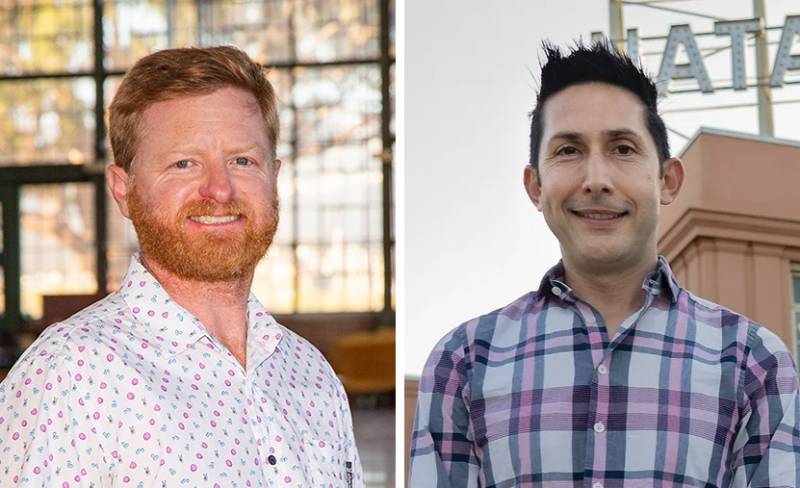
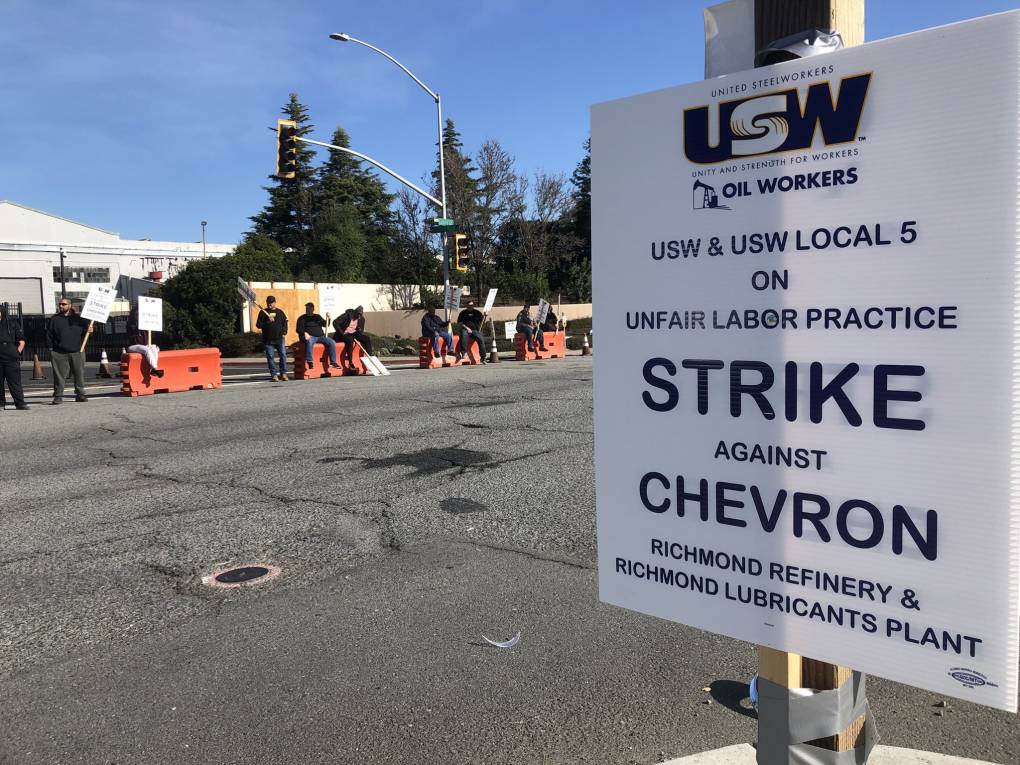
"content": "\u003cp>\u003cstrong>Update, 10 a.m. Thursday\u003c/strong>:\u003c/p>\n\u003cp>Talk about luck of the draw! Cesar Zepeda was announced the winner of the Richmond District 2 City Council race on Tuesday morning after the city clerk pulled a green envelope with his name in it out of a red paper shopping bag.\u003c/p>\n\u003cp>Zepeda will be the first openly gay man to serve on Richmond’s City Council. He’s scheduled to be sworn in Jan. 10.\u003c/p>\n\u003cp>The unusual process, which was livestreamed but not open to the public or the press, was conducted to break a tie between Zepeda and his opponent, Andrew Butt, who received the exact same number of votes last month in their bid for the seat.\u003c/p>\n\u003cp>Standing in the Richmond City Council chambers Tuesday morning, the two candidates, both wearing masks covering their mouths and noses, were instructed by City Clerk Pamela Christian to write their names on slips of paper, seal them in small green envelopes, and place each envelope in a small, red, paper “Christmas bag,” as Christian referred to it.\u003c/p>\n\u003cp>Christian then instructed both candidates to individually shake the bag. Butt, dressed casually, went first, giving it a hearty jiggle. Zepeda, in a suit and tie, followed with a gentler touch, prompting Christian to playfully chide him: “Come on, Cesar, shake it!”\u003c/p>\n\u003cfigure id=\"attachment_11934288\" class=\"wp-caption alignnone\" style=\"max-width: 1632px\">\u003ca href=\"https://ww2.kqed.org/app/uploads/sites/10/2022/12/richmondd2.jpg\">\u003cimg loading=\"lazy\" decoding=\"async\" class=\"size-full wp-image-11934288\" src=\"https://ww2.kqed.org/app/uploads/sites/10/2022/12/richmondd2.jpg\" alt=\"Two pics, each of two men standing in front of a table.\" width=\"1632\" height=\"522\" srcset=\"https://cdn.kqed.org/wp-content/uploads/sites/10/2022/12/richmondd2.jpg 1632w, https://cdn.kqed.org/wp-content/uploads/sites/10/2022/12/richmondd2-800x256.jpg 800w, https://cdn.kqed.org/wp-content/uploads/sites/10/2022/12/richmondd2-1020x326.jpg 1020w, https://cdn.kqed.org/wp-content/uploads/sites/10/2022/12/richmondd2-160x51.jpg 160w, https://cdn.kqed.org/wp-content/uploads/sites/10/2022/12/richmondd2-1536x491.jpg 1536w\" sizes=\"(max-width: 1632px) 100vw, 1632px\">\u003c/a>\u003cfigcaption class=\"wp-caption-text\">In these two, very grainy screen grabs from the livestreamed video, Richmond City Council District 2 candidates Andrew Butt (left) and Cesar Zepeda first put their names in green envelopes and then put the envelopes in a red shopping bag, as Richmond City Clerk Pamela Christian observes behind them. The tie-breaker event took place in the Richmond City Council chambers at 9 a.m. on Tuesday morning, Dec. 6, 2022. \u003ccite>(Taken from livestream provided by City of Richmond)\u003c/cite>\u003c/figcaption>\u003c/figure>\n\u003cp>With each candidate holding on to either side of the bag, Christian then reached in and mistakenly drew both envelopes. She then put both envelopes back in the bag and instructed the candidates to repeat the shaking process and resume their positions on either side of the bag. She then drew a single envelope, slowly opened it and announced:\u003c/p>\n\u003cp>“The winner for District 2 is Cesar Zepeda. Congratulations.”\u003c/p>\n\u003cp>For a brief moment, both candidates appeared stunned, facial expressions veiled by their masks. They then shook hands, amid a sprinkling of applause, at which point the livestream ended.\u003c/p>\n\u003cp>After the drawing, Zepeda dashed off to his day job, as a benefits consultant, and said he was still processing the news.\u003c/p>\n\u003cp>“My emails, my texts and every messaging app I have has been blowing up for the past couple of hours,” he told KQED. “It hasn’t quite yet hit reality.”\u003c/p>\n\u003cp>Zepeda acknowledged the quirkiness of the tiebreak process, and said the city should reconsider how to resolve future deadlocked races.\u003c/p>\n\u003cp>“While it’s not very common, we need to make sure that we lean more on the democratically elected person versus luck of the draw,” he said, suggesting that a runoff election could be a fairer method of determining a winner.\u003c/p>\n\u003cp>For his part, Butt said he was still a bit stunned.\u003c/p>\n\u003cp>“I’m taking it all in right now,” Butt said on Tuesday, after the drawing. “It’s not a great way to decide these things.”\u003c/p>\n\u003cp>Butt said his family on Wednesday had filed the official paperwork requesting a recount, and was negotiating how to divvy up the considerable cost of it. The decision to do so, \u003ca href=\"https://www.mercurynews.com/2022/12/07/early-groundhog-day-recounts-called-for-antioch-richmond-council-races/\">he told the East Bay Times\u003c/a>, was driven by a “combination of wanting to follow it through to the end having come this far, and feeling like there are some issues worth looking into.”\u003c/p>\n\u003cp>\u003cstrong>Original story, 6 p.m. Friday, Dec. 2: \u003c/strong>A hotly contested City Council race in Richmond is going to be decided old-school raffle style … with a random drawing.\u003c/p>\n\u003cp>Yes, you read that correctly.\u003c/p>\n\u003cp>The move comes after District 2 candidates Andrew Butt and Cesar Zepeda both received the same number of votes — 1,921, to be precise — in a recount that Contra Costa County election officials performed by hand this week, ahead of Friday’s vote-certification deadline.\u003c/p>\n\u003cp>Richmond’s \u003ca href=\"https://www.ci.richmond.ca.us/DocumentCenter/View/61006/Adopted-Map-201-2020-Census-4-5-2022?bidId=\">newly redrawn District 2\u003c/a> covers a large swath of the city’s west side, including Point Richmond and other communities near its shoreline. Chevron’s oil refinery is also located within the district.\u003c/p>\n\u003cp>While the county oversees Richmond’s elections, the city takes over in the extraordinarily unlikely event of a tie. Election code allows for a standard game of chance to be used to break any such stalemate — be it a coin flip, a roll of the dice, or a drawing — said Helen Nolan, the county’s assistant registrar of voters.[pullquote align=\"right\" size=\"medium\" citation=\"Cesar Zepeda, Richmond City Council candidate\"]‘Many people usually question themselves whether their vote matters or not. Here you can see it. The difference could have been one vote.’[/pullquote]Per obscure \u003ca href=\"https://www.ci.richmond.ca.us/ArchiveCenter/ViewFile/Item/12132\">Richmond city protocol (PDF)\u003c/a>, both candidates will appear before the city clerk, who will then “place the name of each candidate in a sealed unmarked envelope and the tie shall be broken by lot.”\u003c/p>\n\u003cp>“It’s totally surreal and it just feels very bizarre, frankly, that after all the effort and all the votes that it would ultimately come down to pure luck,” said Butt, the son of outgoing mayor Tom Butt. He said a runoff election seemed much more sensible, and criticized officials for failing to adequately inform the public — not to mention the candidates themselves — about the process.\u003c/p>\n\u003cp>“I find it pretty odd, honestly,” Butt added. “It seems a peculiar way to decide an election.”\u003c/p>\n\u003cp>Until the county’s audit this week, Butt had clutched onto an incredibly narrow, yet decisive lead — of five votes. But that advantage evaporated when 11 ballots that had been initially sidelined due to minor voter errors, were reintroduced into the mix, leveling the playing field.\u003c/p>\n\u003cp>To make matters all the more confounding, it remained unclear on Friday exactly when the drawing would actually happen, as the city clerk was reportedly out sick that day, and her office staff said a date — presumably for the following week — had yet to be scheduled.\u003c/p>\n\u003cp>“There’s definitely some anxiety there, right, because we want to know the results already. We’ve been waiting so long,” said Zepeda, the second candidate, who had never heard of an exact tie happening before in a Richmond election.\u003c/p>\n\u003cp>“But ultimately, what I’m also feeling is excitement. Because it’s exciting to be able to see the process of voting come to life,” he added. “Many people usually question themselves whether their vote matters or not. Here you can see it. The difference could have been one vote.”\u003c/p>\n\u003cp>Zepeda agreed with his opponent that a runoff may have been a good option.\u003c/p>\n\u003cp>“But democracy works all the way to the 50-50, and part of democracy is the process that’s been put into place,” he said. “And democracy is still there because we voted for people that put this process into place years ago — about how to break the tie.”\u003c/p>\n\u003cp>A dead-heat finish is not without precedent in the county. In 2018, \u003ca href=\"https://eastcountytoday.net/by-roll-of-dice-larry-enos-reelected-to-byron-bethany-irrigation-district/\">the race for Byron-Bethany Irrigation District Division 1 director \u003c/a> resulted in a tie and was decided by … the roll of a 20-sided dice.\u003c/p>\n\u003cp>\u003ci>This story includes additional reporting from KQED’s Daisy Nguyen.\u003c/i>\u003c/p>\n\u003cp>[ad fullwidth]\u003c/p>\n\u003cp>[ad floatright]\u003c/p>\n",
"blocks": [],
"excerpt": "The tie-break process was conducted after District 2 candidates Andrew Butt and Cesar Zepeda received exactly the same number of votes in the race for the District 2 City Council seat.",
"status": "publish",
"parent": 0,
"modified": 1721128918,
"stats": {
"hasAudio": false,
"hasVideo": false,
"hasChartOrMap": false,
"iframeSrcs": [],
"hasGoogleForm": false,
"hasGallery": false,
"hasHearkenModule": false,
"hasPolis": false,
"paragraphCount": 33,
"wordCount": 1301
},
"headData": {
"title": "Cesar Zepeda Wins Richmond City Council Race After Name Is Drawn From Red Shopping Bag | KQED",
"description": "The tie-break process was conducted after District 2 candidates Andrew Butt and Cesar Zepeda received exactly the same number of votes in the race for the District 2 City Council seat.",
"ogTitle": "",
"ogDescription": "",
"ogImgId": "",
"twTitle": "",
"twDescription": "",
"twImgId": "",
"schema": {
"@context": "https://schema.org",
"@type": "NewsArticle",
"headline": "Cesar Zepeda Wins Richmond City Council Race After Name Is Drawn From Red Shopping Bag",
"datePublished": "2022-12-06T09:30:26-08:00",
"dateModified": "2024-07-16T04:21:58-07:00",
"image": "https://cdn.kqed.org/wp-content/uploads/2020/02/KQED-OG-Image@1x.png",
"isAccessibleForFree": "True",
"publisher": {
"@type": "NewsMediaOrganization",
"@id": "https://www.kqed.org/#organization",
"name": "KQED",
"logo": "https://cdn.kqed.org/wp-content/uploads/2020/02/KQED-OG-Image@1x.png",
"url": "https://www.kqed.org",
"sameAs": [
"https://www.facebook.com/KQED",
"https://twitter.com/KQED",
"https://www.instagram.com/kqed/",
"https://www.tiktok.com/@kqedofficial",
"https://www.linkedin.com/company/kqed",
"https://www.youtube.com/channel/UCeC0IOo7i1P_61zVUWbJ4nw"
]
}
}
},
"sticky": false,
"nprByline": "Matthew Green and Katherine Monahan",
"excludeFromSiteSearch": "Include",
"showOnAuthorArchivePages": "No",
"path": "/news/11933946/a-dead-heat-richmond-city-council-race-will-be-decided-by-drawing-a-name-from-an-envelope",
"audioTrackLength": null,
"parsedContent": [
{
"type": "contentString",
"content": "\u003cdiv class=\"post-body\">\u003cp>\u003cp>\u003cstrong>Update, 10 a.m. Thursday\u003c/strong>:\u003c/p>\n\u003cp>Talk about luck of the draw! Cesar Zepeda was announced the winner of the Richmond District 2 City Council race on Tuesday morning after the city clerk pulled a green envelope with his name in it out of a red paper shopping bag.\u003c/p>\n\u003cp>Zepeda will be the first openly gay man to serve on Richmond’s City Council. He’s scheduled to be sworn in Jan. 10.\u003c/p>\n\u003cp>The unusual process, which was livestreamed but not open to the public or the press, was conducted to break a tie between Zepeda and his opponent, Andrew Butt, who received the exact same number of votes last month in their bid for the seat.\u003c/p>\n\u003cp>Standing in the Richmond City Council chambers Tuesday morning, the two candidates, both wearing masks covering their mouths and noses, were instructed by City Clerk Pamela Christian to write their names on slips of paper, seal them in small green envelopes, and place each envelope in a small, red, paper “Christmas bag,” as Christian referred to it.\u003c/p>\n\u003cp>Christian then instructed both candidates to individually shake the bag. Butt, dressed casually, went first, giving it a hearty jiggle. Zepeda, in a suit and tie, followed with a gentler touch, prompting Christian to playfully chide him: “Come on, Cesar, shake it!”\u003c/p>\n\u003cfigure id=\"attachment_11934288\" class=\"wp-caption alignnone\" style=\"max-width: 1632px\">\u003ca href=\"https://ww2.kqed.org/app/uploads/sites/10/2022/12/richmondd2.jpg\">\u003cimg loading=\"lazy\" decoding=\"async\" class=\"size-full wp-image-11934288\" src=\"https://ww2.kqed.org/app/uploads/sites/10/2022/12/richmondd2.jpg\" alt=\"Two pics, each of two men standing in front of a table.\" width=\"1632\" height=\"522\" srcset=\"https://cdn.kqed.org/wp-content/uploads/sites/10/2022/12/richmondd2.jpg 1632w, https://cdn.kqed.org/wp-content/uploads/sites/10/2022/12/richmondd2-800x256.jpg 800w, https://cdn.kqed.org/wp-content/uploads/sites/10/2022/12/richmondd2-1020x326.jpg 1020w, https://cdn.kqed.org/wp-content/uploads/sites/10/2022/12/richmondd2-160x51.jpg 160w, https://cdn.kqed.org/wp-content/uploads/sites/10/2022/12/richmondd2-1536x491.jpg 1536w\" sizes=\"(max-width: 1632px) 100vw, 1632px\">\u003c/a>\u003cfigcaption class=\"wp-caption-text\">In these two, very grainy screen grabs from the livestreamed video, Richmond City Council District 2 candidates Andrew Butt (left) and Cesar Zepeda first put their names in green envelopes and then put the envelopes in a red shopping bag, as Richmond City Clerk Pamela Christian observes behind them. The tie-breaker event took place in the Richmond City Council chambers at 9 a.m. on Tuesday morning, Dec. 6, 2022. \u003ccite>(Taken from livestream provided by City of Richmond)\u003c/cite>\u003c/figcaption>\u003c/figure>\n\u003cp>With each candidate holding on to either side of the bag, Christian then reached in and mistakenly drew both envelopes. She then put both envelopes back in the bag and instructed the candidates to repeat the shaking process and resume their positions on either side of the bag. She then drew a single envelope, slowly opened it and announced:\u003c/p>\n\u003cp>“The winner for District 2 is Cesar Zepeda. Congratulations.”\u003c/p>\n\u003cp>For a brief moment, both candidates appeared stunned, facial expressions veiled by their masks. They then shook hands, amid a sprinkling of applause, at which point the livestream ended.\u003c/p>\n\u003cp>After the drawing, Zepeda dashed off to his day job, as a benefits consultant, and said he was still processing the news.\u003c/p>\n\u003cp>“My emails, my texts and every messaging app I have has been blowing up for the past couple of hours,” he told KQED. “It hasn’t quite yet hit reality.”\u003c/p>\n\u003cp>Zepeda acknowledged the quirkiness of the tiebreak process, and said the city should reconsider how to resolve future deadlocked races.\u003c/p>\n\u003cp>“While it’s not very common, we need to make sure that we lean more on the democratically elected person versus luck of the draw,” he said, suggesting that a runoff election could be a fairer method of determining a winner.\u003c/p>\n\u003cp>For his part, Butt said he was still a bit stunned.\u003c/p>\n\u003cp>“I’m taking it all in right now,” Butt said on Tuesday, after the drawing. “It’s not a great way to decide these things.”\u003c/p>\n\u003cp>Butt said his family on Wednesday had filed the official paperwork requesting a recount, and was negotiating how to divvy up the considerable cost of it. The decision to do so, \u003ca href=\"https://www.mercurynews.com/2022/12/07/early-groundhog-day-recounts-called-for-antioch-richmond-council-races/\">he told the East Bay Times\u003c/a>, was driven by a “combination of wanting to follow it through to the end having come this far, and feeling like there are some issues worth looking into.”\u003c/p>\n\u003cp>\u003cstrong>Original story, 6 p.m. Friday, Dec. 2: \u003c/strong>A hotly contested City Council race in Richmond is going to be decided old-school raffle style … with a random drawing.\u003c/p>\n\u003cp>Yes, you read that correctly.\u003c/p>\n\u003cp>The move comes after District 2 candidates Andrew Butt and Cesar Zepeda both received the same number of votes — 1,921, to be precise — in a recount that Contra Costa County election officials performed by hand this week, ahead of Friday’s vote-certification deadline.\u003c/p>\n\u003cp>Richmond’s \u003ca href=\"https://www.ci.richmond.ca.us/DocumentCenter/View/61006/Adopted-Map-201-2020-Census-4-5-2022?bidId=\">newly redrawn District 2\u003c/a> covers a large swath of the city’s west side, including Point Richmond and other communities near its shoreline. Chevron’s oil refinery is also located within the district.\u003c/p>\n\u003cp>While the county oversees Richmond’s elections, the city takes over in the extraordinarily unlikely event of a tie. Election code allows for a standard game of chance to be used to break any such stalemate — be it a coin flip, a roll of the dice, or a drawing — said Helen Nolan, the county’s assistant registrar of voters.\u003c/p>\u003c/div>",
"attributes": {
"named": {},
"numeric": []
}
},
{
"type": "component",
"content": "‘Many people usually question themselves whether their vote matters or not. Here you can see it. The difference could have been one vote.’",
"name": "pullquote",
"attributes": {
"named": {
"align": "right",
"size": "medium",
"citation": "Cesar Zepeda, Richmond City Council candidate",
"label": ""
},
"numeric": []
}
},
{
"type": "contentString",
"content": "\u003cdiv class=\"post-body\">\u003cp>Per obscure \u003ca href=\"https://www.ci.richmond.ca.us/ArchiveCenter/ViewFile/Item/12132\">Richmond city protocol (PDF)\u003c/a>, both candidates will appear before the city clerk, who will then “place the name of each candidate in a sealed unmarked envelope and the tie shall be broken by lot.”\u003c/p>\n\u003cp>“It’s totally surreal and it just feels very bizarre, frankly, that after all the effort and all the votes that it would ultimately come down to pure luck,” said Butt, the son of outgoing mayor Tom Butt. He said a runoff election seemed much more sensible, and criticized officials for failing to adequately inform the public — not to mention the candidates themselves — about the process.\u003c/p>\n\u003cp>“I find it pretty odd, honestly,” Butt added. “It seems a peculiar way to decide an election.”\u003c/p>\n\u003cp>Until the county’s audit this week, Butt had clutched onto an incredibly narrow, yet decisive lead — of five votes. But that advantage evaporated when 11 ballots that had been initially sidelined due to minor voter errors, were reintroduced into the mix, leveling the playing field.\u003c/p>\n\u003cp>To make matters all the more confounding, it remained unclear on Friday exactly when the drawing would actually happen, as the city clerk was reportedly out sick that day, and her office staff said a date — presumably for the following week — had yet to be scheduled.\u003c/p>\n\u003cp>“There’s definitely some anxiety there, right, because we want to know the results already. We’ve been waiting so long,” said Zepeda, the second candidate, who had never heard of an exact tie happening before in a Richmond election.\u003c/p>\n\u003cp>“But ultimately, what I’m also feeling is excitement. Because it’s exciting to be able to see the process of voting come to life,” he added. “Many people usually question themselves whether their vote matters or not. Here you can see it. The difference could have been one vote.”\u003c/p>\n\u003cp>Zepeda agreed with his opponent that a runoff may have been a good option.\u003c/p>\n\u003cp>“But democracy works all the way to the 50-50, and part of democracy is the process that’s been put into place,” he said. “And democracy is still there because we voted for people that put this process into place years ago — about how to break the tie.”\u003c/p>\n\u003cp>A dead-heat finish is not without precedent in the county. In 2018, \u003ca href=\"https://eastcountytoday.net/by-roll-of-dice-larry-enos-reelected-to-byron-bethany-irrigation-district/\">the race for Byron-Bethany Irrigation District Division 1 director \u003c/a> resulted in a tie and was decided by … the roll of a 20-sided dice.\u003c/p>\n\u003cp>\u003ci>This story includes additional reporting from KQED’s Daisy Nguyen.\u003c/i>\u003c/p>\n\u003cp>\u003c/p>\u003c/div>",
"attributes": {
"named": {},
"numeric": []
}
},
{
"type": "component",
"content": "",
"name": "ad",
"attributes": {
"named": {
"label": "fullwidth"
},
"numeric": [
"fullwidth"
]
}
},
{
"type": "contentString",
"content": "\u003cdiv class=\"post-body\">\u003cp>\u003c/p>\n\u003cp>\u003c/p>\u003c/div>",
"attributes": {
"named": {},
"numeric": []
}
},
{
"type": "component",
"content": "",
"name": "ad",
"attributes": {
"named": {
"label": "floatright"
},
"numeric": [
"floatright"
]
}
},
{
"type": "contentString",
"content": "\u003cdiv class=\"post-body\">\u003cp>\u003c/p>\n\u003c/div>\u003c/p>",
"attributes": {
"named": {},
"numeric": []
}
}
],
"link": "/news/11933946/a-dead-heat-richmond-city-council-race-will-be-decided-by-drawing-a-name-from-an-envelope",
"authors": [
"byline_news_11933946"
],
"categories": [
"news_8",
"news_13"
],
"tags": [
"news_17968",
"news_579"
],
"featImg": "news_11933993",
"label": "news"
},
"news_11933439": {
"type": "posts",
"id": "news_11933439",
"meta": {
"index": "posts_1716263798",
"site": "news",
"id": "11933439",
"score": null,
"sort": [
1669892434000
]
},
"parent": 0,
"labelTerm": {},
"blocks": [],
"publishDate": 1669892434,
"format": "image",
"title": "Homes for All: Richmond's 1950s Attempt at Integrated Housing",
"headTitle": "Homes for All: Richmond’s 1950s Attempt at Integrated Housing | KQED",
"content": "\u003cp>\u003ca href=\"http://bit.ly/3GZjPUc\">\u003cem>Read the transcript here.\u003c/em>\u003c/a>\u003c/p>\n\u003cp>You would be hard-pressed to get lost in Parchester Village, a small neighborhood in North Richmond. There’s a big loop road encircling the neighborhood of some 400 homes — \u003ca href=\"https://www.eichlernetwork.com/article/king-flat-tops\">many of which feature the original flat-top roof design\u003c/a>.\u003c/p>\n\u003cp>“The idea [for Parchester Village] was spearheaded by a group of ministers,” said longtime Village resident Maxine Henagan. “And the streets are named after each one of those ministers that participated on the committee that would spearhead getting the land.” \u003cspan style=\"font-weight: 400\">Those ministers also organized to sell the homes.\u003c/span>\u003c/p>\n\u003cp>[baycuriouspodcastinfo]\u003c/p>\n\u003cp>One local minister in particular, Rev. Guthrie Williams, led the charge in brokering a deal with a local politician and a wealthy landowner to create quality housing for Black Americans at a time when racist lending and housing policies, like redlining, barred Black people from buying homes. The result was the first tract home development in Northern California explicitly open to Black residents.\u003c/p>\n\u003ch2>Wartime workers organize to demand rights\u003c/h2>\n\u003cp>During World War II, many Black Americans left the South and moved to Richmond for jobs in the shipyards. When the war ended, the wartime housing projects where they lived were scheduled to be torn down.\u003c/p>\n\u003cp>[ad fullwidth]\u003c/p>\n\u003cp>“The postwar period saw a real frenzy of building communities and homes and developments all around in the suburban areas,” said Shirley Ann Moore, professor emerita of history at \u003cspan style=\"font-weight: 400\">Sacramento State University\u003c/span>. “But those developments that were going up were restricted on a racial basis.”\u003c/p>\n\u003cp>Moore’s book, “\u003ca href=\"https://www.ucpress.edu/book/9780520229204/to-place-our-deeds\">To Place Our Deeds: The African American Community in Richmond, California, 1910–1963\u003c/a>,” details the Black community’s impact on Richmond before and after World War II. According to Moore, city officials hoped all newcomers who moved for the war industries, Black people especially, would go back to where they came from after the war. Instead, the working-class Black community in Richmond grew, becoming an influential political force in the area — a political force that was not only exercising its power in Richmond, but across the country, paving the road for the modern civil rights movement.\u003c/p>\n\u003cp>“Those working-class Black people took the lead,” said Moore. “People who had been presumed not to be aware of the political currents around them were really in the vanguard.” Enter Rev. Guthrie Williams, a carpenter by trade who, in 1949, started organizing to end housing and workplace discrimination in Richmond. A self-described “persistent, cantankerous cuss,” Williams created the small, Richmond-based Universal Non-Partisan League to help bridge the racial divide.\u003c/p>\n\u003cfigure id=\"attachment_11933547\" class=\"wp-caption aligncenter\" style=\"max-width: 800px\">\u003cimg decoding=\"async\" loading=\"lazy\" class=\"size-medium wp-image-11933547\" src=\"https://ww2.kqed.org/app/uploads/sites/10/2022/11/Guthrie-Williams-in-newspaper-800x532.jpg\" alt=\"A man wearing glasses next to a table with family photographs\" width=\"800\" height=\"532\" srcset=\"https://ww2.kqed.org/app/uploads/sites/10/2022/11/Guthrie-Williams-in-newspaper-800x532.jpg 800w, https://ww2.kqed.org/app/uploads/sites/10/2022/11/Guthrie-Williams-in-newspaper-1020x678.jpg 1020w, https://ww2.kqed.org/app/uploads/sites/10/2022/11/Guthrie-Williams-in-newspaper-160x106.jpg 160w, https://ww2.kqed.org/app/uploads/sites/10/2022/11/Guthrie-Williams-in-newspaper-1536x1021.jpg 1536w, https://ww2.kqed.org/app/uploads/sites/10/2022/11/Guthrie-Williams-in-newspaper-1920x1276.jpg 1920w, https://ww2.kqed.org/app/uploads/sites/10/2022/11/Guthrie-Williams-in-newspaper.jpg 1988w\" sizes=\"(max-width: 800px) 100vw, 800px\">\u003cfigcaption class=\"wp-caption-text\">Rev. Guthrie Williams in a photo featured in the Independent and Gazette in December 1980. \u003ccite>(Mike Musielski for the Independent and Gazette/Courtesy of Richmond Museum of History and Culture)\u003c/cite>\u003c/figcaption>\u003c/figure>\n\u003cp>“He garnered a lot of support from those people living in the housing projects, and they became very valuable voters. And white politicians began to see that, too,” Moore said.\u003c/p>\n\u003cp>Amos Hinkley was one of those white politicians, a City Council member running for reelection in 1949. He approached Williams and the League to support his campaign. Williams agreed in exchange for Hinkley’s commitment to create permanent housing for Black people.\u003c/p>\n\u003cp>Hinkley was backed by Fred Parr, a wealthy developer who was key in building the Richmond shipping terminal and Kaiser shipyards. Parr brought lots of industry to the Bay Area, like the Ford Motor Company plant in Richmond, and owned 800 acres of industrial land in North Richmond.\u003c/p>\n\u003cfigure id=\"attachment_11933530\" class=\"wp-caption aligncenter\" style=\"max-width: 246px\">\u003cimg decoding=\"async\" loading=\"lazy\" class=\" wp-image-11933530\" src=\"https://ww2.kqed.org/app/uploads/sites/10/2022/11/Fred-Parr-1.jpg\" alt=\"\" width=\"246\" height=\"317\" srcset=\"https://ww2.kqed.org/app/uploads/sites/10/2022/11/Fred-Parr-1.jpg 386w, https://ww2.kqed.org/app/uploads/sites/10/2022/11/Fred-Parr-1-160x206.jpg 160w\" sizes=\"(max-width: 246px) 100vw, 246px\">\u003cfigcaption class=\"wp-caption-text\">Portrait of Fred Parr in 1952. \u003ccite>(The Henry Ford)\u003c/cite>\u003c/figcaption>\u003c/figure>\n\u003cp>Hinkley arranged a meeting among Parr, Williams and another local minister to talk about how some of Parr’s land could be used for housing for the Black community.\u003c/p>\n\u003cp>In the 2002 documentary “\u003ca href=\"https://richmond.granicus.com/MediaPlayer.php?view_id=6&clip_id=312\">An Exploration of Our History: The Story of North Richmond\u003c/a>,” then-Richmond City Manager Isiah Turner, now deceased, recounted the deal: “[Parr] agreed that if the ministers could help them sell the homes for this land out here that he owned, that he would support working with the Black community so we could buy these homes.”\u003c/p>\n\u003cfigure id=\"attachment_11933536\" class=\"wp-caption aligncenter\" style=\"max-width: 800px\">\u003cimg decoding=\"async\" loading=\"lazy\" class=\"size-medium wp-image-11933536\" src=\"https://ww2.kqed.org/app/uploads/sites/10/2022/11/Mackay-John-and-Dick-and-Earl-Smith-1-cropped-800x533.jpg\" alt=\"\" width=\"800\" height=\"533\" srcset=\"https://ww2.kqed.org/app/uploads/sites/10/2022/11/Mackay-John-and-Dick-and-Earl-Smith-1-cropped-800x533.jpg 800w, https://ww2.kqed.org/app/uploads/sites/10/2022/11/Mackay-John-and-Dick-and-Earl-Smith-1-cropped-1020x680.jpg 1020w, https://ww2.kqed.org/app/uploads/sites/10/2022/11/Mackay-John-and-Dick-and-Earl-Smith-1-cropped-160x107.jpg 160w, https://ww2.kqed.org/app/uploads/sites/10/2022/11/Mackay-John-and-Dick-and-Earl-Smith-1-cropped-1536x1024.jpg 1536w, https://ww2.kqed.org/app/uploads/sites/10/2022/11/Mackay-John-and-Dick-and-Earl-Smith-1-cropped.jpg 1920w\" sizes=\"(max-width: 800px) 100vw, 800px\">\u003cfigcaption class=\"wp-caption-text\">Builder Earl W. ‘Flat Top’ Smith (fourth from left) with neighborhood ministers, including Rev. L. Thomas (fourth from right, rear) and other developers at Parchester Village in Richmond. Smith, famous for his modern, affordable home-building — with flat-top roofs — designed and built the homes for Parchester Village. \u003ccite>(Courtesy of the El Cerrito Historical Society)\u003c/cite>\u003c/figcaption>\u003c/figure>\n\u003cp>At the end of the meeting, Williams had a commitment from Parr to back the housing development that would become Parchester Village.\u003c/p>\n\u003ch2>Envisioning a community for ‘all Americans’\u003c/h2>\n\u003cp>When Parchester Village opened in 1950, it was advertised as “a home community for all Americans.” Early sales reflected that goal, with 30% of homes purchased by white buyers and the remaining 70% by Black and Asian Americans. That’s according to Fred Parr’s nephew, John Parr Cox, who recalled the housing project in a \u003ca href=\"https://oac.cdlib.org/view?docId=hb329005h7;NAAN=13030&doc.view=frames&chunk.id=0&toc.id=0&brand=oac4\">1986 interview with the UC Berkeley Oral History Project\u003c/a>. But “within a couple of years, the community changed completely to all Black,” Parr Cox said.\u003c/p>\n\u003cfigure id=\"attachment_11933533\" class=\"wp-caption aligncenter\" style=\"max-width: 278px\">\u003cimg decoding=\"async\" loading=\"lazy\" class=\" wp-image-11933533\" src=\"https://ww2.kqed.org/app/uploads/sites/10/2022/11/Parchester-Flyer-Yellow-scaled-e1669768391728-800x1067.jpg\" alt=\"\" width=\"278\" height=\"371\" srcset=\"https://ww2.kqed.org/app/uploads/sites/10/2022/11/Parchester-Flyer-Yellow-scaled-e1669768391728-800x1067.jpg 800w, https://ww2.kqed.org/app/uploads/sites/10/2022/11/Parchester-Flyer-Yellow-scaled-e1669768391728-1020x1360.jpg 1020w, https://ww2.kqed.org/app/uploads/sites/10/2022/11/Parchester-Flyer-Yellow-scaled-e1669768391728-160x213.jpg 160w, https://ww2.kqed.org/app/uploads/sites/10/2022/11/Parchester-Flyer-Yellow-scaled-e1669768391728-1152x1536.jpg 1152w, https://ww2.kqed.org/app/uploads/sites/10/2022/11/Parchester-Flyer-Yellow-scaled-e1669768391728-1536x2048.jpg 1536w, https://ww2.kqed.org/app/uploads/sites/10/2022/11/Parchester-Flyer-Yellow-scaled-e1669768391728.jpg 1920w\" sizes=\"(max-width: 278px) 100vw, 278px\">\u003cfigcaption class=\"wp-caption-text\">Archival partial photocopy of the original advertisement for the sale of Parchester Village homes. \u003ccite>(Courtesy of Richmond Public Library Richmond Collection)\u003c/cite>\u003c/figcaption>\u003c/figure>\n\u003cp>“White flight” was common at the time, wherein white families fled neighborhoods where people of color were moving in. Some Black Richmondites held the more cynical view that Fred Parr never intended for an integrated community to work out, said Moore, of \u003cspan style=\"font-weight: 400\">Sacramento State University\u003c/span>.\u003c/p>\n\u003cp>Regardless of the intentions of the white community, Rev. Williams told the Independent and Gazette in 1980 that he wanted Parchester to be an “All-American project.” He added, “We hoped to set a standard of perfection in fair play in housing for the Bay Area.”\u003c/p>\n\u003cp>While Williams’ dream of a racially integrated community didn’t work out, the Black people who moved in still created something special. The political pressure Williams and others placed on city leaders to build Parchester Village was just the beginning of what became an active, organized neighborhood association that supported a vibrant community known for its safety, high-achieving children and regular block-party barbecues.\u003c/p>\n\u003ch2>‘We never locked our doors’\u003c/h2>\n\u003cp>\u003cspan style=\"font-weight: 400\">“It was a village that everybody’s home was your home,” Charleszetta Pruitt remembered. Pruitt is a former resident whose family was one of the first to settle in Parchester. “You were cared about,” she said. “They provided for you.”\u003c/span>\u003c/p>\n\u003cfigure id=\"attachment_11933554\" class=\"wp-caption aligncenter\" style=\"max-width: 800px\">\u003cimg decoding=\"async\" loading=\"lazy\" class=\"wp-image-11933554 size-medium\" src=\"https://ww2.kqed.org/app/uploads/sites/10/2022/11/Charleszetta-Pruitt-family-1-800x516.jpg\" alt=\"\" width=\"800\" height=\"516\" srcset=\"https://ww2.kqed.org/app/uploads/sites/10/2022/11/Charleszetta-Pruitt-family-1-800x516.jpg 800w, https://ww2.kqed.org/app/uploads/sites/10/2022/11/Charleszetta-Pruitt-family-1-1020x658.jpg 1020w, https://ww2.kqed.org/app/uploads/sites/10/2022/11/Charleszetta-Pruitt-family-1-160x103.jpg 160w, https://ww2.kqed.org/app/uploads/sites/10/2022/11/Charleszetta-Pruitt-family-1-1536x991.jpg 1536w, https://ww2.kqed.org/app/uploads/sites/10/2022/11/Charleszetta-Pruitt-family-1-2048x1322.jpg 2048w, https://ww2.kqed.org/app/uploads/sites/10/2022/11/Charleszetta-Pruitt-family-1-1920x1239.jpg 1920w\" sizes=\"(max-width: 800px) 100vw, 800px\">\u003cfigcaption class=\"wp-caption-text\">Charleszetta Pruitt’s parents lounging on their lawn on Johnson Drive in Parchester Village while Pruitt, age 7, plays with a friend, circa 1954. \u003ccite>(Courtesy of Charleszetta Pruitt)\u003c/cite>\u003c/figcaption>\u003c/figure>\n\u003cp>“It felt like family, like a safe place,” recalled KQED announcer Michelle Henagan, who also grew up in Parchester Village. “Like coming home from school, you knew all your friends are going to be going around the neighborhood.”\u003c/p>\n\u003cp>Michelle’s mother, Maxine Henagan, has lived in the Village since 1974 and takes pride in its history. “I think it’s exciting to be part of that history and knowing that the neighborhood where I live is actually organized and spearheaded by African American people.”\u003c/p>\n\u003cfigure id=\"attachment_11933527\" class=\"wp-caption alignnone\" style=\"max-width: 800px\">\u003cimg decoding=\"async\" loading=\"lazy\" class=\"wp-image-11933527 size-medium\" src=\"https://ww2.kqed.org/app/uploads/sites/10/2022/11/Maxine-Henagan-cropped-800x559.jpg\" alt=\"\" width=\"800\" height=\"559\" srcset=\"https://ww2.kqed.org/app/uploads/sites/10/2022/11/Maxine-Henagan-cropped-800x559.jpg 800w, https://ww2.kqed.org/app/uploads/sites/10/2022/11/Maxine-Henagan-cropped-1020x713.jpg 1020w, https://ww2.kqed.org/app/uploads/sites/10/2022/11/Maxine-Henagan-cropped-160x112.jpg 160w, https://ww2.kqed.org/app/uploads/sites/10/2022/11/Maxine-Henagan-cropped-1536x1073.jpg 1536w, https://ww2.kqed.org/app/uploads/sites/10/2022/11/Maxine-Henagan-cropped-2048x1431.jpg 2048w, https://ww2.kqed.org/app/uploads/sites/10/2022/11/Maxine-Henagan-cropped-1920x1342.jpg 1920w\" sizes=\"(max-width: 800px) 100vw, 800px\">\u003cfigcaption class=\"wp-caption-text\">Parchester Village resident Maxine Henagan at home, holding up the T-shirt she designed for the Village’s 45th anniversary reunion celebration. \u003ccite>(Ariana Proehl/KQED)\u003c/cite>\u003c/figcaption>\u003c/figure>\n\u003cp>The political organizing that Rev. Williams exemplified continued as the community grew. Parchester Village was built on unincorporated land, so residents lobbied the county to get services like streetlights and sewage through nearby San Pablo. They also sued the city of Richmond in 1950 to give their children access to Richmond’s public schools. It was one of many battles residents fought and won over the years. Eventually, they petitioned to be formally incorporated into Richmond, which was approved in 1963.\u003c/p>\n\u003cp>Resident Goretha Johnson, who currently serves as the Parchester Village Neighborhood Council president, reflected on growing up in the Village during those early years.\u003c/p>\n\u003cp>“We were really self-contained,” she said. “We had our own store, our own gas station, our own nightclub. We were a community of many different professions because at that time they wouldn’t allow Black people to buy in other neighborhoods. So we had plumbers, laborers, teachers, doctors. Just everybody came together into one place. And everybody took pride in their property.”\u003c/p>\n\u003cfigure id=\"attachment_11933526\" class=\"wp-caption alignnone\" style=\"max-width: 800px\">\u003cimg decoding=\"async\" loading=\"lazy\" class=\"size-medium wp-image-11933526\" src=\"https://ww2.kqed.org/app/uploads/sites/10/2022/11/Hart-and-Johnson-edited-800x600.jpg\" alt=\"\" width=\"800\" height=\"600\" srcset=\"https://ww2.kqed.org/app/uploads/sites/10/2022/11/Hart-and-Johnson-edited-800x600.jpg 800w, https://ww2.kqed.org/app/uploads/sites/10/2022/11/Hart-and-Johnson-edited-1020x765.jpg 1020w, https://ww2.kqed.org/app/uploads/sites/10/2022/11/Hart-and-Johnson-edited-160x120.jpg 160w, https://ww2.kqed.org/app/uploads/sites/10/2022/11/Hart-and-Johnson-edited-1536x1152.jpg 1536w, https://ww2.kqed.org/app/uploads/sites/10/2022/11/Hart-and-Johnson-edited-2048x1536.jpg 2048w, https://ww2.kqed.org/app/uploads/sites/10/2022/11/Hart-and-Johnson-edited-1920x1440.jpg 1920w\" sizes=\"(max-width: 800px) 100vw, 800px\">\u003cfigcaption class=\"wp-caption-text\">Parchester Village residents Lori Hart (left) and Goretha Johnson at Johnson’s home. \u003ccite>(Ariana Proehl/KQED)\u003c/cite>\u003c/figcaption>\u003c/figure>\n\u003cp>Resident Lori Hart, a friend of Johnson’s, also grew up in Parchester Village and lives there now. She remembered the Village’s political prowess well: “We used to be extremely politically involved. I remember hearing about how they would go down to the City Council and raise some Cain if something was not right.”\u003c/p>\n\u003cp>Hart was a big fan of the neighborhood’s bookmobile, which came by regularly to lend books. “It was anticipated and expected you would be somebody growing up,” Hart said. “We were taught and encouraged to read and we were taught to respect one another.” She added that the Village “was a space of safety. We never locked our doors.”\u003c/p>\n\u003ch2>Change comes to Parchester\u003c/h2>\n\u003cp>Changes started creeping into the community in the 1970s. After the Fair Housing Act of 1968, more Bay Area neighborhoods started to integrate. The Village was no longer the only place in Richmond where Black families could buy, so they started branching out into other parts of the city. By the 1980s, many of the local businesses had long since closed. And then the crack epidemic hit the community hard.\u003c/p>\n\u003cp>[emailsignup newslettername=\"baycurious\" align=\"right\"]\u003c/p>\n\u003cp>“That’s when the landscape really changed,” Johnson said. “It just kind of wiped through everybody’s home. It’s like everybody was touched with somebody who had got involved with that.”\u003c/p>\n\u003cp>In the early 1990s, a neighborhood teenager was shot and killed in a drive-by shooting. His death rocked the Parchester community. In response, Marilyn Dillihant, then a county alcohol and drug prevention specialist who grew up in Parchester, reasserted the Village’s values and established a youth association to give young people positive things to do.\u003c/p>\n\u003cp>By the early 2000s, many original homeowners still called Parchester home, and the block-party barbecues were still in effect. But, like any neighborhood that evolves over time, it was becoming harder to hold onto its founding essence. It was also harder to hold onto homes.\u003c/p>\n\u003cp>High housing costs have pushed many Black families out of the Bay Area, putting \u003ca href=\"https://bayareaequityatlas.org/node/65531\">current Black homeownership rates at just 34%\u003c/a>, according to data analysis by Bay Area Equity Atlas. That’s a decline that’s mirrored in Parchester, where it’s now only 20% Black, according to the 2020 census. Twenty years ago, the population was almost 80% Black.\u003c/p>\n\u003cp>With fewer residents who have direct ties to the tight-knit, open-door community of Parchester’s heyday, the strong sense of community it once cultivated has waned.\u003c/p>\n\u003ch2>The Parchester spirit lives on\u003c/h2>\n\u003cp>Eli Moore, program director with \u003ca href=\"https://belonging.berkeley.edu/\">UC Berkeley’s Othering and Belonging Institute\u003c/a> who co-authored \u003ca href=\"https://belonging.berkeley.edu/sites/default/files/haasinstitute_housingandbelongingrichmond_psprint_jan11.pdf\">a 2017 housing study in Richmond (PDF)\u003c/a>, said recent community efforts in Richmond remind him of Parchester Village.\u003c/p>\n\u003cp>“I’m thinking about \u003ca href=\"https://www.richmondland.org/potowski-av\">Richmond Land\u003c/a> and the community land trust that they’ve set up and the way that they’re really working with residents to build new models for collectively owning and developing housing,” Moore said. “And in that way, becoming more self-sufficient and creating platforms for the community to take action — with city support or without city support — to meet their needs.”\u003c/p>\n\u003cp>Stories like Parchester’s also fuel conversations Moore and the institute have had around belonging in the Bay Area. “How do folks hold onto the place that they love and live in? It’s belonging to place — and that doesn’t just mean geography,” Moore said. “It means the connections to neighbors, to faith communities, to schools and elders and friends and community. It’s belonging to a collective, to a history, to a set of memories, as well.”\u003c/p>\n\u003cp>Despite all the changes, Hart and Johnson are committed to bringing back some of the classic Parchester Village spirit to the community and feeding that sense of belonging Moore described. The Neighborhood Center, one of the last standing original Parchester institutions, was recently renovated and can once again be a hub for meetings and events.\u003c/p>\n\u003cfigure id=\"attachment_11933523\" class=\"wp-caption alignnone\" style=\"max-width: 800px\">\u003cimg decoding=\"async\" loading=\"lazy\" class=\"size-medium wp-image-11933523\" src=\"https://ww2.kqed.org/app/uploads/sites/10/2022/11/Neighborhood-Center-800x450.jpg\" alt=\"\" width=\"800\" height=\"450\" srcset=\"https://ww2.kqed.org/app/uploads/sites/10/2022/11/Neighborhood-Center-800x450.jpg 800w, https://ww2.kqed.org/app/uploads/sites/10/2022/11/Neighborhood-Center-1020x574.jpg 1020w, https://ww2.kqed.org/app/uploads/sites/10/2022/11/Neighborhood-Center-160x90.jpg 160w, https://ww2.kqed.org/app/uploads/sites/10/2022/11/Neighborhood-Center-1536x864.jpg 1536w, https://ww2.kqed.org/app/uploads/sites/10/2022/11/Neighborhood-Center.jpg 1920w\" sizes=\"(max-width: 800px) 100vw, 800px\">\u003cfigcaption class=\"wp-caption-text\">The Parchester Village Neighborhood Center. \u003ccite>(Ariana Proehl/KQED)\u003c/cite>\u003c/figcaption>\u003c/figure>\n\u003cp>“We’re looking forward to that,” Hart said. “Trying to restore some of the glory of the old and just bring back some of the remembrance.” And, if Hart has her way, maybe bring a roller derby, too.\u003c/p>\n\u003cp>[ad floatright]\u003c/p>\n\u003cp>[baycuriousquestion]\u003c/p>\n\n",
"stats": {
"hasVideo": false,
"hasChartOrMap": false,
"hasAudio": false,
"hasPolis": false,
"wordCount": 2200,
"hasGoogleForm": false,
"hasGallery": false,
"hasHearkenModule": true,
"iframeSrcs": [],
"paragraphCount": 42
},
"modified": 1700768286,
"excerpt": "Richmond's Black community struck a deal with politicians to build integrated housing long before the Fair Housing Act. Instead, a thriving Black community grew.",
"headData": {
"twImgId": "",
"twTitle": "",
"ogTitle": "",
"ogImgId": "",
"twDescription": "",
"description": "Richmond's Black community struck a deal with politicians to build integrated housing long before the Fair Housing Act. Instead, a thriving Black community grew.",
"title": "Homes for All: Richmond's 1950s Attempt at Integrated Housing | KQED",
"ogDescription": "",
"schema": {
"@context": "https://schema.org",
"@type": "NewsArticle",
"headline": "Homes for All: Richmond's 1950s Attempt at Integrated Housing",
"datePublished": "2022-12-01T03:00:34-08:00",
"dateModified": "2023-11-23T11:38:06-08:00",
"image": "https://cdn.kqed.org/wp-content/uploads/2020/02/KQED-OG-Image@1x.png",
"isAccessibleForFree": "True",
"publisher": {
"@type": "NewsMediaOrganization",
"@id": "https://www.kqed.org/#organization",
"name": "KQED",
"logo": "https://cdn.kqed.org/wp-content/uploads/2020/02/KQED-OG-Image@1x.png",
"url": "https://www.kqed.org",
"sameAs": [
"https://www.facebook.com/KQED",
"https://twitter.com/KQED",
"https://www.instagram.com/kqed/",
"https://www.tiktok.com/@kqedofficial",
"https://www.linkedin.com/company/kqed",
"https://www.youtube.com/channel/UCeC0IOo7i1P_61zVUWbJ4nw"
]
}
}
},
"guestAuthors": [],
"slug": "homes-for-all-richmonds-1950s-attempt-at-integrated-housing",
"status": "publish",
"sourceUrl": "https://kqed.org/baycurious",
"audioUrl": "https://www.podtrac.com/pts/redirect.mp3/chrt.fm/track/EBCBFA/traffic.megaphone.fm/KQINC8366243996.mp3?updated=1669854238",
"excludeFromSiteSearch": "Include",
"subhead": "Parchester Village in Richmond, California tried to build integrated housing in the 1950s. Here's what happened.",
"source": "Bay Curious",
"articleAge": "0",
"path": "/news/11933439/homes-for-all-richmonds-1950s-attempt-at-integrated-housing",
"audioTrackLength": null,
"parsedContent": [
{
"type": "contentString",
"content": "\u003cdiv class=\"post-body\">\u003cp>\u003cp>\u003ca href=\"http://bit.ly/3GZjPUc\">\u003cem>Read the transcript here.\u003c/em>\u003c/a>\u003c/p>\n\u003cp>You would be hard-pressed to get lost in Parchester Village, a small neighborhood in North Richmond. There’s a big loop road encircling the neighborhood of some 400 homes — \u003ca href=\"https://www.eichlernetwork.com/article/king-flat-tops\">many of which feature the original flat-top roof design\u003c/a>.\u003c/p>\n\u003cp>“The idea [for Parchester Village] was spearheaded by a group of ministers,” said longtime Village resident Maxine Henagan. “And the streets are named after each one of those ministers that participated on the committee that would spearhead getting the land.” \u003cspan style=\"font-weight: 400\">Those ministers also organized to sell the homes.\u003c/span>\u003c/p>\n\u003cp>\u003c/p>\u003cp>\u003caside class=\"alignleft utils-parseShortcode-shortcodes-__bayCuriousPodcastShortcode__bayCurious\">\u003cimg src=https://cdn.kqed.org/wp-content/uploads/2023/02/bayCuriousLogo.png alt=\"Bay Curious Podcast\" loading=\"lazy\" />\n \u003ca href=\"/news/series/baycurious\">Bay Curious\u003c/a> is a podcast that answers your questions about the Bay Area.\n Subscribe on \u003ca href=\"https://itunes.apple.com/us/podcast/bay-curious/id1172473406\" target=\"_blank\" rel=\"noopener noreferrer\">Apple Podcasts\u003c/a>,\n \u003ca href=\"http://www.npr.org/podcasts/500557090/bay-curious\" target=\"_blank\" rel=\"noopener noreferrer\">NPR One\u003c/a> or your favorite podcast platform.\u003c/aside>\u003c/p>\u003cp>\u003c/p>\n\u003cp>One local minister in particular, Rev. Guthrie Williams, led the charge in brokering a deal with a local politician and a wealthy landowner to create quality housing for Black Americans at a time when racist lending and housing policies, like redlining, barred Black people from buying homes. The result was the first tract home development in Northern California explicitly open to Black residents.\u003c/p>\n\u003ch2>Wartime workers organize to demand rights\u003c/h2>\n\u003cp>During World War II, many Black Americans left the South and moved to Richmond for jobs in the shipyards. When the war ended, the wartime housing projects where they lived were scheduled to be torn down.\u003c/p>\n\u003cp>\u003c/p>\u003c/div>",
"attributes": {
"named": {},
"numeric": []
}
},
{
"type": "component",
"content": "",
"name": "ad",
"attributes": {
"named": {
"label": "fullwidth"
},
"numeric": [
"fullwidth"
]
}
},
{
"type": "contentString",
"content": "\u003cdiv class=\"post-body\">\u003cp>\u003c/p>\n\u003cp>“The postwar period saw a real frenzy of building communities and homes and developments all around in the suburban areas,” said Shirley Ann Moore, professor emerita of history at \u003cspan style=\"font-weight: 400\">Sacramento State University\u003c/span>. “But those developments that were going up were restricted on a racial basis.”\u003c/p>\n\u003cp>Moore’s book, “\u003ca href=\"https://www.ucpress.edu/book/9780520229204/to-place-our-deeds\">To Place Our Deeds: The African American Community in Richmond, California, 1910–1963\u003c/a>,” details the Black community’s impact on Richmond before and after World War II. According to Moore, city officials hoped all newcomers who moved for the war industries, Black people especially, would go back to where they came from after the war. Instead, the working-class Black community in Richmond grew, becoming an influential political force in the area — a political force that was not only exercising its power in Richmond, but across the country, paving the road for the modern civil rights movement.\u003c/p>\n\u003cp>“Those working-class Black people took the lead,” said Moore. “People who had been presumed not to be aware of the political currents around them were really in the vanguard.” Enter Rev. Guthrie Williams, a carpenter by trade who, in 1949, started organizing to end housing and workplace discrimination in Richmond. A self-described “persistent, cantankerous cuss,” Williams created the small, Richmond-based Universal Non-Partisan League to help bridge the racial divide.\u003c/p>\n\u003cfigure id=\"attachment_11933547\" class=\"wp-caption aligncenter\" style=\"max-width: 800px\">\u003cimg decoding=\"async\" loading=\"lazy\" class=\"size-medium wp-image-11933547\" src=\"https://ww2.kqed.org/app/uploads/sites/10/2022/11/Guthrie-Williams-in-newspaper-800x532.jpg\" alt=\"A man wearing glasses next to a table with family photographs\" width=\"800\" height=\"532\" srcset=\"https://ww2.kqed.org/app/uploads/sites/10/2022/11/Guthrie-Williams-in-newspaper-800x532.jpg 800w, https://ww2.kqed.org/app/uploads/sites/10/2022/11/Guthrie-Williams-in-newspaper-1020x678.jpg 1020w, https://ww2.kqed.org/app/uploads/sites/10/2022/11/Guthrie-Williams-in-newspaper-160x106.jpg 160w, https://ww2.kqed.org/app/uploads/sites/10/2022/11/Guthrie-Williams-in-newspaper-1536x1021.jpg 1536w, https://ww2.kqed.org/app/uploads/sites/10/2022/11/Guthrie-Williams-in-newspaper-1920x1276.jpg 1920w, https://ww2.kqed.org/app/uploads/sites/10/2022/11/Guthrie-Williams-in-newspaper.jpg 1988w\" sizes=\"(max-width: 800px) 100vw, 800px\">\u003cfigcaption class=\"wp-caption-text\">Rev. Guthrie Williams in a photo featured in the Independent and Gazette in December 1980. \u003ccite>(Mike Musielski for the Independent and Gazette/Courtesy of Richmond Museum of History and Culture)\u003c/cite>\u003c/figcaption>\u003c/figure>\n\u003cp>“He garnered a lot of support from those people living in the housing projects, and they became very valuable voters. And white politicians began to see that, too,” Moore said.\u003c/p>\n\u003cp>Amos Hinkley was one of those white politicians, a City Council member running for reelection in 1949. He approached Williams and the League to support his campaign. Williams agreed in exchange for Hinkley’s commitment to create permanent housing for Black people.\u003c/p>\n\u003cp>Hinkley was backed by Fred Parr, a wealthy developer who was key in building the Richmond shipping terminal and Kaiser shipyards. Parr brought lots of industry to the Bay Area, like the Ford Motor Company plant in Richmond, and owned 800 acres of industrial land in North Richmond.\u003c/p>\n\u003cfigure id=\"attachment_11933530\" class=\"wp-caption aligncenter\" style=\"max-width: 246px\">\u003cimg decoding=\"async\" loading=\"lazy\" class=\" wp-image-11933530\" src=\"https://ww2.kqed.org/app/uploads/sites/10/2022/11/Fred-Parr-1.jpg\" alt=\"\" width=\"246\" height=\"317\" srcset=\"https://ww2.kqed.org/app/uploads/sites/10/2022/11/Fred-Parr-1.jpg 386w, https://ww2.kqed.org/app/uploads/sites/10/2022/11/Fred-Parr-1-160x206.jpg 160w\" sizes=\"(max-width: 246px) 100vw, 246px\">\u003cfigcaption class=\"wp-caption-text\">Portrait of Fred Parr in 1952. \u003ccite>(The Henry Ford)\u003c/cite>\u003c/figcaption>\u003c/figure>\n\u003cp>Hinkley arranged a meeting among Parr, Williams and another local minister to talk about how some of Parr’s land could be used for housing for the Black community.\u003c/p>\n\u003cp>In the 2002 documentary “\u003ca href=\"https://richmond.granicus.com/MediaPlayer.php?view_id=6&clip_id=312\">An Exploration of Our History: The Story of North Richmond\u003c/a>,” then-Richmond City Manager Isiah Turner, now deceased, recounted the deal: “[Parr] agreed that if the ministers could help them sell the homes for this land out here that he owned, that he would support working with the Black community so we could buy these homes.”\u003c/p>\n\u003cfigure id=\"attachment_11933536\" class=\"wp-caption aligncenter\" style=\"max-width: 800px\">\u003cimg decoding=\"async\" loading=\"lazy\" class=\"size-medium wp-image-11933536\" src=\"https://ww2.kqed.org/app/uploads/sites/10/2022/11/Mackay-John-and-Dick-and-Earl-Smith-1-cropped-800x533.jpg\" alt=\"\" width=\"800\" height=\"533\" srcset=\"https://ww2.kqed.org/app/uploads/sites/10/2022/11/Mackay-John-and-Dick-and-Earl-Smith-1-cropped-800x533.jpg 800w, https://ww2.kqed.org/app/uploads/sites/10/2022/11/Mackay-John-and-Dick-and-Earl-Smith-1-cropped-1020x680.jpg 1020w, https://ww2.kqed.org/app/uploads/sites/10/2022/11/Mackay-John-and-Dick-and-Earl-Smith-1-cropped-160x107.jpg 160w, https://ww2.kqed.org/app/uploads/sites/10/2022/11/Mackay-John-and-Dick-and-Earl-Smith-1-cropped-1536x1024.jpg 1536w, https://ww2.kqed.org/app/uploads/sites/10/2022/11/Mackay-John-and-Dick-and-Earl-Smith-1-cropped.jpg 1920w\" sizes=\"(max-width: 800px) 100vw, 800px\">\u003cfigcaption class=\"wp-caption-text\">Builder Earl W. ‘Flat Top’ Smith (fourth from left) with neighborhood ministers, including Rev. L. Thomas (fourth from right, rear) and other developers at Parchester Village in Richmond. Smith, famous for his modern, affordable home-building — with flat-top roofs — designed and built the homes for Parchester Village. \u003ccite>(Courtesy of the El Cerrito Historical Society)\u003c/cite>\u003c/figcaption>\u003c/figure>\n\u003cp>At the end of the meeting, Williams had a commitment from Parr to back the housing development that would become Parchester Village.\u003c/p>\n\u003ch2>Envisioning a community for ‘all Americans’\u003c/h2>\n\u003cp>When Parchester Village opened in 1950, it was advertised as “a home community for all Americans.” Early sales reflected that goal, with 30% of homes purchased by white buyers and the remaining 70% by Black and Asian Americans. That’s according to Fred Parr’s nephew, John Parr Cox, who recalled the housing project in a \u003ca href=\"https://oac.cdlib.org/view?docId=hb329005h7;NAAN=13030&doc.view=frames&chunk.id=0&toc.id=0&brand=oac4\">1986 interview with the UC Berkeley Oral History Project\u003c/a>. But “within a couple of years, the community changed completely to all Black,” Parr Cox said.\u003c/p>\n\u003cfigure id=\"attachment_11933533\" class=\"wp-caption aligncenter\" style=\"max-width: 278px\">\u003cimg decoding=\"async\" loading=\"lazy\" class=\" wp-image-11933533\" src=\"https://ww2.kqed.org/app/uploads/sites/10/2022/11/Parchester-Flyer-Yellow-scaled-e1669768391728-800x1067.jpg\" alt=\"\" width=\"278\" height=\"371\" srcset=\"https://ww2.kqed.org/app/uploads/sites/10/2022/11/Parchester-Flyer-Yellow-scaled-e1669768391728-800x1067.jpg 800w, https://ww2.kqed.org/app/uploads/sites/10/2022/11/Parchester-Flyer-Yellow-scaled-e1669768391728-1020x1360.jpg 1020w, https://ww2.kqed.org/app/uploads/sites/10/2022/11/Parchester-Flyer-Yellow-scaled-e1669768391728-160x213.jpg 160w, https://ww2.kqed.org/app/uploads/sites/10/2022/11/Parchester-Flyer-Yellow-scaled-e1669768391728-1152x1536.jpg 1152w, https://ww2.kqed.org/app/uploads/sites/10/2022/11/Parchester-Flyer-Yellow-scaled-e1669768391728-1536x2048.jpg 1536w, https://ww2.kqed.org/app/uploads/sites/10/2022/11/Parchester-Flyer-Yellow-scaled-e1669768391728.jpg 1920w\" sizes=\"(max-width: 278px) 100vw, 278px\">\u003cfigcaption class=\"wp-caption-text\">Archival partial photocopy of the original advertisement for the sale of Parchester Village homes. \u003ccite>(Courtesy of Richmond Public Library Richmond Collection)\u003c/cite>\u003c/figcaption>\u003c/figure>\n\u003cp>“White flight” was common at the time, wherein white families fled neighborhoods where people of color were moving in. Some Black Richmondites held the more cynical view that Fred Parr never intended for an integrated community to work out, said Moore, of \u003cspan style=\"font-weight: 400\">Sacramento State University\u003c/span>.\u003c/p>\n\u003cp>Regardless of the intentions of the white community, Rev. Williams told the Independent and Gazette in 1980 that he wanted Parchester to be an “All-American project.” He added, “We hoped to set a standard of perfection in fair play in housing for the Bay Area.”\u003c/p>\n\u003cp>While Williams’ dream of a racially integrated community didn’t work out, the Black people who moved in still created something special. The political pressure Williams and others placed on city leaders to build Parchester Village was just the beginning of what became an active, organized neighborhood association that supported a vibrant community known for its safety, high-achieving children and regular block-party barbecues.\u003c/p>\n\u003ch2>‘We never locked our doors’\u003c/h2>\n\u003cp>\u003cspan style=\"font-weight: 400\">“It was a village that everybody’s home was your home,” Charleszetta Pruitt remembered. Pruitt is a former resident whose family was one of the first to settle in Parchester. “You were cared about,” she said. “They provided for you.”\u003c/span>\u003c/p>\n\u003cfigure id=\"attachment_11933554\" class=\"wp-caption aligncenter\" style=\"max-width: 800px\">\u003cimg decoding=\"async\" loading=\"lazy\" class=\"wp-image-11933554 size-medium\" src=\"https://ww2.kqed.org/app/uploads/sites/10/2022/11/Charleszetta-Pruitt-family-1-800x516.jpg\" alt=\"\" width=\"800\" height=\"516\" srcset=\"https://ww2.kqed.org/app/uploads/sites/10/2022/11/Charleszetta-Pruitt-family-1-800x516.jpg 800w, https://ww2.kqed.org/app/uploads/sites/10/2022/11/Charleszetta-Pruitt-family-1-1020x658.jpg 1020w, https://ww2.kqed.org/app/uploads/sites/10/2022/11/Charleszetta-Pruitt-family-1-160x103.jpg 160w, https://ww2.kqed.org/app/uploads/sites/10/2022/11/Charleszetta-Pruitt-family-1-1536x991.jpg 1536w, https://ww2.kqed.org/app/uploads/sites/10/2022/11/Charleszetta-Pruitt-family-1-2048x1322.jpg 2048w, https://ww2.kqed.org/app/uploads/sites/10/2022/11/Charleszetta-Pruitt-family-1-1920x1239.jpg 1920w\" sizes=\"(max-width: 800px) 100vw, 800px\">\u003cfigcaption class=\"wp-caption-text\">Charleszetta Pruitt’s parents lounging on their lawn on Johnson Drive in Parchester Village while Pruitt, age 7, plays with a friend, circa 1954. \u003ccite>(Courtesy of Charleszetta Pruitt)\u003c/cite>\u003c/figcaption>\u003c/figure>\n\u003cp>“It felt like family, like a safe place,” recalled KQED announcer Michelle Henagan, who also grew up in Parchester Village. “Like coming home from school, you knew all your friends are going to be going around the neighborhood.”\u003c/p>\n\u003cp>Michelle’s mother, Maxine Henagan, has lived in the Village since 1974 and takes pride in its history. “I think it’s exciting to be part of that history and knowing that the neighborhood where I live is actually organized and spearheaded by African American people.”\u003c/p>\n\u003cfigure id=\"attachment_11933527\" class=\"wp-caption alignnone\" style=\"max-width: 800px\">\u003cimg decoding=\"async\" loading=\"lazy\" class=\"wp-image-11933527 size-medium\" src=\"https://ww2.kqed.org/app/uploads/sites/10/2022/11/Maxine-Henagan-cropped-800x559.jpg\" alt=\"\" width=\"800\" height=\"559\" srcset=\"https://ww2.kqed.org/app/uploads/sites/10/2022/11/Maxine-Henagan-cropped-800x559.jpg 800w, https://ww2.kqed.org/app/uploads/sites/10/2022/11/Maxine-Henagan-cropped-1020x713.jpg 1020w, https://ww2.kqed.org/app/uploads/sites/10/2022/11/Maxine-Henagan-cropped-160x112.jpg 160w, https://ww2.kqed.org/app/uploads/sites/10/2022/11/Maxine-Henagan-cropped-1536x1073.jpg 1536w, https://ww2.kqed.org/app/uploads/sites/10/2022/11/Maxine-Henagan-cropped-2048x1431.jpg 2048w, https://ww2.kqed.org/app/uploads/sites/10/2022/11/Maxine-Henagan-cropped-1920x1342.jpg 1920w\" sizes=\"(max-width: 800px) 100vw, 800px\">\u003cfigcaption class=\"wp-caption-text\">Parchester Village resident Maxine Henagan at home, holding up the T-shirt she designed for the Village’s 45th anniversary reunion celebration. \u003ccite>(Ariana Proehl/KQED)\u003c/cite>\u003c/figcaption>\u003c/figure>\n\u003cp>The political organizing that Rev. Williams exemplified continued as the community grew. Parchester Village was built on unincorporated land, so residents lobbied the county to get services like streetlights and sewage through nearby San Pablo. They also sued the city of Richmond in 1950 to give their children access to Richmond’s public schools. It was one of many battles residents fought and won over the years. Eventually, they petitioned to be formally incorporated into Richmond, which was approved in 1963.\u003c/p>\n\u003cp>Resident Goretha Johnson, who currently serves as the Parchester Village Neighborhood Council president, reflected on growing up in the Village during those early years.\u003c/p>\n\u003cp>“We were really self-contained,” she said. “We had our own store, our own gas station, our own nightclub. We were a community of many different professions because at that time they wouldn’t allow Black people to buy in other neighborhoods. So we had plumbers, laborers, teachers, doctors. Just everybody came together into one place. And everybody took pride in their property.”\u003c/p>\n\u003cfigure id=\"attachment_11933526\" class=\"wp-caption alignnone\" style=\"max-width: 800px\">\u003cimg decoding=\"async\" loading=\"lazy\" class=\"size-medium wp-image-11933526\" src=\"https://ww2.kqed.org/app/uploads/sites/10/2022/11/Hart-and-Johnson-edited-800x600.jpg\" alt=\"\" width=\"800\" height=\"600\" srcset=\"https://ww2.kqed.org/app/uploads/sites/10/2022/11/Hart-and-Johnson-edited-800x600.jpg 800w, https://ww2.kqed.org/app/uploads/sites/10/2022/11/Hart-and-Johnson-edited-1020x765.jpg 1020w, https://ww2.kqed.org/app/uploads/sites/10/2022/11/Hart-and-Johnson-edited-160x120.jpg 160w, https://ww2.kqed.org/app/uploads/sites/10/2022/11/Hart-and-Johnson-edited-1536x1152.jpg 1536w, https://ww2.kqed.org/app/uploads/sites/10/2022/11/Hart-and-Johnson-edited-2048x1536.jpg 2048w, https://ww2.kqed.org/app/uploads/sites/10/2022/11/Hart-and-Johnson-edited-1920x1440.jpg 1920w\" sizes=\"(max-width: 800px) 100vw, 800px\">\u003cfigcaption class=\"wp-caption-text\">Parchester Village residents Lori Hart (left) and Goretha Johnson at Johnson’s home. \u003ccite>(Ariana Proehl/KQED)\u003c/cite>\u003c/figcaption>\u003c/figure>\n\u003cp>Resident Lori Hart, a friend of Johnson’s, also grew up in Parchester Village and lives there now. She remembered the Village’s political prowess well: “We used to be extremely politically involved. I remember hearing about how they would go down to the City Council and raise some Cain if something was not right.”\u003c/p>\n\u003cp>Hart was a big fan of the neighborhood’s bookmobile, which came by regularly to lend books. “It was anticipated and expected you would be somebody growing up,” Hart said. “We were taught and encouraged to read and we were taught to respect one another.” She added that the Village “was a space of safety. We never locked our doors.”\u003c/p>\n\u003ch2>Change comes to Parchester\u003c/h2>\n\u003cp>Changes started creeping into the community in the 1970s. After the Fair Housing Act of 1968, more Bay Area neighborhoods started to integrate. The Village was no longer the only place in Richmond where Black families could buy, so they started branching out into other parts of the city. By the 1980s, many of the local businesses had long since closed. And then the crack epidemic hit the community hard.\u003c/p>\n\u003cp>\u003c/p>\u003c/div>",
"attributes": {
"named": {},
"numeric": []
}
},
{
"type": "component",
"content": "",
"name": "emailsignup",
"attributes": {
"named": {
"newslettername": "baycurious",
"align": "right",
"label": ""
},
"numeric": []
}
},
{
"type": "contentString",
"content": "\u003cdiv class=\"post-body\">\u003cp>\u003c/p>\n\u003cp>“That’s when the landscape really changed,” Johnson said. “It just kind of wiped through everybody’s home. It’s like everybody was touched with somebody who had got involved with that.”\u003c/p>\n\u003cp>In the early 1990s, a neighborhood teenager was shot and killed in a drive-by shooting. His death rocked the Parchester community. In response, Marilyn Dillihant, then a county alcohol and drug prevention specialist who grew up in Parchester, reasserted the Village’s values and established a youth association to give young people positive things to do.\u003c/p>\n\u003cp>By the early 2000s, many original homeowners still called Parchester home, and the block-party barbecues were still in effect. But, like any neighborhood that evolves over time, it was becoming harder to hold onto its founding essence. It was also harder to hold onto homes.\u003c/p>\n\u003cp>High housing costs have pushed many Black families out of the Bay Area, putting \u003ca href=\"https://bayareaequityatlas.org/node/65531\">current Black homeownership rates at just 34%\u003c/a>, according to data analysis by Bay Area Equity Atlas. That’s a decline that’s mirrored in Parchester, where it’s now only 20% Black, according to the 2020 census. Twenty years ago, the population was almost 80% Black.\u003c/p>\n\u003cp>With fewer residents who have direct ties to the tight-knit, open-door community of Parchester’s heyday, the strong sense of community it once cultivated has waned.\u003c/p>\n\u003ch2>The Parchester spirit lives on\u003c/h2>\n\u003cp>Eli Moore, program director with \u003ca href=\"https://belonging.berkeley.edu/\">UC Berkeley’s Othering and Belonging Institute\u003c/a> who co-authored \u003ca href=\"https://belonging.berkeley.edu/sites/default/files/haasinstitute_housingandbelongingrichmond_psprint_jan11.pdf\">a 2017 housing study in Richmond (PDF)\u003c/a>, said recent community efforts in Richmond remind him of Parchester Village.\u003c/p>\n\u003cp>“I’m thinking about \u003ca href=\"https://www.richmondland.org/potowski-av\">Richmond Land\u003c/a> and the community land trust that they’ve set up and the way that they’re really working with residents to build new models for collectively owning and developing housing,” Moore said. “And in that way, becoming more self-sufficient and creating platforms for the community to take action — with city support or without city support — to meet their needs.”\u003c/p>\n\u003cp>Stories like Parchester’s also fuel conversations Moore and the institute have had around belonging in the Bay Area. “How do folks hold onto the place that they love and live in? It’s belonging to place — and that doesn’t just mean geography,” Moore said. “It means the connections to neighbors, to faith communities, to schools and elders and friends and community. It’s belonging to a collective, to a history, to a set of memories, as well.”\u003c/p>\n\u003cp>Despite all the changes, Hart and Johnson are committed to bringing back some of the classic Parchester Village spirit to the community and feeding that sense of belonging Moore described. The Neighborhood Center, one of the last standing original Parchester institutions, was recently renovated and can once again be a hub for meetings and events.\u003c/p>\n\u003cfigure id=\"attachment_11933523\" class=\"wp-caption alignnone\" style=\"max-width: 800px\">\u003cimg decoding=\"async\" loading=\"lazy\" class=\"size-medium wp-image-11933523\" src=\"https://ww2.kqed.org/app/uploads/sites/10/2022/11/Neighborhood-Center-800x450.jpg\" alt=\"\" width=\"800\" height=\"450\" srcset=\"https://ww2.kqed.org/app/uploads/sites/10/2022/11/Neighborhood-Center-800x450.jpg 800w, https://ww2.kqed.org/app/uploads/sites/10/2022/11/Neighborhood-Center-1020x574.jpg 1020w, https://ww2.kqed.org/app/uploads/sites/10/2022/11/Neighborhood-Center-160x90.jpg 160w, https://ww2.kqed.org/app/uploads/sites/10/2022/11/Neighborhood-Center-1536x864.jpg 1536w, https://ww2.kqed.org/app/uploads/sites/10/2022/11/Neighborhood-Center.jpg 1920w\" sizes=\"(max-width: 800px) 100vw, 800px\">\u003cfigcaption class=\"wp-caption-text\">The Parchester Village Neighborhood Center. \u003ccite>(Ariana Proehl/KQED)\u003c/cite>\u003c/figcaption>\u003c/figure>\n\u003cp>“We’re looking forward to that,” Hart said. “Trying to restore some of the glory of the old and just bring back some of the remembrance.” And, if Hart has her way, maybe bring a roller derby, too.\u003c/p>\n\u003cp>\u003c/p>\u003c/div>",
"attributes": {
"named": {},
"numeric": []
}
},
{
"type": "component",
"content": "",
"name": "ad",
"attributes": {
"named": {
"label": "floatright"
},
"numeric": [
"floatright"
]
}
},
{
"type": "contentString",
"content": "\u003cdiv class=\"post-body\">\u003cp>\u003c/p>\n\u003cp>\u003c/p>\u003c/div>",
"attributes": {
"named": {},
"numeric": []
}
},
{
"type": "component",
"content": "",
"name": "baycuriousquestion",
"attributes": {
"named": {
"label": ""
},
"numeric": []
}
},
{
"type": "contentString",
"content": "\u003cdiv class=\"post-body\">\u003cp>\u003c/p>\n\n\u003c/div>\u003c/p>",
"attributes": {
"named": {},
"numeric": []
}
}
],
"link": "/news/11933439/homes-for-all-richmonds-1950s-attempt-at-integrated-housing",
"authors": [
"11296"
],
"programs": [
"news_33523"
],
"series": [
"news_17986"
],
"categories": [
"news_8",
"news_33520"
],
"tags": [
"news_3631",
"news_25329",
"news_579",
"news_236"
],
"featImg": "news_11933654",
"label": "source_news_11933439"
},
"news_11933240": {
"type": "posts",
"id": "news_11933240",
"meta": {
"index": "posts_1716263798",
"site": "news",
"id": "11933240",
"score": null,
"sort": [
1669584613000
]
},
"guestAuthors": [],
"slug": "a-progressive-vision-for-richmond-mayor-elect-eduardo-martinez-talks-about-what-lies-ahead",
"title": "A Progressive Vision for Richmond: Mayor-Elect Eduardo Martinez Talks About What Lies Ahead",
"publishDate": 1669584613,
"format": "standard",
"headTitle": "A Progressive Vision for Richmond: Mayor-Elect Eduardo Martinez Talks About What Lies Ahead | KQED",
"labelTerm": {
"site": "news"
},
"content": "\u003cp>The recent midterm elections signaled big changes for local government in Richmond. Mayor-Elect Eduardo Martinez is the first Latino to hold the office, after a close-fought campaign against runner-up Shawn Dunning. A member of the Richmond Progressive Alliance and a City Council member of nearly eight years, Martinez will replace outgoing mayor Tom Butt in January when Butt’s second term expires, ending nearly three decades on the City Council, the last eight of those years as mayor.\u003c/p>\n\u003cp>The election of Martinez, a second-generation Mexican American, and the rise to prominence of the Richmond Progressive Alliance in city government, heralds what many consider to be the start of a new chapter, if not a new era, in Richmond politics. Martinez recently talked to KQED’s Annelise Finney about what his plans are and where his priorities lie come Jan. 10 when he takes office.\u003c/p>\n\u003cp>\u003cem>This interview has been edited for brevity and clarity.\u003c/em>\u003c/p>\n\u003cp>\u003cstrong>ANNELISE FINNEY:\u003c/strong> \u003cstrong>So just to get started, I know that you are part of the Richmond Progressive Alliance, and the alliance in this election has really cemented its majority within the City Council and now the mayorship as well. I wonder if you can tell me a little bit about what this moment tells us about Richmond politics.\u003c/strong>\u003c/p>\n\u003cp>\u003cstrong>EDUARDO MARTINEZ:\u003c/strong> I believe what it says is that the young voters are beginning to make their presence felt. The people who are against the RPA are generally older voters who can be swayed by narratives of fear. You know, not enough police, high crime, dangerous place to live … Whereas the young people are looking at Richmond as a place to change, to create a new society, I believe. That’s why we have a lot of young people in organizations like \u003ca href=\"https://www.richcityrides.org/\">Rich City Rides\u003c/a>, \u003ca href=\"https://urbantilth.org/\">Urban Tilth\u003c/a>, \u003ca href=\"https://www.populardemocracy.org/our-partners/acce-institute-alliance-californians-community-empowerment\">ACCE\u003c/a>, \u003ca href=\"https://www.cbecal.org/organizing/northern-california/richmond/\">Communities for a Better Environment\u003c/a>.\u003c/p>\n\u003cp>\u003cstrong>One thing that I’ve heard you speak a lot about is visioning for a Richmond without the Chevron refinery. Can you describe how you plan to make that a reality?\u003c/strong>\u003c/p>\n\u003cp>I think the community is already doing that. We have an umbrella organization called \u003ca href=\"https://www.ourpowerrichmond.org/\">[Richmond Our Power Coalition]\u003c/a>, and they’re a conglomerate of a lot of the organizations that I’ve already mentioned. And they’re in the process of putting together an outline and a game plan for making a just transition from fossil fuels to renewables. And I think it’s essential because as we all know, fossil fuels won’t last forever. And unless we start planning now, we’ll end up scuttling to find solutions as opposed to having a well-thought-out map for moving from one to the other.\u003c/p>\n\u003cp>\u003cstrong>And when you think about what that map looks like for you as the new mayor of Richmond, what do you see as your first steps to making that happen?\u003c/strong>\u003c/p>\n\u003cp>Well, as any good leader, follow the lead of your constituents. I think I want to initiate conversations with Chevron. And if Chevron the corporation doesn’t want to have that conversation, I’d like to have a conversation with Chevron, the workers. \u003ca href=\"https://www.kqed.org/news/11908722/they-own-the-oil-but-the-people-are-ours-workers-strike-at-chevrons-richmond-refinery\">We supported them during their strike\u003c/a> and I plan to continue supporting them in whatever capacity I can, because I see the workers as community, and the community needs to stick together.\u003c/p>\n\u003cp>\u003cstrong>I know that during the strike there were a number of workers who talked about wanting to push for the refinery to pay fair wages and to provide safe working conditions. But a lot of people still expressed seeing the refinery as an important source of jobs in Richmond. How do you square that with the desire to maybe deal differently with an industry that has brought so much environmental and health harm to the community?\u003c/strong>\u003c/p>\n\u003cp>Well, when Chevron is decommissioned, we’re not just going to leave a big mess there. It needs to be taken apart and cleaned up. And the best people to do that are the people who work there now, who are the people who know the plant, know how it’s put together, who will know how to take it apart. So I see continued work for them doing that as they train for other types of renewable jobs.\u003c/p>\n\u003cp>\u003cstrong>So outside of the refinery, what are some of your top priorities as you approach this new mayorship?\u003c/strong>\u003c/p>\n\u003cp>Well, we have the issue of housing and we need to have more housing, but we need affordable housing. Most of the housing in the developments that we’ve catered to are high-end, especially considering the wages and the economic level that our residents are living at. So I would like to have more affordable housing. And I would like to have it infilled, so that we have higher density.\u003c/p>\n\u003cp>And the higher density will also promote small business within the city. If you go down Macdonald Avenue, which used to be the main street — and you still have a \u003ca href=\"https://www.richmondmainstreet.org/\">Main Street Initiative\u003c/a> — it’s practically dead. You don’t see that many people walking the streets. So if we build housing so that there’s high density, you’ll see more people on the streets and more people means more customers. More customers means more stores throughout. There’s other streets that [also] need to be revitalized, such as Cutting Blvd., 23rd, San Pablo … But I also have a vision of creating what I called “community commercial nodes” so that every community will have an area where they can walk to and do their shopping or stop and have a cup of coffee and relate to their neighbors.\u003c/p>\n\u003cp>There’s a store in North Richmond that is a mom-and-pop. It used to be a problem, but the store only took out alcohol and tobacco. And now people just go there for groceries, and [the owner] told me that by having the store there, he’s gotten to know everyone who lives there. So it’s more like a community than not. I would like to have places like that all over Richmond.\u003c/p>\n\u003cp>\u003cstrong>What do you see as potential challenges to building more affordable housing in Richmond, and how will you tackle them?\u003c/strong>\u003c/p>\n\u003cp>It’s always finances. You know, building quality housing on the cheap is almost impossible. But I believe that the city can work with developers to work out some way to fix it, to make it happen. We’re in conversation with developers, you know, and hopefully we can come to some kind of working solution.\u003c/p>\n\u003cp>\u003cstrong>The way I’ve seen that play out in other places usually involves providing tax breaks to the developer or other types of incentives, especially since affordable housing generally is less profitable for the developer.\u003c/strong>\u003c/p>\n\u003cp>Right. But we’ve also considered doing land trusts, you know, like if the developer doesn’t have to buy the property and the property can be put into a land trust that belongs not to the developer but to the citizens of Richmond, then the developer immediately doesn’t have to consider the price of the property. And, like you said, tax breaks. There’s a lot of instruments — fiscal instruments — that can be used to make something work.\u003c/p>\n\u003cp>\u003cstrong>So you mentioned affordable housing and environmental justice as it relates to Chevron. Are there any other top priorities you have as you approach your new role as mayor?\u003c/strong>\u003c/p>\n\u003cp>Fiscal responsibility. We’ve had issues with staff presenting questionable policies that the City Council has voted on. And it wasn’t until we got a RPA majority that we started asking questions. And they were pushing what are called swap trades [and] with the swap trades that we had, we ended up paying $60 million in penalty fees. So they were trying to get us to do a swap trade to pay off the swap trade with the penalty. And we basically said “no way.” You know, it’s time to change the way we borrow money. And so we no longer have swap trades.\u003c/p>\n\u003cp>And we’ll have to worry about those penalty fees that the city’s been plagued with. But, you know, fiscal responsibility in terms of making sure that we have enough incoming money. And that’s one of the reasons why I’ve supported Measure U, which will bring the money in that we need in order to do the things that we want to do. A lot of people, in terms of public safety, keep saying we need more police. But they never ask, where is the money coming from?\u003c/p>\n\u003cp>You know, so the same people who want more police don’t want Measure U. So there’s a big disconnect between what you want and what the city can afford to do. Already public safety is taking over practically half of the city budget. So if we get more police, then we end up having a larger deficit and end up having to defund Parks and Rec, and defund maintenance.\u003c/p>\n\u003cp>\u003cstrong>Yeah. I know something I’ve heard you talk about in the past is wanting to staff up the city and fill some of the vacant city worker positions. Right now many cities around the Bay are struggling with this. For example, San Francisco has a ton of open vacancies and has been struggling to provide the wages that would draw people to those jobs. How do you square the need to fill the city roles with the need to be fiscally responsible?\u003c/strong>\u003c/p>\n\u003cp>Well, we’re doing a comp study now to figure out what fair wages are for the staff, and we hope to be able to provide those wages. But I think in order to have buy-in from everyone, we need to have a conversation with the unions — and not with the unions separately, but with the unions together.\u003c/p>\n\u003cp>I think we need to bring all of the forces that make up the city together to have that conversation. I know several years ago we had a budget deficit, and [newly elected Richmond City Council member] Melvin Willis and I called for a conversation with the unions and with staff to figure out how to find the money in the budget. And we were able to do that. We were able to balance the budget, but it took a group effort to do that.\u003c/p>\n\u003cp>And I believe that we can continue working that way in order to make Richmond not only a better place to live but a happier place to live, where people aren’t trying to take a bigger bite of the budget than the city can actually afford.\u003c/p>\n\u003cp>\u003cstrong>I think of your election as a huge change within Richmond politics, especially since Mayor Butt has held the position for the last eight years. I wonder how you see your election. You’ve said you’re the first Latino to be elected mayor of Richmond, so how do you understand that distinction and what this transition means for the city at large?\u003c/strong>\u003c/p>\n\u003cp>Well, the demographics of the city of Richmond is trending to the Latinx community, and we have about 40% Latinx. And I think my election mirrors that. I also think that most of the people who voted for me are young people.\u003c/p>\n\u003cp>And I’ve actually had some constituents say that I may be old, but I think young. So, I hope that’s true. But I do want to think differently. I want to think positively, hopefully. And I want to be innovative. I would like the city of Richmond to become a model for other cities in terms of forming a Blue/Green New Deal where everyone is working together on the just transition.\u003c/p>\n\u003cp>I think we can do it and it will depend on a lot of creativity, a lot of thinking outside the box. But I think the people of Richmond have that. We just need to find a catalyst to bring it all together and watch it grow.\u003c/p>\n\u003cp>\u003cstrong>Is there anything you’d like to say about your new position and what you see as the future of Richmond before we sign off?\u003c/strong>\u003c/p>\n\u003cp>Yeah, you know, I think we need to start seeing each other as one community. [Former Richmond City Council member and current AC Transit Director, Ward 1] Jovanka Beckles always said that about Richmond, but it didn’t seem that most people agreed with that. It’s changing.\u003c/p>\n\u003cp>You know, I think that we will have one Richmond and that it’s the young people who are going to bring it about. I feel very, very hopeful. And I think my style is relaxed, is calm, is thoughtful, and I think that it will project onto the City Council, and our City Council’s meetings hopefully will be much more productive and much more amicable.\u003c/p>\n\u003cp>[ad fullwidth]\u003c/p>\n\u003cp>[ad floatright]\u003c/p>\n",
"blocks": [],
"excerpt": "As Mayor Tom Butt's nearly 30 years on the City Council come to an end, the election of Martinez and the success of Richmond Progressive Alliance candidates signal important changes ahead for Richmond.",
"status": "publish",
"parent": 0,
"modified": 1723499306,
"stats": {
"hasAudio": false,
"hasVideo": false,
"hasChartOrMap": false,
"iframeSrcs": [],
"hasGoogleForm": false,
"hasGallery": false,
"hasHearkenModule": false,
"hasPolis": false,
"paragraphCount": 36,
"wordCount": 2203
},
"headData": {
"title": "A Progressive Vision for Richmond: Mayor-Elect Eduardo Martinez Talks About What Lies Ahead | KQED",
"description": "As Mayor Tom Butt's nearly 30 years on the City Council come to an end, the election of Martinez and the success of Richmond Progressive Alliance candidates signal important changes ahead for Richmond.",
"ogTitle": "",
"ogDescription": "",
"ogImgId": "",
"twTitle": "",
"twDescription": "",
"twImgId": "",
"schema": {
"@context": "https://schema.org",
"@type": "NewsArticle",
"headline": "A Progressive Vision for Richmond: Mayor-Elect Eduardo Martinez Talks About What Lies Ahead",
"datePublished": "2022-11-27T13:30:13-08:00",
"dateModified": "2024-08-12T14:48:26-07:00",
"image": "https://cdn.kqed.org/wp-content/uploads/2020/02/KQED-OG-Image@1x.png",
"isAccessibleForFree": "True",
"publisher": {
"@type": "NewsMediaOrganization",
"@id": "https://www.kqed.org/#organization",
"name": "KQED",
"logo": "https://cdn.kqed.org/wp-content/uploads/2020/02/KQED-OG-Image@1x.png",
"url": "https://www.kqed.org",
"sameAs": [
"https://www.facebook.com/KQED",
"https://twitter.com/KQED",
"https://www.instagram.com/kqed/",
"https://www.tiktok.com/@kqedofficial",
"https://www.linkedin.com/company/kqed",
"https://www.youtube.com/channel/UCeC0IOo7i1P_61zVUWbJ4nw"
]
}
}
},
"sticky": false,
"excludeFromSiteSearch": "Include",
"path": "/news/11933240/a-progressive-vision-for-richmond-mayor-elect-eduardo-martinez-talks-about-what-lies-ahead",
"audioTrackLength": null,
"parsedContent": [
{
"type": "contentString",
"content": "\u003cdiv class=\"post-body\">\u003cp>\u003cp>The recent midterm elections signaled big changes for local government in Richmond. Mayor-Elect Eduardo Martinez is the first Latino to hold the office, after a close-fought campaign against runner-up Shawn Dunning. A member of the Richmond Progressive Alliance and a City Council member of nearly eight years, Martinez will replace outgoing mayor Tom Butt in January when Butt’s second term expires, ending nearly three decades on the City Council, the last eight of those years as mayor.\u003c/p>\n\u003cp>The election of Martinez, a second-generation Mexican American, and the rise to prominence of the Richmond Progressive Alliance in city government, heralds what many consider to be the start of a new chapter, if not a new era, in Richmond politics. Martinez recently talked to KQED’s Annelise Finney about what his plans are and where his priorities lie come Jan. 10 when he takes office.\u003c/p>\n\u003cp>\u003cem>This interview has been edited for brevity and clarity.\u003c/em>\u003c/p>\n\u003cp>\u003cstrong>ANNELISE FINNEY:\u003c/strong> \u003cstrong>So just to get started, I know that you are part of the Richmond Progressive Alliance, and the alliance in this election has really cemented its majority within the City Council and now the mayorship as well. I wonder if you can tell me a little bit about what this moment tells us about Richmond politics.\u003c/strong>\u003c/p>\n\u003cp>\u003cstrong>EDUARDO MARTINEZ:\u003c/strong> I believe what it says is that the young voters are beginning to make their presence felt. The people who are against the RPA are generally older voters who can be swayed by narratives of fear. You know, not enough police, high crime, dangerous place to live … Whereas the young people are looking at Richmond as a place to change, to create a new society, I believe. That’s why we have a lot of young people in organizations like \u003ca href=\"https://www.richcityrides.org/\">Rich City Rides\u003c/a>, \u003ca href=\"https://urbantilth.org/\">Urban Tilth\u003c/a>, \u003ca href=\"https://www.populardemocracy.org/our-partners/acce-institute-alliance-californians-community-empowerment\">ACCE\u003c/a>, \u003ca href=\"https://www.cbecal.org/organizing/northern-california/richmond/\">Communities for a Better Environment\u003c/a>.\u003c/p>\n\u003cp>\u003cstrong>One thing that I’ve heard you speak a lot about is visioning for a Richmond without the Chevron refinery. Can you describe how you plan to make that a reality?\u003c/strong>\u003c/p>\n\u003cp>I think the community is already doing that. We have an umbrella organization called \u003ca href=\"https://www.ourpowerrichmond.org/\">[Richmond Our Power Coalition]\u003c/a>, and they’re a conglomerate of a lot of the organizations that I’ve already mentioned. And they’re in the process of putting together an outline and a game plan for making a just transition from fossil fuels to renewables. And I think it’s essential because as we all know, fossil fuels won’t last forever. And unless we start planning now, we’ll end up scuttling to find solutions as opposed to having a well-thought-out map for moving from one to the other.\u003c/p>\n\u003cp>\u003cstrong>And when you think about what that map looks like for you as the new mayor of Richmond, what do you see as your first steps to making that happen?\u003c/strong>\u003c/p>\n\u003cp>Well, as any good leader, follow the lead of your constituents. I think I want to initiate conversations with Chevron. And if Chevron the corporation doesn’t want to have that conversation, I’d like to have a conversation with Chevron, the workers. \u003ca href=\"https://www.kqed.org/news/11908722/they-own-the-oil-but-the-people-are-ours-workers-strike-at-chevrons-richmond-refinery\">We supported them during their strike\u003c/a> and I plan to continue supporting them in whatever capacity I can, because I see the workers as community, and the community needs to stick together.\u003c/p>\n\u003cp>\u003cstrong>I know that during the strike there were a number of workers who talked about wanting to push for the refinery to pay fair wages and to provide safe working conditions. But a lot of people still expressed seeing the refinery as an important source of jobs in Richmond. How do you square that with the desire to maybe deal differently with an industry that has brought so much environmental and health harm to the community?\u003c/strong>\u003c/p>\n\u003cp>Well, when Chevron is decommissioned, we’re not just going to leave a big mess there. It needs to be taken apart and cleaned up. And the best people to do that are the people who work there now, who are the people who know the plant, know how it’s put together, who will know how to take it apart. So I see continued work for them doing that as they train for other types of renewable jobs.\u003c/p>\n\u003cp>\u003cstrong>So outside of the refinery, what are some of your top priorities as you approach this new mayorship?\u003c/strong>\u003c/p>\n\u003cp>Well, we have the issue of housing and we need to have more housing, but we need affordable housing. Most of the housing in the developments that we’ve catered to are high-end, especially considering the wages and the economic level that our residents are living at. So I would like to have more affordable housing. And I would like to have it infilled, so that we have higher density.\u003c/p>\n\u003cp>And the higher density will also promote small business within the city. If you go down Macdonald Avenue, which used to be the main street — and you still have a \u003ca href=\"https://www.richmondmainstreet.org/\">Main Street Initiative\u003c/a> — it’s practically dead. You don’t see that many people walking the streets. So if we build housing so that there’s high density, you’ll see more people on the streets and more people means more customers. More customers means more stores throughout. There’s other streets that [also] need to be revitalized, such as Cutting Blvd., 23rd, San Pablo … But I also have a vision of creating what I called “community commercial nodes” so that every community will have an area where they can walk to and do their shopping or stop and have a cup of coffee and relate to their neighbors.\u003c/p>\n\u003cp>There’s a store in North Richmond that is a mom-and-pop. It used to be a problem, but the store only took out alcohol and tobacco. And now people just go there for groceries, and [the owner] told me that by having the store there, he’s gotten to know everyone who lives there. So it’s more like a community than not. I would like to have places like that all over Richmond.\u003c/p>\n\u003cp>\u003cstrong>What do you see as potential challenges to building more affordable housing in Richmond, and how will you tackle them?\u003c/strong>\u003c/p>\n\u003cp>It’s always finances. You know, building quality housing on the cheap is almost impossible. But I believe that the city can work with developers to work out some way to fix it, to make it happen. We’re in conversation with developers, you know, and hopefully we can come to some kind of working solution.\u003c/p>\n\u003cp>\u003cstrong>The way I’ve seen that play out in other places usually involves providing tax breaks to the developer or other types of incentives, especially since affordable housing generally is less profitable for the developer.\u003c/strong>\u003c/p>\n\u003cp>Right. But we’ve also considered doing land trusts, you know, like if the developer doesn’t have to buy the property and the property can be put into a land trust that belongs not to the developer but to the citizens of Richmond, then the developer immediately doesn’t have to consider the price of the property. And, like you said, tax breaks. There’s a lot of instruments — fiscal instruments — that can be used to make something work.\u003c/p>\n\u003cp>\u003cstrong>So you mentioned affordable housing and environmental justice as it relates to Chevron. Are there any other top priorities you have as you approach your new role as mayor?\u003c/strong>\u003c/p>\n\u003cp>Fiscal responsibility. We’ve had issues with staff presenting questionable policies that the City Council has voted on. And it wasn’t until we got a RPA majority that we started asking questions. And they were pushing what are called swap trades [and] with the swap trades that we had, we ended up paying $60 million in penalty fees. So they were trying to get us to do a swap trade to pay off the swap trade with the penalty. And we basically said “no way.” You know, it’s time to change the way we borrow money. And so we no longer have swap trades.\u003c/p>\n\u003cp>And we’ll have to worry about those penalty fees that the city’s been plagued with. But, you know, fiscal responsibility in terms of making sure that we have enough incoming money. And that’s one of the reasons why I’ve supported Measure U, which will bring the money in that we need in order to do the things that we want to do. A lot of people, in terms of public safety, keep saying we need more police. But they never ask, where is the money coming from?\u003c/p>\n\u003cp>You know, so the same people who want more police don’t want Measure U. So there’s a big disconnect between what you want and what the city can afford to do. Already public safety is taking over practically half of the city budget. So if we get more police, then we end up having a larger deficit and end up having to defund Parks and Rec, and defund maintenance.\u003c/p>\n\u003cp>\u003cstrong>Yeah. I know something I’ve heard you talk about in the past is wanting to staff up the city and fill some of the vacant city worker positions. Right now many cities around the Bay are struggling with this. For example, San Francisco has a ton of open vacancies and has been struggling to provide the wages that would draw people to those jobs. How do you square the need to fill the city roles with the need to be fiscally responsible?\u003c/strong>\u003c/p>\n\u003cp>Well, we’re doing a comp study now to figure out what fair wages are for the staff, and we hope to be able to provide those wages. But I think in order to have buy-in from everyone, we need to have a conversation with the unions — and not with the unions separately, but with the unions together.\u003c/p>\n\u003cp>I think we need to bring all of the forces that make up the city together to have that conversation. I know several years ago we had a budget deficit, and [newly elected Richmond City Council member] Melvin Willis and I called for a conversation with the unions and with staff to figure out how to find the money in the budget. And we were able to do that. We were able to balance the budget, but it took a group effort to do that.\u003c/p>\n\u003cp>And I believe that we can continue working that way in order to make Richmond not only a better place to live but a happier place to live, where people aren’t trying to take a bigger bite of the budget than the city can actually afford.\u003c/p>\n\u003cp>\u003cstrong>I think of your election as a huge change within Richmond politics, especially since Mayor Butt has held the position for the last eight years. I wonder how you see your election. You’ve said you’re the first Latino to be elected mayor of Richmond, so how do you understand that distinction and what this transition means for the city at large?\u003c/strong>\u003c/p>\n\u003cp>Well, the demographics of the city of Richmond is trending to the Latinx community, and we have about 40% Latinx. And I think my election mirrors that. I also think that most of the people who voted for me are young people.\u003c/p>\n\u003cp>And I’ve actually had some constituents say that I may be old, but I think young. So, I hope that’s true. But I do want to think differently. I want to think positively, hopefully. And I want to be innovative. I would like the city of Richmond to become a model for other cities in terms of forming a Blue/Green New Deal where everyone is working together on the just transition.\u003c/p>\n\u003cp>I think we can do it and it will depend on a lot of creativity, a lot of thinking outside the box. But I think the people of Richmond have that. We just need to find a catalyst to bring it all together and watch it grow.\u003c/p>\n\u003cp>\u003cstrong>Is there anything you’d like to say about your new position and what you see as the future of Richmond before we sign off?\u003c/strong>\u003c/p>\n\u003cp>Yeah, you know, I think we need to start seeing each other as one community. [Former Richmond City Council member and current AC Transit Director, Ward 1] Jovanka Beckles always said that about Richmond, but it didn’t seem that most people agreed with that. It’s changing.\u003c/p>\n\u003cp>You know, I think that we will have one Richmond and that it’s the young people who are going to bring it about. I feel very, very hopeful. And I think my style is relaxed, is calm, is thoughtful, and I think that it will project onto the City Council, and our City Council’s meetings hopefully will be much more productive and much more amicable.\u003c/p>\n\u003cp>\u003c/p>\u003c/div>",
"attributes": {
"named": {},
"numeric": []
}
},
{
"type": "component",
"content": "",
"name": "ad",
"attributes": {
"named": {
"label": "fullwidth"
},
"numeric": [
"fullwidth"
]
}
},
{
"type": "contentString",
"content": "\u003cdiv class=\"post-body\">\u003cp>\u003c/p>\n\u003cp>\u003c/p>\u003c/div>",
"attributes": {
"named": {},
"numeric": []
}
},
{
"type": "component",
"content": "",
"name": "ad",
"attributes": {
"named": {
"label": "floatright"
},
"numeric": [
"floatright"
]
}
},
{
"type": "contentString",
"content": "\u003cdiv class=\"post-body\">\u003cp>\u003c/p>\n\u003c/div>\u003c/p>",
"attributes": {
"named": {},
"numeric": []
}
}
],
"link": "/news/11933240/a-progressive-vision-for-richmond-mayor-elect-eduardo-martinez-talks-about-what-lies-ahead",
"authors": [
"11772"
],
"categories": [
"news_8",
"news_13"
],
"tags": [
"news_424",
"news_27626",
"news_579"
],
"featImg": "news_11933248",
"label": "news"
},
"news_11930792": {
"type": "posts",
"id": "news_11930792",
"meta": {
"index": "posts_1716263798",
"site": "news",
"id": "11930792",
"score": null,
"sort": [
1667335993000
]
},
"guestAuthors": [],
"slug": "richmond-considers-stronger-rent-caps-as-inflation-soars",
"title": "Richmond Considers Stronger Rent Caps as Inflation Soars",
"publishDate": 1667335993,
"format": "standard",
"headTitle": "Richmond Considers Stronger Rent Caps as Inflation Soars | KQED",
"labelTerm": {
"site": "news"
},
"content": "\u003cp>Emily Ross and her partner moved to Richmond together a decade ago. She was working in Napa, her partner was working in San Francisco and they couldn’t find an affordable place to live in either city.\u003c/p>\n\u003cp>“We looked all over the Bay and we wound up getting offered a place in Richmond,” Ross said. “We’d been looking for so long and it was the perfect halfway point.”\u003c/p>\n\u003cp>Ross, 36, fell in love with Richmond as she got involved with local activism centered around racial justice and tenants rights. She worked for an education nonprofit in West Contra Costa County and Oakland schools, but when the pandemic hit, her position was eliminated. Her income dropped as she became an independent contractor, managing political campaigns. Then she and her partner split up, and she had to get her own place. Money got even tighter.[aside label=\"Related Stories\" postID=\"forum_2010101889929,education_535942,forum_2010101890989\"]\u003c/p>\n\u003cp>“Rent is my No. 1 concern when I think about my personal finances. Every time I need a car repair or some unexpected expense comes up, it’s a stressor, you know,” she said. “It’s one of those weird things where I recognize how close I am to the brink of economic disaster.”\u003c/p>\n\u003cp>In August, she received an email from her landlord saying that her rent would increase by 5% to $1472 a month. Ross lives in a rent-controlled apartment, but under Richmond’s existing \u003ca href=\"https://www.ci.richmond.ca.us/DocumentCenter/View/41144/Richmond-Fair-Rent-Just-Cause-for-Eviction-and-Homeowner-Protection-Ordinance\">rent stabilization ordinance (PDF)\u003c/a>, landlords can increase their rents along with the Consumer Price Index, or roughly the rate of inflation. But in years like this one, when \u003ca href=\"https://www.whitehouse.gov/cea/written-materials/2021/07/06/historical-parallels-to-todays-inflationary-episode/\">inflation is soaring to historic levels\u003c/a>, some rents are, too.\u003c/p>\n\u003cp>[ad fullwidth]\u003c/p>\n\u003cp>On this year’s ballot, Richmond voters will get a chance to change that. \u003ca href=\"https://www.ci.richmond.ca.us/DocumentCenter/View/62288/MEASURE-P---RENT-CONTROL---NOVEMBER-2022-ELECTION?bidId=\">Measure P (PDF)\u003c/a> would limit the rent increases landlords can charge tenants to 3% a year.\u003c/p>\n\u003cp>“It would be scary if the measure doesn’t pass,” Ross said. “I think, within a couple years, I would either need a significantly different line of work or I would need to live in a different city and I don’t love any of those options, so I’m going to hope it passes.”\u003c/p>\n\u003cfigure id=\"attachment_11930801\" class=\"wp-caption aligncenter\" style=\"max-width: 800px\">\u003ca href=\"https://ww2.kqed.org/app/uploads/sites/10/2022/11/RS59686_001_KQED_EmilyRossRichmond_10272022-qut.jpg\">\u003cimg loading=\"lazy\" decoding=\"async\" class=\"size-medium wp-image-11930801\" src=\"https://ww2.kqed.org/app/uploads/sites/10/2022/11/RS59686_001_KQED_EmilyRossRichmond_10272022-qut-800x533.jpg\" alt=\"a woman with short hair and glasses stands drinking from a mug by the sink in her apartment kitchen\" width=\"800\" height=\"533\" srcset=\"https://cdn.kqed.org/wp-content/uploads/sites/10/2022/11/RS59686_001_KQED_EmilyRossRichmond_10272022-qut-800x533.jpg 800w, https://cdn.kqed.org/wp-content/uploads/sites/10/2022/11/RS59686_001_KQED_EmilyRossRichmond_10272022-qut-1020x680.jpg 1020w, https://cdn.kqed.org/wp-content/uploads/sites/10/2022/11/RS59686_001_KQED_EmilyRossRichmond_10272022-qut-160x107.jpg 160w, https://cdn.kqed.org/wp-content/uploads/sites/10/2022/11/RS59686_001_KQED_EmilyRossRichmond_10272022-qut-1536x1024.jpg 1536w, https://cdn.kqed.org/wp-content/uploads/sites/10/2022/11/RS59686_001_KQED_EmilyRossRichmond_10272022-qut.jpg 1920w\" sizes=\"auto, (max-width: 800px) 100vw, 800px\">\u003c/a>\u003cfigcaption class=\"wp-caption-text\">Because her rent has increased, Ross forgoes doctor’s appointments and car repairs so she doesn’t get behind on rent. She has built a community here and doesn’t want to get pushed out by the high cost of living. \u003ccite>(Beth LaBerge/KQED)\u003c/cite>\u003c/figcaption>\u003c/figure>\n\u003ch2>Richmond’s years-old fight over rent control\u003c/h2>\n\u003cp>About half of Richmond’s 118,000 residents rent their homes, according to figures from the Richmond Rent Program.\u003c/p>\n\u003cp>“I’m all for homeownership, but some residents are going to rent their whole lives,” said City Councilmember Gayle McLaughlin, who has been fighting for tenants’ rights since joining the council. “I see myself as likely being one of those renters.”\u003c/p>\n\u003cp>Soon after getting elected to Richmond’s City Council in 2005, she introduced the idea of rent control, but was the only vote in favor of it. A decade later, things had changed and the council approved a renter protection measure that included a rent cap and a just-cause eviction ordinance that set rules on when landlords can evict their tenants. Despite opposition from the California Apartment Association and other property owners, Richmond voters approved the measure in 2016. Measure P promises to amend that ordinance to deal with inflation.\u003c/p>\n\u003cp>“I consider Measure P a way to avoid displacement, a way to prevent homelessness, and a way to help our struggling families in Richmond stay in their homes,” said McLaughlin.\u003c/p>\n\u003cp>James Daniels and his wife are among those who have been priced out of Richmond by rising rents. They had been living in a senior living community in Richmond since 2005 and were paying $950 for a two-bedroom apartment. By the time they left Richmond this year, their rent had risen to $1,435.\u003c/p>\n\u003cp>[pullquote align=\"right\" size=\"medium\" citation=\"Gayle McLaughlin, Richmond City Councilmember \"]‘I consider Measure P a way to avoid displacement, a way to prevent homelessness, and a way to help our struggling families in Richmond stay in their homes.’[/pullquote]“The only people that can afford to pay rent there are people who are still working,” said Daniels. “If you’re in retirement and you’re not getting much money from Social Security, you can’t afford to pay it.”\u003c/p>\n\u003cp>They searched for another rental in Richmond, but couldn’t find anything within their price range. So Daniels and his wife joined a waitlist for an apartment in Pinole. When they were finally accepted after four years of waiting, they jumped at the opportunity. Now they pay $993 a month for their two-bedroom apartment, which is bigger than their place in Richmond was.\u003c/p>\n\u003cp>“We love [our apartment in Pinole] — it’s quiet, the people are friendly,” Daniels said. “My wife already adopted some pets, and a lot of birds and butterflies come around here.”\u003c/p>\n\u003cp>He said that some of his friends from Richmond have asked him for an application to live in his apartment complex in Pinole.\u003c/p>\n\u003ch2>Landlords affected by inflation, too\u003c/h2>\n\u003cp>Mike Vasilas owns two buildings in Richmond, one with four units and another with three. His father immigrated from Greece in the early 1970s and worked as a contractor, building homes throughout Richmond. Seventeen years ago, Vasilas inherited the business from his father and also works as a general contractor.\u003c/p>\n\u003cp>“It’s really hands-on, especially for the small guy, small-business style,” said Vasilas. “If someone calls you in the middle of the night, [saying] the water heater blew up, you’re the one going down there and taking care of it.”\u003c/p>\n\u003cp>Like many small landlords, Vasilas, 40, tries to do most of the upkeep for his buildings himself, but the cost of maintenance has risen. According to the \u003ca href=\"https://www.nahb.org/blog/2022/04/building-materials-prices-start-2022-with-8-percent-increase\">National Association of Home Builders\u003c/a>, one of the largest trade associations for contractors and developers, the price of building materials has increased by 33% since the start of the pandemic. Vasilas doesn’t have access to the same resources that large corporate landlords do and worries that more rent restrictions could put smaller landlords out of business.\u003c/p>\n\u003cp>“The market has gone through the roof for construction,” he said. “You can’t get materials, you can’t get a contractor to come out. It costs — all that has just gone through the roof.”\u003c/p>\n\u003cp>Vasilas opposes Measure P because he feels it pinches small landlords the hardest. He’s in favor of capping the rent for a couple years while inflation is high, but he believes landlords should eventually be able to charge their tenants rates that align with inflation so they can make a reasonable profit from their properties.\u003c/p>\n\u003cp>“The costs [to maintain a building] are going to continue to go up, whether or not we have high [inflation],” he said. “The costs are going up but [the amount that] you’re allowed to increase the rent is basically nothing. It makes you feel hopeless.”\u003c/p>\n\u003ch2>Renter protections gain momentum across the state\u003c/h2>\n\u003cp>Richmond is one of many cities throughout the state to consider renter protections this year. \u003ca href=\"https://oaklandside.org/2022/06/01/oakland-rent-control-increases-3/\">Oakland passed a similar rent cap\u003c/a> earlier this year, and this November, voters there \u003ca href=\"https://www.acgov.org/rov_app/measures\">will decide whether to set stricter rules\u003c/a> on why a landlord can evict their tenants. Fairfax, \u003ca href=\"https://www.petaluma360.com/article/news/petaluma-approves-just-cause-ordinance-with-4-2-vote-amid-split-support/\">Petaluma\u003c/a> and \u003ca href=\"https://www.mercurynews.com/2022/09/28/antioch-approves-rent-stabilization-with-rollback-date-new-tenant-protections/\">Antioch\u003c/a> all passed renter protection measures through their city councils. \u003ca href=\"https://laist.com/news/housing-homelessness/rent-control-pasadena-measure-h-november-2022-election-pomona-bell-gardens-california-housing-landlords-tenants-ab1482\">Residents in Pasadena\u003c/a> are getting ready to vote on their own rent control measure.\u003c/p>\n\u003cfigure id=\"attachment_11930813\" class=\"wp-caption aligncenter\" style=\"max-width: 800px\">\u003ca href=\"https://ww2.kqed.org/app/uploads/sites/10/2022/11/GettyImages-1172506414.jpg\">\u003cimg loading=\"lazy\" decoding=\"async\" class=\"size-medium wp-image-11930813\" src=\"https://ww2.kqed.org/app/uploads/sites/10/2022/11/GettyImages-1172506414-800x549.jpg\" alt=\"a woman in a striped shirt speaks at a rally while a person holds a sign that says 'no rent hikes'\" width=\"800\" height=\"549\" srcset=\"https://cdn.kqed.org/wp-content/uploads/sites/10/2022/11/GettyImages-1172506414-800x549.jpg 800w, https://cdn.kqed.org/wp-content/uploads/sites/10/2022/11/GettyImages-1172506414-1020x700.jpg 1020w, https://cdn.kqed.org/wp-content/uploads/sites/10/2022/11/GettyImages-1172506414-160x110.jpg 160w, https://cdn.kqed.org/wp-content/uploads/sites/10/2022/11/GettyImages-1172506414.jpg 1024w\" sizes=\"auto, (max-width: 800px) 100vw, 800px\">\u003c/a>\u003cfigcaption class=\"wp-caption-text\">Leah Simon-Weisberg, now legal director for tenants rights group the Alliance of Californians for Community Empowerment, speaks during a rally in Oakland in 2017. \u003ccite>(Anda Chu/Bay Area News Group/Getty Images)\u003c/cite>\u003c/figcaption>\u003c/figure>\n\u003cp>“Everyone feels anxiety about housing, whether you’re wealthy or not, because your kids can’t move back to your community even if you’re upper-middle-class and your teachers don’t have housing,” said Leah Simon-Weisberg, legal director for the tenants’ rights group the Alliance of Californians for Community Empowerment.\u003c/p>\n\u003cp>Simon-Weisberg said this movement has been gaining momentum since the Great Recession and the pandemic made things worse for most renters. Now as tenants face steep rent hikes along with inflation, they are starting to push back.\u003c/p>\n\u003cp>[ad floatright]\u003c/p>\n\u003cp>“One of the ways you push back is you have to regulate the market, and so rent control, just-cause ordinances and anti-harassment ordinances, those are all ways of basically fighting back,” she said.\u003c/p>\n\n",
"blocks": [],
"excerpt": "With Bay Area tenants facing astronomical rent increases, housing advocates are pushing for more protections to help struggling renters — but landlords say they're struggling, too. Here's how the fight is playing out in one East Bay city.",
"status": "publish",
"parent": 0,
"modified": 1738784553,
"stats": {
"hasAudio": false,
"hasVideo": false,
"hasChartOrMap": false,
"iframeSrcs": [],
"hasGoogleForm": false,
"hasGallery": false,
"hasHearkenModule": false,
"hasPolis": false,
"paragraphCount": 28,
"wordCount": 1488
},
"headData": {
"title": "Richmond Considers Stronger Rent Caps as Inflation Soars | KQED",
"description": "With Bay Area tenants facing astronomical rent increases, housing advocates are pushing for more protections to help struggling renters — but landlords say they're struggling, too. Here's how the fight is playing out in one East Bay city.",
"ogTitle": "",
"ogDescription": "",
"ogImgId": "",
"twTitle": "",
"twDescription": "",
"twImgId": "",
"schema": {
"@context": "https://schema.org",
"@type": "NewsArticle",
"headline": "Richmond Considers Stronger Rent Caps as Inflation Soars",
"datePublished": "2022-11-01T13:53:13-07:00",
"dateModified": "2025-02-05T11:42:33-08:00",
"image": "https://cdn.kqed.org/wp-content/uploads/2020/02/KQED-OG-Image@1x.png",
"isAccessibleForFree": "True",
"publisher": {
"@type": "NewsMediaOrganization",
"@id": "https://www.kqed.org/#organization",
"name": "KQED",
"logo": "https://cdn.kqed.org/wp-content/uploads/2020/02/KQED-OG-Image@1x.png",
"url": "https://www.kqed.org",
"sameAs": [
"https://www.facebook.com/KQED",
"https://twitter.com/KQED",
"https://www.instagram.com/kqed/",
"https://www.tiktok.com/@kqedofficial",
"https://www.linkedin.com/company/kqed",
"https://www.youtube.com/channel/UCeC0IOo7i1P_61zVUWbJ4nw"
]
}
}
},
"audioUrl": "https://traffic.omny.fm/d/clips/0af137ef-751e-4b19-a055-aaef00d2d578/ffca7e9f-6831-41c5-bcaf-aaef00f5a073/d85566b7-03ae-4a20-86b4-af3f012df6bd/audio.mp3?download=true",
"sticky": false,
"excludeFromSiteSearch": "Include",
"path": "/news/11930792/richmond-considers-stronger-rent-caps-as-inflation-soars",
"audioTrackLength": null,
"parsedContent": [
{
"type": "contentString",
"content": "\u003cdiv class=\"post-body\">\u003cp>\u003cp>Emily Ross and her partner moved to Richmond together a decade ago. She was working in Napa, her partner was working in San Francisco and they couldn’t find an affordable place to live in either city.\u003c/p>\n\u003cp>“We looked all over the Bay and we wound up getting offered a place in Richmond,” Ross said. “We’d been looking for so long and it was the perfect halfway point.”\u003c/p>\n\u003cp>Ross, 36, fell in love with Richmond as she got involved with local activism centered around racial justice and tenants rights. She worked for an education nonprofit in West Contra Costa County and Oakland schools, but when the pandemic hit, her position was eliminated. Her income dropped as she became an independent contractor, managing political campaigns. Then she and her partner split up, and she had to get her own place. Money got even tighter.\u003c/p>\u003c/div>",
"attributes": {
"named": {},
"numeric": []
}
},
{
"type": "component",
"content": "",
"name": "aside",
"attributes": {
"named": {
"label": "Related Stories ",
"postid": "forum_2010101889929,education_535942,forum_2010101890989"
},
"numeric": []
}
},
{
"type": "contentString",
"content": "\u003cdiv class=\"post-body\">\u003cp>\u003c/p>\n\u003cp>“Rent is my No. 1 concern when I think about my personal finances. Every time I need a car repair or some unexpected expense comes up, it’s a stressor, you know,” she said. “It’s one of those weird things where I recognize how close I am to the brink of economic disaster.”\u003c/p>\n\u003cp>In August, she received an email from her landlord saying that her rent would increase by 5% to $1472 a month. Ross lives in a rent-controlled apartment, but under Richmond’s existing \u003ca href=\"https://www.ci.richmond.ca.us/DocumentCenter/View/41144/Richmond-Fair-Rent-Just-Cause-for-Eviction-and-Homeowner-Protection-Ordinance\">rent stabilization ordinance (PDF)\u003c/a>, landlords can increase their rents along with the Consumer Price Index, or roughly the rate of inflation. But in years like this one, when \u003ca href=\"https://www.whitehouse.gov/cea/written-materials/2021/07/06/historical-parallels-to-todays-inflationary-episode/\">inflation is soaring to historic levels\u003c/a>, some rents are, too.\u003c/p>\n\u003cp>\u003c/p>\u003c/div>",
"attributes": {
"named": {},
"numeric": []
}
},
{
"type": "component",
"content": "",
"name": "ad",
"attributes": {
"named": {
"label": "fullwidth"
},
"numeric": [
"fullwidth"
]
}
},
{
"type": "contentString",
"content": "\u003cdiv class=\"post-body\">\u003cp>\u003c/p>\n\u003cp>On this year’s ballot, Richmond voters will get a chance to change that. \u003ca href=\"https://www.ci.richmond.ca.us/DocumentCenter/View/62288/MEASURE-P---RENT-CONTROL---NOVEMBER-2022-ELECTION?bidId=\">Measure P (PDF)\u003c/a> would limit the rent increases landlords can charge tenants to 3% a year.\u003c/p>\n\u003cp>“It would be scary if the measure doesn’t pass,” Ross said. “I think, within a couple years, I would either need a significantly different line of work or I would need to live in a different city and I don’t love any of those options, so I’m going to hope it passes.”\u003c/p>\n\u003cfigure id=\"attachment_11930801\" class=\"wp-caption aligncenter\" style=\"max-width: 800px\">\u003ca href=\"https://ww2.kqed.org/app/uploads/sites/10/2022/11/RS59686_001_KQED_EmilyRossRichmond_10272022-qut.jpg\">\u003cimg loading=\"lazy\" decoding=\"async\" class=\"size-medium wp-image-11930801\" src=\"https://ww2.kqed.org/app/uploads/sites/10/2022/11/RS59686_001_KQED_EmilyRossRichmond_10272022-qut-800x533.jpg\" alt=\"a woman with short hair and glasses stands drinking from a mug by the sink in her apartment kitchen\" width=\"800\" height=\"533\" srcset=\"https://cdn.kqed.org/wp-content/uploads/sites/10/2022/11/RS59686_001_KQED_EmilyRossRichmond_10272022-qut-800x533.jpg 800w, https://cdn.kqed.org/wp-content/uploads/sites/10/2022/11/RS59686_001_KQED_EmilyRossRichmond_10272022-qut-1020x680.jpg 1020w, https://cdn.kqed.org/wp-content/uploads/sites/10/2022/11/RS59686_001_KQED_EmilyRossRichmond_10272022-qut-160x107.jpg 160w, https://cdn.kqed.org/wp-content/uploads/sites/10/2022/11/RS59686_001_KQED_EmilyRossRichmond_10272022-qut-1536x1024.jpg 1536w, https://cdn.kqed.org/wp-content/uploads/sites/10/2022/11/RS59686_001_KQED_EmilyRossRichmond_10272022-qut.jpg 1920w\" sizes=\"auto, (max-width: 800px) 100vw, 800px\">\u003c/a>\u003cfigcaption class=\"wp-caption-text\">Because her rent has increased, Ross forgoes doctor’s appointments and car repairs so she doesn’t get behind on rent. She has built a community here and doesn’t want to get pushed out by the high cost of living. \u003ccite>(Beth LaBerge/KQED)\u003c/cite>\u003c/figcaption>\u003c/figure>\n\u003ch2>Richmond’s years-old fight over rent control\u003c/h2>\n\u003cp>About half of Richmond’s 118,000 residents rent their homes, according to figures from the Richmond Rent Program.\u003c/p>\n\u003cp>“I’m all for homeownership, but some residents are going to rent their whole lives,” said City Councilmember Gayle McLaughlin, who has been fighting for tenants’ rights since joining the council. “I see myself as likely being one of those renters.”\u003c/p>\n\u003cp>Soon after getting elected to Richmond’s City Council in 2005, she introduced the idea of rent control, but was the only vote in favor of it. A decade later, things had changed and the council approved a renter protection measure that included a rent cap and a just-cause eviction ordinance that set rules on when landlords can evict their tenants. Despite opposition from the California Apartment Association and other property owners, Richmond voters approved the measure in 2016. Measure P promises to amend that ordinance to deal with inflation.\u003c/p>\n\u003cp>“I consider Measure P a way to avoid displacement, a way to prevent homelessness, and a way to help our struggling families in Richmond stay in their homes,” said McLaughlin.\u003c/p>\n\u003cp>James Daniels and his wife are among those who have been priced out of Richmond by rising rents. They had been living in a senior living community in Richmond since 2005 and were paying $950 for a two-bedroom apartment. By the time they left Richmond this year, their rent had risen to $1,435.\u003c/p>\n\u003cp>\u003c/p>\u003c/div>",
"attributes": {
"named": {},
"numeric": []
}
},
{
"type": "component",
"content": "‘I consider Measure P a way to avoid displacement, a way to prevent homelessness, and a way to help our struggling families in Richmond stay in their homes.’",
"name": "pullquote",
"attributes": {
"named": {
"align": "right",
"size": "medium",
"citation": "Gayle McLaughlin, Richmond City Councilmember ",
"label": ""
},
"numeric": []
}
},
{
"type": "contentString",
"content": "\u003cdiv class=\"post-body\">\u003cp>“The only people that can afford to pay rent there are people who are still working,” said Daniels. “If you’re in retirement and you’re not getting much money from Social Security, you can’t afford to pay it.”\u003c/p>\n\u003cp>They searched for another rental in Richmond, but couldn’t find anything within their price range. So Daniels and his wife joined a waitlist for an apartment in Pinole. When they were finally accepted after four years of waiting, they jumped at the opportunity. Now they pay $993 a month for their two-bedroom apartment, which is bigger than their place in Richmond was.\u003c/p>\n\u003cp>“We love [our apartment in Pinole] — it’s quiet, the people are friendly,” Daniels said. “My wife already adopted some pets, and a lot of birds and butterflies come around here.”\u003c/p>\n\u003cp>He said that some of his friends from Richmond have asked him for an application to live in his apartment complex in Pinole.\u003c/p>\n\u003ch2>Landlords affected by inflation, too\u003c/h2>\n\u003cp>Mike Vasilas owns two buildings in Richmond, one with four units and another with three. His father immigrated from Greece in the early 1970s and worked as a contractor, building homes throughout Richmond. Seventeen years ago, Vasilas inherited the business from his father and also works as a general contractor.\u003c/p>\n\u003cp>“It’s really hands-on, especially for the small guy, small-business style,” said Vasilas. “If someone calls you in the middle of the night, [saying] the water heater blew up, you’re the one going down there and taking care of it.”\u003c/p>\n\u003cp>Like many small landlords, Vasilas, 40, tries to do most of the upkeep for his buildings himself, but the cost of maintenance has risen. According to the \u003ca href=\"https://www.nahb.org/blog/2022/04/building-materials-prices-start-2022-with-8-percent-increase\">National Association of Home Builders\u003c/a>, one of the largest trade associations for contractors and developers, the price of building materials has increased by 33% since the start of the pandemic. Vasilas doesn’t have access to the same resources that large corporate landlords do and worries that more rent restrictions could put smaller landlords out of business.\u003c/p>\n\u003cp>“The market has gone through the roof for construction,” he said. “You can’t get materials, you can’t get a contractor to come out. It costs — all that has just gone through the roof.”\u003c/p>\n\u003cp>Vasilas opposes Measure P because he feels it pinches small landlords the hardest. He’s in favor of capping the rent for a couple years while inflation is high, but he believes landlords should eventually be able to charge their tenants rates that align with inflation so they can make a reasonable profit from their properties.\u003c/p>\n\u003cp>“The costs [to maintain a building] are going to continue to go up, whether or not we have high [inflation],” he said. “The costs are going up but [the amount that] you’re allowed to increase the rent is basically nothing. It makes you feel hopeless.”\u003c/p>\n\u003ch2>Renter protections gain momentum across the state\u003c/h2>\n\u003cp>Richmond is one of many cities throughout the state to consider renter protections this year. \u003ca href=\"https://oaklandside.org/2022/06/01/oakland-rent-control-increases-3/\">Oakland passed a similar rent cap\u003c/a> earlier this year, and this November, voters there \u003ca href=\"https://www.acgov.org/rov_app/measures\">will decide whether to set stricter rules\u003c/a> on why a landlord can evict their tenants. Fairfax, \u003ca href=\"https://www.petaluma360.com/article/news/petaluma-approves-just-cause-ordinance-with-4-2-vote-amid-split-support/\">Petaluma\u003c/a> and \u003ca href=\"https://www.mercurynews.com/2022/09/28/antioch-approves-rent-stabilization-with-rollback-date-new-tenant-protections/\">Antioch\u003c/a> all passed renter protection measures through their city councils. \u003ca href=\"https://laist.com/news/housing-homelessness/rent-control-pasadena-measure-h-november-2022-election-pomona-bell-gardens-california-housing-landlords-tenants-ab1482\">Residents in Pasadena\u003c/a> are getting ready to vote on their own rent control measure.\u003c/p>\n\u003cfigure id=\"attachment_11930813\" class=\"wp-caption aligncenter\" style=\"max-width: 800px\">\u003ca href=\"https://ww2.kqed.org/app/uploads/sites/10/2022/11/GettyImages-1172506414.jpg\">\u003cimg loading=\"lazy\" decoding=\"async\" class=\"size-medium wp-image-11930813\" src=\"https://ww2.kqed.org/app/uploads/sites/10/2022/11/GettyImages-1172506414-800x549.jpg\" alt=\"a woman in a striped shirt speaks at a rally while a person holds a sign that says 'no rent hikes'\" width=\"800\" height=\"549\" srcset=\"https://cdn.kqed.org/wp-content/uploads/sites/10/2022/11/GettyImages-1172506414-800x549.jpg 800w, https://cdn.kqed.org/wp-content/uploads/sites/10/2022/11/GettyImages-1172506414-1020x700.jpg 1020w, https://cdn.kqed.org/wp-content/uploads/sites/10/2022/11/GettyImages-1172506414-160x110.jpg 160w, https://cdn.kqed.org/wp-content/uploads/sites/10/2022/11/GettyImages-1172506414.jpg 1024w\" sizes=\"auto, (max-width: 800px) 100vw, 800px\">\u003c/a>\u003cfigcaption class=\"wp-caption-text\">Leah Simon-Weisberg, now legal director for tenants rights group the Alliance of Californians for Community Empowerment, speaks during a rally in Oakland in 2017. \u003ccite>(Anda Chu/Bay Area News Group/Getty Images)\u003c/cite>\u003c/figcaption>\u003c/figure>\n\u003cp>“Everyone feels anxiety about housing, whether you’re wealthy or not, because your kids can’t move back to your community even if you’re upper-middle-class and your teachers don’t have housing,” said Leah Simon-Weisberg, legal director for the tenants’ rights group the Alliance of Californians for Community Empowerment.\u003c/p>\n\u003cp>Simon-Weisberg said this movement has been gaining momentum since the Great Recession and the pandemic made things worse for most renters. Now as tenants face steep rent hikes along with inflation, they are starting to push back.\u003c/p>\n\u003cp>\u003c/p>\u003c/div>",
"attributes": {
"named": {},
"numeric": []
}
},
{
"type": "component",
"content": "",
"name": "ad",
"attributes": {
"named": {
"label": "floatright"
},
"numeric": [
"floatright"
]
}
},
{
"type": "contentString",
"content": "\u003cdiv class=\"post-body\">\u003cp>\u003c/p>\n\u003cp>“One of the ways you push back is you have to regulate the market, and so rent control, just-cause ordinances and anti-harassment ordinances, those are all ways of basically fighting back,” she said.\u003c/p>\n\n\u003c/div>\u003c/p>",
"attributes": {
"named": {},
"numeric": []
}
}
],
"link": "/news/11930792/richmond-considers-stronger-rent-caps-as-inflation-soars",
"authors": [
"11672"
],
"categories": [
"news_6266",
"news_8"
],
"tags": [
"news_3921",
"news_1467",
"news_30879",
"news_1775",
"news_28957",
"news_23361",
"news_579",
"news_27707"
],
"featImg": "news_11930798",
"label": "news"
},
"news_11928837": {
"type": "posts",
"id": "news_11928837",
"meta": {
"index": "posts_1716263798",
"site": "news",
"id": "11928837",
"score": null,
"sort": [
1666011629000
]
},
"guestAuthors": [],
"slug": "in-richmond-extra-money-for-arts-education-is-an-equity-issue",
"title": "In Richmond, Extra Money for Arts Education Is an Equity Issue",
"publishDate": 1666011629,
"format": "audio",
"headTitle": "In Richmond, Extra Money for Arts Education Is an Equity Issue | KQED",
"labelTerm": {
"site": "news"
},
"content": "\u003cp>It’s been clear to Richmond High School junior Angelee Montances that when it comes to arts and music education, all things are not created equal in Richmond.\u003c/p>\n\u003cp>“Communities like mine, Richmond High, where it’s predominantly brown kids, we don’t get the same opportunity as in like Hercules, which is, you know, predominantly Asian kids and white kids,” she said.\u003c/p>\n\u003cp>Montances is a senior who plays viola in the Richmond High orchestra. The East Bay public high school, along with Kennedy High, is located in the West Contra Costa Unified School District, and is made up of 1,511 students, of whom 85.4% are Latino.\u003c/p>\n\u003cp>“And, you know, it also sucks because I feel like parents, students and teachers have tried here in Richmond High and Kennedy High to get the funding that they have (at Hercules High),” Montances said. “But we don’t have the money, you know.”[aside postID=news_11927353 hero='https://ww2.kqed.org/app/uploads/sites/10/2022/09/artsed_prop28-1020x626.jpg']Many Richmond High families, including that of Montances, consider themselves working class.\u003c/p>\n\u003cp>“It’s really something you think about and not many people say, but it’s also a race thing. It’s a socioeconomic class thing, and it’s just an issue,” said Montances.\u003c/p>\n\u003cp>California education law calls for all public schools to offer comprehensive arts education, but in reality, very few of them do. This November, voters will decide whether or not to guarantee arts funding in public schools, including charters.\u003c/p>\n\u003cp>\u003ca href=\"https://www.kqed.org/voterguide/proposition-28-arts-education\">Proposition 28\u003c/a> would roughly double the amount of funding California gives schools for arts and music education, and it would send 30% of that money to schools serving students from lower-income families. Voters would also be locking in that funding stream for the future.\u003c/p>\n\u003cp>The measure would \u003ca href=\"https://oag.ca.gov/system/files/initiatives/pdfs/21-0036A1%20%28Music%20and%20Art%20Education%29.pdf\">require public schools to spend 80%\u003c/a> of the money on hiring full-time arts and music teachers, which could double the number of arts and music teachers across the state.\u003c/p>\n\u003cp>In 2016, voters in Berkeley, a wealthier part of the Bay Area, raised taxes to boost music education by \u003ca href=\"https://ballotpedia.org/Berkeley_Unified_School_District,_California,_Parcel_Tax,_Measure_E1_(November_2016)\">passing a parcel tax\u003c/a> that raises $2 million annually to pay for music education for all public school kids starting in third grade.\u003c/p>\n\u003cp>But just 11 miles north, in Richmond, many public elementary school principals have to plead with local community arts organizations to partner with them. Coming out of the pandemic, that cry became even louder, according to Andrea Landin, director of school and neighborhood partnerships at the East Bay Center for the Performing Arts.[pullquote size=\"medium\" align=\"right\" citation=\"Andrea Landin, director of school and neighborhood partnerships, East Bay Center for the Performing Arts\"]‘Sometimes kids can’t really name exactly what’s going on emotionally or mentally, but once they start to move or sing or play an instrument or get on stage and pretend to be someone else, then there’s so much healing that goes on, so much realization and growth.’[/pullquote]\u003c/p>\n\u003cp>“I had so many principals call me or email me saying that, ‘My students have been sitting in front of a screen for a year and a half. They need to sing, they need to move, they need to express themselves,’” Landin said.\u003c/p>\n\u003cp>\u003ca href=\"https://www.eastbaycenter.org/school-and-neighborhood-partnerships\">East Bay Center for the Performing Arts\u003c/a> pays artists who don’t have a teaching credential about $45 an hour to help teach art and music in as many WCCUSD public schools requesting help as they can. However, the center has a hard time competing with tuition-based arts organizations in other parts of the Bay Area, which can pay those same artists between $80 and $100 an hour.\u003c/p>\n\u003cp>Landin said there is never enough money or artists to meet the demand, which means lots of kids in the Richmond area are missing out.\u003c/p>\n\u003cfigure id=\"attachment_11929018\" class=\"wp-caption alignnone\" style=\"max-width: 1920px\">\u003cimg loading=\"lazy\" decoding=\"async\" class=\"size-full wp-image-11929018\" src=\"https://ww2.kqed.org/app/uploads/sites/10/2022/10/RS59095_Richmond_Orchestra_008-qut.jpg\" alt=\"A white music teacher in his 30s teaches a small orchestra of kids playing various instruments in a high school music classroom.\" width=\"1920\" height=\"1282\" srcset=\"https://cdn.kqed.org/wp-content/uploads/sites/10/2022/10/RS59095_Richmond_Orchestra_008-qut.jpg 1920w, https://cdn.kqed.org/wp-content/uploads/sites/10/2022/10/RS59095_Richmond_Orchestra_008-qut-800x534.jpg 800w, https://cdn.kqed.org/wp-content/uploads/sites/10/2022/10/RS59095_Richmond_Orchestra_008-qut-1020x681.jpg 1020w, https://cdn.kqed.org/wp-content/uploads/sites/10/2022/10/RS59095_Richmond_Orchestra_008-qut-160x107.jpg 160w, https://cdn.kqed.org/wp-content/uploads/sites/10/2022/10/RS59095_Richmond_Orchestra_008-qut-1536x1026.jpg 1536w\" sizes=\"(max-width: 1920px) 100vw, 1920px\">\u003cfigcaption class=\"wp-caption-text\">Music director Andrew Wilke conducts orchestra class at Richmond High School in Richmond on Wednesday, Oct. 5, 2022. Richmond High School’s arts programming would benefit from Prop. 28, a measure that would roughly double the amount of funding that California gives schools for arts and music education. ‘We could use it, desperately,’ said Wilke. ‘To not have to worry about finances on top of teaching seven classes would make my job more manageable, which would make me a better teacher and the kids happier.’ \u003ccite>(Marlena Sloss/KQED)\u003c/cite>\u003c/figcaption>\u003c/figure>\n\u003cp>“Sometimes kids can’t really name exactly what’s going on emotionally or mentally, but once they start to move or sing or play an instrument or get on stage and pretend to be someone else, then there’s so much healing that goes on, so much realization and growth,” Landin explained.\u003c/p>\n\u003cp>If approved by voters, Proposition 28 would roughly double funding for the arts in schools. The Legislative Analyst’s Office estimates it would raise between $800 million and $1 billion annually.\u003c/p>\n\u003cp>By some estimates, that would translate to about $166 per student across the state. A school like Richmond High would have about $250,000 more a year.\u003c/p>\n\u003cp>“That would change everything,” said Andrew Wilke, director of the Richmond High Music Department. Wilke teaches seven periods, runs the marching band and the orchestra, and oversees all the instruments, scheduling and transportation.\u003c/p>\n\u003cp>“I’m at rock-bottom emotionally,” Wilke said. “Not only am I trying to hold all these classes together, I’m trying to find money, I’m trying to support the kids, which is the actual real job we all have.”\u003c/p>\n\u003cp>[ad fullwidth]\u003c/p>\n\u003cp>Currently, Richmond High’s music programs can only serve 140 students. Wilke said more money would mean hiring another music teacher, and the opportunities the school could create for students wouldn’t be limited by how much time he can commit to it. Wilke noted that, with guaranteed funding, there wouldn’t be a struggle for supplies, or a limit to performances the orchestra and marching band could do for lack of transportation funds. And Richmond High could hire specialized instrument coaches for students like Montances.\u003c/p>\n\u003cp>Of the approximately $1 billion raised by Proposition 28 each school year, 30% would go to schools serving economically disadvantaged students.\u003c/p>\n\u003cp>The California Teachers Association \u003ca href=\"https://ballotpedia.org/California_Proposition_28,_Art_and_Music_K-12_Education_Funding_Initiative_(2022)\">has helped get the measure passed by contributing $1 million\u003c/a>.\u003c/p>\n\u003cp>Landin thinks filling these credentialed art and music teaching positions could be a challenge for schools. “I was like, ‘This is beautiful. Where are they going to find all the teachers?,’” she said.\u003c/p>\n\u003cp>Landin says during COVID, many \u003ca href=\"https://www.nytimes.com/2022/08/29/arts/design/san-francisco-art-market.html\">artists left the Bay Area\u003c/a> for less expensive places. And spoken-word artist and poet \u003ca href=\"http://www.jazzhudson.com/about/\">Jazz Monique Hudson\u003c/a>, who has taught on contract in Oakland schools, has seen arts programs scaled back or eliminated when schools make budget cuts. Hudson had to get full-time employment with the district attorney’s office as a victim advocate to be able to support her family.\u003c/p>\n\u003cp>“Youth Speaks is very prominent in San Francisco,” Hudson explained, referring to the leading nonprofit presenter of youth poetry slams, spoken-word performance and youth-development programs. “However, they have not been able to maintain and sustain their partnerships with Oakland schools due to funding. I was set to teach at Elmhurst Middle School this semester but could not teach in the art program because there wasn’t enough funding for the spoken-word program.”\u003c/p>\n\u003cp>If voters approved Proposition 28, it would lock in funding for the arts, making them less susceptible to budget cuts in tough times.\u003c/p>\n\u003cp>That, in fact, is one reason some critics have come out against the measure: They object to so-called “ballot box budgeting” because it locks in funding that can’t be undone, for example, when a recession hits.\u003c/p>\n\u003cp>Marguerite Roza, who studies education finance at Georgetown University, points out that California schools have more money now than they’ve had in years. The current state budget, which passed in June, increased school spending by 13% over last year. Some of that funding could theoretically go to arts education.\u003c/p>\n\u003cfigure id=\"attachment_11929033\" class=\"wp-caption alignnone\" style=\"max-width: 1920px\">\u003cimg loading=\"lazy\" decoding=\"async\" class=\"size-full wp-image-11929033\" src=\"https://ww2.kqed.org/app/uploads/sites/10/2022/10/RS59091_Richmond_Orchestra_005-qut.jpg\" alt=\"Students in the school orchestra sit facing their teacher, a black girl on violin, a Latina girl on viola, and a Latino boy on violin.\" width=\"1920\" height=\"1281\" srcset=\"https://cdn.kqed.org/wp-content/uploads/sites/10/2022/10/RS59091_Richmond_Orchestra_005-qut.jpg 1920w, https://cdn.kqed.org/wp-content/uploads/sites/10/2022/10/RS59091_Richmond_Orchestra_005-qut-800x534.jpg 800w, https://cdn.kqed.org/wp-content/uploads/sites/10/2022/10/RS59091_Richmond_Orchestra_005-qut-1020x681.jpg 1020w, https://cdn.kqed.org/wp-content/uploads/sites/10/2022/10/RS59091_Richmond_Orchestra_005-qut-160x107.jpg 160w, https://cdn.kqed.org/wp-content/uploads/sites/10/2022/10/RS59091_Richmond_Orchestra_005-qut-1536x1025.jpg 1536w\" sizes=\"(max-width: 1920px) 100vw, 1920px\">\u003cfigcaption class=\"wp-caption-text\">Angelee Montances, a 12th grader at Richmond High School in Richmond, plays the viola during orchestra class on Wednesday, Oct. 5, 2022. \u003ccite>(Marlena Sloss/KQED)\u003c/cite>\u003c/figcaption>\u003c/figure>\n\u003cp>Roza says, if passed, Proposition 28 would require the state and schools to come up with new ways of tracking personnel — since school districts will have to specifically show how they spent their new arts funds — which can be complicated and take time to implement. Furthermore, she adds, the creation of a separate “categorical” would add extra rules to different pots of funds, which could mean that districts end up spending more time on compliance than on trying to deliver what their students need.\u003c/p>\n\u003cp>“This push for separate arts ed money would be a move back to the old model, where legislators dictate how districts carve up their budgets,” Roza said, referring to the period before the implementation of the \u003ca href=\"https://www.cde.ca.gov/fg/aa/lc/\">Local Control Funding Formula\u003c/a> in 2016, which fundamentally changed how all local education agencies (LEAs) in the state are funded.\u003c/p>\n\u003cp>At Peres Elementary School in Richmond, Principal Christy Chen says she currently has to constantly hustle community partnerships to bring art into the schools.\u003c/p>\n\u003cp>This fall, thanks to East Bay Center for the Performing Arts, her fourth graders are learning about African rhythms. But Chen says right now her kids only get a half hour of art or music a week.\u003c/p>\n\u003cp>“That would be a dream to get a music teacher, because at the end of the day it gets the kids excited,” Chen said.\u003c/p>\n\u003cp>At Richmond High, music leader Andrew Wilke says he doesn’t need much. Even another $20,000 would help his kids.\u003c/p>\n\u003cp>“I tell the kids, the arts and music — these are languages. It’s not a tactile language like English, where we can say ‘desk,’ ‘floor,’ ‘sky.’ It’s an emotional language where we can express ourselves. I think folks who haven’t had an opportunity to really dive into that don’t fully understand it, which makes it difficult to get the importance across,” he said.\u003c/p>\n\u003cp>\u003cem>This story was made possible as part of The California Newsroom – a collaboration of California’s public radio stations, NPR and CalMatters.\u003c/em>\u003c/p>\n\u003cp>[ad floatright]\u003c/p>\n",
"blocks": [],
"excerpt": "As California prepares to vote on Prop. 28, schools in lower-income and working-class districts face greater challenges than those in affluent ones in terms of teaching and funding arts education.",
"status": "publish",
"parent": 0,
"modified": 1721159014,
"stats": {
"hasAudio": false,
"hasVideo": false,
"hasChartOrMap": false,
"iframeSrcs": [],
"hasGoogleForm": false,
"hasGallery": false,
"hasHearkenModule": false,
"hasPolis": false,
"paragraphCount": 37,
"wordCount": 1764
},
"headData": {
"title": "In Richmond, Extra Money for Arts Education Is an Equity Issue | KQED",
"description": "As California prepares to vote on Prop. 28, schools in lower-income and working-class districts face greater challenges than those in affluent ones in terms of teaching and funding arts education.",
"ogTitle": "",
"ogDescription": "",
"ogImgId": "",
"twTitle": "",
"twDescription": "",
"twImgId": "",
"schema": {
"@context": "https://schema.org",
"@type": "NewsArticle",
"headline": "In Richmond, Extra Money for Arts Education Is an Equity Issue",
"datePublished": "2022-10-17T06:00:29-07:00",
"dateModified": "2024-07-16T12:43:34-07:00",
"image": "https://cdn.kqed.org/wp-content/uploads/2020/02/KQED-OG-Image@1x.png",
"isAccessibleForFree": "True",
"publisher": {
"@type": "NewsMediaOrganization",
"@id": "https://www.kqed.org/#organization",
"name": "KQED",
"logo": "https://cdn.kqed.org/wp-content/uploads/2020/02/KQED-OG-Image@1x.png",
"url": "https://www.kqed.org",
"sameAs": [
"https://www.facebook.com/KQED",
"https://twitter.com/KQED",
"https://www.instagram.com/kqed/",
"https://www.tiktok.com/@kqedofficial",
"https://www.linkedin.com/company/kqed",
"https://www.youtube.com/channel/UCeC0IOo7i1P_61zVUWbJ4nw"
]
}
}
},
"audioUrl": "https://traffic.omny.fm/d/clips/0af137ef-751e-4b19-a055-aaef00d2d578/ffca7e9f-6831-41c5-bcaf-aaef00f5a073/7f7a8b66-394e-4fee-98d5-af3100ffc9be/audio.mp3",
"sticky": false,
"excludeFromSiteSearch": "Include",
"path": "/news/11928837/in-richmond-extra-money-for-arts-education-is-an-equity-issue",
"audioTrackLength": null,
"parsedContent": [
{
"type": "contentString",
"content": "\u003cdiv class=\"post-body\">\u003cp>\u003cp>It’s been clear to Richmond High School junior Angelee Montances that when it comes to arts and music education, all things are not created equal in Richmond.\u003c/p>\n\u003cp>“Communities like mine, Richmond High, where it’s predominantly brown kids, we don’t get the same opportunity as in like Hercules, which is, you know, predominantly Asian kids and white kids,” she said.\u003c/p>\n\u003cp>Montances is a senior who plays viola in the Richmond High orchestra. The East Bay public high school, along with Kennedy High, is located in the West Contra Costa Unified School District, and is made up of 1,511 students, of whom 85.4% are Latino.\u003c/p>\n\u003cp>“And, you know, it also sucks because I feel like parents, students and teachers have tried here in Richmond High and Kennedy High to get the funding that they have (at Hercules High),” Montances said. “But we don’t have the money, you know.”\u003c/p>\u003c/div>",
"attributes": {
"named": {},
"numeric": []
}
},
{
"type": "component",
"content": "",
"name": "aside",
"attributes": {
"named": {
"postid": "news_11927353",
"hero": "https://ww2.kqed.org/app/uploads/sites/10/2022/09/artsed_prop28-1020x626.jpg",
"label": ""
},
"numeric": []
}
},
{
"type": "contentString",
"content": "\u003cdiv class=\"post-body\">\u003cp>Many Richmond High families, including that of Montances, consider themselves working class.\u003c/p>\n\u003cp>“It’s really something you think about and not many people say, but it’s also a race thing. It’s a socioeconomic class thing, and it’s just an issue,” said Montances.\u003c/p>\n\u003cp>California education law calls for all public schools to offer comprehensive arts education, but in reality, very few of them do. This November, voters will decide whether or not to guarantee arts funding in public schools, including charters.\u003c/p>\n\u003cp>\u003ca href=\"https://www.kqed.org/voterguide/proposition-28-arts-education\">Proposition 28\u003c/a> would roughly double the amount of funding California gives schools for arts and music education, and it would send 30% of that money to schools serving students from lower-income families. Voters would also be locking in that funding stream for the future.\u003c/p>\n\u003cp>The measure would \u003ca href=\"https://oag.ca.gov/system/files/initiatives/pdfs/21-0036A1%20%28Music%20and%20Art%20Education%29.pdf\">require public schools to spend 80%\u003c/a> of the money on hiring full-time arts and music teachers, which could double the number of arts and music teachers across the state.\u003c/p>\n\u003cp>In 2016, voters in Berkeley, a wealthier part of the Bay Area, raised taxes to boost music education by \u003ca href=\"https://ballotpedia.org/Berkeley_Unified_School_District,_California,_Parcel_Tax,_Measure_E1_(November_2016)\">passing a parcel tax\u003c/a> that raises $2 million annually to pay for music education for all public school kids starting in third grade.\u003c/p>\n\u003cp>But just 11 miles north, in Richmond, many public elementary school principals have to plead with local community arts organizations to partner with them. Coming out of the pandemic, that cry became even louder, according to Andrea Landin, director of school and neighborhood partnerships at the East Bay Center for the Performing Arts.\u003c/p>\u003c/div>",
"attributes": {
"named": {},
"numeric": []
}
},
{
"type": "component",
"content": "‘Sometimes kids can’t really name exactly what’s going on emotionally or mentally, but once they start to move or sing or play an instrument or get on stage and pretend to be someone else, then there’s so much healing that goes on, so much realization and growth.’",
"name": "pullquote",
"attributes": {
"named": {
"size": "medium",
"align": "right",
"citation": "Andrea Landin, director of school and neighborhood partnerships, East Bay Center for the Performing Arts",
"label": ""
},
"numeric": []
}
},
{
"type": "contentString",
"content": "\u003cdiv class=\"post-body\">\u003cp>\u003c/p>\n\u003cp>“I had so many principals call me or email me saying that, ‘My students have been sitting in front of a screen for a year and a half. They need to sing, they need to move, they need to express themselves,’” Landin said.\u003c/p>\n\u003cp>\u003ca href=\"https://www.eastbaycenter.org/school-and-neighborhood-partnerships\">East Bay Center for the Performing Arts\u003c/a> pays artists who don’t have a teaching credential about $45 an hour to help teach art and music in as many WCCUSD public schools requesting help as they can. However, the center has a hard time competing with tuition-based arts organizations in other parts of the Bay Area, which can pay those same artists between $80 and $100 an hour.\u003c/p>\n\u003cp>Landin said there is never enough money or artists to meet the demand, which means lots of kids in the Richmond area are missing out.\u003c/p>\n\u003cfigure id=\"attachment_11929018\" class=\"wp-caption alignnone\" style=\"max-width: 1920px\">\u003cimg loading=\"lazy\" decoding=\"async\" class=\"size-full wp-image-11929018\" src=\"https://ww2.kqed.org/app/uploads/sites/10/2022/10/RS59095_Richmond_Orchestra_008-qut.jpg\" alt=\"A white music teacher in his 30s teaches a small orchestra of kids playing various instruments in a high school music classroom.\" width=\"1920\" height=\"1282\" srcset=\"https://cdn.kqed.org/wp-content/uploads/sites/10/2022/10/RS59095_Richmond_Orchestra_008-qut.jpg 1920w, https://cdn.kqed.org/wp-content/uploads/sites/10/2022/10/RS59095_Richmond_Orchestra_008-qut-800x534.jpg 800w, https://cdn.kqed.org/wp-content/uploads/sites/10/2022/10/RS59095_Richmond_Orchestra_008-qut-1020x681.jpg 1020w, https://cdn.kqed.org/wp-content/uploads/sites/10/2022/10/RS59095_Richmond_Orchestra_008-qut-160x107.jpg 160w, https://cdn.kqed.org/wp-content/uploads/sites/10/2022/10/RS59095_Richmond_Orchestra_008-qut-1536x1026.jpg 1536w\" sizes=\"(max-width: 1920px) 100vw, 1920px\">\u003cfigcaption class=\"wp-caption-text\">Music director Andrew Wilke conducts orchestra class at Richmond High School in Richmond on Wednesday, Oct. 5, 2022. Richmond High School’s arts programming would benefit from Prop. 28, a measure that would roughly double the amount of funding that California gives schools for arts and music education. ‘We could use it, desperately,’ said Wilke. ‘To not have to worry about finances on top of teaching seven classes would make my job more manageable, which would make me a better teacher and the kids happier.’ \u003ccite>(Marlena Sloss/KQED)\u003c/cite>\u003c/figcaption>\u003c/figure>\n\u003cp>“Sometimes kids can’t really name exactly what’s going on emotionally or mentally, but once they start to move or sing or play an instrument or get on stage and pretend to be someone else, then there’s so much healing that goes on, so much realization and growth,” Landin explained.\u003c/p>\n\u003cp>If approved by voters, Proposition 28 would roughly double funding for the arts in schools. The Legislative Analyst’s Office estimates it would raise between $800 million and $1 billion annually.\u003c/p>\n\u003cp>By some estimates, that would translate to about $166 per student across the state. A school like Richmond High would have about $250,000 more a year.\u003c/p>\n\u003cp>“That would change everything,” said Andrew Wilke, director of the Richmond High Music Department. Wilke teaches seven periods, runs the marching band and the orchestra, and oversees all the instruments, scheduling and transportation.\u003c/p>\n\u003cp>“I’m at rock-bottom emotionally,” Wilke said. “Not only am I trying to hold all these classes together, I’m trying to find money, I’m trying to support the kids, which is the actual real job we all have.”\u003c/p>\n\u003cp>\u003c/p>\u003c/div>",
"attributes": {
"named": {},
"numeric": []
}
},
{
"type": "component",
"content": "",
"name": "ad",
"attributes": {
"named": {
"label": "fullwidth"
},
"numeric": [
"fullwidth"
]
}
},
{
"type": "contentString",
"content": "\u003cdiv class=\"post-body\">\u003cp>\u003c/p>\n\u003cp>Currently, Richmond High’s music programs can only serve 140 students. Wilke said more money would mean hiring another music teacher, and the opportunities the school could create for students wouldn’t be limited by how much time he can commit to it. Wilke noted that, with guaranteed funding, there wouldn’t be a struggle for supplies, or a limit to performances the orchestra and marching band could do for lack of transportation funds. And Richmond High could hire specialized instrument coaches for students like Montances.\u003c/p>\n\u003cp>Of the approximately $1 billion raised by Proposition 28 each school year, 30% would go to schools serving economically disadvantaged students.\u003c/p>\n\u003cp>The California Teachers Association \u003ca href=\"https://ballotpedia.org/California_Proposition_28,_Art_and_Music_K-12_Education_Funding_Initiative_(2022)\">has helped get the measure passed by contributing $1 million\u003c/a>.\u003c/p>\n\u003cp>Landin thinks filling these credentialed art and music teaching positions could be a challenge for schools. “I was like, ‘This is beautiful. Where are they going to find all the teachers?,’” she said.\u003c/p>\n\u003cp>Landin says during COVID, many \u003ca href=\"https://www.nytimes.com/2022/08/29/arts/design/san-francisco-art-market.html\">artists left the Bay Area\u003c/a> for less expensive places. And spoken-word artist and poet \u003ca href=\"http://www.jazzhudson.com/about/\">Jazz Monique Hudson\u003c/a>, who has taught on contract in Oakland schools, has seen arts programs scaled back or eliminated when schools make budget cuts. Hudson had to get full-time employment with the district attorney’s office as a victim advocate to be able to support her family.\u003c/p>\n\u003cp>“Youth Speaks is very prominent in San Francisco,” Hudson explained, referring to the leading nonprofit presenter of youth poetry slams, spoken-word performance and youth-development programs. “However, they have not been able to maintain and sustain their partnerships with Oakland schools due to funding. I was set to teach at Elmhurst Middle School this semester but could not teach in the art program because there wasn’t enough funding for the spoken-word program.”\u003c/p>\n\u003cp>If voters approved Proposition 28, it would lock in funding for the arts, making them less susceptible to budget cuts in tough times.\u003c/p>\n\u003cp>That, in fact, is one reason some critics have come out against the measure: They object to so-called “ballot box budgeting” because it locks in funding that can’t be undone, for example, when a recession hits.\u003c/p>\n\u003cp>Marguerite Roza, who studies education finance at Georgetown University, points out that California schools have more money now than they’ve had in years. The current state budget, which passed in June, increased school spending by 13% over last year. Some of that funding could theoretically go to arts education.\u003c/p>\n\u003cfigure id=\"attachment_11929033\" class=\"wp-caption alignnone\" style=\"max-width: 1920px\">\u003cimg loading=\"lazy\" decoding=\"async\" class=\"size-full wp-image-11929033\" src=\"https://ww2.kqed.org/app/uploads/sites/10/2022/10/RS59091_Richmond_Orchestra_005-qut.jpg\" alt=\"Students in the school orchestra sit facing their teacher, a black girl on violin, a Latina girl on viola, and a Latino boy on violin.\" width=\"1920\" height=\"1281\" srcset=\"https://cdn.kqed.org/wp-content/uploads/sites/10/2022/10/RS59091_Richmond_Orchestra_005-qut.jpg 1920w, https://cdn.kqed.org/wp-content/uploads/sites/10/2022/10/RS59091_Richmond_Orchestra_005-qut-800x534.jpg 800w, https://cdn.kqed.org/wp-content/uploads/sites/10/2022/10/RS59091_Richmond_Orchestra_005-qut-1020x681.jpg 1020w, https://cdn.kqed.org/wp-content/uploads/sites/10/2022/10/RS59091_Richmond_Orchestra_005-qut-160x107.jpg 160w, https://cdn.kqed.org/wp-content/uploads/sites/10/2022/10/RS59091_Richmond_Orchestra_005-qut-1536x1025.jpg 1536w\" sizes=\"(max-width: 1920px) 100vw, 1920px\">\u003cfigcaption class=\"wp-caption-text\">Angelee Montances, a 12th grader at Richmond High School in Richmond, plays the viola during orchestra class on Wednesday, Oct. 5, 2022. \u003ccite>(Marlena Sloss/KQED)\u003c/cite>\u003c/figcaption>\u003c/figure>\n\u003cp>Roza says, if passed, Proposition 28 would require the state and schools to come up with new ways of tracking personnel — since school districts will have to specifically show how they spent their new arts funds — which can be complicated and take time to implement. Furthermore, she adds, the creation of a separate “categorical” would add extra rules to different pots of funds, which could mean that districts end up spending more time on compliance than on trying to deliver what their students need.\u003c/p>\n\u003cp>“This push for separate arts ed money would be a move back to the old model, where legislators dictate how districts carve up their budgets,” Roza said, referring to the period before the implementation of the \u003ca href=\"https://www.cde.ca.gov/fg/aa/lc/\">Local Control Funding Formula\u003c/a> in 2016, which fundamentally changed how all local education agencies (LEAs) in the state are funded.\u003c/p>\n\u003cp>At Peres Elementary School in Richmond, Principal Christy Chen says she currently has to constantly hustle community partnerships to bring art into the schools.\u003c/p>\n\u003cp>This fall, thanks to East Bay Center for the Performing Arts, her fourth graders are learning about African rhythms. But Chen says right now her kids only get a half hour of art or music a week.\u003c/p>\n\u003cp>“That would be a dream to get a music teacher, because at the end of the day it gets the kids excited,” Chen said.\u003c/p>\n\u003cp>At Richmond High, music leader Andrew Wilke says he doesn’t need much. Even another $20,000 would help his kids.\u003c/p>\n\u003cp>“I tell the kids, the arts and music — these are languages. It’s not a tactile language like English, where we can say ‘desk,’ ‘floor,’ ‘sky.’ It’s an emotional language where we can express ourselves. I think folks who haven’t had an opportunity to really dive into that don’t fully understand it, which makes it difficult to get the importance across,” he said.\u003c/p>\n\u003cp>\u003cem>This story was made possible as part of The California Newsroom – a collaboration of California’s public radio stations, NPR and CalMatters.\u003c/em>\u003c/p>\n\u003cp>\u003c/p>\u003c/div>",
"attributes": {
"named": {},
"numeric": []
}
},
{
"type": "component",
"content": "",
"name": "ad",
"attributes": {
"named": {
"label": "floatright"
},
"numeric": [
"floatright"
]
}
},
{
"type": "contentString",
"content": "\u003cdiv class=\"post-body\">\u003cp>\u003c/p>\n\u003c/div>\u003c/p>",
"attributes": {
"named": {},
"numeric": []
}
}
],
"link": "/news/11928837/in-richmond-extra-money-for-arts-education-is-an-equity-issue",
"authors": [
"231"
],
"categories": [
"news_29992",
"news_223",
"news_8",
"news_13"
],
"tags": [
"news_19133",
"news_20013",
"news_27626",
"news_1425",
"news_579",
"news_31827"
],
"featImg": "news_11929023",
"label": "news"
},
"news_11920772": {
"type": "posts",
"id": "news_11920772",
"meta": {
"index": "posts_1716263798",
"site": "news",
"id": "11920772",
"score": null,
"sort": [
1659125615000
]
},
"guestAuthors": [],
"slug": "bay-area-sea-level-rise-monkeypox-update",
"title": "Bay Area Sea Level Rise | Monkeypox Update",
"publishDate": 1659125615,
"format": "video",
"headTitle": "Bay Area Sea Level Rise | Monkeypox Update | KQED",
"labelTerm": {
"term": 7052,
"site": "news"
},
"content": "\u003cp>\u003cb>Sea Level Rise and Environmental Justice\u003cbr>\n\u003c/b>\u003cspan style=\"font-weight: 400\">In the coming decades, rising sea levels will cause portions of the San Francisco Bay to flood. One worst-case scenario predicts that the bay could rise by 10 feet by the end of this century. Not only will that flood homes, but new research is focusing on the industrial sites that will be affected — from hazardous waste treatment facilities to landfills and refineries. \u003c/span>\u003c/p>\n\u003cp>\u003cspan style=\"font-weight: 400\">Guests:\u003c/span>\u003c/p>\n\u003cul>\n\u003cli style=\"font-weight: 400\">\u003cspan style=\"font-weight: 400\">Ezra David Romero, KQED climate reporter\u003c/span>\u003c/li>\n\u003cli style=\"font-weight: 400\">\u003cspan style=\"font-weight: 400\">Arieann Harrison, Marie Harrison Community Foundation founder and CEO\u003c/span>\u003c/li>\n\u003cli style=\"font-weight: 400\">\u003cspan style=\"font-weight: 400\">Eduardo Martinez, Richmond Vice Mayor (D)\u003c/span>\u003c/li>\n\u003c/ul>\n\u003cp>\u003cb>Bay Area Monkeypox Infections\u003cbr>\n\u003c/b>\u003cspan style=\"font-weight: 400\">Last week, the World Health Organization declared monkeypox a global emergency, and on Thursday, the city of San Francisco declared a state of emergency. The virus, which can cause a rash and lesions, has been endemic in Africa for decades, but it’s now spreading in Europe, Canada and the U.S. In California, health officials have recorded roughly 650 cases, with more than 300 in the Bay Area. We talk to KQED’s Senior Engagement Editor Carly Severn\u003c/span> \u003cspan style=\"font-weight: 400\">about what you need to know about the virus and how it spreads.\u003c/span>\u003c/p>\n\u003cp>\u003cb>Something Beautiful: AIDS Interfaith Memorial Chapel\u003cbr>\n\u003c/b>\u003cspan style=\"font-weight: 400\">Keith Haring and Grace Cathedral may not be an obvious association, but the chapel perched atop Nob Hill has brought the two together in a powerful tribute to those who have died of AIDS. Below the soaring arched ceilings of the cathedral, an intimate chapel in the North Tower hosts Haring’s final major artwork, a book of remembrance and a panel from the AIDS quilt. As this week’s Something Beautiful, the AIDS Interfaith Memorial chapel is an enduring reminder of the fragile yet beautiful world we live in.\u003c/span>\u003c/p>\n\u003cp>[ad fullwidth]\u003c/p>\u003cp>\u003c/p>\n",
"blocks": [],
"excerpt": null,
"status": "publish",
"parent": 0,
"modified": 1721158878,
"stats": {
"hasAudio": false,
"hasVideo": false,
"hasChartOrMap": false,
"iframeSrcs": [],
"hasGoogleForm": false,
"hasGallery": false,
"hasHearkenModule": false,
"hasPolis": false,
"paragraphCount": 6,
"wordCount": 292
},
"headData": {
"title": "Bay Area Sea Level Rise | Monkeypox Update | KQED",
"description": "Sea Level Rise and Environmental Justice In the coming decades, rising sea levels will cause portions of the San Francisco Bay to flood. One worst-case scenario predicts that the bay could rise by 10 feet by the end of this century. Not only will that flood homes, but new research is focusing on the industrial",
"ogTitle": "",
"ogDescription": "",
"ogImgId": "",
"twTitle": "",
"twDescription": "",
"twImgId": "",
"schema": {
"@context": "https://schema.org",
"@type": "NewsArticle",
"headline": "Bay Area Sea Level Rise | Monkeypox Update",
"datePublished": "2022-07-29T13:13:35-07:00",
"dateModified": "2024-07-16T12:41:18-07:00",
"image": "https://cdn.kqed.org/wp-content/uploads/2020/02/KQED-OG-Image@1x.png",
"isAccessibleForFree": "True",
"publisher": {
"@type": "NewsMediaOrganization",
"@id": "https://www.kqed.org/#organization",
"name": "KQED",
"logo": "https://cdn.kqed.org/wp-content/uploads/2020/02/KQED-OG-Image@1x.png",
"url": "https://www.kqed.org",
"sameAs": [
"https://www.facebook.com/KQED",
"https://twitter.com/KQED",
"https://www.instagram.com/kqed/",
"https://www.tiktok.com/@kqedofficial",
"https://www.linkedin.com/company/kqed",
"https://www.youtube.com/channel/UCeC0IOo7i1P_61zVUWbJ4nw"
]
}
}
},
"videoEmbed": "https://youtu.be/uFmtkOXZ_c8",
"sticky": false,
"excludeFromSiteSearch": "Include",
"path": "/news/11920772/bay-area-sea-level-rise-monkeypox-update",
"audioTrackLength": null,
"parsedContent": [
{
"type": "contentString",
"content": "\u003cdiv class=\"post-body\">\u003cp>\u003cp>\u003cb>Sea Level Rise and Environmental Justice\u003cbr>\n\u003c/b>\u003cspan style=\"font-weight: 400\">In the coming decades, rising sea levels will cause portions of the San Francisco Bay to flood. One worst-case scenario predicts that the bay could rise by 10 feet by the end of this century. Not only will that flood homes, but new research is focusing on the industrial sites that will be affected — from hazardous waste treatment facilities to landfills and refineries. \u003c/span>\u003c/p>\n\u003cp>\u003cspan style=\"font-weight: 400\">Guests:\u003c/span>\u003c/p>\n\u003cul>\n\u003cli style=\"font-weight: 400\">\u003cspan style=\"font-weight: 400\">Ezra David Romero, KQED climate reporter\u003c/span>\u003c/li>\n\u003cli style=\"font-weight: 400\">\u003cspan style=\"font-weight: 400\">Arieann Harrison, Marie Harrison Community Foundation founder and CEO\u003c/span>\u003c/li>\n\u003cli style=\"font-weight: 400\">\u003cspan style=\"font-weight: 400\">Eduardo Martinez, Richmond Vice Mayor (D)\u003c/span>\u003c/li>\n\u003c/ul>\n\u003cp>\u003cb>Bay Area Monkeypox Infections\u003cbr>\n\u003c/b>\u003cspan style=\"font-weight: 400\">Last week, the World Health Organization declared monkeypox a global emergency, and on Thursday, the city of San Francisco declared a state of emergency. The virus, which can cause a rash and lesions, has been endemic in Africa for decades, but it’s now spreading in Europe, Canada and the U.S. In California, health officials have recorded roughly 650 cases, with more than 300 in the Bay Area. We talk to KQED’s Senior Engagement Editor Carly Severn\u003c/span> \u003cspan style=\"font-weight: 400\">about what you need to know about the virus and how it spreads.\u003c/span>\u003c/p>\n\u003cp>\u003cb>Something Beautiful: AIDS Interfaith Memorial Chapel\u003cbr>\n\u003c/b>\u003cspan style=\"font-weight: 400\">Keith Haring and Grace Cathedral may not be an obvious association, but the chapel perched atop Nob Hill has brought the two together in a powerful tribute to those who have died of AIDS. Below the soaring arched ceilings of the cathedral, an intimate chapel in the North Tower hosts Haring’s final major artwork, a book of remembrance and a panel from the AIDS quilt. As this week’s Something Beautiful, the AIDS Interfaith Memorial chapel is an enduring reminder of the fragile yet beautiful world we live in.\u003c/span>\u003c/p>\n\u003cp>\u003c/p>\u003c/div>",
"attributes": {
"named": {},
"numeric": []
}
},
{
"type": "component",
"content": "",
"name": "ad",
"attributes": {
"named": {
"label": "fullwidth"
},
"numeric": [
"fullwidth"
]
}
},
{
"type": "contentString",
"content": "\u003cdiv class=\"post-body\">\u003cp>\u003c/p>\u003cp>\u003c/p>\n\u003c/div>\u003c/p>",
"attributes": {
"named": {},
"numeric": []
}
}
],
"link": "/news/11920772/bay-area-sea-level-rise-monkeypox-update",
"authors": [
"236"
],
"programs": [
"news_7052"
],
"categories": [
"news_223",
"news_19906",
"news_457",
"news_8",
"news_13",
"news_356"
],
"tags": [
"news_1700",
"news_30236",
"news_23289",
"news_20004",
"news_31133",
"news_579",
"news_2181"
],
"featImg": "news_11920780",
"label": "news_7052"
},
"news_11915426": {
"type": "posts",
"id": "news_11915426",
"meta": {
"index": "posts_1716263798",
"site": "news",
"id": "11915426",
"score": null,
"sort": [
1653790158000
]
},
"guestAuthors": [],
"slug": "chevron-richmond-refinery-workers-ok-deal-to-end-first-strike-in-over-40-years",
"title": "Chevron Richmond Refinery Workers OK Deal to End First Strike in Over 40 Years",
"publishDate": 1653790158,
"format": "standard",
"headTitle": "Chevron Richmond Refinery Workers OK Deal to End First Strike in Over 40 Years | KQED",
"labelTerm": {
"site": "news"
},
"content": "\u003cp>Hundreds of unionized workers who’ve been striking against Chevron’s Richmond refinery for more than two months have voted to ratify a contract with the energy giant, ending a bitter labor dispute at one of the West Coast’s major oil-refining facilities.\u003c/p>\n\u003cp>Results out Saturday afternoon show the new four-year contract was approved by a slim majority of the \u003ca href=\"https://www.usw5.org/\">United Steelworkers Local 5\u003c/a> members who work at the plant, according to B.K. White, vice president of the union chapter.\u003c/p>\n\u003cp>“I’m proud of the women and men who held the line for over two months. They showed unbelievable solidarity and resolve as they exercised their right to strike in an attempt to improve their and their co-workers’ lives,” White said.\u003c/p>\n\u003cp>Chevron representatives say the striking employees will return to work in the coming weeks.\u003c/p>\n\u003cp>USW Local 5 and Chevron have yet to release details of the contract, but it looks like union members may not have gained much from the \u003ca href=\"https://www.kqed.org/news/11908916/a-strike-at-chevrons-richmond-refinery\" target=\"_blank\" rel=\"noopener noreferrer\">walkout\u003c/a>.\u003c/p>\n\u003cp>[ad fullwidth]\u003c/p>\n\u003cp>Before the strike, Chevron offered to give the Richmond workers a $2,500 bonus on top of what was agreed to between the national union and a group of oil companies in February, in what’s known as a “\u003ca href=\"https://m.usw.org/news/media-center/releases/2022/usw-reaches-tentative-agreement-with-marathon-to-set-four-year-pattern-for-oil-sector-bargaining\" target=\"_blank\" rel=\"noopener noreferrer\">pattern\u003c/a>.” The contract the local workers approved Saturday included a $1,500 bonus, according to White.[pullquote size=\"medium\" align=\"right\" citation=\"Richmond City Councilmember Claudia Jimenez\"]‘It should not have taken workers striking to get the benefits they were asking for. Chevron fought the workers every step of the way.’[/pullquote]\u003c/p>\n\u003cp>He said the two-months-long strike began to wear on his members, who’d missed out on several paychecks.\u003c/p>\n\u003cp>On March 19 the local union chapter announced their 500 members would walk off the job after the two sides could not agree on a variety of sticking points that included worker safety improvements, pay and benefits.\u003c/p>\n\u003cp>The following evening Chevron escorted the USW Local 5 workers from the facility. Hours after that, \u003ca href=\"https://www.kqed.org/news/11908722/they-own-the-oil-but-the-people-are-ours-workers-strike-at-chevrons-richmond-refinery\" target=\"_blank\" rel=\"noopener noreferrer\">the pickets went up\u003c/a>. Community members, activists and some members of the Richmond City Council, who’ve long criticized the refinery over its environmental record, joined the striking workers on the picket lines.\u003c/p>\n\u003cfigure id=\"attachment_11903874\" class=\"wp-caption alignnone\" style=\"max-width: 1920px\">\u003cimg loading=\"lazy\" decoding=\"async\" class=\"size-full wp-image-11903874\" src=\"https://ww2.kqed.org/app/uploads/sites/10/2022/02/RS53159_013_Richmond_ChevronRefinery_01132022-qut.jpg\" alt=\"Steam rises from Chevron's oil refinery in Richmond, California.\" width=\"1920\" height=\"1280\" srcset=\"https://cdn.kqed.org/wp-content/uploads/sites/10/2022/02/RS53159_013_Richmond_ChevronRefinery_01132022-qut.jpg 1920w, https://cdn.kqed.org/wp-content/uploads/sites/10/2022/02/RS53159_013_Richmond_ChevronRefinery_01132022-qut-800x533.jpg 800w, https://cdn.kqed.org/wp-content/uploads/sites/10/2022/02/RS53159_013_Richmond_ChevronRefinery_01132022-qut-1020x680.jpg 1020w, https://cdn.kqed.org/wp-content/uploads/sites/10/2022/02/RS53159_013_Richmond_ChevronRefinery_01132022-qut-160x107.jpg 160w, https://cdn.kqed.org/wp-content/uploads/sites/10/2022/02/RS53159_013_Richmond_ChevronRefinery_01132022-qut-1536x1024.jpg 1536w\" sizes=\"(max-width: 1920px) 100vw, 1920px\">\u003cfigcaption class=\"wp-caption-text\">Chevron’s Richmond refinery viewed from Point Richmond in January 2022. \u003ccite>(Beth LaBerge/KQED)\u003c/cite>\u003c/figcaption>\u003c/figure>\n\u003cp>Since then, refinery managers and contract workers have been running the plant themselves. The two sides talked at the negotiating table only a few times during the strike, trading and rejecting several offers.\u003c/p>\n\u003cp>But on Thursday afternoon they reached a tentative contract that’s now been ratified.\u003c/p>\n\u003cp>Richmond City Councilmember Claudia Jimenez said it shouldn’t have taken so long, or been such a hard fight, to reach a deal.\u003c/p>\n\u003cp>“I am glad that the workers got a contract,” Jimenez said. “However, it should not have taken workers striking to get the benefits they were asking for. Chevron fought the workers every step of the way.”[aside postID=\"news_11908852,news_11908916,news_11908722\" label=\"Related Posts\"]Chevron’s decision to have managers and non-USW Local 5 workers operate the refinery led to concerns among activists and some elected officials that having inexperienced employees run the facility would lead to an accident.\u003c/p>\n\u003cp>Since the strike began, there have been nine flaring operations at the refinery, according to the Contra Costa County Hazardous Materials Programs. That typically happens when there’s a malfunction at the facility, and the facility needs to send gases to its flares to relieve pressure, a process the industry and regulators say is needed for safety.\u003c/p>\n\u003cp>Flaring operations often involve flames and smoke coming from the refinery’s stacks, and releases of toxic chemicals.\u003c/p>\n\u003cp>“I’m glad the United Steelworkers have reached an agreement with Chevron to bring back experienced workers and improve safety at the refinery,” said Contra Costa Supervisor John Gioia.\u003c/p>\n\u003cp>Chevron officials \u003ca href=\"https://www.kqed.org/news/11912101/chevron-calls-to-police-during-strike-prompt-pushback-strain-on-resources\" target=\"_blank\" rel=\"noopener noreferrer\">called police to respond to picketers\u003c/a> dozens of times during the strike. The company also arranged financial agreements with the Richmond and San Pablo police departments in response to the strike.\u003c/p>\n\u003cp>\u003c/p>\n\u003cp>In late April, \u003ca href=\"https://www.chevron.com/-/media/chevron/stories/documents/1Q22-earnings-press-release.pdf\" target=\"_blank\" rel=\"noopener noreferrer\">Chevron announced a profit of $6.3 billion\u003c/a> for the first three months of this year, more than quadruple its earnings for the same period a year ago.\u003c/p>\n\n",
"blocks": [],
"excerpt": "The more than two-months-long strike at Richmond's Chevron refinery saw managers and non-USW Local 5 workers operate the refinery, leading to concerns among activists and some elected officials.",
"status": "publish",
"parent": 0,
"modified": 1721113417,
"stats": {
"hasAudio": false,
"hasVideo": false,
"hasChartOrMap": false,
"iframeSrcs": [],
"hasGoogleForm": false,
"hasGallery": false,
"hasHearkenModule": false,
"hasPolis": false,
"paragraphCount": 20,
"wordCount": 724
},
"headData": {
"title": "Chevron Richmond Refinery Workers OK Deal to End First Strike in Over 40 Years | KQED",
"description": "The more than two-months-long strike at Richmond's Chevron refinery saw managers and non-USW Local 5 workers operate the refinery, leading to concerns among activists and some elected officials.",
"ogTitle": "",
"ogDescription": "",
"ogImgId": "",
"twTitle": "",
"twDescription": "",
"twImgId": "",
"schema": {
"@context": "https://schema.org",
"@type": "NewsArticle",
"headline": "Chevron Richmond Refinery Workers OK Deal to End First Strike in Over 40 Years",
"datePublished": "2022-05-28T19:09:18-07:00",
"dateModified": "2024-07-16T00:03:37-07:00",
"image": "https://cdn.kqed.org/wp-content/uploads/2020/02/KQED-OG-Image@1x.png",
"isAccessibleForFree": "True",
"publisher": {
"@type": "NewsMediaOrganization",
"@id": "https://www.kqed.org/#organization",
"name": "KQED",
"logo": "https://cdn.kqed.org/wp-content/uploads/2020/02/KQED-OG-Image@1x.png",
"url": "https://www.kqed.org",
"sameAs": [
"https://www.facebook.com/KQED",
"https://twitter.com/KQED",
"https://www.instagram.com/kqed/",
"https://www.tiktok.com/@kqedofficial",
"https://www.linkedin.com/company/kqed",
"https://www.youtube.com/channel/UCeC0IOo7i1P_61zVUWbJ4nw"
]
}
}
},
"sticky": false,
"subhead": "United Steelworkers are expected to return to the job in the coming weeks.",
"excludeFromSiteSearch": "Include",
"path": "/news/11915426/chevron-richmond-refinery-workers-ok-deal-to-end-first-strike-in-over-40-years",
"audioTrackLength": null,
"parsedContent": [
{
"type": "contentString",
"content": "\u003cdiv class=\"post-body\">\u003cp>\u003cp>Hundreds of unionized workers who’ve been striking against Chevron’s Richmond refinery for more than two months have voted to ratify a contract with the energy giant, ending a bitter labor dispute at one of the West Coast’s major oil-refining facilities.\u003c/p>\n\u003cp>Results out Saturday afternoon show the new four-year contract was approved by a slim majority of the \u003ca href=\"https://www.usw5.org/\">United Steelworkers Local 5\u003c/a> members who work at the plant, according to B.K. White, vice president of the union chapter.\u003c/p>\n\u003cp>“I’m proud of the women and men who held the line for over two months. They showed unbelievable solidarity and resolve as they exercised their right to strike in an attempt to improve their and their co-workers’ lives,” White said.\u003c/p>\n\u003cp>Chevron representatives say the striking employees will return to work in the coming weeks.\u003c/p>\n\u003cp>USW Local 5 and Chevron have yet to release details of the contract, but it looks like union members may not have gained much from the \u003ca href=\"https://www.kqed.org/news/11908916/a-strike-at-chevrons-richmond-refinery\" target=\"_blank\" rel=\"noopener noreferrer\">walkout\u003c/a>.\u003c/p>\n\u003cp>\u003c/p>\u003c/div>",
"attributes": {
"named": {},
"numeric": []
}
},
{
"type": "component",
"content": "",
"name": "ad",
"attributes": {
"named": {
"label": "fullwidth"
},
"numeric": [
"fullwidth"
]
}
},
{
"type": "contentString",
"content": "\u003cdiv class=\"post-body\">\u003cp>\u003c/p>\n\u003cp>Before the strike, Chevron offered to give the Richmond workers a $2,500 bonus on top of what was agreed to between the national union and a group of oil companies in February, in what’s known as a “\u003ca href=\"https://m.usw.org/news/media-center/releases/2022/usw-reaches-tentative-agreement-with-marathon-to-set-four-year-pattern-for-oil-sector-bargaining\" target=\"_blank\" rel=\"noopener noreferrer\">pattern\u003c/a>.” The contract the local workers approved Saturday included a $1,500 bonus, according to White.\u003c/p>\u003c/div>",
"attributes": {
"named": {},
"numeric": []
}
},
{
"type": "component",
"content": "‘It should not have taken workers striking to get the benefits they were asking for. Chevron fought the workers every step of the way.’",
"name": "pullquote",
"attributes": {
"named": {
"size": "medium",
"align": "right",
"citation": "Richmond City Councilmember Claudia Jimenez",
"label": ""
},
"numeric": []
}
},
{
"type": "contentString",
"content": "\u003cdiv class=\"post-body\">\u003cp>\u003c/p>\n\u003cp>He said the two-months-long strike began to wear on his members, who’d missed out on several paychecks.\u003c/p>\n\u003cp>On March 19 the local union chapter announced their 500 members would walk off the job after the two sides could not agree on a variety of sticking points that included worker safety improvements, pay and benefits.\u003c/p>\n\u003cp>The following evening Chevron escorted the USW Local 5 workers from the facility. Hours after that, \u003ca href=\"https://www.kqed.org/news/11908722/they-own-the-oil-but-the-people-are-ours-workers-strike-at-chevrons-richmond-refinery\" target=\"_blank\" rel=\"noopener noreferrer\">the pickets went up\u003c/a>. Community members, activists and some members of the Richmond City Council, who’ve long criticized the refinery over its environmental record, joined the striking workers on the picket lines.\u003c/p>\n\u003cfigure id=\"attachment_11903874\" class=\"wp-caption alignnone\" style=\"max-width: 1920px\">\u003cimg loading=\"lazy\" decoding=\"async\" class=\"size-full wp-image-11903874\" src=\"https://ww2.kqed.org/app/uploads/sites/10/2022/02/RS53159_013_Richmond_ChevronRefinery_01132022-qut.jpg\" alt=\"Steam rises from Chevron's oil refinery in Richmond, California.\" width=\"1920\" height=\"1280\" srcset=\"https://cdn.kqed.org/wp-content/uploads/sites/10/2022/02/RS53159_013_Richmond_ChevronRefinery_01132022-qut.jpg 1920w, https://cdn.kqed.org/wp-content/uploads/sites/10/2022/02/RS53159_013_Richmond_ChevronRefinery_01132022-qut-800x533.jpg 800w, https://cdn.kqed.org/wp-content/uploads/sites/10/2022/02/RS53159_013_Richmond_ChevronRefinery_01132022-qut-1020x680.jpg 1020w, https://cdn.kqed.org/wp-content/uploads/sites/10/2022/02/RS53159_013_Richmond_ChevronRefinery_01132022-qut-160x107.jpg 160w, https://cdn.kqed.org/wp-content/uploads/sites/10/2022/02/RS53159_013_Richmond_ChevronRefinery_01132022-qut-1536x1024.jpg 1536w\" sizes=\"(max-width: 1920px) 100vw, 1920px\">\u003cfigcaption class=\"wp-caption-text\">Chevron’s Richmond refinery viewed from Point Richmond in January 2022. \u003ccite>(Beth LaBerge/KQED)\u003c/cite>\u003c/figcaption>\u003c/figure>\n\u003cp>Since then, refinery managers and contract workers have been running the plant themselves. The two sides talked at the negotiating table only a few times during the strike, trading and rejecting several offers.\u003c/p>\n\u003cp>But on Thursday afternoon they reached a tentative contract that’s now been ratified.\u003c/p>\n\u003cp>Richmond City Councilmember Claudia Jimenez said it shouldn’t have taken so long, or been such a hard fight, to reach a deal.\u003c/p>\n\u003cp>“I am glad that the workers got a contract,” Jimenez said. “However, it should not have taken workers striking to get the benefits they were asking for. Chevron fought the workers every step of the way.”\u003c/p>\u003c/div>",
"attributes": {
"named": {},
"numeric": []
}
},
{
"type": "component",
"content": "",
"name": "aside",
"attributes": {
"named": {
"postid": "news_11908852,news_11908916,news_11908722",
"label": "Related Posts "
},
"numeric": []
}
},
{
"type": "contentString",
"content": "\u003cdiv class=\"post-body\">\u003cp>Chevron’s decision to have managers and non-USW Local 5 workers operate the refinery led to concerns among activists and some elected officials that having inexperienced employees run the facility would lead to an accident.\u003c/p>\n\u003cp>Since the strike began, there have been nine flaring operations at the refinery, according to the Contra Costa County Hazardous Materials Programs. That typically happens when there’s a malfunction at the facility, and the facility needs to send gases to its flares to relieve pressure, a process the industry and regulators say is needed for safety.\u003c/p>\n\u003cp>Flaring operations often involve flames and smoke coming from the refinery’s stacks, and releases of toxic chemicals.\u003c/p>\n\u003cp>“I’m glad the United Steelworkers have reached an agreement with Chevron to bring back experienced workers and improve safety at the refinery,” said Contra Costa Supervisor John Gioia.\u003c/p>\n\u003cp>Chevron officials \u003ca href=\"https://www.kqed.org/news/11912101/chevron-calls-to-police-during-strike-prompt-pushback-strain-on-resources\" target=\"_blank\" rel=\"noopener noreferrer\">called police to respond to picketers\u003c/a> dozens of times during the strike. The company also arranged financial agreements with the Richmond and San Pablo police departments in response to the strike.\u003c/p>\n\u003cp>\u003c/p>\n\u003cp>In late April, \u003ca href=\"https://www.chevron.com/-/media/chevron/stories/documents/1Q22-earnings-press-release.pdf\" target=\"_blank\" rel=\"noopener noreferrer\">Chevron announced a profit of $6.3 billion\u003c/a> for the first three months of this year, more than quadruple its earnings for the same period a year ago.\u003c/p>\n\n\u003c/div>\u003c/p>",
"attributes": {
"named": {},
"numeric": []
}
}
],
"link": "/news/11915426/chevron-richmond-refinery-workers-ok-deal-to-end-first-strike-in-over-40-years",
"authors": [
"258"
],
"categories": [
"news_1758",
"news_19906",
"news_457",
"news_8",
"news_13"
],
"tags": [
"news_424",
"news_27626",
"news_17968",
"news_2919",
"news_579"
],
"featImg": "news_11912228",
"label": "news"
},
"news_11914312": {
"type": "posts",
"id": "news_11914312",
"meta": {
"index": "posts_1716263798",
"site": "news",
"id": "11914312",
"score": null,
"sort": [
1653684063000
]
},
"guestAuthors": [],
"slug": "betty-reid-soskin-at-100-the-life-of-the-nations-oldest-park-ranger-in-her-own-words",
"title": "Betty Reid Soskin at 100: The Life of the Nation's Oldest Park Ranger, in Her Own Words",
"publishDate": 1653684063,
"format": "standard",
"headTitle": "Betty Reid Soskin at 100: The Life of the Nation’s Oldest Park Ranger, in Her Own Words | KQED",
"labelTerm": {
"term": 26731,
"site": "news"
},
"content": "\u003cp>This spring, the nation’s oldest park ranger, Betty Reid Soskin, hung up her hat and \u003ca href=\"https://www.kqed.org/news/11910061/betty-reid-soskin-americas-oldest-park-ranger-retires-at-100\">retired, at the age of 100. \u003c/a>For years, she led tours of the Rosie the Riveter World War II Home Front National Historical Park in Richmond. She played a major role in helping to establish the park and museum, which honors the women who worked in shipyards during wartime.\u003c/p>\n\u003cp>You’ve probably heard of Betty Reid Soskin. But what you may not know is that she’s also an activist, author, singer/songwriter, and a poet. Soskin’s life has so many chapters. The documentary duo \u003ca href=\"https://kitchensisters.org/\">The Kitchen Sisters\u003c/a> bring us this tribute to Betty – a kind of mixtape of stories that drop in on her life of 100 years, gathered and preserved by producers and archivists over the years.\u003c/p>\n\u003cp>[ad fullwidth]\u003c/p>\u003cp>\u003c/p>\n",
"blocks": [],
"excerpt": "The Kitchen Sisters share a mixtape of Betty's memories, stories, and songs to mark her 100th year.",
"status": "publish",
"parent": 0,
"modified": 1718401663,
"stats": {
"hasAudio": false,
"hasVideo": false,
"hasChartOrMap": false,
"iframeSrcs": [],
"hasGoogleForm": false,
"hasGallery": false,
"hasHearkenModule": false,
"hasPolis": false,
"paragraphCount": 4,
"wordCount": 147
},
"headData": {
"title": "Betty Reid Soskin at 100: The Life of the Nation's Oldest Park Ranger, in Her Own Words | KQED",
"description": "The country’s oldest serving park ranger is 100 years old. Betty Reid Soskin gives tours and tells stories at the Rosie the Riveter Home Front World War II National Historical Park in Richmond.",
"ogTitle": "",
"ogDescription": "",
"ogImgId": "",
"twTitle": "",
"twDescription": "",
"twImgId": "",
"socialDescription": "The country’s oldest serving park ranger is 100 years old. Betty Reid Soskin gives tours and tells stories at the Rosie the Riveter Home Front World War II National Historical Park in Richmond.",
"schema": {
"@context": "https://schema.org",
"@type": "NewsArticle",
"headline": "Betty Reid Soskin at 100: The Life of the Nation's Oldest Park Ranger, in Her Own Words",
"datePublished": "2022-05-27T13:41:03-07:00",
"dateModified": "2024-06-14T14:47:43-07:00",
"image": "https://cdn.kqed.org/wp-content/uploads/2020/02/KQED-OG-Image@1x.png",
"isAccessibleForFree": "True",
"publisher": {
"@type": "NewsMediaOrganization",
"@id": "https://www.kqed.org/#organization",
"name": "KQED",
"logo": "https://cdn.kqed.org/wp-content/uploads/2020/02/KQED-OG-Image@1x.png",
"url": "https://www.kqed.org",
"sameAs": [
"https://www.facebook.com/KQED",
"https://twitter.com/KQED",
"https://www.instagram.com/kqed/",
"https://www.tiktok.com/@kqedofficial",
"https://www.linkedin.com/company/kqed",
"https://www.youtube.com/channel/UCeC0IOo7i1P_61zVUWbJ4nw"
]
}
}
},
"audioUrl": "https://www.podtrac.com/pts/redirect.mp3/traffic.megaphone.fm/KQINC7225872800.mp3?updated=1653610486",
"sticky": false,
"nprByline": "KQED News Staff",
"excludeFromSiteSearch": "Include",
"showOnAuthorArchivePages": "No",
"articleAge": "0",
"path": "/news/11914312/betty-reid-soskin-at-100-the-life-of-the-nations-oldest-park-ranger-in-her-own-words",
"audioTrackLength": null,
"parsedContent": [
{
"type": "contentString",
"content": "\u003cdiv class=\"post-body\">\u003cp>\u003cp>This spring, the nation’s oldest park ranger, Betty Reid Soskin, hung up her hat and \u003ca href=\"https://www.kqed.org/news/11910061/betty-reid-soskin-americas-oldest-park-ranger-retires-at-100\">retired, at the age of 100. \u003c/a>For years, she led tours of the Rosie the Riveter World War II Home Front National Historical Park in Richmond. She played a major role in helping to establish the park and museum, which honors the women who worked in shipyards during wartime.\u003c/p>\n\u003cp>You’ve probably heard of Betty Reid Soskin. But what you may not know is that she’s also an activist, author, singer/songwriter, and a poet. Soskin’s life has so many chapters. The documentary duo \u003ca href=\"https://kitchensisters.org/\">The Kitchen Sisters\u003c/a> bring us this tribute to Betty – a kind of mixtape of stories that drop in on her life of 100 years, gathered and preserved by producers and archivists over the years.\u003c/p>\n\u003cp>\u003c/p>\u003c/div>",
"attributes": {
"named": {},
"numeric": []
}
},
{
"type": "component",
"content": "",
"name": "ad",
"attributes": {
"named": {
"label": "fullwidth"
},
"numeric": [
"fullwidth"
]
}
},
{
"type": "contentString",
"content": "\u003cdiv class=\"post-body\">\u003cp>\u003c/p>\u003cp>\u003c/p>\n\u003c/div>\u003c/p>",
"attributes": {
"named": {},
"numeric": []
}
}
],
"link": "/news/11914312/betty-reid-soskin-at-100-the-life-of-the-nations-oldest-park-ranger-in-her-own-words",
"authors": [
"byline_news_11914312"
],
"programs": [
"news_72",
"news_26731"
],
"categories": [
"news_223",
"news_8"
],
"tags": [
"news_22600",
"news_579"
],
"featImg": "news_119494",
"label": "news_26731"
},
"news_11912101": {
"type": "posts",
"id": "news_11912101",
"meta": {
"index": "posts_1716263798",
"site": "news",
"id": "11912101",
"score": null,
"sort": [
1651537827000
]
},
"guestAuthors": [],
"slug": "chevron-calls-to-police-during-strike-prompt-pushback-strain-on-resources",
"title": "Chevron Calls to Police During Strike Prompt Pushback, Strain on Resources",
"publishDate": 1651537827,
"format": "standard",
"headTitle": "Chevron Calls to Police During Strike Prompt Pushback, Strain on Resources | KQED",
"labelTerm": {
"site": "news"
},
"content": "\u003cp>Officials at Chevron’s Richmond refinery have called police dozens of times in recent weeks to respond to the facility during a strike that’s now entering its seventh week.\u003c/p>\n\u003cp>The calls come on the heels of financial arrangements worth tens of thousands of dollars that the oil giant made with the Richmond and San Pablo police departments in response to the labor dispute.\u003c/p>\n\u003cp>In the weeks before the walkout, a group of Richmond police officers were put on standby in case they were needed at the refinery. During the first week of April, Chevron paid the San Pablo Police Department to put officers at the facility’s gates. Chevron agreed to pay overtime to both departments to make officers available.\u003c/p>\n\u003cp>The union behind the strike calls the police contracts and the company’s repeated calls to Richmond police an attempt to intimidate strikers. A top Richmond police official says the work has strained the understaffed department. And a member of the Richmond City Council says the police presence is a problematic use of public law enforcement resources at a time when staffing is strained.[pullquote size=\"medium\" align=\"right\" citation=\"Fred Glass, instructor in labor and community studies, City College of San Francisco\"]‘Most strikes are quite law-abiding, so the use of private security or off-duty police — or for that matter on-duty police — is usually more meant to intimidate than actually protect anything.’[/pullquote]\u003c/p>\n\u003cp>“Why are we deploying our police officers to support a corporation like Chevron?” said Richmond City Councilmember Claudia Jimenez, a critic of the company.\u003c/p>\n\u003cp>On Friday, \u003ca href=\"https://www.chevron.com/-/media/chevron/stories/documents/1Q22-earnings-press-release.pdf\">Chevron announced a profit of $6.3 billion\u003c/a> for the first three months of this year, more than quadruple its earnings for the same period a year ago.\u003c/p>\n\u003cp>The police presence at the Richmond refinery is one element of a \u003ca href=\"https://www.kqed.org/news/11908916/a-strike-at-chevrons-richmond-refinery\" target=\"_blank\" rel=\"noopener noreferrer\">labor conflict\u003c/a> that sees no signs of ending. Chevron and leaders of United Steelworkers Local 5 have met several times since \u003ca href=\"https://www.kqed.org/news/11908722/they-own-the-oil-but-the-people-are-ours-workers-strike-at-chevrons-richmond-refinery\" target=\"_blank\" rel=\"noopener noreferrer\">the walkout began March 21\u003c/a>. Neither the company nor the union has indicated that a resolution on the sticking points, which include worker safety as well as pay and benefits, is close.\u003c/p>\n\u003ch2>‘Chevron understands the optics’\u003c/h2>\n\u003cp>Four days after the strike began, the refinery’s security director asked four law enforcement agencies whether they could station officers outside the facility.\u003c/p>\n\u003cp>“I was asked to reach out to you and any other police agencies to see if there is any interest in providing, on Chevron paid overtime, uniformed officers to assist in keeping traffic flowing around the refinery,” wrote Chevron Security Director Daryl Jackson in a March 25 email to the California Highway Patrol and Richmond, San Pablo and El Cerrito police departments.\u003c/p>\n\u003cp>The email, obtained by KQED through California Public Records Act requests, describes the job as a “24/7 operation.” Two officers would be deployed during the day and two at night.\u003c/p>\n\u003cp>“Chevron understands the optics, but I’ve seen some very dangerous vehicle opportunities and those optics have the opportunity to look bad as well,” Jackson wrote.\u003c/p>\n\u003cp>Several hours later, San Pablo Police Chief Ron Raman wrote back, asking whether any of the other law enforcement agencies expressed interest.\u003c/p>\n\u003cp>“Crickets. Nothing. Nada,” Jackson replied.\u003c/p>\n\u003cp>“Wow. Our rate would be close to $200 an offer [sic] per hour. I can try to fill but it’s kind of last minute,” Raman wrote. Five days later Chevron and San Pablo police officials began trading emails in order to create a contract, marking the first time that police department ever agreed to such a deal.\u003c/p>\n\u003cp>“Due to the imminent and ongoing public safety concerns of the events of the refinery, the police department agreed to provide support in the interest of the West Contra Costa County community,” Raman told KQED in an email.\u003c/p>\n\u003ch2>Richmond officers deploy to refinery amid staffing shortages\u003c/h2>\n\u003cp>A top Richmond police officer replied to Chevron’s security manager on March 28 in a message that laid bare how strained that department has become.[aside postID=\"news_11908852,news_11908916,news_11908722\" label=\"Related Posts\"]“We can post an overtime sign-up to see if we garner any interest. However, our patrol officers are currently being forced over on multiple 16-18 hours shifts each week, on forced overtime (minimum staffing),” wrote Capt. Timothy Simmons.\u003c/p>\n\u003cp>Simmons told Chevron the department had already posted overtime opportunities for officers on several other projects.\u003c/p>\n\u003cp>“All of these assignments routinely go unfilled because officers are tapped out. We will do our best,” wrote Simmons.\u003c/p>\n\u003cp>In an interview with KQED on Friday, Simmons said that before that exchange, Chevron had arranged for Richmond police officers to be ready in case there was trouble outside the refinery in the weeks leading up to the walkout. Those officers were paid overtime for being on call, but were never sent to the facility.\u003c/p>\n\u003cp>But since then, Chevron has called Richmond police frequently.\u003c/p>\n\u003cp>“There’s calls for service almost every day down there,” Simmons said.\u003c/p>\n\u003cp>The company has been asking police to clear roads so trucks can drive in and out of the facility. On occasion, officers are asked to respond to complaints of loud music on the picket line. On several occasions, Chevron has reported that one of its managers or contract workers has been assaulted, though police have never been able to substantiate those allegations and have made no arrests.\u003c/p>\n\u003cp>Simmons says the refinery calls have exacerbated pressure on a department that’s suffering from a shortage of officers.\u003c/p>\n\u003cp>“This is the leanest I have ever seen it,” said Simmons, a 13-year veteran of the department. “We are reaching critical mass staffing levels,” he added, saying that last week, all officers were ordered to sign up for overtime shifts.\u003c/p>\n\u003cp>“They [Chevron] are a major customer in our city. And we’re getting called down there often. It takes away from other things that that beat officer could be doing,” Simmons said.\u003c/p>\n\u003ch2>Emails: Nonunion workers stayed inside refinery for over a week\u003c/h2>\n\u003cp>Jackson, the Chevron security official, asked police agencies for help on April 1 in a message that revealed that non-striking refinery workers had been sleeping at the facility since the walkout began.\u003c/p>\n\u003cp>“The refinery is re-posturing itself by now allowing the initial workforce to go home for a day or two. This workforce, just like myself, were considered essential workers and have been living within the refinery property since March 20,” Jackson wrote.\u003c/p>\n\u003cp>“I hope to have an orderly transition during that shift change period and having marked units assisting in that endeavor would be great,” he wrote.\u003c/p>\n\u003cp>The use of law enforcement by companies involved in strikes is very much a part of our nation’s labor history.\u003c/p>\n\u003cp>“Strikes with large numbers of workers are more likely to see companies bring in the ‘rent-a-cops’ than smaller ones,” said Fred Glass, an instructor in labor and community studies at City College of San Francisco.\u003c/p>\n\u003cp>The police response to Bay Area labor disputes has sometimes led to historic episodes of violence. In a 1934 strike, longshore workers shut down the port of San Francisco. Police opened fire on strikers, killing two workers and triggering a general strike in the city. During Oakland’s general strike in 1946, police beat strikers on the picket line.\u003c/p>\n\u003cp>“Most strikes are quite law-abiding, so the use of private security or off-duty police — or for that matter on-duty police — is usually more meant to intimidate than actually protect anything,” said Glass, author of “From Mission to Microchip: A History of the California Labor Movement.”\u003c/p>\n\u003cp>A top local United Steelworkers union official says the police arrangements at Chevron’s Richmond refinery paint unionized striking workers unfairly as lawbreakers.\u003c/p>\n\u003cp>“The only reason I think you would have all that is to intimidate our people. But our people are not doing anything wrong. They’re conducting themselves well on the picket lines,” said B.K. White, vice president of USW Local 5, in an interview.\u003c/p>\n\u003ch2>‘A jurisdiction miles away from San Pablo’\u003c/h2>\n\u003cp>Chevron’s security manager for the most part seemed happy with the work San Pablo officers did but sent an email to the department’s Capt. Brian Bubar on April 6, highlighting an interaction he did not like.\u003c/p>\n\u003cp>Jackson said Chevron firefighters in the area of the picketers told him an unidentified San Pablo police officer expressed support for the striking workers.\u003c/p>\n\u003cp>“I understand that officers, of which you know I was one for 33 years, can have an opinion,” Jackson wrote. “There’s a time and place to express that opinion. This wasn’t one of them.”\u003c/p>\n\u003cp>Bubar wrote back, telling Jackson he understood and agreed. He emphasized that his officers were there to “keep the peace” and said that there had been several incidents they’d worked to deescalate involving “both sides.”\u003c/p>\n\u003cp>“I understand the challenges of the situation and the officers are doing their best not to get involved politically,” Bubar wrote. “I hope Chevron staff understands that challenge as we’re trying to navigate through this in a jurisdiction miles away from San Pablo.”\u003c/p>\n\u003cp>San Pablo Police Chief Raman says his officers were deployed for five days, from April 4 to April 8, and that there are no plans to redeploy officers.\u003c/p>\n\u003ch2>Chevron defends deployments, councilmember challenges them\u003c/h2>\n\u003cp>Chevron says the police deployments are aimed at managing traffic into and out of the refinery.\u003c/p>\n\u003cp>“We’ve appreciated the help of some local off-duty officers,” said refinery spokesperson Linsi Crain.\u003c/p>\n\u003cp>The company, on a webpage titled “\u003ca href=\"https://richmond.chevron.com/uswstrike\" target=\"_blank\" rel=\"noopener noreferrer\">USW Local 5 Strike at Chevron Richmond\u003c/a>,” says hiring local police officers is a regular occurrence and that the Richmond and San Pablo officers “encourage safe and smooth movement through gates at times of increased in and out flow of our workforce, supplies and products.”\u003c/p>\n\u003cp>Richmond Councilmember Jimenez — a member of the Richmond Progressive Alliance, which backs USW Local 5 — says it’s concerning the city would agree to put police officers on standby for Chevron at a time when the department is having a tough time responding to local 911 calls.\u003c/p>\n\u003cp>“This is a problem in terms of how the Richmond Police Department decides what’s more important to deploy services,” Jimenez said in an interview.\u003c/p>\n\u003cp>Richmond police have yet to outline a full accounting of how much Chevron paid for the department’s officers to be on standby before the strike, but the price tag is expected to be in the thousands.\u003c/p>\n\u003cp>San Pablo police sent an invoice recently to Chevron for $27,500 for the work its officers did the first week of April, according to Chief Raman.\u003c/p>\n\u003cp>[ad fullwidth]\u003c/p>\n\u003cp>[ad floatright]\u003c/p>\n",
"blocks": [],
"excerpt": "The union representing refinery workers calls Chevron's police deployment a bully tactic.",
"status": "publish",
"parent": 0,
"modified": 1721133181,
"stats": {
"hasAudio": false,
"hasVideo": false,
"hasChartOrMap": false,
"iframeSrcs": [],
"hasGoogleForm": false,
"hasGallery": false,
"hasHearkenModule": false,
"hasPolis": false,
"paragraphCount": 49,
"wordCount": 1861
},
"headData": {
"title": "Chevron Calls to Police During Strike Prompt Pushback, Strain on Resources | KQED",
"description": "The union representing refinery workers calls Chevron's police deployment a bully tactic.",
"ogTitle": "",
"ogDescription": "",
"ogImgId": "",
"twTitle": "",
"twDescription": "",
"twImgId": "",
"schema": {
"@context": "https://schema.org",
"@type": "NewsArticle",
"headline": "Chevron Calls to Police During Strike Prompt Pushback, Strain on Resources",
"datePublished": "2022-05-02T17:30:27-07:00",
"dateModified": "2024-07-16T05:33:01-07:00",
"image": "https://cdn.kqed.org/wp-content/uploads/2020/02/KQED-OG-Image@1x.png",
"isAccessibleForFree": "True",
"publisher": {
"@type": "NewsMediaOrganization",
"@id": "https://www.kqed.org/#organization",
"name": "KQED",
"logo": "https://cdn.kqed.org/wp-content/uploads/2020/02/KQED-OG-Image@1x.png",
"url": "https://www.kqed.org",
"sameAs": [
"https://www.facebook.com/KQED",
"https://twitter.com/KQED",
"https://www.instagram.com/kqed/",
"https://www.tiktok.com/@kqedofficial",
"https://www.linkedin.com/company/kqed",
"https://www.youtube.com/channel/UCeC0IOo7i1P_61zVUWbJ4nw"
]
}
}
},
"sticky": false,
"subhead": "Richmond Police have been called to the refinery almost every day during the walkout. ",
"excludeFromSiteSearch": "Include",
"path": "/news/11912101/chevron-calls-to-police-during-strike-prompt-pushback-strain-on-resources",
"audioTrackLength": null,
"parsedContent": [
{
"type": "contentString",
"content": "\u003cdiv class=\"post-body\">\u003cp>\u003cp>Officials at Chevron’s Richmond refinery have called police dozens of times in recent weeks to respond to the facility during a strike that’s now entering its seventh week.\u003c/p>\n\u003cp>The calls come on the heels of financial arrangements worth tens of thousands of dollars that the oil giant made with the Richmond and San Pablo police departments in response to the labor dispute.\u003c/p>\n\u003cp>In the weeks before the walkout, a group of Richmond police officers were put on standby in case they were needed at the refinery. During the first week of April, Chevron paid the San Pablo Police Department to put officers at the facility’s gates. Chevron agreed to pay overtime to both departments to make officers available.\u003c/p>\n\u003cp>The union behind the strike calls the police contracts and the company’s repeated calls to Richmond police an attempt to intimidate strikers. A top Richmond police official says the work has strained the understaffed department. And a member of the Richmond City Council says the police presence is a problematic use of public law enforcement resources at a time when staffing is strained.\u003c/p>\u003c/div>",
"attributes": {
"named": {},
"numeric": []
}
},
{
"type": "component",
"content": "‘Most strikes are quite law-abiding, so the use of private security or off-duty police — or for that matter on-duty police — is usually more meant to intimidate than actually protect anything.’",
"name": "pullquote",
"attributes": {
"named": {
"size": "medium",
"align": "right",
"citation": "Fred Glass, instructor in labor and community studies, City College of San Francisco",
"label": ""
},
"numeric": []
}
},
{
"type": "contentString",
"content": "\u003cdiv class=\"post-body\">\u003cp>\u003c/p>\n\u003cp>“Why are we deploying our police officers to support a corporation like Chevron?” said Richmond City Councilmember Claudia Jimenez, a critic of the company.\u003c/p>\n\u003cp>On Friday, \u003ca href=\"https://www.chevron.com/-/media/chevron/stories/documents/1Q22-earnings-press-release.pdf\">Chevron announced a profit of $6.3 billion\u003c/a> for the first three months of this year, more than quadruple its earnings for the same period a year ago.\u003c/p>\n\u003cp>The police presence at the Richmond refinery is one element of a \u003ca href=\"https://www.kqed.org/news/11908916/a-strike-at-chevrons-richmond-refinery\" target=\"_blank\" rel=\"noopener noreferrer\">labor conflict\u003c/a> that sees no signs of ending. Chevron and leaders of United Steelworkers Local 5 have met several times since \u003ca href=\"https://www.kqed.org/news/11908722/they-own-the-oil-but-the-people-are-ours-workers-strike-at-chevrons-richmond-refinery\" target=\"_blank\" rel=\"noopener noreferrer\">the walkout began March 21\u003c/a>. Neither the company nor the union has indicated that a resolution on the sticking points, which include worker safety as well as pay and benefits, is close.\u003c/p>\n\u003ch2>‘Chevron understands the optics’\u003c/h2>\n\u003cp>Four days after the strike began, the refinery’s security director asked four law enforcement agencies whether they could station officers outside the facility.\u003c/p>\n\u003cp>“I was asked to reach out to you and any other police agencies to see if there is any interest in providing, on Chevron paid overtime, uniformed officers to assist in keeping traffic flowing around the refinery,” wrote Chevron Security Director Daryl Jackson in a March 25 email to the California Highway Patrol and Richmond, San Pablo and El Cerrito police departments.\u003c/p>\n\u003cp>The email, obtained by KQED through California Public Records Act requests, describes the job as a “24/7 operation.” Two officers would be deployed during the day and two at night.\u003c/p>\n\u003cp>“Chevron understands the optics, but I’ve seen some very dangerous vehicle opportunities and those optics have the opportunity to look bad as well,” Jackson wrote.\u003c/p>\n\u003cp>Several hours later, San Pablo Police Chief Ron Raman wrote back, asking whether any of the other law enforcement agencies expressed interest.\u003c/p>\n\u003cp>“Crickets. Nothing. Nada,” Jackson replied.\u003c/p>\n\u003cp>“Wow. Our rate would be close to $200 an offer [sic] per hour. I can try to fill but it’s kind of last minute,” Raman wrote. Five days later Chevron and San Pablo police officials began trading emails in order to create a contract, marking the first time that police department ever agreed to such a deal.\u003c/p>\n\u003cp>“Due to the imminent and ongoing public safety concerns of the events of the refinery, the police department agreed to provide support in the interest of the West Contra Costa County community,” Raman told KQED in an email.\u003c/p>\n\u003ch2>Richmond officers deploy to refinery amid staffing shortages\u003c/h2>\n\u003cp>A top Richmond police officer replied to Chevron’s security manager on March 28 in a message that laid bare how strained that department has become.\u003c/p>\u003c/div>",
"attributes": {
"named": {},
"numeric": []
}
},
{
"type": "component",
"content": "",
"name": "aside",
"attributes": {
"named": {
"postid": "news_11908852,news_11908916,news_11908722",
"label": "Related Posts "
},
"numeric": []
}
},
{
"type": "contentString",
"content": "\u003cdiv class=\"post-body\">\u003cp>“We can post an overtime sign-up to see if we garner any interest. However, our patrol officers are currently being forced over on multiple 16-18 hours shifts each week, on forced overtime (minimum staffing),” wrote Capt. Timothy Simmons.\u003c/p>\n\u003cp>Simmons told Chevron the department had already posted overtime opportunities for officers on several other projects.\u003c/p>\n\u003cp>“All of these assignments routinely go unfilled because officers are tapped out. We will do our best,” wrote Simmons.\u003c/p>\n\u003cp>In an interview with KQED on Friday, Simmons said that before that exchange, Chevron had arranged for Richmond police officers to be ready in case there was trouble outside the refinery in the weeks leading up to the walkout. Those officers were paid overtime for being on call, but were never sent to the facility.\u003c/p>\n\u003cp>But since then, Chevron has called Richmond police frequently.\u003c/p>\n\u003cp>“There’s calls for service almost every day down there,” Simmons said.\u003c/p>\n\u003cp>The company has been asking police to clear roads so trucks can drive in and out of the facility. On occasion, officers are asked to respond to complaints of loud music on the picket line. On several occasions, Chevron has reported that one of its managers or contract workers has been assaulted, though police have never been able to substantiate those allegations and have made no arrests.\u003c/p>\n\u003cp>Simmons says the refinery calls have exacerbated pressure on a department that’s suffering from a shortage of officers.\u003c/p>\n\u003cp>“This is the leanest I have ever seen it,” said Simmons, a 13-year veteran of the department. “We are reaching critical mass staffing levels,” he added, saying that last week, all officers were ordered to sign up for overtime shifts.\u003c/p>\n\u003cp>“They [Chevron] are a major customer in our city. And we’re getting called down there often. It takes away from other things that that beat officer could be doing,” Simmons said.\u003c/p>\n\u003ch2>Emails: Nonunion workers stayed inside refinery for over a week\u003c/h2>\n\u003cp>Jackson, the Chevron security official, asked police agencies for help on April 1 in a message that revealed that non-striking refinery workers had been sleeping at the facility since the walkout began.\u003c/p>\n\u003cp>“The refinery is re-posturing itself by now allowing the initial workforce to go home for a day or two. This workforce, just like myself, were considered essential workers and have been living within the refinery property since March 20,” Jackson wrote.\u003c/p>\n\u003cp>“I hope to have an orderly transition during that shift change period and having marked units assisting in that endeavor would be great,” he wrote.\u003c/p>\n\u003cp>The use of law enforcement by companies involved in strikes is very much a part of our nation’s labor history.\u003c/p>\n\u003cp>“Strikes with large numbers of workers are more likely to see companies bring in the ‘rent-a-cops’ than smaller ones,” said Fred Glass, an instructor in labor and community studies at City College of San Francisco.\u003c/p>\n\u003cp>The police response to Bay Area labor disputes has sometimes led to historic episodes of violence. In a 1934 strike, longshore workers shut down the port of San Francisco. Police opened fire on strikers, killing two workers and triggering a general strike in the city. During Oakland’s general strike in 1946, police beat strikers on the picket line.\u003c/p>\n\u003cp>“Most strikes are quite law-abiding, so the use of private security or off-duty police — or for that matter on-duty police — is usually more meant to intimidate than actually protect anything,” said Glass, author of “From Mission to Microchip: A History of the California Labor Movement.”\u003c/p>\n\u003cp>A top local United Steelworkers union official says the police arrangements at Chevron’s Richmond refinery paint unionized striking workers unfairly as lawbreakers.\u003c/p>\n\u003cp>“The only reason I think you would have all that is to intimidate our people. But our people are not doing anything wrong. They’re conducting themselves well on the picket lines,” said B.K. White, vice president of USW Local 5, in an interview.\u003c/p>\n\u003ch2>‘A jurisdiction miles away from San Pablo’\u003c/h2>\n\u003cp>Chevron’s security manager for the most part seemed happy with the work San Pablo officers did but sent an email to the department’s Capt. Brian Bubar on April 6, highlighting an interaction he did not like.\u003c/p>\n\u003cp>Jackson said Chevron firefighters in the area of the picketers told him an unidentified San Pablo police officer expressed support for the striking workers.\u003c/p>\n\u003cp>“I understand that officers, of which you know I was one for 33 years, can have an opinion,” Jackson wrote. “There’s a time and place to express that opinion. This wasn’t one of them.”\u003c/p>\n\u003cp>Bubar wrote back, telling Jackson he understood and agreed. He emphasized that his officers were there to “keep the peace” and said that there had been several incidents they’d worked to deescalate involving “both sides.”\u003c/p>\n\u003cp>“I understand the challenges of the situation and the officers are doing their best not to get involved politically,” Bubar wrote. “I hope Chevron staff understands that challenge as we’re trying to navigate through this in a jurisdiction miles away from San Pablo.”\u003c/p>\n\u003cp>San Pablo Police Chief Raman says his officers were deployed for five days, from April 4 to April 8, and that there are no plans to redeploy officers.\u003c/p>\n\u003ch2>Chevron defends deployments, councilmember challenges them\u003c/h2>\n\u003cp>Chevron says the police deployments are aimed at managing traffic into and out of the refinery.\u003c/p>\n\u003cp>“We’ve appreciated the help of some local off-duty officers,” said refinery spokesperson Linsi Crain.\u003c/p>\n\u003cp>The company, on a webpage titled “\u003ca href=\"https://richmond.chevron.com/uswstrike\" target=\"_blank\" rel=\"noopener noreferrer\">USW Local 5 Strike at Chevron Richmond\u003c/a>,” says hiring local police officers is a regular occurrence and that the Richmond and San Pablo officers “encourage safe and smooth movement through gates at times of increased in and out flow of our workforce, supplies and products.”\u003c/p>\n\u003cp>Richmond Councilmember Jimenez — a member of the Richmond Progressive Alliance, which backs USW Local 5 — says it’s concerning the city would agree to put police officers on standby for Chevron at a time when the department is having a tough time responding to local 911 calls.\u003c/p>\n\u003cp>“This is a problem in terms of how the Richmond Police Department decides what’s more important to deploy services,” Jimenez said in an interview.\u003c/p>\n\u003cp>Richmond police have yet to outline a full accounting of how much Chevron paid for the department’s officers to be on standby before the strike, but the price tag is expected to be in the thousands.\u003c/p>\n\u003cp>San Pablo police sent an invoice recently to Chevron for $27,500 for the work its officers did the first week of April, according to Chief Raman.\u003c/p>\n\u003cp>\u003c/p>\u003c/div>",
"attributes": {
"named": {},
"numeric": []
}
},
{
"type": "component",
"content": "",
"name": "ad",
"attributes": {
"named": {
"label": "fullwidth"
},
"numeric": [
"fullwidth"
]
}
},
{
"type": "contentString",
"content": "\u003cdiv class=\"post-body\">\u003cp>\u003c/p>\n\u003cp>\u003c/p>\u003c/div>",
"attributes": {
"named": {},
"numeric": []
}
},
{
"type": "component",
"content": "",
"name": "ad",
"attributes": {
"named": {
"label": "floatright"
},
"numeric": [
"floatright"
]
}
},
{
"type": "contentString",
"content": "\u003cdiv class=\"post-body\">\u003cp>\u003c/p>\n\u003c/div>\u003c/p>",
"attributes": {
"named": {},
"numeric": []
}
}
],
"link": "/news/11912101/chevron-calls-to-police-during-strike-prompt-pushback-strain-on-resources",
"authors": [
"258"
],
"categories": [
"news_28250",
"news_8"
],
"tags": [
"news_424",
"news_29152",
"news_19904",
"news_579",
"news_23011"
],
"featImg": "news_11912228",
"label": "news"
},
"news_11910061": {
"type": "posts",
"id": "news_11910061",
"meta": {
"index": "posts_1716263798",
"site": "news",
"id": "11910061",
"score": null,
"sort": [
1648840950000
]
},
"guestAuthors": [],
"slug": "betty-reid-soskin-americas-oldest-park-ranger-retires-at-100",
"title": "Betty Reid Soskin, America's Oldest Park Ranger, Retires at 100",
"publishDate": 1648840950,
"format": "standard",
"headTitle": "Betty Reid Soskin, America’s Oldest Park Ranger, Retires at 100 | KQED",
"labelTerm": {
"site": "news"
},
"content": "\u003cp>The nation’s oldest active park ranger is hanging up her Smokey hat at the age of 100.\u003c/p>\n\u003cp>Betty Reid Soskin retired Thursday from her job as an interpretative tour guide at the Rosie the Riveter WWII Home Front National Historical Park in Richmond, the National Park Service announced.\u003c/p>\n\u003cp>Soskin led tours at the site for more than 15 years, regularly drawing large crowds. She played a major role in helping to establish the park and museum, which honors the women who worked in factories during wartime.\u003c/p>\n\u003cp>As a guide, Soskin taught park visitors about the contributions of women and African Americans to the war effort, and about the experience of often overlooked Black home-front workers, who played a crucial role.\u003c/p>\n\u003cfigure id=\"attachment_11879208\" class=\"wp-caption aligncenter\" style=\"max-width: 1920px\">\u003ca href=\"https://ww2.kqed.org/app/uploads/sites/10/2021/06/BETTYREIDSOSKIN.jpg\">\u003cimg loading=\"lazy\" decoding=\"async\" class=\"wp-image-11879208 size-full\" src=\"https://ww2.kqed.org/app/uploads/sites/10/2021/06/BETTYREIDSOSKIN.jpg\" alt=\"An elderly woman in dark glasses, a U.S. Park Service uniform and sits/leans atop a cement wall in front of a brick building, looking seriously at the camera.\" width=\"1920\" height=\"1460\" srcset=\"https://cdn.kqed.org/wp-content/uploads/sites/10/2021/06/BETTYREIDSOSKIN.jpg 1920w, https://cdn.kqed.org/wp-content/uploads/sites/10/2021/06/BETTYREIDSOSKIN-800x608.jpg 800w, https://cdn.kqed.org/wp-content/uploads/sites/10/2021/06/BETTYREIDSOSKIN-1020x776.jpg 1020w, https://cdn.kqed.org/wp-content/uploads/sites/10/2021/06/BETTYREIDSOSKIN-160x122.jpg 160w, https://cdn.kqed.org/wp-content/uploads/sites/10/2021/06/BETTYREIDSOSKIN-1536x1168.jpg 1536w\" sizes=\"(max-width: 1920px) 100vw, 1920px\">\u003c/a>\u003cfigcaption class=\"wp-caption-text\">National Park Service Ranger Betty Reid Soskin, then 99, at the Rosie the Riveter Visitor Center in Richmond, in 2017. \u003ccite>(Courtesy Luther Bailey/National Park Service)\u003c/cite>\u003c/figcaption>\u003c/figure>\n\u003cp>She also shared with visitors her experience as a Black woman during the conflict, in which she worked for the U.S. Air Force in 1942, but quit after learning that “she was employed only because her superiors believed she was white,” according to a Park Service \u003ca href=\"https://www.nps.gov/articles/000/betty-reid-soskin.htm\">biography\u003c/a>.\u003c/p>\n\u003cp>[ad fullwidth]\u003c/p>\n\u003cp>“Being a primary source in the sharing of that history — my history — and giving shape to a new national park has been exciting and fulfilling,” Soskin said in the Park Service statement. “It has proven to bring meaning to my final years.”\u003c/p>\n\u003cp>As the only person of color at planning meetings for the Richmond park, which opened in 2000, Soskin said she sought to underscore the deep connection between the area’s World War II-era home-front historic sites that define the park, and the long history of racial segregation that also existed there.\u003c/p>\n\u003cfigure id=\"attachment_11889544\" class=\"wp-caption aligncenter\" style=\"max-width: 1920px\">\u003ca href=\"https://ww2.kqed.org/app/uploads/sites/10/2021/09/028_ElSobrante_BettyReidSoskinMiddleSchool_09222021.jpg\">\u003cimg loading=\"lazy\" decoding=\"async\" class=\"wp-image-11889544 size-full\" src=\"https://ww2.kqed.org/app/uploads/sites/10/2021/09/028_ElSobrante_BettyReidSoskinMiddleSchool_09222021.jpg\" alt=\"Masked middle school students hold up large colorful signs thanking Betty Reid Soskin, as they all look to their left on a shaded cement area beside a one-story building.\" width=\"1920\" height=\"1280\" srcset=\"https://cdn.kqed.org/wp-content/uploads/sites/10/2021/09/028_ElSobrante_BettyReidSoskinMiddleSchool_09222021.jpg 1920w, https://cdn.kqed.org/wp-content/uploads/sites/10/2021/09/028_ElSobrante_BettyReidSoskinMiddleSchool_09222021-800x533.jpg 800w, https://cdn.kqed.org/wp-content/uploads/sites/10/2021/09/028_ElSobrante_BettyReidSoskinMiddleSchool_09222021-1020x680.jpg 1020w, https://cdn.kqed.org/wp-content/uploads/sites/10/2021/09/028_ElSobrante_BettyReidSoskinMiddleSchool_09222021-160x107.jpg 160w, https://cdn.kqed.org/wp-content/uploads/sites/10/2021/09/028_ElSobrante_BettyReidSoskinMiddleSchool_09222021-1536x1024.jpg 1536w\" sizes=\"(max-width: 1920px) 100vw, 1920px\">\u003c/a>\u003cfigcaption class=\"wp-caption-text\">Students wait to give gifts to Betty Reid Soskin during a ceremony on her 100th birthday at the newly renamed Betty Reid Soskin Middle School in El Sobrante on Sept. 22, 2021. \u003ccite>(Beth LaBerge/KQED)\u003c/cite>\u003c/figcaption>\u003c/figure>\n\u003cp>“What gets remembered is a function of who’s in the room doing the remembering,” \u003ca href=\"https://www.npr.org/2014/05/15/312707926/oldest-national-park-ranger-shares-what-gets-remembered\">Soskin told NPR in 2014\u003c/a>, recalling her involvement in hashing out plans for the historical park.\u003c/p>\n\u003cp>[aside label=\"related coverage\" tag=\"betty-reid-soskin\"]Soskin got a temporary Park Service position at the age of 84 and became a permanent Park Service employee in 2011. She celebrated her 100th birthday last September.\u003c/p>\n\u003cp>“Betty has made a profound impact on the National Park Service and the way we carry out our mission,” NPS Director Chuck Sams said. “Her efforts remind us that we must seek out and give space for all perspectives so that we can tell a more full and inclusive history of our nation.”\u003c/p>\n\u003cp>Soskin was born Betty Charbonnet in Detroit in 1921, and later moved to New Orleans to live with her Creole family. She recalled surviving the devastating Great Mississippi Flood of 1927, according to the Park Service biography.\u003c/p>\n\u003cp>Her family then moved to Oakland, and in 1945 she and her first husband opened Reid’s Records in Berkeley, one of the first Black-owned record stores in the region.\u003c/p>\n\u003cp>Soskin was named California Woman of the Year in 1995.\u003c/p>\n\u003cp>In 2015, Soskin received a presidential coin from President Barack Obama after she lit the National Christmas Tree at the White House.\u003c/p>\n\u003cfigure id=\"attachment_11889549\" class=\"wp-caption aligncenter\" style=\"max-width: 1920px\">\u003ca href=\"https://ww2.kqed.org/app/uploads/sites/10/2021/09/RS51631_077_ElSobrante_BettyReidSoskinMiddleSchool_09222021-qut.jpg\">\u003cimg loading=\"lazy\" decoding=\"async\" class=\"wp-image-11889549 size-full\" src=\"https://ww2.kqed.org/app/uploads/sites/10/2021/09/RS51631_077_ElSobrante_BettyReidSoskinMiddleSchool_09222021-qut.jpg\" alt=\"A thin, elderly woman with close-cropped, white hair and shaded glasses, lots of bracelets on one wrist, smiles and talks to someone off camera. She sits in a wheelchair, a sign on the wall behind her saying 'Betty Reid Soskin Middle School'.\" width=\"1920\" height=\"1280\" srcset=\"https://cdn.kqed.org/wp-content/uploads/sites/10/2021/09/RS51631_077_ElSobrante_BettyReidSoskinMiddleSchool_09222021-qut.jpg 1920w, https://cdn.kqed.org/wp-content/uploads/sites/10/2021/09/RS51631_077_ElSobrante_BettyReidSoskinMiddleSchool_09222021-qut-800x533.jpg 800w, https://cdn.kqed.org/wp-content/uploads/sites/10/2021/09/RS51631_077_ElSobrante_BettyReidSoskinMiddleSchool_09222021-qut-1020x680.jpg 1020w, https://cdn.kqed.org/wp-content/uploads/sites/10/2021/09/RS51631_077_ElSobrante_BettyReidSoskinMiddleSchool_09222021-qut-160x107.jpg 160w, https://cdn.kqed.org/wp-content/uploads/sites/10/2021/09/RS51631_077_ElSobrante_BettyReidSoskinMiddleSchool_09222021-qut-1536x1024.jpg 1536w\" sizes=\"(max-width: 1920px) 100vw, 1920px\">\u003c/a>\u003cfigcaption class=\"wp-caption-text\">Betty Reid Soskin poses for a portrait underneath a sign for the newly renamed Betty Reid Soskin Middle School in El Sobrante on her 100th birthday, Sept. 22, 2021. \u003ccite>(Beth LaBerge/KQED)\u003c/cite>\u003c/figcaption>\u003c/figure>\n\u003cp>In June 2016, she was awakened in her home by a robber who punched her repeatedly in the face, dragged her out of her bedroom and beat her before making off with the coin and other items. Soskin, then 94, recovered and returned to work just weeks after the attack. The coin was replaced.\u003c/p>\n\u003cp>Soskin also was honored with entry into the Congressional Record. And in 2018, Glamour magazine named her woman of the year.\u003c/p>\n\u003cp>To mark her 100th birthday last year, the West Contra Costa Unified School District renamed Juan Crespi Middle School in El Sobrante in her honor: Betty Reid Soskin Middle School.\u003c/p>\n\u003cfigure id=\"attachment_11910080\" class=\"wp-caption aligncenter\" style=\"max-width: 1920px\">\u003ca href=\"https://ww2.kqed.org/app/uploads/sites/10/2022/04/RS51618_063_ElSobrante_BettyReidSoskinMiddleSchool_09222021-qut.jpg\">\u003cimg loading=\"lazy\" decoding=\"async\" class=\"size-full wp-image-11910080\" src=\"https://ww2.kqed.org/app/uploads/sites/10/2022/04/RS51618_063_ElSobrante_BettyReidSoskinMiddleSchool_09222021-qut.jpg\" alt=\"An elderly woman with a facemask sits behind a large birthday cake, with a crowd behind her.\" width=\"1920\" height=\"1280\" srcset=\"https://cdn.kqed.org/wp-content/uploads/sites/10/2022/04/RS51618_063_ElSobrante_BettyReidSoskinMiddleSchool_09222021-qut.jpg 1920w, https://cdn.kqed.org/wp-content/uploads/sites/10/2022/04/RS51618_063_ElSobrante_BettyReidSoskinMiddleSchool_09222021-qut-800x533.jpg 800w, https://cdn.kqed.org/wp-content/uploads/sites/10/2022/04/RS51618_063_ElSobrante_BettyReidSoskinMiddleSchool_09222021-qut-1020x680.jpg 1020w, https://cdn.kqed.org/wp-content/uploads/sites/10/2022/04/RS51618_063_ElSobrante_BettyReidSoskinMiddleSchool_09222021-qut-160x107.jpg 160w, https://cdn.kqed.org/wp-content/uploads/sites/10/2022/04/RS51618_063_ElSobrante_BettyReidSoskinMiddleSchool_09222021-qut-1536x1024.jpg 1536w\" sizes=\"(max-width: 1920px) 100vw, 1920px\">\u003c/a>\u003cfigcaption class=\"wp-caption-text\">A birthday cake is presented to Betty Reid Soskin during a ceremony at the newly renamed Betty Reid Soskin Middle School in El Sobrante on her 100th birthday, on Sept. 22, 2021. \u003ccite>(Beth LaBerge/KQED)\u003c/cite>\u003c/figcaption>\u003c/figure>\n\u003cp>Surrounded by family members, local leaders and students, Soskin cut the red ribbon to officially mark the name change, and was showered with flowers and an ornate birthday cake.\u003c/p>\n\u003cp>“I don’t know what one might do to justify a long life,” she said. “I think that you have pretty much got it made.”\u003c/p>\n\u003cp>\u003c/p>\n\u003cp>\u003cem>This post includes reporting from The Associated Press and KQED’s Beth LaBerge.\u003c/em>\u003c/p>\n\n",
"blocks": [],
"excerpt": "Soskin officially hung up her Smokey hat this week, after leading tours for more than 15 years at the Rosie the Riveter WWII Home Front National Historical Park in Richmond.",
"status": "publish",
"parent": 0,
"modified": 1721130667,
"stats": {
"hasAudio": false,
"hasVideo": false,
"hasChartOrMap": false,
"iframeSrcs": [],
"hasGoogleForm": false,
"hasGallery": false,
"hasHearkenModule": false,
"hasPolis": false,
"paragraphCount": 22,
"wordCount": 812
},
"headData": {
"title": "Betty Reid Soskin, America's Oldest Park Ranger, Retires at 100 | KQED",
"description": "Soskin officially hung up her Smokey hat this week, after leading tours for more than 15 years at the Rosie the Riveter WWII Home Front National Historical Park in Richmond.",
"ogTitle": "",
"ogDescription": "",
"ogImgId": "",
"twTitle": "",
"twDescription": "",
"twImgId": "",
"schema": {
"@context": "https://schema.org",
"@type": "NewsArticle",
"headline": "Betty Reid Soskin, America's Oldest Park Ranger, Retires at 100",
"datePublished": "2022-04-01T12:22:30-07:00",
"dateModified": "2024-07-16T04:51:07-07:00",
"image": "https://cdn.kqed.org/wp-content/uploads/2020/02/KQED-OG-Image@1x.png",
"isAccessibleForFree": "True",
"publisher": {
"@type": "NewsMediaOrganization",
"@id": "https://www.kqed.org/#organization",
"name": "KQED",
"logo": "https://cdn.kqed.org/wp-content/uploads/2020/02/KQED-OG-Image@1x.png",
"url": "https://www.kqed.org",
"sameAs": [
"https://www.facebook.com/KQED",
"https://twitter.com/KQED",
"https://www.instagram.com/kqed/",
"https://www.tiktok.com/@kqedofficial",
"https://www.linkedin.com/company/kqed",
"https://www.youtube.com/channel/UCeC0IOo7i1P_61zVUWbJ4nw"
]
}
}
},
"sticky": false,
"excludeFromSiteSearch": "Include",
"path": "/news/11910061/betty-reid-soskin-americas-oldest-park-ranger-retires-at-100",
"audioTrackLength": null,
"parsedContent": [
{
"type": "contentString",
"content": "\u003cdiv class=\"post-body\">\u003cp>\u003cp>The nation’s oldest active park ranger is hanging up her Smokey hat at the age of 100.\u003c/p>\n\u003cp>Betty Reid Soskin retired Thursday from her job as an interpretative tour guide at the Rosie the Riveter WWII Home Front National Historical Park in Richmond, the National Park Service announced.\u003c/p>\n\u003cp>Soskin led tours at the site for more than 15 years, regularly drawing large crowds. She played a major role in helping to establish the park and museum, which honors the women who worked in factories during wartime.\u003c/p>\n\u003cp>As a guide, Soskin taught park visitors about the contributions of women and African Americans to the war effort, and about the experience of often overlooked Black home-front workers, who played a crucial role.\u003c/p>\n\u003cfigure id=\"attachment_11879208\" class=\"wp-caption aligncenter\" style=\"max-width: 1920px\">\u003ca href=\"https://ww2.kqed.org/app/uploads/sites/10/2021/06/BETTYREIDSOSKIN.jpg\">\u003cimg loading=\"lazy\" decoding=\"async\" class=\"wp-image-11879208 size-full\" src=\"https://ww2.kqed.org/app/uploads/sites/10/2021/06/BETTYREIDSOSKIN.jpg\" alt=\"An elderly woman in dark glasses, a U.S. Park Service uniform and sits/leans atop a cement wall in front of a brick building, looking seriously at the camera.\" width=\"1920\" height=\"1460\" srcset=\"https://cdn.kqed.org/wp-content/uploads/sites/10/2021/06/BETTYREIDSOSKIN.jpg 1920w, https://cdn.kqed.org/wp-content/uploads/sites/10/2021/06/BETTYREIDSOSKIN-800x608.jpg 800w, https://cdn.kqed.org/wp-content/uploads/sites/10/2021/06/BETTYREIDSOSKIN-1020x776.jpg 1020w, https://cdn.kqed.org/wp-content/uploads/sites/10/2021/06/BETTYREIDSOSKIN-160x122.jpg 160w, https://cdn.kqed.org/wp-content/uploads/sites/10/2021/06/BETTYREIDSOSKIN-1536x1168.jpg 1536w\" sizes=\"(max-width: 1920px) 100vw, 1920px\">\u003c/a>\u003cfigcaption class=\"wp-caption-text\">National Park Service Ranger Betty Reid Soskin, then 99, at the Rosie the Riveter Visitor Center in Richmond, in 2017. \u003ccite>(Courtesy Luther Bailey/National Park Service)\u003c/cite>\u003c/figcaption>\u003c/figure>\n\u003cp>She also shared with visitors her experience as a Black woman during the conflict, in which she worked for the U.S. Air Force in 1942, but quit after learning that “she was employed only because her superiors believed she was white,” according to a Park Service \u003ca href=\"https://www.nps.gov/articles/000/betty-reid-soskin.htm\">biography\u003c/a>.\u003c/p>\n\u003cp>\u003c/p>\u003c/div>",
"attributes": {
"named": {},
"numeric": []
}
},
{
"type": "component",
"content": "",
"name": "ad",
"attributes": {
"named": {
"label": "fullwidth"
},
"numeric": [
"fullwidth"
]
}
},
{
"type": "contentString",
"content": "\u003cdiv class=\"post-body\">\u003cp>\u003c/p>\n\u003cp>“Being a primary source in the sharing of that history — my history — and giving shape to a new national park has been exciting and fulfilling,” Soskin said in the Park Service statement. “It has proven to bring meaning to my final years.”\u003c/p>\n\u003cp>As the only person of color at planning meetings for the Richmond park, which opened in 2000, Soskin said she sought to underscore the deep connection between the area’s World War II-era home-front historic sites that define the park, and the long history of racial segregation that also existed there.\u003c/p>\n\u003cfigure id=\"attachment_11889544\" class=\"wp-caption aligncenter\" style=\"max-width: 1920px\">\u003ca href=\"https://ww2.kqed.org/app/uploads/sites/10/2021/09/028_ElSobrante_BettyReidSoskinMiddleSchool_09222021.jpg\">\u003cimg loading=\"lazy\" decoding=\"async\" class=\"wp-image-11889544 size-full\" src=\"https://ww2.kqed.org/app/uploads/sites/10/2021/09/028_ElSobrante_BettyReidSoskinMiddleSchool_09222021.jpg\" alt=\"Masked middle school students hold up large colorful signs thanking Betty Reid Soskin, as they all look to their left on a shaded cement area beside a one-story building.\" width=\"1920\" height=\"1280\" srcset=\"https://cdn.kqed.org/wp-content/uploads/sites/10/2021/09/028_ElSobrante_BettyReidSoskinMiddleSchool_09222021.jpg 1920w, https://cdn.kqed.org/wp-content/uploads/sites/10/2021/09/028_ElSobrante_BettyReidSoskinMiddleSchool_09222021-800x533.jpg 800w, https://cdn.kqed.org/wp-content/uploads/sites/10/2021/09/028_ElSobrante_BettyReidSoskinMiddleSchool_09222021-1020x680.jpg 1020w, https://cdn.kqed.org/wp-content/uploads/sites/10/2021/09/028_ElSobrante_BettyReidSoskinMiddleSchool_09222021-160x107.jpg 160w, https://cdn.kqed.org/wp-content/uploads/sites/10/2021/09/028_ElSobrante_BettyReidSoskinMiddleSchool_09222021-1536x1024.jpg 1536w\" sizes=\"(max-width: 1920px) 100vw, 1920px\">\u003c/a>\u003cfigcaption class=\"wp-caption-text\">Students wait to give gifts to Betty Reid Soskin during a ceremony on her 100th birthday at the newly renamed Betty Reid Soskin Middle School in El Sobrante on Sept. 22, 2021. \u003ccite>(Beth LaBerge/KQED)\u003c/cite>\u003c/figcaption>\u003c/figure>\n\u003cp>“What gets remembered is a function of who’s in the room doing the remembering,” \u003ca href=\"https://www.npr.org/2014/05/15/312707926/oldest-national-park-ranger-shares-what-gets-remembered\">Soskin told NPR in 2014\u003c/a>, recalling her involvement in hashing out plans for the historical park.\u003c/p>\n\u003cp>\u003c/p>\u003c/div>",
"attributes": {
"named": {},
"numeric": []
}
},
{
"type": "component",
"content": "",
"name": "aside",
"attributes": {
"named": {
"label": "related coverage ",
"tag": "betty-reid-soskin"
},
"numeric": []
}
},
{
"type": "contentString",
"content": "\u003cdiv class=\"post-body\">\u003cp>Soskin got a temporary Park Service position at the age of 84 and became a permanent Park Service employee in 2011. She celebrated her 100th birthday last September.\u003c/p>\n\u003cp>“Betty has made a profound impact on the National Park Service and the way we carry out our mission,” NPS Director Chuck Sams said. “Her efforts remind us that we must seek out and give space for all perspectives so that we can tell a more full and inclusive history of our nation.”\u003c/p>\n\u003cp>Soskin was born Betty Charbonnet in Detroit in 1921, and later moved to New Orleans to live with her Creole family. She recalled surviving the devastating Great Mississippi Flood of 1927, according to the Park Service biography.\u003c/p>\n\u003cp>Her family then moved to Oakland, and in 1945 she and her first husband opened Reid’s Records in Berkeley, one of the first Black-owned record stores in the region.\u003c/p>\n\u003cp>Soskin was named California Woman of the Year in 1995.\u003c/p>\n\u003cp>In 2015, Soskin received a presidential coin from President Barack Obama after she lit the National Christmas Tree at the White House.\u003c/p>\n\u003cfigure id=\"attachment_11889549\" class=\"wp-caption aligncenter\" style=\"max-width: 1920px\">\u003ca href=\"https://ww2.kqed.org/app/uploads/sites/10/2021/09/RS51631_077_ElSobrante_BettyReidSoskinMiddleSchool_09222021-qut.jpg\">\u003cimg loading=\"lazy\" decoding=\"async\" class=\"wp-image-11889549 size-full\" src=\"https://ww2.kqed.org/app/uploads/sites/10/2021/09/RS51631_077_ElSobrante_BettyReidSoskinMiddleSchool_09222021-qut.jpg\" alt=\"A thin, elderly woman with close-cropped, white hair and shaded glasses, lots of bracelets on one wrist, smiles and talks to someone off camera. She sits in a wheelchair, a sign on the wall behind her saying 'Betty Reid Soskin Middle School'.\" width=\"1920\" height=\"1280\" srcset=\"https://cdn.kqed.org/wp-content/uploads/sites/10/2021/09/RS51631_077_ElSobrante_BettyReidSoskinMiddleSchool_09222021-qut.jpg 1920w, https://cdn.kqed.org/wp-content/uploads/sites/10/2021/09/RS51631_077_ElSobrante_BettyReidSoskinMiddleSchool_09222021-qut-800x533.jpg 800w, https://cdn.kqed.org/wp-content/uploads/sites/10/2021/09/RS51631_077_ElSobrante_BettyReidSoskinMiddleSchool_09222021-qut-1020x680.jpg 1020w, https://cdn.kqed.org/wp-content/uploads/sites/10/2021/09/RS51631_077_ElSobrante_BettyReidSoskinMiddleSchool_09222021-qut-160x107.jpg 160w, https://cdn.kqed.org/wp-content/uploads/sites/10/2021/09/RS51631_077_ElSobrante_BettyReidSoskinMiddleSchool_09222021-qut-1536x1024.jpg 1536w\" sizes=\"(max-width: 1920px) 100vw, 1920px\">\u003c/a>\u003cfigcaption class=\"wp-caption-text\">Betty Reid Soskin poses for a portrait underneath a sign for the newly renamed Betty Reid Soskin Middle School in El Sobrante on her 100th birthday, Sept. 22, 2021. \u003ccite>(Beth LaBerge/KQED)\u003c/cite>\u003c/figcaption>\u003c/figure>\n\u003cp>In June 2016, she was awakened in her home by a robber who punched her repeatedly in the face, dragged her out of her bedroom and beat her before making off with the coin and other items. Soskin, then 94, recovered and returned to work just weeks after the attack. The coin was replaced.\u003c/p>\n\u003cp>Soskin also was honored with entry into the Congressional Record. And in 2018, Glamour magazine named her woman of the year.\u003c/p>\n\u003cp>To mark her 100th birthday last year, the West Contra Costa Unified School District renamed Juan Crespi Middle School in El Sobrante in her honor: Betty Reid Soskin Middle School.\u003c/p>\n\u003cfigure id=\"attachment_11910080\" class=\"wp-caption aligncenter\" style=\"max-width: 1920px\">\u003ca href=\"https://ww2.kqed.org/app/uploads/sites/10/2022/04/RS51618_063_ElSobrante_BettyReidSoskinMiddleSchool_09222021-qut.jpg\">\u003cimg loading=\"lazy\" decoding=\"async\" class=\"size-full wp-image-11910080\" src=\"https://ww2.kqed.org/app/uploads/sites/10/2022/04/RS51618_063_ElSobrante_BettyReidSoskinMiddleSchool_09222021-qut.jpg\" alt=\"An elderly woman with a facemask sits behind a large birthday cake, with a crowd behind her.\" width=\"1920\" height=\"1280\" srcset=\"https://cdn.kqed.org/wp-content/uploads/sites/10/2022/04/RS51618_063_ElSobrante_BettyReidSoskinMiddleSchool_09222021-qut.jpg 1920w, https://cdn.kqed.org/wp-content/uploads/sites/10/2022/04/RS51618_063_ElSobrante_BettyReidSoskinMiddleSchool_09222021-qut-800x533.jpg 800w, https://cdn.kqed.org/wp-content/uploads/sites/10/2022/04/RS51618_063_ElSobrante_BettyReidSoskinMiddleSchool_09222021-qut-1020x680.jpg 1020w, https://cdn.kqed.org/wp-content/uploads/sites/10/2022/04/RS51618_063_ElSobrante_BettyReidSoskinMiddleSchool_09222021-qut-160x107.jpg 160w, https://cdn.kqed.org/wp-content/uploads/sites/10/2022/04/RS51618_063_ElSobrante_BettyReidSoskinMiddleSchool_09222021-qut-1536x1024.jpg 1536w\" sizes=\"(max-width: 1920px) 100vw, 1920px\">\u003c/a>\u003cfigcaption class=\"wp-caption-text\">A birthday cake is presented to Betty Reid Soskin during a ceremony at the newly renamed Betty Reid Soskin Middle School in El Sobrante on her 100th birthday, on Sept. 22, 2021. \u003ccite>(Beth LaBerge/KQED)\u003c/cite>\u003c/figcaption>\u003c/figure>\n\u003cp>Surrounded by family members, local leaders and students, Soskin cut the red ribbon to officially mark the name change, and was showered with flowers and an ornate birthday cake.\u003c/p>\n\u003cp>“I don’t know what one might do to justify a long life,” she said. “I think that you have pretty much got it made.”\u003c/p>\n\u003cp>\u003c/p>\n\u003cp>\u003cem>This post includes reporting from The Associated Press and KQED’s Beth LaBerge.\u003c/em>\u003c/p>\n\n\u003c/div>\u003c/p>",
"attributes": {
"named": {},
"numeric": []
}
}
],
"link": "/news/11910061/betty-reid-soskin-americas-oldest-park-ranger-retires-at-100",
"authors": [
"237"
],
"categories": [
"news_8"
],
"tags": [
"news_22600",
"news_17898",
"news_579"
],
"featImg": "news_11910067",
"label": "news"
},
"news_11908916": {
"type": "posts",
"id": "news_11908916",
"meta": {
"index": "posts_1716263798",
"site": "news",
"id": "11908916",
"score": null,
"sort": [
1648029648000
]
},
"parent": 0,
"labelTerm": {},
"blocks": [],
"publishDate": 1648029648,
"format": "audio",
"title": "A Strike at Chevron’s Richmond Refinery",
"headTitle": "A Strike at Chevron’s Richmond Refinery | KQED",
"content": "\u003cp>\u003cspan style=\"font-weight: 400\">About 500 operators and technicians at Chevron’s Richmond refinery went on strike starting Monday. It’s the first labor strike at the plant in more than 40 years.\u003c/span>\u003c/p>\n\u003cp>\u003cspan style=\"font-weight: 400\">The union representing these workers says that Chevron hasn’t offered enough in the way of pay increases, benefit contributions, and worker safety. Chevron claims the union has asked for too much, and in the meantime has promised to keep the refinery running using non-union workers. This strike is also laying bare the tensions within the city of Richmond about Chevron’s role in the community.\u003c/span>\u003c/p>\n\u003cp>\u003cb>Guest: \u003c/b>\u003cspan style=\"font-weight: 400\">\u003ca href=\"https://twitter.com/TedrickG\">Ted Goldberg\u003c/a>, KQED supervising senior editor of news\u003c/span>\u003c/p>\n\u003cp>\u003ca href=\"https://bit.ly/3IFb0w6\">Episode transcript\u003c/a>\u003c/p>\n\u003cdiv class=\"card card--enclosed grey\">\n\u003cp id=\"embed-code\" class=\"inconsolata\">\n\u003c!-- iframe plugin v.4.3 wordpress.org/plugins/iframe/ -->\u003cbr>\n\u003ciframe loading=\"lazy\" frameborder=\"0\" height=\"200\" scrolling=\"no\" src=\"https://playlist.megaphone.fm?e=KQINC2529587615&light=true\" width=\"100%\" class=\"iframe-class\">\u003c/iframe>\n\u003c/p>\n\u003c/div>\n\u003cp>[ad fullwidth]\u003c/p>\u003cp>\u003c/p>\n",
"stats": {
"hasVideo": false,
"hasChartOrMap": false,
"hasAudio": true,
"hasPolis": false,
"wordCount": 113,
"hasGoogleForm": false,
"hasGallery": false,
"hasHearkenModule": false,
"iframeSrcs": [],
"paragraphCount": 6
},
"modified": 1700690713,
"excerpt": null,
"headData": {
"twImgId": "",
"twTitle": "",
"ogTitle": "",
"ogImgId": "",
"twDescription": "",
"description": "About 500 operators and technicians at Chevron’s Richmond refinery went on strike starting Monday. It’s the first labor strike at the plant in more than 40 years. The union representing these workers says that Chevron hasn’t offered enough in the way of pay increases, benefit contributions, and worker safety. Chevron claims the union has asked",
"title": "A Strike at Chevron’s Richmond Refinery | KQED",
"ogDescription": "",
"schema": {
"@context": "https://schema.org",
"@type": "NewsArticle",
"headline": "A Strike at Chevron’s Richmond Refinery",
"datePublished": "2022-03-23T03:00:48-07:00",
"dateModified": "2023-11-22T14:05:13-08:00",
"image": "https://cdn.kqed.org/wp-content/uploads/2020/02/KQED-OG-Image@1x.png",
"isAccessibleForFree": "True",
"publisher": {
"@type": "NewsMediaOrganization",
"@id": "https://www.kqed.org/#organization",
"name": "KQED",
"logo": "https://cdn.kqed.org/wp-content/uploads/2020/02/KQED-OG-Image@1x.png",
"url": "https://www.kqed.org",
"sameAs": [
"https://www.facebook.com/KQED",
"https://twitter.com/KQED",
"https://www.instagram.com/kqed/",
"https://www.tiktok.com/@kqedofficial",
"https://www.linkedin.com/company/kqed",
"https://www.youtube.com/channel/UCeC0IOo7i1P_61zVUWbJ4nw"
]
}
}
},
"guestAuthors": [],
"slug": "a-strike-at-chevrons-richmond-refinery",
"status": "publish",
"sourceUrl": "https://www.kqed.org/podcasts/thebay",
"audioUrl": "https://www.podtrac.com/pts/redirect.mp3/traffic.megaphone.fm/KQINC2529587615.mp3?updated=1647994810",
"excludeFromSiteSearch": "Include",
"source": "The Bay",
"path": "/news/11908916/a-strike-at-chevrons-richmond-refinery",
"audioTrackLength": null,
"parsedContent": [
{
"type": "contentString",
"content": "\u003cdiv class=\"post-body\">\u003cp>\u003cp>\u003cspan style=\"font-weight: 400\">About 500 operators and technicians at Chevron’s Richmond refinery went on strike starting Monday. It’s the first labor strike at the plant in more than 40 years.\u003c/span>\u003c/p>\n\u003cp>\u003cspan style=\"font-weight: 400\">The union representing these workers says that Chevron hasn’t offered enough in the way of pay increases, benefit contributions, and worker safety. Chevron claims the union has asked for too much, and in the meantime has promised to keep the refinery running using non-union workers. This strike is also laying bare the tensions within the city of Richmond about Chevron’s role in the community.\u003c/span>\u003c/p>\n\u003cp>\u003cb>Guest: \u003c/b>\u003cspan style=\"font-weight: 400\">\u003ca href=\"https://twitter.com/TedrickG\">Ted Goldberg\u003c/a>, KQED supervising senior editor of news\u003c/span>\u003c/p>\n\u003cp>\u003ca href=\"https://bit.ly/3IFb0w6\">Episode transcript\u003c/a>\u003c/p>\n\u003cdiv class=\"card card--enclosed grey\">\n\u003cp id=\"embed-code\" class=\"inconsolata\">\n\u003c!-- iframe plugin v.4.3 wordpress.org/plugins/iframe/ -->\u003cbr>\n\u003ciframe loading=\"lazy\" frameborder=\"0\" height=\"200\" scrolling=\"no\" src=\"https://playlist.megaphone.fm?e=KQINC2529587615&light=true\" width=\"100%\" class=\"iframe-class\">\u003c/iframe>\n\u003c/p>\n\u003c/div>\n\u003cp>\u003c/p>\u003c/div>",
"attributes": {
"named": {},
"numeric": []
}
},
{
"type": "component",
"content": "",
"name": "ad",
"attributes": {
"named": {
"label": "fullwidth"
},
"numeric": [
"fullwidth"
]
}
},
{
"type": "contentString",
"content": "\u003cdiv class=\"post-body\">\u003cp>\u003c/p>\u003cp>\u003c/p>\n\u003c/div>\u003c/p>",
"attributes": {
"named": {},
"numeric": []
}
}
],
"link": "/news/11908916/a-strike-at-chevrons-richmond-refinery",
"authors": [
"11649",
"258",
"11802",
"8654"
],
"programs": [
"news_28779"
],
"categories": [
"news_8",
"news_33520"
],
"tags": [
"news_424",
"news_19904",
"news_3111",
"news_579",
"news_2759",
"news_22598"
],
"featImg": "news_11908919",
"label": "source_news_11908916"
},
"news_11905386": {
"type": "posts",
"id": "news_11905386",
"meta": {
"index": "posts_1716263798",
"site": "news",
"id": "11905386",
"score": null,
"sort": [
1645441269000
]
},
"guestAuthors": [],
"slug": "why-black-women-are-more-likely-to-face-eviction",
"title": "Why Black Women Are More Likely to Face Eviction",
"publishDate": 1645441269,
"format": "audio",
"headTitle": "Why Black Women Are More Likely to Face Eviction | KQED",
"labelTerm": {},
"content": "\u003cp>\u003cspan style=\"font-weight: 400\">Evictions do not affect everyone equally. \u003c/span>\u003c/p>\n\u003cp>\u003cspan style=\"font-weight: 400\">Millions of renters in this country have struggled to make rent after losing income during the pandemic. \u003c/span>\u003cspan style=\"font-weight: 400\">And Black renters, particularly Black women, are more likely to be evicted than white renters.\u003c/span>\u003c/p>\n\u003cp>\u003cspan style=\"font-weight: 400\">Jean Kendrick and her son were evicted during the early days of the pandemic. We follow their journey to find affordable housing, while examining the factors driving the racial disparities in eviction rates — including generations of racist housing policies and predatory home lending practices. \u003c/span>\u003c/p>\n\u003ch5 id=\"embed-code\" class=\"inconsolata\">\n\u003c!-- iframe plugin v.4.3 wordpress.org/plugins/iframe/ -->\u003cbr>\n\u003ciframe loading=\"lazy\" frameborder=\"0\" height=\"200\" scrolling=\"no\" src=\"https://playlist.megaphone.fm?e=KQINC5557493952&light=true\" width=\"100%\" class=\"iframe-class\">\u003c/iframe>\u003cbr>\n\u003c/h5>\n\u003chr>\n\u003cp>\u003cb>THE COLOR OF EVICTIONS [TRANSCRIPT]\u003c/b>\u003c/p>\n\u003cp>\u003ci>\u003cspan style=\"font-weight: 400\">A quick note before we begin: This episode includes descriptions of violence and attempted suicide.\u003c/span>\u003c/i>\u003c/p>\n\u003cp>[ad fullwidth]\u003c/p>\n\u003cp>\u003cem>(Music in)\u003c/em>\u003c/p>\n\u003cp>\u003cb>MOLLY SOLOMON, HOST\u003c/b>: \u003cspan style=\"font-weight: 400\">It’s July 30, 2021 — the last Friday before Congress breaks for summer vacation. But not Congresswoman Cori Bush.\u003c/span>\u003c/p>\n\u003cp>\u003cb>U.S. REPRESENTATIVE CORI BUSH\u003c/b>: \u003ca href=\"https://www.facebook.com/watch/?v=3835032279936286\">\u003cspan style=\"font-weight: 400\">We are out here, we want to continue to be out here. I’m calling on my colleagues, Congress members, if you support this, come back out here and be with us today.\u003c/span>\u003c/a>\u003cspan style=\"font-weight: 400\"> \u003c/span>\u003c/p>\n\u003cp>\u003cb>ERIN BALDASSARI, HOST\u003c/b>: \u003cspan style=\"font-weight: 400\">The representative from St. Louis, Missouri, was standing on the steps of the U.S. Capitol, and she was calling on Congress to come back and do their jobs. \u003c/span>\u003c/p>\n\u003cp>\u003cb>CORI\u003c/b>: \u003cspan style=\"font-weight: 400\">Come back out here because we need to be brought back to this house to finish this work so that people don’t end up on the street while we go vacation. We cannot go on vacation while people are at risk.\u003c/span>\u003c/p>\n\u003cp>\u003cb>MOLLY\u003c/b>: \u003cspan style=\"font-weight: 400\">She’s talking about the millions of renters in this country, disproportionately Black and Brown families, struggling to make rent after losing income during the pandemic. They had been protected from eviction for more than a year, but those protections were about to expire if Congress didn’t act.\u003c/span>\u003c/p>\n\u003cp>\u003cem>(Music out)\u003c/em>\u003c/p>\n\u003cp>\u003cem>(Sounds from the organized sit-in on the steps of the U.S. Capitol to extend the eviction moratorium, August 2021.)\u003c/em>\u003c/p>\n\u003cp>\u003cb>ERIN\u003c/b>: \u003cspan style=\"font-weight: 400\">The congresswoman wasn’t alone — there were protesters, too, with signs and sleeping bags. And they stayed there for five days, in the cold, in the rain.\u003c/span>\u003c/p>\n\u003cp>\u003cb>CORI\u003c/b>: H\u003cspan style=\"font-weight: 400\">ere we are. We’re still out here. It is pouring, it’s pouring on us. \u003c/span>\u003c/p>\n\u003cfigure id=\"attachment_11884130\" class=\"wp-caption alignnone\" style=\"max-width: 800px\">\u003cimg loading=\"lazy\" decoding=\"async\" class=\"wp-image-11884130 size-full\" src=\"https://ww2.kqed.org/app/uploads/sites/10/2021/08/cori-bush-getty.jpg\" alt=\"\" width=\"800\" height=\"599\" srcset=\"https://cdn.kqed.org/wp-content/uploads/sites/10/2021/08/cori-bush-getty.jpg 800w, https://cdn.kqed.org/wp-content/uploads/sites/10/2021/08/cori-bush-getty-160x120.jpg 160w\" sizes=\"auto, (max-width: 800px) 100vw, 800px\">\u003cfigcaption class=\"wp-caption-text\">U.S. Rep. Cori Bush, D-Missouri (center), speaks at a rally at the U.S. Capitol on Tuesday, Aug. 3, 2021. Bush slept on the steps of the Capitol for days to protest that the CDC’s eviction moratorium was being allowed to expire. \u003ccite>(Kevin Dietsch/Getty Images)\u003c/cite>\u003c/figcaption>\u003c/figure>\n\u003cp>\u003cb>SENATOR \u003c/b>\u003cb>CHUCK SCHUMER\u003c/b>:\u003cspan style=\"font-weight: 400\"> We cannot have these people lose their homes.\u003c/span>\u003c/p>\n\u003cp>\u003cb>JOYCE \u003c/b>\u003cb>BEATTY\u003c/b>:\u003cspan style=\"font-weight: 400\"> Fifty-seven members of the Congressional Black Caucus all supported extending the moratorium.\u003c/span>\u003c/p>\n\u003cp>\u003cb>MOLLY\u003c/b>\u003cspan style=\"font-weight: 400\">: We spoke to the Congresswoman a few months after the protest. She said sleeping on the steps of the Capitol brought back memories.\u003c/span>\u003c/p>\n\u003cp>\u003cem>(Music in)\u003c/em>\u003c/p>\n\u003cp>\u003cb>CORI\u003c/b>:\u003cspan style=\"font-weight: 400\"> Once the temperature started to drop, I was triggered.\u003c/span>\u003c/p>\n\u003cp>\u003cb>MOLLY\u003c/b>: \u003cspan style=\"font-weight: 400\">Almost two decades ago, Congresswoman Cori Bush was an unhoused single mom, living out of her Ford Explorer with two young kids.\u003c/span>\u003c/p>\n\u003cp>\u003cb>CORI\u003c/b>\u003cspan style=\"font-weight: 400\">: It took me back to those moments when I was cold and sleeping in a car, wondering if my babies were warm enough. Not having enough blankets, no matter how many blankets we put on us, no matter how many items of clothing that we pulled out of the trash bags that were in the car to cover it —\u003c/span>\u003cspan style=\"font-weight: 400\"> you know, \u003c/span>\u003cspan style=\"font-weight: 400\">it was just like you just couldn’t get warm enough.\u003c/span>\u003c/p>\n\u003cp>\u003cb>ERIN\u003c/b>:\u003cspan style=\"font-weight: 400\"> Not only has Bush been homeless, she’s been evicted — three times. Before she was elected to Congress, she was a nurse and a Black Lives Matter activist.\u003c/span>\u003c/p>\n\u003cp>\u003cb>CORI\u003c/b>: \u003cspan style=\"font-weight: 400\">I kept thinking, who speaks for us? Who speaks for us? Who speaks for single parents? Who speaks for Black women? Who speaks for us?\u003c/span>\u003c/p>\n\u003cp>\u003cb>ERIN\u003c/b>: \u003cspan style=\"font-weight: 400\">For all the women who’ve been through what she’s been through. \u003c/span>\u003c/p>\n\u003cp>\u003cb>CORI\u003c/b>: \u003cspan style=\"font-weight: 400\">The number of Black women that I know, just through the course of my life, who’ve been evicted from homes is very high.\u003c/span>\u003c/p>\n\u003cp>\u003cb>MOLLY\u003c/b>:\u003cspan style=\"font-weight: 400\"> And the data backs that up. Even before the pandemic, Black women were the most vulnerable to job loss, most likely to be single heads of households and most likely to be evicted. \u003c/span>\u003c/p>\n\u003cp>\u003cspan style=\"font-weight: 400\">Research from the \u003c/span>\u003ca href=\"https://www.aclu.org/news/racial-justice/clearing-the-record-how-eviction-sealing-laws-can-advance-housing-access-for-women-of-color/\">\u003cspan style=\"font-weight: 400\">ACLU and Princeton’s Eviction Lab\u003c/span>\u003c/a>\u003cspan style=\"font-weight: 400\"> show Black women renters get evicted at twice the rate of white renters.\u003c/span>\u003c/p>\n\u003cp>\u003cspan style=\"font-weight: 400\">But that story that Cori Bush has lived, and seen all around her, it’s not a new one. \u003c/span>\u003c/p>\n\u003cp>\u003cb>CORI\u003c/b>:\u003cspan style=\"font-weight: 400\"> This has been going on since America, since the United States of America, that there has been this discrimination, harmful policies that have been put in place to make sure that there is a group that is supreme in this country. \u003c/span>\u003c/p>\n\u003cp>\u003cem>(Music out)\u003c/em>\u003c/p>\n\u003cp>\u003cb>ERIN\u003c/b>: \u003cspan style=\"font-weight: 400\">Bush’s protests caught the attention of the nation, including President Joe Biden, who extended the eviction moratorium one final time.\u003c/span>\u003c/p>\n\u003cp>\u003cem>(Sold Out theme song begins.)\u003c/em>\u003c/p>\n\u003cp>\u003cb>MOLLY\u003c/b>:\u003cspan style=\"font-weight: 400\"> Her protest got us thinking a lot about who is on the receiving end of an eviction order. And what we learned is that evictions do not affect everyone equally.\u003c/span>\u003c/p>\n\u003cp>\u003cb>MOLLY\u003c/b>: \u003cspan style=\"font-weight: 400\">I’m Molly Solomon.\u003c/span>\u003c/p>\n\u003cp>\u003cb>ERIN\u003c/b>: \u003cspan style=\"font-weight: 400\">And I’m Erin Baldassari. \u003c/span>\u003c/p>\n\u003cp>\u003cspan style=\"font-weight: 400\">You’re listening to Sold Out: Rethinking Housing in America. And this season, we’re taking a closer look at evictions: who they happen to, and what that says about inequality in this country.\u003c/span>\u003c/p>\n\u003cp>\u003cb>ERIN\u003c/b>: \u003cspan style=\"font-weight: 400\">In this episode, we’ll look at how Black women are more likely to be evicted, and why they are more likely to be renters in the first place.\u003c/span>\u003c/p>\n\u003cp>\u003cb>MOLLY\u003c/b>:\u003cspan style=\"font-weight: 400\"> For the last year and a half, I’ve been following one woman and her son after they were evicted. Her story tells us a lot about the causes of an eviction, and the consequences. \u003c/span>\u003c/p>\n\u003cp>\u003cspan style=\"font-weight: 400\">And how even when you think you’ve done everything right, you can still lose it all.\u003c/span>\u003c/p>\n\u003cp>\u003ci>\u003cspan style=\"font-weight: 400\">(Sold Out theme song ends.)\u003c/span>\u003c/i>\u003c/p>\n\u003cfigure id=\"attachment_11843281\" class=\"wp-caption alignnone\" style=\"max-width: 657px\">\u003cimg loading=\"lazy\" decoding=\"async\" class=\"size-full wp-image-11843281\" src=\"https://ww2.kqed.org/app/uploads/sites/10/2020/10/SOLD-OUT-Web-Banners__Tune-In_656x336.png\" alt=\"\" width=\"657\" height=\"337\" srcset=\"https://cdn.kqed.org/wp-content/uploads/sites/10/2020/10/SOLD-OUT-Web-Banners__Tune-In_656x336.png 657w, https://cdn.kqed.org/wp-content/uploads/sites/10/2020/10/SOLD-OUT-Web-Banners__Tune-In_656x336-160x82.png 160w\" sizes=\"auto, (max-width: 657px) 100vw, 657px\">\u003cfigcaption class=\"wp-caption-text\">Sold Out: Rethinking Housing in America is a five-part series reimagining what housing could be by examining California, the epicenter of the nation’s housing affordability crisis.\u003c/figcaption>\u003c/figure>\n\u003cp>\u003cem>\u003cspan style=\"font-weight: 400\">(Sounds: Someone knocks on a door and says, “Hi, Jean!”)\u003c/span>\u003c/em>\u003c/p>\n\u003cp>\u003cb>MOLLY\u003c/b>: \u003cspan style=\"font-weight: 400\">The first time I met Jean Kendrick in person last summer, she greeted me with a warm smile and a hug. It was exciting to finally see each other. We’d been talking on the phone for months. But with the pandemic, we’d kept our distance. Once we were finally vaccinated, I went to see her.\u003c/span>\u003c/p>\n\u003cp>\u003cb>JEAN\u003c/b>: \u003cspan style=\"font-weight: 400\">In this room right now, we’re in the bedroom. Right now we’re in the living room. \u003cem>(Laughs)\u003c/em>\u003c/span>\u003c/p>\n\u003cp>\u003cb>MOLLY\u003c/b>: \u003cspan style=\"font-weight: 400\">We met in Jean’s room at an Extended Stay hotel in Richmond, California, a city north of Oakland. The building is three stories high, plain, with a big parking lot. Jean’s room is close to the lobby on the first floor.\u003c/span>\u003c/p>\n\u003cp>\u003cb>JEAN\u003c/b>: \u003cspan style=\"font-weight: 400\">And then that’s the kitchenette. And then there’s a bathroom.\u003c/span>\u003c/p>\n\u003cp>\u003cb>MOLLY\u003c/b>: \u003cspan style=\"font-weight: 400\">Yeah, it’s all one room.\u003cbr>\n\u003c/span>\u003c/p>\n\u003cp>\u003cstrong>JEAN\u003c/strong>: All one room!\u003c/p>\n\u003cp>\u003cb>STANLEY JACKSON III\u003c/b>: \u003cspan style=\"font-weight: 400\">The master dining room is over here. \u003c/span>\u003c/p>\n\u003cp>\u003cb>MOLLY\u003c/b>:\u003cspan style=\"font-weight: 400\"> That’s her son Stanley, making a joke that the corner of the room with a side table is the master dining room.\u003c/span>\u003c/p>\n\u003cp>\u003cspan style=\"font-weight: 400\">It can be hard to understand Stanley when he speaks. That’s because when he was 19, he got in a major car accident. He was hit by a street sweeper. Now he’s 43 and lives with a traumatic brain injury. He’s partially paralyzed on the right side of his body and uses a power wheelchair to get around.\u003c/span>\u003c/p>\n\u003cp>\u003cb>STANLEY\u003c/b>\u003cspan style=\"font-weight: 400\">: I have a traumatic brain injury and I suffer seizures. So I definitely need someone to stay with me at all times.\u003c/span>\u003c/p>\n\u003cfigure id=\"attachment_11905575\" class=\"wp-caption alignnone\" style=\"max-width: 800px\">\u003cimg loading=\"lazy\" decoding=\"async\" class=\"wp-image-11905575 size-medium\" src=\"https://ww2.kqed.org/app/uploads/sites/10/2022/02/RS46474_002_KQED_Richmond_Eviction_12222020-qut-800x533.jpg\" alt=\"A mother and her son standing in front of a building. The woman is holding onto this wheelchair handles. They are both wearing masks.\" width=\"800\" height=\"533\" srcset=\"https://cdn.kqed.org/wp-content/uploads/sites/10/2022/02/RS46474_002_KQED_Richmond_Eviction_12222020-qut-800x533.jpg 800w, https://cdn.kqed.org/wp-content/uploads/sites/10/2022/02/RS46474_002_KQED_Richmond_Eviction_12222020-qut-1020x680.jpg 1020w, https://cdn.kqed.org/wp-content/uploads/sites/10/2022/02/RS46474_002_KQED_Richmond_Eviction_12222020-qut-160x107.jpg 160w, https://cdn.kqed.org/wp-content/uploads/sites/10/2022/02/RS46474_002_KQED_Richmond_Eviction_12222020-qut-1536x1024.jpg 1536w, https://cdn.kqed.org/wp-content/uploads/sites/10/2022/02/RS46474_002_KQED_Richmond_Eviction_12222020-qut.jpg 1920w\" sizes=\"auto, (max-width: 800px) 100vw, 800px\">\u003cfigcaption class=\"wp-caption-text\">Jean Kendrick and her son Stanley at an Extended Stay America in Richmond on Dec. 22, 2020. (Beth LaBerge/KQED)\u003c/figcaption>\u003c/figure>\n\u003cp>\u003cb>MOLLY\u003c/b>:\u003cspan style=\"font-weight: 400\"> That person is Jean. Taking care of Stanley comes naturally to her. She’s retired now, but for nearly 40 years she was a nurse.\u003c/span>\u003c/p>\n\u003cp>\u003cb>JEAN\u003c/b>: \u003cspan style=\"font-weight: 400\">I loved the idea that I was helping people. And when I originally, back in ‘71, when I first became a nurse, it was actually bedside hands-on care. I like the idea that you go in there and you give a back rub, you turn the patient over.\u003c/span>\u003c/p>\n\u003cp>\u003cb>MOLLY\u003c/b>: \u003cspan style=\"font-weight: 400\">Jean never expected to be 70 years old and living out of a hotel room with her adult son.\u003c/span>\u003c/p>\n\u003cp>\u003cb>JEAN\u003c/b>:\u003cspan style=\"font-weight: 400\"> This was supposed to have been like a temporary stop until we got something. \u003c/span>\u003c/p>\n\u003cp>\u003cb>MOLLY\u003c/b>:\u003cspan style=\"font-weight: 400\"> How long did you think you’d stay here?\u003c/span>\u003c/p>\n\u003cp>\u003cb>JEAN\u003c/b>:\u003cspan style=\"font-weight: 400\"> A month at the most. A month turned into seven months. \u003c/span>\u003c/p>\n\u003cp>\u003cb>MOLLY\u003c/b>:\u003cspan style=\"font-weight: 400\"> They’ve been living here since they were evicted.\u003c/span>\u003c/p>\n\u003cp>\u003cspan style=\"font-weight: 400\">Evicted from the two-bedroom duplex they shared, a short 15-minute drive from here. It was public housing, and the rent was less than $200 a month. It was something they could afford on Jean’s Social Security income and Stanley’s disability checks.\u003c/span>\u003c/p>\n\u003cp>\u003cb>ERIN\u003c/b>:\u003cspan style=\"font-weight: 400\"> A quick note before we go any further: This story of Jean and Stanley’s eviction is complicated. And what we’ve learned is that every eviction is. Theirs started in 2019 — before the pandemic. But it kept getting pushed back once COVID-19 hit. \u003c/span>\u003c/p>\n\u003cp>\u003cspan style=\"font-weight: 400\">Stanley had gotten into a dispute with his neighbor, and the police were called. According to the police report, the neighbor sprayed Stanley in the face with bug spray, and she stabbed him with a corkscrew.\u003c/span>\u003c/p>\n\u003cp>\u003cb>MOLLY\u003c/b>:\u003cspan style=\"font-weight: 400\"> What happened next sparked off more than two years of legal battles that included their eviction, plus a felony charge against Stanley. We tried to speak to the Housing Authority about what happened, but they said they couldn’t comment because of federal privacy laws. \u003c/span>\u003c/p>\n\u003cp>\u003cb>ERIN\u003c/b>:\u003cspan style=\"font-weight: 400\"> So we put in a public records request and got court tape from their eviction hearing.\u003c/span>\u003c/p>\n\u003cp>\u003cb>\u003ci>JUDGE IN EVICTION COURT\u003c/i>\u003c/b>:\u003cspan style=\"font-weight: 400\"> The court’s going to call the matter of the Housing Authority of the City of Richmond vs. Stanley Jackson and Jean Kendrick. \u003c/span>\u003c/p>\n\u003cp>\u003cb>ERIN\u003c/b>: \u003cspan style=\"font-weight: 400\">The property manager testified that Stanley had been called into a meeting to talk about the incident with the neighbor. Things got heated, and Stanley lost his temper and started swearing.\u003c/span>\u003c/p>\n\u003cp>\u003cb>\u003ci>PROPERTY MANAGER IN EVICTION COURT\u003c/i>\u003c/b>:\u003cspan style=\"font-weight: 400\"> And then he pushed the table, wheeled his wheelchair around towards me. I stood up and backed up towards my wall. And he pulled his wheelchair up to me and kicked me about three to four times.\u003c/span>\u003c/p>\n\u003cp>\u003cb>ERIN\u003c/b>: \u003cspan style=\"font-weight: 400\">This is ultimately what prompted their eviction. It was a violation of Stanley’s lease. \u003c/span>\u003c/p>\n\u003cp>\u003cspan style=\"font-weight: 400\">Jean knows Stanley has a temper, and when he feels threatened or misunderstood, he can lash out. This stems from his bipolar disorder and his traumatic brain injury. \u003c/span>\u003c/p>\n\u003cp>\u003cspan style=\"font-weight: 400\">Jean said she asked the Housing Authority to include her in any meetings with him. But that didn’t happen this time.\u003c/span>\u003c/p>\n\u003cp>\u003cb>JEAN\u003c/b>:\u003cspan style=\"font-weight: 400\"> And he’s not to actually talk to anyone unless he has someone there, because sometimes you can’t understand him. And he gets frustrated when you have to keep, “What did you say? What did you say?” He gets frustrated at me. But I’m around him, I can understand him a little bit better. \u003c/span>\u003c/p>\n\u003cp>\u003cb>MOLLY\u003c/b>:\u003cspan style=\"font-weight: 400\"> She felt like, if they had done that, and she had been with him, none of this would have happened. \u003c/span>\u003c/p>\n\u003cp>\u003cem>(Music in)\u003c/em>\u003c/p>\n\u003cp>\u003cb>JEAN\u003c/b>:\u003cspan style=\"font-weight: 400\"> For them to have evicted him knowing our situation was cruel and unjust punishment, especially during a pandemic. \u003c/span>\u003cspan style=\"font-weight: 400\">Where is your heart?\u003c/span>\u003c/p>\n\u003cfigure id=\"attachment_11905574\" class=\"wp-caption alignnone\" style=\"max-width: 800px\">\u003cimg loading=\"lazy\" decoding=\"async\" class=\"wp-image-11905574 size-medium\" src=\"https://ww2.kqed.org/app/uploads/sites/10/2022/02/RS50272_010_Richmond_JeanStanley_07152021-qut-800x533.jpg\" alt=\"A woman sits on a bed in a hotel room, surrounded by her belongings.\" width=\"800\" height=\"533\" srcset=\"https://cdn.kqed.org/wp-content/uploads/sites/10/2022/02/RS50272_010_Richmond_JeanStanley_07152021-qut-800x533.jpg 800w, https://cdn.kqed.org/wp-content/uploads/sites/10/2022/02/RS50272_010_Richmond_JeanStanley_07152021-qut-1020x680.jpg 1020w, https://cdn.kqed.org/wp-content/uploads/sites/10/2022/02/RS50272_010_Richmond_JeanStanley_07152021-qut-160x107.jpg 160w, https://cdn.kqed.org/wp-content/uploads/sites/10/2022/02/RS50272_010_Richmond_JeanStanley_07152021-qut-1536x1024.jpg 1536w, https://cdn.kqed.org/wp-content/uploads/sites/10/2022/02/RS50272_010_Richmond_JeanStanley_07152021-qut.jpg 1920w\" sizes=\"auto, (max-width: 800px) 100vw, 800px\">\u003cfigcaption class=\"wp-caption-text\">Jean Kendrick sits on the bed in her hotel room on July 15, 2021. (Beth LaBerge/KQED)\u003c/figcaption>\u003c/figure>\n\u003cp>\u003ci>\u003cspan style=\"font-weight: 400\">(Sound: Rain falling)\u003c/span>\u003c/i>\u003c/p>\n\u003cp>\u003cb>MOLLY\u003c/b>: \u003cspan style=\"font-weight: 400\">The day of the eviction was a rainy Sunday morning, a couple of weeks before Christmas 2020. Sheriff deputies were scheduled to show up to change the locks at 6 a.m. Jean and Stanley woke up early to start moving everything into a storage unit.\u003c/span>\u003c/p>\n\u003cp>\u003cb>JEAN\u003c/b>:\u003cspan style=\"font-weight: 400\"> That day was very depressing.\u003c/span>\u003c/p>\n\u003cp>\u003cb>ERIN\u003c/b>:\u003cspan style=\"font-weight: 400\"> She and Stanley had nowhere to go. When they looked around at other housing in the Bay Area, everything was too expensive. Which is how they ended up in the hotel room at the Extended Stay.\u003c/span>\u003c/p>\n\u003cp>\u003cspan style=\"font-weight: 400\">After we first reported on Jean and Stanley’s story, people heard it on the radio and found \u003c/span>\u003ca href=\"https://www.gofundme.com/f/k4jmr-fund-to-relocate?qid=4c56ddb3f6fb8a9c2e55b279a08231b7\">\u003cspan style=\"font-weight: 400\">their GoFundMe page\u003c/span>\u003c/a>\u003cspan style=\"font-weight: 400\">. Close to $14,000 came in, a lot of it from strangers. But they burned through it in a matter of months. \u003c/span>\u003c/p>\n\u003cp>\u003cb>JEAN\u003c/b>:\u003cspan style=\"font-weight: 400\"> We’re paying $805 a week here, and so that’s depleted. Everything that we had from GoFundMe, that’s depleted. Everything is gone, you know.\u003c/span>\u003c/p>\n\u003cp>\u003cb>MOLLY\u003c/b>: \u003cspan style=\"font-weight: 400\">They were paying more than $3,000 a month for their room at the Extended Stay Hotel — that’s more than most people pay for a mortgage. Jean told me she was shopping for a tent and thought about moving into her car. And she worried a lot about what would happen to both of them if they ended up on the street. \u003c/span>\u003c/p>\n\u003cp>\u003cb>JEAN\u003c/b>: \u003cspan style=\"font-weight: 400\">Because we can’t be on the street. He has a power wheelchair that has to be charged every night. I got a CPAP machine to breathe at night, so if we go out, if we live on the street, we’re dead.\u003c/span>\u003c/p>\n\u003cp>\u003cb>MOLLY\u003c/b>: \u003cspan style=\"font-weight: 400\">Jean has diabetes. Hypertension. She can’t stand for long because of her back. She had surgery on it before the eviction began, but it never really healed and she’s constantly in pain.\u003c/span>\u003c/p>\n\u003cp>\u003cb>JEAN\u003c/b>: \u003cspan style=\"font-weight: 400\">My doctor’s checking because my blood pressure is high again, and so is the stress level. Like I keep telling people, I’ve never had to go through this before, and not knowing which avenues to take, and the ins and outs, it’s hard. Not even my worst enemy, I wouldn’t wish this on.\u003c/span>\u003c/p>\n\u003cp>\u003cb>MOLLY\u003c/b>:\u003cspan style=\"font-weight: 400\"> Jean and Stanley are among the millions of people who get evicted every year in this country. There are many reasons why, but the biggest is failure to pay rent. \u003c/span>\u003c/p>\n\u003cp>\u003cspan style=\"font-weight: 400\">And for everyone who is evicted, it’s about more than losing the roof over your head. It affects all aspects of your life, including your health.\u003c/span>\u003c/p>\n\u003cp>\u003cb>EMILY\u003c/b> \u003cb>BENFER\u003c/b>\u003cspan style=\"font-weight: 400\">: Especially for someone who already has comorbidities, so who’s already suffering from other impairments or disabilities.\u003c/span>\u003c/p>\n\u003cp>\u003cb>ERIN\u003c/b>: \u003ca href=\"https://twitter.com/emilyabenfer?lang=en\">\u003cspan style=\"font-weight: 400\">Emily Benfer\u003c/span>\u003c/a>\u003cspan style=\"font-weight: 400\"> is a professor of law and public health at Wake Forest University. She’s spent a lot of time researching the intersection of housing and health. \u003c/span>\u003c/p>\n\u003cp>\u003cspan style=\"font-weight: 400\">When she says “comorbidities,” she’s referring to things like cardiac disease, high blood pressure, respiratory disease. Conditions that would put you at a higher risk of death or serious illness if you were evicted.\u003c/span>\u003c/p>\n\u003cp>\u003cb>EMILY\u003c/b>:\u003cspan style=\"font-weight: 400\"> Housing is critical. It’s how you refrigerate your medication, it’s how you plug in a nebulizer for respiratory distress. It’s how you keep yourself safe from environmental harm. It’s that sense of stability that can improve mental health outcomes.\u003c/span>\u003c/p>\n\u003cp>\u003cspan style=\"font-weight: 400\">\u003cstrong>ERIN\u003c/strong>: Studies have shown that an eviction can even take years off your life. \u003c/span>\u003cspan style=\"font-weight: 400\">That losing your housing or even just the threat of it can result in a higher mortality rate. It can also bring on depression. \u003c/span>\u003c/p>\n\u003cp>\u003cb>MOLLY\u003c/b>: \u003cspan style=\"font-weight: 400\">And that was definitely true for Jean. \u003c/span>\u003c/p>\n\u003cp>\u003cb>JEAN\u003c/b>:\u003cspan style=\"font-weight: 400\"> Even though I’m in Extended Stay and we have a place to sleep right now, it’s not like resting sleep. I keep telling my son, yes, I’m laying down. And you may hear me snoring but I’m not resting. I’m exhausted. \u003c/span>\u003c/p>\n\u003cp>\u003cb>MOLLY\u003c/b>:\u003cspan style=\"font-weight: 400\"> It’s impacting Stanley, too.\u003c/span>\u003c/p>\n\u003cp>\u003cb>STANLEY\u003c/b>:\u003cspan style=\"font-weight: 400\"> This hotel living is not for me. I’ve never lived like this before in my life. This is not the life for me.\u003c/span>\u003c/p>\n\u003cfigure id=\"attachment_11905570\" class=\"wp-caption alignnone\" style=\"max-width: 800px\">\u003cimg loading=\"lazy\" decoding=\"async\" class=\"wp-image-11905570 size-medium\" src=\"https://ww2.kqed.org/app/uploads/sites/10/2022/02/RS50276_014_Richmond_JeanStanley_07152021-qut-800x533.jpg\" alt=\"A woman holds a room card for the Extended Stay hotel chain.\" width=\"800\" height=\"533\" srcset=\"https://cdn.kqed.org/wp-content/uploads/sites/10/2022/02/RS50276_014_Richmond_JeanStanley_07152021-qut-800x533.jpg 800w, https://cdn.kqed.org/wp-content/uploads/sites/10/2022/02/RS50276_014_Richmond_JeanStanley_07152021-qut-1020x680.jpg 1020w, https://cdn.kqed.org/wp-content/uploads/sites/10/2022/02/RS50276_014_Richmond_JeanStanley_07152021-qut-160x107.jpg 160w, https://cdn.kqed.org/wp-content/uploads/sites/10/2022/02/RS50276_014_Richmond_JeanStanley_07152021-qut-1536x1024.jpg 1536w, https://cdn.kqed.org/wp-content/uploads/sites/10/2022/02/RS50276_014_Richmond_JeanStanley_07152021-qut.jpg 1920w\" sizes=\"auto, (max-width: 800px) 100vw, 800px\">\u003cfigcaption class=\"wp-caption-text\">Jean Kendrick holds the hotel key for her room on July 15, 2021. (Beth LaBerge/KQED)\u003c/figcaption>\u003c/figure>\n\u003cp>\u003cb>MOLLY\u003c/b>: \u003cspan style=\"font-weight: 400\">Stanley says he’s also ashamed that they ended up here. And that they got evicted in the first place. He has two kids and he hasn’t told them that he and Jean are living out of this hotel.\u003c/span>\u003c/p>\n\u003cp>\u003cb>STANLEY\u003c/b>: \u003cspan style=\"font-weight: 400\">I want them to be proud of me. I don’t want them to look down on me.\u003c/span>\u003c/p>\n\u003cp>\u003cb>MOLLY\u003c/b>: \u003cspan style=\"font-weight: 400\">Jean told me his moods have gotten worse. For a while, he talked about suicide. And then, he tried to swallow a bottle of medication. He had to go to the hospital. He’s doing better now but he still needs his mom’s help.\u003c/span>\u003c/p>\n\u003cp>\u003cb>JEAN\u003c/b>:\u003cspan style=\"font-weight: 400\"> I have to be the strong one for both of us and continually talk him down off of that ledge that he’s on. \u003c/span>\u003c/p>\n\u003cp>\u003cb>MOLLY\u003c/b>: \u003cspan style=\"font-weight: 400\">Coming up, we break down why evictions keep happening to families like Jean’s. \u003c/span>\u003c/p>\n\u003cp>\u003cspan style=\"font-weight: 400\">It’s about making rent, and so much more.\u003c/span>\u003c/p>\n\u003cp>\u003cspan style=\"font-weight: 400\">Stay tuned.\u003c/span>\u003c/p>\n\u003cp>\u003ci>\u003cspan style=\"font-weight: 400\">[Advertisement]\u003c/span>\u003c/i>\u003c/p>\n\u003cp>\u003cb>ERIN\u003c/b>: \u003cspan style=\"font-weight: 400\">Evictions do not affect everyone equally. When you go to eviction court, you’ll see that the majority of people being evicted are Black women and other women of color.\u003c/span>\u003c/p>\n\u003cp>\u003cspan style=\"font-weight: 400\">We spoke to people who research these inequities. People like \u003c/span>\u003ca href=\"https://twitter.com/KEBroady\">\u003cspan style=\"font-weight: 400\">Kristen Broady,\u003c/span>\u003c/a>\u003cspan style=\"font-weight: 400\"> she’s a professor of financial economics and a fellow at the Brookings Institution. She says part of this is about money.\u003c/span>\u003c/p>\n\u003cp>\u003cb>KRISTEN\u003c/b>: \u003cspan style=\"font-weight: 400\">When we think about evictions and why people get evicted, you have to look at how much of their income are they spending on rent? How much savings do they have? What is their income, what is their employment and corresponding unemployment rate?\u003c/span>\u003c/p>\n\u003cp>\u003cb>MOLLY\u003c/b>:\u003cspan style=\"font-weight: 400\"> She says low wages and high rents explain why 60% of Black women renters are cost-burdened. Meaning they pay at least a third of their income on housing — that’s more than any other group.\u003c/span>\u003c/p>\n\u003cp>\u003cspan style=\"font-weight: 400\">Broady says it’s not just how much Black women earn, it’s also about the jobs that are available.\u003c/span>\u003c/p>\n\u003cp>\u003cb>KRISTEN\u003c/b>: \u003cspan style=\"font-weight: 400\">We know that Black people, and particularly women, have higher unemployment rates compared to the white population, have lower incomes, are concentrated in jobs that are customer facing and at higher risk of automation, like cashiers or secretaries and service workers.\u003c/span>\u003c/p>\n\u003cp>\u003cb>ERIN\u003c/b>:\u003cspan style=\"font-weight: 400\"> Another reason why women are more likely than men to face eviction: having kids at home. \u003c/span>\u003c/p>\n\u003cp>\u003ca href=\"https://twitter.com/sandrapark\">\u003cspan style=\"font-weight: 400\">Sandra Park\u003c/span>\u003c/a>\u003cspan style=\"font-weight: 400\"> is a senior attorney with the ACLU. She says landlords often associate children with all kinds of problems. \u003c/span>\u003c/p>\n\u003cp>\u003cb>SANDRA\u003c/b>: \u003cspan style=\"font-weight: 400\">Whether it’s property damage or noise, as well as being concerned that the presence of children may attract more attention from the state. Whether that means Child Protective Services, law enforcement, health inspectors, or related to lead poisoning.\u003c/span>\u003c/p>\n\u003cp>\u003cb>MOLLY\u003c/b>:\u003cspan style=\"font-weight: 400\"> And there’s one more reason that we see more Black women being evicted. And it starts with calling 911 for help. \u003c/span>\u003c/p>\n\u003cp>\u003cspan style=\"font-weight: 400\">Some cities have laws against the police showing up at a home too many times — regardless of the cause. They’re called \u003ca href=\"https://www.aclu.org/other/i-am-not-nuisance-local-ordinances-punish-victims-crime\">nuisance ordinances\u003c/a> or crime-free policies.\u003c/span>\u003c/p>\n\u003cp>\u003cb>ERIN\u003c/b>:\u003cspan style=\"font-weight: 400\"> They were designed to make it easier for landlords to evict tenants who were engaged in drug dealing or fights or were getting the cops called on them a lot. But the problem is, the largest number of calls come from people reporting domestic violence. And even if you are calling for help, you can still get thrown out.\u003c/span>\u003c/p>\n\u003cp>\u003cb>MOLLY\u003c/b>:\u003cspan style=\"font-weight: 400\"> And Sandra Park has seen the tragic consequences of how this can play out. She had a client in Norristown, Pennsylvania, Lakisha Briggs, who was being assaulted by an abusive ex-boyfriend.\u003c/span>\u003c/p>\n\u003cp>\u003cb>SANDRA\u003c/b>: \u003cspan style=\"font-weight: 400\">And the police arrived. They arrested him. But then the officer also told her that she was on three strikes and she could face eviction.\u003c/span>\u003c/p>\n\u003cp>\u003cb>MOLLY\u003c/b>: \u003cspan style=\"font-weight: 400\">When Lakisha learned this, she stopped calling the police. She didn’t want to get kicked out of her home. And then things got so bad. Her partner attacked her and stabbed her in the neck. Even then, she refused to call the police. It was a neighbor who called 911 and Lakisha was airlifted to the hospital.\u003c/span>\u003c/p>\n\u003cp>\u003cb>PARK\u003c/b>:\u003cspan style=\"font-weight: 400\"> Her life was luckily saved. But when she returned to her house, her landlord gave her an eviction notice.\u003c/span>\u003c/p>\n\u003cp>\u003cb>ERIN\u003c/b>:\u003cspan style=\"font-weight: 400\"> Park sued the city of Norristown and got them to strike down the crime-free housing policy. And she’s been leading the ACLU’s national effort against these ordinances. \u003c/span>\u003c/p>\n\u003cp>\u003cspan style=\"font-weight: 400\">She says they don’t really stop crime. And research shows they’re more often enforced in Black neighborhoods than white ones, so they add to the disproportionate rate of eviction, especially for Black women.\u003c/span>\u003c/p>\n\u003cp>\u003cb>MOLLY\u003c/b>: \u003cspan style=\"font-weight: 400\">But Kristen Broady says this is not just about economics or overpolicing. The real reason we see more Black women evicted?\u003c/span>\u003c/p>\n\u003cp>\u003cb>KRISTEN\u003c/b>: Well, \u003cspan style=\"font-weight: 400\">I think that’s easy. And the answer is racism.\u003c/span>\u003c/p>\n\u003cp>\u003cspan style=\"font-weight: 400\">Black women have been the caretakers, as I said, from the time of enslavement. Black women have been used and abused from enslavement through Reconstruction and through the civil rights movement. \u003c/span>\u003c/p>\n\u003cp>\u003cspan style=\"font-weight: 400\">And even today, we are the caretakers for this society. But providing that care doesn’t mean that there is reciprocity. That doesn’t mean that we’re cared for when we need something. And that’s always been the problem in this country.\u003c/span>\u003c/p>\n\u003cp>\u003cb>MOLLY\u003c/b>: \u003cspan style=\"font-weight: 400\">And when you think about it, Jean is the embodiment of this. A nurse for 40 years who in her retirement is taking care of her adult son. They’re now living with the consequences of a system that’s stacked against her.\u003c/span>\u003c/p>\n\u003cp>\u003cb>ERIN\u003c/b>:\u003cspan style=\"font-weight: 400\"> In his book “\u003c/span>\u003ca href=\"https://www.evictedbook.com/\">\u003cspan style=\"font-weight: 400\">Evicted\u003c/span>\u003c/a>\u003cspan style=\"font-weight: 400\">,” sociologist \u003c/span>\u003ca href=\"https://twitter.com/just_shelter?lang=en\">\u003cspan style=\"font-weight: 400\">Matthew Desmond\u003c/span>\u003c/a>\u003cspan style=\"font-weight: 400\"> wrote that eviction is not just the result of poverty, it’s also a cause. An eviction can lead to a job loss. It’s linked to homelessness. \u003c/span>\u003c/p>\n\u003cp>\u003cb>MOLLY\u003c/b>: \u003cspan style=\"font-weight: 400\">Families lose neighborhoods, their schools, their community. People who are evicted tend to move into worse neighborhoods with higher crime.\u003c/span>\u003c/p>\n\u003cp>\u003cb>ERIN\u003c/b>: \u003cspan style=\"font-weight: 400\">And an eviction can follow you for years. It’s sometimes referred to as the scarlet E — a stubborn mark on a tenant’s rental history that shows up when a landlord screens them.\u003c/span>\u003c/p>\n\u003cp>\u003cb>MOLLY\u003c/b>: \u003cspan style=\"font-weight: 400\">For Jean and Stanley, it’s been really hard to find new housing. Housing is so expensive in the Bay Area, and there’s not a lot they can afford.\u003c/span>\u003c/p>\n\u003cp>\u003cspan style=\"font-weight: 400\">Back in their hotel room, Jean pulls up an app on her phone.\u003c/span>\u003c/p>\n\u003cp>\u003cb>JEAN\u003c/b>: \u003cspan style=\"font-weight: 400\">See, it has all of these different listings throughout the United States.\u003c/span>\u003c/p>\n\u003cp>\u003cspan style=\"font-weight: 400\">\u003cstrong>MOLLY\u003c/strong>: Oh! So you’re looking everywhere? This is Minnesota.\u003c/span>\u003c/p>\n\u003cp>\u003cspan style=\"font-weight: 400\">\u003cstrong>JEAN\u003c/strong>: Yeah. \u003c/span>\u003c/p>\n\u003cp>\u003cb>MOLLY\u003c/b>: \u003cspan style=\"font-weight: 400\">The app allows her to apply for Section 8 or low-income housing anywhere in the country.\u003c/span>\u003c/p>\n\u003cp>\u003cb>JEAN\u003c/b>:\u003cspan style=\"font-weight: 400\"> I’ve applied to a lot of them. And there’s some that have a year’s waiting list, sometimes five year’s waiting lists. And then I just put in …\u003c/span>\u003c/p>\n\u003cp>\u003cb>MOLLY\u003c/b>: \u003cspan style=\"font-weight: 400\">Five years?\u003c/span>\u003c/p>\n\u003cp>\u003cb>JEAN\u003c/b>:\u003cspan style=\"font-weight: 400\"> Yeah, five years. People are going to just sit there and go like this, twiddling their thumbs, waiting for someone to call them.\u003c/span>\u003c/p>\n\u003cp>\u003cb>MOLLY\u003c/b>:\u003cspan style=\"font-weight: 400\"> She thinks she’s applied to 24 places — so many that she had to buy a printer to keep track of all of them. But most places never got back to her at all. She thinks it’s because of their eviction.\u003c/span>\u003c/p>\n\u003cp>\u003cb>ERIN\u003c/b>: \u003cspan style=\"font-weight: 400\">There’s usually a box you check on an application. Jean figures it’s better to mark it than leave it blank and have the eviction show up on her background check. She told me about this one place in the Bay Area — she called and they told her there was an opening. \u003c/span>\u003c/p>\n\u003cp>\u003cb>JEAN\u003c/b>: \u003cspan style=\"font-weight: 400\">And then when I sent them the application, it said eviction. They said, “Oh, we don’t have anything. There’s a year waiting list.”\u003c/span>\u003c/p>\n\u003cp>\u003cb>MOLLY\u003c/b>: \u003cspan style=\"font-weight: 400\">Jean didn’t always have to scramble like this for a place to live. Before living in this hotel room, before living in public housing, Jean owned her own home. \u003c/span>\u003c/p>\n\u003cp>\u003cspan style=\"font-weight: 400\">Coming up: what caused her to lose it all. \u003c/span>\u003c/p>\n\u003cp>\u003ci>\u003cspan style=\"font-weight: 400\">[Advertisement]\u003c/span>\u003c/i>\u003c/p>\n\u003cfigure id=\"attachment_11905569\" class=\"wp-caption alignnone\" style=\"max-width: 800px\">\u003cimg loading=\"lazy\" decoding=\"async\" class=\"wp-image-11905569 size-medium\" src=\"https://ww2.kqed.org/app/uploads/sites/10/2022/02/RS50269_007_Richmond_JeanStanley_07152021-qut-800x533.jpg\" alt=\"A woman is looking over her groceries while standing in her hotel room kitchen.\" width=\"800\" height=\"533\" srcset=\"https://cdn.kqed.org/wp-content/uploads/sites/10/2022/02/RS50269_007_Richmond_JeanStanley_07152021-qut-800x533.jpg 800w, https://cdn.kqed.org/wp-content/uploads/sites/10/2022/02/RS50269_007_Richmond_JeanStanley_07152021-qut-1020x680.jpg 1020w, https://cdn.kqed.org/wp-content/uploads/sites/10/2022/02/RS50269_007_Richmond_JeanStanley_07152021-qut-160x107.jpg 160w, https://cdn.kqed.org/wp-content/uploads/sites/10/2022/02/RS50269_007_Richmond_JeanStanley_07152021-qut-1536x1024.jpg 1536w, https://cdn.kqed.org/wp-content/uploads/sites/10/2022/02/RS50269_007_Richmond_JeanStanley_07152021-qut.jpg 1920w\" sizes=\"auto, (max-width: 800px) 100vw, 800px\">\u003cfigcaption class=\"wp-caption-text\">Jean Kendrick cleans the kitchen at her Extended Stay hotel room in Richmond on July 15, 2021. (Beth LaBerge/KQED)\u003c/figcaption>\u003c/figure>\n\u003cp>\u003cb>MOLLY\u003c/b>:\u003cspan style=\"font-weight: 400\"> Jean Kendrick used to own a home way up in the Oakland Hills. It was a three-bedroom ranch with a big yard that looked out toward San Francisco. \u003c/span>\u003c/p>\n\u003cp>\u003cb>JEAN\u003c/b>: \u003cspan style=\"font-weight: 400\">They said it was the size of, a little less than the size of a football field. When I first moved up there, my legs would get so tired just walking to the house.\u003c/span>\u003c/p>\n\u003cp>\u003cb>MOLLY\u003c/b>: \u003cspan style=\"font-weight: 400\">It was a nice neighborhood, with lots of families. Jean liked how quiet and peaceful it was up there.\u003c/span>\u003c/p>\n\u003cp>\u003cb>JEAN\u003c/b>: \u003cspan style=\"font-weight: 400\">It had a nice view so that when the sun went down, you can see the orange and I had this tree. You know, you see the picture with the black tree and then the orange background? That’s the way it looked, and I wish I would have took a picture.\u003c/span>\u003c/p>\n\u003cp>\u003cb>MOLLY\u003c/b>: \u003cspan style=\"font-weight: 400\">It was Jean’s sister-in-law who bought it in the ’80s. \u003c/span>\u003c/p>\n\u003cp>\u003cb>JEAN\u003c/b>:\u003cspan style=\"font-weight: 400\"> Yeah, she bought the house for $150,000.\u003c/span>\u003c/p>\n\u003cp>\u003cb>MOLLY\u003c/b>: \u003cspan style=\"font-weight: 400\">Now that same house is worth over $1.6 million. \u003c/span>\u003cspan style=\"font-weight: 400\">Jean and her husband inherited the house from his sister. And they put a lot of love into the house, adding a walk-in tub and a dishwasher. \u003c/span>\u003c/p>\n\u003cp>\u003cb>JEAN\u003c/b>: Because\u003cspan style=\"font-weight: 400\"> I was putting things in there so that I would be comfortable when I retire.\u003c/span>\u003c/p>\n\u003cp>\u003cb>MOLLY\u003c/b>: \u003cspan style=\"font-weight: 400\">Jean and her husband lived there over a decade, until he passed away. The troubles started when the house needed a new roof. It was going to cost $14,000. \u003c/span>\u003cspan style=\"font-weight: 400\">So in 2007, Jean took out a loan on the house to pay for it.\u003c/span>\u003c/p>\n\u003cp>\u003cb>JEAN\u003c/b>:\u003cspan style=\"font-weight: 400\"> I had one of those mortgages that was flexible instead of fixed.\u003c/span>\u003c/p>\n\u003cp>\u003cb>MOLLY\u003c/b>: \u003cspan style=\"font-weight: 400\">She says the mortgage company talked her into it. They told her you can keep this rate for six months, then we’ll get you into a fixed rate. It seemed fine at the time — she could manage the payments, about $1,000 a month. \u003c/span>\u003cspan style=\"font-weight: 400\">But then the payments went way up.\u003c/span>\u003c/p>\n\u003cp>\u003cb>JEAN\u003c/b>: \u003cspan style=\"font-weight: 400\">And when it went up to $3,333 a month, I couldn’t afford it anymore.\u003c/span>\u003c/p>\n\u003cp>\u003cb>MOLLY\u003c/b>: \u003cspan style=\"font-weight: 400\">In 2010, like so many homeowners, Jean lost her dream house to foreclosure. She filed for bankruptcy, sold the house in a quick sale, and moved into a rental.\u003c/span>\u003c/p>\n\u003cp>\u003cb>JEAN\u003c/b>: \u003cspan style=\"font-weight: 400\">At the time, it’s like a shock to your system and you’re perceived as it’s only happening to me, and I’m a loser, I failed.\u003c/span>\u003c/p>\n\u003cp>\u003cb>ERIN\u003c/b>:\u003cspan style=\"font-weight: 400\"> But it wasn’t just happening to Jean. \u003c/span>\u003c/p>\n\u003cp>\u003cb>JACOB FABER\u003c/b>:\u003cspan style=\"font-weight: 400\"> This story is a real and devastating illustration of a broader pattern.\u003c/span>\u003c/p>\n\u003cp>\u003cb>ERIN\u003c/b>: \u003ca href=\"https://wagner.nyu.edu/community/faculty/jacob-william-faber\">\u003cspan style=\"font-weight: 400\">Jacob Faber\u003c/span>\u003c/a>\u003cspan style=\"font-weight: 400\"> is a sociologist at New York University who studies housing and racial inequality. He says the story of what happened to Jean during the Great Recession was happening to a lot of American families. And it hit Black families like Jean’s especially hard.\u003c/span>\u003c/p>\n\u003cp>\u003cb>JACOB\u003c/b>:\u003cspan style=\"font-weight: 400\"> People of color, primarily Blacks and Latinos, were targeted for these predatory mortgage loans.\u003c/span>\u003c/p>\n\u003cp>\u003cb>MOLLY\u003c/b>:\u003cspan style=\"font-weight: 400\"> In the wake of the financial crisis, waves of foreclosures sank Black homeownership rates, which hit record lows. Faber analyzed millions of loan applications and found that Black households were more than twice as likely to get a riskier subprime loan than white applicants, even if they had higher incomes.\u003c/span>\u003c/p>\n\u003cp>\u003cb>JACOB\u003c/b>: \u003cspan style=\"font-weight: 400\">And so that’s why, for example, we see that Blacks and Latinos in 2006 who are making $250,000 a year were more likely to get subprime loans than white borrowers making $35,000 a year.\u003c/span>\u003c/p>\n\u003cp>\u003cb>ERIN\u003c/b>:\u003cspan style=\"font-weight: 400\"> It wasn’t just who was being targeted, but where. This subprime lending crisis hit the exact same neighborhoods that have long faced discrimination. \u003c/span>\u003cspan style=\"font-weight: 400\">And still do today.\u003c/span>\u003c/p>\n\u003cp>\u003cb>JACOB\u003c/b>:\u003cspan style=\"font-weight: 400\"> I would argue that one of the biggest reasons, if not the biggest reason, is this weight of history.\u003c/span>\u003c/p>\n\u003cp>\u003cb>MOLLY\u003c/b>: \u003cspan style=\"font-weight: 400\">History that goes back to the 1930s — back to when our country first invested in who they thought deserved to own a home, and who didn’t. \u003c/span>\u003c/p>\n\u003cp>\u003ci>\u003cspan style=\"font-weight: 400\">(Sounds: Trumpets, audio recordings reminiscent of Great Depression-era films. \u003c/span>\u003c/i>\u003ci>\u003cspan style=\"font-weight: 400\">Male narrator: “The story of homes, and how people live, is a story of the foundation on which a nation is built.”)\u003c/span>\u003c/i>\u003c/p>\n\u003cp>\u003cb>ERIN\u003c/b>: \u003cspan style=\"font-weight: 400\">The federal government wanted banks to make it easier for people to afford their homes because they saw homeownership as a way to lift people out of the Great Depression. To make that happen, they created the 30-year fixed-rate mortgage. At the time, it was a revolutionary idea.\u003c/span>\u003c/p>\n\u003cp>\u003ci>\u003cspan style=\"font-weight: 400\">(Sounds: Trumpets, audio recordings reminiscent of Great Depression-era films. Male narrator: “And now through the use of the National Housing Act, insured mortgage is brought within the reach of all citizens on a monthly payment plan no greater than rent.”)\u003c/span>\u003c/i>\u003c/p>\n\u003cp>\u003cb>CHLOE THURSTON\u003c/b>:\u003cspan style=\"font-weight: 400\"> A house is a very expensive consumer good, right? \u003c/span>\u003c/p>\n\u003cp>\u003cb>ERIN\u003c/b>: \u003cspan style=\"font-weight: 400\">\u003ca href=\"https://mobile.twitter.com/chloethurstondc\">Chloe Thurston\u003c/a> is an assistant professor of political science at Northwestern University.\u003c/span>\u003c/p>\n\u003cp>\u003cb>CHLOE\u003c/b>: \u003cspan style=\"font-weight: 400\">Most of us cannot afford to buy a house outright in cash. You know, if someone asked you to pay for a house, you probably don’t have the money to just buy it. And so as a result, most of us have to get financing from somewhere.\u003c/span>\u003c/p>\n\u003cp>\u003cb>ERIN\u003c/b>: \u003cspan style=\"font-weight: 400\">But, to make the banks happy, the government also had to promise to pay them for any borrowers who defaulted.\u003c/span>\u003c/p>\n\u003cp>\u003cb>CHLOE\u003c/b>:\u003cspan style=\"font-weight: 400\"> It ensures private lenders to loan to citizens, but on certain conditions.\u003c/span>\u003c/p>\n\u003cp>\u003cb>MOLLY\u003c/b>: \u003cspan style=\"font-weight: 400\">Conditions explicitly based on race. It was the practice we know as redlining, where the government backed loans for homes in some neighborhoods — the ones where white families lived. And labeled the places where Black families lived as too risky.\u003c/span>\u003c/p>\n\u003cp>\u003cspan style=\"font-weight: 400\">By 1950, 98% of those loans had gone to white families. And many of them had left for the suburbs. \u003c/span>\u003c/p>\n\u003cp>\u003cspan style=\"font-weight: 400\">In cities, Black families and immigrants were confined to old and deteriorating housing. Landlords jacked up the rent, bleeding Black families dry.\u003c/span>\u003c/p>\n\u003cp>\u003cb>ERIN\u003c/b>:\u003cspan style=\"font-weight: 400\"> You can hear stories of housing struggles in songs and poems from this time, including this reading of Langston Hughes’s famous poem “\u003c/span>\u003ca href=\"http://nationalhumanitiescenter.org/pds/maai3/protest/text11/hugheslandlord.pdf\">\u003cspan style=\"font-weight: 400\">Ballad of the Landlord\u003c/span>\u003c/a>\u003cspan style=\"font-weight: 400\">.”\u003c/span>\u003c/p>\n\u003cp>\u003ci>\u003cspan style=\"font-weight: 400\">(Music in)\u003c/span>\u003c/i>\u003c/p>\n\u003cp>\u003ci>\u003cspan style=\"font-weight: 400\">(Sound: Person reads “Ballad of the Landlord”:\u003c/span>\u003c/i>\u003c/p>\n\u003cp>\u003ci>\u003cspan style=\"font-weight: 400\">“Landlord, landlord,\u003cbr>\n\u003c/span>\u003c/i>\u003ci>\u003cspan style=\"font-weight: 400\">My roof has sprung a leak.\u003cbr>\n\u003c/span>\u003c/i>\u003ci>\u003cspan style=\"font-weight: 400\">Don’t you ‘member I told you about it\u003cbr>\nWay last week?\u003c/span>\u003c/i>\u003c/p>\n\u003cp>\u003ci>\u003cspan style=\"font-weight: 400\">“Landlord, landlord,\u003cbr>\nThese steps is broken down.\u003cbr>\n\u003c/span>\u003c/i>\u003ci>\u003cspan style=\"font-weight: 400\">When you come up yourself\u003cbr>\nIt’s a wonder you don’t fall down. \u003c/span>\u003c/i>\u003c/p>\n\u003cp>\u003ci>\u003cspan style=\"font-weight: 400\">“Ten Bucks you say I owe you?\u003cbr>\nTen Bucks you say is due?\u003cbr>\n\u003c/span>\u003c/i>\u003ci>\u003cspan style=\"font-weight: 400\">Well, that’s Ten Bucks more’n I’ll pay you\u003cbr>\nTil you fix this house up new. \u003c/span>\u003c/i>\u003c/p>\n\u003cp>\u003ci>\u003cspan style=\"font-weight: 400\">“What? You gonna get eviction orders?\u003cbr>\n\u003c/span>\u003c/i>\u003ci>\u003cspan style=\"font-weight: 400\">You gonna cut off my heat?\u003cbr>\nYou gonna take my furniture and\u003cbr>\nThrow it in the street?”\u003cbr>\n\u003c/span>\u003c/i>\u003c/p>\n\u003cp>\u003cem>(Music out)\u003c/em>\u003c/p>\n\u003cp>\u003cb>ERIN\u003c/b>: \u003ca href=\"https://slate.com/human-interest/2013/03/rent-parties-langston-hughes-collection-of-rent-party-cards-photo.html\">\u003cspan style=\"font-weight: 400\">Hughes also wrote about rent parties\u003c/span>\u003c/a>\u003cspan style=\"font-weight: 400\">, where Black households in places like Harlem invited musicians to play, to help pay for high rents. Housing was so overcrowded that sometimes two, three, four families lived under one roof. \u003c/span>\u003c/p>\n\u003cp>\u003cb>CHLOE\u003c/b>:\u003cspan style=\"font-weight: 400\"> So we know that housing could be very overcrowded, that people weren’t necessarily paying less just because they were living in, you know, what we would consider to be substandard housing. They were actually, in many cases, paying more.\u003c/span>\u003c/p>\n\u003cp>\u003cb>ERIN\u003c/b>: \u003cspan style=\"font-weight: 400\">Paying more for housing that was in some cases uninhabitable.\u003c/span>\u003c/p>\n\u003cp>\u003cb>CHLOE\u003c/b>:\u003cspan style=\"font-weight: 400\"> Reports of issues like rats and not just cracking paint, but crumbling ceilings. Houses without things we would take for granted, like floors or without sort of working plumbing, things like that.\u003c/span>\u003c/p>\n\u003cp>\u003cb>MOLLY\u003c/b>:\u003cspan style=\"font-weight: 400\"> Shut out from conventional home loans, Black families who did become homeowners were often steered to real estate schemes with steep interest rates, where houses could be quickly repossessed with just one missed payment.\u003c/span>\u003c/p>\n\u003cp>\u003cb>ERIN\u003c/b>: \u003cspan style=\"font-weight: 400\">Even though Congress passed the \u003c/span>\u003ca href=\"https://www.hud.gov/program_offices/fair_housing_equal_opp/aboutfheo/history#:~:text=The%201968%20Act%20expanded%20on,Housing%20Act%20(of%201968).\">\u003cspan style=\"font-weight: 400\">Fair Housing Act back in 1968\u003c/span>\u003c/a>\u003cspan style=\"font-weight: 400\">, realtors and lenders continue to discriminate. \u003c/span>\u003cspan style=\"font-weight: 400\">Today, Black homes are undervalued.\u003c/span>\u003ca href=\"https://projects.newsday.com/long-island/real-estate-agents-investigation/\">\u003cspan style=\"font-weight: 400\"> Realtors continue to steer people to segregated neighborhoods.\u003c/span>\u003c/a>\u003cspan style=\"font-weight: 400\"> And Black communities are still reeling from the foreclosure crisis.\u003c/span>\u003c/p>\n\u003cp>\u003cspan style=\"font-weight: 400\">Being shut out from homeownership — what is probably the single biggest investment a person will make — has huge and lasting consequences.\u003c/span>\u003c/p>\n\u003cp>\u003cb>CHLOE\u003c/b>:\u003cspan style=\"font-weight: 400\"> If we think about the effects of these laws, it is to lock out from what ended up being this really great opportunity for asset and wealth building, also for living in neighborhoods where public goods are sort of well provided. It locks many people out from those opportunities. \u003c/span>\u003cspan style=\"font-weight: 400\">And many of those who are locked out from those opportunities are Black women.\u003c/span>\u003c/p>\n\u003cp>\u003ci>\u003cspan style=\"font-weight: 400\">(Music in)\u003c/span>\u003c/i>\u003c/p>\n\u003cp>\u003cb>MOLLY\u003c/b>: \u003cspan style=\"font-weight: 400\">Jean still thinks about her old Oakland house with the big yard. As painful as it was to lose the house, it made her feel better that it went to a young family with kids.\u003c/span>\u003c/p>\n\u003cp>\u003cb>JEAN\u003c/b>: \u003cspan style=\"font-weight: 400\">I’d always see the vision of kids playing in the backyard. And I said it needs to have a family in it. \u003c/span>\u003c/p>\n\u003cp>\u003cb>MOLLY\u003c/b>: \u003cspan style=\"font-weight: 400\">Sometimes she would drive up there to pick up old mail. The family was always nice and welcomed her. But after a while, it stopped feeling like her home.\u003c/span>\u003c/p>\n\u003cp>\u003cb>JEAN\u003c/b>: \u003cspan style=\"font-weight: 400\">And when I started seeing them make changes, I couldn’t go up there anymore because it was, I said here I worked 13 years to get it this way and you’re moving it around. So, you know, I stopped.\u003c/span>\u003c/p>\n\u003cfigure id=\"attachment_11905571\" class=\"wp-caption alignnone\" style=\"max-width: 800px\">\u003cimg loading=\"lazy\" decoding=\"async\" class=\"wp-image-11905571 size-medium\" src=\"https://ww2.kqed.org/app/uploads/sites/10/2022/02/RS46476_004_KQED_Richmond_Eviction_12222020-qut-800x533.jpg\" alt=\"A woman pushes her son on his wheelchair in a hotel parking lot.\" width=\"800\" height=\"533\" srcset=\"https://cdn.kqed.org/wp-content/uploads/sites/10/2022/02/RS46476_004_KQED_Richmond_Eviction_12222020-qut-800x533.jpg 800w, https://cdn.kqed.org/wp-content/uploads/sites/10/2022/02/RS46476_004_KQED_Richmond_Eviction_12222020-qut-1020x680.jpg 1020w, https://cdn.kqed.org/wp-content/uploads/sites/10/2022/02/RS46476_004_KQED_Richmond_Eviction_12222020-qut-160x107.jpg 160w, https://cdn.kqed.org/wp-content/uploads/sites/10/2022/02/RS46476_004_KQED_Richmond_Eviction_12222020-qut-1536x1024.jpg 1536w, https://cdn.kqed.org/wp-content/uploads/sites/10/2022/02/RS46476_004_KQED_Richmond_Eviction_12222020-qut.jpg 1920w\" sizes=\"auto, (max-width: 800px) 100vw, 800px\">\u003cfigcaption class=\"wp-caption-text\">Jean Kendrick and her son Stanley at an Extended Stay America in Richmond on Dec. 22, 2020. (Beth LaBerge/KQED)\u003c/figcaption>\u003c/figure>\n\u003cp>\u003cb>MOLLY\u003c/b>: \u003cspan style=\"font-weight: 400\">If Jean still had her home in the Oakland hills today, things might look different for her and Stanley. They’d have a roof over their heads. They’d have something to help them pay for a medical emergency. Jean could make plans.\u003c/span>\u003c/p>\n\u003cp>\u003cspan style=\"font-weight: 400\">And most of all, Jean wouldn’t have to worry about Stanley, and whether he had a safe and affordable place to live.\u003c/span>\u003c/p>\n\u003cp>\u003cb>ERIN\u003c/b>: \u003cspan style=\"font-weight: 400\">They did get a break last summer. They moved into a nearby hotel as part of a program that provides free housing for people who are homeless. Jean and Stanley have a caseworker.\u003c/span>\u003c/p>\n\u003cp>\u003cspan style=\"font-weight: 400\">But the place they’re staying at is temporary. And it’s still not their home.\u003c/span>\u003c/p>\n\u003cp>\u003cb>MOLLY\u003c/b>:\u003cspan style=\"font-weight: 400\"> Home is something that comes up a lot when I talk to Jean. It’s something that feels out of reach. But, she’s hoping that wherever they land next, it’ll be their forever home.\u003c/span>\u003c/p>\n\u003cp>\u003cb>JEAN\u003c/b>: \u003cspan style=\"font-weight: 400\">Home means knowing that the rent isn’t outrageous and that we have a roof over our head, something that’s safe. That would be a blessing. I’ve lived in all kinds of places, and like my mansion up on the hill, I’m not looking for that. I’m just looking for something that’s comfortable.\u003c/span>\u003c/p>\n\u003cp>\u003ci>\u003cspan style=\"font-weight: 400\">(Music out)\u003c/span>\u003c/i>\u003c/p>\n\u003cp>\u003cem>(Sold Out theme song begins.)\u003c/em>\u003c/p>\n\u003cp>\u003cspan style=\"font-weight: 400\">\u003cstrong>ERIN\u003c/strong>: Next time on Sold Out: Evictions don’t just happen to people. \u003c/span>\u003cspan style=\"font-weight: 400\">There’s someone on the other end: Landlords. \u003c/span>\u003c/p>\n\u003cp>\u003cb>DONNA RIDGE\u003c/b>: That’s not my problem. My problem is that you need to pay your rent, and you need to pay it on time like everybody else does. That’s the way it works.\u003c/p>\n\u003cp>\u003cb>KEVIN DAVIDSON\u003c/b>: That’s why we give them every opportunity to pay. But if they don’t, then they can’t live there for free.\u003c/p>\n\u003cp>\u003cb>DESIREE FIELDS\u003c/b>: So just by virtue of, you know, having the resources to, you know, to purchase a property and own it, landlords are able to charge tenants for access to something that’s a fundamental human need, right? Like we all need someplace to live.\u003c/p>\n\u003cp>\u003cb>PHILIP GARBODEN\u003c/b>: There’s big differences in how landlords do eviction based on who that landlord is.\u003c/p>\n\u003cp>\u003cb>ERIN\u003c/b>: \u003cspan style=\"font-weight: 400\">We’ll look at who owns rental property, how it’s changing, and why that matters for tenants. \u003c/span>\u003c/p>\n\u003cp>\u003cspan style=\"font-weight: 400\">Sold Out is a production of KQED. \u003c/span>\u003c/p>\n\u003cp>\u003cspan style=\"font-weight: 400\">This episode was written and reported by us, Molly Solomon and Erin Baldassari.\u003c/span>\u003c/p>\n\u003cp>\u003cspan style=\"font-weight: 400\">Adhiti Bandlamudi produced this episode. Kyana Moghadam is our senior producer. Brendan Willard is our sound engineer. Rob Speight wrote our theme song. Natalia Aldana is our senior engagement producer, and Gerald Fermin is our engagement intern.\u003c/span>\u003c/p>\n\u003cp>\u003cb>MOLLY\u003c/b>: \u003cspan style=\"font-weight: 400\">Thanks to our editor, Erika Kelly. Additional editing from Jessica Placzek and Otis Taylor Jr.\u003c/span>\u003c/p>\n\u003cp>\u003cspan style=\"font-weight: 400\">If you liked this episode, we think you’ll like another podcast from KQED, \u003c/span>\u003ca href=\"https://www.kqed.org/news/series/american-suburb-podcast/\">\u003cspan style=\"font-weight: 400\">American Suburb\u003c/span>\u003c/a>\u003cspan style=\"font-weight: 400\">. A big thank-you to Sandhya Dirks, whose previous reporting on Antioch really helped guide us.\u003c/span>\u003c/p>\n\u003cp>\u003cb>ERIN\u003c/b>: \u003cspan style=\"font-weight: 400\">We couldn’t have made this season without Ethan Toven-Lindsey, Holly Kernan, Erika Aguilar and Vinnee Tong.\u003c/span>\u003c/p>\n\u003cp>[ad floatright]\u003c/p>\n\u003cp>\u003cspan style=\"font-weight: 400\">Thanks for listening! \u003c/span>\u003cspan style=\"font-weight: 400\">We’ll see you next week.\u003c/span>\u003c/p>\n\n",
"blocks": [],
"excerpt": "While millions of Americans of all races have struggled to make rent during the pandemic, Black renters — particularly Black women — are more likely to face eviction. We examine why.",
"status": "publish",
"parent": 0,
"modified": 1739919848,
"stats": {
"hasAudio": true,
"hasVideo": false,
"hasChartOrMap": false,
"iframeSrcs": [],
"hasGoogleForm": false,
"hasGallery": false,
"hasHearkenModule": false,
"hasPolis": false,
"paragraphCount": 222,
"wordCount": 6266
},
"headData": {
"title": "Why Black Women Are More Likely to Face Eviction | KQED",
"description": "While millions of Americans of all races have struggled to make rent during the pandemic, Black renters — particularly Black women — are more likely to face eviction. We examine why.",
"ogTitle": "",
"ogDescription": "",
"ogImgId": "",
"twTitle": "",
"twDescription": "",
"twImgId": "",
"schema": {
"@context": "https://schema.org",
"@type": "NewsArticle",
"headline": "Why Black Women Are More Likely to Face Eviction",
"datePublished": "2022-02-21T03:01:09-08:00",
"dateModified": "2025-02-18T15:04:08-08:00",
"image": "https://cdn.kqed.org/wp-content/uploads/2020/02/KQED-OG-Image@1x.png",
"isAccessibleForFree": "True",
"publisher": {
"@type": "NewsMediaOrganization",
"@id": "https://www.kqed.org/#organization",
"name": "KQED",
"logo": "https://cdn.kqed.org/wp-content/uploads/2020/02/KQED-OG-Image@1x.png",
"url": "https://www.kqed.org",
"sameAs": [
"https://www.facebook.com/KQED",
"https://twitter.com/KQED",
"https://www.instagram.com/kqed/",
"https://www.tiktok.com/@kqedofficial",
"https://www.linkedin.com/company/kqed",
"https://www.youtube.com/channel/UCeC0IOo7i1P_61zVUWbJ4nw"
]
}
}
},
"source": "SOLD OUT",
"sourceUrl": "https://www.kqed.org/podcasts/soldout",
"audioUrl": "https://www.podtrac.com/pts/redirect.mp3/traffic.megaphone.fm/KQINC5557493952.mp3?updated=1645457500",
"sticky": false,
"excludeFromSiteSearch": "Include",
"path": "/news/11905386/why-black-women-are-more-likely-to-face-eviction",
"audioTrackLength": null,
"parsedContent": [
{
"type": "contentString",
"content": "\u003cdiv class=\"post-body\">\u003cp>\u003cp>\u003cspan style=\"font-weight: 400\">Evictions do not affect everyone equally. \u003c/span>\u003c/p>\n\u003cp>\u003cspan style=\"font-weight: 400\">Millions of renters in this country have struggled to make rent after losing income during the pandemic. \u003c/span>\u003cspan style=\"font-weight: 400\">And Black renters, particularly Black women, are more likely to be evicted than white renters.\u003c/span>\u003c/p>\n\u003cp>\u003cspan style=\"font-weight: 400\">Jean Kendrick and her son were evicted during the early days of the pandemic. We follow their journey to find affordable housing, while examining the factors driving the racial disparities in eviction rates — including generations of racist housing policies and predatory home lending practices. \u003c/span>\u003c/p>\n\u003ch5 id=\"embed-code\" class=\"inconsolata\">\n\u003c!-- iframe plugin v.4.3 wordpress.org/plugins/iframe/ -->\u003cbr>\n\u003ciframe loading=\"lazy\" frameborder=\"0\" height=\"200\" scrolling=\"no\" src=\"https://playlist.megaphone.fm?e=KQINC5557493952&light=true\" width=\"100%\" class=\"iframe-class\">\u003c/iframe>\u003cbr>\n\u003c/h5>\n\u003chr>\n\u003cp>\u003cb>THE COLOR OF EVICTIONS [TRANSCRIPT]\u003c/b>\u003c/p>\n\u003cp>\u003ci>\u003cspan style=\"font-weight: 400\">A quick note before we begin: This episode includes descriptions of violence and attempted suicide.\u003c/span>\u003c/i>\u003c/p>\n\u003cp>\u003c/p>\u003c/div>",
"attributes": {
"named": {},
"numeric": []
}
},
{
"type": "component",
"content": "",
"name": "ad",
"attributes": {
"named": {
"label": "fullwidth"
},
"numeric": [
"fullwidth"
]
}
},
{
"type": "contentString",
"content": "\u003cdiv class=\"post-body\">\u003cp>\u003c/p>\n\u003cp>\u003cem>(Music in)\u003c/em>\u003c/p>\n\u003cp>\u003cb>MOLLY SOLOMON, HOST\u003c/b>: \u003cspan style=\"font-weight: 400\">It’s July 30, 2021 — the last Friday before Congress breaks for summer vacation. But not Congresswoman Cori Bush.\u003c/span>\u003c/p>\n\u003cp>\u003cb>U.S. REPRESENTATIVE CORI BUSH\u003c/b>: \u003ca href=\"https://www.facebook.com/watch/?v=3835032279936286\">\u003cspan style=\"font-weight: 400\">We are out here, we want to continue to be out here. I’m calling on my colleagues, Congress members, if you support this, come back out here and be with us today.\u003c/span>\u003c/a>\u003cspan style=\"font-weight: 400\"> \u003c/span>\u003c/p>\n\u003cp>\u003cb>ERIN BALDASSARI, HOST\u003c/b>: \u003cspan style=\"font-weight: 400\">The representative from St. Louis, Missouri, was standing on the steps of the U.S. Capitol, and she was calling on Congress to come back and do their jobs. \u003c/span>\u003c/p>\n\u003cp>\u003cb>CORI\u003c/b>: \u003cspan style=\"font-weight: 400\">Come back out here because we need to be brought back to this house to finish this work so that people don’t end up on the street while we go vacation. We cannot go on vacation while people are at risk.\u003c/span>\u003c/p>\n\u003cp>\u003cb>MOLLY\u003c/b>: \u003cspan style=\"font-weight: 400\">She’s talking about the millions of renters in this country, disproportionately Black and Brown families, struggling to make rent after losing income during the pandemic. They had been protected from eviction for more than a year, but those protections were about to expire if Congress didn’t act.\u003c/span>\u003c/p>\n\u003cp>\u003cem>(Music out)\u003c/em>\u003c/p>\n\u003cp>\u003cem>(Sounds from the organized sit-in on the steps of the U.S. Capitol to extend the eviction moratorium, August 2021.)\u003c/em>\u003c/p>\n\u003cp>\u003cb>ERIN\u003c/b>: \u003cspan style=\"font-weight: 400\">The congresswoman wasn’t alone — there were protesters, too, with signs and sleeping bags. And they stayed there for five days, in the cold, in the rain.\u003c/span>\u003c/p>\n\u003cp>\u003cb>CORI\u003c/b>: H\u003cspan style=\"font-weight: 400\">ere we are. We’re still out here. It is pouring, it’s pouring on us. \u003c/span>\u003c/p>\n\u003cfigure id=\"attachment_11884130\" class=\"wp-caption alignnone\" style=\"max-width: 800px\">\u003cimg loading=\"lazy\" decoding=\"async\" class=\"wp-image-11884130 size-full\" src=\"https://ww2.kqed.org/app/uploads/sites/10/2021/08/cori-bush-getty.jpg\" alt=\"\" width=\"800\" height=\"599\" srcset=\"https://cdn.kqed.org/wp-content/uploads/sites/10/2021/08/cori-bush-getty.jpg 800w, https://cdn.kqed.org/wp-content/uploads/sites/10/2021/08/cori-bush-getty-160x120.jpg 160w\" sizes=\"auto, (max-width: 800px) 100vw, 800px\">\u003cfigcaption class=\"wp-caption-text\">U.S. Rep. Cori Bush, D-Missouri (center), speaks at a rally at the U.S. Capitol on Tuesday, Aug. 3, 2021. Bush slept on the steps of the Capitol for days to protest that the CDC’s eviction moratorium was being allowed to expire. \u003ccite>(Kevin Dietsch/Getty Images)\u003c/cite>\u003c/figcaption>\u003c/figure>\n\u003cp>\u003cb>SENATOR \u003c/b>\u003cb>CHUCK SCHUMER\u003c/b>:\u003cspan style=\"font-weight: 400\"> We cannot have these people lose their homes.\u003c/span>\u003c/p>\n\u003cp>\u003cb>JOYCE \u003c/b>\u003cb>BEATTY\u003c/b>:\u003cspan style=\"font-weight: 400\"> Fifty-seven members of the Congressional Black Caucus all supported extending the moratorium.\u003c/span>\u003c/p>\n\u003cp>\u003cb>MOLLY\u003c/b>\u003cspan style=\"font-weight: 400\">: We spoke to the Congresswoman a few months after the protest. She said sleeping on the steps of the Capitol brought back memories.\u003c/span>\u003c/p>\n\u003cp>\u003cem>(Music in)\u003c/em>\u003c/p>\n\u003cp>\u003cb>CORI\u003c/b>:\u003cspan style=\"font-weight: 400\"> Once the temperature started to drop, I was triggered.\u003c/span>\u003c/p>\n\u003cp>\u003cb>MOLLY\u003c/b>: \u003cspan style=\"font-weight: 400\">Almost two decades ago, Congresswoman Cori Bush was an unhoused single mom, living out of her Ford Explorer with two young kids.\u003c/span>\u003c/p>\n\u003cp>\u003cb>CORI\u003c/b>\u003cspan style=\"font-weight: 400\">: It took me back to those moments when I was cold and sleeping in a car, wondering if my babies were warm enough. Not having enough blankets, no matter how many blankets we put on us, no matter how many items of clothing that we pulled out of the trash bags that were in the car to cover it —\u003c/span>\u003cspan style=\"font-weight: 400\"> you know, \u003c/span>\u003cspan style=\"font-weight: 400\">it was just like you just couldn’t get warm enough.\u003c/span>\u003c/p>\n\u003cp>\u003cb>ERIN\u003c/b>:\u003cspan style=\"font-weight: 400\"> Not only has Bush been homeless, she’s been evicted — three times. Before she was elected to Congress, she was a nurse and a Black Lives Matter activist.\u003c/span>\u003c/p>\n\u003cp>\u003cb>CORI\u003c/b>: \u003cspan style=\"font-weight: 400\">I kept thinking, who speaks for us? Who speaks for us? Who speaks for single parents? Who speaks for Black women? Who speaks for us?\u003c/span>\u003c/p>\n\u003cp>\u003cb>ERIN\u003c/b>: \u003cspan style=\"font-weight: 400\">For all the women who’ve been through what she’s been through. \u003c/span>\u003c/p>\n\u003cp>\u003cb>CORI\u003c/b>: \u003cspan style=\"font-weight: 400\">The number of Black women that I know, just through the course of my life, who’ve been evicted from homes is very high.\u003c/span>\u003c/p>\n\u003cp>\u003cb>MOLLY\u003c/b>:\u003cspan style=\"font-weight: 400\"> And the data backs that up. Even before the pandemic, Black women were the most vulnerable to job loss, most likely to be single heads of households and most likely to be evicted. \u003c/span>\u003c/p>\n\u003cp>\u003cspan style=\"font-weight: 400\">Research from the \u003c/span>\u003ca href=\"https://www.aclu.org/news/racial-justice/clearing-the-record-how-eviction-sealing-laws-can-advance-housing-access-for-women-of-color/\">\u003cspan style=\"font-weight: 400\">ACLU and Princeton’s Eviction Lab\u003c/span>\u003c/a>\u003cspan style=\"font-weight: 400\"> show Black women renters get evicted at twice the rate of white renters.\u003c/span>\u003c/p>\n\u003cp>\u003cspan style=\"font-weight: 400\">But that story that Cori Bush has lived, and seen all around her, it’s not a new one. \u003c/span>\u003c/p>\n\u003cp>\u003cb>CORI\u003c/b>:\u003cspan style=\"font-weight: 400\"> This has been going on since America, since the United States of America, that there has been this discrimination, harmful policies that have been put in place to make sure that there is a group that is supreme in this country. \u003c/span>\u003c/p>\n\u003cp>\u003cem>(Music out)\u003c/em>\u003c/p>\n\u003cp>\u003cb>ERIN\u003c/b>: \u003cspan style=\"font-weight: 400\">Bush’s protests caught the attention of the nation, including President Joe Biden, who extended the eviction moratorium one final time.\u003c/span>\u003c/p>\n\u003cp>\u003cem>(Sold Out theme song begins.)\u003c/em>\u003c/p>\n\u003cp>\u003cb>MOLLY\u003c/b>:\u003cspan style=\"font-weight: 400\"> Her protest got us thinking a lot about who is on the receiving end of an eviction order. And what we learned is that evictions do not affect everyone equally.\u003c/span>\u003c/p>\n\u003cp>\u003cb>MOLLY\u003c/b>: \u003cspan style=\"font-weight: 400\">I’m Molly Solomon.\u003c/span>\u003c/p>\n\u003cp>\u003cb>ERIN\u003c/b>: \u003cspan style=\"font-weight: 400\">And I’m Erin Baldassari. \u003c/span>\u003c/p>\n\u003cp>\u003cspan style=\"font-weight: 400\">You’re listening to Sold Out: Rethinking Housing in America. And this season, we’re taking a closer look at evictions: who they happen to, and what that says about inequality in this country.\u003c/span>\u003c/p>\n\u003cp>\u003cb>ERIN\u003c/b>: \u003cspan style=\"font-weight: 400\">In this episode, we’ll look at how Black women are more likely to be evicted, and why they are more likely to be renters in the first place.\u003c/span>\u003c/p>\n\u003cp>\u003cb>MOLLY\u003c/b>:\u003cspan style=\"font-weight: 400\"> For the last year and a half, I’ve been following one woman and her son after they were evicted. Her story tells us a lot about the causes of an eviction, and the consequences. \u003c/span>\u003c/p>\n\u003cp>\u003cspan style=\"font-weight: 400\">And how even when you think you’ve done everything right, you can still lose it all.\u003c/span>\u003c/p>\n\u003cp>\u003ci>\u003cspan style=\"font-weight: 400\">(Sold Out theme song ends.)\u003c/span>\u003c/i>\u003c/p>\n\u003cfigure id=\"attachment_11843281\" class=\"wp-caption alignnone\" style=\"max-width: 657px\">\u003cimg loading=\"lazy\" decoding=\"async\" class=\"size-full wp-image-11843281\" src=\"https://ww2.kqed.org/app/uploads/sites/10/2020/10/SOLD-OUT-Web-Banners__Tune-In_656x336.png\" alt=\"\" width=\"657\" height=\"337\" srcset=\"https://cdn.kqed.org/wp-content/uploads/sites/10/2020/10/SOLD-OUT-Web-Banners__Tune-In_656x336.png 657w, https://cdn.kqed.org/wp-content/uploads/sites/10/2020/10/SOLD-OUT-Web-Banners__Tune-In_656x336-160x82.png 160w\" sizes=\"auto, (max-width: 657px) 100vw, 657px\">\u003cfigcaption class=\"wp-caption-text\">Sold Out: Rethinking Housing in America is a five-part series reimagining what housing could be by examining California, the epicenter of the nation’s housing affordability crisis.\u003c/figcaption>\u003c/figure>\n\u003cp>\u003cem>\u003cspan style=\"font-weight: 400\">(Sounds: Someone knocks on a door and says, “Hi, Jean!”)\u003c/span>\u003c/em>\u003c/p>\n\u003cp>\u003cb>MOLLY\u003c/b>: \u003cspan style=\"font-weight: 400\">The first time I met Jean Kendrick in person last summer, she greeted me with a warm smile and a hug. It was exciting to finally see each other. We’d been talking on the phone for months. But with the pandemic, we’d kept our distance. Once we were finally vaccinated, I went to see her.\u003c/span>\u003c/p>\n\u003cp>\u003cb>JEAN\u003c/b>: \u003cspan style=\"font-weight: 400\">In this room right now, we’re in the bedroom. Right now we’re in the living room. \u003cem>(Laughs)\u003c/em>\u003c/span>\u003c/p>\n\u003cp>\u003cb>MOLLY\u003c/b>: \u003cspan style=\"font-weight: 400\">We met in Jean’s room at an Extended Stay hotel in Richmond, California, a city north of Oakland. The building is three stories high, plain, with a big parking lot. Jean’s room is close to the lobby on the first floor.\u003c/span>\u003c/p>\n\u003cp>\u003cb>JEAN\u003c/b>: \u003cspan style=\"font-weight: 400\">And then that’s the kitchenette. And then there’s a bathroom.\u003c/span>\u003c/p>\n\u003cp>\u003cb>MOLLY\u003c/b>: \u003cspan style=\"font-weight: 400\">Yeah, it’s all one room.\u003cbr>\n\u003c/span>\u003c/p>\n\u003cp>\u003cstrong>JEAN\u003c/strong>: All one room!\u003c/p>\n\u003cp>\u003cb>STANLEY JACKSON III\u003c/b>: \u003cspan style=\"font-weight: 400\">The master dining room is over here. \u003c/span>\u003c/p>\n\u003cp>\u003cb>MOLLY\u003c/b>:\u003cspan style=\"font-weight: 400\"> That’s her son Stanley, making a joke that the corner of the room with a side table is the master dining room.\u003c/span>\u003c/p>\n\u003cp>\u003cspan style=\"font-weight: 400\">It can be hard to understand Stanley when he speaks. That’s because when he was 19, he got in a major car accident. He was hit by a street sweeper. Now he’s 43 and lives with a traumatic brain injury. He’s partially paralyzed on the right side of his body and uses a power wheelchair to get around.\u003c/span>\u003c/p>\n\u003cp>\u003cb>STANLEY\u003c/b>\u003cspan style=\"font-weight: 400\">: I have a traumatic brain injury and I suffer seizures. So I definitely need someone to stay with me at all times.\u003c/span>\u003c/p>\n\u003cfigure id=\"attachment_11905575\" class=\"wp-caption alignnone\" style=\"max-width: 800px\">\u003cimg loading=\"lazy\" decoding=\"async\" class=\"wp-image-11905575 size-medium\" src=\"https://ww2.kqed.org/app/uploads/sites/10/2022/02/RS46474_002_KQED_Richmond_Eviction_12222020-qut-800x533.jpg\" alt=\"A mother and her son standing in front of a building. The woman is holding onto this wheelchair handles. They are both wearing masks.\" width=\"800\" height=\"533\" srcset=\"https://cdn.kqed.org/wp-content/uploads/sites/10/2022/02/RS46474_002_KQED_Richmond_Eviction_12222020-qut-800x533.jpg 800w, https://cdn.kqed.org/wp-content/uploads/sites/10/2022/02/RS46474_002_KQED_Richmond_Eviction_12222020-qut-1020x680.jpg 1020w, https://cdn.kqed.org/wp-content/uploads/sites/10/2022/02/RS46474_002_KQED_Richmond_Eviction_12222020-qut-160x107.jpg 160w, https://cdn.kqed.org/wp-content/uploads/sites/10/2022/02/RS46474_002_KQED_Richmond_Eviction_12222020-qut-1536x1024.jpg 1536w, https://cdn.kqed.org/wp-content/uploads/sites/10/2022/02/RS46474_002_KQED_Richmond_Eviction_12222020-qut.jpg 1920w\" sizes=\"auto, (max-width: 800px) 100vw, 800px\">\u003cfigcaption class=\"wp-caption-text\">Jean Kendrick and her son Stanley at an Extended Stay America in Richmond on Dec. 22, 2020. (Beth LaBerge/KQED)\u003c/figcaption>\u003c/figure>\n\u003cp>\u003cb>MOLLY\u003c/b>:\u003cspan style=\"font-weight: 400\"> That person is Jean. Taking care of Stanley comes naturally to her. She’s retired now, but for nearly 40 years she was a nurse.\u003c/span>\u003c/p>\n\u003cp>\u003cb>JEAN\u003c/b>: \u003cspan style=\"font-weight: 400\">I loved the idea that I was helping people. And when I originally, back in ‘71, when I first became a nurse, it was actually bedside hands-on care. I like the idea that you go in there and you give a back rub, you turn the patient over.\u003c/span>\u003c/p>\n\u003cp>\u003cb>MOLLY\u003c/b>: \u003cspan style=\"font-weight: 400\">Jean never expected to be 70 years old and living out of a hotel room with her adult son.\u003c/span>\u003c/p>\n\u003cp>\u003cb>JEAN\u003c/b>:\u003cspan style=\"font-weight: 400\"> This was supposed to have been like a temporary stop until we got something. \u003c/span>\u003c/p>\n\u003cp>\u003cb>MOLLY\u003c/b>:\u003cspan style=\"font-weight: 400\"> How long did you think you’d stay here?\u003c/span>\u003c/p>\n\u003cp>\u003cb>JEAN\u003c/b>:\u003cspan style=\"font-weight: 400\"> A month at the most. A month turned into seven months. \u003c/span>\u003c/p>\n\u003cp>\u003cb>MOLLY\u003c/b>:\u003cspan style=\"font-weight: 400\"> They’ve been living here since they were evicted.\u003c/span>\u003c/p>\n\u003cp>\u003cspan style=\"font-weight: 400\">Evicted from the two-bedroom duplex they shared, a short 15-minute drive from here. It was public housing, and the rent was less than $200 a month. It was something they could afford on Jean’s Social Security income and Stanley’s disability checks.\u003c/span>\u003c/p>\n\u003cp>\u003cb>ERIN\u003c/b>:\u003cspan style=\"font-weight: 400\"> A quick note before we go any further: This story of Jean and Stanley’s eviction is complicated. And what we’ve learned is that every eviction is. Theirs started in 2019 — before the pandemic. But it kept getting pushed back once COVID-19 hit. \u003c/span>\u003c/p>\n\u003cp>\u003cspan style=\"font-weight: 400\">Stanley had gotten into a dispute with his neighbor, and the police were called. According to the police report, the neighbor sprayed Stanley in the face with bug spray, and she stabbed him with a corkscrew.\u003c/span>\u003c/p>\n\u003cp>\u003cb>MOLLY\u003c/b>:\u003cspan style=\"font-weight: 400\"> What happened next sparked off more than two years of legal battles that included their eviction, plus a felony charge against Stanley. We tried to speak to the Housing Authority about what happened, but they said they couldn’t comment because of federal privacy laws. \u003c/span>\u003c/p>\n\u003cp>\u003cb>ERIN\u003c/b>:\u003cspan style=\"font-weight: 400\"> So we put in a public records request and got court tape from their eviction hearing.\u003c/span>\u003c/p>\n\u003cp>\u003cb>\u003ci>JUDGE IN EVICTION COURT\u003c/i>\u003c/b>:\u003cspan style=\"font-weight: 400\"> The court’s going to call the matter of the Housing Authority of the City of Richmond vs. Stanley Jackson and Jean Kendrick. \u003c/span>\u003c/p>\n\u003cp>\u003cb>ERIN\u003c/b>: \u003cspan style=\"font-weight: 400\">The property manager testified that Stanley had been called into a meeting to talk about the incident with the neighbor. Things got heated, and Stanley lost his temper and started swearing.\u003c/span>\u003c/p>\n\u003cp>\u003cb>\u003ci>PROPERTY MANAGER IN EVICTION COURT\u003c/i>\u003c/b>:\u003cspan style=\"font-weight: 400\"> And then he pushed the table, wheeled his wheelchair around towards me. I stood up and backed up towards my wall. And he pulled his wheelchair up to me and kicked me about three to four times.\u003c/span>\u003c/p>\n\u003cp>\u003cb>ERIN\u003c/b>: \u003cspan style=\"font-weight: 400\">This is ultimately what prompted their eviction. It was a violation of Stanley’s lease. \u003c/span>\u003c/p>\n\u003cp>\u003cspan style=\"font-weight: 400\">Jean knows Stanley has a temper, and when he feels threatened or misunderstood, he can lash out. This stems from his bipolar disorder and his traumatic brain injury. \u003c/span>\u003c/p>\n\u003cp>\u003cspan style=\"font-weight: 400\">Jean said she asked the Housing Authority to include her in any meetings with him. But that didn’t happen this time.\u003c/span>\u003c/p>\n\u003cp>\u003cb>JEAN\u003c/b>:\u003cspan style=\"font-weight: 400\"> And he’s not to actually talk to anyone unless he has someone there, because sometimes you can’t understand him. And he gets frustrated when you have to keep, “What did you say? What did you say?” He gets frustrated at me. But I’m around him, I can understand him a little bit better. \u003c/span>\u003c/p>\n\u003cp>\u003cb>MOLLY\u003c/b>:\u003cspan style=\"font-weight: 400\"> She felt like, if they had done that, and she had been with him, none of this would have happened. \u003c/span>\u003c/p>\n\u003cp>\u003cem>(Music in)\u003c/em>\u003c/p>\n\u003cp>\u003cb>JEAN\u003c/b>:\u003cspan style=\"font-weight: 400\"> For them to have evicted him knowing our situation was cruel and unjust punishment, especially during a pandemic. \u003c/span>\u003cspan style=\"font-weight: 400\">Where is your heart?\u003c/span>\u003c/p>\n\u003cfigure id=\"attachment_11905574\" class=\"wp-caption alignnone\" style=\"max-width: 800px\">\u003cimg loading=\"lazy\" decoding=\"async\" class=\"wp-image-11905574 size-medium\" src=\"https://ww2.kqed.org/app/uploads/sites/10/2022/02/RS50272_010_Richmond_JeanStanley_07152021-qut-800x533.jpg\" alt=\"A woman sits on a bed in a hotel room, surrounded by her belongings.\" width=\"800\" height=\"533\" srcset=\"https://cdn.kqed.org/wp-content/uploads/sites/10/2022/02/RS50272_010_Richmond_JeanStanley_07152021-qut-800x533.jpg 800w, https://cdn.kqed.org/wp-content/uploads/sites/10/2022/02/RS50272_010_Richmond_JeanStanley_07152021-qut-1020x680.jpg 1020w, https://cdn.kqed.org/wp-content/uploads/sites/10/2022/02/RS50272_010_Richmond_JeanStanley_07152021-qut-160x107.jpg 160w, https://cdn.kqed.org/wp-content/uploads/sites/10/2022/02/RS50272_010_Richmond_JeanStanley_07152021-qut-1536x1024.jpg 1536w, https://cdn.kqed.org/wp-content/uploads/sites/10/2022/02/RS50272_010_Richmond_JeanStanley_07152021-qut.jpg 1920w\" sizes=\"auto, (max-width: 800px) 100vw, 800px\">\u003cfigcaption class=\"wp-caption-text\">Jean Kendrick sits on the bed in her hotel room on July 15, 2021. (Beth LaBerge/KQED)\u003c/figcaption>\u003c/figure>\n\u003cp>\u003ci>\u003cspan style=\"font-weight: 400\">(Sound: Rain falling)\u003c/span>\u003c/i>\u003c/p>\n\u003cp>\u003cb>MOLLY\u003c/b>: \u003cspan style=\"font-weight: 400\">The day of the eviction was a rainy Sunday morning, a couple of weeks before Christmas 2020. Sheriff deputies were scheduled to show up to change the locks at 6 a.m. Jean and Stanley woke up early to start moving everything into a storage unit.\u003c/span>\u003c/p>\n\u003cp>\u003cb>JEAN\u003c/b>:\u003cspan style=\"font-weight: 400\"> That day was very depressing.\u003c/span>\u003c/p>\n\u003cp>\u003cb>ERIN\u003c/b>:\u003cspan style=\"font-weight: 400\"> She and Stanley had nowhere to go. When they looked around at other housing in the Bay Area, everything was too expensive. Which is how they ended up in the hotel room at the Extended Stay.\u003c/span>\u003c/p>\n\u003cp>\u003cspan style=\"font-weight: 400\">After we first reported on Jean and Stanley’s story, people heard it on the radio and found \u003c/span>\u003ca href=\"https://www.gofundme.com/f/k4jmr-fund-to-relocate?qid=4c56ddb3f6fb8a9c2e55b279a08231b7\">\u003cspan style=\"font-weight: 400\">their GoFundMe page\u003c/span>\u003c/a>\u003cspan style=\"font-weight: 400\">. Close to $14,000 came in, a lot of it from strangers. But they burned through it in a matter of months. \u003c/span>\u003c/p>\n\u003cp>\u003cb>JEAN\u003c/b>:\u003cspan style=\"font-weight: 400\"> We’re paying $805 a week here, and so that’s depleted. Everything that we had from GoFundMe, that’s depleted. Everything is gone, you know.\u003c/span>\u003c/p>\n\u003cp>\u003cb>MOLLY\u003c/b>: \u003cspan style=\"font-weight: 400\">They were paying more than $3,000 a month for their room at the Extended Stay Hotel — that’s more than most people pay for a mortgage. Jean told me she was shopping for a tent and thought about moving into her car. And she worried a lot about what would happen to both of them if they ended up on the street. \u003c/span>\u003c/p>\n\u003cp>\u003cb>JEAN\u003c/b>: \u003cspan style=\"font-weight: 400\">Because we can’t be on the street. He has a power wheelchair that has to be charged every night. I got a CPAP machine to breathe at night, so if we go out, if we live on the street, we’re dead.\u003c/span>\u003c/p>\n\u003cp>\u003cb>MOLLY\u003c/b>: \u003cspan style=\"font-weight: 400\">Jean has diabetes. Hypertension. She can’t stand for long because of her back. She had surgery on it before the eviction began, but it never really healed and she’s constantly in pain.\u003c/span>\u003c/p>\n\u003cp>\u003cb>JEAN\u003c/b>: \u003cspan style=\"font-weight: 400\">My doctor’s checking because my blood pressure is high again, and so is the stress level. Like I keep telling people, I’ve never had to go through this before, and not knowing which avenues to take, and the ins and outs, it’s hard. Not even my worst enemy, I wouldn’t wish this on.\u003c/span>\u003c/p>\n\u003cp>\u003cb>MOLLY\u003c/b>:\u003cspan style=\"font-weight: 400\"> Jean and Stanley are among the millions of people who get evicted every year in this country. There are many reasons why, but the biggest is failure to pay rent. \u003c/span>\u003c/p>\n\u003cp>\u003cspan style=\"font-weight: 400\">And for everyone who is evicted, it’s about more than losing the roof over your head. It affects all aspects of your life, including your health.\u003c/span>\u003c/p>\n\u003cp>\u003cb>EMILY\u003c/b> \u003cb>BENFER\u003c/b>\u003cspan style=\"font-weight: 400\">: Especially for someone who already has comorbidities, so who’s already suffering from other impairments or disabilities.\u003c/span>\u003c/p>\n\u003cp>\u003cb>ERIN\u003c/b>: \u003ca href=\"https://twitter.com/emilyabenfer?lang=en\">\u003cspan style=\"font-weight: 400\">Emily Benfer\u003c/span>\u003c/a>\u003cspan style=\"font-weight: 400\"> is a professor of law and public health at Wake Forest University. She’s spent a lot of time researching the intersection of housing and health. \u003c/span>\u003c/p>\n\u003cp>\u003cspan style=\"font-weight: 400\">When she says “comorbidities,” she’s referring to things like cardiac disease, high blood pressure, respiratory disease. Conditions that would put you at a higher risk of death or serious illness if you were evicted.\u003c/span>\u003c/p>\n\u003cp>\u003cb>EMILY\u003c/b>:\u003cspan style=\"font-weight: 400\"> Housing is critical. It’s how you refrigerate your medication, it’s how you plug in a nebulizer for respiratory distress. It’s how you keep yourself safe from environmental harm. It’s that sense of stability that can improve mental health outcomes.\u003c/span>\u003c/p>\n\u003cp>\u003cspan style=\"font-weight: 400\">\u003cstrong>ERIN\u003c/strong>: Studies have shown that an eviction can even take years off your life. \u003c/span>\u003cspan style=\"font-weight: 400\">That losing your housing or even just the threat of it can result in a higher mortality rate. It can also bring on depression. \u003c/span>\u003c/p>\n\u003cp>\u003cb>MOLLY\u003c/b>: \u003cspan style=\"font-weight: 400\">And that was definitely true for Jean. \u003c/span>\u003c/p>\n\u003cp>\u003cb>JEAN\u003c/b>:\u003cspan style=\"font-weight: 400\"> Even though I’m in Extended Stay and we have a place to sleep right now, it’s not like resting sleep. I keep telling my son, yes, I’m laying down. And you may hear me snoring but I’m not resting. I’m exhausted. \u003c/span>\u003c/p>\n\u003cp>\u003cb>MOLLY\u003c/b>:\u003cspan style=\"font-weight: 400\"> It’s impacting Stanley, too.\u003c/span>\u003c/p>\n\u003cp>\u003cb>STANLEY\u003c/b>:\u003cspan style=\"font-weight: 400\"> This hotel living is not for me. I’ve never lived like this before in my life. This is not the life for me.\u003c/span>\u003c/p>\n\u003cfigure id=\"attachment_11905570\" class=\"wp-caption alignnone\" style=\"max-width: 800px\">\u003cimg loading=\"lazy\" decoding=\"async\" class=\"wp-image-11905570 size-medium\" src=\"https://ww2.kqed.org/app/uploads/sites/10/2022/02/RS50276_014_Richmond_JeanStanley_07152021-qut-800x533.jpg\" alt=\"A woman holds a room card for the Extended Stay hotel chain.\" width=\"800\" height=\"533\" srcset=\"https://cdn.kqed.org/wp-content/uploads/sites/10/2022/02/RS50276_014_Richmond_JeanStanley_07152021-qut-800x533.jpg 800w, https://cdn.kqed.org/wp-content/uploads/sites/10/2022/02/RS50276_014_Richmond_JeanStanley_07152021-qut-1020x680.jpg 1020w, https://cdn.kqed.org/wp-content/uploads/sites/10/2022/02/RS50276_014_Richmond_JeanStanley_07152021-qut-160x107.jpg 160w, https://cdn.kqed.org/wp-content/uploads/sites/10/2022/02/RS50276_014_Richmond_JeanStanley_07152021-qut-1536x1024.jpg 1536w, https://cdn.kqed.org/wp-content/uploads/sites/10/2022/02/RS50276_014_Richmond_JeanStanley_07152021-qut.jpg 1920w\" sizes=\"auto, (max-width: 800px) 100vw, 800px\">\u003cfigcaption class=\"wp-caption-text\">Jean Kendrick holds the hotel key for her room on July 15, 2021. (Beth LaBerge/KQED)\u003c/figcaption>\u003c/figure>\n\u003cp>\u003cb>MOLLY\u003c/b>: \u003cspan style=\"font-weight: 400\">Stanley says he’s also ashamed that they ended up here. And that they got evicted in the first place. He has two kids and he hasn’t told them that he and Jean are living out of this hotel.\u003c/span>\u003c/p>\n\u003cp>\u003cb>STANLEY\u003c/b>: \u003cspan style=\"font-weight: 400\">I want them to be proud of me. I don’t want them to look down on me.\u003c/span>\u003c/p>\n\u003cp>\u003cb>MOLLY\u003c/b>: \u003cspan style=\"font-weight: 400\">Jean told me his moods have gotten worse. For a while, he talked about suicide. And then, he tried to swallow a bottle of medication. He had to go to the hospital. He’s doing better now but he still needs his mom’s help.\u003c/span>\u003c/p>\n\u003cp>\u003cb>JEAN\u003c/b>:\u003cspan style=\"font-weight: 400\"> I have to be the strong one for both of us and continually talk him down off of that ledge that he’s on. \u003c/span>\u003c/p>\n\u003cp>\u003cb>MOLLY\u003c/b>: \u003cspan style=\"font-weight: 400\">Coming up, we break down why evictions keep happening to families like Jean’s. \u003c/span>\u003c/p>\n\u003cp>\u003cspan style=\"font-weight: 400\">It’s about making rent, and so much more.\u003c/span>\u003c/p>\n\u003cp>\u003cspan style=\"font-weight: 400\">Stay tuned.\u003c/span>\u003c/p>\n\u003cp>\u003ci>\u003cspan style=\"font-weight: 400\">[Advertisement]\u003c/span>\u003c/i>\u003c/p>\n\u003cp>\u003cb>ERIN\u003c/b>: \u003cspan style=\"font-weight: 400\">Evictions do not affect everyone equally. When you go to eviction court, you’ll see that the majority of people being evicted are Black women and other women of color.\u003c/span>\u003c/p>\n\u003cp>\u003cspan style=\"font-weight: 400\">We spoke to people who research these inequities. People like \u003c/span>\u003ca href=\"https://twitter.com/KEBroady\">\u003cspan style=\"font-weight: 400\">Kristen Broady,\u003c/span>\u003c/a>\u003cspan style=\"font-weight: 400\"> she’s a professor of financial economics and a fellow at the Brookings Institution. She says part of this is about money.\u003c/span>\u003c/p>\n\u003cp>\u003cb>KRISTEN\u003c/b>: \u003cspan style=\"font-weight: 400\">When we think about evictions and why people get evicted, you have to look at how much of their income are they spending on rent? How much savings do they have? What is their income, what is their employment and corresponding unemployment rate?\u003c/span>\u003c/p>\n\u003cp>\u003cb>MOLLY\u003c/b>:\u003cspan style=\"font-weight: 400\"> She says low wages and high rents explain why 60% of Black women renters are cost-burdened. Meaning they pay at least a third of their income on housing — that’s more than any other group.\u003c/span>\u003c/p>\n\u003cp>\u003cspan style=\"font-weight: 400\">Broady says it’s not just how much Black women earn, it’s also about the jobs that are available.\u003c/span>\u003c/p>\n\u003cp>\u003cb>KRISTEN\u003c/b>: \u003cspan style=\"font-weight: 400\">We know that Black people, and particularly women, have higher unemployment rates compared to the white population, have lower incomes, are concentrated in jobs that are customer facing and at higher risk of automation, like cashiers or secretaries and service workers.\u003c/span>\u003c/p>\n\u003cp>\u003cb>ERIN\u003c/b>:\u003cspan style=\"font-weight: 400\"> Another reason why women are more likely than men to face eviction: having kids at home. \u003c/span>\u003c/p>\n\u003cp>\u003ca href=\"https://twitter.com/sandrapark\">\u003cspan style=\"font-weight: 400\">Sandra Park\u003c/span>\u003c/a>\u003cspan style=\"font-weight: 400\"> is a senior attorney with the ACLU. She says landlords often associate children with all kinds of problems. \u003c/span>\u003c/p>\n\u003cp>\u003cb>SANDRA\u003c/b>: \u003cspan style=\"font-weight: 400\">Whether it’s property damage or noise, as well as being concerned that the presence of children may attract more attention from the state. Whether that means Child Protective Services, law enforcement, health inspectors, or related to lead poisoning.\u003c/span>\u003c/p>\n\u003cp>\u003cb>MOLLY\u003c/b>:\u003cspan style=\"font-weight: 400\"> And there’s one more reason that we see more Black women being evicted. And it starts with calling 911 for help. \u003c/span>\u003c/p>\n\u003cp>\u003cspan style=\"font-weight: 400\">Some cities have laws against the police showing up at a home too many times — regardless of the cause. They’re called \u003ca href=\"https://www.aclu.org/other/i-am-not-nuisance-local-ordinances-punish-victims-crime\">nuisance ordinances\u003c/a> or crime-free policies.\u003c/span>\u003c/p>\n\u003cp>\u003cb>ERIN\u003c/b>:\u003cspan style=\"font-weight: 400\"> They were designed to make it easier for landlords to evict tenants who were engaged in drug dealing or fights or were getting the cops called on them a lot. But the problem is, the largest number of calls come from people reporting domestic violence. And even if you are calling for help, you can still get thrown out.\u003c/span>\u003c/p>\n\u003cp>\u003cb>MOLLY\u003c/b>:\u003cspan style=\"font-weight: 400\"> And Sandra Park has seen the tragic consequences of how this can play out. She had a client in Norristown, Pennsylvania, Lakisha Briggs, who was being assaulted by an abusive ex-boyfriend.\u003c/span>\u003c/p>\n\u003cp>\u003cb>SANDRA\u003c/b>: \u003cspan style=\"font-weight: 400\">And the police arrived. They arrested him. But then the officer also told her that she was on three strikes and she could face eviction.\u003c/span>\u003c/p>\n\u003cp>\u003cb>MOLLY\u003c/b>: \u003cspan style=\"font-weight: 400\">When Lakisha learned this, she stopped calling the police. She didn’t want to get kicked out of her home. And then things got so bad. Her partner attacked her and stabbed her in the neck. Even then, she refused to call the police. It was a neighbor who called 911 and Lakisha was airlifted to the hospital.\u003c/span>\u003c/p>\n\u003cp>\u003cb>PARK\u003c/b>:\u003cspan style=\"font-weight: 400\"> Her life was luckily saved. But when she returned to her house, her landlord gave her an eviction notice.\u003c/span>\u003c/p>\n\u003cp>\u003cb>ERIN\u003c/b>:\u003cspan style=\"font-weight: 400\"> Park sued the city of Norristown and got them to strike down the crime-free housing policy. And she’s been leading the ACLU’s national effort against these ordinances. \u003c/span>\u003c/p>\n\u003cp>\u003cspan style=\"font-weight: 400\">She says they don’t really stop crime. And research shows they’re more often enforced in Black neighborhoods than white ones, so they add to the disproportionate rate of eviction, especially for Black women.\u003c/span>\u003c/p>\n\u003cp>\u003cb>MOLLY\u003c/b>: \u003cspan style=\"font-weight: 400\">But Kristen Broady says this is not just about economics or overpolicing. The real reason we see more Black women evicted?\u003c/span>\u003c/p>\n\u003cp>\u003cb>KRISTEN\u003c/b>: Well, \u003cspan style=\"font-weight: 400\">I think that’s easy. And the answer is racism.\u003c/span>\u003c/p>\n\u003cp>\u003cspan style=\"font-weight: 400\">Black women have been the caretakers, as I said, from the time of enslavement. Black women have been used and abused from enslavement through Reconstruction and through the civil rights movement. \u003c/span>\u003c/p>\n\u003cp>\u003cspan style=\"font-weight: 400\">And even today, we are the caretakers for this society. But providing that care doesn’t mean that there is reciprocity. That doesn’t mean that we’re cared for when we need something. And that’s always been the problem in this country.\u003c/span>\u003c/p>\n\u003cp>\u003cb>MOLLY\u003c/b>: \u003cspan style=\"font-weight: 400\">And when you think about it, Jean is the embodiment of this. A nurse for 40 years who in her retirement is taking care of her adult son. They’re now living with the consequences of a system that’s stacked against her.\u003c/span>\u003c/p>\n\u003cp>\u003cb>ERIN\u003c/b>:\u003cspan style=\"font-weight: 400\"> In his book “\u003c/span>\u003ca href=\"https://www.evictedbook.com/\">\u003cspan style=\"font-weight: 400\">Evicted\u003c/span>\u003c/a>\u003cspan style=\"font-weight: 400\">,” sociologist \u003c/span>\u003ca href=\"https://twitter.com/just_shelter?lang=en\">\u003cspan style=\"font-weight: 400\">Matthew Desmond\u003c/span>\u003c/a>\u003cspan style=\"font-weight: 400\"> wrote that eviction is not just the result of poverty, it’s also a cause. An eviction can lead to a job loss. It’s linked to homelessness. \u003c/span>\u003c/p>\n\u003cp>\u003cb>MOLLY\u003c/b>: \u003cspan style=\"font-weight: 400\">Families lose neighborhoods, their schools, their community. People who are evicted tend to move into worse neighborhoods with higher crime.\u003c/span>\u003c/p>\n\u003cp>\u003cb>ERIN\u003c/b>: \u003cspan style=\"font-weight: 400\">And an eviction can follow you for years. It’s sometimes referred to as the scarlet E — a stubborn mark on a tenant’s rental history that shows up when a landlord screens them.\u003c/span>\u003c/p>\n\u003cp>\u003cb>MOLLY\u003c/b>: \u003cspan style=\"font-weight: 400\">For Jean and Stanley, it’s been really hard to find new housing. Housing is so expensive in the Bay Area, and there’s not a lot they can afford.\u003c/span>\u003c/p>\n\u003cp>\u003cspan style=\"font-weight: 400\">Back in their hotel room, Jean pulls up an app on her phone.\u003c/span>\u003c/p>\n\u003cp>\u003cb>JEAN\u003c/b>: \u003cspan style=\"font-weight: 400\">See, it has all of these different listings throughout the United States.\u003c/span>\u003c/p>\n\u003cp>\u003cspan style=\"font-weight: 400\">\u003cstrong>MOLLY\u003c/strong>: Oh! So you’re looking everywhere? This is Minnesota.\u003c/span>\u003c/p>\n\u003cp>\u003cspan style=\"font-weight: 400\">\u003cstrong>JEAN\u003c/strong>: Yeah. \u003c/span>\u003c/p>\n\u003cp>\u003cb>MOLLY\u003c/b>: \u003cspan style=\"font-weight: 400\">The app allows her to apply for Section 8 or low-income housing anywhere in the country.\u003c/span>\u003c/p>\n\u003cp>\u003cb>JEAN\u003c/b>:\u003cspan style=\"font-weight: 400\"> I’ve applied to a lot of them. And there’s some that have a year’s waiting list, sometimes five year’s waiting lists. And then I just put in …\u003c/span>\u003c/p>\n\u003cp>\u003cb>MOLLY\u003c/b>: \u003cspan style=\"font-weight: 400\">Five years?\u003c/span>\u003c/p>\n\u003cp>\u003cb>JEAN\u003c/b>:\u003cspan style=\"font-weight: 400\"> Yeah, five years. People are going to just sit there and go like this, twiddling their thumbs, waiting for someone to call them.\u003c/span>\u003c/p>\n\u003cp>\u003cb>MOLLY\u003c/b>:\u003cspan style=\"font-weight: 400\"> She thinks she’s applied to 24 places — so many that she had to buy a printer to keep track of all of them. But most places never got back to her at all. She thinks it’s because of their eviction.\u003c/span>\u003c/p>\n\u003cp>\u003cb>ERIN\u003c/b>: \u003cspan style=\"font-weight: 400\">There’s usually a box you check on an application. Jean figures it’s better to mark it than leave it blank and have the eviction show up on her background check. She told me about this one place in the Bay Area — she called and they told her there was an opening. \u003c/span>\u003c/p>\n\u003cp>\u003cb>JEAN\u003c/b>: \u003cspan style=\"font-weight: 400\">And then when I sent them the application, it said eviction. They said, “Oh, we don’t have anything. There’s a year waiting list.”\u003c/span>\u003c/p>\n\u003cp>\u003cb>MOLLY\u003c/b>: \u003cspan style=\"font-weight: 400\">Jean didn’t always have to scramble like this for a place to live. Before living in this hotel room, before living in public housing, Jean owned her own home. \u003c/span>\u003c/p>\n\u003cp>\u003cspan style=\"font-weight: 400\">Coming up: what caused her to lose it all. \u003c/span>\u003c/p>\n\u003cp>\u003ci>\u003cspan style=\"font-weight: 400\">[Advertisement]\u003c/span>\u003c/i>\u003c/p>\n\u003cfigure id=\"attachment_11905569\" class=\"wp-caption alignnone\" style=\"max-width: 800px\">\u003cimg loading=\"lazy\" decoding=\"async\" class=\"wp-image-11905569 size-medium\" src=\"https://ww2.kqed.org/app/uploads/sites/10/2022/02/RS50269_007_Richmond_JeanStanley_07152021-qut-800x533.jpg\" alt=\"A woman is looking over her groceries while standing in her hotel room kitchen.\" width=\"800\" height=\"533\" srcset=\"https://cdn.kqed.org/wp-content/uploads/sites/10/2022/02/RS50269_007_Richmond_JeanStanley_07152021-qut-800x533.jpg 800w, https://cdn.kqed.org/wp-content/uploads/sites/10/2022/02/RS50269_007_Richmond_JeanStanley_07152021-qut-1020x680.jpg 1020w, https://cdn.kqed.org/wp-content/uploads/sites/10/2022/02/RS50269_007_Richmond_JeanStanley_07152021-qut-160x107.jpg 160w, https://cdn.kqed.org/wp-content/uploads/sites/10/2022/02/RS50269_007_Richmond_JeanStanley_07152021-qut-1536x1024.jpg 1536w, https://cdn.kqed.org/wp-content/uploads/sites/10/2022/02/RS50269_007_Richmond_JeanStanley_07152021-qut.jpg 1920w\" sizes=\"auto, (max-width: 800px) 100vw, 800px\">\u003cfigcaption class=\"wp-caption-text\">Jean Kendrick cleans the kitchen at her Extended Stay hotel room in Richmond on July 15, 2021. (Beth LaBerge/KQED)\u003c/figcaption>\u003c/figure>\n\u003cp>\u003cb>MOLLY\u003c/b>:\u003cspan style=\"font-weight: 400\"> Jean Kendrick used to own a home way up in the Oakland Hills. It was a three-bedroom ranch with a big yard that looked out toward San Francisco. \u003c/span>\u003c/p>\n\u003cp>\u003cb>JEAN\u003c/b>: \u003cspan style=\"font-weight: 400\">They said it was the size of, a little less than the size of a football field. When I first moved up there, my legs would get so tired just walking to the house.\u003c/span>\u003c/p>\n\u003cp>\u003cb>MOLLY\u003c/b>: \u003cspan style=\"font-weight: 400\">It was a nice neighborhood, with lots of families. Jean liked how quiet and peaceful it was up there.\u003c/span>\u003c/p>\n\u003cp>\u003cb>JEAN\u003c/b>: \u003cspan style=\"font-weight: 400\">It had a nice view so that when the sun went down, you can see the orange and I had this tree. You know, you see the picture with the black tree and then the orange background? That’s the way it looked, and I wish I would have took a picture.\u003c/span>\u003c/p>\n\u003cp>\u003cb>MOLLY\u003c/b>: \u003cspan style=\"font-weight: 400\">It was Jean’s sister-in-law who bought it in the ’80s. \u003c/span>\u003c/p>\n\u003cp>\u003cb>JEAN\u003c/b>:\u003cspan style=\"font-weight: 400\"> Yeah, she bought the house for $150,000.\u003c/span>\u003c/p>\n\u003cp>\u003cb>MOLLY\u003c/b>: \u003cspan style=\"font-weight: 400\">Now that same house is worth over $1.6 million. \u003c/span>\u003cspan style=\"font-weight: 400\">Jean and her husband inherited the house from his sister. And they put a lot of love into the house, adding a walk-in tub and a dishwasher. \u003c/span>\u003c/p>\n\u003cp>\u003cb>JEAN\u003c/b>: Because\u003cspan style=\"font-weight: 400\"> I was putting things in there so that I would be comfortable when I retire.\u003c/span>\u003c/p>\n\u003cp>\u003cb>MOLLY\u003c/b>: \u003cspan style=\"font-weight: 400\">Jean and her husband lived there over a decade, until he passed away. The troubles started when the house needed a new roof. It was going to cost $14,000. \u003c/span>\u003cspan style=\"font-weight: 400\">So in 2007, Jean took out a loan on the house to pay for it.\u003c/span>\u003c/p>\n\u003cp>\u003cb>JEAN\u003c/b>:\u003cspan style=\"font-weight: 400\"> I had one of those mortgages that was flexible instead of fixed.\u003c/span>\u003c/p>\n\u003cp>\u003cb>MOLLY\u003c/b>: \u003cspan style=\"font-weight: 400\">She says the mortgage company talked her into it. They told her you can keep this rate for six months, then we’ll get you into a fixed rate. It seemed fine at the time — she could manage the payments, about $1,000 a month. \u003c/span>\u003cspan style=\"font-weight: 400\">But then the payments went way up.\u003c/span>\u003c/p>\n\u003cp>\u003cb>JEAN\u003c/b>: \u003cspan style=\"font-weight: 400\">And when it went up to $3,333 a month, I couldn’t afford it anymore.\u003c/span>\u003c/p>\n\u003cp>\u003cb>MOLLY\u003c/b>: \u003cspan style=\"font-weight: 400\">In 2010, like so many homeowners, Jean lost her dream house to foreclosure. She filed for bankruptcy, sold the house in a quick sale, and moved into a rental.\u003c/span>\u003c/p>\n\u003cp>\u003cb>JEAN\u003c/b>: \u003cspan style=\"font-weight: 400\">At the time, it’s like a shock to your system and you’re perceived as it’s only happening to me, and I’m a loser, I failed.\u003c/span>\u003c/p>\n\u003cp>\u003cb>ERIN\u003c/b>:\u003cspan style=\"font-weight: 400\"> But it wasn’t just happening to Jean. \u003c/span>\u003c/p>\n\u003cp>\u003cb>JACOB FABER\u003c/b>:\u003cspan style=\"font-weight: 400\"> This story is a real and devastating illustration of a broader pattern.\u003c/span>\u003c/p>\n\u003cp>\u003cb>ERIN\u003c/b>: \u003ca href=\"https://wagner.nyu.edu/community/faculty/jacob-william-faber\">\u003cspan style=\"font-weight: 400\">Jacob Faber\u003c/span>\u003c/a>\u003cspan style=\"font-weight: 400\"> is a sociologist at New York University who studies housing and racial inequality. He says the story of what happened to Jean during the Great Recession was happening to a lot of American families. And it hit Black families like Jean’s especially hard.\u003c/span>\u003c/p>\n\u003cp>\u003cb>JACOB\u003c/b>:\u003cspan style=\"font-weight: 400\"> People of color, primarily Blacks and Latinos, were targeted for these predatory mortgage loans.\u003c/span>\u003c/p>\n\u003cp>\u003cb>MOLLY\u003c/b>:\u003cspan style=\"font-weight: 400\"> In the wake of the financial crisis, waves of foreclosures sank Black homeownership rates, which hit record lows. Faber analyzed millions of loan applications and found that Black households were more than twice as likely to get a riskier subprime loan than white applicants, even if they had higher incomes.\u003c/span>\u003c/p>\n\u003cp>\u003cb>JACOB\u003c/b>: \u003cspan style=\"font-weight: 400\">And so that’s why, for example, we see that Blacks and Latinos in 2006 who are making $250,000 a year were more likely to get subprime loans than white borrowers making $35,000 a year.\u003c/span>\u003c/p>\n\u003cp>\u003cb>ERIN\u003c/b>:\u003cspan style=\"font-weight: 400\"> It wasn’t just who was being targeted, but where. This subprime lending crisis hit the exact same neighborhoods that have long faced discrimination. \u003c/span>\u003cspan style=\"font-weight: 400\">And still do today.\u003c/span>\u003c/p>\n\u003cp>\u003cb>JACOB\u003c/b>:\u003cspan style=\"font-weight: 400\"> I would argue that one of the biggest reasons, if not the biggest reason, is this weight of history.\u003c/span>\u003c/p>\n\u003cp>\u003cb>MOLLY\u003c/b>: \u003cspan style=\"font-weight: 400\">History that goes back to the 1930s — back to when our country first invested in who they thought deserved to own a home, and who didn’t. \u003c/span>\u003c/p>\n\u003cp>\u003ci>\u003cspan style=\"font-weight: 400\">(Sounds: Trumpets, audio recordings reminiscent of Great Depression-era films. \u003c/span>\u003c/i>\u003ci>\u003cspan style=\"font-weight: 400\">Male narrator: “The story of homes, and how people live, is a story of the foundation on which a nation is built.”)\u003c/span>\u003c/i>\u003c/p>\n\u003cp>\u003cb>ERIN\u003c/b>: \u003cspan style=\"font-weight: 400\">The federal government wanted banks to make it easier for people to afford their homes because they saw homeownership as a way to lift people out of the Great Depression. To make that happen, they created the 30-year fixed-rate mortgage. At the time, it was a revolutionary idea.\u003c/span>\u003c/p>\n\u003cp>\u003ci>\u003cspan style=\"font-weight: 400\">(Sounds: Trumpets, audio recordings reminiscent of Great Depression-era films. Male narrator: “And now through the use of the National Housing Act, insured mortgage is brought within the reach of all citizens on a monthly payment plan no greater than rent.”)\u003c/span>\u003c/i>\u003c/p>\n\u003cp>\u003cb>CHLOE THURSTON\u003c/b>:\u003cspan style=\"font-weight: 400\"> A house is a very expensive consumer good, right? \u003c/span>\u003c/p>\n\u003cp>\u003cb>ERIN\u003c/b>: \u003cspan style=\"font-weight: 400\">\u003ca href=\"https://mobile.twitter.com/chloethurstondc\">Chloe Thurston\u003c/a> is an assistant professor of political science at Northwestern University.\u003c/span>\u003c/p>\n\u003cp>\u003cb>CHLOE\u003c/b>: \u003cspan style=\"font-weight: 400\">Most of us cannot afford to buy a house outright in cash. You know, if someone asked you to pay for a house, you probably don’t have the money to just buy it. And so as a result, most of us have to get financing from somewhere.\u003c/span>\u003c/p>\n\u003cp>\u003cb>ERIN\u003c/b>: \u003cspan style=\"font-weight: 400\">But, to make the banks happy, the government also had to promise to pay them for any borrowers who defaulted.\u003c/span>\u003c/p>\n\u003cp>\u003cb>CHLOE\u003c/b>:\u003cspan style=\"font-weight: 400\"> It ensures private lenders to loan to citizens, but on certain conditions.\u003c/span>\u003c/p>\n\u003cp>\u003cb>MOLLY\u003c/b>: \u003cspan style=\"font-weight: 400\">Conditions explicitly based on race. It was the practice we know as redlining, where the government backed loans for homes in some neighborhoods — the ones where white families lived. And labeled the places where Black families lived as too risky.\u003c/span>\u003c/p>\n\u003cp>\u003cspan style=\"font-weight: 400\">By 1950, 98% of those loans had gone to white families. And many of them had left for the suburbs. \u003c/span>\u003c/p>\n\u003cp>\u003cspan style=\"font-weight: 400\">In cities, Black families and immigrants were confined to old and deteriorating housing. Landlords jacked up the rent, bleeding Black families dry.\u003c/span>\u003c/p>\n\u003cp>\u003cb>ERIN\u003c/b>:\u003cspan style=\"font-weight: 400\"> You can hear stories of housing struggles in songs and poems from this time, including this reading of Langston Hughes’s famous poem “\u003c/span>\u003ca href=\"http://nationalhumanitiescenter.org/pds/maai3/protest/text11/hugheslandlord.pdf\">\u003cspan style=\"font-weight: 400\">Ballad of the Landlord\u003c/span>\u003c/a>\u003cspan style=\"font-weight: 400\">.”\u003c/span>\u003c/p>\n\u003cp>\u003ci>\u003cspan style=\"font-weight: 400\">(Music in)\u003c/span>\u003c/i>\u003c/p>\n\u003cp>\u003ci>\u003cspan style=\"font-weight: 400\">(Sound: Person reads “Ballad of the Landlord”:\u003c/span>\u003c/i>\u003c/p>\n\u003cp>\u003ci>\u003cspan style=\"font-weight: 400\">“Landlord, landlord,\u003cbr>\n\u003c/span>\u003c/i>\u003ci>\u003cspan style=\"font-weight: 400\">My roof has sprung a leak.\u003cbr>\n\u003c/span>\u003c/i>\u003ci>\u003cspan style=\"font-weight: 400\">Don’t you ‘member I told you about it\u003cbr>\nWay last week?\u003c/span>\u003c/i>\u003c/p>\n\u003cp>\u003ci>\u003cspan style=\"font-weight: 400\">“Landlord, landlord,\u003cbr>\nThese steps is broken down.\u003cbr>\n\u003c/span>\u003c/i>\u003ci>\u003cspan style=\"font-weight: 400\">When you come up yourself\u003cbr>\nIt’s a wonder you don’t fall down. \u003c/span>\u003c/i>\u003c/p>\n\u003cp>\u003ci>\u003cspan style=\"font-weight: 400\">“Ten Bucks you say I owe you?\u003cbr>\nTen Bucks you say is due?\u003cbr>\n\u003c/span>\u003c/i>\u003ci>\u003cspan style=\"font-weight: 400\">Well, that’s Ten Bucks more’n I’ll pay you\u003cbr>\nTil you fix this house up new. \u003c/span>\u003c/i>\u003c/p>\n\u003cp>\u003ci>\u003cspan style=\"font-weight: 400\">“What? You gonna get eviction orders?\u003cbr>\n\u003c/span>\u003c/i>\u003ci>\u003cspan style=\"font-weight: 400\">You gonna cut off my heat?\u003cbr>\nYou gonna take my furniture and\u003cbr>\nThrow it in the street?”\u003cbr>\n\u003c/span>\u003c/i>\u003c/p>\n\u003cp>\u003cem>(Music out)\u003c/em>\u003c/p>\n\u003cp>\u003cb>ERIN\u003c/b>: \u003ca href=\"https://slate.com/human-interest/2013/03/rent-parties-langston-hughes-collection-of-rent-party-cards-photo.html\">\u003cspan style=\"font-weight: 400\">Hughes also wrote about rent parties\u003c/span>\u003c/a>\u003cspan style=\"font-weight: 400\">, where Black households in places like Harlem invited musicians to play, to help pay for high rents. Housing was so overcrowded that sometimes two, three, four families lived under one roof. \u003c/span>\u003c/p>\n\u003cp>\u003cb>CHLOE\u003c/b>:\u003cspan style=\"font-weight: 400\"> So we know that housing could be very overcrowded, that people weren’t necessarily paying less just because they were living in, you know, what we would consider to be substandard housing. They were actually, in many cases, paying more.\u003c/span>\u003c/p>\n\u003cp>\u003cb>ERIN\u003c/b>: \u003cspan style=\"font-weight: 400\">Paying more for housing that was in some cases uninhabitable.\u003c/span>\u003c/p>\n\u003cp>\u003cb>CHLOE\u003c/b>:\u003cspan style=\"font-weight: 400\"> Reports of issues like rats and not just cracking paint, but crumbling ceilings. Houses without things we would take for granted, like floors or without sort of working plumbing, things like that.\u003c/span>\u003c/p>\n\u003cp>\u003cb>MOLLY\u003c/b>:\u003cspan style=\"font-weight: 400\"> Shut out from conventional home loans, Black families who did become homeowners were often steered to real estate schemes with steep interest rates, where houses could be quickly repossessed with just one missed payment.\u003c/span>\u003c/p>\n\u003cp>\u003cb>ERIN\u003c/b>: \u003cspan style=\"font-weight: 400\">Even though Congress passed the \u003c/span>\u003ca href=\"https://www.hud.gov/program_offices/fair_housing_equal_opp/aboutfheo/history#:~:text=The%201968%20Act%20expanded%20on,Housing%20Act%20(of%201968).\">\u003cspan style=\"font-weight: 400\">Fair Housing Act back in 1968\u003c/span>\u003c/a>\u003cspan style=\"font-weight: 400\">, realtors and lenders continue to discriminate. \u003c/span>\u003cspan style=\"font-weight: 400\">Today, Black homes are undervalued.\u003c/span>\u003ca href=\"https://projects.newsday.com/long-island/real-estate-agents-investigation/\">\u003cspan style=\"font-weight: 400\"> Realtors continue to steer people to segregated neighborhoods.\u003c/span>\u003c/a>\u003cspan style=\"font-weight: 400\"> And Black communities are still reeling from the foreclosure crisis.\u003c/span>\u003c/p>\n\u003cp>\u003cspan style=\"font-weight: 400\">Being shut out from homeownership — what is probably the single biggest investment a person will make — has huge and lasting consequences.\u003c/span>\u003c/p>\n\u003cp>\u003cb>CHLOE\u003c/b>:\u003cspan style=\"font-weight: 400\"> If we think about the effects of these laws, it is to lock out from what ended up being this really great opportunity for asset and wealth building, also for living in neighborhoods where public goods are sort of well provided. It locks many people out from those opportunities. \u003c/span>\u003cspan style=\"font-weight: 400\">And many of those who are locked out from those opportunities are Black women.\u003c/span>\u003c/p>\n\u003cp>\u003ci>\u003cspan style=\"font-weight: 400\">(Music in)\u003c/span>\u003c/i>\u003c/p>\n\u003cp>\u003cb>MOLLY\u003c/b>: \u003cspan style=\"font-weight: 400\">Jean still thinks about her old Oakland house with the big yard. As painful as it was to lose the house, it made her feel better that it went to a young family with kids.\u003c/span>\u003c/p>\n\u003cp>\u003cb>JEAN\u003c/b>: \u003cspan style=\"font-weight: 400\">I’d always see the vision of kids playing in the backyard. And I said it needs to have a family in it. \u003c/span>\u003c/p>\n\u003cp>\u003cb>MOLLY\u003c/b>: \u003cspan style=\"font-weight: 400\">Sometimes she would drive up there to pick up old mail. The family was always nice and welcomed her. But after a while, it stopped feeling like her home.\u003c/span>\u003c/p>\n\u003cp>\u003cb>JEAN\u003c/b>: \u003cspan style=\"font-weight: 400\">And when I started seeing them make changes, I couldn’t go up there anymore because it was, I said here I worked 13 years to get it this way and you’re moving it around. So, you know, I stopped.\u003c/span>\u003c/p>\n\u003cfigure id=\"attachment_11905571\" class=\"wp-caption alignnone\" style=\"max-width: 800px\">\u003cimg loading=\"lazy\" decoding=\"async\" class=\"wp-image-11905571 size-medium\" src=\"https://ww2.kqed.org/app/uploads/sites/10/2022/02/RS46476_004_KQED_Richmond_Eviction_12222020-qut-800x533.jpg\" alt=\"A woman pushes her son on his wheelchair in a hotel parking lot.\" width=\"800\" height=\"533\" srcset=\"https://cdn.kqed.org/wp-content/uploads/sites/10/2022/02/RS46476_004_KQED_Richmond_Eviction_12222020-qut-800x533.jpg 800w, https://cdn.kqed.org/wp-content/uploads/sites/10/2022/02/RS46476_004_KQED_Richmond_Eviction_12222020-qut-1020x680.jpg 1020w, https://cdn.kqed.org/wp-content/uploads/sites/10/2022/02/RS46476_004_KQED_Richmond_Eviction_12222020-qut-160x107.jpg 160w, https://cdn.kqed.org/wp-content/uploads/sites/10/2022/02/RS46476_004_KQED_Richmond_Eviction_12222020-qut-1536x1024.jpg 1536w, https://cdn.kqed.org/wp-content/uploads/sites/10/2022/02/RS46476_004_KQED_Richmond_Eviction_12222020-qut.jpg 1920w\" sizes=\"auto, (max-width: 800px) 100vw, 800px\">\u003cfigcaption class=\"wp-caption-text\">Jean Kendrick and her son Stanley at an Extended Stay America in Richmond on Dec. 22, 2020. (Beth LaBerge/KQED)\u003c/figcaption>\u003c/figure>\n\u003cp>\u003cb>MOLLY\u003c/b>: \u003cspan style=\"font-weight: 400\">If Jean still had her home in the Oakland hills today, things might look different for her and Stanley. They’d have a roof over their heads. They’d have something to help them pay for a medical emergency. Jean could make plans.\u003c/span>\u003c/p>\n\u003cp>\u003cspan style=\"font-weight: 400\">And most of all, Jean wouldn’t have to worry about Stanley, and whether he had a safe and affordable place to live.\u003c/span>\u003c/p>\n\u003cp>\u003cb>ERIN\u003c/b>: \u003cspan style=\"font-weight: 400\">They did get a break last summer. They moved into a nearby hotel as part of a program that provides free housing for people who are homeless. Jean and Stanley have a caseworker.\u003c/span>\u003c/p>\n\u003cp>\u003cspan style=\"font-weight: 400\">But the place they’re staying at is temporary. And it’s still not their home.\u003c/span>\u003c/p>\n\u003cp>\u003cb>MOLLY\u003c/b>:\u003cspan style=\"font-weight: 400\"> Home is something that comes up a lot when I talk to Jean. It’s something that feels out of reach. But, she’s hoping that wherever they land next, it’ll be their forever home.\u003c/span>\u003c/p>\n\u003cp>\u003cb>JEAN\u003c/b>: \u003cspan style=\"font-weight: 400\">Home means knowing that the rent isn’t outrageous and that we have a roof over our head, something that’s safe. That would be a blessing. I’ve lived in all kinds of places, and like my mansion up on the hill, I’m not looking for that. I’m just looking for something that’s comfortable.\u003c/span>\u003c/p>\n\u003cp>\u003ci>\u003cspan style=\"font-weight: 400\">(Music out)\u003c/span>\u003c/i>\u003c/p>\n\u003cp>\u003cem>(Sold Out theme song begins.)\u003c/em>\u003c/p>\n\u003cp>\u003cspan style=\"font-weight: 400\">\u003cstrong>ERIN\u003c/strong>: Next time on Sold Out: Evictions don’t just happen to people. \u003c/span>\u003cspan style=\"font-weight: 400\">There’s someone on the other end: Landlords. \u003c/span>\u003c/p>\n\u003cp>\u003cb>DONNA RIDGE\u003c/b>: That’s not my problem. My problem is that you need to pay your rent, and you need to pay it on time like everybody else does. That’s the way it works.\u003c/p>\n\u003cp>\u003cb>KEVIN DAVIDSON\u003c/b>: That’s why we give them every opportunity to pay. But if they don’t, then they can’t live there for free.\u003c/p>\n\u003cp>\u003cb>DESIREE FIELDS\u003c/b>: So just by virtue of, you know, having the resources to, you know, to purchase a property and own it, landlords are able to charge tenants for access to something that’s a fundamental human need, right? Like we all need someplace to live.\u003c/p>\n\u003cp>\u003cb>PHILIP GARBODEN\u003c/b>: There’s big differences in how landlords do eviction based on who that landlord is.\u003c/p>\n\u003cp>\u003cb>ERIN\u003c/b>: \u003cspan style=\"font-weight: 400\">We’ll look at who owns rental property, how it’s changing, and why that matters for tenants. \u003c/span>\u003c/p>\n\u003cp>\u003cspan style=\"font-weight: 400\">Sold Out is a production of KQED. \u003c/span>\u003c/p>\n\u003cp>\u003cspan style=\"font-weight: 400\">This episode was written and reported by us, Molly Solomon and Erin Baldassari.\u003c/span>\u003c/p>\n\u003cp>\u003cspan style=\"font-weight: 400\">Adhiti Bandlamudi produced this episode. Kyana Moghadam is our senior producer. Brendan Willard is our sound engineer. Rob Speight wrote our theme song. Natalia Aldana is our senior engagement producer, and Gerald Fermin is our engagement intern.\u003c/span>\u003c/p>\n\u003cp>\u003cb>MOLLY\u003c/b>: \u003cspan style=\"font-weight: 400\">Thanks to our editor, Erika Kelly. Additional editing from Jessica Placzek and Otis Taylor Jr.\u003c/span>\u003c/p>\n\u003cp>\u003cspan style=\"font-weight: 400\">If you liked this episode, we think you’ll like another podcast from KQED, \u003c/span>\u003ca href=\"https://www.kqed.org/news/series/american-suburb-podcast/\">\u003cspan style=\"font-weight: 400\">American Suburb\u003c/span>\u003c/a>\u003cspan style=\"font-weight: 400\">. A big thank-you to Sandhya Dirks, whose previous reporting on Antioch really helped guide us.\u003c/span>\u003c/p>\n\u003cp>\u003cb>ERIN\u003c/b>: \u003cspan style=\"font-weight: 400\">We couldn’t have made this season without Ethan Toven-Lindsey, Holly Kernan, Erika Aguilar and Vinnee Tong.\u003c/span>\u003c/p>\n\u003cp>\u003c/p>\u003c/div>",
"attributes": {
"named": {},
"numeric": []
}
},
{
"type": "component",
"content": "",
"name": "ad",
"attributes": {
"named": {
"label": "floatright"
},
"numeric": [
"floatright"
]
}
},
{
"type": "contentString",
"content": "\u003cdiv class=\"post-body\">\u003cp>\u003c/p>\n\u003cp>\u003cspan style=\"font-weight: 400\">Thanks for listening! \u003c/span>\u003cspan style=\"font-weight: 400\">We’ll see you next week.\u003c/span>\u003c/p>\n\n\u003c/div>\u003c/p>",
"attributes": {
"named": {},
"numeric": []
}
}
],
"link": "/news/11905386/why-black-women-are-more-likely-to-face-eviction",
"authors": [
"11651",
"11652"
],
"programs": [
"news_33522"
],
"categories": [
"news_6266",
"news_8",
"news_33520"
],
"tags": [
"news_24805",
"news_1386",
"news_30678",
"news_18538",
"news_27504",
"news_30292",
"news_21883",
"news_27701",
"news_1775",
"news_9",
"news_28082",
"news_27660",
"news_17968",
"news_20967",
"news_579",
"news_28541"
],
"featImg": "news_11905573",
"label": "source_news_11905386"
}
},
"podcastsReducer": {
"isFetching": false,
"fetchFailed": false,
"hasFetched": false,
"podcasts": {}
},
"radioProgramsReducer": {
"isFetching": false,
"fetchFailed": false,
"hasFetched": false,
"radioPrograms": {}
},
"radioSearchSegmentsReducer": {},
"programsReducer": {
"all-things-considered": {
"id": "all-things-considered",
"title": "All Things Considered",
"info": "Every weekday, \u003cem>All Things Considered\u003c/em> hosts Robert Siegel, Audie Cornish, Ari Shapiro, and Kelly McEvers present the program's trademark mix of news, interviews, commentaries, reviews, and offbeat features. Michel Martin hosts on the weekends.",
"airtime": "MON-FRI 1pm-2pm, 4:30pm-6:30pm\u003cbr />SAT-SUN 5pm-6pm",
"imageSrc": "https://cdn.kqed.org/wp-content/uploads/2024/04/All-Things-Considered-Podcast-Tile-360x360-1.jpg",
"officialWebsiteLink": "https://www.npr.org/programs/all-things-considered/",
"meta": {
"site": "news",
"source": "npr"
},
"link": "/radio/program/all-things-considered"
},
"american-suburb-podcast": {
"id": "american-suburb-podcast",
"title": "American Suburb: The Podcast",
"tagline": "The flip side of gentrification, told through one town",
"info": "Gentrification is changing cities across America, forcing people from neighborhoods they have long called home. Call them the displaced. Now those priced out of the Bay Area are looking for a better life in an unlikely place. American Suburb follows this migration to one California town along the Delta, 45 miles from San Francisco. But is this once sleepy suburb ready for them?",
"imageSrc": "https://cdn.kqed.org/wp-content/uploads/2024/04/American-Suburb-Podcast-Tile-703x703-1.jpg",
"officialWebsiteLink": "/news/series/american-suburb-podcast",
"meta": {
"site": "news",
"source": "kqed",
"order": 19
},
"link": "/news/series/american-suburb-podcast/",
"subscribe": {
"npr": "https://rpb3r.app.goo.gl/RBrW",
"apple": "https://itunes.apple.com/WebObjects/MZStore.woa/wa/viewPodcast?mt=2&id=1287748328",
"tuneIn": "https://tunein.com/radio/American-Suburb-p1086805/",
"rss": "https://ww2.kqed.org/news/series/american-suburb-podcast/feed/podcast",
"google": "https://podcasts.google.com/feed/aHR0cHM6Ly9mZWVkcy5tZWdhcGhvbmUuZm0vS1FJTkMzMDExODgxNjA5"
}
},
"baycurious": {
"id": "baycurious",
"title": "Bay Curious",
"tagline": "Exploring the Bay Area, one question at a time",
"info": "KQED’s new podcast, Bay Curious, gets to the bottom of the mysteries — both profound and peculiar — that give the Bay Area its unique identity. And we’ll do it with your help! You ask the questions. You decide what Bay Curious investigates. And you join us on the journey to find the answers.",
"imageSrc": "https://cdn.kqed.org/wp-content/uploads/2024/04/Bay-Curious-Podcast-Tile-703x703-1.jpg",
"imageAlt": "KQED Bay Curious",
"officialWebsiteLink": "/news/series/baycurious",
"meta": {
"site": "news",
"source": "kqed",
"order": 3
},
"link": "/podcasts/baycurious",
"subscribe": {
"apple": "https://podcasts.apple.com/us/podcast/bay-curious/id1172473406",
"npr": "https://www.npr.org/podcasts/500557090/bay-curious",
"rss": "https://ww2.kqed.org/news/category/bay-curious-podcast/feed/podcast",
"amazon": "https://music.amazon.com/podcasts/9a90d476-aa04-455d-9a4c-0871ed6216d4/bay-curious",
"stitcher": "https://www.stitcher.com/podcast/kqed/bay-curious",
"spotify": "https://open.spotify.com/show/6O76IdmhixfijmhTZLIJ8k"
}
},
"bbc-world-service": {
"id": "bbc-world-service",
"title": "BBC World Service",
"info": "The day's top stories from BBC News compiled twice daily in the week, once at weekends.",
"airtime": "MON-FRI 9pm-10pm, TUE-FRI 1am-2am",
"imageSrc": "https://cdn.kqed.org/wp-content/uploads/2024/04/BBC-World-Service-Podcast-Tile-360x360-1.jpg",
"officialWebsiteLink": "https://www.bbc.co.uk/sounds/play/live:bbc_world_service",
"meta": {
"site": "news",
"source": "BBC World Service"
},
"link": "/radio/program/bbc-world-service",
"subscribe": {
"apple": "https://itunes.apple.com/us/podcast/global-news-podcast/id135067274?mt=2",
"tuneIn": "https://tunein.com/radio/BBC-World-Service-p455581/",
"rss": "https://podcasts.files.bbci.co.uk/p02nq0gn.rss"
}
},
"californiareport": {
"id": "californiareport",
"title": "The California Report",
"tagline": "California, day by day",
"info": "KQED’s statewide radio news program providing daily coverage of issues, trends and public policy decisions.",
"imageSrc": "https://cdn.kqed.org/wp-content/uploads/2024/04/The-California-Report-Podcast-Tile-703x703-1.jpg",
"imageAlt": "KQED The California Report",
"officialWebsiteLink": "/californiareport",
"meta": {
"site": "news",
"source": "kqed",
"order": 8
},
"link": "/californiareport",
"subscribe": {
"apple": "https://podcasts.apple.com/us/podcast/kqeds-the-california-report/id79681292",
"amazon": "https://music.amazon.com/podcasts/26099305-72af-4542-9dde-ac1807fe36d5/kqed-s-the-california-report",
"npr": "https://www.npr.org/podcasts/432285393/the-california-report",
"stitcher": "https://www.stitcher.com/podcast/kqedfm-kqeds-the-california-report-podcast-8838",
"rss": "https://ww2.kqed.org/news/tag/tcram/feed/podcast"
}
},
"californiareportmagazine": {
"id": "californiareportmagazine",
"title": "The California Report Magazine",
"tagline": "Your state, your stories",
"info": "Every week, The California Report Magazine takes you on a road trip for the ears: to visit the places and meet the people who make California unique. The in-depth storytelling podcast from the California Report.",
"airtime": "FRI 4:30pm-5pm, 6:30pm-7pm, 11pm-11:30pm",
"imageSrc": "https://cdn.kqed.org/wp-content/uploads/2024/04/The-California-Report-Magazine-Podcast-Tile-703x703-1.jpg",
"imageAlt": "KQED The California Report Magazine",
"officialWebsiteLink": "/californiareportmagazine",
"meta": {
"site": "news",
"source": "kqed",
"order": 10
},
"link": "/californiareportmagazine",
"subscribe": {
"apple": "https://podcasts.apple.com/us/podcast/the-california-report-magazine/id1314750545",
"google": "https://podcasts.google.com/feed/aHR0cHM6Ly9mZWVkcy5tZWdhcGhvbmUuZm0vS1FJTkM3NjkwNjk1OTAz",
"npr": "https://www.npr.org/podcasts/564733126/the-california-report-magazine",
"stitcher": "https://www.stitcher.com/podcast/kqed/the-california-report-magazine",
"rss": "https://ww2.kqed.org/news/tag/tcrmag/feed/podcast"
}
},
"city-arts": {
"id": "city-arts",
"title": "City Arts & Lectures",
"info": "A one-hour radio program to hear celebrated writers, artists and thinkers address contemporary ideas and values, often discussing the creative process. Please note: tapes or transcripts are not available",
"imageSrc": "https://ww2.kqed.org/radio/wp-content/uploads/sites/50/2018/05/cityartsandlecture-300x300.jpg",
"officialWebsiteLink": "https://www.cityarts.net/",
"airtime": "SUN 1pm-2pm, TUE 10pm, WED 1am",
"meta": {
"site": "news",
"source": "City Arts & Lectures"
},
"link": "https://www.cityarts.net",
"subscribe": {
"tuneIn": "https://tunein.com/radio/City-Arts-and-Lectures-p692/",
"rss": "https://www.cityarts.net/feed/"
}
},
"closealltabs": {
"id": "closealltabs",
"title": "Close All Tabs",
"tagline": "Your irreverent guide to the trends redefining our world",
"info": "Close All Tabs breaks down how digital culture shapes our world through thoughtful insights and irreverent humor.",
"imageSrc": "https://cdn.kqed.org/wp-content/uploads/2025/02/CAT_2_Tile-scaled.jpg",
"imageAlt": "KQED Close All Tabs",
"officialWebsiteLink": "/podcasts/closealltabs",
"meta": {
"site": "news",
"source": "kqed",
"order": 1
},
"link": "/podcasts/closealltabs",
"subscribe": {
"apple": "https://podcasts.apple.com/us/podcast/close-all-tabs/id214663465",
"rss": "https://feeds.megaphone.fm/KQINC6993880386",
"amazon": "https://music.amazon.com/podcasts/92d9d4ac-67a3-4eed-b10a-fb45d45b1ef2/close-all-tabs",
"spotify": "https://open.spotify.com/show/6LAJFHnGK1pYXYzv6SIol6?si=deb0cae19813417c"
}
},
"code-switch-life-kit": {
"id": "code-switch-life-kit",
"title": "Code Switch / Life Kit",
"info": "\u003cem>Code Switch\u003c/em>, which listeners will hear in the first part of the hour, has fearless and much-needed conversations about race. Hosted by journalists of color, the show tackles the subject of race head-on, exploring how it impacts every part of society — from politics and pop culture to history, sports and more.\u003cbr />\u003cbr />\u003cem>Life Kit\u003c/em>, which will be in the second part of the hour, guides you through spaces and feelings no one prepares you for — from finances to mental health, from workplace microaggressions to imposter syndrome, from relationships to parenting. The show features experts with real world experience and shares their knowledge. Because everyone needs a little help being human.\u003cbr />\u003cbr />\u003ca href=\"https://www.npr.org/podcasts/510312/codeswitch\">\u003cem>Code Switch\u003c/em> offical site and podcast\u003c/a>\u003cbr />\u003ca href=\"https://www.npr.org/lifekit\">\u003cem>Life Kit\u003c/em> offical site and podcast\u003c/a>\u003cbr />",
"airtime": "SUN 9pm-10pm",
"imageSrc": "https://cdn.kqed.org/wp-content/uploads/2024/04/Code-Switch-Life-Kit-Podcast-Tile-360x360-1.jpg",
"meta": {
"site": "radio",
"source": "npr"
},
"link": "/radio/program/code-switch-life-kit",
"subscribe": {
"apple": "https://podcasts.apple.com/podcast/1112190608?mt=2&at=11l79Y&ct=nprdirectory",
"google": "https://podcasts.google.com/feed/aHR0cHM6Ly93d3cubnByLm9yZy9yc3MvcG9kY2FzdC5waHA_aWQ9NTEwMzEy",
"spotify": "https://open.spotify.com/show/3bExJ9JQpkwNhoHvaIIuyV",
"rss": "https://feeds.npr.org/510312/podcast.xml"
}
},
"commonwealth-club": {
"id": "commonwealth-club",
"title": "Commonwealth Club of California Podcast",
"info": "The Commonwealth Club of California is the nation's oldest and largest public affairs forum. As a non-partisan forum, The Club brings to the public airwaves diverse viewpoints on important topics. The Club's weekly radio broadcast - the oldest in the U.S., dating back to 1924 - is carried across the nation on public radio stations and is now podcasting. Our website archive features audio of our recent programs, as well as selected speeches from our long and distinguished history. This podcast feed is usually updated twice a week and is always un-edited.",
"airtime": "THU 10pm, FRI 1am",
"imageSrc": "https://cdn.kqed.org/wp-content/uploads/2024/04/Commonwealth-Club-Podcast-Tile-360x360-1.jpg",
"officialWebsiteLink": "https://www.commonwealthclub.org/podcasts",
"meta": {
"site": "news",
"source": "Commonwealth Club of California"
},
"link": "/radio/program/commonwealth-club",
"subscribe": {
"apple": "https://itunes.apple.com/us/podcast/commonwealth-club-of-california-podcast/id976334034?mt=2",
"google": "https://podcasts.google.com/feed/aHR0cDovL3d3dy5jb21tb253ZWFsdGhjbHViLm9yZy9hdWRpby9wb2RjYXN0L3dlZWtseS54bWw",
"tuneIn": "https://tunein.com/radio/Commonwealth-Club-of-California-p1060/"
}
},
"forum": {
"id": "forum",
"title": "Forum",
"tagline": "The conversation starts here",
"info": "KQED’s live call-in program discussing local, state, national and international issues, as well as in-depth interviews.",
"airtime": "MON-FRI 9am-11am, 10pm-11pm",
"imageSrc": "https://cdn.kqed.org/wp-content/uploads/2024/04/Forum-Podcast-Tile-703x703-1.jpg",
"imageAlt": "KQED Forum with Mina Kim and Alexis Madrigal",
"officialWebsiteLink": "/forum",
"meta": {
"site": "news",
"source": "kqed",
"order": 9
},
"link": "/forum",
"subscribe": {
"apple": "https://podcasts.apple.com/us/podcast/kqeds-forum/id73329719",
"google": "https://podcasts.google.com/feed/aHR0cHM6Ly9mZWVkcy5tZWdhcGhvbmUuZm0vS1FJTkM5NTU3MzgxNjMz",
"npr": "https://www.npr.org/podcasts/432307980/forum",
"stitcher": "https://www.stitcher.com/podcast/kqedfm-kqeds-forum-podcast",
"rss": "https://feeds.megaphone.fm/KQINC9557381633"
}
},
"freakonomics-radio": {
"id": "freakonomics-radio",
"title": "Freakonomics Radio",
"info": "Freakonomics Radio is a one-hour award-winning podcast and public-radio project hosted by Stephen Dubner, with co-author Steve Levitt as a regular guest. It is produced in partnership with WNYC.",
"imageSrc": "https://ww2.kqed.org/news/wp-content/uploads/sites/10/2018/05/freakonomicsRadio.png",
"officialWebsiteLink": "http://freakonomics.com/",
"airtime": "SUN 1am-2am, SAT 3pm-4pm",
"meta": {
"site": "radio",
"source": "WNYC"
},
"link": "/radio/program/freakonomics-radio",
"subscribe": {
"npr": "https://rpb3r.app.goo.gl/4s8b",
"apple": "https://itunes.apple.com/us/podcast/freakonomics-radio/id354668519",
"tuneIn": "https://tunein.com/podcasts/WNYC-Podcasts/Freakonomics-Radio-p272293/",
"rss": "https://feeds.feedburner.com/freakonomicsradio"
}
},
"fresh-air": {
"id": "fresh-air",
"title": "Fresh Air",
"info": "Hosted by Terry Gross, \u003cem>Fresh Air from WHYY\u003c/em> is the Peabody Award-winning weekday magazine of contemporary arts and issues. One of public radio's most popular programs, Fresh Air features intimate conversations with today's biggest luminaries.",
"airtime": "MON-FRI 7pm-8pm",
"imageSrc": "https://cdn.kqed.org/wp-content/uploads/2024/04/Fresh-Air-Podcast-Tile-360x360-1.jpg",
"officialWebsiteLink": "https://www.npr.org/programs/fresh-air/",
"meta": {
"site": "radio",
"source": "npr"
},
"link": "/radio/program/fresh-air",
"subscribe": {
"npr": "https://rpb3r.app.goo.gl/4s8b",
"apple": "https://itunes.apple.com/WebObjects/MZStore.woa/wa/viewPodcast?s=143441&mt=2&id=214089682&at=11l79Y&ct=nprdirectory",
"tuneIn": "https://tunein.com/radio/Fresh-Air-p17/",
"rss": "https://feeds.npr.org/381444908/podcast.xml"
}
},
"here-and-now": {
"id": "here-and-now",
"title": "Here & Now",
"info": "A live production of NPR and WBUR Boston, in collaboration with stations across the country, Here & Now reflects the fluid world of news as it's happening in the middle of the day, with timely, in-depth news, interviews and conversation. Hosted by Robin Young, Jeremy Hobson and Tonya Mosley.",
"airtime": "MON-THU 11am-12pm",
"imageSrc": "https://cdn.kqed.org/wp-content/uploads/2024/04/Here-And-Now-Podcast-Tile-360x360-1.jpg",
"officialWebsiteLink": "http://www.wbur.org/hereandnow",
"meta": {
"site": "news",
"source": "npr"
},
"link": "/radio/program/here-and-now",
"subsdcribe": {
"apple": "https://itunes.apple.com/WebObjects/MZStore.woa/wa/viewPodcast?mt=2&id=426698661",
"tuneIn": "https://tunein.com/radio/Here--Now-p211/",
"rss": "https://feeds.npr.org/510051/podcast.xml"
}
},
"hidden-brain": {
"id": "hidden-brain",
"title": "Hidden Brain",
"info": "Shankar Vedantam uses science and storytelling to reveal the unconscious patterns that drive human behavior, shape our choices and direct our relationships.",
"imageSrc": "https://ww2.kqed.org/radio/wp-content/uploads/sites/50/2018/05/hiddenbrain.jpg",
"officialWebsiteLink": "https://www.npr.org/series/423302056/hidden-brain",
"airtime": "SUN 7pm-8pm",
"meta": {
"site": "news",
"source": "NPR"
},
"link": "/radio/program/hidden-brain",
"subscribe": {
"apple": "https://itunes.apple.com/us/podcast/hidden-brain/id1028908750?mt=2",
"tuneIn": "https://tunein.com/podcasts/Science-Podcasts/Hidden-Brain-p787503/",
"rss": "https://feeds.npr.org/510308/podcast.xml"
}
},
"how-i-built-this": {
"id": "how-i-built-this",
"title": "How I Built This with Guy Raz",
"info": "Guy Raz dives into the stories behind some of the world's best known companies. How I Built This weaves a narrative journey about innovators, entrepreneurs and idealists—and the movements they built.",
"imageSrc": "https://ww2.kqed.org/news/wp-content/uploads/sites/10/2018/05/howIBuiltThis.png",
"officialWebsiteLink": "https://www.npr.org/podcasts/510313/how-i-built-this",
"airtime": "SUN 7:30pm-8pm",
"meta": {
"site": "news",
"source": "npr"
},
"link": "/radio/program/how-i-built-this",
"subscribe": {
"npr": "https://rpb3r.app.goo.gl/3zxy",
"apple": "https://itunes.apple.com/us/podcast/how-i-built-this-with-guy-raz/id1150510297?mt=2",
"tuneIn": "https://tunein.com/podcasts/Arts--Culture-Podcasts/How-I-Built-This-p910896/",
"rss": "https://feeds.npr.org/510313/podcast.xml"
}
},
"hyphenacion": {
"id": "hyphenacion",
"title": "Hyphenación",
"tagline": "Where conversation and cultura meet",
"info": "What kind of no sabo word is Hyphenación? For us, it’s about living within a hyphenation. Like being a third-gen Mexican-American from the Texas border now living that Bay Area Chicano life. Like Xorje! Each week we bring together a couple of hyphenated Latinos to talk all about personal life choices: family, careers, relationships, belonging … everything is on the table. ",
"imageSrc": "https://cdn.kqed.org/wp-content/uploads/2025/03/Hyphenacion_FinalAssets_PodcastTile.png",
"imageAlt": "KQED Hyphenación",
"officialWebsiteLink": "/podcasts/hyphenacion",
"meta": {
"site": "news",
"source": "kqed",
"order": 15
},
"link": "/podcasts/hyphenacion",
"subscribe": {
"apple": "https://podcasts.apple.com/us/podcast/hyphenaci%C3%B3n/id1191591838",
"spotify": "https://open.spotify.com/show/2p3Fifq96nw9BPcmFdIq0o?si=39209f7b25774f38",
"youtube": "https://www.youtube.com/c/kqedarts",
"amazon": "https://music.amazon.com/podcasts/6c3dd23c-93fb-4aab-97ba-1725fa6315f1/hyphenaci%C3%B3n",
"rss": "https://feeds.megaphone.fm/KQINC2275451163"
}
},
"jerrybrown": {
"id": "jerrybrown",
"title": "The Political Mind of Jerry Brown",
"tagline": "Lessons from a lifetime in politics",
"info": "The Political Mind of Jerry Brown brings listeners the wisdom of the former Governor, Mayor, and presidential candidate. Scott Shafer interviewed Brown for more than 40 hours, covering the former governor's life and half-century in the political game – and Brown has some lessons he'd like to share. ",
"imageSrc": "https://cdn.kqed.org/wp-content/uploads/2024/04/The-Political-Mind-of-Jerry-Brown-Podcast-Tile-703x703-1.jpg",
"imageAlt": "KQED The Political Mind of Jerry Brown",
"officialWebsiteLink": "/podcasts/jerrybrown",
"meta": {
"site": "news",
"source": "kqed",
"order": 18
},
"link": "/podcasts/jerrybrown",
"subscribe": {
"npr": "https://www.npr.org/podcasts/790253322/the-political-mind-of-jerry-brown",
"apple": "https://itunes.apple.com/us/podcast/id1492194549",
"rss": "https://ww2.kqed.org/news/series/jerrybrown/feed/podcast/",
"tuneIn": "http://tun.in/pjGcK",
"stitcher": "https://www.stitcher.com/podcast/kqed/the-political-mind-of-jerry-brown",
"spotify": "https://open.spotify.com/show/54C1dmuyFyKMFttY6X2j6r?si=K8SgRCoISNK6ZbjpXrX5-w",
"amazon": "https://music.amazon.com/podcasts/44420f75-3b0e-4301-ab3b-16da6b09e543/the-political-mind-of-jerry-brown"
}
},
"latino-usa": {
"id": "latino-usa",
"title": "Latino USA",
"airtime": "MON 1am-2am, SUN 6pm-7pm",
"info": "Latino USA, the radio journal of news and culture, is the only national, English-language radio program produced from a Latino perspective.",
"imageSrc": "https://ww2.kqed.org/radio/wp-content/uploads/sites/50/2018/04/latinoUsa.jpg",
"officialWebsiteLink": "http://latinousa.org/",
"meta": {
"site": "news",
"source": "npr"
},
"link": "/radio/program/latino-usa",
"subscribe": {
"npr": "https://rpb3r.app.goo.gl/xtTd",
"apple": "https://itunes.apple.com/WebObjects/MZStore.woa/wa/viewPodcast?s=143441&mt=2&id=79681317&at=11l79Y&ct=nprdirectory",
"tuneIn": "https://tunein.com/radio/Latino-USA-p621/",
"rss": "https://feeds.npr.org/510016/podcast.xml"
}
},
"marketplace": {
"id": "marketplace",
"title": "Marketplace",
"info": "Our flagship program, helmed by Kai Ryssdal, examines what the day in money delivered, through stories, conversations, newsworthy numbers and more. Updated Monday through Friday at about 3:30 p.m. PT.",
"airtime": "MON-FRI 4pm-4:30pm, MON-WED 6:30pm-7pm",
"imageSrc": "https://cdn.kqed.org/wp-content/uploads/2024/04/Marketplace-Podcast-Tile-360x360-1.jpg",
"officialWebsiteLink": "https://www.marketplace.org/",
"meta": {
"site": "news",
"source": "American Public Media"
},
"link": "/radio/program/marketplace",
"subscribe": {
"apple": "https://itunes.apple.com/WebObjects/MZStore.woa/wa/viewPodcast?s=143441&mt=2&id=201853034&at=11l79Y&ct=nprdirectory",
"tuneIn": "https://tunein.com/radio/APM-Marketplace-p88/",
"rss": "https://feeds.publicradio.org/public_feeds/marketplace-pm/rss/rss"
}
},
"masters-of-scale": {
"id": "masters-of-scale",
"title": "Masters of Scale",
"info": "Masters of Scale is an original podcast in which LinkedIn co-founder and Greylock Partner Reid Hoffman sets out to describe and prove theories that explain how great entrepreneurs take their companies from zero to a gazillion in ingenious fashion.",
"airtime": "Every other Wednesday June 12 through October 16 at 8pm (repeats Thursdays at 2am)",
"imageSrc": "https://cdn.kqed.org/wp-content/uploads/2024/04/Masters-of-Scale-Podcast-Tile-360x360-1.jpg",
"officialWebsiteLink": "https://mastersofscale.com/",
"meta": {
"site": "radio",
"source": "WaitWhat"
},
"link": "/radio/program/masters-of-scale",
"subscribe": {
"apple": "http://mastersofscale.app.link/",
"rss": "https://rss.art19.com/masters-of-scale"
}
},
"mindshift": {
"id": "mindshift",
"title": "MindShift",
"tagline": "A podcast about the future of learning and how we raise our kids",
"info": "The MindShift podcast explores the innovations in education that are shaping how kids learn. Hosts Ki Sung and Katrina Schwartz introduce listeners to educators, researchers, parents and students who are developing effective ways to improve how kids learn. We cover topics like how fed-up administrators are developing surprising tactics to deal with classroom disruptions; how listening to podcasts are helping kids develop reading skills; the consequences of overparenting; and why interdisciplinary learning can engage students on all ends of the traditional achievement spectrum. This podcast is part of the MindShift education site, a division of KQED News. KQED is an NPR/PBS member station based in San Francisco. You can also visit the MindShift website for episodes and supplemental blog posts or tweet us \u003ca href=\"https://twitter.com/MindShiftKQED\">@MindShiftKQED\u003c/a> or visit us at \u003ca href=\"/mindshift\">MindShift.KQED.org\u003c/a>",
"imageSrc": "https://cdn.kqed.org/wp-content/uploads/2024/04/Mindshift-Podcast-Tile-703x703-1.jpg",
"imageAlt": "KQED MindShift: How We Will Learn",
"officialWebsiteLink": "/mindshift/",
"meta": {
"site": "news",
"source": "kqed",
"order": 12
},
"link": "/podcasts/mindshift",
"subscribe": {
"apple": "https://podcasts.apple.com/us/podcast/mindshift-podcast/id1078765985",
"google": "https://podcasts.google.com/feed/aHR0cHM6Ly9mZWVkcy5tZWdhcGhvbmUuZm0vS1FJTkM1NzY0NjAwNDI5",
"npr": "https://www.npr.org/podcasts/464615685/mind-shift-podcast",
"stitcher": "https://www.stitcher.com/podcast/kqed/stories-teachers-share",
"spotify": "https://open.spotify.com/show/0MxSpNYZKNprFLCl7eEtyx"
}
},
"morning-edition": {
"id": "morning-edition",
"title": "Morning Edition",
"info": "\u003cem>Morning Edition\u003c/em> takes listeners around the country and the world with multi-faceted stories and commentaries every weekday. Hosts Steve Inskeep, David Greene and Rachel Martin bring you the latest breaking news and features to prepare you for the day.",
"airtime": "MON-FRI 3am-9am",
"imageSrc": "https://cdn.kqed.org/wp-content/uploads/2024/04/Morning-Edition-Podcast-Tile-360x360-1.jpg",
"officialWebsiteLink": "https://www.npr.org/programs/morning-edition/",
"meta": {
"site": "news",
"source": "npr"
},
"link": "/radio/program/morning-edition"
},
"onourwatch": {
"id": "onourwatch",
"title": "On Our Watch",
"tagline": "Deeply-reported investigative journalism",
"info": "For decades, the process for how police police themselves has been inconsistent – if not opaque. In some states, like California, these proceedings were completely hidden. After a new police transparency law unsealed scores of internal affairs files, our reporters set out to examine these cases and the shadow world of police discipline. On Our Watch brings listeners into the rooms where officers are questioned and witnesses are interrogated to find out who this system is really protecting. Is it the officers, or the public they've sworn to serve?",
"imageSrc": "https://cdn.kqed.org/wp-content/uploads/2024/04/On-Our-Watch-Podcast-Tile-703x703-1.jpg",
"imageAlt": "On Our Watch from NPR and KQED",
"officialWebsiteLink": "/podcasts/onourwatch",
"meta": {
"site": "news",
"source": "kqed",
"order": 11
},
"link": "/podcasts/onourwatch",
"subscribe": {
"apple": "https://podcasts.apple.com/podcast/id1567098962",
"google": "https://podcasts.google.com/feed/aHR0cHM6Ly9mZWVkcy5ucHIub3JnLzUxMDM2MC9wb2RjYXN0LnhtbD9zYz1nb29nbGVwb2RjYXN0cw",
"npr": "https://rpb3r.app.goo.gl/onourwatch",
"spotify": "https://open.spotify.com/show/0OLWoyizopu6tY1XiuX70x",
"tuneIn": "https://tunein.com/radio/On-Our-Watch-p1436229/",
"stitcher": "https://www.stitcher.com/show/on-our-watch",
"rss": "https://feeds.npr.org/510360/podcast.xml"
}
},
"on-the-media": {
"id": "on-the-media",
"title": "On The Media",
"info": "Our weekly podcast explores how the media 'sausage' is made, casts an incisive eye on fluctuations in the marketplace of ideas, and examines threats to the freedom of information and expression in America and abroad. For one hour a week, the show tries to lift the veil from the process of \"making media,\" especially news media, because it's through that lens that we see the world and the world sees us",
"airtime": "SUN 2pm-3pm, MON 12am-1am",
"imageSrc": "https://ww2.kqed.org/radio/wp-content/uploads/sites/50/2018/04/onTheMedia.png",
"officialWebsiteLink": "https://www.wnycstudios.org/shows/otm",
"meta": {
"site": "news",
"source": "wnyc"
},
"link": "/radio/program/on-the-media",
"subscribe": {
"apple": "https://itunes.apple.com/us/podcast/on-the-media/id73330715?mt=2",
"tuneIn": "https://tunein.com/radio/On-the-Media-p69/",
"rss": "http://feeds.wnyc.org/onthemedia"
}
},
"pbs-newshour": {
"id": "pbs-newshour",
"title": "PBS NewsHour",
"info": "Analysis, background reports and updates from the PBS NewsHour putting today's news in context.",
"airtime": "MON-FRI 3pm-4pm",
"imageSrc": "https://cdn.kqed.org/wp-content/uploads/2024/04/PBS-News-Hour-Podcast-Tile-360x360-1.jpg",
"officialWebsiteLink": "https://www.pbs.org/newshour/",
"meta": {
"site": "news",
"source": "pbs"
},
"link": "/radio/program/pbs-newshour",
"subscribe": {
"apple": "https://itunes.apple.com/us/podcast/pbs-newshour-full-show/id394432287?mt=2",
"tuneIn": "https://tunein.com/radio/PBS-NewsHour---Full-Show-p425698/",
"rss": "https://www.pbs.org/newshour/feeds/rss/podcasts/show"
}
},
"perspectives": {
"id": "perspectives",
"title": "Perspectives",
"tagline": "KQED's series of daily listener commentaries since 1991",
"info": "KQED's series of daily listener commentaries since 1991.",
"imageSrc": "https://cdn.kqed.org/wp-content/uploads/2025/01/Perspectives_Tile_Final.jpg",
"imageAlt": "KQED Perspectives",
"officialWebsiteLink": "/perspectives/",
"meta": {
"site": "radio",
"source": "kqed",
"order": 14
},
"link": "/perspectives",
"subscribe": {
"apple": "https://podcasts.apple.com/us/podcast/id73801135",
"npr": "https://www.npr.org/podcasts/432309616/perspectives",
"rss": "https://ww2.kqed.org/perspectives/category/perspectives/feed/",
"google": "https://podcasts.google.com/feed/aHR0cHM6Ly93dzIua3FlZC5vcmcvcGVyc3BlY3RpdmVzL2NhdGVnb3J5L3BlcnNwZWN0aXZlcy9mZWVkLw"
}
},
"planet-money": {
"id": "planet-money",
"title": "Planet Money",
"info": "The economy explained. Imagine you could call up a friend and say, Meet me at the bar and tell me what's going on with the economy. Now imagine that's actually a fun evening.",
"airtime": "SUN 3pm-4pm",
"imageSrc": "https://ww2.kqed.org/radio/wp-content/uploads/sites/50/2018/04/planetmoney.jpg",
"officialWebsiteLink": "https://www.npr.org/sections/money/",
"meta": {
"site": "news",
"source": "npr"
},
"link": "/radio/program/planet-money",
"subscribe": {
"npr": "https://rpb3r.app.goo.gl/M4f5",
"apple": "https://itunes.apple.com/us/podcast/planet-money/id290783428?mt=2",
"tuneIn": "https://tunein.com/podcasts/Business--Economics-Podcasts/Planet-Money-p164680/",
"rss": "https://feeds.npr.org/510289/podcast.xml"
}
},
"politicalbreakdown": {
"id": "politicalbreakdown",
"title": "Political Breakdown",
"tagline": "Politics from a personal perspective",
"info": "Political Breakdown is a new series that explores the political intersection of California and the nation. Each week hosts Scott Shafer and Marisa Lagos are joined with a new special guest to unpack politics -- with personality — and offer an insider’s glimpse at how politics happens.",
"airtime": "THU 6:30pm-7pm",
"imageSrc": "https://cdn.kqed.org/wp-content/uploads/2024/04/Political-Breakdown-2024-Podcast-Tile-703x703-1.jpg",
"imageAlt": "KQED Political Breakdown",
"officialWebsiteLink": "/podcasts/politicalbreakdown",
"meta": {
"site": "radio",
"source": "kqed",
"order": 5
},
"link": "/podcasts/politicalbreakdown",
"subscribe": {
"apple": "https://podcasts.apple.com/us/podcast/political-breakdown/id1327641087",
"amazon": "https://music.amazon.com/podcasts/e0c2d153-ad36-4c8d-901d-f1da6a724824/political-breakdown",
"npr": "https://www.npr.org/podcasts/572155894/political-breakdown",
"stitcher": "https://www.stitcher.com/podcast/kqed/political-breakdown",
"spotify": "https://open.spotify.com/show/07RVyIjIdk2WDuVehvBMoN",
"rss": "https://ww2.kqed.org/news/tag/political-breakdown/feed/podcast"
}
},
"possible": {
"id": "possible",
"title": "Possible",
"info": "Possible is hosted by entrepreneur Reid Hoffman and writer Aria Finger. Together in Possible, Hoffman and Finger lead enlightening discussions about building a brighter collective future. The show features interviews with visionary guests like Trevor Noah, Sam Altman and Janette Sadik-Khan. Possible paints an optimistic portrait of the world we can create through science, policy, business, art and our shared humanity. It asks: What if everything goes right for once? How can we get there? Each episode also includes a short fiction story generated by advanced AI GPT-4, serving as a thought-provoking springboard to speculate how humanity could leverage technology for good.",
"airtime": "SUN 2pm",
"imageSrc": "https://cdn.kqed.org/wp-content/uploads/2024/04/Possible-Podcast-Tile-360x360-1.jpg",
"officialWebsiteLink": "https://www.possible.fm/",
"meta": {
"site": "news",
"source": "Possible"
},
"link": "/radio/program/possible",
"subscribe": {
"apple": "https://podcasts.apple.com/us/podcast/possible/id1677184070",
"spotify": "https://open.spotify.com/show/730YpdUSNlMyPQwNnyjp4k"
}
},
"pri-the-world": {
"id": "pri-the-world",
"title": "PRI's The World: Latest Edition",
"info": "Each weekday, host Marco Werman and his team of producers bring you the world's most interesting stories in an hour of radio that reminds us just how small our planet really is.",
"airtime": "MON-FRI 2pm-3pm",
"imageSrc": "https://cdn.kqed.org/wp-content/uploads/2024/04/The-World-Podcast-Tile-360x360-1.jpg",
"officialWebsiteLink": "https://www.pri.org/programs/the-world",
"meta": {
"site": "news",
"source": "PRI"
},
"link": "/radio/program/pri-the-world",
"subscribe": {
"apple": "https://itunes.apple.com/us/podcast/pris-the-world-latest-edition/id278196007?mt=2",
"tuneIn": "https://tunein.com/podcasts/News--Politics-Podcasts/PRIs-The-World-p24/",
"rss": "http://feeds.feedburner.com/pri/theworld"
}
},
"radiolab": {
"id": "radiolab",
"title": "Radiolab",
"info": "A two-time Peabody Award-winner, Radiolab is an investigation told through sounds and stories, and centered around one big idea. In the Radiolab world, information sounds like music and science and culture collide. Hosted by Jad Abumrad and Robert Krulwich, the show is designed for listeners who demand skepticism, but appreciate wonder. WNYC Studios is the producer of other leading podcasts including Freakonomics Radio, Death, Sex & Money, On the Media and many more.",
"airtime": "SUN 12am-1am, SAT 2pm-3pm",
"imageSrc": "https://ww2.kqed.org/radio/wp-content/uploads/sites/50/2018/04/radiolab1400.png",
"officialWebsiteLink": "https://www.wnycstudios.org/shows/radiolab/",
"meta": {
"site": "science",
"source": "WNYC"
},
"link": "/radio/program/radiolab",
"subscribe": {
"apple": "https://itunes.apple.com/us/podcast/radiolab/id152249110?mt=2",
"tuneIn": "https://tunein.com/radio/RadioLab-p68032/",
"rss": "https://feeds.wnyc.org/radiolab"
}
},
"reveal": {
"id": "reveal",
"title": "Reveal",
"info": "Created by The Center for Investigative Reporting and PRX, Reveal is public radios first one-hour weekly radio show and podcast dedicated to investigative reporting. Credible, fact based and without a partisan agenda, Reveal combines the power and artistry of driveway moment storytelling with data-rich reporting on critically important issues. The result is stories that inform and inspire, arming our listeners with information to right injustices, hold the powerful accountable and improve lives.Reveal is hosted by Al Letson and showcases the award-winning work of CIR and newsrooms large and small across the nation. In a radio and podcast market crowded with choices, Reveal focuses on important and often surprising stories that illuminate the world for our listeners.",
"airtime": "SAT 4pm-5pm",
"imageSrc": "https://ww2.kqed.org/radio/wp-content/uploads/sites/50/2018/04/reveal300px.png",
"officialWebsiteLink": "https://www.revealnews.org/episodes/",
"meta": {
"site": "news",
"source": "npr"
},
"link": "/radio/program/reveal",
"subscribe": {
"apple": "https://itunes.apple.com/us/podcast/reveal/id886009669",
"tuneIn": "https://tunein.com/radio/Reveal-p679597/",
"rss": "http://feeds.revealradio.org/revealpodcast"
}
},
"rightnowish": {
"id": "rightnowish",
"title": "Rightnowish",
"tagline": "Art is where you find it",
"info": "Rightnowish digs into life in the Bay Area right now… ish. Journalist Pendarvis Harshaw takes us to galleries painted on the sides of liquor stores in West Oakland. We'll dance in warehouses in the Bayview, make smoothies with kids in South Berkeley, and listen to classical music in a 1984 Cutlass Supreme in Richmond. Every week, Pen talks to movers and shakers about how the Bay Area shapes what they create, and how they shape the place we call home.",
"imageSrc": "https://cdn.kqed.org/wp-content/uploads/2024/04/Rightnowish-Podcast-Tile-500x500-1.jpg",
"imageAlt": "KQED Rightnowish with Pendarvis Harshaw",
"officialWebsiteLink": "/podcasts/rightnowish",
"meta": {
"site": "arts",
"source": "kqed",
"order": 16
},
"link": "/podcasts/rightnowish",
"subscribe": {
"npr": "https://www.npr.org/podcasts/721590300/rightnowish",
"rss": "https://ww2.kqed.org/arts/programs/rightnowish/feed/podcast",
"apple": "https://podcasts.apple.com/us/podcast/rightnowish/id1482187648",
"stitcher": "https://www.stitcher.com/podcast/kqed/rightnowish",
"google": "https://podcasts.google.com/feed/aHR0cHM6Ly9mZWVkcy5tZWdhcGhvbmUuZm0vS1FJTkMxMjU5MTY3NDc4",
"spotify": "https://open.spotify.com/show/7kEJuafTzTVan7B78ttz1I"
}
},
"science-friday": {
"id": "science-friday",
"title": "Science Friday",
"info": "Science Friday is a weekly science talk show, broadcast live over public radio stations nationwide. Each week, the show focuses on science topics that are in the news and tries to bring an educated, balanced discussion to bear on the scientific issues at hand. Panels of expert guests join host Ira Flatow, a veteran science journalist, to discuss science and to take questions from listeners during the call-in portion of the program.",
"airtime": "FRI 11am-1pm",
"imageSrc": "https://cdn.kqed.org/wp-content/uploads/2024/04/Science-Friday-Podcast-Tile-360x360-1.jpg",
"officialWebsiteLink": "https://www.wnycstudios.org/shows/science-friday",
"meta": {
"site": "news",
"source": "npr"
},
"link": "/radio/program/science-friday",
"subscribe": {
"apple": "https://itunes.apple.com/WebObjects/MZStore.woa/wa/viewPodcast?s=143441&mt=2&id=73329284&at=11l79Y&ct=nprdirectory",
"tuneIn": "https://tunein.com/radio/Science-Friday-p394/",
"rss": "http://feeds.wnyc.org/science-friday"
}
},
"snap-judgment": {
"id": "snap-judgment",
"title": "Snap Judgment",
"tagline": "Real stories with killer beats",
"info": "The Snap Judgment radio show and podcast mixes real stories with killer beats to produce cinematic, dramatic radio. Snap's musical brand of storytelling dares listeners to see the world through the eyes of another. This is storytelling... with a BEAT!! Snap first aired on public radio stations nationwide in July 2010. Today, Snap Judgment airs on over 450 public radio stations and is brought to the airwaves by KQED & PRX.",
"airtime": "SAT 1pm-2pm, 9pm-10pm",
"imageSrc": "https://cdn.kqed.org/wp-content/uploads/2024/05/Snap-Judgment-Podcast-Tile-703x703-1.jpg",
"imageAlt": "KQED Snap Judgment",
"officialWebsiteLink": "https://snapjudgment.org",
"meta": {
"site": "arts",
"source": "kqed",
"order": 4
},
"link": "https://snapjudgment.org",
"subscribe": {
"apple": "https://podcasts.apple.com/us/podcast/snap-judgment/id283657561",
"npr": "https://www.npr.org/podcasts/449018144/snap-judgment",
"stitcher": "https://www.pandora.com/podcast/snap-judgment/PC:241?source=stitcher-sunset",
"spotify": "https://open.spotify.com/show/3Cct7ZWmxHNAtLgBTqjC5v",
"rss": "https://snap.feed.snapjudgment.org/"
}
},
"soldout": {
"id": "soldout",
"title": "SOLD OUT: Rethinking Housing in America",
"tagline": "A new future for housing",
"info": "Sold Out: Rethinking Housing in America",
"imageSrc": "https://cdn.kqed.org/wp-content/uploads/2024/04/Sold-Out-Podcast-Tile-703x703-1.jpg",
"imageAlt": "KQED Sold Out: Rethinking Housing in America",
"officialWebsiteLink": "/podcasts/soldout",
"meta": {
"site": "news",
"source": "kqed",
"order": 13
},
"link": "/podcasts/soldout",
"subscribe": {
"npr": "https://www.npr.org/podcasts/911586047/s-o-l-d-o-u-t-a-new-future-for-housing",
"apple": "https://podcasts.apple.com/us/podcast/introducing-sold-out-rethinking-housing-in-america/id1531354937",
"rss": "https://feeds.megaphone.fm/soldout",
"spotify": "https://open.spotify.com/show/38dTBSk2ISFoPiyYNoKn1X",
"stitcher": "https://www.stitcher.com/podcast/kqed/sold-out-rethinking-housing-in-america",
"tunein": "https://tunein.com/radio/SOLD-OUT-Rethinking-Housing-in-America-p1365871/"
}
},
"spooked": {
"id": "spooked",
"title": "Spooked",
"tagline": "True-life supernatural stories",
"info": "",
"imageSrc": "https://cdn.kqed.org/wp-content/uploads/2024/10/Spooked-Podcast-Tile-703x703-1.jpg",
"imageAlt": "KQED Spooked",
"officialWebsiteLink": "https://spookedpodcast.org/",
"meta": {
"site": "news",
"source": "kqed",
"order": 7
},
"link": "https://spookedpodcast.org/",
"subscribe": {
"apple": "https://podcasts.apple.com/us/podcast/spooked/id1279361017",
"npr": "https://www.npr.org/podcasts/549547848/snap-judgment-presents-spooked",
"spotify": "https://open.spotify.com/show/76571Rfl3m7PLJQZKQIGCT",
"rss": "https://feeds.simplecast.com/TBotaapn"
}
},
"tech-nation": {
"id": "tech-nation",
"title": "Tech Nation Radio Podcast",
"info": "Tech Nation is a weekly public radio program, hosted by Dr. Moira Gunn. Founded in 1993, it has grown from a simple interview show to a multi-faceted production, featuring conversations with noted technology and science leaders, and a weekly science and technology-related commentary.",
"airtime": "FRI 10pm",
"imageSrc": "https://cdn.kqed.org/wp-content/uploads/2024/04/Tech-Nation-Radio-Podcast-Tile-360x360-1.jpg",
"officialWebsiteLink": "http://technation.podomatic.com/",
"meta": {
"site": "science",
"source": "Tech Nation Media"
},
"link": "/radio/program/tech-nation",
"subscribe": {
"rss": "https://technation.podomatic.com/rss2.xml"
}
},
"ted-radio-hour": {
"id": "ted-radio-hour",
"title": "TED Radio Hour",
"info": "The TED Radio Hour is a journey through fascinating ideas, astonishing inventions, fresh approaches to old problems, and new ways to think and create.",
"airtime": "SUN 3pm-4pm, SAT 10pm-11pm",
"imageSrc": "https://ww2.kqed.org/radio/wp-content/uploads/sites/50/2018/04/tedRadioHour.jpg",
"officialWebsiteLink": "https://www.npr.org/programs/ted-radio-hour/?showDate=2018-06-22",
"meta": {
"site": "news",
"source": "npr"
},
"link": "/radio/program/ted-radio-hour",
"subscribe": {
"npr": "https://rpb3r.app.goo.gl/8vsS",
"apple": "https://itunes.apple.com/WebObjects/MZStore.woa/wa/viewPodcast?s=143441&mt=2&id=523121474&at=11l79Y&ct=nprdirectory",
"tuneIn": "https://tunein.com/radio/TED-Radio-Hour-p418021/",
"rss": "https://feeds.npr.org/510298/podcast.xml"
}
},
"thebay": {
"id": "thebay",
"title": "The Bay",
"tagline": "Local news to keep you rooted",
"info": "Host Devin Katayama walks you through the biggest story of the day with reporters and newsmakers.",
"imageSrc": "https://cdn.kqed.org/wp-content/uploads/2024/04/The-Bay-Podcast-Tile-703x703-1.jpg",
"imageAlt": "KQED The Bay",
"officialWebsiteLink": "/podcasts/thebay",
"meta": {
"site": "radio",
"source": "kqed",
"order": 2
},
"link": "/podcasts/thebay",
"subscribe": {
"apple": "https://podcasts.apple.com/us/podcast/the-bay/id1350043452",
"amazon": "https://music.amazon.com/podcasts/d800ea4c-7a2c-42f2-b861-edaf78a5db0b/the-bay",
"npr": "https://www.npr.org/podcasts/586725995/the-bay",
"stitcher": "https://www.stitcher.com/podcast/kqed/the-bay",
"spotify": "https://open.spotify.com/show/4BIKBKIujizLHlIlBNaAqQ",
"rss": "https://feeds.megaphone.fm/KQINC8259786327"
}
},
"thelatest": {
"id": "thelatest",
"title": "The Latest",
"tagline": "Trusted local news in real time",
"info": "",
"imageSrc": "https://cdn.kqed.org/wp-content/uploads/2025/05/The-Latest-2025-Podcast-Tile-703x703-1.jpg",
"imageAlt": "KQED The Latest",
"officialWebsiteLink": "/thelatest",
"meta": {
"site": "news",
"source": "kqed",
"order": 6
},
"link": "/thelatest",
"subscribe": {
"apple": "https://podcasts.apple.com/us/podcast/the-latest-from-kqed/id1197721799",
"npr": "https://www.npr.org/podcasts/1257949365/the-latest-from-k-q-e-d",
"spotify": "https://open.spotify.com/show/5KIIXMgM9GTi5AepwOYvIZ?si=bd3053fec7244dba",
"rss": "https://feeds.megaphone.fm/KQINC9137121918"
}
},
"theleap": {
"id": "theleap",
"title": "The Leap",
"tagline": "What if you closed your eyes, and jumped?",
"info": "Stories about people making dramatic, risky changes, told by award-winning public radio reporter Judy Campbell.",
"imageSrc": "https://cdn.kqed.org/wp-content/uploads/2024/04/The-Leap-Podcast-Tile-703x703-1.jpg",
"imageAlt": "KQED The Leap",
"officialWebsiteLink": "/podcasts/theleap",
"meta": {
"site": "news",
"source": "kqed",
"order": 17
},
"link": "/podcasts/theleap",
"subscribe": {
"apple": "https://podcasts.apple.com/us/podcast/the-leap/id1046668171",
"npr": "https://www.npr.org/podcasts/447248267/the-leap",
"stitcher": "https://www.stitcher.com/podcast/kqed/the-leap",
"spotify": "https://open.spotify.com/show/3sSlVHHzU0ytLwuGs1SD1U",
"rss": "https://ww2.kqed.org/news/programs/the-leap/feed/podcast"
}
},
"the-moth-radio-hour": {
"id": "the-moth-radio-hour",
"title": "The Moth Radio Hour",
"info": "Since its launch in 1997, The Moth has presented thousands of true stories, told live and without notes, to standing-room-only crowds worldwide. Moth storytellers stand alone, under a spotlight, with only a microphone and a roomful of strangers. The storyteller and the audience embark on a high-wire act of shared experience which is both terrifying and exhilarating. Since 2008, The Moth podcast has featured many of our favorite stories told live on Moth stages around the country. For information on all of our programs and live events, visit themoth.org.",
"airtime": "SAT 8pm-9pm and SUN 11am-12pm",
"imageSrc": "https://ww2.kqed.org/radio/wp-content/uploads/sites/50/2018/04/theMoth.jpg",
"officialWebsiteLink": "https://themoth.org/",
"meta": {
"site": "arts",
"source": "prx"
},
"link": "/radio/program/the-moth-radio-hour",
"subscribe": {
"apple": "https://itunes.apple.com/us/podcast/the-moth-podcast/id275699983?mt=2",
"tuneIn": "https://tunein.com/radio/The-Moth-p273888/",
"rss": "http://feeds.themoth.org/themothpodcast"
}
},
"the-new-yorker-radio-hour": {
"id": "the-new-yorker-radio-hour",
"title": "The New Yorker Radio Hour",
"info": "The New Yorker Radio Hour is a weekly program presented by the magazine's editor, David Remnick, and produced by WNYC Studios and The New Yorker. Each episode features a diverse mix of interviews, profiles, storytelling, and an occasional burst of humor inspired by the magazine, and shaped by its writers, artists, and editors. This isn't a radio version of a magazine, but something all its own, reflecting the rich possibilities of audio storytelling and conversation. Theme music for the show was composed and performed by Merrill Garbus of tUnE-YArDs.",
"airtime": "SAT 10am-11am",
"imageSrc": "https://cdn.kqed.org/wp-content/uploads/2024/04/The-New-Yorker-Podcast-Tile-360x360-1.jpg",
"officialWebsiteLink": "https://www.wnycstudios.org/shows/tnyradiohour",
"meta": {
"site": "arts",
"source": "WNYC"
},
"link": "/radio/program/the-new-yorker-radio-hour",
"subscribe": {
"apple": "https://itunes.apple.com/us/podcast/id1050430296",
"tuneIn": "https://tunein.com/podcasts/WNYC-Podcasts/New-Yorker-Radio-Hour-p803804/",
"rss": "https://feeds.feedburner.com/newyorkerradiohour"
}
},
"the-sam-sanders-show": {
"id": "the-sam-sanders-show",
"title": "The Sam Sanders Show",
"info": "One of public radio's most dynamic voices, Sam Sanders helped launch The NPR Politics Podcast and hosted NPR's hit show It's Been A Minute. Now, the award-winning host returns with something brand new, The Sam Sanders Show. Every week, Sam Sanders and friends dig into the culture that shapes our lives: what's driving the biggest trends, how artists really think, and even the memes you can't stop scrolling past. Sam is beloved for his way of unpacking the world and bringing you up close to fresh currents and engaging conversations. The Sam Sanders Show is smart, funny and always a good time.",
"airtime": "FRI 12-1pm AND SAT 11am-12pm",
"imageSrc": "https://cdn.kqed.org/wp-content/uploads/2025/11/The-Sam-Sanders-Show-Podcast-Tile-400x400-1.jpg",
"officialWebsiteLink": "https://www.kcrw.com/shows/the-sam-sanders-show/latest",
"meta": {
"site": "arts",
"source": "KCRW"
},
"link": "https://www.kcrw.com/shows/the-sam-sanders-show/latest",
"subscribe": {
"rss": "https://feed.cdnstream1.com/zjb/feed/download/ac/28/59/ac28594c-e1d0-4231-8728-61865cdc80e8.xml"
}
},
"the-splendid-table": {
"id": "the-splendid-table",
"title": "The Splendid Table",
"info": "\u003cem>The Splendid Table\u003c/em> hosts our nation's conversations about cooking, sustainability and food culture.",
"imageSrc": "https://cdn.kqed.org/wp-content/uploads/2024/04/The-Splendid-Table-Podcast-Tile-360x360-1.jpg",
"officialWebsiteLink": "https://www.splendidtable.org/",
"airtime": "SUN 10-11 pm",
"meta": {
"site": "radio",
"source": "npr"
},
"link": "/radio/program/the-splendid-table"
},
"this-american-life": {
"id": "this-american-life",
"title": "This American Life",
"info": "This American Life is a weekly public radio show, heard by 2.2 million people on more than 500 stations. Another 2.5 million people download the weekly podcast. It is hosted by Ira Glass, produced in collaboration with Chicago Public Media, delivered to stations by PRX The Public Radio Exchange, and has won all of the major broadcasting awards.",
"airtime": "SAT 12pm-1pm, 7pm-8pm",
"imageSrc": "https://ww2.kqed.org/radio/wp-content/uploads/sites/50/2018/04/thisAmericanLife.png",
"officialWebsiteLink": "https://www.thisamericanlife.org/",
"meta": {
"site": "news",
"source": "wbez"
},
"link": "/radio/program/this-american-life",
"subscribe": {
"apple": "https://itunes.apple.com/WebObjects/MZStore.woa/wa/viewPodcast?s=143441&mt=2&id=201671138&at=11l79Y&ct=nprdirectory",
"rss": "https://www.thisamericanlife.org/podcast/rss.xml"
}
},
"tinydeskradio": {
"id": "tinydeskradio",
"title": "Tiny Desk Radio",
"info": "We're bringing the best of Tiny Desk to the airwaves, only on public radio.",
"airtime": "SUN 8pm and SAT 9pm",
"imageSrc": "https://cdn.kqed.org/wp-content/uploads/2025/04/300x300-For-Member-Station-Logo-Tiny-Desk-Radio-@2x.png",
"officialWebsiteLink": "https://www.npr.org/series/g-s1-52030/tiny-desk-radio",
"meta": {
"site": "news",
"source": "npr"
},
"link": "/radio/program/tinydeskradio",
"subscribe": {
"rss": "https://feeds.npr.org/g-s1-52030/rss.xml"
}
},
"wait-wait-dont-tell-me": {
"id": "wait-wait-dont-tell-me",
"title": "Wait Wait... Don't Tell Me!",
"info": "Peter Sagal and Bill Kurtis host the weekly NPR News quiz show alongside some of the best and brightest news and entertainment personalities.",
"airtime": "SUN 10am-11am, SAT 11am-12pm, SAT 6pm-7pm",
"imageSrc": "https://cdn.kqed.org/wp-content/uploads/2024/04/Wait-Wait-Podcast-Tile-300x300-1.jpg",
"officialWebsiteLink": "https://www.npr.org/programs/wait-wait-dont-tell-me/",
"meta": {
"site": "news",
"source": "npr"
},
"link": "/radio/program/wait-wait-dont-tell-me",
"subscribe": {
"npr": "https://rpb3r.app.goo.gl/Xogv",
"apple": "https://itunes.apple.com/WebObjects/MZStore.woa/wa/viewPodcast?s=143441&mt=2&id=121493804&at=11l79Y&ct=nprdirectory",
"tuneIn": "https://tunein.com/radio/Wait-Wait-Dont-Tell-Me-p46/",
"rss": "https://feeds.npr.org/344098539/podcast.xml"
}
},
"weekend-edition-saturday": {
"id": "weekend-edition-saturday",
"title": "Weekend Edition Saturday",
"info": "Weekend Edition Saturday wraps up the week's news and offers a mix of analysis and features on a wide range of topics, including arts, sports, entertainment, and human interest stories. The two-hour program is hosted by NPR's Peabody Award-winning Scott Simon.",
"airtime": "SAT 5am-10am",
"imageSrc": "https://cdn.kqed.org/wp-content/uploads/2024/04/Weekend-Edition-Podcast-Tile-360x360-1.jpg",
"officialWebsiteLink": "https://www.npr.org/programs/weekend-edition-saturday/",
"meta": {
"site": "news",
"source": "npr"
},
"link": "/radio/program/weekend-edition-saturday"
},
"weekend-edition-sunday": {
"id": "weekend-edition-sunday",
"title": "Weekend Edition Sunday",
"info": "Weekend Edition Sunday features interviews with newsmakers, artists, scientists, politicians, musicians, writers, theologians and historians. The program has covered news events from Nelson Mandela's 1990 release from a South African prison to the capture of Saddam Hussein.",
"airtime": "SUN 5am-10am",
"imageSrc": "https://cdn.kqed.org/wp-content/uploads/2024/04/Weekend-Edition-Podcast-Tile-360x360-1.jpg",
"officialWebsiteLink": "https://www.npr.org/programs/weekend-edition-sunday/",
"meta": {
"site": "news",
"source": "npr"
},
"link": "/radio/program/weekend-edition-sunday"
}
},
"racesReducer": {},
"racesGenElectionReducer": {},
"racesGenElection2026Reducer": {},
"radioSchedulesReducer": {},
"listsReducer": {
"posts/news?tag=richmond": {
"isFetching": false,
"latestQuery": {
"from": 72,
"size": 12
},
"vitalsOnly": false,
"totalRequested": 12,
"isLoading": false,
"isLoadingMore": true,
"total": {
"value": 287,
"relation": "eq"
},
"items": [
"news_11933946",
"news_11933439",
"news_11933240",
"news_11930792",
"news_11928837",
"news_11920772",
"news_11915426",
"news_11914312",
"news_11912101",
"news_11910061",
"news_11908916",
"news_11905386"
],
"complete": true
}
},
"recallGuideReducer": {
"intros": {},
"policy": {},
"candidates": {}
},
"savedArticleReducer": {
"articles": [],
"status": {}
},
"newslettersReducer": {
"isFetching": false,
"fetchFailed": false,
"hasFetched": false,
"newsletters": {},
"isSubscribing": false,
"isUnsubscribing": false,
"subscribedNewsletters": {}
},
"termsReducer": {
"about": {
"name": "About",
"type": "terms",
"id": "about",
"slug": "about",
"link": "/about",
"taxonomy": "site"
},
"arts": {
"name": "Arts & Culture",
"grouping": [
"arts",
"pop",
"trulyca"
],
"description": "KQED Arts provides daily in-depth coverage of the Bay Area's music, art, film, performing arts, literature and arts news, as well as cultural commentary and criticism.",
"type": "terms",
"id": "arts",
"slug": "arts",
"link": "/arts",
"taxonomy": "site"
},
"artschool": {
"name": "Art School",
"parent": "arts",
"type": "terms",
"id": "artschool",
"slug": "artschool",
"link": "/artschool",
"taxonomy": "site"
},
"bayareabites": {
"name": "KQED food",
"grouping": [
"food",
"bayareabites",
"checkplease"
],
"parent": "food",
"type": "terms",
"id": "bayareabites",
"slug": "bayareabites",
"link": "/food",
"taxonomy": "site"
},
"bayareahiphop": {
"name": "Bay Area Hiphop",
"type": "terms",
"id": "bayareahiphop",
"slug": "bayareahiphop",
"link": "/bayareahiphop",
"taxonomy": "site"
},
"campaign21": {
"name": "Campaign 21",
"type": "terms",
"id": "campaign21",
"slug": "campaign21",
"link": "/campaign21",
"taxonomy": "site"
},
"careers": {
"name": "Careers",
"type": "terms",
"id": "careers",
"slug": "careers",
"link": "/careers",
"taxonomy": "site"
},
"checkplease": {
"name": "KQED food",
"grouping": [
"food",
"bayareabites",
"checkplease"
],
"parent": "food",
"type": "terms",
"id": "checkplease",
"slug": "checkplease",
"link": "/food",
"taxonomy": "site"
},
"education": {
"name": "Education",
"grouping": [
"education"
],
"type": "terms",
"id": "education",
"slug": "education",
"link": "/education",
"taxonomy": "site"
},
"elections": {
"name": "Elections",
"type": "terms",
"id": "elections",
"slug": "elections",
"link": "/elections",
"taxonomy": "site"
},
"events": {
"name": "Events",
"type": "terms",
"id": "events",
"slug": "events",
"link": "/events",
"taxonomy": "site"
},
"event": {
"name": "Event",
"alias": "events",
"type": "terms",
"id": "event",
"slug": "event",
"link": "/event",
"taxonomy": "site"
},
"filmschoolshorts": {
"name": "Film School Shorts",
"type": "terms",
"id": "filmschoolshorts",
"slug": "filmschoolshorts",
"link": "/filmschoolshorts",
"taxonomy": "site"
},
"food": {
"name": "KQED food",
"grouping": [
"food",
"bayareabites",
"checkplease"
],
"type": "terms",
"id": "food",
"slug": "food",
"link": "/food",
"taxonomy": "site"
},
"forum": {
"name": "Forum",
"relatedContentQuery": "posts/forum?",
"parent": "news",
"type": "terms",
"id": "forum",
"slug": "forum",
"link": "/forum",
"taxonomy": "site"
},
"futureofyou": {
"name": "Future of You",
"grouping": [
"science",
"futureofyou"
],
"parent": "science",
"type": "terms",
"id": "futureofyou",
"slug": "futureofyou",
"link": "/futureofyou",
"taxonomy": "site"
},
"jpepinheart": {
"name": "KQED food",
"relatedContentQuery": "posts/food,bayareabites,checkplease",
"parent": "food",
"type": "terms",
"id": "jpepinheart",
"slug": "jpepinheart",
"link": "/food",
"taxonomy": "site"
},
"liveblog": {
"name": "Live Blog",
"type": "terms",
"id": "liveblog",
"slug": "liveblog",
"link": "/liveblog",
"taxonomy": "site"
},
"livetv": {
"name": "Live TV",
"parent": "tv",
"type": "terms",
"id": "livetv",
"slug": "livetv",
"link": "/livetv",
"taxonomy": "site"
},
"lowdown": {
"name": "The Lowdown",
"relatedContentQuery": "posts/lowdown?",
"parent": "news",
"type": "terms",
"id": "lowdown",
"slug": "lowdown",
"link": "/lowdown",
"taxonomy": "site"
},
"mindshift": {
"name": "Mindshift",
"parent": "news",
"description": "MindShift explores the future of education by highlighting the innovative – and sometimes counterintuitive – ways educators and parents are helping all children succeed.",
"type": "terms",
"id": "mindshift",
"slug": "mindshift",
"link": "/mindshift",
"taxonomy": "site"
},
"news": {
"name": "News",
"grouping": [
"news",
"forum"
],
"type": "terms",
"id": "news",
"slug": "news",
"link": "/news",
"taxonomy": "site"
},
"newsletters": {
"name": "newsletters",
"type": "terms",
"id": "newsletters",
"slug": "newsletters",
"link": "/newsletters",
"taxonomy": "site"
},
"perspectives": {
"name": "Perspectives",
"parent": "radio",
"type": "terms",
"id": "perspectives",
"slug": "perspectives",
"link": "/perspectives",
"taxonomy": "site"
},
"podcasts": {
"name": "Podcasts",
"type": "terms",
"id": "podcasts",
"slug": "podcasts",
"link": "/podcasts",
"taxonomy": "site"
},
"pop": {
"name": "Pop",
"parent": "arts",
"type": "terms",
"id": "pop",
"slug": "pop",
"link": "/pop",
"taxonomy": "site"
},
"pressroom": {
"name": "Pressroom",
"type": "terms",
"id": "pressroom",
"slug": "pressroom",
"link": "/pressroom",
"taxonomy": "site"
},
"quest": {
"name": "Quest",
"parent": "science",
"type": "terms",
"id": "quest",
"slug": "quest",
"link": "/quest",
"taxonomy": "site"
},
"radio": {
"name": "Radio",
"grouping": [
"forum",
"perspectives"
],
"description": "Listen to KQED Public Radio – home of Forum and The California Report – on 88.5 FM in San Francisco, 89.3 FM in Sacramento, 88.3 FM in Santa Rosa and 88.1 FM in Martinez.",
"type": "terms",
"id": "radio",
"slug": "radio",
"link": "/radio",
"taxonomy": "site"
},
"root": {
"name": "KQED",
"image": "https://ww2.kqed.org/app/uploads/2020/02/KQED-OG-Image@1x.png",
"imageWidth": 1200,
"imageHeight": 630,
"headData": {
"title": "KQED | News, Radio, Podcasts, TV | Public Media for Northern California",
"description": "KQED provides public radio, television, and independent reporting on issues that matter to the Bay Area. We’re the NPR and PBS member station for Northern California."
},
"type": "terms",
"id": "root",
"slug": "root",
"link": "/root",
"taxonomy": "site"
},
"science": {
"name": "Science",
"grouping": [
"science",
"futureofyou"
],
"description": "KQED Science brings you award-winning science and environment coverage from the Bay Area and beyond.",
"type": "terms",
"id": "science",
"slug": "science",
"link": "/science",
"taxonomy": "site"
},
"stateofhealth": {
"name": "State of Health",
"parent": "science",
"type": "terms",
"id": "stateofhealth",
"slug": "stateofhealth",
"link": "/stateofhealth",
"taxonomy": "site"
},
"support": {
"name": "Support",
"type": "terms",
"id": "support",
"slug": "support",
"link": "/support",
"taxonomy": "site"
},
"thedolist": {
"name": "The Do List",
"parent": "arts",
"type": "terms",
"id": "thedolist",
"slug": "thedolist",
"link": "/thedolist",
"taxonomy": "site"
},
"trulyca": {
"name": "Truly CA",
"grouping": [
"arts",
"pop",
"trulyca"
],
"parent": "arts",
"type": "terms",
"id": "trulyca",
"slug": "trulyca",
"link": "/trulyca",
"taxonomy": "site"
},
"tv": {
"name": "TV",
"type": "terms",
"id": "tv",
"slug": "tv",
"link": "/tv",
"taxonomy": "site"
},
"voterguide": {
"name": "Voter Guide",
"parent": "elections",
"alias": "elections",
"type": "terms",
"id": "voterguide",
"slug": "voterguide",
"link": "/voterguide",
"taxonomy": "site"
},
"guiaelectoral": {
"name": "Guia Electoral",
"parent": "elections",
"alias": "elections",
"type": "terms",
"id": "guiaelectoral",
"slug": "guiaelectoral",
"link": "/guiaelectoral",
"taxonomy": "site"
},
"news_tag_richmond": {
"isLoading": true
},
"news_579": {
"type": "terms",
"id": "news_579",
"meta": {
"index": "terms_1716263798",
"site": "news",
"id": "579",
"found": true
},
"relationships": {},
"featImg": null,
"name": "Richmond",
"description": null,
"taxonomy": "tag",
"headData": {
"twImgId": null,
"twTitle": null,
"ogTitle": null,
"ogImgId": null,
"twDescription": null,
"description": null,
"title": "Richmond Archives | KQED News",
"ogDescription": null
},
"ttid": 2717,
"slug": "richmond",
"isLoading": false,
"link": "/news/tag/richmond"
},
"source_news_11933439": {
"type": "terms",
"id": "source_news_11933439",
"meta": {
"override": true
},
"name": "Bay Curious",
"link": "https://kqed.org/baycurious",
"isLoading": false
},
"source_news_11908916": {
"type": "terms",
"id": "source_news_11908916",
"meta": {
"override": true
},
"name": "The Bay",
"link": "https://www.kqed.org/podcasts/thebay",
"isLoading": false
},
"source_news_11905386": {
"type": "terms",
"id": "source_news_11905386",
"meta": {
"override": true
},
"name": "SOLD OUT",
"link": "https://www.kqed.org/podcasts/soldout",
"isLoading": false
},
"news_8": {
"type": "terms",
"id": "news_8",
"meta": {
"index": "terms_1716263798",
"site": "news",
"id": "8",
"found": true
},
"relationships": {},
"featImg": null,
"name": "News",
"description": null,
"taxonomy": "category",
"headData": {
"twImgId": null,
"twTitle": null,
"ogTitle": null,
"ogImgId": null,
"twDescription": null,
"description": null,
"title": "News Archives | KQED News",
"ogDescription": null
},
"ttid": 8,
"slug": "news",
"isLoading": false,
"link": "/news/category/news"
},
"news_13": {
"type": "terms",
"id": "news_13",
"meta": {
"index": "terms_1716263798",
"site": "news",
"id": "13",
"found": true
},
"relationships": {},
"name": "Politics",
"slug": "politics",
"taxonomy": "category",
"description": null,
"featImg": null,
"headData": {
"title": "Politics | KQED News",
"description": null,
"ogTitle": null,
"ogDescription": null,
"ogImgId": null,
"twTitle": null,
"twDescription": null,
"twImgId": null
},
"ttid": 13,
"isLoading": false,
"link": "/news/category/politics"
},
"news_17968": {
"type": "terms",
"id": "news_17968",
"meta": {
"index": "terms_1716263798",
"site": "news",
"id": "17968",
"found": true
},
"relationships": {},
"name": "Politics",
"slug": "politics",
"taxonomy": "tag",
"description": null,
"featImg": null,
"headData": {
"title": "Politics | KQED News",
"description": null,
"ogTitle": null,
"ogDescription": null,
"ogImgId": null,
"twTitle": null,
"twDescription": null,
"twImgId": null
},
"ttid": 18002,
"isLoading": false,
"link": "/news/tag/politics"
},
"news_33523": {
"type": "terms",
"id": "news_33523",
"meta": {
"index": "terms_1716263798",
"site": "news",
"id": "33523",
"found": true
},
"relationships": {},
"featImg": null,
"name": "Bay Curious",
"description": null,
"taxonomy": "program",
"headData": {
"twImgId": null,
"twTitle": null,
"ogTitle": null,
"ogImgId": null,
"twDescription": null,
"description": null,
"title": "Bay Curious Archives | KQED News",
"ogDescription": null
},
"ttid": 33540,
"slug": "bay-curious",
"isLoading": false,
"link": "/news/program/bay-curious"
},
"news_17986": {
"type": "terms",
"id": "news_17986",
"meta": {
"index": "terms_1716263798",
"site": "news",
"id": "17986",
"found": true
},
"relationships": {},
"featImg": "https://ww2.kqed.org/app/uploads/sites/10/2016/11/BayCuriousLogoFinal01-e1493662037229.png",
"name": "Bay Curious",
"description": "\u003ch2>A podcast exploring the Bay Area one question at a time\u003c/h2>\r\n\r\n\u003caside>\r\n\u003cdiv style=\"width: 100%; padding-right: 20px;\">\r\n\r\nKQED’s \u003cstrong>Bay Curious\u003c/strong> gets to the bottom of the mysteries — both profound and peculiar — that give the Bay Area its unique identity. And we’ll do it with your help! You ask the questions. You decide what Bay Curious investigates. And you join us on the journey to find the answers.\r\n\u003cbr />\r\n\u003cspan class=\"alignleft\">\u003ca href=\"https://itunes.apple.com/us/podcast/id1172473406\">\u003cimg width=\"75px\" src=\"https://ww2.kqed.org/news/wp-content/uploads/sites/10/2016/11/DownloadOniTunes_100x100.png\">\u003c/a> \u003ca href=\"https://goo.gl/app/playmusic?ibi=com.google.PlayMusic&isi=691797987&ius=googleplaymusic&link=https://play.google.com/music/m/Ipi2mc5aqfen4nr2daayiziiyuy?t%3DBay_Curious\">\u003cimg width=\"75px\" src=\"https://ww2.kqed.org/news/wp-content/uploads/sites/10/2016/11/Google_Play_100x100.png\">\u003c/a>\u003c/span>\u003c/div>\r\n\u003c/aside> \r\n\u003ch2>What's your question?\u003c/h2>\r\n\u003cdiv id=\"huxq6\" class=\"curiosity-module\" data-pym-src=\"//modules.wearehearken.com/kqed/curiosity_modules/133\">\u003c/div>\r\n\u003cscript src=\"//assets.wearehearken.com/production/thirdparty/p.m.js\">\u003c/script>\r\n\u003ch2>Bay Curious monthly newsletter\u003c/h2>\r\nWe're launching it soon! \u003ca href=\"https://docs.google.com/forms/d/e/1FAIpQLSdEtzbyNbSQkRHCCAkKhoGiAl3Bd0zWxhk0ZseJ1KH_o_ZDjQ/viewform\" target=\"_blank\">Sign up\u003c/a> so you don't miss it when it drops.\r\n",
"taxonomy": "series",
"headData": {
"twImgId": null,
"twTitle": null,
"ogTitle": null,
"ogImgId": null,
"twDescription": null,
"description": "A podcast exploring the Bay Area one question at a time KQED’s Bay Curious gets to the bottom of the mysteries — both profound and peculiar — that give the Bay Area its unique identity. And we’ll do it with your help! You ask the questions. You decide what Bay Curious investigates. And you join us on the journey to find the answers. What's your question? Bay Curious monthly newsletter We're launching it soon! Sign up so you don't miss it when it drops.",
"title": "Bay Curious Archives | KQED News",
"ogDescription": null
},
"ttid": 18020,
"slug": "baycurious",
"isLoading": false,
"link": "/news/series/baycurious"
},
"news_33520": {
"type": "terms",
"id": "news_33520",
"meta": {
"index": "terms_1716263798",
"site": "news",
"id": "33520",
"found": true
},
"relationships": {},
"featImg": null,
"name": "Podcast",
"description": null,
"taxonomy": "category",
"headData": {
"twImgId": null,
"twTitle": null,
"ogTitle": null,
"ogImgId": null,
"twDescription": null,
"description": null,
"title": "Podcast Archives | KQED News",
"ogDescription": null
},
"ttid": 33537,
"slug": "podcast",
"isLoading": false,
"link": "/news/category/podcast"
},
"news_3631": {
"type": "terms",
"id": "news_3631",
"meta": {
"index": "terms_1716263798",
"site": "news",
"id": "3631",
"found": true
},
"relationships": {},
"featImg": null,
"name": "Bay Area History",
"description": null,
"taxonomy": "tag",
"headData": {
"twImgId": null,
"twTitle": null,
"ogTitle": null,
"ogImgId": null,
"twDescription": null,
"description": null,
"title": "Bay Area History Archives | KQED News",
"ogDescription": null
},
"ttid": 3649,
"slug": "bay-area-history",
"isLoading": false,
"link": "/news/tag/bay-area-history"
},
"news_25329": {
"type": "terms",
"id": "news_25329",
"meta": {
"index": "terms_1716263798",
"site": "news",
"id": "25329",
"found": true
},
"relationships": {},
"featImg": null,
"name": "housing discrimination",
"description": null,
"taxonomy": "tag",
"headData": {
"twImgId": null,
"twTitle": null,
"ogTitle": null,
"ogImgId": null,
"twDescription": null,
"description": null,
"title": "housing discrimination Archives | KQED News",
"ogDescription": null
},
"ttid": 25346,
"slug": "housing-discrimination",
"isLoading": false,
"link": "/news/tag/housing-discrimination"
},
"news_236": {
"type": "terms",
"id": "news_236",
"meta": {
"index": "terms_1716263798",
"site": "news",
"id": "236",
"found": true
},
"relationships": {},
"featImg": null,
"name": "World War II",
"description": null,
"taxonomy": "tag",
"headData": {
"twImgId": null,
"twTitle": null,
"ogTitle": null,
"ogImgId": null,
"twDescription": null,
"description": null,
"title": "World War II Archives | KQED News",
"ogDescription": null
},
"ttid": 244,
"slug": "world-war-ii",
"isLoading": false,
"link": "/news/tag/world-war-ii"
},
"news_424": {
"type": "terms",
"id": "news_424",
"meta": {
"index": "terms_1716263798",
"site": "news",
"id": "424",
"found": true
},
"relationships": {},
"featImg": null,
"name": "Chevron",
"description": null,
"taxonomy": "tag",
"headData": {
"twImgId": null,
"twTitle": null,
"ogTitle": null,
"ogImgId": null,
"twDescription": null,
"description": null,
"title": "Chevron Archives | KQED News",
"ogDescription": null
},
"ttid": 433,
"slug": "chevron",
"isLoading": false,
"link": "/news/tag/chevron"
},
"news_27626": {
"type": "terms",
"id": "news_27626",
"meta": {
"index": "terms_1716263798",
"site": "news",
"id": "27626",
"found": true
},
"relationships": {},
"featImg": null,
"name": "featured-news",
"description": null,
"taxonomy": "tag",
"headData": {
"twImgId": null,
"twTitle": null,
"ogTitle": null,
"ogImgId": null,
"twDescription": null,
"description": null,
"title": "featured-news Archives | KQED News",
"ogDescription": null
},
"ttid": 27643,
"slug": "featured-news",
"isLoading": false,
"link": "/news/tag/featured-news"
},
"news_6266": {
"type": "terms",
"id": "news_6266",
"meta": {
"index": "terms_1716263798",
"site": "news",
"id": "6266",
"found": true
},
"relationships": {},
"featImg": null,
"name": "Housing",
"description": null,
"taxonomy": "category",
"headData": {
"twImgId": null,
"twTitle": null,
"ogTitle": null,
"ogImgId": null,
"twDescription": null,
"description": null,
"title": "Housing Archives | KQED News",
"ogDescription": null
},
"ttid": 6290,
"slug": "housing",
"isLoading": false,
"link": "/news/category/housing"
},
"news_3921": {
"type": "terms",
"id": "news_3921",
"meta": {
"index": "terms_1716263798",
"site": "news",
"id": "3921",
"found": true
},
"relationships": {},
"featImg": null,
"name": "affordable housing",
"description": null,
"taxonomy": "tag",
"headData": {
"twImgId": null,
"twTitle": null,
"ogTitle": null,
"ogImgId": null,
"twDescription": null,
"description": null,
"title": "affordable housing Archives | KQED News",
"ogDescription": null
},
"ttid": 3940,
"slug": "affordable-housing",
"isLoading": false,
"link": "/news/tag/affordable-housing"
},
"news_1467": {
"type": "terms",
"id": "news_1467",
"meta": {
"index": "terms_1716263798",
"site": "news",
"id": "1467",
"found": true
},
"relationships": {},
"featImg": null,
"name": "Contra Costa County",
"description": null,
"taxonomy": "tag",
"headData": {
"twImgId": null,
"twTitle": null,
"ogTitle": null,
"ogImgId": null,
"twDescription": null,
"description": null,
"title": "Contra Costa County Archives | KQED News",
"ogDescription": null
},
"ttid": 1479,
"slug": "contra-costa-county",
"isLoading": false,
"link": "/news/tag/contra-costa-county"
},
"news_30879": {
"type": "terms",
"id": "news_30879",
"meta": {
"index": "terms_1716263798",
"site": "news",
"id": "30879",
"found": true
},
"relationships": {},
"name": "Election 2022",
"slug": "election-2022",
"taxonomy": "tag",
"description": null,
"featImg": null,
"headData": {
"title": "Election 2022 | KQED News",
"description": null,
"ogTitle": null,
"ogDescription": null,
"ogImgId": null,
"twTitle": null,
"twDescription": null,
"twImgId": null
},
"ttid": 30896,
"isLoading": false,
"link": "/news/tag/election-2022"
},
"news_1775": {
"type": "terms",
"id": "news_1775",
"meta": {
"index": "terms_1716263798",
"site": "news",
"id": "1775",
"found": true
},
"relationships": {},
"featImg": null,
"name": "housing",
"description": null,
"taxonomy": "tag",
"headData": {
"twImgId": null,
"twTitle": null,
"ogTitle": null,
"ogImgId": null,
"twDescription": null,
"description": null,
"title": "housing Archives | KQED News",
"ogDescription": null
},
"ttid": 1790,
"slug": "housing",
"isLoading": false,
"link": "/news/tag/housing"
},
"news_28957": {
"type": "terms",
"id": "news_28957",
"meta": {
"index": "terms_1716263798",
"site": "news",
"id": "28957",
"found": true
},
"relationships": {},
"featImg": null,
"name": "landlords",
"description": null,
"taxonomy": "tag",
"headData": {
"twImgId": null,
"twTitle": null,
"ogTitle": null,
"ogImgId": null,
"twDescription": null,
"description": null,
"title": "landlords Archives | KQED News",
"ogDescription": null
},
"ttid": 28974,
"slug": "landlords",
"isLoading": false,
"link": "/news/tag/landlords"
},
"news_23361": {
"type": "terms",
"id": "news_23361",
"meta": {
"index": "terms_1716263798",
"site": "news",
"id": "23361",
"found": true
},
"relationships": {},
"featImg": null,
"name": "measure p",
"description": null,
"taxonomy": "tag",
"headData": {
"twImgId": null,
"twTitle": null,
"ogTitle": null,
"ogImgId": null,
"twDescription": null,
"description": null,
"title": "measure p Archives | KQED News",
"ogDescription": null
},
"ttid": 23378,
"slug": "measure-p",
"isLoading": false,
"link": "/news/tag/measure-p"
},
"news_27707": {
"type": "terms",
"id": "news_27707",
"meta": {
"index": "terms_1716263798",
"site": "news",
"id": "27707",
"found": true
},
"relationships": {},
"featImg": null,
"name": "tenants",
"description": null,
"taxonomy": "tag",
"headData": {
"twImgId": null,
"twTitle": null,
"ogTitle": null,
"ogImgId": null,
"twDescription": null,
"description": null,
"title": "tenants Archives | KQED News",
"ogDescription": null
},
"ttid": 27724,
"slug": "tenants",
"isLoading": false,
"link": "/news/tag/tenants"
},
"news_29992": {
"type": "terms",
"id": "news_29992",
"meta": {
"index": "terms_1716263798",
"site": "news",
"id": "29992",
"found": true
},
"relationships": {},
"featImg": null,
"name": "Arts",
"description": null,
"taxonomy": "category",
"headData": {
"twImgId": null,
"twTitle": null,
"ogTitle": null,
"ogImgId": null,
"twDescription": null,
"description": null,
"title": "Arts Archives | KQED News",
"ogDescription": null
},
"ttid": 30009,
"slug": "arts",
"isLoading": false,
"link": "/news/category/arts"
},
"news_223": {
"type": "terms",
"id": "news_223",
"meta": {
"index": "terms_1716263798",
"site": "news",
"id": "223",
"found": true
},
"relationships": {},
"featImg": null,
"name": "Arts and Culture",
"description": null,
"taxonomy": "category",
"headData": {
"twImgId": null,
"twTitle": null,
"ogTitle": null,
"ogImgId": null,
"twDescription": null,
"description": null,
"title": "Arts and Culture Archives | KQED News",
"ogDescription": null
},
"ttid": 231,
"slug": "arts-and-culture",
"isLoading": false,
"link": "/news/category/arts-and-culture"
},
"news_19133": {
"type": "terms",
"id": "news_19133",
"meta": {
"index": "terms_1716263798",
"site": "news",
"id": "19133",
"found": true
},
"relationships": {},
"featImg": null,
"name": "Arts",
"description": null,
"taxonomy": "tag",
"headData": {
"twImgId": null,
"twTitle": null,
"ogTitle": null,
"ogImgId": null,
"twDescription": null,
"description": null,
"title": "Arts Archives | KQED News",
"ogDescription": null
},
"ttid": 19150,
"slug": "arts",
"isLoading": false,
"link": "/news/tag/arts"
},
"news_20013": {
"type": "terms",
"id": "news_20013",
"meta": {
"index": "terms_1716263798",
"site": "news",
"id": "20013",
"found": true
},
"relationships": {},
"featImg": null,
"name": "education",
"description": null,
"taxonomy": "tag",
"headData": {
"twImgId": null,
"twTitle": null,
"ogTitle": null,
"ogImgId": null,
"twDescription": null,
"description": null,
"title": "education Archives | KQED News",
"ogDescription": null
},
"ttid": 20030,
"slug": "education",
"isLoading": false,
"link": "/news/tag/education"
},
"news_1425": {
"type": "terms",
"id": "news_1425",
"meta": {
"index": "terms_1716263798",
"site": "news",
"id": "1425",
"found": true
},
"relationships": {},
"featImg": null,
"name": "music",
"description": null,
"taxonomy": "tag",
"headData": {
"twImgId": null,
"twTitle": null,
"ogTitle": null,
"ogImgId": null,
"twDescription": null,
"description": null,
"title": "music Archives | KQED News",
"ogDescription": null
},
"ttid": 1437,
"slug": "music",
"isLoading": false,
"link": "/news/tag/music"
},
"news_31827": {
"type": "terms",
"id": "news_31827",
"meta": {
"index": "terms_1716263798",
"site": "news",
"id": "31827",
"found": true
},
"relationships": {},
"name": "school district",
"slug": "school-district",
"taxonomy": "tag",
"description": null,
"featImg": null,
"headData": {
"title": "school district | KQED News",
"description": null,
"ogTitle": null,
"ogDescription": null,
"ogImgId": null,
"twTitle": null,
"twDescription": null,
"twImgId": null,
"metaRobotsNoIndex": "noindex"
},
"ttid": 31844,
"isLoading": false,
"link": "/news/tag/school-district"
},
"news_7052": {
"type": "terms",
"id": "news_7052",
"meta": {
"index": "terms_1716263798",
"site": "news",
"id": "7052",
"found": true
},
"relationships": {
"ogImgId": {
"data": {
"type": "attachments",
"id": "news_117396"
}
}
},
"featImg": "https://ww2.kqed.org/app/uploads/sites/10/2014/10/KQED-Newsroom-Logo-Web-Banners-051.png",
"name": "KQED Newsroom",
"description": null,
"taxonomy": "program",
"headData": {
"twImgId": null,
"twTitle": null,
"ogTitle": "KQED Newsroom",
"ogImgId": "news_117396",
"twDescription": null,
"description": "KQED Newsroom airs every Friday on KQED-9",
"title": "KQED Newsroom | KQED Arts",
"ogDescription": "KQED Newsroom is our weekly show highlighting the issues that matter most to the people of Northern California."
},
"ttid": 7078,
"slug": "kqed-newsroom",
"isLoading": false,
"link": "/news/program/kqed-newsroom"
},
"news_19906": {
"type": "terms",
"id": "news_19906",
"meta": {
"index": "terms_1716263798",
"site": "news",
"id": "19906",
"found": true
},
"relationships": {},
"featImg": null,
"name": "Environment",
"description": null,
"taxonomy": "category",
"headData": {
"twImgId": null,
"twTitle": null,
"ogTitle": null,
"ogImgId": null,
"twDescription": null,
"description": null,
"title": "Environment Archives | KQED News",
"ogDescription": null
},
"ttid": 19923,
"slug": "environment",
"isLoading": false,
"link": "/news/category/environment"
},
"news_457": {
"type": "terms",
"id": "news_457",
"meta": {
"index": "terms_1716263798",
"site": "news",
"id": "457",
"found": true
},
"relationships": {},
"featImg": null,
"name": "Health",
"description": null,
"taxonomy": "category",
"headData": {
"twImgId": null,
"twTitle": null,
"ogTitle": null,
"ogImgId": null,
"twDescription": null,
"description": null,
"title": "Health Archives | KQED News",
"ogDescription": null
},
"ttid": 16998,
"slug": "health",
"isLoading": false,
"link": "/news/category/health"
},
"news_356": {
"type": "terms",
"id": "news_356",
"meta": {
"index": "terms_1716263798",
"site": "news",
"id": "356",
"found": true
},
"relationships": {},
"featImg": null,
"name": "Science",
"description": null,
"taxonomy": "category",
"headData": {
"twImgId": null,
"twTitle": null,
"ogTitle": null,
"ogImgId": null,
"twDescription": null,
"description": null,
"title": "Science Archives | KQED News",
"ogDescription": null
},
"ttid": 364,
"slug": "science",
"isLoading": false,
"link": "/news/category/science"
},
"news_1700": {
"type": "terms",
"id": "news_1700",
"meta": {
"index": "terms_1716263798",
"site": "news",
"id": "1700",
"found": true
},
"relationships": {},
"featImg": null,
"name": "Bayview Hunters Point",
"description": null,
"taxonomy": "tag",
"headData": {
"twImgId": null,
"twTitle": null,
"ogTitle": null,
"ogImgId": null,
"twDescription": null,
"description": null,
"title": "Bayview Hunters Point Archives | KQED News",
"ogDescription": null
},
"ttid": 1712,
"slug": "bayview-hunters-point",
"isLoading": false,
"link": "/news/tag/bayview-hunters-point"
},
"news_30236": {
"type": "terms",
"id": "news_30236",
"meta": {
"index": "terms_1716263798",
"site": "news",
"id": "30236",
"found": true
},
"relationships": {},
"name": "Grace Cathedral",
"slug": "grace-cathedral",
"taxonomy": "tag",
"description": null,
"featImg": null,
"headData": {
"title": "Grace Cathedral | KQED News",
"description": null,
"ogTitle": null,
"ogDescription": null,
"ogImgId": null,
"twTitle": null,
"twDescription": null,
"twImgId": null,
"metaRobotsNoIndex": "noindex"
},
"ttid": 30253,
"isLoading": false,
"link": "/news/tag/grace-cathedral"
},
"news_23289": {
"type": "terms",
"id": "news_23289",
"meta": {
"index": "terms_1716263798",
"site": "news",
"id": "23289",
"found": true
},
"relationships": {},
"featImg": null,
"name": "Guy Marzorati",
"description": null,
"taxonomy": "tag",
"headData": {
"twImgId": null,
"twTitle": null,
"ogTitle": null,
"ogImgId": null,
"twDescription": null,
"description": null,
"title": "Guy Marzorati Archives | KQED News",
"ogDescription": null
},
"ttid": 23306,
"slug": "guy-marzorati",
"isLoading": false,
"link": "/news/tag/guy-marzorati"
},
"news_20004": {
"type": "terms",
"id": "news_20004",
"meta": {
"index": "terms_1716263798",
"site": "news",
"id": "20004",
"found": true
},
"relationships": {},
"featImg": null,
"name": "LGBTQ",
"description": null,
"taxonomy": "tag",
"headData": {
"twImgId": null,
"twTitle": null,
"ogTitle": null,
"ogImgId": null,
"twDescription": null,
"description": null,
"title": "LGBTQ Archives | KQED News",
"ogDescription": null
},
"ttid": 20021,
"slug": "lgbtq",
"isLoading": false,
"link": "/news/tag/lgbtq"
},
"news_31133": {
"type": "terms",
"id": "news_31133",
"meta": {
"index": "terms_1716263798",
"site": "news",
"id": "31133",
"found": true
},
"relationships": {},
"featImg": null,
"name": "Monkeypox",
"description": null,
"taxonomy": "tag",
"headData": {
"twImgId": null,
"twTitle": null,
"ogTitle": null,
"ogImgId": null,
"twDescription": null,
"description": null,
"title": "Monkeypox Archives | KQED News",
"ogDescription": null
},
"ttid": 31150,
"slug": "monkeypox",
"isLoading": false,
"link": "/news/tag/monkeypox"
},
"news_2181": {
"type": "terms",
"id": "news_2181",
"meta": {
"index": "terms_1716263798",
"site": "news",
"id": "2181",
"found": true
},
"relationships": {},
"featImg": null,
"name": "sea-level rise",
"description": null,
"taxonomy": "tag",
"headData": {
"twImgId": null,
"twTitle": null,
"ogTitle": null,
"ogImgId": null,
"twDescription": null,
"description": null,
"title": "sea-level rise Archives | KQED News",
"ogDescription": null
},
"ttid": 2196,
"slug": "sea-level-rise",
"isLoading": false,
"link": "/news/tag/sea-level-rise"
},
"news_1758": {
"type": "terms",
"id": "news_1758",
"meta": {
"index": "terms_1716263798",
"site": "news",
"id": "1758",
"found": true
},
"relationships": {},
"featImg": null,
"name": "Economy",
"description": null,
"taxonomy": "category",
"headData": {
"twImgId": null,
"twTitle": null,
"ogTitle": null,
"ogImgId": null,
"twDescription": null,
"description": "Full coverage of the economy",
"title": "Economy Archives | KQED News",
"ogDescription": null
},
"ttid": 2648,
"slug": "economy",
"isLoading": false,
"link": "/news/category/economy"
},
"news_2919": {
"type": "terms",
"id": "news_2919",
"meta": {
"index": "terms_1716263798",
"site": "news",
"id": "2919",
"found": true
},
"relationships": {},
"featImg": null,
"name": "refinery",
"description": null,
"taxonomy": "tag",
"headData": {
"twImgId": null,
"twTitle": null,
"ogTitle": null,
"ogImgId": null,
"twDescription": null,
"description": null,
"title": "refinery Archives | KQED News",
"ogDescription": null
},
"ttid": 2937,
"slug": "refinery",
"isLoading": false,
"link": "/news/tag/refinery"
},
"news_72": {
"type": "terms",
"id": "news_72",
"meta": {
"index": "terms_1716263798",
"site": "news",
"id": "72",
"found": true
},
"relationships": {},
"featImg": "https://ww2.kqed.org/app/uploads/sites/10/2014/10/TCR-2-Logo-Web-Banners-03.png",
"name": "The California Report",
"description": null,
"taxonomy": "program",
"headData": {
"twImgId": null,
"twTitle": null,
"ogTitle": null,
"ogImgId": null,
"twDescription": null,
"description": null,
"title": "The California Report Archives | KQED News",
"ogDescription": null
},
"ttid": 6969,
"slug": "the-california-report",
"isLoading": false,
"link": "/news/program/the-california-report"
},
"news_26731": {
"type": "terms",
"id": "news_26731",
"meta": {
"index": "terms_1716263798",
"site": "news",
"id": "26731",
"found": true
},
"relationships": {},
"featImg": null,
"name": "The California Report Magazine",
"description": null,
"taxonomy": "program",
"headData": {
"twImgId": null,
"twTitle": null,
"ogTitle": null,
"ogImgId": null,
"twDescription": null,
"description": null,
"title": "The California Report Magazine Archives | KQED News",
"ogDescription": null
},
"ttid": 26748,
"slug": "the-california-report-magazine",
"isLoading": false,
"link": "/news/program/the-california-report-magazine"
},
"news_22600": {
"type": "terms",
"id": "news_22600",
"meta": {
"index": "terms_1716263798",
"site": "news",
"id": "22600",
"found": true
},
"relationships": {},
"featImg": null,
"name": "Betty Reid Soskin",
"description": null,
"taxonomy": "tag",
"headData": {
"twImgId": null,
"twTitle": null,
"ogTitle": null,
"ogImgId": null,
"twDescription": null,
"description": null,
"title": "Betty Reid Soskin Archives | KQED News",
"ogDescription": null
},
"ttid": 22617,
"slug": "betty-reid-soskin",
"isLoading": false,
"link": "/news/tag/betty-reid-soskin"
},
"news_28250": {
"type": "terms",
"id": "news_28250",
"meta": {
"index": "terms_1716263798",
"site": "news",
"id": "28250",
"found": true
},
"relationships": {},
"featImg": null,
"name": "Local",
"description": null,
"taxonomy": "category",
"headData": {
"twImgId": null,
"twTitle": null,
"ogTitle": null,
"ogImgId": null,
"twDescription": null,
"description": null,
"title": "Local Archives | KQED News",
"ogDescription": null
},
"ttid": 28267,
"slug": "local",
"isLoading": false,
"link": "/news/category/local"
},
"news_29152": {
"type": "terms",
"id": "news_29152",
"meta": {
"index": "terms_1716263798",
"site": "news",
"id": "29152",
"found": true
},
"relationships": {},
"featImg": null,
"name": "Chevron Richmond refinery",
"description": null,
"taxonomy": "tag",
"headData": {
"twImgId": null,
"twTitle": null,
"ogTitle": null,
"ogImgId": null,
"twDescription": null,
"description": null,
"title": "Chevron Richmond refinery Archives | KQED News",
"ogDescription": null
},
"ttid": 29169,
"slug": "chevron-richmond-refinery",
"isLoading": false,
"link": "/news/tag/chevron-richmond-refinery"
},
"news_19904": {
"type": "terms",
"id": "news_19904",
"meta": {
"index": "terms_1716263798",
"site": "news",
"id": "19904",
"found": true
},
"relationships": {},
"name": "Labor",
"slug": "labor",
"taxonomy": "tag",
"description": null,
"featImg": null,
"headData": {
"title": "Labor | KQED News",
"description": null,
"ogTitle": null,
"ogDescription": null,
"ogImgId": null,
"twTitle": null,
"twDescription": null,
"twImgId": null
},
"ttid": 19921,
"isLoading": false,
"link": "/news/tag/labor"
},
"news_23011": {
"type": "terms",
"id": "news_23011",
"meta": {
"index": "terms_1716263798",
"site": "news",
"id": "23011",
"found": true
},
"relationships": {},
"featImg": null,
"name": "San Pablo",
"description": null,
"taxonomy": "tag",
"headData": {
"twImgId": null,
"twTitle": null,
"ogTitle": null,
"ogImgId": null,
"twDescription": null,
"description": null,
"title": "San Pablo Archives | KQED News",
"ogDescription": null
},
"ttid": 23028,
"slug": "san-pablo",
"isLoading": false,
"link": "/news/tag/san-pablo"
},
"news_17898": {
"type": "terms",
"id": "news_17898",
"meta": {
"index": "terms_1716263798",
"site": "news",
"id": "17898",
"found": true
},
"relationships": {},
"featImg": null,
"name": "National Park Service",
"description": null,
"taxonomy": "tag",
"headData": {
"twImgId": null,
"twTitle": null,
"ogTitle": null,
"ogImgId": null,
"twDescription": null,
"description": null,
"title": "National Park Service Archives | KQED News",
"ogDescription": null
},
"ttid": 17932,
"slug": "national-park-service",
"isLoading": false,
"link": "/news/tag/national-park-service"
},
"news_28779": {
"type": "terms",
"id": "news_28779",
"meta": {
"index": "terms_1716263798",
"site": "news",
"id": "28779",
"found": true
},
"relationships": {},
"featImg": null,
"name": "The Bay",
"description": null,
"taxonomy": "program",
"headData": {
"twImgId": null,
"twTitle": null,
"ogTitle": null,
"ogImgId": null,
"twDescription": null,
"description": "The Bay is a daily news and culture program from KQED that covers the latest headlines, trends, and stories that matter to the Bay Area.",
"title": "The Bay Area Archives | KQED",
"ogDescription": null
},
"ttid": 28796,
"slug": "the-bay",
"isLoading": false,
"link": "/news/program/the-bay"
},
"news_3111": {
"type": "terms",
"id": "news_3111",
"meta": {
"index": "terms_1716263798",
"site": "news",
"id": "3111",
"found": true
},
"relationships": {},
"featImg": null,
"name": "oil",
"description": null,
"taxonomy": "tag",
"headData": {
"twImgId": null,
"twTitle": null,
"ogTitle": null,
"ogImgId": null,
"twDescription": null,
"description": null,
"title": "oil Archives | KQED News",
"ogDescription": null
},
"ttid": 3129,
"slug": "oil",
"isLoading": false,
"link": "/news/tag/oil"
},
"news_2759": {
"type": "terms",
"id": "news_2759",
"meta": {
"index": "terms_1716263798",
"site": "news",
"id": "2759",
"found": true
},
"relationships": {},
"featImg": null,
"name": "Strike",
"description": null,
"taxonomy": "tag",
"headData": {
"twImgId": null,
"twTitle": null,
"ogTitle": null,
"ogImgId": null,
"twDescription": null,
"description": null,
"title": "Strike Archives | KQED News",
"ogDescription": null
},
"ttid": 2777,
"slug": "strike",
"isLoading": false,
"link": "/news/tag/strike"
},
"news_22598": {
"type": "terms",
"id": "news_22598",
"meta": {
"index": "terms_1716263798",
"site": "news",
"id": "22598",
"found": true
},
"relationships": {},
"featImg": null,
"name": "The Bay",
"description": "\u003cimg class=\"alignnone size-medium wp-image-11638190\" src=\"https://ww2.kqed.org/news/wp-content/uploads/sites/10/2018/02/TheBay_1200x6301.png\" alt=\"\" />\r\n\u003cbr/>\r\n\r\nEvery good story starts local. So that’s where we start. \u003ci>The Bay\u003c/i> is storytelling for daily news. KQED host Devin Katayama talks with reporters to help us make sense of what’s happening in the Bay Area. One story. One conversation. One idea.\r\n\r\n\u003cstrong>Subscribe to The Bay:\u003c/strong>\r\n\r\n\u003ca href=\"https://itunes.apple.com/us/podcast/the-bay/id1350043452?mt=2\">\u003cimg src=\"https://ww2.kqed.org/news/wp-content/uploads/sites/10/2018/01/Listen_on_Apple_Podcasts_sRGB_US-e1515635079510.png\" />\u003c/a>",
"taxonomy": "tag",
"headData": {
"twImgId": null,
"twTitle": null,
"ogTitle": null,
"ogImgId": null,
"twDescription": null,
"description": "Every good story starts local. So that’s where we start. The Bay is storytelling for daily news. KQED host Devin Katayama talks with reporters to help us make sense of what’s happening in the Bay Area. One story. One conversation. One idea. Subscribe to The Bay:",
"title": "The Bay Archives | KQED News",
"ogDescription": null
},
"ttid": 22615,
"slug": "the-bay",
"isLoading": false,
"link": "/news/tag/the-bay"
},
"news_33522": {
"type": "terms",
"id": "news_33522",
"meta": {
"index": "terms_1716263798",
"site": "news",
"id": "33522",
"found": true
},
"relationships": {},
"featImg": null,
"name": "SOLD OUT",
"description": null,
"taxonomy": "program",
"headData": {
"twImgId": null,
"twTitle": null,
"ogTitle": null,
"ogImgId": null,
"twDescription": null,
"description": null,
"title": "SOLD OUT Archives | KQED News",
"ogDescription": null
},
"ttid": 33539,
"slug": "sold-out",
"isLoading": false,
"link": "/news/program/sold-out"
},
"news_24805": {
"type": "terms",
"id": "news_24805",
"meta": {
"index": "terms_1716263798",
"site": "news",
"id": "24805",
"found": true
},
"relationships": {},
"featImg": null,
"name": "affordable housing crisis",
"description": null,
"taxonomy": "tag",
"headData": {
"twImgId": null,
"twTitle": null,
"ogTitle": null,
"ogImgId": null,
"twDescription": null,
"description": null,
"title": "affordable housing crisis Archives | KQED News",
"ogDescription": null
},
"ttid": 24822,
"slug": "affordable-housing-crisis",
"isLoading": false,
"link": "/news/tag/affordable-housing-crisis"
},
"news_1386": {
"type": "terms",
"id": "news_1386",
"meta": {
"index": "terms_1716263798",
"site": "news",
"id": "1386",
"found": true
},
"relationships": {},
"featImg": null,
"name": "Bay Area",
"description": null,
"taxonomy": "tag",
"headData": {
"twImgId": null,
"twTitle": null,
"ogTitle": null,
"ogImgId": null,
"twDescription": null,
"description": null,
"title": "Bay Area Archives | KQED News",
"ogDescription": null
},
"ttid": 1398,
"slug": "bay-area",
"isLoading": false,
"link": "/news/tag/bay-area"
},
"news_30678": {
"type": "terms",
"id": "news_30678",
"meta": {
"index": "terms_1716263798",
"site": "news",
"id": "30678",
"found": true
},
"relationships": {},
"featImg": null,
"name": "Black women",
"description": null,
"taxonomy": "tag",
"headData": {
"twImgId": null,
"twTitle": null,
"ogTitle": null,
"ogImgId": null,
"twDescription": null,
"description": null,
"title": "Black women Archives | KQED News",
"ogDescription": null
},
"ttid": 30695,
"slug": "black-women",
"isLoading": false,
"link": "/news/tag/black-women"
},
"news_18538": {
"type": "terms",
"id": "news_18538",
"meta": {
"index": "terms_1716263798",
"site": "news",
"id": "18538",
"found": true
},
"relationships": {},
"featImg": null,
"name": "California",
"description": null,
"taxonomy": "tag",
"headData": {
"twImgId": null,
"twTitle": null,
"ogTitle": null,
"ogImgId": null,
"twDescription": null,
"description": null,
"title": "California Archives | KQED News",
"ogDescription": null
},
"ttid": 31,
"slug": "california",
"isLoading": false,
"link": "/news/tag/california"
},
"news_27504": {
"type": "terms",
"id": "news_27504",
"meta": {
"index": "terms_1716263798",
"site": "news",
"id": "27504",
"found": true
},
"relationships": {},
"featImg": null,
"name": "covid-19",
"description": null,
"taxonomy": "tag",
"headData": {
"twImgId": null,
"twTitle": null,
"ogTitle": null,
"ogImgId": null,
"twDescription": null,
"description": null,
"title": "covid-19 Archives | KQED News",
"ogDescription": null
},
"ttid": 27521,
"slug": "covid-19",
"isLoading": false,
"link": "/news/tag/covid-19"
},
"news_30292": {
"type": "terms",
"id": "news_30292",
"meta": {
"index": "terms_1716263798",
"site": "news",
"id": "30292",
"found": true
},
"relationships": {},
"name": "covid19",
"slug": "covid19",
"taxonomy": "tag",
"description": null,
"featImg": null,
"headData": {
"title": "covid19 | KQED News",
"description": null,
"ogTitle": null,
"ogDescription": null,
"ogImgId": null,
"twTitle": null,
"twDescription": null,
"twImgId": null,
"metaRobotsNoIndex": "noindex"
},
"ttid": 30309,
"isLoading": false,
"link": "/news/tag/covid19"
},
"news_21883": {
"type": "terms",
"id": "news_21883",
"meta": {
"index": "terms_1716263798",
"site": "news",
"id": "21883",
"found": true
},
"relationships": {},
"featImg": null,
"name": "eviction",
"description": null,
"taxonomy": "tag",
"headData": {
"twImgId": null,
"twTitle": null,
"ogTitle": null,
"ogImgId": null,
"twDescription": null,
"description": null,
"title": "eviction Archives | KQED News",
"ogDescription": null
},
"ttid": 21900,
"slug": "eviction",
"isLoading": false,
"link": "/news/tag/eviction"
},
"news_27701": {
"type": "terms",
"id": "news_27701",
"meta": {
"index": "terms_1716263798",
"site": "news",
"id": "27701",
"found": true
},
"relationships": {},
"featImg": null,
"name": "eviction moratorium",
"description": null,
"taxonomy": "tag",
"headData": {
"twImgId": null,
"twTitle": null,
"ogTitle": null,
"ogImgId": null,
"twDescription": null,
"description": null,
"title": "eviction moratorium Archives | KQED News",
"ogDescription": null
},
"ttid": 27718,
"slug": "eviction-moratorium",
"isLoading": false,
"link": "/news/tag/eviction-moratorium"
},
"news_9": {
"type": "terms",
"id": "news_9",
"meta": {
"index": "terms_1716263798",
"site": "news",
"id": "9",
"found": true
},
"relationships": {},
"featImg": null,
"name": "KQED",
"description": null,
"taxonomy": "tag",
"headData": {
"twImgId": null,
"twTitle": null,
"ogTitle": null,
"ogImgId": null,
"twDescription": null,
"description": null,
"title": "KQED Archives | KQED News",
"ogDescription": null
},
"ttid": 150,
"slug": "kqed",
"isLoading": false,
"link": "/news/tag/kqed"
},
"news_28082": {
"type": "terms",
"id": "news_28082",
"meta": {
"index": "terms_1716263798",
"site": "news",
"id": "28082",
"found": true
},
"relationships": {},
"featImg": null,
"name": "landlord",
"description": null,
"taxonomy": "tag",
"headData": {
"twImgId": null,
"twTitle": null,
"ogTitle": null,
"ogImgId": null,
"twDescription": null,
"description": null,
"title": "landlord Archives | KQED News",
"ogDescription": null
},
"ttid": 28099,
"slug": "landlord",
"isLoading": false,
"link": "/news/tag/landlord"
},
"news_27660": {
"type": "terms",
"id": "news_27660",
"meta": {
"index": "terms_1716263798",
"site": "news",
"id": "27660",
"found": true
},
"relationships": {},
"featImg": null,
"name": "pandemic",
"description": null,
"taxonomy": "tag",
"headData": {
"twImgId": null,
"twTitle": null,
"ogTitle": null,
"ogImgId": null,
"twDescription": null,
"description": null,
"title": "pandemic Archives | KQED News",
"ogDescription": null
},
"ttid": 27677,
"slug": "pandemic",
"isLoading": false,
"link": "/news/tag/pandemic"
},
"news_20967": {
"type": "terms",
"id": "news_20967",
"meta": {
"index": "terms_1716263798",
"site": "news",
"id": "20967",
"found": true
},
"relationships": {},
"featImg": null,
"name": "Rent",
"description": null,
"taxonomy": "tag",
"headData": {
"twImgId": null,
"twTitle": null,
"ogTitle": null,
"ogImgId": null,
"twDescription": null,
"description": null,
"title": "Rent Archives | KQED News",
"ogDescription": null
},
"ttid": 20984,
"slug": "rent",
"isLoading": false,
"link": "/news/tag/rent"
},
"news_28541": {
"type": "terms",
"id": "news_28541",
"meta": {
"index": "terms_1716263798",
"site": "news",
"id": "28541",
"found": true
},
"relationships": {},
"featImg": null,
"name": "sold out",
"description": null,
"taxonomy": "tag",
"headData": {
"twImgId": null,
"twTitle": null,
"ogTitle": null,
"ogImgId": null,
"twDescription": null,
"description": null,
"title": "sold out Archives | KQED News",
"ogDescription": null
},
"ttid": 28558,
"slug": "sold-out",
"isLoading": false,
"link": "/news/tag/sold-out"
}
},
"userPermissionsReducer": {
"wpLoggedIn": false
},
"eventsReducer": {},
"fssReducer": {},
"tvDailyScheduleReducer": {},
"tvWeeklyScheduleReducer": {},
"tvPrimetimeScheduleReducer": {},
"tvMonthlyScheduleReducer": {},
"userAccountReducer": {
"user": {
"email": null,
"emailStatus": "EMAIL_UNVALIDATED",
"loggedStatus": "LOGGED_OUT",
"loggingChecked": false,
"articles": [],
"firstName": null,
"lastName": null,
"phoneNumber": null,
"fetchingMembership": false,
"membershipError": false,
"memberships": [
{
"id": null,
"startDate": null,
"firstName": null,
"lastName": null,
"familyNumber": null,
"memberNumber": null,
"memberSince": null,
"expirationDate": null,
"pfsEligible": false,
"isSustaining": false,
"membershipLevel": "Prospect",
"membershipStatus": "Non Member",
"lastGiftDate": null,
"renewalDate": null,
"lastDonationAmount": null
}
]
},
"authModal": {
"isOpen": false,
"view": "LANDING_VIEW"
},
"error": null
},
"youthMediaReducer": {},
"checkPleaseReducer": {
"filterData": {
"region": {
"key": "Restaurant Region",
"filters": [
"Any Region"
]
},
"cuisine": {
"key": "Restaurant Cuisine",
"filters": [
"Any Cuisine"
]
}
},
"restaurantDataById": {},
"restaurantIdsSorted": [],
"error": null
},
"userAgentReducer": {
"userAgent": "Mozilla/5.0 AppleWebKit/537.36 (KHTML, like Gecko; compatible; ClaudeBot/1.0; +claudebot@anthropic.com)",
"isBot": true
},
"requestOutcomesReducer": {
"notFound": []
}
}