window.__IS_SSR__=true
window.__INITIAL_STATE__={
"attachmentsReducer": {
"audio_0": {
"type": "attachments",
"id": "audio_0",
"imgSizes": {
"kqedFullSize": {
"file": "https://ww2.kqed.org/news/wp-content/themes/KQED-unified/img/audio_bgs/background0.jpg"
}
}
},
"audio_1": {
"type": "attachments",
"id": "audio_1",
"imgSizes": {
"kqedFullSize": {
"file": "https://ww2.kqed.org/news/wp-content/themes/KQED-unified/img/audio_bgs/background1.jpg"
}
}
},
"audio_2": {
"type": "attachments",
"id": "audio_2",
"imgSizes": {
"kqedFullSize": {
"file": "https://ww2.kqed.org/news/wp-content/themes/KQED-unified/img/audio_bgs/background2.jpg"
}
}
},
"audio_3": {
"type": "attachments",
"id": "audio_3",
"imgSizes": {
"kqedFullSize": {
"file": "https://ww2.kqed.org/news/wp-content/themes/KQED-unified/img/audio_bgs/background3.jpg"
}
}
},
"audio_4": {
"type": "attachments",
"id": "audio_4",
"imgSizes": {
"kqedFullSize": {
"file": "https://ww2.kqed.org/news/wp-content/themes/KQED-unified/img/audio_bgs/background4.jpg"
}
}
},
"placeholder": {
"type": "attachments",
"id": "placeholder",
"imgSizes": {
"thumbnail": {
"file": "https://cdn.kqed.org/wp-content/uploads/2024/12/KQED-Default-Image-816638274-2000x1333-1-160x107.jpg",
"width": 160,
"height": 107,
"mimeType": "image/jpeg"
},
"medium": {
"file": "https://cdn.kqed.org/wp-content/uploads/2024/12/KQED-Default-Image-816638274-2000x1333-1-800x533.jpg",
"width": 800,
"height": 533,
"mimeType": "image/jpeg"
},
"medium_large": {
"file": "https://cdn.kqed.org/wp-content/uploads/2024/12/KQED-Default-Image-816638274-2000x1333-1-768x512.jpg",
"width": 768,
"height": 512,
"mimeType": "image/jpeg"
},
"large": {
"file": "https://cdn.kqed.org/wp-content/uploads/2024/12/KQED-Default-Image-816638274-2000x1333-1-1020x680.jpg",
"width": 1020,
"height": 680,
"mimeType": "image/jpeg"
},
"1536x1536": {
"file": "https://cdn.kqed.org/wp-content/uploads/2024/12/KQED-Default-Image-816638274-2000x1333-1-1536x1024.jpg",
"width": 1536,
"height": 1024,
"mimeType": "image/jpeg"
},
"fd-lrg": {
"file": "https://cdn.kqed.org/wp-content/uploads/2024/12/KQED-Default-Image-816638274-2000x1333-1-1536x1024.jpg",
"width": 1536,
"height": 1024,
"mimeType": "image/jpeg"
},
"fd-med": {
"file": "https://cdn.kqed.org/wp-content/uploads/2024/12/KQED-Default-Image-816638274-2000x1333-1-1020x680.jpg",
"width": 1020,
"height": 680,
"mimeType": "image/jpeg"
},
"fd-sm": {
"file": "https://cdn.kqed.org/wp-content/uploads/2024/12/KQED-Default-Image-816638274-2000x1333-1-800x533.jpg",
"width": 800,
"height": 533,
"mimeType": "image/jpeg"
},
"post-thumbnail": {
"file": "https://cdn.kqed.org/wp-content/uploads/2024/12/KQED-Default-Image-816638274-2000x1333-1-672x372.jpg",
"width": 672,
"height": 372,
"mimeType": "image/jpeg"
},
"twentyfourteen-full-width": {
"file": "https://cdn.kqed.org/wp-content/uploads/2024/12/KQED-Default-Image-816638274-2000x1333-1-1038x576.jpg",
"width": 1038,
"height": 576,
"mimeType": "image/jpeg"
},
"xxsmall": {
"file": "https://cdn.kqed.org/wp-content/uploads/2024/12/KQED-Default-Image-816638274-2000x1333-1-160x107.jpg",
"width": 160,
"height": 107,
"mimeType": "image/jpeg"
},
"xsmall": {
"file": "https://cdn.kqed.org/wp-content/uploads/2024/12/KQED-Default-Image-816638274-2000x1333-1-672x372.jpg",
"width": 672,
"height": 372,
"mimeType": "image/jpeg"
},
"small": {
"file": "https://cdn.kqed.org/wp-content/uploads/2024/12/KQED-Default-Image-816638274-2000x1333-1-672x372.jpg",
"width": 672,
"height": 372,
"mimeType": "image/jpeg"
},
"xlarge": {
"file": "https://cdn.kqed.org/wp-content/uploads/2024/12/KQED-Default-Image-816638274-2000x1333-1-1020x680.jpg",
"width": 1020,
"height": 680,
"mimeType": "image/jpeg"
},
"full-width": {
"file": "https://cdn.kqed.org/wp-content/uploads/2024/12/KQED-Default-Image-816638274-2000x1333-1-1920x1280.jpg",
"width": 1920,
"height": 1280,
"mimeType": "image/jpeg"
},
"guest-author-32": {
"file": "https://cdn.kqed.org/wp-content/uploads/2025/01/KQED-Default-Image-816638274-1333x1333-1-160x160.jpg",
"width": 32,
"height": 32,
"mimeType": "image/jpeg"
},
"guest-author-50": {
"file": "https://cdn.kqed.org/wp-content/uploads/2025/01/KQED-Default-Image-816638274-1333x1333-1-160x160.jpg",
"width": 50,
"height": 50,
"mimeType": "image/jpeg"
},
"guest-author-64": {
"file": "https://cdn.kqed.org/wp-content/uploads/2025/01/KQED-Default-Image-816638274-1333x1333-1-160x160.jpg",
"width": 64,
"height": 64,
"mimeType": "image/jpeg"
},
"guest-author-96": {
"file": "https://cdn.kqed.org/wp-content/uploads/2025/01/KQED-Default-Image-816638274-1333x1333-1-160x160.jpg",
"width": 96,
"height": 96,
"mimeType": "image/jpeg"
},
"guest-author-128": {
"file": "https://cdn.kqed.org/wp-content/uploads/2025/01/KQED-Default-Image-816638274-1333x1333-1-160x160.jpg",
"width": 128,
"height": 128,
"mimeType": "image/jpeg"
},
"detail": {
"file": "https://cdn.kqed.org/wp-content/uploads/2025/01/KQED-Default-Image-816638274-1333x1333-1-160x160.jpg",
"width": 160,
"height": 160,
"mimeType": "image/jpeg"
},
"kqedFullSize": {
"file": "https://cdn.kqed.org/wp-content/uploads/2024/12/KQED-Default-Image-816638274-2000x1333-1.jpg",
"width": 2000,
"height": 1333
}
}
},
"news_11828232": {
"type": "attachments",
"id": "news_11828232",
"meta": {
"index": "attachments_1716263798",
"site": "news",
"id": "11828232",
"found": true
},
"parent": 11828187,
"imgSizes": {
"apple_news_ca_landscape_5_5": {
"file": "https://ww2.kqed.org/app/uploads/sites/10/2020/07/RS43891_GettyImages-1255121114-qut-1044x783.jpg",
"width": 1044,
"mimeType": "image/jpeg",
"height": 783
},
"apple_news_ca_square_4_0": {
"file": "https://ww2.kqed.org/app/uploads/sites/10/2020/07/RS43891_GettyImages-1255121114-qut-470x470.jpg",
"width": 470,
"mimeType": "image/jpeg",
"height": 470
},
"twentyfourteen-full-width": {
"file": "https://ww2.kqed.org/app/uploads/sites/10/2020/07/RS43891_GettyImages-1255121114-qut-1038x576.jpg",
"width": 1038,
"mimeType": "image/jpeg",
"height": 576
},
"thumbnail": {
"file": "https://ww2.kqed.org/app/uploads/sites/10/2020/07/RS43891_GettyImages-1255121114-qut-160x106.jpg",
"width": 160,
"mimeType": "image/jpeg",
"height": 106
},
"post-thumbnail": {
"file": "https://ww2.kqed.org/app/uploads/sites/10/2020/07/RS43891_GettyImages-1255121114-qut-672x372.jpg",
"width": 672,
"mimeType": "image/jpeg",
"height": 372
},
"kqedFullSize": {
"file": "https://ww2.kqed.org/app/uploads/sites/10/2020/07/RS43891_GettyImages-1255121114-qut-e1594339256336.jpg",
"width": 1920,
"height": 1273
},
"apple_news_ca_landscape_4_7": {
"file": "https://ww2.kqed.org/app/uploads/sites/10/2020/07/RS43891_GettyImages-1255121114-qut-632x474.jpg",
"width": 632,
"mimeType": "image/jpeg",
"height": 474
},
"large": {
"file": "https://ww2.kqed.org/app/uploads/sites/10/2020/07/RS43891_GettyImages-1255121114-qut-1020x676.jpg",
"width": 1020,
"mimeType": "image/jpeg",
"height": 676
},
"apple_news_ca_landscape_4_0": {
"file": "https://ww2.kqed.org/app/uploads/sites/10/2020/07/RS43891_GettyImages-1255121114-qut-536x402.jpg",
"width": 536,
"mimeType": "image/jpeg",
"height": 402
},
"apple_news_ca_portrait_12_9": {
"file": "https://ww2.kqed.org/app/uploads/sites/10/2020/07/RS43891_GettyImages-1255121114-qut-1122x1273.jpg",
"width": 1122,
"mimeType": "image/jpeg",
"height": 1273
},
"medium": {
"file": "https://ww2.kqed.org/app/uploads/sites/10/2020/07/RS43891_GettyImages-1255121114-qut-800x530.jpg",
"width": 800,
"mimeType": "image/jpeg",
"height": 530
},
"apple_news_ca_portrait_4_0": {
"file": "https://ww2.kqed.org/app/uploads/sites/10/2020/07/RS43891_GettyImages-1255121114-qut-354x472.jpg",
"width": 354,
"mimeType": "image/jpeg",
"height": 472
},
"apple_news_ca_portrait_9_7": {
"file": "https://ww2.kqed.org/app/uploads/sites/10/2020/07/RS43891_GettyImages-1255121114-qut-840x1120.jpg",
"width": 840,
"mimeType": "image/jpeg",
"height": 1120
},
"apple_news_ca_landscape_12_9": {
"file": "https://ww2.kqed.org/app/uploads/sites/10/2020/07/RS43891_GettyImages-1255121114-qut-1832x1273.jpg",
"width": 1832,
"mimeType": "image/jpeg",
"height": 1273
},
"apple_news_ca_square_9_7": {
"file": "https://ww2.kqed.org/app/uploads/sites/10/2020/07/RS43891_GettyImages-1255121114-qut-1104x1104.jpg",
"width": 1104,
"mimeType": "image/jpeg",
"height": 1104
},
"1536x1536": {
"file": "https://ww2.kqed.org/app/uploads/sites/10/2020/07/RS43891_GettyImages-1255121114-qut-1536x1018.jpg",
"width": 1536,
"mimeType": "image/jpeg",
"height": 1018
},
"apple_news_ca_portrait_4_7": {
"file": "https://ww2.kqed.org/app/uploads/sites/10/2020/07/RS43891_GettyImages-1255121114-qut-414x552.jpg",
"width": 414,
"mimeType": "image/jpeg",
"height": 552
},
"apple_news_ca_square_12_9": {
"file": "https://ww2.kqed.org/app/uploads/sites/10/2020/07/RS43891_GettyImages-1255121114-qut-1472x1273.jpg",
"width": 1472,
"mimeType": "image/jpeg",
"height": 1273
},
"apple_news_ca_portrait_5_5": {
"file": "https://ww2.kqed.org/app/uploads/sites/10/2020/07/RS43891_GettyImages-1255121114-qut-687x916.jpg",
"width": 687,
"mimeType": "image/jpeg",
"height": 916
},
"apple_news_ca_square_4_7": {
"file": "https://ww2.kqed.org/app/uploads/sites/10/2020/07/RS43891_GettyImages-1255121114-qut-550x550.jpg",
"width": 550,
"mimeType": "image/jpeg",
"height": 550
},
"apple_news_ca_landscape_9_7": {
"file": "https://ww2.kqed.org/app/uploads/sites/10/2020/07/RS43891_GettyImages-1255121114-qut-1376x1032.jpg",
"width": 1376,
"mimeType": "image/jpeg",
"height": 1032
},
"apple_news_ca_square_5_5": {
"file": "https://ww2.kqed.org/app/uploads/sites/10/2020/07/RS43891_GettyImages-1255121114-qut-912x912.jpg",
"width": 912,
"mimeType": "image/jpeg",
"height": 912
}
},
"publishDate": 1594338303,
"modified": 1594340304,
"caption": "An aerial view of a new emergency care facility erected to treat inmates infected with COVID-19 at San Quentin State Prison on July 08, 2020. Over 1,600 people incarcerated there have contracted COVID-19 after infected inmates were transferred from a prison in Chino. Seven inmates at San Quentin have died.",
"description": "An aerial view of a new emergency care facility erected to treat inmates infected with COVID-19 at San Quentin State Prison on July 08, 2020. Over 1,600 people incarcerated there have contracted COVID-19 after infected inmates were transferred from a prison in Chino. Seven inmates at San Quentin have died.",
"title": "One-Third Of Prisoners At San Quentin Prison Have Coronavirus",
"credit": "Justin Sullivan/Getty Images",
"status": "inherit",
"isLoading": false,
"fetchFailed": false
},
"news_11827528": {
"type": "attachments",
"id": "news_11827528",
"meta": {
"index": "attachments_1716263798",
"site": "news",
"id": "11827528",
"found": true
},
"parent": 11827500,
"imgSizes": {
"apple_news_ca_landscape_5_5": {
"file": "https://ww2.kqed.org/app/uploads/sites/10/2020/07/1920_GettyImages-1253314493-1044x783.jpg",
"width": 1044,
"mimeType": "image/jpeg",
"height": 783
},
"apple_news_ca_square_4_0": {
"file": "https://ww2.kqed.org/app/uploads/sites/10/2020/07/1920_GettyImages-1253314493-470x470.jpg",
"width": 470,
"mimeType": "image/jpeg",
"height": 470
},
"twentyfourteen-full-width": {
"file": "https://ww2.kqed.org/app/uploads/sites/10/2020/07/1920_GettyImages-1253314493-1038x576.jpg",
"width": 1038,
"mimeType": "image/jpeg",
"height": 576
},
"thumbnail": {
"file": "https://ww2.kqed.org/app/uploads/sites/10/2020/07/1920_GettyImages-1253314493-160x90.jpg",
"width": 160,
"mimeType": "image/jpeg",
"height": 90
},
"post-thumbnail": {
"file": "https://ww2.kqed.org/app/uploads/sites/10/2020/07/1920_GettyImages-1253314493-672x372.jpg",
"width": 672,
"mimeType": "image/jpeg",
"height": 372
},
"kqedFullSize": {
"file": "https://ww2.kqed.org/app/uploads/sites/10/2020/07/1920_GettyImages-1253314493-scaled.jpg",
"width": 2560,
"height": 1440
},
"2048x2048": {
"file": "https://ww2.kqed.org/app/uploads/sites/10/2020/07/1920_GettyImages-1253314493-2048x1152.jpg",
"width": 2048,
"mimeType": "image/jpeg",
"height": 1152
},
"apple_news_ca_landscape_4_7": {
"file": "https://ww2.kqed.org/app/uploads/sites/10/2020/07/1920_GettyImages-1253314493-632x474.jpg",
"width": 632,
"mimeType": "image/jpeg",
"height": 474
},
"large": {
"file": "https://ww2.kqed.org/app/uploads/sites/10/2020/07/1920_GettyImages-1253314493-1020x574.jpg",
"width": 1020,
"mimeType": "image/jpeg",
"height": 574
},
"apple_news_ca_landscape_4_0": {
"file": "https://ww2.kqed.org/app/uploads/sites/10/2020/07/1920_GettyImages-1253314493-536x402.jpg",
"width": 536,
"mimeType": "image/jpeg",
"height": 402
},
"apple_news_ca_portrait_12_9": {
"file": "https://ww2.kqed.org/app/uploads/sites/10/2020/07/1920_GettyImages-1253314493-1122x1496.jpg",
"width": 1122,
"mimeType": "image/jpeg",
"height": 1496
},
"medium": {
"file": "https://ww2.kqed.org/app/uploads/sites/10/2020/07/1920_GettyImages-1253314493-800x450.jpg",
"width": 800,
"mimeType": "image/jpeg",
"height": 450
},
"apple_news_ca_portrait_4_0": {
"file": "https://ww2.kqed.org/app/uploads/sites/10/2020/07/1920_GettyImages-1253314493-354x472.jpg",
"width": 354,
"mimeType": "image/jpeg",
"height": 472
},
"apple_news_ca_portrait_9_7": {
"file": "https://ww2.kqed.org/app/uploads/sites/10/2020/07/1920_GettyImages-1253314493-840x1120.jpg",
"width": 840,
"mimeType": "image/jpeg",
"height": 1120
},
"apple_news_ca_landscape_12_9": {
"file": "https://ww2.kqed.org/app/uploads/sites/10/2020/07/1920_GettyImages-1253314493-1832x1374.jpg",
"width": 1832,
"mimeType": "image/jpeg",
"height": 1374
},
"apple_news_ca_square_9_7": {
"file": "https://ww2.kqed.org/app/uploads/sites/10/2020/07/1920_GettyImages-1253314493-1104x1104.jpg",
"width": 1104,
"mimeType": "image/jpeg",
"height": 1104
},
"1536x1536": {
"file": "https://ww2.kqed.org/app/uploads/sites/10/2020/07/1920_GettyImages-1253314493-1536x864.jpg",
"width": 1536,
"mimeType": "image/jpeg",
"height": 864
},
"apple_news_ca_portrait_4_7": {
"file": "https://ww2.kqed.org/app/uploads/sites/10/2020/07/1920_GettyImages-1253314493-414x552.jpg",
"width": 414,
"mimeType": "image/jpeg",
"height": 552
},
"apple_news_ca_square_12_9": {
"file": "https://ww2.kqed.org/app/uploads/sites/10/2020/07/1920_GettyImages-1253314493-1472x1472.jpg",
"width": 1472,
"mimeType": "image/jpeg",
"height": 1472
},
"apple_news_ca_portrait_5_5": {
"file": "https://ww2.kqed.org/app/uploads/sites/10/2020/07/1920_GettyImages-1253314493-687x916.jpg",
"width": 687,
"mimeType": "image/jpeg",
"height": 916
},
"full-width": {
"file": "https://ww2.kqed.org/app/uploads/sites/10/2020/07/1920_GettyImages-1253314493-1920x1080.jpg",
"width": 1920,
"mimeType": "image/jpeg",
"height": 1080
},
"apple_news_ca_square_4_7": {
"file": "https://ww2.kqed.org/app/uploads/sites/10/2020/07/1920_GettyImages-1253314493-550x550.jpg",
"width": 550,
"mimeType": "image/jpeg",
"height": 550
},
"apple_news_ca_landscape_9_7": {
"file": "https://ww2.kqed.org/app/uploads/sites/10/2020/07/1920_GettyImages-1253314493-1376x1032.jpg",
"width": 1376,
"mimeType": "image/jpeg",
"height": 1032
},
"apple_news_ca_square_5_5": {
"file": "https://ww2.kqed.org/app/uploads/sites/10/2020/07/1920_GettyImages-1253314493-912x912.jpg",
"width": 912,
"mimeType": "image/jpeg",
"height": 912
}
},
"publishDate": 1593979989,
"modified": 1594073654,
"caption": "San Quentin State Prison is continuing to experience an outbreak of coronavirus COVID-19 cases with over 1,000 confirmed cases amongst the staff and inmate population. San Quentin had zero cases of COVID-19 prior to a May 30th transfer of 121 inmates from a Southern California facility.",
"description": "San Quentin State Prison is continuing to experience an outbreak of coronavirus COVID-19 cases with over 1,000 confirmed cases amongst the staff and inmate population. San Quentin had zero cases of COVID-19 prior to a May 30th transfer of 121 inmates from a Southern California facility.",
"title": "Coronavirus Cases Surge To Over A Thousand At San Quentin Prison",
"credit": "Justin Sullivan/Getty Images",
"status": "inherit",
"isLoading": false,
"fetchFailed": false
},
"news_11826473": {
"type": "attachments",
"id": "news_11826473",
"meta": {
"index": "attachments_1716263798",
"site": "news",
"id": "11826473",
"found": true
},
"parent": 11826469,
"imgSizes": {
"apple_news_ca_landscape_5_5": {
"file": "https://ww2.kqed.org/app/uploads/sites/10/2020/06/RS21213_GettyImages-589931494-qut-1044x783.jpg",
"width": 1044,
"mimeType": "image/jpeg",
"height": 783
},
"apple_news_ca_square_4_0": {
"file": "https://ww2.kqed.org/app/uploads/sites/10/2020/06/RS21213_GettyImages-589931494-qut-470x470.jpg",
"width": 470,
"mimeType": "image/jpeg",
"height": 470
},
"twentyfourteen-full-width": {
"file": "https://ww2.kqed.org/app/uploads/sites/10/2020/06/RS21213_GettyImages-589931494-qut-1038x576.jpg",
"width": 1038,
"mimeType": "image/jpeg",
"height": 576
},
"thumbnail": {
"file": "https://ww2.kqed.org/app/uploads/sites/10/2020/06/RS21213_GettyImages-589931494-qut-160x109.jpg",
"width": 160,
"mimeType": "image/jpeg",
"height": 109
},
"post-thumbnail": {
"file": "https://ww2.kqed.org/app/uploads/sites/10/2020/06/RS21213_GettyImages-589931494-qut-672x372.jpg",
"width": 672,
"mimeType": "image/jpeg",
"height": 372
},
"kqedFullSize": {
"file": "https://ww2.kqed.org/app/uploads/sites/10/2020/06/RS21213_GettyImages-589931494-qut.jpg",
"width": 1920,
"height": 1305
},
"apple_news_ca_landscape_4_7": {
"file": "https://ww2.kqed.org/app/uploads/sites/10/2020/06/RS21213_GettyImages-589931494-qut-632x474.jpg",
"width": 632,
"mimeType": "image/jpeg",
"height": 474
},
"large": {
"file": "https://ww2.kqed.org/app/uploads/sites/10/2020/06/RS21213_GettyImages-589931494-qut-1020x693.jpg",
"width": 1020,
"mimeType": "image/jpeg",
"height": 693
},
"apple_news_ca_landscape_4_0": {
"file": "https://ww2.kqed.org/app/uploads/sites/10/2020/06/RS21213_GettyImages-589931494-qut-536x402.jpg",
"width": 536,
"mimeType": "image/jpeg",
"height": 402
},
"apple_news_ca_portrait_12_9": {
"file": "https://ww2.kqed.org/app/uploads/sites/10/2020/06/RS21213_GettyImages-589931494-qut-1122x1305.jpg",
"width": 1122,
"mimeType": "image/jpeg",
"height": 1305
},
"medium": {
"file": "https://ww2.kqed.org/app/uploads/sites/10/2020/06/RS21213_GettyImages-589931494-qut-800x544.jpg",
"width": 800,
"mimeType": "image/jpeg",
"height": 544
},
"apple_news_ca_portrait_4_0": {
"file": "https://ww2.kqed.org/app/uploads/sites/10/2020/06/RS21213_GettyImages-589931494-qut-354x472.jpg",
"width": 354,
"mimeType": "image/jpeg",
"height": 472
},
"apple_news_ca_portrait_9_7": {
"file": "https://ww2.kqed.org/app/uploads/sites/10/2020/06/RS21213_GettyImages-589931494-qut-840x1120.jpg",
"width": 840,
"mimeType": "image/jpeg",
"height": 1120
},
"apple_news_ca_landscape_12_9": {
"file": "https://ww2.kqed.org/app/uploads/sites/10/2020/06/RS21213_GettyImages-589931494-qut-1832x1305.jpg",
"width": 1832,
"mimeType": "image/jpeg",
"height": 1305
},
"apple_news_ca_square_9_7": {
"file": "https://ww2.kqed.org/app/uploads/sites/10/2020/06/RS21213_GettyImages-589931494-qut-1104x1104.jpg",
"width": 1104,
"mimeType": "image/jpeg",
"height": 1104
},
"1536x1536": {
"file": "https://ww2.kqed.org/app/uploads/sites/10/2020/06/RS21213_GettyImages-589931494-qut-1536x1044.jpg",
"width": 1536,
"mimeType": "image/jpeg",
"height": 1044
},
"apple_news_ca_portrait_4_7": {
"file": "https://ww2.kqed.org/app/uploads/sites/10/2020/06/RS21213_GettyImages-589931494-qut-414x552.jpg",
"width": 414,
"mimeType": "image/jpeg",
"height": 552
},
"apple_news_ca_square_12_9": {
"file": "https://ww2.kqed.org/app/uploads/sites/10/2020/06/RS21213_GettyImages-589931494-qut-1472x1305.jpg",
"width": 1472,
"mimeType": "image/jpeg",
"height": 1305
},
"apple_news_ca_portrait_5_5": {
"file": "https://ww2.kqed.org/app/uploads/sites/10/2020/06/RS21213_GettyImages-589931494-qut-687x916.jpg",
"width": 687,
"mimeType": "image/jpeg",
"height": 916
},
"apple_news_ca_square_4_7": {
"file": "https://ww2.kqed.org/app/uploads/sites/10/2020/06/RS21213_GettyImages-589931494-qut-550x550.jpg",
"width": 550,
"mimeType": "image/jpeg",
"height": 550
},
"apple_news_ca_landscape_9_7": {
"file": "https://ww2.kqed.org/app/uploads/sites/10/2020/06/RS21213_GettyImages-589931494-qut-1376x1032.jpg",
"width": 1376,
"mimeType": "image/jpeg",
"height": 1032
},
"apple_news_ca_square_5_5": {
"file": "https://ww2.kqed.org/app/uploads/sites/10/2020/06/RS21213_GettyImages-589931494-qut-912x912.jpg",
"width": 912,
"mimeType": "image/jpeg",
"height": 912
}
},
"publishDate": 1593278259,
"modified": 1593663813,
"caption": "Health officials are working to keep a fast-moving COVID-19 outbreak at California's San Quentin State Prison from spreading into the broader Bay Area community. San Quentin State Prison opened in 1852 and is California's oldest penitentiary. ",
"description": "Health officials are working to keep a fast-moving COVID-19 outbreak at California's San Quentin State Prison from spreading into the broader Bay Area community. San Quentin State Prison opened in 1852 and is California's oldest penitentiary. ",
"title": "RS21213_GettyImages-589931494-qut",
"credit": "Justin Sullivan/Getty Images",
"status": "inherit",
"isLoading": false,
"fetchFailed": false
},
"news_11826079": {
"type": "attachments",
"id": "news_11826079",
"meta": {
"index": "attachments_1716263798",
"site": "news",
"id": "11826079",
"found": true
},
"parent": 11826042,
"imgSizes": {
"apple_news_ca_landscape_5_5": {
"file": "https://ww2.kqed.org/app/uploads/sites/10/2020/06/RS30257_GettyImages-941502788-qut-1044x783.jpg",
"width": 1044,
"mimeType": "image/jpeg",
"height": 783
},
"apple_news_ca_square_4_0": {
"file": "https://ww2.kqed.org/app/uploads/sites/10/2020/06/RS30257_GettyImages-941502788-qut-470x470.jpg",
"width": 470,
"mimeType": "image/jpeg",
"height": 470
},
"twentyfourteen-full-width": {
"file": "https://ww2.kqed.org/app/uploads/sites/10/2020/06/RS30257_GettyImages-941502788-qut-1038x576.jpg",
"width": 1038,
"mimeType": "image/jpeg",
"height": 576
},
"thumbnail": {
"file": "https://ww2.kqed.org/app/uploads/sites/10/2020/06/RS30257_GettyImages-941502788-qut-160x109.jpg",
"width": 160,
"mimeType": "image/jpeg",
"height": 109
},
"post-thumbnail": {
"file": "https://ww2.kqed.org/app/uploads/sites/10/2020/06/RS30257_GettyImages-941502788-qut-672x372.jpg",
"width": 672,
"mimeType": "image/jpeg",
"height": 372
},
"kqedFullSize": {
"file": "https://ww2.kqed.org/app/uploads/sites/10/2020/06/RS30257_GettyImages-941502788-qut.jpg",
"width": 1920,
"height": 1306
},
"apple_news_ca_landscape_4_7": {
"file": "https://ww2.kqed.org/app/uploads/sites/10/2020/06/RS30257_GettyImages-941502788-qut-632x474.jpg",
"width": 632,
"mimeType": "image/jpeg",
"height": 474
},
"large": {
"file": "https://ww2.kqed.org/app/uploads/sites/10/2020/06/RS30257_GettyImages-941502788-qut-1020x694.jpg",
"width": 1020,
"mimeType": "image/jpeg",
"height": 694
},
"apple_news_ca_landscape_4_0": {
"file": "https://ww2.kqed.org/app/uploads/sites/10/2020/06/RS30257_GettyImages-941502788-qut-536x402.jpg",
"width": 536,
"mimeType": "image/jpeg",
"height": 402
},
"apple_news_ca_portrait_12_9": {
"file": "https://ww2.kqed.org/app/uploads/sites/10/2020/06/RS30257_GettyImages-941502788-qut-1122x1306.jpg",
"width": 1122,
"mimeType": "image/jpeg",
"height": 1306
},
"medium": {
"file": "https://ww2.kqed.org/app/uploads/sites/10/2020/06/RS30257_GettyImages-941502788-qut-800x544.jpg",
"width": 800,
"mimeType": "image/jpeg",
"height": 544
},
"apple_news_ca_portrait_4_0": {
"file": "https://ww2.kqed.org/app/uploads/sites/10/2020/06/RS30257_GettyImages-941502788-qut-354x472.jpg",
"width": 354,
"mimeType": "image/jpeg",
"height": 472
},
"apple_news_ca_portrait_9_7": {
"file": "https://ww2.kqed.org/app/uploads/sites/10/2020/06/RS30257_GettyImages-941502788-qut-840x1120.jpg",
"width": 840,
"mimeType": "image/jpeg",
"height": 1120
},
"apple_news_ca_landscape_12_9": {
"file": "https://ww2.kqed.org/app/uploads/sites/10/2020/06/RS30257_GettyImages-941502788-qut-1832x1306.jpg",
"width": 1832,
"mimeType": "image/jpeg",
"height": 1306
},
"apple_news_ca_square_9_7": {
"file": "https://ww2.kqed.org/app/uploads/sites/10/2020/06/RS30257_GettyImages-941502788-qut-1104x1104.jpg",
"width": 1104,
"mimeType": "image/jpeg",
"height": 1104
},
"1536x1536": {
"file": "https://ww2.kqed.org/app/uploads/sites/10/2020/06/RS30257_GettyImages-941502788-qut-1536x1045.jpg",
"width": 1536,
"mimeType": "image/jpeg",
"height": 1045
},
"apple_news_ca_portrait_4_7": {
"file": "https://ww2.kqed.org/app/uploads/sites/10/2020/06/RS30257_GettyImages-941502788-qut-414x552.jpg",
"width": 414,
"mimeType": "image/jpeg",
"height": 552
},
"apple_news_ca_square_12_9": {
"file": "https://ww2.kqed.org/app/uploads/sites/10/2020/06/RS30257_GettyImages-941502788-qut-1472x1306.jpg",
"width": 1472,
"mimeType": "image/jpeg",
"height": 1306
},
"apple_news_ca_portrait_5_5": {
"file": "https://ww2.kqed.org/app/uploads/sites/10/2020/06/RS30257_GettyImages-941502788-qut-687x916.jpg",
"width": 687,
"mimeType": "image/jpeg",
"height": 916
},
"apple_news_ca_square_4_7": {
"file": "https://ww2.kqed.org/app/uploads/sites/10/2020/06/RS30257_GettyImages-941502788-qut-550x550.jpg",
"width": 550,
"mimeType": "image/jpeg",
"height": 550
},
"apple_news_ca_landscape_9_7": {
"file": "https://ww2.kqed.org/app/uploads/sites/10/2020/06/RS30257_GettyImages-941502788-qut-1376x1032.jpg",
"width": 1376,
"mimeType": "image/jpeg",
"height": 1032
},
"apple_news_ca_square_5_5": {
"file": "https://ww2.kqed.org/app/uploads/sites/10/2020/06/RS30257_GettyImages-941502788-qut-912x912.jpg",
"width": 912,
"mimeType": "image/jpeg",
"height": 912
}
},
"publishDate": 1593044619,
"modified": 1601683140,
"caption": "Assemblywoman Shirley Weber (D-San Diego) authored Proposition 16, a measure that would overturn California's ban on affirmative action.",
"description": "Assemblywoman Shirley Weber (D-San Diego) authored Proposition 16, a measure that would overturn California's ban on affirmative action.",
"title": "California Lawmakers Announce Bill To Alter Police Use Of Lethal Force Policy",
"credit": "Justin Sullivan/Getty Images",
"status": "inherit",
"isLoading": false,
"fetchFailed": false
},
"news_11824076": {
"type": "attachments",
"id": "news_11824076",
"meta": {
"index": "attachments_1716263798",
"site": "news",
"id": "11824076",
"found": true
},
"parent": 11823976,
"imgSizes": {
"apple_news_ca_landscape_5_5": {
"file": "https://ww2.kqed.org/app/uploads/sites/10/2020/06/RS43630_SQyard9_v3-qut-1044x783.jpg",
"width": 1044,
"mimeType": "image/jpeg",
"height": 783
},
"apple_news_ca_square_4_0": {
"file": "https://ww2.kqed.org/app/uploads/sites/10/2020/06/RS43630_SQyard9_v3-qut-470x470.jpg",
"width": 470,
"mimeType": "image/jpeg",
"height": 470
},
"twentyfourteen-full-width": {
"file": "https://ww2.kqed.org/app/uploads/sites/10/2020/06/RS43630_SQyard9_v3-qut-1038x576.jpg",
"width": 1038,
"mimeType": "image/jpeg",
"height": 576
},
"thumbnail": {
"file": "https://ww2.kqed.org/app/uploads/sites/10/2020/06/RS43630_SQyard9_v3-qut-160x90.jpg",
"width": 160,
"mimeType": "image/jpeg",
"height": 90
},
"post-thumbnail": {
"file": "https://ww2.kqed.org/app/uploads/sites/10/2020/06/RS43630_SQyard9_v3-qut-672x372.jpg",
"width": 672,
"mimeType": "image/jpeg",
"height": 372
},
"kqedFullSize": {
"file": "https://ww2.kqed.org/app/uploads/sites/10/2020/06/RS43630_SQyard9_v3-qut.jpg",
"width": 1506,
"height": 847
},
"apple_news_ca_landscape_4_7": {
"file": "https://ww2.kqed.org/app/uploads/sites/10/2020/06/RS43630_SQyard9_v3-qut-632x474.jpg",
"width": 632,
"mimeType": "image/jpeg",
"height": 474
},
"large": {
"file": "https://ww2.kqed.org/app/uploads/sites/10/2020/06/RS43630_SQyard9_v3-qut-1020x574.jpg",
"width": 1020,
"mimeType": "image/jpeg",
"height": 574
},
"apple_news_ca_landscape_4_0": {
"file": "https://ww2.kqed.org/app/uploads/sites/10/2020/06/RS43630_SQyard9_v3-qut-536x402.jpg",
"width": 536,
"mimeType": "image/jpeg",
"height": 402
},
"apple_news_ca_portrait_12_9": {
"file": "https://ww2.kqed.org/app/uploads/sites/10/2020/06/RS43630_SQyard9_v3-qut-1122x847.jpg",
"width": 1122,
"mimeType": "image/jpeg",
"height": 847
},
"medium": {
"file": "https://ww2.kqed.org/app/uploads/sites/10/2020/06/RS43630_SQyard9_v3-qut-800x450.jpg",
"width": 800,
"mimeType": "image/jpeg",
"height": 450
},
"apple_news_ca_portrait_4_0": {
"file": "https://ww2.kqed.org/app/uploads/sites/10/2020/06/RS43630_SQyard9_v3-qut-354x472.jpg",
"width": 354,
"mimeType": "image/jpeg",
"height": 472
},
"apple_news_ca_portrait_9_7": {
"file": "https://ww2.kqed.org/app/uploads/sites/10/2020/06/RS43630_SQyard9_v3-qut-840x847.jpg",
"width": 840,
"mimeType": "image/jpeg",
"height": 847
},
"apple_news_ca_square_9_7": {
"file": "https://ww2.kqed.org/app/uploads/sites/10/2020/06/RS43630_SQyard9_v3-qut-1104x847.jpg",
"width": 1104,
"mimeType": "image/jpeg",
"height": 847
},
"apple_news_ca_portrait_4_7": {
"file": "https://ww2.kqed.org/app/uploads/sites/10/2020/06/RS43630_SQyard9_v3-qut-414x552.jpg",
"width": 414,
"mimeType": "image/jpeg",
"height": 552
},
"apple_news_ca_square_12_9": {
"file": "https://ww2.kqed.org/app/uploads/sites/10/2020/06/RS43630_SQyard9_v3-qut-1472x847.jpg",
"width": 1472,
"mimeType": "image/jpeg",
"height": 847
},
"apple_news_ca_portrait_5_5": {
"file": "https://ww2.kqed.org/app/uploads/sites/10/2020/06/RS43630_SQyard9_v3-qut-687x847.jpg",
"width": 687,
"mimeType": "image/jpeg",
"height": 847
},
"apple_news_ca_square_4_7": {
"file": "https://ww2.kqed.org/app/uploads/sites/10/2020/06/RS43630_SQyard9_v3-qut-550x550.jpg",
"width": 550,
"mimeType": "image/jpeg",
"height": 550
},
"apple_news_ca_landscape_9_7": {
"file": "https://ww2.kqed.org/app/uploads/sites/10/2020/06/RS43630_SQyard9_v3-qut-1376x847.jpg",
"width": 1376,
"mimeType": "image/jpeg",
"height": 847
},
"apple_news_ca_square_5_5": {
"file": "https://ww2.kqed.org/app/uploads/sites/10/2020/06/RS43630_SQyard9_v3-qut-912x847.jpg",
"width": 912,
"mimeType": "image/jpeg",
"height": 847
}
},
"publishDate": 1591919020,
"modified": 1591919133,
"caption": "Inmates on the yard at San Quentin State Prison in 2012.",
"description": "Inmates on the yard at San Quentin State Prison in 2012.",
"title": "RS43630_SQyard9_v3-qut",
"credit": "Monica Lam/KQED/CIR",
"status": "inherit",
"isLoading": false,
"fetchFailed": false
},
"news_11821672": {
"type": "attachments",
"id": "news_11821672",
"meta": {
"index": "attachments_1716263798",
"site": "news",
"id": "11821672",
"found": true
},
"parent": 11821589,
"imgSizes": {
"apple_news_ca_landscape_5_5": {
"file": "https://ww2.kqed.org/app/uploads/sites/10/2020/05/sq3_v2-1044x783.jpg",
"width": 1044,
"mimeType": "image/jpeg",
"height": 783
},
"apple_news_ca_square_4_0": {
"file": "https://ww2.kqed.org/app/uploads/sites/10/2020/05/sq3_v2-470x470.jpg",
"width": 470,
"mimeType": "image/jpeg",
"height": 470
},
"twentyfourteen-full-width": {
"file": "https://ww2.kqed.org/app/uploads/sites/10/2020/05/sq3_v2-1038x576.jpg",
"width": 1038,
"mimeType": "image/jpeg",
"height": 576
},
"thumbnail": {
"file": "https://ww2.kqed.org/app/uploads/sites/10/2020/05/sq3_v2-160x90.jpg",
"width": 160,
"mimeType": "image/jpeg",
"height": 90
},
"post-thumbnail": {
"file": "https://ww2.kqed.org/app/uploads/sites/10/2020/05/sq3_v2-672x372.jpg",
"width": 672,
"mimeType": "image/jpeg",
"height": 372
},
"kqedFullSize": {
"file": "https://ww2.kqed.org/app/uploads/sites/10/2020/05/sq3_v2.jpg",
"width": 1920,
"height": 1080
},
"apple_news_ca_landscape_4_7": {
"file": "https://ww2.kqed.org/app/uploads/sites/10/2020/05/sq3_v2-632x474.jpg",
"width": 632,
"mimeType": "image/jpeg",
"height": 474
},
"large": {
"file": "https://ww2.kqed.org/app/uploads/sites/10/2020/05/sq3_v2-1020x574.jpg",
"width": 1020,
"mimeType": "image/jpeg",
"height": 574
},
"apple_news_ca_landscape_4_0": {
"file": "https://ww2.kqed.org/app/uploads/sites/10/2020/05/sq3_v2-536x402.jpg",
"width": 536,
"mimeType": "image/jpeg",
"height": 402
},
"apple_news_ca_portrait_12_9": {
"file": "https://ww2.kqed.org/app/uploads/sites/10/2020/05/sq3_v2-1122x1080.jpg",
"width": 1122,
"mimeType": "image/jpeg",
"height": 1080
},
"medium": {
"file": "https://ww2.kqed.org/app/uploads/sites/10/2020/05/sq3_v2-800x450.jpg",
"width": 800,
"mimeType": "image/jpeg",
"height": 450
},
"apple_news_ca_portrait_4_0": {
"file": "https://ww2.kqed.org/app/uploads/sites/10/2020/05/sq3_v2-354x472.jpg",
"width": 354,
"mimeType": "image/jpeg",
"height": 472
},
"apple_news_ca_portrait_9_7": {
"file": "https://ww2.kqed.org/app/uploads/sites/10/2020/05/sq3_v2-840x1080.jpg",
"width": 840,
"mimeType": "image/jpeg",
"height": 1080
},
"apple_news_ca_landscape_12_9": {
"file": "https://ww2.kqed.org/app/uploads/sites/10/2020/05/sq3_v2-1832x1080.jpg",
"width": 1832,
"mimeType": "image/jpeg",
"height": 1080
},
"apple_news_ca_square_9_7": {
"file": "https://ww2.kqed.org/app/uploads/sites/10/2020/05/sq3_v2-1104x1080.jpg",
"width": 1104,
"mimeType": "image/jpeg",
"height": 1080
},
"apple_news_ca_portrait_4_7": {
"file": "https://ww2.kqed.org/app/uploads/sites/10/2020/05/sq3_v2-414x552.jpg",
"width": 414,
"mimeType": "image/jpeg",
"height": 552
},
"apple_news_ca_square_12_9": {
"file": "https://ww2.kqed.org/app/uploads/sites/10/2020/05/sq3_v2-1472x1080.jpg",
"width": 1472,
"mimeType": "image/jpeg",
"height": 1080
},
"apple_news_ca_portrait_5_5": {
"file": "https://ww2.kqed.org/app/uploads/sites/10/2020/05/sq3_v2-687x916.jpg",
"width": 687,
"mimeType": "image/jpeg",
"height": 916
},
"full-width": {
"file": "https://ww2.kqed.org/app/uploads/sites/10/2020/05/sq3_v2-1920x1080.jpg",
"width": 1920,
"mimeType": "image/jpeg",
"height": 1080
},
"apple_news_ca_square_4_7": {
"file": "https://ww2.kqed.org/app/uploads/sites/10/2020/05/sq3_v2-550x550.jpg",
"width": 550,
"mimeType": "image/jpeg",
"height": 550
},
"apple_news_ca_landscape_9_7": {
"file": "https://ww2.kqed.org/app/uploads/sites/10/2020/05/sq3_v2-1376x1032.jpg",
"width": 1376,
"mimeType": "image/jpeg",
"height": 1032
},
"apple_news_ca_square_5_5": {
"file": "https://ww2.kqed.org/app/uploads/sites/10/2020/05/sq3_v2-912x912.jpg",
"width": 912,
"mimeType": "image/jpeg",
"height": 912
}
},
"publishDate": 1590777532,
"modified": 1597843658,
"caption": null,
"description": "Prisoners inside a cell block at San Quentin State Prison in 2012.",
"title": "San Quentin cell block",
"credit": "Monica Lam/CIR/KQED",
"status": "inherit",
"isLoading": false,
"fetchFailed": false
},
"news_11817066": {
"type": "attachments",
"id": "news_11817066",
"meta": {
"index": "attachments_1716263798",
"site": "news",
"id": "11817066",
"found": true
},
"parent": 11816903,
"imgSizes": {
"apple_news_ca_square_4_0": {
"file": "https://ww2.kqed.org/app/uploads/sites/10/2020/05/Unknown-470x456.jpeg",
"width": 470,
"mimeType": "image/jpeg",
"height": 456
},
"thumbnail": {
"file": "https://ww2.kqed.org/app/uploads/sites/10/2020/05/Unknown-160x110.jpeg",
"width": 160,
"mimeType": "image/jpeg",
"height": 110
},
"post-thumbnail": {
"file": "https://ww2.kqed.org/app/uploads/sites/10/2020/05/Unknown-663x372.jpeg",
"width": 663,
"mimeType": "image/jpeg",
"height": 372
},
"kqedFullSize": {
"file": "https://ww2.kqed.org/app/uploads/sites/10/2020/05/Unknown.jpeg",
"width": 663,
"height": 456
},
"apple_news_ca_landscape_4_7": {
"file": "https://ww2.kqed.org/app/uploads/sites/10/2020/05/Unknown-632x456.jpeg",
"width": 632,
"mimeType": "image/jpeg",
"height": 456
},
"apple_news_ca_portrait_4_7": {
"file": "https://ww2.kqed.org/app/uploads/sites/10/2020/05/Unknown-414x456.jpeg",
"width": 414,
"mimeType": "image/jpeg",
"height": 456
},
"apple_news_ca_square_4_7": {
"file": "https://ww2.kqed.org/app/uploads/sites/10/2020/05/Unknown-550x456.jpeg",
"width": 550,
"mimeType": "image/jpeg",
"height": 456
},
"apple_news_ca_landscape_4_0": {
"file": "https://ww2.kqed.org/app/uploads/sites/10/2020/05/Unknown-536x402.jpeg",
"width": 536,
"mimeType": "image/jpeg",
"height": 402
},
"apple_news_ca_portrait_4_0": {
"file": "https://ww2.kqed.org/app/uploads/sites/10/2020/05/Unknown-354x456.jpeg",
"width": 354,
"mimeType": "image/jpeg",
"height": 456
}
},
"publishDate": 1588950406,
"modified": 1588950444,
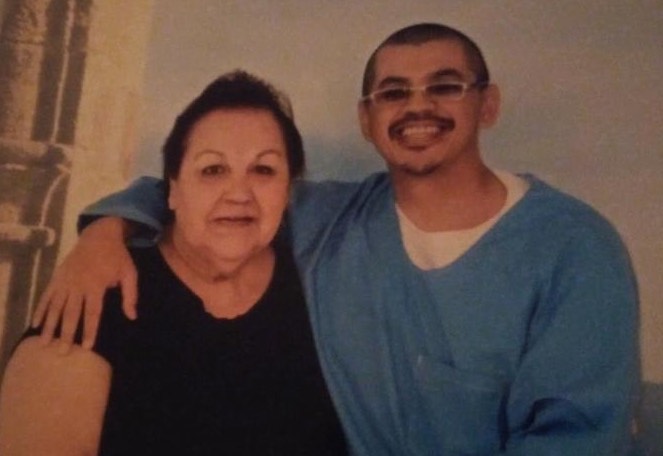
"caption": "Pedro Archuleta grew up in Brawley, California. He's always been close with his mother, Connie, and says that although it's very hard to be apart while he serves a life sentence at the California Institution for Men, their bond has only grown stronger. ",
"description": null,
"title": "Unknown",
"credit": "Courtesy of Connie Archuleta",
"status": "inherit",
"isLoading": false,
"fetchFailed": false
},
"news_11816072": {
"type": "attachments",
"id": "news_11816072",
"meta": {
"index": "attachments_1716263798",
"site": "news",
"id": "11816072",
"found": true
},
"parent": 11815458,
"imgSizes": {
"apple_news_ca_landscape_5_5": {
"file": "https://ww2.kqed.org/app/uploads/sites/10/2021/04/RS42986_GettyImages-1210888268-qut-1044x783.jpg",
"width": 1044,
"mimeType": "image/jpeg",
"height": 783
},
"apple_news_ca_square_4_0": {
"file": "https://ww2.kqed.org/app/uploads/sites/10/2021/04/RS42986_GettyImages-1210888268-qut-470x470.jpg",
"width": 470,
"mimeType": "image/jpeg",
"height": 470
},
"twentyfourteen-full-width": {
"file": "https://ww2.kqed.org/app/uploads/sites/10/2021/04/RS42986_GettyImages-1210888268-qut-1038x576.jpg",
"width": 1038,
"mimeType": "image/jpeg",
"height": 576
},
"thumbnail": {
"file": "https://ww2.kqed.org/app/uploads/sites/10/2021/04/RS42986_GettyImages-1210888268-qut-160x107.jpg",
"width": 160,
"mimeType": "image/jpeg",
"height": 107
},
"post-thumbnail": {
"file": "https://ww2.kqed.org/app/uploads/sites/10/2021/04/RS42986_GettyImages-1210888268-qut-672x372.jpg",
"width": 672,
"mimeType": "image/jpeg",
"height": 372
},
"kqedFullSize": {
"file": "https://ww2.kqed.org/app/uploads/sites/10/2021/04/RS42986_GettyImages-1210888268-qut.jpg",
"width": 1920,
"height": 1280
},
"apple_news_ca_landscape_4_7": {
"file": "https://ww2.kqed.org/app/uploads/sites/10/2021/04/RS42986_GettyImages-1210888268-qut-632x474.jpg",
"width": 632,
"mimeType": "image/jpeg",
"height": 474
},
"large": {
"file": "https://ww2.kqed.org/app/uploads/sites/10/2021/04/RS42986_GettyImages-1210888268-qut-1020x680.jpg",
"width": 1020,
"mimeType": "image/jpeg",
"height": 680
},
"apple_news_ca_landscape_4_0": {
"file": "https://ww2.kqed.org/app/uploads/sites/10/2021/04/RS42986_GettyImages-1210888268-qut-536x402.jpg",
"width": 536,
"mimeType": "image/jpeg",
"height": 402
},
"apple_news_ca_portrait_12_9": {
"file": "https://ww2.kqed.org/app/uploads/sites/10/2021/04/RS42986_GettyImages-1210888268-qut-1122x1280.jpg",
"width": 1122,
"mimeType": "image/jpeg",
"height": 1280
},
"medium": {
"file": "https://ww2.kqed.org/app/uploads/sites/10/2021/04/RS42986_GettyImages-1210888268-qut-800x533.jpg",
"width": 800,
"mimeType": "image/jpeg",
"height": 533
},
"apple_news_ca_portrait_4_0": {
"file": "https://ww2.kqed.org/app/uploads/sites/10/2021/04/RS42986_GettyImages-1210888268-qut-354x472.jpg",
"width": 354,
"mimeType": "image/jpeg",
"height": 472
},
"apple_news_ca_portrait_9_7": {
"file": "https://ww2.kqed.org/app/uploads/sites/10/2021/04/RS42986_GettyImages-1210888268-qut-840x1120.jpg",
"width": 840,
"mimeType": "image/jpeg",
"height": 1120
},
"apple_news_ca_landscape_12_9": {
"file": "https://ww2.kqed.org/app/uploads/sites/10/2021/04/RS42986_GettyImages-1210888268-qut-1832x1280.jpg",
"width": 1832,
"mimeType": "image/jpeg",
"height": 1280
},
"apple_news_ca_square_9_7": {
"file": "https://ww2.kqed.org/app/uploads/sites/10/2021/04/RS42986_GettyImages-1210888268-qut-1104x1104.jpg",
"width": 1104,
"mimeType": "image/jpeg",
"height": 1104
},
"apple_news_ca_portrait_4_7": {
"file": "https://ww2.kqed.org/app/uploads/sites/10/2021/04/RS42986_GettyImages-1210888268-qut-414x552.jpg",
"width": 414,
"mimeType": "image/jpeg",
"height": 552
},
"apple_news_ca_square_12_9": {
"file": "https://ww2.kqed.org/app/uploads/sites/10/2021/04/RS42986_GettyImages-1210888268-qut-1472x1280.jpg",
"width": 1472,
"mimeType": "image/jpeg",
"height": 1280
},
"apple_news_ca_portrait_5_5": {
"file": "https://ww2.kqed.org/app/uploads/sites/10/2021/04/RS42986_GettyImages-1210888268-qut-687x916.jpg",
"width": 687,
"mimeType": "image/jpeg",
"height": 916
},
"full-width": {
"file": "https://ww2.kqed.org/app/uploads/sites/10/2021/04/RS42986_GettyImages-1210888268-qut-1920x1280.jpg",
"width": 1920,
"mimeType": "image/jpeg",
"height": 1280
},
"apple_news_ca_square_4_7": {
"file": "https://ww2.kqed.org/app/uploads/sites/10/2021/04/RS42986_GettyImages-1210888268-qut-550x550.jpg",
"width": 550,
"mimeType": "image/jpeg",
"height": 550
},
"apple_news_ca_landscape_9_7": {
"file": "https://ww2.kqed.org/app/uploads/sites/10/2021/04/RS42986_GettyImages-1210888268-qut-1376x1032.jpg",
"width": 1376,
"mimeType": "image/jpeg",
"height": 1032
},
"apple_news_ca_square_5_5": {
"file": "https://ww2.kqed.org/app/uploads/sites/10/2021/04/RS42986_GettyImages-1210888268-qut-912x912.jpg",
"width": 912,
"mimeType": "image/jpeg",
"height": 912
}
},
"publishDate": 1588617308,
"modified": 1588741554,
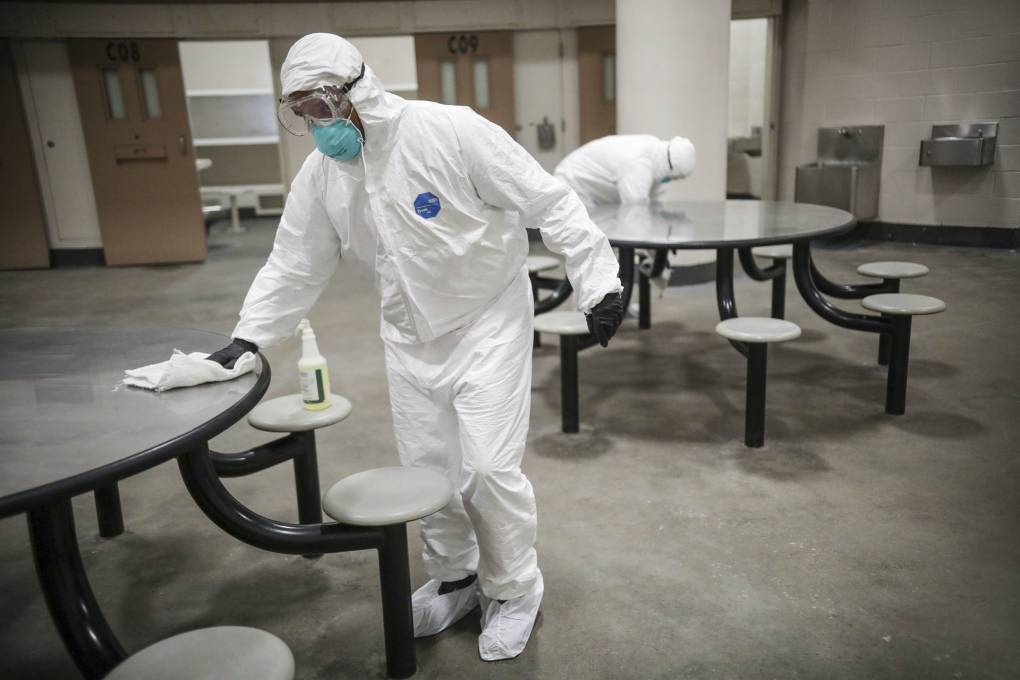
"caption": "Jails and prisons are particularly vulnerable to coronavirus outbreaks. We've rounded up a list of ways to help people who are currently incarcerated.",
"description": null,
"title": "San Diego County Jail Inmates Disinfect Cells To Prevent COVID-19 Spread",
"credit": "Sandy Huffaker/Getty Images",
"status": "inherit",
"isLoading": false,
"fetchFailed": false
},
"news_11816400": {
"type": "attachments",
"id": "news_11816400",
"meta": {
"index": "attachments_1716263798",
"site": "news",
"id": "11816400",
"found": true
},
"parent": 11816272,
"imgSizes": {
"apple_news_ca_landscape_5_5": {
"file": "https://ww2.kqed.org/app/uploads/sites/10/2020/05/RS43002_GettyImages-107516849-qut-1044x783.jpg",
"width": 1044,
"mimeType": "image/jpeg",
"height": 783
},
"apple_news_ca_square_4_0": {
"file": "https://ww2.kqed.org/app/uploads/sites/10/2020/05/RS43002_GettyImages-107516849-qut-470x470.jpg",
"width": 470,
"mimeType": "image/jpeg",
"height": 470
},
"twentyfourteen-full-width": {
"file": "https://ww2.kqed.org/app/uploads/sites/10/2020/05/RS43002_GettyImages-107516849-qut-1038x576.jpg",
"width": 1038,
"mimeType": "image/jpeg",
"height": 576
},
"thumbnail": {
"file": "https://ww2.kqed.org/app/uploads/sites/10/2020/05/RS43002_GettyImages-107516849-qut-160x110.jpg",
"width": 160,
"mimeType": "image/jpeg",
"height": 110
},
"post-thumbnail": {
"file": "https://ww2.kqed.org/app/uploads/sites/10/2020/05/RS43002_GettyImages-107516849-qut-672x372.jpg",
"width": 672,
"mimeType": "image/jpeg",
"height": 372
},
"kqedFullSize": {
"file": "https://ww2.kqed.org/app/uploads/sites/10/2020/05/RS43002_GettyImages-107516849-qut.jpg",
"width": 1920,
"height": 1324
},
"apple_news_ca_landscape_4_7": {
"file": "https://ww2.kqed.org/app/uploads/sites/10/2020/05/RS43002_GettyImages-107516849-qut-632x474.jpg",
"width": 632,
"mimeType": "image/jpeg",
"height": 474
},
"large": {
"file": "https://ww2.kqed.org/app/uploads/sites/10/2020/05/RS43002_GettyImages-107516849-qut-1020x703.jpg",
"width": 1020,
"mimeType": "image/jpeg",
"height": 703
},
"apple_news_ca_landscape_4_0": {
"file": "https://ww2.kqed.org/app/uploads/sites/10/2020/05/RS43002_GettyImages-107516849-qut-536x402.jpg",
"width": 536,
"mimeType": "image/jpeg",
"height": 402
},
"apple_news_ca_portrait_12_9": {
"file": "https://ww2.kqed.org/app/uploads/sites/10/2020/05/RS43002_GettyImages-107516849-qut-1122x1324.jpg",
"width": 1122,
"mimeType": "image/jpeg",
"height": 1324
},
"medium": {
"file": "https://ww2.kqed.org/app/uploads/sites/10/2020/05/RS43002_GettyImages-107516849-qut-800x552.jpg",
"width": 800,
"mimeType": "image/jpeg",
"height": 552
},
"apple_news_ca_portrait_4_0": {
"file": "https://ww2.kqed.org/app/uploads/sites/10/2020/05/RS43002_GettyImages-107516849-qut-354x472.jpg",
"width": 354,
"mimeType": "image/jpeg",
"height": 472
},
"apple_news_ca_portrait_9_7": {
"file": "https://ww2.kqed.org/app/uploads/sites/10/2020/05/RS43002_GettyImages-107516849-qut-840x1120.jpg",
"width": 840,
"mimeType": "image/jpeg",
"height": 1120
},
"apple_news_ca_landscape_12_9": {
"file": "https://ww2.kqed.org/app/uploads/sites/10/2020/05/RS43002_GettyImages-107516849-qut-1832x1324.jpg",
"width": 1832,
"mimeType": "image/jpeg",
"height": 1324
},
"apple_news_ca_square_9_7": {
"file": "https://ww2.kqed.org/app/uploads/sites/10/2020/05/RS43002_GettyImages-107516849-qut-1104x1104.jpg",
"width": 1104,
"mimeType": "image/jpeg",
"height": 1104
},
"apple_news_ca_portrait_4_7": {
"file": "https://ww2.kqed.org/app/uploads/sites/10/2020/05/RS43002_GettyImages-107516849-qut-414x552.jpg",
"width": 414,
"mimeType": "image/jpeg",
"height": 552
},
"apple_news_ca_square_12_9": {
"file": "https://ww2.kqed.org/app/uploads/sites/10/2020/05/RS43002_GettyImages-107516849-qut-1472x1324.jpg",
"width": 1472,
"mimeType": "image/jpeg",
"height": 1324
},
"apple_news_ca_portrait_5_5": {
"file": "https://ww2.kqed.org/app/uploads/sites/10/2020/05/RS43002_GettyImages-107516849-qut-687x916.jpg",
"width": 687,
"mimeType": "image/jpeg",
"height": 916
},
"full-width": {
"file": "https://ww2.kqed.org/app/uploads/sites/10/2020/05/RS43002_GettyImages-107516849-qut-1920x1324.jpg",
"width": 1920,
"mimeType": "image/jpeg",
"height": 1324
},
"apple_news_ca_square_4_7": {
"file": "https://ww2.kqed.org/app/uploads/sites/10/2020/05/RS43002_GettyImages-107516849-qut-550x550.jpg",
"width": 550,
"mimeType": "image/jpeg",
"height": 550
},
"apple_news_ca_landscape_9_7": {
"file": "https://ww2.kqed.org/app/uploads/sites/10/2020/05/RS43002_GettyImages-107516849-qut-1376x1032.jpg",
"width": 1376,
"mimeType": "image/jpeg",
"height": 1032
},
"apple_news_ca_square_5_5": {
"file": "https://ww2.kqed.org/app/uploads/sites/10/2020/05/RS43002_GettyImages-107516849-qut-912x912.jpg",
"width": 912,
"mimeType": "image/jpeg",
"height": 912
}
},
"publishDate": 1588722475,
"modified": 1588785179,
"caption": "At least 247 prisoners at the California Institution for Men in San Bernardino County have tested positive for COVID-19, along with 44 staff members.",
"description": "247 prisoners at the California Institution for Men (CIM) in San Bernardino County have tested positive for COVID-19, along with 44 staff members.",
"title": "Supreme Court To Rule On California's Overcrowded Prisons",
"credit": "Kevork Djansezian/Getty Images",
"status": "inherit",
"isLoading": false,
"fetchFailed": false
},
"news_11810761": {
"type": "attachments",
"id": "news_11810761",
"meta": {
"index": "attachments_1716263798",
"site": "news",
"id": "11810761",
"found": true
},
"parent": 11810760,
"imgSizes": {
"apple_news_ca_landscape_5_5": {
"file": "https://ww2.kqed.org/app/uploads/sites/10/2020/04/GettyImages-654263522-1-1044x783.jpg",
"width": 1044,
"mimeType": "image/jpeg",
"height": 783
},
"apple_news_ca_square_4_0": {
"file": "https://ww2.kqed.org/app/uploads/sites/10/2020/04/GettyImages-654263522-1-470x470.jpg",
"width": 470,
"mimeType": "image/jpeg",
"height": 470
},
"twentyfourteen-full-width": {
"file": "https://ww2.kqed.org/app/uploads/sites/10/2020/04/GettyImages-654263522-1-1038x576.jpg",
"width": 1038,
"mimeType": "image/jpeg",
"height": 576
},
"thumbnail": {
"file": "https://ww2.kqed.org/app/uploads/sites/10/2020/04/GettyImages-654263522-1-160x102.jpg",
"width": 160,
"mimeType": "image/jpeg",
"height": 102
},
"post-thumbnail": {
"file": "https://ww2.kqed.org/app/uploads/sites/10/2020/04/GettyImages-654263522-1-672x372.jpg",
"width": 672,
"mimeType": "image/jpeg",
"height": 372
},
"kqedFullSize": {
"file": "https://ww2.kqed.org/app/uploads/sites/10/2020/04/GettyImages-654263522-1.jpg",
"width": 1920,
"height": 1219
},
"apple_news_ca_landscape_4_7": {
"file": "https://ww2.kqed.org/app/uploads/sites/10/2020/04/GettyImages-654263522-1-632x474.jpg",
"width": 632,
"mimeType": "image/jpeg",
"height": 474
},
"large": {
"file": "https://ww2.kqed.org/app/uploads/sites/10/2020/04/GettyImages-654263522-1-1020x648.jpg",
"width": 1020,
"mimeType": "image/jpeg",
"height": 648
},
"apple_news_ca_landscape_4_0": {
"file": "https://ww2.kqed.org/app/uploads/sites/10/2020/04/GettyImages-654263522-1-536x402.jpg",
"width": 536,
"mimeType": "image/jpeg",
"height": 402
},
"apple_news_ca_portrait_12_9": {
"file": "https://ww2.kqed.org/app/uploads/sites/10/2020/04/GettyImages-654263522-1-1122x1219.jpg",
"width": 1122,
"mimeType": "image/jpeg",
"height": 1219
},
"medium": {
"file": "https://ww2.kqed.org/app/uploads/sites/10/2020/04/GettyImages-654263522-1-800x508.jpg",
"width": 800,
"mimeType": "image/jpeg",
"height": 508
},
"apple_news_ca_portrait_4_0": {
"file": "https://ww2.kqed.org/app/uploads/sites/10/2020/04/GettyImages-654263522-1-354x472.jpg",
"width": 354,
"mimeType": "image/jpeg",
"height": 472
},
"apple_news_ca_portrait_9_7": {
"file": "https://ww2.kqed.org/app/uploads/sites/10/2020/04/GettyImages-654263522-1-840x1120.jpg",
"width": 840,
"mimeType": "image/jpeg",
"height": 1120
},
"apple_news_ca_landscape_12_9": {
"file": "https://ww2.kqed.org/app/uploads/sites/10/2020/04/GettyImages-654263522-1-1832x1219.jpg",
"width": 1832,
"mimeType": "image/jpeg",
"height": 1219
},
"apple_news_ca_square_9_7": {
"file": "https://ww2.kqed.org/app/uploads/sites/10/2020/04/GettyImages-654263522-1-1104x1104.jpg",
"width": 1104,
"mimeType": "image/jpeg",
"height": 1104
},
"apple_news_ca_portrait_4_7": {
"file": "https://ww2.kqed.org/app/uploads/sites/10/2020/04/GettyImages-654263522-1-414x552.jpg",
"width": 414,
"mimeType": "image/jpeg",
"height": 552
},
"apple_news_ca_square_12_9": {
"file": "https://ww2.kqed.org/app/uploads/sites/10/2020/04/GettyImages-654263522-1-1472x1219.jpg",
"width": 1472,
"mimeType": "image/jpeg",
"height": 1219
},
"apple_news_ca_portrait_5_5": {
"file": "https://ww2.kqed.org/app/uploads/sites/10/2020/04/GettyImages-654263522-1-687x916.jpg",
"width": 687,
"mimeType": "image/jpeg",
"height": 916
},
"full-width": {
"file": "https://ww2.kqed.org/app/uploads/sites/10/2020/04/GettyImages-654263522-1-1920x1219.jpg",
"width": 1920,
"mimeType": "image/jpeg",
"height": 1219
},
"apple_news_ca_square_4_7": {
"file": "https://ww2.kqed.org/app/uploads/sites/10/2020/04/GettyImages-654263522-1-550x550.jpg",
"width": 550,
"mimeType": "image/jpeg",
"height": 550
},
"apple_news_ca_landscape_9_7": {
"file": "https://ww2.kqed.org/app/uploads/sites/10/2020/04/GettyImages-654263522-1-1376x1032.jpg",
"width": 1376,
"mimeType": "image/jpeg",
"height": 1032
},
"apple_news_ca_square_5_5": {
"file": "https://ww2.kqed.org/app/uploads/sites/10/2020/04/GettyImages-654263522-1-912x912.jpg",
"width": 912,
"mimeType": "image/jpeg",
"height": 912
}
},
"publishDate": 1586105155,
"modified": 1586105204,
"caption": "A three-judge federal panel refused on procedural grounds Saturday to order California to free thousands of prisoners to ease crowded conditions that attorneys representing inmates say could ignite a rapid spread of the coronavirus.",
"description": null,
"title": "GettyImages-654263522 (1)",
"credit": "Robyn Beck/Getty Images",
"status": "inherit",
"isLoading": false,
"fetchFailed": false
},
"news_11808663": {
"type": "attachments",
"id": "news_11808663",
"meta": {
"index": "attachments_1716263798",
"site": "news",
"id": "11808663",
"found": true
},
"parent": 11808622,
"imgSizes": {
"apple_news_ca_landscape_5_5": {
"file": "https://ww2.kqed.org/app/uploads/sites/10/2020/03/RS2049_jail-1044x783.jpg",
"width": 1044,
"mimeType": "image/jpeg",
"height": 783
},
"apple_news_ca_square_4_0": {
"file": "https://ww2.kqed.org/app/uploads/sites/10/2020/03/RS2049_jail-470x470.jpg",
"width": 470,
"mimeType": "image/jpeg",
"height": 470
},
"twentyfourteen-full-width": {
"file": "https://ww2.kqed.org/app/uploads/sites/10/2020/03/RS2049_jail-1038x576.jpg",
"width": 1038,
"mimeType": "image/jpeg",
"height": 576
},
"thumbnail": {
"file": "https://ww2.kqed.org/app/uploads/sites/10/2020/03/RS2049_jail-160x90.jpg",
"width": 160,
"mimeType": "image/jpeg",
"height": 90
},
"post-thumbnail": {
"file": "https://ww2.kqed.org/app/uploads/sites/10/2020/03/RS2049_jail-672x372.jpg",
"width": 672,
"mimeType": "image/jpeg",
"height": 372
},
"kqedFullSize": {
"file": "https://ww2.kqed.org/app/uploads/sites/10/2020/03/RS2049_jail.jpg",
"width": 1920,
"height": 1080
},
"apple_news_ca_landscape_4_7": {
"file": "https://ww2.kqed.org/app/uploads/sites/10/2020/03/RS2049_jail-632x474.jpg",
"width": 632,
"mimeType": "image/jpeg",
"height": 474
},
"large": {
"file": "https://ww2.kqed.org/app/uploads/sites/10/2020/03/RS2049_jail-1020x574.jpg",
"width": 1020,
"mimeType": "image/jpeg",
"height": 574
},
"apple_news_ca_landscape_4_0": {
"file": "https://ww2.kqed.org/app/uploads/sites/10/2020/03/RS2049_jail-536x402.jpg",
"width": 536,
"mimeType": "image/jpeg",
"height": 402
},
"apple_news_ca_portrait_12_9": {
"file": "https://ww2.kqed.org/app/uploads/sites/10/2020/03/RS2049_jail-1122x1080.jpg",
"width": 1122,
"mimeType": "image/jpeg",
"height": 1080
},
"medium": {
"file": "https://ww2.kqed.org/app/uploads/sites/10/2020/03/RS2049_jail-800x450.jpg",
"width": 800,
"mimeType": "image/jpeg",
"height": 450
},
"apple_news_ca_portrait_4_0": {
"file": "https://ww2.kqed.org/app/uploads/sites/10/2020/03/RS2049_jail-354x472.jpg",
"width": 354,
"mimeType": "image/jpeg",
"height": 472
},
"apple_news_ca_portrait_9_7": {
"file": "https://ww2.kqed.org/app/uploads/sites/10/2020/03/RS2049_jail-840x1080.jpg",
"width": 840,
"mimeType": "image/jpeg",
"height": 1080
},
"apple_news_ca_landscape_12_9": {
"file": "https://ww2.kqed.org/app/uploads/sites/10/2020/03/RS2049_jail-1832x1080.jpg",
"width": 1832,
"mimeType": "image/jpeg",
"height": 1080
},
"apple_news_ca_square_9_7": {
"file": "https://ww2.kqed.org/app/uploads/sites/10/2020/03/RS2049_jail-1104x1080.jpg",
"width": 1104,
"mimeType": "image/jpeg",
"height": 1080
},
"apple_news_ca_portrait_4_7": {
"file": "https://ww2.kqed.org/app/uploads/sites/10/2020/03/RS2049_jail-414x552.jpg",
"width": 414,
"mimeType": "image/jpeg",
"height": 552
},
"apple_news_ca_square_12_9": {
"file": "https://ww2.kqed.org/app/uploads/sites/10/2020/03/RS2049_jail-1472x1080.jpg",
"width": 1472,
"mimeType": "image/jpeg",
"height": 1080
},
"apple_news_ca_portrait_5_5": {
"file": "https://ww2.kqed.org/app/uploads/sites/10/2020/03/RS2049_jail-687x916.jpg",
"width": 687,
"mimeType": "image/jpeg",
"height": 916
},
"full-width": {
"file": "https://ww2.kqed.org/app/uploads/sites/10/2020/03/RS2049_jail-1920x1080.jpg",
"width": 1920,
"mimeType": "image/jpeg",
"height": 1080
},
"apple_news_ca_square_4_7": {
"file": "https://ww2.kqed.org/app/uploads/sites/10/2020/03/RS2049_jail-550x550.jpg",
"width": 550,
"mimeType": "image/jpeg",
"height": 550
},
"apple_news_ca_landscape_9_7": {
"file": "https://ww2.kqed.org/app/uploads/sites/10/2020/03/RS2049_jail-1376x1032.jpg",
"width": 1376,
"mimeType": "image/jpeg",
"height": 1032
},
"apple_news_ca_square_5_5": {
"file": "https://ww2.kqed.org/app/uploads/sites/10/2020/03/RS2049_jail-912x912.jpg",
"width": 912,
"mimeType": "image/jpeg",
"height": 912
}
},
"publishDate": 1585162348,
"modified": 1585162437,
"caption": "Gov. Newsom has temporarily halted all intake of new prisoners into state and juvenile facilities, citing threat of coronavirus.",
"description": "Gov. Newsom has temporarily halted all intake of new prisoners into state and juvenile facilities, citing threat of coronavirus.",
"title": "RS2049_jail",
"credit": "Monica Lam/KQED",
"status": "inherit",
"isLoading": false,
"fetchFailed": false
},
"news_11808288": {
"type": "attachments",
"id": "news_11808288",
"meta": {
"index": "attachments_1716263798",
"site": "news",
"id": "11808288",
"found": true
},
"parent": 11808282,
"imgSizes": {
"apple_news_ca_landscape_5_5": {
"file": "https://ww2.kqed.org/app/uploads/sites/10/2020/03/Chino-Barbed-Wire-GettyImages-89881900-1044x783.jpg",
"width": 1044,
"mimeType": "image/jpeg",
"height": 783
},
"apple_news_ca_square_4_0": {
"file": "https://ww2.kqed.org/app/uploads/sites/10/2020/03/Chino-Barbed-Wire-GettyImages-89881900-470x470.jpg",
"width": 470,
"mimeType": "image/jpeg",
"height": 470
},
"twentyfourteen-full-width": {
"file": "https://ww2.kqed.org/app/uploads/sites/10/2020/03/Chino-Barbed-Wire-GettyImages-89881900-1038x576.jpg",
"width": 1038,
"mimeType": "image/jpeg",
"height": 576
},
"thumbnail": {
"file": "https://ww2.kqed.org/app/uploads/sites/10/2020/03/Chino-Barbed-Wire-GettyImages-89881900-160x106.jpg",
"width": 160,
"mimeType": "image/jpeg",
"height": 106
},
"post-thumbnail": {
"file": "https://ww2.kqed.org/app/uploads/sites/10/2020/03/Chino-Barbed-Wire-GettyImages-89881900-672x372.jpg",
"width": 672,
"mimeType": "image/jpeg",
"height": 372
},
"kqedFullSize": {
"file": "https://ww2.kqed.org/app/uploads/sites/10/2020/03/Chino-Barbed-Wire-GettyImages-89881900.jpg",
"width": 1920,
"height": 1277
},
"apple_news_ca_landscape_4_7": {
"file": "https://ww2.kqed.org/app/uploads/sites/10/2020/03/Chino-Barbed-Wire-GettyImages-89881900-632x474.jpg",
"width": 632,
"mimeType": "image/jpeg",
"height": 474
},
"large": {
"file": "https://ww2.kqed.org/app/uploads/sites/10/2020/03/Chino-Barbed-Wire-GettyImages-89881900-1020x678.jpg",
"width": 1020,
"mimeType": "image/jpeg",
"height": 678
},
"apple_news_ca_landscape_4_0": {
"file": "https://ww2.kqed.org/app/uploads/sites/10/2020/03/Chino-Barbed-Wire-GettyImages-89881900-536x402.jpg",
"width": 536,
"mimeType": "image/jpeg",
"height": 402
},
"apple_news_ca_portrait_12_9": {
"file": "https://ww2.kqed.org/app/uploads/sites/10/2020/03/Chino-Barbed-Wire-GettyImages-89881900-1122x1277.jpg",
"width": 1122,
"mimeType": "image/jpeg",
"height": 1277
},
"medium": {
"file": "https://ww2.kqed.org/app/uploads/sites/10/2020/03/Chino-Barbed-Wire-GettyImages-89881900-800x532.jpg",
"width": 800,
"mimeType": "image/jpeg",
"height": 532
},
"apple_news_ca_portrait_4_0": {
"file": "https://ww2.kqed.org/app/uploads/sites/10/2020/03/Chino-Barbed-Wire-GettyImages-89881900-354x472.jpg",
"width": 354,
"mimeType": "image/jpeg",
"height": 472
},
"apple_news_ca_portrait_9_7": {
"file": "https://ww2.kqed.org/app/uploads/sites/10/2020/03/Chino-Barbed-Wire-GettyImages-89881900-840x1120.jpg",
"width": 840,
"mimeType": "image/jpeg",
"height": 1120
},
"apple_news_ca_landscape_12_9": {
"file": "https://ww2.kqed.org/app/uploads/sites/10/2020/03/Chino-Barbed-Wire-GettyImages-89881900-1832x1277.jpg",
"width": 1832,
"mimeType": "image/jpeg",
"height": 1277
},
"apple_news_ca_square_9_7": {
"file": "https://ww2.kqed.org/app/uploads/sites/10/2020/03/Chino-Barbed-Wire-GettyImages-89881900-1104x1104.jpg",
"width": 1104,
"mimeType": "image/jpeg",
"height": 1104
},
"apple_news_ca_portrait_4_7": {
"file": "https://ww2.kqed.org/app/uploads/sites/10/2020/03/Chino-Barbed-Wire-GettyImages-89881900-414x552.jpg",
"width": 414,
"mimeType": "image/jpeg",
"height": 552
},
"apple_news_ca_square_12_9": {
"file": "https://ww2.kqed.org/app/uploads/sites/10/2020/03/Chino-Barbed-Wire-GettyImages-89881900-1472x1277.jpg",
"width": 1472,
"mimeType": "image/jpeg",
"height": 1277
},
"apple_news_ca_portrait_5_5": {
"file": "https://ww2.kqed.org/app/uploads/sites/10/2020/03/Chino-Barbed-Wire-GettyImages-89881900-687x916.jpg",
"width": 687,
"mimeType": "image/jpeg",
"height": 916
},
"full-width": {
"file": "https://ww2.kqed.org/app/uploads/sites/10/2020/03/Chino-Barbed-Wire-GettyImages-89881900-1920x1277.jpg",
"width": 1920,
"mimeType": "image/jpeg",
"height": 1277
},
"apple_news_ca_square_4_7": {
"file": "https://ww2.kqed.org/app/uploads/sites/10/2020/03/Chino-Barbed-Wire-GettyImages-89881900-550x550.jpg",
"width": 550,
"mimeType": "image/jpeg",
"height": 550
},
"apple_news_ca_landscape_9_7": {
"file": "https://ww2.kqed.org/app/uploads/sites/10/2020/03/Chino-Barbed-Wire-GettyImages-89881900-1376x1032.jpg",
"width": 1376,
"mimeType": "image/jpeg",
"height": 1032
},
"apple_news_ca_square_5_5": {
"file": "https://ww2.kqed.org/app/uploads/sites/10/2020/03/Chino-Barbed-Wire-GettyImages-89881900-912x912.jpg",
"width": 912,
"mimeType": "image/jpeg",
"height": 912
}
},
"publishDate": 1585003486,
"modified": 1585003662,
"caption": "An inmate of a state prison in Los Angeles County tested positive for COVID-19, prison officials announced Sunday, and staff at three other prisons have also been diagnosed with the disease.",
"description": "An inmate of a state prison in Los Angeles County tested positive for COVID-19, prison officials announced Sunday, and staff at three other prisons have also been diagnosed with the disease.",
"title": "Governor Schwarzenegger Tours Prison Where Riot Took Place",
"credit": "Michal Czerwonka/Getty Images",
"status": "inherit",
"isLoading": false,
"fetchFailed": false
}
},
"audioPlayerReducer": {
"postId": "stream_live",
"isPaused": true,
"isPlaying": false,
"pfsActive": false,
"pledgeModalIsOpen": true,
"playerDrawerIsOpen": false,
"liveAudioPlayStartedAt": 0,
"liveAudioPlayContext": ""
},
"authorsReducer": {
"byline_news_11826469": {
"type": "authors",
"id": "byline_news_11826469",
"meta": {
"override": true
},
"slug": "byline_news_11826469",
"name": "Eric Westervelt and KQED Staff",
"isLoading": false
},
"byline_news_11810760": {
"type": "authors",
"id": "byline_news_11810760",
"meta": {
"override": true
},
"slug": "byline_news_11810760",
"name": "Don Thompson",
"isLoading": false
},
"gmarzorati": {
"type": "authors",
"id": "227",
"meta": {
"index": "authors_1716337520",
"id": "227",
"found": true
},
"name": "Guy Marzorati",
"firstName": "Guy",
"lastName": "Marzorati",
"slug": "gmarzorati",
"email": "gmarzorati@KQED.org",
"display_author_email": true,
"staff_mastheads": [
"news"
],
"title": "Correspondent",
"bio": "Guy Marzorati is a correspondent on KQED's California Politics and Government Desk, based in San Jose. A graduate of Santa Clara University, Guy joined KQED in 2013. He reports on state and local politics and produces KQED's digital voter guide.",
"avatar": "https://secure.gravatar.com/avatar/e7038b8dbfd55b104369b76b1cd0b9de?s=600&d=blank&r=g",
"twitter": "guymarzorati",
"facebook": null,
"instagram": null,
"linkedin": null,
"sites": [
{
"site": "",
"roles": [
"editor"
]
},
{
"site": "news",
"roles": [
"editor"
]
},
{
"site": "science",
"roles": [
"editor"
]
},
{
"site": "forum",
"roles": [
"editor"
]
},
{
"site": "elections",
"roles": [
"editor"
]
},
{
"site": "liveblog",
"roles": [
"editor"
]
}
],
"headData": {
"title": "Guy Marzorati | KQED",
"description": "Correspondent",
"ogImgSrc": "https://secure.gravatar.com/avatar/e7038b8dbfd55b104369b76b1cd0b9de?s=600&d=blank&r=g",
"twImgSrc": "https://secure.gravatar.com/avatar/e7038b8dbfd55b104369b76b1cd0b9de?s=600&d=blank&r=g"
},
"isLoading": false,
"link": "/author/gmarzorati"
},
"mlam": {
"type": "authors",
"id": "244",
"meta": {
"index": "authors_1716337520",
"id": "244",
"found": true
},
"name": "Monica Lam",
"firstName": "Monica Z.",
"lastName": "Lam",
"slug": "mlam",
"email": "mlam@kqed.org",
"display_author_email": true,
"staff_mastheads": [
"news"
],
"title": "KQED Senior Producer",
"bio": "Monica is senior producer of the weekly current affairs program, \"KQED Newsroom.\" She's also served as senior editor of digital content at KQED. She likes to report and edit as well as produce video and take photos.\r\n\r\nBefore joining KQED, Monica worked at the Center for Investigative Reporting, where she examined conditions inside \u003cspan style=\"font-weight: 400;\">maximum security \u003c/span>prisons and abuse in state-run institutions for the developmentally disabled. Prior to that, she produced and directed \u003cem>Journey of the Bonesetter's Daughter,\u003c/em> a documentary that follows novelist Amy Tan as she creates an opera based on her family history.\r\n\r\nMonica's work has been honored with a duPont Award, five Emmys, regional and national Murrow Awards, and has been recognized by Investigative Reporters and Editors, the Society of Professional Journalists, Religion Newswriters Association and the San Francisco Peninsula Press Club. Monica studied urban studies at Stanford University and earned a master's in journalism at University of California at Berkeley. Follow her on twitter: @monicazlam",
"avatar": "https://secure.gravatar.com/avatar/018c474b2b71f43e0e6ca9b15a0ad36f?s=600&d=blank&r=g",
"twitter": "@monicazlam",
"facebook": null,
"instagram": null,
"linkedin": null,
"sites": [
{
"site": "arts",
"roles": [
"administrator"
]
},
{
"site": "news",
"roles": [
"editor"
]
},
{
"site": "trulyca",
"roles": [
"editor"
]
},
{
"site": "science",
"roles": [
"editor"
]
},
{
"site": "breakingnews",
"roles": [
"editor"
]
}
],
"headData": {
"title": "Monica Lam | KQED",
"description": "KQED Senior Producer",
"ogImgSrc": "https://secure.gravatar.com/avatar/018c474b2b71f43e0e6ca9b15a0ad36f?s=600&d=blank&r=g",
"twImgSrc": "https://secure.gravatar.com/avatar/018c474b2b71f43e0e6ca9b15a0ad36f?s=600&d=blank&r=g"
},
"isLoading": false,
"link": "/author/mlam"
},
"mlagos": {
"type": "authors",
"id": "3239",
"meta": {
"index": "authors_1716337520",
"id": "3239",
"found": true
},
"name": "Marisa Lagos",
"firstName": "Marisa",
"lastName": "Lagos",
"slug": "mlagos",
"email": "mlagos@kqed.org",
"display_author_email": false,
"staff_mastheads": [
"news"
],
"title": "KQED Contributor",
"bio": "Marisa Lagos is a correspondent for KQED’s California Politics and Government Desk and co-hosts the award-winning show and podcast, Political Breakdown. At KQED, Lagos also conducts reporting, analysis and investigations into state, local and national politics for radio, TV, online and onstage. In 2022, she and co-host, Scott Shafer, moderated the only gubernatorial debate in California. In 2020, the \u003ci>Washington Post\u003c/i> named her one of the top political journalists in California; she was nominated for a Peabody and won several other awards for her work investigating the 2017 California wildfires. She has worked at the \u003ci>San Francisco Chronicle\u003c/i>, \u003ci>San Francisco Examiner\u003c/i> and \u003ci>Los Angeles Times\u003c/i>. A UC Santa Barbara graduate, she lives in San Francisco with her two sons and husband.",
"avatar": "https://secure.gravatar.com/avatar/a261a0d3696fc066871ef96b85b5e7d2?s=600&d=blank&r=g",
"twitter": "@mlagos",
"facebook": null,
"instagram": null,
"linkedin": null,
"sites": [
{
"site": "arts",
"roles": [
"author"
]
},
{
"site": "news",
"roles": [
"editor"
]
},
{
"site": "science",
"roles": [
"editor"
]
},
{
"site": "forum",
"roles": [
"author"
]
},
{
"site": "liveblog",
"roles": [
"author"
]
}
],
"headData": {
"title": "Marisa Lagos | KQED",
"description": "KQED Contributor",
"ogImgSrc": "https://secure.gravatar.com/avatar/a261a0d3696fc066871ef96b85b5e7d2?s=600&d=blank&r=g",
"twImgSrc": "https://secure.gravatar.com/avatar/a261a0d3696fc066871ef96b85b5e7d2?s=600&d=blank&r=g"
},
"isLoading": false,
"link": "/author/mlagos"
},
"jsmall": {
"type": "authors",
"id": "6625",
"meta": {
"index": "authors_1716337520",
"id": "6625",
"found": true
},
"name": "Julie Small",
"firstName": "Julie",
"lastName": "Small",
"slug": "jsmall",
"email": "jsmall@kqed.org",
"display_author_email": true,
"staff_mastheads": [
"news"
],
"title": "KQED Contributor",
"bio": "Julie Small reports on criminal justice and immigration.\r\n\r\nShe was part of a team at KQED awarded a regional 2019 Edward R. Murrow award for continuing coverage of the Trump Administration's family separation policy.\r\n\r\nThe Society for Professional Journalists recognized Julie's 2018 \u003ca href=\"https://www.kqed.org/news/11636262/the-officer-tased-him-31-times-the-sheriff-called-his-death-an-accident\">reporting\u003c/a> on the San Joaquin County Sheriff's \u003ca href=\"https://www.kqed.org/news/11634689/autopsy-doctors-sheriff-overrode-death-findings-to-protect-law-enforcement\">interference\u003c/a> in death investigations with an Excellence in Journalism Award for Ongoing Coverage.\r\n\r\nJulie's\u003ca href=\"https://www.kqed.org/news/11039666/two-mentally-ill-inmates-died-one-month-in-santa-clara\"> reporting\u003c/a> with Lisa Pickoff-White on the treatment of mentally ill offenders in California jails earned a 2017 regional Edward R. Murrow Award for news reporting and an investigative reporting award from the SPJ of Northern California.\r\n\r\nBefore joining KQED, Julie covered government and politics in Sacramento for Southern California Public Radio (SCPR). Her 2010 \u003ca href=\"https://www.scpr.org/specials/prisonmedical/\">series\u003c/a> on lapses in California’s prison medical care also won a regional Edward R. Murrow Award for investigative reporting and a Golden Mic Award from the RTNDA of Southern California.\r\n\r\nJulie began her career in journalism in 2000 as the deputy foreign editor for public radio's \u003cem>Marketplace, \u003c/em>while earning her master's degree in journalism from USC’s Annenberg School of Communication.",
"avatar": "https://secure.gravatar.com/avatar/4baedf201468df97be97c2a9dd7585d0?s=600&d=blank&r=g",
"twitter": "@SmallRadio2",
"facebook": null,
"instagram": null,
"linkedin": null,
"sites": [
{
"site": "news",
"roles": [
"editor"
]
},
{
"site": "stateofhealth",
"roles": [
"author"
]
},
{
"site": "science",
"roles": [
"author"
]
}
],
"headData": {
"title": "Julie Small | KQED",
"description": "KQED Contributor",
"ogImgSrc": "https://secure.gravatar.com/avatar/4baedf201468df97be97c2a9dd7585d0?s=600&d=blank&r=g",
"twImgSrc": "https://secure.gravatar.com/avatar/4baedf201468df97be97c2a9dd7585d0?s=600&d=blank&r=g"
},
"isLoading": false,
"link": "/author/jsmall"
},
"dkatayama": {
"type": "authors",
"id": "7240",
"meta": {
"index": "authors_1716337520",
"id": "7240",
"found": true
},
"name": "Devin Katayama",
"firstName": "Devin",
"lastName": "Katayama",
"slug": "dkatayama",
"email": "dkatayama@kqed.org",
"display_author_email": true,
"staff_mastheads": [
"news"
],
"title": "Editor of Talent and Development",
"bio": "Devin Katayama is former Editor of Talent and Development for KQED. He supported our internship program and on-call staff by looking for equitable opportunities to improve the newsroom.\r\n\r\nHe previously hosted The Bay and American Suburb podcasts from KQED News. Prior to returning to the Bay Area in 2015, Devin was the education reporter for WFPL in Louisville and worked as a producer with radio stations in Chicago and Portland, OR. His work has appeared on NPR’s \u003cem>Morning Edition, All Things Considered, The Takeaway\u003c/em> and \u003cem>Here and Now.\u003c/em>\r\n\r\nDevin earned his MA in Journalism from Columbia College Chicago, where he was a Follett Fellow and the recipient of the 2011 Studs Terkel Community Media Workshop Scholarship for his story on Chicago's homeless youth. He won WBUR's 2014 Daniel Schorr award and a regional RTNDA Edward R. Murrow Award for his documentary \"At Risk\" that looked at issues facing some of Louisville's students. Devin has also received numerous local awards from the Associated Press and the Society of Professional Journalists.",
"avatar": "https://secure.gravatar.com/avatar/d0d2978a31002fb2de107921a8e18405?s=600&d=blank&r=g",
"twitter": "RadioDevin",
"facebook": null,
"instagram": null,
"linkedin": null,
"sites": [
{
"site": "arts",
"roles": []
},
{
"site": "news",
"roles": [
"author"
]
},
{
"site": "stateofhealth",
"roles": [
"author"
]
},
{
"site": "forum",
"roles": [
"editor"
]
},
{
"site": "perspectives",
"roles": [
"editor"
]
}
],
"headData": {
"title": "Devin Katayama | KQED",
"description": "Editor of Talent and Development",
"ogImgSrc": "https://secure.gravatar.com/avatar/d0d2978a31002fb2de107921a8e18405?s=600&d=blank&r=g",
"twImgSrc": "https://secure.gravatar.com/avatar/d0d2978a31002fb2de107921a8e18405?s=600&d=blank&r=g"
},
"isLoading": false,
"link": "/author/dkatayama"
},
"ecruzguevarra": {
"type": "authors",
"id": "8654",
"meta": {
"index": "authors_1716337520",
"id": "8654",
"found": true
},
"name": "Ericka Cruz Guevarra",
"firstName": "Ericka",
"lastName": "Cruz Guevarra",
"slug": "ecruzguevarra",
"email": "ecruzguevarra@kqed.org",
"display_author_email": true,
"staff_mastheads": [
"news"
],
"title": "Producer, The Bay Podcast",
"bio": "Ericka Cruz Guevarra is host of \u003ca href=\"https://www.kqed.org/podcasts/thebay\">\u003cem>The Bay\u003c/em>\u003c/a> podcast at KQED. Before host, she was the show’s producer. Her work in that capacity includes a three-part reported series on policing in Vallejo, which won a 2020 excellence in journalism award from the Society of Professional Journalists. Ericka has worked as a breaking news reporter at Oregon Public Broadcasting, helped produce the Code Switch podcast, and was KQED’s inaugural Raul Ramirez Diversity Fund intern. She’s also an alumna of NPR’s Next Generation Radio program. Send her an email if you have strong feelings about whether Fairfield and Suisun City are the Bay. Ericka is represented by SAG-AFTRA.",
"avatar": "https://secure.gravatar.com/avatar/accefc1de4bafc7e234b69bcb9b6f6536c130fd84709bc3069ef11a78787e1bb?s=600&d=blank&r=g",
"twitter": "NotoriousECG",
"bluesky": null,
"facebook": null,
"instagram": null,
"linkedin": null,
"sites": [
{
"site": "arts",
"roles": [
"subscriber"
]
},
{
"site": "news",
"roles": [
"editor",
"manage_categories"
]
},
{
"site": "futureofyou",
"roles": [
"subscriber"
]
},
{
"site": "stateofhealth",
"roles": [
"subscriber"
]
},
{
"site": "science",
"roles": [
"editor"
]
},
{
"site": "forum",
"roles": [
"subscriber"
]
}
],
"headData": {
"title": "Ericka Cruz Guevarra | KQED",
"description": "Producer, The Bay Podcast",
"ogImgSrc": "https://secure.gravatar.com/avatar/accefc1de4bafc7e234b69bcb9b6f6536c130fd84709bc3069ef11a78787e1bb?s=600&d=blank&r=g",
"twImgSrc": "https://secure.gravatar.com/avatar/accefc1de4bafc7e234b69bcb9b6f6536c130fd84709bc3069ef11a78787e1bb?s=600&d=blank&r=g"
},
"isLoading": false,
"link": "/author/ecruzguevarra"
},
"slewis": {
"type": "authors",
"id": "8676",
"meta": {
"index": "authors_1716337520",
"id": "8676",
"found": true
},
"name": "Sukey Lewis",
"firstName": "Sukey",
"lastName": "Lewis",
"slug": "slewis",
"email": "slewis@kqed.org",
"display_author_email": true,
"staff_mastheads": [
"news"
],
"title": "KQED Contributor",
"bio": "Sukey Lewis is a criminal justice reporter and host of \u003cem>On Our Watch\u003c/em>, a new podcast from NPR and KQED about the shadow world of police discipline. In 2018, she co-founded the California Reporting Project, a coalition of newsrooms across the state focused on obtaining previously sealed internal affairs records from law enforcement. In addition to her reporting on police accountability, Sukey has investigated the bail bonds industry, California's wildfires and the high cost of prison phone calls. Sukey earned a master's degree in journalism from the University of California at Berkeley. Send news tips to slewis@kqed.org.",
"avatar": "https://secure.gravatar.com/avatar/03fd6b21024f99d8b0a1966654586de7?s=600&d=blank&r=g",
"twitter": "SukeyLewis",
"facebook": null,
"instagram": null,
"linkedin": null,
"sites": [
{
"site": "news",
"roles": [
"author",
"edit_others_posts"
]
}
],
"headData": {
"title": "Sukey Lewis | KQED",
"description": "KQED Contributor",
"ogImgSrc": "https://secure.gravatar.com/avatar/03fd6b21024f99d8b0a1966654586de7?s=600&d=blank&r=g",
"twImgSrc": "https://secure.gravatar.com/avatar/03fd6b21024f99d8b0a1966654586de7?s=600&d=blank&r=g"
},
"isLoading": false,
"link": "/author/slewis"
},
"korr": {
"type": "authors",
"id": "11200",
"meta": {
"index": "authors_1716337520",
"id": "11200",
"found": true
},
"name": "Katie Orr",
"firstName": "Katie",
"lastName": "Orr",
"slug": "korr",
"email": "korr@kqed.org",
"display_author_email": false,
"staff_mastheads": [],
"title": "KQED Contributor",
"bio": "Katie Orr was a Sacramento-based reporter for KQED's Politics and Government Desk, covering the state Capitol and a variety of issues including women in politics, voting and elections and legislation. Prior to joining KQED in 2016, Katie was state government reporter for Capital Public Radio in Sacramento. She's also worked for KPBS in San Diego, where she covered City Hall.\r\n\r\nKatie received her masters degree in political science from San Diego State University and holds a Bachelors degree in broadcast journalism from Arizona State University.\r\n\r\nIn 2015 Katie won a national Clarion Award for a series of stories she did on women in California politics. She's been honored by the Society for Professional Journalists and, in 2013, was named by \u003cem>The Washington Post\u003c/em> as one of the country's top state Capitol reporters. She's also reported for the award-winning documentary series \u003cem>The View from Here \u003c/em>and was part of the team that won national PRNDI and Gabriel Awards in 2015. She lives in Sacramento with her husband. Twitter: @1KatieOrr",
"avatar": "https://secure.gravatar.com/avatar/41a40b25845adc78f50808670860449e?s=600&d=blank&r=g",
"twitter": "1katieorr",
"facebook": null,
"instagram": null,
"linkedin": null,
"sites": [
{
"site": "news",
"roles": [
"subscriber"
]
},
{
"site": "stateofhealth",
"roles": [
"author"
]
},
{
"site": "forum",
"roles": [
"author"
]
}
],
"headData": {
"title": "Katie Orr | KQED",
"description": "KQED Contributor",
"ogImgSrc": "https://secure.gravatar.com/avatar/41a40b25845adc78f50808670860449e?s=600&d=blank&r=g",
"twImgSrc": "https://secure.gravatar.com/avatar/41a40b25845adc78f50808670860449e?s=600&d=blank&r=g"
},
"isLoading": false,
"link": "/author/korr"
},
"agarces": {
"type": "authors",
"id": "11367",
"meta": {
"index": "authors_1716337520",
"id": "11367",
"found": true
},
"name": "Audrey Garces",
"firstName": "Audrey",
"lastName": "Garces",
"slug": "agarces",
"email": "agarces@kqed.org",
"display_author_email": false,
"staff_mastheads": [
"news"
],
"title": "Digital Producer",
"bio": "Audrey is a former digital producer at KQED News. Previously, she was a KQED Raul Ramirez Diversity Fund intern where she developed stories that focused on highlighting diverse voices in journalism. Prior to her work at KQED, she worked as a news intern at the San Francisco Examiner. Audrey graduated from San Francisco State University with a B.A. in journalism and a minor in political science.",
"avatar": "https://secure.gravatar.com/avatar/5211bc2e6a809b9956da169e35ce63d5?s=600&d=blank&r=g",
"twitter": "audgar",
"facebook": null,
"instagram": null,
"linkedin": null,
"sites": [
{
"site": "arts",
"roles": []
},
{
"site": "news",
"roles": [
"subscriber"
]
},
{
"site": "science",
"roles": [
"editor"
]
},
{
"site": "forum",
"roles": [
"editor"
]
},
{
"site": "perspectives",
"roles": [
"administrator"
]
}
],
"headData": {
"title": "Audrey Garces | KQED",
"description": "Digital Producer",
"ogImgSrc": "https://secure.gravatar.com/avatar/5211bc2e6a809b9956da169e35ce63d5?s=600&d=blank&r=g",
"twImgSrc": "https://secure.gravatar.com/avatar/5211bc2e6a809b9956da169e35ce63d5?s=600&d=blank&r=g"
},
"isLoading": false,
"link": "/author/agarces"
},
"katewolffe": {
"type": "authors",
"id": "11523",
"meta": {
"index": "authors_1716337520",
"id": "11523",
"found": true
},
"name": "Kate Wolffe",
"firstName": "Kate",
"lastName": "Wolffe",
"slug": "katewolffe",
"email": "kwolffe@kqed.org",
"display_author_email": true,
"staff_mastheads": [
"news"
],
"title": "KQED Reporter + Weekend Host",
"bio": "Kate Wolffe reports on local Bay Area happenings for KQED, and hosts the news on weekend afternoons. She joined KQED in 2018 as an intern on the Forum team, before moving to cover topics ranging from politics to criminal justice to homelessness. A Bay Area native and UC Berkeley graduate, Kate loves to discover new corners of the region.",
"avatar": "https://secure.gravatar.com/avatar/22455f14db824a03ee252f73052fe939?s=600&d=blank&r=g",
"twitter": "katewolffe",
"facebook": null,
"instagram": null,
"linkedin": null,
"sites": [
{
"site": "arts",
"roles": [
"editor"
]
},
{
"site": "news",
"roles": [
"author",
"edit_others_posts"
]
},
{
"site": "forum",
"roles": [
"editor"
]
}
],
"headData": {
"title": "Kate Wolffe | KQED",
"description": "KQED Reporter + Weekend Host",
"ogImgSrc": "https://secure.gravatar.com/avatar/22455f14db824a03ee252f73052fe939?s=600&d=blank&r=g",
"twImgSrc": "https://secure.gravatar.com/avatar/22455f14db824a03ee252f73052fe939?s=600&d=blank&r=g"
},
"isLoading": false,
"link": "/author/katewolffe"
},
"lsarah": {
"type": "authors",
"id": "11626",
"meta": {
"index": "authors_1716337520",
"id": "11626",
"found": true
},
"name": "Lakshmi Sarah",
"firstName": "Lakshmi",
"lastName": "Sarah",
"slug": "lsarah",
"email": "lsarah@kqed.org",
"display_author_email": false,
"staff_mastheads": [],
"title": "Digital Producer",
"bio": "Lakshmi Sarah is an educator, author and journalist with a focus on innovative storytelling. She has worked with newspapers, radio and magazines from Ahmedabad, India to Los Angeles, California. She has written and produced for Die Zeit, Global Voices, AJ+, KQED, Fusion Media Group and the New York Times.",
"avatar": "https://secure.gravatar.com/avatar/652dcaecd8b28826fc17a8b2d6bb4e93?s=600&d=blank&r=g",
"twitter": "lakitalki",
"facebook": null,
"instagram": "https://www.instagram.com/laki.talki/",
"linkedin": "https://www.linkedin.com/in/lakisarah/",
"sites": [
{
"site": "arts",
"roles": []
},
{
"site": "news",
"roles": []
},
{
"site": "bayareabites",
"roles": []
},
{
"site": "science",
"roles": []
}
],
"headData": {
"title": "Lakshmi Sarah | KQED",
"description": "Digital Producer",
"ogImgSrc": "https://secure.gravatar.com/avatar/652dcaecd8b28826fc17a8b2d6bb4e93?s=600&d=blank&r=g",
"twImgSrc": "https://secure.gravatar.com/avatar/652dcaecd8b28826fc17a8b2d6bb4e93?s=600&d=blank&r=g"
},
"isLoading": false,
"link": "/author/lsarah"
},
"amontecillo": {
"type": "authors",
"id": "11649",
"meta": {
"index": "authors_1716337520",
"id": "11649",
"found": true
},
"name": "Alan Montecillo",
"firstName": "Alan",
"lastName": "Montecillo",
"slug": "amontecillo",
"email": "amontecillo@kqed.org",
"display_author_email": false,
"staff_mastheads": [
"news"
],
"title": "KQED Contributor",
"bio": "Alan Montecillo is the senior editor of \u003cem>\u003ca href=\"http://kqed.org/thebay\">The Bay\u003c/a>, \u003c/em> KQED's local news podcast. Before moving to the Bay Area, he worked as a senior talk show producer for WILL in Champaign-Urbana, Illinois and at Oregon Public Broadcasting in Portland, Oregon. He has won journalism awards from the Society of Professional Journalists Northern California, the Public Media Journalists Association, The Signal Awards, and has also received a regional Edward R. Murrow award. Alan is a Filipino American from Hong Kong and a graduate of Reed College.",
"avatar": "https://secure.gravatar.com/avatar/268f53a2066899ea9efdd8a5900218b17c822d9862cbc9326cccec53ef41d349?s=600&d=blank&r=g",
"twitter": "alanmontecillo",
"bluesky": null,
"facebook": null,
"instagram": null,
"linkedin": null,
"sites": [
{
"site": "",
"roles": [
"editor"
]
},
{
"site": "news",
"roles": [
"editor",
"manage_categories"
]
}
],
"headData": {
"title": "Alan Montecillo | KQED",
"description": "KQED Contributor",
"ogImgSrc": "https://secure.gravatar.com/avatar/268f53a2066899ea9efdd8a5900218b17c822d9862cbc9326cccec53ef41d349?s=600&d=blank&r=g",
"twImgSrc": "https://secure.gravatar.com/avatar/268f53a2066899ea9efdd8a5900218b17c822d9862cbc9326cccec53ef41d349?s=600&d=blank&r=g"
},
"isLoading": false,
"link": "/author/amontecillo"
}
},
"pagesReducer": {
"news_tag_prisons": {
"type": "terms",
"id": "news_1471",
"meta": {
"index": "terms_1716263798",
"site": "news",
"id": "1471",
"score": 9.305529
},
"featImg": null,
"name": "prisons",
"description": null,
"taxonomy": "tag",
"headData": {
"twImgId": null,
"twTitle": null,
"ogTitle": null,
"ogImgId": null,
"twDescription": null,
"description": null,
"title": "prisons Archives | KQED News",
"ogDescription": null
},
"ttid": 1483,
"slug": "prisons",
"isLoading": false,
"title": "prisons",
"pageMeta": {
"site": "news",
"WpPageTemplate": "page-topic-editorial",
"currentPage": 9
},
"blocks": [
{
"blockName": "kqed/post-list",
"attrs": {
"layout": "cardArticle2",
"query": "posts/news?tag=prisons",
"seeMore": false,
"paginated": true,
"page": 9
}
},
{
"blockName": "kqed/ad"
}
]
}
},
"pfsSessionReducer": {},
"postsReducer": {
"stream_live": {
"type": "live",
"id": "stream_live",
"audioUrl": "https://streams.kqed.org/kqedradio",
"title": "Live Stream",
"excerpt": "Live Stream information currently unavailable.",
"link": "/radio",
"featImg": "",
"label": {
"name": "KQED Live",
"link": "/"
}
},
"stream_kqedNewscast": {
"type": "posts",
"id": "stream_kqedNewscast",
"audioUrl": "https://www.kqed.org/.stream/anon/radio/RDnews/newscast.mp3?_=1",
"title": "KQED Newscast",
"featImg": "",
"label": {
"name": "88.5 FM",
"link": "/"
}
},
"news_11828187": {
"type": "posts",
"id": "news_11828187",
"meta": {
"index": "posts_1716263798",
"site": "news",
"id": "11828187",
"score": null,
"sort": [
1594340945000
]
},
"guestAuthors": [],
"slug": "san-quentins-incarcerated-workers-asked-to-do-jobs-that-increase-covid-19-risk",
"title": "San Quentin's Incarcerated Workers Tasked With Jobs That Increase COVID-19 Risk",
"publishDate": 1594340945,
"format": "standard",
"headTitle": "San Quentin’s Incarcerated Workers Tasked With Jobs That Increase COVID-19 Risk | KQED",
"labelTerm": {
"site": "news"
},
"content": "\u003cp>The symptoms for COVID-19 hit Larry Williams pretty fast. He got sweaty, disoriented. His blood pressure dropped.\u003c/p>\n\u003cp>“They told me that they feared that I was going to have a heart attack or heart failure,” Williams said by phone from San Quentin State Prison, where he is incarcerated. “They thought I was going to crash.”\u003c/p>\n\u003cp>Williams, who has underlying health conditions that put him at risk for dying from COVID-19, tested positive for the virus on June 11, a day after a correctional officer asked him to help move hundreds of boxes from the bottom floor of a prison unit to a higher tier. After taking a couple loads, he asked whose belongings they were moving. He said the officer shrugged and told him the property belonged to 121 inmates who had transferred there at the end of May from the California Institution for Men in Chino.\u003c/p>\n\u003cp>Twenty-five of those men subsequently tested positive for the virus, and were believed to be the source of what’s become the largest COVID-19 outbreak in a California prison, infecting more than 1,600 men incarcerated at San Quentin and killing seven.\u003c/p>\n\u003cp>[pullquote size=\"medium\" align=\"right\" citation=\"Larry Williams, COVID-19 survivor incarcerated at San Quentin\"]‘They need to provide a better facility that they can keep COVID-free, because right now, I’m one of the lucky ones.’[/pullquote]\u003c/p>\n\u003cp>While most inmates at the prison in Marin County are being restricted to dorms or cells to prevent further spread of the virus, some routinely left those cells to provide essential work.\u003c/p>\n\u003cp>Dorm porters like Williams clean group living spaces, including inmate’s toilets and showers.\u003c/p>\n\u003cp>Most prison jobs pay between $.09 to $1.40 an hour, but Williams said he was not financially compensated for his work.\u003c/p>\n\u003cp>“Our pay was being able to come out [of our cells], stay out a little extra, being able to use the phone,” he said. “We moved the boxes because we were afraid of losing our privileges.”\u003c/p>\n\u003cfigure id=\"attachment_11828235\" class=\"wp-caption aligncenter\" style=\"max-width: 1920px\">\u003cimg loading=\"lazy\" decoding=\"async\" class=\"size-full wp-image-11828235\" src=\"https://ww2.kqed.org/app/uploads/sites/10/2020/07/Larry-Williams-caught-Covid-19-at-SQ.jpg\" alt=\"Larry Williams, who is incarcerated at San Quentin and has underlying health conditions that put him at risk of dying from COVID-19, tested positive for the virus after a correctional officer asked him to help move hundreds of boxes that had belonged to infected inmates transferred from Chino.\" width=\"1920\" height=\"1767\" srcset=\"https://cdn.kqed.org/wp-content/uploads/sites/10/2020/07/Larry-Williams-caught-Covid-19-at-SQ.jpg 1920w, https://cdn.kqed.org/wp-content/uploads/sites/10/2020/07/Larry-Williams-caught-Covid-19-at-SQ-800x736.jpg 800w, https://cdn.kqed.org/wp-content/uploads/sites/10/2020/07/Larry-Williams-caught-Covid-19-at-SQ-1020x939.jpg 1020w, https://cdn.kqed.org/wp-content/uploads/sites/10/2020/07/Larry-Williams-caught-Covid-19-at-SQ-160x147.jpg 160w, https://cdn.kqed.org/wp-content/uploads/sites/10/2020/07/Larry-Williams-caught-Covid-19-at-SQ-1536x1414.jpg 1536w\" sizes=\"auto, (max-width: 1920px) 100vw, 1920px\">\u003cfigcaption class=\"wp-caption-text\">Larry Williams, who is incarcerated at San Quentin and has underlying health conditions that put him at risk of dying from COVID-19, tested positive for the virus after a correctional officer asked him to help move hundreds of boxes that had belonged to infected inmates transferred from Chino. \u003ccite>(Courtesy Larry Williams)\u003c/cite>\u003c/figcaption>\u003c/figure>\n\u003cp>California Department of Corrections and Rehabilitation spokeswoman Dana Simas responded to the allegations in a July 8 email.\u003c/p>\n\u003cp>“Our top priority is the health and safety of all those who live and work in our state prisons, including the incarcerated population that fulfill critical work assignments,” Simas wrote. “We are taking every precaution possible to protect the critical worker population.”\u003c/p>\n\u003cp>Those precautions include providing surgical masks during critical workers’ shifts, personal protective equipment if warranted and training on infection control, she said.\u003c/p>\n\u003cp>But an essential worker at San Quentin who cleaned the rooms of COVID-19 patients recently told a filmmaker such protections were not in place for them.\u003c/p>\n\u003cp>“[The worker] told me that his initial COVID training didn’t require them to use masks when they were cleaning areas where people who had been infected had been,” said Adamu Chan on a phone call from San Quentin last week. “Some of his coworkers had become infected.”\u003c/p>\n\u003cp>Chan, who makes films about life at the prison through the nonprofit program \u003ca href=\"https://restorecal.org/firstwatch/\" target=\"_blank\" rel=\"noopener noreferrer\">First Watch\u003c/a>, recently interviewed a member of a team that cleaned COVID-19 treatment rooms. That worker said he felt the team had been coerced into going into dangerous sections of the prison without proper protection.\u003c/p>\n\u003cp>“Some of his coworkers had just stopped going to work because they didn’t feel like it was safe,” Chan said.\u003c/p>\n\u003cp>[ad fullwidth]\u003c/p>\n\u003cp>California Prison Industry Authority (CALPIA), a civilian-led program inside California prisons that employed more than 7,000 inmates statewide in 2019, confirmed that some of their workers at San Quentin clean medical treatment rooms.\u003c/p>\n\u003cp>“Though these workers have been deemed ‘critical,’ none are being forced to report to work,” said spokeswoman Stephanie Eres in a July 8 email, which also laid out precautions the program is taking to protect inmates, including providing them with masks, protective eyewear and hand sanitizer.\u003c/p>\n\u003cp>Depending on the type of work assignment, CALPIA said they provided additional protection through Tyvek suits or smocks and N95 masks.\u003c/p>\n\u003cp>[aside label='Related Coverage' tag='san-quentin']The program directors also encouraged physical distance, Eres wrote, and when working in areas where that was not possible, “CALPIA has utilized barriers between each work area or has reorganized areas to ensure staff and offenders can maintain the six-feet-apart distancing.”\u003c/p>\n\u003cp>Eres said CALPIA closed programs at San Quentin on June 22 and has shut down 43 other programs at various prisons throughout the state due to COVID-19.\u003c/p>\n\u003cp>KQED has also \u003ca href=\"https://www.kqed.org/news/11827142/lawmakers-want-stronger-covid-19-protections-in-california-prisons\" target=\"_blank\" rel=\"noopener noreferrer\">reported\u003c/a> on allegations that incarcerated workers at the California Institution for Women in Riverside also contracted the virus while working.\u003c/p>\n\u003cp>At San Quentin, Larry Williams has nearly recovered from COVID-19, and continues to speak out about conditions in the prison.\u003c/p>\n\u003cp>Gov. Gavin Newsom said Wednesday that the state aims to release thousands of inmates with lower-level offenses soon from San Quentin and other state prisons.\u003c/p>\n\u003cp>Williams, a father of four who is serving time in San Quentin for a parole violation, hopes to be one of them. He has nearly recovered from COVID-19, but thinks more should be done to control the outbreak at the prison.\u003c/p>\n\u003cp>“People like me that have underlying health conditions, we should be looked at and possibly allowed to go home on an ankle monitor,” he said. “Or they need to provide a better facility that they can keep us COVID-free, because right now, I’m one of the lucky ones.”\u003c/p>\n\u003cp>\u003c/p>\n",
"blocks": [],
"excerpt": "Amid the massive COVID-19 outbreak at San Quentin State Prison, incarcerated workers face big risks for little reward.",
"status": "publish",
"parent": 0,
"modified": 1738782779,
"stats": {
"hasAudio": false,
"hasVideo": false,
"hasChartOrMap": false,
"iframeSrcs": [],
"hasGoogleForm": false,
"hasGallery": false,
"hasHearkenModule": false,
"hasPolis": false,
"paragraphCount": 28,
"wordCount": 997
},
"headData": {
"title": "San Quentin's Incarcerated Workers Tasked With Jobs That Increase COVID-19 Risk | KQED",
"description": "Amid the massive COVID-19 outbreak at San Quentin State Prison, incarcerated workers face big risks for little reward.",
"ogTitle": "",
"ogDescription": "",
"ogImgId": "",
"twTitle": "",
"twDescription": "",
"twImgId": "",
"schema": {
"@context": "https://schema.org",
"@type": "NewsArticle",
"headline": "San Quentin's Incarcerated Workers Tasked With Jobs That Increase COVID-19 Risk",
"datePublished": "2020-07-09T17:29:05-07:00",
"dateModified": "2025-02-05T11:12:59-08:00",
"image": "https://cdn.kqed.org/wp-content/uploads/2020/02/KQED-OG-Image@1x.png",
"isAccessibleForFree": "True",
"publisher": {
"@type": "NewsMediaOrganization",
"@id": "https://www.kqed.org/#organization",
"name": "KQED",
"logo": "https://cdn.kqed.org/wp-content/uploads/2020/02/KQED-OG-Image@1x.png",
"url": "https://www.kqed.org",
"sameAs": [
"https://www.facebook.com/KQED",
"https://twitter.com/KQED",
"https://www.instagram.com/kqed/",
"https://www.tiktok.com/@kqedofficial",
"https://www.linkedin.com/company/kqed",
"https://www.youtube.com/channel/UCeC0IOo7i1P_61zVUWbJ4nw"
]
}
}
},
"audioUrl": "https://www.kqed.org/.stream/anon/radio/RDnews/2020/07/SmallPrisonWorkers.mp3",
"sticky": false,
"path": "/news/11828187/san-quentins-incarcerated-workers-asked-to-do-jobs-that-increase-covid-19-risk",
"audioTrackLength": null,
"parsedContent": [
{
"type": "contentString",
"content": "\u003cdiv class=\"post-body\">\u003cp>\u003cp>The symptoms for COVID-19 hit Larry Williams pretty fast. He got sweaty, disoriented. His blood pressure dropped.\u003c/p>\n\u003cp>“They told me that they feared that I was going to have a heart attack or heart failure,” Williams said by phone from San Quentin State Prison, where he is incarcerated. “They thought I was going to crash.”\u003c/p>\n\u003cp>Williams, who has underlying health conditions that put him at risk for dying from COVID-19, tested positive for the virus on June 11, a day after a correctional officer asked him to help move hundreds of boxes from the bottom floor of a prison unit to a higher tier. After taking a couple loads, he asked whose belongings they were moving. He said the officer shrugged and told him the property belonged to 121 inmates who had transferred there at the end of May from the California Institution for Men in Chino.\u003c/p>\n\u003cp>Twenty-five of those men subsequently tested positive for the virus, and were believed to be the source of what’s become the largest COVID-19 outbreak in a California prison, infecting more than 1,600 men incarcerated at San Quentin and killing seven.\u003c/p>\n\u003cp>\u003c/p>\u003c/div>",
"attributes": {
"named": {},
"numeric": []
}
},
{
"type": "component",
"content": "‘They need to provide a better facility that they can keep COVID-free, because right now, I’m one of the lucky ones.’",
"name": "pullquote",
"attributes": {
"named": {
"size": "medium",
"align": "right",
"citation": "Larry Williams, COVID-19 survivor incarcerated at San Quentin",
"label": ""
},
"numeric": []
}
},
{
"type": "contentString",
"content": "\u003cdiv class=\"post-body\">\u003cp>\u003c/p>\n\u003cp>While most inmates at the prison in Marin County are being restricted to dorms or cells to prevent further spread of the virus, some routinely left those cells to provide essential work.\u003c/p>\n\u003cp>Dorm porters like Williams clean group living spaces, including inmate’s toilets and showers.\u003c/p>\n\u003cp>Most prison jobs pay between $.09 to $1.40 an hour, but Williams said he was not financially compensated for his work.\u003c/p>\n\u003cp>“Our pay was being able to come out [of our cells], stay out a little extra, being able to use the phone,” he said. “We moved the boxes because we were afraid of losing our privileges.”\u003c/p>\n\u003cfigure id=\"attachment_11828235\" class=\"wp-caption aligncenter\" style=\"max-width: 1920px\">\u003cimg loading=\"lazy\" decoding=\"async\" class=\"size-full wp-image-11828235\" src=\"https://ww2.kqed.org/app/uploads/sites/10/2020/07/Larry-Williams-caught-Covid-19-at-SQ.jpg\" alt=\"Larry Williams, who is incarcerated at San Quentin and has underlying health conditions that put him at risk of dying from COVID-19, tested positive for the virus after a correctional officer asked him to help move hundreds of boxes that had belonged to infected inmates transferred from Chino.\" width=\"1920\" height=\"1767\" srcset=\"https://cdn.kqed.org/wp-content/uploads/sites/10/2020/07/Larry-Williams-caught-Covid-19-at-SQ.jpg 1920w, https://cdn.kqed.org/wp-content/uploads/sites/10/2020/07/Larry-Williams-caught-Covid-19-at-SQ-800x736.jpg 800w, https://cdn.kqed.org/wp-content/uploads/sites/10/2020/07/Larry-Williams-caught-Covid-19-at-SQ-1020x939.jpg 1020w, https://cdn.kqed.org/wp-content/uploads/sites/10/2020/07/Larry-Williams-caught-Covid-19-at-SQ-160x147.jpg 160w, https://cdn.kqed.org/wp-content/uploads/sites/10/2020/07/Larry-Williams-caught-Covid-19-at-SQ-1536x1414.jpg 1536w\" sizes=\"auto, (max-width: 1920px) 100vw, 1920px\">\u003cfigcaption class=\"wp-caption-text\">Larry Williams, who is incarcerated at San Quentin and has underlying health conditions that put him at risk of dying from COVID-19, tested positive for the virus after a correctional officer asked him to help move hundreds of boxes that had belonged to infected inmates transferred from Chino. \u003ccite>(Courtesy Larry Williams)\u003c/cite>\u003c/figcaption>\u003c/figure>\n\u003cp>California Department of Corrections and Rehabilitation spokeswoman Dana Simas responded to the allegations in a July 8 email.\u003c/p>\n\u003cp>“Our top priority is the health and safety of all those who live and work in our state prisons, including the incarcerated population that fulfill critical work assignments,” Simas wrote. “We are taking every precaution possible to protect the critical worker population.”\u003c/p>\n\u003cp>Those precautions include providing surgical masks during critical workers’ shifts, personal protective equipment if warranted and training on infection control, she said.\u003c/p>\n\u003cp>But an essential worker at San Quentin who cleaned the rooms of COVID-19 patients recently told a filmmaker such protections were not in place for them.\u003c/p>\n\u003cp>“[The worker] told me that his initial COVID training didn’t require them to use masks when they were cleaning areas where people who had been infected had been,” said Adamu Chan on a phone call from San Quentin last week. “Some of his coworkers had become infected.”\u003c/p>\n\u003cp>Chan, who makes films about life at the prison through the nonprofit program \u003ca href=\"https://restorecal.org/firstwatch/\" target=\"_blank\" rel=\"noopener noreferrer\">First Watch\u003c/a>, recently interviewed a member of a team that cleaned COVID-19 treatment rooms. That worker said he felt the team had been coerced into going into dangerous sections of the prison without proper protection.\u003c/p>\n\u003cp>“Some of his coworkers had just stopped going to work because they didn’t feel like it was safe,” Chan said.\u003c/p>\n\u003cp>\u003c/p>\u003c/div>",
"attributes": {
"named": {},
"numeric": []
}
},
{
"type": "component",
"content": "",
"name": "ad",
"attributes": {
"named": {
"label": "fullwidth"
},
"numeric": [
"fullwidth"
]
}
},
{
"type": "contentString",
"content": "\u003cdiv class=\"post-body\">\u003cp>\u003c/p>\n\u003cp>California Prison Industry Authority (CALPIA), a civilian-led program inside California prisons that employed more than 7,000 inmates statewide in 2019, confirmed that some of their workers at San Quentin clean medical treatment rooms.\u003c/p>\n\u003cp>“Though these workers have been deemed ‘critical,’ none are being forced to report to work,” said spokeswoman Stephanie Eres in a July 8 email, which also laid out precautions the program is taking to protect inmates, including providing them with masks, protective eyewear and hand sanitizer.\u003c/p>\n\u003cp>Depending on the type of work assignment, CALPIA said they provided additional protection through Tyvek suits or smocks and N95 masks.\u003c/p>\n\u003cp>\u003c/p>\u003c/div>",
"attributes": {
"named": {},
"numeric": []
}
},
{
"type": "component",
"content": "",
"name": "aside",
"attributes": {
"named": {
"label": "Related Coverage ",
"tag": "san-quentin"
},
"numeric": []
}
},
{
"type": "contentString",
"content": "\u003cdiv class=\"post-body\">\u003cp>The program directors also encouraged physical distance, Eres wrote, and when working in areas where that was not possible, “CALPIA has utilized barriers between each work area or has reorganized areas to ensure staff and offenders can maintain the six-feet-apart distancing.”\u003c/p>\n\u003cp>Eres said CALPIA closed programs at San Quentin on June 22 and has shut down 43 other programs at various prisons throughout the state due to COVID-19.\u003c/p>\n\u003cp>KQED has also \u003ca href=\"https://www.kqed.org/news/11827142/lawmakers-want-stronger-covid-19-protections-in-california-prisons\" target=\"_blank\" rel=\"noopener noreferrer\">reported\u003c/a> on allegations that incarcerated workers at the California Institution for Women in Riverside also contracted the virus while working.\u003c/p>\n\u003cp>At San Quentin, Larry Williams has nearly recovered from COVID-19, and continues to speak out about conditions in the prison.\u003c/p>\n\u003cp>Gov. Gavin Newsom said Wednesday that the state aims to release thousands of inmates with lower-level offenses soon from San Quentin and other state prisons.\u003c/p>\n\u003cp>Williams, a father of four who is serving time in San Quentin for a parole violation, hopes to be one of them. He has nearly recovered from COVID-19, but thinks more should be done to control the outbreak at the prison.\u003c/p>\n\u003cp>“People like me that have underlying health conditions, we should be looked at and possibly allowed to go home on an ankle monitor,” he said. “Or they need to provide a better facility that they can keep us COVID-free, because right now, I’m one of the lucky ones.”\u003c/p>\n\u003cp>\u003c/p>\n\u003c/div>\u003c/p>",
"attributes": {
"named": {},
"numeric": []
}
}
],
"link": "/news/11828187/san-quentins-incarcerated-workers-asked-to-do-jobs-that-increase-covid-19-risk",
"authors": [
"6625"
],
"categories": [
"news_34167",
"news_457",
"news_34551",
"news_6188",
"news_8",
"news_13"
],
"tags": [
"news_18538",
"news_27350",
"news_27504",
"news_17725",
"news_16",
"news_152",
"news_18543",
"news_24939",
"news_19904",
"news_1471",
"news_486",
"news_23"
],
"featImg": "news_11828232",
"label": "news"
},
"news_11827500": {
"type": "posts",
"id": "news_11827500",
"meta": {
"index": "posts_1716263798",
"site": "news",
"id": "11827500",
"score": null,
"sort": [
1593981814000
]
},
"guestAuthors": [],
"slug": "sf-public-defenders-office-to-file-for-immediate-release-of-60-in-san-quentin-as-covid-19-cases-increase",
"title": "SF Public Defender's Office Files for Immediate Release of Clients in San Quentin, Amid COVID-19 Outbreak",
"publishDate": 1593981814,
"format": "standard",
"headTitle": "SF Public Defender’s Office Files for Immediate Release of Clients in San Quentin, Amid COVID-19 Outbreak | KQED",
"labelTerm": {},
"content": "\u003cp style=\"text-align: left\">Staff at the San Francisco Public Defender’s office worked throughout the holiday weekend in an effort to secure the immediate release of roughly 60 clients in San Quentin State Prison, where COVID-19 cases have skyrocketed.\u003c/p>\n\u003cp>“Our research unit has prepared a habeas petition calling for the Superior Court to immediately release these individuals … on the basis that it represents a risk to their health and safety,” said Stephen Liebb, a legal assistant in the public defender’s office.\u003c/p>\n\u003cp>[aside tag=\"san-quentin\" label=\"more coverage\"] Many of those clients are serving life sentences for a third strike, Liebb said. “They’re no longer a threat to public safety, except if they were released with a transmissible disease that was propagated by CDCR.”\u003c/p>\n\u003cp>Until the end of May, San Quentin had remained untouched by the virus, with no recorded cases. That changed quickly after the state Department of Corrections and Rehabilitation \u003ca href=\"https://www.kqed.org/news/11823976/botched-outbreak-of-covid-19-at-san-quentin-was-preventable-lawmaker-says\">transferred 121 people\u003c/a> there from the California Institution for Men in Chino — 25 of whom subsequently tested positive. Since then, the virus has spread like wildfire; as of July 6, \u003ca href=\"https://www.cdcr.ca.gov/covid19/population-status-tracking/\">more than 1,400 people\u003c/a> — including 165 employees — inside San Quentin have tested positive, and at least six have died, according to department records.\u003c/p>\n\u003cp>“The only way we can protect the lives of people at San Quentin and the larger public is to reduce the prison population as quickly as possible,” San Francisco Public Defender Manohar Raju said in a statement on July 1. “Not only is the treatment of incarcerated people inside California’s prisons unconscionable, but so is the lack of information and transparency regarding the outbreak.”\u003c/p>\n\u003cp>On Friday, the California Department of Corrections and Rehabilitation said it was taking active steps to curb the spread of the virus at the prison.\u003c/p>\n\u003cp>[ad fullwidth]“CDCR has increased testing at San Quentin for both inmates and staff, ceased intake and non-essential transfers, and implemented limited movement throughout the prison,” the agency said in a statement.\u003c/p>\n\u003cp>Liebb, who was incarcerated in San Quentin from 1995 to 2013, knows firsthand that social distancing is virtually impossible inside the crowded facility, where cells are about the size of a closet.\u003c/p>\n\u003cp>But his biggest concern is the lack of accountability inside the prison — where family members, volunteers and lawyers are currently not allowed to visit — which, he said, creates a situation rife for “extreme abuse.”\u003c/p>\n\u003cp>“This is just a devastating situation to be in, where the helplessness and lack of control of incarceration is compounded by a very serious health threat … exacerbated by CDCR,” Liebb said.\u003c/p>\n\u003cp>https://twitter.com/danimargo/status/1276901199439032328\u003c/p>\n\u003cp>The public defender’s office is also hurriedly preparing re-entry plans for its clients — including housing accommodations — a cumbersome process that the court requires before considering early release, Liebb said.\u003c/p>\n\u003cp>“Frankly, I don’t see a sense of urgency [among officials]. I see a lot of indifference [despite] a lot of rhetoric that they consider this a serious matter,” he said.\u003c/p>\n\u003cp>Danielle Harris, an attorney at the public defender’s office, was among the staff who spent the weekend completing paperwork on behalf of her clients.\u003c/p>\n\u003cp>“Knowing it is a matter of life and death for some, we are using whatever legal tools we have to urgently help these men and their families,” she said in a statement.\u003c/p>\n\u003ch3>Additional Resources\u003c/h3>\n\u003cp>A guide for \u003ca href=\"https://amend.us/wp-content/uploads/2020/07/Caring-for-Seriously-Ill-CDCR-Patients-7.2-PM-LBR-1.pdf\" target=\"_blank\" rel=\"noopener noreferrer\">Providing Acute Care for Seriously Ill Incarcerated Patients\u003c/a>, from \u003ca href=\"https://amend.us/\" target=\"_blank\" rel=\"noopener noreferrer\">Amend\u003c/a>\u003c/p>\n\u003cp>KQED’s \u003ca href=\"https://www.kqed.org/news/11815458/how-can-you-help-people-in-prison-right-now\" target=\"_blank\" rel=\"noopener noreferrer\">How Can You Help People in Prison Right Now\u003c/a> | \u003ca href=\"https://www.kqed.org/news/11817518/como-puede-ayudar-a-las-personas-que-actualmente-se-encuentran-en-prision\" target=\"_blank\" rel=\"noopener noreferrer\">Cómo Puede Ayudar a Las Personas Que Actualmente Se Encuentran en Prisión\u003c/a>\u003c/p>\n\u003cp>\u003c/p>\n",
"blocks": [],
"excerpt": "The San Francisco Public Defender’s office has been working throughout the holiday weekend to call for the immediate release of roughly 60 of their clients as the number of COVID-19 cases in San Quentin continues to increase.",
"status": "publish",
"parent": 0,
"modified": 1738778300,
"stats": {
"hasAudio": false,
"hasVideo": false,
"hasChartOrMap": false,
"iframeSrcs": [],
"hasGoogleForm": false,
"hasGallery": false,
"hasHearkenModule": false,
"hasPolis": false,
"paragraphCount": 16,
"wordCount": 628
},
"headData": {
"title": "SF Public Defender's Office Files for Immediate Release of Clients in San Quentin, Amid COVID-19 Outbreak | KQED",
"description": "The San Francisco Public Defender’s office has been working throughout the holiday weekend to call for the immediate release of roughly 60 of their clients as the number of COVID-19 cases in San Quentin continues to increase.",
"ogTitle": "",
"ogDescription": "",
"ogImgId": "",
"twTitle": "",
"twDescription": "",
"twImgId": "",
"schema": {
"@context": "https://schema.org",
"@type": "NewsArticle",
"headline": "SF Public Defender's Office Files for Immediate Release of Clients in San Quentin, Amid COVID-19 Outbreak",
"datePublished": "2020-07-05T13:43:34-07:00",
"dateModified": "2025-02-05T09:58:20-08:00",
"image": "https://cdn.kqed.org/wp-content/uploads/2020/02/KQED-OG-Image@1x.png",
"isAccessibleForFree": "True",
"publisher": {
"@type": "NewsMediaOrganization",
"@id": "https://www.kqed.org/#organization",
"name": "KQED",
"logo": "https://cdn.kqed.org/wp-content/uploads/2020/02/KQED-OG-Image@1x.png",
"url": "https://www.kqed.org",
"sameAs": [
"https://www.facebook.com/KQED",
"https://twitter.com/KQED",
"https://www.instagram.com/kqed/",
"https://www.tiktok.com/@kqedofficial",
"https://www.linkedin.com/company/kqed",
"https://www.youtube.com/channel/UCeC0IOo7i1P_61zVUWbJ4nw"
]
}
}
},
"source": "Coronavirus",
"sourceUrl": "http://kqed.org/",
"sticky": false,
"path": "/news/11827500/sf-public-defenders-office-to-file-for-immediate-release-of-60-in-san-quentin-as-covid-19-cases-increase",
"audioTrackLength": null,
"parsedContent": [
{
"type": "contentString",
"content": "\u003cdiv class=\"post-body\">\u003cp>\u003cp style=\"text-align: left\">Staff at the San Francisco Public Defender’s office worked throughout the holiday weekend in an effort to secure the immediate release of roughly 60 clients in San Quentin State Prison, where COVID-19 cases have skyrocketed.\u003c/p>\n\u003cp>“Our research unit has prepared a habeas petition calling for the Superior Court to immediately release these individuals … on the basis that it represents a risk to their health and safety,” said Stephen Liebb, a legal assistant in the public defender’s office.\u003c/p>\n\u003cp>\u003c/p>\u003c/div>",
"attributes": {
"named": {},
"numeric": []
}
},
{
"type": "component",
"content": "",
"name": "aside",
"attributes": {
"named": {
"tag": "san-quentin",
"label": "more coverage "
},
"numeric": []
}
},
{
"type": "contentString",
"content": "\u003cdiv class=\"post-body\">\u003cp> Many of those clients are serving life sentences for a third strike, Liebb said. “They’re no longer a threat to public safety, except if they were released with a transmissible disease that was propagated by CDCR.”\u003c/p>\n\u003cp>Until the end of May, San Quentin had remained untouched by the virus, with no recorded cases. That changed quickly after the state Department of Corrections and Rehabilitation \u003ca href=\"https://www.kqed.org/news/11823976/botched-outbreak-of-covid-19-at-san-quentin-was-preventable-lawmaker-says\">transferred 121 people\u003c/a> there from the California Institution for Men in Chino — 25 of whom subsequently tested positive. Since then, the virus has spread like wildfire; as of July 6, \u003ca href=\"https://www.cdcr.ca.gov/covid19/population-status-tracking/\">more than 1,400 people\u003c/a> — including 165 employees — inside San Quentin have tested positive, and at least six have died, according to department records.\u003c/p>\n\u003cp>“The only way we can protect the lives of people at San Quentin and the larger public is to reduce the prison population as quickly as possible,” San Francisco Public Defender Manohar Raju said in a statement on July 1. “Not only is the treatment of incarcerated people inside California’s prisons unconscionable, but so is the lack of information and transparency regarding the outbreak.”\u003c/p>\n\u003cp>On Friday, the California Department of Corrections and Rehabilitation said it was taking active steps to curb the spread of the virus at the prison.\u003c/p>\n\u003cp>\u003c/p>\u003c/div>",
"attributes": {
"named": {},
"numeric": []
}
},
{
"type": "component",
"content": "",
"name": "ad",
"attributes": {
"named": {
"label": "fullwidth"
},
"numeric": [
"fullwidth"
]
}
},
{
"type": "contentString",
"content": "\u003cdiv class=\"post-body\">\u003cp>“CDCR has increased testing at San Quentin for both inmates and staff, ceased intake and non-essential transfers, and implemented limited movement throughout the prison,” the agency said in a statement.\u003c/p>\n\u003cp>Liebb, who was incarcerated in San Quentin from 1995 to 2013, knows firsthand that social distancing is virtually impossible inside the crowded facility, where cells are about the size of a closet.\u003c/p>\n\u003cp>But his biggest concern is the lack of accountability inside the prison — where family members, volunteers and lawyers are currently not allowed to visit — which, he said, creates a situation rife for “extreme abuse.”\u003c/p>\n\u003cp>“This is just a devastating situation to be in, where the helplessness and lack of control of incarceration is compounded by a very serious health threat … exacerbated by CDCR,” Liebb said.\u003c/p>\u003c/p>\u003c/div>",
"attributes": {
"named": {},
"numeric": []
}
},
{
"type": "component",
"content": "",
"name": "singleTwitterStatus",
"attributes": {
"named": {
"id": "1276901199439032328"
},
"numeric": []
}
},
{
"type": "contentString",
"content": "\u003cdiv class=\"post-body\">\u003cp>\n\u003cp>The public defender’s office is also hurriedly preparing re-entry plans for its clients — including housing accommodations — a cumbersome process that the court requires before considering early release, Liebb said.\u003c/p>\n\u003cp>“Frankly, I don’t see a sense of urgency [among officials]. I see a lot of indifference [despite] a lot of rhetoric that they consider this a serious matter,” he said.\u003c/p>\n\u003cp>Danielle Harris, an attorney at the public defender’s office, was among the staff who spent the weekend completing paperwork on behalf of her clients.\u003c/p>\n\u003cp>“Knowing it is a matter of life and death for some, we are using whatever legal tools we have to urgently help these men and their families,” she said in a statement.\u003c/p>\n\u003ch3>Additional Resources\u003c/h3>\n\u003cp>A guide for \u003ca href=\"https://amend.us/wp-content/uploads/2020/07/Caring-for-Seriously-Ill-CDCR-Patients-7.2-PM-LBR-1.pdf\" target=\"_blank\" rel=\"noopener noreferrer\">Providing Acute Care for Seriously Ill Incarcerated Patients\u003c/a>, from \u003ca href=\"https://amend.us/\" target=\"_blank\" rel=\"noopener noreferrer\">Amend\u003c/a>\u003c/p>\n\u003cp>KQED’s \u003ca href=\"https://www.kqed.org/news/11815458/how-can-you-help-people-in-prison-right-now\" target=\"_blank\" rel=\"noopener noreferrer\">How Can You Help People in Prison Right Now\u003c/a> | \u003ca href=\"https://www.kqed.org/news/11817518/como-puede-ayudar-a-las-personas-que-actualmente-se-encuentran-en-prision\" target=\"_blank\" rel=\"noopener noreferrer\">Cómo Puede Ayudar a Las Personas Que Actualmente Se Encuentran en Prisión\u003c/a>\u003c/p>\n\u003cp>\u003c/p>\n\u003c/div>\u003c/p>",
"attributes": {
"named": {},
"numeric": []
}
}
],
"link": "/news/11827500/sf-public-defenders-office-to-file-for-immediate-release-of-60-in-san-quentin-as-covid-19-cases-increase",
"authors": [
"11626"
],
"categories": [
"news_6188",
"news_8"
],
"tags": [
"news_1629",
"news_27350",
"news_27504",
"news_2842",
"news_1471",
"news_486",
"news_23"
],
"featImg": "news_11827528",
"label": "source_news_11827500"
},
"news_11826469": {
"type": "posts",
"id": "news_11826469",
"meta": {
"index": "posts_1716263798",
"site": "news",
"id": "11826469",
"score": null,
"sort": [
1593280814000
]
},
"guestAuthors": [],
"slug": "shocking-heartbreaking-san-quentin-coronavirus-outbreak-alarms-health-officials",
"title": "'Shocking, Heartbreaking' San Quentin Coronavirus Outbreak Alarms Health Officials",
"publishDate": 1593280814,
"format": "standard",
"headTitle": "‘Shocking, Heartbreaking’ San Quentin Coronavirus Outbreak Alarms Health Officials | KQED",
"labelTerm": {},
"content": "\u003cp>An explosion of coronavirus infections at California’s San Quentin State Prison, the state’s oldest, has public health officials worried about its impact on prisoners, staff and the wider hospital system in San Francisco Bay Area.\u003c/p>\n\u003cp>“Shocking, heartbreaking are certainly the words I would use to describe it,” said Dr. David Sears, a physician and professor of medicine at University of California, San Francisco. He recently toured San Quentin and warned officials about just such an outbreak.\u003c/p>\n\u003cp>“It’s devastating how fast this has moved through the prison,” he said. [aside postID=\"news_11826188\" label=\"Listen to KQED's The Bay\"]\u003c/p>\n\u003cp>There were zero inmate coronavirus cases at the prison throughout March, April and May. Today, there are more than 700 infections, including 613 incarcerated people and 89 staff.\u003c/p>\n\u003cp>And, in the latest development, as infections spread across San Quentin, the California Department of Corrections and Rehabilitation announced it would halting a planned transfer of inmates from San Quentin to North Kern State Prison after two incarcerated people — who were scheduled for that transfer — tested positive for COVID-19.\u003c/p>\n\u003cp>“We understand and share the concern of COVID-19 cases in the state’s prisons, and are implementing multiple strategies to control the spread of the virus,” a spokesperson for the department of corrections wrote.\u003c/p>\n\u003cp>Public health officials and prison advocates say the initial outbreak was entirely preventable. They point to a transfer in late May of 122 inmates to San Quentin from an overcrowded state men’s prison in Chino, where COVID-19 is ravaging the inmate population.\u003c/p>\n\u003cp>“Unfortunately, they arrived untested and were placed within San Quentin and really kind of seeded an outbreak in a second state facility,” said Dr. Matt Willis, the public health director for Marin County, where San Quentin is located. “In the rush of trying to address that epidemic at Chino, that [testing] step may have been overlooked.” [aside postID=\"news_11825930\" label=\"Related Coverage\"]\u003c/p>\n\u003cp>It’s not clear why, during a deadly pandemic, the inmates were not tested. Prison officials have said they are working with health departments.\u003c/p>\n\u003cp>Dr. Willis said he’s alarmed by the prison’s rapid increase in cases and its potential impact on area hospitals.\u003c/p>\n\u003cp>“I’m concerned that we will see hundreds of more cases,” he said. “Even if a small fraction of those people become so sick that they need to be hospitalized, it will stress our regional hospital system.”\u003c/p>\n\u003cp>\u003ca href=\"https://www.sfchronicle.com/bayarea/article/Charts-show-the-hot-spots-driving-California-s-15364820.php\" target=\"_blank\" rel=\"noopener noreferrer\">New data show\u003c/a> that Marin County leads northern California, by far, with 200 coronavirus cases per 100,000 residents.\u003c/p>\n\u003cp>So far, no inmates or staff have died at San Quentin, which houses about 3,700 prisoners. But, \u003ca href=\"https://www.cdcr.ca.gov/covid19/population-status-tracking/\" target=\"_blank\" rel=\"noopener noreferrer\">so far, at least 20 inmates and two employees\u003c/a> at other state prisons have died after contracting COVID-19. That includes 16 fatalities at the California Institution for Men in Chino. [aside tag=\"incarceration, prison\" label=\"More Related Stories\"]\u003c/p>\n\u003cp>Earlier this month, experts with UCSF and UC Berkeley toured the prison at the request of the body overseeing the prison. Overcrowding in the state’s prison system and problems with its health care system is the subject of a long-running legal case.\u003c/p>\n\u003cp>Afterward, the physicians warned the federal, court-appointed receiver that helps oversee prison health care that “San Quentin is an extremely dangerous place for an outbreak, everything should be done to decrease the number of people exposed to this environment as quickly as possible.”\u003c/p>\n\u003cp>The group of doctors recommended the prison take multiple, immediate mitigation steps. They include rapid, expanded testing, creation of an outbreak emergency response team, and reducing San Quentin’s population by half to avoid a potentially devastating outbreak there.\u003c/p>\n\u003cp>“Priority must be placed on reducing the prison population at San Quentin via decarceration as it will be extremely difficult to ensure the health and safety of all people in this extraordinarily old and complex facility.” [ad fullwidth]\u003c/p>\n\u003cp>Prison officials did not heed the warnings, health officials said.\u003c/p>\n\u003cp>“None of the cells except in one small area have walls on all sides,” Dr. Sears said, which make it “impossible, or nearly impossible, to effectively mitigate the spread of a virus within a prison that’s overcrowded and was built over 100 years ago,” he said. The prison was built in 1852. It’s home to many older inmates and some who are in fragile health. Both are leading comorbidity risk factors for COVID-19, Dr. Sears said.\u003c/p>\n\u003cp>Despite the challenges of decarceration, Dr. Sears and his colleagues say quickly and carefully reducing the prison’s population may be the only viable solution. “I know this is a politically charged topic, but this is a matter of public health and human rights” for inmates, staff, their loved ones “and the surrounding community in the Bay Area,” he said.\u003c/p>\n\u003cp>Meantime, attorneys and families of inmates with the ad hoc group #StopSanQuentinOutbreak are also demanding urgent action to protect inmates and staff. They want more prisoners to be granted early release, as well more masks, hand sanitizer and cleaning supplies, among other moves.\u003c/p>\n\u003cp>Nationally, prisons and jails have come under withering criticism for failing to adequately protect inmates and staff during the Coronavirus pandemic. A \u003ca href=\"https://www.aclu.org/report/failing-grades-states-responses-covid-19-jails-prisons\" target=\"_blank\" rel=\"noopener noreferrer\">recent ACLU report\u003c/a> alleges gross negligence and mismanagement.\u003c/p>\n\u003cp>“Despite having ample time and information to take the steps necessary to heed the warnings of experts and save the lives of those incarcerated in their prisons and jails, state governments across the country refused to adequately address the threat that the COVID-19 pandemic poses in jails and prisons,” the report said.\u003c/p>\n\u003cp>Dr. Willis, Marin County’s health officer, said the state is moving towards setting aside one site to handle a surge of critically ill inmates for this outbreak and, potentially, others like it in prisons across the state. “A larger, single facility dedicated to this would protect community hospitals around the region,” he said.\u003c/p>\n\u003cp>California Department of Corrections and Rehabilitation spokeswoman Dana Simas declined NPR’s interview requests on the outbreak and the prison’s testing failures.\u003c/p>\n\u003cp>In a statement, Simas noted that in coming weeks some 80 non-violent, eligible offenders who have 180 days or less on their sentence may be released early to a State Community Custody Program.\u003c/p>\n\u003cp>The statement said the state prison and prison health systems “will continue to work together, along with state and local health care and public health experts, to implement measures that will protect those who work or live in our state prisons.”\u003c/p>\n\u003cdiv class=\"fullattribution\">Copyright 2020 NPR. To see more, visit https://www.npr.org.\u003cimg decoding=\"async\" src=\"https://www.google-analytics.com/__utm.gif?utmac=UA-5828686-4&utmdt=%27Shocking%2C+Heartbreaking%27+Coronavirus+Outbreak+In+CA+Prison+Alarms+Health+Officials&utme=8(APIKey)9(MDAxOTAwOTE4MDEyMTkxMDAzNjczZDljZA004)\">\u003c/div>\n\u003cdiv>\u003c/div>\n\u003cdiv>\u003cem>KQED staff contributed to this report. This report was updated Saturday, 6/27/2020 at 5:33 p.m.\u003c/em>\u003c/div>\n\u003cp>[ad floatright]\u003c/p>\n",
"blocks": [],
"excerpt": "Doctors warn that a fast-moving outbreak at San Quentin, California's oldest prison, may hurt the wider community and health care system. ",
"status": "publish",
"parent": 0,
"modified": 1738778306,
"stats": {
"hasAudio": false,
"hasVideo": false,
"hasChartOrMap": false,
"iframeSrcs": [],
"hasGoogleForm": false,
"hasGallery": false,
"hasHearkenModule": false,
"hasPolis": false,
"paragraphCount": 28,
"wordCount": 1153
},
"headData": {
"title": "'Shocking, Heartbreaking' San Quentin Coronavirus Outbreak Alarms Health Officials | KQED",
"description": "Doctors warn that a fast-moving outbreak at San Quentin, California's oldest prison, may hurt the wider community and health care system. ",
"ogTitle": "",
"ogDescription": "",
"ogImgId": "",
"twTitle": "",
"twDescription": "",
"twImgId": "",
"schema": {
"@context": "https://schema.org",
"@type": "NewsArticle",
"headline": "'Shocking, Heartbreaking' San Quentin Coronavirus Outbreak Alarms Health Officials",
"datePublished": "2020-06-27T11:00:14-07:00",
"dateModified": "2025-02-05T09:58:26-08:00",
"image": "https://cdn.kqed.org/wp-content/uploads/2020/02/KQED-OG-Image@1x.png",
"isAccessibleForFree": "True",
"publisher": {
"@type": "NewsMediaOrganization",
"@id": "https://www.kqed.org/#organization",
"name": "KQED",
"logo": "https://cdn.kqed.org/wp-content/uploads/2020/02/KQED-OG-Image@1x.png",
"url": "https://www.kqed.org",
"sameAs": [
"https://www.facebook.com/KQED",
"https://twitter.com/KQED",
"https://www.instagram.com/kqed/",
"https://www.tiktok.com/@kqedofficial",
"https://www.linkedin.com/company/kqed",
"https://www.youtube.com/channel/UCeC0IOo7i1P_61zVUWbJ4nw"
]
}
}
},
"source": "News",
"sourceUrl": "https://www.kqed.org/",
"sticky": false,
"nprImageCredit": "Justin Sullivan",
"nprByline": "Eric Westervelt and KQED Staff",
"nprImageAgency": "Getty Images",
"nprStoryId": "884149444",
"nprApiLink": "http://api.npr.org/query?id=884149444&apiKey=MDAxOTAwOTE4MDEyMTkxMDAzNjczZDljZA004",
"nprHtmlLink": "https://www.npr.org/2020/06/27/884149444/shocking-heartbreaking-coronavirus-outbreak-in-ca-prison-alarms-health-officials?ft=nprml&f=884149444",
"nprRetrievedStory": "1",
"nprPubDate": "Sat, 27 Jun 2020 09:05:00 -0400",
"nprStoryDate": "Sat, 27 Jun 2020 09:05:22 -0400",
"nprLastModifiedDate": "Sat, 27 Jun 2020 09:05:22 -0400",
"path": "/news/11826469/shocking-heartbreaking-san-quentin-coronavirus-outbreak-alarms-health-officials",
"audioTrackLength": null,
"parsedContent": [
{
"type": "contentString",
"content": "\u003cdiv class=\"post-body\">\u003cp>\u003cp>An explosion of coronavirus infections at California’s San Quentin State Prison, the state’s oldest, has public health officials worried about its impact on prisoners, staff and the wider hospital system in San Francisco Bay Area.\u003c/p>\n\u003cp>“Shocking, heartbreaking are certainly the words I would use to describe it,” said Dr. David Sears, a physician and professor of medicine at University of California, San Francisco. He recently toured San Quentin and warned officials about just such an outbreak.\u003c/p>\n\u003cp>“It’s devastating how fast this has moved through the prison,” he said. \u003c/p>\u003c/div>",
"attributes": {
"named": {},
"numeric": []
}
},
{
"type": "component",
"content": "",
"name": "aside",
"attributes": {
"named": {
"postid": "news_11826188",
"label": "Listen to KQED's The Bay "
},
"numeric": []
}
},
{
"type": "contentString",
"content": "\u003cdiv class=\"post-body\">\u003cp>\u003c/p>\n\u003cp>There were zero inmate coronavirus cases at the prison throughout March, April and May. Today, there are more than 700 infections, including 613 incarcerated people and 89 staff.\u003c/p>\n\u003cp>And, in the latest development, as infections spread across San Quentin, the California Department of Corrections and Rehabilitation announced it would halting a planned transfer of inmates from San Quentin to North Kern State Prison after two incarcerated people — who were scheduled for that transfer — tested positive for COVID-19.\u003c/p>\n\u003cp>“We understand and share the concern of COVID-19 cases in the state’s prisons, and are implementing multiple strategies to control the spread of the virus,” a spokesperson for the department of corrections wrote.\u003c/p>\n\u003cp>Public health officials and prison advocates say the initial outbreak was entirely preventable. They point to a transfer in late May of 122 inmates to San Quentin from an overcrowded state men’s prison in Chino, where COVID-19 is ravaging the inmate population.\u003c/p>\n\u003cp>“Unfortunately, they arrived untested and were placed within San Quentin and really kind of seeded an outbreak in a second state facility,” said Dr. Matt Willis, the public health director for Marin County, where San Quentin is located. “In the rush of trying to address that epidemic at Chino, that [testing] step may have been overlooked.” \u003c/p>\u003c/div>",
"attributes": {
"named": {},
"numeric": []
}
},
{
"type": "component",
"content": "",
"name": "aside",
"attributes": {
"named": {
"postid": "news_11825930",
"label": "Related Coverage "
},
"numeric": []
}
},
{
"type": "contentString",
"content": "\u003cdiv class=\"post-body\">\u003cp>\u003c/p>\n\u003cp>It’s not clear why, during a deadly pandemic, the inmates were not tested. Prison officials have said they are working with health departments.\u003c/p>\n\u003cp>Dr. Willis said he’s alarmed by the prison’s rapid increase in cases and its potential impact on area hospitals.\u003c/p>\n\u003cp>“I’m concerned that we will see hundreds of more cases,” he said. “Even if a small fraction of those people become so sick that they need to be hospitalized, it will stress our regional hospital system.”\u003c/p>\n\u003cp>\u003ca href=\"https://www.sfchronicle.com/bayarea/article/Charts-show-the-hot-spots-driving-California-s-15364820.php\" target=\"_blank\" rel=\"noopener noreferrer\">New data show\u003c/a> that Marin County leads northern California, by far, with 200 coronavirus cases per 100,000 residents.\u003c/p>\n\u003cp>So far, no inmates or staff have died at San Quentin, which houses about 3,700 prisoners. But, \u003ca href=\"https://www.cdcr.ca.gov/covid19/population-status-tracking/\" target=\"_blank\" rel=\"noopener noreferrer\">so far, at least 20 inmates and two employees\u003c/a> at other state prisons have died after contracting COVID-19. That includes 16 fatalities at the California Institution for Men in Chino. \u003c/p>\u003c/div>",
"attributes": {
"named": {},
"numeric": []
}
},
{
"type": "component",
"content": "",
"name": "aside",
"attributes": {
"named": {
"tag": "incarceration, prison",
"label": "More Related Stories "
},
"numeric": []
}
},
{
"type": "contentString",
"content": "\u003cdiv class=\"post-body\">\u003cp>\u003c/p>\n\u003cp>Earlier this month, experts with UCSF and UC Berkeley toured the prison at the request of the body overseeing the prison. Overcrowding in the state’s prison system and problems with its health care system is the subject of a long-running legal case.\u003c/p>\n\u003cp>Afterward, the physicians warned the federal, court-appointed receiver that helps oversee prison health care that “San Quentin is an extremely dangerous place for an outbreak, everything should be done to decrease the number of people exposed to this environment as quickly as possible.”\u003c/p>\n\u003cp>The group of doctors recommended the prison take multiple, immediate mitigation steps. They include rapid, expanded testing, creation of an outbreak emergency response team, and reducing San Quentin’s population by half to avoid a potentially devastating outbreak there.\u003c/p>\n\u003cp>“Priority must be placed on reducing the prison population at San Quentin via decarceration as it will be extremely difficult to ensure the health and safety of all people in this extraordinarily old and complex facility.” \u003c/p>\u003c/div>",
"attributes": {
"named": {},
"numeric": []
}
},
{
"type": "component",
"content": "",
"name": "ad",
"attributes": {
"named": {
"label": "fullwidth"
},
"numeric": [
"fullwidth"
]
}
},
{
"type": "contentString",
"content": "\u003cdiv class=\"post-body\">\u003cp>\u003c/p>\n\u003cp>Prison officials did not heed the warnings, health officials said.\u003c/p>\n\u003cp>“None of the cells except in one small area have walls on all sides,” Dr. Sears said, which make it “impossible, or nearly impossible, to effectively mitigate the spread of a virus within a prison that’s overcrowded and was built over 100 years ago,” he said. The prison was built in 1852. It’s home to many older inmates and some who are in fragile health. Both are leading comorbidity risk factors for COVID-19, Dr. Sears said.\u003c/p>\n\u003cp>Despite the challenges of decarceration, Dr. Sears and his colleagues say quickly and carefully reducing the prison’s population may be the only viable solution. “I know this is a politically charged topic, but this is a matter of public health and human rights” for inmates, staff, their loved ones “and the surrounding community in the Bay Area,” he said.\u003c/p>\n\u003cp>Meantime, attorneys and families of inmates with the ad hoc group #StopSanQuentinOutbreak are also demanding urgent action to protect inmates and staff. They want more prisoners to be granted early release, as well more masks, hand sanitizer and cleaning supplies, among other moves.\u003c/p>\n\u003cp>Nationally, prisons and jails have come under withering criticism for failing to adequately protect inmates and staff during the Coronavirus pandemic. A \u003ca href=\"https://www.aclu.org/report/failing-grades-states-responses-covid-19-jails-prisons\" target=\"_blank\" rel=\"noopener noreferrer\">recent ACLU report\u003c/a> alleges gross negligence and mismanagement.\u003c/p>\n\u003cp>“Despite having ample time and information to take the steps necessary to heed the warnings of experts and save the lives of those incarcerated in their prisons and jails, state governments across the country refused to adequately address the threat that the COVID-19 pandemic poses in jails and prisons,” the report said.\u003c/p>\n\u003cp>Dr. Willis, Marin County’s health officer, said the state is moving towards setting aside one site to handle a surge of critically ill inmates for this outbreak and, potentially, others like it in prisons across the state. “A larger, single facility dedicated to this would protect community hospitals around the region,” he said.\u003c/p>\n\u003cp>California Department of Corrections and Rehabilitation spokeswoman Dana Simas declined NPR’s interview requests on the outbreak and the prison’s testing failures.\u003c/p>\n\u003cp>In a statement, Simas noted that in coming weeks some 80 non-violent, eligible offenders who have 180 days or less on their sentence may be released early to a State Community Custody Program.\u003c/p>\n\u003cp>The statement said the state prison and prison health systems “will continue to work together, along with state and local health care and public health experts, to implement measures that will protect those who work or live in our state prisons.”\u003c/p>\n\u003cdiv class=\"fullattribution\">Copyright 2020 NPR. To see more, visit https://www.npr.org.\u003cimg decoding=\"async\" src=\"https://www.google-analytics.com/__utm.gif?utmac=UA-5828686-4&utmdt=%27Shocking%2C+Heartbreaking%27+Coronavirus+Outbreak+In+CA+Prison+Alarms+Health+Officials&utme=8(APIKey)9(MDAxOTAwOTE4MDEyMTkxMDAzNjczZDljZA004)\">\u003c/div>\n\u003cdiv>\u003c/div>\n\u003cdiv>\u003cem>KQED staff contributed to this report. This report was updated Saturday, 6/27/2020 at 5:33 p.m.\u003c/em>\u003c/div>\n\u003cp>\u003c/p>\u003c/div>",
"attributes": {
"named": {},
"numeric": []
}
},
{
"type": "component",
"content": "",
"name": "ad",
"attributes": {
"named": {
"label": "floatright"
},
"numeric": [
"floatright"
]
}
},
{
"type": "contentString",
"content": "\u003cdiv class=\"post-body\">\u003cp>\u003c/p>\n\u003c/div>\u003c/p>",
"attributes": {
"named": {},
"numeric": []
}
}
],
"link": "/news/11826469/shocking-heartbreaking-san-quentin-coronavirus-outbreak-alarms-health-officials",
"authors": [
"byline_news_11826469"
],
"categories": [
"news_457",
"news_6188",
"news_8"
],
"tags": [
"news_27350",
"news_27504",
"news_27626",
"news_18543",
"news_2997",
"news_1471",
"news_486"
],
"featImg": "news_11826473",
"label": "source_news_11826469"
},
"news_11826042": {
"type": "posts",
"id": "news_11826042",
"meta": {
"index": "posts_1716263798",
"site": "news",
"id": "11826042",
"score": null,
"sort": [
1593050346000
]
},
"guestAuthors": [],
"slug": "california-voters-to-decide-on-restoring-affirmative-action-allowing-parolees-to-vote",
"title": "California Voters to Decide on Restoring Affirmative Action, Allowing Parolees to Vote",
"publishDate": 1593050346,
"format": "audio",
"headTitle": "California Voters to Decide on Restoring Affirmative Action, Allowing Parolees to Vote | KQED",
"labelTerm": {
"site": "news"
},
"content": "\u003cp>California voters will weigh in this fall on restoring affirmative action and allowing people on parole to vote, after the Senate gave final approval to the two constitutional amendments on Wednesday.\u003c/p>\n\u003cp>The measures were both \u003ca href=\"https://blackcaucus.legislature.ca.gov/content/legislative-package\">priority bills\u003c/a> for the state’s Legislative Black Caucus, and passed amidst growing calls for lawmakers to address racial injustice in the state.\u003c/p>\n\u003cp>Assembly Constitutional Amendment 5 would overturn a ban on affirmative action in California. Voters passed \u003ca href=\"https://ballotpedia.org/California_Proposition_209,_Affirmative_Action_Initiative_(1996)\">Proposition 209\u003c/a> in 1996 with support from then-Gov. Pete Wilson. It prohibited the state from considering race, gender and ethnic diversity in hiring, contracting and college admissions.\u003c/p>\n\u003cp>Assemblywoman Shirley Weber, D-San Diego, the chair of the Black Caucus, authored the bill. During the Assembly floor debate, she said the current state of the country demonstrates that race and gender still matter. [pullquote size='medium' align='right' citation='Assemblywoman Shirley Weber']‘California’s regressive ban on equal opportunity programs, such as affirmative action, denies women and people of color a level playing field in the workplace and in education.’[/pullquote]\u003c/p>\n\u003cp>“California’s regressive ban on equal opportunity programs, such as affirmative action, denies women and people of color a level playing field in the workplace and in education,” Weber said.\u003c/p>\n\u003cp>State Sen. Holly Mitchell, D- Los Angeles, said there’s an inability — or a refusal — to acknowledge that slaves built the country.\u003c/p>\n\u003cp>“And the reason we have such a hard time having that conversation is because people are afraid that, in order to share power or resources, you might have to give something up,” she said. “I get that. And that’s what makes it difficult.”\u003c/p>\n\u003cp>ACA 5 needed a two-thirds vote in each Legislative house to be placed on the ballot. While it easily met that threshold in both chambers, the amendment still faced some opposition.\u003c/p>\n\u003cp>Sen. Melissa Melendez, R-Lake Elsinore, voted against sending the amendment to voters. She said she rejects the notion that either the state or the country is racist.\u003c/p>\n\u003cp>“California already has a number of, essentially, affirmative action type regulations in place. That’s a fact,” Melendez said. “Can we do more? We can. But is the answer to answer what one thinks is discrimination with more discrimination? No, it’s not.”\u003c/p>\n\u003cp>But Mitchell said we must acknowledge we’re not living in a colorblind society.\u003c/p>\n\u003cp>“In actuality, the data suggest the complete opposite. That our society is distinctly unequal along clear racial and gender stratifications,” she said,\u003c/p>\n\u003cp>Previous efforts to modify the state’s affirmative action ban have failed. But supporters believe the current mood of the country could help this attempt be successful.\u003c/p>\n\u003cp>The second measure placed on the November ballot would grant the right to vote to the roughly 40,000 Californians on parole for a felony. [aside tag=\"politics\" label=\"related coverage\"]\u003c/p>\n\u003cp>ACA 6 would add California to the \u003ca href=\"https://news3lv.com/news/local/the-right-to-vote-now-its-automatic-for-nevadas-ex-felons\" target=\"_blank\" rel=\"noopener noreferrer\">growing list\u003c/a> of states that are \u003ca href=\"https://www.iowapublicradio.org/post/gov-reynolds-will-issue-order-felon-voting-rights#stream/0\" target=\"_blank\" rel=\"noopener noreferrer\">expanding voting rights\u003c/a> to formerly incarcerated citizens in recent years.\u003c/p>\n\u003cp>“ACA 6 gives Californians the chance to right a wrong and restore voting rights for a marginalized community and people of color,” said Assemblyman Kevin McCarty (D-Sacramento), the bill’s author, in a statement. “This is good for democracy and public safety.”\u003c/p>\n\u003cp>The state’s current ban on parolee voting disproportionately disenfranchises Black people and Latinos, said Sen. Steven Bradford, D-Gardena. Black Californians make up just 6% of the state’s population, but represent more than a quarter of the state’s parolees, according to a 2018 study from the Public Policy Institute of California.\u003c/p>\n\u003cp>“Without the ability to vote, their voices are silent and they have no voice in what we call a democracy,” Bradford said.\u003c/p>\n\u003cp>Opponents of the idea argued that Californians on parole should not be able to fully participate in civil society.\u003c/p>\n\u003cp>“A part of their sentence includes the parole period of adjustment to free society, to see if they have rehabilitated sufficiently to be able to be safe risks in their community,” said Sen. Jim Nielsen, R-Tehama. [ad fullwidth]\u003c/p>\n\u003cp>Sen. Andreas Borgeas, R-Fresno, argued that ACA 6 — combined with recent state initiatives allowing earlier parole opportunities — would grant the right to vote to many Californians who would have been barred from doing so under the original terms of their felony conviction.\u003c/p>\n\u003cp>\u003cspan style=\"font-weight: 400\">“We’re short-cutting it under this guise that they’ve already satisfied those conditions to community,” he said. \u003c/span>\u003c/p>\n\u003cp>The only Republican to join the supermajority of Democrats approving the two ballot measures was Sen. Scott Wilk, R-Santa Clarita.\u003c/p>\n\u003cp>Wilk is the only Republican representing a Senate district in which more than 10% of the population is Black, and the seat is expected to be among the state’s most competitive legislative contests in November.\u003c/p>\n\u003cp>\u003c/p>\n",
"blocks": [],
"excerpt": "The measures were both priority bills for the state's Legislative Black Caucus and passed amidst growing calls for lawmakers to address racial injustice in the state.",
"status": "publish",
"parent": 0,
"modified": 1738778312,
"stats": {
"hasAudio": false,
"hasVideo": false,
"hasChartOrMap": false,
"iframeSrcs": [],
"hasGoogleForm": false,
"hasGallery": false,
"hasHearkenModule": false,
"hasPolis": false,
"paragraphCount": 25,
"wordCount": 831
},
"headData": {
"title": "California Voters to Decide on Restoring Affirmative Action, Allowing Parolees to Vote | KQED",
"description": "The measures were both priority bills for the state's Legislative Black Caucus and passed amidst growing calls for lawmakers to address racial injustice in the state.",
"ogTitle": "",
"ogDescription": "",
"ogImgId": "",
"twTitle": "",
"twDescription": "",
"twImgId": "",
"schema": {
"@context": "https://schema.org",
"@type": "NewsArticle",
"headline": "California Voters to Decide on Restoring Affirmative Action, Allowing Parolees to Vote",
"datePublished": "2020-06-24T18:59:06-07:00",
"dateModified": "2025-02-05T09:58:32-08:00",
"image": "https://cdn.kqed.org/wp-content/uploads/2020/02/KQED-OG-Image@1x.png",
"isAccessibleForFree": "True",
"publisher": {
"@type": "NewsMediaOrganization",
"@id": "https://www.kqed.org/#organization",
"name": "KQED",
"logo": "https://cdn.kqed.org/wp-content/uploads/2020/02/KQED-OG-Image@1x.png",
"url": "https://www.kqed.org",
"sameAs": [
"https://www.facebook.com/KQED",
"https://twitter.com/KQED",
"https://www.instagram.com/kqed/",
"https://www.tiktok.com/@kqedofficial",
"https://www.linkedin.com/company/kqed",
"https://www.youtube.com/channel/UCeC0IOo7i1P_61zVUWbJ4nw"
]
}
}
},
"audioUrl": "https://traffic.omny.fm/d/clips/0af137ef-751e-4b19-a055-aaef00d2d578/ffca7e9f-6831-41c5-bcaf-aaef00f5a073/c3600d0f-fc39-4b9b-93bd-abe600ffd61f/audio.mp3",
"sticky": false,
"path": "/news/11826042/california-voters-to-decide-on-restoring-affirmative-action-allowing-parolees-to-vote",
"audioDuration": 129000,
"audioTrackLength": null,
"parsedContent": [
{
"type": "contentString",
"content": "\u003cdiv class=\"post-body\">\u003cp>\u003cp>California voters will weigh in this fall on restoring affirmative action and allowing people on parole to vote, after the Senate gave final approval to the two constitutional amendments on Wednesday.\u003c/p>\n\u003cp>The measures were both \u003ca href=\"https://blackcaucus.legislature.ca.gov/content/legislative-package\">priority bills\u003c/a> for the state’s Legislative Black Caucus, and passed amidst growing calls for lawmakers to address racial injustice in the state.\u003c/p>\n\u003cp>Assembly Constitutional Amendment 5 would overturn a ban on affirmative action in California. Voters passed \u003ca href=\"https://ballotpedia.org/California_Proposition_209,_Affirmative_Action_Initiative_(1996)\">Proposition 209\u003c/a> in 1996 with support from then-Gov. Pete Wilson. It prohibited the state from considering race, gender and ethnic diversity in hiring, contracting and college admissions.\u003c/p>\n\u003cp>Assemblywoman Shirley Weber, D-San Diego, the chair of the Black Caucus, authored the bill. During the Assembly floor debate, she said the current state of the country demonstrates that race and gender still matter. \u003c/p>\u003c/div>",
"attributes": {
"named": {},
"numeric": []
}
},
{
"type": "component",
"content": "‘California’s regressive ban on equal opportunity programs, such as affirmative action, denies women and people of color a level playing field in the workplace and in education.’",
"name": "pullquote",
"attributes": {
"named": {
"size": "medium",
"align": "right",
"citation": "Assemblywoman Shirley Weber",
"label": ""
},
"numeric": []
}
},
{
"type": "contentString",
"content": "\u003cdiv class=\"post-body\">\u003cp>\u003c/p>\n\u003cp>“California’s regressive ban on equal opportunity programs, such as affirmative action, denies women and people of color a level playing field in the workplace and in education,” Weber said.\u003c/p>\n\u003cp>State Sen. Holly Mitchell, D- Los Angeles, said there’s an inability — or a refusal — to acknowledge that slaves built the country.\u003c/p>\n\u003cp>“And the reason we have such a hard time having that conversation is because people are afraid that, in order to share power or resources, you might have to give something up,” she said. “I get that. And that’s what makes it difficult.”\u003c/p>\n\u003cp>ACA 5 needed a two-thirds vote in each Legislative house to be placed on the ballot. While it easily met that threshold in both chambers, the amendment still faced some opposition.\u003c/p>\n\u003cp>Sen. Melissa Melendez, R-Lake Elsinore, voted against sending the amendment to voters. She said she rejects the notion that either the state or the country is racist.\u003c/p>\n\u003cp>“California already has a number of, essentially, affirmative action type regulations in place. That’s a fact,” Melendez said. “Can we do more? We can. But is the answer to answer what one thinks is discrimination with more discrimination? No, it’s not.”\u003c/p>\n\u003cp>But Mitchell said we must acknowledge we’re not living in a colorblind society.\u003c/p>\n\u003cp>“In actuality, the data suggest the complete opposite. That our society is distinctly unequal along clear racial and gender stratifications,” she said,\u003c/p>\n\u003cp>Previous efforts to modify the state’s affirmative action ban have failed. But supporters believe the current mood of the country could help this attempt be successful.\u003c/p>\n\u003cp>The second measure placed on the November ballot would grant the right to vote to the roughly 40,000 Californians on parole for a felony. \u003c/p>\u003c/div>",
"attributes": {
"named": {},
"numeric": []
}
},
{
"type": "component",
"content": "",
"name": "aside",
"attributes": {
"named": {
"tag": "politics",
"label": "related coverage "
},
"numeric": []
}
},
{
"type": "contentString",
"content": "\u003cdiv class=\"post-body\">\u003cp>\u003c/p>\n\u003cp>ACA 6 would add California to the \u003ca href=\"https://news3lv.com/news/local/the-right-to-vote-now-its-automatic-for-nevadas-ex-felons\" target=\"_blank\" rel=\"noopener noreferrer\">growing list\u003c/a> of states that are \u003ca href=\"https://www.iowapublicradio.org/post/gov-reynolds-will-issue-order-felon-voting-rights#stream/0\" target=\"_blank\" rel=\"noopener noreferrer\">expanding voting rights\u003c/a> to formerly incarcerated citizens in recent years.\u003c/p>\n\u003cp>“ACA 6 gives Californians the chance to right a wrong and restore voting rights for a marginalized community and people of color,” said Assemblyman Kevin McCarty (D-Sacramento), the bill’s author, in a statement. “This is good for democracy and public safety.”\u003c/p>\n\u003cp>The state’s current ban on parolee voting disproportionately disenfranchises Black people and Latinos, said Sen. Steven Bradford, D-Gardena. Black Californians make up just 6% of the state’s population, but represent more than a quarter of the state’s parolees, according to a 2018 study from the Public Policy Institute of California.\u003c/p>\n\u003cp>“Without the ability to vote, their voices are silent and they have no voice in what we call a democracy,” Bradford said.\u003c/p>\n\u003cp>Opponents of the idea argued that Californians on parole should not be able to fully participate in civil society.\u003c/p>\n\u003cp>“A part of their sentence includes the parole period of adjustment to free society, to see if they have rehabilitated sufficiently to be able to be safe risks in their community,” said Sen. Jim Nielsen, R-Tehama. \u003c/p>\u003c/div>",
"attributes": {
"named": {},
"numeric": []
}
},
{
"type": "component",
"content": "",
"name": "ad",
"attributes": {
"named": {
"label": "fullwidth"
},
"numeric": [
"fullwidth"
]
}
},
{
"type": "contentString",
"content": "\u003cdiv class=\"post-body\">\u003cp>\u003c/p>\n\u003cp>Sen. Andreas Borgeas, R-Fresno, argued that ACA 6 — combined with recent state initiatives allowing earlier parole opportunities — would grant the right to vote to many Californians who would have been barred from doing so under the original terms of their felony conviction.\u003c/p>\n\u003cp>\u003cspan style=\"font-weight: 400\">“We’re short-cutting it under this guise that they’ve already satisfied those conditions to community,” he said. \u003c/span>\u003c/p>\n\u003cp>The only Republican to join the supermajority of Democrats approving the two ballot measures was Sen. Scott Wilk, R-Santa Clarita.\u003c/p>\n\u003cp>Wilk is the only Republican representing a Senate district in which more than 10% of the population is Black, and the seat is expected to be among the state’s most competitive legislative contests in November.\u003c/p>\n\u003cp>\u003c/p>\n\u003c/div>\u003c/p>",
"attributes": {
"named": {},
"numeric": []
}
}
],
"link": "/news/11826042/california-voters-to-decide-on-restoring-affirmative-action-allowing-parolees-to-vote",
"authors": [
"11200",
"227"
],
"categories": [
"news_6188",
"news_8",
"news_13"
],
"tags": [
"news_1895",
"news_28756",
"news_27419",
"news_17968",
"news_1471",
"news_2027"
],
"featImg": "news_11826079",
"label": "news"
},
"news_11823976": {
"type": "posts",
"id": "news_11823976",
"meta": {
"index": "posts_1716263798",
"site": "news",
"id": "11823976",
"score": null,
"sort": [
1591919557000
]
},
"guestAuthors": [],
"slug": "botched-outbreak-of-covid-19-at-san-quentin-was-preventable-lawmaker-says",
"title": "'Botched': Outbreak of COVID-19 at San Quentin Was Preventable, Lawmaker Says",
"publishDate": 1591919557,
"format": "audio",
"headTitle": "‘Botched’: Outbreak of COVID-19 at San Quentin Was Preventable, Lawmaker Says | KQED",
"labelTerm": {},
"content": "\u003cp>An effort to test all prison staff at San Quentin State Prison for COVID-19 is underway this week after 16 inmates who recently transferred there have tested positive for the virus.\u003c/p>\n\u003cp>For months, the state’s oldest prison battled back the coronavirus in its inmate population — even as some members of its staff tested positive. Now, after a controversial inmate transfer from another prison, some officials are worried that an outbreak could spread rapidly.\u003c/p>\n\u003cp>In late May, the California Department of Corrections and Rehabilitation (CDCR) transferred about 120 “potentially higher risk” men from the California Institution for Men (CIM) in Chino to San Quentin.\u003c/p>\n\u003cp>CIM was the location of the \u003ca href=\"https://www.kqed.org/news/11816272/cluster-of-covid-19-cases-in-chino-prison-alarms-advocates\">first serious outbreak\u003c/a> in the state prison system, and 13 people incarcerated there have died from complications related to the virus as of Thursday.\u003c/p>\n\u003cp>Brian Asey, who is serving a life sentence at San Quentin, said he and fellow inmates had already been worried about the coronavirus and the inability to physically distance within the prison. The transfer of new people added a layer of concern.\u003c/p>\n\u003cp>[ad fullwidth]\u003c/p>\n\u003cp>“A lot of people worried about that. Like ‘Man, I don’t want any of these dudes up in here,’” he said in a phone interview.\u003c/p>\n\u003cp>CDCR said that all inmates recently transferred to San Quentin had been previously tested and had been screened by health professionals shortly before traveling. A department spokesperson said in an email that when prisoners arrived at San Quentin, they “remained cohorted in celled housing and have been placed on 14-day quarantine and are undergoing additional testing for COVID-19.”\u003c/p>\n\u003cp>But state Assemblymember Marc Levine, who represents the North Bay district where San Quentin is based, said Wednesday that the transfer was “botched” and the department didn’t take enough precautionary measures.\u003c/p>\n\u003cp>“What occurred was a series of preventable errors that will likely cause an outbreak at San Quentin,” he said. Levine said that state officials didn’t test close enough to the transfer date.\u003c/p>\n\u003cp>“To claim that a prisoner was tested prior to transfer when that test occurred as long as a month ago is just not accurate,” he said. “It does nothing to protect the health and safety of the prisoners and staff at San Quentin.”\u003c/p>\n\u003cp>Levine is calling for CDCR to conduct a review of the transfer and for them to create an incident command center at San Quentin and develop a public containment and prevention plan.\u003c/p>\n\u003cp>[aside tag=\"cdcr\" label=\"related coverage\"]\u003c/p>\n\u003cp>In an email, a CDCR spokesperson said that future transfers will require that a test be performed within seven days of the transfer date.\u003c/p>\n\u003cp>Marin County’s public health officer, Dr. Matt Willis, said he is worried that the situation at San Quentin could get much worse.\u003c/p>\n\u003cp>“The way these outbreaks have occurred in other prisons across the nation and the state, you know that it’s hard to feel reassured that we’re not going to see another outbreak here,” he said.\u003c/p>\n\u003cp>Willis said testing San Quentin’s 1,800 staff members is a good step, but managing this new COVID-19 outbreak at San Quentin will be “an uphill battle” for the state corrections department.\u003c/p>\n\u003cp>“In a facility like that, where it’s at near capacity, there may not be a lot of places to put people where they can be successfully isolated from others,” he said.\u003c/p>\n\u003cp>CDCR said all of the current positive cases are isolated in secure cells.\u003c/p>\n\u003cp>\u003c/p>\n\u003cp>The state’s Office of the Inspector General is currently looking into the state prison system’s handling of COVID-19, at the request of the Speaker of the Assembly, Anthony Rendon.\u003c/p>\n\n",
"blocks": [],
"excerpt": "16 inmates who were recently transferred to San Quentin tested positive for the coronavirus. Officials worry that curbing the spread of the virus will be an \"uphill battle.\"",
"status": "publish",
"parent": 0,
"modified": 1738778318,
"stats": {
"hasAudio": false,
"hasVideo": false,
"hasChartOrMap": false,
"iframeSrcs": [],
"hasGoogleForm": false,
"hasGallery": false,
"hasHearkenModule": false,
"hasPolis": false,
"paragraphCount": 21,
"wordCount": 639
},
"headData": {
"title": "'Botched': Outbreak of COVID-19 at San Quentin Was Preventable, Lawmaker Says | KQED",
"description": "16 inmates who were recently transferred to San Quentin tested positive for the coronavirus. Officials worry that curbing the spread of the virus will be an "uphill battle."",
"ogTitle": "",
"ogDescription": "",
"ogImgId": "",
"twTitle": "",
"twDescription": "",
"twImgId": "",
"schema": {
"@context": "https://schema.org",
"@type": "NewsArticle",
"headline": "'Botched': Outbreak of COVID-19 at San Quentin Was Preventable, Lawmaker Says",
"datePublished": "2020-06-11T16:52:37-07:00",
"dateModified": "2025-02-05T09:58:38-08:00",
"image": "https://cdn.kqed.org/wp-content/uploads/2020/02/KQED-OG-Image@1x.png",
"isAccessibleForFree": "True",
"publisher": {
"@type": "NewsMediaOrganization",
"@id": "https://www.kqed.org/#organization",
"name": "KQED",
"logo": "https://cdn.kqed.org/wp-content/uploads/2020/02/KQED-OG-Image@1x.png",
"url": "https://www.kqed.org",
"sameAs": [
"https://www.facebook.com/KQED",
"https://twitter.com/KQED",
"https://www.instagram.com/kqed/",
"https://www.tiktok.com/@kqedofficial",
"https://www.linkedin.com/company/kqed",
"https://www.youtube.com/channel/UCeC0IOo7i1P_61zVUWbJ4nw"
]
}
}
},
"source": "Coronavirus",
"sourceUrl": "https://www.kqed.org/coronavirus",
"audioUrl": "https://www.kqed.org/.stream/anon/radio/RDnews/2020/06/WolffeSanQuentinFolo.mp3",
"sticky": false,
"path": "/news/11823976/botched-outbreak-of-covid-19-at-san-quentin-was-preventable-lawmaker-says",
"audioTrackLength": null,
"parsedContent": [
{
"type": "contentString",
"content": "\u003cdiv class=\"post-body\">\u003cp>\u003cp>An effort to test all prison staff at San Quentin State Prison for COVID-19 is underway this week after 16 inmates who recently transferred there have tested positive for the virus.\u003c/p>\n\u003cp>For months, the state’s oldest prison battled back the coronavirus in its inmate population — even as some members of its staff tested positive. Now, after a controversial inmate transfer from another prison, some officials are worried that an outbreak could spread rapidly.\u003c/p>\n\u003cp>In late May, the California Department of Corrections and Rehabilitation (CDCR) transferred about 120 “potentially higher risk” men from the California Institution for Men (CIM) in Chino to San Quentin.\u003c/p>\n\u003cp>CIM was the location of the \u003ca href=\"https://www.kqed.org/news/11816272/cluster-of-covid-19-cases-in-chino-prison-alarms-advocates\">first serious outbreak\u003c/a> in the state prison system, and 13 people incarcerated there have died from complications related to the virus as of Thursday.\u003c/p>\n\u003cp>Brian Asey, who is serving a life sentence at San Quentin, said he and fellow inmates had already been worried about the coronavirus and the inability to physically distance within the prison. The transfer of new people added a layer of concern.\u003c/p>\n\u003cp>\u003c/p>\u003c/div>",
"attributes": {
"named": {},
"numeric": []
}
},
{
"type": "component",
"content": "",
"name": "ad",
"attributes": {
"named": {
"label": "fullwidth"
},
"numeric": [
"fullwidth"
]
}
},
{
"type": "contentString",
"content": "\u003cdiv class=\"post-body\">\u003cp>\u003c/p>\n\u003cp>“A lot of people worried about that. Like ‘Man, I don’t want any of these dudes up in here,’” he said in a phone interview.\u003c/p>\n\u003cp>CDCR said that all inmates recently transferred to San Quentin had been previously tested and had been screened by health professionals shortly before traveling. A department spokesperson said in an email that when prisoners arrived at San Quentin, they “remained cohorted in celled housing and have been placed on 14-day quarantine and are undergoing additional testing for COVID-19.”\u003c/p>\n\u003cp>But state Assemblymember Marc Levine, who represents the North Bay district where San Quentin is based, said Wednesday that the transfer was “botched” and the department didn’t take enough precautionary measures.\u003c/p>\n\u003cp>“What occurred was a series of preventable errors that will likely cause an outbreak at San Quentin,” he said. Levine said that state officials didn’t test close enough to the transfer date.\u003c/p>\n\u003cp>“To claim that a prisoner was tested prior to transfer when that test occurred as long as a month ago is just not accurate,” he said. “It does nothing to protect the health and safety of the prisoners and staff at San Quentin.”\u003c/p>\n\u003cp>Levine is calling for CDCR to conduct a review of the transfer and for them to create an incident command center at San Quentin and develop a public containment and prevention plan.\u003c/p>\n\u003cp>\u003c/p>\u003c/div>",
"attributes": {
"named": {},
"numeric": []
}
},
{
"type": "component",
"content": "",
"name": "aside",
"attributes": {
"named": {
"tag": "cdcr",
"label": "related coverage "
},
"numeric": []
}
},
{
"type": "contentString",
"content": "\u003cdiv class=\"post-body\">\u003cp>\u003c/p>\n\u003cp>In an email, a CDCR spokesperson said that future transfers will require that a test be performed within seven days of the transfer date.\u003c/p>\n\u003cp>Marin County’s public health officer, Dr. Matt Willis, said he is worried that the situation at San Quentin could get much worse.\u003c/p>\n\u003cp>“The way these outbreaks have occurred in other prisons across the nation and the state, you know that it’s hard to feel reassured that we’re not going to see another outbreak here,” he said.\u003c/p>\n\u003cp>Willis said testing San Quentin’s 1,800 staff members is a good step, but managing this new COVID-19 outbreak at San Quentin will be “an uphill battle” for the state corrections department.\u003c/p>\n\u003cp>“In a facility like that, where it’s at near capacity, there may not be a lot of places to put people where they can be successfully isolated from others,” he said.\u003c/p>\n\u003cp>CDCR said all of the current positive cases are isolated in secure cells.\u003c/p>\n\u003cp>\u003c/p>\n\u003cp>The state’s Office of the Inspector General is currently looking into the state prison system’s handling of COVID-19, at the request of the Speaker of the Assembly, Anthony Rendon.\u003c/p>\n\n\u003c/div>\u003c/p>",
"attributes": {
"named": {},
"numeric": []
}
}
],
"link": "/news/11823976/botched-outbreak-of-covid-19-at-san-quentin-was-preventable-lawmaker-says",
"authors": [
"11523"
],
"categories": [
"news_457",
"news_6188",
"news_8"
],
"tags": [
"news_1628",
"news_616",
"news_1629",
"news_27350",
"news_27504",
"news_1471",
"news_486"
],
"featImg": "news_11824076",
"label": "source_news_11823976"
},
"news_11821589": {
"type": "posts",
"id": "news_11821589",
"meta": {
"index": "posts_1716263798",
"site": "news",
"id": "11821589",
"score": null,
"sort": [
1590794346000
]
},
"parent": 0,
"labelTerm": {},
"blocks": [],
"publishDate": 1590794346,
"format": "standard",
"disqusTitle": "California Considers Downsizing State Prison System Amid Coronavirus Budget Woes",
"title": "California Considers Downsizing State Prison System Amid Coronavirus Budget Woes",
"headTitle": "KQED News",
"content": "\u003cp>Between 1984 and 2005, California built 21 new state prisons — and filled them. The state prison population ballooned from roughly 50,000 to about 173,000 over that time period.\u003c/p>\n\u003cp>California opened a new prison as recently as 2013.\u003c/p>\n\u003cp>But now, with a projected $54 billion deficit caused by the coronavirus pandemic, Gov. Gavin Newsom and other state leaders are looking to sharply reverse course and downsize the state’s hulking prison system.\u003c/p>\n\u003cp>In his \u003ca href=\"http://www.ebudget.ca.gov/FullBudgetSummary.pdf\">May budget revision\u003c/a>, Newsom proposed closing two prisons — quickly — over the next two years, a move that would save the state an estimated $400 million per year.\u003c/p>\n\u003cp>“I made a commitment when I ran for office,” Newsom said during a budget press conference on May 14. “That's my intention, to shut down a state prison to continue to invest more and more in education.”\u003c/p>\n\u003cp>Newsom hasn’t said yet which prisons would be closed.\u003c/p>\n\u003cp>There are other changes embedded in the governor’s plan that would shorten the amount of time some prisoners spend behind bars by allowing inmates to access rehabilitation programs more quickly and earn more time off their sentences for good behavior. The Legislative Analyst’s Office\u003ca href=\"https://lao.ca.gov/handouts/crimjust/2020/Public-Safety-May-Revision-Overview-052120.pdf\"> predicts\u003c/a> the state could reduce the inmate population by nearly 11,000 by 2024, and calculates that more than two prisons can be closed without causing overcrowding elsewhere.\u003c/p>\n\u003cp>Advocates for criminal justice reform were quick to applaud the proposal.\u003c/p>\n\u003cp>“It’s long overdue. This is a state that has needed to reduce corrections costs for many decades,” said Lenore Anderson, founder and president of Californians for Safety and Justice, which advocates for reducing incarceration. “The best way to do that is to reduce the number of people incarcerated and close prisons.”\u003c/p>\n\u003cp>[pullquote size=\"medium\" align=\"right\" citation=\"California Gov. Gavin Newsom\"]\"That's my intention, to shut down a state prison to continue to invest more and more in education.\"[/pullquote]\u003c/p>\n\u003cp>Discussions about closing prisons have bubbled up before, but the coronavirus pandemic has lent new urgency to the issue.\u003c/p>\n\u003cp>The California Department of Corrections and Rehabilitation \u003ca href=\"https://www.kqed.org/news/11808622/gov-newsom-halts-prison-transfers-of-new-inmates-citing-coronavirus-threat\">suspended intake of new prisoners\u003c/a> in late March and began releasing certain prisoners early in response to alarm about the spread of COVID-19 in prison, where social distancing is nearly impossible.\u003c/p>\n\u003cp>About \u003ca href=\"https://www.cdcr.ca.gov/covid19/population-status-tracking/\">1,000 state prison inmates \u003c/a>have tested positive for COVID-19 — most of them clustered in a handful of prisons, with nearly half at a single prison — the California Institution for Men in San Bernardino County.\u003c/p>\n\u003cp>“If there's anything this pandemic has brought to light, it's that the criminal justice system in its current form spreads poor health — beyond being ineffective financially,” Anderson said.\u003c/p>\n\u003cp>Since early April, \u003ca href=\"https://www.cdcr.ca.gov/news/2020/03/31/cdcr-announces-plan-to-further-protect-staff-and-inmates-from-the-spread-of-covid-19-in-state-prisons/\">CDCR has expedited the release of prisoners\u003c/a> who are within 60 days of their scheduled release date and who are not doing time for violent crimes or sex offenses. Those measures alone have reduced the prison population by about 6,000 people — bringing the tally to 116,337 as of May 27.\u003c/p>\n\u003cp>[ad fullwidth]\u003c/p>\n\u003cp>These reductions build on a roughly decade-long effort to reduce California’s prison population under pressure from lawsuits, court orders and a Supreme Court ruling.\u003c/p>\n\u003cp>In 2011, \u003ca href=\"https://leginfo.legislature.ca.gov/faces/billNavClient.xhtml?bill_id=201120120AB109\">Assembly Bill 109\u003c/a> transferred responsibility for many lower-level criminals from the state to counties, while \u003ca href=\"https://www.courts.ca.gov/prop47.htm\">Proposition 47\u003c/a>, the 2014 voter initiative, reduced sentences for many property and drug offenses. These reforms have allowed the state to steadily draw down the number of people behind bars, and the governor’s current proposal assumes a “projected continued decline.”\u003c/p>\n\u003cp>“Although it's a tragic thing to cite as the cause, if the virus causes the state to experiment with fewer people in prison and possibly eliminating some of the most obsolete prisons, then the court is going to look very kindly on that,” said Stanford law professor Robert Weisberg, who studies the criminal justice system.\u003c/p>\n\u003cp>As prison populations decrease, closing prisons makes fiscal sense, he added.\u003c/p>\n\u003cp>“It becomes almost like a kind of conventional business decision. It's almost like closing franchises,” Weisberg said. “You're reducing overhead.”\u003c/p>\n\u003cp>One of the heftiest parts of that overhead is staffing costs — pay and benefits for the correctional officers, administrators and program staff who run these institutions.\u003c/p>\n\u003cp>“On the whole, state prisons are in rural or small town areas where they are the heart of, or one of the key parts, of the economy of those places, Weisberg said. “Obviously, if you close prisons, you're weakening the economy in those places.”\u003c/p>\n\u003cp>Newsom acknowledged that challenge during his budget briefing. “It becomes very difficult, if you do make that determination and make it public, to recruit, retain personnel,” he said. “It could create all kinds of problems.”\u003c/p>\n\u003cp>[pullquote size=\"medium\" align=\"right\" citation=\"Robert Weisberg, Stanford University law professor\"]\"It becomes almost like a kind of conventional business decision. It's almost like closing franchises.\"[/pullquote]\u003c/p>\n\u003cp>The California Correctional Peace Officers Association, which represents correctional officers across the state, did not respond to requests for comment.\u003c/p>\n\u003cp>If the state prison system continues to shrink, more responsibility will fall to the counties where sentences for lower-level crimes are served out in county jails or under probation supervision.\u003c/p>\n\u003cp>“As long as a person is maintaining a crime-free lifestyle and not putting the community at risk, we know we can be successful with them in the community,” said Brian Richart, president of Chief Probation Officers of California. “So why not keep them in the community where it's less expensive to us as taxpayers to treat somebody?”\u003c/p>\n\u003cp>Richart, however, is concerned that the state’s budget woes would lead to reductions in rehabilitative programs and services and cuts in training for probation officers that he says are necessary to keeping criminals off the street.\u003c/p>\n\u003cp>“Probation has proven itself to be a successful alternative when we're resourced properly,” Richart said. “If we've got the right number of staff and the right type of staff providing the right type of interventions and clinical services and supports focusing on health and wellness for our clients, we show reductions in recidivism.”\u003c/p>\n\u003cp>Newsom’s revised budget continues previous plans to phase out private and public contract prisons and also proposes closing the state’s three youth prisons.\u003c/p>\n\u003cp>[aside tag=\"cdcr\" label=\"related coverage\"]\u003c/p>\n\u003cp>State lawmakers, concerned the governor's proposal is rushed and short on key details, are now calling for more information on what criteria will be used to determine which adult prisons will be closed.\u003c/p>\n\u003cp>The LAO recommends CDCR rank prisons for closure based on criteria such as cost per bed and suggests no prison infrastructure projects be approved until the state has decided which prisons will be closed.\u003c/p>\n\u003cp>Lawmakers have until June 15 to pass a balanced budget — and decide whether to set in motion major changes to California's prison system.\u003c/p>\n\u003cp>“We have yet to know what the standards would be if we were to actually talk about closing a prison,” Assemblywoman Shirley Weber, D-San Diego, said at a budget hearing in the state Legislature earlier this week. “We want to make sure that what we're doing is correct ... not just financially, but programmatically.”\u003c/p>\n\u003cp>[ad floatright]\u003c/p>\n",
"disqusIdentifier": "11821589 https://ww2.kqed.org/news/?p=11821589",
"disqusUrl": "https://ww2.kqed.org/news/2020/05/29/california-considers-downsizing-state-prison-system-amid-coronavirus-budget-woes/",
"stats": {
"hasVideo": false,
"hasChartOrMap": false,
"hasAudio": false,
"hasPolis": false,
"wordCount": 1247,
"hasGoogleForm": false,
"hasGallery": false,
"hasHearkenModule": false,
"iframeSrcs": [],
"paragraphCount": 37
},
"modified": 1590802555,
"excerpt": "As the state struggles to close a $54 billion budget gap, prisons have landed on the chopping block. While Gov. Gavin Newsom's current proposal targets two prisons, it's possible ongoing reforms could allow closing more than that.",
"headData": {
"twImgId": "",
"twTitle": "",
"ogTitle": "",
"ogImgId": "",
"twDescription": "",
"description": "As the state struggles to close a $54 billion budget gap, prisons have landed on the chopping block. While Gov. Gavin Newsom's current proposal targets two prisons, it's possible ongoing reforms could allow closing more than that.",
"title": "California Considers Downsizing State Prison System Amid Coronavirus Budget Woes | KQED",
"ogDescription": "",
"schema": {
"@context": "https://schema.org",
"@type": "NewsArticle",
"headline": "California Considers Downsizing State Prison System Amid Coronavirus Budget Woes",
"datePublished": "2020-05-29T16:19:06-07:00",
"dateModified": "2020-05-29T18:35:55-07:00",
"image": "https://cdn.kqed.org/wp-content/uploads/2020/02/KQED-OG-Image@1x.png",
"isAccessibleForFree": "True",
"publisher": {
"@type": "NewsMediaOrganization",
"@id": "https://www.kqed.org/#organization",
"name": "KQED",
"logo": "https://cdn.kqed.org/wp-content/uploads/2020/02/KQED-OG-Image@1x.png",
"url": "https://www.kqed.org",
"sameAs": [
"https://www.facebook.com/KQED",
"https://twitter.com/KQED",
"https://www.instagram.com/kqed/",
"https://www.tiktok.com/@kqedofficial",
"https://www.linkedin.com/company/kqed",
"https://www.youtube.com/channel/UCeC0IOo7i1P_61zVUWbJ4nw"
]
}
}
},
"guestAuthors": [],
"slug": "california-considers-downsizing-state-prison-system-amid-coronavirus-budget-woes",
"status": "publish",
"sourceUrl": "https://www.kqed.org/coronavirus",
"source": "coronavirus",
"path": "/news/11821589/california-considers-downsizing-state-prison-system-amid-coronavirus-budget-woes",
"audioTrackLength": null,
"parsedContent": [
{
"type": "contentString",
"content": "\u003cdiv class=\"post-body\">\u003cp>\u003cp>Between 1984 and 2005, California built 21 new state prisons — and filled them. The state prison population ballooned from roughly 50,000 to about 173,000 over that time period.\u003c/p>\n\u003cp>California opened a new prison as recently as 2013.\u003c/p>\n\u003cp>But now, with a projected $54 billion deficit caused by the coronavirus pandemic, Gov. Gavin Newsom and other state leaders are looking to sharply reverse course and downsize the state’s hulking prison system.\u003c/p>\n\u003cp>In his \u003ca href=\"http://www.ebudget.ca.gov/FullBudgetSummary.pdf\">May budget revision\u003c/a>, Newsom proposed closing two prisons — quickly — over the next two years, a move that would save the state an estimated $400 million per year.\u003c/p>\n\u003cp>“I made a commitment when I ran for office,” Newsom said during a budget press conference on May 14. “That's my intention, to shut down a state prison to continue to invest more and more in education.”\u003c/p>\n\u003cp>Newsom hasn’t said yet which prisons would be closed.\u003c/p>\n\u003cp>There are other changes embedded in the governor’s plan that would shorten the amount of time some prisoners spend behind bars by allowing inmates to access rehabilitation programs more quickly and earn more time off their sentences for good behavior. The Legislative Analyst’s Office\u003ca href=\"https://lao.ca.gov/handouts/crimjust/2020/Public-Safety-May-Revision-Overview-052120.pdf\"> predicts\u003c/a> the state could reduce the inmate population by nearly 11,000 by 2024, and calculates that more than two prisons can be closed without causing overcrowding elsewhere.\u003c/p>\n\u003cp>Advocates for criminal justice reform were quick to applaud the proposal.\u003c/p>\n\u003cp>“It’s long overdue. This is a state that has needed to reduce corrections costs for many decades,” said Lenore Anderson, founder and president of Californians for Safety and Justice, which advocates for reducing incarceration. “The best way to do that is to reduce the number of people incarcerated and close prisons.”\u003c/p>\n\u003cp>\u003c/p>\u003c/div>",
"attributes": {
"named": {},
"numeric": []
}
},
{
"type": "component",
"content": "\"That's my intention, to shut down a state prison to continue to invest more and more in education.\"",
"name": "pullquote",
"attributes": {
"named": {
"size": "medium",
"align": "right",
"citation": "California Gov. Gavin Newsom",
"label": ""
},
"numeric": []
}
},
{
"type": "contentString",
"content": "\u003cdiv class=\"post-body\">\u003cp>\u003c/p>\n\u003cp>Discussions about closing prisons have bubbled up before, but the coronavirus pandemic has lent new urgency to the issue.\u003c/p>\n\u003cp>The California Department of Corrections and Rehabilitation \u003ca href=\"https://www.kqed.org/news/11808622/gov-newsom-halts-prison-transfers-of-new-inmates-citing-coronavirus-threat\">suspended intake of new prisoners\u003c/a> in late March and began releasing certain prisoners early in response to alarm about the spread of COVID-19 in prison, where social distancing is nearly impossible.\u003c/p>\n\u003cp>About \u003ca href=\"https://www.cdcr.ca.gov/covid19/population-status-tracking/\">1,000 state prison inmates \u003c/a>have tested positive for COVID-19 — most of them clustered in a handful of prisons, with nearly half at a single prison — the California Institution for Men in San Bernardino County.\u003c/p>\n\u003cp>“If there's anything this pandemic has brought to light, it's that the criminal justice system in its current form spreads poor health — beyond being ineffective financially,” Anderson said.\u003c/p>\n\u003cp>Since early April, \u003ca href=\"https://www.cdcr.ca.gov/news/2020/03/31/cdcr-announces-plan-to-further-protect-staff-and-inmates-from-the-spread-of-covid-19-in-state-prisons/\">CDCR has expedited the release of prisoners\u003c/a> who are within 60 days of their scheduled release date and who are not doing time for violent crimes or sex offenses. Those measures alone have reduced the prison population by about 6,000 people — bringing the tally to 116,337 as of May 27.\u003c/p>\n\u003cp>\u003c/p>\u003c/div>",
"attributes": {
"named": {},
"numeric": []
}
},
{
"type": "component",
"content": "",
"name": "ad",
"attributes": {
"named": {
"label": "fullwidth"
},
"numeric": [
"fullwidth"
]
}
},
{
"type": "contentString",
"content": "\u003cdiv class=\"post-body\">\u003cp>\u003c/p>\n\u003cp>These reductions build on a roughly decade-long effort to reduce California’s prison population under pressure from lawsuits, court orders and a Supreme Court ruling.\u003c/p>\n\u003cp>In 2011, \u003ca href=\"https://leginfo.legislature.ca.gov/faces/billNavClient.xhtml?bill_id=201120120AB109\">Assembly Bill 109\u003c/a> transferred responsibility for many lower-level criminals from the state to counties, while \u003ca href=\"https://www.courts.ca.gov/prop47.htm\">Proposition 47\u003c/a>, the 2014 voter initiative, reduced sentences for many property and drug offenses. These reforms have allowed the state to steadily draw down the number of people behind bars, and the governor’s current proposal assumes a “projected continued decline.”\u003c/p>\n\u003cp>“Although it's a tragic thing to cite as the cause, if the virus causes the state to experiment with fewer people in prison and possibly eliminating some of the most obsolete prisons, then the court is going to look very kindly on that,” said Stanford law professor Robert Weisberg, who studies the criminal justice system.\u003c/p>\n\u003cp>As prison populations decrease, closing prisons makes fiscal sense, he added.\u003c/p>\n\u003cp>“It becomes almost like a kind of conventional business decision. It's almost like closing franchises,” Weisberg said. “You're reducing overhead.”\u003c/p>\n\u003cp>One of the heftiest parts of that overhead is staffing costs — pay and benefits for the correctional officers, administrators and program staff who run these institutions.\u003c/p>\n\u003cp>“On the whole, state prisons are in rural or small town areas where they are the heart of, or one of the key parts, of the economy of those places, Weisberg said. “Obviously, if you close prisons, you're weakening the economy in those places.”\u003c/p>\n\u003cp>Newsom acknowledged that challenge during his budget briefing. “It becomes very difficult, if you do make that determination and make it public, to recruit, retain personnel,” he said. “It could create all kinds of problems.”\u003c/p>\n\u003cp>\u003c/p>\u003c/div>",
"attributes": {
"named": {},
"numeric": []
}
},
{
"type": "component",
"content": "\"It becomes almost like a kind of conventional business decision. It's almost like closing franchises.\"",
"name": "pullquote",
"attributes": {
"named": {
"size": "medium",
"align": "right",
"citation": "Robert Weisberg, Stanford University law professor",
"label": ""
},
"numeric": []
}
},
{
"type": "contentString",
"content": "\u003cdiv class=\"post-body\">\u003cp>\u003c/p>\n\u003cp>The California Correctional Peace Officers Association, which represents correctional officers across the state, did not respond to requests for comment.\u003c/p>\n\u003cp>If the state prison system continues to shrink, more responsibility will fall to the counties where sentences for lower-level crimes are served out in county jails or under probation supervision.\u003c/p>\n\u003cp>“As long as a person is maintaining a crime-free lifestyle and not putting the community at risk, we know we can be successful with them in the community,” said Brian Richart, president of Chief Probation Officers of California. “So why not keep them in the community where it's less expensive to us as taxpayers to treat somebody?”\u003c/p>\n\u003cp>Richart, however, is concerned that the state’s budget woes would lead to reductions in rehabilitative programs and services and cuts in training for probation officers that he says are necessary to keeping criminals off the street.\u003c/p>\n\u003cp>“Probation has proven itself to be a successful alternative when we're resourced properly,” Richart said. “If we've got the right number of staff and the right type of staff providing the right type of interventions and clinical services and supports focusing on health and wellness for our clients, we show reductions in recidivism.”\u003c/p>\n\u003cp>Newsom’s revised budget continues previous plans to phase out private and public contract prisons and also proposes closing the state’s three youth prisons.\u003c/p>\n\u003cp>\u003c/p>\u003c/div>",
"attributes": {
"named": {},
"numeric": []
}
},
{
"type": "component",
"content": "",
"name": "aside",
"attributes": {
"named": {
"tag": "cdcr",
"label": "related coverage "
},
"numeric": []
}
},
{
"type": "contentString",
"content": "\u003cdiv class=\"post-body\">\u003cp>\u003c/p>\n\u003cp>State lawmakers, concerned the governor's proposal is rushed and short on key details, are now calling for more information on what criteria will be used to determine which adult prisons will be closed.\u003c/p>\n\u003cp>The LAO recommends CDCR rank prisons for closure based on criteria such as cost per bed and suggests no prison infrastructure projects be approved until the state has decided which prisons will be closed.\u003c/p>\n\u003cp>Lawmakers have until June 15 to pass a balanced budget — and decide whether to set in motion major changes to California's prison system.\u003c/p>\n\u003cp>“We have yet to know what the standards would be if we were to actually talk about closing a prison,” Assemblywoman Shirley Weber, D-San Diego, said at a budget hearing in the state Legislature earlier this week. “We want to make sure that what we're doing is correct ... not just financially, but programmatically.”\u003c/p>\n\u003cp>\u003c/p>\u003c/div>",
"attributes": {
"named": {},
"numeric": []
}
},
{
"type": "component",
"content": "",
"name": "ad",
"attributes": {
"named": {
"label": "floatright"
},
"numeric": [
"floatright"
]
}
},
{
"type": "contentString",
"content": "\u003cdiv class=\"post-body\">\u003cp>\u003c/p>\n\u003c/div>\u003c/p>",
"attributes": {
"named": {},
"numeric": []
}
}
],
"link": "/news/11821589/california-considers-downsizing-state-prison-system-amid-coronavirus-budget-woes",
"authors": [
"244"
],
"categories": [
"news_6188",
"news_8",
"news_13"
],
"tags": [
"news_1628",
"news_616",
"news_1629",
"news_27350",
"news_27504",
"news_1471",
"news_28029",
"news_765"
],
"featImg": "news_11821672",
"label": "source_news_11821589"
},
"news_11816903": {
"type": "posts",
"id": "news_11816903",
"meta": {
"index": "posts_1716263798",
"site": "news",
"id": "11816903",
"score": null,
"sort": [
1588932019000
]
},
"guestAuthors": [],
"slug": "my-mom-is-beyond-a-superwoman-mothers-day-while-locked-up",
"title": "'My Mom Is Beyond a Superwoman': Mother's Day While Locked Up",
"publishDate": 1588932019,
"format": "audio",
"headTitle": "‘My Mom Is Beyond a Superwoman’: Mother’s Day While Locked Up | KQED",
"labelTerm": {},
"content": "\u003cp>Pedro Archuleta and his mother, Connie Archuleta, have gotten closer since Pedro’s incarceration in 2002.\u003c/p>\n\u003cp>But the COVID-19 pandemic has cast a shadow of worry over both of them. Connie worries about conditions inside the California Institution for Men in Chino, where Pedro, who also has a respiratory illness called Valley fever, is locked up. And Pedro worries that he can’t do enough to help his 73-year-old mother right now.\u003c/p>\n\u003cp>\u003cstrong>Guest:\u003c/strong>\u003ca href=\"https://twitter.com/robin_estrin\"> Robin Estrin\u003c/a>, freelance journalist and student at the UC Berkeley Graduate School of Journalism\u003c/p>\n\u003cp>\u003cem>We’re hosting a live (virtual) taping of The Bay on Wednesday, May 13 at 5:30 pm. RSVP for free \u003ca href=\"https://www.eventbrite.com/e/the-bay-virtual-live-podcast-tickets-103873283788?aff=erelexpmlt\">\u003cstrong>here\u003c/strong>\u003c/a>.\u003c/em>\u003c/p>\n\u003cp>[ad fullwidth]\u003c/p>\u003cp>\u003c/p>\n",
"blocks": [],
"excerpt": null,
"status": "publish",
"parent": 0,
"modified": 1738778324,
"stats": {
"hasAudio": false,
"hasVideo": false,
"hasChartOrMap": false,
"iframeSrcs": [],
"hasGoogleForm": false,
"hasGallery": false,
"hasHearkenModule": false,
"hasPolis": false,
"paragraphCount": 6,
"wordCount": 117
},
"headData": {
"title": "'My Mom Is Beyond a Superwoman': Mother's Day While Locked Up | KQED",
"description": "Pedro Archuleta and his mother, Connie Archuleta, have gotten closer since Pedro's incarceration in 2002. But the COVID-19 pandemic has cast a shadow of worry over both of them. Connie worries about conditions inside the California Institution for Men in Chino, where Pedro, who also has a respiratory illness called Valley fever, is locked up. And Pedro worries that he can't do enough to help his 73-year-old mother right now. Guest: Robin Estrin, freelance journalist and student at the UC Berkeley Graduate School of Journalism We're hosting a live (virtual) taping of The Bay on Wednesday, May 13 at 5:30",
"ogTitle": "",
"ogDescription": "",
"ogImgId": "",
"twTitle": "",
"twDescription": "",
"twImgId": "",
"schema": {
"@context": "https://schema.org",
"@type": "NewsArticle",
"headline": "'My Mom Is Beyond a Superwoman': Mother's Day While Locked Up",
"datePublished": "2020-05-08T03:00:19-07:00",
"dateModified": "2025-02-05T09:58:44-08:00",
"image": "https://cdn.kqed.org/wp-content/uploads/2020/02/KQED-OG-Image@1x.png",
"isAccessibleForFree": "True",
"publisher": {
"@type": "NewsMediaOrganization",
"@id": "https://www.kqed.org/#organization",
"name": "KQED",
"logo": "https://cdn.kqed.org/wp-content/uploads/2020/02/KQED-OG-Image@1x.png",
"url": "https://www.kqed.org",
"sameAs": [
"https://www.facebook.com/KQED",
"https://twitter.com/KQED",
"https://www.instagram.com/kqed/",
"https://www.tiktok.com/@kqedofficial",
"https://www.linkedin.com/company/kqed",
"https://www.youtube.com/channel/UCeC0IOo7i1P_61zVUWbJ4nw"
]
}
}
},
"source": "The Bay",
"sourceUrl": "https://www.kqed.org/podcasts/thebay",
"audioUrl": "https://traffic.megaphone.fm/KQINC6225482540.mp3",
"sticky": false,
"path": "/news/11816903/my-mom-is-beyond-a-superwoman-mothers-day-while-locked-up",
"audioTrackLength": null,
"parsedContent": [
{
"type": "contentString",
"content": "\u003cdiv class=\"post-body\">\u003cp>\u003cp>Pedro Archuleta and his mother, Connie Archuleta, have gotten closer since Pedro’s incarceration in 2002.\u003c/p>\n\u003cp>But the COVID-19 pandemic has cast a shadow of worry over both of them. Connie worries about conditions inside the California Institution for Men in Chino, where Pedro, who also has a respiratory illness called Valley fever, is locked up. And Pedro worries that he can’t do enough to help his 73-year-old mother right now.\u003c/p>\n\u003cp>\u003cstrong>Guest:\u003c/strong>\u003ca href=\"https://twitter.com/robin_estrin\"> Robin Estrin\u003c/a>, freelance journalist and student at the UC Berkeley Graduate School of Journalism\u003c/p>\n\u003cp>\u003cem>We’re hosting a live (virtual) taping of The Bay on Wednesday, May 13 at 5:30 pm. RSVP for free \u003ca href=\"https://www.eventbrite.com/e/the-bay-virtual-live-podcast-tickets-103873283788?aff=erelexpmlt\">\u003cstrong>here\u003c/strong>\u003c/a>.\u003c/em>\u003c/p>\n\u003cp>\u003c/p>\u003c/div>",
"attributes": {
"named": {},
"numeric": []
}
},
{
"type": "component",
"content": "",
"name": "ad",
"attributes": {
"named": {
"label": "fullwidth"
},
"numeric": [
"fullwidth"
]
}
},
{
"type": "contentString",
"content": "\u003cdiv class=\"post-body\">\u003cp>\u003c/p>\u003cp>\u003c/p>\n\u003c/div>\u003c/p>",
"attributes": {
"named": {},
"numeric": []
}
}
],
"link": "/news/11816903/my-mom-is-beyond-a-superwoman-mothers-day-while-locked-up",
"authors": [
"7240",
"8654",
"11649"
],
"programs": [
"news_28779"
],
"categories": [
"news_8",
"news_33520"
],
"tags": [
"news_27504",
"news_1471",
"news_22598"
],
"featImg": "news_11817066",
"label": "source_news_11816903"
},
"news_11815458": {
"type": "posts",
"id": "news_11815458",
"meta": {
"index": "posts_1716263798",
"site": "news",
"id": "11815458",
"score": null,
"sort": [
1588780809000
]
},
"guestAuthors": [],
"slug": "how-can-you-help-people-in-prison-right-now",
"title": "How Can You Help People in Prison Right Now?",
"publishDate": 1588780809,
"format": "standard",
"headTitle": "How Can You Help People in Prison Right Now? | KQED",
"labelTerm": {},
"content": "\u003cp>\u003ca href=\"#1\">\u003cem>Jump to: How to help incarcerated people right now.\u003c/em>\u003c/a>\u003c/p>\n\u003cp>\u003cem>Updated on July 17 at 6:50 p.m.\u003c/em>\u003c/p>\n\u003cp>Jeremy Puckett spent 18 years in prison for a crime he did not commit. He was exonerated and walked free in Sacramento on March 13, 2020 — just days before Gov. Gavin Newsom issued a statewide shelter-in-place order.\u003c/p>\n\u003cp>“I’m happy to be home, absolutely,” Puckett said. “But there’s really not too much I can do out here because of this shelter in place.”\u003c/p>\n\u003cp>Puckett was arrested and charged with a murder robbery and sentenced to life without the possibility of parole in 2002. But over the course of the past six years, the \u003ca href=\"http://ncip.org\">Northern California Innocence Project\u003c/a> helped expose \u003ca href=\"http://ncip.org/jeremy-puckett/\">numerous problems\u003c/a> with Puckett’s prosecution that were never presented to the jury — including an alibi, a recantation from the perpetrator who originally implicated Puckett and significant evidence that included 700 pages of materials the government withheld from him.\u003c/p>\n\u003cp>[ad fullwidth]\u003c/p>\n\u003cp>Although happy to be home with his family in Sacramento, Puckett has entered a much different world than he’d envisioned just months ago. The coronavirus has posed unforeseen challenges — both for him and the many people he knows who are still behind bars.\u003c/p>\n\u003cp>“I’ve been dealing with problems with getting my Social Security card, my California’s driver’s license and ID as well,” he said.\u003c/p>\n\u003cp>But mostly, Puckett said he’s concerned for the safety of people who are still on the inside, including his son, who’s been quarantined in county jail.\u003c/p>\n\u003cp>[pullquote size=\"medium\" align=\"right\" citation=\"Jeremy Puckett\"]‘I’d much rather be out here dealing with this situation than dealing with it in there.’[/pullquote]\u003c/p>\n\u003cp>The quarantine was a precautionary measure after his son’s cellmate came down with a fever, but Puckett is worried because he hasn’t heard from him in more than a week.\u003c/p>\n\u003cp>Puckett said he keeps in touch with friends still in prison, some of whom have shared a variety of concerns — from losing access to law libraries that are critical to incarcerated people fighting their own court cases, to seeing some guards not wearing masks.\u003c/p>\n\u003cp>“When you’re incarcerated, you’re basically sitting in a box,” Puckett said. “There’s only so much you can do, so you know, you’re more worried about what’s coming in than what’s going out.”\u003c/p>\n\u003cp>Incarcerated people are \u003ca href=\"https://www.themarshallproject.org/2020/03/19/this-chart-shows-why-the-prison-population-is-so-vulnerable-to-covid-19\">particularly vulnerable during this pandemic\u003c/a>, and new safety measures have also limited the support they’re able to receive. In the California state prison system, for instance, all visitors, volunteers and rehabilitative program providers have been suspended since mid-March.\u003c/p>\n\u003cp>As for Puckett, the timing of his release has been bittersweet, but he’s grateful to be able to spend extra time with his sister and daughter at their home in Sacramento.\u003c/p>\n\u003cp>“I mean, it’s good and it’s bad, so I take it as it is,” he said. “But I’d much rather be out here dealing with this situation than dealing with it in there.”\u003c/p>\n\u003cp>Puckett said there are ways to make a positive impact in the lives of incarcerated people despite safety restrictions, such as writing to them or donating to organizations that are continuing to do critical work, like the\u003ca href=\"http://ncip.org\"> Innocence Project\u003c/a>.\u003c/p>\n\u003cp>Here is a list of ways you can help incarcerated people during the pandemic:\u003cbr>\n\u003ca id=\"1\">\u003c/a>\u003c/p>\n\u003cul>\n\u003cli>\u003ca href=\"#2\">Give Money Directly\u003c/a>\u003c/li>\n\u003cli>\u003ca href=\"#3\">Help People Post Bail\u003c/a>\u003c/li>\n\u003cli>\u003ca href=\"#4\">Donate to Organizations Helping Incarcerated Individuals\u003c/a>\u003c/li>\n\u003cli>\u003ca href=\"#5\">Send a Message of Encouragement\u003c/a>\u003c/li>\n\u003cli>\u003ca href=\"#6\">Support Those Coming Out of Jail or Prison\u003c/a>\u003c/li>\n\u003c/ul>\n\u003cp>\u003ca href=\"https://www.themarshallproject.org/?ref=nav\">The Marshall Project\u003c/a>, a nonprofit news organization focused on criminal justice, created \u003ca href=\"https://www.themarshallproject.org/2020/05/05/covid-19-a-survival-guide-for-incarcerated-people\">a survival guide for incarcerated people \u003c/a>that gives advice for how they can protect themselves while in jail or prison.\u003c/p>\n\u003ch3>\u003ca id=\"2\">\u003c/a>Give Money Directly\u003c/h3>\n\u003cp>\u003ca href=\"https://restorecal.org/?fbclid=IwAR3jbwbIfcugrMIhkT_xMFaeupszlAlZVxbF75wIuugS6hNAPOHW4oOhHOA\">Restore Justice\u003c/a>, a Los Angeles-based nonprofit organization for criminal justice reform, organized \u003ca href=\"https://www.facebook.com/groups/823371021475580/about/\">a Facebook group\u003c/a> to help people find incarcerated individuals who need money for commissary items such as food, or hygiene products like soap and toothpaste. You can find identification information for an incarcerated person who needs money and \u003ca href=\"https://web.connectnetwork.com/deposit-money-inmate-commissary/?gclid=EAIaIQobChMIxtbIup-v6AIVjSCtBh1ecgDXEAAYASABEgLwj_D_BwE\">send it directly\u003c/a> to that person’s account.\u003c/p>\n\u003ch3>\u003ca id=\"3\">\u003c/a>Help People Post Bail\u003c/h3>\n\u003cp>Community bail funds allow people to pay their bail and await trial at home, thus reducing jail populations. \u003ca href=\"https://www.communityjusticeexchange.org/nbfn-directory\">Here is a national directory\u003c/a> of bail funds within the criminal or immigration detention systems.\u003c/p>\n\u003ch3>\u003ca id=\"4\">\u003c/a>Donate to Organizations Helping Incarcerated Individuals\u003c/h3>\n\u003cp>Some community organizations have created funds to provide personal protective equipment and hygiene supplies to incarcerated people in jails and prisons.\u003c/p>\n\u003cp>Organizations that support incarcerated people continue to do critical work, even though many of their efforts are currently hindered by health and safety precautions. Here are some local organizations that are continuing to provide support and resources:\u003c/p>\n\u003cul>\n\u003cli>Support the \u003ca href=\"http://ncip.org\">Northern California Innocence Project\u003c/a> by donating toward a variety of efforts that continue through the pandemic, including case work and client support, policy reform and virtual classroom and curriculum development. \u003ca href=\"http://ncip.org/how-to-help-while-we-shelter-in-place/\">Donate here\u003c/a>.\u003c/li>\n\u003cli>\u003ca href=\"https://restorecal.org\">Restore Justice\u003c/a> is accepting donations to purchase N95 masks for incarcerated people and staff at prisons. \u003ca href=\"https://restorecal.org/donate-for-covid-19/\">Donate here\u003c/a>.\u003c/li>\n\u003cli>The Science Policy Group at UCSF is currently working \u003ca href=\"https://www.kqed.org/news/11813091/hand-sanitizer-for-the-people-the-allyship-of-an-actor-and-phd-student\">on a mutual aid project\u003c/a> to distribute hand sanitizer to vulnerable populations in the Bay Area, including people who are incarcerated. \u003ca href=\"https://www.gofundme.com/f/gqgve-hand-sanitizer-for-vulnerable-groups-amid-covid19?\">Donate here\u003c/a>.\u003c/li>\n\u003cli>The \u003ca href=\"https://www.prisonlit.org\">Prisoners Literature Project\u003c/a> is currently unable to send books, for the most part, but you can still buy books through their Amazon wish list for when operations resume. \u003ca href=\"http://bit.ly/PLPwishlist\">Find it here\u003c/a>.\u003c/li>\n\u003cli>The \u003ca href=\"http://www.insightprisonproject.org\">Insight Prison Project\u003c/a>, based in San Rafael, offers programs for prisoners and parolees. \u003ca href=\"https://donatenow.networkforgood.org/insightprisonproject\">Donate here\u003c/a>.\u003c/li>\n\u003c/ul>\n\u003ch3>\u003ca id=\"5\">\u003c/a>Send a Message of Encouragement\u003c/h3>\n\u003cp>Since health and safety precautions have limited the visitors who can come into prisons and jails, incarcerated people are now even further isolated from family, friends and volunteers. Puckett and Lori Stone, a spokesperson for the Northern California Innocence Project, said receiving mail can go a long way in helping to lift incarcerated people’s spirits, especially now.\u003c/p>\n\u003cp>“I think that writing is really awesome because, you know, everybody out here is in lockdown in the communities, but the prisons are in lockdown as well,” Stone said. “There are a lot of folks that are kind of on their own inside the prisons.”\u003c/p>\n\u003cp>To send a letter, you have to know the name and ID number of an incarcerated person. If you don’t know someone personally, you can locate a pen pal online or through an organization.\u003c/p>\n\u003cul>\n\u003cli>\u003cstrong>Contact someone directly:\u003c/strong> \u003ca href=\"https://www.cdcr.ca.gov/visitors/howtocontact/\">Here’s how to contact someone\u003c/a> you already know in California state prison.\u003c/li>\n\u003cli>\u003cstrong>Find a pen pal:\u003c/strong> You can find incarcerated people in search of a pen pal through a Facebook group, including \u003ca href=\"https://www.facebook.com/prison.pen.pals.inmate.penpals/\">this one\u003c/a>, or through efforts like the \u003ca href=\"https://prisonercorrespondenceproject.com/getting-a-penpal/\">Prisoner Correspondence Project\u003c/a> or \u003ca href=\"https://writeaprisoner.com/home/faq#faq-443903\">Write a Prisoner\u003c/a>.\u003c/li>\n\u003cli>\u003cstrong>Reach out to students at San Quentin State Prison:\u003c/strong> Though the \u003ca href=\"http://www.prisonuniversityproject.org/?fbclid=IwAR2bBxaS1xPHLGiryLHCoQgSEedZYyekrKEAzEEtNrdZRw9jZJVtW-GkkLw\">Prison University Project\u003c/a> is temporarily suspending all programming at San Quentin State Prison, you can \u003ca href=\"https://www.facebook.com/Prison.University.Project/posts/10156795907691932?__tn__=-R\">send a message\u003c/a> to students at info@prisonuniversityproject.org, with the subject heading “Message to Students.”\u003c/li>\n\u003cli>\u003cstrong>Go through the Innocence Project:\u003c/strong> One Innocence Project client, Darrill Henry, had his conviction overturned in April, and he’s now awaiting his new trial from Louisiana State Penitentiary. Send him a message \u003ca href=\"https://www.innocenceproject.org/petitions/send-a-note-to-darrill/\">here\u003c/a>.\u003c/li>\n\u003c/ul>\n\u003ch3>\u003ca id=\"6\">\u003c/a>Support People Released From Jail or Prison\u003c/h3>\n\u003cp>In April, California state prison officials \u003ca href=\"https://www.kqed.org/news/11811822/amid-pandemic-state-releases-thousands-of-prisoners-but-will-they-have-support-at-home\">began the early release\u003c/a> of roughly 3,500 nonviolent offenders — mostly those within 60 days of their release date or who had already been granted parole — to help alleviate crowding amid the coronavirus pandemic. Local jails have also released thousands of low-level inmates.\u003c/p>\n\u003cp>[aside tag=\"san-quentin\" label=\"outbreak at san quentin\"]\u003c/p>\n\u003cp>Recently, an outbreak that has grown to\u003ca href=\"https://www.kqed.org/news/11827695/pressure-mounts-for-newsom-to-release-vulnerable-incarcerated-people\"> more than 2,300 cases\u003c/a> of COVID-19 in the state’s network of prisons has worried public health officials about the impact on prisoners, staff and the wider hospital system in Bay Area. Gov. Newsom announced July 10 that California will release 8,000 people incarcerated in the state’s prison system.\u003c/p>\n\u003cp>And advocates are\u003ca href=\"https://www.kqed.org/news/11811822/amid-pandemic-state-releases-thousands-of-prisoners-but-will-they-have-support-at-home\"> concerned\u003c/a> that those who are released won’t have the resources to stay healthy or face the increased challenges the pandemic poses in finding housing, work and even basic needs. Here are some organizations providing support:\u003c/p>\n\u003cul>\n\u003cli>The \u003ca href=\"https://www.ca-reentry.org\">California Reentry Program \u003c/a>aims to reduce recidivism by supporting incarcerated people at San Quentin with education and resources before being released — and then continuing to support them afterwards. “We are here to help people get out and get home,” said the program’s executive director, Judith Tata, in an email. \u003ca href=\"https://www.ca-reentry.org/donate\">Donate here\u003c/a>.\u003c/li>\n\u003cli>The \u003ca href=\"https://northoaklandrestorativejustice.wordpress.com\">North Oakland Restorative Justice Council\u003c/a> has been regularly accepting in-person donations to support people returning to their communities from prison or jail. Visit the group’s \u003ca href=\"https://www.facebook.com/NorthOaklandRestorativeJustice/\">Facebook page\u003c/a> for more details.\u003c/li>\n\u003cli>The \u003ca href=\"https://www.prisonerreentrynetwork.org\">Prison Reentry Network\u003c/a>, an Oakland-based nonprofit, helps pay rent for formerly incarcerated people’. \u003ca href=\"https://www.prisonerreentrynetwork.org/donate\">Donate here\u003c/a>.\u003c/li>\n\u003cli>\u003ca href=\"https://www.siliconvalleydebug.org\">Silicon Valley De-Bug\u003c/a> is a San Jose-based criminal justice advocacy organization that is providing support to people being released from Santa Clara jails. \u003ca href=\"https://www.razoo.com/story/Silicon-Valley-De-Bug\">Donate here\u003c/a>.\u003c/li>\n\u003cli>Oakland-based nonprofit \u003ca href=\"https://prisonerswithchildren.org\">Legal Services for Prisoners with Children\u003c/a> started an emergency fund for people recently released from incarceration and their families. \u003ca href=\"https://www.kqed.org/news/11812557/oakland-nonprofit-helping-to-house-those-released-from-jail-amid-pandemic\">Read KQED’s coverage\u003c/a> or \u003ca href=\"https://prisonerswithchildren.ourpowerbase.net/civicrm/contribute/transact?reset=1&id=1\">donate here\u003c/a>.\u003c/li>\n\u003c/ul>\n\u003cp>[ad floatright]\u003c/p>\n\u003cp>\u003cem>Know of other ways to help or organizations that are supporting the incarcerated population right now? Email agarces@kqed.org.\u003c/em>\u003c/p>\n\n",
"blocks": [],
"excerpt": "Now largely shut off from visitors and support services, many incarcerated people need extra support during the coronavirus pandemic. Here are some ways you can still help.",
"status": "publish",
"parent": 0,
"modified": 1738778330,
"stats": {
"hasAudio": false,
"hasVideo": false,
"hasChartOrMap": false,
"iframeSrcs": [],
"hasGoogleForm": false,
"hasGallery": false,
"hasHearkenModule": false,
"hasPolis": false,
"paragraphCount": 32,
"wordCount": 1603
},
"headData": {
"title": "How Can You Help People in Prison Right Now? | KQED",
"description": "Now largely shut off from visitors and support services, many incarcerated people need extra support during the coronavirus pandemic. Here are some ways you can still help.",
"ogTitle": "",
"ogDescription": "",
"ogImgId": "",
"twTitle": "",
"twDescription": "",
"twImgId": "",
"schema": {
"@context": "https://schema.org",
"@type": "NewsArticle",
"headline": "How Can You Help People in Prison Right Now?",
"datePublished": "2020-05-06T09:00:09-07:00",
"dateModified": "2025-02-05T09:58:50-08:00",
"image": "https://cdn.kqed.org/wp-content/uploads/2020/02/KQED-OG-Image@1x.png",
"isAccessibleForFree": "True",
"publisher": {
"@type": "NewsMediaOrganization",
"@id": "https://www.kqed.org/#organization",
"name": "KQED",
"logo": "https://cdn.kqed.org/wp-content/uploads/2020/02/KQED-OG-Image@1x.png",
"url": "https://www.kqed.org",
"sameAs": [
"https://www.facebook.com/KQED",
"https://twitter.com/KQED",
"https://www.instagram.com/kqed/",
"https://www.tiktok.com/@kqedofficial",
"https://www.linkedin.com/company/kqed",
"https://www.youtube.com/channel/UCeC0IOo7i1P_61zVUWbJ4nw"
]
}
}
},
"source": "Coronavirus",
"sourceUrl": "https://www.kqed.org/coronavirus",
"sticky": false,
"WpOldSlug": "draft-an-exonerated-incarceree-transitions-from-prison-to-shelter-in-place-heres-how-to-help-those-still-on-the-inside",
"templateType": "standard",
"featuredImageType": "standard",
"path": "/news/11815458/how-can-you-help-people-in-prison-right-now",
"audioTrackLength": null,
"parsedContent": [
{
"type": "contentString",
"content": "\u003cdiv class=\"post-body\">\u003cp>\u003cp>\u003ca href=\"#1\">\u003cem>Jump to: How to help incarcerated people right now.\u003c/em>\u003c/a>\u003c/p>\n\u003cp>\u003cem>Updated on July 17 at 6:50 p.m.\u003c/em>\u003c/p>\n\u003cp>Jeremy Puckett spent 18 years in prison for a crime he did not commit. He was exonerated and walked free in Sacramento on March 13, 2020 — just days before Gov. Gavin Newsom issued a statewide shelter-in-place order.\u003c/p>\n\u003cp>“I’m happy to be home, absolutely,” Puckett said. “But there’s really not too much I can do out here because of this shelter in place.”\u003c/p>\n\u003cp>Puckett was arrested and charged with a murder robbery and sentenced to life without the possibility of parole in 2002. But over the course of the past six years, the \u003ca href=\"http://ncip.org\">Northern California Innocence Project\u003c/a> helped expose \u003ca href=\"http://ncip.org/jeremy-puckett/\">numerous problems\u003c/a> with Puckett’s prosecution that were never presented to the jury — including an alibi, a recantation from the perpetrator who originally implicated Puckett and significant evidence that included 700 pages of materials the government withheld from him.\u003c/p>\n\u003cp>\u003c/p>\u003c/div>",
"attributes": {
"named": {},
"numeric": []
}
},
{
"type": "component",
"content": "",
"name": "ad",
"attributes": {
"named": {
"label": "fullwidth"
},
"numeric": [
"fullwidth"
]
}
},
{
"type": "contentString",
"content": "\u003cdiv class=\"post-body\">\u003cp>\u003c/p>\n\u003cp>Although happy to be home with his family in Sacramento, Puckett has entered a much different world than he’d envisioned just months ago. The coronavirus has posed unforeseen challenges — both for him and the many people he knows who are still behind bars.\u003c/p>\n\u003cp>“I’ve been dealing with problems with getting my Social Security card, my California’s driver’s license and ID as well,” he said.\u003c/p>\n\u003cp>But mostly, Puckett said he’s concerned for the safety of people who are still on the inside, including his son, who’s been quarantined in county jail.\u003c/p>\n\u003cp>\u003c/p>\u003c/div>",
"attributes": {
"named": {},
"numeric": []
}
},
{
"type": "component",
"content": "‘I’d much rather be out here dealing with this situation than dealing with it in there.’",
"name": "pullquote",
"attributes": {
"named": {
"size": "medium",
"align": "right",
"citation": "Jeremy Puckett",
"label": ""
},
"numeric": []
}
},
{
"type": "contentString",
"content": "\u003cdiv class=\"post-body\">\u003cp>\u003c/p>\n\u003cp>The quarantine was a precautionary measure after his son’s cellmate came down with a fever, but Puckett is worried because he hasn’t heard from him in more than a week.\u003c/p>\n\u003cp>Puckett said he keeps in touch with friends still in prison, some of whom have shared a variety of concerns — from losing access to law libraries that are critical to incarcerated people fighting their own court cases, to seeing some guards not wearing masks.\u003c/p>\n\u003cp>“When you’re incarcerated, you’re basically sitting in a box,” Puckett said. “There’s only so much you can do, so you know, you’re more worried about what’s coming in than what’s going out.”\u003c/p>\n\u003cp>Incarcerated people are \u003ca href=\"https://www.themarshallproject.org/2020/03/19/this-chart-shows-why-the-prison-population-is-so-vulnerable-to-covid-19\">particularly vulnerable during this pandemic\u003c/a>, and new safety measures have also limited the support they’re able to receive. In the California state prison system, for instance, all visitors, volunteers and rehabilitative program providers have been suspended since mid-March.\u003c/p>\n\u003cp>As for Puckett, the timing of his release has been bittersweet, but he’s grateful to be able to spend extra time with his sister and daughter at their home in Sacramento.\u003c/p>\n\u003cp>“I mean, it’s good and it’s bad, so I take it as it is,” he said. “But I’d much rather be out here dealing with this situation than dealing with it in there.”\u003c/p>\n\u003cp>Puckett said there are ways to make a positive impact in the lives of incarcerated people despite safety restrictions, such as writing to them or donating to organizations that are continuing to do critical work, like the\u003ca href=\"http://ncip.org\"> Innocence Project\u003c/a>.\u003c/p>\n\u003cp>Here is a list of ways you can help incarcerated people during the pandemic:\u003cbr>\n\u003ca id=\"1\">\u003c/a>\u003c/p>\n\u003cul>\n\u003cli>\u003ca href=\"#2\">Give Money Directly\u003c/a>\u003c/li>\n\u003cli>\u003ca href=\"#3\">Help People Post Bail\u003c/a>\u003c/li>\n\u003cli>\u003ca href=\"#4\">Donate to Organizations Helping Incarcerated Individuals\u003c/a>\u003c/li>\n\u003cli>\u003ca href=\"#5\">Send a Message of Encouragement\u003c/a>\u003c/li>\n\u003cli>\u003ca href=\"#6\">Support Those Coming Out of Jail or Prison\u003c/a>\u003c/li>\n\u003c/ul>\n\u003cp>\u003ca href=\"https://www.themarshallproject.org/?ref=nav\">The Marshall Project\u003c/a>, a nonprofit news organization focused on criminal justice, created \u003ca href=\"https://www.themarshallproject.org/2020/05/05/covid-19-a-survival-guide-for-incarcerated-people\">a survival guide for incarcerated people \u003c/a>that gives advice for how they can protect themselves while in jail or prison.\u003c/p>\n\u003ch3>\u003ca id=\"2\">\u003c/a>Give Money Directly\u003c/h3>\n\u003cp>\u003ca href=\"https://restorecal.org/?fbclid=IwAR3jbwbIfcugrMIhkT_xMFaeupszlAlZVxbF75wIuugS6hNAPOHW4oOhHOA\">Restore Justice\u003c/a>, a Los Angeles-based nonprofit organization for criminal justice reform, organized \u003ca href=\"https://www.facebook.com/groups/823371021475580/about/\">a Facebook group\u003c/a> to help people find incarcerated individuals who need money for commissary items such as food, or hygiene products like soap and toothpaste. You can find identification information for an incarcerated person who needs money and \u003ca href=\"https://web.connectnetwork.com/deposit-money-inmate-commissary/?gclid=EAIaIQobChMIxtbIup-v6AIVjSCtBh1ecgDXEAAYASABEgLwj_D_BwE\">send it directly\u003c/a> to that person’s account.\u003c/p>\n\u003ch3>\u003ca id=\"3\">\u003c/a>Help People Post Bail\u003c/h3>\n\u003cp>Community bail funds allow people to pay their bail and await trial at home, thus reducing jail populations. \u003ca href=\"https://www.communityjusticeexchange.org/nbfn-directory\">Here is a national directory\u003c/a> of bail funds within the criminal or immigration detention systems.\u003c/p>\n\u003ch3>\u003ca id=\"4\">\u003c/a>Donate to Organizations Helping Incarcerated Individuals\u003c/h3>\n\u003cp>Some community organizations have created funds to provide personal protective equipment and hygiene supplies to incarcerated people in jails and prisons.\u003c/p>\n\u003cp>Organizations that support incarcerated people continue to do critical work, even though many of their efforts are currently hindered by health and safety precautions. Here are some local organizations that are continuing to provide support and resources:\u003c/p>\n\u003cul>\n\u003cli>Support the \u003ca href=\"http://ncip.org\">Northern California Innocence Project\u003c/a> by donating toward a variety of efforts that continue through the pandemic, including case work and client support, policy reform and virtual classroom and curriculum development. \u003ca href=\"http://ncip.org/how-to-help-while-we-shelter-in-place/\">Donate here\u003c/a>.\u003c/li>\n\u003cli>\u003ca href=\"https://restorecal.org\">Restore Justice\u003c/a> is accepting donations to purchase N95 masks for incarcerated people and staff at prisons. \u003ca href=\"https://restorecal.org/donate-for-covid-19/\">Donate here\u003c/a>.\u003c/li>\n\u003cli>The Science Policy Group at UCSF is currently working \u003ca href=\"https://www.kqed.org/news/11813091/hand-sanitizer-for-the-people-the-allyship-of-an-actor-and-phd-student\">on a mutual aid project\u003c/a> to distribute hand sanitizer to vulnerable populations in the Bay Area, including people who are incarcerated. \u003ca href=\"https://www.gofundme.com/f/gqgve-hand-sanitizer-for-vulnerable-groups-amid-covid19?\">Donate here\u003c/a>.\u003c/li>\n\u003cli>The \u003ca href=\"https://www.prisonlit.org\">Prisoners Literature Project\u003c/a> is currently unable to send books, for the most part, but you can still buy books through their Amazon wish list for when operations resume. \u003ca href=\"http://bit.ly/PLPwishlist\">Find it here\u003c/a>.\u003c/li>\n\u003cli>The \u003ca href=\"http://www.insightprisonproject.org\">Insight Prison Project\u003c/a>, based in San Rafael, offers programs for prisoners and parolees. \u003ca href=\"https://donatenow.networkforgood.org/insightprisonproject\">Donate here\u003c/a>.\u003c/li>\n\u003c/ul>\n\u003ch3>\u003ca id=\"5\">\u003c/a>Send a Message of Encouragement\u003c/h3>\n\u003cp>Since health and safety precautions have limited the visitors who can come into prisons and jails, incarcerated people are now even further isolated from family, friends and volunteers. Puckett and Lori Stone, a spokesperson for the Northern California Innocence Project, said receiving mail can go a long way in helping to lift incarcerated people’s spirits, especially now.\u003c/p>\n\u003cp>“I think that writing is really awesome because, you know, everybody out here is in lockdown in the communities, but the prisons are in lockdown as well,” Stone said. “There are a lot of folks that are kind of on their own inside the prisons.”\u003c/p>\n\u003cp>To send a letter, you have to know the name and ID number of an incarcerated person. If you don’t know someone personally, you can locate a pen pal online or through an organization.\u003c/p>\n\u003cul>\n\u003cli>\u003cstrong>Contact someone directly:\u003c/strong> \u003ca href=\"https://www.cdcr.ca.gov/visitors/howtocontact/\">Here’s how to contact someone\u003c/a> you already know in California state prison.\u003c/li>\n\u003cli>\u003cstrong>Find a pen pal:\u003c/strong> You can find incarcerated people in search of a pen pal through a Facebook group, including \u003ca href=\"https://www.facebook.com/prison.pen.pals.inmate.penpals/\">this one\u003c/a>, or through efforts like the \u003ca href=\"https://prisonercorrespondenceproject.com/getting-a-penpal/\">Prisoner Correspondence Project\u003c/a> or \u003ca href=\"https://writeaprisoner.com/home/faq#faq-443903\">Write a Prisoner\u003c/a>.\u003c/li>\n\u003cli>\u003cstrong>Reach out to students at San Quentin State Prison:\u003c/strong> Though the \u003ca href=\"http://www.prisonuniversityproject.org/?fbclid=IwAR2bBxaS1xPHLGiryLHCoQgSEedZYyekrKEAzEEtNrdZRw9jZJVtW-GkkLw\">Prison University Project\u003c/a> is temporarily suspending all programming at San Quentin State Prison, you can \u003ca href=\"https://www.facebook.com/Prison.University.Project/posts/10156795907691932?__tn__=-R\">send a message\u003c/a> to students at info@prisonuniversityproject.org, with the subject heading “Message to Students.”\u003c/li>\n\u003cli>\u003cstrong>Go through the Innocence Project:\u003c/strong> One Innocence Project client, Darrill Henry, had his conviction overturned in April, and he’s now awaiting his new trial from Louisiana State Penitentiary. Send him a message \u003ca href=\"https://www.innocenceproject.org/petitions/send-a-note-to-darrill/\">here\u003c/a>.\u003c/li>\n\u003c/ul>\n\u003ch3>\u003ca id=\"6\">\u003c/a>Support People Released From Jail or Prison\u003c/h3>\n\u003cp>In April, California state prison officials \u003ca href=\"https://www.kqed.org/news/11811822/amid-pandemic-state-releases-thousands-of-prisoners-but-will-they-have-support-at-home\">began the early release\u003c/a> of roughly 3,500 nonviolent offenders — mostly those within 60 days of their release date or who had already been granted parole — to help alleviate crowding amid the coronavirus pandemic. Local jails have also released thousands of low-level inmates.\u003c/p>\n\u003cp>\u003c/p>\u003c/div>",
"attributes": {
"named": {},
"numeric": []
}
},
{
"type": "component",
"content": "",
"name": "aside",
"attributes": {
"named": {
"tag": "san-quentin",
"label": "outbreak at san quentin "
},
"numeric": []
}
},
{
"type": "contentString",
"content": "\u003cdiv class=\"post-body\">\u003cp>\u003c/p>\n\u003cp>Recently, an outbreak that has grown to\u003ca href=\"https://www.kqed.org/news/11827695/pressure-mounts-for-newsom-to-release-vulnerable-incarcerated-people\"> more than 2,300 cases\u003c/a> of COVID-19 in the state’s network of prisons has worried public health officials about the impact on prisoners, staff and the wider hospital system in Bay Area. Gov. Newsom announced July 10 that California will release 8,000 people incarcerated in the state’s prison system.\u003c/p>\n\u003cp>And advocates are\u003ca href=\"https://www.kqed.org/news/11811822/amid-pandemic-state-releases-thousands-of-prisoners-but-will-they-have-support-at-home\"> concerned\u003c/a> that those who are released won’t have the resources to stay healthy or face the increased challenges the pandemic poses in finding housing, work and even basic needs. Here are some organizations providing support:\u003c/p>\n\u003cul>\n\u003cli>The \u003ca href=\"https://www.ca-reentry.org\">California Reentry Program \u003c/a>aims to reduce recidivism by supporting incarcerated people at San Quentin with education and resources before being released — and then continuing to support them afterwards. “We are here to help people get out and get home,” said the program’s executive director, Judith Tata, in an email. \u003ca href=\"https://www.ca-reentry.org/donate\">Donate here\u003c/a>.\u003c/li>\n\u003cli>The \u003ca href=\"https://northoaklandrestorativejustice.wordpress.com\">North Oakland Restorative Justice Council\u003c/a> has been regularly accepting in-person donations to support people returning to their communities from prison or jail. Visit the group’s \u003ca href=\"https://www.facebook.com/NorthOaklandRestorativeJustice/\">Facebook page\u003c/a> for more details.\u003c/li>\n\u003cli>The \u003ca href=\"https://www.prisonerreentrynetwork.org\">Prison Reentry Network\u003c/a>, an Oakland-based nonprofit, helps pay rent for formerly incarcerated people’. \u003ca href=\"https://www.prisonerreentrynetwork.org/donate\">Donate here\u003c/a>.\u003c/li>\n\u003cli>\u003ca href=\"https://www.siliconvalleydebug.org\">Silicon Valley De-Bug\u003c/a> is a San Jose-based criminal justice advocacy organization that is providing support to people being released from Santa Clara jails. \u003ca href=\"https://www.razoo.com/story/Silicon-Valley-De-Bug\">Donate here\u003c/a>.\u003c/li>\n\u003cli>Oakland-based nonprofit \u003ca href=\"https://prisonerswithchildren.org\">Legal Services for Prisoners with Children\u003c/a> started an emergency fund for people recently released from incarceration and their families. \u003ca href=\"https://www.kqed.org/news/11812557/oakland-nonprofit-helping-to-house-those-released-from-jail-amid-pandemic\">Read KQED’s coverage\u003c/a> or \u003ca href=\"https://prisonerswithchildren.ourpowerbase.net/civicrm/contribute/transact?reset=1&id=1\">donate here\u003c/a>.\u003c/li>\n\u003c/ul>\n\u003cp>\u003c/p>\u003c/div>",
"attributes": {
"named": {},
"numeric": []
}
},
{
"type": "component",
"content": "",
"name": "ad",
"attributes": {
"named": {
"label": "floatright"
},
"numeric": [
"floatright"
]
}
},
{
"type": "contentString",
"content": "\u003cdiv class=\"post-body\">\u003cp>\u003c/p>\n\u003cp>\u003cem>Know of other ways to help or organizations that are supporting the incarcerated population right now? Email agarces@kqed.org.\u003c/em>\u003c/p>\n\n\u003c/div>\u003c/p>",
"attributes": {
"named": {},
"numeric": []
}
}
],
"link": "/news/11815458/how-can-you-help-people-in-prison-right-now",
"authors": [
"11367"
],
"categories": [
"news_6188",
"news_8"
],
"tags": [
"news_18538",
"news_3149",
"news_27350",
"news_29029",
"news_27504",
"news_2842",
"news_2069",
"news_1471"
],
"featImg": "news_11816072",
"label": "source_news_11815458"
},
"news_11816272": {
"type": "posts",
"id": "news_11816272",
"meta": {
"index": "posts_1716263798",
"site": "news",
"id": "11816272",
"score": null,
"sort": [
1588726040000
]
},
"guestAuthors": [],
"slug": "cluster-of-covid-19-cases-in-chino-prison-alarms-advocates",
"title": "Cluster of COVID-19 Cases in Chino Prison Alarms Advocates",
"publishDate": 1588726040,
"format": "standard",
"headTitle": "Cluster of COVID-19 Cases in Chino Prison Alarms Advocates | KQED",
"labelTerm": {},
"content": "\u003cp>\u003cem>Updated 6:03 p.m.\u003c/em>\u003c/p>\n\u003cp>\u003ca href=\"https://www.cdcr.ca.gov/covid19/population-status-tracking/\">More than 370 inmates\u003c/a> and at least \u003ca href=\"https://www.cdcr.ca.gov/covid19/cdcr-cchcs-covid-19-status/\">164 staff\u003c/a> members at California state prisons are now infected with the coronavirus — the majority at a single prison in Chino, where hundreds more test results are pending.\u003c/p>\n\u003cp>In all, 247 prisoners at the California Institution for Men (CIM) in San Bernardino County have tested positive for COVID-19, along with 44 staff members. One inmate has died, while four have been released.\u003c/p>\n\u003cp>But the outbreak at CIM stands to be much larger: Prison officials said another 287 inmates have tests pending, with results expected over the coming days.\u003c/p>\n\u003cp>CIM is one of two state prisons where more widespread testing is underway: California Men’s Colony in San Luis Obispo County, where only 11 prisoners and two staff members have so far tested positive, conducted tests of 230 inmates on Monday alone, California Department of Corrections and Rehabilitation spokeswoman Dana Simas said.\u003c/p>\n\u003cp>[ad fullwidth]\u003c/p>\n\u003cp>California State Prison, Los Angeles County also has a cluster of more than 100 inmate cases of COVID-19.\u003c/p>\n\u003cp>In a statement, Simas said the uptick in cases at CIM is the result of expanded testing of asymptomatic prisoners.\u003c/p>\n\u003cp>“These asymptomatic patients do not represent a new outbreak,” she said. “The testing data will help us identify who is negative and help us identify better medical care and housing needs for those who are positive.”\u003c/p>\n\u003cp>Kate Chatfield, who advocates for prisoners, rejected that argument outright.\u003c/p>\n\u003cp>“The fact that infections are spreading is not a result, of course, as we know, of testing — it is rather a result of inaction on the part of the Newsom administration and CDCR,” said Chatfield, a senior policy adviser at the Justice Collaborative, which works to reduce incarceration.\u003c/p>\n\u003cp>[aside label=\"related coverage\" tag=\"california-prisons\"]\u003c/p>\n\u003cp>Chatfield said prison officials need to release far more elderly and low-risk inmates than the 3,500 prisoners already sent home over the past few months. She warned that infections inside prisons won’t stay inside the facility.\u003c/p>\n\u003cp>“We cannot reopen our economy as people want unless and until we limit the spread of this infection, and we can’t limit the spread of the infection unless and until we engage in measures to depopulate our prisons and jails that are now vectors for the infection,” Chatfield said.\u003c/p>\n\u003cp>\u003c/p>\n\u003cp>She said the virus will inevitably spread outside of prisons and into California communities without effective social distancing measures inside lockups — and that to institute social distancing, prisons need to be far less crowded.\u003c/p>\n\n",
"blocks": [],
"excerpt": "More than 370 inmates and 159 staff members at California state prisons are now infected with the coronavirus — the majority at a single prison in Chino, where hundreds more test results are pending.",
"status": "publish",
"parent": 0,
"modified": 1738778336,
"stats": {
"hasAudio": false,
"hasVideo": false,
"hasChartOrMap": false,
"iframeSrcs": [],
"hasGoogleForm": false,
"hasGallery": false,
"hasHearkenModule": false,
"hasPolis": false,
"paragraphCount": 16,
"wordCount": 435
},
"headData": {
"title": "Cluster of COVID-19 Cases in Chino Prison Alarms Advocates | KQED",
"description": "More than 370 inmates and 159 staff members at California state prisons are now infected with the coronavirus — the majority at a single prison in Chino, where hundreds more test results are pending.",
"ogTitle": "",
"ogDescription": "",
"ogImgId": "",
"twTitle": "",
"twDescription": "",
"twImgId": "",
"schema": {
"@context": "https://schema.org",
"@type": "NewsArticle",
"headline": "Cluster of COVID-19 Cases in Chino Prison Alarms Advocates",
"datePublished": "2020-05-05T17:47:20-07:00",
"dateModified": "2025-02-05T09:58:56-08:00",
"image": "https://cdn.kqed.org/wp-content/uploads/2020/02/KQED-OG-Image@1x.png",
"isAccessibleForFree": "True",
"publisher": {
"@type": "NewsMediaOrganization",
"@id": "https://www.kqed.org/#organization",
"name": "KQED",
"logo": "https://cdn.kqed.org/wp-content/uploads/2020/02/KQED-OG-Image@1x.png",
"url": "https://www.kqed.org",
"sameAs": [
"https://www.facebook.com/KQED",
"https://twitter.com/KQED",
"https://www.instagram.com/kqed/",
"https://www.tiktok.com/@kqedofficial",
"https://www.linkedin.com/company/kqed",
"https://www.youtube.com/channel/UCeC0IOo7i1P_61zVUWbJ4nw"
]
}
}
},
"source": "Coronavirus",
"sourceUrl": "https://www.kqed.org/coronavirus",
"sticky": false,
"path": "/news/11816272/cluster-of-covid-19-cases-in-chino-prison-alarms-advocates",
"audioTrackLength": null,
"parsedContent": [
{
"type": "contentString",
"content": "\u003cdiv class=\"post-body\">\u003cp>\u003cp>\u003cem>Updated 6:03 p.m.\u003c/em>\u003c/p>\n\u003cp>\u003ca href=\"https://www.cdcr.ca.gov/covid19/population-status-tracking/\">More than 370 inmates\u003c/a> and at least \u003ca href=\"https://www.cdcr.ca.gov/covid19/cdcr-cchcs-covid-19-status/\">164 staff\u003c/a> members at California state prisons are now infected with the coronavirus — the majority at a single prison in Chino, where hundreds more test results are pending.\u003c/p>\n\u003cp>In all, 247 prisoners at the California Institution for Men (CIM) in San Bernardino County have tested positive for COVID-19, along with 44 staff members. One inmate has died, while four have been released.\u003c/p>\n\u003cp>But the outbreak at CIM stands to be much larger: Prison officials said another 287 inmates have tests pending, with results expected over the coming days.\u003c/p>\n\u003cp>CIM is one of two state prisons where more widespread testing is underway: California Men’s Colony in San Luis Obispo County, where only 11 prisoners and two staff members have so far tested positive, conducted tests of 230 inmates on Monday alone, California Department of Corrections and Rehabilitation spokeswoman Dana Simas said.\u003c/p>\n\u003cp>\u003c/p>\u003c/div>",
"attributes": {
"named": {},
"numeric": []
}
},
{
"type": "component",
"content": "",
"name": "ad",
"attributes": {
"named": {
"label": "fullwidth"
},
"numeric": [
"fullwidth"
]
}
},
{
"type": "contentString",
"content": "\u003cdiv class=\"post-body\">\u003cp>\u003c/p>\n\u003cp>California State Prison, Los Angeles County also has a cluster of more than 100 inmate cases of COVID-19.\u003c/p>\n\u003cp>In a statement, Simas said the uptick in cases at CIM is the result of expanded testing of asymptomatic prisoners.\u003c/p>\n\u003cp>“These asymptomatic patients do not represent a new outbreak,” she said. “The testing data will help us identify who is negative and help us identify better medical care and housing needs for those who are positive.”\u003c/p>\n\u003cp>Kate Chatfield, who advocates for prisoners, rejected that argument outright.\u003c/p>\n\u003cp>“The fact that infections are spreading is not a result, of course, as we know, of testing — it is rather a result of inaction on the part of the Newsom administration and CDCR,” said Chatfield, a senior policy adviser at the Justice Collaborative, which works to reduce incarceration.\u003c/p>\n\u003cp>\u003c/p>\u003c/div>",
"attributes": {
"named": {},
"numeric": []
}
},
{
"type": "component",
"content": "",
"name": "aside",
"attributes": {
"named": {
"label": "related coverage ",
"tag": "california-prisons"
},
"numeric": []
}
},
{
"type": "contentString",
"content": "\u003cdiv class=\"post-body\">\u003cp>\u003c/p>\n\u003cp>Chatfield said prison officials need to release far more elderly and low-risk inmates than the 3,500 prisoners already sent home over the past few months. She warned that infections inside prisons won’t stay inside the facility.\u003c/p>\n\u003cp>“We cannot reopen our economy as people want unless and until we limit the spread of this infection, and we can’t limit the spread of the infection unless and until we engage in measures to depopulate our prisons and jails that are now vectors for the infection,” Chatfield said.\u003c/p>\n\u003cp>\u003c/p>\n\u003cp>She said the virus will inevitably spread outside of prisons and into California communities without effective social distancing measures inside lockups — and that to institute social distancing, prisons need to be far less crowded.\u003c/p>\n\n\u003c/div>\u003c/p>",
"attributes": {
"named": {},
"numeric": []
}
}
],
"link": "/news/11816272/cluster-of-covid-19-cases-in-chino-prison-alarms-advocates",
"authors": [
"3239"
],
"programs": [
"news_72"
],
"categories": [
"news_457",
"news_6188",
"news_8",
"news_33520",
"news_13"
],
"tags": [
"news_1628",
"news_616",
"news_1629",
"news_27350",
"news_27646",
"news_27504",
"news_1471"
],
"featImg": "news_11816400",
"label": "source_news_11816272"
},
"news_11810760": {
"type": "posts",
"id": "news_11810760",
"meta": {
"index": "posts_1716263798",
"site": "news",
"id": "11810760",
"score": null,
"sort": [
1586105872000
]
},
"guestAuthors": [],
"slug": "judges-deny-california-inmate-release-request-cite-u-s-law",
"title": "Judges Deny California Inmate Release Request, Cite US Law",
"publishDate": 1586105872,
"format": "standard",
"headTitle": "Judges Deny California Inmate Release Request, Cite US Law | KQED",
"labelTerm": {},
"content": "\u003cp>Federal judges on Saturday refused on procedural grounds to order California to free thousands of prisoners to ease crowded conditions that attorneys representing inmates likened to a “tinderbox” ready to ignite with the rapid spread of the coronavirus.\u003c/p>\n\u003cp>But the three judges invited inmates’ attorneys to file a new motion with either or both of two individual judges who oversee major class action lawsuits over inmate medical and mental health care. Both judges are members of the three-judge panel, which also includes a federal appellate judge.\u003c/p>\n\u003cp>The judges virtually laid out a pathway for the inmates’ attorneys to seek help from the individual judges, and perhaps come back to the special panel after they lay the proper groundwork.\u003c/p>\n\u003cp>The special panel said it had no authority to address the coronavirus because it was convened 13 years ago to consider a different issue: whether general overcrowding was causing inhumane conditions.\u003c/p>\n\u003cp>“We take no satisfaction in turning away Plaintiffs’ motion without reaching the important question of whether Defendants have implemented constitutionally adequate measures to protect the inmates of California’s prisons from the serious threat posed by this unparalleled pandemic,” wrote two of the three judges. “But we are bound by (federal law) to reach this conclusion.”\u003c/p>\n\u003cp>The third judge, U.S. District Judge Kimberly Mueller of Sacramento, agreed on legal grounds but said she thought the special panel may ultimately retain its power to order inmates released “in light of the unprecedented exigent circumstances.”\u003c/p>\n\u003cp>Don Specter, one of the attorneys representing inmates, said they “will be refiling the motion before the single district court judges as soon as possible.”\u003c/p>\n\u003cp>California Department of Corrections and Rehabilitation spokeswoman Dana Simas said the state “has taken significant steps to address the safety and well-being of inmates and staff during the COVID-19 pandemic.”\u003c/p>\n\u003cp>Gov. Gavin Newsom’s administration already temporarily blocked the transfers of new inmates into prisons and ordered the early release within days of nonviolent inmates who had been scheduled for parole within the next two months. Those moves are expected to lower the population by as many as 6,500 inmates within 30 days.\u003c/p>\n\u003cp>Those steps are not enough to give inmates double-bunked in crowded dormitories the room they need to stay separated by at least 6 feet like the rest of the state’s population, said Specter, director of the nonprofit Prison Law Office. That means inmates will rapidly spread the coronavirus among themselves and, through prison employees, into the community at large, he argued. \u003c/p>\n\u003cp>[aside tag='coronavirus' label='related coverage']\u003c/p>\n\u003cp>“There is a desperate need to reduce the prison population because the level of overcrowding in our prisons is literally a matter of life and death,” Specter argued during a 90-minute emergency teleconference Thursday.\u003c/p>\n\u003cp>The coronavirus causes mild or moderate symptoms for most people, such as a fever and cough that clear up in two to three weeks. It can cause more severe illness, including pneumonia and death, for some, especially older adults and people with existing health problems.\u003c/p>\n\u003cp>Aside from freeing enough lower security offenders to clear space in dormitories, the inmates’ attorneys asked the judges to release each of the more than 5,000 inmates age 65 and up who have a place to go in the community, and those whose health conditions make them vulnerable to the respiratory illness.\u003c/p>\n\u003cp>State officials previously said they already are making “creative use” of gymnasiums and other open areas to separate inmates, as well as housing more in public and private lockups outside the prisons. They announced Friday that they are providing $8.7 million for counties that must house jail inmates blocked from transferring to state prisons, as well as to reimburse counties for supervising paroles released up to two months earlier than expected.\u003c/p>\n\u003cp>Aside from Mueller, the judicial panel includes U.S. District Judge Jon Tigar in Oakland and U.S. Circuit Judge Kim McLane Wardlaw from the 9th U.S. Circuit Court of Appeals\u003c/p>\n\u003cp>Only such a three-judge panel can order inmate releases, under federal law. The judges’ predecessors did so more than a decade ago, ordering the state to dramatically reduce its prison population to improve living conditions.\u003c/p>\n\u003cp>But the individual judges could — and have — ordered lesser relief many times over the years.\u003c/p>\n\u003cp>[ad fullwidth]\u003c/p>\n\u003cp>\u003c/p>\n",
"blocks": [],
"excerpt": "A three-judge federal panel refused on procedural grounds Saturday to order California to free thousands of prisoners to ease crowded conditions that attorneys representing inmates say could ignite a rapid spread of the coronavirus.",
"status": "publish",
"parent": 0,
"modified": 1738778343,
"stats": {
"hasAudio": false,
"hasVideo": false,
"hasChartOrMap": false,
"iframeSrcs": [],
"hasGoogleForm": false,
"hasGallery": false,
"hasHearkenModule": false,
"hasPolis": false,
"paragraphCount": 20,
"wordCount": 740
},
"headData": {
"title": "Judges Deny California Inmate Release Request, Cite US Law | KQED",
"description": "A three-judge federal panel refused on procedural grounds Saturday to order California to free thousands of prisoners to ease crowded conditions that attorneys representing inmates say could ignite a rapid spread of the coronavirus.",
"ogTitle": "",
"ogDescription": "",
"ogImgId": "",
"twTitle": "",
"twDescription": "",
"twImgId": "",
"schema": {
"@context": "https://schema.org",
"@type": "NewsArticle",
"headline": "Judges Deny California Inmate Release Request, Cite US Law",
"datePublished": "2020-04-05T09:57:52-07:00",
"dateModified": "2025-02-05T09:59:03-08:00",
"image": "https://cdn.kqed.org/wp-content/uploads/2020/02/KQED-OG-Image@1x.png",
"isAccessibleForFree": "True",
"publisher": {
"@type": "NewsMediaOrganization",
"@id": "https://www.kqed.org/#organization",
"name": "KQED",
"logo": "https://cdn.kqed.org/wp-content/uploads/2020/02/KQED-OG-Image@1x.png",
"url": "https://www.kqed.org",
"sameAs": [
"https://www.facebook.com/KQED",
"https://twitter.com/KQED",
"https://www.instagram.com/kqed/",
"https://www.tiktok.com/@kqedofficial",
"https://www.linkedin.com/company/kqed",
"https://www.youtube.com/channel/UCeC0IOo7i1P_61zVUWbJ4nw"
]
}
}
},
"source": "Associated Press",
"sourceUrl": "https://apnews.com/",
"sticky": false,
"nprByline": "Don Thompson",
"path": "/news/11810760/judges-deny-california-inmate-release-request-cite-u-s-law",
"audioTrackLength": null,
"parsedContent": [
{
"type": "contentString",
"content": "\u003cdiv class=\"post-body\">\u003cp>\u003cp>Federal judges on Saturday refused on procedural grounds to order California to free thousands of prisoners to ease crowded conditions that attorneys representing inmates likened to a “tinderbox” ready to ignite with the rapid spread of the coronavirus.\u003c/p>\n\u003cp>But the three judges invited inmates’ attorneys to file a new motion with either or both of two individual judges who oversee major class action lawsuits over inmate medical and mental health care. Both judges are members of the three-judge panel, which also includes a federal appellate judge.\u003c/p>\n\u003cp>The judges virtually laid out a pathway for the inmates’ attorneys to seek help from the individual judges, and perhaps come back to the special panel after they lay the proper groundwork.\u003c/p>\n\u003cp>The special panel said it had no authority to address the coronavirus because it was convened 13 years ago to consider a different issue: whether general overcrowding was causing inhumane conditions.\u003c/p>\n\u003cp>“We take no satisfaction in turning away Plaintiffs’ motion without reaching the important question of whether Defendants have implemented constitutionally adequate measures to protect the inmates of California’s prisons from the serious threat posed by this unparalleled pandemic,” wrote two of the three judges. “But we are bound by (federal law) to reach this conclusion.”\u003c/p>\n\u003cp>The third judge, U.S. District Judge Kimberly Mueller of Sacramento, agreed on legal grounds but said she thought the special panel may ultimately retain its power to order inmates released “in light of the unprecedented exigent circumstances.”\u003c/p>\n\u003cp>Don Specter, one of the attorneys representing inmates, said they “will be refiling the motion before the single district court judges as soon as possible.”\u003c/p>\n\u003cp>California Department of Corrections and Rehabilitation spokeswoman Dana Simas said the state “has taken significant steps to address the safety and well-being of inmates and staff during the COVID-19 pandemic.”\u003c/p>\n\u003cp>Gov. Gavin Newsom’s administration already temporarily blocked the transfers of new inmates into prisons and ordered the early release within days of nonviolent inmates who had been scheduled for parole within the next two months. Those moves are expected to lower the population by as many as 6,500 inmates within 30 days.\u003c/p>\n\u003cp>Those steps are not enough to give inmates double-bunked in crowded dormitories the room they need to stay separated by at least 6 feet like the rest of the state’s population, said Specter, director of the nonprofit Prison Law Office. That means inmates will rapidly spread the coronavirus among themselves and, through prison employees, into the community at large, he argued. \u003c/p>\n\u003cp>\u003c/p>\u003c/div>",
"attributes": {
"named": {},
"numeric": []
}
},
{
"type": "component",
"content": "",
"name": "aside",
"attributes": {
"named": {
"tag": "coronavirus",
"label": "related coverage "
},
"numeric": []
}
},
{
"type": "contentString",
"content": "\u003cdiv class=\"post-body\">\u003cp>\u003c/p>\n\u003cp>“There is a desperate need to reduce the prison population because the level of overcrowding in our prisons is literally a matter of life and death,” Specter argued during a 90-minute emergency teleconference Thursday.\u003c/p>\n\u003cp>The coronavirus causes mild or moderate symptoms for most people, such as a fever and cough that clear up in two to three weeks. It can cause more severe illness, including pneumonia and death, for some, especially older adults and people with existing health problems.\u003c/p>\n\u003cp>Aside from freeing enough lower security offenders to clear space in dormitories, the inmates’ attorneys asked the judges to release each of the more than 5,000 inmates age 65 and up who have a place to go in the community, and those whose health conditions make them vulnerable to the respiratory illness.\u003c/p>\n\u003cp>State officials previously said they already are making “creative use” of gymnasiums and other open areas to separate inmates, as well as housing more in public and private lockups outside the prisons. They announced Friday that they are providing $8.7 million for counties that must house jail inmates blocked from transferring to state prisons, as well as to reimburse counties for supervising paroles released up to two months earlier than expected.\u003c/p>\n\u003cp>Aside from Mueller, the judicial panel includes U.S. District Judge Jon Tigar in Oakland and U.S. Circuit Judge Kim McLane Wardlaw from the 9th U.S. Circuit Court of Appeals\u003c/p>\n\u003cp>Only such a three-judge panel can order inmate releases, under federal law. The judges’ predecessors did so more than a decade ago, ordering the state to dramatically reduce its prison population to improve living conditions.\u003c/p>\n\u003cp>But the individual judges could — and have — ordered lesser relief many times over the years.\u003c/p>\n\u003cp>\u003c/p>\u003c/div>",
"attributes": {
"named": {},
"numeric": []
}
},
{
"type": "component",
"content": "",
"name": "ad",
"attributes": {
"named": {
"label": "fullwidth"
},
"numeric": [
"fullwidth"
]
}
},
{
"type": "contentString",
"content": "\u003cdiv class=\"post-body\">\u003cp>\u003c/p>\n\u003cp>\u003c/p>\n\u003c/div>\u003c/p>",
"attributes": {
"named": {},
"numeric": []
}
}
],
"link": "/news/11810760/judges-deny-california-inmate-release-request-cite-u-s-law",
"authors": [
"byline_news_11810760"
],
"categories": [
"news_34167",
"news_6188",
"news_8"
],
"tags": [
"news_27350",
"news_27504",
"news_17725",
"news_2687",
"news_1471"
],
"featImg": "news_11810761",
"label": "source_news_11810760"
},
"news_11808622": {
"type": "posts",
"id": "news_11808622",
"meta": {
"index": "posts_1716263798",
"site": "news",
"id": "11808622",
"score": null,
"sort": [
1585162567000
]
},
"guestAuthors": [],
"slug": "gov-newsom-halts-prison-transfers-of-new-inmates-citing-coronavirus-threat",
"title": "Gov. Newsom Halts Intake of Inmates Into State Prisons, Citing Coronavirus Threat",
"publishDate": 1585162567,
"format": "standard",
"headTitle": "Gov. Newsom Halts Intake of Inmates Into State Prisons, Citing Coronavirus Threat | KQED",
"labelTerm": {},
"content": "\u003cp>Gov. Gavin Newsom issued an \u003ca href=\"https://www.gov.ca.gov/wp-content/uploads/2020/03/3.24.20-EO-N-36-20.pdf\" target=\"_blank\" rel=\"noopener noreferrer\">executive order\u003c/a> Tuesday evening suspending the intake of new prisoners into both state and juvenile facilities, citing the health and safety of current staff and inmates in state lockups.\u003c/p>\n\u003cp>Newsom said counties should keep teenagers and adults in local facilities for at least the next 30 days. He also ordered all parole hearings to be conducted via video conference for the next 60 days, and instructed the state Board of Parole Hearings to create a system by April 13 to conduct those hearings.\u003c/p>\n\u003cp>The order came after the first reports of coronavirus in the state system: One inmate and five staff members, spread across four separate prisons, have tested positive for COVID-19.\u003c/p>\n\u003cp>“In order to address the legitimate anxieties and concerns related to prisoners and to make sure that we have procedures and protocols in place to protect staff and inmates from COVID-19 … we are going to restrict the intake process in the system,” Newsom said in a \u003ca href=\"https://www.facebook.com/CAgovernor/videos/1512420388922184/\" target=\"_blank\" rel=\"noopener noreferrer\">video\u003c/a> posted Tuesday evening.\u003c/p>\n\u003cp>“We are putting together new protocols and procedures throughout that system — 35 prisons — to make sure that we are isolating people, that we are not mixing our prison populations as we tend to do with transfers and the like,” he added.\u003c/p>\n\u003cp>[ad fullwidth]\u003c/p>\n\u003cp>Newsom said he wants to make sure that parole hearings are still carried out, but in a safe manner.\u003c/p>\n\u003cp>“In each and every circumstance, when people are made eligible, they go through a very formal process of interviews and reviews — that’s done in person,” he said. “Because of the nature of this virus, the nature of this moment, we are going to be changing the procedures and protocols.”\u003c/p>\n\u003cp>Newsom said that by starting a videoconference system, the state will still be able to “continue processing people that are eligible for parole … at the scale it’s been happening in the past.”\u003c/p>\n\u003cp>The order stops short of what many civil rights advocates and defense attorneys \u003ca href=\"https://www.kqed.org/news/11806916/calls-mount-for-release-of-vulnerable-prisoners-as-justice-system-struggles-to-respond-to-coronavirus\" target=\"_blank\" rel=\"noopener noreferrer\">have been calling for\u003c/a>: a more widespread emptying of jails and prisons of inmates who are elderly and medically vulnerable, as well as those already set for release in the coming months. Scott Kernan, former secretary of the California Department of Corrections and Rehabilitation (CDCR) \u003ca href=\"https://www.kqed.org/news/11808282/california-prisons-are-a-tinderbox-of-potential-infection-former-cdcr-secretary-warns\" target=\"_blank\" rel=\"noopener noreferrer\">told KQED this week\u003c/a> that the correctional system is a “tinderbox of potential infection” and expressed concern for both staff and inmates.\u003c/p>\n\u003cp>[aside tag=\"coronavirus\" label=\"more coronavirus coverage\"]\u003c/p>\n\u003cp>More broadly, the virus has \u003ca href=\"https://www.kqed.org/news/11807632/from-arrests-to-trials-and-jails-bay-areas-criminal-justice-system-reels-in-age-of-coronavirus\" target=\"_blank\" rel=\"noopener noreferrer\">upended the criminal justice system\u003c/a> with courts shuttering and jails being closed to visitors.\u003c/p>\n\u003cp>CDCR has halted all visiting and programs in prisons, and has also suspended the transfer of inmates to three community reentry programs, citing the potential for staff to be exposed to the coronavirus during inmate transfers and the potential for inmates to catch the virus at those reentry facilities.\u003c/p>\n\u003cp>El Dorado County Probation Chief Brian Richart, who leads the statewide association representing probation chiefs, said in a written statement that since the state Department of Juvenile Justice won’t be accepting youth offenders, counties will need to prioritize high-risk and high-need young people at county facilities.\u003c/p>\n\u003cp>Those youth, he said, may “require a secure, safe environment.”\u003c/p>\n\u003cp>\u003c/p>\n\u003cp>“During these unprecedented times, we know there are only difficult choices as Gov. Newsom, state and local leaders tirelessly work to address the COVID-19 pandemic,” Richart said. “We agree that we do not want to create another crisis with the response to this crisis.”\u003c/p>\n\n",
"blocks": [],
"excerpt": "Counties will have to keep adult and juvenile offenders in local facilities for the next 30 days. Parole hearings will be conducted via videoconferencing for the next 60 days.",
"status": "publish",
"parent": 0,
"modified": 1738782786,
"stats": {
"hasAudio": false,
"hasVideo": false,
"hasChartOrMap": false,
"iframeSrcs": [],
"hasGoogleForm": false,
"hasGallery": false,
"hasHearkenModule": false,
"hasPolis": false,
"paragraphCount": 17,
"wordCount": 599
},
"headData": {
"title": "Gov. Newsom Halts Intake of Inmates Into State Prisons, Citing Coronavirus Threat | KQED",
"description": "Counties will have to keep adult and juvenile offenders in local facilities for the next 30 days. Parole hearings will be conducted via videoconferencing for the next 60 days.",
"ogTitle": "",
"ogDescription": "",
"ogImgId": "",
"twTitle": "",
"twDescription": "",
"twImgId": "",
"schema": {
"@context": "https://schema.org",
"@type": "NewsArticle",
"headline": "Gov. Newsom Halts Intake of Inmates Into State Prisons, Citing Coronavirus Threat",
"datePublished": "2020-03-25T11:56:07-07:00",
"dateModified": "2025-02-05T11:13:06-08:00",
"image": "https://cdn.kqed.org/wp-content/uploads/2020/02/KQED-OG-Image@1x.png",
"isAccessibleForFree": "True",
"publisher": {
"@type": "NewsMediaOrganization",
"@id": "https://www.kqed.org/#organization",
"name": "KQED",
"logo": "https://cdn.kqed.org/wp-content/uploads/2020/02/KQED-OG-Image@1x.png",
"url": "https://www.kqed.org",
"sameAs": [
"https://www.facebook.com/KQED",
"https://twitter.com/KQED",
"https://www.instagram.com/kqed/",
"https://www.tiktok.com/@kqedofficial",
"https://www.linkedin.com/company/kqed",
"https://www.youtube.com/channel/UCeC0IOo7i1P_61zVUWbJ4nw"
]
}
}
},
"source": "Coronavirus",
"sourceUrl": "https://www.kqed.org/coronavirus",
"sticky": false,
"path": "/news/11808622/gov-newsom-halts-prison-transfers-of-new-inmates-citing-coronavirus-threat",
"audioTrackLength": null,
"parsedContent": [
{
"type": "contentString",
"content": "\u003cdiv class=\"post-body\">\u003cp>\u003cp>Gov. Gavin Newsom issued an \u003ca href=\"https://www.gov.ca.gov/wp-content/uploads/2020/03/3.24.20-EO-N-36-20.pdf\" target=\"_blank\" rel=\"noopener noreferrer\">executive order\u003c/a> Tuesday evening suspending the intake of new prisoners into both state and juvenile facilities, citing the health and safety of current staff and inmates in state lockups.\u003c/p>\n\u003cp>Newsom said counties should keep teenagers and adults in local facilities for at least the next 30 days. He also ordered all parole hearings to be conducted via video conference for the next 60 days, and instructed the state Board of Parole Hearings to create a system by April 13 to conduct those hearings.\u003c/p>\n\u003cp>The order came after the first reports of coronavirus in the state system: One inmate and five staff members, spread across four separate prisons, have tested positive for COVID-19.\u003c/p>\n\u003cp>“In order to address the legitimate anxieties and concerns related to prisoners and to make sure that we have procedures and protocols in place to protect staff and inmates from COVID-19 … we are going to restrict the intake process in the system,” Newsom said in a \u003ca href=\"https://www.facebook.com/CAgovernor/videos/1512420388922184/\" target=\"_blank\" rel=\"noopener noreferrer\">video\u003c/a> posted Tuesday evening.\u003c/p>\n\u003cp>“We are putting together new protocols and procedures throughout that system — 35 prisons — to make sure that we are isolating people, that we are not mixing our prison populations as we tend to do with transfers and the like,” he added.\u003c/p>\n\u003cp>\u003c/p>\u003c/div>",
"attributes": {
"named": {},
"numeric": []
}
},
{
"type": "component",
"content": "",
"name": "ad",
"attributes": {
"named": {
"label": "fullwidth"
},
"numeric": [
"fullwidth"
]
}
},
{
"type": "contentString",
"content": "\u003cdiv class=\"post-body\">\u003cp>\u003c/p>\n\u003cp>Newsom said he wants to make sure that parole hearings are still carried out, but in a safe manner.\u003c/p>\n\u003cp>“In each and every circumstance, when people are made eligible, they go through a very formal process of interviews and reviews — that’s done in person,” he said. “Because of the nature of this virus, the nature of this moment, we are going to be changing the procedures and protocols.”\u003c/p>\n\u003cp>Newsom said that by starting a videoconference system, the state will still be able to “continue processing people that are eligible for parole … at the scale it’s been happening in the past.”\u003c/p>\n\u003cp>The order stops short of what many civil rights advocates and defense attorneys \u003ca href=\"https://www.kqed.org/news/11806916/calls-mount-for-release-of-vulnerable-prisoners-as-justice-system-struggles-to-respond-to-coronavirus\" target=\"_blank\" rel=\"noopener noreferrer\">have been calling for\u003c/a>: a more widespread emptying of jails and prisons of inmates who are elderly and medically vulnerable, as well as those already set for release in the coming months. Scott Kernan, former secretary of the California Department of Corrections and Rehabilitation (CDCR) \u003ca href=\"https://www.kqed.org/news/11808282/california-prisons-are-a-tinderbox-of-potential-infection-former-cdcr-secretary-warns\" target=\"_blank\" rel=\"noopener noreferrer\">told KQED this week\u003c/a> that the correctional system is a “tinderbox of potential infection” and expressed concern for both staff and inmates.\u003c/p>\n\u003cp>\u003c/p>\u003c/div>",
"attributes": {
"named": {},
"numeric": []
}
},
{
"type": "component",
"content": "",
"name": "aside",
"attributes": {
"named": {
"tag": "coronavirus",
"label": "more coronavirus coverage "
},
"numeric": []
}
},
{
"type": "contentString",
"content": "\u003cdiv class=\"post-body\">\u003cp>\u003c/p>\n\u003cp>More broadly, the virus has \u003ca href=\"https://www.kqed.org/news/11807632/from-arrests-to-trials-and-jails-bay-areas-criminal-justice-system-reels-in-age-of-coronavirus\" target=\"_blank\" rel=\"noopener noreferrer\">upended the criminal justice system\u003c/a> with courts shuttering and jails being closed to visitors.\u003c/p>\n\u003cp>CDCR has halted all visiting and programs in prisons, and has also suspended the transfer of inmates to three community reentry programs, citing the potential for staff to be exposed to the coronavirus during inmate transfers and the potential for inmates to catch the virus at those reentry facilities.\u003c/p>\n\u003cp>El Dorado County Probation Chief Brian Richart, who leads the statewide association representing probation chiefs, said in a written statement that since the state Department of Juvenile Justice won’t be accepting youth offenders, counties will need to prioritize high-risk and high-need young people at county facilities.\u003c/p>\n\u003cp>Those youth, he said, may “require a secure, safe environment.”\u003c/p>\n\u003cp>\u003c/p>\n\u003cp>“During these unprecedented times, we know there are only difficult choices as Gov. Newsom, state and local leaders tirelessly work to address the COVID-19 pandemic,” Richart said. “We agree that we do not want to create another crisis with the response to this crisis.”\u003c/p>\n\n\u003c/div>\u003c/p>",
"attributes": {
"named": {},
"numeric": []
}
}
],
"link": "/news/11808622/gov-newsom-halts-prison-transfers-of-new-inmates-citing-coronavirus-threat",
"authors": [
"3239"
],
"categories": [
"news_34167",
"news_457",
"news_6188",
"news_8",
"news_13"
],
"tags": [
"news_27350",
"news_27504",
"news_17725",
"news_1471",
"news_4918"
],
"featImg": "news_11808663",
"label": "source_news_11808622"
},
"news_11808282": {
"type": "posts",
"id": "news_11808282",
"meta": {
"index": "posts_1716263798",
"site": "news",
"id": "11808282",
"score": null,
"sort": [
1585007683000
]
},
"guestAuthors": [],
"slug": "california-prisons-are-a-tinderbox-of-potential-infection-former-cdcr-secretary-warns",
"title": "California Prisons Are a 'Tinderbox of Potential Infection,' Former CDCR Secretary Warns",
"publishDate": 1585007683,
"format": "standard",
"headTitle": "California Prisons Are a ‘Tinderbox of Potential Infection,’ Former CDCR Secretary Warns | KQED",
"labelTerm": {},
"content": "\u003cp>A man held at the California State Prison in Los Angeles County is the first inmate in the state to test positive for COVID-19, according to the California Department of Corrections and Rehabilitation. He was put in isolation on March 19 after telling staff he felt sick.\u003c/p>\n\u003cp>As of Monday, five correctional officers in three different prisons — California Institution for Men in Chino, Folsom State Prison and California State Prison, Sacramento — have also been diagnosed with the disease caused by the novel coronavirus. An employee at San Quentin State Prison reported on Friday to have tested positive for COVID-19 does not in fact have the disease, prison officials said Saturday.\u003c/p>\n\u003cp>Scott Kernan, a former secretary of CDCR, is among officials and inmate rights groups expressing concern over a potentially widespread outbreak in the state’s prisons and jails.\u003c/p>\n\u003cp>“You think cruise ships are a petri dish?” Kernan said in an interview Monday. “Prisons are even more so the mass of humanity. So I’m very concerned about my colleagues and the inmates and their families in jails and prisons across the country.”\u003c/p>\n\u003cp>[ad fullwidth]\u003c/p>\n\u003cp>Kernan said state leaders need to look at all options to reduce the prison population to mitigate the worst impacts of an outbreak. The state’s prisons are overcrowded, operating at about 130% of capacity, with more than 123,000 people incarcerated across California. An additional 65,000 people work for the state prison system.\u003c/p>\n\u003cp>However, all Board of Parole Hearings, which generally assess prisoners who are eligible for release, have been suspended for at least a week. In-person visits and nearly all rehabilitative and educational programs have been canceled in an attempt to slow the spread of the virus.\u003c/p>\n\u003cp>Kernan said the lack of activities and connection is also likely to take a toll on people being held in prison.\u003c/p>\n\u003cp>“It’s a tinderbox of potential infection as you go forward, especially if you are just watching what’s going on around the world,” he said. “I know Italy and Brazil had serious violence and even escapes and murders in the jails as a result of COVID-19.”\u003c/p>\n\u003cp>CDCR posted a list of precautions the department is implementing, which includes social distancing, a two-week quarantine for all new inmates and immediate isolation for anyone who has a fever, to prevent the spread of the disease.\u003c/p>\n\u003cp>[aside label='More Coronavirus Coverage' tag='coronavirus']But the Prison Law Office and a number of other advocacy groups are also pushing for the state to do more to protect the elderly and those with compromised immune systems in prison.\u003c/p>\n\u003cp>“We’ve been imploring the state through various channels to do what county jails are doing all over the state, which is reduce the density of the population by releasing people who are low risk,” said Don Specter, executive director of the Prison Law Office.\u003c/p>\n\u003cp>Last week, the Santa Clara County and Alameda County sheriffs both moved to release hundreds of people early from jail. San Francisco courts have ordered dozens of inmates released early. Contra Costa County is also looking at steps to cut down the number of people held in jail.\u003c/p>\n\u003cp>On Monday, a group of 28 advocacy organizations wrote a letter to California Attorney General Xavier Becerra requesting the state’s top cop expand these localized efforts by directing all sheriffs to release people who have six months or less left on their sentences and asking local law enforcement to reduce arrests and bookings.\u003c/p>\n\u003cp>“Without action, thousands will likely die with the suffering falling disproportionately on low-income families, particularly Black and Latinx families,” the letter says.\u003c/p>\n\u003cp>Gov. Gavin Newsom addressed the calls from advocates in his Monday afternoon briefing.\u003c/p>\n\u003cp>“I have no interest — and I want to make this crystal clear — in releasing violent criminals from our system. I won’t use a crisis as an excuse to create another crisis,” he said.\u003c/p>\n\u003cp>Newsom said he has a task force looking at how to release people incarcerated for non-violent crimes in a “deliberative” way. He warned that the large-scale release of tens of thousands of prisoners called for by advocacy groups could cause a whole new set of problems for emergency medical providers.\u003c/p>\n\u003cp>“If we start to release prisoners that are not prepared with their parole plans, they may end up out on the streets and sidewalks, in a homeless shelter,” Newsom said.\u003c/p>\n\u003cp>So far, the prison system has not announced any concrete steps to release people. A spokesperson for CDCR declined to answer questions, but said the department has been posting all COVID-19 updates directly on its website.\u003c/p>\n\u003cp>“We are continuously evaluating and implementing proactive measures to help prevent the spread of COVID-19 and keep our CDCR population and the community-at-large safe,” the CDCR website says. “Additional measures will continue to be developed based on the rapidly-evolving situation.”\u003c/p>\n\u003cp>\u003c/p>\n",
"blocks": [],
"excerpt": "Advocates call for reducing prison population as one inmate and five staff members from four different institutions test positive for COVID-19.",
"status": "publish",
"parent": 0,
"modified": 1738778755,
"stats": {
"hasAudio": false,
"hasVideo": false,
"hasChartOrMap": false,
"iframeSrcs": [],
"hasGoogleForm": false,
"hasGallery": false,
"hasHearkenModule": false,
"hasPolis": false,
"paragraphCount": 22,
"wordCount": 848
},
"headData": {
"title": "California Prisons Are a 'Tinderbox of Potential Infection,' Former CDCR Secretary Warns | KQED",
"description": "Advocates call for reducing prison population as one inmate and five staff members from four different institutions test positive for COVID-19.",
"ogTitle": "",
"ogDescription": "",
"ogImgId": "",
"twTitle": "",
"twDescription": "",
"twImgId": "",
"socialDescription": "Advocates call for reducing prison population as one inmate and five staff members from four different institutions test positive for COVID-19.",
"schema": {
"@context": "https://schema.org",
"@type": "NewsArticle",
"headline": "California Prisons Are a 'Tinderbox of Potential Infection,' Former CDCR Secretary Warns",
"datePublished": "2020-03-23T16:54:43-07:00",
"dateModified": "2025-02-05T10:05:55-08:00",
"image": "https://cdn.kqed.org/wp-content/uploads/2020/02/KQED-OG-Image@1x.png",
"isAccessibleForFree": "True",
"publisher": {
"@type": "NewsMediaOrganization",
"@id": "https://www.kqed.org/#organization",
"name": "KQED",
"logo": "https://cdn.kqed.org/wp-content/uploads/2020/02/KQED-OG-Image@1x.png",
"url": "https://www.kqed.org",
"sameAs": [
"https://www.facebook.com/KQED",
"https://twitter.com/KQED",
"https://www.instagram.com/kqed/",
"https://www.tiktok.com/@kqedofficial",
"https://www.linkedin.com/company/kqed",
"https://www.youtube.com/channel/UCeC0IOo7i1P_61zVUWbJ4nw"
]
}
}
},
"source": "Coronavirus",
"sourceUrl": "https://www.kqed.org/coronavirus",
"audioUrl": "https://traffic.omny.fm/d/clips/0af137ef-751e-4b19-a055-aaef00d2d578/ffca7e9f-6831-41c5-bcaf-aaef00f5a073/562fb646-e6af-45b0-8098-ab88000c4299/audio.mp3",
"sticky": false,
"path": "/news/11808282/california-prisons-are-a-tinderbox-of-potential-infection-former-cdcr-secretary-warns",
"audioDuration": 230000,
"audioTrackLength": null,
"parsedContent": [
{
"type": "contentString",
"content": "\u003cdiv class=\"post-body\">\u003cp>\u003cp>A man held at the California State Prison in Los Angeles County is the first inmate in the state to test positive for COVID-19, according to the California Department of Corrections and Rehabilitation. He was put in isolation on March 19 after telling staff he felt sick.\u003c/p>\n\u003cp>As of Monday, five correctional officers in three different prisons — California Institution for Men in Chino, Folsom State Prison and California State Prison, Sacramento — have also been diagnosed with the disease caused by the novel coronavirus. An employee at San Quentin State Prison reported on Friday to have tested positive for COVID-19 does not in fact have the disease, prison officials said Saturday.\u003c/p>\n\u003cp>Scott Kernan, a former secretary of CDCR, is among officials and inmate rights groups expressing concern over a potentially widespread outbreak in the state’s prisons and jails.\u003c/p>\n\u003cp>“You think cruise ships are a petri dish?” Kernan said in an interview Monday. “Prisons are even more so the mass of humanity. So I’m very concerned about my colleagues and the inmates and their families in jails and prisons across the country.”\u003c/p>\n\u003cp>\u003c/p>\u003c/div>",
"attributes": {
"named": {},
"numeric": []
}
},
{
"type": "component",
"content": "",
"name": "ad",
"attributes": {
"named": {
"label": "fullwidth"
},
"numeric": [
"fullwidth"
]
}
},
{
"type": "contentString",
"content": "\u003cdiv class=\"post-body\">\u003cp>\u003c/p>\n\u003cp>Kernan said state leaders need to look at all options to reduce the prison population to mitigate the worst impacts of an outbreak. The state’s prisons are overcrowded, operating at about 130% of capacity, with more than 123,000 people incarcerated across California. An additional 65,000 people work for the state prison system.\u003c/p>\n\u003cp>However, all Board of Parole Hearings, which generally assess prisoners who are eligible for release, have been suspended for at least a week. In-person visits and nearly all rehabilitative and educational programs have been canceled in an attempt to slow the spread of the virus.\u003c/p>\n\u003cp>Kernan said the lack of activities and connection is also likely to take a toll on people being held in prison.\u003c/p>\n\u003cp>“It’s a tinderbox of potential infection as you go forward, especially if you are just watching what’s going on around the world,” he said. “I know Italy and Brazil had serious violence and even escapes and murders in the jails as a result of COVID-19.”\u003c/p>\n\u003cp>CDCR posted a list of precautions the department is implementing, which includes social distancing, a two-week quarantine for all new inmates and immediate isolation for anyone who has a fever, to prevent the spread of the disease.\u003c/p>\n\u003cp>\u003c/p>\u003c/div>",
"attributes": {
"named": {},
"numeric": []
}
},
{
"type": "component",
"content": "",
"name": "aside",
"attributes": {
"named": {
"label": "More Coronavirus Coverage ",
"tag": "coronavirus"
},
"numeric": []
}
},
{
"type": "contentString",
"content": "\u003cdiv class=\"post-body\">\u003cp>But the Prison Law Office and a number of other advocacy groups are also pushing for the state to do more to protect the elderly and those with compromised immune systems in prison.\u003c/p>\n\u003cp>“We’ve been imploring the state through various channels to do what county jails are doing all over the state, which is reduce the density of the population by releasing people who are low risk,” said Don Specter, executive director of the Prison Law Office.\u003c/p>\n\u003cp>Last week, the Santa Clara County and Alameda County sheriffs both moved to release hundreds of people early from jail. San Francisco courts have ordered dozens of inmates released early. Contra Costa County is also looking at steps to cut down the number of people held in jail.\u003c/p>\n\u003cp>On Monday, a group of 28 advocacy organizations wrote a letter to California Attorney General Xavier Becerra requesting the state’s top cop expand these localized efforts by directing all sheriffs to release people who have six months or less left on their sentences and asking local law enforcement to reduce arrests and bookings.\u003c/p>\n\u003cp>“Without action, thousands will likely die with the suffering falling disproportionately on low-income families, particularly Black and Latinx families,” the letter says.\u003c/p>\n\u003cp>Gov. Gavin Newsom addressed the calls from advocates in his Monday afternoon briefing.\u003c/p>\n\u003cp>“I have no interest — and I want to make this crystal clear — in releasing violent criminals from our system. I won’t use a crisis as an excuse to create another crisis,” he said.\u003c/p>\n\u003cp>Newsom said he has a task force looking at how to release people incarcerated for non-violent crimes in a “deliberative” way. He warned that the large-scale release of tens of thousands of prisoners called for by advocacy groups could cause a whole new set of problems for emergency medical providers.\u003c/p>\n\u003cp>“If we start to release prisoners that are not prepared with their parole plans, they may end up out on the streets and sidewalks, in a homeless shelter,” Newsom said.\u003c/p>\n\u003cp>So far, the prison system has not announced any concrete steps to release people. A spokesperson for CDCR declined to answer questions, but said the department has been posting all COVID-19 updates directly on its website.\u003c/p>\n\u003cp>“We are continuously evaluating and implementing proactive measures to help prevent the spread of COVID-19 and keep our CDCR population and the community-at-large safe,” the CDCR website says. “Additional measures will continue to be developed based on the rapidly-evolving situation.”\u003c/p>\n\u003cp>\u003c/p>\n\u003c/div>\u003c/p>",
"attributes": {
"named": {},
"numeric": []
}
}
],
"link": "/news/11808282/california-prisons-are-a-tinderbox-of-potential-infection-former-cdcr-secretary-warns",
"authors": [
"8676",
"3239",
"6625"
],
"categories": [
"news_34167",
"news_457",
"news_6188",
"news_8"
],
"tags": [
"news_616",
"news_27350",
"news_27504",
"news_17725",
"news_2727",
"news_1471"
],
"featImg": "news_11808288",
"label": "source_news_11808282"
}
},
"podcastsReducer": {
"isFetching": false,
"fetchFailed": false,
"hasFetched": false,
"podcasts": {}
},
"radioProgramsReducer": {
"isFetching": false,
"fetchFailed": false,
"hasFetched": false,
"radioPrograms": {}
},
"radioSearchSegmentsReducer": {},
"programsReducer": {
"all-things-considered": {
"id": "all-things-considered",
"title": "All Things Considered",
"info": "Every weekday, \u003cem>All Things Considered\u003c/em> hosts Robert Siegel, Audie Cornish, Ari Shapiro, and Kelly McEvers present the program's trademark mix of news, interviews, commentaries, reviews, and offbeat features. Michel Martin hosts on the weekends.",
"airtime": "MON-FRI 1pm-2pm, 4:30pm-6:30pm\u003cbr />SAT-SUN 5pm-6pm",
"imageSrc": "https://cdn.kqed.org/wp-content/uploads/2024/04/All-Things-Considered-Podcast-Tile-360x360-1.jpg",
"officialWebsiteLink": "https://www.npr.org/programs/all-things-considered/",
"meta": {
"site": "news",
"source": "npr"
},
"link": "/radio/program/all-things-considered"
},
"american-suburb-podcast": {
"id": "american-suburb-podcast",
"title": "American Suburb: The Podcast",
"tagline": "The flip side of gentrification, told through one town",
"info": "Gentrification is changing cities across America, forcing people from neighborhoods they have long called home. Call them the displaced. Now those priced out of the Bay Area are looking for a better life in an unlikely place. American Suburb follows this migration to one California town along the Delta, 45 miles from San Francisco. But is this once sleepy suburb ready for them?",
"imageSrc": "https://cdn.kqed.org/wp-content/uploads/2024/04/American-Suburb-Podcast-Tile-703x703-1.jpg",
"officialWebsiteLink": "/news/series/american-suburb-podcast",
"meta": {
"site": "news",
"source": "kqed",
"order": 19
},
"link": "/news/series/american-suburb-podcast/",
"subscribe": {
"npr": "https://rpb3r.app.goo.gl/RBrW",
"apple": "https://itunes.apple.com/WebObjects/MZStore.woa/wa/viewPodcast?mt=2&id=1287748328",
"tuneIn": "https://tunein.com/radio/American-Suburb-p1086805/",
"rss": "https://ww2.kqed.org/news/series/american-suburb-podcast/feed/podcast",
"google": "https://podcasts.google.com/feed/aHR0cHM6Ly9mZWVkcy5tZWdhcGhvbmUuZm0vS1FJTkMzMDExODgxNjA5"
}
},
"baycurious": {
"id": "baycurious",
"title": "Bay Curious",
"tagline": "Exploring the Bay Area, one question at a time",
"info": "KQED’s new podcast, Bay Curious, gets to the bottom of the mysteries — both profound and peculiar — that give the Bay Area its unique identity. And we’ll do it with your help! You ask the questions. You decide what Bay Curious investigates. And you join us on the journey to find the answers.",
"imageSrc": "https://cdn.kqed.org/wp-content/uploads/2024/04/Bay-Curious-Podcast-Tile-703x703-1.jpg",
"imageAlt": "KQED Bay Curious",
"officialWebsiteLink": "/news/series/baycurious",
"meta": {
"site": "news",
"source": "kqed",
"order": 3
},
"link": "/podcasts/baycurious",
"subscribe": {
"apple": "https://podcasts.apple.com/us/podcast/bay-curious/id1172473406",
"npr": "https://www.npr.org/podcasts/500557090/bay-curious",
"rss": "https://ww2.kqed.org/news/category/bay-curious-podcast/feed/podcast",
"amazon": "https://music.amazon.com/podcasts/9a90d476-aa04-455d-9a4c-0871ed6216d4/bay-curious",
"stitcher": "https://www.stitcher.com/podcast/kqed/bay-curious",
"spotify": "https://open.spotify.com/show/6O76IdmhixfijmhTZLIJ8k"
}
},
"bbc-world-service": {
"id": "bbc-world-service",
"title": "BBC World Service",
"info": "The day's top stories from BBC News compiled twice daily in the week, once at weekends.",
"airtime": "MON-FRI 9pm-10pm, TUE-FRI 1am-2am",
"imageSrc": "https://cdn.kqed.org/wp-content/uploads/2024/04/BBC-World-Service-Podcast-Tile-360x360-1.jpg",
"officialWebsiteLink": "https://www.bbc.co.uk/sounds/play/live:bbc_world_service",
"meta": {
"site": "news",
"source": "BBC World Service"
},
"link": "/radio/program/bbc-world-service",
"subscribe": {
"apple": "https://itunes.apple.com/us/podcast/global-news-podcast/id135067274?mt=2",
"tuneIn": "https://tunein.com/radio/BBC-World-Service-p455581/",
"rss": "https://podcasts.files.bbci.co.uk/p02nq0gn.rss"
}
},
"californiareport": {
"id": "californiareport",
"title": "The California Report",
"tagline": "California, day by day",
"info": "KQED’s statewide radio news program providing daily coverage of issues, trends and public policy decisions.",
"imageSrc": "https://cdn.kqed.org/wp-content/uploads/2024/04/The-California-Report-Podcast-Tile-703x703-1.jpg",
"imageAlt": "KQED The California Report",
"officialWebsiteLink": "/californiareport",
"meta": {
"site": "news",
"source": "kqed",
"order": 8
},
"link": "/californiareport",
"subscribe": {
"apple": "https://podcasts.apple.com/us/podcast/kqeds-the-california-report/id79681292",
"amazon": "https://music.amazon.com/podcasts/26099305-72af-4542-9dde-ac1807fe36d5/kqed-s-the-california-report",
"npr": "https://www.npr.org/podcasts/432285393/the-california-report",
"stitcher": "https://www.stitcher.com/podcast/kqedfm-kqeds-the-california-report-podcast-8838",
"rss": "https://ww2.kqed.org/news/tag/tcram/feed/podcast"
}
},
"californiareportmagazine": {
"id": "californiareportmagazine",
"title": "The California Report Magazine",
"tagline": "Your state, your stories",
"info": "Every week, The California Report Magazine takes you on a road trip for the ears: to visit the places and meet the people who make California unique. The in-depth storytelling podcast from the California Report.",
"airtime": "FRI 4:30pm-5pm, 6:30pm-7pm, 11pm-11:30pm",
"imageSrc": "https://cdn.kqed.org/wp-content/uploads/2024/04/The-California-Report-Magazine-Podcast-Tile-703x703-1.jpg",
"imageAlt": "KQED The California Report Magazine",
"officialWebsiteLink": "/californiareportmagazine",
"meta": {
"site": "news",
"source": "kqed",
"order": 10
},
"link": "/californiareportmagazine",
"subscribe": {
"apple": "https://podcasts.apple.com/us/podcast/the-california-report-magazine/id1314750545",
"google": "https://podcasts.google.com/feed/aHR0cHM6Ly9mZWVkcy5tZWdhcGhvbmUuZm0vS1FJTkM3NjkwNjk1OTAz",
"npr": "https://www.npr.org/podcasts/564733126/the-california-report-magazine",
"stitcher": "https://www.stitcher.com/podcast/kqed/the-california-report-magazine",
"rss": "https://ww2.kqed.org/news/tag/tcrmag/feed/podcast"
}
},
"city-arts": {
"id": "city-arts",
"title": "City Arts & Lectures",
"info": "A one-hour radio program to hear celebrated writers, artists and thinkers address contemporary ideas and values, often discussing the creative process. Please note: tapes or transcripts are not available",
"imageSrc": "https://ww2.kqed.org/radio/wp-content/uploads/sites/50/2018/05/cityartsandlecture-300x300.jpg",
"officialWebsiteLink": "https://www.cityarts.net/",
"airtime": "SUN 1pm-2pm, TUE 10pm, WED 1am",
"meta": {
"site": "news",
"source": "City Arts & Lectures"
},
"link": "https://www.cityarts.net",
"subscribe": {
"tuneIn": "https://tunein.com/radio/City-Arts-and-Lectures-p692/",
"rss": "https://www.cityarts.net/feed/"
}
},
"closealltabs": {
"id": "closealltabs",
"title": "Close All Tabs",
"tagline": "Your irreverent guide to the trends redefining our world",
"info": "Close All Tabs breaks down how digital culture shapes our world through thoughtful insights and irreverent humor.",
"imageSrc": "https://cdn.kqed.org/wp-content/uploads/2025/02/CAT_2_Tile-scaled.jpg",
"imageAlt": "KQED Close All Tabs",
"officialWebsiteLink": "/podcasts/closealltabs",
"meta": {
"site": "news",
"source": "kqed",
"order": 1
},
"link": "/podcasts/closealltabs",
"subscribe": {
"apple": "https://podcasts.apple.com/us/podcast/close-all-tabs/id214663465",
"rss": "https://feeds.megaphone.fm/KQINC6993880386",
"amazon": "https://music.amazon.com/podcasts/92d9d4ac-67a3-4eed-b10a-fb45d45b1ef2/close-all-tabs",
"spotify": "https://open.spotify.com/show/6LAJFHnGK1pYXYzv6SIol6?si=deb0cae19813417c"
}
},
"code-switch-life-kit": {
"id": "code-switch-life-kit",
"title": "Code Switch / Life Kit",
"info": "\u003cem>Code Switch\u003c/em>, which listeners will hear in the first part of the hour, has fearless and much-needed conversations about race. Hosted by journalists of color, the show tackles the subject of race head-on, exploring how it impacts every part of society — from politics and pop culture to history, sports and more.\u003cbr />\u003cbr />\u003cem>Life Kit\u003c/em>, which will be in the second part of the hour, guides you through spaces and feelings no one prepares you for — from finances to mental health, from workplace microaggressions to imposter syndrome, from relationships to parenting. The show features experts with real world experience and shares their knowledge. Because everyone needs a little help being human.\u003cbr />\u003cbr />\u003ca href=\"https://www.npr.org/podcasts/510312/codeswitch\">\u003cem>Code Switch\u003c/em> offical site and podcast\u003c/a>\u003cbr />\u003ca href=\"https://www.npr.org/lifekit\">\u003cem>Life Kit\u003c/em> offical site and podcast\u003c/a>\u003cbr />",
"airtime": "SUN 9pm-10pm",
"imageSrc": "https://cdn.kqed.org/wp-content/uploads/2024/04/Code-Switch-Life-Kit-Podcast-Tile-360x360-1.jpg",
"meta": {
"site": "radio",
"source": "npr"
},
"link": "/radio/program/code-switch-life-kit",
"subscribe": {
"apple": "https://podcasts.apple.com/podcast/1112190608?mt=2&at=11l79Y&ct=nprdirectory",
"google": "https://podcasts.google.com/feed/aHR0cHM6Ly93d3cubnByLm9yZy9yc3MvcG9kY2FzdC5waHA_aWQ9NTEwMzEy",
"spotify": "https://open.spotify.com/show/3bExJ9JQpkwNhoHvaIIuyV",
"rss": "https://feeds.npr.org/510312/podcast.xml"
}
},
"commonwealth-club": {
"id": "commonwealth-club",
"title": "Commonwealth Club of California Podcast",
"info": "The Commonwealth Club of California is the nation's oldest and largest public affairs forum. As a non-partisan forum, The Club brings to the public airwaves diverse viewpoints on important topics. The Club's weekly radio broadcast - the oldest in the U.S., dating back to 1924 - is carried across the nation on public radio stations and is now podcasting. Our website archive features audio of our recent programs, as well as selected speeches from our long and distinguished history. This podcast feed is usually updated twice a week and is always un-edited.",
"airtime": "THU 10pm, FRI 1am",
"imageSrc": "https://cdn.kqed.org/wp-content/uploads/2024/04/Commonwealth-Club-Podcast-Tile-360x360-1.jpg",
"officialWebsiteLink": "https://www.commonwealthclub.org/podcasts",
"meta": {
"site": "news",
"source": "Commonwealth Club of California"
},
"link": "/radio/program/commonwealth-club",
"subscribe": {
"apple": "https://itunes.apple.com/us/podcast/commonwealth-club-of-california-podcast/id976334034?mt=2",
"google": "https://podcasts.google.com/feed/aHR0cDovL3d3dy5jb21tb253ZWFsdGhjbHViLm9yZy9hdWRpby9wb2RjYXN0L3dlZWtseS54bWw",
"tuneIn": "https://tunein.com/radio/Commonwealth-Club-of-California-p1060/"
}
},
"forum": {
"id": "forum",
"title": "Forum",
"tagline": "The conversation starts here",
"info": "KQED’s live call-in program discussing local, state, national and international issues, as well as in-depth interviews.",
"airtime": "MON-FRI 9am-11am, 10pm-11pm",
"imageSrc": "https://cdn.kqed.org/wp-content/uploads/2024/04/Forum-Podcast-Tile-703x703-1.jpg",
"imageAlt": "KQED Forum with Mina Kim and Alexis Madrigal",
"officialWebsiteLink": "/forum",
"meta": {
"site": "news",
"source": "kqed",
"order": 9
},
"link": "/forum",
"subscribe": {
"apple": "https://podcasts.apple.com/us/podcast/kqeds-forum/id73329719",
"google": "https://podcasts.google.com/feed/aHR0cHM6Ly9mZWVkcy5tZWdhcGhvbmUuZm0vS1FJTkM5NTU3MzgxNjMz",
"npr": "https://www.npr.org/podcasts/432307980/forum",
"stitcher": "https://www.stitcher.com/podcast/kqedfm-kqeds-forum-podcast",
"rss": "https://feeds.megaphone.fm/KQINC9557381633"
}
},
"freakonomics-radio": {
"id": "freakonomics-radio",
"title": "Freakonomics Radio",
"info": "Freakonomics Radio is a one-hour award-winning podcast and public-radio project hosted by Stephen Dubner, with co-author Steve Levitt as a regular guest. It is produced in partnership with WNYC.",
"imageSrc": "https://ww2.kqed.org/news/wp-content/uploads/sites/10/2018/05/freakonomicsRadio.png",
"officialWebsiteLink": "http://freakonomics.com/",
"airtime": "SUN 1am-2am, SAT 3pm-4pm",
"meta": {
"site": "radio",
"source": "WNYC"
},
"link": "/radio/program/freakonomics-radio",
"subscribe": {
"npr": "https://rpb3r.app.goo.gl/4s8b",
"apple": "https://itunes.apple.com/us/podcast/freakonomics-radio/id354668519",
"tuneIn": "https://tunein.com/podcasts/WNYC-Podcasts/Freakonomics-Radio-p272293/",
"rss": "https://feeds.feedburner.com/freakonomicsradio"
}
},
"fresh-air": {
"id": "fresh-air",
"title": "Fresh Air",
"info": "Hosted by Terry Gross, \u003cem>Fresh Air from WHYY\u003c/em> is the Peabody Award-winning weekday magazine of contemporary arts and issues. One of public radio's most popular programs, Fresh Air features intimate conversations with today's biggest luminaries.",
"airtime": "MON-FRI 7pm-8pm",
"imageSrc": "https://cdn.kqed.org/wp-content/uploads/2024/04/Fresh-Air-Podcast-Tile-360x360-1.jpg",
"officialWebsiteLink": "https://www.npr.org/programs/fresh-air/",
"meta": {
"site": "radio",
"source": "npr"
},
"link": "/radio/program/fresh-air",
"subscribe": {
"npr": "https://rpb3r.app.goo.gl/4s8b",
"apple": "https://itunes.apple.com/WebObjects/MZStore.woa/wa/viewPodcast?s=143441&mt=2&id=214089682&at=11l79Y&ct=nprdirectory",
"tuneIn": "https://tunein.com/radio/Fresh-Air-p17/",
"rss": "https://feeds.npr.org/381444908/podcast.xml"
}
},
"here-and-now": {
"id": "here-and-now",
"title": "Here & Now",
"info": "A live production of NPR and WBUR Boston, in collaboration with stations across the country, Here & Now reflects the fluid world of news as it's happening in the middle of the day, with timely, in-depth news, interviews and conversation. Hosted by Robin Young, Jeremy Hobson and Tonya Mosley.",
"airtime": "MON-THU 11am-12pm",
"imageSrc": "https://cdn.kqed.org/wp-content/uploads/2024/04/Here-And-Now-Podcast-Tile-360x360-1.jpg",
"officialWebsiteLink": "http://www.wbur.org/hereandnow",
"meta": {
"site": "news",
"source": "npr"
},
"link": "/radio/program/here-and-now",
"subsdcribe": {
"apple": "https://itunes.apple.com/WebObjects/MZStore.woa/wa/viewPodcast?mt=2&id=426698661",
"tuneIn": "https://tunein.com/radio/Here--Now-p211/",
"rss": "https://feeds.npr.org/510051/podcast.xml"
}
},
"hidden-brain": {
"id": "hidden-brain",
"title": "Hidden Brain",
"info": "Shankar Vedantam uses science and storytelling to reveal the unconscious patterns that drive human behavior, shape our choices and direct our relationships.",
"imageSrc": "https://ww2.kqed.org/radio/wp-content/uploads/sites/50/2018/05/hiddenbrain.jpg",
"officialWebsiteLink": "https://www.npr.org/series/423302056/hidden-brain",
"airtime": "SUN 7pm-8pm",
"meta": {
"site": "news",
"source": "NPR"
},
"link": "/radio/program/hidden-brain",
"subscribe": {
"apple": "https://itunes.apple.com/us/podcast/hidden-brain/id1028908750?mt=2",
"tuneIn": "https://tunein.com/podcasts/Science-Podcasts/Hidden-Brain-p787503/",
"rss": "https://feeds.npr.org/510308/podcast.xml"
}
},
"how-i-built-this": {
"id": "how-i-built-this",
"title": "How I Built This with Guy Raz",
"info": "Guy Raz dives into the stories behind some of the world's best known companies. How I Built This weaves a narrative journey about innovators, entrepreneurs and idealists—and the movements they built.",
"imageSrc": "https://ww2.kqed.org/news/wp-content/uploads/sites/10/2018/05/howIBuiltThis.png",
"officialWebsiteLink": "https://www.npr.org/podcasts/510313/how-i-built-this",
"airtime": "SUN 7:30pm-8pm",
"meta": {
"site": "news",
"source": "npr"
},
"link": "/radio/program/how-i-built-this",
"subscribe": {
"npr": "https://rpb3r.app.goo.gl/3zxy",
"apple": "https://itunes.apple.com/us/podcast/how-i-built-this-with-guy-raz/id1150510297?mt=2",
"tuneIn": "https://tunein.com/podcasts/Arts--Culture-Podcasts/How-I-Built-This-p910896/",
"rss": "https://feeds.npr.org/510313/podcast.xml"
}
},
"hyphenacion": {
"id": "hyphenacion",
"title": "Hyphenación",
"tagline": "Where conversation and cultura meet",
"info": "What kind of no sabo word is Hyphenación? For us, it’s about living within a hyphenation. Like being a third-gen Mexican-American from the Texas border now living that Bay Area Chicano life. Like Xorje! Each week we bring together a couple of hyphenated Latinos to talk all about personal life choices: family, careers, relationships, belonging … everything is on the table. ",
"imageSrc": "https://cdn.kqed.org/wp-content/uploads/2025/03/Hyphenacion_FinalAssets_PodcastTile.png",
"imageAlt": "KQED Hyphenación",
"officialWebsiteLink": "/podcasts/hyphenacion",
"meta": {
"site": "news",
"source": "kqed",
"order": 15
},
"link": "/podcasts/hyphenacion",
"subscribe": {
"apple": "https://podcasts.apple.com/us/podcast/hyphenaci%C3%B3n/id1191591838",
"spotify": "https://open.spotify.com/show/2p3Fifq96nw9BPcmFdIq0o?si=39209f7b25774f38",
"youtube": "https://www.youtube.com/c/kqedarts",
"amazon": "https://music.amazon.com/podcasts/6c3dd23c-93fb-4aab-97ba-1725fa6315f1/hyphenaci%C3%B3n",
"rss": "https://feeds.megaphone.fm/KQINC2275451163"
}
},
"jerrybrown": {
"id": "jerrybrown",
"title": "The Political Mind of Jerry Brown",
"tagline": "Lessons from a lifetime in politics",
"info": "The Political Mind of Jerry Brown brings listeners the wisdom of the former Governor, Mayor, and presidential candidate. Scott Shafer interviewed Brown for more than 40 hours, covering the former governor's life and half-century in the political game – and Brown has some lessons he'd like to share. ",
"imageSrc": "https://cdn.kqed.org/wp-content/uploads/2024/04/The-Political-Mind-of-Jerry-Brown-Podcast-Tile-703x703-1.jpg",
"imageAlt": "KQED The Political Mind of Jerry Brown",
"officialWebsiteLink": "/podcasts/jerrybrown",
"meta": {
"site": "news",
"source": "kqed",
"order": 18
},
"link": "/podcasts/jerrybrown",
"subscribe": {
"npr": "https://www.npr.org/podcasts/790253322/the-political-mind-of-jerry-brown",
"apple": "https://itunes.apple.com/us/podcast/id1492194549",
"rss": "https://ww2.kqed.org/news/series/jerrybrown/feed/podcast/",
"tuneIn": "http://tun.in/pjGcK",
"stitcher": "https://www.stitcher.com/podcast/kqed/the-political-mind-of-jerry-brown",
"spotify": "https://open.spotify.com/show/54C1dmuyFyKMFttY6X2j6r?si=K8SgRCoISNK6ZbjpXrX5-w",
"amazon": "https://music.amazon.com/podcasts/44420f75-3b0e-4301-ab3b-16da6b09e543/the-political-mind-of-jerry-brown"
}
},
"latino-usa": {
"id": "latino-usa",
"title": "Latino USA",
"airtime": "MON 1am-2am, SUN 6pm-7pm",
"info": "Latino USA, the radio journal of news and culture, is the only national, English-language radio program produced from a Latino perspective.",
"imageSrc": "https://ww2.kqed.org/radio/wp-content/uploads/sites/50/2018/04/latinoUsa.jpg",
"officialWebsiteLink": "http://latinousa.org/",
"meta": {
"site": "news",
"source": "npr"
},
"link": "/radio/program/latino-usa",
"subscribe": {
"npr": "https://rpb3r.app.goo.gl/xtTd",
"apple": "https://itunes.apple.com/WebObjects/MZStore.woa/wa/viewPodcast?s=143441&mt=2&id=79681317&at=11l79Y&ct=nprdirectory",
"tuneIn": "https://tunein.com/radio/Latino-USA-p621/",
"rss": "https://feeds.npr.org/510016/podcast.xml"
}
},
"marketplace": {
"id": "marketplace",
"title": "Marketplace",
"info": "Our flagship program, helmed by Kai Ryssdal, examines what the day in money delivered, through stories, conversations, newsworthy numbers and more. Updated Monday through Friday at about 3:30 p.m. PT.",
"airtime": "MON-FRI 4pm-4:30pm, MON-WED 6:30pm-7pm",
"imageSrc": "https://cdn.kqed.org/wp-content/uploads/2024/04/Marketplace-Podcast-Tile-360x360-1.jpg",
"officialWebsiteLink": "https://www.marketplace.org/",
"meta": {
"site": "news",
"source": "American Public Media"
},
"link": "/radio/program/marketplace",
"subscribe": {
"apple": "https://itunes.apple.com/WebObjects/MZStore.woa/wa/viewPodcast?s=143441&mt=2&id=201853034&at=11l79Y&ct=nprdirectory",
"tuneIn": "https://tunein.com/radio/APM-Marketplace-p88/",
"rss": "https://feeds.publicradio.org/public_feeds/marketplace-pm/rss/rss"
}
},
"masters-of-scale": {
"id": "masters-of-scale",
"title": "Masters of Scale",
"info": "Masters of Scale is an original podcast in which LinkedIn co-founder and Greylock Partner Reid Hoffman sets out to describe and prove theories that explain how great entrepreneurs take their companies from zero to a gazillion in ingenious fashion.",
"airtime": "Every other Wednesday June 12 through October 16 at 8pm (repeats Thursdays at 2am)",
"imageSrc": "https://cdn.kqed.org/wp-content/uploads/2024/04/Masters-of-Scale-Podcast-Tile-360x360-1.jpg",
"officialWebsiteLink": "https://mastersofscale.com/",
"meta": {
"site": "radio",
"source": "WaitWhat"
},
"link": "/radio/program/masters-of-scale",
"subscribe": {
"apple": "http://mastersofscale.app.link/",
"rss": "https://rss.art19.com/masters-of-scale"
}
},
"mindshift": {
"id": "mindshift",
"title": "MindShift",
"tagline": "A podcast about the future of learning and how we raise our kids",
"info": "The MindShift podcast explores the innovations in education that are shaping how kids learn. Hosts Ki Sung and Katrina Schwartz introduce listeners to educators, researchers, parents and students who are developing effective ways to improve how kids learn. We cover topics like how fed-up administrators are developing surprising tactics to deal with classroom disruptions; how listening to podcasts are helping kids develop reading skills; the consequences of overparenting; and why interdisciplinary learning can engage students on all ends of the traditional achievement spectrum. This podcast is part of the MindShift education site, a division of KQED News. KQED is an NPR/PBS member station based in San Francisco. You can also visit the MindShift website for episodes and supplemental blog posts or tweet us \u003ca href=\"https://twitter.com/MindShiftKQED\">@MindShiftKQED\u003c/a> or visit us at \u003ca href=\"/mindshift\">MindShift.KQED.org\u003c/a>",
"imageSrc": "https://cdn.kqed.org/wp-content/uploads/2024/04/Mindshift-Podcast-Tile-703x703-1.jpg",
"imageAlt": "KQED MindShift: How We Will Learn",
"officialWebsiteLink": "/mindshift/",
"meta": {
"site": "news",
"source": "kqed",
"order": 12
},
"link": "/podcasts/mindshift",
"subscribe": {
"apple": "https://podcasts.apple.com/us/podcast/mindshift-podcast/id1078765985",
"google": "https://podcasts.google.com/feed/aHR0cHM6Ly9mZWVkcy5tZWdhcGhvbmUuZm0vS1FJTkM1NzY0NjAwNDI5",
"npr": "https://www.npr.org/podcasts/464615685/mind-shift-podcast",
"stitcher": "https://www.stitcher.com/podcast/kqed/stories-teachers-share",
"spotify": "https://open.spotify.com/show/0MxSpNYZKNprFLCl7eEtyx"
}
},
"morning-edition": {
"id": "morning-edition",
"title": "Morning Edition",
"info": "\u003cem>Morning Edition\u003c/em> takes listeners around the country and the world with multi-faceted stories and commentaries every weekday. Hosts Steve Inskeep, David Greene and Rachel Martin bring you the latest breaking news and features to prepare you for the day.",
"airtime": "MON-FRI 3am-9am",
"imageSrc": "https://cdn.kqed.org/wp-content/uploads/2024/04/Morning-Edition-Podcast-Tile-360x360-1.jpg",
"officialWebsiteLink": "https://www.npr.org/programs/morning-edition/",
"meta": {
"site": "news",
"source": "npr"
},
"link": "/radio/program/morning-edition"
},
"onourwatch": {
"id": "onourwatch",
"title": "On Our Watch",
"tagline": "Deeply-reported investigative journalism",
"info": "For decades, the process for how police police themselves has been inconsistent – if not opaque. In some states, like California, these proceedings were completely hidden. After a new police transparency law unsealed scores of internal affairs files, our reporters set out to examine these cases and the shadow world of police discipline. On Our Watch brings listeners into the rooms where officers are questioned and witnesses are interrogated to find out who this system is really protecting. Is it the officers, or the public they've sworn to serve?",
"imageSrc": "https://cdn.kqed.org/wp-content/uploads/2024/04/On-Our-Watch-Podcast-Tile-703x703-1.jpg",
"imageAlt": "On Our Watch from NPR and KQED",
"officialWebsiteLink": "/podcasts/onourwatch",
"meta": {
"site": "news",
"source": "kqed",
"order": 11
},
"link": "/podcasts/onourwatch",
"subscribe": {
"apple": "https://podcasts.apple.com/podcast/id1567098962",
"google": "https://podcasts.google.com/feed/aHR0cHM6Ly9mZWVkcy5ucHIub3JnLzUxMDM2MC9wb2RjYXN0LnhtbD9zYz1nb29nbGVwb2RjYXN0cw",
"npr": "https://rpb3r.app.goo.gl/onourwatch",
"spotify": "https://open.spotify.com/show/0OLWoyizopu6tY1XiuX70x",
"tuneIn": "https://tunein.com/radio/On-Our-Watch-p1436229/",
"stitcher": "https://www.stitcher.com/show/on-our-watch",
"rss": "https://feeds.npr.org/510360/podcast.xml"
}
},
"on-the-media": {
"id": "on-the-media",
"title": "On The Media",
"info": "Our weekly podcast explores how the media 'sausage' is made, casts an incisive eye on fluctuations in the marketplace of ideas, and examines threats to the freedom of information and expression in America and abroad. For one hour a week, the show tries to lift the veil from the process of \"making media,\" especially news media, because it's through that lens that we see the world and the world sees us",
"airtime": "SUN 2pm-3pm, MON 12am-1am",
"imageSrc": "https://ww2.kqed.org/radio/wp-content/uploads/sites/50/2018/04/onTheMedia.png",
"officialWebsiteLink": "https://www.wnycstudios.org/shows/otm",
"meta": {
"site": "news",
"source": "wnyc"
},
"link": "/radio/program/on-the-media",
"subscribe": {
"apple": "https://itunes.apple.com/us/podcast/on-the-media/id73330715?mt=2",
"tuneIn": "https://tunein.com/radio/On-the-Media-p69/",
"rss": "http://feeds.wnyc.org/onthemedia"
}
},
"pbs-newshour": {
"id": "pbs-newshour",
"title": "PBS NewsHour",
"info": "Analysis, background reports and updates from the PBS NewsHour putting today's news in context.",
"airtime": "MON-FRI 3pm-4pm",
"imageSrc": "https://cdn.kqed.org/wp-content/uploads/2024/04/PBS-News-Hour-Podcast-Tile-360x360-1.jpg",
"officialWebsiteLink": "https://www.pbs.org/newshour/",
"meta": {
"site": "news",
"source": "pbs"
},
"link": "/radio/program/pbs-newshour",
"subscribe": {
"apple": "https://itunes.apple.com/us/podcast/pbs-newshour-full-show/id394432287?mt=2",
"tuneIn": "https://tunein.com/radio/PBS-NewsHour---Full-Show-p425698/",
"rss": "https://www.pbs.org/newshour/feeds/rss/podcasts/show"
}
},
"perspectives": {
"id": "perspectives",
"title": "Perspectives",
"tagline": "KQED's series of daily listener commentaries since 1991",
"info": "KQED's series of daily listener commentaries since 1991.",
"imageSrc": "https://cdn.kqed.org/wp-content/uploads/2025/01/Perspectives_Tile_Final.jpg",
"imageAlt": "KQED Perspectives",
"officialWebsiteLink": "/perspectives/",
"meta": {
"site": "radio",
"source": "kqed",
"order": 14
},
"link": "/perspectives",
"subscribe": {
"apple": "https://podcasts.apple.com/us/podcast/id73801135",
"npr": "https://www.npr.org/podcasts/432309616/perspectives",
"rss": "https://ww2.kqed.org/perspectives/category/perspectives/feed/",
"google": "https://podcasts.google.com/feed/aHR0cHM6Ly93dzIua3FlZC5vcmcvcGVyc3BlY3RpdmVzL2NhdGVnb3J5L3BlcnNwZWN0aXZlcy9mZWVkLw"
}
},
"planet-money": {
"id": "planet-money",
"title": "Planet Money",
"info": "The economy explained. Imagine you could call up a friend and say, Meet me at the bar and tell me what's going on with the economy. Now imagine that's actually a fun evening.",
"airtime": "SUN 3pm-4pm",
"imageSrc": "https://ww2.kqed.org/radio/wp-content/uploads/sites/50/2018/04/planetmoney.jpg",
"officialWebsiteLink": "https://www.npr.org/sections/money/",
"meta": {
"site": "news",
"source": "npr"
},
"link": "/radio/program/planet-money",
"subscribe": {
"npr": "https://rpb3r.app.goo.gl/M4f5",
"apple": "https://itunes.apple.com/us/podcast/planet-money/id290783428?mt=2",
"tuneIn": "https://tunein.com/podcasts/Business--Economics-Podcasts/Planet-Money-p164680/",
"rss": "https://feeds.npr.org/510289/podcast.xml"
}
},
"politicalbreakdown": {
"id": "politicalbreakdown",
"title": "Political Breakdown",
"tagline": "Politics from a personal perspective",
"info": "Political Breakdown is a new series that explores the political intersection of California and the nation. Each week hosts Scott Shafer and Marisa Lagos are joined with a new special guest to unpack politics -- with personality — and offer an insider’s glimpse at how politics happens.",
"airtime": "THU 6:30pm-7pm",
"imageSrc": "https://cdn.kqed.org/wp-content/uploads/2024/04/Political-Breakdown-2024-Podcast-Tile-703x703-1.jpg",
"imageAlt": "KQED Political Breakdown",
"officialWebsiteLink": "/podcasts/politicalbreakdown",
"meta": {
"site": "radio",
"source": "kqed",
"order": 5
},
"link": "/podcasts/politicalbreakdown",
"subscribe": {
"apple": "https://podcasts.apple.com/us/podcast/political-breakdown/id1327641087",
"amazon": "https://music.amazon.com/podcasts/e0c2d153-ad36-4c8d-901d-f1da6a724824/political-breakdown",
"npr": "https://www.npr.org/podcasts/572155894/political-breakdown",
"stitcher": "https://www.stitcher.com/podcast/kqed/political-breakdown",
"spotify": "https://open.spotify.com/show/07RVyIjIdk2WDuVehvBMoN",
"rss": "https://ww2.kqed.org/news/tag/political-breakdown/feed/podcast"
}
},
"possible": {
"id": "possible",
"title": "Possible",
"info": "Possible is hosted by entrepreneur Reid Hoffman and writer Aria Finger. Together in Possible, Hoffman and Finger lead enlightening discussions about building a brighter collective future. The show features interviews with visionary guests like Trevor Noah, Sam Altman and Janette Sadik-Khan. Possible paints an optimistic portrait of the world we can create through science, policy, business, art and our shared humanity. It asks: What if everything goes right for once? How can we get there? Each episode also includes a short fiction story generated by advanced AI GPT-4, serving as a thought-provoking springboard to speculate how humanity could leverage technology for good.",
"airtime": "SUN 2pm",
"imageSrc": "https://cdn.kqed.org/wp-content/uploads/2024/04/Possible-Podcast-Tile-360x360-1.jpg",
"officialWebsiteLink": "https://www.possible.fm/",
"meta": {
"site": "news",
"source": "Possible"
},
"link": "/radio/program/possible",
"subscribe": {
"apple": "https://podcasts.apple.com/us/podcast/possible/id1677184070",
"spotify": "https://open.spotify.com/show/730YpdUSNlMyPQwNnyjp4k"
}
},
"pri-the-world": {
"id": "pri-the-world",
"title": "PRI's The World: Latest Edition",
"info": "Each weekday, host Marco Werman and his team of producers bring you the world's most interesting stories in an hour of radio that reminds us just how small our planet really is.",
"airtime": "MON-FRI 2pm-3pm",
"imageSrc": "https://cdn.kqed.org/wp-content/uploads/2024/04/The-World-Podcast-Tile-360x360-1.jpg",
"officialWebsiteLink": "https://www.pri.org/programs/the-world",
"meta": {
"site": "news",
"source": "PRI"
},
"link": "/radio/program/pri-the-world",
"subscribe": {
"apple": "https://itunes.apple.com/us/podcast/pris-the-world-latest-edition/id278196007?mt=2",
"tuneIn": "https://tunein.com/podcasts/News--Politics-Podcasts/PRIs-The-World-p24/",
"rss": "http://feeds.feedburner.com/pri/theworld"
}
},
"radiolab": {
"id": "radiolab",
"title": "Radiolab",
"info": "A two-time Peabody Award-winner, Radiolab is an investigation told through sounds and stories, and centered around one big idea. In the Radiolab world, information sounds like music and science and culture collide. Hosted by Jad Abumrad and Robert Krulwich, the show is designed for listeners who demand skepticism, but appreciate wonder. WNYC Studios is the producer of other leading podcasts including Freakonomics Radio, Death, Sex & Money, On the Media and many more.",
"airtime": "SUN 12am-1am, SAT 2pm-3pm",
"imageSrc": "https://ww2.kqed.org/radio/wp-content/uploads/sites/50/2018/04/radiolab1400.png",
"officialWebsiteLink": "https://www.wnycstudios.org/shows/radiolab/",
"meta": {
"site": "science",
"source": "WNYC"
},
"link": "/radio/program/radiolab",
"subscribe": {
"apple": "https://itunes.apple.com/us/podcast/radiolab/id152249110?mt=2",
"tuneIn": "https://tunein.com/radio/RadioLab-p68032/",
"rss": "https://feeds.wnyc.org/radiolab"
}
},
"reveal": {
"id": "reveal",
"title": "Reveal",
"info": "Created by The Center for Investigative Reporting and PRX, Reveal is public radios first one-hour weekly radio show and podcast dedicated to investigative reporting. Credible, fact based and without a partisan agenda, Reveal combines the power and artistry of driveway moment storytelling with data-rich reporting on critically important issues. The result is stories that inform and inspire, arming our listeners with information to right injustices, hold the powerful accountable and improve lives.Reveal is hosted by Al Letson and showcases the award-winning work of CIR and newsrooms large and small across the nation. In a radio and podcast market crowded with choices, Reveal focuses on important and often surprising stories that illuminate the world for our listeners.",
"airtime": "SAT 4pm-5pm",
"imageSrc": "https://ww2.kqed.org/radio/wp-content/uploads/sites/50/2018/04/reveal300px.png",
"officialWebsiteLink": "https://www.revealnews.org/episodes/",
"meta": {
"site": "news",
"source": "npr"
},
"link": "/radio/program/reveal",
"subscribe": {
"apple": "https://itunes.apple.com/us/podcast/reveal/id886009669",
"tuneIn": "https://tunein.com/radio/Reveal-p679597/",
"rss": "http://feeds.revealradio.org/revealpodcast"
}
},
"rightnowish": {
"id": "rightnowish",
"title": "Rightnowish",
"tagline": "Art is where you find it",
"info": "Rightnowish digs into life in the Bay Area right now… ish. Journalist Pendarvis Harshaw takes us to galleries painted on the sides of liquor stores in West Oakland. We'll dance in warehouses in the Bayview, make smoothies with kids in South Berkeley, and listen to classical music in a 1984 Cutlass Supreme in Richmond. Every week, Pen talks to movers and shakers about how the Bay Area shapes what they create, and how they shape the place we call home.",
"imageSrc": "https://cdn.kqed.org/wp-content/uploads/2024/04/Rightnowish-Podcast-Tile-500x500-1.jpg",
"imageAlt": "KQED Rightnowish with Pendarvis Harshaw",
"officialWebsiteLink": "/podcasts/rightnowish",
"meta": {
"site": "arts",
"source": "kqed",
"order": 16
},
"link": "/podcasts/rightnowish",
"subscribe": {
"npr": "https://www.npr.org/podcasts/721590300/rightnowish",
"rss": "https://ww2.kqed.org/arts/programs/rightnowish/feed/podcast",
"apple": "https://podcasts.apple.com/us/podcast/rightnowish/id1482187648",
"stitcher": "https://www.stitcher.com/podcast/kqed/rightnowish",
"google": "https://podcasts.google.com/feed/aHR0cHM6Ly9mZWVkcy5tZWdhcGhvbmUuZm0vS1FJTkMxMjU5MTY3NDc4",
"spotify": "https://open.spotify.com/show/7kEJuafTzTVan7B78ttz1I"
}
},
"science-friday": {
"id": "science-friday",
"title": "Science Friday",
"info": "Science Friday is a weekly science talk show, broadcast live over public radio stations nationwide. Each week, the show focuses on science topics that are in the news and tries to bring an educated, balanced discussion to bear on the scientific issues at hand. Panels of expert guests join host Ira Flatow, a veteran science journalist, to discuss science and to take questions from listeners during the call-in portion of the program.",
"airtime": "FRI 11am-1pm",
"imageSrc": "https://cdn.kqed.org/wp-content/uploads/2024/04/Science-Friday-Podcast-Tile-360x360-1.jpg",
"officialWebsiteLink": "https://www.wnycstudios.org/shows/science-friday",
"meta": {
"site": "news",
"source": "npr"
},
"link": "/radio/program/science-friday",
"subscribe": {
"apple": "https://itunes.apple.com/WebObjects/MZStore.woa/wa/viewPodcast?s=143441&mt=2&id=73329284&at=11l79Y&ct=nprdirectory",
"tuneIn": "https://tunein.com/radio/Science-Friday-p394/",
"rss": "http://feeds.wnyc.org/science-friday"
}
},
"snap-judgment": {
"id": "snap-judgment",
"title": "Snap Judgment",
"tagline": "Real stories with killer beats",
"info": "The Snap Judgment radio show and podcast mixes real stories with killer beats to produce cinematic, dramatic radio. Snap's musical brand of storytelling dares listeners to see the world through the eyes of another. This is storytelling... with a BEAT!! Snap first aired on public radio stations nationwide in July 2010. Today, Snap Judgment airs on over 450 public radio stations and is brought to the airwaves by KQED & PRX.",
"airtime": "SAT 1pm-2pm, 9pm-10pm",
"imageSrc": "https://cdn.kqed.org/wp-content/uploads/2024/05/Snap-Judgment-Podcast-Tile-703x703-1.jpg",
"imageAlt": "KQED Snap Judgment",
"officialWebsiteLink": "https://snapjudgment.org",
"meta": {
"site": "arts",
"source": "kqed",
"order": 4
},
"link": "https://snapjudgment.org",
"subscribe": {
"apple": "https://podcasts.apple.com/us/podcast/snap-judgment/id283657561",
"npr": "https://www.npr.org/podcasts/449018144/snap-judgment",
"stitcher": "https://www.pandora.com/podcast/snap-judgment/PC:241?source=stitcher-sunset",
"spotify": "https://open.spotify.com/show/3Cct7ZWmxHNAtLgBTqjC5v",
"rss": "https://snap.feed.snapjudgment.org/"
}
},
"soldout": {
"id": "soldout",
"title": "SOLD OUT: Rethinking Housing in America",
"tagline": "A new future for housing",
"info": "Sold Out: Rethinking Housing in America",
"imageSrc": "https://cdn.kqed.org/wp-content/uploads/2024/04/Sold-Out-Podcast-Tile-703x703-1.jpg",
"imageAlt": "KQED Sold Out: Rethinking Housing in America",
"officialWebsiteLink": "/podcasts/soldout",
"meta": {
"site": "news",
"source": "kqed",
"order": 13
},
"link": "/podcasts/soldout",
"subscribe": {
"npr": "https://www.npr.org/podcasts/911586047/s-o-l-d-o-u-t-a-new-future-for-housing",
"apple": "https://podcasts.apple.com/us/podcast/introducing-sold-out-rethinking-housing-in-america/id1531354937",
"rss": "https://feeds.megaphone.fm/soldout",
"spotify": "https://open.spotify.com/show/38dTBSk2ISFoPiyYNoKn1X",
"stitcher": "https://www.stitcher.com/podcast/kqed/sold-out-rethinking-housing-in-america",
"tunein": "https://tunein.com/radio/SOLD-OUT-Rethinking-Housing-in-America-p1365871/"
}
},
"spooked": {
"id": "spooked",
"title": "Spooked",
"tagline": "True-life supernatural stories",
"info": "",
"imageSrc": "https://cdn.kqed.org/wp-content/uploads/2024/10/Spooked-Podcast-Tile-703x703-1.jpg",
"imageAlt": "KQED Spooked",
"officialWebsiteLink": "https://spookedpodcast.org/",
"meta": {
"site": "news",
"source": "kqed",
"order": 7
},
"link": "https://spookedpodcast.org/",
"subscribe": {
"apple": "https://podcasts.apple.com/us/podcast/spooked/id1279361017",
"npr": "https://www.npr.org/podcasts/549547848/snap-judgment-presents-spooked",
"spotify": "https://open.spotify.com/show/76571Rfl3m7PLJQZKQIGCT",
"rss": "https://feeds.simplecast.com/TBotaapn"
}
},
"tech-nation": {
"id": "tech-nation",
"title": "Tech Nation Radio Podcast",
"info": "Tech Nation is a weekly public radio program, hosted by Dr. Moira Gunn. Founded in 1993, it has grown from a simple interview show to a multi-faceted production, featuring conversations with noted technology and science leaders, and a weekly science and technology-related commentary.",
"airtime": "FRI 10pm",
"imageSrc": "https://cdn.kqed.org/wp-content/uploads/2024/04/Tech-Nation-Radio-Podcast-Tile-360x360-1.jpg",
"officialWebsiteLink": "http://technation.podomatic.com/",
"meta": {
"site": "science",
"source": "Tech Nation Media"
},
"link": "/radio/program/tech-nation",
"subscribe": {
"rss": "https://technation.podomatic.com/rss2.xml"
}
},
"ted-radio-hour": {
"id": "ted-radio-hour",
"title": "TED Radio Hour",
"info": "The TED Radio Hour is a journey through fascinating ideas, astonishing inventions, fresh approaches to old problems, and new ways to think and create.",
"airtime": "SUN 3pm-4pm, SAT 10pm-11pm",
"imageSrc": "https://ww2.kqed.org/radio/wp-content/uploads/sites/50/2018/04/tedRadioHour.jpg",
"officialWebsiteLink": "https://www.npr.org/programs/ted-radio-hour/?showDate=2018-06-22",
"meta": {
"site": "news",
"source": "npr"
},
"link": "/radio/program/ted-radio-hour",
"subscribe": {
"npr": "https://rpb3r.app.goo.gl/8vsS",
"apple": "https://itunes.apple.com/WebObjects/MZStore.woa/wa/viewPodcast?s=143441&mt=2&id=523121474&at=11l79Y&ct=nprdirectory",
"tuneIn": "https://tunein.com/radio/TED-Radio-Hour-p418021/",
"rss": "https://feeds.npr.org/510298/podcast.xml"
}
},
"thebay": {
"id": "thebay",
"title": "The Bay",
"tagline": "Local news to keep you rooted",
"info": "Host Devin Katayama walks you through the biggest story of the day with reporters and newsmakers.",
"imageSrc": "https://cdn.kqed.org/wp-content/uploads/2024/04/The-Bay-Podcast-Tile-703x703-1.jpg",
"imageAlt": "KQED The Bay",
"officialWebsiteLink": "/podcasts/thebay",
"meta": {
"site": "radio",
"source": "kqed",
"order": 2
},
"link": "/podcasts/thebay",
"subscribe": {
"apple": "https://podcasts.apple.com/us/podcast/the-bay/id1350043452",
"amazon": "https://music.amazon.com/podcasts/d800ea4c-7a2c-42f2-b861-edaf78a5db0b/the-bay",
"npr": "https://www.npr.org/podcasts/586725995/the-bay",
"stitcher": "https://www.stitcher.com/podcast/kqed/the-bay",
"spotify": "https://open.spotify.com/show/4BIKBKIujizLHlIlBNaAqQ",
"rss": "https://feeds.megaphone.fm/KQINC8259786327"
}
},
"thelatest": {
"id": "thelatest",
"title": "The Latest",
"tagline": "Trusted local news in real time",
"info": "",
"imageSrc": "https://cdn.kqed.org/wp-content/uploads/2025/05/The-Latest-2025-Podcast-Tile-703x703-1.jpg",
"imageAlt": "KQED The Latest",
"officialWebsiteLink": "/thelatest",
"meta": {
"site": "news",
"source": "kqed",
"order": 6
},
"link": "/thelatest",
"subscribe": {
"apple": "https://podcasts.apple.com/us/podcast/the-latest-from-kqed/id1197721799",
"npr": "https://www.npr.org/podcasts/1257949365/the-latest-from-k-q-e-d",
"spotify": "https://open.spotify.com/show/5KIIXMgM9GTi5AepwOYvIZ?si=bd3053fec7244dba",
"rss": "https://feeds.megaphone.fm/KQINC9137121918"
}
},
"theleap": {
"id": "theleap",
"title": "The Leap",
"tagline": "What if you closed your eyes, and jumped?",
"info": "Stories about people making dramatic, risky changes, told by award-winning public radio reporter Judy Campbell.",
"imageSrc": "https://cdn.kqed.org/wp-content/uploads/2024/04/The-Leap-Podcast-Tile-703x703-1.jpg",
"imageAlt": "KQED The Leap",
"officialWebsiteLink": "/podcasts/theleap",
"meta": {
"site": "news",
"source": "kqed",
"order": 17
},
"link": "/podcasts/theleap",
"subscribe": {
"apple": "https://podcasts.apple.com/us/podcast/the-leap/id1046668171",
"npr": "https://www.npr.org/podcasts/447248267/the-leap",
"stitcher": "https://www.stitcher.com/podcast/kqed/the-leap",
"spotify": "https://open.spotify.com/show/3sSlVHHzU0ytLwuGs1SD1U",
"rss": "https://ww2.kqed.org/news/programs/the-leap/feed/podcast"
}
},
"the-moth-radio-hour": {
"id": "the-moth-radio-hour",
"title": "The Moth Radio Hour",
"info": "Since its launch in 1997, The Moth has presented thousands of true stories, told live and without notes, to standing-room-only crowds worldwide. Moth storytellers stand alone, under a spotlight, with only a microphone and a roomful of strangers. The storyteller and the audience embark on a high-wire act of shared experience which is both terrifying and exhilarating. Since 2008, The Moth podcast has featured many of our favorite stories told live on Moth stages around the country. For information on all of our programs and live events, visit themoth.org.",
"airtime": "SAT 8pm-9pm and SUN 11am-12pm",
"imageSrc": "https://ww2.kqed.org/radio/wp-content/uploads/sites/50/2018/04/theMoth.jpg",
"officialWebsiteLink": "https://themoth.org/",
"meta": {
"site": "arts",
"source": "prx"
},
"link": "/radio/program/the-moth-radio-hour",
"subscribe": {
"apple": "https://itunes.apple.com/us/podcast/the-moth-podcast/id275699983?mt=2",
"tuneIn": "https://tunein.com/radio/The-Moth-p273888/",
"rss": "http://feeds.themoth.org/themothpodcast"
}
},
"the-new-yorker-radio-hour": {
"id": "the-new-yorker-radio-hour",
"title": "The New Yorker Radio Hour",
"info": "The New Yorker Radio Hour is a weekly program presented by the magazine's editor, David Remnick, and produced by WNYC Studios and The New Yorker. Each episode features a diverse mix of interviews, profiles, storytelling, and an occasional burst of humor inspired by the magazine, and shaped by its writers, artists, and editors. This isn't a radio version of a magazine, but something all its own, reflecting the rich possibilities of audio storytelling and conversation. Theme music for the show was composed and performed by Merrill Garbus of tUnE-YArDs.",
"airtime": "SAT 10am-11am",
"imageSrc": "https://cdn.kqed.org/wp-content/uploads/2024/04/The-New-Yorker-Podcast-Tile-360x360-1.jpg",
"officialWebsiteLink": "https://www.wnycstudios.org/shows/tnyradiohour",
"meta": {
"site": "arts",
"source": "WNYC"
},
"link": "/radio/program/the-new-yorker-radio-hour",
"subscribe": {
"apple": "https://itunes.apple.com/us/podcast/id1050430296",
"tuneIn": "https://tunein.com/podcasts/WNYC-Podcasts/New-Yorker-Radio-Hour-p803804/",
"rss": "https://feeds.feedburner.com/newyorkerradiohour"
}
},
"the-sam-sanders-show": {
"id": "the-sam-sanders-show",
"title": "The Sam Sanders Show",
"info": "One of public radio's most dynamic voices, Sam Sanders helped launch The NPR Politics Podcast and hosted NPR's hit show It's Been A Minute. Now, the award-winning host returns with something brand new, The Sam Sanders Show. Every week, Sam Sanders and friends dig into the culture that shapes our lives: what's driving the biggest trends, how artists really think, and even the memes you can't stop scrolling past. Sam is beloved for his way of unpacking the world and bringing you up close to fresh currents and engaging conversations. The Sam Sanders Show is smart, funny and always a good time.",
"airtime": "FRI 12-1pm AND SAT 11am-12pm",
"imageSrc": "https://cdn.kqed.org/wp-content/uploads/2025/11/The-Sam-Sanders-Show-Podcast-Tile-400x400-1.jpg",
"officialWebsiteLink": "https://www.kcrw.com/shows/the-sam-sanders-show/latest",
"meta": {
"site": "arts",
"source": "KCRW"
},
"link": "https://www.kcrw.com/shows/the-sam-sanders-show/latest",
"subscribe": {
"rss": "https://feed.cdnstream1.com/zjb/feed/download/ac/28/59/ac28594c-e1d0-4231-8728-61865cdc80e8.xml"
}
},
"the-splendid-table": {
"id": "the-splendid-table",
"title": "The Splendid Table",
"info": "\u003cem>The Splendid Table\u003c/em> hosts our nation's conversations about cooking, sustainability and food culture.",
"imageSrc": "https://cdn.kqed.org/wp-content/uploads/2024/04/The-Splendid-Table-Podcast-Tile-360x360-1.jpg",
"officialWebsiteLink": "https://www.splendidtable.org/",
"airtime": "SUN 10-11 pm",
"meta": {
"site": "radio",
"source": "npr"
},
"link": "/radio/program/the-splendid-table"
},
"this-american-life": {
"id": "this-american-life",
"title": "This American Life",
"info": "This American Life is a weekly public radio show, heard by 2.2 million people on more than 500 stations. Another 2.5 million people download the weekly podcast. It is hosted by Ira Glass, produced in collaboration with Chicago Public Media, delivered to stations by PRX The Public Radio Exchange, and has won all of the major broadcasting awards.",
"airtime": "SAT 12pm-1pm, 7pm-8pm",
"imageSrc": "https://ww2.kqed.org/radio/wp-content/uploads/sites/50/2018/04/thisAmericanLife.png",
"officialWebsiteLink": "https://www.thisamericanlife.org/",
"meta": {
"site": "news",
"source": "wbez"
},
"link": "/radio/program/this-american-life",
"subscribe": {
"apple": "https://itunes.apple.com/WebObjects/MZStore.woa/wa/viewPodcast?s=143441&mt=2&id=201671138&at=11l79Y&ct=nprdirectory",
"rss": "https://www.thisamericanlife.org/podcast/rss.xml"
}
},
"tinydeskradio": {
"id": "tinydeskradio",
"title": "Tiny Desk Radio",
"info": "We're bringing the best of Tiny Desk to the airwaves, only on public radio.",
"airtime": "SUN 8pm and SAT 9pm",
"imageSrc": "https://cdn.kqed.org/wp-content/uploads/2025/04/300x300-For-Member-Station-Logo-Tiny-Desk-Radio-@2x.png",
"officialWebsiteLink": "https://www.npr.org/series/g-s1-52030/tiny-desk-radio",
"meta": {
"site": "news",
"source": "npr"
},
"link": "/radio/program/tinydeskradio",
"subscribe": {
"rss": "https://feeds.npr.org/g-s1-52030/rss.xml"
}
},
"wait-wait-dont-tell-me": {
"id": "wait-wait-dont-tell-me",
"title": "Wait Wait... Don't Tell Me!",
"info": "Peter Sagal and Bill Kurtis host the weekly NPR News quiz show alongside some of the best and brightest news and entertainment personalities.",
"airtime": "SUN 10am-11am, SAT 11am-12pm, SAT 6pm-7pm",
"imageSrc": "https://cdn.kqed.org/wp-content/uploads/2024/04/Wait-Wait-Podcast-Tile-300x300-1.jpg",
"officialWebsiteLink": "https://www.npr.org/programs/wait-wait-dont-tell-me/",
"meta": {
"site": "news",
"source": "npr"
},
"link": "/radio/program/wait-wait-dont-tell-me",
"subscribe": {
"npr": "https://rpb3r.app.goo.gl/Xogv",
"apple": "https://itunes.apple.com/WebObjects/MZStore.woa/wa/viewPodcast?s=143441&mt=2&id=121493804&at=11l79Y&ct=nprdirectory",
"tuneIn": "https://tunein.com/radio/Wait-Wait-Dont-Tell-Me-p46/",
"rss": "https://feeds.npr.org/344098539/podcast.xml"
}
},
"weekend-edition-saturday": {
"id": "weekend-edition-saturday",
"title": "Weekend Edition Saturday",
"info": "Weekend Edition Saturday wraps up the week's news and offers a mix of analysis and features on a wide range of topics, including arts, sports, entertainment, and human interest stories. The two-hour program is hosted by NPR's Peabody Award-winning Scott Simon.",
"airtime": "SAT 5am-10am",
"imageSrc": "https://cdn.kqed.org/wp-content/uploads/2024/04/Weekend-Edition-Podcast-Tile-360x360-1.jpg",
"officialWebsiteLink": "https://www.npr.org/programs/weekend-edition-saturday/",
"meta": {
"site": "news",
"source": "npr"
},
"link": "/radio/program/weekend-edition-saturday"
},
"weekend-edition-sunday": {
"id": "weekend-edition-sunday",
"title": "Weekend Edition Sunday",
"info": "Weekend Edition Sunday features interviews with newsmakers, artists, scientists, politicians, musicians, writers, theologians and historians. The program has covered news events from Nelson Mandela's 1990 release from a South African prison to the capture of Saddam Hussein.",
"airtime": "SUN 5am-10am",
"imageSrc": "https://cdn.kqed.org/wp-content/uploads/2024/04/Weekend-Edition-Podcast-Tile-360x360-1.jpg",
"officialWebsiteLink": "https://www.npr.org/programs/weekend-edition-sunday/",
"meta": {
"site": "news",
"source": "npr"
},
"link": "/radio/program/weekend-edition-sunday"
}
},
"racesReducer": {},
"racesGenElectionReducer": {},
"racesGenElection2026Reducer": {},
"racesGenElection2026PresidentialReducer": {},
"radioSchedulesReducer": {},
"listsReducer": {
"posts/news?tag=prisons": {
"isFetching": false,
"latestQuery": {
"from": 96,
"size": 12
},
"vitalsOnly": false,
"totalRequested": 12,
"isLoading": false,
"isLoadingMore": true,
"total": {
"value": 208,
"relation": "eq"
},
"items": [
"news_11828187",
"news_11827500",
"news_11826469",
"news_11826042",
"news_11823976",
"news_11821589",
"news_11816903",
"news_11815458",
"news_11816272",
"news_11810760",
"news_11808622",
"news_11808282"
],
"complete": true
}
},
"recallGuideReducer": {
"intros": {},
"policy": {},
"candidates": {}
},
"savedArticleReducer": {
"articles": [],
"status": {}
},
"newslettersReducer": {
"isFetching": false,
"fetchFailed": false,
"hasFetched": false,
"newsletters": {},
"isSubscribing": false,
"isUnsubscribing": false,
"subscribedNewsletters": {}
},
"termsReducer": {
"about": {
"name": "About",
"type": "terms",
"id": "about",
"slug": "about",
"link": "/about",
"taxonomy": "site"
},
"arts": {
"name": "Arts & Culture",
"grouping": [
"arts",
"pop",
"trulyca"
],
"description": "KQED Arts provides daily in-depth coverage of the Bay Area's music, art, film, performing arts, literature and arts news, as well as cultural commentary and criticism.",
"type": "terms",
"id": "arts",
"slug": "arts",
"link": "/arts",
"taxonomy": "site"
},
"artschool": {
"name": "Art School",
"parent": "arts",
"type": "terms",
"id": "artschool",
"slug": "artschool",
"link": "/artschool",
"taxonomy": "site"
},
"bayareabites": {
"name": "KQED food",
"grouping": [
"food",
"bayareabites",
"checkplease"
],
"parent": "food",
"type": "terms",
"id": "bayareabites",
"slug": "bayareabites",
"link": "/food",
"taxonomy": "site"
},
"bayareahiphop": {
"name": "Bay Area Hiphop",
"type": "terms",
"id": "bayareahiphop",
"slug": "bayareahiphop",
"link": "/bayareahiphop",
"taxonomy": "site"
},
"campaign21": {
"name": "Campaign 21",
"type": "terms",
"id": "campaign21",
"slug": "campaign21",
"link": "/campaign21",
"taxonomy": "site"
},
"careers": {
"name": "Careers",
"type": "terms",
"id": "careers",
"slug": "careers",
"link": "/careers",
"taxonomy": "site"
},
"checkplease": {
"name": "KQED food",
"grouping": [
"food",
"bayareabites",
"checkplease"
],
"parent": "food",
"type": "terms",
"id": "checkplease",
"slug": "checkplease",
"link": "/food",
"taxonomy": "site"
},
"education": {
"name": "Education",
"grouping": [
"education"
],
"type": "terms",
"id": "education",
"slug": "education",
"link": "/education",
"taxonomy": "site"
},
"elections": {
"name": "Elections",
"type": "terms",
"id": "elections",
"slug": "elections",
"link": "/elections",
"taxonomy": "site"
},
"events": {
"name": "Events",
"type": "terms",
"id": "events",
"slug": "events",
"link": "/events",
"taxonomy": "site"
},
"event": {
"name": "Event",
"alias": "events",
"type": "terms",
"id": "event",
"slug": "event",
"link": "/event",
"taxonomy": "site"
},
"filmschoolshorts": {
"name": "Film School Shorts",
"type": "terms",
"id": "filmschoolshorts",
"slug": "filmschoolshorts",
"link": "/filmschoolshorts",
"taxonomy": "site"
},
"food": {
"name": "KQED food",
"grouping": [
"food",
"bayareabites",
"checkplease"
],
"type": "terms",
"id": "food",
"slug": "food",
"link": "/food",
"taxonomy": "site"
},
"forum": {
"name": "Forum",
"relatedContentQuery": "posts/forum?",
"parent": "news",
"type": "terms",
"id": "forum",
"slug": "forum",
"link": "/forum",
"taxonomy": "site"
},
"futureofyou": {
"name": "Future of You",
"grouping": [
"science",
"futureofyou"
],
"parent": "science",
"type": "terms",
"id": "futureofyou",
"slug": "futureofyou",
"link": "/futureofyou",
"taxonomy": "site"
},
"jpepinheart": {
"name": "KQED food",
"relatedContentQuery": "posts/food,bayareabites,checkplease",
"parent": "food",
"type": "terms",
"id": "jpepinheart",
"slug": "jpepinheart",
"link": "/food",
"taxonomy": "site"
},
"liveblog": {
"name": "Live Blog",
"type": "terms",
"id": "liveblog",
"slug": "liveblog",
"link": "/liveblog",
"taxonomy": "site"
},
"livetv": {
"name": "Live TV",
"parent": "tv",
"type": "terms",
"id": "livetv",
"slug": "livetv",
"link": "/livetv",
"taxonomy": "site"
},
"lowdown": {
"name": "The Lowdown",
"relatedContentQuery": "posts/lowdown?",
"parent": "news",
"type": "terms",
"id": "lowdown",
"slug": "lowdown",
"link": "/lowdown",
"taxonomy": "site"
},
"mindshift": {
"name": "Mindshift",
"parent": "news",
"description": "MindShift explores the future of education by highlighting the innovative – and sometimes counterintuitive – ways educators and parents are helping all children succeed.",
"type": "terms",
"id": "mindshift",
"slug": "mindshift",
"link": "/mindshift",
"taxonomy": "site"
},
"news": {
"name": "News",
"grouping": [
"news",
"forum"
],
"type": "terms",
"id": "news",
"slug": "news",
"link": "/news",
"taxonomy": "site"
},
"newsletters": {
"name": "newsletters",
"type": "terms",
"id": "newsletters",
"slug": "newsletters",
"link": "/newsletters",
"taxonomy": "site"
},
"perspectives": {
"name": "Perspectives",
"parent": "radio",
"type": "terms",
"id": "perspectives",
"slug": "perspectives",
"link": "/perspectives",
"taxonomy": "site"
},
"podcasts": {
"name": "Podcasts",
"type": "terms",
"id": "podcasts",
"slug": "podcasts",
"link": "/podcasts",
"taxonomy": "site"
},
"pop": {
"name": "Pop",
"parent": "arts",
"type": "terms",
"id": "pop",
"slug": "pop",
"link": "/pop",
"taxonomy": "site"
},
"pressroom": {
"name": "Pressroom",
"type": "terms",
"id": "pressroom",
"slug": "pressroom",
"link": "/pressroom",
"taxonomy": "site"
},
"quest": {
"name": "Quest",
"parent": "science",
"type": "terms",
"id": "quest",
"slug": "quest",
"link": "/quest",
"taxonomy": "site"
},
"radio": {
"name": "Radio",
"grouping": [
"forum",
"perspectives"
],
"description": "Listen to KQED Public Radio – home of Forum and The California Report – on 88.5 FM in San Francisco, 89.3 FM in Sacramento, 88.3 FM in Santa Rosa and 88.1 FM in Martinez.",
"type": "terms",
"id": "radio",
"slug": "radio",
"link": "/radio",
"taxonomy": "site"
},
"root": {
"name": "KQED",
"image": "https://ww2.kqed.org/app/uploads/2020/02/KQED-OG-Image@1x.png",
"imageWidth": 1200,
"imageHeight": 630,
"headData": {
"title": "KQED | News, Radio, Podcasts, TV | Public Media for Northern California",
"description": "KQED provides public radio, television, and independent reporting on issues that matter to the Bay Area. We’re the NPR and PBS member station for Northern California."
},
"type": "terms",
"id": "root",
"slug": "root",
"link": "/root",
"taxonomy": "site"
},
"science": {
"name": "Science",
"grouping": [
"science",
"futureofyou"
],
"description": "KQED Science brings you award-winning science and environment coverage from the Bay Area and beyond.",
"type": "terms",
"id": "science",
"slug": "science",
"link": "/science",
"taxonomy": "site"
},
"stateofhealth": {
"name": "State of Health",
"parent": "science",
"type": "terms",
"id": "stateofhealth",
"slug": "stateofhealth",
"link": "/stateofhealth",
"taxonomy": "site"
},
"support": {
"name": "Support",
"type": "terms",
"id": "support",
"slug": "support",
"link": "/support",
"taxonomy": "site"
},
"thedolist": {
"name": "The Do List",
"parent": "arts",
"type": "terms",
"id": "thedolist",
"slug": "thedolist",
"link": "/thedolist",
"taxonomy": "site"
},
"trulyca": {
"name": "Truly CA",
"grouping": [
"arts",
"pop",
"trulyca"
],
"parent": "arts",
"type": "terms",
"id": "trulyca",
"slug": "trulyca",
"link": "/trulyca",
"taxonomy": "site"
},
"tv": {
"name": "TV",
"type": "terms",
"id": "tv",
"slug": "tv",
"link": "/tv",
"taxonomy": "site"
},
"voterguide": {
"name": "Voter Guide",
"parent": "elections",
"alias": "elections",
"type": "terms",
"id": "voterguide",
"slug": "voterguide",
"link": "/voterguide",
"taxonomy": "site"
},
"guiaelectoral": {
"name": "Guia Electoral",
"parent": "elections",
"alias": "elections",
"type": "terms",
"id": "guiaelectoral",
"slug": "guiaelectoral",
"link": "/guiaelectoral",
"taxonomy": "site"
},
"news_tag_prisons": {
"isLoading": true
},
"news_1471": {
"type": "terms",
"id": "news_1471",
"meta": {
"index": "terms_1716263798",
"site": "news",
"id": "1471",
"found": true
},
"relationships": {},
"featImg": null,
"name": "prisons",
"description": null,
"taxonomy": "tag",
"headData": {
"twImgId": null,
"twTitle": null,
"ogTitle": null,
"ogImgId": null,
"twDescription": null,
"description": null,
"title": "prisons Archives | KQED News",
"ogDescription": null
},
"ttid": 1483,
"slug": "prisons",
"isLoading": false,
"link": "/news/tag/prisons"
},
"source_news_11827500": {
"type": "terms",
"id": "source_news_11827500",
"meta": {
"override": true
},
"name": "Coronavirus",
"link": "http://kqed.org/",
"isLoading": false
},
"source_news_11826469": {
"type": "terms",
"id": "source_news_11826469",
"meta": {
"override": true
},
"name": "News",
"link": "https://www.kqed.org/",
"isLoading": false
},
"source_news_11823976": {
"type": "terms",
"id": "source_news_11823976",
"meta": {
"override": true
},
"name": "Coronavirus",
"link": "https://www.kqed.org/coronavirus",
"isLoading": false
},
"source_news_11821589": {
"type": "terms",
"id": "source_news_11821589",
"meta": {
"override": true
},
"name": "coronavirus",
"link": "https://www.kqed.org/coronavirus",
"isLoading": false
},
"source_news_11816903": {
"type": "terms",
"id": "source_news_11816903",
"meta": {
"override": true
},
"name": "The Bay",
"link": "https://www.kqed.org/podcasts/thebay",
"isLoading": false
},
"source_news_11815458": {
"type": "terms",
"id": "source_news_11815458",
"meta": {
"override": true
},
"name": "Coronavirus",
"link": "https://www.kqed.org/coronavirus",
"isLoading": false
},
"source_news_11816272": {
"type": "terms",
"id": "source_news_11816272",
"meta": {
"override": true
},
"name": "Coronavirus",
"link": "https://www.kqed.org/coronavirus",
"isLoading": false
},
"source_news_11810760": {
"type": "terms",
"id": "source_news_11810760",
"meta": {
"override": true
},
"name": "Associated Press",
"link": "https://apnews.com/",
"isLoading": false
},
"source_news_11808622": {
"type": "terms",
"id": "source_news_11808622",
"meta": {
"override": true
},
"name": "Coronavirus",
"link": "https://www.kqed.org/coronavirus",
"isLoading": false
},
"source_news_11808282": {
"type": "terms",
"id": "source_news_11808282",
"meta": {
"override": true
},
"name": "Coronavirus",
"link": "https://www.kqed.org/coronavirus",
"isLoading": false
},
"news_34167": {
"type": "terms",
"id": "news_34167",
"meta": {
"index": "terms_1716263798",
"site": "news",
"id": "34167",
"found": true
},
"relationships": {},
"name": "Criminal Justice",
"slug": "criminal-justice",
"taxonomy": "category",
"description": null,
"featImg": null,
"headData": {
"title": "Criminal Justice Archives | KQED News",
"description": null,
"ogTitle": null,
"ogDescription": null,
"ogImgId": null,
"twTitle": null,
"twDescription": null,
"twImgId": null
},
"ttid": 34184,
"isLoading": false,
"link": "/news/category/criminal-justice"
},
"news_457": {
"type": "terms",
"id": "news_457",
"meta": {
"index": "terms_1716263798",
"site": "news",
"id": "457",
"found": true
},
"relationships": {},
"featImg": null,
"name": "Health",
"description": null,
"taxonomy": "category",
"headData": {
"twImgId": null,
"twTitle": null,
"ogTitle": null,
"ogImgId": null,
"twDescription": null,
"description": null,
"title": "Health Archives | KQED News",
"ogDescription": null
},
"ttid": 16998,
"slug": "health",
"isLoading": false,
"link": "/news/category/health"
},
"news_34551": {
"type": "terms",
"id": "news_34551",
"meta": {
"index": "terms_1716263798",
"site": "news",
"id": "34551",
"found": true
},
"relationships": {},
"name": "Labor",
"slug": "labor",
"taxonomy": "category",
"description": "We examine worker safety, workplace regulation, employment trends and union organizing.",
"featImg": null,
"headData": {
"title": "Labor | KQED News",
"description": "We examine worker safety, workplace regulation, employment trends and union organizing.",
"ogTitle": null,
"ogDescription": null,
"ogImgId": null,
"twTitle": null,
"twDescription": null,
"twImgId": null
},
"ttid": 34568,
"isLoading": false,
"link": "/news/category/labor"
},
"news_6188": {
"type": "terms",
"id": "news_6188",
"meta": {
"index": "terms_1716263798",
"site": "news",
"id": "6188",
"found": true
},
"relationships": {},
"featImg": null,
"name": "Law and Justice",
"description": null,
"taxonomy": "category",
"headData": {
"twImgId": null,
"twTitle": null,
"ogTitle": null,
"ogImgId": null,
"twDescription": null,
"description": null,
"title": "Law and Justice Archives | KQED News",
"ogDescription": null
},
"ttid": 6212,
"slug": "law-and-justice",
"isLoading": false,
"link": "/news/category/law-and-justice"
},
"news_8": {
"type": "terms",
"id": "news_8",
"meta": {
"index": "terms_1716263798",
"site": "news",
"id": "8",
"found": true
},
"relationships": {},
"featImg": null,
"name": "News",
"description": null,
"taxonomy": "category",
"headData": {
"twImgId": null,
"twTitle": null,
"ogTitle": null,
"ogImgId": null,
"twDescription": null,
"description": null,
"title": "News Archives | KQED News",
"ogDescription": null
},
"ttid": 8,
"slug": "news",
"isLoading": false,
"link": "/news/category/news"
},
"news_13": {
"type": "terms",
"id": "news_13",
"meta": {
"index": "terms_1716263798",
"site": "news",
"id": "13",
"found": true
},
"relationships": {},
"name": "Politics",
"slug": "politics",
"taxonomy": "category",
"description": null,
"featImg": null,
"headData": {
"title": "Politics | KQED News",
"description": null,
"ogTitle": null,
"ogDescription": null,
"ogImgId": null,
"twTitle": null,
"twDescription": null,
"twImgId": null
},
"ttid": 13,
"isLoading": false,
"link": "/news/category/politics"
},
"news_18538": {
"type": "terms",
"id": "news_18538",
"meta": {
"index": "terms_1716263798",
"site": "news",
"id": "18538",
"found": true
},
"relationships": {},
"featImg": null,
"name": "California",
"description": null,
"taxonomy": "tag",
"headData": {
"twImgId": null,
"twTitle": null,
"ogTitle": null,
"ogImgId": null,
"twDescription": null,
"description": null,
"title": "California Archives | KQED News",
"ogDescription": null
},
"ttid": 31,
"slug": "california",
"isLoading": false,
"link": "/news/tag/california"
},
"news_27350": {
"type": "terms",
"id": "news_27350",
"meta": {
"index": "terms_1716263798",
"site": "news",
"id": "27350",
"found": true
},
"relationships": {},
"featImg": null,
"name": "coronavirus",
"description": null,
"taxonomy": "tag",
"headData": {
"twImgId": null,
"twTitle": null,
"ogTitle": null,
"ogImgId": null,
"twDescription": null,
"description": null,
"title": "coronavirus Archives | KQED News",
"ogDescription": null
},
"ttid": 27367,
"slug": "coronavirus",
"isLoading": false,
"link": "/news/tag/coronavirus"
},
"news_27504": {
"type": "terms",
"id": "news_27504",
"meta": {
"index": "terms_1716263798",
"site": "news",
"id": "27504",
"found": true
},
"relationships": {},
"featImg": null,
"name": "covid-19",
"description": null,
"taxonomy": "tag",
"headData": {
"twImgId": null,
"twTitle": null,
"ogTitle": null,
"ogImgId": null,
"twDescription": null,
"description": null,
"title": "covid-19 Archives | KQED News",
"ogDescription": null
},
"ttid": 27521,
"slug": "covid-19",
"isLoading": false,
"link": "/news/tag/covid-19"
},
"news_17725": {
"type": "terms",
"id": "news_17725",
"meta": {
"index": "terms_1716263798",
"site": "news",
"id": "17725",
"found": true
},
"relationships": {},
"featImg": null,
"name": "criminal justice",
"description": null,
"taxonomy": "tag",
"headData": {
"twImgId": null,
"twTitle": null,
"ogTitle": null,
"ogImgId": null,
"twDescription": null,
"description": null,
"title": "criminal justice Archives | KQED News",
"ogDescription": null
},
"ttid": 17759,
"slug": "criminal-justice",
"isLoading": false,
"link": "/news/tag/criminal-justice"
},
"news_16": {
"type": "terms",
"id": "news_16",
"meta": {
"index": "terms_1716263798",
"site": "news",
"id": "16",
"found": true
},
"relationships": {},
"featImg": null,
"name": "Gavin Newsom",
"description": null,
"taxonomy": "tag",
"headData": {
"twImgId": null,
"twTitle": null,
"ogTitle": null,
"ogImgId": null,
"twDescription": null,
"description": null,
"title": "Gavin Newsom Archives | KQED News",
"ogDescription": null
},
"ttid": 16,
"slug": "gavin-newsom",
"isLoading": false,
"link": "/news/tag/gavin-newsom"
},
"news_152": {
"type": "terms",
"id": "news_152",
"meta": {
"index": "terms_1716263798",
"site": "news",
"id": "152",
"found": true
},
"relationships": {},
"featImg": null,
"name": "Government",
"description": null,
"taxonomy": "tag",
"headData": {
"twImgId": null,
"twTitle": null,
"ogTitle": null,
"ogImgId": null,
"twDescription": null,
"description": null,
"title": "Government Archives | KQED News",
"ogDescription": null
},
"ttid": 159,
"slug": "government",
"isLoading": false,
"link": "/news/tag/government"
},
"news_18543": {
"type": "terms",
"id": "news_18543",
"meta": {
"index": "terms_1716263798",
"site": "news",
"id": "18543",
"found": true
},
"relationships": {},
"featImg": null,
"name": "Health",
"description": null,
"taxonomy": "tag",
"headData": {
"twImgId": null,
"twTitle": null,
"ogTitle": null,
"ogImgId": null,
"twDescription": null,
"description": null,
"title": "Health Archives | KQED News",
"ogDescription": null
},
"ttid": 466,
"slug": "health",
"isLoading": false,
"link": "/news/tag/health"
},
"news_24939": {
"type": "terms",
"id": "news_24939",
"meta": {
"index": "terms_1716263798",
"site": "news",
"id": "24939",
"found": true
},
"relationships": {},
"featImg": null,
"name": "health care workers",
"description": null,
"taxonomy": "tag",
"headData": {
"twImgId": null,
"twTitle": null,
"ogTitle": null,
"ogImgId": null,
"twDescription": null,
"description": null,
"title": "health care workers Archives | KQED News",
"ogDescription": null
},
"ttid": 24956,
"slug": "health-care-workers",
"isLoading": false,
"link": "/news/tag/health-care-workers"
},
"news_19904": {
"type": "terms",
"id": "news_19904",
"meta": {
"index": "terms_1716263798",
"site": "news",
"id": "19904",
"found": true
},
"relationships": {},
"name": "Labor",
"slug": "labor",
"taxonomy": "tag",
"description": null,
"featImg": null,
"headData": {
"title": "Labor | KQED News",
"description": null,
"ogTitle": null,
"ogDescription": null,
"ogImgId": null,
"twTitle": null,
"twDescription": null,
"twImgId": null
},
"ttid": 19921,
"isLoading": false,
"link": "/news/tag/labor"
},
"news_486": {
"type": "terms",
"id": "news_486",
"meta": {
"index": "terms_1716263798",
"site": "news",
"id": "486",
"found": true
},
"relationships": {},
"featImg": null,
"name": "San Quentin",
"description": null,
"taxonomy": "tag",
"headData": {
"twImgId": null,
"twTitle": null,
"ogTitle": null,
"ogImgId": null,
"twDescription": null,
"description": null,
"title": "San Quentin Archives | KQED News",
"ogDescription": null
},
"ttid": 495,
"slug": "san-quentin",
"isLoading": false,
"link": "/news/tag/san-quentin"
},
"news_23": {
"type": "terms",
"id": "news_23",
"meta": {
"index": "terms_1716263798",
"site": "news",
"id": "23",
"found": true
},
"relationships": {},
"featImg": null,
"name": "San Quentin State Prison",
"description": null,
"taxonomy": "tag",
"headData": {
"twImgId": null,
"twTitle": null,
"ogTitle": null,
"ogImgId": null,
"twDescription": null,
"description": null,
"title": "San Quentin State Prison Archives | KQED News",
"ogDescription": null
},
"ttid": 23,
"slug": "san-quentin-state-prison",
"isLoading": false,
"link": "/news/tag/san-quentin-state-prison"
},
"news_1629": {
"type": "terms",
"id": "news_1629",
"meta": {
"index": "terms_1716263798",
"site": "news",
"id": "1629",
"found": true
},
"relationships": {},
"featImg": null,
"name": "CDCR",
"description": null,
"taxonomy": "tag",
"headData": {
"twImgId": null,
"twTitle": null,
"ogTitle": null,
"ogImgId": null,
"twDescription": null,
"description": null,
"title": "CDCR Archives | KQED News",
"ogDescription": null
},
"ttid": 1641,
"slug": "cdcr",
"isLoading": false,
"link": "/news/tag/cdcr"
},
"news_2842": {
"type": "terms",
"id": "news_2842",
"meta": {
"index": "terms_1716263798",
"site": "news",
"id": "2842",
"found": true
},
"relationships": {},
"featImg": null,
"name": "incarceration",
"description": null,
"taxonomy": "tag",
"headData": {
"twImgId": null,
"twTitle": null,
"ogTitle": null,
"ogImgId": null,
"twDescription": null,
"description": null,
"title": "incarceration Archives | KQED News",
"ogDescription": null
},
"ttid": 2860,
"slug": "incarceration",
"isLoading": false,
"link": "/news/tag/incarceration"
},
"news_27626": {
"type": "terms",
"id": "news_27626",
"meta": {
"index": "terms_1716263798",
"site": "news",
"id": "27626",
"found": true
},
"relationships": {},
"featImg": null,
"name": "featured-news",
"description": null,
"taxonomy": "tag",
"headData": {
"twImgId": null,
"twTitle": null,
"ogTitle": null,
"ogImgId": null,
"twDescription": null,
"description": null,
"title": "featured-news Archives | KQED News",
"ogDescription": null
},
"ttid": 27643,
"slug": "featured-news",
"isLoading": false,
"link": "/news/tag/featured-news"
},
"news_2997": {
"type": "terms",
"id": "news_2997",
"meta": {
"index": "terms_1716263798",
"site": "news",
"id": "2997",
"found": true
},
"relationships": {},
"featImg": null,
"name": "justice",
"description": null,
"taxonomy": "tag",
"headData": {
"twImgId": null,
"twTitle": null,
"ogTitle": null,
"ogImgId": null,
"twDescription": null,
"description": null,
"title": "justice Archives | KQED News",
"ogDescription": null
},
"ttid": 3015,
"slug": "justice",
"isLoading": false,
"link": "/news/tag/justice"
},
"news_1895": {
"type": "terms",
"id": "news_1895",
"meta": {
"index": "terms_1716263798",
"site": "news",
"id": "1895",
"found": true
},
"relationships": {},
"featImg": null,
"name": "affirmative action",
"description": null,
"taxonomy": "tag",
"headData": {
"twImgId": null,
"twTitle": null,
"ogTitle": null,
"ogImgId": null,
"twDescription": null,
"description": null,
"title": "affirmative action Archives | KQED News",
"ogDescription": null
},
"ttid": 1910,
"slug": "affirmative-action",
"isLoading": false,
"link": "/news/tag/affirmative-action"
},
"news_28756": {
"type": "terms",
"id": "news_28756",
"meta": {
"index": "terms_1716263798",
"site": "news",
"id": "28756",
"found": true
},
"relationships": {},
"name": "Election 2020",
"slug": "election-2020",
"taxonomy": "tag",
"description": null,
"featImg": null,
"headData": {
"title": "Election 2020 | KQED News",
"description": null,
"ogTitle": null,
"ogDescription": null,
"ogImgId": null,
"twTitle": null,
"twDescription": null,
"twImgId": null
},
"ttid": 28773,
"isLoading": false,
"link": "/news/tag/election-2020"
},
"news_27419": {
"type": "terms",
"id": "news_27419",
"meta": {
"index": "terms_1716263798",
"site": "news",
"id": "27419",
"found": true
},
"relationships": {},
"featImg": null,
"name": "election2020-featured",
"description": null,
"taxonomy": "tag",
"headData": {
"twImgId": null,
"twTitle": null,
"ogTitle": null,
"ogImgId": null,
"twDescription": null,
"description": null,
"title": "election2020-featured Archives | KQED News",
"ogDescription": null
},
"ttid": 27436,
"slug": "election2020-featured",
"isLoading": false,
"link": "/news/tag/election2020-featured"
},
"news_17968": {
"type": "terms",
"id": "news_17968",
"meta": {
"index": "terms_1716263798",
"site": "news",
"id": "17968",
"found": true
},
"relationships": {},
"name": "Politics",
"slug": "politics",
"taxonomy": "tag",
"description": null,
"featImg": null,
"headData": {
"title": "Politics | KQED News",
"description": null,
"ogTitle": null,
"ogDescription": null,
"ogImgId": null,
"twTitle": null,
"twDescription": null,
"twImgId": null
},
"ttid": 18002,
"isLoading": false,
"link": "/news/tag/politics"
},
"news_2027": {
"type": "terms",
"id": "news_2027",
"meta": {
"index": "terms_1716263798",
"site": "news",
"id": "2027",
"found": true
},
"relationships": {},
"featImg": null,
"name": "voting",
"description": null,
"taxonomy": "tag",
"headData": {
"twImgId": null,
"twTitle": null,
"ogTitle": null,
"ogImgId": null,
"twDescription": null,
"description": null,
"title": "voting Archives | KQED News",
"ogDescription": null
},
"ttid": 2042,
"slug": "voting",
"isLoading": false,
"link": "/news/tag/voting"
},
"news_1628": {
"type": "terms",
"id": "news_1628",
"meta": {
"index": "terms_1716263798",
"site": "news",
"id": "1628",
"found": true
},
"relationships": {},
"featImg": null,
"name": "California Department of Corrections and Rehabilitation",
"description": null,
"taxonomy": "tag",
"headData": {
"twImgId": null,
"twTitle": null,
"ogTitle": null,
"ogImgId": null,
"twDescription": null,
"description": null,
"title": "California Department of Corrections and Rehabilitation Archives | KQED News",
"ogDescription": null
},
"ttid": 1640,
"slug": "california-department-of-corrections-and-rehabilitation",
"isLoading": false,
"link": "/news/tag/california-department-of-corrections-and-rehabilitation"
},
"news_616": {
"type": "terms",
"id": "news_616",
"meta": {
"index": "terms_1716263798",
"site": "news",
"id": "616",
"found": true
},
"relationships": {},
"featImg": null,
"name": "California prisons",
"description": null,
"taxonomy": "tag",
"headData": {
"twImgId": null,
"twTitle": null,
"ogTitle": null,
"ogImgId": null,
"twDescription": null,
"description": null,
"title": "California prisons Archives | KQED News",
"ogDescription": null
},
"ttid": 625,
"slug": "california-prisons",
"isLoading": false,
"link": "/news/tag/california-prisons"
},
"news_765": {
"type": "terms",
"id": "news_765",
"meta": {
"index": "terms_1716263798",
"site": "news",
"id": "765",
"found": true
},
"relationships": {},
"featImg": null,
"name": "realignment",
"description": null,
"taxonomy": "tag",
"headData": {
"twImgId": null,
"twTitle": null,
"ogTitle": null,
"ogImgId": null,
"twDescription": null,
"description": null,
"title": "realignment Archives | KQED News",
"ogDescription": null
},
"ttid": 774,
"slug": "realignment",
"isLoading": false,
"link": "/news/tag/realignment"
},
"news_28779": {
"type": "terms",
"id": "news_28779",
"meta": {
"index": "terms_1716263798",
"site": "news",
"id": "28779",
"found": true
},
"relationships": {},
"featImg": null,
"name": "The Bay",
"description": null,
"taxonomy": "program",
"headData": {
"twImgId": null,
"twTitle": null,
"ogTitle": null,
"ogImgId": null,
"twDescription": null,
"description": "The Bay is a daily news and culture program from KQED that covers the latest headlines, trends, and stories that matter to the Bay Area.",
"title": "The Bay Area Archives | KQED",
"ogDescription": null
},
"ttid": 28796,
"slug": "the-bay",
"isLoading": false,
"link": "/news/program/the-bay"
},
"news_33520": {
"type": "terms",
"id": "news_33520",
"meta": {
"index": "terms_1716263798",
"site": "news",
"id": "33520",
"found": true
},
"relationships": {},
"featImg": null,
"name": "Podcast",
"description": null,
"taxonomy": "category",
"headData": {
"twImgId": null,
"twTitle": null,
"ogTitle": null,
"ogImgId": null,
"twDescription": null,
"description": null,
"title": "Podcast Archives | KQED News",
"ogDescription": null
},
"ttid": 33537,
"slug": "podcast",
"isLoading": false,
"link": "/news/category/podcast"
},
"news_22598": {
"type": "terms",
"id": "news_22598",
"meta": {
"index": "terms_1716263798",
"site": "news",
"id": "22598",
"found": true
},
"relationships": {},
"featImg": null,
"name": "The Bay",
"description": "\u003cimg class=\"alignnone size-medium wp-image-11638190\" src=\"https://ww2.kqed.org/news/wp-content/uploads/sites/10/2018/02/TheBay_1200x6301.png\" alt=\"\" />\r\n\u003cbr/>\r\n\r\nEvery good story starts local. So that’s where we start. \u003ci>The Bay\u003c/i> is storytelling for daily news. KQED host Devin Katayama talks with reporters to help us make sense of what’s happening in the Bay Area. One story. One conversation. One idea.\r\n\r\n\u003cstrong>Subscribe to The Bay:\u003c/strong>\r\n\r\n\u003ca href=\"https://itunes.apple.com/us/podcast/the-bay/id1350043452?mt=2\">\u003cimg src=\"https://ww2.kqed.org/news/wp-content/uploads/sites/10/2018/01/Listen_on_Apple_Podcasts_sRGB_US-e1515635079510.png\" />\u003c/a>",
"taxonomy": "tag",
"headData": {
"twImgId": null,
"twTitle": null,
"ogTitle": null,
"ogImgId": null,
"twDescription": null,
"description": "Every good story starts local. So that’s where we start. The Bay is storytelling for daily news. KQED host Devin Katayama talks with reporters to help us make sense of what’s happening in the Bay Area. One story. One conversation. One idea. Subscribe to The Bay:",
"title": "The Bay Archives | KQED News",
"ogDescription": null
},
"ttid": 22615,
"slug": "the-bay",
"isLoading": false,
"link": "/news/tag/the-bay"
},
"news_3149": {
"type": "terms",
"id": "news_3149",
"meta": {
"index": "terms_1716263798",
"site": "news",
"id": "3149",
"found": true
},
"relationships": {},
"featImg": null,
"name": "California State Prison",
"description": null,
"taxonomy": "tag",
"headData": {
"twImgId": null,
"twTitle": null,
"ogTitle": null,
"ogImgId": null,
"twDescription": null,
"description": null,
"title": "California State Prison Archives | KQED News",
"ogDescription": null
},
"ttid": 3167,
"slug": "california-state-prison",
"isLoading": false,
"link": "/news/tag/california-state-prison"
},
"news_29029": {
"type": "terms",
"id": "news_29029",
"meta": {
"index": "terms_1716263798",
"site": "news",
"id": "29029",
"found": true
},
"relationships": {},
"featImg": null,
"name": "Coronavirus Resources and Explainers",
"description": null,
"taxonomy": "tag",
"headData": {
"twImgId": null,
"twTitle": null,
"ogTitle": null,
"ogImgId": null,
"twDescription": null,
"description": null,
"title": "Coronavirus Resources and Explainers Archives | KQED News",
"ogDescription": null
},
"ttid": 29046,
"slug": "coronavirus-resources-and-explainers",
"isLoading": false,
"link": "/news/tag/coronavirus-resources-and-explainers"
},
"news_2069": {
"type": "terms",
"id": "news_2069",
"meta": {
"index": "terms_1716263798",
"site": "news",
"id": "2069",
"found": true
},
"relationships": {},
"featImg": null,
"name": "Jails",
"description": null,
"taxonomy": "tag",
"headData": {
"twImgId": null,
"twTitle": null,
"ogTitle": null,
"ogImgId": null,
"twDescription": null,
"description": null,
"title": "Jails Archives | KQED News",
"ogDescription": null
},
"ttid": 2084,
"slug": "jails",
"isLoading": false,
"link": "/news/tag/jails"
},
"news_72": {
"type": "terms",
"id": "news_72",
"meta": {
"index": "terms_1716263798",
"site": "news",
"id": "72",
"found": true
},
"relationships": {},
"featImg": "https://ww2.kqed.org/app/uploads/sites/10/2014/10/TCR-2-Logo-Web-Banners-03.png",
"name": "The California Report",
"description": null,
"taxonomy": "program",
"headData": {
"twImgId": null,
"twTitle": null,
"ogTitle": null,
"ogImgId": null,
"twDescription": null,
"description": null,
"title": "The California Report Archives | KQED News",
"ogDescription": null
},
"ttid": 6969,
"slug": "the-california-report",
"isLoading": false,
"link": "/news/program/the-california-report"
},
"news_27646": {
"type": "terms",
"id": "news_27646",
"meta": {
"index": "terms_1716263798",
"site": "news",
"id": "27646",
"found": true
},
"relationships": {},
"featImg": null,
"name": "coronavirus testing",
"description": null,
"taxonomy": "tag",
"headData": {
"twImgId": null,
"twTitle": null,
"ogTitle": null,
"ogImgId": null,
"twDescription": null,
"description": null,
"title": "coronavirus testing Archives | KQED News",
"ogDescription": null
},
"ttid": 27663,
"slug": "coronavirus-testing",
"isLoading": false,
"link": "/news/tag/coronavirus-testing"
},
"news_2687": {
"type": "terms",
"id": "news_2687",
"meta": {
"index": "terms_1716263798",
"site": "news",
"id": "2687",
"found": true
},
"relationships": {},
"featImg": null,
"name": "jail",
"description": null,
"taxonomy": "tag",
"headData": {
"twImgId": null,
"twTitle": null,
"ogTitle": null,
"ogImgId": null,
"twDescription": null,
"description": null,
"title": "jail Archives | KQED News",
"ogDescription": null
},
"ttid": 2704,
"slug": "jail",
"isLoading": false,
"link": "/news/tag/jail"
},
"news_4918": {
"type": "terms",
"id": "news_4918",
"meta": {
"index": "terms_1716263798",
"site": "news",
"id": "4918",
"found": true
},
"relationships": {},
"featImg": null,
"name": "state prisons",
"description": null,
"taxonomy": "tag",
"headData": {
"twImgId": null,
"twTitle": null,
"ogTitle": null,
"ogImgId": null,
"twDescription": null,
"description": null,
"title": "state prisons Archives | KQED News",
"ogDescription": null
},
"ttid": 4937,
"slug": "state-prisons",
"isLoading": false,
"link": "/news/tag/state-prisons"
},
"news_2727": {
"type": "terms",
"id": "news_2727",
"meta": {
"index": "terms_1716263798",
"site": "news",
"id": "2727",
"found": true
},
"relationships": {},
"featImg": null,
"name": "inmates",
"description": null,
"taxonomy": "tag",
"headData": {
"twImgId": null,
"twTitle": null,
"ogTitle": null,
"ogImgId": null,
"twDescription": null,
"description": null,
"title": "inmates Archives | KQED News",
"ogDescription": null
},
"ttid": 2745,
"slug": "inmates",
"isLoading": false,
"link": "/news/tag/inmates"
}
},
"userPermissionsReducer": {
"wpLoggedIn": false
},
"eventsReducer": {},
"fssReducer": {},
"tvDailyScheduleReducer": {},
"tvWeeklyScheduleReducer": {},
"tvPrimetimeScheduleReducer": {},
"tvMonthlyScheduleReducer": {},
"userAccountReducer": {
"user": {
"email": null,
"emailStatus": "EMAIL_UNVALIDATED",
"loggedStatus": "LOGGED_OUT",
"loggingChecked": false,
"articles": [],
"firstName": null,
"lastName": null,
"phoneNumber": null,
"fetchingMembership": false,
"membershipError": false,
"memberships": [
{
"id": null,
"startDate": null,
"firstName": null,
"lastName": null,
"familyNumber": null,
"memberNumber": null,
"memberSince": null,
"expirationDate": null,
"pfsEligible": false,
"isSustaining": false,
"membershipLevel": "Prospect",
"membershipStatus": "Non Member",
"lastGiftDate": null,
"renewalDate": null,
"lastDonationAmount": null
}
]
},
"authModal": {
"isOpen": false,
"view": "LANDING_VIEW"
},
"error": null
},
"youthMediaReducer": {},
"checkPleaseReducer": {
"filterData": {
"region": {
"key": "Restaurant Region",
"filters": [
"Any Region"
]
},
"cuisine": {
"key": "Restaurant Cuisine",
"filters": [
"Any Cuisine"
]
}
},
"restaurantDataById": {},
"restaurantIdsSorted": [],
"error": null
},
"userAgentReducer": {
"userAgent": "Mozilla/5.0 AppleWebKit/537.36 (KHTML, like Gecko; compatible; ClaudeBot/1.0; +claudebot@anthropic.com)",
"isBot": true
},
"requestOutcomesReducer": {
"notFound": []
}
}