window.__IS_SSR__=true
window.__INITIAL_STATE__={
"attachmentsReducer": {
"audio_0": {
"type": "attachments",
"id": "audio_0",
"imgSizes": {
"kqedFullSize": {
"file": "https://ww2.kqed.org/news/wp-content/themes/KQED-unified/img/audio_bgs/background0.jpg"
}
}
},
"audio_1": {
"type": "attachments",
"id": "audio_1",
"imgSizes": {
"kqedFullSize": {
"file": "https://ww2.kqed.org/news/wp-content/themes/KQED-unified/img/audio_bgs/background1.jpg"
}
}
},
"audio_2": {
"type": "attachments",
"id": "audio_2",
"imgSizes": {
"kqedFullSize": {
"file": "https://ww2.kqed.org/news/wp-content/themes/KQED-unified/img/audio_bgs/background2.jpg"
}
}
},
"audio_3": {
"type": "attachments",
"id": "audio_3",
"imgSizes": {
"kqedFullSize": {
"file": "https://ww2.kqed.org/news/wp-content/themes/KQED-unified/img/audio_bgs/background3.jpg"
}
}
},
"audio_4": {
"type": "attachments",
"id": "audio_4",
"imgSizes": {
"kqedFullSize": {
"file": "https://ww2.kqed.org/news/wp-content/themes/KQED-unified/img/audio_bgs/background4.jpg"
}
}
},
"placeholder": {
"type": "attachments",
"id": "placeholder",
"imgSizes": {
"thumbnail": {
"file": "https://cdn.kqed.org/wp-content/uploads/2024/12/KQED-Default-Image-816638274-2000x1333-1-160x107.jpg",
"width": 160,
"height": 107,
"mimeType": "image/jpeg"
},
"medium": {
"file": "https://cdn.kqed.org/wp-content/uploads/2024/12/KQED-Default-Image-816638274-2000x1333-1-800x533.jpg",
"width": 800,
"height": 533,
"mimeType": "image/jpeg"
},
"medium_large": {
"file": "https://cdn.kqed.org/wp-content/uploads/2024/12/KQED-Default-Image-816638274-2000x1333-1-768x512.jpg",
"width": 768,
"height": 512,
"mimeType": "image/jpeg"
},
"large": {
"file": "https://cdn.kqed.org/wp-content/uploads/2024/12/KQED-Default-Image-816638274-2000x1333-1-1020x680.jpg",
"width": 1020,
"height": 680,
"mimeType": "image/jpeg"
},
"1536x1536": {
"file": "https://cdn.kqed.org/wp-content/uploads/2024/12/KQED-Default-Image-816638274-2000x1333-1-1536x1024.jpg",
"width": 1536,
"height": 1024,
"mimeType": "image/jpeg"
},
"fd-lrg": {
"file": "https://cdn.kqed.org/wp-content/uploads/2024/12/KQED-Default-Image-816638274-2000x1333-1-1536x1024.jpg",
"width": 1536,
"height": 1024,
"mimeType": "image/jpeg"
},
"fd-med": {
"file": "https://cdn.kqed.org/wp-content/uploads/2024/12/KQED-Default-Image-816638274-2000x1333-1-1020x680.jpg",
"width": 1020,
"height": 680,
"mimeType": "image/jpeg"
},
"fd-sm": {
"file": "https://cdn.kqed.org/wp-content/uploads/2024/12/KQED-Default-Image-816638274-2000x1333-1-800x533.jpg",
"width": 800,
"height": 533,
"mimeType": "image/jpeg"
},
"post-thumbnail": {
"file": "https://cdn.kqed.org/wp-content/uploads/2024/12/KQED-Default-Image-816638274-2000x1333-1-672x372.jpg",
"width": 672,
"height": 372,
"mimeType": "image/jpeg"
},
"twentyfourteen-full-width": {
"file": "https://cdn.kqed.org/wp-content/uploads/2024/12/KQED-Default-Image-816638274-2000x1333-1-1038x576.jpg",
"width": 1038,
"height": 576,
"mimeType": "image/jpeg"
},
"xxsmall": {
"file": "https://cdn.kqed.org/wp-content/uploads/2024/12/KQED-Default-Image-816638274-2000x1333-1-160x107.jpg",
"width": 160,
"height": 107,
"mimeType": "image/jpeg"
},
"xsmall": {
"file": "https://cdn.kqed.org/wp-content/uploads/2024/12/KQED-Default-Image-816638274-2000x1333-1-672x372.jpg",
"width": 672,
"height": 372,
"mimeType": "image/jpeg"
},
"small": {
"file": "https://cdn.kqed.org/wp-content/uploads/2024/12/KQED-Default-Image-816638274-2000x1333-1-672x372.jpg",
"width": 672,
"height": 372,
"mimeType": "image/jpeg"
},
"xlarge": {
"file": "https://cdn.kqed.org/wp-content/uploads/2024/12/KQED-Default-Image-816638274-2000x1333-1-1020x680.jpg",
"width": 1020,
"height": 680,
"mimeType": "image/jpeg"
},
"full-width": {
"file": "https://cdn.kqed.org/wp-content/uploads/2024/12/KQED-Default-Image-816638274-2000x1333-1-1920x1280.jpg",
"width": 1920,
"height": 1280,
"mimeType": "image/jpeg"
},
"guest-author-32": {
"file": "https://cdn.kqed.org/wp-content/uploads/2025/01/KQED-Default-Image-816638274-1333x1333-1-160x160.jpg",
"width": 32,
"height": 32,
"mimeType": "image/jpeg"
},
"guest-author-50": {
"file": "https://cdn.kqed.org/wp-content/uploads/2025/01/KQED-Default-Image-816638274-1333x1333-1-160x160.jpg",
"width": 50,
"height": 50,
"mimeType": "image/jpeg"
},
"guest-author-64": {
"file": "https://cdn.kqed.org/wp-content/uploads/2025/01/KQED-Default-Image-816638274-1333x1333-1-160x160.jpg",
"width": 64,
"height": 64,
"mimeType": "image/jpeg"
},
"guest-author-96": {
"file": "https://cdn.kqed.org/wp-content/uploads/2025/01/KQED-Default-Image-816638274-1333x1333-1-160x160.jpg",
"width": 96,
"height": 96,
"mimeType": "image/jpeg"
},
"guest-author-128": {
"file": "https://cdn.kqed.org/wp-content/uploads/2025/01/KQED-Default-Image-816638274-1333x1333-1-160x160.jpg",
"width": 128,
"height": 128,
"mimeType": "image/jpeg"
},
"detail": {
"file": "https://cdn.kqed.org/wp-content/uploads/2025/01/KQED-Default-Image-816638274-1333x1333-1-160x160.jpg",
"width": 160,
"height": 160,
"mimeType": "image/jpeg"
},
"kqedFullSize": {
"file": "https://cdn.kqed.org/wp-content/uploads/2024/12/KQED-Default-Image-816638274-2000x1333-1.jpg",
"width": 2000,
"height": 1333
}
}
},
"news_11860358": {
"type": "attachments",
"id": "news_11860358",
"meta": {
"index": "attachments_1716263798",
"site": "news",
"id": "11860358",
"found": true
},
"parent": 11860268,
"imgSizes": {
"apple_news_ca_square_4_0": {
"file": "https://ww2.kqed.org/app/uploads/sites/10/2021/02/MARQUEE-2-470x470.jpg",
"width": 470,
"mimeType": "image/jpeg",
"height": 470
},
"thumbnail": {
"file": "https://ww2.kqed.org/app/uploads/sites/10/2021/02/MARQUEE-2-160x108.jpg",
"width": 160,
"mimeType": "image/jpeg",
"height": 108
},
"post-thumbnail": {
"file": "https://ww2.kqed.org/app/uploads/sites/10/2021/02/MARQUEE-2-672x372.jpg",
"width": 672,
"mimeType": "image/jpeg",
"height": 372
},
"kqedFullSize": {
"file": "https://ww2.kqed.org/app/uploads/sites/10/2021/02/MARQUEE-2.jpg",
"width": 720,
"height": 486
},
"apple_news_ca_landscape_4_7": {
"file": "https://ww2.kqed.org/app/uploads/sites/10/2021/02/MARQUEE-2-632x474.jpg",
"width": 632,
"mimeType": "image/jpeg",
"height": 474
},
"apple_news_ca_portrait_4_7": {
"file": "https://ww2.kqed.org/app/uploads/sites/10/2021/02/MARQUEE-2-414x486.jpg",
"width": 414,
"mimeType": "image/jpeg",
"height": 486
},
"apple_news_ca_portrait_5_5": {
"file": "https://ww2.kqed.org/app/uploads/sites/10/2021/02/MARQUEE-2-687x486.jpg",
"width": 687,
"mimeType": "image/jpeg",
"height": 486
},
"apple_news_ca_square_4_7": {
"file": "https://ww2.kqed.org/app/uploads/sites/10/2021/02/MARQUEE-2-550x486.jpg",
"width": 550,
"mimeType": "image/jpeg",
"height": 486
},
"apple_news_ca_landscape_4_0": {
"file": "https://ww2.kqed.org/app/uploads/sites/10/2021/02/MARQUEE-2-536x402.jpg",
"width": 536,
"mimeType": "image/jpeg",
"height": 402
},
"apple_news_ca_portrait_4_0": {
"file": "https://ww2.kqed.org/app/uploads/sites/10/2021/02/MARQUEE-2-354x472.jpg",
"width": 354,
"mimeType": "image/jpeg",
"height": 472
}
},
"publishDate": 1613181408,
"modified": 1613181408,
"caption": null,
"description": null,
"title": "MARQUEE 2",
"credit": null,
"status": "inherit",
"altTag": null,
"isLoading": false,
"fetchFailed": false
},
"news_11853813": {
"type": "attachments",
"id": "news_11853813",
"meta": {
"index": "attachments_1716263798",
"site": "news",
"id": "11853813",
"found": true
},
"parent": 11853540,
"imgSizes": {
"apple_news_ca_landscape_5_5": {
"file": "https://ww2.kqed.org/app/uploads/sites/10/2021/01/1280px-Aerial_view_of_Santa_Rita_Jail-1044x783.jpg",
"width": 1044,
"mimeType": "image/jpeg",
"height": 783
},
"apple_news_ca_square_4_0": {
"file": "https://ww2.kqed.org/app/uploads/sites/10/2021/01/1280px-Aerial_view_of_Santa_Rita_Jail-470x470.jpg",
"width": 470,
"mimeType": "image/jpeg",
"height": 470
},
"twentyfourteen-full-width": {
"file": "https://ww2.kqed.org/app/uploads/sites/10/2021/01/1280px-Aerial_view_of_Santa_Rita_Jail-1038x576.jpg",
"width": 1038,
"mimeType": "image/jpeg",
"height": 576
},
"thumbnail": {
"file": "https://ww2.kqed.org/app/uploads/sites/10/2021/01/1280px-Aerial_view_of_Santa_Rita_Jail-160x105.jpg",
"width": 160,
"mimeType": "image/jpeg",
"height": 105
},
"post-thumbnail": {
"file": "https://ww2.kqed.org/app/uploads/sites/10/2021/01/1280px-Aerial_view_of_Santa_Rita_Jail-672x372.jpg",
"width": 672,
"mimeType": "image/jpeg",
"height": 372
},
"kqedFullSize": {
"file": "https://ww2.kqed.org/app/uploads/sites/10/2021/01/1280px-Aerial_view_of_Santa_Rita_Jail.jpg",
"width": 1280,
"height": 837
},
"apple_news_ca_landscape_4_7": {
"file": "https://ww2.kqed.org/app/uploads/sites/10/2021/01/1280px-Aerial_view_of_Santa_Rita_Jail-632x474.jpg",
"width": 632,
"mimeType": "image/jpeg",
"height": 474
},
"large": {
"file": "https://ww2.kqed.org/app/uploads/sites/10/2021/01/1280px-Aerial_view_of_Santa_Rita_Jail-1020x667.jpg",
"width": 1020,
"mimeType": "image/jpeg",
"height": 667
},
"apple_news_ca_landscape_4_0": {
"file": "https://ww2.kqed.org/app/uploads/sites/10/2021/01/1280px-Aerial_view_of_Santa_Rita_Jail-536x402.jpg",
"width": 536,
"mimeType": "image/jpeg",
"height": 402
},
"apple_news_ca_portrait_12_9": {
"file": "https://ww2.kqed.org/app/uploads/sites/10/2021/01/1280px-Aerial_view_of_Santa_Rita_Jail-1122x837.jpg",
"width": 1122,
"mimeType": "image/jpeg",
"height": 837
},
"medium": {
"file": "https://ww2.kqed.org/app/uploads/sites/10/2021/01/1280px-Aerial_view_of_Santa_Rita_Jail-800x523.jpg",
"width": 800,
"mimeType": "image/jpeg",
"height": 523
},
"apple_news_ca_portrait_4_0": {
"file": "https://ww2.kqed.org/app/uploads/sites/10/2021/01/1280px-Aerial_view_of_Santa_Rita_Jail-354x472.jpg",
"width": 354,
"mimeType": "image/jpeg",
"height": 472
},
"apple_news_ca_portrait_9_7": {
"file": "https://ww2.kqed.org/app/uploads/sites/10/2021/01/1280px-Aerial_view_of_Santa_Rita_Jail-840x837.jpg",
"width": 840,
"mimeType": "image/jpeg",
"height": 837
},
"apple_news_ca_square_9_7": {
"file": "https://ww2.kqed.org/app/uploads/sites/10/2021/01/1280px-Aerial_view_of_Santa_Rita_Jail-1104x837.jpg",
"width": 1104,
"mimeType": "image/jpeg",
"height": 837
},
"apple_news_ca_portrait_4_7": {
"file": "https://ww2.kqed.org/app/uploads/sites/10/2021/01/1280px-Aerial_view_of_Santa_Rita_Jail-414x552.jpg",
"width": 414,
"mimeType": "image/jpeg",
"height": 552
},
"apple_news_ca_portrait_5_5": {
"file": "https://ww2.kqed.org/app/uploads/sites/10/2021/01/1280px-Aerial_view_of_Santa_Rita_Jail-687x837.jpg",
"width": 687,
"mimeType": "image/jpeg",
"height": 837
},
"apple_news_ca_square_4_7": {
"file": "https://ww2.kqed.org/app/uploads/sites/10/2021/01/1280px-Aerial_view_of_Santa_Rita_Jail-550x550.jpg",
"width": 550,
"mimeType": "image/jpeg",
"height": 550
},
"apple_news_ca_square_5_5": {
"file": "https://ww2.kqed.org/app/uploads/sites/10/2021/01/1280px-Aerial_view_of_Santa_Rita_Jail-912x837.jpg",
"width": 912,
"mimeType": "image/jpeg",
"height": 837
}
},
"publishDate": 1609891636,
"modified": 1609894121,
"caption": "An aerial view of the housing units at Santa Rita Jail in Dublin, California.",
"description": "Aerial view of the housing units at Santa Rita Jail.",
"title": "1280px-Aerial_view_of_Santa_Rita_Jail",
"credit": "Jesstess87/Wikimedia",
"status": "inherit",
"altTag": null,
"isLoading": false,
"fetchFailed": false
},
"news_11851237": {
"type": "attachments",
"id": "news_11851237",
"meta": {
"index": "attachments_1716263798",
"site": "news",
"id": "11851237",
"found": true
},
"parent": 11851182,
"imgSizes": {
"apple_news_ca_square_4_0": {
"file": "https://ww2.kqed.org/app/uploads/sites/10/2020/12/inmates-BA-program.041-1038x576-1-470x470.jpg",
"width": 470,
"mimeType": "image/jpeg",
"height": 470
},
"thumbnail": {
"file": "https://ww2.kqed.org/app/uploads/sites/10/2020/12/inmates-BA-program.041-1038x576-1-160x89.jpg",
"width": 160,
"mimeType": "image/jpeg",
"height": 89
},
"post-thumbnail": {
"file": "https://ww2.kqed.org/app/uploads/sites/10/2020/12/inmates-BA-program.041-1038x576-1-672x372.jpg",
"width": 672,
"mimeType": "image/jpeg",
"height": 372
},
"kqedFullSize": {
"file": "https://ww2.kqed.org/app/uploads/sites/10/2020/12/inmates-BA-program.041-1038x576-1.jpg",
"width": 1038,
"height": 576
},
"apple_news_ca_landscape_4_7": {
"file": "https://ww2.kqed.org/app/uploads/sites/10/2020/12/inmates-BA-program.041-1038x576-1-632x474.jpg",
"width": 632,
"mimeType": "image/jpeg",
"height": 474
},
"large": {
"file": "https://ww2.kqed.org/app/uploads/sites/10/2020/12/inmates-BA-program.041-1038x576-1-1020x566.jpg",
"width": 1020,
"mimeType": "image/jpeg",
"height": 566
},
"apple_news_ca_landscape_4_0": {
"file": "https://ww2.kqed.org/app/uploads/sites/10/2020/12/inmates-BA-program.041-1038x576-1-536x402.jpg",
"width": 536,
"mimeType": "image/jpeg",
"height": 402
},
"medium": {
"file": "https://ww2.kqed.org/app/uploads/sites/10/2020/12/inmates-BA-program.041-1038x576-1-800x444.jpg",
"width": 800,
"mimeType": "image/jpeg",
"height": 444
},
"apple_news_ca_portrait_4_0": {
"file": "https://ww2.kqed.org/app/uploads/sites/10/2020/12/inmates-BA-program.041-1038x576-1-354x472.jpg",
"width": 354,
"mimeType": "image/jpeg",
"height": 472
},
"apple_news_ca_portrait_9_7": {
"file": "https://ww2.kqed.org/app/uploads/sites/10/2020/12/inmates-BA-program.041-1038x576-1-840x576.jpg",
"width": 840,
"mimeType": "image/jpeg",
"height": 576
},
"apple_news_ca_portrait_4_7": {
"file": "https://ww2.kqed.org/app/uploads/sites/10/2020/12/inmates-BA-program.041-1038x576-1-414x552.jpg",
"width": 414,
"mimeType": "image/jpeg",
"height": 552
},
"apple_news_ca_portrait_5_5": {
"file": "https://ww2.kqed.org/app/uploads/sites/10/2020/12/inmates-BA-program.041-1038x576-1-687x576.jpg",
"width": 687,
"mimeType": "image/jpeg",
"height": 576
},
"apple_news_ca_square_4_7": {
"file": "https://ww2.kqed.org/app/uploads/sites/10/2020/12/inmates-BA-program.041-1038x576-1-550x550.jpg",
"width": 550,
"mimeType": "image/jpeg",
"height": 550
},
"apple_news_ca_square_5_5": {
"file": "https://ww2.kqed.org/app/uploads/sites/10/2020/12/inmates-BA-program.041-1038x576-1-912x576.jpg",
"width": 912,
"mimeType": "image/jpeg",
"height": 576
}
},
"publishDate": 1608074090,
"modified": 1608074127,
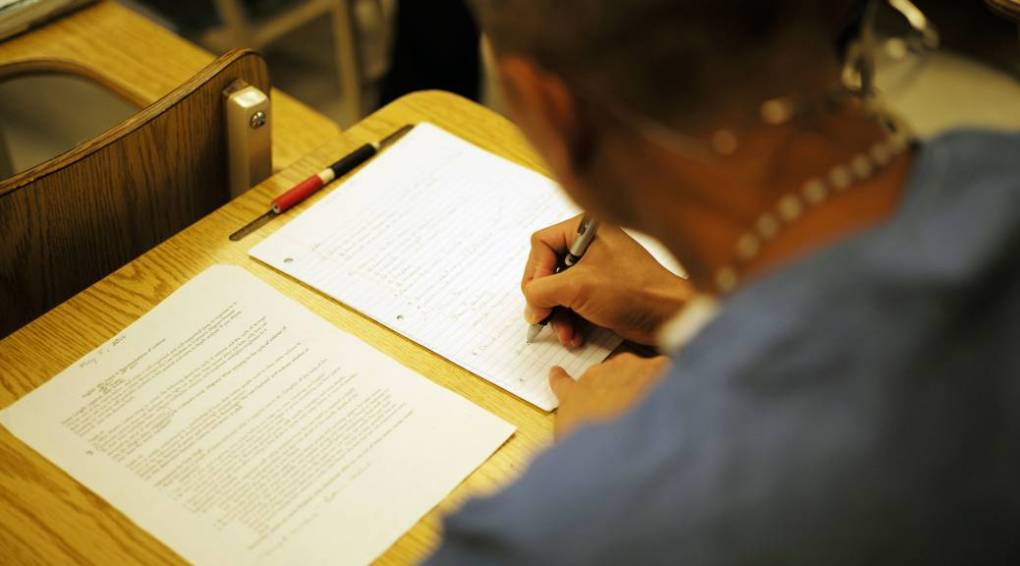
"caption": "An incarcerated student in Lancaster takes notes during class. He's in a bachelor's degree program run by California State University, Los Angeles — currently the only program of its kind in the state until UC Irvine's program is launched.",
"description": "An incarcerated student in Lancaster takes notes during class. He's in a bachelor's degree program run by California State University, Los Angeles — currently the only program of its kind in the state until UC Irvine's program is launched.",
"title": "inmates-BA-program.041-1038x576",
"credit": "J. Emilio Flores/Cal State LA",
"status": "inherit",
"altTag": "\"\"",
"isLoading": false,
"fetchFailed": false
},
"news_11849320": {
"type": "attachments",
"id": "news_11849320",
"meta": {
"index": "attachments_1716263798",
"site": "news",
"id": "11849320",
"found": true
},
"parent": 11849317,
"imgSizes": {
"apple_news_ca_landscape_5_5": {
"file": "https://ww2.kqed.org/app/uploads/sites/10/2020/12/RS46157_9284718001_ff7db0f983_k-qut-1044x783.jpg",
"width": 1044,
"mimeType": "image/jpeg",
"height": 783
},
"apple_news_ca_square_4_0": {
"file": "https://ww2.kqed.org/app/uploads/sites/10/2020/12/RS46157_9284718001_ff7db0f983_k-qut-470x470.jpg",
"width": 470,
"mimeType": "image/jpeg",
"height": 470
},
"twentyfourteen-full-width": {
"file": "https://ww2.kqed.org/app/uploads/sites/10/2020/12/RS46157_9284718001_ff7db0f983_k-qut-1038x576.jpg",
"width": 1038,
"mimeType": "image/jpeg",
"height": 576
},
"thumbnail": {
"file": "https://ww2.kqed.org/app/uploads/sites/10/2020/12/RS46157_9284718001_ff7db0f983_k-qut-160x106.jpg",
"width": 160,
"mimeType": "image/jpeg",
"height": 106
},
"post-thumbnail": {
"file": "https://ww2.kqed.org/app/uploads/sites/10/2020/12/RS46157_9284718001_ff7db0f983_k-qut-672x372.jpg",
"width": 672,
"mimeType": "image/jpeg",
"height": 372
},
"kqedFullSize": {
"file": "https://ww2.kqed.org/app/uploads/sites/10/2020/12/RS46157_9284718001_ff7db0f983_k-qut.jpg",
"width": 1920,
"height": 1272
},
"apple_news_ca_landscape_4_7": {
"file": "https://ww2.kqed.org/app/uploads/sites/10/2020/12/RS46157_9284718001_ff7db0f983_k-qut-632x474.jpg",
"width": 632,
"mimeType": "image/jpeg",
"height": 474
},
"large": {
"file": "https://ww2.kqed.org/app/uploads/sites/10/2020/12/RS46157_9284718001_ff7db0f983_k-qut-1020x676.jpg",
"width": 1020,
"mimeType": "image/jpeg",
"height": 676
},
"apple_news_ca_landscape_4_0": {
"file": "https://ww2.kqed.org/app/uploads/sites/10/2020/12/RS46157_9284718001_ff7db0f983_k-qut-536x402.jpg",
"width": 536,
"mimeType": "image/jpeg",
"height": 402
},
"apple_news_ca_portrait_12_9": {
"file": "https://ww2.kqed.org/app/uploads/sites/10/2020/12/RS46157_9284718001_ff7db0f983_k-qut-1122x1272.jpg",
"width": 1122,
"mimeType": "image/jpeg",
"height": 1272
},
"medium": {
"file": "https://ww2.kqed.org/app/uploads/sites/10/2020/12/RS46157_9284718001_ff7db0f983_k-qut-800x530.jpg",
"width": 800,
"mimeType": "image/jpeg",
"height": 530
},
"apple_news_ca_portrait_4_0": {
"file": "https://ww2.kqed.org/app/uploads/sites/10/2020/12/RS46157_9284718001_ff7db0f983_k-qut-354x472.jpg",
"width": 354,
"mimeType": "image/jpeg",
"height": 472
},
"apple_news_ca_portrait_9_7": {
"file": "https://ww2.kqed.org/app/uploads/sites/10/2020/12/RS46157_9284718001_ff7db0f983_k-qut-840x1120.jpg",
"width": 840,
"mimeType": "image/jpeg",
"height": 1120
},
"apple_news_ca_landscape_12_9": {
"file": "https://ww2.kqed.org/app/uploads/sites/10/2020/12/RS46157_9284718001_ff7db0f983_k-qut-1832x1272.jpg",
"width": 1832,
"mimeType": "image/jpeg",
"height": 1272
},
"apple_news_ca_square_9_7": {
"file": "https://ww2.kqed.org/app/uploads/sites/10/2020/12/RS46157_9284718001_ff7db0f983_k-qut-1104x1104.jpg",
"width": 1104,
"mimeType": "image/jpeg",
"height": 1104
},
"1536x1536": {
"file": "https://ww2.kqed.org/app/uploads/sites/10/2020/12/RS46157_9284718001_ff7db0f983_k-qut-1536x1018.jpg",
"width": 1536,
"mimeType": "image/jpeg",
"height": 1018
},
"apple_news_ca_portrait_4_7": {
"file": "https://ww2.kqed.org/app/uploads/sites/10/2020/12/RS46157_9284718001_ff7db0f983_k-qut-414x552.jpg",
"width": 414,
"mimeType": "image/jpeg",
"height": 552
},
"apple_news_ca_square_12_9": {
"file": "https://ww2.kqed.org/app/uploads/sites/10/2020/12/RS46157_9284718001_ff7db0f983_k-qut-1472x1272.jpg",
"width": 1472,
"mimeType": "image/jpeg",
"height": 1272
},
"apple_news_ca_portrait_5_5": {
"file": "https://ww2.kqed.org/app/uploads/sites/10/2020/12/RS46157_9284718001_ff7db0f983_k-qut-687x916.jpg",
"width": 687,
"mimeType": "image/jpeg",
"height": 916
},
"apple_news_ca_square_4_7": {
"file": "https://ww2.kqed.org/app/uploads/sites/10/2020/12/RS46157_9284718001_ff7db0f983_k-qut-550x550.jpg",
"width": 550,
"mimeType": "image/jpeg",
"height": 550
},
"apple_news_ca_landscape_9_7": {
"file": "https://ww2.kqed.org/app/uploads/sites/10/2020/12/RS46157_9284718001_ff7db0f983_k-qut-1376x1032.jpg",
"width": 1376,
"mimeType": "image/jpeg",
"height": 1032
},
"apple_news_ca_square_5_5": {
"file": "https://ww2.kqed.org/app/uploads/sites/10/2020/12/RS46157_9284718001_ff7db0f983_k-qut-912x912.jpg",
"width": 912,
"mimeType": "image/jpeg",
"height": 912
}
},
"publishDate": 1606930230,
"modified": 1606930649,
"caption": "In late November, about 16% of inmates at the California Substance Abuse Treatment Facility and State Prison in Corcoran had active cases of the novel coronavirus.",
"description": "A picture of a guard tower at the state prison in Corcoran, California.",
"title": "RS46157_9284718001_ff7db0f983_k-qut",
"credit": "Steve Rhodes/\u003ca href=\"https://www.flickr.com/photos/ari/9284718001/\">Flickr\u003c/a>",
"status": "inherit",
"isLoading": false,
"fetchFailed": false
},
"news_11843434": {
"type": "attachments",
"id": "news_11843434",
"meta": {
"index": "attachments_1716263798",
"site": "news",
"id": "11843434",
"found": true
},
"parent": 11843335,
"imgSizes": {
"apple_news_ca_square_4_0": {
"file": "https://ww2.kqed.org/app/uploads/sites/10/2020/10/1920_Avenal-470x470.jpg",
"width": 470,
"mimeType": "image/jpeg",
"height": 470
},
"thumbnail": {
"file": "https://ww2.kqed.org/app/uploads/sites/10/2020/10/1920_Avenal-160x90.jpg",
"width": 160,
"mimeType": "image/jpeg",
"height": 90
},
"post-thumbnail": {
"file": "https://ww2.kqed.org/app/uploads/sites/10/2020/10/1920_Avenal-672x372.jpg",
"width": 672,
"mimeType": "image/jpeg",
"height": 372
},
"kqedFullSize": {
"file": "https://ww2.kqed.org/app/uploads/sites/10/2020/10/1920_Avenal.jpg",
"width": 1023,
"height": 576
},
"apple_news_ca_landscape_4_7": {
"file": "https://ww2.kqed.org/app/uploads/sites/10/2020/10/1920_Avenal-632x474.jpg",
"width": 632,
"mimeType": "image/jpeg",
"height": 474
},
"large": {
"file": "https://ww2.kqed.org/app/uploads/sites/10/2020/10/1920_Avenal-1020x574.jpg",
"width": 1020,
"mimeType": "image/jpeg",
"height": 574
},
"apple_news_ca_landscape_4_0": {
"file": "https://ww2.kqed.org/app/uploads/sites/10/2020/10/1920_Avenal-536x402.jpg",
"width": 536,
"mimeType": "image/jpeg",
"height": 402
},
"medium": {
"file": "https://ww2.kqed.org/app/uploads/sites/10/2020/10/1920_Avenal-800x450.jpg",
"width": 800,
"mimeType": "image/jpeg",
"height": 450
},
"apple_news_ca_portrait_4_0": {
"file": "https://ww2.kqed.org/app/uploads/sites/10/2020/10/1920_Avenal-354x472.jpg",
"width": 354,
"mimeType": "image/jpeg",
"height": 472
},
"apple_news_ca_portrait_9_7": {
"file": "https://ww2.kqed.org/app/uploads/sites/10/2020/10/1920_Avenal-840x576.jpg",
"width": 840,
"mimeType": "image/jpeg",
"height": 576
},
"apple_news_ca_portrait_4_7": {
"file": "https://ww2.kqed.org/app/uploads/sites/10/2020/10/1920_Avenal-414x552.jpg",
"width": 414,
"mimeType": "image/jpeg",
"height": 552
},
"apple_news_ca_portrait_5_5": {
"file": "https://ww2.kqed.org/app/uploads/sites/10/2020/10/1920_Avenal-687x576.jpg",
"width": 687,
"mimeType": "image/jpeg",
"height": 576
},
"apple_news_ca_square_4_7": {
"file": "https://ww2.kqed.org/app/uploads/sites/10/2020/10/1920_Avenal-550x550.jpg",
"width": 550,
"mimeType": "image/jpeg",
"height": 550
},
"apple_news_ca_square_5_5": {
"file": "https://ww2.kqed.org/app/uploads/sites/10/2020/10/1920_Avenal-912x576.jpg",
"width": 912,
"mimeType": "image/jpeg",
"height": 576
}
},
"publishDate": 1603417815,
"modified": 1603417922,
"caption": "The advocacy group Families United to End Life Without Parole organized a protest at Avenal State Prison on June 6 to demand better living conditions and early releases for medically vulnerable inmates amidst the ongoing COVID-19 pandemic.",
"description": null,
"title": "1920_Avenal",
"credit": "Courtesy of Families United to End Life Without Parole",
"status": "inherit",
"isLoading": false,
"fetchFailed": false
},
"news_11824076": {
"type": "attachments",
"id": "news_11824076",
"meta": {
"index": "attachments_1716263798",
"site": "news",
"id": "11824076",
"found": true
},
"parent": 11823976,
"imgSizes": {
"apple_news_ca_landscape_5_5": {
"file": "https://ww2.kqed.org/app/uploads/sites/10/2020/06/RS43630_SQyard9_v3-qut-1044x783.jpg",
"width": 1044,
"mimeType": "image/jpeg",
"height": 783
},
"apple_news_ca_square_4_0": {
"file": "https://ww2.kqed.org/app/uploads/sites/10/2020/06/RS43630_SQyard9_v3-qut-470x470.jpg",
"width": 470,
"mimeType": "image/jpeg",
"height": 470
},
"twentyfourteen-full-width": {
"file": "https://ww2.kqed.org/app/uploads/sites/10/2020/06/RS43630_SQyard9_v3-qut-1038x576.jpg",
"width": 1038,
"mimeType": "image/jpeg",
"height": 576
},
"thumbnail": {
"file": "https://ww2.kqed.org/app/uploads/sites/10/2020/06/RS43630_SQyard9_v3-qut-160x90.jpg",
"width": 160,
"mimeType": "image/jpeg",
"height": 90
},
"post-thumbnail": {
"file": "https://ww2.kqed.org/app/uploads/sites/10/2020/06/RS43630_SQyard9_v3-qut-672x372.jpg",
"width": 672,
"mimeType": "image/jpeg",
"height": 372
},
"kqedFullSize": {
"file": "https://ww2.kqed.org/app/uploads/sites/10/2020/06/RS43630_SQyard9_v3-qut.jpg",
"width": 1506,
"height": 847
},
"apple_news_ca_landscape_4_7": {
"file": "https://ww2.kqed.org/app/uploads/sites/10/2020/06/RS43630_SQyard9_v3-qut-632x474.jpg",
"width": 632,
"mimeType": "image/jpeg",
"height": 474
},
"large": {
"file": "https://ww2.kqed.org/app/uploads/sites/10/2020/06/RS43630_SQyard9_v3-qut-1020x574.jpg",
"width": 1020,
"mimeType": "image/jpeg",
"height": 574
},
"apple_news_ca_landscape_4_0": {
"file": "https://ww2.kqed.org/app/uploads/sites/10/2020/06/RS43630_SQyard9_v3-qut-536x402.jpg",
"width": 536,
"mimeType": "image/jpeg",
"height": 402
},
"apple_news_ca_portrait_12_9": {
"file": "https://ww2.kqed.org/app/uploads/sites/10/2020/06/RS43630_SQyard9_v3-qut-1122x847.jpg",
"width": 1122,
"mimeType": "image/jpeg",
"height": 847
},
"medium": {
"file": "https://ww2.kqed.org/app/uploads/sites/10/2020/06/RS43630_SQyard9_v3-qut-800x450.jpg",
"width": 800,
"mimeType": "image/jpeg",
"height": 450
},
"apple_news_ca_portrait_4_0": {
"file": "https://ww2.kqed.org/app/uploads/sites/10/2020/06/RS43630_SQyard9_v3-qut-354x472.jpg",
"width": 354,
"mimeType": "image/jpeg",
"height": 472
},
"apple_news_ca_portrait_9_7": {
"file": "https://ww2.kqed.org/app/uploads/sites/10/2020/06/RS43630_SQyard9_v3-qut-840x847.jpg",
"width": 840,
"mimeType": "image/jpeg",
"height": 847
},
"apple_news_ca_square_9_7": {
"file": "https://ww2.kqed.org/app/uploads/sites/10/2020/06/RS43630_SQyard9_v3-qut-1104x847.jpg",
"width": 1104,
"mimeType": "image/jpeg",
"height": 847
},
"apple_news_ca_portrait_4_7": {
"file": "https://ww2.kqed.org/app/uploads/sites/10/2020/06/RS43630_SQyard9_v3-qut-414x552.jpg",
"width": 414,
"mimeType": "image/jpeg",
"height": 552
},
"apple_news_ca_square_12_9": {
"file": "https://ww2.kqed.org/app/uploads/sites/10/2020/06/RS43630_SQyard9_v3-qut-1472x847.jpg",
"width": 1472,
"mimeType": "image/jpeg",
"height": 847
},
"apple_news_ca_portrait_5_5": {
"file": "https://ww2.kqed.org/app/uploads/sites/10/2020/06/RS43630_SQyard9_v3-qut-687x847.jpg",
"width": 687,
"mimeType": "image/jpeg",
"height": 847
},
"apple_news_ca_square_4_7": {
"file": "https://ww2.kqed.org/app/uploads/sites/10/2020/06/RS43630_SQyard9_v3-qut-550x550.jpg",
"width": 550,
"mimeType": "image/jpeg",
"height": 550
},
"apple_news_ca_landscape_9_7": {
"file": "https://ww2.kqed.org/app/uploads/sites/10/2020/06/RS43630_SQyard9_v3-qut-1376x847.jpg",
"width": 1376,
"mimeType": "image/jpeg",
"height": 847
},
"apple_news_ca_square_5_5": {
"file": "https://ww2.kqed.org/app/uploads/sites/10/2020/06/RS43630_SQyard9_v3-qut-912x847.jpg",
"width": 912,
"mimeType": "image/jpeg",
"height": 847
}
},
"publishDate": 1591919020,
"modified": 1591919133,
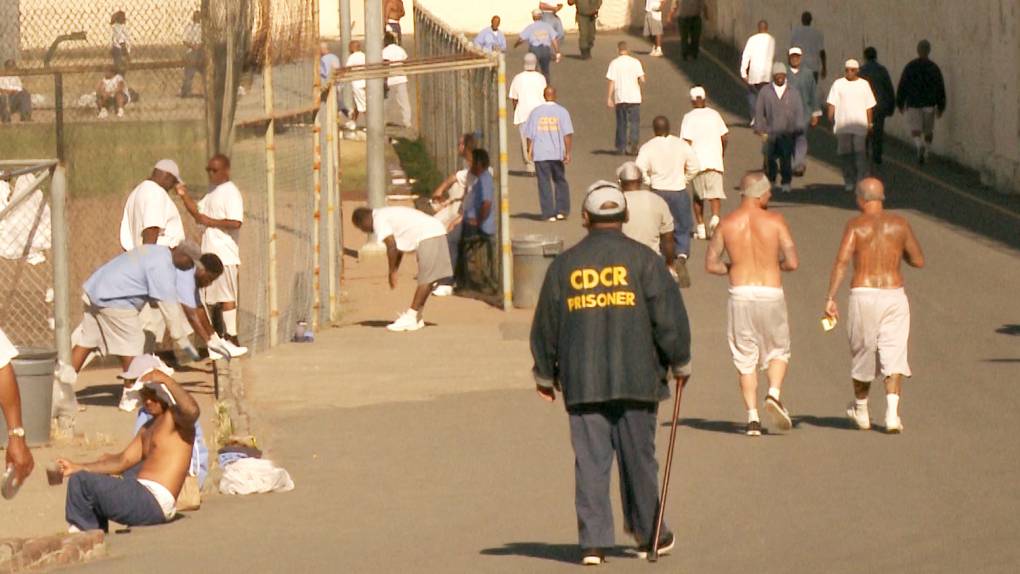
"caption": "Inmates on the yard at San Quentin State Prison in 2012.",
"description": "Inmates on the yard at San Quentin State Prison in 2012.",
"title": "RS43630_SQyard9_v3-qut",
"credit": "Monica Lam/KQED/CIR",
"status": "inherit",
"isLoading": false,
"fetchFailed": false
},
"news_11836273": {
"type": "attachments",
"id": "news_11836273",
"meta": {
"index": "attachments_1716263798",
"site": "news",
"id": "11836273",
"found": true
},
"parent": 11836269,
"imgSizes": {
"apple_news_ca_landscape_5_5": {
"file": "https://ww2.kqed.org/app/uploads/sites/10/2020/09/RS7953_185719392_1920x-1044x783.jpg",
"width": 1044,
"mimeType": "image/jpeg",
"height": 783
},
"apple_news_ca_square_4_0": {
"file": "https://ww2.kqed.org/app/uploads/sites/10/2020/09/RS7953_185719392_1920x-470x470.jpg",
"width": 470,
"mimeType": "image/jpeg",
"height": 470
},
"twentyfourteen-full-width": {
"file": "https://ww2.kqed.org/app/uploads/sites/10/2020/09/RS7953_185719392_1920x-1038x576.jpg",
"width": 1038,
"mimeType": "image/jpeg",
"height": 576
},
"thumbnail": {
"file": "https://ww2.kqed.org/app/uploads/sites/10/2020/09/RS7953_185719392_1920x-160x106.jpg",
"width": 160,
"mimeType": "image/jpeg",
"height": 106
},
"post-thumbnail": {
"file": "https://ww2.kqed.org/app/uploads/sites/10/2020/09/RS7953_185719392_1920x-672x372.jpg",
"width": 672,
"mimeType": "image/jpeg",
"height": 372
},
"kqedFullSize": {
"file": "https://ww2.kqed.org/app/uploads/sites/10/2020/09/RS7953_185719392_1920x.jpg",
"width": 1920,
"height": 1267
},
"apple_news_ca_landscape_4_7": {
"file": "https://ww2.kqed.org/app/uploads/sites/10/2020/09/RS7953_185719392_1920x-632x474.jpg",
"width": 632,
"mimeType": "image/jpeg",
"height": 474
},
"large": {
"file": "https://ww2.kqed.org/app/uploads/sites/10/2020/09/RS7953_185719392_1920x-1020x673.jpg",
"width": 1020,
"mimeType": "image/jpeg",
"height": 673
},
"apple_news_ca_landscape_4_0": {
"file": "https://ww2.kqed.org/app/uploads/sites/10/2020/09/RS7953_185719392_1920x-536x402.jpg",
"width": 536,
"mimeType": "image/jpeg",
"height": 402
},
"apple_news_ca_portrait_12_9": {
"file": "https://ww2.kqed.org/app/uploads/sites/10/2020/09/RS7953_185719392_1920x-1122x1267.jpg",
"width": 1122,
"mimeType": "image/jpeg",
"height": 1267
},
"medium": {
"file": "https://ww2.kqed.org/app/uploads/sites/10/2020/09/RS7953_185719392_1920x-800x528.jpg",
"width": 800,
"mimeType": "image/jpeg",
"height": 528
},
"apple_news_ca_portrait_4_0": {
"file": "https://ww2.kqed.org/app/uploads/sites/10/2020/09/RS7953_185719392_1920x-354x472.jpg",
"width": 354,
"mimeType": "image/jpeg",
"height": 472
},
"apple_news_ca_portrait_9_7": {
"file": "https://ww2.kqed.org/app/uploads/sites/10/2020/09/RS7953_185719392_1920x-840x1120.jpg",
"width": 840,
"mimeType": "image/jpeg",
"height": 1120
},
"apple_news_ca_landscape_12_9": {
"file": "https://ww2.kqed.org/app/uploads/sites/10/2020/09/RS7953_185719392_1920x-1832x1267.jpg",
"width": 1832,
"mimeType": "image/jpeg",
"height": 1267
},
"apple_news_ca_square_9_7": {
"file": "https://ww2.kqed.org/app/uploads/sites/10/2020/09/RS7953_185719392_1920x-1104x1104.jpg",
"width": 1104,
"mimeType": "image/jpeg",
"height": 1104
},
"1536x1536": {
"file": "https://ww2.kqed.org/app/uploads/sites/10/2020/09/RS7953_185719392_1920x-1536x1014.jpg",
"width": 1536,
"mimeType": "image/jpeg",
"height": 1014
},
"apple_news_ca_portrait_4_7": {
"file": "https://ww2.kqed.org/app/uploads/sites/10/2020/09/RS7953_185719392_1920x-414x552.jpg",
"width": 414,
"mimeType": "image/jpeg",
"height": 552
},
"apple_news_ca_square_12_9": {
"file": "https://ww2.kqed.org/app/uploads/sites/10/2020/09/RS7953_185719392_1920x-1472x1267.jpg",
"width": 1472,
"mimeType": "image/jpeg",
"height": 1267
},
"apple_news_ca_portrait_5_5": {
"file": "https://ww2.kqed.org/app/uploads/sites/10/2020/09/RS7953_185719392_1920x-687x916.jpg",
"width": 687,
"mimeType": "image/jpeg",
"height": 916
},
"apple_news_ca_square_4_7": {
"file": "https://ww2.kqed.org/app/uploads/sites/10/2020/09/RS7953_185719392_1920x-550x550.jpg",
"width": 550,
"mimeType": "image/jpeg",
"height": 550
},
"apple_news_ca_landscape_9_7": {
"file": "https://ww2.kqed.org/app/uploads/sites/10/2020/09/RS7953_185719392_1920x-1376x1032.jpg",
"width": 1376,
"mimeType": "image/jpeg",
"height": 1032
},
"apple_news_ca_square_5_5": {
"file": "https://ww2.kqed.org/app/uploads/sites/10/2020/09/RS7953_185719392_1920x-912x912.jpg",
"width": 912,
"mimeType": "image/jpeg",
"height": 912
}
},
"publishDate": 1598993294,
"modified": 1598995273,
"caption": "Former California Gov. Jerry Brown speaks during the Center for American Progress 10th Anniversary Conference in Washington, D.C., on Oct. 24, 2013.",
"description": "Gov. Jerry Brown speaks during the Center for American Progress 10th Anniversary Conference in Washington, DC, October 24, 2013.",
"title": "US-POLITICS-CAP-2103",
"credit": "Jim Watson/AFP/Getty Images",
"status": "inherit",
"isLoading": false,
"fetchFailed": false
},
"news_11836023": {
"type": "attachments",
"id": "news_11836023",
"meta": {
"index": "attachments_1716263798",
"site": "news",
"id": "11836023",
"found": true
},
"parent": 11836017,
"imgSizes": {
"apple_news_ca_landscape_5_5": {
"file": "https://ww2.kqed.org/app/uploads/sites/10/2020/08/1920_Diaz-1044x783.jpg",
"width": 1044,
"mimeType": "image/jpeg",
"height": 783
},
"apple_news_ca_square_4_0": {
"file": "https://ww2.kqed.org/app/uploads/sites/10/2020/08/1920_Diaz-470x470.jpg",
"width": 470,
"mimeType": "image/jpeg",
"height": 470
},
"twentyfourteen-full-width": {
"file": "https://ww2.kqed.org/app/uploads/sites/10/2020/08/1920_Diaz-1038x576.jpg",
"width": 1038,
"mimeType": "image/jpeg",
"height": 576
},
"thumbnail": {
"file": "https://ww2.kqed.org/app/uploads/sites/10/2020/08/1920_Diaz-160x90.jpg",
"width": 160,
"mimeType": "image/jpeg",
"height": 90
},
"post-thumbnail": {
"file": "https://ww2.kqed.org/app/uploads/sites/10/2020/08/1920_Diaz-672x372.jpg",
"width": 672,
"mimeType": "image/jpeg",
"height": 372
},
"kqedFullSize": {
"file": "https://ww2.kqed.org/app/uploads/sites/10/2020/08/1920_Diaz.jpg",
"width": 1872,
"height": 1052
},
"apple_news_ca_landscape_4_7": {
"file": "https://ww2.kqed.org/app/uploads/sites/10/2020/08/1920_Diaz-632x474.jpg",
"width": 632,
"mimeType": "image/jpeg",
"height": 474
},
"large": {
"file": "https://ww2.kqed.org/app/uploads/sites/10/2020/08/1920_Diaz-1020x573.jpg",
"width": 1020,
"mimeType": "image/jpeg",
"height": 573
},
"apple_news_ca_landscape_4_0": {
"file": "https://ww2.kqed.org/app/uploads/sites/10/2020/08/1920_Diaz-536x402.jpg",
"width": 536,
"mimeType": "image/jpeg",
"height": 402
},
"apple_news_ca_portrait_12_9": {
"file": "https://ww2.kqed.org/app/uploads/sites/10/2020/08/1920_Diaz-1122x1052.jpg",
"width": 1122,
"mimeType": "image/jpeg",
"height": 1052
},
"medium": {
"file": "https://ww2.kqed.org/app/uploads/sites/10/2020/08/1920_Diaz-800x450.jpg",
"width": 800,
"mimeType": "image/jpeg",
"height": 450
},
"apple_news_ca_portrait_4_0": {
"file": "https://ww2.kqed.org/app/uploads/sites/10/2020/08/1920_Diaz-354x472.jpg",
"width": 354,
"mimeType": "image/jpeg",
"height": 472
},
"apple_news_ca_portrait_9_7": {
"file": "https://ww2.kqed.org/app/uploads/sites/10/2020/08/1920_Diaz-840x1052.jpg",
"width": 840,
"mimeType": "image/jpeg",
"height": 1052
},
"apple_news_ca_landscape_12_9": {
"file": "https://ww2.kqed.org/app/uploads/sites/10/2020/08/1920_Diaz-1832x1052.jpg",
"width": 1832,
"mimeType": "image/jpeg",
"height": 1052
},
"apple_news_ca_square_9_7": {
"file": "https://ww2.kqed.org/app/uploads/sites/10/2020/08/1920_Diaz-1104x1052.jpg",
"width": 1104,
"mimeType": "image/jpeg",
"height": 1052
},
"1536x1536": {
"file": "https://ww2.kqed.org/app/uploads/sites/10/2020/08/1920_Diaz-1536x863.jpg",
"width": 1536,
"mimeType": "image/jpeg",
"height": 863
},
"apple_news_ca_portrait_4_7": {
"file": "https://ww2.kqed.org/app/uploads/sites/10/2020/08/1920_Diaz-414x552.jpg",
"width": 414,
"mimeType": "image/jpeg",
"height": 552
},
"apple_news_ca_square_12_9": {
"file": "https://ww2.kqed.org/app/uploads/sites/10/2020/08/1920_Diaz-1472x1052.jpg",
"width": 1472,
"mimeType": "image/jpeg",
"height": 1052
},
"apple_news_ca_portrait_5_5": {
"file": "https://ww2.kqed.org/app/uploads/sites/10/2020/08/1920_Diaz-687x916.jpg",
"width": 687,
"mimeType": "image/jpeg",
"height": 916
},
"apple_news_ca_square_4_7": {
"file": "https://ww2.kqed.org/app/uploads/sites/10/2020/08/1920_Diaz-550x550.jpg",
"width": 550,
"mimeType": "image/jpeg",
"height": 550
},
"apple_news_ca_landscape_9_7": {
"file": "https://ww2.kqed.org/app/uploads/sites/10/2020/08/1920_Diaz-1376x1032.jpg",
"width": 1376,
"mimeType": "image/jpeg",
"height": 1032
},
"apple_news_ca_square_5_5": {
"file": "https://ww2.kqed.org/app/uploads/sites/10/2020/08/1920_Diaz-912x912.jpg",
"width": 912,
"mimeType": "image/jpeg",
"height": 912
}
},
"publishDate": 1598798475,
"modified": 1598910474,
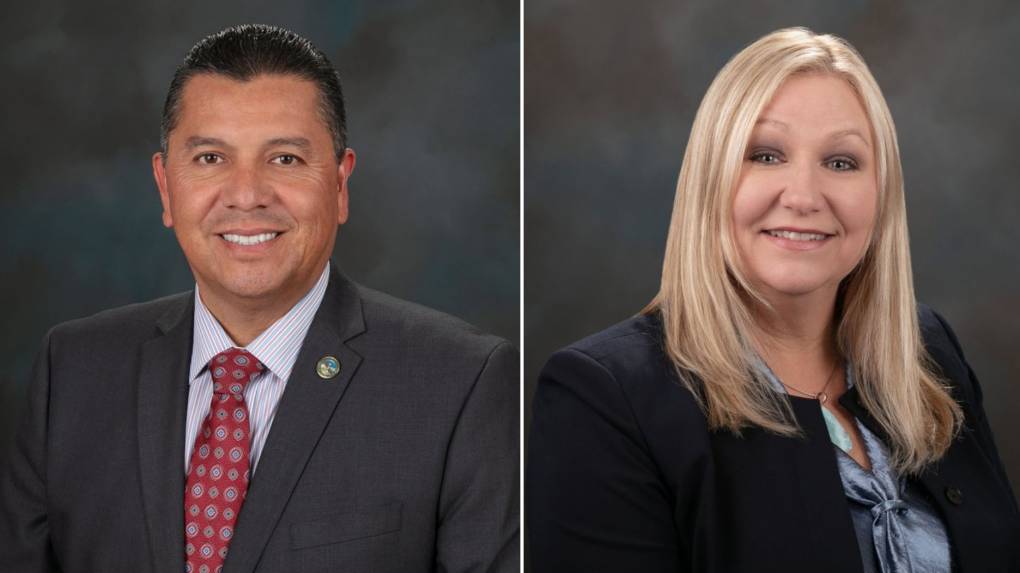
"caption": "Ralph Diaz(left), CDCR Secretary, will be retiring effective Oct. 1, 2020. Kathleen Allison (right) will replace him.",
"description": null,
"title": "1920_Diaz",
"credit": "Courtesy of CDCR",
"status": "inherit",
"isLoading": false,
"fetchFailed": false
},
"news_11833620": {
"type": "attachments",
"id": "news_11833620",
"meta": {
"index": "attachments_1716263798",
"site": "news",
"id": "11833620",
"found": true
},
"parent": 11832910,
"imgSizes": {
"apple_news_ca_landscape_5_5": {
"file": "https://ww2.kqed.org/app/uploads/sites/10/2020/08/RS44378_SanQuentinReentry-qut-1044x783.jpg",
"width": 1044,
"mimeType": "image/jpeg",
"height": 783
},
"apple_news_ca_square_4_0": {
"file": "https://ww2.kqed.org/app/uploads/sites/10/2020/08/RS44378_SanQuentinReentry-qut-470x470.jpg",
"width": 470,
"mimeType": "image/jpeg",
"height": 470
},
"twentyfourteen-full-width": {
"file": "https://ww2.kqed.org/app/uploads/sites/10/2020/08/RS44378_SanQuentinReentry-qut-1038x576.jpg",
"width": 1038,
"mimeType": "image/jpeg",
"height": 576
},
"thumbnail": {
"file": "https://ww2.kqed.org/app/uploads/sites/10/2020/08/RS44378_SanQuentinReentry-qut-160x107.jpg",
"width": 160,
"mimeType": "image/jpeg",
"height": 107
},
"post-thumbnail": {
"file": "https://ww2.kqed.org/app/uploads/sites/10/2020/08/RS44378_SanQuentinReentry-qut-672x372.jpg",
"width": 672,
"mimeType": "image/jpeg",
"height": 372
},
"kqedFullSize": {
"file": "https://ww2.kqed.org/app/uploads/sites/10/2020/08/RS44378_SanQuentinReentry-qut.jpg",
"width": 1920,
"height": 1280
},
"apple_news_ca_landscape_4_7": {
"file": "https://ww2.kqed.org/app/uploads/sites/10/2020/08/RS44378_SanQuentinReentry-qut-632x474.jpg",
"width": 632,
"mimeType": "image/jpeg",
"height": 474
},
"large": {
"file": "https://ww2.kqed.org/app/uploads/sites/10/2020/08/RS44378_SanQuentinReentry-qut-1020x680.jpg",
"width": 1020,
"mimeType": "image/jpeg",
"height": 680
},
"apple_news_ca_landscape_4_0": {
"file": "https://ww2.kqed.org/app/uploads/sites/10/2020/08/RS44378_SanQuentinReentry-qut-536x402.jpg",
"width": 536,
"mimeType": "image/jpeg",
"height": 402
},
"apple_news_ca_portrait_12_9": {
"file": "https://ww2.kqed.org/app/uploads/sites/10/2020/08/RS44378_SanQuentinReentry-qut-1122x1280.jpg",
"width": 1122,
"mimeType": "image/jpeg",
"height": 1280
},
"medium": {
"file": "https://ww2.kqed.org/app/uploads/sites/10/2020/08/RS44378_SanQuentinReentry-qut-800x533.jpg",
"width": 800,
"mimeType": "image/jpeg",
"height": 533
},
"apple_news_ca_portrait_4_0": {
"file": "https://ww2.kqed.org/app/uploads/sites/10/2020/08/RS44378_SanQuentinReentry-qut-354x472.jpg",
"width": 354,
"mimeType": "image/jpeg",
"height": 472
},
"apple_news_ca_portrait_9_7": {
"file": "https://ww2.kqed.org/app/uploads/sites/10/2020/08/RS44378_SanQuentinReentry-qut-840x1120.jpg",
"width": 840,
"mimeType": "image/jpeg",
"height": 1120
},
"apple_news_ca_landscape_12_9": {
"file": "https://ww2.kqed.org/app/uploads/sites/10/2020/08/RS44378_SanQuentinReentry-qut-1832x1280.jpg",
"width": 1832,
"mimeType": "image/jpeg",
"height": 1280
},
"apple_news_ca_square_9_7": {
"file": "https://ww2.kqed.org/app/uploads/sites/10/2020/08/RS44378_SanQuentinReentry-qut-1104x1104.jpg",
"width": 1104,
"mimeType": "image/jpeg",
"height": 1104
},
"1536x1536": {
"file": "https://ww2.kqed.org/app/uploads/sites/10/2020/08/RS44378_SanQuentinReentry-qut-1536x1024.jpg",
"width": 1536,
"mimeType": "image/jpeg",
"height": 1024
},
"apple_news_ca_portrait_4_7": {
"file": "https://ww2.kqed.org/app/uploads/sites/10/2020/08/RS44378_SanQuentinReentry-qut-414x552.jpg",
"width": 414,
"mimeType": "image/jpeg",
"height": 552
},
"apple_news_ca_square_12_9": {
"file": "https://ww2.kqed.org/app/uploads/sites/10/2020/08/RS44378_SanQuentinReentry-qut-1472x1280.jpg",
"width": 1472,
"mimeType": "image/jpeg",
"height": 1280
},
"apple_news_ca_portrait_5_5": {
"file": "https://ww2.kqed.org/app/uploads/sites/10/2020/08/RS44378_SanQuentinReentry-qut-687x916.jpg",
"width": 687,
"mimeType": "image/jpeg",
"height": 916
},
"apple_news_ca_square_4_7": {
"file": "https://ww2.kqed.org/app/uploads/sites/10/2020/08/RS44378_SanQuentinReentry-qut-550x550.jpg",
"width": 550,
"mimeType": "image/jpeg",
"height": 550
},
"apple_news_ca_landscape_9_7": {
"file": "https://ww2.kqed.org/app/uploads/sites/10/2020/08/RS44378_SanQuentinReentry-qut-1376x1032.jpg",
"width": 1376,
"mimeType": "image/jpeg",
"height": 1032
},
"apple_news_ca_square_5_5": {
"file": "https://ww2.kqed.org/app/uploads/sites/10/2020/08/RS44378_SanQuentinReentry-qut-912x912.jpg",
"width": 912,
"mimeType": "image/jpeg",
"height": 912
}
},
"publishDate": 1597614622,
"modified": 1598914106,
"caption": "Jonathan Chiu (top left), Stephen Wilson (top right), Sumit Lal (bottom left) and Philip Melendez (bottom right) share their perspectives on reentry. ",
"description": "Jonathan Chiu (top left), Steven Wilson (top right), Sumit Lal (bottom left) and Philip Melendez (bottom right) share their perspectives on reentry. ",
"title": "RS44378_SanQuentinReentry-qut",
"credit": "Beth LaBerge/KQED",
"status": "inherit",
"isLoading": false,
"fetchFailed": false
},
"news_11832851": {
"type": "attachments",
"id": "news_11832851",
"meta": {
"index": "attachments_1716263798",
"site": "news",
"id": "11832851",
"found": true
},
"parent": 11832840,
"imgSizes": {
"apple_news_ca_landscape_5_5": {
"file": "https://ww2.kqed.org/app/uploads/sites/10/2020/08/logistical_081020_final-1-1044x783.png",
"width": 1044,
"mimeType": "image/png",
"height": 783
},
"apple_news_ca_square_4_0": {
"file": "https://ww2.kqed.org/app/uploads/sites/10/2020/08/logistical_081020_final-1-470x470.png",
"width": 470,
"mimeType": "image/png",
"height": 470
},
"twentyfourteen-full-width": {
"file": "https://ww2.kqed.org/app/uploads/sites/10/2020/08/logistical_081020_final-1-1038x576.png",
"width": 1038,
"mimeType": "image/png",
"height": 576
},
"thumbnail": {
"file": "https://ww2.kqed.org/app/uploads/sites/10/2020/08/logistical_081020_final-1-160x119.png",
"width": 160,
"mimeType": "image/png",
"height": 119
},
"post-thumbnail": {
"file": "https://ww2.kqed.org/app/uploads/sites/10/2020/08/logistical_081020_final-1-672x372.png",
"width": 672,
"mimeType": "image/png",
"height": 372
},
"kqedFullSize": {
"file": "https://ww2.kqed.org/app/uploads/sites/10/2020/08/logistical_081020_final-1.png",
"width": 1920,
"height": 1431
},
"apple_news_ca_landscape_4_7": {
"file": "https://ww2.kqed.org/app/uploads/sites/10/2020/08/logistical_081020_final-1-632x474.png",
"width": 632,
"mimeType": "image/png",
"height": 474
},
"large": {
"file": "https://ww2.kqed.org/app/uploads/sites/10/2020/08/logistical_081020_final-1-1020x760.png",
"width": 1020,
"mimeType": "image/png",
"height": 760
},
"apple_news_ca_landscape_4_0": {
"file": "https://ww2.kqed.org/app/uploads/sites/10/2020/08/logistical_081020_final-1-536x402.png",
"width": 536,
"mimeType": "image/png",
"height": 402
},
"apple_news_ca_portrait_12_9": {
"file": "https://ww2.kqed.org/app/uploads/sites/10/2020/08/logistical_081020_final-1-1122x1431.png",
"width": 1122,
"mimeType": "image/png",
"height": 1431
},
"medium": {
"file": "https://ww2.kqed.org/app/uploads/sites/10/2020/08/logistical_081020_final-1-800x596.png",
"width": 800,
"mimeType": "image/png",
"height": 596
},
"apple_news_ca_portrait_4_0": {
"file": "https://ww2.kqed.org/app/uploads/sites/10/2020/08/logistical_081020_final-1-354x472.png",
"width": 354,
"mimeType": "image/png",
"height": 472
},
"apple_news_ca_portrait_9_7": {
"file": "https://ww2.kqed.org/app/uploads/sites/10/2020/08/logistical_081020_final-1-840x1120.png",
"width": 840,
"mimeType": "image/png",
"height": 1120
},
"apple_news_ca_landscape_12_9": {
"file": "https://ww2.kqed.org/app/uploads/sites/10/2020/08/logistical_081020_final-1-1832x1374.png",
"width": 1832,
"mimeType": "image/png",
"height": 1374
},
"apple_news_ca_square_9_7": {
"file": "https://ww2.kqed.org/app/uploads/sites/10/2020/08/logistical_081020_final-1-1104x1104.png",
"width": 1104,
"mimeType": "image/png",
"height": 1104
},
"1536x1536": {
"file": "https://ww2.kqed.org/app/uploads/sites/10/2020/08/logistical_081020_final-1-1536x1145.png",
"width": 1536,
"mimeType": "image/png",
"height": 1145
},
"apple_news_ca_portrait_4_7": {
"file": "https://ww2.kqed.org/app/uploads/sites/10/2020/08/logistical_081020_final-1-414x552.png",
"width": 414,
"mimeType": "image/png",
"height": 552
},
"apple_news_ca_square_12_9": {
"file": "https://ww2.kqed.org/app/uploads/sites/10/2020/08/logistical_081020_final-1-1472x1431.png",
"width": 1472,
"mimeType": "image/png",
"height": 1431
},
"apple_news_ca_portrait_5_5": {
"file": "https://ww2.kqed.org/app/uploads/sites/10/2020/08/logistical_081020_final-1-687x916.png",
"width": 687,
"mimeType": "image/png",
"height": 916
},
"apple_news_ca_square_4_7": {
"file": "https://ww2.kqed.org/app/uploads/sites/10/2020/08/logistical_081020_final-1-550x550.png",
"width": 550,
"mimeType": "image/png",
"height": 550
},
"apple_news_ca_landscape_9_7": {
"file": "https://ww2.kqed.org/app/uploads/sites/10/2020/08/logistical_081020_final-1-1376x1032.png",
"width": 1376,
"mimeType": "image/png",
"height": 1032
},
"apple_news_ca_square_5_5": {
"file": "https://ww2.kqed.org/app/uploads/sites/10/2020/08/logistical_081020_final-1-912x912.png",
"width": 912,
"mimeType": "image/png",
"height": 912
}
},
"publishDate": 1597095096,
"modified": 1597095140,
"caption": null,
"description": null,
"title": "logistical_081020_final",
"credit": null,
"status": "inherit",
"isLoading": false,
"fetchFailed": false
},
"news_11832681": {
"type": "attachments",
"id": "news_11832681",
"meta": {
"index": "attachments_1716263798",
"site": "news",
"id": "11832681",
"found": true
},
"parent": 11832085,
"imgSizes": {
"apple_news_ca_landscape_5_5": {
"file": "https://ww2.kqed.org/app/uploads/sites/10/2020/08/1920_lady-justice-statue-of-justice-on-sky-background-picture-id1181406847-1044x783.jpg",
"width": 1044,
"mimeType": "image/jpeg",
"height": 783
},
"apple_news_ca_square_4_0": {
"file": "https://ww2.kqed.org/app/uploads/sites/10/2020/08/1920_lady-justice-statue-of-justice-on-sky-background-picture-id1181406847-470x470.jpg",
"width": 470,
"mimeType": "image/jpeg",
"height": 470
},
"twentyfourteen-full-width": {
"file": "https://ww2.kqed.org/app/uploads/sites/10/2020/08/1920_lady-justice-statue-of-justice-on-sky-background-picture-id1181406847-1038x576.jpg",
"width": 1038,
"mimeType": "image/jpeg",
"height": 576
},
"thumbnail": {
"file": "https://ww2.kqed.org/app/uploads/sites/10/2020/08/1920_lady-justice-statue-of-justice-on-sky-background-picture-id1181406847-160x90.jpg",
"width": 160,
"mimeType": "image/jpeg",
"height": 90
},
"post-thumbnail": {
"file": "https://ww2.kqed.org/app/uploads/sites/10/2020/08/1920_lady-justice-statue-of-justice-on-sky-background-picture-id1181406847-672x372.jpg",
"width": 672,
"mimeType": "image/jpeg",
"height": 372
},
"kqedFullSize": {
"file": "https://ww2.kqed.org/app/uploads/sites/10/2020/08/1920_lady-justice-statue-of-justice-on-sky-background-picture-id1181406847.jpg",
"width": 1884,
"height": 1060
},
"apple_news_ca_landscape_4_7": {
"file": "https://ww2.kqed.org/app/uploads/sites/10/2020/08/1920_lady-justice-statue-of-justice-on-sky-background-picture-id1181406847-632x474.jpg",
"width": 632,
"mimeType": "image/jpeg",
"height": 474
},
"large": {
"file": "https://ww2.kqed.org/app/uploads/sites/10/2020/08/1920_lady-justice-statue-of-justice-on-sky-background-picture-id1181406847-1020x574.jpg",
"width": 1020,
"mimeType": "image/jpeg",
"height": 574
},
"apple_news_ca_landscape_4_0": {
"file": "https://ww2.kqed.org/app/uploads/sites/10/2020/08/1920_lady-justice-statue-of-justice-on-sky-background-picture-id1181406847-536x402.jpg",
"width": 536,
"mimeType": "image/jpeg",
"height": 402
},
"apple_news_ca_portrait_12_9": {
"file": "https://ww2.kqed.org/app/uploads/sites/10/2020/08/1920_lady-justice-statue-of-justice-on-sky-background-picture-id1181406847-1122x1060.jpg",
"width": 1122,
"mimeType": "image/jpeg",
"height": 1060
},
"medium": {
"file": "https://ww2.kqed.org/app/uploads/sites/10/2020/08/1920_lady-justice-statue-of-justice-on-sky-background-picture-id1181406847-800x450.jpg",
"width": 800,
"mimeType": "image/jpeg",
"height": 450
},
"apple_news_ca_portrait_4_0": {
"file": "https://ww2.kqed.org/app/uploads/sites/10/2020/08/1920_lady-justice-statue-of-justice-on-sky-background-picture-id1181406847-354x472.jpg",
"width": 354,
"mimeType": "image/jpeg",
"height": 472
},
"apple_news_ca_portrait_9_7": {
"file": "https://ww2.kqed.org/app/uploads/sites/10/2020/08/1920_lady-justice-statue-of-justice-on-sky-background-picture-id1181406847-840x1060.jpg",
"width": 840,
"mimeType": "image/jpeg",
"height": 1060
},
"apple_news_ca_landscape_12_9": {
"file": "https://ww2.kqed.org/app/uploads/sites/10/2020/08/1920_lady-justice-statue-of-justice-on-sky-background-picture-id1181406847-1832x1060.jpg",
"width": 1832,
"mimeType": "image/jpeg",
"height": 1060
},
"apple_news_ca_square_9_7": {
"file": "https://ww2.kqed.org/app/uploads/sites/10/2020/08/1920_lady-justice-statue-of-justice-on-sky-background-picture-id1181406847-1104x1060.jpg",
"width": 1104,
"mimeType": "image/jpeg",
"height": 1060
},
"1536x1536": {
"file": "https://ww2.kqed.org/app/uploads/sites/10/2020/08/1920_lady-justice-statue-of-justice-on-sky-background-picture-id1181406847-1536x864.jpg",
"width": 1536,
"mimeType": "image/jpeg",
"height": 864
},
"apple_news_ca_portrait_4_7": {
"file": "https://ww2.kqed.org/app/uploads/sites/10/2020/08/1920_lady-justice-statue-of-justice-on-sky-background-picture-id1181406847-414x552.jpg",
"width": 414,
"mimeType": "image/jpeg",
"height": 552
},
"apple_news_ca_square_12_9": {
"file": "https://ww2.kqed.org/app/uploads/sites/10/2020/08/1920_lady-justice-statue-of-justice-on-sky-background-picture-id1181406847-1472x1060.jpg",
"width": 1472,
"mimeType": "image/jpeg",
"height": 1060
},
"apple_news_ca_portrait_5_5": {
"file": "https://ww2.kqed.org/app/uploads/sites/10/2020/08/1920_lady-justice-statue-of-justice-on-sky-background-picture-id1181406847-687x916.jpg",
"width": 687,
"mimeType": "image/jpeg",
"height": 916
},
"apple_news_ca_square_4_7": {
"file": "https://ww2.kqed.org/app/uploads/sites/10/2020/08/1920_lady-justice-statue-of-justice-on-sky-background-picture-id1181406847-550x550.jpg",
"width": 550,
"mimeType": "image/jpeg",
"height": 550
},
"apple_news_ca_landscape_9_7": {
"file": "https://ww2.kqed.org/app/uploads/sites/10/2020/08/1920_lady-justice-statue-of-justice-on-sky-background-picture-id1181406847-1376x1032.jpg",
"width": 1376,
"mimeType": "image/jpeg",
"height": 1032
},
"apple_news_ca_square_5_5": {
"file": "https://ww2.kqed.org/app/uploads/sites/10/2020/08/1920_lady-justice-statue-of-justice-on-sky-background-picture-id1181406847-912x912.jpg",
"width": 912,
"mimeType": "image/jpeg",
"height": 912
}
},
"publishDate": 1596902337,
"modified": 1596911531,
"caption": "'We, as providers are blind so we treat everyone with the same high quality standard of care.' \n— Dr. Charles Binkley, the director of bioethics at the Markkula Center for Applied Ethics at Santa Clara University\n",
"description": null,
"title": "1920_lady-justice-statue-of-justice-on-sky-background-picture-id1181406847",
"credit": "istock/Simpson33",
"status": "inherit",
"isLoading": false,
"fetchFailed": false
},
"news_11831599": {
"type": "attachments",
"id": "news_11831599",
"meta": {
"index": "attachments_1716263798",
"site": "news",
"id": "11831599",
"found": true
},
"parent": 11831594,
"imgSizes": {
"apple_news_ca_landscape_5_5": {
"file": "https://ww2.kqed.org/app/uploads/sites/10/2020/08/1920_Juan_Prieto-1044x783.jpg",
"width": 1044,
"mimeType": "image/jpeg",
"height": 783
},
"apple_news_ca_square_4_0": {
"file": "https://ww2.kqed.org/app/uploads/sites/10/2020/08/1920_Juan_Prieto-470x470.jpg",
"width": 470,
"mimeType": "image/jpeg",
"height": 470
},
"twentyfourteen-full-width": {
"file": "https://ww2.kqed.org/app/uploads/sites/10/2020/08/1920_Juan_Prieto-1038x576.jpg",
"width": 1038,
"mimeType": "image/jpeg",
"height": 576
},
"thumbnail": {
"file": "https://ww2.kqed.org/app/uploads/sites/10/2020/08/1920_Juan_Prieto-160x90.jpg",
"width": 160,
"mimeType": "image/jpeg",
"height": 90
},
"post-thumbnail": {
"file": "https://ww2.kqed.org/app/uploads/sites/10/2020/08/1920_Juan_Prieto-672x372.jpg",
"width": 672,
"mimeType": "image/jpeg",
"height": 372
},
"kqedFullSize": {
"file": "https://ww2.kqed.org/app/uploads/sites/10/2020/08/1920_Juan_Prieto.jpg",
"width": 2492,
"height": 1402
},
"2048x2048": {
"file": "https://ww2.kqed.org/app/uploads/sites/10/2020/08/1920_Juan_Prieto-2048x1152.jpg",
"width": 2048,
"mimeType": "image/jpeg",
"height": 1152
},
"apple_news_ca_landscape_4_7": {
"file": "https://ww2.kqed.org/app/uploads/sites/10/2020/08/1920_Juan_Prieto-632x474.jpg",
"width": 632,
"mimeType": "image/jpeg",
"height": 474
},
"large": {
"file": "https://ww2.kqed.org/app/uploads/sites/10/2020/08/1920_Juan_Prieto-1020x574.jpg",
"width": 1020,
"mimeType": "image/jpeg",
"height": 574
},
"apple_news_ca_landscape_4_0": {
"file": "https://ww2.kqed.org/app/uploads/sites/10/2020/08/1920_Juan_Prieto-536x402.jpg",
"width": 536,
"mimeType": "image/jpeg",
"height": 402
},
"apple_news_ca_portrait_12_9": {
"file": "https://ww2.kqed.org/app/uploads/sites/10/2020/08/1920_Juan_Prieto-1122x1402.jpg",
"width": 1122,
"mimeType": "image/jpeg",
"height": 1402
},
"medium": {
"file": "https://ww2.kqed.org/app/uploads/sites/10/2020/08/1920_Juan_Prieto-800x450.jpg",
"width": 800,
"mimeType": "image/jpeg",
"height": 450
},
"apple_news_ca_portrait_4_0": {
"file": "https://ww2.kqed.org/app/uploads/sites/10/2020/08/1920_Juan_Prieto-354x472.jpg",
"width": 354,
"mimeType": "image/jpeg",
"height": 472
},
"apple_news_ca_portrait_9_7": {
"file": "https://ww2.kqed.org/app/uploads/sites/10/2020/08/1920_Juan_Prieto-840x1120.jpg",
"width": 840,
"mimeType": "image/jpeg",
"height": 1120
},
"apple_news_ca_landscape_12_9": {
"file": "https://ww2.kqed.org/app/uploads/sites/10/2020/08/1920_Juan_Prieto-1832x1374.jpg",
"width": 1832,
"mimeType": "image/jpeg",
"height": 1374
},
"apple_news_ca_square_9_7": {
"file": "https://ww2.kqed.org/app/uploads/sites/10/2020/08/1920_Juan_Prieto-1104x1104.jpg",
"width": 1104,
"mimeType": "image/jpeg",
"height": 1104
},
"1536x1536": {
"file": "https://ww2.kqed.org/app/uploads/sites/10/2020/08/1920_Juan_Prieto-1536x864.jpg",
"width": 1536,
"mimeType": "image/jpeg",
"height": 864
},
"apple_news_ca_portrait_4_7": {
"file": "https://ww2.kqed.org/app/uploads/sites/10/2020/08/1920_Juan_Prieto-414x552.jpg",
"width": 414,
"mimeType": "image/jpeg",
"height": 552
},
"apple_news_ca_square_12_9": {
"file": "https://ww2.kqed.org/app/uploads/sites/10/2020/08/1920_Juan_Prieto-1472x1402.jpg",
"width": 1472,
"mimeType": "image/jpeg",
"height": 1402
},
"apple_news_ca_portrait_5_5": {
"file": "https://ww2.kqed.org/app/uploads/sites/10/2020/08/1920_Juan_Prieto-687x916.jpg",
"width": 687,
"mimeType": "image/jpeg",
"height": 916
},
"full-width": {
"file": "https://ww2.kqed.org/app/uploads/sites/10/2020/08/1920_Juan_Prieto-1920x1080.jpg",
"width": 1920,
"mimeType": "image/jpeg",
"height": 1080
},
"apple_news_ca_square_4_7": {
"file": "https://ww2.kqed.org/app/uploads/sites/10/2020/08/1920_Juan_Prieto-550x550.jpg",
"width": 550,
"mimeType": "image/jpeg",
"height": 550
},
"apple_news_ca_landscape_9_7": {
"file": "https://ww2.kqed.org/app/uploads/sites/10/2020/08/1920_Juan_Prieto-1376x1032.jpg",
"width": 1376,
"mimeType": "image/jpeg",
"height": 1032
},
"apple_news_ca_square_5_5": {
"file": "https://ww2.kqed.org/app/uploads/sites/10/2020/08/1920_Juan_Prieto-912x912.jpg",
"width": 912,
"mimeType": "image/jpeg",
"height": 912
}
},
"publishDate": 1596393932,
"modified": 1596475011,
"caption": "Juan Prieto, an Oakland-based undocumented organizer with the California Immigrant Youth Justice Alliance, holds hands with fellow undocumented organizer Brisa Cruz from the Central Valley as they protest in front of Gov. Gavin Newsom’s house on July 27, 2020.",
"description": null,
"title": "1920_Juan_Prieto",
"credit": "Courtesy of \u003ca href=\"https://www.movementphotographer.com/\">Brooke Anderson/@movementphotographer\u003c/a>",
"status": "inherit",
"isLoading": false,
"fetchFailed": false
}
},
"audioPlayerReducer": {
"postId": "stream_live",
"isPaused": true,
"isPlaying": false,
"pfsActive": false,
"pledgeModalIsOpen": true,
"playerDrawerIsOpen": false,
"liveAudioPlayStartedAt": 0,
"liveAudioPlayContext": ""
},
"authorsReducer": {
"byline_news_11849317": {
"type": "authors",
"id": "byline_news_11849317",
"meta": {
"override": true
},
"slug": "byline_news_11849317",
"name": "Holly McDede",
"isLoading": false
},
"byline_news_11843335": {
"type": "authors",
"id": "byline_news_11843335",
"meta": {
"override": true
},
"slug": "byline_news_11843335",
"name": "\u003ca href=\"https://www.kvpr.org/people/kerry-klein\">Kerry Klein\u003c/a> \u003cbr> Valley Public Radio",
"isLoading": false
},
"byline_news_11836017": {
"type": "authors",
"id": "byline_news_11836017",
"meta": {
"override": true
},
"slug": "byline_news_11836017",
"name": "Don Thompson \u003cbr> Associated Press",
"isLoading": false
},
"kqed": {
"type": "authors",
"id": "236",
"meta": {
"index": "authors_1716337520",
"id": "236",
"found": true
},
"name": "KQED News Staff",
"firstName": "KQED News Staff",
"lastName": null,
"slug": "kqed",
"email": "faq@kqed.org",
"display_author_email": false,
"staff_mastheads": [],
"title": null,
"bio": null,
"avatar": "https://secure.gravatar.com/avatar/ef0e801a68c4c54afa9180db14084167?s=600&d=blank&r=g",
"twitter": null,
"facebook": null,
"instagram": null,
"linkedin": null,
"sites": [
{
"site": "arts",
"roles": [
"contributor"
]
},
{
"site": "news",
"roles": [
"editor"
]
},
{
"site": "futureofyou",
"roles": [
"author"
]
}
],
"headData": {
"title": "KQED News Staff | KQED",
"description": null,
"ogImgSrc": "https://secure.gravatar.com/avatar/ef0e801a68c4c54afa9180db14084167?s=600&d=blank&r=g",
"twImgSrc": "https://secure.gravatar.com/avatar/ef0e801a68c4c54afa9180db14084167?s=600&d=blank&r=g"
},
"isLoading": false,
"link": "/author/kqed"
},
"matthewgreen": {
"type": "authors",
"id": "1263",
"meta": {
"index": "authors_1716337520",
"id": "1263",
"found": true
},
"name": "Matthew Green",
"firstName": "Matthew",
"lastName": "Green",
"slug": "matthewgreen",
"email": "mgreen@kqed.org",
"display_author_email": false,
"staff_mastheads": [],
"title": "KQED Editor/Reporter",
"bio": "Matthew Green is a digital media producer for KQED News. He previously produced \u003ca href=\"http://www.kqed.org/lowdown\">The Lowdown\u003c/a>, KQED’s multimedia news education blog. Matthew's written for numerous Bay Area publications, including the Oakland Tribune and San Francisco Chronicle. He also taught journalism classes at Fremont High School in East Oakland.\r\n\r\nEmail: mgreen@kqed.org; Twitter: @MGreenKQED",
"avatar": "https://secure.gravatar.com/avatar/3bf498d1267ca02c8494f33d8cfc575e?s=600&d=blank&r=g",
"twitter": "MGreenKQED",
"facebook": null,
"instagram": null,
"linkedin": null,
"sites": [
{
"site": "news",
"roles": []
},
{
"site": "lowdown",
"roles": []
},
{
"site": "science",
"roles": []
},
{
"site": "education",
"roles": []
},
{
"site": "quest",
"roles": []
},
{
"site": "liveblog",
"roles": []
}
],
"headData": {
"title": "Matthew Green | KQED",
"description": "KQED Editor/Reporter",
"ogImgSrc": "https://secure.gravatar.com/avatar/3bf498d1267ca02c8494f33d8cfc575e?s=600&d=blank&r=g",
"twImgSrc": "https://secure.gravatar.com/avatar/3bf498d1267ca02c8494f33d8cfc575e?s=600&d=blank&r=g"
},
"isLoading": false,
"link": "/author/matthewgreen"
},
"markfiore": {
"type": "authors",
"id": "3236",
"meta": {
"index": "authors_1716337520",
"id": "3236",
"found": true
},
"name": "Mark Fiore",
"firstName": "Mark",
"lastName": "Fiore",
"slug": "markfiore",
"email": "mark@markfiore.com",
"display_author_email": false,
"staff_mastheads": [
"news"
],
"title": "KQED News Cartoonist",
"bio": "\u003ca href=\"http://www.MarkFiore.com\">MarkFiore.com\u003c/a> | \u003ca href=\"https://twitter.com/markfiore\">Follow on Twitter\u003c/a> | \u003ca href=\"https://www.facebook.com/pages/Mark-Fiore-Animated-Political-Cartoons/94451707396?ref=bookmarks\">Facebook\u003c/a> | \u003ca href=\"mailto:mark@markfiore.com\">email\u003c/a>\r\n\r\nPulitzer Prize-winner, Mark Fiore, who the Wall Street Journal has called “the undisputed guru of the form,” creates animated political cartoons in San Francisco, where his work has been featured regularly on the San Francisco Chronicle’s web site, SFGate.com. His work has appeared on Newsweek.com, Slate.com, CBSNews.com, MotherJones.com, DailyKos.com and NPR’s web site. Fiore’s political animation has appeared on CNN, Frontline, Bill Moyers Journal, Salon.com and cable and broadcast outlets across the globe.\r\n\r\nBeginning his professional life by drawing traditional political cartoons for newspapers, Fiore’s work appeared in publications ranging from the Washington Post to the Los Angeles Times. In the late 1990s, he began to experiment with animating political cartoons and, after a short stint at the San Jose Mercury News as their staff cartoonist, Fiore devoted all his energies to animation.\r\nGrowing up in California, Fiore also spent a good portion of his life in the backwoods of Idaho. It was this combination that shaped him politically. Mark majored in political science at Colorado College, where, in a perfect send-off for a cartoonist, he received his diploma in 1991 as commencement speaker Dick Cheney smiled approvingly.\r\nMark Fiore was awarded the Pulitzer Prize for political cartooning in 2010, a Robert F. Kennedy Journalism Award in 2004 and has twice received an Online Journalism Award for commentary from the Online News Association (2002, 2008). Fiore has received two awards for his work in new media from the National Cartoonists Society (2001, 2002), and in 2006 received The James Madison Freedom of Information Award from The Society of Professional Journalists.",
"avatar": "https://secure.gravatar.com/avatar/fc4e2a612b15b67bad0c6f0e1db4ca9b?s=600&d=blank&r=g",
"twitter": "MarkFiore",
"facebook": null,
"instagram": "https://www.instagram.com/markfiore/?hl=en",
"linkedin": null,
"sites": [
{
"site": "arts",
"roles": [
"contributor"
]
},
{
"site": "news",
"roles": [
"editor"
]
},
{
"site": "futureofyou",
"roles": [
"editor"
]
},
{
"site": "science",
"roles": [
"editor"
]
}
],
"headData": {
"title": "Mark Fiore | KQED",
"description": "KQED News Cartoonist",
"ogImgSrc": "https://secure.gravatar.com/avatar/fc4e2a612b15b67bad0c6f0e1db4ca9b?s=600&d=blank&r=g",
"twImgSrc": "https://secure.gravatar.com/avatar/fc4e2a612b15b67bad0c6f0e1db4ca9b?s=600&d=blank&r=g"
},
"isLoading": false,
"link": "/author/markfiore"
},
"mlagos": {
"type": "authors",
"id": "3239",
"meta": {
"index": "authors_1716337520",
"id": "3239",
"found": true
},
"name": "Marisa Lagos",
"firstName": "Marisa",
"lastName": "Lagos",
"slug": "mlagos",
"email": "mlagos@kqed.org",
"display_author_email": false,
"staff_mastheads": [
"news"
],
"title": "KQED Contributor",
"bio": "Marisa Lagos is a correspondent for KQED’s California Politics and Government Desk and co-hosts the award-winning show and podcast, Political Breakdown. At KQED, Lagos also conducts reporting, analysis and investigations into state, local and national politics for radio, TV, online and onstage. In 2022, she and co-host, Scott Shafer, moderated the only gubernatorial debate in California. In 2020, the \u003ci>Washington Post\u003c/i> named her one of the top political journalists in California; she was nominated for a Peabody and won several other awards for her work investigating the 2017 California wildfires. She has worked at the \u003ci>San Francisco Chronicle\u003c/i>, \u003ci>San Francisco Examiner\u003c/i> and \u003ci>Los Angeles Times\u003c/i>. A UC Santa Barbara graduate, she lives in San Francisco with her two sons and husband.",
"avatar": "https://secure.gravatar.com/avatar/a261a0d3696fc066871ef96b85b5e7d2?s=600&d=blank&r=g",
"twitter": "@mlagos",
"facebook": null,
"instagram": null,
"linkedin": null,
"sites": [
{
"site": "arts",
"roles": [
"author"
]
},
{
"site": "news",
"roles": [
"editor"
]
},
{
"site": "science",
"roles": [
"editor"
]
},
{
"site": "forum",
"roles": [
"author"
]
},
{
"site": "liveblog",
"roles": [
"author"
]
}
],
"headData": {
"title": "Marisa Lagos | KQED",
"description": "KQED Contributor",
"ogImgSrc": "https://secure.gravatar.com/avatar/a261a0d3696fc066871ef96b85b5e7d2?s=600&d=blank&r=g",
"twImgSrc": "https://secure.gravatar.com/avatar/a261a0d3696fc066871ef96b85b5e7d2?s=600&d=blank&r=g"
},
"isLoading": false,
"link": "/author/mlagos"
},
"bwatt": {
"type": "authors",
"id": "11238",
"meta": {
"index": "authors_1716337520",
"id": "11238",
"found": true
},
"name": "Brian Watt",
"firstName": "Brian",
"lastName": "Watt",
"slug": "bwatt",
"email": "bwatt@KQED.org",
"display_author_email": false,
"staff_mastheads": [
"news"
],
"title": "Morning News Anchor",
"bio": "Brian Watt is KQED's morning radio news anchor. He joined the KQED News team in April of 2016. Prior to that, he worked as a Reporter for KPCC in Los Angeles and a producer at \u003cem>Marketplace.\u003c/em>\r\n\r\nDuring eight years at KPCC, Brian covered business and economics, and his work won several awards. In 2008, he won the Los Angeles Press Club’s first-place award for Business and Financial Reporting, Broadcast. He’s also received honorable mention and been first runner up for the Press Club’s Radio Journalist of the Year. He won two Golden Mike awards from the Radio and TV News Association of Southern California.\r\n\r\nBrian holds degrees in theater from Yale University and the Sorbonne, and has worked as an actor in France, Italy, Brazil, Hungary and . . . Hollywood. He appeared in a few television shows, including \u003cem>The West Wing, Judging Amy\u003c/em> and \u003cem>The District.\u003c/em>\r\n\r\nEmail: bwatt@KQED.org Twitter: @RadioBWatt",
"avatar": "https://secure.gravatar.com/avatar/55393ff57ed34e2be773ba4789dd6a19?s=600&d=blank&r=g",
"twitter": "@RadioBWatt",
"facebook": null,
"instagram": null,
"linkedin": null,
"sites": [
{
"site": "arts",
"roles": [
"contributor"
]
},
{
"site": "news",
"roles": [
"editor"
]
}
],
"headData": {
"title": "Brian Watt | KQED",
"description": "Morning News Anchor",
"ogImgSrc": "https://secure.gravatar.com/avatar/55393ff57ed34e2be773ba4789dd6a19?s=600&d=blank&r=g",
"twImgSrc": "https://secure.gravatar.com/avatar/55393ff57ed34e2be773ba4789dd6a19?s=600&d=blank&r=g"
},
"isLoading": false,
"link": "/author/bwatt"
},
"vrancano": {
"type": "authors",
"id": "11276",
"meta": {
"index": "authors_1716337520",
"id": "11276",
"found": true
},
"name": "Vanessa Rancaño",
"firstName": "Vanessa",
"lastName": "Rancaño",
"slug": "vrancano",
"email": "vrancano@kqed.org",
"display_author_email": false,
"staff_mastheads": [
"news"
],
"title": "Reporter",
"bio": "Vanessa Rancaño is a features reporter for KQED. She’s also covered homelessness and education for the station and reported from the Central Valley. Her work has aired across public radio, from flagship national news shows to longform narrative podcasts. Before taking up a mic, she worked as a freelance print journalist. She’s been recognized with a number of national and regional awards. Vanessa grew up in California's Central Valley. She's a former NPR Kroc Fellow, and a graduate of the UC Berkeley Graduate School of Journalism.",
"avatar": "https://secure.gravatar.com/avatar/b3a383dfb0e7ee1c17568f2cf067904ab654d6e3de9743fc661f3c788ade1bed?s=600&d=blank&r=g",
"twitter": "vanessarancano",
"bluesky": null,
"facebook": null,
"instagram": null,
"linkedin": null,
"sites": [
{
"site": "arts",
"roles": [
"editor"
]
},
{
"site": "news",
"roles": [
"editor"
]
},
{
"site": "liveblog",
"roles": [
"contributor"
]
}
],
"headData": {
"title": "Vanessa Rancaño | KQED",
"description": "Reporter",
"ogImgSrc": "https://secure.gravatar.com/avatar/b3a383dfb0e7ee1c17568f2cf067904ab654d6e3de9743fc661f3c788ade1bed?s=600&d=blank&r=g",
"twImgSrc": "https://secure.gravatar.com/avatar/b3a383dfb0e7ee1c17568f2cf067904ab654d6e3de9743fc661f3c788ade1bed?s=600&d=blank&r=g"
},
"isLoading": false,
"link": "/author/vrancano"
},
"katewolffe": {
"type": "authors",
"id": "11523",
"meta": {
"index": "authors_1716337520",
"id": "11523",
"found": true
},
"name": "Kate Wolffe",
"firstName": "Kate",
"lastName": "Wolffe",
"slug": "katewolffe",
"email": "kwolffe@kqed.org",
"display_author_email": true,
"staff_mastheads": [
"news"
],
"title": "KQED Reporter + Weekend Host",
"bio": "Kate Wolffe reports on local Bay Area happenings for KQED, and hosts the news on weekend afternoons. She joined KQED in 2018 as an intern on the Forum team, before moving to cover topics ranging from politics to criminal justice to homelessness. A Bay Area native and UC Berkeley graduate, Kate loves to discover new corners of the region.",
"avatar": "https://secure.gravatar.com/avatar/22455f14db824a03ee252f73052fe939?s=600&d=blank&r=g",
"twitter": "katewolffe",
"facebook": null,
"instagram": null,
"linkedin": null,
"sites": [
{
"site": "arts",
"roles": [
"editor"
]
},
{
"site": "news",
"roles": [
"author",
"edit_others_posts"
]
},
{
"site": "forum",
"roles": [
"editor"
]
}
],
"headData": {
"title": "Kate Wolffe | KQED",
"description": "KQED Reporter + Weekend Host",
"ogImgSrc": "https://secure.gravatar.com/avatar/22455f14db824a03ee252f73052fe939?s=600&d=blank&r=g",
"twImgSrc": "https://secure.gravatar.com/avatar/22455f14db824a03ee252f73052fe939?s=600&d=blank&r=g"
},
"isLoading": false,
"link": "/author/katewolffe"
},
"lsarah": {
"type": "authors",
"id": "11626",
"meta": {
"index": "authors_1716337520",
"id": "11626",
"found": true
},
"name": "Lakshmi Sarah",
"firstName": "Lakshmi",
"lastName": "Sarah",
"slug": "lsarah",
"email": "lsarah@kqed.org",
"display_author_email": false,
"staff_mastheads": [],
"title": "Digital Producer",
"bio": "Lakshmi Sarah is an educator, author and journalist with a focus on innovative storytelling. She has worked with newspapers, radio and magazines from Ahmedabad, India to Los Angeles, California. She has written and produced for Die Zeit, Global Voices, AJ+, KQED, Fusion Media Group and the New York Times.",
"avatar": "https://secure.gravatar.com/avatar/652dcaecd8b28826fc17a8b2d6bb4e93?s=600&d=blank&r=g",
"twitter": "lakitalki",
"facebook": null,
"instagram": "https://www.instagram.com/laki.talki/",
"linkedin": "https://www.linkedin.com/in/lakisarah/",
"sites": [
{
"site": "arts",
"roles": []
},
{
"site": "news",
"roles": []
},
{
"site": "bayareabites",
"roles": []
},
{
"site": "science",
"roles": []
}
],
"headData": {
"title": "Lakshmi Sarah | KQED",
"description": "Digital Producer",
"ogImgSrc": "https://secure.gravatar.com/avatar/652dcaecd8b28826fc17a8b2d6bb4e93?s=600&d=blank&r=g",
"twImgSrc": "https://secure.gravatar.com/avatar/652dcaecd8b28826fc17a8b2d6bb4e93?s=600&d=blank&r=g"
},
"isLoading": false,
"link": "/author/lsarah"
},
"blaberge": {
"type": "authors",
"id": "11667",
"meta": {
"index": "authors_1716337520",
"id": "11667",
"found": true
},
"name": "Beth LaBerge",
"firstName": "Beth",
"lastName": "LaBerge",
"slug": "blaberge",
"email": "blaberge@KQED.org",
"display_author_email": true,
"staff_mastheads": [
"news"
],
"title": "Photographer, News",
"bio": "Beth LaBerge is a visual journalist for \u003ca href=\"https://www.kqed.org/news\">KQED News\u003c/a>.",
"avatar": "https://secure.gravatar.com/avatar/ce49ecd7a1306685637b45a1f6f5dedfc4ae9481966eb596fea5160466dd6319?s=600&d=blank&r=g",
"twitter": null,
"bluesky": null,
"facebook": null,
"instagram": "https://www.instagram.com/bethlaberge/",
"linkedin": null,
"sites": [
{
"site": "arts",
"roles": [
"editor",
"manage_categories"
]
},
{
"site": "news",
"roles": [
"editor",
"edit_plugins",
"manage_categories"
]
},
{
"site": "science",
"roles": [
"editor",
"contributor",
"author",
"manage_categories"
]
},
{
"site": "perspectives",
"roles": [
"editor"
]
},
{
"site": "liveblog",
"roles": [
"editor"
]
}
],
"headData": {
"title": "Beth LaBerge | KQED",
"description": "Photographer, News",
"ogImgSrc": "https://secure.gravatar.com/avatar/ce49ecd7a1306685637b45a1f6f5dedfc4ae9481966eb596fea5160466dd6319?s=600&d=blank&r=g",
"twImgSrc": "https://secure.gravatar.com/avatar/ce49ecd7a1306685637b45a1f6f5dedfc4ae9481966eb596fea5160466dd6319?s=600&d=blank&r=g"
},
"isLoading": false,
"link": "/author/blaberge"
}
},
"pagesReducer": {
"news_tag_prisons": {
"type": "terms",
"id": "news_1471",
"meta": {
"index": "terms_1716263798",
"site": "news",
"id": "1471",
"score": 9.305508
},
"featImg": null,
"name": "prisons",
"description": null,
"taxonomy": "tag",
"headData": {
"twImgId": null,
"twTitle": null,
"ogTitle": null,
"ogImgId": null,
"twDescription": null,
"description": null,
"title": "prisons Archives | KQED News",
"ogDescription": null
},
"ttid": 1483,
"slug": "prisons",
"isLoading": false,
"title": "prisons",
"pageMeta": {
"site": "news",
"WpPageTemplate": "page-topic-editorial",
"currentPage": 8
},
"blocks": [
{
"blockName": "kqed/post-list",
"attrs": {
"layout": "cardArticle2",
"query": "posts/news?tag=prisons",
"seeMore": false,
"paginated": true,
"page": 8
}
},
{
"blockName": "kqed/ad"
}
]
}
},
"pfsSessionReducer": {},
"postsReducer": {
"stream_live": {
"type": "live",
"id": "stream_live",
"audioUrl": "https://streams.kqed.org/kqedradio",
"title": "Live Stream",
"excerpt": "Live Stream information currently unavailable.",
"link": "/radio",
"featImg": "",
"label": {
"name": "KQED Live",
"link": "/"
}
},
"stream_kqedNewscast": {
"type": "posts",
"id": "stream_kqedNewscast",
"audioUrl": "https://www.kqed.org/.stream/anon/radio/RDnews/newscast.mp3?_=1",
"title": "KQED Newscast",
"featImg": "",
"label": {
"name": "88.5 FM",
"link": "/"
}
},
"news_11860268": {
"type": "posts",
"id": "news_11860268",
"meta": {
"index": "posts_1716263798",
"site": "news",
"id": "11860268",
"score": null,
"sort": [
1613181675000
]
},
"guestAuthors": [],
"slug": "michael-krasny-retires-prison-covid-report-this-week-in-california-politics",
"title": "Michael Krasny Retires, Prison COVID Report, This Week in California Politics",
"publishDate": 1613181675,
"format": "video",
"headTitle": "Michael Krasny Retires, Prison COVID Report, This Week in California Politics | KQED",
"labelTerm": {
"term": 7052,
"site": "news"
},
"content": "\u003cp>\u003cb>This Week in California Politics\u003cbr>\n\u003c/b>\u003cspan style=\"font-weight: 400\">Coronavirus case counts are dropping and new vaccination centers are opening. Meanwhile, whether California schools will reopen across California remains in limbo. We chew on the week’s political headlines with KQED’s politics and government desk senior editor Scott Shafer and reporter Katie Orr.\u003c/span>\u003c/p>\n\u003cp>\u003cb>Prison COVID-19 Report\u003cbr>\n\u003c/b>\u003cspan style=\"font-weight: 400\">It’s been a year since the coronavirus began its deadly march across California. While the virus has affected people from all demographics, among the hardest hit are those who live in group settings like nursing homes and prisons. Reporter Monica Lam takes a look at the impact of COVID-19 on incarcerated people.\u003c/span>\u003c/p>\n\u003cp>\u003cb>Michael Krasny Retires After 28 Years With KQED Forum\u003cbr>\n\u003c/b>\u003cspan style=\"font-weight: 400\">Bay Area broadcast veteran Michael Krasny, beloved by many at KQED and across California, is retiring after 28 years of hosting the station’s flagship call-in talk show, Forum. He joins us after his last morning of hosting Forum to talk about his childhood, key moments in his career and even cracks a couple jokes.\u003c/span>\u003c/p>\n\u003cp>\u003cb>Something Beautiful: Blackie’s Pasture\u003cbr>\n\u003c/b>\u003cspan style=\"font-weight: 400\">This week’s Something Beautiful was suggested by Michael Krasny, who told us that one of his favorite places is Blackie’s Pasture in Tiburon, a serene field featuring a statue of a much-loved horse that once lived there. \u003c/span>\u003c/p>\n\u003cp>[ad fullwidth]\u003c/p>\u003cp>\u003c/p>\n",
"blocks": [],
"excerpt": null,
"status": "publish",
"parent": 0,
"modified": 1740614533,
"stats": {
"hasAudio": false,
"hasVideo": false,
"hasChartOrMap": false,
"iframeSrcs": [],
"hasGoogleForm": false,
"hasGallery": false,
"hasHearkenModule": false,
"hasPolis": false,
"paragraphCount": 6,
"wordCount": 227
},
"headData": {
"title": "Michael Krasny Retires, Prison COVID Report, This Week in California Politics | KQED",
"description": "This Week in California Politics Coronavirus case counts are dropping and new vaccination centers are opening. Meanwhile, whether California schools will reopen across California remains in limbo. We chew on the week’s political headlines with KQED’s politics and government desk senior editor Scott Shafer and reporter Katie Orr. Prison COVID-19 Report It’s been a year since the coronavirus began its deadly march across California. While the virus has affected people from all demographics, among the hardest hit are those who live in group settings like nursing homes and prisons. Reporter Monica Lam takes a look at the impact of COVID-19",
"ogTitle": "",
"ogDescription": "",
"ogImgId": "",
"twTitle": "",
"twDescription": "",
"twImgId": "",
"schema": {
"@context": "https://schema.org",
"@type": "NewsArticle",
"headline": "Michael Krasny Retires, Prison COVID Report, This Week in California Politics",
"datePublished": "2021-02-12T18:01:15-08:00",
"dateModified": "2025-02-26T16:02:13-08:00",
"image": "https://cdn.kqed.org/wp-content/uploads/2020/02/KQED-OG-Image@1x.png",
"isAccessibleForFree": "True",
"publisher": {
"@type": "NewsMediaOrganization",
"@id": "https://www.kqed.org/#organization",
"name": "KQED",
"logo": "https://cdn.kqed.org/wp-content/uploads/2020/02/KQED-OG-Image@1x.png",
"url": "https://www.kqed.org",
"sameAs": [
"https://www.facebook.com/KQED",
"https://twitter.com/KQED",
"https://www.instagram.com/kqed/",
"https://www.tiktok.com/@kqedofficial",
"https://www.linkedin.com/company/kqed",
"https://www.youtube.com/channel/UCeC0IOo7i1P_61zVUWbJ4nw"
]
}
}
},
"videoEmbed": "https://youtu.be/5SUQZAUV1fI ",
"sticky": false,
"path": "/news/11860268/michael-krasny-retires-prison-covid-report-this-week-in-california-politics",
"audioTrackLength": null,
"parsedContent": [
{
"type": "contentString",
"content": "\u003cdiv class=\"post-body\">\u003cp>\u003cp>\u003cb>This Week in California Politics\u003cbr>\n\u003c/b>\u003cspan style=\"font-weight: 400\">Coronavirus case counts are dropping and new vaccination centers are opening. Meanwhile, whether California schools will reopen across California remains in limbo. We chew on the week’s political headlines with KQED’s politics and government desk senior editor Scott Shafer and reporter Katie Orr.\u003c/span>\u003c/p>\n\u003cp>\u003cb>Prison COVID-19 Report\u003cbr>\n\u003c/b>\u003cspan style=\"font-weight: 400\">It’s been a year since the coronavirus began its deadly march across California. While the virus has affected people from all demographics, among the hardest hit are those who live in group settings like nursing homes and prisons. Reporter Monica Lam takes a look at the impact of COVID-19 on incarcerated people.\u003c/span>\u003c/p>\n\u003cp>\u003cb>Michael Krasny Retires After 28 Years With KQED Forum\u003cbr>\n\u003c/b>\u003cspan style=\"font-weight: 400\">Bay Area broadcast veteran Michael Krasny, beloved by many at KQED and across California, is retiring after 28 years of hosting the station’s flagship call-in talk show, Forum. He joins us after his last morning of hosting Forum to talk about his childhood, key moments in his career and even cracks a couple jokes.\u003c/span>\u003c/p>\n\u003cp>\u003cb>Something Beautiful: Blackie’s Pasture\u003cbr>\n\u003c/b>\u003cspan style=\"font-weight: 400\">This week’s Something Beautiful was suggested by Michael Krasny, who told us that one of his favorite places is Blackie’s Pasture in Tiburon, a serene field featuring a statue of a much-loved horse that once lived there. \u003c/span>\u003c/p>\n\u003cp>\u003c/p>\u003c/div>",
"attributes": {
"named": {},
"numeric": []
}
},
{
"type": "component",
"content": "",
"name": "ad",
"attributes": {
"named": {
"label": "fullwidth"
},
"numeric": [
"fullwidth"
]
}
},
{
"type": "contentString",
"content": "\u003cdiv class=\"post-body\">\u003cp>\u003c/p>\u003cp>\u003c/p>\n\u003c/div>\u003c/p>",
"attributes": {
"named": {},
"numeric": []
}
}
],
"link": "/news/11860268/michael-krasny-retires-prison-covid-report-this-week-in-california-politics",
"authors": [
"236"
],
"programs": [
"news_7052"
],
"categories": [
"news_457",
"news_6188",
"news_28250",
"news_8",
"news_13"
],
"tags": [
"news_28801",
"news_16",
"news_20870",
"news_5946",
"news_20297",
"news_19177",
"news_3627",
"news_1471",
"news_163"
],
"featImg": "news_11860358",
"label": "news_7052"
},
"news_11853540": {
"type": "posts",
"id": "news_11853540",
"meta": {
"index": "posts_1716263798",
"site": "news",
"id": "11853540",
"score": null,
"sort": [
1609941628000
]
},
"guestAuthors": [],
"slug": "im-the-only-one-doing-it-the-cal-law-student-tracking-covid-cases-at-santa-rita-jail",
"title": "'I'm the Only One Doing It': The Cal Law Student Tracking COVID-19 Cases at Santa Rita Jail",
"publishDate": 1609941628,
"format": "audio",
"headTitle": "‘I’m the Only One Doing It’: The Cal Law Student Tracking COVID-19 Cases at Santa Rita Jail | KQED",
"labelTerm": {
"site": "news"
},
"content": "\u003cp>On Dec. 23, just two days before Christmas, the number of active COVID-19 cases in Alameda County’s Santa Rita Jail shot up from five to 56, the Alameda County Sheriff’s Office reported in an easily overlooked post on Twitter.\u003c/p>\n\u003cp>https://twitter.com/ACSOSheriffs/status/1341921479949107201\u003c/p>\n\u003cp>Sgt. Ray Kelly, a spokesman for the Alameda County Sheriff’s Office, which runs the jail, says it’s the second outbreak at the facility since the pandemic began, despite a set of protocols in place to ward off the virus.\u003c/p>\n\u003cp>“We’re testing people who come into the jail and then we’re testing people two weeks after they’ve been in the jail,” said Kelly, noting that employees of the facility are screened on a regular basis, and everyone inside, including those incarcerated, have access to personal protective equipment and hand sanitizer.\u003c/p>\n\u003cp>But Darby Aono, a second-year law student at UC Berkeley, believes much more could be done to improve safety inside the jail. Aono has been tracking COVID-19 cases in the jail since the pandemic began in March and says she’s the only one making that data publicly available.\u003c/p>\n\u003cp>[ad fullwidth]\u003c/p>\n\u003cp>The Sheriff’s Office tweets out regular updates about infection rates and lists total daily case numbers and testing data on its \u003ca href=\"https://www.alamedacountysheriff.org/admin_covid19.php\" target=\"_blank\" rel=\"noopener noreferrer\">website. \u003c/a>But it does not provide a public record of that data over time, information she contends is essential.\u003c/p>\n\u003cp>“It’ll be like they’ve tested like 6,000 people [total] and they have one case,” she said. “But if you look at the historical data, it’s like, oh, wait, they only actually tested 7% of the entire jail in the past week.”\u003c/p>\n\u003cp>Aono says the data from the Sheriff’s Office “provides this veneer of transparency” that’s largely presented out of context.\u003c/p>\n\u003cp>[aside label=\"related coverage\" tag=\"santa-rita-jail\"]When the pandemic began, she says, “a lot of advocates were saying Santa Rita was going to be a hot spot because they have taken such notoriously poor care of people in the past.”\u003c/p>\n\u003cp>As the Alameda County Sheriff’s Office began sharing case information on Twitter, Aono put it into a \u003ca href=\"https://t.co/Ta3Rv0nTIs?amp=1\" target=\"_blank\" rel=\"noopener noreferrer\">spreadsheet\u003c/a> — one she continues to update.\u003c/p>\n\u003cp>She says she’s contacted \u003ca href=\"https://www.themarshallproject.org/2020/05/01/a-state-by-state-look-at-coronavirus-in-prisons\" target=\"_blank\" rel=\"noopener noreferrer\">The Marshall Project\u003c/a> and the \u003ca href=\"https://uclacovidbehindbars.org/\" target=\"_blank\" rel=\"noopener noreferrer\">UCLA School of Law\u003c/a> — both of which report on prison rights issues — but says no one seems to have the bandwidth to take over the task of keeping track of cases in the jail.\u003c/p>\n\u003cp>“I should not be the one tracking it, Aono said. That’s patently absurd, that some random law student is the one keeping track of people’s lives — they matter so much more than that.”\u003c/p>\n\u003cp>“Because I’m the only one doing it, I’ve just kept doing it,” she added. “I’m not good at Excel, but I just do it everyday.”\u003c/p>\n\u003cp>Kelly says that unlike individual counties and the California Department of Corrections and Rehabilitation, his office doesn’t maintain a public dashboard of cases, which he claims would be too costly and time consuming. But he says Santa Rita has been one of the most transparent jails in the state since the beginning of the pandemic.\u003c/p>\n\u003cp>As of Jan. 4, the Sheriff’s Office reported 80 positive cases, with 195 people recovered and in custody and another 92 recovered and released.\u003c/p>\n\u003cp>https://twitter.com/ACSOSheriffs/status/1346241227105001473\u003c/p>\n\u003cp>But Aono says the jail should be doing more to stop the spread by more aggressively testing everyone inside and isolating those who are infected.\u003c/p>\n\u003cp>“There is no doubt in my mind that they’ve been in this outbreak for a while and we just don’t know about it because the testing rate has been so abysmally low for so long,” she said.\u003c/p>\n\u003cp>Aono also points to data from her spreadsheet suggesting that when cases within the jail spike, the testing rate drops.\u003c/p>\n\u003cfigure id=\"attachment_11853543\" class=\"wp-caption alignnone\" style=\"max-width: 800px\">\u003cimg loading=\"lazy\" decoding=\"async\" class=\"size-medium wp-image-11853543\" src=\"https://ww2.kqed.org/app/uploads/sites/10/2021/01/IMG_20210102_145408-800x496.jpg\" alt=\"\" width=\"800\" height=\"496\" srcset=\"https://cdn.kqed.org/wp-content/uploads/sites/10/2021/01/IMG_20210102_145408-800x496.jpg 800w, https://cdn.kqed.org/wp-content/uploads/sites/10/2021/01/IMG_20210102_145408-1020x632.jpg 1020w, https://cdn.kqed.org/wp-content/uploads/sites/10/2021/01/IMG_20210102_145408-160x99.jpg 160w, https://cdn.kqed.org/wp-content/uploads/sites/10/2021/01/IMG_20210102_145408.jpg 1104w\" sizes=\"auto, (max-width: 800px) 100vw, 800px\">\u003cfigcaption class=\"wp-caption-text\">Active cases versus pending tests at Santa Rita County Jail. \u003ccite>(Courtesy of Darby Aono)\u003c/cite>\u003c/figcaption>\u003c/figure>\n\u003cp>Kelly, however, denies this.\u003c/p>\n\u003cp>“I think we go to the the source of the outbreak. And obviously, if we weren’t testing, then you wouldn’t have those spikes,” Kelly said. “But we see a lot of asymptomatic results.”\u003c/p>\n\u003cp>Kelly says the Sheriff’s Office has, overall, been “very, very successful at keeping inmates safe. … We’ve had very, very little complications at all.”\u003c/p>\n\u003cp>Lina Garcia Schmidt, who runs a jail hotline in collaboration with the National Lawyers Guild, supports Aono’s contention that testing rates have been intentionally low. She says she recently spoke to a 45-year-old incarcerated person at the jail who told her he had requested a COVID-19 test on four separate occasions and was refused each time.\u003c/p>\n\u003cp>\u003c/p>\n\u003cp>“We suspect it’s a way of suppressing the number of infections,” she said.\u003c/p>\n\n",
"blocks": [],
"excerpt": "Just a few days before Christmas, Santa Rita Jail was hit with a COVID-19 outbreak, with more than 50 new cases reported overnight, according to a UC Berkeley law student who's been tracking case numbers at the facility. ",
"status": "publish",
"parent": 0,
"modified": 1738778252,
"stats": {
"hasAudio": false,
"hasVideo": false,
"hasChartOrMap": false,
"iframeSrcs": [],
"hasGoogleForm": false,
"hasGallery": false,
"hasHearkenModule": false,
"hasPolis": false,
"paragraphCount": 24,
"wordCount": 860
},
"headData": {
"title": "'I'm the Only One Doing It': The Cal Law Student Tracking COVID-19 Cases at Santa Rita Jail | KQED",
"description": "Just a few days before Christmas, Santa Rita Jail was hit with a COVID-19 outbreak, with more than 50 new cases reported overnight, according to a UC Berkeley law student who's been tracking case numbers at the facility. ",
"ogTitle": "",
"ogDescription": "",
"ogImgId": "",
"twTitle": "",
"twDescription": "",
"twImgId": "",
"schema": {
"@context": "https://schema.org",
"@type": "NewsArticle",
"headline": "'I'm the Only One Doing It': The Cal Law Student Tracking COVID-19 Cases at Santa Rita Jail",
"datePublished": "2021-01-06T06:00:28-08:00",
"dateModified": "2025-02-05T09:57:32-08:00",
"image": "https://cdn.kqed.org/wp-content/uploads/2020/02/KQED-OG-Image@1x.png",
"isAccessibleForFree": "True",
"publisher": {
"@type": "NewsMediaOrganization",
"@id": "https://www.kqed.org/#organization",
"name": "KQED",
"logo": "https://cdn.kqed.org/wp-content/uploads/2020/02/KQED-OG-Image@1x.png",
"url": "https://www.kqed.org",
"sameAs": [
"https://www.facebook.com/KQED",
"https://twitter.com/KQED",
"https://www.instagram.com/kqed/",
"https://www.tiktok.com/@kqedofficial",
"https://www.linkedin.com/company/kqed",
"https://www.youtube.com/channel/UCeC0IOo7i1P_61zVUWbJ4nw"
]
}
}
},
"audioUrl": "https://www.kqed.org/.stream/anon/radio/RDnews/2021/01/WolffeSantaRitaJail.mp3",
"sticky": false,
"path": "/news/11853540/im-the-only-one-doing-it-the-cal-law-student-tracking-covid-cases-at-santa-rita-jail",
"audioTrackLength": null,
"parsedContent": [
{
"type": "contentString",
"content": "\u003cdiv class=\"post-body\">\u003cp>\u003cp>On Dec. 23, just two days before Christmas, the number of active COVID-19 cases in Alameda County’s Santa Rita Jail shot up from five to 56, the Alameda County Sheriff’s Office reported in an easily overlooked post on Twitter.\u003c/p>\u003c/p>\u003c/div>",
"attributes": {
"named": {},
"numeric": []
}
},
{
"type": "component",
"content": "",
"name": "singleTwitterStatus",
"attributes": {
"named": {
"id": "1341921479949107201"
},
"numeric": []
}
},
{
"type": "contentString",
"content": "\u003cdiv class=\"post-body\">\u003cp>\n\u003cp>Sgt. Ray Kelly, a spokesman for the Alameda County Sheriff’s Office, which runs the jail, says it’s the second outbreak at the facility since the pandemic began, despite a set of protocols in place to ward off the virus.\u003c/p>\n\u003cp>“We’re testing people who come into the jail and then we’re testing people two weeks after they’ve been in the jail,” said Kelly, noting that employees of the facility are screened on a regular basis, and everyone inside, including those incarcerated, have access to personal protective equipment and hand sanitizer.\u003c/p>\n\u003cp>But Darby Aono, a second-year law student at UC Berkeley, believes much more could be done to improve safety inside the jail. Aono has been tracking COVID-19 cases in the jail since the pandemic began in March and says she’s the only one making that data publicly available.\u003c/p>\n\u003cp>\u003c/p>\u003c/div>",
"attributes": {
"named": {},
"numeric": []
}
},
{
"type": "component",
"content": "",
"name": "ad",
"attributes": {
"named": {
"label": "fullwidth"
},
"numeric": [
"fullwidth"
]
}
},
{
"type": "contentString",
"content": "\u003cdiv class=\"post-body\">\u003cp>\u003c/p>\n\u003cp>The Sheriff’s Office tweets out regular updates about infection rates and lists total daily case numbers and testing data on its \u003ca href=\"https://www.alamedacountysheriff.org/admin_covid19.php\" target=\"_blank\" rel=\"noopener noreferrer\">website. \u003c/a>But it does not provide a public record of that data over time, information she contends is essential.\u003c/p>\n\u003cp>“It’ll be like they’ve tested like 6,000 people [total] and they have one case,” she said. “But if you look at the historical data, it’s like, oh, wait, they only actually tested 7% of the entire jail in the past week.”\u003c/p>\n\u003cp>Aono says the data from the Sheriff’s Office “provides this veneer of transparency” that’s largely presented out of context.\u003c/p>\n\u003cp>\u003c/p>\u003c/div>",
"attributes": {
"named": {},
"numeric": []
}
},
{
"type": "component",
"content": "",
"name": "aside",
"attributes": {
"named": {
"label": "related coverage ",
"tag": "santa-rita-jail"
},
"numeric": []
}
},
{
"type": "contentString",
"content": "\u003cdiv class=\"post-body\">\u003cp>When the pandemic began, she says, “a lot of advocates were saying Santa Rita was going to be a hot spot because they have taken such notoriously poor care of people in the past.”\u003c/p>\n\u003cp>As the Alameda County Sheriff’s Office began sharing case information on Twitter, Aono put it into a \u003ca href=\"https://t.co/Ta3Rv0nTIs?amp=1\" target=\"_blank\" rel=\"noopener noreferrer\">spreadsheet\u003c/a> — one she continues to update.\u003c/p>\n\u003cp>She says she’s contacted \u003ca href=\"https://www.themarshallproject.org/2020/05/01/a-state-by-state-look-at-coronavirus-in-prisons\" target=\"_blank\" rel=\"noopener noreferrer\">The Marshall Project\u003c/a> and the \u003ca href=\"https://uclacovidbehindbars.org/\" target=\"_blank\" rel=\"noopener noreferrer\">UCLA School of Law\u003c/a> — both of which report on prison rights issues — but says no one seems to have the bandwidth to take over the task of keeping track of cases in the jail.\u003c/p>\n\u003cp>“I should not be the one tracking it, Aono said. That’s patently absurd, that some random law student is the one keeping track of people’s lives — they matter so much more than that.”\u003c/p>\n\u003cp>“Because I’m the only one doing it, I’ve just kept doing it,” she added. “I’m not good at Excel, but I just do it everyday.”\u003c/p>\n\u003cp>Kelly says that unlike individual counties and the California Department of Corrections and Rehabilitation, his office doesn’t maintain a public dashboard of cases, which he claims would be too costly and time consuming. But he says Santa Rita has been one of the most transparent jails in the state since the beginning of the pandemic.\u003c/p>\n\u003cp>As of Jan. 4, the Sheriff’s Office reported 80 positive cases, with 195 people recovered and in custody and another 92 recovered and released.\u003c/p>\u003c/p>\u003c/div>",
"attributes": {
"named": {},
"numeric": []
}
},
{
"type": "component",
"content": "",
"name": "singleTwitterStatus",
"attributes": {
"named": {
"id": "1346241227105001473"
},
"numeric": []
}
},
{
"type": "contentString",
"content": "\u003cdiv class=\"post-body\">\u003cp>\n\u003cp>But Aono says the jail should be doing more to stop the spread by more aggressively testing everyone inside and isolating those who are infected.\u003c/p>\n\u003cp>“There is no doubt in my mind that they’ve been in this outbreak for a while and we just don’t know about it because the testing rate has been so abysmally low for so long,” she said.\u003c/p>\n\u003cp>Aono also points to data from her spreadsheet suggesting that when cases within the jail spike, the testing rate drops.\u003c/p>\n\u003cfigure id=\"attachment_11853543\" class=\"wp-caption alignnone\" style=\"max-width: 800px\">\u003cimg loading=\"lazy\" decoding=\"async\" class=\"size-medium wp-image-11853543\" src=\"https://ww2.kqed.org/app/uploads/sites/10/2021/01/IMG_20210102_145408-800x496.jpg\" alt=\"\" width=\"800\" height=\"496\" srcset=\"https://cdn.kqed.org/wp-content/uploads/sites/10/2021/01/IMG_20210102_145408-800x496.jpg 800w, https://cdn.kqed.org/wp-content/uploads/sites/10/2021/01/IMG_20210102_145408-1020x632.jpg 1020w, https://cdn.kqed.org/wp-content/uploads/sites/10/2021/01/IMG_20210102_145408-160x99.jpg 160w, https://cdn.kqed.org/wp-content/uploads/sites/10/2021/01/IMG_20210102_145408.jpg 1104w\" sizes=\"auto, (max-width: 800px) 100vw, 800px\">\u003cfigcaption class=\"wp-caption-text\">Active cases versus pending tests at Santa Rita County Jail. \u003ccite>(Courtesy of Darby Aono)\u003c/cite>\u003c/figcaption>\u003c/figure>\n\u003cp>Kelly, however, denies this.\u003c/p>\n\u003cp>“I think we go to the the source of the outbreak. And obviously, if we weren’t testing, then you wouldn’t have those spikes,” Kelly said. “But we see a lot of asymptomatic results.”\u003c/p>\n\u003cp>Kelly says the Sheriff’s Office has, overall, been “very, very successful at keeping inmates safe. … We’ve had very, very little complications at all.”\u003c/p>\n\u003cp>Lina Garcia Schmidt, who runs a jail hotline in collaboration with the National Lawyers Guild, supports Aono’s contention that testing rates have been intentionally low. She says she recently spoke to a 45-year-old incarcerated person at the jail who told her he had requested a COVID-19 test on four separate occasions and was refused each time.\u003c/p>\n\u003cp>\u003c/p>\n\u003cp>“We suspect it’s a way of suppressing the number of infections,” she said.\u003c/p>\n\n\u003c/div>\u003c/p>",
"attributes": {
"named": {},
"numeric": []
}
}
],
"link": "/news/11853540/im-the-only-one-doing-it-the-cal-law-student-tracking-covid-cases-at-santa-rita-jail",
"authors": [
"11626"
],
"categories": [
"news_457",
"news_6188",
"news_8"
],
"tags": [
"news_260",
"news_27504",
"news_27626",
"news_2842",
"news_1471",
"news_21568"
],
"featImg": "news_11853813",
"label": "news"
},
"news_11851182": {
"type": "posts",
"id": "news_11851182",
"meta": {
"index": "posts_1716263798",
"site": "news",
"id": "11851182",
"score": null,
"sort": [
1608074952000
]
},
"guestAuthors": [],
"slug": "uc-to-launch-its-first-bachelors-program-in-prison",
"title": "UC to Launch Its First Bachelor's Program in Prison",
"publishDate": 1608074952,
"format": "audio",
"headTitle": "UC to Launch Its First Bachelor’s Program in Prison | KQED",
"labelTerm": {
"site": "news"
},
"content": "\u003cp>UC Irvine and the state prison system have reached a deal to create the first University of California bachelor’s degree program behind bars.\u003c/p>\n\u003cp>Since California opened the door for community colleges to teach in prisons in 2014, some 2,000 incarcerated men and women across the state have earned associate degrees, said Brant Choate, director of rehabilitative programs for the California Department of Corrections and Rehabilitation. But opportunities to earn more advanced degrees are largely limited to correspondence courses of sometimes questionable quality.\u003c/p>\n\u003cp>[aside postID='news_11775030,news_11797314' label='higher education in prison']\u003c/p>\n\u003cp>Choate argues changing that is in everyone’s interest.\u003c/p>\n\u003cp>“We know that people with bachelor’s degrees just don’t come back to prison,” Choate said, noting the plan’s potential cost savings through reduced recidivism.\u003c/p>\n\u003cp>A \u003ca href=\"https://www.rand.org/pubs/research_reports/RR564.html\" target=\"_blank\" rel=\"noopener noreferrer\">major study \u003c/a>commissioned by the U.S. Department of Justice found that inmates who participate in educational opportunities behind bars are more than 40% less likely to return to prison.\u003c/p>\n\u003cp>Through the UC Irvine pilot project, an initial cohort of up to 25 men at the Richard J. Donovan Correctional Facility in San Diego will take courses toward a degree in sociology. The program relies on an existing transfer agreement between Southwestern College — a community college that runs an associate degree program inside the facility — and UC Irvine’s sociology department. The deal grants automatic admissibility to any Southwestern student who has completed the prerequisites for the major with a minimum 3.5 GPA.\u003c/p>\n\u003cp>“Taking this step brings us closer to fulfilling the central goal of the \u003ca href=\"https://www.ucop.edu/institutional-research-academic-planning/content-analysis/academic-planning/california-master-plan.html\">state’s Master Plan for Higher Education\u003c/a> — that anyone from anywhere can earn a college degree,” said UCI associate professor Keramet Reiter, founding director of \u003ca href=\"https://prisoneducation.uci.edu/\" target=\"_blank\" rel=\"noopener noreferrer\">UCI’s LIFTED\u003c/a>, the university’s prison education initiative.\u003c/p>\n\u003cp>Reiter has been developing the pilot program for more than two years. “It’s been a dream of mine to see the UCs involved in higher education in prisons,” she said. [ad fullwidth]\u003c/p>\n\u003cp>Bachelor’s programs are relatively rare in prisons across the country, and public ones even more so; most are run by small private schools. \u003ca href=\"https://prisoneducationproject.utah.edu/research/the-research-collaborative-on-higher-education-in-prison/\" target=\"_blank\" rel=\"noopener noreferrer\">National estimates\u003c/a> put the number of colleges teaching in prisons at around 200, and a majority of those are community college associate degree programs.\u003c/p>\n\u003cp>“Part of my excitement about this is figuring out how to make this a public university model that’s scalable,” Reiter said.\u003c/p>\n\u003cfigure id=\"attachment_11851186\" class=\"wp-caption aligncenter\" style=\"max-width: 800px\">\u003cimg loading=\"lazy\" decoding=\"async\" class=\"wp-image-11851186 size-medium\" src=\"https://ww2.kqed.org/app/uploads/sites/10/2020/12/Screen-Shot-2020-12-15-at-9.15.06-AM-800x500.png\" alt=\"\" width=\"800\" height=\"500\" srcset=\"https://cdn.kqed.org/wp-content/uploads/sites/10/2020/12/Screen-Shot-2020-12-15-at-9.15.06-AM-800x500.png 800w, https://cdn.kqed.org/wp-content/uploads/sites/10/2020/12/Screen-Shot-2020-12-15-at-9.15.06-AM-1020x638.png 1020w, https://cdn.kqed.org/wp-content/uploads/sites/10/2020/12/Screen-Shot-2020-12-15-at-9.15.06-AM-160x100.png 160w, https://cdn.kqed.org/wp-content/uploads/sites/10/2020/12/Screen-Shot-2020-12-15-at-9.15.06-AM-1536x960.png 1536w, https://cdn.kqed.org/wp-content/uploads/sites/10/2020/12/Screen-Shot-2020-12-15-at-9.15.06-AM-2048x1280.png 2048w, https://cdn.kqed.org/wp-content/uploads/sites/10/2020/12/Screen-Shot-2020-12-15-at-9.15.06-AM-1920x1200.png 1920w\" sizes=\"auto, (max-width: 800px) 100vw, 800px\">\u003cfigcaption class=\"wp-caption-text\">CDCR Secretary Kathleen Allison, UC Irvine Chancellor Howard Gillman and UCI associate professor Keramet Reiter at the signing ceremony commemorating the bachelor’s program agreement reached between the two institutions.\u003c/figcaption>\u003c/figure>\n\u003cp>At a ceremony commemorating the pioneering agreement, U.S. Sen. Cory Booker, D-New Jersey, a longtime champion for criminal justice reform, sent a video message in support of the program.\u003c/p>\n\u003cp>“The urgency of the work you’re doing is so, so real,” he said. “We have to understand the sheer truth that investing in the education of folks who are behind bars actually helps them flourish when they get out.”\u003c/p>\n\u003cp>[pullquote size='medium' align='right' citation='Brant Choate, CDCR director of rehabilitative programs']‘Let’s start with the cohort of 30. Maybe a few years from now we’ll have a cohort of 3,000’[/pullquote]\u003c/p>\n\u003cp>The UC Irvine pilot is expected to roll out fully in 2022, with professors teaching four courses per semester at the prison. The project has received some grant funding to support administrative costs, but Reiter expects most students will be eligible to have their tuition covered through UC’s \u003ca href=\"https://admission.universityofcalifornia.edu/tuition-financial-aid/types-of-aid/blue-and-gold-opportunity-plan.html\" target=\"_blank\" rel=\"noopener noreferrer\">Blue and Gold Opportunity Plan\u003c/a>, which extends aid to students whose families earn less than $80,000 per year.\u003c/p>\n\u003cp>Reiter’s goal is for the pilot to lay the groundwork for other UC campuses to create similar programs. This summer, the University of California Academic Senate endorsed a set of principles to guide the system in developing educational programs for incarcerated students.\u003c/p>\n\u003cp>Choate is heartened by the momentum. “Let’s start with the cohort of 30,” he said. “Maybe a few years from now we’ll have a cohort of 3,000.”\u003c/p>\n\u003cfigure id=\"attachment_11797376\" class=\"wp-caption aligncenter\" style=\"max-width: 800px\">\u003cimg loading=\"lazy\" decoding=\"async\" class=\"wp-image-11797376 size-medium\" src=\"https://ww2.kqed.org/app/uploads/sites/10/2020/01/inmates-BA-program.042-800x533.jpg\" alt=\"\" width=\"800\" height=\"533\" srcset=\"https://cdn.kqed.org/wp-content/uploads/sites/10/2020/01/inmates-BA-program.042-800x533.jpg 800w, https://cdn.kqed.org/wp-content/uploads/sites/10/2020/01/inmates-BA-program.042-160x107.jpg 160w, https://cdn.kqed.org/wp-content/uploads/sites/10/2020/01/inmates-BA-program.042-1020x680.jpg 1020w, https://cdn.kqed.org/wp-content/uploads/sites/10/2020/01/inmates-BA-program.042.jpg 1920w\" sizes=\"auto, (max-width: 800px) 100vw, 800px\">\u003cfigcaption class=\"wp-caption-text\">Incarcerated men at California State Prison, Los Angeles County — a maximum security facility in Lancaster — attend class as part of a bachelor’s degree program run by Cal State Los Angeles. \u003ccite>(J. Emilio Flores/Cal State LA)\u003c/cite>\u003c/figcaption>\u003c/figure>\n\u003cp>For now, the only public bachelor’s degree program offered in a California prison is run by California State University, Los Angeles at a \u003ca href=\"https://www.kqed.org/news/11775030/a-college-education-in-prison-opens-unexpected-path-to-freedom\">men’s maximum security facility in Lancaster\u003c/a>.\u003c/p>\n\u003cp>In his initial budget proposal this year, Gov. Gavin Newsom \u003ca href=\"https://www.kqed.org/news/11797314/california-looks-to-expand-bachelors-programs-behind-bars\" target=\"_blank\" rel=\"noopener noreferrer\">set aside funding to help expand CSU’s bachelor’s programs\u003c/a> to several more prisons around the state, but the pandemic put an end to that for the foreseeable future. Still, Choate of CDCR says he’s confident in the governor’s commitment to the goal and expects funding to be made available when the economy allows.\u003c/p>\n\u003cp>In the meantime, Choate said, Sacramento State and Fresno State are still moving ahead with their own prison bachelor’s programs, which he expects will launch in the coming months.\u003c/p>\n\u003cp>\u003c/p>\n",
"blocks": [],
"excerpt": "Through the UC Irvine pilot project, an initial cohort of up to 30 men at the Richard J. Donovan correctional facility in San Diego will take courses toward a degree in sociology. The program is expected to fully roll out in 2022.",
"status": "publish",
"parent": 0,
"modified": 1738778259,
"stats": {
"hasAudio": false,
"hasVideo": false,
"hasChartOrMap": false,
"iframeSrcs": [],
"hasGoogleForm": false,
"hasGallery": false,
"hasHearkenModule": false,
"hasPolis": false,
"paragraphCount": 21,
"wordCount": 893
},
"headData": {
"title": "UC to Launch Its First Bachelor's Program in Prison | KQED",
"description": "Through the UC Irvine pilot project, an initial cohort of up to 30 men at the Richard J. Donovan correctional facility in San Diego will take courses toward a degree in sociology. The program is expected to fully roll out in 2022.",
"ogTitle": "",
"ogDescription": "",
"ogImgId": "",
"twTitle": "",
"twDescription": "",
"twImgId": "",
"schema": {
"@context": "https://schema.org",
"@type": "NewsArticle",
"headline": "UC to Launch Its First Bachelor's Program in Prison",
"datePublished": "2020-12-15T15:29:12-08:00",
"dateModified": "2025-02-05T09:57:39-08:00",
"image": "https://cdn.kqed.org/wp-content/uploads/2020/02/KQED-OG-Image@1x.png",
"isAccessibleForFree": "True",
"publisher": {
"@type": "NewsMediaOrganization",
"@id": "https://www.kqed.org/#organization",
"name": "KQED",
"logo": "https://cdn.kqed.org/wp-content/uploads/2020/02/KQED-OG-Image@1x.png",
"url": "https://www.kqed.org",
"sameAs": [
"https://www.facebook.com/KQED",
"https://twitter.com/KQED",
"https://www.instagram.com/kqed/",
"https://www.tiktok.com/@kqedofficial",
"https://www.linkedin.com/company/kqed",
"https://www.youtube.com/channel/UCeC0IOo7i1P_61zVUWbJ4nw"
]
}
}
},
"audioUrl": "https://traffic.omny.fm/d/clips/0af137ef-751e-4b19-a055-aaef00d2d578/ffca7e9f-6831-4[…]f-aaef00f5a073/a816eb9c-4b68-4f02-b9f3-ac930120caa6/audio.mp3",
"sticky": false,
"path": "/news/11851182/uc-to-launch-its-first-bachelors-program-in-prison",
"audioTrackLength": null,
"parsedContent": [
{
"type": "contentString",
"content": "\u003cdiv class=\"post-body\">\u003cp>\u003cp>UC Irvine and the state prison system have reached a deal to create the first University of California bachelor’s degree program behind bars.\u003c/p>\n\u003cp>Since California opened the door for community colleges to teach in prisons in 2014, some 2,000 incarcerated men and women across the state have earned associate degrees, said Brant Choate, director of rehabilitative programs for the California Department of Corrections and Rehabilitation. But opportunities to earn more advanced degrees are largely limited to correspondence courses of sometimes questionable quality.\u003c/p>\n\u003cp>\u003c/p>\u003c/div>",
"attributes": {
"named": {},
"numeric": []
}
},
{
"type": "component",
"content": "",
"name": "aside",
"attributes": {
"named": {
"postid": "news_11775030,news_11797314",
"label": "higher education in prison "
},
"numeric": []
}
},
{
"type": "contentString",
"content": "\u003cdiv class=\"post-body\">\u003cp>\u003c/p>\n\u003cp>Choate argues changing that is in everyone’s interest.\u003c/p>\n\u003cp>“We know that people with bachelor’s degrees just don’t come back to prison,” Choate said, noting the plan’s potential cost savings through reduced recidivism.\u003c/p>\n\u003cp>A \u003ca href=\"https://www.rand.org/pubs/research_reports/RR564.html\" target=\"_blank\" rel=\"noopener noreferrer\">major study \u003c/a>commissioned by the U.S. Department of Justice found that inmates who participate in educational opportunities behind bars are more than 40% less likely to return to prison.\u003c/p>\n\u003cp>Through the UC Irvine pilot project, an initial cohort of up to 25 men at the Richard J. Donovan Correctional Facility in San Diego will take courses toward a degree in sociology. The program relies on an existing transfer agreement between Southwestern College — a community college that runs an associate degree program inside the facility — and UC Irvine’s sociology department. The deal grants automatic admissibility to any Southwestern student who has completed the prerequisites for the major with a minimum 3.5 GPA.\u003c/p>\n\u003cp>“Taking this step brings us closer to fulfilling the central goal of the \u003ca href=\"https://www.ucop.edu/institutional-research-academic-planning/content-analysis/academic-planning/california-master-plan.html\">state’s Master Plan for Higher Education\u003c/a> — that anyone from anywhere can earn a college degree,” said UCI associate professor Keramet Reiter, founding director of \u003ca href=\"https://prisoneducation.uci.edu/\" target=\"_blank\" rel=\"noopener noreferrer\">UCI’s LIFTED\u003c/a>, the university’s prison education initiative.\u003c/p>\n\u003cp>Reiter has been developing the pilot program for more than two years. “It’s been a dream of mine to see the UCs involved in higher education in prisons,” she said. \u003c/p>\u003c/div>",
"attributes": {
"named": {},
"numeric": []
}
},
{
"type": "component",
"content": "",
"name": "ad",
"attributes": {
"named": {
"label": "fullwidth"
},
"numeric": [
"fullwidth"
]
}
},
{
"type": "contentString",
"content": "\u003cdiv class=\"post-body\">\u003cp>\u003c/p>\n\u003cp>Bachelor’s programs are relatively rare in prisons across the country, and public ones even more so; most are run by small private schools. \u003ca href=\"https://prisoneducationproject.utah.edu/research/the-research-collaborative-on-higher-education-in-prison/\" target=\"_blank\" rel=\"noopener noreferrer\">National estimates\u003c/a> put the number of colleges teaching in prisons at around 200, and a majority of those are community college associate degree programs.\u003c/p>\n\u003cp>“Part of my excitement about this is figuring out how to make this a public university model that’s scalable,” Reiter said.\u003c/p>\n\u003cfigure id=\"attachment_11851186\" class=\"wp-caption aligncenter\" style=\"max-width: 800px\">\u003cimg loading=\"lazy\" decoding=\"async\" class=\"wp-image-11851186 size-medium\" src=\"https://ww2.kqed.org/app/uploads/sites/10/2020/12/Screen-Shot-2020-12-15-at-9.15.06-AM-800x500.png\" alt=\"\" width=\"800\" height=\"500\" srcset=\"https://cdn.kqed.org/wp-content/uploads/sites/10/2020/12/Screen-Shot-2020-12-15-at-9.15.06-AM-800x500.png 800w, https://cdn.kqed.org/wp-content/uploads/sites/10/2020/12/Screen-Shot-2020-12-15-at-9.15.06-AM-1020x638.png 1020w, https://cdn.kqed.org/wp-content/uploads/sites/10/2020/12/Screen-Shot-2020-12-15-at-9.15.06-AM-160x100.png 160w, https://cdn.kqed.org/wp-content/uploads/sites/10/2020/12/Screen-Shot-2020-12-15-at-9.15.06-AM-1536x960.png 1536w, https://cdn.kqed.org/wp-content/uploads/sites/10/2020/12/Screen-Shot-2020-12-15-at-9.15.06-AM-2048x1280.png 2048w, https://cdn.kqed.org/wp-content/uploads/sites/10/2020/12/Screen-Shot-2020-12-15-at-9.15.06-AM-1920x1200.png 1920w\" sizes=\"auto, (max-width: 800px) 100vw, 800px\">\u003cfigcaption class=\"wp-caption-text\">CDCR Secretary Kathleen Allison, UC Irvine Chancellor Howard Gillman and UCI associate professor Keramet Reiter at the signing ceremony commemorating the bachelor’s program agreement reached between the two institutions.\u003c/figcaption>\u003c/figure>\n\u003cp>At a ceremony commemorating the pioneering agreement, U.S. Sen. Cory Booker, D-New Jersey, a longtime champion for criminal justice reform, sent a video message in support of the program.\u003c/p>\n\u003cp>“The urgency of the work you’re doing is so, so real,” he said. “We have to understand the sheer truth that investing in the education of folks who are behind bars actually helps them flourish when they get out.”\u003c/p>\n\u003cp>\u003c/p>\u003c/div>",
"attributes": {
"named": {},
"numeric": []
}
},
{
"type": "component",
"content": "‘Let’s start with the cohort of 30. Maybe a few years from now we’ll have a cohort of 3,000’",
"name": "pullquote",
"attributes": {
"named": {
"size": "medium",
"align": "right",
"citation": "Brant Choate, CDCR director of rehabilitative programs",
"label": ""
},
"numeric": []
}
},
{
"type": "contentString",
"content": "\u003cdiv class=\"post-body\">\u003cp>\u003c/p>\n\u003cp>The UC Irvine pilot is expected to roll out fully in 2022, with professors teaching four courses per semester at the prison. The project has received some grant funding to support administrative costs, but Reiter expects most students will be eligible to have their tuition covered through UC’s \u003ca href=\"https://admission.universityofcalifornia.edu/tuition-financial-aid/types-of-aid/blue-and-gold-opportunity-plan.html\" target=\"_blank\" rel=\"noopener noreferrer\">Blue and Gold Opportunity Plan\u003c/a>, which extends aid to students whose families earn less than $80,000 per year.\u003c/p>\n\u003cp>Reiter’s goal is for the pilot to lay the groundwork for other UC campuses to create similar programs. This summer, the University of California Academic Senate endorsed a set of principles to guide the system in developing educational programs for incarcerated students.\u003c/p>\n\u003cp>Choate is heartened by the momentum. “Let’s start with the cohort of 30,” he said. “Maybe a few years from now we’ll have a cohort of 3,000.”\u003c/p>\n\u003cfigure id=\"attachment_11797376\" class=\"wp-caption aligncenter\" style=\"max-width: 800px\">\u003cimg loading=\"lazy\" decoding=\"async\" class=\"wp-image-11797376 size-medium\" src=\"https://ww2.kqed.org/app/uploads/sites/10/2020/01/inmates-BA-program.042-800x533.jpg\" alt=\"\" width=\"800\" height=\"533\" srcset=\"https://cdn.kqed.org/wp-content/uploads/sites/10/2020/01/inmates-BA-program.042-800x533.jpg 800w, https://cdn.kqed.org/wp-content/uploads/sites/10/2020/01/inmates-BA-program.042-160x107.jpg 160w, https://cdn.kqed.org/wp-content/uploads/sites/10/2020/01/inmates-BA-program.042-1020x680.jpg 1020w, https://cdn.kqed.org/wp-content/uploads/sites/10/2020/01/inmates-BA-program.042.jpg 1920w\" sizes=\"auto, (max-width: 800px) 100vw, 800px\">\u003cfigcaption class=\"wp-caption-text\">Incarcerated men at California State Prison, Los Angeles County — a maximum security facility in Lancaster — attend class as part of a bachelor’s degree program run by Cal State Los Angeles. \u003ccite>(J. Emilio Flores/Cal State LA)\u003c/cite>\u003c/figcaption>\u003c/figure>\n\u003cp>For now, the only public bachelor’s degree program offered in a California prison is run by California State University, Los Angeles at a \u003ca href=\"https://www.kqed.org/news/11775030/a-college-education-in-prison-opens-unexpected-path-to-freedom\">men’s maximum security facility in Lancaster\u003c/a>.\u003c/p>\n\u003cp>In his initial budget proposal this year, Gov. Gavin Newsom \u003ca href=\"https://www.kqed.org/news/11797314/california-looks-to-expand-bachelors-programs-behind-bars\" target=\"_blank\" rel=\"noopener noreferrer\">set aside funding to help expand CSU’s bachelor’s programs\u003c/a> to several more prisons around the state, but the pandemic put an end to that for the foreseeable future. Still, Choate of CDCR says he’s confident in the governor’s commitment to the goal and expects funding to be made available when the economy allows.\u003c/p>\n\u003cp>In the meantime, Choate said, Sacramento State and Fresno State are still moving ahead with their own prison bachelor’s programs, which he expects will launch in the coming months.\u003c/p>\n\u003cp>\u003c/p>\n\u003c/div>\u003c/p>",
"attributes": {
"named": {},
"numeric": []
}
}
],
"link": "/news/11851182/uc-to-launch-its-first-bachelors-program-in-prison",
"authors": [
"11276"
],
"categories": [
"news_18540",
"news_6188",
"news_8"
],
"tags": [
"news_1629",
"news_20013",
"news_1471",
"news_379"
],
"featImg": "news_11851237",
"label": "news"
},
"news_11849317": {
"type": "posts",
"id": "news_11849317",
"meta": {
"index": "posts_1716263798",
"site": "news",
"id": "11849317",
"score": null,
"sort": [
1606940753000
]
},
"guestAuthors": [],
"slug": "overcrowding-is-fueling-californias-worst-active-covid-19-prison-outbreak-advocates-say",
"title": "Overcrowding Is Fueling California's Worst Active COVID-19 Prison Outbreak, Advocates Say",
"publishDate": 1606940753,
"format": "standard",
"headTitle": "Overcrowding Is Fueling California’s Worst Active COVID-19 Prison Outbreak, Advocates Say | KQED",
"labelTerm": {
"site": "news"
},
"content": "\u003cp>A surge in COVID-19 cases at a Central Valley prison for men is now the largest active outbreak in the California prison system, according to state data.\u003c/p>\n\u003cp>Nearly \u003ca href=\"https://www.cdcr.ca.gov/covid19/population-status-tracking/\">1,000 inmates\u003c/a> at the California Substance Abuse Treatment Facility and State Prison in Corcoran have active cases of the virus — nearly all reported within the last two weeks. Three inmates at the facility have also died from COVID-19 complications. Advocates for incarcerated people say the prison’s layout and overcrowding have made it easy for the virus to spread.\u003c/p>\n\u003cfigure id=\"attachment_11849327\" class=\"wp-caption alignright\" style=\"max-width: 800px\">\u003ca href=\"https://ww2.kqed.org/app/uploads/sites/10/2020/12/GhFW2mkc.jpg\">\u003cimg loading=\"lazy\" decoding=\"async\" src=\"https://ww2.kqed.org/app/uploads/sites/10/2020/12/GhFW2mkc-800x1422.jpg\" alt=\"A prisoner in Corcoran and his mother.\" width=\"800\" height=\"1422\" class=\"size-medium wp-image-11849327\" srcset=\"https://cdn.kqed.org/wp-content/uploads/sites/10/2020/12/GhFW2mkc-800x1422.jpg 800w, https://cdn.kqed.org/wp-content/uploads/sites/10/2020/12/GhFW2mkc-1020x1813.jpg 1020w, https://cdn.kqed.org/wp-content/uploads/sites/10/2020/12/GhFW2mkc-160x284.jpg 160w, https://cdn.kqed.org/wp-content/uploads/sites/10/2020/12/GhFW2mkc-864x1536.jpg 864w, https://cdn.kqed.org/wp-content/uploads/sites/10/2020/12/GhFW2mkc.jpg 1152w\" sizes=\"auto, (max-width: 800px) 100vw, 800px\">\u003c/a>\u003cfigcaption class=\"wp-caption-text\">Leslie Benjamin (right) with her son Dylan (left), who is incarcerated at the Substance Abuse Treatment Facility and State Prison in Corcoran. She says that when she speaks to him she can “hear the hurt and I can hear the fear.” \u003ccite>(Courtesy of Leslie Benjamin)\u003c/cite>\u003c/figcaption>\u003c/figure>\n\u003cp>“They’re living in big rooms with a bunch of other people,” said Sophie Hart, a staff attorney with Berkeley-based Prison Law Office. “You can’t stay 6 feet apart from everyone else, and even if you could, you’re breathing the same air, using the same toilets and showers. And as soon as there’s one positive person in a dorm like that, it spreads.”\u003c/p>\n\u003cp>The prison is also overcrowded. At roughly 130% capacity with 4,442 men housed there, according to California Department of Corrections and Rehabilitation data, the facility is well over the number of inmates it was designed to handle. About 22% of those inmates have active cases of COVID-19.\u003c/p>\n\u003cp>“They don’t have the space to take the action they need to take, which would be to separate everybody, and not leave them quarantining in dorms,” Hart said. “It’s too overcrowded for them to do that.”\u003c/p>\n\u003cp>In a statement, CDCR spokeswoman Dana Simas said that masks have been issued to all incarcerated people and staff. She said that space has been identified for inmates to isolate and additional staff have been sent to the prison to assist with screening. About 64% of the population has also been tested in the last 14 days.\u003c/p>\n\u003cp>But inmate advocates say prison officials haven’t released inmates fast enough to reduce the spread. Since June, California prison officials have released thousands of inmates early. But those population reduction efforts have slowed down in the past few months. From October to November, 437 people were released, compared to 4,421 released between July and August, according to attorneys with the Prison Law Office.\u003cbr>\n[aside postID=\"news_11843335,news_11835340,news_11848497\" label=\"COVID-19 Spreads Through California Prisons\"]\u003cbr>\nAdvocates for people who are incarcerated in California and their families have called for the release of 65% of the state prison population, and for the end of transfers between prisons, jails and immigration detention centers during the pandemic.\u003c/p>\n\u003cp>Leslie Benjamin says she has not been able to visit her 39-year-old son, Dylan, at the prison since March, but spoke with him by phone earlier this week.\u003c/p>\n\u003cp>“It’s just [been] constant shuffling. My son got a negative test back and started showing symptoms very shortly after that and was pretty ill for about a week,” she said. “The delay in testing is causing a lot of confusion.”\u003c/p>\n\u003cp>Benjamin says her son is feeling better now, but the conditions at the prison haven’t improved. She says according to her son, inmates have only been able to shower every three days, the cells are cold, and meals arrive late in the afternoon.\u003cbr>\n[ad fullwidth]\u003cbr>\n“His voice doesn’t sound as optimistic as he always has been,” she said. “I read between the lines, and I can hear the hurt and I can hear the fear, and I’ve never heard those things in my son before.”\u003c/p>\n\u003cp>Nearly 100 employees at the prison have tested positive for COVID-19 in the last 14 days, according to corrections officials. There have been no reported deaths among staff.\u003c/p>\n\u003cp>\u003c/p>\n",
"blocks": [],
"excerpt": "Nearly 1,000 inmates at the California Substance Abuse Treatment Facility and State Prison in Corcoran have active cases of the virus.",
"status": "publish",
"parent": 0,
"modified": 1738778264,
"stats": {
"hasAudio": false,
"hasVideo": false,
"hasChartOrMap": false,
"iframeSrcs": [],
"hasGoogleForm": false,
"hasGallery": false,
"hasHearkenModule": false,
"hasPolis": false,
"paragraphCount": 12,
"wordCount": 690
},
"headData": {
"title": "Overcrowding Is Fueling California's Worst Active COVID-19 Prison Outbreak, Advocates Say | KQED",
"description": "Nearly 1,000 inmates at the California Substance Abuse Treatment Facility and State Prison in Corcoran have active cases of the virus.",
"ogTitle": "",
"ogDescription": "",
"ogImgId": "",
"twTitle": "",
"twDescription": "",
"twImgId": "",
"schema": {
"@context": "https://schema.org",
"@type": "NewsArticle",
"headline": "Overcrowding Is Fueling California's Worst Active COVID-19 Prison Outbreak, Advocates Say",
"datePublished": "2020-12-02T12:25:53-08:00",
"dateModified": "2025-02-05T09:57:44-08:00",
"image": "https://cdn.kqed.org/wp-content/uploads/2020/02/KQED-OG-Image@1x.png",
"isAccessibleForFree": "True",
"publisher": {
"@type": "NewsMediaOrganization",
"@id": "https://www.kqed.org/#organization",
"name": "KQED",
"logo": "https://cdn.kqed.org/wp-content/uploads/2020/02/KQED-OG-Image@1x.png",
"url": "https://www.kqed.org",
"sameAs": [
"https://www.facebook.com/KQED",
"https://twitter.com/KQED",
"https://www.instagram.com/kqed/",
"https://www.tiktok.com/@kqedofficial",
"https://www.linkedin.com/company/kqed",
"https://www.youtube.com/channel/UCeC0IOo7i1P_61zVUWbJ4nw"
]
}
}
},
"sticky": false,
"nprByline": "Holly McDede",
"path": "/news/11849317/overcrowding-is-fueling-californias-worst-active-covid-19-prison-outbreak-advocates-say",
"audioTrackLength": null,
"parsedContent": [
{
"type": "contentString",
"content": "\u003cdiv class=\"post-body\">\u003cp>\u003cp>A surge in COVID-19 cases at a Central Valley prison for men is now the largest active outbreak in the California prison system, according to state data.\u003c/p>\n\u003cp>Nearly \u003ca href=\"https://www.cdcr.ca.gov/covid19/population-status-tracking/\">1,000 inmates\u003c/a> at the California Substance Abuse Treatment Facility and State Prison in Corcoran have active cases of the virus — nearly all reported within the last two weeks. Three inmates at the facility have also died from COVID-19 complications. Advocates for incarcerated people say the prison’s layout and overcrowding have made it easy for the virus to spread.\u003c/p>\n\u003cfigure id=\"attachment_11849327\" class=\"wp-caption alignright\" style=\"max-width: 800px\">\u003ca href=\"https://ww2.kqed.org/app/uploads/sites/10/2020/12/GhFW2mkc.jpg\">\u003cimg loading=\"lazy\" decoding=\"async\" src=\"https://ww2.kqed.org/app/uploads/sites/10/2020/12/GhFW2mkc-800x1422.jpg\" alt=\"A prisoner in Corcoran and his mother.\" width=\"800\" height=\"1422\" class=\"size-medium wp-image-11849327\" srcset=\"https://cdn.kqed.org/wp-content/uploads/sites/10/2020/12/GhFW2mkc-800x1422.jpg 800w, https://cdn.kqed.org/wp-content/uploads/sites/10/2020/12/GhFW2mkc-1020x1813.jpg 1020w, https://cdn.kqed.org/wp-content/uploads/sites/10/2020/12/GhFW2mkc-160x284.jpg 160w, https://cdn.kqed.org/wp-content/uploads/sites/10/2020/12/GhFW2mkc-864x1536.jpg 864w, https://cdn.kqed.org/wp-content/uploads/sites/10/2020/12/GhFW2mkc.jpg 1152w\" sizes=\"auto, (max-width: 800px) 100vw, 800px\">\u003c/a>\u003cfigcaption class=\"wp-caption-text\">Leslie Benjamin (right) with her son Dylan (left), who is incarcerated at the Substance Abuse Treatment Facility and State Prison in Corcoran. She says that when she speaks to him she can “hear the hurt and I can hear the fear.” \u003ccite>(Courtesy of Leslie Benjamin)\u003c/cite>\u003c/figcaption>\u003c/figure>\n\u003cp>“They’re living in big rooms with a bunch of other people,” said Sophie Hart, a staff attorney with Berkeley-based Prison Law Office. “You can’t stay 6 feet apart from everyone else, and even if you could, you’re breathing the same air, using the same toilets and showers. And as soon as there’s one positive person in a dorm like that, it spreads.”\u003c/p>\n\u003cp>The prison is also overcrowded. At roughly 130% capacity with 4,442 men housed there, according to California Department of Corrections and Rehabilitation data, the facility is well over the number of inmates it was designed to handle. About 22% of those inmates have active cases of COVID-19.\u003c/p>\n\u003cp>“They don’t have the space to take the action they need to take, which would be to separate everybody, and not leave them quarantining in dorms,” Hart said. “It’s too overcrowded for them to do that.”\u003c/p>\n\u003cp>In a statement, CDCR spokeswoman Dana Simas said that masks have been issued to all incarcerated people and staff. She said that space has been identified for inmates to isolate and additional staff have been sent to the prison to assist with screening. About 64% of the population has also been tested in the last 14 days.\u003c/p>\n\u003cp>But inmate advocates say prison officials haven’t released inmates fast enough to reduce the spread. Since June, California prison officials have released thousands of inmates early. But those population reduction efforts have slowed down in the past few months. From October to November, 437 people were released, compared to 4,421 released between July and August, according to attorneys with the Prison Law Office.\u003cbr>\n\u003c/p>\u003c/div>",
"attributes": {
"named": {},
"numeric": []
}
},
{
"type": "component",
"content": "",
"name": "aside",
"attributes": {
"named": {
"postid": "news_11843335,news_11835340,news_11848497",
"label": "COVID-19 Spreads Through California Prisons "
},
"numeric": []
}
},
{
"type": "contentString",
"content": "\u003cdiv class=\"post-body\">\u003cp>\u003cbr>\nAdvocates for people who are incarcerated in California and their families have called for the release of 65% of the state prison population, and for the end of transfers between prisons, jails and immigration detention centers during the pandemic.\u003c/p>\n\u003cp>Leslie Benjamin says she has not been able to visit her 39-year-old son, Dylan, at the prison since March, but spoke with him by phone earlier this week.\u003c/p>\n\u003cp>“It’s just [been] constant shuffling. My son got a negative test back and started showing symptoms very shortly after that and was pretty ill for about a week,” she said. “The delay in testing is causing a lot of confusion.”\u003c/p>\n\u003cp>Benjamin says her son is feeling better now, but the conditions at the prison haven’t improved. She says according to her son, inmates have only been able to shower every three days, the cells are cold, and meals arrive late in the afternoon.\u003cbr>\n\u003c/p>\u003c/div>",
"attributes": {
"named": {},
"numeric": []
}
},
{
"type": "component",
"content": "",
"name": "ad",
"attributes": {
"named": {
"label": "fullwidth"
},
"numeric": [
"fullwidth"
]
}
},
{
"type": "contentString",
"content": "\u003cdiv class=\"post-body\">\u003cp>\u003cbr>\n“His voice doesn’t sound as optimistic as he always has been,” she said. “I read between the lines, and I can hear the hurt and I can hear the fear, and I’ve never heard those things in my son before.”\u003c/p>\n\u003cp>Nearly 100 employees at the prison have tested positive for COVID-19 in the last 14 days, according to corrections officials. There have been no reported deaths among staff.\u003c/p>\n\u003cp>\u003c/p>\n\u003c/div>\u003c/p>",
"attributes": {
"named": {},
"numeric": []
}
}
],
"link": "/news/11849317/overcrowding-is-fueling-californias-worst-active-covid-19-prison-outbreak-advocates-say",
"authors": [
"byline_news_11849317"
],
"categories": [
"news_8"
],
"tags": [
"news_27504",
"news_1471"
],
"featImg": "news_11849320",
"label": "news"
},
"news_11843335": {
"type": "posts",
"id": "news_11843335",
"meta": {
"index": "posts_1716263798",
"site": "news",
"id": "11843335",
"score": null,
"sort": [
1603494170000
]
},
"guestAuthors": [],
"slug": "in-californias-prison-with-the-worst-covid-19-outbreak-men-say-their-mental-health-is-suffering",
"title": "In California's Prison With the Worst COVID-19 Outbreak, Men Say Their Mental Health Is Suffering",
"publishDate": 1603494170,
"format": "standard",
"headTitle": "In California’s Prison With the Worst COVID-19 Outbreak, Men Say Their Mental Health Is Suffering | KQED",
"labelTerm": {
"site": "news"
},
"content": "\u003cp>At first, John Walker wasn’t scared of COVID-19. But that changed in May when the virus infiltrated Avenal State Prison, where he’s been incarcerated for a year.\u003c/p>\n\u003cp>“I was in the block on Alpha yard that got the COVID first,” he said. “One person came in positive and then it spread around like wildfire.”\u003c/p>\n\u003cp>Some of the \u003ca href=\"https://www.nytimes.com/interactive/2020/us/coronavirus-us-cases.html\" target=\"_blank\" rel=\"noopener noreferrer\">largest COVID-19 clusters in the country\u003c/a> are in California’s jails and prisons. At the top of the list is Avenal, located in rural Kings County in the San Joaquin Valley.\u003c/p>\n\u003cp>Walker eventually became one of the \u003ca href=\"https://www.cdcr.ca.gov/covid19/population-status-tracking/\" target=\"_blank\" rel=\"noopener noreferrer\">nearly 3,000 incarcerated men\u003c/a> and \u003ca href=\"https://www.cdcr.ca.gov/covid19/cdcr-cchcs-covid-19-status/\" target=\"_blank\" rel=\"noopener noreferrer\">300 employees\u003c/a> at the prison to contract the virus. Although his case was mild, others were not so fortunate.\u003c/p>\n\u003cp>Avenal’s incarcerated men say they don’t feel safe. With bunkbeds, social distancing for the prison’s 3,500 current inmates is nearly impossible, and the men must often work as janitors in each other’s living spaces. On top of that, dorm assignments keep changing. Family visits and education programs have been halted indefinitely.\u003c/p>\n\u003cp>As officials have struggled to contain the outbreak and policies continually shift, those incarcerated have said the prison’s handling of the virus has been chaotic. Walker said that’s not only taking a toll on their safety, but also their mental health.\u003c/p>\n\u003cp>“This prison has changed their mind dozens of times, and the inmates are victims of it,” Walker said. “They can’t get settled, they can’t relax, the mental health department is filled with cases of people with anxiety and depression over all this crap.”\u003c/p>\n\u003cp>[ad fullwidth]\u003c/p>\n\u003cp>Since March, prison administrators have responded to the pandemic with a \u003ca href=\"https://www.cdcr.ca.gov/covid19/covid-19-response-efforts/#CFC\" target=\"_blank\" rel=\"noopener noreferrer\">variety of safety precautions\u003c/a>. They have rearranged living spaces and limited intermingling among inmates living in different buildings. Staff and the incarcerated population must wear face coverings, and hand sanitizer dispensers have been hung throughout the facility. Gyms and other facilities have been repurposed to house inmates at various stages of the quarantine process.\u003c/p>\n\u003cfigure id=\"attachment_11843436\" class=\"wp-caption alignright\" style=\"max-width: 505px\">\u003cimg loading=\"lazy\" decoding=\"async\" class=\"size-full wp-image-11843436\" src=\"https://ww2.kqed.org/app/uploads/sites/10/2020/10/Benitez1.jpeg\" alt=\"\" width=\"505\" height=\"742\" srcset=\"https://cdn.kqed.org/wp-content/uploads/sites/10/2020/10/Benitez1.jpeg 505w, https://cdn.kqed.org/wp-content/uploads/sites/10/2020/10/Benitez1-160x235.jpeg 160w\" sizes=\"auto, (max-width: 505px) 100vw, 505px\">\u003cfigcaption class=\"wp-caption-text\">Jacob Benitez, incarcerate at Avenal State Prison, said administrators have not been as up-front about the prison’s pandemic response as his inmate-elected Men’s Advisory Council would like. \u003ccite>(Courtesy of Lorina Benitez)\u003c/cite>\u003c/figcaption>\u003c/figure>\n\u003cp>Still, Ed Welker, also incarcerated at Avenal, said it’s impossible to keep up with the changes. After he caught the virus, he was moved to different dorms — twice — while suffering from severe fatigue and a persistent migraine. Although he and other residents of his building were moved according to their exposure and testing status, Welker said they were given little notice before moving.\u003c/p>\n\u003cp>“Everything is kept secret, they’ll come to you and they’ll say ‘Hey, pack your stuff, you’re moving,’” he said. Welker said when he asked why, he was told, “Because Sacramento says you’re moving.”\u003c/p>\n\u003cp>And the men say officials aren’t sharing enough information about the prison’s plan for managing the outbreak.\u003c/p>\n\u003cp>Jacob Benitez is an elected member of a Men’s Advisory Council made up of incarcerated representatives from throughout the prison. It’s one of the prison population’s few direct lines of communication with administrators. But since March, he said, meetings have been sporadic.\u003c/p>\n\u003cp>“This is a big entity that we’re facing, can we at least get some transparency?” he asked.\u003c/p>\n\u003cp>Many men have said they rely on their loved ones on the outside as their news sources, even when it comes to information from other parts of the prison.\u003c/p>\n\u003cp>“Wives on all six yards all communicate well with one another,” said Michelle Tran. Her husband Thai Tran is incarcerated at Avenal.\u003c/p>\n\u003cp>“If something’s going on, somebody will ask a question or send out something on Facebook to where we all can interact with one another,” Tran said. Unlike the Men’s Advisory Council behind bars, an Inmate Family Council — made up mostly of spouses — meets with prison representatives once a week.\u003c/p>\n\u003cfigure id=\"attachment_11843440\" class=\"wp-caption alignnone\" style=\"max-width: 800px\">\u003cimg loading=\"lazy\" decoding=\"async\" class=\"size-medium wp-image-11843440\" src=\"https://ww2.kqed.org/app/uploads/sites/10/2020/10/MichelleThaiTranAvenal-800x566.jpg\" alt=\"\" width=\"800\" height=\"566\" srcset=\"https://cdn.kqed.org/wp-content/uploads/sites/10/2020/10/MichelleThaiTranAvenal-800x566.jpg 800w, https://cdn.kqed.org/wp-content/uploads/sites/10/2020/10/MichelleThaiTranAvenal-1020x722.jpg 1020w, https://cdn.kqed.org/wp-content/uploads/sites/10/2020/10/MichelleThaiTranAvenal-160x113.jpg 160w, https://cdn.kqed.org/wp-content/uploads/sites/10/2020/10/MichelleThaiTranAvenal-1536x1087.jpg 1536w, https://cdn.kqed.org/wp-content/uploads/sites/10/2020/10/MichelleThaiTranAvenal.jpg 1589w\" sizes=\"auto, (max-width: 800px) 100vw, 800px\">\u003cfigcaption class=\"wp-caption-text\">Michelle Tran, whose husband Thai Tran is incarcerated at Avenal State Prison, said her network of spouses on the outside often knows more about what’s happening within the prison’s walls than their husbands do. \u003ccite>(Courtesy of Michelle Tran)\u003c/cite>\u003c/figcaption>\u003c/figure>\n\u003cp>Don Specter, executive director of the Prison Law Office said that traditionally correctional administrators “don’t do the best job of communicating with the people who are incarcerated there.” Specter is currently involved in a number of lawsuits advocating for better medical and mental health care for those incarcerated in California’s state prisons.\u003c/p>\n\u003cp>The absence of information about the prison’s handling of the virus, combined with the lack of control people experience in confinement, “creates an incredible amount of anxiety,” Specter said.\u003c/p>\n\u003cp>The anxiety inmates are feeling can have very real consequences, according to UC Merced psychology professor Jennifer Howell. Her research on the effects of the pandemic in the U.S. and China has revealed high amounts of chronic stress and disrupted sleep, which not only affect eating and exercise, but can also impair immune function, cognition and long-term health. And that’s in communities outside of prison. Howell says the effects are likely much worse for those who are confined.\u003c/p>\n\u003cp>“That kind of environment, where you have a very fixed schedule, where you’re not necessarily in control over how much space you have from other people, when you’re not necessarily in control of government policies that you are sort of being told what to do, I imagine it’s just exacerbating these effects incredibly,” she said.\u003c/p>\n\u003cp>[aside postID=news_11835340,news_11836868 label='Related Coverage']A representative with the California Department of Corrections and Rehabilitation (CDCR) wrote that up-to-date information on the pandemic airs on television channels throughout the state prison system.\u003c/p>\n\u003cp>“Posters and handouts have also been distributed and put up for display on topics such as social distancing, proper handwashing and COVID-19 warning signs,” an email statement said.\u003c/p>\n\u003cp>The agency also said that all inmates get mental health check-ins during daily COVID-19 screenings with nurses, and although the prison has paused some group treatment programs, it has increased its use of telehealth services.\u003c/p>\n\u003cp>“The well-being and safety of the incarcerated population and staff within CDCR … is our top priority,” the statement read. “We understand how vitally important it is to deliver comprehensive mental health services within our institutions at all times, but especially during these extraordinary times of heightened uncertainty.”\u003c/p>\n\u003cp>Many men said they’d feel better if only they could visit with their loved ones. Although the prison has discounted a messaging service used by incarcerated people and their loved ones, and offered a few free call days each month, the men at Avenal have had no face-to-face contact with family or friends for months.\u003c/p>\n\u003cp>Jacob Benitez said not seeing his wife since March is wearing on his marriage.\u003c/p>\n\u003cp>“Just last night I was talking to my wife and she told me that she forgot my face, she forgot what I look like,” he said. “It does put a strain on your relationship.”\u003c/p>\n\u003cp>That’s why Benitez said his inmate council is fighting for video visits as one way to alleviate stress.\u003c/p>\n\u003cp>[ad floatright]\u003c/p>\n",
"blocks": [],
"excerpt": "Some of the largest COVID-19 clusters in the country are in California’s jails and prisons. At the top of the list is Avenal, located in rural Kings County in the San Joaquin Valley.",
"status": "publish",
"parent": 0,
"modified": 1738778270,
"stats": {
"hasAudio": false,
"hasVideo": false,
"hasChartOrMap": false,
"iframeSrcs": [],
"hasGoogleForm": false,
"hasGallery": false,
"hasHearkenModule": false,
"hasPolis": false,
"paragraphCount": 30,
"wordCount": 1275
},
"headData": {
"title": "In California's Prison With the Worst COVID-19 Outbreak, Men Say Their Mental Health Is Suffering | KQED",
"description": "Some of the largest COVID-19 clusters in the country are in California’s jails and prisons. At the top of the list is Avenal, located in rural Kings County in the San Joaquin Valley.",
"ogTitle": "",
"ogDescription": "",
"ogImgId": "",
"twTitle": "",
"twDescription": "",
"twImgId": "",
"schema": {
"@context": "https://schema.org",
"@type": "NewsArticle",
"headline": "In California's Prison With the Worst COVID-19 Outbreak, Men Say Their Mental Health Is Suffering",
"datePublished": "2020-10-23T16:02:50-07:00",
"dateModified": "2025-02-05T09:57:50-08:00",
"image": "https://cdn.kqed.org/wp-content/uploads/2020/02/KQED-OG-Image@1x.png",
"isAccessibleForFree": "True",
"publisher": {
"@type": "NewsMediaOrganization",
"@id": "https://www.kqed.org/#organization",
"name": "KQED",
"logo": "https://cdn.kqed.org/wp-content/uploads/2020/02/KQED-OG-Image@1x.png",
"url": "https://www.kqed.org",
"sameAs": [
"https://www.facebook.com/KQED",
"https://twitter.com/KQED",
"https://www.instagram.com/kqed/",
"https://www.tiktok.com/@kqedofficial",
"https://www.linkedin.com/company/kqed",
"https://www.youtube.com/channel/UCeC0IOo7i1P_61zVUWbJ4nw"
]
}
}
},
"sticky": false,
"nprByline": "\u003ca href=\"https://www.kvpr.org/people/kerry-klein\">Kerry Klein\u003c/a> \u003cbr> Valley Public Radio",
"path": "/news/11843335/in-californias-prison-with-the-worst-covid-19-outbreak-men-say-their-mental-health-is-suffering",
"audioTrackLength": null,
"parsedContent": [
{
"type": "contentString",
"content": "\u003cdiv class=\"post-body\">\u003cp>\u003cp>At first, John Walker wasn’t scared of COVID-19. But that changed in May when the virus infiltrated Avenal State Prison, where he’s been incarcerated for a year.\u003c/p>\n\u003cp>“I was in the block on Alpha yard that got the COVID first,” he said. “One person came in positive and then it spread around like wildfire.”\u003c/p>\n\u003cp>Some of the \u003ca href=\"https://www.nytimes.com/interactive/2020/us/coronavirus-us-cases.html\" target=\"_blank\" rel=\"noopener noreferrer\">largest COVID-19 clusters in the country\u003c/a> are in California’s jails and prisons. At the top of the list is Avenal, located in rural Kings County in the San Joaquin Valley.\u003c/p>\n\u003cp>Walker eventually became one of the \u003ca href=\"https://www.cdcr.ca.gov/covid19/population-status-tracking/\" target=\"_blank\" rel=\"noopener noreferrer\">nearly 3,000 incarcerated men\u003c/a> and \u003ca href=\"https://www.cdcr.ca.gov/covid19/cdcr-cchcs-covid-19-status/\" target=\"_blank\" rel=\"noopener noreferrer\">300 employees\u003c/a> at the prison to contract the virus. Although his case was mild, others were not so fortunate.\u003c/p>\n\u003cp>Avenal’s incarcerated men say they don’t feel safe. With bunkbeds, social distancing for the prison’s 3,500 current inmates is nearly impossible, and the men must often work as janitors in each other’s living spaces. On top of that, dorm assignments keep changing. Family visits and education programs have been halted indefinitely.\u003c/p>\n\u003cp>As officials have struggled to contain the outbreak and policies continually shift, those incarcerated have said the prison’s handling of the virus has been chaotic. Walker said that’s not only taking a toll on their safety, but also their mental health.\u003c/p>\n\u003cp>“This prison has changed their mind dozens of times, and the inmates are victims of it,” Walker said. “They can’t get settled, they can’t relax, the mental health department is filled with cases of people with anxiety and depression over all this crap.”\u003c/p>\n\u003cp>\u003c/p>\u003c/div>",
"attributes": {
"named": {},
"numeric": []
}
},
{
"type": "component",
"content": "",
"name": "ad",
"attributes": {
"named": {
"label": "fullwidth"
},
"numeric": [
"fullwidth"
]
}
},
{
"type": "contentString",
"content": "\u003cdiv class=\"post-body\">\u003cp>\u003c/p>\n\u003cp>Since March, prison administrators have responded to the pandemic with a \u003ca href=\"https://www.cdcr.ca.gov/covid19/covid-19-response-efforts/#CFC\" target=\"_blank\" rel=\"noopener noreferrer\">variety of safety precautions\u003c/a>. They have rearranged living spaces and limited intermingling among inmates living in different buildings. Staff and the incarcerated population must wear face coverings, and hand sanitizer dispensers have been hung throughout the facility. Gyms and other facilities have been repurposed to house inmates at various stages of the quarantine process.\u003c/p>\n\u003cfigure id=\"attachment_11843436\" class=\"wp-caption alignright\" style=\"max-width: 505px\">\u003cimg loading=\"lazy\" decoding=\"async\" class=\"size-full wp-image-11843436\" src=\"https://ww2.kqed.org/app/uploads/sites/10/2020/10/Benitez1.jpeg\" alt=\"\" width=\"505\" height=\"742\" srcset=\"https://cdn.kqed.org/wp-content/uploads/sites/10/2020/10/Benitez1.jpeg 505w, https://cdn.kqed.org/wp-content/uploads/sites/10/2020/10/Benitez1-160x235.jpeg 160w\" sizes=\"auto, (max-width: 505px) 100vw, 505px\">\u003cfigcaption class=\"wp-caption-text\">Jacob Benitez, incarcerate at Avenal State Prison, said administrators have not been as up-front about the prison’s pandemic response as his inmate-elected Men’s Advisory Council would like. \u003ccite>(Courtesy of Lorina Benitez)\u003c/cite>\u003c/figcaption>\u003c/figure>\n\u003cp>Still, Ed Welker, also incarcerated at Avenal, said it’s impossible to keep up with the changes. After he caught the virus, he was moved to different dorms — twice — while suffering from severe fatigue and a persistent migraine. Although he and other residents of his building were moved according to their exposure and testing status, Welker said they were given little notice before moving.\u003c/p>\n\u003cp>“Everything is kept secret, they’ll come to you and they’ll say ‘Hey, pack your stuff, you’re moving,’” he said. Welker said when he asked why, he was told, “Because Sacramento says you’re moving.”\u003c/p>\n\u003cp>And the men say officials aren’t sharing enough information about the prison’s plan for managing the outbreak.\u003c/p>\n\u003cp>Jacob Benitez is an elected member of a Men’s Advisory Council made up of incarcerated representatives from throughout the prison. It’s one of the prison population’s few direct lines of communication with administrators. But since March, he said, meetings have been sporadic.\u003c/p>\n\u003cp>“This is a big entity that we’re facing, can we at least get some transparency?” he asked.\u003c/p>\n\u003cp>Many men have said they rely on their loved ones on the outside as their news sources, even when it comes to information from other parts of the prison.\u003c/p>\n\u003cp>“Wives on all six yards all communicate well with one another,” said Michelle Tran. Her husband Thai Tran is incarcerated at Avenal.\u003c/p>\n\u003cp>“If something’s going on, somebody will ask a question or send out something on Facebook to where we all can interact with one another,” Tran said. Unlike the Men’s Advisory Council behind bars, an Inmate Family Council — made up mostly of spouses — meets with prison representatives once a week.\u003c/p>\n\u003cfigure id=\"attachment_11843440\" class=\"wp-caption alignnone\" style=\"max-width: 800px\">\u003cimg loading=\"lazy\" decoding=\"async\" class=\"size-medium wp-image-11843440\" src=\"https://ww2.kqed.org/app/uploads/sites/10/2020/10/MichelleThaiTranAvenal-800x566.jpg\" alt=\"\" width=\"800\" height=\"566\" srcset=\"https://cdn.kqed.org/wp-content/uploads/sites/10/2020/10/MichelleThaiTranAvenal-800x566.jpg 800w, https://cdn.kqed.org/wp-content/uploads/sites/10/2020/10/MichelleThaiTranAvenal-1020x722.jpg 1020w, https://cdn.kqed.org/wp-content/uploads/sites/10/2020/10/MichelleThaiTranAvenal-160x113.jpg 160w, https://cdn.kqed.org/wp-content/uploads/sites/10/2020/10/MichelleThaiTranAvenal-1536x1087.jpg 1536w, https://cdn.kqed.org/wp-content/uploads/sites/10/2020/10/MichelleThaiTranAvenal.jpg 1589w\" sizes=\"auto, (max-width: 800px) 100vw, 800px\">\u003cfigcaption class=\"wp-caption-text\">Michelle Tran, whose husband Thai Tran is incarcerated at Avenal State Prison, said her network of spouses on the outside often knows more about what’s happening within the prison’s walls than their husbands do. \u003ccite>(Courtesy of Michelle Tran)\u003c/cite>\u003c/figcaption>\u003c/figure>\n\u003cp>Don Specter, executive director of the Prison Law Office said that traditionally correctional administrators “don’t do the best job of communicating with the people who are incarcerated there.” Specter is currently involved in a number of lawsuits advocating for better medical and mental health care for those incarcerated in California’s state prisons.\u003c/p>\n\u003cp>The absence of information about the prison’s handling of the virus, combined with the lack of control people experience in confinement, “creates an incredible amount of anxiety,” Specter said.\u003c/p>\n\u003cp>The anxiety inmates are feeling can have very real consequences, according to UC Merced psychology professor Jennifer Howell. Her research on the effects of the pandemic in the U.S. and China has revealed high amounts of chronic stress and disrupted sleep, which not only affect eating and exercise, but can also impair immune function, cognition and long-term health. And that’s in communities outside of prison. Howell says the effects are likely much worse for those who are confined.\u003c/p>\n\u003cp>“That kind of environment, where you have a very fixed schedule, where you’re not necessarily in control over how much space you have from other people, when you’re not necessarily in control of government policies that you are sort of being told what to do, I imagine it’s just exacerbating these effects incredibly,” she said.\u003c/p>\n\u003cp>\u003c/p>\u003c/div>",
"attributes": {
"named": {},
"numeric": []
}
},
{
"type": "component",
"content": "",
"name": "aside",
"attributes": {
"named": {
"postid": "news_11835340,news_11836868",
"label": "Related Coverage "
},
"numeric": []
}
},
{
"type": "contentString",
"content": "\u003cdiv class=\"post-body\">\u003cp>A representative with the California Department of Corrections and Rehabilitation (CDCR) wrote that up-to-date information on the pandemic airs on television channels throughout the state prison system.\u003c/p>\n\u003cp>“Posters and handouts have also been distributed and put up for display on topics such as social distancing, proper handwashing and COVID-19 warning signs,” an email statement said.\u003c/p>\n\u003cp>The agency also said that all inmates get mental health check-ins during daily COVID-19 screenings with nurses, and although the prison has paused some group treatment programs, it has increased its use of telehealth services.\u003c/p>\n\u003cp>“The well-being and safety of the incarcerated population and staff within CDCR … is our top priority,” the statement read. “We understand how vitally important it is to deliver comprehensive mental health services within our institutions at all times, but especially during these extraordinary times of heightened uncertainty.”\u003c/p>\n\u003cp>Many men said they’d feel better if only they could visit with their loved ones. Although the prison has discounted a messaging service used by incarcerated people and their loved ones, and offered a few free call days each month, the men at Avenal have had no face-to-face contact with family or friends for months.\u003c/p>\n\u003cp>Jacob Benitez said not seeing his wife since March is wearing on his marriage.\u003c/p>\n\u003cp>“Just last night I was talking to my wife and she told me that she forgot my face, she forgot what I look like,” he said. “It does put a strain on your relationship.”\u003c/p>\n\u003cp>That’s why Benitez said his inmate council is fighting for video visits as one way to alleviate stress.\u003c/p>\n\u003cp>\u003c/p>\u003c/div>",
"attributes": {
"named": {},
"numeric": []
}
},
{
"type": "component",
"content": "",
"name": "ad",
"attributes": {
"named": {
"label": "floatright"
},
"numeric": [
"floatright"
]
}
},
{
"type": "contentString",
"content": "\u003cdiv class=\"post-body\">\u003cp>\u003c/p>\n\u003c/div>\u003c/p>",
"attributes": {
"named": {},
"numeric": []
}
}
],
"link": "/news/11843335/in-californias-prison-with-the-worst-covid-19-outbreak-men-say-their-mental-health-is-suffering",
"authors": [
"byline_news_11843335"
],
"categories": [
"news_34167",
"news_457",
"news_1169",
"news_6188",
"news_8"
],
"tags": [
"news_28846",
"news_18538",
"news_1629",
"news_27350",
"news_27504",
"news_17725",
"news_2842",
"news_1471"
],
"featImg": "news_11843434",
"label": "news"
},
"news_11842710": {
"type": "posts",
"id": "news_11842710",
"meta": {
"index": "posts_1716263798",
"site": "news",
"id": "11842710",
"score": null,
"sort": [
1603134495000
]
},
"guestAuthors": [],
"slug": "disenfranchised-where-people-with-felony-convictions-cant-vote",
"title": "MAP: More Than 5 Million Voting-Age Americans With Felonies Can’t Vote",
"publishDate": 1603134495,
"format": "standard",
"headTitle": "MAP: More Than 5 Million Voting-Age Americans With Felonies Can’t Vote | KQED",
"labelTerm": {
"site": "news"
},
"content": "\u003cp>Nearly 5.2 million American citizens won’t be able to vote in the upcoming presidential election because of a current or previous felony conviction.\u003c/p>\n\u003cp>That’s about one out of 44 U.S. adults — close to 2.3% of the voting-age population — who remain disenfranchised because of various state voting restrictions, according to a \u003ca href=\"https://www.sentencingproject.org/wp-content/uploads/2020/10/Locked-Out-2020.pdf\" target=\"_blank\" rel=\"noopener noreferrer\">report\u003c/a> released last week by the Sentencing Project, a criminal justice reform group.\u003c/p>\n\u003cp>Most of this disenfranchised population is not currently behind bars; less than 25% are actually incarcerated. Far more have been released from prison but remain on parole or probation. The largest contingent, though — more than 2.2 million people — have completed their sentences altogether but live in a handful of states where the restoration of voting rights is far from guaranteed.\u003c/p>\n\u003cp>These voting prohibitions disproportionately affect African Americans, particularly men. One of every 13 African Americans of voting age — more than 7% nationally — is disenfranchised, the analysis found.\u003c/p>\n\u003cp>The map below shows estimated disenfranchisement rates by state and related voting restrictions, based on the report’s findings. Note that some of the most restrictive states have passed legislation in recent years restoring voting rights to a growing number of people (but not all) who have completed their sentences. See a complete list of current state rules \u003ca href=\"http://www.ncsl.org/research/elections-and-campaigns/felon-voting-rights.aspx#1\" target=\"_blank\" rel=\"noopener noreferrer\">here\u003c/a>. (To view map on mobile, turn device horizontally.)\u003c/p>\n\u003cp>\u003c!-- iframe plugin v.4.3 wordpress.org/plugins/iframe/ -->\u003cbr>\n\u003ciframe loading=\"lazy\" title=\"Felon Disenfranchisement by State\n\" aria-label=\"Map\" id=\"datawrapper-chart-Mn69z\" src=\"https://datawrapper.dwcdn.net/Mn69z/1/\" scrolling=\"no\" frameborder=\"0\" style=\"border: none;\" width=\"800\" height=\"590\" class=\"iframe-class\">\u003c/iframe>\u003c/p>\n\u003cp>Rates of disenfranchisement vary dramatically by state because of broad variations in voting prohibitions. In Alabama, Mississippi and Tennessee, more than 8% of the adult population — one of every 13 people, is disenfranchised, according to the report.\u003c/p>\n\u003cp>\u003ca href=\"http://felonvoting.procon.org/view.resource.php?resourceID=000283\" target=\"_blank\" rel=\"noopener noreferrer\">Some supporters\u003c/a> of voting prohibition laws argue that committing a serious crime indicates a strong lack of moral character and judgement, and justifies disenfranchisement.\u003c/p>\n\u003cp>\u003cem>The following Above the Noise video from KQED Education does an excellent job breaking down this highly contentious issue. \u003c/em>\u003c/p>\n\u003cp>https://youtu.be/NPjfudNawfk\u003c/p>\n\u003cp>[aside label=\"related coverage\" tag=\"voting-rights\"]Despite the huge number of adults in the U.S. who are unable to vote, the number has actually decreased significantly — by\u003ca href=\"https://www.sentencingproject.org/publications/6-million-lost-voters-state-level-estimates-felony-disenfranchisement-2016/\" target=\"_blank\" rel=\"noopener noreferrer\"> nearly 1 million people\u003c/a> over the last four years. Since 2016, five states have restored voting rights to some people who remain on probation or parole, including Nevada (all non-prison), Colorado (parole), Louisiana (probation and many on parole), New Jersey (probation and parole) and New York (parole). California could soon join that list if voters approve \u003ca href=\"https://www.kqed.org/news/11841345/proposition-17-and-the-history-of-voting-rights-for-formerly-incarcerated-californians\" target=\"_blank\" rel=\"noopener noreferrer\">Proposition 17\u003c/a> next month, which would restore voting rights to some 40,000 parolees.\u003c/p>\n\u003cp>Other states have revised waiting periods and streamlined the process for restoring voting rights. Among them is Florida, which has long had some of the nation’s most restrictive voting laws and disenfranchises more people than any other state. In 2018, voters there passed \u003ca href=\"https://www.cbsnews.com/news/amendment-4-florida-felony-voting-rights-60-minutes-2020-09-27/\" target=\"_blank\" rel=\"noopener noreferrer\">Amendment 4\u003c/a>, technically restoring voting rights to most people who have completed their sentences. But even so, the report estimates that nearly 900,000 Floridians who have completed their sentences still remain unable to vote, often because of the \u003ca href=\"https://www.npr.org/2020/09/25/916626848/florida-republicans-take-aim-at-efforts-to-pay-felons-fines-so-they-can-vote\" target=\"_blank\" rel=\"noopener noreferrer\">fines and court fees they are required to pay\u003c/a> to reinstate their voting rights.\u003c/p>\n\u003cp>[ad fullwidth]\u003c/p>\n\u003cp>“As a researcher, I’ve tracked the flurry of legal changes to restore the vote in recent years, so I was disappointed to find that 5.2 million citizens remain disenfranchised — three quarters of whom live and work alongside us in our communities,” said Christopher Uggen, the report’s lead researcher, who is a professor of sociology and law at the University of Minnesota. “We cannot take these extreme voting restrictions for granted.”\u003c/p>\n\u003cp>\u003c/p>\n",
"blocks": [],
"excerpt": "Roughly one out of 44 adults in the U.S. are disenfranchised because of current or past felony convictions. The majority of them are no longer incarcerated, but live in states with highly restrictive voting rules. This map shows where.",
"status": "publish",
"parent": 0,
"modified": 1721156302,
"stats": {
"hasAudio": false,
"hasVideo": false,
"hasChartOrMap": true,
"iframeSrcs": [
"https://datawrapper.dwcdn.net/Mn69z/1/"
],
"hasGoogleForm": false,
"hasGallery": false,
"hasHearkenModule": false,
"hasPolis": false,
"paragraphCount": 14,
"wordCount": 601
},
"headData": {
"title": "MAP: More Than 5 Million Voting-Age Americans With Felonies Can’t Vote | KQED",
"description": "Roughly one out of 44 adults in the U.S. are disenfranchised because of current or past felony convictions. The majority of them are no longer incarcerated, but live in states with highly restrictive voting rules. This map shows where.",
"ogTitle": "",
"ogDescription": "",
"ogImgId": "",
"twTitle": "",
"twDescription": "",
"twImgId": "",
"schema": {
"@context": "https://schema.org",
"@type": "NewsArticle",
"headline": "MAP: More Than 5 Million Voting-Age Americans With Felonies Can’t Vote",
"datePublished": "2020-10-19T12:08:15-07:00",
"dateModified": "2024-07-16T11:58:22-07:00",
"image": "https://cdn.kqed.org/wp-content/uploads/2020/02/KQED-OG-Image@1x.png",
"isAccessibleForFree": "True",
"publisher": {
"@type": "NewsMediaOrganization",
"@id": "https://www.kqed.org/#organization",
"name": "KQED",
"logo": "https://cdn.kqed.org/wp-content/uploads/2020/02/KQED-OG-Image@1x.png",
"url": "https://www.kqed.org",
"sameAs": [
"https://www.facebook.com/KQED",
"https://twitter.com/KQED",
"https://www.instagram.com/kqed/",
"https://www.tiktok.com/@kqedofficial",
"https://www.linkedin.com/company/kqed",
"https://www.youtube.com/channel/UCeC0IOo7i1P_61zVUWbJ4nw"
]
}
}
},
"sticky": false,
"path": "/news/11842710/disenfranchised-where-people-with-felony-convictions-cant-vote",
"audioTrackLength": null,
"parsedContent": [
{
"type": "contentString",
"content": "\u003cdiv class=\"post-body\">\u003cp>\u003cp>Nearly 5.2 million American citizens won’t be able to vote in the upcoming presidential election because of a current or previous felony conviction.\u003c/p>\n\u003cp>That’s about one out of 44 U.S. adults — close to 2.3% of the voting-age population — who remain disenfranchised because of various state voting restrictions, according to a \u003ca href=\"https://www.sentencingproject.org/wp-content/uploads/2020/10/Locked-Out-2020.pdf\" target=\"_blank\" rel=\"noopener noreferrer\">report\u003c/a> released last week by the Sentencing Project, a criminal justice reform group.\u003c/p>\n\u003cp>Most of this disenfranchised population is not currently behind bars; less than 25% are actually incarcerated. Far more have been released from prison but remain on parole or probation. The largest contingent, though — more than 2.2 million people — have completed their sentences altogether but live in a handful of states where the restoration of voting rights is far from guaranteed.\u003c/p>\n\u003cp>These voting prohibitions disproportionately affect African Americans, particularly men. One of every 13 African Americans of voting age — more than 7% nationally — is disenfranchised, the analysis found.\u003c/p>\n\u003cp>The map below shows estimated disenfranchisement rates by state and related voting restrictions, based on the report’s findings. Note that some of the most restrictive states have passed legislation in recent years restoring voting rights to a growing number of people (but not all) who have completed their sentences. See a complete list of current state rules \u003ca href=\"http://www.ncsl.org/research/elections-and-campaigns/felon-voting-rights.aspx#1\" target=\"_blank\" rel=\"noopener noreferrer\">here\u003c/a>. (To view map on mobile, turn device horizontally.)\u003c/p>\n\u003cp>\u003c!-- iframe plugin v.4.3 wordpress.org/plugins/iframe/ -->\u003cbr>\n\u003ciframe loading=\"lazy\" title=\"Felon Disenfranchisement by State\n\" aria-label=\"Map\" id=\"datawrapper-chart-Mn69z\" src=\"https://datawrapper.dwcdn.net/Mn69z/1/\" scrolling=\"no\" frameborder=\"0\" style=\"border: none;\" width=\"800\" height=\"590\" class=\"iframe-class\">\u003c/iframe>\u003c/p>\n\u003cp>Rates of disenfranchisement vary dramatically by state because of broad variations in voting prohibitions. In Alabama, Mississippi and Tennessee, more than 8% of the adult population — one of every 13 people, is disenfranchised, according to the report.\u003c/p>\n\u003cp>\u003ca href=\"http://felonvoting.procon.org/view.resource.php?resourceID=000283\" target=\"_blank\" rel=\"noopener noreferrer\">Some supporters\u003c/a> of voting prohibition laws argue that committing a serious crime indicates a strong lack of moral character and judgement, and justifies disenfranchisement.\u003c/p>\n\u003cp>\u003cem>The following Above the Noise video from KQED Education does an excellent job breaking down this highly contentious issue. \u003c/em>\u003c/p>\u003c/p>\u003cp>\u003cspan class='utils-parseShortcode-shortcodes-__youtubeShortcode__embedYoutube'>\n \u003cspan class='utils-parseShortcode-shortcodes-__youtubeShortcode__embedYoutubeInside'>\n \u003ciframe\n loading='lazy'\n class='utils-parseShortcode-shortcodes-__youtubeShortcode__youtubePlayer'\n type='text/html'\n src='//www.youtube.com/embed/NPjfudNawfk'\n title='//www.youtube.com/embed/NPjfudNawfk'\n allowfullscreen='true'\n style='border:0;'>\u003c/iframe>\n \u003c/span>\n \u003c/span>\u003c/p>\u003cp>\u003cp>\u003c/p>\u003c/div>",
"attributes": {
"named": {},
"numeric": []
}
},
{
"type": "component",
"content": "",
"name": "aside",
"attributes": {
"named": {
"label": "related coverage ",
"tag": "voting-rights"
},
"numeric": []
}
},
{
"type": "contentString",
"content": "\u003cdiv class=\"post-body\">\u003cp>Despite the huge number of adults in the U.S. who are unable to vote, the number has actually decreased significantly — by\u003ca href=\"https://www.sentencingproject.org/publications/6-million-lost-voters-state-level-estimates-felony-disenfranchisement-2016/\" target=\"_blank\" rel=\"noopener noreferrer\"> nearly 1 million people\u003c/a> over the last four years. Since 2016, five states have restored voting rights to some people who remain on probation or parole, including Nevada (all non-prison), Colorado (parole), Louisiana (probation and many on parole), New Jersey (probation and parole) and New York (parole). California could soon join that list if voters approve \u003ca href=\"https://www.kqed.org/news/11841345/proposition-17-and-the-history-of-voting-rights-for-formerly-incarcerated-californians\" target=\"_blank\" rel=\"noopener noreferrer\">Proposition 17\u003c/a> next month, which would restore voting rights to some 40,000 parolees.\u003c/p>\n\u003cp>Other states have revised waiting periods and streamlined the process for restoring voting rights. Among them is Florida, which has long had some of the nation’s most restrictive voting laws and disenfranchises more people than any other state. In 2018, voters there passed \u003ca href=\"https://www.cbsnews.com/news/amendment-4-florida-felony-voting-rights-60-minutes-2020-09-27/\" target=\"_blank\" rel=\"noopener noreferrer\">Amendment 4\u003c/a>, technically restoring voting rights to most people who have completed their sentences. But even so, the report estimates that nearly 900,000 Floridians who have completed their sentences still remain unable to vote, often because of the \u003ca href=\"https://www.npr.org/2020/09/25/916626848/florida-republicans-take-aim-at-efforts-to-pay-felons-fines-so-they-can-vote\" target=\"_blank\" rel=\"noopener noreferrer\">fines and court fees they are required to pay\u003c/a> to reinstate their voting rights.\u003c/p>\n\u003cp>\u003c/p>\u003c/div>",
"attributes": {
"named": {},
"numeric": []
}
},
{
"type": "component",
"content": "",
"name": "ad",
"attributes": {
"named": {
"label": "fullwidth"
},
"numeric": [
"fullwidth"
]
}
},
{
"type": "contentString",
"content": "\u003cdiv class=\"post-body\">\u003cp>\u003c/p>\n\u003cp>“As a researcher, I’ve tracked the flurry of legal changes to restore the vote in recent years, so I was disappointed to find that 5.2 million citizens remain disenfranchised — three quarters of whom live and work alongside us in our communities,” said Christopher Uggen, the report’s lead researcher, who is a professor of sociology and law at the University of Minnesota. “We cannot take these extreme voting restrictions for granted.”\u003c/p>\n\u003cp>\u003c/p>\n\u003c/div>\u003c/p>",
"attributes": {
"named": {},
"numeric": []
}
}
],
"link": "/news/11842710/disenfranchised-where-people-with-felony-convictions-cant-vote",
"authors": [
"1263"
],
"categories": [
"news_6188",
"news_8",
"news_13"
],
"tags": [
"news_17725",
"news_1471",
"news_23471"
],
"featImg": "news_11824076",
"label": "news"
},
"news_11836269": {
"type": "posts",
"id": "news_11836269",
"meta": {
"index": "posts_1716263798",
"site": "news",
"id": "11836269",
"score": null,
"sort": [
1598995301000
]
},
"parent": 0,
"labelTerm": {
"site": "news"
},
"blocks": [],
"publishDate": 1598995301,
"format": "standard",
"disqusTitle": "Former Gov. Jerry Brown Donates $1M to Defeat Police-Backed Ballot Measure",
"title": "Former Gov. Jerry Brown Donates $1M to Defeat Police-Backed Ballot Measure",
"headTitle": "KQED News",
"content": "\u003cp>Former California Gov. Jerry Brown is donating $1 million to defeat Proposition 20, a November ballot measure backed by police and prosecutors that aims to roll back some of the criminal justice reforms he championed over the past decade.\u003c/p>\n\u003cp>Brown — who still has a nearly $15 million war chest in his 2014 campaign account — said in an exclusive interview with KQED that he is donating the money because he believes the measure will make prisons less safe by making it far more difficult for thousands of inmates to have a chance at parole.\u003c/p>\n\u003cp>That, he said, will lead to more prison violence and gangs.\u003c/p>\n\u003cp>[pullquote size='medium' align='right' citation='Former Gov. Jerry Brown']'Prop. 20 wants to basically eliminate all hope in the prison ... Men who have given decades will have no chance to earn their way back to society. And that's fundamental to any kind of criminal justice system that while you impose punishment, you make room for redemption and rehabilitation in the prison.'[/pullquote]\u003c/p>\n\u003cp>“Prop. 20 wants to basically eliminate all hope in the prison,” Brown said. “Men who have given decades will have no chance to earn their way back to society. And that's fundamental to any kind of criminal justice system that while you impose punishment, you make room for redemption and rehabilitation in the prison.”\u003c/p>\n\u003cp>The former governor is referring to provisions in Proposition 20 that would undercut another state ballot measure: \u003ca href=\"https://www.kqed.org/news/11114572/jerry-brown-pushes-earlier-release-of-felons-under-proposition-57\">Proposition 57, which Brown authored in 2016\u003c/a>. Proposition 57 allowed thousands of state prison inmates to appear before the parole board early and win release if they could demonstrate they have been rehabilitated.\u003c/p>\n\u003cp>At the time, Brown said it would help reverse laws put into place the first time he was governor 40 years ago that drove up California’s massive incarceration rates and led to overcrowding in prisons.\u003c/p>\n\u003cp>But Richard Temple, a spokesman for the \u003ca href=\"https://keepcalsafe.org/about/\">Yes on Proposition 20\u003c/a> side, said Brown never told voters in 2016 that Proposition 57 would allow violent criminals a chance at parole.\u003c/p>\n\u003cp>“There are violent crimes that under California law are not classified as violence. And therefore, these criminals are allowed early release, which is not what Proposition 57 promised,” he said, citing rape of an unconscious person, sex trafficking of a minor, domestic violence, and assault with a deadly weapon as crimes that would be classified as violent under Proposition 20.\u003c/p>\n\u003cp>“What Prop. 20 does is simply go in and say, no, these are clearly violent crimes. We want to classify them as violent,” Temple said. [ad fullwidth]\u003c/p>\n\u003cp>But that’s not all Proposition 20 would do — the measure would also roll back key provisions of other reforms, including 2014’s Proposition 47, which is credited with keeping tens of thousands of men and women out of prisons and jails and \u003ca href=\"https://www.kqed.org/news/11796149/voter-approved-criminal-justice-reform-expected-to-save-state-over-122-million\">saving California taxpayers $122 million this fiscal year alone\u003c/a>.\u003c/p>\n\u003cp>Critics of Proposition 20 \u003ca href=\"https://www.kqed.org/news/11824855/report-ballot-measure-would-put-thousands-behind-bars-harm-communities-of-color\">have warned\u003c/a> that it could lead to more Black and brown Californians being locked up, drive up prison and jail populations, increase public spending on law enforcement and incarceration by hundreds of millions of dollars a year, and divert resources from programs that rehabilitate former offenders. [aside tag=\"prisons, jails\" label=\"more coverage\"]\u003c/p>\n\u003cp>Brown noted that offenders eligible for early parole under Proposition 57 aren’t automatically released — they must petition the parole board, which is largely made up of former law enforcement officials. And, he charged that police and prosecutors, the main sponsors of Proposition 20, either have a vested interest in keeping jail and prison populations high or just don’t think people can be reformed.\u003c/p>\n\u003cp>“The only reason that some police unions have tried to fight it — and the DAs — is that they are part of an enterprise that depends, for its growth, on more people being locked up,” he said. “Or they have this ideology that there can be no redemption, no improvement, that once a man commits one act, three or four acts, that that is his whole essence forever.”\u003c/p>\n\u003cp>The Yes on Proposition 20 side has about $1.6 million in the bank, while a spokeswoman for the No side said they will have more than $5 million on hand once Brown’s contribution arrives.\u003c/p>\n\u003cp>But Temple said he isn’t worried about the gulf between the campaign funds.\u003c/p>\n\u003cp>“The beauty of having a really solid idea, a really solid issue that you're promoting is that you don't need to go toe to toe,” Temple said. “When you're right, it makes it less expensive to win an argument ... And in this case, we're right.”\u003c/p>\n\u003cp>\u003c/p>\n",
"disqusIdentifier": "11836269 https://ww2.kqed.org/news/?p=11836269",
"disqusUrl": "https://ww2.kqed.org/news/2020/09/01/former-gov-jerry-brown-donates-1m-to-defeat-police-backed-ballot-measure/",
"stats": {
"hasVideo": false,
"hasChartOrMap": false,
"hasAudio": false,
"hasPolis": false,
"wordCount": 795,
"hasGoogleForm": false,
"hasGallery": false,
"hasHearkenModule": false,
"iframeSrcs": [],
"paragraphCount": 18
},
"modified": 1598995604,
"excerpt": "Brown said in an exclusive interview with KQED that he is donating the money because he believes the measure will make prisons less safe.",
"headData": {
"twImgId": "",
"twTitle": "",
"ogTitle": "",
"ogImgId": "",
"twDescription": "",
"description": "Brown said in an exclusive interview with KQED that he is donating the money because he believes the measure will make prisons less safe.",
"title": "Former Gov. Jerry Brown Donates $1M to Defeat Police-Backed Ballot Measure | KQED",
"ogDescription": "",
"schema": {
"@context": "https://schema.org",
"@type": "NewsArticle",
"headline": "Former Gov. Jerry Brown Donates $1M to Defeat Police-Backed Ballot Measure",
"datePublished": "2020-09-01T14:21:41-07:00",
"dateModified": "2020-09-01T14:26:44-07:00",
"image": "https://cdn.kqed.org/wp-content/uploads/2020/02/KQED-OG-Image@1x.png",
"isAccessibleForFree": "True",
"publisher": {
"@type": "NewsMediaOrganization",
"@id": "https://www.kqed.org/#organization",
"name": "KQED",
"logo": "https://cdn.kqed.org/wp-content/uploads/2020/02/KQED-OG-Image@1x.png",
"url": "https://www.kqed.org",
"sameAs": [
"https://www.facebook.com/KQED",
"https://twitter.com/KQED",
"https://www.instagram.com/kqed/",
"https://www.tiktok.com/@kqedofficial",
"https://www.linkedin.com/company/kqed",
"https://www.youtube.com/channel/UCeC0IOo7i1P_61zVUWbJ4nw"
]
}
}
},
"guestAuthors": [],
"slug": "former-gov-jerry-brown-donates-1m-to-defeat-police-backed-ballot-measure",
"status": "publish",
"path": "/news/11836269/former-gov-jerry-brown-donates-1m-to-defeat-police-backed-ballot-measure",
"audioTrackLength": null,
"parsedContent": [
{
"type": "contentString",
"content": "\u003cdiv class=\"post-body\">\u003cp>\u003cp>Former California Gov. Jerry Brown is donating $1 million to defeat Proposition 20, a November ballot measure backed by police and prosecutors that aims to roll back some of the criminal justice reforms he championed over the past decade.\u003c/p>\n\u003cp>Brown — who still has a nearly $15 million war chest in his 2014 campaign account — said in an exclusive interview with KQED that he is donating the money because he believes the measure will make prisons less safe by making it far more difficult for thousands of inmates to have a chance at parole.\u003c/p>\n\u003cp>That, he said, will lead to more prison violence and gangs.\u003c/p>\n\u003cp>\u003c/p>\u003c/div>",
"attributes": {
"named": {},
"numeric": []
}
},
{
"type": "component",
"content": "'Prop. 20 wants to basically eliminate all hope in the prison ... Men who have given decades will have no chance to earn their way back to society. And that's fundamental to any kind of criminal justice system that while you impose punishment, you make room for redemption and rehabilitation in the prison.'",
"name": "pullquote",
"attributes": {
"named": {
"size": "medium",
"align": "right",
"citation": "Former Gov. Jerry Brown",
"label": ""
},
"numeric": []
}
},
{
"type": "contentString",
"content": "\u003cdiv class=\"post-body\">\u003cp>\u003c/p>\n\u003cp>“Prop. 20 wants to basically eliminate all hope in the prison,” Brown said. “Men who have given decades will have no chance to earn their way back to society. And that's fundamental to any kind of criminal justice system that while you impose punishment, you make room for redemption and rehabilitation in the prison.”\u003c/p>\n\u003cp>The former governor is referring to provisions in Proposition 20 that would undercut another state ballot measure: \u003ca href=\"https://www.kqed.org/news/11114572/jerry-brown-pushes-earlier-release-of-felons-under-proposition-57\">Proposition 57, which Brown authored in 2016\u003c/a>. Proposition 57 allowed thousands of state prison inmates to appear before the parole board early and win release if they could demonstrate they have been rehabilitated.\u003c/p>\n\u003cp>At the time, Brown said it would help reverse laws put into place the first time he was governor 40 years ago that drove up California’s massive incarceration rates and led to overcrowding in prisons.\u003c/p>\n\u003cp>But Richard Temple, a spokesman for the \u003ca href=\"https://keepcalsafe.org/about/\">Yes on Proposition 20\u003c/a> side, said Brown never told voters in 2016 that Proposition 57 would allow violent criminals a chance at parole.\u003c/p>\n\u003cp>“There are violent crimes that under California law are not classified as violence. And therefore, these criminals are allowed early release, which is not what Proposition 57 promised,” he said, citing rape of an unconscious person, sex trafficking of a minor, domestic violence, and assault with a deadly weapon as crimes that would be classified as violent under Proposition 20.\u003c/p>\n\u003cp>“What Prop. 20 does is simply go in and say, no, these are clearly violent crimes. We want to classify them as violent,” Temple said. \u003c/p>\u003c/div>",
"attributes": {
"named": {},
"numeric": []
}
},
{
"type": "component",
"content": "",
"name": "ad",
"attributes": {
"named": {
"label": "fullwidth"
},
"numeric": [
"fullwidth"
]
}
},
{
"type": "contentString",
"content": "\u003cdiv class=\"post-body\">\u003cp>\u003c/p>\n\u003cp>But that’s not all Proposition 20 would do — the measure would also roll back key provisions of other reforms, including 2014’s Proposition 47, which is credited with keeping tens of thousands of men and women out of prisons and jails and \u003ca href=\"https://www.kqed.org/news/11796149/voter-approved-criminal-justice-reform-expected-to-save-state-over-122-million\">saving California taxpayers $122 million this fiscal year alone\u003c/a>.\u003c/p>\n\u003cp>Critics of Proposition 20 \u003ca href=\"https://www.kqed.org/news/11824855/report-ballot-measure-would-put-thousands-behind-bars-harm-communities-of-color\">have warned\u003c/a> that it could lead to more Black and brown Californians being locked up, drive up prison and jail populations, increase public spending on law enforcement and incarceration by hundreds of millions of dollars a year, and divert resources from programs that rehabilitate former offenders. \u003c/p>\u003c/div>",
"attributes": {
"named": {},
"numeric": []
}
},
{
"type": "component",
"content": "",
"name": "aside",
"attributes": {
"named": {
"tag": "prisons, jails",
"label": "more coverage "
},
"numeric": []
}
},
{
"type": "contentString",
"content": "\u003cdiv class=\"post-body\">\u003cp>\u003c/p>\n\u003cp>Brown noted that offenders eligible for early parole under Proposition 57 aren’t automatically released — they must petition the parole board, which is largely made up of former law enforcement officials. And, he charged that police and prosecutors, the main sponsors of Proposition 20, either have a vested interest in keeping jail and prison populations high or just don’t think people can be reformed.\u003c/p>\n\u003cp>“The only reason that some police unions have tried to fight it — and the DAs — is that they are part of an enterprise that depends, for its growth, on more people being locked up,” he said. “Or they have this ideology that there can be no redemption, no improvement, that once a man commits one act, three or four acts, that that is his whole essence forever.”\u003c/p>\n\u003cp>The Yes on Proposition 20 side has about $1.6 million in the bank, while a spokeswoman for the No side said they will have more than $5 million on hand once Brown’s contribution arrives.\u003c/p>\n\u003cp>But Temple said he isn’t worried about the gulf between the campaign funds.\u003c/p>\n\u003cp>“The beauty of having a really solid idea, a really solid issue that you're promoting is that you don't need to go toe to toe,” Temple said. “When you're right, it makes it less expensive to win an argument ... And in this case, we're right.”\u003c/p>\n\u003cp>\u003c/p>\n\u003c/div>\u003c/p>",
"attributes": {
"named": {},
"numeric": []
}
}
],
"link": "/news/11836269/former-gov-jerry-brown-donates-1m-to-defeat-police-backed-ballot-measure",
"authors": [
"3239"
],
"categories": [
"news_6188",
"news_8",
"news_13"
],
"tags": [
"news_616",
"news_23033",
"news_2069",
"news_19903",
"news_1471",
"news_283"
],
"featImg": "news_11836273",
"label": "news"
},
"news_11836017": {
"type": "posts",
"id": "news_11836017",
"meta": {
"index": "posts_1716263798",
"site": "news",
"id": "11836017",
"score": null,
"sort": [
1598800296000
]
},
"guestAuthors": [],
"slug": "prison-chief-retires-amid-virus-protests",
"title": "California Prison Chief Retires Amid Virus, Protests",
"publishDate": 1598800296,
"format": "standard",
"headTitle": "California Prison Chief Retires Amid Virus, Protests | KQED",
"labelTerm": {},
"content": "\u003cp>Ralph Diaz, corrections secretary for the state, is retiring after two years in a job that Gov. Gavin Newsom on Friday said involved “unparalleled challenges” — most recently coronavirus outbreaks that swept through state prisons and led to calls for new leadership amid increasing social pressure to ease mass incarceration.\u003c/p>\n\u003cp>Diaz will retire Oct. 1 after 30 years with the California Department of Corrections and Rehabilitation.\u003c/p>\n\u003cp>Newsom named department veteran Kathleen Allison to replace Diaz, also effective Oct. 1.\u003c/p>\n\u003cp>The governor praised Diaz for overseeing “incredible transformation as well as unparalleled challenges” and said he had “truly met the moment.”\u003c/p>\n\u003cp>https://twitter.com/ellabakercenter/status/1277386110130368513\u003c/p>\n\u003cp>[ad fullwidth]\u003c/p>\n\u003cp>Some lawmakers and advocates have been far more critical, particularly after a botched transfer of inmates from a Southern California prison spread the coronavirus throughout San Quentin State Prison. Twenty-six inmates and a correctional sergeant have since died there, and more than 2,200 inmates and 276 staff were infected at the peak of the outbreak.\u003c/p>\n\u003cp>Assemblyman Marc Levine, D-Marin County, on Friday called the outbreak at state prisons “a preventable public health disaster and a failure of the department’s leadership at the highest level,” leading to the deaths of 57 inmates and nine employees statewide.\u003c/p>\n\u003cp>https://twitter.com/AsmMarcLevine/status/1281365583599218690\u003c/p>\n\u003cp>“These infections and deaths are inexcusable,” he said, calling for “new leadership” and expressing the hope that Allison’s background in health care “will help her prioritize the public health needs of CDCR staff and incarcerated persons across California.”\u003c/p>\n\u003cp>State Sen. Mike McGuire, D-Santa Rosa, last month also called the outbreak “a failure of leadership” but did not comment Friday.\u003c/p>\n\u003cp>Protesters calling for widespread inmate releases to help slow the spread of the coronavirus have recently held vigils outside the homes of both Diaz and Newsom.\u003c/p>\n\u003cp>Newsom’s announcement said Diaz had “worked tirelessly” to ease prison virus outbreaks, noting the number of infections is now at its lowest level since late May.\u003c/p>\n\u003cp>The state has sped the releases of more than 9,000 inmates who were nearing the end of their sentences as one response to the pandemic. It also halted admissions from county jails, with the combination lowering the prison population to levels not seen in 30 years.\u003c/p>\n\u003cp>That and other steps to significantly reduce and shorten prison sentences have led to criticism from law enforcement officials that the state is endangering public safety, and criticism from reform groups that it isn’t going far enough.\u003c/p>\n\u003cp>For his part, Diaz cited the department’s “transformative focus on rehabilitation” that he said “will continue to result in safer prisons, healthier communities and lower recidivism.” [aside label=\"more san quentin coverage\" tag=\"san-quentin\"]\u003c/p>\n\u003cp>Allison, 55, of Sacramento, will be the third woman to lead the department, but the first to be designated “secretary” instead of “director.”\u003c/p>\n\u003cp>Ruth Rushen was director in 1980-1982 and Jeanne Woodford in 2004-2005, before what was then the Department of Corrections and the Youth and Adult Correctional Agency were reorganized into the current agency.\u003c/p>\n\u003cp>Allison started with the department in 1987 as a medical technician assistant, rising to warden, director of adult prisons and undersecretary of operations. Her new position pays $279,216 and requires Senate confirmation.\u003c/p>\n\u003cp>Newsom said he is confident that Allison will continue to focus on “rehabilitative opportunities for individuals both inside and outside of prison, and continuing the path for restorative justice.”\u003c/p>\n\u003cp>\u003c/p>\n\u003cp>Jeff Macomber, 50, of Sacramento, who started as a correctional officer in 1992, will become undersecretary for operations on Oct. 1. That job pays $208,872 and also requires Senate confirmation.\u003c/p>\n\n",
"blocks": [],
"excerpt": "Ralph Diaz, corrections secretary for the state is retiring after two years in the job. His retirement comes after criticism for his handling of the coronavirus outbreaks that swept state prisons and increasing social pressure to ease mass incarceration.",
"status": "publish",
"parent": 0,
"modified": 1738778276,
"stats": {
"hasAudio": false,
"hasVideo": false,
"hasChartOrMap": false,
"iframeSrcs": [],
"hasGoogleForm": false,
"hasGallery": false,
"hasHearkenModule": false,
"hasPolis": false,
"paragraphCount": 20,
"wordCount": 631
},
"headData": {
"title": "California Prison Chief Retires Amid Virus, Protests | KQED",
"description": "Ralph Diaz, corrections secretary for the state is retiring after two years in the job. His retirement comes after criticism for his handling of the coronavirus outbreaks that swept state prisons and increasing social pressure to ease mass incarceration.",
"ogTitle": "",
"ogDescription": "",
"ogImgId": "",
"twTitle": "",
"twDescription": "",
"twImgId": "",
"schema": {
"@context": "https://schema.org",
"@type": "NewsArticle",
"headline": "California Prison Chief Retires Amid Virus, Protests",
"datePublished": "2020-08-30T08:11:36-07:00",
"dateModified": "2025-02-05T09:57:56-08:00",
"image": "https://cdn.kqed.org/wp-content/uploads/2020/02/KQED-OG-Image@1x.png",
"isAccessibleForFree": "True",
"publisher": {
"@type": "NewsMediaOrganization",
"@id": "https://www.kqed.org/#organization",
"name": "KQED",
"logo": "https://cdn.kqed.org/wp-content/uploads/2020/02/KQED-OG-Image@1x.png",
"url": "https://www.kqed.org",
"sameAs": [
"https://www.facebook.com/KQED",
"https://twitter.com/KQED",
"https://www.instagram.com/kqed/",
"https://www.tiktok.com/@kqedofficial",
"https://www.linkedin.com/company/kqed",
"https://www.youtube.com/channel/UCeC0IOo7i1P_61zVUWbJ4nw"
]
}
}
},
"source": "News",
"sourceUrl": "https://www.kqed.org/",
"sticky": false,
"nprByline": "Don Thompson \u003cbr> Associated Press",
"path": "/news/11836017/prison-chief-retires-amid-virus-protests",
"audioTrackLength": null,
"parsedContent": [
{
"type": "contentString",
"content": "\u003cdiv class=\"post-body\">\u003cp>\u003cp>Ralph Diaz, corrections secretary for the state, is retiring after two years in a job that Gov. Gavin Newsom on Friday said involved “unparalleled challenges” — most recently coronavirus outbreaks that swept through state prisons and led to calls for new leadership amid increasing social pressure to ease mass incarceration.\u003c/p>\n\u003cp>Diaz will retire Oct. 1 after 30 years with the California Department of Corrections and Rehabilitation.\u003c/p>\n\u003cp>Newsom named department veteran Kathleen Allison to replace Diaz, also effective Oct. 1.\u003c/p>\n\u003cp>The governor praised Diaz for overseeing “incredible transformation as well as unparalleled challenges” and said he had “truly met the moment.”\u003c/p>\u003c/p>\u003c/div>",
"attributes": {
"named": {},
"numeric": []
}
},
{
"type": "component",
"content": "",
"name": "singleTwitterStatus",
"attributes": {
"named": {
"id": "1277386110130368513"
},
"numeric": []
}
},
{
"type": "contentString",
"content": "\u003cdiv class=\"post-body\">\u003cp>\n\u003cp>\u003c/p>\u003c/div>",
"attributes": {
"named": {},
"numeric": []
}
},
{
"type": "component",
"content": "",
"name": "ad",
"attributes": {
"named": {
"label": "fullwidth"
},
"numeric": [
"fullwidth"
]
}
},
{
"type": "contentString",
"content": "\u003cdiv class=\"post-body\">\u003cp>\u003c/p>\n\u003cp>Some lawmakers and advocates have been far more critical, particularly after a botched transfer of inmates from a Southern California prison spread the coronavirus throughout San Quentin State Prison. Twenty-six inmates and a correctional sergeant have since died there, and more than 2,200 inmates and 276 staff were infected at the peak of the outbreak.\u003c/p>\n\u003cp>Assemblyman Marc Levine, D-Marin County, on Friday called the outbreak at state prisons “a preventable public health disaster and a failure of the department’s leadership at the highest level,” leading to the deaths of 57 inmates and nine employees statewide.\u003c/p>\u003c/p>\u003c/div>",
"attributes": {
"named": {},
"numeric": []
}
},
{
"type": "component",
"content": "",
"name": "singleTwitterStatus",
"attributes": {
"named": {
"id": "1281365583599218690"
},
"numeric": []
}
},
{
"type": "contentString",
"content": "\u003cdiv class=\"post-body\">\u003cp>\n\u003cp>“These infections and deaths are inexcusable,” he said, calling for “new leadership” and expressing the hope that Allison’s background in health care “will help her prioritize the public health needs of CDCR staff and incarcerated persons across California.”\u003c/p>\n\u003cp>State Sen. Mike McGuire, D-Santa Rosa, last month also called the outbreak “a failure of leadership” but did not comment Friday.\u003c/p>\n\u003cp>Protesters calling for widespread inmate releases to help slow the spread of the coronavirus have recently held vigils outside the homes of both Diaz and Newsom.\u003c/p>\n\u003cp>Newsom’s announcement said Diaz had “worked tirelessly” to ease prison virus outbreaks, noting the number of infections is now at its lowest level since late May.\u003c/p>\n\u003cp>The state has sped the releases of more than 9,000 inmates who were nearing the end of their sentences as one response to the pandemic. It also halted admissions from county jails, with the combination lowering the prison population to levels not seen in 30 years.\u003c/p>\n\u003cp>That and other steps to significantly reduce and shorten prison sentences have led to criticism from law enforcement officials that the state is endangering public safety, and criticism from reform groups that it isn’t going far enough.\u003c/p>\n\u003cp>For his part, Diaz cited the department’s “transformative focus on rehabilitation” that he said “will continue to result in safer prisons, healthier communities and lower recidivism.” \u003c/p>\u003c/div>",
"attributes": {
"named": {},
"numeric": []
}
},
{
"type": "component",
"content": "",
"name": "aside",
"attributes": {
"named": {
"label": "more san quentin coverage ",
"tag": "san-quentin"
},
"numeric": []
}
},
{
"type": "contentString",
"content": "\u003cdiv class=\"post-body\">\u003cp>\u003c/p>\n\u003cp>Allison, 55, of Sacramento, will be the third woman to lead the department, but the first to be designated “secretary” instead of “director.”\u003c/p>\n\u003cp>Ruth Rushen was director in 1980-1982 and Jeanne Woodford in 2004-2005, before what was then the Department of Corrections and the Youth and Adult Correctional Agency were reorganized into the current agency.\u003c/p>\n\u003cp>Allison started with the department in 1987 as a medical technician assistant, rising to warden, director of adult prisons and undersecretary of operations. Her new position pays $279,216 and requires Senate confirmation.\u003c/p>\n\u003cp>Newsom said he is confident that Allison will continue to focus on “rehabilitative opportunities for individuals both inside and outside of prison, and continuing the path for restorative justice.”\u003c/p>\n\u003cp>\u003c/p>\n\u003cp>Jeff Macomber, 50, of Sacramento, who started as a correctional officer in 1992, will become undersecretary for operations on Oct. 1. That job pays $208,872 and also requires Senate confirmation.\u003c/p>\n\n\u003c/div>\u003c/p>",
"attributes": {
"named": {},
"numeric": []
}
}
],
"link": "/news/11836017/prison-chief-retires-amid-virus-protests",
"authors": [
"byline_news_11836017"
],
"categories": [
"news_8"
],
"tags": [
"news_18538",
"news_1629",
"news_27350",
"news_27504",
"news_2687",
"news_1471",
"news_486",
"news_23"
],
"featImg": "news_11836023",
"label": "source_news_11836017"
},
"news_11832910": {
"type": "posts",
"id": "news_11832910",
"meta": {
"index": "posts_1716263798",
"site": "news",
"id": "11832910",
"score": null,
"sort": [
1598731251000
]
},
"guestAuthors": [],
"slug": "released-from-san-quentin-rebuilding-their-lives",
"title": "Released from San Quentin, Rebuilding Their Lives",
"publishDate": 1598731251,
"format": "standard",
"headTitle": "Released from San Quentin, Rebuilding Their Lives | KQED",
"labelTerm": {},
"content": "\u003cp>After years inside prison, the transition to life outside isn’t always easy. For many, the task of getting a job after being out of the workforce for several years is challenging. For others, catching up on how to use the latest smartphones or understanding social media is a difficult adjustment.\u003c/p>\n\u003cp>Ongoing discussions about \u003ca href=\"https://www.kqed.org/news/11828460/california-could-release-8000-people-in-state-prisons-by-august\" target=\"_blank\" rel=\"noopener noreferrer\">releasing incarcerated people early\u003c/a> to help curb the spread of the coronavirus inside prisons — and the \u003ca href=\"https://www.kqed.org/news/11831812/even-in-pandemic-prison-releases-pose-political-risk\" target=\"_blank\" rel=\"noopener noreferrer\">politics behind those discussions \u003c/a>— have shined a recent spotlight on the question of what happens when people leave prison.\u003c/p>\n\u003cp>We talked to four men who paroled from San Quentin State Prison about their experiences.\u003c/p>\n\u003cp>Philip Melendez has been out a few years and has a steady job. Sumit Lal came home last year and is teaching martial arts. More recently, Jonathan Chiu paroled in May, while Stephen Wilson paroled last month.\u003c/p>\n\u003cp>These perspectives are not meant to be comprehensive, but aim to provide a closer look at some of the faces of reentry, mostly in their own words.\u003c/p>\n\u003cfigure id=\"attachment_11832955\" class=\"wp-caption alignnone\" style=\"max-width: 800px\">\u003cimg loading=\"lazy\" decoding=\"async\" class=\"size-medium wp-image-11832955\" src=\"https://ww2.kqed.org/app/uploads/sites/10/2020/08/RS44333_027_KQED_Marysville_PhilipMelendez_07252020-qut-800x533.jpg\" alt=\"Philip Melendez in a walk-in closet in his home, which he says is larger than the cell he occupied at San Quentin State Prison. Often those cells house two people. \" width=\"800\" height=\"533\" srcset=\"https://cdn.kqed.org/wp-content/uploads/sites/10/2020/08/RS44333_027_KQED_Marysville_PhilipMelendez_07252020-qut-800x533.jpg 800w, https://cdn.kqed.org/wp-content/uploads/sites/10/2020/08/RS44333_027_KQED_Marysville_PhilipMelendez_07252020-qut-1020x680.jpg 1020w, https://cdn.kqed.org/wp-content/uploads/sites/10/2020/08/RS44333_027_KQED_Marysville_PhilipMelendez_07252020-qut-160x107.jpg 160w, https://cdn.kqed.org/wp-content/uploads/sites/10/2020/08/RS44333_027_KQED_Marysville_PhilipMelendez_07252020-qut-1536x1024.jpg 1536w, https://cdn.kqed.org/wp-content/uploads/sites/10/2020/08/RS44333_027_KQED_Marysville_PhilipMelendez_07252020-qut.jpg 1920w\" sizes=\"auto, (max-width: 800px) 100vw, 800px\">\u003cfigcaption class=\"wp-caption-text\">Philip Melendez in a walk-in closet in his home, which he says is larger than the cell he occupied at San Quentin State Prison. Often those cells house two people. \u003ccite>(Beth LaBerge/KQED)\u003c/cite>\u003c/figcaption>\u003c/figure>\n\u003ch3>Philip Melendez: Transformative Justice\u003c/h3>\n\u003cp>For Philip Melendez, 42, who was serving a life sentence, the parole board mandated that he stay in a transitional home for the first six months after getting out. The home was run by \u003ca href=\"https://www.geogroup.com/Reentry-Services\" target=\"_blank\" rel=\"noopener noreferrer\">The Geo Group\u003c/a> and located in a rough neighborhood in San Francisco, where he said syringes often littered the ground.\u003c/p>\n\u003cp>[ad fullwidth]\u003c/p>\n\u003cp>It was “not conducive to the reentry,” Melendez said.\u003c/p>\n\u003cp>He’s now a program manager for \u003ca href=\"https://restorecal.org/ourstory/\" target=\"_blank\" rel=\"noopener noreferrer\">Re:Store Justice\u003c/a>, an organization working toward what they call restorative policy change. The group brings together those who have been convicted of homicide to meet with family members of homicide victims.\u003c/p>\n\u003cp>“When survivors of crime or people who lost loved ones to violence want to talk to the person who did it — we facilitate the actual dialogue,” Melendez said.\u003c/p>\n\u003cfigure id=\"attachment_11834793\" class=\"wp-caption alignnone\" style=\"max-width: 800px\">\u003cimg loading=\"lazy\" decoding=\"async\" class=\"size-medium wp-image-11834793\" src=\"https://ww2.kqed.org/app/uploads/sites/10/2020/08/RS44218_016_KQED_Marysville_PhilipMelendez_Reentry_07252020-qut-800x533.jpg\" alt=\"\" width=\"800\" height=\"533\" srcset=\"https://cdn.kqed.org/wp-content/uploads/sites/10/2020/08/RS44218_016_KQED_Marysville_PhilipMelendez_Reentry_07252020-qut-800x533.jpg 800w, https://cdn.kqed.org/wp-content/uploads/sites/10/2020/08/RS44218_016_KQED_Marysville_PhilipMelendez_Reentry_07252020-qut-1020x680.jpg 1020w, https://cdn.kqed.org/wp-content/uploads/sites/10/2020/08/RS44218_016_KQED_Marysville_PhilipMelendez_Reentry_07252020-qut-160x107.jpg 160w, https://cdn.kqed.org/wp-content/uploads/sites/10/2020/08/RS44218_016_KQED_Marysville_PhilipMelendez_Reentry_07252020-qut-1536x1024.jpg 1536w, https://cdn.kqed.org/wp-content/uploads/sites/10/2020/08/RS44218_016_KQED_Marysville_PhilipMelendez_Reentry_07252020-qut.jpg 1920w\" sizes=\"auto, (max-width: 800px) 100vw, 800px\">\u003cfigcaption class=\"wp-caption-text\">Artwork made by Philip Melendez at his home on July 25, 2020. \u003ccite>(Beth LaBerge/KQED)\u003c/cite>\u003c/figcaption>\u003c/figure>\n\u003cp>The dialogues are difficult, but Melendez says it can help people take steps toward healing — a process that’s often called transformative justice.\u003c/p>\n\u003cp>“It’s very, very rewarding for folks inside [prison] to see the actual harm,” he said. “For me personally, it broke me down and sent me on a completely different path.”\u003c/p>\n\u003cfigure id=\"attachment_11832913\" class=\"wp-caption alignnone\" style=\"max-width: 800px\">\u003cimg loading=\"lazy\" decoding=\"async\" class=\"size-medium wp-image-11832913\" src=\"https://ww2.kqed.org/app/uploads/sites/10/2020/08/2_RS44211_009_KQED_Marysville_PhilipMelendez_Reentry_07252020-qut-800x533.jpg\" alt=\"Philip Melendez at his home computer, where he hosts Facebook Live shows including the Parole Show and Re:Store Survivors Live, on July 25, 2020. These shows help inform formerly incarcerated people on a variety of topics.\" width=\"800\" height=\"533\" srcset=\"https://cdn.kqed.org/wp-content/uploads/sites/10/2020/08/2_RS44211_009_KQED_Marysville_PhilipMelendez_Reentry_07252020-qut-800x533.jpg 800w, https://cdn.kqed.org/wp-content/uploads/sites/10/2020/08/2_RS44211_009_KQED_Marysville_PhilipMelendez_Reentry_07252020-qut-1020x680.jpg 1020w, https://cdn.kqed.org/wp-content/uploads/sites/10/2020/08/2_RS44211_009_KQED_Marysville_PhilipMelendez_Reentry_07252020-qut-160x107.jpg 160w, https://cdn.kqed.org/wp-content/uploads/sites/10/2020/08/2_RS44211_009_KQED_Marysville_PhilipMelendez_Reentry_07252020-qut-1536x1024.jpg 1536w, https://cdn.kqed.org/wp-content/uploads/sites/10/2020/08/2_RS44211_009_KQED_Marysville_PhilipMelendez_Reentry_07252020-qut.jpg 1920w\" sizes=\"auto, (max-width: 800px) 100vw, 800px\">\u003cfigcaption class=\"wp-caption-text\">Philip Melendez at his home computer, where he hosts Facebook Live shows including the Parole Show and Re:Store Survivors Live, on July 25, 2020. These shows help inform formerly incarcerated people on a variety of topics. \u003ccite>(Beth LaBerge/KQED)\u003c/cite>\u003c/figcaption>\u003c/figure>\n\u003cp>Re:Store Justice also works with formerly incarcerated people and their family members to have a voice in policy discussions in the state Legislature on issues such as bail and parole.\u003c/p>\n\u003cp>Some of the skills he learned inside, like tattoo art and being able to cut his own hair, have allowed Melendez to adapt to life during the pandemic, since he doesn’t need to leave his house to get a haircut.\u003c/p>\n\u003cfigure id=\"attachment_11832914\" class=\"wp-caption alignnone\" style=\"max-width: 800px\">\u003cimg loading=\"lazy\" decoding=\"async\" class=\"size-medium wp-image-11832914\" src=\"https://ww2.kqed.org/app/uploads/sites/10/2020/08/3_RS44207_003_KQED_Marysville_PhilipMelendez_Reentry_07252020-qut-800x533.jpg\" alt=\"\" width=\"800\" height=\"533\" srcset=\"https://cdn.kqed.org/wp-content/uploads/sites/10/2020/08/3_RS44207_003_KQED_Marysville_PhilipMelendez_Reentry_07252020-qut-800x533.jpg 800w, https://cdn.kqed.org/wp-content/uploads/sites/10/2020/08/3_RS44207_003_KQED_Marysville_PhilipMelendez_Reentry_07252020-qut-1020x680.jpg 1020w, https://cdn.kqed.org/wp-content/uploads/sites/10/2020/08/3_RS44207_003_KQED_Marysville_PhilipMelendez_Reentry_07252020-qut-160x107.jpg 160w, https://cdn.kqed.org/wp-content/uploads/sites/10/2020/08/3_RS44207_003_KQED_Marysville_PhilipMelendez_Reentry_07252020-qut-1536x1024.jpg 1536w, https://cdn.kqed.org/wp-content/uploads/sites/10/2020/08/3_RS44207_003_KQED_Marysville_PhilipMelendez_Reentry_07252020-qut.jpg 1920w\" sizes=\"auto, (max-width: 800px) 100vw, 800px\">\u003cfigcaption class=\"wp-caption-text\">Philip Melendez touches up a haircut that he gave to himself at his home on July 25, 2020. He learned to cut his own hair while in prison. \u003ccite>(Beth LaBerge/KQED)\u003c/cite>\u003c/figcaption>\u003c/figure>\n\u003cp>For Melendez, his work is a chance to make up for his past.\u003c/p>\n\u003cp>“We also have remorse and shame, and we want to show up in a world in a way that is restorative versus the way that we showed up harmfully in the community,” he said. “It becomes motivation.”\u003c/p>\n\u003cfigure id=\"attachment_11832915\" class=\"wp-caption alignnone\" style=\"max-width: 800px\">\u003cimg loading=\"lazy\" decoding=\"async\" class=\"size-medium wp-image-11832915\" src=\"https://ww2.kqed.org/app/uploads/sites/10/2020/08/1_RS44188_015_KQED_Sacramento_SumitLal_07252020-qut-800x533.jpg\" alt=\"\" width=\"800\" height=\"533\" srcset=\"https://cdn.kqed.org/wp-content/uploads/sites/10/2020/08/1_RS44188_015_KQED_Sacramento_SumitLal_07252020-qut-800x533.jpg 800w, https://cdn.kqed.org/wp-content/uploads/sites/10/2020/08/1_RS44188_015_KQED_Sacramento_SumitLal_07252020-qut-1020x680.jpg 1020w, https://cdn.kqed.org/wp-content/uploads/sites/10/2020/08/1_RS44188_015_KQED_Sacramento_SumitLal_07252020-qut-160x107.jpg 160w, https://cdn.kqed.org/wp-content/uploads/sites/10/2020/08/1_RS44188_015_KQED_Sacramento_SumitLal_07252020-qut-1536x1024.jpg 1536w, https://cdn.kqed.org/wp-content/uploads/sites/10/2020/08/1_RS44188_015_KQED_Sacramento_SumitLal_07252020-qut.jpg 1920w\" sizes=\"auto, (max-width: 800px) 100vw, 800px\">\u003cfigcaption class=\"wp-caption-text\">Sumit Lal at the home he shares with his family in Sacramento on July 25, 2020. \u003ccite>(Beth LaBerge/KQED)\u003c/cite>\u003c/figcaption>\u003c/figure>\n\u003ch3>Sumit Lal: Education in Prison\u003c/h3>\n\u003cp>Sumit Lal, 24, paroled from San Quentin in 2019.\u003c/p>\n\u003cp>“All they give you is $200 and you’re pretty much on your own,” he said.\u003c/p>\n\u003cp>Despite the fact that he had his freedom back, he said he had to ask permission from the parole board to go back to school and continue his education.\u003c/p>\n\u003cp>“I had a job in San Francisco and [the parole board was] really hesitant about letting me work there,” Lal said.\u003c/p>\n\u003cfigure id=\"attachment_11832916\" class=\"wp-caption alignnone\" style=\"max-width: 800px\">\u003cimg loading=\"lazy\" decoding=\"async\" class=\"size-medium wp-image-11832916\" src=\"https://ww2.kqed.org/app/uploads/sites/10/2020/08/2_RS44184_011_KQED_Sacramento_SumitLal_07252020-qut-800x533.jpg\" alt=\"\" width=\"800\" height=\"533\" srcset=\"https://cdn.kqed.org/wp-content/uploads/sites/10/2020/08/2_RS44184_011_KQED_Sacramento_SumitLal_07252020-qut-800x533.jpg 800w, https://cdn.kqed.org/wp-content/uploads/sites/10/2020/08/2_RS44184_011_KQED_Sacramento_SumitLal_07252020-qut-1020x680.jpg 1020w, https://cdn.kqed.org/wp-content/uploads/sites/10/2020/08/2_RS44184_011_KQED_Sacramento_SumitLal_07252020-qut-160x107.jpg 160w, https://cdn.kqed.org/wp-content/uploads/sites/10/2020/08/2_RS44184_011_KQED_Sacramento_SumitLal_07252020-qut-1536x1024.jpg 1536w, https://cdn.kqed.org/wp-content/uploads/sites/10/2020/08/2_RS44184_011_KQED_Sacramento_SumitLal_07252020-qut.jpg 1920w\" sizes=\"auto, (max-width: 800px) 100vw, 800px\">\u003cfigcaption class=\"wp-caption-text\">Sumit Lal practices taekwondo in his backyard on July 25, 2020. \u003ccite>(Beth LaBerge/KQED)\u003c/cite>\u003c/figcaption>\u003c/figure>\n\u003cp>Still, he said he feels fortunate he was at San Quentin, where he had access to programs like The Last Mile and could attend college classes through the Prison University Project as part of a program for youth offenders at San Quentin.\u003c/p>\n\u003cp>“There are prisons all over California and some of them are out in the middle of the desert. These people, they’re coming home and they don’t have the same resources as San Quentin does,” Lal said, emphasizing that reentry is not always the same for everyone.\u003c/p>\n\u003cfigure id=\"attachment_11832918\" class=\"wp-caption alignnone\" style=\"max-width: 800px\">\u003cimg loading=\"lazy\" decoding=\"async\" class=\"size-medium wp-image-11832918\" src=\"https://ww2.kqed.org/app/uploads/sites/10/2020/08/3_RS44177_004_KQED_Sacramento_SumitLal_07252020-qut-800x533.jpg\" alt=\"\" width=\"800\" height=\"533\" srcset=\"https://cdn.kqed.org/wp-content/uploads/sites/10/2020/08/3_RS44177_004_KQED_Sacramento_SumitLal_07252020-qut-800x533.jpg 800w, https://cdn.kqed.org/wp-content/uploads/sites/10/2020/08/3_RS44177_004_KQED_Sacramento_SumitLal_07252020-qut-1020x680.jpg 1020w, https://cdn.kqed.org/wp-content/uploads/sites/10/2020/08/3_RS44177_004_KQED_Sacramento_SumitLal_07252020-qut-160x107.jpg 160w, https://cdn.kqed.org/wp-content/uploads/sites/10/2020/08/3_RS44177_004_KQED_Sacramento_SumitLal_07252020-qut-1536x1024.jpg 1536w, https://cdn.kqed.org/wp-content/uploads/sites/10/2020/08/3_RS44177_004_KQED_Sacramento_SumitLal_07252020-qut.jpg 1920w\" sizes=\"auto, (max-width: 800px) 100vw, 800px\">\u003cfigcaption class=\"wp-caption-text\">Sumit Lal works at his home office in Sacramento on July 25, 2020. \u003ccite>(Beth LaBerge/KQED)\u003c/cite>\u003c/figcaption>\u003c/figure>\n\u003cp>Lal was released last year, but he said he still talks to people in San Quentin nearly every day, where one major worry has been how to stay safe during the coronavirus pandemic.\u003c/p>\n\u003cp>“The hardest thing for me was that people were asking me if I could send a package — they weren’t getting the soap that they were issued,” he said. “For me, it was just pretty sad to think about that unsanitary environment that they are living in.”\u003c/p>\n\u003cp>Lal recently started working for the messaging platform Slack and works from home due to COVID-19.\u003c/p>\n\u003cfigure id=\"attachment_11832919\" class=\"wp-caption alignnone\" style=\"max-width: 800px\">\u003cimg loading=\"lazy\" decoding=\"async\" class=\"size-medium wp-image-11832919\" src=\"https://ww2.kqed.org/app/uploads/sites/10/2020/08/RS44269_005_KQED_Oakland_JonathanChiu_08042020-qut-800x533.jpg\" alt=\"Jonathan Chiu holds crossword puzzles that he created. While in San Quentin State Prison, he did design work for the San Quentin News and also created crosswords — without the help of the internet to look up answers.\" width=\"800\" height=\"533\" srcset=\"https://cdn.kqed.org/wp-content/uploads/sites/10/2020/08/RS44269_005_KQED_Oakland_JonathanChiu_08042020-qut-800x533.jpg 800w, https://cdn.kqed.org/wp-content/uploads/sites/10/2020/08/RS44269_005_KQED_Oakland_JonathanChiu_08042020-qut-1020x680.jpg 1020w, https://cdn.kqed.org/wp-content/uploads/sites/10/2020/08/RS44269_005_KQED_Oakland_JonathanChiu_08042020-qut-160x107.jpg 160w, https://cdn.kqed.org/wp-content/uploads/sites/10/2020/08/RS44269_005_KQED_Oakland_JonathanChiu_08042020-qut-1536x1024.jpg 1536w, https://cdn.kqed.org/wp-content/uploads/sites/10/2020/08/RS44269_005_KQED_Oakland_JonathanChiu_08042020-qut.jpg 1920w\" sizes=\"auto, (max-width: 800px) 100vw, 800px\">\u003cfigcaption class=\"wp-caption-text\">Jonathan Chiu holds crossword puzzles that he created. While in San Quentin State Prison, he did design work for the San Quentin News and also created crosswords — without the help of the internet to look up answers. \u003ccite>(Beth LaBerge/KQED)\u003c/cite>\u003c/figcaption>\u003c/figure>\n\u003ch3>Jonathan Chiu: Best and Worst Things\u003c/h3>\n\u003cp>Jonathan Chiu paroled from San Quentin in May.\u003c/p>\n\u003cp>“I really felt guilty when I left, because a lot of guys didn’t get the same luck that I got,” said Chiu, 37, of his release.\u003c/p>\n\u003cp>He said the reality of his release didn’t kick in until he saw his friends.\u003c/p>\n\u003cp>“I’ve been away for about 15 years now. I was glad I missed the whole social media thing … and the whole financial crisis,” he said.\u003c/p>\n\u003cp>He’s been volunteering at a food pantry and advocating for others inside, in addition to experimenting with stand-up comedy reflecting on his life — that he is now doing via Zoom open mics.\u003c/p>\n\u003cp>“We need to get everybody out — I left my family back there,” he said, referring to his many friends who are still incarcerated at San Quentin. The COVID-19 case rate there \u003ca href=\"https://www.cdcr.ca.gov/covid19/population-status-tracking/\" target=\"_blank\" rel=\"noopener noreferrer\">rose steadily from June to August\u003c/a>.\u003c/p>\n\u003cp>For Chiu, who said he is trying to relearn how to do many things like ride a bike and take public transit, the transition hasn’t been too rough. In some ways, he said prison prepared him for sheltering in place.\u003c/p>\n\u003cp>“Shelter-in-place kind of worked well for me, we’re kind of trained [in prison] to be very vigilant about where we are and who is walking behind us,” he said.\u003c/p>\n\u003cfigure id=\"attachment_11832920\" class=\"wp-caption alignnone\" style=\"max-width: 800px\">\u003cimg loading=\"lazy\" decoding=\"async\" class=\"size-medium wp-image-11832920\" src=\"https://ww2.kqed.org/app/uploads/sites/10/2020/08/Sitting_RS44279_016_KQED_Oakland_JonathanChiu_08042020-qut-800x533.jpg\" alt=\"\" width=\"800\" height=\"533\" srcset=\"https://cdn.kqed.org/wp-content/uploads/sites/10/2020/08/Sitting_RS44279_016_KQED_Oakland_JonathanChiu_08042020-qut-800x533.jpg 800w, https://cdn.kqed.org/wp-content/uploads/sites/10/2020/08/Sitting_RS44279_016_KQED_Oakland_JonathanChiu_08042020-qut-1020x680.jpg 1020w, https://cdn.kqed.org/wp-content/uploads/sites/10/2020/08/Sitting_RS44279_016_KQED_Oakland_JonathanChiu_08042020-qut-160x107.jpg 160w, https://cdn.kqed.org/wp-content/uploads/sites/10/2020/08/Sitting_RS44279_016_KQED_Oakland_JonathanChiu_08042020-qut-1536x1024.jpg 1536w, https://cdn.kqed.org/wp-content/uploads/sites/10/2020/08/Sitting_RS44279_016_KQED_Oakland_JonathanChiu_08042020-qut.jpg 1920w\" sizes=\"auto, (max-width: 800px) 100vw, 800px\">\u003cfigcaption class=\"wp-caption-text\">Jonathan Chiu in Oakland on Aug. 4, 2020. He’s happy to be out and spends a lot of time thinking about his friends who are still inside and working on ways to help get them out. \u003ccite>(Beth LaBerge/KQED)\u003c/cite>\u003c/figcaption>\u003c/figure>\n\u003cp>Chiu sees the COVID-19 outbreak in San Quentin as both the best and worst thing that could happen there, because people are “shining a light on mass incarceration” and advocating with renewed effort to improve conditions inside prisons.\u003c/p>\n\u003cp>The age of San Quentin and its design — \u003ca href=\"https://www.fastcompany.com/90539380/bad-design-kills-why-covid-19-spread-like-wildfire-at-one-of-americas-worst-prisons?partner=feedburner\">with poor ventilation and even windows that are welded shut\u003c/a> — make the risk of a COVID-19 outbreak particularly high.\u003c/p>\n\u003cp>“Basically, whatever your neighbor is cooking — you are smelling, because all that air is circulating throughout the prison. Once one person gets [COVID-19] there’s no way you can stop that,” he said.\u003c/p>\n\u003cfigure id=\"attachment_11832921\" class=\"wp-caption alignnone\" style=\"max-width: 800px\">\u003cimg loading=\"lazy\" decoding=\"async\" class=\"size-medium wp-image-11832921\" src=\"https://ww2.kqed.org/app/uploads/sites/10/2020/08/Lake_RS44281_018_KQED_Oakland_JonathanChiu_08042020-qut-800x533.jpg\" alt=\"\" width=\"800\" height=\"533\" srcset=\"https://cdn.kqed.org/wp-content/uploads/sites/10/2020/08/Lake_RS44281_018_KQED_Oakland_JonathanChiu_08042020-qut-800x533.jpg 800w, https://cdn.kqed.org/wp-content/uploads/sites/10/2020/08/Lake_RS44281_018_KQED_Oakland_JonathanChiu_08042020-qut-1020x680.jpg 1020w, https://cdn.kqed.org/wp-content/uploads/sites/10/2020/08/Lake_RS44281_018_KQED_Oakland_JonathanChiu_08042020-qut-160x107.jpg 160w, https://cdn.kqed.org/wp-content/uploads/sites/10/2020/08/Lake_RS44281_018_KQED_Oakland_JonathanChiu_08042020-qut-1536x1024.jpg 1536w, https://cdn.kqed.org/wp-content/uploads/sites/10/2020/08/Lake_RS44281_018_KQED_Oakland_JonathanChiu_08042020-qut.jpg 1920w\" sizes=\"auto, (max-width: 800px) 100vw, 800px\">\u003cfigcaption class=\"wp-caption-text\">Jonathan Chiu rides his bike near Lake Merritt in Oakland on Aug. 4, 2020. Chiu has family in Los Angeles but chose to stay in the Bay Area to be closer to the friends and community he made in San Quentin. \u003ccite>(Beth LaBerge/KQED)\u003c/cite>\u003c/figcaption>\u003c/figure>\n\u003cp>These days, most of what Chiu is doing is trying to advocate for others inside. He sees it as a matter of life and death.\u003c/p>\n\u003cp>“When we look back on this, like 10 years from now, are we going to say, ‘Did we make the right choice by not doing anything and letting people die inside San Quentin?” he asked. “By not acting, the fact is that people in prison right now are basically being sentenced to death.”\u003c/p>\n\u003cfigure id=\"attachment_11832924\" class=\"wp-caption alignnone\" style=\"max-width: 800px\">\u003cimg loading=\"lazy\" decoding=\"async\" class=\"size-medium wp-image-11832924\" src=\"https://ww2.kqed.org/app/uploads/sites/10/2020/08/flip_RS44285_002_KQED_Marina_StephenWilson_08052020-qut-800x533.jpg\" alt=\"Stephen Wilson said he feels more comfortable using a flip phone than an iPhone. Some technologies have been a hurdle for Wilson since his release from prison.\" width=\"800\" height=\"533\" srcset=\"https://cdn.kqed.org/wp-content/uploads/sites/10/2020/08/flip_RS44285_002_KQED_Marina_StephenWilson_08052020-qut-800x533.jpg 800w, https://cdn.kqed.org/wp-content/uploads/sites/10/2020/08/flip_RS44285_002_KQED_Marina_StephenWilson_08052020-qut-1020x680.jpg 1020w, https://cdn.kqed.org/wp-content/uploads/sites/10/2020/08/flip_RS44285_002_KQED_Marina_StephenWilson_08052020-qut-160x107.jpg 160w, https://cdn.kqed.org/wp-content/uploads/sites/10/2020/08/flip_RS44285_002_KQED_Marina_StephenWilson_08052020-qut-1536x1024.jpg 1536w, https://cdn.kqed.org/wp-content/uploads/sites/10/2020/08/flip_RS44285_002_KQED_Marina_StephenWilson_08052020-qut.jpg 1920w\" sizes=\"auto, (max-width: 800px) 100vw, 800px\">\u003cfigcaption class=\"wp-caption-text\">Stephen Wilson said he feels more comfortable using a flip phone than an iPhone. Some technologies have been a hurdle for Wilson since his release from prison. \u003ccite>(Beth LaBerge/KQED)\u003c/cite>\u003c/figcaption>\u003c/figure>\n\u003ch3>Stephen Wilson: COVID-19 Inside, Smartphones Outside\u003c/h3>\n\u003cp>Stephen Wilson, 75, is a veteran and was paroled from San Quentin in July.\u003c/p>\n\u003cp>“It was very difficult to transition. I thought I was going to die in prison and other people thought the same thing,” Wilson said.\u003c/p>\n\u003cp>Wilson, who was serving a life sentence, said that when COVID-19 cases began climbing at San Quentin, social distancing was impossible, especially because of the size of the cells.\u003c/p>\n\u003cp>“They’re so small that you can lay in your bunk and put your elbow against the wall — and reach out and touch the other bunk,” he said.\u003c/p>\n\u003cp>He got sick, but “weathered the storm in my cell,” he said of his own battle with COVID-19. “Because when you get sick in prison they punish you. A lot of us that got sick didn’t say anything, we just weathered the storm.”\u003c/p>\n\u003cp>Wilson said that when a doctor came to check on his shoulder from a previous surgery, Wilson told the doctor his symptoms — splitting headaches for two days, lost appetite, chills.\u003c/p>\n\u003cp>The doctor told him, “You had the COVID-19.”\u003c/p>\n\u003cp>Wilson estimated he got it around June 20 and had it for roughly the next two weeks.\u003c/p>\n\u003cfigure id=\"attachment_11832923\" class=\"wp-caption alignnone\" style=\"max-width: 800px\">\u003cimg loading=\"lazy\" decoding=\"async\" class=\"size-medium wp-image-11832923\" src=\"https://ww2.kqed.org/app/uploads/sites/10/2020/08/bike_RS44291_008_KQED_Marina_StephenWilson_08052020-qut-800x533.jpg\" alt=\"Despite several shoulder surgeries, Stephen Wilson rides his bicycle from the Veterans Transition Center to his transitional home located nearby in Marina, California on August 5, 2020. The center offers transportation but Wilson likes to maintain his independence by riding his bicycle. \" width=\"800\" height=\"533\" srcset=\"https://cdn.kqed.org/wp-content/uploads/sites/10/2020/08/bike_RS44291_008_KQED_Marina_StephenWilson_08052020-qut-800x533.jpg 800w, https://cdn.kqed.org/wp-content/uploads/sites/10/2020/08/bike_RS44291_008_KQED_Marina_StephenWilson_08052020-qut-1020x680.jpg 1020w, https://cdn.kqed.org/wp-content/uploads/sites/10/2020/08/bike_RS44291_008_KQED_Marina_StephenWilson_08052020-qut-160x107.jpg 160w, https://cdn.kqed.org/wp-content/uploads/sites/10/2020/08/bike_RS44291_008_KQED_Marina_StephenWilson_08052020-qut-1536x1024.jpg 1536w, https://cdn.kqed.org/wp-content/uploads/sites/10/2020/08/bike_RS44291_008_KQED_Marina_StephenWilson_08052020-qut.jpg 1920w\" sizes=\"auto, (max-width: 800px) 100vw, 800px\">\u003cfigcaption class=\"wp-caption-text\">Despite several shoulder surgeries, Stephen Wilson rides his bicycle from the Veterans Transition Center to his transitional home located nearby in Marina, California on Aug. 5, 2020. The center offers transportation but Wilson likes to maintain his independence by riding his bicycle. \u003ccite>(Beth LaBerge/KQED)\u003c/cite>\u003c/figcaption>\u003c/figure>\n\u003cp>Wilson added that most of the staff at San Quentin was courteous and respectful and “doing time there was way better than some of the other places — but it is just so filthy.”\u003c/p>\n\u003cp>Now that he’s out, Wilson attributes a cough he acquired during his time at San Quentin to the mold there. He said his new doctor even asked him if was a smoker.\u003c/p>\n\u003cfigure id=\"attachment_11832922\" class=\"wp-caption alignnone\" style=\"max-width: 800px\">\u003cimg loading=\"lazy\" decoding=\"async\" class=\"size-medium wp-image-11832922\" src=\"https://ww2.kqed.org/app/uploads/sites/10/2020/08/friend_RS44294_011_KQED_Marina_StephenWilson_08052020-qut-800x533.jpg\" alt=\"Stephen Wilson (L) talks with his friend Dennis Barnes (R), who is also a formerly incarcerated veteran, outside of the transitional home where they're currently staying. The two met 38 years ago and were reunited at the Veterans Transition Center. They often go to one another's house for dinner, ride their bikes or take the bus to nearby towns.\" width=\"800\" height=\"533\" srcset=\"https://cdn.kqed.org/wp-content/uploads/sites/10/2020/08/friend_RS44294_011_KQED_Marina_StephenWilson_08052020-qut-800x533.jpg 800w, https://cdn.kqed.org/wp-content/uploads/sites/10/2020/08/friend_RS44294_011_KQED_Marina_StephenWilson_08052020-qut-1020x680.jpg 1020w, https://cdn.kqed.org/wp-content/uploads/sites/10/2020/08/friend_RS44294_011_KQED_Marina_StephenWilson_08052020-qut-160x107.jpg 160w, https://cdn.kqed.org/wp-content/uploads/sites/10/2020/08/friend_RS44294_011_KQED_Marina_StephenWilson_08052020-qut-1536x1024.jpg 1536w, https://cdn.kqed.org/wp-content/uploads/sites/10/2020/08/friend_RS44294_011_KQED_Marina_StephenWilson_08052020-qut.jpg 1920w\" sizes=\"auto, (max-width: 800px) 100vw, 800px\">\u003cfigcaption class=\"wp-caption-text\">Stephen Wilson (L) talks with his friend Dennis Barnes (R), who is also a formerly incarcerated veteran, outside of the transitional home where they’re currently staying. \u003ccite>(Beth LaBerge/KQED)\u003c/cite>\u003c/figcaption>\u003c/figure>\n\u003cp>Wilson has been riding his bicycle, getting acquainted with the bus schedule and adjusting to new methods of communication. The Veterans Transition Center, which helps formerly incarcerated veterans adjust after leaving prison, gave him a smart phone, but, for now, he prefers his flip phone, because it is easier to use.\u003c/p>\n\u003cp>“I’m still a little bit overwhelmed,” he said, but added that VTC case managers have helped him tremendously. “Today I was out most of the day with a friend of mine, who I have known for 38 years.”\u003c/p>\n\u003cp>The two were recently reunited at the VTC and now often go to one another’s houses for dinner, ride their bikes together or take the bus to nearby towns.\u003c/p>\n\u003ch3>Resources\u003c/h3>\n\u003cp>[ad floatright]\u003c/p>\n\u003cp>Here are a few organizations that offer reentry services and support:\u003c/p>\n\u003cul>\n\u003cli>\u003ca href=\"https://restorecal.org/\" target=\"_blank\" rel=\"noopener noreferrer\">Re:Store Justice\u003c/a> \u003ca href=\"https://www.facebook.com/groups/restoreadvocates\" target=\"_blank\" rel=\"noopener noreferrer\">Facebook Group\u003c/a>\u003c/li>\n\u003cli>\u003ca href=\"https://antirecidivism.org/\" target=\"_blank\" rel=\"noopener noreferrer\">Anti-Recidivism Coalition\u003c/a>\u003c/li>\n\u003cli>\u003ca href=\"https://www.facebook.com/bayareafreedom\" target=\"_blank\" rel=\"noopener noreferrer\">Bay Area Freedom Collective Reentry Group\u003c/a>\u003c/li>\n\u003cli>\u003ca href=\"https://www.reentryprograms.com/go/berkeley\" target=\"_blank\" rel=\"noopener noreferrer\">Options, Berkeley\u003c/a>\u003c/li>\n\u003cli>And check out KQED’s \u003ca href=\"https://www.kqed.org/news/11815458/how-can-you-help-people-in-prison-right-now\" target=\"_blank\" rel=\"noopener noreferrer\">How Can You Help People in Prison Right Now?\u003c/a>\u003c/li>\n\u003c/ul>\n\n",
"blocks": [],
"excerpt": "Four men share their experiences with getting jobs and adapting to new technologies after paroling from prison.",
"status": "publish",
"parent": 0,
"modified": 1738778281,
"stats": {
"hasAudio": false,
"hasVideo": false,
"hasChartOrMap": false,
"iframeSrcs": [],
"hasGoogleForm": false,
"hasGallery": false,
"hasHearkenModule": false,
"hasPolis": false,
"paragraphCount": 53,
"wordCount": 2083
},
"headData": {
"title": "Released from San Quentin, Rebuilding Their Lives | KQED",
"description": "Four men share their experiences with getting jobs and adapting to new technologies after paroling from prison.",
"ogTitle": "",
"ogDescription": "",
"ogImgId": "",
"twTitle": "",
"twDescription": "",
"twImgId": "",
"schema": {
"@context": "https://schema.org",
"@type": "NewsArticle",
"headline": "Released from San Quentin, Rebuilding Their Lives",
"datePublished": "2020-08-29T13:00:51-07:00",
"dateModified": "2025-02-05T09:58:01-08:00",
"image": "https://cdn.kqed.org/wp-content/uploads/2020/02/KQED-OG-Image@1x.png",
"isAccessibleForFree": "True",
"publisher": {
"@type": "NewsMediaOrganization",
"@id": "https://www.kqed.org/#organization",
"name": "KQED",
"logo": "https://cdn.kqed.org/wp-content/uploads/2020/02/KQED-OG-Image@1x.png",
"url": "https://www.kqed.org",
"sameAs": [
"https://www.facebook.com/KQED",
"https://twitter.com/KQED",
"https://www.instagram.com/kqed/",
"https://www.tiktok.com/@kqedofficial",
"https://www.linkedin.com/company/kqed",
"https://www.youtube.com/channel/UCeC0IOo7i1P_61zVUWbJ4nw"
]
}
}
},
"source": "News",
"sourceUrl": "http://kqed.org/",
"sticky": false,
"excludeFromSiteSearch": "Include",
"articleAge": "0",
"path": "/news/11832910/released-from-san-quentin-rebuilding-their-lives",
"audioTrackLength": null,
"parsedContent": [
{
"type": "contentString",
"content": "\u003cdiv class=\"post-body\">\u003cp>\u003cp>After years inside prison, the transition to life outside isn’t always easy. For many, the task of getting a job after being out of the workforce for several years is challenging. For others, catching up on how to use the latest smartphones or understanding social media is a difficult adjustment.\u003c/p>\n\u003cp>Ongoing discussions about \u003ca href=\"https://www.kqed.org/news/11828460/california-could-release-8000-people-in-state-prisons-by-august\" target=\"_blank\" rel=\"noopener noreferrer\">releasing incarcerated people early\u003c/a> to help curb the spread of the coronavirus inside prisons — and the \u003ca href=\"https://www.kqed.org/news/11831812/even-in-pandemic-prison-releases-pose-political-risk\" target=\"_blank\" rel=\"noopener noreferrer\">politics behind those discussions \u003c/a>— have shined a recent spotlight on the question of what happens when people leave prison.\u003c/p>\n\u003cp>We talked to four men who paroled from San Quentin State Prison about their experiences.\u003c/p>\n\u003cp>Philip Melendez has been out a few years and has a steady job. Sumit Lal came home last year and is teaching martial arts. More recently, Jonathan Chiu paroled in May, while Stephen Wilson paroled last month.\u003c/p>\n\u003cp>These perspectives are not meant to be comprehensive, but aim to provide a closer look at some of the faces of reentry, mostly in their own words.\u003c/p>\n\u003cfigure id=\"attachment_11832955\" class=\"wp-caption alignnone\" style=\"max-width: 800px\">\u003cimg loading=\"lazy\" decoding=\"async\" class=\"size-medium wp-image-11832955\" src=\"https://ww2.kqed.org/app/uploads/sites/10/2020/08/RS44333_027_KQED_Marysville_PhilipMelendez_07252020-qut-800x533.jpg\" alt=\"Philip Melendez in a walk-in closet in his home, which he says is larger than the cell he occupied at San Quentin State Prison. Often those cells house two people. \" width=\"800\" height=\"533\" srcset=\"https://cdn.kqed.org/wp-content/uploads/sites/10/2020/08/RS44333_027_KQED_Marysville_PhilipMelendez_07252020-qut-800x533.jpg 800w, https://cdn.kqed.org/wp-content/uploads/sites/10/2020/08/RS44333_027_KQED_Marysville_PhilipMelendez_07252020-qut-1020x680.jpg 1020w, https://cdn.kqed.org/wp-content/uploads/sites/10/2020/08/RS44333_027_KQED_Marysville_PhilipMelendez_07252020-qut-160x107.jpg 160w, https://cdn.kqed.org/wp-content/uploads/sites/10/2020/08/RS44333_027_KQED_Marysville_PhilipMelendez_07252020-qut-1536x1024.jpg 1536w, https://cdn.kqed.org/wp-content/uploads/sites/10/2020/08/RS44333_027_KQED_Marysville_PhilipMelendez_07252020-qut.jpg 1920w\" sizes=\"auto, (max-width: 800px) 100vw, 800px\">\u003cfigcaption class=\"wp-caption-text\">Philip Melendez in a walk-in closet in his home, which he says is larger than the cell he occupied at San Quentin State Prison. Often those cells house two people. \u003ccite>(Beth LaBerge/KQED)\u003c/cite>\u003c/figcaption>\u003c/figure>\n\u003ch3>Philip Melendez: Transformative Justice\u003c/h3>\n\u003cp>For Philip Melendez, 42, who was serving a life sentence, the parole board mandated that he stay in a transitional home for the first six months after getting out. The home was run by \u003ca href=\"https://www.geogroup.com/Reentry-Services\" target=\"_blank\" rel=\"noopener noreferrer\">The Geo Group\u003c/a> and located in a rough neighborhood in San Francisco, where he said syringes often littered the ground.\u003c/p>\n\u003cp>\u003c/p>\u003c/div>",
"attributes": {
"named": {},
"numeric": []
}
},
{
"type": "component",
"content": "",
"name": "ad",
"attributes": {
"named": {
"label": "fullwidth"
},
"numeric": [
"fullwidth"
]
}
},
{
"type": "contentString",
"content": "\u003cdiv class=\"post-body\">\u003cp>\u003c/p>\n\u003cp>It was “not conducive to the reentry,” Melendez said.\u003c/p>\n\u003cp>He’s now a program manager for \u003ca href=\"https://restorecal.org/ourstory/\" target=\"_blank\" rel=\"noopener noreferrer\">Re:Store Justice\u003c/a>, an organization working toward what they call restorative policy change. The group brings together those who have been convicted of homicide to meet with family members of homicide victims.\u003c/p>\n\u003cp>“When survivors of crime or people who lost loved ones to violence want to talk to the person who did it — we facilitate the actual dialogue,” Melendez said.\u003c/p>\n\u003cfigure id=\"attachment_11834793\" class=\"wp-caption alignnone\" style=\"max-width: 800px\">\u003cimg loading=\"lazy\" decoding=\"async\" class=\"size-medium wp-image-11834793\" src=\"https://ww2.kqed.org/app/uploads/sites/10/2020/08/RS44218_016_KQED_Marysville_PhilipMelendez_Reentry_07252020-qut-800x533.jpg\" alt=\"\" width=\"800\" height=\"533\" srcset=\"https://cdn.kqed.org/wp-content/uploads/sites/10/2020/08/RS44218_016_KQED_Marysville_PhilipMelendez_Reentry_07252020-qut-800x533.jpg 800w, https://cdn.kqed.org/wp-content/uploads/sites/10/2020/08/RS44218_016_KQED_Marysville_PhilipMelendez_Reentry_07252020-qut-1020x680.jpg 1020w, https://cdn.kqed.org/wp-content/uploads/sites/10/2020/08/RS44218_016_KQED_Marysville_PhilipMelendez_Reentry_07252020-qut-160x107.jpg 160w, https://cdn.kqed.org/wp-content/uploads/sites/10/2020/08/RS44218_016_KQED_Marysville_PhilipMelendez_Reentry_07252020-qut-1536x1024.jpg 1536w, https://cdn.kqed.org/wp-content/uploads/sites/10/2020/08/RS44218_016_KQED_Marysville_PhilipMelendez_Reentry_07252020-qut.jpg 1920w\" sizes=\"auto, (max-width: 800px) 100vw, 800px\">\u003cfigcaption class=\"wp-caption-text\">Artwork made by Philip Melendez at his home on July 25, 2020. \u003ccite>(Beth LaBerge/KQED)\u003c/cite>\u003c/figcaption>\u003c/figure>\n\u003cp>The dialogues are difficult, but Melendez says it can help people take steps toward healing — a process that’s often called transformative justice.\u003c/p>\n\u003cp>“It’s very, very rewarding for folks inside [prison] to see the actual harm,” he said. “For me personally, it broke me down and sent me on a completely different path.”\u003c/p>\n\u003cfigure id=\"attachment_11832913\" class=\"wp-caption alignnone\" style=\"max-width: 800px\">\u003cimg loading=\"lazy\" decoding=\"async\" class=\"size-medium wp-image-11832913\" src=\"https://ww2.kqed.org/app/uploads/sites/10/2020/08/2_RS44211_009_KQED_Marysville_PhilipMelendez_Reentry_07252020-qut-800x533.jpg\" alt=\"Philip Melendez at his home computer, where he hosts Facebook Live shows including the Parole Show and Re:Store Survivors Live, on July 25, 2020. These shows help inform formerly incarcerated people on a variety of topics.\" width=\"800\" height=\"533\" srcset=\"https://cdn.kqed.org/wp-content/uploads/sites/10/2020/08/2_RS44211_009_KQED_Marysville_PhilipMelendez_Reentry_07252020-qut-800x533.jpg 800w, https://cdn.kqed.org/wp-content/uploads/sites/10/2020/08/2_RS44211_009_KQED_Marysville_PhilipMelendez_Reentry_07252020-qut-1020x680.jpg 1020w, https://cdn.kqed.org/wp-content/uploads/sites/10/2020/08/2_RS44211_009_KQED_Marysville_PhilipMelendez_Reentry_07252020-qut-160x107.jpg 160w, https://cdn.kqed.org/wp-content/uploads/sites/10/2020/08/2_RS44211_009_KQED_Marysville_PhilipMelendez_Reentry_07252020-qut-1536x1024.jpg 1536w, https://cdn.kqed.org/wp-content/uploads/sites/10/2020/08/2_RS44211_009_KQED_Marysville_PhilipMelendez_Reentry_07252020-qut.jpg 1920w\" sizes=\"auto, (max-width: 800px) 100vw, 800px\">\u003cfigcaption class=\"wp-caption-text\">Philip Melendez at his home computer, where he hosts Facebook Live shows including the Parole Show and Re:Store Survivors Live, on July 25, 2020. These shows help inform formerly incarcerated people on a variety of topics. \u003ccite>(Beth LaBerge/KQED)\u003c/cite>\u003c/figcaption>\u003c/figure>\n\u003cp>Re:Store Justice also works with formerly incarcerated people and their family members to have a voice in policy discussions in the state Legislature on issues such as bail and parole.\u003c/p>\n\u003cp>Some of the skills he learned inside, like tattoo art and being able to cut his own hair, have allowed Melendez to adapt to life during the pandemic, since he doesn’t need to leave his house to get a haircut.\u003c/p>\n\u003cfigure id=\"attachment_11832914\" class=\"wp-caption alignnone\" style=\"max-width: 800px\">\u003cimg loading=\"lazy\" decoding=\"async\" class=\"size-medium wp-image-11832914\" src=\"https://ww2.kqed.org/app/uploads/sites/10/2020/08/3_RS44207_003_KQED_Marysville_PhilipMelendez_Reentry_07252020-qut-800x533.jpg\" alt=\"\" width=\"800\" height=\"533\" srcset=\"https://cdn.kqed.org/wp-content/uploads/sites/10/2020/08/3_RS44207_003_KQED_Marysville_PhilipMelendez_Reentry_07252020-qut-800x533.jpg 800w, https://cdn.kqed.org/wp-content/uploads/sites/10/2020/08/3_RS44207_003_KQED_Marysville_PhilipMelendez_Reentry_07252020-qut-1020x680.jpg 1020w, https://cdn.kqed.org/wp-content/uploads/sites/10/2020/08/3_RS44207_003_KQED_Marysville_PhilipMelendez_Reentry_07252020-qut-160x107.jpg 160w, https://cdn.kqed.org/wp-content/uploads/sites/10/2020/08/3_RS44207_003_KQED_Marysville_PhilipMelendez_Reentry_07252020-qut-1536x1024.jpg 1536w, https://cdn.kqed.org/wp-content/uploads/sites/10/2020/08/3_RS44207_003_KQED_Marysville_PhilipMelendez_Reentry_07252020-qut.jpg 1920w\" sizes=\"auto, (max-width: 800px) 100vw, 800px\">\u003cfigcaption class=\"wp-caption-text\">Philip Melendez touches up a haircut that he gave to himself at his home on July 25, 2020. He learned to cut his own hair while in prison. \u003ccite>(Beth LaBerge/KQED)\u003c/cite>\u003c/figcaption>\u003c/figure>\n\u003cp>For Melendez, his work is a chance to make up for his past.\u003c/p>\n\u003cp>“We also have remorse and shame, and we want to show up in a world in a way that is restorative versus the way that we showed up harmfully in the community,” he said. “It becomes motivation.”\u003c/p>\n\u003cfigure id=\"attachment_11832915\" class=\"wp-caption alignnone\" style=\"max-width: 800px\">\u003cimg loading=\"lazy\" decoding=\"async\" class=\"size-medium wp-image-11832915\" src=\"https://ww2.kqed.org/app/uploads/sites/10/2020/08/1_RS44188_015_KQED_Sacramento_SumitLal_07252020-qut-800x533.jpg\" alt=\"\" width=\"800\" height=\"533\" srcset=\"https://cdn.kqed.org/wp-content/uploads/sites/10/2020/08/1_RS44188_015_KQED_Sacramento_SumitLal_07252020-qut-800x533.jpg 800w, https://cdn.kqed.org/wp-content/uploads/sites/10/2020/08/1_RS44188_015_KQED_Sacramento_SumitLal_07252020-qut-1020x680.jpg 1020w, https://cdn.kqed.org/wp-content/uploads/sites/10/2020/08/1_RS44188_015_KQED_Sacramento_SumitLal_07252020-qut-160x107.jpg 160w, https://cdn.kqed.org/wp-content/uploads/sites/10/2020/08/1_RS44188_015_KQED_Sacramento_SumitLal_07252020-qut-1536x1024.jpg 1536w, https://cdn.kqed.org/wp-content/uploads/sites/10/2020/08/1_RS44188_015_KQED_Sacramento_SumitLal_07252020-qut.jpg 1920w\" sizes=\"auto, (max-width: 800px) 100vw, 800px\">\u003cfigcaption class=\"wp-caption-text\">Sumit Lal at the home he shares with his family in Sacramento on July 25, 2020. \u003ccite>(Beth LaBerge/KQED)\u003c/cite>\u003c/figcaption>\u003c/figure>\n\u003ch3>Sumit Lal: Education in Prison\u003c/h3>\n\u003cp>Sumit Lal, 24, paroled from San Quentin in 2019.\u003c/p>\n\u003cp>“All they give you is $200 and you’re pretty much on your own,” he said.\u003c/p>\n\u003cp>Despite the fact that he had his freedom back, he said he had to ask permission from the parole board to go back to school and continue his education.\u003c/p>\n\u003cp>“I had a job in San Francisco and [the parole board was] really hesitant about letting me work there,” Lal said.\u003c/p>\n\u003cfigure id=\"attachment_11832916\" class=\"wp-caption alignnone\" style=\"max-width: 800px\">\u003cimg loading=\"lazy\" decoding=\"async\" class=\"size-medium wp-image-11832916\" src=\"https://ww2.kqed.org/app/uploads/sites/10/2020/08/2_RS44184_011_KQED_Sacramento_SumitLal_07252020-qut-800x533.jpg\" alt=\"\" width=\"800\" height=\"533\" srcset=\"https://cdn.kqed.org/wp-content/uploads/sites/10/2020/08/2_RS44184_011_KQED_Sacramento_SumitLal_07252020-qut-800x533.jpg 800w, https://cdn.kqed.org/wp-content/uploads/sites/10/2020/08/2_RS44184_011_KQED_Sacramento_SumitLal_07252020-qut-1020x680.jpg 1020w, https://cdn.kqed.org/wp-content/uploads/sites/10/2020/08/2_RS44184_011_KQED_Sacramento_SumitLal_07252020-qut-160x107.jpg 160w, https://cdn.kqed.org/wp-content/uploads/sites/10/2020/08/2_RS44184_011_KQED_Sacramento_SumitLal_07252020-qut-1536x1024.jpg 1536w, https://cdn.kqed.org/wp-content/uploads/sites/10/2020/08/2_RS44184_011_KQED_Sacramento_SumitLal_07252020-qut.jpg 1920w\" sizes=\"auto, (max-width: 800px) 100vw, 800px\">\u003cfigcaption class=\"wp-caption-text\">Sumit Lal practices taekwondo in his backyard on July 25, 2020. \u003ccite>(Beth LaBerge/KQED)\u003c/cite>\u003c/figcaption>\u003c/figure>\n\u003cp>Still, he said he feels fortunate he was at San Quentin, where he had access to programs like The Last Mile and could attend college classes through the Prison University Project as part of a program for youth offenders at San Quentin.\u003c/p>\n\u003cp>“There are prisons all over California and some of them are out in the middle of the desert. These people, they’re coming home and they don’t have the same resources as San Quentin does,” Lal said, emphasizing that reentry is not always the same for everyone.\u003c/p>\n\u003cfigure id=\"attachment_11832918\" class=\"wp-caption alignnone\" style=\"max-width: 800px\">\u003cimg loading=\"lazy\" decoding=\"async\" class=\"size-medium wp-image-11832918\" src=\"https://ww2.kqed.org/app/uploads/sites/10/2020/08/3_RS44177_004_KQED_Sacramento_SumitLal_07252020-qut-800x533.jpg\" alt=\"\" width=\"800\" height=\"533\" srcset=\"https://cdn.kqed.org/wp-content/uploads/sites/10/2020/08/3_RS44177_004_KQED_Sacramento_SumitLal_07252020-qut-800x533.jpg 800w, https://cdn.kqed.org/wp-content/uploads/sites/10/2020/08/3_RS44177_004_KQED_Sacramento_SumitLal_07252020-qut-1020x680.jpg 1020w, https://cdn.kqed.org/wp-content/uploads/sites/10/2020/08/3_RS44177_004_KQED_Sacramento_SumitLal_07252020-qut-160x107.jpg 160w, https://cdn.kqed.org/wp-content/uploads/sites/10/2020/08/3_RS44177_004_KQED_Sacramento_SumitLal_07252020-qut-1536x1024.jpg 1536w, https://cdn.kqed.org/wp-content/uploads/sites/10/2020/08/3_RS44177_004_KQED_Sacramento_SumitLal_07252020-qut.jpg 1920w\" sizes=\"auto, (max-width: 800px) 100vw, 800px\">\u003cfigcaption class=\"wp-caption-text\">Sumit Lal works at his home office in Sacramento on July 25, 2020. \u003ccite>(Beth LaBerge/KQED)\u003c/cite>\u003c/figcaption>\u003c/figure>\n\u003cp>Lal was released last year, but he said he still talks to people in San Quentin nearly every day, where one major worry has been how to stay safe during the coronavirus pandemic.\u003c/p>\n\u003cp>“The hardest thing for me was that people were asking me if I could send a package — they weren’t getting the soap that they were issued,” he said. “For me, it was just pretty sad to think about that unsanitary environment that they are living in.”\u003c/p>\n\u003cp>Lal recently started working for the messaging platform Slack and works from home due to COVID-19.\u003c/p>\n\u003cfigure id=\"attachment_11832919\" class=\"wp-caption alignnone\" style=\"max-width: 800px\">\u003cimg loading=\"lazy\" decoding=\"async\" class=\"size-medium wp-image-11832919\" src=\"https://ww2.kqed.org/app/uploads/sites/10/2020/08/RS44269_005_KQED_Oakland_JonathanChiu_08042020-qut-800x533.jpg\" alt=\"Jonathan Chiu holds crossword puzzles that he created. While in San Quentin State Prison, he did design work for the San Quentin News and also created crosswords — without the help of the internet to look up answers.\" width=\"800\" height=\"533\" srcset=\"https://cdn.kqed.org/wp-content/uploads/sites/10/2020/08/RS44269_005_KQED_Oakland_JonathanChiu_08042020-qut-800x533.jpg 800w, https://cdn.kqed.org/wp-content/uploads/sites/10/2020/08/RS44269_005_KQED_Oakland_JonathanChiu_08042020-qut-1020x680.jpg 1020w, https://cdn.kqed.org/wp-content/uploads/sites/10/2020/08/RS44269_005_KQED_Oakland_JonathanChiu_08042020-qut-160x107.jpg 160w, https://cdn.kqed.org/wp-content/uploads/sites/10/2020/08/RS44269_005_KQED_Oakland_JonathanChiu_08042020-qut-1536x1024.jpg 1536w, https://cdn.kqed.org/wp-content/uploads/sites/10/2020/08/RS44269_005_KQED_Oakland_JonathanChiu_08042020-qut.jpg 1920w\" sizes=\"auto, (max-width: 800px) 100vw, 800px\">\u003cfigcaption class=\"wp-caption-text\">Jonathan Chiu holds crossword puzzles that he created. While in San Quentin State Prison, he did design work for the San Quentin News and also created crosswords — without the help of the internet to look up answers. \u003ccite>(Beth LaBerge/KQED)\u003c/cite>\u003c/figcaption>\u003c/figure>\n\u003ch3>Jonathan Chiu: Best and Worst Things\u003c/h3>\n\u003cp>Jonathan Chiu paroled from San Quentin in May.\u003c/p>\n\u003cp>“I really felt guilty when I left, because a lot of guys didn’t get the same luck that I got,” said Chiu, 37, of his release.\u003c/p>\n\u003cp>He said the reality of his release didn’t kick in until he saw his friends.\u003c/p>\n\u003cp>“I’ve been away for about 15 years now. I was glad I missed the whole social media thing … and the whole financial crisis,” he said.\u003c/p>\n\u003cp>He’s been volunteering at a food pantry and advocating for others inside, in addition to experimenting with stand-up comedy reflecting on his life — that he is now doing via Zoom open mics.\u003c/p>\n\u003cp>“We need to get everybody out — I left my family back there,” he said, referring to his many friends who are still incarcerated at San Quentin. The COVID-19 case rate there \u003ca href=\"https://www.cdcr.ca.gov/covid19/population-status-tracking/\" target=\"_blank\" rel=\"noopener noreferrer\">rose steadily from June to August\u003c/a>.\u003c/p>\n\u003cp>For Chiu, who said he is trying to relearn how to do many things like ride a bike and take public transit, the transition hasn’t been too rough. In some ways, he said prison prepared him for sheltering in place.\u003c/p>\n\u003cp>“Shelter-in-place kind of worked well for me, we’re kind of trained [in prison] to be very vigilant about where we are and who is walking behind us,” he said.\u003c/p>\n\u003cfigure id=\"attachment_11832920\" class=\"wp-caption alignnone\" style=\"max-width: 800px\">\u003cimg loading=\"lazy\" decoding=\"async\" class=\"size-medium wp-image-11832920\" src=\"https://ww2.kqed.org/app/uploads/sites/10/2020/08/Sitting_RS44279_016_KQED_Oakland_JonathanChiu_08042020-qut-800x533.jpg\" alt=\"\" width=\"800\" height=\"533\" srcset=\"https://cdn.kqed.org/wp-content/uploads/sites/10/2020/08/Sitting_RS44279_016_KQED_Oakland_JonathanChiu_08042020-qut-800x533.jpg 800w, https://cdn.kqed.org/wp-content/uploads/sites/10/2020/08/Sitting_RS44279_016_KQED_Oakland_JonathanChiu_08042020-qut-1020x680.jpg 1020w, https://cdn.kqed.org/wp-content/uploads/sites/10/2020/08/Sitting_RS44279_016_KQED_Oakland_JonathanChiu_08042020-qut-160x107.jpg 160w, https://cdn.kqed.org/wp-content/uploads/sites/10/2020/08/Sitting_RS44279_016_KQED_Oakland_JonathanChiu_08042020-qut-1536x1024.jpg 1536w, https://cdn.kqed.org/wp-content/uploads/sites/10/2020/08/Sitting_RS44279_016_KQED_Oakland_JonathanChiu_08042020-qut.jpg 1920w\" sizes=\"auto, (max-width: 800px) 100vw, 800px\">\u003cfigcaption class=\"wp-caption-text\">Jonathan Chiu in Oakland on Aug. 4, 2020. He’s happy to be out and spends a lot of time thinking about his friends who are still inside and working on ways to help get them out. \u003ccite>(Beth LaBerge/KQED)\u003c/cite>\u003c/figcaption>\u003c/figure>\n\u003cp>Chiu sees the COVID-19 outbreak in San Quentin as both the best and worst thing that could happen there, because people are “shining a light on mass incarceration” and advocating with renewed effort to improve conditions inside prisons.\u003c/p>\n\u003cp>The age of San Quentin and its design — \u003ca href=\"https://www.fastcompany.com/90539380/bad-design-kills-why-covid-19-spread-like-wildfire-at-one-of-americas-worst-prisons?partner=feedburner\">with poor ventilation and even windows that are welded shut\u003c/a> — make the risk of a COVID-19 outbreak particularly high.\u003c/p>\n\u003cp>“Basically, whatever your neighbor is cooking — you are smelling, because all that air is circulating throughout the prison. Once one person gets [COVID-19] there’s no way you can stop that,” he said.\u003c/p>\n\u003cfigure id=\"attachment_11832921\" class=\"wp-caption alignnone\" style=\"max-width: 800px\">\u003cimg loading=\"lazy\" decoding=\"async\" class=\"size-medium wp-image-11832921\" src=\"https://ww2.kqed.org/app/uploads/sites/10/2020/08/Lake_RS44281_018_KQED_Oakland_JonathanChiu_08042020-qut-800x533.jpg\" alt=\"\" width=\"800\" height=\"533\" srcset=\"https://cdn.kqed.org/wp-content/uploads/sites/10/2020/08/Lake_RS44281_018_KQED_Oakland_JonathanChiu_08042020-qut-800x533.jpg 800w, https://cdn.kqed.org/wp-content/uploads/sites/10/2020/08/Lake_RS44281_018_KQED_Oakland_JonathanChiu_08042020-qut-1020x680.jpg 1020w, https://cdn.kqed.org/wp-content/uploads/sites/10/2020/08/Lake_RS44281_018_KQED_Oakland_JonathanChiu_08042020-qut-160x107.jpg 160w, https://cdn.kqed.org/wp-content/uploads/sites/10/2020/08/Lake_RS44281_018_KQED_Oakland_JonathanChiu_08042020-qut-1536x1024.jpg 1536w, https://cdn.kqed.org/wp-content/uploads/sites/10/2020/08/Lake_RS44281_018_KQED_Oakland_JonathanChiu_08042020-qut.jpg 1920w\" sizes=\"auto, (max-width: 800px) 100vw, 800px\">\u003cfigcaption class=\"wp-caption-text\">Jonathan Chiu rides his bike near Lake Merritt in Oakland on Aug. 4, 2020. Chiu has family in Los Angeles but chose to stay in the Bay Area to be closer to the friends and community he made in San Quentin. \u003ccite>(Beth LaBerge/KQED)\u003c/cite>\u003c/figcaption>\u003c/figure>\n\u003cp>These days, most of what Chiu is doing is trying to advocate for others inside. He sees it as a matter of life and death.\u003c/p>\n\u003cp>“When we look back on this, like 10 years from now, are we going to say, ‘Did we make the right choice by not doing anything and letting people die inside San Quentin?” he asked. “By not acting, the fact is that people in prison right now are basically being sentenced to death.”\u003c/p>\n\u003cfigure id=\"attachment_11832924\" class=\"wp-caption alignnone\" style=\"max-width: 800px\">\u003cimg loading=\"lazy\" decoding=\"async\" class=\"size-medium wp-image-11832924\" src=\"https://ww2.kqed.org/app/uploads/sites/10/2020/08/flip_RS44285_002_KQED_Marina_StephenWilson_08052020-qut-800x533.jpg\" alt=\"Stephen Wilson said he feels more comfortable using a flip phone than an iPhone. Some technologies have been a hurdle for Wilson since his release from prison.\" width=\"800\" height=\"533\" srcset=\"https://cdn.kqed.org/wp-content/uploads/sites/10/2020/08/flip_RS44285_002_KQED_Marina_StephenWilson_08052020-qut-800x533.jpg 800w, https://cdn.kqed.org/wp-content/uploads/sites/10/2020/08/flip_RS44285_002_KQED_Marina_StephenWilson_08052020-qut-1020x680.jpg 1020w, https://cdn.kqed.org/wp-content/uploads/sites/10/2020/08/flip_RS44285_002_KQED_Marina_StephenWilson_08052020-qut-160x107.jpg 160w, https://cdn.kqed.org/wp-content/uploads/sites/10/2020/08/flip_RS44285_002_KQED_Marina_StephenWilson_08052020-qut-1536x1024.jpg 1536w, https://cdn.kqed.org/wp-content/uploads/sites/10/2020/08/flip_RS44285_002_KQED_Marina_StephenWilson_08052020-qut.jpg 1920w\" sizes=\"auto, (max-width: 800px) 100vw, 800px\">\u003cfigcaption class=\"wp-caption-text\">Stephen Wilson said he feels more comfortable using a flip phone than an iPhone. Some technologies have been a hurdle for Wilson since his release from prison. \u003ccite>(Beth LaBerge/KQED)\u003c/cite>\u003c/figcaption>\u003c/figure>\n\u003ch3>Stephen Wilson: COVID-19 Inside, Smartphones Outside\u003c/h3>\n\u003cp>Stephen Wilson, 75, is a veteran and was paroled from San Quentin in July.\u003c/p>\n\u003cp>“It was very difficult to transition. I thought I was going to die in prison and other people thought the same thing,” Wilson said.\u003c/p>\n\u003cp>Wilson, who was serving a life sentence, said that when COVID-19 cases began climbing at San Quentin, social distancing was impossible, especially because of the size of the cells.\u003c/p>\n\u003cp>“They’re so small that you can lay in your bunk and put your elbow against the wall — and reach out and touch the other bunk,” he said.\u003c/p>\n\u003cp>He got sick, but “weathered the storm in my cell,” he said of his own battle with COVID-19. “Because when you get sick in prison they punish you. A lot of us that got sick didn’t say anything, we just weathered the storm.”\u003c/p>\n\u003cp>Wilson said that when a doctor came to check on his shoulder from a previous surgery, Wilson told the doctor his symptoms — splitting headaches for two days, lost appetite, chills.\u003c/p>\n\u003cp>The doctor told him, “You had the COVID-19.”\u003c/p>\n\u003cp>Wilson estimated he got it around June 20 and had it for roughly the next two weeks.\u003c/p>\n\u003cfigure id=\"attachment_11832923\" class=\"wp-caption alignnone\" style=\"max-width: 800px\">\u003cimg loading=\"lazy\" decoding=\"async\" class=\"size-medium wp-image-11832923\" src=\"https://ww2.kqed.org/app/uploads/sites/10/2020/08/bike_RS44291_008_KQED_Marina_StephenWilson_08052020-qut-800x533.jpg\" alt=\"Despite several shoulder surgeries, Stephen Wilson rides his bicycle from the Veterans Transition Center to his transitional home located nearby in Marina, California on August 5, 2020. The center offers transportation but Wilson likes to maintain his independence by riding his bicycle. \" width=\"800\" height=\"533\" srcset=\"https://cdn.kqed.org/wp-content/uploads/sites/10/2020/08/bike_RS44291_008_KQED_Marina_StephenWilson_08052020-qut-800x533.jpg 800w, https://cdn.kqed.org/wp-content/uploads/sites/10/2020/08/bike_RS44291_008_KQED_Marina_StephenWilson_08052020-qut-1020x680.jpg 1020w, https://cdn.kqed.org/wp-content/uploads/sites/10/2020/08/bike_RS44291_008_KQED_Marina_StephenWilson_08052020-qut-160x107.jpg 160w, https://cdn.kqed.org/wp-content/uploads/sites/10/2020/08/bike_RS44291_008_KQED_Marina_StephenWilson_08052020-qut-1536x1024.jpg 1536w, https://cdn.kqed.org/wp-content/uploads/sites/10/2020/08/bike_RS44291_008_KQED_Marina_StephenWilson_08052020-qut.jpg 1920w\" sizes=\"auto, (max-width: 800px) 100vw, 800px\">\u003cfigcaption class=\"wp-caption-text\">Despite several shoulder surgeries, Stephen Wilson rides his bicycle from the Veterans Transition Center to his transitional home located nearby in Marina, California on Aug. 5, 2020. The center offers transportation but Wilson likes to maintain his independence by riding his bicycle. \u003ccite>(Beth LaBerge/KQED)\u003c/cite>\u003c/figcaption>\u003c/figure>\n\u003cp>Wilson added that most of the staff at San Quentin was courteous and respectful and “doing time there was way better than some of the other places — but it is just so filthy.”\u003c/p>\n\u003cp>Now that he’s out, Wilson attributes a cough he acquired during his time at San Quentin to the mold there. He said his new doctor even asked him if was a smoker.\u003c/p>\n\u003cfigure id=\"attachment_11832922\" class=\"wp-caption alignnone\" style=\"max-width: 800px\">\u003cimg loading=\"lazy\" decoding=\"async\" class=\"size-medium wp-image-11832922\" src=\"https://ww2.kqed.org/app/uploads/sites/10/2020/08/friend_RS44294_011_KQED_Marina_StephenWilson_08052020-qut-800x533.jpg\" alt=\"Stephen Wilson (L) talks with his friend Dennis Barnes (R), who is also a formerly incarcerated veteran, outside of the transitional home where they're currently staying. The two met 38 years ago and were reunited at the Veterans Transition Center. They often go to one another's house for dinner, ride their bikes or take the bus to nearby towns.\" width=\"800\" height=\"533\" srcset=\"https://cdn.kqed.org/wp-content/uploads/sites/10/2020/08/friend_RS44294_011_KQED_Marina_StephenWilson_08052020-qut-800x533.jpg 800w, https://cdn.kqed.org/wp-content/uploads/sites/10/2020/08/friend_RS44294_011_KQED_Marina_StephenWilson_08052020-qut-1020x680.jpg 1020w, https://cdn.kqed.org/wp-content/uploads/sites/10/2020/08/friend_RS44294_011_KQED_Marina_StephenWilson_08052020-qut-160x107.jpg 160w, https://cdn.kqed.org/wp-content/uploads/sites/10/2020/08/friend_RS44294_011_KQED_Marina_StephenWilson_08052020-qut-1536x1024.jpg 1536w, https://cdn.kqed.org/wp-content/uploads/sites/10/2020/08/friend_RS44294_011_KQED_Marina_StephenWilson_08052020-qut.jpg 1920w\" sizes=\"auto, (max-width: 800px) 100vw, 800px\">\u003cfigcaption class=\"wp-caption-text\">Stephen Wilson (L) talks with his friend Dennis Barnes (R), who is also a formerly incarcerated veteran, outside of the transitional home where they’re currently staying. \u003ccite>(Beth LaBerge/KQED)\u003c/cite>\u003c/figcaption>\u003c/figure>\n\u003cp>Wilson has been riding his bicycle, getting acquainted with the bus schedule and adjusting to new methods of communication. The Veterans Transition Center, which helps formerly incarcerated veterans adjust after leaving prison, gave him a smart phone, but, for now, he prefers his flip phone, because it is easier to use.\u003c/p>\n\u003cp>“I’m still a little bit overwhelmed,” he said, but added that VTC case managers have helped him tremendously. “Today I was out most of the day with a friend of mine, who I have known for 38 years.”\u003c/p>\n\u003cp>The two were recently reunited at the VTC and now often go to one another’s houses for dinner, ride their bikes together or take the bus to nearby towns.\u003c/p>\n\u003ch3>Resources\u003c/h3>\n\u003cp>\u003c/p>\u003c/div>",
"attributes": {
"named": {},
"numeric": []
}
},
{
"type": "component",
"content": "",
"name": "ad",
"attributes": {
"named": {
"label": "floatright"
},
"numeric": [
"floatright"
]
}
},
{
"type": "contentString",
"content": "\u003cdiv class=\"post-body\">\u003cp>\u003c/p>\n\u003cp>Here are a few organizations that offer reentry services and support:\u003c/p>\n\u003cul>\n\u003cli>\u003ca href=\"https://restorecal.org/\" target=\"_blank\" rel=\"noopener noreferrer\">Re:Store Justice\u003c/a> \u003ca href=\"https://www.facebook.com/groups/restoreadvocates\" target=\"_blank\" rel=\"noopener noreferrer\">Facebook Group\u003c/a>\u003c/li>\n\u003cli>\u003ca href=\"https://antirecidivism.org/\" target=\"_blank\" rel=\"noopener noreferrer\">Anti-Recidivism Coalition\u003c/a>\u003c/li>\n\u003cli>\u003ca href=\"https://www.facebook.com/bayareafreedom\" target=\"_blank\" rel=\"noopener noreferrer\">Bay Area Freedom Collective Reentry Group\u003c/a>\u003c/li>\n\u003cli>\u003ca href=\"https://www.reentryprograms.com/go/berkeley\" target=\"_blank\" rel=\"noopener noreferrer\">Options, Berkeley\u003c/a>\u003c/li>\n\u003cli>And check out KQED’s \u003ca href=\"https://www.kqed.org/news/11815458/how-can-you-help-people-in-prison-right-now\" target=\"_blank\" rel=\"noopener noreferrer\">How Can You Help People in Prison Right Now?\u003c/a>\u003c/li>\n\u003c/ul>\n\n\u003c/div>\u003c/p>",
"attributes": {
"named": {},
"numeric": []
}
}
],
"link": "/news/11832910/released-from-san-quentin-rebuilding-their-lives",
"authors": [
"11626",
"11667"
],
"categories": [
"news_34167",
"news_6188",
"news_28250",
"news_8"
],
"tags": [
"news_1628",
"news_616",
"news_1629",
"news_27350",
"news_27504",
"news_17725",
"news_2842",
"news_2672",
"news_1471",
"news_486",
"news_23"
],
"featImg": "news_11833620",
"label": "source_news_11832910"
},
"news_11832840": {
"type": "posts",
"id": "news_11832840",
"meta": {
"index": "posts_1716263798",
"site": "news",
"id": "11832840",
"score": null,
"sort": [
1597098509000
]
},
"parent": 0,
"labelTerm": {
"site": "news",
"term": 18515
},
"blocks": [],
"publishDate": 1597098509,
"format": "standard",
"disqusTitle": "COVID-19 Safety Measures 'Not Worth the Trouble' to ICE and GEO Group",
"title": "COVID-19 Safety Measures 'Not Worth the Trouble' to ICE and GEO Group",
"headTitle": "Mark Fiore: Drawn to the Bay | KQED News",
"content": "\u003cp>A federal judge ordered U.S. Immigration and Customs Enforcement to \u003ca href=\"https://bit.ly/fioreicegeo\">stop admitting new detainees\u003c/a> at a private facility run by GEO Group Inc., saying ICE and Geo Group had \"put the detainees at serious risk of irreparable harm\" and treated COVID-19 safety measures as \"not worth the trouble.\"\u003c/p>\n\u003cp>The Mesa Verde detention center in Bakersfield is the site of a growing COVID-19 outbreak.\u003c/p>\n\u003cp>Emails that were made public during litigation reveal that an ICE field office director seemed to be more concerned about logistical issues than testing detainees.\u003c/p>\n\u003cp>[ad fullwidth]\u003c/p>\n\u003cp>\u003c/p>\n",
"disqusIdentifier": "11832840 https://ww2.kqed.org/news/?p=11832840",
"disqusUrl": "https://ww2.kqed.org/news/2020/08/10/covid-19-safety-measures-not-worth-the-trouble-to-ice-and-geo-group/",
"stats": {
"hasVideo": false,
"hasChartOrMap": false,
"hasAudio": false,
"hasPolis": false,
"wordCount": 93,
"hasGoogleForm": false,
"hasGallery": false,
"hasHearkenModule": false,
"iframeSrcs": [],
"paragraphCount": 5
},
"modified": 1597098509,
"excerpt": "A federal judge ordered ICE to stop admitting new detainees at a private facility run by GEO Group Inc., saying that they had 'put the detainees at serious risk of irreparable harm.'",
"headData": {
"twImgId": "",
"twTitle": "",
"ogTitle": "",
"ogImgId": "",
"twDescription": "",
"description": "A federal judge ordered ICE to stop admitting new detainees at a private facility run by GEO Group Inc., saying that they had 'put the detainees at serious risk of irreparable harm.'",
"title": "COVID-19 Safety Measures 'Not Worth the Trouble' to ICE and GEO Group | KQED",
"ogDescription": "",
"schema": {
"@context": "https://schema.org",
"@type": "NewsArticle",
"headline": "COVID-19 Safety Measures 'Not Worth the Trouble' to ICE and GEO Group",
"datePublished": "2020-08-10T15:28:29-07:00",
"dateModified": "2020-08-10T15:28:29-07:00",
"image": "https://cdn.kqed.org/wp-content/uploads/2020/02/KQED-OG-Image@1x.png",
"isAccessibleForFree": "True",
"publisher": {
"@type": "NewsMediaOrganization",
"@id": "https://www.kqed.org/#organization",
"name": "KQED",
"logo": "https://cdn.kqed.org/wp-content/uploads/2020/02/KQED-OG-Image@1x.png",
"url": "https://www.kqed.org",
"sameAs": [
"https://www.facebook.com/KQED",
"https://twitter.com/KQED",
"https://www.instagram.com/kqed/",
"https://www.tiktok.com/@kqedofficial",
"https://www.linkedin.com/company/kqed",
"https://www.youtube.com/channel/UCeC0IOo7i1P_61zVUWbJ4nw"
]
}
}
},
"guestAuthors": [],
"slug": "covid-19-safety-measures-not-worth-the-trouble-to-ice-and-geo-group",
"status": "publish",
"path": "/news/11832840/covid-19-safety-measures-not-worth-the-trouble-to-ice-and-geo-group",
"audioTrackLength": null,
"parsedContent": [
{
"type": "contentString",
"content": "\u003cdiv class=\"post-body\">\u003cp>\u003cp>A federal judge ordered U.S. Immigration and Customs Enforcement to \u003ca href=\"https://bit.ly/fioreicegeo\">stop admitting new detainees\u003c/a> at a private facility run by GEO Group Inc., saying ICE and Geo Group had \"put the detainees at serious risk of irreparable harm\" and treated COVID-19 safety measures as \"not worth the trouble.\"\u003c/p>\n\u003cp>The Mesa Verde detention center in Bakersfield is the site of a growing COVID-19 outbreak.\u003c/p>\n\u003cp>Emails that were made public during litigation reveal that an ICE field office director seemed to be more concerned about logistical issues than testing detainees.\u003c/p>\n\u003cp>\u003c/p>\u003c/div>",
"attributes": {
"named": {},
"numeric": []
}
},
{
"type": "component",
"content": "",
"name": "ad",
"attributes": {
"named": {
"label": "fullwidth"
},
"numeric": [
"fullwidth"
]
}
},
{
"type": "contentString",
"content": "\u003cdiv class=\"post-body\">\u003cp>\u003c/p>\n\u003cp>\u003c/p>\n\u003c/div>\u003c/p>",
"attributes": {
"named": {},
"numeric": []
}
}
],
"link": "/news/11832840/covid-19-safety-measures-not-worth-the-trouble-to-ice-and-geo-group",
"authors": [
"3236"
],
"series": [
"news_18515"
],
"categories": [
"news_457",
"news_6188",
"news_13"
],
"tags": [
"news_27350",
"news_27646",
"news_27504",
"news_26724",
"news_24238",
"news_21027",
"news_20949",
"news_1471"
],
"featImg": "news_11832851",
"label": "news_18515"
},
"news_11832085": {
"type": "posts",
"id": "news_11832085",
"meta": {
"index": "posts_1716263798",
"site": "news",
"id": "11832085",
"score": null,
"sort": [
1596916507000
]
},
"guestAuthors": [],
"slug": "justice-should-be-blind-an-ethicists-case-for-decarceration",
"title": "'Justice Should Be Blind': An Ethicist's Case for Decarceration",
"publishDate": 1596916507,
"format": "audio",
"headTitle": "‘Justice Should Be Blind’: An Ethicist’s Case for Decarceration | KQED",
"labelTerm": {},
"content": "\u003cp>As COVID-19 cases continue to rise inside \u003ca href=\"https://www.themarshallproject.org/2020/05/01/a-state-by-state-look-at-coronavirus-in-prisons\">state and federal prisons\u003c/a> across the United States, increasing attention is being drawn to the conditions inside those facilities.\u003c/p>\n\u003cp>Nationwide, there have been at least \u003ca href=\"https://www.themarshallproject.org/2020/05/01/a-state-by-state-look-at-coronavirus-in-prisons\" target=\"_blank\" rel=\"noopener noreferrer\">765 deaths\u003c/a> from coronavirus-related causes, while the rate of COVID-19 infections is \u003ca href=\"https://jamanetwork.com/journals/jama/fullarticle/2768249\" target=\"_blank\" rel=\"noopener noreferrer\">five times higher\u003c/a> inside lockups compared to the general population, according to research by Johns Hopkins University and the \u003ca href=\"https://law.ucla.edu/academics/centers/criminal-justice-program/ucla-covid-19-behind-bars-data-project\" target=\"_blank\" rel=\"noopener noreferrer\">UCLA Law COVID-19 Behind Bars Data Project\u003c/a> published in the \u003ca href=\"https://jamanetwork.com/journals/jama/fullarticle/2768249\" target=\"_blank\" rel=\"noopener noreferrer\">Journal of American Medical Association\u003c/a>.\u003c/p>\n\u003cp>Several lawsuits are alleging delayed and inadequate health care and are seeking to hold both state and federal prison systems accountable around the country, including lawsuits in \u003ca href=\"https://ctmirror.org/2020/04/21/aclu-class-action-federal-lawsuit-lower-prison-population-ct-coronavirus/\" target=\"_blank\" rel=\"noopener noreferrer\">Connecticut\u003c/a>, \u003ca href=\"https://www.aclu.org/press-releases/aclu-sues-oakdale-federal-prison-release-those-most-risk-covid-19\" target=\"_blank\" rel=\"noopener noreferrer\">Louisiana\u003c/a> and here in the \u003ca href=\"https://www.kqed.org/coronavirusliveupdates/news/11831939/the-california-department-of-corrections-and-rehabilitation-rejects-petition-for-release\" target=\"_blank\" rel=\"noopener noreferrer\">Bay Area\u003c/a>.\u003c/p>\n\u003cp>The pandemic is also raising broader questions surrounding medical ethics, such as \u003ca href=\"https://www.kqed.org/news/11808531/what-happens-when-the-ventilators-run-out\" target=\"_blank\" rel=\"noopener noreferrer\">what happens when ventilators run out \u003c/a>and is it ethical to keep incarcerated people confined in conditions known to increase the spread of the virus?\u003c/p>\n\u003cp>In California state prisons, where at least \u003ca href=\"https://www.cdcr.ca.gov/covid19/population-status-tracking/\">8,600\u003c/a> prisoners have been infected and at least 52 have died, lawmakers and advocates have been calling for the release of more prisoners to help draw down the population inside and reduce the risk of spreading COVID-19.\u003c/p>\n\u003cp>[ad fullwidth]\u003c/p>\n\u003cp>KQED’s Brian Watt spoke with Dr. Charles Binkley, the director of bioethics at the Markkula Center for Applied Ethics at Santa Clara University to dig into solutions to the pandemic inside prisons.\u003c/p>\n\u003cp>\u003cem>This interview has been edited for clarity and brevity.\u003c/em>\u003c/p>\n\u003cp>\u003cstrong>Brian Watt: As a bioethicist, what does California’s handling of the crisis in the prisons tell you? \u003c/strong>\u003c/p>\n\u003cp>\u003cstrong>Dr. Charles Binkley:\u003c/strong> The jury is a little bit out on that, and I think that it is going to be a critical and crucial issue that Californians are going to face. But we have to find longer-term solutions around criminal justice reform, and that has to take into account emerging communicable diseases and our ability to control them.\u003c/p>\n\u003cp>In bioethics, we think about the one standard of care for all, regardless of who comes in or what they’ve done. [pullquote size=\"medium\" align=\"right\" citation=\"Dr. Charles Binkley, Markkula Center for Applied Ethics, Santa Clara University\"]‘In bioethics, we think about the one standard of care for all, regardless of who comes in or what they’ve done.’[/pullquote]\u003c/p>\n\u003cp>We treat everybody the same and we’re really blind, just like justice should be blind. We as providers are blind so we treat everyone with the same high quality standard of care. And that’s just not happening. And this is unmasking that.\u003c/p>\n\u003cp>\u003cstrong>Morally and ethically, what responsibilities does the government have in caring for incarcerated people?\u003c/strong>\u003c/p>\n\u003cp>I think that they have the same responsibility that we all do.\u003c/p>\n\u003cp>We know that prisons are already overcrowded. We know that it’s an older, sicker population and we know there’s less access to high-quality care. And so I think what has to happen, first of all, is you have to be able to translate those basic public health priorities.\u003c/p>\n\u003cp>I think you start by decarcerating. You look at who are the people that can be released early and focus on vulnerable populations within that group — so that you reduce prison crowding.\u003c/p>\n\u003cp>\u003cstrong>How do you also think about the ethics of releasing inmates and whether that is really going to make formerly incarcerated people safer when they go out into the world?\u003c/strong>\u003c/p>\n\u003cp>I think about it just purely from a public health perspective, so we know that the boundaries between the prison and the surrounding communities is porous to begin with. And so you really need to make sure that there’s been proper testing and isolation of incarcerated people before you release them out into society or out into the community. The same thing is true with staff of the prison. The community is itself at risk — if there’s an uncontrolled infection within the prison itself.\u003c/p>\n\u003cp>\u003cstrong>Does the fact that our prisons are overcrowded and that health care standards inside prisons are different from the outside say something about our society? \u003c/strong>\u003c/p>\n\u003cp>Absolutely, I think that it says something very important. It says that we’ve neglected this idea of justice — we’ve neglected the idea that everyone should have equal access to the highest possible quality of medical care. It’s particularly problematic when you think about our status as a nation and our relative wealth as a nation.\u003c/p>\n\u003cp>\u003cstrong>What is the federal government doing during this moment, and what is it saying to you as a bioethicist?\u003c/strong>\u003c/p>\n\u003cp>\u003c/p>\n\u003cp>It does seem a bit perverse for the federal government to resume executions in the middle of a pandemic while other systems throughout the world are looking at decarcerating inmates, looking at reexamination of some of their criminal justice structures in the middle of the pandemic. Our federal government is executing people and making its citizens witness to those executions while there’s so many of us that are fearful of the virus. And also so many people who are out of work. So many people who are suffering otherwise and dying unnecessarily in the midst of the pandemic.\u003c/p>\n\n",
"blocks": [],
"excerpt": "Ethicist Charles Binkley says the COVID-19 pandemic is unmasking the inequities of health care in prisons.",
"status": "publish",
"parent": 0,
"modified": 1738778291,
"stats": {
"hasAudio": false,
"hasVideo": false,
"hasChartOrMap": false,
"iframeSrcs": [],
"hasGoogleForm": false,
"hasGallery": false,
"hasHearkenModule": false,
"hasPolis": false,
"paragraphCount": 23,
"wordCount": 873
},
"headData": {
"title": "'Justice Should Be Blind': An Ethicist's Case for Decarceration | KQED",
"description": "Ethicist Charles Binkley says the COVID-19 pandemic is unmasking the inequities of health care in prisons.",
"ogTitle": "",
"ogDescription": "",
"ogImgId": "",
"twTitle": "",
"twDescription": "",
"twImgId": "",
"schema": {
"@context": "https://schema.org",
"@type": "NewsArticle",
"headline": "'Justice Should Be Blind': An Ethicist's Case for Decarceration",
"datePublished": "2020-08-08T12:55:07-07:00",
"dateModified": "2025-02-05T09:58:11-08:00",
"image": "https://cdn.kqed.org/wp-content/uploads/2020/02/KQED-OG-Image@1x.png",
"isAccessibleForFree": "True",
"publisher": {
"@type": "NewsMediaOrganization",
"@id": "https://www.kqed.org/#organization",
"name": "KQED",
"logo": "https://cdn.kqed.org/wp-content/uploads/2020/02/KQED-OG-Image@1x.png",
"url": "https://www.kqed.org",
"sameAs": [
"https://www.facebook.com/KQED",
"https://twitter.com/KQED",
"https://www.instagram.com/kqed/",
"https://www.tiktok.com/@kqedofficial",
"https://www.linkedin.com/company/kqed",
"https://www.youtube.com/channel/UCeC0IOo7i1P_61zVUWbJ4nw"
]
}
}
},
"source": "Coronavirus",
"sourceUrl": "https://www.kqed.org/coronavirus",
"audioUrl": "https://traffic.omny.fm/d/clips/0af137ef-751e-4b19-a055-aaef00d2d578/ffca7e9f-6831-41c5-bcaf-aaef00f5a073/6df4e98e-bf3d-4728-afb2-ac0e0126f70c/audio.mp3",
"sticky": false,
"path": "/news/11832085/justice-should-be-blind-an-ethicists-case-for-decarceration",
"audioTrackLength": null,
"parsedContent": [
{
"type": "contentString",
"content": "\u003cdiv class=\"post-body\">\u003cp>\u003cp>As COVID-19 cases continue to rise inside \u003ca href=\"https://www.themarshallproject.org/2020/05/01/a-state-by-state-look-at-coronavirus-in-prisons\">state and federal prisons\u003c/a> across the United States, increasing attention is being drawn to the conditions inside those facilities.\u003c/p>\n\u003cp>Nationwide, there have been at least \u003ca href=\"https://www.themarshallproject.org/2020/05/01/a-state-by-state-look-at-coronavirus-in-prisons\" target=\"_blank\" rel=\"noopener noreferrer\">765 deaths\u003c/a> from coronavirus-related causes, while the rate of COVID-19 infections is \u003ca href=\"https://jamanetwork.com/journals/jama/fullarticle/2768249\" target=\"_blank\" rel=\"noopener noreferrer\">five times higher\u003c/a> inside lockups compared to the general population, according to research by Johns Hopkins University and the \u003ca href=\"https://law.ucla.edu/academics/centers/criminal-justice-program/ucla-covid-19-behind-bars-data-project\" target=\"_blank\" rel=\"noopener noreferrer\">UCLA Law COVID-19 Behind Bars Data Project\u003c/a> published in the \u003ca href=\"https://jamanetwork.com/journals/jama/fullarticle/2768249\" target=\"_blank\" rel=\"noopener noreferrer\">Journal of American Medical Association\u003c/a>.\u003c/p>\n\u003cp>Several lawsuits are alleging delayed and inadequate health care and are seeking to hold both state and federal prison systems accountable around the country, including lawsuits in \u003ca href=\"https://ctmirror.org/2020/04/21/aclu-class-action-federal-lawsuit-lower-prison-population-ct-coronavirus/\" target=\"_blank\" rel=\"noopener noreferrer\">Connecticut\u003c/a>, \u003ca href=\"https://www.aclu.org/press-releases/aclu-sues-oakdale-federal-prison-release-those-most-risk-covid-19\" target=\"_blank\" rel=\"noopener noreferrer\">Louisiana\u003c/a> and here in the \u003ca href=\"https://www.kqed.org/coronavirusliveupdates/news/11831939/the-california-department-of-corrections-and-rehabilitation-rejects-petition-for-release\" target=\"_blank\" rel=\"noopener noreferrer\">Bay Area\u003c/a>.\u003c/p>\n\u003cp>The pandemic is also raising broader questions surrounding medical ethics, such as \u003ca href=\"https://www.kqed.org/news/11808531/what-happens-when-the-ventilators-run-out\" target=\"_blank\" rel=\"noopener noreferrer\">what happens when ventilators run out \u003c/a>and is it ethical to keep incarcerated people confined in conditions known to increase the spread of the virus?\u003c/p>\n\u003cp>In California state prisons, where at least \u003ca href=\"https://www.cdcr.ca.gov/covid19/population-status-tracking/\">8,600\u003c/a> prisoners have been infected and at least 52 have died, lawmakers and advocates have been calling for the release of more prisoners to help draw down the population inside and reduce the risk of spreading COVID-19.\u003c/p>\n\u003cp>\u003c/p>\u003c/div>",
"attributes": {
"named": {},
"numeric": []
}
},
{
"type": "component",
"content": "",
"name": "ad",
"attributes": {
"named": {
"label": "fullwidth"
},
"numeric": [
"fullwidth"
]
}
},
{
"type": "contentString",
"content": "\u003cdiv class=\"post-body\">\u003cp>\u003c/p>\n\u003cp>KQED’s Brian Watt spoke with Dr. Charles Binkley, the director of bioethics at the Markkula Center for Applied Ethics at Santa Clara University to dig into solutions to the pandemic inside prisons.\u003c/p>\n\u003cp>\u003cem>This interview has been edited for clarity and brevity.\u003c/em>\u003c/p>\n\u003cp>\u003cstrong>Brian Watt: As a bioethicist, what does California’s handling of the crisis in the prisons tell you? \u003c/strong>\u003c/p>\n\u003cp>\u003cstrong>Dr. Charles Binkley:\u003c/strong> The jury is a little bit out on that, and I think that it is going to be a critical and crucial issue that Californians are going to face. But we have to find longer-term solutions around criminal justice reform, and that has to take into account emerging communicable diseases and our ability to control them.\u003c/p>\n\u003cp>In bioethics, we think about the one standard of care for all, regardless of who comes in or what they’ve done. \u003c/p>\u003c/div>",
"attributes": {
"named": {},
"numeric": []
}
},
{
"type": "component",
"content": "‘In bioethics, we think about the one standard of care for all, regardless of who comes in or what they’ve done.’",
"name": "pullquote",
"attributes": {
"named": {
"size": "medium",
"align": "right",
"citation": "Dr. Charles Binkley, Markkula Center for Applied Ethics, Santa Clara University",
"label": ""
},
"numeric": []
}
},
{
"type": "contentString",
"content": "\u003cdiv class=\"post-body\">\u003cp>\u003c/p>\n\u003cp>We treat everybody the same and we’re really blind, just like justice should be blind. We as providers are blind so we treat everyone with the same high quality standard of care. And that’s just not happening. And this is unmasking that.\u003c/p>\n\u003cp>\u003cstrong>Morally and ethically, what responsibilities does the government have in caring for incarcerated people?\u003c/strong>\u003c/p>\n\u003cp>I think that they have the same responsibility that we all do.\u003c/p>\n\u003cp>We know that prisons are already overcrowded. We know that it’s an older, sicker population and we know there’s less access to high-quality care. And so I think what has to happen, first of all, is you have to be able to translate those basic public health priorities.\u003c/p>\n\u003cp>I think you start by decarcerating. You look at who are the people that can be released early and focus on vulnerable populations within that group — so that you reduce prison crowding.\u003c/p>\n\u003cp>\u003cstrong>How do you also think about the ethics of releasing inmates and whether that is really going to make formerly incarcerated people safer when they go out into the world?\u003c/strong>\u003c/p>\n\u003cp>I think about it just purely from a public health perspective, so we know that the boundaries between the prison and the surrounding communities is porous to begin with. And so you really need to make sure that there’s been proper testing and isolation of incarcerated people before you release them out into society or out into the community. The same thing is true with staff of the prison. The community is itself at risk — if there’s an uncontrolled infection within the prison itself.\u003c/p>\n\u003cp>\u003cstrong>Does the fact that our prisons are overcrowded and that health care standards inside prisons are different from the outside say something about our society? \u003c/strong>\u003c/p>\n\u003cp>Absolutely, I think that it says something very important. It says that we’ve neglected this idea of justice — we’ve neglected the idea that everyone should have equal access to the highest possible quality of medical care. It’s particularly problematic when you think about our status as a nation and our relative wealth as a nation.\u003c/p>\n\u003cp>\u003cstrong>What is the federal government doing during this moment, and what is it saying to you as a bioethicist?\u003c/strong>\u003c/p>\n\u003cp>\u003c/p>\n\u003cp>It does seem a bit perverse for the federal government to resume executions in the middle of a pandemic while other systems throughout the world are looking at decarcerating inmates, looking at reexamination of some of their criminal justice structures in the middle of the pandemic. Our federal government is executing people and making its citizens witness to those executions while there’s so many of us that are fearful of the virus. And also so many people who are out of work. So many people who are suffering otherwise and dying unnecessarily in the midst of the pandemic.\u003c/p>\n\n\u003c/div>\u003c/p>",
"attributes": {
"named": {},
"numeric": []
}
}
],
"link": "/news/11832085/justice-should-be-blind-an-ethicists-case-for-decarceration",
"authors": [
"11238",
"11626"
],
"categories": [
"news_34167",
"news_457",
"news_6188",
"news_8"
],
"tags": [
"news_616",
"news_1629",
"news_27350",
"news_27504",
"news_17725",
"news_2687",
"news_1471",
"news_486",
"news_23"
],
"featImg": "news_11832681",
"label": "source_news_11832085"
},
"news_11831594": {
"type": "posts",
"id": "news_11831594",
"meta": {
"index": "posts_1716263798",
"site": "news",
"id": "11831594",
"score": null,
"sort": [
1596410128000
]
},
"guestAuthors": [],
"slug": "immigration-activists-and-lawyers-chronicle-treatment-after-protesting-at-newsoms-house",
"title": "Immigration Activists Chronicle Squalid Jail Conditions After Protesting at Newsom’s House",
"publishDate": 1596410128,
"format": "audio",
"headTitle": "Immigration Activists Chronicle Squalid Jail Conditions After Protesting at Newsom’s House | KQED",
"labelTerm": {},
"content": "\u003cp>When immigration attorney Susan Beaty protested in front of Gov. Gavin Newsom’s home in Fair Oaks last Thursday, they were prepared to get arrested.\u003c/p>\n\u003cp>Beaty was part of a group of 14 demonstrators who protested the treatment of incarcerated people in both immigration detention centers and prisons. [aside postID=\"news_11830634\" label=\"More Related Coverage\"]\u003c/p>\n\u003cp>Organizers said they felt a sense of urgency at the lackluster response to COVID-19 outbreaks in prisons and wanted to shine a light on the dangerous conditions there. The COVID-19 case rate is \u003ca href=\"https://jamanetwork.com/journals/jama/fullarticle/2768249\" target=\"_blank\" rel=\"noopener noreferrer\">five times higher\u003c/a> in state and federal prisons compared to the general population.\u003c/p>\n\u003cp>Beaty did not expect to experience first-hand the unsafe conditions incarcerated people are facing.\u003c/p>\n\u003cp>“It was shocking and a really awful experience for us,” said Beaty, an immigration attorney at Centro Legal de la Raza in Oakland.\u003c/p>\n\u003cp>[ad fullwidth]\u003c/p>\n\u003cp>Four undocumented organizers, eight immigration attorneys and two community supporters were arrested. They were taken to Sacramento County Jail where they were booked and spent a total of about 16 hours while waiting to be bailed out and released.\u003c/p>\n\u003cp>Beaty said social distancing was non-existent. The organizers were given limited protective equipment and were stripped of their own masks, face shields and gloves.\u003c/p>\n\u003cp>“Honestly, everything we witnessed were things that our loved ones and our clients who are incarcerated have been telling us about, and have been trying to tell the public for months,” Beaty said.\u003c/p>\n\u003cp>Organizers were made to wear prison uniforms and at one point were made to sit on a bench side-by-side with other people. When one person pointed to a sign that read, “Keep six feet apart,” the booking officer “shook his head and told us to stop being ‘cute,’ ” according to a report the group released on Friday.\u003c/p>\n\u003cp>“We saw the public health nightmare that is occurring during this pandemic in every jail, prison and detention center in this country,” Beaty said, adding that it was just a taste of what many of their clients endure for months.[pullquote size=\"medium\" align=\"right\" citation=\"Susan Beaty, immigration attorney\"]‘Honestly, everything we witnessed were things that our loved ones and our clients who are incarcerated have been telling us about, and have been trying to tell the public for months.’[/pullquote]\u003c/p>\n\u003cp>Beaty said they were denied food and water for more than 12 hours and several in the group felt sick.\u003c/p>\n\u003cp>“My toilet in a tiny cell I was in was clogged with food when I arrived,” Beaty said. They used the toilet to vomit in and notified an official when it was clogged. “She told me to reach into the toilet and unclog it with my hand,” Beaty said.\u003c/p>\n\u003cp>Another immigration lawyer said she had a fever at the time of booking. Jail staff took her temperature and the thermometer showed she had a fever. Afterward, the staff made her drink cold water, lowering her temperature, she said. They took her temperature again and it was normal. Immigration attorneys say \u003ca href=\"https://www.motherjones.com/politics/2020/07/whistleblowers-say-ice-detention-center-used-deceptive-tricks-to-conceal-covid-outbreak/\" target=\"_blank\" rel=\"noopener noreferrer\">this is the same tactic\u003c/a> U.S. Immigration and Customs Enforcement officers have used in other facilities.\u003c/p>\n\u003cp>Juan Prieto, an undocumented organizer with the Oakland-based California Immigrant Youth Justice Alliance said, “I was standing behind her,” and verified that staff took her temperature multiple times.\u003c/p>\n\u003cp>The conditions the group experienced were precisely what they had come to Newsom’s house to protest against. Prieto said he had met with representatives from the governor’s office once before in March to alert Newsom \u003ca href=\"https://www.kqed.org/news/11829449/forced-to-breathe-the-same-air-a-look-inside-ca-prisons-during-a-pandemic\">to the unsafe conditions in jails and prisons\u003c/a>.\u003c/p>\n\u003cp>“We were trying to make sure he took action immediately. All of us who had been in conversation with people in these facilities,” Prieto said. With outbreaks in both prisons and immigration detention centers escalating, the situation has only more gotten dire.\u003c/p>\n\u003cp>Prieto said the fear among those incarcerated in ICE facilities, as well as state jails, has led to waves of \u003ca href=\"https://www.bakersfield.com/news/100-immigrant-detainees-hold-hunger-strike-at-mesa-verde-in-response-to-covid-19-measures/article_4bc2c88e-7b88-11ea-bf82-c3fcec598e57.html\" target=\"_blank\" rel=\"noopener noreferrer\">hunger strikes\u003c/a> and work stoppages. In May, ICE reported that an immigrant detained in one of its facilities died of COVID-19.\u003c/p>\n\u003cp>Many of the lawyers and organizers have been writing letters and calling on elected officials to release those incarcerated and to address unsafe conditions since the beginning of the pandemic.\u003c/p>\n\u003cp>All of that led to Thursday’s protest. “We needed to bring these demands to his [Newsom’s] house,” Prieto said. “Trying to avoid contracting COVID-19 while incarcerated is impossible unless we take drastic steps.”\u003c/p>\n\u003cp>KQED reached out to Gov. Newsom’s office and the Sacramento County Jail for comment but didn’t receive a response by publication.[aside tag=\"coronavirus\" label=\"More COVID-19 coverage\"]\u003c/p>\n\u003cp>July 27, the day the organizers were arrested, also happened to be the same day of civil rights leader John Lewis’ funeral.\u003c/p>\n\u003cp>“Honestly, the irony was just beyond us,” Prieto said, describing how the memorial service for Lewis was playing in the background while they sat with their hands tied behind their backs. Lewis had encouraged activists to keep fighting and to get into “good trouble.”\u003c/p>\n\u003cp>“What we did was good trouble,” Prieto said.\u003c/p>\n\u003cp>He said actions, such as work stoppages and hunger strikes by those incarcerated in both public jails and prisons, have continued at other California facilities\u003c/p>\n\u003cp>\u003c/p>\n\u003cp>Read an account from protest organizers and immigration attorneys \u003ca href=\"https://ciyja.org/wp-content/uploads/2020/07/FreeThemAll14.pdf\" target=\"_blank\" rel=\"noopener noreferrer\">here\u003c/a>.\u003c/p>\n\n",
"blocks": [],
"excerpt": "'Honestly, everything we witnessed were things that our loved ones and our clients who are incarcerated have been telling us about, and have been trying to tell the public for months,' said immigration attorney Susan Beaty.",
"status": "publish",
"parent": 0,
"modified": 1738778297,
"stats": {
"hasAudio": false,
"hasVideo": false,
"hasChartOrMap": false,
"iframeSrcs": [],
"hasGoogleForm": false,
"hasGallery": false,
"hasHearkenModule": false,
"hasPolis": false,
"paragraphCount": 27,
"wordCount": 922
},
"headData": {
"title": "Immigration Activists Chronicle Squalid Jail Conditions After Protesting at Newsom’s House | KQED",
"description": "'Honestly, everything we witnessed were things that our loved ones and our clients who are incarcerated have been telling us about, and have been trying to tell the public for months,' said immigration attorney Susan Beaty.",
"ogTitle": "",
"ogDescription": "",
"ogImgId": "",
"twTitle": "",
"twDescription": "",
"twImgId": "",
"schema": {
"@context": "https://schema.org",
"@type": "NewsArticle",
"headline": "Immigration Activists Chronicle Squalid Jail Conditions After Protesting at Newsom’s House",
"datePublished": "2020-08-02T16:15:28-07:00",
"dateModified": "2025-02-05T09:58:17-08:00",
"image": "https://cdn.kqed.org/wp-content/uploads/2020/02/KQED-OG-Image@1x.png",
"isAccessibleForFree": "True",
"publisher": {
"@type": "NewsMediaOrganization",
"@id": "https://www.kqed.org/#organization",
"name": "KQED",
"logo": "https://cdn.kqed.org/wp-content/uploads/2020/02/KQED-OG-Image@1x.png",
"url": "https://www.kqed.org",
"sameAs": [
"https://www.facebook.com/KQED",
"https://twitter.com/KQED",
"https://www.instagram.com/kqed/",
"https://www.tiktok.com/@kqedofficial",
"https://www.linkedin.com/company/kqed",
"https://www.youtube.com/channel/UCeC0IOo7i1P_61zVUWbJ4nw"
]
}
}
},
"source": "News",
"sourceUrl": "https://www.kqed.org/",
"audioUrl": "https://www.kqed.org/.stream/anon/radio/RDnews/2020/08/WolffeBeatyProtestExperience.mp3",
"sticky": false,
"path": "/news/11831594/immigration-activists-and-lawyers-chronicle-treatment-after-protesting-at-newsoms-house",
"audioTrackLength": null,
"parsedContent": [
{
"type": "contentString",
"content": "\u003cdiv class=\"post-body\">\u003cp>\u003cp>When immigration attorney Susan Beaty protested in front of Gov. Gavin Newsom’s home in Fair Oaks last Thursday, they were prepared to get arrested.\u003c/p>\n\u003cp>Beaty was part of a group of 14 demonstrators who protested the treatment of incarcerated people in both immigration detention centers and prisons. \u003c/p>\u003c/div>",
"attributes": {
"named": {},
"numeric": []
}
},
{
"type": "component",
"content": "",
"name": "aside",
"attributes": {
"named": {
"postid": "news_11830634",
"label": "More Related Coverage "
},
"numeric": []
}
},
{
"type": "contentString",
"content": "\u003cdiv class=\"post-body\">\u003cp>\u003c/p>\n\u003cp>Organizers said they felt a sense of urgency at the lackluster response to COVID-19 outbreaks in prisons and wanted to shine a light on the dangerous conditions there. The COVID-19 case rate is \u003ca href=\"https://jamanetwork.com/journals/jama/fullarticle/2768249\" target=\"_blank\" rel=\"noopener noreferrer\">five times higher\u003c/a> in state and federal prisons compared to the general population.\u003c/p>\n\u003cp>Beaty did not expect to experience first-hand the unsafe conditions incarcerated people are facing.\u003c/p>\n\u003cp>“It was shocking and a really awful experience for us,” said Beaty, an immigration attorney at Centro Legal de la Raza in Oakland.\u003c/p>\n\u003cp>\u003c/p>\u003c/div>",
"attributes": {
"named": {},
"numeric": []
}
},
{
"type": "component",
"content": "",
"name": "ad",
"attributes": {
"named": {
"label": "fullwidth"
},
"numeric": [
"fullwidth"
]
}
},
{
"type": "contentString",
"content": "\u003cdiv class=\"post-body\">\u003cp>\u003c/p>\n\u003cp>Four undocumented organizers, eight immigration attorneys and two community supporters were arrested. They were taken to Sacramento County Jail where they were booked and spent a total of about 16 hours while waiting to be bailed out and released.\u003c/p>\n\u003cp>Beaty said social distancing was non-existent. The organizers were given limited protective equipment and were stripped of their own masks, face shields and gloves.\u003c/p>\n\u003cp>“Honestly, everything we witnessed were things that our loved ones and our clients who are incarcerated have been telling us about, and have been trying to tell the public for months,” Beaty said.\u003c/p>\n\u003cp>Organizers were made to wear prison uniforms and at one point were made to sit on a bench side-by-side with other people. When one person pointed to a sign that read, “Keep six feet apart,” the booking officer “shook his head and told us to stop being ‘cute,’ ” according to a report the group released on Friday.\u003c/p>\n\u003cp>“We saw the public health nightmare that is occurring during this pandemic in every jail, prison and detention center in this country,” Beaty said, adding that it was just a taste of what many of their clients endure for months.\u003c/p>\u003c/div>",
"attributes": {
"named": {},
"numeric": []
}
},
{
"type": "component",
"content": "‘Honestly, everything we witnessed were things that our loved ones and our clients who are incarcerated have been telling us about, and have been trying to tell the public for months.’",
"name": "pullquote",
"attributes": {
"named": {
"size": "medium",
"align": "right",
"citation": "Susan Beaty, immigration attorney",
"label": ""
},
"numeric": []
}
},
{
"type": "contentString",
"content": "\u003cdiv class=\"post-body\">\u003cp>\u003c/p>\n\u003cp>Beaty said they were denied food and water for more than 12 hours and several in the group felt sick.\u003c/p>\n\u003cp>“My toilet in a tiny cell I was in was clogged with food when I arrived,” Beaty said. They used the toilet to vomit in and notified an official when it was clogged. “She told me to reach into the toilet and unclog it with my hand,” Beaty said.\u003c/p>\n\u003cp>Another immigration lawyer said she had a fever at the time of booking. Jail staff took her temperature and the thermometer showed she had a fever. Afterward, the staff made her drink cold water, lowering her temperature, she said. They took her temperature again and it was normal. Immigration attorneys say \u003ca href=\"https://www.motherjones.com/politics/2020/07/whistleblowers-say-ice-detention-center-used-deceptive-tricks-to-conceal-covid-outbreak/\" target=\"_blank\" rel=\"noopener noreferrer\">this is the same tactic\u003c/a> U.S. Immigration and Customs Enforcement officers have used in other facilities.\u003c/p>\n\u003cp>Juan Prieto, an undocumented organizer with the Oakland-based California Immigrant Youth Justice Alliance said, “I was standing behind her,” and verified that staff took her temperature multiple times.\u003c/p>\n\u003cp>The conditions the group experienced were precisely what they had come to Newsom’s house to protest against. Prieto said he had met with representatives from the governor’s office once before in March to alert Newsom \u003ca href=\"https://www.kqed.org/news/11829449/forced-to-breathe-the-same-air-a-look-inside-ca-prisons-during-a-pandemic\">to the unsafe conditions in jails and prisons\u003c/a>.\u003c/p>\n\u003cp>“We were trying to make sure he took action immediately. All of us who had been in conversation with people in these facilities,” Prieto said. With outbreaks in both prisons and immigration detention centers escalating, the situation has only more gotten dire.\u003c/p>\n\u003cp>Prieto said the fear among those incarcerated in ICE facilities, as well as state jails, has led to waves of \u003ca href=\"https://www.bakersfield.com/news/100-immigrant-detainees-hold-hunger-strike-at-mesa-verde-in-response-to-covid-19-measures/article_4bc2c88e-7b88-11ea-bf82-c3fcec598e57.html\" target=\"_blank\" rel=\"noopener noreferrer\">hunger strikes\u003c/a> and work stoppages. In May, ICE reported that an immigrant detained in one of its facilities died of COVID-19.\u003c/p>\n\u003cp>Many of the lawyers and organizers have been writing letters and calling on elected officials to release those incarcerated and to address unsafe conditions since the beginning of the pandemic.\u003c/p>\n\u003cp>All of that led to Thursday’s protest. “We needed to bring these demands to his [Newsom’s] house,” Prieto said. “Trying to avoid contracting COVID-19 while incarcerated is impossible unless we take drastic steps.”\u003c/p>\n\u003cp>KQED reached out to Gov. Newsom’s office and the Sacramento County Jail for comment but didn’t receive a response by publication.\u003c/p>\u003c/div>",
"attributes": {
"named": {},
"numeric": []
}
},
{
"type": "component",
"content": "",
"name": "aside",
"attributes": {
"named": {
"tag": "coronavirus",
"label": "More COVID-19 coverage "
},
"numeric": []
}
},
{
"type": "contentString",
"content": "\u003cdiv class=\"post-body\">\u003cp>\u003c/p>\n\u003cp>July 27, the day the organizers were arrested, also happened to be the same day of civil rights leader John Lewis’ funeral.\u003c/p>\n\u003cp>“Honestly, the irony was just beyond us,” Prieto said, describing how the memorial service for Lewis was playing in the background while they sat with their hands tied behind their backs. Lewis had encouraged activists to keep fighting and to get into “good trouble.”\u003c/p>\n\u003cp>“What we did was good trouble,” Prieto said.\u003c/p>\n\u003cp>He said actions, such as work stoppages and hunger strikes by those incarcerated in both public jails and prisons, have continued at other California facilities\u003c/p>\n\u003cp>\u003c/p>\n\u003cp>Read an account from protest organizers and immigration attorneys \u003ca href=\"https://ciyja.org/wp-content/uploads/2020/07/FreeThemAll14.pdf\" target=\"_blank\" rel=\"noopener noreferrer\">here\u003c/a>.\u003c/p>\n\n\u003c/div>\u003c/p>",
"attributes": {
"named": {},
"numeric": []
}
}
],
"link": "/news/11831594/immigration-activists-and-lawyers-chronicle-treatment-after-protesting-at-newsoms-house",
"authors": [
"11626",
"11523"
],
"categories": [
"news_1169",
"news_6188",
"news_28250",
"news_8"
],
"tags": [
"news_4100",
"news_24253",
"news_27626",
"news_16",
"news_24238",
"news_21027",
"news_2842",
"news_2687",
"news_1471",
"news_1100"
],
"featImg": "news_11831599",
"label": "source_news_11831594"
}
},
"podcastsReducer": {
"isFetching": false,
"fetchFailed": false,
"hasFetched": false,
"podcasts": {}
},
"radioProgramsReducer": {
"isFetching": false,
"fetchFailed": false,
"hasFetched": false,
"radioPrograms": {}
},
"radioSearchSegmentsReducer": {},
"programsReducer": {
"all-things-considered": {
"id": "all-things-considered",
"title": "All Things Considered",
"info": "Every weekday, \u003cem>All Things Considered\u003c/em> hosts Robert Siegel, Audie Cornish, Ari Shapiro, and Kelly McEvers present the program's trademark mix of news, interviews, commentaries, reviews, and offbeat features. Michel Martin hosts on the weekends.",
"airtime": "MON-FRI 1pm-2pm, 4:30pm-6:30pm\u003cbr />SAT-SUN 5pm-6pm",
"imageSrc": "https://cdn.kqed.org/wp-content/uploads/2024/04/All-Things-Considered-Podcast-Tile-360x360-1.jpg",
"officialWebsiteLink": "https://www.npr.org/programs/all-things-considered/",
"meta": {
"site": "news",
"source": "npr"
},
"link": "/radio/program/all-things-considered"
},
"american-suburb-podcast": {
"id": "american-suburb-podcast",
"title": "American Suburb: The Podcast",
"tagline": "The flip side of gentrification, told through one town",
"info": "Gentrification is changing cities across America, forcing people from neighborhoods they have long called home. Call them the displaced. Now those priced out of the Bay Area are looking for a better life in an unlikely place. American Suburb follows this migration to one California town along the Delta, 45 miles from San Francisco. But is this once sleepy suburb ready for them?",
"imageSrc": "https://cdn.kqed.org/wp-content/uploads/2024/04/American-Suburb-Podcast-Tile-703x703-1.jpg",
"officialWebsiteLink": "/news/series/american-suburb-podcast",
"meta": {
"site": "news",
"source": "kqed",
"order": 19
},
"link": "/news/series/american-suburb-podcast/",
"subscribe": {
"npr": "https://rpb3r.app.goo.gl/RBrW",
"apple": "https://itunes.apple.com/WebObjects/MZStore.woa/wa/viewPodcast?mt=2&id=1287748328",
"tuneIn": "https://tunein.com/radio/American-Suburb-p1086805/",
"rss": "https://ww2.kqed.org/news/series/american-suburb-podcast/feed/podcast",
"google": "https://podcasts.google.com/feed/aHR0cHM6Ly9mZWVkcy5tZWdhcGhvbmUuZm0vS1FJTkMzMDExODgxNjA5"
}
},
"baycurious": {
"id": "baycurious",
"title": "Bay Curious",
"tagline": "Exploring the Bay Area, one question at a time",
"info": "KQED’s new podcast, Bay Curious, gets to the bottom of the mysteries — both profound and peculiar — that give the Bay Area its unique identity. And we’ll do it with your help! You ask the questions. You decide what Bay Curious investigates. And you join us on the journey to find the answers.",
"imageSrc": "https://cdn.kqed.org/wp-content/uploads/2024/04/Bay-Curious-Podcast-Tile-703x703-1.jpg",
"imageAlt": "KQED Bay Curious",
"officialWebsiteLink": "/news/series/baycurious",
"meta": {
"site": "news",
"source": "kqed",
"order": 3
},
"link": "/podcasts/baycurious",
"subscribe": {
"apple": "https://podcasts.apple.com/us/podcast/bay-curious/id1172473406",
"npr": "https://www.npr.org/podcasts/500557090/bay-curious",
"rss": "https://ww2.kqed.org/news/category/bay-curious-podcast/feed/podcast",
"amazon": "https://music.amazon.com/podcasts/9a90d476-aa04-455d-9a4c-0871ed6216d4/bay-curious",
"stitcher": "https://www.stitcher.com/podcast/kqed/bay-curious",
"spotify": "https://open.spotify.com/show/6O76IdmhixfijmhTZLIJ8k"
}
},
"bbc-world-service": {
"id": "bbc-world-service",
"title": "BBC World Service",
"info": "The day's top stories from BBC News compiled twice daily in the week, once at weekends.",
"airtime": "MON-FRI 9pm-10pm, TUE-FRI 1am-2am",
"imageSrc": "https://cdn.kqed.org/wp-content/uploads/2024/04/BBC-World-Service-Podcast-Tile-360x360-1.jpg",
"officialWebsiteLink": "https://www.bbc.co.uk/sounds/play/live:bbc_world_service",
"meta": {
"site": "news",
"source": "BBC World Service"
},
"link": "/radio/program/bbc-world-service",
"subscribe": {
"apple": "https://itunes.apple.com/us/podcast/global-news-podcast/id135067274?mt=2",
"tuneIn": "https://tunein.com/radio/BBC-World-Service-p455581/",
"rss": "https://podcasts.files.bbci.co.uk/p02nq0gn.rss"
}
},
"californiareport": {
"id": "californiareport",
"title": "The California Report",
"tagline": "California, day by day",
"info": "KQED’s statewide radio news program providing daily coverage of issues, trends and public policy decisions.",
"imageSrc": "https://cdn.kqed.org/wp-content/uploads/2024/04/The-California-Report-Podcast-Tile-703x703-1.jpg",
"imageAlt": "KQED The California Report",
"officialWebsiteLink": "/californiareport",
"meta": {
"site": "news",
"source": "kqed",
"order": 8
},
"link": "/californiareport",
"subscribe": {
"apple": "https://podcasts.apple.com/us/podcast/kqeds-the-california-report/id79681292",
"amazon": "https://music.amazon.com/podcasts/26099305-72af-4542-9dde-ac1807fe36d5/kqed-s-the-california-report",
"npr": "https://www.npr.org/podcasts/432285393/the-california-report",
"stitcher": "https://www.stitcher.com/podcast/kqedfm-kqeds-the-california-report-podcast-8838",
"rss": "https://ww2.kqed.org/news/tag/tcram/feed/podcast"
}
},
"californiareportmagazine": {
"id": "californiareportmagazine",
"title": "The California Report Magazine",
"tagline": "Your state, your stories",
"info": "Every week, The California Report Magazine takes you on a road trip for the ears: to visit the places and meet the people who make California unique. The in-depth storytelling podcast from the California Report.",
"airtime": "FRI 4:30pm-5pm, 6:30pm-7pm, 11pm-11:30pm",
"imageSrc": "https://cdn.kqed.org/wp-content/uploads/2024/04/The-California-Report-Magazine-Podcast-Tile-703x703-1.jpg",
"imageAlt": "KQED The California Report Magazine",
"officialWebsiteLink": "/californiareportmagazine",
"meta": {
"site": "news",
"source": "kqed",
"order": 10
},
"link": "/californiareportmagazine",
"subscribe": {
"apple": "https://podcasts.apple.com/us/podcast/the-california-report-magazine/id1314750545",
"google": "https://podcasts.google.com/feed/aHR0cHM6Ly9mZWVkcy5tZWdhcGhvbmUuZm0vS1FJTkM3NjkwNjk1OTAz",
"npr": "https://www.npr.org/podcasts/564733126/the-california-report-magazine",
"stitcher": "https://www.stitcher.com/podcast/kqed/the-california-report-magazine",
"rss": "https://ww2.kqed.org/news/tag/tcrmag/feed/podcast"
}
},
"city-arts": {
"id": "city-arts",
"title": "City Arts & Lectures",
"info": "A one-hour radio program to hear celebrated writers, artists and thinkers address contemporary ideas and values, often discussing the creative process. Please note: tapes or transcripts are not available",
"imageSrc": "https://ww2.kqed.org/radio/wp-content/uploads/sites/50/2018/05/cityartsandlecture-300x300.jpg",
"officialWebsiteLink": "https://www.cityarts.net/",
"airtime": "SUN 1pm-2pm, TUE 10pm, WED 1am",
"meta": {
"site": "news",
"source": "City Arts & Lectures"
},
"link": "https://www.cityarts.net",
"subscribe": {
"tuneIn": "https://tunein.com/radio/City-Arts-and-Lectures-p692/",
"rss": "https://www.cityarts.net/feed/"
}
},
"closealltabs": {
"id": "closealltabs",
"title": "Close All Tabs",
"tagline": "Your irreverent guide to the trends redefining our world",
"info": "Close All Tabs breaks down how digital culture shapes our world through thoughtful insights and irreverent humor.",
"imageSrc": "https://cdn.kqed.org/wp-content/uploads/2025/02/CAT_2_Tile-scaled.jpg",
"imageAlt": "KQED Close All Tabs",
"officialWebsiteLink": "/podcasts/closealltabs",
"meta": {
"site": "news",
"source": "kqed",
"order": 1
},
"link": "/podcasts/closealltabs",
"subscribe": {
"apple": "https://podcasts.apple.com/us/podcast/close-all-tabs/id214663465",
"rss": "https://feeds.megaphone.fm/KQINC6993880386",
"amazon": "https://music.amazon.com/podcasts/92d9d4ac-67a3-4eed-b10a-fb45d45b1ef2/close-all-tabs",
"spotify": "https://open.spotify.com/show/6LAJFHnGK1pYXYzv6SIol6?si=deb0cae19813417c"
}
},
"code-switch-life-kit": {
"id": "code-switch-life-kit",
"title": "Code Switch / Life Kit",
"info": "\u003cem>Code Switch\u003c/em>, which listeners will hear in the first part of the hour, has fearless and much-needed conversations about race. Hosted by journalists of color, the show tackles the subject of race head-on, exploring how it impacts every part of society — from politics and pop culture to history, sports and more.\u003cbr />\u003cbr />\u003cem>Life Kit\u003c/em>, which will be in the second part of the hour, guides you through spaces and feelings no one prepares you for — from finances to mental health, from workplace microaggressions to imposter syndrome, from relationships to parenting. The show features experts with real world experience and shares their knowledge. Because everyone needs a little help being human.\u003cbr />\u003cbr />\u003ca href=\"https://www.npr.org/podcasts/510312/codeswitch\">\u003cem>Code Switch\u003c/em> offical site and podcast\u003c/a>\u003cbr />\u003ca href=\"https://www.npr.org/lifekit\">\u003cem>Life Kit\u003c/em> offical site and podcast\u003c/a>\u003cbr />",
"airtime": "SUN 9pm-10pm",
"imageSrc": "https://cdn.kqed.org/wp-content/uploads/2024/04/Code-Switch-Life-Kit-Podcast-Tile-360x360-1.jpg",
"meta": {
"site": "radio",
"source": "npr"
},
"link": "/radio/program/code-switch-life-kit",
"subscribe": {
"apple": "https://podcasts.apple.com/podcast/1112190608?mt=2&at=11l79Y&ct=nprdirectory",
"google": "https://podcasts.google.com/feed/aHR0cHM6Ly93d3cubnByLm9yZy9yc3MvcG9kY2FzdC5waHA_aWQ9NTEwMzEy",
"spotify": "https://open.spotify.com/show/3bExJ9JQpkwNhoHvaIIuyV",
"rss": "https://feeds.npr.org/510312/podcast.xml"
}
},
"commonwealth-club": {
"id": "commonwealth-club",
"title": "Commonwealth Club of California Podcast",
"info": "The Commonwealth Club of California is the nation's oldest and largest public affairs forum. As a non-partisan forum, The Club brings to the public airwaves diverse viewpoints on important topics. The Club's weekly radio broadcast - the oldest in the U.S., dating back to 1924 - is carried across the nation on public radio stations and is now podcasting. Our website archive features audio of our recent programs, as well as selected speeches from our long and distinguished history. This podcast feed is usually updated twice a week and is always un-edited.",
"airtime": "THU 10pm, FRI 1am",
"imageSrc": "https://cdn.kqed.org/wp-content/uploads/2024/04/Commonwealth-Club-Podcast-Tile-360x360-1.jpg",
"officialWebsiteLink": "https://www.commonwealthclub.org/podcasts",
"meta": {
"site": "news",
"source": "Commonwealth Club of California"
},
"link": "/radio/program/commonwealth-club",
"subscribe": {
"apple": "https://itunes.apple.com/us/podcast/commonwealth-club-of-california-podcast/id976334034?mt=2",
"google": "https://podcasts.google.com/feed/aHR0cDovL3d3dy5jb21tb253ZWFsdGhjbHViLm9yZy9hdWRpby9wb2RjYXN0L3dlZWtseS54bWw",
"tuneIn": "https://tunein.com/radio/Commonwealth-Club-of-California-p1060/"
}
},
"forum": {
"id": "forum",
"title": "Forum",
"tagline": "The conversation starts here",
"info": "KQED’s live call-in program discussing local, state, national and international issues, as well as in-depth interviews.",
"airtime": "MON-FRI 9am-11am, 10pm-11pm",
"imageSrc": "https://cdn.kqed.org/wp-content/uploads/2024/04/Forum-Podcast-Tile-703x703-1.jpg",
"imageAlt": "KQED Forum with Mina Kim and Alexis Madrigal",
"officialWebsiteLink": "/forum",
"meta": {
"site": "news",
"source": "kqed",
"order": 9
},
"link": "/forum",
"subscribe": {
"apple": "https://podcasts.apple.com/us/podcast/kqeds-forum/id73329719",
"google": "https://podcasts.google.com/feed/aHR0cHM6Ly9mZWVkcy5tZWdhcGhvbmUuZm0vS1FJTkM5NTU3MzgxNjMz",
"npr": "https://www.npr.org/podcasts/432307980/forum",
"stitcher": "https://www.stitcher.com/podcast/kqedfm-kqeds-forum-podcast",
"rss": "https://feeds.megaphone.fm/KQINC9557381633"
}
},
"freakonomics-radio": {
"id": "freakonomics-radio",
"title": "Freakonomics Radio",
"info": "Freakonomics Radio is a one-hour award-winning podcast and public-radio project hosted by Stephen Dubner, with co-author Steve Levitt as a regular guest. It is produced in partnership with WNYC.",
"imageSrc": "https://ww2.kqed.org/news/wp-content/uploads/sites/10/2018/05/freakonomicsRadio.png",
"officialWebsiteLink": "http://freakonomics.com/",
"airtime": "SUN 1am-2am, SAT 3pm-4pm",
"meta": {
"site": "radio",
"source": "WNYC"
},
"link": "/radio/program/freakonomics-radio",
"subscribe": {
"npr": "https://rpb3r.app.goo.gl/4s8b",
"apple": "https://itunes.apple.com/us/podcast/freakonomics-radio/id354668519",
"tuneIn": "https://tunein.com/podcasts/WNYC-Podcasts/Freakonomics-Radio-p272293/",
"rss": "https://feeds.feedburner.com/freakonomicsradio"
}
},
"fresh-air": {
"id": "fresh-air",
"title": "Fresh Air",
"info": "Hosted by Terry Gross, \u003cem>Fresh Air from WHYY\u003c/em> is the Peabody Award-winning weekday magazine of contemporary arts and issues. One of public radio's most popular programs, Fresh Air features intimate conversations with today's biggest luminaries.",
"airtime": "MON-FRI 7pm-8pm",
"imageSrc": "https://cdn.kqed.org/wp-content/uploads/2024/04/Fresh-Air-Podcast-Tile-360x360-1.jpg",
"officialWebsiteLink": "https://www.npr.org/programs/fresh-air/",
"meta": {
"site": "radio",
"source": "npr"
},
"link": "/radio/program/fresh-air",
"subscribe": {
"npr": "https://rpb3r.app.goo.gl/4s8b",
"apple": "https://itunes.apple.com/WebObjects/MZStore.woa/wa/viewPodcast?s=143441&mt=2&id=214089682&at=11l79Y&ct=nprdirectory",
"tuneIn": "https://tunein.com/radio/Fresh-Air-p17/",
"rss": "https://feeds.npr.org/381444908/podcast.xml"
}
},
"here-and-now": {
"id": "here-and-now",
"title": "Here & Now",
"info": "A live production of NPR and WBUR Boston, in collaboration with stations across the country, Here & Now reflects the fluid world of news as it's happening in the middle of the day, with timely, in-depth news, interviews and conversation. Hosted by Robin Young, Jeremy Hobson and Tonya Mosley.",
"airtime": "MON-THU 11am-12pm",
"imageSrc": "https://cdn.kqed.org/wp-content/uploads/2024/04/Here-And-Now-Podcast-Tile-360x360-1.jpg",
"officialWebsiteLink": "http://www.wbur.org/hereandnow",
"meta": {
"site": "news",
"source": "npr"
},
"link": "/radio/program/here-and-now",
"subsdcribe": {
"apple": "https://itunes.apple.com/WebObjects/MZStore.woa/wa/viewPodcast?mt=2&id=426698661",
"tuneIn": "https://tunein.com/radio/Here--Now-p211/",
"rss": "https://feeds.npr.org/510051/podcast.xml"
}
},
"hidden-brain": {
"id": "hidden-brain",
"title": "Hidden Brain",
"info": "Shankar Vedantam uses science and storytelling to reveal the unconscious patterns that drive human behavior, shape our choices and direct our relationships.",
"imageSrc": "https://ww2.kqed.org/radio/wp-content/uploads/sites/50/2018/05/hiddenbrain.jpg",
"officialWebsiteLink": "https://www.npr.org/series/423302056/hidden-brain",
"airtime": "SUN 7pm-8pm",
"meta": {
"site": "news",
"source": "NPR"
},
"link": "/radio/program/hidden-brain",
"subscribe": {
"apple": "https://itunes.apple.com/us/podcast/hidden-brain/id1028908750?mt=2",
"tuneIn": "https://tunein.com/podcasts/Science-Podcasts/Hidden-Brain-p787503/",
"rss": "https://feeds.npr.org/510308/podcast.xml"
}
},
"how-i-built-this": {
"id": "how-i-built-this",
"title": "How I Built This with Guy Raz",
"info": "Guy Raz dives into the stories behind some of the world's best known companies. How I Built This weaves a narrative journey about innovators, entrepreneurs and idealists—and the movements they built.",
"imageSrc": "https://ww2.kqed.org/news/wp-content/uploads/sites/10/2018/05/howIBuiltThis.png",
"officialWebsiteLink": "https://www.npr.org/podcasts/510313/how-i-built-this",
"airtime": "SUN 7:30pm-8pm",
"meta": {
"site": "news",
"source": "npr"
},
"link": "/radio/program/how-i-built-this",
"subscribe": {
"npr": "https://rpb3r.app.goo.gl/3zxy",
"apple": "https://itunes.apple.com/us/podcast/how-i-built-this-with-guy-raz/id1150510297?mt=2",
"tuneIn": "https://tunein.com/podcasts/Arts--Culture-Podcasts/How-I-Built-This-p910896/",
"rss": "https://feeds.npr.org/510313/podcast.xml"
}
},
"hyphenacion": {
"id": "hyphenacion",
"title": "Hyphenación",
"tagline": "Where conversation and cultura meet",
"info": "What kind of no sabo word is Hyphenación? For us, it’s about living within a hyphenation. Like being a third-gen Mexican-American from the Texas border now living that Bay Area Chicano life. Like Xorje! Each week we bring together a couple of hyphenated Latinos to talk all about personal life choices: family, careers, relationships, belonging … everything is on the table. ",
"imageSrc": "https://cdn.kqed.org/wp-content/uploads/2025/03/Hyphenacion_FinalAssets_PodcastTile.png",
"imageAlt": "KQED Hyphenación",
"officialWebsiteLink": "/podcasts/hyphenacion",
"meta": {
"site": "news",
"source": "kqed",
"order": 15
},
"link": "/podcasts/hyphenacion",
"subscribe": {
"apple": "https://podcasts.apple.com/us/podcast/hyphenaci%C3%B3n/id1191591838",
"spotify": "https://open.spotify.com/show/2p3Fifq96nw9BPcmFdIq0o?si=39209f7b25774f38",
"youtube": "https://www.youtube.com/c/kqedarts",
"amazon": "https://music.amazon.com/podcasts/6c3dd23c-93fb-4aab-97ba-1725fa6315f1/hyphenaci%C3%B3n",
"rss": "https://feeds.megaphone.fm/KQINC2275451163"
}
},
"jerrybrown": {
"id": "jerrybrown",
"title": "The Political Mind of Jerry Brown",
"tagline": "Lessons from a lifetime in politics",
"info": "The Political Mind of Jerry Brown brings listeners the wisdom of the former Governor, Mayor, and presidential candidate. Scott Shafer interviewed Brown for more than 40 hours, covering the former governor's life and half-century in the political game – and Brown has some lessons he'd like to share. ",
"imageSrc": "https://cdn.kqed.org/wp-content/uploads/2024/04/The-Political-Mind-of-Jerry-Brown-Podcast-Tile-703x703-1.jpg",
"imageAlt": "KQED The Political Mind of Jerry Brown",
"officialWebsiteLink": "/podcasts/jerrybrown",
"meta": {
"site": "news",
"source": "kqed",
"order": 18
},
"link": "/podcasts/jerrybrown",
"subscribe": {
"npr": "https://www.npr.org/podcasts/790253322/the-political-mind-of-jerry-brown",
"apple": "https://itunes.apple.com/us/podcast/id1492194549",
"rss": "https://ww2.kqed.org/news/series/jerrybrown/feed/podcast/",
"tuneIn": "http://tun.in/pjGcK",
"stitcher": "https://www.stitcher.com/podcast/kqed/the-political-mind-of-jerry-brown",
"spotify": "https://open.spotify.com/show/54C1dmuyFyKMFttY6X2j6r?si=K8SgRCoISNK6ZbjpXrX5-w",
"amazon": "https://music.amazon.com/podcasts/44420f75-3b0e-4301-ab3b-16da6b09e543/the-political-mind-of-jerry-brown"
}
},
"latino-usa": {
"id": "latino-usa",
"title": "Latino USA",
"airtime": "MON 1am-2am, SUN 6pm-7pm",
"info": "Latino USA, the radio journal of news and culture, is the only national, English-language radio program produced from a Latino perspective.",
"imageSrc": "https://ww2.kqed.org/radio/wp-content/uploads/sites/50/2018/04/latinoUsa.jpg",
"officialWebsiteLink": "http://latinousa.org/",
"meta": {
"site": "news",
"source": "npr"
},
"link": "/radio/program/latino-usa",
"subscribe": {
"npr": "https://rpb3r.app.goo.gl/xtTd",
"apple": "https://itunes.apple.com/WebObjects/MZStore.woa/wa/viewPodcast?s=143441&mt=2&id=79681317&at=11l79Y&ct=nprdirectory",
"tuneIn": "https://tunein.com/radio/Latino-USA-p621/",
"rss": "https://feeds.npr.org/510016/podcast.xml"
}
},
"marketplace": {
"id": "marketplace",
"title": "Marketplace",
"info": "Our flagship program, helmed by Kai Ryssdal, examines what the day in money delivered, through stories, conversations, newsworthy numbers and more. Updated Monday through Friday at about 3:30 p.m. PT.",
"airtime": "MON-FRI 4pm-4:30pm, MON-WED 6:30pm-7pm",
"imageSrc": "https://cdn.kqed.org/wp-content/uploads/2024/04/Marketplace-Podcast-Tile-360x360-1.jpg",
"officialWebsiteLink": "https://www.marketplace.org/",
"meta": {
"site": "news",
"source": "American Public Media"
},
"link": "/radio/program/marketplace",
"subscribe": {
"apple": "https://itunes.apple.com/WebObjects/MZStore.woa/wa/viewPodcast?s=143441&mt=2&id=201853034&at=11l79Y&ct=nprdirectory",
"tuneIn": "https://tunein.com/radio/APM-Marketplace-p88/",
"rss": "https://feeds.publicradio.org/public_feeds/marketplace-pm/rss/rss"
}
},
"masters-of-scale": {
"id": "masters-of-scale",
"title": "Masters of Scale",
"info": "Masters of Scale is an original podcast in which LinkedIn co-founder and Greylock Partner Reid Hoffman sets out to describe and prove theories that explain how great entrepreneurs take their companies from zero to a gazillion in ingenious fashion.",
"airtime": "Every other Wednesday June 12 through October 16 at 8pm (repeats Thursdays at 2am)",
"imageSrc": "https://cdn.kqed.org/wp-content/uploads/2024/04/Masters-of-Scale-Podcast-Tile-360x360-1.jpg",
"officialWebsiteLink": "https://mastersofscale.com/",
"meta": {
"site": "radio",
"source": "WaitWhat"
},
"link": "/radio/program/masters-of-scale",
"subscribe": {
"apple": "http://mastersofscale.app.link/",
"rss": "https://rss.art19.com/masters-of-scale"
}
},
"mindshift": {
"id": "mindshift",
"title": "MindShift",
"tagline": "A podcast about the future of learning and how we raise our kids",
"info": "The MindShift podcast explores the innovations in education that are shaping how kids learn. Hosts Ki Sung and Katrina Schwartz introduce listeners to educators, researchers, parents and students who are developing effective ways to improve how kids learn. We cover topics like how fed-up administrators are developing surprising tactics to deal with classroom disruptions; how listening to podcasts are helping kids develop reading skills; the consequences of overparenting; and why interdisciplinary learning can engage students on all ends of the traditional achievement spectrum. This podcast is part of the MindShift education site, a division of KQED News. KQED is an NPR/PBS member station based in San Francisco. You can also visit the MindShift website for episodes and supplemental blog posts or tweet us \u003ca href=\"https://twitter.com/MindShiftKQED\">@MindShiftKQED\u003c/a> or visit us at \u003ca href=\"/mindshift\">MindShift.KQED.org\u003c/a>",
"imageSrc": "https://cdn.kqed.org/wp-content/uploads/2024/04/Mindshift-Podcast-Tile-703x703-1.jpg",
"imageAlt": "KQED MindShift: How We Will Learn",
"officialWebsiteLink": "/mindshift/",
"meta": {
"site": "news",
"source": "kqed",
"order": 12
},
"link": "/podcasts/mindshift",
"subscribe": {
"apple": "https://podcasts.apple.com/us/podcast/mindshift-podcast/id1078765985",
"google": "https://podcasts.google.com/feed/aHR0cHM6Ly9mZWVkcy5tZWdhcGhvbmUuZm0vS1FJTkM1NzY0NjAwNDI5",
"npr": "https://www.npr.org/podcasts/464615685/mind-shift-podcast",
"stitcher": "https://www.stitcher.com/podcast/kqed/stories-teachers-share",
"spotify": "https://open.spotify.com/show/0MxSpNYZKNprFLCl7eEtyx"
}
},
"morning-edition": {
"id": "morning-edition",
"title": "Morning Edition",
"info": "\u003cem>Morning Edition\u003c/em> takes listeners around the country and the world with multi-faceted stories and commentaries every weekday. Hosts Steve Inskeep, David Greene and Rachel Martin bring you the latest breaking news and features to prepare you for the day.",
"airtime": "MON-FRI 3am-9am",
"imageSrc": "https://cdn.kqed.org/wp-content/uploads/2024/04/Morning-Edition-Podcast-Tile-360x360-1.jpg",
"officialWebsiteLink": "https://www.npr.org/programs/morning-edition/",
"meta": {
"site": "news",
"source": "npr"
},
"link": "/radio/program/morning-edition"
},
"onourwatch": {
"id": "onourwatch",
"title": "On Our Watch",
"tagline": "Deeply-reported investigative journalism",
"info": "For decades, the process for how police police themselves has been inconsistent – if not opaque. In some states, like California, these proceedings were completely hidden. After a new police transparency law unsealed scores of internal affairs files, our reporters set out to examine these cases and the shadow world of police discipline. On Our Watch brings listeners into the rooms where officers are questioned and witnesses are interrogated to find out who this system is really protecting. Is it the officers, or the public they've sworn to serve?",
"imageSrc": "https://cdn.kqed.org/wp-content/uploads/2024/04/On-Our-Watch-Podcast-Tile-703x703-1.jpg",
"imageAlt": "On Our Watch from NPR and KQED",
"officialWebsiteLink": "/podcasts/onourwatch",
"meta": {
"site": "news",
"source": "kqed",
"order": 11
},
"link": "/podcasts/onourwatch",
"subscribe": {
"apple": "https://podcasts.apple.com/podcast/id1567098962",
"google": "https://podcasts.google.com/feed/aHR0cHM6Ly9mZWVkcy5ucHIub3JnLzUxMDM2MC9wb2RjYXN0LnhtbD9zYz1nb29nbGVwb2RjYXN0cw",
"npr": "https://rpb3r.app.goo.gl/onourwatch",
"spotify": "https://open.spotify.com/show/0OLWoyizopu6tY1XiuX70x",
"tuneIn": "https://tunein.com/radio/On-Our-Watch-p1436229/",
"stitcher": "https://www.stitcher.com/show/on-our-watch",
"rss": "https://feeds.npr.org/510360/podcast.xml"
}
},
"on-the-media": {
"id": "on-the-media",
"title": "On The Media",
"info": "Our weekly podcast explores how the media 'sausage' is made, casts an incisive eye on fluctuations in the marketplace of ideas, and examines threats to the freedom of information and expression in America and abroad. For one hour a week, the show tries to lift the veil from the process of \"making media,\" especially news media, because it's through that lens that we see the world and the world sees us",
"airtime": "SUN 2pm-3pm, MON 12am-1am",
"imageSrc": "https://ww2.kqed.org/radio/wp-content/uploads/sites/50/2018/04/onTheMedia.png",
"officialWebsiteLink": "https://www.wnycstudios.org/shows/otm",
"meta": {
"site": "news",
"source": "wnyc"
},
"link": "/radio/program/on-the-media",
"subscribe": {
"apple": "https://itunes.apple.com/us/podcast/on-the-media/id73330715?mt=2",
"tuneIn": "https://tunein.com/radio/On-the-Media-p69/",
"rss": "http://feeds.wnyc.org/onthemedia"
}
},
"pbs-newshour": {
"id": "pbs-newshour",
"title": "PBS NewsHour",
"info": "Analysis, background reports and updates from the PBS NewsHour putting today's news in context.",
"airtime": "MON-FRI 3pm-4pm",
"imageSrc": "https://cdn.kqed.org/wp-content/uploads/2024/04/PBS-News-Hour-Podcast-Tile-360x360-1.jpg",
"officialWebsiteLink": "https://www.pbs.org/newshour/",
"meta": {
"site": "news",
"source": "pbs"
},
"link": "/radio/program/pbs-newshour",
"subscribe": {
"apple": "https://itunes.apple.com/us/podcast/pbs-newshour-full-show/id394432287?mt=2",
"tuneIn": "https://tunein.com/radio/PBS-NewsHour---Full-Show-p425698/",
"rss": "https://www.pbs.org/newshour/feeds/rss/podcasts/show"
}
},
"perspectives": {
"id": "perspectives",
"title": "Perspectives",
"tagline": "KQED's series of daily listener commentaries since 1991",
"info": "KQED's series of daily listener commentaries since 1991.",
"imageSrc": "https://cdn.kqed.org/wp-content/uploads/2025/01/Perspectives_Tile_Final.jpg",
"imageAlt": "KQED Perspectives",
"officialWebsiteLink": "/perspectives/",
"meta": {
"site": "radio",
"source": "kqed",
"order": 14
},
"link": "/perspectives",
"subscribe": {
"apple": "https://podcasts.apple.com/us/podcast/id73801135",
"npr": "https://www.npr.org/podcasts/432309616/perspectives",
"rss": "https://ww2.kqed.org/perspectives/category/perspectives/feed/",
"google": "https://podcasts.google.com/feed/aHR0cHM6Ly93dzIua3FlZC5vcmcvcGVyc3BlY3RpdmVzL2NhdGVnb3J5L3BlcnNwZWN0aXZlcy9mZWVkLw"
}
},
"planet-money": {
"id": "planet-money",
"title": "Planet Money",
"info": "The economy explained. Imagine you could call up a friend and say, Meet me at the bar and tell me what's going on with the economy. Now imagine that's actually a fun evening.",
"airtime": "SUN 3pm-4pm",
"imageSrc": "https://ww2.kqed.org/radio/wp-content/uploads/sites/50/2018/04/planetmoney.jpg",
"officialWebsiteLink": "https://www.npr.org/sections/money/",
"meta": {
"site": "news",
"source": "npr"
},
"link": "/radio/program/planet-money",
"subscribe": {
"npr": "https://rpb3r.app.goo.gl/M4f5",
"apple": "https://itunes.apple.com/us/podcast/planet-money/id290783428?mt=2",
"tuneIn": "https://tunein.com/podcasts/Business--Economics-Podcasts/Planet-Money-p164680/",
"rss": "https://feeds.npr.org/510289/podcast.xml"
}
},
"politicalbreakdown": {
"id": "politicalbreakdown",
"title": "Political Breakdown",
"tagline": "Politics from a personal perspective",
"info": "Political Breakdown is a new series that explores the political intersection of California and the nation. Each week hosts Scott Shafer and Marisa Lagos are joined with a new special guest to unpack politics -- with personality — and offer an insider’s glimpse at how politics happens.",
"airtime": "THU 6:30pm-7pm",
"imageSrc": "https://cdn.kqed.org/wp-content/uploads/2024/04/Political-Breakdown-2024-Podcast-Tile-703x703-1.jpg",
"imageAlt": "KQED Political Breakdown",
"officialWebsiteLink": "/podcasts/politicalbreakdown",
"meta": {
"site": "radio",
"source": "kqed",
"order": 5
},
"link": "/podcasts/politicalbreakdown",
"subscribe": {
"apple": "https://podcasts.apple.com/us/podcast/political-breakdown/id1327641087",
"amazon": "https://music.amazon.com/podcasts/e0c2d153-ad36-4c8d-901d-f1da6a724824/political-breakdown",
"npr": "https://www.npr.org/podcasts/572155894/political-breakdown",
"stitcher": "https://www.stitcher.com/podcast/kqed/political-breakdown",
"spotify": "https://open.spotify.com/show/07RVyIjIdk2WDuVehvBMoN",
"rss": "https://ww2.kqed.org/news/tag/political-breakdown/feed/podcast"
}
},
"possible": {
"id": "possible",
"title": "Possible",
"info": "Possible is hosted by entrepreneur Reid Hoffman and writer Aria Finger. Together in Possible, Hoffman and Finger lead enlightening discussions about building a brighter collective future. The show features interviews with visionary guests like Trevor Noah, Sam Altman and Janette Sadik-Khan. Possible paints an optimistic portrait of the world we can create through science, policy, business, art and our shared humanity. It asks: What if everything goes right for once? How can we get there? Each episode also includes a short fiction story generated by advanced AI GPT-4, serving as a thought-provoking springboard to speculate how humanity could leverage technology for good.",
"airtime": "SUN 2pm",
"imageSrc": "https://cdn.kqed.org/wp-content/uploads/2024/04/Possible-Podcast-Tile-360x360-1.jpg",
"officialWebsiteLink": "https://www.possible.fm/",
"meta": {
"site": "news",
"source": "Possible"
},
"link": "/radio/program/possible",
"subscribe": {
"apple": "https://podcasts.apple.com/us/podcast/possible/id1677184070",
"spotify": "https://open.spotify.com/show/730YpdUSNlMyPQwNnyjp4k"
}
},
"pri-the-world": {
"id": "pri-the-world",
"title": "PRI's The World: Latest Edition",
"info": "Each weekday, host Marco Werman and his team of producers bring you the world's most interesting stories in an hour of radio that reminds us just how small our planet really is.",
"airtime": "MON-FRI 2pm-3pm",
"imageSrc": "https://cdn.kqed.org/wp-content/uploads/2024/04/The-World-Podcast-Tile-360x360-1.jpg",
"officialWebsiteLink": "https://www.pri.org/programs/the-world",
"meta": {
"site": "news",
"source": "PRI"
},
"link": "/radio/program/pri-the-world",
"subscribe": {
"apple": "https://itunes.apple.com/us/podcast/pris-the-world-latest-edition/id278196007?mt=2",
"tuneIn": "https://tunein.com/podcasts/News--Politics-Podcasts/PRIs-The-World-p24/",
"rss": "http://feeds.feedburner.com/pri/theworld"
}
},
"radiolab": {
"id": "radiolab",
"title": "Radiolab",
"info": "A two-time Peabody Award-winner, Radiolab is an investigation told through sounds and stories, and centered around one big idea. In the Radiolab world, information sounds like music and science and culture collide. Hosted by Jad Abumrad and Robert Krulwich, the show is designed for listeners who demand skepticism, but appreciate wonder. WNYC Studios is the producer of other leading podcasts including Freakonomics Radio, Death, Sex & Money, On the Media and many more.",
"airtime": "SUN 12am-1am, SAT 2pm-3pm",
"imageSrc": "https://ww2.kqed.org/radio/wp-content/uploads/sites/50/2018/04/radiolab1400.png",
"officialWebsiteLink": "https://www.wnycstudios.org/shows/radiolab/",
"meta": {
"site": "science",
"source": "WNYC"
},
"link": "/radio/program/radiolab",
"subscribe": {
"apple": "https://itunes.apple.com/us/podcast/radiolab/id152249110?mt=2",
"tuneIn": "https://tunein.com/radio/RadioLab-p68032/",
"rss": "https://feeds.wnyc.org/radiolab"
}
},
"reveal": {
"id": "reveal",
"title": "Reveal",
"info": "Created by The Center for Investigative Reporting and PRX, Reveal is public radios first one-hour weekly radio show and podcast dedicated to investigative reporting. Credible, fact based and without a partisan agenda, Reveal combines the power and artistry of driveway moment storytelling with data-rich reporting on critically important issues. The result is stories that inform and inspire, arming our listeners with information to right injustices, hold the powerful accountable and improve lives.Reveal is hosted by Al Letson and showcases the award-winning work of CIR and newsrooms large and small across the nation. In a radio and podcast market crowded with choices, Reveal focuses on important and often surprising stories that illuminate the world for our listeners.",
"airtime": "SAT 4pm-5pm",
"imageSrc": "https://ww2.kqed.org/radio/wp-content/uploads/sites/50/2018/04/reveal300px.png",
"officialWebsiteLink": "https://www.revealnews.org/episodes/",
"meta": {
"site": "news",
"source": "npr"
},
"link": "/radio/program/reveal",
"subscribe": {
"apple": "https://itunes.apple.com/us/podcast/reveal/id886009669",
"tuneIn": "https://tunein.com/radio/Reveal-p679597/",
"rss": "http://feeds.revealradio.org/revealpodcast"
}
},
"rightnowish": {
"id": "rightnowish",
"title": "Rightnowish",
"tagline": "Art is where you find it",
"info": "Rightnowish digs into life in the Bay Area right now… ish. Journalist Pendarvis Harshaw takes us to galleries painted on the sides of liquor stores in West Oakland. We'll dance in warehouses in the Bayview, make smoothies with kids in South Berkeley, and listen to classical music in a 1984 Cutlass Supreme in Richmond. Every week, Pen talks to movers and shakers about how the Bay Area shapes what they create, and how they shape the place we call home.",
"imageSrc": "https://cdn.kqed.org/wp-content/uploads/2024/04/Rightnowish-Podcast-Tile-500x500-1.jpg",
"imageAlt": "KQED Rightnowish with Pendarvis Harshaw",
"officialWebsiteLink": "/podcasts/rightnowish",
"meta": {
"site": "arts",
"source": "kqed",
"order": 16
},
"link": "/podcasts/rightnowish",
"subscribe": {
"npr": "https://www.npr.org/podcasts/721590300/rightnowish",
"rss": "https://ww2.kqed.org/arts/programs/rightnowish/feed/podcast",
"apple": "https://podcasts.apple.com/us/podcast/rightnowish/id1482187648",
"stitcher": "https://www.stitcher.com/podcast/kqed/rightnowish",
"google": "https://podcasts.google.com/feed/aHR0cHM6Ly9mZWVkcy5tZWdhcGhvbmUuZm0vS1FJTkMxMjU5MTY3NDc4",
"spotify": "https://open.spotify.com/show/7kEJuafTzTVan7B78ttz1I"
}
},
"science-friday": {
"id": "science-friday",
"title": "Science Friday",
"info": "Science Friday is a weekly science talk show, broadcast live over public radio stations nationwide. Each week, the show focuses on science topics that are in the news and tries to bring an educated, balanced discussion to bear on the scientific issues at hand. Panels of expert guests join host Ira Flatow, a veteran science journalist, to discuss science and to take questions from listeners during the call-in portion of the program.",
"airtime": "FRI 11am-1pm",
"imageSrc": "https://cdn.kqed.org/wp-content/uploads/2024/04/Science-Friday-Podcast-Tile-360x360-1.jpg",
"officialWebsiteLink": "https://www.wnycstudios.org/shows/science-friday",
"meta": {
"site": "news",
"source": "npr"
},
"link": "/radio/program/science-friday",
"subscribe": {
"apple": "https://itunes.apple.com/WebObjects/MZStore.woa/wa/viewPodcast?s=143441&mt=2&id=73329284&at=11l79Y&ct=nprdirectory",
"tuneIn": "https://tunein.com/radio/Science-Friday-p394/",
"rss": "http://feeds.wnyc.org/science-friday"
}
},
"snap-judgment": {
"id": "snap-judgment",
"title": "Snap Judgment",
"tagline": "Real stories with killer beats",
"info": "The Snap Judgment radio show and podcast mixes real stories with killer beats to produce cinematic, dramatic radio. Snap's musical brand of storytelling dares listeners to see the world through the eyes of another. This is storytelling... with a BEAT!! Snap first aired on public radio stations nationwide in July 2010. Today, Snap Judgment airs on over 450 public radio stations and is brought to the airwaves by KQED & PRX.",
"airtime": "SAT 1pm-2pm, 9pm-10pm",
"imageSrc": "https://cdn.kqed.org/wp-content/uploads/2024/05/Snap-Judgment-Podcast-Tile-703x703-1.jpg",
"imageAlt": "KQED Snap Judgment",
"officialWebsiteLink": "https://snapjudgment.org",
"meta": {
"site": "arts",
"source": "kqed",
"order": 4
},
"link": "https://snapjudgment.org",
"subscribe": {
"apple": "https://podcasts.apple.com/us/podcast/snap-judgment/id283657561",
"npr": "https://www.npr.org/podcasts/449018144/snap-judgment",
"stitcher": "https://www.pandora.com/podcast/snap-judgment/PC:241?source=stitcher-sunset",
"spotify": "https://open.spotify.com/show/3Cct7ZWmxHNAtLgBTqjC5v",
"rss": "https://snap.feed.snapjudgment.org/"
}
},
"soldout": {
"id": "soldout",
"title": "SOLD OUT: Rethinking Housing in America",
"tagline": "A new future for housing",
"info": "Sold Out: Rethinking Housing in America",
"imageSrc": "https://cdn.kqed.org/wp-content/uploads/2024/04/Sold-Out-Podcast-Tile-703x703-1.jpg",
"imageAlt": "KQED Sold Out: Rethinking Housing in America",
"officialWebsiteLink": "/podcasts/soldout",
"meta": {
"site": "news",
"source": "kqed",
"order": 13
},
"link": "/podcasts/soldout",
"subscribe": {
"npr": "https://www.npr.org/podcasts/911586047/s-o-l-d-o-u-t-a-new-future-for-housing",
"apple": "https://podcasts.apple.com/us/podcast/introducing-sold-out-rethinking-housing-in-america/id1531354937",
"rss": "https://feeds.megaphone.fm/soldout",
"spotify": "https://open.spotify.com/show/38dTBSk2ISFoPiyYNoKn1X",
"stitcher": "https://www.stitcher.com/podcast/kqed/sold-out-rethinking-housing-in-america",
"tunein": "https://tunein.com/radio/SOLD-OUT-Rethinking-Housing-in-America-p1365871/"
}
},
"spooked": {
"id": "spooked",
"title": "Spooked",
"tagline": "True-life supernatural stories",
"info": "",
"imageSrc": "https://cdn.kqed.org/wp-content/uploads/2024/10/Spooked-Podcast-Tile-703x703-1.jpg",
"imageAlt": "KQED Spooked",
"officialWebsiteLink": "https://spookedpodcast.org/",
"meta": {
"site": "news",
"source": "kqed",
"order": 7
},
"link": "https://spookedpodcast.org/",
"subscribe": {
"apple": "https://podcasts.apple.com/us/podcast/spooked/id1279361017",
"npr": "https://www.npr.org/podcasts/549547848/snap-judgment-presents-spooked",
"spotify": "https://open.spotify.com/show/76571Rfl3m7PLJQZKQIGCT",
"rss": "https://feeds.simplecast.com/TBotaapn"
}
},
"tech-nation": {
"id": "tech-nation",
"title": "Tech Nation Radio Podcast",
"info": "Tech Nation is a weekly public radio program, hosted by Dr. Moira Gunn. Founded in 1993, it has grown from a simple interview show to a multi-faceted production, featuring conversations with noted technology and science leaders, and a weekly science and technology-related commentary.",
"airtime": "FRI 10pm",
"imageSrc": "https://cdn.kqed.org/wp-content/uploads/2024/04/Tech-Nation-Radio-Podcast-Tile-360x360-1.jpg",
"officialWebsiteLink": "http://technation.podomatic.com/",
"meta": {
"site": "science",
"source": "Tech Nation Media"
},
"link": "/radio/program/tech-nation",
"subscribe": {
"rss": "https://technation.podomatic.com/rss2.xml"
}
},
"ted-radio-hour": {
"id": "ted-radio-hour",
"title": "TED Radio Hour",
"info": "The TED Radio Hour is a journey through fascinating ideas, astonishing inventions, fresh approaches to old problems, and new ways to think and create.",
"airtime": "SUN 3pm-4pm, SAT 10pm-11pm",
"imageSrc": "https://ww2.kqed.org/radio/wp-content/uploads/sites/50/2018/04/tedRadioHour.jpg",
"officialWebsiteLink": "https://www.npr.org/programs/ted-radio-hour/?showDate=2018-06-22",
"meta": {
"site": "news",
"source": "npr"
},
"link": "/radio/program/ted-radio-hour",
"subscribe": {
"npr": "https://rpb3r.app.goo.gl/8vsS",
"apple": "https://itunes.apple.com/WebObjects/MZStore.woa/wa/viewPodcast?s=143441&mt=2&id=523121474&at=11l79Y&ct=nprdirectory",
"tuneIn": "https://tunein.com/radio/TED-Radio-Hour-p418021/",
"rss": "https://feeds.npr.org/510298/podcast.xml"
}
},
"thebay": {
"id": "thebay",
"title": "The Bay",
"tagline": "Local news to keep you rooted",
"info": "Host Devin Katayama walks you through the biggest story of the day with reporters and newsmakers.",
"imageSrc": "https://cdn.kqed.org/wp-content/uploads/2024/04/The-Bay-Podcast-Tile-703x703-1.jpg",
"imageAlt": "KQED The Bay",
"officialWebsiteLink": "/podcasts/thebay",
"meta": {
"site": "radio",
"source": "kqed",
"order": 2
},
"link": "/podcasts/thebay",
"subscribe": {
"apple": "https://podcasts.apple.com/us/podcast/the-bay/id1350043452",
"amazon": "https://music.amazon.com/podcasts/d800ea4c-7a2c-42f2-b861-edaf78a5db0b/the-bay",
"npr": "https://www.npr.org/podcasts/586725995/the-bay",
"stitcher": "https://www.stitcher.com/podcast/kqed/the-bay",
"spotify": "https://open.spotify.com/show/4BIKBKIujizLHlIlBNaAqQ",
"rss": "https://feeds.megaphone.fm/KQINC8259786327"
}
},
"thelatest": {
"id": "thelatest",
"title": "The Latest",
"tagline": "Trusted local news in real time",
"info": "",
"imageSrc": "https://cdn.kqed.org/wp-content/uploads/2025/05/The-Latest-2025-Podcast-Tile-703x703-1.jpg",
"imageAlt": "KQED The Latest",
"officialWebsiteLink": "/thelatest",
"meta": {
"site": "news",
"source": "kqed",
"order": 6
},
"link": "/thelatest",
"subscribe": {
"apple": "https://podcasts.apple.com/us/podcast/the-latest-from-kqed/id1197721799",
"npr": "https://www.npr.org/podcasts/1257949365/the-latest-from-k-q-e-d",
"spotify": "https://open.spotify.com/show/5KIIXMgM9GTi5AepwOYvIZ?si=bd3053fec7244dba",
"rss": "https://feeds.megaphone.fm/KQINC9137121918"
}
},
"theleap": {
"id": "theleap",
"title": "The Leap",
"tagline": "What if you closed your eyes, and jumped?",
"info": "Stories about people making dramatic, risky changes, told by award-winning public radio reporter Judy Campbell.",
"imageSrc": "https://cdn.kqed.org/wp-content/uploads/2024/04/The-Leap-Podcast-Tile-703x703-1.jpg",
"imageAlt": "KQED The Leap",
"officialWebsiteLink": "/podcasts/theleap",
"meta": {
"site": "news",
"source": "kqed",
"order": 17
},
"link": "/podcasts/theleap",
"subscribe": {
"apple": "https://podcasts.apple.com/us/podcast/the-leap/id1046668171",
"npr": "https://www.npr.org/podcasts/447248267/the-leap",
"stitcher": "https://www.stitcher.com/podcast/kqed/the-leap",
"spotify": "https://open.spotify.com/show/3sSlVHHzU0ytLwuGs1SD1U",
"rss": "https://ww2.kqed.org/news/programs/the-leap/feed/podcast"
}
},
"the-moth-radio-hour": {
"id": "the-moth-radio-hour",
"title": "The Moth Radio Hour",
"info": "Since its launch in 1997, The Moth has presented thousands of true stories, told live and without notes, to standing-room-only crowds worldwide. Moth storytellers stand alone, under a spotlight, with only a microphone and a roomful of strangers. The storyteller and the audience embark on a high-wire act of shared experience which is both terrifying and exhilarating. Since 2008, The Moth podcast has featured many of our favorite stories told live on Moth stages around the country. For information on all of our programs and live events, visit themoth.org.",
"airtime": "SAT 8pm-9pm and SUN 11am-12pm",
"imageSrc": "https://ww2.kqed.org/radio/wp-content/uploads/sites/50/2018/04/theMoth.jpg",
"officialWebsiteLink": "https://themoth.org/",
"meta": {
"site": "arts",
"source": "prx"
},
"link": "/radio/program/the-moth-radio-hour",
"subscribe": {
"apple": "https://itunes.apple.com/us/podcast/the-moth-podcast/id275699983?mt=2",
"tuneIn": "https://tunein.com/radio/The-Moth-p273888/",
"rss": "http://feeds.themoth.org/themothpodcast"
}
},
"the-new-yorker-radio-hour": {
"id": "the-new-yorker-radio-hour",
"title": "The New Yorker Radio Hour",
"info": "The New Yorker Radio Hour is a weekly program presented by the magazine's editor, David Remnick, and produced by WNYC Studios and The New Yorker. Each episode features a diverse mix of interviews, profiles, storytelling, and an occasional burst of humor inspired by the magazine, and shaped by its writers, artists, and editors. This isn't a radio version of a magazine, but something all its own, reflecting the rich possibilities of audio storytelling and conversation. Theme music for the show was composed and performed by Merrill Garbus of tUnE-YArDs.",
"airtime": "SAT 10am-11am",
"imageSrc": "https://cdn.kqed.org/wp-content/uploads/2024/04/The-New-Yorker-Podcast-Tile-360x360-1.jpg",
"officialWebsiteLink": "https://www.wnycstudios.org/shows/tnyradiohour",
"meta": {
"site": "arts",
"source": "WNYC"
},
"link": "/radio/program/the-new-yorker-radio-hour",
"subscribe": {
"apple": "https://itunes.apple.com/us/podcast/id1050430296",
"tuneIn": "https://tunein.com/podcasts/WNYC-Podcasts/New-Yorker-Radio-Hour-p803804/",
"rss": "https://feeds.feedburner.com/newyorkerradiohour"
}
},
"the-sam-sanders-show": {
"id": "the-sam-sanders-show",
"title": "The Sam Sanders Show",
"info": "One of public radio's most dynamic voices, Sam Sanders helped launch The NPR Politics Podcast and hosted NPR's hit show It's Been A Minute. Now, the award-winning host returns with something brand new, The Sam Sanders Show. Every week, Sam Sanders and friends dig into the culture that shapes our lives: what's driving the biggest trends, how artists really think, and even the memes you can't stop scrolling past. Sam is beloved for his way of unpacking the world and bringing you up close to fresh currents and engaging conversations. The Sam Sanders Show is smart, funny and always a good time.",
"airtime": "FRI 12-1pm AND SAT 11am-12pm",
"imageSrc": "https://cdn.kqed.org/wp-content/uploads/2025/11/The-Sam-Sanders-Show-Podcast-Tile-400x400-1.jpg",
"officialWebsiteLink": "https://www.kcrw.com/shows/the-sam-sanders-show/latest",
"meta": {
"site": "arts",
"source": "KCRW"
},
"link": "https://www.kcrw.com/shows/the-sam-sanders-show/latest",
"subscribe": {
"rss": "https://feed.cdnstream1.com/zjb/feed/download/ac/28/59/ac28594c-e1d0-4231-8728-61865cdc80e8.xml"
}
},
"the-splendid-table": {
"id": "the-splendid-table",
"title": "The Splendid Table",
"info": "\u003cem>The Splendid Table\u003c/em> hosts our nation's conversations about cooking, sustainability and food culture.",
"imageSrc": "https://cdn.kqed.org/wp-content/uploads/2024/04/The-Splendid-Table-Podcast-Tile-360x360-1.jpg",
"officialWebsiteLink": "https://www.splendidtable.org/",
"airtime": "SUN 10-11 pm",
"meta": {
"site": "radio",
"source": "npr"
},
"link": "/radio/program/the-splendid-table"
},
"this-american-life": {
"id": "this-american-life",
"title": "This American Life",
"info": "This American Life is a weekly public radio show, heard by 2.2 million people on more than 500 stations. Another 2.5 million people download the weekly podcast. It is hosted by Ira Glass, produced in collaboration with Chicago Public Media, delivered to stations by PRX The Public Radio Exchange, and has won all of the major broadcasting awards.",
"airtime": "SAT 12pm-1pm, 7pm-8pm",
"imageSrc": "https://ww2.kqed.org/radio/wp-content/uploads/sites/50/2018/04/thisAmericanLife.png",
"officialWebsiteLink": "https://www.thisamericanlife.org/",
"meta": {
"site": "news",
"source": "wbez"
},
"link": "/radio/program/this-american-life",
"subscribe": {
"apple": "https://itunes.apple.com/WebObjects/MZStore.woa/wa/viewPodcast?s=143441&mt=2&id=201671138&at=11l79Y&ct=nprdirectory",
"rss": "https://www.thisamericanlife.org/podcast/rss.xml"
}
},
"tinydeskradio": {
"id": "tinydeskradio",
"title": "Tiny Desk Radio",
"info": "We're bringing the best of Tiny Desk to the airwaves, only on public radio.",
"airtime": "SUN 8pm and SAT 9pm",
"imageSrc": "https://cdn.kqed.org/wp-content/uploads/2025/04/300x300-For-Member-Station-Logo-Tiny-Desk-Radio-@2x.png",
"officialWebsiteLink": "https://www.npr.org/series/g-s1-52030/tiny-desk-radio",
"meta": {
"site": "news",
"source": "npr"
},
"link": "/radio/program/tinydeskradio",
"subscribe": {
"rss": "https://feeds.npr.org/g-s1-52030/rss.xml"
}
},
"wait-wait-dont-tell-me": {
"id": "wait-wait-dont-tell-me",
"title": "Wait Wait... Don't Tell Me!",
"info": "Peter Sagal and Bill Kurtis host the weekly NPR News quiz show alongside some of the best and brightest news and entertainment personalities.",
"airtime": "SUN 10am-11am, SAT 11am-12pm, SAT 6pm-7pm",
"imageSrc": "https://cdn.kqed.org/wp-content/uploads/2024/04/Wait-Wait-Podcast-Tile-300x300-1.jpg",
"officialWebsiteLink": "https://www.npr.org/programs/wait-wait-dont-tell-me/",
"meta": {
"site": "news",
"source": "npr"
},
"link": "/radio/program/wait-wait-dont-tell-me",
"subscribe": {
"npr": "https://rpb3r.app.goo.gl/Xogv",
"apple": "https://itunes.apple.com/WebObjects/MZStore.woa/wa/viewPodcast?s=143441&mt=2&id=121493804&at=11l79Y&ct=nprdirectory",
"tuneIn": "https://tunein.com/radio/Wait-Wait-Dont-Tell-Me-p46/",
"rss": "https://feeds.npr.org/344098539/podcast.xml"
}
},
"weekend-edition-saturday": {
"id": "weekend-edition-saturday",
"title": "Weekend Edition Saturday",
"info": "Weekend Edition Saturday wraps up the week's news and offers a mix of analysis and features on a wide range of topics, including arts, sports, entertainment, and human interest stories. The two-hour program is hosted by NPR's Peabody Award-winning Scott Simon.",
"airtime": "SAT 5am-10am",
"imageSrc": "https://cdn.kqed.org/wp-content/uploads/2024/04/Weekend-Edition-Podcast-Tile-360x360-1.jpg",
"officialWebsiteLink": "https://www.npr.org/programs/weekend-edition-saturday/",
"meta": {
"site": "news",
"source": "npr"
},
"link": "/radio/program/weekend-edition-saturday"
},
"weekend-edition-sunday": {
"id": "weekend-edition-sunday",
"title": "Weekend Edition Sunday",
"info": "Weekend Edition Sunday features interviews with newsmakers, artists, scientists, politicians, musicians, writers, theologians and historians. The program has covered news events from Nelson Mandela's 1990 release from a South African prison to the capture of Saddam Hussein.",
"airtime": "SUN 5am-10am",
"imageSrc": "https://cdn.kqed.org/wp-content/uploads/2024/04/Weekend-Edition-Podcast-Tile-360x360-1.jpg",
"officialWebsiteLink": "https://www.npr.org/programs/weekend-edition-sunday/",
"meta": {
"site": "news",
"source": "npr"
},
"link": "/radio/program/weekend-edition-sunday"
}
},
"racesReducer": {},
"racesGenElectionReducer": {},
"racesGenElection2026Reducer": {},
"racesGenElection2026PresidentialReducer": {},
"radioSchedulesReducer": {},
"listsReducer": {
"posts/news?tag=prisons": {
"isFetching": false,
"latestQuery": {
"from": 84,
"size": 12
},
"vitalsOnly": false,
"totalRequested": 12,
"isLoading": false,
"isLoadingMore": true,
"total": {
"value": 208,
"relation": "eq"
},
"items": [
"news_11860268",
"news_11853540",
"news_11851182",
"news_11849317",
"news_11843335",
"news_11842710",
"news_11836269",
"news_11836017",
"news_11832910",
"news_11832840",
"news_11832085",
"news_11831594"
],
"complete": true
}
},
"recallGuideReducer": {
"intros": {},
"policy": {},
"candidates": {}
},
"savedArticleReducer": {
"articles": [],
"status": {}
},
"newslettersReducer": {
"isFetching": false,
"fetchFailed": false,
"hasFetched": false,
"newsletters": {},
"isSubscribing": false,
"isUnsubscribing": false,
"subscribedNewsletters": {}
},
"termsReducer": {
"about": {
"name": "About",
"type": "terms",
"id": "about",
"slug": "about",
"link": "/about",
"taxonomy": "site"
},
"arts": {
"name": "Arts & Culture",
"grouping": [
"arts",
"pop",
"trulyca"
],
"description": "KQED Arts provides daily in-depth coverage of the Bay Area's music, art, film, performing arts, literature and arts news, as well as cultural commentary and criticism.",
"type": "terms",
"id": "arts",
"slug": "arts",
"link": "/arts",
"taxonomy": "site"
},
"artschool": {
"name": "Art School",
"parent": "arts",
"type": "terms",
"id": "artschool",
"slug": "artschool",
"link": "/artschool",
"taxonomy": "site"
},
"bayareabites": {
"name": "KQED food",
"grouping": [
"food",
"bayareabites",
"checkplease"
],
"parent": "food",
"type": "terms",
"id": "bayareabites",
"slug": "bayareabites",
"link": "/food",
"taxonomy": "site"
},
"bayareahiphop": {
"name": "Bay Area Hiphop",
"type": "terms",
"id": "bayareahiphop",
"slug": "bayareahiphop",
"link": "/bayareahiphop",
"taxonomy": "site"
},
"campaign21": {
"name": "Campaign 21",
"type": "terms",
"id": "campaign21",
"slug": "campaign21",
"link": "/campaign21",
"taxonomy": "site"
},
"careers": {
"name": "Careers",
"type": "terms",
"id": "careers",
"slug": "careers",
"link": "/careers",
"taxonomy": "site"
},
"checkplease": {
"name": "KQED food",
"grouping": [
"food",
"bayareabites",
"checkplease"
],
"parent": "food",
"type": "terms",
"id": "checkplease",
"slug": "checkplease",
"link": "/food",
"taxonomy": "site"
},
"education": {
"name": "Education",
"grouping": [
"education"
],
"type": "terms",
"id": "education",
"slug": "education",
"link": "/education",
"taxonomy": "site"
},
"elections": {
"name": "Elections",
"type": "terms",
"id": "elections",
"slug": "elections",
"link": "/elections",
"taxonomy": "site"
},
"events": {
"name": "Events",
"type": "terms",
"id": "events",
"slug": "events",
"link": "/events",
"taxonomy": "site"
},
"event": {
"name": "Event",
"alias": "events",
"type": "terms",
"id": "event",
"slug": "event",
"link": "/event",
"taxonomy": "site"
},
"filmschoolshorts": {
"name": "Film School Shorts",
"type": "terms",
"id": "filmschoolshorts",
"slug": "filmschoolshorts",
"link": "/filmschoolshorts",
"taxonomy": "site"
},
"food": {
"name": "KQED food",
"grouping": [
"food",
"bayareabites",
"checkplease"
],
"type": "terms",
"id": "food",
"slug": "food",
"link": "/food",
"taxonomy": "site"
},
"forum": {
"name": "Forum",
"relatedContentQuery": "posts/forum?",
"parent": "news",
"type": "terms",
"id": "forum",
"slug": "forum",
"link": "/forum",
"taxonomy": "site"
},
"futureofyou": {
"name": "Future of You",
"grouping": [
"science",
"futureofyou"
],
"parent": "science",
"type": "terms",
"id": "futureofyou",
"slug": "futureofyou",
"link": "/futureofyou",
"taxonomy": "site"
},
"jpepinheart": {
"name": "KQED food",
"relatedContentQuery": "posts/food,bayareabites,checkplease",
"parent": "food",
"type": "terms",
"id": "jpepinheart",
"slug": "jpepinheart",
"link": "/food",
"taxonomy": "site"
},
"liveblog": {
"name": "Live Blog",
"type": "terms",
"id": "liveblog",
"slug": "liveblog",
"link": "/liveblog",
"taxonomy": "site"
},
"livetv": {
"name": "Live TV",
"parent": "tv",
"type": "terms",
"id": "livetv",
"slug": "livetv",
"link": "/livetv",
"taxonomy": "site"
},
"lowdown": {
"name": "The Lowdown",
"relatedContentQuery": "posts/lowdown?",
"parent": "news",
"type": "terms",
"id": "lowdown",
"slug": "lowdown",
"link": "/lowdown",
"taxonomy": "site"
},
"mindshift": {
"name": "Mindshift",
"parent": "news",
"description": "MindShift explores the future of education by highlighting the innovative – and sometimes counterintuitive – ways educators and parents are helping all children succeed.",
"type": "terms",
"id": "mindshift",
"slug": "mindshift",
"link": "/mindshift",
"taxonomy": "site"
},
"news": {
"name": "News",
"grouping": [
"news",
"forum"
],
"type": "terms",
"id": "news",
"slug": "news",
"link": "/news",
"taxonomy": "site"
},
"newsletters": {
"name": "newsletters",
"type": "terms",
"id": "newsletters",
"slug": "newsletters",
"link": "/newsletters",
"taxonomy": "site"
},
"perspectives": {
"name": "Perspectives",
"parent": "radio",
"type": "terms",
"id": "perspectives",
"slug": "perspectives",
"link": "/perspectives",
"taxonomy": "site"
},
"podcasts": {
"name": "Podcasts",
"type": "terms",
"id": "podcasts",
"slug": "podcasts",
"link": "/podcasts",
"taxonomy": "site"
},
"pop": {
"name": "Pop",
"parent": "arts",
"type": "terms",
"id": "pop",
"slug": "pop",
"link": "/pop",
"taxonomy": "site"
},
"pressroom": {
"name": "Pressroom",
"type": "terms",
"id": "pressroom",
"slug": "pressroom",
"link": "/pressroom",
"taxonomy": "site"
},
"quest": {
"name": "Quest",
"parent": "science",
"type": "terms",
"id": "quest",
"slug": "quest",
"link": "/quest",
"taxonomy": "site"
},
"radio": {
"name": "Radio",
"grouping": [
"forum",
"perspectives"
],
"description": "Listen to KQED Public Radio – home of Forum and The California Report – on 88.5 FM in San Francisco, 89.3 FM in Sacramento, 88.3 FM in Santa Rosa and 88.1 FM in Martinez.",
"type": "terms",
"id": "radio",
"slug": "radio",
"link": "/radio",
"taxonomy": "site"
},
"root": {
"name": "KQED",
"image": "https://ww2.kqed.org/app/uploads/2020/02/KQED-OG-Image@1x.png",
"imageWidth": 1200,
"imageHeight": 630,
"headData": {
"title": "KQED | News, Radio, Podcasts, TV | Public Media for Northern California",
"description": "KQED provides public radio, television, and independent reporting on issues that matter to the Bay Area. We’re the NPR and PBS member station for Northern California."
},
"type": "terms",
"id": "root",
"slug": "root",
"link": "/root",
"taxonomy": "site"
},
"science": {
"name": "Science",
"grouping": [
"science",
"futureofyou"
],
"description": "KQED Science brings you award-winning science and environment coverage from the Bay Area and beyond.",
"type": "terms",
"id": "science",
"slug": "science",
"link": "/science",
"taxonomy": "site"
},
"stateofhealth": {
"name": "State of Health",
"parent": "science",
"type": "terms",
"id": "stateofhealth",
"slug": "stateofhealth",
"link": "/stateofhealth",
"taxonomy": "site"
},
"support": {
"name": "Support",
"type": "terms",
"id": "support",
"slug": "support",
"link": "/support",
"taxonomy": "site"
},
"thedolist": {
"name": "The Do List",
"parent": "arts",
"type": "terms",
"id": "thedolist",
"slug": "thedolist",
"link": "/thedolist",
"taxonomy": "site"
},
"trulyca": {
"name": "Truly CA",
"grouping": [
"arts",
"pop",
"trulyca"
],
"parent": "arts",
"type": "terms",
"id": "trulyca",
"slug": "trulyca",
"link": "/trulyca",
"taxonomy": "site"
},
"tv": {
"name": "TV",
"type": "terms",
"id": "tv",
"slug": "tv",
"link": "/tv",
"taxonomy": "site"
},
"voterguide": {
"name": "Voter Guide",
"parent": "elections",
"alias": "elections",
"type": "terms",
"id": "voterguide",
"slug": "voterguide",
"link": "/voterguide",
"taxonomy": "site"
},
"guiaelectoral": {
"name": "Guia Electoral",
"parent": "elections",
"alias": "elections",
"type": "terms",
"id": "guiaelectoral",
"slug": "guiaelectoral",
"link": "/guiaelectoral",
"taxonomy": "site"
},
"news_tag_prisons": {
"isLoading": true
},
"news_1471": {
"type": "terms",
"id": "news_1471",
"meta": {
"index": "terms_1716263798",
"site": "news",
"id": "1471",
"found": true
},
"relationships": {},
"featImg": null,
"name": "prisons",
"description": null,
"taxonomy": "tag",
"headData": {
"twImgId": null,
"twTitle": null,
"ogTitle": null,
"ogImgId": null,
"twDescription": null,
"description": null,
"title": "prisons Archives | KQED News",
"ogDescription": null
},
"ttid": 1483,
"slug": "prisons",
"isLoading": false,
"link": "/news/tag/prisons"
},
"source_news_11836017": {
"type": "terms",
"id": "source_news_11836017",
"meta": {
"override": true
},
"name": "News",
"link": "https://www.kqed.org/",
"isLoading": false
},
"source_news_11832910": {
"type": "terms",
"id": "source_news_11832910",
"meta": {
"override": true
},
"name": "News",
"link": "http://kqed.org/",
"isLoading": false
},
"source_news_11832085": {
"type": "terms",
"id": "source_news_11832085",
"meta": {
"override": true
},
"name": "Coronavirus",
"link": "https://www.kqed.org/coronavirus",
"isLoading": false
},
"source_news_11831594": {
"type": "terms",
"id": "source_news_11831594",
"meta": {
"override": true
},
"name": "News",
"link": "https://www.kqed.org/",
"isLoading": false
},
"news_7052": {
"type": "terms",
"id": "news_7052",
"meta": {
"index": "terms_1716263798",
"site": "news",
"id": "7052",
"found": true
},
"relationships": {
"ogImgId": {
"data": {
"type": "attachments",
"id": "news_117396"
}
}
},
"featImg": "https://ww2.kqed.org/app/uploads/sites/10/2014/10/KQED-Newsroom-Logo-Web-Banners-051.png",
"name": "KQED Newsroom",
"description": null,
"taxonomy": "program",
"headData": {
"twImgId": null,
"twTitle": null,
"ogTitle": "KQED Newsroom",
"ogImgId": "news_117396",
"twDescription": null,
"description": "KQED Newsroom airs every Friday on KQED-9",
"title": "KQED Newsroom | KQED Arts",
"ogDescription": "KQED Newsroom is our weekly show highlighting the issues that matter most to the people of Northern California."
},
"ttid": 7078,
"slug": "kqed-newsroom",
"isLoading": false,
"link": "/news/program/kqed-newsroom"
},
"news_457": {
"type": "terms",
"id": "news_457",
"meta": {
"index": "terms_1716263798",
"site": "news",
"id": "457",
"found": true
},
"relationships": {},
"featImg": null,
"name": "Health",
"description": null,
"taxonomy": "category",
"headData": {
"twImgId": null,
"twTitle": null,
"ogTitle": null,
"ogImgId": null,
"twDescription": null,
"description": null,
"title": "Health Archives | KQED News",
"ogDescription": null
},
"ttid": 16998,
"slug": "health",
"isLoading": false,
"link": "/news/category/health"
},
"news_6188": {
"type": "terms",
"id": "news_6188",
"meta": {
"index": "terms_1716263798",
"site": "news",
"id": "6188",
"found": true
},
"relationships": {},
"featImg": null,
"name": "Law and Justice",
"description": null,
"taxonomy": "category",
"headData": {
"twImgId": null,
"twTitle": null,
"ogTitle": null,
"ogImgId": null,
"twDescription": null,
"description": null,
"title": "Law and Justice Archives | KQED News",
"ogDescription": null
},
"ttid": 6212,
"slug": "law-and-justice",
"isLoading": false,
"link": "/news/category/law-and-justice"
},
"news_28250": {
"type": "terms",
"id": "news_28250",
"meta": {
"index": "terms_1716263798",
"site": "news",
"id": "28250",
"found": true
},
"relationships": {},
"featImg": null,
"name": "Local",
"description": null,
"taxonomy": "category",
"headData": {
"twImgId": null,
"twTitle": null,
"ogTitle": null,
"ogImgId": null,
"twDescription": null,
"description": null,
"title": "Local Archives | KQED News",
"ogDescription": null
},
"ttid": 28267,
"slug": "local",
"isLoading": false,
"link": "/news/category/local"
},
"news_8": {
"type": "terms",
"id": "news_8",
"meta": {
"index": "terms_1716263798",
"site": "news",
"id": "8",
"found": true
},
"relationships": {},
"featImg": null,
"name": "News",
"description": null,
"taxonomy": "category",
"headData": {
"twImgId": null,
"twTitle": null,
"ogTitle": null,
"ogImgId": null,
"twDescription": null,
"description": null,
"title": "News Archives | KQED News",
"ogDescription": null
},
"ttid": 8,
"slug": "news",
"isLoading": false,
"link": "/news/category/news"
},
"news_13": {
"type": "terms",
"id": "news_13",
"meta": {
"index": "terms_1716263798",
"site": "news",
"id": "13",
"found": true
},
"relationships": {},
"name": "Politics",
"slug": "politics",
"taxonomy": "category",
"description": null,
"featImg": null,
"headData": {
"title": "Politics | KQED News",
"description": null,
"ogTitle": null,
"ogDescription": null,
"ogImgId": null,
"twTitle": null,
"twDescription": null,
"twImgId": null
},
"ttid": 13,
"isLoading": false,
"link": "/news/category/politics"
},
"news_28801": {
"type": "terms",
"id": "news_28801",
"meta": {
"index": "terms_1716263798",
"site": "news",
"id": "28801",
"found": true
},
"relationships": {},
"name": "COVID vaccines",
"slug": "covid-vaccines",
"taxonomy": "tag",
"description": null,
"featImg": null,
"headData": {
"title": "COVID vaccines | KQED News",
"description": null,
"ogTitle": null,
"ogDescription": null,
"ogImgId": null,
"twTitle": null,
"twDescription": null,
"twImgId": null
},
"ttid": 28818,
"isLoading": false,
"link": "/news/tag/covid-vaccines"
},
"news_16": {
"type": "terms",
"id": "news_16",
"meta": {
"index": "terms_1716263798",
"site": "news",
"id": "16",
"found": true
},
"relationships": {},
"featImg": null,
"name": "Gavin Newsom",
"description": null,
"taxonomy": "tag",
"headData": {
"twImgId": null,
"twTitle": null,
"ogTitle": null,
"ogImgId": null,
"twDescription": null,
"description": null,
"title": "Gavin Newsom Archives | KQED News",
"ogDescription": null
},
"ttid": 16,
"slug": "gavin-newsom",
"isLoading": false,
"link": "/news/tag/gavin-newsom"
},
"news_20870": {
"type": "terms",
"id": "news_20870",
"meta": {
"index": "terms_1716263798",
"site": "news",
"id": "20870",
"found": true
},
"relationships": {},
"featImg": null,
"name": "katie orr",
"description": null,
"taxonomy": "tag",
"headData": {
"twImgId": null,
"twTitle": null,
"ogTitle": null,
"ogImgId": null,
"twDescription": null,
"description": null,
"title": "katie orr Archives | KQED News",
"ogDescription": null
},
"ttid": 20887,
"slug": "katie-orr",
"isLoading": false,
"link": "/news/tag/katie-orr"
},
"news_5946": {
"type": "terms",
"id": "news_5946",
"meta": {
"index": "terms_1716263798",
"site": "news",
"id": "5946",
"found": true
},
"relationships": {},
"featImg": null,
"name": "KQED Forum",
"description": null,
"taxonomy": "tag",
"headData": {
"twImgId": null,
"twTitle": null,
"ogTitle": null,
"ogImgId": null,
"twDescription": null,
"description": null,
"title": "KQED Forum Archives | KQED News",
"ogDescription": null
},
"ttid": 5970,
"slug": "kqed-forum",
"isLoading": false,
"link": "/news/tag/kqed-forum"
},
"news_20297": {
"type": "terms",
"id": "news_20297",
"meta": {
"index": "terms_1716263798",
"site": "news",
"id": "20297",
"found": true
},
"relationships": {},
"featImg": "https://ww2.kqed.org/app/uploads/sites/10/2014/10/KQED-Newsroom-Logo-Web-Banners-051.png",
"name": "KQED Newsroom Full Episodes",
"description": null,
"taxonomy": "tag",
"headData": {
"twImgId": null,
"twTitle": null,
"ogTitle": null,
"ogImgId": null,
"twDescription": null,
"description": null,
"title": "KQED Newsroom Full Episodes Archives | KQED News",
"ogDescription": null
},
"ttid": 20314,
"slug": "kqed-newsroom-episode",
"isLoading": false,
"link": "/news/tag/kqed-newsroom-episode"
},
"news_19177": {
"type": "terms",
"id": "news_19177",
"meta": {
"index": "terms_1716263798",
"site": "news",
"id": "19177",
"found": true
},
"relationships": {},
"featImg": null,
"name": "kqed-newsroom-featured",
"description": null,
"taxonomy": "tag",
"headData": {
"twImgId": null,
"twTitle": null,
"ogTitle": null,
"ogImgId": null,
"twDescription": null,
"description": null,
"title": "kqed-newsroom-featured Archives | KQED News",
"ogDescription": null
},
"ttid": 19194,
"slug": "kqed-newsroom-featured",
"isLoading": false,
"link": "/news/tag/kqed-newsroom-featured"
},
"news_3627": {
"type": "terms",
"id": "news_3627",
"meta": {
"index": "terms_1716263798",
"site": "news",
"id": "3627",
"found": true
},
"relationships": {},
"featImg": null,
"name": "Michael Krasny",
"description": null,
"taxonomy": "tag",
"headData": {
"twImgId": null,
"twTitle": null,
"ogTitle": null,
"ogImgId": null,
"twDescription": null,
"description": null,
"title": "Michael Krasny Archives | KQED News",
"ogDescription": null
},
"ttid": 3645,
"slug": "michael-krasny",
"isLoading": false,
"link": "/news/tag/michael-krasny"
},
"news_163": {
"type": "terms",
"id": "news_163",
"meta": {
"index": "terms_1716263798",
"site": "news",
"id": "163",
"found": true
},
"relationships": {},
"featImg": null,
"name": "Scott Shafer",
"description": null,
"taxonomy": "tag",
"headData": {
"twImgId": null,
"twTitle": null,
"ogTitle": null,
"ogImgId": null,
"twDescription": null,
"description": null,
"title": "Scott Shafer Archives | KQED News",
"ogDescription": null
},
"ttid": 170,
"slug": "scott-shafer",
"isLoading": false,
"link": "/news/tag/scott-shafer"
},
"news_260": {
"type": "terms",
"id": "news_260",
"meta": {
"index": "terms_1716263798",
"site": "news",
"id": "260",
"found": true
},
"relationships": {},
"featImg": null,
"name": "Alameda County",
"description": null,
"taxonomy": "tag",
"headData": {
"twImgId": null,
"twTitle": null,
"ogTitle": null,
"ogImgId": null,
"twDescription": null,
"description": null,
"title": "Alameda County Archives | KQED News",
"ogDescription": null
},
"ttid": 268,
"slug": "alameda-county",
"isLoading": false,
"link": "/news/tag/alameda-county"
},
"news_27504": {
"type": "terms",
"id": "news_27504",
"meta": {
"index": "terms_1716263798",
"site": "news",
"id": "27504",
"found": true
},
"relationships": {},
"featImg": null,
"name": "covid-19",
"description": null,
"taxonomy": "tag",
"headData": {
"twImgId": null,
"twTitle": null,
"ogTitle": null,
"ogImgId": null,
"twDescription": null,
"description": null,
"title": "covid-19 Archives | KQED News",
"ogDescription": null
},
"ttid": 27521,
"slug": "covid-19",
"isLoading": false,
"link": "/news/tag/covid-19"
},
"news_27626": {
"type": "terms",
"id": "news_27626",
"meta": {
"index": "terms_1716263798",
"site": "news",
"id": "27626",
"found": true
},
"relationships": {},
"featImg": null,
"name": "featured-news",
"description": null,
"taxonomy": "tag",
"headData": {
"twImgId": null,
"twTitle": null,
"ogTitle": null,
"ogImgId": null,
"twDescription": null,
"description": null,
"title": "featured-news Archives | KQED News",
"ogDescription": null
},
"ttid": 27643,
"slug": "featured-news",
"isLoading": false,
"link": "/news/tag/featured-news"
},
"news_2842": {
"type": "terms",
"id": "news_2842",
"meta": {
"index": "terms_1716263798",
"site": "news",
"id": "2842",
"found": true
},
"relationships": {},
"featImg": null,
"name": "incarceration",
"description": null,
"taxonomy": "tag",
"headData": {
"twImgId": null,
"twTitle": null,
"ogTitle": null,
"ogImgId": null,
"twDescription": null,
"description": null,
"title": "incarceration Archives | KQED News",
"ogDescription": null
},
"ttid": 2860,
"slug": "incarceration",
"isLoading": false,
"link": "/news/tag/incarceration"
},
"news_21568": {
"type": "terms",
"id": "news_21568",
"meta": {
"index": "terms_1716263798",
"site": "news",
"id": "21568",
"found": true
},
"relationships": {},
"featImg": null,
"name": "Santa Rita jail",
"description": null,
"taxonomy": "tag",
"headData": {
"twImgId": null,
"twTitle": null,
"ogTitle": null,
"ogImgId": null,
"twDescription": null,
"description": null,
"title": "Santa Rita jail Archives | KQED News",
"ogDescription": null
},
"ttid": 21585,
"slug": "santa-rita-jail",
"isLoading": false,
"link": "/news/tag/santa-rita-jail"
},
"news_18540": {
"type": "terms",
"id": "news_18540",
"meta": {
"index": "terms_1716263798",
"site": "news",
"id": "18540",
"found": true
},
"relationships": {},
"featImg": null,
"name": "Education",
"description": null,
"taxonomy": "category",
"headData": {
"twImgId": null,
"twTitle": null,
"ogTitle": null,
"ogImgId": null,
"twDescription": null,
"description": null,
"title": "Education Archives | KQED News",
"ogDescription": null
},
"ttid": 2595,
"slug": "education",
"isLoading": false,
"link": "/news/category/education"
},
"news_1629": {
"type": "terms",
"id": "news_1629",
"meta": {
"index": "terms_1716263798",
"site": "news",
"id": "1629",
"found": true
},
"relationships": {},
"featImg": null,
"name": "CDCR",
"description": null,
"taxonomy": "tag",
"headData": {
"twImgId": null,
"twTitle": null,
"ogTitle": null,
"ogImgId": null,
"twDescription": null,
"description": null,
"title": "CDCR Archives | KQED News",
"ogDescription": null
},
"ttid": 1641,
"slug": "cdcr",
"isLoading": false,
"link": "/news/tag/cdcr"
},
"news_20013": {
"type": "terms",
"id": "news_20013",
"meta": {
"index": "terms_1716263798",
"site": "news",
"id": "20013",
"found": true
},
"relationships": {},
"featImg": null,
"name": "education",
"description": null,
"taxonomy": "tag",
"headData": {
"twImgId": null,
"twTitle": null,
"ogTitle": null,
"ogImgId": null,
"twDescription": null,
"description": null,
"title": "education Archives | KQED News",
"ogDescription": null
},
"ttid": 20030,
"slug": "education",
"isLoading": false,
"link": "/news/tag/education"
},
"news_379": {
"type": "terms",
"id": "news_379",
"meta": {
"index": "terms_1716263798",
"site": "news",
"id": "379",
"found": true
},
"relationships": {},
"featImg": null,
"name": "UC",
"description": null,
"taxonomy": "tag",
"headData": {
"twImgId": null,
"twTitle": null,
"ogTitle": null,
"ogImgId": null,
"twDescription": null,
"description": null,
"title": "UC Archives | KQED News",
"ogDescription": null
},
"ttid": 387,
"slug": "uc",
"isLoading": false,
"link": "/news/tag/uc"
},
"news_34167": {
"type": "terms",
"id": "news_34167",
"meta": {
"index": "terms_1716263798",
"site": "news",
"id": "34167",
"found": true
},
"relationships": {},
"name": "Criminal Justice",
"slug": "criminal-justice",
"taxonomy": "category",
"description": null,
"featImg": null,
"headData": {
"title": "Criminal Justice Archives | KQED News",
"description": null,
"ogTitle": null,
"ogDescription": null,
"ogImgId": null,
"twTitle": null,
"twDescription": null,
"twImgId": null
},
"ttid": 34184,
"isLoading": false,
"link": "/news/category/criminal-justice"
},
"news_1169": {
"type": "terms",
"id": "news_1169",
"meta": {
"index": "terms_1716263798",
"site": "news",
"id": "1169",
"found": true
},
"relationships": {},
"featImg": null,
"name": "Immigration",
"description": null,
"taxonomy": "category",
"headData": {
"twImgId": null,
"twTitle": null,
"ogTitle": null,
"ogImgId": null,
"twDescription": null,
"description": null,
"title": "Immigration Archives | KQED News",
"ogDescription": null
},
"ttid": 1180,
"slug": "immigration",
"isLoading": false,
"link": "/news/category/immigration"
},
"news_28846": {
"type": "terms",
"id": "news_28846",
"meta": {
"index": "terms_1716263798",
"site": "news",
"id": "28846",
"found": true
},
"relationships": {},
"name": "avenal state prison",
"slug": "avenal-state-prison",
"taxonomy": "tag",
"description": null,
"featImg": null,
"headData": {
"title": "avenal state prison | KQED News",
"description": null,
"ogTitle": null,
"ogDescription": null,
"ogImgId": null,
"twTitle": null,
"twDescription": null,
"twImgId": null,
"metaRobotsNoIndex": "noindex"
},
"ttid": 28863,
"isLoading": false,
"link": "/news/tag/avenal-state-prison"
},
"news_18538": {
"type": "terms",
"id": "news_18538",
"meta": {
"index": "terms_1716263798",
"site": "news",
"id": "18538",
"found": true
},
"relationships": {},
"featImg": null,
"name": "California",
"description": null,
"taxonomy": "tag",
"headData": {
"twImgId": null,
"twTitle": null,
"ogTitle": null,
"ogImgId": null,
"twDescription": null,
"description": null,
"title": "California Archives | KQED News",
"ogDescription": null
},
"ttid": 31,
"slug": "california",
"isLoading": false,
"link": "/news/tag/california"
},
"news_27350": {
"type": "terms",
"id": "news_27350",
"meta": {
"index": "terms_1716263798",
"site": "news",
"id": "27350",
"found": true
},
"relationships": {},
"featImg": null,
"name": "coronavirus",
"description": null,
"taxonomy": "tag",
"headData": {
"twImgId": null,
"twTitle": null,
"ogTitle": null,
"ogImgId": null,
"twDescription": null,
"description": null,
"title": "coronavirus Archives | KQED News",
"ogDescription": null
},
"ttid": 27367,
"slug": "coronavirus",
"isLoading": false,
"link": "/news/tag/coronavirus"
},
"news_17725": {
"type": "terms",
"id": "news_17725",
"meta": {
"index": "terms_1716263798",
"site": "news",
"id": "17725",
"found": true
},
"relationships": {},
"featImg": null,
"name": "criminal justice",
"description": null,
"taxonomy": "tag",
"headData": {
"twImgId": null,
"twTitle": null,
"ogTitle": null,
"ogImgId": null,
"twDescription": null,
"description": null,
"title": "criminal justice Archives | KQED News",
"ogDescription": null
},
"ttid": 17759,
"slug": "criminal-justice",
"isLoading": false,
"link": "/news/tag/criminal-justice"
},
"news_23471": {
"type": "terms",
"id": "news_23471",
"meta": {
"index": "terms_1716263798",
"site": "news",
"id": "23471",
"found": true
},
"relationships": {},
"featImg": null,
"name": "voting rights",
"description": null,
"taxonomy": "tag",
"headData": {
"twImgId": null,
"twTitle": null,
"ogTitle": null,
"ogImgId": null,
"twDescription": null,
"description": null,
"title": "voting rights Archives | KQED News",
"ogDescription": null
},
"ttid": 23488,
"slug": "voting-rights",
"isLoading": false,
"link": "/news/tag/voting-rights"
},
"news_616": {
"type": "terms",
"id": "news_616",
"meta": {
"index": "terms_1716263798",
"site": "news",
"id": "616",
"found": true
},
"relationships": {},
"featImg": null,
"name": "California prisons",
"description": null,
"taxonomy": "tag",
"headData": {
"twImgId": null,
"twTitle": null,
"ogTitle": null,
"ogImgId": null,
"twDescription": null,
"description": null,
"title": "California prisons Archives | KQED News",
"ogDescription": null
},
"ttid": 625,
"slug": "california-prisons",
"isLoading": false,
"link": "/news/tag/california-prisons"
},
"news_23033": {
"type": "terms",
"id": "news_23033",
"meta": {
"index": "terms_1716263798",
"site": "news",
"id": "23033",
"found": true
},
"relationships": {},
"featImg": null,
"name": "Gov. Jerry Brown",
"description": null,
"taxonomy": "tag",
"headData": {
"twImgId": null,
"twTitle": null,
"ogTitle": null,
"ogImgId": null,
"twDescription": null,
"description": null,
"title": "Gov. Jerry Brown Archives | KQED News",
"ogDescription": null
},
"ttid": 23050,
"slug": "gov-jerry-brown",
"isLoading": false,
"link": "/news/tag/gov-jerry-brown"
},
"news_2069": {
"type": "terms",
"id": "news_2069",
"meta": {
"index": "terms_1716263798",
"site": "news",
"id": "2069",
"found": true
},
"relationships": {},
"featImg": null,
"name": "Jails",
"description": null,
"taxonomy": "tag",
"headData": {
"twImgId": null,
"twTitle": null,
"ogTitle": null,
"ogImgId": null,
"twDescription": null,
"description": null,
"title": "Jails Archives | KQED News",
"ogDescription": null
},
"ttid": 2084,
"slug": "jails",
"isLoading": false,
"link": "/news/tag/jails"
},
"news_19903": {
"type": "terms",
"id": "news_19903",
"meta": {
"index": "terms_1716263798",
"site": "news",
"id": "19903",
"found": true
},
"relationships": {},
"featImg": null,
"name": "law enforcement",
"description": null,
"taxonomy": "tag",
"headData": {
"twImgId": null,
"twTitle": null,
"ogTitle": null,
"ogImgId": null,
"twDescription": null,
"description": null,
"title": "law enforcement Archives | KQED News",
"ogDescription": null
},
"ttid": 19920,
"slug": "law-enforcement",
"isLoading": false,
"link": "/news/tag/law-enforcement"
},
"news_283": {
"type": "terms",
"id": "news_283",
"meta": {
"index": "terms_1716263798",
"site": "news",
"id": "283",
"found": true
},
"relationships": {},
"featImg": null,
"name": "Proposition 20",
"description": null,
"taxonomy": "tag",
"headData": {
"twImgId": null,
"twTitle": null,
"ogTitle": null,
"ogImgId": null,
"twDescription": null,
"description": null,
"title": "Proposition 20 Archives | KQED News",
"ogDescription": null
},
"ttid": 291,
"slug": "proposition-20",
"isLoading": false,
"link": "/news/tag/proposition-20"
},
"news_2687": {
"type": "terms",
"id": "news_2687",
"meta": {
"index": "terms_1716263798",
"site": "news",
"id": "2687",
"found": true
},
"relationships": {},
"featImg": null,
"name": "jail",
"description": null,
"taxonomy": "tag",
"headData": {
"twImgId": null,
"twTitle": null,
"ogTitle": null,
"ogImgId": null,
"twDescription": null,
"description": null,
"title": "jail Archives | KQED News",
"ogDescription": null
},
"ttid": 2704,
"slug": "jail",
"isLoading": false,
"link": "/news/tag/jail"
},
"news_486": {
"type": "terms",
"id": "news_486",
"meta": {
"index": "terms_1716263798",
"site": "news",
"id": "486",
"found": true
},
"relationships": {},
"featImg": null,
"name": "San Quentin",
"description": null,
"taxonomy": "tag",
"headData": {
"twImgId": null,
"twTitle": null,
"ogTitle": null,
"ogImgId": null,
"twDescription": null,
"description": null,
"title": "San Quentin Archives | KQED News",
"ogDescription": null
},
"ttid": 495,
"slug": "san-quentin",
"isLoading": false,
"link": "/news/tag/san-quentin"
},
"news_23": {
"type": "terms",
"id": "news_23",
"meta": {
"index": "terms_1716263798",
"site": "news",
"id": "23",
"found": true
},
"relationships": {},
"featImg": null,
"name": "San Quentin State Prison",
"description": null,
"taxonomy": "tag",
"headData": {
"twImgId": null,
"twTitle": null,
"ogTitle": null,
"ogImgId": null,
"twDescription": null,
"description": null,
"title": "San Quentin State Prison Archives | KQED News",
"ogDescription": null
},
"ttid": 23,
"slug": "san-quentin-state-prison",
"isLoading": false,
"link": "/news/tag/san-quentin-state-prison"
},
"news_1628": {
"type": "terms",
"id": "news_1628",
"meta": {
"index": "terms_1716263798",
"site": "news",
"id": "1628",
"found": true
},
"relationships": {},
"featImg": null,
"name": "California Department of Corrections and Rehabilitation",
"description": null,
"taxonomy": "tag",
"headData": {
"twImgId": null,
"twTitle": null,
"ogTitle": null,
"ogImgId": null,
"twDescription": null,
"description": null,
"title": "California Department of Corrections and Rehabilitation Archives | KQED News",
"ogDescription": null
},
"ttid": 1640,
"slug": "california-department-of-corrections-and-rehabilitation",
"isLoading": false,
"link": "/news/tag/california-department-of-corrections-and-rehabilitation"
},
"news_2672": {
"type": "terms",
"id": "news_2672",
"meta": {
"index": "terms_1716263798",
"site": "news",
"id": "2672",
"found": true
},
"relationships": {},
"featImg": null,
"name": "Photography",
"description": "Witness the Bay Area through captivating images and compelling narratives. Explore the latest visually-driven storytelling by KQED and immerse yourself in the heart of our community.",
"taxonomy": "tag",
"headData": {
"twImgId": null,
"twTitle": null,
"ogTitle": null,
"ogImgId": null,
"twDescription": null,
"description": "Witness the Bay Area through captivating images and compelling narratives. Explore the latest visually-driven storytelling by KQED and immerse yourself in the heart of our community.",
"title": "Photography Archives | KQED News",
"ogDescription": null
},
"ttid": 2689,
"slug": "photography",
"isLoading": false,
"link": "/news/tag/photography"
},
"news_18515": {
"type": "terms",
"id": "news_18515",
"meta": {
"index": "terms_1716263798",
"site": "news",
"id": "18515",
"found": true
},
"relationships": {},
"featImg": "https://ww2.kqed.org/app/uploads/sites/10/2015/09/DrawnBayHeader.jpg",
"name": "Mark Fiore: Drawn to the Bay",
"description": "\"Mark Fiore: Drawn to the Bay\" is a look at the Bay Area through the eyes of a longtime local cartoonist. Sometimes current, sometimes quirky, always interesting and engaging, you can find Drawn to the Bay here and on KQED’s Facebook, Twitter and Instagram feeds Monday through Friday. Mark Fiore is a Pulitzer Prize-winning political animator and cartoonist who hatched in California before the Intertubes were even invented.\r\n",
"taxonomy": "series",
"headData": {
"twImgId": null,
"twTitle": null,
"ogTitle": null,
"ogImgId": null,
"twDescription": null,
"description": "\"Mark Fiore: Drawn to the Bay\" is a look at the Bay Area through the eyes of a longtime local cartoonist. Sometimes current, sometimes quirky, always interesting and engaging, you can find Drawn to the Bay here and on KQED’s Facebook, Twitter and Instagram feeds Monday through Friday. Mark Fiore is a Pulitzer Prize-winning political animator and cartoonist who hatched in California before the Intertubes were even invented.",
"title": "Mark Fiore: Drawn to the Bay Archives | KQED News",
"ogDescription": null
},
"ttid": 18549,
"slug": "mark-fiore-drawn-to-the-bay",
"isLoading": false,
"link": "/news/series/mark-fiore-drawn-to-the-bay"
},
"news_27646": {
"type": "terms",
"id": "news_27646",
"meta": {
"index": "terms_1716263798",
"site": "news",
"id": "27646",
"found": true
},
"relationships": {},
"featImg": null,
"name": "coronavirus testing",
"description": null,
"taxonomy": "tag",
"headData": {
"twImgId": null,
"twTitle": null,
"ogTitle": null,
"ogImgId": null,
"twDescription": null,
"description": null,
"title": "coronavirus testing Archives | KQED News",
"ogDescription": null
},
"ttid": 27663,
"slug": "coronavirus-testing",
"isLoading": false,
"link": "/news/tag/coronavirus-testing"
},
"news_26724": {
"type": "terms",
"id": "news_26724",
"meta": {
"index": "terms_1716263798",
"site": "news",
"id": "26724",
"found": true
},
"relationships": {},
"featImg": null,
"name": "for-profit prisons",
"description": null,
"taxonomy": "tag",
"headData": {
"twImgId": null,
"twTitle": null,
"ogTitle": null,
"ogImgId": null,
"twDescription": null,
"description": null,
"title": "for-profit prisons Archives | KQED News",
"ogDescription": null
},
"ttid": 26741,
"slug": "for-profit-prisons",
"isLoading": false,
"link": "/news/tag/for-profit-prisons"
},
"news_24238": {
"type": "terms",
"id": "news_24238",
"meta": {
"index": "terms_1716263798",
"site": "news",
"id": "24238",
"found": true
},
"relationships": {},
"featImg": null,
"name": "GEO Group",
"description": null,
"taxonomy": "tag",
"headData": {
"twImgId": null,
"twTitle": null,
"ogTitle": null,
"ogImgId": null,
"twDescription": null,
"description": null,
"title": "GEO Group Archives | KQED News",
"ogDescription": null
},
"ttid": 24255,
"slug": "geo-group",
"isLoading": false,
"link": "/news/tag/geo-group"
},
"news_21027": {
"type": "terms",
"id": "news_21027",
"meta": {
"index": "terms_1716263798",
"site": "news",
"id": "21027",
"found": true
},
"relationships": {},
"featImg": null,
"name": "ICE",
"description": null,
"taxonomy": "tag",
"headData": {
"twImgId": null,
"twTitle": null,
"ogTitle": null,
"ogImgId": null,
"twDescription": null,
"description": null,
"title": "ICE Archives | KQED News",
"ogDescription": null
},
"ttid": 21044,
"slug": "ice",
"isLoading": false,
"link": "/news/tag/ice"
},
"news_20949": {
"type": "terms",
"id": "news_20949",
"meta": {
"index": "terms_1716263798",
"site": "news",
"id": "20949",
"found": true
},
"relationships": {},
"featImg": null,
"name": "mark-fiore-drawn-to-the-bay-featured",
"description": null,
"taxonomy": "tag",
"headData": {
"twImgId": null,
"twTitle": null,
"ogTitle": null,
"ogImgId": null,
"twDescription": null,
"description": null,
"title": "mark-fiore-drawn-to-the-bay-featured Archives | KQED News",
"ogDescription": null
},
"ttid": 20966,
"slug": "mark-fiore-drawn-to-the-bay-featured",
"isLoading": false,
"link": "/news/tag/mark-fiore-drawn-to-the-bay-featured"
},
"news_4100": {
"type": "terms",
"id": "news_4100",
"meta": {
"index": "terms_1716263798",
"site": "news",
"id": "4100",
"found": true
},
"relationships": {},
"featImg": null,
"name": "CHP",
"description": null,
"taxonomy": "tag",
"headData": {
"twImgId": null,
"twTitle": null,
"ogTitle": null,
"ogImgId": null,
"twDescription": null,
"description": null,
"title": "CHP Archives | KQED News",
"ogDescription": null
},
"ttid": 4119,
"slug": "chp",
"isLoading": false,
"link": "/news/tag/chp"
},
"news_24253": {
"type": "terms",
"id": "news_24253",
"meta": {
"index": "terms_1716263798",
"site": "news",
"id": "24253",
"found": true
},
"relationships": {},
"featImg": null,
"name": "detention",
"description": null,
"taxonomy": "tag",
"headData": {
"twImgId": null,
"twTitle": null,
"ogTitle": null,
"ogImgId": null,
"twDescription": null,
"description": null,
"title": "detention Archives | KQED News",
"ogDescription": null
},
"ttid": 24270,
"slug": "detention",
"isLoading": false,
"link": "/news/tag/detention"
},
"news_1100": {
"type": "terms",
"id": "news_1100",
"meta": {
"index": "terms_1716263798",
"site": "news",
"id": "1100",
"found": true
},
"relationships": {},
"featImg": null,
"name": "protest",
"description": null,
"taxonomy": "tag",
"headData": {
"twImgId": null,
"twTitle": null,
"ogTitle": null,
"ogImgId": null,
"twDescription": null,
"description": null,
"title": "protest Archives | KQED News",
"ogDescription": null
},
"ttid": 1111,
"slug": "protest",
"isLoading": false,
"link": "/news/tag/protest"
}
},
"userPermissionsReducer": {
"wpLoggedIn": false
},
"eventsReducer": {},
"fssReducer": {},
"tvDailyScheduleReducer": {},
"tvWeeklyScheduleReducer": {},
"tvPrimetimeScheduleReducer": {},
"tvMonthlyScheduleReducer": {},
"userAccountReducer": {
"user": {
"email": null,
"emailStatus": "EMAIL_UNVALIDATED",
"loggedStatus": "LOGGED_OUT",
"loggingChecked": false,
"articles": [],
"firstName": null,
"lastName": null,
"phoneNumber": null,
"fetchingMembership": false,
"membershipError": false,
"memberships": [
{
"id": null,
"startDate": null,
"firstName": null,
"lastName": null,
"familyNumber": null,
"memberNumber": null,
"memberSince": null,
"expirationDate": null,
"pfsEligible": false,
"isSustaining": false,
"membershipLevel": "Prospect",
"membershipStatus": "Non Member",
"lastGiftDate": null,
"renewalDate": null,
"lastDonationAmount": null
}
]
},
"authModal": {
"isOpen": false,
"view": "LANDING_VIEW"
},
"error": null
},
"youthMediaReducer": {},
"checkPleaseReducer": {
"filterData": {
"region": {
"key": "Restaurant Region",
"filters": [
"Any Region"
]
},
"cuisine": {
"key": "Restaurant Cuisine",
"filters": [
"Any Cuisine"
]
}
},
"restaurantDataById": {},
"restaurantIdsSorted": [],
"error": null
},
"userAgentReducer": {
"userAgent": "Mozilla/5.0 AppleWebKit/537.36 (KHTML, like Gecko; compatible; ClaudeBot/1.0; +claudebot@anthropic.com)",
"isBot": true
},
"requestOutcomesReducer": {
"notFound": []
}
}