window.__IS_SSR__=true
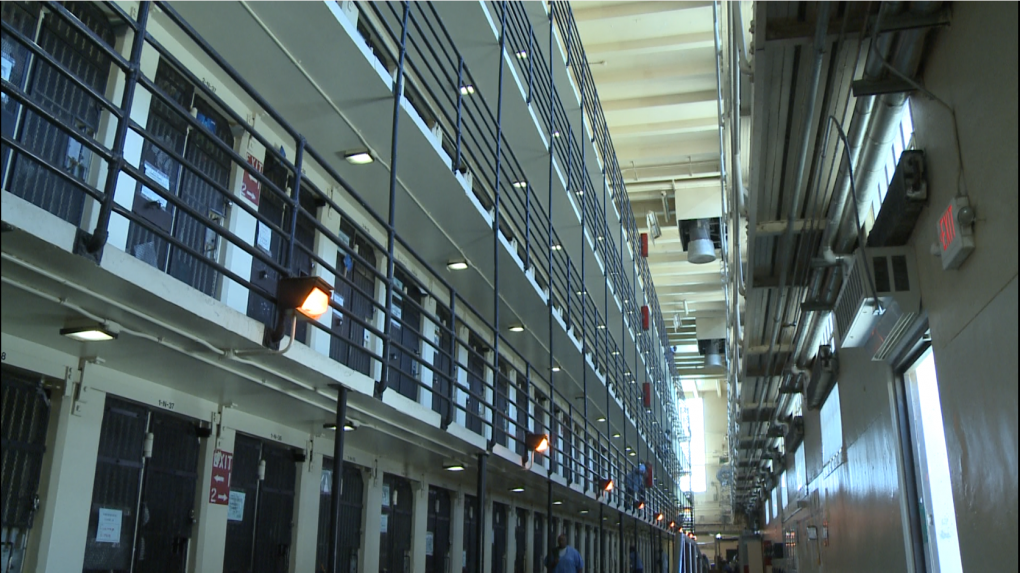
window.__INITIAL_STATE__={
"attachmentsReducer": {
"audio_0": {
"type": "attachments",
"id": "audio_0",
"imgSizes": {
"kqedFullSize": {
"file": "https://ww2.kqed.org/news/wp-content/themes/KQED-unified/img/audio_bgs/background0.jpg"
}
}
},
"audio_1": {
"type": "attachments",
"id": "audio_1",
"imgSizes": {
"kqedFullSize": {
"file": "https://ww2.kqed.org/news/wp-content/themes/KQED-unified/img/audio_bgs/background1.jpg"
}
}
},
"audio_2": {
"type": "attachments",
"id": "audio_2",
"imgSizes": {
"kqedFullSize": {
"file": "https://ww2.kqed.org/news/wp-content/themes/KQED-unified/img/audio_bgs/background2.jpg"
}
}
},
"audio_3": {
"type": "attachments",
"id": "audio_3",
"imgSizes": {
"kqedFullSize": {
"file": "https://ww2.kqed.org/news/wp-content/themes/KQED-unified/img/audio_bgs/background3.jpg"
}
}
},
"audio_4": {
"type": "attachments",
"id": "audio_4",
"imgSizes": {
"kqedFullSize": {
"file": "https://ww2.kqed.org/news/wp-content/themes/KQED-unified/img/audio_bgs/background4.jpg"
}
}
},
"placeholder": {
"type": "attachments",
"id": "placeholder",
"imgSizes": {
"thumbnail": {
"file": "https://cdn.kqed.org/wp-content/uploads/2024/12/KQED-Default-Image-816638274-2000x1333-1-160x107.jpg",
"width": 160,
"height": 107,
"mimeType": "image/jpeg"
},
"medium": {
"file": "https://cdn.kqed.org/wp-content/uploads/2024/12/KQED-Default-Image-816638274-2000x1333-1-800x533.jpg",
"width": 800,
"height": 533,
"mimeType": "image/jpeg"
},
"medium_large": {
"file": "https://cdn.kqed.org/wp-content/uploads/2024/12/KQED-Default-Image-816638274-2000x1333-1-768x512.jpg",
"width": 768,
"height": 512,
"mimeType": "image/jpeg"
},
"large": {
"file": "https://cdn.kqed.org/wp-content/uploads/2024/12/KQED-Default-Image-816638274-2000x1333-1-1020x680.jpg",
"width": 1020,
"height": 680,
"mimeType": "image/jpeg"
},
"1536x1536": {
"file": "https://cdn.kqed.org/wp-content/uploads/2024/12/KQED-Default-Image-816638274-2000x1333-1-1536x1024.jpg",
"width": 1536,
"height": 1024,
"mimeType": "image/jpeg"
},
"fd-lrg": {
"file": "https://cdn.kqed.org/wp-content/uploads/2024/12/KQED-Default-Image-816638274-2000x1333-1-1536x1024.jpg",
"width": 1536,
"height": 1024,
"mimeType": "image/jpeg"
},
"fd-med": {
"file": "https://cdn.kqed.org/wp-content/uploads/2024/12/KQED-Default-Image-816638274-2000x1333-1-1020x680.jpg",
"width": 1020,
"height": 680,
"mimeType": "image/jpeg"
},
"fd-sm": {
"file": "https://cdn.kqed.org/wp-content/uploads/2024/12/KQED-Default-Image-816638274-2000x1333-1-800x533.jpg",
"width": 800,
"height": 533,
"mimeType": "image/jpeg"
},
"post-thumbnail": {
"file": "https://cdn.kqed.org/wp-content/uploads/2024/12/KQED-Default-Image-816638274-2000x1333-1-672x372.jpg",
"width": 672,
"height": 372,
"mimeType": "image/jpeg"
},
"twentyfourteen-full-width": {
"file": "https://cdn.kqed.org/wp-content/uploads/2024/12/KQED-Default-Image-816638274-2000x1333-1-1038x576.jpg",
"width": 1038,
"height": 576,
"mimeType": "image/jpeg"
},
"xxsmall": {
"file": "https://cdn.kqed.org/wp-content/uploads/2024/12/KQED-Default-Image-816638274-2000x1333-1-160x107.jpg",
"width": 160,
"height": 107,
"mimeType": "image/jpeg"
},
"xsmall": {
"file": "https://cdn.kqed.org/wp-content/uploads/2024/12/KQED-Default-Image-816638274-2000x1333-1-672x372.jpg",
"width": 672,
"height": 372,
"mimeType": "image/jpeg"
},
"small": {
"file": "https://cdn.kqed.org/wp-content/uploads/2024/12/KQED-Default-Image-816638274-2000x1333-1-672x372.jpg",
"width": 672,
"height": 372,
"mimeType": "image/jpeg"
},
"xlarge": {
"file": "https://cdn.kqed.org/wp-content/uploads/2024/12/KQED-Default-Image-816638274-2000x1333-1-1020x680.jpg",
"width": 1020,
"height": 680,
"mimeType": "image/jpeg"
},
"full-width": {
"file": "https://cdn.kqed.org/wp-content/uploads/2024/12/KQED-Default-Image-816638274-2000x1333-1-1920x1280.jpg",
"width": 1920,
"height": 1280,
"mimeType": "image/jpeg"
},
"guest-author-32": {
"file": "https://cdn.kqed.org/wp-content/uploads/2025/01/KQED-Default-Image-816638274-1333x1333-1-160x160.jpg",
"width": 32,
"height": 32,
"mimeType": "image/jpeg"
},
"guest-author-50": {
"file": "https://cdn.kqed.org/wp-content/uploads/2025/01/KQED-Default-Image-816638274-1333x1333-1-160x160.jpg",
"width": 50,
"height": 50,
"mimeType": "image/jpeg"
},
"guest-author-64": {
"file": "https://cdn.kqed.org/wp-content/uploads/2025/01/KQED-Default-Image-816638274-1333x1333-1-160x160.jpg",
"width": 64,
"height": 64,
"mimeType": "image/jpeg"
},
"guest-author-96": {
"file": "https://cdn.kqed.org/wp-content/uploads/2025/01/KQED-Default-Image-816638274-1333x1333-1-160x160.jpg",
"width": 96,
"height": 96,
"mimeType": "image/jpeg"
},
"guest-author-128": {
"file": "https://cdn.kqed.org/wp-content/uploads/2025/01/KQED-Default-Image-816638274-1333x1333-1-160x160.jpg",
"width": 128,
"height": 128,
"mimeType": "image/jpeg"
},
"detail": {
"file": "https://cdn.kqed.org/wp-content/uploads/2025/01/KQED-Default-Image-816638274-1333x1333-1-160x160.jpg",
"width": 160,
"height": 160,
"mimeType": "image/jpeg"
},
"kqedFullSize": {
"file": "https://cdn.kqed.org/wp-content/uploads/2024/12/KQED-Default-Image-816638274-2000x1333-1.jpg",
"width": 2000,
"height": 1333
}
}
},
"news_11875997": {
"type": "attachments",
"id": "news_11875997",
"meta": {
"index": "attachments_1716263798",
"site": "news",
"id": "11875997",
"found": true
},
"parent": 11875968,
"imgSizes": {
"twentyfourteen-full-width": {
"file": "https://ww2.kqed.org/app/uploads/sites/10/2021/05/1235_01-open-bars-1038x576.png",
"width": 1038,
"mimeType": "image/png",
"height": 576
},
"thumbnail": {
"file": "https://ww2.kqed.org/app/uploads/sites/10/2021/05/1235_01-open-bars-160x90.png",
"width": 160,
"mimeType": "image/png",
"height": 90
},
"post-thumbnail": {
"file": "https://ww2.kqed.org/app/uploads/sites/10/2021/05/1235_01-open-bars-672x372.png",
"width": 672,
"mimeType": "image/png",
"height": 372
},
"kqedFullSize": {
"file": "https://ww2.kqed.org/app/uploads/sites/10/2021/05/1235_01-open-bars.png",
"width": 1674,
"height": 940
},
"large": {
"file": "https://ww2.kqed.org/app/uploads/sites/10/2021/05/1235_01-open-bars-1020x573.png",
"width": 1020,
"mimeType": "image/png",
"height": 573
},
"1536x1536": {
"file": "https://ww2.kqed.org/app/uploads/sites/10/2021/05/1235_01-open-bars-1536x863.png",
"width": 1536,
"mimeType": "image/png",
"height": 863
},
"medium": {
"file": "https://ww2.kqed.org/app/uploads/sites/10/2021/05/1235_01-open-bars-800x449.png",
"width": 800,
"mimeType": "image/png",
"height": 449
}
},
"publishDate": 1622245279,
"modified": 1643659427,
"caption": "San Quentin is the oldest state prison in California. Gov. Gavin Newsom is moving to dismantle the nation's largest death row by moving all condemned inmates to other prisons within two years. The goal is to turn the section of San Quentin State Prison into \"a positive, healing environment.\" ",
"description": "San Quentin is the oldest state prison in California. In some parts of the prison, cell doors are bars, not solid, and five floors share an open atrium. ",
"title": "San Quentin tiers with open bars",
"credit": "Monica Lam/KQED",
"status": "inherit",
"altTag": "San Quentin tiers with open bars",
"isLoading": false,
"fetchFailed": false
},
"news_11892562": {
"type": "attachments",
"id": "news_11892562",
"meta": {
"index": "attachments_1716263798",
"site": "news",
"id": "11892562",
"found": true
},
"parent": 11892561,
"imgSizes": {
"twentyfourteen-full-width": {
"file": "https://ww2.kqed.org/app/uploads/sites/10/2021/10/RS44233_GettyImages-1253314486-qut-1038x576.jpg",
"width": 1038,
"mimeType": "image/jpeg",
"height": 576
},
"thumbnail": {
"file": "https://ww2.kqed.org/app/uploads/sites/10/2021/10/RS44233_GettyImages-1253314486-qut-160x104.jpg",
"width": 160,
"mimeType": "image/jpeg",
"height": 104
},
"post-thumbnail": {
"file": "https://ww2.kqed.org/app/uploads/sites/10/2021/10/RS44233_GettyImages-1253314486-qut-672x372.jpg",
"width": 672,
"mimeType": "image/jpeg",
"height": 372
},
"kqedFullSize": {
"file": "https://ww2.kqed.org/app/uploads/sites/10/2021/10/RS44233_GettyImages-1253314486-qut.jpg",
"width": 1920,
"height": 1250
},
"large": {
"file": "https://ww2.kqed.org/app/uploads/sites/10/2021/10/RS44233_GettyImages-1253314486-qut-1020x664.jpg",
"width": 1020,
"mimeType": "image/jpeg",
"height": 664
},
"1536x1536": {
"file": "https://ww2.kqed.org/app/uploads/sites/10/2021/10/RS44233_GettyImages-1253314486-qut-1536x1000.jpg",
"width": 1536,
"mimeType": "image/jpeg",
"height": 1000
},
"medium": {
"file": "https://ww2.kqed.org/app/uploads/sites/10/2021/10/RS44233_GettyImages-1253314486-qut-800x521.jpg",
"width": 800,
"mimeType": "image/jpeg",
"height": 521
}
},
"publishDate": 1634398751,
"modified": 1679013142,
"caption": "A California Department of Corrections and Rehabilitation officer wears a protective mask as he stands guard at the front gate of San Quentin State Prison on June 29, 2020, in Marin County.",
"description": null,
"title": null,
"credit": "Justin Sullivan/Getty Images",
"status": "inherit",
"altTag": "A man in uniform stands next to a sign that says \"California State Prison, San Quentin,\" with the castle-like facade of the prison behind him.",
"isLoading": false,
"fetchFailed": false
},
"news_11897612": {
"type": "attachments",
"id": "news_11897612",
"meta": {
"index": "attachments_1716263798",
"site": "news",
"id": "11897612",
"found": true
},
"parent": 11897603,
"imgSizes": {
"twentyfourteen-full-width": {
"file": "https://ww2.kqed.org/app/uploads/sites/10/2021/11/amicus_112921_final-1038x576.png",
"width": 1038,
"mimeType": "image/png",
"height": 576
},
"thumbnail": {
"file": "https://ww2.kqed.org/app/uploads/sites/10/2021/11/amicus_112921_final-160x103.png",
"width": 160,
"mimeType": "image/png",
"height": 103
},
"post-thumbnail": {
"file": "https://ww2.kqed.org/app/uploads/sites/10/2021/11/amicus_112921_final-672x372.png",
"width": 672,
"mimeType": "image/png",
"height": 372
},
"kqedFullSize": {
"file": "https://ww2.kqed.org/app/uploads/sites/10/2021/11/amicus_112921_final.png",
"width": 1920,
"height": 1231
},
"large": {
"file": "https://ww2.kqed.org/app/uploads/sites/10/2021/11/amicus_112921_final-1020x654.png",
"width": 1020,
"mimeType": "image/png",
"height": 654
},
"1536x1536": {
"file": "https://ww2.kqed.org/app/uploads/sites/10/2021/11/amicus_112921_final-1536x985.png",
"width": 1536,
"mimeType": "image/png",
"height": 985
},
"medium": {
"file": "https://ww2.kqed.org/app/uploads/sites/10/2021/11/amicus_112921_final-800x513.png",
"width": 800,
"mimeType": "image/png",
"height": 513
}
},
"publishDate": 1638224217,
"modified": 1638224297,
"caption": null,
"description": null,
"title": "amicus_112921_final",
"credit": null,
"status": "inherit",
"altTag": "Cartoon: a prison guard holding a \"no vax mandate\" sign is arm in arm with a COVID-19 character and Gov. Newsom. The governor holds a briefcase of money from the prison guards union. Caption is \"Amicus Covidae, friend of covid.\"",
"isLoading": false,
"fetchFailed": false
},
"news_11831919": {
"type": "attachments",
"id": "news_11831919",
"meta": {
"index": "attachments_1716263798",
"site": "news",
"id": "11831919",
"found": true
},
"parent": 11831812,
"imgSizes": {
"apple_news_ca_landscape_5_5": {
"file": "https://ww2.kqed.org/app/uploads/sites/10/2020/08/San-Quentin-Main-Gate-COVID-prison-releases-1044x783.jpg",
"width": 1044,
"mimeType": "image/jpeg",
"height": 783
},
"apple_news_ca_square_4_0": {
"file": "https://ww2.kqed.org/app/uploads/sites/10/2020/08/San-Quentin-Main-Gate-COVID-prison-releases-470x470.jpg",
"width": 470,
"mimeType": "image/jpeg",
"height": 470
},
"twentyfourteen-full-width": {
"file": "https://ww2.kqed.org/app/uploads/sites/10/2020/08/San-Quentin-Main-Gate-COVID-prison-releases-1038x576.jpg",
"width": 1038,
"mimeType": "image/jpeg",
"height": 576
},
"thumbnail": {
"file": "https://ww2.kqed.org/app/uploads/sites/10/2020/08/San-Quentin-Main-Gate-COVID-prison-releases-160x104.jpg",
"width": 160,
"mimeType": "image/jpeg",
"height": 104
},
"post-thumbnail": {
"file": "https://ww2.kqed.org/app/uploads/sites/10/2020/08/San-Quentin-Main-Gate-COVID-prison-releases-672x372.jpg",
"width": 672,
"mimeType": "image/jpeg",
"height": 372
},
"kqedFullSize": {
"file": "https://ww2.kqed.org/app/uploads/sites/10/2020/08/San-Quentin-Main-Gate-COVID-prison-releases.jpg",
"width": 1920,
"height": 1250
},
"apple_news_ca_landscape_4_7": {
"file": "https://ww2.kqed.org/app/uploads/sites/10/2020/08/San-Quentin-Main-Gate-COVID-prison-releases-632x474.jpg",
"width": 632,
"mimeType": "image/jpeg",
"height": 474
},
"large": {
"file": "https://ww2.kqed.org/app/uploads/sites/10/2020/08/San-Quentin-Main-Gate-COVID-prison-releases-1020x664.jpg",
"width": 1020,
"mimeType": "image/jpeg",
"height": 664
},
"apple_news_ca_landscape_4_0": {
"file": "https://ww2.kqed.org/app/uploads/sites/10/2020/08/San-Quentin-Main-Gate-COVID-prison-releases-536x402.jpg",
"width": 536,
"mimeType": "image/jpeg",
"height": 402
},
"apple_news_ca_portrait_12_9": {
"file": "https://ww2.kqed.org/app/uploads/sites/10/2020/08/San-Quentin-Main-Gate-COVID-prison-releases-1122x1250.jpg",
"width": 1122,
"mimeType": "image/jpeg",
"height": 1250
},
"medium": {
"file": "https://ww2.kqed.org/app/uploads/sites/10/2020/08/San-Quentin-Main-Gate-COVID-prison-releases-800x521.jpg",
"width": 800,
"mimeType": "image/jpeg",
"height": 521
},
"apple_news_ca_portrait_4_0": {
"file": "https://ww2.kqed.org/app/uploads/sites/10/2020/08/San-Quentin-Main-Gate-COVID-prison-releases-354x472.jpg",
"width": 354,
"mimeType": "image/jpeg",
"height": 472
},
"apple_news_ca_portrait_9_7": {
"file": "https://ww2.kqed.org/app/uploads/sites/10/2020/08/San-Quentin-Main-Gate-COVID-prison-releases-840x1120.jpg",
"width": 840,
"mimeType": "image/jpeg",
"height": 1120
},
"apple_news_ca_landscape_12_9": {
"file": "https://ww2.kqed.org/app/uploads/sites/10/2020/08/San-Quentin-Main-Gate-COVID-prison-releases-1832x1250.jpg",
"width": 1832,
"mimeType": "image/jpeg",
"height": 1250
},
"apple_news_ca_square_9_7": {
"file": "https://ww2.kqed.org/app/uploads/sites/10/2020/08/San-Quentin-Main-Gate-COVID-prison-releases-1104x1104.jpg",
"width": 1104,
"mimeType": "image/jpeg",
"height": 1104
},
"1536x1536": {
"file": "https://ww2.kqed.org/app/uploads/sites/10/2020/08/San-Quentin-Main-Gate-COVID-prison-releases-1536x1000.jpg",
"width": 1536,
"mimeType": "image/jpeg",
"height": 1000
},
"apple_news_ca_portrait_4_7": {
"file": "https://ww2.kqed.org/app/uploads/sites/10/2020/08/San-Quentin-Main-Gate-COVID-prison-releases-414x552.jpg",
"width": 414,
"mimeType": "image/jpeg",
"height": 552
},
"apple_news_ca_square_12_9": {
"file": "https://ww2.kqed.org/app/uploads/sites/10/2020/08/San-Quentin-Main-Gate-COVID-prison-releases-1472x1250.jpg",
"width": 1472,
"mimeType": "image/jpeg",
"height": 1250
},
"apple_news_ca_portrait_5_5": {
"file": "https://ww2.kqed.org/app/uploads/sites/10/2020/08/San-Quentin-Main-Gate-COVID-prison-releases-687x916.jpg",
"width": 687,
"mimeType": "image/jpeg",
"height": 916
},
"apple_news_ca_square_4_7": {
"file": "https://ww2.kqed.org/app/uploads/sites/10/2020/08/San-Quentin-Main-Gate-COVID-prison-releases-550x550.jpg",
"width": 550,
"mimeType": "image/jpeg",
"height": 550
},
"apple_news_ca_landscape_9_7": {
"file": "https://ww2.kqed.org/app/uploads/sites/10/2020/08/San-Quentin-Main-Gate-COVID-prison-releases-1376x1032.jpg",
"width": 1376,
"mimeType": "image/jpeg",
"height": 1032
},
"apple_news_ca_square_5_5": {
"file": "https://ww2.kqed.org/app/uploads/sites/10/2020/08/San-Quentin-Main-Gate-COVID-prison-releases-912x912.jpg",
"width": 912,
"mimeType": "image/jpeg",
"height": 912
}
},
"publishDate": 1596588203,
"modified": 1638221612,
"caption": "A California Department of Corrections and Rehabilitation officer wears a protective mask as he stands guard at the front gate of San Quentin State Prison on June 29, 2020. ",
"description": "A California Department of Corrections and Rehabilitation (CDCR) officer wears a protective mask as he stands guard at the front gate of San Quentin State Prison on June 29, 2020. A COVID-19 outbreak has ravaged the prison's population.",
"title": "Coronavirus Cases Surge To Over A Thousand At San Quentin Prison",
"credit": "Justin Sullivan/Getty Images",
"status": "inherit",
"altTag": "A man stands with a mask at the entrance to San Quentin State Prison.",
"isLoading": false,
"fetchFailed": false
},
"news_11894280": {
"type": "attachments",
"id": "news_11894280",
"meta": {
"index": "attachments_1716263798",
"site": "news",
"id": "11894280",
"found": true
},
"parent": 11894274,
"imgSizes": {
"twentyfourteen-full-width": {
"file": "https://ww2.kqed.org/app/uploads/sites/10/2021/10/RS52193_028_Alcatraz_IncarcerationExhibit_10282021-qut-1038x576.jpg",
"width": 1038,
"mimeType": "image/jpeg",
"height": 576
},
"thumbnail": {
"file": "https://ww2.kqed.org/app/uploads/sites/10/2021/10/RS52193_028_Alcatraz_IncarcerationExhibit_10282021-qut-160x107.jpg",
"width": 160,
"mimeType": "image/jpeg",
"height": 107
},
"post-thumbnail": {
"file": "https://ww2.kqed.org/app/uploads/sites/10/2021/10/RS52193_028_Alcatraz_IncarcerationExhibit_10282021-qut-672x372.jpg",
"width": 672,
"mimeType": "image/jpeg",
"height": 372
},
"kqedFullSize": {
"file": "https://ww2.kqed.org/app/uploads/sites/10/2021/10/RS52193_028_Alcatraz_IncarcerationExhibit_10282021-qut.jpg",
"width": 1920,
"height": 1280
},
"large": {
"file": "https://ww2.kqed.org/app/uploads/sites/10/2021/10/RS52193_028_Alcatraz_IncarcerationExhibit_10282021-qut-1020x680.jpg",
"width": 1020,
"mimeType": "image/jpeg",
"height": 680
},
"1536x1536": {
"file": "https://ww2.kqed.org/app/uploads/sites/10/2021/10/RS52193_028_Alcatraz_IncarcerationExhibit_10282021-qut-1536x1024.jpg",
"width": 1536,
"mimeType": "image/jpeg",
"height": 1024
},
"medium": {
"file": "https://ww2.kqed.org/app/uploads/sites/10/2021/10/RS52193_028_Alcatraz_IncarcerationExhibit_10282021-qut-800x533.jpg",
"width": 800,
"mimeType": "image/jpeg",
"height": 533
}
},
"publishDate": 1635463629,
"modified": 1635802424,
"caption": "Christian Davis, supervising ranger at Alcatraz, looks at a new exhibit on Alcatraz Island on Oct. 28, 2021, featuring stories of the United States prison system told through the voices and experiences of formerly incarcerated people, scholars and criminal justice advocates. 'The Big Lockup: Mass Incarceration in the United States' is a free self-guided experience that uses text, photographs, and multimedia and interactive content to engage audiences on the history of incarceration in the country.",
"description": null,
"title": "RS52193_028_Alcatraz_IncarcerationExhibit_10282021-qut",
"credit": "Beth LaBerge/KQED",
"status": "inherit",
"altTag": null,
"isLoading": false,
"fetchFailed": false
},
"news_11873321": {
"type": "attachments",
"id": "news_11873321",
"meta": {
"index": "attachments_1716263798",
"site": "news",
"id": "11873321",
"found": true
},
"parent": 11873313,
"imgSizes": {
"twentyfourteen-full-width": {
"file": "https://ww2.kqed.org/app/uploads/sites/10/2021/05/RS21213_GettyImages-589931494-qut-1038x576.jpeg",
"width": 1038,
"mimeType": "image/jpeg",
"height": 576
},
"thumbnail": {
"file": "https://ww2.kqed.org/app/uploads/sites/10/2021/05/RS21213_GettyImages-589931494-qut-160x109.jpeg",
"width": 160,
"mimeType": "image/jpeg",
"height": 109
},
"post-thumbnail": {
"file": "https://ww2.kqed.org/app/uploads/sites/10/2021/05/RS21213_GettyImages-589931494-qut-672x372.jpeg",
"width": 672,
"mimeType": "image/jpeg",
"height": 372
},
"kqedFullSize": {
"file": "https://ww2.kqed.org/app/uploads/sites/10/2021/05/RS21213_GettyImages-589931494-qut.jpeg",
"width": 1920,
"height": 1305
},
"large": {
"file": "https://ww2.kqed.org/app/uploads/sites/10/2021/05/RS21213_GettyImages-589931494-qut-1020x693.jpeg",
"width": 1020,
"mimeType": "image/jpeg",
"height": 693
},
"1536x1536": {
"file": "https://ww2.kqed.org/app/uploads/sites/10/2021/05/RS21213_GettyImages-589931494-qut-1536x1044.jpeg",
"width": 1536,
"mimeType": "image/jpeg",
"height": 1044
},
"medium": {
"file": "https://ww2.kqed.org/app/uploads/sites/10/2021/05/RS21213_GettyImages-589931494-qut-800x544.jpeg",
"width": 800,
"mimeType": "image/jpeg",
"height": 544
}
},
"publishDate": 1620844690,
"modified": 1632853516,
"caption": "An armed California Department of Corrections and Rehabilitation officer escorts an incarcerated person at San Quentin State Prison's death row on Aug. 15, 2016.",
"description": null,
"title": "RS21213_GettyImages-589931494-qut",
"credit": "Justin Sullivan/Getty Images",
"status": "inherit",
"altTag": "A man in a green uniform and hat leads another in a blue jacket with yellow lettering by his hands shackled behind his back.",
"isLoading": false,
"fetchFailed": false
},
"news_11863083": {
"type": "attachments",
"id": "news_11863083",
"meta": {
"index": "attachments_1716263798",
"site": "news",
"id": "11863083",
"found": true
},
"parent": 11862938,
"imgSizes": {
"apple_news_ca_square_4_0": {
"file": "https://ww2.kqed.org/app/uploads/sites/10/2021/03/GettyImages-1253315032-470x470.jpg",
"width": 470,
"mimeType": "image/jpeg",
"height": 470
},
"twentyfourteen-full-width": {
"file": "https://ww2.kqed.org/app/uploads/sites/10/2021/03/GettyImages-1253315032-1024x576.jpg",
"width": 1024,
"mimeType": "image/jpeg",
"height": 576
},
"thumbnail": {
"file": "https://ww2.kqed.org/app/uploads/sites/10/2021/03/GettyImages-1253315032-160x107.jpg",
"width": 160,
"mimeType": "image/jpeg",
"height": 107
},
"post-thumbnail": {
"file": "https://ww2.kqed.org/app/uploads/sites/10/2021/03/GettyImages-1253315032-672x372.jpg",
"width": 672,
"mimeType": "image/jpeg",
"height": 372
},
"kqedFullSize": {
"file": "https://ww2.kqed.org/app/uploads/sites/10/2021/03/GettyImages-1253315032.jpg",
"width": 1024,
"height": 683
},
"apple_news_ca_landscape_4_7": {
"file": "https://ww2.kqed.org/app/uploads/sites/10/2021/03/GettyImages-1253315032-632x474.jpg",
"width": 632,
"mimeType": "image/jpeg",
"height": 474
},
"large": {
"file": "https://ww2.kqed.org/app/uploads/sites/10/2021/03/GettyImages-1253315032-1020x680.jpg",
"width": 1020,
"mimeType": "image/jpeg",
"height": 680
},
"apple_news_ca_landscape_4_0": {
"file": "https://ww2.kqed.org/app/uploads/sites/10/2021/03/GettyImages-1253315032-536x402.jpg",
"width": 536,
"mimeType": "image/jpeg",
"height": 402
},
"medium": {
"file": "https://ww2.kqed.org/app/uploads/sites/10/2021/03/GettyImages-1253315032-800x534.jpg",
"width": 800,
"mimeType": "image/jpeg",
"height": 534
},
"apple_news_ca_portrait_4_0": {
"file": "https://ww2.kqed.org/app/uploads/sites/10/2021/03/GettyImages-1253315032-354x472.jpg",
"width": 354,
"mimeType": "image/jpeg",
"height": 472
},
"apple_news_ca_portrait_9_7": {
"file": "https://ww2.kqed.org/app/uploads/sites/10/2021/03/GettyImages-1253315032-840x683.jpg",
"width": 840,
"mimeType": "image/jpeg",
"height": 683
},
"apple_news_ca_portrait_4_7": {
"file": "https://ww2.kqed.org/app/uploads/sites/10/2021/03/GettyImages-1253315032-414x552.jpg",
"width": 414,
"mimeType": "image/jpeg",
"height": 552
},
"apple_news_ca_portrait_5_5": {
"file": "https://ww2.kqed.org/app/uploads/sites/10/2021/03/GettyImages-1253315032-687x683.jpg",
"width": 687,
"mimeType": "image/jpeg",
"height": 683
},
"apple_news_ca_square_4_7": {
"file": "https://ww2.kqed.org/app/uploads/sites/10/2021/03/GettyImages-1253315032-550x550.jpg",
"width": 550,
"mimeType": "image/jpeg",
"height": 550
},
"apple_news_ca_square_5_5": {
"file": "https://ww2.kqed.org/app/uploads/sites/10/2021/03/GettyImages-1253315032-912x683.jpg",
"width": 912,
"mimeType": "image/jpeg",
"height": 683
}
},
"publishDate": 1614812635,
"modified": 1614812724,
"caption": "The entrance to San Quentin State Prison in Marin County on June 29, 2020.",
"description": null,
"title": "Coronavirus Cases Surge To Over A Thousand At San Quentin Prison",
"credit": "Justin Sullivan/Getty Images",
"status": "inherit",
"altTag": null,
"isLoading": false,
"fetchFailed": false
},
"news_11882321": {
"type": "attachments",
"id": "news_11882321",
"meta": {
"index": "attachments_1716263798",
"site": "news",
"id": "11882321",
"found": true
},
"parent": 11882320,
"imgSizes": {
"twentyfourteen-full-width": {
"file": "https://ww2.kqed.org/app/uploads/sites/10/2021/07/kennard-fam-1038x576.jpeg",
"width": 1038,
"mimeType": "image/jpeg",
"height": 576
},
"thumbnail": {
"file": "https://ww2.kqed.org/app/uploads/sites/10/2021/07/kennard-fam-160x107.jpeg",
"width": 160,
"mimeType": "image/jpeg",
"height": 107
},
"post-thumbnail": {
"file": "https://ww2.kqed.org/app/uploads/sites/10/2021/07/kennard-fam-672x372.jpeg",
"width": 672,
"mimeType": "image/jpeg",
"height": 372
},
"kqedFullSize": {
"file": "https://ww2.kqed.org/app/uploads/sites/10/2021/07/kennard-fam.jpeg",
"width": 1800,
"height": 1201
},
"large": {
"file": "https://ww2.kqed.org/app/uploads/sites/10/2021/07/kennard-fam-1020x681.jpeg",
"width": 1020,
"mimeType": "image/jpeg",
"height": 681
},
"1536x1536": {
"file": "https://ww2.kqed.org/app/uploads/sites/10/2021/07/kennard-fam-1536x1025.jpeg",
"width": 1536,
"mimeType": "image/jpeg",
"height": 1025
},
"medium": {
"file": "https://ww2.kqed.org/app/uploads/sites/10/2021/07/kennard-fam-800x534.jpeg",
"width": 800,
"mimeType": "image/jpeg",
"height": 534
}
},
"publishDate": 1627079144,
"modified": 1627325301,
"caption": "Kennard 'Isaiah' Love (center) with his family in December 2020 after his release from San Quentin State Prison. Charged with armed robbery in 2007, at the age of 19, he was sentenced to 28 years in prison, but resentenced and released after 13 years. ",
"description": "Kennard 'Isaiah' Love (center) with his family in December 2020 after his release from San Quentin State Prison. Charged with armed robbery in 2007, at the age of 19, he was sentenced to 28 years in prison, but resentenced and released after 13 years. ",
"title": "kennard fam",
"credit": "Courtesy of For The People",
"status": "inherit",
"altTag": null,
"isLoading": false,
"fetchFailed": false
},
"news_11869875": {
"type": "attachments",
"id": "news_11869875",
"meta": {
"index": "attachments_1716263798",
"site": "news",
"id": "11869875",
"found": true
},
"parent": 11869618,
"imgSizes": {
"twentyfourteen-full-width": {
"file": "https://ww2.kqed.org/app/uploads/sites/10/2021/04/EricAndHankWarner-1038x576.jpg",
"width": 1038,
"mimeType": "image/jpeg",
"height": 576
},
"thumbnail": {
"file": "https://ww2.kqed.org/app/uploads/sites/10/2021/04/EricAndHankWarner-160x118.jpg",
"width": 160,
"mimeType": "image/jpeg",
"height": 118
},
"post-thumbnail": {
"file": "https://ww2.kqed.org/app/uploads/sites/10/2021/04/EricAndHankWarner-672x372.jpg",
"width": 672,
"mimeType": "image/jpeg",
"height": 372
},
"kqedFullSize": {
"file": "https://ww2.kqed.org/app/uploads/sites/10/2021/04/EricAndHankWarner.jpg",
"width": 1146,
"height": 842
},
"large": {
"file": "https://ww2.kqed.org/app/uploads/sites/10/2021/04/EricAndHankWarner-1020x749.jpg",
"width": 1020,
"mimeType": "image/jpeg",
"height": 749
},
"medium": {
"file": "https://ww2.kqed.org/app/uploads/sites/10/2021/04/EricAndHankWarner-800x588.jpg",
"width": 800,
"mimeType": "image/jpeg",
"height": 588
}
},
"publishDate": 1618599758,
"modified": 1618599791,
"caption": "Hank Warner, right, visiting his brother Eric at San Quentin State Prison in 2016.",
"description": null,
"title": "EricAndHankWarner",
"credit": "Courtesy Hank Warner",
"status": "inherit",
"altTag": null,
"isLoading": false,
"fetchFailed": false
},
"news_11867689": {
"type": "attachments",
"id": "news_11867689",
"meta": {
"index": "attachments_1716263798",
"site": "news",
"id": "11867689",
"found": true
},
"parent": 11867110,
"imgSizes": {
"twentyfourteen-full-width": {
"file": "https://ww2.kqed.org/app/uploads/sites/10/2021/04/RS47804_018_SanFrancisco_IntentionalCommunity_03122021-qut-1038x576.jpg",
"width": 1038,
"mimeType": "image/jpeg",
"height": 576
},
"thumbnail": {
"file": "https://ww2.kqed.org/app/uploads/sites/10/2021/04/RS47804_018_SanFrancisco_IntentionalCommunity_03122021-qut-160x107.jpg",
"width": 160,
"mimeType": "image/jpeg",
"height": 107
},
"post-thumbnail": {
"file": "https://ww2.kqed.org/app/uploads/sites/10/2021/04/RS47804_018_SanFrancisco_IntentionalCommunity_03122021-qut-672x372.jpg",
"width": 672,
"mimeType": "image/jpeg",
"height": 372
},
"kqedFullSize": {
"file": "https://ww2.kqed.org/app/uploads/sites/10/2021/04/RS47804_018_SanFrancisco_IntentionalCommunity_03122021-qut.jpg",
"width": 1920,
"height": 1280
},
"large": {
"file": "https://ww2.kqed.org/app/uploads/sites/10/2021/04/RS47804_018_SanFrancisco_IntentionalCommunity_03122021-qut-1020x680.jpg",
"width": 1020,
"mimeType": "image/jpeg",
"height": 680
},
"1536x1536": {
"file": "https://ww2.kqed.org/app/uploads/sites/10/2021/04/RS47804_018_SanFrancisco_IntentionalCommunity_03122021-qut-1536x1024.jpg",
"width": 1536,
"mimeType": "image/jpeg",
"height": 1024
},
"medium": {
"file": "https://ww2.kqed.org/app/uploads/sites/10/2021/04/RS47804_018_SanFrancisco_IntentionalCommunity_03122021-qut-800x533.jpg",
"width": 800,
"mimeType": "image/jpeg",
"height": 533
}
},
"publishDate": 1617316842,
"modified": 1617390450,
"caption": "Joseph Krauter sits on the front porch at Template House on March 12, 2021.",
"description": "Joseph Krauter sits on the front porch at Sigil on March 12, 2021.",
"title": "Joseph Krauter sits on the front porch at Sigil on March 12, 2021.",
"credit": "Beth LaBerge/KQED",
"status": "inherit",
"altTag": null,
"isLoading": false,
"fetchFailed": false
},
"news_11862090": {
"type": "attachments",
"id": "news_11862090",
"meta": {
"index": "attachments_1716263798",
"site": "news",
"id": "11862090",
"found": true
},
"parent": 11862087,
"imgSizes": {
"apple_news_ca_landscape_5_5": {
"file": "https://ww2.kqed.org/app/uploads/sites/10/2021/02/avenal_01-1044x783.jpg",
"width": 1044,
"mimeType": "image/jpeg",
"height": 783
},
"apple_news_ca_square_4_0": {
"file": "https://ww2.kqed.org/app/uploads/sites/10/2021/02/avenal_01-470x470.jpg",
"width": 470,
"mimeType": "image/jpeg",
"height": 470
},
"twentyfourteen-full-width": {
"file": "https://ww2.kqed.org/app/uploads/sites/10/2021/02/avenal_01-1038x576.jpg",
"width": 1038,
"mimeType": "image/jpeg",
"height": 576
},
"thumbnail": {
"file": "https://ww2.kqed.org/app/uploads/sites/10/2021/02/avenal_01-160x107.jpg",
"width": 160,
"mimeType": "image/jpeg",
"height": 107
},
"post-thumbnail": {
"file": "https://ww2.kqed.org/app/uploads/sites/10/2021/02/avenal_01-672x372.jpg",
"width": 672,
"mimeType": "image/jpeg",
"height": 372
},
"kqedFullSize": {
"file": "https://ww2.kqed.org/app/uploads/sites/10/2021/02/avenal_01.jpg",
"width": 1350,
"height": 900
},
"apple_news_ca_landscape_4_7": {
"file": "https://ww2.kqed.org/app/uploads/sites/10/2021/02/avenal_01-632x474.jpg",
"width": 632,
"mimeType": "image/jpeg",
"height": 474
},
"large": {
"file": "https://ww2.kqed.org/app/uploads/sites/10/2021/02/avenal_01-1020x680.jpg",
"width": 1020,
"mimeType": "image/jpeg",
"height": 680
},
"apple_news_ca_landscape_4_0": {
"file": "https://ww2.kqed.org/app/uploads/sites/10/2021/02/avenal_01-536x402.jpg",
"width": 536,
"mimeType": "image/jpeg",
"height": 402
},
"apple_news_ca_portrait_12_9": {
"file": "https://ww2.kqed.org/app/uploads/sites/10/2021/02/avenal_01-1122x900.jpg",
"width": 1122,
"mimeType": "image/jpeg",
"height": 900
},
"medium": {
"file": "https://ww2.kqed.org/app/uploads/sites/10/2021/02/avenal_01-800x533.jpg",
"width": 800,
"mimeType": "image/jpeg",
"height": 533
},
"apple_news_ca_portrait_4_0": {
"file": "https://ww2.kqed.org/app/uploads/sites/10/2021/02/avenal_01-354x472.jpg",
"width": 354,
"mimeType": "image/jpeg",
"height": 472
},
"apple_news_ca_portrait_9_7": {
"file": "https://ww2.kqed.org/app/uploads/sites/10/2021/02/avenal_01-840x900.jpg",
"width": 840,
"mimeType": "image/jpeg",
"height": 900
},
"apple_news_ca_square_9_7": {
"file": "https://ww2.kqed.org/app/uploads/sites/10/2021/02/avenal_01-1104x900.jpg",
"width": 1104,
"mimeType": "image/jpeg",
"height": 900
},
"apple_news_ca_portrait_4_7": {
"file": "https://ww2.kqed.org/app/uploads/sites/10/2021/02/avenal_01-414x552.jpg",
"width": 414,
"mimeType": "image/jpeg",
"height": 552
},
"apple_news_ca_portrait_5_5": {
"file": "https://ww2.kqed.org/app/uploads/sites/10/2021/02/avenal_01-687x900.jpg",
"width": 687,
"mimeType": "image/jpeg",
"height": 900
},
"apple_news_ca_square_4_7": {
"file": "https://ww2.kqed.org/app/uploads/sites/10/2021/02/avenal_01-550x550.jpg",
"width": 550,
"mimeType": "image/jpeg",
"height": 550
},
"apple_news_ca_square_5_5": {
"file": "https://ww2.kqed.org/app/uploads/sites/10/2021/02/avenal_01-912x900.jpg",
"width": 912,
"mimeType": "image/jpeg",
"height": 900
}
},
"publishDate": 1614280267,
"modified": 1614292287,
"caption": "With more than 3,600 confirmed cases among inmates and staff members, Avenal State Prison has the country’s largest COVID-19 clusters of any prison.",
"description": null,
"title": "avenal_01",
"credit": "Courtesy of the California Department of Corrections and Rehabilitation",
"status": "inherit",
"altTag": null,
"isLoading": false,
"fetchFailed": false
}
},
"audioPlayerReducer": {
"postId": "stream_live",
"isPaused": true,
"isPlaying": false,
"pfsActive": false,
"pledgeModalIsOpen": true,
"playerDrawerIsOpen": false,
"liveAudioPlayStartedAt": 0,
"liveAudioPlayContext": ""
},
"authorsReducer": {
"byline_news_11903391": {
"type": "authors",
"id": "byline_news_11903391",
"meta": {
"override": true
},
"slug": "byline_news_11903391",
"name": "Don Thompson \u003cbr> The Associated Press",
"isLoading": false
},
"byline_news_11900595": {
"type": "authors",
"id": "byline_news_11900595",
"meta": {
"override": true
},
"slug": "byline_news_11900595",
"name": "Don Thompson \u003cbr> Associated Press",
"isLoading": false
},
"byline_news_11897498": {
"type": "authors",
"id": "byline_news_11897498",
"meta": {
"override": true
},
"slug": "byline_news_11897498",
"name": "Don Thompson \u003cbr> Associated Press",
"isLoading": false
},
"byline_news_11894274": {
"type": "authors",
"id": "byline_news_11894274",
"meta": {
"override": true
},
"slug": "byline_news_11894274",
"name": "Azul Dahlstrom-Eckman",
"isLoading": false
},
"byline_news_11892561": {
"type": "authors",
"id": "byline_news_11892561",
"meta": {
"override": true
},
"slug": "byline_news_11892561",
"name": "Don Thompson \u003cbr> Associated Press",
"isLoading": false
},
"byline_news_11890132": {
"type": "authors",
"id": "byline_news_11890132",
"meta": {
"override": true
},
"slug": "byline_news_11890132",
"name": "Don Thompson\u003cbr>Associated Press",
"isLoading": false
},
"byline_news_11883036": {
"type": "authors",
"id": "byline_news_11883036",
"meta": {
"override": true
},
"slug": "byline_news_11883036",
"name": "Don Thompson\u003cbr>The Associated Press",
"isLoading": false
},
"byline_news_11869618": {
"type": "authors",
"id": "byline_news_11869618",
"meta": {
"override": true
},
"slug": "byline_news_11869618",
"name": "Hank Warner",
"isLoading": false
},
"byline_news_11862087": {
"type": "authors",
"id": "byline_news_11862087",
"meta": {
"override": true
},
"slug": "byline_news_11862087",
"name": "\u003ca href=\"https://khn.org/news/author/kerry-klein-valley-public-radio/\">Kerry Klein, Valley Public Radio\u003c/a>",
"isLoading": false
},
"matthewgreen": {
"type": "authors",
"id": "1263",
"meta": {
"index": "authors_1716337520",
"id": "1263",
"found": true
},
"name": "Matthew Green",
"firstName": "Matthew",
"lastName": "Green",
"slug": "matthewgreen",
"email": "mgreen@kqed.org",
"display_author_email": false,
"staff_mastheads": [],
"title": "KQED Editor/Reporter",
"bio": "Matthew Green is a digital media producer for KQED News. He previously produced \u003ca href=\"http://www.kqed.org/lowdown\">The Lowdown\u003c/a>, KQED’s multimedia news education blog. Matthew's written for numerous Bay Area publications, including the Oakland Tribune and San Francisco Chronicle. He also taught journalism classes at Fremont High School in East Oakland.\r\n\r\nEmail: mgreen@kqed.org; Twitter: @MGreenKQED",
"avatar": "https://secure.gravatar.com/avatar/3bf498d1267ca02c8494f33d8cfc575e?s=600&d=blank&r=g",
"twitter": "MGreenKQED",
"facebook": null,
"instagram": null,
"linkedin": null,
"sites": [
{
"site": "news",
"roles": []
},
{
"site": "lowdown",
"roles": []
},
{
"site": "science",
"roles": []
},
{
"site": "education",
"roles": []
},
{
"site": "quest",
"roles": []
},
{
"site": "liveblog",
"roles": []
}
],
"headData": {
"title": "Matthew Green | KQED",
"description": "KQED Editor/Reporter",
"ogImgSrc": "https://secure.gravatar.com/avatar/3bf498d1267ca02c8494f33d8cfc575e?s=600&d=blank&r=g",
"twImgSrc": "https://secure.gravatar.com/avatar/3bf498d1267ca02c8494f33d8cfc575e?s=600&d=blank&r=g"
},
"isLoading": false,
"link": "/author/matthewgreen"
},
"markfiore": {
"type": "authors",
"id": "3236",
"meta": {
"index": "authors_1716337520",
"id": "3236",
"found": true
},
"name": "Mark Fiore",
"firstName": "Mark",
"lastName": "Fiore",
"slug": "markfiore",
"email": "mark@markfiore.com",
"display_author_email": false,
"staff_mastheads": [
"news"
],
"title": "KQED News Cartoonist",
"bio": "\u003ca href=\"http://www.MarkFiore.com\">MarkFiore.com\u003c/a> | \u003ca href=\"https://twitter.com/markfiore\">Follow on Twitter\u003c/a> | \u003ca href=\"https://www.facebook.com/pages/Mark-Fiore-Animated-Political-Cartoons/94451707396?ref=bookmarks\">Facebook\u003c/a> | \u003ca href=\"mailto:mark@markfiore.com\">email\u003c/a>\r\n\r\nPulitzer Prize-winner, Mark Fiore, who the Wall Street Journal has called “the undisputed guru of the form,” creates animated political cartoons in San Francisco, where his work has been featured regularly on the San Francisco Chronicle’s web site, SFGate.com. His work has appeared on Newsweek.com, Slate.com, CBSNews.com, MotherJones.com, DailyKos.com and NPR’s web site. Fiore’s political animation has appeared on CNN, Frontline, Bill Moyers Journal, Salon.com and cable and broadcast outlets across the globe.\r\n\r\nBeginning his professional life by drawing traditional political cartoons for newspapers, Fiore’s work appeared in publications ranging from the Washington Post to the Los Angeles Times. In the late 1990s, he began to experiment with animating political cartoons and, after a short stint at the San Jose Mercury News as their staff cartoonist, Fiore devoted all his energies to animation.\r\nGrowing up in California, Fiore also spent a good portion of his life in the backwoods of Idaho. It was this combination that shaped him politically. Mark majored in political science at Colorado College, where, in a perfect send-off for a cartoonist, he received his diploma in 1991 as commencement speaker Dick Cheney smiled approvingly.\r\nMark Fiore was awarded the Pulitzer Prize for political cartooning in 2010, a Robert F. Kennedy Journalism Award in 2004 and has twice received an Online Journalism Award for commentary from the Online News Association (2002, 2008). Fiore has received two awards for his work in new media from the National Cartoonists Society (2001, 2002), and in 2006 received The James Madison Freedom of Information Award from The Society of Professional Journalists.",
"avatar": "https://secure.gravatar.com/avatar/fc4e2a612b15b67bad0c6f0e1db4ca9b?s=600&d=blank&r=g",
"twitter": "MarkFiore",
"facebook": null,
"instagram": "https://www.instagram.com/markfiore/?hl=en",
"linkedin": null,
"sites": [
{
"site": "arts",
"roles": [
"contributor"
]
},
{
"site": "news",
"roles": [
"editor"
]
},
{
"site": "futureofyou",
"roles": [
"editor"
]
},
{
"site": "science",
"roles": [
"editor"
]
}
],
"headData": {
"title": "Mark Fiore | KQED",
"description": "KQED News Cartoonist",
"ogImgSrc": "https://secure.gravatar.com/avatar/fc4e2a612b15b67bad0c6f0e1db4ca9b?s=600&d=blank&r=g",
"twImgSrc": "https://secure.gravatar.com/avatar/fc4e2a612b15b67bad0c6f0e1db4ca9b?s=600&d=blank&r=g"
},
"isLoading": false,
"link": "/author/markfiore"
},
"katewolffe": {
"type": "authors",
"id": "11523",
"meta": {
"index": "authors_1716337520",
"id": "11523",
"found": true
},
"name": "Kate Wolffe",
"firstName": "Kate",
"lastName": "Wolffe",
"slug": "katewolffe",
"email": "kwolffe@kqed.org",
"display_author_email": true,
"staff_mastheads": [
"news"
],
"title": "KQED Reporter + Weekend Host",
"bio": "Kate Wolffe reports on local Bay Area happenings for KQED, and hosts the news on weekend afternoons. She joined KQED in 2018 as an intern on the Forum team, before moving to cover topics ranging from politics to criminal justice to homelessness. A Bay Area native and UC Berkeley graduate, Kate loves to discover new corners of the region.",
"avatar": "https://secure.gravatar.com/avatar/22455f14db824a03ee252f73052fe939?s=600&d=blank&r=g",
"twitter": "katewolffe",
"facebook": null,
"instagram": null,
"linkedin": null,
"sites": [
{
"site": "arts",
"roles": [
"editor"
]
},
{
"site": "news",
"roles": [
"author",
"edit_others_posts"
]
},
{
"site": "forum",
"roles": [
"editor"
]
}
],
"headData": {
"title": "Kate Wolffe | KQED",
"description": "KQED Reporter + Weekend Host",
"ogImgSrc": "https://secure.gravatar.com/avatar/22455f14db824a03ee252f73052fe939?s=600&d=blank&r=g",
"twImgSrc": "https://secure.gravatar.com/avatar/22455f14db824a03ee252f73052fe939?s=600&d=blank&r=g"
},
"isLoading": false,
"link": "/author/katewolffe"
}
},
"pagesReducer": {
"news_tag_prisons": {
"type": "terms",
"id": "news_1471",
"meta": {
"index": "terms_1716263798",
"site": "news",
"id": "1471",
"score": 9.305508
},
"featImg": null,
"name": "prisons",
"description": null,
"taxonomy": "tag",
"headData": {
"twImgId": null,
"twTitle": null,
"ogTitle": null,
"ogImgId": null,
"twDescription": null,
"description": null,
"title": "prisons Archives | KQED News",
"ogDescription": null
},
"ttid": 1483,
"slug": "prisons",
"isLoading": false,
"title": "prisons",
"pageMeta": {
"site": "news",
"WpPageTemplate": "page-topic-editorial",
"currentPage": 7
},
"blocks": [
{
"blockName": "kqed/post-list",
"attrs": {
"layout": "cardArticle2",
"query": "posts/news?tag=prisons",
"seeMore": false,
"paginated": true,
"page": 7
}
},
{
"blockName": "kqed/ad"
}
]
}
},
"pfsSessionReducer": {},
"postsReducer": {
"stream_live": {
"type": "live",
"id": "stream_live",
"audioUrl": "https://streams.kqed.org/kqedradio",
"title": "Live Stream",
"excerpt": "Live Stream information currently unavailable.",
"link": "/radio",
"featImg": "",
"label": {
"name": "KQED Live",
"link": "/"
}
},
"stream_kqedNewscast": {
"type": "posts",
"id": "stream_kqedNewscast",
"audioUrl": "https://www.kqed.org/.stream/anon/radio/RDnews/newscast.mp3?_=1",
"title": "KQED Newscast",
"featImg": "",
"label": {
"name": "88.5 FM",
"link": "/"
}
},
"news_11903391": {
"type": "posts",
"id": "news_11903391",
"meta": {
"index": "posts_1716263798",
"site": "news",
"id": "11903391",
"score": null,
"sort": [
1643655607000
]
},
"guestAuthors": [],
"slug": "california-moves-to-dismantle-death-row-at-san-quentin",
"title": "California Moves to Dismantle Death Row at San Quentin",
"publishDate": 1643655607,
"format": "standard",
"headTitle": "California Moves to Dismantle Death Row at San Quentin | KQED",
"labelTerm": {
"site": "news"
},
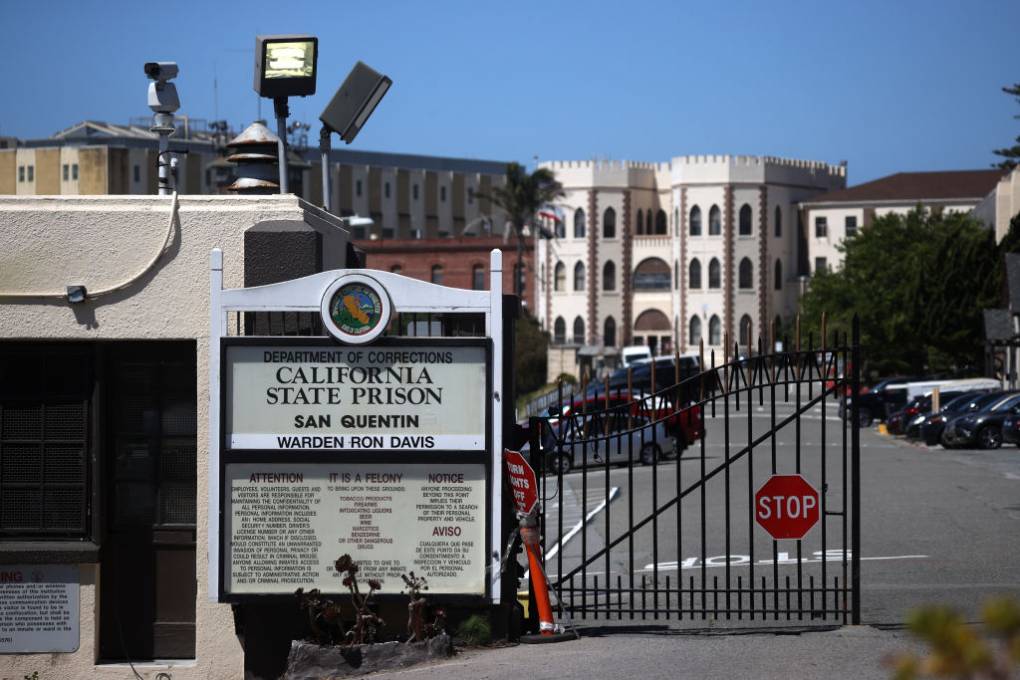
"content": "\u003cp>Gov. Gavin Newsom, who three years ago placed a moratorium on executions, now is moving to dismantle the United States’ largest death row by moving all condemned inmates to other prisons within two years.\u003c/p>\n\u003cp>The goal is to turn the section at San Quentin State Prison into a “positive, healing environment.” Newsom said Monday it’s an outgrowth of his opposition to what he believes is a deeply flawed system, one that “gets my blood boiling.”\u003c/p>\n\u003cp>“The prospect of your ending up on death row has more to do with your wealth and race than it does your guilt or innocence,” he said. “We talk about justice, we preach justice, but as a nation, we don’t practice it on death row.”\u003c/p>\n\u003cp>[pullquote align=\"right\" size=\"medium\" citation=\"Gov. Gavin Newsom\"]‘The prospect of your ending up on death row has more to do with your wealth and race than it does your guilt or innocence.’[/pullquote]California, which last carried out an execution in 2006, is one of 28 states that maintain death rows, along with the U.S. government, according to the Death Penalty Information Center.\u003c/p>\n\u003cp>While other states like Illinois have abolished executions, California is merging its condemned inmates into the general prison population with no expectation that any will face execution anytime in the near future.\u003c/p>\n\u003cp>“We are starting the process of closing death row to repurpose and transform the current housing units into something innovative and anchored in rehabilitation,” California Department of Corrections and Rehabilitation spokesperson Vicky Waters told The Associated Press.\u003c/p>\n\u003cp>Oregon similarly transferred its much smaller condemned population to other inmate housing two years ago.\u003c/p>\n\u003cp>Newsom imposed a moratorium on executions in 2019 and shut down the state’s execution chamber at San Quentin, north of San Francisco. Now his administration is turning on its head a 2016 voter-approved initiative intended to expedite executions by capitalizing on one provision that allows inmates to be moved off death row.\u003c/p>\n\u003cp>“The underlying motive of the administration is to mainstream as many of these condemned murderers as possible,” said Michael Rushford, president of the Criminal Justice Legal Foundation, which backed the initiative. “Our objective was to speed up the process.”\u003c/p>\n\u003cp>He added he doesn’t think victims are happy with the administration’s decision.\u003c/p>\n\u003cp>“They’re moving condemned murderers into facilities that are going to make their lives better and offer them more amenities, while the victims still mourn the death of their family member,” Rushford said.\u003cbr>\n[ad fullwidth]\u003cbr>\nNewsom said voters approved the move, though he doubts many understood the provision.\u003c/p>\n\u003cp>“When they affirmed the death penalty, they also affirmed a responsibility … to actually move that population on death row out and to get them working,” Newsom said.\u003c/p>\n\u003cp>Newsom is “pouring more salt on the wounds of the victims,” countered Crime Victims United president Nina Salarno. “He’s usurping the law.’”\u003c/p>\n\u003cp>Actor Mike Farrell, president of the group Death Penalty Focus, which opposes the death penalty, said he is thrilled with the idea but concerned by transfers he said could turn condemned inmates into “very ripe targets” for other prisoners.\u003c/p>\n\u003cp>“We’re talking about people who have been in a specific kind of isolation for decades,” living with the prospect of execution, Farrell said. “To simply move them without very serious consideration of their needs, their personal issues, their psychological state and their safety would be a hideous mistake.”\u003c/p>\n\u003cp>[pullquote align=\"right\" size=\"medium\" citation=\"Mike Farrell, actor and president, Death Penalty Focus\"]‘We’re talking about people who have been in a specific kind of isolation for decades.’[/pullquote]Corrections officials began a voluntary two-year pilot program in January 2020 that as of Friday had moved 116 of the state’s 673 condemned male inmates to one of seven other prisons that have maximum security facilities and are surrounded by lethal electrified fences.\u003c/p>\n\u003cp>They intend to submit permanent proposed regulations within weeks that would make the transfers mandatory and “allow for the repurposing of all death row housing units,” Waters said.\u003c/p>\n\u003cp>The ballot measure approved six years ago also required condemned inmates to participate in prison jobs, with 70% of the money going to restitution for their victims, and corrections officials said that’s their goal with the transfers. By the end of last year, more than $49,000 in restitution had been collected under the pilot program.\u003c/p>\n\u003cp>Newsom’s proposed budget for the fiscal year starting July 1 seeks $1.5 million to find new uses for the vacant condemned housing.\u003c/p>\n\u003cp>[aside postID=\"news_11900595\" hero=\"https://ww2.kqed.org/app/uploads/sites/10/2021/10/RS44233_GettyImages-1253314486-qut-1020x664.jpg\"]It notes that death row and its supporting activities are in the same area as facilities used for rehabilitation programs for medium-security San Quentin inmates. The money would be used to hire a consultant to “develop options for [the] space focused on creating a positive, healing environment to provide increased rehabilitative, educational and health care opportunities.”\u003c/p>\n\u003cp>San Quentin’s never-used $853,000 execution chamber is in a separate area of the prison, and there are no plans to “repurpose” that area, Waters said.\u003c/p>\n\u003cp>California voters supported the death penalty in 2012 and 2016. An advisory panel to Newsom and lawmakers, the Committee on Revision of the Penal Code, in November became the latest to recommend repealing the death penalty, calling it “beyond repair.”\u003c/p>\n\u003cp>Under the state’s transfer program, condemned inmates moved to other prisons can be housed in solitary or disciplinary confinement if officials decide they cannot be safely housed with others, although they are supposed to be interspersed with other inmates. Inmates on death row are housed one to a cell, but the transferred inmates can be housed with others if it’s deemed safe.\u003c/p>\n\u003cp>“There have been no safety concerns, and no major disciplinary issues have occurred,” Waters said.\u003c/p>\n\u003cp>[aside label ='Related Coverage' tag='gavin-newsom']When it comes to jobs and other rehabilitation activities, condemned inmates outside death row are treated similarly to inmates serving sentences of life without parole. That includes a variety of jobs such as maintenance and administrative duties, according to prison officials.\u003c/p>\n\u003cp>The condemned inmates are counted more often and are constantly supervised during activities, officials said.\u003c/p>\n\u003cp>Before they are moved, they are “carefully screened to determine whether they can safely participate in the program,” according to the department. That includes things like each inmate’s security level; medical, psychiatric and other needs; their behavior; safety concerns and notoriety.\u003c/p>\n\u003cp>Female condemned inmates are housed at the Central California Women’s Facility in Chowchilla. They can transfer to less restrictive housing within the same prison, and eight of the 21 have done so.\u003cbr>\n[ad fullwidth]\u003c/p>\n\u003cp>[ad floatright]\u003c/p>\n",
"blocks": [],
"excerpt": "State officials announced on Monday their intention to dismantle the death row at San Quentin, the largest in the United States, by moving all condemned inmates to other prisons.",
"status": "publish",
"parent": 0,
"modified": 1738778207,
"stats": {
"hasAudio": false,
"hasVideo": false,
"hasChartOrMap": false,
"iframeSrcs": [],
"hasGoogleForm": false,
"hasGallery": false,
"hasHearkenModule": false,
"hasPolis": false,
"paragraphCount": 29,
"wordCount": 1179
},
"headData": {
"title": "California Moves to Dismantle Death Row at San Quentin | KQED",
"description": "State officials announced on Monday their intention to dismantle the death row at San Quentin, the largest in the United States, by moving all condemned inmates to other prisons.",
"ogTitle": "",
"ogDescription": "",
"ogImgId": "",
"twTitle": "",
"twDescription": "",
"twImgId": "",
"schema": {
"@context": "https://schema.org",
"@type": "NewsArticle",
"headline": "California Moves to Dismantle Death Row at San Quentin",
"datePublished": "2022-01-31T11:00:07-08:00",
"dateModified": "2025-02-05T09:56:47-08:00",
"image": "https://cdn.kqed.org/wp-content/uploads/2020/02/KQED-OG-Image@1x.png",
"isAccessibleForFree": "True",
"publisher": {
"@type": "NewsMediaOrganization",
"@id": "https://www.kqed.org/#organization",
"name": "KQED",
"logo": "https://cdn.kqed.org/wp-content/uploads/2020/02/KQED-OG-Image@1x.png",
"url": "https://www.kqed.org",
"sameAs": [
"https://www.facebook.com/KQED",
"https://twitter.com/KQED",
"https://www.instagram.com/kqed/",
"https://www.tiktok.com/@kqedofficial",
"https://www.linkedin.com/company/kqed",
"https://www.youtube.com/channel/UCeC0IOo7i1P_61zVUWbJ4nw"
]
}
}
},
"sticky": false,
"nprByline": "Don Thompson \u003cbr> The Associated Press",
"excludeFromSiteSearch": "Include",
"showOnAuthorArchivePages": "No",
"path": "/news/11903391/california-moves-to-dismantle-death-row-at-san-quentin",
"audioTrackLength": null,
"parsedContent": [
{
"type": "contentString",
"content": "\u003cdiv class=\"post-body\">\u003cp>\u003cp>Gov. Gavin Newsom, who three years ago placed a moratorium on executions, now is moving to dismantle the United States’ largest death row by moving all condemned inmates to other prisons within two years.\u003c/p>\n\u003cp>The goal is to turn the section at San Quentin State Prison into a “positive, healing environment.” Newsom said Monday it’s an outgrowth of his opposition to what he believes is a deeply flawed system, one that “gets my blood boiling.”\u003c/p>\n\u003cp>“The prospect of your ending up on death row has more to do with your wealth and race than it does your guilt or innocence,” he said. “We talk about justice, we preach justice, but as a nation, we don’t practice it on death row.”\u003c/p>\n\u003cp>\u003c/p>\u003c/div>",
"attributes": {
"named": {},
"numeric": []
}
},
{
"type": "component",
"content": "‘The prospect of your ending up on death row has more to do with your wealth and race than it does your guilt or innocence.’",
"name": "pullquote",
"attributes": {
"named": {
"align": "right",
"size": "medium",
"citation": "Gov. Gavin Newsom",
"label": ""
},
"numeric": []
}
},
{
"type": "contentString",
"content": "\u003cdiv class=\"post-body\">\u003cp>California, which last carried out an execution in 2006, is one of 28 states that maintain death rows, along with the U.S. government, according to the Death Penalty Information Center.\u003c/p>\n\u003cp>While other states like Illinois have abolished executions, California is merging its condemned inmates into the general prison population with no expectation that any will face execution anytime in the near future.\u003c/p>\n\u003cp>“We are starting the process of closing death row to repurpose and transform the current housing units into something innovative and anchored in rehabilitation,” California Department of Corrections and Rehabilitation spokesperson Vicky Waters told The Associated Press.\u003c/p>\n\u003cp>Oregon similarly transferred its much smaller condemned population to other inmate housing two years ago.\u003c/p>\n\u003cp>Newsom imposed a moratorium on executions in 2019 and shut down the state’s execution chamber at San Quentin, north of San Francisco. Now his administration is turning on its head a 2016 voter-approved initiative intended to expedite executions by capitalizing on one provision that allows inmates to be moved off death row.\u003c/p>\n\u003cp>“The underlying motive of the administration is to mainstream as many of these condemned murderers as possible,” said Michael Rushford, president of the Criminal Justice Legal Foundation, which backed the initiative. “Our objective was to speed up the process.”\u003c/p>\n\u003cp>He added he doesn’t think victims are happy with the administration’s decision.\u003c/p>\n\u003cp>“They’re moving condemned murderers into facilities that are going to make their lives better and offer them more amenities, while the victims still mourn the death of their family member,” Rushford said.\u003cbr>\n\u003c/p>\u003c/div>",
"attributes": {
"named": {},
"numeric": []
}
},
{
"type": "component",
"content": "",
"name": "ad",
"attributes": {
"named": {
"label": "fullwidth"
},
"numeric": [
"fullwidth"
]
}
},
{
"type": "contentString",
"content": "\u003cdiv class=\"post-body\">\u003cp>\u003cbr>\nNewsom said voters approved the move, though he doubts many understood the provision.\u003c/p>\n\u003cp>“When they affirmed the death penalty, they also affirmed a responsibility … to actually move that population on death row out and to get them working,” Newsom said.\u003c/p>\n\u003cp>Newsom is “pouring more salt on the wounds of the victims,” countered Crime Victims United president Nina Salarno. “He’s usurping the law.’”\u003c/p>\n\u003cp>Actor Mike Farrell, president of the group Death Penalty Focus, which opposes the death penalty, said he is thrilled with the idea but concerned by transfers he said could turn condemned inmates into “very ripe targets” for other prisoners.\u003c/p>\n\u003cp>“We’re talking about people who have been in a specific kind of isolation for decades,” living with the prospect of execution, Farrell said. “To simply move them without very serious consideration of their needs, their personal issues, their psychological state and their safety would be a hideous mistake.”\u003c/p>\n\u003cp>\u003c/p>\u003c/div>",
"attributes": {
"named": {},
"numeric": []
}
},
{
"type": "component",
"content": "‘We’re talking about people who have been in a specific kind of isolation for decades.’",
"name": "pullquote",
"attributes": {
"named": {
"align": "right",
"size": "medium",
"citation": "Mike Farrell, actor and president, Death Penalty Focus",
"label": ""
},
"numeric": []
}
},
{
"type": "contentString",
"content": "\u003cdiv class=\"post-body\">\u003cp>Corrections officials began a voluntary two-year pilot program in January 2020 that as of Friday had moved 116 of the state’s 673 condemned male inmates to one of seven other prisons that have maximum security facilities and are surrounded by lethal electrified fences.\u003c/p>\n\u003cp>They intend to submit permanent proposed regulations within weeks that would make the transfers mandatory and “allow for the repurposing of all death row housing units,” Waters said.\u003c/p>\n\u003cp>The ballot measure approved six years ago also required condemned inmates to participate in prison jobs, with 70% of the money going to restitution for their victims, and corrections officials said that’s their goal with the transfers. By the end of last year, more than $49,000 in restitution had been collected under the pilot program.\u003c/p>\n\u003cp>Newsom’s proposed budget for the fiscal year starting July 1 seeks $1.5 million to find new uses for the vacant condemned housing.\u003c/p>\n\u003cp>\u003c/p>\u003c/div>",
"attributes": {
"named": {},
"numeric": []
}
},
{
"type": "component",
"content": "",
"name": "aside",
"attributes": {
"named": {
"postid": "news_11900595",
"hero": "https://ww2.kqed.org/app/uploads/sites/10/2021/10/RS44233_GettyImages-1253314486-qut-1020x664.jpg",
"label": ""
},
"numeric": []
}
},
{
"type": "contentString",
"content": "\u003cdiv class=\"post-body\">\u003cp>It notes that death row and its supporting activities are in the same area as facilities used for rehabilitation programs for medium-security San Quentin inmates. The money would be used to hire a consultant to “develop options for [the] space focused on creating a positive, healing environment to provide increased rehabilitative, educational and health care opportunities.”\u003c/p>\n\u003cp>San Quentin’s never-used $853,000 execution chamber is in a separate area of the prison, and there are no plans to “repurpose” that area, Waters said.\u003c/p>\n\u003cp>California voters supported the death penalty in 2012 and 2016. An advisory panel to Newsom and lawmakers, the Committee on Revision of the Penal Code, in November became the latest to recommend repealing the death penalty, calling it “beyond repair.”\u003c/p>\n\u003cp>Under the state’s transfer program, condemned inmates moved to other prisons can be housed in solitary or disciplinary confinement if officials decide they cannot be safely housed with others, although they are supposed to be interspersed with other inmates. Inmates on death row are housed one to a cell, but the transferred inmates can be housed with others if it’s deemed safe.\u003c/p>\n\u003cp>“There have been no safety concerns, and no major disciplinary issues have occurred,” Waters said.\u003c/p>\n\u003cp>\u003c/p>\u003c/div>",
"attributes": {
"named": {},
"numeric": []
}
},
{
"type": "component",
"content": "",
"name": "aside",
"attributes": {
"named": {
"label": "Related Coverage ",
"tag": "gavin-newsom"
},
"numeric": []
}
},
{
"type": "contentString",
"content": "\u003cdiv class=\"post-body\">\u003cp>When it comes to jobs and other rehabilitation activities, condemned inmates outside death row are treated similarly to inmates serving sentences of life without parole. That includes a variety of jobs such as maintenance and administrative duties, according to prison officials.\u003c/p>\n\u003cp>The condemned inmates are counted more often and are constantly supervised during activities, officials said.\u003c/p>\n\u003cp>Before they are moved, they are “carefully screened to determine whether they can safely participate in the program,” according to the department. That includes things like each inmate’s security level; medical, psychiatric and other needs; their behavior; safety concerns and notoriety.\u003c/p>\n\u003cp>Female condemned inmates are housed at the Central California Women’s Facility in Chowchilla. They can transfer to less restrictive housing within the same prison, and eight of the 21 have done so.\u003cbr>\n\u003c/p>\u003c/div>",
"attributes": {
"named": {},
"numeric": []
}
},
{
"type": "component",
"content": "",
"name": "ad",
"attributes": {
"named": {
"label": "fullwidth"
},
"numeric": [
"fullwidth"
]
}
},
{
"type": "contentString",
"content": "\u003cdiv class=\"post-body\">\u003cp>\u003c/p>\n\u003cp>\u003c/p>\u003c/div>",
"attributes": {
"named": {},
"numeric": []
}
},
{
"type": "component",
"content": "",
"name": "ad",
"attributes": {
"named": {
"label": "floatright"
},
"numeric": [
"floatright"
]
}
},
{
"type": "contentString",
"content": "\u003cdiv class=\"post-body\">\u003cp>\u003c/p>\n\u003c/div>\u003c/p>",
"attributes": {
"named": {},
"numeric": []
}
}
],
"link": "/news/11903391/california-moves-to-dismantle-death-row-at-san-quentin",
"authors": [
"byline_news_11903391"
],
"categories": [
"news_34167",
"news_6188",
"news_28250",
"news_8"
],
"tags": [
"news_616",
"news_20126",
"news_17725",
"news_18282",
"news_18972",
"news_19954",
"news_3729",
"news_1471",
"news_486",
"news_23"
],
"featImg": "news_11875997",
"label": "news"
},
"news_11900595": {
"type": "posts",
"id": "news_11900595",
"meta": {
"index": "posts_1716263798",
"site": "news",
"id": "11900595",
"score": null,
"sort": [
1640977218000
]
},
"guestAuthors": [],
"slug": "california-prisons-fight-virus-outbreaks-amid-staff-concerns",
"title": "California Prisons Fight Virus Outbreaks Amid Staff Concerns",
"publishDate": 1640977218,
"format": "standard",
"headTitle": "California Prisons Fight Virus Outbreaks Amid Staff Concerns | KQED",
"labelTerm": {
"site": "news"
},
"content": "\u003cp>With a new and more infectious coronavirus variant sweeping California, attorneys representing incarcerated people say violations of health orders by prison staff risk a repeat of the outbreaks that killed dozens in the first year of the pandemic.\u003c/p>\n\u003cp>Gov. Gavin Newsom’s administration is fighting a federal judge’s order that all \u003ca href=\"https://www.kqed.org/news/11897498/court-blocks-covid-19-vaccine-mandate-for-california-prisons\" target=\"_blank\" rel=\"noopener noreferrer\">California prison workers must be vaccinated\u003c/a> against the coronavirus or have a religious or medical exemption. The administration argues in part that frequent testing can help limit the virus’s spread.\u003c/p>\n\u003cp>But large percentages of employees who are required to be tested twice weekly aren’t doing so, “and most of those workers face no consequences,” attorneys said in a recent court filing, citing figures that officials now say are suspect.\u003c/p>\n\u003cp>The concern comes as new cases soar across California and state models predict a gradual increase in hospitalizations and intensive care admissions over the next month.\u003c/p>\n\u003cp>More than 5,100 people were hospitalized and more than 1,100 are in the ICU statewide, numbers expected to climb above 7,300 and 1,300 by the end of January.\u003c/p>\n\u003cp>[ad fullwidth]\u003c/p>\n\u003cp>Corrections officials temporarily shut off new admissions to the reception center at Wasco State Prison in the San Joaquin Valley, the site of California’s worst current prison outbreak with more than 150 new infections in the past two weeks.\u003c/p>\n\u003cp>They also are restricting movement for incarcerated people, programs and visitation at institutions with outbreaks.\u003c/p>\n\u003cp>And starting Monday, incarcerated people statewide must be fully vaccinated to have in-person or family visits, unless they have approved religious or medical exemptions.\u003c/p>\n\u003cp>The twice-weekly testing requirement applies to about 10,000 unvaccinated corrections employees, nearly a third of whom weren’t complying from mid-October through mid-November, according to the most recent data provided by corrections officials.\u003c/p>\n\u003cp>Yet the state’s figures show that fewer than 20 employees were disciplined during the same time frame, though corrections officials said those numbers are misleading, “partly because fully vaccinated staff who are not subject to the testing requirement may show as noncompliant with testing.”\u003c/p>\n\u003cp>The prisons had nearly 350 active coronavirus cases among those incarcerated Thursday, up from fewer than 190 just two days earlier, with nearly half the total at the Wasco prison. There were lesser outbreaks at prisons near Norco, Corcoran, San Diego, Folsom and Chino.\u003c/p>\n\u003cp>There were nearly 400 new infections among prison employees statewide.\u003c/p>\n\u003cp>Prison officials said they have not seen an increase in hospitalizations, which have remained between one and three over the past two months statewide.\u003c/p>\n\u003cp>“The prisons lag behind the communities,” said Steve Fama, an attorney with the nonprofit Prison Law Office, which represents incarcerated people. “The virus has to skip into the prisons, literally leap into — it’s got to get over the wall, and that just takes time.”\u003c/p>\n\u003cp>The cases are a fraction of the system’s nearly 100,000 incarcerated people and nothing like the outbreaks last year, including one that sickened 75% of the people incarcerated at San Quentin State Prison north of San Francisco, killing 28 of them and a correctional officer.[aside tag=\"san-quentin\" label=\"More Related Stories\"]\u003c/p>\n\u003cp>Since the start of the pandemic, 245 incarcerated people and 49 corrections staff have died statewide.\u003c/p>\n\u003cp>Corrections officials said they “continue to enforce a mask mandate for all staff, and require unvaccinated workers to wear N95 masks and submit to twice-weekly testing — twice the frequency required” by the California Department of Public Health.\u003c/p>\n\u003cp>They also said in a statement they are “diligently resolving discrepancies in the staff COVID-19 vaccination and testing data” but can’t yet provide updated statistics.\u003c/p>\n\u003cp>A related review by corrections officials of staff at two prisons that house the sickest people reduced the percentage of those initially listed as not complying with health rules from more than 10% to just 2% at the California Medical Facility in Vacaville and from more than 8% to about 5% at the California Health Care Facility in Stockton.\u003c/p>\n\u003cp>Meanwhile, vaccinations are lagging among contractors at those prisons, the attorneys of people incarcerated say, despite a separate requirement that all employees there be inoculated. Again there are few consequences, according to court documents, because contractors “cannot be disciplined for failing to comply.”\u003c/p>\n\u003cp>Contractors are not state employees, but “are supposed to comply and they should not be working in the institution if they are not vaccinated,” Paul Mello, an attorney for the corrections department, said in response at a recent court hearing.\u003c/p>\n\u003cp>Contractors including medical providers make up about a quarter of employees at the Vacaville prison, but only 37% are vaccinated as required.\u003c/p>\n\u003cp>They make up nearly 1 in 5 employees at the prison in Stockton, with 61% vaccinated. That compares to about 80% of permanent employees vaccinated at the two prisons.\u003c/p>\n\u003cp>State Public Health Officer Dr. Tomás Aragón last week expanded on the vaccination order for all paid and unpaid individuals who are regularly assigned to provide health care to incarcerated people or work in prison medical settings or in local jails.\u003c/p>\n\u003cp>They were supposed to be vaccinated by mid-October, and his order now requires them to get booster shots by Feb. 1.\u003c/p>\n\u003cp>Citing the new omicron variant that he said may be two to four times as infectious as the delta variant, Aragón warned that “even a moderate surge in cases and hospitalizations could materially impact California’s health care delivery system within certain regions of the state.”\u003c/p>\n\u003cp>\u003c/p>\n\u003cp>The federal court-appointed receiver who controls medical care in California prisons said officials are working to get boosters in all eligible incarcerated people by year’s end. Of about 70,000 eligible people, nearly three-quarters had received one by mid-December.\u003c/p>\n\n",
"blocks": [],
"excerpt": "With a new and more infectious coronavirus variant sweeping California, attorneys representing incarcerated people say violations of health orders by prison staff risk a repeat of the outbreaks that killed dozens in the first year of the pandemic.",
"status": "publish",
"parent": 0,
"modified": 1738778210,
"stats": {
"hasAudio": false,
"hasVideo": false,
"hasChartOrMap": false,
"iframeSrcs": [],
"hasGoogleForm": false,
"hasGallery": false,
"hasHearkenModule": false,
"hasPolis": false,
"paragraphCount": 29,
"wordCount": 987
},
"headData": {
"title": "California Prisons Fight Virus Outbreaks Amid Staff Concerns | KQED",
"description": "With a new and more infectious coronavirus variant sweeping California, attorneys representing incarcerated people say violations of health orders by prison staff risk a repeat of the outbreaks that killed dozens in the first year of the pandemic.",
"ogTitle": "",
"ogDescription": "",
"ogImgId": "",
"twTitle": "",
"twDescription": "",
"twImgId": "",
"schema": {
"@context": "https://schema.org",
"@type": "NewsArticle",
"headline": "California Prisons Fight Virus Outbreaks Amid Staff Concerns",
"datePublished": "2021-12-31T11:00:18-08:00",
"dateModified": "2025-02-05T09:56:50-08:00",
"image": "https://cdn.kqed.org/wp-content/uploads/2020/02/KQED-OG-Image@1x.png",
"isAccessibleForFree": "True",
"publisher": {
"@type": "NewsMediaOrganization",
"@id": "https://www.kqed.org/#organization",
"name": "KQED",
"logo": "https://cdn.kqed.org/wp-content/uploads/2020/02/KQED-OG-Image@1x.png",
"url": "https://www.kqed.org",
"sameAs": [
"https://www.facebook.com/KQED",
"https://twitter.com/KQED",
"https://www.instagram.com/kqed/",
"https://www.tiktok.com/@kqedofficial",
"https://www.linkedin.com/company/kqed",
"https://www.youtube.com/channel/UCeC0IOo7i1P_61zVUWbJ4nw"
]
}
}
},
"sticky": false,
"nprByline": "Don Thompson \u003cbr> Associated Press",
"excludeFromSiteSearch": "Include",
"showOnAuthorArchivePages": "No",
"path": "/news/11900595/california-prisons-fight-virus-outbreaks-amid-staff-concerns",
"audioTrackLength": null,
"parsedContent": [
{
"type": "contentString",
"content": "\u003cdiv class=\"post-body\">\u003cp>\u003cp>With a new and more infectious coronavirus variant sweeping California, attorneys representing incarcerated people say violations of health orders by prison staff risk a repeat of the outbreaks that killed dozens in the first year of the pandemic.\u003c/p>\n\u003cp>Gov. Gavin Newsom’s administration is fighting a federal judge’s order that all \u003ca href=\"https://www.kqed.org/news/11897498/court-blocks-covid-19-vaccine-mandate-for-california-prisons\" target=\"_blank\" rel=\"noopener noreferrer\">California prison workers must be vaccinated\u003c/a> against the coronavirus or have a religious or medical exemption. The administration argues in part that frequent testing can help limit the virus’s spread.\u003c/p>\n\u003cp>But large percentages of employees who are required to be tested twice weekly aren’t doing so, “and most of those workers face no consequences,” attorneys said in a recent court filing, citing figures that officials now say are suspect.\u003c/p>\n\u003cp>The concern comes as new cases soar across California and state models predict a gradual increase in hospitalizations and intensive care admissions over the next month.\u003c/p>\n\u003cp>More than 5,100 people were hospitalized and more than 1,100 are in the ICU statewide, numbers expected to climb above 7,300 and 1,300 by the end of January.\u003c/p>\n\u003cp>\u003c/p>\u003c/div>",
"attributes": {
"named": {},
"numeric": []
}
},
{
"type": "component",
"content": "",
"name": "ad",
"attributes": {
"named": {
"label": "fullwidth"
},
"numeric": [
"fullwidth"
]
}
},
{
"type": "contentString",
"content": "\u003cdiv class=\"post-body\">\u003cp>\u003c/p>\n\u003cp>Corrections officials temporarily shut off new admissions to the reception center at Wasco State Prison in the San Joaquin Valley, the site of California’s worst current prison outbreak with more than 150 new infections in the past two weeks.\u003c/p>\n\u003cp>They also are restricting movement for incarcerated people, programs and visitation at institutions with outbreaks.\u003c/p>\n\u003cp>And starting Monday, incarcerated people statewide must be fully vaccinated to have in-person or family visits, unless they have approved religious or medical exemptions.\u003c/p>\n\u003cp>The twice-weekly testing requirement applies to about 10,000 unvaccinated corrections employees, nearly a third of whom weren’t complying from mid-October through mid-November, according to the most recent data provided by corrections officials.\u003c/p>\n\u003cp>Yet the state’s figures show that fewer than 20 employees were disciplined during the same time frame, though corrections officials said those numbers are misleading, “partly because fully vaccinated staff who are not subject to the testing requirement may show as noncompliant with testing.”\u003c/p>\n\u003cp>The prisons had nearly 350 active coronavirus cases among those incarcerated Thursday, up from fewer than 190 just two days earlier, with nearly half the total at the Wasco prison. There were lesser outbreaks at prisons near Norco, Corcoran, San Diego, Folsom and Chino.\u003c/p>\n\u003cp>There were nearly 400 new infections among prison employees statewide.\u003c/p>\n\u003cp>Prison officials said they have not seen an increase in hospitalizations, which have remained between one and three over the past two months statewide.\u003c/p>\n\u003cp>“The prisons lag behind the communities,” said Steve Fama, an attorney with the nonprofit Prison Law Office, which represents incarcerated people. “The virus has to skip into the prisons, literally leap into — it’s got to get over the wall, and that just takes time.”\u003c/p>\n\u003cp>The cases are a fraction of the system’s nearly 100,000 incarcerated people and nothing like the outbreaks last year, including one that sickened 75% of the people incarcerated at San Quentin State Prison north of San Francisco, killing 28 of them and a correctional officer.\u003c/p>\u003c/div>",
"attributes": {
"named": {},
"numeric": []
}
},
{
"type": "component",
"content": "",
"name": "aside",
"attributes": {
"named": {
"tag": "san-quentin",
"label": "More Related Stories "
},
"numeric": []
}
},
{
"type": "contentString",
"content": "\u003cdiv class=\"post-body\">\u003cp>\u003c/p>\n\u003cp>Since the start of the pandemic, 245 incarcerated people and 49 corrections staff have died statewide.\u003c/p>\n\u003cp>Corrections officials said they “continue to enforce a mask mandate for all staff, and require unvaccinated workers to wear N95 masks and submit to twice-weekly testing — twice the frequency required” by the California Department of Public Health.\u003c/p>\n\u003cp>They also said in a statement they are “diligently resolving discrepancies in the staff COVID-19 vaccination and testing data” but can’t yet provide updated statistics.\u003c/p>\n\u003cp>A related review by corrections officials of staff at two prisons that house the sickest people reduced the percentage of those initially listed as not complying with health rules from more than 10% to just 2% at the California Medical Facility in Vacaville and from more than 8% to about 5% at the California Health Care Facility in Stockton.\u003c/p>\n\u003cp>Meanwhile, vaccinations are lagging among contractors at those prisons, the attorneys of people incarcerated say, despite a separate requirement that all employees there be inoculated. Again there are few consequences, according to court documents, because contractors “cannot be disciplined for failing to comply.”\u003c/p>\n\u003cp>Contractors are not state employees, but “are supposed to comply and they should not be working in the institution if they are not vaccinated,” Paul Mello, an attorney for the corrections department, said in response at a recent court hearing.\u003c/p>\n\u003cp>Contractors including medical providers make up about a quarter of employees at the Vacaville prison, but only 37% are vaccinated as required.\u003c/p>\n\u003cp>They make up nearly 1 in 5 employees at the prison in Stockton, with 61% vaccinated. That compares to about 80% of permanent employees vaccinated at the two prisons.\u003c/p>\n\u003cp>State Public Health Officer Dr. Tomás Aragón last week expanded on the vaccination order for all paid and unpaid individuals who are regularly assigned to provide health care to incarcerated people or work in prison medical settings or in local jails.\u003c/p>\n\u003cp>They were supposed to be vaccinated by mid-October, and his order now requires them to get booster shots by Feb. 1.\u003c/p>\n\u003cp>Citing the new omicron variant that he said may be two to four times as infectious as the delta variant, Aragón warned that “even a moderate surge in cases and hospitalizations could materially impact California’s health care delivery system within certain regions of the state.”\u003c/p>\n\u003cp>\u003c/p>\n\u003cp>The federal court-appointed receiver who controls medical care in California prisons said officials are working to get boosters in all eligible incarcerated people by year’s end. Of about 70,000 eligible people, nearly three-quarters had received one by mid-December.\u003c/p>\n\n\u003c/div>\u003c/p>",
"attributes": {
"named": {},
"numeric": []
}
}
],
"link": "/news/11900595/california-prisons-fight-virus-outbreaks-amid-staff-concerns",
"authors": [
"byline_news_11900595"
],
"categories": [
"news_457",
"news_6188",
"news_8"
],
"tags": [
"news_27504",
"news_18543",
"news_2687",
"news_30305",
"news_1471",
"news_486",
"news_23"
],
"featImg": "news_11892562",
"label": "news"
},
"news_11897603": {
"type": "posts",
"id": "news_11897603",
"meta": {
"index": "posts_1716263798",
"site": "news",
"id": "11897603",
"score": null,
"sort": [
1638230738000
]
},
"guestAuthors": [],
"slug": "courtroom-bffs",
"title": "Courtroom BFFs",
"publishDate": 1638230738,
"format": "aside",
"headTitle": "Courtroom BFFs | KQED",
"labelTerm": {
"term": 18515,
"site": "news"
},
"content": "\u003cp>\u003ca href=\"https://ww2.kqed.org/app/uploads/sites/10/2021/11/amicus_112921_final.png\">\u003cimg loading=\"lazy\" decoding=\"async\" class=\"alignnone size-full wp-image-11897612\" src=\"https://ww2.kqed.org/app/uploads/sites/10/2021/11/amicus_112921_final.png\" alt='Cartoon: a prison guard holding a \"no vax mandate\" sign is arm in arm with a COVID-19 character and Gov. Newsom. The governor holds a briefcase of money from the prison guards union. Caption is \"Amicus Covidae, friend of covid.\"' width=\"1920\" height=\"1231\" srcset=\"https://cdn.kqed.org/wp-content/uploads/sites/10/2021/11/amicus_112921_final.png 1920w, https://cdn.kqed.org/wp-content/uploads/sites/10/2021/11/amicus_112921_final-800x513.png 800w, https://cdn.kqed.org/wp-content/uploads/sites/10/2021/11/amicus_112921_final-1020x654.png 1020w, https://cdn.kqed.org/wp-content/uploads/sites/10/2021/11/amicus_112921_final-160x103.png 160w, https://cdn.kqed.org/wp-content/uploads/sites/10/2021/11/amicus_112921_final-1536x985.png 1536w\" sizes=\"auto, (max-width: 1920px) 100vw, 1920px\">\u003c/a>\u003c/p>\n\u003cp>Handing Gov. Gavin Newsom and the prison guards union a temporary victory, the \u003ca href=\"https://bit.ly/fioreprisonvaccinemandate\">9th Circuit Court of Appeals on Friday blocked a COVID-19 vaccine mandate for prison workers\u003c/a> from taking effect.\u003c/p>\n\u003cp>You read that right: Newsom and the California Correctional Peace Officers Association have been on the same side in court, fighting against mandatory vaccines for people who work in prisons — even as the virus has infected more than half of the state’s incarcerated population since the pandemic began last year.\u003c/p>\n\u003cp>Meanwhile, our pro-science governor has pushed vaccine mandates … unless you’re in the \u003ca href=\"https://calmatters.org/justice/criminal-justice/2021/09/covid-vaccine-mandate-prison-guards-california/?mc_cid=0ef88bd688&mc_eid=d3b9709405\">union that oh-so-coincidentally gave him a million and a half dollars\u003c/a> to fend off the recent effort to recall him.\u003c/p>\n\u003cp>How’s that for some clear (as mud) public health messaging?\u003c/p>\n\u003cp>[ad fullwidth]\u003c/p>\n\u003cp>\u003c/p>\n",
"blocks": [],
"excerpt": "Handing Gov. Gavin Newsom and the prison guards union a temporary victory, the 9th Circuit Court of Appeals on Friday blocked a vaccine mandate for prison workers from taking effect.",
"status": "publish",
"parent": 0,
"modified": 1740615368,
"stats": {
"hasAudio": false,
"hasVideo": false,
"hasChartOrMap": false,
"iframeSrcs": [],
"hasGoogleForm": false,
"hasGallery": false,
"hasHearkenModule": false,
"hasPolis": false,
"paragraphCount": 7,
"wordCount": 137
},
"headData": {
"title": "Courtroom BFFs | KQED",
"description": "Handing Gov. Gavin Newsom and the prison guards union a temporary victory, the 9th Circuit Court of Appeals on Friday blocked a vaccine mandate for prison workers from taking effect.",
"ogTitle": "",
"ogDescription": "",
"ogImgId": "",
"twTitle": "",
"twDescription": "",
"twImgId": "",
"schema": {
"@context": "https://schema.org",
"@type": "NewsArticle",
"headline": "Courtroom BFFs",
"datePublished": "2021-11-29T16:05:38-08:00",
"dateModified": "2025-02-26T16:16:08-08:00",
"image": "https://cdn.kqed.org/wp-content/uploads/2020/02/KQED-OG-Image@1x.png",
"isAccessibleForFree": "True",
"publisher": {
"@type": "NewsMediaOrganization",
"@id": "https://www.kqed.org/#organization",
"name": "KQED",
"logo": "https://cdn.kqed.org/wp-content/uploads/2020/02/KQED-OG-Image@1x.png",
"url": "https://www.kqed.org",
"sameAs": [
"https://www.facebook.com/KQED",
"https://twitter.com/KQED",
"https://www.instagram.com/kqed/",
"https://www.tiktok.com/@kqedofficial",
"https://www.linkedin.com/company/kqed",
"https://www.youtube.com/channel/UCeC0IOo7i1P_61zVUWbJ4nw"
]
}
}
},
"sticky": false,
"excludeFromSiteSearch": "Include",
"path": "/news/11897603/courtroom-bffs",
"audioTrackLength": null,
"parsedContent": [
{
"type": "contentString",
"content": "\u003cdiv class=\"post-body\">\u003cp>\u003cp>\u003ca href=\"https://ww2.kqed.org/app/uploads/sites/10/2021/11/amicus_112921_final.png\">\u003cimg loading=\"lazy\" decoding=\"async\" class=\"alignnone size-full wp-image-11897612\" src=\"https://ww2.kqed.org/app/uploads/sites/10/2021/11/amicus_112921_final.png\" alt='Cartoon: a prison guard holding a \"no vax mandate\" sign is arm in arm with a COVID-19 character and Gov. Newsom. The governor holds a briefcase of money from the prison guards union. Caption is \"Amicus Covidae, friend of covid.\"' width=\"1920\" height=\"1231\" srcset=\"https://cdn.kqed.org/wp-content/uploads/sites/10/2021/11/amicus_112921_final.png 1920w, https://cdn.kqed.org/wp-content/uploads/sites/10/2021/11/amicus_112921_final-800x513.png 800w, https://cdn.kqed.org/wp-content/uploads/sites/10/2021/11/amicus_112921_final-1020x654.png 1020w, https://cdn.kqed.org/wp-content/uploads/sites/10/2021/11/amicus_112921_final-160x103.png 160w, https://cdn.kqed.org/wp-content/uploads/sites/10/2021/11/amicus_112921_final-1536x985.png 1536w\" sizes=\"auto, (max-width: 1920px) 100vw, 1920px\">\u003c/a>\u003c/p>\n\u003cp>Handing Gov. Gavin Newsom and the prison guards union a temporary victory, the \u003ca href=\"https://bit.ly/fioreprisonvaccinemandate\">9th Circuit Court of Appeals on Friday blocked a COVID-19 vaccine mandate for prison workers\u003c/a> from taking effect.\u003c/p>\n\u003cp>You read that right: Newsom and the California Correctional Peace Officers Association have been on the same side in court, fighting against mandatory vaccines for people who work in prisons — even as the virus has infected more than half of the state’s incarcerated population since the pandemic began last year.\u003c/p>\n\u003cp>Meanwhile, our pro-science governor has pushed vaccine mandates … unless you’re in the \u003ca href=\"https://calmatters.org/justice/criminal-justice/2021/09/covid-vaccine-mandate-prison-guards-california/?mc_cid=0ef88bd688&mc_eid=d3b9709405\">union that oh-so-coincidentally gave him a million and a half dollars\u003c/a> to fend off the recent effort to recall him.\u003c/p>\n\u003cp>How’s that for some clear (as mud) public health messaging?\u003c/p>\n\u003cp>\u003c/p>\u003c/div>",
"attributes": {
"named": {},
"numeric": []
}
},
{
"type": "component",
"content": "",
"name": "ad",
"attributes": {
"named": {
"label": "fullwidth"
},
"numeric": [
"fullwidth"
]
}
},
{
"type": "contentString",
"content": "\u003cdiv class=\"post-body\">\u003cp>\u003c/p>\n\u003cp>\u003c/p>\n\u003c/div>\u003c/p>",
"attributes": {
"named": {},
"numeric": []
}
}
],
"link": "/news/11897603/courtroom-bffs",
"authors": [
"3236"
],
"series": [
"news_18515"
],
"categories": [
"news_34167",
"news_457",
"news_6188",
"news_8",
"news_13"
],
"tags": [
"news_26658",
"news_1628",
"news_616",
"news_1629",
"news_27350",
"news_28801",
"news_27504",
"news_17725",
"news_16",
"news_20949",
"news_27660",
"news_1471"
],
"featImg": "news_11897612",
"label": "news_18515"
},
"news_11897498": {
"type": "posts",
"id": "news_11897498",
"meta": {
"index": "posts_1716263798",
"site": "news",
"id": "11897498",
"score": null,
"sort": [
1638046783000
]
},
"guestAuthors": [],
"slug": "court-blocks-covid-19-vaccine-mandate-for-california-prisons",
"title": "Court Blocks COVID-19 Vaccine Mandate for California Prisons",
"publishDate": 1638046783,
"format": "standard",
"headTitle": "Court Blocks COVID-19 Vaccine Mandate for California Prisons | KQED",
"labelTerm": {
"site": "news"
},
"content": "\u003cp>A federal appeals court on Friday temporarily blocked an order that all California prison workers must be vaccinated against the coronavirus or have a religious or medical exemption. [pullquote] The stay ‘puts both the prison staff and the incarcerated population at greater risk of infection,’ said Don Specter, director of the nonprofit Prison Law Office, which represents incarcerated individuals in a long-running lawsuit over medical conditions in state prisons.[/pullquote]\u003c/p>\n\u003cp>A panel of the 9th U.S. Circuit Court of Appeals granted a request for a stay of September’s lower court order pending an appeal. It also sped up the hearing process by setting a Dec. 13 deadline for opening briefs.\u003c/p>\n\u003cp>The vaccination mandate was supposed to have taken effect by Jan. 12, but the appellate court stay blocks enforcement until sometime in March, when the appeal hearing will be scheduled.\u003c/p>\n\u003cp>The judge who issued the vaccination mandate followed the recommendation of a court-appointed receiver who was chosen to manage the state prison health care system after a federal judge in 2005 found that California failed to provide adequate medical care to prisoners.\u003c/p>\n\u003cp>In addition to requiring COVID-19 shots for prison workers, U.S. District Judge Jon Tigar required vaccinations or exemptions for incarcerated people who want in-person visits or who work outside prisons, including incarcerated firefighters.\u003c/p>\n\u003cp>[ad fullwidth]\u003c/p>\n\u003cp>The stay “puts both the prison staff and the incarcerated population at greater risk of infection,” said Don Specter, director of the nonprofit Prison Law Office, which represents incarcerated people in a long-running lawsuit over medical conditions in state prisons.\u003c/p>\n\u003cp>The mandate was opposed by the state’s prison agency and Gov. Gavin Newsom, even though his administration previously had ordered vaccinations or testing for all state employees, including correctional employees.\u003c/p>\n\u003cp>The politically powerful California Correctional Peace Officers Association had argued that the mandate could create staff shortages if employees refused to comply. [aside tag=\"san-quentin\" label=\"More Related Stories\"]\u003c/p>\n\u003cp>Messages to the governor’s office and corrections officials seeking comment on Friday’s stay weren’t immediately returned.\u003c/p>\n\u003cp>The original vaccination order was designed to head off another COVID-19 outbreak like the one that killed 28 incarcerated people and a correctional officer at San Quentin State Prison last year.\u003c/p>\n\u003cp>“Once the virus enters a facility, it is very difficult to contain, and the dominant route by which it enters a prison is through infected staff,” Tigar said.\u003c/p>\n\u003cp>\u003c/p>\n\u003cp>More than 50,000 incarcerated people in California — more than half of the state’s total incarcerated population — have had a confirmed case of COVID-19, and at least 242 have died from the disease, according to California Department of Corrections and Rehabilitation statistics.\u003c/p>\n\n",
"blocks": [],
"excerpt": "The vaccination mandate was supposed to have taken effect by Jan. 12, but the appellate court stay blocks enforcement until sometime in March, when the appeal hearing will be scheduled.",
"status": "publish",
"parent": 0,
"modified": 1740613513,
"stats": {
"hasAudio": false,
"hasVideo": false,
"hasChartOrMap": false,
"iframeSrcs": [],
"hasGoogleForm": false,
"hasGallery": false,
"hasHearkenModule": false,
"hasPolis": false,
"paragraphCount": 14,
"wordCount": 463
},
"headData": {
"title": "Court Blocks COVID-19 Vaccine Mandate for California Prisons | KQED",
"description": "The vaccination mandate was supposed to have taken effect by Jan. 12, but the appellate court stay blocks enforcement until sometime in March, when the appeal hearing will be scheduled.",
"ogTitle": "",
"ogDescription": "",
"ogImgId": "",
"twTitle": "",
"twDescription": "",
"twImgId": "",
"schema": {
"@context": "https://schema.org",
"@type": "NewsArticle",
"headline": "Court Blocks COVID-19 Vaccine Mandate for California Prisons",
"datePublished": "2021-11-27T12:59:43-08:00",
"dateModified": "2025-02-26T15:45:13-08:00",
"image": "https://cdn.kqed.org/wp-content/uploads/2020/02/KQED-OG-Image@1x.png",
"isAccessibleForFree": "True",
"publisher": {
"@type": "NewsMediaOrganization",
"@id": "https://www.kqed.org/#organization",
"name": "KQED",
"logo": "https://cdn.kqed.org/wp-content/uploads/2020/02/KQED-OG-Image@1x.png",
"url": "https://www.kqed.org",
"sameAs": [
"https://www.facebook.com/KQED",
"https://twitter.com/KQED",
"https://www.instagram.com/kqed/",
"https://www.tiktok.com/@kqedofficial",
"https://www.linkedin.com/company/kqed",
"https://www.youtube.com/channel/UCeC0IOo7i1P_61zVUWbJ4nw"
]
}
}
},
"sticky": false,
"nprByline": "Don Thompson \u003cbr> Associated Press",
"excludeFromSiteSearch": "Include",
"showOnAuthorArchivePages": "No",
"path": "/news/11897498/court-blocks-covid-19-vaccine-mandate-for-california-prisons",
"audioTrackLength": null,
"parsedContent": [
{
"type": "contentString",
"content": "\u003cdiv class=\"post-body\">\u003cp>\u003cp>A federal appeals court on Friday temporarily blocked an order that all California prison workers must be vaccinated against the coronavirus or have a religious or medical exemption. \u003c/p>\u003c/div>",
"attributes": {
"named": {},
"numeric": []
}
},
{
"type": "component",
"content": " The stay ‘puts both the prison staff and the incarcerated population at greater risk of infection,’ said Don Specter, director of the nonprofit Prison Law Office, which represents incarcerated individuals in a long-running lawsuit over medical conditions in state prisons.",
"name": "pullquote",
"attributes": {
"named": {
"label": ""
},
"numeric": []
}
},
{
"type": "contentString",
"content": "\u003cdiv class=\"post-body\">\u003cp>\u003c/p>\n\u003cp>A panel of the 9th U.S. Circuit Court of Appeals granted a request for a stay of September’s lower court order pending an appeal. It also sped up the hearing process by setting a Dec. 13 deadline for opening briefs.\u003c/p>\n\u003cp>The vaccination mandate was supposed to have taken effect by Jan. 12, but the appellate court stay blocks enforcement until sometime in March, when the appeal hearing will be scheduled.\u003c/p>\n\u003cp>The judge who issued the vaccination mandate followed the recommendation of a court-appointed receiver who was chosen to manage the state prison health care system after a federal judge in 2005 found that California failed to provide adequate medical care to prisoners.\u003c/p>\n\u003cp>In addition to requiring COVID-19 shots for prison workers, U.S. District Judge Jon Tigar required vaccinations or exemptions for incarcerated people who want in-person visits or who work outside prisons, including incarcerated firefighters.\u003c/p>\n\u003cp>\u003c/p>\u003c/div>",
"attributes": {
"named": {},
"numeric": []
}
},
{
"type": "component",
"content": "",
"name": "ad",
"attributes": {
"named": {
"label": "fullwidth"
},
"numeric": [
"fullwidth"
]
}
},
{
"type": "contentString",
"content": "\u003cdiv class=\"post-body\">\u003cp>\u003c/p>\n\u003cp>The stay “puts both the prison staff and the incarcerated population at greater risk of infection,” said Don Specter, director of the nonprofit Prison Law Office, which represents incarcerated people in a long-running lawsuit over medical conditions in state prisons.\u003c/p>\n\u003cp>The mandate was opposed by the state’s prison agency and Gov. Gavin Newsom, even though his administration previously had ordered vaccinations or testing for all state employees, including correctional employees.\u003c/p>\n\u003cp>The politically powerful California Correctional Peace Officers Association had argued that the mandate could create staff shortages if employees refused to comply. \u003c/p>\u003c/div>",
"attributes": {
"named": {},
"numeric": []
}
},
{
"type": "component",
"content": "",
"name": "aside",
"attributes": {
"named": {
"tag": "san-quentin",
"label": "More Related Stories "
},
"numeric": []
}
},
{
"type": "contentString",
"content": "\u003cdiv class=\"post-body\">\u003cp>\u003c/p>\n\u003cp>Messages to the governor’s office and corrections officials seeking comment on Friday’s stay weren’t immediately returned.\u003c/p>\n\u003cp>The original vaccination order was designed to head off another COVID-19 outbreak like the one that killed 28 incarcerated people and a correctional officer at San Quentin State Prison last year.\u003c/p>\n\u003cp>“Once the virus enters a facility, it is very difficult to contain, and the dominant route by which it enters a prison is through infected staff,” Tigar said.\u003c/p>\n\u003cp>\u003c/p>\n\u003cp>More than 50,000 incarcerated people in California — more than half of the state’s total incarcerated population — have had a confirmed case of COVID-19, and at least 242 have died from the disease, according to California Department of Corrections and Rehabilitation statistics.\u003c/p>\n\n\u003c/div>\u003c/p>",
"attributes": {
"named": {},
"numeric": []
}
}
],
"link": "/news/11897498/court-blocks-covid-19-vaccine-mandate-for-california-prisons",
"authors": [
"byline_news_11897498"
],
"categories": [
"news_6188",
"news_8"
],
"tags": [
"news_18538",
"news_1629",
"news_27504",
"news_27626",
"news_2842",
"news_1471",
"news_486",
"news_981"
],
"featImg": "news_11831919",
"label": "news"
},
"news_11894274": {
"type": "posts",
"id": "news_11894274",
"meta": {
"index": "posts_1716263798",
"site": "news",
"id": "11894274",
"score": null,
"sort": [
1635720160000
]
},
"guestAuthors": [],
"slug": "photos-new-alcatraz-exhibit-showcases-the-hidden-costs-of-incarceration",
"title": "Photos: New Alcatraz Exhibit Showcases the Hidden Costs of Incarceration",
"publishDate": 1635720160,
"format": "standard",
"headTitle": "Photos: New Alcatraz Exhibit Showcases the Hidden Costs of Incarceration | KQED",
"labelTerm": {
"site": "news"
},
"content": "\u003cp>For years, San Francisco’s former island prison, Alcatraz, has made its reputation mostly on famous escapes and infamous people.\u003c/p>\n\u003cp>Now a new exhibit, one of its first new permanent showcases in decades, is highlighting injustices in the U.S. mass-incarceration system.\u003c/p>\n\u003cp>It’s called “The Big Lockup: Mass Incarceration in the United States.” Free with admission, it’s the first major permanent exhibit on the island in 30 years. The exhibit is a self-guided experience that uses text, photographs and interactive content to inform audiences about the history of incarceration in the U.S.\u003c/p>\n\u003cp>Its exhibits explicitly question the criminal justice system, with panels that say “Who is harmed?” and “Can we do better?”\u003c/p>\n\u003cfigure id=\"attachment_11894278\" class=\"wp-caption alignnone\" style=\"max-width: 1920px\">\u003cimg loading=\"lazy\" decoding=\"async\" class=\"size-full wp-image-11894278\" src=\"https://ww2.kqed.org/app/uploads/sites/10/2021/10/RS52187_018_Alcatraz_IncarcerationExhibit_10282021-qut.jpg\" alt=\"\" width=\"1920\" height=\"1280\" srcset=\"https://cdn.kqed.org/wp-content/uploads/sites/10/2021/10/RS52187_018_Alcatraz_IncarcerationExhibit_10282021-qut.jpg 1920w, https://cdn.kqed.org/wp-content/uploads/sites/10/2021/10/RS52187_018_Alcatraz_IncarcerationExhibit_10282021-qut-800x533.jpg 800w, https://cdn.kqed.org/wp-content/uploads/sites/10/2021/10/RS52187_018_Alcatraz_IncarcerationExhibit_10282021-qut-1020x680.jpg 1020w, https://cdn.kqed.org/wp-content/uploads/sites/10/2021/10/RS52187_018_Alcatraz_IncarcerationExhibit_10282021-qut-160x107.jpg 160w, https://cdn.kqed.org/wp-content/uploads/sites/10/2021/10/RS52187_018_Alcatraz_IncarcerationExhibit_10282021-qut-1536x1024.jpg 1536w\" sizes=\"auto, (max-width: 1920px) 100vw, 1920px\">\u003cfigcaption class=\"wp-caption-text\">KQED reporter Azul Dahlstrom-Eckman stands in the front of a ferry arriving on Alcatraz Island on Oct. 28, 2021. \u003ccite>(Beth LaBerge/KQED)\u003c/cite>\u003c/figcaption>\u003c/figure>\n\u003cp>“We have a new impetus here to try to make Alcatraz relevant to conditions in the country today, as well as to move away from the Hollywood image of Alcatraz to more relevant issues and to get people thinking about these issues in a critical way,” said Will Elder, a spokesperson for the Golden Gate National Recreation Area.\u003c/p>\n\u003cfigure id=\"attachment_11894291\" class=\"wp-caption alignnone\" style=\"max-width: 1920px\">\u003cimg loading=\"lazy\" decoding=\"async\" class=\"size-full wp-image-11894291\" src=\"https://ww2.kqed.org/app/uploads/sites/10/2021/10/RS52216_063_Alcatraz_IncarcerationExhibit_10282021-qut.jpg\" alt=\"\" width=\"1920\" height=\"1280\" srcset=\"https://cdn.kqed.org/wp-content/uploads/sites/10/2021/10/RS52216_063_Alcatraz_IncarcerationExhibit_10282021-qut.jpg 1920w, https://cdn.kqed.org/wp-content/uploads/sites/10/2021/10/RS52216_063_Alcatraz_IncarcerationExhibit_10282021-qut-800x533.jpg 800w, https://cdn.kqed.org/wp-content/uploads/sites/10/2021/10/RS52216_063_Alcatraz_IncarcerationExhibit_10282021-qut-1020x680.jpg 1020w, https://cdn.kqed.org/wp-content/uploads/sites/10/2021/10/RS52216_063_Alcatraz_IncarcerationExhibit_10282021-qut-160x107.jpg 160w, https://cdn.kqed.org/wp-content/uploads/sites/10/2021/10/RS52216_063_Alcatraz_IncarcerationExhibit_10282021-qut-1536x1024.jpg 1536w\" sizes=\"auto, (max-width: 1920px) 100vw, 1920px\">\u003cfigcaption class=\"wp-caption-text\">Visitors exit the ferry onto Alcatraz Island on Oct. 28, 2021. \u003ccite>(Beth LaBerge/KQED)\u003c/cite>\u003c/figcaption>\u003c/figure>\n\u003cp>The exhibit features infographics explaining how the war on drugs and systemic racism has disproportionately incarcerated people of color, as well as panels describing how education, affluence, drug use and whether or not someone is placed in foster care can influence the likelihood that someone is incarcerated.\u003c/p>\n\u003cp>[ad fullwidth]\u003c/p>\n\u003cp>According to data from 2017, \u003ca href=\"https://www.datanetwork.org/news/to-what-degree-do-the-criminal-justice-and-child-welfare-populations-in-california-overlap/\">28% of people incarcerated between 2000 and 2013\u003c/a> had a history of either an open child welfare case for in-home services or an out-of-home foster care placement. \u003ca href=\"https://datacenter.kidscount.org/updates/show/264-us-foster-care-population-by-race-and-ethnicity\">In 2018, 44% of children in the foster care system nationwide\u003c/a> were Black or Latinx.\u003c/p>\n\u003cfigure id=\"attachment_11894281\" class=\"wp-caption alignnone\" style=\"max-width: 1920px\">\u003cimg loading=\"lazy\" decoding=\"async\" class=\"size-full wp-image-11894281\" src=\"https://ww2.kqed.org/app/uploads/sites/10/2021/10/RS52196_032_Alcatraz_IncarcerationExhibit_10282021-qut.jpg\" alt=\"\" width=\"1920\" height=\"1280\" srcset=\"https://cdn.kqed.org/wp-content/uploads/sites/10/2021/10/RS52196_032_Alcatraz_IncarcerationExhibit_10282021-qut.jpg 1920w, https://cdn.kqed.org/wp-content/uploads/sites/10/2021/10/RS52196_032_Alcatraz_IncarcerationExhibit_10282021-qut-800x533.jpg 800w, https://cdn.kqed.org/wp-content/uploads/sites/10/2021/10/RS52196_032_Alcatraz_IncarcerationExhibit_10282021-qut-1020x680.jpg 1020w, https://cdn.kqed.org/wp-content/uploads/sites/10/2021/10/RS52196_032_Alcatraz_IncarcerationExhibit_10282021-qut-160x107.jpg 160w, https://cdn.kqed.org/wp-content/uploads/sites/10/2021/10/RS52196_032_Alcatraz_IncarcerationExhibit_10282021-qut-1536x1024.jpg 1536w\" sizes=\"auto, (max-width: 1920px) 100vw, 1920px\">\u003cfigcaption class=\"wp-caption-text\">Photos and stories of formerly incarcerated people line a wall in a new exhibit on Alcatraz Island on Oct. 28, 2021, featuring stories of the United States prison system told through the voices and experiences of formerly incarcerated people, scholars and criminal justice advocates. ‘The Big Lockup: Mass Incarceration in the United States’ is a free self-guided experience that uses text, photographs, and multimedia and interactive content to engage audiences on the history of incarceration in the country. \u003ccite>(Beth LaBerge/KQED)\u003c/cite>\u003c/figcaption>\u003c/figure>\n\u003cp>The exhibit also explores the social cost of being incarcerated, not only to the incarcerated themselves, but to their families and communities, primarily shown through video interviews of formerly incarcerated people discussing their experiences and the challenges of reentering society after incarceration.\u003c/p>\n\u003cfigure id=\"attachment_11894284\" class=\"wp-caption alignnone\" style=\"max-width: 1920px\">\u003cimg loading=\"lazy\" decoding=\"async\" class=\"wp-image-11894284 size-full\" src=\"https://ww2.kqed.org/app/uploads/sites/10/2021/10/RS52207_047_Alcatraz_IncarcerationExhibit_10282021-qut.jpg\" alt=\"\" width=\"1920\" height=\"1280\" srcset=\"https://cdn.kqed.org/wp-content/uploads/sites/10/2021/10/RS52207_047_Alcatraz_IncarcerationExhibit_10282021-qut.jpg 1920w, https://cdn.kqed.org/wp-content/uploads/sites/10/2021/10/RS52207_047_Alcatraz_IncarcerationExhibit_10282021-qut-800x533.jpg 800w, https://cdn.kqed.org/wp-content/uploads/sites/10/2021/10/RS52207_047_Alcatraz_IncarcerationExhibit_10282021-qut-1020x680.jpg 1020w, https://cdn.kqed.org/wp-content/uploads/sites/10/2021/10/RS52207_047_Alcatraz_IncarcerationExhibit_10282021-qut-160x107.jpg 160w, https://cdn.kqed.org/wp-content/uploads/sites/10/2021/10/RS52207_047_Alcatraz_IncarcerationExhibit_10282021-qut-1536x1024.jpg 1536w\" sizes=\"auto, (max-width: 1920px) 100vw, 1920px\">\u003cfigcaption class=\"wp-caption-text\">Visitors look through a new exhibit on Alcatraz Island on Oct. 28, 2021, featuring stories of the United States prison system told through the voices and experiences of formerly incarcerated people, scholars and criminal justice advocates. \u003ccite>(Beth LaBerge/KQED)\u003c/cite>\u003c/figcaption>\u003c/figure>\n\u003cp>There are examples of how other countries’ criminal justice and incarceration systems function, an opportunity for visitors to come to their own conclusions about which systems are most humane.\u003c/p>\n\u003cfigure id=\"attachment_11894279\" class=\"wp-caption alignnone\" style=\"max-width: 1920px\">\u003cimg loading=\"lazy\" decoding=\"async\" class=\"size-full wp-image-11894279\" src=\"https://ww2.kqed.org/app/uploads/sites/10/2021/10/RS52190_024_Alcatraz_IncarcerationExhibit_10282021-qut.jpg\" alt=\"\" width=\"1920\" height=\"1280\" srcset=\"https://cdn.kqed.org/wp-content/uploads/sites/10/2021/10/RS52190_024_Alcatraz_IncarcerationExhibit_10282021-qut.jpg 1920w, https://cdn.kqed.org/wp-content/uploads/sites/10/2021/10/RS52190_024_Alcatraz_IncarcerationExhibit_10282021-qut-800x533.jpg 800w, https://cdn.kqed.org/wp-content/uploads/sites/10/2021/10/RS52190_024_Alcatraz_IncarcerationExhibit_10282021-qut-1020x680.jpg 1020w, https://cdn.kqed.org/wp-content/uploads/sites/10/2021/10/RS52190_024_Alcatraz_IncarcerationExhibit_10282021-qut-160x107.jpg 160w, https://cdn.kqed.org/wp-content/uploads/sites/10/2021/10/RS52190_024_Alcatraz_IncarcerationExhibit_10282021-qut-1536x1024.jpg 1536w\" sizes=\"auto, (max-width: 1920px) 100vw, 1920px\">\u003cfigcaption class=\"wp-caption-text\">A new exhibit on Alcatraz Island displays different handcuffs used on incarcerated people. \u003ccite>(Beth LaBerge/KQED)\u003c/cite>\u003c/figcaption>\u003c/figure>\n\u003cp>“We try to present the exhibit in ways that ask questions. So how did we get here? Does history matter? Who is harmed? Can we do better? We try and present the information in a way that really asks the visitor questions more than we tell them the answers,” said Michele Gee, chief of interpretation and education for the Golden Gate National Recreation Area.\u003c/p>\n\u003cfigure id=\"attachment_11894290\" class=\"wp-caption alignnone\" style=\"max-width: 1920px\">\u003cimg loading=\"lazy\" decoding=\"async\" class=\"size-full wp-image-11894290\" src=\"https://ww2.kqed.org/app/uploads/sites/10/2021/10/RS52189_023_Alcatraz_IncarcerationExhibit_10282021-qut.jpg\" alt=\"\" width=\"1920\" height=\"1280\" srcset=\"https://cdn.kqed.org/wp-content/uploads/sites/10/2021/10/RS52189_023_Alcatraz_IncarcerationExhibit_10282021-qut.jpg 1920w, https://cdn.kqed.org/wp-content/uploads/sites/10/2021/10/RS52189_023_Alcatraz_IncarcerationExhibit_10282021-qut-800x533.jpg 800w, https://cdn.kqed.org/wp-content/uploads/sites/10/2021/10/RS52189_023_Alcatraz_IncarcerationExhibit_10282021-qut-1020x680.jpg 1020w, https://cdn.kqed.org/wp-content/uploads/sites/10/2021/10/RS52189_023_Alcatraz_IncarcerationExhibit_10282021-qut-160x107.jpg 160w, https://cdn.kqed.org/wp-content/uploads/sites/10/2021/10/RS52189_023_Alcatraz_IncarcerationExhibit_10282021-qut-1536x1024.jpg 1536w\" sizes=\"auto, (max-width: 1920px) 100vw, 1920px\">\u003cfigcaption class=\"wp-caption-text\">An installation displays a graph showing how the United States has the world’s largest prison system. \u003ccite>(Beth LaBerge/KQED)\u003c/cite>\u003c/figcaption>\u003c/figure>\n\u003cp>There’s also a strong interactive component. Polling stations ask visitors questions for their opinions on incarceration and are designed to be used by two people simultaneously. The idea is that after learning more about mass incarceration, the exhibit will become a place for people to have discussions and exchanges of ideas.\u003c/p>\n\u003cfigure id=\"attachment_11894283\" class=\"wp-caption alignnone\" style=\"max-width: 1920px\">\u003cimg loading=\"lazy\" decoding=\"async\" class=\"wp-image-11894283 size-full\" src=\"https://ww2.kqed.org/app/uploads/sites/10/2021/10/RS52201_041_Alcatraz_IncarcerationExhibit_10282021-qut.jpg\" alt=\"\" width=\"1920\" height=\"1280\" srcset=\"https://cdn.kqed.org/wp-content/uploads/sites/10/2021/10/RS52201_041_Alcatraz_IncarcerationExhibit_10282021-qut.jpg 1920w, https://cdn.kqed.org/wp-content/uploads/sites/10/2021/10/RS52201_041_Alcatraz_IncarcerationExhibit_10282021-qut-800x533.jpg 800w, https://cdn.kqed.org/wp-content/uploads/sites/10/2021/10/RS52201_041_Alcatraz_IncarcerationExhibit_10282021-qut-1020x680.jpg 1020w, https://cdn.kqed.org/wp-content/uploads/sites/10/2021/10/RS52201_041_Alcatraz_IncarcerationExhibit_10282021-qut-160x107.jpg 160w, https://cdn.kqed.org/wp-content/uploads/sites/10/2021/10/RS52201_041_Alcatraz_IncarcerationExhibit_10282021-qut-1536x1024.jpg 1536w\" sizes=\"auto, (max-width: 1920px) 100vw, 1920px\">\u003cfigcaption class=\"wp-caption-text\">An installation reads ‘Is Justice Colorblind?’ at a new exhibit on Alcatraz Island on Oct. 28, 2021, featuring stories of the United States prison system told through the voices and experiences of formerly incarcerated people, scholars and criminal justice advocates. At the end of the exhibit, there’s a statement and a chance for visitors to vote on it. Michele Gee, chief of interpretation and education for the Golden Gate National Recreation Area, said the statement will change periodically, but today it says: ‘People convicted of felonies should be allowed to vote.’ \u003ccite>(Beth LaBerge/KQED)\u003c/cite>\u003c/figcaption>\u003c/figure>\n\u003cp>Next to the questions are a box of tokens and a place for visitors to cast their own votes on the matter.\u003c/p>\n\u003cfigure id=\"attachment_11894285\" class=\"wp-caption alignnone\" style=\"max-width: 1920px\">\u003cimg loading=\"lazy\" decoding=\"async\" class=\"wp-image-11894285 size-full\" src=\"https://ww2.kqed.org/app/uploads/sites/10/2021/10/RS52213_054_Alcatraz_IncarcerationExhibit_10282021-qut.jpg\" alt=\"\" width=\"1920\" height=\"1280\" srcset=\"https://cdn.kqed.org/wp-content/uploads/sites/10/2021/10/RS52213_054_Alcatraz_IncarcerationExhibit_10282021-qut.jpg 1920w, https://cdn.kqed.org/wp-content/uploads/sites/10/2021/10/RS52213_054_Alcatraz_IncarcerationExhibit_10282021-qut-800x533.jpg 800w, https://cdn.kqed.org/wp-content/uploads/sites/10/2021/10/RS52213_054_Alcatraz_IncarcerationExhibit_10282021-qut-1020x680.jpg 1020w, https://cdn.kqed.org/wp-content/uploads/sites/10/2021/10/RS52213_054_Alcatraz_IncarcerationExhibit_10282021-qut-160x107.jpg 160w, https://cdn.kqed.org/wp-content/uploads/sites/10/2021/10/RS52213_054_Alcatraz_IncarcerationExhibit_10282021-qut-1536x1024.jpg 1536w\" sizes=\"auto, (max-width: 1920px) 100vw, 1920px\">\u003cfigcaption class=\"wp-caption-text\">An interactive installation says ‘People convicted of felonies should be allowed to vote’ and gives visitors the option to vote yes, no or maybe at a new exhibit on Alcatraz Island. \u003ccite>(Beth LaBerge/KQED)\u003c/cite>\u003c/figcaption>\u003c/figure>\n\u003cp>\u003c/p>\n\u003cp>For more information on the exhibit, \u003ca href=\"https://www.nps.gov/goga/thebiglockup.htm\">visit the National Park Service website\u003c/a>.\u003c/p>\n\n",
"blocks": [],
"excerpt": "The exibit is Alcatraz's first new permanent exhibition in 30 years. ",
"status": "publish",
"parent": 0,
"modified": 1738778220,
"stats": {
"hasAudio": false,
"hasVideo": false,
"hasChartOrMap": false,
"iframeSrcs": [],
"hasGoogleForm": false,
"hasGallery": false,
"hasHearkenModule": false,
"hasPolis": false,
"paragraphCount": 15,
"wordCount": 844
},
"headData": {
"title": "Photos: New Alcatraz Exhibit Showcases the Hidden Costs of Incarceration | KQED",
"description": "The exibit is Alcatraz's first new permanent exhibition in 30 years. ",
"ogTitle": "",
"ogDescription": "",
"ogImgId": "",
"twTitle": "",
"twDescription": "",
"twImgId": "",
"schema": {
"@context": "https://schema.org",
"@type": "NewsArticle",
"headline": "Photos: New Alcatraz Exhibit Showcases the Hidden Costs of Incarceration",
"datePublished": "2021-10-31T15:42:40-07:00",
"dateModified": "2025-02-05T09:57:00-08:00",
"image": "https://cdn.kqed.org/wp-content/uploads/2020/02/KQED-OG-Image@1x.png",
"isAccessibleForFree": "True",
"publisher": {
"@type": "NewsMediaOrganization",
"@id": "https://www.kqed.org/#organization",
"name": "KQED",
"logo": "https://cdn.kqed.org/wp-content/uploads/2020/02/KQED-OG-Image@1x.png",
"url": "https://www.kqed.org",
"sameAs": [
"https://www.facebook.com/KQED",
"https://twitter.com/KQED",
"https://www.instagram.com/kqed/",
"https://www.tiktok.com/@kqedofficial",
"https://www.linkedin.com/company/kqed",
"https://www.youtube.com/channel/UCeC0IOo7i1P_61zVUWbJ4nw"
]
}
}
},
"sticky": false,
"nprByline": "Azul Dahlstrom-Eckman",
"excludeFromSiteSearch": "Include",
"path": "/news/11894274/photos-new-alcatraz-exhibit-showcases-the-hidden-costs-of-incarceration",
"audioTrackLength": null,
"parsedContent": [
{
"type": "contentString",
"content": "\u003cdiv class=\"post-body\">\u003cp>\u003cp>For years, San Francisco’s former island prison, Alcatraz, has made its reputation mostly on famous escapes and infamous people.\u003c/p>\n\u003cp>Now a new exhibit, one of its first new permanent showcases in decades, is highlighting injustices in the U.S. mass-incarceration system.\u003c/p>\n\u003cp>It’s called “The Big Lockup: Mass Incarceration in the United States.” Free with admission, it’s the first major permanent exhibit on the island in 30 years. The exhibit is a self-guided experience that uses text, photographs and interactive content to inform audiences about the history of incarceration in the U.S.\u003c/p>\n\u003cp>Its exhibits explicitly question the criminal justice system, with panels that say “Who is harmed?” and “Can we do better?”\u003c/p>\n\u003cfigure id=\"attachment_11894278\" class=\"wp-caption alignnone\" style=\"max-width: 1920px\">\u003cimg loading=\"lazy\" decoding=\"async\" class=\"size-full wp-image-11894278\" src=\"https://ww2.kqed.org/app/uploads/sites/10/2021/10/RS52187_018_Alcatraz_IncarcerationExhibit_10282021-qut.jpg\" alt=\"\" width=\"1920\" height=\"1280\" srcset=\"https://cdn.kqed.org/wp-content/uploads/sites/10/2021/10/RS52187_018_Alcatraz_IncarcerationExhibit_10282021-qut.jpg 1920w, https://cdn.kqed.org/wp-content/uploads/sites/10/2021/10/RS52187_018_Alcatraz_IncarcerationExhibit_10282021-qut-800x533.jpg 800w, https://cdn.kqed.org/wp-content/uploads/sites/10/2021/10/RS52187_018_Alcatraz_IncarcerationExhibit_10282021-qut-1020x680.jpg 1020w, https://cdn.kqed.org/wp-content/uploads/sites/10/2021/10/RS52187_018_Alcatraz_IncarcerationExhibit_10282021-qut-160x107.jpg 160w, https://cdn.kqed.org/wp-content/uploads/sites/10/2021/10/RS52187_018_Alcatraz_IncarcerationExhibit_10282021-qut-1536x1024.jpg 1536w\" sizes=\"auto, (max-width: 1920px) 100vw, 1920px\">\u003cfigcaption class=\"wp-caption-text\">KQED reporter Azul Dahlstrom-Eckman stands in the front of a ferry arriving on Alcatraz Island on Oct. 28, 2021. \u003ccite>(Beth LaBerge/KQED)\u003c/cite>\u003c/figcaption>\u003c/figure>\n\u003cp>“We have a new impetus here to try to make Alcatraz relevant to conditions in the country today, as well as to move away from the Hollywood image of Alcatraz to more relevant issues and to get people thinking about these issues in a critical way,” said Will Elder, a spokesperson for the Golden Gate National Recreation Area.\u003c/p>\n\u003cfigure id=\"attachment_11894291\" class=\"wp-caption alignnone\" style=\"max-width: 1920px\">\u003cimg loading=\"lazy\" decoding=\"async\" class=\"size-full wp-image-11894291\" src=\"https://ww2.kqed.org/app/uploads/sites/10/2021/10/RS52216_063_Alcatraz_IncarcerationExhibit_10282021-qut.jpg\" alt=\"\" width=\"1920\" height=\"1280\" srcset=\"https://cdn.kqed.org/wp-content/uploads/sites/10/2021/10/RS52216_063_Alcatraz_IncarcerationExhibit_10282021-qut.jpg 1920w, https://cdn.kqed.org/wp-content/uploads/sites/10/2021/10/RS52216_063_Alcatraz_IncarcerationExhibit_10282021-qut-800x533.jpg 800w, https://cdn.kqed.org/wp-content/uploads/sites/10/2021/10/RS52216_063_Alcatraz_IncarcerationExhibit_10282021-qut-1020x680.jpg 1020w, https://cdn.kqed.org/wp-content/uploads/sites/10/2021/10/RS52216_063_Alcatraz_IncarcerationExhibit_10282021-qut-160x107.jpg 160w, https://cdn.kqed.org/wp-content/uploads/sites/10/2021/10/RS52216_063_Alcatraz_IncarcerationExhibit_10282021-qut-1536x1024.jpg 1536w\" sizes=\"auto, (max-width: 1920px) 100vw, 1920px\">\u003cfigcaption class=\"wp-caption-text\">Visitors exit the ferry onto Alcatraz Island on Oct. 28, 2021. \u003ccite>(Beth LaBerge/KQED)\u003c/cite>\u003c/figcaption>\u003c/figure>\n\u003cp>The exhibit features infographics explaining how the war on drugs and systemic racism has disproportionately incarcerated people of color, as well as panels describing how education, affluence, drug use and whether or not someone is placed in foster care can influence the likelihood that someone is incarcerated.\u003c/p>\n\u003cp>\u003c/p>\u003c/div>",
"attributes": {
"named": {},
"numeric": []
}
},
{
"type": "component",
"content": "",
"name": "ad",
"attributes": {
"named": {
"label": "fullwidth"
},
"numeric": [
"fullwidth"
]
}
},
{
"type": "contentString",
"content": "\u003cdiv class=\"post-body\">\u003cp>\u003c/p>\n\u003cp>According to data from 2017, \u003ca href=\"https://www.datanetwork.org/news/to-what-degree-do-the-criminal-justice-and-child-welfare-populations-in-california-overlap/\">28% of people incarcerated between 2000 and 2013\u003c/a> had a history of either an open child welfare case for in-home services or an out-of-home foster care placement. \u003ca href=\"https://datacenter.kidscount.org/updates/show/264-us-foster-care-population-by-race-and-ethnicity\">In 2018, 44% of children in the foster care system nationwide\u003c/a> were Black or Latinx.\u003c/p>\n\u003cfigure id=\"attachment_11894281\" class=\"wp-caption alignnone\" style=\"max-width: 1920px\">\u003cimg loading=\"lazy\" decoding=\"async\" class=\"size-full wp-image-11894281\" src=\"https://ww2.kqed.org/app/uploads/sites/10/2021/10/RS52196_032_Alcatraz_IncarcerationExhibit_10282021-qut.jpg\" alt=\"\" width=\"1920\" height=\"1280\" srcset=\"https://cdn.kqed.org/wp-content/uploads/sites/10/2021/10/RS52196_032_Alcatraz_IncarcerationExhibit_10282021-qut.jpg 1920w, https://cdn.kqed.org/wp-content/uploads/sites/10/2021/10/RS52196_032_Alcatraz_IncarcerationExhibit_10282021-qut-800x533.jpg 800w, https://cdn.kqed.org/wp-content/uploads/sites/10/2021/10/RS52196_032_Alcatraz_IncarcerationExhibit_10282021-qut-1020x680.jpg 1020w, https://cdn.kqed.org/wp-content/uploads/sites/10/2021/10/RS52196_032_Alcatraz_IncarcerationExhibit_10282021-qut-160x107.jpg 160w, https://cdn.kqed.org/wp-content/uploads/sites/10/2021/10/RS52196_032_Alcatraz_IncarcerationExhibit_10282021-qut-1536x1024.jpg 1536w\" sizes=\"auto, (max-width: 1920px) 100vw, 1920px\">\u003cfigcaption class=\"wp-caption-text\">Photos and stories of formerly incarcerated people line a wall in a new exhibit on Alcatraz Island on Oct. 28, 2021, featuring stories of the United States prison system told through the voices and experiences of formerly incarcerated people, scholars and criminal justice advocates. ‘The Big Lockup: Mass Incarceration in the United States’ is a free self-guided experience that uses text, photographs, and multimedia and interactive content to engage audiences on the history of incarceration in the country. \u003ccite>(Beth LaBerge/KQED)\u003c/cite>\u003c/figcaption>\u003c/figure>\n\u003cp>The exhibit also explores the social cost of being incarcerated, not only to the incarcerated themselves, but to their families and communities, primarily shown through video interviews of formerly incarcerated people discussing their experiences and the challenges of reentering society after incarceration.\u003c/p>\n\u003cfigure id=\"attachment_11894284\" class=\"wp-caption alignnone\" style=\"max-width: 1920px\">\u003cimg loading=\"lazy\" decoding=\"async\" class=\"wp-image-11894284 size-full\" src=\"https://ww2.kqed.org/app/uploads/sites/10/2021/10/RS52207_047_Alcatraz_IncarcerationExhibit_10282021-qut.jpg\" alt=\"\" width=\"1920\" height=\"1280\" srcset=\"https://cdn.kqed.org/wp-content/uploads/sites/10/2021/10/RS52207_047_Alcatraz_IncarcerationExhibit_10282021-qut.jpg 1920w, https://cdn.kqed.org/wp-content/uploads/sites/10/2021/10/RS52207_047_Alcatraz_IncarcerationExhibit_10282021-qut-800x533.jpg 800w, https://cdn.kqed.org/wp-content/uploads/sites/10/2021/10/RS52207_047_Alcatraz_IncarcerationExhibit_10282021-qut-1020x680.jpg 1020w, https://cdn.kqed.org/wp-content/uploads/sites/10/2021/10/RS52207_047_Alcatraz_IncarcerationExhibit_10282021-qut-160x107.jpg 160w, https://cdn.kqed.org/wp-content/uploads/sites/10/2021/10/RS52207_047_Alcatraz_IncarcerationExhibit_10282021-qut-1536x1024.jpg 1536w\" sizes=\"auto, (max-width: 1920px) 100vw, 1920px\">\u003cfigcaption class=\"wp-caption-text\">Visitors look through a new exhibit on Alcatraz Island on Oct. 28, 2021, featuring stories of the United States prison system told through the voices and experiences of formerly incarcerated people, scholars and criminal justice advocates. \u003ccite>(Beth LaBerge/KQED)\u003c/cite>\u003c/figcaption>\u003c/figure>\n\u003cp>There are examples of how other countries’ criminal justice and incarceration systems function, an opportunity for visitors to come to their own conclusions about which systems are most humane.\u003c/p>\n\u003cfigure id=\"attachment_11894279\" class=\"wp-caption alignnone\" style=\"max-width: 1920px\">\u003cimg loading=\"lazy\" decoding=\"async\" class=\"size-full wp-image-11894279\" src=\"https://ww2.kqed.org/app/uploads/sites/10/2021/10/RS52190_024_Alcatraz_IncarcerationExhibit_10282021-qut.jpg\" alt=\"\" width=\"1920\" height=\"1280\" srcset=\"https://cdn.kqed.org/wp-content/uploads/sites/10/2021/10/RS52190_024_Alcatraz_IncarcerationExhibit_10282021-qut.jpg 1920w, https://cdn.kqed.org/wp-content/uploads/sites/10/2021/10/RS52190_024_Alcatraz_IncarcerationExhibit_10282021-qut-800x533.jpg 800w, https://cdn.kqed.org/wp-content/uploads/sites/10/2021/10/RS52190_024_Alcatraz_IncarcerationExhibit_10282021-qut-1020x680.jpg 1020w, https://cdn.kqed.org/wp-content/uploads/sites/10/2021/10/RS52190_024_Alcatraz_IncarcerationExhibit_10282021-qut-160x107.jpg 160w, https://cdn.kqed.org/wp-content/uploads/sites/10/2021/10/RS52190_024_Alcatraz_IncarcerationExhibit_10282021-qut-1536x1024.jpg 1536w\" sizes=\"auto, (max-width: 1920px) 100vw, 1920px\">\u003cfigcaption class=\"wp-caption-text\">A new exhibit on Alcatraz Island displays different handcuffs used on incarcerated people. \u003ccite>(Beth LaBerge/KQED)\u003c/cite>\u003c/figcaption>\u003c/figure>\n\u003cp>“We try to present the exhibit in ways that ask questions. So how did we get here? Does history matter? Who is harmed? Can we do better? We try and present the information in a way that really asks the visitor questions more than we tell them the answers,” said Michele Gee, chief of interpretation and education for the Golden Gate National Recreation Area.\u003c/p>\n\u003cfigure id=\"attachment_11894290\" class=\"wp-caption alignnone\" style=\"max-width: 1920px\">\u003cimg loading=\"lazy\" decoding=\"async\" class=\"size-full wp-image-11894290\" src=\"https://ww2.kqed.org/app/uploads/sites/10/2021/10/RS52189_023_Alcatraz_IncarcerationExhibit_10282021-qut.jpg\" alt=\"\" width=\"1920\" height=\"1280\" srcset=\"https://cdn.kqed.org/wp-content/uploads/sites/10/2021/10/RS52189_023_Alcatraz_IncarcerationExhibit_10282021-qut.jpg 1920w, https://cdn.kqed.org/wp-content/uploads/sites/10/2021/10/RS52189_023_Alcatraz_IncarcerationExhibit_10282021-qut-800x533.jpg 800w, https://cdn.kqed.org/wp-content/uploads/sites/10/2021/10/RS52189_023_Alcatraz_IncarcerationExhibit_10282021-qut-1020x680.jpg 1020w, https://cdn.kqed.org/wp-content/uploads/sites/10/2021/10/RS52189_023_Alcatraz_IncarcerationExhibit_10282021-qut-160x107.jpg 160w, https://cdn.kqed.org/wp-content/uploads/sites/10/2021/10/RS52189_023_Alcatraz_IncarcerationExhibit_10282021-qut-1536x1024.jpg 1536w\" sizes=\"auto, (max-width: 1920px) 100vw, 1920px\">\u003cfigcaption class=\"wp-caption-text\">An installation displays a graph showing how the United States has the world’s largest prison system. \u003ccite>(Beth LaBerge/KQED)\u003c/cite>\u003c/figcaption>\u003c/figure>\n\u003cp>There’s also a strong interactive component. Polling stations ask visitors questions for their opinions on incarceration and are designed to be used by two people simultaneously. The idea is that after learning more about mass incarceration, the exhibit will become a place for people to have discussions and exchanges of ideas.\u003c/p>\n\u003cfigure id=\"attachment_11894283\" class=\"wp-caption alignnone\" style=\"max-width: 1920px\">\u003cimg loading=\"lazy\" decoding=\"async\" class=\"wp-image-11894283 size-full\" src=\"https://ww2.kqed.org/app/uploads/sites/10/2021/10/RS52201_041_Alcatraz_IncarcerationExhibit_10282021-qut.jpg\" alt=\"\" width=\"1920\" height=\"1280\" srcset=\"https://cdn.kqed.org/wp-content/uploads/sites/10/2021/10/RS52201_041_Alcatraz_IncarcerationExhibit_10282021-qut.jpg 1920w, https://cdn.kqed.org/wp-content/uploads/sites/10/2021/10/RS52201_041_Alcatraz_IncarcerationExhibit_10282021-qut-800x533.jpg 800w, https://cdn.kqed.org/wp-content/uploads/sites/10/2021/10/RS52201_041_Alcatraz_IncarcerationExhibit_10282021-qut-1020x680.jpg 1020w, https://cdn.kqed.org/wp-content/uploads/sites/10/2021/10/RS52201_041_Alcatraz_IncarcerationExhibit_10282021-qut-160x107.jpg 160w, https://cdn.kqed.org/wp-content/uploads/sites/10/2021/10/RS52201_041_Alcatraz_IncarcerationExhibit_10282021-qut-1536x1024.jpg 1536w\" sizes=\"auto, (max-width: 1920px) 100vw, 1920px\">\u003cfigcaption class=\"wp-caption-text\">An installation reads ‘Is Justice Colorblind?’ at a new exhibit on Alcatraz Island on Oct. 28, 2021, featuring stories of the United States prison system told through the voices and experiences of formerly incarcerated people, scholars and criminal justice advocates. At the end of the exhibit, there’s a statement and a chance for visitors to vote on it. Michele Gee, chief of interpretation and education for the Golden Gate National Recreation Area, said the statement will change periodically, but today it says: ‘People convicted of felonies should be allowed to vote.’ \u003ccite>(Beth LaBerge/KQED)\u003c/cite>\u003c/figcaption>\u003c/figure>\n\u003cp>Next to the questions are a box of tokens and a place for visitors to cast their own votes on the matter.\u003c/p>\n\u003cfigure id=\"attachment_11894285\" class=\"wp-caption alignnone\" style=\"max-width: 1920px\">\u003cimg loading=\"lazy\" decoding=\"async\" class=\"wp-image-11894285 size-full\" src=\"https://ww2.kqed.org/app/uploads/sites/10/2021/10/RS52213_054_Alcatraz_IncarcerationExhibit_10282021-qut.jpg\" alt=\"\" width=\"1920\" height=\"1280\" srcset=\"https://cdn.kqed.org/wp-content/uploads/sites/10/2021/10/RS52213_054_Alcatraz_IncarcerationExhibit_10282021-qut.jpg 1920w, https://cdn.kqed.org/wp-content/uploads/sites/10/2021/10/RS52213_054_Alcatraz_IncarcerationExhibit_10282021-qut-800x533.jpg 800w, https://cdn.kqed.org/wp-content/uploads/sites/10/2021/10/RS52213_054_Alcatraz_IncarcerationExhibit_10282021-qut-1020x680.jpg 1020w, https://cdn.kqed.org/wp-content/uploads/sites/10/2021/10/RS52213_054_Alcatraz_IncarcerationExhibit_10282021-qut-160x107.jpg 160w, https://cdn.kqed.org/wp-content/uploads/sites/10/2021/10/RS52213_054_Alcatraz_IncarcerationExhibit_10282021-qut-1536x1024.jpg 1536w\" sizes=\"auto, (max-width: 1920px) 100vw, 1920px\">\u003cfigcaption class=\"wp-caption-text\">An interactive installation says ‘People convicted of felonies should be allowed to vote’ and gives visitors the option to vote yes, no or maybe at a new exhibit on Alcatraz Island. \u003ccite>(Beth LaBerge/KQED)\u003c/cite>\u003c/figcaption>\u003c/figure>\n\u003cp>\u003c/p>\n\u003cp>For more information on the exhibit, \u003ca href=\"https://www.nps.gov/goga/thebiglockup.htm\">visit the National Park Service website\u003c/a>.\u003c/p>\n\n\u003c/div>\u003c/p>",
"attributes": {
"named": {},
"numeric": []
}
}
],
"link": "/news/11894274/photos-new-alcatraz-exhibit-showcases-the-hidden-costs-of-incarceration",
"authors": [
"byline_news_11894274"
],
"categories": [
"news_29992",
"news_6188",
"news_8"
],
"tags": [
"news_165",
"news_28654",
"news_1471"
],
"featImg": "news_11894280",
"label": "news"
},
"news_11892561": {
"type": "posts",
"id": "news_11892561",
"meta": {
"index": "posts_1716263798",
"site": "news",
"id": "11892561",
"score": null,
"sort": [
1634404710000
]
},
"guestAuthors": [],
"slug": "marin-judge-tentatively-rejects-cutting-san-quentin-crowding",
"title": "Marin Judge Tentatively Rejects Cutting San Quentin Crowding",
"publishDate": 1634404710,
"format": "standard",
"headTitle": "Marin Judge Tentatively Rejects Cutting San Quentin Crowding | KQED",
"labelTerm": {
"site": "news"
},
"content": "\u003cp>A Marin County judge tentatively ruled Friday that state prison officials acted with deliberate indifference when they caused a deadly coronavirus outbreak at San Quentin last year. But he said vaccines have since so changed the landscape that officials are no longer violating the constitutional rights of those incarcerated.\u003c/p>\n\u003cp>The lawsuit stemmed from the botched transfer of infected inmates in May 2020 from a Southern California prison to San Quentin, which at the time had no infections. The coronavirus then quickly sickened 75% of those incarcerated at the prison, leading to the deaths of 28 incarcerated people and a correctional officer.\u003c/p>\n\u003cp>Prison officials “ignored virtually every safety measure in doing so,” Marin County Superior Court Judge Geoffrey Howard wrote in a 114-page tentative ruling Friday.\u003c/p>\n\u003cp>“The tragic, inevitable … result of this bumbling sequence of events was an exponential COVID-19 outbreak at San Quentin that, to date, has killed 28 people,” he wrote. “It more than qualifies as deliberate indifference to a known risk.” [pullquote size=\"medium\" align=\"right\" citation=\"Marin County Superior Court Judge Geoffrey Howard\"]‘The tragic, inevitable … result of this bumbling sequence of events was an exponential COVID-19 outbreak at San Quentin that, to date, has killed 28 people. … It more than qualifies as deliberate indifference to a known risk.’[/pullquote]\u003c/p>\n\u003cp>But he preliminarily rejected inmates’ request that he essentially reinstate an appeals court ruling from October 2020 requiring corrections officials to cut the incarcerated population to less than half of San Quentin’s designed capacity.\u003c/p>\n\u003cp>The California Supreme Court put that appeals court order on hold in December pending the trial that took place in Howard’s courtroom this summer.\u003c/p>\n\u003cp>The appeals court order came during the height of the pandemic in October 2020, after the deadly summer surge at San Quentin and before a statewide winter spike that strained hospitals and intensive care units.\u003c/p>\n\u003cp>Howard tentatively concluded that conditions have substantially changed since then, mainly because he said prison officials have done their best to vaccinate every incarcerated person who agrees to be inoculated.\u003c/p>\n\u003cp>Those vaccinations “substantially reduce the danger posed by COVID-19 within the prison. That risk, though undoubtedly substantial and serious, may well not exceed contemporary standards of decency,” he wrote.\u003c/p>\n\u003cp>“The vaccine — in combination with the myriad other measures [the prison system] has undertaken — has essentially eliminated the more serious threat from COVID-19 to any inmate who accepts the vaccine.”[pullquote size=\"medium\" align=\"right\" citation=\"Attorney Charles Carbone\"]‘You can violate the rights of your prisoner population to the point where you basically cause preventable deaths, and there’s really not going to be any accountability.’[/pullquote]\u003c/p>\n\u003cp>Howard said he will hear attorneys’ objections or comments on Nov. 8 before making a final ruling.\u003c/p>\n\u003cp>Attorney Charles Carbone, who represented the first incarcerated person in a case that now involves hundreds, said there is little chance of changing Howard’s ruling, but that it will be appealed.\u003c/p>\n\u003cp>Howard meticulously documented human rights and constitutional abuses, Carbone said, but then “said, ‘Sorry, so what. Sorry that people died, sorry that hundreds of correctional staff got sick, and sorry that it was largely if not entirely preventable. But as a body of law, we’re not going to do anything about it.’”\u003c/p>\n\u003cp>\u003c!-- iframe plugin v.4.3 wordpress.org/plugins/iframe/ -->\u003cbr>\n\u003ciframe loading=\"lazy\" src=\"https://open.spotify.com/embed/episode/2roxKfFBAyxqnhNehITOkL\" width=\"100%\" height=\"232\" frameborder=\"0\" allowtransparency=\"true\" scrolling=\"yes\" class=\"iframe-class\">\u003c/iframe>\u003c/p>\n\u003cp>Carbone said that also sends the wrong message to corrections officials, who may now feel “you can violate the rights of your prisoner population to the point where you basically cause preventable deaths, and there’s really not going to be any accountability.”\u003c/p>\n\u003cp>Corrections officials said they are reviewing the tentative ruling.\u003c/p>\n\u003cp>In arguing for a court-ordered population reduction, the attorneys of those who are incarcerated called overcrowding the “original sin” of the California prison system.\u003c/p>\n\u003cp>[ad fullwidth]\u003c/p>\n\u003cp>Overcrowding “is why San Quentin presented a virtual tinderbox for an epidemiological conflagration in early 2020, because its population stood at 131.4% of capacity,” they argued.\u003c/p>\n\u003cp>California prison officials countered that they took numerous steps to try to protect those incarcerated from infection, including temporarily reducing the population of the state’s oldest prison by 40%, short of the 50% recommended in June 2020 by health experts.[aside tag=\"san-quentin\" label=\"More Related Stories\"]\u003c/p>\n\u003cp>Prison officials said the botched transfer itself was a flawed but well-intentioned effort to move 121 vulnerable inmates away from an outbreak at a Southern California prison. Some of the incarcerated people sent to San Quentin had already been infected but were inadequately tested for the virus, and they were not quarantined upon their arrival.\u003c/p>\n\u003cp>The outbreak prompted more than 700 people incarcerated at San Quentin to petition the Marin County Superior Court for their immediate release. About 300 were consolidated into a single case.\u003c/p>\n\u003cp>A federal judge in September ordered all California prison employees to be vaccinated, though the state is fighting the mandate.\u003c/p>\n\u003cp>Howard ruled in one of several lawsuits resulting from the San Quentin outbreak, including a federal civil rights lawsuit by the family of 61-year-old Daniel Ruiz, who died, and a proposed Marin County class-action lawsuit on behalf of Steven Malear and what the lawsuit says are at least 1,400 incarcerated people infected at San Quentin .\u003c/p>\n\u003cp>\u003c/p>\n",
"blocks": [],
"excerpt": "A Marin County judge tentatively ruled Friday that state prison officials acted with deliberate indifference when they caused a deadly coronavirus outbreak at San Quentin last year. However, he said the landscape has since changed and officials are no longer violating the constitutional rights of those incarcerated.",
"status": "publish",
"parent": 0,
"modified": 1738778228,
"stats": {
"hasAudio": false,
"hasVideo": false,
"hasChartOrMap": false,
"iframeSrcs": [],
"hasGoogleForm": false,
"hasGallery": false,
"hasHearkenModule": false,
"hasPolis": false,
"paragraphCount": 25,
"wordCount": 900
},
"headData": {
"title": "Marin Judge Tentatively Rejects Cutting San Quentin Crowding | KQED",
"description": "A Marin County judge tentatively ruled Friday that state prison officials acted with deliberate indifference when they caused a deadly coronavirus outbreak at San Quentin last year. However, he said the landscape has since changed and officials are no longer violating the constitutional rights of those incarcerated.",
"ogTitle": "",
"ogDescription": "",
"ogImgId": "",
"twTitle": "",
"twDescription": "",
"twImgId": "",
"schema": {
"@context": "https://schema.org",
"@type": "NewsArticle",
"headline": "Marin Judge Tentatively Rejects Cutting San Quentin Crowding",
"datePublished": "2021-10-16T10:18:30-07:00",
"dateModified": "2025-02-05T09:57:08-08:00",
"image": "https://cdn.kqed.org/wp-content/uploads/2020/02/KQED-OG-Image@1x.png",
"isAccessibleForFree": "True",
"publisher": {
"@type": "NewsMediaOrganization",
"@id": "https://www.kqed.org/#organization",
"name": "KQED",
"logo": "https://cdn.kqed.org/wp-content/uploads/2020/02/KQED-OG-Image@1x.png",
"url": "https://www.kqed.org",
"sameAs": [
"https://www.facebook.com/KQED",
"https://twitter.com/KQED",
"https://www.instagram.com/kqed/",
"https://www.tiktok.com/@kqedofficial",
"https://www.linkedin.com/company/kqed",
"https://www.youtube.com/channel/UCeC0IOo7i1P_61zVUWbJ4nw"
]
}
}
},
"sticky": false,
"nprByline": "Don Thompson \u003cbr> Associated Press",
"path": "/news/11892561/marin-judge-tentatively-rejects-cutting-san-quentin-crowding",
"audioTrackLength": null,
"parsedContent": [
{
"type": "contentString",
"content": "\u003cdiv class=\"post-body\">\u003cp>\u003cp>A Marin County judge tentatively ruled Friday that state prison officials acted with deliberate indifference when they caused a deadly coronavirus outbreak at San Quentin last year. But he said vaccines have since so changed the landscape that officials are no longer violating the constitutional rights of those incarcerated.\u003c/p>\n\u003cp>The lawsuit stemmed from the botched transfer of infected inmates in May 2020 from a Southern California prison to San Quentin, which at the time had no infections. The coronavirus then quickly sickened 75% of those incarcerated at the prison, leading to the deaths of 28 incarcerated people and a correctional officer.\u003c/p>\n\u003cp>Prison officials “ignored virtually every safety measure in doing so,” Marin County Superior Court Judge Geoffrey Howard wrote in a 114-page tentative ruling Friday.\u003c/p>\n\u003cp>“The tragic, inevitable … result of this bumbling sequence of events was an exponential COVID-19 outbreak at San Quentin that, to date, has killed 28 people,” he wrote. “It more than qualifies as deliberate indifference to a known risk.” \u003c/p>\u003c/div>",
"attributes": {
"named": {},
"numeric": []
}
},
{
"type": "component",
"content": "‘The tragic, inevitable … result of this bumbling sequence of events was an exponential COVID-19 outbreak at San Quentin that, to date, has killed 28 people. … It more than qualifies as deliberate indifference to a known risk.’",
"name": "pullquote",
"attributes": {
"named": {
"size": "medium",
"align": "right",
"citation": "Marin County Superior Court Judge Geoffrey Howard",
"label": ""
},
"numeric": []
}
},
{
"type": "contentString",
"content": "\u003cdiv class=\"post-body\">\u003cp>\u003c/p>\n\u003cp>But he preliminarily rejected inmates’ request that he essentially reinstate an appeals court ruling from October 2020 requiring corrections officials to cut the incarcerated population to less than half of San Quentin’s designed capacity.\u003c/p>\n\u003cp>The California Supreme Court put that appeals court order on hold in December pending the trial that took place in Howard’s courtroom this summer.\u003c/p>\n\u003cp>The appeals court order came during the height of the pandemic in October 2020, after the deadly summer surge at San Quentin and before a statewide winter spike that strained hospitals and intensive care units.\u003c/p>\n\u003cp>Howard tentatively concluded that conditions have substantially changed since then, mainly because he said prison officials have done their best to vaccinate every incarcerated person who agrees to be inoculated.\u003c/p>\n\u003cp>Those vaccinations “substantially reduce the danger posed by COVID-19 within the prison. That risk, though undoubtedly substantial and serious, may well not exceed contemporary standards of decency,” he wrote.\u003c/p>\n\u003cp>“The vaccine — in combination with the myriad other measures [the prison system] has undertaken — has essentially eliminated the more serious threat from COVID-19 to any inmate who accepts the vaccine.”\u003c/p>\u003c/div>",
"attributes": {
"named": {},
"numeric": []
}
},
{
"type": "component",
"content": "‘You can violate the rights of your prisoner population to the point where you basically cause preventable deaths, and there’s really not going to be any accountability.’",
"name": "pullquote",
"attributes": {
"named": {
"size": "medium",
"align": "right",
"citation": "Attorney Charles Carbone",
"label": ""
},
"numeric": []
}
},
{
"type": "contentString",
"content": "\u003cdiv class=\"post-body\">\u003cp>\u003c/p>\n\u003cp>Howard said he will hear attorneys’ objections or comments on Nov. 8 before making a final ruling.\u003c/p>\n\u003cp>Attorney Charles Carbone, who represented the first incarcerated person in a case that now involves hundreds, said there is little chance of changing Howard’s ruling, but that it will be appealed.\u003c/p>\n\u003cp>Howard meticulously documented human rights and constitutional abuses, Carbone said, but then “said, ‘Sorry, so what. Sorry that people died, sorry that hundreds of correctional staff got sick, and sorry that it was largely if not entirely preventable. But as a body of law, we’re not going to do anything about it.’”\u003c/p>\n\u003cp>\u003c!-- iframe plugin v.4.3 wordpress.org/plugins/iframe/ -->\u003cbr>\n\u003ciframe loading=\"lazy\" src=\"https://open.spotify.com/embed/episode/2roxKfFBAyxqnhNehITOkL\" width=\"100%\" height=\"232\" frameborder=\"0\" allowtransparency=\"true\" scrolling=\"yes\" class=\"iframe-class\">\u003c/iframe>\u003c/p>\n\u003cp>Carbone said that also sends the wrong message to corrections officials, who may now feel “you can violate the rights of your prisoner population to the point where you basically cause preventable deaths, and there’s really not going to be any accountability.”\u003c/p>\n\u003cp>Corrections officials said they are reviewing the tentative ruling.\u003c/p>\n\u003cp>In arguing for a court-ordered population reduction, the attorneys of those who are incarcerated called overcrowding the “original sin” of the California prison system.\u003c/p>\n\u003cp>\u003c/p>\u003c/div>",
"attributes": {
"named": {},
"numeric": []
}
},
{
"type": "component",
"content": "",
"name": "ad",
"attributes": {
"named": {
"label": "fullwidth"
},
"numeric": [
"fullwidth"
]
}
},
{
"type": "contentString",
"content": "\u003cdiv class=\"post-body\">\u003cp>\u003c/p>\n\u003cp>Overcrowding “is why San Quentin presented a virtual tinderbox for an epidemiological conflagration in early 2020, because its population stood at 131.4% of capacity,” they argued.\u003c/p>\n\u003cp>California prison officials countered that they took numerous steps to try to protect those incarcerated from infection, including temporarily reducing the population of the state’s oldest prison by 40%, short of the 50% recommended in June 2020 by health experts.\u003c/p>\u003c/div>",
"attributes": {
"named": {},
"numeric": []
}
},
{
"type": "component",
"content": "",
"name": "aside",
"attributes": {
"named": {
"tag": "san-quentin",
"label": "More Related Stories "
},
"numeric": []
}
},
{
"type": "contentString",
"content": "\u003cdiv class=\"post-body\">\u003cp>\u003c/p>\n\u003cp>Prison officials said the botched transfer itself was a flawed but well-intentioned effort to move 121 vulnerable inmates away from an outbreak at a Southern California prison. Some of the incarcerated people sent to San Quentin had already been infected but were inadequately tested for the virus, and they were not quarantined upon their arrival.\u003c/p>\n\u003cp>The outbreak prompted more than 700 people incarcerated at San Quentin to petition the Marin County Superior Court for their immediate release. About 300 were consolidated into a single case.\u003c/p>\n\u003cp>A federal judge in September ordered all California prison employees to be vaccinated, though the state is fighting the mandate.\u003c/p>\n\u003cp>Howard ruled in one of several lawsuits resulting from the San Quentin outbreak, including a federal civil rights lawsuit by the family of 61-year-old Daniel Ruiz, who died, and a proposed Marin County class-action lawsuit on behalf of Steven Malear and what the lawsuit says are at least 1,400 incarcerated people infected at San Quentin .\u003c/p>\n\u003cp>\u003c/p>\n\u003c/div>\u003c/p>",
"attributes": {
"named": {},
"numeric": []
}
}
],
"link": "/news/11892561/marin-judge-tentatively-rejects-cutting-san-quentin-crowding",
"authors": [
"byline_news_11892561"
],
"categories": [
"news_6188",
"news_8",
"news_13"
],
"tags": [
"news_27504",
"news_28654",
"news_2997",
"news_6505",
"news_27660",
"news_1471",
"news_486"
],
"featImg": "news_11892562",
"label": "news"
},
"news_11890132": {
"type": "posts",
"id": "news_11890132",
"meta": {
"index": "posts_1716263798",
"site": "news",
"id": "11890132",
"score": null,
"sort": [
1632792326000
]
},
"guestAuthors": [],
"slug": "federal-judge-requires-vaccines-for-california-prison-staff",
"title": "Federal Judge Requires Vaccines for California Prison Staff",
"publishDate": 1632792326,
"format": "standard",
"headTitle": "Federal Judge Requires Vaccines for California Prison Staff | KQED",
"labelTerm": {
"site": "news"
},
"content": "\u003cp>A federal judge on Monday ordered that all employees entering California prisons be vaccinated or have a religious or medical exemption, as he tries to head off another coronavirus outbreak like the one that killed 28 incarcerated people and a correctional officer at San Quentin State Prison last year.\u003c/p>\n\u003cp>Incarcerated people who want in-person visits or who work outside prisons, including incarcerated firefighters, must also be fully vaccinated or have a religious or medical exemption.\u003c/p>\n\u003cp>The prison guards union said it may appeal the mandate.\u003c/p>\n\u003cp>More than 50,000 people incarcerated in California have been infected and at least 240 have died since the start of the pandemic.\u003c/p>\n\u003cp>“All agree that a mandatory staff vaccination policy would lower the risk of preventable death and serious medical consequences among incarcerated persons,” \u003ca href=\"https://www.documentcloud.org/documents/21069751-plata-vax-ruling\">wrote U.S. District Judge Jon Tigar\u003c/a>. “And no one has identified any remedy that will produce anything close to the same benefit.”\u003c/p>\n\u003cp>[ad fullwidth]\u003c/p>\n\u003cp>He said state officials “have taken many commendable steps” but he is acting “because they refuse to do what the undisputed evidence requires.”\u003c/p>\n\u003cp>Tigar has broad authority to direct medical care within California prisons under a long-running lawsuit over poor health care. He accepted the recommendation of his federal receiver, J. Clark Kelso, who has operational control.\u003c/p>\n\u003cp>“Once the virus enters a facility, it is very difficult to contain, and the dominant route by which it enters a prison is through infected staff,” the judge reasoned.\u003c/p>\n\u003cp>[aside label=\"Related Stories\" tag=\"california-prisons\"]\u003c/p>\n\u003cp>As of Monday, there were 218 active infections in incarcerated people, 129 of them at North Kern State Prison near Bakersfield. Wasco State Prison in the same county had 32 infected incarcerated people, but only one other prison has double-digit infections.\u003c/p>\n\u003cp>Statewide, there were 357 active employee infections; thirty-nine employees have died, including three this month.\u003c/p>\n\u003cp>The California Correctional Peace Officers Association has said the mandate could create staff shortages if employees refuse to comply.\u003c/p>\n\u003cp>“We’ve undertaken an aggressive, voluntary vaccination program and we still believe the voluntary approach is the best way forward. We are looking into our legal options to address this order,” union President Glen Stailey said in a statement.\u003c/p>\n\u003cp>Rita Lomio, an attorney with the nonprofit Prison Law Office that sought the order, said she doesn’t see a plausible ground for the union to appeal the mandate because there is “such a clear factual and legal basis for it.”\u003c/p>\n\u003cp>“We think it’s terrific. We think it’s needed,” said Lomio.\u003c/p>\n\u003cp>Lomio also said she hopes prison officials will take the order seriously.\u003c/p>\n\u003cp>“If you’re going to be doing this important work that puts you in close contact with people who are extremely high risk of getting very sick or dying from the disease, you need to be vaccinated,” said Lomio.\u003c/p>\n\u003cp>Colorado, Illinois, Oregon, Massachusetts, Washington, Nevada, New Mexico and all federal prisons already have similar mandates, she said, but California was the first to force a court order.\u003c/p>\n\u003cp>[pullquote size='medium' align='right' citation=\"Spokeswoman Dana Simas, California Department of Corrections and Rehabilitation\"]‘We respectfully disagree with the finding of deliberate indifference, as the department has long embraced [voluntary] vaccinations.’[/pullquote]\u003c/p>\n\u003cp>The move was opposed by the state’s prison agency and Gov. Gavin Newsom, whose administration had ordered vaccinations or testing for all state employees, including correctional employees. Tigar’s order does away with the frequent testing option.\u003c/p>\n\u003cp>The administration is “evaluating the court’s order at this time to determine next steps,” corrections department spokesperson Dana Simas said in an email. “We respectfully disagree with the finding of deliberate indifference, as the department has long embraced [voluntary] vaccinations” and was one of the first to provide them to incarcerated people and staff at the end of last year.\u003c/p>\n\u003cp>Almost all of California’s 99,000 incarcerated people have been offered the vaccine and 76% are fully vaccinated, she said. Among employees, 57% are fully vaccinated.\u003c/p>\n\u003cp>Tigar said that includes about 42% of correctional officers systemwide, but vaccination rates vary; at one prison, the rate is just 18%. At several prisons, rates among all employees are in the 30% range, he said.\u003c/p>\n\u003cp>The judge gave Kelso, the federal receiver, and prison officials two weeks to say how they will comply with his order. He also told Kelso to consider other ways to increase the vaccination rate among incarcerated people, including a possible mandatory vaccination policy for all incarcerated people.\u003c/p>\n\u003cp>\u003c/p>\n\u003cp>\u003cem>KQED’s Alex Emslie contributed to this report.\u003c/em>\u003c/p>\n\n",
"blocks": [],
"excerpt": "More than 50,000 people incarcerated in California prisons have been infected, and at least 240 have died, since the start of the pandemic.",
"status": "publish",
"parent": 0,
"modified": 1740699517,
"stats": {
"hasAudio": false,
"hasVideo": false,
"hasChartOrMap": false,
"iframeSrcs": [],
"hasGoogleForm": false,
"hasGallery": false,
"hasHearkenModule": false,
"hasPolis": false,
"paragraphCount": 27,
"wordCount": 782
},
"headData": {
"title": "Federal Judge Requires Vaccines for California Prison Staff | KQED",
"description": "More than 50,000 people incarcerated in California prisons have been infected, and at least 240 have died, since the start of the pandemic.",
"ogTitle": "",
"ogDescription": "",
"ogImgId": "",
"twTitle": "",
"twDescription": "",
"twImgId": "",
"schema": {
"@context": "https://schema.org",
"@type": "NewsArticle",
"headline": "Federal Judge Requires Vaccines for California Prison Staff",
"datePublished": "2021-09-27T18:25:26-07:00",
"dateModified": "2025-02-27T15:38:37-08:00",
"image": "https://cdn.kqed.org/wp-content/uploads/2020/02/KQED-OG-Image@1x.png",
"isAccessibleForFree": "True",
"publisher": {
"@type": "NewsMediaOrganization",
"@id": "https://www.kqed.org/#organization",
"name": "KQED",
"logo": "https://cdn.kqed.org/wp-content/uploads/2020/02/KQED-OG-Image@1x.png",
"url": "https://www.kqed.org",
"sameAs": [
"https://www.facebook.com/KQED",
"https://twitter.com/KQED",
"https://www.instagram.com/kqed/",
"https://www.tiktok.com/@kqedofficial",
"https://www.linkedin.com/company/kqed",
"https://www.youtube.com/channel/UCeC0IOo7i1P_61zVUWbJ4nw"
]
}
}
},
"audioUrl": "https://traffic.omny.fm/d/clips/0af137ef-751e-4b19-a055-aaef00d2d578/ffca7e9f-6831-41c5-bcaf-aaef00f5a073/4743b8bd-2b7b-43e5-b62a-adb10183d606/audio.mp3",
"sticky": false,
"nprByline": "Don Thompson\u003cbr>Associated Press",
"path": "/news/11890132/federal-judge-requires-vaccines-for-california-prison-staff",
"audioTrackLength": null,
"parsedContent": [
{
"type": "contentString",
"content": "\u003cdiv class=\"post-body\">\u003cp>\u003cp>A federal judge on Monday ordered that all employees entering California prisons be vaccinated or have a religious or medical exemption, as he tries to head off another coronavirus outbreak like the one that killed 28 incarcerated people and a correctional officer at San Quentin State Prison last year.\u003c/p>\n\u003cp>Incarcerated people who want in-person visits or who work outside prisons, including incarcerated firefighters, must also be fully vaccinated or have a religious or medical exemption.\u003c/p>\n\u003cp>The prison guards union said it may appeal the mandate.\u003c/p>\n\u003cp>More than 50,000 people incarcerated in California have been infected and at least 240 have died since the start of the pandemic.\u003c/p>\n\u003cp>“All agree that a mandatory staff vaccination policy would lower the risk of preventable death and serious medical consequences among incarcerated persons,” \u003ca href=\"https://www.documentcloud.org/documents/21069751-plata-vax-ruling\">wrote U.S. District Judge Jon Tigar\u003c/a>. “And no one has identified any remedy that will produce anything close to the same benefit.”\u003c/p>\n\u003cp>\u003c/p>\u003c/div>",
"attributes": {
"named": {},
"numeric": []
}
},
{
"type": "component",
"content": "",
"name": "ad",
"attributes": {
"named": {
"label": "fullwidth"
},
"numeric": [
"fullwidth"
]
}
},
{
"type": "contentString",
"content": "\u003cdiv class=\"post-body\">\u003cp>\u003c/p>\n\u003cp>He said state officials “have taken many commendable steps” but he is acting “because they refuse to do what the undisputed evidence requires.”\u003c/p>\n\u003cp>Tigar has broad authority to direct medical care within California prisons under a long-running lawsuit over poor health care. He accepted the recommendation of his federal receiver, J. Clark Kelso, who has operational control.\u003c/p>\n\u003cp>“Once the virus enters a facility, it is very difficult to contain, and the dominant route by which it enters a prison is through infected staff,” the judge reasoned.\u003c/p>\n\u003cp>\u003c/p>\u003c/div>",
"attributes": {
"named": {},
"numeric": []
}
},
{
"type": "component",
"content": "",
"name": "aside",
"attributes": {
"named": {
"label": "Related Stories ",
"tag": "california-prisons"
},
"numeric": []
}
},
{
"type": "contentString",
"content": "\u003cdiv class=\"post-body\">\u003cp>\u003c/p>\n\u003cp>As of Monday, there were 218 active infections in incarcerated people, 129 of them at North Kern State Prison near Bakersfield. Wasco State Prison in the same county had 32 infected incarcerated people, but only one other prison has double-digit infections.\u003c/p>\n\u003cp>Statewide, there were 357 active employee infections; thirty-nine employees have died, including three this month.\u003c/p>\n\u003cp>The California Correctional Peace Officers Association has said the mandate could create staff shortages if employees refuse to comply.\u003c/p>\n\u003cp>“We’ve undertaken an aggressive, voluntary vaccination program and we still believe the voluntary approach is the best way forward. We are looking into our legal options to address this order,” union President Glen Stailey said in a statement.\u003c/p>\n\u003cp>Rita Lomio, an attorney with the nonprofit Prison Law Office that sought the order, said she doesn’t see a plausible ground for the union to appeal the mandate because there is “such a clear factual and legal basis for it.”\u003c/p>\n\u003cp>“We think it’s terrific. We think it’s needed,” said Lomio.\u003c/p>\n\u003cp>Lomio also said she hopes prison officials will take the order seriously.\u003c/p>\n\u003cp>“If you’re going to be doing this important work that puts you in close contact with people who are extremely high risk of getting very sick or dying from the disease, you need to be vaccinated,” said Lomio.\u003c/p>\n\u003cp>Colorado, Illinois, Oregon, Massachusetts, Washington, Nevada, New Mexico and all federal prisons already have similar mandates, she said, but California was the first to force a court order.\u003c/p>\n\u003cp>\u003c/p>\u003c/div>",
"attributes": {
"named": {},
"numeric": []
}
},
{
"type": "component",
"content": "‘We respectfully disagree with the finding of deliberate indifference, as the department has long embraced [voluntary] vaccinations.’",
"name": "pullquote",
"attributes": {
"named": {
"size": "medium",
"align": "right",
"citation": "Spokeswoman Dana Simas, California Department of Corrections and Rehabilitation",
"label": ""
},
"numeric": []
}
},
{
"type": "contentString",
"content": "\u003cdiv class=\"post-body\">\u003cp>\u003c/p>\n\u003cp>The move was opposed by the state’s prison agency and Gov. Gavin Newsom, whose administration had ordered vaccinations or testing for all state employees, including correctional employees. Tigar’s order does away with the frequent testing option.\u003c/p>\n\u003cp>The administration is “evaluating the court’s order at this time to determine next steps,” corrections department spokesperson Dana Simas said in an email. “We respectfully disagree with the finding of deliberate indifference, as the department has long embraced [voluntary] vaccinations” and was one of the first to provide them to incarcerated people and staff at the end of last year.\u003c/p>\n\u003cp>Almost all of California’s 99,000 incarcerated people have been offered the vaccine and 76% are fully vaccinated, she said. Among employees, 57% are fully vaccinated.\u003c/p>\n\u003cp>Tigar said that includes about 42% of correctional officers systemwide, but vaccination rates vary; at one prison, the rate is just 18%. At several prisons, rates among all employees are in the 30% range, he said.\u003c/p>\n\u003cp>The judge gave Kelso, the federal receiver, and prison officials two weeks to say how they will comply with his order. He also told Kelso to consider other ways to increase the vaccination rate among incarcerated people, including a possible mandatory vaccination policy for all incarcerated people.\u003c/p>\n\u003cp>\u003c/p>\n\u003cp>\u003cem>KQED’s Alex Emslie contributed to this report.\u003c/em>\u003c/p>\n\n\u003c/div>\u003c/p>",
"attributes": {
"named": {},
"numeric": []
}
}
],
"link": "/news/11890132/federal-judge-requires-vaccines-for-california-prison-staff",
"authors": [
"byline_news_11890132"
],
"categories": [
"news_34167",
"news_457",
"news_8"
],
"tags": [
"news_26658",
"news_27350",
"news_27980",
"news_17725",
"news_1471",
"news_981"
],
"featImg": "news_11873321",
"label": "news"
},
"news_11883036": {
"type": "posts",
"id": "news_11883036",
"meta": {
"index": "posts_1716263798",
"site": "news",
"id": "11883036",
"score": null,
"sort": [
1627599114000
]
},
"guestAuthors": [],
"slug": "us-judge-may-require-vaccines-for-california-prison-staff",
"title": "US Judge May Require Vaccines for California Prison Staff",
"publishDate": 1627599114,
"format": "standard",
"headTitle": "US Judge May Require Vaccines for California Prison Staff | KQED",
"labelTerm": {},
"content": "\u003cp>A federal judge on Thursday said he will consider ordering all California prison employees and inmate firefighters to be vaccinated as the state tries to head off another coronavirus infection surge driven by the more contagious delta variant.\u003c/p>\n\u003cp>Efforts to encourage voluntary vaccinations among staff haven’t been enough to reach the rate needed to avoid new outbreaks, federal receiver J. Clark Kelso told U.S. District Judge Jon Tigar.\u003c/p>\n\u003cp>In mid-July, 41% of correctional officers had at least one dose of a vaccine, compared to 75% of inmates. By contrast, across the most populous state more than 62% of residents 12 and older are fully vaccinated.\u003c/p>\n\u003cp>[aside tag=\"prison, prisons\" label=\"Related Posts\"]\u003c/p>\n\u003cp>Kelso asked Tigar to order that no employees be allowed into prisons unless they prove they’ve been vaccinated or have a religious or medical exemption.\u003c/p>\n\u003cp>And he said no inmates should be allowed to work outside of prisons — including as inmate firefighters — unless they are vaccinated or have an exemption. Kelso also wants to bar in-person visits for inmates who aren’t vaccinated and don’t have an exemption.\u003c/p>\n\u003cp>Tigar agreed that voluntary efforts have not been enough, though he was hopeful they will bring improved results before he rules on Kelso’s recommendation in coming weeks.\u003c/p>\n\u003cp>“Mandatory vaccination is not the court’s first choice,” Tigar said, but he said he needs to be ready to order it if more efforts don’t do the trick.\u003c/p>\n\u003cp>Kelso’s recommendation comes four days after Gov. Gavin Newsom ordered nearly a quarter-million state employees and at least 2 million health care workers to show proof of vaccination, but the governor gave them the alternative of getting tested weekly.\u003c/p>\n\u003cp>Tigar has broad authority to direct medical care within California prisons, while Kelso has operational control but has been increasingly working with state officials to improve what federal judges ruled was substandard care.\u003c/p>\n\u003cp>Don Specter, executive director of the nonprofit Prison Law Office, in an email called Kelso’s recommendation essential and “the most effective way to reduce deaths, hospitalizations and infections among the incarcerated population, the staff and the community.”\u003c/p>\n\u003cp>The California Correctional Peace Officers’ Association, which represents most prison guards, backed Newsom’s order on Monday. But it said in a court filing that mandatory vaccinations aren’t needed because infection rates remain extremely low and less intrusive means haven’t been exhausted.\u003c/p>\n\u003cp>[pullquote size=\"medium\" align=\"right\" citation=\"Jon Tigar, U.S. district judge \"]‘Mandatory vaccination is not the court’s first choice.’[/pullquote]\u003c/p>\n\u003cp>Voluntary efforts, including Kelso’s promise in May of a vaccine rewards program with prizes totaling $100,000, “haven’t been given enough opportunity,” union attorney Gregg Adam told the judge.\u003c/p>\n\u003cp>By contrast, the president of the state’s largest union, Service Employees International Union Local 1000, said it will fight Newsom’s order.\u003c/p>\n\u003cp>Vaccination rates among correctional officers vary widely, with a high of 61% at San Quentin State Prison. Prison officials are trying to avoid infection outbreaks like the one that sickened 75% of inmates at the prison north of San Francisco last summer, killing 28 inmates and a correctional officer.\u003c/p>\n\u003cp>But just 16% of officers were vaccinated as of mid-month at High Desert State Prison in the state’s rural northeast. And fewer than half were vaccinated at the California Health Care Facility in Stockton, which has the highest concentration of medically vulnerable inmates.\u003c/p>\n\u003cp>Among the prison system’s 99,000 inmates, 76 inmates are infected, all confirmed in the last two weeks.\u003c/p>\n\u003cp>But 48 of those cases are at a single prison, Sierra Conservation Center, near Jamestown in the Sierra Nevada foothills. That is one of two training centers for inmate firefighters who are helping in several massive blazes across California.\u003c/p>\n\u003cp>No other prison has more than four active cases.\u003c/p>\n\u003cp>In all, there have been at least 49,000 COVID-19 infections since the start of the pandemic, and 232 inmates have died along with 28 employees.\u003c/p>\n\u003cp>Virus conditions nationwide and in California had been improving until the highly contagious delta variant took root, causing cases and hospitalizations to again increase, particularly among the unvaccinated.\u003c/p>\n\u003cp>Vaccines protect most people from becoming seriously ill or dying. But unlike with previous variants, the U.S. Centers for Disease Control and Prevention says vaccinated people infected with the delta variant can spread that virus to others.\u003c/p>\n\u003cp>[ad fullwidth]\u003c/p>\n\u003cp>\u003c/p>\n",
"blocks": [],
"excerpt": "In mid-July, 41% of correctional officers had at least one dose of a vaccine, compared to 75% of inmates. By contrast, across the most populous state more than 62% of residents 12 and older are fully vaccinated.",
"status": "publish",
"parent": 0,
"modified": 1738778233,
"stats": {
"hasAudio": false,
"hasVideo": false,
"hasChartOrMap": false,
"iframeSrcs": [],
"hasGoogleForm": false,
"hasGallery": false,
"hasHearkenModule": false,
"hasPolis": false,
"paragraphCount": 25,
"wordCount": 762
},
"headData": {
"title": "US Judge May Require Vaccines for California Prison Staff | KQED",
"description": "In mid-July, 41% of correctional officers had at least one dose of a vaccine, compared to 75% of inmates. By contrast, across the most populous state more than 62% of residents 12 and older are fully vaccinated.",
"ogTitle": "",
"ogDescription": "",
"ogImgId": "",
"twTitle": "",
"twDescription": "",
"twImgId": "",
"schema": {
"@context": "https://schema.org",
"@type": "NewsArticle",
"headline": "US Judge May Require Vaccines for California Prison Staff",
"datePublished": "2021-07-29T15:51:54-07:00",
"dateModified": "2025-02-05T09:57:13-08:00",
"image": "https://cdn.kqed.org/wp-content/uploads/2020/02/KQED-OG-Image@1x.png",
"isAccessibleForFree": "True",
"publisher": {
"@type": "NewsMediaOrganization",
"@id": "https://www.kqed.org/#organization",
"name": "KQED",
"logo": "https://cdn.kqed.org/wp-content/uploads/2020/02/KQED-OG-Image@1x.png",
"url": "https://www.kqed.org",
"sameAs": [
"https://www.facebook.com/KQED",
"https://twitter.com/KQED",
"https://www.instagram.com/kqed/",
"https://www.tiktok.com/@kqedofficial",
"https://www.linkedin.com/company/kqed",
"https://www.youtube.com/channel/UCeC0IOo7i1P_61zVUWbJ4nw"
]
}
}
},
"source": "The Associated Press",
"sticky": false,
"nprByline": "Don Thompson\u003cbr>The Associated Press",
"path": "/news/11883036/us-judge-may-require-vaccines-for-california-prison-staff",
"audioTrackLength": null,
"parsedContent": [
{
"type": "contentString",
"content": "\u003cdiv class=\"post-body\">\u003cp>\u003cp>A federal judge on Thursday said he will consider ordering all California prison employees and inmate firefighters to be vaccinated as the state tries to head off another coronavirus infection surge driven by the more contagious delta variant.\u003c/p>\n\u003cp>Efforts to encourage voluntary vaccinations among staff haven’t been enough to reach the rate needed to avoid new outbreaks, federal receiver J. Clark Kelso told U.S. District Judge Jon Tigar.\u003c/p>\n\u003cp>In mid-July, 41% of correctional officers had at least one dose of a vaccine, compared to 75% of inmates. By contrast, across the most populous state more than 62% of residents 12 and older are fully vaccinated.\u003c/p>\n\u003cp>\u003c/p>\u003c/div>",
"attributes": {
"named": {},
"numeric": []
}
},
{
"type": "component",
"content": "",
"name": "aside",
"attributes": {
"named": {
"tag": "prison, prisons",
"label": "Related Posts "
},
"numeric": []
}
},
{
"type": "contentString",
"content": "\u003cdiv class=\"post-body\">\u003cp>\u003c/p>\n\u003cp>Kelso asked Tigar to order that no employees be allowed into prisons unless they prove they’ve been vaccinated or have a religious or medical exemption.\u003c/p>\n\u003cp>And he said no inmates should be allowed to work outside of prisons — including as inmate firefighters — unless they are vaccinated or have an exemption. Kelso also wants to bar in-person visits for inmates who aren’t vaccinated and don’t have an exemption.\u003c/p>\n\u003cp>Tigar agreed that voluntary efforts have not been enough, though he was hopeful they will bring improved results before he rules on Kelso’s recommendation in coming weeks.\u003c/p>\n\u003cp>“Mandatory vaccination is not the court’s first choice,” Tigar said, but he said he needs to be ready to order it if more efforts don’t do the trick.\u003c/p>\n\u003cp>Kelso’s recommendation comes four days after Gov. Gavin Newsom ordered nearly a quarter-million state employees and at least 2 million health care workers to show proof of vaccination, but the governor gave them the alternative of getting tested weekly.\u003c/p>\n\u003cp>Tigar has broad authority to direct medical care within California prisons, while Kelso has operational control but has been increasingly working with state officials to improve what federal judges ruled was substandard care.\u003c/p>\n\u003cp>Don Specter, executive director of the nonprofit Prison Law Office, in an email called Kelso’s recommendation essential and “the most effective way to reduce deaths, hospitalizations and infections among the incarcerated population, the staff and the community.”\u003c/p>\n\u003cp>The California Correctional Peace Officers’ Association, which represents most prison guards, backed Newsom’s order on Monday. But it said in a court filing that mandatory vaccinations aren’t needed because infection rates remain extremely low and less intrusive means haven’t been exhausted.\u003c/p>\n\u003cp>\u003c/p>\u003c/div>",
"attributes": {
"named": {},
"numeric": []
}
},
{
"type": "component",
"content": "‘Mandatory vaccination is not the court’s first choice.’",
"name": "pullquote",
"attributes": {
"named": {
"size": "medium",
"align": "right",
"citation": "Jon Tigar, U.S. district judge ",
"label": ""
},
"numeric": []
}
},
{
"type": "contentString",
"content": "\u003cdiv class=\"post-body\">\u003cp>\u003c/p>\n\u003cp>Voluntary efforts, including Kelso’s promise in May of a vaccine rewards program with prizes totaling $100,000, “haven’t been given enough opportunity,” union attorney Gregg Adam told the judge.\u003c/p>\n\u003cp>By contrast, the president of the state’s largest union, Service Employees International Union Local 1000, said it will fight Newsom’s order.\u003c/p>\n\u003cp>Vaccination rates among correctional officers vary widely, with a high of 61% at San Quentin State Prison. Prison officials are trying to avoid infection outbreaks like the one that sickened 75% of inmates at the prison north of San Francisco last summer, killing 28 inmates and a correctional officer.\u003c/p>\n\u003cp>But just 16% of officers were vaccinated as of mid-month at High Desert State Prison in the state’s rural northeast. And fewer than half were vaccinated at the California Health Care Facility in Stockton, which has the highest concentration of medically vulnerable inmates.\u003c/p>\n\u003cp>Among the prison system’s 99,000 inmates, 76 inmates are infected, all confirmed in the last two weeks.\u003c/p>\n\u003cp>But 48 of those cases are at a single prison, Sierra Conservation Center, near Jamestown in the Sierra Nevada foothills. That is one of two training centers for inmate firefighters who are helping in several massive blazes across California.\u003c/p>\n\u003cp>No other prison has more than four active cases.\u003c/p>\n\u003cp>In all, there have been at least 49,000 COVID-19 infections since the start of the pandemic, and 232 inmates have died along with 28 employees.\u003c/p>\n\u003cp>Virus conditions nationwide and in California had been improving until the highly contagious delta variant took root, causing cases and hospitalizations to again increase, particularly among the unvaccinated.\u003c/p>\n\u003cp>Vaccines protect most people from becoming seriously ill or dying. But unlike with previous variants, the U.S. Centers for Disease Control and Prevention says vaccinated people infected with the delta variant can spread that virus to others.\u003c/p>\n\u003cp>\u003c/p>\u003c/div>",
"attributes": {
"named": {},
"numeric": []
}
},
{
"type": "component",
"content": "",
"name": "ad",
"attributes": {
"named": {
"label": "fullwidth"
},
"numeric": [
"fullwidth"
]
}
},
{
"type": "contentString",
"content": "\u003cdiv class=\"post-body\">\u003cp>\u003c/p>\n\u003cp>\u003c/p>\n\u003c/div>\u003c/p>",
"attributes": {
"named": {},
"numeric": []
}
}
],
"link": "/news/11883036/us-judge-may-require-vaccines-for-california-prison-staff",
"authors": [
"byline_news_11883036"
],
"categories": [
"news_8"
],
"tags": [
"news_27350",
"news_27504",
"news_1471"
],
"featImg": "news_11863083",
"label": "source_news_11883036"
},
"news_11882320": {
"type": "posts",
"id": "news_11882320",
"meta": {
"index": "posts_1716263798",
"site": "news",
"id": "11882320",
"score": null,
"sort": [
1627325388000
]
},
"guestAuthors": [],
"slug": "new-state-funding-boosts-prosecutor-led-resentencing-efforts-in-california",
"title": "New State Funding Boosts Prosecutor-Led Resentencing Efforts in California",
"publishDate": 1627325388,
"format": "audio",
"headTitle": "New State Funding Boosts Prosecutor-Led Resentencing Efforts in California | KQED",
"labelTerm": {
"site": "news"
},
"content": "\u003cp>A new state-funded program encourages district attorneys to resentence some incarcerated people serving long prison terms that many now consider excessive.\u003c/p>\n\u003cp>Nine DAs throughout California — including those in San Francisco, Santa Clara and Contra Costa counties — will receive a portion of an $18 million pot earmarked in the recently approved state budget to help identify inmates who are no longer deemed a public safety risk, but still have years left behind bars.\u003c/p>\n\u003cp>“Most prosecutors agree that if a person has transformed their life and there’s no justification for having them incarcerated, then they should be out,” said Hillary Blout, executive director of \u003ca href=\"https://www.fortheppl.org/\">For The People\u003c/a>, a sentencing reform group that is working with the DAs to help identify eligible inmates.\u003c/p>\n\u003cp>“That prosecutor can bring the case back to the court and essentially say, ‘Your honor, our agency asked you to send this person away and we’re here now asking you to send this person home,’ ” Blout said.\u003c/p>\n\u003cp>[pullquote align=\"right\" size=\"medium\" citation=\"Hillary Blout, executive director of For The People\"]‘Most prosecutors agree that if a person has transformed their life and there’s no justification for having them incarcerated, then they should be out.’[/pullquote]The funding is intended to implement \u003ca href=\"https://leginfo.legislature.ca.gov/faces/billTextClient.xhtml?bill_id=201720180AB2942\">Assembly Bill 2942\u003c/a>, a 2018 law that Blout helped draft, which allows district attorneys to recommend that courts reconsider old cases and issue new, lighter sentences — including for people convicted of violent crimes years ago.\u003c/p>\n\u003cp>Some 75 incarcerated people in California have so far been resentenced under the law, according to Blout. In most cases, it’s led to their near-immediate release from prison and reentry back into their communities on parole.\u003c/p>\n\u003cp>That includes about 50 people from San Francisco alone, according to Arcelia Hurtado, chief of the post-conviction unit in the San Francisco DA’s Office. She said her staff is working with the Public Defender’s Office and community groups to review the sentences of the nearly 200 people from San Francisco who have already served over 20 years — about a third of the current prison population from the city. Some of those cases, she added, are women who committed violent crimes against their abusers.\u003c/p>\n\u003cp>“Many years ago, courts just didn’t hear that information or just didn’t give it proper weight,” Hurtado said, noting that her office will likely use the new state funding to hire a dedicated team to review the cases and develop a strong reentry program for people who are released.\u003c/p>\n\u003cp>[ad fullwidth]The state’s investment in the program signals a shift away from the harsh sentencing policies of past decades, when laws like mandatory minimums and three strikes sparked an explosion in the prison population, mushrooming from about 50,000 inmates in 1985 to a peak of 173,000 in 2006.\u003c/p>\n\u003cp>“Our legacy in California has not been a great one in terms of our investment in building prisons and then filling them with people,” Blout said, noting the disproportionate impact that’s had on people of color.\u003c/p>\n\u003cp>But in recent years, the state has advanced a slew of criminal justice reforms aimed at reducing the prison population.\u003c/p>\n\u003cp>“But by and large, with all of those efforts, it historically had been prosecutors that were seen as the barrier to really being able to see the promise of these initiatives,” said Blout, who worked for years as a prosecutor in the San Francisco DA’s Office. “I think that if we’re ever going to get our system to a place where we are effectively implementing all of the different laws at our disposal, we have to have one of the most powerful actors in the criminal justice system involved, and that’s prosecutors.”\u003c/p>\n\u003cp>\u003c!-- iframe plugin v.4.3 wordpress.org/plugins/iframe/ -->\u003cbr>\n\u003ciframe loading=\"lazy\" src=\"https://omny.fm/shows/kqed-segmented-audio/bay-area-counties-participate-in-pilot-program-to/embed?style=cover\" frameborder=\"0\" width=\"100%\" height=\"180\" scrolling=\"yes\" class=\"iframe-class\">\u003c/iframe>\u003c/p>\n\u003cp>The nine DA’s offices in the pilot program, which also include Los Angeles, Merced, San Diego, Humboldt, Riverside and Yolo counties, were chosen to reflect California’s diverse geography and demographics, Blout said, and to show that the model can be applied across the state and the country. In just the last year, two other states — \u003ca href=\"https://www.oregonlive.com/politics/2021/06/bill-allowing-das-and-prisoners-to-ask-court-to-review-sentence-conviction-heads-to-governors-desk.html\">Oregon\u003c/a> and \u003ca href=\"https://www.thetelegraph.com/news/article/Illinois-passes-new-law-prohibiting-police-from-16317669.php'\">Illinois\u003c/a> — have followed California’s lead, passing similar resentencing laws. Washington State \u003ca href=\"https://app.leg.wa.gov/billsummary?Year=2019&BillNumber=6164\">passed its own version\u003c/a> in 2020.\u003c/p>\n\u003cp>After AB 2942 went into effect in 2019, Blout’s organization began working directly with the Santa Clara County District Attorney’s Office to begin reviewing cases and develop risk-assessment protocols.\u003c/p>\n\u003cp>[aside label=\"related coverage\" tag=\"criminal-justice-reform\"]\u003ca href=\"https://www.mercurynews.com/2021/05/08/see-the-chapters-that-still-have-to-be-written-san-jose-mans-redemption-held-up-as-testament-to-landmark-prison-reform-law/\">Kennard Love\u003c/a>, from San Jose, was one of the inmates who quickly rose to the top of the list of eligible participants. In 2007, at the age of 19, he was convicted of multiple armed robberies and sentenced to 28 years in prison.\u003c/p>\n\u003cp>At San Quentin State Prison, he earned associate’s degrees in business, behavioral and social science, and math and joined \u003ca href=\"https://thelastmile.org/\">The Last Mile\u003c/a> program, which teaches computer coding to prisoners.\u003c/p>\n\u003cp>Working with Silicon Valley De-Bug, a criminal justice reform organization that helps support incarcerated people, Blout’s group advocated for Love, and in December 2020, the Santa Clara DA’s Office recommended to a court that he be resentenced. Within days, he walked out prison, on parole.\u003c/p>\n\u003cp>“He decided to make a change in his life,” said Santa Clara County District Attorney Jeffrey Rosen, who oversaw the resentencing effort. “I want to reward and incentivize other inmates to make that change, because that change is good for them and it’s good for our community, because somebody who’s now not a criminal, not robbing, not stealing means that there are fewer crime victims.”\u003c/p>\n\u003cp>Rosen’s office has successfully petitioned to have 12 people resentenced since 2019 – a relatively modest figure that he said reflects the time it takes to carefully evaluate cases and do thorough risk assessments to guarantee public safety. And despite the inherently politically fraught business of releasing people from prison early, particularly those convicted of violent offenses, Rosen said he hasn’t yet faced much pushback.\u003c/p>\n\u003cp>“Of course, this isn’t something we do lightly. We talk to victims’ families,” Rosen said. “And sometimes victims are very supportive of the early release. Sometimes they don’t care so much one way or another, they’ve moved on. And sometimes they’re concerned. I haven’t had a victim say, ‘Oh, absolutely not. That person should rot in prison forever.’ ”\u003c/p>\n\u003cp>The resentencing program, Rosen added, is a validation of his job as a prosecutor.\u003c/p>\n\u003cp>“Our commitment is to do justice. And it doesn’t end after the conviction,” he said. “And while there certainly are cases we prosecuted where we think a person was not sentenced to enough time in prison, certainly we must acknowledge that there’s cases where someone was sentenced to too long in prison. And this law is an opportunity for us to redress that and to provide a fuller justice.”\u003c/p>\n\u003cp>[ad floatright]\u003c/p>\n",
"blocks": [],
"excerpt": "The funding is intended to implement a 2018 state law allowing district attorneys to recommend that courts reconsider old cases and issue new, lighter sentences.",
"status": "publish",
"parent": 0,
"modified": 1738782763,
"stats": {
"hasAudio": false,
"hasVideo": false,
"hasChartOrMap": false,
"iframeSrcs": [],
"hasGoogleForm": false,
"hasGallery": false,
"hasHearkenModule": false,
"hasPolis": false,
"paragraphCount": 24,
"wordCount": 1211
},
"headData": {
"title": "New State Funding Boosts Prosecutor-Led Resentencing Efforts in California | KQED",
"description": "The funding is intended to implement a 2018 state law allowing district attorneys to recommend that courts reconsider old cases and issue new, lighter sentences.",
"ogTitle": "",
"ogDescription": "",
"ogImgId": "",
"twTitle": "",
"twDescription": "",
"twImgId": "",
"schema": {
"@context": "https://schema.org",
"@type": "NewsArticle",
"headline": "New State Funding Boosts Prosecutor-Led Resentencing Efforts in California",
"datePublished": "2021-07-26T11:49:48-07:00",
"dateModified": "2025-02-05T11:12:43-08:00",
"image": "https://cdn.kqed.org/wp-content/uploads/2020/02/KQED-OG-Image@1x.png",
"isAccessibleForFree": "True",
"publisher": {
"@type": "NewsMediaOrganization",
"@id": "https://www.kqed.org/#organization",
"name": "KQED",
"logo": "https://cdn.kqed.org/wp-content/uploads/2020/02/KQED-OG-Image@1x.png",
"url": "https://www.kqed.org",
"sameAs": [
"https://www.facebook.com/KQED",
"https://twitter.com/KQED",
"https://www.instagram.com/kqed/",
"https://www.tiktok.com/@kqedofficial",
"https://www.linkedin.com/company/kqed",
"https://www.youtube.com/channel/UCeC0IOo7i1P_61zVUWbJ4nw"
]
}
}
},
"audioUrl": "https://www.kqed.org/.stream/anon/radio/RDnews/2021/07/Sentencing.mp3",
"sticky": false,
"excludeFromSiteSearch": "Include",
"path": "/news/11882320/new-state-funding-boosts-prosecutor-led-resentencing-efforts-in-california",
"audioTrackLength": null,
"parsedContent": [
{
"type": "contentString",
"content": "\u003cdiv class=\"post-body\">\u003cp>\u003cp>A new state-funded program encourages district attorneys to resentence some incarcerated people serving long prison terms that many now consider excessive.\u003c/p>\n\u003cp>Nine DAs throughout California — including those in San Francisco, Santa Clara and Contra Costa counties — will receive a portion of an $18 million pot earmarked in the recently approved state budget to help identify inmates who are no longer deemed a public safety risk, but still have years left behind bars.\u003c/p>\n\u003cp>“Most prosecutors agree that if a person has transformed their life and there’s no justification for having them incarcerated, then they should be out,” said Hillary Blout, executive director of \u003ca href=\"https://www.fortheppl.org/\">For The People\u003c/a>, a sentencing reform group that is working with the DAs to help identify eligible inmates.\u003c/p>\n\u003cp>“That prosecutor can bring the case back to the court and essentially say, ‘Your honor, our agency asked you to send this person away and we’re here now asking you to send this person home,’ ” Blout said.\u003c/p>\n\u003cp>\u003c/p>\u003c/div>",
"attributes": {
"named": {},
"numeric": []
}
},
{
"type": "component",
"content": "‘Most prosecutors agree that if a person has transformed their life and there’s no justification for having them incarcerated, then they should be out.’",
"name": "pullquote",
"attributes": {
"named": {
"align": "right",
"size": "medium",
"citation": "Hillary Blout, executive director of For The People",
"label": ""
},
"numeric": []
}
},
{
"type": "contentString",
"content": "\u003cdiv class=\"post-body\">\u003cp>The funding is intended to implement \u003ca href=\"https://leginfo.legislature.ca.gov/faces/billTextClient.xhtml?bill_id=201720180AB2942\">Assembly Bill 2942\u003c/a>, a 2018 law that Blout helped draft, which allows district attorneys to recommend that courts reconsider old cases and issue new, lighter sentences — including for people convicted of violent crimes years ago.\u003c/p>\n\u003cp>Some 75 incarcerated people in California have so far been resentenced under the law, according to Blout. In most cases, it’s led to their near-immediate release from prison and reentry back into their communities on parole.\u003c/p>\n\u003cp>That includes about 50 people from San Francisco alone, according to Arcelia Hurtado, chief of the post-conviction unit in the San Francisco DA’s Office. She said her staff is working with the Public Defender’s Office and community groups to review the sentences of the nearly 200 people from San Francisco who have already served over 20 years — about a third of the current prison population from the city. Some of those cases, she added, are women who committed violent crimes against their abusers.\u003c/p>\n\u003cp>“Many years ago, courts just didn’t hear that information or just didn’t give it proper weight,” Hurtado said, noting that her office will likely use the new state funding to hire a dedicated team to review the cases and develop a strong reentry program for people who are released.\u003c/p>\n\u003cp>\u003c/p>\u003c/div>",
"attributes": {
"named": {},
"numeric": []
}
},
{
"type": "component",
"content": "",
"name": "ad",
"attributes": {
"named": {
"label": "fullwidth"
},
"numeric": [
"fullwidth"
]
}
},
{
"type": "contentString",
"content": "\u003cdiv class=\"post-body\">\u003cp>The state’s investment in the program signals a shift away from the harsh sentencing policies of past decades, when laws like mandatory minimums and three strikes sparked an explosion in the prison population, mushrooming from about 50,000 inmates in 1985 to a peak of 173,000 in 2006.\u003c/p>\n\u003cp>“Our legacy in California has not been a great one in terms of our investment in building prisons and then filling them with people,” Blout said, noting the disproportionate impact that’s had on people of color.\u003c/p>\n\u003cp>But in recent years, the state has advanced a slew of criminal justice reforms aimed at reducing the prison population.\u003c/p>\n\u003cp>“But by and large, with all of those efforts, it historically had been prosecutors that were seen as the barrier to really being able to see the promise of these initiatives,” said Blout, who worked for years as a prosecutor in the San Francisco DA’s Office. “I think that if we’re ever going to get our system to a place where we are effectively implementing all of the different laws at our disposal, we have to have one of the most powerful actors in the criminal justice system involved, and that’s prosecutors.”\u003c/p>\n\u003cp>\u003c!-- iframe plugin v.4.3 wordpress.org/plugins/iframe/ -->\u003cbr>\n\u003ciframe loading=\"lazy\" src=\"https://omny.fm/shows/kqed-segmented-audio/bay-area-counties-participate-in-pilot-program-to/embed?style=cover\" frameborder=\"0\" width=\"100%\" height=\"180\" scrolling=\"yes\" class=\"iframe-class\">\u003c/iframe>\u003c/p>\n\u003cp>The nine DA’s offices in the pilot program, which also include Los Angeles, Merced, San Diego, Humboldt, Riverside and Yolo counties, were chosen to reflect California’s diverse geography and demographics, Blout said, and to show that the model can be applied across the state and the country. In just the last year, two other states — \u003ca href=\"https://www.oregonlive.com/politics/2021/06/bill-allowing-das-and-prisoners-to-ask-court-to-review-sentence-conviction-heads-to-governors-desk.html\">Oregon\u003c/a> and \u003ca href=\"https://www.thetelegraph.com/news/article/Illinois-passes-new-law-prohibiting-police-from-16317669.php'\">Illinois\u003c/a> — have followed California’s lead, passing similar resentencing laws. Washington State \u003ca href=\"https://app.leg.wa.gov/billsummary?Year=2019&BillNumber=6164\">passed its own version\u003c/a> in 2020.\u003c/p>\n\u003cp>After AB 2942 went into effect in 2019, Blout’s organization began working directly with the Santa Clara County District Attorney’s Office to begin reviewing cases and develop risk-assessment protocols.\u003c/p>\n\u003cp>\u003c/p>\u003c/div>",
"attributes": {
"named": {},
"numeric": []
}
},
{
"type": "component",
"content": "",
"name": "aside",
"attributes": {
"named": {
"label": "related coverage ",
"tag": "criminal-justice-reform"
},
"numeric": []
}
},
{
"type": "contentString",
"content": "\u003cdiv class=\"post-body\">\u003cp>\u003ca href=\"https://www.mercurynews.com/2021/05/08/see-the-chapters-that-still-have-to-be-written-san-jose-mans-redemption-held-up-as-testament-to-landmark-prison-reform-law/\">Kennard Love\u003c/a>, from San Jose, was one of the inmates who quickly rose to the top of the list of eligible participants. In 2007, at the age of 19, he was convicted of multiple armed robberies and sentenced to 28 years in prison.\u003c/p>\n\u003cp>At San Quentin State Prison, he earned associate’s degrees in business, behavioral and social science, and math and joined \u003ca href=\"https://thelastmile.org/\">The Last Mile\u003c/a> program, which teaches computer coding to prisoners.\u003c/p>\n\u003cp>Working with Silicon Valley De-Bug, a criminal justice reform organization that helps support incarcerated people, Blout’s group advocated for Love, and in December 2020, the Santa Clara DA’s Office recommended to a court that he be resentenced. Within days, he walked out prison, on parole.\u003c/p>\n\u003cp>“He decided to make a change in his life,” said Santa Clara County District Attorney Jeffrey Rosen, who oversaw the resentencing effort. “I want to reward and incentivize other inmates to make that change, because that change is good for them and it’s good for our community, because somebody who’s now not a criminal, not robbing, not stealing means that there are fewer crime victims.”\u003c/p>\n\u003cp>Rosen’s office has successfully petitioned to have 12 people resentenced since 2019 – a relatively modest figure that he said reflects the time it takes to carefully evaluate cases and do thorough risk assessments to guarantee public safety. And despite the inherently politically fraught business of releasing people from prison early, particularly those convicted of violent offenses, Rosen said he hasn’t yet faced much pushback.\u003c/p>\n\u003cp>“Of course, this isn’t something we do lightly. We talk to victims’ families,” Rosen said. “And sometimes victims are very supportive of the early release. Sometimes they don’t care so much one way or another, they’ve moved on. And sometimes they’re concerned. I haven’t had a victim say, ‘Oh, absolutely not. That person should rot in prison forever.’ ”\u003c/p>\n\u003cp>The resentencing program, Rosen added, is a validation of his job as a prosecutor.\u003c/p>\n\u003cp>“Our commitment is to do justice. And it doesn’t end after the conviction,” he said. “And while there certainly are cases we prosecuted where we think a person was not sentenced to enough time in prison, certainly we must acknowledge that there’s cases where someone was sentenced to too long in prison. And this law is an opportunity for us to redress that and to provide a fuller justice.”\u003c/p>\n\u003cp>\u003c/p>\u003c/div>",
"attributes": {
"named": {},
"numeric": []
}
},
{
"type": "component",
"content": "",
"name": "ad",
"attributes": {
"named": {
"label": "floatright"
},
"numeric": [
"floatright"
]
}
},
{
"type": "contentString",
"content": "\u003cdiv class=\"post-body\">\u003cp>\u003c/p>\n\u003c/div>\u003c/p>",
"attributes": {
"named": {},
"numeric": []
}
}
],
"link": "/news/11882320/new-state-funding-boosts-prosecutor-led-resentencing-efforts-in-california",
"authors": [
"1263"
],
"categories": [
"news_34167",
"news_6188",
"news_8",
"news_13"
],
"tags": [
"news_18538",
"news_17725",
"news_21479",
"news_2842",
"news_1471",
"news_2688"
],
"featImg": "news_11882321",
"label": "news"
},
"news_11869618": {
"type": "posts",
"id": "news_11869618",
"meta": {
"index": "posts_1716263798",
"site": "news",
"id": "11869618",
"score": null,
"sort": [
1618611324000
]
},
"guestAuthors": [],
"slug": "he-left-his-legacy-losing-a-brother-to-covid-in-san-quentin",
"title": "'He Left His Legacy': Losing a Brother to COVID in San Quentin",
"publishDate": 1618611324,
"format": "audio",
"headTitle": "‘He Left His Legacy’: Losing a Brother to COVID in San Quentin | KQED",
"labelTerm": {
"term": 26731,
"site": "news"
},
"content": "\u003cp>\u003cem>More than 60,000 Californians have died from COVID-19. This week, \u003ca href=\"https://podcasts.apple.com/us/podcast/the-california-report-magazine/id1314750545?mt=2\">The California Report Magazine\u003c/a> is launching a series to remember some of them. Our first tribute is to Eric Warner, who died of COVID-19 in San Quentin State Prison at age 57. He was born and raised in San Francisco, the son of Filipino immigrants. He was a barber, a boxer and a beloved brother. Eric’s older brother Hank brings us this tribute.\u003c/em>\u003c/p>\n\u003cp>[dropcap]H[/dropcap]aving an only brother incarcerated for life leaves a hole in your heart. You long for sibling companionship. And guard your secret for fear of shame.\u003c/p>\n\u003cp>Growing up, we collected pollywogs after big rains. We adventured new horizons on bikes, imitated major leaguers in the schoolyard. Life was simple. We happily sang along to Don McLean’s “American Pie,” oblivious to the foreshadowing of things to come.\u003c/p>\n\u003cp>By our teenage years, Eric and I drifted in opposite directions. As adults, I only saw him at times of crisis, like when he lost his leg in a tragic car accident, or when I visited him at county jails and hard-to-reach penitentiaries.\u003c/p>\n\u003cfigure id=\"attachment_11869891\" class=\"wp-caption aligncenter\" style=\"max-width: 800px\">\u003cimg loading=\"lazy\" decoding=\"async\" class=\"size-full wp-image-11869891\" src=\"https://ww2.kqed.org/app/uploads/sites/10/2021/04/YoungBrothersAtHome.jpg\" alt=\"\" width=\"800\" height=\"594\" srcset=\"https://cdn.kqed.org/wp-content/uploads/sites/10/2021/04/YoungBrothersAtHome.jpg 800w, https://cdn.kqed.org/wp-content/uploads/sites/10/2021/04/YoungBrothersAtHome-160x119.jpg 160w\" sizes=\"auto, (max-width: 800px) 100vw, 800px\">\u003cfigcaption class=\"wp-caption-text\">Eric and Hank Warner were born just two years apart. Their mom loved to dress them as twins. \u003ccite>(Courtesy Hank Warner)\u003c/cite>\u003c/figcaption>\u003c/figure>\n\u003cp>As he began serving his life sentence, we reconnected through hand-written letters.\u003c/p>\n\u003cp>I committed to helping Eric survive. He needed a life of meaning and purpose. For more than 20 years, we talked about spiritual guidance and emotional fulfillment. Like workout partners, we had a regimen for building his mental and emotional strength.\u003c/p>\n\u003cp>Complete transformation came after he graduated from rehabilitation programs. San Quentin’s intense workshops gave Eric the tools to conquer his demons. He learned how to live a life of redemption.\u003c/p>\n\u003cfigure id=\"attachment_11869808\" class=\"wp-caption alignright\" style=\"max-width: 393px\">\u003cimg loading=\"lazy\" decoding=\"async\" class=\"size-full wp-image-11869808\" src=\"https://ww2.kqed.org/app/uploads/sites/10/2021/04/20-Ages-31-33-Eric-Hank-Brooklyn-Bridge-NYC.jpeg\" alt=\"\" width=\"393\" height=\"555\" srcset=\"https://cdn.kqed.org/wp-content/uploads/sites/10/2021/04/20-Ages-31-33-Eric-Hank-Brooklyn-Bridge-NYC.jpeg 393w, https://cdn.kqed.org/wp-content/uploads/sites/10/2021/04/20-Ages-31-33-Eric-Hank-Brooklyn-Bridge-NYC-160x226.jpeg 160w\" sizes=\"auto, (max-width: 393px) 100vw, 393px\">\u003cfigcaption class=\"wp-caption-text\">Eric and Hank at the Brooklyn Bridge in New York City. \u003ccite>(Courtesy of Hank Warner.)\u003c/cite>\u003c/figcaption>\u003c/figure>\n\u003cp>“E” – as he was known in the pen – studied law in the prison library. He handled his own appeal and successfully reduced his life sentence. But California’s three strikes law, the root problem to over-sentencing and deadly overpopulation in prisons, prevented him from ever seeing freedom.\u003c/p>\n\u003cp>His resolve would not be broken. E used his valuable new skills to help hundreds of incarcerated men fight for their legal rights. He became known as the “Prison Lawyer.”\u003c/p>\n\u003cp>“Now, think about advocacy from prison,” said \u003ca href=\"https://www.kqed.org/news/11829407/were-talking-about-human-beings-released-from-san-quentin-adnan-khan-advocates-for-people-still-inside\">Adnan Khan\u003c/a> in a \u003ca href=\"https://www.facebook.com/akhan1437/videos/305013667279266/?d=n\">tribute video to Eric on Facebook.\u003c/a> Khan was formerly incarcerated himself and now runs a national organization called \u003ca href=\"https://restorecal.org/\">Re:Store Justice.\u003c/a>\u003c/p>\n\u003cp>“From a level-four prison. Doesn’t have a law degree. A dude serving a life sentence, but passionate about helping people,” Khan said. “He helped others. Never charged no one, and said, ‘Just don’t forget me when you get out.’ That’s who Eric was, and is.”\u003c/p>\n\u003cp>In addition to me, Eric had Amanda, his fiancee.\u003c/p>\n\u003cp>They met when a close friend introduced his sister-in-law to Eric over the phone. Love letters and phone calls quickly ensued. They inspired one another to live with dignity. Amanda had late-stage cancer.\u003c/p>\n\u003cfigure id=\"attachment_11869812\" class=\"wp-caption alignnone\" style=\"max-width: 800px\">\u003cimg loading=\"lazy\" decoding=\"async\" class=\"size-medium wp-image-11869812\" src=\"https://ww2.kqed.org/app/uploads/sites/10/2021/04/33-Amandas-Visit-2019-800x558.jpeg\" alt=\"\" width=\"800\" height=\"558\" srcset=\"https://cdn.kqed.org/wp-content/uploads/sites/10/2021/04/33-Amandas-Visit-2019-800x558.jpeg 800w, https://cdn.kqed.org/wp-content/uploads/sites/10/2021/04/33-Amandas-Visit-2019-1020x711.jpeg 1020w, https://cdn.kqed.org/wp-content/uploads/sites/10/2021/04/33-Amandas-Visit-2019-160x112.jpeg 160w, https://cdn.kqed.org/wp-content/uploads/sites/10/2021/04/33-Amandas-Visit-2019-1536x1071.jpeg 1536w, https://cdn.kqed.org/wp-content/uploads/sites/10/2021/04/33-Amandas-Visit-2019.jpeg 1650w\" sizes=\"auto, (max-width: 800px) 100vw, 800px\">\u003cfigcaption class=\"wp-caption-text\">Hank Warner and Eric’s fiancee, Amanda, visiting him in San Quentin in 2019. She died soon after this visit. \u003ccite>(Courtesy of Hank Warner.)\u003c/cite>\u003c/figcaption>\u003c/figure>\n\u003cp>It was the only time they met in person. It was magical. I had never seen my brother this happy. That was back in 2019.\u003c/p>\n\u003cp>Eric talked about their love story, and read a letter to Amanda, in this documentary called “Resilience” — made by Khan and other incarcerated men learning to be filmmakers inside San Quentin:\u003c/p>\n\u003cp>https://www.youtube.com/watch?v=ttDcatgnKKQ\u003c/p>\n\u003cp>Last summer, when I saw on the news that there was a \u003ca href=\"https://www.kqed.org/news/11826469/shocking-heartbreaking-san-quentin-coronavirus-outbreak-alarms-health-officials\">COVID outbreak in San Quentin\u003c/a>, my heart sank. I didn’t hear from Eric for weeks. We normally talked on the phone every Sunday. But there were no phone calls, no letters, no news.\u003c/p>\n\u003cp>On July 18, 2020, I received a call from a nurse. Eric was hospitalized. He made it out of prison, only to end up in a hospital close to where we grew up. He had been in the ICU for over a week.\u003c/p>\n\u003cp>Facetime was the only way we could visit. Eric’s face, dominated by an air mask, filled my iPad screen. The whooshing sound of the breathing machine drowned out his voice. He gasped for life with every breath. Our visits lasted only a few minutes. I was his cheerleader and soother.\u003c/p>\n\u003cp>It was just the two of us for seven days, and then he passed.\u003c/p>\n\u003cfigure id=\"attachment_11869806\" class=\"wp-caption aligncenter\" style=\"max-width: 800px\">\u003cimg loading=\"lazy\" decoding=\"async\" class=\"size-medium wp-image-11869806\" src=\"https://ww2.kqed.org/app/uploads/sites/10/2021/04/12-BMX-was-Erics-favorite-sport-800x921.jpg\" alt=\"\" width=\"800\" height=\"921\" srcset=\"https://cdn.kqed.org/wp-content/uploads/sites/10/2021/04/12-BMX-was-Erics-favorite-sport-800x921.jpg 800w, https://cdn.kqed.org/wp-content/uploads/sites/10/2021/04/12-BMX-was-Erics-favorite-sport-1020x1174.jpg 1020w, https://cdn.kqed.org/wp-content/uploads/sites/10/2021/04/12-BMX-was-Erics-favorite-sport-160x184.jpg 160w, https://cdn.kqed.org/wp-content/uploads/sites/10/2021/04/12-BMX-was-Erics-favorite-sport.jpg 1126w\" sizes=\"auto, (max-width: 800px) 100vw, 800px\">\u003cfigcaption class=\"wp-caption-text\">BMX was Eric’s favorite sport. \u003ccite>(Courtesy of Hank Warner.)\u003c/cite>\u003c/figcaption>\u003c/figure>\n\u003cp>Soon after Eric died, I received an overwhelming number of texts and phone messages. Formerly incarcerated men and prison staffers reached out to express their condolences.\u003c/p>\n\u003cp>All had to let me know how much Eric meant to them.\u003c/p>\n\u003cp>https://twitter.com/akhan1437/status/1341868668733456385?s=20\u003c/p>\n\u003cp>I couldn’t understand what motivated these people to reach out to me. I didn’t think anyone cared.\u003c/p>\n\u003cp>A few weeks later, these same men organized a memorial to honor my brother. More than a dozen friends from San Quentin showed up. Many more couldn’t be there.\u003c/p>\n\u003cp>“Eric will always be remembered by friends and family as a kind and warm hearted person. And he was loved by so many,” said Chanton Bun, his friend and former cellmate.\u003c/p>\n\u003cp>[aside postID=arts_13889012 hero='https://ww2.kqed.org/app/uploads/sites/2/2020/11/eric-warner-1920-x-1080-1020x574.jpg']One by one, each person told me what Eric meant to them; how he helped them survive in prison and prepared them to get out.\u003c/p>\n\u003cp>Then it hit me – my brother helped so many men reach freedom – in every sense. It was like they owed their lives to him. This blew my mind!\u003c/p>\n\u003cp>Now that some time has passed, I am relieved to say that the hole in my heart is mending. I no longer feel ashamed. I admire my brother for shedding past demons and creating a meaningful life by serving others. Eric’s life may have been taken by COVID, but his spirit will live on. He left his legacy.\u003c/p>\n\u003cp>I am proud of my brother Eric William Warner.\u003c/p>\n\u003cp>\u003cem>Hank Warner lives in the Los Angeles area. He shared this tribute to his brother, Eric. \u003c/em>\u003c/p>\n\u003cp>\u003cem>If you’d like to honor a loved one from a vulnerable community who died from COVID, we’d like to give you space to remember them in your own voice. \u003ca href=\"https://www.kqed.org/news/11865034/memorializing-those-lost-to-covid\">Tell us their story\u003c/a>.\u003c/em>\u003c/p>\n\u003cp>[ad fullwidth]\u003c/p>\n\u003cp>[ad floatright]\u003c/p>\n",
"blocks": [],
"excerpt": "Eric Warner died of COVID in San Quentin State Prison at age 57. He was born and raised in San Francisco, the son of Filipino immigrants. His older brother Hank brings us this tribute.",
"status": "publish",
"parent": 0,
"modified": 1738778238,
"stats": {
"hasAudio": false,
"hasVideo": true,
"hasChartOrMap": false,
"iframeSrcs": [],
"hasGoogleForm": false,
"hasGallery": false,
"hasHearkenModule": false,
"hasPolis": false,
"paragraphCount": 32,
"wordCount": 1133
},
"headData": {
"title": "'He Left His Legacy': Losing a Brother to COVID in San Quentin | KQED",
"description": "Eric Warner died of COVID in San Quentin State Prison at age 57. He was born and raised in San Francisco, the son of Filipino immigrants. His older brother Hank brings us this tribute.",
"ogTitle": "",
"ogDescription": "",
"ogImgId": "",
"twTitle": "",
"twDescription": "",
"twImgId": "",
"schema": {
"@context": "https://schema.org",
"@type": "NewsArticle",
"headline": "'He Left His Legacy': Losing a Brother to COVID in San Quentin",
"datePublished": "2021-04-16T15:15:24-07:00",
"dateModified": "2025-02-05T09:57:18-08:00",
"image": "https://cdn.kqed.org/wp-content/uploads/2020/02/KQED-OG-Image@1x.png",
"isAccessibleForFree": "True",
"publisher": {
"@type": "NewsMediaOrganization",
"@id": "https://www.kqed.org/#organization",
"name": "KQED",
"logo": "https://cdn.kqed.org/wp-content/uploads/2020/02/KQED-OG-Image@1x.png",
"url": "https://www.kqed.org",
"sameAs": [
"https://www.facebook.com/KQED",
"https://twitter.com/KQED",
"https://www.instagram.com/kqed/",
"https://www.tiktok.com/@kqedofficial",
"https://www.linkedin.com/company/kqed",
"https://www.youtube.com/channel/UCeC0IOo7i1P_61zVUWbJ4nw"
]
}
}
},
"audioUrl": "https://traffic.omny.fm/d/clips/0af137ef-751e-4b19-a055-aaef00d2d578/ffca7e9f-6831-41c5-bcaf-aaef00f5a073/128ff8d5-5f5d-4edd-bfb7-ad0c0140ff1b/audio.mp3",
"sticky": false,
"nprByline": "Hank Warner",
"excludeFromSiteSearch": "Include",
"showOnAuthorArchivePages": "No",
"path": "/news/11869618/he-left-his-legacy-losing-a-brother-to-covid-in-san-quentin",
"audioTrackLength": null,
"parsedContent": [
{
"type": "contentString",
"content": "\u003cdiv class=\"post-body\">\u003cp>\u003cp>\u003cem>More than 60,000 Californians have died from COVID-19. This week, \u003ca href=\"https://podcasts.apple.com/us/podcast/the-california-report-magazine/id1314750545?mt=2\">The California Report Magazine\u003c/a> is launching a series to remember some of them. Our first tribute is to Eric Warner, who died of COVID-19 in San Quentin State Prison at age 57. He was born and raised in San Francisco, the son of Filipino immigrants. He was a barber, a boxer and a beloved brother. Eric’s older brother Hank brings us this tribute.\u003c/em>\u003c/p>\n\u003cp>\u003c/p>\u003cp>\u003cspan class=\"utils-parseShortcode-shortcodes-__dropcapShortcode__dropcap\">H\u003c/span>\u003c/p>\u003cp>aving an only brother incarcerated for life leaves a hole in your heart. You long for sibling companionship. And guard your secret for fear of shame.\u003c/p>\n\u003cp>Growing up, we collected pollywogs after big rains. We adventured new horizons on bikes, imitated major leaguers in the schoolyard. Life was simple. We happily sang along to Don McLean’s “American Pie,” oblivious to the foreshadowing of things to come.\u003c/p>\n\u003cp>By our teenage years, Eric and I drifted in opposite directions. As adults, I only saw him at times of crisis, like when he lost his leg in a tragic car accident, or when I visited him at county jails and hard-to-reach penitentiaries.\u003c/p>\n\u003cfigure id=\"attachment_11869891\" class=\"wp-caption aligncenter\" style=\"max-width: 800px\">\u003cimg loading=\"lazy\" decoding=\"async\" class=\"size-full wp-image-11869891\" src=\"https://ww2.kqed.org/app/uploads/sites/10/2021/04/YoungBrothersAtHome.jpg\" alt=\"\" width=\"800\" height=\"594\" srcset=\"https://cdn.kqed.org/wp-content/uploads/sites/10/2021/04/YoungBrothersAtHome.jpg 800w, https://cdn.kqed.org/wp-content/uploads/sites/10/2021/04/YoungBrothersAtHome-160x119.jpg 160w\" sizes=\"auto, (max-width: 800px) 100vw, 800px\">\u003cfigcaption class=\"wp-caption-text\">Eric and Hank Warner were born just two years apart. Their mom loved to dress them as twins. \u003ccite>(Courtesy Hank Warner)\u003c/cite>\u003c/figcaption>\u003c/figure>\n\u003cp>As he began serving his life sentence, we reconnected through hand-written letters.\u003c/p>\n\u003cp>I committed to helping Eric survive. He needed a life of meaning and purpose. For more than 20 years, we talked about spiritual guidance and emotional fulfillment. Like workout partners, we had a regimen for building his mental and emotional strength.\u003c/p>\n\u003cp>Complete transformation came after he graduated from rehabilitation programs. San Quentin’s intense workshops gave Eric the tools to conquer his demons. He learned how to live a life of redemption.\u003c/p>\n\u003cfigure id=\"attachment_11869808\" class=\"wp-caption alignright\" style=\"max-width: 393px\">\u003cimg loading=\"lazy\" decoding=\"async\" class=\"size-full wp-image-11869808\" src=\"https://ww2.kqed.org/app/uploads/sites/10/2021/04/20-Ages-31-33-Eric-Hank-Brooklyn-Bridge-NYC.jpeg\" alt=\"\" width=\"393\" height=\"555\" srcset=\"https://cdn.kqed.org/wp-content/uploads/sites/10/2021/04/20-Ages-31-33-Eric-Hank-Brooklyn-Bridge-NYC.jpeg 393w, https://cdn.kqed.org/wp-content/uploads/sites/10/2021/04/20-Ages-31-33-Eric-Hank-Brooklyn-Bridge-NYC-160x226.jpeg 160w\" sizes=\"auto, (max-width: 393px) 100vw, 393px\">\u003cfigcaption class=\"wp-caption-text\">Eric and Hank at the Brooklyn Bridge in New York City. \u003ccite>(Courtesy of Hank Warner.)\u003c/cite>\u003c/figcaption>\u003c/figure>\n\u003cp>“E” – as he was known in the pen – studied law in the prison library. He handled his own appeal and successfully reduced his life sentence. But California’s three strikes law, the root problem to over-sentencing and deadly overpopulation in prisons, prevented him from ever seeing freedom.\u003c/p>\n\u003cp>His resolve would not be broken. E used his valuable new skills to help hundreds of incarcerated men fight for their legal rights. He became known as the “Prison Lawyer.”\u003c/p>\n\u003cp>“Now, think about advocacy from prison,” said \u003ca href=\"https://www.kqed.org/news/11829407/were-talking-about-human-beings-released-from-san-quentin-adnan-khan-advocates-for-people-still-inside\">Adnan Khan\u003c/a> in a \u003ca href=\"https://www.facebook.com/akhan1437/videos/305013667279266/?d=n\">tribute video to Eric on Facebook.\u003c/a> Khan was formerly incarcerated himself and now runs a national organization called \u003ca href=\"https://restorecal.org/\">Re:Store Justice.\u003c/a>\u003c/p>\n\u003cp>“From a level-four prison. Doesn’t have a law degree. A dude serving a life sentence, but passionate about helping people,” Khan said. “He helped others. Never charged no one, and said, ‘Just don’t forget me when you get out.’ That’s who Eric was, and is.”\u003c/p>\n\u003cp>In addition to me, Eric had Amanda, his fiancee.\u003c/p>\n\u003cp>They met when a close friend introduced his sister-in-law to Eric over the phone. Love letters and phone calls quickly ensued. They inspired one another to live with dignity. Amanda had late-stage cancer.\u003c/p>\n\u003cfigure id=\"attachment_11869812\" class=\"wp-caption alignnone\" style=\"max-width: 800px\">\u003cimg loading=\"lazy\" decoding=\"async\" class=\"size-medium wp-image-11869812\" src=\"https://ww2.kqed.org/app/uploads/sites/10/2021/04/33-Amandas-Visit-2019-800x558.jpeg\" alt=\"\" width=\"800\" height=\"558\" srcset=\"https://cdn.kqed.org/wp-content/uploads/sites/10/2021/04/33-Amandas-Visit-2019-800x558.jpeg 800w, https://cdn.kqed.org/wp-content/uploads/sites/10/2021/04/33-Amandas-Visit-2019-1020x711.jpeg 1020w, https://cdn.kqed.org/wp-content/uploads/sites/10/2021/04/33-Amandas-Visit-2019-160x112.jpeg 160w, https://cdn.kqed.org/wp-content/uploads/sites/10/2021/04/33-Amandas-Visit-2019-1536x1071.jpeg 1536w, https://cdn.kqed.org/wp-content/uploads/sites/10/2021/04/33-Amandas-Visit-2019.jpeg 1650w\" sizes=\"auto, (max-width: 800px) 100vw, 800px\">\u003cfigcaption class=\"wp-caption-text\">Hank Warner and Eric’s fiancee, Amanda, visiting him in San Quentin in 2019. She died soon after this visit. \u003ccite>(Courtesy of Hank Warner.)\u003c/cite>\u003c/figcaption>\u003c/figure>\n\u003cp>It was the only time they met in person. It was magical. I had never seen my brother this happy. That was back in 2019.\u003c/p>\n\u003cp>Eric talked about their love story, and read a letter to Amanda, in this documentary called “Resilience” — made by Khan and other incarcerated men learning to be filmmakers inside San Quentin:\u003c/p>\u003c/p>\u003cp>\u003cspan class='utils-parseShortcode-shortcodes-__youtubeShortcode__embedYoutube'>\n \u003cspan class='utils-parseShortcode-shortcodes-__youtubeShortcode__embedYoutubeInside'>\n \u003ciframe\n loading='lazy'\n class='utils-parseShortcode-shortcodes-__youtubeShortcode__youtubePlayer'\n type='text/html'\n src='//www.youtube.com/embed/ttDcatgnKKQ'\n title='//www.youtube.com/embed/ttDcatgnKKQ'\n allowfullscreen='true'\n style='border:0;'>\u003c/iframe>\n \u003c/span>\n \u003c/span>\u003c/p>\u003cp>\u003cp>Last summer, when I saw on the news that there was a \u003ca href=\"https://www.kqed.org/news/11826469/shocking-heartbreaking-san-quentin-coronavirus-outbreak-alarms-health-officials\">COVID outbreak in San Quentin\u003c/a>, my heart sank. I didn’t hear from Eric for weeks. We normally talked on the phone every Sunday. But there were no phone calls, no letters, no news.\u003c/p>\n\u003cp>On July 18, 2020, I received a call from a nurse. Eric was hospitalized. He made it out of prison, only to end up in a hospital close to where we grew up. He had been in the ICU for over a week.\u003c/p>\n\u003cp>Facetime was the only way we could visit. Eric’s face, dominated by an air mask, filled my iPad screen. The whooshing sound of the breathing machine drowned out his voice. He gasped for life with every breath. Our visits lasted only a few minutes. I was his cheerleader and soother.\u003c/p>\n\u003cp>It was just the two of us for seven days, and then he passed.\u003c/p>\n\u003cfigure id=\"attachment_11869806\" class=\"wp-caption aligncenter\" style=\"max-width: 800px\">\u003cimg loading=\"lazy\" decoding=\"async\" class=\"size-medium wp-image-11869806\" src=\"https://ww2.kqed.org/app/uploads/sites/10/2021/04/12-BMX-was-Erics-favorite-sport-800x921.jpg\" alt=\"\" width=\"800\" height=\"921\" srcset=\"https://cdn.kqed.org/wp-content/uploads/sites/10/2021/04/12-BMX-was-Erics-favorite-sport-800x921.jpg 800w, https://cdn.kqed.org/wp-content/uploads/sites/10/2021/04/12-BMX-was-Erics-favorite-sport-1020x1174.jpg 1020w, https://cdn.kqed.org/wp-content/uploads/sites/10/2021/04/12-BMX-was-Erics-favorite-sport-160x184.jpg 160w, https://cdn.kqed.org/wp-content/uploads/sites/10/2021/04/12-BMX-was-Erics-favorite-sport.jpg 1126w\" sizes=\"auto, (max-width: 800px) 100vw, 800px\">\u003cfigcaption class=\"wp-caption-text\">BMX was Eric’s favorite sport. \u003ccite>(Courtesy of Hank Warner.)\u003c/cite>\u003c/figcaption>\u003c/figure>\n\u003cp>Soon after Eric died, I received an overwhelming number of texts and phone messages. Formerly incarcerated men and prison staffers reached out to express their condolences.\u003c/p>\n\u003cp>All had to let me know how much Eric meant to them.\u003c/p>\u003c/p>\u003c/div>",
"attributes": {
"named": {},
"numeric": []
}
},
{
"type": "component",
"content": "",
"name": "singleTwitterStatus",
"attributes": {
"named": {
"id": "1341868668733456385"
},
"numeric": []
}
},
{
"type": "contentString",
"content": "\u003cdiv class=\"post-body\">\u003cp>\n\u003cp>I couldn’t understand what motivated these people to reach out to me. I didn’t think anyone cared.\u003c/p>\n\u003cp>A few weeks later, these same men organized a memorial to honor my brother. More than a dozen friends from San Quentin showed up. Many more couldn’t be there.\u003c/p>\n\u003cp>“Eric will always be remembered by friends and family as a kind and warm hearted person. And he was loved by so many,” said Chanton Bun, his friend and former cellmate.\u003c/p>\n\u003cp>\u003c/p>\u003c/div>",
"attributes": {
"named": {},
"numeric": []
}
},
{
"type": "component",
"content": "",
"name": "aside",
"attributes": {
"named": {
"postid": "arts_13889012",
"hero": "https://ww2.kqed.org/app/uploads/sites/2/2020/11/eric-warner-1920-x-1080-1020x574.jpg",
"label": ""
},
"numeric": []
}
},
{
"type": "contentString",
"content": "\u003cdiv class=\"post-body\">\u003cp>One by one, each person told me what Eric meant to them; how he helped them survive in prison and prepared them to get out.\u003c/p>\n\u003cp>Then it hit me – my brother helped so many men reach freedom – in every sense. It was like they owed their lives to him. This blew my mind!\u003c/p>\n\u003cp>Now that some time has passed, I am relieved to say that the hole in my heart is mending. I no longer feel ashamed. I admire my brother for shedding past demons and creating a meaningful life by serving others. Eric’s life may have been taken by COVID, but his spirit will live on. He left his legacy.\u003c/p>\n\u003cp>I am proud of my brother Eric William Warner.\u003c/p>\n\u003cp>\u003cem>Hank Warner lives in the Los Angeles area. He shared this tribute to his brother, Eric. \u003c/em>\u003c/p>\n\u003cp>\u003cem>If you’d like to honor a loved one from a vulnerable community who died from COVID, we’d like to give you space to remember them in your own voice. \u003ca href=\"https://www.kqed.org/news/11865034/memorializing-those-lost-to-covid\">Tell us their story\u003c/a>.\u003c/em>\u003c/p>\n\u003cp>\u003c/p>\u003c/div>",
"attributes": {
"named": {},
"numeric": []
}
},
{
"type": "component",
"content": "",
"name": "ad",
"attributes": {
"named": {
"label": "fullwidth"
},
"numeric": [
"fullwidth"
]
}
},
{
"type": "contentString",
"content": "\u003cdiv class=\"post-body\">\u003cp>\u003c/p>\n\u003cp>\u003c/p>\u003c/div>",
"attributes": {
"named": {},
"numeric": []
}
},
{
"type": "component",
"content": "",
"name": "ad",
"attributes": {
"named": {
"label": "floatright"
},
"numeric": [
"floatright"
]
}
},
{
"type": "contentString",
"content": "\u003cdiv class=\"post-body\">\u003cp>\u003c/p>\n\u003c/div>\u003c/p>",
"attributes": {
"named": {},
"numeric": []
}
}
],
"link": "/news/11869618/he-left-his-legacy-losing-a-brother-to-covid-in-san-quentin",
"authors": [
"byline_news_11869618"
],
"programs": [
"news_26731"
],
"categories": [
"news_457",
"news_6188",
"news_8"
],
"tags": [
"news_29216",
"news_18538",
"news_27504",
"news_28005",
"news_5056",
"news_6327",
"news_4",
"news_22012",
"news_1773",
"news_1471",
"news_38",
"news_23",
"news_1331"
],
"featImg": "news_11869875",
"label": "news_26731"
},
"news_11867110": {
"type": "posts",
"id": "news_11867110",
"meta": {
"index": "posts_1716263798",
"site": "news",
"id": "11867110",
"score": null,
"sort": [
1617372150000
]
},
"guestAuthors": [],
"slug": "for-some-parolees-facing-homelessness-communal-houses-fill-the-gap",
"title": "For Some Parolees Facing Homelessness, Communal Houses Fill the Gap",
"publishDate": 1617372150,
"format": "audio",
"headTitle": "For Some Parolees Facing Homelessness, Communal Houses Fill the Gap | KQED",
"labelTerm": {
"site": "news"
},
"content": "\u003cp>When he was preparing to be released from San Quentin State Prison, Joseph Krauter thought it would be a good idea to get paroled to San Francisco.\u003c/p>\n\u003cp>“It was kind of a lightweight fantasy. Like, I’m going to get out, I’m going to do this program, I’m going to get an apartment, I’m going to have a sweet job, and then everything is going to be great,” he said. “It was not.”\u003c/p>\n\u003cp>Krauter had served 15 years for second-degree murder. The day he got out, he got $450. That included the money he’d made working in the prison library, plus the $200 that the state \u003ca href=\"https://www.themarshallproject.org/2019/09/10/what-gate-money-can-and-cannot-buy\">has given to parolees\u003c/a> since 1973.\u003c/p>\n\u003cp>Krauter had told the parole board that he wanted to go to San Francisco so he could access more services for his autism, and escape some of the demons he’d left back in Bakersfield.\u003c/p>\n\u003cp>He was set up at a halfway house, the Taylor Street Center run by the GEO Group in San Francisco’s Tenderloin neighborhood. However, after six months there and in the midst of the COVID-19 pandemic, “the director told me, ‘we need your bed space, you have to leave.’ ”\u003c/p>\n\u003cp>Krauter had made some money working a contract job, but he knew he didn’t have enough for an apartment. In classes at the transitional center, they’d told him he’d need to make at least $30 an hour to live comfortably in San Francisco, and he knew he wasn’t even close.\u003c/p>\n\u003cp>“I told the job counselor, ‘I’m not ready to leave yet. I’m going to need the extension, at least for a few more months so I can save more money,’ ” he said.\u003c/p>\n\u003cp>Krauter was scared he’d end up in a temporary group shelter, or have to live far away from the few programs and job prospects he’d found in the city. He didn’t know what to do.\u003c/p>\n\u003cfigure id=\"attachment_11867693\" class=\"wp-caption aligncenter\" style=\"max-width: 1920px\">\u003cimg loading=\"lazy\" decoding=\"async\" class=\"size-full wp-image-11867693\" src=\"https://ww2.kqed.org/app/uploads/sites/10/2021/04/RS47795_010_SanFrancisco_IntentionalCommunity_03122021-qut.jpg\" alt=\"\" width=\"1920\" height=\"1280\" srcset=\"https://cdn.kqed.org/wp-content/uploads/sites/10/2021/04/RS47795_010_SanFrancisco_IntentionalCommunity_03122021-qut.jpg 1920w, https://cdn.kqed.org/wp-content/uploads/sites/10/2021/04/RS47795_010_SanFrancisco_IntentionalCommunity_03122021-qut-800x533.jpg 800w, https://cdn.kqed.org/wp-content/uploads/sites/10/2021/04/RS47795_010_SanFrancisco_IntentionalCommunity_03122021-qut-1020x680.jpg 1020w, https://cdn.kqed.org/wp-content/uploads/sites/10/2021/04/RS47795_010_SanFrancisco_IntentionalCommunity_03122021-qut-160x107.jpg 160w, https://cdn.kqed.org/wp-content/uploads/sites/10/2021/04/RS47795_010_SanFrancisco_IntentionalCommunity_03122021-qut-1536x1024.jpg 1536w\" sizes=\"auto, (max-width: 1920px) 100vw, 1920px\">\u003cfigcaption class=\"wp-caption-text\">Zarinah Agnew and Joseph Krauter talk in the backyard at Template House in the Lower Haight of San Francisco on March 12, 2021. \u003ccite>(Beth LaBerge/KQED)\u003c/cite>\u003c/figcaption>\u003c/figure>\n\u003ch3>A Double Whammy\u003c/h3>\n\u003cp>In California, many people getting out of prison have a hard time finding an affordable place to live.\u003c/p>\n\u003cp>“Best-case scenario, somebody has social and material support and so they can go live with parents or significant other or other family members,” said Dallas Augustine, a research associate with AMEND at UCSF, a group that works to improve health in prisons. “But for those who don’t have that type of material support, then they need to find housing.”\u003c/p>\n\u003cp>And the double whammy of a lack of state support and decreasing housing supply has created a housing crisis for formerly incarcerated people.\u003c/p>\n\u003cp>In 2017, the state \u003ca href=\"https://www.cdcr.ca.gov/research/wp-content/uploads/sites/174/2020/01/201812_DataPoints.pdf\">released\u003c/a> about 37,000 people. In 2018, it released about 38,400. The state was \u003ca href=\"https://www.sfchronicle.com/health/article/U-S-ruling-State-must-cut-prison-population-3221869.php\">ordered in 2009 to reduce overcrowding\u003c/a> — an issue it’s still dealing with \u003ca href=\"https://www.cdcr.ca.gov/research/wp-content/uploads/sites/174/2021/03/Tpop1d210324.pdf\">today\u003c/a>, so the number of releases is expected to stay high.\u003c/p>\n\u003cp>On the housing side, it is well known that California \u003ca href=\"https://www.kqed.org/news/11666284/5-reasons-californias-housing-costs-are-so-high\">does not have\u003c/a> enough affordable housing to meet the need, and landlords are often reluctant to rent to people with a criminal record. In addition, parolees often don’t have the option to leave the state to find more affordable housing. For the duration of their parole, most people aren’t allowed to leave the state where they served time. [aside tag=\"prison,incarceration\" label=\"more coverage\"]\u003c/p>\n\u003cp>Many cities and counties are not making it any easier. In the Bay Area, some cities regulate where parolees can live. For example, in 2018, after considering banning parolees entirely, the East Bay city of Clayton banned two or more people on parole living together everywhere \u003ca href=\"https://www.eastbaytimes.com/2018/08/25/clayton-bans-homes-for-released-inmates-everywhere-except-for-two-areas/\">except for two areas in the city\u003c/a>.\u003c/p>\n\u003cp>Because of all these factors, former inmates are almost \u003ca href=\"https://www.prisonpolicy.org/reports/housing.html\">10 times more likely\u003c/a> to be homeless than the general public, according to the Prison Policy Initiative.\u003c/p>\n\u003cp>According to the California Department of Corrections and Rehabilitation, in most cases, parole agents aren’t required to make sure people are housed. However, they may voluntarily refer some people to long-term housing programs.\u003c/p>\n\u003cp>Last August, recognizing the stress that the COVID-19 pandemic was putting on the prison system, the state \u003ca href=\"https://chanzuckerberg.com/newsroom/partnership-launched-support-returning-citizens-california-urgently-reduces-prison-populations-covid-19/\">teamed up\u003c/a> with the Chan Zuckerberg Initiative and other philanthropies to provide $30 million to reentry nonprofits. A spokesperson for CDCR said some of that money went toward providing temporary housing.\u003c/p>\n\u003cp>State lawmakers are looking for a way to address the problem. In January, Bay Area Democratic Assemblymembers David Chiu, Buffy Wicks and Ash Kalra \u003ca href=\"https://a17.asmdc.org/press-releases/20210127-assemblymember-chiu-introduces-bill-shift-state-prison-savings-reentry\">introduced a bill\u003c/a> to fund more reentry housing. They hope that as the state continues to reduce its prison population, those savings could be redirected to expand existing housing programs. The bill is expected to get a hearing this spring.\u003c/p>\n\u003cp>Augustine said in the meantime she’s seen more and more community groups stepping up to get people in stable housing. One is the \u003ca href=\"https://www.theatlantic.com/politics/archive/2019/12/how-homecoming-project-houses-former-prisoners/603373/\">Homecoming Project\u003c/a>, which has been compared to an Airbnb for formerly incarcerated people.\u003c/p>\n\u003cp>More commonly, volunteer reentry groups find housing solutions for community members independently. [ad fullwidth]\u003c/p>\n\u003ch3>A ‘Life and Sanity Saver’\u003c/h3>\n\u003cp>One of those groups is called Second Life, which is based in San Francisco. That’s where Joseph Krauter’s clinician sent him when he told her he was anxious about leaving his transitional center.\u003c/p>\n\u003cp>\u003ca href=\"https://www.secondlifeproject.net/spaces\">The Second Life Project\u003c/a> was started by neuroscientist Zarinah Agnew. A few years ago, Agnew met some people who had recently been released from prison.\u003c/p>\n\u003cfigure id=\"attachment_11867694\" class=\"wp-caption aligncenter\" style=\"max-width: 1920px\">\u003cimg loading=\"lazy\" decoding=\"async\" class=\"size-full wp-image-11867694\" src=\"https://ww2.kqed.org/app/uploads/sites/10/2021/04/RS47811_026_SanFrancisco_IntentionalCommunity_03122021-qut.jpg\" alt=\"\" width=\"1920\" height=\"1280\" srcset=\"https://cdn.kqed.org/wp-content/uploads/sites/10/2021/04/RS47811_026_SanFrancisco_IntentionalCommunity_03122021-qut.jpg 1920w, https://cdn.kqed.org/wp-content/uploads/sites/10/2021/04/RS47811_026_SanFrancisco_IntentionalCommunity_03122021-qut-800x533.jpg 800w, https://cdn.kqed.org/wp-content/uploads/sites/10/2021/04/RS47811_026_SanFrancisco_IntentionalCommunity_03122021-qut-1020x680.jpg 1020w, https://cdn.kqed.org/wp-content/uploads/sites/10/2021/04/RS47811_026_SanFrancisco_IntentionalCommunity_03122021-qut-160x107.jpg 160w, https://cdn.kqed.org/wp-content/uploads/sites/10/2021/04/RS47811_026_SanFrancisco_IntentionalCommunity_03122021-qut-1536x1024.jpg 1536w\" sizes=\"auto, (max-width: 1920px) 100vw, 1920px\">\u003cfigcaption class=\"wp-caption-text\">Zarinah Agnew reads in a room at Template House in the Lower Haight of San Francisco on March 12, 2021. \u003ccite>(Beth LaBerge/KQED)\u003c/cite>\u003c/figcaption>\u003c/figure>\n\u003cp>“I asked them what they needed, and they were like, we just don’t have anywhere to hang out. We don’t have anywhere to be and we want to play [Dungeons and Dragons],” they said. “And so we started to play DnD and we started to have a potluck dinner together and friendships blossomed.”\u003c/p>\n\u003cp>Agnew saw that more than just a place to be, their friends needed a place to live.\u003c/p>\n\u003cp>Agnew had already been working to set up communal living spaces as an executive director of the nonprofit District Commons, and was in a good place to help the group rent and buy two houses in San Francisco. The houses are communal, fit in with conditions for people’s probation and parole, and rent is often cheaper than market rate.\u003c/p>\n\u003cp>Now, Krauter lives in one of the homes, called Sigil, with five other people, some of whom have been to prison and some who haven’t. He cooks lasagna and empanadas for the house, and calls the opportunity a “life and sanity saver.”\u003c/p>\n\u003cfigure id=\"attachment_11867696\" class=\"wp-caption aligncenter\" style=\"max-width: 1920px\">\u003cimg loading=\"lazy\" decoding=\"async\" class=\"size-full wp-image-11867696\" src=\"https://ww2.kqed.org/app/uploads/sites/10/2021/04/RS47786_001_SanFrancisco_IntentionalCommunity_03122021-qut.jpg\" alt=\"\" width=\"1920\" height=\"1280\" srcset=\"https://cdn.kqed.org/wp-content/uploads/sites/10/2021/04/RS47786_001_SanFrancisco_IntentionalCommunity_03122021-qut.jpg 1920w, https://cdn.kqed.org/wp-content/uploads/sites/10/2021/04/RS47786_001_SanFrancisco_IntentionalCommunity_03122021-qut-800x533.jpg 800w, https://cdn.kqed.org/wp-content/uploads/sites/10/2021/04/RS47786_001_SanFrancisco_IntentionalCommunity_03122021-qut-1020x680.jpg 1020w, https://cdn.kqed.org/wp-content/uploads/sites/10/2021/04/RS47786_001_SanFrancisco_IntentionalCommunity_03122021-qut-160x107.jpg 160w, https://cdn.kqed.org/wp-content/uploads/sites/10/2021/04/RS47786_001_SanFrancisco_IntentionalCommunity_03122021-qut-1536x1024.jpg 1536w\" sizes=\"auto, (max-width: 1920px) 100vw, 1920px\">\u003cfigcaption class=\"wp-caption-text\">Zarinah Agnew turns a sign that indicates whether the cat that they share is home at Template House in San Francisco on March 12, 2021. \u003ccite>(Beth LaBerge/KQED)\u003c/cite>\u003c/figcaption>\u003c/figure>\n\u003cp>“I may not get along with the entire community,” he said, “but the people I do get along with, I care about a whole bunch. They are fantastic, intelligent, fun-to-be-around people.”\u003c/p>\n\u003cp>Agnew lives at the other home, called Template House. It’s a colorful Victorian walk-up on Haight Street. Agnew said when people hear they live with formerly incarcerated people, they get uncomfortable.\u003c/p>\n\u003cp>“But when you come here, it’s so cozy and beautiful,” they said. “Dinners are wonderful. Everyone takes care of each other. The wisdoms of this group of people are so extraordinary. I would trust this group of people to raise my child.”\u003c/p>\n\u003cp>Template House is a bit of a fixer-upper, but the residents are up for the project. One of the main helpers is resident Eldridge Cruse. Cruse was one of Template’s first residents. He was exonerated under changes to the felony murder rule in 2019, after almost three decades inside.\u003c/p>\n\u003cfigure id=\"attachment_11867695\" class=\"wp-caption aligncenter\" style=\"max-width: 1920px\">\u003cimg loading=\"lazy\" decoding=\"async\" class=\"size-full wp-image-11867695\" src=\"https://ww2.kqed.org/app/uploads/sites/10/2021/04/RS47792_007_SanFrancisco_IntentionalCommunity_03122021-qut.jpg\" alt=\"\" width=\"1920\" height=\"1280\" srcset=\"https://cdn.kqed.org/wp-content/uploads/sites/10/2021/04/RS47792_007_SanFrancisco_IntentionalCommunity_03122021-qut.jpg 1920w, https://cdn.kqed.org/wp-content/uploads/sites/10/2021/04/RS47792_007_SanFrancisco_IntentionalCommunity_03122021-qut-800x533.jpg 800w, https://cdn.kqed.org/wp-content/uploads/sites/10/2021/04/RS47792_007_SanFrancisco_IntentionalCommunity_03122021-qut-1020x680.jpg 1020w, https://cdn.kqed.org/wp-content/uploads/sites/10/2021/04/RS47792_007_SanFrancisco_IntentionalCommunity_03122021-qut-160x107.jpg 160w, https://cdn.kqed.org/wp-content/uploads/sites/10/2021/04/RS47792_007_SanFrancisco_IntentionalCommunity_03122021-qut-1536x1024.jpg 1536w\" sizes=\"auto, (max-width: 1920px) 100vw, 1920px\">\u003cfigcaption class=\"wp-caption-text\">Bert Perla (L) and Eldridge Cruse (R) talk in the backyard at Template House in San Francisco on March 12, 2021. \u003ccite>(Beth LaBerge/KQED)\u003c/cite>\u003c/figcaption>\u003c/figure>\n\u003cp>Every evening, he tries to do some work in the garden. He envisions that in the next year the backyard will have a jacuzzi, a vegetable patch and a study area. It’ll be somewhere for the house cat, BARK, whose name stands for Bad Ass Revolutionary Kitty, to play.\u003c/p>\n\u003cp>“This is something that I’ve been looking for my whole life,” Cruse said. “We all look for someplace to belong, someplace where we’re wanted, someplace where we’re needed. And this right here, being in this community, this is what I found,”\u003c/p>\n\u003cp>Second Life only has places for a dozen people, but efforts are underway across the Bay Area to create similar communities. Reentry experts say the need is only going to get greater, and there should be a better system in place on a state and county level.\u003c/p>\n\u003cp>“If the state is going to incarcerate our community members, they also should continue to support them following release and to uphold the mission of rehabilitation, rather than pass that piece off and hope that it gets picked up,” Augustine said.\u003c/p>\n\u003cp>\u003cem>This story has been updated.\u003c/em>\u003c/p>\n\u003cp>[ad floatright]\u003c/p>\n",
"blocks": [],
"excerpt": "The double whammy of a lack of state support and decreasing housing supply has created a housing crisis for formerly incarcerated people.",
"status": "publish",
"parent": 0,
"modified": 1738778245,
"stats": {
"hasAudio": false,
"hasVideo": false,
"hasChartOrMap": false,
"iframeSrcs": [],
"hasGoogleForm": false,
"hasGallery": false,
"hasHearkenModule": false,
"hasPolis": false,
"paragraphCount": 36,
"wordCount": 1600
},
"headData": {
"title": "For Some Parolees Facing Homelessness, Communal Houses Fill the Gap | KQED",
"description": "The double whammy of a lack of state support and decreasing housing supply has created a housing crisis for formerly incarcerated people.",
"ogTitle": "",
"ogDescription": "",
"ogImgId": "",
"twTitle": "",
"twDescription": "",
"twImgId": "",
"schema": {
"@context": "https://schema.org",
"@type": "NewsArticle",
"headline": "For Some Parolees Facing Homelessness, Communal Houses Fill the Gap",
"datePublished": "2021-04-02T07:02:30-07:00",
"dateModified": "2025-02-05T09:57:25-08:00",
"image": "https://cdn.kqed.org/wp-content/uploads/2020/02/KQED-OG-Image@1x.png",
"isAccessibleForFree": "True",
"publisher": {
"@type": "NewsMediaOrganization",
"@id": "https://www.kqed.org/#organization",
"name": "KQED",
"logo": "https://cdn.kqed.org/wp-content/uploads/2020/02/KQED-OG-Image@1x.png",
"url": "https://www.kqed.org",
"sameAs": [
"https://www.facebook.com/KQED",
"https://twitter.com/KQED",
"https://www.instagram.com/kqed/",
"https://www.tiktok.com/@kqedofficial",
"https://www.linkedin.com/company/kqed",
"https://www.youtube.com/channel/UCeC0IOo7i1P_61zVUWbJ4nw"
]
}
}
},
"audioUrl": "https://traffic.omny.fm/d/clips/0af137ef-751e-4b19-a055-aaef00d2d578/ffca7e9f-6831-41c5-bcaf-aaef00f5a073/dbdf5a05-fe70-4eb7-bb16-acfe011b08be/audio.mp3",
"sticky": false,
"path": "/news/11867110/for-some-parolees-facing-homelessness-communal-houses-fill-the-gap",
"audioDuration": 287000,
"audioTrackLength": null,
"parsedContent": [
{
"type": "contentString",
"content": "\u003cdiv class=\"post-body\">\u003cp>\u003cp>When he was preparing to be released from San Quentin State Prison, Joseph Krauter thought it would be a good idea to get paroled to San Francisco.\u003c/p>\n\u003cp>“It was kind of a lightweight fantasy. Like, I’m going to get out, I’m going to do this program, I’m going to get an apartment, I’m going to have a sweet job, and then everything is going to be great,” he said. “It was not.”\u003c/p>\n\u003cp>Krauter had served 15 years for second-degree murder. The day he got out, he got $450. That included the money he’d made working in the prison library, plus the $200 that the state \u003ca href=\"https://www.themarshallproject.org/2019/09/10/what-gate-money-can-and-cannot-buy\">has given to parolees\u003c/a> since 1973.\u003c/p>\n\u003cp>Krauter had told the parole board that he wanted to go to San Francisco so he could access more services for his autism, and escape some of the demons he’d left back in Bakersfield.\u003c/p>\n\u003cp>He was set up at a halfway house, the Taylor Street Center run by the GEO Group in San Francisco’s Tenderloin neighborhood. However, after six months there and in the midst of the COVID-19 pandemic, “the director told me, ‘we need your bed space, you have to leave.’ ”\u003c/p>\n\u003cp>Krauter had made some money working a contract job, but he knew he didn’t have enough for an apartment. In classes at the transitional center, they’d told him he’d need to make at least $30 an hour to live comfortably in San Francisco, and he knew he wasn’t even close.\u003c/p>\n\u003cp>“I told the job counselor, ‘I’m not ready to leave yet. I’m going to need the extension, at least for a few more months so I can save more money,’ ” he said.\u003c/p>\n\u003cp>Krauter was scared he’d end up in a temporary group shelter, or have to live far away from the few programs and job prospects he’d found in the city. He didn’t know what to do.\u003c/p>\n\u003cfigure id=\"attachment_11867693\" class=\"wp-caption aligncenter\" style=\"max-width: 1920px\">\u003cimg loading=\"lazy\" decoding=\"async\" class=\"size-full wp-image-11867693\" src=\"https://ww2.kqed.org/app/uploads/sites/10/2021/04/RS47795_010_SanFrancisco_IntentionalCommunity_03122021-qut.jpg\" alt=\"\" width=\"1920\" height=\"1280\" srcset=\"https://cdn.kqed.org/wp-content/uploads/sites/10/2021/04/RS47795_010_SanFrancisco_IntentionalCommunity_03122021-qut.jpg 1920w, https://cdn.kqed.org/wp-content/uploads/sites/10/2021/04/RS47795_010_SanFrancisco_IntentionalCommunity_03122021-qut-800x533.jpg 800w, https://cdn.kqed.org/wp-content/uploads/sites/10/2021/04/RS47795_010_SanFrancisco_IntentionalCommunity_03122021-qut-1020x680.jpg 1020w, https://cdn.kqed.org/wp-content/uploads/sites/10/2021/04/RS47795_010_SanFrancisco_IntentionalCommunity_03122021-qut-160x107.jpg 160w, https://cdn.kqed.org/wp-content/uploads/sites/10/2021/04/RS47795_010_SanFrancisco_IntentionalCommunity_03122021-qut-1536x1024.jpg 1536w\" sizes=\"auto, (max-width: 1920px) 100vw, 1920px\">\u003cfigcaption class=\"wp-caption-text\">Zarinah Agnew and Joseph Krauter talk in the backyard at Template House in the Lower Haight of San Francisco on March 12, 2021. \u003ccite>(Beth LaBerge/KQED)\u003c/cite>\u003c/figcaption>\u003c/figure>\n\u003ch3>A Double Whammy\u003c/h3>\n\u003cp>In California, many people getting out of prison have a hard time finding an affordable place to live.\u003c/p>\n\u003cp>“Best-case scenario, somebody has social and material support and so they can go live with parents or significant other or other family members,” said Dallas Augustine, a research associate with AMEND at UCSF, a group that works to improve health in prisons. “But for those who don’t have that type of material support, then they need to find housing.”\u003c/p>\n\u003cp>And the double whammy of a lack of state support and decreasing housing supply has created a housing crisis for formerly incarcerated people.\u003c/p>\n\u003cp>In 2017, the state \u003ca href=\"https://www.cdcr.ca.gov/research/wp-content/uploads/sites/174/2020/01/201812_DataPoints.pdf\">released\u003c/a> about 37,000 people. In 2018, it released about 38,400. The state was \u003ca href=\"https://www.sfchronicle.com/health/article/U-S-ruling-State-must-cut-prison-population-3221869.php\">ordered in 2009 to reduce overcrowding\u003c/a> — an issue it’s still dealing with \u003ca href=\"https://www.cdcr.ca.gov/research/wp-content/uploads/sites/174/2021/03/Tpop1d210324.pdf\">today\u003c/a>, so the number of releases is expected to stay high.\u003c/p>\n\u003cp>On the housing side, it is well known that California \u003ca href=\"https://www.kqed.org/news/11666284/5-reasons-californias-housing-costs-are-so-high\">does not have\u003c/a> enough affordable housing to meet the need, and landlords are often reluctant to rent to people with a criminal record. In addition, parolees often don’t have the option to leave the state to find more affordable housing. For the duration of their parole, most people aren’t allowed to leave the state where they served time. \u003c/p>\u003c/div>",
"attributes": {
"named": {},
"numeric": []
}
},
{
"type": "component",
"content": "",
"name": "aside",
"attributes": {
"named": {
"tag": "prison,incarceration",
"label": "more coverage "
},
"numeric": []
}
},
{
"type": "contentString",
"content": "\u003cdiv class=\"post-body\">\u003cp>\u003c/p>\n\u003cp>Many cities and counties are not making it any easier. In the Bay Area, some cities regulate where parolees can live. For example, in 2018, after considering banning parolees entirely, the East Bay city of Clayton banned two or more people on parole living together everywhere \u003ca href=\"https://www.eastbaytimes.com/2018/08/25/clayton-bans-homes-for-released-inmates-everywhere-except-for-two-areas/\">except for two areas in the city\u003c/a>.\u003c/p>\n\u003cp>Because of all these factors, former inmates are almost \u003ca href=\"https://www.prisonpolicy.org/reports/housing.html\">10 times more likely\u003c/a> to be homeless than the general public, according to the Prison Policy Initiative.\u003c/p>\n\u003cp>According to the California Department of Corrections and Rehabilitation, in most cases, parole agents aren’t required to make sure people are housed. However, they may voluntarily refer some people to long-term housing programs.\u003c/p>\n\u003cp>Last August, recognizing the stress that the COVID-19 pandemic was putting on the prison system, the state \u003ca href=\"https://chanzuckerberg.com/newsroom/partnership-launched-support-returning-citizens-california-urgently-reduces-prison-populations-covid-19/\">teamed up\u003c/a> with the Chan Zuckerberg Initiative and other philanthropies to provide $30 million to reentry nonprofits. A spokesperson for CDCR said some of that money went toward providing temporary housing.\u003c/p>\n\u003cp>State lawmakers are looking for a way to address the problem. In January, Bay Area Democratic Assemblymembers David Chiu, Buffy Wicks and Ash Kalra \u003ca href=\"https://a17.asmdc.org/press-releases/20210127-assemblymember-chiu-introduces-bill-shift-state-prison-savings-reentry\">introduced a bill\u003c/a> to fund more reentry housing. They hope that as the state continues to reduce its prison population, those savings could be redirected to expand existing housing programs. The bill is expected to get a hearing this spring.\u003c/p>\n\u003cp>Augustine said in the meantime she’s seen more and more community groups stepping up to get people in stable housing. One is the \u003ca href=\"https://www.theatlantic.com/politics/archive/2019/12/how-homecoming-project-houses-former-prisoners/603373/\">Homecoming Project\u003c/a>, which has been compared to an Airbnb for formerly incarcerated people.\u003c/p>\n\u003cp>More commonly, volunteer reentry groups find housing solutions for community members independently. \u003c/p>\u003c/div>",
"attributes": {
"named": {},
"numeric": []
}
},
{
"type": "component",
"content": "",
"name": "ad",
"attributes": {
"named": {
"label": "fullwidth"
},
"numeric": [
"fullwidth"
]
}
},
{
"type": "contentString",
"content": "\u003cdiv class=\"post-body\">\u003cp>\u003c/p>\n\u003ch3>A ‘Life and Sanity Saver’\u003c/h3>\n\u003cp>One of those groups is called Second Life, which is based in San Francisco. That’s where Joseph Krauter’s clinician sent him when he told her he was anxious about leaving his transitional center.\u003c/p>\n\u003cp>\u003ca href=\"https://www.secondlifeproject.net/spaces\">The Second Life Project\u003c/a> was started by neuroscientist Zarinah Agnew. A few years ago, Agnew met some people who had recently been released from prison.\u003c/p>\n\u003cfigure id=\"attachment_11867694\" class=\"wp-caption aligncenter\" style=\"max-width: 1920px\">\u003cimg loading=\"lazy\" decoding=\"async\" class=\"size-full wp-image-11867694\" src=\"https://ww2.kqed.org/app/uploads/sites/10/2021/04/RS47811_026_SanFrancisco_IntentionalCommunity_03122021-qut.jpg\" alt=\"\" width=\"1920\" height=\"1280\" srcset=\"https://cdn.kqed.org/wp-content/uploads/sites/10/2021/04/RS47811_026_SanFrancisco_IntentionalCommunity_03122021-qut.jpg 1920w, https://cdn.kqed.org/wp-content/uploads/sites/10/2021/04/RS47811_026_SanFrancisco_IntentionalCommunity_03122021-qut-800x533.jpg 800w, https://cdn.kqed.org/wp-content/uploads/sites/10/2021/04/RS47811_026_SanFrancisco_IntentionalCommunity_03122021-qut-1020x680.jpg 1020w, https://cdn.kqed.org/wp-content/uploads/sites/10/2021/04/RS47811_026_SanFrancisco_IntentionalCommunity_03122021-qut-160x107.jpg 160w, https://cdn.kqed.org/wp-content/uploads/sites/10/2021/04/RS47811_026_SanFrancisco_IntentionalCommunity_03122021-qut-1536x1024.jpg 1536w\" sizes=\"auto, (max-width: 1920px) 100vw, 1920px\">\u003cfigcaption class=\"wp-caption-text\">Zarinah Agnew reads in a room at Template House in the Lower Haight of San Francisco on March 12, 2021. \u003ccite>(Beth LaBerge/KQED)\u003c/cite>\u003c/figcaption>\u003c/figure>\n\u003cp>“I asked them what they needed, and they were like, we just don’t have anywhere to hang out. We don’t have anywhere to be and we want to play [Dungeons and Dragons],” they said. “And so we started to play DnD and we started to have a potluck dinner together and friendships blossomed.”\u003c/p>\n\u003cp>Agnew saw that more than just a place to be, their friends needed a place to live.\u003c/p>\n\u003cp>Agnew had already been working to set up communal living spaces as an executive director of the nonprofit District Commons, and was in a good place to help the group rent and buy two houses in San Francisco. The houses are communal, fit in with conditions for people’s probation and parole, and rent is often cheaper than market rate.\u003c/p>\n\u003cp>Now, Krauter lives in one of the homes, called Sigil, with five other people, some of whom have been to prison and some who haven’t. He cooks lasagna and empanadas for the house, and calls the opportunity a “life and sanity saver.”\u003c/p>\n\u003cfigure id=\"attachment_11867696\" class=\"wp-caption aligncenter\" style=\"max-width: 1920px\">\u003cimg loading=\"lazy\" decoding=\"async\" class=\"size-full wp-image-11867696\" src=\"https://ww2.kqed.org/app/uploads/sites/10/2021/04/RS47786_001_SanFrancisco_IntentionalCommunity_03122021-qut.jpg\" alt=\"\" width=\"1920\" height=\"1280\" srcset=\"https://cdn.kqed.org/wp-content/uploads/sites/10/2021/04/RS47786_001_SanFrancisco_IntentionalCommunity_03122021-qut.jpg 1920w, https://cdn.kqed.org/wp-content/uploads/sites/10/2021/04/RS47786_001_SanFrancisco_IntentionalCommunity_03122021-qut-800x533.jpg 800w, https://cdn.kqed.org/wp-content/uploads/sites/10/2021/04/RS47786_001_SanFrancisco_IntentionalCommunity_03122021-qut-1020x680.jpg 1020w, https://cdn.kqed.org/wp-content/uploads/sites/10/2021/04/RS47786_001_SanFrancisco_IntentionalCommunity_03122021-qut-160x107.jpg 160w, https://cdn.kqed.org/wp-content/uploads/sites/10/2021/04/RS47786_001_SanFrancisco_IntentionalCommunity_03122021-qut-1536x1024.jpg 1536w\" sizes=\"auto, (max-width: 1920px) 100vw, 1920px\">\u003cfigcaption class=\"wp-caption-text\">Zarinah Agnew turns a sign that indicates whether the cat that they share is home at Template House in San Francisco on March 12, 2021. \u003ccite>(Beth LaBerge/KQED)\u003c/cite>\u003c/figcaption>\u003c/figure>\n\u003cp>“I may not get along with the entire community,” he said, “but the people I do get along with, I care about a whole bunch. They are fantastic, intelligent, fun-to-be-around people.”\u003c/p>\n\u003cp>Agnew lives at the other home, called Template House. It’s a colorful Victorian walk-up on Haight Street. Agnew said when people hear they live with formerly incarcerated people, they get uncomfortable.\u003c/p>\n\u003cp>“But when you come here, it’s so cozy and beautiful,” they said. “Dinners are wonderful. Everyone takes care of each other. The wisdoms of this group of people are so extraordinary. I would trust this group of people to raise my child.”\u003c/p>\n\u003cp>Template House is a bit of a fixer-upper, but the residents are up for the project. One of the main helpers is resident Eldridge Cruse. Cruse was one of Template’s first residents. He was exonerated under changes to the felony murder rule in 2019, after almost three decades inside.\u003c/p>\n\u003cfigure id=\"attachment_11867695\" class=\"wp-caption aligncenter\" style=\"max-width: 1920px\">\u003cimg loading=\"lazy\" decoding=\"async\" class=\"size-full wp-image-11867695\" src=\"https://ww2.kqed.org/app/uploads/sites/10/2021/04/RS47792_007_SanFrancisco_IntentionalCommunity_03122021-qut.jpg\" alt=\"\" width=\"1920\" height=\"1280\" srcset=\"https://cdn.kqed.org/wp-content/uploads/sites/10/2021/04/RS47792_007_SanFrancisco_IntentionalCommunity_03122021-qut.jpg 1920w, https://cdn.kqed.org/wp-content/uploads/sites/10/2021/04/RS47792_007_SanFrancisco_IntentionalCommunity_03122021-qut-800x533.jpg 800w, https://cdn.kqed.org/wp-content/uploads/sites/10/2021/04/RS47792_007_SanFrancisco_IntentionalCommunity_03122021-qut-1020x680.jpg 1020w, https://cdn.kqed.org/wp-content/uploads/sites/10/2021/04/RS47792_007_SanFrancisco_IntentionalCommunity_03122021-qut-160x107.jpg 160w, https://cdn.kqed.org/wp-content/uploads/sites/10/2021/04/RS47792_007_SanFrancisco_IntentionalCommunity_03122021-qut-1536x1024.jpg 1536w\" sizes=\"auto, (max-width: 1920px) 100vw, 1920px\">\u003cfigcaption class=\"wp-caption-text\">Bert Perla (L) and Eldridge Cruse (R) talk in the backyard at Template House in San Francisco on March 12, 2021. \u003ccite>(Beth LaBerge/KQED)\u003c/cite>\u003c/figcaption>\u003c/figure>\n\u003cp>Every evening, he tries to do some work in the garden. He envisions that in the next year the backyard will have a jacuzzi, a vegetable patch and a study area. It’ll be somewhere for the house cat, BARK, whose name stands for Bad Ass Revolutionary Kitty, to play.\u003c/p>\n\u003cp>“This is something that I’ve been looking for my whole life,” Cruse said. “We all look for someplace to belong, someplace where we’re wanted, someplace where we’re needed. And this right here, being in this community, this is what I found,”\u003c/p>\n\u003cp>Second Life only has places for a dozen people, but efforts are underway across the Bay Area to create similar communities. Reentry experts say the need is only going to get greater, and there should be a better system in place on a state and county level.\u003c/p>\n\u003cp>“If the state is going to incarcerate our community members, they also should continue to support them following release and to uphold the mission of rehabilitation, rather than pass that piece off and hope that it gets picked up,” Augustine said.\u003c/p>\n\u003cp>\u003cem>This story has been updated.\u003c/em>\u003c/p>\n\u003cp>\u003c/p>\u003c/div>",
"attributes": {
"named": {},
"numeric": []
}
},
{
"type": "component",
"content": "",
"name": "ad",
"attributes": {
"named": {
"label": "floatright"
},
"numeric": [
"floatright"
]
}
},
{
"type": "contentString",
"content": "\u003cdiv class=\"post-body\">\u003cp>\u003c/p>\n\u003c/div>\u003c/p>",
"attributes": {
"named": {},
"numeric": []
}
}
],
"link": "/news/11867110/for-some-parolees-facing-homelessness-communal-houses-fill-the-gap",
"authors": [
"11523"
],
"categories": [
"news_6266",
"news_6188",
"news_8"
],
"tags": [
"news_1775",
"news_2842",
"news_1471",
"news_38"
],
"featImg": "news_11867689",
"label": "news"
},
"news_11862087": {
"type": "posts",
"id": "news_11862087",
"meta": {
"index": "posts_1716263798",
"site": "news",
"id": "11862087",
"score": null,
"sort": [
1614289076000
]
},
"guestAuthors": [],
"slug": "california-prison-authorities-have-yet-to-learn-lessons-from-major-covid-19-outbreaks-advocates-warn",
"title": "California Prison Authorities Have Yet to Learn Lessons From Major COVID-19 Outbreaks, Advocates Warn",
"publishDate": 1614289076,
"format": "standard",
"headTitle": "California Prison Authorities Have Yet to Learn Lessons From Major COVID-19 Outbreaks, Advocates Warn | KQED",
"labelTerm": {},
"content": "\u003cp>When news of the pandemic first reached the men incarcerated at Avenal State Prison in Central California, inmate Ed Welker said the prevailing mood was panic. “We were like, ‘Yeah, it’s going to come in here and it’s going to spread like wildfire and we’re all going to get it,’ ” he said. “And that’s exactly what happened.”\u003c/p>\n\u003cp>Almost a year later, \u003ca href=\"https://www.cdcr.ca.gov/covid19/population-status-tracking/\">94% of Avenal’s incarcerated men have contracted COVID-19 and eight have died\u003c/a>. With more than 3,600 confirmed cases among prisoners and staff members, the facility tops the list of the country’s largest COVID-19 clusters in prisons compiled by \u003ca href=\"https://www.nytimes.com/interactive/2020/us/coronavirus-us-cases.html\">The New York Times\u003c/a> and the \u003ca href=\"https://uclacovidbehindbars.org/\">UCLA COVID-19 Behind Bars Data Project\u003c/a>.\u003c/p>\n\u003cp>Calling the prison system’s response to the pandemic “nonchalant,” “incompetent” and at times “negligent,” Welker and his fellow inmates described a crowded and dangerous living situation. Inmates interviewed by Valley Public Radio said physical distancing was nearly impossible, and constant moves in and out of quarantine were confusing and disruptive. The postponement of visits and rehabilitative programs left the men with little opportunity to vent their frustrations.\u003c/p>\n\u003cp>“It’s chaos over here, man,” said John Walker, 50, an inmate interviewed via the prison system’s collect-calling service during the fall surge in cases. “That’s why the mental health program’s blowing up.”\u003c/p>\n\u003cp>Similar grievances have been voiced by prisoners across the country, who have contracted the virus at a rate more than three times that of the general population, according to \u003ca href=\"http://themarshallproject.org/2020/12/18/1-in-5-prisoners-in-the-u-s-has-had-covid-19\">an analysis\u003c/a> by The Associated Press and The Marshall Project, a nonprofit newsroom dedicated to the U.S. criminal justice system. Lawsuits and criminal justice advocates detail a pandemic response in prisons and jails that has ranged from careless to egregious.\u003c/p>\n\u003cfigure id=\"attachment_11862099\" class=\"wp-caption alignnone\" style=\"max-width: 1536px\">\u003cimg loading=\"lazy\" decoding=\"async\" class=\"wp-image-11862099 size-full\" src=\"https://ww2.kqed.org/app/uploads/sites/10/2021/02/avenal_02.jpg\" alt=\"\" width=\"1536\" height=\"1024\" srcset=\"https://cdn.kqed.org/wp-content/uploads/sites/10/2021/02/avenal_02.jpg 1536w, https://cdn.kqed.org/wp-content/uploads/sites/10/2021/02/avenal_02-800x533.jpg 800w, https://cdn.kqed.org/wp-content/uploads/sites/10/2021/02/avenal_02-1020x680.jpg 1020w, https://cdn.kqed.org/wp-content/uploads/sites/10/2021/02/avenal_02-160x107.jpg 160w\" sizes=\"auto, (max-width: 1536px) 100vw, 1536px\">\u003cfigcaption class=\"wp-caption-text\">The exterior of Avenal State Prison. A recent report by The Marshall Project points at California’s prisons as a case study showing how outbreaks tend to recur in overcrowded prisons. \u003ccite>(Courtesy of California Department of Corrections and Rehabilitation)\u003c/cite>\u003c/figcaption>\u003c/figure>\n\u003cp>California’s prison authority denies many of these men’s claims and instead points to the long list of precautions the agency has adopted since the pandemic began. Dana Simas, press secretary at the California Department of Corrections and Rehabilitation, wrote in an email that state and Avenal officials “are continuously working with public health and health care experts to address this unprecedented pandemic and protect those who live and work in our state prisons.”\u003c/p>\n\u003cp>The virus continues to devastate prison populations and employees. Despite a dramatic drop in new infections since the holidays, more than \u003ca href=\"https://www.themarshallproject.org/2020/05/01/a-state-by-state-look-at-coronavirus-in-prisons\">15,000 inmates\u003c/a> nationwide have contracted the virus in the past three weeks, according to The Marshall Project. California’s facilities serve as a case study in which outbreaks recur while prison advocates argue that officials failed to enact a critical precaution: relieving overcrowding.\u003c/p>\n\u003cp>“There has not been the political will to do what’s necessary to keep people safe, which is to dramatically reduce prison and jail populations,” said \u003ca href=\"https://law.ucla.edu/faculty/faculty-profiles/aaron-littman\">Aaron Littman\u003c/a>, a teaching fellow at UCLA School of Law and deputy director of the COVID-19 Behind Bars Data Project.\u003c/p>\n\u003cp>Early in the pandemic, corrections agencies across the country put in place measures to prevent outbreaks, mandating masks and physical distancing, setting aside housing units specifically for quarantined inmates, and establishing testing protocols for staffers and the incarcerated.\u003c/p>\n\u003cp>“The measures are important, the measures help … but those are not sufficient,” said Littman.\u003c/p>\n\u003cp>Horrific errors occurred. In late May, for instance, a transfer of a handful of inmates later discovered to have been COVID-positive sparked an outbreak that killed 29 people and infected 2,600 others at San Quentin State Prison in Northern California.\u003cbr>\n[aside postID=\"news_11843335\" hero=\"https://ww2.kqed.org/app/uploads/sites/10/2020/10/1920_Avenal-1020x574.jpg\"]\u003cbr>\nDecision-makers disagree about what’s safe. At Avenal, as in all of California’s prisons, labor contracts permit guards to work different shifts in different buildings, despite the fact that many academic experts and \u003ca href=\"https://www.cdc.gov/coronavirus/2019-ncov/community/correction-detention/guidance-correctional-detention.html\">the Centers for Disease Control and Prevention discourage the practice\u003c/a>.\u003c/p>\n\u003cp>The public health director of Kings County, where Avenal is located, tried to order the prison to temporarily freeze staff assignments in May, but \u003ca href=\"https://www.kvpr.org/post/avenal-s-prison-labor-contract-allows-actions-cdc-and-kings-county-warned-could-spread-covid-19#stream/0\">the state prison authority politely informed him the county has no jurisdiction over a state-run facility\u003c/a>. “The response to us was, ‘Well, because of labor agreements, we can’t do that,’ ” said Kings County Supervisor Craig Pedersen. “It was one of the most frustrating interactions we had, I think, in this process.”\u003c/p>\n\u003cp>Workplace culture may also undermine well-intentioned precautions. In a review published in October, California’s Office of the Inspector General, the state prison watchdog, \u003ca href=\"https://www.oig.ca.gov/wp-content/uploads/2020/10/OIG-COVID-19-Review-Series-Part-2-%E2%80%93-Face-Coverings-and-PPE.pdf\">reported that staff members failed to properly wear masks at two-thirds of the prisons it inspected\u003c/a>. The report concluded lax enforcement was to blame.\u003c/p>\n\u003cp>Still, like Littman, many advocates and academics say preventive measures can accomplish little in such tightly packed environments. “Our review of the evidence indicates that relieving population pressures in jails, prisons, and detention centers greatly facilitates adherence to CDC guidelines, controlling COVID-19 outbreaks, and reducing health risks, particularly for medically vulnerable people,” members of the \u003ca href=\"https://www.nap.edu/catalog/25945/decarcerating-correctional-facilities-during-covid-19-advancing-health-equity-and\">National Academies of Sciences, Engineering and Medicine\u003c/a> wrote in an October report. “Smaller populations make it easier for correctional officials to place individuals in single cells, have sufficient resources for testing, and safely quarantine individuals after exposure to an infected person.”\u003c/p>\n\u003cfigure id=\"attachment_11862104\" class=\"wp-caption alignnone\" style=\"max-width: 2048px\">\u003cimg loading=\"lazy\" decoding=\"async\" class=\"size-full wp-image-11862104\" src=\"https://ww2.kqed.org/app/uploads/sites/10/2021/02/Avenal_protest.jpg\" alt=\"\" width=\"2048\" height=\"1365\" srcset=\"https://cdn.kqed.org/wp-content/uploads/sites/10/2021/02/Avenal_protest.jpg 2048w, https://cdn.kqed.org/wp-content/uploads/sites/10/2021/02/Avenal_protest-800x533.jpg 800w, https://cdn.kqed.org/wp-content/uploads/sites/10/2021/02/Avenal_protest-1020x680.jpg 1020w, https://cdn.kqed.org/wp-content/uploads/sites/10/2021/02/Avenal_protest-160x107.jpg 160w, https://cdn.kqed.org/wp-content/uploads/sites/10/2021/02/Avenal_protest-1536x1024.jpg 1536w, https://cdn.kqed.org/wp-content/uploads/sites/10/2021/02/Avenal_protest-1920x1280.jpg 1920w\" sizes=\"auto, (max-width: 2048px) 100vw, 2048px\">\u003cfigcaption class=\"wp-caption-text\">Protesters gather outside Avenal State Prison on June 6, 2020. At this prison in Central California, 94% of the incarcerated men had contracted COVID-19 and eight have died. \u003ccite>(Courtesy of Colby Lenz)\u003c/cite>\u003c/figcaption>\u003c/figure>\n\u003cp>When the pandemic began, 1.5 million inmates were housed in roughly \u003ca href=\"https://www.prisonpolicy.org/reports/pie2020.html\">1,900 state and federal prisons\u003c/a>, many of which were not just crowded but overcrowded. California’s prisons were stuffed with an average of 30% more inmates than they were designed to house. Avenal’s occupancy was nearly 50% beyond capacity.\u003c/p>\n\u003cp>Since March, the state corrections department has granted early releases to 19,000 inmates due to medical and other circumstances, but a federal judge argued it hasn’t been enough. “I have cajoled, begged and pleaded with the governor and the secretary to release a very significantly higher number of inmates beyond their current release efforts,” U.S. District Judge Jon Tigar said during a January hearing for an ongoing court case regarding medical care within the state’s prisons. “With all appreciation for the efforts they have made, those requests have fallen on deaf ears.”\u003c/p>\n\u003cp>It’s not just the incarcerated who are contracting COVID-19 at alarming rates. Throughout the country, nearly \u003ca href=\"https://www.themarshallproject.org/2020/05/01/a-state-by-state-look-at-coronavirus-in-prisons#staff-cases\">103,000 prison employees\u003c/a> have tested positive for the virus and 184 have died, a sum that doesn’t begin to account for the infections transmitted beyond prison walls to families and communities.\u003cbr>\n[ad fullwidth]\u003cbr>\n“It’s a huge concern,” said Jeff Garner, executive director of the nonprofit Kings Community Action Organization in rural Kings County, where three state prisons provide jobs for more than 4,300 people. “The prisons are a huge employer in our county. Whether it’s employees or clients, it’s kind of like those six degrees of separation.”\u003c/p>\n\u003cp>Just 40 miles from Avenal, on the other side of this agricultural county in the San Joaquin Valley, is the California Substance Abuse Treatment Facility and State Prison, Corcoran, ranked by The New York Times as the country’s second-largest cluster of COVID-19 in prison. Kings County health officials have not responded to multiple requests for comment about how these two prison outbreaks have contributed to community transmission of the virus.\u003c/p>\n\u003cfigure id=\"attachment_11862101\" class=\"wp-caption alignnone\" style=\"max-width: 2048px\">\u003cimg loading=\"lazy\" decoding=\"async\" class=\"wp-image-11862101 size-full\" src=\"https://ww2.kqed.org/app/uploads/sites/10/2021/02/satf_02.jpg\" alt=\"\" width=\"2048\" height=\"1365\" srcset=\"https://cdn.kqed.org/wp-content/uploads/sites/10/2021/02/satf_02.jpg 2048w, https://cdn.kqed.org/wp-content/uploads/sites/10/2021/02/satf_02-800x533.jpg 800w, https://cdn.kqed.org/wp-content/uploads/sites/10/2021/02/satf_02-1020x680.jpg 1020w, https://cdn.kqed.org/wp-content/uploads/sites/10/2021/02/satf_02-160x107.jpg 160w, https://cdn.kqed.org/wp-content/uploads/sites/10/2021/02/satf_02-1536x1024.jpg 1536w, https://cdn.kqed.org/wp-content/uploads/sites/10/2021/02/satf_02-1920x1280.jpg 1920w\" sizes=\"auto, (max-width: 2048px) 100vw, 2048px\">\u003cfigcaption class=\"wp-caption-text\">The second-largest cluster of COVID-19 cases in the nation is also in Kings County at the California Substance Abuse Treatment Facility and State Prison in Corcoran, California. \u003ccite>(Courtesy of California Department of Corrections and Rehabilitation)\u003c/cite>\u003c/figcaption>\u003c/figure>\n\u003cp>Could the arrival of the vaccines finally put a stop to COVID-19 in prisons? In December, nearly 500 academics and public health experts \u003ca href=\"https://docs.google.com/document/d/1Rlz5lCDHLCJ4Pnhl0mdNl3VeRSuBu8QWblRtjXu6zN0/edit#heading=h.gjdgxs\">signed a letter\u003c/a> to the CDC calling for prisoners and correctional employees to receive priority access. At least nine states included incarcerated people \u003ca href=\"https://www.prisonpolicy.org/blog/2020/12/08/covid-vaccination-plans/\">in the first tier of vaccination plans\u003c/a>, while 15 included prison staffers, according to the Prison Policy Initiative, a research organization that studies mass incarceration.\u003c/p>\n\u003cp>California began offering vaccines to medically vulnerable inmates at a limited number of facilities in December. By mid-February, the state had vaccinated \u003ca href=\"https://www.cdcr.ca.gov/covid19/\">close to 35,800 inmates and 24,900 correctional staffers.\u003c/a>\u003c/p>\n\u003cp>[aside label ='Related Coverage' tag='prisons']Ed Welker, 58, hasn’t been offered a vaccine yet, but he said he’s not interested. Despite the \u003ca href=\"https://covid.cdc.gov/covid-data-tracker/?CDC_AA_refVal=https%3A%2F%2Fwww.cdc.gov%2Fcoronavirus%2F2019-ncov%2Fcases-updates%2Fcases-in-us.html#vaccinations\">63 million\u003c/a> doses that have already been shot into American arms, he’s wary of long-term side effects — and he also feels that, at Avenal, the vaccine is obsolete. “For this particular population, I think it’s a waste of time and money, because everybody here for the most part has had” COVID-19, he said.\u003c/p>\n\u003cp>Although Welker said many inmates share his views, they appear to be in a minority: In a recent court filing, state officials reported that more than two-thirds of incarcerated people who’ve been offered the vaccine have accepted it.\u003c/p>\n\u003cp>Still, Welker argues that getting vaccinated, like masking and physical distancing, is a moral imperative for correctional staffers, who could bring the virus back to the prison. “They signed up for this,” he said. “It’s their job to protect us.”\u003c/p>\n\u003cp>\u003cem>Kerry Klein is a reporter with Valley Public Radio. \u003c/em>\u003c/p>\n\u003cp>\u003cem>This story is from a reporting partnership that includes \u003ca href=\"https://www.kvpr.org/\">Valley Public Radio\u003c/a>, \u003ca href=\"https://www.npr.org/\">NPR\u003c/a> and KHN, an editorially independent program of \u003ca href=\"https://www.kff.org/\">KFF\u003c/a>.\u003c/em>\u003c/p>\n\u003cp>\u003ca href=\"https://khn.org/morning-briefing/\">Subscribe\u003c/a> to KHN’s free Morning Briefing.\u003c/p>\n\u003cp>\u003cimg decoding=\"async\" src=\"https://ssl.google-analytics.com/collect?v=1&t=event&ec=Republish&tid=UA-53070700-2&z=1614279992310&cid=215ff375-8839-40ce-9e8e-ac5ef5e5d8da&ea=https%3A%2F%2Fkhn.org%2Fnews%2Farticle%2Flessons-from-california-prison-where-covid-spread-like-wildfire%2F&el=Lessons%20From%20California%20Prison%20Where%20Covid%20%E2%80%98Spread%20Like%20Wildfire%E2%80%99\">\u003c/p>\n\u003cp>[ad floatright]\u003c/p>\n",
"blocks": [],
"excerpt": "Months after Avenal State Prison reported that 94% of the men incarcerated in it had contracted COVID-19, advocates are still pushing for California to reduce overcrowding in its prisons as the best way to prevent future outbreaks.",
"status": "publish",
"parent": 0,
"modified": 1738782765,
"stats": {
"hasAudio": false,
"hasVideo": false,
"hasChartOrMap": false,
"iframeSrcs": [],
"hasGoogleForm": false,
"hasGallery": false,
"hasHearkenModule": false,
"hasPolis": false,
"paragraphCount": 28,
"wordCount": 1700
},
"headData": {
"title": "California Prison Authorities Have Yet to Learn Lessons From Major COVID-19 Outbreaks, Advocates Warn | KQED",
"description": "Months after Avenal State Prison reported that 94% of the men incarcerated in it had contracted COVID-19, advocates are still pushing for California to reduce overcrowding in its prisons as the best way to prevent future outbreaks.",
"ogTitle": "",
"ogDescription": "",
"ogImgId": "",
"twTitle": "",
"twDescription": "",
"twImgId": "",
"schema": {
"@context": "https://schema.org",
"@type": "NewsArticle",
"headline": "California Prison Authorities Have Yet to Learn Lessons From Major COVID-19 Outbreaks, Advocates Warn",
"datePublished": "2021-02-25T13:37:56-08:00",
"dateModified": "2025-02-05T11:12:45-08:00",
"image": "https://cdn.kqed.org/wp-content/uploads/2020/02/KQED-OG-Image@1x.png",
"isAccessibleForFree": "True",
"publisher": {
"@type": "NewsMediaOrganization",
"@id": "https://www.kqed.org/#organization",
"name": "KQED",
"logo": "https://cdn.kqed.org/wp-content/uploads/2020/02/KQED-OG-Image@1x.png",
"url": "https://www.kqed.org",
"sameAs": [
"https://www.facebook.com/KQED",
"https://twitter.com/KQED",
"https://www.instagram.com/kqed/",
"https://www.tiktok.com/@kqedofficial",
"https://www.linkedin.com/company/kqed",
"https://www.youtube.com/channel/UCeC0IOo7i1P_61zVUWbJ4nw"
]
}
}
},
"source": "KHN",
"sourceUrl": "https://khn.org/",
"sticky": false,
"nprByline": "\u003ca href=\"https://khn.org/news/author/kerry-klein-valley-public-radio/\">Kerry Klein, Valley Public Radio\u003c/a>",
"path": "/news/11862087/california-prison-authorities-have-yet-to-learn-lessons-from-major-covid-19-outbreaks-advocates-warn",
"audioTrackLength": null,
"parsedContent": [
{
"type": "contentString",
"content": "\u003cdiv class=\"post-body\">\u003cp>\u003cp>When news of the pandemic first reached the men incarcerated at Avenal State Prison in Central California, inmate Ed Welker said the prevailing mood was panic. “We were like, ‘Yeah, it’s going to come in here and it’s going to spread like wildfire and we’re all going to get it,’ ” he said. “And that’s exactly what happened.”\u003c/p>\n\u003cp>Almost a year later, \u003ca href=\"https://www.cdcr.ca.gov/covid19/population-status-tracking/\">94% of Avenal’s incarcerated men have contracted COVID-19 and eight have died\u003c/a>. With more than 3,600 confirmed cases among prisoners and staff members, the facility tops the list of the country’s largest COVID-19 clusters in prisons compiled by \u003ca href=\"https://www.nytimes.com/interactive/2020/us/coronavirus-us-cases.html\">The New York Times\u003c/a> and the \u003ca href=\"https://uclacovidbehindbars.org/\">UCLA COVID-19 Behind Bars Data Project\u003c/a>.\u003c/p>\n\u003cp>Calling the prison system’s response to the pandemic “nonchalant,” “incompetent” and at times “negligent,” Welker and his fellow inmates described a crowded and dangerous living situation. Inmates interviewed by Valley Public Radio said physical distancing was nearly impossible, and constant moves in and out of quarantine were confusing and disruptive. The postponement of visits and rehabilitative programs left the men with little opportunity to vent their frustrations.\u003c/p>\n\u003cp>“It’s chaos over here, man,” said John Walker, 50, an inmate interviewed via the prison system’s collect-calling service during the fall surge in cases. “That’s why the mental health program’s blowing up.”\u003c/p>\n\u003cp>Similar grievances have been voiced by prisoners across the country, who have contracted the virus at a rate more than three times that of the general population, according to \u003ca href=\"http://themarshallproject.org/2020/12/18/1-in-5-prisoners-in-the-u-s-has-had-covid-19\">an analysis\u003c/a> by The Associated Press and The Marshall Project, a nonprofit newsroom dedicated to the U.S. criminal justice system. Lawsuits and criminal justice advocates detail a pandemic response in prisons and jails that has ranged from careless to egregious.\u003c/p>\n\u003cfigure id=\"attachment_11862099\" class=\"wp-caption alignnone\" style=\"max-width: 1536px\">\u003cimg loading=\"lazy\" decoding=\"async\" class=\"wp-image-11862099 size-full\" src=\"https://ww2.kqed.org/app/uploads/sites/10/2021/02/avenal_02.jpg\" alt=\"\" width=\"1536\" height=\"1024\" srcset=\"https://cdn.kqed.org/wp-content/uploads/sites/10/2021/02/avenal_02.jpg 1536w, https://cdn.kqed.org/wp-content/uploads/sites/10/2021/02/avenal_02-800x533.jpg 800w, https://cdn.kqed.org/wp-content/uploads/sites/10/2021/02/avenal_02-1020x680.jpg 1020w, https://cdn.kqed.org/wp-content/uploads/sites/10/2021/02/avenal_02-160x107.jpg 160w\" sizes=\"auto, (max-width: 1536px) 100vw, 1536px\">\u003cfigcaption class=\"wp-caption-text\">The exterior of Avenal State Prison. A recent report by The Marshall Project points at California’s prisons as a case study showing how outbreaks tend to recur in overcrowded prisons. \u003ccite>(Courtesy of California Department of Corrections and Rehabilitation)\u003c/cite>\u003c/figcaption>\u003c/figure>\n\u003cp>California’s prison authority denies many of these men’s claims and instead points to the long list of precautions the agency has adopted since the pandemic began. Dana Simas, press secretary at the California Department of Corrections and Rehabilitation, wrote in an email that state and Avenal officials “are continuously working with public health and health care experts to address this unprecedented pandemic and protect those who live and work in our state prisons.”\u003c/p>\n\u003cp>The virus continues to devastate prison populations and employees. Despite a dramatic drop in new infections since the holidays, more than \u003ca href=\"https://www.themarshallproject.org/2020/05/01/a-state-by-state-look-at-coronavirus-in-prisons\">15,000 inmates\u003c/a> nationwide have contracted the virus in the past three weeks, according to The Marshall Project. California’s facilities serve as a case study in which outbreaks recur while prison advocates argue that officials failed to enact a critical precaution: relieving overcrowding.\u003c/p>\n\u003cp>“There has not been the political will to do what’s necessary to keep people safe, which is to dramatically reduce prison and jail populations,” said \u003ca href=\"https://law.ucla.edu/faculty/faculty-profiles/aaron-littman\">Aaron Littman\u003c/a>, a teaching fellow at UCLA School of Law and deputy director of the COVID-19 Behind Bars Data Project.\u003c/p>\n\u003cp>Early in the pandemic, corrections agencies across the country put in place measures to prevent outbreaks, mandating masks and physical distancing, setting aside housing units specifically for quarantined inmates, and establishing testing protocols for staffers and the incarcerated.\u003c/p>\n\u003cp>“The measures are important, the measures help … but those are not sufficient,” said Littman.\u003c/p>\n\u003cp>Horrific errors occurred. In late May, for instance, a transfer of a handful of inmates later discovered to have been COVID-positive sparked an outbreak that killed 29 people and infected 2,600 others at San Quentin State Prison in Northern California.\u003cbr>\n\u003c/p>\u003c/div>",
"attributes": {
"named": {},
"numeric": []
}
},
{
"type": "component",
"content": "",
"name": "aside",
"attributes": {
"named": {
"postid": "news_11843335",
"hero": "https://ww2.kqed.org/app/uploads/sites/10/2020/10/1920_Avenal-1020x574.jpg",
"label": ""
},
"numeric": []
}
},
{
"type": "contentString",
"content": "\u003cdiv class=\"post-body\">\u003cp>\u003cbr>\nDecision-makers disagree about what’s safe. At Avenal, as in all of California’s prisons, labor contracts permit guards to work different shifts in different buildings, despite the fact that many academic experts and \u003ca href=\"https://www.cdc.gov/coronavirus/2019-ncov/community/correction-detention/guidance-correctional-detention.html\">the Centers for Disease Control and Prevention discourage the practice\u003c/a>.\u003c/p>\n\u003cp>The public health director of Kings County, where Avenal is located, tried to order the prison to temporarily freeze staff assignments in May, but \u003ca href=\"https://www.kvpr.org/post/avenal-s-prison-labor-contract-allows-actions-cdc-and-kings-county-warned-could-spread-covid-19#stream/0\">the state prison authority politely informed him the county has no jurisdiction over a state-run facility\u003c/a>. “The response to us was, ‘Well, because of labor agreements, we can’t do that,’ ” said Kings County Supervisor Craig Pedersen. “It was one of the most frustrating interactions we had, I think, in this process.”\u003c/p>\n\u003cp>Workplace culture may also undermine well-intentioned precautions. In a review published in October, California’s Office of the Inspector General, the state prison watchdog, \u003ca href=\"https://www.oig.ca.gov/wp-content/uploads/2020/10/OIG-COVID-19-Review-Series-Part-2-%E2%80%93-Face-Coverings-and-PPE.pdf\">reported that staff members failed to properly wear masks at two-thirds of the prisons it inspected\u003c/a>. The report concluded lax enforcement was to blame.\u003c/p>\n\u003cp>Still, like Littman, many advocates and academics say preventive measures can accomplish little in such tightly packed environments. “Our review of the evidence indicates that relieving population pressures in jails, prisons, and detention centers greatly facilitates adherence to CDC guidelines, controlling COVID-19 outbreaks, and reducing health risks, particularly for medically vulnerable people,” members of the \u003ca href=\"https://www.nap.edu/catalog/25945/decarcerating-correctional-facilities-during-covid-19-advancing-health-equity-and\">National Academies of Sciences, Engineering and Medicine\u003c/a> wrote in an October report. “Smaller populations make it easier for correctional officials to place individuals in single cells, have sufficient resources for testing, and safely quarantine individuals after exposure to an infected person.”\u003c/p>\n\u003cfigure id=\"attachment_11862104\" class=\"wp-caption alignnone\" style=\"max-width: 2048px\">\u003cimg loading=\"lazy\" decoding=\"async\" class=\"size-full wp-image-11862104\" src=\"https://ww2.kqed.org/app/uploads/sites/10/2021/02/Avenal_protest.jpg\" alt=\"\" width=\"2048\" height=\"1365\" srcset=\"https://cdn.kqed.org/wp-content/uploads/sites/10/2021/02/Avenal_protest.jpg 2048w, https://cdn.kqed.org/wp-content/uploads/sites/10/2021/02/Avenal_protest-800x533.jpg 800w, https://cdn.kqed.org/wp-content/uploads/sites/10/2021/02/Avenal_protest-1020x680.jpg 1020w, https://cdn.kqed.org/wp-content/uploads/sites/10/2021/02/Avenal_protest-160x107.jpg 160w, https://cdn.kqed.org/wp-content/uploads/sites/10/2021/02/Avenal_protest-1536x1024.jpg 1536w, https://cdn.kqed.org/wp-content/uploads/sites/10/2021/02/Avenal_protest-1920x1280.jpg 1920w\" sizes=\"auto, (max-width: 2048px) 100vw, 2048px\">\u003cfigcaption class=\"wp-caption-text\">Protesters gather outside Avenal State Prison on June 6, 2020. At this prison in Central California, 94% of the incarcerated men had contracted COVID-19 and eight have died. \u003ccite>(Courtesy of Colby Lenz)\u003c/cite>\u003c/figcaption>\u003c/figure>\n\u003cp>When the pandemic began, 1.5 million inmates were housed in roughly \u003ca href=\"https://www.prisonpolicy.org/reports/pie2020.html\">1,900 state and federal prisons\u003c/a>, many of which were not just crowded but overcrowded. California’s prisons were stuffed with an average of 30% more inmates than they were designed to house. Avenal’s occupancy was nearly 50% beyond capacity.\u003c/p>\n\u003cp>Since March, the state corrections department has granted early releases to 19,000 inmates due to medical and other circumstances, but a federal judge argued it hasn’t been enough. “I have cajoled, begged and pleaded with the governor and the secretary to release a very significantly higher number of inmates beyond their current release efforts,” U.S. District Judge Jon Tigar said during a January hearing for an ongoing court case regarding medical care within the state’s prisons. “With all appreciation for the efforts they have made, those requests have fallen on deaf ears.”\u003c/p>\n\u003cp>It’s not just the incarcerated who are contracting COVID-19 at alarming rates. Throughout the country, nearly \u003ca href=\"https://www.themarshallproject.org/2020/05/01/a-state-by-state-look-at-coronavirus-in-prisons#staff-cases\">103,000 prison employees\u003c/a> have tested positive for the virus and 184 have died, a sum that doesn’t begin to account for the infections transmitted beyond prison walls to families and communities.\u003cbr>\n\u003c/p>\u003c/div>",
"attributes": {
"named": {},
"numeric": []
}
},
{
"type": "component",
"content": "",
"name": "ad",
"attributes": {
"named": {
"label": "fullwidth"
},
"numeric": [
"fullwidth"
]
}
},
{
"type": "contentString",
"content": "\u003cdiv class=\"post-body\">\u003cp>\u003cbr>\n“It’s a huge concern,” said Jeff Garner, executive director of the nonprofit Kings Community Action Organization in rural Kings County, where three state prisons provide jobs for more than 4,300 people. “The prisons are a huge employer in our county. Whether it’s employees or clients, it’s kind of like those six degrees of separation.”\u003c/p>\n\u003cp>Just 40 miles from Avenal, on the other side of this agricultural county in the San Joaquin Valley, is the California Substance Abuse Treatment Facility and State Prison, Corcoran, ranked by The New York Times as the country’s second-largest cluster of COVID-19 in prison. Kings County health officials have not responded to multiple requests for comment about how these two prison outbreaks have contributed to community transmission of the virus.\u003c/p>\n\u003cfigure id=\"attachment_11862101\" class=\"wp-caption alignnone\" style=\"max-width: 2048px\">\u003cimg loading=\"lazy\" decoding=\"async\" class=\"wp-image-11862101 size-full\" src=\"https://ww2.kqed.org/app/uploads/sites/10/2021/02/satf_02.jpg\" alt=\"\" width=\"2048\" height=\"1365\" srcset=\"https://cdn.kqed.org/wp-content/uploads/sites/10/2021/02/satf_02.jpg 2048w, https://cdn.kqed.org/wp-content/uploads/sites/10/2021/02/satf_02-800x533.jpg 800w, https://cdn.kqed.org/wp-content/uploads/sites/10/2021/02/satf_02-1020x680.jpg 1020w, https://cdn.kqed.org/wp-content/uploads/sites/10/2021/02/satf_02-160x107.jpg 160w, https://cdn.kqed.org/wp-content/uploads/sites/10/2021/02/satf_02-1536x1024.jpg 1536w, https://cdn.kqed.org/wp-content/uploads/sites/10/2021/02/satf_02-1920x1280.jpg 1920w\" sizes=\"auto, (max-width: 2048px) 100vw, 2048px\">\u003cfigcaption class=\"wp-caption-text\">The second-largest cluster of COVID-19 cases in the nation is also in Kings County at the California Substance Abuse Treatment Facility and State Prison in Corcoran, California. \u003ccite>(Courtesy of California Department of Corrections and Rehabilitation)\u003c/cite>\u003c/figcaption>\u003c/figure>\n\u003cp>Could the arrival of the vaccines finally put a stop to COVID-19 in prisons? In December, nearly 500 academics and public health experts \u003ca href=\"https://docs.google.com/document/d/1Rlz5lCDHLCJ4Pnhl0mdNl3VeRSuBu8QWblRtjXu6zN0/edit#heading=h.gjdgxs\">signed a letter\u003c/a> to the CDC calling for prisoners and correctional employees to receive priority access. At least nine states included incarcerated people \u003ca href=\"https://www.prisonpolicy.org/blog/2020/12/08/covid-vaccination-plans/\">in the first tier of vaccination plans\u003c/a>, while 15 included prison staffers, according to the Prison Policy Initiative, a research organization that studies mass incarceration.\u003c/p>\n\u003cp>California began offering vaccines to medically vulnerable inmates at a limited number of facilities in December. By mid-February, the state had vaccinated \u003ca href=\"https://www.cdcr.ca.gov/covid19/\">close to 35,800 inmates and 24,900 correctional staffers.\u003c/a>\u003c/p>\n\u003cp>\u003c/p>\u003c/div>",
"attributes": {
"named": {},
"numeric": []
}
},
{
"type": "component",
"content": "",
"name": "aside",
"attributes": {
"named": {
"label": "Related Coverage ",
"tag": "prisons"
},
"numeric": []
}
},
{
"type": "contentString",
"content": "\u003cdiv class=\"post-body\">\u003cp>Ed Welker, 58, hasn’t been offered a vaccine yet, but he said he’s not interested. Despite the \u003ca href=\"https://covid.cdc.gov/covid-data-tracker/?CDC_AA_refVal=https%3A%2F%2Fwww.cdc.gov%2Fcoronavirus%2F2019-ncov%2Fcases-updates%2Fcases-in-us.html#vaccinations\">63 million\u003c/a> doses that have already been shot into American arms, he’s wary of long-term side effects — and he also feels that, at Avenal, the vaccine is obsolete. “For this particular population, I think it’s a waste of time and money, because everybody here for the most part has had” COVID-19, he said.\u003c/p>\n\u003cp>Although Welker said many inmates share his views, they appear to be in a minority: In a recent court filing, state officials reported that more than two-thirds of incarcerated people who’ve been offered the vaccine have accepted it.\u003c/p>\n\u003cp>Still, Welker argues that getting vaccinated, like masking and physical distancing, is a moral imperative for correctional staffers, who could bring the virus back to the prison. “They signed up for this,” he said. “It’s their job to protect us.”\u003c/p>\n\u003cp>\u003cem>Kerry Klein is a reporter with Valley Public Radio. \u003c/em>\u003c/p>\n\u003cp>\u003cem>This story is from a reporting partnership that includes \u003ca href=\"https://www.kvpr.org/\">Valley Public Radio\u003c/a>, \u003ca href=\"https://www.npr.org/\">NPR\u003c/a> and KHN, an editorially independent program of \u003ca href=\"https://www.kff.org/\">KFF\u003c/a>.\u003c/em>\u003c/p>\n\u003cp>\u003ca href=\"https://khn.org/morning-briefing/\">Subscribe\u003c/a> to KHN’s free Morning Briefing.\u003c/p>\n\u003cp>\u003cimg decoding=\"async\" src=\"https://ssl.google-analytics.com/collect?v=1&t=event&ec=Republish&tid=UA-53070700-2&z=1614279992310&cid=215ff375-8839-40ce-9e8e-ac5ef5e5d8da&ea=https%3A%2F%2Fkhn.org%2Fnews%2Farticle%2Flessons-from-california-prison-where-covid-spread-like-wildfire%2F&el=Lessons%20From%20California%20Prison%20Where%20Covid%20%E2%80%98Spread%20Like%20Wildfire%E2%80%99\">\u003c/p>\n\u003cp>\u003c/p>\u003c/div>",
"attributes": {
"named": {},
"numeric": []
}
},
{
"type": "component",
"content": "",
"name": "ad",
"attributes": {
"named": {
"label": "floatright"
},
"numeric": [
"floatright"
]
}
},
{
"type": "contentString",
"content": "\u003cdiv class=\"post-body\">\u003cp>\u003c/p>\n\u003c/div>\u003c/p>",
"attributes": {
"named": {},
"numeric": []
}
}
],
"link": "/news/11862087/california-prison-authorities-have-yet-to-learn-lessons-from-major-covid-19-outbreaks-advocates-warn",
"authors": [
"byline_news_11862087"
],
"categories": [
"news_6188",
"news_8"
],
"tags": [
"news_28846",
"news_616",
"news_3149",
"news_27350",
"news_27980",
"news_1471"
],
"featImg": "news_11862090",
"label": "source_news_11862087"
}
},
"podcastsReducer": {
"isFetching": false,
"fetchFailed": false,
"hasFetched": false,
"podcasts": {}
},
"radioProgramsReducer": {
"isFetching": false,
"fetchFailed": false,
"hasFetched": false,
"radioPrograms": {}
},
"radioSearchSegmentsReducer": {},
"programsReducer": {
"all-things-considered": {
"id": "all-things-considered",
"title": "All Things Considered",
"info": "Every weekday, \u003cem>All Things Considered\u003c/em> hosts Robert Siegel, Audie Cornish, Ari Shapiro, and Kelly McEvers present the program's trademark mix of news, interviews, commentaries, reviews, and offbeat features. Michel Martin hosts on the weekends.",
"airtime": "MON-FRI 1pm-2pm, 4:30pm-6:30pm\u003cbr />SAT-SUN 5pm-6pm",
"imageSrc": "https://cdn.kqed.org/wp-content/uploads/2024/04/All-Things-Considered-Podcast-Tile-360x360-1.jpg",
"officialWebsiteLink": "https://www.npr.org/programs/all-things-considered/",
"meta": {
"site": "news",
"source": "npr"
},
"link": "/radio/program/all-things-considered"
},
"american-suburb-podcast": {
"id": "american-suburb-podcast",
"title": "American Suburb: The Podcast",
"tagline": "The flip side of gentrification, told through one town",
"info": "Gentrification is changing cities across America, forcing people from neighborhoods they have long called home. Call them the displaced. Now those priced out of the Bay Area are looking for a better life in an unlikely place. American Suburb follows this migration to one California town along the Delta, 45 miles from San Francisco. But is this once sleepy suburb ready for them?",
"imageSrc": "https://cdn.kqed.org/wp-content/uploads/2024/04/American-Suburb-Podcast-Tile-703x703-1.jpg",
"officialWebsiteLink": "/news/series/american-suburb-podcast",
"meta": {
"site": "news",
"source": "kqed",
"order": 19
},
"link": "/news/series/american-suburb-podcast/",
"subscribe": {
"npr": "https://rpb3r.app.goo.gl/RBrW",
"apple": "https://itunes.apple.com/WebObjects/MZStore.woa/wa/viewPodcast?mt=2&id=1287748328",
"tuneIn": "https://tunein.com/radio/American-Suburb-p1086805/",
"rss": "https://ww2.kqed.org/news/series/american-suburb-podcast/feed/podcast",
"google": "https://podcasts.google.com/feed/aHR0cHM6Ly9mZWVkcy5tZWdhcGhvbmUuZm0vS1FJTkMzMDExODgxNjA5"
}
},
"baycurious": {
"id": "baycurious",
"title": "Bay Curious",
"tagline": "Exploring the Bay Area, one question at a time",
"info": "KQED’s new podcast, Bay Curious, gets to the bottom of the mysteries — both profound and peculiar — that give the Bay Area its unique identity. And we’ll do it with your help! You ask the questions. You decide what Bay Curious investigates. And you join us on the journey to find the answers.",
"imageSrc": "https://cdn.kqed.org/wp-content/uploads/2024/04/Bay-Curious-Podcast-Tile-703x703-1.jpg",
"imageAlt": "KQED Bay Curious",
"officialWebsiteLink": "/news/series/baycurious",
"meta": {
"site": "news",
"source": "kqed",
"order": 3
},
"link": "/podcasts/baycurious",
"subscribe": {
"apple": "https://podcasts.apple.com/us/podcast/bay-curious/id1172473406",
"npr": "https://www.npr.org/podcasts/500557090/bay-curious",
"rss": "https://ww2.kqed.org/news/category/bay-curious-podcast/feed/podcast",
"amazon": "https://music.amazon.com/podcasts/9a90d476-aa04-455d-9a4c-0871ed6216d4/bay-curious",
"stitcher": "https://www.stitcher.com/podcast/kqed/bay-curious",
"spotify": "https://open.spotify.com/show/6O76IdmhixfijmhTZLIJ8k"
}
},
"bbc-world-service": {
"id": "bbc-world-service",
"title": "BBC World Service",
"info": "The day's top stories from BBC News compiled twice daily in the week, once at weekends.",
"airtime": "MON-FRI 9pm-10pm, TUE-FRI 1am-2am",
"imageSrc": "https://cdn.kqed.org/wp-content/uploads/2024/04/BBC-World-Service-Podcast-Tile-360x360-1.jpg",
"officialWebsiteLink": "https://www.bbc.co.uk/sounds/play/live:bbc_world_service",
"meta": {
"site": "news",
"source": "BBC World Service"
},
"link": "/radio/program/bbc-world-service",
"subscribe": {
"apple": "https://itunes.apple.com/us/podcast/global-news-podcast/id135067274?mt=2",
"tuneIn": "https://tunein.com/radio/BBC-World-Service-p455581/",
"rss": "https://podcasts.files.bbci.co.uk/p02nq0gn.rss"
}
},
"californiareport": {
"id": "californiareport",
"title": "The California Report",
"tagline": "California, day by day",
"info": "KQED’s statewide radio news program providing daily coverage of issues, trends and public policy decisions.",
"imageSrc": "https://cdn.kqed.org/wp-content/uploads/2024/04/The-California-Report-Podcast-Tile-703x703-1.jpg",
"imageAlt": "KQED The California Report",
"officialWebsiteLink": "/californiareport",
"meta": {
"site": "news",
"source": "kqed",
"order": 8
},
"link": "/californiareport",
"subscribe": {
"apple": "https://podcasts.apple.com/us/podcast/kqeds-the-california-report/id79681292",
"amazon": "https://music.amazon.com/podcasts/26099305-72af-4542-9dde-ac1807fe36d5/kqed-s-the-california-report",
"npr": "https://www.npr.org/podcasts/432285393/the-california-report",
"stitcher": "https://www.stitcher.com/podcast/kqedfm-kqeds-the-california-report-podcast-8838",
"rss": "https://ww2.kqed.org/news/tag/tcram/feed/podcast"
}
},
"californiareportmagazine": {
"id": "californiareportmagazine",
"title": "The California Report Magazine",
"tagline": "Your state, your stories",
"info": "Every week, The California Report Magazine takes you on a road trip for the ears: to visit the places and meet the people who make California unique. The in-depth storytelling podcast from the California Report.",
"airtime": "FRI 4:30pm-5pm, 6:30pm-7pm, 11pm-11:30pm",
"imageSrc": "https://cdn.kqed.org/wp-content/uploads/2024/04/The-California-Report-Magazine-Podcast-Tile-703x703-1.jpg",
"imageAlt": "KQED The California Report Magazine",
"officialWebsiteLink": "/californiareportmagazine",
"meta": {
"site": "news",
"source": "kqed",
"order": 10
},
"link": "/californiareportmagazine",
"subscribe": {
"apple": "https://podcasts.apple.com/us/podcast/the-california-report-magazine/id1314750545",
"google": "https://podcasts.google.com/feed/aHR0cHM6Ly9mZWVkcy5tZWdhcGhvbmUuZm0vS1FJTkM3NjkwNjk1OTAz",
"npr": "https://www.npr.org/podcasts/564733126/the-california-report-magazine",
"stitcher": "https://www.stitcher.com/podcast/kqed/the-california-report-magazine",
"rss": "https://ww2.kqed.org/news/tag/tcrmag/feed/podcast"
}
},
"city-arts": {
"id": "city-arts",
"title": "City Arts & Lectures",
"info": "A one-hour radio program to hear celebrated writers, artists and thinkers address contemporary ideas and values, often discussing the creative process. Please note: tapes or transcripts are not available",
"imageSrc": "https://ww2.kqed.org/radio/wp-content/uploads/sites/50/2018/05/cityartsandlecture-300x300.jpg",
"officialWebsiteLink": "https://www.cityarts.net/",
"airtime": "SUN 1pm-2pm, TUE 10pm, WED 1am",
"meta": {
"site": "news",
"source": "City Arts & Lectures"
},
"link": "https://www.cityarts.net",
"subscribe": {
"tuneIn": "https://tunein.com/radio/City-Arts-and-Lectures-p692/",
"rss": "https://www.cityarts.net/feed/"
}
},
"closealltabs": {
"id": "closealltabs",
"title": "Close All Tabs",
"tagline": "Your irreverent guide to the trends redefining our world",
"info": "Close All Tabs breaks down how digital culture shapes our world through thoughtful insights and irreverent humor.",
"imageSrc": "https://cdn.kqed.org/wp-content/uploads/2025/02/CAT_2_Tile-scaled.jpg",
"imageAlt": "KQED Close All Tabs",
"officialWebsiteLink": "/podcasts/closealltabs",
"meta": {
"site": "news",
"source": "kqed",
"order": 1
},
"link": "/podcasts/closealltabs",
"subscribe": {
"apple": "https://podcasts.apple.com/us/podcast/close-all-tabs/id214663465",
"rss": "https://feeds.megaphone.fm/KQINC6993880386",
"amazon": "https://music.amazon.com/podcasts/92d9d4ac-67a3-4eed-b10a-fb45d45b1ef2/close-all-tabs",
"spotify": "https://open.spotify.com/show/6LAJFHnGK1pYXYzv6SIol6?si=deb0cae19813417c"
}
},
"code-switch-life-kit": {
"id": "code-switch-life-kit",
"title": "Code Switch / Life Kit",
"info": "\u003cem>Code Switch\u003c/em>, which listeners will hear in the first part of the hour, has fearless and much-needed conversations about race. Hosted by journalists of color, the show tackles the subject of race head-on, exploring how it impacts every part of society — from politics and pop culture to history, sports and more.\u003cbr />\u003cbr />\u003cem>Life Kit\u003c/em>, which will be in the second part of the hour, guides you through spaces and feelings no one prepares you for — from finances to mental health, from workplace microaggressions to imposter syndrome, from relationships to parenting. The show features experts with real world experience and shares their knowledge. Because everyone needs a little help being human.\u003cbr />\u003cbr />\u003ca href=\"https://www.npr.org/podcasts/510312/codeswitch\">\u003cem>Code Switch\u003c/em> offical site and podcast\u003c/a>\u003cbr />\u003ca href=\"https://www.npr.org/lifekit\">\u003cem>Life Kit\u003c/em> offical site and podcast\u003c/a>\u003cbr />",
"airtime": "SUN 9pm-10pm",
"imageSrc": "https://cdn.kqed.org/wp-content/uploads/2024/04/Code-Switch-Life-Kit-Podcast-Tile-360x360-1.jpg",
"meta": {
"site": "radio",
"source": "npr"
},
"link": "/radio/program/code-switch-life-kit",
"subscribe": {
"apple": "https://podcasts.apple.com/podcast/1112190608?mt=2&at=11l79Y&ct=nprdirectory",
"google": "https://podcasts.google.com/feed/aHR0cHM6Ly93d3cubnByLm9yZy9yc3MvcG9kY2FzdC5waHA_aWQ9NTEwMzEy",
"spotify": "https://open.spotify.com/show/3bExJ9JQpkwNhoHvaIIuyV",
"rss": "https://feeds.npr.org/510312/podcast.xml"
}
},
"commonwealth-club": {
"id": "commonwealth-club",
"title": "Commonwealth Club of California Podcast",
"info": "The Commonwealth Club of California is the nation's oldest and largest public affairs forum. As a non-partisan forum, The Club brings to the public airwaves diverse viewpoints on important topics. The Club's weekly radio broadcast - the oldest in the U.S., dating back to 1924 - is carried across the nation on public radio stations and is now podcasting. Our website archive features audio of our recent programs, as well as selected speeches from our long and distinguished history. This podcast feed is usually updated twice a week and is always un-edited.",
"airtime": "THU 10pm, FRI 1am",
"imageSrc": "https://cdn.kqed.org/wp-content/uploads/2024/04/Commonwealth-Club-Podcast-Tile-360x360-1.jpg",
"officialWebsiteLink": "https://www.commonwealthclub.org/podcasts",
"meta": {
"site": "news",
"source": "Commonwealth Club of California"
},
"link": "/radio/program/commonwealth-club",
"subscribe": {
"apple": "https://itunes.apple.com/us/podcast/commonwealth-club-of-california-podcast/id976334034?mt=2",
"google": "https://podcasts.google.com/feed/aHR0cDovL3d3dy5jb21tb253ZWFsdGhjbHViLm9yZy9hdWRpby9wb2RjYXN0L3dlZWtseS54bWw",
"tuneIn": "https://tunein.com/radio/Commonwealth-Club-of-California-p1060/"
}
},
"forum": {
"id": "forum",
"title": "Forum",
"tagline": "The conversation starts here",
"info": "KQED’s live call-in program discussing local, state, national and international issues, as well as in-depth interviews.",
"airtime": "MON-FRI 9am-11am, 10pm-11pm",
"imageSrc": "https://cdn.kqed.org/wp-content/uploads/2024/04/Forum-Podcast-Tile-703x703-1.jpg",
"imageAlt": "KQED Forum with Mina Kim and Alexis Madrigal",
"officialWebsiteLink": "/forum",
"meta": {
"site": "news",
"source": "kqed",
"order": 9
},
"link": "/forum",
"subscribe": {
"apple": "https://podcasts.apple.com/us/podcast/kqeds-forum/id73329719",
"google": "https://podcasts.google.com/feed/aHR0cHM6Ly9mZWVkcy5tZWdhcGhvbmUuZm0vS1FJTkM5NTU3MzgxNjMz",
"npr": "https://www.npr.org/podcasts/432307980/forum",
"stitcher": "https://www.stitcher.com/podcast/kqedfm-kqeds-forum-podcast",
"rss": "https://feeds.megaphone.fm/KQINC9557381633"
}
},
"freakonomics-radio": {
"id": "freakonomics-radio",
"title": "Freakonomics Radio",
"info": "Freakonomics Radio is a one-hour award-winning podcast and public-radio project hosted by Stephen Dubner, with co-author Steve Levitt as a regular guest. It is produced in partnership with WNYC.",
"imageSrc": "https://ww2.kqed.org/news/wp-content/uploads/sites/10/2018/05/freakonomicsRadio.png",
"officialWebsiteLink": "http://freakonomics.com/",
"airtime": "SUN 1am-2am, SAT 3pm-4pm",
"meta": {
"site": "radio",
"source": "WNYC"
},
"link": "/radio/program/freakonomics-radio",
"subscribe": {
"npr": "https://rpb3r.app.goo.gl/4s8b",
"apple": "https://itunes.apple.com/us/podcast/freakonomics-radio/id354668519",
"tuneIn": "https://tunein.com/podcasts/WNYC-Podcasts/Freakonomics-Radio-p272293/",
"rss": "https://feeds.feedburner.com/freakonomicsradio"
}
},
"fresh-air": {
"id": "fresh-air",
"title": "Fresh Air",
"info": "Hosted by Terry Gross, \u003cem>Fresh Air from WHYY\u003c/em> is the Peabody Award-winning weekday magazine of contemporary arts and issues. One of public radio's most popular programs, Fresh Air features intimate conversations with today's biggest luminaries.",
"airtime": "MON-FRI 7pm-8pm",
"imageSrc": "https://cdn.kqed.org/wp-content/uploads/2024/04/Fresh-Air-Podcast-Tile-360x360-1.jpg",
"officialWebsiteLink": "https://www.npr.org/programs/fresh-air/",
"meta": {
"site": "radio",
"source": "npr"
},
"link": "/radio/program/fresh-air",
"subscribe": {
"npr": "https://rpb3r.app.goo.gl/4s8b",
"apple": "https://itunes.apple.com/WebObjects/MZStore.woa/wa/viewPodcast?s=143441&mt=2&id=214089682&at=11l79Y&ct=nprdirectory",
"tuneIn": "https://tunein.com/radio/Fresh-Air-p17/",
"rss": "https://feeds.npr.org/381444908/podcast.xml"
}
},
"here-and-now": {
"id": "here-and-now",
"title": "Here & Now",
"info": "A live production of NPR and WBUR Boston, in collaboration with stations across the country, Here & Now reflects the fluid world of news as it's happening in the middle of the day, with timely, in-depth news, interviews and conversation. Hosted by Robin Young, Jeremy Hobson and Tonya Mosley.",
"airtime": "MON-THU 11am-12pm",
"imageSrc": "https://cdn.kqed.org/wp-content/uploads/2024/04/Here-And-Now-Podcast-Tile-360x360-1.jpg",
"officialWebsiteLink": "http://www.wbur.org/hereandnow",
"meta": {
"site": "news",
"source": "npr"
},
"link": "/radio/program/here-and-now",
"subsdcribe": {
"apple": "https://itunes.apple.com/WebObjects/MZStore.woa/wa/viewPodcast?mt=2&id=426698661",
"tuneIn": "https://tunein.com/radio/Here--Now-p211/",
"rss": "https://feeds.npr.org/510051/podcast.xml"
}
},
"hidden-brain": {
"id": "hidden-brain",
"title": "Hidden Brain",
"info": "Shankar Vedantam uses science and storytelling to reveal the unconscious patterns that drive human behavior, shape our choices and direct our relationships.",
"imageSrc": "https://ww2.kqed.org/radio/wp-content/uploads/sites/50/2018/05/hiddenbrain.jpg",
"officialWebsiteLink": "https://www.npr.org/series/423302056/hidden-brain",
"airtime": "SUN 7pm-8pm",
"meta": {
"site": "news",
"source": "NPR"
},
"link": "/radio/program/hidden-brain",
"subscribe": {
"apple": "https://itunes.apple.com/us/podcast/hidden-brain/id1028908750?mt=2",
"tuneIn": "https://tunein.com/podcasts/Science-Podcasts/Hidden-Brain-p787503/",
"rss": "https://feeds.npr.org/510308/podcast.xml"
}
},
"how-i-built-this": {
"id": "how-i-built-this",
"title": "How I Built This with Guy Raz",
"info": "Guy Raz dives into the stories behind some of the world's best known companies. How I Built This weaves a narrative journey about innovators, entrepreneurs and idealists—and the movements they built.",
"imageSrc": "https://ww2.kqed.org/news/wp-content/uploads/sites/10/2018/05/howIBuiltThis.png",
"officialWebsiteLink": "https://www.npr.org/podcasts/510313/how-i-built-this",
"airtime": "SUN 7:30pm-8pm",
"meta": {
"site": "news",
"source": "npr"
},
"link": "/radio/program/how-i-built-this",
"subscribe": {
"npr": "https://rpb3r.app.goo.gl/3zxy",
"apple": "https://itunes.apple.com/us/podcast/how-i-built-this-with-guy-raz/id1150510297?mt=2",
"tuneIn": "https://tunein.com/podcasts/Arts--Culture-Podcasts/How-I-Built-This-p910896/",
"rss": "https://feeds.npr.org/510313/podcast.xml"
}
},
"hyphenacion": {
"id": "hyphenacion",
"title": "Hyphenación",
"tagline": "Where conversation and cultura meet",
"info": "What kind of no sabo word is Hyphenación? For us, it’s about living within a hyphenation. Like being a third-gen Mexican-American from the Texas border now living that Bay Area Chicano life. Like Xorje! Each week we bring together a couple of hyphenated Latinos to talk all about personal life choices: family, careers, relationships, belonging … everything is on the table. ",
"imageSrc": "https://cdn.kqed.org/wp-content/uploads/2025/03/Hyphenacion_FinalAssets_PodcastTile.png",
"imageAlt": "KQED Hyphenación",
"officialWebsiteLink": "/podcasts/hyphenacion",
"meta": {
"site": "news",
"source": "kqed",
"order": 15
},
"link": "/podcasts/hyphenacion",
"subscribe": {
"apple": "https://podcasts.apple.com/us/podcast/hyphenaci%C3%B3n/id1191591838",
"spotify": "https://open.spotify.com/show/2p3Fifq96nw9BPcmFdIq0o?si=39209f7b25774f38",
"youtube": "https://www.youtube.com/c/kqedarts",
"amazon": "https://music.amazon.com/podcasts/6c3dd23c-93fb-4aab-97ba-1725fa6315f1/hyphenaci%C3%B3n",
"rss": "https://feeds.megaphone.fm/KQINC2275451163"
}
},
"jerrybrown": {
"id": "jerrybrown",
"title": "The Political Mind of Jerry Brown",
"tagline": "Lessons from a lifetime in politics",
"info": "The Political Mind of Jerry Brown brings listeners the wisdom of the former Governor, Mayor, and presidential candidate. Scott Shafer interviewed Brown for more than 40 hours, covering the former governor's life and half-century in the political game – and Brown has some lessons he'd like to share. ",
"imageSrc": "https://cdn.kqed.org/wp-content/uploads/2024/04/The-Political-Mind-of-Jerry-Brown-Podcast-Tile-703x703-1.jpg",
"imageAlt": "KQED The Political Mind of Jerry Brown",
"officialWebsiteLink": "/podcasts/jerrybrown",
"meta": {
"site": "news",
"source": "kqed",
"order": 18
},
"link": "/podcasts/jerrybrown",
"subscribe": {
"npr": "https://www.npr.org/podcasts/790253322/the-political-mind-of-jerry-brown",
"apple": "https://itunes.apple.com/us/podcast/id1492194549",
"rss": "https://ww2.kqed.org/news/series/jerrybrown/feed/podcast/",
"tuneIn": "http://tun.in/pjGcK",
"stitcher": "https://www.stitcher.com/podcast/kqed/the-political-mind-of-jerry-brown",
"spotify": "https://open.spotify.com/show/54C1dmuyFyKMFttY6X2j6r?si=K8SgRCoISNK6ZbjpXrX5-w",
"amazon": "https://music.amazon.com/podcasts/44420f75-3b0e-4301-ab3b-16da6b09e543/the-political-mind-of-jerry-brown"
}
},
"latino-usa": {
"id": "latino-usa",
"title": "Latino USA",
"airtime": "MON 1am-2am, SUN 6pm-7pm",
"info": "Latino USA, the radio journal of news and culture, is the only national, English-language radio program produced from a Latino perspective.",
"imageSrc": "https://ww2.kqed.org/radio/wp-content/uploads/sites/50/2018/04/latinoUsa.jpg",
"officialWebsiteLink": "http://latinousa.org/",
"meta": {
"site": "news",
"source": "npr"
},
"link": "/radio/program/latino-usa",
"subscribe": {
"npr": "https://rpb3r.app.goo.gl/xtTd",
"apple": "https://itunes.apple.com/WebObjects/MZStore.woa/wa/viewPodcast?s=143441&mt=2&id=79681317&at=11l79Y&ct=nprdirectory",
"tuneIn": "https://tunein.com/radio/Latino-USA-p621/",
"rss": "https://feeds.npr.org/510016/podcast.xml"
}
},
"marketplace": {
"id": "marketplace",
"title": "Marketplace",
"info": "Our flagship program, helmed by Kai Ryssdal, examines what the day in money delivered, through stories, conversations, newsworthy numbers and more. Updated Monday through Friday at about 3:30 p.m. PT.",
"airtime": "MON-FRI 4pm-4:30pm, MON-WED 6:30pm-7pm",
"imageSrc": "https://cdn.kqed.org/wp-content/uploads/2024/04/Marketplace-Podcast-Tile-360x360-1.jpg",
"officialWebsiteLink": "https://www.marketplace.org/",
"meta": {
"site": "news",
"source": "American Public Media"
},
"link": "/radio/program/marketplace",
"subscribe": {
"apple": "https://itunes.apple.com/WebObjects/MZStore.woa/wa/viewPodcast?s=143441&mt=2&id=201853034&at=11l79Y&ct=nprdirectory",
"tuneIn": "https://tunein.com/radio/APM-Marketplace-p88/",
"rss": "https://feeds.publicradio.org/public_feeds/marketplace-pm/rss/rss"
}
},
"masters-of-scale": {
"id": "masters-of-scale",
"title": "Masters of Scale",
"info": "Masters of Scale is an original podcast in which LinkedIn co-founder and Greylock Partner Reid Hoffman sets out to describe and prove theories that explain how great entrepreneurs take their companies from zero to a gazillion in ingenious fashion.",
"airtime": "Every other Wednesday June 12 through October 16 at 8pm (repeats Thursdays at 2am)",
"imageSrc": "https://cdn.kqed.org/wp-content/uploads/2024/04/Masters-of-Scale-Podcast-Tile-360x360-1.jpg",
"officialWebsiteLink": "https://mastersofscale.com/",
"meta": {
"site": "radio",
"source": "WaitWhat"
},
"link": "/radio/program/masters-of-scale",
"subscribe": {
"apple": "http://mastersofscale.app.link/",
"rss": "https://rss.art19.com/masters-of-scale"
}
},
"mindshift": {
"id": "mindshift",
"title": "MindShift",
"tagline": "A podcast about the future of learning and how we raise our kids",
"info": "The MindShift podcast explores the innovations in education that are shaping how kids learn. Hosts Ki Sung and Katrina Schwartz introduce listeners to educators, researchers, parents and students who are developing effective ways to improve how kids learn. We cover topics like how fed-up administrators are developing surprising tactics to deal with classroom disruptions; how listening to podcasts are helping kids develop reading skills; the consequences of overparenting; and why interdisciplinary learning can engage students on all ends of the traditional achievement spectrum. This podcast is part of the MindShift education site, a division of KQED News. KQED is an NPR/PBS member station based in San Francisco. You can also visit the MindShift website for episodes and supplemental blog posts or tweet us \u003ca href=\"https://twitter.com/MindShiftKQED\">@MindShiftKQED\u003c/a> or visit us at \u003ca href=\"/mindshift\">MindShift.KQED.org\u003c/a>",
"imageSrc": "https://cdn.kqed.org/wp-content/uploads/2024/04/Mindshift-Podcast-Tile-703x703-1.jpg",
"imageAlt": "KQED MindShift: How We Will Learn",
"officialWebsiteLink": "/mindshift/",
"meta": {
"site": "news",
"source": "kqed",
"order": 12
},
"link": "/podcasts/mindshift",
"subscribe": {
"apple": "https://podcasts.apple.com/us/podcast/mindshift-podcast/id1078765985",
"google": "https://podcasts.google.com/feed/aHR0cHM6Ly9mZWVkcy5tZWdhcGhvbmUuZm0vS1FJTkM1NzY0NjAwNDI5",
"npr": "https://www.npr.org/podcasts/464615685/mind-shift-podcast",
"stitcher": "https://www.stitcher.com/podcast/kqed/stories-teachers-share",
"spotify": "https://open.spotify.com/show/0MxSpNYZKNprFLCl7eEtyx"
}
},
"morning-edition": {
"id": "morning-edition",
"title": "Morning Edition",
"info": "\u003cem>Morning Edition\u003c/em> takes listeners around the country and the world with multi-faceted stories and commentaries every weekday. Hosts Steve Inskeep, David Greene and Rachel Martin bring you the latest breaking news and features to prepare you for the day.",
"airtime": "MON-FRI 3am-9am",
"imageSrc": "https://cdn.kqed.org/wp-content/uploads/2024/04/Morning-Edition-Podcast-Tile-360x360-1.jpg",
"officialWebsiteLink": "https://www.npr.org/programs/morning-edition/",
"meta": {
"site": "news",
"source": "npr"
},
"link": "/radio/program/morning-edition"
},
"onourwatch": {
"id": "onourwatch",
"title": "On Our Watch",
"tagline": "Deeply-reported investigative journalism",
"info": "For decades, the process for how police police themselves has been inconsistent – if not opaque. In some states, like California, these proceedings were completely hidden. After a new police transparency law unsealed scores of internal affairs files, our reporters set out to examine these cases and the shadow world of police discipline. On Our Watch brings listeners into the rooms where officers are questioned and witnesses are interrogated to find out who this system is really protecting. Is it the officers, or the public they've sworn to serve?",
"imageSrc": "https://cdn.kqed.org/wp-content/uploads/2024/04/On-Our-Watch-Podcast-Tile-703x703-1.jpg",
"imageAlt": "On Our Watch from NPR and KQED",
"officialWebsiteLink": "/podcasts/onourwatch",
"meta": {
"site": "news",
"source": "kqed",
"order": 11
},
"link": "/podcasts/onourwatch",
"subscribe": {
"apple": "https://podcasts.apple.com/podcast/id1567098962",
"google": "https://podcasts.google.com/feed/aHR0cHM6Ly9mZWVkcy5ucHIub3JnLzUxMDM2MC9wb2RjYXN0LnhtbD9zYz1nb29nbGVwb2RjYXN0cw",
"npr": "https://rpb3r.app.goo.gl/onourwatch",
"spotify": "https://open.spotify.com/show/0OLWoyizopu6tY1XiuX70x",
"tuneIn": "https://tunein.com/radio/On-Our-Watch-p1436229/",
"stitcher": "https://www.stitcher.com/show/on-our-watch",
"rss": "https://feeds.npr.org/510360/podcast.xml"
}
},
"on-the-media": {
"id": "on-the-media",
"title": "On The Media",
"info": "Our weekly podcast explores how the media 'sausage' is made, casts an incisive eye on fluctuations in the marketplace of ideas, and examines threats to the freedom of information and expression in America and abroad. For one hour a week, the show tries to lift the veil from the process of \"making media,\" especially news media, because it's through that lens that we see the world and the world sees us",
"airtime": "SUN 2pm-3pm, MON 12am-1am",
"imageSrc": "https://ww2.kqed.org/radio/wp-content/uploads/sites/50/2018/04/onTheMedia.png",
"officialWebsiteLink": "https://www.wnycstudios.org/shows/otm",
"meta": {
"site": "news",
"source": "wnyc"
},
"link": "/radio/program/on-the-media",
"subscribe": {
"apple": "https://itunes.apple.com/us/podcast/on-the-media/id73330715?mt=2",
"tuneIn": "https://tunein.com/radio/On-the-Media-p69/",
"rss": "http://feeds.wnyc.org/onthemedia"
}
},
"pbs-newshour": {
"id": "pbs-newshour",
"title": "PBS NewsHour",
"info": "Analysis, background reports and updates from the PBS NewsHour putting today's news in context.",
"airtime": "MON-FRI 3pm-4pm",
"imageSrc": "https://cdn.kqed.org/wp-content/uploads/2024/04/PBS-News-Hour-Podcast-Tile-360x360-1.jpg",
"officialWebsiteLink": "https://www.pbs.org/newshour/",
"meta": {
"site": "news",
"source": "pbs"
},
"link": "/radio/program/pbs-newshour",
"subscribe": {
"apple": "https://itunes.apple.com/us/podcast/pbs-newshour-full-show/id394432287?mt=2",
"tuneIn": "https://tunein.com/radio/PBS-NewsHour---Full-Show-p425698/",
"rss": "https://www.pbs.org/newshour/feeds/rss/podcasts/show"
}
},
"perspectives": {
"id": "perspectives",
"title": "Perspectives",
"tagline": "KQED's series of daily listener commentaries since 1991",
"info": "KQED's series of daily listener commentaries since 1991.",
"imageSrc": "https://cdn.kqed.org/wp-content/uploads/2025/01/Perspectives_Tile_Final.jpg",
"imageAlt": "KQED Perspectives",
"officialWebsiteLink": "/perspectives/",
"meta": {
"site": "radio",
"source": "kqed",
"order": 14
},
"link": "/perspectives",
"subscribe": {
"apple": "https://podcasts.apple.com/us/podcast/id73801135",
"npr": "https://www.npr.org/podcasts/432309616/perspectives",
"rss": "https://ww2.kqed.org/perspectives/category/perspectives/feed/",
"google": "https://podcasts.google.com/feed/aHR0cHM6Ly93dzIua3FlZC5vcmcvcGVyc3BlY3RpdmVzL2NhdGVnb3J5L3BlcnNwZWN0aXZlcy9mZWVkLw"
}
},
"planet-money": {
"id": "planet-money",
"title": "Planet Money",
"info": "The economy explained. Imagine you could call up a friend and say, Meet me at the bar and tell me what's going on with the economy. Now imagine that's actually a fun evening.",
"airtime": "SUN 3pm-4pm",
"imageSrc": "https://ww2.kqed.org/radio/wp-content/uploads/sites/50/2018/04/planetmoney.jpg",
"officialWebsiteLink": "https://www.npr.org/sections/money/",
"meta": {
"site": "news",
"source": "npr"
},
"link": "/radio/program/planet-money",
"subscribe": {
"npr": "https://rpb3r.app.goo.gl/M4f5",
"apple": "https://itunes.apple.com/us/podcast/planet-money/id290783428?mt=2",
"tuneIn": "https://tunein.com/podcasts/Business--Economics-Podcasts/Planet-Money-p164680/",
"rss": "https://feeds.npr.org/510289/podcast.xml"
}
},
"politicalbreakdown": {
"id": "politicalbreakdown",
"title": "Political Breakdown",
"tagline": "Politics from a personal perspective",
"info": "Political Breakdown is a new series that explores the political intersection of California and the nation. Each week hosts Scott Shafer and Marisa Lagos are joined with a new special guest to unpack politics -- with personality — and offer an insider’s glimpse at how politics happens.",
"airtime": "THU 6:30pm-7pm",
"imageSrc": "https://cdn.kqed.org/wp-content/uploads/2024/04/Political-Breakdown-2024-Podcast-Tile-703x703-1.jpg",
"imageAlt": "KQED Political Breakdown",
"officialWebsiteLink": "/podcasts/politicalbreakdown",
"meta": {
"site": "radio",
"source": "kqed",
"order": 5
},
"link": "/podcasts/politicalbreakdown",
"subscribe": {
"apple": "https://podcasts.apple.com/us/podcast/political-breakdown/id1327641087",
"amazon": "https://music.amazon.com/podcasts/e0c2d153-ad36-4c8d-901d-f1da6a724824/political-breakdown",
"npr": "https://www.npr.org/podcasts/572155894/political-breakdown",
"stitcher": "https://www.stitcher.com/podcast/kqed/political-breakdown",
"spotify": "https://open.spotify.com/show/07RVyIjIdk2WDuVehvBMoN",
"rss": "https://ww2.kqed.org/news/tag/political-breakdown/feed/podcast"
}
},
"possible": {
"id": "possible",
"title": "Possible",
"info": "Possible is hosted by entrepreneur Reid Hoffman and writer Aria Finger. Together in Possible, Hoffman and Finger lead enlightening discussions about building a brighter collective future. The show features interviews with visionary guests like Trevor Noah, Sam Altman and Janette Sadik-Khan. Possible paints an optimistic portrait of the world we can create through science, policy, business, art and our shared humanity. It asks: What if everything goes right for once? How can we get there? Each episode also includes a short fiction story generated by advanced AI GPT-4, serving as a thought-provoking springboard to speculate how humanity could leverage technology for good.",
"airtime": "SUN 2pm",
"imageSrc": "https://cdn.kqed.org/wp-content/uploads/2024/04/Possible-Podcast-Tile-360x360-1.jpg",
"officialWebsiteLink": "https://www.possible.fm/",
"meta": {
"site": "news",
"source": "Possible"
},
"link": "/radio/program/possible",
"subscribe": {
"apple": "https://podcasts.apple.com/us/podcast/possible/id1677184070",
"spotify": "https://open.spotify.com/show/730YpdUSNlMyPQwNnyjp4k"
}
},
"pri-the-world": {
"id": "pri-the-world",
"title": "PRI's The World: Latest Edition",
"info": "Each weekday, host Marco Werman and his team of producers bring you the world's most interesting stories in an hour of radio that reminds us just how small our planet really is.",
"airtime": "MON-FRI 2pm-3pm",
"imageSrc": "https://cdn.kqed.org/wp-content/uploads/2024/04/The-World-Podcast-Tile-360x360-1.jpg",
"officialWebsiteLink": "https://www.pri.org/programs/the-world",
"meta": {
"site": "news",
"source": "PRI"
},
"link": "/radio/program/pri-the-world",
"subscribe": {
"apple": "https://itunes.apple.com/us/podcast/pris-the-world-latest-edition/id278196007?mt=2",
"tuneIn": "https://tunein.com/podcasts/News--Politics-Podcasts/PRIs-The-World-p24/",
"rss": "http://feeds.feedburner.com/pri/theworld"
}
},
"radiolab": {
"id": "radiolab",
"title": "Radiolab",
"info": "A two-time Peabody Award-winner, Radiolab is an investigation told through sounds and stories, and centered around one big idea. In the Radiolab world, information sounds like music and science and culture collide. Hosted by Jad Abumrad and Robert Krulwich, the show is designed for listeners who demand skepticism, but appreciate wonder. WNYC Studios is the producer of other leading podcasts including Freakonomics Radio, Death, Sex & Money, On the Media and many more.",
"airtime": "SUN 12am-1am, SAT 2pm-3pm",
"imageSrc": "https://ww2.kqed.org/radio/wp-content/uploads/sites/50/2018/04/radiolab1400.png",
"officialWebsiteLink": "https://www.wnycstudios.org/shows/radiolab/",
"meta": {
"site": "science",
"source": "WNYC"
},
"link": "/radio/program/radiolab",
"subscribe": {
"apple": "https://itunes.apple.com/us/podcast/radiolab/id152249110?mt=2",
"tuneIn": "https://tunein.com/radio/RadioLab-p68032/",
"rss": "https://feeds.wnyc.org/radiolab"
}
},
"reveal": {
"id": "reveal",
"title": "Reveal",
"info": "Created by The Center for Investigative Reporting and PRX, Reveal is public radios first one-hour weekly radio show and podcast dedicated to investigative reporting. Credible, fact based and without a partisan agenda, Reveal combines the power and artistry of driveway moment storytelling with data-rich reporting on critically important issues. The result is stories that inform and inspire, arming our listeners with information to right injustices, hold the powerful accountable and improve lives.Reveal is hosted by Al Letson and showcases the award-winning work of CIR and newsrooms large and small across the nation. In a radio and podcast market crowded with choices, Reveal focuses on important and often surprising stories that illuminate the world for our listeners.",
"airtime": "SAT 4pm-5pm",
"imageSrc": "https://ww2.kqed.org/radio/wp-content/uploads/sites/50/2018/04/reveal300px.png",
"officialWebsiteLink": "https://www.revealnews.org/episodes/",
"meta": {
"site": "news",
"source": "npr"
},
"link": "/radio/program/reveal",
"subscribe": {
"apple": "https://itunes.apple.com/us/podcast/reveal/id886009669",
"tuneIn": "https://tunein.com/radio/Reveal-p679597/",
"rss": "http://feeds.revealradio.org/revealpodcast"
}
},
"rightnowish": {
"id": "rightnowish",
"title": "Rightnowish",
"tagline": "Art is where you find it",
"info": "Rightnowish digs into life in the Bay Area right now… ish. Journalist Pendarvis Harshaw takes us to galleries painted on the sides of liquor stores in West Oakland. We'll dance in warehouses in the Bayview, make smoothies with kids in South Berkeley, and listen to classical music in a 1984 Cutlass Supreme in Richmond. Every week, Pen talks to movers and shakers about how the Bay Area shapes what they create, and how they shape the place we call home.",
"imageSrc": "https://cdn.kqed.org/wp-content/uploads/2024/04/Rightnowish-Podcast-Tile-500x500-1.jpg",
"imageAlt": "KQED Rightnowish with Pendarvis Harshaw",
"officialWebsiteLink": "/podcasts/rightnowish",
"meta": {
"site": "arts",
"source": "kqed",
"order": 16
},
"link": "/podcasts/rightnowish",
"subscribe": {
"npr": "https://www.npr.org/podcasts/721590300/rightnowish",
"rss": "https://ww2.kqed.org/arts/programs/rightnowish/feed/podcast",
"apple": "https://podcasts.apple.com/us/podcast/rightnowish/id1482187648",
"stitcher": "https://www.stitcher.com/podcast/kqed/rightnowish",
"google": "https://podcasts.google.com/feed/aHR0cHM6Ly9mZWVkcy5tZWdhcGhvbmUuZm0vS1FJTkMxMjU5MTY3NDc4",
"spotify": "https://open.spotify.com/show/7kEJuafTzTVan7B78ttz1I"
}
},
"science-friday": {
"id": "science-friday",
"title": "Science Friday",
"info": "Science Friday is a weekly science talk show, broadcast live over public radio stations nationwide. Each week, the show focuses on science topics that are in the news and tries to bring an educated, balanced discussion to bear on the scientific issues at hand. Panels of expert guests join host Ira Flatow, a veteran science journalist, to discuss science and to take questions from listeners during the call-in portion of the program.",
"airtime": "FRI 11am-1pm",
"imageSrc": "https://cdn.kqed.org/wp-content/uploads/2024/04/Science-Friday-Podcast-Tile-360x360-1.jpg",
"officialWebsiteLink": "https://www.wnycstudios.org/shows/science-friday",
"meta": {
"site": "news",
"source": "npr"
},
"link": "/radio/program/science-friday",
"subscribe": {
"apple": "https://itunes.apple.com/WebObjects/MZStore.woa/wa/viewPodcast?s=143441&mt=2&id=73329284&at=11l79Y&ct=nprdirectory",
"tuneIn": "https://tunein.com/radio/Science-Friday-p394/",
"rss": "http://feeds.wnyc.org/science-friday"
}
},
"snap-judgment": {
"id": "snap-judgment",
"title": "Snap Judgment",
"tagline": "Real stories with killer beats",
"info": "The Snap Judgment radio show and podcast mixes real stories with killer beats to produce cinematic, dramatic radio. Snap's musical brand of storytelling dares listeners to see the world through the eyes of another. This is storytelling... with a BEAT!! Snap first aired on public radio stations nationwide in July 2010. Today, Snap Judgment airs on over 450 public radio stations and is brought to the airwaves by KQED & PRX.",
"airtime": "SAT 1pm-2pm, 9pm-10pm",
"imageSrc": "https://cdn.kqed.org/wp-content/uploads/2024/05/Snap-Judgment-Podcast-Tile-703x703-1.jpg",
"imageAlt": "KQED Snap Judgment",
"officialWebsiteLink": "https://snapjudgment.org",
"meta": {
"site": "arts",
"source": "kqed",
"order": 4
},
"link": "https://snapjudgment.org",
"subscribe": {
"apple": "https://podcasts.apple.com/us/podcast/snap-judgment/id283657561",
"npr": "https://www.npr.org/podcasts/449018144/snap-judgment",
"stitcher": "https://www.pandora.com/podcast/snap-judgment/PC:241?source=stitcher-sunset",
"spotify": "https://open.spotify.com/show/3Cct7ZWmxHNAtLgBTqjC5v",
"rss": "https://snap.feed.snapjudgment.org/"
}
},
"soldout": {
"id": "soldout",
"title": "SOLD OUT: Rethinking Housing in America",
"tagline": "A new future for housing",
"info": "Sold Out: Rethinking Housing in America",
"imageSrc": "https://cdn.kqed.org/wp-content/uploads/2024/04/Sold-Out-Podcast-Tile-703x703-1.jpg",
"imageAlt": "KQED Sold Out: Rethinking Housing in America",
"officialWebsiteLink": "/podcasts/soldout",
"meta": {
"site": "news",
"source": "kqed",
"order": 13
},
"link": "/podcasts/soldout",
"subscribe": {
"npr": "https://www.npr.org/podcasts/911586047/s-o-l-d-o-u-t-a-new-future-for-housing",
"apple": "https://podcasts.apple.com/us/podcast/introducing-sold-out-rethinking-housing-in-america/id1531354937",
"rss": "https://feeds.megaphone.fm/soldout",
"spotify": "https://open.spotify.com/show/38dTBSk2ISFoPiyYNoKn1X",
"stitcher": "https://www.stitcher.com/podcast/kqed/sold-out-rethinking-housing-in-america",
"tunein": "https://tunein.com/radio/SOLD-OUT-Rethinking-Housing-in-America-p1365871/"
}
},
"spooked": {
"id": "spooked",
"title": "Spooked",
"tagline": "True-life supernatural stories",
"info": "",
"imageSrc": "https://cdn.kqed.org/wp-content/uploads/2024/10/Spooked-Podcast-Tile-703x703-1.jpg",
"imageAlt": "KQED Spooked",
"officialWebsiteLink": "https://spookedpodcast.org/",
"meta": {
"site": "news",
"source": "kqed",
"order": 7
},
"link": "https://spookedpodcast.org/",
"subscribe": {
"apple": "https://podcasts.apple.com/us/podcast/spooked/id1279361017",
"npr": "https://www.npr.org/podcasts/549547848/snap-judgment-presents-spooked",
"spotify": "https://open.spotify.com/show/76571Rfl3m7PLJQZKQIGCT",
"rss": "https://feeds.simplecast.com/TBotaapn"
}
},
"tech-nation": {
"id": "tech-nation",
"title": "Tech Nation Radio Podcast",
"info": "Tech Nation is a weekly public radio program, hosted by Dr. Moira Gunn. Founded in 1993, it has grown from a simple interview show to a multi-faceted production, featuring conversations with noted technology and science leaders, and a weekly science and technology-related commentary.",
"airtime": "FRI 10pm",
"imageSrc": "https://cdn.kqed.org/wp-content/uploads/2024/04/Tech-Nation-Radio-Podcast-Tile-360x360-1.jpg",
"officialWebsiteLink": "http://technation.podomatic.com/",
"meta": {
"site": "science",
"source": "Tech Nation Media"
},
"link": "/radio/program/tech-nation",
"subscribe": {
"rss": "https://technation.podomatic.com/rss2.xml"
}
},
"ted-radio-hour": {
"id": "ted-radio-hour",
"title": "TED Radio Hour",
"info": "The TED Radio Hour is a journey through fascinating ideas, astonishing inventions, fresh approaches to old problems, and new ways to think and create.",
"airtime": "SUN 3pm-4pm, SAT 10pm-11pm",
"imageSrc": "https://ww2.kqed.org/radio/wp-content/uploads/sites/50/2018/04/tedRadioHour.jpg",
"officialWebsiteLink": "https://www.npr.org/programs/ted-radio-hour/?showDate=2018-06-22",
"meta": {
"site": "news",
"source": "npr"
},
"link": "/radio/program/ted-radio-hour",
"subscribe": {
"npr": "https://rpb3r.app.goo.gl/8vsS",
"apple": "https://itunes.apple.com/WebObjects/MZStore.woa/wa/viewPodcast?s=143441&mt=2&id=523121474&at=11l79Y&ct=nprdirectory",
"tuneIn": "https://tunein.com/radio/TED-Radio-Hour-p418021/",
"rss": "https://feeds.npr.org/510298/podcast.xml"
}
},
"thebay": {
"id": "thebay",
"title": "The Bay",
"tagline": "Local news to keep you rooted",
"info": "Host Devin Katayama walks you through the biggest story of the day with reporters and newsmakers.",
"imageSrc": "https://cdn.kqed.org/wp-content/uploads/2024/04/The-Bay-Podcast-Tile-703x703-1.jpg",
"imageAlt": "KQED The Bay",
"officialWebsiteLink": "/podcasts/thebay",
"meta": {
"site": "radio",
"source": "kqed",
"order": 2
},
"link": "/podcasts/thebay",
"subscribe": {
"apple": "https://podcasts.apple.com/us/podcast/the-bay/id1350043452",
"amazon": "https://music.amazon.com/podcasts/d800ea4c-7a2c-42f2-b861-edaf78a5db0b/the-bay",
"npr": "https://www.npr.org/podcasts/586725995/the-bay",
"stitcher": "https://www.stitcher.com/podcast/kqed/the-bay",
"spotify": "https://open.spotify.com/show/4BIKBKIujizLHlIlBNaAqQ",
"rss": "https://feeds.megaphone.fm/KQINC8259786327"
}
},
"thelatest": {
"id": "thelatest",
"title": "The Latest",
"tagline": "Trusted local news in real time",
"info": "",
"imageSrc": "https://cdn.kqed.org/wp-content/uploads/2025/05/The-Latest-2025-Podcast-Tile-703x703-1.jpg",
"imageAlt": "KQED The Latest",
"officialWebsiteLink": "/thelatest",
"meta": {
"site": "news",
"source": "kqed",
"order": 6
},
"link": "/thelatest",
"subscribe": {
"apple": "https://podcasts.apple.com/us/podcast/the-latest-from-kqed/id1197721799",
"npr": "https://www.npr.org/podcasts/1257949365/the-latest-from-k-q-e-d",
"spotify": "https://open.spotify.com/show/5KIIXMgM9GTi5AepwOYvIZ?si=bd3053fec7244dba",
"rss": "https://feeds.megaphone.fm/KQINC9137121918"
}
},
"theleap": {
"id": "theleap",
"title": "The Leap",
"tagline": "What if you closed your eyes, and jumped?",
"info": "Stories about people making dramatic, risky changes, told by award-winning public radio reporter Judy Campbell.",
"imageSrc": "https://cdn.kqed.org/wp-content/uploads/2024/04/The-Leap-Podcast-Tile-703x703-1.jpg",
"imageAlt": "KQED The Leap",
"officialWebsiteLink": "/podcasts/theleap",
"meta": {
"site": "news",
"source": "kqed",
"order": 17
},
"link": "/podcasts/theleap",
"subscribe": {
"apple": "https://podcasts.apple.com/us/podcast/the-leap/id1046668171",
"npr": "https://www.npr.org/podcasts/447248267/the-leap",
"stitcher": "https://www.stitcher.com/podcast/kqed/the-leap",
"spotify": "https://open.spotify.com/show/3sSlVHHzU0ytLwuGs1SD1U",
"rss": "https://ww2.kqed.org/news/programs/the-leap/feed/podcast"
}
},
"the-moth-radio-hour": {
"id": "the-moth-radio-hour",
"title": "The Moth Radio Hour",
"info": "Since its launch in 1997, The Moth has presented thousands of true stories, told live and without notes, to standing-room-only crowds worldwide. Moth storytellers stand alone, under a spotlight, with only a microphone and a roomful of strangers. The storyteller and the audience embark on a high-wire act of shared experience which is both terrifying and exhilarating. Since 2008, The Moth podcast has featured many of our favorite stories told live on Moth stages around the country. For information on all of our programs and live events, visit themoth.org.",
"airtime": "SAT 8pm-9pm and SUN 11am-12pm",
"imageSrc": "https://ww2.kqed.org/radio/wp-content/uploads/sites/50/2018/04/theMoth.jpg",
"officialWebsiteLink": "https://themoth.org/",
"meta": {
"site": "arts",
"source": "prx"
},
"link": "/radio/program/the-moth-radio-hour",
"subscribe": {
"apple": "https://itunes.apple.com/us/podcast/the-moth-podcast/id275699983?mt=2",
"tuneIn": "https://tunein.com/radio/The-Moth-p273888/",
"rss": "http://feeds.themoth.org/themothpodcast"
}
},
"the-new-yorker-radio-hour": {
"id": "the-new-yorker-radio-hour",
"title": "The New Yorker Radio Hour",
"info": "The New Yorker Radio Hour is a weekly program presented by the magazine's editor, David Remnick, and produced by WNYC Studios and The New Yorker. Each episode features a diverse mix of interviews, profiles, storytelling, and an occasional burst of humor inspired by the magazine, and shaped by its writers, artists, and editors. This isn't a radio version of a magazine, but something all its own, reflecting the rich possibilities of audio storytelling and conversation. Theme music for the show was composed and performed by Merrill Garbus of tUnE-YArDs.",
"airtime": "SAT 10am-11am",
"imageSrc": "https://cdn.kqed.org/wp-content/uploads/2024/04/The-New-Yorker-Podcast-Tile-360x360-1.jpg",
"officialWebsiteLink": "https://www.wnycstudios.org/shows/tnyradiohour",
"meta": {
"site": "arts",
"source": "WNYC"
},
"link": "/radio/program/the-new-yorker-radio-hour",
"subscribe": {
"apple": "https://itunes.apple.com/us/podcast/id1050430296",
"tuneIn": "https://tunein.com/podcasts/WNYC-Podcasts/New-Yorker-Radio-Hour-p803804/",
"rss": "https://feeds.feedburner.com/newyorkerradiohour"
}
},
"the-sam-sanders-show": {
"id": "the-sam-sanders-show",
"title": "The Sam Sanders Show",
"info": "One of public radio's most dynamic voices, Sam Sanders helped launch The NPR Politics Podcast and hosted NPR's hit show It's Been A Minute. Now, the award-winning host returns with something brand new, The Sam Sanders Show. Every week, Sam Sanders and friends dig into the culture that shapes our lives: what's driving the biggest trends, how artists really think, and even the memes you can't stop scrolling past. Sam is beloved for his way of unpacking the world and bringing you up close to fresh currents and engaging conversations. The Sam Sanders Show is smart, funny and always a good time.",
"airtime": "FRI 12-1pm AND SAT 11am-12pm",
"imageSrc": "https://cdn.kqed.org/wp-content/uploads/2025/11/The-Sam-Sanders-Show-Podcast-Tile-400x400-1.jpg",
"officialWebsiteLink": "https://www.kcrw.com/shows/the-sam-sanders-show/latest",
"meta": {
"site": "arts",
"source": "KCRW"
},
"link": "https://www.kcrw.com/shows/the-sam-sanders-show/latest",
"subscribe": {
"rss": "https://feed.cdnstream1.com/zjb/feed/download/ac/28/59/ac28594c-e1d0-4231-8728-61865cdc80e8.xml"
}
},
"the-splendid-table": {
"id": "the-splendid-table",
"title": "The Splendid Table",
"info": "\u003cem>The Splendid Table\u003c/em> hosts our nation's conversations about cooking, sustainability and food culture.",
"imageSrc": "https://cdn.kqed.org/wp-content/uploads/2024/04/The-Splendid-Table-Podcast-Tile-360x360-1.jpg",
"officialWebsiteLink": "https://www.splendidtable.org/",
"airtime": "SUN 10-11 pm",
"meta": {
"site": "radio",
"source": "npr"
},
"link": "/radio/program/the-splendid-table"
},
"this-american-life": {
"id": "this-american-life",
"title": "This American Life",
"info": "This American Life is a weekly public radio show, heard by 2.2 million people on more than 500 stations. Another 2.5 million people download the weekly podcast. It is hosted by Ira Glass, produced in collaboration with Chicago Public Media, delivered to stations by PRX The Public Radio Exchange, and has won all of the major broadcasting awards.",
"airtime": "SAT 12pm-1pm, 7pm-8pm",
"imageSrc": "https://ww2.kqed.org/radio/wp-content/uploads/sites/50/2018/04/thisAmericanLife.png",
"officialWebsiteLink": "https://www.thisamericanlife.org/",
"meta": {
"site": "news",
"source": "wbez"
},
"link": "/radio/program/this-american-life",
"subscribe": {
"apple": "https://itunes.apple.com/WebObjects/MZStore.woa/wa/viewPodcast?s=143441&mt=2&id=201671138&at=11l79Y&ct=nprdirectory",
"rss": "https://www.thisamericanlife.org/podcast/rss.xml"
}
},
"tinydeskradio": {
"id": "tinydeskradio",
"title": "Tiny Desk Radio",
"info": "We're bringing the best of Tiny Desk to the airwaves, only on public radio.",
"airtime": "SUN 8pm and SAT 9pm",
"imageSrc": "https://cdn.kqed.org/wp-content/uploads/2025/04/300x300-For-Member-Station-Logo-Tiny-Desk-Radio-@2x.png",
"officialWebsiteLink": "https://www.npr.org/series/g-s1-52030/tiny-desk-radio",
"meta": {
"site": "news",
"source": "npr"
},
"link": "/radio/program/tinydeskradio",
"subscribe": {
"rss": "https://feeds.npr.org/g-s1-52030/rss.xml"
}
},
"wait-wait-dont-tell-me": {
"id": "wait-wait-dont-tell-me",
"title": "Wait Wait... Don't Tell Me!",
"info": "Peter Sagal and Bill Kurtis host the weekly NPR News quiz show alongside some of the best and brightest news and entertainment personalities.",
"airtime": "SUN 10am-11am, SAT 11am-12pm, SAT 6pm-7pm",
"imageSrc": "https://cdn.kqed.org/wp-content/uploads/2024/04/Wait-Wait-Podcast-Tile-300x300-1.jpg",
"officialWebsiteLink": "https://www.npr.org/programs/wait-wait-dont-tell-me/",
"meta": {
"site": "news",
"source": "npr"
},
"link": "/radio/program/wait-wait-dont-tell-me",
"subscribe": {
"npr": "https://rpb3r.app.goo.gl/Xogv",
"apple": "https://itunes.apple.com/WebObjects/MZStore.woa/wa/viewPodcast?s=143441&mt=2&id=121493804&at=11l79Y&ct=nprdirectory",
"tuneIn": "https://tunein.com/radio/Wait-Wait-Dont-Tell-Me-p46/",
"rss": "https://feeds.npr.org/344098539/podcast.xml"
}
},
"weekend-edition-saturday": {
"id": "weekend-edition-saturday",
"title": "Weekend Edition Saturday",
"info": "Weekend Edition Saturday wraps up the week's news and offers a mix of analysis and features on a wide range of topics, including arts, sports, entertainment, and human interest stories. The two-hour program is hosted by NPR's Peabody Award-winning Scott Simon.",
"airtime": "SAT 5am-10am",
"imageSrc": "https://cdn.kqed.org/wp-content/uploads/2024/04/Weekend-Edition-Podcast-Tile-360x360-1.jpg",
"officialWebsiteLink": "https://www.npr.org/programs/weekend-edition-saturday/",
"meta": {
"site": "news",
"source": "npr"
},
"link": "/radio/program/weekend-edition-saturday"
},
"weekend-edition-sunday": {
"id": "weekend-edition-sunday",
"title": "Weekend Edition Sunday",
"info": "Weekend Edition Sunday features interviews with newsmakers, artists, scientists, politicians, musicians, writers, theologians and historians. The program has covered news events from Nelson Mandela's 1990 release from a South African prison to the capture of Saddam Hussein.",
"airtime": "SUN 5am-10am",
"imageSrc": "https://cdn.kqed.org/wp-content/uploads/2024/04/Weekend-Edition-Podcast-Tile-360x360-1.jpg",
"officialWebsiteLink": "https://www.npr.org/programs/weekend-edition-sunday/",
"meta": {
"site": "news",
"source": "npr"
},
"link": "/radio/program/weekend-edition-sunday"
}
},
"racesReducer": {},
"racesGenElectionReducer": {},
"racesGenElection2026Reducer": {},
"racesGenElection2026PresidentialReducer": {},
"radioSchedulesReducer": {},
"listsReducer": {
"posts/news?tag=prisons": {
"isFetching": false,
"latestQuery": {
"from": 72,
"size": 12
},
"vitalsOnly": false,
"totalRequested": 12,
"isLoading": false,
"isLoadingMore": true,
"total": {
"value": 208,
"relation": "eq"
},
"items": [
"news_11903391",
"news_11900595",
"news_11897603",
"news_11897498",
"news_11894274",
"news_11892561",
"news_11890132",
"news_11883036",
"news_11882320",
"news_11869618",
"news_11867110",
"news_11862087"
],
"complete": true
}
},
"recallGuideReducer": {
"intros": {},
"policy": {},
"candidates": {}
},
"savedArticleReducer": {
"articles": [],
"status": {}
},
"newslettersReducer": {
"isFetching": false,
"fetchFailed": false,
"hasFetched": false,
"newsletters": {},
"isSubscribing": false,
"isUnsubscribing": false,
"subscribedNewsletters": {}
},
"termsReducer": {
"about": {
"name": "About",
"type": "terms",
"id": "about",
"slug": "about",
"link": "/about",
"taxonomy": "site"
},
"arts": {
"name": "Arts & Culture",
"grouping": [
"arts",
"pop",
"trulyca"
],
"description": "KQED Arts provides daily in-depth coverage of the Bay Area's music, art, film, performing arts, literature and arts news, as well as cultural commentary and criticism.",
"type": "terms",
"id": "arts",
"slug": "arts",
"link": "/arts",
"taxonomy": "site"
},
"artschool": {
"name": "Art School",
"parent": "arts",
"type": "terms",
"id": "artschool",
"slug": "artschool",
"link": "/artschool",
"taxonomy": "site"
},
"bayareabites": {
"name": "KQED food",
"grouping": [
"food",
"bayareabites",
"checkplease"
],
"parent": "food",
"type": "terms",
"id": "bayareabites",
"slug": "bayareabites",
"link": "/food",
"taxonomy": "site"
},
"bayareahiphop": {
"name": "Bay Area Hiphop",
"type": "terms",
"id": "bayareahiphop",
"slug": "bayareahiphop",
"link": "/bayareahiphop",
"taxonomy": "site"
},
"campaign21": {
"name": "Campaign 21",
"type": "terms",
"id": "campaign21",
"slug": "campaign21",
"link": "/campaign21",
"taxonomy": "site"
},
"careers": {
"name": "Careers",
"type": "terms",
"id": "careers",
"slug": "careers",
"link": "/careers",
"taxonomy": "site"
},
"checkplease": {
"name": "KQED food",
"grouping": [
"food",
"bayareabites",
"checkplease"
],
"parent": "food",
"type": "terms",
"id": "checkplease",
"slug": "checkplease",
"link": "/food",
"taxonomy": "site"
},
"education": {
"name": "Education",
"grouping": [
"education"
],
"type": "terms",
"id": "education",
"slug": "education",
"link": "/education",
"taxonomy": "site"
},
"elections": {
"name": "Elections",
"type": "terms",
"id": "elections",
"slug": "elections",
"link": "/elections",
"taxonomy": "site"
},
"events": {
"name": "Events",
"type": "terms",
"id": "events",
"slug": "events",
"link": "/events",
"taxonomy": "site"
},
"event": {
"name": "Event",
"alias": "events",
"type": "terms",
"id": "event",
"slug": "event",
"link": "/event",
"taxonomy": "site"
},
"filmschoolshorts": {
"name": "Film School Shorts",
"type": "terms",
"id": "filmschoolshorts",
"slug": "filmschoolshorts",
"link": "/filmschoolshorts",
"taxonomy": "site"
},
"food": {
"name": "KQED food",
"grouping": [
"food",
"bayareabites",
"checkplease"
],
"type": "terms",
"id": "food",
"slug": "food",
"link": "/food",
"taxonomy": "site"
},
"forum": {
"name": "Forum",
"relatedContentQuery": "posts/forum?",
"parent": "news",
"type": "terms",
"id": "forum",
"slug": "forum",
"link": "/forum",
"taxonomy": "site"
},
"futureofyou": {
"name": "Future of You",
"grouping": [
"science",
"futureofyou"
],
"parent": "science",
"type": "terms",
"id": "futureofyou",
"slug": "futureofyou",
"link": "/futureofyou",
"taxonomy": "site"
},
"jpepinheart": {
"name": "KQED food",
"relatedContentQuery": "posts/food,bayareabites,checkplease",
"parent": "food",
"type": "terms",
"id": "jpepinheart",
"slug": "jpepinheart",
"link": "/food",
"taxonomy": "site"
},
"liveblog": {
"name": "Live Blog",
"type": "terms",
"id": "liveblog",
"slug": "liveblog",
"link": "/liveblog",
"taxonomy": "site"
},
"livetv": {
"name": "Live TV",
"parent": "tv",
"type": "terms",
"id": "livetv",
"slug": "livetv",
"link": "/livetv",
"taxonomy": "site"
},
"lowdown": {
"name": "The Lowdown",
"relatedContentQuery": "posts/lowdown?",
"parent": "news",
"type": "terms",
"id": "lowdown",
"slug": "lowdown",
"link": "/lowdown",
"taxonomy": "site"
},
"mindshift": {
"name": "Mindshift",
"parent": "news",
"description": "MindShift explores the future of education by highlighting the innovative – and sometimes counterintuitive – ways educators and parents are helping all children succeed.",
"type": "terms",
"id": "mindshift",
"slug": "mindshift",
"link": "/mindshift",
"taxonomy": "site"
},
"news": {
"name": "News",
"grouping": [
"news",
"forum"
],
"type": "terms",
"id": "news",
"slug": "news",
"link": "/news",
"taxonomy": "site"
},
"newsletters": {
"name": "newsletters",
"type": "terms",
"id": "newsletters",
"slug": "newsletters",
"link": "/newsletters",
"taxonomy": "site"
},
"perspectives": {
"name": "Perspectives",
"parent": "radio",
"type": "terms",
"id": "perspectives",
"slug": "perspectives",
"link": "/perspectives",
"taxonomy": "site"
},
"podcasts": {
"name": "Podcasts",
"type": "terms",
"id": "podcasts",
"slug": "podcasts",
"link": "/podcasts",
"taxonomy": "site"
},
"pop": {
"name": "Pop",
"parent": "arts",
"type": "terms",
"id": "pop",
"slug": "pop",
"link": "/pop",
"taxonomy": "site"
},
"pressroom": {
"name": "Pressroom",
"type": "terms",
"id": "pressroom",
"slug": "pressroom",
"link": "/pressroom",
"taxonomy": "site"
},
"quest": {
"name": "Quest",
"parent": "science",
"type": "terms",
"id": "quest",
"slug": "quest",
"link": "/quest",
"taxonomy": "site"
},
"radio": {
"name": "Radio",
"grouping": [
"forum",
"perspectives"
],
"description": "Listen to KQED Public Radio – home of Forum and The California Report – on 88.5 FM in San Francisco, 89.3 FM in Sacramento, 88.3 FM in Santa Rosa and 88.1 FM in Martinez.",
"type": "terms",
"id": "radio",
"slug": "radio",
"link": "/radio",
"taxonomy": "site"
},
"root": {
"name": "KQED",
"image": "https://ww2.kqed.org/app/uploads/2020/02/KQED-OG-Image@1x.png",
"imageWidth": 1200,
"imageHeight": 630,
"headData": {
"title": "KQED | News, Radio, Podcasts, TV | Public Media for Northern California",
"description": "KQED provides public radio, television, and independent reporting on issues that matter to the Bay Area. We’re the NPR and PBS member station for Northern California."
},
"type": "terms",
"id": "root",
"slug": "root",
"link": "/root",
"taxonomy": "site"
},
"science": {
"name": "Science",
"grouping": [
"science",
"futureofyou"
],
"description": "KQED Science brings you award-winning science and environment coverage from the Bay Area and beyond.",
"type": "terms",
"id": "science",
"slug": "science",
"link": "/science",
"taxonomy": "site"
},
"stateofhealth": {
"name": "State of Health",
"parent": "science",
"type": "terms",
"id": "stateofhealth",
"slug": "stateofhealth",
"link": "/stateofhealth",
"taxonomy": "site"
},
"support": {
"name": "Support",
"type": "terms",
"id": "support",
"slug": "support",
"link": "/support",
"taxonomy": "site"
},
"thedolist": {
"name": "The Do List",
"parent": "arts",
"type": "terms",
"id": "thedolist",
"slug": "thedolist",
"link": "/thedolist",
"taxonomy": "site"
},
"trulyca": {
"name": "Truly CA",
"grouping": [
"arts",
"pop",
"trulyca"
],
"parent": "arts",
"type": "terms",
"id": "trulyca",
"slug": "trulyca",
"link": "/trulyca",
"taxonomy": "site"
},
"tv": {
"name": "TV",
"type": "terms",
"id": "tv",
"slug": "tv",
"link": "/tv",
"taxonomy": "site"
},
"voterguide": {
"name": "Voter Guide",
"parent": "elections",
"alias": "elections",
"type": "terms",
"id": "voterguide",
"slug": "voterguide",
"link": "/voterguide",
"taxonomy": "site"
},
"guiaelectoral": {
"name": "Guia Electoral",
"parent": "elections",
"alias": "elections",
"type": "terms",
"id": "guiaelectoral",
"slug": "guiaelectoral",
"link": "/guiaelectoral",
"taxonomy": "site"
},
"news_tag_prisons": {
"isLoading": true
},
"news_1471": {
"type": "terms",
"id": "news_1471",
"meta": {
"index": "terms_1716263798",
"site": "news",
"id": "1471",
"found": true
},
"relationships": {},
"featImg": null,
"name": "prisons",
"description": null,
"taxonomy": "tag",
"headData": {
"twImgId": null,
"twTitle": null,
"ogTitle": null,
"ogImgId": null,
"twDescription": null,
"description": null,
"title": "prisons Archives | KQED News",
"ogDescription": null
},
"ttid": 1483,
"slug": "prisons",
"isLoading": false,
"link": "/news/tag/prisons"
},
"source_news_11883036": {
"type": "terms",
"id": "source_news_11883036",
"meta": {
"override": true
},
"name": "The Associated Press",
"isLoading": false
},
"source_news_11862087": {
"type": "terms",
"id": "source_news_11862087",
"meta": {
"override": true
},
"name": "KHN",
"link": "https://khn.org/",
"isLoading": false
},
"news_34167": {
"type": "terms",
"id": "news_34167",
"meta": {
"index": "terms_1716263798",
"site": "news",
"id": "34167",
"found": true
},
"relationships": {},
"name": "Criminal Justice",
"slug": "criminal-justice",
"taxonomy": "category",
"description": null,
"featImg": null,
"headData": {
"title": "Criminal Justice Archives | KQED News",
"description": null,
"ogTitle": null,
"ogDescription": null,
"ogImgId": null,
"twTitle": null,
"twDescription": null,
"twImgId": null
},
"ttid": 34184,
"isLoading": false,
"link": "/news/category/criminal-justice"
},
"news_6188": {
"type": "terms",
"id": "news_6188",
"meta": {
"index": "terms_1716263798",
"site": "news",
"id": "6188",
"found": true
},
"relationships": {},
"featImg": null,
"name": "Law and Justice",
"description": null,
"taxonomy": "category",
"headData": {
"twImgId": null,
"twTitle": null,
"ogTitle": null,
"ogImgId": null,
"twDescription": null,
"description": null,
"title": "Law and Justice Archives | KQED News",
"ogDescription": null
},
"ttid": 6212,
"slug": "law-and-justice",
"isLoading": false,
"link": "/news/category/law-and-justice"
},
"news_28250": {
"type": "terms",
"id": "news_28250",
"meta": {
"index": "terms_1716263798",
"site": "news",
"id": "28250",
"found": true
},
"relationships": {},
"featImg": null,
"name": "Local",
"description": null,
"taxonomy": "category",
"headData": {
"twImgId": null,
"twTitle": null,
"ogTitle": null,
"ogImgId": null,
"twDescription": null,
"description": null,
"title": "Local Archives | KQED News",
"ogDescription": null
},
"ttid": 28267,
"slug": "local",
"isLoading": false,
"link": "/news/category/local"
},
"news_8": {
"type": "terms",
"id": "news_8",
"meta": {
"index": "terms_1716263798",
"site": "news",
"id": "8",
"found": true
},
"relationships": {},
"featImg": null,
"name": "News",
"description": null,
"taxonomy": "category",
"headData": {
"twImgId": null,
"twTitle": null,
"ogTitle": null,
"ogImgId": null,
"twDescription": null,
"description": null,
"title": "News Archives | KQED News",
"ogDescription": null
},
"ttid": 8,
"slug": "news",
"isLoading": false,
"link": "/news/category/news"
},
"news_616": {
"type": "terms",
"id": "news_616",
"meta": {
"index": "terms_1716263798",
"site": "news",
"id": "616",
"found": true
},
"relationships": {},
"featImg": null,
"name": "California prisons",
"description": null,
"taxonomy": "tag",
"headData": {
"twImgId": null,
"twTitle": null,
"ogTitle": null,
"ogImgId": null,
"twDescription": null,
"description": null,
"title": "California prisons Archives | KQED News",
"ogDescription": null
},
"ttid": 625,
"slug": "california-prisons",
"isLoading": false,
"link": "/news/tag/california-prisons"
},
"news_20126": {
"type": "terms",
"id": "news_20126",
"meta": {
"index": "terms_1716263798",
"site": "news",
"id": "20126",
"found": true
},
"relationships": {},
"featImg": null,
"name": "capital punishment",
"description": null,
"taxonomy": "tag",
"headData": {
"twImgId": null,
"twTitle": null,
"ogTitle": null,
"ogImgId": null,
"twDescription": null,
"description": null,
"title": "capital punishment Archives | KQED News",
"ogDescription": null
},
"ttid": 20143,
"slug": "capital-punishment",
"isLoading": false,
"link": "/news/tag/capital-punishment"
},
"news_17725": {
"type": "terms",
"id": "news_17725",
"meta": {
"index": "terms_1716263798",
"site": "news",
"id": "17725",
"found": true
},
"relationships": {},
"featImg": null,
"name": "criminal justice",
"description": null,
"taxonomy": "tag",
"headData": {
"twImgId": null,
"twTitle": null,
"ogTitle": null,
"ogImgId": null,
"twDescription": null,
"description": null,
"title": "criminal justice Archives | KQED News",
"ogDescription": null
},
"ttid": 17759,
"slug": "criminal-justice",
"isLoading": false,
"link": "/news/tag/criminal-justice"
},
"news_18282": {
"type": "terms",
"id": "news_18282",
"meta": {
"index": "terms_1716263798",
"site": "news",
"id": "18282",
"found": true
},
"relationships": {},
"featImg": null,
"name": "death penalty",
"description": null,
"taxonomy": "tag",
"headData": {
"twImgId": null,
"twTitle": null,
"ogTitle": null,
"ogImgId": null,
"twDescription": null,
"description": null,
"title": "death penalty Archives | KQED News",
"ogDescription": null
},
"ttid": 18316,
"slug": "death-penalty",
"isLoading": false,
"link": "/news/tag/death-penalty"
},
"news_18972": {
"type": "terms",
"id": "news_18972",
"meta": {
"index": "terms_1716263798",
"site": "news",
"id": "18972",
"found": true
},
"relationships": {},
"featImg": null,
"name": "death row",
"description": null,
"taxonomy": "tag",
"headData": {
"twImgId": null,
"twTitle": null,
"ogTitle": null,
"ogImgId": null,
"twDescription": null,
"description": null,
"title": "death row Archives | KQED News",
"ogDescription": null
},
"ttid": 18989,
"slug": "death-row",
"isLoading": false,
"link": "/news/tag/death-row"
},
"news_19954": {
"type": "terms",
"id": "news_19954",
"meta": {
"index": "terms_1716263798",
"site": "news",
"id": "19954",
"found": true
},
"relationships": {},
"featImg": null,
"name": "Law and Justice",
"description": null,
"taxonomy": "tag",
"headData": {
"twImgId": null,
"twTitle": null,
"ogTitle": null,
"ogImgId": null,
"twDescription": null,
"description": null,
"title": "Law and Justice Archives | KQED News",
"ogDescription": null
},
"ttid": 19971,
"slug": "law-and-justice",
"isLoading": false,
"link": "/news/tag/law-and-justice"
},
"news_3729": {
"type": "terms",
"id": "news_3729",
"meta": {
"index": "terms_1716263798",
"site": "news",
"id": "3729",
"found": true
},
"relationships": {},
"featImg": null,
"name": "Marin County",
"description": null,
"taxonomy": "tag",
"headData": {
"twImgId": null,
"twTitle": null,
"ogTitle": null,
"ogImgId": null,
"twDescription": null,
"description": null,
"title": "Marin County Archives | KQED News",
"ogDescription": null
},
"ttid": 3747,
"slug": "marin-county",
"isLoading": false,
"link": "/news/tag/marin-county"
},
"news_486": {
"type": "terms",
"id": "news_486",
"meta": {
"index": "terms_1716263798",
"site": "news",
"id": "486",
"found": true
},
"relationships": {},
"featImg": null,
"name": "San Quentin",
"description": null,
"taxonomy": "tag",
"headData": {
"twImgId": null,
"twTitle": null,
"ogTitle": null,
"ogImgId": null,
"twDescription": null,
"description": null,
"title": "San Quentin Archives | KQED News",
"ogDescription": null
},
"ttid": 495,
"slug": "san-quentin",
"isLoading": false,
"link": "/news/tag/san-quentin"
},
"news_23": {
"type": "terms",
"id": "news_23",
"meta": {
"index": "terms_1716263798",
"site": "news",
"id": "23",
"found": true
},
"relationships": {},
"featImg": null,
"name": "San Quentin State Prison",
"description": null,
"taxonomy": "tag",
"headData": {
"twImgId": null,
"twTitle": null,
"ogTitle": null,
"ogImgId": null,
"twDescription": null,
"description": null,
"title": "San Quentin State Prison Archives | KQED News",
"ogDescription": null
},
"ttid": 23,
"slug": "san-quentin-state-prison",
"isLoading": false,
"link": "/news/tag/san-quentin-state-prison"
},
"news_457": {
"type": "terms",
"id": "news_457",
"meta": {
"index": "terms_1716263798",
"site": "news",
"id": "457",
"found": true
},
"relationships": {},
"featImg": null,
"name": "Health",
"description": null,
"taxonomy": "category",
"headData": {
"twImgId": null,
"twTitle": null,
"ogTitle": null,
"ogImgId": null,
"twDescription": null,
"description": null,
"title": "Health Archives | KQED News",
"ogDescription": null
},
"ttid": 16998,
"slug": "health",
"isLoading": false,
"link": "/news/category/health"
},
"news_27504": {
"type": "terms",
"id": "news_27504",
"meta": {
"index": "terms_1716263798",
"site": "news",
"id": "27504",
"found": true
},
"relationships": {},
"featImg": null,
"name": "covid-19",
"description": null,
"taxonomy": "tag",
"headData": {
"twImgId": null,
"twTitle": null,
"ogTitle": null,
"ogImgId": null,
"twDescription": null,
"description": null,
"title": "covid-19 Archives | KQED News",
"ogDescription": null
},
"ttid": 27521,
"slug": "covid-19",
"isLoading": false,
"link": "/news/tag/covid-19"
},
"news_18543": {
"type": "terms",
"id": "news_18543",
"meta": {
"index": "terms_1716263798",
"site": "news",
"id": "18543",
"found": true
},
"relationships": {},
"featImg": null,
"name": "Health",
"description": null,
"taxonomy": "tag",
"headData": {
"twImgId": null,
"twTitle": null,
"ogTitle": null,
"ogImgId": null,
"twDescription": null,
"description": null,
"title": "Health Archives | KQED News",
"ogDescription": null
},
"ttid": 466,
"slug": "health",
"isLoading": false,
"link": "/news/tag/health"
},
"news_2687": {
"type": "terms",
"id": "news_2687",
"meta": {
"index": "terms_1716263798",
"site": "news",
"id": "2687",
"found": true
},
"relationships": {},
"featImg": null,
"name": "jail",
"description": null,
"taxonomy": "tag",
"headData": {
"twImgId": null,
"twTitle": null,
"ogTitle": null,
"ogImgId": null,
"twDescription": null,
"description": null,
"title": "jail Archives | KQED News",
"ogDescription": null
},
"ttid": 2704,
"slug": "jail",
"isLoading": false,
"link": "/news/tag/jail"
},
"news_30305": {
"type": "terms",
"id": "news_30305",
"meta": {
"index": "terms_1716263798",
"site": "news",
"id": "30305",
"found": true
},
"relationships": {},
"featImg": null,
"name": "omicron",
"description": null,
"taxonomy": "tag",
"headData": {
"twImgId": null,
"twTitle": null,
"ogTitle": null,
"ogImgId": null,
"twDescription": null,
"description": null,
"title": "omicron Archives | KQED News",
"ogDescription": null
},
"ttid": 30322,
"slug": "omicron",
"isLoading": false,
"link": "/news/tag/omicron"
},
"news_18515": {
"type": "terms",
"id": "news_18515",
"meta": {
"index": "terms_1716263798",
"site": "news",
"id": "18515",
"found": true
},
"relationships": {},
"featImg": "https://ww2.kqed.org/app/uploads/sites/10/2015/09/DrawnBayHeader.jpg",
"name": "Mark Fiore: Drawn to the Bay",
"description": "\"Mark Fiore: Drawn to the Bay\" is a look at the Bay Area through the eyes of a longtime local cartoonist. Sometimes current, sometimes quirky, always interesting and engaging, you can find Drawn to the Bay here and on KQED’s Facebook, Twitter and Instagram feeds Monday through Friday. Mark Fiore is a Pulitzer Prize-winning political animator and cartoonist who hatched in California before the Intertubes were even invented.\r\n",
"taxonomy": "series",
"headData": {
"twImgId": null,
"twTitle": null,
"ogTitle": null,
"ogImgId": null,
"twDescription": null,
"description": "\"Mark Fiore: Drawn to the Bay\" is a look at the Bay Area through the eyes of a longtime local cartoonist. Sometimes current, sometimes quirky, always interesting and engaging, you can find Drawn to the Bay here and on KQED’s Facebook, Twitter and Instagram feeds Monday through Friday. Mark Fiore is a Pulitzer Prize-winning political animator and cartoonist who hatched in California before the Intertubes were even invented.",
"title": "Mark Fiore: Drawn to the Bay Archives | KQED News",
"ogDescription": null
},
"ttid": 18549,
"slug": "mark-fiore-drawn-to-the-bay",
"isLoading": false,
"link": "/news/series/mark-fiore-drawn-to-the-bay"
},
"news_13": {
"type": "terms",
"id": "news_13",
"meta": {
"index": "terms_1716263798",
"site": "news",
"id": "13",
"found": true
},
"relationships": {},
"name": "Politics",
"slug": "politics",
"taxonomy": "category",
"description": null,
"featImg": null,
"headData": {
"title": "Politics | KQED News",
"description": null,
"ogTitle": null,
"ogDescription": null,
"ogImgId": null,
"twTitle": null,
"twDescription": null,
"twImgId": null
},
"ttid": 13,
"isLoading": false,
"link": "/news/category/politics"
},
"news_26658": {
"type": "terms",
"id": "news_26658",
"meta": {
"index": "terms_1716263798",
"site": "news",
"id": "26658",
"found": true
},
"relationships": {},
"featImg": null,
"name": "California Department of Correction and Rehabilitation",
"description": null,
"taxonomy": "tag",
"headData": {
"twImgId": null,
"twTitle": null,
"ogTitle": null,
"ogImgId": null,
"twDescription": null,
"description": null,
"title": "California Department of Correction and Rehabilitation Archives | KQED News",
"ogDescription": null
},
"ttid": 26675,
"slug": "california-department-of-correction-and-rehabilitation",
"isLoading": false,
"link": "/news/tag/california-department-of-correction-and-rehabilitation"
},
"news_1628": {
"type": "terms",
"id": "news_1628",
"meta": {
"index": "terms_1716263798",
"site": "news",
"id": "1628",
"found": true
},
"relationships": {},
"featImg": null,
"name": "California Department of Corrections and Rehabilitation",
"description": null,
"taxonomy": "tag",
"headData": {
"twImgId": null,
"twTitle": null,
"ogTitle": null,
"ogImgId": null,
"twDescription": null,
"description": null,
"title": "California Department of Corrections and Rehabilitation Archives | KQED News",
"ogDescription": null
},
"ttid": 1640,
"slug": "california-department-of-corrections-and-rehabilitation",
"isLoading": false,
"link": "/news/tag/california-department-of-corrections-and-rehabilitation"
},
"news_1629": {
"type": "terms",
"id": "news_1629",
"meta": {
"index": "terms_1716263798",
"site": "news",
"id": "1629",
"found": true
},
"relationships": {},
"featImg": null,
"name": "CDCR",
"description": null,
"taxonomy": "tag",
"headData": {
"twImgId": null,
"twTitle": null,
"ogTitle": null,
"ogImgId": null,
"twDescription": null,
"description": null,
"title": "CDCR Archives | KQED News",
"ogDescription": null
},
"ttid": 1641,
"slug": "cdcr",
"isLoading": false,
"link": "/news/tag/cdcr"
},
"news_27350": {
"type": "terms",
"id": "news_27350",
"meta": {
"index": "terms_1716263798",
"site": "news",
"id": "27350",
"found": true
},
"relationships": {},
"featImg": null,
"name": "coronavirus",
"description": null,
"taxonomy": "tag",
"headData": {
"twImgId": null,
"twTitle": null,
"ogTitle": null,
"ogImgId": null,
"twDescription": null,
"description": null,
"title": "coronavirus Archives | KQED News",
"ogDescription": null
},
"ttid": 27367,
"slug": "coronavirus",
"isLoading": false,
"link": "/news/tag/coronavirus"
},
"news_28801": {
"type": "terms",
"id": "news_28801",
"meta": {
"index": "terms_1716263798",
"site": "news",
"id": "28801",
"found": true
},
"relationships": {},
"name": "COVID vaccines",
"slug": "covid-vaccines",
"taxonomy": "tag",
"description": null,
"featImg": null,
"headData": {
"title": "COVID vaccines | KQED News",
"description": null,
"ogTitle": null,
"ogDescription": null,
"ogImgId": null,
"twTitle": null,
"twDescription": null,
"twImgId": null
},
"ttid": 28818,
"isLoading": false,
"link": "/news/tag/covid-vaccines"
},
"news_16": {
"type": "terms",
"id": "news_16",
"meta": {
"index": "terms_1716263798",
"site": "news",
"id": "16",
"found": true
},
"relationships": {},
"featImg": null,
"name": "Gavin Newsom",
"description": null,
"taxonomy": "tag",
"headData": {
"twImgId": null,
"twTitle": null,
"ogTitle": null,
"ogImgId": null,
"twDescription": null,
"description": null,
"title": "Gavin Newsom Archives | KQED News",
"ogDescription": null
},
"ttid": 16,
"slug": "gavin-newsom",
"isLoading": false,
"link": "/news/tag/gavin-newsom"
},
"news_20949": {
"type": "terms",
"id": "news_20949",
"meta": {
"index": "terms_1716263798",
"site": "news",
"id": "20949",
"found": true
},
"relationships": {},
"featImg": null,
"name": "mark-fiore-drawn-to-the-bay-featured",
"description": null,
"taxonomy": "tag",
"headData": {
"twImgId": null,
"twTitle": null,
"ogTitle": null,
"ogImgId": null,
"twDescription": null,
"description": null,
"title": "mark-fiore-drawn-to-the-bay-featured Archives | KQED News",
"ogDescription": null
},
"ttid": 20966,
"slug": "mark-fiore-drawn-to-the-bay-featured",
"isLoading": false,
"link": "/news/tag/mark-fiore-drawn-to-the-bay-featured"
},
"news_27660": {
"type": "terms",
"id": "news_27660",
"meta": {
"index": "terms_1716263798",
"site": "news",
"id": "27660",
"found": true
},
"relationships": {},
"featImg": null,
"name": "pandemic",
"description": null,
"taxonomy": "tag",
"headData": {
"twImgId": null,
"twTitle": null,
"ogTitle": null,
"ogImgId": null,
"twDescription": null,
"description": null,
"title": "pandemic Archives | KQED News",
"ogDescription": null
},
"ttid": 27677,
"slug": "pandemic",
"isLoading": false,
"link": "/news/tag/pandemic"
},
"news_18538": {
"type": "terms",
"id": "news_18538",
"meta": {
"index": "terms_1716263798",
"site": "news",
"id": "18538",
"found": true
},
"relationships": {},
"featImg": null,
"name": "California",
"description": null,
"taxonomy": "tag",
"headData": {
"twImgId": null,
"twTitle": null,
"ogTitle": null,
"ogImgId": null,
"twDescription": null,
"description": null,
"title": "California Archives | KQED News",
"ogDescription": null
},
"ttid": 31,
"slug": "california",
"isLoading": false,
"link": "/news/tag/california"
},
"news_27626": {
"type": "terms",
"id": "news_27626",
"meta": {
"index": "terms_1716263798",
"site": "news",
"id": "27626",
"found": true
},
"relationships": {},
"featImg": null,
"name": "featured-news",
"description": null,
"taxonomy": "tag",
"headData": {
"twImgId": null,
"twTitle": null,
"ogTitle": null,
"ogImgId": null,
"twDescription": null,
"description": null,
"title": "featured-news Archives | KQED News",
"ogDescription": null
},
"ttid": 27643,
"slug": "featured-news",
"isLoading": false,
"link": "/news/tag/featured-news"
},
"news_2842": {
"type": "terms",
"id": "news_2842",
"meta": {
"index": "terms_1716263798",
"site": "news",
"id": "2842",
"found": true
},
"relationships": {},
"featImg": null,
"name": "incarceration",
"description": null,
"taxonomy": "tag",
"headData": {
"twImgId": null,
"twTitle": null,
"ogTitle": null,
"ogImgId": null,
"twDescription": null,
"description": null,
"title": "incarceration Archives | KQED News",
"ogDescription": null
},
"ttid": 2860,
"slug": "incarceration",
"isLoading": false,
"link": "/news/tag/incarceration"
},
"news_981": {
"type": "terms",
"id": "news_981",
"meta": {
"index": "terms_1716263798",
"site": "news",
"id": "981",
"found": true
},
"relationships": {},
"name": "Vaccines",
"slug": "vaccines",
"taxonomy": "tag",
"description": null,
"featImg": null,
"headData": {
"title": "Vaccines | KQED News",
"description": null,
"ogTitle": null,
"ogDescription": null,
"ogImgId": null,
"twTitle": null,
"twDescription": null,
"twImgId": null
},
"ttid": 991,
"isLoading": false,
"link": "/news/tag/vaccines"
},
"news_29992": {
"type": "terms",
"id": "news_29992",
"meta": {
"index": "terms_1716263798",
"site": "news",
"id": "29992",
"found": true
},
"relationships": {},
"featImg": null,
"name": "Arts",
"description": null,
"taxonomy": "category",
"headData": {
"twImgId": null,
"twTitle": null,
"ogTitle": null,
"ogImgId": null,
"twDescription": null,
"description": null,
"title": "Arts Archives | KQED News",
"ogDescription": null
},
"ttid": 30009,
"slug": "arts",
"isLoading": false,
"link": "/news/category/arts"
},
"news_165": {
"type": "terms",
"id": "news_165",
"meta": {
"index": "terms_1716263798",
"site": "news",
"id": "165",
"found": true
},
"relationships": {},
"name": "Alcatraz",
"slug": "alcatraz",
"taxonomy": "tag",
"description": null,
"featImg": null,
"headData": {
"title": "Alcatraz | KQED News",
"description": null,
"ogTitle": null,
"ogDescription": null,
"ogImgId": null,
"twTitle": null,
"twDescription": null,
"twImgId": null,
"metaRobotsNoIndex": "noindex"
},
"ttid": 172,
"isLoading": false,
"link": "/news/tag/alcatraz"
},
"news_28654": {
"type": "terms",
"id": "news_28654",
"meta": {
"index": "terms_1716263798",
"site": "news",
"id": "28654",
"found": true
},
"relationships": {},
"featImg": null,
"name": "incarcerated",
"description": null,
"taxonomy": "tag",
"headData": {
"twImgId": null,
"twTitle": null,
"ogTitle": null,
"ogImgId": null,
"twDescription": null,
"description": null,
"title": "incarcerated Archives | KQED News",
"ogDescription": null
},
"ttid": 28671,
"slug": "incarcerated",
"isLoading": false,
"link": "/news/tag/incarcerated"
},
"news_2997": {
"type": "terms",
"id": "news_2997",
"meta": {
"index": "terms_1716263798",
"site": "news",
"id": "2997",
"found": true
},
"relationships": {},
"featImg": null,
"name": "justice",
"description": null,
"taxonomy": "tag",
"headData": {
"twImgId": null,
"twTitle": null,
"ogTitle": null,
"ogImgId": null,
"twDescription": null,
"description": null,
"title": "justice Archives | KQED News",
"ogDescription": null
},
"ttid": 3015,
"slug": "justice",
"isLoading": false,
"link": "/news/tag/justice"
},
"news_6505": {
"type": "terms",
"id": "news_6505",
"meta": {
"index": "terms_1716263798",
"site": "news",
"id": "6505",
"found": true
},
"relationships": {},
"featImg": null,
"name": "Marin",
"description": null,
"taxonomy": "tag",
"headData": {
"twImgId": null,
"twTitle": null,
"ogTitle": null,
"ogImgId": null,
"twDescription": null,
"description": null,
"title": "Marin Archives | KQED News",
"ogDescription": null
},
"ttid": 6529,
"slug": "marin",
"isLoading": false,
"link": "/news/tag/marin"
},
"news_27980": {
"type": "terms",
"id": "news_27980",
"meta": {
"index": "terms_1716263798",
"site": "news",
"id": "27980",
"found": true
},
"relationships": {},
"featImg": null,
"name": "Coronavirus deaths",
"description": null,
"taxonomy": "tag",
"headData": {
"twImgId": null,
"twTitle": null,
"ogTitle": null,
"ogImgId": null,
"twDescription": null,
"description": null,
"title": "Coronavirus deaths Archives | KQED News",
"ogDescription": null
},
"ttid": 27997,
"slug": "coronavirus-deaths",
"isLoading": false,
"link": "/news/tag/coronavirus-deaths"
},
"news_21479": {
"type": "terms",
"id": "news_21479",
"meta": {
"index": "terms_1716263798",
"site": "news",
"id": "21479",
"found": true
},
"relationships": {},
"featImg": null,
"name": "District Attorney",
"description": null,
"taxonomy": "tag",
"headData": {
"twImgId": null,
"twTitle": null,
"ogTitle": null,
"ogImgId": null,
"twDescription": null,
"description": null,
"title": "District Attorney Archives | KQED News",
"ogDescription": null
},
"ttid": 21496,
"slug": "district-attorney",
"isLoading": false,
"link": "/news/tag/district-attorney"
},
"news_2688": {
"type": "terms",
"id": "news_2688",
"meta": {
"index": "terms_1716263798",
"site": "news",
"id": "2688",
"found": true
},
"relationships": {},
"featImg": null,
"name": "sentencing",
"description": null,
"taxonomy": "tag",
"headData": {
"twImgId": null,
"twTitle": null,
"ogTitle": null,
"ogImgId": null,
"twDescription": null,
"description": null,
"title": "sentencing Archives | KQED News",
"ogDescription": null
},
"ttid": 2705,
"slug": "sentencing",
"isLoading": false,
"link": "/news/tag/sentencing"
},
"news_26731": {
"type": "terms",
"id": "news_26731",
"meta": {
"index": "terms_1716263798",
"site": "news",
"id": "26731",
"found": true
},
"relationships": {},
"featImg": null,
"name": "The California Report Magazine",
"description": null,
"taxonomy": "program",
"headData": {
"twImgId": null,
"twTitle": null,
"ogTitle": null,
"ogImgId": null,
"twDescription": null,
"description": null,
"title": "The California Report Magazine Archives | KQED News",
"ogDescription": null
},
"ttid": 26748,
"slug": "the-california-report-magazine",
"isLoading": false,
"link": "/news/program/the-california-report-magazine"
},
"news_29216": {
"type": "terms",
"id": "news_29216",
"meta": {
"index": "terms_1716263798",
"site": "news",
"id": "29216",
"found": true
},
"relationships": {},
"name": "A Year of COVID",
"slug": "a-year-of-covid",
"taxonomy": "tag",
"description": null,
"featImg": null,
"headData": {
"title": "A Year of COVID | KQED News",
"description": null,
"ogTitle": null,
"ogDescription": null,
"ogImgId": null,
"twTitle": null,
"twDescription": null,
"twImgId": null,
"metaRobotsNoIndex": "noindex"
},
"ttid": 29233,
"isLoading": false,
"link": "/news/tag/a-year-of-covid"
},
"news_28005": {
"type": "terms",
"id": "news_28005",
"meta": {
"index": "terms_1716263798",
"site": "news",
"id": "28005",
"found": true
},
"relationships": {},
"featImg": null,
"name": "covid-19 deaths",
"description": null,
"taxonomy": "tag",
"headData": {
"twImgId": null,
"twTitle": null,
"ogTitle": null,
"ogImgId": null,
"twDescription": null,
"description": null,
"title": "covid-19 deaths Archives | KQED News",
"ogDescription": null
},
"ttid": 28022,
"slug": "covid-19-deaths",
"isLoading": false,
"link": "/news/tag/covid-19-deaths"
},
"news_5056": {
"type": "terms",
"id": "news_5056",
"meta": {
"index": "terms_1716263798",
"site": "news",
"id": "5056",
"found": true
},
"relationships": {},
"featImg": null,
"name": "Filipino Americans",
"description": null,
"taxonomy": "tag",
"headData": {
"twImgId": null,
"twTitle": null,
"ogTitle": null,
"ogImgId": null,
"twDescription": null,
"description": null,
"title": "Filipino Americans Archives | KQED News",
"ogDescription": null
},
"ttid": 5077,
"slug": "filipino-americans",
"isLoading": false,
"link": "/news/tag/filipino-americans"
},
"news_6327": {
"type": "terms",
"id": "news_6327",
"meta": {
"index": "terms_1716263798",
"site": "news",
"id": "6327",
"found": true
},
"relationships": {},
"featImg": null,
"name": "Lifers",
"description": null,
"taxonomy": "tag",
"headData": {
"twImgId": null,
"twTitle": null,
"ogTitle": null,
"ogImgId": null,
"twDescription": null,
"description": null,
"title": "Lifers Archives | KQED News",
"ogDescription": null
},
"ttid": 6351,
"slug": "lifers",
"isLoading": false,
"link": "/news/tag/lifers"
},
"news_4": {
"type": "terms",
"id": "news_4",
"meta": {
"index": "terms_1716263798",
"site": "news",
"id": "4",
"found": true
},
"relationships": {},
"featImg": null,
"name": "los angeles",
"description": null,
"taxonomy": "tag",
"headData": {
"twImgId": null,
"twTitle": null,
"ogTitle": null,
"ogImgId": null,
"twDescription": null,
"description": null,
"title": "los angeles Archives | KQED News",
"ogDescription": null
},
"ttid": 4,
"slug": "los-angeles",
"isLoading": false,
"link": "/news/tag/los-angeles"
},
"news_22012": {
"type": "terms",
"id": "news_22012",
"meta": {
"index": "terms_1716263798",
"site": "news",
"id": "22012",
"found": true
},
"relationships": {},
"featImg": null,
"name": "obituaries",
"description": null,
"taxonomy": "tag",
"headData": {
"twImgId": null,
"twTitle": null,
"ogTitle": null,
"ogImgId": null,
"twDescription": null,
"description": null,
"title": "obituaries Archives | KQED News",
"ogDescription": null
},
"ttid": 22029,
"slug": "obituaries",
"isLoading": false,
"link": "/news/tag/obituaries"
},
"news_1773": {
"type": "terms",
"id": "news_1773",
"meta": {
"index": "terms_1716263798",
"site": "news",
"id": "1773",
"found": true
},
"relationships": {},
"featImg": null,
"name": "obituary",
"description": null,
"taxonomy": "tag",
"headData": {
"twImgId": null,
"twTitle": null,
"ogTitle": null,
"ogImgId": null,
"twDescription": null,
"description": null,
"title": "obituary Archives | KQED News",
"ogDescription": null
},
"ttid": 1788,
"slug": "obituary",
"isLoading": false,
"link": "/news/tag/obituary"
},
"news_38": {
"type": "terms",
"id": "news_38",
"meta": {
"index": "terms_1716263798",
"site": "news",
"id": "38",
"found": true
},
"relationships": {},
"featImg": null,
"name": "San Francisco",
"description": null,
"taxonomy": "tag",
"headData": {
"twImgId": null,
"twTitle": null,
"ogTitle": null,
"ogImgId": null,
"twDescription": null,
"description": null,
"title": "San Francisco Archives | KQED News",
"ogDescription": null
},
"ttid": 58,
"slug": "san-francisco",
"isLoading": false,
"link": "/news/tag/san-francisco"
},
"news_1331": {
"type": "terms",
"id": "news_1331",
"meta": {
"index": "terms_1716263798",
"site": "news",
"id": "1331",
"found": true
},
"relationships": {},
"featImg": null,
"name": "Three Strikes Law",
"description": null,
"taxonomy": "tag",
"headData": {
"twImgId": null,
"twTitle": null,
"ogTitle": null,
"ogImgId": null,
"twDescription": null,
"description": null,
"title": "Three Strikes Law Archives | KQED News",
"ogDescription": null
},
"ttid": 1343,
"slug": "three-strikes-law",
"isLoading": false,
"link": "/news/tag/three-strikes-law"
},
"news_6266": {
"type": "terms",
"id": "news_6266",
"meta": {
"index": "terms_1716263798",
"site": "news",
"id": "6266",
"found": true
},
"relationships": {},
"featImg": null,
"name": "Housing",
"description": null,
"taxonomy": "category",
"headData": {
"twImgId": null,
"twTitle": null,
"ogTitle": null,
"ogImgId": null,
"twDescription": null,
"description": null,
"title": "Housing Archives | KQED News",
"ogDescription": null
},
"ttid": 6290,
"slug": "housing",
"isLoading": false,
"link": "/news/category/housing"
},
"news_1775": {
"type": "terms",
"id": "news_1775",
"meta": {
"index": "terms_1716263798",
"site": "news",
"id": "1775",
"found": true
},
"relationships": {},
"featImg": null,
"name": "housing",
"description": null,
"taxonomy": "tag",
"headData": {
"twImgId": null,
"twTitle": null,
"ogTitle": null,
"ogImgId": null,
"twDescription": null,
"description": null,
"title": "housing Archives | KQED News",
"ogDescription": null
},
"ttid": 1790,
"slug": "housing",
"isLoading": false,
"link": "/news/tag/housing"
},
"news_28846": {
"type": "terms",
"id": "news_28846",
"meta": {
"index": "terms_1716263798",
"site": "news",
"id": "28846",
"found": true
},
"relationships": {},
"name": "avenal state prison",
"slug": "avenal-state-prison",
"taxonomy": "tag",
"description": null,
"featImg": null,
"headData": {
"title": "avenal state prison | KQED News",
"description": null,
"ogTitle": null,
"ogDescription": null,
"ogImgId": null,
"twTitle": null,
"twDescription": null,
"twImgId": null,
"metaRobotsNoIndex": "noindex"
},
"ttid": 28863,
"isLoading": false,
"link": "/news/tag/avenal-state-prison"
},
"news_3149": {
"type": "terms",
"id": "news_3149",
"meta": {
"index": "terms_1716263798",
"site": "news",
"id": "3149",
"found": true
},
"relationships": {},
"featImg": null,
"name": "California State Prison",
"description": null,
"taxonomy": "tag",
"headData": {
"twImgId": null,
"twTitle": null,
"ogTitle": null,
"ogImgId": null,
"twDescription": null,
"description": null,
"title": "California State Prison Archives | KQED News",
"ogDescription": null
},
"ttid": 3167,
"slug": "california-state-prison",
"isLoading": false,
"link": "/news/tag/california-state-prison"
}
},
"userPermissionsReducer": {
"wpLoggedIn": false
},
"eventsReducer": {},
"fssReducer": {},
"tvDailyScheduleReducer": {},
"tvWeeklyScheduleReducer": {},
"tvPrimetimeScheduleReducer": {},
"tvMonthlyScheduleReducer": {},
"userAccountReducer": {
"user": {
"email": null,
"emailStatus": "EMAIL_UNVALIDATED",
"loggedStatus": "LOGGED_OUT",
"loggingChecked": false,
"articles": [],
"firstName": null,
"lastName": null,
"phoneNumber": null,
"fetchingMembership": false,
"membershipError": false,
"memberships": [
{
"id": null,
"startDate": null,
"firstName": null,
"lastName": null,
"familyNumber": null,
"memberNumber": null,
"memberSince": null,
"expirationDate": null,
"pfsEligible": false,
"isSustaining": false,
"membershipLevel": "Prospect",
"membershipStatus": "Non Member",
"lastGiftDate": null,
"renewalDate": null,
"lastDonationAmount": null
}
]
},
"authModal": {
"isOpen": false,
"view": "LANDING_VIEW"
},
"error": null
},
"youthMediaReducer": {},
"checkPleaseReducer": {
"filterData": {
"region": {
"key": "Restaurant Region",
"filters": [
"Any Region"
]
},
"cuisine": {
"key": "Restaurant Cuisine",
"filters": [
"Any Cuisine"
]
}
},
"restaurantDataById": {},
"restaurantIdsSorted": [],
"error": null
},
"userAgentReducer": {
"userAgent": "Mozilla/5.0 AppleWebKit/537.36 (KHTML, like Gecko; compatible; ClaudeBot/1.0; +claudebot@anthropic.com)",
"isBot": true
},
"requestOutcomesReducer": {
"notFound": []
}
}