window.__IS_SSR__=true
window.__INITIAL_STATE__={
"attachmentsReducer": {
"audio_0": {
"type": "attachments",
"id": "audio_0",
"imgSizes": {
"kqedFullSize": {
"file": "https://ww2.kqed.org/news/wp-content/themes/KQED-unified/img/audio_bgs/background0.jpg"
}
}
},
"audio_1": {
"type": "attachments",
"id": "audio_1",
"imgSizes": {
"kqedFullSize": {
"file": "https://ww2.kqed.org/news/wp-content/themes/KQED-unified/img/audio_bgs/background1.jpg"
}
}
},
"audio_2": {
"type": "attachments",
"id": "audio_2",
"imgSizes": {
"kqedFullSize": {
"file": "https://ww2.kqed.org/news/wp-content/themes/KQED-unified/img/audio_bgs/background2.jpg"
}
}
},
"audio_3": {
"type": "attachments",
"id": "audio_3",
"imgSizes": {
"kqedFullSize": {
"file": "https://ww2.kqed.org/news/wp-content/themes/KQED-unified/img/audio_bgs/background3.jpg"
}
}
},
"audio_4": {
"type": "attachments",
"id": "audio_4",
"imgSizes": {
"kqedFullSize": {
"file": "https://ww2.kqed.org/news/wp-content/themes/KQED-unified/img/audio_bgs/background4.jpg"
}
}
},
"placeholder": {
"type": "attachments",
"id": "placeholder",
"imgSizes": {
"thumbnail": {
"file": "https://cdn.kqed.org/wp-content/uploads/2024/12/KQED-Default-Image-816638274-2000x1333-1-160x107.jpg",
"width": 160,
"height": 107,
"mimeType": "image/jpeg"
},
"medium": {
"file": "https://cdn.kqed.org/wp-content/uploads/2024/12/KQED-Default-Image-816638274-2000x1333-1-800x533.jpg",
"width": 800,
"height": 533,
"mimeType": "image/jpeg"
},
"medium_large": {
"file": "https://cdn.kqed.org/wp-content/uploads/2024/12/KQED-Default-Image-816638274-2000x1333-1-768x512.jpg",
"width": 768,
"height": 512,
"mimeType": "image/jpeg"
},
"large": {
"file": "https://cdn.kqed.org/wp-content/uploads/2024/12/KQED-Default-Image-816638274-2000x1333-1-1020x680.jpg",
"width": 1020,
"height": 680,
"mimeType": "image/jpeg"
},
"1536x1536": {
"file": "https://cdn.kqed.org/wp-content/uploads/2024/12/KQED-Default-Image-816638274-2000x1333-1-1536x1024.jpg",
"width": 1536,
"height": 1024,
"mimeType": "image/jpeg"
},
"fd-lrg": {
"file": "https://cdn.kqed.org/wp-content/uploads/2024/12/KQED-Default-Image-816638274-2000x1333-1-1536x1024.jpg",
"width": 1536,
"height": 1024,
"mimeType": "image/jpeg"
},
"fd-med": {
"file": "https://cdn.kqed.org/wp-content/uploads/2024/12/KQED-Default-Image-816638274-2000x1333-1-1020x680.jpg",
"width": 1020,
"height": 680,
"mimeType": "image/jpeg"
},
"fd-sm": {
"file": "https://cdn.kqed.org/wp-content/uploads/2024/12/KQED-Default-Image-816638274-2000x1333-1-800x533.jpg",
"width": 800,
"height": 533,
"mimeType": "image/jpeg"
},
"post-thumbnail": {
"file": "https://cdn.kqed.org/wp-content/uploads/2024/12/KQED-Default-Image-816638274-2000x1333-1-672x372.jpg",
"width": 672,
"height": 372,
"mimeType": "image/jpeg"
},
"twentyfourteen-full-width": {
"file": "https://cdn.kqed.org/wp-content/uploads/2024/12/KQED-Default-Image-816638274-2000x1333-1-1038x576.jpg",
"width": 1038,
"height": 576,
"mimeType": "image/jpeg"
},
"xxsmall": {
"file": "https://cdn.kqed.org/wp-content/uploads/2024/12/KQED-Default-Image-816638274-2000x1333-1-160x107.jpg",
"width": 160,
"height": 107,
"mimeType": "image/jpeg"
},
"xsmall": {
"file": "https://cdn.kqed.org/wp-content/uploads/2024/12/KQED-Default-Image-816638274-2000x1333-1-672x372.jpg",
"width": 672,
"height": 372,
"mimeType": "image/jpeg"
},
"small": {
"file": "https://cdn.kqed.org/wp-content/uploads/2024/12/KQED-Default-Image-816638274-2000x1333-1-672x372.jpg",
"width": 672,
"height": 372,
"mimeType": "image/jpeg"
},
"xlarge": {
"file": "https://cdn.kqed.org/wp-content/uploads/2024/12/KQED-Default-Image-816638274-2000x1333-1-1020x680.jpg",
"width": 1020,
"height": 680,
"mimeType": "image/jpeg"
},
"full-width": {
"file": "https://cdn.kqed.org/wp-content/uploads/2024/12/KQED-Default-Image-816638274-2000x1333-1-1920x1280.jpg",
"width": 1920,
"height": 1280,
"mimeType": "image/jpeg"
},
"guest-author-32": {
"file": "https://cdn.kqed.org/wp-content/uploads/2025/01/KQED-Default-Image-816638274-1333x1333-1-160x160.jpg",
"width": 32,
"height": 32,
"mimeType": "image/jpeg"
},
"guest-author-50": {
"file": "https://cdn.kqed.org/wp-content/uploads/2025/01/KQED-Default-Image-816638274-1333x1333-1-160x160.jpg",
"width": 50,
"height": 50,
"mimeType": "image/jpeg"
},
"guest-author-64": {
"file": "https://cdn.kqed.org/wp-content/uploads/2025/01/KQED-Default-Image-816638274-1333x1333-1-160x160.jpg",
"width": 64,
"height": 64,
"mimeType": "image/jpeg"
},
"guest-author-96": {
"file": "https://cdn.kqed.org/wp-content/uploads/2025/01/KQED-Default-Image-816638274-1333x1333-1-160x160.jpg",
"width": 96,
"height": 96,
"mimeType": "image/jpeg"
},
"guest-author-128": {
"file": "https://cdn.kqed.org/wp-content/uploads/2025/01/KQED-Default-Image-816638274-1333x1333-1-160x160.jpg",
"width": 128,
"height": 128,
"mimeType": "image/jpeg"
},
"detail": {
"file": "https://cdn.kqed.org/wp-content/uploads/2025/01/KQED-Default-Image-816638274-1333x1333-1-160x160.jpg",
"width": 160,
"height": 160,
"mimeType": "image/jpeg"
},
"kqedFullSize": {
"file": "https://cdn.kqed.org/wp-content/uploads/2024/12/KQED-Default-Image-816638274-2000x1333-1.jpg",
"width": 2000,
"height": 1333
}
}
},
"news_11954407": {
"type": "attachments",
"id": "news_11954407",
"meta": {
"index": "attachments_1716263798",
"site": "news",
"id": "11954407",
"found": true
},
"parent": 11954394,
"imgSizes": {
"twentyfourteen-full-width": {
"file": "https://ww2.kqed.org/app/uploads/sites/10/2023/06/AP23175562153322-1038x576.jpg",
"width": 1038,
"mimeType": "image/jpeg",
"height": 576
},
"thumbnail": {
"file": "https://ww2.kqed.org/app/uploads/sites/10/2023/06/AP23175562153322-160x107.jpg",
"width": 160,
"mimeType": "image/jpeg",
"height": 107
},
"post-thumbnail": {
"file": "https://ww2.kqed.org/app/uploads/sites/10/2023/06/AP23175562153322-672x372.jpg",
"width": 672,
"mimeType": "image/jpeg",
"height": 372
},
"kqedFullSize": {
"file": "https://ww2.kqed.org/app/uploads/sites/10/2023/06/AP23175562153322-scaled.jpg",
"width": 2560,
"height": 1707
},
"2048x2048": {
"file": "https://ww2.kqed.org/app/uploads/sites/10/2023/06/AP23175562153322-2048x1365.jpg",
"width": 2048,
"mimeType": "image/jpeg",
"height": 1365
},
"large": {
"file": "https://ww2.kqed.org/app/uploads/sites/10/2023/06/AP23175562153322-1020x680.jpg",
"width": 1020,
"mimeType": "image/jpeg",
"height": 680
},
"1536x1536": {
"file": "https://ww2.kqed.org/app/uploads/sites/10/2023/06/AP23175562153322-1536x1024.jpg",
"width": 1536,
"mimeType": "image/jpeg",
"height": 1024
},
"full-width": {
"file": "https://ww2.kqed.org/app/uploads/sites/10/2023/06/AP23175562153322-1920x1280.jpg",
"width": 1920,
"mimeType": "image/jpeg",
"height": 1280
},
"medium": {
"file": "https://ww2.kqed.org/app/uploads/sites/10/2023/06/AP23175562153322-800x533.jpg",
"width": 800,
"mimeType": "image/jpeg",
"height": 533
}
},
"publishDate": 1687985678,
"modified": 1687985780,
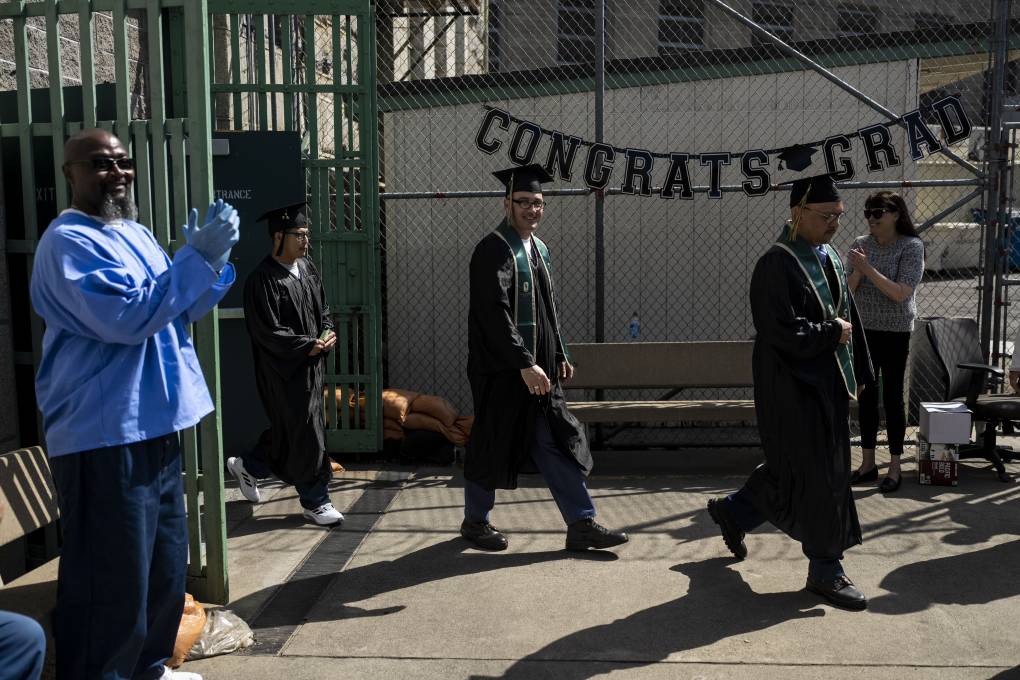
"caption": "A prisoner applauds as Lambert Pabriaga, right, and Eric Pomatto, center, walk into their graduation ceremony at Folsom State Prison on Thursday, May 25, 2023. Pabriaga and Pomatto earned their bachelor's degrees in communications in prison through the Transforming Outcomes Project at Sacramento State University.",
"description": null,
"title": "Left Behind Bars Pell Grants",
"credit": "Jae C. Hong/AP",
"status": "inherit",
"altTag": "Three young men in black graduation gowns walk through a prison courtyard, as a man in a blue gown looks on.",
"isLoading": false,
"fetchFailed": false
},
"news_11954080": {
"type": "attachments",
"id": "news_11954080",
"meta": {
"index": "attachments_1716263798",
"site": "news",
"id": "11954080",
"found": true
},
"parent": 0,
"imgSizes": {
"twentyfourteen-full-width": {
"file": "https://ww2.kqed.org/app/uploads/sites/10/2023/06/230626-CALIFORNIA-PRISONERS-AP-RP-KQED-1038x576.jpg",
"width": 1038,
"mimeType": "image/jpeg",
"height": 576
},
"thumbnail": {
"file": "https://ww2.kqed.org/app/uploads/sites/10/2023/06/230626-CALIFORNIA-PRISONERS-AP-RP-KQED-160x115.jpg",
"width": 160,
"mimeType": "image/jpeg",
"height": 115
},
"post-thumbnail": {
"file": "https://ww2.kqed.org/app/uploads/sites/10/2023/06/230626-CALIFORNIA-PRISONERS-AP-RP-KQED-672x372.jpg",
"width": 672,
"mimeType": "image/jpeg",
"height": 372
},
"kqedFullSize": {
"file": "https://ww2.kqed.org/app/uploads/sites/10/2023/06/230626-CALIFORNIA-PRISONERS-AP-RP-KQED.jpg",
"width": 2000,
"height": 1442
},
"large": {
"file": "https://ww2.kqed.org/app/uploads/sites/10/2023/06/230626-CALIFORNIA-PRISONERS-AP-RP-KQED-1020x735.jpg",
"width": 1020,
"mimeType": "image/jpeg",
"height": 735
},
"1536x1536": {
"file": "https://ww2.kqed.org/app/uploads/sites/10/2023/06/230626-CALIFORNIA-PRISONERS-AP-RP-KQED-1536x1107.jpg",
"width": 1536,
"mimeType": "image/jpeg",
"height": 1107
},
"full-width": {
"file": "https://ww2.kqed.org/app/uploads/sites/10/2023/06/230626-CALIFORNIA-PRISONERS-AP-RP-KQED-1920x1384.jpg",
"width": 1920,
"mimeType": "image/jpeg",
"height": 1384
},
"medium": {
"file": "https://ww2.kqed.org/app/uploads/sites/10/2023/06/230626-CALIFORNIA-PRISONERS-AP-RP-KQED-800x577.jpg",
"width": 800,
"mimeType": "image/jpeg",
"height": 577
}
},
"publishDate": 1687803767,
"modified": 1687803893,
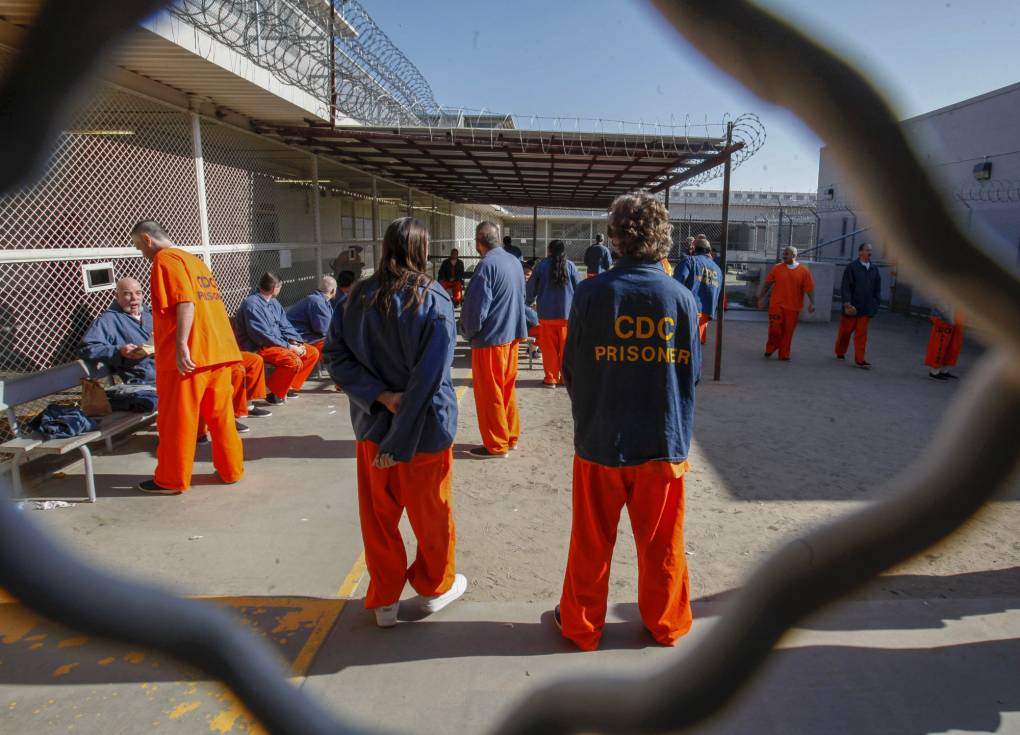
"caption": "Incarcerated individuals stand in a recreation yard at the Deuel Vocational Institution in Tracy on Jan. 12, 2012.",
"description": null,
"title": "New Laws California",
"credit": "Rich Pedroncelli/AP Photo",
"status": "inherit",
"altTag": "Men dressed in blue long-sleeved shirts and bright orange pants stand and walk in an open outdoor area surrounded by fencing and barbed wire.",
"isLoading": false,
"fetchFailed": false
},
"news_11945331": {
"type": "attachments",
"id": "news_11945331",
"meta": {
"index": "attachments_1716263798",
"site": "news",
"id": "11945331",
"found": true
},
"parent": 11945315,
"imgSizes": {
"twentyfourteen-full-width": {
"file": "https://ww2.kqed.org/app/uploads/sites/10/2023/03/RS64071_002_DeAndreRogers_SalinasStatePrison_RenderedImage-816x576.jpg",
"width": 816,
"mimeType": "image/jpeg",
"height": 576
},
"thumbnail": {
"file": "https://ww2.kqed.org/app/uploads/sites/10/2023/03/RS64071_002_DeAndreRogers_SalinasStatePrison_RenderedImage-160x114.jpg",
"width": 160,
"mimeType": "image/jpeg",
"height": 114
},
"post-thumbnail": {
"file": "https://ww2.kqed.org/app/uploads/sites/10/2023/03/RS64071_002_DeAndreRogers_SalinasStatePrison_RenderedImage-672x372.jpg",
"width": 672,
"mimeType": "image/jpeg",
"height": 372
},
"kqedFullSize": {
"file": "https://ww2.kqed.org/app/uploads/sites/10/2023/03/RS64071_002_DeAndreRogers_SalinasStatePrison_RenderedImage.jpg",
"width": 816,
"height": 583
},
"medium": {
"file": "https://ww2.kqed.org/app/uploads/sites/10/2023/03/RS64071_002_DeAndreRogers_SalinasStatePrison_RenderedImage-800x572.jpg",
"width": 800,
"mimeType": "image/jpeg",
"height": 572
}
},
"publishDate": 1680292227,
"modified": 1680298543,
"caption": "Ameerah Rogers, 9, poses with her parents Bernice and Deandre Rogers, on a visit to her dad at Salinas Valley State Prison on Nov. 23, 2022.",
"description": null,
"title": "RS64071_002_DeAndreRogers_SalinasStatePrison_RenderedImage",
"credit": "Courtesy Bernice Rogers",
"status": "inherit",
"altTag": "A Latina woman standing and smiling with an African American man sitting next to her giving two thumbs up and wearing blue, and a young girl smiling",
"isLoading": false,
"fetchFailed": false
},
"news_11936442": {
"type": "attachments",
"id": "news_11936442",
"meta": {
"index": "attachments_1716263798",
"site": "news",
"id": "11936442",
"found": true
},
"title": "1920px-CentralCaliforniaWomensFacility",
"publishDate": 1672268057,
"status": "inherit",
"parent": 11936438,
"modified": 1736961056,
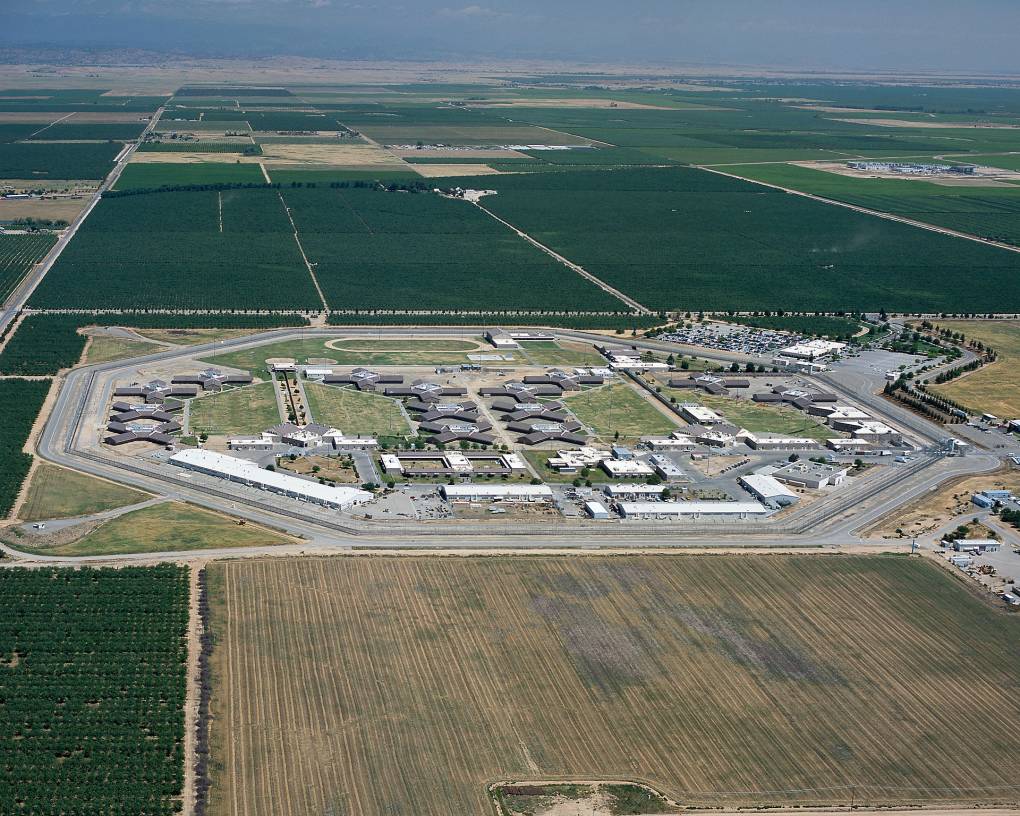
"caption": "An aerial photo from Aug. 25, 2010, of the Central California Women's Facility in Chowchilla, where former correctional officer Gregory Rodriguez is accused of having engaged in sexual misconduct against at least 22 women incarcerated there.",
"credit": "Wikipedia Commons",
"altTag": "An aerial view of a prison facility surrounded by green fields.",
"description": null,
"imgSizes": {
"medium": {
"file": "https://cdn.kqed.org/wp-content/uploads/sites/10/2022/12/1920px-CentralCaliforniaWomensFacility-800x640.jpeg",
"width": 800,
"height": 640,
"mimeType": "image/jpeg"
},
"large": {
"file": "https://cdn.kqed.org/wp-content/uploads/sites/10/2022/12/1920px-CentralCaliforniaWomensFacility-1020x816.jpeg",
"width": 1020,
"height": 816,
"mimeType": "image/jpeg"
},
"thumbnail": {
"file": "https://cdn.kqed.org/wp-content/uploads/sites/10/2022/12/1920px-CentralCaliforniaWomensFacility-160x128.jpeg",
"width": 160,
"height": 128,
"mimeType": "image/jpeg"
},
"1536x1536": {
"file": "https://cdn.kqed.org/wp-content/uploads/sites/10/2022/12/1920px-CentralCaliforniaWomensFacility-1536x1229.jpeg",
"width": 1536,
"height": 1229,
"mimeType": "image/jpeg"
},
"post-thumbnail": {
"file": "https://cdn.kqed.org/wp-content/uploads/sites/10/2022/12/1920px-CentralCaliforniaWomensFacility-672x372.jpeg",
"width": 672,
"height": 372,
"mimeType": "image/jpeg"
},
"twentyfourteen-full-width": {
"file": "https://cdn.kqed.org/wp-content/uploads/sites/10/2022/12/1920px-CentralCaliforniaWomensFacility-1038x576.jpeg",
"width": 1038,
"height": 576,
"mimeType": "image/jpeg"
},
"kqedFullSize": {
"file": "https://cdn.kqed.org/wp-content/uploads/sites/10/2022/12/1920px-CentralCaliforniaWomensFacility.jpeg",
"width": 1920,
"height": 1536
}
},
"isLoading": false,
"fetchFailed": false
},
"news_11934644": {
"type": "attachments",
"id": "news_11934644",
"meta": {
"index": "attachments_1716263798",
"site": "news",
"id": "11934644",
"found": true
},
"parent": 11934639,
"imgSizes": {
"twentyfourteen-full-width": {
"file": "https://ww2.kqed.org/app/uploads/sites/10/2022/12/GettyImages-1174522336-1024x576.jpg",
"width": 1024,
"mimeType": "image/jpeg",
"height": 576
},
"thumbnail": {
"file": "https://ww2.kqed.org/app/uploads/sites/10/2022/12/GettyImages-1174522336-160x107.jpg",
"width": 160,
"mimeType": "image/jpeg",
"height": 107
},
"post-thumbnail": {
"file": "https://ww2.kqed.org/app/uploads/sites/10/2022/12/GettyImages-1174522336-672x372.jpg",
"width": 672,
"mimeType": "image/jpeg",
"height": 372
},
"kqedFullSize": {
"file": "https://ww2.kqed.org/app/uploads/sites/10/2022/12/GettyImages-1174522336.jpg",
"width": 1024,
"height": 683
},
"large": {
"file": "https://ww2.kqed.org/app/uploads/sites/10/2022/12/GettyImages-1174522336-1020x680.jpg",
"width": 1020,
"mimeType": "image/jpeg",
"height": 680
},
"medium": {
"file": "https://ww2.kqed.org/app/uploads/sites/10/2022/12/GettyImages-1174522336-800x534.jpg",
"width": 800,
"mimeType": "image/jpeg",
"height": 534
}
},
"publishDate": 1670532550,
"modified": 1670534178,
"caption": "The Federal Correctional Institution in the East Bay suburb of Dublin. The low-security women's prison became known as the 'rape club' amid multiple allegations of sexual assault of women incarcerated there by prison staff.",
"description": null,
"title": "Federal Correctional Institution in Dublin California",
"credit": "Anda Chu/MediaNews Group/The Mercury News via Getty Images",
"status": "inherit",
"altTag": "The outside of a prison.",
"isLoading": false,
"fetchFailed": false
},
"news_11934074": {
"type": "attachments",
"id": "news_11934074",
"meta": {
"index": "attachments_1716263798",
"site": "news",
"id": "11934074",
"found": true
},
"parent": 11934072,
"imgSizes": {
"twentyfourteen-full-width": {
"file": "https://ww2.kqed.org/app/uploads/sites/10/2022/12/Screen-Shot-2022-12-04-at-1.39.43-PM-1038x576.png",
"width": 1038,
"mimeType": "image/png",
"height": 576
},
"thumbnail": {
"file": "https://ww2.kqed.org/app/uploads/sites/10/2022/12/Screen-Shot-2022-12-04-at-1.39.43-PM-160x106.png",
"width": 160,
"mimeType": "image/png",
"height": 106
},
"post-thumbnail": {
"file": "https://ww2.kqed.org/app/uploads/sites/10/2022/12/Screen-Shot-2022-12-04-at-1.39.43-PM-672x372.png",
"width": 672,
"mimeType": "image/png",
"height": 372
},
"kqedFullSize": {
"file": "https://ww2.kqed.org/app/uploads/sites/10/2022/12/Screen-Shot-2022-12-04-at-1.39.43-PM.png",
"width": 1566,
"height": 1036
},
"large": {
"file": "https://ww2.kqed.org/app/uploads/sites/10/2022/12/Screen-Shot-2022-12-04-at-1.39.43-PM-1020x675.png",
"width": 1020,
"mimeType": "image/png",
"height": 675
},
"1536x1536": {
"file": "https://ww2.kqed.org/app/uploads/sites/10/2022/12/Screen-Shot-2022-12-04-at-1.39.43-PM-1536x1016.png",
"width": 1536,
"mimeType": "image/png",
"height": 1016
},
"medium": {
"file": "https://ww2.kqed.org/app/uploads/sites/10/2022/12/Screen-Shot-2022-12-04-at-1.39.43-PM-800x529.png",
"width": 800,
"mimeType": "image/png",
"height": 529
}
},
"publishDate": 1670191003,
"modified": 1670277559,
"caption": "Kern Valley State Prison in Delano on Nov. 15, 2022.",
"description": null,
"title": "Screen Shot 2022-12-04 at 1.39.43 PM",
"credit": "Larry Valenzuela/CalMatters/CatchLight Local",
"status": "inherit",
"altTag": "A wide angle shot of a prison.",
"isLoading": false,
"fetchFailed": false
},
"news_11933322": {
"type": "attachments",
"id": "news_11933322",
"meta": {
"index": "attachments_1716263798",
"site": "news",
"id": "11933322",
"found": true
},
"parent": 11933302,
"imgSizes": {
"twentyfourteen-full-width": {
"file": "https://cdn.kqed.org/wp-content/uploads/sites/10/2022/11/1440px-Federal_Correctional_Institution_Dublin_sign-1038x576.jpg",
"width": 1038,
"mimeType": "image/jpeg",
"height": 576
},
"thumbnail": {
"file": "https://cdn.kqed.org/wp-content/uploads/sites/10/2022/11/1440px-Federal_Correctional_Institution_Dublin_sign-160x120.jpg",
"width": 160,
"mimeType": "image/jpeg",
"height": 120
},
"post-thumbnail": {
"file": "https://cdn.kqed.org/wp-content/uploads/sites/10/2022/11/1440px-Federal_Correctional_Institution_Dublin_sign-672x372.jpg",
"width": 672,
"mimeType": "image/jpeg",
"height": 372
},
"kqedFullSize": {
"file": "https://cdn.kqed.org/wp-content/uploads/sites/10/2022/11/1440px-Federal_Correctional_Institution_Dublin_sign.jpg",
"width": 1440,
"height": 1080
},
"large": {
"file": "https://cdn.kqed.org/wp-content/uploads/sites/10/2022/11/1440px-Federal_Correctional_Institution_Dublin_sign-1020x765.jpg",
"width": 1020,
"mimeType": "image/jpeg",
"height": 765
},
"medium": {
"file": "https://cdn.kqed.org/wp-content/uploads/sites/10/2022/11/1440px-Federal_Correctional_Institution_Dublin_sign-800x600.jpg",
"width": 800,
"mimeType": "image/jpeg",
"height": 600
}
},
"publishDate": 1669673083,
"modified": 1709940836,
"caption": "The entrance to the Federal Correctional Institution, a low-security women's prison in Dublin.",
"description": null,
"title": "1440px-Federal_Correctional_Institution,_Dublin_sign",
"credit": "Jesstess87/Wikimedia",
"status": "inherit",
"altTag": "An entrance sign that says, 'Federal Correctional Institution Dublin CA.'",
"isLoading": false,
"fetchFailed": false
},
"news_11927612": {
"type": "attachments",
"id": "news_11927612",
"meta": {
"index": "attachments_1716263798",
"site": "news",
"id": "11927612",
"found": true
},
"parent": 11927577,
"imgSizes": {
"twentyfourteen-full-width": {
"file": "https://ww2.kqed.org/app/uploads/sites/10/2022/10/GettyImages-589931216-1024x576.jpg",
"width": 1024,
"mimeType": "image/jpeg",
"height": 576
},
"thumbnail": {
"file": "https://ww2.kqed.org/app/uploads/sites/10/2022/10/GettyImages-589931216-160x106.jpg",
"width": 160,
"mimeType": "image/jpeg",
"height": 106
},
"post-thumbnail": {
"file": "https://ww2.kqed.org/app/uploads/sites/10/2022/10/GettyImages-589931216-672x372.jpg",
"width": 672,
"mimeType": "image/jpeg",
"height": 372
},
"kqedFullSize": {
"file": "https://ww2.kqed.org/app/uploads/sites/10/2022/10/GettyImages-589931216.jpg",
"width": 1024,
"height": 679
},
"large": {
"file": "https://ww2.kqed.org/app/uploads/sites/10/2022/10/GettyImages-589931216-1020x676.jpg",
"width": 1020,
"mimeType": "image/jpeg",
"height": 676
},
"medium": {
"file": "https://ww2.kqed.org/app/uploads/sites/10/2022/10/GettyImages-589931216-800x530.jpg",
"width": 800,
"mimeType": "image/jpeg",
"height": 530
}
},
"publishDate": 1664841750,
"modified": 1665002679,
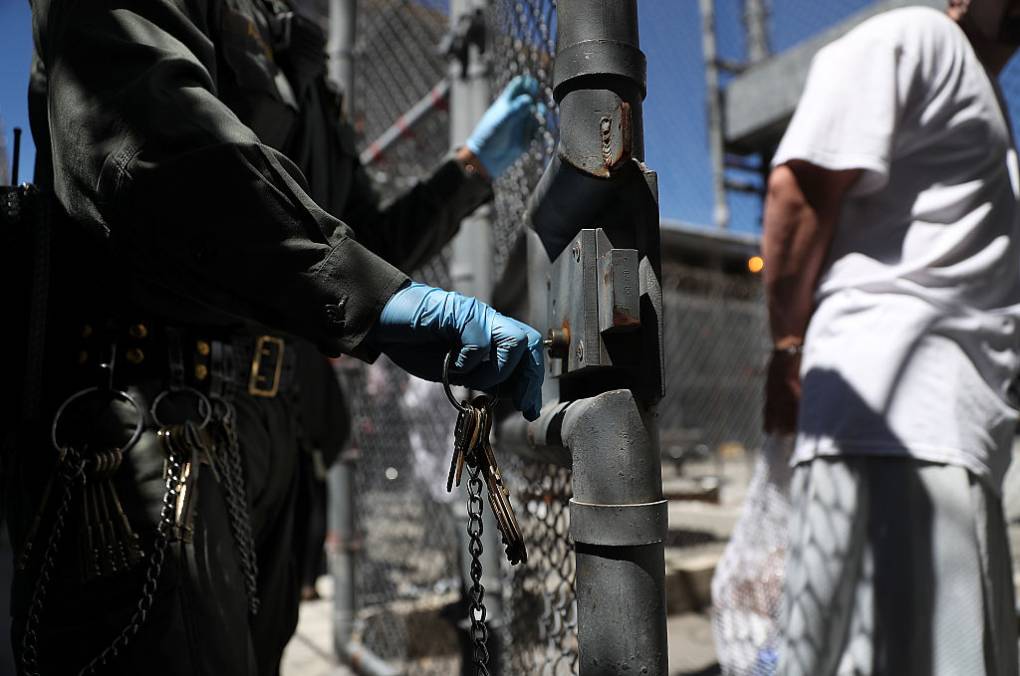
"caption": "A California Department of Corrections and Rehabilitation (CDCR) officer opens the gate for an incarcerated person who is leaving the exercise yard at San Quentin State Prison. KQED is suing CDCR to compel the agency to release records about staff use of force and misconduct.",
"description": "A California Department of Corrections and Rehabilitation (CDCR) officer opens the gate for an incarcerated person who is leaving the exercise yard at San Quentin State Prison. KQED is suing CDCR to compel the agency to release records about staff use of force and misconduct.",
"title": "San Quentin State Prison's Death Row",
"credit": "Justin Sullivan/Getty Images",
"status": "inherit",
"altTag": "a man in a prison uniform unlocks a gate for an inmate",
"isLoading": false,
"fetchFailed": false
},
"news_11924054": {
"type": "attachments",
"id": "news_11924054",
"meta": {
"index": "attachments_1716263798",
"site": "news",
"id": "11924054",
"found": true
},
"parent": 11924009,
"imgSizes": {
"twentyfourteen-full-width": {
"file": "https://ww2.kqed.org/app/uploads/sites/10/2022/08/Richart-1038x576.jpg",
"width": 1038,
"mimeType": "image/jpeg",
"height": 576
},
"thumbnail": {
"file": "https://ww2.kqed.org/app/uploads/sites/10/2022/08/Richart-160x118.jpg",
"width": 160,
"mimeType": "image/jpeg",
"height": 118
},
"post-thumbnail": {
"file": "https://ww2.kqed.org/app/uploads/sites/10/2022/08/Richart-672x372.jpg",
"width": 672,
"mimeType": "image/jpeg",
"height": 372
},
"kqedFullSize": {
"file": "https://ww2.kqed.org/app/uploads/sites/10/2022/08/Richart.jpg",
"width": 1920,
"height": 1410
},
"large": {
"file": "https://ww2.kqed.org/app/uploads/sites/10/2022/08/Richart-1020x749.jpg",
"width": 1020,
"mimeType": "image/jpeg",
"height": 749
},
"1536x1536": {
"file": "https://ww2.kqed.org/app/uploads/sites/10/2022/08/Richart-1536x1128.jpg",
"width": 1536,
"mimeType": "image/jpeg",
"height": 1128
},
"medium": {
"file": "https://ww2.kqed.org/app/uploads/sites/10/2022/08/Richart-800x588.jpg",
"width": 800,
"mimeType": "image/jpeg",
"height": 588
}
},
"publishDate": 1661876878,
"modified": 1661880287,
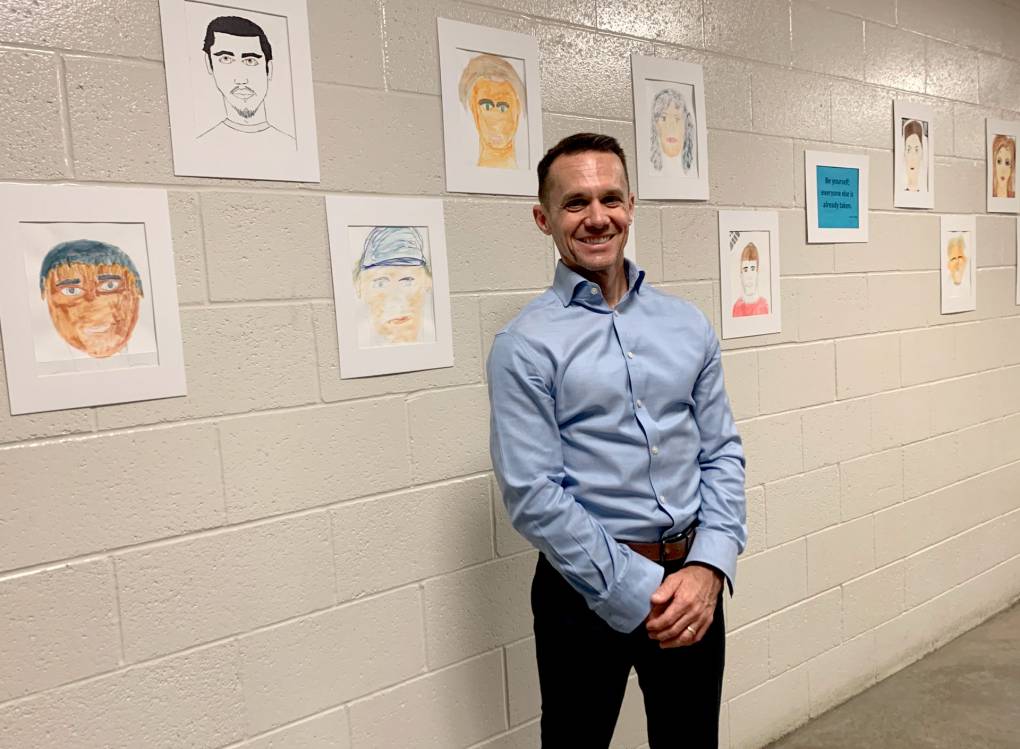
"caption": "El Dorado County Chief Probation Officer Brian Richart, pictured at the county juvenile hall on June 22, 2022. The remaking of California's juvenile justice system will culminate next summer in the closure of the Division of Juvenile Justice — a big change that will require probation chiefs to house and treat all justice system-affected youth in their home counties.",
"description": null,
"title": "Richart",
"credit": "Marisa Lagos/KQED",
"status": "inherit",
"altTag": "smiling man in button up shirt stands in front of portrait drawings hung on a concrete interior hallway wall behind him",
"isLoading": false,
"fetchFailed": false
},
"news_11922729": {
"type": "attachments",
"id": "news_11922729",
"meta": {
"index": "attachments_1716263798",
"site": "news",
"id": "11922729",
"found": true
},
"parent": 11922728,
"imgSizes": {
"twentyfourteen-full-width": {
"file": "https://ww2.kqed.org/app/uploads/sites/10/2022/08/gettyimages-647479376-af8c5a8d585c9c1115048c49d28e60f6ce15d93d-899x576.jpg",
"width": 899,
"mimeType": "image/jpeg",
"height": 576
},
"thumbnail": {
"file": "https://ww2.kqed.org/app/uploads/sites/10/2022/08/gettyimages-647479376-af8c5a8d585c9c1115048c49d28e60f6ce15d93d-160x120.jpg",
"width": 160,
"mimeType": "image/jpeg",
"height": 120
},
"post-thumbnail": {
"file": "https://ww2.kqed.org/app/uploads/sites/10/2022/08/gettyimages-647479376-af8c5a8d585c9c1115048c49d28e60f6ce15d93d-672x372.jpg",
"width": 672,
"mimeType": "image/jpeg",
"height": 372
},
"kqedFullSize": {
"file": "https://ww2.kqed.org/app/uploads/sites/10/2022/08/gettyimages-647479376-af8c5a8d585c9c1115048c49d28e60f6ce15d93d.jpg",
"width": 899,
"height": 674
},
"medium": {
"file": "https://ww2.kqed.org/app/uploads/sites/10/2022/08/gettyimages-647479376-af8c5a8d585c9c1115048c49d28e60f6ce15d93d-800x600.jpg",
"width": 800,
"mimeType": "image/jpeg",
"height": 600
}
},
"publishDate": 1660681071,
"modified": 1660681281,
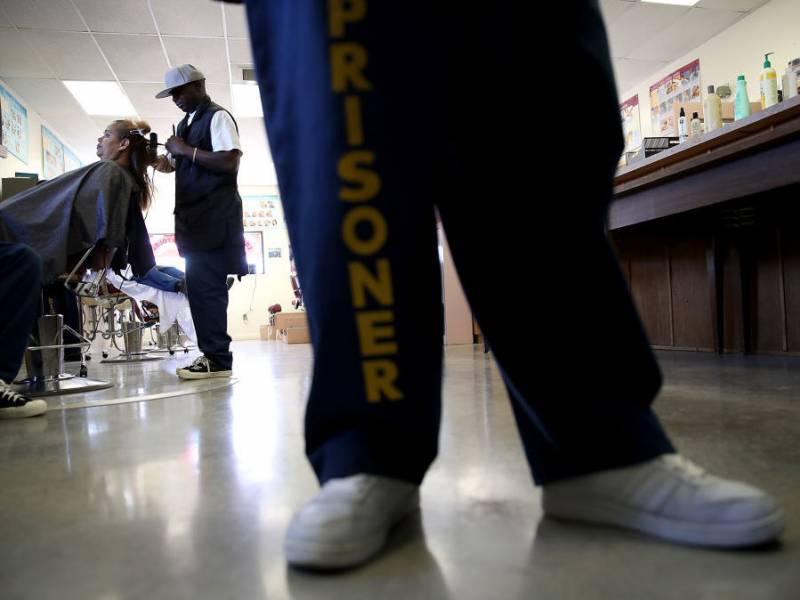
"caption": "Valley State Prison inmate Will Caldwell cuts the hair of a prison employee during a cosmetology class at Valley State Prison on March 2, 2017 in Chowchilla. A number of inmates at the all mens Valley State Prison are participating in a cosmetology course that started in 1996 when the prison only housed women. ",
"description": "CHOWCHILLA, CA - MARCH 02: Valley State Prison inmate Will Caldwell cuts the hair of a prison employee during a cosmetology class at Valley State Prison on March 2, 2017 in Chowchilla, California. A number of inmates at the all mens Valley State Prison are participating in a cosmetology course that started in 1996 when the prison only housed women. The 1,600 hour course includes training in manicures, pedicures, hair styling and facials. The inmates begin learning skills using mannequins before moving on to practicing on fellow inmates and even prison employees. Upon successful completion of the 1,600 hours of textbook and hands on training, inmates can take a written exam to obtain their California State Barbering and Cosmetology License. (Photo by Justin Sullivan/Getty Images)",
"title": "CHOWCHILLA, CA - MARCH 02: Valley State Prison inmate Will Caldwell cuts the hair of a prison employee during a cosmetology class at Valley State Prison on March 2, 2017 in Chowchilla, California.",
"credit": "Justin Sullivan/Getty Images",
"status": "inherit",
"altTag": "The legs of a man are seen with \"prisoner\" written on a pants leg. Another man is seen in the background wearing a hat holding hair utensils by a woman's head.",
"isLoading": false,
"fetchFailed": false
},
"news_11916789": {
"type": "attachments",
"id": "news_11916789",
"meta": {
"index": "attachments_1716263798",
"site": "news",
"id": "11916789",
"found": true
},
"parent": 11916767,
"imgSizes": {
"twentyfourteen-full-width": {
"file": "https://ww2.kqed.org/app/uploads/sites/10/2022/06/RS55239_012_KQED_SistersCircleBayview_04062022-qut-1038x576.jpg",
"width": 1038,
"mimeType": "image/jpeg",
"height": 576
},
"thumbnail": {
"file": "https://ww2.kqed.org/app/uploads/sites/10/2022/06/RS55239_012_KQED_SistersCircleBayview_04062022-qut-160x107.jpg",
"width": 160,
"mimeType": "image/jpeg",
"height": 107
},
"post-thumbnail": {
"file": "https://ww2.kqed.org/app/uploads/sites/10/2022/06/RS55239_012_KQED_SistersCircleBayview_04062022-qut-672x372.jpg",
"width": 672,
"mimeType": "image/jpeg",
"height": 372
},
"kqedFullSize": {
"file": "https://ww2.kqed.org/app/uploads/sites/10/2022/06/RS55239_012_KQED_SistersCircleBayview_04062022-qut.jpg",
"width": 1920,
"height": 1280
},
"large": {
"file": "https://ww2.kqed.org/app/uploads/sites/10/2022/06/RS55239_012_KQED_SistersCircleBayview_04062022-qut-1020x680.jpg",
"width": 1020,
"mimeType": "image/jpeg",
"height": 680
},
"1536x1536": {
"file": "https://ww2.kqed.org/app/uploads/sites/10/2022/06/RS55239_012_KQED_SistersCircleBayview_04062022-qut-1536x1024.jpg",
"width": 1536,
"mimeType": "image/jpeg",
"height": 1024
},
"medium": {
"file": "https://ww2.kqed.org/app/uploads/sites/10/2022/06/RS55239_012_KQED_SistersCircleBayview_04062022-qut-800x533.jpg",
"width": 800,
"mimeType": "image/jpeg",
"height": 533
}
},
"publishDate": 1654896408,
"modified": 1654909561,
"caption": "Lisa Wood (center, in blue jacket) holds hands with other members of the Seeking Safety group during a prayer after a meeting of the support network in San Francisco's Bayview neighborhood on April 6, 2022.",
"description": null,
"title": "RS55239_012_KQED_SistersCircleBayview_04062022-qut",
"credit": "Beth LaBerge/KQED",
"status": "inherit",
"altTag": "a group of women holding hands and smiling at each other",
"isLoading": false,
"fetchFailed": false
},
"news_11904299": {
"type": "attachments",
"id": "news_11904299",
"meta": {
"index": "attachments_1716263798",
"site": "news",
"id": "11904299",
"found": true
},
"parent": 11904298,
"imgSizes": {
"twentyfourteen-full-width": {
"file": "https://ww2.kqed.org/app/uploads/sites/10/2022/02/RS53521_GettyImages-1181905632-qut-1038x576.jpg",
"width": 1038,
"mimeType": "image/jpeg",
"height": 576
},
"thumbnail": {
"file": "https://ww2.kqed.org/app/uploads/sites/10/2022/02/RS53521_GettyImages-1181905632-qut-160x107.jpg",
"width": 160,
"mimeType": "image/jpeg",
"height": 107
},
"post-thumbnail": {
"file": "https://ww2.kqed.org/app/uploads/sites/10/2022/02/RS53521_GettyImages-1181905632-qut-672x372.jpg",
"width": 672,
"mimeType": "image/jpeg",
"height": 372
},
"kqedFullSize": {
"file": "https://ww2.kqed.org/app/uploads/sites/10/2022/02/RS53521_GettyImages-1181905632-qut.jpg",
"width": 1920,
"height": 1280
},
"large": {
"file": "https://ww2.kqed.org/app/uploads/sites/10/2022/02/RS53521_GettyImages-1181905632-qut-1020x680.jpg",
"width": 1020,
"mimeType": "image/jpeg",
"height": 680
},
"1536x1536": {
"file": "https://ww2.kqed.org/app/uploads/sites/10/2022/02/RS53521_GettyImages-1181905632-qut-1536x1024.jpg",
"width": 1536,
"mimeType": "image/jpeg",
"height": 1024
},
"medium": {
"file": "https://ww2.kqed.org/app/uploads/sites/10/2022/02/RS53521_GettyImages-1181905632-qut-800x533.jpg",
"width": 800,
"mimeType": "image/jpeg",
"height": 533
}
},
"publishDate": 1644167066,
"modified": 1644269670,
"caption": "The Dublin Federal Correctional Institution is photographed on Sept. 13, 2019, in Dublin. A 2022 Associated Press investigation has found a permissive and toxic culture at the Bay Area lockup, enabling years of sexual misconduct by predatory employees and cover-ups that have largely kept the abuse out of the public eye.",
"description": null,
"title": "Dublin Federal Correctional Institution",
"credit": "Anda Chu/MediaNews Group/The Mercury News via Getty Images",
"status": "inherit",
"altTag": "A depressing stone sign marks the entrance to the Dublin Federal Correctional Institution",
"isLoading": false,
"fetchFailed": false
}
},
"audioPlayerReducer": {
"postId": "stream_live",
"isPaused": true,
"isPlaying": false,
"pfsActive": false,
"pledgeModalIsOpen": true,
"playerDrawerIsOpen": false,
"liveAudioPlayStartedAt": 0,
"liveAudioPlayContext": ""
},
"authorsReducer": {
"byline_news_11954394": {
"type": "authors",
"id": "byline_news_11954394",
"meta": {
"override": true
},
"slug": "byline_news_11954394",
"name": "Aaron Morrison\u003cbr>The Associated Press",
"isLoading": false
},
"byline_news_11954055": {
"type": "authors",
"id": "byline_news_11954055",
"meta": {
"override": true
},
"slug": "byline_news_11954055",
"name": "\u003ca href=\"https://calmatters.org/author/anabelsosa/\">Anabel Sosa\u003c/a>",
"isLoading": false
},
"byline_news_11936438": {
"type": "authors",
"id": "byline_news_11936438",
"meta": {
"override": true
},
"slug": "byline_news_11936438",
"name": "Sophie Austin\u003cbr>The Associated Press",
"isLoading": false
},
"byline_news_11934639": {
"type": "authors",
"id": "byline_news_11934639",
"meta": {
"override": true
},
"slug": "byline_news_11934639",
"name": "\u003ca href=\"https://twitter.com/mikesisak\">Michael R. Sisak\u003c/a> and \u003ca href=\"https://twitter.com/MikeBalsamo1?ref_src=twsrc%5Egoogle%7Ctwcamp%5Eserp%7Ctwgr%5Eauthor\">Michael Balsamo\u003c/a>\u003cbr>The Associated Press ",
"isLoading": false
},
"byline_news_11934072": {
"type": "authors",
"id": "byline_news_11934072",
"meta": {
"override": true
},
"slug": "byline_news_11934072",
"name": "Nigel Duara\u003cbr>CalMatters",
"isLoading": false
},
"byline_news_11933302": {
"type": "authors",
"id": "byline_news_11933302",
"meta": {
"override": true
},
"slug": "byline_news_11933302",
"name": "Olga R. Rodriguez, Michael R. Sisak and Michael Balsamo\u003cbr>The Associated Press",
"isLoading": false
},
"byline_news_11922728": {
"type": "authors",
"id": "byline_news_11922728",
"meta": {
"override": true
},
"slug": "byline_news_11922728",
"name": "Lawrence Bartley",
"isLoading": false
},
"byline_news_11916767": {
"type": "authors",
"id": "byline_news_11916767",
"meta": {
"override": true
},
"slug": "byline_news_11916767",
"name": "\u003ca href=\"https://twitter.com/hwright24\">Hannah Maria Wright\u003c/a>",
"isLoading": false
},
"byline_news_11904298": {
"type": "authors",
"id": "byline_news_11904298",
"meta": {
"override": true
},
"slug": "byline_news_11904298",
"name": "Michael Balsamo and Michael R. Sisak \u003cbr> Associated Press",
"isLoading": false
},
"tychehendricks": {
"type": "authors",
"id": "259",
"meta": {
"index": "authors_1716337520",
"id": "259",
"found": true
},
"name": "Tyche Hendricks",
"firstName": "Tyche",
"lastName": "Hendricks",
"slug": "tychehendricks",
"email": "thendricks@kqed.org",
"display_author_email": true,
"staff_mastheads": [
"news"
],
"title": "KQED Senior Editor, Immigration",
"bio": "\u003cspan style=\"font-weight: 400;\">Tyche Hendricks is KQED’s senior editor for immigration, leading coverage of the policy and politics that affect California’s immigrant communities. Her work for KQED’s radio and online audiences is also carried on NPR and other national outlets. She has been recognized with awards from the Radio and Television News Directors Association, the Society for Professional Journalists; the Education Writers Association; the Best of the West and the National Federation of Community Broadcasters. Before joining KQED in 2010, Tyche spent more than a dozen years as a newspaper reporter, notably at the \u003c/span>\u003ci>\u003cspan style=\"font-weight: 400;\">San Francisco Chronicle\u003c/span>\u003c/i>\u003cspan style=\"font-weight: 400;\">. At different times she has covered criminal justice, government and politics and urban planning. Tyche has taught in the MFA Creative Writing program at the University of San Francisco and at UC Berkeley’s Graduate School of Journalism, where she was co-director of a national immigration symposium for professional journalists. She is the author of \u003c/span>\u003ci>\u003cspan style=\"font-weight: 400;\">The Wind Doesn't Need a Passport: Stories from the U.S.-Mexico Borderlands\u003c/span>\u003c/i>\u003cspan style=\"font-weight: 400;\"> (University of California Press). \u003c/span>",
"avatar": "https://secure.gravatar.com/avatar/b8ee458e2731c2d43df86882ce17267e?s=600&d=blank&r=g",
"twitter": "tychehendricks",
"facebook": null,
"instagram": null,
"linkedin": null,
"sites": [
{
"site": "news",
"roles": [
"editor"
]
},
{
"site": "stateofhealth",
"roles": [
"editor"
]
}
],
"headData": {
"title": "Tyche Hendricks | KQED",
"description": "KQED Senior Editor, Immigration",
"ogImgSrc": "https://secure.gravatar.com/avatar/b8ee458e2731c2d43df86882ce17267e?s=600&d=blank&r=g",
"twImgSrc": "https://secure.gravatar.com/avatar/b8ee458e2731c2d43df86882ce17267e?s=600&d=blank&r=g"
},
"isLoading": false,
"link": "/author/tychehendricks"
},
"mlagos": {
"type": "authors",
"id": "3239",
"meta": {
"index": "authors_1716337520",
"id": "3239",
"found": true
},
"name": "Marisa Lagos",
"firstName": "Marisa",
"lastName": "Lagos",
"slug": "mlagos",
"email": "mlagos@kqed.org",
"display_author_email": false,
"staff_mastheads": [
"news"
],
"title": "KQED Contributor",
"bio": "Marisa Lagos is a correspondent for KQED’s California Politics and Government Desk and co-hosts the award-winning show and podcast, Political Breakdown. At KQED, Lagos also conducts reporting, analysis and investigations into state, local and national politics for radio, TV, online and onstage. In 2022, she and co-host, Scott Shafer, moderated the only gubernatorial debate in California. In 2020, the \u003ci>Washington Post\u003c/i> named her one of the top political journalists in California; she was nominated for a Peabody and won several other awards for her work investigating the 2017 California wildfires. She has worked at the \u003ci>San Francisco Chronicle\u003c/i>, \u003ci>San Francisco Examiner\u003c/i> and \u003ci>Los Angeles Times\u003c/i>. A UC Santa Barbara graduate, she lives in San Francisco with her two sons and husband.",
"avatar": "https://secure.gravatar.com/avatar/a261a0d3696fc066871ef96b85b5e7d2?s=600&d=blank&r=g",
"twitter": "@mlagos",
"facebook": null,
"instagram": null,
"linkedin": null,
"sites": [
{
"site": "arts",
"roles": [
"author"
]
},
{
"site": "news",
"roles": [
"editor"
]
},
{
"site": "science",
"roles": [
"editor"
]
},
{
"site": "forum",
"roles": [
"author"
]
},
{
"site": "liveblog",
"roles": [
"author"
]
}
],
"headData": {
"title": "Marisa Lagos | KQED",
"description": "KQED Contributor",
"ogImgSrc": "https://secure.gravatar.com/avatar/a261a0d3696fc066871ef96b85b5e7d2?s=600&d=blank&r=g",
"twImgSrc": "https://secure.gravatar.com/avatar/a261a0d3696fc066871ef96b85b5e7d2?s=600&d=blank&r=g"
},
"isLoading": false,
"link": "/author/mlagos"
},
"slewis": {
"type": "authors",
"id": "8676",
"meta": {
"index": "authors_1716337520",
"id": "8676",
"found": true
},
"name": "Sukey Lewis",
"firstName": "Sukey",
"lastName": "Lewis",
"slug": "slewis",
"email": "slewis@kqed.org",
"display_author_email": true,
"staff_mastheads": [
"news"
],
"title": "KQED Contributor",
"bio": "Sukey Lewis is a criminal justice reporter and host of \u003cem>On Our Watch\u003c/em>, a new podcast from NPR and KQED about the shadow world of police discipline. In 2018, she co-founded the California Reporting Project, a coalition of newsrooms across the state focused on obtaining previously sealed internal affairs records from law enforcement. In addition to her reporting on police accountability, Sukey has investigated the bail bonds industry, California's wildfires and the high cost of prison phone calls. Sukey earned a master's degree in journalism from the University of California at Berkeley. Send news tips to slewis@kqed.org.",
"avatar": "https://secure.gravatar.com/avatar/03fd6b21024f99d8b0a1966654586de7?s=600&d=blank&r=g",
"twitter": "SukeyLewis",
"facebook": null,
"instagram": null,
"linkedin": null,
"sites": [
{
"site": "news",
"roles": [
"author",
"edit_others_posts"
]
}
],
"headData": {
"title": "Sukey Lewis | KQED",
"description": "KQED Contributor",
"ogImgSrc": "https://secure.gravatar.com/avatar/03fd6b21024f99d8b0a1966654586de7?s=600&d=blank&r=g",
"twImgSrc": "https://secure.gravatar.com/avatar/03fd6b21024f99d8b0a1966654586de7?s=600&d=blank&r=g"
},
"isLoading": false,
"link": "/author/slewis"
}
},
"pagesReducer": {
"news_tag_prisons": {
"type": "terms",
"id": "news_1471",
"meta": {
"index": "terms_1716263798",
"site": "news",
"id": "1471",
"score": 9.305508
},
"featImg": null,
"name": "prisons",
"description": null,
"taxonomy": "tag",
"headData": {
"twImgId": null,
"twTitle": null,
"ogTitle": null,
"ogImgId": null,
"twDescription": null,
"description": null,
"title": "prisons Archives | KQED News",
"ogDescription": null
},
"ttid": 1483,
"slug": "prisons",
"isLoading": false,
"title": "prisons",
"pageMeta": {
"site": "news",
"WpPageTemplate": "page-topic-editorial",
"currentPage": 6
},
"blocks": [
{
"blockName": "kqed/post-list",
"attrs": {
"layout": "cardArticle2",
"query": "posts/news?tag=prisons",
"seeMore": false,
"paginated": true,
"page": 6
}
},
{
"blockName": "kqed/ad"
}
]
}
},
"pfsSessionReducer": {},
"postsReducer": {
"stream_live": {
"type": "live",
"id": "stream_live",
"audioUrl": "https://streams.kqed.org/kqedradio",
"title": "Live Stream",
"excerpt": "Live Stream information currently unavailable.",
"link": "/radio",
"featImg": "",
"label": {
"name": "KQED Live",
"link": "/"
}
},
"stream_kqedNewscast": {
"type": "posts",
"id": "stream_kqedNewscast",
"audioUrl": "https://www.kqed.org/.stream/anon/radio/RDnews/newscast.mp3?_=1",
"title": "KQED Newscast",
"featImg": "",
"label": {
"name": "88.5 FM",
"link": "/"
}
},
"news_11954394": {
"type": "posts",
"id": "news_11954394",
"meta": {
"index": "posts_1716263798",
"site": "news",
"id": "11954394",
"score": null,
"sort": [
1688043644000
]
},
"parent": 0,
"labelTerm": {
"site": "news"
},
"blocks": [],
"publishDate": 1688043644,
"format": "standard",
"title": "Thousands More People in US Prisons Can Soon Go to College for Free",
"headTitle": "Thousands More People in US Prisons Can Soon Go to College for Free | KQED",
"content": "\u003cp>The graduates lined up, brushing off their gowns and adjusting each others’ tassels and stoles. As the graduation march played, the 85 men appeared to hoots and cheers from their families. They marched to a stage surrounded by barbed wire fence.[pullquote align=\"right\" size=\"medium\" citation=\"Gerald Massey, college student at Folsom State Prison\"]‘I feel, honestly, that God opened the doors and I just walked through them.’[/pullquote]For these were no ordinary graduates. Their black commencement garb almost hid the aqua and navy-blue prison uniforms they wore as they received college degrees, high school diplomas and vocational certificates earned while they served time at California’s Folsom State Prison.\u003c/p>\n\u003cp>Thousands of prisoners throughout the United States get their college degrees behind bars, most of them paid for by \u003ca href=\"https://apnews.com/article/biden-education-higher-pell-grant-fce8a300f7d7400283891dc223cbc378\">the federal Pell Grant program\u003c/a>, which offers tuition aid to lower-income undergraduates who have persevered through challenging circumstances.\u003c/p>\n\u003cp>That program is about to expand exponentially next month, giving about 30,000 more students behind bars some $130 million in financial aid per year.\u003c/p>\n\u003ch2>A solid investment\u003c/h2>\n\u003cp>The new rules, which overturn a \u003ca href=\"https://apnews.com/article/student-loan-relief-pell-grant-ban-972513f72b873d730b1c0a513b5c5b04\">1994 ban on Pell Grants for prisoners\u003c/a>, begin to address decades of policy during the “tough on crime” 1970s–2000 that brought about mass incarceration and stark racial disparities in the nation’s booming prison system that now holds nearly 2 million people behind bars.\u003c/p>\n\u003cp>For people in prison who get their college degrees, including those at Folsom who received grants during an experimental period that started in 2016, it can be the difference between a decent life ahead or ending up back behind bars. Finding a job is difficult with a criminal conviction, and a college degree can be an invaluable advantage.\u003c/p>\n\u003cp>Gerald Massey, one of 11 Folsom students graduating with a degree from the Sacramento State University, has served nine years of a 15-year-to-life sentence for a drunken driving incident that resulted in the death of his close friend.\u003c/p>\n\u003cp>“The last day I talked to him, he was telling me, I should go back to college,” Massey said. “So when I came into prison and I saw an opportunity to go to college, I took it.”\u003c/p>\n\u003cp>https://youtu.be/EcFLk23792A\u003c/p>\n\u003cp>It costs roughly $106,000 per year to incarcerate one adult in California, and about $20,000 to have that person earn a bachelor’s degree through the Transforming Outcomes Project at Sacramento State, or TOPSS.\u003c/p>\n\u003cp>If a prisoner receives parole with a degree, never reoffends, gets a job earning a good salary and pays taxes, then the expansion of prison education shouldn’t be a hard sell, said David Zuckerman, the project’s interim director.\u003c/p>\n\u003cp>“I would say that return on investment is better than anything I’ve ever invested in,” he said.\u003c/p>\n\u003ch2>Major policy shift\u003c/h2>\n\u003cp>That doesn’t mean the idea is always popular. Using taxpayer money to give college aid to people who’ve broken the law — especially those convicted of violent crimes — can be controversial. When the Obama administration offered a limited number of Pell Grants to prisoners through executive action in 2015, some prominent Republicans opposed it, arguing in favor of improving the existing federal job training and reentry programs instead.\u003c/p>\n\u003cp>The ban on Pell Grants for prisoners caused the hundreds of college-in-prison programs that existed in the 1970s and 1980s to go almost entirely extinct by the late 1990s.\u003c/p>\n\u003cp>Congress voted to lift the ban in 2020, and since then, about 200 Pell-eligible college programs — like the one at Folsom — have been running in 48 states, Washington, D.C. and Puerto Rico. Under the coming expansion, any college can apply to use Pell Grant funding to serve incarcerated students, and, if approved, launch its own program.\u003c/p>\n\u003cp>Since entering the White House, President Joe Biden has strongly supported giving Pell Grants to prisoners. That’s a big turnaround — the Violent Crime Control and Law Enforcement Act of 1994, championed by the former Delaware senator, was what barred prisoners from getting Pell Grants in the first place. Biden has since said that he didn’t agree with that part of the compromise legislation.\u003c/p>\n\u003cfigure id=\"attachment_11954450\" class=\"wp-caption alignnone\" style=\"max-width: 2560px\">\u003ca href=\"https://ww2.kqed.org/app/uploads/sites/10/2023/06/AP23175561834858-scaled.jpg\">\u003cimg decoding=\"async\" loading=\"lazy\" class=\"size-full wp-image-11954450\" src=\"https://ww2.kqed.org/app/uploads/sites/10/2023/06/AP23175561834858-scaled.jpg\" alt=\"A group of men, wearing blue prison shirts, walk out of a fenced yard, past a mural of a person in a gown, that says: 'More than a number.'\" width=\"2560\" height=\"1707\" srcset=\"https://ww2.kqed.org/app/uploads/sites/10/2023/06/AP23175561834858-scaled.jpg 2560w, https://ww2.kqed.org/app/uploads/sites/10/2023/06/AP23175561834858-800x533.jpg 800w, https://ww2.kqed.org/app/uploads/sites/10/2023/06/AP23175561834858-1020x680.jpg 1020w, https://ww2.kqed.org/app/uploads/sites/10/2023/06/AP23175561834858-160x107.jpg 160w, https://ww2.kqed.org/app/uploads/sites/10/2023/06/AP23175561834858-1536x1024.jpg 1536w, https://ww2.kqed.org/app/uploads/sites/10/2023/06/AP23175561834858-2048x1365.jpg 2048w, https://ww2.kqed.org/app/uploads/sites/10/2023/06/AP23175561834858-1920x1280.jpg 1920w\" sizes=\"(max-width: 2560px) 100vw, 2560px\">\u003c/a>\u003cfigcaption class=\"wp-caption-text\">From right, Jamal Lewis, Lambert Pabriaga and Sherman Dorsey — all college students in prison, majoring in communications — walk to their class at Folsom State Prison on, May 3, 2023. \u003ccite>(Jae C. Hong/AP)\u003c/cite>\u003c/figcaption>\u003c/figure>\n\u003cp>The California Department of Corrections and Rehabilitation had 200 students enrolled in bachelor’s degree programs this spring, and has partnered with eight universities across the state. The goal, says CDCR spokesperson Terri Hardy: transforming prisoners’ lives through education.\u003c/p>\n\u003cp>Aside from students dressed in prisoner blues, classes inside Folsom Prison look and feel like any college class. Instructors give incarcerated students the same assignments as they do to pupils back on campus.\u003c/p>\n\u003ch2>‘A big accomplishment’\u003c/h2>\n\u003cp>The students in the Folsom classes come from many different backgrounds. They are Black, white, Hispanic, young, middle aged and senior. Massey, who got his communications degree, is of South Asian heritage.\u003c/p>\n\u003cp>[ad fullwidth]\u003c/p>\n\u003cp>Born in San Francisco to parents who immigrated to the U.S. from Pakistan, Massey recalls growing up feeling like an outsider. Although most people of his background are Muslim, his family members belonged to a small Christian community in Karachi.\u003c/p>\n\u003cp>In primary school, he was a target for bullies. He remembers, as a teen, seeking acceptance from the wrong people. When he completed high school, Massey joined the Air Force.\u003c/p>\n\u003cp>“After 9/11, I went in and some people thought I was a terrorist trying to infiltrate,” he said. “It really bothered me. So when I got out of the military, I didn’t want anything to do with them.”\u003c/p>\n\u003cp>Massey enrolled in college after one year in the military, but dropped out. Later, he became a certified nursing assistant and held the job for 10 years. He married and had two children.[aside label=\"More on prison education programs\" postID=\"news_11949943,news_11851182,news_11775030\"]But he said his addiction to alcohol and a marijuana habit knocked him off course.\u003c/p>\n\u003cp>“I was living like a little kid and I had my own little kids,” Massey said. “And I thought if I do the bare minimum, that’s OK.”\u003c/p>\n\u003cp>He said prison forced him to take responsibility for his actions. He got focused, sought rehabilitation for alcoholism and restarted his pursuit of education. He also took up barbering to make money.\u003c/p>\n\u003cp>On commencement day, Massey was the last of his classmates to put on his cap and gown. He was a member of the ceremony’s honor guard — his prison uniform was decorated with a white aiguillette, the ornamental braided cord denoting his military service.\u003c/p>\n\u003cp>“It’s a big accomplishment,” Massey said. “I feel, honestly, that God opened the doors and I just walked through them.”\u003c/p>\n\u003cp>At the ceremony, Massey found his mom, wife and daughter for a long-awaited celebratory embrace. He reserved the longest and tightest embrace for his 9-year-old daughter, Grace. Her small frame collapsed into his outstretched arms, as his wife, Jacq’lene, looked on.\u003c/p>\n\u003cp>“There’s so many different facets and things that can happen when you’re incarcerated, but this kept him focused on his goals,” Jacq’lene said. “Having the resources and the ability to participate in programs like that really helped him, but it actually helps us, too.”\u003c/p>\n\u003cp>“There’s the domino effect — it’s good for our kids to see that. It’s good for me to see that,” she said.\u003c/p>\n\u003cp>In addition to his communications degree, Massey earned degrees in theology and biblical studies. His post-release options began to materialize ahead of graduation. State commissioners have deemed him fit for parole, and he expects to be released any day. A nonprofit group that assists incarcerated military veterans met with him in May to set up transitional housing, food, clothing and health care insurance for his eventual reentry.\u003c/p>\n\u003cfigure id=\"attachment_11954449\" class=\"wp-caption alignnone\" style=\"max-width: 2560px\">\u003ca href=\"https://ww2.kqed.org/app/uploads/sites/10/2023/06/AP23175561715729-scaled.jpg\">\u003cimg decoding=\"async\" loading=\"lazy\" class=\"size-full wp-image-11954449\" src=\"https://ww2.kqed.org/app/uploads/sites/10/2023/06/AP23175561715729-scaled.jpg\" alt=\"A Black man in a blue prison shirt sits at a table in front of a laptop in a classroom, while another man, of South Asian descent, also in a prison shirt, looks over his shoulder. \" width=\"2560\" height=\"1707\" srcset=\"https://ww2.kqed.org/app/uploads/sites/10/2023/06/AP23175561715729-scaled.jpg 2560w, https://ww2.kqed.org/app/uploads/sites/10/2023/06/AP23175561715729-800x533.jpg 800w, https://ww2.kqed.org/app/uploads/sites/10/2023/06/AP23175561715729-1020x680.jpg 1020w, https://ww2.kqed.org/app/uploads/sites/10/2023/06/AP23175561715729-160x107.jpg 160w, https://ww2.kqed.org/app/uploads/sites/10/2023/06/AP23175561715729-1536x1024.jpg 1536w, https://ww2.kqed.org/app/uploads/sites/10/2023/06/AP23175561715729-2048x1365.jpg 2048w, https://ww2.kqed.org/app/uploads/sites/10/2023/06/AP23175561715729-1920x1280.jpg 1920w\" sizes=\"(max-width: 2560px) 100vw, 2560px\">\u003c/a>\u003cfigcaption class=\"wp-caption-text\">Gerald Massey, center standing, works with Sherman Dorsey in a classroom at Folsom State Prison on May 3, 2023. Many more prisoners like Massey and Dorsey will have opportunities to leave prison with bachelor’s degrees, when new federal rules on financial aid for higher education take effect in July. \u003ccite>(Jae C. Hong/AP)\u003c/cite>\u003c/figcaption>\u003c/figure>\n\u003cp>“There’s a radio station I listen to, a Christian radio station, that I’ve been thinking one day I would like to work for,” Massey said. “They are always talking about redemption stories. So I would like to share my redemption story, one day.”\u003c/p>\n\u003ch2>Work in progress\u003c/h2>\n\u003cp>College-in-prison programs aren’t perfect. Many prisons barely have enough room to accommodate \u003ca href=\"https://apnews.com/article/prison-pandemic-shutdowns-rehabilitation-education-programs-d0aab915c2cd130543025f5bffeb6672\">the few educational and rehabilitation programs\u003c/a> that already exist. Prisons will have to figure out how to make space and get the technology to help students succeed.\u003c/p>\n\u003cp>Racial imbalances in prison college enrollment and completion rates are also a growing concern for advocates. People of color make up a disproportionate segment of the U.S. prison population, but have been underrepresented in the college programs, compared to their white peers, according to \u003ca href=\"https://www.vera.org/publications/second-chance-pell-six-years-of-expanding-access-to-education-in-prison\">a six-year Vera Institute of Justice study\u003c/a> of Pell Grant experimental programs in prison.\u003c/p>\n\u003cp>Prisoners with a record of good behavior get preference for the rehabilitative and prison college programs. Black and Hispanic prisoners are more likely to face discipline.\u003c/p>\n\u003cp>“If you’re tying discipline to college access, then … those folks are not going to have as much access,” said Margaret diZerega, who directs the Vera Institute’s Unlocking Potential initiative, which is focused on expanding college programs in prison. “Let’s get them into college and set them on a different trajectory.”[pullquote align=\"right\" size=\"medium\" citation=\"Margaret diZerega, director of the Vera Institute’s Unlocking Potential initiative\"]‘Let’s get them into college and set them on a different trajectory.’[/pullquote]It’s not yet clear if the Pell Grant expansion will grow or narrow racial disparities. The U.S. Department of Education did not respond to the AP’s inquiry on this issue before publication.\u003c/p>\n\u003cp>“For America to be a country of second chances, we must uphold education’s promise of a better life for people who’ve been impacted by the criminal justice system,” U.S. Secretary of Education Miguel Cardona said in a written statement to the AP.\u003c/p>\n\u003cp>Pell Grants will “provide meaningful opportunities for redemption and rehabilitation, reduce recidivism rates, and empower incarcerated people to build brighter futures for themselves, their families, and our communities,” he said.\u003c/p>\n\u003ch2>Redemption personified\u003c/h2>\n\u003cp>Of the 11 men getting Bachelor’s degrees in the jubilant ceremony at Folsom Prison last month, one was no longer a prisoner.\u003c/p>\n\u003cp>Michael Love, who had paroled from Folsom Prison five months earlier, came back to give the valedictory speech. He wore a suit and tie underneath his cap and gown.\u003c/p>\n\u003cp>To his classmates, Love is a tangible example of what is possible for their own redemption journeys.\u003c/p>\n\u003cp>After serving more than 35 years in prison, the 55-year-old is currently enrolled in a Master’s program at Sacramento State. He’s been hired as a teaching aide and will teach freshmen communications students in the fall, and is also working as a mentor with Project Rebound, an organization that assists formerly incarcerated people.\u003c/p>\n\u003cp>“You have just as much value as anyone in the community,” he told the other prisoners in his speech. “You are loved. I love you, that’s why I’m here.”\u003c/p>\n\u003cfigure id=\"attachment_11954448\" class=\"wp-caption alignnone\" style=\"max-width: 2560px\">\u003ca href=\"https://ww2.kqed.org/app/uploads/sites/10/2023/06/AP23175561470530-scaled.jpg\">\u003cimg decoding=\"async\" loading=\"lazy\" class=\"size-full wp-image-11954448\" src=\"https://ww2.kqed.org/app/uploads/sites/10/2023/06/AP23175561470530-scaled.jpg\" alt=\"A group of men of mixed ages, wearing graduation caps and gowns on top of blue prison gowns, gather in a large room.\" width=\"2560\" height=\"1707\" srcset=\"https://ww2.kqed.org/app/uploads/sites/10/2023/06/AP23175561470530-scaled.jpg 2560w, https://ww2.kqed.org/app/uploads/sites/10/2023/06/AP23175561470530-800x533.jpg 800w, https://ww2.kqed.org/app/uploads/sites/10/2023/06/AP23175561470530-1020x680.jpg 1020w, https://ww2.kqed.org/app/uploads/sites/10/2023/06/AP23175561470530-160x107.jpg 160w, https://ww2.kqed.org/app/uploads/sites/10/2023/06/AP23175561470530-1536x1024.jpg 1536w, https://ww2.kqed.org/app/uploads/sites/10/2023/06/AP23175561470530-2048x1365.jpg 2048w, https://ww2.kqed.org/app/uploads/sites/10/2023/06/AP23175561470530-1920x1280.jpg 1920w\" sizes=\"(max-width: 2560px) 100vw, 2560px\">\u003c/a>\u003cfigcaption class=\"wp-caption-text\">Incarcerated graduates, who finished various educational and vocational programs in prison, wait for the start of their graduation ceremony at Folsom State Prison on May 25, 2023. \u003ccite>(Jae C. Hong/AP)\u003c/cite>\u003c/figcaption>\u003c/figure>\n\u003cp>For many of the prisoners, it was the graduation that their families never imagined they’d get to see. One 28-year-old attendee met his father in person for the first time, as his dad received a GED.\u003c/p>\n\u003cp>As the ceremony wrapped, Robert Nelsen, the outgoing president of Sacramento State University, choked up with tears. On the cusp of retirement, this was the last ceremony he would preside over as a university president.\u003c/p>\n\u003cp>“There is one final tradition and that is to move the tassel — not yet, not yet, not yet — from the right to the left,” Nelsen instructed, amid laughter from the audience and graduates.\u003c/p>\n\u003cp>“The left side is where your heart is,” the university president said. “When you move that tassel, you are moving education and the love of education into your heart forever.”\u003c/p>\n\u003cp>The ceremony was done. Many graduates joined their loved ones inside a visitation hall for slices of white and chocolate sheet cake and cups of punch.\u003c/p>\n\u003cp>The graduates walked back to their housing units with more than just hope for what their futures might bring. One day, they’ll walk out of the prison gates with college degrees — ones that don’t bear an asterisk revealing they earned them while in prison.\u003c/p>\n\u003cp>They’ll walk toward a second chance.\u003c/p>\n\u003cp>[ad floatright]\u003c/p>\n",
"stats": {
"hasVideo": false,
"hasChartOrMap": false,
"hasAudio": false,
"hasPolis": false,
"wordCount": 2262,
"hasGoogleForm": false,
"hasGallery": false,
"hasHearkenModule": false,
"iframeSrcs": [],
"paragraphCount": 50
},
"modified": 1688018264,
"excerpt": "A federal program allowing US prisoners to earn college degrees in prison is about to expand exponentially, providing financial aid to thousands more students behind bars. ",
"headData": {
"twImgId": "",
"twTitle": "",
"ogTitle": "",
"ogImgId": "",
"twDescription": "",
"description": "A federal program allowing US prisoners to earn college degrees in prison is about to expand exponentially, providing financial aid to thousands more students behind bars. ",
"title": "Thousands More People in US Prisons Can Soon Go to College for Free | KQED",
"ogDescription": "",
"schema": {
"@context": "https://schema.org",
"@type": "NewsArticle",
"headline": "Thousands More People in US Prisons Can Soon Go to College for Free",
"datePublished": "2023-06-29T06:00:44-07:00",
"dateModified": "2023-06-28T22:57:44-07:00",
"image": "https://cdn.kqed.org/wp-content/uploads/2020/02/KQED-OG-Image@1x.png",
"isAccessibleForFree": "True",
"publisher": {
"@type": "NewsMediaOrganization",
"@id": "https://www.kqed.org/#organization",
"name": "KQED",
"logo": "https://cdn.kqed.org/wp-content/uploads/2020/02/KQED-OG-Image@1x.png",
"url": "https://www.kqed.org",
"sameAs": [
"https://www.facebook.com/KQED",
"https://twitter.com/KQED",
"https://www.instagram.com/kqed/",
"https://www.tiktok.com/@kqedofficial",
"https://www.linkedin.com/company/kqed",
"https://www.youtube.com/channel/UCeC0IOo7i1P_61zVUWbJ4nw"
]
}
}
},
"guestAuthors": [],
"slug": "thousands-more-people-in-u-s-prisons-can-soon-go-to-college-for-free",
"status": "publish",
"nprByline": "Aaron Morrison\u003cbr>The Associated Press",
"excludeFromSiteSearch": "Include",
"showOnAuthorArchivePages": "No",
"articleAge": "0",
"path": "/news/11954394/thousands-more-people-in-u-s-prisons-can-soon-go-to-college-for-free",
"audioTrackLength": null,
"parsedContent": [
{
"type": "contentString",
"content": "\u003cdiv class=\"post-body\">\u003cp>\u003cp>The graduates lined up, brushing off their gowns and adjusting each others’ tassels and stoles. As the graduation march played, the 85 men appeared to hoots and cheers from their families. They marched to a stage surrounded by barbed wire fence.\u003c/p>\u003c/div>",
"attributes": {
"named": {},
"numeric": []
}
},
{
"type": "component",
"content": "‘I feel, honestly, that God opened the doors and I just walked through them.’",
"name": "pullquote",
"attributes": {
"named": {
"align": "right",
"size": "medium",
"citation": "Gerald Massey, college student at Folsom State Prison",
"label": ""
},
"numeric": []
}
},
{
"type": "contentString",
"content": "\u003cdiv class=\"post-body\">\u003cp>For these were no ordinary graduates. Their black commencement garb almost hid the aqua and navy-blue prison uniforms they wore as they received college degrees, high school diplomas and vocational certificates earned while they served time at California’s Folsom State Prison.\u003c/p>\n\u003cp>Thousands of prisoners throughout the United States get their college degrees behind bars, most of them paid for by \u003ca href=\"https://apnews.com/article/biden-education-higher-pell-grant-fce8a300f7d7400283891dc223cbc378\">the federal Pell Grant program\u003c/a>, which offers tuition aid to lower-income undergraduates who have persevered through challenging circumstances.\u003c/p>\n\u003cp>That program is about to expand exponentially next month, giving about 30,000 more students behind bars some $130 million in financial aid per year.\u003c/p>\n\u003ch2>A solid investment\u003c/h2>\n\u003cp>The new rules, which overturn a \u003ca href=\"https://apnews.com/article/student-loan-relief-pell-grant-ban-972513f72b873d730b1c0a513b5c5b04\">1994 ban on Pell Grants for prisoners\u003c/a>, begin to address decades of policy during the “tough on crime” 1970s–2000 that brought about mass incarceration and stark racial disparities in the nation’s booming prison system that now holds nearly 2 million people behind bars.\u003c/p>\n\u003cp>For people in prison who get their college degrees, including those at Folsom who received grants during an experimental period that started in 2016, it can be the difference between a decent life ahead or ending up back behind bars. Finding a job is difficult with a criminal conviction, and a college degree can be an invaluable advantage.\u003c/p>\n\u003cp>Gerald Massey, one of 11 Folsom students graduating with a degree from the Sacramento State University, has served nine years of a 15-year-to-life sentence for a drunken driving incident that resulted in the death of his close friend.\u003c/p>\n\u003cp>“The last day I talked to him, he was telling me, I should go back to college,” Massey said. “So when I came into prison and I saw an opportunity to go to college, I took it.”\u003c/p>\u003c/p>\u003cp>\u003cspan class='utils-parseShortcode-shortcodes-__youtubeShortcode__embedYoutube'>\n \u003cspan class='utils-parseShortcode-shortcodes-__youtubeShortcode__embedYoutubeInside'>\n \u003ciframe\n loading='lazy'\n class='utils-parseShortcode-shortcodes-__youtubeShortcode__youtubePlayer'\n type='text/html'\n src='//www.youtube.com/embed/EcFLk23792A'\n title='//www.youtube.com/embed/EcFLk23792A'\n allowfullscreen='true'\n style='border:0;'>\u003c/iframe>\n \u003c/span>\n \u003c/span>\u003c/p>\u003cp>\u003cp>It costs roughly $106,000 per year to incarcerate one adult in California, and about $20,000 to have that person earn a bachelor’s degree through the Transforming Outcomes Project at Sacramento State, or TOPSS.\u003c/p>\n\u003cp>If a prisoner receives parole with a degree, never reoffends, gets a job earning a good salary and pays taxes, then the expansion of prison education shouldn’t be a hard sell, said David Zuckerman, the project’s interim director.\u003c/p>\n\u003cp>“I would say that return on investment is better than anything I’ve ever invested in,” he said.\u003c/p>\n\u003ch2>Major policy shift\u003c/h2>\n\u003cp>That doesn’t mean the idea is always popular. Using taxpayer money to give college aid to people who’ve broken the law — especially those convicted of violent crimes — can be controversial. When the Obama administration offered a limited number of Pell Grants to prisoners through executive action in 2015, some prominent Republicans opposed it, arguing in favor of improving the existing federal job training and reentry programs instead.\u003c/p>\n\u003cp>The ban on Pell Grants for prisoners caused the hundreds of college-in-prison programs that existed in the 1970s and 1980s to go almost entirely extinct by the late 1990s.\u003c/p>\n\u003cp>Congress voted to lift the ban in 2020, and since then, about 200 Pell-eligible college programs — like the one at Folsom — have been running in 48 states, Washington, D.C. and Puerto Rico. Under the coming expansion, any college can apply to use Pell Grant funding to serve incarcerated students, and, if approved, launch its own program.\u003c/p>\n\u003cp>Since entering the White House, President Joe Biden has strongly supported giving Pell Grants to prisoners. That’s a big turnaround — the Violent Crime Control and Law Enforcement Act of 1994, championed by the former Delaware senator, was what barred prisoners from getting Pell Grants in the first place. Biden has since said that he didn’t agree with that part of the compromise legislation.\u003c/p>\n\u003cfigure id=\"attachment_11954450\" class=\"wp-caption alignnone\" style=\"max-width: 2560px\">\u003ca href=\"https://ww2.kqed.org/app/uploads/sites/10/2023/06/AP23175561834858-scaled.jpg\">\u003cimg decoding=\"async\" loading=\"lazy\" class=\"size-full wp-image-11954450\" src=\"https://ww2.kqed.org/app/uploads/sites/10/2023/06/AP23175561834858-scaled.jpg\" alt=\"A group of men, wearing blue prison shirts, walk out of a fenced yard, past a mural of a person in a gown, that says: 'More than a number.'\" width=\"2560\" height=\"1707\" srcset=\"https://ww2.kqed.org/app/uploads/sites/10/2023/06/AP23175561834858-scaled.jpg 2560w, https://ww2.kqed.org/app/uploads/sites/10/2023/06/AP23175561834858-800x533.jpg 800w, https://ww2.kqed.org/app/uploads/sites/10/2023/06/AP23175561834858-1020x680.jpg 1020w, https://ww2.kqed.org/app/uploads/sites/10/2023/06/AP23175561834858-160x107.jpg 160w, https://ww2.kqed.org/app/uploads/sites/10/2023/06/AP23175561834858-1536x1024.jpg 1536w, https://ww2.kqed.org/app/uploads/sites/10/2023/06/AP23175561834858-2048x1365.jpg 2048w, https://ww2.kqed.org/app/uploads/sites/10/2023/06/AP23175561834858-1920x1280.jpg 1920w\" sizes=\"(max-width: 2560px) 100vw, 2560px\">\u003c/a>\u003cfigcaption class=\"wp-caption-text\">From right, Jamal Lewis, Lambert Pabriaga and Sherman Dorsey — all college students in prison, majoring in communications — walk to their class at Folsom State Prison on, May 3, 2023. \u003ccite>(Jae C. Hong/AP)\u003c/cite>\u003c/figcaption>\u003c/figure>\n\u003cp>The California Department of Corrections and Rehabilitation had 200 students enrolled in bachelor’s degree programs this spring, and has partnered with eight universities across the state. The goal, says CDCR spokesperson Terri Hardy: transforming prisoners’ lives through education.\u003c/p>\n\u003cp>Aside from students dressed in prisoner blues, classes inside Folsom Prison look and feel like any college class. Instructors give incarcerated students the same assignments as they do to pupils back on campus.\u003c/p>\n\u003ch2>‘A big accomplishment’\u003c/h2>\n\u003cp>The students in the Folsom classes come from many different backgrounds. They are Black, white, Hispanic, young, middle aged and senior. Massey, who got his communications degree, is of South Asian heritage.\u003c/p>\n\u003cp>\u003c/p>\u003c/div>",
"attributes": {
"named": {},
"numeric": []
}
},
{
"type": "component",
"content": "",
"name": "ad",
"attributes": {
"named": {
"label": "fullwidth"
},
"numeric": [
"fullwidth"
]
}
},
{
"type": "contentString",
"content": "\u003cdiv class=\"post-body\">\u003cp>\u003c/p>\n\u003cp>Born in San Francisco to parents who immigrated to the U.S. from Pakistan, Massey recalls growing up feeling like an outsider. Although most people of his background are Muslim, his family members belonged to a small Christian community in Karachi.\u003c/p>\n\u003cp>In primary school, he was a target for bullies. He remembers, as a teen, seeking acceptance from the wrong people. When he completed high school, Massey joined the Air Force.\u003c/p>\n\u003cp>“After 9/11, I went in and some people thought I was a terrorist trying to infiltrate,” he said. “It really bothered me. So when I got out of the military, I didn’t want anything to do with them.”\u003c/p>\n\u003cp>Massey enrolled in college after one year in the military, but dropped out. Later, he became a certified nursing assistant and held the job for 10 years. He married and had two children.\u003c/p>\u003c/div>",
"attributes": {
"named": {},
"numeric": []
}
},
{
"type": "component",
"content": "",
"name": "aside",
"attributes": {
"named": {
"label": "More on prison education programs ",
"postid": "news_11949943,news_11851182,news_11775030"
},
"numeric": []
}
},
{
"type": "contentString",
"content": "\u003cdiv class=\"post-body\">\u003cp>But he said his addiction to alcohol and a marijuana habit knocked him off course.\u003c/p>\n\u003cp>“I was living like a little kid and I had my own little kids,” Massey said. “And I thought if I do the bare minimum, that’s OK.”\u003c/p>\n\u003cp>He said prison forced him to take responsibility for his actions. He got focused, sought rehabilitation for alcoholism and restarted his pursuit of education. He also took up barbering to make money.\u003c/p>\n\u003cp>On commencement day, Massey was the last of his classmates to put on his cap and gown. He was a member of the ceremony’s honor guard — his prison uniform was decorated with a white aiguillette, the ornamental braided cord denoting his military service.\u003c/p>\n\u003cp>“It’s a big accomplishment,” Massey said. “I feel, honestly, that God opened the doors and I just walked through them.”\u003c/p>\n\u003cp>At the ceremony, Massey found his mom, wife and daughter for a long-awaited celebratory embrace. He reserved the longest and tightest embrace for his 9-year-old daughter, Grace. Her small frame collapsed into his outstretched arms, as his wife, Jacq’lene, looked on.\u003c/p>\n\u003cp>“There’s so many different facets and things that can happen when you’re incarcerated, but this kept him focused on his goals,” Jacq’lene said. “Having the resources and the ability to participate in programs like that really helped him, but it actually helps us, too.”\u003c/p>\n\u003cp>“There’s the domino effect — it’s good for our kids to see that. It’s good for me to see that,” she said.\u003c/p>\n\u003cp>In addition to his communications degree, Massey earned degrees in theology and biblical studies. His post-release options began to materialize ahead of graduation. State commissioners have deemed him fit for parole, and he expects to be released any day. A nonprofit group that assists incarcerated military veterans met with him in May to set up transitional housing, food, clothing and health care insurance for his eventual reentry.\u003c/p>\n\u003cfigure id=\"attachment_11954449\" class=\"wp-caption alignnone\" style=\"max-width: 2560px\">\u003ca href=\"https://ww2.kqed.org/app/uploads/sites/10/2023/06/AP23175561715729-scaled.jpg\">\u003cimg decoding=\"async\" loading=\"lazy\" class=\"size-full wp-image-11954449\" src=\"https://ww2.kqed.org/app/uploads/sites/10/2023/06/AP23175561715729-scaled.jpg\" alt=\"A Black man in a blue prison shirt sits at a table in front of a laptop in a classroom, while another man, of South Asian descent, also in a prison shirt, looks over his shoulder. \" width=\"2560\" height=\"1707\" srcset=\"https://ww2.kqed.org/app/uploads/sites/10/2023/06/AP23175561715729-scaled.jpg 2560w, https://ww2.kqed.org/app/uploads/sites/10/2023/06/AP23175561715729-800x533.jpg 800w, https://ww2.kqed.org/app/uploads/sites/10/2023/06/AP23175561715729-1020x680.jpg 1020w, https://ww2.kqed.org/app/uploads/sites/10/2023/06/AP23175561715729-160x107.jpg 160w, https://ww2.kqed.org/app/uploads/sites/10/2023/06/AP23175561715729-1536x1024.jpg 1536w, https://ww2.kqed.org/app/uploads/sites/10/2023/06/AP23175561715729-2048x1365.jpg 2048w, https://ww2.kqed.org/app/uploads/sites/10/2023/06/AP23175561715729-1920x1280.jpg 1920w\" sizes=\"(max-width: 2560px) 100vw, 2560px\">\u003c/a>\u003cfigcaption class=\"wp-caption-text\">Gerald Massey, center standing, works with Sherman Dorsey in a classroom at Folsom State Prison on May 3, 2023. Many more prisoners like Massey and Dorsey will have opportunities to leave prison with bachelor’s degrees, when new federal rules on financial aid for higher education take effect in July. \u003ccite>(Jae C. Hong/AP)\u003c/cite>\u003c/figcaption>\u003c/figure>\n\u003cp>“There’s a radio station I listen to, a Christian radio station, that I’ve been thinking one day I would like to work for,” Massey said. “They are always talking about redemption stories. So I would like to share my redemption story, one day.”\u003c/p>\n\u003ch2>Work in progress\u003c/h2>\n\u003cp>College-in-prison programs aren’t perfect. Many prisons barely have enough room to accommodate \u003ca href=\"https://apnews.com/article/prison-pandemic-shutdowns-rehabilitation-education-programs-d0aab915c2cd130543025f5bffeb6672\">the few educational and rehabilitation programs\u003c/a> that already exist. Prisons will have to figure out how to make space and get the technology to help students succeed.\u003c/p>\n\u003cp>Racial imbalances in prison college enrollment and completion rates are also a growing concern for advocates. People of color make up a disproportionate segment of the U.S. prison population, but have been underrepresented in the college programs, compared to their white peers, according to \u003ca href=\"https://www.vera.org/publications/second-chance-pell-six-years-of-expanding-access-to-education-in-prison\">a six-year Vera Institute of Justice study\u003c/a> of Pell Grant experimental programs in prison.\u003c/p>\n\u003cp>Prisoners with a record of good behavior get preference for the rehabilitative and prison college programs. Black and Hispanic prisoners are more likely to face discipline.\u003c/p>\n\u003cp>“If you’re tying discipline to college access, then … those folks are not going to have as much access,” said Margaret diZerega, who directs the Vera Institute’s Unlocking Potential initiative, which is focused on expanding college programs in prison. “Let’s get them into college and set them on a different trajectory.”\u003c/p>\u003c/div>",
"attributes": {
"named": {},
"numeric": []
}
},
{
"type": "component",
"content": "‘Let’s get them into college and set them on a different trajectory.’",
"name": "pullquote",
"attributes": {
"named": {
"align": "right",
"size": "medium",
"citation": "Margaret diZerega, director of the Vera Institute’s Unlocking Potential initiative",
"label": ""
},
"numeric": []
}
},
{
"type": "contentString",
"content": "\u003cdiv class=\"post-body\">\u003cp>It’s not yet clear if the Pell Grant expansion will grow or narrow racial disparities. The U.S. Department of Education did not respond to the AP’s inquiry on this issue before publication.\u003c/p>\n\u003cp>“For America to be a country of second chances, we must uphold education’s promise of a better life for people who’ve been impacted by the criminal justice system,” U.S. Secretary of Education Miguel Cardona said in a written statement to the AP.\u003c/p>\n\u003cp>Pell Grants will “provide meaningful opportunities for redemption and rehabilitation, reduce recidivism rates, and empower incarcerated people to build brighter futures for themselves, their families, and our communities,” he said.\u003c/p>\n\u003ch2>Redemption personified\u003c/h2>\n\u003cp>Of the 11 men getting Bachelor’s degrees in the jubilant ceremony at Folsom Prison last month, one was no longer a prisoner.\u003c/p>\n\u003cp>Michael Love, who had paroled from Folsom Prison five months earlier, came back to give the valedictory speech. He wore a suit and tie underneath his cap and gown.\u003c/p>\n\u003cp>To his classmates, Love is a tangible example of what is possible for their own redemption journeys.\u003c/p>\n\u003cp>After serving more than 35 years in prison, the 55-year-old is currently enrolled in a Master’s program at Sacramento State. He’s been hired as a teaching aide and will teach freshmen communications students in the fall, and is also working as a mentor with Project Rebound, an organization that assists formerly incarcerated people.\u003c/p>\n\u003cp>“You have just as much value as anyone in the community,” he told the other prisoners in his speech. “You are loved. I love you, that’s why I’m here.”\u003c/p>\n\u003cfigure id=\"attachment_11954448\" class=\"wp-caption alignnone\" style=\"max-width: 2560px\">\u003ca href=\"https://ww2.kqed.org/app/uploads/sites/10/2023/06/AP23175561470530-scaled.jpg\">\u003cimg decoding=\"async\" loading=\"lazy\" class=\"size-full wp-image-11954448\" src=\"https://ww2.kqed.org/app/uploads/sites/10/2023/06/AP23175561470530-scaled.jpg\" alt=\"A group of men of mixed ages, wearing graduation caps and gowns on top of blue prison gowns, gather in a large room.\" width=\"2560\" height=\"1707\" srcset=\"https://ww2.kqed.org/app/uploads/sites/10/2023/06/AP23175561470530-scaled.jpg 2560w, https://ww2.kqed.org/app/uploads/sites/10/2023/06/AP23175561470530-800x533.jpg 800w, https://ww2.kqed.org/app/uploads/sites/10/2023/06/AP23175561470530-1020x680.jpg 1020w, https://ww2.kqed.org/app/uploads/sites/10/2023/06/AP23175561470530-160x107.jpg 160w, https://ww2.kqed.org/app/uploads/sites/10/2023/06/AP23175561470530-1536x1024.jpg 1536w, https://ww2.kqed.org/app/uploads/sites/10/2023/06/AP23175561470530-2048x1365.jpg 2048w, https://ww2.kqed.org/app/uploads/sites/10/2023/06/AP23175561470530-1920x1280.jpg 1920w\" sizes=\"(max-width: 2560px) 100vw, 2560px\">\u003c/a>\u003cfigcaption class=\"wp-caption-text\">Incarcerated graduates, who finished various educational and vocational programs in prison, wait for the start of their graduation ceremony at Folsom State Prison on May 25, 2023. \u003ccite>(Jae C. Hong/AP)\u003c/cite>\u003c/figcaption>\u003c/figure>\n\u003cp>For many of the prisoners, it was the graduation that their families never imagined they’d get to see. One 28-year-old attendee met his father in person for the first time, as his dad received a GED.\u003c/p>\n\u003cp>As the ceremony wrapped, Robert Nelsen, the outgoing president of Sacramento State University, choked up with tears. On the cusp of retirement, this was the last ceremony he would preside over as a university president.\u003c/p>\n\u003cp>“There is one final tradition and that is to move the tassel — not yet, not yet, not yet — from the right to the left,” Nelsen instructed, amid laughter from the audience and graduates.\u003c/p>\n\u003cp>“The left side is where your heart is,” the university president said. “When you move that tassel, you are moving education and the love of education into your heart forever.”\u003c/p>\n\u003cp>The ceremony was done. Many graduates joined their loved ones inside a visitation hall for slices of white and chocolate sheet cake and cups of punch.\u003c/p>\n\u003cp>The graduates walked back to their housing units with more than just hope for what their futures might bring. One day, they’ll walk out of the prison gates with college degrees — ones that don’t bear an asterisk revealing they earned them while in prison.\u003c/p>\n\u003cp>They’ll walk toward a second chance.\u003c/p>\n\u003cp>\u003c/p>\u003c/div>",
"attributes": {
"named": {},
"numeric": []
}
},
{
"type": "component",
"content": "",
"name": "ad",
"attributes": {
"named": {
"label": "floatright"
},
"numeric": [
"floatright"
]
}
},
{
"type": "contentString",
"content": "\u003cdiv class=\"post-body\">\u003cp>\u003c/p>\n\u003c/div>\u003c/p>",
"attributes": {
"named": {},
"numeric": []
}
}
],
"link": "/news/11954394/thousands-more-people-in-u-s-prisons-can-soon-go-to-college-for-free",
"authors": [
"byline_news_11954394"
],
"categories": [
"news_6188",
"news_8"
],
"tags": [
"news_616",
"news_17725",
"news_30805",
"news_32876",
"news_32874",
"news_32875",
"news_1471",
"news_32877"
],
"featImg": "news_11954407",
"label": "news"
},
"news_11954055": {
"type": "posts",
"id": "news_11954055",
"meta": {
"index": "posts_1716263798",
"site": "news",
"id": "11954055",
"score": null,
"sort": [
1687811873000
]
},
"guestAuthors": [],
"slug": "more-of-californias-imprisoned-are-applying-for-gender-affirming-health-care",
"title": "More of California's Imprisoned Are Applying for Gender-Affirming Health Care",
"publishDate": 1687811873,
"format": "standard",
"headTitle": "More of California’s Imprisoned Are Applying for Gender-Affirming Health Care | KQED",
"labelTerm": {},
"content": "\u003cp>\u003cem>Listen to this special episode of Ear Hustle in honor of Pride Month.\u003c/em>\u003c/p>\n\u003cp>[audio src=\"https://ww2.kqed.org/app/uploads/sites/10/2023/06/1109_PRIDE_FOR_PODCAST_FEED_SEG_A_16.mp3\" /]\u003c/p>\n\u003cp>The number of incarcerated Californians requesting gender-affirming health care more than doubled last year, and the state’s corrections agency expects the trend to continue even as the overall population of imprisoned people in California is projected to decline.\u003c/p>\n\u003cp>The estimate comes from budget documents detailing the agency’s responsibilities for two groundbreaking policies the state adopted over the last seven years.\u003c/p>\n\u003cp>One, in 2017, made California the first state to set standards that would grant gender-affirmation surgery to incarcerated people in state prison. It followed the state’s approval of surgery for a \u003ca href=\"https://apnews.com/article/prisons-california-us-news-ca-state-wire-7c3b2f14287849a18e2f9bb27362c05a\">transgender woman\u003c/a> serving a life sentence. She was later transferred to a women’s prison.\u003c/p>\n\u003cp>The other, a 2021 law signed by Gov. Gavin Newsom, requires that every person upon entering prison be asked \u003ca href=\"https://legiscan.com/CA/text/SB132/2019\">gender-specific questions\u003c/a> to determine whether they should be housed in a men’s or women’s facility.\u003c/p>\n\u003cp>[ad fullwidth]\u003c/p>\n\u003cp>Since the changes took effect, the California Department of Corrections and Rehabilitation found that the number of incarcerated transgender, intersex and nonbinary people consistently grew each year, rising to 1,617 last year. That’s a 234% increase over 2017, according to the documents.\u003c/p>\n\u003cp>“The vulnerable, transgender and transgender diverse population in CDCR has grown and continues to grow and there are enduring needs that need to be met,” Trisha Wallis, a department senior psychologist who specializes in gender health care, said during a budget committee hearing in March.[pullquote size=\"medium\" align=\"right\" citation=\"Trisha Wallis, department senior psychologist\"]‘The vulnerable, transgender and transgender diverse population in CDCR has grown and continues to grow and there are enduring needs that need to be met.’[/pullquote]The agency this year sought a slight boost in funding — $2.2 million — to provide the mandated care. The agency’s request was not controversial and moved through the Legislature without pushback this spring. Budget negotiations between Gov. Newsom and the Legislature are expected to conclude this week.\u003c/p>\n\u003cp>Wallis at the hearing said the program was originally meant to “address equitable access” to safe and optimal gender-affirming care, but she acknowledged that staff shortages led to treatment backlogs.\u003c/p>\n\u003ch2>Backlog grows for gender-affirming care\u003c/h2>\n\u003cp>As of December, 20 incarcerated people since 2017 had received gender-affirming surgery. Another 150 surgeries had been approved, but not completed, according to the budget documents.\u003c/p>\n\u003cp>In the 2021-22 California government budget year, 270 incarcerated people requested gender-affirming surgeries — up from 99 the previous year.\u003c/p>\n\u003cp>The state projects 348 incarcerated people will request gender-affirming treatment this year, and 462 next year. The corrections agency says its staff can evaluate no more than three requests each week.\u003c/p>\n\u003cp>The agency also has received over 364 housing transfer requests since 2021. Only 35 of those were approved and sent to the Central California Women’s Facility in Chowchilla.\u003c/p>\n\u003cp>Advocates for transgender and nonbinary incarcerated people have urged the state to move faster in providing the surgeries and evaluating other incarcerated people’s requests to transfer to facilities that better suit their needs.\u003c/p>\n\u003cp>Some of them criticized the agency’s budget request, arguing the state’s $15 billion-a-year prison system already had plenty of money to carry out the policies.\u003c/p>\n\u003cp>“It’s ridiculous. Two million dollars for stuff they should already be doing?” said Alex Binsfield, a policy analyst with TGI Justice Project, a San Francisco nonprofit that \u003ca href=\"https://tgijp.org/\">advocates for incarcerated transgender people\u003c/a>. “I don’t think pumping any more money into CDCR is going to fix health care there.”[aside label='More on Transgender Rights' tag='transgender-prisoners']Transgender advocates also are on guard for signs that the state is refusing transfers for incarcerated people who identify as transgender but who have not received gender-affirming medical care.\u003c/p>\n\u003cp>“Ultimately the housing question should not be a medical question,” said Jen Orthwein, a psychologist who previously provided treatment to transgender incarcerated people in prisons across California.\u003c/p>\n\u003cp>Terri Hardy, spokesperson for the California Department of Corrections and Rehabilitation, said those fears are unfounded.\u003c/p>\n\u003cp>“Incarcerated people are not required to have gender-affirming surgery in order to transfer to an institution consistent with their gender identity,” Hardy wrote in an email to CalMatters.\u003c/p>\n\u003ch2>Lawsuit challenges California prison transfers\u003c/h2>\n\u003cp>Outside of the Capitol, some conservative-leaning and feminist groups have opposed the prison agency’s gender-affirming policies.\u003c/p>\n\u003cp>The \u003ca href=\"https://womensliberationfront.org/chandler-v-cdcr\">Women’s Liberation Front\u003c/a>, a feminist advocacy group based in Washington, D.C., sued the state in 2021 to halt \u003ca href=\"https://www.scribd.com/document/540465542/Women-s-Liberation-Front-Lawsuit-against-the-California-Department-of-Corrections-and-Rehabilitation\">certain transfers to the state’s women’s prison\u003c/a> in Chowchilla. It argued the transfers put incarcerated females at greater risk of violence and sexual assault. The lawsuit is playing out in the U.S. Eastern District Court of California.\u003c/p>\n\u003cp>“The reality that men and women are factually, materially, immutably different, in ways that disadvantage women and necessitate attention to women’s unique needs, supports protection of incarcerated women by providing women-only correctional facilities,” the lawsuit reads.[pullquote size=\"medium\" align=\"right\" citation=\"Jen Orthwein, psychologist\"]‘There should be no difference to their treatment than that of cisgender people. They shouldn’t have to jump through a number of barriers and be poked and prodded for housing.’[/pullquote]The Transgender Law Center and the American Civil Liberties Union filed a brief challenging that suit. The two liberal organizations contend the 2021 law allowing prison transfers protects vulnerable incarcerated transgender people.\u003c/p>\n\u003cp>Several states have followed California in adopting gender-affirming policies for incarcerated people. Massachusetts and Connecticut allow incarcerated people to be transferred to facilities according to their chosen gender identity. New Jersey, New York City and Rhode Island also require that incarcerated people be housed at facilities appropriate to their gender.\u003c/p>\n\u003cp>Orthwein, the psychologist, urged the state to accommodate more care.\u003c/p>\n\u003cp>“There should be no difference to their treatment than that of cisgender people,” Orthwein said. “They shouldn’t have to jump through a number of barriers and be poked and prodded for housing.”\u003c/p>\n\u003cp>\u003c/p>\n",
"blocks": [],
"excerpt": "California's incarcerated transgender population surged by 234% in the years since it adopted a first-in-the-nation policy allowing gender-affirming health care.",
"status": "publish",
"parent": 0,
"modified": 1738782745,
"stats": {
"hasAudio": true,
"hasVideo": false,
"hasChartOrMap": false,
"iframeSrcs": [],
"hasGoogleForm": false,
"hasGallery": false,
"hasHearkenModule": false,
"hasPolis": false,
"paragraphCount": 26,
"wordCount": 1062
},
"headData": {
"title": "More of California's Imprisoned Are Applying for Gender-Affirming Health Care | KQED",
"description": "California's incarcerated transgender population surged by 234% in the years since it adopted a first-in-the-nation policy allowing gender-affirming health care.",
"ogTitle": "",
"ogDescription": "",
"ogImgId": "",
"twTitle": "",
"twDescription": "",
"twImgId": "",
"schema": {
"@context": "https://schema.org",
"@type": "NewsArticle",
"headline": "More of California's Imprisoned Are Applying for Gender-Affirming Health Care",
"datePublished": "2023-06-26T13:37:53-07:00",
"dateModified": "2025-02-05T11:12:25-08:00",
"image": "https://cdn.kqed.org/wp-content/uploads/2020/02/KQED-OG-Image@1x.png",
"isAccessibleForFree": "True",
"publisher": {
"@type": "NewsMediaOrganization",
"@id": "https://www.kqed.org/#organization",
"name": "KQED",
"logo": "https://cdn.kqed.org/wp-content/uploads/2020/02/KQED-OG-Image@1x.png",
"url": "https://www.kqed.org",
"sameAs": [
"https://www.facebook.com/KQED",
"https://twitter.com/KQED",
"https://www.instagram.com/kqed/",
"https://www.tiktok.com/@kqedofficial",
"https://www.linkedin.com/company/kqed",
"https://www.youtube.com/channel/UCeC0IOo7i1P_61zVUWbJ4nw"
]
}
}
},
"source": "CalMatters",
"sourceUrl": "https://calmatters.org/",
"sticky": false,
"nprByline": "\u003ca href=\"https://calmatters.org/author/anabelsosa/\">Anabel Sosa\u003c/a>",
"excludeFromSiteSearch": "Include",
"showOnAuthorArchivePages": "No",
"articleAge": "0",
"path": "/news/11954055/more-of-californias-imprisoned-are-applying-for-gender-affirming-health-care",
"audioUrl": "https://ww2.kqed.org/app/uploads/sites/10/2023/06/1109_PRIDE_FOR_PODCAST_FEED_SEG_A_16.mp3",
"audioDuration": null,
"audioTrackLength": null,
"parsedContent": [
{
"type": "contentString",
"content": "\u003cdiv class=\"post-body\">\u003cp>\u003cp>\u003cem>Listen to this special episode of Ear Hustle in honor of Pride Month.\u003c/em>\u003c/p>\n\u003cp>\u003c/p>\u003c/div>",
"attributes": {
"named": {},
"numeric": []
}
},
{
"type": "component",
"content": "",
"name": "audio",
"attributes": {
"named": {
"src": "https://ww2.kqed.org/app/uploads/sites/10/2023/06/1109_PRIDE_FOR_PODCAST_FEED_SEG_A_16.mp3",
"label": ""
},
"numeric": []
}
},
{
"type": "contentString",
"content": "\u003cdiv class=\"post-body\">\u003cp>\u003c/p>\n\u003cp>The number of incarcerated Californians requesting gender-affirming health care more than doubled last year, and the state’s corrections agency expects the trend to continue even as the overall population of imprisoned people in California is projected to decline.\u003c/p>\n\u003cp>The estimate comes from budget documents detailing the agency’s responsibilities for two groundbreaking policies the state adopted over the last seven years.\u003c/p>\n\u003cp>One, in 2017, made California the first state to set standards that would grant gender-affirmation surgery to incarcerated people in state prison. It followed the state’s approval of surgery for a \u003ca href=\"https://apnews.com/article/prisons-california-us-news-ca-state-wire-7c3b2f14287849a18e2f9bb27362c05a\">transgender woman\u003c/a> serving a life sentence. She was later transferred to a women’s prison.\u003c/p>\n\u003cp>The other, a 2021 law signed by Gov. Gavin Newsom, requires that every person upon entering prison be asked \u003ca href=\"https://legiscan.com/CA/text/SB132/2019\">gender-specific questions\u003c/a> to determine whether they should be housed in a men’s or women’s facility.\u003c/p>\n\u003cp>\u003c/p>\u003c/div>",
"attributes": {
"named": {},
"numeric": []
}
},
{
"type": "component",
"content": "",
"name": "ad",
"attributes": {
"named": {
"label": "fullwidth"
},
"numeric": [
"fullwidth"
]
}
},
{
"type": "contentString",
"content": "\u003cdiv class=\"post-body\">\u003cp>\u003c/p>\n\u003cp>Since the changes took effect, the California Department of Corrections and Rehabilitation found that the number of incarcerated transgender, intersex and nonbinary people consistently grew each year, rising to 1,617 last year. That’s a 234% increase over 2017, according to the documents.\u003c/p>\n\u003cp>“The vulnerable, transgender and transgender diverse population in CDCR has grown and continues to grow and there are enduring needs that need to be met,” Trisha Wallis, a department senior psychologist who specializes in gender health care, said during a budget committee hearing in March.\u003c/p>\u003c/div>",
"attributes": {
"named": {},
"numeric": []
}
},
{
"type": "component",
"content": "‘The vulnerable, transgender and transgender diverse population in CDCR has grown and continues to grow and there are enduring needs that need to be met.’",
"name": "pullquote",
"attributes": {
"named": {
"size": "medium",
"align": "right",
"citation": "Trisha Wallis, department senior psychologist",
"label": ""
},
"numeric": []
}
},
{
"type": "contentString",
"content": "\u003cdiv class=\"post-body\">\u003cp>The agency this year sought a slight boost in funding — $2.2 million — to provide the mandated care. The agency’s request was not controversial and moved through the Legislature without pushback this spring. Budget negotiations between Gov. Newsom and the Legislature are expected to conclude this week.\u003c/p>\n\u003cp>Wallis at the hearing said the program was originally meant to “address equitable access” to safe and optimal gender-affirming care, but she acknowledged that staff shortages led to treatment backlogs.\u003c/p>\n\u003ch2>Backlog grows for gender-affirming care\u003c/h2>\n\u003cp>As of December, 20 incarcerated people since 2017 had received gender-affirming surgery. Another 150 surgeries had been approved, but not completed, according to the budget documents.\u003c/p>\n\u003cp>In the 2021-22 California government budget year, 270 incarcerated people requested gender-affirming surgeries — up from 99 the previous year.\u003c/p>\n\u003cp>The state projects 348 incarcerated people will request gender-affirming treatment this year, and 462 next year. The corrections agency says its staff can evaluate no more than three requests each week.\u003c/p>\n\u003cp>The agency also has received over 364 housing transfer requests since 2021. Only 35 of those were approved and sent to the Central California Women’s Facility in Chowchilla.\u003c/p>\n\u003cp>Advocates for transgender and nonbinary incarcerated people have urged the state to move faster in providing the surgeries and evaluating other incarcerated people’s requests to transfer to facilities that better suit their needs.\u003c/p>\n\u003cp>Some of them criticized the agency’s budget request, arguing the state’s $15 billion-a-year prison system already had plenty of money to carry out the policies.\u003c/p>\n\u003cp>“It’s ridiculous. Two million dollars for stuff they should already be doing?” said Alex Binsfield, a policy analyst with TGI Justice Project, a San Francisco nonprofit that \u003ca href=\"https://tgijp.org/\">advocates for incarcerated transgender people\u003c/a>. “I don’t think pumping any more money into CDCR is going to fix health care there.”\u003c/p>\u003c/div>",
"attributes": {
"named": {},
"numeric": []
}
},
{
"type": "component",
"content": "",
"name": "aside",
"attributes": {
"named": {
"label": "More on Transgender Rights ",
"tag": "transgender-prisoners"
},
"numeric": []
}
},
{
"type": "contentString",
"content": "\u003cdiv class=\"post-body\">\u003cp>Transgender advocates also are on guard for signs that the state is refusing transfers for incarcerated people who identify as transgender but who have not received gender-affirming medical care.\u003c/p>\n\u003cp>“Ultimately the housing question should not be a medical question,” said Jen Orthwein, a psychologist who previously provided treatment to transgender incarcerated people in prisons across California.\u003c/p>\n\u003cp>Terri Hardy, spokesperson for the California Department of Corrections and Rehabilitation, said those fears are unfounded.\u003c/p>\n\u003cp>“Incarcerated people are not required to have gender-affirming surgery in order to transfer to an institution consistent with their gender identity,” Hardy wrote in an email to CalMatters.\u003c/p>\n\u003ch2>Lawsuit challenges California prison transfers\u003c/h2>\n\u003cp>Outside of the Capitol, some conservative-leaning and feminist groups have opposed the prison agency’s gender-affirming policies.\u003c/p>\n\u003cp>The \u003ca href=\"https://womensliberationfront.org/chandler-v-cdcr\">Women’s Liberation Front\u003c/a>, a feminist advocacy group based in Washington, D.C., sued the state in 2021 to halt \u003ca href=\"https://www.scribd.com/document/540465542/Women-s-Liberation-Front-Lawsuit-against-the-California-Department-of-Corrections-and-Rehabilitation\">certain transfers to the state’s women’s prison\u003c/a> in Chowchilla. It argued the transfers put incarcerated females at greater risk of violence and sexual assault. The lawsuit is playing out in the U.S. Eastern District Court of California.\u003c/p>\n\u003cp>“The reality that men and women are factually, materially, immutably different, in ways that disadvantage women and necessitate attention to women’s unique needs, supports protection of incarcerated women by providing women-only correctional facilities,” the lawsuit reads.\u003c/p>\u003c/div>",
"attributes": {
"named": {},
"numeric": []
}
},
{
"type": "component",
"content": "‘There should be no difference to their treatment than that of cisgender people. They shouldn’t have to jump through a number of barriers and be poked and prodded for housing.’",
"name": "pullquote",
"attributes": {
"named": {
"size": "medium",
"align": "right",
"citation": "Jen Orthwein, psychologist",
"label": ""
},
"numeric": []
}
},
{
"type": "contentString",
"content": "\u003cdiv class=\"post-body\">\u003cp>The Transgender Law Center and the American Civil Liberties Union filed a brief challenging that suit. The two liberal organizations contend the 2021 law allowing prison transfers protects vulnerable incarcerated transgender people.\u003c/p>\n\u003cp>Several states have followed California in adopting gender-affirming policies for incarcerated people. Massachusetts and Connecticut allow incarcerated people to be transferred to facilities according to their chosen gender identity. New Jersey, New York City and Rhode Island also require that incarcerated people be housed at facilities appropriate to their gender.\u003c/p>\n\u003cp>Orthwein, the psychologist, urged the state to accommodate more care.\u003c/p>\n\u003cp>“There should be no difference to their treatment than that of cisgender people,” Orthwein said. “They shouldn’t have to jump through a number of barriers and be poked and prodded for housing.”\u003c/p>\n\u003cp>\u003c/p>\n\u003c/div>\u003c/p>",
"attributes": {
"named": {},
"numeric": []
}
}
],
"link": "/news/11954055/more-of-californias-imprisoned-are-applying-for-gender-affirming-health-care",
"authors": [
"byline_news_11954055"
],
"categories": [
"news_31795",
"news_457",
"news_6188",
"news_8"
],
"tags": [
"news_18538",
"news_27626",
"news_18543",
"news_28654",
"news_2727",
"news_2997",
"news_1471",
"news_2486"
],
"affiliates": [
"news_18481"
],
"featImg": "news_11954080",
"label": "source_news_11954055"
},
"news_11945315": {
"type": "posts",
"id": "news_11945315",
"meta": {
"index": "posts_1716263798",
"site": "news",
"id": "11945315",
"score": null,
"sort": [
1680298669000
]
},
"guestAuthors": [],
"slug": "good-for-the-kids-a-california-bill-would-place-incarcerated-parents-in-prisons-close-to-home",
"title": "'Good for the Kids': A California Bill Would Place Incarcerated Parents in Prisons Close to Home",
"publishDate": 1680298669,
"format": "standard",
"headTitle": "‘Good for the Kids’: A California Bill Would Place Incarcerated Parents in Prisons Close to Home | KQED",
"labelTerm": {
"term": 72,
"site": "news"
},
"content": "\u003cp>Ameerah Rogers is 9. Her father, Deandre, has been incarcerated for most of her life. So every chance she has to spend time with him feels like a special treat.\u003c/p>\n\u003cp>One Saturday a month, her mother drives Ameerah and her siblings from their home in Sacramento to visit their dad at Salinas Valley State Prison. Ameerah says she’s excited on the ride there, thinking about what they’ll do together.\u003c/p>\n\u003cp>“We like to read, we color, we play games. I normally win Uno,” she said. “And every time we go, I tell him everything about school.”\u003c/p>\n\u003cp>Ameerah is one of nearly 200,000 California children who have a parent in state prison, advocates estimate. And in a state the size of California, those parents are often hundreds of miles from their kids.\u003c/p>\n\u003cp>But a \u003ca href=\"https://leginfo.legislature.ca.gov/faces/billAnalysisClient.xhtml?bill_id=202320240AB1226\">bill\u003c/a> introduced this week in the state Assembly would require the California Department of Corrections and Rehabilitation to house incarcerated people with minor children as close to their child’s home as possible.\u003c/p>\n\u003cp>The bill’s author, Assemblymember Matt Haney (D-San Francisco), says long distances can lead to long separations, and that can have a devastating impact on children’s psychological health.\u003c/p>\n\u003cp>[ad fullwidth]\u003c/p>\n\u003cp>“There’s a lot of research on the mental or emotional toll that incarcerating a parent has on a child,” he said. “If we incarcerate a mother or father all the way on the other side from where a child lives, it makes it a lot harder for that child to visit the parent, to maintain a relationship with them, and to keep connected with them when they come out.”\u003c/p>\n\u003cp>The \u003ca href=\"https://cahealthadvocates.org/wp-content/uploads/2007/11/V7N2.pdf\">kids of incarcerated parents are at risk of withdrawing emotionally, failing in school and becoming incarcerated themselves (PDF)\u003c/a>, research indicates, a pattern of trauma that can span generations.[pullquote align=\"right\" size=\"medium\" citation=\"Assemblymember Matt Haney (D-San Francisco)\"]‘This is good for the kids. It’s also good for rehabilitation and reentry. A huge part of rehabilitation is keeping people connected to loved ones outside.’[/pullquote]Officials with CDCR, the state prison system, say they don’t comment on pending legislation. But Haney said he has met with prison officials and incorporated some of their feedback on the bill language.\u003c/p>\n\u003cp>In a statement, prison spokesperson Alia Cruz said, “CDCR recognizes visiting is an important way to maintain family and community ties and works hard to ensure people are able to see their incarcerated loved ones.”\u003c/p>\n\u003cp>Cruz noted the department allows for \u003ca href=\"https://www.cdcr.ca.gov/visitors/types-of-visits/\">overnight family visits\u003c/a> and \u003ca href=\"https://www.cdcr.ca.gov/visitors/transmetro-bus-service/\">free bus transportation\u003c/a> for visitors.\u003c/p>\n\u003ch2>Incarcerated far from home\u003c/h2>\n\u003cp>Ameerah’s mom, Bernice Rogers, says she wishes she could take the kids to see their dad more often. But he’s 200 miles away, which means it’s a seven-hour round-trip drive — for a couple of hours in the visiting room. And the expense of gas and feeding three hungry children on the road takes a big bite out of her salary as a staff member for a homeless shelter.\u003c/p>\n\u003cfigure id=\"attachment_11945338\" class=\"wp-caption alignright\" style=\"max-width: 747px\">\u003cimg loading=\"lazy\" decoding=\"async\" class=\"size-full wp-image-11945338\" src=\"https://ww2.kqed.org/app/uploads/sites/10/2023/03/RS64078_006_DeAndreRogers_SalinasStatePrison_IMG_1743.jpg\" alt=\"An African American man gives a young girl a piggy back ride as they smile for the camera.\" width=\"747\" height=\"1046\" srcset=\"https://cdn.kqed.org/wp-content/uploads/sites/10/2023/03/RS64078_006_DeAndreRogers_SalinasStatePrison_IMG_1743.jpg 747w, https://cdn.kqed.org/wp-content/uploads/sites/10/2023/03/RS64078_006_DeAndreRogers_SalinasStatePrison_IMG_1743-160x224.jpg 160w\" sizes=\"auto, (max-width: 747px) 100vw, 747px\">\u003cfigcaption class=\"wp-caption-text\">Ameerah Rogers, 9, gets a piggyback ride from her dad, Deandre Rogers, for a photo at Salinas Valley State Prison on Jan. 28, 2023. \u003ccite>(Courtesy Bernice Rogers)\u003c/cite>\u003c/figcaption>\u003c/figure>\n\u003cp>“It just costs a lot as a single mother — I mean not a single mother, because we’re married — but me by myself out here, with rent and bills and food,” she said. “It just costs, with him being that far.”\u003c/p>\n\u003cp>Rogers said she participates in \u003ca href=\"https://www.cdcr.ca.gov/visitors/get-on-the-bus/\">CDCR’s Get on the Bus program\u003c/a>, an annual event that provides free transportation for children to visit their incarcerated parents. And at least in Salinas Valley, her husband is closer than he was before the pandemic, when he was at Calipatria State Prison, nearly 600 miles away, near the Mexican border.\u003c/p>\n\u003cp>The Rogers family is not alone with this struggle. The vast majority — \u003ca href=\"https://s3.documentcloud.org/documents/23736788/file_0973.pdf\">75% — of California’s incarcerated people are incarcerated 100 miles or more from their home communities\u003c/a>, according to 2019 data from CDCR (PDF).\u003c/p>\n\u003cp>And \u003ca href=\"https://www.prisonpolicy.org/reports/prisonvisits.html\">the further from home a person is locked up, the less likely they are to get regular visitors\u003c/a>, according to a report by the Prison Policy Initiative, a prison reform research organization. Nationwide, half of those incarcerated in prisons less than 50 miles from home had received a visit in the past month, whereas only 15% of people housed more than 500 miles from home had received a visit.\u003c/p>\n\u003ch2>Kids benefit when parents are closer\u003c/h2>\n\u003cp>For Nico Arzate, 16, the distance from his father has had a direct influence on how often they can visit — and on Nico’s well-being, according to his mother.\u003c/p>\n\u003cp>Kari Arzate was pregnant when Nico’s father, David, was arrested. For the first 10 years of Nico’s life, his dad was living in prisons that were hundreds of miles away, and they rarely saw each other, she said.\u003c/p>\n\u003cp>Then, in 2016, David was transferred to a prison just two hours from their home in Modesto, and Arzate took her son to see him every weekend. That lasted about five years.\u003c/p>\n\u003cp>“Nico would spend time with Mom and Dad as a family,” she said, “and then still be able to go out like a normal teenager, when he got home from a visit, and go to the movies with his friends.”\u003c/p>\n\u003cfigure id=\"attachment_11945341\" class=\"wp-caption alignnone\" style=\"max-width: 800px\">\u003cimg loading=\"lazy\" decoding=\"async\" class=\"size-medium wp-image-11945341\" src=\"https://ww2.kqed.org/app/uploads/sites/10/2023/03/RS64077_001_DavidArzote_IMG_9635-1-800x783.jpg\" alt=\"A montage of four photos, top left with woman, boy and man smiling; top right with man and boy smiling at camera; bottom left with boy and man smiling; bottom right with a woman holding a baby as a man from behind a window with a phone receiver to his ear looks on.\" width=\"800\" height=\"783\" srcset=\"https://cdn.kqed.org/wp-content/uploads/sites/10/2023/03/RS64077_001_DavidArzote_IMG_9635-1-800x783.jpg 800w, https://cdn.kqed.org/wp-content/uploads/sites/10/2023/03/RS64077_001_DavidArzote_IMG_9635-1-1020x998.jpg 1020w, https://cdn.kqed.org/wp-content/uploads/sites/10/2023/03/RS64077_001_DavidArzote_IMG_9635-1-160x157.jpg 160w, https://cdn.kqed.org/wp-content/uploads/sites/10/2023/03/RS64077_001_DavidArzote_IMG_9635-1.jpg 1284w\" sizes=\"auto, (max-width: 800px) 100vw, 800px\">\u003cfigcaption class=\"wp-caption-text\">Nico Arzate got to visit every weekend when his father was housed in prisons near their Modesto home. But in 2021 David Arzate was moved to a prison 10 hours away, and their visits have become rare. Here they are also pictured with Nico’s mother, Kari Arzate. \u003ccite>(Courtesy Kari Arzate)\u003c/cite>\u003c/figcaption>\u003c/figure>\n\u003cp>She said her son was noticeably happier and his grades improved during that time. But in 2021 her husband was transferred again, Arzate said, this time to a prison in Susanville, 300 miles away, and they’ve only been able to make the trip a handful of times in the past year. She said she has seen her son struggle with feelings of depression, and the visits to his father are a balm.\u003c/p>\n\u003cp>“He’s able to talk to him about things that he normally wouldn’t talk to Mom about … because he’s built a connection with his dad over the years,” she said. “Nico looks forward to taking pictures every time he goes to visit Dad because that’s all he has as a memory.”\u003c/p>\n\u003cp>Arzate says if the bill, \u003ca href=\"https://leginfo.legislature.ca.gov/faces/billTextClient.xhtml?bill_id=202320240AB1226\">AB 1226\u003c/a>, known as the Keep Families Close Act, becomes law, she expects that David would be transferred closer to home and that her son could have a stronger relationship with his father.\u003c/p>\n\u003ch2>‘This is good for the kids’\u003c/h2>\n\u003cp>Haney, the bill’s author, notes that it would not trigger an automatic relocation of every incarcerated parent. Instead it would apply when a person is newly incarcerated or being transferred for another reason, such as a change in their security level.\u003c/p>\n\u003cp>“This is good for the kids. It’s also good for rehabilitation and reentry,” Haney said. “A huge part of rehabilitation is keeping people connected to loved ones outside.”[pullquote align=\"right\" size=\"medium\" citation=\"Kari Arzate\"]‘Nico looks forward to taking pictures every time he goes to visit Dad because that’s all he has as a memory.’[/pullquote]He said the Keep Families Close Act is modeled on a \u003ca href=\"https://www.nysenate.gov/newsroom/in-the-news/velmanette-montgomery/ny-law-requires-parents-prison-be-housed-closest-kids\">2020 law in New York state\u003c/a>, believed to be the first of its kind in the nation.\u003c/p>\n\u003cp>Haney is a Democrat, but the bill is co-authored by Assemblymember Marie Waldron, a Republican, and it passed out of the Assembly Public Safety Committee on Monday, March 27, with unanimous bipartisan support.\u003c/p>\n\u003cp>When it’s time to leave her father after their monthly visit, Ameerah Rogers says she and her sister typically cry on the ride home.\u003c/p>\n\u003cp>“Because we barely get to see him,” she said. “And he was gone all my life. So we don’t get to see him a lot.”\u003c/p>\n\u003cp>But despite the fact that her father is serving a third-strike sentence of 30 years, Ameerah is keeping a running list of the places she’d like to travel with her dad one day.\u003c/p>\n\u003cp>“I’m waiting to go to Canada, Super Nintendo World, Tokyo and … oh yeah, Las Vegas,” she said.\u003c/p>\n\u003cp>[ad floatright]\u003c/p>\n",
"blocks": [],
"excerpt": "Studies show kids suffer when they can't maintain a relationship with a parent who's locked up. A new bill from Assemblymember Matt Haney would require state prisons to house newly incarcerated people — and those being transferred — as close to their children as possible.",
"status": "publish",
"parent": 0,
"modified": 1738778162,
"stats": {
"hasAudio": false,
"hasVideo": false,
"hasChartOrMap": false,
"iframeSrcs": [],
"hasGoogleForm": false,
"hasGallery": false,
"hasHearkenModule": false,
"hasPolis": false,
"paragraphCount": 31,
"wordCount": 1446
},
"headData": {
"title": "'Good for the Kids': A California Bill Would Place Incarcerated Parents in Prisons Close to Home | KQED",
"description": "Studies show kids suffer when they can't maintain a relationship with a parent who's locked up. A new bill from Assemblymember Matt Haney would require state prisons to house newly incarcerated people — and those being transferred — as close to their children as possible.",
"ogTitle": "",
"ogDescription": "",
"ogImgId": "",
"twTitle": "",
"twDescription": "",
"twImgId": "",
"schema": {
"@context": "https://schema.org",
"@type": "NewsArticle",
"headline": "'Good for the Kids': A California Bill Would Place Incarcerated Parents in Prisons Close to Home",
"datePublished": "2023-03-31T14:37:49-07:00",
"dateModified": "2025-02-05T09:56:02-08:00",
"image": "https://cdn.kqed.org/wp-content/uploads/2020/02/KQED-OG-Image@1x.png",
"isAccessibleForFree": "True",
"publisher": {
"@type": "NewsMediaOrganization",
"@id": "https://www.kqed.org/#organization",
"name": "KQED",
"logo": "https://cdn.kqed.org/wp-content/uploads/2020/02/KQED-OG-Image@1x.png",
"url": "https://www.kqed.org",
"sameAs": [
"https://www.facebook.com/KQED",
"https://twitter.com/KQED",
"https://www.instagram.com/kqed/",
"https://www.tiktok.com/@kqedofficial",
"https://www.linkedin.com/company/kqed",
"https://www.youtube.com/channel/UCeC0IOo7i1P_61zVUWbJ4nw"
]
}
}
},
"audioUrl": "https://traffic.omny.fm/d/clips/0af137ef-751e-4b19-a055-aaef00d2d578/ffca7e9f-6831-4[…]f-aaef00f5a073/569a99bd-ad9c-44ec-9d9d-afd401056f8e/audio.mp3 ",
"sticky": false,
"excludeFromSiteSearch": "Include",
"articleAge": "0",
"path": "/news/11945315/good-for-the-kids-a-california-bill-would-place-incarcerated-parents-in-prisons-close-to-home",
"audioTrackLength": null,
"parsedContent": [
{
"type": "contentString",
"content": "\u003cdiv class=\"post-body\">\u003cp>\u003cp>Ameerah Rogers is 9. Her father, Deandre, has been incarcerated for most of her life. So every chance she has to spend time with him feels like a special treat.\u003c/p>\n\u003cp>One Saturday a month, her mother drives Ameerah and her siblings from their home in Sacramento to visit their dad at Salinas Valley State Prison. Ameerah says she’s excited on the ride there, thinking about what they’ll do together.\u003c/p>\n\u003cp>“We like to read, we color, we play games. I normally win Uno,” she said. “And every time we go, I tell him everything about school.”\u003c/p>\n\u003cp>Ameerah is one of nearly 200,000 California children who have a parent in state prison, advocates estimate. And in a state the size of California, those parents are often hundreds of miles from their kids.\u003c/p>\n\u003cp>But a \u003ca href=\"https://leginfo.legislature.ca.gov/faces/billAnalysisClient.xhtml?bill_id=202320240AB1226\">bill\u003c/a> introduced this week in the state Assembly would require the California Department of Corrections and Rehabilitation to house incarcerated people with minor children as close to their child’s home as possible.\u003c/p>\n\u003cp>The bill’s author, Assemblymember Matt Haney (D-San Francisco), says long distances can lead to long separations, and that can have a devastating impact on children’s psychological health.\u003c/p>\n\u003cp>\u003c/p>\u003c/div>",
"attributes": {
"named": {},
"numeric": []
}
},
{
"type": "component",
"content": "",
"name": "ad",
"attributes": {
"named": {
"label": "fullwidth"
},
"numeric": [
"fullwidth"
]
}
},
{
"type": "contentString",
"content": "\u003cdiv class=\"post-body\">\u003cp>\u003c/p>\n\u003cp>“There’s a lot of research on the mental or emotional toll that incarcerating a parent has on a child,” he said. “If we incarcerate a mother or father all the way on the other side from where a child lives, it makes it a lot harder for that child to visit the parent, to maintain a relationship with them, and to keep connected with them when they come out.”\u003c/p>\n\u003cp>The \u003ca href=\"https://cahealthadvocates.org/wp-content/uploads/2007/11/V7N2.pdf\">kids of incarcerated parents are at risk of withdrawing emotionally, failing in school and becoming incarcerated themselves (PDF)\u003c/a>, research indicates, a pattern of trauma that can span generations.\u003c/p>\u003c/div>",
"attributes": {
"named": {},
"numeric": []
}
},
{
"type": "component",
"content": "‘This is good for the kids. It’s also good for rehabilitation and reentry. A huge part of rehabilitation is keeping people connected to loved ones outside.’",
"name": "pullquote",
"attributes": {
"named": {
"align": "right",
"size": "medium",
"citation": "Assemblymember Matt Haney (D-San Francisco)",
"label": ""
},
"numeric": []
}
},
{
"type": "contentString",
"content": "\u003cdiv class=\"post-body\">\u003cp>Officials with CDCR, the state prison system, say they don’t comment on pending legislation. But Haney said he has met with prison officials and incorporated some of their feedback on the bill language.\u003c/p>\n\u003cp>In a statement, prison spokesperson Alia Cruz said, “CDCR recognizes visiting is an important way to maintain family and community ties and works hard to ensure people are able to see their incarcerated loved ones.”\u003c/p>\n\u003cp>Cruz noted the department allows for \u003ca href=\"https://www.cdcr.ca.gov/visitors/types-of-visits/\">overnight family visits\u003c/a> and \u003ca href=\"https://www.cdcr.ca.gov/visitors/transmetro-bus-service/\">free bus transportation\u003c/a> for visitors.\u003c/p>\n\u003ch2>Incarcerated far from home\u003c/h2>\n\u003cp>Ameerah’s mom, Bernice Rogers, says she wishes she could take the kids to see their dad more often. But he’s 200 miles away, which means it’s a seven-hour round-trip drive — for a couple of hours in the visiting room. And the expense of gas and feeding three hungry children on the road takes a big bite out of her salary as a staff member for a homeless shelter.\u003c/p>\n\u003cfigure id=\"attachment_11945338\" class=\"wp-caption alignright\" style=\"max-width: 747px\">\u003cimg loading=\"lazy\" decoding=\"async\" class=\"size-full wp-image-11945338\" src=\"https://ww2.kqed.org/app/uploads/sites/10/2023/03/RS64078_006_DeAndreRogers_SalinasStatePrison_IMG_1743.jpg\" alt=\"An African American man gives a young girl a piggy back ride as they smile for the camera.\" width=\"747\" height=\"1046\" srcset=\"https://cdn.kqed.org/wp-content/uploads/sites/10/2023/03/RS64078_006_DeAndreRogers_SalinasStatePrison_IMG_1743.jpg 747w, https://cdn.kqed.org/wp-content/uploads/sites/10/2023/03/RS64078_006_DeAndreRogers_SalinasStatePrison_IMG_1743-160x224.jpg 160w\" sizes=\"auto, (max-width: 747px) 100vw, 747px\">\u003cfigcaption class=\"wp-caption-text\">Ameerah Rogers, 9, gets a piggyback ride from her dad, Deandre Rogers, for a photo at Salinas Valley State Prison on Jan. 28, 2023. \u003ccite>(Courtesy Bernice Rogers)\u003c/cite>\u003c/figcaption>\u003c/figure>\n\u003cp>“It just costs a lot as a single mother — I mean not a single mother, because we’re married — but me by myself out here, with rent and bills and food,” she said. “It just costs, with him being that far.”\u003c/p>\n\u003cp>Rogers said she participates in \u003ca href=\"https://www.cdcr.ca.gov/visitors/get-on-the-bus/\">CDCR’s Get on the Bus program\u003c/a>, an annual event that provides free transportation for children to visit their incarcerated parents. And at least in Salinas Valley, her husband is closer than he was before the pandemic, when he was at Calipatria State Prison, nearly 600 miles away, near the Mexican border.\u003c/p>\n\u003cp>The Rogers family is not alone with this struggle. The vast majority — \u003ca href=\"https://s3.documentcloud.org/documents/23736788/file_0973.pdf\">75% — of California’s incarcerated people are incarcerated 100 miles or more from their home communities\u003c/a>, according to 2019 data from CDCR (PDF).\u003c/p>\n\u003cp>And \u003ca href=\"https://www.prisonpolicy.org/reports/prisonvisits.html\">the further from home a person is locked up, the less likely they are to get regular visitors\u003c/a>, according to a report by the Prison Policy Initiative, a prison reform research organization. Nationwide, half of those incarcerated in prisons less than 50 miles from home had received a visit in the past month, whereas only 15% of people housed more than 500 miles from home had received a visit.\u003c/p>\n\u003ch2>Kids benefit when parents are closer\u003c/h2>\n\u003cp>For Nico Arzate, 16, the distance from his father has had a direct influence on how often they can visit — and on Nico’s well-being, according to his mother.\u003c/p>\n\u003cp>Kari Arzate was pregnant when Nico’s father, David, was arrested. For the first 10 years of Nico’s life, his dad was living in prisons that were hundreds of miles away, and they rarely saw each other, she said.\u003c/p>\n\u003cp>Then, in 2016, David was transferred to a prison just two hours from their home in Modesto, and Arzate took her son to see him every weekend. That lasted about five years.\u003c/p>\n\u003cp>“Nico would spend time with Mom and Dad as a family,” she said, “and then still be able to go out like a normal teenager, when he got home from a visit, and go to the movies with his friends.”\u003c/p>\n\u003cfigure id=\"attachment_11945341\" class=\"wp-caption alignnone\" style=\"max-width: 800px\">\u003cimg loading=\"lazy\" decoding=\"async\" class=\"size-medium wp-image-11945341\" src=\"https://ww2.kqed.org/app/uploads/sites/10/2023/03/RS64077_001_DavidArzote_IMG_9635-1-800x783.jpg\" alt=\"A montage of four photos, top left with woman, boy and man smiling; top right with man and boy smiling at camera; bottom left with boy and man smiling; bottom right with a woman holding a baby as a man from behind a window with a phone receiver to his ear looks on.\" width=\"800\" height=\"783\" srcset=\"https://cdn.kqed.org/wp-content/uploads/sites/10/2023/03/RS64077_001_DavidArzote_IMG_9635-1-800x783.jpg 800w, https://cdn.kqed.org/wp-content/uploads/sites/10/2023/03/RS64077_001_DavidArzote_IMG_9635-1-1020x998.jpg 1020w, https://cdn.kqed.org/wp-content/uploads/sites/10/2023/03/RS64077_001_DavidArzote_IMG_9635-1-160x157.jpg 160w, https://cdn.kqed.org/wp-content/uploads/sites/10/2023/03/RS64077_001_DavidArzote_IMG_9635-1.jpg 1284w\" sizes=\"auto, (max-width: 800px) 100vw, 800px\">\u003cfigcaption class=\"wp-caption-text\">Nico Arzate got to visit every weekend when his father was housed in prisons near their Modesto home. But in 2021 David Arzate was moved to a prison 10 hours away, and their visits have become rare. Here they are also pictured with Nico’s mother, Kari Arzate. \u003ccite>(Courtesy Kari Arzate)\u003c/cite>\u003c/figcaption>\u003c/figure>\n\u003cp>She said her son was noticeably happier and his grades improved during that time. But in 2021 her husband was transferred again, Arzate said, this time to a prison in Susanville, 300 miles away, and they’ve only been able to make the trip a handful of times in the past year. She said she has seen her son struggle with feelings of depression, and the visits to his father are a balm.\u003c/p>\n\u003cp>“He’s able to talk to him about things that he normally wouldn’t talk to Mom about … because he’s built a connection with his dad over the years,” she said. “Nico looks forward to taking pictures every time he goes to visit Dad because that’s all he has as a memory.”\u003c/p>\n\u003cp>Arzate says if the bill, \u003ca href=\"https://leginfo.legislature.ca.gov/faces/billTextClient.xhtml?bill_id=202320240AB1226\">AB 1226\u003c/a>, known as the Keep Families Close Act, becomes law, she expects that David would be transferred closer to home and that her son could have a stronger relationship with his father.\u003c/p>\n\u003ch2>‘This is good for the kids’\u003c/h2>\n\u003cp>Haney, the bill’s author, notes that it would not trigger an automatic relocation of every incarcerated parent. Instead it would apply when a person is newly incarcerated or being transferred for another reason, such as a change in their security level.\u003c/p>\n\u003cp>“This is good for the kids. It’s also good for rehabilitation and reentry,” Haney said. “A huge part of rehabilitation is keeping people connected to loved ones outside.”\u003c/p>\u003c/div>",
"attributes": {
"named": {},
"numeric": []
}
},
{
"type": "component",
"content": "‘Nico looks forward to taking pictures every time he goes to visit Dad because that’s all he has as a memory.’",
"name": "pullquote",
"attributes": {
"named": {
"align": "right",
"size": "medium",
"citation": "Kari Arzate",
"label": ""
},
"numeric": []
}
},
{
"type": "contentString",
"content": "\u003cdiv class=\"post-body\">\u003cp>He said the Keep Families Close Act is modeled on a \u003ca href=\"https://www.nysenate.gov/newsroom/in-the-news/velmanette-montgomery/ny-law-requires-parents-prison-be-housed-closest-kids\">2020 law in New York state\u003c/a>, believed to be the first of its kind in the nation.\u003c/p>\n\u003cp>Haney is a Democrat, but the bill is co-authored by Assemblymember Marie Waldron, a Republican, and it passed out of the Assembly Public Safety Committee on Monday, March 27, with unanimous bipartisan support.\u003c/p>\n\u003cp>When it’s time to leave her father after their monthly visit, Ameerah Rogers says she and her sister typically cry on the ride home.\u003c/p>\n\u003cp>“Because we barely get to see him,” she said. “And he was gone all my life. So we don’t get to see him a lot.”\u003c/p>\n\u003cp>But despite the fact that her father is serving a third-strike sentence of 30 years, Ameerah is keeping a running list of the places she’d like to travel with her dad one day.\u003c/p>\n\u003cp>“I’m waiting to go to Canada, Super Nintendo World, Tokyo and … oh yeah, Las Vegas,” she said.\u003c/p>\n\u003cp>\u003c/p>\u003c/div>",
"attributes": {
"named": {},
"numeric": []
}
},
{
"type": "component",
"content": "",
"name": "ad",
"attributes": {
"named": {
"label": "floatright"
},
"numeric": [
"floatright"
]
}
},
{
"type": "contentString",
"content": "\u003cdiv class=\"post-body\">\u003cp>\u003c/p>\n\u003c/div>\u003c/p>",
"attributes": {
"named": {},
"numeric": []
}
}
],
"link": "/news/11945315/good-for-the-kids-a-california-bill-would-place-incarcerated-parents-in-prisons-close-to-home",
"authors": [
"259"
],
"programs": [
"news_72"
],
"categories": [
"news_31795",
"news_6188",
"news_8",
"news_33520"
],
"tags": [
"news_18538",
"news_1629",
"news_19954",
"news_25468",
"news_1471",
"news_20851"
],
"featImg": "news_11945331",
"label": "news_72"
},
"news_11936438": {
"type": "posts",
"id": "news_11936438",
"meta": {
"index": "posts_1716263798",
"site": "news",
"id": "11936438",
"score": null,
"sort": [
1672268907000
]
},
"guestAuthors": [],
"slug": "former-california-prison-officer-accused-of-sexual-misconduct-against-multiple-inmates",
"title": "Former California Prison Officer Accused of Sexual Misconduct Against Multiple Incarcerated Women",
"publishDate": 1672268907,
"format": "standard",
"headTitle": "Former California Prison Officer Accused of Sexual Misconduct Against Multiple Incarcerated Women | KQED",
"labelTerm": {
"site": "news"
},
"content": "\u003cp>A former correctional officer at the biggest women’s prison in California has been accused of engaging in sexual misconduct against at least 22 women incarcerated there, state prison officials said Wednesday.\u003c/p>\n\u003cp>The California Department of Corrections and Rehabilitation said it has shared the results of an internal investigation into Gregory Rodriguez, a former officer at the Central California Women’s Facility, with the Madera County District Attorney’s Office. Charges have not yet been filed against Rodriguez, said Dana Simas, spokesperson for the corrections department.[aside label=\"Related Stories\" postID=\"news_11934072,news_11934639,news_11934758\"]Misconduct at the hands of prison officials “shatters the trust of the public,” Jeff Macomber, the corrections department’s secretary, said in a news release.\u003c/p>\n\u003cp>“We are continuing this investigation to ensure we are rooting out any employee who does not obey the law and to seek out other victims,” Macomber said.\u003c/p>\n\u003cp>The investigation began in July after officials discovered possible sexual misconduct by Rodriguez against women incarcerated at the Central California Women’s Facility, the department said. The prison is in Chowchilla, a California city about 120 miles southeast of San Francisco.\u003c/p>\n\u003cp>The corrections department said Rodriguez retired in August after he was approached about the investigation.\u003c/p>\n\u003cp>It’s the latest allegation of abuse by prison officials at facilities in California. An Associated Press \u003ca href=\"https://apnews.com/article/prisons-us-department-of-justice-united-states-government-ireland-and-politics-e68aaf2e4ead5c9bfb0659db46275405\">investigation\u003c/a> found that a high-ranking federal Bureau of Prisons official, who formerly worked at a women’s prison in the San Francisco Bay Area, was repeatedly promoted after allegations that he assaulted women incarcerated there. Another investigation found a \u003ca href=\"https://apnews.com/article/prisons-california-united-states-sexual-abuse-only-on-ap-d321ae51fe93dfd9d6e5754383a95801\">pattern of sexual abuse\u003c/a> by correctional officers at the women’s facility.[pullquote align=\"right\" size=\"medium\" citation=\"Jeff Macomber, secretary, CDCR\"]‘We are continuing this investigation to ensure we are rooting out any employee who does not obey the law and to seek out other victims.’[/pullquote]The state corrections department’s news release does not specify the type of conduct that Rodriguez allegedly engaged in. But the state’s allegations against Rodriguez come after lawyer Robert Chalfant filed two federal civil rights lawsuits in early December alleging that Rodriguez raped two women, who are known in the suits as Jane Doe and Jane Roe.\u003c/p>\n\u003cp>Federal court records did not list an attorney for Rodriguez, and attempts by The Associated Press to reach him through phone numbers found in public records were unsuccessful. The lawsuits were \u003ca href=\"https://www.sacbee.com/news/local/crime/article270470757.html\">first reported\u003c/a> by \u003cem>The Sacramento Bee\u003c/em>.\u003c/p>\n\u003cp>The district attorney’s office did not immediately respond to an email seeking comment. But Madera County District Attorney Sally Moreno told \u003cem>The Sacramento Bee\u003c/em> that her office received the results of the state’s internal investigation last week. She said her office is still reviewing the information.\u003c/p>\n\u003cp>[ad fullwidth]\u003c/p>\n\u003cp>\u003c/p>\n",
"blocks": [],
"excerpt": "State prison officials have accused a former correctional officer at a California women's prison of engaging in sexual misconduct against at least 22 incarcerated women.",
"status": "publish",
"parent": 0,
"modified": 1738778167,
"stats": {
"hasAudio": false,
"hasVideo": false,
"hasChartOrMap": false,
"iframeSrcs": [],
"hasGoogleForm": false,
"hasGallery": false,
"hasHearkenModule": false,
"hasPolis": false,
"paragraphCount": 10,
"wordCount": 473
},
"headData": {
"title": "Former California Prison Officer Accused of Sexual Misconduct Against Multiple Incarcerated Women | KQED",
"description": "State prison officials have accused a former correctional officer at a California women's prison of engaging in sexual misconduct against at least 22 incarcerated women.",
"ogTitle": "",
"ogDescription": "",
"ogImgId": "",
"twTitle": "",
"twDescription": "",
"twImgId": "",
"schema": {
"@context": "https://schema.org",
"@type": "NewsArticle",
"headline": "Former California Prison Officer Accused of Sexual Misconduct Against Multiple Incarcerated Women",
"datePublished": "2022-12-28T15:08:27-08:00",
"dateModified": "2025-02-05T09:56:07-08:00",
"image": "https://cdn.kqed.org/wp-content/uploads/2020/02/KQED-OG-Image@1x.png",
"isAccessibleForFree": "True",
"publisher": {
"@type": "NewsMediaOrganization",
"@id": "https://www.kqed.org/#organization",
"name": "KQED",
"logo": "https://cdn.kqed.org/wp-content/uploads/2020/02/KQED-OG-Image@1x.png",
"url": "https://www.kqed.org",
"sameAs": [
"https://www.facebook.com/KQED",
"https://twitter.com/KQED",
"https://www.instagram.com/kqed/",
"https://www.tiktok.com/@kqedofficial",
"https://www.linkedin.com/company/kqed",
"https://www.youtube.com/channel/UCeC0IOo7i1P_61zVUWbJ4nw"
]
}
}
},
"sticky": false,
"nprByline": "Sophie Austin\u003cbr>The Associated Press",
"excludeFromSiteSearch": "Include",
"showOnAuthorArchivePages": "No",
"articleAge": "0",
"path": "/news/11936438/former-california-prison-officer-accused-of-sexual-misconduct-against-multiple-inmates",
"audioTrackLength": null,
"parsedContent": [
{
"type": "contentString",
"content": "\u003cdiv class=\"post-body\">\u003cp>\u003cp>A former correctional officer at the biggest women’s prison in California has been accused of engaging in sexual misconduct against at least 22 women incarcerated there, state prison officials said Wednesday.\u003c/p>\n\u003cp>The California Department of Corrections and Rehabilitation said it has shared the results of an internal investigation into Gregory Rodriguez, a former officer at the Central California Women’s Facility, with the Madera County District Attorney’s Office. Charges have not yet been filed against Rodriguez, said Dana Simas, spokesperson for the corrections department.\u003c/p>\u003c/div>",
"attributes": {
"named": {},
"numeric": []
}
},
{
"type": "component",
"content": "",
"name": "aside",
"attributes": {
"named": {
"label": "Related Stories ",
"postid": "news_11934072,news_11934639,news_11934758"
},
"numeric": []
}
},
{
"type": "contentString",
"content": "\u003cdiv class=\"post-body\">\u003cp>Misconduct at the hands of prison officials “shatters the trust of the public,” Jeff Macomber, the corrections department’s secretary, said in a news release.\u003c/p>\n\u003cp>“We are continuing this investigation to ensure we are rooting out any employee who does not obey the law and to seek out other victims,” Macomber said.\u003c/p>\n\u003cp>The investigation began in July after officials discovered possible sexual misconduct by Rodriguez against women incarcerated at the Central California Women’s Facility, the department said. The prison is in Chowchilla, a California city about 120 miles southeast of San Francisco.\u003c/p>\n\u003cp>The corrections department said Rodriguez retired in August after he was approached about the investigation.\u003c/p>\n\u003cp>It’s the latest allegation of abuse by prison officials at facilities in California. An Associated Press \u003ca href=\"https://apnews.com/article/prisons-us-department-of-justice-united-states-government-ireland-and-politics-e68aaf2e4ead5c9bfb0659db46275405\">investigation\u003c/a> found that a high-ranking federal Bureau of Prisons official, who formerly worked at a women’s prison in the San Francisco Bay Area, was repeatedly promoted after allegations that he assaulted women incarcerated there. Another investigation found a \u003ca href=\"https://apnews.com/article/prisons-california-united-states-sexual-abuse-only-on-ap-d321ae51fe93dfd9d6e5754383a95801\">pattern of sexual abuse\u003c/a> by correctional officers at the women’s facility.\u003c/p>\u003c/div>",
"attributes": {
"named": {},
"numeric": []
}
},
{
"type": "component",
"content": "‘We are continuing this investigation to ensure we are rooting out any employee who does not obey the law and to seek out other victims.’",
"name": "pullquote",
"attributes": {
"named": {
"align": "right",
"size": "medium",
"citation": "Jeff Macomber, secretary, CDCR",
"label": ""
},
"numeric": []
}
},
{
"type": "contentString",
"content": "\u003cdiv class=\"post-body\">\u003cp>The state corrections department’s news release does not specify the type of conduct that Rodriguez allegedly engaged in. But the state’s allegations against Rodriguez come after lawyer Robert Chalfant filed two federal civil rights lawsuits in early December alleging that Rodriguez raped two women, who are known in the suits as Jane Doe and Jane Roe.\u003c/p>\n\u003cp>Federal court records did not list an attorney for Rodriguez, and attempts by The Associated Press to reach him through phone numbers found in public records were unsuccessful. The lawsuits were \u003ca href=\"https://www.sacbee.com/news/local/crime/article270470757.html\">first reported\u003c/a> by \u003cem>The Sacramento Bee\u003c/em>.\u003c/p>\n\u003cp>The district attorney’s office did not immediately respond to an email seeking comment. But Madera County District Attorney Sally Moreno told \u003cem>The Sacramento Bee\u003c/em> that her office received the results of the state’s internal investigation last week. She said her office is still reviewing the information.\u003c/p>\n\u003cp>\u003c/p>\u003c/div>",
"attributes": {
"named": {},
"numeric": []
}
},
{
"type": "component",
"content": "",
"name": "ad",
"attributes": {
"named": {
"label": "fullwidth"
},
"numeric": [
"fullwidth"
]
}
},
{
"type": "contentString",
"content": "\u003cdiv class=\"post-body\">\u003cp>\u003c/p>\n\u003cp>\u003c/p>\n\u003c/div>\u003c/p>",
"attributes": {
"named": {},
"numeric": []
}
}
],
"link": "/news/11936438/former-california-prison-officer-accused-of-sexual-misconduct-against-multiple-inmates",
"authors": [
"byline_news_11936438"
],
"categories": [
"news_6188",
"news_8"
],
"tags": [
"news_1629",
"news_5568",
"news_1471",
"news_20618"
],
"featImg": "news_11936442",
"label": "news"
},
"news_11934639": {
"type": "posts",
"id": "news_11934639",
"meta": {
"index": "posts_1716263798",
"site": "news",
"id": "11934639",
"score": null,
"sort": [
1670532925000
]
},
"guestAuthors": [],
"slug": "ex-warden-of-dublin-womens-prison-convicted-of-sexually-abusing-inmates",
"title": "Ex-Warden of Dublin Prison Convicted of Sexually Abusing Incarcerated Women",
"publishDate": 1670532925,
"format": "standard",
"headTitle": "Ex-Warden of Dublin Prison Convicted of Sexually Abusing Incarcerated Women | KQED",
"labelTerm": {
"site": "news"
},
"content": "\u003cp>The former warden of a federal prison in California was convicted on Thursday of molesting incarcerated women there and forcing them to pose naked in their cells.\u003c/p>\n\u003cp>Ray Garcia was found guilty of eight charges and faces up to 15 years in prison. He is the first to go to trial among \u003ca href=\"https://apnews.com/article/prisons-california-oakland-government-and-politics-20fa0de8ade78c9c4b03e5d0fc8bf0fa\">five workers charged with abusing incarcerated women\u003c/a> at the Federal Correctional Institution, a low-security prison in the East Bay suburb of Dublin, dubbed the “rape club.”\u003c/p>\n\u003cp>Garcia, 55, retired from his post last year after the FBI found nude photos of incarcerated women on his government-issued phone. Garcia was charged with abusing three women between December 2019 and July 2021.\u003c/p>\n\u003cp>Jurors deliberated over parts of three days following a week of testimony, including from several of Garcia’s accusers and the former warden himself.\u003c/p>\n\u003cp>“Instead of ensuring the proper functioning of FCI Dublin, he used his authority to sexually prey upon multiple female inmates under his control,” U.S. Attorney Stephanie Hinds said, calling Garcia’s crimes a betrayal of the public trust and his obligations as a warden.\u003c/p>\n\u003cp>Prosecutors argued at trial that Garcia’s abusive conduct followed a pattern that started with compliments, flattery and promises of transfers to lower-security prisons, and escalated to sexual assault.\u003c/p>\n\u003cp>Testifying on his own behalf, Garcia conceded that he had made mistakes but claimed that some of his alleged wrongdoing — like taking pictures of naked inmates — was done as part of his official duties to document violations of prison policy. Prosecutors countered by calling a prison lieutenant who said he’s never seen a case where it was appropriate for an employee to take photos of a nude inmate.\u003c/p>\n\u003cp>An Associated Press investigation in February revealed \u003ca href=\"https://apnews.com/article/coronavirus-pandemic-health-california-united-states-prisons-00a711766f5f3d2bd3fe6402af1e0ff8\">a culture of abuse and cover-up\u003c/a> that had persisted for years at the prison. That reporting led to increased scrutiny from Congress and pledges from the federal Bureau of Prisons that it would fix problems and change the culture at the prison.\u003c/p>\n\u003cp>[aside label=\"related coverage\" tag=\"dublin-prison\"]The trial has\u003ca href=\"https://apnews.com/article/business-prisons-california-sexual-abuse-only-on-ap-3a4db9ab478bfdd545ef3c7e08cd273b\"> called into question the Bureau of Prisons’ handling of sexual abuse complaints\u003c/a> from incarcerated women against staff and the vetting process for the people it chooses to run its prisons.\u003c/p>\n\u003cp>All sexual activity between a prison worker and an incarcerated person is illegal. Correctional employees enjoy substantial power over incarcerated people, controlling every aspect of their lives from mealtime to lights out, and there is no scenario in which an incarcerated person can give consent.\u003c/p>\n\u003cp>Garcia was in charge of training staff and incarcerated women on reporting abuse and complying with the federal Prison Rape Elimination Act while at the same time committing abuse, prosecutors argued, noting that some women said they were sent to solitary confinement or other prisons for accusing employees of abuse.\u003c/p>\n\u003cp>Prosecutors said Garcia tried to keep his victims quiet with promises that he’d help them get early release. He allegedly told one victim he was “close friends” with the prison official responsible for investigating staff misconduct and couldn’t be fired. According to an indictment, he said he liked to cavort with incarcerated women because, given their lack of power, they couldn’t “ruin him.”\u003c/p>\n\u003cp>Garcia is also accused of ordering incarcerated women to strip naked for him as he made his rounds and of lying to federal agents who asked him whether he had ever asked the women to undress for him or had inappropriately touched any of them.\u003c/p>\n\u003cp>“We see inmates dressing and stuff … and if they’re undressing, I’ve already looked,” Garcia told the FBI in July 2021, according to court records. “I don’t, like, schedule a time like, ‘You be undressed, and I’ll be there.’”\u003c/p>\n\u003cp>Garcia was placed on administrative leave before retiring. He was arrested in September 2021.\u003c/p>\n\u003cp>Last month, Deputy Attorney General Lisa Monaco directed federal prosecutors across the U.S. to “consider the full array of statutes,” including the federal Violence Against Women Act in cases involving Bureau of Prisons employees who are accused of sexual misconduct.\u003c/p>\n\u003cp>In those cases, Monaco said prosecutors should consider asking judges for sentences that go beyond the federal guidelines if the sentence recommended in the guidelines isn’t “fair and proportional to the seriousness of the offenses.”\u003c/p>\n\u003cp>Of the four other Dublin prison workers charged with abusing incarcerated women, three have pleaded guilty and one is scheduled to stand trial next year. James Theodore Highhouse, the prison’s chaplain, is appealing his \u003ca href=\"https://apnews.com/article/us-prisons-chaplain-abused-inmates-dfd76afcae114b3ef8430bb4eff05ce8\">seven-year prison sentence,\u003c/a> arguing that it was excessive because it was more than double the recommended punishment in federal sentencing guidelines.\u003cbr>\n[ad fullwidth]\u003c/p>\n\u003cp>\u003c/p>\n",
"blocks": [],
"excerpt": "Ray Garcia was found guilty of eight charges and faces up to 15 years in prison. He is the first to go to trial among five workers charged with abusing incarcerated women at a low-security prison in the East Bay suburb of Dublin that became known as the 'rape club.'",
"status": "publish",
"parent": 0,
"modified": 1738778173,
"stats": {
"hasAudio": false,
"hasVideo": false,
"hasChartOrMap": false,
"iframeSrcs": [],
"hasGoogleForm": false,
"hasGallery": false,
"hasHearkenModule": false,
"hasPolis": false,
"paragraphCount": 19,
"wordCount": 809
},
"headData": {
"title": "Ex-Warden of Dublin Prison Convicted of Sexually Abusing Incarcerated Women | KQED",
"description": "Ray Garcia was found guilty of eight charges and faces up to 15 years in prison. He is the first to go to trial among five workers charged with abusing incarcerated women at a low-security prison in the East Bay suburb of Dublin that became known as the 'rape club.'",
"ogTitle": "",
"ogDescription": "",
"ogImgId": "",
"twTitle": "",
"twDescription": "",
"twImgId": "",
"schema": {
"@context": "https://schema.org",
"@type": "NewsArticle",
"headline": "Ex-Warden of Dublin Prison Convicted of Sexually Abusing Incarcerated Women",
"datePublished": "2022-12-08T12:55:25-08:00",
"dateModified": "2025-02-05T09:56:13-08:00",
"image": "https://cdn.kqed.org/wp-content/uploads/2020/02/KQED-OG-Image@1x.png",
"isAccessibleForFree": "True",
"publisher": {
"@type": "NewsMediaOrganization",
"@id": "https://www.kqed.org/#organization",
"name": "KQED",
"logo": "https://cdn.kqed.org/wp-content/uploads/2020/02/KQED-OG-Image@1x.png",
"url": "https://www.kqed.org",
"sameAs": [
"https://www.facebook.com/KQED",
"https://twitter.com/KQED",
"https://www.instagram.com/kqed/",
"https://www.tiktok.com/@kqedofficial",
"https://www.linkedin.com/company/kqed",
"https://www.youtube.com/channel/UCeC0IOo7i1P_61zVUWbJ4nw"
]
}
}
},
"sticky": false,
"nprByline": "\u003ca href=\"https://twitter.com/mikesisak\">Michael R. Sisak\u003c/a> and \u003ca href=\"https://twitter.com/MikeBalsamo1?ref_src=twsrc%5Egoogle%7Ctwcamp%5Eserp%7Ctwgr%5Eauthor\">Michael Balsamo\u003c/a>\u003cbr>The Associated Press ",
"excludeFromSiteSearch": "Include",
"showOnAuthorArchivePages": "No",
"path": "/news/11934639/ex-warden-of-dublin-womens-prison-convicted-of-sexually-abusing-inmates",
"audioTrackLength": null,
"parsedContent": [
{
"type": "contentString",
"content": "\u003cdiv class=\"post-body\">\u003cp>\u003cp>The former warden of a federal prison in California was convicted on Thursday of molesting incarcerated women there and forcing them to pose naked in their cells.\u003c/p>\n\u003cp>Ray Garcia was found guilty of eight charges and faces up to 15 years in prison. He is the first to go to trial among \u003ca href=\"https://apnews.com/article/prisons-california-oakland-government-and-politics-20fa0de8ade78c9c4b03e5d0fc8bf0fa\">five workers charged with abusing incarcerated women\u003c/a> at the Federal Correctional Institution, a low-security prison in the East Bay suburb of Dublin, dubbed the “rape club.”\u003c/p>\n\u003cp>Garcia, 55, retired from his post last year after the FBI found nude photos of incarcerated women on his government-issued phone. Garcia was charged with abusing three women between December 2019 and July 2021.\u003c/p>\n\u003cp>Jurors deliberated over parts of three days following a week of testimony, including from several of Garcia’s accusers and the former warden himself.\u003c/p>\n\u003cp>“Instead of ensuring the proper functioning of FCI Dublin, he used his authority to sexually prey upon multiple female inmates under his control,” U.S. Attorney Stephanie Hinds said, calling Garcia’s crimes a betrayal of the public trust and his obligations as a warden.\u003c/p>\n\u003cp>Prosecutors argued at trial that Garcia’s abusive conduct followed a pattern that started with compliments, flattery and promises of transfers to lower-security prisons, and escalated to sexual assault.\u003c/p>\n\u003cp>Testifying on his own behalf, Garcia conceded that he had made mistakes but claimed that some of his alleged wrongdoing — like taking pictures of naked inmates — was done as part of his official duties to document violations of prison policy. Prosecutors countered by calling a prison lieutenant who said he’s never seen a case where it was appropriate for an employee to take photos of a nude inmate.\u003c/p>\n\u003cp>An Associated Press investigation in February revealed \u003ca href=\"https://apnews.com/article/coronavirus-pandemic-health-california-united-states-prisons-00a711766f5f3d2bd3fe6402af1e0ff8\">a culture of abuse and cover-up\u003c/a> that had persisted for years at the prison. That reporting led to increased scrutiny from Congress and pledges from the federal Bureau of Prisons that it would fix problems and change the culture at the prison.\u003c/p>\n\u003cp>\u003c/p>\u003c/div>",
"attributes": {
"named": {},
"numeric": []
}
},
{
"type": "component",
"content": "",
"name": "aside",
"attributes": {
"named": {
"label": "related coverage ",
"tag": "dublin-prison"
},
"numeric": []
}
},
{
"type": "contentString",
"content": "\u003cdiv class=\"post-body\">\u003cp>The trial has\u003ca href=\"https://apnews.com/article/business-prisons-california-sexual-abuse-only-on-ap-3a4db9ab478bfdd545ef3c7e08cd273b\"> called into question the Bureau of Prisons’ handling of sexual abuse complaints\u003c/a> from incarcerated women against staff and the vetting process for the people it chooses to run its prisons.\u003c/p>\n\u003cp>All sexual activity between a prison worker and an incarcerated person is illegal. Correctional employees enjoy substantial power over incarcerated people, controlling every aspect of their lives from mealtime to lights out, and there is no scenario in which an incarcerated person can give consent.\u003c/p>\n\u003cp>Garcia was in charge of training staff and incarcerated women on reporting abuse and complying with the federal Prison Rape Elimination Act while at the same time committing abuse, prosecutors argued, noting that some women said they were sent to solitary confinement or other prisons for accusing employees of abuse.\u003c/p>\n\u003cp>Prosecutors said Garcia tried to keep his victims quiet with promises that he’d help them get early release. He allegedly told one victim he was “close friends” with the prison official responsible for investigating staff misconduct and couldn’t be fired. According to an indictment, he said he liked to cavort with incarcerated women because, given their lack of power, they couldn’t “ruin him.”\u003c/p>\n\u003cp>Garcia is also accused of ordering incarcerated women to strip naked for him as he made his rounds and of lying to federal agents who asked him whether he had ever asked the women to undress for him or had inappropriately touched any of them.\u003c/p>\n\u003cp>“We see inmates dressing and stuff … and if they’re undressing, I’ve already looked,” Garcia told the FBI in July 2021, according to court records. “I don’t, like, schedule a time like, ‘You be undressed, and I’ll be there.’”\u003c/p>\n\u003cp>Garcia was placed on administrative leave before retiring. He was arrested in September 2021.\u003c/p>\n\u003cp>Last month, Deputy Attorney General Lisa Monaco directed federal prosecutors across the U.S. to “consider the full array of statutes,” including the federal Violence Against Women Act in cases involving Bureau of Prisons employees who are accused of sexual misconduct.\u003c/p>\n\u003cp>In those cases, Monaco said prosecutors should consider asking judges for sentences that go beyond the federal guidelines if the sentence recommended in the guidelines isn’t “fair and proportional to the seriousness of the offenses.”\u003c/p>\n\u003cp>Of the four other Dublin prison workers charged with abusing incarcerated women, three have pleaded guilty and one is scheduled to stand trial next year. James Theodore Highhouse, the prison’s chaplain, is appealing his \u003ca href=\"https://apnews.com/article/us-prisons-chaplain-abused-inmates-dfd76afcae114b3ef8430bb4eff05ce8\">seven-year prison sentence,\u003c/a> arguing that it was excessive because it was more than double the recommended punishment in federal sentencing guidelines.\u003cbr>\n\u003c/p>\u003c/div>",
"attributes": {
"named": {},
"numeric": []
}
},
{
"type": "component",
"content": "",
"name": "ad",
"attributes": {
"named": {
"label": "fullwidth"
},
"numeric": [
"fullwidth"
]
}
},
{
"type": "contentString",
"content": "\u003cdiv class=\"post-body\">\u003cp>\u003c/p>\n\u003cp>\u003c/p>\n\u003c/div>\u003c/p>",
"attributes": {
"named": {},
"numeric": []
}
}
],
"link": "/news/11934639/ex-warden-of-dublin-womens-prison-convicted-of-sexually-abusing-inmates",
"authors": [
"byline_news_11934639"
],
"categories": [
"news_8"
],
"tags": [
"news_1471",
"news_1527",
"news_32043"
],
"featImg": "news_11934644",
"label": "news"
},
"news_11934072": {
"type": "posts",
"id": "news_11934072",
"meta": {
"index": "posts_1716263798",
"site": "news",
"id": "11934072",
"score": null,
"sort": [
1670198702000
]
},
"guestAuthors": [],
"slug": "a-top-prison-expert-on-the-california-disaster-and-how-to-salvage-it",
"title": "A Top Prison Expert on the California 'Disaster' and How to Salvage It",
"publishDate": 1670198702,
"format": "standard",
"headTitle": "A Top Prison Expert on the California ‘Disaster’ and How to Salvage It | KQED",
"labelTerm": {},
"content": "\u003cp>\u003cem>At the end of a year in which Gov. Gavin Newsom vetoed several bills that would have fundamentally changed how California prisons operate, CalMatters conducted a Q&A with the 2022 recipient of the \u003ca href=\"https://www.su.se/english/about-the-university/prizes-and-academic-ceremonies/the-stockholm-prize-in-criminology/2021-and-2022-winners-of-the-stockholm-prize-in-criminology-1.599679\">Stockholm Prize in Criminology\u003c/a>, which Stanford University’s Institute of International Studies calls “\u003ca href=\"https://fsi.stanford.edu/news/beatriz-magaloni-awarded-stockholm-prize-criminology\">equivalent to the Nobel in criminology\u003c/a>.”\u003c/em>\u003c/p>\n\u003cp>\u003cem>That recipient, Francis Cullen, is a former president of the Academy of Criminal Justice Sciences, and his research has been cited \u003ca href=\"https://scholar.google.com/citations?user=zpxZFNUAAAAJ&hl=en\">tens of thousands of times\u003c/a>. The California Department of Corrections and Rehabilitation has brought him in to address its administrators, particularly concerning community corrections programs.\u003c/em>\u003c/p>\n\u003cp>\u003cem>Cullen discussed how California went from being an international model for rehabilitation to being a cautionary tale. Among his thoughts: This state needs to learn the difference between liberal and stupid.\u003c/em>\u003c/p>\n\u003cp>\u003cem>This interview has been condensed for clarity and length.\u003c/em>\u003c/p>\n\u003cp>\u003cstrong>CALMATTERS: The California Department of Corrections and Rehabilitation, in its most recent update to a federal court mandate that it reduce its prison population, reported that its facilities were filled to 112% of their capacity. Even that is a big improvement over the drastic overcrowding that prompted the order. Can you help put in context how California got into this situation?\u003c/strong>[pullquote size=\"medium\" align=\"right\" citation=\"Francis Cullen, former president, Academy of Criminal Justice Sciences\"]‘We spend money on punishment, building prisons and locking people away for a long time. So why can’t we spend money on things that are humane and effective?’[/pullquote]\u003c/p>\n\u003cp>\u003cstrong>FRANCIS CULLEN:\u003c/strong> It used to be the model of prisons in the country. Even when Ronald Reagan was the governor of California, he \u003ca href=\"https://www.prisonpolicy.org/blog/2020/04/09/large-scale-releases/\">cut the prison population\u003c/a> from about 26,000 to 18,000. They used to have a big treatment orientation, they hired social workers, and basically it was at the forefront of a rehabilitative model of incarceration.\u003c/p>\n\u003cp>And then in the ‘60s and into the ‘70s, there was an attack on rehabilitation, for a whole bunch of reasons. But the biggest reason is, if you have a rehabilitation model, then you give a lot of discretion to judges and parole boards. In 1976, California … went to determinate sentencing, and basically gave up rehabilitation as a part of their mission. And you gotta understand, liberals went along with that, because they didn’t like parole. They felt the parole boards were keeping in people that were politically active and weren’t letting them out.\u003c/p>\n\u003cp>(\u003ca href=\"https://www.prisonlegalnews.org/news/2006/jun/15/california-legislature-reorganizes-doc-to-add-rehabilitation/\">“Rehabilitation” would be added to the prison system’s name in 2006.\u003c/a>)\u003c/p>\n\u003cp>California became punitive with its politics. The things that were done, not just in California, but generally, were all justified on the notion that we want inmates to suffer. The more they suffer, the less likely they will be to reoffend, which actually isn’t true. But that was the logic. And the result, I think, was a disaster. When you get rid of rehabilitation, you take the conscience out of the system.[aside postID=\"news_11926841,news_11924214,news_11918025\" label=\"Related Posts\"]\u003cstrong>In California this year, we had what has been called \u003ca href=\"https://calmatters.org/justice/criminal-justice/2022/06/prison-rehabilitation-norway-model/\">the “Norway Prison Bill,”\u003c/a> which would have created a pilot program in prisons, with campuses that resemble the prisons in Norway — prisoners who were chosen could cook their own meals and live in communal spaces while getting job training. Newsom vetoed it along with two other measures related to prisons. His veto message wasn’t that these won’t work — it was that we cannot afford to spend the money right now. How do you respond to that assertion?\u003c/strong>\u003c/p>\n\u003cp>It was stupid to veto that legislation for this reason: The Norway model works. Now, would it work here in the United States, where you have issues of race and other conflict in prison? We have a different population here, we have racial conflict, we have other issues. But having said that, why not do an experiment?\u003c/p>\n\u003cp>That is, if you did a Norway unit in our prison, you could have studied it for its effectiveness. Can I say definitively that it would have worked here? No. Do I think it would have? Yes, because the principles make sense.\u003c/p>\n\u003cp>We have had court cases showing that the medical treatment of inmates is insufficient and the conditions in prison are bad. The recidivism rate is high, and there’s a lot of [probation] revocations. It seems to me that arguing that we shouldn’t spend money is a pretty weak rationale. We spend money on punishment, building prisons and locking people away for a long time. So why can’t we spend money on things that are humane and effective?\u003c/p>\n\u003cp>The other problem with this is, if you don’t invest in people and they come out and they commit crimes, do people understand the cost of that? There was one study that looked at the cost of, if somebody is a juvenile and becomes a serious offender for a number of years, it’s like $1.3 million dollars.\u003c/p>\n\u003cp>Not wanting to spend money, when spending money is the only way you invest in people and make them less criminal — it saves money later on. How much is that worth to you?\u003c/p>\n\u003cp>\u003cstrong>California had a major prison realignment in 2011. Now, \u003ca href=\"https://calmatters.org/justice/2022/09/california-solitary-confinement-bill/\">the sheriffs who run county jails\u003c/a> say that realignment simply shifted prison populations — and prison politics and prison gangs — into jails. You’ve written, specific to realignment, that “\u003ca href=\"https://law.stanford.edu/publications/liberal-but-not-stupid-meeting-the-promise-of-downsizing-prisons/\">successful downsizing must be liberal but not stupid\u003c/a>.” What’s a liberal idea here, and what in your view is a stupid one?\u003c/strong>\u003c/p>\n\u003cp>What we’re basically saying by “liberal” is concern for social justice, not focusing on punishment — an attempt to see that crime is rooted in diverse factors, whether it’s poverty or mental health concerns, rather than saying that crime is just simply a choice, that we need to get tough.\u003c/p>\n\u003cp>“Not stupid” meant that whatever we do in the system should be evidence-based, based on the best science, so the interventions we use should be based on what criminology has shown works to change people’s behavior.\u003c/p>\n\u003cp>The question is, when liberals make suggestions about what to do, are they making it based on ideology? Are they making it based on science? Are they looking at the research? Recommending programs that are not rooted in solid science can end up being stupid.\u003c/p>\n\u003cp>Let’s take bail reform. Now, I’m not against bail reform. There’s some evidence that it works, right? But some bail laws don’t pay enough attention to the risk that people pose. You’ve had problems in San Francisco, where they recalled the prosecutor (\u003ca href=\"https://calmatters.org/politics/2022/06/chesa-boudin-criminal-justice-reform/\">former San Francisco District Attorney Chesa Boudin\u003c/a>, who had \u003ca href=\"https://www.sfdistrictattorney.org/policy/no-cash-bail/\">ended his office’s practice of asking for money bail\u003c/a>).\u003c/p>\n\u003cp>And maybe that was a bad thing to do. But if you implement bail reform that doesn’t have the support of the staff, that is going to end up letting people out who inevitably are going to commit serious crimes. That’s the kind of thing that can delegitimize liberal approaches. Now bail reform is being attacked all over the country.\u003c/p>\n\u003cp>So that would be an example of, did they do an empirical investigation of what the effect of bail would be? In other words, you can do bill reform scientifically, or you can do it politically.\u003c/p>\n\u003cp>\u003cstrong>Is that what you meant when you wrote, “The failure of past reforms aimed at decarceration stand as a sobering reminder that good intentions do not easily translate into good results”?\u003c/strong>\u003c/p>\n\u003cp>Yeah, one would probably be when we decided to pretty much empty and close down most mental institutions, the hospitals for the mentally ill.\u003c/p>\n\u003cp>We dumped a lot of people onto the street, and didn’t have services for them. And so it was a good thing that people weren’t in mental hospitals, right? But we didn’t create a system to care for those people in the community, so a lot of those people ended up on the street, homeless, in the jail system, in the criminal justice system. And we still haven’t completely dealt with that.\u003c/p>\n\u003cp>It’s one of the sources of homelessness. It’s not the only one, but that would be the biggest example of when we essentially deinstitutionalized a whole bunch of people and then didn’t have any programs to deal with that.\u003c/p>\n\u003cp>The point is, even today, I mean we do have more [post-prison] reentry programs, but a lot of people we let out of prison, they have mental problems, they don’t have medicine, they don’t have a place to live, they don’t have a job. And it makes no sense to do that.\u003c/p>\n\u003cp>\u003cstrong>It seems, in California, that there’s an attitude that nothing works, and nothing will work, to reduce the prison population and improve rehabilitative outcomes. You’ve written about that sentiment in corrections, which you describe as \u003ca href=\"https://www.journals.uchicago.edu/doi/abs/10.1086/670395?mobileUi=0\">a period of pessimism\u003c/a>. Is there a feeling of helplessness when you study this issue?\u003c/strong>\u003c/p>\n\u003cp>(Cullen sighs.)\u003c/p>\n\u003cp>Corrections is sort of like trying to fight cancer. You gotta chip away at it, look for the small benefits. But over 20 years, it can make a difference.\u003c/p>\n\u003cp>It’s almost like no one whose responsibility it is to change what’s happening is doing anything about it. If no one takes responsibility, then it won’t change. There needs to be almost a social movement, a demand that we do prisons better. Any other business that was run like the prisons would be out of business. They’d be bankrupt.\u003c/p>\n\u003cp>We do not hold the wardens responsible for the recidivism rates of the people in their prisons. Think about this, OK: If you look at people who are released from prison, which would include both the people who are in for the first time and people in for the second, third, fourth time, you get 50% to 60% recidivism rates.\u003c/p>\n\u003cp>If you’re spending that much money and you’re having a failure rate of 60%, what does that cost us? Not just the money, but people injured and dying or property damaged? I mean, that degree of failure shouldn’t be acceptable. Think about a hospital where 60% of the people die or get worse.\u003c/p>\n\u003cp>What’s disappointing is that something as small as a Norway experiment can’t even be funded. It’s just gonna lead to a lot of misery inside institutions and a lot of high recidivism rates.\u003c/p>\n\u003cp>It’s like, you’re California! You should want a return to greatness. You should be the best in the world.\u003c/p>\n\u003cp>[ad fullwidth]\u003c/p>\n\u003cp>[ad floatright]\u003c/p>\n",
"blocks": [],
"excerpt": "The state's prisons are no longer a world rehabilitation model, but Stockholm Prize winner Francis Cullen says the system could return to greatness.",
"status": "publish",
"parent": 0,
"modified": 1738778178,
"stats": {
"hasAudio": false,
"hasVideo": false,
"hasChartOrMap": false,
"iframeSrcs": [],
"hasGoogleForm": false,
"hasGallery": false,
"hasHearkenModule": false,
"hasPolis": false,
"paragraphCount": 36,
"wordCount": 1840
},
"headData": {
"title": "A Top Prison Expert on the California 'Disaster' and How to Salvage It | KQED",
"description": "The state's prisons are no longer a world rehabilitation model, but Stockholm Prize winner Francis Cullen says the system could return to greatness.",
"ogTitle": "",
"ogDescription": "",
"ogImgId": "",
"twTitle": "",
"twDescription": "",
"twImgId": "",
"schema": {
"@context": "https://schema.org",
"@type": "NewsArticle",
"headline": "A Top Prison Expert on the California 'Disaster' and How to Salvage It",
"datePublished": "2022-12-04T16:05:02-08:00",
"dateModified": "2025-02-05T09:56:18-08:00",
"image": "https://cdn.kqed.org/wp-content/uploads/2020/02/KQED-OG-Image@1x.png",
"isAccessibleForFree": "True",
"publisher": {
"@type": "NewsMediaOrganization",
"@id": "https://www.kqed.org/#organization",
"name": "KQED",
"logo": "https://cdn.kqed.org/wp-content/uploads/2020/02/KQED-OG-Image@1x.png",
"url": "https://www.kqed.org",
"sameAs": [
"https://www.facebook.com/KQED",
"https://twitter.com/KQED",
"https://www.instagram.com/kqed/",
"https://www.tiktok.com/@kqedofficial",
"https://www.linkedin.com/company/kqed",
"https://www.youtube.com/channel/UCeC0IOo7i1P_61zVUWbJ4nw"
]
}
}
},
"source": "CalMatters",
"sourceUrl": "https://calmatters.org/",
"sticky": false,
"nprByline": "Nigel Duara\u003cbr>CalMatters",
"excludeFromSiteSearch": "Include",
"showOnAuthorArchivePages": "No",
"path": "/news/11934072/a-top-prison-expert-on-the-california-disaster-and-how-to-salvage-it",
"audioTrackLength": null,
"parsedContent": [
{
"type": "contentString",
"content": "\u003cdiv class=\"post-body\">\u003cp>\u003cp>\u003cem>At the end of a year in which Gov. Gavin Newsom vetoed several bills that would have fundamentally changed how California prisons operate, CalMatters conducted a Q&A with the 2022 recipient of the \u003ca href=\"https://www.su.se/english/about-the-university/prizes-and-academic-ceremonies/the-stockholm-prize-in-criminology/2021-and-2022-winners-of-the-stockholm-prize-in-criminology-1.599679\">Stockholm Prize in Criminology\u003c/a>, which Stanford University’s Institute of International Studies calls “\u003ca href=\"https://fsi.stanford.edu/news/beatriz-magaloni-awarded-stockholm-prize-criminology\">equivalent to the Nobel in criminology\u003c/a>.”\u003c/em>\u003c/p>\n\u003cp>\u003cem>That recipient, Francis Cullen, is a former president of the Academy of Criminal Justice Sciences, and his research has been cited \u003ca href=\"https://scholar.google.com/citations?user=zpxZFNUAAAAJ&hl=en\">tens of thousands of times\u003c/a>. The California Department of Corrections and Rehabilitation has brought him in to address its administrators, particularly concerning community corrections programs.\u003c/em>\u003c/p>\n\u003cp>\u003cem>Cullen discussed how California went from being an international model for rehabilitation to being a cautionary tale. Among his thoughts: This state needs to learn the difference between liberal and stupid.\u003c/em>\u003c/p>\n\u003cp>\u003cem>This interview has been condensed for clarity and length.\u003c/em>\u003c/p>\n\u003cp>\u003cstrong>CALMATTERS: The California Department of Corrections and Rehabilitation, in its most recent update to a federal court mandate that it reduce its prison population, reported that its facilities were filled to 112% of their capacity. Even that is a big improvement over the drastic overcrowding that prompted the order. Can you help put in context how California got into this situation?\u003c/strong>\u003c/p>\u003c/div>",
"attributes": {
"named": {},
"numeric": []
}
},
{
"type": "component",
"content": "‘We spend money on punishment, building prisons and locking people away for a long time. So why can’t we spend money on things that are humane and effective?’",
"name": "pullquote",
"attributes": {
"named": {
"size": "medium",
"align": "right",
"citation": "Francis Cullen, former president, Academy of Criminal Justice Sciences",
"label": ""
},
"numeric": []
}
},
{
"type": "contentString",
"content": "\u003cdiv class=\"post-body\">\u003cp>\u003c/p>\n\u003cp>\u003cstrong>FRANCIS CULLEN:\u003c/strong> It used to be the model of prisons in the country. Even when Ronald Reagan was the governor of California, he \u003ca href=\"https://www.prisonpolicy.org/blog/2020/04/09/large-scale-releases/\">cut the prison population\u003c/a> from about 26,000 to 18,000. They used to have a big treatment orientation, they hired social workers, and basically it was at the forefront of a rehabilitative model of incarceration.\u003c/p>\n\u003cp>And then in the ‘60s and into the ‘70s, there was an attack on rehabilitation, for a whole bunch of reasons. But the biggest reason is, if you have a rehabilitation model, then you give a lot of discretion to judges and parole boards. In 1976, California … went to determinate sentencing, and basically gave up rehabilitation as a part of their mission. And you gotta understand, liberals went along with that, because they didn’t like parole. They felt the parole boards were keeping in people that were politically active and weren’t letting them out.\u003c/p>\n\u003cp>(\u003ca href=\"https://www.prisonlegalnews.org/news/2006/jun/15/california-legislature-reorganizes-doc-to-add-rehabilitation/\">“Rehabilitation” would be added to the prison system’s name in 2006.\u003c/a>)\u003c/p>\n\u003cp>California became punitive with its politics. The things that were done, not just in California, but generally, were all justified on the notion that we want inmates to suffer. The more they suffer, the less likely they will be to reoffend, which actually isn’t true. But that was the logic. And the result, I think, was a disaster. When you get rid of rehabilitation, you take the conscience out of the system.\u003c/p>\u003c/div>",
"attributes": {
"named": {},
"numeric": []
}
},
{
"type": "component",
"content": "",
"name": "aside",
"attributes": {
"named": {
"postid": "news_11926841,news_11924214,news_11918025",
"label": "Related Posts "
},
"numeric": []
}
},
{
"type": "contentString",
"content": "\u003cdiv class=\"post-body\">\u003cp>\u003cstrong>In California this year, we had what has been called \u003ca href=\"https://calmatters.org/justice/criminal-justice/2022/06/prison-rehabilitation-norway-model/\">the “Norway Prison Bill,”\u003c/a> which would have created a pilot program in prisons, with campuses that resemble the prisons in Norway — prisoners who were chosen could cook their own meals and live in communal spaces while getting job training. Newsom vetoed it along with two other measures related to prisons. His veto message wasn’t that these won’t work — it was that we cannot afford to spend the money right now. How do you respond to that assertion?\u003c/strong>\u003c/p>\n\u003cp>It was stupid to veto that legislation for this reason: The Norway model works. Now, would it work here in the United States, where you have issues of race and other conflict in prison? We have a different population here, we have racial conflict, we have other issues. But having said that, why not do an experiment?\u003c/p>\n\u003cp>That is, if you did a Norway unit in our prison, you could have studied it for its effectiveness. Can I say definitively that it would have worked here? No. Do I think it would have? Yes, because the principles make sense.\u003c/p>\n\u003cp>We have had court cases showing that the medical treatment of inmates is insufficient and the conditions in prison are bad. The recidivism rate is high, and there’s a lot of [probation] revocations. It seems to me that arguing that we shouldn’t spend money is a pretty weak rationale. We spend money on punishment, building prisons and locking people away for a long time. So why can’t we spend money on things that are humane and effective?\u003c/p>\n\u003cp>The other problem with this is, if you don’t invest in people and they come out and they commit crimes, do people understand the cost of that? There was one study that looked at the cost of, if somebody is a juvenile and becomes a serious offender for a number of years, it’s like $1.3 million dollars.\u003c/p>\n\u003cp>Not wanting to spend money, when spending money is the only way you invest in people and make them less criminal — it saves money later on. How much is that worth to you?\u003c/p>\n\u003cp>\u003cstrong>California had a major prison realignment in 2011. Now, \u003ca href=\"https://calmatters.org/justice/2022/09/california-solitary-confinement-bill/\">the sheriffs who run county jails\u003c/a> say that realignment simply shifted prison populations — and prison politics and prison gangs — into jails. You’ve written, specific to realignment, that “\u003ca href=\"https://law.stanford.edu/publications/liberal-but-not-stupid-meeting-the-promise-of-downsizing-prisons/\">successful downsizing must be liberal but not stupid\u003c/a>.” What’s a liberal idea here, and what in your view is a stupid one?\u003c/strong>\u003c/p>\n\u003cp>What we’re basically saying by “liberal” is concern for social justice, not focusing on punishment — an attempt to see that crime is rooted in diverse factors, whether it’s poverty or mental health concerns, rather than saying that crime is just simply a choice, that we need to get tough.\u003c/p>\n\u003cp>“Not stupid” meant that whatever we do in the system should be evidence-based, based on the best science, so the interventions we use should be based on what criminology has shown works to change people’s behavior.\u003c/p>\n\u003cp>The question is, when liberals make suggestions about what to do, are they making it based on ideology? Are they making it based on science? Are they looking at the research? Recommending programs that are not rooted in solid science can end up being stupid.\u003c/p>\n\u003cp>Let’s take bail reform. Now, I’m not against bail reform. There’s some evidence that it works, right? But some bail laws don’t pay enough attention to the risk that people pose. You’ve had problems in San Francisco, where they recalled the prosecutor (\u003ca href=\"https://calmatters.org/politics/2022/06/chesa-boudin-criminal-justice-reform/\">former San Francisco District Attorney Chesa Boudin\u003c/a>, who had \u003ca href=\"https://www.sfdistrictattorney.org/policy/no-cash-bail/\">ended his office’s practice of asking for money bail\u003c/a>).\u003c/p>\n\u003cp>And maybe that was a bad thing to do. But if you implement bail reform that doesn’t have the support of the staff, that is going to end up letting people out who inevitably are going to commit serious crimes. That’s the kind of thing that can delegitimize liberal approaches. Now bail reform is being attacked all over the country.\u003c/p>\n\u003cp>So that would be an example of, did they do an empirical investigation of what the effect of bail would be? In other words, you can do bill reform scientifically, or you can do it politically.\u003c/p>\n\u003cp>\u003cstrong>Is that what you meant when you wrote, “The failure of past reforms aimed at decarceration stand as a sobering reminder that good intentions do not easily translate into good results”?\u003c/strong>\u003c/p>\n\u003cp>Yeah, one would probably be when we decided to pretty much empty and close down most mental institutions, the hospitals for the mentally ill.\u003c/p>\n\u003cp>We dumped a lot of people onto the street, and didn’t have services for them. And so it was a good thing that people weren’t in mental hospitals, right? But we didn’t create a system to care for those people in the community, so a lot of those people ended up on the street, homeless, in the jail system, in the criminal justice system. And we still haven’t completely dealt with that.\u003c/p>\n\u003cp>It’s one of the sources of homelessness. It’s not the only one, but that would be the biggest example of when we essentially deinstitutionalized a whole bunch of people and then didn’t have any programs to deal with that.\u003c/p>\n\u003cp>The point is, even today, I mean we do have more [post-prison] reentry programs, but a lot of people we let out of prison, they have mental problems, they don’t have medicine, they don’t have a place to live, they don’t have a job. And it makes no sense to do that.\u003c/p>\n\u003cp>\u003cstrong>It seems, in California, that there’s an attitude that nothing works, and nothing will work, to reduce the prison population and improve rehabilitative outcomes. You’ve written about that sentiment in corrections, which you describe as \u003ca href=\"https://www.journals.uchicago.edu/doi/abs/10.1086/670395?mobileUi=0\">a period of pessimism\u003c/a>. Is there a feeling of helplessness when you study this issue?\u003c/strong>\u003c/p>\n\u003cp>(Cullen sighs.)\u003c/p>\n\u003cp>Corrections is sort of like trying to fight cancer. You gotta chip away at it, look for the small benefits. But over 20 years, it can make a difference.\u003c/p>\n\u003cp>It’s almost like no one whose responsibility it is to change what’s happening is doing anything about it. If no one takes responsibility, then it won’t change. There needs to be almost a social movement, a demand that we do prisons better. Any other business that was run like the prisons would be out of business. They’d be bankrupt.\u003c/p>\n\u003cp>We do not hold the wardens responsible for the recidivism rates of the people in their prisons. Think about this, OK: If you look at people who are released from prison, which would include both the people who are in for the first time and people in for the second, third, fourth time, you get 50% to 60% recidivism rates.\u003c/p>\n\u003cp>If you’re spending that much money and you’re having a failure rate of 60%, what does that cost us? Not just the money, but people injured and dying or property damaged? I mean, that degree of failure shouldn’t be acceptable. Think about a hospital where 60% of the people die or get worse.\u003c/p>\n\u003cp>What’s disappointing is that something as small as a Norway experiment can’t even be funded. It’s just gonna lead to a lot of misery inside institutions and a lot of high recidivism rates.\u003c/p>\n\u003cp>It’s like, you’re California! You should want a return to greatness. You should be the best in the world.\u003c/p>\n\u003cp>\u003c/p>\u003c/div>",
"attributes": {
"named": {},
"numeric": []
}
},
{
"type": "component",
"content": "",
"name": "ad",
"attributes": {
"named": {
"label": "fullwidth"
},
"numeric": [
"fullwidth"
]
}
},
{
"type": "contentString",
"content": "\u003cdiv class=\"post-body\">\u003cp>\u003c/p>\n\u003cp>\u003c/p>\u003c/div>",
"attributes": {
"named": {},
"numeric": []
}
},
{
"type": "component",
"content": "",
"name": "ad",
"attributes": {
"named": {
"label": "floatright"
},
"numeric": [
"floatright"
]
}
},
{
"type": "contentString",
"content": "\u003cdiv class=\"post-body\">\u003cp>\u003c/p>\n\u003c/div>\u003c/p>",
"attributes": {
"named": {},
"numeric": []
}
}
],
"link": "/news/11934072/a-top-prison-expert-on-the-california-disaster-and-how-to-salvage-it",
"authors": [
"byline_news_11934072"
],
"categories": [
"news_34167",
"news_8"
],
"tags": [
"news_17725",
"news_1471",
"news_765"
],
"affiliates": [
"news_18481"
],
"featImg": "news_11934074",
"label": "source_news_11934072"
},
"news_11933302": {
"type": "posts",
"id": "news_11933302",
"meta": {
"index": "posts_1716263798",
"site": "news",
"id": "11933302",
"score": null,
"sort": [
1669674871000
]
},
"guestAuthors": [],
"slug": "trial-begins-for-ex-warden-of-abuse-plagued-federal-womens-prison-in-dublin",
"title": "Trial Begins for Ex-Warden of Abuse-Plagued Federal Women's Prison in Dublin",
"publishDate": 1669674871,
"format": "standard",
"headTitle": "Trial Begins for Ex-Warden of Abuse-Plagued Federal Women’s Prison in Dublin | KQED",
"labelTerm": {
"site": "news"
},
"content": "\u003cp>The former warden of an abuse-plagued federal women’s prison — dubbed the “rape club” — went on trial Monday over accusations he molested incarcerated women and forced them to pose naked in their cells.\u003c/p>\n\u003cp>\u003ca href=\"https://apnews.com/article/prisons-california-government-and-politics-ae2699f5045d5006beb5ee71563befed\">Ray J. Garcia\u003c/a>, who retired after the FBI found nude photos of incarcerated women on his government-issued phone last year, is the first to be tried among a group of five workers charged with abuse at the Federal Correctional Institution, a low-security prison in the East Bay suburb of Dublin.\u003c/p>\n\u003cp>Garcia is the highest-ranking federal prison official arrested in more than 10 years.\u003c/p>\n\u003cp>In opening statements in federal court in Oakland, prosecutors spelled out evidence they said would show how Garcia’s abuse of several incarcerated women followed a pattern, one that started with compliments, flattery and promises of transfers, and escalated to sexual encounters. Garcia, 55, has pleaded not guilty. If convicted, he would face up to 15 years in prison.\u003c/p>\n\u003cp>\u003ca href=\"https://apnews.com/article/prisons-california-united-states-sexual-abuse-only-on-ap-d321ae51fe93dfd9d6e5754383a95801\">An Associated Press investigation\u003c/a> in February revealed a culture of abuse and cover-up that persisted for years at the prison. That reporting led to increased scrutiny from Congress and pledges from the Federal Bureau of Prisons to fix problems and change the culture at the institution.\u003c/p>\n\u003cp>Garcia is charged with abusing three incarcerated women between December 2019 and July 2021, but jurors could hear from as many as six women who say he groped them and told them to pose naked or in provocative clothing. U.S. District Judge Yvonne Gonzalez Rogers said prosecutors can call three additional accusers as witnesses, even though their allegations are not part of his indictment.\u003c/p>\n\u003cp>One of the women testified Monday that she started developing romantic feelings for Garcia and that their first sexual encounter was in the bathroom of the visitor’s area of the prison. The woman, whose prison job was to clean the room, said Garcia told her he knew of several parts of the area that wouldn’t be captured by surveillance cameras.\u003c/p>\n\u003cp>[aside label=\"related coverage\" tag=\"prisons\"]“I felt like he cared about me and he loved me,” the woman told the courtroom, her voice breaking.\u003c/p>\n\u003cp>“He just said the sweetest, nicest things. It took me by surprise, but I wanted to make him happy,” she said of their first sexual encounter in the bathroom. She said he later took nude photographs of her.\u003c/p>\n\u003cp>Garcia’s lawyer argues that there was no surveillance video capturing the alleged sexual misconduct. Union officials have long complained the prison has an inadequate number of cameras.\u003c/p>\n\u003cp>“The evidence is not going to show one single video of any of these supposed events,” Garcia’s defense lawyer, James Reilly, said. In court papers, the defense argued that Garcia took pictures of one incarcerated woman because he wanted documentation that she was breaching policy by standing around naked.\u003c/p>\n\u003cp>The case also is likely to put a spotlight on the Bureau of Prisons, calling into question its handling of sexual abuse complaints from incarcerated people against staff and its vetting process for the people it chooses to run its prisons.\u003c/p>\n\u003cp>The AP generally does not name people who say they are victims of sexual assault unless they consent to being identified. All sexual activity between a prison worker and an imprisoned person is illegal. Correctional employees enjoy substantial power over incarcerated people, controlling every aspect of their lives from mealtime to lights out, and there is no scenario in which an incarcerated person can give consent.\u003c/p>\n\u003cp>Garcia was promoted from associate warden to warden in November 2020 while he was still abusing incarcerated women, prosecutors say. The Bureau of Prisons has said it didn’t find out about the abuse until later.\u003c/p>\n\u003cp>The federal bureau’s new director, \u003ca href=\"https://apnews.com/article/health-crime-government-and-politics-prisons-treatment-of-prisoners-f1f5ee0553770dcb75783d05e4327a11\">Colette Peters\u003c/a>, has reiterated its zero-tolerance policy for staff sexual misconduct and has called for harsher punishment for workers who commit abuse. But as abuse raged at Dublin, the process for reporting it was inherently broken.\u003c/p>\n\u003cp>Garcia was in charge of training on reporting abuse and complying with the federal Prison Rape Elimination Act, at the same time he was committing abuse, prosecutors say. And some incarcerated people say they were sent to solitary confinement or other prisons for accusing employees of abuse.\u003c/p>\n\u003cp>Prosecutors say Garcia tried to keep his victims quiet with promises that he’d help them get early release. He allegedly told one victim he was “close friends” with the prison official responsible for investigating staff misconduct and couldn’t be fired. According to an indictment, he also said he liked to cavort with incarcerated women because, given their lack of power, they couldn’t “ruin him.”\u003c/p>\n\u003cp>[ad fullwidth]\u003c/p>\n\u003cp>Garcia is also accused of ordering incarcerated women to strip naked for him as he made his rounds and of lying to federal agents when asked about inappropriate conduct.\u003c/p>\n\u003cp>“If they’re undressing, I’ve already looked,” Garcia told the FBI in July 2021, according to court records. “I don’t, like, schedule a time like, ‘You be undressed, and I’ll be there.'”\u003c/p>\n\u003cp>Garcia was placed on administrative leave before retiring. He was arrested in September 2021.\u003c/p>\n\u003cp>Earlier this month, Deputy Attorney General Lisa Monaco directed federal prosecutors across the U.S. to “consider the full array of statutes,” including the federal Violence Against Women Act, in cases involving Bureau of Prisons employees who are accused of sexual misconduct.\u003c/p>\n\u003cp>In those cases, Monaco said, prosecutors should consider asking judges for sentences that go beyond the federal guidelines if the sentence recommended in the guidelines isn’t “fair and proportional to the seriousness of the offenses.”\u003c/p>\n\u003cp>Of the four other Dublin workers charged with abusing incarcerated women, three have pleaded guilty and one is scheduled to stand trial next year. James Theodore Highhouse, the prison’s chaplain, is appealing his seven-year prison sentence, arguing that it was excessive because it was more than double the recommended punishment in federal sentencing guidelines.\u003c/p>\n\u003cp>\u003c/p>\n",
"blocks": [],
"excerpt": "Ray J. Garcia is the first to be tried among a group of five workers charged with sexually abusing incarcerated women at a low-security prison in Dublin. He is the highest-ranking federal prison official arrested in more than 10 years.\r\n",
"status": "publish",
"parent": 0,
"modified": 1738783048,
"stats": {
"hasAudio": false,
"hasVideo": false,
"hasChartOrMap": false,
"iframeSrcs": [],
"hasGoogleForm": false,
"hasGallery": false,
"hasHearkenModule": false,
"hasPolis": false,
"paragraphCount": 25,
"wordCount": 1028
},
"headData": {
"title": "Trial Begins for Ex-Warden of Abuse-Plagued Federal Women's Prison in Dublin | KQED",
"description": "Ray J. Garcia is the first to be tried among a group of five workers charged with sexually abusing incarcerated women at a low-security prison in Dublin. He is the highest-ranking federal prison official arrested in more than 10 years.\r\n",
"ogTitle": "",
"ogDescription": "",
"ogImgId": "",
"twTitle": "",
"twDescription": "",
"twImgId": "",
"schema": {
"@context": "https://schema.org",
"@type": "NewsArticle",
"headline": "Trial Begins for Ex-Warden of Abuse-Plagued Federal Women's Prison in Dublin",
"datePublished": "2022-11-28T14:34:31-08:00",
"dateModified": "2025-02-05T11:17:28-08:00",
"image": "https://cdn.kqed.org/wp-content/uploads/2020/02/KQED-OG-Image@1x.png",
"isAccessibleForFree": "True",
"publisher": {
"@type": "NewsMediaOrganization",
"@id": "https://www.kqed.org/#organization",
"name": "KQED",
"logo": "https://cdn.kqed.org/wp-content/uploads/2020/02/KQED-OG-Image@1x.png",
"url": "https://www.kqed.org",
"sameAs": [
"https://www.facebook.com/KQED",
"https://twitter.com/KQED",
"https://www.instagram.com/kqed/",
"https://www.tiktok.com/@kqedofficial",
"https://www.linkedin.com/company/kqed",
"https://www.youtube.com/channel/UCeC0IOo7i1P_61zVUWbJ4nw"
]
}
}
},
"sticky": false,
"nprByline": "Olga R. Rodriguez, Michael R. Sisak and Michael Balsamo\u003cbr>The Associated Press",
"excludeFromSiteSearch": "Include",
"showOnAuthorArchivePages": "No",
"path": "/news/11933302/trial-begins-for-ex-warden-of-abuse-plagued-federal-womens-prison-in-dublin",
"audioTrackLength": null,
"parsedContent": [
{
"type": "contentString",
"content": "\u003cdiv class=\"post-body\">\u003cp>\u003cp>The former warden of an abuse-plagued federal women’s prison — dubbed the “rape club” — went on trial Monday over accusations he molested incarcerated women and forced them to pose naked in their cells.\u003c/p>\n\u003cp>\u003ca href=\"https://apnews.com/article/prisons-california-government-and-politics-ae2699f5045d5006beb5ee71563befed\">Ray J. Garcia\u003c/a>, who retired after the FBI found nude photos of incarcerated women on his government-issued phone last year, is the first to be tried among a group of five workers charged with abuse at the Federal Correctional Institution, a low-security prison in the East Bay suburb of Dublin.\u003c/p>\n\u003cp>Garcia is the highest-ranking federal prison official arrested in more than 10 years.\u003c/p>\n\u003cp>In opening statements in federal court in Oakland, prosecutors spelled out evidence they said would show how Garcia’s abuse of several incarcerated women followed a pattern, one that started with compliments, flattery and promises of transfers, and escalated to sexual encounters. Garcia, 55, has pleaded not guilty. If convicted, he would face up to 15 years in prison.\u003c/p>\n\u003cp>\u003ca href=\"https://apnews.com/article/prisons-california-united-states-sexual-abuse-only-on-ap-d321ae51fe93dfd9d6e5754383a95801\">An Associated Press investigation\u003c/a> in February revealed a culture of abuse and cover-up that persisted for years at the prison. That reporting led to increased scrutiny from Congress and pledges from the Federal Bureau of Prisons to fix problems and change the culture at the institution.\u003c/p>\n\u003cp>Garcia is charged with abusing three incarcerated women between December 2019 and July 2021, but jurors could hear from as many as six women who say he groped them and told them to pose naked or in provocative clothing. U.S. District Judge Yvonne Gonzalez Rogers said prosecutors can call three additional accusers as witnesses, even though their allegations are not part of his indictment.\u003c/p>\n\u003cp>One of the women testified Monday that she started developing romantic feelings for Garcia and that their first sexual encounter was in the bathroom of the visitor’s area of the prison. The woman, whose prison job was to clean the room, said Garcia told her he knew of several parts of the area that wouldn’t be captured by surveillance cameras.\u003c/p>\n\u003cp>\u003c/p>\u003c/div>",
"attributes": {
"named": {},
"numeric": []
}
},
{
"type": "component",
"content": "",
"name": "aside",
"attributes": {
"named": {
"label": "related coverage ",
"tag": "prisons"
},
"numeric": []
}
},
{
"type": "contentString",
"content": "\u003cdiv class=\"post-body\">\u003cp>“I felt like he cared about me and he loved me,” the woman told the courtroom, her voice breaking.\u003c/p>\n\u003cp>“He just said the sweetest, nicest things. It took me by surprise, but I wanted to make him happy,” she said of their first sexual encounter in the bathroom. She said he later took nude photographs of her.\u003c/p>\n\u003cp>Garcia’s lawyer argues that there was no surveillance video capturing the alleged sexual misconduct. Union officials have long complained the prison has an inadequate number of cameras.\u003c/p>\n\u003cp>“The evidence is not going to show one single video of any of these supposed events,” Garcia’s defense lawyer, James Reilly, said. In court papers, the defense argued that Garcia took pictures of one incarcerated woman because he wanted documentation that she was breaching policy by standing around naked.\u003c/p>\n\u003cp>The case also is likely to put a spotlight on the Bureau of Prisons, calling into question its handling of sexual abuse complaints from incarcerated people against staff and its vetting process for the people it chooses to run its prisons.\u003c/p>\n\u003cp>The AP generally does not name people who say they are victims of sexual assault unless they consent to being identified. All sexual activity between a prison worker and an imprisoned person is illegal. Correctional employees enjoy substantial power over incarcerated people, controlling every aspect of their lives from mealtime to lights out, and there is no scenario in which an incarcerated person can give consent.\u003c/p>\n\u003cp>Garcia was promoted from associate warden to warden in November 2020 while he was still abusing incarcerated women, prosecutors say. The Bureau of Prisons has said it didn’t find out about the abuse until later.\u003c/p>\n\u003cp>The federal bureau’s new director, \u003ca href=\"https://apnews.com/article/health-crime-government-and-politics-prisons-treatment-of-prisoners-f1f5ee0553770dcb75783d05e4327a11\">Colette Peters\u003c/a>, has reiterated its zero-tolerance policy for staff sexual misconduct and has called for harsher punishment for workers who commit abuse. But as abuse raged at Dublin, the process for reporting it was inherently broken.\u003c/p>\n\u003cp>Garcia was in charge of training on reporting abuse and complying with the federal Prison Rape Elimination Act, at the same time he was committing abuse, prosecutors say. And some incarcerated people say they were sent to solitary confinement or other prisons for accusing employees of abuse.\u003c/p>\n\u003cp>Prosecutors say Garcia tried to keep his victims quiet with promises that he’d help them get early release. He allegedly told one victim he was “close friends” with the prison official responsible for investigating staff misconduct and couldn’t be fired. According to an indictment, he also said he liked to cavort with incarcerated women because, given their lack of power, they couldn’t “ruin him.”\u003c/p>\n\u003cp>\u003c/p>\u003c/div>",
"attributes": {
"named": {},
"numeric": []
}
},
{
"type": "component",
"content": "",
"name": "ad",
"attributes": {
"named": {
"label": "fullwidth"
},
"numeric": [
"fullwidth"
]
}
},
{
"type": "contentString",
"content": "\u003cdiv class=\"post-body\">\u003cp>\u003c/p>\n\u003cp>Garcia is also accused of ordering incarcerated women to strip naked for him as he made his rounds and of lying to federal agents when asked about inappropriate conduct.\u003c/p>\n\u003cp>“If they’re undressing, I’ve already looked,” Garcia told the FBI in July 2021, according to court records. “I don’t, like, schedule a time like, ‘You be undressed, and I’ll be there.'”\u003c/p>\n\u003cp>Garcia was placed on administrative leave before retiring. He was arrested in September 2021.\u003c/p>\n\u003cp>Earlier this month, Deputy Attorney General Lisa Monaco directed federal prosecutors across the U.S. to “consider the full array of statutes,” including the federal Violence Against Women Act, in cases involving Bureau of Prisons employees who are accused of sexual misconduct.\u003c/p>\n\u003cp>In those cases, Monaco said, prosecutors should consider asking judges for sentences that go beyond the federal guidelines if the sentence recommended in the guidelines isn’t “fair and proportional to the seriousness of the offenses.”\u003c/p>\n\u003cp>Of the four other Dublin workers charged with abusing incarcerated women, three have pleaded guilty and one is scheduled to stand trial next year. James Theodore Highhouse, the prison’s chaplain, is appealing his seven-year prison sentence, arguing that it was excessive because it was more than double the recommended punishment in federal sentencing guidelines.\u003c/p>\n\u003cp>\u003c/p>\n\u003c/div>\u003c/p>",
"attributes": {
"named": {},
"numeric": []
}
}
],
"link": "/news/11933302/trial-begins-for-ex-warden-of-abuse-plagued-federal-womens-prison-in-dublin",
"authors": [
"byline_news_11933302"
],
"categories": [
"news_8"
],
"tags": [
"news_32044",
"news_1471",
"news_32043"
],
"featImg": "news_11933322",
"label": "news"
},
"news_11927577": {
"type": "posts",
"id": "news_11927577",
"meta": {
"index": "posts_1716263798",
"site": "news",
"id": "11927577",
"score": null,
"sort": [
1664974834000
]
},
"guestAuthors": [],
"slug": "kqed-sues-california-department-of-corrections-for-staff-use-of-force-and-misconduct-records",
"title": "KQED Sues California Department of Corrections for Records on Staff Use of Force and Misconduct",
"publishDate": 1664974834,
"format": "standard",
"headTitle": "KQED Sues California Department of Corrections for Records on Staff Use of Force and Misconduct | KQED",
"labelTerm": {
"site": "news"
},
"content": "\u003cp>KQED is suing the California Department of Corrections and Rehabilitation to compel the agency to comply with state law enforcement transparency laws. The prison agency’s response to KQED’s requests for public records “has been both wildly delayed and seriously insufficient,” the complaint alleges.\u003c/p>\n\u003cp>CDCR did not respond to a request for comment on the filing.\u003c/p>\n\u003cp>Four years ago, Gov. Jerry Brown \u003ca href=\"https://www.kqed.org/news/11695714/new-state-laws-reduce-secrecy-around-police-misconduct-shootings\">signed Senate Bill 1421\u003c/a>, the landmark “Right to Know” police transparency act, which provides public access to records related to internal investigations into serious use of force, dishonesty and sexual misconduct by peace officers. Last year, the Legislature imposed \u003ca href=\"https://leginfo.legislature.ca.gov/faces/billCompareClient.xhtml?bill_id=202120220SB16&showamends=false\">a 45-day deadline on agencies to provide records\u003c/a> in response to requests.\u003c/p>\n\u003cp>KQED’s suit comes after more than three and a half years of correspondence between CDCR, the largest employer of peace officers in the state, and The California Reporting Project, a statewide coalition of news organizations. The coalition requested records of internal investigations dating back to 2014.\u003c/p>\n\u003cp>[ad fullwidth]\u003c/p>\n\u003cp>CDCR has provided complete files for around 260 cases of dishonesty, \u003ca href=\"https://www.kqed.org/news/11786495/metoo-behind-bars-new-records-shed-light-on-sexual-abuse-inside-state-womens-prisons\">sexual assault\u003c/a> and use of force by prison guards. But the prison agency still hasn’t made public any reports of deadly force or serious misconduct after 2019.\u003c/p>\n\u003cp>[aside label=\"Related Stories\" postID=\"news_11908340,news_11695714,news_11786495\"]CDCR has said that its disclosure of all cases between 2014 and 2019 is complete. But KQED has uncovered at least 10 incidents before 2019 in which officers were found to have lied and/or seriously injured incarcerated people that the agency failed to disclose.\u003c/p>\n\u003cp>Additionally, declarations signed in a lawsuit brought by Rosen Bien Galvan & Grunfeld on behalf of incarcerated disabled people detail dozens of incidents alleging officers broke their ribs or their eye sockets or severely injured them in other ways. Only one of those incidents was disclosed to KQED by the department.\u003c/p>\n\u003cp>The agency’s disregard for statutory deadlines, illegal redactions and hidden incidents leaves KQED with “no choice but to file this action,” the complaint filed Tuesday in Sacramento County Superior Court said.\u003c/p>\n\u003cp>“It’s an outrage that they have not adopted sufficient systems and processes for full compliance,” said David Loy, legal director for the First Amendment Coalition, a nonprofit public interest organization that advocated for SB 1421. “Transparency is the oxygen of accountability, and delayed disclosure can be as bad as no disclosure.”\u003c/p>\n\u003cp>CDCR has “been responsive to all of KQED’s questions and records requests,” spokesperson Dana Simas said in an email before the suit was filed. She said the agency will “continue to work through several years of disciplinary records, make redactions to hundreds of thousands of pages of documents, and provide documents to numerous entities.”\u003c/p>\n\u003cp>[pullquote align=\"right\" size=\"medium\" citation=\"David Loy, legal director, First Amendment Coalition\"]‘Transparency is the oxygen of accountability, and delayed disclosure can be as bad as no disclosure.’[/pullquote]Simas did not respond to questions about how the public records unit has been staffed or how it prepared for the new deadlines set by the Legislature. She also did not answer specific questions about how cases discovered by KQED were overlooked by the unit.\u003c/p>\n\u003cp>CDCR has a month to respond after being served with KQED’s complaint.\u003c/p>\n\u003cp>One internal investigation that, KQED’s reporting uncovered, was withheld by the agency occurred in 2016, when officers severely beat two men incarcerated at the California Correctional Institution in Tehachapi, and then attempted to cover up the beatings. According to documents obtained from the state’s inspector general of prisons through a public records request, \u003ca href=\"https://www.documentcloud.org/documents/23077328-72016-cci-case-docs\">in that instance at least 12 officers, four sergeants and three lieutenants were disciplined or fired\u003c/a> for a range of misconduct, including excessive force, dishonesty and engaging in a “code of silence.”\u003c/p>\n\u003cp>The trouble started on July 20, 2016, when officers in the receiving area at the state prison in Tehachapi, a city about 35 miles east of Bakersfield, started handing out hot meals to 23 men who had just arrived from another prison. The officers didn’t give the men, who were being held in holding cages, any utensils to eat with.\u003c/p>\n\u003cp>One man, Richard Carrasco, told officers the incarcerated men shouldn’t have to eat like dogs or animals, according to court records. Officer Johnny Cababe told Carrasco he didn’t have to eat at all. In response, Carrasco challenged Cababe to open his cage door.\u003c/p>\n\u003cp>The officer took the bait, according to court records.\u003c/p>\n\u003cp>“I remember the look on the inmate’s face when he looked at us like, ‘Oh, crap, I shouldn’t have opened my mouth,’” Joshua Heckathorn, who was among the men being held in the receiving area that day, said in a recent phone interview from Kern Valley State Prison, where he is now held.\u003c/p>\n\u003cp>Heckathorn, who was sent to prison for attempted murder in 2010, said Tehachapi’s correctional officers had a reputation for violence and corruption, but he “didn’t trip on it” until he saw what the officers did to Carrasco.\u003c/p>\n\u003cp>As Cababe and Carrasco fought, other correctional officers joined in beating the incarcerated man with their batons while pepper-spraying him. After he was handcuffed, Sgt. Robert Ruiz kicked him in the neck, back and stomach, according to \u003ca href=\"https://www.documentcloud.org/documents/23109882-carrascocomplaint\">a lawsuit filed by Carrasco\u003c/a>. The officers severely injured his spine and he permanently lost vision in one eye, the lawsuit states.\u003c/p>\n\u003cfigure id=\"attachment_11927595\" class=\"wp-caption aligncenter\" style=\"max-width: 800px\">\u003ca href=\"https://ww2.kqed.org/app/uploads/sites/10/2022/10/Heckathorn.png\">\u003cimg loading=\"lazy\" decoding=\"async\" class=\"size-medium wp-image-11927595\" src=\"https://ww2.kqed.org/app/uploads/sites/10/2022/10/Heckathorn-800x590.png\" alt=\"a diagram of injuries\" width=\"800\" height=\"590\" srcset=\"https://cdn.kqed.org/wp-content/uploads/sites/10/2022/10/Heckathorn-800x590.png 800w, https://cdn.kqed.org/wp-content/uploads/sites/10/2022/10/Heckathorn-160x118.png 160w, https://cdn.kqed.org/wp-content/uploads/sites/10/2022/10/Heckathorn.png 968w\" sizes=\"auto, (max-width: 800px) 100vw, 800px\">\u003c/a>\u003cfigcaption class=\"wp-caption-text\">Medical staff diagrammed the injuries an incarcerated man named Joshua Heckathorn received at the hands of Tehachapi prison officers on July 20, 2016. Both his hands were fractured, and he needed 13 staples to close the wound on his head. \u003ccite>(Courtesy of Mark Redmond)\u003c/cite>\u003c/figcaption>\u003c/figure>\n\u003cp>Heckathorn, who has asthma, struggled to breathe once the pepper spray the officers released worked its way into his lungs. Heckathorn alleged that Ruiz mocked him and told him to “stop crying like a girl.”\u003c/p>\n\u003cp>“I passed out a couple times,” Heckathorn said, recalling how his body slumped against the sides of the narrow cage that had only enough room to stand in.\u003c/p>\n\u003cp>At some point a nurse was brought in to check the then-29-year-old as Ruiz continued to mock him, Heckathorn said.\u003c/p>\n\u003cp>“So I said, ‘Do you think my life’s a joke or what?’” Heckathorn recalled.\u003c/p>\n\u003cp>Ruiz threw his sunglasses on the ground and, Heckathorn said, came toward him with his “fist balled up.” Jumping up, Heckathorn said he ripped off his blood pressure cuff and met the sergeant halfway.\u003c/p>\n\u003cp>“It just exploded from there,” said Heckathorn, who told KQED that he fought with Ruiz and a handful of other officers until he couldn’t fight back any more. One of the guards split his head open with a baton, Heckathorn said, and he lost consciousness.\u003c/p>\n\u003cp>“I can hear it tear my scalp open,” he said.\u003c/p>\n\u003cp>Officers continued to beat Heckathorn after he was on the ground and handcuffed, according to court filings. Heckathorn said he doesn’t know how long the beating lasted because he kept passing out.\u003c/p>\n\u003cp>“I remember the third time I woke up, I had handcuffs on behind my back, and they were just hitting my hands, only my hands with the stick as hard as they can,” he said.\u003c/p>\n\u003cp>Then a sergeant shot Heckathorn point-blank in the leg with a less-lethal rubber bullet, tearing his leg open. Both of his hands were broken, and the injuries to his head and leg were stapled shut at the hospital, medical records show.\u003c/p>\n\u003cfigure id=\"attachment_11927604\" class=\"wp-caption alignright\" style=\"max-width: 800px\">\u003ca href=\"https://ww2.kqed.org/app/uploads/sites/10/2022/10/heckathorn_corcoran-med-file-2-2-pages-14.jpg\">\u003cimg loading=\"lazy\" decoding=\"async\" class=\"size-medium wp-image-11927604\" src=\"https://ww2.kqed.org/app/uploads/sites/10/2022/10/heckathorn_corcoran-med-file-2-2-pages-14-800x1035.jpg\" alt=\"a medical record photo showing the back of a man's head with staples\" width=\"800\" height=\"1035\" srcset=\"https://cdn.kqed.org/wp-content/uploads/sites/10/2022/10/heckathorn_corcoran-med-file-2-2-pages-14-800x1035.jpg 800w, https://cdn.kqed.org/wp-content/uploads/sites/10/2022/10/heckathorn_corcoran-med-file-2-2-pages-14-1020x1320.jpg 1020w, https://cdn.kqed.org/wp-content/uploads/sites/10/2022/10/heckathorn_corcoran-med-file-2-2-pages-14-160x207.jpg 160w, https://cdn.kqed.org/wp-content/uploads/sites/10/2022/10/heckathorn_corcoran-med-file-2-2-pages-14-1187x1536.jpg 1187w, https://cdn.kqed.org/wp-content/uploads/sites/10/2022/10/heckathorn_corcoran-med-file-2-2-pages-14-1583x2048.jpg 1583w, https://cdn.kqed.org/wp-content/uploads/sites/10/2022/10/heckathorn_corcoran-med-file-2-2-pages-14.jpg 1700w\" sizes=\"auto, (max-width: 800px) 100vw, 800px\">\u003c/a>\u003cfigcaption class=\"wp-caption-text\">Medical records show staples on the back of Joshua Heckathorn’s head, due to injuries he received at the hands of Tehachapi prison officers on July 20, 2016. \u003ccite>(Courtesy of Mark Redmond)\u003c/cite>\u003c/figcaption>\u003c/figure>\n\u003cp>The incident was described very differently in official reports, documents obtained from the inspector general of prisons show.\u003c/p>\n\u003cp>Capt. Edward Yett, whose job it was to review the incident, found the official reports, which justified the use of force, had “inconsistencies” with what incarcerated witnesses said happened, according to emails between the warden and a sergeant.\u003c/p>\n\u003cp>The officer whom Heckathorn said shot him in his leg wrote it up as an accidental discharge. And the names of some officers who were there were missing from official reports entirely.\u003c/p>\n\u003cp>Yett put in a request for internal affairs to take a look at the case. A couple of weeks later, records show that Yett found his vehicle in the prison parking lot with the word “rat” written in dust.\u003c/p>\n\u003cp>CDCR’s office of internal affairs investigated 21 correctional officers and three nurses, according to documents from the inspector general of prisons. The investigation concluded that officers failed to report use of force, wrote false information in reports, falsified logs and lied in interviews.\u003c/p>\n\u003cp>Warden John Garza was transferred to a prison in Bakersfield, where he ran things until he was arrested for the \u003ca href=\"https://www.facebook.com/SJCDA/posts/1804165879630077\">solicitation of prostitution\u003c/a> in 2018.\u003c/p>\n\u003cp>Attorneys for the involved officers either did not respond or declined requests for comment. Four officers appealed their firing all the way to the superior court in Sacramento. KQED discovered the incident through those petitions, the last of which a judge heard in August. A final decision in that case is still pending. The other three appeals were denied.\u003c/p>\n\u003cp>A lieutenant and seven officers — including Cababe, who opened the cage door to fight Carrasco — were fired, according to court records and documents from the inspector general of prisons. CDCR settled with Ruiz, another sergeant and two officers, allowing them to resign. Three officers, two sergeants and two lieutenants were suspended or had their pay cut, but kept their jobs.\u003c/p>\n\u003cfigure id=\"attachment_11927602\" class=\"wp-caption aligncenter\" style=\"max-width: 800px\">\u003ca href=\"https://ww2.kqed.org/app/uploads/sites/10/2022/10/RatCarImage.jpg\">\u003cimg loading=\"lazy\" decoding=\"async\" class=\"size-medium wp-image-11927602\" src=\"https://ww2.kqed.org/app/uploads/sites/10/2022/10/RatCarImage-800x525.jpg\" alt=\"a car window with the word 'rat' written in dust\" width=\"800\" height=\"525\" srcset=\"https://cdn.kqed.org/wp-content/uploads/sites/10/2022/10/RatCarImage-800x525.jpg 800w, https://cdn.kqed.org/wp-content/uploads/sites/10/2022/10/RatCarImage-160x105.jpg 160w, https://cdn.kqed.org/wp-content/uploads/sites/10/2022/10/RatCarImage.jpg 1020w\" sizes=\"auto, (max-width: 800px) 100vw, 800px\">\u003c/a>\u003cfigcaption class=\"wp-caption-text\">Capt. Edward Yett’s vehicle with the word ‘rat’ written in dust. Yett asked internal affairs to open an investigation into the July 20, 2016, incident after he found inconsistencies in officers’ reports. \u003ccite>(Courtesy of California's inspector general of prisons)\u003c/cite>\u003c/figcaption>\u003c/figure>\n\u003cp>“We took swift and significant action to hold all culpable staff accountable for their involvement in this incident,” CDCR spokesperson Simas wrote in an email. “This incident was abhorrent and in complete conflict with the way that we train our officers and staff.”\u003c/p>\n\u003cp>CDCR also sent the case to the Kern County district attorney, recommending that more than a dozen officers and their supervisors be charged with crimes ranging from writing false reports to battery and inhumanity to prisoners. The civil rights division of the U.S. Department of Justice also reviewed the case. \u003ca href=\"https://www.documentcloud.org/documents/23109909-lewisescalantepointsandauthorities\">Both agencies declined to file charges against the correctional staff\u003c/a>, according to court filings. The DA said “there was insufficient evidence” to prove the charges. The DOJ didn’t respond to requests for comment.\u003c/p>\n\u003cp>Heckathorn was written up for battery on a peace officer with a deadly weapon. According to the rules violation report written by Ruiz, Heckathorn grabbed an officer’s baton during the fight, hitting another officer on the head with it. Heckathorn said he never had a weapon. He said he was put in solitary housing for about 16 months.\u003c/p>\n\u003cp>Heckathorn filed grievances against the officers, which were denied. While in solitary, he got in touch with attorney Mark Redmond, who agreed to help him file a civil suit.\u003c/p>\n\u003cp>Redmond said the agency moved to resolve the case quickly, settling with Heckathorn in 2018 for $575,000. The agency paid out $400,000 to Carrasco in late 2020.\u003c/p>\n\u003cp>“Sometimes, defense is wise enough to know how bad the skeletons are,” Redmond said.\u003c/p>\n\u003cp>Heckathorn, who said he’d always wondered why no one asked about his story sooner, believes the officers who beat him should have been criminally charged.\u003c/p>\n\u003cp>“You’re a correction officer, and you take an oath, and you’re just betraying that oath,” he said. “You’re supposed to protect us. You’re not supposed to try to kill us.”\u003c/p>\n\u003cp>\u003cem>Special thanks to KQED’s Julie Small, and to Will Jenkins, Julietta Bisharyan and Armon Owlia, students at UC Berkeley Graduate School of Journalism’s Investigative Reporting Program, for their work sifting through the records CDCR provided.\u003c/em>\u003c/p>\n\u003cp>\u003cem>This story was produced with The California Reporting Project, a coalition of 40 news organizations across the state, including KQED, UC Berkeley’s Investigative Reporting Program and Stanford University’s Big Local News. The project was formed in 2018 to request and report on previously secret records of law enforcement misconduct and use of force in California.\u003c/em>\u003c/p>\n\u003cp>[ad floatright]\u003c/p>\n",
"blocks": [],
"excerpt": "KQED's suit alleges that the department has failed to comply with the state's 'Right to Know' law, meant to provide public access to internal investigations into serious use of force, dishonesty and sexual misconduct by peace officers.",
"status": "publish",
"parent": 0,
"modified": 1738782751,
"stats": {
"hasAudio": false,
"hasVideo": false,
"hasChartOrMap": false,
"iframeSrcs": [],
"hasGoogleForm": false,
"hasGallery": false,
"hasHearkenModule": false,
"hasPolis": false,
"paragraphCount": 49,
"wordCount": 2134
},
"headData": {
"title": "KQED Sues California Department of Corrections for Records on Staff Use of Force and Misconduct | KQED",
"description": "KQED's suit alleges that the department has failed to comply with the state's 'Right to Know' law, meant to provide public access to internal investigations into serious use of force, dishonesty and sexual misconduct by peace officers.",
"ogTitle": "",
"ogDescription": "",
"ogImgId": "",
"twTitle": "",
"twDescription": "",
"twImgId": "",
"schema": {
"@context": "https://schema.org",
"@type": "NewsArticle",
"headline": "KQED Sues California Department of Corrections for Records on Staff Use of Force and Misconduct",
"datePublished": "2022-10-05T06:00:34-07:00",
"dateModified": "2025-02-05T11:12:31-08:00",
"image": "https://cdn.kqed.org/wp-content/uploads/2020/02/KQED-OG-Image@1x.png",
"isAccessibleForFree": "True",
"publisher": {
"@type": "NewsMediaOrganization",
"@id": "https://www.kqed.org/#organization",
"name": "KQED",
"logo": "https://cdn.kqed.org/wp-content/uploads/2020/02/KQED-OG-Image@1x.png",
"url": "https://www.kqed.org",
"sameAs": [
"https://www.facebook.com/KQED",
"https://twitter.com/KQED",
"https://www.instagram.com/kqed/",
"https://www.tiktok.com/@kqedofficial",
"https://www.linkedin.com/company/kqed",
"https://www.youtube.com/channel/UCeC0IOo7i1P_61zVUWbJ4nw"
]
}
}
},
"sticky": false,
"excludeFromSiteSearch": "Include",
"path": "/news/11927577/kqed-sues-california-department-of-corrections-for-staff-use-of-force-and-misconduct-records",
"audioTrackLength": null,
"parsedContent": [
{
"type": "contentString",
"content": "\u003cdiv class=\"post-body\">\u003cp>\u003cp>KQED is suing the California Department of Corrections and Rehabilitation to compel the agency to comply with state law enforcement transparency laws. The prison agency’s response to KQED’s requests for public records “has been both wildly delayed and seriously insufficient,” the complaint alleges.\u003c/p>\n\u003cp>CDCR did not respond to a request for comment on the filing.\u003c/p>\n\u003cp>Four years ago, Gov. Jerry Brown \u003ca href=\"https://www.kqed.org/news/11695714/new-state-laws-reduce-secrecy-around-police-misconduct-shootings\">signed Senate Bill 1421\u003c/a>, the landmark “Right to Know” police transparency act, which provides public access to records related to internal investigations into serious use of force, dishonesty and sexual misconduct by peace officers. Last year, the Legislature imposed \u003ca href=\"https://leginfo.legislature.ca.gov/faces/billCompareClient.xhtml?bill_id=202120220SB16&showamends=false\">a 45-day deadline on agencies to provide records\u003c/a> in response to requests.\u003c/p>\n\u003cp>KQED’s suit comes after more than three and a half years of correspondence between CDCR, the largest employer of peace officers in the state, and The California Reporting Project, a statewide coalition of news organizations. The coalition requested records of internal investigations dating back to 2014.\u003c/p>\n\u003cp>\u003c/p>\u003c/div>",
"attributes": {
"named": {},
"numeric": []
}
},
{
"type": "component",
"content": "",
"name": "ad",
"attributes": {
"named": {
"label": "fullwidth"
},
"numeric": [
"fullwidth"
]
}
},
{
"type": "contentString",
"content": "\u003cdiv class=\"post-body\">\u003cp>\u003c/p>\n\u003cp>CDCR has provided complete files for around 260 cases of dishonesty, \u003ca href=\"https://www.kqed.org/news/11786495/metoo-behind-bars-new-records-shed-light-on-sexual-abuse-inside-state-womens-prisons\">sexual assault\u003c/a> and use of force by prison guards. But the prison agency still hasn’t made public any reports of deadly force or serious misconduct after 2019.\u003c/p>\n\u003cp>\u003c/p>\u003c/div>",
"attributes": {
"named": {},
"numeric": []
}
},
{
"type": "component",
"content": "",
"name": "aside",
"attributes": {
"named": {
"label": "Related Stories ",
"postid": "news_11908340,news_11695714,news_11786495"
},
"numeric": []
}
},
{
"type": "contentString",
"content": "\u003cdiv class=\"post-body\">\u003cp>CDCR has said that its disclosure of all cases between 2014 and 2019 is complete. But KQED has uncovered at least 10 incidents before 2019 in which officers were found to have lied and/or seriously injured incarcerated people that the agency failed to disclose.\u003c/p>\n\u003cp>Additionally, declarations signed in a lawsuit brought by Rosen Bien Galvan & Grunfeld on behalf of incarcerated disabled people detail dozens of incidents alleging officers broke their ribs or their eye sockets or severely injured them in other ways. Only one of those incidents was disclosed to KQED by the department.\u003c/p>\n\u003cp>The agency’s disregard for statutory deadlines, illegal redactions and hidden incidents leaves KQED with “no choice but to file this action,” the complaint filed Tuesday in Sacramento County Superior Court said.\u003c/p>\n\u003cp>“It’s an outrage that they have not adopted sufficient systems and processes for full compliance,” said David Loy, legal director for the First Amendment Coalition, a nonprofit public interest organization that advocated for SB 1421. “Transparency is the oxygen of accountability, and delayed disclosure can be as bad as no disclosure.”\u003c/p>\n\u003cp>CDCR has “been responsive to all of KQED’s questions and records requests,” spokesperson Dana Simas said in an email before the suit was filed. She said the agency will “continue to work through several years of disciplinary records, make redactions to hundreds of thousands of pages of documents, and provide documents to numerous entities.”\u003c/p>\n\u003cp>\u003c/p>\u003c/div>",
"attributes": {
"named": {},
"numeric": []
}
},
{
"type": "component",
"content": "‘Transparency is the oxygen of accountability, and delayed disclosure can be as bad as no disclosure.’",
"name": "pullquote",
"attributes": {
"named": {
"align": "right",
"size": "medium",
"citation": "David Loy, legal director, First Amendment Coalition",
"label": ""
},
"numeric": []
}
},
{
"type": "contentString",
"content": "\u003cdiv class=\"post-body\">\u003cp>Simas did not respond to questions about how the public records unit has been staffed or how it prepared for the new deadlines set by the Legislature. She also did not answer specific questions about how cases discovered by KQED were overlooked by the unit.\u003c/p>\n\u003cp>CDCR has a month to respond after being served with KQED’s complaint.\u003c/p>\n\u003cp>One internal investigation that, KQED’s reporting uncovered, was withheld by the agency occurred in 2016, when officers severely beat two men incarcerated at the California Correctional Institution in Tehachapi, and then attempted to cover up the beatings. According to documents obtained from the state’s inspector general of prisons through a public records request, \u003ca href=\"https://www.documentcloud.org/documents/23077328-72016-cci-case-docs\">in that instance at least 12 officers, four sergeants and three lieutenants were disciplined or fired\u003c/a> for a range of misconduct, including excessive force, dishonesty and engaging in a “code of silence.”\u003c/p>\n\u003cp>The trouble started on July 20, 2016, when officers in the receiving area at the state prison in Tehachapi, a city about 35 miles east of Bakersfield, started handing out hot meals to 23 men who had just arrived from another prison. The officers didn’t give the men, who were being held in holding cages, any utensils to eat with.\u003c/p>\n\u003cp>One man, Richard Carrasco, told officers the incarcerated men shouldn’t have to eat like dogs or animals, according to court records. Officer Johnny Cababe told Carrasco he didn’t have to eat at all. In response, Carrasco challenged Cababe to open his cage door.\u003c/p>\n\u003cp>The officer took the bait, according to court records.\u003c/p>\n\u003cp>“I remember the look on the inmate’s face when he looked at us like, ‘Oh, crap, I shouldn’t have opened my mouth,’” Joshua Heckathorn, who was among the men being held in the receiving area that day, said in a recent phone interview from Kern Valley State Prison, where he is now held.\u003c/p>\n\u003cp>Heckathorn, who was sent to prison for attempted murder in 2010, said Tehachapi’s correctional officers had a reputation for violence and corruption, but he “didn’t trip on it” until he saw what the officers did to Carrasco.\u003c/p>\n\u003cp>As Cababe and Carrasco fought, other correctional officers joined in beating the incarcerated man with their batons while pepper-spraying him. After he was handcuffed, Sgt. Robert Ruiz kicked him in the neck, back and stomach, according to \u003ca href=\"https://www.documentcloud.org/documents/23109882-carrascocomplaint\">a lawsuit filed by Carrasco\u003c/a>. The officers severely injured his spine and he permanently lost vision in one eye, the lawsuit states.\u003c/p>\n\u003cfigure id=\"attachment_11927595\" class=\"wp-caption aligncenter\" style=\"max-width: 800px\">\u003ca href=\"https://ww2.kqed.org/app/uploads/sites/10/2022/10/Heckathorn.png\">\u003cimg loading=\"lazy\" decoding=\"async\" class=\"size-medium wp-image-11927595\" src=\"https://ww2.kqed.org/app/uploads/sites/10/2022/10/Heckathorn-800x590.png\" alt=\"a diagram of injuries\" width=\"800\" height=\"590\" srcset=\"https://cdn.kqed.org/wp-content/uploads/sites/10/2022/10/Heckathorn-800x590.png 800w, https://cdn.kqed.org/wp-content/uploads/sites/10/2022/10/Heckathorn-160x118.png 160w, https://cdn.kqed.org/wp-content/uploads/sites/10/2022/10/Heckathorn.png 968w\" sizes=\"auto, (max-width: 800px) 100vw, 800px\">\u003c/a>\u003cfigcaption class=\"wp-caption-text\">Medical staff diagrammed the injuries an incarcerated man named Joshua Heckathorn received at the hands of Tehachapi prison officers on July 20, 2016. Both his hands were fractured, and he needed 13 staples to close the wound on his head. \u003ccite>(Courtesy of Mark Redmond)\u003c/cite>\u003c/figcaption>\u003c/figure>\n\u003cp>Heckathorn, who has asthma, struggled to breathe once the pepper spray the officers released worked its way into his lungs. Heckathorn alleged that Ruiz mocked him and told him to “stop crying like a girl.”\u003c/p>\n\u003cp>“I passed out a couple times,” Heckathorn said, recalling how his body slumped against the sides of the narrow cage that had only enough room to stand in.\u003c/p>\n\u003cp>At some point a nurse was brought in to check the then-29-year-old as Ruiz continued to mock him, Heckathorn said.\u003c/p>\n\u003cp>“So I said, ‘Do you think my life’s a joke or what?’” Heckathorn recalled.\u003c/p>\n\u003cp>Ruiz threw his sunglasses on the ground and, Heckathorn said, came toward him with his “fist balled up.” Jumping up, Heckathorn said he ripped off his blood pressure cuff and met the sergeant halfway.\u003c/p>\n\u003cp>“It just exploded from there,” said Heckathorn, who told KQED that he fought with Ruiz and a handful of other officers until he couldn’t fight back any more. One of the guards split his head open with a baton, Heckathorn said, and he lost consciousness.\u003c/p>\n\u003cp>“I can hear it tear my scalp open,” he said.\u003c/p>\n\u003cp>Officers continued to beat Heckathorn after he was on the ground and handcuffed, according to court filings. Heckathorn said he doesn’t know how long the beating lasted because he kept passing out.\u003c/p>\n\u003cp>“I remember the third time I woke up, I had handcuffs on behind my back, and they were just hitting my hands, only my hands with the stick as hard as they can,” he said.\u003c/p>\n\u003cp>Then a sergeant shot Heckathorn point-blank in the leg with a less-lethal rubber bullet, tearing his leg open. Both of his hands were broken, and the injuries to his head and leg were stapled shut at the hospital, medical records show.\u003c/p>\n\u003cfigure id=\"attachment_11927604\" class=\"wp-caption alignright\" style=\"max-width: 800px\">\u003ca href=\"https://ww2.kqed.org/app/uploads/sites/10/2022/10/heckathorn_corcoran-med-file-2-2-pages-14.jpg\">\u003cimg loading=\"lazy\" decoding=\"async\" class=\"size-medium wp-image-11927604\" src=\"https://ww2.kqed.org/app/uploads/sites/10/2022/10/heckathorn_corcoran-med-file-2-2-pages-14-800x1035.jpg\" alt=\"a medical record photo showing the back of a man's head with staples\" width=\"800\" height=\"1035\" srcset=\"https://cdn.kqed.org/wp-content/uploads/sites/10/2022/10/heckathorn_corcoran-med-file-2-2-pages-14-800x1035.jpg 800w, https://cdn.kqed.org/wp-content/uploads/sites/10/2022/10/heckathorn_corcoran-med-file-2-2-pages-14-1020x1320.jpg 1020w, https://cdn.kqed.org/wp-content/uploads/sites/10/2022/10/heckathorn_corcoran-med-file-2-2-pages-14-160x207.jpg 160w, https://cdn.kqed.org/wp-content/uploads/sites/10/2022/10/heckathorn_corcoran-med-file-2-2-pages-14-1187x1536.jpg 1187w, https://cdn.kqed.org/wp-content/uploads/sites/10/2022/10/heckathorn_corcoran-med-file-2-2-pages-14-1583x2048.jpg 1583w, https://cdn.kqed.org/wp-content/uploads/sites/10/2022/10/heckathorn_corcoran-med-file-2-2-pages-14.jpg 1700w\" sizes=\"auto, (max-width: 800px) 100vw, 800px\">\u003c/a>\u003cfigcaption class=\"wp-caption-text\">Medical records show staples on the back of Joshua Heckathorn’s head, due to injuries he received at the hands of Tehachapi prison officers on July 20, 2016. \u003ccite>(Courtesy of Mark Redmond)\u003c/cite>\u003c/figcaption>\u003c/figure>\n\u003cp>The incident was described very differently in official reports, documents obtained from the inspector general of prisons show.\u003c/p>\n\u003cp>Capt. Edward Yett, whose job it was to review the incident, found the official reports, which justified the use of force, had “inconsistencies” with what incarcerated witnesses said happened, according to emails between the warden and a sergeant.\u003c/p>\n\u003cp>The officer whom Heckathorn said shot him in his leg wrote it up as an accidental discharge. And the names of some officers who were there were missing from official reports entirely.\u003c/p>\n\u003cp>Yett put in a request for internal affairs to take a look at the case. A couple of weeks later, records show that Yett found his vehicle in the prison parking lot with the word “rat” written in dust.\u003c/p>\n\u003cp>CDCR’s office of internal affairs investigated 21 correctional officers and three nurses, according to documents from the inspector general of prisons. The investigation concluded that officers failed to report use of force, wrote false information in reports, falsified logs and lied in interviews.\u003c/p>\n\u003cp>Warden John Garza was transferred to a prison in Bakersfield, where he ran things until he was arrested for the \u003ca href=\"https://www.facebook.com/SJCDA/posts/1804165879630077\">solicitation of prostitution\u003c/a> in 2018.\u003c/p>\n\u003cp>Attorneys for the involved officers either did not respond or declined requests for comment. Four officers appealed their firing all the way to the superior court in Sacramento. KQED discovered the incident through those petitions, the last of which a judge heard in August. A final decision in that case is still pending. The other three appeals were denied.\u003c/p>\n\u003cp>A lieutenant and seven officers — including Cababe, who opened the cage door to fight Carrasco — were fired, according to court records and documents from the inspector general of prisons. CDCR settled with Ruiz, another sergeant and two officers, allowing them to resign. Three officers, two sergeants and two lieutenants were suspended or had their pay cut, but kept their jobs.\u003c/p>\n\u003cfigure id=\"attachment_11927602\" class=\"wp-caption aligncenter\" style=\"max-width: 800px\">\u003ca href=\"https://ww2.kqed.org/app/uploads/sites/10/2022/10/RatCarImage.jpg\">\u003cimg loading=\"lazy\" decoding=\"async\" class=\"size-medium wp-image-11927602\" src=\"https://ww2.kqed.org/app/uploads/sites/10/2022/10/RatCarImage-800x525.jpg\" alt=\"a car window with the word 'rat' written in dust\" width=\"800\" height=\"525\" srcset=\"https://cdn.kqed.org/wp-content/uploads/sites/10/2022/10/RatCarImage-800x525.jpg 800w, https://cdn.kqed.org/wp-content/uploads/sites/10/2022/10/RatCarImage-160x105.jpg 160w, https://cdn.kqed.org/wp-content/uploads/sites/10/2022/10/RatCarImage.jpg 1020w\" sizes=\"auto, (max-width: 800px) 100vw, 800px\">\u003c/a>\u003cfigcaption class=\"wp-caption-text\">Capt. Edward Yett’s vehicle with the word ‘rat’ written in dust. Yett asked internal affairs to open an investigation into the July 20, 2016, incident after he found inconsistencies in officers’ reports. \u003ccite>(Courtesy of California's inspector general of prisons)\u003c/cite>\u003c/figcaption>\u003c/figure>\n\u003cp>“We took swift and significant action to hold all culpable staff accountable for their involvement in this incident,” CDCR spokesperson Simas wrote in an email. “This incident was abhorrent and in complete conflict with the way that we train our officers and staff.”\u003c/p>\n\u003cp>CDCR also sent the case to the Kern County district attorney, recommending that more than a dozen officers and their supervisors be charged with crimes ranging from writing false reports to battery and inhumanity to prisoners. The civil rights division of the U.S. Department of Justice also reviewed the case. \u003ca href=\"https://www.documentcloud.org/documents/23109909-lewisescalantepointsandauthorities\">Both agencies declined to file charges against the correctional staff\u003c/a>, according to court filings. The DA said “there was insufficient evidence” to prove the charges. The DOJ didn’t respond to requests for comment.\u003c/p>\n\u003cp>Heckathorn was written up for battery on a peace officer with a deadly weapon. According to the rules violation report written by Ruiz, Heckathorn grabbed an officer’s baton during the fight, hitting another officer on the head with it. Heckathorn said he never had a weapon. He said he was put in solitary housing for about 16 months.\u003c/p>\n\u003cp>Heckathorn filed grievances against the officers, which were denied. While in solitary, he got in touch with attorney Mark Redmond, who agreed to help him file a civil suit.\u003c/p>\n\u003cp>Redmond said the agency moved to resolve the case quickly, settling with Heckathorn in 2018 for $575,000. The agency paid out $400,000 to Carrasco in late 2020.\u003c/p>\n\u003cp>“Sometimes, defense is wise enough to know how bad the skeletons are,” Redmond said.\u003c/p>\n\u003cp>Heckathorn, who said he’d always wondered why no one asked about his story sooner, believes the officers who beat him should have been criminally charged.\u003c/p>\n\u003cp>“You’re a correction officer, and you take an oath, and you’re just betraying that oath,” he said. “You’re supposed to protect us. You’re not supposed to try to kill us.”\u003c/p>\n\u003cp>\u003cem>Special thanks to KQED’s Julie Small, and to Will Jenkins, Julietta Bisharyan and Armon Owlia, students at UC Berkeley Graduate School of Journalism’s Investigative Reporting Program, for their work sifting through the records CDCR provided.\u003c/em>\u003c/p>\n\u003cp>\u003cem>This story was produced with The California Reporting Project, a coalition of 40 news organizations across the state, including KQED, UC Berkeley’s Investigative Reporting Program and Stanford University’s Big Local News. The project was formed in 2018 to request and report on previously secret records of law enforcement misconduct and use of force in California.\u003c/em>\u003c/p>\n\u003cp>\u003c/p>\u003c/div>",
"attributes": {
"named": {},
"numeric": []
}
},
{
"type": "component",
"content": "",
"name": "ad",
"attributes": {
"named": {
"label": "floatright"
},
"numeric": [
"floatright"
]
}
},
{
"type": "contentString",
"content": "\u003cdiv class=\"post-body\">\u003cp>\u003c/p>\n\u003c/div>\u003c/p>",
"attributes": {
"named": {},
"numeric": []
}
}
],
"link": "/news/11927577/kqed-sues-california-department-of-corrections-for-staff-use-of-force-and-misconduct-records",
"authors": [
"8676"
],
"categories": [
"news_34167",
"news_8"
],
"tags": [
"news_1629",
"news_17725",
"news_27626",
"news_20199",
"news_1305",
"news_1471"
],
"featImg": "news_11927612",
"label": "news"
},
"news_11924009": {
"type": "posts",
"id": "news_11924009",
"meta": {
"index": "posts_1716263798",
"site": "news",
"id": "11924009",
"score": null,
"sort": [
1661881001000
]
},
"guestAuthors": [],
"slug": "as-california-remakes-its-juvenile-justice-system-counties-take-the-lead-on-rehabilitation",
"title": "As California Remakes Its Juvenile Justice System, Counties Take the Lead on Rehabilitation",
"publishDate": 1661881001,
"format": "audio",
"headTitle": "As California Remakes Its Juvenile Justice System, Counties Take the Lead on Rehabilitation | KQED",
"labelTerm": {
"term": 72,
"site": "news"
},
"content": "\u003cp>[dropcap]T[/dropcap]wenty-one-year-old Reid Butler spent about a year in one of California’s state youth prisons before officials in his home county convinced a court to let him serve his sentence in a county juvenile hall. Known as the Division of Juvenile Justice (DJJ), the state lockups were plagued by violence among youth and abuse by staff, and often meant young people were incarcerated hundreds of miles away from their families for years.\u003c/p>\n\u003cp>On a weekday this June, Butler was chatting and working in a large room with the other 10 youths serving time in El Dorado County’s juvenile hall. Most of those young people look up to Butler — he’s the oldest young person incarcerated here, and he’s been here the longest.\u003c/p>\n\u003cp>Compared to DJJ, Butler said this South Lake Tahoe facility “definitely feels very different.”\u003c/p>\n\u003cp>“Historically speaking, the Division of Juvenile Justice is very … You could call it a cattle house, because it prunes and picks these kids to be in the system for the rest of their lives,” he said. “I think DJJ has tried to do a good job, but it’s very difficult when you’re sending all of your broken parts to the same place. That factory doesn’t have the tools necessary to fix those parts. Those things need to be dealt with on, like, an individual basis.”\u003c/p>\n\u003cp>By contrast, Butler said, he’s made significant progress here, getting his high school diploma, then earning his associate’s degree through a community college. And, he’s become a model for other young people here.\u003c/p>\n\u003cp>“It’s very interesting how the kids look up to me … How much respect people have for my advice, of my opinion,” he said. “I’ve learned through my experience that teaching somebody else helps you to learn better … when they succeed, you succeed. When you see people are happy, you’re happy because you’re putting your time and your investments into them. It’s a very nurturing environment to be a leader.”\u003c/p>\n\u003cp>[ad fullwidth]\u003c/p>\n\u003cp>That’s exactly the culture Brian Richart, chief probation officer for El Dorado County, is looking to create as he — along with the state’s 57 other counties — prepare for the end of state juvenile prisons.\u003c/p>\n\u003cp>California had some 19,000 youth in custody 20 years ago. But over the past two decades, the state has completely reimagined its approach to dealing with youths who commit crimes, embracing a model of rehabilitation over punishment. There are now fewer than 3,000 young people in state and local custody.\u003c/p>\n\u003cp>This remaking of juvenile justice \u003ca href=\"https://www.kqed.org/news/11879759/california-moves-to-phase-out-state-run-youth-prisons\">will culminate next summer in the closure of DJJ\u003c/a> — a change that will require probation chiefs like Richart to house and treat all justice system-affected young people in their home counties.\u003c/p>\n\u003cp>[pullquote size=\"medium\" align=\"right\" citation=\"Reid Butler, 21, currently serving a sentence in El Dorado County juvenile hall\"]‘You could call [DJJ] a cattle house, because it prunes and picks these kids to be in the system for the rest of their lives. I think DJJ has tried to do a good job, but it’s very difficult when you’re sending all of your broken parts to the same place.’[/pullquote]It’s a change prompted by not only a sharp drop in youth crime over the past few decades, but also state laws that limited jail time for young people and new research about what actually helps turn kids’ lives around. But it’s also posing big challenges for counties that haven’t historically been in the business of incarcerating youths for years at a time.\u003c/p>\n\u003cp>Richart said the biggest challenge now is making his outdated, decades-old juvenile hall feel less like a prison and more like a school, home and therapeutic space.\u003c/p>\n\u003cp>“This facility was opened approximately 19-ish years ago, but in my opinion, it was designed in the older style and the older modality. So when you walk around the facility, you hear the steel doors close, you see the concrete aspects of the facility, the cinder block walls,” he said.\u003c/p>\n\u003cp>El Dorado County isn’t alone in this — most counties are working with similarly dated facilities. Some are being rebuilt; El Dorado County is making plans to build a new facility in Placerville. But that will take years, so in the meantime, probation departments are making small shifts to make the current buildings more livable and less prison-like. And they’re focusing on what Richart sees as the most important element: staff.\u003c/p>\n\u003cp>“Yes, facilities matter, but what matters tenfold are the staff. If you see somebody in a certain way, you’ll tend to treat them that way. And if you tend to treat them that way, they will tend to behave that way,” he said, adding that while the facility is a “limiting factor … it is certainly not something that prevents my staff from actually doing the type of family-based work that we’ve been doing for the last decade.”\u003c/p>\n\u003cp>That means staff here act more like social workers than cops; they build trust with the youth. The facility has been painted and decorated to resemble a school more than a prison. And young people here spend little time in their rooms; instead they are together going to school, or participating in therapy, family visits or other programs.\u003c/p>\n\u003cp>But 21-year-old Reid Butler’s sentence also represents one of the challenges for counties: State law now allows youth to stay in the juvenile system up to age 26. That means you could have 12- and 13-year-olds serving alongside young adults with incredibly different needs and experiences.\u003c/p>\n\u003ch2>‘Times have changed’\u003c/h2>\n\u003cp>Down in San Mateo County, probation leaders are grappling with many of the same issues, and are working to create better vocational and educational spaces so that when a 26-year-old is released, they’re ready to get a job.\u003c/p>\n\u003cp>Jehan Clark is superintendent for the county’s probation agency. As she walks around San Mateo’s facility, she points to a large courtyard anchored by a lawn and a track. Along the side are chickens that youth take care of, as well as garden boxes where they grow food that they’ll later help cook.\u003c/p>\n\u003cp>Clark said all this makes the common spaces here feel more like a campus than a prison — and that the kids are kept productive and busy.\u003c/p>\n\u003cp>“These kids are barely in their rooms,” she said. “They’re in school all day. If they graduate or are not in school, they’re doing some type of work. After school they have exercise, which we call our large muscle activity, and then they have dinner, shower, and then they’re in programming.”\u003c/p>\n\u003cp>But inside the housing unit, like in El Dorado County, things look more like a traditional prison. That is, until you enter a large room painted a soothing blue and covered in bright renditions of sea creatures.\u003c/p>\n\u003cp>“This is what we call the reef … [it’s] our multisensory deescalation room. So for youth who have more, you know, mental health issues, maybe they’re getting some bad news, they just need to kind of calm themselves, kind of stabilize,” Clark said.\u003c/p>\n\u003cfigure id=\"attachment_11924055\" class=\"wp-caption aligncenter\" style=\"max-width: 1920px\">\u003cimg loading=\"lazy\" decoding=\"async\" class=\"size-full wp-image-11924055\" src=\"https://ww2.kqed.org/app/uploads/sites/10/2022/08/ClarkAquarium.jpg\" alt=\"woman stands inside room painted to look like the inside of an aquarium\" width=\"1920\" height=\"1362\" srcset=\"https://cdn.kqed.org/wp-content/uploads/sites/10/2022/08/ClarkAquarium.jpg 1920w, https://cdn.kqed.org/wp-content/uploads/sites/10/2022/08/ClarkAquarium-800x568.jpg 800w, https://cdn.kqed.org/wp-content/uploads/sites/10/2022/08/ClarkAquarium-1020x724.jpg 1020w, https://cdn.kqed.org/wp-content/uploads/sites/10/2022/08/ClarkAquarium-160x114.jpg 160w, https://cdn.kqed.org/wp-content/uploads/sites/10/2022/08/ClarkAquarium-1536x1090.jpg 1536w\" sizes=\"(max-width: 1920px) 100vw, 1920px\">\u003cfigcaption class=\"wp-caption-text\">Jehan Clark, institutions superintendent for San Mateo County Probation, stands in the ‘multisensory deescalation room’ at juvenile hall. \u003ccite>(Marisa Lagos/KQED)\u003c/cite>\u003c/figcaption>\u003c/figure>\n\u003cp>Clark, who’s been working in this field for decades, says this room illustrates the shift in philosophy from one that emphasized the institutionalization of young people. Now, juvenile probation officials are trying to create environments that mimic home life so kids don’t have to learn how to act when they’re released.\u003c/p>\n\u003cp>“Times have changed. Things are a lot different. And so, there is no room for confinement. You know, if a youth has an issue, they kind of can take a time-out, but then they come right back out,” she said.\u003c/p>\n\u003cp>That also means probation agencies are bringing families into youths’ treatment, since often the problems that lead young people to commit crimes start at home. And in Fresno County in the Central Valley, it will also mean more community-based programs so young people aren’t necessarily locked up in juvenile hall for their entire sentence.\u003c/p>\n\u003cp>[aside label='Related Coverage' tag='incarceration']Still, there are worries. This shift has happened quickly. Most of these facilities weren’t meant to house young people for years at a time. And for all its problems, DJJ did have expertise treating the small number of incredibly high-needs young people, such as those who committed sex offenses and arson.\u003c/p>\n\u003cp>So in Fresno, Probation Chief Kirk Haynes is partnering with other counties to create those specialized programs. He’s retrofitting parts of the facility so they can be used for treatment. But he’s frustrated that state leaders are forcing counties to move so quickly.\u003c/p>\n\u003cp>“We’ve not had a lot of time and frankly have not had a lot of resources to be able to build up, you know, to have our facilities ready to have all these things done,” he said. The next big challenge, Haynes said, will be bringing Fresno’s youths home from DJJ when it closes next summer.\u003c/p>\n\u003cp>“But given all of the challenges that have come along with it, I think at the end of the day and in the long run, we’re ready now and we’re going to be even better as the years go by,” he said.\u003c/p>\n\u003cp>Under state law, Haynes and others have no choice but to try. They’re getting some help from Sacramento — the state budget includes $100 million this year to help make changes to county facilities.\u003c/p>\n\u003cp>And under the law mandating DJJ’s closure, each county had to come up with a detailed proposal outlining how they plan to handle the changes, including a requirement that they do have “secure” or locked facility options. The legislation also created a new state-level ombudsman for youth in the juvenile justice system and a new Office of Youth and Community Restoration that is responsible for reviewing, evaluating and overseeing county implementation.\u003c/p>\n\u003cp>In El Dorado County, Mario Guerrero was one of the community members on the local committee. He’s a program manager at the nonprofit Child Advocates of El Dorado County and has worked in youth services here in his hometown county for 20 years.\u003c/p>\n\u003cp>Guerrero said he’s generally supportive of how the probation department is running juvenile justice here. But he worries about whether communities around the state will step up to help, or stand in the way. He noted that in El Dorado County, Chief Richart’s proposal to build a regional facility to house and treat sex offenders from several counties was killed by the local board of supervisors.\u003c/p>\n\u003cp>Guerrero said in order for young people to actually be rehabilitated, it’s going to take a village.\u003c/p>\n\u003cp>“For those who might be a little bit skeptical or unaware, we understand those fears,” he said. “But the reality is these kids are really amazing kids. They have a lot of potential in life and they just need a lot more guidance and support to be steered in the right direction. But most of them are really, really gifted and amazing kids that just need a little bit of love to find their way.”\u003c/p>\n\u003cp>[ad floatright]\u003c/p>\n",
"blocks": [],
"excerpt": "The remaking of California's juvenile justice system will culminate next summer in the closure of the Division of Juvenile Justice — a big change that will require county probation chiefs to house and treat all justice system-affected youth.",
"status": "publish",
"parent": 0,
"modified": 1721119880,
"stats": {
"hasAudio": false,
"hasVideo": false,
"hasChartOrMap": false,
"iframeSrcs": [],
"hasGoogleForm": false,
"hasGallery": false,
"hasHearkenModule": false,
"hasPolis": false,
"paragraphCount": 37,
"wordCount": 2009
},
"headData": {
"title": "As California Remakes Its Juvenile Justice System, Counties Take the Lead on Rehabilitation | KQED",
"description": "The remaking of California's juvenile justice system will culminate next summer in the closure of the Division of Juvenile Justice — a big change that will require county probation chiefs to house and treat all justice system-affected youth.",
"ogTitle": "",
"ogDescription": "",
"ogImgId": "",
"twTitle": "",
"twDescription": "",
"twImgId": "",
"schema": {
"@context": "https://schema.org",
"@type": "NewsArticle",
"headline": "As California Remakes Its Juvenile Justice System, Counties Take the Lead on Rehabilitation",
"datePublished": "2022-08-30T10:36:41-07:00",
"dateModified": "2024-07-16T01:51:20-07:00",
"image": "https://cdn.kqed.org/wp-content/uploads/2020/02/KQED-OG-Image@1x.png",
"isAccessibleForFree": "True",
"publisher": {
"@type": "NewsMediaOrganization",
"@id": "https://www.kqed.org/#organization",
"name": "KQED",
"logo": "https://cdn.kqed.org/wp-content/uploads/2020/02/KQED-OG-Image@1x.png",
"url": "https://www.kqed.org",
"sameAs": [
"https://www.facebook.com/KQED",
"https://twitter.com/KQED",
"https://www.instagram.com/kqed/",
"https://www.tiktok.com/@kqedofficial",
"https://www.linkedin.com/company/kqed",
"https://www.youtube.com/channel/UCeC0IOo7i1P_61zVUWbJ4nw"
]
}
}
},
"audioUrl": "https://traffic.omny.fm/d/clips/0af137ef-751e-4b19-a055-aaef00d2d578/ffca7e9f-6831-41c5-bcaf-aaef00f5a073/3dca9ef5-227a-48f6-b6fb-af000106b064/audio.mp3",
"sticky": false,
"excludeFromSiteSearch": "Include",
"path": "/news/11924009/as-california-remakes-its-juvenile-justice-system-counties-take-the-lead-on-rehabilitation",
"audioTrackLength": null,
"parsedContent": [
{
"type": "contentString",
"content": "\u003cdiv class=\"post-body\">\u003cp>\u003cp>\u003c/p>\u003cp>\u003cspan class=\"utils-parseShortcode-shortcodes-__dropcapShortcode__dropcap\">T\u003c/span>\u003c/p>\u003cp>wenty-one-year-old Reid Butler spent about a year in one of California’s state youth prisons before officials in his home county convinced a court to let him serve his sentence in a county juvenile hall. Known as the Division of Juvenile Justice (DJJ), the state lockups were plagued by violence among youth and abuse by staff, and often meant young people were incarcerated hundreds of miles away from their families for years.\u003c/p>\n\u003cp>On a weekday this June, Butler was chatting and working in a large room with the other 10 youths serving time in El Dorado County’s juvenile hall. Most of those young people look up to Butler — he’s the oldest young person incarcerated here, and he’s been here the longest.\u003c/p>\n\u003cp>Compared to DJJ, Butler said this South Lake Tahoe facility “definitely feels very different.”\u003c/p>\n\u003cp>“Historically speaking, the Division of Juvenile Justice is very … You could call it a cattle house, because it prunes and picks these kids to be in the system for the rest of their lives,” he said. “I think DJJ has tried to do a good job, but it’s very difficult when you’re sending all of your broken parts to the same place. That factory doesn’t have the tools necessary to fix those parts. Those things need to be dealt with on, like, an individual basis.”\u003c/p>\n\u003cp>By contrast, Butler said, he’s made significant progress here, getting his high school diploma, then earning his associate’s degree through a community college. And, he’s become a model for other young people here.\u003c/p>\n\u003cp>“It’s very interesting how the kids look up to me … How much respect people have for my advice, of my opinion,” he said. “I’ve learned through my experience that teaching somebody else helps you to learn better … when they succeed, you succeed. When you see people are happy, you’re happy because you’re putting your time and your investments into them. It’s a very nurturing environment to be a leader.”\u003c/p>\n\u003cp>\u003c/p>\u003c/div>",
"attributes": {
"named": {},
"numeric": []
}
},
{
"type": "component",
"content": "",
"name": "ad",
"attributes": {
"named": {
"label": "fullwidth"
},
"numeric": [
"fullwidth"
]
}
},
{
"type": "contentString",
"content": "\u003cdiv class=\"post-body\">\u003cp>\u003c/p>\n\u003cp>That’s exactly the culture Brian Richart, chief probation officer for El Dorado County, is looking to create as he — along with the state’s 57 other counties — prepare for the end of state juvenile prisons.\u003c/p>\n\u003cp>California had some 19,000 youth in custody 20 years ago. But over the past two decades, the state has completely reimagined its approach to dealing with youths who commit crimes, embracing a model of rehabilitation over punishment. There are now fewer than 3,000 young people in state and local custody.\u003c/p>\n\u003cp>This remaking of juvenile justice \u003ca href=\"https://www.kqed.org/news/11879759/california-moves-to-phase-out-state-run-youth-prisons\">will culminate next summer in the closure of DJJ\u003c/a> — a change that will require probation chiefs like Richart to house and treat all justice system-affected young people in their home counties.\u003c/p>\n\u003cp>\u003c/p>\u003c/div>",
"attributes": {
"named": {},
"numeric": []
}
},
{
"type": "component",
"content": "‘You could call [DJJ] a cattle house, because it prunes and picks these kids to be in the system for the rest of their lives. I think DJJ has tried to do a good job, but it’s very difficult when you’re sending all of your broken parts to the same place.’",
"name": "pullquote",
"attributes": {
"named": {
"size": "medium",
"align": "right",
"citation": "Reid Butler, 21, currently serving a sentence in El Dorado County juvenile hall",
"label": ""
},
"numeric": []
}
},
{
"type": "contentString",
"content": "\u003cdiv class=\"post-body\">\u003cp>It’s a change prompted by not only a sharp drop in youth crime over the past few decades, but also state laws that limited jail time for young people and new research about what actually helps turn kids’ lives around. But it’s also posing big challenges for counties that haven’t historically been in the business of incarcerating youths for years at a time.\u003c/p>\n\u003cp>Richart said the biggest challenge now is making his outdated, decades-old juvenile hall feel less like a prison and more like a school, home and therapeutic space.\u003c/p>\n\u003cp>“This facility was opened approximately 19-ish years ago, but in my opinion, it was designed in the older style and the older modality. So when you walk around the facility, you hear the steel doors close, you see the concrete aspects of the facility, the cinder block walls,” he said.\u003c/p>\n\u003cp>El Dorado County isn’t alone in this — most counties are working with similarly dated facilities. Some are being rebuilt; El Dorado County is making plans to build a new facility in Placerville. But that will take years, so in the meantime, probation departments are making small shifts to make the current buildings more livable and less prison-like. And they’re focusing on what Richart sees as the most important element: staff.\u003c/p>\n\u003cp>“Yes, facilities matter, but what matters tenfold are the staff. If you see somebody in a certain way, you’ll tend to treat them that way. And if you tend to treat them that way, they will tend to behave that way,” he said, adding that while the facility is a “limiting factor … it is certainly not something that prevents my staff from actually doing the type of family-based work that we’ve been doing for the last decade.”\u003c/p>\n\u003cp>That means staff here act more like social workers than cops; they build trust with the youth. The facility has been painted and decorated to resemble a school more than a prison. And young people here spend little time in their rooms; instead they are together going to school, or participating in therapy, family visits or other programs.\u003c/p>\n\u003cp>But 21-year-old Reid Butler’s sentence also represents one of the challenges for counties: State law now allows youth to stay in the juvenile system up to age 26. That means you could have 12- and 13-year-olds serving alongside young adults with incredibly different needs and experiences.\u003c/p>\n\u003ch2>‘Times have changed’\u003c/h2>\n\u003cp>Down in San Mateo County, probation leaders are grappling with many of the same issues, and are working to create better vocational and educational spaces so that when a 26-year-old is released, they’re ready to get a job.\u003c/p>\n\u003cp>Jehan Clark is superintendent for the county’s probation agency. As she walks around San Mateo’s facility, she points to a large courtyard anchored by a lawn and a track. Along the side are chickens that youth take care of, as well as garden boxes where they grow food that they’ll later help cook.\u003c/p>\n\u003cp>Clark said all this makes the common spaces here feel more like a campus than a prison — and that the kids are kept productive and busy.\u003c/p>\n\u003cp>“These kids are barely in their rooms,” she said. “They’re in school all day. If they graduate or are not in school, they’re doing some type of work. After school they have exercise, which we call our large muscle activity, and then they have dinner, shower, and then they’re in programming.”\u003c/p>\n\u003cp>But inside the housing unit, like in El Dorado County, things look more like a traditional prison. That is, until you enter a large room painted a soothing blue and covered in bright renditions of sea creatures.\u003c/p>\n\u003cp>“This is what we call the reef … [it’s] our multisensory deescalation room. So for youth who have more, you know, mental health issues, maybe they’re getting some bad news, they just need to kind of calm themselves, kind of stabilize,” Clark said.\u003c/p>\n\u003cfigure id=\"attachment_11924055\" class=\"wp-caption aligncenter\" style=\"max-width: 1920px\">\u003cimg loading=\"lazy\" decoding=\"async\" class=\"size-full wp-image-11924055\" src=\"https://ww2.kqed.org/app/uploads/sites/10/2022/08/ClarkAquarium.jpg\" alt=\"woman stands inside room painted to look like the inside of an aquarium\" width=\"1920\" height=\"1362\" srcset=\"https://cdn.kqed.org/wp-content/uploads/sites/10/2022/08/ClarkAquarium.jpg 1920w, https://cdn.kqed.org/wp-content/uploads/sites/10/2022/08/ClarkAquarium-800x568.jpg 800w, https://cdn.kqed.org/wp-content/uploads/sites/10/2022/08/ClarkAquarium-1020x724.jpg 1020w, https://cdn.kqed.org/wp-content/uploads/sites/10/2022/08/ClarkAquarium-160x114.jpg 160w, https://cdn.kqed.org/wp-content/uploads/sites/10/2022/08/ClarkAquarium-1536x1090.jpg 1536w\" sizes=\"(max-width: 1920px) 100vw, 1920px\">\u003cfigcaption class=\"wp-caption-text\">Jehan Clark, institutions superintendent for San Mateo County Probation, stands in the ‘multisensory deescalation room’ at juvenile hall. \u003ccite>(Marisa Lagos/KQED)\u003c/cite>\u003c/figcaption>\u003c/figure>\n\u003cp>Clark, who’s been working in this field for decades, says this room illustrates the shift in philosophy from one that emphasized the institutionalization of young people. Now, juvenile probation officials are trying to create environments that mimic home life so kids don’t have to learn how to act when they’re released.\u003c/p>\n\u003cp>“Times have changed. Things are a lot different. And so, there is no room for confinement. You know, if a youth has an issue, they kind of can take a time-out, but then they come right back out,” she said.\u003c/p>\n\u003cp>That also means probation agencies are bringing families into youths’ treatment, since often the problems that lead young people to commit crimes start at home. And in Fresno County in the Central Valley, it will also mean more community-based programs so young people aren’t necessarily locked up in juvenile hall for their entire sentence.\u003c/p>\n\u003cp>\u003c/p>\u003c/div>",
"attributes": {
"named": {},
"numeric": []
}
},
{
"type": "component",
"content": "",
"name": "aside",
"attributes": {
"named": {
"label": "Related Coverage ",
"tag": "incarceration"
},
"numeric": []
}
},
{
"type": "contentString",
"content": "\u003cdiv class=\"post-body\">\u003cp>Still, there are worries. This shift has happened quickly. Most of these facilities weren’t meant to house young people for years at a time. And for all its problems, DJJ did have expertise treating the small number of incredibly high-needs young people, such as those who committed sex offenses and arson.\u003c/p>\n\u003cp>So in Fresno, Probation Chief Kirk Haynes is partnering with other counties to create those specialized programs. He’s retrofitting parts of the facility so they can be used for treatment. But he’s frustrated that state leaders are forcing counties to move so quickly.\u003c/p>\n\u003cp>“We’ve not had a lot of time and frankly have not had a lot of resources to be able to build up, you know, to have our facilities ready to have all these things done,” he said. The next big challenge, Haynes said, will be bringing Fresno’s youths home from DJJ when it closes next summer.\u003c/p>\n\u003cp>“But given all of the challenges that have come along with it, I think at the end of the day and in the long run, we’re ready now and we’re going to be even better as the years go by,” he said.\u003c/p>\n\u003cp>Under state law, Haynes and others have no choice but to try. They’re getting some help from Sacramento — the state budget includes $100 million this year to help make changes to county facilities.\u003c/p>\n\u003cp>And under the law mandating DJJ’s closure, each county had to come up with a detailed proposal outlining how they plan to handle the changes, including a requirement that they do have “secure” or locked facility options. The legislation also created a new state-level ombudsman for youth in the juvenile justice system and a new Office of Youth and Community Restoration that is responsible for reviewing, evaluating and overseeing county implementation.\u003c/p>\n\u003cp>In El Dorado County, Mario Guerrero was one of the community members on the local committee. He’s a program manager at the nonprofit Child Advocates of El Dorado County and has worked in youth services here in his hometown county for 20 years.\u003c/p>\n\u003cp>Guerrero said he’s generally supportive of how the probation department is running juvenile justice here. But he worries about whether communities around the state will step up to help, or stand in the way. He noted that in El Dorado County, Chief Richart’s proposal to build a regional facility to house and treat sex offenders from several counties was killed by the local board of supervisors.\u003c/p>\n\u003cp>Guerrero said in order for young people to actually be rehabilitated, it’s going to take a village.\u003c/p>\n\u003cp>“For those who might be a little bit skeptical or unaware, we understand those fears,” he said. “But the reality is these kids are really amazing kids. They have a lot of potential in life and they just need a lot more guidance and support to be steered in the right direction. But most of them are really, really gifted and amazing kids that just need a little bit of love to find their way.”\u003c/p>\n\u003cp>\u003c/p>\u003c/div>",
"attributes": {
"named": {},
"numeric": []
}
},
{
"type": "component",
"content": "",
"name": "ad",
"attributes": {
"named": {
"label": "floatright"
},
"numeric": [
"floatright"
]
}
},
{
"type": "contentString",
"content": "\u003cdiv class=\"post-body\">\u003cp>\u003c/p>\n\u003c/div>\u003c/p>",
"attributes": {
"named": {},
"numeric": []
}
}
],
"link": "/news/11924009/as-california-remakes-its-juvenile-justice-system-counties-take-the-lead-on-rehabilitation",
"authors": [
"3239"
],
"programs": [
"news_72"
],
"categories": [
"news_6188",
"news_8"
],
"tags": [
"news_18538",
"news_17725",
"news_31534",
"news_2842",
"news_1107",
"news_19644",
"news_17968",
"news_1471",
"news_98"
],
"featImg": "news_11924054",
"label": "news_72"
},
"news_11922728": {
"type": "posts",
"id": "news_11922728",
"meta": {
"index": "posts_1716263798",
"site": "news",
"id": "11922728",
"score": null,
"sort": [
1660681426000
]
},
"guestAuthors": [],
"slug": "what-people-really-make-and-spend-behind-bars",
"title": "What People Really Make (and Spend) Behind Bars",
"publishDate": 1660681426,
"format": "standard",
"headTitle": "What People Really Make (and Spend) Behind Bars | KQED",
"labelTerm": {},
"content": "\u003cp>People in prison get “three hots and a cot,” right? So, what do they need money for? A lot, it turns out.\u003c/p>\n\u003cp>Prisons typically provide the bare minimum when it comes to food, clothes and hygiene supplies. Many basics that most people regard as necessities, such as deodorant and shampoo, are often only available to people who can afford them.\u003c/p>\n\u003cp>But earning enough to afford these essentials from a prison job is nearly impossible: The average prison wage maxes out at \u003ca href=\"https://click.nl.npr.org/?qs=6281c57eab14ee77076fd58e40c58c81cccc581db3b2f355ff417a09d6237aaedfba15b4c931e7681e3032fae8357c1693c0ccd256e7e270\">52 cents per hour\u003c/a>, and many people make much less. In at least six states — Alabama, Arkansas, Georgia, Mississippi, South Carolina and Texas — most prisoners aren’t paid at all for their labor.\u003c/p>\n\u003cp>To make up for paltry wages, people in prison often take part in a thriving underground economy of side hustles, such as bartering stamps or commissary items for everything from hand-drawn greeting cards to legal help.\u003c/p>\n\u003cp>The Marshall Project recently asked several incarcerated people to log the money they made and spent in a month, and to describe how they navigate the unique challenges of prison economics. Below are three of their stories.\u003c/p>\n\u003cp>\u003cem>Interviews and letters have been condensed and edited for length and clarity. Read the full story at \u003c/em>\u003ca href=\"https://click.nl.npr.org/?qs=6281c57eab14ee778e0f0e7c978fd6ccb49d28db63a19ff264058cb05847339459d4ff2ec0159178eb312c74fc753e83b074d4438ca6164d\">\u003cem>The Marshall Project\u003c/em>\u003c/a>\u003cem>.\u003c/em>\u003c/p>\n\u003ch3>“FUGEE*,” 26\u003c/h3>\n\u003cp>\u003cstrong>Job:\u003c/strong> Department of Transportation data entry worker\u003c/p>\n\u003cp>\u003cstrong>Side hustle: \u003c/strong>Bookie\u003c/p>\n\u003cp>\u003cstrong>Location:\u003c/strong> Florida Department of Corrections\u003c/p>\n\u003cp>\u003cstrong>Monthly income:\u003c/strong> $24.30 from his prison job; $173.25 worth of commissary items from his side hustle as a sports bookie; and $100 from his parents to cover phone calls home.\u003c/p>\n\u003cp>\u003cem>*We’re using Fugee’s nickname because the hustle he describes is against the rules and could result in punishment or loss of privileges.\u003c/em>\u003c/p>\n\u003cp>I sit in a dark room typing license plate tags into a computer all day for the Florida Department of Transportation. You know how fines and bills are sent to people who unlawfully pass through tollbooths without paying for this passage? Little known fact: In the state of Florida, it’s actually inmates who identify and verify these tags — including me. Isn’t that bizarre? Killers, robbers and dope dealers ratting on people who speed through tollbooths. Just know that if you’re ever in Florida and you speed through a tollbooth, I truly apologize for the ticket that you’ll be receiving in the mail.\u003c/p>\n\u003cp>You’re expected to work 10 hours a day, seven days a week, all for a whopping 20 cents an hour. On top of this, there’s an hourly quota of license plate tags that you’re expected to reach. If you can do this adequately enough on a consistent basis, you’ll be eligible for a raise every six months. The raise is (drumroll, please) … a nickel. You can get a nickel raise every six months up until you reach the maximum threshold of 55 cents per hour. I’d like to point out that a single ramen noodle soup costs 65 cents on the canteen, and the price is steadily rising. You can work all day and barely have enough to put together a decent meal.\u003c/p>\n\u003cp>For my part, I “live off the land.” That’s what you call it when you’re able to hustle up a living without ever needing to hit the canteen window. I take pride in being able to take care of myself in this constricted environment. I refuse to be a burden and ask for help from the outside.\u003c/p>\n\u003cp>I’m a prison bookie. Like a personal Las Vegas for people willing to try the odds. I call my mom up, and she looks up the spreads for each game on VegasInsider.com. I follow Las Vegas numbers and stick by them faithfully.\u003c/p>\n\u003cp>Each week I make a master sheet, which I post in the dayroom. It has all the games being played that week, and a list of things people can bet on — like, if the total score in a particular game will go over a certain score or under a certain score. So people are betting if they say, “I like the score to go over 47,” or “I like it to go under 43.” Or if one team beats the other team by a certain number of points — like, Atlanta to beat Buffalo by 14 points — or which will be the first team to score.\u003c/p>\n\u003cp>You have to choose at least four — that’s called a “four-pick” — and if you’re right about all four, it’s 10-to-1 odds. So if someone put a tuna up on a four-pick, a tuna is worth $3, they get $30 worth of commissary back. If any one of those loses, it kills the whole thing. It doesn’t matter if the other three came through, you still get compensated nothing. A five-pick is 15-to-1 odds, a six-pick is 25-to-1 odds, and so on.\u003c/p>\n\u003cp>Certain items, like cookies and chips, we call that “pretty money.” They’re more desirable. So they’re worth more on one of my tickets. The odds are always in the house’s favor. So each week I am left with a lot of commissary. I save some for myself. The rest, I sell.\u003c/p>\n\u003cp>For canteen bags, it’s times one-and-a-half. If they send me $50, I’m going to give them $75 worth of canteen. They go through me and get a better value. For that, people pay me through a Cash App account. I have my mother manage my funds. I’ll ask her, “I’m expecting this, has this come through?”\u003c/p>\n\u003cp>This season, I’ve sent home about $800. Technically, we’re not supposed to be gambling, bartering canteen items. But as long as nobody is getting stabbed over unpaid debts, they’ll turn a blind eye.\u003c/p>\n\u003cp>You could say, “Oh yeah, put them in a cell and lock them down, they deserve that.” At the end of the day, we’re going to find whatever little freedom there is, use our human ingenuity to get what we need. If we’re going to be living in hell, we might as well make ourselves comfortable.\u003c/p>\n\u003ch3>VALERIE STANTON, 47\u003c/h3>\n\u003cp>\u003cstrong>Job: \u003c/strong>Stylist\u003c/p>\n\u003cp>\u003cstrong>Side Hustle: \u003c/strong>Party planner\u003c/p>\n\u003cp>\u003cstrong>Location:\u003c/strong> Julia Tutwiler Prison for Women, Wetumpka, Alabama\u003c/p>\n\u003cp>\u003cstrong>Monthly income:\u003c/strong> Officially, $0. Unofficially, $50-60 worth of commissary items and food.\u003c/p>\n\u003cp>I am the lead stylist/trainer/inventory support specialist in our prison’s salon, which is called “Badd ‘n Boojee.” Although I do not charge people for appointments, several of my regulars tend to bless me with commissary items as a tip in appreciation for not being put on the 6- to 8-week waiting list.\u003c/p>\n\u003cp>I sometimes do hair on the weekend in the dorm, for special occasions and visits only, in which I charge from $3.00 to $6.00 worth of commissary items, depending on the style or cut. Doing hair is also how I pay for my laundry to be done twice per week.\u003c/p>\n\u003cp>There are only two paid jobs at Tutwiler: one is the Alabama Correctional Industries Clothing Factory, a.k.a. “the honorary slave camp.” When I worked there for almost four years, the starting pay was only 15 cents per hour. You can earn up to a whopping 10 cents per hour yearly raise, depending upon how much butt you kiss or how much slave labor you provide the company. The other is the ADOC Commissary, where you either work in the canteen, the snack line, or both for only $3.00 per day.\u003c/p>\n\u003cp>In addition to doing hair, I sometimes cook for others in order to provide a meal for myself. Oftentimes, they will provide the ingredients, and I get a plate as payment. I’ve also planned and catered birthday parties for $10 a plate, plus all the leftover ingredients.\u003c/p>\n\u003cp>Recently, we had a birthday party with 28 people, and we made a menu of rib sandwiches, baked beans, macaroni and cheese and cold pasta salad. The barbecue rib sandwiches cost about $4.80. We cut those in half, so we only needed 14. For baked beans, we needed buckets of chili from the snack line, which cost $2.30 each. The cups of barbecue sauce, packs of sugar and onions we had to borrow from the kitchen. Macaroni noodles and butter were borrowed from the kitchen. Well, not really “borrowed.” “Re-allocated.” We remove it from the kitchen, and it goes to the people. They’ll also hire me to make decorations: banners, ceiling hangers, tablecloths, placemats. These can run anywhere from $15 to $40. I can get poster board and colored pencils from the commissary. One time we did a Gucci theme. One time, the girl loved Sprite, so we made everything green.\u003c/p>\n\u003cp>Occasionally, when I swallow my pride and ask them, my family sends me money. It is a hardship for my only daughter, who is 23 and has a one-year-old son. So I never ask my daughter for anything, except to maybe add a few dollars to my phone every now and then, so I can check on her and my grandson. Which is why I go as long as I can, hustling to get the things I need before I break down and ask anybody for anything. You learn to do whatever you can to get by.\u003c/p>\n\u003ch3>RICARDO FERRELL, 64\u003c/h3>\n\u003cp>\u003cstrong>Job:\u003c/strong> Prisoner observation aide, helping to monitor incarcerated men under suicide watch; Reading and writing tutor.\u003c/p>\n\u003cp>\u003cstrong>Side Hustle: \u003c/strong>none\u003c/p>\n\u003cp>\u003cstrong>Location:\u003c/strong> Gus Harrison Correctional Facility, Adrian, Michigan\u003c/p>\n\u003cp>\u003cstrong>Monthly income:\u003c/strong> $250-$350\u003c/p>\n\u003cp>I was carefully selected for POA, or prisoner observation aide, after applying for it. There was rigorous screening and training. Prior to the prisoners doing this job, correctional officers had to do it. We’re getting paid $3.34 per four-hour session. So we’re saving them money. Also, a prisoner on suicide watch is more apt to speak with a fellow prisoner than a CO or a mental health professional. As soon as we’re at the door, they’re revealing what’s going on.\u003c/p>\n\u003cp>If I work two sessions, that’s $6.68 per day. Almost nothing else in the Department of Corrections pays like this. Plus, during Covid, they gave us hazard pay — $2 extra per day. Last July, I made $334. The two primary things I spend on are my phone credit account and commissary store purchases. The food at the chow hall is terrible — not fit for a dog, seriously.\u003c/p>\n\u003cp>Recently, the commissary prices have been significantly raised. For example, a jar of mayonnaise almost doubled in price, from $3.61 to $6.12. The same crunch being felt by ordinary folks in society is magnified for those inside because of the low wages paid for prison labor.\u003c/p>\n\u003cp>But if you save like I do, then you can have a nice little nest egg when you get out of here. I have $3,100 in my account.\u003c/p>\n\u003cp>To do my job, I got up at 5:00 AM yesterday morning. Washed up. Did my other work assignment real quick. I also tutor guys on the unit with their reading and writing. Then, at 6:30, I went over to segregation. They strip-search us before we go over there. They give us these pink shirts with “POA” on them. I’m relieving somebody that’s already been there. He’ll bring me up to speed, and I pick up where the guy left off.\u003c/p>\n\u003cp>When I first sit down, I do a silent prayer for the individual in the cell. And every 15 minutes I document what the person is doing. I might say, “He got up and used the toilet, and then he laid back down.” I try to engage them in conversation if they want to talk. The vast majority of guys on suicide watch like to talk. I get them to laugh.\u003c/p>\n\u003cp>Most of these guys are going to get out of here. I tell those guys, “Look, here’s my situation. My mother got murdered while I was in here. I’ve been here 41 years. I got a bunch of buddies that never made it out.” What I’m trying to tell them is, “You’ve got everything in the world going for you, man, why harm yourself?”\u003c/p>\n\u003cp>I find the job to be therapeutic. Not only do I help these individuals, I’m helping myself. I’m in here for taking someone else’s life. Now I’m saving people’s lives. That’s how I look at it.\u003c/p>\n\u003cp>\u003ca href=\"https://click.nl.npr.org/?qs=6281c57eab14ee778e0f0e7c978fd6ccb49d28db63a19ff264058cb05847339459d4ff2ec0159178eb312c74fc753e83b074d4438ca6164d\">\u003cem>The Marshall Project\u003c/em>\u003c/a>\u003cem> is a nonprofit news organization covering the U.S. criminal justice system. Sign up for their \u003c/em>\u003ca href=\"https://click.nl.npr.org/?qs=6281c57eab14ee77af5d9b33577ea480b0184b9a47b2f7c93db1ec2db493c36fc655ceb4daba1cc0b59a3b00ed7b42e869330c1e8dccde5f\">\u003cem>newsletters\u003c/em>\u003c/a>\u003cem>, and follow them on \u003c/em>\u003ca href=\"https://click.nl.npr.org/?qs=6281c57eab14ee77c12bcf94749cf78cca603625a6ae881ffcd0836dd42b7cf2452bb2394d61dd7e2d7134c53c5e81ed3e9c59682efa4fb0\">\u003cem>Twitter\u003c/em>\u003c/a>\u003cem>, \u003c/em>\u003ca href=\"https://click.nl.npr.org/?qs=6281c57eab14ee77a40bc5a99c4aa0d62b193ebae2984711672bb0453f278efa61dfb5be2f391c9a43eb5f3ced7fe94e0cebbe1657d9d2d6\">\u003cem>Instagram\u003c/em>\u003c/a>\u003cem> and \u003c/em>\u003ca href=\"https://click.nl.npr.org/?qs=6281c57eab14ee77ab8cd446f81d7030321364b4c321d38132a054aec6ffd2a1b488fc7d336dec2c3dfd62f2808e7d57ff2c55c0bf9bbd5c\">\u003cem>Facebook\u003c/em>\u003c/a>\u003cem>, and \u003c/em>\u003ca href=\"https://www.themarshallproject.org/donate?via=7010d000000xq2j\">\u003cem>become a member\u003c/em>\u003c/a>\u003cem>. \u003c/em>\u003c/p>\n\u003cdiv class=\"fullattribution\">Copyright 2022 NPR. To see more, visit https://www.npr.org.\u003cimg decoding=\"async\" src=\"https://www.google-analytics.com/__utm.gif?utmac=UA-5828686-4&utmdt=What+People+Really+Make+%28and+Spend%29+Behind+Bars&utme=8(APIKey)9(MDAxOTAwOTE4MDEyMTkxMDAzNjczZDljZA004)\">\u003c/div>\n\u003cp>[ad fullwidth]\u003c/p>\n\u003cp>[ad floatright]\u003c/p>\n",
"blocks": [],
"excerpt": "The Marshall Project asked people in prison to track their earning and spending — and bartering and side hustles — for 30 days. Their accounts reveal a thriving underground economy behind bars.",
"status": "publish",
"parent": 0,
"modified": 1738778190,
"stats": {
"hasAudio": false,
"hasVideo": false,
"hasChartOrMap": false,
"iframeSrcs": [],
"hasGoogleForm": false,
"hasGallery": false,
"hasHearkenModule": false,
"hasPolis": false,
"paragraphCount": 46,
"wordCount": 2241
},
"headData": {
"title": "What People Really Make (and Spend) Behind Bars | KQED",
"description": "The Marshall Project asked people in prison to track their earning and spending — and bartering and side hustles — for 30 days. Their accounts reveal a thriving underground economy behind bars.",
"ogTitle": "",
"ogDescription": "",
"ogImgId": "",
"twTitle": "",
"twDescription": "",
"twImgId": "",
"schema": {
"@context": "https://schema.org",
"@type": "NewsArticle",
"headline": "What People Really Make (and Spend) Behind Bars",
"datePublished": "2022-08-16T13:23:46-07:00",
"dateModified": "2025-02-05T09:56:30-08:00",
"image": "https://cdn.kqed.org/wp-content/uploads/2020/02/KQED-OG-Image@1x.png",
"isAccessibleForFree": "True",
"publisher": {
"@type": "NewsMediaOrganization",
"@id": "https://www.kqed.org/#organization",
"name": "KQED",
"logo": "https://cdn.kqed.org/wp-content/uploads/2020/02/KQED-OG-Image@1x.png",
"url": "https://www.kqed.org",
"sameAs": [
"https://www.facebook.com/KQED",
"https://twitter.com/KQED",
"https://www.instagram.com/kqed/",
"https://www.tiktok.com/@kqedofficial",
"https://www.linkedin.com/company/kqed",
"https://www.youtube.com/channel/UCeC0IOo7i1P_61zVUWbJ4nw"
]
}
}
},
"source": "NPR",
"sourceUrl": "https://www.npr.org/",
"sticky": false,
"nprImageCredit": "Justin Sullivan",
"nprByline": "Lawrence Bartley",
"nprImageAgency": "Getty Images",
"nprStoryId": "1117123303",
"nprApiLink": "http://api.npr.org/query?id=1117123303&apiKey=MDAxOTAwOTE4MDEyMTkxMDAzNjczZDljZA004",
"nprHtmlLink": "https://www.npr.org/sections/money/2022/08/16/1117123303/what-people-really-make-and-spend-behind-bars?ft=nprml&f=1117123303",
"nprRetrievedStory": "1",
"nprPubDate": "Tue, 16 Aug 2022 15:05:00 -0400",
"nprStoryDate": "Tue, 16 Aug 2022 06:31:02 -0400",
"nprLastModifiedDate": "Tue, 16 Aug 2022 15:05:07 -0400",
"excludeFromSiteSearch": "Include",
"showOnAuthorArchivePages": "No",
"path": "/news/11922728/what-people-really-make-and-spend-behind-bars",
"audioTrackLength": null,
"parsedContent": [
{
"type": "contentString",
"content": "\u003cdiv class=\"post-body\">\u003cp>\u003cp>People in prison get “three hots and a cot,” right? So, what do they need money for? A lot, it turns out.\u003c/p>\n\u003cp>Prisons typically provide the bare minimum when it comes to food, clothes and hygiene supplies. Many basics that most people regard as necessities, such as deodorant and shampoo, are often only available to people who can afford them.\u003c/p>\n\u003cp>But earning enough to afford these essentials from a prison job is nearly impossible: The average prison wage maxes out at \u003ca href=\"https://click.nl.npr.org/?qs=6281c57eab14ee77076fd58e40c58c81cccc581db3b2f355ff417a09d6237aaedfba15b4c931e7681e3032fae8357c1693c0ccd256e7e270\">52 cents per hour\u003c/a>, and many people make much less. In at least six states — Alabama, Arkansas, Georgia, Mississippi, South Carolina and Texas — most prisoners aren’t paid at all for their labor.\u003c/p>\n\u003cp>To make up for paltry wages, people in prison often take part in a thriving underground economy of side hustles, such as bartering stamps or commissary items for everything from hand-drawn greeting cards to legal help.\u003c/p>\n\u003cp>The Marshall Project recently asked several incarcerated people to log the money they made and spent in a month, and to describe how they navigate the unique challenges of prison economics. Below are three of their stories.\u003c/p>\n\u003cp>\u003cem>Interviews and letters have been condensed and edited for length and clarity. Read the full story at \u003c/em>\u003ca href=\"https://click.nl.npr.org/?qs=6281c57eab14ee778e0f0e7c978fd6ccb49d28db63a19ff264058cb05847339459d4ff2ec0159178eb312c74fc753e83b074d4438ca6164d\">\u003cem>The Marshall Project\u003c/em>\u003c/a>\u003cem>.\u003c/em>\u003c/p>\n\u003ch3>“FUGEE*,” 26\u003c/h3>\n\u003cp>\u003cstrong>Job:\u003c/strong> Department of Transportation data entry worker\u003c/p>\n\u003cp>\u003cstrong>Side hustle: \u003c/strong>Bookie\u003c/p>\n\u003cp>\u003cstrong>Location:\u003c/strong> Florida Department of Corrections\u003c/p>\n\u003cp>\u003cstrong>Monthly income:\u003c/strong> $24.30 from his prison job; $173.25 worth of commissary items from his side hustle as a sports bookie; and $100 from his parents to cover phone calls home.\u003c/p>\n\u003cp>\u003cem>*We’re using Fugee’s nickname because the hustle he describes is against the rules and could result in punishment or loss of privileges.\u003c/em>\u003c/p>\n\u003cp>I sit in a dark room typing license plate tags into a computer all day for the Florida Department of Transportation. You know how fines and bills are sent to people who unlawfully pass through tollbooths without paying for this passage? Little known fact: In the state of Florida, it’s actually inmates who identify and verify these tags — including me. Isn’t that bizarre? Killers, robbers and dope dealers ratting on people who speed through tollbooths. Just know that if you’re ever in Florida and you speed through a tollbooth, I truly apologize for the ticket that you’ll be receiving in the mail.\u003c/p>\n\u003cp>You’re expected to work 10 hours a day, seven days a week, all for a whopping 20 cents an hour. On top of this, there’s an hourly quota of license plate tags that you’re expected to reach. If you can do this adequately enough on a consistent basis, you’ll be eligible for a raise every six months. The raise is (drumroll, please) … a nickel. You can get a nickel raise every six months up until you reach the maximum threshold of 55 cents per hour. I’d like to point out that a single ramen noodle soup costs 65 cents on the canteen, and the price is steadily rising. You can work all day and barely have enough to put together a decent meal.\u003c/p>\n\u003cp>For my part, I “live off the land.” That’s what you call it when you’re able to hustle up a living without ever needing to hit the canteen window. I take pride in being able to take care of myself in this constricted environment. I refuse to be a burden and ask for help from the outside.\u003c/p>\n\u003cp>I’m a prison bookie. Like a personal Las Vegas for people willing to try the odds. I call my mom up, and she looks up the spreads for each game on VegasInsider.com. I follow Las Vegas numbers and stick by them faithfully.\u003c/p>\n\u003cp>Each week I make a master sheet, which I post in the dayroom. It has all the games being played that week, and a list of things people can bet on — like, if the total score in a particular game will go over a certain score or under a certain score. So people are betting if they say, “I like the score to go over 47,” or “I like it to go under 43.” Or if one team beats the other team by a certain number of points — like, Atlanta to beat Buffalo by 14 points — or which will be the first team to score.\u003c/p>\n\u003cp>You have to choose at least four — that’s called a “four-pick” — and if you’re right about all four, it’s 10-to-1 odds. So if someone put a tuna up on a four-pick, a tuna is worth $3, they get $30 worth of commissary back. If any one of those loses, it kills the whole thing. It doesn’t matter if the other three came through, you still get compensated nothing. A five-pick is 15-to-1 odds, a six-pick is 25-to-1 odds, and so on.\u003c/p>\n\u003cp>Certain items, like cookies and chips, we call that “pretty money.” They’re more desirable. So they’re worth more on one of my tickets. The odds are always in the house’s favor. So each week I am left with a lot of commissary. I save some for myself. The rest, I sell.\u003c/p>\n\u003cp>For canteen bags, it’s times one-and-a-half. If they send me $50, I’m going to give them $75 worth of canteen. They go through me and get a better value. For that, people pay me through a Cash App account. I have my mother manage my funds. I’ll ask her, “I’m expecting this, has this come through?”\u003c/p>\n\u003cp>This season, I’ve sent home about $800. Technically, we’re not supposed to be gambling, bartering canteen items. But as long as nobody is getting stabbed over unpaid debts, they’ll turn a blind eye.\u003c/p>\n\u003cp>You could say, “Oh yeah, put them in a cell and lock them down, they deserve that.” At the end of the day, we’re going to find whatever little freedom there is, use our human ingenuity to get what we need. If we’re going to be living in hell, we might as well make ourselves comfortable.\u003c/p>\n\u003ch3>VALERIE STANTON, 47\u003c/h3>\n\u003cp>\u003cstrong>Job: \u003c/strong>Stylist\u003c/p>\n\u003cp>\u003cstrong>Side Hustle: \u003c/strong>Party planner\u003c/p>\n\u003cp>\u003cstrong>Location:\u003c/strong> Julia Tutwiler Prison for Women, Wetumpka, Alabama\u003c/p>\n\u003cp>\u003cstrong>Monthly income:\u003c/strong> Officially, $0. Unofficially, $50-60 worth of commissary items and food.\u003c/p>\n\u003cp>I am the lead stylist/trainer/inventory support specialist in our prison’s salon, which is called “Badd ‘n Boojee.” Although I do not charge people for appointments, several of my regulars tend to bless me with commissary items as a tip in appreciation for not being put on the 6- to 8-week waiting list.\u003c/p>\n\u003cp>I sometimes do hair on the weekend in the dorm, for special occasions and visits only, in which I charge from $3.00 to $6.00 worth of commissary items, depending on the style or cut. Doing hair is also how I pay for my laundry to be done twice per week.\u003c/p>\n\u003cp>There are only two paid jobs at Tutwiler: one is the Alabama Correctional Industries Clothing Factory, a.k.a. “the honorary slave camp.” When I worked there for almost four years, the starting pay was only 15 cents per hour. You can earn up to a whopping 10 cents per hour yearly raise, depending upon how much butt you kiss or how much slave labor you provide the company. The other is the ADOC Commissary, where you either work in the canteen, the snack line, or both for only $3.00 per day.\u003c/p>\n\u003cp>In addition to doing hair, I sometimes cook for others in order to provide a meal for myself. Oftentimes, they will provide the ingredients, and I get a plate as payment. I’ve also planned and catered birthday parties for $10 a plate, plus all the leftover ingredients.\u003c/p>\n\u003cp>Recently, we had a birthday party with 28 people, and we made a menu of rib sandwiches, baked beans, macaroni and cheese and cold pasta salad. The barbecue rib sandwiches cost about $4.80. We cut those in half, so we only needed 14. For baked beans, we needed buckets of chili from the snack line, which cost $2.30 each. The cups of barbecue sauce, packs of sugar and onions we had to borrow from the kitchen. Macaroni noodles and butter were borrowed from the kitchen. Well, not really “borrowed.” “Re-allocated.” We remove it from the kitchen, and it goes to the people. They’ll also hire me to make decorations: banners, ceiling hangers, tablecloths, placemats. These can run anywhere from $15 to $40. I can get poster board and colored pencils from the commissary. One time we did a Gucci theme. One time, the girl loved Sprite, so we made everything green.\u003c/p>\n\u003cp>Occasionally, when I swallow my pride and ask them, my family sends me money. It is a hardship for my only daughter, who is 23 and has a one-year-old son. So I never ask my daughter for anything, except to maybe add a few dollars to my phone every now and then, so I can check on her and my grandson. Which is why I go as long as I can, hustling to get the things I need before I break down and ask anybody for anything. You learn to do whatever you can to get by.\u003c/p>\n\u003ch3>RICARDO FERRELL, 64\u003c/h3>\n\u003cp>\u003cstrong>Job:\u003c/strong> Prisoner observation aide, helping to monitor incarcerated men under suicide watch; Reading and writing tutor.\u003c/p>\n\u003cp>\u003cstrong>Side Hustle: \u003c/strong>none\u003c/p>\n\u003cp>\u003cstrong>Location:\u003c/strong> Gus Harrison Correctional Facility, Adrian, Michigan\u003c/p>\n\u003cp>\u003cstrong>Monthly income:\u003c/strong> $250-$350\u003c/p>\n\u003cp>I was carefully selected for POA, or prisoner observation aide, after applying for it. There was rigorous screening and training. Prior to the prisoners doing this job, correctional officers had to do it. We’re getting paid $3.34 per four-hour session. So we’re saving them money. Also, a prisoner on suicide watch is more apt to speak with a fellow prisoner than a CO or a mental health professional. As soon as we’re at the door, they’re revealing what’s going on.\u003c/p>\n\u003cp>If I work two sessions, that’s $6.68 per day. Almost nothing else in the Department of Corrections pays like this. Plus, during Covid, they gave us hazard pay — $2 extra per day. Last July, I made $334. The two primary things I spend on are my phone credit account and commissary store purchases. The food at the chow hall is terrible — not fit for a dog, seriously.\u003c/p>\n\u003cp>Recently, the commissary prices have been significantly raised. For example, a jar of mayonnaise almost doubled in price, from $3.61 to $6.12. The same crunch being felt by ordinary folks in society is magnified for those inside because of the low wages paid for prison labor.\u003c/p>\n\u003cp>But if you save like I do, then you can have a nice little nest egg when you get out of here. I have $3,100 in my account.\u003c/p>\n\u003cp>To do my job, I got up at 5:00 AM yesterday morning. Washed up. Did my other work assignment real quick. I also tutor guys on the unit with their reading and writing. Then, at 6:30, I went over to segregation. They strip-search us before we go over there. They give us these pink shirts with “POA” on them. I’m relieving somebody that’s already been there. He’ll bring me up to speed, and I pick up where the guy left off.\u003c/p>\n\u003cp>When I first sit down, I do a silent prayer for the individual in the cell. And every 15 minutes I document what the person is doing. I might say, “He got up and used the toilet, and then he laid back down.” I try to engage them in conversation if they want to talk. The vast majority of guys on suicide watch like to talk. I get them to laugh.\u003c/p>\n\u003cp>Most of these guys are going to get out of here. I tell those guys, “Look, here’s my situation. My mother got murdered while I was in here. I’ve been here 41 years. I got a bunch of buddies that never made it out.” What I’m trying to tell them is, “You’ve got everything in the world going for you, man, why harm yourself?”\u003c/p>\n\u003cp>I find the job to be therapeutic. Not only do I help these individuals, I’m helping myself. I’m in here for taking someone else’s life. Now I’m saving people’s lives. That’s how I look at it.\u003c/p>\n\u003cp>\u003ca href=\"https://click.nl.npr.org/?qs=6281c57eab14ee778e0f0e7c978fd6ccb49d28db63a19ff264058cb05847339459d4ff2ec0159178eb312c74fc753e83b074d4438ca6164d\">\u003cem>The Marshall Project\u003c/em>\u003c/a>\u003cem> is a nonprofit news organization covering the U.S. criminal justice system. Sign up for their \u003c/em>\u003ca href=\"https://click.nl.npr.org/?qs=6281c57eab14ee77af5d9b33577ea480b0184b9a47b2f7c93db1ec2db493c36fc655ceb4daba1cc0b59a3b00ed7b42e869330c1e8dccde5f\">\u003cem>newsletters\u003c/em>\u003c/a>\u003cem>, and follow them on \u003c/em>\u003ca href=\"https://click.nl.npr.org/?qs=6281c57eab14ee77c12bcf94749cf78cca603625a6ae881ffcd0836dd42b7cf2452bb2394d61dd7e2d7134c53c5e81ed3e9c59682efa4fb0\">\u003cem>Twitter\u003c/em>\u003c/a>\u003cem>, \u003c/em>\u003ca href=\"https://click.nl.npr.org/?qs=6281c57eab14ee77a40bc5a99c4aa0d62b193ebae2984711672bb0453f278efa61dfb5be2f391c9a43eb5f3ced7fe94e0cebbe1657d9d2d6\">\u003cem>Instagram\u003c/em>\u003c/a>\u003cem> and \u003c/em>\u003ca href=\"https://click.nl.npr.org/?qs=6281c57eab14ee77ab8cd446f81d7030321364b4c321d38132a054aec6ffd2a1b488fc7d336dec2c3dfd62f2808e7d57ff2c55c0bf9bbd5c\">\u003cem>Facebook\u003c/em>\u003c/a>\u003cem>, and \u003c/em>\u003ca href=\"https://www.themarshallproject.org/donate?via=7010d000000xq2j\">\u003cem>become a member\u003c/em>\u003c/a>\u003cem>. \u003c/em>\u003c/p>\n\u003cdiv class=\"fullattribution\">Copyright 2022 NPR. To see more, visit https://www.npr.org.\u003cimg decoding=\"async\" src=\"https://www.google-analytics.com/__utm.gif?utmac=UA-5828686-4&utmdt=What+People+Really+Make+%28and+Spend%29+Behind+Bars&utme=8(APIKey)9(MDAxOTAwOTE4MDEyMTkxMDAzNjczZDljZA004)\">\u003c/div>\n\u003cp>\u003c/p>\u003c/div>",
"attributes": {
"named": {},
"numeric": []
}
},
{
"type": "component",
"content": "",
"name": "ad",
"attributes": {
"named": {
"label": "fullwidth"
},
"numeric": [
"fullwidth"
]
}
},
{
"type": "contentString",
"content": "\u003cdiv class=\"post-body\">\u003cp>\u003c/p>\n\u003cp>\u003c/p>\u003c/div>",
"attributes": {
"named": {},
"numeric": []
}
},
{
"type": "component",
"content": "",
"name": "ad",
"attributes": {
"named": {
"label": "floatright"
},
"numeric": [
"floatright"
]
}
},
{
"type": "contentString",
"content": "\u003cdiv class=\"post-body\">\u003cp>\u003c/p>\n\u003c/div>\u003c/p>",
"attributes": {
"named": {},
"numeric": []
}
}
],
"link": "/news/11922728/what-people-really-make-and-spend-behind-bars",
"authors": [
"byline_news_11922728"
],
"categories": [
"news_8"
],
"tags": [
"news_1471"
],
"featImg": "news_11922729",
"label": "source_news_11922728"
},
"news_11916767": {
"type": "posts",
"id": "news_11916767",
"meta": {
"index": "posts_1716263798",
"site": "news",
"id": "11916767",
"score": null,
"sort": [
1654948887000
]
},
"guestAuthors": [],
"slug": "navigating-freedom-reentry-and-motherhood-the-challenges-for-formerly-incarcerated-moms",
"title": "Navigating Freedom, Reentry and Motherhood: The Challenges for Formerly Incarcerated Moms",
"publishDate": 1654948887,
"format": "standard",
"headTitle": "Navigating Freedom, Reentry and Motherhood: The Challenges for Formerly Incarcerated Moms | KQED",
"labelTerm": {
"site": "news"
},
"content": "\u003cp>[dropcap]A[/dropcap] group of women, many of them mothers, sat in a circle in San Francisco’s Bayview neighborhood in early April, talking about the challenges they’ve faced and victories they’ve celebrated recently. The group, called Seeking Safety — a project of the Bayview-based organization \u003ca href=\"https://positivedirectionsequalschange.org/\">Positive Directions Equals Change\u003c/a> — provides support for women in recovery from substance use disorder and for the formerly incarcerated.\u003c/p>\n\u003cp>This group is facilitated by other legal-system-impacted women like Lisa Wood, who spent time locked up in the 1980s.\u003c/p>\n\u003cp>“A lot of us who leave our children and go to prison come from broken cycles,” she said. “We don’t know how to put the pieces together and so we really need support before coming out of prison.”\u003c/p>\n\u003cp>There isn’t a lot of support for women, especially mothers leaving prison and jail; and the support that does exist is mostly scattered among various nonprofits and government agencies.\u003c/p>\n\u003cp>Over the last several years, \u003ca href=\"https://www.cdcr.ca.gov/research/wp-content/uploads/sites/174/2022/01/Fall-2021-Population-Projections.pdf\">a record number of incarcerated people have been released in California\u003c/a>. The reasons include a number of early release laws that California has passed, and the fact that prisons became deadly hotbeds for COVID-19 during the pandemic. The state’s incarcerated population \u003ca href=\"https://www.ppic.org/blog/californias-prison-population-drops-sharply-but-overcrowding-still-threatens-prisoner-health/\">declined by more than 20%\u003c/a> in 2020 alone — and the rate of decline in women’s prisons was even greater.\u003c/p>\n\u003cp>With the number of incarcerated people being released at an all-time high, advocates say that more resources to help people reenter society could lower recidivism rates, help family instability and improve the mental health of formerly incarcerated people. But the obstacles facing those reentering society are daunting, and the amount of helpful resources, especially for mothers, hasn’t kept up with the need.\u003c/p>\n\u003cp>[pullquote size=\"medium\" align=\"right\" citation=\"Lisa Wood\"]‘[My daughter] is in the same struggle that I was in all those years. Now I’m trying to break this cycle.’[/pullquote]\u003ca href=\"https://imrp.dpp.uconn.edu/wp-content/uploads/sites/3351/2021/09/March-2015-Seven-out-of-ten.pdf\">Studies show\u003c/a> there can be \u003ca href=\"https://www.ncbi.nlm.nih.gov/pmc/articles/PMC6124689/#R53\">even stronger negative effects\u003c/a> on the children of incarcerated parents, who can be three times more likely to become involved with the legal system themselves.\u003c/p>\n\u003cp>For the children of women who give birth while they’re incarcerated, the generational impacts \u003ca href=\"https://www.ncbi.nlm.nih.gov/pmc/articles/PMC4655430/\">can start when they are separated shortly after birth\u003c/a>.\u003c/p>\n\u003ch2>‘My son followed me into that pattern’\u003c/h2>\n\u003cp>Lisa Wood watched crack destroy her community of West Philadelphia in the 1980s. She herself was introduced to drugs at 13 years old, and she spent 12 years in and out of prison.\u003c/p>\n\u003cp>“I watched how the drugs changed my community, and saw how it destroyed the African American community,” she said.\u003c/p>\n\u003cp>When Wood was incarcerated for the first time in 1985, she was pregnant.\u003c/p>\n\u003cp>Most women who are incarcerated in prisons and jails across the U.S. are mothers, \u003ca href=\"https://www.prisonpolicy.org/blog/2021/05/05/mothers-day-2021/\">according to the Prison Policy Initiative\u003c/a> — and an estimated 58,000 women every year are pregnant when they are admitted.\u003c/p>\n\u003cp>“I had my daughter in prison,” Wood said. “She went home at 3 days old.”\u003c/p>\n\u003cp>[ad fullwidth]\u003c/p>\n\u003cp>How much time incarcerated mothers spend with their newborns depends on a prison’s policy. Some women are only allowed a day or two before their child is either placed with relatives or in foster care. Wood had only a couple of days before her daughter went into the care of Wood’s mother.\u003c/p>\n\u003cp>When she was released in 1988, she had a 4-year-old son and 2-year-old daughter to take care of while she was still trying to manage her addiction. She struggled to get better and wound up returning to prison one more time.\u003c/p>\n\u003cp>Wood was at risk of an 18-year sentence after being arrested a third time because of the California habitual offender law, otherwise known as the “three strikes law.”\u003c/p>\n\u003cp>“So I said to the judge, you know, I’ve actually been a junkie my whole life and no one’s ever asked me, can I give you any treatment or help?” she said.\u003c/p>\n\u003cp>[aside postID=news_11832910,news_11882320,news_11904298 label='Related Coverage']The judge sentenced Wood to complete a residential drug addiction program with the \u003ca href=\"http://www.delanceystreetfoundation.org/\">Delancey Street Foundation\u003c/a> in San Francisco. If she didn’t complete the program, she would be back in prison.\u003c/p>\n\u003cp>“I still was thinking of leaving and going back to hustling and the whole drug scene,” said Wood.\u003c/p>\n\u003cp>Instead, she made the decision to stay in the Delancey Street program for six years and eventually started working in the intake department and mentoring other residents.\u003c/p>\n\u003cp>Meanwhile, while Wood was doing work on herself in Delancey Street, her children were growing older and facing their own challenges. Wood’s son went into prison for the first time at age 14.\u003c/p>\n\u003cp>“My son kind of followed me into that pattern that I was in with the gangs and drugs,” Wood said.\u003c/p>\n\u003cp>He was released when he was 25 and has been out for years. He and Wood have a great relationship today, she said.\u003c/p>\n\u003cp>But Wood’s daughter still resents her absence and struggles with mental health and substance use disorder like Wood did. As a result Wood is now raising her daughter’s three sons.\u003c/p>\n\u003cp>“She’s in the same struggle that I was in all those years,” she said. “Now I’m trying to break this cycle.”\u003c/p>\n\u003cfigure id=\"attachment_11916828\" class=\"wp-caption aligncenter\" style=\"max-width: 1920px\">\u003cimg loading=\"lazy\" decoding=\"async\" class=\"size-full wp-image-11916828\" src=\"https://ww2.kqed.org/app/uploads/sites/10/2022/06/RS55246_019_KQED_SistersCircleBayview_04062022-qut.jpg\" alt=\"Woman laughing, holding bouquet as two other women smile and laugh in background\" width=\"1920\" height=\"1280\" srcset=\"https://cdn.kqed.org/wp-content/uploads/sites/10/2022/06/RS55246_019_KQED_SistersCircleBayview_04062022-qut.jpg 1920w, https://cdn.kqed.org/wp-content/uploads/sites/10/2022/06/RS55246_019_KQED_SistersCircleBayview_04062022-qut-800x533.jpg 800w, https://cdn.kqed.org/wp-content/uploads/sites/10/2022/06/RS55246_019_KQED_SistersCircleBayview_04062022-qut-1020x680.jpg 1020w, https://cdn.kqed.org/wp-content/uploads/sites/10/2022/06/RS55246_019_KQED_SistersCircleBayview_04062022-qut-160x107.jpg 160w, https://cdn.kqed.org/wp-content/uploads/sites/10/2022/06/RS55246_019_KQED_SistersCircleBayview_04062022-qut-1536x1024.jpg 1536w\" sizes=\"auto, (max-width: 1920px) 100vw, 1920px\">\u003cfigcaption class=\"wp-caption-text\">Lisa Wood holds a bouquet of candy after being recognized for her achievements at a Seeking Safety support meeting in San Francisco on April 6, 2022. \u003ccite>(Beth LaBerge/KQED)\u003c/cite>\u003c/figcaption>\u003c/figure>\n\u003cp>At Seeking Safety, most of the women Wood sees are Black and brown. She’s trying to make the strong connections women like her need, and she knows that success is not guaranteed.\u003c/p>\n\u003cp>“We can see the potential in them, but they can’t see it in themselves,” she said. “Until they’re able to see it, it doesn’t matter.”\u003c/p>\n\u003ch2>‘You’re pretty much on your own’\u003c/h2>\n\u003cp>Many formerly incarcerated parents have to navigate how to rekindle family relationships after they’re released. Damage from years of separation can be hard to repair, and advocates say parents are often given no help in child custody cases while incarcerated.\u003c/p>\n\u003cp>A week before Linette Galindo’s eldest son turned 7, back in 2004, she was incarcerated. Her sentence lasted almost 17 years. While she was away, her ex-husband, who had custody of her children, didn’t allow her regular communication with her kids.\u003c/p>\n\u003cp>“I had to fight through the courts to be able to at least try to get letters and pictures,” she said. “Which is very hard to do when it is just you by yourself trying to figure this out.”\u003c/p>\n\u003cp>While in prison, Galindo’s ex-husband remarried and relocated her children to Colorado. For six years she didn’t know where her children were, she said. Like many mothers in her position, Galindo became a regular in the prison library and started studying child custody laws.\u003c/p>\n\u003cp>Then, in 2019, a year before her release from the California Institution for Women in Chino, her ex-husband filed for adoption of their kids. Like many incarcerated parents, Galindo received no legal help in her adoption hearings.\u003c/p>\n\u003cp>“I had to represent myself,” she said. “I had to become an attorney.”\u003c/p>\n\u003cp>Galindo lost her case, and when she was released she tried contacting her kids.\u003c/p>\n\u003cp>“I went on social media, like anybody would, and tried to find pictures of them on Facebook, Instagram. Just to see what they look like,” she said.\u003c/p>\n\u003cp>Galindo’s ex-husband discovered she was looking for pictures of her children and reported it to her parole officer, who advised her to stop looking them up on social media, and she stopped.\u003c/p>\n\u003cp>She has now been out of prison for almost two years and is currently living in San Bernardino with her sister, working at a local factory for minimum wage.\u003c/p>\n\u003cfigure id=\"attachment_11916833\" class=\"wp-caption aligncenter\" style=\"max-width: 800px\">\u003cimg loading=\"lazy\" decoding=\"async\" class=\"size-full wp-image-11916833\" src=\"https://ww2.kqed.org/app/uploads/sites/10/2022/06/Galindo.jpg\" alt=\"\" width=\"800\" height=\"591\" srcset=\"https://cdn.kqed.org/wp-content/uploads/sites/10/2022/06/Galindo.jpg 800w, https://cdn.kqed.org/wp-content/uploads/sites/10/2022/06/Galindo-160x118.jpg 160w\" sizes=\"auto, (max-width: 800px) 100vw, 800px\">\u003cfigcaption class=\"wp-caption-text\">Linette Galindo (left), stands with her family in San Bernardino. \u003ccite>(Courtesy Linette Galindo)\u003c/cite>\u003c/figcaption>\u003c/figure>\n\u003cp>Eventually, she wants to become a drug and alcohol counselor to help women who have had similar experiences.\u003c/p>\n\u003cp>“A lot of my determination comes because one day I know my kids are going to come looking for me,” she said. “I believe that in my heart.”\u003c/p>\n\u003ch2>‘There’s not a lot of resources, especially for us undocumented people’\u003c/h2>\n\u003cp>Much of the success for formerly incarcerated people reentering society depends on their social networks and how many barriers they have to overcome.\u003c/p>\n\u003cp>Laura Garibay came to the U.S. from Mexico and was granted Deferred Action for Childhood Arrivals status in 2013, prior to her incarceration.\u003c/p>\n\u003cp>Garibay, 37, is a survivor of domestic violence and went to jail after an incident with an abusive ex-boyfriend. The case was later dismissed. Garibay served only four months in jail — but during that time, she was unable to reapply for DACA status, making her ineligible for government assistance, including food stamps and supplemental income, when she was released in 2019.\u003c/p>\n\u003cp>Garibay, who lives in Fresno, slept in motels and sometimes even in cars, she recalls.\u003c/p>\n\u003cp>A glimmer of hope arrived in March 2020, when a judge granted Garibay full custody of her daughter after she proved that the ex-boyfriend, who was her daughter’s caretaker, was not providing a safe living environment.\u003c/p>\n\u003cp>“As soon as I saw my daughter, she ran towards me and I ran towards her,” said Garibay. “We just didn’t want to let it go.”\u003c/p>\n\u003cp>But after winning custody, she and her daughter still had very little money and nowhere to live, so they had to seek support from the abusive ex-boyfriend, who helped pay for an illegal sublet in Shafter, a small farming town in the Central Valley, she said.\u003c/p>\n\u003cp>“There are no other people that could help me out — so typical of a person who’s in an abusive relationship,” she said. “That toxic cycle continues.”\u003c/p>\n\u003cp>Garibay ended up getting pregnant with the ex-boyfriend. Shortly after, they were evicted when the landlord found out they were illegally subletting, and Garibay took her daughter to live with a friend in Tehachapi. Garibay said that’s when she was diagnosed with depression and anxiety and started seeing a therapist.\u003c/p>\n\u003cp>“They saw how severe my depression was,” she said. “The thing that kept me going was my little girl. I need my little girl. My little girl needs me.”\u003c/p>\n\u003cfigure id=\"attachment_11916835\" class=\"wp-caption alignright\" style=\"max-width: 800px\">\u003cimg loading=\"lazy\" decoding=\"async\" class=\"size-full wp-image-11916835\" src=\"https://ww2.kqed.org/app/uploads/sites/10/2022/06/Garibay.jpg\" alt=\"\" width=\"800\" height=\"940\" srcset=\"https://cdn.kqed.org/wp-content/uploads/sites/10/2022/06/Garibay.jpg 800w, https://cdn.kqed.org/wp-content/uploads/sites/10/2022/06/Garibay-160x188.jpg 160w\" sizes=\"auto, (max-width: 800px) 100vw, 800px\">\u003cfigcaption class=\"wp-caption-text\">Laura Garibay (left), with her daughter. \u003ccite>(Courtesy Laura Garibay)\u003c/cite>\u003c/figcaption>\u003c/figure>\n\u003cp>A \u003ca href=\"http://whopaysreport.org/who-pays-full-report/\">2015 study\u003c/a> found that half of formerly incarcerated people and their family members surveyed nationally experienced negative mental health impacts related to their incarceration, such as depression and anxiety; in California this \u003ca href=\"https://www.vera.org/downloads/pdfdownloads/state-incarceration-trends-california.pdf\">disproportionately hits Black and Latinx incarcerated people\u003c/a>.\u003c/p>\n\u003cp>When Garibay finally separated from her ex-boyfriend, she was 7 months pregnant. Again, she was homeless. But she was going to a support group, which eventually referred her to a reentry program called Root & Rebound, which provides services in the Bay Area, Los Angeles and the Central Valley. They helped her find a place to live in Fresno.\u003c/p>\n\u003cp>“They said, you’re going to have to pack whatever you could fit in a car. That’s all we’re bringing,” she said. “We’re placing you in a program that has a lot of security. You’re going to be safe there.”\u003c/p>\n\u003cp>Garibay was referred to another nonprofit program in Fresno called Rescue the Children, where she lived for 18 months and received clothing, housing and therapy. It’s common for women reentering society to have to seek out many different resources from different places because prisons and state governments don’t provide enough help, said Claudia Gonzalez, who works with Root & Rebound and helped Garibay navigate the resources available to her.\u003c/p>\n\u003cp>“Nothing is mandated. There’s no law stating that parole officers have to find resources for you,” said Gonzalez.\u003c/p>\n\u003cp>Garibay currently attends Fresno City College and is pursuing a career in the legal field. But she is still waiting for her DACA approval, which means she still can’t legally apply for jobs. Her college will stop paying for her housing in September.\u003c/p>\n\u003cp>“What does this mean for me and my girls again?” she asked. “You know, it puts us back in a limbo.”\u003c/p>\n\u003cp>Garibay depends on scholarship money and small amounts of government assistance that her two daughters get since they are U.S. citizens. There are still days when her depression feels overwhelming.\u003c/p>\n\u003cp>“I have a 1-year-old and I have a 13-year-old that depend on me,” she said. “They have nobody else, and because of that reason, that’s the reason I push forward.”\u003c/p>\n\u003cp>[ad floatright]\u003c/p>\n",
"blocks": [],
"excerpt": "With the number of incarcerated people being released at an all-time high, advocates say more resources to help them reenter society could lower recidivism rates, boost family stability and improve the mental health of formerly incarcerated people. But the obstacles facing those reentering society are daunting, and the amount of helpful resources — especially for mothers — hasn't kept up with the need.",
"status": "publish",
"parent": 0,
"modified": 1738778195,
"stats": {
"hasAudio": false,
"hasVideo": false,
"hasChartOrMap": false,
"iframeSrcs": [],
"hasGoogleForm": false,
"hasGallery": false,
"hasHearkenModule": false,
"hasPolis": false,
"paragraphCount": 60,
"wordCount": 2219
},
"headData": {
"title": "Navigating Freedom, Reentry and Motherhood: The Challenges for Formerly Incarcerated Moms | KQED",
"description": "With the number of incarcerated people being released at an all-time high, advocates say more resources to help them reenter society could lower recidivism rates, boost family stability and improve the mental health of formerly incarcerated people. But the obstacles facing those reentering society are daunting, and the amount of helpful resources — especially for mothers — hasn't kept up with the need.",
"ogTitle": "",
"ogDescription": "",
"ogImgId": "",
"twTitle": "",
"twDescription": "",
"twImgId": "",
"schema": {
"@context": "https://schema.org",
"@type": "NewsArticle",
"headline": "Navigating Freedom, Reentry and Motherhood: The Challenges for Formerly Incarcerated Moms",
"datePublished": "2022-06-11T05:01:27-07:00",
"dateModified": "2025-02-05T09:56:35-08:00",
"image": "https://cdn.kqed.org/wp-content/uploads/2020/02/KQED-OG-Image@1x.png",
"isAccessibleForFree": "True",
"publisher": {
"@type": "NewsMediaOrganization",
"@id": "https://www.kqed.org/#organization",
"name": "KQED",
"logo": "https://cdn.kqed.org/wp-content/uploads/2020/02/KQED-OG-Image@1x.png",
"url": "https://www.kqed.org",
"sameAs": [
"https://www.facebook.com/KQED",
"https://twitter.com/KQED",
"https://www.instagram.com/kqed/",
"https://www.tiktok.com/@kqedofficial",
"https://www.linkedin.com/company/kqed",
"https://www.youtube.com/channel/UCeC0IOo7i1P_61zVUWbJ4nw"
]
}
}
},
"sticky": false,
"nprByline": "\u003ca href=\"https://twitter.com/hwright24\">Hannah Maria Wright\u003c/a>",
"excludeFromSiteSearch": "Include",
"showOnAuthorArchivePages": "No",
"path": "/news/11916767/navigating-freedom-reentry-and-motherhood-the-challenges-for-formerly-incarcerated-moms",
"audioTrackLength": null,
"parsedContent": [
{
"type": "contentString",
"content": "\u003cdiv class=\"post-body\">\u003cp>\u003cp>\u003c/p>\u003cp>\u003cspan class=\"utils-parseShortcode-shortcodes-__dropcapShortcode__dropcap\">A\u003c/span>\u003c/p>\u003cp> group of women, many of them mothers, sat in a circle in San Francisco’s Bayview neighborhood in early April, talking about the challenges they’ve faced and victories they’ve celebrated recently. The group, called Seeking Safety — a project of the Bayview-based organization \u003ca href=\"https://positivedirectionsequalschange.org/\">Positive Directions Equals Change\u003c/a> — provides support for women in recovery from substance use disorder and for the formerly incarcerated.\u003c/p>\n\u003cp>This group is facilitated by other legal-system-impacted women like Lisa Wood, who spent time locked up in the 1980s.\u003c/p>\n\u003cp>“A lot of us who leave our children and go to prison come from broken cycles,” she said. “We don’t know how to put the pieces together and so we really need support before coming out of prison.”\u003c/p>\n\u003cp>There isn’t a lot of support for women, especially mothers leaving prison and jail; and the support that does exist is mostly scattered among various nonprofits and government agencies.\u003c/p>\n\u003cp>Over the last several years, \u003ca href=\"https://www.cdcr.ca.gov/research/wp-content/uploads/sites/174/2022/01/Fall-2021-Population-Projections.pdf\">a record number of incarcerated people have been released in California\u003c/a>. The reasons include a number of early release laws that California has passed, and the fact that prisons became deadly hotbeds for COVID-19 during the pandemic. The state’s incarcerated population \u003ca href=\"https://www.ppic.org/blog/californias-prison-population-drops-sharply-but-overcrowding-still-threatens-prisoner-health/\">declined by more than 20%\u003c/a> in 2020 alone — and the rate of decline in women’s prisons was even greater.\u003c/p>\n\u003cp>With the number of incarcerated people being released at an all-time high, advocates say that more resources to help people reenter society could lower recidivism rates, help family instability and improve the mental health of formerly incarcerated people. But the obstacles facing those reentering society are daunting, and the amount of helpful resources, especially for mothers, hasn’t kept up with the need.\u003c/p>\n\u003cp>\u003c/p>\u003c/div>",
"attributes": {
"named": {},
"numeric": []
}
},
{
"type": "component",
"content": "‘[My daughter] is in the same struggle that I was in all those years. Now I’m trying to break this cycle.’",
"name": "pullquote",
"attributes": {
"named": {
"size": "medium",
"align": "right",
"citation": "Lisa Wood",
"label": ""
},
"numeric": []
}
},
{
"type": "contentString",
"content": "\u003cdiv class=\"post-body\">\u003cp>\u003ca href=\"https://imrp.dpp.uconn.edu/wp-content/uploads/sites/3351/2021/09/March-2015-Seven-out-of-ten.pdf\">Studies show\u003c/a> there can be \u003ca href=\"https://www.ncbi.nlm.nih.gov/pmc/articles/PMC6124689/#R53\">even stronger negative effects\u003c/a> on the children of incarcerated parents, who can be three times more likely to become involved with the legal system themselves.\u003c/p>\n\u003cp>For the children of women who give birth while they’re incarcerated, the generational impacts \u003ca href=\"https://www.ncbi.nlm.nih.gov/pmc/articles/PMC4655430/\">can start when they are separated shortly after birth\u003c/a>.\u003c/p>\n\u003ch2>‘My son followed me into that pattern’\u003c/h2>\n\u003cp>Lisa Wood watched crack destroy her community of West Philadelphia in the 1980s. She herself was introduced to drugs at 13 years old, and she spent 12 years in and out of prison.\u003c/p>\n\u003cp>“I watched how the drugs changed my community, and saw how it destroyed the African American community,” she said.\u003c/p>\n\u003cp>When Wood was incarcerated for the first time in 1985, she was pregnant.\u003c/p>\n\u003cp>Most women who are incarcerated in prisons and jails across the U.S. are mothers, \u003ca href=\"https://www.prisonpolicy.org/blog/2021/05/05/mothers-day-2021/\">according to the Prison Policy Initiative\u003c/a> — and an estimated 58,000 women every year are pregnant when they are admitted.\u003c/p>\n\u003cp>“I had my daughter in prison,” Wood said. “She went home at 3 days old.”\u003c/p>\n\u003cp>\u003c/p>\u003c/div>",
"attributes": {
"named": {},
"numeric": []
}
},
{
"type": "component",
"content": "",
"name": "ad",
"attributes": {
"named": {
"label": "fullwidth"
},
"numeric": [
"fullwidth"
]
}
},
{
"type": "contentString",
"content": "\u003cdiv class=\"post-body\">\u003cp>\u003c/p>\n\u003cp>How much time incarcerated mothers spend with their newborns depends on a prison’s policy. Some women are only allowed a day or two before their child is either placed with relatives or in foster care. Wood had only a couple of days before her daughter went into the care of Wood’s mother.\u003c/p>\n\u003cp>When she was released in 1988, she had a 4-year-old son and 2-year-old daughter to take care of while she was still trying to manage her addiction. She struggled to get better and wound up returning to prison one more time.\u003c/p>\n\u003cp>Wood was at risk of an 18-year sentence after being arrested a third time because of the California habitual offender law, otherwise known as the “three strikes law.”\u003c/p>\n\u003cp>“So I said to the judge, you know, I’ve actually been a junkie my whole life and no one’s ever asked me, can I give you any treatment or help?” she said.\u003c/p>\n\u003cp>\u003c/p>\u003c/div>",
"attributes": {
"named": {},
"numeric": []
}
},
{
"type": "component",
"content": "",
"name": "aside",
"attributes": {
"named": {
"postid": "news_11832910,news_11882320,news_11904298",
"label": "Related Coverage "
},
"numeric": []
}
},
{
"type": "contentString",
"content": "\u003cdiv class=\"post-body\">\u003cp>The judge sentenced Wood to complete a residential drug addiction program with the \u003ca href=\"http://www.delanceystreetfoundation.org/\">Delancey Street Foundation\u003c/a> in San Francisco. If she didn’t complete the program, she would be back in prison.\u003c/p>\n\u003cp>“I still was thinking of leaving and going back to hustling and the whole drug scene,” said Wood.\u003c/p>\n\u003cp>Instead, she made the decision to stay in the Delancey Street program for six years and eventually started working in the intake department and mentoring other residents.\u003c/p>\n\u003cp>Meanwhile, while Wood was doing work on herself in Delancey Street, her children were growing older and facing their own challenges. Wood’s son went into prison for the first time at age 14.\u003c/p>\n\u003cp>“My son kind of followed me into that pattern that I was in with the gangs and drugs,” Wood said.\u003c/p>\n\u003cp>He was released when he was 25 and has been out for years. He and Wood have a great relationship today, she said.\u003c/p>\n\u003cp>But Wood’s daughter still resents her absence and struggles with mental health and substance use disorder like Wood did. As a result Wood is now raising her daughter’s three sons.\u003c/p>\n\u003cp>“She’s in the same struggle that I was in all those years,” she said. “Now I’m trying to break this cycle.”\u003c/p>\n\u003cfigure id=\"attachment_11916828\" class=\"wp-caption aligncenter\" style=\"max-width: 1920px\">\u003cimg loading=\"lazy\" decoding=\"async\" class=\"size-full wp-image-11916828\" src=\"https://ww2.kqed.org/app/uploads/sites/10/2022/06/RS55246_019_KQED_SistersCircleBayview_04062022-qut.jpg\" alt=\"Woman laughing, holding bouquet as two other women smile and laugh in background\" width=\"1920\" height=\"1280\" srcset=\"https://cdn.kqed.org/wp-content/uploads/sites/10/2022/06/RS55246_019_KQED_SistersCircleBayview_04062022-qut.jpg 1920w, https://cdn.kqed.org/wp-content/uploads/sites/10/2022/06/RS55246_019_KQED_SistersCircleBayview_04062022-qut-800x533.jpg 800w, https://cdn.kqed.org/wp-content/uploads/sites/10/2022/06/RS55246_019_KQED_SistersCircleBayview_04062022-qut-1020x680.jpg 1020w, https://cdn.kqed.org/wp-content/uploads/sites/10/2022/06/RS55246_019_KQED_SistersCircleBayview_04062022-qut-160x107.jpg 160w, https://cdn.kqed.org/wp-content/uploads/sites/10/2022/06/RS55246_019_KQED_SistersCircleBayview_04062022-qut-1536x1024.jpg 1536w\" sizes=\"auto, (max-width: 1920px) 100vw, 1920px\">\u003cfigcaption class=\"wp-caption-text\">Lisa Wood holds a bouquet of candy after being recognized for her achievements at a Seeking Safety support meeting in San Francisco on April 6, 2022. \u003ccite>(Beth LaBerge/KQED)\u003c/cite>\u003c/figcaption>\u003c/figure>\n\u003cp>At Seeking Safety, most of the women Wood sees are Black and brown. She’s trying to make the strong connections women like her need, and she knows that success is not guaranteed.\u003c/p>\n\u003cp>“We can see the potential in them, but they can’t see it in themselves,” she said. “Until they’re able to see it, it doesn’t matter.”\u003c/p>\n\u003ch2>‘You’re pretty much on your own’\u003c/h2>\n\u003cp>Many formerly incarcerated parents have to navigate how to rekindle family relationships after they’re released. Damage from years of separation can be hard to repair, and advocates say parents are often given no help in child custody cases while incarcerated.\u003c/p>\n\u003cp>A week before Linette Galindo’s eldest son turned 7, back in 2004, she was incarcerated. Her sentence lasted almost 17 years. While she was away, her ex-husband, who had custody of her children, didn’t allow her regular communication with her kids.\u003c/p>\n\u003cp>“I had to fight through the courts to be able to at least try to get letters and pictures,” she said. “Which is very hard to do when it is just you by yourself trying to figure this out.”\u003c/p>\n\u003cp>While in prison, Galindo’s ex-husband remarried and relocated her children to Colorado. For six years she didn’t know where her children were, she said. Like many mothers in her position, Galindo became a regular in the prison library and started studying child custody laws.\u003c/p>\n\u003cp>Then, in 2019, a year before her release from the California Institution for Women in Chino, her ex-husband filed for adoption of their kids. Like many incarcerated parents, Galindo received no legal help in her adoption hearings.\u003c/p>\n\u003cp>“I had to represent myself,” she said. “I had to become an attorney.”\u003c/p>\n\u003cp>Galindo lost her case, and when she was released she tried contacting her kids.\u003c/p>\n\u003cp>“I went on social media, like anybody would, and tried to find pictures of them on Facebook, Instagram. Just to see what they look like,” she said.\u003c/p>\n\u003cp>Galindo’s ex-husband discovered she was looking for pictures of her children and reported it to her parole officer, who advised her to stop looking them up on social media, and she stopped.\u003c/p>\n\u003cp>She has now been out of prison for almost two years and is currently living in San Bernardino with her sister, working at a local factory for minimum wage.\u003c/p>\n\u003cfigure id=\"attachment_11916833\" class=\"wp-caption aligncenter\" style=\"max-width: 800px\">\u003cimg loading=\"lazy\" decoding=\"async\" class=\"size-full wp-image-11916833\" src=\"https://ww2.kqed.org/app/uploads/sites/10/2022/06/Galindo.jpg\" alt=\"\" width=\"800\" height=\"591\" srcset=\"https://cdn.kqed.org/wp-content/uploads/sites/10/2022/06/Galindo.jpg 800w, https://cdn.kqed.org/wp-content/uploads/sites/10/2022/06/Galindo-160x118.jpg 160w\" sizes=\"auto, (max-width: 800px) 100vw, 800px\">\u003cfigcaption class=\"wp-caption-text\">Linette Galindo (left), stands with her family in San Bernardino. \u003ccite>(Courtesy Linette Galindo)\u003c/cite>\u003c/figcaption>\u003c/figure>\n\u003cp>Eventually, she wants to become a drug and alcohol counselor to help women who have had similar experiences.\u003c/p>\n\u003cp>“A lot of my determination comes because one day I know my kids are going to come looking for me,” she said. “I believe that in my heart.”\u003c/p>\n\u003ch2>‘There’s not a lot of resources, especially for us undocumented people’\u003c/h2>\n\u003cp>Much of the success for formerly incarcerated people reentering society depends on their social networks and how many barriers they have to overcome.\u003c/p>\n\u003cp>Laura Garibay came to the U.S. from Mexico and was granted Deferred Action for Childhood Arrivals status in 2013, prior to her incarceration.\u003c/p>\n\u003cp>Garibay, 37, is a survivor of domestic violence and went to jail after an incident with an abusive ex-boyfriend. The case was later dismissed. Garibay served only four months in jail — but during that time, she was unable to reapply for DACA status, making her ineligible for government assistance, including food stamps and supplemental income, when she was released in 2019.\u003c/p>\n\u003cp>Garibay, who lives in Fresno, slept in motels and sometimes even in cars, she recalls.\u003c/p>\n\u003cp>A glimmer of hope arrived in March 2020, when a judge granted Garibay full custody of her daughter after she proved that the ex-boyfriend, who was her daughter’s caretaker, was not providing a safe living environment.\u003c/p>\n\u003cp>“As soon as I saw my daughter, she ran towards me and I ran towards her,” said Garibay. “We just didn’t want to let it go.”\u003c/p>\n\u003cp>But after winning custody, she and her daughter still had very little money and nowhere to live, so they had to seek support from the abusive ex-boyfriend, who helped pay for an illegal sublet in Shafter, a small farming town in the Central Valley, she said.\u003c/p>\n\u003cp>“There are no other people that could help me out — so typical of a person who’s in an abusive relationship,” she said. “That toxic cycle continues.”\u003c/p>\n\u003cp>Garibay ended up getting pregnant with the ex-boyfriend. Shortly after, they were evicted when the landlord found out they were illegally subletting, and Garibay took her daughter to live with a friend in Tehachapi. Garibay said that’s when she was diagnosed with depression and anxiety and started seeing a therapist.\u003c/p>\n\u003cp>“They saw how severe my depression was,” she said. “The thing that kept me going was my little girl. I need my little girl. My little girl needs me.”\u003c/p>\n\u003cfigure id=\"attachment_11916835\" class=\"wp-caption alignright\" style=\"max-width: 800px\">\u003cimg loading=\"lazy\" decoding=\"async\" class=\"size-full wp-image-11916835\" src=\"https://ww2.kqed.org/app/uploads/sites/10/2022/06/Garibay.jpg\" alt=\"\" width=\"800\" height=\"940\" srcset=\"https://cdn.kqed.org/wp-content/uploads/sites/10/2022/06/Garibay.jpg 800w, https://cdn.kqed.org/wp-content/uploads/sites/10/2022/06/Garibay-160x188.jpg 160w\" sizes=\"auto, (max-width: 800px) 100vw, 800px\">\u003cfigcaption class=\"wp-caption-text\">Laura Garibay (left), with her daughter. \u003ccite>(Courtesy Laura Garibay)\u003c/cite>\u003c/figcaption>\u003c/figure>\n\u003cp>A \u003ca href=\"http://whopaysreport.org/who-pays-full-report/\">2015 study\u003c/a> found that half of formerly incarcerated people and their family members surveyed nationally experienced negative mental health impacts related to their incarceration, such as depression and anxiety; in California this \u003ca href=\"https://www.vera.org/downloads/pdfdownloads/state-incarceration-trends-california.pdf\">disproportionately hits Black and Latinx incarcerated people\u003c/a>.\u003c/p>\n\u003cp>When Garibay finally separated from her ex-boyfriend, she was 7 months pregnant. Again, she was homeless. But she was going to a support group, which eventually referred her to a reentry program called Root & Rebound, which provides services in the Bay Area, Los Angeles and the Central Valley. They helped her find a place to live in Fresno.\u003c/p>\n\u003cp>“They said, you’re going to have to pack whatever you could fit in a car. That’s all we’re bringing,” she said. “We’re placing you in a program that has a lot of security. You’re going to be safe there.”\u003c/p>\n\u003cp>Garibay was referred to another nonprofit program in Fresno called Rescue the Children, where she lived for 18 months and received clothing, housing and therapy. It’s common for women reentering society to have to seek out many different resources from different places because prisons and state governments don’t provide enough help, said Claudia Gonzalez, who works with Root & Rebound and helped Garibay navigate the resources available to her.\u003c/p>\n\u003cp>“Nothing is mandated. There’s no law stating that parole officers have to find resources for you,” said Gonzalez.\u003c/p>\n\u003cp>Garibay currently attends Fresno City College and is pursuing a career in the legal field. But she is still waiting for her DACA approval, which means she still can’t legally apply for jobs. Her college will stop paying for her housing in September.\u003c/p>\n\u003cp>“What does this mean for me and my girls again?” she asked. “You know, it puts us back in a limbo.”\u003c/p>\n\u003cp>Garibay depends on scholarship money and small amounts of government assistance that her two daughters get since they are U.S. citizens. There are still days when her depression feels overwhelming.\u003c/p>\n\u003cp>“I have a 1-year-old and I have a 13-year-old that depend on me,” she said. “They have nobody else, and because of that reason, that’s the reason I push forward.”\u003c/p>\n\u003cp>\u003c/p>\u003c/div>",
"attributes": {
"named": {},
"numeric": []
}
},
{
"type": "component",
"content": "",
"name": "ad",
"attributes": {
"named": {
"label": "floatright"
},
"numeric": [
"floatright"
]
}
},
{
"type": "contentString",
"content": "\u003cdiv class=\"post-body\">\u003cp>\u003c/p>\n\u003c/div>\u003c/p>",
"attributes": {
"named": {},
"numeric": []
}
}
],
"link": "/news/11916767/navigating-freedom-reentry-and-motherhood-the-challenges-for-formerly-incarcerated-moms",
"authors": [
"byline_news_11916767"
],
"categories": [
"news_34167",
"news_457",
"news_6188",
"news_8"
],
"tags": [
"news_18538",
"news_17725",
"news_27626",
"news_28654",
"news_2842",
"news_19743",
"news_1471"
],
"featImg": "news_11916789",
"label": "news"
},
"news_11904298": {
"type": "posts",
"id": "news_11904298",
"meta": {
"index": "posts_1716263798",
"site": "news",
"id": "11904298",
"score": null,
"sort": [
1644170912000
]
},
"guestAuthors": [],
"slug": "ap-investigation-dublin-womens-prison-fostered-culture-of-abuse",
"title": "AP Investigation: Dublin Women's Prison Fostered Culture of Abuse",
"publishDate": 1644170912,
"format": "standard",
"headTitle": "AP Investigation: Dublin Women’s Prison Fostered Culture of Abuse | KQED",
"labelTerm": {
"site": "news"
},
"content": "\u003cp>\u003cem>Content warning: This story contains references to rape and sexual assault.\u003c/em>\u003c/p>\n\u003cp>Inside one of the only federal women’s prisons in the United States, incarcerated women say they have been subjected to rampant sexual abuse by correctional officers and even the warden, and were often threatened or punished when they tried to speak up.\u003c/p>\n\u003cp>Prisoners and workers at the federal correctional institution in Dublin, California, even have a name for it: “the rape club.”\u003c/p>\n\u003cp>An Associated Press investigation has found a permissive and toxic culture at the Bay Area lockup, enabling years of sexual misconduct by predatory employees and cover-ups that have largely kept the abuse out of the public eye.\u003c/p>\n\u003cp>The AP obtained internal federal Bureau of Prisons documents, statements and recordings from incarcerated people, interviewed current and former prison employees and those incarcerated and reviewed thousands of pages of court records from criminal and civil cases involving Dublin prison staff.\u003c/p>\n\u003cp>Together, they detail how incarcerated people’s allegations against members of the mostly male staff were ignored or set aside, how prisoners could be sent to solitary confinement for reporting abuse and how officials in charge of preventing and investigating sexual misconduct were themselves accused of abusing incarcerated people or neglecting their concerns.\u003c/p>\n\u003cp>In one instance, an incarcerated woman said a man, who was her prison work supervisor, taunted her by remarking “let the games begin” when he assigned her to work with a maintenance foreman she accused of rape. Another worker claimed he wanted to get inmates pregnant. The warden — the man in charge at Dublin — kept nude photos on his government-issued cellphone of a woman he is accused of assaulting.[pullquote]One incarcerated woman said she was ‘overwhelmed with fear, anxiety, and anger, and cried uncontrollably’ after enduring abuse and retaliation at Dublin.[/pullquote]\u003c/p>\n\u003cp>One incarcerated woman said she was “overwhelmed with fear, anxiety, and anger, and cried uncontrollably” after enduring abuse and retaliation at Dublin. Another said she contemplated suicide when her cries for help went unheeded and now suffers from severe anxiety and post-traumatic stress disorder.\u003c/p>\n\u003ch2>A culture of misconduct\u003c/h2>\n\u003cp>All sexual activity between a prison worker and an incarcerated person is illegal. Correctional employees enjoy substantial power over those incarcerated, controlling every aspect of their lives from mealtime to lights out, and there is no scenario in which an incarcerated person can give consent.\u003c/p>\n\u003cp>The allegations at Dublin, which so far have resulted in four arrests, are endemic of a larger problem within the beleaguered Bureau of Prisons. In 2020, the same year some of the women at Dublin complained, there were 422 complaints of staff-on-inmate sexual abuse across the system of 122 prisons and 153,000 incarcerated people. The agency said it substantiated only four of those complaints and that 290 are still being investigated. It would not say whether the allegations were concentrated in women’s prisons or spread throughout the system.\u003c/p>\n\u003cp>A hotbed of corruption and misconduct, the federal prison system has been plagued by myriad crises in recent years, including \u003ca href=\"https://apnews.com/article/federal-prisons-5be574b4103a2f5420e0d9da2daf5c9c\" target=\"_blank\" rel=\"noopener noreferrer\">widespread criminal activity among employees\u003c/a>, \u003ca href=\"https://apnews.com/article/business-health-coronavirus-pandemic-prisons-government-and-politics-88fff925b1901a36a10581c28d826916\" target=\"_blank\" rel=\"noopener noreferrer\">critically low staffing levels\u003c/a> that have \u003ca href=\"https://apnews.com/article/only-on-ap-suicides-business-prisons-government-and-politics-0eba20833af541730b5e71bc4d2efbfe\" target=\"_blank\" rel=\"noopener noreferrer\">hampered responses to emergencies\u003c/a>, the \u003ca href=\"https://apnews.com/article/virus-outbreak-health-ap-top-news-politics-florida-724ee94ac5ba37b4df33c417f2bf78a2\" target=\"_blank\" rel=\"noopener noreferrer\">rapid spread of COVID-19\u003c/a>, a failed response to the pandemic and \u003ca href=\"https://apnews.com/article/government-and-politics-prisons-prison-breaks-business-c1979d6ad6e7b3531968dab0e61eb22d\" target=\"_blank\" rel=\"noopener noreferrer\">dozens of escapes\u003c/a>. Last month, the embattled director, Michael Carvajal, \u003ca href=\"https://apnews.com/article/coronavirus-pandemic-health-crime-prisons-arrests-efaf6fd8bbfe78b1124e64c08a5537ce\" target=\"_blank\" rel=\"noopener noreferrer\">announced he was resigning\u003c/a>. On Monday, two incarcerated people were killed in a gang clash at a federal penitentiary in Texas, \u003ca href=\"https://apnews.com/article/texas-prison-fight-federal-lockdown-a0e7b61c5bdc5bbc25a691cc0a6920ba\" target=\"_blank\" rel=\"noopener noreferrer\">prompting a nationwide lockdown\u003c/a>.\u003c/p>\n\u003cp>The AP contacted lawyers for every Dublin prison employee charged with sexual abuse or named as a defendant in a lawsuit alleging abuse, and tried reaching the men directly through available phone numbers and email addresses. None responded to interview requests. A government lawyer representing one of the men being sued declined comment.\u003c/p>\n\u003cp>Thahesha Jusino, taking over as Dublin’s warden at the end of the month, promised to “work tirelessly to reaffirm the Bureau of Prisons’ zero tolerance for sexual abuse and sexual harassment.”\u003c/p>\n\u003cp>She said the agency is fully cooperating with the Justice Department’s inspector general on active investigations and noted that a “vast majority” of these cases were referred for investigation by the Bureau of Prisons itself.\u003c/p>\n\u003cp>“I am committed to ensuring the safety of our inmates, staff, and the public,” Jusino said in a statement to the AP. “A culture of misconduct, or actions not representative of the BOP’s Core Values will not be tolerated.”\u003c/p>\n\u003cp>The Justice Department said in a statement that “[z]ero tolerance means exactly that. The Justice Department is committed to both holding accountable any staff who violate their position of trust and to preventing these crimes from happening in the first place.”\u003c/p>\n\u003ch2>A criminal investigation\u003c/h2>\n\u003cp>FCI Dublin, which is 20 miles east of Oakland, was opened in 1974. It was converted in 2012 to one of six women-only facilities in the federal prison system. Actresses Lori Loughlin and Felicity Huffman both served time there for their involvement in a college admissions bribery scandal.\u003c/p>\n\u003cp>As of Feb. 1, it had about 750 incarcerated people, many serving sentences for drug crimes. There are increasingly more women behind bars but they are still a minority — only about 6.5% of the overall federal inmate population.\u003c/p>\n\u003cp>Union officials say the vast majority of Dublin employees are honest and hardworking, and are upset that the allegations and actions of some workers have tarnished the prison’s reputation.\u003c/p>\n\u003cp>“We have a diversified staff. We have veterans. We have ex-law enforcement. We have good people, and they’re very traumatized,” Dublin union president Ed Canales said.\u003c/p>\n\u003cp>Incarcerated people and prison workers who spoke to the AP did not want their names published for fear of retaliation. The AP also does not typically identify people who say they are victims of sexual assault unless they grant permission.\u003c/p>\n\u003cp>Women made the first internal complaints to staff members about five years ago, court records and internal agency documents show, but it’s not clear whether those complaints ever went anywhere. The women say they were largely ignored, and the abuse continued.\u003c/p>\n\u003cp>One incarcerated woman who reported a 2017 sexual assault said she was told nothing would be done about her complaint because it was a “he said-she said.” The woman, who is now suing the Bureau of Prisons over her treatment, said she was fired from her prison commissary job as retaliation. When she went to report her firing, she said a Dublin counselor took her abuser’s side, responding: “Child, do you want him to lose his job?” The woman was moved to a different prison a week later.\u003c/p>\n\u003cp>In 2019, another Dublin incarcerated woman sued — first on her own with handwritten papers, then with the backing of a powerful San Francisco law firm — alleging that a maintenance foreman repeatedly raped her and that other workers facilitated the abuse and mocked her for it. When an internal prison investigator finally caught wind of what was happening, the woman said she was the one who got punished with three months in solitary confinement and a transfer to a federal prison in Alabama.\u003c/p>\n\u003cp>Then, in 2020, another incarcerated woman’s report that Dublin workers were abusing inmates broke through to the Justice Department’s inspector general and the FBI, triggering a criminal investigation that has led to the arrest of four employees, including former warden \u003ca href=\"https://apnews.com/article/prisons-california-san-francisco-sexual-abuse-e9b0b3c8bf508bafc66399c95c02a1df\" target=\"_blank\" rel=\"noopener noreferrer\">Ray J. Garcia\u003c/a>, in the past seven months. They each face up to 15 years in prison, though in other recent cases, sentences have ranged from three months to two years. [pullquote size=\"large\"]The FBI said Friday that it is continuing to investigate and is looking for anyone who may have been victimized to come forward and speak with agents.[/pullquote]\u003c/p>\n\u003cp>Two of the men are expected to plead guilty in the coming weeks in federal court to charges of sexual abuse of a ward. None of the men accused in civil suits has been charged with a crime. Several Dublin workers are under investigation, though it’s not clear whether the men accused in the civil suits are among them.\u003c/p>\n\u003cp>The FBI said Friday that it is continuing to investigate and is looking for anyone who may have been victimized to come forward and speak with agents.\u003c/p>\n\u003ch2>Warden, chaplain and others arrested\u003c/h2>\n\u003cp>The former warden, \u003ca href=\"https://www.justice.gov/usao-ndca/pr/warden-federal-corrections-institute-dublin-charged-sexual-abuse-ward\" target=\"_blank\" rel=\"noopener noreferrer\">arrested last September\u003c/a>, is accused of molesting an incarcerated woman as she tried to push him away. Garcia made her and another incarcerated woman strip naked as he did rounds and took pictures that were found on his personal laptop computer and government-issued cellphone when the FBI raided his office and home last summer, prosecutors said. The abuse ended when the pandemic exploded and women were locked in their cells, they said. Garcia was later promoted; the Bureau of Prisons said it didn’t know about the abuse until later.\u003c/p>\n\u003cp>“If they’re undressing, I’ve already looked,” Garcia, 54, told the FBI in July 2021, according to court records. “I don’t, like, schedule a time like, ‘You be undressed, and I’ll be there.’”\u003c/p>\n\u003cp>Garcia, who was placed on leave after the raid and retired a month after his arrest, is also accused of using his authority to intimidate one of his victims, telling her that he was “close friends” with the person responsible for investigating staff misconduct and boasting that he could not be fired, prosecutors said.\u003c/p>\n\u003cp>\u003ca href=\"https://www.justice.gov/usao-ndca/pr/bureau-prisons-correctional-officer-charged-sexual-abuse-ward\" target=\"_blank\" rel=\"noopener noreferrer\">Ross Klinger\u003c/a>, 36, a Dublin prison recycling technician, is scheduled to plead guilty on Thursday to charges he sexually abused at least two incarcerated people between March and September 2020, including inside a warehouse and in a shipping container on prison grounds while another incarcerated person acted as a lookout.\u003c/p>\n\u003cp>Klinger told the women he wanted to marry them and father their children, even proposing to one of them with a diamond ring after she was discharged to a halfway house, prosecutors said. Another prisoner aware of the abuse reported Klinger to the Bureau of Prisons in June 2020, according to the FBI, but he was still allowed to transfer to a federal jail in San Diego months later.\u003c/p>\n\u003cp>Despite the move, prosecutors said, Klinger kept contacting one victim through an email address he created with a phony name, sometimes sending lewd messages referencing sexual acts, and messaged the other woman on Snapchat, saying he loved her and was “willing to do anything” for her.\u003c/p>\n\u003cp>Interviewed by investigators in April 2021, Klinger denied any wrongdoing, but said that because of the allegations his life was over and that he was concerned about going to prison and being labeled as a sex offender. He was in handcuffs two months later.\u003c/p>\n\u003cp>“Sexual misconduct of a ward, you can’t come back from that,” Klinger told investigators in the interview, according to court documents.\u003c/p>\n\u003cp>\u003ca href=\"https://apnews.com/article/coronavirus-pandemic-college-admissions-health-arrests-prisons-3c90285b68758035990cf29d24f3826d\" target=\"_blank\" rel=\"noopener noreferrer\">John Russell Bellhouse\u003c/a>, 39, a prison safety administrator, is scheduled to be arraigned this month on charges he sexually abused an incarcerated woman he called his “girlfriend” from February to December 2020. He was placed on leave in March and \u003ca href=\"https://www.justice.gov/usao-ndca/pr/federal-correctional-officer-charged-sexual-abuse-inmate\" target=\"_blank\" rel=\"noopener noreferrer\">arrested in December\u003c/a>.\u003c/p>\n\u003cp>\u003ca href=\"https://apnews.com/article/sexual-abuse-arrests-prisons-1f6def993dee7621a995e1b852dde9c5\" target=\"_blank\" rel=\"noopener noreferrer\">James Theodore Highhouse\u003c/a>, 49, a prison chaplain, has already signed a plea agreement and is scheduled to plead guilty Feb. 23 to charges he put his penis on an incarcerated woman’s genitals, mouth and hand and masturbated in front of her in 2018 and 2019, and that he lied to investigators when questioned about the abuse. He was arrested last month.\u003c/p>\n\u003ch2>Warden had outsize influence\u003c/h2>\n\u003cp>Garcia, the highest-ranking federal prison official arrested in more than 10 years, had an outsize influence as warden over how Dublin handled employee sexual misconduct. He led staff and inmate training on reporting abuse and complying with the federal Prison Rape Elimination Act, known as PREA, and had control over staff discipline, including in cases of sexual abuse. In his prior role as associate warden, he had disciplinary authority over all incarcerated women, but not staff.\u003c/p>\n\u003cp>He was also in charge of the legally required “rape elimination” compliance audit, first scheduled for early 2020 but not completed until last September — about the time he was arrested. The Bureau of Prisons blamed the pandemic for the delay and said the audit, Dublin’s first since 2017, is not yet finalized and cannot be made public.\u003c/p>\n\u003cp>In private, Garcia was flouting measures put in place to protect incarcerated people from sexual abuse and later panicked that he would get caught for his own alleged misbehavior, court records show. The woman Garcia is accused of assaulting told investigators that one instance of abuse happened while PREA officials were visiting the prison. Garcia assaulted her in a changing stall designed for PREA-compliant searches, she said.[aside tag=\"prison, jail, incarcerated\" label=\"More Related Stories\"]Publicly, Garcia appeared to take a hard line on abuse. In one of his first acts after he was named warden in November 2020, he recommended firing the maintenance foreman William Martinez, accused of rape in the 2019 suit — albeit for what the staff disciplinary process narrowed to a finding of an “appearance of an inappropriate relationship with an inmate.”\u003c/p>\n\u003cp>Martinez has denied the allegations and has filed a discrimination complaint against the Bureau of Prisons with the U.S. Equal Employment Opportunity Commission. He has not been charged with a crime.\u003c/p>\n\u003cp>Garcia tasked another official with making a final decision on punishment and that person reduced the penalty to a 15-day suspension, but even that was later overturned. Internal documents obtained by the AP show that prison officials failed to look into the allegations against Martinez for nearly two years and then, after the investigation finished, waited another year to propose discipline.\u003c/p>\n\u003cp>An administrative judge wrote in June that the prison’s protracted investigation “strains credulity” on a matter as serious as alleged sexual abuse.\u003c/p>\n\u003cp>But the judge also found that prison officials cherry-picked evidence to bolster their case, only to end up unraveling it. He reversed the suspension and ordered the Bureau of Prisons to provide back pay.\u003c/p>\n\u003cp>[ad fullwidth]\u003cbr>\n___\u003c/p>\n\u003cp>\u003cem>Michael Sisak reported from New York.\u003c/em>\u003c/p>\n\u003cp>\u003cem>Follow \u003ca href=\"https://twitter.com/MikeBalsamo1\" target=\"_blank\" rel=\"noopener noreferrer\">Michael Balsamo\u003c/a> and \u003ca href=\"https://twitter.com/mikesisak\" target=\"_blank\" rel=\"noopener noreferrer\">Michael Sisak\u003c/a> and send confidential tips by visiting www.ap.org/tips.\u003c/em>\u003c/p>\n\u003cp>[ad floatright]\u003c/p>\n",
"blocks": [],
"excerpt": "Inside one of the only federal women's prisons in the U.S., incarcerated women say they have been subjected to rampant sexual abuse by correctional officers and even the warden, and were often threatened or punished when they tried to speak up.",
"status": "publish",
"parent": 0,
"modified": 1738778202,
"stats": {
"hasAudio": false,
"hasVideo": false,
"hasChartOrMap": false,
"iframeSrcs": [],
"hasGoogleForm": false,
"hasGallery": false,
"hasHearkenModule": false,
"hasPolis": false,
"paragraphCount": 48,
"wordCount": 2420
},
"headData": {
"title": "AP Investigation: Dublin Women's Prison Fostered Culture of Abuse | KQED",
"description": "Inside one of the only federal women's prisons in the U.S., incarcerated women say they have been subjected to rampant sexual abuse by correctional officers and even the warden, and were often threatened or punished when they tried to speak up.",
"ogTitle": "",
"ogDescription": "",
"ogImgId": "",
"twTitle": "",
"twDescription": "",
"twImgId": "",
"schema": {
"@context": "https://schema.org",
"@type": "NewsArticle",
"headline": "AP Investigation: Dublin Women's Prison Fostered Culture of Abuse",
"datePublished": "2022-02-06T10:08:32-08:00",
"dateModified": "2025-02-05T09:56:42-08:00",
"image": "https://cdn.kqed.org/wp-content/uploads/2020/02/KQED-OG-Image@1x.png",
"isAccessibleForFree": "True",
"publisher": {
"@type": "NewsMediaOrganization",
"@id": "https://www.kqed.org/#organization",
"name": "KQED",
"logo": "https://cdn.kqed.org/wp-content/uploads/2020/02/KQED-OG-Image@1x.png",
"url": "https://www.kqed.org",
"sameAs": [
"https://www.facebook.com/KQED",
"https://twitter.com/KQED",
"https://www.instagram.com/kqed/",
"https://www.tiktok.com/@kqedofficial",
"https://www.linkedin.com/company/kqed",
"https://www.youtube.com/channel/UCeC0IOo7i1P_61zVUWbJ4nw"
]
}
}
},
"sticky": false,
"nprByline": "Michael Balsamo and Michael R. Sisak \u003cbr> Associated Press",
"excludeFromSiteSearch": "Include",
"showOnAuthorArchivePages": "No",
"path": "/news/11904298/ap-investigation-dublin-womens-prison-fostered-culture-of-abuse",
"audioTrackLength": null,
"parsedContent": [
{
"type": "contentString",
"content": "\u003cdiv class=\"post-body\">\u003cp>\u003cp>\u003cem>Content warning: This story contains references to rape and sexual assault.\u003c/em>\u003c/p>\n\u003cp>Inside one of the only federal women’s prisons in the United States, incarcerated women say they have been subjected to rampant sexual abuse by correctional officers and even the warden, and were often threatened or punished when they tried to speak up.\u003c/p>\n\u003cp>Prisoners and workers at the federal correctional institution in Dublin, California, even have a name for it: “the rape club.”\u003c/p>\n\u003cp>An Associated Press investigation has found a permissive and toxic culture at the Bay Area lockup, enabling years of sexual misconduct by predatory employees and cover-ups that have largely kept the abuse out of the public eye.\u003c/p>\n\u003cp>The AP obtained internal federal Bureau of Prisons documents, statements and recordings from incarcerated people, interviewed current and former prison employees and those incarcerated and reviewed thousands of pages of court records from criminal and civil cases involving Dublin prison staff.\u003c/p>\n\u003cp>Together, they detail how incarcerated people’s allegations against members of the mostly male staff were ignored or set aside, how prisoners could be sent to solitary confinement for reporting abuse and how officials in charge of preventing and investigating sexual misconduct were themselves accused of abusing incarcerated people or neglecting their concerns.\u003c/p>\n\u003cp>In one instance, an incarcerated woman said a man, who was her prison work supervisor, taunted her by remarking “let the games begin” when he assigned her to work with a maintenance foreman she accused of rape. Another worker claimed he wanted to get inmates pregnant. The warden — the man in charge at Dublin — kept nude photos on his government-issued cellphone of a woman he is accused of assaulting.\u003c/p>\u003c/div>",
"attributes": {
"named": {},
"numeric": []
}
},
{
"type": "component",
"content": "One incarcerated woman said she was ‘overwhelmed with fear, anxiety, and anger, and cried uncontrollably’ after enduring abuse and retaliation at Dublin.",
"name": "pullquote",
"attributes": {
"named": {
"label": ""
},
"numeric": []
}
},
{
"type": "contentString",
"content": "\u003cdiv class=\"post-body\">\u003cp>\u003c/p>\n\u003cp>One incarcerated woman said she was “overwhelmed with fear, anxiety, and anger, and cried uncontrollably” after enduring abuse and retaliation at Dublin. Another said she contemplated suicide when her cries for help went unheeded and now suffers from severe anxiety and post-traumatic stress disorder.\u003c/p>\n\u003ch2>A culture of misconduct\u003c/h2>\n\u003cp>All sexual activity between a prison worker and an incarcerated person is illegal. Correctional employees enjoy substantial power over those incarcerated, controlling every aspect of their lives from mealtime to lights out, and there is no scenario in which an incarcerated person can give consent.\u003c/p>\n\u003cp>The allegations at Dublin, which so far have resulted in four arrests, are endemic of a larger problem within the beleaguered Bureau of Prisons. In 2020, the same year some of the women at Dublin complained, there were 422 complaints of staff-on-inmate sexual abuse across the system of 122 prisons and 153,000 incarcerated people. The agency said it substantiated only four of those complaints and that 290 are still being investigated. It would not say whether the allegations were concentrated in women’s prisons or spread throughout the system.\u003c/p>\n\u003cp>A hotbed of corruption and misconduct, the federal prison system has been plagued by myriad crises in recent years, including \u003ca href=\"https://apnews.com/article/federal-prisons-5be574b4103a2f5420e0d9da2daf5c9c\" target=\"_blank\" rel=\"noopener noreferrer\">widespread criminal activity among employees\u003c/a>, \u003ca href=\"https://apnews.com/article/business-health-coronavirus-pandemic-prisons-government-and-politics-88fff925b1901a36a10581c28d826916\" target=\"_blank\" rel=\"noopener noreferrer\">critically low staffing levels\u003c/a> that have \u003ca href=\"https://apnews.com/article/only-on-ap-suicides-business-prisons-government-and-politics-0eba20833af541730b5e71bc4d2efbfe\" target=\"_blank\" rel=\"noopener noreferrer\">hampered responses to emergencies\u003c/a>, the \u003ca href=\"https://apnews.com/article/virus-outbreak-health-ap-top-news-politics-florida-724ee94ac5ba37b4df33c417f2bf78a2\" target=\"_blank\" rel=\"noopener noreferrer\">rapid spread of COVID-19\u003c/a>, a failed response to the pandemic and \u003ca href=\"https://apnews.com/article/government-and-politics-prisons-prison-breaks-business-c1979d6ad6e7b3531968dab0e61eb22d\" target=\"_blank\" rel=\"noopener noreferrer\">dozens of escapes\u003c/a>. Last month, the embattled director, Michael Carvajal, \u003ca href=\"https://apnews.com/article/coronavirus-pandemic-health-crime-prisons-arrests-efaf6fd8bbfe78b1124e64c08a5537ce\" target=\"_blank\" rel=\"noopener noreferrer\">announced he was resigning\u003c/a>. On Monday, two incarcerated people were killed in a gang clash at a federal penitentiary in Texas, \u003ca href=\"https://apnews.com/article/texas-prison-fight-federal-lockdown-a0e7b61c5bdc5bbc25a691cc0a6920ba\" target=\"_blank\" rel=\"noopener noreferrer\">prompting a nationwide lockdown\u003c/a>.\u003c/p>\n\u003cp>The AP contacted lawyers for every Dublin prison employee charged with sexual abuse or named as a defendant in a lawsuit alleging abuse, and tried reaching the men directly through available phone numbers and email addresses. None responded to interview requests. A government lawyer representing one of the men being sued declined comment.\u003c/p>\n\u003cp>Thahesha Jusino, taking over as Dublin’s warden at the end of the month, promised to “work tirelessly to reaffirm the Bureau of Prisons’ zero tolerance for sexual abuse and sexual harassment.”\u003c/p>\n\u003cp>She said the agency is fully cooperating with the Justice Department’s inspector general on active investigations and noted that a “vast majority” of these cases were referred for investigation by the Bureau of Prisons itself.\u003c/p>\n\u003cp>“I am committed to ensuring the safety of our inmates, staff, and the public,” Jusino said in a statement to the AP. “A culture of misconduct, or actions not representative of the BOP’s Core Values will not be tolerated.”\u003c/p>\n\u003cp>The Justice Department said in a statement that “[z]ero tolerance means exactly that. The Justice Department is committed to both holding accountable any staff who violate their position of trust and to preventing these crimes from happening in the first place.”\u003c/p>\n\u003ch2>A criminal investigation\u003c/h2>\n\u003cp>FCI Dublin, which is 20 miles east of Oakland, was opened in 1974. It was converted in 2012 to one of six women-only facilities in the federal prison system. Actresses Lori Loughlin and Felicity Huffman both served time there for their involvement in a college admissions bribery scandal.\u003c/p>\n\u003cp>As of Feb. 1, it had about 750 incarcerated people, many serving sentences for drug crimes. There are increasingly more women behind bars but they are still a minority — only about 6.5% of the overall federal inmate population.\u003c/p>\n\u003cp>Union officials say the vast majority of Dublin employees are honest and hardworking, and are upset that the allegations and actions of some workers have tarnished the prison’s reputation.\u003c/p>\n\u003cp>“We have a diversified staff. We have veterans. We have ex-law enforcement. We have good people, and they’re very traumatized,” Dublin union president Ed Canales said.\u003c/p>\n\u003cp>Incarcerated people and prison workers who spoke to the AP did not want their names published for fear of retaliation. The AP also does not typically identify people who say they are victims of sexual assault unless they grant permission.\u003c/p>\n\u003cp>Women made the first internal complaints to staff members about five years ago, court records and internal agency documents show, but it’s not clear whether those complaints ever went anywhere. The women say they were largely ignored, and the abuse continued.\u003c/p>\n\u003cp>One incarcerated woman who reported a 2017 sexual assault said she was told nothing would be done about her complaint because it was a “he said-she said.” The woman, who is now suing the Bureau of Prisons over her treatment, said she was fired from her prison commissary job as retaliation. When she went to report her firing, she said a Dublin counselor took her abuser’s side, responding: “Child, do you want him to lose his job?” The woman was moved to a different prison a week later.\u003c/p>\n\u003cp>In 2019, another Dublin incarcerated woman sued — first on her own with handwritten papers, then with the backing of a powerful San Francisco law firm — alleging that a maintenance foreman repeatedly raped her and that other workers facilitated the abuse and mocked her for it. When an internal prison investigator finally caught wind of what was happening, the woman said she was the one who got punished with three months in solitary confinement and a transfer to a federal prison in Alabama.\u003c/p>\n\u003cp>Then, in 2020, another incarcerated woman’s report that Dublin workers were abusing inmates broke through to the Justice Department’s inspector general and the FBI, triggering a criminal investigation that has led to the arrest of four employees, including former warden \u003ca href=\"https://apnews.com/article/prisons-california-san-francisco-sexual-abuse-e9b0b3c8bf508bafc66399c95c02a1df\" target=\"_blank\" rel=\"noopener noreferrer\">Ray J. Garcia\u003c/a>, in the past seven months. They each face up to 15 years in prison, though in other recent cases, sentences have ranged from three months to two years. \u003c/p>\u003c/div>",
"attributes": {
"named": {},
"numeric": []
}
},
{
"type": "component",
"content": "The FBI said Friday that it is continuing to investigate and is looking for anyone who may have been victimized to come forward and speak with agents.",
"name": "pullquote",
"attributes": {
"named": {
"size": "large",
"label": ""
},
"numeric": []
}
},
{
"type": "contentString",
"content": "\u003cdiv class=\"post-body\">\u003cp>\u003c/p>\n\u003cp>Two of the men are expected to plead guilty in the coming weeks in federal court to charges of sexual abuse of a ward. None of the men accused in civil suits has been charged with a crime. Several Dublin workers are under investigation, though it’s not clear whether the men accused in the civil suits are among them.\u003c/p>\n\u003cp>The FBI said Friday that it is continuing to investigate and is looking for anyone who may have been victimized to come forward and speak with agents.\u003c/p>\n\u003ch2>Warden, chaplain and others arrested\u003c/h2>\n\u003cp>The former warden, \u003ca href=\"https://www.justice.gov/usao-ndca/pr/warden-federal-corrections-institute-dublin-charged-sexual-abuse-ward\" target=\"_blank\" rel=\"noopener noreferrer\">arrested last September\u003c/a>, is accused of molesting an incarcerated woman as she tried to push him away. Garcia made her and another incarcerated woman strip naked as he did rounds and took pictures that were found on his personal laptop computer and government-issued cellphone when the FBI raided his office and home last summer, prosecutors said. The abuse ended when the pandemic exploded and women were locked in their cells, they said. Garcia was later promoted; the Bureau of Prisons said it didn’t know about the abuse until later.\u003c/p>\n\u003cp>“If they’re undressing, I’ve already looked,” Garcia, 54, told the FBI in July 2021, according to court records. “I don’t, like, schedule a time like, ‘You be undressed, and I’ll be there.’”\u003c/p>\n\u003cp>Garcia, who was placed on leave after the raid and retired a month after his arrest, is also accused of using his authority to intimidate one of his victims, telling her that he was “close friends” with the person responsible for investigating staff misconduct and boasting that he could not be fired, prosecutors said.\u003c/p>\n\u003cp>\u003ca href=\"https://www.justice.gov/usao-ndca/pr/bureau-prisons-correctional-officer-charged-sexual-abuse-ward\" target=\"_blank\" rel=\"noopener noreferrer\">Ross Klinger\u003c/a>, 36, a Dublin prison recycling technician, is scheduled to plead guilty on Thursday to charges he sexually abused at least two incarcerated people between March and September 2020, including inside a warehouse and in a shipping container on prison grounds while another incarcerated person acted as a lookout.\u003c/p>\n\u003cp>Klinger told the women he wanted to marry them and father their children, even proposing to one of them with a diamond ring after she was discharged to a halfway house, prosecutors said. Another prisoner aware of the abuse reported Klinger to the Bureau of Prisons in June 2020, according to the FBI, but he was still allowed to transfer to a federal jail in San Diego months later.\u003c/p>\n\u003cp>Despite the move, prosecutors said, Klinger kept contacting one victim through an email address he created with a phony name, sometimes sending lewd messages referencing sexual acts, and messaged the other woman on Snapchat, saying he loved her and was “willing to do anything” for her.\u003c/p>\n\u003cp>Interviewed by investigators in April 2021, Klinger denied any wrongdoing, but said that because of the allegations his life was over and that he was concerned about going to prison and being labeled as a sex offender. He was in handcuffs two months later.\u003c/p>\n\u003cp>“Sexual misconduct of a ward, you can’t come back from that,” Klinger told investigators in the interview, according to court documents.\u003c/p>\n\u003cp>\u003ca href=\"https://apnews.com/article/coronavirus-pandemic-college-admissions-health-arrests-prisons-3c90285b68758035990cf29d24f3826d\" target=\"_blank\" rel=\"noopener noreferrer\">John Russell Bellhouse\u003c/a>, 39, a prison safety administrator, is scheduled to be arraigned this month on charges he sexually abused an incarcerated woman he called his “girlfriend” from February to December 2020. He was placed on leave in March and \u003ca href=\"https://www.justice.gov/usao-ndca/pr/federal-correctional-officer-charged-sexual-abuse-inmate\" target=\"_blank\" rel=\"noopener noreferrer\">arrested in December\u003c/a>.\u003c/p>\n\u003cp>\u003ca href=\"https://apnews.com/article/sexual-abuse-arrests-prisons-1f6def993dee7621a995e1b852dde9c5\" target=\"_blank\" rel=\"noopener noreferrer\">James Theodore Highhouse\u003c/a>, 49, a prison chaplain, has already signed a plea agreement and is scheduled to plead guilty Feb. 23 to charges he put his penis on an incarcerated woman’s genitals, mouth and hand and masturbated in front of her in 2018 and 2019, and that he lied to investigators when questioned about the abuse. He was arrested last month.\u003c/p>\n\u003ch2>Warden had outsize influence\u003c/h2>\n\u003cp>Garcia, the highest-ranking federal prison official arrested in more than 10 years, had an outsize influence as warden over how Dublin handled employee sexual misconduct. He led staff and inmate training on reporting abuse and complying with the federal Prison Rape Elimination Act, known as PREA, and had control over staff discipline, including in cases of sexual abuse. In his prior role as associate warden, he had disciplinary authority over all incarcerated women, but not staff.\u003c/p>\n\u003cp>He was also in charge of the legally required “rape elimination” compliance audit, first scheduled for early 2020 but not completed until last September — about the time he was arrested. The Bureau of Prisons blamed the pandemic for the delay and said the audit, Dublin’s first since 2017, is not yet finalized and cannot be made public.\u003c/p>\n\u003cp>In private, Garcia was flouting measures put in place to protect incarcerated people from sexual abuse and later panicked that he would get caught for his own alleged misbehavior, court records show. The woman Garcia is accused of assaulting told investigators that one instance of abuse happened while PREA officials were visiting the prison. Garcia assaulted her in a changing stall designed for PREA-compliant searches, she said.\u003c/p>\u003c/div>",
"attributes": {
"named": {},
"numeric": []
}
},
{
"type": "component",
"content": "",
"name": "aside",
"attributes": {
"named": {
"tag": "prison, jail, incarcerated",
"label": "More Related Stories "
},
"numeric": []
}
},
{
"type": "contentString",
"content": "\u003cdiv class=\"post-body\">\u003cp>Publicly, Garcia appeared to take a hard line on abuse. In one of his first acts after he was named warden in November 2020, he recommended firing the maintenance foreman William Martinez, accused of rape in the 2019 suit — albeit for what the staff disciplinary process narrowed to a finding of an “appearance of an inappropriate relationship with an inmate.”\u003c/p>\n\u003cp>Martinez has denied the allegations and has filed a discrimination complaint against the Bureau of Prisons with the U.S. Equal Employment Opportunity Commission. He has not been charged with a crime.\u003c/p>\n\u003cp>Garcia tasked another official with making a final decision on punishment and that person reduced the penalty to a 15-day suspension, but even that was later overturned. Internal documents obtained by the AP show that prison officials failed to look into the allegations against Martinez for nearly two years and then, after the investigation finished, waited another year to propose discipline.\u003c/p>\n\u003cp>An administrative judge wrote in June that the prison’s protracted investigation “strains credulity” on a matter as serious as alleged sexual abuse.\u003c/p>\n\u003cp>But the judge also found that prison officials cherry-picked evidence to bolster their case, only to end up unraveling it. He reversed the suspension and ordered the Bureau of Prisons to provide back pay.\u003c/p>\n\u003cp>\u003c/p>\u003c/div>",
"attributes": {
"named": {},
"numeric": []
}
},
{
"type": "component",
"content": "",
"name": "ad",
"attributes": {
"named": {
"label": "fullwidth"
},
"numeric": [
"fullwidth"
]
}
},
{
"type": "contentString",
"content": "\u003cdiv class=\"post-body\">\u003cp>\u003cbr>\n___\u003c/p>\n\u003cp>\u003cem>Michael Sisak reported from New York.\u003c/em>\u003c/p>\n\u003cp>\u003cem>Follow \u003ca href=\"https://twitter.com/MikeBalsamo1\" target=\"_blank\" rel=\"noopener noreferrer\">Michael Balsamo\u003c/a> and \u003ca href=\"https://twitter.com/mikesisak\" target=\"_blank\" rel=\"noopener noreferrer\">Michael Sisak\u003c/a> and send confidential tips by visiting www.ap.org/tips.\u003c/em>\u003c/p>\n\u003cp>\u003c/p>\u003c/div>",
"attributes": {
"named": {},
"numeric": []
}
},
{
"type": "component",
"content": "",
"name": "ad",
"attributes": {
"named": {
"label": "floatright"
},
"numeric": [
"floatright"
]
}
},
{
"type": "contentString",
"content": "\u003cdiv class=\"post-body\">\u003cp>\u003c/p>\n\u003c/div>\u003c/p>",
"attributes": {
"named": {},
"numeric": []
}
}
],
"link": "/news/11904298/ap-investigation-dublin-womens-prison-fostered-culture-of-abuse",
"authors": [
"byline_news_11904298"
],
"categories": [
"news_6188",
"news_8",
"news_13"
],
"tags": [
"news_18538",
"news_3543",
"news_28654",
"news_1471",
"news_4435",
"news_18029"
],
"featImg": "news_11904299",
"label": "news"
}
},
"podcastsReducer": {
"isFetching": false,
"fetchFailed": false,
"hasFetched": false,
"podcasts": {}
},
"radioProgramsReducer": {
"isFetching": false,
"fetchFailed": false,
"hasFetched": false,
"radioPrograms": {}
},
"radioSearchSegmentsReducer": {},
"programsReducer": {
"all-things-considered": {
"id": "all-things-considered",
"title": "All Things Considered",
"info": "Every weekday, \u003cem>All Things Considered\u003c/em> hosts Robert Siegel, Audie Cornish, Ari Shapiro, and Kelly McEvers present the program's trademark mix of news, interviews, commentaries, reviews, and offbeat features. Michel Martin hosts on the weekends.",
"airtime": "MON-FRI 1pm-2pm, 4:30pm-6:30pm\u003cbr />SAT-SUN 5pm-6pm",
"imageSrc": "https://cdn.kqed.org/wp-content/uploads/2024/04/All-Things-Considered-Podcast-Tile-360x360-1.jpg",
"officialWebsiteLink": "https://www.npr.org/programs/all-things-considered/",
"meta": {
"site": "news",
"source": "npr"
},
"link": "/radio/program/all-things-considered"
},
"american-suburb-podcast": {
"id": "american-suburb-podcast",
"title": "American Suburb: The Podcast",
"tagline": "The flip side of gentrification, told through one town",
"info": "Gentrification is changing cities across America, forcing people from neighborhoods they have long called home. Call them the displaced. Now those priced out of the Bay Area are looking for a better life in an unlikely place. American Suburb follows this migration to one California town along the Delta, 45 miles from San Francisco. But is this once sleepy suburb ready for them?",
"imageSrc": "https://cdn.kqed.org/wp-content/uploads/2024/04/American-Suburb-Podcast-Tile-703x703-1.jpg",
"officialWebsiteLink": "/news/series/american-suburb-podcast",
"meta": {
"site": "news",
"source": "kqed",
"order": 19
},
"link": "/news/series/american-suburb-podcast/",
"subscribe": {
"npr": "https://rpb3r.app.goo.gl/RBrW",
"apple": "https://itunes.apple.com/WebObjects/MZStore.woa/wa/viewPodcast?mt=2&id=1287748328",
"tuneIn": "https://tunein.com/radio/American-Suburb-p1086805/",
"rss": "https://ww2.kqed.org/news/series/american-suburb-podcast/feed/podcast",
"google": "https://podcasts.google.com/feed/aHR0cHM6Ly9mZWVkcy5tZWdhcGhvbmUuZm0vS1FJTkMzMDExODgxNjA5"
}
},
"baycurious": {
"id": "baycurious",
"title": "Bay Curious",
"tagline": "Exploring the Bay Area, one question at a time",
"info": "KQED’s new podcast, Bay Curious, gets to the bottom of the mysteries — both profound and peculiar — that give the Bay Area its unique identity. And we’ll do it with your help! You ask the questions. You decide what Bay Curious investigates. And you join us on the journey to find the answers.",
"imageSrc": "https://cdn.kqed.org/wp-content/uploads/2024/04/Bay-Curious-Podcast-Tile-703x703-1.jpg",
"imageAlt": "KQED Bay Curious",
"officialWebsiteLink": "/news/series/baycurious",
"meta": {
"site": "news",
"source": "kqed",
"order": 3
},
"link": "/podcasts/baycurious",
"subscribe": {
"apple": "https://podcasts.apple.com/us/podcast/bay-curious/id1172473406",
"npr": "https://www.npr.org/podcasts/500557090/bay-curious",
"rss": "https://ww2.kqed.org/news/category/bay-curious-podcast/feed/podcast",
"amazon": "https://music.amazon.com/podcasts/9a90d476-aa04-455d-9a4c-0871ed6216d4/bay-curious",
"stitcher": "https://www.stitcher.com/podcast/kqed/bay-curious",
"spotify": "https://open.spotify.com/show/6O76IdmhixfijmhTZLIJ8k"
}
},
"bbc-world-service": {
"id": "bbc-world-service",
"title": "BBC World Service",
"info": "The day's top stories from BBC News compiled twice daily in the week, once at weekends.",
"airtime": "MON-FRI 9pm-10pm, TUE-FRI 1am-2am",
"imageSrc": "https://cdn.kqed.org/wp-content/uploads/2024/04/BBC-World-Service-Podcast-Tile-360x360-1.jpg",
"officialWebsiteLink": "https://www.bbc.co.uk/sounds/play/live:bbc_world_service",
"meta": {
"site": "news",
"source": "BBC World Service"
},
"link": "/radio/program/bbc-world-service",
"subscribe": {
"apple": "https://itunes.apple.com/us/podcast/global-news-podcast/id135067274?mt=2",
"tuneIn": "https://tunein.com/radio/BBC-World-Service-p455581/",
"rss": "https://podcasts.files.bbci.co.uk/p02nq0gn.rss"
}
},
"californiareport": {
"id": "californiareport",
"title": "The California Report",
"tagline": "California, day by day",
"info": "KQED’s statewide radio news program providing daily coverage of issues, trends and public policy decisions.",
"imageSrc": "https://cdn.kqed.org/wp-content/uploads/2024/04/The-California-Report-Podcast-Tile-703x703-1.jpg",
"imageAlt": "KQED The California Report",
"officialWebsiteLink": "/californiareport",
"meta": {
"site": "news",
"source": "kqed",
"order": 8
},
"link": "/californiareport",
"subscribe": {
"apple": "https://podcasts.apple.com/us/podcast/kqeds-the-california-report/id79681292",
"amazon": "https://music.amazon.com/podcasts/26099305-72af-4542-9dde-ac1807fe36d5/kqed-s-the-california-report",
"npr": "https://www.npr.org/podcasts/432285393/the-california-report",
"stitcher": "https://www.stitcher.com/podcast/kqedfm-kqeds-the-california-report-podcast-8838",
"rss": "https://ww2.kqed.org/news/tag/tcram/feed/podcast"
}
},
"californiareportmagazine": {
"id": "californiareportmagazine",
"title": "The California Report Magazine",
"tagline": "Your state, your stories",
"info": "Every week, The California Report Magazine takes you on a road trip for the ears: to visit the places and meet the people who make California unique. The in-depth storytelling podcast from the California Report.",
"airtime": "FRI 4:30pm-5pm, 6:30pm-7pm, 11pm-11:30pm",
"imageSrc": "https://cdn.kqed.org/wp-content/uploads/2024/04/The-California-Report-Magazine-Podcast-Tile-703x703-1.jpg",
"imageAlt": "KQED The California Report Magazine",
"officialWebsiteLink": "/californiareportmagazine",
"meta": {
"site": "news",
"source": "kqed",
"order": 10
},
"link": "/californiareportmagazine",
"subscribe": {
"apple": "https://podcasts.apple.com/us/podcast/the-california-report-magazine/id1314750545",
"google": "https://podcasts.google.com/feed/aHR0cHM6Ly9mZWVkcy5tZWdhcGhvbmUuZm0vS1FJTkM3NjkwNjk1OTAz",
"npr": "https://www.npr.org/podcasts/564733126/the-california-report-magazine",
"stitcher": "https://www.stitcher.com/podcast/kqed/the-california-report-magazine",
"rss": "https://ww2.kqed.org/news/tag/tcrmag/feed/podcast"
}
},
"city-arts": {
"id": "city-arts",
"title": "City Arts & Lectures",
"info": "A one-hour radio program to hear celebrated writers, artists and thinkers address contemporary ideas and values, often discussing the creative process. Please note: tapes or transcripts are not available",
"imageSrc": "https://ww2.kqed.org/radio/wp-content/uploads/sites/50/2018/05/cityartsandlecture-300x300.jpg",
"officialWebsiteLink": "https://www.cityarts.net/",
"airtime": "SUN 1pm-2pm, TUE 10pm, WED 1am",
"meta": {
"site": "news",
"source": "City Arts & Lectures"
},
"link": "https://www.cityarts.net",
"subscribe": {
"tuneIn": "https://tunein.com/radio/City-Arts-and-Lectures-p692/",
"rss": "https://www.cityarts.net/feed/"
}
},
"closealltabs": {
"id": "closealltabs",
"title": "Close All Tabs",
"tagline": "Your irreverent guide to the trends redefining our world",
"info": "Close All Tabs breaks down how digital culture shapes our world through thoughtful insights and irreverent humor.",
"imageSrc": "https://cdn.kqed.org/wp-content/uploads/2025/02/CAT_2_Tile-scaled.jpg",
"imageAlt": "KQED Close All Tabs",
"officialWebsiteLink": "/podcasts/closealltabs",
"meta": {
"site": "news",
"source": "kqed",
"order": 1
},
"link": "/podcasts/closealltabs",
"subscribe": {
"apple": "https://podcasts.apple.com/us/podcast/close-all-tabs/id214663465",
"rss": "https://feeds.megaphone.fm/KQINC6993880386",
"amazon": "https://music.amazon.com/podcasts/92d9d4ac-67a3-4eed-b10a-fb45d45b1ef2/close-all-tabs",
"spotify": "https://open.spotify.com/show/6LAJFHnGK1pYXYzv6SIol6?si=deb0cae19813417c"
}
},
"code-switch-life-kit": {
"id": "code-switch-life-kit",
"title": "Code Switch / Life Kit",
"info": "\u003cem>Code Switch\u003c/em>, which listeners will hear in the first part of the hour, has fearless and much-needed conversations about race. Hosted by journalists of color, the show tackles the subject of race head-on, exploring how it impacts every part of society — from politics and pop culture to history, sports and more.\u003cbr />\u003cbr />\u003cem>Life Kit\u003c/em>, which will be in the second part of the hour, guides you through spaces and feelings no one prepares you for — from finances to mental health, from workplace microaggressions to imposter syndrome, from relationships to parenting. The show features experts with real world experience and shares their knowledge. Because everyone needs a little help being human.\u003cbr />\u003cbr />\u003ca href=\"https://www.npr.org/podcasts/510312/codeswitch\">\u003cem>Code Switch\u003c/em> offical site and podcast\u003c/a>\u003cbr />\u003ca href=\"https://www.npr.org/lifekit\">\u003cem>Life Kit\u003c/em> offical site and podcast\u003c/a>\u003cbr />",
"airtime": "SUN 9pm-10pm",
"imageSrc": "https://cdn.kqed.org/wp-content/uploads/2024/04/Code-Switch-Life-Kit-Podcast-Tile-360x360-1.jpg",
"meta": {
"site": "radio",
"source": "npr"
},
"link": "/radio/program/code-switch-life-kit",
"subscribe": {
"apple": "https://podcasts.apple.com/podcast/1112190608?mt=2&at=11l79Y&ct=nprdirectory",
"google": "https://podcasts.google.com/feed/aHR0cHM6Ly93d3cubnByLm9yZy9yc3MvcG9kY2FzdC5waHA_aWQ9NTEwMzEy",
"spotify": "https://open.spotify.com/show/3bExJ9JQpkwNhoHvaIIuyV",
"rss": "https://feeds.npr.org/510312/podcast.xml"
}
},
"commonwealth-club": {
"id": "commonwealth-club",
"title": "Commonwealth Club of California Podcast",
"info": "The Commonwealth Club of California is the nation's oldest and largest public affairs forum. As a non-partisan forum, The Club brings to the public airwaves diverse viewpoints on important topics. The Club's weekly radio broadcast - the oldest in the U.S., dating back to 1924 - is carried across the nation on public radio stations and is now podcasting. Our website archive features audio of our recent programs, as well as selected speeches from our long and distinguished history. This podcast feed is usually updated twice a week and is always un-edited.",
"airtime": "THU 10pm, FRI 1am",
"imageSrc": "https://cdn.kqed.org/wp-content/uploads/2024/04/Commonwealth-Club-Podcast-Tile-360x360-1.jpg",
"officialWebsiteLink": "https://www.commonwealthclub.org/podcasts",
"meta": {
"site": "news",
"source": "Commonwealth Club of California"
},
"link": "/radio/program/commonwealth-club",
"subscribe": {
"apple": "https://itunes.apple.com/us/podcast/commonwealth-club-of-california-podcast/id976334034?mt=2",
"google": "https://podcasts.google.com/feed/aHR0cDovL3d3dy5jb21tb253ZWFsdGhjbHViLm9yZy9hdWRpby9wb2RjYXN0L3dlZWtseS54bWw",
"tuneIn": "https://tunein.com/radio/Commonwealth-Club-of-California-p1060/"
}
},
"forum": {
"id": "forum",
"title": "Forum",
"tagline": "The conversation starts here",
"info": "KQED’s live call-in program discussing local, state, national and international issues, as well as in-depth interviews.",
"airtime": "MON-FRI 9am-11am, 10pm-11pm",
"imageSrc": "https://cdn.kqed.org/wp-content/uploads/2024/04/Forum-Podcast-Tile-703x703-1.jpg",
"imageAlt": "KQED Forum with Mina Kim and Alexis Madrigal",
"officialWebsiteLink": "/forum",
"meta": {
"site": "news",
"source": "kqed",
"order": 9
},
"link": "/forum",
"subscribe": {
"apple": "https://podcasts.apple.com/us/podcast/kqeds-forum/id73329719",
"google": "https://podcasts.google.com/feed/aHR0cHM6Ly9mZWVkcy5tZWdhcGhvbmUuZm0vS1FJTkM5NTU3MzgxNjMz",
"npr": "https://www.npr.org/podcasts/432307980/forum",
"stitcher": "https://www.stitcher.com/podcast/kqedfm-kqeds-forum-podcast",
"rss": "https://feeds.megaphone.fm/KQINC9557381633"
}
},
"freakonomics-radio": {
"id": "freakonomics-radio",
"title": "Freakonomics Radio",
"info": "Freakonomics Radio is a one-hour award-winning podcast and public-radio project hosted by Stephen Dubner, with co-author Steve Levitt as a regular guest. It is produced in partnership with WNYC.",
"imageSrc": "https://ww2.kqed.org/news/wp-content/uploads/sites/10/2018/05/freakonomicsRadio.png",
"officialWebsiteLink": "http://freakonomics.com/",
"airtime": "SUN 1am-2am, SAT 3pm-4pm",
"meta": {
"site": "radio",
"source": "WNYC"
},
"link": "/radio/program/freakonomics-radio",
"subscribe": {
"npr": "https://rpb3r.app.goo.gl/4s8b",
"apple": "https://itunes.apple.com/us/podcast/freakonomics-radio/id354668519",
"tuneIn": "https://tunein.com/podcasts/WNYC-Podcasts/Freakonomics-Radio-p272293/",
"rss": "https://feeds.feedburner.com/freakonomicsradio"
}
},
"fresh-air": {
"id": "fresh-air",
"title": "Fresh Air",
"info": "Hosted by Terry Gross, \u003cem>Fresh Air from WHYY\u003c/em> is the Peabody Award-winning weekday magazine of contemporary arts and issues. One of public radio's most popular programs, Fresh Air features intimate conversations with today's biggest luminaries.",
"airtime": "MON-FRI 7pm-8pm",
"imageSrc": "https://cdn.kqed.org/wp-content/uploads/2024/04/Fresh-Air-Podcast-Tile-360x360-1.jpg",
"officialWebsiteLink": "https://www.npr.org/programs/fresh-air/",
"meta": {
"site": "radio",
"source": "npr"
},
"link": "/radio/program/fresh-air",
"subscribe": {
"npr": "https://rpb3r.app.goo.gl/4s8b",
"apple": "https://itunes.apple.com/WebObjects/MZStore.woa/wa/viewPodcast?s=143441&mt=2&id=214089682&at=11l79Y&ct=nprdirectory",
"tuneIn": "https://tunein.com/radio/Fresh-Air-p17/",
"rss": "https://feeds.npr.org/381444908/podcast.xml"
}
},
"here-and-now": {
"id": "here-and-now",
"title": "Here & Now",
"info": "A live production of NPR and WBUR Boston, in collaboration with stations across the country, Here & Now reflects the fluid world of news as it's happening in the middle of the day, with timely, in-depth news, interviews and conversation. Hosted by Robin Young, Jeremy Hobson and Tonya Mosley.",
"airtime": "MON-THU 11am-12pm",
"imageSrc": "https://cdn.kqed.org/wp-content/uploads/2024/04/Here-And-Now-Podcast-Tile-360x360-1.jpg",
"officialWebsiteLink": "http://www.wbur.org/hereandnow",
"meta": {
"site": "news",
"source": "npr"
},
"link": "/radio/program/here-and-now",
"subsdcribe": {
"apple": "https://itunes.apple.com/WebObjects/MZStore.woa/wa/viewPodcast?mt=2&id=426698661",
"tuneIn": "https://tunein.com/radio/Here--Now-p211/",
"rss": "https://feeds.npr.org/510051/podcast.xml"
}
},
"hidden-brain": {
"id": "hidden-brain",
"title": "Hidden Brain",
"info": "Shankar Vedantam uses science and storytelling to reveal the unconscious patterns that drive human behavior, shape our choices and direct our relationships.",
"imageSrc": "https://ww2.kqed.org/radio/wp-content/uploads/sites/50/2018/05/hiddenbrain.jpg",
"officialWebsiteLink": "https://www.npr.org/series/423302056/hidden-brain",
"airtime": "SUN 7pm-8pm",
"meta": {
"site": "news",
"source": "NPR"
},
"link": "/radio/program/hidden-brain",
"subscribe": {
"apple": "https://itunes.apple.com/us/podcast/hidden-brain/id1028908750?mt=2",
"tuneIn": "https://tunein.com/podcasts/Science-Podcasts/Hidden-Brain-p787503/",
"rss": "https://feeds.npr.org/510308/podcast.xml"
}
},
"how-i-built-this": {
"id": "how-i-built-this",
"title": "How I Built This with Guy Raz",
"info": "Guy Raz dives into the stories behind some of the world's best known companies. How I Built This weaves a narrative journey about innovators, entrepreneurs and idealists—and the movements they built.",
"imageSrc": "https://ww2.kqed.org/news/wp-content/uploads/sites/10/2018/05/howIBuiltThis.png",
"officialWebsiteLink": "https://www.npr.org/podcasts/510313/how-i-built-this",
"airtime": "SUN 7:30pm-8pm",
"meta": {
"site": "news",
"source": "npr"
},
"link": "/radio/program/how-i-built-this",
"subscribe": {
"npr": "https://rpb3r.app.goo.gl/3zxy",
"apple": "https://itunes.apple.com/us/podcast/how-i-built-this-with-guy-raz/id1150510297?mt=2",
"tuneIn": "https://tunein.com/podcasts/Arts--Culture-Podcasts/How-I-Built-This-p910896/",
"rss": "https://feeds.npr.org/510313/podcast.xml"
}
},
"hyphenacion": {
"id": "hyphenacion",
"title": "Hyphenación",
"tagline": "Where conversation and cultura meet",
"info": "What kind of no sabo word is Hyphenación? For us, it’s about living within a hyphenation. Like being a third-gen Mexican-American from the Texas border now living that Bay Area Chicano life. Like Xorje! Each week we bring together a couple of hyphenated Latinos to talk all about personal life choices: family, careers, relationships, belonging … everything is on the table. ",
"imageSrc": "https://cdn.kqed.org/wp-content/uploads/2025/03/Hyphenacion_FinalAssets_PodcastTile.png",
"imageAlt": "KQED Hyphenación",
"officialWebsiteLink": "/podcasts/hyphenacion",
"meta": {
"site": "news",
"source": "kqed",
"order": 15
},
"link": "/podcasts/hyphenacion",
"subscribe": {
"apple": "https://podcasts.apple.com/us/podcast/hyphenaci%C3%B3n/id1191591838",
"spotify": "https://open.spotify.com/show/2p3Fifq96nw9BPcmFdIq0o?si=39209f7b25774f38",
"youtube": "https://www.youtube.com/c/kqedarts",
"amazon": "https://music.amazon.com/podcasts/6c3dd23c-93fb-4aab-97ba-1725fa6315f1/hyphenaci%C3%B3n",
"rss": "https://feeds.megaphone.fm/KQINC2275451163"
}
},
"jerrybrown": {
"id": "jerrybrown",
"title": "The Political Mind of Jerry Brown",
"tagline": "Lessons from a lifetime in politics",
"info": "The Political Mind of Jerry Brown brings listeners the wisdom of the former Governor, Mayor, and presidential candidate. Scott Shafer interviewed Brown for more than 40 hours, covering the former governor's life and half-century in the political game – and Brown has some lessons he'd like to share. ",
"imageSrc": "https://cdn.kqed.org/wp-content/uploads/2024/04/The-Political-Mind-of-Jerry-Brown-Podcast-Tile-703x703-1.jpg",
"imageAlt": "KQED The Political Mind of Jerry Brown",
"officialWebsiteLink": "/podcasts/jerrybrown",
"meta": {
"site": "news",
"source": "kqed",
"order": 18
},
"link": "/podcasts/jerrybrown",
"subscribe": {
"npr": "https://www.npr.org/podcasts/790253322/the-political-mind-of-jerry-brown",
"apple": "https://itunes.apple.com/us/podcast/id1492194549",
"rss": "https://ww2.kqed.org/news/series/jerrybrown/feed/podcast/",
"tuneIn": "http://tun.in/pjGcK",
"stitcher": "https://www.stitcher.com/podcast/kqed/the-political-mind-of-jerry-brown",
"spotify": "https://open.spotify.com/show/54C1dmuyFyKMFttY6X2j6r?si=K8SgRCoISNK6ZbjpXrX5-w",
"amazon": "https://music.amazon.com/podcasts/44420f75-3b0e-4301-ab3b-16da6b09e543/the-political-mind-of-jerry-brown"
}
},
"latino-usa": {
"id": "latino-usa",
"title": "Latino USA",
"airtime": "MON 1am-2am, SUN 6pm-7pm",
"info": "Latino USA, the radio journal of news and culture, is the only national, English-language radio program produced from a Latino perspective.",
"imageSrc": "https://ww2.kqed.org/radio/wp-content/uploads/sites/50/2018/04/latinoUsa.jpg",
"officialWebsiteLink": "http://latinousa.org/",
"meta": {
"site": "news",
"source": "npr"
},
"link": "/radio/program/latino-usa",
"subscribe": {
"npr": "https://rpb3r.app.goo.gl/xtTd",
"apple": "https://itunes.apple.com/WebObjects/MZStore.woa/wa/viewPodcast?s=143441&mt=2&id=79681317&at=11l79Y&ct=nprdirectory",
"tuneIn": "https://tunein.com/radio/Latino-USA-p621/",
"rss": "https://feeds.npr.org/510016/podcast.xml"
}
},
"marketplace": {
"id": "marketplace",
"title": "Marketplace",
"info": "Our flagship program, helmed by Kai Ryssdal, examines what the day in money delivered, through stories, conversations, newsworthy numbers and more. Updated Monday through Friday at about 3:30 p.m. PT.",
"airtime": "MON-FRI 4pm-4:30pm, MON-WED 6:30pm-7pm",
"imageSrc": "https://cdn.kqed.org/wp-content/uploads/2024/04/Marketplace-Podcast-Tile-360x360-1.jpg",
"officialWebsiteLink": "https://www.marketplace.org/",
"meta": {
"site": "news",
"source": "American Public Media"
},
"link": "/radio/program/marketplace",
"subscribe": {
"apple": "https://itunes.apple.com/WebObjects/MZStore.woa/wa/viewPodcast?s=143441&mt=2&id=201853034&at=11l79Y&ct=nprdirectory",
"tuneIn": "https://tunein.com/radio/APM-Marketplace-p88/",
"rss": "https://feeds.publicradio.org/public_feeds/marketplace-pm/rss/rss"
}
},
"masters-of-scale": {
"id": "masters-of-scale",
"title": "Masters of Scale",
"info": "Masters of Scale is an original podcast in which LinkedIn co-founder and Greylock Partner Reid Hoffman sets out to describe and prove theories that explain how great entrepreneurs take their companies from zero to a gazillion in ingenious fashion.",
"airtime": "Every other Wednesday June 12 through October 16 at 8pm (repeats Thursdays at 2am)",
"imageSrc": "https://cdn.kqed.org/wp-content/uploads/2024/04/Masters-of-Scale-Podcast-Tile-360x360-1.jpg",
"officialWebsiteLink": "https://mastersofscale.com/",
"meta": {
"site": "radio",
"source": "WaitWhat"
},
"link": "/radio/program/masters-of-scale",
"subscribe": {
"apple": "http://mastersofscale.app.link/",
"rss": "https://rss.art19.com/masters-of-scale"
}
},
"mindshift": {
"id": "mindshift",
"title": "MindShift",
"tagline": "A podcast about the future of learning and how we raise our kids",
"info": "The MindShift podcast explores the innovations in education that are shaping how kids learn. Hosts Ki Sung and Katrina Schwartz introduce listeners to educators, researchers, parents and students who are developing effective ways to improve how kids learn. We cover topics like how fed-up administrators are developing surprising tactics to deal with classroom disruptions; how listening to podcasts are helping kids develop reading skills; the consequences of overparenting; and why interdisciplinary learning can engage students on all ends of the traditional achievement spectrum. This podcast is part of the MindShift education site, a division of KQED News. KQED is an NPR/PBS member station based in San Francisco. You can also visit the MindShift website for episodes and supplemental blog posts or tweet us \u003ca href=\"https://twitter.com/MindShiftKQED\">@MindShiftKQED\u003c/a> or visit us at \u003ca href=\"/mindshift\">MindShift.KQED.org\u003c/a>",
"imageSrc": "https://cdn.kqed.org/wp-content/uploads/2024/04/Mindshift-Podcast-Tile-703x703-1.jpg",
"imageAlt": "KQED MindShift: How We Will Learn",
"officialWebsiteLink": "/mindshift/",
"meta": {
"site": "news",
"source": "kqed",
"order": 12
},
"link": "/podcasts/mindshift",
"subscribe": {
"apple": "https://podcasts.apple.com/us/podcast/mindshift-podcast/id1078765985",
"google": "https://podcasts.google.com/feed/aHR0cHM6Ly9mZWVkcy5tZWdhcGhvbmUuZm0vS1FJTkM1NzY0NjAwNDI5",
"npr": "https://www.npr.org/podcasts/464615685/mind-shift-podcast",
"stitcher": "https://www.stitcher.com/podcast/kqed/stories-teachers-share",
"spotify": "https://open.spotify.com/show/0MxSpNYZKNprFLCl7eEtyx"
}
},
"morning-edition": {
"id": "morning-edition",
"title": "Morning Edition",
"info": "\u003cem>Morning Edition\u003c/em> takes listeners around the country and the world with multi-faceted stories and commentaries every weekday. Hosts Steve Inskeep, David Greene and Rachel Martin bring you the latest breaking news and features to prepare you for the day.",
"airtime": "MON-FRI 3am-9am",
"imageSrc": "https://cdn.kqed.org/wp-content/uploads/2024/04/Morning-Edition-Podcast-Tile-360x360-1.jpg",
"officialWebsiteLink": "https://www.npr.org/programs/morning-edition/",
"meta": {
"site": "news",
"source": "npr"
},
"link": "/radio/program/morning-edition"
},
"onourwatch": {
"id": "onourwatch",
"title": "On Our Watch",
"tagline": "Deeply-reported investigative journalism",
"info": "For decades, the process for how police police themselves has been inconsistent – if not opaque. In some states, like California, these proceedings were completely hidden. After a new police transparency law unsealed scores of internal affairs files, our reporters set out to examine these cases and the shadow world of police discipline. On Our Watch brings listeners into the rooms where officers are questioned and witnesses are interrogated to find out who this system is really protecting. Is it the officers, or the public they've sworn to serve?",
"imageSrc": "https://cdn.kqed.org/wp-content/uploads/2024/04/On-Our-Watch-Podcast-Tile-703x703-1.jpg",
"imageAlt": "On Our Watch from NPR and KQED",
"officialWebsiteLink": "/podcasts/onourwatch",
"meta": {
"site": "news",
"source": "kqed",
"order": 11
},
"link": "/podcasts/onourwatch",
"subscribe": {
"apple": "https://podcasts.apple.com/podcast/id1567098962",
"google": "https://podcasts.google.com/feed/aHR0cHM6Ly9mZWVkcy5ucHIub3JnLzUxMDM2MC9wb2RjYXN0LnhtbD9zYz1nb29nbGVwb2RjYXN0cw",
"npr": "https://rpb3r.app.goo.gl/onourwatch",
"spotify": "https://open.spotify.com/show/0OLWoyizopu6tY1XiuX70x",
"tuneIn": "https://tunein.com/radio/On-Our-Watch-p1436229/",
"stitcher": "https://www.stitcher.com/show/on-our-watch",
"rss": "https://feeds.npr.org/510360/podcast.xml"
}
},
"on-the-media": {
"id": "on-the-media",
"title": "On The Media",
"info": "Our weekly podcast explores how the media 'sausage' is made, casts an incisive eye on fluctuations in the marketplace of ideas, and examines threats to the freedom of information and expression in America and abroad. For one hour a week, the show tries to lift the veil from the process of \"making media,\" especially news media, because it's through that lens that we see the world and the world sees us",
"airtime": "SUN 2pm-3pm, MON 12am-1am",
"imageSrc": "https://ww2.kqed.org/radio/wp-content/uploads/sites/50/2018/04/onTheMedia.png",
"officialWebsiteLink": "https://www.wnycstudios.org/shows/otm",
"meta": {
"site": "news",
"source": "wnyc"
},
"link": "/radio/program/on-the-media",
"subscribe": {
"apple": "https://itunes.apple.com/us/podcast/on-the-media/id73330715?mt=2",
"tuneIn": "https://tunein.com/radio/On-the-Media-p69/",
"rss": "http://feeds.wnyc.org/onthemedia"
}
},
"pbs-newshour": {
"id": "pbs-newshour",
"title": "PBS NewsHour",
"info": "Analysis, background reports and updates from the PBS NewsHour putting today's news in context.",
"airtime": "MON-FRI 3pm-4pm",
"imageSrc": "https://cdn.kqed.org/wp-content/uploads/2024/04/PBS-News-Hour-Podcast-Tile-360x360-1.jpg",
"officialWebsiteLink": "https://www.pbs.org/newshour/",
"meta": {
"site": "news",
"source": "pbs"
},
"link": "/radio/program/pbs-newshour",
"subscribe": {
"apple": "https://itunes.apple.com/us/podcast/pbs-newshour-full-show/id394432287?mt=2",
"tuneIn": "https://tunein.com/radio/PBS-NewsHour---Full-Show-p425698/",
"rss": "https://www.pbs.org/newshour/feeds/rss/podcasts/show"
}
},
"perspectives": {
"id": "perspectives",
"title": "Perspectives",
"tagline": "KQED's series of daily listener commentaries since 1991",
"info": "KQED's series of daily listener commentaries since 1991.",
"imageSrc": "https://cdn.kqed.org/wp-content/uploads/2025/01/Perspectives_Tile_Final.jpg",
"imageAlt": "KQED Perspectives",
"officialWebsiteLink": "/perspectives/",
"meta": {
"site": "radio",
"source": "kqed",
"order": 14
},
"link": "/perspectives",
"subscribe": {
"apple": "https://podcasts.apple.com/us/podcast/id73801135",
"npr": "https://www.npr.org/podcasts/432309616/perspectives",
"rss": "https://ww2.kqed.org/perspectives/category/perspectives/feed/",
"google": "https://podcasts.google.com/feed/aHR0cHM6Ly93dzIua3FlZC5vcmcvcGVyc3BlY3RpdmVzL2NhdGVnb3J5L3BlcnNwZWN0aXZlcy9mZWVkLw"
}
},
"planet-money": {
"id": "planet-money",
"title": "Planet Money",
"info": "The economy explained. Imagine you could call up a friend and say, Meet me at the bar and tell me what's going on with the economy. Now imagine that's actually a fun evening.",
"airtime": "SUN 3pm-4pm",
"imageSrc": "https://ww2.kqed.org/radio/wp-content/uploads/sites/50/2018/04/planetmoney.jpg",
"officialWebsiteLink": "https://www.npr.org/sections/money/",
"meta": {
"site": "news",
"source": "npr"
},
"link": "/radio/program/planet-money",
"subscribe": {
"npr": "https://rpb3r.app.goo.gl/M4f5",
"apple": "https://itunes.apple.com/us/podcast/planet-money/id290783428?mt=2",
"tuneIn": "https://tunein.com/podcasts/Business--Economics-Podcasts/Planet-Money-p164680/",
"rss": "https://feeds.npr.org/510289/podcast.xml"
}
},
"politicalbreakdown": {
"id": "politicalbreakdown",
"title": "Political Breakdown",
"tagline": "Politics from a personal perspective",
"info": "Political Breakdown is a new series that explores the political intersection of California and the nation. Each week hosts Scott Shafer and Marisa Lagos are joined with a new special guest to unpack politics -- with personality — and offer an insider’s glimpse at how politics happens.",
"airtime": "THU 6:30pm-7pm",
"imageSrc": "https://cdn.kqed.org/wp-content/uploads/2024/04/Political-Breakdown-2024-Podcast-Tile-703x703-1.jpg",
"imageAlt": "KQED Political Breakdown",
"officialWebsiteLink": "/podcasts/politicalbreakdown",
"meta": {
"site": "radio",
"source": "kqed",
"order": 5
},
"link": "/podcasts/politicalbreakdown",
"subscribe": {
"apple": "https://podcasts.apple.com/us/podcast/political-breakdown/id1327641087",
"amazon": "https://music.amazon.com/podcasts/e0c2d153-ad36-4c8d-901d-f1da6a724824/political-breakdown",
"npr": "https://www.npr.org/podcasts/572155894/political-breakdown",
"stitcher": "https://www.stitcher.com/podcast/kqed/political-breakdown",
"spotify": "https://open.spotify.com/show/07RVyIjIdk2WDuVehvBMoN",
"rss": "https://ww2.kqed.org/news/tag/political-breakdown/feed/podcast"
}
},
"possible": {
"id": "possible",
"title": "Possible",
"info": "Possible is hosted by entrepreneur Reid Hoffman and writer Aria Finger. Together in Possible, Hoffman and Finger lead enlightening discussions about building a brighter collective future. The show features interviews with visionary guests like Trevor Noah, Sam Altman and Janette Sadik-Khan. Possible paints an optimistic portrait of the world we can create through science, policy, business, art and our shared humanity. It asks: What if everything goes right for once? How can we get there? Each episode also includes a short fiction story generated by advanced AI GPT-4, serving as a thought-provoking springboard to speculate how humanity could leverage technology for good.",
"airtime": "SUN 2pm",
"imageSrc": "https://cdn.kqed.org/wp-content/uploads/2024/04/Possible-Podcast-Tile-360x360-1.jpg",
"officialWebsiteLink": "https://www.possible.fm/",
"meta": {
"site": "news",
"source": "Possible"
},
"link": "/radio/program/possible",
"subscribe": {
"apple": "https://podcasts.apple.com/us/podcast/possible/id1677184070",
"spotify": "https://open.spotify.com/show/730YpdUSNlMyPQwNnyjp4k"
}
},
"pri-the-world": {
"id": "pri-the-world",
"title": "PRI's The World: Latest Edition",
"info": "Each weekday, host Marco Werman and his team of producers bring you the world's most interesting stories in an hour of radio that reminds us just how small our planet really is.",
"airtime": "MON-FRI 2pm-3pm",
"imageSrc": "https://cdn.kqed.org/wp-content/uploads/2024/04/The-World-Podcast-Tile-360x360-1.jpg",
"officialWebsiteLink": "https://www.pri.org/programs/the-world",
"meta": {
"site": "news",
"source": "PRI"
},
"link": "/radio/program/pri-the-world",
"subscribe": {
"apple": "https://itunes.apple.com/us/podcast/pris-the-world-latest-edition/id278196007?mt=2",
"tuneIn": "https://tunein.com/podcasts/News--Politics-Podcasts/PRIs-The-World-p24/",
"rss": "http://feeds.feedburner.com/pri/theworld"
}
},
"radiolab": {
"id": "radiolab",
"title": "Radiolab",
"info": "A two-time Peabody Award-winner, Radiolab is an investigation told through sounds and stories, and centered around one big idea. In the Radiolab world, information sounds like music and science and culture collide. Hosted by Jad Abumrad and Robert Krulwich, the show is designed for listeners who demand skepticism, but appreciate wonder. WNYC Studios is the producer of other leading podcasts including Freakonomics Radio, Death, Sex & Money, On the Media and many more.",
"airtime": "SUN 12am-1am, SAT 2pm-3pm",
"imageSrc": "https://ww2.kqed.org/radio/wp-content/uploads/sites/50/2018/04/radiolab1400.png",
"officialWebsiteLink": "https://www.wnycstudios.org/shows/radiolab/",
"meta": {
"site": "science",
"source": "WNYC"
},
"link": "/radio/program/radiolab",
"subscribe": {
"apple": "https://itunes.apple.com/us/podcast/radiolab/id152249110?mt=2",
"tuneIn": "https://tunein.com/radio/RadioLab-p68032/",
"rss": "https://feeds.wnyc.org/radiolab"
}
},
"reveal": {
"id": "reveal",
"title": "Reveal",
"info": "Created by The Center for Investigative Reporting and PRX, Reveal is public radios first one-hour weekly radio show and podcast dedicated to investigative reporting. Credible, fact based and without a partisan agenda, Reveal combines the power and artistry of driveway moment storytelling with data-rich reporting on critically important issues. The result is stories that inform and inspire, arming our listeners with information to right injustices, hold the powerful accountable and improve lives.Reveal is hosted by Al Letson and showcases the award-winning work of CIR and newsrooms large and small across the nation. In a radio and podcast market crowded with choices, Reveal focuses on important and often surprising stories that illuminate the world for our listeners.",
"airtime": "SAT 4pm-5pm",
"imageSrc": "https://ww2.kqed.org/radio/wp-content/uploads/sites/50/2018/04/reveal300px.png",
"officialWebsiteLink": "https://www.revealnews.org/episodes/",
"meta": {
"site": "news",
"source": "npr"
},
"link": "/radio/program/reveal",
"subscribe": {
"apple": "https://itunes.apple.com/us/podcast/reveal/id886009669",
"tuneIn": "https://tunein.com/radio/Reveal-p679597/",
"rss": "http://feeds.revealradio.org/revealpodcast"
}
},
"rightnowish": {
"id": "rightnowish",
"title": "Rightnowish",
"tagline": "Art is where you find it",
"info": "Rightnowish digs into life in the Bay Area right now… ish. Journalist Pendarvis Harshaw takes us to galleries painted on the sides of liquor stores in West Oakland. We'll dance in warehouses in the Bayview, make smoothies with kids in South Berkeley, and listen to classical music in a 1984 Cutlass Supreme in Richmond. Every week, Pen talks to movers and shakers about how the Bay Area shapes what they create, and how they shape the place we call home.",
"imageSrc": "https://cdn.kqed.org/wp-content/uploads/2024/04/Rightnowish-Podcast-Tile-500x500-1.jpg",
"imageAlt": "KQED Rightnowish with Pendarvis Harshaw",
"officialWebsiteLink": "/podcasts/rightnowish",
"meta": {
"site": "arts",
"source": "kqed",
"order": 16
},
"link": "/podcasts/rightnowish",
"subscribe": {
"npr": "https://www.npr.org/podcasts/721590300/rightnowish",
"rss": "https://ww2.kqed.org/arts/programs/rightnowish/feed/podcast",
"apple": "https://podcasts.apple.com/us/podcast/rightnowish/id1482187648",
"stitcher": "https://www.stitcher.com/podcast/kqed/rightnowish",
"google": "https://podcasts.google.com/feed/aHR0cHM6Ly9mZWVkcy5tZWdhcGhvbmUuZm0vS1FJTkMxMjU5MTY3NDc4",
"spotify": "https://open.spotify.com/show/7kEJuafTzTVan7B78ttz1I"
}
},
"science-friday": {
"id": "science-friday",
"title": "Science Friday",
"info": "Science Friday is a weekly science talk show, broadcast live over public radio stations nationwide. Each week, the show focuses on science topics that are in the news and tries to bring an educated, balanced discussion to bear on the scientific issues at hand. Panels of expert guests join host Ira Flatow, a veteran science journalist, to discuss science and to take questions from listeners during the call-in portion of the program.",
"airtime": "FRI 11am-1pm",
"imageSrc": "https://cdn.kqed.org/wp-content/uploads/2024/04/Science-Friday-Podcast-Tile-360x360-1.jpg",
"officialWebsiteLink": "https://www.wnycstudios.org/shows/science-friday",
"meta": {
"site": "news",
"source": "npr"
},
"link": "/radio/program/science-friday",
"subscribe": {
"apple": "https://itunes.apple.com/WebObjects/MZStore.woa/wa/viewPodcast?s=143441&mt=2&id=73329284&at=11l79Y&ct=nprdirectory",
"tuneIn": "https://tunein.com/radio/Science-Friday-p394/",
"rss": "http://feeds.wnyc.org/science-friday"
}
},
"snap-judgment": {
"id": "snap-judgment",
"title": "Snap Judgment",
"tagline": "Real stories with killer beats",
"info": "The Snap Judgment radio show and podcast mixes real stories with killer beats to produce cinematic, dramatic radio. Snap's musical brand of storytelling dares listeners to see the world through the eyes of another. This is storytelling... with a BEAT!! Snap first aired on public radio stations nationwide in July 2010. Today, Snap Judgment airs on over 450 public radio stations and is brought to the airwaves by KQED & PRX.",
"airtime": "SAT 1pm-2pm, 9pm-10pm",
"imageSrc": "https://cdn.kqed.org/wp-content/uploads/2024/05/Snap-Judgment-Podcast-Tile-703x703-1.jpg",
"imageAlt": "KQED Snap Judgment",
"officialWebsiteLink": "https://snapjudgment.org",
"meta": {
"site": "arts",
"source": "kqed",
"order": 4
},
"link": "https://snapjudgment.org",
"subscribe": {
"apple": "https://podcasts.apple.com/us/podcast/snap-judgment/id283657561",
"npr": "https://www.npr.org/podcasts/449018144/snap-judgment",
"stitcher": "https://www.pandora.com/podcast/snap-judgment/PC:241?source=stitcher-sunset",
"spotify": "https://open.spotify.com/show/3Cct7ZWmxHNAtLgBTqjC5v",
"rss": "https://snap.feed.snapjudgment.org/"
}
},
"soldout": {
"id": "soldout",
"title": "SOLD OUT: Rethinking Housing in America",
"tagline": "A new future for housing",
"info": "Sold Out: Rethinking Housing in America",
"imageSrc": "https://cdn.kqed.org/wp-content/uploads/2024/04/Sold-Out-Podcast-Tile-703x703-1.jpg",
"imageAlt": "KQED Sold Out: Rethinking Housing in America",
"officialWebsiteLink": "/podcasts/soldout",
"meta": {
"site": "news",
"source": "kqed",
"order": 13
},
"link": "/podcasts/soldout",
"subscribe": {
"npr": "https://www.npr.org/podcasts/911586047/s-o-l-d-o-u-t-a-new-future-for-housing",
"apple": "https://podcasts.apple.com/us/podcast/introducing-sold-out-rethinking-housing-in-america/id1531354937",
"rss": "https://feeds.megaphone.fm/soldout",
"spotify": "https://open.spotify.com/show/38dTBSk2ISFoPiyYNoKn1X",
"stitcher": "https://www.stitcher.com/podcast/kqed/sold-out-rethinking-housing-in-america",
"tunein": "https://tunein.com/radio/SOLD-OUT-Rethinking-Housing-in-America-p1365871/"
}
},
"spooked": {
"id": "spooked",
"title": "Spooked",
"tagline": "True-life supernatural stories",
"info": "",
"imageSrc": "https://cdn.kqed.org/wp-content/uploads/2024/10/Spooked-Podcast-Tile-703x703-1.jpg",
"imageAlt": "KQED Spooked",
"officialWebsiteLink": "https://spookedpodcast.org/",
"meta": {
"site": "news",
"source": "kqed",
"order": 7
},
"link": "https://spookedpodcast.org/",
"subscribe": {
"apple": "https://podcasts.apple.com/us/podcast/spooked/id1279361017",
"npr": "https://www.npr.org/podcasts/549547848/snap-judgment-presents-spooked",
"spotify": "https://open.spotify.com/show/76571Rfl3m7PLJQZKQIGCT",
"rss": "https://feeds.simplecast.com/TBotaapn"
}
},
"tech-nation": {
"id": "tech-nation",
"title": "Tech Nation Radio Podcast",
"info": "Tech Nation is a weekly public radio program, hosted by Dr. Moira Gunn. Founded in 1993, it has grown from a simple interview show to a multi-faceted production, featuring conversations with noted technology and science leaders, and a weekly science and technology-related commentary.",
"airtime": "FRI 10pm",
"imageSrc": "https://cdn.kqed.org/wp-content/uploads/2024/04/Tech-Nation-Radio-Podcast-Tile-360x360-1.jpg",
"officialWebsiteLink": "http://technation.podomatic.com/",
"meta": {
"site": "science",
"source": "Tech Nation Media"
},
"link": "/radio/program/tech-nation",
"subscribe": {
"rss": "https://technation.podomatic.com/rss2.xml"
}
},
"ted-radio-hour": {
"id": "ted-radio-hour",
"title": "TED Radio Hour",
"info": "The TED Radio Hour is a journey through fascinating ideas, astonishing inventions, fresh approaches to old problems, and new ways to think and create.",
"airtime": "SUN 3pm-4pm, SAT 10pm-11pm",
"imageSrc": "https://ww2.kqed.org/radio/wp-content/uploads/sites/50/2018/04/tedRadioHour.jpg",
"officialWebsiteLink": "https://www.npr.org/programs/ted-radio-hour/?showDate=2018-06-22",
"meta": {
"site": "news",
"source": "npr"
},
"link": "/radio/program/ted-radio-hour",
"subscribe": {
"npr": "https://rpb3r.app.goo.gl/8vsS",
"apple": "https://itunes.apple.com/WebObjects/MZStore.woa/wa/viewPodcast?s=143441&mt=2&id=523121474&at=11l79Y&ct=nprdirectory",
"tuneIn": "https://tunein.com/radio/TED-Radio-Hour-p418021/",
"rss": "https://feeds.npr.org/510298/podcast.xml"
}
},
"thebay": {
"id": "thebay",
"title": "The Bay",
"tagline": "Local news to keep you rooted",
"info": "Host Devin Katayama walks you through the biggest story of the day with reporters and newsmakers.",
"imageSrc": "https://cdn.kqed.org/wp-content/uploads/2024/04/The-Bay-Podcast-Tile-703x703-1.jpg",
"imageAlt": "KQED The Bay",
"officialWebsiteLink": "/podcasts/thebay",
"meta": {
"site": "radio",
"source": "kqed",
"order": 2
},
"link": "/podcasts/thebay",
"subscribe": {
"apple": "https://podcasts.apple.com/us/podcast/the-bay/id1350043452",
"amazon": "https://music.amazon.com/podcasts/d800ea4c-7a2c-42f2-b861-edaf78a5db0b/the-bay",
"npr": "https://www.npr.org/podcasts/586725995/the-bay",
"stitcher": "https://www.stitcher.com/podcast/kqed/the-bay",
"spotify": "https://open.spotify.com/show/4BIKBKIujizLHlIlBNaAqQ",
"rss": "https://feeds.megaphone.fm/KQINC8259786327"
}
},
"thelatest": {
"id": "thelatest",
"title": "The Latest",
"tagline": "Trusted local news in real time",
"info": "",
"imageSrc": "https://cdn.kqed.org/wp-content/uploads/2025/05/The-Latest-2025-Podcast-Tile-703x703-1.jpg",
"imageAlt": "KQED The Latest",
"officialWebsiteLink": "/thelatest",
"meta": {
"site": "news",
"source": "kqed",
"order": 6
},
"link": "/thelatest",
"subscribe": {
"apple": "https://podcasts.apple.com/us/podcast/the-latest-from-kqed/id1197721799",
"npr": "https://www.npr.org/podcasts/1257949365/the-latest-from-k-q-e-d",
"spotify": "https://open.spotify.com/show/5KIIXMgM9GTi5AepwOYvIZ?si=bd3053fec7244dba",
"rss": "https://feeds.megaphone.fm/KQINC9137121918"
}
},
"theleap": {
"id": "theleap",
"title": "The Leap",
"tagline": "What if you closed your eyes, and jumped?",
"info": "Stories about people making dramatic, risky changes, told by award-winning public radio reporter Judy Campbell.",
"imageSrc": "https://cdn.kqed.org/wp-content/uploads/2024/04/The-Leap-Podcast-Tile-703x703-1.jpg",
"imageAlt": "KQED The Leap",
"officialWebsiteLink": "/podcasts/theleap",
"meta": {
"site": "news",
"source": "kqed",
"order": 17
},
"link": "/podcasts/theleap",
"subscribe": {
"apple": "https://podcasts.apple.com/us/podcast/the-leap/id1046668171",
"npr": "https://www.npr.org/podcasts/447248267/the-leap",
"stitcher": "https://www.stitcher.com/podcast/kqed/the-leap",
"spotify": "https://open.spotify.com/show/3sSlVHHzU0ytLwuGs1SD1U",
"rss": "https://ww2.kqed.org/news/programs/the-leap/feed/podcast"
}
},
"the-moth-radio-hour": {
"id": "the-moth-radio-hour",
"title": "The Moth Radio Hour",
"info": "Since its launch in 1997, The Moth has presented thousands of true stories, told live and without notes, to standing-room-only crowds worldwide. Moth storytellers stand alone, under a spotlight, with only a microphone and a roomful of strangers. The storyteller and the audience embark on a high-wire act of shared experience which is both terrifying and exhilarating. Since 2008, The Moth podcast has featured many of our favorite stories told live on Moth stages around the country. For information on all of our programs and live events, visit themoth.org.",
"airtime": "SAT 8pm-9pm and SUN 11am-12pm",
"imageSrc": "https://ww2.kqed.org/radio/wp-content/uploads/sites/50/2018/04/theMoth.jpg",
"officialWebsiteLink": "https://themoth.org/",
"meta": {
"site": "arts",
"source": "prx"
},
"link": "/radio/program/the-moth-radio-hour",
"subscribe": {
"apple": "https://itunes.apple.com/us/podcast/the-moth-podcast/id275699983?mt=2",
"tuneIn": "https://tunein.com/radio/The-Moth-p273888/",
"rss": "http://feeds.themoth.org/themothpodcast"
}
},
"the-new-yorker-radio-hour": {
"id": "the-new-yorker-radio-hour",
"title": "The New Yorker Radio Hour",
"info": "The New Yorker Radio Hour is a weekly program presented by the magazine's editor, David Remnick, and produced by WNYC Studios and The New Yorker. Each episode features a diverse mix of interviews, profiles, storytelling, and an occasional burst of humor inspired by the magazine, and shaped by its writers, artists, and editors. This isn't a radio version of a magazine, but something all its own, reflecting the rich possibilities of audio storytelling and conversation. Theme music for the show was composed and performed by Merrill Garbus of tUnE-YArDs.",
"airtime": "SAT 10am-11am",
"imageSrc": "https://cdn.kqed.org/wp-content/uploads/2024/04/The-New-Yorker-Podcast-Tile-360x360-1.jpg",
"officialWebsiteLink": "https://www.wnycstudios.org/shows/tnyradiohour",
"meta": {
"site": "arts",
"source": "WNYC"
},
"link": "/radio/program/the-new-yorker-radio-hour",
"subscribe": {
"apple": "https://itunes.apple.com/us/podcast/id1050430296",
"tuneIn": "https://tunein.com/podcasts/WNYC-Podcasts/New-Yorker-Radio-Hour-p803804/",
"rss": "https://feeds.feedburner.com/newyorkerradiohour"
}
},
"the-sam-sanders-show": {
"id": "the-sam-sanders-show",
"title": "The Sam Sanders Show",
"info": "One of public radio's most dynamic voices, Sam Sanders helped launch The NPR Politics Podcast and hosted NPR's hit show It's Been A Minute. Now, the award-winning host returns with something brand new, The Sam Sanders Show. Every week, Sam Sanders and friends dig into the culture that shapes our lives: what's driving the biggest trends, how artists really think, and even the memes you can't stop scrolling past. Sam is beloved for his way of unpacking the world and bringing you up close to fresh currents and engaging conversations. The Sam Sanders Show is smart, funny and always a good time.",
"airtime": "FRI 12-1pm AND SAT 11am-12pm",
"imageSrc": "https://cdn.kqed.org/wp-content/uploads/2025/11/The-Sam-Sanders-Show-Podcast-Tile-400x400-1.jpg",
"officialWebsiteLink": "https://www.kcrw.com/shows/the-sam-sanders-show/latest",
"meta": {
"site": "arts",
"source": "KCRW"
},
"link": "https://www.kcrw.com/shows/the-sam-sanders-show/latest",
"subscribe": {
"rss": "https://feed.cdnstream1.com/zjb/feed/download/ac/28/59/ac28594c-e1d0-4231-8728-61865cdc80e8.xml"
}
},
"the-splendid-table": {
"id": "the-splendid-table",
"title": "The Splendid Table",
"info": "\u003cem>The Splendid Table\u003c/em> hosts our nation's conversations about cooking, sustainability and food culture.",
"imageSrc": "https://cdn.kqed.org/wp-content/uploads/2024/04/The-Splendid-Table-Podcast-Tile-360x360-1.jpg",
"officialWebsiteLink": "https://www.splendidtable.org/",
"airtime": "SUN 10-11 pm",
"meta": {
"site": "radio",
"source": "npr"
},
"link": "/radio/program/the-splendid-table"
},
"this-american-life": {
"id": "this-american-life",
"title": "This American Life",
"info": "This American Life is a weekly public radio show, heard by 2.2 million people on more than 500 stations. Another 2.5 million people download the weekly podcast. It is hosted by Ira Glass, produced in collaboration with Chicago Public Media, delivered to stations by PRX The Public Radio Exchange, and has won all of the major broadcasting awards.",
"airtime": "SAT 12pm-1pm, 7pm-8pm",
"imageSrc": "https://ww2.kqed.org/radio/wp-content/uploads/sites/50/2018/04/thisAmericanLife.png",
"officialWebsiteLink": "https://www.thisamericanlife.org/",
"meta": {
"site": "news",
"source": "wbez"
},
"link": "/radio/program/this-american-life",
"subscribe": {
"apple": "https://itunes.apple.com/WebObjects/MZStore.woa/wa/viewPodcast?s=143441&mt=2&id=201671138&at=11l79Y&ct=nprdirectory",
"rss": "https://www.thisamericanlife.org/podcast/rss.xml"
}
},
"tinydeskradio": {
"id": "tinydeskradio",
"title": "Tiny Desk Radio",
"info": "We're bringing the best of Tiny Desk to the airwaves, only on public radio.",
"airtime": "SUN 8pm and SAT 9pm",
"imageSrc": "https://cdn.kqed.org/wp-content/uploads/2025/04/300x300-For-Member-Station-Logo-Tiny-Desk-Radio-@2x.png",
"officialWebsiteLink": "https://www.npr.org/series/g-s1-52030/tiny-desk-radio",
"meta": {
"site": "news",
"source": "npr"
},
"link": "/radio/program/tinydeskradio",
"subscribe": {
"rss": "https://feeds.npr.org/g-s1-52030/rss.xml"
}
},
"wait-wait-dont-tell-me": {
"id": "wait-wait-dont-tell-me",
"title": "Wait Wait... Don't Tell Me!",
"info": "Peter Sagal and Bill Kurtis host the weekly NPR News quiz show alongside some of the best and brightest news and entertainment personalities.",
"airtime": "SUN 10am-11am, SAT 11am-12pm, SAT 6pm-7pm",
"imageSrc": "https://cdn.kqed.org/wp-content/uploads/2024/04/Wait-Wait-Podcast-Tile-300x300-1.jpg",
"officialWebsiteLink": "https://www.npr.org/programs/wait-wait-dont-tell-me/",
"meta": {
"site": "news",
"source": "npr"
},
"link": "/radio/program/wait-wait-dont-tell-me",
"subscribe": {
"npr": "https://rpb3r.app.goo.gl/Xogv",
"apple": "https://itunes.apple.com/WebObjects/MZStore.woa/wa/viewPodcast?s=143441&mt=2&id=121493804&at=11l79Y&ct=nprdirectory",
"tuneIn": "https://tunein.com/radio/Wait-Wait-Dont-Tell-Me-p46/",
"rss": "https://feeds.npr.org/344098539/podcast.xml"
}
},
"weekend-edition-saturday": {
"id": "weekend-edition-saturday",
"title": "Weekend Edition Saturday",
"info": "Weekend Edition Saturday wraps up the week's news and offers a mix of analysis and features on a wide range of topics, including arts, sports, entertainment, and human interest stories. The two-hour program is hosted by NPR's Peabody Award-winning Scott Simon.",
"airtime": "SAT 5am-10am",
"imageSrc": "https://cdn.kqed.org/wp-content/uploads/2024/04/Weekend-Edition-Podcast-Tile-360x360-1.jpg",
"officialWebsiteLink": "https://www.npr.org/programs/weekend-edition-saturday/",
"meta": {
"site": "news",
"source": "npr"
},
"link": "/radio/program/weekend-edition-saturday"
},
"weekend-edition-sunday": {
"id": "weekend-edition-sunday",
"title": "Weekend Edition Sunday",
"info": "Weekend Edition Sunday features interviews with newsmakers, artists, scientists, politicians, musicians, writers, theologians and historians. The program has covered news events from Nelson Mandela's 1990 release from a South African prison to the capture of Saddam Hussein.",
"airtime": "SUN 5am-10am",
"imageSrc": "https://cdn.kqed.org/wp-content/uploads/2024/04/Weekend-Edition-Podcast-Tile-360x360-1.jpg",
"officialWebsiteLink": "https://www.npr.org/programs/weekend-edition-sunday/",
"meta": {
"site": "news",
"source": "npr"
},
"link": "/radio/program/weekend-edition-sunday"
}
},
"racesReducer": {},
"racesGenElectionReducer": {},
"racesGenElection2026Reducer": {},
"racesGenElection2026PresidentialReducer": {},
"radioSchedulesReducer": {},
"listsReducer": {
"posts/news?tag=prisons": {
"isFetching": false,
"latestQuery": {
"from": 60,
"size": 12
},
"vitalsOnly": false,
"totalRequested": 12,
"isLoading": false,
"isLoadingMore": true,
"total": {
"value": 208,
"relation": "eq"
},
"items": [
"news_11954394",
"news_11954055",
"news_11945315",
"news_11936438",
"news_11934639",
"news_11934072",
"news_11933302",
"news_11927577",
"news_11924009",
"news_11922728",
"news_11916767",
"news_11904298"
],
"complete": true
}
},
"recallGuideReducer": {
"intros": {},
"policy": {},
"candidates": {}
},
"savedArticleReducer": {
"articles": [],
"status": {}
},
"newslettersReducer": {
"isFetching": false,
"fetchFailed": false,
"hasFetched": false,
"newsletters": {},
"isSubscribing": false,
"isUnsubscribing": false,
"subscribedNewsletters": {}
},
"termsReducer": {
"about": {
"name": "About",
"type": "terms",
"id": "about",
"slug": "about",
"link": "/about",
"taxonomy": "site"
},
"arts": {
"name": "Arts & Culture",
"grouping": [
"arts",
"pop",
"trulyca"
],
"description": "KQED Arts provides daily in-depth coverage of the Bay Area's music, art, film, performing arts, literature and arts news, as well as cultural commentary and criticism.",
"type": "terms",
"id": "arts",
"slug": "arts",
"link": "/arts",
"taxonomy": "site"
},
"artschool": {
"name": "Art School",
"parent": "arts",
"type": "terms",
"id": "artschool",
"slug": "artschool",
"link": "/artschool",
"taxonomy": "site"
},
"bayareabites": {
"name": "KQED food",
"grouping": [
"food",
"bayareabites",
"checkplease"
],
"parent": "food",
"type": "terms",
"id": "bayareabites",
"slug": "bayareabites",
"link": "/food",
"taxonomy": "site"
},
"bayareahiphop": {
"name": "Bay Area Hiphop",
"type": "terms",
"id": "bayareahiphop",
"slug": "bayareahiphop",
"link": "/bayareahiphop",
"taxonomy": "site"
},
"campaign21": {
"name": "Campaign 21",
"type": "terms",
"id": "campaign21",
"slug": "campaign21",
"link": "/campaign21",
"taxonomy": "site"
},
"careers": {
"name": "Careers",
"type": "terms",
"id": "careers",
"slug": "careers",
"link": "/careers",
"taxonomy": "site"
},
"checkplease": {
"name": "KQED food",
"grouping": [
"food",
"bayareabites",
"checkplease"
],
"parent": "food",
"type": "terms",
"id": "checkplease",
"slug": "checkplease",
"link": "/food",
"taxonomy": "site"
},
"education": {
"name": "Education",
"grouping": [
"education"
],
"type": "terms",
"id": "education",
"slug": "education",
"link": "/education",
"taxonomy": "site"
},
"elections": {
"name": "Elections",
"type": "terms",
"id": "elections",
"slug": "elections",
"link": "/elections",
"taxonomy": "site"
},
"events": {
"name": "Events",
"type": "terms",
"id": "events",
"slug": "events",
"link": "/events",
"taxonomy": "site"
},
"event": {
"name": "Event",
"alias": "events",
"type": "terms",
"id": "event",
"slug": "event",
"link": "/event",
"taxonomy": "site"
},
"filmschoolshorts": {
"name": "Film School Shorts",
"type": "terms",
"id": "filmschoolshorts",
"slug": "filmschoolshorts",
"link": "/filmschoolshorts",
"taxonomy": "site"
},
"food": {
"name": "KQED food",
"grouping": [
"food",
"bayareabites",
"checkplease"
],
"type": "terms",
"id": "food",
"slug": "food",
"link": "/food",
"taxonomy": "site"
},
"forum": {
"name": "Forum",
"relatedContentQuery": "posts/forum?",
"parent": "news",
"type": "terms",
"id": "forum",
"slug": "forum",
"link": "/forum",
"taxonomy": "site"
},
"futureofyou": {
"name": "Future of You",
"grouping": [
"science",
"futureofyou"
],
"parent": "science",
"type": "terms",
"id": "futureofyou",
"slug": "futureofyou",
"link": "/futureofyou",
"taxonomy": "site"
},
"jpepinheart": {
"name": "KQED food",
"relatedContentQuery": "posts/food,bayareabites,checkplease",
"parent": "food",
"type": "terms",
"id": "jpepinheart",
"slug": "jpepinheart",
"link": "/food",
"taxonomy": "site"
},
"liveblog": {
"name": "Live Blog",
"type": "terms",
"id": "liveblog",
"slug": "liveblog",
"link": "/liveblog",
"taxonomy": "site"
},
"livetv": {
"name": "Live TV",
"parent": "tv",
"type": "terms",
"id": "livetv",
"slug": "livetv",
"link": "/livetv",
"taxonomy": "site"
},
"lowdown": {
"name": "The Lowdown",
"relatedContentQuery": "posts/lowdown?",
"parent": "news",
"type": "terms",
"id": "lowdown",
"slug": "lowdown",
"link": "/lowdown",
"taxonomy": "site"
},
"mindshift": {
"name": "Mindshift",
"parent": "news",
"description": "MindShift explores the future of education by highlighting the innovative – and sometimes counterintuitive – ways educators and parents are helping all children succeed.",
"type": "terms",
"id": "mindshift",
"slug": "mindshift",
"link": "/mindshift",
"taxonomy": "site"
},
"news": {
"name": "News",
"grouping": [
"news",
"forum"
],
"type": "terms",
"id": "news",
"slug": "news",
"link": "/news",
"taxonomy": "site"
},
"newsletters": {
"name": "newsletters",
"type": "terms",
"id": "newsletters",
"slug": "newsletters",
"link": "/newsletters",
"taxonomy": "site"
},
"perspectives": {
"name": "Perspectives",
"parent": "radio",
"type": "terms",
"id": "perspectives",
"slug": "perspectives",
"link": "/perspectives",
"taxonomy": "site"
},
"podcasts": {
"name": "Podcasts",
"type": "terms",
"id": "podcasts",
"slug": "podcasts",
"link": "/podcasts",
"taxonomy": "site"
},
"pop": {
"name": "Pop",
"parent": "arts",
"type": "terms",
"id": "pop",
"slug": "pop",
"link": "/pop",
"taxonomy": "site"
},
"pressroom": {
"name": "Pressroom",
"type": "terms",
"id": "pressroom",
"slug": "pressroom",
"link": "/pressroom",
"taxonomy": "site"
},
"quest": {
"name": "Quest",
"parent": "science",
"type": "terms",
"id": "quest",
"slug": "quest",
"link": "/quest",
"taxonomy": "site"
},
"radio": {
"name": "Radio",
"grouping": [
"forum",
"perspectives"
],
"description": "Listen to KQED Public Radio – home of Forum and The California Report – on 88.5 FM in San Francisco, 89.3 FM in Sacramento, 88.3 FM in Santa Rosa and 88.1 FM in Martinez.",
"type": "terms",
"id": "radio",
"slug": "radio",
"link": "/radio",
"taxonomy": "site"
},
"root": {
"name": "KQED",
"image": "https://ww2.kqed.org/app/uploads/2020/02/KQED-OG-Image@1x.png",
"imageWidth": 1200,
"imageHeight": 630,
"headData": {
"title": "KQED | News, Radio, Podcasts, TV | Public Media for Northern California",
"description": "KQED provides public radio, television, and independent reporting on issues that matter to the Bay Area. We’re the NPR and PBS member station for Northern California."
},
"type": "terms",
"id": "root",
"slug": "root",
"link": "/root",
"taxonomy": "site"
},
"science": {
"name": "Science",
"grouping": [
"science",
"futureofyou"
],
"description": "KQED Science brings you award-winning science and environment coverage from the Bay Area and beyond.",
"type": "terms",
"id": "science",
"slug": "science",
"link": "/science",
"taxonomy": "site"
},
"stateofhealth": {
"name": "State of Health",
"parent": "science",
"type": "terms",
"id": "stateofhealth",
"slug": "stateofhealth",
"link": "/stateofhealth",
"taxonomy": "site"
},
"support": {
"name": "Support",
"type": "terms",
"id": "support",
"slug": "support",
"link": "/support",
"taxonomy": "site"
},
"thedolist": {
"name": "The Do List",
"parent": "arts",
"type": "terms",
"id": "thedolist",
"slug": "thedolist",
"link": "/thedolist",
"taxonomy": "site"
},
"trulyca": {
"name": "Truly CA",
"grouping": [
"arts",
"pop",
"trulyca"
],
"parent": "arts",
"type": "terms",
"id": "trulyca",
"slug": "trulyca",
"link": "/trulyca",
"taxonomy": "site"
},
"tv": {
"name": "TV",
"type": "terms",
"id": "tv",
"slug": "tv",
"link": "/tv",
"taxonomy": "site"
},
"voterguide": {
"name": "Voter Guide",
"parent": "elections",
"alias": "elections",
"type": "terms",
"id": "voterguide",
"slug": "voterguide",
"link": "/voterguide",
"taxonomy": "site"
},
"guiaelectoral": {
"name": "Guia Electoral",
"parent": "elections",
"alias": "elections",
"type": "terms",
"id": "guiaelectoral",
"slug": "guiaelectoral",
"link": "/guiaelectoral",
"taxonomy": "site"
},
"news_tag_prisons": {
"isLoading": true
},
"news_1471": {
"type": "terms",
"id": "news_1471",
"meta": {
"index": "terms_1716263798",
"site": "news",
"id": "1471",
"found": true
},
"relationships": {},
"featImg": null,
"name": "prisons",
"description": null,
"taxonomy": "tag",
"headData": {
"twImgId": null,
"twTitle": null,
"ogTitle": null,
"ogImgId": null,
"twDescription": null,
"description": null,
"title": "prisons Archives | KQED News",
"ogDescription": null
},
"ttid": 1483,
"slug": "prisons",
"isLoading": false,
"link": "/news/tag/prisons"
},
"source_news_11954055": {
"type": "terms",
"id": "source_news_11954055",
"meta": {
"override": true
},
"name": "CalMatters",
"link": "https://calmatters.org/",
"isLoading": false
},
"source_news_11934072": {
"type": "terms",
"id": "source_news_11934072",
"meta": {
"override": true
},
"name": "CalMatters",
"link": "https://calmatters.org/",
"isLoading": false
},
"source_news_11922728": {
"type": "terms",
"id": "source_news_11922728",
"meta": {
"override": true
},
"name": "NPR",
"link": "https://www.npr.org/",
"isLoading": false
},
"news_6188": {
"type": "terms",
"id": "news_6188",
"meta": {
"index": "terms_1716263798",
"site": "news",
"id": "6188",
"found": true
},
"relationships": {},
"featImg": null,
"name": "Law and Justice",
"description": null,
"taxonomy": "category",
"headData": {
"twImgId": null,
"twTitle": null,
"ogTitle": null,
"ogImgId": null,
"twDescription": null,
"description": null,
"title": "Law and Justice Archives | KQED News",
"ogDescription": null
},
"ttid": 6212,
"slug": "law-and-justice",
"isLoading": false,
"link": "/news/category/law-and-justice"
},
"news_8": {
"type": "terms",
"id": "news_8",
"meta": {
"index": "terms_1716263798",
"site": "news",
"id": "8",
"found": true
},
"relationships": {},
"featImg": null,
"name": "News",
"description": null,
"taxonomy": "category",
"headData": {
"twImgId": null,
"twTitle": null,
"ogTitle": null,
"ogImgId": null,
"twDescription": null,
"description": null,
"title": "News Archives | KQED News",
"ogDescription": null
},
"ttid": 8,
"slug": "news",
"isLoading": false,
"link": "/news/category/news"
},
"news_616": {
"type": "terms",
"id": "news_616",
"meta": {
"index": "terms_1716263798",
"site": "news",
"id": "616",
"found": true
},
"relationships": {},
"featImg": null,
"name": "California prisons",
"description": null,
"taxonomy": "tag",
"headData": {
"twImgId": null,
"twTitle": null,
"ogTitle": null,
"ogImgId": null,
"twDescription": null,
"description": null,
"title": "California prisons Archives | KQED News",
"ogDescription": null
},
"ttid": 625,
"slug": "california-prisons",
"isLoading": false,
"link": "/news/tag/california-prisons"
},
"news_17725": {
"type": "terms",
"id": "news_17725",
"meta": {
"index": "terms_1716263798",
"site": "news",
"id": "17725",
"found": true
},
"relationships": {},
"featImg": null,
"name": "criminal justice",
"description": null,
"taxonomy": "tag",
"headData": {
"twImgId": null,
"twTitle": null,
"ogTitle": null,
"ogImgId": null,
"twDescription": null,
"description": null,
"title": "criminal justice Archives | KQED News",
"ogDescription": null
},
"ttid": 17759,
"slug": "criminal-justice",
"isLoading": false,
"link": "/news/tag/criminal-justice"
},
"news_30805": {
"type": "terms",
"id": "news_30805",
"meta": {
"index": "terms_1716263798",
"site": "news",
"id": "30805",
"found": true
},
"relationships": {},
"name": "Folsom State Prison",
"slug": "folsom-state-prison",
"taxonomy": "tag",
"description": null,
"featImg": null,
"headData": {
"title": "Folsom State Prison | KQED News",
"description": null,
"ogTitle": null,
"ogDescription": null,
"ogImgId": null,
"twTitle": null,
"twDescription": null,
"twImgId": null,
"metaRobotsNoIndex": "noindex"
},
"ttid": 30822,
"isLoading": false,
"link": "/news/tag/folsom-state-prison"
},
"news_32877": {
"type": "terms",
"id": "news_32877",
"meta": {
"index": "terms_1716263798",
"site": "news",
"id": "32877",
"found": true
},
"relationships": {},
"name": "sacramento state university",
"slug": "sacramento-state-university",
"taxonomy": "tag",
"description": null,
"featImg": null,
"headData": {
"title": "sacramento state university | KQED News",
"description": null,
"ogTitle": null,
"ogDescription": null,
"ogImgId": null,
"twTitle": null,
"twDescription": null,
"twImgId": null,
"metaRobotsNoIndex": "noindex"
},
"ttid": 32894,
"isLoading": false,
"link": "/news/tag/sacramento-state-university"
},
"news_31795": {
"type": "terms",
"id": "news_31795",
"meta": {
"index": "terms_1716263798",
"site": "news",
"id": "31795",
"found": true
},
"relationships": {},
"featImg": null,
"name": "California",
"description": null,
"taxonomy": "category",
"headData": {
"twImgId": null,
"twTitle": null,
"ogTitle": null,
"ogImgId": null,
"twDescription": null,
"description": null,
"title": "California Archives | KQED News",
"ogDescription": null
},
"ttid": 31812,
"slug": "california",
"isLoading": false,
"link": "/news/category/california"
},
"news_457": {
"type": "terms",
"id": "news_457",
"meta": {
"index": "terms_1716263798",
"site": "news",
"id": "457",
"found": true
},
"relationships": {},
"featImg": null,
"name": "Health",
"description": null,
"taxonomy": "category",
"headData": {
"twImgId": null,
"twTitle": null,
"ogTitle": null,
"ogImgId": null,
"twDescription": null,
"description": null,
"title": "Health Archives | KQED News",
"ogDescription": null
},
"ttid": 16998,
"slug": "health",
"isLoading": false,
"link": "/news/category/health"
},
"news_18538": {
"type": "terms",
"id": "news_18538",
"meta": {
"index": "terms_1716263798",
"site": "news",
"id": "18538",
"found": true
},
"relationships": {},
"featImg": null,
"name": "California",
"description": null,
"taxonomy": "tag",
"headData": {
"twImgId": null,
"twTitle": null,
"ogTitle": null,
"ogImgId": null,
"twDescription": null,
"description": null,
"title": "California Archives | KQED News",
"ogDescription": null
},
"ttid": 31,
"slug": "california",
"isLoading": false,
"link": "/news/tag/california"
},
"news_27626": {
"type": "terms",
"id": "news_27626",
"meta": {
"index": "terms_1716263798",
"site": "news",
"id": "27626",
"found": true
},
"relationships": {},
"featImg": null,
"name": "featured-news",
"description": null,
"taxonomy": "tag",
"headData": {
"twImgId": null,
"twTitle": null,
"ogTitle": null,
"ogImgId": null,
"twDescription": null,
"description": null,
"title": "featured-news Archives | KQED News",
"ogDescription": null
},
"ttid": 27643,
"slug": "featured-news",
"isLoading": false,
"link": "/news/tag/featured-news"
},
"news_18543": {
"type": "terms",
"id": "news_18543",
"meta": {
"index": "terms_1716263798",
"site": "news",
"id": "18543",
"found": true
},
"relationships": {},
"featImg": null,
"name": "Health",
"description": null,
"taxonomy": "tag",
"headData": {
"twImgId": null,
"twTitle": null,
"ogTitle": null,
"ogImgId": null,
"twDescription": null,
"description": null,
"title": "Health Archives | KQED News",
"ogDescription": null
},
"ttid": 466,
"slug": "health",
"isLoading": false,
"link": "/news/tag/health"
},
"news_28654": {
"type": "terms",
"id": "news_28654",
"meta": {
"index": "terms_1716263798",
"site": "news",
"id": "28654",
"found": true
},
"relationships": {},
"featImg": null,
"name": "incarcerated",
"description": null,
"taxonomy": "tag",
"headData": {
"twImgId": null,
"twTitle": null,
"ogTitle": null,
"ogImgId": null,
"twDescription": null,
"description": null,
"title": "incarcerated Archives | KQED News",
"ogDescription": null
},
"ttid": 28671,
"slug": "incarcerated",
"isLoading": false,
"link": "/news/tag/incarcerated"
},
"news_2727": {
"type": "terms",
"id": "news_2727",
"meta": {
"index": "terms_1716263798",
"site": "news",
"id": "2727",
"found": true
},
"relationships": {},
"featImg": null,
"name": "inmates",
"description": null,
"taxonomy": "tag",
"headData": {
"twImgId": null,
"twTitle": null,
"ogTitle": null,
"ogImgId": null,
"twDescription": null,
"description": null,
"title": "inmates Archives | KQED News",
"ogDescription": null
},
"ttid": 2745,
"slug": "inmates",
"isLoading": false,
"link": "/news/tag/inmates"
},
"news_2997": {
"type": "terms",
"id": "news_2997",
"meta": {
"index": "terms_1716263798",
"site": "news",
"id": "2997",
"found": true
},
"relationships": {},
"featImg": null,
"name": "justice",
"description": null,
"taxonomy": "tag",
"headData": {
"twImgId": null,
"twTitle": null,
"ogTitle": null,
"ogImgId": null,
"twDescription": null,
"description": null,
"title": "justice Archives | KQED News",
"ogDescription": null
},
"ttid": 3015,
"slug": "justice",
"isLoading": false,
"link": "/news/tag/justice"
},
"news_2486": {
"type": "terms",
"id": "news_2486",
"meta": {
"index": "terms_1716263798",
"site": "news",
"id": "2486",
"found": true
},
"relationships": {},
"featImg": null,
"name": "transgender",
"description": null,
"taxonomy": "tag",
"headData": {
"twImgId": null,
"twTitle": null,
"ogTitle": null,
"ogImgId": null,
"twDescription": null,
"description": null,
"title": "transgender Archives | KQED News",
"ogDescription": null
},
"ttid": 2501,
"slug": "transgender",
"isLoading": false,
"link": "/news/tag/transgender"
},
"news_18481": {
"type": "terms",
"id": "news_18481",
"meta": {
"index": "terms_1716263798",
"site": "news",
"id": "18481",
"found": true
},
"relationships": {},
"featImg": null,
"name": "CALmatters",
"description": null,
"taxonomy": "affiliate",
"headData": {
"twImgId": null,
"twTitle": null,
"ogTitle": null,
"ogImgId": null,
"twDescription": null,
"description": null,
"title": "CALmatters Archives | KQED Arts",
"ogDescription": null
},
"ttid": 18515,
"slug": "calmatters",
"isLoading": false,
"link": "/news/affiliate/calmatters"
},
"news_72": {
"type": "terms",
"id": "news_72",
"meta": {
"index": "terms_1716263798",
"site": "news",
"id": "72",
"found": true
},
"relationships": {},
"featImg": "https://ww2.kqed.org/app/uploads/sites/10/2014/10/TCR-2-Logo-Web-Banners-03.png",
"name": "The California Report",
"description": null,
"taxonomy": "program",
"headData": {
"twImgId": null,
"twTitle": null,
"ogTitle": null,
"ogImgId": null,
"twDescription": null,
"description": null,
"title": "The California Report Archives | KQED News",
"ogDescription": null
},
"ttid": 6969,
"slug": "the-california-report",
"isLoading": false,
"link": "/news/program/the-california-report"
},
"news_33520": {
"type": "terms",
"id": "news_33520",
"meta": {
"index": "terms_1716263798",
"site": "news",
"id": "33520",
"found": true
},
"relationships": {},
"featImg": null,
"name": "Podcast",
"description": null,
"taxonomy": "category",
"headData": {
"twImgId": null,
"twTitle": null,
"ogTitle": null,
"ogImgId": null,
"twDescription": null,
"description": null,
"title": "Podcast Archives | KQED News",
"ogDescription": null
},
"ttid": 33537,
"slug": "podcast",
"isLoading": false,
"link": "/news/category/podcast"
},
"news_1629": {
"type": "terms",
"id": "news_1629",
"meta": {
"index": "terms_1716263798",
"site": "news",
"id": "1629",
"found": true
},
"relationships": {},
"featImg": null,
"name": "CDCR",
"description": null,
"taxonomy": "tag",
"headData": {
"twImgId": null,
"twTitle": null,
"ogTitle": null,
"ogImgId": null,
"twDescription": null,
"description": null,
"title": "CDCR Archives | KQED News",
"ogDescription": null
},
"ttid": 1641,
"slug": "cdcr",
"isLoading": false,
"link": "/news/tag/cdcr"
},
"news_19954": {
"type": "terms",
"id": "news_19954",
"meta": {
"index": "terms_1716263798",
"site": "news",
"id": "19954",
"found": true
},
"relationships": {},
"featImg": null,
"name": "Law and Justice",
"description": null,
"taxonomy": "tag",
"headData": {
"twImgId": null,
"twTitle": null,
"ogTitle": null,
"ogImgId": null,
"twDescription": null,
"description": null,
"title": "Law and Justice Archives | KQED News",
"ogDescription": null
},
"ttid": 19971,
"slug": "law-and-justice",
"isLoading": false,
"link": "/news/tag/law-and-justice"
},
"news_25468": {
"type": "terms",
"id": "news_25468",
"meta": {
"index": "terms_1716263798",
"site": "news",
"id": "25468",
"found": true
},
"relationships": {},
"featImg": null,
"name": "Matt Haney",
"description": null,
"taxonomy": "tag",
"headData": {
"twImgId": null,
"twTitle": null,
"ogTitle": null,
"ogImgId": null,
"twDescription": null,
"description": null,
"title": "Matt Haney Archives | KQED News",
"ogDescription": null
},
"ttid": 25485,
"slug": "matt-haney",
"isLoading": false,
"link": "/news/tag/matt-haney"
},
"news_20851": {
"type": "terms",
"id": "news_20851",
"meta": {
"index": "terms_1716263798",
"site": "news",
"id": "20851",
"found": true
},
"relationships": {},
"featImg": null,
"name": "The California Report",
"description": null,
"taxonomy": "tag",
"headData": {
"twImgId": null,
"twTitle": null,
"ogTitle": null,
"ogImgId": null,
"twDescription": null,
"description": null,
"title": "The California Report Archives | KQED News",
"ogDescription": null
},
"ttid": 20868,
"slug": "the-california-report",
"isLoading": false,
"link": "/news/tag/the-california-report"
},
"news_5568": {
"type": "terms",
"id": "news_5568",
"meta": {
"index": "terms_1716263798",
"site": "news",
"id": "5568",
"found": true
},
"relationships": {},
"featImg": null,
"name": "isanyoneup",
"description": null,
"taxonomy": "tag",
"headData": {
"twImgId": null,
"twTitle": null,
"ogTitle": null,
"ogImgId": null,
"twDescription": null,
"description": null,
"title": "isanyoneup Archives | KQED News",
"ogDescription": null
},
"ttid": 5592,
"slug": "isanyoneup",
"isLoading": false,
"link": "/news/tag/isanyoneup"
},
"news_20618": {
"type": "terms",
"id": "news_20618",
"meta": {
"index": "terms_1716263798",
"site": "news",
"id": "20618",
"found": true
},
"relationships": {},
"featImg": null,
"name": "sexual misconduct",
"description": null,
"taxonomy": "tag",
"headData": {
"twImgId": null,
"twTitle": null,
"ogTitle": null,
"ogImgId": null,
"twDescription": null,
"description": null,
"title": "sexual misconduct Archives | KQED News",
"ogDescription": null
},
"ttid": 20635,
"slug": "sexual-misconduct",
"isLoading": false,
"link": "/news/tag/sexual-misconduct"
},
"news_1527": {
"type": "terms",
"id": "news_1527",
"meta": {
"index": "terms_1716263798",
"site": "news",
"id": "1527",
"found": true
},
"relationships": {},
"featImg": null,
"name": "sexual assault",
"description": null,
"taxonomy": "tag",
"headData": {
"twImgId": null,
"twTitle": null,
"ogTitle": null,
"ogImgId": null,
"twDescription": null,
"description": null,
"title": "sexual assault Archives | KQED News",
"ogDescription": null
},
"ttid": 1539,
"slug": "sexual-assault",
"isLoading": false,
"link": "/news/tag/sexual-assault"
},
"news_32043": {
"type": "terms",
"id": "news_32043",
"meta": {
"index": "terms_1716263798",
"site": "news",
"id": "32043",
"found": true
},
"relationships": {},
"featImg": null,
"name": "women's prison",
"description": null,
"taxonomy": "tag",
"headData": {
"twImgId": null,
"twTitle": null,
"ogTitle": null,
"ogImgId": null,
"twDescription": null,
"description": null,
"title": "women's prison Archives | KQED News",
"ogDescription": null
},
"ttid": 32060,
"slug": "womens-prison",
"isLoading": false,
"link": "/news/tag/womens-prison"
},
"news_34167": {
"type": "terms",
"id": "news_34167",
"meta": {
"index": "terms_1716263798",
"site": "news",
"id": "34167",
"found": true
},
"relationships": {},
"name": "Criminal Justice",
"slug": "criminal-justice",
"taxonomy": "category",
"description": null,
"featImg": null,
"headData": {
"title": "Criminal Justice Archives | KQED News",
"description": null,
"ogTitle": null,
"ogDescription": null,
"ogImgId": null,
"twTitle": null,
"twDescription": null,
"twImgId": null
},
"ttid": 34184,
"isLoading": false,
"link": "/news/category/criminal-justice"
},
"news_765": {
"type": "terms",
"id": "news_765",
"meta": {
"index": "terms_1716263798",
"site": "news",
"id": "765",
"found": true
},
"relationships": {},
"featImg": null,
"name": "realignment",
"description": null,
"taxonomy": "tag",
"headData": {
"twImgId": null,
"twTitle": null,
"ogTitle": null,
"ogImgId": null,
"twDescription": null,
"description": null,
"title": "realignment Archives | KQED News",
"ogDescription": null
},
"ttid": 774,
"slug": "realignment",
"isLoading": false,
"link": "/news/tag/realignment"
},
"news_32044": {
"type": "terms",
"id": "news_32044",
"meta": {
"index": "terms_1716263798",
"site": "news",
"id": "32044",
"found": true
},
"relationships": {},
"name": "bureau of prisons",
"slug": "bureau-of-prisons",
"taxonomy": "tag",
"description": null,
"featImg": null,
"headData": {
"title": "bureau of prisons | KQED News",
"description": null,
"ogTitle": null,
"ogDescription": null,
"ogImgId": null,
"twTitle": null,
"twDescription": null,
"twImgId": null,
"metaRobotsNoIndex": "noindex"
},
"ttid": 32061,
"isLoading": false,
"link": "/news/tag/bureau-of-prisons"
},
"news_20199": {
"type": "terms",
"id": "news_20199",
"meta": {
"index": "terms_1716263798",
"site": "news",
"id": "20199",
"found": true
},
"relationships": {},
"featImg": null,
"name": "lawsuit",
"description": null,
"taxonomy": "tag",
"headData": {
"twImgId": null,
"twTitle": null,
"ogTitle": null,
"ogImgId": null,
"twDescription": null,
"description": null,
"title": "lawsuit Archives | KQED News",
"ogDescription": null
},
"ttid": 20216,
"slug": "lawsuit",
"isLoading": false,
"link": "/news/tag/lawsuit"
},
"news_1305": {
"type": "terms",
"id": "news_1305",
"meta": {
"index": "terms_1716263798",
"site": "news",
"id": "1305",
"found": true
},
"relationships": {},
"featImg": null,
"name": "prison guards",
"description": null,
"taxonomy": "tag",
"headData": {
"twImgId": null,
"twTitle": null,
"ogTitle": null,
"ogImgId": null,
"twDescription": null,
"description": null,
"title": "prison guards Archives | KQED News",
"ogDescription": null
},
"ttid": 1317,
"slug": "prison-guards",
"isLoading": false,
"link": "/news/tag/prison-guards"
},
"news_31534": {
"type": "terms",
"id": "news_31534",
"meta": {
"index": "terms_1716263798",
"site": "news",
"id": "31534",
"found": true
},
"relationships": {},
"name": "DJJ",
"slug": "djj",
"taxonomy": "tag",
"description": null,
"featImg": null,
"headData": {
"title": "DJJ | KQED News",
"description": null,
"ogTitle": null,
"ogDescription": null,
"ogImgId": null,
"twTitle": null,
"twDescription": null,
"twImgId": null,
"metaRobotsNoIndex": "noindex"
},
"ttid": 31551,
"isLoading": false,
"link": "/news/tag/djj"
},
"news_2842": {
"type": "terms",
"id": "news_2842",
"meta": {
"index": "terms_1716263798",
"site": "news",
"id": "2842",
"found": true
},
"relationships": {},
"featImg": null,
"name": "incarceration",
"description": null,
"taxonomy": "tag",
"headData": {
"twImgId": null,
"twTitle": null,
"ogTitle": null,
"ogImgId": null,
"twDescription": null,
"description": null,
"title": "incarceration Archives | KQED News",
"ogDescription": null
},
"ttid": 2860,
"slug": "incarceration",
"isLoading": false,
"link": "/news/tag/incarceration"
},
"news_1107": {
"type": "terms",
"id": "news_1107",
"meta": {
"index": "terms_1716263798",
"site": "news",
"id": "1107",
"found": true
},
"relationships": {},
"featImg": null,
"name": "juvenile justice",
"description": null,
"taxonomy": "tag",
"headData": {
"twImgId": null,
"twTitle": null,
"ogTitle": null,
"ogImgId": null,
"twDescription": null,
"description": null,
"title": "juvenile justice Archives | KQED News",
"ogDescription": null
},
"ttid": 1118,
"slug": "juvenile-justice",
"isLoading": false,
"link": "/news/tag/juvenile-justice"
},
"news_19644": {
"type": "terms",
"id": "news_19644",
"meta": {
"index": "terms_1716263798",
"site": "news",
"id": "19644",
"found": true
},
"relationships": {},
"featImg": null,
"name": "Mass Incarceration",
"description": null,
"taxonomy": "tag",
"headData": {
"twImgId": null,
"twTitle": null,
"ogTitle": null,
"ogImgId": null,
"twDescription": null,
"description": null,
"title": "Mass Incarceration Archives | KQED News",
"ogDescription": null
},
"ttid": 19661,
"slug": "mass-incarceration",
"isLoading": false,
"link": "/news/tag/mass-incarceration"
},
"news_17968": {
"type": "terms",
"id": "news_17968",
"meta": {
"index": "terms_1716263798",
"site": "news",
"id": "17968",
"found": true
},
"relationships": {},
"name": "Politics",
"slug": "politics",
"taxonomy": "tag",
"description": null,
"featImg": null,
"headData": {
"title": "Politics | KQED News",
"description": null,
"ogTitle": null,
"ogDescription": null,
"ogImgId": null,
"twTitle": null,
"twDescription": null,
"twImgId": null
},
"ttid": 18002,
"isLoading": false,
"link": "/news/tag/politics"
},
"news_98": {
"type": "terms",
"id": "news_98",
"meta": {
"index": "terms_1716263798",
"site": "news",
"id": "98",
"found": true
},
"relationships": {},
"featImg": null,
"name": "Youth",
"description": null,
"taxonomy": "tag",
"headData": {
"twImgId": null,
"twTitle": null,
"ogTitle": null,
"ogImgId": null,
"twDescription": null,
"description": null,
"title": "Youth Archives | KQED News",
"ogDescription": null
},
"ttid": 101,
"slug": "youth",
"isLoading": false,
"link": "/news/tag/youth"
},
"news_19743": {
"type": "terms",
"id": "news_19743",
"meta": {
"index": "terms_1716263798",
"site": "news",
"id": "19743",
"found": true
},
"relationships": {},
"featImg": null,
"name": "motherhood",
"description": null,
"taxonomy": "tag",
"headData": {
"twImgId": null,
"twTitle": null,
"ogTitle": null,
"ogImgId": null,
"twDescription": null,
"description": null,
"title": "motherhood Archives | KQED News",
"ogDescription": null
},
"ttid": 19760,
"slug": "motherhood",
"isLoading": false,
"link": "/news/tag/motherhood"
},
"news_13": {
"type": "terms",
"id": "news_13",
"meta": {
"index": "terms_1716263798",
"site": "news",
"id": "13",
"found": true
},
"relationships": {},
"name": "Politics",
"slug": "politics",
"taxonomy": "category",
"description": null,
"featImg": null,
"headData": {
"title": "Politics | KQED News",
"description": null,
"ogTitle": null,
"ogDescription": null,
"ogImgId": null,
"twTitle": null,
"twDescription": null,
"twImgId": null
},
"ttid": 13,
"isLoading": false,
"link": "/news/category/politics"
},
"news_3543": {
"type": "terms",
"id": "news_3543",
"meta": {
"index": "terms_1716263798",
"site": "news",
"id": "3543",
"found": true
},
"relationships": {},
"featImg": null,
"name": "Dublin",
"description": null,
"taxonomy": "tag",
"headData": {
"twImgId": null,
"twTitle": null,
"ogTitle": null,
"ogImgId": null,
"twDescription": null,
"description": null,
"title": "Dublin Archives | KQED News",
"ogDescription": null
},
"ttid": 3561,
"slug": "dublin",
"isLoading": false,
"link": "/news/tag/dublin"
},
"news_4435": {
"type": "terms",
"id": "news_4435",
"meta": {
"index": "terms_1716263798",
"site": "news",
"id": "4435",
"found": true
},
"relationships": {},
"featImg": null,
"name": "Rape",
"description": null,
"taxonomy": "tag",
"headData": {
"twImgId": null,
"twTitle": null,
"ogTitle": null,
"ogImgId": null,
"twDescription": null,
"description": null,
"title": "Rape Archives | KQED News",
"ogDescription": null
},
"ttid": 4454,
"slug": "rape",
"isLoading": false,
"link": "/news/tag/rape"
},
"news_18029": {
"type": "terms",
"id": "news_18029",
"meta": {
"index": "terms_1716263798",
"site": "news",
"id": "18029",
"found": true
},
"relationships": {},
"featImg": null,
"name": "violence",
"description": null,
"taxonomy": "tag",
"headData": {
"twImgId": null,
"twTitle": null,
"ogTitle": null,
"ogImgId": null,
"twDescription": null,
"description": null,
"title": "violence Archives | KQED News",
"ogDescription": null
},
"ttid": 18063,
"slug": "violence",
"isLoading": false,
"link": "/news/tag/violence"
}
},
"userPermissionsReducer": {
"wpLoggedIn": false
},
"eventsReducer": {},
"fssReducer": {},
"tvDailyScheduleReducer": {},
"tvWeeklyScheduleReducer": {},
"tvPrimetimeScheduleReducer": {},
"tvMonthlyScheduleReducer": {},
"userAccountReducer": {
"user": {
"email": null,
"emailStatus": "EMAIL_UNVALIDATED",
"loggedStatus": "LOGGED_OUT",
"loggingChecked": false,
"articles": [],
"firstName": null,
"lastName": null,
"phoneNumber": null,
"fetchingMembership": false,
"membershipError": false,
"memberships": [
{
"id": null,
"startDate": null,
"firstName": null,
"lastName": null,
"familyNumber": null,
"memberNumber": null,
"memberSince": null,
"expirationDate": null,
"pfsEligible": false,
"isSustaining": false,
"membershipLevel": "Prospect",
"membershipStatus": "Non Member",
"lastGiftDate": null,
"renewalDate": null,
"lastDonationAmount": null
}
]
},
"authModal": {
"isOpen": false,
"view": "LANDING_VIEW"
},
"error": null
},
"youthMediaReducer": {},
"checkPleaseReducer": {
"filterData": {
"region": {
"key": "Restaurant Region",
"filters": [
"Any Region"
]
},
"cuisine": {
"key": "Restaurant Cuisine",
"filters": [
"Any Cuisine"
]
}
},
"restaurantDataById": {},
"restaurantIdsSorted": [],
"error": null
},
"userAgentReducer": {
"userAgent": "Mozilla/5.0 AppleWebKit/537.36 (KHTML, like Gecko; compatible; ClaudeBot/1.0; +claudebot@anthropic.com)",
"isBot": true
},
"requestOutcomesReducer": {
"notFound": []
}
}