window.__IS_SSR__=true
window.__INITIAL_STATE__={
"attachmentsReducer": {
"audio_0": {
"type": "attachments",
"id": "audio_0",
"imgSizes": {
"kqedFullSize": {
"file": "https://ww2.kqed.org/news/wp-content/themes/KQED-unified/img/audio_bgs/background0.jpg"
}
}
},
"audio_1": {
"type": "attachments",
"id": "audio_1",
"imgSizes": {
"kqedFullSize": {
"file": "https://ww2.kqed.org/news/wp-content/themes/KQED-unified/img/audio_bgs/background1.jpg"
}
}
},
"audio_2": {
"type": "attachments",
"id": "audio_2",
"imgSizes": {
"kqedFullSize": {
"file": "https://ww2.kqed.org/news/wp-content/themes/KQED-unified/img/audio_bgs/background2.jpg"
}
}
},
"audio_3": {
"type": "attachments",
"id": "audio_3",
"imgSizes": {
"kqedFullSize": {
"file": "https://ww2.kqed.org/news/wp-content/themes/KQED-unified/img/audio_bgs/background3.jpg"
}
}
},
"audio_4": {
"type": "attachments",
"id": "audio_4",
"imgSizes": {
"kqedFullSize": {
"file": "https://ww2.kqed.org/news/wp-content/themes/KQED-unified/img/audio_bgs/background4.jpg"
}
}
},
"placeholder": {
"type": "attachments",
"id": "placeholder",
"imgSizes": {
"thumbnail": {
"file": "https://cdn.kqed.org/wp-content/uploads/2024/12/KQED-Default-Image-816638274-2000x1333-1-160x107.jpg",
"width": 160,
"height": 107,
"mimeType": "image/jpeg"
},
"medium": {
"file": "https://cdn.kqed.org/wp-content/uploads/2024/12/KQED-Default-Image-816638274-2000x1333-1-800x533.jpg",
"width": 800,
"height": 533,
"mimeType": "image/jpeg"
},
"medium_large": {
"file": "https://cdn.kqed.org/wp-content/uploads/2024/12/KQED-Default-Image-816638274-2000x1333-1-768x512.jpg",
"width": 768,
"height": 512,
"mimeType": "image/jpeg"
},
"large": {
"file": "https://cdn.kqed.org/wp-content/uploads/2024/12/KQED-Default-Image-816638274-2000x1333-1-1020x680.jpg",
"width": 1020,
"height": 680,
"mimeType": "image/jpeg"
},
"1536x1536": {
"file": "https://cdn.kqed.org/wp-content/uploads/2024/12/KQED-Default-Image-816638274-2000x1333-1-1536x1024.jpg",
"width": 1536,
"height": 1024,
"mimeType": "image/jpeg"
},
"fd-lrg": {
"file": "https://cdn.kqed.org/wp-content/uploads/2024/12/KQED-Default-Image-816638274-2000x1333-1-1536x1024.jpg",
"width": 1536,
"height": 1024,
"mimeType": "image/jpeg"
},
"fd-med": {
"file": "https://cdn.kqed.org/wp-content/uploads/2024/12/KQED-Default-Image-816638274-2000x1333-1-1020x680.jpg",
"width": 1020,
"height": 680,
"mimeType": "image/jpeg"
},
"fd-sm": {
"file": "https://cdn.kqed.org/wp-content/uploads/2024/12/KQED-Default-Image-816638274-2000x1333-1-800x533.jpg",
"width": 800,
"height": 533,
"mimeType": "image/jpeg"
},
"post-thumbnail": {
"file": "https://cdn.kqed.org/wp-content/uploads/2024/12/KQED-Default-Image-816638274-2000x1333-1-672x372.jpg",
"width": 672,
"height": 372,
"mimeType": "image/jpeg"
},
"twentyfourteen-full-width": {
"file": "https://cdn.kqed.org/wp-content/uploads/2024/12/KQED-Default-Image-816638274-2000x1333-1-1038x576.jpg",
"width": 1038,
"height": 576,
"mimeType": "image/jpeg"
},
"xxsmall": {
"file": "https://cdn.kqed.org/wp-content/uploads/2024/12/KQED-Default-Image-816638274-2000x1333-1-160x107.jpg",
"width": 160,
"height": 107,
"mimeType": "image/jpeg"
},
"xsmall": {
"file": "https://cdn.kqed.org/wp-content/uploads/2024/12/KQED-Default-Image-816638274-2000x1333-1-672x372.jpg",
"width": 672,
"height": 372,
"mimeType": "image/jpeg"
},
"small": {
"file": "https://cdn.kqed.org/wp-content/uploads/2024/12/KQED-Default-Image-816638274-2000x1333-1-672x372.jpg",
"width": 672,
"height": 372,
"mimeType": "image/jpeg"
},
"xlarge": {
"file": "https://cdn.kqed.org/wp-content/uploads/2024/12/KQED-Default-Image-816638274-2000x1333-1-1020x680.jpg",
"width": 1020,
"height": 680,
"mimeType": "image/jpeg"
},
"full-width": {
"file": "https://cdn.kqed.org/wp-content/uploads/2024/12/KQED-Default-Image-816638274-2000x1333-1-1920x1280.jpg",
"width": 1920,
"height": 1280,
"mimeType": "image/jpeg"
},
"guest-author-32": {
"file": "https://cdn.kqed.org/wp-content/uploads/2025/01/KQED-Default-Image-816638274-1333x1333-1-160x160.jpg",
"width": 32,
"height": 32,
"mimeType": "image/jpeg"
},
"guest-author-50": {
"file": "https://cdn.kqed.org/wp-content/uploads/2025/01/KQED-Default-Image-816638274-1333x1333-1-160x160.jpg",
"width": 50,
"height": 50,
"mimeType": "image/jpeg"
},
"guest-author-64": {
"file": "https://cdn.kqed.org/wp-content/uploads/2025/01/KQED-Default-Image-816638274-1333x1333-1-160x160.jpg",
"width": 64,
"height": 64,
"mimeType": "image/jpeg"
},
"guest-author-96": {
"file": "https://cdn.kqed.org/wp-content/uploads/2025/01/KQED-Default-Image-816638274-1333x1333-1-160x160.jpg",
"width": 96,
"height": 96,
"mimeType": "image/jpeg"
},
"guest-author-128": {
"file": "https://cdn.kqed.org/wp-content/uploads/2025/01/KQED-Default-Image-816638274-1333x1333-1-160x160.jpg",
"width": 128,
"height": 128,
"mimeType": "image/jpeg"
},
"detail": {
"file": "https://cdn.kqed.org/wp-content/uploads/2025/01/KQED-Default-Image-816638274-1333x1333-1-160x160.jpg",
"width": 160,
"height": 160,
"mimeType": "image/jpeg"
},
"kqedFullSize": {
"file": "https://cdn.kqed.org/wp-content/uploads/2024/12/KQED-Default-Image-816638274-2000x1333-1.jpg",
"width": 2000,
"height": 1333
}
}
},
"news_11897052": {
"type": "attachments",
"id": "news_11897052",
"meta": {
"index": "attachments_1716263798",
"site": "news",
"id": "11897052",
"found": true
},
"parent": 11897041,
"imgSizes": {
"twentyfourteen-full-width": {
"file": "https://ww2.kqed.org/app/uploads/sites/10/2021/11/RS52600_036_Alcatraz_InteriorSecretaryDebHaaland_11202021-qut-1038x576.jpg",
"width": 1038,
"mimeType": "image/jpeg",
"height": 576
},
"thumbnail": {
"file": "https://ww2.kqed.org/app/uploads/sites/10/2021/11/RS52600_036_Alcatraz_InteriorSecretaryDebHaaland_11202021-qut-160x107.jpg",
"width": 160,
"mimeType": "image/jpeg",
"height": 107
},
"post-thumbnail": {
"file": "https://ww2.kqed.org/app/uploads/sites/10/2021/11/RS52600_036_Alcatraz_InteriorSecretaryDebHaaland_11202021-qut-672x372.jpg",
"width": 672,
"mimeType": "image/jpeg",
"height": 372
},
"kqedFullSize": {
"file": "https://ww2.kqed.org/app/uploads/sites/10/2021/11/RS52600_036_Alcatraz_InteriorSecretaryDebHaaland_11202021-qut.jpg",
"width": 1920,
"height": 1278
},
"large": {
"file": "https://ww2.kqed.org/app/uploads/sites/10/2021/11/RS52600_036_Alcatraz_InteriorSecretaryDebHaaland_11202021-qut-1020x679.jpg",
"width": 1020,
"mimeType": "image/jpeg",
"height": 679
},
"1536x1536": {
"file": "https://ww2.kqed.org/app/uploads/sites/10/2021/11/RS52600_036_Alcatraz_InteriorSecretaryDebHaaland_11202021-qut-1536x1022.jpg",
"width": 1536,
"mimeType": "image/jpeg",
"height": 1022
},
"medium": {
"file": "https://ww2.kqed.org/app/uploads/sites/10/2021/11/RS52600_036_Alcatraz_InteriorSecretaryDebHaaland_11202021-qut-800x533.jpg",
"width": 800,
"mimeType": "image/jpeg",
"height": 533
}
},
"publishDate": 1637455291,
"modified": 1637801343,
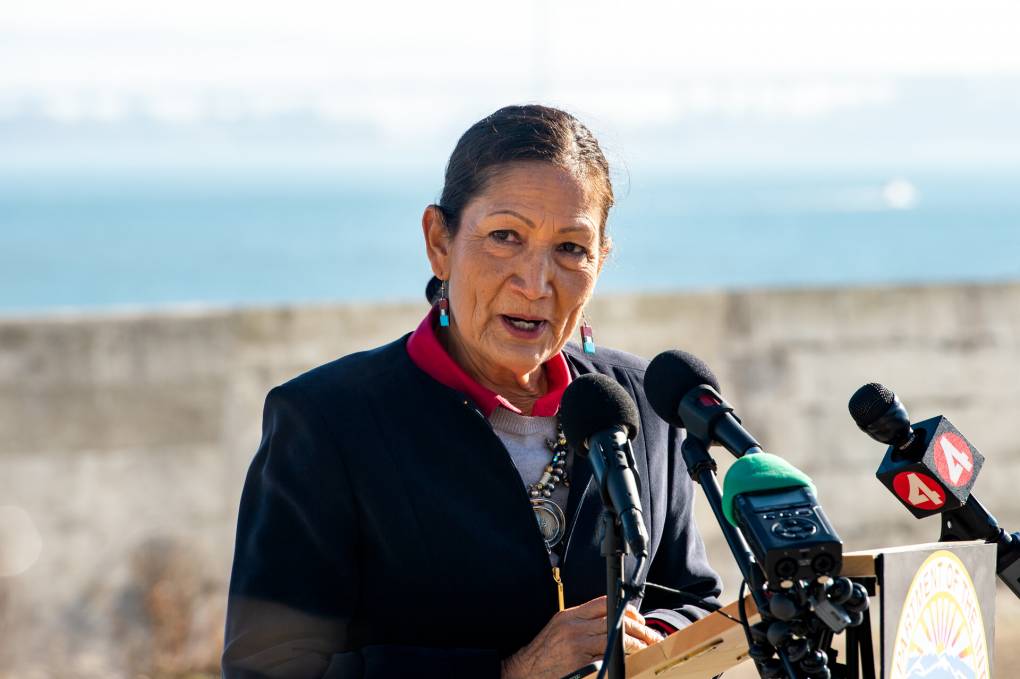
"caption": "Interior Secretary Deb Haaland delivers remarks on justice and equity for Indigenous peoples at Alcatraz Island on Nov. 20, 2021, on the 52nd anniversary of the occupation of Alcatraz.",
"description": null,
"title": "RS52600_036_Alcatraz_InteriorSecretaryDebHaaland_11202021-qut",
"credit": "Beth LaBerge/KQED",
"status": "inherit",
"altTag": "A woman speaks before a bevy of microphones, with the blue bay behind her.",
"isLoading": false,
"fetchFailed": false
},
"news_11678208": {
"type": "attachments",
"id": "news_11678208",
"meta": {
"index": "attachments_1716263798",
"site": "news",
"id": "11678208",
"found": true
},
"parent": 11678136,
"imgSizes": {
"small": {
"file": "https://ww2.kqed.org/app/uploads/sites/10/2018/06/634_original-520x391.jpg",
"width": 520,
"mimeType": "image/jpeg",
"height": 391
},
"twentyfourteen-full-width": {
"file": "https://ww2.kqed.org/app/uploads/sites/10/2018/06/634_original-1038x576.jpg",
"width": 1038,
"mimeType": "image/jpeg",
"height": 576
},
"thumbnail": {
"file": "https://ww2.kqed.org/app/uploads/sites/10/2018/06/634_original-160x120.jpg",
"width": 160,
"mimeType": "image/jpeg",
"height": 120
},
"fd-sm": {
"file": "https://ww2.kqed.org/app/uploads/sites/10/2018/06/634_original-960x721.jpg",
"width": 960,
"mimeType": "image/jpeg",
"height": 721
},
"post-thumbnail": {
"file": "https://ww2.kqed.org/app/uploads/sites/10/2018/06/634_original-672x372.jpg",
"width": 672,
"mimeType": "image/jpeg",
"height": 372
},
"xsmall": {
"file": "https://ww2.kqed.org/app/uploads/sites/10/2018/06/634_original-375x282.jpg",
"width": 375,
"mimeType": "image/jpeg",
"height": 282
},
"kqedFullSize": {
"file": "https://ww2.kqed.org/app/uploads/sites/10/2018/06/634_original.jpg",
"width": 4033,
"height": 3031
},
"large": {
"file": "https://ww2.kqed.org/app/uploads/sites/10/2018/06/634_original-1020x767.jpg",
"width": 1020,
"mimeType": "image/jpeg",
"height": 767
},
"xlarge": {
"file": "https://ww2.kqed.org/app/uploads/sites/10/2018/06/634_original-1180x887.jpg",
"width": 1180,
"mimeType": "image/jpeg",
"height": 887
},
"complete_open_graph": {
"file": "https://ww2.kqed.org/app/uploads/sites/10/2018/06/634_original-1200x902.jpg",
"width": 1200,
"mimeType": "image/jpeg",
"height": 902
},
"guest-author-50": {
"file": "https://ww2.kqed.org/app/uploads/sites/10/2018/06/634_original-50x50.jpg",
"width": 50,
"mimeType": "image/jpeg",
"height": 50
},
"guest-author-96": {
"file": "https://ww2.kqed.org/app/uploads/sites/10/2018/06/634_original-96x96.jpg",
"width": 96,
"mimeType": "image/jpeg",
"height": 96
},
"medium": {
"file": "https://ww2.kqed.org/app/uploads/sites/10/2018/06/634_original-800x601.jpg",
"width": 800,
"mimeType": "image/jpeg",
"height": 601
},
"guest-author-64": {
"file": "https://ww2.kqed.org/app/uploads/sites/10/2018/06/634_original-64x64.jpg",
"width": 64,
"mimeType": "image/jpeg",
"height": 64
},
"guest-author-32": {
"file": "https://ww2.kqed.org/app/uploads/sites/10/2018/06/634_original-32x32.jpg",
"width": 32,
"mimeType": "image/jpeg",
"height": 32
},
"fd-lrg": {
"file": "https://ww2.kqed.org/app/uploads/sites/10/2018/06/634_original-1920x1443.jpg",
"width": 1920,
"mimeType": "image/jpeg",
"height": 1443
},
"fd-med": {
"file": "https://ww2.kqed.org/app/uploads/sites/10/2018/06/634_original-1180x887.jpg",
"width": 1180,
"mimeType": "image/jpeg",
"height": 887
},
"full-width": {
"file": "https://ww2.kqed.org/app/uploads/sites/10/2018/06/634_original-1920x1443.jpg",
"width": 1920,
"mimeType": "image/jpeg",
"height": 1443
},
"detail": {
"file": "https://ww2.kqed.org/app/uploads/sites/10/2018/06/634_original-150x150.jpg",
"width": 150,
"mimeType": "image/jpeg",
"height": 150
},
"guest-author-128": {
"file": "https://ww2.kqed.org/app/uploads/sites/10/2018/06/634_original-128x128.jpg",
"width": 128,
"mimeType": "image/jpeg",
"height": 128
},
"xxsmall": {
"file": "https://ww2.kqed.org/app/uploads/sites/10/2018/06/634_original-240x180.jpg",
"width": 240,
"mimeType": "image/jpeg",
"height": 180
}
},
"publishDate": 1530298523,
"modified": 1530302490,
"caption": "Chiracahua Apache children arrive at the Carlisle Indian School, which was considered the model for many Native American boarding schools around the country.",
"description": null,
"title": "634_original",
"credit": "National Archives, Records of the Office of the Chief Signal Officer",
"status": "inherit",
"isLoading": false,
"fetchFailed": false
},
"news_11882634": {
"type": "attachments",
"id": "news_11882634",
"meta": {
"index": "attachments_1716263798",
"site": "news",
"id": "11882634",
"found": true
},
"parent": 11882513,
"imgSizes": {
"twentyfourteen-full-width": {
"file": "https://ww2.kqed.org/app/uploads/sites/10/2021/07/RS49633_WeHadaLittleRealEstateProblem_INS1_38_14EJoeClift-qut-1038x576.jpg",
"width": 1038,
"mimeType": "image/jpeg",
"height": 576
},
"thumbnail": {
"file": "https://ww2.kqed.org/app/uploads/sites/10/2021/07/RS49633_WeHadaLittleRealEstateProblem_INS1_38_14EJoeClift-qut-160x107.jpg",
"width": 160,
"mimeType": "image/jpeg",
"height": 107
},
"post-thumbnail": {
"file": "https://ww2.kqed.org/app/uploads/sites/10/2021/07/RS49633_WeHadaLittleRealEstateProblem_INS1_38_14EJoeClift-qut-672x372.jpg",
"width": 672,
"mimeType": "image/jpeg",
"height": 372
},
"kqedFullSize": {
"file": "https://ww2.kqed.org/app/uploads/sites/10/2021/07/RS49633_WeHadaLittleRealEstateProblem_INS1_38_14EJoeClift-qut.jpg",
"width": 1920,
"height": 1280
},
"large": {
"file": "https://ww2.kqed.org/app/uploads/sites/10/2021/07/RS49633_WeHadaLittleRealEstateProblem_INS1_38_14EJoeClift-qut-1020x680.jpg",
"width": 1020,
"mimeType": "image/jpeg",
"height": 680
},
"1536x1536": {
"file": "https://ww2.kqed.org/app/uploads/sites/10/2021/07/RS49633_WeHadaLittleRealEstateProblem_INS1_38_14EJoeClift-qut-1536x1024.jpg",
"width": 1536,
"mimeType": "image/jpeg",
"height": 1024
},
"medium": {
"file": "https://ww2.kqed.org/app/uploads/sites/10/2021/07/RS49633_WeHadaLittleRealEstateProblem_INS1_38_14EJoeClift-qut-800x533.jpg",
"width": 800,
"mimeType": "image/jpeg",
"height": 533
}
},
"publishDate": 1627422059,
"modified": 1627679504,
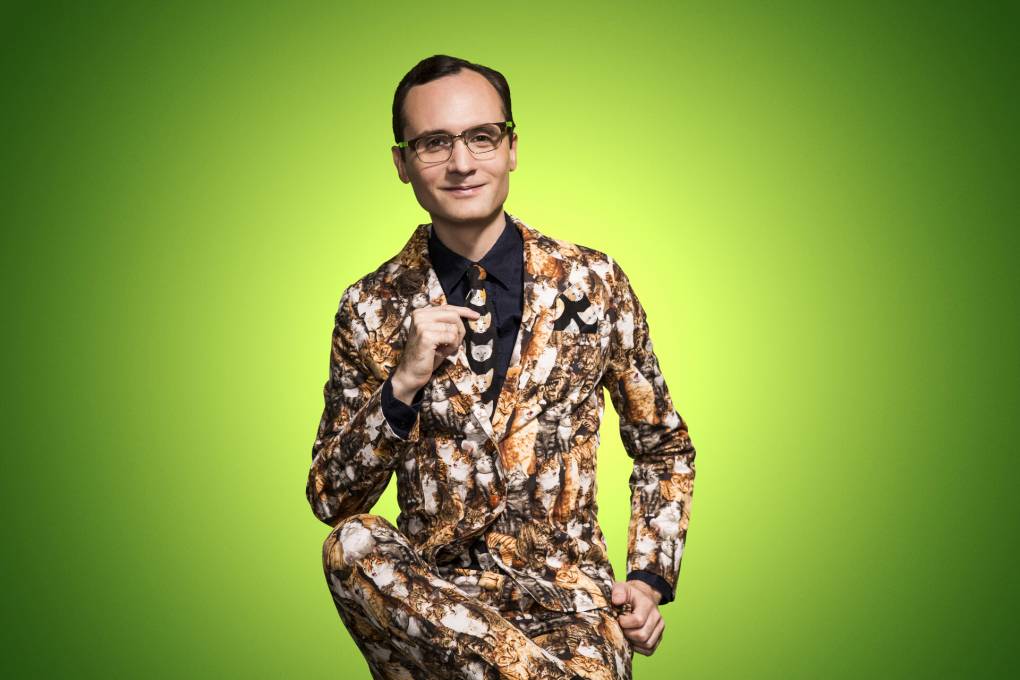
"caption": "Joey Clift is a Native American comedy writer working on the Netflix series Spirit Rangers. Clift is featured in the book, \"We Had a Little Real Estate Problem,\" which examines the history of Native Americans in comedy.\n",
"description": null,
"title": "RS49633_WeHadaLittleRealEstateProblem_INS1_38_14EJoeClift-qut",
"credit": "Robyn von Swank",
"status": "inherit",
"altTag": null,
"isLoading": false,
"fetchFailed": false
},
"news_11877615": {
"type": "attachments",
"id": "news_11877615",
"meta": {
"index": "attachments_1716263798",
"site": "news",
"id": "11877615",
"found": true
},
"parent": 11877585,
"imgSizes": {
"twentyfourteen-full-width": {
"file": "https://ww2.kqed.org/app/uploads/sites/10/2021/06/RS49286_002_LakeCounty_ProjectHomekey_05142021-qut-1038x576.jpg",
"width": 1038,
"mimeType": "image/jpeg",
"height": 576
},
"thumbnail": {
"file": "https://ww2.kqed.org/app/uploads/sites/10/2021/06/RS49286_002_LakeCounty_ProjectHomekey_05142021-qut-160x107.jpg",
"width": 160,
"mimeType": "image/jpeg",
"height": 107
},
"post-thumbnail": {
"file": "https://ww2.kqed.org/app/uploads/sites/10/2021/06/RS49286_002_LakeCounty_ProjectHomekey_05142021-qut-672x372.jpg",
"width": 672,
"mimeType": "image/jpeg",
"height": 372
},
"kqedFullSize": {
"file": "https://ww2.kqed.org/app/uploads/sites/10/2021/06/RS49286_002_LakeCounty_ProjectHomekey_05142021-qut.jpg",
"width": 1920,
"height": 1280
},
"large": {
"file": "https://ww2.kqed.org/app/uploads/sites/10/2021/06/RS49286_002_LakeCounty_ProjectHomekey_05142021-qut-1020x680.jpg",
"width": 1020,
"mimeType": "image/jpeg",
"height": 680
},
"1536x1536": {
"file": "https://ww2.kqed.org/app/uploads/sites/10/2021/06/RS49286_002_LakeCounty_ProjectHomekey_05142021-qut-1536x1024.jpg",
"width": 1536,
"mimeType": "image/jpeg",
"height": 1024
},
"medium": {
"file": "https://ww2.kqed.org/app/uploads/sites/10/2021/06/RS49286_002_LakeCounty_ProjectHomekey_05142021-qut-800x533.jpg",
"width": 800,
"mimeType": "image/jpeg",
"height": 533
}
},
"publishDate": 1623366235,
"modified": 1623434006,
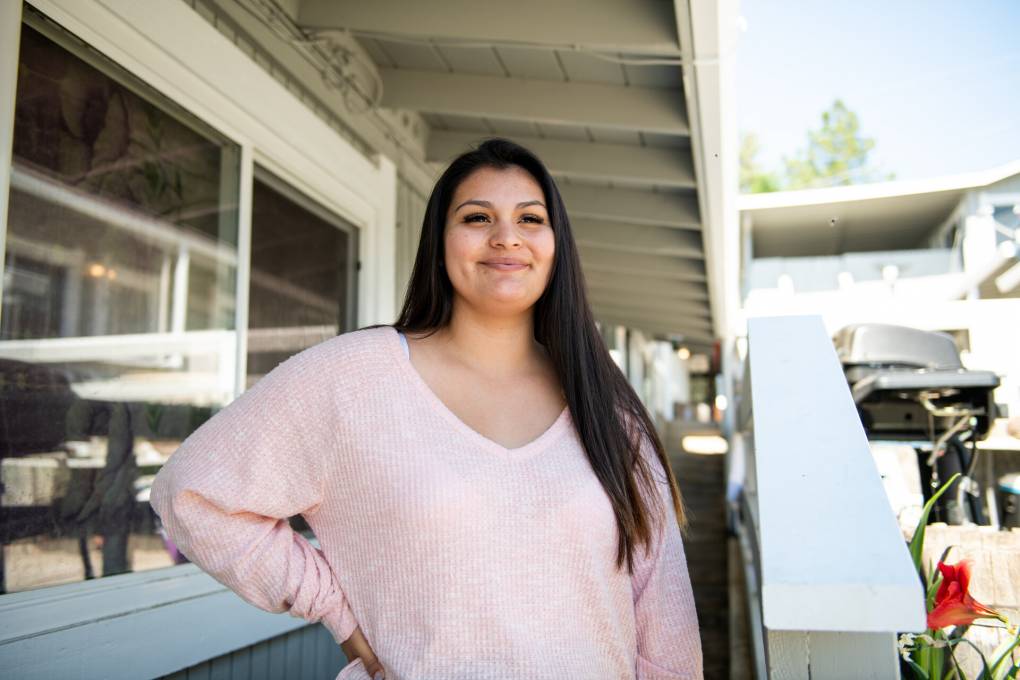
"caption": "Cheyanne Wright at the apartment building where she lives with her two children in Lakeport, California, on May 14, 2021.",
"description": null,
"title": "RS49286_002_LakeCounty_ProjectHomekey_05142021-qut",
"credit": "Beth LaBerge/KQED",
"status": "inherit",
"altTag": null,
"isLoading": false,
"fetchFailed": false
},
"news_11870884": {
"type": "attachments",
"id": "news_11870884",
"meta": {
"index": "attachments_1716263798",
"site": "news",
"id": "11870884",
"found": true
},
"parent": 11870867,
"imgSizes": {
"twentyfourteen-full-width": {
"file": "https://ww2.kqed.org/app/uploads/sites/10/2021/04/IMG_3859-801x576.jpeg",
"width": 801,
"mimeType": "image/jpeg",
"height": 576
},
"thumbnail": {
"file": "https://ww2.kqed.org/app/uploads/sites/10/2021/04/IMG_3859-160x118.jpeg",
"width": 160,
"mimeType": "image/jpeg",
"height": 118
},
"post-thumbnail": {
"file": "https://ww2.kqed.org/app/uploads/sites/10/2021/04/IMG_3859-672x372.jpeg",
"width": 672,
"mimeType": "image/jpeg",
"height": 372
},
"kqedFullSize": {
"file": "https://ww2.kqed.org/app/uploads/sites/10/2021/04/IMG_3859.jpeg",
"width": 801,
"height": 590
}
},
"publishDate": 1619194835,
"modified": 1619214748,
"caption": "Sylvia Morton was known for her long black hair, joyful voice and endless love of Selena. She was worked in the emergency department at Riverside Emergency Department before contracting COVID-19.",
"description": null,
"title": "IMG_3859",
"credit": "Courtesy of Yolanda Ballesteros",
"status": "inherit",
"altTag": null,
"isLoading": false,
"fetchFailed": false
},
"news_11855022": {
"type": "attachments",
"id": "news_11855022",
"meta": {
"index": "attachments_1716263798",
"site": "news",
"id": "11855022",
"found": true
},
"parent": 11853877,
"imgSizes": {
"apple_news_ca_landscape_5_5": {
"file": "https://ww2.kqed.org/app/uploads/sites/10/2021/01/TongvaCreationStory-1044x783.jpg",
"width": 1044,
"mimeType": "image/jpeg",
"height": 783
},
"apple_news_ca_square_4_0": {
"file": "https://ww2.kqed.org/app/uploads/sites/10/2021/01/TongvaCreationStory-470x470.jpg",
"width": 470,
"mimeType": "image/jpeg",
"height": 470
},
"twentyfourteen-full-width": {
"file": "https://ww2.kqed.org/app/uploads/sites/10/2021/01/TongvaCreationStory-1038x576.jpg",
"width": 1038,
"mimeType": "image/jpeg",
"height": 576
},
"thumbnail": {
"file": "https://ww2.kqed.org/app/uploads/sites/10/2021/01/TongvaCreationStory-160x112.jpg",
"width": 160,
"mimeType": "image/jpeg",
"height": 112
},
"post-thumbnail": {
"file": "https://ww2.kqed.org/app/uploads/sites/10/2021/01/TongvaCreationStory-672x372.jpg",
"width": 672,
"mimeType": "image/jpeg",
"height": 372
},
"kqedFullSize": {
"file": "https://ww2.kqed.org/app/uploads/sites/10/2021/01/TongvaCreationStory.jpg",
"width": 1920,
"height": 1339
},
"apple_news_ca_landscape_4_7": {
"file": "https://ww2.kqed.org/app/uploads/sites/10/2021/01/TongvaCreationStory-632x474.jpg",
"width": 632,
"mimeType": "image/jpeg",
"height": 474
},
"large": {
"file": "https://ww2.kqed.org/app/uploads/sites/10/2021/01/TongvaCreationStory-1020x711.jpg",
"width": 1020,
"mimeType": "image/jpeg",
"height": 711
},
"apple_news_ca_landscape_4_0": {
"file": "https://ww2.kqed.org/app/uploads/sites/10/2021/01/TongvaCreationStory-536x402.jpg",
"width": 536,
"mimeType": "image/jpeg",
"height": 402
},
"apple_news_ca_portrait_12_9": {
"file": "https://ww2.kqed.org/app/uploads/sites/10/2021/01/TongvaCreationStory-1122x1339.jpg",
"width": 1122,
"mimeType": "image/jpeg",
"height": 1339
},
"medium": {
"file": "https://ww2.kqed.org/app/uploads/sites/10/2021/01/TongvaCreationStory-800x558.jpg",
"width": 800,
"mimeType": "image/jpeg",
"height": 558
},
"apple_news_ca_portrait_4_0": {
"file": "https://ww2.kqed.org/app/uploads/sites/10/2021/01/TongvaCreationStory-354x472.jpg",
"width": 354,
"mimeType": "image/jpeg",
"height": 472
},
"apple_news_ca_portrait_9_7": {
"file": "https://ww2.kqed.org/app/uploads/sites/10/2021/01/TongvaCreationStory-840x1120.jpg",
"width": 840,
"mimeType": "image/jpeg",
"height": 1120
},
"apple_news_ca_landscape_12_9": {
"file": "https://ww2.kqed.org/app/uploads/sites/10/2021/01/TongvaCreationStory-1832x1339.jpg",
"width": 1832,
"mimeType": "image/jpeg",
"height": 1339
},
"apple_news_ca_square_9_7": {
"file": "https://ww2.kqed.org/app/uploads/sites/10/2021/01/TongvaCreationStory-1104x1104.jpg",
"width": 1104,
"mimeType": "image/jpeg",
"height": 1104
},
"1536x1536": {
"file": "https://ww2.kqed.org/app/uploads/sites/10/2021/01/TongvaCreationStory-1536x1071.jpg",
"width": 1536,
"mimeType": "image/jpeg",
"height": 1071
},
"apple_news_ca_portrait_4_7": {
"file": "https://ww2.kqed.org/app/uploads/sites/10/2021/01/TongvaCreationStory-414x552.jpg",
"width": 414,
"mimeType": "image/jpeg",
"height": 552
},
"apple_news_ca_square_12_9": {
"file": "https://ww2.kqed.org/app/uploads/sites/10/2021/01/TongvaCreationStory-1472x1339.jpg",
"width": 1472,
"mimeType": "image/jpeg",
"height": 1339
},
"apple_news_ca_portrait_5_5": {
"file": "https://ww2.kqed.org/app/uploads/sites/10/2021/01/TongvaCreationStory-687x916.jpg",
"width": 687,
"mimeType": "image/jpeg",
"height": 916
},
"apple_news_ca_square_4_7": {
"file": "https://ww2.kqed.org/app/uploads/sites/10/2021/01/TongvaCreationStory-550x550.jpg",
"width": 550,
"mimeType": "image/jpeg",
"height": 550
},
"apple_news_ca_landscape_9_7": {
"file": "https://ww2.kqed.org/app/uploads/sites/10/2021/01/TongvaCreationStory-1376x1032.jpg",
"width": 1376,
"mimeType": "image/jpeg",
"height": 1032
},
"apple_news_ca_square_5_5": {
"file": "https://ww2.kqed.org/app/uploads/sites/10/2021/01/TongvaCreationStory-912x912.jpg",
"width": 912,
"mimeType": "image/jpeg",
"height": 912
}
},
"publishDate": 1610496721,
"modified": 1610496809,
"caption": "An illustration from 'Wa'aaka: The Bird Who Fell in Love with the Sun.'",
"description": null,
"title": "TongvaCreationStory",
"credit": "Carly Lake/Courtesy Heyday Books",
"status": "inherit",
"altTag": null,
"isLoading": false,
"fetchFailed": false
},
"news_11844079": {
"type": "attachments",
"id": "news_11844079",
"meta": {
"index": "attachments_1716263798",
"site": "news",
"id": "11844079",
"found": true
},
"parent": 11844011,
"imgSizes": {
"apple_news_ca_landscape_5_5": {
"file": "https://ww2.kqed.org/app/uploads/sites/10/2020/10/1-Monument-1044x783.png",
"width": 1044,
"mimeType": "image/png",
"height": 783
},
"apple_news_ca_square_4_0": {
"file": "https://ww2.kqed.org/app/uploads/sites/10/2020/10/1-Monument-470x470.png",
"width": 470,
"mimeType": "image/png",
"height": 470
},
"twentyfourteen-full-width": {
"file": "https://ww2.kqed.org/app/uploads/sites/10/2020/10/1-Monument-1038x576.png",
"width": 1038,
"mimeType": "image/png",
"height": 576
},
"thumbnail": {
"file": "https://ww2.kqed.org/app/uploads/sites/10/2020/10/1-Monument-160x107.png",
"width": 160,
"mimeType": "image/png",
"height": 107
},
"post-thumbnail": {
"file": "https://ww2.kqed.org/app/uploads/sites/10/2020/10/1-Monument-672x372.png",
"width": 672,
"mimeType": "image/png",
"height": 372
},
"kqedFullSize": {
"file": "https://ww2.kqed.org/app/uploads/sites/10/2020/10/1-Monument.png",
"width": 1920,
"height": 1280
},
"apple_news_ca_landscape_4_7": {
"file": "https://ww2.kqed.org/app/uploads/sites/10/2020/10/1-Monument-632x474.png",
"width": 632,
"mimeType": "image/png",
"height": 474
},
"large": {
"file": "https://ww2.kqed.org/app/uploads/sites/10/2020/10/1-Monument-1020x680.png",
"width": 1020,
"mimeType": "image/png",
"height": 680
},
"apple_news_ca_landscape_4_0": {
"file": "https://ww2.kqed.org/app/uploads/sites/10/2020/10/1-Monument-536x402.png",
"width": 536,
"mimeType": "image/png",
"height": 402
},
"apple_news_ca_portrait_12_9": {
"file": "https://ww2.kqed.org/app/uploads/sites/10/2020/10/1-Monument-1122x1280.png",
"width": 1122,
"mimeType": "image/png",
"height": 1280
},
"medium": {
"file": "https://ww2.kqed.org/app/uploads/sites/10/2020/10/1-Monument-800x533.png",
"width": 800,
"mimeType": "image/png",
"height": 533
},
"apple_news_ca_portrait_4_0": {
"file": "https://ww2.kqed.org/app/uploads/sites/10/2020/10/1-Monument-354x472.png",
"width": 354,
"mimeType": "image/png",
"height": 472
},
"apple_news_ca_portrait_9_7": {
"file": "https://ww2.kqed.org/app/uploads/sites/10/2020/10/1-Monument-840x1120.png",
"width": 840,
"mimeType": "image/png",
"height": 1120
},
"apple_news_ca_landscape_12_9": {
"file": "https://ww2.kqed.org/app/uploads/sites/10/2020/10/1-Monument-1832x1280.png",
"width": 1832,
"mimeType": "image/png",
"height": 1280
},
"apple_news_ca_square_9_7": {
"file": "https://ww2.kqed.org/app/uploads/sites/10/2020/10/1-Monument-1104x1104.png",
"width": 1104,
"mimeType": "image/png",
"height": 1104
},
"1536x1536": {
"file": "https://ww2.kqed.org/app/uploads/sites/10/2020/10/1-Monument-1536x1024.png",
"width": 1536,
"mimeType": "image/png",
"height": 1024
},
"apple_news_ca_portrait_4_7": {
"file": "https://ww2.kqed.org/app/uploads/sites/10/2020/10/1-Monument-414x552.png",
"width": 414,
"mimeType": "image/png",
"height": 552
},
"apple_news_ca_square_12_9": {
"file": "https://ww2.kqed.org/app/uploads/sites/10/2020/10/1-Monument-1472x1280.png",
"width": 1472,
"mimeType": "image/png",
"height": 1280
},
"apple_news_ca_portrait_5_5": {
"file": "https://ww2.kqed.org/app/uploads/sites/10/2020/10/1-Monument-687x916.png",
"width": 687,
"mimeType": "image/png",
"height": 916
},
"apple_news_ca_square_4_7": {
"file": "https://ww2.kqed.org/app/uploads/sites/10/2020/10/1-Monument-550x550.png",
"width": 550,
"mimeType": "image/png",
"height": 550
},
"apple_news_ca_landscape_9_7": {
"file": "https://ww2.kqed.org/app/uploads/sites/10/2020/10/1-Monument-1376x1032.png",
"width": 1376,
"mimeType": "image/png",
"height": 1032
},
"apple_news_ca_square_5_5": {
"file": "https://ww2.kqed.org/app/uploads/sites/10/2020/10/1-Monument-912x912.png",
"width": 912,
"mimeType": "image/png",
"height": 912
}
},
"publishDate": 1603863837,
"modified": 1603863869,
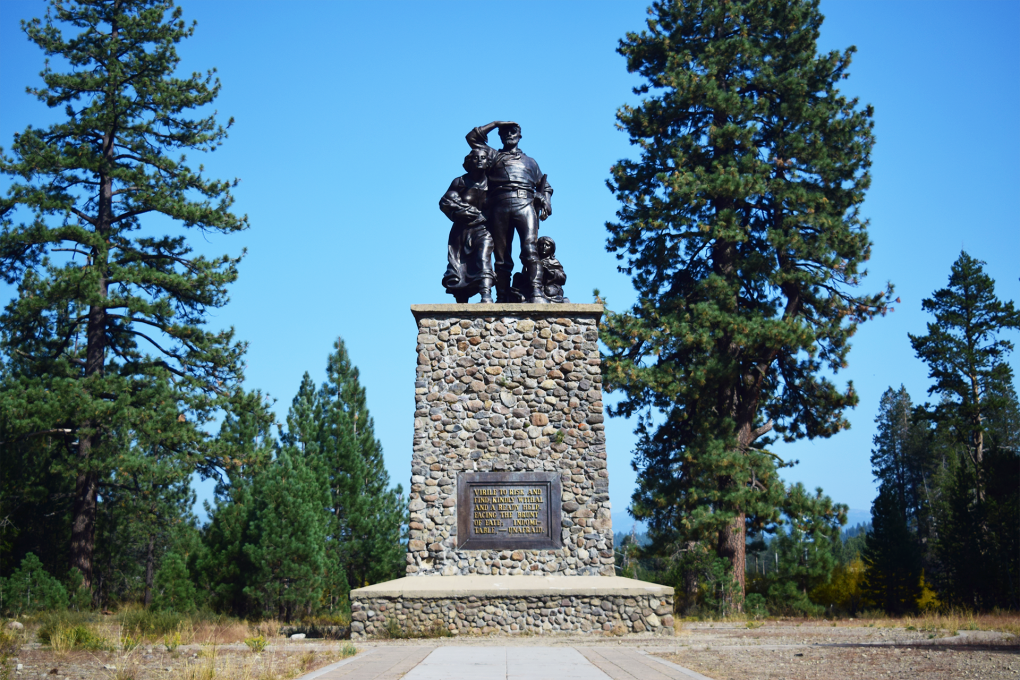
"caption": "The Pioneer Monument in Donner Memorial State Park ",
"description": null,
"title": "1-Monument",
"credit": "Carly Severn/KQED",
"status": "inherit",
"isLoading": false,
"fetchFailed": false
},
"news_11849588": {
"type": "attachments",
"id": "news_11849588",
"meta": {
"index": "attachments_1716263798",
"site": "news",
"id": "11849588",
"found": true
},
"parent": 11849585,
"imgSizes": {
"apple_news_ca_landscape_5_5": {
"file": "https://ww2.kqed.org/app/uploads/sites/10/2020/12/RS16165_JV0A7516-qut-1044x783.jpg",
"width": 1044,
"mimeType": "image/jpeg",
"height": 783
},
"apple_news_ca_square_4_0": {
"file": "https://ww2.kqed.org/app/uploads/sites/10/2020/12/RS16165_JV0A7516-qut-470x470.jpg",
"width": 470,
"mimeType": "image/jpeg",
"height": 470
},
"twentyfourteen-full-width": {
"file": "https://ww2.kqed.org/app/uploads/sites/10/2020/12/RS16165_JV0A7516-qut-1038x576.jpg",
"width": 1038,
"mimeType": "image/jpeg",
"height": 576
},
"thumbnail": {
"file": "https://ww2.kqed.org/app/uploads/sites/10/2020/12/RS16165_JV0A7516-qut-160x107.jpg",
"width": 160,
"mimeType": "image/jpeg",
"height": 107
},
"post-thumbnail": {
"file": "https://ww2.kqed.org/app/uploads/sites/10/2020/12/RS16165_JV0A7516-qut-672x372.jpg",
"width": 672,
"mimeType": "image/jpeg",
"height": 372
},
"kqedFullSize": {
"file": "https://ww2.kqed.org/app/uploads/sites/10/2020/12/RS16165_JV0A7516-qut.jpg",
"width": 1920,
"height": 1280
},
"apple_news_ca_landscape_4_7": {
"file": "https://ww2.kqed.org/app/uploads/sites/10/2020/12/RS16165_JV0A7516-qut-632x474.jpg",
"width": 632,
"mimeType": "image/jpeg",
"height": 474
},
"large": {
"file": "https://ww2.kqed.org/app/uploads/sites/10/2020/12/RS16165_JV0A7516-qut-1020x680.jpg",
"width": 1020,
"mimeType": "image/jpeg",
"height": 680
},
"apple_news_ca_landscape_4_0": {
"file": "https://ww2.kqed.org/app/uploads/sites/10/2020/12/RS16165_JV0A7516-qut-536x402.jpg",
"width": 536,
"mimeType": "image/jpeg",
"height": 402
},
"apple_news_ca_portrait_12_9": {
"file": "https://ww2.kqed.org/app/uploads/sites/10/2020/12/RS16165_JV0A7516-qut-1122x1280.jpg",
"width": 1122,
"mimeType": "image/jpeg",
"height": 1280
},
"medium": {
"file": "https://ww2.kqed.org/app/uploads/sites/10/2020/12/RS16165_JV0A7516-qut-800x533.jpg",
"width": 800,
"mimeType": "image/jpeg",
"height": 533
},
"apple_news_ca_portrait_4_0": {
"file": "https://ww2.kqed.org/app/uploads/sites/10/2020/12/RS16165_JV0A7516-qut-354x472.jpg",
"width": 354,
"mimeType": "image/jpeg",
"height": 472
},
"apple_news_ca_portrait_9_7": {
"file": "https://ww2.kqed.org/app/uploads/sites/10/2020/12/RS16165_JV0A7516-qut-840x1120.jpg",
"width": 840,
"mimeType": "image/jpeg",
"height": 1120
},
"apple_news_ca_landscape_12_9": {
"file": "https://ww2.kqed.org/app/uploads/sites/10/2020/12/RS16165_JV0A7516-qut-1832x1280.jpg",
"width": 1832,
"mimeType": "image/jpeg",
"height": 1280
},
"apple_news_ca_square_9_7": {
"file": "https://ww2.kqed.org/app/uploads/sites/10/2020/12/RS16165_JV0A7516-qut-1104x1104.jpg",
"width": 1104,
"mimeType": "image/jpeg",
"height": 1104
},
"1536x1536": {
"file": "https://ww2.kqed.org/app/uploads/sites/10/2020/12/RS16165_JV0A7516-qut-1536x1024.jpg",
"width": 1536,
"mimeType": "image/jpeg",
"height": 1024
},
"apple_news_ca_portrait_4_7": {
"file": "https://ww2.kqed.org/app/uploads/sites/10/2020/12/RS16165_JV0A7516-qut-414x552.jpg",
"width": 414,
"mimeType": "image/jpeg",
"height": 552
},
"apple_news_ca_square_12_9": {
"file": "https://ww2.kqed.org/app/uploads/sites/10/2020/12/RS16165_JV0A7516-qut-1472x1280.jpg",
"width": 1472,
"mimeType": "image/jpeg",
"height": 1280
},
"apple_news_ca_portrait_5_5": {
"file": "https://ww2.kqed.org/app/uploads/sites/10/2020/12/RS16165_JV0A7516-qut-687x916.jpg",
"width": 687,
"mimeType": "image/jpeg",
"height": 916
},
"apple_news_ca_square_4_7": {
"file": "https://ww2.kqed.org/app/uploads/sites/10/2020/12/RS16165_JV0A7516-qut-550x550.jpg",
"width": 550,
"mimeType": "image/jpeg",
"height": 550
},
"apple_news_ca_landscape_9_7": {
"file": "https://ww2.kqed.org/app/uploads/sites/10/2020/12/RS16165_JV0A7516-qut-1376x1032.jpg",
"width": 1376,
"mimeType": "image/jpeg",
"height": 1032
},
"apple_news_ca_square_5_5": {
"file": "https://ww2.kqed.org/app/uploads/sites/10/2020/12/RS16165_JV0A7516-qut-912x912.jpg",
"width": 912,
"mimeType": "image/jpeg",
"height": 912
}
},
"publishDate": 1607041970,
"modified": 1626996401,
"caption": "Etzel Rubio at Berkeley Pediatrics fills a syringe in preparation to administer a vaccine.",
"description": "Etzel Rubio at Berkeley Pediatrics fills a syringe in preparation to administer a vaccine.",
"title": "RS16165_JV0A7516-qut",
"credit": "Jeremy Raff/KQED",
"status": "inherit",
"altTag": null,
"isLoading": false,
"fetchFailed": false
},
"news_11848924": {
"type": "attachments",
"id": "news_11848924",
"meta": {
"index": "attachments_1716263798",
"site": "news",
"id": "11848924",
"found": true
},
"parent": 11848769,
"imgSizes": {
"apple_news_ca_landscape_5_5": {
"file": "https://ww2.kqed.org/app/uploads/sites/10/2020/11/Shumi_landtax-copy-1044x783.jpg",
"width": 1044,
"mimeType": "image/jpeg",
"height": 783
},
"apple_news_ca_square_4_0": {
"file": "https://ww2.kqed.org/app/uploads/sites/10/2020/11/Shumi_landtax-copy-470x470.jpg",
"width": 470,
"mimeType": "image/jpeg",
"height": 470
},
"twentyfourteen-full-width": {
"file": "https://ww2.kqed.org/app/uploads/sites/10/2020/11/Shumi_landtax-copy-1038x576.jpg",
"width": 1038,
"mimeType": "image/jpeg",
"height": 576
},
"thumbnail": {
"file": "https://ww2.kqed.org/app/uploads/sites/10/2020/11/Shumi_landtax-copy-160x90.jpg",
"width": 160,
"mimeType": "image/jpeg",
"height": 90
},
"post-thumbnail": {
"file": "https://ww2.kqed.org/app/uploads/sites/10/2020/11/Shumi_landtax-copy-672x372.jpg",
"width": 672,
"mimeType": "image/jpeg",
"height": 372
},
"kqedFullSize": {
"file": "https://ww2.kqed.org/app/uploads/sites/10/2020/11/Shumi_landtax-copy-scaled.jpg",
"width": 2560,
"height": 1440
},
"2048x2048": {
"file": "https://ww2.kqed.org/app/uploads/sites/10/2020/11/Shumi_landtax-copy-2048x1152.jpg",
"width": 2048,
"mimeType": "image/jpeg",
"height": 1152
},
"apple_news_ca_landscape_4_7": {
"file": "https://ww2.kqed.org/app/uploads/sites/10/2020/11/Shumi_landtax-copy-632x474.jpg",
"width": 632,
"mimeType": "image/jpeg",
"height": 474
},
"large": {
"file": "https://ww2.kqed.org/app/uploads/sites/10/2020/11/Shumi_landtax-copy-1020x574.jpg",
"width": 1020,
"mimeType": "image/jpeg",
"height": 574
},
"apple_news_ca_landscape_4_0": {
"file": "https://ww2.kqed.org/app/uploads/sites/10/2020/11/Shumi_landtax-copy-536x402.jpg",
"width": 536,
"mimeType": "image/jpeg",
"height": 402
},
"apple_news_ca_portrait_12_9": {
"file": "https://ww2.kqed.org/app/uploads/sites/10/2020/11/Shumi_landtax-copy-1122x1496.jpg",
"width": 1122,
"mimeType": "image/jpeg",
"height": 1496
},
"medium": {
"file": "https://ww2.kqed.org/app/uploads/sites/10/2020/11/Shumi_landtax-copy-800x450.jpg",
"width": 800,
"mimeType": "image/jpeg",
"height": 450
},
"apple_news_ca_portrait_4_0": {
"file": "https://ww2.kqed.org/app/uploads/sites/10/2020/11/Shumi_landtax-copy-354x472.jpg",
"width": 354,
"mimeType": "image/jpeg",
"height": 472
},
"apple_news_ca_portrait_9_7": {
"file": "https://ww2.kqed.org/app/uploads/sites/10/2020/11/Shumi_landtax-copy-840x1120.jpg",
"width": 840,
"mimeType": "image/jpeg",
"height": 1120
},
"apple_news_ca_landscape_12_9": {
"file": "https://ww2.kqed.org/app/uploads/sites/10/2020/11/Shumi_landtax-copy-1832x1374.jpg",
"width": 1832,
"mimeType": "image/jpeg",
"height": 1374
},
"apple_news_ca_square_9_7": {
"file": "https://ww2.kqed.org/app/uploads/sites/10/2020/11/Shumi_landtax-copy-1104x1104.jpg",
"width": 1104,
"mimeType": "image/jpeg",
"height": 1104
},
"1536x1536": {
"file": "https://ww2.kqed.org/app/uploads/sites/10/2020/11/Shumi_landtax-copy-1536x864.jpg",
"width": 1536,
"mimeType": "image/jpeg",
"height": 864
},
"apple_news_ca_portrait_4_7": {
"file": "https://ww2.kqed.org/app/uploads/sites/10/2020/11/Shumi_landtax-copy-414x552.jpg",
"width": 414,
"mimeType": "image/jpeg",
"height": 552
},
"apple_news_ca_square_12_9": {
"file": "https://ww2.kqed.org/app/uploads/sites/10/2020/11/Shumi_landtax-copy-1472x1472.jpg",
"width": 1472,
"mimeType": "image/jpeg",
"height": 1472
},
"apple_news_ca_portrait_5_5": {
"file": "https://ww2.kqed.org/app/uploads/sites/10/2020/11/Shumi_landtax-copy-687x916.jpg",
"width": 687,
"mimeType": "image/jpeg",
"height": 916
},
"full-width": {
"file": "https://ww2.kqed.org/app/uploads/sites/10/2020/11/Shumi_landtax-copy-1920x1080.jpg",
"width": 1920,
"mimeType": "image/jpeg",
"height": 1080
},
"apple_news_ca_square_4_7": {
"file": "https://ww2.kqed.org/app/uploads/sites/10/2020/11/Shumi_landtax-copy-550x550.jpg",
"width": 550,
"mimeType": "image/jpeg",
"height": 550
},
"apple_news_ca_landscape_9_7": {
"file": "https://ww2.kqed.org/app/uploads/sites/10/2020/11/Shumi_landtax-copy-1376x1032.jpg",
"width": 1376,
"mimeType": "image/jpeg",
"height": 1032
},
"apple_news_ca_square_5_5": {
"file": "https://ww2.kqed.org/app/uploads/sites/10/2020/11/Shumi_landtax-copy-912x912.jpg",
"width": 912,
"mimeType": "image/jpeg",
"height": 912
}
},
"publishDate": 1606426064,
"modified": 1606426212,
"caption": "A sign outside the First Congregational United Church of Christ in Oakland: 'In November Pay Shuumi Land Tax.'",
"description": null,
"title": "Shumi_landtax copy",
"credit": "Lakshmi Sarah/KQED",
"status": "inherit",
"isLoading": false,
"fetchFailed": false
},
"news_11847059": {
"type": "attachments",
"id": "news_11847059",
"meta": {
"index": "attachments_1716263798",
"site": "news",
"id": "11847059",
"found": true
},
"parent": 11847053,
"imgSizes": {
"apple_news_ca_landscape_5_5": {
"file": "https://ww2.kqed.org/app/uploads/sites/10/2020/11/nnavm_2020ak23_223_a_slide-87bd8b59000b42c11a94311f2d1e1cb6664e0291-1044x783.jpg",
"width": 1044,
"mimeType": "image/jpeg",
"height": 783
},
"apple_news_ca_square_4_0": {
"file": "https://ww2.kqed.org/app/uploads/sites/10/2020/11/nnavm_2020ak23_223_a_slide-87bd8b59000b42c11a94311f2d1e1cb6664e0291-470x470.jpg",
"width": 470,
"mimeType": "image/jpeg",
"height": 470
},
"twentyfourteen-full-width": {
"file": "https://ww2.kqed.org/app/uploads/sites/10/2020/11/nnavm_2020ak23_223_a_slide-87bd8b59000b42c11a94311f2d1e1cb6664e0291-1038x576.jpg",
"width": 1038,
"mimeType": "image/jpeg",
"height": 576
},
"thumbnail": {
"file": "https://ww2.kqed.org/app/uploads/sites/10/2020/11/nnavm_2020ak23_223_a_slide-87bd8b59000b42c11a94311f2d1e1cb6664e0291-160x107.jpg",
"width": 160,
"mimeType": "image/jpeg",
"height": 107
},
"post-thumbnail": {
"file": "https://ww2.kqed.org/app/uploads/sites/10/2020/11/nnavm_2020ak23_223_a_slide-87bd8b59000b42c11a94311f2d1e1cb6664e0291-672x372.jpg",
"width": 672,
"mimeType": "image/jpeg",
"height": 372
},
"kqedFullSize": {
"file": "https://ww2.kqed.org/app/uploads/sites/10/2020/11/nnavm_2020ak23_223_a_slide-87bd8b59000b42c11a94311f2d1e1cb6664e0291-e1605113021867.jpg",
"width": 1920,
"height": 1280
},
"2048x2048": {
"file": "https://ww2.kqed.org/app/uploads/sites/10/2020/11/nnavm_2020ak23_223_a_slide-87bd8b59000b42c11a94311f2d1e1cb6664e0291-2048x1365.jpg",
"width": 2048,
"mimeType": "image/jpeg",
"height": 1365
},
"apple_news_ca_landscape_4_7": {
"file": "https://ww2.kqed.org/app/uploads/sites/10/2020/11/nnavm_2020ak23_223_a_slide-87bd8b59000b42c11a94311f2d1e1cb6664e0291-632x474.jpg",
"width": 632,
"mimeType": "image/jpeg",
"height": 474
},
"large": {
"file": "https://ww2.kqed.org/app/uploads/sites/10/2020/11/nnavm_2020ak23_223_a_slide-87bd8b59000b42c11a94311f2d1e1cb6664e0291-1020x680.jpg",
"width": 1020,
"mimeType": "image/jpeg",
"height": 680
},
"apple_news_ca_landscape_4_0": {
"file": "https://ww2.kqed.org/app/uploads/sites/10/2020/11/nnavm_2020ak23_223_a_slide-87bd8b59000b42c11a94311f2d1e1cb6664e0291-536x402.jpg",
"width": 536,
"mimeType": "image/jpeg",
"height": 402
},
"apple_news_ca_portrait_12_9": {
"file": "https://ww2.kqed.org/app/uploads/sites/10/2020/11/nnavm_2020ak23_223_a_slide-87bd8b59000b42c11a94311f2d1e1cb6664e0291-1122x1496.jpg",
"width": 1122,
"mimeType": "image/jpeg",
"height": 1496
},
"medium": {
"file": "https://ww2.kqed.org/app/uploads/sites/10/2020/11/nnavm_2020ak23_223_a_slide-87bd8b59000b42c11a94311f2d1e1cb6664e0291-800x533.jpg",
"width": 800,
"mimeType": "image/jpeg",
"height": 533
},
"apple_news_ca_portrait_4_0": {
"file": "https://ww2.kqed.org/app/uploads/sites/10/2020/11/nnavm_2020ak23_223_a_slide-87bd8b59000b42c11a94311f2d1e1cb6664e0291-354x472.jpg",
"width": 354,
"mimeType": "image/jpeg",
"height": 472
},
"apple_news_ca_portrait_9_7": {
"file": "https://ww2.kqed.org/app/uploads/sites/10/2020/11/nnavm_2020ak23_223_a_slide-87bd8b59000b42c11a94311f2d1e1cb6664e0291-840x1120.jpg",
"width": 840,
"mimeType": "image/jpeg",
"height": 1120
},
"apple_news_ca_landscape_12_9": {
"file": "https://ww2.kqed.org/app/uploads/sites/10/2020/11/nnavm_2020ak23_223_a_slide-87bd8b59000b42c11a94311f2d1e1cb6664e0291-1832x1374.jpg",
"width": 1832,
"mimeType": "image/jpeg",
"height": 1374
},
"apple_news_ca_square_9_7": {
"file": "https://ww2.kqed.org/app/uploads/sites/10/2020/11/nnavm_2020ak23_223_a_slide-87bd8b59000b42c11a94311f2d1e1cb6664e0291-1104x1104.jpg",
"width": 1104,
"mimeType": "image/jpeg",
"height": 1104
},
"1536x1536": {
"file": "https://ww2.kqed.org/app/uploads/sites/10/2020/11/nnavm_2020ak23_223_a_slide-87bd8b59000b42c11a94311f2d1e1cb6664e0291-1536x1024.jpg",
"width": 1536,
"mimeType": "image/jpeg",
"height": 1024
},
"apple_news_ca_portrait_4_7": {
"file": "https://ww2.kqed.org/app/uploads/sites/10/2020/11/nnavm_2020ak23_223_a_slide-87bd8b59000b42c11a94311f2d1e1cb6664e0291-414x552.jpg",
"width": 414,
"mimeType": "image/jpeg",
"height": 552
},
"apple_news_ca_square_12_9": {
"file": "https://ww2.kqed.org/app/uploads/sites/10/2020/11/nnavm_2020ak23_223_a_slide-87bd8b59000b42c11a94311f2d1e1cb6664e0291-1472x1472.jpg",
"width": 1472,
"mimeType": "image/jpeg",
"height": 1472
},
"apple_news_ca_portrait_5_5": {
"file": "https://ww2.kqed.org/app/uploads/sites/10/2020/11/nnavm_2020ak23_223_a_slide-87bd8b59000b42c11a94311f2d1e1cb6664e0291-687x916.jpg",
"width": 687,
"mimeType": "image/jpeg",
"height": 916
},
"full-width": {
"file": "https://ww2.kqed.org/app/uploads/sites/10/2020/11/nnavm_2020ak23_223_a_slide-87bd8b59000b42c11a94311f2d1e1cb6664e0291-1920x1280.jpg",
"width": 1920,
"mimeType": "image/jpeg",
"height": 1280
},
"apple_news_ca_square_4_7": {
"file": "https://ww2.kqed.org/app/uploads/sites/10/2020/11/nnavm_2020ak23_223_a_slide-87bd8b59000b42c11a94311f2d1e1cb6664e0291-550x550.jpg",
"width": 550,
"mimeType": "image/jpeg",
"height": 550
},
"apple_news_ca_landscape_9_7": {
"file": "https://ww2.kqed.org/app/uploads/sites/10/2020/11/nnavm_2020ak23_223_a_slide-87bd8b59000b42c11a94311f2d1e1cb6664e0291-1376x1032.jpg",
"width": 1376,
"mimeType": "image/jpeg",
"height": 1032
},
"apple_news_ca_square_5_5": {
"file": "https://ww2.kqed.org/app/uploads/sites/10/2020/11/nnavm_2020ak23_223_a_slide-87bd8b59000b42c11a94311f2d1e1cb6664e0291-912x912.jpg",
"width": 912,
"mimeType": "image/jpeg",
"height": 912
}
},
"publishDate": 1605112337,
"modified": 1605113038,
"caption": "The new Native American Veterans Memorial in Washington, D.C.",
"description": null,
"title": "The new Native American Veterans Memorial in Washington, D.C.",
"credit": "Alan Karchmer/National Native American Veterans Memorial",
"status": "inherit",
"isLoading": false,
"fetchFailed": false
},
"news_11841944": {
"type": "attachments",
"id": "news_11841944",
"meta": {
"index": "attachments_1716263798",
"site": "news",
"id": "11841944",
"found": true
},
"parent": 11841941,
"imgSizes": {
"apple_news_ca_landscape_5_5": {
"file": "https://ww2.kqed.org/app/uploads/sites/10/2020/10/indigenous_101220_final-1044x783.png",
"width": 1044,
"mimeType": "image/png",
"height": 783
},
"apple_news_ca_square_4_0": {
"file": "https://ww2.kqed.org/app/uploads/sites/10/2020/10/indigenous_101220_final-470x470.png",
"width": 470,
"mimeType": "image/png",
"height": 470
},
"twentyfourteen-full-width": {
"file": "https://ww2.kqed.org/app/uploads/sites/10/2020/10/indigenous_101220_final-1038x576.png",
"width": 1038,
"mimeType": "image/png",
"height": 576
},
"thumbnail": {
"file": "https://ww2.kqed.org/app/uploads/sites/10/2020/10/indigenous_101220_final-160x104.png",
"width": 160,
"mimeType": "image/png",
"height": 104
},
"post-thumbnail": {
"file": "https://ww2.kqed.org/app/uploads/sites/10/2020/10/indigenous_101220_final-672x372.png",
"width": 672,
"mimeType": "image/png",
"height": 372
},
"kqedFullSize": {
"file": "https://ww2.kqed.org/app/uploads/sites/10/2020/10/indigenous_101220_final.png",
"width": 1920,
"height": 1250
},
"apple_news_ca_landscape_4_7": {
"file": "https://ww2.kqed.org/app/uploads/sites/10/2020/10/indigenous_101220_final-632x474.png",
"width": 632,
"mimeType": "image/png",
"height": 474
},
"large": {
"file": "https://ww2.kqed.org/app/uploads/sites/10/2020/10/indigenous_101220_final-1020x664.png",
"width": 1020,
"mimeType": "image/png",
"height": 664
},
"apple_news_ca_landscape_4_0": {
"file": "https://ww2.kqed.org/app/uploads/sites/10/2020/10/indigenous_101220_final-536x402.png",
"width": 536,
"mimeType": "image/png",
"height": 402
},
"apple_news_ca_portrait_12_9": {
"file": "https://ww2.kqed.org/app/uploads/sites/10/2020/10/indigenous_101220_final-1122x1250.png",
"width": 1122,
"mimeType": "image/png",
"height": 1250
},
"medium": {
"file": "https://ww2.kqed.org/app/uploads/sites/10/2020/10/indigenous_101220_final-800x521.png",
"width": 800,
"mimeType": "image/png",
"height": 521
},
"apple_news_ca_portrait_4_0": {
"file": "https://ww2.kqed.org/app/uploads/sites/10/2020/10/indigenous_101220_final-354x472.png",
"width": 354,
"mimeType": "image/png",
"height": 472
},
"apple_news_ca_portrait_9_7": {
"file": "https://ww2.kqed.org/app/uploads/sites/10/2020/10/indigenous_101220_final-840x1120.png",
"width": 840,
"mimeType": "image/png",
"height": 1120
},
"apple_news_ca_landscape_12_9": {
"file": "https://ww2.kqed.org/app/uploads/sites/10/2020/10/indigenous_101220_final-1832x1250.png",
"width": 1832,
"mimeType": "image/png",
"height": 1250
},
"apple_news_ca_square_9_7": {
"file": "https://ww2.kqed.org/app/uploads/sites/10/2020/10/indigenous_101220_final-1104x1104.png",
"width": 1104,
"mimeType": "image/png",
"height": 1104
},
"1536x1536": {
"file": "https://ww2.kqed.org/app/uploads/sites/10/2020/10/indigenous_101220_final-1536x1000.png",
"width": 1536,
"mimeType": "image/png",
"height": 1000
},
"apple_news_ca_portrait_4_7": {
"file": "https://ww2.kqed.org/app/uploads/sites/10/2020/10/indigenous_101220_final-414x552.png",
"width": 414,
"mimeType": "image/png",
"height": 552
},
"apple_news_ca_square_12_9": {
"file": "https://ww2.kqed.org/app/uploads/sites/10/2020/10/indigenous_101220_final-1472x1250.png",
"width": 1472,
"mimeType": "image/png",
"height": 1250
},
"apple_news_ca_portrait_5_5": {
"file": "https://ww2.kqed.org/app/uploads/sites/10/2020/10/indigenous_101220_final-687x916.png",
"width": 687,
"mimeType": "image/png",
"height": 916
},
"apple_news_ca_square_4_7": {
"file": "https://ww2.kqed.org/app/uploads/sites/10/2020/10/indigenous_101220_final-550x550.png",
"width": 550,
"mimeType": "image/png",
"height": 550
},
"apple_news_ca_landscape_9_7": {
"file": "https://ww2.kqed.org/app/uploads/sites/10/2020/10/indigenous_101220_final-1376x1032.png",
"width": 1376,
"mimeType": "image/png",
"height": 1032
},
"apple_news_ca_square_5_5": {
"file": "https://ww2.kqed.org/app/uploads/sites/10/2020/10/indigenous_101220_final-912x912.png",
"width": 912,
"mimeType": "image/png",
"height": 912
}
},
"publishDate": 1602524597,
"modified": 1602524634,
"caption": null,
"description": null,
"title": "indigenous_101220_final",
"credit": null,
"status": "inherit",
"isLoading": false,
"fetchFailed": false
},
"news_11827659": {
"type": "attachments",
"id": "news_11827659",
"meta": {
"index": "attachments_1716263798",
"site": "news",
"id": "11827659",
"found": true
},
"parent": 11826151,
"imgSizes": {
"apple_news_ca_landscape_5_5": {
"file": "https://ww2.kqed.org/app/uploads/sites/10/2020/10/serra-ventura-1044x783.jpg",
"width": 1044,
"mimeType": "image/jpeg",
"height": 783
},
"apple_news_ca_square_4_0": {
"file": "https://ww2.kqed.org/app/uploads/sites/10/2020/10/serra-ventura-470x470.jpg",
"width": 470,
"mimeType": "image/jpeg",
"height": 470
},
"twentyfourteen-full-width": {
"file": "https://ww2.kqed.org/app/uploads/sites/10/2020/10/serra-ventura-1038x576.jpg",
"width": 1038,
"mimeType": "image/jpeg",
"height": 576
},
"thumbnail": {
"file": "https://ww2.kqed.org/app/uploads/sites/10/2020/10/serra-ventura-160x108.jpg",
"width": 160,
"mimeType": "image/jpeg",
"height": 108
},
"post-thumbnail": {
"file": "https://ww2.kqed.org/app/uploads/sites/10/2020/10/serra-ventura-672x372.jpg",
"width": 672,
"mimeType": "image/jpeg",
"height": 372
},
"kqedFullSize": {
"file": "https://ww2.kqed.org/app/uploads/sites/10/2020/10/serra-ventura.jpg",
"width": 1900,
"height": 1280
},
"apple_news_ca_landscape_4_7": {
"file": "https://ww2.kqed.org/app/uploads/sites/10/2020/10/serra-ventura-632x474.jpg",
"width": 632,
"mimeType": "image/jpeg",
"height": 474
},
"large": {
"file": "https://ww2.kqed.org/app/uploads/sites/10/2020/10/serra-ventura-1020x687.jpg",
"width": 1020,
"mimeType": "image/jpeg",
"height": 687
},
"apple_news_ca_landscape_4_0": {
"file": "https://ww2.kqed.org/app/uploads/sites/10/2020/10/serra-ventura-536x402.jpg",
"width": 536,
"mimeType": "image/jpeg",
"height": 402
},
"apple_news_ca_portrait_12_9": {
"file": "https://ww2.kqed.org/app/uploads/sites/10/2020/10/serra-ventura-1122x1280.jpg",
"width": 1122,
"mimeType": "image/jpeg",
"height": 1280
},
"medium": {
"file": "https://ww2.kqed.org/app/uploads/sites/10/2020/10/serra-ventura-800x539.jpg",
"width": 800,
"mimeType": "image/jpeg",
"height": 539
},
"apple_news_ca_portrait_4_0": {
"file": "https://ww2.kqed.org/app/uploads/sites/10/2020/10/serra-ventura-354x472.jpg",
"width": 354,
"mimeType": "image/jpeg",
"height": 472
},
"apple_news_ca_portrait_9_7": {
"file": "https://ww2.kqed.org/app/uploads/sites/10/2020/10/serra-ventura-840x1120.jpg",
"width": 840,
"mimeType": "image/jpeg",
"height": 1120
},
"apple_news_ca_landscape_12_9": {
"file": "https://ww2.kqed.org/app/uploads/sites/10/2020/10/serra-ventura-1832x1280.jpg",
"width": 1832,
"mimeType": "image/jpeg",
"height": 1280
},
"apple_news_ca_square_9_7": {
"file": "https://ww2.kqed.org/app/uploads/sites/10/2020/10/serra-ventura-1104x1104.jpg",
"width": 1104,
"mimeType": "image/jpeg",
"height": 1104
},
"1536x1536": {
"file": "https://ww2.kqed.org/app/uploads/sites/10/2020/10/serra-ventura-1536x1035.jpg",
"width": 1536,
"mimeType": "image/jpeg",
"height": 1035
},
"apple_news_ca_portrait_4_7": {
"file": "https://ww2.kqed.org/app/uploads/sites/10/2020/10/serra-ventura-414x552.jpg",
"width": 414,
"mimeType": "image/jpeg",
"height": 552
},
"apple_news_ca_square_12_9": {
"file": "https://ww2.kqed.org/app/uploads/sites/10/2020/10/serra-ventura-1472x1280.jpg",
"width": 1472,
"mimeType": "image/jpeg",
"height": 1280
},
"apple_news_ca_portrait_5_5": {
"file": "https://ww2.kqed.org/app/uploads/sites/10/2020/10/serra-ventura-687x916.jpg",
"width": 687,
"mimeType": "image/jpeg",
"height": 916
},
"apple_news_ca_square_4_7": {
"file": "https://ww2.kqed.org/app/uploads/sites/10/2020/10/serra-ventura-550x550.jpg",
"width": 550,
"mimeType": "image/jpeg",
"height": 550
},
"apple_news_ca_landscape_9_7": {
"file": "https://ww2.kqed.org/app/uploads/sites/10/2020/10/serra-ventura-1376x1032.jpg",
"width": 1376,
"mimeType": "image/jpeg",
"height": 1032
},
"apple_news_ca_square_5_5": {
"file": "https://ww2.kqed.org/app/uploads/sites/10/2020/10/serra-ventura-912x912.jpg",
"width": 912,
"mimeType": "image/jpeg",
"height": 912
}
},
"publishDate": 1594079378,
"modified": 1594154093,
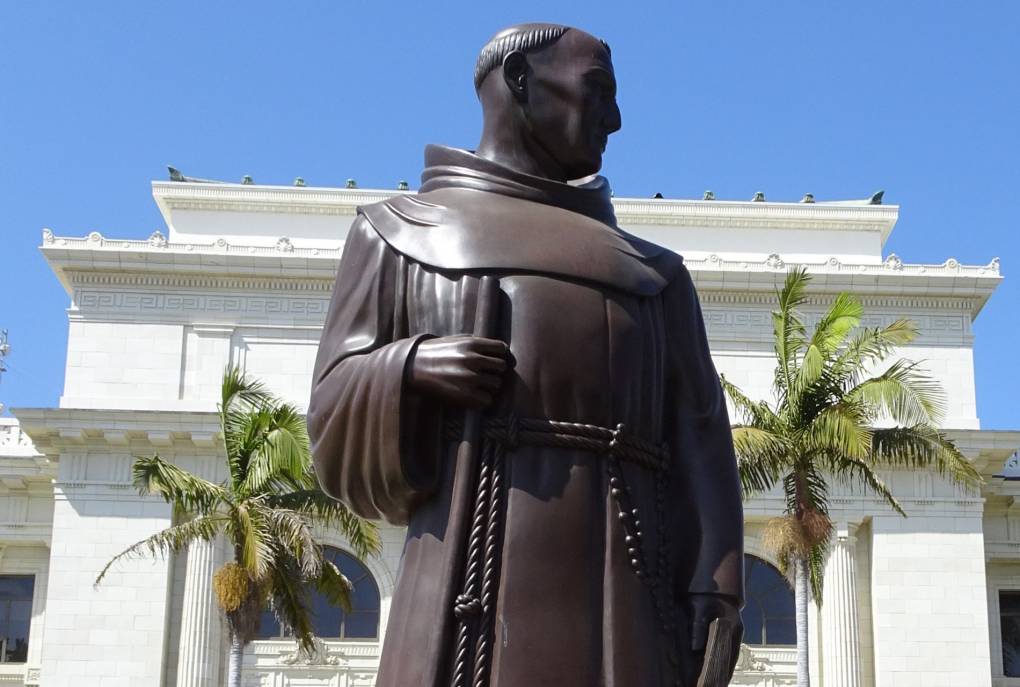
"caption": "A bronze figure of the 18th century missionary Junípero Serra stands outside Ventura City Hall, sculpted in 1936 by Uno John Palo Kangas. Indigenous activists say a reckoning with Serra's legacy is long overdue.",
"description": "A bronze figure of the 18th century missionary Junípero Serra stands outside Ventura City Hall, sculpted in 1936 by Uno John Palo Kangas. Indigenous activists say a reckoning with Serra's legacy is long overdue.",
"title": "serra ventura",
"credit": "Cbl62/Wikimedia Commons",
"status": "inherit",
"isLoading": false,
"fetchFailed": false
}
},
"audioPlayerReducer": {
"postId": "stream_live",
"isPaused": true,
"isPlaying": false,
"pfsActive": false,
"pledgeModalIsOpen": true,
"playerDrawerIsOpen": false,
"liveAudioPlayStartedAt": 0,
"liveAudioPlayContext": ""
},
"authorsReducer": {
"byline_news_11851611": {
"type": "authors",
"id": "byline_news_11851611",
"meta": {
"override": true
},
"slug": "byline_news_11851611",
"name": "KQED News Staff",
"isLoading": false
},
"byline_news_11847053": {
"type": "authors",
"id": "byline_news_11847053",
"meta": {
"override": true
},
"slug": "byline_news_11847053",
"name": "Quil Lawrence",
"isLoading": false
},
"minakim": {
"type": "authors",
"id": "243",
"meta": {
"index": "authors_1716337520",
"id": "243",
"found": true
},
"name": "Mina Kim",
"firstName": "Mina",
"lastName": "Kim",
"slug": "minakim",
"email": "mkim@kqed.org",
"display_author_email": false,
"staff_mastheads": [
"news"
],
"title": "Host, Forum",
"bio": "Mina Kim is host of the 10 a.m. statewide hour of Forum; a live daily talk show for curious Californians on issues that matter to the state and nation, with a particular emphasis on race and equity.\r\n\r\nBefore joining the Forum team, Mina was KQED’s evening news anchor, and health reporter for The California Report. Her award-winning work has included natural disasters in Napa and gun violence in Oakland. Mina grew up in St. John’s, Newfoundland.",
"avatar": "https://secure.gravatar.com/avatar/145ce657a2d08cb86d93686beb958982?s=600&d=blank&r=g",
"twitter": "mkimreporter",
"facebook": null,
"instagram": null,
"linkedin": null,
"sites": [
{
"site": "news",
"roles": [
"contributor"
]
},
{
"site": "stateofhealth",
"roles": [
"author"
]
},
{
"site": "forum",
"roles": [
"editor"
]
}
],
"headData": {
"title": "Mina Kim | KQED",
"description": "Host, Forum",
"ogImgSrc": "https://secure.gravatar.com/avatar/145ce657a2d08cb86d93686beb958982?s=600&d=blank&r=g",
"twImgSrc": "https://secure.gravatar.com/avatar/145ce657a2d08cb86d93686beb958982?s=600&d=blank&r=g"
},
"isLoading": false,
"link": "/author/minakim"
},
"adembosky": {
"type": "authors",
"id": "3205",
"meta": {
"index": "authors_1716337520",
"id": "3205",
"found": true
},
"name": "April Dembosky",
"firstName": "April",
"lastName": "Dembosky",
"slug": "adembosky",
"email": "adembosky@kqed.org",
"display_author_email": false,
"staff_mastheads": [
"news",
"science"
],
"title": "KQED Health Correspondent",
"bio": "April Dembosky is the health correspondent for KQED News and a regular contributor to NPR. She specializes in covering altered states of mind, from postpartum depression to methamphetamine-induced psychosis to the insanity defense. Her investigative series on insurance companies sidestepping mental health laws won multiple awards, including first place in beat reporting from the national Association of Health Care Journalists. She is the recipient of numerous other prizes and fellowships, including a national Edward R. Murrow award for investigative reporting, a Society of Professional Journalists award for long-form storytelling, and a Carter Center Fellowship for Mental Health Journalism.\r\n\r\nDembosky reported and produced \u003cem>Soundtrack of Silence\u003c/em>, an audio documentary about music and memory that is currently being made into a feature film by Paramount Pictures.\r\n\r\nBefore joining KQED in 2013, Dembosky covered technology and Silicon Valley for \u003cem>The Financial Times of London,\u003c/em> and contributed business and arts stories to \u003cem>Marketplace \u003c/em>and \u003cem>The New York Times.\u003c/em> She got her undergraduate degree in philosophy from Smith College and her master's in journalism from the University of California, Berkeley. She is a classically trained violinist and proud alum of the first symphony orchestra at Burning Man.",
"avatar": "https://secure.gravatar.com/avatar/d6593cd737b732102fe0b6250b5351c2d3bc9b2987566514aa3c9a106494d684?s=600&d=blank&r=g",
"twitter": "adembosky",
"bluesky": null,
"facebook": null,
"instagram": null,
"linkedin": null,
"sites": [
{
"site": "arts",
"roles": [
"author"
]
},
{
"site": "news",
"roles": [
"editor"
]
},
{
"site": "futureofyou",
"roles": [
"author"
]
},
{
"site": "stateofhealth",
"roles": [
"editor"
]
},
{
"site": "science",
"roles": [
"editor"
]
},
{
"site": "forum",
"roles": [
"editor"
]
}
],
"headData": {
"title": "April Dembosky | KQED",
"description": "KQED Health Correspondent",
"ogImgSrc": "https://secure.gravatar.com/avatar/d6593cd737b732102fe0b6250b5351c2d3bc9b2987566514aa3c9a106494d684?s=600&d=blank&r=g",
"twImgSrc": "https://secure.gravatar.com/avatar/d6593cd737b732102fe0b6250b5351c2d3bc9b2987566514aa3c9a106494d684?s=600&d=blank&r=g"
},
"isLoading": false,
"link": "/author/adembosky"
},
"markfiore": {
"type": "authors",
"id": "3236",
"meta": {
"index": "authors_1716337520",
"id": "3236",
"found": true
},
"name": "Mark Fiore",
"firstName": "Mark",
"lastName": "Fiore",
"slug": "markfiore",
"email": "mark@markfiore.com",
"display_author_email": false,
"staff_mastheads": [
"news"
],
"title": "KQED News Cartoonist",
"bio": "\u003ca href=\"http://www.MarkFiore.com\">MarkFiore.com\u003c/a> | \u003ca href=\"https://twitter.com/markfiore\">Follow on Twitter\u003c/a> | \u003ca href=\"https://www.facebook.com/pages/Mark-Fiore-Animated-Political-Cartoons/94451707396?ref=bookmarks\">Facebook\u003c/a> | \u003ca href=\"mailto:mark@markfiore.com\">email\u003c/a>\r\n\r\nPulitzer Prize-winner, Mark Fiore, who the Wall Street Journal has called “the undisputed guru of the form,” creates animated political cartoons in San Francisco, where his work has been featured regularly on the San Francisco Chronicle’s web site, SFGate.com. His work has appeared on Newsweek.com, Slate.com, CBSNews.com, MotherJones.com, DailyKos.com and NPR’s web site. Fiore’s political animation has appeared on CNN, Frontline, Bill Moyers Journal, Salon.com and cable and broadcast outlets across the globe.\r\n\r\nBeginning his professional life by drawing traditional political cartoons for newspapers, Fiore’s work appeared in publications ranging from the Washington Post to the Los Angeles Times. In the late 1990s, he began to experiment with animating political cartoons and, after a short stint at the San Jose Mercury News as their staff cartoonist, Fiore devoted all his energies to animation.\r\nGrowing up in California, Fiore also spent a good portion of his life in the backwoods of Idaho. It was this combination that shaped him politically. Mark majored in political science at Colorado College, where, in a perfect send-off for a cartoonist, he received his diploma in 1991 as commencement speaker Dick Cheney smiled approvingly.\r\nMark Fiore was awarded the Pulitzer Prize for political cartooning in 2010, a Robert F. Kennedy Journalism Award in 2004 and has twice received an Online Journalism Award for commentary from the Online News Association (2002, 2008). Fiore has received two awards for his work in new media from the National Cartoonists Society (2001, 2002), and in 2006 received The James Madison Freedom of Information Award from The Society of Professional Journalists.",
"avatar": "https://secure.gravatar.com/avatar/fc4e2a612b15b67bad0c6f0e1db4ca9b?s=600&d=blank&r=g",
"twitter": "MarkFiore",
"facebook": null,
"instagram": "https://www.instagram.com/markfiore/?hl=en",
"linkedin": null,
"sites": [
{
"site": "arts",
"roles": [
"contributor"
]
},
{
"site": "news",
"roles": [
"editor"
]
},
{
"site": "futureofyou",
"roles": [
"editor"
]
},
{
"site": "science",
"roles": [
"editor"
]
}
],
"headData": {
"title": "Mark Fiore | KQED",
"description": "KQED News Cartoonist",
"ogImgSrc": "https://secure.gravatar.com/avatar/fc4e2a612b15b67bad0c6f0e1db4ca9b?s=600&d=blank&r=g",
"twImgSrc": "https://secure.gravatar.com/avatar/fc4e2a612b15b67bad0c6f0e1db4ca9b?s=600&d=blank&r=g"
},
"isLoading": false,
"link": "/author/markfiore"
},
"carlysevern": {
"type": "authors",
"id": "3243",
"meta": {
"index": "authors_1716337520",
"id": "3243",
"found": true
},
"name": "Carly Severn",
"firstName": "Carly",
"lastName": "Severn",
"slug": "carlysevern",
"email": "csevern@kqed.org",
"display_author_email": false,
"staff_mastheads": [
"news"
],
"title": "Senior Editor, Audience News ",
"bio": "Carly is KQED's Senior Editor of Audience News on the Digital News team, and has reported for the California Report Magazine, Bay Curious and KQED Arts. She's formerly the host of \u003ca href=\"http://ww2.kqed.org/pop/category/the-cooler/\" rel=\"noopener noreferrer\">The Cooler\u003c/a> podcast.",
"avatar": "https://secure.gravatar.com/avatar/54037bf5c128fe678f0ef26cec97a93f2e7f220a22d7285703328f12c42c1b1d?s=600&d=blank&r=g",
"twitter": "teacupinthebay",
"bluesky": null,
"facebook": null,
"instagram": null,
"linkedin": null,
"sites": [
{
"site": "",
"roles": [
"editor"
]
},
{
"site": "arts",
"roles": [
"editor"
]
},
{
"site": "news",
"roles": [
"administrator"
]
},
{
"site": "pop",
"roles": [
"editor"
]
},
{
"site": "futureofyou",
"roles": [
"editor"
]
},
{
"site": "about",
"roles": [
"administrator"
]
},
{
"site": "mindshift",
"roles": [
"editor"
]
},
{
"site": "bayareabites",
"roles": [
"editor"
]
},
{
"site": "stateofhealth",
"roles": [
"editor"
]
},
{
"site": "science",
"roles": [
"editor"
]
},
{
"site": "food",
"roles": [
"contributor"
]
},
{
"site": "forum",
"roles": [
"editor"
]
},
{
"site": "perspectives",
"roles": [
"administrator"
]
},
{
"site": "liveblog",
"roles": [
"editor"
]
}
],
"headData": {
"title": "Carly Severn | KQED",
"description": "Senior Editor, Audience News ",
"ogImgSrc": "https://secure.gravatar.com/avatar/54037bf5c128fe678f0ef26cec97a93f2e7f220a22d7285703328f12c42c1b1d?s=600&d=blank&r=g",
"twImgSrc": "https://secure.gravatar.com/avatar/54037bf5c128fe678f0ef26cec97a93f2e7f220a22d7285703328f12c42c1b1d?s=600&d=blank&r=g"
},
"isLoading": false,
"link": "/author/carlysevern"
},
"dkatayama": {
"type": "authors",
"id": "7240",
"meta": {
"index": "authors_1716337520",
"id": "7240",
"found": true
},
"name": "Devin Katayama",
"firstName": "Devin",
"lastName": "Katayama",
"slug": "dkatayama",
"email": "dkatayama@kqed.org",
"display_author_email": true,
"staff_mastheads": [
"news"
],
"title": "Editor of Talent and Development",
"bio": "Devin Katayama is former Editor of Talent and Development for KQED. He supported our internship program and on-call staff by looking for equitable opportunities to improve the newsroom.\r\n\r\nHe previously hosted The Bay and American Suburb podcasts from KQED News. Prior to returning to the Bay Area in 2015, Devin was the education reporter for WFPL in Louisville and worked as a producer with radio stations in Chicago and Portland, OR. His work has appeared on NPR’s \u003cem>Morning Edition, All Things Considered, The Takeaway\u003c/em> and \u003cem>Here and Now.\u003c/em>\r\n\r\nDevin earned his MA in Journalism from Columbia College Chicago, where he was a Follett Fellow and the recipient of the 2011 Studs Terkel Community Media Workshop Scholarship for his story on Chicago's homeless youth. He won WBUR's 2014 Daniel Schorr award and a regional RTNDA Edward R. Murrow Award for his documentary \"At Risk\" that looked at issues facing some of Louisville's students. Devin has also received numerous local awards from the Associated Press and the Society of Professional Journalists.",
"avatar": "https://secure.gravatar.com/avatar/d0d2978a31002fb2de107921a8e18405?s=600&d=blank&r=g",
"twitter": "RadioDevin",
"facebook": null,
"instagram": null,
"linkedin": null,
"sites": [
{
"site": "arts",
"roles": []
},
{
"site": "news",
"roles": [
"author"
]
},
{
"site": "stateofhealth",
"roles": [
"author"
]
},
{
"site": "forum",
"roles": [
"editor"
]
},
{
"site": "perspectives",
"roles": [
"editor"
]
}
],
"headData": {
"title": "Devin Katayama | KQED",
"description": "Editor of Talent and Development",
"ogImgSrc": "https://secure.gravatar.com/avatar/d0d2978a31002fb2de107921a8e18405?s=600&d=blank&r=g",
"twImgSrc": "https://secure.gravatar.com/avatar/d0d2978a31002fb2de107921a8e18405?s=600&d=blank&r=g"
},
"isLoading": false,
"link": "/author/dkatayama"
},
"ecruzguevarra": {
"type": "authors",
"id": "8654",
"meta": {
"index": "authors_1716337520",
"id": "8654",
"found": true
},
"name": "Ericka Cruz Guevarra",
"firstName": "Ericka",
"lastName": "Cruz Guevarra",
"slug": "ecruzguevarra",
"email": "ecruzguevarra@kqed.org",
"display_author_email": true,
"staff_mastheads": [
"news"
],
"title": "Producer, The Bay Podcast",
"bio": "Ericka Cruz Guevarra is host of \u003ca href=\"https://www.kqed.org/podcasts/thebay\">\u003cem>The Bay\u003c/em>\u003c/a> podcast at KQED. Before host, she was the show’s producer. Her work in that capacity includes a three-part reported series on policing in Vallejo, which won a 2020 excellence in journalism award from the Society of Professional Journalists. Ericka has worked as a breaking news reporter at Oregon Public Broadcasting, helped produce the Code Switch podcast, and was KQED’s inaugural Raul Ramirez Diversity Fund intern. She’s also an alumna of NPR’s Next Generation Radio program. Send her an email if you have strong feelings about whether Fairfield and Suisun City are the Bay. Ericka is represented by SAG-AFTRA.",
"avatar": "https://secure.gravatar.com/avatar/accefc1de4bafc7e234b69bcb9b6f6536c130fd84709bc3069ef11a78787e1bb?s=600&d=blank&r=g",
"twitter": "NotoriousECG",
"bluesky": null,
"facebook": null,
"instagram": null,
"linkedin": null,
"sites": [
{
"site": "arts",
"roles": [
"subscriber"
]
},
{
"site": "news",
"roles": [
"editor",
"manage_categories"
]
},
{
"site": "futureofyou",
"roles": [
"subscriber"
]
},
{
"site": "stateofhealth",
"roles": [
"subscriber"
]
},
{
"site": "science",
"roles": [
"editor"
]
},
{
"site": "forum",
"roles": [
"subscriber"
]
}
],
"headData": {
"title": "Ericka Cruz Guevarra | KQED",
"description": "Producer, The Bay Podcast",
"ogImgSrc": "https://secure.gravatar.com/avatar/accefc1de4bafc7e234b69bcb9b6f6536c130fd84709bc3069ef11a78787e1bb?s=600&d=blank&r=g",
"twImgSrc": "https://secure.gravatar.com/avatar/accefc1de4bafc7e234b69bcb9b6f6536c130fd84709bc3069ef11a78787e1bb?s=600&d=blank&r=g"
},
"isLoading": false,
"link": "/author/ecruzguevarra"
},
"pgilstrap": {
"type": "authors",
"id": "11275",
"meta": {
"index": "authors_1716337520",
"id": "11275",
"found": true
},
"name": "Peter Gilstrap",
"firstName": "Peter",
"lastName": "Gilstrap",
"slug": "pgilstrap",
"email": "pgilstrap@sbcglobal.net",
"display_author_email": false,
"staff_mastheads": [],
"title": null,
"bio": null,
"avatar": "https://secure.gravatar.com/avatar/2bf93e4a8c1e35493845045175273916?s=600&d=blank&r=g",
"twitter": null,
"facebook": null,
"instagram": null,
"linkedin": null,
"sites": [
{
"site": "news",
"roles": [
"author"
]
}
],
"headData": {
"title": "Peter Gilstrap | KQED",
"description": null,
"ogImgSrc": "https://secure.gravatar.com/avatar/2bf93e4a8c1e35493845045175273916?s=600&d=blank&r=g",
"twImgSrc": "https://secure.gravatar.com/avatar/2bf93e4a8c1e35493845045175273916?s=600&d=blank&r=g"
},
"isLoading": false,
"link": "/author/pgilstrap"
},
"mfederis": {
"type": "authors",
"id": "11509",
"meta": {
"index": "authors_1716337520",
"id": "11509",
"found": true
},
"name": "Marnette Federis",
"firstName": "Marnette",
"lastName": "Federis",
"slug": "mfederis",
"email": "mfederis@kqed.org",
"display_author_email": false,
"staff_mastheads": [],
"title": "KQED Contributor",
"bio": null,
"avatar": "https://secure.gravatar.com/avatar/4e22db56276fd54eaeb4ec94c12662c6c695a321a263331af03448665369ad7f?s=600&d=mm&r=g",
"twitter": null,
"bluesky": null,
"facebook": null,
"instagram": null,
"linkedin": null,
"sites": [
{
"site": "arts",
"roles": [
"editor"
]
},
{
"site": "news",
"roles": [
"editor"
]
},
{
"site": "mindshift",
"roles": [
"editor"
]
},
{
"site": "science",
"roles": [
"editor"
]
},
{
"site": "forum",
"roles": [
"editor"
]
},
{
"site": "podcasts",
"roles": [
"editor"
]
},
{
"site": "elections",
"roles": [
"editor"
]
}
],
"headData": {
"title": "Marnette Federis | KQED",
"description": "KQED Contributor",
"ogImgSrc": "https://secure.gravatar.com/avatar/4e22db56276fd54eaeb4ec94c12662c6c695a321a263331af03448665369ad7f?s=600&d=mm&r=g",
"twImgSrc": "https://secure.gravatar.com/avatar/4e22db56276fd54eaeb4ec94c12662c6c695a321a263331af03448665369ad7f?s=600&d=mm&r=g"
},
"isLoading": false,
"link": "/author/mfederis"
},
"aehsanipour": {
"type": "authors",
"id": "11580",
"meta": {
"index": "authors_1716337520",
"id": "11580",
"found": true
},
"name": "Asal Ehsanipour",
"firstName": "Asal",
"lastName": "Ehsanipour",
"slug": "aehsanipour",
"email": "aehsanipour@kqed.org",
"display_author_email": false,
"staff_mastheads": [],
"title": "Reporter and Producer",
"bio": "Asal Ehsanipour is a producer and reporter for Rightnowish, Bay Curious and The California Report Magazine. She is also a producer for \u003ca href=\"https://www.thedoubleshift.com/\">The Double Shift\u003c/a>, a podcast about a new generation of working mothers. In 2018, Asal was named an Emerging Journalist Fellow by the Journalism and Women’s Symposium. Her work has appeared on KQED, KALW, PRI’s The World, and in several food and travel publications.",
"avatar": "https://secure.gravatar.com/avatar/c0e210438f5dca1b76921ff9f0eada52?s=600&d=blank&r=g",
"twitter": null,
"facebook": null,
"instagram": null,
"linkedin": null,
"sites": [
{
"site": "arts",
"roles": []
},
{
"site": "news",
"roles": [
"author",
"edit_others_posts"
]
}
],
"headData": {
"title": "Asal Ehsanipour | KQED",
"description": "Reporter and Producer",
"ogImgSrc": "https://secure.gravatar.com/avatar/c0e210438f5dca1b76921ff9f0eada52?s=600&d=blank&r=g",
"twImgSrc": "https://secure.gravatar.com/avatar/c0e210438f5dca1b76921ff9f0eada52?s=600&d=blank&r=g"
},
"isLoading": false,
"link": "/author/aehsanipour"
},
"lsarah": {
"type": "authors",
"id": "11626",
"meta": {
"index": "authors_1716337520",
"id": "11626",
"found": true
},
"name": "Lakshmi Sarah",
"firstName": "Lakshmi",
"lastName": "Sarah",
"slug": "lsarah",
"email": "lsarah@kqed.org",
"display_author_email": false,
"staff_mastheads": [],
"title": "Digital Producer",
"bio": "Lakshmi Sarah is an educator, author and journalist with a focus on innovative storytelling. She has worked with newspapers, radio and magazines from Ahmedabad, India to Los Angeles, California. She has written and produced for Die Zeit, Global Voices, AJ+, KQED, Fusion Media Group and the New York Times.",
"avatar": "https://secure.gravatar.com/avatar/652dcaecd8b28826fc17a8b2d6bb4e93?s=600&d=blank&r=g",
"twitter": "lakitalki",
"facebook": null,
"instagram": "https://www.instagram.com/laki.talki/",
"linkedin": "https://www.linkedin.com/in/lakisarah/",
"sites": [
{
"site": "arts",
"roles": []
},
{
"site": "news",
"roles": []
},
{
"site": "bayareabites",
"roles": []
},
{
"site": "science",
"roles": []
}
],
"headData": {
"title": "Lakshmi Sarah | KQED",
"description": "Digital Producer",
"ogImgSrc": "https://secure.gravatar.com/avatar/652dcaecd8b28826fc17a8b2d6bb4e93?s=600&d=blank&r=g",
"twImgSrc": "https://secure.gravatar.com/avatar/652dcaecd8b28826fc17a8b2d6bb4e93?s=600&d=blank&r=g"
},
"isLoading": false,
"link": "/author/lsarah"
},
"kmoghadam": {
"type": "authors",
"id": "11637",
"meta": {
"index": "authors_1716337520",
"id": "11637",
"found": true
},
"name": "Kyana Moghadam",
"firstName": "Kyana",
"lastName": "Moghadam",
"slug": "kmoghadam",
"email": "kmoghadam@kqed.org",
"display_author_email": false,
"staff_mastheads": [
"news"
],
"title": "Senior Producer ",
"bio": "Kyana Moghadam is a senior producer at KQED. Prior to joining KQED, she was an audio producer and editor with Al Jazeera, Jetty Studios, VOX Media, Democracy Now!, and Global Press.",
"avatar": "https://secure.gravatar.com/avatar/cdbd6cb0b9e99deaa9eb618abdba56f265d374a2c614710aebeb4e58decbc5f0?s=600&d=blank&r=g",
"twitter": null,
"bluesky": null,
"facebook": null,
"instagram": null,
"linkedin": "https://www.linkedin.com/in/kyanamoghadam/",
"sites": [
{
"site": "",
"roles": [
"editor"
]
},
{
"site": "arts",
"roles": [
"editor"
]
},
{
"site": "news",
"roles": [
"administrator"
]
},
{
"site": "pop",
"roles": [
"editor"
]
},
{
"site": "about",
"roles": [
"editor"
]
},
{
"site": "forum",
"roles": [
"editor"
]
},
{
"site": "perspectives",
"roles": [
"editor"
]
},
{
"site": "podcasts",
"roles": [
"administrator"
]
}
],
"headData": {
"title": "Kyana Moghadam | KQED",
"description": "Senior Producer ",
"ogImgSrc": "https://secure.gravatar.com/avatar/cdbd6cb0b9e99deaa9eb618abdba56f265d374a2c614710aebeb4e58decbc5f0?s=600&d=blank&r=g",
"twImgSrc": "https://secure.gravatar.com/avatar/cdbd6cb0b9e99deaa9eb618abdba56f265d374a2c614710aebeb4e58decbc5f0?s=600&d=blank&r=g"
},
"isLoading": false,
"link": "/author/kmoghadam"
},
"amontecillo": {
"type": "authors",
"id": "11649",
"meta": {
"index": "authors_1716337520",
"id": "11649",
"found": true
},
"name": "Alan Montecillo",
"firstName": "Alan",
"lastName": "Montecillo",
"slug": "amontecillo",
"email": "amontecillo@kqed.org",
"display_author_email": false,
"staff_mastheads": [
"news"
],
"title": "KQED Contributor",
"bio": "Alan Montecillo is the senior editor of \u003cem>\u003ca href=\"http://kqed.org/thebay\">The Bay\u003c/a>, \u003c/em> KQED's local news podcast. Before moving to the Bay Area, he worked as a senior talk show producer for WILL in Champaign-Urbana, Illinois and at Oregon Public Broadcasting in Portland, Oregon. He has won journalism awards from the Society of Professional Journalists Northern California, the Public Media Journalists Association, The Signal Awards, and has also received a regional Edward R. Murrow award. Alan is a Filipino American from Hong Kong and a graduate of Reed College.",
"avatar": "https://secure.gravatar.com/avatar/268f53a2066899ea9efdd8a5900218b17c822d9862cbc9326cccec53ef41d349?s=600&d=blank&r=g",
"twitter": "alanmontecillo",
"bluesky": null,
"facebook": null,
"instagram": null,
"linkedin": null,
"sites": [
{
"site": "",
"roles": [
"editor"
]
},
{
"site": "news",
"roles": [
"editor",
"manage_categories"
]
}
],
"headData": {
"title": "Alan Montecillo | KQED",
"description": "KQED Contributor",
"ogImgSrc": "https://secure.gravatar.com/avatar/268f53a2066899ea9efdd8a5900218b17c822d9862cbc9326cccec53ef41d349?s=600&d=blank&r=g",
"twImgSrc": "https://secure.gravatar.com/avatar/268f53a2066899ea9efdd8a5900218b17c822d9862cbc9326cccec53ef41d349?s=600&d=blank&r=g"
},
"isLoading": false,
"link": "/author/amontecillo"
},
"msolomon": {
"type": "authors",
"id": "11651",
"meta": {
"index": "authors_1716337520",
"id": "11651",
"found": true
},
"name": "Molly Solomon",
"firstName": "Molly",
"lastName": "Solomon",
"slug": "msolomon",
"email": "msolomon@KQED.org",
"display_author_email": false,
"staff_mastheads": [
"news"
],
"title": "Senior Editor",
"bio": "Molly Solomon is the senior editor of KQED's California Politics and Government Desk. Previously, she was the station's editor-at-large, with a focus on editing early childhood education, politics, and criminal justice. Before that, she managed and edited statewide election coverage for The California Newsroom, a collaboration of local public radio stations, CalMatters and NPR. Molly joined KQED in 2019 to launch the station’s housing affordability desk, where she reported on homelessness, evictions and is the co-host of KQED’s housing podcast, SOLD OUT: Rethinking Housing in America. Before that, she was the Southwest Washington Bureau Chief for Oregon Public Broadcasting and a reporter at Hawaii Public Radio. Her stories have aired on NPR’s \u003cem>Morning Edition\u003c/em>, \u003cem>All Things Considered\u003c/em>, \u003cem>Here & Now\u003c/em>, \u003cem>Science Friday\u003c/em> and \u003cem>Marketplace\u003c/em>. Molly's award-winning reporting has been honored by the Best of the West, Edward R. Murrow awards, Society of Professional Journalists, National Headliner Awards, and the Asian American Journalists Association. Born and raised in Berkeley, Molly is a big fan of burritos and her scruffy terrier, Ollie.",
"avatar": "https://secure.gravatar.com/avatar/9ad9794616923d81c9a79897161545bd?s=600&d=blank&r=g",
"twitter": "solomonout",
"facebook": null,
"instagram": null,
"linkedin": null,
"sites": [
{
"site": "news",
"roles": [
"editor"
]
},
{
"site": "science",
"roles": [
"editor"
]
}
],
"headData": {
"title": "Molly Solomon | KQED",
"description": "Senior Editor",
"ogImgSrc": "https://secure.gravatar.com/avatar/9ad9794616923d81c9a79897161545bd?s=600&d=blank&r=g",
"twImgSrc": "https://secure.gravatar.com/avatar/9ad9794616923d81c9a79897161545bd?s=600&d=blank&r=g"
},
"isLoading": false,
"link": "/author/msolomon"
},
"amarkowitz": {
"type": "authors",
"id": "11660",
"meta": {
"index": "authors_1716337520",
"id": "11660",
"found": true
},
"name": "Ariella Markowitz",
"firstName": "Ariella",
"lastName": "Markowitz",
"slug": "amarkowitz",
"email": "amarkowitz@kqed.org",
"display_author_email": false,
"staff_mastheads": [],
"title": "KQED Contributor",
"bio": "Ariella is a former intern for the California Report Magazine. Before that, she helped mobilize freelance journalists with Association of Independents in Radio (AIR) and made radio features for KALW. Ariella loves investigative reporting, personal stories that interrogate power, and spicy vegan cooking.",
"avatar": "https://secure.gravatar.com/avatar/7076c77064fecef602a2c779f2b9e1d33cb6f9b5fa13542bd1a6e2846a7c85a9?s=600&d=blank&r=g",
"twitter": "ariellaudio",
"bluesky": null,
"facebook": null,
"instagram": null,
"linkedin": null,
"sites": [
{
"site": "news",
"roles": [
"author"
]
},
{
"site": "forum",
"roles": [
"editor"
]
},
{
"site": "perspectives",
"roles": [
"administrator"
]
}
],
"headData": {
"title": "Ariella Markowitz | KQED",
"description": "KQED Contributor",
"ogImgSrc": "https://secure.gravatar.com/avatar/7076c77064fecef602a2c779f2b9e1d33cb6f9b5fa13542bd1a6e2846a7c85a9?s=600&d=blank&r=g",
"twImgSrc": "https://secure.gravatar.com/avatar/7076c77064fecef602a2c779f2b9e1d33cb6f9b5fa13542bd1a6e2846a7c85a9?s=600&d=blank&r=g"
},
"isLoading": false,
"link": "/author/amarkowitz"
},
"jrodriguez": {
"type": "authors",
"id": "11690",
"meta": {
"index": "authors_1716337520",
"id": "11690",
"found": true
},
"name": "Joe Fitzgerald Rodriguez",
"firstName": "Joe",
"lastName": "Fitzgerald Rodriguez",
"slug": "jrodriguez",
"email": "jrodriguez@kqed.org",
"display_author_email": true,
"staff_mastheads": [
"news"
],
"title": "Reporter and Producer",
"bio": "Joe Fitzgerald Rodriguez is a reporter and digital producer for KQED covering politics. Joe most recently wrote for the \u003cem>San Francisco Examiner\u003c/em> as a political columnist covering The City. He was raised in San Francisco and has spent his reporting career in his beloved, foggy, city by the bay. Joe was 12-years-old when he conducted his first interview in journalism, grilling former San Francisco Mayor Willie Brown for the Marina Middle School newspaper, \u003cem>The Penguin Press, \u003c/em>and he continues to report on the San Francisco Bay Area to this day.",
"avatar": "https://secure.gravatar.com/avatar/2247beb0564c1e9c62228d5649d2edac?s=600&d=blank&r=g",
"twitter": "FitztheReporter",
"facebook": null,
"instagram": "https://www.instagram.com/fitzthereporter/",
"linkedin": null,
"sites": [
{
"site": "",
"roles": [
"editor"
]
},
{
"site": "arts",
"roles": [
"editor"
]
},
{
"site": "news",
"roles": [
"editor"
]
},
{
"site": "science",
"roles": [
"editor"
]
},
{
"site": "elections",
"roles": [
"editor"
]
},
{
"site": "liveblog",
"roles": [
"editor"
]
}
],
"headData": {
"title": "Joe Fitzgerald Rodriguez | KQED",
"description": "Reporter and Producer",
"ogImgSrc": "https://secure.gravatar.com/avatar/2247beb0564c1e9c62228d5649d2edac?s=600&d=blank&r=g",
"twImgSrc": "https://secure.gravatar.com/avatar/2247beb0564c1e9c62228d5649d2edac?s=600&d=blank&r=g"
},
"isLoading": false,
"link": "/author/jrodriguez"
},
"adahlstromeckman": {
"type": "authors",
"id": "11785",
"meta": {
"index": "authors_1716337520",
"id": "11785",
"found": true
},
"name": "Azul Dahlstrom-Eckman",
"firstName": "Azul",
"lastName": "Dahlstrom-Eckman",
"slug": "adahlstromeckman",
"email": "adahlstrom-eckman@kqed.org",
"display_author_email": true,
"staff_mastheads": [],
"title": "Reporter",
"bio": "Azul is a reporter for KQED focusing on transportation and features. He joined KQED in 2021 as an alumna of KALW's Audio Academy radio journalism training program.",
"avatar": "https://secure.gravatar.com/avatar/9cb750298435add7815a777f55bf1f46845c1386bb8452555c60a7b820b5aba3?s=600&d=blank&r=g",
"twitter": "@zuliemann",
"bluesky": "@azul415.bsky.social",
"facebook": null,
"instagram": null,
"linkedin": null,
"sites": [
{
"site": "arts",
"roles": [
"editor"
]
},
{
"site": "news",
"roles": [
"editor"
]
},
{
"site": "science",
"roles": [
"editor"
]
},
{
"site": "liveblog",
"roles": [
"author"
]
}
],
"headData": {
"title": "Azul Dahlstrom-Eckman | KQED",
"description": "Reporter",
"ogImgSrc": "https://secure.gravatar.com/avatar/9cb750298435add7815a777f55bf1f46845c1386bb8452555c60a7b820b5aba3?s=600&d=blank&r=g",
"twImgSrc": "https://secure.gravatar.com/avatar/9cb750298435add7815a777f55bf1f46845c1386bb8452555c60a7b820b5aba3?s=600&d=blank&r=g"
},
"isLoading": false,
"link": "/author/adahlstromeckman"
}
},
"pagesReducer": {
"news_tag_native-american": {
"type": "terms",
"id": "news_21512",
"meta": {
"index": "terms_1716263798",
"site": "news",
"id": "21512",
"score": 8.559244
},
"featImg": null,
"name": "Native American",
"description": null,
"taxonomy": "tag",
"headData": {
"twImgId": null,
"twTitle": null,
"ogTitle": null,
"ogImgId": null,
"twDescription": null,
"description": null,
"title": "Native American Archives | KQED News",
"ogDescription": null
},
"ttid": 21529,
"slug": "native-american",
"isLoading": false,
"title": "Native American",
"pageMeta": {
"site": "news",
"WpPageTemplate": "page-topic-editorial",
"currentPage": 3
},
"blocks": [
{
"blockName": "kqed/post-list",
"attrs": {
"layout": "cardArticle2",
"query": "posts/news?tag=native-american",
"seeMore": false,
"paginated": true,
"page": 3
}
},
{
"blockName": "kqed/ad"
}
]
}
},
"pfsSessionReducer": {},
"postsReducer": {
"stream_live": {
"type": "live",
"id": "stream_live",
"audioUrl": "https://streams.kqed.org/kqedradio",
"title": "Live Stream",
"excerpt": "Live Stream information currently unavailable.",
"link": "/radio",
"featImg": "",
"label": {
"name": "KQED Live",
"link": "/"
}
},
"stream_kqedNewscast": {
"type": "posts",
"id": "stream_kqedNewscast",
"audioUrl": "https://www.kqed.org/.stream/anon/radio/RDnews/newscast.mp3?_=1",
"title": "KQED Newscast",
"featImg": "",
"label": {
"name": "88.5 FM",
"link": "/"
}
},
"news_11897041": {
"type": "posts",
"id": "news_11897041",
"meta": {
"index": "posts_1716263798",
"site": "news",
"id": "11897041",
"score": null,
"sort": [
1637460840000
]
},
"guestAuthors": [],
"slug": "were-in-a-new-era-on-52nd-anniversary-of-alcatraz-occupation-biden-administration-commits-to-native-american-inclusion",
"title": "'We're in a New Era': On 52nd Anniversary of Alcatraz Occupation, Biden Administration Commits to Native American Inclusion",
"publishDate": 1637460840,
"format": "audio",
"headTitle": "‘We’re in a New Era’: On 52nd Anniversary of Alcatraz Occupation, Biden Administration Commits to Native American Inclusion | KQED",
"labelTerm": {
"site": "news"
},
"content": "\u003cp>Saturday marked 52 years since Native American activists occupied Alcatraz Island to bring attention to past and ongoing injustices against Native peoples — and it’s a day that brought promises for more inclusion from the Biden administration.\u003c/p>\n\u003cp>Roughly 80 people came out to Alcatraz to honor the anniversary of that historic struggle, including a few Native Americans who were part of the original occupation, like Dr. LaNada War Jack.\u003c/p>\n\u003cp>“The intent was to turn the prison into a positive site where Native people could show the world how to live with natural laws, preserving our ecological balance, as our ancestors did for thousands of years,” War Jack said in a speech.\u003c/p>\n\u003cp>The anniversary also was marked by a visit and speech from Secretary of the Interior Deb Haaland, \u003ca href=\"https://www.npr.org/2021/03/15/977558590/deb-haaland-confirmed-as-first-native-american-interior-secretary\">the nation’s first Native American cabinet secretary\u003c/a>.\u003c/p>\n\u003cp>Haaland spoke directly to the press on Alcatraz’s parade ground, facing San Francisco, \u003ca href=\"https://www.ramaytush.org/\">which is Ramaytush Ohlone land\u003c/a>.\u003c/p>\n\u003cp>[ad fullwidth]\u003c/p>\n\u003cp>“The occupation of Alcatraz Island by Indigenous people in 1969 was more than a call for action. It was a cry for a sense of community and the life ways that were stolen from us,” she said. “We’re in a new era, an era in which we can embrace our identities as Indigenous people and be proud of how much we have accomplished.”\u003c/p>\n\u003cfigure id=\"attachment_11897054\" class=\"wp-caption alignnone\" style=\"max-width: 1920px\">\u003cimg loading=\"lazy\" decoding=\"async\" class=\"size-full wp-image-11897054\" src=\"https://ww2.kqed.org/app/uploads/sites/10/2021/11/RS52596_031_Alcatraz_InteriorSecretaryDebHaaland_11202021-qut.jpg\" alt=\"Women sit and listen to a speech. The photo is from the waist up. One woman leans against the shoulder of another and smiles.\" width=\"1920\" height=\"1278\" srcset=\"https://cdn.kqed.org/wp-content/uploads/sites/10/2021/11/RS52596_031_Alcatraz_InteriorSecretaryDebHaaland_11202021-qut.jpg 1920w, https://cdn.kqed.org/wp-content/uploads/sites/10/2021/11/RS52596_031_Alcatraz_InteriorSecretaryDebHaaland_11202021-qut-800x533.jpg 800w, https://cdn.kqed.org/wp-content/uploads/sites/10/2021/11/RS52596_031_Alcatraz_InteriorSecretaryDebHaaland_11202021-qut-1020x679.jpg 1020w, https://cdn.kqed.org/wp-content/uploads/sites/10/2021/11/RS52596_031_Alcatraz_InteriorSecretaryDebHaaland_11202021-qut-160x107.jpg 160w, https://cdn.kqed.org/wp-content/uploads/sites/10/2021/11/RS52596_031_Alcatraz_InteriorSecretaryDebHaaland_11202021-qut-1536x1022.jpg 1536w\" sizes=\"(max-width: 1920px) 100vw, 1920px\">\u003cfigcaption class=\"wp-caption-text\">LaNada War Jack and Jessica James embrace during a speech by Interior Secretary Deb Haaland at Alcatraz Island on Nov. 20, 2021, on the 52nd anniversary of the occupation of Alcatraz. \u003ccite>(Beth LaBerge/KQED)\u003c/cite>\u003c/figcaption>\u003c/figure>\n\u003cp>Haaland said a new era is unfolding, in which tribal leaders gather to craft new policies for the needs of tribes, and have a “seat at the table before decisions are made that impact their communities.” She said this new era is also a promise.\u003c/p>\n\u003cp>“It’s that commitment that drives the work we do at the Department of the Interior, whether it’s restoring tribal homelands and empowering tribes to make decisions for their communities, or putting the power of the federal government behind the work to address the Missing and Murdered Indigenous Peoples crisis, and the intensive process we are undertaking to heal from the terrible impacts that Indian boarding schools have had on our communities,” she said. “We are centering Indigenous voices in all of our work because we are still here.”\u003c/p>\n\u003cp>Haaland’s choice of Alcatraz Island as a site for her speech was significant, as 52 years ago, it \u003ca href=\"https://www.kqed.org/arts/13870041/alcatraz-occupation-50\">became a site of Native American activism that forever changed government policy\u003c/a> and asserted the organizing power of Indigenous peoples.[aside postID=news_11896047]\u003c/p>\n\u003cp>On November 20, 1969, a group of Native Americans landed on Alcatraz Island, launching an occupation that lasted for a year and a half. The action was based on an established legal principle of reclaiming abandoned federal lands for Native use. The group’s claim came after years of watching the U.S. government terminate the status of over 100 tribes and remove approximately \u003ca href=\"http://www.nativepartnership.org/site/PageServer?pagename=PWNA_Native_History_terminationpolicySW\" target=\"_blank\" rel=\"noopener noreferrer\">2,500,000 acres of trust land from protected status\u003c/a>.\u003c/p>\n\u003cp>“It would be fitting and symbolic that ships from all over the world, entering the Golden Gate, would first see Indian land, and thus be reminded of the true history of this nation,” one of the young occupation leaders, Richard Oakes, told news cameras that day. “This tiny island would be a symbol of the great lands once ruled by free and noble Indians.”\u003c/p>\n\u003cp>Speaking to reporters Saturday, Oakes’s son, Richard Oakes Jr., echoed the words of his late father: “Alcatraz is not an island. It’s an idea, right? The idea that the conditions of the island are the same or similar to reservations throughout the world.”\u003c/p>\n\u003cp>Activists are still calling for the original demands made 52 years ago. War Jack told the crowd on Saturday that the effort to recognize Native Americans on Alcatraz Island with a cultural center is again moving forward.\u003c/p>\n\u003cfigure id=\"attachment_11897065\" class=\"wp-caption alignnone\" style=\"max-width: 1920px\">\u003cimg loading=\"lazy\" decoding=\"async\" class=\"size-full wp-image-11897065\" src=\"https://ww2.kqed.org/app/uploads/sites/10/2021/11/RS52613_048_Alcatraz_InteriorSecretaryDebHaaland_11202021-qut.jpg\" alt=\"A man is in the foreground, blurred, seen speaking to a crowd of seated people inside a building on Alcatraz Island.\" width=\"1920\" height=\"1278\" srcset=\"https://cdn.kqed.org/wp-content/uploads/sites/10/2021/11/RS52613_048_Alcatraz_InteriorSecretaryDebHaaland_11202021-qut.jpg 1920w, https://cdn.kqed.org/wp-content/uploads/sites/10/2021/11/RS52613_048_Alcatraz_InteriorSecretaryDebHaaland_11202021-qut-800x533.jpg 800w, https://cdn.kqed.org/wp-content/uploads/sites/10/2021/11/RS52613_048_Alcatraz_InteriorSecretaryDebHaaland_11202021-qut-1020x679.jpg 1020w, https://cdn.kqed.org/wp-content/uploads/sites/10/2021/11/RS52613_048_Alcatraz_InteriorSecretaryDebHaaland_11202021-qut-160x107.jpg 160w, https://cdn.kqed.org/wp-content/uploads/sites/10/2021/11/RS52613_048_Alcatraz_InteriorSecretaryDebHaaland_11202021-qut-1536x1022.jpg 1536w\" sizes=\"(max-width: 1920px) 100vw, 1920px\">\u003cfigcaption class=\"wp-caption-text\">Eloy Martinez speaks at Alcatraz Island on Nov. 20, 2021, on the 52nd anniversary of the occupation of Alcatraz. Martinez was a part of the group that, on Nov. 20, 1969, set up camp on Alcatraz Island in nonviolent protest, claiming it as Indian land under the Treaty of Fort Laramie. They stayed on the island until June 11, 1971, when federal marshals removed them. \u003ccite>(Beth LaBerge/KQED)\u003c/cite>\u003c/figcaption>\u003c/figure>\n\u003cp>“I need to announce that we had previously met with the Secretary of Interior who has been here to share this occasion with us. We were very honored to have her here and it says a lot for the changes in the new public policies that we’re going through right now,” she said. “I’m really grateful that we have been acknowledged and that we may have a chance to go forward in the future with our museum and cultural center that we proposed 52 years ago.”\u003c/p>\n\u003cp>The Department of the Interior, which Haaland oversees, itself oversees the National Park Service, which runs Alcatraz.\u003c/p>\n\u003cp>The cultural center is still not a done deal, however, War Jack said. “We’re still pushing on and we’re still struggling and fighting to preserve our momentum of continuing to fight for social justice and political sovereignty.” [pullquote size=\"medium\" align=\"right\" citation=\"Richard Oakes Jr.\"]‘Alcatraz is not an island. It’s an idea, right? The idea that the conditions of the island are the same or similar to reservations throughout the world.’[/pullquote]Haaland is an enrolled member of the Pueblo of Laguna in New Mexico. Her Alcatraz speech was the latest from the Biden administration to address Native American communities. Just Friday, \u003ca href=\"https://www.npr.org/2021/11/19/1057367325/interior-secretary-deb-haaland-moves-to-ban-the-word-squaw-from-federal-lands\">Haaland formally declared “squaw” to be a derogatory term\u003c/a> and ordered a task force to find replacement names for valleys, lakes, creeks and other sites on federal lands that use the word.\u003c/p>\n\u003cp>The order, which takes effect immediately, stands to affect more than 650 place names that use the term, according to figures from the U.S. Board on Geographic Names.\u003c/p>\n\u003cp>“Racist terms have no place in our vernacular or on our federal lands. Our nation’s lands and waters should be places to celebrate the outdoors and our shared cultural heritage — not to perpetuate the legacies of oppression,” \u003ca href=\"https://www.doi.gov/pressreleases/secretary-haaland-takes-action-remove-derogatory-names-federal-lands\">Haaland said in a news release about the change\u003c/a>.\u003c/p>\n\u003cfigure id=\"attachment_11897055\" class=\"wp-caption alignnone\" style=\"max-width: 1920px\">\u003cimg loading=\"lazy\" decoding=\"async\" class=\"size-full wp-image-11897055\" src=\"https://ww2.kqed.org/app/uploads/sites/10/2021/11/RS52577_009_Alcatraz_InteriorSecretaryDebHaaland_11202021-qut.jpg\" alt=\"A man with long gray hair bangs a ceremonial drum outside a former prison building on Alcatraz Island.\" width=\"1920\" height=\"1280\" srcset=\"https://cdn.kqed.org/wp-content/uploads/sites/10/2021/11/RS52577_009_Alcatraz_InteriorSecretaryDebHaaland_11202021-qut.jpg 1920w, https://cdn.kqed.org/wp-content/uploads/sites/10/2021/11/RS52577_009_Alcatraz_InteriorSecretaryDebHaaland_11202021-qut-800x533.jpg 800w, https://cdn.kqed.org/wp-content/uploads/sites/10/2021/11/RS52577_009_Alcatraz_InteriorSecretaryDebHaaland_11202021-qut-1020x680.jpg 1020w, https://cdn.kqed.org/wp-content/uploads/sites/10/2021/11/RS52577_009_Alcatraz_InteriorSecretaryDebHaaland_11202021-qut-160x107.jpg 160w, https://cdn.kqed.org/wp-content/uploads/sites/10/2021/11/RS52577_009_Alcatraz_InteriorSecretaryDebHaaland_11202021-qut-1536x1024.jpg 1536w\" sizes=\"(max-width: 1920px) 100vw, 1920px\">\u003cfigcaption class=\"wp-caption-text\">Jesus Perez Moya drums as the ferry he is riding docks at Alcatraz on Nov. 20, 2021, on the 52nd anniversary of the occupation of Alcatraz. \u003ccite>(Beth LaBerge/KQED)\u003c/cite>\u003c/figcaption>\u003c/figure>\n\u003cp>The \u003ca href=\"https://www.nps.gov/media/photo/gallery-item.htm?id=2BAB1F15-1DD8-B71B-0B193DEC6C1E3B9B&gid=2B7BBC20-1DD8-B71B-0BCEE5D41070C6C5\">origin of the word “squaw”\u003c/a> has been traced to the Algonquian language, in which it meant “woman.” But \u003ca href=\"https://files.eric.ed.gov/fulltext/ED490469.pdf\">its meaning was skewed by centuries of use by white people\u003c/a>, including colonizers in the 1600s.\u003c/p>\n\u003cp>“The term has historically been used as an offensive ethnic, racial, and sexist slur, particularly for Indigenous women,” the statement from the Interior Department said.\u003c/p>\n\u003cp>The new federal action is one of the largest steps yet in the push to strip hurtful words from place names. In recent decades, several states from Maine to Oregon have dropped the term “squaw” from place names. And earlier this year, \u003ca href=\"https://www.npr.org/2021/09/14/1036914217/palisades-tahoe-ski-resort-changes-name-racist-sexist\">a famous Lake Tahoe ski resort dropped its long-running name\u003c/a>, saying it was racist and sexist.\u003c/p>\n\u003cp>News of the policy shift comes as the U.S. marks Native American Heritage Month. Days ago, \u003ca href=\"https://www.npr.org/2021/11/15/1055936716/biden-signs-order-to-address-violence-against-native-people-at-tribal-nations-su\">President Biden hosted a summit with tribal nations at the White House\u003c/a>.\u003c/p>\n\u003cfigure id=\"attachment_11897056\" class=\"wp-caption alignnone\" style=\"max-width: 1920px\">\u003cimg loading=\"lazy\" decoding=\"async\" class=\"size-full wp-image-11897056\" src=\"https://ww2.kqed.org/app/uploads/sites/10/2021/11/RS52572_003_Alcatraz_InteriorSecretaryDebHaaland_11202021-qut.jpg\" alt=\"An island with a prison and lighthouse visible atop it on a sunny day. A ferry passes by in the foreground.\" width=\"1920\" height=\"1278\" srcset=\"https://cdn.kqed.org/wp-content/uploads/sites/10/2021/11/RS52572_003_Alcatraz_InteriorSecretaryDebHaaland_11202021-qut.jpg 1920w, https://cdn.kqed.org/wp-content/uploads/sites/10/2021/11/RS52572_003_Alcatraz_InteriorSecretaryDebHaaland_11202021-qut-800x533.jpg 800w, https://cdn.kqed.org/wp-content/uploads/sites/10/2021/11/RS52572_003_Alcatraz_InteriorSecretaryDebHaaland_11202021-qut-1020x679.jpg 1020w, https://cdn.kqed.org/wp-content/uploads/sites/10/2021/11/RS52572_003_Alcatraz_InteriorSecretaryDebHaaland_11202021-qut-160x107.jpg 160w, https://cdn.kqed.org/wp-content/uploads/sites/10/2021/11/RS52572_003_Alcatraz_InteriorSecretaryDebHaaland_11202021-qut-1536x1022.jpg 1536w\" sizes=\"(max-width: 1920px) 100vw, 1920px\">\u003cfigcaption class=\"wp-caption-text\">A boat passes by Alcatraz on Nov. 20, 2021. \u003ccite>(Beth LaBerge/KQED)\u003c/cite>\u003c/figcaption>\u003c/figure>\n\u003cp>Despite the gains made for Native Americans since Haaland was confirmed to the Department of the Interior in March, there are still issues Native communities are pursuing that she’s yet to publicly support.\u003c/p>\n\u003cp>At Alcatraz Saturday, when reporters asked Haaland if she’d travel to sites where Indigenous people are protesting pipelines, copper mines, lithium mines and more, she declined to answer directly.\u003c/p>\n\u003cp>“I appreciate the question. I want you to know I have a portfolio. We are in charge of all public lands, national parks and so forth in the country to that extent. That is my focus,” Haaland said, adding, “one of the things we’re really focusing on is moving a transition to clean energy forward.”\u003c/p>\n\u003cp>[ad floatright]\u003c/p>\n\u003cp>\u003cem>KQED’s Charlotte Buchen Khadra contributed to this report, as did NPR’s Bill Chappell.\u003c/em>\u003c/p>\n\n",
"blocks": [],
"excerpt": "Native American activists also rekindled the push for a museum and cultural center on the island, a demand made 52 years ago.",
"status": "publish",
"parent": 0,
"modified": 1721158258,
"stats": {
"hasAudio": false,
"hasVideo": false,
"hasChartOrMap": false,
"iframeSrcs": [],
"hasGoogleForm": false,
"hasGallery": false,
"hasHearkenModule": false,
"hasPolis": false,
"paragraphCount": 28,
"wordCount": 1436
},
"headData": {
"title": "'We're in a New Era': On 52nd Anniversary of Alcatraz Occupation, Biden Administration Commits to Native American Inclusion | KQED",
"description": "Native American activists also rekindled the push for a museum and cultural center on the island, a demand made 52 years ago.",
"ogTitle": "",
"ogDescription": "",
"ogImgId": "",
"twTitle": "",
"twDescription": "",
"twImgId": "",
"schema": {
"@context": "https://schema.org",
"@type": "NewsArticle",
"headline": "'We're in a New Era': On 52nd Anniversary of Alcatraz Occupation, Biden Administration Commits to Native American Inclusion",
"datePublished": "2021-11-20T18:14:00-08:00",
"dateModified": "2024-07-16T12:30:58-07:00",
"image": "https://cdn.kqed.org/wp-content/uploads/2020/02/KQED-OG-Image@1x.png",
"isAccessibleForFree": "True",
"publisher": {
"@type": "NewsMediaOrganization",
"@id": "https://www.kqed.org/#organization",
"name": "KQED",
"logo": "https://cdn.kqed.org/wp-content/uploads/2020/02/KQED-OG-Image@1x.png",
"url": "https://www.kqed.org",
"sameAs": [
"https://www.facebook.com/KQED",
"https://twitter.com/KQED",
"https://www.instagram.com/kqed/",
"https://www.tiktok.com/@kqedofficial",
"https://www.linkedin.com/company/kqed",
"https://www.youtube.com/channel/UCeC0IOo7i1P_61zVUWbJ4nw"
]
}
}
},
"audioUrl": "https://www.kqed.org/.stream/anon/radio/RDnews/2021/11/DahlstromEckmanAlcatraz.mp3",
"sticky": false,
"excludeFromSiteSearch": "Include",
"path": "/news/11897041/were-in-a-new-era-on-52nd-anniversary-of-alcatraz-occupation-biden-administration-commits-to-native-american-inclusion",
"audioTrackLength": null,
"parsedContent": [
{
"type": "contentString",
"content": "\u003cdiv class=\"post-body\">\u003cp>\u003cp>Saturday marked 52 years since Native American activists occupied Alcatraz Island to bring attention to past and ongoing injustices against Native peoples — and it’s a day that brought promises for more inclusion from the Biden administration.\u003c/p>\n\u003cp>Roughly 80 people came out to Alcatraz to honor the anniversary of that historic struggle, including a few Native Americans who were part of the original occupation, like Dr. LaNada War Jack.\u003c/p>\n\u003cp>“The intent was to turn the prison into a positive site where Native people could show the world how to live with natural laws, preserving our ecological balance, as our ancestors did for thousands of years,” War Jack said in a speech.\u003c/p>\n\u003cp>The anniversary also was marked by a visit and speech from Secretary of the Interior Deb Haaland, \u003ca href=\"https://www.npr.org/2021/03/15/977558590/deb-haaland-confirmed-as-first-native-american-interior-secretary\">the nation’s first Native American cabinet secretary\u003c/a>.\u003c/p>\n\u003cp>Haaland spoke directly to the press on Alcatraz’s parade ground, facing San Francisco, \u003ca href=\"https://www.ramaytush.org/\">which is Ramaytush Ohlone land\u003c/a>.\u003c/p>\n\u003cp>\u003c/p>\u003c/div>",
"attributes": {
"named": {},
"numeric": []
}
},
{
"type": "component",
"content": "",
"name": "ad",
"attributes": {
"named": {
"label": "fullwidth"
},
"numeric": [
"fullwidth"
]
}
},
{
"type": "contentString",
"content": "\u003cdiv class=\"post-body\">\u003cp>\u003c/p>\n\u003cp>“The occupation of Alcatraz Island by Indigenous people in 1969 was more than a call for action. It was a cry for a sense of community and the life ways that were stolen from us,” she said. “We’re in a new era, an era in which we can embrace our identities as Indigenous people and be proud of how much we have accomplished.”\u003c/p>\n\u003cfigure id=\"attachment_11897054\" class=\"wp-caption alignnone\" style=\"max-width: 1920px\">\u003cimg loading=\"lazy\" decoding=\"async\" class=\"size-full wp-image-11897054\" src=\"https://ww2.kqed.org/app/uploads/sites/10/2021/11/RS52596_031_Alcatraz_InteriorSecretaryDebHaaland_11202021-qut.jpg\" alt=\"Women sit and listen to a speech. The photo is from the waist up. One woman leans against the shoulder of another and smiles.\" width=\"1920\" height=\"1278\" srcset=\"https://cdn.kqed.org/wp-content/uploads/sites/10/2021/11/RS52596_031_Alcatraz_InteriorSecretaryDebHaaland_11202021-qut.jpg 1920w, https://cdn.kqed.org/wp-content/uploads/sites/10/2021/11/RS52596_031_Alcatraz_InteriorSecretaryDebHaaland_11202021-qut-800x533.jpg 800w, https://cdn.kqed.org/wp-content/uploads/sites/10/2021/11/RS52596_031_Alcatraz_InteriorSecretaryDebHaaland_11202021-qut-1020x679.jpg 1020w, https://cdn.kqed.org/wp-content/uploads/sites/10/2021/11/RS52596_031_Alcatraz_InteriorSecretaryDebHaaland_11202021-qut-160x107.jpg 160w, https://cdn.kqed.org/wp-content/uploads/sites/10/2021/11/RS52596_031_Alcatraz_InteriorSecretaryDebHaaland_11202021-qut-1536x1022.jpg 1536w\" sizes=\"(max-width: 1920px) 100vw, 1920px\">\u003cfigcaption class=\"wp-caption-text\">LaNada War Jack and Jessica James embrace during a speech by Interior Secretary Deb Haaland at Alcatraz Island on Nov. 20, 2021, on the 52nd anniversary of the occupation of Alcatraz. \u003ccite>(Beth LaBerge/KQED)\u003c/cite>\u003c/figcaption>\u003c/figure>\n\u003cp>Haaland said a new era is unfolding, in which tribal leaders gather to craft new policies for the needs of tribes, and have a “seat at the table before decisions are made that impact their communities.” She said this new era is also a promise.\u003c/p>\n\u003cp>“It’s that commitment that drives the work we do at the Department of the Interior, whether it’s restoring tribal homelands and empowering tribes to make decisions for their communities, or putting the power of the federal government behind the work to address the Missing and Murdered Indigenous Peoples crisis, and the intensive process we are undertaking to heal from the terrible impacts that Indian boarding schools have had on our communities,” she said. “We are centering Indigenous voices in all of our work because we are still here.”\u003c/p>\n\u003cp>Haaland’s choice of Alcatraz Island as a site for her speech was significant, as 52 years ago, it \u003ca href=\"https://www.kqed.org/arts/13870041/alcatraz-occupation-50\">became a site of Native American activism that forever changed government policy\u003c/a> and asserted the organizing power of Indigenous peoples.\u003c/p>\u003c/div>",
"attributes": {
"named": {},
"numeric": []
}
},
{
"type": "component",
"content": "",
"name": "aside",
"attributes": {
"named": {
"postid": "news_11896047",
"label": ""
},
"numeric": []
}
},
{
"type": "contentString",
"content": "\u003cdiv class=\"post-body\">\u003cp>\u003c/p>\n\u003cp>On November 20, 1969, a group of Native Americans landed on Alcatraz Island, launching an occupation that lasted for a year and a half. The action was based on an established legal principle of reclaiming abandoned federal lands for Native use. The group’s claim came after years of watching the U.S. government terminate the status of over 100 tribes and remove approximately \u003ca href=\"http://www.nativepartnership.org/site/PageServer?pagename=PWNA_Native_History_terminationpolicySW\" target=\"_blank\" rel=\"noopener noreferrer\">2,500,000 acres of trust land from protected status\u003c/a>.\u003c/p>\n\u003cp>“It would be fitting and symbolic that ships from all over the world, entering the Golden Gate, would first see Indian land, and thus be reminded of the true history of this nation,” one of the young occupation leaders, Richard Oakes, told news cameras that day. “This tiny island would be a symbol of the great lands once ruled by free and noble Indians.”\u003c/p>\n\u003cp>Speaking to reporters Saturday, Oakes’s son, Richard Oakes Jr., echoed the words of his late father: “Alcatraz is not an island. It’s an idea, right? The idea that the conditions of the island are the same or similar to reservations throughout the world.”\u003c/p>\n\u003cp>Activists are still calling for the original demands made 52 years ago. War Jack told the crowd on Saturday that the effort to recognize Native Americans on Alcatraz Island with a cultural center is again moving forward.\u003c/p>\n\u003cfigure id=\"attachment_11897065\" class=\"wp-caption alignnone\" style=\"max-width: 1920px\">\u003cimg loading=\"lazy\" decoding=\"async\" class=\"size-full wp-image-11897065\" src=\"https://ww2.kqed.org/app/uploads/sites/10/2021/11/RS52613_048_Alcatraz_InteriorSecretaryDebHaaland_11202021-qut.jpg\" alt=\"A man is in the foreground, blurred, seen speaking to a crowd of seated people inside a building on Alcatraz Island.\" width=\"1920\" height=\"1278\" srcset=\"https://cdn.kqed.org/wp-content/uploads/sites/10/2021/11/RS52613_048_Alcatraz_InteriorSecretaryDebHaaland_11202021-qut.jpg 1920w, https://cdn.kqed.org/wp-content/uploads/sites/10/2021/11/RS52613_048_Alcatraz_InteriorSecretaryDebHaaland_11202021-qut-800x533.jpg 800w, https://cdn.kqed.org/wp-content/uploads/sites/10/2021/11/RS52613_048_Alcatraz_InteriorSecretaryDebHaaland_11202021-qut-1020x679.jpg 1020w, https://cdn.kqed.org/wp-content/uploads/sites/10/2021/11/RS52613_048_Alcatraz_InteriorSecretaryDebHaaland_11202021-qut-160x107.jpg 160w, https://cdn.kqed.org/wp-content/uploads/sites/10/2021/11/RS52613_048_Alcatraz_InteriorSecretaryDebHaaland_11202021-qut-1536x1022.jpg 1536w\" sizes=\"(max-width: 1920px) 100vw, 1920px\">\u003cfigcaption class=\"wp-caption-text\">Eloy Martinez speaks at Alcatraz Island on Nov. 20, 2021, on the 52nd anniversary of the occupation of Alcatraz. Martinez was a part of the group that, on Nov. 20, 1969, set up camp on Alcatraz Island in nonviolent protest, claiming it as Indian land under the Treaty of Fort Laramie. They stayed on the island until June 11, 1971, when federal marshals removed them. \u003ccite>(Beth LaBerge/KQED)\u003c/cite>\u003c/figcaption>\u003c/figure>\n\u003cp>“I need to announce that we had previously met with the Secretary of Interior who has been here to share this occasion with us. We were very honored to have her here and it says a lot for the changes in the new public policies that we’re going through right now,” she said. “I’m really grateful that we have been acknowledged and that we may have a chance to go forward in the future with our museum and cultural center that we proposed 52 years ago.”\u003c/p>\n\u003cp>The Department of the Interior, which Haaland oversees, itself oversees the National Park Service, which runs Alcatraz.\u003c/p>\n\u003cp>The cultural center is still not a done deal, however, War Jack said. “We’re still pushing on and we’re still struggling and fighting to preserve our momentum of continuing to fight for social justice and political sovereignty.” \u003c/p>\u003c/div>",
"attributes": {
"named": {},
"numeric": []
}
},
{
"type": "component",
"content": "‘Alcatraz is not an island. It’s an idea, right? The idea that the conditions of the island are the same or similar to reservations throughout the world.’",
"name": "pullquote",
"attributes": {
"named": {
"size": "medium",
"align": "right",
"citation": "Richard Oakes Jr.",
"label": ""
},
"numeric": []
}
},
{
"type": "contentString",
"content": "\u003cdiv class=\"post-body\">\u003cp>Haaland is an enrolled member of the Pueblo of Laguna in New Mexico. Her Alcatraz speech was the latest from the Biden administration to address Native American communities. Just Friday, \u003ca href=\"https://www.npr.org/2021/11/19/1057367325/interior-secretary-deb-haaland-moves-to-ban-the-word-squaw-from-federal-lands\">Haaland formally declared “squaw” to be a derogatory term\u003c/a> and ordered a task force to find replacement names for valleys, lakes, creeks and other sites on federal lands that use the word.\u003c/p>\n\u003cp>The order, which takes effect immediately, stands to affect more than 650 place names that use the term, according to figures from the U.S. Board on Geographic Names.\u003c/p>\n\u003cp>“Racist terms have no place in our vernacular or on our federal lands. Our nation’s lands and waters should be places to celebrate the outdoors and our shared cultural heritage — not to perpetuate the legacies of oppression,” \u003ca href=\"https://www.doi.gov/pressreleases/secretary-haaland-takes-action-remove-derogatory-names-federal-lands\">Haaland said in a news release about the change\u003c/a>.\u003c/p>\n\u003cfigure id=\"attachment_11897055\" class=\"wp-caption alignnone\" style=\"max-width: 1920px\">\u003cimg loading=\"lazy\" decoding=\"async\" class=\"size-full wp-image-11897055\" src=\"https://ww2.kqed.org/app/uploads/sites/10/2021/11/RS52577_009_Alcatraz_InteriorSecretaryDebHaaland_11202021-qut.jpg\" alt=\"A man with long gray hair bangs a ceremonial drum outside a former prison building on Alcatraz Island.\" width=\"1920\" height=\"1280\" srcset=\"https://cdn.kqed.org/wp-content/uploads/sites/10/2021/11/RS52577_009_Alcatraz_InteriorSecretaryDebHaaland_11202021-qut.jpg 1920w, https://cdn.kqed.org/wp-content/uploads/sites/10/2021/11/RS52577_009_Alcatraz_InteriorSecretaryDebHaaland_11202021-qut-800x533.jpg 800w, https://cdn.kqed.org/wp-content/uploads/sites/10/2021/11/RS52577_009_Alcatraz_InteriorSecretaryDebHaaland_11202021-qut-1020x680.jpg 1020w, https://cdn.kqed.org/wp-content/uploads/sites/10/2021/11/RS52577_009_Alcatraz_InteriorSecretaryDebHaaland_11202021-qut-160x107.jpg 160w, https://cdn.kqed.org/wp-content/uploads/sites/10/2021/11/RS52577_009_Alcatraz_InteriorSecretaryDebHaaland_11202021-qut-1536x1024.jpg 1536w\" sizes=\"(max-width: 1920px) 100vw, 1920px\">\u003cfigcaption class=\"wp-caption-text\">Jesus Perez Moya drums as the ferry he is riding docks at Alcatraz on Nov. 20, 2021, on the 52nd anniversary of the occupation of Alcatraz. \u003ccite>(Beth LaBerge/KQED)\u003c/cite>\u003c/figcaption>\u003c/figure>\n\u003cp>The \u003ca href=\"https://www.nps.gov/media/photo/gallery-item.htm?id=2BAB1F15-1DD8-B71B-0B193DEC6C1E3B9B&gid=2B7BBC20-1DD8-B71B-0BCEE5D41070C6C5\">origin of the word “squaw”\u003c/a> has been traced to the Algonquian language, in which it meant “woman.” But \u003ca href=\"https://files.eric.ed.gov/fulltext/ED490469.pdf\">its meaning was skewed by centuries of use by white people\u003c/a>, including colonizers in the 1600s.\u003c/p>\n\u003cp>“The term has historically been used as an offensive ethnic, racial, and sexist slur, particularly for Indigenous women,” the statement from the Interior Department said.\u003c/p>\n\u003cp>The new federal action is one of the largest steps yet in the push to strip hurtful words from place names. In recent decades, several states from Maine to Oregon have dropped the term “squaw” from place names. And earlier this year, \u003ca href=\"https://www.npr.org/2021/09/14/1036914217/palisades-tahoe-ski-resort-changes-name-racist-sexist\">a famous Lake Tahoe ski resort dropped its long-running name\u003c/a>, saying it was racist and sexist.\u003c/p>\n\u003cp>News of the policy shift comes as the U.S. marks Native American Heritage Month. Days ago, \u003ca href=\"https://www.npr.org/2021/11/15/1055936716/biden-signs-order-to-address-violence-against-native-people-at-tribal-nations-su\">President Biden hosted a summit with tribal nations at the White House\u003c/a>.\u003c/p>\n\u003cfigure id=\"attachment_11897056\" class=\"wp-caption alignnone\" style=\"max-width: 1920px\">\u003cimg loading=\"lazy\" decoding=\"async\" class=\"size-full wp-image-11897056\" src=\"https://ww2.kqed.org/app/uploads/sites/10/2021/11/RS52572_003_Alcatraz_InteriorSecretaryDebHaaland_11202021-qut.jpg\" alt=\"An island with a prison and lighthouse visible atop it on a sunny day. A ferry passes by in the foreground.\" width=\"1920\" height=\"1278\" srcset=\"https://cdn.kqed.org/wp-content/uploads/sites/10/2021/11/RS52572_003_Alcatraz_InteriorSecretaryDebHaaland_11202021-qut.jpg 1920w, https://cdn.kqed.org/wp-content/uploads/sites/10/2021/11/RS52572_003_Alcatraz_InteriorSecretaryDebHaaland_11202021-qut-800x533.jpg 800w, https://cdn.kqed.org/wp-content/uploads/sites/10/2021/11/RS52572_003_Alcatraz_InteriorSecretaryDebHaaland_11202021-qut-1020x679.jpg 1020w, https://cdn.kqed.org/wp-content/uploads/sites/10/2021/11/RS52572_003_Alcatraz_InteriorSecretaryDebHaaland_11202021-qut-160x107.jpg 160w, https://cdn.kqed.org/wp-content/uploads/sites/10/2021/11/RS52572_003_Alcatraz_InteriorSecretaryDebHaaland_11202021-qut-1536x1022.jpg 1536w\" sizes=\"(max-width: 1920px) 100vw, 1920px\">\u003cfigcaption class=\"wp-caption-text\">A boat passes by Alcatraz on Nov. 20, 2021. \u003ccite>(Beth LaBerge/KQED)\u003c/cite>\u003c/figcaption>\u003c/figure>\n\u003cp>Despite the gains made for Native Americans since Haaland was confirmed to the Department of the Interior in March, there are still issues Native communities are pursuing that she’s yet to publicly support.\u003c/p>\n\u003cp>At Alcatraz Saturday, when reporters asked Haaland if she’d travel to sites where Indigenous people are protesting pipelines, copper mines, lithium mines and more, she declined to answer directly.\u003c/p>\n\u003cp>“I appreciate the question. I want you to know I have a portfolio. We are in charge of all public lands, national parks and so forth in the country to that extent. That is my focus,” Haaland said, adding, “one of the things we’re really focusing on is moving a transition to clean energy forward.”\u003c/p>\n\u003cp>\u003c/p>\u003c/div>",
"attributes": {
"named": {},
"numeric": []
}
},
{
"type": "component",
"content": "",
"name": "ad",
"attributes": {
"named": {
"label": "floatright"
},
"numeric": [
"floatright"
]
}
},
{
"type": "contentString",
"content": "\u003cdiv class=\"post-body\">\u003cp>\u003c/p>\n\u003cp>\u003cem>KQED’s Charlotte Buchen Khadra contributed to this report, as did NPR’s Bill Chappell.\u003c/em>\u003c/p>\n\n\u003c/div>\u003c/p>",
"attributes": {
"named": {},
"numeric": []
}
}
],
"link": "/news/11897041/were-in-a-new-era-on-52nd-anniversary-of-alcatraz-occupation-biden-administration-commits-to-native-american-inclusion",
"authors": [
"11690",
"11785"
],
"categories": [
"news_28250",
"news_8",
"news_13"
],
"tags": [
"news_165",
"news_27626",
"news_27966",
"news_30283",
"news_21512"
],
"featImg": "news_11897052",
"label": "news"
},
"news_11883520": {
"type": "posts",
"id": "news_11883520",
"meta": {
"index": "posts_1716263798",
"site": "news",
"id": "11883520",
"score": null,
"sort": [
1628033445000
]
},
"parent": 0,
"labelTerm": {
"site": "news"
},
"blocks": [],
"publishDate": 1628033445,
"format": "standard",
"disqusTitle": "Examining the Painful Legacy of Native American Boarding Schools in the US",
"title": "Examining the Painful Legacy of Native American Boarding Schools in the US",
"headTitle": "KQED News",
"content": "\u003cp>The recent discoveries of \u003ca href=\"https://www.livescience.com/childrens-graves-residential-schools-canada.html\">more than 1,000\u003c/a> unmarked graves at Indigenous residential schools in Canada has drawn attention to the troubling legacy of similar institutions in California and elsewhere in the United States.\u003c/p>\n\u003cp>In June, the U.S. launched \u003ca href=\"https://www.npr.org/2021/07/11/1013772743/indian-boarding-school-gravesites-federal-investigation\">its own investigation\u003c/a> into the long history of abuse and loss of life at hundreds of boarding schools for Native American children run by the federal government from the mid-1800s through much of the 20th century. Interior Secretary Deb Haaland, the first Native American to serve as a cabinet secretary, said she wants the investigation to focus closely on cemeteries and possible burial sites at or near the schools.\u003c/p>\n\u003cp>[aside label=\"related coverage\" tag=\"native-american\"]For more than 100 years, the U.S. government forcibly relocated tens of thousands of Native American children to boarding schools under an assimilation program meant to suppress their languages, beliefs and identities.\u003c/p>\n\u003cp>Historians estimate that by the early 20th century, more than three-quarters of all Native children attended one of more than 350 of these schools, including several in California.\u003c/p>\n\u003cp>Last month, the \u003ca href=\"https://nativenewsonline.net/currents/united-urban-warrior-society-california-chapter-calls-on-state-of-california-to-investigate-indian-boarding-schools\">United Urban Warrior Society-California Chapter\u003c/a> (UUWS-CC) called on Gov. Gavin Newsom to begin an immediate investigation of all Native American boarding schools in California.\u003c/p>\n\u003cp>\"These crimes committed against California Native Children while forced and kidnapped to attend these California Native Boarding Schools must be acknowledged by the Christian Churches and their institutions that ran them and held accountable for the crimes they committed against our Children from 1850 to the 1960s,\" the group wrote in its letter.\u003c/p>\n\u003cp>The letter references \u003ca href=\"https://www.politico.com/states/california/story/2019/06/18/newsom-to-deliver-californias-formal-apology-to-native-americans-along-with-a-national-first-1065879\">Newsom's 2019 apology\u003c/a> to California Native people, and the \u003ca href=\"https://tribalaffairs.ca.gov/cthc/\">Truth and Healing Council\u003c/a> that he established to help clarify the historical record and begin the reconciliation process.\u003c/p>\n\u003cp>\"California must reckon with our dark history. California Native American people suffered violence, discrimination and exploitation sanctioned by state government throughout its history,\" Newsom said in the statement. \"We can never undo the wrongs inflicted on the peoples who have lived on this land that we now call California since time immemorial, but we can work together to build bridges, tell the truth about our past and begin to heal deep wounds.\"\u003c/p>\n\u003cp>Three large Native American boarding schools operated in California: the Fort Bidwell Indian School, the St. Boniface Indian Industrial School in Banning, and the Sherman Institute in Riverside, founded as the Perris Indian School in Perris. A cemetery at the Sherman school contains the graves of students who died there and were not returned to their families, often due to lack of funds, according to the UUWS-CC.\u003c/p>\n\u003cp>Earlier this week, KQED Forum's Mina Kim discussed the troubled history of Native American boarding schools with several experts on the topic.\u003c/p>\n\u003cp>\u003cem>Guests included\u003c/em>:\u003c/p>\n\u003cul>\n\u003cli>William Bauer, American Indian history professor, University of Nevada, Las Vegas, and enrolled tribal member of the Round Valley Indian Tribes in northern Mendocino County\u003c/li>\n\u003cli>Lindsay Montgomery, assistant professor of anthropology, University of Arizona, and co-author of \"Objects of Survivance: A Material History of the American Indian School Experience,\" University Press of Colorado\u003c/li>\n\u003c/ul>\n\u003cp>\u003cem>This interview has been edited for length and clarity. \u003c/em>\u003c/p>\n\u003cp>\u003cstrong>Help me understand the genesis of these schools in the 1800s. What ideology informed them? What was behind their creation?\u003cbr>\n\u003c/strong>\u003cbr>\n\u003cem>Lindsay Montgomery\u003c/em>: The schools became a key part of the federal government's approach to the \"Indian problem,\" as it was called at the time during the 1870s, under the presidency of Ulysses S. Grant. Grant is saying to himself, and other Christian-minded folks, that we need to come up with a better way to deal with the remaining Native population.\u003c/p>\n\u003cp>What he comes up with is what's called the Grant peace policy. And education was a fundamental part of that policy because it was believed that education was this humane way of assimilating Native people into the larger American society and making them self-sufficient citizens who wouldn't need government funding to be able to thrive within the dominant white society.\u003c/p>\n\u003cp>\u003cstrong>What was life like for children at some of these schools?\u003cbr>\n\u003c/strong>\u003cbr>\n\u003cem>Lindsay Montgomery\u003c/em>: Richard Henry Pratt [who founded the Carlisle Indian Industrial School in Pennsylvania and \u003ca href=\"http://historymatters.gmu.edu/d/4929\">once proclaimed\u003c/a>, \"Kill the Indian, and save the man\"] was one of the innovators of the outing program. The outing program happened primarily during the summer months where students would be sent out to live in white homes to work as domestic laborers. During the 10-month school year, they followed a regimented curriculum. They had to do daily chores. They had to do daily drills, in military style. They had to have regular classes in things like reading, writing and arithmetic. They also had a daily prayer. They had to do daily Bible readings. They went to church and they also did a lot of physical labor.\u003c/p>\n\u003cfigure id=\"attachment_11883610\" class=\"wp-caption aligncenter\" style=\"max-width: 800px\">\u003ca href=\"https://ww2.kqed.org/app/uploads/sites/10/2021/08/indian-boarding-school-01.jpeg\">\u003cimg class=\"size-full wp-image-11883610\" src=\"https://ww2.kqed.org/app/uploads/sites/10/2021/08/indian-boarding-school-01.jpeg\" alt=\"\" width=\"800\" height=\"506\" srcset=\"https://ww2.kqed.org/app/uploads/sites/10/2021/08/indian-boarding-school-01.jpeg 800w, https://ww2.kqed.org/app/uploads/sites/10/2021/08/indian-boarding-school-01-160x101.jpeg 160w\" sizes=\"(max-width: 800px) 100vw, 800px\">\u003c/a>\u003cfigcaption class=\"wp-caption-text\">Native children at the Carlisle Indian Industrial School. From 1879 until 1918, over 10,000 Native American children from 140 tribes attended the school. \u003ccite>(Courtesy Cumberland County Historical Society)\u003c/cite>\u003c/figcaption>\u003c/figure>\n\u003cp>In very rural reservations, where a lot of these boarding schools were, students would be doing metalworking, they would be out harvesting crops, women would be learning how to needlepoint, or what was called domestic arts.\u003c/p>\n\u003cp>Probably the most traumatic moment for many students was their first entry into these boarding schools, where they were systematically stripped of all outward appearances of \"Indianness.\" Their hair was cut. They were given a new outfit. They were made to take baths. They were given new clothes. Often their shoes or clothes were too small and they couldn't fit in them properly. There's many stories from these boarding schools of students who were permanently disfigured, had disfigured feet, because they were made to wear these small shoes.\u003c/p>\n\u003cp>\u003cstrong>What were the schools in California like?\u003cbr>\n\u003c/strong>\u003cbr>\n\u003cem>William Bauer\u003c/em>: So there were two sets of boarding schools in California: the on- and off-reservation boarding school[s]. One [of the latter] was the Sherman Indian Institute, which is located in Riverside, California [now Sherman Indian High School]. There was also a boarding school located on our reservation in Mendocino County. There was another boarding school up on the Hoopa Valley Reservation as well.\u003c/p>\n\u003cfigure id=\"attachment_11883611\" class=\"wp-caption aligncenter\" style=\"max-width: 800px\">\u003ca href=\"https://ww2.kqed.org/app/uploads/sites/10/2021/08/Sherman_Institute_Class_of_1919.jpeg\">\u003cimg class=\"size-full wp-image-11883611\" src=\"https://ww2.kqed.org/app/uploads/sites/10/2021/08/Sherman_Institute_Class_of_1919.jpeg\" alt=\"\" width=\"800\" height=\"475\" srcset=\"https://ww2.kqed.org/app/uploads/sites/10/2021/08/Sherman_Institute_Class_of_1919.jpeg 800w, https://ww2.kqed.org/app/uploads/sites/10/2021/08/Sherman_Institute_Class_of_1919-160x95.jpeg 160w\" sizes=\"(max-width: 800px) 100vw, 800px\">\u003c/a>\u003cfigcaption class=\"wp-caption-text\">Class photo of graduating seniors at the Sherman Institute, 1919. \u003ccite>(Courtesy Los Angeles Public Library)\u003c/cite>\u003c/figcaption>\u003c/figure>\n\u003cp>The Sherman Institute was kind of modeled after the Carlisle model: When students came to school, they might have their hair cut. They were often dressed in military uniforms and then asked to do military drills around the school grounds. There was an emphasis on English-only instruction.\u003c/p>\n\u003cp>And there was an outing program where in the summer, students would go work throughout Southern California. Many boys would spend their summers working on citrus farms in and around Riverside. Girls would be domestic servants for people in Anaheim and other cities.\u003c/p>\n\u003cp>\u003cstrong>Why did children die at these schools?\u003cbr>\n\u003c/strong>\u003cbr>\n\u003cem>Lindsay Montgomery\u003c/em>: Unfortunately, in boarding schools like Carlisle, students would die for various reasons. A lot of it was associated with tuberculosis and other infectious diseases like cholera. Influenza was a common cause of death. A lot of it also stemmed from long-term malnutrition. Students often had very meager meals.\u003c/p>\n\u003cp>[ad fullwidth]\u003c/p>\n\u003cp>There's a variety of reasons why we know only a fraction of how many Native youth actually passed away in these boarding schools. One is that many students were sent home if they began to show symptoms of sickness like tuberculosis or influenza. And so many of these students would die either in transit back to their home communities or soon after they arrived.\u003c/p>\n\u003cp>\u003cstrong>Some people saw the schools as an opportunity to learn English. Could you talk a little bit about the complexity of this legacy?\u003c/strong>\u003c/p>\n\u003cp>\u003cem>William Bauer\u003c/em>: This is not to minimize or downplay the trauma, the deaths that are associated with [the schools], but some people were able to at least try to get what they wanted out of the school experience. When the off-reservation boarding schools were created, Native leaders, especially those from the Great Plains, wanted children to go to these off-reservation boarding schools where they could learn to read and write in English.\u003c/p>\n\u003cp>One of the most important reasons for that is that they wanted people to be able to read and write the treaties with the United States. The United States has a long history of defrauding and violating treaties that they have with Indigenous nations.[pullquote align=\"right\" size=\"medium\" citation=\"William Bauer, University of Nevada, Las Vegas, American Indian history professor\"]'Native leaders understood that if they could have children read English, they could have their own people reading treaties and help defend themselves.'[/pullquote]Native leaders understood that if they could have children read English, they could have their own people reading treaties and help defend themselves. And some Native people saw these schools as opportunities to get skills.\u003c/p>\n\u003cp>There was a shift in the 1920s and 1930s away from the purely vocational training to other types of education, like training Native people to go into clerical work, what we would consider to be white-collar work. Native people saw, especially in the mid-20th century, that these schools were a place to gain skills that they otherwise couldn't get in rural reservation schools in the United States.\u003c/p>\n\u003cp>\u003cstrong>Some of these schools are still open, right?\u003cbr>\n\u003c/strong>\u003cbr>\n\u003cem>Lindsay Montgomery\u003c/em>: Today there are several boarding schools that remain open. There's about 73 boarding schools that are open today. Fifteen of them are still actual boarding schools. But their curriculums are really different now. Now they follow a classic public school curriculum. They actually have programs that are oriented towards supporting Native culture and the expression of Native beliefs and languages.\u003c/p>\n\u003cp>\u003cstrong>What should California and the rest of the U.S. do in terms of understanding the legacy of these schools? What kind of accounting do you think still needs to take place here?\u003cbr>\n\u003c/strong>\u003cbr>\n\u003cem>William Bauer\u003c/em>: I think this is going to be a difficult thing. And I think it's going to be hard for tribal nations in California and the rest of the United States to figure this out. In the past, the United States has often tried to offer financial or monetary compensation for things like lost lands and treaty violations and that sort of thing. And it’s almost like wiping one's hands clean. [But] I don't know how to compensate people for the loss of our ancestors. I don't know how to compensate for the loss of language. And I don't know how to compensate for the pain and trauma that our communities currently have. And I think that's going to be a hard conversation between the United States, the state of California and tribal nations.\u003c/p>\n\u003cp>[ad floatright]\u003c/p>\n",
"disqusIdentifier": "11883520 https://ww2.kqed.org/news/?p=11883520",
"disqusUrl": "https://ww2.kqed.org/news/2021/08/03/examining-the-painful-legacy-of-native-american-boarding-schools-in-the-u-s/",
"stats": {
"hasVideo": false,
"hasChartOrMap": false,
"hasAudio": false,
"hasPolis": false,
"wordCount": 1797,
"hasGoogleForm": false,
"hasGallery": false,
"hasHearkenModule": false,
"iframeSrcs": [],
"paragraphCount": 30
},
"modified": 1628110154,
"excerpt": "For more than 100 years, the U.S. government forcibly relocated tens of thousands of Native American children to boarding schools under an assimilation program meant to suppress their languages, beliefs and identities.",
"headData": {
"twImgId": "",
"twTitle": "",
"ogTitle": "",
"ogImgId": "",
"twDescription": "",
"description": "For more than 100 years, the U.S. government forcibly relocated tens of thousands of Native American children to boarding schools under an assimilation program meant to suppress their languages, beliefs and identities.",
"title": "Examining the Painful Legacy of Native American Boarding Schools in the US | KQED",
"ogDescription": "",
"schema": {
"@context": "https://schema.org",
"@type": "NewsArticle",
"headline": "Examining the Painful Legacy of Native American Boarding Schools in the US",
"datePublished": "2021-08-03T16:30:45-07:00",
"dateModified": "2021-08-04T13:49:14-07:00",
"image": "https://cdn.kqed.org/wp-content/uploads/2020/02/KQED-OG-Image@1x.png",
"isAccessibleForFree": "True",
"publisher": {
"@type": "NewsMediaOrganization",
"@id": "https://www.kqed.org/#organization",
"name": "KQED",
"logo": "https://cdn.kqed.org/wp-content/uploads/2020/02/KQED-OG-Image@1x.png",
"url": "https://www.kqed.org",
"sameAs": [
"https://www.facebook.com/KQED",
"https://twitter.com/KQED",
"https://www.instagram.com/kqed/",
"https://www.tiktok.com/@kqedofficial",
"https://www.linkedin.com/company/kqed",
"https://www.youtube.com/channel/UCeC0IOo7i1P_61zVUWbJ4nw"
]
}
}
},
"guestAuthors": [],
"slug": "examining-the-painful-legacy-of-native-american-boarding-schools-in-the-u-s",
"status": "publish",
"audioUrl": "https://www.podtrac.com/pts/redirect.mp3/traffic.megaphone.fm/KQINC7252516390.mp3?updated=1627930998",
"path": "/news/11883520/examining-the-painful-legacy-of-native-american-boarding-schools-in-the-u-s",
"audioTrackLength": null,
"parsedContent": [
{
"type": "contentString",
"content": "\u003cdiv class=\"post-body\">\u003cp>\u003cp>The recent discoveries of \u003ca href=\"https://www.livescience.com/childrens-graves-residential-schools-canada.html\">more than 1,000\u003c/a> unmarked graves at Indigenous residential schools in Canada has drawn attention to the troubling legacy of similar institutions in California and elsewhere in the United States.\u003c/p>\n\u003cp>In June, the U.S. launched \u003ca href=\"https://www.npr.org/2021/07/11/1013772743/indian-boarding-school-gravesites-federal-investigation\">its own investigation\u003c/a> into the long history of abuse and loss of life at hundreds of boarding schools for Native American children run by the federal government from the mid-1800s through much of the 20th century. Interior Secretary Deb Haaland, the first Native American to serve as a cabinet secretary, said she wants the investigation to focus closely on cemeteries and possible burial sites at or near the schools.\u003c/p>\n\u003cp>\u003c/p>\u003c/div>",
"attributes": {
"named": {},
"numeric": []
}
},
{
"type": "component",
"content": "",
"name": "aside",
"attributes": {
"named": {
"label": "related coverage ",
"tag": "native-american"
},
"numeric": []
}
},
{
"type": "contentString",
"content": "\u003cdiv class=\"post-body\">\u003cp>For more than 100 years, the U.S. government forcibly relocated tens of thousands of Native American children to boarding schools under an assimilation program meant to suppress their languages, beliefs and identities.\u003c/p>\n\u003cp>Historians estimate that by the early 20th century, more than three-quarters of all Native children attended one of more than 350 of these schools, including several in California.\u003c/p>\n\u003cp>Last month, the \u003ca href=\"https://nativenewsonline.net/currents/united-urban-warrior-society-california-chapter-calls-on-state-of-california-to-investigate-indian-boarding-schools\">United Urban Warrior Society-California Chapter\u003c/a> (UUWS-CC) called on Gov. Gavin Newsom to begin an immediate investigation of all Native American boarding schools in California.\u003c/p>\n\u003cp>\"These crimes committed against California Native Children while forced and kidnapped to attend these California Native Boarding Schools must be acknowledged by the Christian Churches and their institutions that ran them and held accountable for the crimes they committed against our Children from 1850 to the 1960s,\" the group wrote in its letter.\u003c/p>\n\u003cp>The letter references \u003ca href=\"https://www.politico.com/states/california/story/2019/06/18/newsom-to-deliver-californias-formal-apology-to-native-americans-along-with-a-national-first-1065879\">Newsom's 2019 apology\u003c/a> to California Native people, and the \u003ca href=\"https://tribalaffairs.ca.gov/cthc/\">Truth and Healing Council\u003c/a> that he established to help clarify the historical record and begin the reconciliation process.\u003c/p>\n\u003cp>\"California must reckon with our dark history. California Native American people suffered violence, discrimination and exploitation sanctioned by state government throughout its history,\" Newsom said in the statement. \"We can never undo the wrongs inflicted on the peoples who have lived on this land that we now call California since time immemorial, but we can work together to build bridges, tell the truth about our past and begin to heal deep wounds.\"\u003c/p>\n\u003cp>Three large Native American boarding schools operated in California: the Fort Bidwell Indian School, the St. Boniface Indian Industrial School in Banning, and the Sherman Institute in Riverside, founded as the Perris Indian School in Perris. A cemetery at the Sherman school contains the graves of students who died there and were not returned to their families, often due to lack of funds, according to the UUWS-CC.\u003c/p>\n\u003cp>Earlier this week, KQED Forum's Mina Kim discussed the troubled history of Native American boarding schools with several experts on the topic.\u003c/p>\n\u003cp>\u003cem>Guests included\u003c/em>:\u003c/p>\n\u003cul>\n\u003cli>William Bauer, American Indian history professor, University of Nevada, Las Vegas, and enrolled tribal member of the Round Valley Indian Tribes in northern Mendocino County\u003c/li>\n\u003cli>Lindsay Montgomery, assistant professor of anthropology, University of Arizona, and co-author of \"Objects of Survivance: A Material History of the American Indian School Experience,\" University Press of Colorado\u003c/li>\n\u003c/ul>\n\u003cp>\u003cem>This interview has been edited for length and clarity. \u003c/em>\u003c/p>\n\u003cp>\u003cstrong>Help me understand the genesis of these schools in the 1800s. What ideology informed them? What was behind their creation?\u003cbr>\n\u003c/strong>\u003cbr>\n\u003cem>Lindsay Montgomery\u003c/em>: The schools became a key part of the federal government's approach to the \"Indian problem,\" as it was called at the time during the 1870s, under the presidency of Ulysses S. Grant. Grant is saying to himself, and other Christian-minded folks, that we need to come up with a better way to deal with the remaining Native population.\u003c/p>\n\u003cp>What he comes up with is what's called the Grant peace policy. And education was a fundamental part of that policy because it was believed that education was this humane way of assimilating Native people into the larger American society and making them self-sufficient citizens who wouldn't need government funding to be able to thrive within the dominant white society.\u003c/p>\n\u003cp>\u003cstrong>What was life like for children at some of these schools?\u003cbr>\n\u003c/strong>\u003cbr>\n\u003cem>Lindsay Montgomery\u003c/em>: Richard Henry Pratt [who founded the Carlisle Indian Industrial School in Pennsylvania and \u003ca href=\"http://historymatters.gmu.edu/d/4929\">once proclaimed\u003c/a>, \"Kill the Indian, and save the man\"] was one of the innovators of the outing program. The outing program happened primarily during the summer months where students would be sent out to live in white homes to work as domestic laborers. During the 10-month school year, they followed a regimented curriculum. They had to do daily chores. They had to do daily drills, in military style. They had to have regular classes in things like reading, writing and arithmetic. They also had a daily prayer. They had to do daily Bible readings. They went to church and they also did a lot of physical labor.\u003c/p>\n\u003cfigure id=\"attachment_11883610\" class=\"wp-caption aligncenter\" style=\"max-width: 800px\">\u003ca href=\"https://ww2.kqed.org/app/uploads/sites/10/2021/08/indian-boarding-school-01.jpeg\">\u003cimg class=\"size-full wp-image-11883610\" src=\"https://ww2.kqed.org/app/uploads/sites/10/2021/08/indian-boarding-school-01.jpeg\" alt=\"\" width=\"800\" height=\"506\" srcset=\"https://ww2.kqed.org/app/uploads/sites/10/2021/08/indian-boarding-school-01.jpeg 800w, https://ww2.kqed.org/app/uploads/sites/10/2021/08/indian-boarding-school-01-160x101.jpeg 160w\" sizes=\"(max-width: 800px) 100vw, 800px\">\u003c/a>\u003cfigcaption class=\"wp-caption-text\">Native children at the Carlisle Indian Industrial School. From 1879 until 1918, over 10,000 Native American children from 140 tribes attended the school. \u003ccite>(Courtesy Cumberland County Historical Society)\u003c/cite>\u003c/figcaption>\u003c/figure>\n\u003cp>In very rural reservations, where a lot of these boarding schools were, students would be doing metalworking, they would be out harvesting crops, women would be learning how to needlepoint, or what was called domestic arts.\u003c/p>\n\u003cp>Probably the most traumatic moment for many students was their first entry into these boarding schools, where they were systematically stripped of all outward appearances of \"Indianness.\" Their hair was cut. They were given a new outfit. They were made to take baths. They were given new clothes. Often their shoes or clothes were too small and they couldn't fit in them properly. There's many stories from these boarding schools of students who were permanently disfigured, had disfigured feet, because they were made to wear these small shoes.\u003c/p>\n\u003cp>\u003cstrong>What were the schools in California like?\u003cbr>\n\u003c/strong>\u003cbr>\n\u003cem>William Bauer\u003c/em>: So there were two sets of boarding schools in California: the on- and off-reservation boarding school[s]. One [of the latter] was the Sherman Indian Institute, which is located in Riverside, California [now Sherman Indian High School]. There was also a boarding school located on our reservation in Mendocino County. There was another boarding school up on the Hoopa Valley Reservation as well.\u003c/p>\n\u003cfigure id=\"attachment_11883611\" class=\"wp-caption aligncenter\" style=\"max-width: 800px\">\u003ca href=\"https://ww2.kqed.org/app/uploads/sites/10/2021/08/Sherman_Institute_Class_of_1919.jpeg\">\u003cimg class=\"size-full wp-image-11883611\" src=\"https://ww2.kqed.org/app/uploads/sites/10/2021/08/Sherman_Institute_Class_of_1919.jpeg\" alt=\"\" width=\"800\" height=\"475\" srcset=\"https://ww2.kqed.org/app/uploads/sites/10/2021/08/Sherman_Institute_Class_of_1919.jpeg 800w, https://ww2.kqed.org/app/uploads/sites/10/2021/08/Sherman_Institute_Class_of_1919-160x95.jpeg 160w\" sizes=\"(max-width: 800px) 100vw, 800px\">\u003c/a>\u003cfigcaption class=\"wp-caption-text\">Class photo of graduating seniors at the Sherman Institute, 1919. \u003ccite>(Courtesy Los Angeles Public Library)\u003c/cite>\u003c/figcaption>\u003c/figure>\n\u003cp>The Sherman Institute was kind of modeled after the Carlisle model: When students came to school, they might have their hair cut. They were often dressed in military uniforms and then asked to do military drills around the school grounds. There was an emphasis on English-only instruction.\u003c/p>\n\u003cp>And there was an outing program where in the summer, students would go work throughout Southern California. Many boys would spend their summers working on citrus farms in and around Riverside. Girls would be domestic servants for people in Anaheim and other cities.\u003c/p>\n\u003cp>\u003cstrong>Why did children die at these schools?\u003cbr>\n\u003c/strong>\u003cbr>\n\u003cem>Lindsay Montgomery\u003c/em>: Unfortunately, in boarding schools like Carlisle, students would die for various reasons. A lot of it was associated with tuberculosis and other infectious diseases like cholera. Influenza was a common cause of death. A lot of it also stemmed from long-term malnutrition. Students often had very meager meals.\u003c/p>\n\u003cp>\u003c/p>\u003c/div>",
"attributes": {
"named": {},
"numeric": []
}
},
{
"type": "component",
"content": "",
"name": "ad",
"attributes": {
"named": {
"label": "fullwidth"
},
"numeric": [
"fullwidth"
]
}
},
{
"type": "contentString",
"content": "\u003cdiv class=\"post-body\">\u003cp>\u003c/p>\n\u003cp>There's a variety of reasons why we know only a fraction of how many Native youth actually passed away in these boarding schools. One is that many students were sent home if they began to show symptoms of sickness like tuberculosis or influenza. And so many of these students would die either in transit back to their home communities or soon after they arrived.\u003c/p>\n\u003cp>\u003cstrong>Some people saw the schools as an opportunity to learn English. Could you talk a little bit about the complexity of this legacy?\u003c/strong>\u003c/p>\n\u003cp>\u003cem>William Bauer\u003c/em>: This is not to minimize or downplay the trauma, the deaths that are associated with [the schools], but some people were able to at least try to get what they wanted out of the school experience. When the off-reservation boarding schools were created, Native leaders, especially those from the Great Plains, wanted children to go to these off-reservation boarding schools where they could learn to read and write in English.\u003c/p>\n\u003cp>One of the most important reasons for that is that they wanted people to be able to read and write the treaties with the United States. The United States has a long history of defrauding and violating treaties that they have with Indigenous nations.\u003c/p>\u003c/div>",
"attributes": {
"named": {},
"numeric": []
}
},
{
"type": "component",
"content": "'Native leaders understood that if they could have children read English, they could have their own people reading treaties and help defend themselves.'",
"name": "pullquote",
"attributes": {
"named": {
"align": "right",
"size": "medium",
"citation": "William Bauer, University of Nevada, Las Vegas, American Indian history professor",
"label": ""
},
"numeric": []
}
},
{
"type": "contentString",
"content": "\u003cdiv class=\"post-body\">\u003cp>Native leaders understood that if they could have children read English, they could have their own people reading treaties and help defend themselves. And some Native people saw these schools as opportunities to get skills.\u003c/p>\n\u003cp>There was a shift in the 1920s and 1930s away from the purely vocational training to other types of education, like training Native people to go into clerical work, what we would consider to be white-collar work. Native people saw, especially in the mid-20th century, that these schools were a place to gain skills that they otherwise couldn't get in rural reservation schools in the United States.\u003c/p>\n\u003cp>\u003cstrong>Some of these schools are still open, right?\u003cbr>\n\u003c/strong>\u003cbr>\n\u003cem>Lindsay Montgomery\u003c/em>: Today there are several boarding schools that remain open. There's about 73 boarding schools that are open today. Fifteen of them are still actual boarding schools. But their curriculums are really different now. Now they follow a classic public school curriculum. They actually have programs that are oriented towards supporting Native culture and the expression of Native beliefs and languages.\u003c/p>\n\u003cp>\u003cstrong>What should California and the rest of the U.S. do in terms of understanding the legacy of these schools? What kind of accounting do you think still needs to take place here?\u003cbr>\n\u003c/strong>\u003cbr>\n\u003cem>William Bauer\u003c/em>: I think this is going to be a difficult thing. And I think it's going to be hard for tribal nations in California and the rest of the United States to figure this out. In the past, the United States has often tried to offer financial or monetary compensation for things like lost lands and treaty violations and that sort of thing. And it’s almost like wiping one's hands clean. [But] I don't know how to compensate people for the loss of our ancestors. I don't know how to compensate for the loss of language. And I don't know how to compensate for the pain and trauma that our communities currently have. And I think that's going to be a hard conversation between the United States, the state of California and tribal nations.\u003c/p>\n\u003cp>\u003c/p>\u003c/div>",
"attributes": {
"named": {},
"numeric": []
}
},
{
"type": "component",
"content": "",
"name": "ad",
"attributes": {
"named": {
"label": "floatright"
},
"numeric": [
"floatright"
]
}
},
{
"type": "contentString",
"content": "\u003cdiv class=\"post-body\">\u003cp>\u003c/p>\n\u003c/div>\u003c/p>",
"attributes": {
"named": {},
"numeric": []
}
}
],
"link": "/news/11883520/examining-the-painful-legacy-of-native-american-boarding-schools-in-the-u-s",
"authors": [
"11509",
"243"
],
"categories": [
"news_8"
],
"tags": [
"news_29755",
"news_29749",
"news_27966",
"news_21512",
"news_29756",
"news_1262"
],
"featImg": "news_11678208",
"label": "news"
},
"news_11882513": {
"type": "posts",
"id": "news_11882513",
"meta": {
"index": "posts_1716263798",
"site": "news",
"id": "11882513",
"score": null,
"sort": [
1627686006000
]
},
"parent": 0,
"labelTerm": {
"site": "news",
"term": 26731
},
"blocks": [],
"publishDate": 1627686006,
"format": "standard",
"disqusTitle": "'We're Not Stoic': Book Traces the History of Native Americans in Comedy",
"title": "'We're Not Stoic': Book Traces the History of Native Americans in Comedy",
"headTitle": "The California Report Magazine | KQED News",
"content": "\u003cp>Author Kliph Nesteroff has written about comedy for years. His new book, \"We Had a Little Real Estate Problem,\" takes a look at Native American comedians — a community that's been misunderstood, stereotyped and often erased in Hollywood.\u003c/p>\n\u003cp>The book's title is the punchline of a famous joke from pioneering Native American stand-up comedian, Charlie Hill, a member of the Oneida Nation of Wisconsin.\u003c/p>\n\u003cp>\"That was the crux of his joke,\" says Nesteroff. \"'My people are from Wisconsin. We used to be from New York, but we had a little real estate problem.'\"\u003c/p>\n\u003cp>https://youtu.be/545t5SvcyDo\u003c/p>\n\u003cp>In the mid-1970s, Hill was hot on the Los Angeles stand-up circuit. He worked clubs on the Sunset Strip along with Jay Leno, David Letterman and Jimmy Walker. He also appeared on \"The Tonight Show Starring Johnny Carson,\" the ultimate anointment for a comic during that period.\u003c/p>\n\u003cp>Hill's act tackled the absurd stereotype that Native Americans aren’t funny.\u003c/p>\n\u003cfigure id=\"attachment_11882635\" class=\"wp-caption alignright\" style=\"max-width: 800px\">\u003cimg src=\"https://ww2.kqed.org/app/uploads/sites/10/2021/07/RS49634_WeHadaLittleRealEstateProblem_INS1_18_8ACharlieHillheadshot-2-qut-800x938.jpg\" alt=\"\" width=\"800\" height=\"938\" class=\"size-medium wp-image-11882635\" srcset=\"https://ww2.kqed.org/app/uploads/sites/10/2021/07/RS49634_WeHadaLittleRealEstateProblem_INS1_18_8ACharlieHillheadshot-2-qut-800x938.jpg 800w, https://ww2.kqed.org/app/uploads/sites/10/2021/07/RS49634_WeHadaLittleRealEstateProblem_INS1_18_8ACharlieHillheadshot-2-qut-1020x1196.jpg 1020w, https://ww2.kqed.org/app/uploads/sites/10/2021/07/RS49634_WeHadaLittleRealEstateProblem_INS1_18_8ACharlieHillheadshot-2-qut-160x188.jpg 160w, https://ww2.kqed.org/app/uploads/sites/10/2021/07/RS49634_WeHadaLittleRealEstateProblem_INS1_18_8ACharlieHillheadshot-2-qut.jpg 1080w\" sizes=\"(max-width: 800px) 100vw, 800px\">\u003cfigcaption class=\"wp-caption-text\">Comedian Charlie Hill. \u003ccite>(Photo courtesy Nasbah Hill)\u003c/cite>\u003c/figcaption>\u003c/figure>\n\u003cp>\"You know, a lot of you white people never seen an Indian do stand-up comedy before,\" said Hill in a 1977 appearance on the Richard Pryor Show. \"Like, for so long you probably thought Indians never had a sense of humor. We never thought you were too funny either.\"\u003c/p>\n\u003cp>Hill died in 2013, without ever reaching stardom and still doing his real estate joke. But his unique stature in the comedy world of four decades ago shows young Native comics and writers that taking their skills to Hollywood is not impossible. To this day, he’s still the only Native American comic to have made it to \"The Tonight Show.\"\u003c/p>\n\u003cp>Though Nesteroff’s book is named for Hill’s signature joke, the subtitle is no punchline: The Unheralded Story of Native Americans & Comedy. Nesteroff says the stereotype of the stoic Native American was a dehumanizing tactic. \u003c/p>\n\u003cp>\"It helped to justify federal policy that subjugated Native Americans,\" he says. \"They're unsmiling. They're unfeeling. And if somebody doesn't have feelings, it doesn't matter what you do to them.\"\u003c/p>\n\u003cp>Nesteroff’s past work is meticulous and deeply researched, but this book came with a particular challenge.\u003c/p>\n\u003cp>\"It's a very delicate situation being a non-Native author, diving into the realm of Indigenous studies of any kind,\" he says. \"There's a long history and a huge stigma of racist anthropology, of racist historians studying Native Americans like they’re an amoeba under a microscope. What I really tried to do was to let people speak for themselves.\"\u003c/p>\n\u003cfigure id=\"attachment_11882675\" class=\"wp-caption aligncenter\" style=\"max-width: 843px\">\u003cimg src=\"https://ww2.kqed.org/app/uploads/sites/10/2021/07/RS49635_Kliph-Nesteroff-credit-Jim-Herrington-qut.jpg\" alt=\"\" width=\"843\" height=\"591\" class=\"size-full wp-image-11882675\" srcset=\"https://ww2.kqed.org/app/uploads/sites/10/2021/07/RS49635_Kliph-Nesteroff-credit-Jim-Herrington-qut.jpg 843w, https://ww2.kqed.org/app/uploads/sites/10/2021/07/RS49635_Kliph-Nesteroff-credit-Jim-Herrington-qut-800x561.jpg 800w, https://ww2.kqed.org/app/uploads/sites/10/2021/07/RS49635_Kliph-Nesteroff-credit-Jim-Herrington-qut-160x112.jpg 160w\" sizes=\"(max-width: 843px) 100vw, 843px\">\u003cfigcaption class=\"wp-caption-text\">Author Kliph Nesteroff, whose new book, \"We Had a Little Real Estate Problem,\" examines the history of Native Americans in comedy.\u003cbr> \u003ccite>(Jim Herrington)\u003c/cite>\u003c/figcaption>\u003c/figure>\n\u003cp>One of those people is comedian and writer \u003ca href=\"http://www.joeyclift.com/\">Joey Clift\u003c/a>.\u003c/p>\n\u003cp>\"There's definitely a stereotype of the stoic Indian who's best friends with an eagle, and flute music plays whenever they're pontificating about whatever,\" says Clift. \"That's just not reality. Some of us are stoic. Some of us are also real funny.\"\u003c/p>\n\u003cp>Clift is a member of the Cowlitz Tribe and was raised on the Tulalip reservation just north of Seattle. He says the misconceptions about Native Americans aren’t confined to simply determining who’s funny or not.\u003c/p>\n\u003cp>\"I've had grown adults who went to college, live in Los Angeles, work in comedy—ask me if I was born in a teepee, if my reservation had electricity growing up,\" says Clift.\u003c/p>\n\u003cp>Clift is quick to point out that he was born in a hospital, and he grew up with not only electricity, but with a television set. He spent hours in front of it, soaking up \"The Simpsons,\" \"Family Guy\" and \"Late Night with Conan O’Brien.\" He saw his future in those shows, but how to make it happen — that was the problem.\u003c/p>\n\u003cp>\"Because I didn't necessarily see any Native American comedians on TV growing up, I didn't think I was allowed to work in comedy,\" he says. \"So, instead I went to school for what to me was the next best thing, which was to be a small market TV weather guy.\"\u003c/p>\n\u003cp>That’s exactly what he became, but it wasn’t enough. In 2010, at the urging of his college professors, Clift decided to take a stab at a life beyond predicting sunny skies.\u003c/p>\n\u003cp>\"When I moved to LA, one of the first things that I did was just Google Native American TV writers or Native American comedians and see if anything came up.\" \u003c/p>\n\u003cp>It did and Clift ended up at a Writers Guild diversity event that changed his life.\u003c/p>\n\u003cp>\"There was one Native American writer on the panel,\" Clift recalls. \"And he very quickly introduced me to Native Hollywood, the loose collection of Native people working in the entertainment industry.\"\u003c/p>\n\u003cp>Clift started doing stand-up in L.A. clubs. In 2018, he created the annual Native American Comedy Showcase for the Hollywood sketch comedy group Upright Citizens Brigade.\u003c/p>\n\u003cp>He’s currently writing for the animated Netflix series \"Spirit Rangers,\" created by Native American showrunner Karissa Valencia. The show’s entirely Native American writing staff is a Hollywood first.\u003c/p>\n\u003cp>\"Because I’ve been featured in this book, there are a lot of younger, up-and-coming Native comedians who have reached out to me and said, 'Hey, I read your chapter in Kliph’s book, it really resonated with me. We should do a Zoom and talk. And can you give me any advice?' says Clift. \"I think that it's a really good Bat-Signal for Native comedy, letting Native comedians know that we exist.\"\u003c/p>\n\u003cp>But Native Americans getting a legitimate foothold in show business — on and offscreen — is still new.\u003c/p>\n\u003cp>There's a history of casting non-Native actors in native roles in Hollywood. Anthony Quinn, Charles Bronson, Burt Lancaster, Rock Hudson, Audrey Hepburn, Johnny Depp, Burt Reynolds, Boris Karloff and Elvis Presley all portrayed Native Americans.\u003c/p>\n\u003cp>You might also recognize the late actor Iron Eyes Cody from the character he played known as \"the Crying Indian\" from a famous 1970s public service announcement on littering. He had a tear running down his cheek as he witnessed America being consumed by garbage.\u003c/p>\n\u003cp>In real life, Cody was an Italian American named Espera de Corti, who made a career wearing an eagle feather headdress. He posed as a Native in over 100 films, and maintained that identity offscreen, too.\u003c/p>\n\u003cp>https://youtu.be/h0sxwGlTLWw\u003c/p>\n\u003cp>For the better part of a century, Hollywood has gone out of its way to not only exclude Native Americans from serious acting roles, but to create and perpetuate negative stereotypes.\u003c/p>\n\u003cp>\"Westerns were among the first movies ever made,\" Nesteroff says. \"And by the year 1911, a contingent of Indigenous leaders were already registering formal complaints with the White House saying, 'Can you do something to stop the spread of racist misinformation appearing in silent movies?'\"\u003c/p>\n\u003cp>Those requests went ignored.\u003c/p>\n\u003cfigure id=\"attachment_11882633\" class=\"wp-caption alignright\" style=\"max-width: 800px\">\u003cimg src=\"https://ww2.kqed.org/app/uploads/sites/10/2021/07/RS49631_WeHadaLittleRealEstateProblem_INS1_29_13AAdrianneChalepahjpg-qut-800x1000.jpg\" alt=\"\" width=\"800\" height=\"1000\" class=\"size-medium wp-image-11882633\" srcset=\"https://ww2.kqed.org/app/uploads/sites/10/2021/07/RS49631_WeHadaLittleRealEstateProblem_INS1_29_13AAdrianneChalepahjpg-qut-800x1000.jpg 800w, https://ww2.kqed.org/app/uploads/sites/10/2021/07/RS49631_WeHadaLittleRealEstateProblem_INS1_29_13AAdrianneChalepahjpg-qut-1020x1275.jpg 1020w, https://ww2.kqed.org/app/uploads/sites/10/2021/07/RS49631_WeHadaLittleRealEstateProblem_INS1_29_13AAdrianneChalepahjpg-qut-160x200.jpg 160w, https://ww2.kqed.org/app/uploads/sites/10/2021/07/RS49631_WeHadaLittleRealEstateProblem_INS1_29_13AAdrianneChalepahjpg-qut-1229x1536.jpg 1229w, https://ww2.kqed.org/app/uploads/sites/10/2021/07/RS49631_WeHadaLittleRealEstateProblem_INS1_29_13AAdrianneChalepahjpg-qut-1638x2048.jpg 1638w, https://ww2.kqed.org/app/uploads/sites/10/2021/07/RS49631_WeHadaLittleRealEstateProblem_INS1_29_13AAdrianneChalepahjpg-qut.jpg 1920w\" sizes=\"(max-width: 800px) 100vw, 800px\">\u003cfigcaption class=\"wp-caption-text\">Stand up comic, writer and actor Adrianne Chalepah, a featured voice in Kliph Nesteroff's new book.\u003cbr> \u003ccite>(Matthew Williamson)\u003c/cite>\u003c/figcaption>\u003c/figure>\n\u003cp>\"The stoic Indian is my favorite stereotype because there's nothing further from the truth,\" says comic \u003ca href=\"http://chalepah.com/\">Adrianne Chalepah\u003c/a>. She’s featured in Nesteroff’s book, and grew up on the Kiowa-Comanche-Apache Reservation in Oklahoma. As a kid, her father turned her on to Monty Python, Cheech & Chong and Mel Brooks.\u003c/p>\n\u003cp>\"I grew up in a very humorous family,\" she says. \"You can't go five minutes without someone making fun of someone. You know, culture’s cool, language is cool, tribal stuff is all cool, but humor is the foundation. That is what keeps us just thriving. Because without that humor? Man, you know, things get really dark.\"\u003c/p>\n\u003cp>After college, she was working a straight job at a bank when she finally decided to try stand-up in her early twenties.\u003c/p>\n\u003cp>\"It was a huge risk because I was actually about six months pregnant with my second child,\" says the mother of four. \"But the way that I looked at it is, it can't be any worse than what I've already been through. Because I grew up in so much poverty that, worst case scenario, I would tuck my tail between my legs and go live with my mom in a trailer park.\"\u003c/p>\n\u003cp>That didn’t happen. Chalepah moved to Albuquerque, maneuvering her comedy career around her young sons.\u003c/p>\n\u003cp>She gigged at tribal communities all over the country, from nighttime outdoor shows lit by car headlights to reservation casino stages. Pre-coronavirus, she was averaging four jobs a month.\u003c/p>\n\u003cp>\"I chased every stage, every opportunity. I had no ego and no pride in the matter. If they were like, 'Okay, you get five minutes in front of people who hate you,' I would've been like, great, I'll be there.\"\u003c/p>\n\u003cp>But, unlike Joey Clift, who came to Hollywood to carve out a career, Chalepah stayed away from the belly of the beast. \u003c/p>\n\u003cp>My opinion of the industry is that it is elitist because it's a pay-to-play thing,\" she explains. \"You’ve got to pay for training. You’ve got to pay for headshots. You’ve got to pay to live in LA. It's expensive. And then what ends up happening is you exclude middle America, and specifically the Natives on reservations get completely excluded because the idea is, 'No, you have to come to us.'\"\u003c/p>\n\u003cp>As the pandemic drags on, Chalepah is taking care of her kids and focusing on acting. The stand-up gigs are dead on the vine.\u003c/p>\n\u003cp>It’s still a struggle for Natives in Hollywood, but she says Nesteroff’s book is a positive step.\u003c/p>\n\u003cp>\"Really, my hope is that it will just open doors to more comedians, or at least let industry folks know that we're not a relic or we're not an antique. We have iPhones. We're not stoic.\"\u003c/p>\n\u003cp>[ad fullwidth]\u003c/p>\n\u003cp>[ad floatright]\u003c/p>\n",
"disqusIdentifier": "11882513 https://ww2.kqed.org/news/?p=11882513",
"disqusUrl": "https://ww2.kqed.org/news/2021/07/30/were-not-stoic-book-traces-the-history-of-native-americans-in-comedy/",
"stats": {
"hasVideo": false,
"hasChartOrMap": false,
"hasAudio": false,
"hasPolis": false,
"wordCount": 1688,
"hasGoogleForm": false,
"hasGallery": false,
"hasHearkenModule": false,
"iframeSrcs": [],
"paragraphCount": 45
},
"modified": 1627682988,
"excerpt": "Kliph Nesteroff's book, \"We Had a Little Real Estate Problem,\" looks at Native Americans in comedy. It's a community that Hollywood has misunderstood and stereotyped for decades.",
"headData": {
"twImgId": "",
"twTitle": "",
"ogTitle": "",
"ogImgId": "",
"twDescription": "",
"description": "Kliph Nesteroff's book, "We Had a Little Real Estate Problem," looks at Native Americans in comedy. It's a community that Hollywood has misunderstood and stereotyped for decades.",
"title": "'We're Not Stoic': Book Traces the History of Native Americans in Comedy | KQED",
"ogDescription": "",
"schema": {
"@context": "https://schema.org",
"@type": "NewsArticle",
"headline": "'We're Not Stoic': Book Traces the History of Native Americans in Comedy",
"datePublished": "2021-07-30T16:00:06-07:00",
"dateModified": "2021-07-30T15:09:48-07:00",
"image": "https://cdn.kqed.org/wp-content/uploads/2020/02/KQED-OG-Image@1x.png",
"isAccessibleForFree": "True",
"publisher": {
"@type": "NewsMediaOrganization",
"@id": "https://www.kqed.org/#organization",
"name": "KQED",
"logo": "https://cdn.kqed.org/wp-content/uploads/2020/02/KQED-OG-Image@1x.png",
"url": "https://www.kqed.org",
"sameAs": [
"https://www.facebook.com/KQED",
"https://twitter.com/KQED",
"https://www.instagram.com/kqed/",
"https://www.tiktok.com/@kqedofficial",
"https://www.linkedin.com/company/kqed",
"https://www.youtube.com/channel/UCeC0IOo7i1P_61zVUWbJ4nw"
]
}
}
},
"guestAuthors": [],
"slug": "were-not-stoic-book-traces-the-history-of-native-americans-in-comedy",
"status": "publish",
"audioUrl": "https://traffic.omny.fm/d/clips/0af137ef-751e-4b19-a055-aaef00d2d578/ffca7e9f-6831-4[…]f-aaef00f5a073/ec340a20-9956-4f43-a832-ad75014b5a4c/audio.mp3",
"path": "/news/11882513/were-not-stoic-book-traces-the-history-of-native-americans-in-comedy",
"audioTrackLength": null,
"parsedContent": [
{
"type": "contentString",
"content": "\u003cdiv class=\"post-body\">\u003cp>\u003cp>Author Kliph Nesteroff has written about comedy for years. His new book, \"We Had a Little Real Estate Problem,\" takes a look at Native American comedians — a community that's been misunderstood, stereotyped and often erased in Hollywood.\u003c/p>\n\u003cp>The book's title is the punchline of a famous joke from pioneering Native American stand-up comedian, Charlie Hill, a member of the Oneida Nation of Wisconsin.\u003c/p>\n\u003cp>\"That was the crux of his joke,\" says Nesteroff. \"'My people are from Wisconsin. We used to be from New York, but we had a little real estate problem.'\"\u003c/p>\u003c/p>\u003cp>\u003cspan class='utils-parseShortcode-shortcodes-__youtubeShortcode__embedYoutube'>\n \u003cspan class='utils-parseShortcode-shortcodes-__youtubeShortcode__embedYoutubeInside'>\n \u003ciframe\n loading='lazy'\n class='utils-parseShortcode-shortcodes-__youtubeShortcode__youtubePlayer'\n type='text/html'\n src='//www.youtube.com/embed/545t5SvcyDo'\n title='//www.youtube.com/embed/545t5SvcyDo'\n allowfullscreen='true'\n style='border:0;'>\u003c/iframe>\n \u003c/span>\n \u003c/span>\u003c/p>\u003cp>\u003cp>In the mid-1970s, Hill was hot on the Los Angeles stand-up circuit. He worked clubs on the Sunset Strip along with Jay Leno, David Letterman and Jimmy Walker. He also appeared on \"The Tonight Show Starring Johnny Carson,\" the ultimate anointment for a comic during that period.\u003c/p>\n\u003cp>Hill's act tackled the absurd stereotype that Native Americans aren’t funny.\u003c/p>\n\u003cfigure id=\"attachment_11882635\" class=\"wp-caption alignright\" style=\"max-width: 800px\">\u003cimg src=\"https://ww2.kqed.org/app/uploads/sites/10/2021/07/RS49634_WeHadaLittleRealEstateProblem_INS1_18_8ACharlieHillheadshot-2-qut-800x938.jpg\" alt=\"\" width=\"800\" height=\"938\" class=\"size-medium wp-image-11882635\" srcset=\"https://ww2.kqed.org/app/uploads/sites/10/2021/07/RS49634_WeHadaLittleRealEstateProblem_INS1_18_8ACharlieHillheadshot-2-qut-800x938.jpg 800w, https://ww2.kqed.org/app/uploads/sites/10/2021/07/RS49634_WeHadaLittleRealEstateProblem_INS1_18_8ACharlieHillheadshot-2-qut-1020x1196.jpg 1020w, https://ww2.kqed.org/app/uploads/sites/10/2021/07/RS49634_WeHadaLittleRealEstateProblem_INS1_18_8ACharlieHillheadshot-2-qut-160x188.jpg 160w, https://ww2.kqed.org/app/uploads/sites/10/2021/07/RS49634_WeHadaLittleRealEstateProblem_INS1_18_8ACharlieHillheadshot-2-qut.jpg 1080w\" sizes=\"(max-width: 800px) 100vw, 800px\">\u003cfigcaption class=\"wp-caption-text\">Comedian Charlie Hill. \u003ccite>(Photo courtesy Nasbah Hill)\u003c/cite>\u003c/figcaption>\u003c/figure>\n\u003cp>\"You know, a lot of you white people never seen an Indian do stand-up comedy before,\" said Hill in a 1977 appearance on the Richard Pryor Show. \"Like, for so long you probably thought Indians never had a sense of humor. We never thought you were too funny either.\"\u003c/p>\n\u003cp>Hill died in 2013, without ever reaching stardom and still doing his real estate joke. But his unique stature in the comedy world of four decades ago shows young Native comics and writers that taking their skills to Hollywood is not impossible. To this day, he’s still the only Native American comic to have made it to \"The Tonight Show.\"\u003c/p>\n\u003cp>Though Nesteroff’s book is named for Hill’s signature joke, the subtitle is no punchline: The Unheralded Story of Native Americans & Comedy. Nesteroff says the stereotype of the stoic Native American was a dehumanizing tactic. \u003c/p>\n\u003cp>\"It helped to justify federal policy that subjugated Native Americans,\" he says. \"They're unsmiling. They're unfeeling. And if somebody doesn't have feelings, it doesn't matter what you do to them.\"\u003c/p>\n\u003cp>Nesteroff’s past work is meticulous and deeply researched, but this book came with a particular challenge.\u003c/p>\n\u003cp>\"It's a very delicate situation being a non-Native author, diving into the realm of Indigenous studies of any kind,\" he says. \"There's a long history and a huge stigma of racist anthropology, of racist historians studying Native Americans like they’re an amoeba under a microscope. What I really tried to do was to let people speak for themselves.\"\u003c/p>\n\u003cfigure id=\"attachment_11882675\" class=\"wp-caption aligncenter\" style=\"max-width: 843px\">\u003cimg src=\"https://ww2.kqed.org/app/uploads/sites/10/2021/07/RS49635_Kliph-Nesteroff-credit-Jim-Herrington-qut.jpg\" alt=\"\" width=\"843\" height=\"591\" class=\"size-full wp-image-11882675\" srcset=\"https://ww2.kqed.org/app/uploads/sites/10/2021/07/RS49635_Kliph-Nesteroff-credit-Jim-Herrington-qut.jpg 843w, https://ww2.kqed.org/app/uploads/sites/10/2021/07/RS49635_Kliph-Nesteroff-credit-Jim-Herrington-qut-800x561.jpg 800w, https://ww2.kqed.org/app/uploads/sites/10/2021/07/RS49635_Kliph-Nesteroff-credit-Jim-Herrington-qut-160x112.jpg 160w\" sizes=\"(max-width: 843px) 100vw, 843px\">\u003cfigcaption class=\"wp-caption-text\">Author Kliph Nesteroff, whose new book, \"We Had a Little Real Estate Problem,\" examines the history of Native Americans in comedy.\u003cbr> \u003ccite>(Jim Herrington)\u003c/cite>\u003c/figcaption>\u003c/figure>\n\u003cp>One of those people is comedian and writer \u003ca href=\"http://www.joeyclift.com/\">Joey Clift\u003c/a>.\u003c/p>\n\u003cp>\"There's definitely a stereotype of the stoic Indian who's best friends with an eagle, and flute music plays whenever they're pontificating about whatever,\" says Clift. \"That's just not reality. Some of us are stoic. Some of us are also real funny.\"\u003c/p>\n\u003cp>Clift is a member of the Cowlitz Tribe and was raised on the Tulalip reservation just north of Seattle. He says the misconceptions about Native Americans aren’t confined to simply determining who’s funny or not.\u003c/p>\n\u003cp>\"I've had grown adults who went to college, live in Los Angeles, work in comedy—ask me if I was born in a teepee, if my reservation had electricity growing up,\" says Clift.\u003c/p>\n\u003cp>Clift is quick to point out that he was born in a hospital, and he grew up with not only electricity, but with a television set. He spent hours in front of it, soaking up \"The Simpsons,\" \"Family Guy\" and \"Late Night with Conan O’Brien.\" He saw his future in those shows, but how to make it happen — that was the problem.\u003c/p>\n\u003cp>\"Because I didn't necessarily see any Native American comedians on TV growing up, I didn't think I was allowed to work in comedy,\" he says. \"So, instead I went to school for what to me was the next best thing, which was to be a small market TV weather guy.\"\u003c/p>\n\u003cp>That’s exactly what he became, but it wasn’t enough. In 2010, at the urging of his college professors, Clift decided to take a stab at a life beyond predicting sunny skies.\u003c/p>\n\u003cp>\"When I moved to LA, one of the first things that I did was just Google Native American TV writers or Native American comedians and see if anything came up.\" \u003c/p>\n\u003cp>It did and Clift ended up at a Writers Guild diversity event that changed his life.\u003c/p>\n\u003cp>\"There was one Native American writer on the panel,\" Clift recalls. \"And he very quickly introduced me to Native Hollywood, the loose collection of Native people working in the entertainment industry.\"\u003c/p>\n\u003cp>Clift started doing stand-up in L.A. clubs. In 2018, he created the annual Native American Comedy Showcase for the Hollywood sketch comedy group Upright Citizens Brigade.\u003c/p>\n\u003cp>He’s currently writing for the animated Netflix series \"Spirit Rangers,\" created by Native American showrunner Karissa Valencia. The show’s entirely Native American writing staff is a Hollywood first.\u003c/p>\n\u003cp>\"Because I’ve been featured in this book, there are a lot of younger, up-and-coming Native comedians who have reached out to me and said, 'Hey, I read your chapter in Kliph’s book, it really resonated with me. We should do a Zoom and talk. And can you give me any advice?' says Clift. \"I think that it's a really good Bat-Signal for Native comedy, letting Native comedians know that we exist.\"\u003c/p>\n\u003cp>But Native Americans getting a legitimate foothold in show business — on and offscreen — is still new.\u003c/p>\n\u003cp>There's a history of casting non-Native actors in native roles in Hollywood. Anthony Quinn, Charles Bronson, Burt Lancaster, Rock Hudson, Audrey Hepburn, Johnny Depp, Burt Reynolds, Boris Karloff and Elvis Presley all portrayed Native Americans.\u003c/p>\n\u003cp>You might also recognize the late actor Iron Eyes Cody from the character he played known as \"the Crying Indian\" from a famous 1970s public service announcement on littering. He had a tear running down his cheek as he witnessed America being consumed by garbage.\u003c/p>\n\u003cp>In real life, Cody was an Italian American named Espera de Corti, who made a career wearing an eagle feather headdress. He posed as a Native in over 100 films, and maintained that identity offscreen, too.\u003c/p>\u003c/p>\u003cp>\u003cspan class='utils-parseShortcode-shortcodes-__youtubeShortcode__embedYoutube'>\n \u003cspan class='utils-parseShortcode-shortcodes-__youtubeShortcode__embedYoutubeInside'>\n \u003ciframe\n loading='lazy'\n class='utils-parseShortcode-shortcodes-__youtubeShortcode__youtubePlayer'\n type='text/html'\n src='//www.youtube.com/embed/h0sxwGlTLWw'\n title='//www.youtube.com/embed/h0sxwGlTLWw'\n allowfullscreen='true'\n style='border:0;'>\u003c/iframe>\n \u003c/span>\n \u003c/span>\u003c/p>\u003cp>\u003cp>For the better part of a century, Hollywood has gone out of its way to not only exclude Native Americans from serious acting roles, but to create and perpetuate negative stereotypes.\u003c/p>\n\u003cp>\"Westerns were among the first movies ever made,\" Nesteroff says. \"And by the year 1911, a contingent of Indigenous leaders were already registering formal complaints with the White House saying, 'Can you do something to stop the spread of racist misinformation appearing in silent movies?'\"\u003c/p>\n\u003cp>Those requests went ignored.\u003c/p>\n\u003cfigure id=\"attachment_11882633\" class=\"wp-caption alignright\" style=\"max-width: 800px\">\u003cimg src=\"https://ww2.kqed.org/app/uploads/sites/10/2021/07/RS49631_WeHadaLittleRealEstateProblem_INS1_29_13AAdrianneChalepahjpg-qut-800x1000.jpg\" alt=\"\" width=\"800\" height=\"1000\" class=\"size-medium wp-image-11882633\" srcset=\"https://ww2.kqed.org/app/uploads/sites/10/2021/07/RS49631_WeHadaLittleRealEstateProblem_INS1_29_13AAdrianneChalepahjpg-qut-800x1000.jpg 800w, https://ww2.kqed.org/app/uploads/sites/10/2021/07/RS49631_WeHadaLittleRealEstateProblem_INS1_29_13AAdrianneChalepahjpg-qut-1020x1275.jpg 1020w, https://ww2.kqed.org/app/uploads/sites/10/2021/07/RS49631_WeHadaLittleRealEstateProblem_INS1_29_13AAdrianneChalepahjpg-qut-160x200.jpg 160w, https://ww2.kqed.org/app/uploads/sites/10/2021/07/RS49631_WeHadaLittleRealEstateProblem_INS1_29_13AAdrianneChalepahjpg-qut-1229x1536.jpg 1229w, https://ww2.kqed.org/app/uploads/sites/10/2021/07/RS49631_WeHadaLittleRealEstateProblem_INS1_29_13AAdrianneChalepahjpg-qut-1638x2048.jpg 1638w, https://ww2.kqed.org/app/uploads/sites/10/2021/07/RS49631_WeHadaLittleRealEstateProblem_INS1_29_13AAdrianneChalepahjpg-qut.jpg 1920w\" sizes=\"(max-width: 800px) 100vw, 800px\">\u003cfigcaption class=\"wp-caption-text\">Stand up comic, writer and actor Adrianne Chalepah, a featured voice in Kliph Nesteroff's new book.\u003cbr> \u003ccite>(Matthew Williamson)\u003c/cite>\u003c/figcaption>\u003c/figure>\n\u003cp>\"The stoic Indian is my favorite stereotype because there's nothing further from the truth,\" says comic \u003ca href=\"http://chalepah.com/\">Adrianne Chalepah\u003c/a>. She’s featured in Nesteroff’s book, and grew up on the Kiowa-Comanche-Apache Reservation in Oklahoma. As a kid, her father turned her on to Monty Python, Cheech & Chong and Mel Brooks.\u003c/p>\n\u003cp>\"I grew up in a very humorous family,\" she says. \"You can't go five minutes without someone making fun of someone. You know, culture’s cool, language is cool, tribal stuff is all cool, but humor is the foundation. That is what keeps us just thriving. Because without that humor? Man, you know, things get really dark.\"\u003c/p>\n\u003cp>After college, she was working a straight job at a bank when she finally decided to try stand-up in her early twenties.\u003c/p>\n\u003cp>\"It was a huge risk because I was actually about six months pregnant with my second child,\" says the mother of four. \"But the way that I looked at it is, it can't be any worse than what I've already been through. Because I grew up in so much poverty that, worst case scenario, I would tuck my tail between my legs and go live with my mom in a trailer park.\"\u003c/p>\n\u003cp>That didn’t happen. Chalepah moved to Albuquerque, maneuvering her comedy career around her young sons.\u003c/p>\n\u003cp>She gigged at tribal communities all over the country, from nighttime outdoor shows lit by car headlights to reservation casino stages. Pre-coronavirus, she was averaging four jobs a month.\u003c/p>\n\u003cp>\"I chased every stage, every opportunity. I had no ego and no pride in the matter. If they were like, 'Okay, you get five minutes in front of people who hate you,' I would've been like, great, I'll be there.\"\u003c/p>\n\u003cp>But, unlike Joey Clift, who came to Hollywood to carve out a career, Chalepah stayed away from the belly of the beast. \u003c/p>\n\u003cp>My opinion of the industry is that it is elitist because it's a pay-to-play thing,\" she explains. \"You’ve got to pay for training. You’ve got to pay for headshots. You’ve got to pay to live in LA. It's expensive. And then what ends up happening is you exclude middle America, and specifically the Natives on reservations get completely excluded because the idea is, 'No, you have to come to us.'\"\u003c/p>\n\u003cp>As the pandemic drags on, Chalepah is taking care of her kids and focusing on acting. The stand-up gigs are dead on the vine.\u003c/p>\n\u003cp>It’s still a struggle for Natives in Hollywood, but she says Nesteroff’s book is a positive step.\u003c/p>\n\u003cp>\"Really, my hope is that it will just open doors to more comedians, or at least let industry folks know that we're not a relic or we're not an antique. We have iPhones. We're not stoic.\"\u003c/p>\n\u003cp>\u003c/p>\u003c/div>",
"attributes": {
"named": {},
"numeric": []
}
},
{
"type": "component",
"content": "",
"name": "ad",
"attributes": {
"named": {
"label": "fullwidth"
},
"numeric": [
"fullwidth"
]
}
},
{
"type": "contentString",
"content": "\u003cdiv class=\"post-body\">\u003cp>\u003c/p>\n\u003cp>\u003c/p>\u003c/div>",
"attributes": {
"named": {},
"numeric": []
}
},
{
"type": "component",
"content": "",
"name": "ad",
"attributes": {
"named": {
"label": "floatright"
},
"numeric": [
"floatright"
]
}
},
{
"type": "contentString",
"content": "\u003cdiv class=\"post-body\">\u003cp>\u003c/p>\n\u003c/div>\u003c/p>",
"attributes": {
"named": {},
"numeric": []
}
}
],
"link": "/news/11882513/were-not-stoic-book-traces-the-history-of-native-americans-in-comedy",
"authors": [
"11275"
],
"programs": [
"news_26731"
],
"categories": [
"news_223",
"news_8"
],
"tags": [
"news_29731",
"news_29733",
"news_21022",
"news_29730",
"news_29732",
"news_21512"
],
"featImg": "news_11882634",
"label": "news_26731"
},
"news_11877585": {
"type": "posts",
"id": "news_11877585",
"meta": {
"index": "posts_1716263798",
"site": "news",
"id": "11877585",
"score": null,
"sort": [
1623416419000
]
},
"guestAuthors": [],
"slug": "how-a-landless-native-american-tribe-in-california-is-housing-its-members",
"title": "How a Landless Native American Tribe in California Is Housing Its Homeless Members",
"publishDate": 1623416419,
"format": "standard",
"headTitle": "How a Landless Native American Tribe in California Is Housing Its Homeless Members | KQED",
"labelTerm": {
"site": "news"
},
"content": "\u003cp>Cheyanne Wright felt stuck.\u003c/p>\n\u003cp>The 23-year-old was renting a room from her boyfriend’s mother in Stockton. Her relationship with the woman had soured during the coronavirus pandemic after an argument exploded over using the kitchen. Things became so tense that Wright no longer felt safe leaving the room she shared with her boyfriend and her 4-year-old son. Space got even tighter after she gave birth to their son, Romeo.\u003c/p>\n\u003cp>“It just wasn’t working and it was really stressful,” Wright said. “I just tried to stay positive as much as possible, because [kids] can feel your stress and when you’re unhappy.”\u003c/p>\n\u003cp>[aside label=\"More Stories From KQED's Homekey Series\" postID=\"news_11877000,news_11876745\"]Wright had lost her job as a resident assistant at an elder care home in early 2020. She was desperate for a better housing situation, but all the rentals she found were over $1,200 a month, which was out of her reach.\u003c/p>\n\u003cp>“And when you have a family, it makes it really, really hard because you have to buy the food. You have to buy their clothes or diapers,” she said.\u003c/p>\n\u003cp>Wright grew up in the Mendocino County city of Ukiah, three hours from Stockton. She longed to return to rural Northern California to be closer to the redwood trees, the mountains — and to her tribe.\u003c/p>\n\u003cp>Wright is Native American and an enrolled tribal member of the Scotts Valley Band of Pomo Indians, and thought they might be able to help her find a new job and a pediatrician for her newborn. She reached out to her cousin, Joshua Ray, who is a social worker with the tribe, to see if he knew of any rooms opening up in the area.\u003c/p>\n\u003cp>Ray said he had something better: Her own two-bedroom apartment in Lakeport — across the street from Clear Lake — where the Scotts Valley tribe is headquartered. And at $450 a month, the rent was something she could afford.\u003c/p>\n\u003cp>“I just felt blessed,” she said. “It really saved us.”\u003c/p>\n\u003cp>When Wright moved in mid-February, she was one of the first residents at the 10-unit apartment complex. The goal is to eventually rent out all the units to tribal members who are currently homeless or at risk of losing their housing. The tribe estimates that about 33 of its 302 enrolled members fit into this category.\u003c/p>\n\u003cp>From the second-floor deck of one of the units, you can see the edge of Clear Lake, once a rich resource for Pomo people to fish and hunt game. Tall tule reeds growing along the water’s edge were used to make baskets, boats and even entire homes.\u003c/p>\n\u003cp>The small apartment building, which the tribe just this week named the Sugar Bowl Apartments, was purchased and remodeled using funding from \u003ca href=\"https://www.hcd.ca.gov/grants-funding/active-funding/homekey.shtml\">Homekey\u003c/a>, a statewide effort to quickly convert existing properties into temporary or permanent housing. Since launching in June 2020, the program has \u003ca href=\"https://www.kqed.org/news/11877000/californias-homekey-is-revolutionizing-homeless-housing-but-can-it-last\">created nearly 6,000 new units statewide\u003c/a> for people experiencing homelessness.\u003c/p>\n\u003cp>The Lake County project is one of three awarded to Northern California tribes during Homekey’s first year of funding. In Sonoma County, the Kashia Band of Pomo Indians are converting a Santa Rosa motel into 19 apartments for people who are chronically homeless. And in Humboldt County, the Yurok Tribe was awarded $2.2 million to purchase a Eureka motel and turn it into 18 units of permanent supportive housing.\u003c/p>\n\u003cfigure id=\"attachment_11877618\" class=\"wp-caption aligncenter\" style=\"max-width: 1920px\">\u003cimg loading=\"lazy\" decoding=\"async\" class=\"wp-image-11877618 size-full\" src=\"https://ww2.kqed.org/app/uploads/sites/10/2021/06/RS49293_009_LakeCounty_ProjectHomekey_05142021-qut-1.jpg\" alt=\"\" width=\"1920\" height=\"1280\" srcset=\"https://cdn.kqed.org/wp-content/uploads/sites/10/2021/06/RS49293_009_LakeCounty_ProjectHomekey_05142021-qut-1.jpg 1920w, https://cdn.kqed.org/wp-content/uploads/sites/10/2021/06/RS49293_009_LakeCounty_ProjectHomekey_05142021-qut-1-800x533.jpg 800w, https://cdn.kqed.org/wp-content/uploads/sites/10/2021/06/RS49293_009_LakeCounty_ProjectHomekey_05142021-qut-1-1020x680.jpg 1020w, https://cdn.kqed.org/wp-content/uploads/sites/10/2021/06/RS49293_009_LakeCounty_ProjectHomekey_05142021-qut-1-160x107.jpg 160w, https://cdn.kqed.org/wp-content/uploads/sites/10/2021/06/RS49293_009_LakeCounty_ProjectHomekey_05142021-qut-1-1536x1024.jpg 1536w\" sizes=\"auto, (max-width: 1920px) 100vw, 1920px\">\u003cfigcaption class=\"wp-caption-text\">Joshua Ray, a social worker with the Scotts Valley Band of Pomo Indians, inside an apartment in Lakeport on May 14, 2021 that’s being remodeled for new tenants. \u003ccite>(Beth LaBerge/KQED)\u003c/cite>\u003c/figcaption>\u003c/figure>\n\u003cp>Ray oversees the management and renovation of the Lakeport complex. The units were run-down when the building was purchased last year, he says, and have since been renovated with a fresh coat of paint, laminate wood flooring, a new roof and new appliances — including air conditioning. He hopes the complex will become a small modern-day village, with Native people lifting each other up.\u003c/p>\n\u003cp>“The goal is for me to help you become better than you were when you moved in here. To get you a better job. You’re going to be saving money,” he said, money that could go toward a down payment.\u003c/p>\n\u003cp>The need for more tribal housing to reduce homelessness becomes abundantly clear when reviewing the statistics. Nationally, \u003ca href=\"https://endhomelessness.org/homelessness-in-america/homelessness-statistics/state-of-homelessness-2020/\">Native Americans have the second-highest rate of homelessness\u003c/a> among all racial groups, behind Pacific Islanders.\u003c/p>\n\u003cp>For American Indians living on reservation land, homelessness often translates into overcrowding. \u003ca href=\"https://www.huduser.gov/portal/sites/default/files/pdf/HNAIHousingNeeds.pdf\">A 2017 U.S. Department of Housing and Urban Development report\u003c/a> found 16% of tribal households were considered overcrowded, compared with only 2% of households nationwide. Without enough affordable, safe housing, two or three families sometimes live under one roof — like Wright did in Stockton — often a last resort before falling into street homelessness or staying at a shelter.\u003c/p>\n\u003cp>In Lake County, Native Americans make up about 4% of the general population, but account for over 22% of the homeless population, according to the county’s 2021 \u003ca href=\"https://www.lakecoc.org/2021-pit-count-restults\">point-in-time homeless count\u003c/a>.\u003c/p>\n\u003cp>“We don’t have a big tribe, but we do have a tribe that doesn’t have housing,” said Ray.\u003c/p>\n\u003cp>They’re also a tribe that doesn’t have land, he adds, which further exacerbates their housing challenges.\u003c/p>\n\u003ch3>No Land, No Home\u003c/h3>\n\u003cp>The story of how the Scotts Valley Band of Pomo Indians lost their land is rooted in our country’s origin story. It’s a history of disenfranchisement, relocation and assimilation forged by European settlers and the federal government, with the goal of eliminating tribes and erasing native culture.\u003c/p>\n\u003cfigure id=\"attachment_11877627\" class=\"wp-caption aligncenter\" style=\"max-width: 1920px\">\u003cimg loading=\"lazy\" decoding=\"async\" class=\"wp-image-11877627 size-full\" src=\"https://ww2.kqed.org/app/uploads/sites/10/2021/06/RS49358_086_LakeCounty_ProjectHomekey_05142021-qut.jpg\" alt=\"\" width=\"1920\" height=\"1280\" srcset=\"https://cdn.kqed.org/wp-content/uploads/sites/10/2021/06/RS49358_086_LakeCounty_ProjectHomekey_05142021-qut.jpg 1920w, https://cdn.kqed.org/wp-content/uploads/sites/10/2021/06/RS49358_086_LakeCounty_ProjectHomekey_05142021-qut-800x533.jpg 800w, https://cdn.kqed.org/wp-content/uploads/sites/10/2021/06/RS49358_086_LakeCounty_ProjectHomekey_05142021-qut-1020x680.jpg 1020w, https://cdn.kqed.org/wp-content/uploads/sites/10/2021/06/RS49358_086_LakeCounty_ProjectHomekey_05142021-qut-160x107.jpg 160w, https://cdn.kqed.org/wp-content/uploads/sites/10/2021/06/RS49358_086_LakeCounty_ProjectHomekey_05142021-qut-1536x1024.jpg 1536w\" sizes=\"auto, (max-width: 1920px) 100vw, 1920px\">\u003cfigcaption class=\"wp-caption-text\">Pomo dancers perform during a tribal youth event in Upper Lake, California, on May 14, 2021. \u003ccite>(Beth LaBerge)\u003c/cite>\u003c/figcaption>\u003c/figure>\n\u003cp>But two government policies, in particular, were most harmful to Ray’s tribe: the termination of tribal status and the voluntary relocation of Native people off their reservation and into urban cities.\u003c/p>\n\u003cp>For centuries, the Scotts Valley tribe roamed from the mountains surrounding Clear Lake to the Pacific coast and down to San Pablo Bay. After a series of false promises and broken treaties, the federal government, in 1911, purchased a 56-acre parcel of land near Lakeport for the tribe to live on. But the Sugar Bowl Rancheria, as it was named, lacked water and basic utilities.\u003c/p>\n\u003cp>The tribe then lost that land in 1965, when the government terminated its tribal status, along with that of over 100 other tribes.\u003c/p>\n\u003cp>Around the same time, government relocation programs ushered Native people to cities, promising good housing and steady jobs. But that didn’t always happen, and some people disappeared into poverty or homelessness.[pullquote align=\"right\" size=\"medium\" citation=\"Patricia Franklin, member of the Scotts Valley Band of Pomo Indians\"]‘It’s a tough thing when you don’t have a place to call home and lay your head. And I finally do at my house. But I want my tribe to have a home, too.’[/pullquote]As a result of these programs, about 70% of Scotts Valley tribal members had relocated to the Bay Area by the 1970s. After a years-long court battle, the tribe had their status restored in 1992, but their homeland was never replaced.\u003c/p>\n\u003cp>“It’s very challenging because we don’t have a place to call home,” said Patricia Franklin, a Scotts Valley tribal member.\u003c/p>\n\u003cp>Because Scotts Valley is a landless tribe, its members are spread out across Alameda, Contra Costa, Lake, Mendocino and Sonoma counties. Many members live about two hours away from the tribe’s offices in Lakeport, making it difficult to have centralized health and housing services and stay united as a community.\u003c/p>\n\u003cp>For Native people, being homeless takes on a whole different meaning when you consider the legacy of racism, colonialism and land theft, says Colleen Echohawk, founder of the National Coalition to End Urban Indigenous Homelessness.\u003c/p>\n\u003cp>“You can trace it back to the very first moments of colonization in this country,” she said, noting that there were no Native homeless people before Europeans arrived in 1492.\u003c/p>\n\u003cp>“The folks that were coming into the West were like, ‘Hey, we want this land,’ ” she said. “And they moved us all into reservations.”\u003c/p>\n\u003cp>The arrival of European settlers brought diseases, forced assimilation and violent massacres of Native communities. Echohawk says many Native people today are still traumatized and distrustful of government involvement.\u003c/p>\n\u003cp>“We’ve worked with elders who for years stuck outside, slept in tents, but did not want to go anywhere near a shelter. That’s because it triggered the trauma of boarding schools, those institutionalized systems that harmed them,” she said, referring to the Indian boarding schools that many Native children were sent to as part of the government’s drive to forcibly assimilate them.\u003c/p>\n\u003cfigure id=\"attachment_11875075\" class=\"wp-caption aligncenter\" style=\"max-width: 1920px\">\u003cimg loading=\"lazy\" decoding=\"async\" class=\"wp-image-11875075 size-full\" src=\"https://ww2.kqed.org/app/uploads/sites/10/2021/05/RS49203_069_UpperLake_BloodyIslandSunriseCeremony_05152021-qut.jpg\" alt=\"\" width=\"1920\" height=\"1280\" srcset=\"https://cdn.kqed.org/wp-content/uploads/sites/10/2021/05/RS49203_069_UpperLake_BloodyIslandSunriseCeremony_05152021-qut.jpg 1920w, https://cdn.kqed.org/wp-content/uploads/sites/10/2021/05/RS49203_069_UpperLake_BloodyIslandSunriseCeremony_05152021-qut-800x533.jpg 800w, https://cdn.kqed.org/wp-content/uploads/sites/10/2021/05/RS49203_069_UpperLake_BloodyIslandSunriseCeremony_05152021-qut-1020x680.jpg 1020w, https://cdn.kqed.org/wp-content/uploads/sites/10/2021/05/RS49203_069_UpperLake_BloodyIslandSunriseCeremony_05152021-qut-160x107.jpg 160w, https://cdn.kqed.org/wp-content/uploads/sites/10/2021/05/RS49203_069_UpperLake_BloodyIslandSunriseCeremony_05152021-qut-1536x1024.jpg 1536w\" sizes=\"auto, (max-width: 1920px) 100vw, 1920px\">\u003cfigcaption class=\"wp-caption-text\">A plaque on the site of the Bloody Island massacre near Upper Lake, California. The plaque was installed by the Native Sons of the Golden West and downplays the murder of men, women and children here in 1850 at the hands of U.S. soldiers. It is covered with red paint to signify the blood spilled. \u003ccite>(Beth LaBerge/KQED)\u003c/cite>\u003c/figcaption>\u003c/figure>\n\u003cp>Off Highway 20 near Lakeport, a dirt road leads to \u003ca href=\"https://www.kqed.org/news/11818362/marking-a-california-massacre-with-a-native-ceremony-of-forgiveness\">another site of loss and violence\u003c/a> specific to the Pomo people — a small hill past a large grassy field. It’s what remains of Bonopoti, an island where U.S. soldiers in 1850 killed nearly every man, woman and child — in what came to be known as Bloody Island. Every year, on May 15, the tribe holds \u003ca href=\"https://www.kqed.org/news/11874585/we-always-have-our-ancestors-within-us-scenes-from-bloody-islands-sunrise-ceremony\">a sunrise ceremony\u003c/a> at the site to remember the lives lost.\u003c/p>\n\u003cp>[aside postID=news_11874585 hero='https://ww2.kqed.org/app/uploads/sites/10/2021/05/UpperLake_BloodyIslandSunriseCeremony-1020x633.jpg']“It’s something that occurred to our people,” said Scotts Valley tribal member Jesse Gonzalez. “That, you know, our people never forgot.”\u003c/p>\n\u003ch3>Breaking the Cycle\u003c/h3>\n\u003cp>A \u003ca href=\"https://journals.sagepub.com/doi/abs/10.1177/0192513X12447178?journalCode=jfia&\">growing body of research\u003c/a> has found that historical trauma in Native communities can be passed down through generations. Today, many Scotts Valley tribal members are plagued by poverty, depression and substance abuse, says Gabriel Ray, Joshua Ray’s uncle, who sits on the Scotts Valley tribal council. More than half of the tribe’s members are currently unemployed, he notes.\u003c/p>\n\u003cp>“A lot of our members don’t even realize that their life has been so affected by historical trauma,” Gabriel Ray said.\u003c/p>\n\u003cp>Tribal member Patricia Franklin, Gabriel Ray’s sister, knows this firsthand. She grew up poor and was homeless most of her childhood. She, Ray and their other siblings would sleep in their car near Hopland or camp along the banks of Lake Mendocino, sometimes even during the winter.\u003c/p>\n\u003cp>“You start to think, this is normal,” she said. “But your normal is totally different than the rest of the world’s normal.”\u003c/p>\n\u003cp>[ad fullwidth]Because they moved around a lot and didn’t have stable housing, Franklin and her siblings would often miss school for months at a time. She taught herself to read when she was 7 by sounding out the words she saw in her mom’s magazines. It wasn’t until she was an adult that she went back to school to learn math and how to write, eventually earning her GED.\u003c/p>\n\u003cp>“We were just surviving,” Franklin said.\u003c/p>\n\u003cp>Franklin has had her own struggles with alcohol and methamphetamine addiction, and experienced homelessness again as an adult, staying at a local shelter on and off with her kids. She eventually got sober after reconnecting with her faith and her tribe, and she was later elected to the council.\u003c/p>\n\u003cfigure id=\"attachment_11877628\" class=\"wp-caption aligncenter\" style=\"max-width: 800px\">\u003cimg loading=\"lazy\" decoding=\"async\" class=\"size-medium wp-image-11877628\" src=\"https://ww2.kqed.org/app/uploads/sites/10/2021/06/RS49368_096_LakeCounty_ProjectHomekey_05142021-qut-800x533.jpg\" alt=\"\" width=\"800\" height=\"533\" srcset=\"https://cdn.kqed.org/wp-content/uploads/sites/10/2021/06/RS49368_096_LakeCounty_ProjectHomekey_05142021-qut-800x533.jpg 800w, https://cdn.kqed.org/wp-content/uploads/sites/10/2021/06/RS49368_096_LakeCounty_ProjectHomekey_05142021-qut-1020x680.jpg 1020w, https://cdn.kqed.org/wp-content/uploads/sites/10/2021/06/RS49368_096_LakeCounty_ProjectHomekey_05142021-qut-160x107.jpg 160w, https://cdn.kqed.org/wp-content/uploads/sites/10/2021/06/RS49368_096_LakeCounty_ProjectHomekey_05142021-qut-1536x1024.jpg 1536w, https://cdn.kqed.org/wp-content/uploads/sites/10/2021/06/RS49368_096_LakeCounty_ProjectHomekey_05142021-qut.jpg 1920w\" sizes=\"auto, (max-width: 800px) 100vw, 800px\">\u003cfigcaption class=\"wp-caption-text\">Patricia Franklin performing with other Pomo dancers during a tribal youth event in Upper Lake, California, on May 14, 2021.\u003c/figcaption>\u003c/figure>\n\u003cp>In 2008, the Scotts Valley tribe received a $600,000 federal housing grant to help six families with their down payments. Franklin was one of the recipients, allowing her to buy a home in Ukiah, where she still lives with her husband Dino and their children.\u003c/p>\n\u003cp>Having a home has helped her heal, she says, and allowed her to reconnect with her culture and identity. She’s started to dance again and is part of a group of Pomo weavers who are trying to revive traditional basket weaving.\u003c/p>\n\u003cp>“It’s a tough thing when you don’t have a place to call home and lay your head. And I finally do at my house,” she said. “But I want my tribe to have a home, too.”\u003c/p>\n\u003ch3>Native-Led Housing\u003c/h3>\n\u003cp>The Lakeport apartments purchased under the Homekey program mark the most significant action to date the Scotts Valley tribe has taken to house its own members.\u003c/p>\n\u003cp>“We understand our own people,” said Franklin. “We always try to help. And so now we’re going to be able to.”\u003c/p>\n\u003cp>There are a few other Native-led housing projects around the country, including several in Minnesota. In Seattle, Colleen Echohawk, the housing activist, spearheaded one that’s set to open in the fall. She says the 80-unit project will be decorated with Indigenous art, include a Native health care clinic, and offer housing and employment assistance.\u003c/p>\n\u003cp>She hopes that it shows other Native organizations that culturally specific housing is possible.\u003c/p>\n\u003cp>“When we build our own housing, when we own our own housing, when we run our own housing, we’re continuing to message that we are healing, that we are resilient,” Echohawk said.\u003c/p>\n\u003cfigure id=\"attachment_11877616\" class=\"wp-caption aligncenter\" style=\"max-width: 1920px\">\u003cimg loading=\"lazy\" decoding=\"async\" class=\"wp-image-11877616 size-full\" src=\"https://ww2.kqed.org/app/uploads/sites/10/2021/06/RS49303_019_LakeCounty_ProjectHomekey_05142021-qut.jpg\" alt=\"\" width=\"1920\" height=\"1280\" srcset=\"https://cdn.kqed.org/wp-content/uploads/sites/10/2021/06/RS49303_019_LakeCounty_ProjectHomekey_05142021-qut.jpg 1920w, https://cdn.kqed.org/wp-content/uploads/sites/10/2021/06/RS49303_019_LakeCounty_ProjectHomekey_05142021-qut-800x533.jpg 800w, https://cdn.kqed.org/wp-content/uploads/sites/10/2021/06/RS49303_019_LakeCounty_ProjectHomekey_05142021-qut-1020x680.jpg 1020w, https://cdn.kqed.org/wp-content/uploads/sites/10/2021/06/RS49303_019_LakeCounty_ProjectHomekey_05142021-qut-160x107.jpg 160w, https://cdn.kqed.org/wp-content/uploads/sites/10/2021/06/RS49303_019_LakeCounty_ProjectHomekey_05142021-qut-1536x1024.jpg 1536w\" sizes=\"auto, (max-width: 1920px) 100vw, 1920px\">\u003cfigcaption class=\"wp-caption-text\">A deck with views of Clear Lake at the new Homekey apartment complex in Lakeport. \u003ccite>(Beth LaBerge/KQED)\u003c/cite>\u003c/figcaption>\u003c/figure>\n\u003cp>The apartment complex in Lakeport is just part of the Scotts Valley tribe’s greater housing vision. That includes a safe house, alcohol and substance rehabilitation, and a plot of land where the tribe could one day build its own community with housing for families and elders. But to reach that goal, it will need more funding and more land, which is likely years in the making.\u003c/p>\n\u003cp>Camille Miller is on a waiting list to move into the Lakeport apartment site. She lost her job and her partner during the pandemic, and has since drained her savings to make the rent. She says getting into one of the apartments will help her get back on her feet, adding that the prospect of living among other Native people puts her at ease.\u003c/p>\n\u003cp>“My roots are here,” she said. “This is where we belong.”\u003c/p>\n\u003cp>[ad floatright]\u003c/p>\n",
"blocks": [],
"excerpt": "Native Americans in California make up a disproportionate number of people who live on the streets or in overcrowded housing. As part of KQED's series on the state's Homekey program, we look at one project aimed at providing housing to members of a landless Northern California tribe.",
"status": "publish",
"parent": 0,
"modified": 1740517166,
"stats": {
"hasAudio": false,
"hasVideo": false,
"hasChartOrMap": false,
"iframeSrcs": [],
"hasGoogleForm": false,
"hasGallery": false,
"hasHearkenModule": false,
"hasPolis": false,
"paragraphCount": 53,
"wordCount": 2489
},
"headData": {
"title": "How a Landless Native American Tribe in California Is Housing Its Homeless Members | KQED",
"description": "Native Americans in California make up a disproportionate number of people who live on the streets or in overcrowded housing. As part of KQED's series on the state's Homekey program, we look at one project aimed at providing housing to members of a landless Northern California tribe.",
"ogTitle": "",
"ogDescription": "",
"ogImgId": "",
"twTitle": "",
"twDescription": "",
"twImgId": "",
"schema": {
"@context": "https://schema.org",
"@type": "NewsArticle",
"headline": "How a Landless Native American Tribe in California Is Housing Its Homeless Members",
"datePublished": "2021-06-11T06:00:19-07:00",
"dateModified": "2025-02-25T12:59:26-08:00",
"image": "https://cdn.kqed.org/wp-content/uploads/2020/02/KQED-OG-Image@1x.png",
"isAccessibleForFree": "True",
"publisher": {
"@type": "NewsMediaOrganization",
"@id": "https://www.kqed.org/#organization",
"name": "KQED",
"logo": "https://cdn.kqed.org/wp-content/uploads/2020/02/KQED-OG-Image@1x.png",
"url": "https://www.kqed.org",
"sameAs": [
"https://www.facebook.com/KQED",
"https://twitter.com/KQED",
"https://www.instagram.com/kqed/",
"https://www.tiktok.com/@kqedofficial",
"https://www.linkedin.com/company/kqed",
"https://www.youtube.com/channel/UCeC0IOo7i1P_61zVUWbJ4nw"
]
}
}
},
"audioUrl": "https://traffic.omny.fm/d/clips/0af137ef-751e-4b19-a055-aaef00d2d578/ffca7e9f-6831-41c5-bcaf-aaef00f5a073/fcfabfa7-53ee-4b7d-b20d-ad440124f0ae/audio.mp3",
"sticky": false,
"path": "/news/11877585/how-a-landless-native-american-tribe-in-california-is-housing-its-members",
"audioTrackLength": null,
"parsedContent": [
{
"type": "contentString",
"content": "\u003cdiv class=\"post-body\">\u003cp>\u003cp>Cheyanne Wright felt stuck.\u003c/p>\n\u003cp>The 23-year-old was renting a room from her boyfriend’s mother in Stockton. Her relationship with the woman had soured during the coronavirus pandemic after an argument exploded over using the kitchen. Things became so tense that Wright no longer felt safe leaving the room she shared with her boyfriend and her 4-year-old son. Space got even tighter after she gave birth to their son, Romeo.\u003c/p>\n\u003cp>“It just wasn’t working and it was really stressful,” Wright said. “I just tried to stay positive as much as possible, because [kids] can feel your stress and when you’re unhappy.”\u003c/p>\n\u003cp>\u003c/p>\u003c/div>",
"attributes": {
"named": {},
"numeric": []
}
},
{
"type": "component",
"content": "",
"name": "aside",
"attributes": {
"named": {
"label": "More Stories From KQED's Homekey Series ",
"postid": "news_11877000,news_11876745"
},
"numeric": []
}
},
{
"type": "contentString",
"content": "\u003cdiv class=\"post-body\">\u003cp>Wright had lost her job as a resident assistant at an elder care home in early 2020. She was desperate for a better housing situation, but all the rentals she found were over $1,200 a month, which was out of her reach.\u003c/p>\n\u003cp>“And when you have a family, it makes it really, really hard because you have to buy the food. You have to buy their clothes or diapers,” she said.\u003c/p>\n\u003cp>Wright grew up in the Mendocino County city of Ukiah, three hours from Stockton. She longed to return to rural Northern California to be closer to the redwood trees, the mountains — and to her tribe.\u003c/p>\n\u003cp>Wright is Native American and an enrolled tribal member of the Scotts Valley Band of Pomo Indians, and thought they might be able to help her find a new job and a pediatrician for her newborn. She reached out to her cousin, Joshua Ray, who is a social worker with the tribe, to see if he knew of any rooms opening up in the area.\u003c/p>\n\u003cp>Ray said he had something better: Her own two-bedroom apartment in Lakeport — across the street from Clear Lake — where the Scotts Valley tribe is headquartered. And at $450 a month, the rent was something she could afford.\u003c/p>\n\u003cp>“I just felt blessed,” she said. “It really saved us.”\u003c/p>\n\u003cp>When Wright moved in mid-February, she was one of the first residents at the 10-unit apartment complex. The goal is to eventually rent out all the units to tribal members who are currently homeless or at risk of losing their housing. The tribe estimates that about 33 of its 302 enrolled members fit into this category.\u003c/p>\n\u003cp>From the second-floor deck of one of the units, you can see the edge of Clear Lake, once a rich resource for Pomo people to fish and hunt game. Tall tule reeds growing along the water’s edge were used to make baskets, boats and even entire homes.\u003c/p>\n\u003cp>The small apartment building, which the tribe just this week named the Sugar Bowl Apartments, was purchased and remodeled using funding from \u003ca href=\"https://www.hcd.ca.gov/grants-funding/active-funding/homekey.shtml\">Homekey\u003c/a>, a statewide effort to quickly convert existing properties into temporary or permanent housing. Since launching in June 2020, the program has \u003ca href=\"https://www.kqed.org/news/11877000/californias-homekey-is-revolutionizing-homeless-housing-but-can-it-last\">created nearly 6,000 new units statewide\u003c/a> for people experiencing homelessness.\u003c/p>\n\u003cp>The Lake County project is one of three awarded to Northern California tribes during Homekey’s first year of funding. In Sonoma County, the Kashia Band of Pomo Indians are converting a Santa Rosa motel into 19 apartments for people who are chronically homeless. And in Humboldt County, the Yurok Tribe was awarded $2.2 million to purchase a Eureka motel and turn it into 18 units of permanent supportive housing.\u003c/p>\n\u003cfigure id=\"attachment_11877618\" class=\"wp-caption aligncenter\" style=\"max-width: 1920px\">\u003cimg loading=\"lazy\" decoding=\"async\" class=\"wp-image-11877618 size-full\" src=\"https://ww2.kqed.org/app/uploads/sites/10/2021/06/RS49293_009_LakeCounty_ProjectHomekey_05142021-qut-1.jpg\" alt=\"\" width=\"1920\" height=\"1280\" srcset=\"https://cdn.kqed.org/wp-content/uploads/sites/10/2021/06/RS49293_009_LakeCounty_ProjectHomekey_05142021-qut-1.jpg 1920w, https://cdn.kqed.org/wp-content/uploads/sites/10/2021/06/RS49293_009_LakeCounty_ProjectHomekey_05142021-qut-1-800x533.jpg 800w, https://cdn.kqed.org/wp-content/uploads/sites/10/2021/06/RS49293_009_LakeCounty_ProjectHomekey_05142021-qut-1-1020x680.jpg 1020w, https://cdn.kqed.org/wp-content/uploads/sites/10/2021/06/RS49293_009_LakeCounty_ProjectHomekey_05142021-qut-1-160x107.jpg 160w, https://cdn.kqed.org/wp-content/uploads/sites/10/2021/06/RS49293_009_LakeCounty_ProjectHomekey_05142021-qut-1-1536x1024.jpg 1536w\" sizes=\"auto, (max-width: 1920px) 100vw, 1920px\">\u003cfigcaption class=\"wp-caption-text\">Joshua Ray, a social worker with the Scotts Valley Band of Pomo Indians, inside an apartment in Lakeport on May 14, 2021 that’s being remodeled for new tenants. \u003ccite>(Beth LaBerge/KQED)\u003c/cite>\u003c/figcaption>\u003c/figure>\n\u003cp>Ray oversees the management and renovation of the Lakeport complex. The units were run-down when the building was purchased last year, he says, and have since been renovated with a fresh coat of paint, laminate wood flooring, a new roof and new appliances — including air conditioning. He hopes the complex will become a small modern-day village, with Native people lifting each other up.\u003c/p>\n\u003cp>“The goal is for me to help you become better than you were when you moved in here. To get you a better job. You’re going to be saving money,” he said, money that could go toward a down payment.\u003c/p>\n\u003cp>The need for more tribal housing to reduce homelessness becomes abundantly clear when reviewing the statistics. Nationally, \u003ca href=\"https://endhomelessness.org/homelessness-in-america/homelessness-statistics/state-of-homelessness-2020/\">Native Americans have the second-highest rate of homelessness\u003c/a> among all racial groups, behind Pacific Islanders.\u003c/p>\n\u003cp>For American Indians living on reservation land, homelessness often translates into overcrowding. \u003ca href=\"https://www.huduser.gov/portal/sites/default/files/pdf/HNAIHousingNeeds.pdf\">A 2017 U.S. Department of Housing and Urban Development report\u003c/a> found 16% of tribal households were considered overcrowded, compared with only 2% of households nationwide. Without enough affordable, safe housing, two or three families sometimes live under one roof — like Wright did in Stockton — often a last resort before falling into street homelessness or staying at a shelter.\u003c/p>\n\u003cp>In Lake County, Native Americans make up about 4% of the general population, but account for over 22% of the homeless population, according to the county’s 2021 \u003ca href=\"https://www.lakecoc.org/2021-pit-count-restults\">point-in-time homeless count\u003c/a>.\u003c/p>\n\u003cp>“We don’t have a big tribe, but we do have a tribe that doesn’t have housing,” said Ray.\u003c/p>\n\u003cp>They’re also a tribe that doesn’t have land, he adds, which further exacerbates their housing challenges.\u003c/p>\n\u003ch3>No Land, No Home\u003c/h3>\n\u003cp>The story of how the Scotts Valley Band of Pomo Indians lost their land is rooted in our country’s origin story. It’s a history of disenfranchisement, relocation and assimilation forged by European settlers and the federal government, with the goal of eliminating tribes and erasing native culture.\u003c/p>\n\u003cfigure id=\"attachment_11877627\" class=\"wp-caption aligncenter\" style=\"max-width: 1920px\">\u003cimg loading=\"lazy\" decoding=\"async\" class=\"wp-image-11877627 size-full\" src=\"https://ww2.kqed.org/app/uploads/sites/10/2021/06/RS49358_086_LakeCounty_ProjectHomekey_05142021-qut.jpg\" alt=\"\" width=\"1920\" height=\"1280\" srcset=\"https://cdn.kqed.org/wp-content/uploads/sites/10/2021/06/RS49358_086_LakeCounty_ProjectHomekey_05142021-qut.jpg 1920w, https://cdn.kqed.org/wp-content/uploads/sites/10/2021/06/RS49358_086_LakeCounty_ProjectHomekey_05142021-qut-800x533.jpg 800w, https://cdn.kqed.org/wp-content/uploads/sites/10/2021/06/RS49358_086_LakeCounty_ProjectHomekey_05142021-qut-1020x680.jpg 1020w, https://cdn.kqed.org/wp-content/uploads/sites/10/2021/06/RS49358_086_LakeCounty_ProjectHomekey_05142021-qut-160x107.jpg 160w, https://cdn.kqed.org/wp-content/uploads/sites/10/2021/06/RS49358_086_LakeCounty_ProjectHomekey_05142021-qut-1536x1024.jpg 1536w\" sizes=\"auto, (max-width: 1920px) 100vw, 1920px\">\u003cfigcaption class=\"wp-caption-text\">Pomo dancers perform during a tribal youth event in Upper Lake, California, on May 14, 2021. \u003ccite>(Beth LaBerge)\u003c/cite>\u003c/figcaption>\u003c/figure>\n\u003cp>But two government policies, in particular, were most harmful to Ray’s tribe: the termination of tribal status and the voluntary relocation of Native people off their reservation and into urban cities.\u003c/p>\n\u003cp>For centuries, the Scotts Valley tribe roamed from the mountains surrounding Clear Lake to the Pacific coast and down to San Pablo Bay. After a series of false promises and broken treaties, the federal government, in 1911, purchased a 56-acre parcel of land near Lakeport for the tribe to live on. But the Sugar Bowl Rancheria, as it was named, lacked water and basic utilities.\u003c/p>\n\u003cp>The tribe then lost that land in 1965, when the government terminated its tribal status, along with that of over 100 other tribes.\u003c/p>\n\u003cp>Around the same time, government relocation programs ushered Native people to cities, promising good housing and steady jobs. But that didn’t always happen, and some people disappeared into poverty or homelessness.\u003c/p>\u003c/div>",
"attributes": {
"named": {},
"numeric": []
}
},
{
"type": "component",
"content": "‘It’s a tough thing when you don’t have a place to call home and lay your head. And I finally do at my house. But I want my tribe to have a home, too.’",
"name": "pullquote",
"attributes": {
"named": {
"align": "right",
"size": "medium",
"citation": "Patricia Franklin, member of the Scotts Valley Band of Pomo Indians",
"label": ""
},
"numeric": []
}
},
{
"type": "contentString",
"content": "\u003cdiv class=\"post-body\">\u003cp>As a result of these programs, about 70% of Scotts Valley tribal members had relocated to the Bay Area by the 1970s. After a years-long court battle, the tribe had their status restored in 1992, but their homeland was never replaced.\u003c/p>\n\u003cp>“It’s very challenging because we don’t have a place to call home,” said Patricia Franklin, a Scotts Valley tribal member.\u003c/p>\n\u003cp>Because Scotts Valley is a landless tribe, its members are spread out across Alameda, Contra Costa, Lake, Mendocino and Sonoma counties. Many members live about two hours away from the tribe’s offices in Lakeport, making it difficult to have centralized health and housing services and stay united as a community.\u003c/p>\n\u003cp>For Native people, being homeless takes on a whole different meaning when you consider the legacy of racism, colonialism and land theft, says Colleen Echohawk, founder of the National Coalition to End Urban Indigenous Homelessness.\u003c/p>\n\u003cp>“You can trace it back to the very first moments of colonization in this country,” she said, noting that there were no Native homeless people before Europeans arrived in 1492.\u003c/p>\n\u003cp>“The folks that were coming into the West were like, ‘Hey, we want this land,’ ” she said. “And they moved us all into reservations.”\u003c/p>\n\u003cp>The arrival of European settlers brought diseases, forced assimilation and violent massacres of Native communities. Echohawk says many Native people today are still traumatized and distrustful of government involvement.\u003c/p>\n\u003cp>“We’ve worked with elders who for years stuck outside, slept in tents, but did not want to go anywhere near a shelter. That’s because it triggered the trauma of boarding schools, those institutionalized systems that harmed them,” she said, referring to the Indian boarding schools that many Native children were sent to as part of the government’s drive to forcibly assimilate them.\u003c/p>\n\u003cfigure id=\"attachment_11875075\" class=\"wp-caption aligncenter\" style=\"max-width: 1920px\">\u003cimg loading=\"lazy\" decoding=\"async\" class=\"wp-image-11875075 size-full\" src=\"https://ww2.kqed.org/app/uploads/sites/10/2021/05/RS49203_069_UpperLake_BloodyIslandSunriseCeremony_05152021-qut.jpg\" alt=\"\" width=\"1920\" height=\"1280\" srcset=\"https://cdn.kqed.org/wp-content/uploads/sites/10/2021/05/RS49203_069_UpperLake_BloodyIslandSunriseCeremony_05152021-qut.jpg 1920w, https://cdn.kqed.org/wp-content/uploads/sites/10/2021/05/RS49203_069_UpperLake_BloodyIslandSunriseCeremony_05152021-qut-800x533.jpg 800w, https://cdn.kqed.org/wp-content/uploads/sites/10/2021/05/RS49203_069_UpperLake_BloodyIslandSunriseCeremony_05152021-qut-1020x680.jpg 1020w, https://cdn.kqed.org/wp-content/uploads/sites/10/2021/05/RS49203_069_UpperLake_BloodyIslandSunriseCeremony_05152021-qut-160x107.jpg 160w, https://cdn.kqed.org/wp-content/uploads/sites/10/2021/05/RS49203_069_UpperLake_BloodyIslandSunriseCeremony_05152021-qut-1536x1024.jpg 1536w\" sizes=\"auto, (max-width: 1920px) 100vw, 1920px\">\u003cfigcaption class=\"wp-caption-text\">A plaque on the site of the Bloody Island massacre near Upper Lake, California. The plaque was installed by the Native Sons of the Golden West and downplays the murder of men, women and children here in 1850 at the hands of U.S. soldiers. It is covered with red paint to signify the blood spilled. \u003ccite>(Beth LaBerge/KQED)\u003c/cite>\u003c/figcaption>\u003c/figure>\n\u003cp>Off Highway 20 near Lakeport, a dirt road leads to \u003ca href=\"https://www.kqed.org/news/11818362/marking-a-california-massacre-with-a-native-ceremony-of-forgiveness\">another site of loss and violence\u003c/a> specific to the Pomo people — a small hill past a large grassy field. It’s what remains of Bonopoti, an island where U.S. soldiers in 1850 killed nearly every man, woman and child — in what came to be known as Bloody Island. Every year, on May 15, the tribe holds \u003ca href=\"https://www.kqed.org/news/11874585/we-always-have-our-ancestors-within-us-scenes-from-bloody-islands-sunrise-ceremony\">a sunrise ceremony\u003c/a> at the site to remember the lives lost.\u003c/p>\n\u003cp>\u003c/p>\u003c/div>",
"attributes": {
"named": {},
"numeric": []
}
},
{
"type": "component",
"content": "",
"name": "aside",
"attributes": {
"named": {
"postid": "news_11874585",
"hero": "https://ww2.kqed.org/app/uploads/sites/10/2021/05/UpperLake_BloodyIslandSunriseCeremony-1020x633.jpg",
"label": ""
},
"numeric": []
}
},
{
"type": "contentString",
"content": "\u003cdiv class=\"post-body\">\u003cp>“It’s something that occurred to our people,” said Scotts Valley tribal member Jesse Gonzalez. “That, you know, our people never forgot.”\u003c/p>\n\u003ch3>Breaking the Cycle\u003c/h3>\n\u003cp>A \u003ca href=\"https://journals.sagepub.com/doi/abs/10.1177/0192513X12447178?journalCode=jfia&\">growing body of research\u003c/a> has found that historical trauma in Native communities can be passed down through generations. Today, many Scotts Valley tribal members are plagued by poverty, depression and substance abuse, says Gabriel Ray, Joshua Ray’s uncle, who sits on the Scotts Valley tribal council. More than half of the tribe’s members are currently unemployed, he notes.\u003c/p>\n\u003cp>“A lot of our members don’t even realize that their life has been so affected by historical trauma,” Gabriel Ray said.\u003c/p>\n\u003cp>Tribal member Patricia Franklin, Gabriel Ray’s sister, knows this firsthand. She grew up poor and was homeless most of her childhood. She, Ray and their other siblings would sleep in their car near Hopland or camp along the banks of Lake Mendocino, sometimes even during the winter.\u003c/p>\n\u003cp>“You start to think, this is normal,” she said. “But your normal is totally different than the rest of the world’s normal.”\u003c/p>\n\u003cp>\u003c/p>\u003c/div>",
"attributes": {
"named": {},
"numeric": []
}
},
{
"type": "component",
"content": "",
"name": "ad",
"attributes": {
"named": {
"label": "fullwidth"
},
"numeric": [
"fullwidth"
]
}
},
{
"type": "contentString",
"content": "\u003cdiv class=\"post-body\">\u003cp>Because they moved around a lot and didn’t have stable housing, Franklin and her siblings would often miss school for months at a time. She taught herself to read when she was 7 by sounding out the words she saw in her mom’s magazines. It wasn’t until she was an adult that she went back to school to learn math and how to write, eventually earning her GED.\u003c/p>\n\u003cp>“We were just surviving,” Franklin said.\u003c/p>\n\u003cp>Franklin has had her own struggles with alcohol and methamphetamine addiction, and experienced homelessness again as an adult, staying at a local shelter on and off with her kids. She eventually got sober after reconnecting with her faith and her tribe, and she was later elected to the council.\u003c/p>\n\u003cfigure id=\"attachment_11877628\" class=\"wp-caption aligncenter\" style=\"max-width: 800px\">\u003cimg loading=\"lazy\" decoding=\"async\" class=\"size-medium wp-image-11877628\" src=\"https://ww2.kqed.org/app/uploads/sites/10/2021/06/RS49368_096_LakeCounty_ProjectHomekey_05142021-qut-800x533.jpg\" alt=\"\" width=\"800\" height=\"533\" srcset=\"https://cdn.kqed.org/wp-content/uploads/sites/10/2021/06/RS49368_096_LakeCounty_ProjectHomekey_05142021-qut-800x533.jpg 800w, https://cdn.kqed.org/wp-content/uploads/sites/10/2021/06/RS49368_096_LakeCounty_ProjectHomekey_05142021-qut-1020x680.jpg 1020w, https://cdn.kqed.org/wp-content/uploads/sites/10/2021/06/RS49368_096_LakeCounty_ProjectHomekey_05142021-qut-160x107.jpg 160w, https://cdn.kqed.org/wp-content/uploads/sites/10/2021/06/RS49368_096_LakeCounty_ProjectHomekey_05142021-qut-1536x1024.jpg 1536w, https://cdn.kqed.org/wp-content/uploads/sites/10/2021/06/RS49368_096_LakeCounty_ProjectHomekey_05142021-qut.jpg 1920w\" sizes=\"auto, (max-width: 800px) 100vw, 800px\">\u003cfigcaption class=\"wp-caption-text\">Patricia Franklin performing with other Pomo dancers during a tribal youth event in Upper Lake, California, on May 14, 2021.\u003c/figcaption>\u003c/figure>\n\u003cp>In 2008, the Scotts Valley tribe received a $600,000 federal housing grant to help six families with their down payments. Franklin was one of the recipients, allowing her to buy a home in Ukiah, where she still lives with her husband Dino and their children.\u003c/p>\n\u003cp>Having a home has helped her heal, she says, and allowed her to reconnect with her culture and identity. She’s started to dance again and is part of a group of Pomo weavers who are trying to revive traditional basket weaving.\u003c/p>\n\u003cp>“It’s a tough thing when you don’t have a place to call home and lay your head. And I finally do at my house,” she said. “But I want my tribe to have a home, too.”\u003c/p>\n\u003ch3>Native-Led Housing\u003c/h3>\n\u003cp>The Lakeport apartments purchased under the Homekey program mark the most significant action to date the Scotts Valley tribe has taken to house its own members.\u003c/p>\n\u003cp>“We understand our own people,” said Franklin. “We always try to help. And so now we’re going to be able to.”\u003c/p>\n\u003cp>There are a few other Native-led housing projects around the country, including several in Minnesota. In Seattle, Colleen Echohawk, the housing activist, spearheaded one that’s set to open in the fall. She says the 80-unit project will be decorated with Indigenous art, include a Native health care clinic, and offer housing and employment assistance.\u003c/p>\n\u003cp>She hopes that it shows other Native organizations that culturally specific housing is possible.\u003c/p>\n\u003cp>“When we build our own housing, when we own our own housing, when we run our own housing, we’re continuing to message that we are healing, that we are resilient,” Echohawk said.\u003c/p>\n\u003cfigure id=\"attachment_11877616\" class=\"wp-caption aligncenter\" style=\"max-width: 1920px\">\u003cimg loading=\"lazy\" decoding=\"async\" class=\"wp-image-11877616 size-full\" src=\"https://ww2.kqed.org/app/uploads/sites/10/2021/06/RS49303_019_LakeCounty_ProjectHomekey_05142021-qut.jpg\" alt=\"\" width=\"1920\" height=\"1280\" srcset=\"https://cdn.kqed.org/wp-content/uploads/sites/10/2021/06/RS49303_019_LakeCounty_ProjectHomekey_05142021-qut.jpg 1920w, https://cdn.kqed.org/wp-content/uploads/sites/10/2021/06/RS49303_019_LakeCounty_ProjectHomekey_05142021-qut-800x533.jpg 800w, https://cdn.kqed.org/wp-content/uploads/sites/10/2021/06/RS49303_019_LakeCounty_ProjectHomekey_05142021-qut-1020x680.jpg 1020w, https://cdn.kqed.org/wp-content/uploads/sites/10/2021/06/RS49303_019_LakeCounty_ProjectHomekey_05142021-qut-160x107.jpg 160w, https://cdn.kqed.org/wp-content/uploads/sites/10/2021/06/RS49303_019_LakeCounty_ProjectHomekey_05142021-qut-1536x1024.jpg 1536w\" sizes=\"auto, (max-width: 1920px) 100vw, 1920px\">\u003cfigcaption class=\"wp-caption-text\">A deck with views of Clear Lake at the new Homekey apartment complex in Lakeport. \u003ccite>(Beth LaBerge/KQED)\u003c/cite>\u003c/figcaption>\u003c/figure>\n\u003cp>The apartment complex in Lakeport is just part of the Scotts Valley tribe’s greater housing vision. That includes a safe house, alcohol and substance rehabilitation, and a plot of land where the tribe could one day build its own community with housing for families and elders. But to reach that goal, it will need more funding and more land, which is likely years in the making.\u003c/p>\n\u003cp>Camille Miller is on a waiting list to move into the Lakeport apartment site. She lost her job and her partner during the pandemic, and has since drained her savings to make the rent. She says getting into one of the apartments will help her get back on her feet, adding that the prospect of living among other Native people puts her at ease.\u003c/p>\n\u003cp>“My roots are here,” she said. “This is where we belong.”\u003c/p>\n\u003cp>\u003c/p>\u003c/div>",
"attributes": {
"named": {},
"numeric": []
}
},
{
"type": "component",
"content": "",
"name": "ad",
"attributes": {
"named": {
"label": "floatright"
},
"numeric": [
"floatright"
]
}
},
{
"type": "contentString",
"content": "\u003cdiv class=\"post-body\">\u003cp>\u003c/p>\n\u003c/div>\u003c/p>",
"attributes": {
"named": {},
"numeric": []
}
}
],
"link": "/news/11877585/how-a-landless-native-american-tribe-in-california-is-housing-its-members",
"authors": [
"11651"
],
"categories": [
"news_6266",
"news_8"
],
"tags": [
"news_3921",
"news_27626",
"news_4020",
"news_1775",
"news_18411",
"news_21512",
"news_1262"
],
"featImg": "news_11877615",
"label": "news"
},
"news_11870867": {
"type": "posts",
"id": "news_11870867",
"meta": {
"index": "posts_1716263798",
"site": "news",
"id": "11870867",
"score": null,
"sort": [
1619222170000
]
},
"guestAuthors": [],
"slug": "mom-er-worker-and-mentor-to-native-youth-a-family-remembers-sylvia-morton",
"title": "Mom, ER Worker and Mentor to Native Youth: A Family Remembers Sylvia Morton",
"publishDate": 1619222170,
"format": "standard",
"headTitle": "Mom, ER Worker and Mentor to Native Youth: A Family Remembers Sylvia Morton | KQED",
"labelTerm": {
"term": 26731,
"site": "news"
},
"content": "\u003cp>\u003cem>More than 60,000 Californians have died from COVID-19, and \u003ca href=\"https://podcasts.apple.com/us/podcast/the-california-report-magazine/id1314750545?mt=2\">The California Report Magazine\u003c/a> has launched a series to remember some of them. This week, we have a tribute to Sylvia Morton. She worked in the emergency department at Riverside Community Hospital before contracting COVID-19. She died on Jan. 8, 2021 at the age of 61, shortly after losing her son Carlos Jr. to the virus.\u003c/em>\u003c/p>\n\u003cp>If \u003ca href=\"https://www.gofundme.com/f/sylvia-morton-burial-expenses-support-needed?utm_campaign=p_cp_url&utm_medium=os&utm_source=customer\">Sylvia Morton\u003c/a> was working a shift at the hospital, you would know it. Her penetrating voice was loud and joyful.\u003c/p>\n\u003cfigure id=\"attachment_11870886\" class=\"wp-caption alignleft\" style=\"max-width: 315px\">\u003cimg loading=\"lazy\" decoding=\"async\" class=\" wp-image-11870886\" src=\"https://ww2.kqed.org/app/uploads/sites/10/2021/04/IMG_3091-800x1201.jpeg\" alt=\"\" width=\"315\" height=\"473\" srcset=\"https://cdn.kqed.org/wp-content/uploads/sites/10/2021/04/IMG_3091-800x1201.jpeg 800w, https://cdn.kqed.org/wp-content/uploads/sites/10/2021/04/IMG_3091-1020x1531.jpeg 1020w, https://cdn.kqed.org/wp-content/uploads/sites/10/2021/04/IMG_3091-160x240.jpeg 160w, https://cdn.kqed.org/wp-content/uploads/sites/10/2021/04/IMG_3091-1023x1536.jpeg 1023w, https://cdn.kqed.org/wp-content/uploads/sites/10/2021/04/IMG_3091.jpeg 1170w\" sizes=\"(max-width: 315px) 100vw, 315px\">\u003cfigcaption class=\"wp-caption-text\">Sylvia, Marlene “Turtle” and Yolie at Marlene’s baby shower in 2001. \u003ccite>(Courtesy of Yolanda Ballesteros)\u003c/cite>\u003c/figcaption>\u003c/figure>\n\u003cp>“When she was at work she had to wear a button that said, ‘I am loud,’ so that elders knew that she wasn’t trying to talk at them,’ ” said Morton’s daughter, Yolanda Ballesteros, or “Yolie.”\u003c/p>\n\u003cp>Morton was famous around Riverside Community Hospital for her big hair, hand-beaded earrings and her love of Hello Kitty. She wore a Hello Kitty sweater over her scrubs, along with her bedazzled face mask and shield. Her colleagues could often hear Tejano music star Selena blasting from Morton’s office — especially favorites like “Como La Flor” and “Bidi Bidi Bom Bom.”\u003c/p>\n\u003cp>“She would start dancing and singing and flipping her hair back and forth like she was on stage,” Ballesteros said.\u003c/p>\n\u003cp>Morton’s youngest daughter, Marlene Morton, said her mother loved the artist so much that she changed the name on her hospital badge to Selena. “And she told them, ‘OK, my name is Selena. Everybody has to call me Selena,’ ” Marlene said.\u003c/p>\n\u003cp>“She was always happy,” Ballesteros added. “Even at sad times she would always find the silver lining. She was very uplifting.”\u003c/p>\n\u003cp>[ad fullwidth]\u003c/p>\n\u003ch3>Overcoming a Difficult Childhood\u003c/h3>\n\u003cp>Sylvia Morton was born in San Bernardino on May 31,1959. She was a proud member of the Cahuilla Tribe and grew up just south of the San Manuel Indian Reservation.\u003c/p>\n\u003cp>Her mother died when she was just 3 years old. Her father was an alcoholic, so Morton spent her childhood shuttling between relatives’ homes.\u003c/p>\n\u003cp>“Every single day they had beans,” said Ballesteros. “There was always a pot of beans made. And everyone had a ration. And if you were not home in time, then if it was gone, it was gone.”\u003c/p>\n\u003cp>Morton told her daughters about wearing hand-me-downs and borrowing her friends’ dolls. In the absence of the nurturing family she craved, she escaped by watching sitcoms like “Gilligan’s Island” and “The Partridge Family.”\u003c/p>\n\u003cp>“She would sing and be a part of the ‘Partridge Family,’ ” said Ballesteros. “It was someplace happy for her, to be somewhere other than stuck in her reality.”\u003c/p>\n\u003cfigure id=\"attachment_11870870\" class=\"wp-caption alignnone\" style=\"max-width: 800px\">\u003cimg loading=\"lazy\" decoding=\"async\" class=\"wp-image-11870870 size-medium\" src=\"https://ww2.kqed.org/app/uploads/sites/10/2021/04/IMG_0430-e1619194664473-800x712.jpeg\" alt=\"\" width=\"800\" height=\"712\" srcset=\"https://cdn.kqed.org/wp-content/uploads/sites/10/2021/04/IMG_0430-e1619194664473-800x712.jpeg 800w, https://cdn.kqed.org/wp-content/uploads/sites/10/2021/04/IMG_0430-e1619194664473-1020x908.jpeg 1020w, https://cdn.kqed.org/wp-content/uploads/sites/10/2021/04/IMG_0430-e1619194664473-160x142.jpeg 160w, https://cdn.kqed.org/wp-content/uploads/sites/10/2021/04/IMG_0430-e1619194664473-1536x1367.jpeg 1536w, https://cdn.kqed.org/wp-content/uploads/sites/10/2021/04/IMG_0430-e1619194664473.jpeg 1619w\" sizes=\"(max-width: 800px) 100vw, 800px\">\u003cfigcaption class=\"wp-caption-text\">Carlos and Sylvia Morton on April 17, 1975. The newlyweds had just returned from Mexico and were celebrating with family. \u003ccite>(Courtesy of Yolanda Ballesteros)\u003c/cite>\u003c/figcaption>\u003c/figure>\n\u003cp>In junior high school, Morton took refuge at friends’ homes, where she met a tall, green-eyed goofball named Carlos.\u003c/p>\n\u003cp>“From the moment she met him, she said they would laugh and talk,” said Ballesteros. “She said he was so handsome and funny. She was drawn to him like a magnet.”\u003c/p>\n\u003cp>He was drawn to her deep dimples and long black hair. Carlos, who lived with his grandmother, invited Morton for breakfast almost every day so she’d have something to eat before school.\u003c/p>\n\u003cp>“My mother always said that my dad rescued her,” said Ballesteros. “When she was 12 she decided that he was the love of her life and she was going to marry him. And at 15, she did.”\u003c/p>\n\u003ch3>\u003cstrong>Becoming ‘Mom’ at 15\u003c/strong>\u003c/h3>\n\u003cp>With her dad’s blessing, the pair married in Mexico and began growing their family immediately. Morton became a young mom at the age of 15. They had five children.\u003c/p>\n\u003cp>“We kind of grew up together,” said Ballesteros, whose mother had her at 17. She remembered sitting on Morton’s longboard and holding onto her leg while skating downtown for snow cones.\u003c/p>\n\u003cp>“I remember when I was about 4 years old, my mom taught me how to do backflips in our front yard,” said Ballesteros. “And she didn’t instruct me. She actually showed me.”\u003c/p>\n\u003cp>Even as a young mom, Morton was committed to providing her children with more than she had had. Her daughters remember Morton “lining us up like little soldiers” to comb their hair and ensure their clothes were clean.\u003c/p>\n\u003cp>On weekends, the family would pack into their dad’s ’51 Chevy Deluxe lowrider, which he built with Carlos Jr. They would cruise around while blasting oldies like Brenton Wood, Morton’s favorite.\u003c/p>\n\u003ch3>Leaning Into Ambition\u003c/h3>\n\u003cp>At 26, Morton decided to have another baby, “this time as an adult,” said Ballesteros. A few months after giving birth to her baby girl, Marlene, Morton decided to become a certified medical assistant.\u003c/p>\n\u003cp>“She wanted us to be educated, to have good careers, to be self-sufficient, to take care of ourselves,” said Ballesteros. “And she showed us by example how to do that.”\u003c/p>\n\u003cp>Morton’s transition back to school wasn’t always easy on the family. Especially for 8-year-old Yolie, who had been the youngest child up until recently. Now, she had to help her dad care for baby Marlene.\u003c/p>\n\u003cp>“During the graduation ceremony she called me up onstage and she gave me the rose that was given with her certificate,” said Ballesteros, crying. “She told me I earned it as much as she did.”\u003c/p>\n\u003cp>In the years after, Morton rose through the ranks from certified medical assistant to radiology technician. In 1996, she moved the family to Riverside after landing a job at Parkview Community Hospital. She became the director of emergency room admissions within a few years.\u003c/p>\n\u003cp>Throughout her career, Morton encouraged young people in the Native American community to dream big, too. A master beader, she learned from the elders around her, and taught weekly art and music classes at the \u003ca href=\"http://www.sobobatanf.org/\">Soboba Tribal TANF\u003c/a>. Ballesteros recalled her mother packing the auditorium when talking to students from the local Sherman Indian High School.\u003c/p>\n\u003cp>“She would let them know that getting your diploma is great and it’s a necessity to move further in life, but there’s more,” said Ballesteros. “Push yourself to do more.”\u003c/p>\n\u003cfigure id=\"attachment_11870871\" class=\"wp-caption aligncenter\" style=\"max-width: 738px\">\u003cimg loading=\"lazy\" decoding=\"async\" class=\"wp-image-11870871 size-full\" src=\"https://ww2.kqed.org/app/uploads/sites/10/2021/04/IMG_4295.jpeg\" alt=\"\" width=\"738\" height=\"553\" srcset=\"https://cdn.kqed.org/wp-content/uploads/sites/10/2021/04/IMG_4295.jpeg 738w, https://cdn.kqed.org/wp-content/uploads/sites/10/2021/04/IMG_4295-160x120.jpeg 160w\" sizes=\"(max-width: 738px) 100vw, 738px\">\u003cfigcaption class=\"wp-caption-text\">Carlos Sr. and Sylvia attending their son Carlos Jr.’s graduation from Pacific High in San Bernardino in June 1994. \u003ccite>(Courtesy of Yolanda Ballesteros)\u003c/cite>\u003c/figcaption>\u003c/figure>\n\u003cp>Morton mentored Native students and hired them whenever she could. Her ambition rubbed off on her own children, too.\u003c/p>\n\u003cp>“I just knew that she was always happy going to work. She would not ever call off. She always went. If there’s a will, there’s a way,” said Marlene Morton. “Like, in the middle of the night she’d be on call. We would be on a family dinner and my mom would tell my dad, ‘OK, I’m on call. I need to go.’ I wanted to be like my mom.”\u003c/p>\n\u003cp>Almost all of Morton’s family got into the medical field. The baby of the family, Marlene, eventually inherited her mom’s job heading up the ER billing and coding for Parkview Community Hospital.\u003c/p>\n\u003cp>“Now I’m doing a job that my mom created,” said the younger Morton. “I didn’t notice until a few years ago that I actually followed my mom’s footsteps. We do exactly the same thing for work. It feels amazing.”\u003c/p>\n\u003ch3>\u003cstrong>Working on the Front Lines During the COVID-19 Pandemic \u003c/strong>\u003c/h3>\n\u003cp>Morton started planning for the COVID-19 pandemic before the outbreaks in California. She and Yolie got to work early sewing masks.\u003c/p>\n\u003cp>“She’d wear her N95 mask and then she’d wear a bedazzled mask on top of that,” said Ballesteros. “I bought her a shield. She bedazzled the shield.”\u003c/p>\n\u003cp>Morton also moved her Native American art classes to YouTube in a series she called “\u003ca href=\"https://www.youtube.com/channel/UCcCOB0hJQUTFRmGOJ7zbT6w\">Sylvia Morton’s Native Notions\u003c/a>.” Morton enlisted each of her grandchildren to help make the videos. She squeezed in filming sessions between long, grueling nights in the emergency department at Riverside Community Hospital.\u003c/p>\n\u003cp>Her daughters begged her to take time off from work.\u003c/p>\n\u003cp>“At that time that she got COVID, it was like wildfire,” said Ballesteros. “I kept telling her, ‘You have PTO. Use your time off.’ ”\u003c/p>\n\u003cp>Morton insisted on working, explaining that she had a responsibility to help during the COVID-19 crisis.\u003c/p>\n\u003cp>“I felt a little selfish because I was like, ‘Your responsibility is us, your family,’ ” said Ballesteros. “But she continued to go to work.”\u003c/p>\n\u003cp>The entire family gathered together for the last time on Thanksgiving. Soon after, Morton tested positive for COVID-19. Her son, Carlos Jr., who had also recently started working at the hospital, tested positive, too. Ballesteros said her mother and brother were extremely close.\u003c/p>\n\u003cp>“She was 15 when she had him,” Ballesteros said. “He was a natural-born leader. He really picked that up from my mom.”\u003c/p>\n\u003cp>Morton and Carlos Jr. were treated alongside one another in Room #15 at Parkview Community Hospital. Marlene Morton, who was on staff there, rang in the New Year with them. Carlos Jr. died on Jan. 1, just a few hours later.\u003c/p>\n\u003cp>“I feel that it was God giving my mom the last few hours with her son,” said Marlene Morton. “I think my brother felt comfort the moment he saw my mom and knew that she was in the bed next to him. There didn’t have to be words. They could just look at each other.”\u003c/p>\n\u003cp>Morton was moved out of the room just hours before her son passed away.\u003c/p>\n\u003cp>“She said she knew within her body and her heart [that he had died],” said Marlene Morton. “She said she knew from her motherly instincts.”\u003c/p>\n\u003cp>Morton’s health declined rapidly after her son passed away. She died a week later on Jan. 8, 2021, at age 61.\u003c/p>\n\u003cfigure id=\"attachment_11870869\" class=\"wp-caption alignnone\" style=\"max-width: 800px\">\u003cimg loading=\"lazy\" decoding=\"async\" class=\"wp-image-11870869 size-medium\" src=\"https://ww2.kqed.org/app/uploads/sites/10/2021/04/IMG_1641-800x533.jpeg\" alt=\"\" width=\"800\" height=\"533\" srcset=\"https://cdn.kqed.org/wp-content/uploads/sites/10/2021/04/IMG_1641-800x533.jpeg 800w, https://cdn.kqed.org/wp-content/uploads/sites/10/2021/04/IMG_1641-1020x680.jpeg 1020w, https://cdn.kqed.org/wp-content/uploads/sites/10/2021/04/IMG_1641-160x107.jpeg 160w, https://cdn.kqed.org/wp-content/uploads/sites/10/2021/04/IMG_1641-1536x1024.jpeg 1536w, https://cdn.kqed.org/wp-content/uploads/sites/10/2021/04/IMG_1641.jpeg 1920w\" sizes=\"(max-width: 800px) 100vw, 800px\">\u003cfigcaption class=\"wp-caption-text\">The Morton family attends Marlene Morton’s son Fernando’s graduation in May 2019. ‘We are a very loving, supporting and passionate family,’ said Yolanda Ballesteros. ‘We love each other endlessly.’ \u003ccite>(Courtesy of Yolanda Ballesteros)\u003c/cite>\u003c/figcaption>\u003c/figure>\n\u003cp>Since then, Marlene Morton and Ballesteros say their parents’ house feels too quiet. They miss family traditions, like packing the entire family into several cars and caravaning an hour away just to get tacos. But looking back at their mother’s life, there’s one thing her daughters know she’d be proud of: her family.\u003c/p>\n\u003cp>Sylvia Morton is survived by her husband, four children, 11 grandchildren and seven great-grandchildren.\u003c/p>\n\u003cp>“She was an amazing mother for not being able to have her mother growing up,” said Marlene Morton. “You would not believe that this woman could create such a beautiful family.”\u003c/p>\n\u003cp>[ad floatright]\u003c/p>\n",
"blocks": [],
"excerpt": "The daughters of Sylvia Morton, an emergency room worker in Riverside, California, who died from COVID, look back on their mother's life. They say the one thing she would be proud of is her 'beautiful family.' ",
"status": "publish",
"parent": 0,
"modified": 1721132279,
"stats": {
"hasAudio": false,
"hasVideo": false,
"hasChartOrMap": false,
"iframeSrcs": [],
"hasGoogleForm": false,
"hasGallery": false,
"hasHearkenModule": false,
"hasPolis": false,
"paragraphCount": 51,
"wordCount": 1939
},
"headData": {
"title": "Mom, ER Worker and Mentor to Native Youth: A Family Remembers Sylvia Morton | KQED",
"description": "The daughters of Sylvia Morton, an emergency room worker in Riverside, California, who died from COVID, look back on their mother's life. They say the one thing she would be proud of is her 'beautiful family.' ",
"ogTitle": "",
"ogDescription": "",
"ogImgId": "",
"twTitle": "",
"twDescription": "",
"twImgId": "",
"schema": {
"@context": "https://schema.org",
"@type": "NewsArticle",
"headline": "Mom, ER Worker and Mentor to Native Youth: A Family Remembers Sylvia Morton",
"datePublished": "2021-04-23T16:56:10-07:00",
"dateModified": "2024-07-16T05:17:59-07:00",
"image": "https://cdn.kqed.org/wp-content/uploads/2020/02/KQED-OG-Image@1x.png",
"isAccessibleForFree": "True",
"publisher": {
"@type": "NewsMediaOrganization",
"@id": "https://www.kqed.org/#organization",
"name": "KQED",
"logo": "https://cdn.kqed.org/wp-content/uploads/2020/02/KQED-OG-Image@1x.png",
"url": "https://www.kqed.org",
"sameAs": [
"https://www.facebook.com/KQED",
"https://twitter.com/KQED",
"https://www.instagram.com/kqed/",
"https://www.tiktok.com/@kqedofficial",
"https://www.linkedin.com/company/kqed",
"https://www.youtube.com/channel/UCeC0IOo7i1P_61zVUWbJ4nw"
]
}
}
},
"audioUrl": "https://traffic.omny.fm/d/clips/0af137ef-751e-4b19-a055-aaef00d2d578/ffca7e9f-6831-4[…]f-aaef00f5a073/dfd3836c-a4f3-41a7-a39c-ad130188ce41/audio.mp3",
"sticky": false,
"excludeFromSiteSearch": "Include",
"path": "/news/11870867/mom-er-worker-and-mentor-to-native-youth-a-family-remembers-sylvia-morton",
"audioTrackLength": null,
"parsedContent": [
{
"type": "contentString",
"content": "\u003cdiv class=\"post-body\">\u003cp>\u003cp>\u003cem>More than 60,000 Californians have died from COVID-19, and \u003ca href=\"https://podcasts.apple.com/us/podcast/the-california-report-magazine/id1314750545?mt=2\">The California Report Magazine\u003c/a> has launched a series to remember some of them. This week, we have a tribute to Sylvia Morton. She worked in the emergency department at Riverside Community Hospital before contracting COVID-19. She died on Jan. 8, 2021 at the age of 61, shortly after losing her son Carlos Jr. to the virus.\u003c/em>\u003c/p>\n\u003cp>If \u003ca href=\"https://www.gofundme.com/f/sylvia-morton-burial-expenses-support-needed?utm_campaign=p_cp_url&utm_medium=os&utm_source=customer\">Sylvia Morton\u003c/a> was working a shift at the hospital, you would know it. Her penetrating voice was loud and joyful.\u003c/p>\n\u003cfigure id=\"attachment_11870886\" class=\"wp-caption alignleft\" style=\"max-width: 315px\">\u003cimg loading=\"lazy\" decoding=\"async\" class=\" wp-image-11870886\" src=\"https://ww2.kqed.org/app/uploads/sites/10/2021/04/IMG_3091-800x1201.jpeg\" alt=\"\" width=\"315\" height=\"473\" srcset=\"https://cdn.kqed.org/wp-content/uploads/sites/10/2021/04/IMG_3091-800x1201.jpeg 800w, https://cdn.kqed.org/wp-content/uploads/sites/10/2021/04/IMG_3091-1020x1531.jpeg 1020w, https://cdn.kqed.org/wp-content/uploads/sites/10/2021/04/IMG_3091-160x240.jpeg 160w, https://cdn.kqed.org/wp-content/uploads/sites/10/2021/04/IMG_3091-1023x1536.jpeg 1023w, https://cdn.kqed.org/wp-content/uploads/sites/10/2021/04/IMG_3091.jpeg 1170w\" sizes=\"(max-width: 315px) 100vw, 315px\">\u003cfigcaption class=\"wp-caption-text\">Sylvia, Marlene “Turtle” and Yolie at Marlene’s baby shower in 2001. \u003ccite>(Courtesy of Yolanda Ballesteros)\u003c/cite>\u003c/figcaption>\u003c/figure>\n\u003cp>“When she was at work she had to wear a button that said, ‘I am loud,’ so that elders knew that she wasn’t trying to talk at them,’ ” said Morton’s daughter, Yolanda Ballesteros, or “Yolie.”\u003c/p>\n\u003cp>Morton was famous around Riverside Community Hospital for her big hair, hand-beaded earrings and her love of Hello Kitty. She wore a Hello Kitty sweater over her scrubs, along with her bedazzled face mask and shield. Her colleagues could often hear Tejano music star Selena blasting from Morton’s office — especially favorites like “Como La Flor” and “Bidi Bidi Bom Bom.”\u003c/p>\n\u003cp>“She would start dancing and singing and flipping her hair back and forth like she was on stage,” Ballesteros said.\u003c/p>\n\u003cp>Morton’s youngest daughter, Marlene Morton, said her mother loved the artist so much that she changed the name on her hospital badge to Selena. “And she told them, ‘OK, my name is Selena. Everybody has to call me Selena,’ ” Marlene said.\u003c/p>\n\u003cp>“She was always happy,” Ballesteros added. “Even at sad times she would always find the silver lining. She was very uplifting.”\u003c/p>\n\u003cp>\u003c/p>\u003c/div>",
"attributes": {
"named": {},
"numeric": []
}
},
{
"type": "component",
"content": "",
"name": "ad",
"attributes": {
"named": {
"label": "fullwidth"
},
"numeric": [
"fullwidth"
]
}
},
{
"type": "contentString",
"content": "\u003cdiv class=\"post-body\">\u003cp>\u003c/p>\n\u003ch3>Overcoming a Difficult Childhood\u003c/h3>\n\u003cp>Sylvia Morton was born in San Bernardino on May 31,1959. She was a proud member of the Cahuilla Tribe and grew up just south of the San Manuel Indian Reservation.\u003c/p>\n\u003cp>Her mother died when she was just 3 years old. Her father was an alcoholic, so Morton spent her childhood shuttling between relatives’ homes.\u003c/p>\n\u003cp>“Every single day they had beans,” said Ballesteros. “There was always a pot of beans made. And everyone had a ration. And if you were not home in time, then if it was gone, it was gone.”\u003c/p>\n\u003cp>Morton told her daughters about wearing hand-me-downs and borrowing her friends’ dolls. In the absence of the nurturing family she craved, she escaped by watching sitcoms like “Gilligan’s Island” and “The Partridge Family.”\u003c/p>\n\u003cp>“She would sing and be a part of the ‘Partridge Family,’ ” said Ballesteros. “It was someplace happy for her, to be somewhere other than stuck in her reality.”\u003c/p>\n\u003cfigure id=\"attachment_11870870\" class=\"wp-caption alignnone\" style=\"max-width: 800px\">\u003cimg loading=\"lazy\" decoding=\"async\" class=\"wp-image-11870870 size-medium\" src=\"https://ww2.kqed.org/app/uploads/sites/10/2021/04/IMG_0430-e1619194664473-800x712.jpeg\" alt=\"\" width=\"800\" height=\"712\" srcset=\"https://cdn.kqed.org/wp-content/uploads/sites/10/2021/04/IMG_0430-e1619194664473-800x712.jpeg 800w, https://cdn.kqed.org/wp-content/uploads/sites/10/2021/04/IMG_0430-e1619194664473-1020x908.jpeg 1020w, https://cdn.kqed.org/wp-content/uploads/sites/10/2021/04/IMG_0430-e1619194664473-160x142.jpeg 160w, https://cdn.kqed.org/wp-content/uploads/sites/10/2021/04/IMG_0430-e1619194664473-1536x1367.jpeg 1536w, https://cdn.kqed.org/wp-content/uploads/sites/10/2021/04/IMG_0430-e1619194664473.jpeg 1619w\" sizes=\"(max-width: 800px) 100vw, 800px\">\u003cfigcaption class=\"wp-caption-text\">Carlos and Sylvia Morton on April 17, 1975. The newlyweds had just returned from Mexico and were celebrating with family. \u003ccite>(Courtesy of Yolanda Ballesteros)\u003c/cite>\u003c/figcaption>\u003c/figure>\n\u003cp>In junior high school, Morton took refuge at friends’ homes, where she met a tall, green-eyed goofball named Carlos.\u003c/p>\n\u003cp>“From the moment she met him, she said they would laugh and talk,” said Ballesteros. “She said he was so handsome and funny. She was drawn to him like a magnet.”\u003c/p>\n\u003cp>He was drawn to her deep dimples and long black hair. Carlos, who lived with his grandmother, invited Morton for breakfast almost every day so she’d have something to eat before school.\u003c/p>\n\u003cp>“My mother always said that my dad rescued her,” said Ballesteros. “When she was 12 she decided that he was the love of her life and she was going to marry him. And at 15, she did.”\u003c/p>\n\u003ch3>\u003cstrong>Becoming ‘Mom’ at 15\u003c/strong>\u003c/h3>\n\u003cp>With her dad’s blessing, the pair married in Mexico and began growing their family immediately. Morton became a young mom at the age of 15. They had five children.\u003c/p>\n\u003cp>“We kind of grew up together,” said Ballesteros, whose mother had her at 17. She remembered sitting on Morton’s longboard and holding onto her leg while skating downtown for snow cones.\u003c/p>\n\u003cp>“I remember when I was about 4 years old, my mom taught me how to do backflips in our front yard,” said Ballesteros. “And she didn’t instruct me. She actually showed me.”\u003c/p>\n\u003cp>Even as a young mom, Morton was committed to providing her children with more than she had had. Her daughters remember Morton “lining us up like little soldiers” to comb their hair and ensure their clothes were clean.\u003c/p>\n\u003cp>On weekends, the family would pack into their dad’s ’51 Chevy Deluxe lowrider, which he built with Carlos Jr. They would cruise around while blasting oldies like Brenton Wood, Morton’s favorite.\u003c/p>\n\u003ch3>Leaning Into Ambition\u003c/h3>\n\u003cp>At 26, Morton decided to have another baby, “this time as an adult,” said Ballesteros. A few months after giving birth to her baby girl, Marlene, Morton decided to become a certified medical assistant.\u003c/p>\n\u003cp>“She wanted us to be educated, to have good careers, to be self-sufficient, to take care of ourselves,” said Ballesteros. “And she showed us by example how to do that.”\u003c/p>\n\u003cp>Morton’s transition back to school wasn’t always easy on the family. Especially for 8-year-old Yolie, who had been the youngest child up until recently. Now, she had to help her dad care for baby Marlene.\u003c/p>\n\u003cp>“During the graduation ceremony she called me up onstage and she gave me the rose that was given with her certificate,” said Ballesteros, crying. “She told me I earned it as much as she did.”\u003c/p>\n\u003cp>In the years after, Morton rose through the ranks from certified medical assistant to radiology technician. In 1996, she moved the family to Riverside after landing a job at Parkview Community Hospital. She became the director of emergency room admissions within a few years.\u003c/p>\n\u003cp>Throughout her career, Morton encouraged young people in the Native American community to dream big, too. A master beader, she learned from the elders around her, and taught weekly art and music classes at the \u003ca href=\"http://www.sobobatanf.org/\">Soboba Tribal TANF\u003c/a>. Ballesteros recalled her mother packing the auditorium when talking to students from the local Sherman Indian High School.\u003c/p>\n\u003cp>“She would let them know that getting your diploma is great and it’s a necessity to move further in life, but there’s more,” said Ballesteros. “Push yourself to do more.”\u003c/p>\n\u003cfigure id=\"attachment_11870871\" class=\"wp-caption aligncenter\" style=\"max-width: 738px\">\u003cimg loading=\"lazy\" decoding=\"async\" class=\"wp-image-11870871 size-full\" src=\"https://ww2.kqed.org/app/uploads/sites/10/2021/04/IMG_4295.jpeg\" alt=\"\" width=\"738\" height=\"553\" srcset=\"https://cdn.kqed.org/wp-content/uploads/sites/10/2021/04/IMG_4295.jpeg 738w, https://cdn.kqed.org/wp-content/uploads/sites/10/2021/04/IMG_4295-160x120.jpeg 160w\" sizes=\"(max-width: 738px) 100vw, 738px\">\u003cfigcaption class=\"wp-caption-text\">Carlos Sr. and Sylvia attending their son Carlos Jr.’s graduation from Pacific High in San Bernardino in June 1994. \u003ccite>(Courtesy of Yolanda Ballesteros)\u003c/cite>\u003c/figcaption>\u003c/figure>\n\u003cp>Morton mentored Native students and hired them whenever she could. Her ambition rubbed off on her own children, too.\u003c/p>\n\u003cp>“I just knew that she was always happy going to work. She would not ever call off. She always went. If there’s a will, there’s a way,” said Marlene Morton. “Like, in the middle of the night she’d be on call. We would be on a family dinner and my mom would tell my dad, ‘OK, I’m on call. I need to go.’ I wanted to be like my mom.”\u003c/p>\n\u003cp>Almost all of Morton’s family got into the medical field. The baby of the family, Marlene, eventually inherited her mom’s job heading up the ER billing and coding for Parkview Community Hospital.\u003c/p>\n\u003cp>“Now I’m doing a job that my mom created,” said the younger Morton. “I didn’t notice until a few years ago that I actually followed my mom’s footsteps. We do exactly the same thing for work. It feels amazing.”\u003c/p>\n\u003ch3>\u003cstrong>Working on the Front Lines During the COVID-19 Pandemic \u003c/strong>\u003c/h3>\n\u003cp>Morton started planning for the COVID-19 pandemic before the outbreaks in California. She and Yolie got to work early sewing masks.\u003c/p>\n\u003cp>“She’d wear her N95 mask and then she’d wear a bedazzled mask on top of that,” said Ballesteros. “I bought her a shield. She bedazzled the shield.”\u003c/p>\n\u003cp>Morton also moved her Native American art classes to YouTube in a series she called “\u003ca href=\"https://www.youtube.com/channel/UCcCOB0hJQUTFRmGOJ7zbT6w\">Sylvia Morton’s Native Notions\u003c/a>.” Morton enlisted each of her grandchildren to help make the videos. She squeezed in filming sessions between long, grueling nights in the emergency department at Riverside Community Hospital.\u003c/p>\n\u003cp>Her daughters begged her to take time off from work.\u003c/p>\n\u003cp>“At that time that she got COVID, it was like wildfire,” said Ballesteros. “I kept telling her, ‘You have PTO. Use your time off.’ ”\u003c/p>\n\u003cp>Morton insisted on working, explaining that she had a responsibility to help during the COVID-19 crisis.\u003c/p>\n\u003cp>“I felt a little selfish because I was like, ‘Your responsibility is us, your family,’ ” said Ballesteros. “But she continued to go to work.”\u003c/p>\n\u003cp>The entire family gathered together for the last time on Thanksgiving. Soon after, Morton tested positive for COVID-19. Her son, Carlos Jr., who had also recently started working at the hospital, tested positive, too. Ballesteros said her mother and brother were extremely close.\u003c/p>\n\u003cp>“She was 15 when she had him,” Ballesteros said. “He was a natural-born leader. He really picked that up from my mom.”\u003c/p>\n\u003cp>Morton and Carlos Jr. were treated alongside one another in Room #15 at Parkview Community Hospital. Marlene Morton, who was on staff there, rang in the New Year with them. Carlos Jr. died on Jan. 1, just a few hours later.\u003c/p>\n\u003cp>“I feel that it was God giving my mom the last few hours with her son,” said Marlene Morton. “I think my brother felt comfort the moment he saw my mom and knew that she was in the bed next to him. There didn’t have to be words. They could just look at each other.”\u003c/p>\n\u003cp>Morton was moved out of the room just hours before her son passed away.\u003c/p>\n\u003cp>“She said she knew within her body and her heart [that he had died],” said Marlene Morton. “She said she knew from her motherly instincts.”\u003c/p>\n\u003cp>Morton’s health declined rapidly after her son passed away. She died a week later on Jan. 8, 2021, at age 61.\u003c/p>\n\u003cfigure id=\"attachment_11870869\" class=\"wp-caption alignnone\" style=\"max-width: 800px\">\u003cimg loading=\"lazy\" decoding=\"async\" class=\"wp-image-11870869 size-medium\" src=\"https://ww2.kqed.org/app/uploads/sites/10/2021/04/IMG_1641-800x533.jpeg\" alt=\"\" width=\"800\" height=\"533\" srcset=\"https://cdn.kqed.org/wp-content/uploads/sites/10/2021/04/IMG_1641-800x533.jpeg 800w, https://cdn.kqed.org/wp-content/uploads/sites/10/2021/04/IMG_1641-1020x680.jpeg 1020w, https://cdn.kqed.org/wp-content/uploads/sites/10/2021/04/IMG_1641-160x107.jpeg 160w, https://cdn.kqed.org/wp-content/uploads/sites/10/2021/04/IMG_1641-1536x1024.jpeg 1536w, https://cdn.kqed.org/wp-content/uploads/sites/10/2021/04/IMG_1641.jpeg 1920w\" sizes=\"(max-width: 800px) 100vw, 800px\">\u003cfigcaption class=\"wp-caption-text\">The Morton family attends Marlene Morton’s son Fernando’s graduation in May 2019. ‘We are a very loving, supporting and passionate family,’ said Yolanda Ballesteros. ‘We love each other endlessly.’ \u003ccite>(Courtesy of Yolanda Ballesteros)\u003c/cite>\u003c/figcaption>\u003c/figure>\n\u003cp>Since then, Marlene Morton and Ballesteros say their parents’ house feels too quiet. They miss family traditions, like packing the entire family into several cars and caravaning an hour away just to get tacos. But looking back at their mother’s life, there’s one thing her daughters know she’d be proud of: her family.\u003c/p>\n\u003cp>Sylvia Morton is survived by her husband, four children, 11 grandchildren and seven great-grandchildren.\u003c/p>\n\u003cp>“She was an amazing mother for not being able to have her mother growing up,” said Marlene Morton. “You would not believe that this woman could create such a beautiful family.”\u003c/p>\n\u003cp>\u003c/p>\u003c/div>",
"attributes": {
"named": {},
"numeric": []
}
},
{
"type": "component",
"content": "",
"name": "ad",
"attributes": {
"named": {
"label": "floatright"
},
"numeric": [
"floatright"
]
}
},
{
"type": "contentString",
"content": "\u003cdiv class=\"post-body\">\u003cp>\u003c/p>\n\u003c/div>\u003c/p>",
"attributes": {
"named": {},
"numeric": []
}
}
],
"link": "/news/11870867/mom-er-worker-and-mentor-to-native-youth-a-family-remembers-sylvia-morton",
"authors": [
"11580"
],
"programs": [
"news_26731"
],
"categories": [
"news_8"
],
"tags": [
"news_29216",
"news_27504",
"news_28005",
"news_24939",
"news_21512",
"news_22012",
"news_1773",
"news_22732",
"news_2717"
],
"featImg": "news_11870884",
"label": "news_26731"
},
"news_11853877": {
"type": "posts",
"id": "news_11853877",
"meta": {
"index": "posts_1716263798",
"site": "news",
"id": "11853877",
"score": null,
"sort": [
1610752293000
]
},
"guestAuthors": [],
"slug": "sometimes-we-have-to-sacrifice-indigenous-legend-teaches-kids-community-responsibility",
"title": "'Sometimes, We Have to Sacrifice': Indigenous Legend Teaches Kids Community Responsibility",
"publishDate": 1610752293,
"format": "audio",
"headTitle": "‘Sometimes, We Have to Sacrifice’: Indigenous Legend Teaches Kids Community Responsibility | KQED",
"labelTerm": {
"term": 26731,
"site": "news"
},
"content": "\u003cp>\u003ca href=\"https://www.kqed.org/news/10524648/between-homelands-canoe-connects-a-tongva-woman-to-her-tribe\">Cindi Alvitre\u003c/a> is an indigenous mother, grandmother, weaver, writer, storyteller and traditional singer.\u003c/p>\n\u003cp>A Tongva descendant of the Moompetam (Salt Water) Clan – the original people of Los Angeles and the southern Channel Islands – she teaches American Indian Studies at Cal State Long Beach.\u003c/p>\n\u003cp>Her new children’s book, “\u003ca href=\"https://heydaybooks.com/waaaka/\">Waa’aka’: The Bird Who Fell in Love With The Sun\u003c/a>,” gives new life to a traditional story with a timely message about community, climate change and the danger of making selfish choices.\u003c/p>\n\u003cp>\u003cem>Alvitre spoke with The California Report Magazine’s host Sasha Khokha. This interview has been edited for length and clarity.\u003c/em>\u003c/p>\n\u003cp>[ad fullwidth]\u003c/p>\n\u003cfigure id=\"attachment_11853897\" class=\"wp-caption aligncenter\" style=\"max-width: 954px\">\u003cimg loading=\"lazy\" decoding=\"async\" class=\"size-full wp-image-11853897\" src=\"https://ww2.kqed.org/app/uploads/sites/10/2021/01/RS46502_screen_shot_2020-12-11_at_9.47.53_am-qut.jpg\" alt=\"\" width=\"954\" height=\"1208\" srcset=\"https://cdn.kqed.org/wp-content/uploads/sites/10/2021/01/RS46502_screen_shot_2020-12-11_at_9.47.53_am-qut.jpg 954w, https://cdn.kqed.org/wp-content/uploads/sites/10/2021/01/RS46502_screen_shot_2020-12-11_at_9.47.53_am-qut-800x1013.jpg 800w, https://cdn.kqed.org/wp-content/uploads/sites/10/2021/01/RS46502_screen_shot_2020-12-11_at_9.47.53_am-qut-160x203.jpg 160w\" sizes=\"(max-width: 954px) 100vw, 954px\">\u003cfigcaption class=\"wp-caption-text\">The Cover of ‘Waa’aka’: the Bird Who fell in Love With The Sun,’ illustrations by Carly Lake. \u003ccite>(Courtesy of Heyday Books)\u003c/cite>\u003c/figcaption>\u003c/figure>\n\u003ch3>On Dedicating the Book to her Father\u003c/h3>\n\u003cp>My father Bernard Alvitre was a skin diver, an abalone diver. He taught us about the connection to everything that lived among us, how everything has a story.\u003c/p>\n\u003cp>The seaweed, the seagulls, the water, the sand, the sand dollars, everything had a history and a story.\u003c/p>\n\u003cp>He cherished that. That was his way of teaching. It was through us and and the ability to be able to to memorize these stories.\u003c/p>\n\u003cfigure id=\"attachment_11853898\" class=\"wp-caption aligncenter\" style=\"max-width: 1573px\">\u003cimg loading=\"lazy\" decoding=\"async\" class=\"size-full wp-image-11853898\" src=\"https://ww2.kqed.org/app/uploads/sites/10/2021/01/RS46501_Screen-Shot-2021-01-06-at-10.31.14-AM-qut.jpg\" alt=\"\" width=\"1573\" height=\"977\" srcset=\"https://cdn.kqed.org/wp-content/uploads/sites/10/2021/01/RS46501_Screen-Shot-2021-01-06-at-10.31.14-AM-qut.jpg 1573w, https://cdn.kqed.org/wp-content/uploads/sites/10/2021/01/RS46501_Screen-Shot-2021-01-06-at-10.31.14-AM-qut-800x497.jpg 800w, https://cdn.kqed.org/wp-content/uploads/sites/10/2021/01/RS46501_Screen-Shot-2021-01-06-at-10.31.14-AM-qut-1020x634.jpg 1020w, https://cdn.kqed.org/wp-content/uploads/sites/10/2021/01/RS46501_Screen-Shot-2021-01-06-at-10.31.14-AM-qut-160x99.jpg 160w, https://cdn.kqed.org/wp-content/uploads/sites/10/2021/01/RS46501_Screen-Shot-2021-01-06-at-10.31.14-AM-qut-1536x954.jpg 1536w\" sizes=\"(max-width: 1573px) 100vw, 1573px\">\u003cfigcaption class=\"wp-caption-text\">Excerpts from ‘Waa’aka’: the Bird Who fell in Love With The Sun,’ illustrations by Carly Lake. \u003ccite>(Courtesy of Heyday Books)\u003c/cite>\u003c/figcaption>\u003c/figure>\n\u003ch3>A Pre-Human Tale of Community Responsibility\u003c/h3>\n\u003cp>The pre-human characters had to find a way to get Tamet, the sun, up into the sky. Because every day he was growing larger and larger and larger, hotter and hotter, and was impacting and affecting all the life. The trees were beginning to shrivel, the water was beginning to dry up.\u003c/p>\n\u003cp>Waa’aka’ is the other main character. She is a black-crowned night heron. And she has a very vain streak about her. She found out that if the sun was with her, she could see her reflection [in ponds of water] and just gaze at how fabulous she was.\u003c/p>\n\u003cfigure id=\"attachment_11853895\" class=\"wp-caption aligncenter\" style=\"max-width: 936px\">\u003cimg loading=\"lazy\" decoding=\"async\" class=\"size-full wp-image-11853895\" src=\"https://ww2.kqed.org/app/uploads/sites/10/2021/01/RS46504_screen_shot_2020-12-11_at_9.48.46_am-qut.jpg\" alt=\"\" width=\"936\" height=\"1208\" srcset=\"https://cdn.kqed.org/wp-content/uploads/sites/10/2021/01/RS46504_screen_shot_2020-12-11_at_9.48.46_am-qut.jpg 936w, https://cdn.kqed.org/wp-content/uploads/sites/10/2021/01/RS46504_screen_shot_2020-12-11_at_9.48.46_am-qut-800x1032.jpg 800w, https://cdn.kqed.org/wp-content/uploads/sites/10/2021/01/RS46504_screen_shot_2020-12-11_at_9.48.46_am-qut-160x206.jpg 160w\" sizes=\"(max-width: 936px) 100vw, 936px\">\u003cfigcaption class=\"wp-caption-text\">Excerpts from ‘Waa’aka’: the Bird Who fell in Love With The Sun,’ illustrations by Carly Lake. \u003ccite>(Courtesy of Heyday Books)\u003c/cite>\u003c/figcaption>\u003c/figure>\n\u003cp>The sun was growing hotter and hotter. The council decided they would toss him up into the sky. Waa’aka’ becomes very anxious about it because she’s realizing she will no longer be able to gaze at herself. She decides she’s going to ruin this whole plan, because when they toss him up into the sky, she’s going to grab the net and break it, and he’s going to fall back to Earth and be with her forever.\u003c/p>\n\u003cp>She grabs the net. The sun explodes into what he is today – this immense ball of fire and light and heat. She collapses as a burned bird back to the earth.\u003c/p>\n\u003cfigure id=\"attachment_11853893\" class=\"wp-caption aligncenter\" style=\"max-width: 984px\">\u003cimg loading=\"lazy\" decoding=\"async\" class=\"size-full wp-image-11853893\" src=\"https://ww2.kqed.org/app/uploads/sites/10/2021/01/RS46505_screen_shot_2020-12-11_at_9.52.05_am-qut.jpg\" alt=\"\" width=\"984\" height=\"1214\" srcset=\"https://cdn.kqed.org/wp-content/uploads/sites/10/2021/01/RS46505_screen_shot_2020-12-11_at_9.52.05_am-qut.jpg 984w, https://cdn.kqed.org/wp-content/uploads/sites/10/2021/01/RS46505_screen_shot_2020-12-11_at_9.52.05_am-qut-800x987.jpg 800w, https://cdn.kqed.org/wp-content/uploads/sites/10/2021/01/RS46505_screen_shot_2020-12-11_at_9.52.05_am-qut-160x197.jpg 160w\" sizes=\"(max-width: 984px) 100vw, 984px\">\u003cfigcaption class=\"wp-caption-text\">Excerpts from ‘Waa’aka’: the Bird Who fell in Love With The Sun,’ illustrations by Carly Lake. \u003ccite>(Courtesy of Heyday Books)\u003c/cite>\u003c/figcaption>\u003c/figure>\n\u003cp>The rest of the community scolds her because she actually endangered everybody.\u003c/p>\n\u003cp>Her punishment is to forever stay in darkness and never see the light of day or see her reflection again.\u003c/p>\n\u003cp>She’s left with black streaks on her head, and she juts her head forward in shame.\u003c/p>\n\u003cfigure id=\"attachment_11854506\" class=\"wp-caption aligncenter\" style=\"max-width: 900px\">\u003cimg loading=\"lazy\" decoding=\"async\" class=\"size-full wp-image-11854506\" src=\"https://ww2.kqed.org/app/uploads/sites/10/2021/01/Screen-Shot-2021-01-08-at-1.48.44-PM-e1610751672338.png\" alt=\"\" width=\"900\" height=\"1164\">\u003cfigcaption class=\"wp-caption-text\">Excerpts from ‘Waa’aka’: the Bird Who Fell in Love With The Sun,’ illustrations by Carly Lake. \u003ccite>(Courtesy of Heyday Books)\u003c/cite>\u003c/figcaption>\u003c/figure>\n\u003ch3>On the Lessons the Story Has for Today:\u003c/h3>\n\u003cp>Sometimes, we have to sacrifice to provide and to extend generosity to others, so as to continue life and to give life to everybody else.\u003c/p>\n\u003cp>This is a very important message. Right now as human beings, not to exert our power or authority over the natural world, but to take care of [it].\u003c/p>\n\u003cp>That’s the indigenous philosophy: We ‘Take care of.’ We need to practice that – not to model it, not to understand it, not to intellectualize it, but to practice it. To take care of each other. Take care of those things that give us life.\u003c/p>\n\u003cfigure id=\"attachment_11853894\" class=\"wp-caption alignright\" style=\"max-width: 400px\">\u003cimg loading=\"lazy\" decoding=\"async\" class=\"size-full wp-image-11853894\" src=\"https://ww2.kqed.org/app/uploads/sites/10/2021/01/RS46506_cindi_alvitre-qut.jpg\" alt=\"\" width=\"400\" height=\"400\" srcset=\"https://cdn.kqed.org/wp-content/uploads/sites/10/2021/01/RS46506_cindi_alvitre-qut.jpg 400w, https://cdn.kqed.org/wp-content/uploads/sites/10/2021/01/RS46506_cindi_alvitre-qut-160x160.jpg 160w\" sizes=\"(max-width: 400px) 100vw, 400px\">\u003cfigcaption class=\"wp-caption-text\">Cindi Alvitre, author of ‘Waa’aka’: The Bird Who Fell in Love With the Sun’ \u003ccite>(Photo Courtesy of Los Angeles County Arts and Culture)\u003c/cite>\u003c/figcaption>\u003c/figure>\n\u003cp>The only way we’re going to be able to push forward in a very healthy and collective way is to come together. To acknowledge that these these entities in the natural world, how important they are to indigenous people.\u003c/p>\n\u003cp>We cannot separate our relationship from these the sun, the nature, the birds, the medicinal plants, the Mother Earth, the water, the air. They are very much a part of us and they all have their own stories. They have their own lineage and their own genealogies, and they are their own tribes.\u003c/p>\n\u003cp>\u003cem>Alvitre also just finished working on an \u003ca href=\"https://www.lacountyarts.org/experiences/memory-and-futurity-yaangna\">art installation in response to the removal of the statue of Christopher Columbus in L.A.’s Grand Park.\u003c/a> In her artist’s statement, Alvitre wrote: “It is imperative that those concerned with social justice strip away that veneer of objectivity to challenge, interrogate, and sometimes invert the social relations and structures of power immortalized in public art and monuments. To re-signify public spaces is to conjure new opportunities to imagine something different. Something better. Something more intimately inclusive of the land and all of its people — past, present, and future\u003c/em>.”\u003c/p>\n\u003cp>\u003c/p>\n",
"blocks": [],
"excerpt": "A new children's book from Tongva author Cindi Alvitre, 'Waa’aka’: The Bird Who Fell in Love With The Sun,' holds lessons about community and climate change.",
"status": "publish",
"parent": 0,
"modified": 1726006784,
"stats": {
"hasAudio": false,
"hasVideo": false,
"hasChartOrMap": false,
"iframeSrcs": [],
"hasGoogleForm": false,
"hasGallery": false,
"hasHearkenModule": false,
"hasPolis": false,
"paragraphCount": 22,
"wordCount": 934
},
"headData": {
"title": "'Sometimes, We Have to Sacrifice': Indigenous Legend Teaches Kids Community Responsibility | KQED",
"description": "A new children's book from Tongva author Cindi Alvitre, 'Waa’aka’: The Bird Who Fell in Love With The Sun,' holds lessons about community and climate change.",
"ogTitle": "",
"ogDescription": "",
"ogImgId": "",
"twTitle": "",
"twDescription": "",
"twImgId": "",
"schema": {
"@context": "https://schema.org",
"@type": "NewsArticle",
"headline": "'Sometimes, We Have to Sacrifice': Indigenous Legend Teaches Kids Community Responsibility",
"datePublished": "2021-01-15T15:11:33-08:00",
"dateModified": "2024-09-10T15:19:44-07:00",
"image": "https://cdn.kqed.org/wp-content/uploads/2020/02/KQED-OG-Image@1x.png",
"isAccessibleForFree": "True",
"publisher": {
"@type": "NewsMediaOrganization",
"@id": "https://www.kqed.org/#organization",
"name": "KQED",
"logo": "https://cdn.kqed.org/wp-content/uploads/2020/02/KQED-OG-Image@1x.png",
"url": "https://www.kqed.org",
"sameAs": [
"https://www.facebook.com/KQED",
"https://twitter.com/KQED",
"https://www.instagram.com/kqed/",
"https://www.tiktok.com/@kqedofficial",
"https://www.linkedin.com/company/kqed",
"https://www.youtube.com/channel/UCeC0IOo7i1P_61zVUWbJ4nw"
]
}
}
},
"audioUrl": "https://traffic.omny.fm/d/clips/0af137ef-751e-4b19-a055-aaef00d2d578/ffca7e9f-6831-41c5-bcaf-aaef00f5a073/4e4f8471-abaf-4416-8277-acae01814bef/audio.mp3",
"sticky": false,
"path": "/news/11853877/sometimes-we-have-to-sacrifice-indigenous-legend-teaches-kids-community-responsibility",
"audioTrackLength": null,
"parsedContent": [
{
"type": "contentString",
"content": "\u003cdiv class=\"post-body\">\u003cp>\u003cp>\u003ca href=\"https://www.kqed.org/news/10524648/between-homelands-canoe-connects-a-tongva-woman-to-her-tribe\">Cindi Alvitre\u003c/a> is an indigenous mother, grandmother, weaver, writer, storyteller and traditional singer.\u003c/p>\n\u003cp>A Tongva descendant of the Moompetam (Salt Water) Clan – the original people of Los Angeles and the southern Channel Islands – she teaches American Indian Studies at Cal State Long Beach.\u003c/p>\n\u003cp>Her new children’s book, “\u003ca href=\"https://heydaybooks.com/waaaka/\">Waa’aka’: The Bird Who Fell in Love With The Sun\u003c/a>,” gives new life to a traditional story with a timely message about community, climate change and the danger of making selfish choices.\u003c/p>\n\u003cp>\u003cem>Alvitre spoke with The California Report Magazine’s host Sasha Khokha. This interview has been edited for length and clarity.\u003c/em>\u003c/p>\n\u003cp>\u003c/p>\u003c/div>",
"attributes": {
"named": {},
"numeric": []
}
},
{
"type": "component",
"content": "",
"name": "ad",
"attributes": {
"named": {
"label": "fullwidth"
},
"numeric": [
"fullwidth"
]
}
},
{
"type": "contentString",
"content": "\u003cdiv class=\"post-body\">\u003cp>\u003c/p>\n\u003cfigure id=\"attachment_11853897\" class=\"wp-caption aligncenter\" style=\"max-width: 954px\">\u003cimg loading=\"lazy\" decoding=\"async\" class=\"size-full wp-image-11853897\" src=\"https://ww2.kqed.org/app/uploads/sites/10/2021/01/RS46502_screen_shot_2020-12-11_at_9.47.53_am-qut.jpg\" alt=\"\" width=\"954\" height=\"1208\" srcset=\"https://cdn.kqed.org/wp-content/uploads/sites/10/2021/01/RS46502_screen_shot_2020-12-11_at_9.47.53_am-qut.jpg 954w, https://cdn.kqed.org/wp-content/uploads/sites/10/2021/01/RS46502_screen_shot_2020-12-11_at_9.47.53_am-qut-800x1013.jpg 800w, https://cdn.kqed.org/wp-content/uploads/sites/10/2021/01/RS46502_screen_shot_2020-12-11_at_9.47.53_am-qut-160x203.jpg 160w\" sizes=\"(max-width: 954px) 100vw, 954px\">\u003cfigcaption class=\"wp-caption-text\">The Cover of ‘Waa’aka’: the Bird Who fell in Love With The Sun,’ illustrations by Carly Lake. \u003ccite>(Courtesy of Heyday Books)\u003c/cite>\u003c/figcaption>\u003c/figure>\n\u003ch3>On Dedicating the Book to her Father\u003c/h3>\n\u003cp>My father Bernard Alvitre was a skin diver, an abalone diver. He taught us about the connection to everything that lived among us, how everything has a story.\u003c/p>\n\u003cp>The seaweed, the seagulls, the water, the sand, the sand dollars, everything had a history and a story.\u003c/p>\n\u003cp>He cherished that. That was his way of teaching. It was through us and and the ability to be able to to memorize these stories.\u003c/p>\n\u003cfigure id=\"attachment_11853898\" class=\"wp-caption aligncenter\" style=\"max-width: 1573px\">\u003cimg loading=\"lazy\" decoding=\"async\" class=\"size-full wp-image-11853898\" src=\"https://ww2.kqed.org/app/uploads/sites/10/2021/01/RS46501_Screen-Shot-2021-01-06-at-10.31.14-AM-qut.jpg\" alt=\"\" width=\"1573\" height=\"977\" srcset=\"https://cdn.kqed.org/wp-content/uploads/sites/10/2021/01/RS46501_Screen-Shot-2021-01-06-at-10.31.14-AM-qut.jpg 1573w, https://cdn.kqed.org/wp-content/uploads/sites/10/2021/01/RS46501_Screen-Shot-2021-01-06-at-10.31.14-AM-qut-800x497.jpg 800w, https://cdn.kqed.org/wp-content/uploads/sites/10/2021/01/RS46501_Screen-Shot-2021-01-06-at-10.31.14-AM-qut-1020x634.jpg 1020w, https://cdn.kqed.org/wp-content/uploads/sites/10/2021/01/RS46501_Screen-Shot-2021-01-06-at-10.31.14-AM-qut-160x99.jpg 160w, https://cdn.kqed.org/wp-content/uploads/sites/10/2021/01/RS46501_Screen-Shot-2021-01-06-at-10.31.14-AM-qut-1536x954.jpg 1536w\" sizes=\"(max-width: 1573px) 100vw, 1573px\">\u003cfigcaption class=\"wp-caption-text\">Excerpts from ‘Waa’aka’: the Bird Who fell in Love With The Sun,’ illustrations by Carly Lake. \u003ccite>(Courtesy of Heyday Books)\u003c/cite>\u003c/figcaption>\u003c/figure>\n\u003ch3>A Pre-Human Tale of Community Responsibility\u003c/h3>\n\u003cp>The pre-human characters had to find a way to get Tamet, the sun, up into the sky. Because every day he was growing larger and larger and larger, hotter and hotter, and was impacting and affecting all the life. The trees were beginning to shrivel, the water was beginning to dry up.\u003c/p>\n\u003cp>Waa’aka’ is the other main character. She is a black-crowned night heron. And she has a very vain streak about her. She found out that if the sun was with her, she could see her reflection [in ponds of water] and just gaze at how fabulous she was.\u003c/p>\n\u003cfigure id=\"attachment_11853895\" class=\"wp-caption aligncenter\" style=\"max-width: 936px\">\u003cimg loading=\"lazy\" decoding=\"async\" class=\"size-full wp-image-11853895\" src=\"https://ww2.kqed.org/app/uploads/sites/10/2021/01/RS46504_screen_shot_2020-12-11_at_9.48.46_am-qut.jpg\" alt=\"\" width=\"936\" height=\"1208\" srcset=\"https://cdn.kqed.org/wp-content/uploads/sites/10/2021/01/RS46504_screen_shot_2020-12-11_at_9.48.46_am-qut.jpg 936w, https://cdn.kqed.org/wp-content/uploads/sites/10/2021/01/RS46504_screen_shot_2020-12-11_at_9.48.46_am-qut-800x1032.jpg 800w, https://cdn.kqed.org/wp-content/uploads/sites/10/2021/01/RS46504_screen_shot_2020-12-11_at_9.48.46_am-qut-160x206.jpg 160w\" sizes=\"(max-width: 936px) 100vw, 936px\">\u003cfigcaption class=\"wp-caption-text\">Excerpts from ‘Waa’aka’: the Bird Who fell in Love With The Sun,’ illustrations by Carly Lake. \u003ccite>(Courtesy of Heyday Books)\u003c/cite>\u003c/figcaption>\u003c/figure>\n\u003cp>The sun was growing hotter and hotter. The council decided they would toss him up into the sky. Waa’aka’ becomes very anxious about it because she’s realizing she will no longer be able to gaze at herself. She decides she’s going to ruin this whole plan, because when they toss him up into the sky, she’s going to grab the net and break it, and he’s going to fall back to Earth and be with her forever.\u003c/p>\n\u003cp>She grabs the net. The sun explodes into what he is today – this immense ball of fire and light and heat. She collapses as a burned bird back to the earth.\u003c/p>\n\u003cfigure id=\"attachment_11853893\" class=\"wp-caption aligncenter\" style=\"max-width: 984px\">\u003cimg loading=\"lazy\" decoding=\"async\" class=\"size-full wp-image-11853893\" src=\"https://ww2.kqed.org/app/uploads/sites/10/2021/01/RS46505_screen_shot_2020-12-11_at_9.52.05_am-qut.jpg\" alt=\"\" width=\"984\" height=\"1214\" srcset=\"https://cdn.kqed.org/wp-content/uploads/sites/10/2021/01/RS46505_screen_shot_2020-12-11_at_9.52.05_am-qut.jpg 984w, https://cdn.kqed.org/wp-content/uploads/sites/10/2021/01/RS46505_screen_shot_2020-12-11_at_9.52.05_am-qut-800x987.jpg 800w, https://cdn.kqed.org/wp-content/uploads/sites/10/2021/01/RS46505_screen_shot_2020-12-11_at_9.52.05_am-qut-160x197.jpg 160w\" sizes=\"(max-width: 984px) 100vw, 984px\">\u003cfigcaption class=\"wp-caption-text\">Excerpts from ‘Waa’aka’: the Bird Who fell in Love With The Sun,’ illustrations by Carly Lake. \u003ccite>(Courtesy of Heyday Books)\u003c/cite>\u003c/figcaption>\u003c/figure>\n\u003cp>The rest of the community scolds her because she actually endangered everybody.\u003c/p>\n\u003cp>Her punishment is to forever stay in darkness and never see the light of day or see her reflection again.\u003c/p>\n\u003cp>She’s left with black streaks on her head, and she juts her head forward in shame.\u003c/p>\n\u003cfigure id=\"attachment_11854506\" class=\"wp-caption aligncenter\" style=\"max-width: 900px\">\u003cimg loading=\"lazy\" decoding=\"async\" class=\"size-full wp-image-11854506\" src=\"https://ww2.kqed.org/app/uploads/sites/10/2021/01/Screen-Shot-2021-01-08-at-1.48.44-PM-e1610751672338.png\" alt=\"\" width=\"900\" height=\"1164\">\u003cfigcaption class=\"wp-caption-text\">Excerpts from ‘Waa’aka’: the Bird Who Fell in Love With The Sun,’ illustrations by Carly Lake. \u003ccite>(Courtesy of Heyday Books)\u003c/cite>\u003c/figcaption>\u003c/figure>\n\u003ch3>On the Lessons the Story Has for Today:\u003c/h3>\n\u003cp>Sometimes, we have to sacrifice to provide and to extend generosity to others, so as to continue life and to give life to everybody else.\u003c/p>\n\u003cp>This is a very important message. Right now as human beings, not to exert our power or authority over the natural world, but to take care of [it].\u003c/p>\n\u003cp>That’s the indigenous philosophy: We ‘Take care of.’ We need to practice that – not to model it, not to understand it, not to intellectualize it, but to practice it. To take care of each other. Take care of those things that give us life.\u003c/p>\n\u003cfigure id=\"attachment_11853894\" class=\"wp-caption alignright\" style=\"max-width: 400px\">\u003cimg loading=\"lazy\" decoding=\"async\" class=\"size-full wp-image-11853894\" src=\"https://ww2.kqed.org/app/uploads/sites/10/2021/01/RS46506_cindi_alvitre-qut.jpg\" alt=\"\" width=\"400\" height=\"400\" srcset=\"https://cdn.kqed.org/wp-content/uploads/sites/10/2021/01/RS46506_cindi_alvitre-qut.jpg 400w, https://cdn.kqed.org/wp-content/uploads/sites/10/2021/01/RS46506_cindi_alvitre-qut-160x160.jpg 160w\" sizes=\"(max-width: 400px) 100vw, 400px\">\u003cfigcaption class=\"wp-caption-text\">Cindi Alvitre, author of ‘Waa’aka’: The Bird Who Fell in Love With the Sun’ \u003ccite>(Photo Courtesy of Los Angeles County Arts and Culture)\u003c/cite>\u003c/figcaption>\u003c/figure>\n\u003cp>The only way we’re going to be able to push forward in a very healthy and collective way is to come together. To acknowledge that these these entities in the natural world, how important they are to indigenous people.\u003c/p>\n\u003cp>We cannot separate our relationship from these the sun, the nature, the birds, the medicinal plants, the Mother Earth, the water, the air. They are very much a part of us and they all have their own stories. They have their own lineage and their own genealogies, and they are their own tribes.\u003c/p>\n\u003cp>\u003cem>Alvitre also just finished working on an \u003ca href=\"https://www.lacountyarts.org/experiences/memory-and-futurity-yaangna\">art installation in response to the removal of the statue of Christopher Columbus in L.A.’s Grand Park.\u003c/a> In her artist’s statement, Alvitre wrote: “It is imperative that those concerned with social justice strip away that veneer of objectivity to challenge, interrogate, and sometimes invert the social relations and structures of power immortalized in public art and monuments. To re-signify public spaces is to conjure new opportunities to imagine something different. Something better. Something more intimately inclusive of the land and all of its people — past, present, and future\u003c/em>.”\u003c/p>\n\u003cp>\u003c/p>\n\u003c/div>\u003c/p>",
"attributes": {
"named": {},
"numeric": []
}
}
],
"link": "/news/11853877/sometimes-we-have-to-sacrifice-indigenous-legend-teaches-kids-community-responsibility",
"authors": [
"11660"
],
"programs": [
"news_26731"
],
"categories": [
"news_223",
"news_34165",
"news_457",
"news_8"
],
"tags": [
"news_255",
"news_22960",
"news_18543",
"news_27966",
"news_21512"
],
"featImg": "news_11855022",
"label": "news_26731"
},
"news_11851611": {
"type": "posts",
"id": "news_11851611",
"meta": {
"index": "posts_1716263798",
"site": "news",
"id": "11851611",
"score": null,
"sort": [
1608323405000
]
},
"parent": 0,
"labelTerm": {
"site": "news",
"term": 26731
},
"blocks": [],
"publishDate": 1608323405,
"format": "audio",
"disqusTitle": "A Fresh Look at the Donner Party",
"title": "A Fresh Look at the Donner Party",
"headTitle": "The California Report Magazine | KQED News",
"content": "\u003cp>\u003ca href=\"https://podcasts.apple.com/us/podcast/the-california-report-magazine/id1314750545?mt=2\">\u003cspan style=\"color: #ff0000\">\u003cem>Listen to this and more in-depth storytelling by subscribing to The California Report Magazine podcast.\u003c/em>\u003c/span>\u003c/a>\u003c/p>\n\u003cp>As we officially head into winter – and hopefully snowy weather in the Sierra Nevada – we bring you the tale of the Donner Party; the version you may not have heard before. You might be familiar with the ghoulish CliffsNotes version of this story: about a band of people traveling over the Sierra in covered wagons, trapped in the snow and forced to turn to cannibalism to survive. But behind the Donner Party legend, there’s another story: one about prejudice, injustice and murder. KQED reporter Carly Severn tells us what happened when those 81 people were stuck in the mountains back in 1846 and how this disaster came to represent everything California wanted to forget.\u003c/p>\n\u003cp>\u003cstrong>This story was first featured on KQED’s podcast \u003ca href=\"https://www.kqed.org/podcasts/baycurious\">Bay Curious\u003c/a> as a two-part series.\u003c/strong>\u003c/p>\n\u003cp>\u003cspan style=\"color: #ff0000\">\u003cem>\u003ca style=\"color: #ff0000\" href=\"https://www.kqed.org/news/11844011/donner-party-pt-1\">Read Part One of the story here.\u003c/a>\u003c/em>\u003c/span>\u003c/p>\n\u003cp>\u003cspan style=\"color: #ff0000\">\u003cem>\u003ca style=\"color: #ff0000\" href=\"https://www.kqed.org/news/11844019/donner-party-pt2\">Read Part Two here.\u003c/a>\u003c/em>\u003c/span>\u003c/p>\n\u003cp>[ad fullwidth]\u003c/p>\n\u003cp>\u003c/p>\n",
"disqusIdentifier": "11851611 https://ww2.kqed.org/news/?p=11851611",
"disqusUrl": "https://ww2.kqed.org/news/2020/12/18/a-fresh-look-at-the-donner-party/",
"stats": {
"hasVideo": false,
"hasChartOrMap": false,
"hasAudio": false,
"hasPolis": false,
"wordCount": 164,
"hasGoogleForm": false,
"hasGallery": false,
"hasHearkenModule": false,
"iframeSrcs": [],
"paragraphCount": 7
},
"modified": 1608325757,
"excerpt": "Behind the legend of the doomed travelers trapped in a blizzard, turning to cannibalism, there’s another story: about prejudice, injustice and murder.",
"headData": {
"twImgId": "",
"twTitle": "",
"ogTitle": "",
"ogImgId": "",
"twDescription": "",
"description": "Behind the legend of the doomed travelers trapped in a blizzard, turning to cannibalism, there’s another story: about prejudice, injustice and murder.",
"title": "A Fresh Look at the Donner Party | KQED",
"ogDescription": "",
"schema": {
"@context": "https://schema.org",
"@type": "NewsArticle",
"headline": "A Fresh Look at the Donner Party",
"datePublished": "2020-12-18T12:30:05-08:00",
"dateModified": "2020-12-18T13:09:17-08:00",
"image": "https://cdn.kqed.org/wp-content/uploads/2020/02/KQED-OG-Image@1x.png",
"isAccessibleForFree": "True",
"publisher": {
"@type": "NewsMediaOrganization",
"@id": "https://www.kqed.org/#organization",
"name": "KQED",
"logo": "https://cdn.kqed.org/wp-content/uploads/2020/02/KQED-OG-Image@1x.png",
"url": "https://www.kqed.org",
"sameAs": [
"https://www.facebook.com/KQED",
"https://twitter.com/KQED",
"https://www.instagram.com/kqed/",
"https://www.tiktok.com/@kqedofficial",
"https://www.linkedin.com/company/kqed",
"https://www.youtube.com/channel/UCeC0IOo7i1P_61zVUWbJ4nw"
]
}
}
},
"guestAuthors": [],
"slug": "a-fresh-look-at-the-donner-party",
"status": "publish",
"sourceUrl": "https://www.kqed.org/news/program/the-california-report-magazine",
"audioUrl": "https://www.podtrac.com/pts/redirect.mp3/traffic.megaphone.fm/KQINC4493460267.mp3",
"nprByline": "KQED News Staff",
"path": "/news/11851611/a-fresh-look-at-the-donner-party",
"audioTrackLength": null,
"parsedContent": [
{
"type": "contentString",
"content": "\u003cdiv class=\"post-body\">\u003cp>\u003cp>\u003ca href=\"https://podcasts.apple.com/us/podcast/the-california-report-magazine/id1314750545?mt=2\">\u003cspan style=\"color: #ff0000\">\u003cem>Listen to this and more in-depth storytelling by subscribing to The California Report Magazine podcast.\u003c/em>\u003c/span>\u003c/a>\u003c/p>\n\u003cp>As we officially head into winter – and hopefully snowy weather in the Sierra Nevada – we bring you the tale of the Donner Party; the version you may not have heard before. You might be familiar with the ghoulish CliffsNotes version of this story: about a band of people traveling over the Sierra in covered wagons, trapped in the snow and forced to turn to cannibalism to survive. But behind the Donner Party legend, there’s another story: one about prejudice, injustice and murder. KQED reporter Carly Severn tells us what happened when those 81 people were stuck in the mountains back in 1846 and how this disaster came to represent everything California wanted to forget.\u003c/p>\n\u003cp>\u003cstrong>This story was first featured on KQED’s podcast \u003ca href=\"https://www.kqed.org/podcasts/baycurious\">Bay Curious\u003c/a> as a two-part series.\u003c/strong>\u003c/p>\n\u003cp>\u003cspan style=\"color: #ff0000\">\u003cem>\u003ca style=\"color: #ff0000\" href=\"https://www.kqed.org/news/11844011/donner-party-pt-1\">Read Part One of the story here.\u003c/a>\u003c/em>\u003c/span>\u003c/p>\n\u003cp>\u003cspan style=\"color: #ff0000\">\u003cem>\u003ca style=\"color: #ff0000\" href=\"https://www.kqed.org/news/11844019/donner-party-pt2\">Read Part Two here.\u003c/a>\u003c/em>\u003c/span>\u003c/p>\n\u003cp>\u003c/p>\u003c/div>",
"attributes": {
"named": {},
"numeric": []
}
},
{
"type": "component",
"content": "",
"name": "ad",
"attributes": {
"named": {
"label": "fullwidth"
},
"numeric": [
"fullwidth"
]
}
},
{
"type": "contentString",
"content": "\u003cdiv class=\"post-body\">\u003cp>\u003c/p>\n\u003cp>\u003c/p>\n\u003c/div>\u003c/p>",
"attributes": {
"named": {},
"numeric": []
}
}
],
"link": "/news/11851611/a-fresh-look-at-the-donner-party",
"authors": [
"byline_news_11851611"
],
"programs": [
"news_72",
"news_26731"
],
"categories": [
"news_21291"
],
"tags": [
"news_20397",
"news_27966",
"news_21512",
"news_4747",
"news_28940",
"news_3868"
],
"featImg": "news_11844079",
"label": "news_26731"
},
"news_11849585": {
"type": "posts",
"id": "news_11849585",
"meta": {
"index": "posts_1716263798",
"site": "news",
"id": "11849585",
"score": null,
"sort": [
1607079630000
]
},
"guestAuthors": [],
"slug": "why-california-is-factoring-in-historical-social-injustice-in-the-vaccine-rollout",
"title": "Why California Is Factoring in Historical Social Injustice in the Vaccine Rollout",
"publishDate": 1607079630,
"format": "audio",
"headTitle": "Why California Is Factoring in Historical Social Injustice in the Vaccine Rollout | KQED",
"labelTerm": {},
"content": "\u003cp>California is planning its rollout of a coronavirus vaccine. Healthcare workers have already been prioritized, but figuring out who comes next and how that decision will be made is now in the hands of an advisory committee made up of health and community leaders. One factor they’ll use to decide who gets the vaccine next? A look at the nation’s history of social injustice, and which groups have been overlooked, and wronged, in the past.\u003c/p>\n\u003cp>Guest: \u003ca href=\"https://www.kqed.org/author/adembosky\" target=\"_blank\" rel=\"noopener noreferrer\">April Dembosky\u003c/a>, Health Correspondent for KQED\u003c/p>\n\u003cp>\u003c!-- iframe plugin v.4.3 wordpress.org/plugins/iframe/ -->\u003cbr>\n\u003ciframe loading=\"lazy\" frameborder=\"0\" height=\"200\" scrolling=\"no\" src=\"https://playlist.megaphone.fm?e=KQINC3390746488&light=true\" width=\"100%\" class=\"iframe-class\">\u003c/iframe>\u003c/p>\n\u003cp>Read the transcript \u003ca href=\"https://bit.ly/3lCZRQT\" target=\"_blank\" rel=\"noopener noreferrer\">here\u003c/a>.\u003c/p>\n\u003cp>\u003ca href=\"https://www.kqed.org/thebaynewsletter\" target=\"_blank\" rel=\"noopener noreferrer\">\u003cem>Sign up for our weekly newsletter! \u003c/em>\u003c/a>\u003c/p>\n\u003cp>[ad fullwidth]\u003c/p>\u003cp>\u003c/p>\n",
"blocks": [],
"excerpt": null,
"status": "publish",
"parent": 0,
"modified": 1740613706,
"stats": {
"hasAudio": true,
"hasVideo": false,
"hasChartOrMap": false,
"iframeSrcs": [],
"hasGoogleForm": false,
"hasGallery": false,
"hasHearkenModule": false,
"hasPolis": false,
"paragraphCount": 7,
"wordCount": 100
},
"headData": {
"title": "Why California Is Factoring in Historical Social Injustice in the Vaccine Rollout | KQED",
"description": "California is planning its rollout of a coronavirus vaccine. Healthcare workers have already been prioritized, but figuring out who comes next and how that decision will be made is now in the hands of an advisory committee made up of health and community leaders. One factor they’ll use to decide who gets the vaccine next? A look at the nation’s history of social injustice, and which groups have been overlooked, and wronged, in the past. Guest: April Dembosky, Health Correspondent for KQED Read the transcript here. Sign up for our weekly newsletter! ",
"ogTitle": "",
"ogDescription": "",
"ogImgId": "",
"twTitle": "",
"twDescription": "",
"twImgId": "",
"schema": {
"@context": "https://schema.org",
"@type": "NewsArticle",
"headline": "Why California Is Factoring in Historical Social Injustice in the Vaccine Rollout",
"datePublished": "2020-12-04T03:00:30-08:00",
"dateModified": "2025-02-26T15:48:26-08:00",
"image": "https://cdn.kqed.org/wp-content/uploads/2020/02/KQED-OG-Image@1x.png",
"isAccessibleForFree": "True",
"publisher": {
"@type": "NewsMediaOrganization",
"@id": "https://www.kqed.org/#organization",
"name": "KQED",
"logo": "https://cdn.kqed.org/wp-content/uploads/2020/02/KQED-OG-Image@1x.png",
"url": "https://www.kqed.org",
"sameAs": [
"https://www.facebook.com/KQED",
"https://twitter.com/KQED",
"https://www.instagram.com/kqed/",
"https://www.tiktok.com/@kqedofficial",
"https://www.linkedin.com/company/kqed",
"https://www.youtube.com/channel/UCeC0IOo7i1P_61zVUWbJ4nw"
]
}
}
},
"source": "The Bay",
"sourceUrl": "https://www.kqed.org/podcasts/thebay",
"audioUrl": "https://www.podtrac.com/pts/redirect.mp3/traffic.megaphone.fm/KQINC3390746488.mp3",
"sticky": false,
"path": "/news/11849585/why-california-is-factoring-in-historical-social-injustice-in-the-vaccine-rollout",
"audioTrackLength": null,
"parsedContent": [
{
"type": "contentString",
"content": "\u003cdiv class=\"post-body\">\u003cp>\u003cp>California is planning its rollout of a coronavirus vaccine. Healthcare workers have already been prioritized, but figuring out who comes next and how that decision will be made is now in the hands of an advisory committee made up of health and community leaders. One factor they’ll use to decide who gets the vaccine next? A look at the nation’s history of social injustice, and which groups have been overlooked, and wronged, in the past.\u003c/p>\n\u003cp>Guest: \u003ca href=\"https://www.kqed.org/author/adembosky\" target=\"_blank\" rel=\"noopener noreferrer\">April Dembosky\u003c/a>, Health Correspondent for KQED\u003c/p>\n\u003cp>\u003c!-- iframe plugin v.4.3 wordpress.org/plugins/iframe/ -->\u003cbr>\n\u003ciframe loading=\"lazy\" frameborder=\"0\" height=\"200\" scrolling=\"no\" src=\"https://playlist.megaphone.fm?e=KQINC3390746488&light=true\" width=\"100%\" class=\"iframe-class\">\u003c/iframe>\u003c/p>\n\u003cp>Read the transcript \u003ca href=\"https://bit.ly/3lCZRQT\" target=\"_blank\" rel=\"noopener noreferrer\">here\u003c/a>.\u003c/p>\n\u003cp>\u003ca href=\"https://www.kqed.org/thebaynewsletter\" target=\"_blank\" rel=\"noopener noreferrer\">\u003cem>Sign up for our weekly newsletter! \u003c/em>\u003c/a>\u003c/p>\n\u003cp>\u003c/p>\u003c/div>",
"attributes": {
"named": {},
"numeric": []
}
},
{
"type": "component",
"content": "",
"name": "ad",
"attributes": {
"named": {
"label": "fullwidth"
},
"numeric": [
"fullwidth"
]
}
},
{
"type": "contentString",
"content": "\u003cdiv class=\"post-body\">\u003cp>\u003c/p>\u003cp>\u003c/p>\n\u003c/div>\u003c/p>",
"attributes": {
"named": {},
"numeric": []
}
}
],
"link": "/news/11849585/why-california-is-factoring-in-historical-social-injustice-in-the-vaccine-rollout",
"authors": [
"11637",
"7240",
"8654",
"11649",
"3205"
],
"programs": [
"news_28779"
],
"categories": [
"news_457",
"news_33520"
],
"tags": [
"news_18538",
"news_27350",
"news_27989",
"news_27504",
"news_21405",
"news_27966",
"news_9",
"news_21512",
"news_28426",
"news_16988",
"news_22598",
"news_981"
],
"featImg": "news_11849588",
"label": "source_news_11849585"
},
"news_11848769": {
"type": "posts",
"id": "news_11848769",
"meta": {
"index": "posts_1716263798",
"site": "news",
"id": "11848769",
"score": null,
"sort": [
1606506637000
]
},
"guestAuthors": [],
"slug": "the-east-bay-land-tax-that-supports-an-indigenous-women-led-trust",
"title": "The East Bay 'Land Tax' That Supports an Indigenous Women-Led Trust",
"publishDate": 1606506637,
"format": "standard",
"headTitle": "The East Bay ‘Land Tax’ That Supports an Indigenous Women-Led Trust | KQED",
"labelTerm": {
"site": "news"
},
"content": "\u003cp>\u003cem>This article includes a correction.\u003c/em>\u003c/p>\n\u003cul>\n\u003cli>\u003cstrong>Skip to: \u003ca href=\"#tax\">How to pay the Shuumi land tax\u003c/a>\u003c/strong>\u003c/li>\n\u003c/ul>\n\u003cp>For the past two decades, since the Bay Street Mall was first built on ancestral burial ground in Emeryville, Corrina Gould and fellow Indigenous activists and community members have gathered there to pray the day after Thanksgiving — Black Friday.\u003c/p>\n\u003cp>This sacred site is the Emeryville Shellmound: one of \u003ca href=\"https://www.kqed.org/news/11704679/there-were-once-more-than-425-shellmounds-in-the-bay-area-where-did-they-go\">hundreds of shellmounds around the Bay Area\u003c/a>.\u003c/p>\n\u003cp>“Shellmounds are created by my ancestors as ceremonial places and as burial sites,” Gould \u003ca href=\"https://www.kqed.org/news/11704679/there-were-once-more-than-425-shellmounds-in-the-bay-area-where-did-they-go\">told KQED\u003c/a> in 2019.\u003c/p>\n\u003cp>UC Berkeley archeologist Nels Nelson estimates that in 1909 there were 425 such shellmounds around the Bay Area — and almost certainly many more that had been worn away by water, time and development.\u003cbr>\n[pullquote size=\"medium\" align=\"right\" citation=\"Corrina Gould, Sogorea Te’ Land Trust co-founder\"]‘What has this history taught us about men being in charge of land? They have done things to the land that is unthinkable … Because of colonization there has been an imbalance, and it’s time to bring it back into balance.’[/pullquote]\u003c/p>\n\u003cp>Gould is the tribal spokesperson for the Confederated Villages of Lisjan/Ohlone, which is one of the many indigenous groups in the Bay Area. She is also the co-founder of the \u003ca href=\"https://sogoreate-landtrust.org/\" target=\"_blank\" rel=\"noopener noreferrer\">Sogorea Te’ Land Trust:\u003c/a> an urban, woman-led land trust working to “rematriate” land by returning Indigenous land like the Emeryville Shellmound to Indigenous people.\u003c/p>\n\u003cp>Hundreds of people show up every year at the Black Friday action in Emeryville “for a peaceful prayer gathering and educating the public about the history of that land and the importance of it,” said Ariel Luckey, who works alongside Gould at the Land Trust. “It’s been a really beautiful and powerful gathering.”\u003c/p>\n\u003cp>This year, there will not be an official ceremony at the Emeryville Shellmound due to safety considerations during the COVID-19 pandemic. But Gould has been working for many years to educate young and old alike, in an effort to “come in right relationship” through Sogorea Te’, and provide a \u003ca href=\"#tax\">concrete way for non-Indigenous allies to support this work\u003c/a>.\u003c/p>\n\u003cp>[ad fullwidth]\u003c/p>\n\u003ch3>About the Sogorea Te’ Land Trust\u003c/h3>\n\u003cp>Gould officially established the land trust in 2015 with co-founder Johnella LaRose.\u003c/p>\n\u003cp>Sogorea Te’ refers to the Ohlone name of an ancestral site in Vallejo. It’s the place that the pair’s first organization — Indian People Organizing for Change — occupied for 109 days in 2011. This action was in protest against the city’s plans to pave over parts of the shellmound by developing a recreational public park. The experience “changed me in a physical, spiritual and emotional way,” Gould said in \u003ca href=\"https://www.youtube.com/watch?v=T6npOgmxAJM&fbclid=IwAR0yVw4diRCTYDCBdIStB2mJ5JNt0VvY40ZyvQAC3Oa732Rv68dk8OjrPyg\">a recent talk \u003c/a>on colonization, decolonization and rematriation on Ohlone land.\u003c/p>\n\u003cp>“I believe the Bay Area is magic. I believe that there are so many things that have been created here in the Bay Area — movements, technology and ideas. My ancestors have been putting down prayers on this land for thousands of years,” Gould said during the talk. “As human beings, we are just a bridge between the past and the future.”\u003c/p>\n\u003cp>Sogorea Te’ colleague Luckey said “there are 473,000 acres in Alameda County and less than five of them are owned by Ohlone people.”\u003c/p>\n\u003cp>The land trust does not yet own land outright, but is actively stewarding three plots in different parts of the East Bay, as part of a broader effort to provide a place where remains, such as shellmounds — which have been \u003ca href=\"https://www.kqed.org/news/11704679/there-were-once-more-than-425-shellmounds-in-the-bay-area-where-did-they-go\" target=\"_blank\" rel=\"noopener noreferrer\">kept in museums around the Bay Area\u003c/a> — can be returned. “That’s one of the main things this land trust is about: getting those ancestors returned to us and put back into the ground so that we can all heal,” said Gould in \u003ca href=\"https://sogoreate-landtrust.org/purpose-and-vision/\" target=\"_blank\" rel=\"noopener noreferrer\">the organization’s mission statement\u003c/a>.\u003c/p>\n\u003cp>Their work also encompasses the cultivation of Indigenous plants and efforts to revitalize Indigenous language and cultural practices.\u003c/p>\n\u003cp>https://www.instagram.com/p/CGIxrONBC8c/\u003c/p>\n\u003cp>Gould also emphasizes the importance of it being an Indigenous women-led organization. “What has this history taught us about men being in charge of land? They have done things to the land that is unthinkable,” she said in the \u003ca href=\"https://www.youtube.com/watch?v=T6npOgmxAJM&fbclid=IwAR0yVw4diRCTYDCBdIStB2mJ5JNt0VvY40ZyvQAC3Oa732Rv68dk8OjrPyg\">talk\u003c/a>. “Because of colonization there has been an imbalance, and it’s time to bring it back into balance.”\u003c/p>\n\u003ch3>\u003ca id=\"tax\">\u003c/a>Shuumi Land Tax: A Way to Give\u003c/h3>\n\u003cp>To support the work of bringing land back in right relationship, the trust invites non-Indigenous Bay Area residents living on Lisjan Ohlone territory in the East Bay to give a \u003ca href=\"https://sogoreate-landtrust.org/shuumi-land-tax/\">Shuumi land tax\u003c/a> — a voluntary contribution to support the work of Sogorea Te’. (Shuumi means gift in the Ohlone language Chochenyo.)\u003c/p>\n\u003cp>Not sure if you’re living on Lisjan Ohlone land? \u003ca href=\"https://sogoreate-landtrust.org/shuumi-land-tax/\">There’s a map to check\u003c/a> (the area includes Oakland, Berkeley, Walnut Creek and Vallejo). If you’re not sure how much to pay, the website provides \u003ca href=\"https://sogoreate-landtrust.org/pay-the-shuumi-land-tax/\" target=\"_blank\" rel=\"noopener noreferrer\">this calculator\u003c/a> to make the estimate.\u003c/p>\n\u003cp>[aside tag=\"indigenous\" label=\"More Related Coverage\"]\u003c/p>\n\u003cp>The organization says the land tax directly supports rematriation, establishing a cemetery to reinter stolen Ohlone ancestral remains and building spaces for current and future generations of Indigenous people.\u003c/p>\n\u003cp>“Part of it is a way to acknowledge the history and colonization of this land,” Luckey said. “It’s an opportunity to participate in the transformation and healing of history by supporting the work that Sogorea Te’ is doing now.”\u003c/p>\n\u003cp>While activists have been elevating conversations around Indigenous reparations and the “\u003ca href=\"https://grist.org/fix/indigenous-landback-movement-can-it-help-climate/\" target=\"_blank\" rel=\"noopener noreferrer\">land back\u003c/a>” movement for years, the issue has taken on a new urgency after \u003ca href=\"https://www.kqed.org/lowdown/24805/the-significance-of-standing-rock-with-lesson-plan\">Standing Rock\u003c/a> — and the recent Black Lives Matter uprising this summer, which further amplified the national conversation on reparations and racial justice.\u003c/p>\n\u003cp>Acknowledging the past in a way that is “brutally honest,” as Luckey said, in regards to genocide and the colonization, slavery and the “cold-blooded murder that folks committed against Native people” is also an opportunity to highlight the work that Native people are leading in the community.\u003c/p>\n\u003cp>“Land acknowledgments are becoming popular, more Native leaders are becoming more visible,” Luckey affirms. “But there’s still a lot of work to do.”\u003c/p>\n\u003cp>\u003cem>Correction: An earlier version of this article stated that the Sogorea Te’ Land Trust owned land outright, however they are currently stewarding the land.\u003c/em>\u003c/p>\n\u003cp>[ad floatright]\u003c/p>\n",
"blocks": [],
"excerpt": "In an effort to bring the land back in 'right relationship,' the Shuumi land tax provides non-Indigenous Bay Area residents the opportunity to support the Sogorea Te' Land Trust.",
"status": "publish",
"parent": 0,
"modified": 1721127908,
"stats": {
"hasAudio": false,
"hasVideo": false,
"hasChartOrMap": false,
"iframeSrcs": [],
"hasGoogleForm": false,
"hasGallery": false,
"hasHearkenModule": false,
"hasPolis": false,
"paragraphCount": 26,
"wordCount": 1105
},
"headData": {
"title": "The East Bay 'Land Tax' That Supports an Indigenous Women-Led Trust | KQED",
"description": "In an effort to bring the land back in 'right relationship,' the Shuumi land tax provides non-Indigenous Bay Area residents the opportunity to support the Sogorea Te' Land Trust.",
"ogTitle": "",
"ogDescription": "",
"ogImgId": "",
"twTitle": "",
"twDescription": "",
"twImgId": "",
"schema": {
"@context": "https://schema.org",
"@type": "NewsArticle",
"headline": "The East Bay 'Land Tax' That Supports an Indigenous Women-Led Trust",
"datePublished": "2020-11-27T11:50:37-08:00",
"dateModified": "2024-07-16T04:05:08-07:00",
"image": "https://cdn.kqed.org/wp-content/uploads/2020/02/KQED-OG-Image@1x.png",
"isAccessibleForFree": "True",
"publisher": {
"@type": "NewsMediaOrganization",
"@id": "https://www.kqed.org/#organization",
"name": "KQED",
"logo": "https://cdn.kqed.org/wp-content/uploads/2020/02/KQED-OG-Image@1x.png",
"url": "https://www.kqed.org",
"sameAs": [
"https://www.facebook.com/KQED",
"https://twitter.com/KQED",
"https://www.instagram.com/kqed/",
"https://www.tiktok.com/@kqedofficial",
"https://www.linkedin.com/company/kqed",
"https://www.youtube.com/channel/UCeC0IOo7i1P_61zVUWbJ4nw"
]
}
}
},
"sticky": false,
"path": "/news/11848769/the-east-bay-land-tax-that-supports-an-indigenous-women-led-trust",
"audioTrackLength": null,
"parsedContent": [
{
"type": "contentString",
"content": "\u003cdiv class=\"post-body\">\u003cp>\u003cp>\u003cem>This article includes a correction.\u003c/em>\u003c/p>\n\u003cul>\n\u003cli>\u003cstrong>Skip to: \u003ca href=\"#tax\">How to pay the Shuumi land tax\u003c/a>\u003c/strong>\u003c/li>\n\u003c/ul>\n\u003cp>For the past two decades, since the Bay Street Mall was first built on ancestral burial ground in Emeryville, Corrina Gould and fellow Indigenous activists and community members have gathered there to pray the day after Thanksgiving — Black Friday.\u003c/p>\n\u003cp>This sacred site is the Emeryville Shellmound: one of \u003ca href=\"https://www.kqed.org/news/11704679/there-were-once-more-than-425-shellmounds-in-the-bay-area-where-did-they-go\">hundreds of shellmounds around the Bay Area\u003c/a>.\u003c/p>\n\u003cp>“Shellmounds are created by my ancestors as ceremonial places and as burial sites,” Gould \u003ca href=\"https://www.kqed.org/news/11704679/there-were-once-more-than-425-shellmounds-in-the-bay-area-where-did-they-go\">told KQED\u003c/a> in 2019.\u003c/p>\n\u003cp>UC Berkeley archeologist Nels Nelson estimates that in 1909 there were 425 such shellmounds around the Bay Area — and almost certainly many more that had been worn away by water, time and development.\u003cbr>\n\u003c/p>\u003c/div>",
"attributes": {
"named": {},
"numeric": []
}
},
{
"type": "component",
"content": "‘What has this history taught us about men being in charge of land? They have done things to the land that is unthinkable … Because of colonization there has been an imbalance, and it’s time to bring it back into balance.’",
"name": "pullquote",
"attributes": {
"named": {
"size": "medium",
"align": "right",
"citation": "Corrina Gould, Sogorea Te’ Land Trust co-founder",
"label": ""
},
"numeric": []
}
},
{
"type": "contentString",
"content": "\u003cdiv class=\"post-body\">\u003cp>\u003c/p>\n\u003cp>Gould is the tribal spokesperson for the Confederated Villages of Lisjan/Ohlone, which is one of the many indigenous groups in the Bay Area. She is also the co-founder of the \u003ca href=\"https://sogoreate-landtrust.org/\" target=\"_blank\" rel=\"noopener noreferrer\">Sogorea Te’ Land Trust:\u003c/a> an urban, woman-led land trust working to “rematriate” land by returning Indigenous land like the Emeryville Shellmound to Indigenous people.\u003c/p>\n\u003cp>Hundreds of people show up every year at the Black Friday action in Emeryville “for a peaceful prayer gathering and educating the public about the history of that land and the importance of it,” said Ariel Luckey, who works alongside Gould at the Land Trust. “It’s been a really beautiful and powerful gathering.”\u003c/p>\n\u003cp>This year, there will not be an official ceremony at the Emeryville Shellmound due to safety considerations during the COVID-19 pandemic. But Gould has been working for many years to educate young and old alike, in an effort to “come in right relationship” through Sogorea Te’, and provide a \u003ca href=\"#tax\">concrete way for non-Indigenous allies to support this work\u003c/a>.\u003c/p>\n\u003cp>\u003c/p>\u003c/div>",
"attributes": {
"named": {},
"numeric": []
}
},
{
"type": "component",
"content": "",
"name": "ad",
"attributes": {
"named": {
"label": "fullwidth"
},
"numeric": [
"fullwidth"
]
}
},
{
"type": "contentString",
"content": "\u003cdiv class=\"post-body\">\u003cp>\u003c/p>\n\u003ch3>About the Sogorea Te’ Land Trust\u003c/h3>\n\u003cp>Gould officially established the land trust in 2015 with co-founder Johnella LaRose.\u003c/p>\n\u003cp>Sogorea Te’ refers to the Ohlone name of an ancestral site in Vallejo. It’s the place that the pair’s first organization — Indian People Organizing for Change — occupied for 109 days in 2011. This action was in protest against the city’s plans to pave over parts of the shellmound by developing a recreational public park. The experience “changed me in a physical, spiritual and emotional way,” Gould said in \u003ca href=\"https://www.youtube.com/watch?v=T6npOgmxAJM&fbclid=IwAR0yVw4diRCTYDCBdIStB2mJ5JNt0VvY40ZyvQAC3Oa732Rv68dk8OjrPyg\">a recent talk \u003c/a>on colonization, decolonization and rematriation on Ohlone land.\u003c/p>\n\u003cp>“I believe the Bay Area is magic. I believe that there are so many things that have been created here in the Bay Area — movements, technology and ideas. My ancestors have been putting down prayers on this land for thousands of years,” Gould said during the talk. “As human beings, we are just a bridge between the past and the future.”\u003c/p>\n\u003cp>Sogorea Te’ colleague Luckey said “there are 473,000 acres in Alameda County and less than five of them are owned by Ohlone people.”\u003c/p>\n\u003cp>The land trust does not yet own land outright, but is actively stewarding three plots in different parts of the East Bay, as part of a broader effort to provide a place where remains, such as shellmounds — which have been \u003ca href=\"https://www.kqed.org/news/11704679/there-were-once-more-than-425-shellmounds-in-the-bay-area-where-did-they-go\" target=\"_blank\" rel=\"noopener noreferrer\">kept in museums around the Bay Area\u003c/a> — can be returned. “That’s one of the main things this land trust is about: getting those ancestors returned to us and put back into the ground so that we can all heal,” said Gould in \u003ca href=\"https://sogoreate-landtrust.org/purpose-and-vision/\" target=\"_blank\" rel=\"noopener noreferrer\">the organization’s mission statement\u003c/a>.\u003c/p>\n\u003cp>Their work also encompasses the cultivation of Indigenous plants and efforts to revitalize Indigenous language and cultural practices.\u003c/p>\u003c/p>\u003c/div>",
"attributes": {
"named": {},
"numeric": []
}
},
{
"type": "component",
"content": "",
"name": "instagramLink",
"attributes": {
"named": {
"instagramUrl": "https://www.instagram.com/p/CGIxrONBC8c/"
},
"numeric": []
}
},
{
"type": "contentString",
"content": "\u003cdiv class=\"post-body\">\u003cp>\u003cp>Gould also emphasizes the importance of it being an Indigenous women-led organization. “What has this history taught us about men being in charge of land? They have done things to the land that is unthinkable,” she said in the \u003ca href=\"https://www.youtube.com/watch?v=T6npOgmxAJM&fbclid=IwAR0yVw4diRCTYDCBdIStB2mJ5JNt0VvY40ZyvQAC3Oa732Rv68dk8OjrPyg\">talk\u003c/a>. “Because of colonization there has been an imbalance, and it’s time to bring it back into balance.”\u003c/p>\n\u003ch3>\u003ca id=\"tax\">\u003c/a>Shuumi Land Tax: A Way to Give\u003c/h3>\n\u003cp>To support the work of bringing land back in right relationship, the trust invites non-Indigenous Bay Area residents living on Lisjan Ohlone territory in the East Bay to give a \u003ca href=\"https://sogoreate-landtrust.org/shuumi-land-tax/\">Shuumi land tax\u003c/a> — a voluntary contribution to support the work of Sogorea Te’. (Shuumi means gift in the Ohlone language Chochenyo.)\u003c/p>\n\u003cp>Not sure if you’re living on Lisjan Ohlone land? \u003ca href=\"https://sogoreate-landtrust.org/shuumi-land-tax/\">There’s a map to check\u003c/a> (the area includes Oakland, Berkeley, Walnut Creek and Vallejo). If you’re not sure how much to pay, the website provides \u003ca href=\"https://sogoreate-landtrust.org/pay-the-shuumi-land-tax/\" target=\"_blank\" rel=\"noopener noreferrer\">this calculator\u003c/a> to make the estimate.\u003c/p>\n\u003cp>\u003c/p>\u003c/div>",
"attributes": {
"named": {},
"numeric": []
}
},
{
"type": "component",
"content": "",
"name": "aside",
"attributes": {
"named": {
"tag": "indigenous",
"label": "More Related Coverage "
},
"numeric": []
}
},
{
"type": "contentString",
"content": "\u003cdiv class=\"post-body\">\u003cp>\u003c/p>\n\u003cp>The organization says the land tax directly supports rematriation, establishing a cemetery to reinter stolen Ohlone ancestral remains and building spaces for current and future generations of Indigenous people.\u003c/p>\n\u003cp>“Part of it is a way to acknowledge the history and colonization of this land,” Luckey said. “It’s an opportunity to participate in the transformation and healing of history by supporting the work that Sogorea Te’ is doing now.”\u003c/p>\n\u003cp>While activists have been elevating conversations around Indigenous reparations and the “\u003ca href=\"https://grist.org/fix/indigenous-landback-movement-can-it-help-climate/\" target=\"_blank\" rel=\"noopener noreferrer\">land back\u003c/a>” movement for years, the issue has taken on a new urgency after \u003ca href=\"https://www.kqed.org/lowdown/24805/the-significance-of-standing-rock-with-lesson-plan\">Standing Rock\u003c/a> — and the recent Black Lives Matter uprising this summer, which further amplified the national conversation on reparations and racial justice.\u003c/p>\n\u003cp>Acknowledging the past in a way that is “brutally honest,” as Luckey said, in regards to genocide and the colonization, slavery and the “cold-blooded murder that folks committed against Native people” is also an opportunity to highlight the work that Native people are leading in the community.\u003c/p>\n\u003cp>“Land acknowledgments are becoming popular, more Native leaders are becoming more visible,” Luckey affirms. “But there’s still a lot of work to do.”\u003c/p>\n\u003cp>\u003cem>Correction: An earlier version of this article stated that the Sogorea Te’ Land Trust owned land outright, however they are currently stewarding the land.\u003c/em>\u003c/p>\n\u003cp>\u003c/p>\u003c/div>",
"attributes": {
"named": {},
"numeric": []
}
},
{
"type": "component",
"content": "",
"name": "ad",
"attributes": {
"named": {
"label": "floatright"
},
"numeric": [
"floatright"
]
}
},
{
"type": "contentString",
"content": "\u003cdiv class=\"post-body\">\u003cp>\u003c/p>\n\u003c/div>\u003c/p>",
"attributes": {
"named": {},
"numeric": []
}
}
],
"link": "/news/11848769/the-east-bay-land-tax-that-supports-an-indigenous-women-led-trust",
"authors": [
"11626"
],
"categories": [
"news_6266",
"news_8"
],
"tags": [
"news_20013",
"news_27626",
"news_27966",
"news_21512",
"news_1262",
"news_21733"
],
"featImg": "news_11848924",
"label": "news"
},
"news_11847053": {
"type": "posts",
"id": "news_11847053",
"meta": {
"index": "posts_1716263798",
"site": "news",
"id": "11847053",
"score": null,
"sort": [
1605113094000
]
},
"guestAuthors": [],
"slug": "new-memorial-recognizes-generations-of-military-service-by-native-american-veterans",
"title": "New Memorial Recognizes Generations Of Military Service By Native American Veterans",
"publishDate": 1605113094,
"format": "standard",
"headTitle": "New Memorial Recognizes Generations Of Military Service By Native American Veterans | KQED",
"labelTerm": {},
"content": "\u003cp>After 25 years in the making, a new monument on the National Mall in Washington, D.C., opens on Veterans Day — the National Native American Veterans Memorial.\u003c/p>\n\u003cp>“It’s an article of faith in Indian country that Native Americans serve at a greater rate than basically any other group,” said Kevin Gover, the director of the Smithsonian’s National Museum of the American Indian and a citizen of the Pawnee Tribe of Oklahoma. He said the steel ring sculpture over a carved stone drum will become hallowed ground.\u003c/p>\n\u003cp>“When people bring their memories and bring their prayers to a place, they make it sacred,” he said. “We wish for this to be a sacred place, not just for Native Americas, but for all Americans.”\u003c/p>\n\u003cp>For now, most of those prayers and memories are being sent virtually because of the pandemic, but plenty of Native veterans are hoping to sanctify the site whenever it becomes safe to travel there.\u003c/p>\n\u003cp>“My ancestors were warriors. Rain-in-the-Face who fought in the Battle of the Little Bighorn or Greasy Grass that they called it,” says Marcella LeBeau, a 101- year-old former Army nurse. “My father was a Spanish American war veteran. My brother, oldest brother was a veteran. All down the line.”\u003c/p>\n\u003ch3>\u003cstrong>‘Hoping recognition of Native service will be nationwide’\u003c/strong>\u003c/h3>\n\u003cp>LeBeau is a citizen of the Two Kettle Band, Cheyenne River Sioux. She recalls hearing a constant barrage of German “buzz bombs” during the Battle of the Bulge in World War II, while she worked as a surgical nurse at the \u003ca href=\"https://digital.libraries.uc.edu/exhibits/winkler/25thGeneralHospital/belgium.html\" target=\"_blank\" rel=\"noopener noreferrer\">25th General Hospital\u003c/a> in Liege, Belgium, just miles from the front.\u003c/p>\n\u003cp>[ad fullwidth]\u003c/p>\n\u003cp>“To me it was a great honor,” she said — and one recognized by her tribe when she returned home to South Dakota. With the memorial, she’s hoping recognition of Native service will be nationwide.\u003c/p>\n\u003cfigure id=\"attachment_11847056\" class=\"wp-caption alignnone\" style=\"max-width: 800px\">\u003cimg loading=\"lazy\" decoding=\"async\" class=\"size-medium wp-image-11847056\" src=\"https://ww2.kqed.org/app/uploads/sites/10/2020/11/marcellalebeau_slide-bc298ca6e355d4d3c487d7456c49eaa77ba58127-800x533.jpg\" alt=\"\" width=\"800\" height=\"533\" srcset=\"https://cdn.kqed.org/wp-content/uploads/sites/10/2020/11/marcellalebeau_slide-bc298ca6e355d4d3c487d7456c49eaa77ba58127-800x533.jpg 800w, https://cdn.kqed.org/wp-content/uploads/sites/10/2020/11/marcellalebeau_slide-bc298ca6e355d4d3c487d7456c49eaa77ba58127-1020x680.jpg 1020w, https://cdn.kqed.org/wp-content/uploads/sites/10/2020/11/marcellalebeau_slide-bc298ca6e355d4d3c487d7456c49eaa77ba58127-160x107.jpg 160w, https://cdn.kqed.org/wp-content/uploads/sites/10/2020/11/marcellalebeau_slide-bc298ca6e355d4d3c487d7456c49eaa77ba58127-1536x1024.jpg 1536w, https://cdn.kqed.org/wp-content/uploads/sites/10/2020/11/marcellalebeau_slide-bc298ca6e355d4d3c487d7456c49eaa77ba58127-2048x1365.jpg 2048w, https://cdn.kqed.org/wp-content/uploads/sites/10/2020/11/marcellalebeau_slide-bc298ca6e355d4d3c487d7456c49eaa77ba58127-1920x1280.jpg 1920w\" sizes=\"(max-width: 800px) 100vw, 800px\">\u003cfigcaption class=\"wp-caption-text\">Marcella LeBeau, a 101-year-old former Army nurse. \u003ccite>(American Veterans Center)\u003c/cite>\u003c/figcaption>\u003c/figure>\n\u003cp>For other Native veterans, a tradition of military service isn’t something they heard so much about.\u003c/p>\n\u003cp>“For a lot of years I thought I was a first-generation military person,” says Army Col. Wayne Don, a native Alaskan.\u003c/p>\n\u003cp>“Came to find out both of my grandfathers and uncles had served in \u003ca href=\"https://www.npr.org/2013/05/28/186485619/forgotten-for-decades-wwii-alaskans-finally-get-their-due\" target=\"_blank\" rel=\"noopener noreferrer\">the Territorial Guard\u003c/a> during world war two,” he said.\u003c/p>\n\u003cp>Don has served 27 years so far, including tours in Bosnia and Afghanistan. Learning about his family history of US military service was emotional and complicated.\u003c/p>\n\u003cp>“Not just Native Americans, but some of the other minority groups — ultimately they chose to serve, to represent their people and also to serve a country that sometimes didn’t have what proved to be their best interest in mind. But they still did it,” he said.\u003c/p>\n\u003cp>Don said now that the country is wrestling with questions about racial justice, he hopes the memorial can play a part.\u003c/p>\n\u003ch3>\u003cstrong>‘Validation or maybe an inspiration’\u003c/strong>\u003c/h3>\n\u003cp>Army vet Allen Hoe feels the same. He’s native Hawaiian, and was drafted in 1966. He then volunteered as a combat medic in Vietnam. Both his sons followed in his footsteps and served in the Army after 9/11. His oldest son \u003ca href=\"https://thefallen.militarytimes.com/army-1st-lt-nainoa-k-hoe/618096\" target=\"_blank\" rel=\"noopener noreferrer\">Nainoa K. Hoe\u003c/a> was killed in action in 2005 at age 27, in Mosul, Iraq.\u003c/p>\n\u003cfigure id=\"attachment_11847057\" class=\"wp-caption alignnone\" style=\"max-width: 800px\">\u003cimg loading=\"lazy\" decoding=\"async\" class=\"size-medium wp-image-11847057\" src=\"https://ww2.kqed.org/app/uploads/sites/10/2020/11/akh003_custom-739299fa22f44fcd212e030dda2cdae7d46ca148-800x610.jpg\" alt=\"\" width=\"800\" height=\"610\" srcset=\"https://cdn.kqed.org/wp-content/uploads/sites/10/2020/11/akh003_custom-739299fa22f44fcd212e030dda2cdae7d46ca148-800x610.jpg 800w, https://cdn.kqed.org/wp-content/uploads/sites/10/2020/11/akh003_custom-739299fa22f44fcd212e030dda2cdae7d46ca148-1020x778.jpg 1020w, https://cdn.kqed.org/wp-content/uploads/sites/10/2020/11/akh003_custom-739299fa22f44fcd212e030dda2cdae7d46ca148-160x122.jpg 160w, https://cdn.kqed.org/wp-content/uploads/sites/10/2020/11/akh003_custom-739299fa22f44fcd212e030dda2cdae7d46ca148.jpg 1194w\" sizes=\"(max-width: 800px) 100vw, 800px\">\u003cfigcaption class=\"wp-caption-text\">Army vet Allen Hoe before his departure home from Vietnam in 1968. \u003ccite>(Courtesy of Allen Hoe)\u003c/cite>\u003c/figcaption>\u003c/figure>\n\u003cp>“He was a young man who felt the same I did and the same way his ancestors did. For me, his loss obviously very painful as his father, but I look back and say the greater feeling is that he worked so hard to do so much for this country and he will not be able to enjoy that,” Hoe said.\u003c/p>\n\u003cp>“His younger brother is a staff sergeant. His name is Nakoa. The meaning of Nakoa is ‘the warrior who is brave and courageous.’ And you know, from the two sons he’s had to carry the heavier load than his big brother did, simply because he’s left with the legacy of his older brother’s accomplishments, as well as now having to make sure mom and dad are OK,” Hoe said.\u003c/p>\n\u003cfigure id=\"attachment_11847058\" class=\"wp-caption alignnone\" style=\"max-width: 800px\">\u003cimg loading=\"lazy\" decoding=\"async\" class=\"size-medium wp-image-11847058\" src=\"https://ww2.kqed.org/app/uploads/sites/10/2020/11/nainoa-photo004_slide-a83885c9129d2c00e59b3e196c0964235191f06c-800x533.jpg\" alt=\"\" width=\"800\" height=\"533\" srcset=\"https://cdn.kqed.org/wp-content/uploads/sites/10/2020/11/nainoa-photo004_slide-a83885c9129d2c00e59b3e196c0964235191f06c-800x533.jpg 800w, https://cdn.kqed.org/wp-content/uploads/sites/10/2020/11/nainoa-photo004_slide-a83885c9129d2c00e59b3e196c0964235191f06c-1020x679.jpg 1020w, https://cdn.kqed.org/wp-content/uploads/sites/10/2020/11/nainoa-photo004_slide-a83885c9129d2c00e59b3e196c0964235191f06c-160x107.jpg 160w, https://cdn.kqed.org/wp-content/uploads/sites/10/2020/11/nainoa-photo004_slide-a83885c9129d2c00e59b3e196c0964235191f06c-1536x1023.jpg 1536w, https://cdn.kqed.org/wp-content/uploads/sites/10/2020/11/nainoa-photo004_slide-a83885c9129d2c00e59b3e196c0964235191f06c.jpg 1593w\" sizes=\"(max-width: 800px) 100vw, 800px\">\u003cfigcaption class=\"wp-caption-text\">First Lt. Nainoa K Hoe in Iraq in 2004. He died in Mosul in 2005 serving during operation Iraqi Freedom. \u003ccite>(Courtesy of Allen Hoe)\u003c/cite>\u003c/figcaption>\u003c/figure>\n\u003cp>Those are the kind of stories of service and sacrifice Hoe wants Americans to learn about at the new \u003ca href=\"https://americanindian.si.edu/visit/washington/nnavm\" target=\"_blank\" rel=\"noopener noreferrer\">Native American Veterans Memorial\u003c/a>. For Native visitors, Hoe wants it to be a validation or maybe even an inspiration.\u003c/p>\n\u003cp>\u003c/p>\n\u003cp>“Maybe some young Native who experiences that Memorial for the first time, in 50 years from now, he’ll be the president of the United States. Who knows? Or he’ll be the next great general?” Hoe said.\u003c/p>\n\u003cfigure id=\"attachment_11847054\" class=\"wp-caption alignnone\" style=\"max-width: 800px\">\u003cimg loading=\"lazy\" decoding=\"async\" class=\"size-medium wp-image-11847054\" src=\"https://ww2.kqed.org/app/uploads/sites/10/2020/11/nativeamericanveteransmemorial2_slide-ada99313808e831b65597b5bf56823dc7ddd29ff-800x533.jpg\" alt=\"\" width=\"800\" height=\"533\">\u003cfigcaption class=\"wp-caption-text\">A new monument on the National Mall in Washington, D.C., opens on Veterans Day – the National Native American Veterans Memorial. \u003ccite>(Alan Karchmer/National Native American Veterans Memorial)\u003c/cite>\u003c/figcaption>\u003c/figure>\n\u003cdiv class=\"fullattribution\">Copyright 2020 NPR. To see more, visit https://www.npr.org.\u003cimg decoding=\"async\" src=\"https://www.google-analytics.com/__utm.gif?utmac=UA-5828686-4&utmdt=New+Memorial+Recognizes+Generations+Of+Military+Service+By+Native+American+Veterans&utme=8(APIKey)9(MDAxOTAwOTE4MDEyMTkxMDAzNjczZDljZA004)\">\u003c/div>\n\n",
"blocks": [],
"excerpt": "The newest monument on the National Mall, which opens on Veterans Day, will provide a quiet shrine for Native vets to visit. Native Americans have traditionally served in high numbers.",
"status": "publish",
"parent": 0,
"modified": 1721114781,
"stats": {
"hasAudio": false,
"hasVideo": false,
"hasChartOrMap": false,
"iframeSrcs": [],
"hasGoogleForm": false,
"hasGallery": false,
"hasHearkenModule": false,
"hasPolis": false,
"paragraphCount": 20,
"wordCount": 873
},
"headData": {
"title": "New Memorial Recognizes Generations Of Military Service By Native American Veterans | KQED",
"description": "The newest monument on the National Mall, which opens on Veterans Day, will provide a quiet shrine for Native vets to visit. Native Americans have traditionally served in high numbers.",
"ogTitle": "",
"ogDescription": "",
"ogImgId": "",
"twTitle": "",
"twDescription": "",
"twImgId": "",
"schema": {
"@context": "https://schema.org",
"@type": "NewsArticle",
"headline": "New Memorial Recognizes Generations Of Military Service By Native American Veterans",
"datePublished": "2020-11-11T08:44:54-08:00",
"dateModified": "2024-07-16T00:26:21-07:00",
"image": "https://cdn.kqed.org/wp-content/uploads/2020/02/KQED-OG-Image@1x.png",
"isAccessibleForFree": "True",
"publisher": {
"@type": "NewsMediaOrganization",
"@id": "https://www.kqed.org/#organization",
"name": "KQED",
"logo": "https://cdn.kqed.org/wp-content/uploads/2020/02/KQED-OG-Image@1x.png",
"url": "https://www.kqed.org",
"sameAs": [
"https://www.facebook.com/KQED",
"https://twitter.com/KQED",
"https://www.instagram.com/kqed/",
"https://www.tiktok.com/@kqedofficial",
"https://www.linkedin.com/company/kqed",
"https://www.youtube.com/channel/UCeC0IOo7i1P_61zVUWbJ4nw"
]
}
}
},
"source": "NPR",
"sourceUrl": "https://www.npr.org/",
"sticky": false,
"nprByline": "Quil Lawrence",
"nprImageAgency": "Alan Karchmer/National Native American Veterans Memorial",
"nprStoryId": "933473533",
"nprApiLink": "http://api.npr.org/query?id=933473533&apiKey=MDAxOTAwOTE4MDEyMTkxMDAzNjczZDljZA004",
"nprHtmlLink": "https://www.npr.org/2020/11/11/933473533/new-memorial-recognizes-generations-of-military-service-by-native-american-veter?ft=nprml&f=933473533",
"nprRetrievedStory": "1",
"nprPubDate": "Wed, 11 Nov 2020 07:31:00 -0500",
"nprStoryDate": "Wed, 11 Nov 2020 05:00:00 -0500",
"nprLastModifiedDate": "Wed, 11 Nov 2020 05:54:34 -0500",
"nprAudio": "https://ondemand.npr.org/anon.npr-mp3/npr/me/2020/11/20201111_me_new_memorial_recognizes_generations_of_military_service_by_native_american_veterans.mp3?orgId=1&topicId=1003&d=232&p=3&story=933473533&ft=nprml&f=933473533",
"nprAudioM3u": "http://api.npr.org/m3u/1933754555-ea1772.m3u?orgId=1&topicId=1003&d=232&p=3&story=933473533&ft=nprml&f=933473533",
"path": "/news/11847053/new-memorial-recognizes-generations-of-military-service-by-native-american-veterans",
"audioUrl": "https://ondemand.npr.org/anon.npr-mp3/npr/me/2020/11/20201111_me_new_memorial_recognizes_generations_of_military_service_by_native_american_veterans.mp3?orgId=1&topicId=1003&d=232&p=3&story=933473533&ft=nprml&f=933473533",
"audioTrackLength": null,
"parsedContent": [
{
"type": "contentString",
"content": "\u003cdiv class=\"post-body\">\u003cp>\u003cp>After 25 years in the making, a new monument on the National Mall in Washington, D.C., opens on Veterans Day — the National Native American Veterans Memorial.\u003c/p>\n\u003cp>“It’s an article of faith in Indian country that Native Americans serve at a greater rate than basically any other group,” said Kevin Gover, the director of the Smithsonian’s National Museum of the American Indian and a citizen of the Pawnee Tribe of Oklahoma. He said the steel ring sculpture over a carved stone drum will become hallowed ground.\u003c/p>\n\u003cp>“When people bring their memories and bring their prayers to a place, they make it sacred,” he said. “We wish for this to be a sacred place, not just for Native Americas, but for all Americans.”\u003c/p>\n\u003cp>For now, most of those prayers and memories are being sent virtually because of the pandemic, but plenty of Native veterans are hoping to sanctify the site whenever it becomes safe to travel there.\u003c/p>\n\u003cp>“My ancestors were warriors. Rain-in-the-Face who fought in the Battle of the Little Bighorn or Greasy Grass that they called it,” says Marcella LeBeau, a 101- year-old former Army nurse. “My father was a Spanish American war veteran. My brother, oldest brother was a veteran. All down the line.”\u003c/p>\n\u003ch3>\u003cstrong>‘Hoping recognition of Native service will be nationwide’\u003c/strong>\u003c/h3>\n\u003cp>LeBeau is a citizen of the Two Kettle Band, Cheyenne River Sioux. She recalls hearing a constant barrage of German “buzz bombs” during the Battle of the Bulge in World War II, while she worked as a surgical nurse at the \u003ca href=\"https://digital.libraries.uc.edu/exhibits/winkler/25thGeneralHospital/belgium.html\" target=\"_blank\" rel=\"noopener noreferrer\">25th General Hospital\u003c/a> in Liege, Belgium, just miles from the front.\u003c/p>\n\u003cp>\u003c/p>\u003c/div>",
"attributes": {
"named": {},
"numeric": []
}
},
{
"type": "component",
"content": "",
"name": "ad",
"attributes": {
"named": {
"label": "fullwidth"
},
"numeric": [
"fullwidth"
]
}
},
{
"type": "contentString",
"content": "\u003cdiv class=\"post-body\">\u003cp>\u003c/p>\n\u003cp>“To me it was a great honor,” she said — and one recognized by her tribe when she returned home to South Dakota. With the memorial, she’s hoping recognition of Native service will be nationwide.\u003c/p>\n\u003cfigure id=\"attachment_11847056\" class=\"wp-caption alignnone\" style=\"max-width: 800px\">\u003cimg loading=\"lazy\" decoding=\"async\" class=\"size-medium wp-image-11847056\" src=\"https://ww2.kqed.org/app/uploads/sites/10/2020/11/marcellalebeau_slide-bc298ca6e355d4d3c487d7456c49eaa77ba58127-800x533.jpg\" alt=\"\" width=\"800\" height=\"533\" srcset=\"https://cdn.kqed.org/wp-content/uploads/sites/10/2020/11/marcellalebeau_slide-bc298ca6e355d4d3c487d7456c49eaa77ba58127-800x533.jpg 800w, https://cdn.kqed.org/wp-content/uploads/sites/10/2020/11/marcellalebeau_slide-bc298ca6e355d4d3c487d7456c49eaa77ba58127-1020x680.jpg 1020w, https://cdn.kqed.org/wp-content/uploads/sites/10/2020/11/marcellalebeau_slide-bc298ca6e355d4d3c487d7456c49eaa77ba58127-160x107.jpg 160w, https://cdn.kqed.org/wp-content/uploads/sites/10/2020/11/marcellalebeau_slide-bc298ca6e355d4d3c487d7456c49eaa77ba58127-1536x1024.jpg 1536w, https://cdn.kqed.org/wp-content/uploads/sites/10/2020/11/marcellalebeau_slide-bc298ca6e355d4d3c487d7456c49eaa77ba58127-2048x1365.jpg 2048w, https://cdn.kqed.org/wp-content/uploads/sites/10/2020/11/marcellalebeau_slide-bc298ca6e355d4d3c487d7456c49eaa77ba58127-1920x1280.jpg 1920w\" sizes=\"(max-width: 800px) 100vw, 800px\">\u003cfigcaption class=\"wp-caption-text\">Marcella LeBeau, a 101-year-old former Army nurse. \u003ccite>(American Veterans Center)\u003c/cite>\u003c/figcaption>\u003c/figure>\n\u003cp>For other Native veterans, a tradition of military service isn’t something they heard so much about.\u003c/p>\n\u003cp>“For a lot of years I thought I was a first-generation military person,” says Army Col. Wayne Don, a native Alaskan.\u003c/p>\n\u003cp>“Came to find out both of my grandfathers and uncles had served in \u003ca href=\"https://www.npr.org/2013/05/28/186485619/forgotten-for-decades-wwii-alaskans-finally-get-their-due\" target=\"_blank\" rel=\"noopener noreferrer\">the Territorial Guard\u003c/a> during world war two,” he said.\u003c/p>\n\u003cp>Don has served 27 years so far, including tours in Bosnia and Afghanistan. Learning about his family history of US military service was emotional and complicated.\u003c/p>\n\u003cp>“Not just Native Americans, but some of the other minority groups — ultimately they chose to serve, to represent their people and also to serve a country that sometimes didn’t have what proved to be their best interest in mind. But they still did it,” he said.\u003c/p>\n\u003cp>Don said now that the country is wrestling with questions about racial justice, he hopes the memorial can play a part.\u003c/p>\n\u003ch3>\u003cstrong>‘Validation or maybe an inspiration’\u003c/strong>\u003c/h3>\n\u003cp>Army vet Allen Hoe feels the same. He’s native Hawaiian, and was drafted in 1966. He then volunteered as a combat medic in Vietnam. Both his sons followed in his footsteps and served in the Army after 9/11. His oldest son \u003ca href=\"https://thefallen.militarytimes.com/army-1st-lt-nainoa-k-hoe/618096\" target=\"_blank\" rel=\"noopener noreferrer\">Nainoa K. Hoe\u003c/a> was killed in action in 2005 at age 27, in Mosul, Iraq.\u003c/p>\n\u003cfigure id=\"attachment_11847057\" class=\"wp-caption alignnone\" style=\"max-width: 800px\">\u003cimg loading=\"lazy\" decoding=\"async\" class=\"size-medium wp-image-11847057\" src=\"https://ww2.kqed.org/app/uploads/sites/10/2020/11/akh003_custom-739299fa22f44fcd212e030dda2cdae7d46ca148-800x610.jpg\" alt=\"\" width=\"800\" height=\"610\" srcset=\"https://cdn.kqed.org/wp-content/uploads/sites/10/2020/11/akh003_custom-739299fa22f44fcd212e030dda2cdae7d46ca148-800x610.jpg 800w, https://cdn.kqed.org/wp-content/uploads/sites/10/2020/11/akh003_custom-739299fa22f44fcd212e030dda2cdae7d46ca148-1020x778.jpg 1020w, https://cdn.kqed.org/wp-content/uploads/sites/10/2020/11/akh003_custom-739299fa22f44fcd212e030dda2cdae7d46ca148-160x122.jpg 160w, https://cdn.kqed.org/wp-content/uploads/sites/10/2020/11/akh003_custom-739299fa22f44fcd212e030dda2cdae7d46ca148.jpg 1194w\" sizes=\"(max-width: 800px) 100vw, 800px\">\u003cfigcaption class=\"wp-caption-text\">Army vet Allen Hoe before his departure home from Vietnam in 1968. \u003ccite>(Courtesy of Allen Hoe)\u003c/cite>\u003c/figcaption>\u003c/figure>\n\u003cp>“He was a young man who felt the same I did and the same way his ancestors did. For me, his loss obviously very painful as his father, but I look back and say the greater feeling is that he worked so hard to do so much for this country and he will not be able to enjoy that,” Hoe said.\u003c/p>\n\u003cp>“His younger brother is a staff sergeant. His name is Nakoa. The meaning of Nakoa is ‘the warrior who is brave and courageous.’ And you know, from the two sons he’s had to carry the heavier load than his big brother did, simply because he’s left with the legacy of his older brother’s accomplishments, as well as now having to make sure mom and dad are OK,” Hoe said.\u003c/p>\n\u003cfigure id=\"attachment_11847058\" class=\"wp-caption alignnone\" style=\"max-width: 800px\">\u003cimg loading=\"lazy\" decoding=\"async\" class=\"size-medium wp-image-11847058\" src=\"https://ww2.kqed.org/app/uploads/sites/10/2020/11/nainoa-photo004_slide-a83885c9129d2c00e59b3e196c0964235191f06c-800x533.jpg\" alt=\"\" width=\"800\" height=\"533\" srcset=\"https://cdn.kqed.org/wp-content/uploads/sites/10/2020/11/nainoa-photo004_slide-a83885c9129d2c00e59b3e196c0964235191f06c-800x533.jpg 800w, https://cdn.kqed.org/wp-content/uploads/sites/10/2020/11/nainoa-photo004_slide-a83885c9129d2c00e59b3e196c0964235191f06c-1020x679.jpg 1020w, https://cdn.kqed.org/wp-content/uploads/sites/10/2020/11/nainoa-photo004_slide-a83885c9129d2c00e59b3e196c0964235191f06c-160x107.jpg 160w, https://cdn.kqed.org/wp-content/uploads/sites/10/2020/11/nainoa-photo004_slide-a83885c9129d2c00e59b3e196c0964235191f06c-1536x1023.jpg 1536w, https://cdn.kqed.org/wp-content/uploads/sites/10/2020/11/nainoa-photo004_slide-a83885c9129d2c00e59b3e196c0964235191f06c.jpg 1593w\" sizes=\"(max-width: 800px) 100vw, 800px\">\u003cfigcaption class=\"wp-caption-text\">First Lt. Nainoa K Hoe in Iraq in 2004. He died in Mosul in 2005 serving during operation Iraqi Freedom. \u003ccite>(Courtesy of Allen Hoe)\u003c/cite>\u003c/figcaption>\u003c/figure>\n\u003cp>Those are the kind of stories of service and sacrifice Hoe wants Americans to learn about at the new \u003ca href=\"https://americanindian.si.edu/visit/washington/nnavm\" target=\"_blank\" rel=\"noopener noreferrer\">Native American Veterans Memorial\u003c/a>. For Native visitors, Hoe wants it to be a validation or maybe even an inspiration.\u003c/p>\n\u003cp>\u003c/p>\n\u003cp>“Maybe some young Native who experiences that Memorial for the first time, in 50 years from now, he’ll be the president of the United States. Who knows? Or he’ll be the next great general?” Hoe said.\u003c/p>\n\u003cfigure id=\"attachment_11847054\" class=\"wp-caption alignnone\" style=\"max-width: 800px\">\u003cimg loading=\"lazy\" decoding=\"async\" class=\"size-medium wp-image-11847054\" src=\"https://ww2.kqed.org/app/uploads/sites/10/2020/11/nativeamericanveteransmemorial2_slide-ada99313808e831b65597b5bf56823dc7ddd29ff-800x533.jpg\" alt=\"\" width=\"800\" height=\"533\">\u003cfigcaption class=\"wp-caption-text\">A new monument on the National Mall in Washington, D.C., opens on Veterans Day – the National Native American Veterans Memorial. \u003ccite>(Alan Karchmer/National Native American Veterans Memorial)\u003c/cite>\u003c/figcaption>\u003c/figure>\n\u003cdiv class=\"fullattribution\">Copyright 2020 NPR. To see more, visit https://www.npr.org.\u003cimg decoding=\"async\" src=\"https://www.google-analytics.com/__utm.gif?utmac=UA-5828686-4&utmdt=New+Memorial+Recognizes+Generations+Of+Military+Service+By+Native+American+Veterans&utme=8(APIKey)9(MDAxOTAwOTE4MDEyMTkxMDAzNjczZDljZA004)\">\u003c/div>\n\n\u003c/div>\u003c/p>",
"attributes": {
"named": {},
"numeric": []
}
}
],
"link": "/news/11847053/new-memorial-recognizes-generations-of-military-service-by-native-american-veterans",
"authors": [
"byline_news_11847053"
],
"categories": [
"news_8",
"news_13"
],
"tags": [
"news_27626",
"news_27966",
"news_21512",
"news_237"
],
"featImg": "news_11847059",
"label": "source_news_11847053"
},
"news_11841941": {
"type": "posts",
"id": "news_11841941",
"meta": {
"index": "posts_1716263798",
"site": "news",
"id": "11841941",
"score": null,
"sort": [
1602526184000
]
},
"guestAuthors": [],
"slug": "un-revising-history",
"title": "Un-Revising History",
"publishDate": 1602526184,
"format": "standard",
"headTitle": "Un-Revising History | KQED",
"labelTerm": {
"term": 18515,
"site": "news"
},
"content": "\u003cp>It’s Indigenous Peoples Day, the holiday that celebrates Native American cultures and peoples – it \u003ca href=\"http://bit.ly/fioreindigenouspeoplesday\">began as a Bay Area protest\u003c/a> to Columbus Day.\u003c/p>\n\u003cp>I grew up learning the sanitized and \u003ca href=\"https://www.mamalisa.com/blog/columbus-day-poem-in-1492-columbus-sailed-the-ocean-blue/\">ahistorical version\u003c/a> of Christopher Columbus.\u003c/p>\n\u003cp>You know, the guy who \u003ca href=\"https://www.csmonitor.com/USA/USA-Update/2015/1011/Columbus-Day-How-did-Christopher-Columbus-become-so-controversial#:~:text=%E2%80%9CColumbus%20later%20wrote%2C%E2%80%9D%20Zinn,who%20discovered%20the%20New%20World.\">wrote\u003c/a>, “let us in the name of the Holy Trinity go on sending all the slaves that can be sold.”\u003c/p>\n\u003cp>It’s high time we end the reverence for a violent slave-trading killer \u003ca href=\"https://www.teachingforchange.org/wp-content/uploads/2016/09/ZEP_AbolishColumbusDay_Packet.pdf\">once and for all\u003c/a>.\u003c/p>\n\u003cp>[ad fullwidth]\u003c/p>\n\u003cp>\u003c/p>\n",
"blocks": [],
"excerpt": "It's Indigenous Peoples Day, the holiday that celebrates Native American cultures and peoples – it began as a Bay Area counter-protest to Columbus Day.",
"status": "publish",
"parent": 0,
"modified": 1728945602,
"stats": {
"hasAudio": false,
"hasVideo": false,
"hasChartOrMap": false,
"iframeSrcs": [],
"hasGoogleForm": false,
"hasGallery": false,
"hasHearkenModule": false,
"hasPolis": false,
"paragraphCount": 6,
"wordCount": 86
},
"headData": {
"title": "Un-Revising History | KQED",
"description": "It's Indigenous Peoples Day, the holiday that celebrates Native American cultures and peoples – it began as a Bay Area counter-protest to Columbus Day.",
"ogTitle": "",
"ogDescription": "",
"ogImgId": "",
"twTitle": "",
"twDescription": "",
"twImgId": "",
"schema": {
"@context": "https://schema.org",
"@type": "NewsArticle",
"headline": "Un-Revising History",
"datePublished": "2020-10-12T11:09:44-07:00",
"dateModified": "2024-10-14T15:40:02-07:00",
"image": "https://cdn.kqed.org/wp-content/uploads/2020/02/KQED-OG-Image@1x.png",
"isAccessibleForFree": "True",
"publisher": {
"@type": "NewsMediaOrganization",
"@id": "https://www.kqed.org/#organization",
"name": "KQED",
"logo": "https://cdn.kqed.org/wp-content/uploads/2020/02/KQED-OG-Image@1x.png",
"url": "https://www.kqed.org",
"sameAs": [
"https://www.facebook.com/KQED",
"https://twitter.com/KQED",
"https://www.instagram.com/kqed/",
"https://www.tiktok.com/@kqedofficial",
"https://www.linkedin.com/company/kqed",
"https://www.youtube.com/channel/UCeC0IOo7i1P_61zVUWbJ4nw"
]
}
}
},
"sticky": false,
"path": "/news/11841941/un-revising-history",
"audioTrackLength": null,
"parsedContent": [
{
"type": "contentString",
"content": "\u003cdiv class=\"post-body\">\u003cp>\u003cp>It’s Indigenous Peoples Day, the holiday that celebrates Native American cultures and peoples – it \u003ca href=\"http://bit.ly/fioreindigenouspeoplesday\">began as a Bay Area protest\u003c/a> to Columbus Day.\u003c/p>\n\u003cp>I grew up learning the sanitized and \u003ca href=\"https://www.mamalisa.com/blog/columbus-day-poem-in-1492-columbus-sailed-the-ocean-blue/\">ahistorical version\u003c/a> of Christopher Columbus.\u003c/p>\n\u003cp>You know, the guy who \u003ca href=\"https://www.csmonitor.com/USA/USA-Update/2015/1011/Columbus-Day-How-did-Christopher-Columbus-become-so-controversial#:~:text=%E2%80%9CColumbus%20later%20wrote%2C%E2%80%9D%20Zinn,who%20discovered%20the%20New%20World.\">wrote\u003c/a>, “let us in the name of the Holy Trinity go on sending all the slaves that can be sold.”\u003c/p>\n\u003cp>It’s high time we end the reverence for a violent slave-trading killer \u003ca href=\"https://www.teachingforchange.org/wp-content/uploads/2016/09/ZEP_AbolishColumbusDay_Packet.pdf\">once and for all\u003c/a>.\u003c/p>\n\u003cp>\u003c/p>\u003c/div>",
"attributes": {
"named": {},
"numeric": []
}
},
{
"type": "component",
"content": "",
"name": "ad",
"attributes": {
"named": {
"label": "fullwidth"
},
"numeric": [
"fullwidth"
]
}
},
{
"type": "contentString",
"content": "\u003cdiv class=\"post-body\">\u003cp>\u003c/p>\n\u003cp>\u003c/p>\n\u003c/div>\u003c/p>",
"attributes": {
"named": {},
"numeric": []
}
}
],
"link": "/news/11841941/un-revising-history",
"authors": [
"3236"
],
"series": [
"news_18515"
],
"categories": [
"news_6188",
"news_13"
],
"tags": [
"news_28134",
"news_28141",
"news_160",
"news_27966",
"news_20949",
"news_21512",
"news_1262"
],
"featImg": "news_11841944",
"label": "news_18515"
},
"news_11826151": {
"type": "posts",
"id": "news_11826151",
"meta": {
"index": "posts_1716263798",
"site": "news",
"id": "11826151",
"score": null,
"sort": [
1594159269000
]
},
"guestAuthors": [],
"slug": "how-do-we-heal-toppling-the-myth-of-junipero-serra",
"title": "'How Do We Heal?' Toppling the Myth of Junípero Serra",
"publishDate": 1594159269,
"format": "image",
"headTitle": "‘How Do We Heal?’ Toppling the Myth of Junípero Serra | KQED",
"labelTerm": {
"site": "news"
},
"content": "\u003cp>\u003cstrong>Skip to:\u003c/strong>\u003c/p>\n\u003cul>\n\u003cli>\u003cstrong>\u003cstrong>\u003ca href=\"#serra\">Who was Junípero Serra, and what did he do? \u003c/a>\u003c/strong>\u003c/strong>\u003cstrong>\u003ca href=\"#serra\"> \u003c/a>\u003c/strong>\u003c/li>\n\u003cli>\u003cstrong>\u003ca href=\"#removal\">How statues get officially removed – and what you can do personally\u003c/a>\u003c/strong>\u003c/li>\n\u003c/ul>\n\u003cp>[dropcap]O[/dropcap]n June 19, people around the Bay Area \u003ca href=\"https://www.kqed.org/news/11825274/updates-bay-area-honors-juneteenth-on-the-streets\">took to the streets to mark Juneteenth\u003c/a>: the date in 1865 when the last enslaved people in Texas learned they were free, more than two years after slavery officially ended in the United States. The rallies followed weeks of \u003ca href=\"https://www.kqed.org/news/tag/protests\">intense protest\u003c/a> across the country over the killings of George Floyd and other Black people by police, and over systemic racism in the United States.\u003c/p>\n\u003cp>That evening, protesters \u003ca href=\"https://twitter.com/FitzTheReporter/status/1274374501925453824\">pulled down a bronze statue\u003c/a> that had stood 30 feet high over San Francisco’s Golden Gate Park for more than a century, spattering it with red paint.\u003c/p>\n\u003cfigure id=\"attachment_11827294\" class=\"wp-caption alignnone\" style=\"max-width: 1900px\">\u003cimg loading=\"lazy\" decoding=\"async\" class=\"size-full wp-image-11827294\" src=\"https://ww2.kqed.org/app/uploads/sites/10/2020/07/Serra-toppled.jpg\" alt=\"\" width=\"1900\" height=\"1280\" srcset=\"https://cdn.kqed.org/wp-content/uploads/sites/10/2020/07/Serra-toppled.jpg 1900w, https://cdn.kqed.org/wp-content/uploads/sites/10/2020/07/Serra-toppled-800x539.jpg 800w, https://cdn.kqed.org/wp-content/uploads/sites/10/2020/07/Serra-toppled-1020x687.jpg 1020w, https://cdn.kqed.org/wp-content/uploads/sites/10/2020/07/Serra-toppled-160x108.jpg 160w, https://cdn.kqed.org/wp-content/uploads/sites/10/2020/07/Serra-toppled-1536x1035.jpg 1536w\" sizes=\"(max-width: 1900px) 100vw, 1900px\">\u003cfigcaption class=\"wp-caption-text\">A statue of Junípero Serra toppled from its plinth in San Francisco’s Golden Gate Park by protesters on June 18, 2020. \u003ccite>(Joe Fitzgerald Rodriguez/KQED)\u003c/cite>\u003c/figcaption>\u003c/figure>\n\u003cp>The 1907 monument was a tribute to Father Junípero Serra: the 18th century Franciscan priest who presided over the colonizing Spanish mission system in California that resulted in the decimation of the Indigenous population, and who was \u003ca href=\"https://www.kqed.org/news/10682571/pope-francis-courts-controversy-over-junipero-serra-sainthood\">made a saint\u003c/a> by Pope Francis in 2015. Monuments to Ulysses S. Grant and Francis Scott Key, who both enslaved Black people, were also pulled down in the park that night.\u003c/p>\n\u003cp>The Juneteenth topplings followed the \u003ca href=\"https://www.kqed.org/news/11825103/san-francisco-removes-controversial-christopher-columbus-statue-on-telegraph-hill\">removal\u003c/a> of a Christopher Columbus statue in San Francisco’s North Beach neighborhood by city workers ahead of plans by protesters to topple it themselves, and the removal of a Sacramento \u003ca href=\"https://www.kqed.org/news/11824573/statue-of-john-sutter-pioneer-who-enslaved-native-americans-removed-in-sacramento\">monument to John Sutter\u003c/a> — a 19th century colonizer who enslaved Native Americans at his mill. The day after the Golden Gate Park statues fell, Indigenous activists in downtown Los Angeles watched as a 1932 park monument to Serra \u003ca href=\"https://www.latimes.com/entertainment-arts/story/2020-06-20/statue-junipero-serra-monument-protest-activists-take-down-los-angeles\">was ripped off its pedestal\u003c/a>.\u003c/p>\n\u003cfigure id=\"attachment_11827292\" class=\"wp-caption aligncenter\" style=\"max-width: 1900px\">\u003cimg loading=\"lazy\" decoding=\"async\" class=\"size-full wp-image-11827292\" src=\"https://ww2.kqed.org/app/uploads/sites/10/2020/07/serra-graffiti.jpg\" alt=\"Graffiti at the former site of a statue of Junípero Serra reads 'Stolen land, stolen people.'\" width=\"1900\" height=\"1280\" srcset=\"https://cdn.kqed.org/wp-content/uploads/sites/10/2020/07/serra-graffiti.jpg 1900w, https://cdn.kqed.org/wp-content/uploads/sites/10/2020/07/serra-graffiti-800x539.jpg 800w, https://cdn.kqed.org/wp-content/uploads/sites/10/2020/07/serra-graffiti-1020x687.jpg 1020w, https://cdn.kqed.org/wp-content/uploads/sites/10/2020/07/serra-graffiti-160x108.jpg 160w, https://cdn.kqed.org/wp-content/uploads/sites/10/2020/07/serra-graffiti-1536x1035.jpg 1536w\" sizes=\"(max-width: 1900px) 100vw, 1900px\">\u003cfigcaption class=\"wp-caption-text\">Graffiti at the former site of a statue of Junípero Serra reads ‘Stolen land, stolen people.’ \u003ccite>(Joe Fitzgerald Rodriguez/KQED)\u003c/cite>\u003c/figcaption>\u003c/figure>\n\u003cp>And this past July 4, another statue of Serra was \u003ca href=\"https://www.sacbee.com/news/local/article244012732.html\">torn down in Sacramento’s Capitol Park\u003c/a> by protesters following a day of peaceful marches by demonstrators aligned with the Black Lives Matter movement. The same day, Indigenous activists \u003ca href=\"https://www.latimes.com/california/story/2020-07-04/indigenous-groups-black-lives-matters-join-forces-to-mark-historical-sins-on-july-4th\">joined forces with Black Lives Matter organizers\u003c/a> for a march in Los Angeles, calling for unity and decrying the historical ‘sins’ of the United States.\u003c/p>\n\u003ch3>Black Lives Matter and the Fight Against Serra Monuments\u003c/h3>\n\u003cp>Like the timing of the July 4 marches, the Juneteenth timing of the Golden Gate Park Serra statue toppling was highly symbolic.\u003c/p>\n\u003cp>“It’s emotional for sure,” says Morning Star Gali about how it feels to see statues come down. A member of the Ajumawi band of the Pit River Tribe — and the project director of the organization Restoring Justice for Indigenous Peoples — Gali has been involved in campaigns for the removal of several statues in the state.\u003c/p>\n\u003cp>She campaigned against the Sacramento monument to Sutter, and was there to watch it fall. She was present too at the contentious \u003ca href=\"https://www.kqed.org/arts/13859733/sf-had-right-to-remove-early-days-statue-deemed-racist-judge-says\">removal of the Early Days\u003c/a> statue in San Francisco in 2018, which she and others had worked to remove from public view on account of its portrayal of Native Americans.\u003c/p>\n\u003cfigure id=\"attachment_11827286\" class=\"wp-caption aligncenter\" style=\"max-width: 1900px\">\u003cimg loading=\"lazy\" decoding=\"async\" class=\"size-full wp-image-11827286\" src=\"https://ww2.kqed.org/app/uploads/sites/10/2020/07/early-days.jpg\" alt=\"\" width=\"1900\" height=\"1758\" srcset=\"https://cdn.kqed.org/wp-content/uploads/sites/10/2020/07/early-days.jpg 1900w, https://cdn.kqed.org/wp-content/uploads/sites/10/2020/07/early-days-800x740.jpg 800w, https://cdn.kqed.org/wp-content/uploads/sites/10/2020/07/early-days-1020x944.jpg 1020w, https://cdn.kqed.org/wp-content/uploads/sites/10/2020/07/early-days-160x148.jpg 160w, https://cdn.kqed.org/wp-content/uploads/sites/10/2020/07/early-days-1536x1421.jpg 1536w\" sizes=\"(max-width: 1900px) 100vw, 1900px\">\u003cfigcaption class=\"wp-caption-text\">‘Early Days,’ part of the Pioneer Monument in San Francisco’s Civic Center, was removed in 2018. \u003ccite>(Sam Lefebvre/KQED)\u003c/cite>\u003c/figcaption>\u003c/figure>\n\u003cp>America’s current movement toward social justice, and the deep reckoning with U.S. history that it demands, is “absolutely intersectional,” says Gali.\u003c/p>\n\u003cp>“There is absolutely a mutual understanding of Black and brown and Indigenous liberation that we understand, and we’ve done a lot of work in the past year to get to the point where we’re at.”\u003c/p>\n\u003cp>She and her fellow Indigenous activists are active partners with the Anti Police-Terror Project — work that’s seen them hold memorials and vigils to honor Black victims of police brutality. In Sacramento, Gali’s efforts to \u003ca href=\"https://www.antipoliceterrorproject.org/sac-events/2020/6/17/community-conversations-to-de-serra-sacramento\">“de-Serra” the city\u003c/a> were purposefully held in partnership with the Anti Police-Terror Project, to “really show the solidarity that we have with one another.”\u003c/p>\n\u003cp>These statues are, Gali emphasizes, “monuments to racism. These are monuments to genocide. And it’s time for them to come down.”\u003c/p>\n\u003cfigure id=\"attachment_11827564\" class=\"wp-caption alignnone\" style=\"max-width: 1900px\">\u003cimg loading=\"lazy\" decoding=\"async\" class=\"size-full wp-image-11827564\" src=\"https://ww2.kqed.org/app/uploads/sites/10/2020/10/Gali-Brooke.jpg\" alt=\"\" width=\"1900\" height=\"1280\" srcset=\"https://cdn.kqed.org/wp-content/uploads/sites/10/2020/10/Gali-Brooke.jpg 1900w, https://cdn.kqed.org/wp-content/uploads/sites/10/2020/10/Gali-Brooke-800x539.jpg 800w, https://cdn.kqed.org/wp-content/uploads/sites/10/2020/10/Gali-Brooke-1020x687.jpg 1020w, https://cdn.kqed.org/wp-content/uploads/sites/10/2020/10/Gali-Brooke-160x108.jpg 160w, https://cdn.kqed.org/wp-content/uploads/sites/10/2020/10/Gali-Brooke-1536x1035.jpg 1536w\" sizes=\"(max-width: 1900px) 100vw, 1900px\">\u003cfigcaption class=\"wp-caption-text\">Morning Star Gali, with her youngest daughters. \u003ccite>(Brooke Anderson)\u003c/cite>\u003c/figcaption>\u003c/figure>\n\u003cp>Author and academic Greg Sarris is the chairman of the Federated Indians of Graton Rancheria, and lecturer at Sonoma State University’s Native American Studies program. In support of “everyone who is suffering the legacy of racism and injustice,” Sarris says that he and his tribe fully stand behind the Black Lives Matter movement.\u003c/p>\n\u003cp>“Let us not forget that the Indians on this continent were the first to find out what European insensitivity would do to us,” he says. “And do to others.”\u003c/p>\n\u003cp>As statues of colonizers are brought down around California — mirroring actions against Confederate monuments further east — Serra remains a particular focus. And for years, he’s been a reviled figure among many Indigenous people for his leadership over a system that resulted in the incalculable loss of Native lives, and forever altered the Indigenous way of life in California.\u003c/p>\n\u003cp>When it comes to Serra, this is a fight that has been sustained by Indigenous activists for decades. And far from being a matter that relates mainly to California’s history, it says everything about our state’s present — and future.\u003c/p>\n\u003ch3>\u003ca id=\"serra\">\u003c/a>Who Was Junípero Serra?\u003c/h3>\n\u003cp>Born in Spain, Junípero Serra first traveled to the Americas in 1749 while in his thirties, to work as a Catholic missionary in Mexico. In 1768, he traveled north to California, and founded a string of missions stretching from San Diego to San Francisco.\u003c/p>\n\u003cfigure id=\"attachment_10406942\" class=\"wp-caption alignnone\" style=\"max-width: 1440px\">\u003cimg loading=\"lazy\" decoding=\"async\" class=\"size-full wp-image-10406942\" src=\"https://ww2.kqed.org/app/uploads/sites/10/2015/01/juniperoserra-e1421339520709.jpeg\" alt=\"\" width=\"1440\" height=\"1036\">\u003cfigcaption class=\"wp-caption-text\">Father Junípero Serra in a portrait by Father Jose Mosqueda. \u003ccite>(Huntington Library)\u003c/cite>\u003c/figcaption>\u003c/figure>\n\u003cp>If members of a nearby Indigenous tribe were baptized, they were then brought into a mission where they were ordered to abandon many aspects of their culture and customs, and forced into labor — and prevented from leaving. Anyone who tried to escape the mission was subject to being hunted down and brought back.\u003c/p>\n\u003cp>The Native people in Serra’s missions were subjected to physical punishments like whippings and beating, which Serra himself justified in 1780, \u003ca href=\"https://www.pbs.org/weta/thewest/people/s_z/serra.htm\">writing\u003c/a> “that spiritual fathers should punish their sons, the Indians, with blows appears to be as old as the conquest of [the Americas]; so general in fact that the saints do not seem to be any exception to the rule.”\u003c/p>\n\u003cfigure id=\"attachment_11827259\" class=\"wp-caption alignnone\" style=\"max-width: 1900px\">\u003cimg loading=\"lazy\" decoding=\"async\" class=\"size-full wp-image-11827259\" src=\"https://ww2.kqed.org/app/uploads/sites/10/2020/07/Map.jpg\" alt=\"\" width=\"1900\" height=\"1579\" srcset=\"https://cdn.kqed.org/wp-content/uploads/sites/10/2020/07/Map.jpg 1900w, https://cdn.kqed.org/wp-content/uploads/sites/10/2020/07/Map-800x665.jpg 800w, https://cdn.kqed.org/wp-content/uploads/sites/10/2020/07/Map-1020x848.jpg 1020w, https://cdn.kqed.org/wp-content/uploads/sites/10/2020/07/Map-160x133.jpg 160w, https://cdn.kqed.org/wp-content/uploads/sites/10/2020/07/Map-1536x1276.jpg 1536w\" sizes=\"(max-width: 1900px) 100vw, 1900px\">\u003cfigcaption class=\"wp-caption-text\">A map of North America dated 1789, showing California when it was part of Spanish-controlled “New Spain.” \u003ccite>(Dobson's Encyclopædia)\u003c/cite>\u003c/figcaption>\u003c/figure>\n\u003cp>Thousands of Indigenous people in the missions died from exposure to European diseases and from the brutal labor they were forced to perform. It was the discovery of the missions’ birth and death rolls — and the revelation that more Native people died under Serra’s system than were born — that sparked a more widespread re-evaluation of his legacy in the 20th century.\u003c/p>\n\u003cp>The hard physical labor performed by Indigenous people in Serra’s missions was, for years, characterized in history books as ‘work.’ The word for it used today by many, including the descendants of those people, is ‘slavery.’\u003c/p>\n\u003cp>“Here we were enslaved in the missions, and whipped and beaten,” says Greg Sarris. “Up to 90% of the population [was] decimated, from which we never really recovered.”\u003c/p>\n\u003cp>The missions “were concentration camps,” \u003ca href=\"https://www.montereyherald.com/2015/04/01/easter-sunday-protest-over-serra-planned-at-carmel-mission/\">said Corine Fairbanks\u003c/a> of the American Indian Movement Southern California in 2015, ahead of a protest at Serra’s canonization at the Carmel mission. “They were places of death.”\u003c/p>\n\u003cp>Centuries of spiritual and cultural heritage were erased by the Spanish conversion system.\u003c/p>\n\u003cp>“Serra did not just bring us Christianity,” \u003ca href=\"https://www.nytimes.com/2015/01/22/us/to-some-indians-in-california-father-serra-is-far-from-a-saint.html\">said academic Deborah Miranda\u003c/a>, a member of the Ohlone Costanoan Esselen Nation and author of “Bad Indians”, in 2015. “He imposed it, giving us no choice in the matter. He did incalculable damage to a whole culture.”\u003c/p>\n\u003ch3>Serra the Saint\u003c/h3>\n\u003cp>In 2015, Pope Francis announced his \u003ca href=\"https://www.kqed.org/news/10682571/pope-francis-courts-controversy-over-junipero-serra-sainthood\">decision to make Junípero Serra a saint\u003c/a>. The news was met with outrage in California, with protests taking place in San Francisco’s Mission Dolores, Mission Carmel and Mission San Juan Bautista.\u003c/p>\n\u003cfigure id=\"attachment_11748397\" class=\"wp-caption aligncenter\" style=\"max-width: 1920px\">\u003cimg loading=\"lazy\" decoding=\"async\" class=\"size-full wp-image-11748397\" src=\"https://ww2.kqed.org/app/uploads/sites/10/2019/05/RS37187_GettyImages-489795578-qut.jpg\" alt=\"Pope Francis pauses in front of a sculpture of Spanish-born Junipero Serra, the Franciscan Friar known for starting missions in California, in Statuary Hall at the U.S. Capitol on September 24, 2015 in Washington, DC.\" width=\"1920\" height=\"1280\" srcset=\"https://cdn.kqed.org/wp-content/uploads/sites/10/2019/05/RS37187_GettyImages-489795578-qut.jpg 1920w, https://cdn.kqed.org/wp-content/uploads/sites/10/2019/05/RS37187_GettyImages-489795578-qut-160x107.jpg 160w, https://cdn.kqed.org/wp-content/uploads/sites/10/2019/05/RS37187_GettyImages-489795578-qut-800x533.jpg 800w, https://cdn.kqed.org/wp-content/uploads/sites/10/2019/05/RS37187_GettyImages-489795578-qut-1020x680.jpg 1020w, https://cdn.kqed.org/wp-content/uploads/sites/10/2019/05/RS37187_GettyImages-489795578-qut-1200x800.jpg 1200w\" sizes=\"(max-width: 1920px) 100vw, 1920px\">\u003cfigcaption class=\"wp-caption-text\">Pope Francis pauses in front of a sculpture of Junípero Serra in Statuary Hall at the U.S. Capitol on September 24, 2015 in Washington, DC. He canonized Serra on this visit. \u003ccite>(Michael Reynolds-Pool/Getty Images)\u003c/cite>\u003c/figcaption>\u003c/figure>\n\u003cp>An Indigenous-authored \u003ca href=\"https://sign.moveon.org/petitions/urge-pope-francis-to?mailing_id=28356&r_by=504037&source=s.icn.em.cr\">petition\u003c/a> urging the pope to reconsider the canonization received over 11,000 signatures, stating that “it is imperative he is enlightened to understand that Father Serra was responsible for the deception, exploitation, oppression, enslavement and genocide of thousands of Indigenous Californians, ultimately resulting in the largest ethnic cleansing in North America.”\u003c/p>\n\u003cp>A week after the canonization, a statue of Serra in Monterey was decapitated. Two years later in Santa Barbara, another Serra monument at the city’s mission was also decapitated and covered with red paint.\u003c/p>\n\u003cp>This wasn’t the first time the Church had attempted to elevate Serra’s holy stature. Almost three decades earlier, in 1988, Francis’ predecessor Pope John Paul II had actually kicked off the sanctification process by beatifying Serra. That announcement too was greeted with horror by Indigenous voices, but even back then, it represented only the latest articulation of of anti-Serra protest.\u003c/p>\n\u003cfigure id=\"attachment_11827261\" class=\"wp-caption aligncenter\" style=\"max-width: 1920px\">\u003cimg loading=\"lazy\" decoding=\"async\" class=\"size-full wp-image-11827261\" src=\"https://ww2.kqed.org/app/uploads/sites/10/2020/07/RS43838_001_KQED_280_JuniperoSerraStatue_06302020-qut.jpg\" alt=\"A statue of Junípero Serra at a rest stop along Interstate 280 near Hillsborough.\" width=\"1920\" height=\"1280\" srcset=\"https://cdn.kqed.org/wp-content/uploads/sites/10/2020/07/RS43838_001_KQED_280_JuniperoSerraStatue_06302020-qut.jpg 1920w, https://cdn.kqed.org/wp-content/uploads/sites/10/2020/07/RS43838_001_KQED_280_JuniperoSerraStatue_06302020-qut-800x533.jpg 800w, https://cdn.kqed.org/wp-content/uploads/sites/10/2020/07/RS43838_001_KQED_280_JuniperoSerraStatue_06302020-qut-1020x680.jpg 1020w, https://cdn.kqed.org/wp-content/uploads/sites/10/2020/07/RS43838_001_KQED_280_JuniperoSerraStatue_06302020-qut-160x107.jpg 160w, https://cdn.kqed.org/wp-content/uploads/sites/10/2020/07/RS43838_001_KQED_280_JuniperoSerraStatue_06302020-qut-1536x1024.jpg 1536w\" sizes=\"(max-width: 1920px) 100vw, 1920px\">\u003cfigcaption class=\"wp-caption-text\">A statue of Junípero Serra at a rest stop along Interstate 280 near Hillsborough. \u003ccite>(Beth LaBerge/KQED)\u003c/cite>\u003c/figcaption>\u003c/figure>\n\u003cp>Some saw the canonization as a Catholic matter for Catholic people.\u003c/p>\n\u003cp>In \u003ca href=\"https://www.youtube.com/watch?v=R4LLtN2fjLA\">a 1989 episode of the TV talk show “Firing Line,”\u003c/a> host William F. Buckley Jr. suggests to guest Edward Castillo – a Cahuilla-Luiseño professor of Native American studies at Sonoma State University and a Serra critic who participated in the 1969 occupation of Alcatraz Island — that as as a non-Christian, “it’s none of your business who the church canonizes.”\u003c/p>\n\u003cp>In 2015, L.A. Native activist Norma Flores – who worked with the Kizh Nation/Gabrieleño Band of Mission Indians to author the anti-canonization petition — disagreed. “Junípero Serra is being canonized for being an evangelist of the Native peoples in California,” she said. “Why do we not have an active say in this?”\u003c/p>\n\u003ch3>What Replaces Serra?\u003c/h3>\n\u003cp>Amid a national reckoning with U.S. history, how California deals with Serra is fundamental — not just to the state’s view of its past, but also to how it imagines its future, and the stories it wishes to tell.\u003c/p>\n\u003cfigure id=\"attachment_11827271\" class=\"wp-caption aligncenter\" style=\"max-width: 1900px\">\u003cimg loading=\"lazy\" decoding=\"async\" class=\"size-full wp-image-11827271\" src=\"https://ww2.kqed.org/app/uploads/sites/10/2020/07/san-bautista.jpg\" alt=\"A statue of Father Junípero Serra at Old Mission San Juan Bautista in San Juan Bautista, San Benito County, California.\" width=\"1900\" height=\"1280\" srcset=\"https://cdn.kqed.org/wp-content/uploads/sites/10/2020/07/san-bautista.jpg 1900w, https://cdn.kqed.org/wp-content/uploads/sites/10/2020/07/san-bautista-800x539.jpg 800w, https://cdn.kqed.org/wp-content/uploads/sites/10/2020/07/san-bautista-1020x687.jpg 1020w, https://cdn.kqed.org/wp-content/uploads/sites/10/2020/07/san-bautista-160x108.jpg 160w, https://cdn.kqed.org/wp-content/uploads/sites/10/2020/07/san-bautista-1536x1035.jpg 1536w\" sizes=\"(max-width: 1900px) 100vw, 1900px\">\u003cfigcaption class=\"wp-caption-text\">A statue of Father Junípero Serra at Old Mission San Juan Bautista in San Juan Bautista, San Benito County, California. \u003ccite>(The Jon B. Lovelace Collection of California Photographs in Carol M. Highsmith's America Project, Library of Congress, Prints and Photographs Division)\u003c/cite>\u003c/figcaption>\u003c/figure>\n\u003cp>“Most people that are crying about these statues being removed cannot name the local tribe of where they live,” says Gali. “The fact that they can’t name that San Francisco is Ramaytush Ohlone territory just goes to show the lack of education, really.” She attributes this lack of understanding to an active “suppression of information about the local tribes.”\u003c/p>\n\u003cp>So if a statue comes down, or a place is renamed, what \u003cem>is\u003c/em> the way forward? Should a statue of Serra be replaced by a figure from local Indigenous history?\u003c/p>\n\u003cp>It’s not that simple, says April McGill, director of community partnerships and projects at the California Consortium for Urban Indian Health, and the executive director of the American Indian Cultural Center in San Francisco.\u003c/p>\n\u003cp>An American Indian of Yuki, Wappo, Little Lake Pomo and Wailaki descent, McGill stresses that statues of colonizers like Serra coming down is the start, \u003cem>not\u003c/em> the solution. Especially when a city doesn’t work to involve Indigenous people in that removal process, and in what comes next.\u003c/p>\n\u003cfigure id=\"attachment_11827672\" class=\"wp-caption aligncenter\" style=\"max-width: 1900px\">\u003cimg loading=\"lazy\" decoding=\"async\" class=\"wp-image-11827672 size-full\" src=\"https://ww2.kqed.org/app/uploads/sites/10/2020/10/April.jpg\" alt=\"\" width=\"1900\" height=\"1280\" srcset=\"https://cdn.kqed.org/wp-content/uploads/sites/10/2020/10/April.jpg 1900w, https://cdn.kqed.org/wp-content/uploads/sites/10/2020/10/April-800x539.jpg 800w, https://cdn.kqed.org/wp-content/uploads/sites/10/2020/10/April-1020x687.jpg 1020w, https://cdn.kqed.org/wp-content/uploads/sites/10/2020/10/April-160x108.jpg 160w, https://cdn.kqed.org/wp-content/uploads/sites/10/2020/10/April-1536x1035.jpg 1536w\" sizes=\"(max-width: 1900px) 100vw, 1900px\">\u003cfigcaption class=\"wp-caption-text\">April McGill, an American Indian of Yuki, Wappo, Little Lake Pomo and Wailaki descent. \u003ccite>(April McGill)\u003c/cite>\u003c/figcaption>\u003c/figure>\n\u003cp>When the city of San Francisco removed its Christopher Columbus statue, for example, McGill saw a lack of “Native presence there to follow a protocol” for marking the event. “There’s always somebody speaking \u003cem>for\u003c/em> our people,” she notes.\u003c/p>\n\u003cp>When it comes to the ‘what next’ after a statue comes down, McGill cautions against thinking only in terms of \u003cem>replacing\u003c/em> the monuments. After all, statues commemorating individuals are “a white thing,” she says, referencing recent words by \u003ca class=\"c-link\" href=\"https://slack-redir.net/link?url=https%3A%2F%2Fwww.sfchronicle.com%2Fbayarea%2Farticle%2FIn-reckoning-with-oppression-don-t-rush-to-15372699.php\" target=\"_blank\" rel=\"noopener noreferrer\" data-stringify-link=\"https://www.sfchronicle.com/bayarea/article/In-reckoning-with-oppression-don-t-rush-to-15372699.php\" data-sk=\"tooltip_parent\" aria-describedby=\"sk-tooltip-32618\">Jonathan Cordero, chairperson of the Ramaytush Ohlone\u003c/a>.\u003c/p>\n\u003cp>As to recompense and restitution for the damage done to a region’s Native peoples down the centuries, McGill says a city can begin to truly do right by its Native peoples by recognizing them as living communities with needs.\u003c/p>\n\u003cp>“I honestly say: give them a space,” she says. “Give them a park. Create a dance arena. Give them back\u003ca href=\"https://www.kqed.org/news/11704679/there-were-once-more-than-425-shellmounds-in-the-bay-area-where-did-they-go\"> their shellmounds\u003c/a> … a place to continue to hold their ceremonies, and grow their indigenous food.” And federal land like San Francisco’s Presidio, McGill says, should be given to “the original stewards of that land,” the Ohlone people.\u003c/p>\n\u003cp>“\u003cem>That’s\u003c/em> how you honor them — not via a statue.”\u003c/p>\n\u003cp>Ultimately, McGill says, it’s about answering the question, ‘How do we heal?’\u003c/p>\n\u003ch3>Serra in Schools\u003c/h3>\n\u003cp>If you grew up in California in the last few decades, you could be forgiven for being confused about why statues in Junípero Serra’s honor are being pulled down.\u003c/p>\n\u003cfigure id=\"attachment_11619652\" class=\"wp-caption alignnone\" style=\"max-width: 1920px\">\u003cimg loading=\"lazy\" decoding=\"async\" class=\"size-full wp-image-11619652\" src=\"https://ww2.kqed.org/app/uploads/sites/10/2017/09/MissionProject.jpg\" alt=\"The new History-Social Science framework suggests replacing the Mission-building project with assignments that provide more context to the Spanish missions.\" width=\"1920\" height=\"1536\" srcset=\"https://cdn.kqed.org/wp-content/uploads/sites/10/2017/09/MissionProject.jpg 1920w, https://cdn.kqed.org/wp-content/uploads/sites/10/2017/09/MissionProject-160x128.jpg 160w, https://cdn.kqed.org/wp-content/uploads/sites/10/2017/09/MissionProject-800x640.jpg 800w, https://cdn.kqed.org/wp-content/uploads/sites/10/2017/09/MissionProject-1020x816.jpg 1020w, https://cdn.kqed.org/wp-content/uploads/sites/10/2017/09/MissionProject-1180x944.jpg 1180w, https://cdn.kqed.org/wp-content/uploads/sites/10/2017/09/MissionProject-960x768.jpg 960w, https://cdn.kqed.org/wp-content/uploads/sites/10/2017/09/MissionProject-240x192.jpg 240w, https://cdn.kqed.org/wp-content/uploads/sites/10/2017/09/MissionProject-375x300.jpg 375w, https://cdn.kqed.org/wp-content/uploads/sites/10/2017/09/MissionProject-520x416.jpg 520w\" sizes=\"(max-width: 1920px) 100vw, 1920px\">\u003cfigcaption class=\"wp-caption-text\">The new history-social science framework suggests replacing the mission-building project with assignments that provide more context to the Spanish missions. \u003ccite>(DAVID LOFINK/FLICKR CREATIVE COMMONS)\u003c/cite>\u003c/figcaption>\u003c/figure>\n\u003cp>Generations of California-educated people chiefly remember their fourth-grade “build a model mission” projects — and a conspicuous lack of criticism around Serra and his actions.\u003c/p>\n\u003cp>https://twitter.com/hbluv2surf/status/1276257873987637248?s=20\u003c/p>\n\u003cp>Of her own fourth grade mission education, Morning Star Gali says she knew “even back then that it was bogus.”\u003c/p>\n\u003cp>Two years ago, when her now 12-year-old son’s fourth grade teacher announced plans for a class visit to a Spanish mission, Gali says she flatly objected.\u003c/p>\n\u003cp>“I said, absolutely not. That’s not happening. I will take my son to the nearby state park, to the nearby roundhouse where he can learn about our California Indian teaching that way. But he will not be doing any ‘mission field trip.'”\u003c/p>\n\u003cp>https://twitter.com/sarahmirk/status/1276225222681563136\u003c/p>\n\u003cp>The California Department of Education’s \u003ca href=\"https://www.cde.ca.gov/ci/hs/cf/hssframework.asp\">current guidelines\u003c/a> for fourth grade education on the missions were adopted in 2016-2017. After learning about what life was like for Native peoples in California “before other settlers arrived,” the framework asks teachers to move onto the “colonizing” of California from 1769.\u003c/p>\n\u003cp>The public school guidelines emphasize how Indigenous peoples were “initially attracted” to the missions, “impressed by the pageantry, material wealth, and abundant food of the Catholic Church,” but that as colonization increasingly disrupted existing food sources and village life, Native peoples began to be drawn into the missions out of survival — and once baptized, missionaries and military forces “conspired to forcibly keep” them there, and pressed them into “forced labor.”\u003c/p>\n\u003cp>https://twitter.com/thyanhvo/status/1276229718744813568\u003c/p>\n\u003cp>The state framework for teachers attributes the “extremely high” death rate among the Indigenous populations during the mission period to not only disease, but “the hardships of forced labor and separation from traditional ways of life.”\u003c/p>\n\u003cp>At the same time, it encourages educators to “sensitize” their students to “the various ways in which Indians exhibited agency in the mission system.” They say it’s in the pursuit of “a more comprehensive view of the era.”\u003c/p>\n\u003cp>Greg Sarris says he’s hopeful about the possibility that Indigenous voices have enough influence to make change when it comes to furthering knowledge of Native American history — albeit “sadly,” he says, “only because of the money generated from our casinos that let us use that power.”\u003c/p>\n\u003cfigure id=\"attachment_11827675\" class=\"wp-caption alignnone\" style=\"max-width: 1900px\">\u003cimg loading=\"lazy\" decoding=\"async\" class=\"wp-image-11827675 size-full\" src=\"https://ww2.kqed.org/app/uploads/sites/10/2020/10/Greg-cropped.jpg\" alt=\"\" width=\"1900\" height=\"1280\" srcset=\"https://cdn.kqed.org/wp-content/uploads/sites/10/2020/10/Greg-cropped.jpg 1900w, https://cdn.kqed.org/wp-content/uploads/sites/10/2020/10/Greg-cropped-800x539.jpg 800w, https://cdn.kqed.org/wp-content/uploads/sites/10/2020/10/Greg-cropped-1020x687.jpg 1020w, https://cdn.kqed.org/wp-content/uploads/sites/10/2020/10/Greg-cropped-160x108.jpg 160w, https://cdn.kqed.org/wp-content/uploads/sites/10/2020/10/Greg-cropped-1536x1035.jpg 1536w\" sizes=\"(max-width: 1900px) 100vw, 1900px\">\u003cfigcaption class=\"wp-caption-text\">Greg Sarris, chairman of the Federated Indians of Graton Rancheria \u003ccite>(Greg Sarris)\u003c/cite>\u003c/figcaption>\u003c/figure>\n\u003cp>The Federated Indians of Graton Rancheria, of which Sarris is chairman, own the land on which the Graton Resort & Casino in Rohnert Park resides. Sarris says he’s working with the National Museum of the American Indian at the Smithsonian, where he’s on the Board of Trustees, and Gov. Newsom to privately finance a new template for California public schools to better teach children about their state’s Indigenous history.\u003c/p>\n\u003ch3>Who Gets to Define Serra for California?\u003c/h3>\n\u003cp>Critics of statue-toppling in California have characterized ongoing protests as a passing moment, or somehow opportunistic of the current anti-racism uprising in the nation’s streets.\u003c/p>\n\u003cp>After releasing \u003ca href=\"https://sfarchdiocese.org/letters-and-statements\">statements in June on the killing of George Floyd\u003c/a> by Minneapolis police, which called for readers “to join together in prayer for an end to racism in all its pernicious manifestations,” the Archdiocese of San Francisco released \u003ca href=\"https://sfarchdiocese.org/letters-and-statements\">a statement on the “destruction” of Golden Gate Park Serra statue\u003c/a>. It was subtitled “Healing of Memories and Historical Accuracy.”\u003c/p>\n\u003cfigure id=\"attachment_10682581\" class=\"wp-caption alignnone\" style=\"max-width: 1920px\">\u003cimg loading=\"lazy\" decoding=\"async\" class=\"size-full wp-image-10682581\" src=\"https://ww2.kqed.org/app/uploads/sites/10/2015/09/RS16659_FullSizeRender-7-Copy-qut.jpg\" alt=\"A statue of Father Junípero Serra outside the San Gabriel Mission.\" width=\"1920\" height=\"1440\" srcset=\"https://cdn.kqed.org/wp-content/uploads/sites/10/2015/09/RS16659_FullSizeRender-7-Copy-qut.jpg 1920w, https://cdn.kqed.org/wp-content/uploads/sites/10/2015/09/RS16659_FullSizeRender-7-Copy-qut-400x300.jpg 400w, https://cdn.kqed.org/wp-content/uploads/sites/10/2015/09/RS16659_FullSizeRender-7-Copy-qut-800x600.jpg 800w, https://cdn.kqed.org/wp-content/uploads/sites/10/2015/09/RS16659_FullSizeRender-7-Copy-qut-1440x1080.jpg 1440w, https://cdn.kqed.org/wp-content/uploads/sites/10/2015/09/RS16659_FullSizeRender-7-Copy-qut-1180x885.jpg 1180w, https://cdn.kqed.org/wp-content/uploads/sites/10/2015/09/RS16659_FullSizeRender-7-Copy-qut-960x720.jpg 960w\" sizes=\"(max-width: 1920px) 100vw, 1920px\">\u003cfigcaption class=\"wp-caption-text\">A statue of Father Junípero Serra outside the San Gabriel Mission. \u003ccite>(George Lavender/KQED)\u003c/cite>\u003c/figcaption>\u003c/figure>\n\u003cp>Its author, Archbishop Salvatore Cordileone, called the removal “the latest example” of how “a renewed national movement to heal memories and correct the injustices of racism and police brutality in our country has been hijacked by some into a movement of violence, looting and vandalism.”\u003c/p>\n\u003cp>“The memorialization of historic figures,” he stated, “merits an honest and fair discussion as to how and to whom such honor should be given.” Instead, it characterized the statue toppling as “mob rule” — enacted against the memory of a man who “made heroic sacrifices to protect the indigenous people of California from their Spanish conquerors” and offered them “the best thing he had: the knowledge and love of Jesus Christ.”\u003c/p>\n\u003cp>[ad fullwidth]\u003c/p>\n\u003cp>On June 27, Archbishop Cordileone and other Catholics joined at the site of the topped Serra statue in Golden Gate Park to \u003ca href=\"https://sanfrancisco.cbslocal.com/2020/06/30/san-francisco-archbishop-exorcism-golden-gate-park-junipero-serra-statue-toppled/\">perform an exorcism\u003c/a>, saying that “evil has made itself present here” owing to the monument being “blasphemously torn down.”\u003c/p>\n\u003cp>The New York-based Catholic League for Religious and Civil Rights reacted to the Golden Gate Park incident with even more vehemence, with president Bill Donohue commenting that “Smashing statues of American icons is all the rage among urban barbarians. Ignorant of history, they are destroying statues of those who were among the most enlightened persons of their time.”\u003c/p>\n\u003cp>Serra, Donohue says, “fought hard for the rights of Indians, and was rightfully canonized by Pope Francis in 2015.”\u003c/p>\n\u003cp>Comparing the Catholic Church’s view of the missions with the perspectives of Indigenous activists can make it seem like there are two Serras; two completely different versions of the Californian timeline. Yet as Dara Lind writes in her\u003ca href=\"https://www.vox.com/2015/9/24/9391995/junipero-serra-saint-pope-francis\"> 2015 Vox explainer\u003c/a> on Pope Francis’s decision to sanctify, Serra “was canonized because what he did during his life was good \u003cem>according to Catholic teaching\u003c/em>.”\u003c/p>\n\u003cfigure id=\"attachment_11827264\" class=\"wp-caption alignnone\" style=\"max-width: 1900px\">\u003cimg loading=\"lazy\" decoding=\"async\" class=\"size-full wp-image-11827264\" src=\"https://ww2.kqed.org/app/uploads/sites/10/2020/07/Serra-GG-park.jpg\" alt=\"\" width=\"1900\" height=\"1280\" srcset=\"https://cdn.kqed.org/wp-content/uploads/sites/10/2020/07/Serra-GG-park.jpg 1900w, https://cdn.kqed.org/wp-content/uploads/sites/10/2020/07/Serra-GG-park-800x539.jpg 800w, https://cdn.kqed.org/wp-content/uploads/sites/10/2020/07/Serra-GG-park-1020x687.jpg 1020w, https://cdn.kqed.org/wp-content/uploads/sites/10/2020/07/Serra-GG-park-160x108.jpg 160w, https://cdn.kqed.org/wp-content/uploads/sites/10/2020/07/Serra-GG-park-1536x1035.jpg 1536w\" sizes=\"(max-width: 1900px) 100vw, 1900px\">\u003cfigcaption class=\"wp-caption-text\">The statue of Junípero Serra in Golden Gate Park, before it was torn down on June 18, 2020 \u003ccite>(Burkhard Mücke)\u003c/cite>\u003c/figcaption>\u003c/figure>\n\u003cp>Morning Star Gali says she’s tired of the ‘historical vandalism’ narrative in much of the mainstream commentary she sees around statue removals.\u003c/p>\n\u003cp>“People are treating it like, ‘oh, this is such an awful thing; this is erasure of history.’ No, it’s erasure of the lies that are perpetuated to support white supremacy.”\u003c/p>\n\u003cp>Gali’s own message regarding “the healing of memories and historical accuracy?” — “Tear down these monuments to genocide, tear down white supremacy: One statue at a time.”\u003c/p>\n\u003ch3>When Serra Became a Myth\u003c/h3>\n\u003cp>To understand why Junípero Serra looms so large in the California consciousness, from the statues around us to the things we (still) teach our schoolchildren, it helps to know that his status as a California legend appears to have been no accident. It was rather an integral part of how California wished to see itself — and be seen — during the Gold Rush.\u003c/p>\n\u003cp>Serra’s reputation as a kind of California founding father was intentionally built at the end of the 19th century, in what \u003ca href=\"https://www.theatlantic.com/politics/archive/2015/09/junipero-serra-pope-francis-colonialism/406306/\">Atlantic writer Emma Green calls\u003c/a> “basically a marketing effort as settlers came to Southern California in the 1880s.”\u003c/p>\n\u003cfigure id=\"attachment_11827266\" class=\"wp-caption alignnone\" style=\"max-width: 1900px\">\u003cimg loading=\"lazy\" decoding=\"async\" class=\"size-full wp-image-11827266\" src=\"https://ww2.kqed.org/app/uploads/sites/10/2020/07/Monterey.jpg\" alt=\"\" width=\"1900\" height=\"1280\" srcset=\"https://cdn.kqed.org/wp-content/uploads/sites/10/2020/07/Monterey.jpg 1900w, https://cdn.kqed.org/wp-content/uploads/sites/10/2020/07/Monterey-800x539.jpg 800w, https://cdn.kqed.org/wp-content/uploads/sites/10/2020/07/Monterey-1020x687.jpg 1020w, https://cdn.kqed.org/wp-content/uploads/sites/10/2020/07/Monterey-160x108.jpg 160w, https://cdn.kqed.org/wp-content/uploads/sites/10/2020/07/Monterey-1536x1035.jpg 1536w\" sizes=\"(max-width: 1900px) 100vw, 1900px\">\u003cfigcaption class=\"wp-caption-text\">An 1877 painting by Léon Trousset: ‘Father Serra Celebrates Mass at Monterey.’ \u003ccite>(Public Domain)\u003c/cite>\u003c/figcaption>\u003c/figure>\n\u003cp>\u003ca href=\"https://www.theatlantic.com/politics/archive/2015/09/junipero-serra-pope-francis-colonialism/406306/\">According to historian Bob Senkewicz\u003c/a>, author and professor at Santa Clara University, this drive to justify white westward expansion at a time when the state’s prosperity depended on it resulted in the creation of “a mission mythology of dedicated, selfless missionaries and happy, contented Indians. And this mythology created a notion of California before the U.S. as a kind of bucolic arcadia.”\u003c/p>\n\u003cp>Native people have “always been the tabula rasa on which Californians can write their fantasies,” says Greg Sarris. “One of which is Junípero Serra. And we’ve been so decimated that we haven’t had the power or a loud enough or big enough voice to say, no, you cannot write our story.”\u003c/p>\n\u003cp>The legacy of that 19th century “marketing effort” lingers not only in the Serra statues and countless Serra place names across California — and in \u003ca href=\"https://www.kqed.org/news/11621122/el-camino-not-so-real-the-true-story-of-the-ancient-road\">the mythology of the “Camino Real”\u003c/a> — but on a national stage. In 1985, the U.S. Postal Service commemorated Serra with his own postage stamp.\u003c/p>\n\u003cfigure id=\"attachment_11827267\" class=\"wp-caption alignnone\" style=\"max-width: 1900px\">\u003cimg loading=\"lazy\" decoding=\"async\" class=\"size-full wp-image-11827267\" src=\"https://ww2.kqed.org/app/uploads/sites/10/2020/07/slo-MISSION.jpg\" alt=\"\" width=\"1900\" height=\"1280\" srcset=\"https://cdn.kqed.org/wp-content/uploads/sites/10/2020/07/slo-MISSION.jpg 1900w, https://cdn.kqed.org/wp-content/uploads/sites/10/2020/07/slo-MISSION-800x539.jpg 800w, https://cdn.kqed.org/wp-content/uploads/sites/10/2020/07/slo-MISSION-1020x687.jpg 1020w, https://cdn.kqed.org/wp-content/uploads/sites/10/2020/07/slo-MISSION-160x108.jpg 160w, https://cdn.kqed.org/wp-content/uploads/sites/10/2020/07/slo-MISSION-1536x1035.jpg 1536w\" sizes=\"(max-width: 1900px) 100vw, 1900px\">\u003cfigcaption class=\"wp-caption-text\">Mission San Luis Obispo de Tolosa, a Spanish mission founded in 1772 by Serra in the present-day city of San Luis Obispo. \u003ccite>(The Jon B. Lovelace Collection of California Photographs in Carol M. Highsmith's America Project, Library of Congress, Prints and Photographs Division)\u003c/cite>\u003c/figcaption>\u003c/figure>\n\u003cp>In the U.S. Capitol collection of state statues, several states are represented by 21st-century statues of Indigenous people, such as New Mexico (Pueblo leader Po’pay) and Wyoming (Chief Washakie of the Shoshone) — but a bronze figure of Serra has represented California since 1931.\u003c/p>\n\u003cp>Alongside it, the state of Virginia is still represented by a 1909 statue of Confederate general Robert E. Lee.\u003c/p>\n\u003ch3>Serra as Symbol\u003c/h3>\n\u003cp>Why has Serra in particular — and the monuments erected in his honor — become \u003cem>such\u003c/em> a flashpoint in this moment, as anti-racism campaigners take their fight to the streets?\u003c/p>\n\u003cp>For Sarris, Serra represents a way of thinking about Indigenous culture — as something not to be understood and preserved, but colonized and assimilated — that has traumatic repercussions today. “Here was a man who represented a culture that felt entitled to dominate another culture,” he says. “The cultural insensitivity that resulted in violence and the death of 90% of the California Indian population is something to be understood, and not cherished.”\u003c/p>\n\u003cp>Compared with the drive against Confederate statues on the East Coast, Sarris just doesn’t see “enough interest or understanding of the violence against California Indians for the larger California general public to say, take down Junípero Serra.” At least, not yet. And for him, that lack of urgency from non-Native people around Serra’s legacy stems from fundamental misunderstandings about California’s Native history and culture.\u003c/p>\n\u003cfigure id=\"attachment_11824391\" class=\"wp-caption alignnone\" style=\"max-width: 1920px\">\u003cimg loading=\"lazy\" decoding=\"async\" class=\"size-full wp-image-11824391\" src=\"https://ww2.kqed.org/app/uploads/sites/10/2020/06/RS43652_GettyImages-1219619841-qut.jpg\" alt=\"\" width=\"1920\" height=\"1280\" srcset=\"https://cdn.kqed.org/wp-content/uploads/sites/10/2020/06/RS43652_GettyImages-1219619841-qut.jpg 1920w, https://cdn.kqed.org/wp-content/uploads/sites/10/2020/06/RS43652_GettyImages-1219619841-qut-160x107.jpg 160w, https://cdn.kqed.org/wp-content/uploads/sites/10/2020/06/RS43652_GettyImages-1219619841-qut-800x533.jpg 800w, https://cdn.kqed.org/wp-content/uploads/sites/10/2020/06/RS43652_GettyImages-1219619841-qut-1020x680.jpg 1020w\" sizes=\"(max-width: 1920px) 100vw, 1920px\">\u003cfigcaption class=\"wp-caption-text\">A rainbow is projected over the statue of Confederate General Robert Lee on June 12, 2020 in Richmond, Virginia. Virginia Gov. Ralph Northam ordered the removal of the General Lee statue as soon as possible but legal proceedings have temporarily halted those plans. \u003ccite>(Eze Amos/Getty Images)\u003c/cite>\u003c/figcaption>\u003c/figure>\n\u003cp>For Morning Star Gali, the still-standing Serra statues represent a visual emblem of the wider issue at hand: California’s systemic inaction towards its Native peoples. She notes that June marks one year since Gov. Gavin Newsom \u003ca href=\"https://www.nytimes.com/2019/06/19/us/newsom-native-american-apology.html\">delivered an apology\u003c/a> “for the many instances of violence, mistreatment and neglect inflicted upon California Native Americans throughout the state’s history.”\u003c/p>\n\u003cp>But, Gali notes, “an apology is nothing without action” — especially where it concerns vital decisions being made for Indigenous people without their input.\u003c/p>\n\u003cp>Most recently, she says, where is that action regarding the coronavirus relief funds provided by the CARES Act? Funds were dispersed only to Native tribes that are federally recognized, to the exclusion of tribes that have been terminated, disenrolled and disenfranchised. The federal government, Gali notes, still “gets to decide who is and who is not a Native person in California.”\u003c/p>\n\u003cp>In the lack of a specific apology from the Catholic Church for Serra’s legacy, Gali sees this same inaction.\u003c/p>\n\u003cp>“Until that’s done,” she says, “there is still a gaping wound that needs to be healed.”\u003c/p>\n\u003ch3>\u003ca id=\"removal\">\u003c/a>How Can You Challenge a Statue or Place Name?\u003c/h3>\n\u003cp>If there’s a statue or place name in your area that you want to officially challenge, how can you do that as a member of the public?\u003c/p>\n\u003cp>Arianna Antone-Ramirez is a research associate at the California Consortium for Urban Indian Health, and is on the board of the American Indian Cultural Center of San Francisco. Born and raised in the Mission District of San Francisco, she’s a member of the Tohono O’odham Nation in Arizona and was a part of the campaign to remove San Francisco’s Early Days statue. Her key advice for activism in this field? “Let the community lead” — especially if you’re a non-Indigenous ally.\u003c/p>\n\u003cp>Antone-Ramirez recommends beginning by researching the communities who are “directly affected” by the issue at hand, finding out what they’re already working on, and offering support to their organizers.\u003c/p>\n\u003cfigure id=\"attachment_11827558\" class=\"wp-caption alignnone\" style=\"max-width: 1900px\">\u003cimg loading=\"lazy\" decoding=\"async\" class=\"size-full wp-image-11827558\" src=\"https://ww2.kqed.org/app/uploads/sites/10/2020/10/Arriana.jpg\" alt=\"\" width=\"1900\" height=\"1280\" srcset=\"https://cdn.kqed.org/wp-content/uploads/sites/10/2020/10/Arriana.jpg 1900w, https://cdn.kqed.org/wp-content/uploads/sites/10/2020/10/Arriana-800x539.jpg 800w, https://cdn.kqed.org/wp-content/uploads/sites/10/2020/10/Arriana-1020x687.jpg 1020w, https://cdn.kqed.org/wp-content/uploads/sites/10/2020/10/Arriana-160x108.jpg 160w, https://cdn.kqed.org/wp-content/uploads/sites/10/2020/10/Arriana-1536x1035.jpg 1536w\" sizes=\"(max-width: 1900px) 100vw, 1900px\">\u003cfigcaption class=\"wp-caption-text\">Arianna Antone-Ramirez is a member of the Tohono O’odham Nation in Arizona, and was a part of the campaign to remove San Francisco’s Early Days statue. \u003ccite>(Arianna Antone-Ramirez)\u003c/cite>\u003c/figcaption>\u003c/figure>\n\u003cp>She also advises embarking on your \u003cem>own\u003c/em> bureaucratic research.\u003c/p>\n\u003cp>“Has anything come up in my city council? Wherever you live, have there been any hearings about this? … Where is this issue now? Is it in a committee?” Acquiring this familiarity with civic processes, says Antone-Ramirez, will really help these efforts.\u003c/p>\n\u003cp>And what \u003cem>are\u003c/em> these processes?\u003c/p>\n\u003cp>The best approach for challenging a statue or place name is “the same as approaching the city government for any other civic inquiry,” says Rebekah Krell, acting director of cultural affairs at the San Francisco Arts Commission – the city body that was involved in the removal of the Early Days statue.\u003c/p>\n\u003cp>The governmental bodies she recommends contacting:\u003c/p>\n\u003cul>\n\u003cli>Your District Supervisor\u003c/li>\n\u003cli>The Mayor’s office of your town/city\u003c/li>\n\u003cli>The local Arts Commission\u003c/li>\n\u003cli>Your local non-emergency 311 line\u003c/li>\n\u003c/ul>\n\u003cp>Krell also advises attending “any number of public meetings” to “pose general public comment.” This, she says, is how member of the public campaigning for the removal of the Early Days monument “got the ball rolling”– “the community came to a [monthly] public Arts Commission meeting” and spoke up.\u003c/p>\n\u003cp>If a group is specifically looking to challenge a monument or public artwork, Krell says that the agency governing these can differ from municipality. It could be an Arts Commission (as in San Francisco), a Parks Department or your city’s Public Works.\u003c/p>\n\u003cp>“But when all else fails,” she says, “your elected city representative (council member, district supervisor, etc.) office should be able to direct your concern.”\u003c/p>\n\u003cp>The San Francisco Arts Commission has \u003ca href=\"https://www.kqed.org/arts/13883431/city-to-evaluate-public-monuments-but-community-questions-its-track-record\">announced plans\u003c/a> to now evaluate the the city’s nearly one hundred public monuments and memorials — and whether any of them should be removed. The plans will apparently entail the city examining factors including the story behind the historical figure a work depicts, the artist who made it, the community’s response so far, and the cost of its removal.\u003c/p>\n\u003cp>\u003cem>The original story incorrectly listed Greg Sarris as the owner of Graton Resort & Casino and has since been corrected.\u003c/em>\u003c/p>\n\u003cp>[ad floatright]\u003c/p>\n",
"blocks": [],
"excerpt": "Why are statues of Junípero Serra being torn down all over California? Indigenous activists say a reckoning with the 18th century missionary's legacy is long overdue.",
"status": "publish",
"parent": 0,
"modified": 1721112199,
"stats": {
"hasAudio": false,
"hasVideo": false,
"hasChartOrMap": false,
"iframeSrcs": [],
"hasGoogleForm": false,
"hasGallery": false,
"hasHearkenModule": false,
"hasPolis": false,
"paragraphCount": 96,
"wordCount": 4886
},
"headData": {
"title": "'How Do We Heal?' Toppling the Myth of Junípero Serra | KQED",
"description": "Why are statues of Junípero Serra being torn down all over California? Indigenous activists say a reckoning with the missionary's legacy is long overdue.",
"ogTitle": "",
"ogDescription": "",
"ogImgId": "",
"twTitle": "",
"twDescription": "",
"twImgId": "",
"socialDescription": "Why are statues of Junípero Serra being torn down all over California? Indigenous activists say a reckoning with the missionary's legacy is long overdue.",
"schema": {
"@context": "https://schema.org",
"@type": "NewsArticle",
"headline": "'How Do We Heal?' Toppling the Myth of Junípero Serra",
"datePublished": "2020-07-07T15:01:09-07:00",
"dateModified": "2024-07-15T23:43:19-07:00",
"image": "https://cdn.kqed.org/wp-content/uploads/2020/02/KQED-OG-Image@1x.png",
"isAccessibleForFree": "True",
"publisher": {
"@type": "NewsMediaOrganization",
"@id": "https://www.kqed.org/#organization",
"name": "KQED",
"logo": "https://cdn.kqed.org/wp-content/uploads/2020/02/KQED-OG-Image@1x.png",
"url": "https://www.kqed.org",
"sameAs": [
"https://www.facebook.com/KQED",
"https://twitter.com/KQED",
"https://www.instagram.com/kqed/",
"https://www.tiktok.com/@kqedofficial",
"https://www.linkedin.com/company/kqed",
"https://www.youtube.com/channel/UCeC0IOo7i1P_61zVUWbJ4nw"
]
}
}
},
"sticky": false,
"path": "/news/11826151/how-do-we-heal-toppling-the-myth-of-junipero-serra",
"audioTrackLength": null,
"parsedContent": [
{
"type": "contentString",
"content": "\u003cdiv class=\"post-body\">\u003cp>\u003cp>\u003cstrong>Skip to:\u003c/strong>\u003c/p>\n\u003cul>\n\u003cli>\u003cstrong>\u003cstrong>\u003ca href=\"#serra\">Who was Junípero Serra, and what did he do? \u003c/a>\u003c/strong>\u003c/strong>\u003cstrong>\u003ca href=\"#serra\"> \u003c/a>\u003c/strong>\u003c/li>\n\u003cli>\u003cstrong>\u003ca href=\"#removal\">How statues get officially removed – and what you can do personally\u003c/a>\u003c/strong>\u003c/li>\n\u003c/ul>\n\u003cp>\u003c/p>\u003cp>\u003cspan class=\"utils-parseShortcode-shortcodes-__dropcapShortcode__dropcap\">O\u003c/span>\u003c/p>\u003cp>n June 19, people around the Bay Area \u003ca href=\"https://www.kqed.org/news/11825274/updates-bay-area-honors-juneteenth-on-the-streets\">took to the streets to mark Juneteenth\u003c/a>: the date in 1865 when the last enslaved people in Texas learned they were free, more than two years after slavery officially ended in the United States. The rallies followed weeks of \u003ca href=\"https://www.kqed.org/news/tag/protests\">intense protest\u003c/a> across the country over the killings of George Floyd and other Black people by police, and over systemic racism in the United States.\u003c/p>\n\u003cp>That evening, protesters \u003ca href=\"https://twitter.com/FitzTheReporter/status/1274374501925453824\">pulled down a bronze statue\u003c/a> that had stood 30 feet high over San Francisco’s Golden Gate Park for more than a century, spattering it with red paint.\u003c/p>\n\u003cfigure id=\"attachment_11827294\" class=\"wp-caption alignnone\" style=\"max-width: 1900px\">\u003cimg loading=\"lazy\" decoding=\"async\" class=\"size-full wp-image-11827294\" src=\"https://ww2.kqed.org/app/uploads/sites/10/2020/07/Serra-toppled.jpg\" alt=\"\" width=\"1900\" height=\"1280\" srcset=\"https://cdn.kqed.org/wp-content/uploads/sites/10/2020/07/Serra-toppled.jpg 1900w, https://cdn.kqed.org/wp-content/uploads/sites/10/2020/07/Serra-toppled-800x539.jpg 800w, https://cdn.kqed.org/wp-content/uploads/sites/10/2020/07/Serra-toppled-1020x687.jpg 1020w, https://cdn.kqed.org/wp-content/uploads/sites/10/2020/07/Serra-toppled-160x108.jpg 160w, https://cdn.kqed.org/wp-content/uploads/sites/10/2020/07/Serra-toppled-1536x1035.jpg 1536w\" sizes=\"(max-width: 1900px) 100vw, 1900px\">\u003cfigcaption class=\"wp-caption-text\">A statue of Junípero Serra toppled from its plinth in San Francisco’s Golden Gate Park by protesters on June 18, 2020. \u003ccite>(Joe Fitzgerald Rodriguez/KQED)\u003c/cite>\u003c/figcaption>\u003c/figure>\n\u003cp>The 1907 monument was a tribute to Father Junípero Serra: the 18th century Franciscan priest who presided over the colonizing Spanish mission system in California that resulted in the decimation of the Indigenous population, and who was \u003ca href=\"https://www.kqed.org/news/10682571/pope-francis-courts-controversy-over-junipero-serra-sainthood\">made a saint\u003c/a> by Pope Francis in 2015. Monuments to Ulysses S. Grant and Francis Scott Key, who both enslaved Black people, were also pulled down in the park that night.\u003c/p>\n\u003cp>The Juneteenth topplings followed the \u003ca href=\"https://www.kqed.org/news/11825103/san-francisco-removes-controversial-christopher-columbus-statue-on-telegraph-hill\">removal\u003c/a> of a Christopher Columbus statue in San Francisco’s North Beach neighborhood by city workers ahead of plans by protesters to topple it themselves, and the removal of a Sacramento \u003ca href=\"https://www.kqed.org/news/11824573/statue-of-john-sutter-pioneer-who-enslaved-native-americans-removed-in-sacramento\">monument to John Sutter\u003c/a> — a 19th century colonizer who enslaved Native Americans at his mill. The day after the Golden Gate Park statues fell, Indigenous activists in downtown Los Angeles watched as a 1932 park monument to Serra \u003ca href=\"https://www.latimes.com/entertainment-arts/story/2020-06-20/statue-junipero-serra-monument-protest-activists-take-down-los-angeles\">was ripped off its pedestal\u003c/a>.\u003c/p>\n\u003cfigure id=\"attachment_11827292\" class=\"wp-caption aligncenter\" style=\"max-width: 1900px\">\u003cimg loading=\"lazy\" decoding=\"async\" class=\"size-full wp-image-11827292\" src=\"https://ww2.kqed.org/app/uploads/sites/10/2020/07/serra-graffiti.jpg\" alt=\"Graffiti at the former site of a statue of Junípero Serra reads 'Stolen land, stolen people.'\" width=\"1900\" height=\"1280\" srcset=\"https://cdn.kqed.org/wp-content/uploads/sites/10/2020/07/serra-graffiti.jpg 1900w, https://cdn.kqed.org/wp-content/uploads/sites/10/2020/07/serra-graffiti-800x539.jpg 800w, https://cdn.kqed.org/wp-content/uploads/sites/10/2020/07/serra-graffiti-1020x687.jpg 1020w, https://cdn.kqed.org/wp-content/uploads/sites/10/2020/07/serra-graffiti-160x108.jpg 160w, https://cdn.kqed.org/wp-content/uploads/sites/10/2020/07/serra-graffiti-1536x1035.jpg 1536w\" sizes=\"(max-width: 1900px) 100vw, 1900px\">\u003cfigcaption class=\"wp-caption-text\">Graffiti at the former site of a statue of Junípero Serra reads ‘Stolen land, stolen people.’ \u003ccite>(Joe Fitzgerald Rodriguez/KQED)\u003c/cite>\u003c/figcaption>\u003c/figure>\n\u003cp>And this past July 4, another statue of Serra was \u003ca href=\"https://www.sacbee.com/news/local/article244012732.html\">torn down in Sacramento’s Capitol Park\u003c/a> by protesters following a day of peaceful marches by demonstrators aligned with the Black Lives Matter movement. The same day, Indigenous activists \u003ca href=\"https://www.latimes.com/california/story/2020-07-04/indigenous-groups-black-lives-matters-join-forces-to-mark-historical-sins-on-july-4th\">joined forces with Black Lives Matter organizers\u003c/a> for a march in Los Angeles, calling for unity and decrying the historical ‘sins’ of the United States.\u003c/p>\n\u003ch3>Black Lives Matter and the Fight Against Serra Monuments\u003c/h3>\n\u003cp>Like the timing of the July 4 marches, the Juneteenth timing of the Golden Gate Park Serra statue toppling was highly symbolic.\u003c/p>\n\u003cp>“It’s emotional for sure,” says Morning Star Gali about how it feels to see statues come down. A member of the Ajumawi band of the Pit River Tribe — and the project director of the organization Restoring Justice for Indigenous Peoples — Gali has been involved in campaigns for the removal of several statues in the state.\u003c/p>\n\u003cp>She campaigned against the Sacramento monument to Sutter, and was there to watch it fall. She was present too at the contentious \u003ca href=\"https://www.kqed.org/arts/13859733/sf-had-right-to-remove-early-days-statue-deemed-racist-judge-says\">removal of the Early Days\u003c/a> statue in San Francisco in 2018, which she and others had worked to remove from public view on account of its portrayal of Native Americans.\u003c/p>\n\u003cfigure id=\"attachment_11827286\" class=\"wp-caption aligncenter\" style=\"max-width: 1900px\">\u003cimg loading=\"lazy\" decoding=\"async\" class=\"size-full wp-image-11827286\" src=\"https://ww2.kqed.org/app/uploads/sites/10/2020/07/early-days.jpg\" alt=\"\" width=\"1900\" height=\"1758\" srcset=\"https://cdn.kqed.org/wp-content/uploads/sites/10/2020/07/early-days.jpg 1900w, https://cdn.kqed.org/wp-content/uploads/sites/10/2020/07/early-days-800x740.jpg 800w, https://cdn.kqed.org/wp-content/uploads/sites/10/2020/07/early-days-1020x944.jpg 1020w, https://cdn.kqed.org/wp-content/uploads/sites/10/2020/07/early-days-160x148.jpg 160w, https://cdn.kqed.org/wp-content/uploads/sites/10/2020/07/early-days-1536x1421.jpg 1536w\" sizes=\"(max-width: 1900px) 100vw, 1900px\">\u003cfigcaption class=\"wp-caption-text\">‘Early Days,’ part of the Pioneer Monument in San Francisco’s Civic Center, was removed in 2018. \u003ccite>(Sam Lefebvre/KQED)\u003c/cite>\u003c/figcaption>\u003c/figure>\n\u003cp>America’s current movement toward social justice, and the deep reckoning with U.S. history that it demands, is “absolutely intersectional,” says Gali.\u003c/p>\n\u003cp>“There is absolutely a mutual understanding of Black and brown and Indigenous liberation that we understand, and we’ve done a lot of work in the past year to get to the point where we’re at.”\u003c/p>\n\u003cp>She and her fellow Indigenous activists are active partners with the Anti Police-Terror Project — work that’s seen them hold memorials and vigils to honor Black victims of police brutality. In Sacramento, Gali’s efforts to \u003ca href=\"https://www.antipoliceterrorproject.org/sac-events/2020/6/17/community-conversations-to-de-serra-sacramento\">“de-Serra” the city\u003c/a> were purposefully held in partnership with the Anti Police-Terror Project, to “really show the solidarity that we have with one another.”\u003c/p>\n\u003cp>These statues are, Gali emphasizes, “monuments to racism. These are monuments to genocide. And it’s time for them to come down.”\u003c/p>\n\u003cfigure id=\"attachment_11827564\" class=\"wp-caption alignnone\" style=\"max-width: 1900px\">\u003cimg loading=\"lazy\" decoding=\"async\" class=\"size-full wp-image-11827564\" src=\"https://ww2.kqed.org/app/uploads/sites/10/2020/10/Gali-Brooke.jpg\" alt=\"\" width=\"1900\" height=\"1280\" srcset=\"https://cdn.kqed.org/wp-content/uploads/sites/10/2020/10/Gali-Brooke.jpg 1900w, https://cdn.kqed.org/wp-content/uploads/sites/10/2020/10/Gali-Brooke-800x539.jpg 800w, https://cdn.kqed.org/wp-content/uploads/sites/10/2020/10/Gali-Brooke-1020x687.jpg 1020w, https://cdn.kqed.org/wp-content/uploads/sites/10/2020/10/Gali-Brooke-160x108.jpg 160w, https://cdn.kqed.org/wp-content/uploads/sites/10/2020/10/Gali-Brooke-1536x1035.jpg 1536w\" sizes=\"(max-width: 1900px) 100vw, 1900px\">\u003cfigcaption class=\"wp-caption-text\">Morning Star Gali, with her youngest daughters. \u003ccite>(Brooke Anderson)\u003c/cite>\u003c/figcaption>\u003c/figure>\n\u003cp>Author and academic Greg Sarris is the chairman of the Federated Indians of Graton Rancheria, and lecturer at Sonoma State University’s Native American Studies program. In support of “everyone who is suffering the legacy of racism and injustice,” Sarris says that he and his tribe fully stand behind the Black Lives Matter movement.\u003c/p>\n\u003cp>“Let us not forget that the Indians on this continent were the first to find out what European insensitivity would do to us,” he says. “And do to others.”\u003c/p>\n\u003cp>As statues of colonizers are brought down around California — mirroring actions against Confederate monuments further east — Serra remains a particular focus. And for years, he’s been a reviled figure among many Indigenous people for his leadership over a system that resulted in the incalculable loss of Native lives, and forever altered the Indigenous way of life in California.\u003c/p>\n\u003cp>When it comes to Serra, this is a fight that has been sustained by Indigenous activists for decades. And far from being a matter that relates mainly to California’s history, it says everything about our state’s present — and future.\u003c/p>\n\u003ch3>\u003ca id=\"serra\">\u003c/a>Who Was Junípero Serra?\u003c/h3>\n\u003cp>Born in Spain, Junípero Serra first traveled to the Americas in 1749 while in his thirties, to work as a Catholic missionary in Mexico. In 1768, he traveled north to California, and founded a string of missions stretching from San Diego to San Francisco.\u003c/p>\n\u003cfigure id=\"attachment_10406942\" class=\"wp-caption alignnone\" style=\"max-width: 1440px\">\u003cimg loading=\"lazy\" decoding=\"async\" class=\"size-full wp-image-10406942\" src=\"https://ww2.kqed.org/app/uploads/sites/10/2015/01/juniperoserra-e1421339520709.jpeg\" alt=\"\" width=\"1440\" height=\"1036\">\u003cfigcaption class=\"wp-caption-text\">Father Junípero Serra in a portrait by Father Jose Mosqueda. \u003ccite>(Huntington Library)\u003c/cite>\u003c/figcaption>\u003c/figure>\n\u003cp>If members of a nearby Indigenous tribe were baptized, they were then brought into a mission where they were ordered to abandon many aspects of their culture and customs, and forced into labor — and prevented from leaving. Anyone who tried to escape the mission was subject to being hunted down and brought back.\u003c/p>\n\u003cp>The Native people in Serra’s missions were subjected to physical punishments like whippings and beating, which Serra himself justified in 1780, \u003ca href=\"https://www.pbs.org/weta/thewest/people/s_z/serra.htm\">writing\u003c/a> “that spiritual fathers should punish their sons, the Indians, with blows appears to be as old as the conquest of [the Americas]; so general in fact that the saints do not seem to be any exception to the rule.”\u003c/p>\n\u003cfigure id=\"attachment_11827259\" class=\"wp-caption alignnone\" style=\"max-width: 1900px\">\u003cimg loading=\"lazy\" decoding=\"async\" class=\"size-full wp-image-11827259\" src=\"https://ww2.kqed.org/app/uploads/sites/10/2020/07/Map.jpg\" alt=\"\" width=\"1900\" height=\"1579\" srcset=\"https://cdn.kqed.org/wp-content/uploads/sites/10/2020/07/Map.jpg 1900w, https://cdn.kqed.org/wp-content/uploads/sites/10/2020/07/Map-800x665.jpg 800w, https://cdn.kqed.org/wp-content/uploads/sites/10/2020/07/Map-1020x848.jpg 1020w, https://cdn.kqed.org/wp-content/uploads/sites/10/2020/07/Map-160x133.jpg 160w, https://cdn.kqed.org/wp-content/uploads/sites/10/2020/07/Map-1536x1276.jpg 1536w\" sizes=\"(max-width: 1900px) 100vw, 1900px\">\u003cfigcaption class=\"wp-caption-text\">A map of North America dated 1789, showing California when it was part of Spanish-controlled “New Spain.” \u003ccite>(Dobson's Encyclopædia)\u003c/cite>\u003c/figcaption>\u003c/figure>\n\u003cp>Thousands of Indigenous people in the missions died from exposure to European diseases and from the brutal labor they were forced to perform. It was the discovery of the missions’ birth and death rolls — and the revelation that more Native people died under Serra’s system than were born — that sparked a more widespread re-evaluation of his legacy in the 20th century.\u003c/p>\n\u003cp>The hard physical labor performed by Indigenous people in Serra’s missions was, for years, characterized in history books as ‘work.’ The word for it used today by many, including the descendants of those people, is ‘slavery.’\u003c/p>\n\u003cp>“Here we were enslaved in the missions, and whipped and beaten,” says Greg Sarris. “Up to 90% of the population [was] decimated, from which we never really recovered.”\u003c/p>\n\u003cp>The missions “were concentration camps,” \u003ca href=\"https://www.montereyherald.com/2015/04/01/easter-sunday-protest-over-serra-planned-at-carmel-mission/\">said Corine Fairbanks\u003c/a> of the American Indian Movement Southern California in 2015, ahead of a protest at Serra’s canonization at the Carmel mission. “They were places of death.”\u003c/p>\n\u003cp>Centuries of spiritual and cultural heritage were erased by the Spanish conversion system.\u003c/p>\n\u003cp>“Serra did not just bring us Christianity,” \u003ca href=\"https://www.nytimes.com/2015/01/22/us/to-some-indians-in-california-father-serra-is-far-from-a-saint.html\">said academic Deborah Miranda\u003c/a>, a member of the Ohlone Costanoan Esselen Nation and author of “Bad Indians”, in 2015. “He imposed it, giving us no choice in the matter. He did incalculable damage to a whole culture.”\u003c/p>\n\u003ch3>Serra the Saint\u003c/h3>\n\u003cp>In 2015, Pope Francis announced his \u003ca href=\"https://www.kqed.org/news/10682571/pope-francis-courts-controversy-over-junipero-serra-sainthood\">decision to make Junípero Serra a saint\u003c/a>. The news was met with outrage in California, with protests taking place in San Francisco’s Mission Dolores, Mission Carmel and Mission San Juan Bautista.\u003c/p>\n\u003cfigure id=\"attachment_11748397\" class=\"wp-caption aligncenter\" style=\"max-width: 1920px\">\u003cimg loading=\"lazy\" decoding=\"async\" class=\"size-full wp-image-11748397\" src=\"https://ww2.kqed.org/app/uploads/sites/10/2019/05/RS37187_GettyImages-489795578-qut.jpg\" alt=\"Pope Francis pauses in front of a sculpture of Spanish-born Junipero Serra, the Franciscan Friar known for starting missions in California, in Statuary Hall at the U.S. Capitol on September 24, 2015 in Washington, DC.\" width=\"1920\" height=\"1280\" srcset=\"https://cdn.kqed.org/wp-content/uploads/sites/10/2019/05/RS37187_GettyImages-489795578-qut.jpg 1920w, https://cdn.kqed.org/wp-content/uploads/sites/10/2019/05/RS37187_GettyImages-489795578-qut-160x107.jpg 160w, https://cdn.kqed.org/wp-content/uploads/sites/10/2019/05/RS37187_GettyImages-489795578-qut-800x533.jpg 800w, https://cdn.kqed.org/wp-content/uploads/sites/10/2019/05/RS37187_GettyImages-489795578-qut-1020x680.jpg 1020w, https://cdn.kqed.org/wp-content/uploads/sites/10/2019/05/RS37187_GettyImages-489795578-qut-1200x800.jpg 1200w\" sizes=\"(max-width: 1920px) 100vw, 1920px\">\u003cfigcaption class=\"wp-caption-text\">Pope Francis pauses in front of a sculpture of Junípero Serra in Statuary Hall at the U.S. Capitol on September 24, 2015 in Washington, DC. He canonized Serra on this visit. \u003ccite>(Michael Reynolds-Pool/Getty Images)\u003c/cite>\u003c/figcaption>\u003c/figure>\n\u003cp>An Indigenous-authored \u003ca href=\"https://sign.moveon.org/petitions/urge-pope-francis-to?mailing_id=28356&r_by=504037&source=s.icn.em.cr\">petition\u003c/a> urging the pope to reconsider the canonization received over 11,000 signatures, stating that “it is imperative he is enlightened to understand that Father Serra was responsible for the deception, exploitation, oppression, enslavement and genocide of thousands of Indigenous Californians, ultimately resulting in the largest ethnic cleansing in North America.”\u003c/p>\n\u003cp>A week after the canonization, a statue of Serra in Monterey was decapitated. Two years later in Santa Barbara, another Serra monument at the city’s mission was also decapitated and covered with red paint.\u003c/p>\n\u003cp>This wasn’t the first time the Church had attempted to elevate Serra’s holy stature. Almost three decades earlier, in 1988, Francis’ predecessor Pope John Paul II had actually kicked off the sanctification process by beatifying Serra. That announcement too was greeted with horror by Indigenous voices, but even back then, it represented only the latest articulation of of anti-Serra protest.\u003c/p>\n\u003cfigure id=\"attachment_11827261\" class=\"wp-caption aligncenter\" style=\"max-width: 1920px\">\u003cimg loading=\"lazy\" decoding=\"async\" class=\"size-full wp-image-11827261\" src=\"https://ww2.kqed.org/app/uploads/sites/10/2020/07/RS43838_001_KQED_280_JuniperoSerraStatue_06302020-qut.jpg\" alt=\"A statue of Junípero Serra at a rest stop along Interstate 280 near Hillsborough.\" width=\"1920\" height=\"1280\" srcset=\"https://cdn.kqed.org/wp-content/uploads/sites/10/2020/07/RS43838_001_KQED_280_JuniperoSerraStatue_06302020-qut.jpg 1920w, https://cdn.kqed.org/wp-content/uploads/sites/10/2020/07/RS43838_001_KQED_280_JuniperoSerraStatue_06302020-qut-800x533.jpg 800w, https://cdn.kqed.org/wp-content/uploads/sites/10/2020/07/RS43838_001_KQED_280_JuniperoSerraStatue_06302020-qut-1020x680.jpg 1020w, https://cdn.kqed.org/wp-content/uploads/sites/10/2020/07/RS43838_001_KQED_280_JuniperoSerraStatue_06302020-qut-160x107.jpg 160w, https://cdn.kqed.org/wp-content/uploads/sites/10/2020/07/RS43838_001_KQED_280_JuniperoSerraStatue_06302020-qut-1536x1024.jpg 1536w\" sizes=\"(max-width: 1920px) 100vw, 1920px\">\u003cfigcaption class=\"wp-caption-text\">A statue of Junípero Serra at a rest stop along Interstate 280 near Hillsborough. \u003ccite>(Beth LaBerge/KQED)\u003c/cite>\u003c/figcaption>\u003c/figure>\n\u003cp>Some saw the canonization as a Catholic matter for Catholic people.\u003c/p>\n\u003cp>In \u003ca href=\"https://www.youtube.com/watch?v=R4LLtN2fjLA\">a 1989 episode of the TV talk show “Firing Line,”\u003c/a> host William F. Buckley Jr. suggests to guest Edward Castillo – a Cahuilla-Luiseño professor of Native American studies at Sonoma State University and a Serra critic who participated in the 1969 occupation of Alcatraz Island — that as as a non-Christian, “it’s none of your business who the church canonizes.”\u003c/p>\n\u003cp>In 2015, L.A. Native activist Norma Flores – who worked with the Kizh Nation/Gabrieleño Band of Mission Indians to author the anti-canonization petition — disagreed. “Junípero Serra is being canonized for being an evangelist of the Native peoples in California,” she said. “Why do we not have an active say in this?”\u003c/p>\n\u003ch3>What Replaces Serra?\u003c/h3>\n\u003cp>Amid a national reckoning with U.S. history, how California deals with Serra is fundamental — not just to the state’s view of its past, but also to how it imagines its future, and the stories it wishes to tell.\u003c/p>\n\u003cfigure id=\"attachment_11827271\" class=\"wp-caption aligncenter\" style=\"max-width: 1900px\">\u003cimg loading=\"lazy\" decoding=\"async\" class=\"size-full wp-image-11827271\" src=\"https://ww2.kqed.org/app/uploads/sites/10/2020/07/san-bautista.jpg\" alt=\"A statue of Father Junípero Serra at Old Mission San Juan Bautista in San Juan Bautista, San Benito County, California.\" width=\"1900\" height=\"1280\" srcset=\"https://cdn.kqed.org/wp-content/uploads/sites/10/2020/07/san-bautista.jpg 1900w, https://cdn.kqed.org/wp-content/uploads/sites/10/2020/07/san-bautista-800x539.jpg 800w, https://cdn.kqed.org/wp-content/uploads/sites/10/2020/07/san-bautista-1020x687.jpg 1020w, https://cdn.kqed.org/wp-content/uploads/sites/10/2020/07/san-bautista-160x108.jpg 160w, https://cdn.kqed.org/wp-content/uploads/sites/10/2020/07/san-bautista-1536x1035.jpg 1536w\" sizes=\"(max-width: 1900px) 100vw, 1900px\">\u003cfigcaption class=\"wp-caption-text\">A statue of Father Junípero Serra at Old Mission San Juan Bautista in San Juan Bautista, San Benito County, California. \u003ccite>(The Jon B. Lovelace Collection of California Photographs in Carol M. Highsmith's America Project, Library of Congress, Prints and Photographs Division)\u003c/cite>\u003c/figcaption>\u003c/figure>\n\u003cp>“Most people that are crying about these statues being removed cannot name the local tribe of where they live,” says Gali. “The fact that they can’t name that San Francisco is Ramaytush Ohlone territory just goes to show the lack of education, really.” She attributes this lack of understanding to an active “suppression of information about the local tribes.”\u003c/p>\n\u003cp>So if a statue comes down, or a place is renamed, what \u003cem>is\u003c/em> the way forward? Should a statue of Serra be replaced by a figure from local Indigenous history?\u003c/p>\n\u003cp>It’s not that simple, says April McGill, director of community partnerships and projects at the California Consortium for Urban Indian Health, and the executive director of the American Indian Cultural Center in San Francisco.\u003c/p>\n\u003cp>An American Indian of Yuki, Wappo, Little Lake Pomo and Wailaki descent, McGill stresses that statues of colonizers like Serra coming down is the start, \u003cem>not\u003c/em> the solution. Especially when a city doesn’t work to involve Indigenous people in that removal process, and in what comes next.\u003c/p>\n\u003cfigure id=\"attachment_11827672\" class=\"wp-caption aligncenter\" style=\"max-width: 1900px\">\u003cimg loading=\"lazy\" decoding=\"async\" class=\"wp-image-11827672 size-full\" src=\"https://ww2.kqed.org/app/uploads/sites/10/2020/10/April.jpg\" alt=\"\" width=\"1900\" height=\"1280\" srcset=\"https://cdn.kqed.org/wp-content/uploads/sites/10/2020/10/April.jpg 1900w, https://cdn.kqed.org/wp-content/uploads/sites/10/2020/10/April-800x539.jpg 800w, https://cdn.kqed.org/wp-content/uploads/sites/10/2020/10/April-1020x687.jpg 1020w, https://cdn.kqed.org/wp-content/uploads/sites/10/2020/10/April-160x108.jpg 160w, https://cdn.kqed.org/wp-content/uploads/sites/10/2020/10/April-1536x1035.jpg 1536w\" sizes=\"(max-width: 1900px) 100vw, 1900px\">\u003cfigcaption class=\"wp-caption-text\">April McGill, an American Indian of Yuki, Wappo, Little Lake Pomo and Wailaki descent. \u003ccite>(April McGill)\u003c/cite>\u003c/figcaption>\u003c/figure>\n\u003cp>When the city of San Francisco removed its Christopher Columbus statue, for example, McGill saw a lack of “Native presence there to follow a protocol” for marking the event. “There’s always somebody speaking \u003cem>for\u003c/em> our people,” she notes.\u003c/p>\n\u003cp>When it comes to the ‘what next’ after a statue comes down, McGill cautions against thinking only in terms of \u003cem>replacing\u003c/em> the monuments. After all, statues commemorating individuals are “a white thing,” she says, referencing recent words by \u003ca class=\"c-link\" href=\"https://slack-redir.net/link?url=https%3A%2F%2Fwww.sfchronicle.com%2Fbayarea%2Farticle%2FIn-reckoning-with-oppression-don-t-rush-to-15372699.php\" target=\"_blank\" rel=\"noopener noreferrer\" data-stringify-link=\"https://www.sfchronicle.com/bayarea/article/In-reckoning-with-oppression-don-t-rush-to-15372699.php\" data-sk=\"tooltip_parent\" aria-describedby=\"sk-tooltip-32618\">Jonathan Cordero, chairperson of the Ramaytush Ohlone\u003c/a>.\u003c/p>\n\u003cp>As to recompense and restitution for the damage done to a region’s Native peoples down the centuries, McGill says a city can begin to truly do right by its Native peoples by recognizing them as living communities with needs.\u003c/p>\n\u003cp>“I honestly say: give them a space,” she says. “Give them a park. Create a dance arena. Give them back\u003ca href=\"https://www.kqed.org/news/11704679/there-were-once-more-than-425-shellmounds-in-the-bay-area-where-did-they-go\"> their shellmounds\u003c/a> … a place to continue to hold their ceremonies, and grow their indigenous food.” And federal land like San Francisco’s Presidio, McGill says, should be given to “the original stewards of that land,” the Ohlone people.\u003c/p>\n\u003cp>“\u003cem>That’s\u003c/em> how you honor them — not via a statue.”\u003c/p>\n\u003cp>Ultimately, McGill says, it’s about answering the question, ‘How do we heal?’\u003c/p>\n\u003ch3>Serra in Schools\u003c/h3>\n\u003cp>If you grew up in California in the last few decades, you could be forgiven for being confused about why statues in Junípero Serra’s honor are being pulled down.\u003c/p>\n\u003cfigure id=\"attachment_11619652\" class=\"wp-caption alignnone\" style=\"max-width: 1920px\">\u003cimg loading=\"lazy\" decoding=\"async\" class=\"size-full wp-image-11619652\" src=\"https://ww2.kqed.org/app/uploads/sites/10/2017/09/MissionProject.jpg\" alt=\"The new History-Social Science framework suggests replacing the Mission-building project with assignments that provide more context to the Spanish missions.\" width=\"1920\" height=\"1536\" srcset=\"https://cdn.kqed.org/wp-content/uploads/sites/10/2017/09/MissionProject.jpg 1920w, https://cdn.kqed.org/wp-content/uploads/sites/10/2017/09/MissionProject-160x128.jpg 160w, https://cdn.kqed.org/wp-content/uploads/sites/10/2017/09/MissionProject-800x640.jpg 800w, https://cdn.kqed.org/wp-content/uploads/sites/10/2017/09/MissionProject-1020x816.jpg 1020w, https://cdn.kqed.org/wp-content/uploads/sites/10/2017/09/MissionProject-1180x944.jpg 1180w, https://cdn.kqed.org/wp-content/uploads/sites/10/2017/09/MissionProject-960x768.jpg 960w, https://cdn.kqed.org/wp-content/uploads/sites/10/2017/09/MissionProject-240x192.jpg 240w, https://cdn.kqed.org/wp-content/uploads/sites/10/2017/09/MissionProject-375x300.jpg 375w, https://cdn.kqed.org/wp-content/uploads/sites/10/2017/09/MissionProject-520x416.jpg 520w\" sizes=\"(max-width: 1920px) 100vw, 1920px\">\u003cfigcaption class=\"wp-caption-text\">The new history-social science framework suggests replacing the mission-building project with assignments that provide more context to the Spanish missions. \u003ccite>(DAVID LOFINK/FLICKR CREATIVE COMMONS)\u003c/cite>\u003c/figcaption>\u003c/figure>\n\u003cp>Generations of California-educated people chiefly remember their fourth-grade “build a model mission” projects — and a conspicuous lack of criticism around Serra and his actions.\u003c/p>\u003c/p>\u003c/div>",
"attributes": {
"named": {},
"numeric": []
}
},
{
"type": "component",
"content": "",
"name": "singleTwitterStatus",
"attributes": {
"named": {
"id": "1276257873987637248"
},
"numeric": []
}
},
{
"type": "contentString",
"content": "\u003cdiv class=\"post-body\">\u003cp>\n\u003cp>Of her own fourth grade mission education, Morning Star Gali says she knew “even back then that it was bogus.”\u003c/p>\n\u003cp>Two years ago, when her now 12-year-old son’s fourth grade teacher announced plans for a class visit to a Spanish mission, Gali says she flatly objected.\u003c/p>\n\u003cp>“I said, absolutely not. That’s not happening. I will take my son to the nearby state park, to the nearby roundhouse where he can learn about our California Indian teaching that way. But he will not be doing any ‘mission field trip.'”\u003c/p>\u003c/p>\u003c/div>",
"attributes": {
"named": {},
"numeric": []
}
},
{
"type": "component",
"content": "",
"name": "singleTwitterStatus",
"attributes": {
"named": {
"id": "1276225222681563136"
},
"numeric": []
}
},
{
"type": "contentString",
"content": "\u003cdiv class=\"post-body\">\u003cp>\n\u003cp>The California Department of Education’s \u003ca href=\"https://www.cde.ca.gov/ci/hs/cf/hssframework.asp\">current guidelines\u003c/a> for fourth grade education on the missions were adopted in 2016-2017. After learning about what life was like for Native peoples in California “before other settlers arrived,” the framework asks teachers to move onto the “colonizing” of California from 1769.\u003c/p>\n\u003cp>The public school guidelines emphasize how Indigenous peoples were “initially attracted” to the missions, “impressed by the pageantry, material wealth, and abundant food of the Catholic Church,” but that as colonization increasingly disrupted existing food sources and village life, Native peoples began to be drawn into the missions out of survival — and once baptized, missionaries and military forces “conspired to forcibly keep” them there, and pressed them into “forced labor.”\u003c/p>\u003c/p>\u003c/div>",
"attributes": {
"named": {},
"numeric": []
}
},
{
"type": "component",
"content": "",
"name": "singleTwitterStatus",
"attributes": {
"named": {
"id": "1276229718744813568"
},
"numeric": []
}
},
{
"type": "contentString",
"content": "\u003cdiv class=\"post-body\">\u003cp>\n\u003cp>The state framework for teachers attributes the “extremely high” death rate among the Indigenous populations during the mission period to not only disease, but “the hardships of forced labor and separation from traditional ways of life.”\u003c/p>\n\u003cp>At the same time, it encourages educators to “sensitize” their students to “the various ways in which Indians exhibited agency in the mission system.” They say it’s in the pursuit of “a more comprehensive view of the era.”\u003c/p>\n\u003cp>Greg Sarris says he’s hopeful about the possibility that Indigenous voices have enough influence to make change when it comes to furthering knowledge of Native American history — albeit “sadly,” he says, “only because of the money generated from our casinos that let us use that power.”\u003c/p>\n\u003cfigure id=\"attachment_11827675\" class=\"wp-caption alignnone\" style=\"max-width: 1900px\">\u003cimg loading=\"lazy\" decoding=\"async\" class=\"wp-image-11827675 size-full\" src=\"https://ww2.kqed.org/app/uploads/sites/10/2020/10/Greg-cropped.jpg\" alt=\"\" width=\"1900\" height=\"1280\" srcset=\"https://cdn.kqed.org/wp-content/uploads/sites/10/2020/10/Greg-cropped.jpg 1900w, https://cdn.kqed.org/wp-content/uploads/sites/10/2020/10/Greg-cropped-800x539.jpg 800w, https://cdn.kqed.org/wp-content/uploads/sites/10/2020/10/Greg-cropped-1020x687.jpg 1020w, https://cdn.kqed.org/wp-content/uploads/sites/10/2020/10/Greg-cropped-160x108.jpg 160w, https://cdn.kqed.org/wp-content/uploads/sites/10/2020/10/Greg-cropped-1536x1035.jpg 1536w\" sizes=\"(max-width: 1900px) 100vw, 1900px\">\u003cfigcaption class=\"wp-caption-text\">Greg Sarris, chairman of the Federated Indians of Graton Rancheria \u003ccite>(Greg Sarris)\u003c/cite>\u003c/figcaption>\u003c/figure>\n\u003cp>The Federated Indians of Graton Rancheria, of which Sarris is chairman, own the land on which the Graton Resort & Casino in Rohnert Park resides. Sarris says he’s working with the National Museum of the American Indian at the Smithsonian, where he’s on the Board of Trustees, and Gov. Newsom to privately finance a new template for California public schools to better teach children about their state’s Indigenous history.\u003c/p>\n\u003ch3>Who Gets to Define Serra for California?\u003c/h3>\n\u003cp>Critics of statue-toppling in California have characterized ongoing protests as a passing moment, or somehow opportunistic of the current anti-racism uprising in the nation’s streets.\u003c/p>\n\u003cp>After releasing \u003ca href=\"https://sfarchdiocese.org/letters-and-statements\">statements in June on the killing of George Floyd\u003c/a> by Minneapolis police, which called for readers “to join together in prayer for an end to racism in all its pernicious manifestations,” the Archdiocese of San Francisco released \u003ca href=\"https://sfarchdiocese.org/letters-and-statements\">a statement on the “destruction” of Golden Gate Park Serra statue\u003c/a>. It was subtitled “Healing of Memories and Historical Accuracy.”\u003c/p>\n\u003cfigure id=\"attachment_10682581\" class=\"wp-caption alignnone\" style=\"max-width: 1920px\">\u003cimg loading=\"lazy\" decoding=\"async\" class=\"size-full wp-image-10682581\" src=\"https://ww2.kqed.org/app/uploads/sites/10/2015/09/RS16659_FullSizeRender-7-Copy-qut.jpg\" alt=\"A statue of Father Junípero Serra outside the San Gabriel Mission.\" width=\"1920\" height=\"1440\" srcset=\"https://cdn.kqed.org/wp-content/uploads/sites/10/2015/09/RS16659_FullSizeRender-7-Copy-qut.jpg 1920w, https://cdn.kqed.org/wp-content/uploads/sites/10/2015/09/RS16659_FullSizeRender-7-Copy-qut-400x300.jpg 400w, https://cdn.kqed.org/wp-content/uploads/sites/10/2015/09/RS16659_FullSizeRender-7-Copy-qut-800x600.jpg 800w, https://cdn.kqed.org/wp-content/uploads/sites/10/2015/09/RS16659_FullSizeRender-7-Copy-qut-1440x1080.jpg 1440w, https://cdn.kqed.org/wp-content/uploads/sites/10/2015/09/RS16659_FullSizeRender-7-Copy-qut-1180x885.jpg 1180w, https://cdn.kqed.org/wp-content/uploads/sites/10/2015/09/RS16659_FullSizeRender-7-Copy-qut-960x720.jpg 960w\" sizes=\"(max-width: 1920px) 100vw, 1920px\">\u003cfigcaption class=\"wp-caption-text\">A statue of Father Junípero Serra outside the San Gabriel Mission. \u003ccite>(George Lavender/KQED)\u003c/cite>\u003c/figcaption>\u003c/figure>\n\u003cp>Its author, Archbishop Salvatore Cordileone, called the removal “the latest example” of how “a renewed national movement to heal memories and correct the injustices of racism and police brutality in our country has been hijacked by some into a movement of violence, looting and vandalism.”\u003c/p>\n\u003cp>“The memorialization of historic figures,” he stated, “merits an honest and fair discussion as to how and to whom such honor should be given.” Instead, it characterized the statue toppling as “mob rule” — enacted against the memory of a man who “made heroic sacrifices to protect the indigenous people of California from their Spanish conquerors” and offered them “the best thing he had: the knowledge and love of Jesus Christ.”\u003c/p>\n\u003cp>\u003c/p>\u003c/div>",
"attributes": {
"named": {},
"numeric": []
}
},
{
"type": "component",
"content": "",
"name": "ad",
"attributes": {
"named": {
"label": "fullwidth"
},
"numeric": [
"fullwidth"
]
}
},
{
"type": "contentString",
"content": "\u003cdiv class=\"post-body\">\u003cp>\u003c/p>\n\u003cp>On June 27, Archbishop Cordileone and other Catholics joined at the site of the topped Serra statue in Golden Gate Park to \u003ca href=\"https://sanfrancisco.cbslocal.com/2020/06/30/san-francisco-archbishop-exorcism-golden-gate-park-junipero-serra-statue-toppled/\">perform an exorcism\u003c/a>, saying that “evil has made itself present here” owing to the monument being “blasphemously torn down.”\u003c/p>\n\u003cp>The New York-based Catholic League for Religious and Civil Rights reacted to the Golden Gate Park incident with even more vehemence, with president Bill Donohue commenting that “Smashing statues of American icons is all the rage among urban barbarians. Ignorant of history, they are destroying statues of those who were among the most enlightened persons of their time.”\u003c/p>\n\u003cp>Serra, Donohue says, “fought hard for the rights of Indians, and was rightfully canonized by Pope Francis in 2015.”\u003c/p>\n\u003cp>Comparing the Catholic Church’s view of the missions with the perspectives of Indigenous activists can make it seem like there are two Serras; two completely different versions of the Californian timeline. Yet as Dara Lind writes in her\u003ca href=\"https://www.vox.com/2015/9/24/9391995/junipero-serra-saint-pope-francis\"> 2015 Vox explainer\u003c/a> on Pope Francis’s decision to sanctify, Serra “was canonized because what he did during his life was good \u003cem>according to Catholic teaching\u003c/em>.”\u003c/p>\n\u003cfigure id=\"attachment_11827264\" class=\"wp-caption alignnone\" style=\"max-width: 1900px\">\u003cimg loading=\"lazy\" decoding=\"async\" class=\"size-full wp-image-11827264\" src=\"https://ww2.kqed.org/app/uploads/sites/10/2020/07/Serra-GG-park.jpg\" alt=\"\" width=\"1900\" height=\"1280\" srcset=\"https://cdn.kqed.org/wp-content/uploads/sites/10/2020/07/Serra-GG-park.jpg 1900w, https://cdn.kqed.org/wp-content/uploads/sites/10/2020/07/Serra-GG-park-800x539.jpg 800w, https://cdn.kqed.org/wp-content/uploads/sites/10/2020/07/Serra-GG-park-1020x687.jpg 1020w, https://cdn.kqed.org/wp-content/uploads/sites/10/2020/07/Serra-GG-park-160x108.jpg 160w, https://cdn.kqed.org/wp-content/uploads/sites/10/2020/07/Serra-GG-park-1536x1035.jpg 1536w\" sizes=\"(max-width: 1900px) 100vw, 1900px\">\u003cfigcaption class=\"wp-caption-text\">The statue of Junípero Serra in Golden Gate Park, before it was torn down on June 18, 2020 \u003ccite>(Burkhard Mücke)\u003c/cite>\u003c/figcaption>\u003c/figure>\n\u003cp>Morning Star Gali says she’s tired of the ‘historical vandalism’ narrative in much of the mainstream commentary she sees around statue removals.\u003c/p>\n\u003cp>“People are treating it like, ‘oh, this is such an awful thing; this is erasure of history.’ No, it’s erasure of the lies that are perpetuated to support white supremacy.”\u003c/p>\n\u003cp>Gali’s own message regarding “the healing of memories and historical accuracy?” — “Tear down these monuments to genocide, tear down white supremacy: One statue at a time.”\u003c/p>\n\u003ch3>When Serra Became a Myth\u003c/h3>\n\u003cp>To understand why Junípero Serra looms so large in the California consciousness, from the statues around us to the things we (still) teach our schoolchildren, it helps to know that his status as a California legend appears to have been no accident. It was rather an integral part of how California wished to see itself — and be seen — during the Gold Rush.\u003c/p>\n\u003cp>Serra’s reputation as a kind of California founding father was intentionally built at the end of the 19th century, in what \u003ca href=\"https://www.theatlantic.com/politics/archive/2015/09/junipero-serra-pope-francis-colonialism/406306/\">Atlantic writer Emma Green calls\u003c/a> “basically a marketing effort as settlers came to Southern California in the 1880s.”\u003c/p>\n\u003cfigure id=\"attachment_11827266\" class=\"wp-caption alignnone\" style=\"max-width: 1900px\">\u003cimg loading=\"lazy\" decoding=\"async\" class=\"size-full wp-image-11827266\" src=\"https://ww2.kqed.org/app/uploads/sites/10/2020/07/Monterey.jpg\" alt=\"\" width=\"1900\" height=\"1280\" srcset=\"https://cdn.kqed.org/wp-content/uploads/sites/10/2020/07/Monterey.jpg 1900w, https://cdn.kqed.org/wp-content/uploads/sites/10/2020/07/Monterey-800x539.jpg 800w, https://cdn.kqed.org/wp-content/uploads/sites/10/2020/07/Monterey-1020x687.jpg 1020w, https://cdn.kqed.org/wp-content/uploads/sites/10/2020/07/Monterey-160x108.jpg 160w, https://cdn.kqed.org/wp-content/uploads/sites/10/2020/07/Monterey-1536x1035.jpg 1536w\" sizes=\"(max-width: 1900px) 100vw, 1900px\">\u003cfigcaption class=\"wp-caption-text\">An 1877 painting by Léon Trousset: ‘Father Serra Celebrates Mass at Monterey.’ \u003ccite>(Public Domain)\u003c/cite>\u003c/figcaption>\u003c/figure>\n\u003cp>\u003ca href=\"https://www.theatlantic.com/politics/archive/2015/09/junipero-serra-pope-francis-colonialism/406306/\">According to historian Bob Senkewicz\u003c/a>, author and professor at Santa Clara University, this drive to justify white westward expansion at a time when the state’s prosperity depended on it resulted in the creation of “a mission mythology of dedicated, selfless missionaries and happy, contented Indians. And this mythology created a notion of California before the U.S. as a kind of bucolic arcadia.”\u003c/p>\n\u003cp>Native people have “always been the tabula rasa on which Californians can write their fantasies,” says Greg Sarris. “One of which is Junípero Serra. And we’ve been so decimated that we haven’t had the power or a loud enough or big enough voice to say, no, you cannot write our story.”\u003c/p>\n\u003cp>The legacy of that 19th century “marketing effort” lingers not only in the Serra statues and countless Serra place names across California — and in \u003ca href=\"https://www.kqed.org/news/11621122/el-camino-not-so-real-the-true-story-of-the-ancient-road\">the mythology of the “Camino Real”\u003c/a> — but on a national stage. In 1985, the U.S. Postal Service commemorated Serra with his own postage stamp.\u003c/p>\n\u003cfigure id=\"attachment_11827267\" class=\"wp-caption alignnone\" style=\"max-width: 1900px\">\u003cimg loading=\"lazy\" decoding=\"async\" class=\"size-full wp-image-11827267\" src=\"https://ww2.kqed.org/app/uploads/sites/10/2020/07/slo-MISSION.jpg\" alt=\"\" width=\"1900\" height=\"1280\" srcset=\"https://cdn.kqed.org/wp-content/uploads/sites/10/2020/07/slo-MISSION.jpg 1900w, https://cdn.kqed.org/wp-content/uploads/sites/10/2020/07/slo-MISSION-800x539.jpg 800w, https://cdn.kqed.org/wp-content/uploads/sites/10/2020/07/slo-MISSION-1020x687.jpg 1020w, https://cdn.kqed.org/wp-content/uploads/sites/10/2020/07/slo-MISSION-160x108.jpg 160w, https://cdn.kqed.org/wp-content/uploads/sites/10/2020/07/slo-MISSION-1536x1035.jpg 1536w\" sizes=\"(max-width: 1900px) 100vw, 1900px\">\u003cfigcaption class=\"wp-caption-text\">Mission San Luis Obispo de Tolosa, a Spanish mission founded in 1772 by Serra in the present-day city of San Luis Obispo. \u003ccite>(The Jon B. Lovelace Collection of California Photographs in Carol M. Highsmith's America Project, Library of Congress, Prints and Photographs Division)\u003c/cite>\u003c/figcaption>\u003c/figure>\n\u003cp>In the U.S. Capitol collection of state statues, several states are represented by 21st-century statues of Indigenous people, such as New Mexico (Pueblo leader Po’pay) and Wyoming (Chief Washakie of the Shoshone) — but a bronze figure of Serra has represented California since 1931.\u003c/p>\n\u003cp>Alongside it, the state of Virginia is still represented by a 1909 statue of Confederate general Robert E. Lee.\u003c/p>\n\u003ch3>Serra as Symbol\u003c/h3>\n\u003cp>Why has Serra in particular — and the monuments erected in his honor — become \u003cem>such\u003c/em> a flashpoint in this moment, as anti-racism campaigners take their fight to the streets?\u003c/p>\n\u003cp>For Sarris, Serra represents a way of thinking about Indigenous culture — as something not to be understood and preserved, but colonized and assimilated — that has traumatic repercussions today. “Here was a man who represented a culture that felt entitled to dominate another culture,” he says. “The cultural insensitivity that resulted in violence and the death of 90% of the California Indian population is something to be understood, and not cherished.”\u003c/p>\n\u003cp>Compared with the drive against Confederate statues on the East Coast, Sarris just doesn’t see “enough interest or understanding of the violence against California Indians for the larger California general public to say, take down Junípero Serra.” At least, not yet. And for him, that lack of urgency from non-Native people around Serra’s legacy stems from fundamental misunderstandings about California’s Native history and culture.\u003c/p>\n\u003cfigure id=\"attachment_11824391\" class=\"wp-caption alignnone\" style=\"max-width: 1920px\">\u003cimg loading=\"lazy\" decoding=\"async\" class=\"size-full wp-image-11824391\" src=\"https://ww2.kqed.org/app/uploads/sites/10/2020/06/RS43652_GettyImages-1219619841-qut.jpg\" alt=\"\" width=\"1920\" height=\"1280\" srcset=\"https://cdn.kqed.org/wp-content/uploads/sites/10/2020/06/RS43652_GettyImages-1219619841-qut.jpg 1920w, https://cdn.kqed.org/wp-content/uploads/sites/10/2020/06/RS43652_GettyImages-1219619841-qut-160x107.jpg 160w, https://cdn.kqed.org/wp-content/uploads/sites/10/2020/06/RS43652_GettyImages-1219619841-qut-800x533.jpg 800w, https://cdn.kqed.org/wp-content/uploads/sites/10/2020/06/RS43652_GettyImages-1219619841-qut-1020x680.jpg 1020w\" sizes=\"(max-width: 1920px) 100vw, 1920px\">\u003cfigcaption class=\"wp-caption-text\">A rainbow is projected over the statue of Confederate General Robert Lee on June 12, 2020 in Richmond, Virginia. Virginia Gov. Ralph Northam ordered the removal of the General Lee statue as soon as possible but legal proceedings have temporarily halted those plans. \u003ccite>(Eze Amos/Getty Images)\u003c/cite>\u003c/figcaption>\u003c/figure>\n\u003cp>For Morning Star Gali, the still-standing Serra statues represent a visual emblem of the wider issue at hand: California’s systemic inaction towards its Native peoples. She notes that June marks one year since Gov. Gavin Newsom \u003ca href=\"https://www.nytimes.com/2019/06/19/us/newsom-native-american-apology.html\">delivered an apology\u003c/a> “for the many instances of violence, mistreatment and neglect inflicted upon California Native Americans throughout the state’s history.”\u003c/p>\n\u003cp>But, Gali notes, “an apology is nothing without action” — especially where it concerns vital decisions being made for Indigenous people without their input.\u003c/p>\n\u003cp>Most recently, she says, where is that action regarding the coronavirus relief funds provided by the CARES Act? Funds were dispersed only to Native tribes that are federally recognized, to the exclusion of tribes that have been terminated, disenrolled and disenfranchised. The federal government, Gali notes, still “gets to decide who is and who is not a Native person in California.”\u003c/p>\n\u003cp>In the lack of a specific apology from the Catholic Church for Serra’s legacy, Gali sees this same inaction.\u003c/p>\n\u003cp>“Until that’s done,” she says, “there is still a gaping wound that needs to be healed.”\u003c/p>\n\u003ch3>\u003ca id=\"removal\">\u003c/a>How Can You Challenge a Statue or Place Name?\u003c/h3>\n\u003cp>If there’s a statue or place name in your area that you want to officially challenge, how can you do that as a member of the public?\u003c/p>\n\u003cp>Arianna Antone-Ramirez is a research associate at the California Consortium for Urban Indian Health, and is on the board of the American Indian Cultural Center of San Francisco. Born and raised in the Mission District of San Francisco, she’s a member of the Tohono O’odham Nation in Arizona and was a part of the campaign to remove San Francisco’s Early Days statue. Her key advice for activism in this field? “Let the community lead” — especially if you’re a non-Indigenous ally.\u003c/p>\n\u003cp>Antone-Ramirez recommends beginning by researching the communities who are “directly affected” by the issue at hand, finding out what they’re already working on, and offering support to their organizers.\u003c/p>\n\u003cfigure id=\"attachment_11827558\" class=\"wp-caption alignnone\" style=\"max-width: 1900px\">\u003cimg loading=\"lazy\" decoding=\"async\" class=\"size-full wp-image-11827558\" src=\"https://ww2.kqed.org/app/uploads/sites/10/2020/10/Arriana.jpg\" alt=\"\" width=\"1900\" height=\"1280\" srcset=\"https://cdn.kqed.org/wp-content/uploads/sites/10/2020/10/Arriana.jpg 1900w, https://cdn.kqed.org/wp-content/uploads/sites/10/2020/10/Arriana-800x539.jpg 800w, https://cdn.kqed.org/wp-content/uploads/sites/10/2020/10/Arriana-1020x687.jpg 1020w, https://cdn.kqed.org/wp-content/uploads/sites/10/2020/10/Arriana-160x108.jpg 160w, https://cdn.kqed.org/wp-content/uploads/sites/10/2020/10/Arriana-1536x1035.jpg 1536w\" sizes=\"(max-width: 1900px) 100vw, 1900px\">\u003cfigcaption class=\"wp-caption-text\">Arianna Antone-Ramirez is a member of the Tohono O’odham Nation in Arizona, and was a part of the campaign to remove San Francisco’s Early Days statue. \u003ccite>(Arianna Antone-Ramirez)\u003c/cite>\u003c/figcaption>\u003c/figure>\n\u003cp>She also advises embarking on your \u003cem>own\u003c/em> bureaucratic research.\u003c/p>\n\u003cp>“Has anything come up in my city council? Wherever you live, have there been any hearings about this? … Where is this issue now? Is it in a committee?” Acquiring this familiarity with civic processes, says Antone-Ramirez, will really help these efforts.\u003c/p>\n\u003cp>And what \u003cem>are\u003c/em> these processes?\u003c/p>\n\u003cp>The best approach for challenging a statue or place name is “the same as approaching the city government for any other civic inquiry,” says Rebekah Krell, acting director of cultural affairs at the San Francisco Arts Commission – the city body that was involved in the removal of the Early Days statue.\u003c/p>\n\u003cp>The governmental bodies she recommends contacting:\u003c/p>\n\u003cul>\n\u003cli>Your District Supervisor\u003c/li>\n\u003cli>The Mayor’s office of your town/city\u003c/li>\n\u003cli>The local Arts Commission\u003c/li>\n\u003cli>Your local non-emergency 311 line\u003c/li>\n\u003c/ul>\n\u003cp>Krell also advises attending “any number of public meetings” to “pose general public comment.” This, she says, is how member of the public campaigning for the removal of the Early Days monument “got the ball rolling”– “the community came to a [monthly] public Arts Commission meeting” and spoke up.\u003c/p>\n\u003cp>If a group is specifically looking to challenge a monument or public artwork, Krell says that the agency governing these can differ from municipality. It could be an Arts Commission (as in San Francisco), a Parks Department or your city’s Public Works.\u003c/p>\n\u003cp>“But when all else fails,” she says, “your elected city representative (council member, district supervisor, etc.) office should be able to direct your concern.”\u003c/p>\n\u003cp>The San Francisco Arts Commission has \u003ca href=\"https://www.kqed.org/arts/13883431/city-to-evaluate-public-monuments-but-community-questions-its-track-record\">announced plans\u003c/a> to now evaluate the the city’s nearly one hundred public monuments and memorials — and whether any of them should be removed. The plans will apparently entail the city examining factors including the story behind the historical figure a work depicts, the artist who made it, the community’s response so far, and the cost of its removal.\u003c/p>\n\u003cp>\u003cem>The original story incorrectly listed Greg Sarris as the owner of Graton Resort & Casino and has since been corrected.\u003c/em>\u003c/p>\n\u003cp>\u003c/p>\u003c/div>",
"attributes": {
"named": {},
"numeric": []
}
},
{
"type": "component",
"content": "",
"name": "ad",
"attributes": {
"named": {
"label": "floatright"
},
"numeric": [
"floatright"
]
}
},
{
"type": "contentString",
"content": "\u003cdiv class=\"post-body\">\u003cp>\u003c/p>\n\u003c/div>\u003c/p>",
"attributes": {
"named": {},
"numeric": []
}
}
],
"link": "/news/11826151/how-do-we-heal-toppling-the-myth-of-junipero-serra",
"authors": [
"3243"
],
"categories": [
"news_223",
"news_18540",
"news_8"
],
"tags": [
"news_19971",
"news_18538",
"news_20397",
"news_27626",
"news_28031",
"news_28122",
"news_3986",
"news_21512",
"news_1261",
"news_1262",
"news_856",
"news_2439"
],
"featImg": "news_11827659",
"label": "news"
}
},
"podcastsReducer": {
"isFetching": false,
"fetchFailed": false,
"hasFetched": false,
"podcasts": {}
},
"radioProgramsReducer": {
"isFetching": false,
"fetchFailed": false,
"hasFetched": false,
"radioPrograms": {}
},
"radioSearchSegmentsReducer": {},
"programsReducer": {
"all-things-considered": {
"id": "all-things-considered",
"title": "All Things Considered",
"info": "Every weekday, \u003cem>All Things Considered\u003c/em> hosts Robert Siegel, Audie Cornish, Ari Shapiro, and Kelly McEvers present the program's trademark mix of news, interviews, commentaries, reviews, and offbeat features. Michel Martin hosts on the weekends.",
"airtime": "MON-FRI 1pm-2pm, 4:30pm-6:30pm\u003cbr />SAT-SUN 5pm-6pm",
"imageSrc": "https://cdn.kqed.org/wp-content/uploads/2024/04/All-Things-Considered-Podcast-Tile-360x360-1.jpg",
"officialWebsiteLink": "https://www.npr.org/programs/all-things-considered/",
"meta": {
"site": "news",
"source": "npr"
},
"link": "/radio/program/all-things-considered"
},
"american-suburb-podcast": {
"id": "american-suburb-podcast",
"title": "American Suburb: The Podcast",
"tagline": "The flip side of gentrification, told through one town",
"info": "Gentrification is changing cities across America, forcing people from neighborhoods they have long called home. Call them the displaced. Now those priced out of the Bay Area are looking for a better life in an unlikely place. American Suburb follows this migration to one California town along the Delta, 45 miles from San Francisco. But is this once sleepy suburb ready for them?",
"imageSrc": "https://cdn.kqed.org/wp-content/uploads/2024/04/American-Suburb-Podcast-Tile-703x703-1.jpg",
"officialWebsiteLink": "/news/series/american-suburb-podcast",
"meta": {
"site": "news",
"source": "kqed",
"order": 19
},
"link": "/news/series/american-suburb-podcast/",
"subscribe": {
"npr": "https://rpb3r.app.goo.gl/RBrW",
"apple": "https://itunes.apple.com/WebObjects/MZStore.woa/wa/viewPodcast?mt=2&id=1287748328",
"tuneIn": "https://tunein.com/radio/American-Suburb-p1086805/",
"rss": "https://ww2.kqed.org/news/series/american-suburb-podcast/feed/podcast",
"google": "https://podcasts.google.com/feed/aHR0cHM6Ly9mZWVkcy5tZWdhcGhvbmUuZm0vS1FJTkMzMDExODgxNjA5"
}
},
"baycurious": {
"id": "baycurious",
"title": "Bay Curious",
"tagline": "Exploring the Bay Area, one question at a time",
"info": "KQED’s new podcast, Bay Curious, gets to the bottom of the mysteries — both profound and peculiar — that give the Bay Area its unique identity. And we’ll do it with your help! You ask the questions. You decide what Bay Curious investigates. And you join us on the journey to find the answers.",
"imageSrc": "https://cdn.kqed.org/wp-content/uploads/2024/04/Bay-Curious-Podcast-Tile-703x703-1.jpg",
"imageAlt": "KQED Bay Curious",
"officialWebsiteLink": "/news/series/baycurious",
"meta": {
"site": "news",
"source": "kqed",
"order": 3
},
"link": "/podcasts/baycurious",
"subscribe": {
"apple": "https://podcasts.apple.com/us/podcast/bay-curious/id1172473406",
"npr": "https://www.npr.org/podcasts/500557090/bay-curious",
"rss": "https://ww2.kqed.org/news/category/bay-curious-podcast/feed/podcast",
"amazon": "https://music.amazon.com/podcasts/9a90d476-aa04-455d-9a4c-0871ed6216d4/bay-curious",
"stitcher": "https://www.stitcher.com/podcast/kqed/bay-curious",
"spotify": "https://open.spotify.com/show/6O76IdmhixfijmhTZLIJ8k"
}
},
"bbc-world-service": {
"id": "bbc-world-service",
"title": "BBC World Service",
"info": "The day's top stories from BBC News compiled twice daily in the week, once at weekends.",
"airtime": "MON-FRI 9pm-10pm, TUE-FRI 1am-2am",
"imageSrc": "https://cdn.kqed.org/wp-content/uploads/2024/04/BBC-World-Service-Podcast-Tile-360x360-1.jpg",
"officialWebsiteLink": "https://www.bbc.co.uk/sounds/play/live:bbc_world_service",
"meta": {
"site": "news",
"source": "BBC World Service"
},
"link": "/radio/program/bbc-world-service",
"subscribe": {
"apple": "https://itunes.apple.com/us/podcast/global-news-podcast/id135067274?mt=2",
"tuneIn": "https://tunein.com/radio/BBC-World-Service-p455581/",
"rss": "https://podcasts.files.bbci.co.uk/p02nq0gn.rss"
}
},
"californiareport": {
"id": "californiareport",
"title": "The California Report",
"tagline": "California, day by day",
"info": "KQED’s statewide radio news program providing daily coverage of issues, trends and public policy decisions.",
"imageSrc": "https://cdn.kqed.org/wp-content/uploads/2024/04/The-California-Report-Podcast-Tile-703x703-1.jpg",
"imageAlt": "KQED The California Report",
"officialWebsiteLink": "/californiareport",
"meta": {
"site": "news",
"source": "kqed",
"order": 8
},
"link": "/californiareport",
"subscribe": {
"apple": "https://podcasts.apple.com/us/podcast/kqeds-the-california-report/id79681292",
"amazon": "https://music.amazon.com/podcasts/26099305-72af-4542-9dde-ac1807fe36d5/kqed-s-the-california-report",
"npr": "https://www.npr.org/podcasts/432285393/the-california-report",
"stitcher": "https://www.stitcher.com/podcast/kqedfm-kqeds-the-california-report-podcast-8838",
"rss": "https://ww2.kqed.org/news/tag/tcram/feed/podcast"
}
},
"californiareportmagazine": {
"id": "californiareportmagazine",
"title": "The California Report Magazine",
"tagline": "Your state, your stories",
"info": "Every week, The California Report Magazine takes you on a road trip for the ears: to visit the places and meet the people who make California unique. The in-depth storytelling podcast from the California Report.",
"airtime": "FRI 4:30pm-5pm, 6:30pm-7pm, 11pm-11:30pm",
"imageSrc": "https://cdn.kqed.org/wp-content/uploads/2024/04/The-California-Report-Magazine-Podcast-Tile-703x703-1.jpg",
"imageAlt": "KQED The California Report Magazine",
"officialWebsiteLink": "/californiareportmagazine",
"meta": {
"site": "news",
"source": "kqed",
"order": 10
},
"link": "/californiareportmagazine",
"subscribe": {
"apple": "https://podcasts.apple.com/us/podcast/the-california-report-magazine/id1314750545",
"google": "https://podcasts.google.com/feed/aHR0cHM6Ly9mZWVkcy5tZWdhcGhvbmUuZm0vS1FJTkM3NjkwNjk1OTAz",
"npr": "https://www.npr.org/podcasts/564733126/the-california-report-magazine",
"stitcher": "https://www.stitcher.com/podcast/kqed/the-california-report-magazine",
"rss": "https://ww2.kqed.org/news/tag/tcrmag/feed/podcast"
}
},
"city-arts": {
"id": "city-arts",
"title": "City Arts & Lectures",
"info": "A one-hour radio program to hear celebrated writers, artists and thinkers address contemporary ideas and values, often discussing the creative process. Please note: tapes or transcripts are not available",
"imageSrc": "https://ww2.kqed.org/radio/wp-content/uploads/sites/50/2018/05/cityartsandlecture-300x300.jpg",
"officialWebsiteLink": "https://www.cityarts.net/",
"airtime": "SUN 1pm-2pm, TUE 10pm, WED 1am",
"meta": {
"site": "news",
"source": "City Arts & Lectures"
},
"link": "https://www.cityarts.net",
"subscribe": {
"tuneIn": "https://tunein.com/radio/City-Arts-and-Lectures-p692/",
"rss": "https://www.cityarts.net/feed/"
}
},
"closealltabs": {
"id": "closealltabs",
"title": "Close All Tabs",
"tagline": "Your irreverent guide to the trends redefining our world",
"info": "Close All Tabs breaks down how digital culture shapes our world through thoughtful insights and irreverent humor.",
"imageSrc": "https://cdn.kqed.org/wp-content/uploads/2025/02/CAT_2_Tile-scaled.jpg",
"imageAlt": "KQED Close All Tabs",
"officialWebsiteLink": "/podcasts/closealltabs",
"meta": {
"site": "news",
"source": "kqed",
"order": 1
},
"link": "/podcasts/closealltabs",
"subscribe": {
"apple": "https://podcasts.apple.com/us/podcast/close-all-tabs/id214663465",
"rss": "https://feeds.megaphone.fm/KQINC6993880386",
"amazon": "https://music.amazon.com/podcasts/92d9d4ac-67a3-4eed-b10a-fb45d45b1ef2/close-all-tabs",
"spotify": "https://open.spotify.com/show/6LAJFHnGK1pYXYzv6SIol6?si=deb0cae19813417c"
}
},
"code-switch-life-kit": {
"id": "code-switch-life-kit",
"title": "Code Switch / Life Kit",
"info": "\u003cem>Code Switch\u003c/em>, which listeners will hear in the first part of the hour, has fearless and much-needed conversations about race. Hosted by journalists of color, the show tackles the subject of race head-on, exploring how it impacts every part of society — from politics and pop culture to history, sports and more.\u003cbr />\u003cbr />\u003cem>Life Kit\u003c/em>, which will be in the second part of the hour, guides you through spaces and feelings no one prepares you for — from finances to mental health, from workplace microaggressions to imposter syndrome, from relationships to parenting. The show features experts with real world experience and shares their knowledge. Because everyone needs a little help being human.\u003cbr />\u003cbr />\u003ca href=\"https://www.npr.org/podcasts/510312/codeswitch\">\u003cem>Code Switch\u003c/em> offical site and podcast\u003c/a>\u003cbr />\u003ca href=\"https://www.npr.org/lifekit\">\u003cem>Life Kit\u003c/em> offical site and podcast\u003c/a>\u003cbr />",
"airtime": "SUN 9pm-10pm",
"imageSrc": "https://cdn.kqed.org/wp-content/uploads/2024/04/Code-Switch-Life-Kit-Podcast-Tile-360x360-1.jpg",
"meta": {
"site": "radio",
"source": "npr"
},
"link": "/radio/program/code-switch-life-kit",
"subscribe": {
"apple": "https://podcasts.apple.com/podcast/1112190608?mt=2&at=11l79Y&ct=nprdirectory",
"google": "https://podcasts.google.com/feed/aHR0cHM6Ly93d3cubnByLm9yZy9yc3MvcG9kY2FzdC5waHA_aWQ9NTEwMzEy",
"spotify": "https://open.spotify.com/show/3bExJ9JQpkwNhoHvaIIuyV",
"rss": "https://feeds.npr.org/510312/podcast.xml"
}
},
"commonwealth-club": {
"id": "commonwealth-club",
"title": "Commonwealth Club of California Podcast",
"info": "The Commonwealth Club of California is the nation's oldest and largest public affairs forum. As a non-partisan forum, The Club brings to the public airwaves diverse viewpoints on important topics. The Club's weekly radio broadcast - the oldest in the U.S., dating back to 1924 - is carried across the nation on public radio stations and is now podcasting. Our website archive features audio of our recent programs, as well as selected speeches from our long and distinguished history. This podcast feed is usually updated twice a week and is always un-edited.",
"airtime": "THU 10pm, FRI 1am",
"imageSrc": "https://cdn.kqed.org/wp-content/uploads/2024/04/Commonwealth-Club-Podcast-Tile-360x360-1.jpg",
"officialWebsiteLink": "https://www.commonwealthclub.org/podcasts",
"meta": {
"site": "news",
"source": "Commonwealth Club of California"
},
"link": "/radio/program/commonwealth-club",
"subscribe": {
"apple": "https://itunes.apple.com/us/podcast/commonwealth-club-of-california-podcast/id976334034?mt=2",
"google": "https://podcasts.google.com/feed/aHR0cDovL3d3dy5jb21tb253ZWFsdGhjbHViLm9yZy9hdWRpby9wb2RjYXN0L3dlZWtseS54bWw",
"tuneIn": "https://tunein.com/radio/Commonwealth-Club-of-California-p1060/"
}
},
"forum": {
"id": "forum",
"title": "Forum",
"tagline": "The conversation starts here",
"info": "KQED’s live call-in program discussing local, state, national and international issues, as well as in-depth interviews.",
"airtime": "MON-FRI 9am-11am, 10pm-11pm",
"imageSrc": "https://cdn.kqed.org/wp-content/uploads/2024/04/Forum-Podcast-Tile-703x703-1.jpg",
"imageAlt": "KQED Forum with Mina Kim and Alexis Madrigal",
"officialWebsiteLink": "/forum",
"meta": {
"site": "news",
"source": "kqed",
"order": 9
},
"link": "/forum",
"subscribe": {
"apple": "https://podcasts.apple.com/us/podcast/kqeds-forum/id73329719",
"google": "https://podcasts.google.com/feed/aHR0cHM6Ly9mZWVkcy5tZWdhcGhvbmUuZm0vS1FJTkM5NTU3MzgxNjMz",
"npr": "https://www.npr.org/podcasts/432307980/forum",
"stitcher": "https://www.stitcher.com/podcast/kqedfm-kqeds-forum-podcast",
"rss": "https://feeds.megaphone.fm/KQINC9557381633"
}
},
"freakonomics-radio": {
"id": "freakonomics-radio",
"title": "Freakonomics Radio",
"info": "Freakonomics Radio is a one-hour award-winning podcast and public-radio project hosted by Stephen Dubner, with co-author Steve Levitt as a regular guest. It is produced in partnership with WNYC.",
"imageSrc": "https://ww2.kqed.org/news/wp-content/uploads/sites/10/2018/05/freakonomicsRadio.png",
"officialWebsiteLink": "http://freakonomics.com/",
"airtime": "SUN 1am-2am, SAT 3pm-4pm",
"meta": {
"site": "radio",
"source": "WNYC"
},
"link": "/radio/program/freakonomics-radio",
"subscribe": {
"npr": "https://rpb3r.app.goo.gl/4s8b",
"apple": "https://itunes.apple.com/us/podcast/freakonomics-radio/id354668519",
"tuneIn": "https://tunein.com/podcasts/WNYC-Podcasts/Freakonomics-Radio-p272293/",
"rss": "https://feeds.feedburner.com/freakonomicsradio"
}
},
"fresh-air": {
"id": "fresh-air",
"title": "Fresh Air",
"info": "Hosted by Terry Gross, \u003cem>Fresh Air from WHYY\u003c/em> is the Peabody Award-winning weekday magazine of contemporary arts and issues. One of public radio's most popular programs, Fresh Air features intimate conversations with today's biggest luminaries.",
"airtime": "MON-FRI 7pm-8pm",
"imageSrc": "https://cdn.kqed.org/wp-content/uploads/2024/04/Fresh-Air-Podcast-Tile-360x360-1.jpg",
"officialWebsiteLink": "https://www.npr.org/programs/fresh-air/",
"meta": {
"site": "radio",
"source": "npr"
},
"link": "/radio/program/fresh-air",
"subscribe": {
"npr": "https://rpb3r.app.goo.gl/4s8b",
"apple": "https://itunes.apple.com/WebObjects/MZStore.woa/wa/viewPodcast?s=143441&mt=2&id=214089682&at=11l79Y&ct=nprdirectory",
"tuneIn": "https://tunein.com/radio/Fresh-Air-p17/",
"rss": "https://feeds.npr.org/381444908/podcast.xml"
}
},
"here-and-now": {
"id": "here-and-now",
"title": "Here & Now",
"info": "A live production of NPR and WBUR Boston, in collaboration with stations across the country, Here & Now reflects the fluid world of news as it's happening in the middle of the day, with timely, in-depth news, interviews and conversation. Hosted by Robin Young, Jeremy Hobson and Tonya Mosley.",
"airtime": "MON-THU 11am-12pm",
"imageSrc": "https://cdn.kqed.org/wp-content/uploads/2024/04/Here-And-Now-Podcast-Tile-360x360-1.jpg",
"officialWebsiteLink": "http://www.wbur.org/hereandnow",
"meta": {
"site": "news",
"source": "npr"
},
"link": "/radio/program/here-and-now",
"subsdcribe": {
"apple": "https://itunes.apple.com/WebObjects/MZStore.woa/wa/viewPodcast?mt=2&id=426698661",
"tuneIn": "https://tunein.com/radio/Here--Now-p211/",
"rss": "https://feeds.npr.org/510051/podcast.xml"
}
},
"hidden-brain": {
"id": "hidden-brain",
"title": "Hidden Brain",
"info": "Shankar Vedantam uses science and storytelling to reveal the unconscious patterns that drive human behavior, shape our choices and direct our relationships.",
"imageSrc": "https://ww2.kqed.org/radio/wp-content/uploads/sites/50/2018/05/hiddenbrain.jpg",
"officialWebsiteLink": "https://www.npr.org/series/423302056/hidden-brain",
"airtime": "SUN 7pm-8pm",
"meta": {
"site": "news",
"source": "NPR"
},
"link": "/radio/program/hidden-brain",
"subscribe": {
"apple": "https://itunes.apple.com/us/podcast/hidden-brain/id1028908750?mt=2",
"tuneIn": "https://tunein.com/podcasts/Science-Podcasts/Hidden-Brain-p787503/",
"rss": "https://feeds.npr.org/510308/podcast.xml"
}
},
"how-i-built-this": {
"id": "how-i-built-this",
"title": "How I Built This with Guy Raz",
"info": "Guy Raz dives into the stories behind some of the world's best known companies. How I Built This weaves a narrative journey about innovators, entrepreneurs and idealists—and the movements they built.",
"imageSrc": "https://ww2.kqed.org/news/wp-content/uploads/sites/10/2018/05/howIBuiltThis.png",
"officialWebsiteLink": "https://www.npr.org/podcasts/510313/how-i-built-this",
"airtime": "SUN 7:30pm-8pm",
"meta": {
"site": "news",
"source": "npr"
},
"link": "/radio/program/how-i-built-this",
"subscribe": {
"npr": "https://rpb3r.app.goo.gl/3zxy",
"apple": "https://itunes.apple.com/us/podcast/how-i-built-this-with-guy-raz/id1150510297?mt=2",
"tuneIn": "https://tunein.com/podcasts/Arts--Culture-Podcasts/How-I-Built-This-p910896/",
"rss": "https://feeds.npr.org/510313/podcast.xml"
}
},
"hyphenacion": {
"id": "hyphenacion",
"title": "Hyphenación",
"tagline": "Where conversation and cultura meet",
"info": "What kind of no sabo word is Hyphenación? For us, it’s about living within a hyphenation. Like being a third-gen Mexican-American from the Texas border now living that Bay Area Chicano life. Like Xorje! Each week we bring together a couple of hyphenated Latinos to talk all about personal life choices: family, careers, relationships, belonging … everything is on the table. ",
"imageSrc": "https://cdn.kqed.org/wp-content/uploads/2025/03/Hyphenacion_FinalAssets_PodcastTile.png",
"imageAlt": "KQED Hyphenación",
"officialWebsiteLink": "/podcasts/hyphenacion",
"meta": {
"site": "news",
"source": "kqed",
"order": 15
},
"link": "/podcasts/hyphenacion",
"subscribe": {
"apple": "https://podcasts.apple.com/us/podcast/hyphenaci%C3%B3n/id1191591838",
"spotify": "https://open.spotify.com/show/2p3Fifq96nw9BPcmFdIq0o?si=39209f7b25774f38",
"youtube": "https://www.youtube.com/c/kqedarts",
"amazon": "https://music.amazon.com/podcasts/6c3dd23c-93fb-4aab-97ba-1725fa6315f1/hyphenaci%C3%B3n",
"rss": "https://feeds.megaphone.fm/KQINC2275451163"
}
},
"jerrybrown": {
"id": "jerrybrown",
"title": "The Political Mind of Jerry Brown",
"tagline": "Lessons from a lifetime in politics",
"info": "The Political Mind of Jerry Brown brings listeners the wisdom of the former Governor, Mayor, and presidential candidate. Scott Shafer interviewed Brown for more than 40 hours, covering the former governor's life and half-century in the political game – and Brown has some lessons he'd like to share. ",
"imageSrc": "https://cdn.kqed.org/wp-content/uploads/2024/04/The-Political-Mind-of-Jerry-Brown-Podcast-Tile-703x703-1.jpg",
"imageAlt": "KQED The Political Mind of Jerry Brown",
"officialWebsiteLink": "/podcasts/jerrybrown",
"meta": {
"site": "news",
"source": "kqed",
"order": 18
},
"link": "/podcasts/jerrybrown",
"subscribe": {
"npr": "https://www.npr.org/podcasts/790253322/the-political-mind-of-jerry-brown",
"apple": "https://itunes.apple.com/us/podcast/id1492194549",
"rss": "https://ww2.kqed.org/news/series/jerrybrown/feed/podcast/",
"tuneIn": "http://tun.in/pjGcK",
"stitcher": "https://www.stitcher.com/podcast/kqed/the-political-mind-of-jerry-brown",
"spotify": "https://open.spotify.com/show/54C1dmuyFyKMFttY6X2j6r?si=K8SgRCoISNK6ZbjpXrX5-w",
"amazon": "https://music.amazon.com/podcasts/44420f75-3b0e-4301-ab3b-16da6b09e543/the-political-mind-of-jerry-brown"
}
},
"latino-usa": {
"id": "latino-usa",
"title": "Latino USA",
"airtime": "MON 1am-2am, SUN 6pm-7pm",
"info": "Latino USA, the radio journal of news and culture, is the only national, English-language radio program produced from a Latino perspective.",
"imageSrc": "https://ww2.kqed.org/radio/wp-content/uploads/sites/50/2018/04/latinoUsa.jpg",
"officialWebsiteLink": "http://latinousa.org/",
"meta": {
"site": "news",
"source": "npr"
},
"link": "/radio/program/latino-usa",
"subscribe": {
"npr": "https://rpb3r.app.goo.gl/xtTd",
"apple": "https://itunes.apple.com/WebObjects/MZStore.woa/wa/viewPodcast?s=143441&mt=2&id=79681317&at=11l79Y&ct=nprdirectory",
"tuneIn": "https://tunein.com/radio/Latino-USA-p621/",
"rss": "https://feeds.npr.org/510016/podcast.xml"
}
},
"marketplace": {
"id": "marketplace",
"title": "Marketplace",
"info": "Our flagship program, helmed by Kai Ryssdal, examines what the day in money delivered, through stories, conversations, newsworthy numbers and more. Updated Monday through Friday at about 3:30 p.m. PT.",
"airtime": "MON-FRI 4pm-4:30pm, MON-WED 6:30pm-7pm",
"imageSrc": "https://cdn.kqed.org/wp-content/uploads/2024/04/Marketplace-Podcast-Tile-360x360-1.jpg",
"officialWebsiteLink": "https://www.marketplace.org/",
"meta": {
"site": "news",
"source": "American Public Media"
},
"link": "/radio/program/marketplace",
"subscribe": {
"apple": "https://itunes.apple.com/WebObjects/MZStore.woa/wa/viewPodcast?s=143441&mt=2&id=201853034&at=11l79Y&ct=nprdirectory",
"tuneIn": "https://tunein.com/radio/APM-Marketplace-p88/",
"rss": "https://feeds.publicradio.org/public_feeds/marketplace-pm/rss/rss"
}
},
"masters-of-scale": {
"id": "masters-of-scale",
"title": "Masters of Scale",
"info": "Masters of Scale is an original podcast in which LinkedIn co-founder and Greylock Partner Reid Hoffman sets out to describe and prove theories that explain how great entrepreneurs take their companies from zero to a gazillion in ingenious fashion.",
"airtime": "Every other Wednesday June 12 through October 16 at 8pm (repeats Thursdays at 2am)",
"imageSrc": "https://cdn.kqed.org/wp-content/uploads/2024/04/Masters-of-Scale-Podcast-Tile-360x360-1.jpg",
"officialWebsiteLink": "https://mastersofscale.com/",
"meta": {
"site": "radio",
"source": "WaitWhat"
},
"link": "/radio/program/masters-of-scale",
"subscribe": {
"apple": "http://mastersofscale.app.link/",
"rss": "https://rss.art19.com/masters-of-scale"
}
},
"mindshift": {
"id": "mindshift",
"title": "MindShift",
"tagline": "A podcast about the future of learning and how we raise our kids",
"info": "The MindShift podcast explores the innovations in education that are shaping how kids learn. Hosts Ki Sung and Katrina Schwartz introduce listeners to educators, researchers, parents and students who are developing effective ways to improve how kids learn. We cover topics like how fed-up administrators are developing surprising tactics to deal with classroom disruptions; how listening to podcasts are helping kids develop reading skills; the consequences of overparenting; and why interdisciplinary learning can engage students on all ends of the traditional achievement spectrum. This podcast is part of the MindShift education site, a division of KQED News. KQED is an NPR/PBS member station based in San Francisco. You can also visit the MindShift website for episodes and supplemental blog posts or tweet us \u003ca href=\"https://twitter.com/MindShiftKQED\">@MindShiftKQED\u003c/a> or visit us at \u003ca href=\"/mindshift\">MindShift.KQED.org\u003c/a>",
"imageSrc": "https://cdn.kqed.org/wp-content/uploads/2024/04/Mindshift-Podcast-Tile-703x703-1.jpg",
"imageAlt": "KQED MindShift: How We Will Learn",
"officialWebsiteLink": "/mindshift/",
"meta": {
"site": "news",
"source": "kqed",
"order": 12
},
"link": "/podcasts/mindshift",
"subscribe": {
"apple": "https://podcasts.apple.com/us/podcast/mindshift-podcast/id1078765985",
"google": "https://podcasts.google.com/feed/aHR0cHM6Ly9mZWVkcy5tZWdhcGhvbmUuZm0vS1FJTkM1NzY0NjAwNDI5",
"npr": "https://www.npr.org/podcasts/464615685/mind-shift-podcast",
"stitcher": "https://www.stitcher.com/podcast/kqed/stories-teachers-share",
"spotify": "https://open.spotify.com/show/0MxSpNYZKNprFLCl7eEtyx"
}
},
"morning-edition": {
"id": "morning-edition",
"title": "Morning Edition",
"info": "\u003cem>Morning Edition\u003c/em> takes listeners around the country and the world with multi-faceted stories and commentaries every weekday. Hosts Steve Inskeep, David Greene and Rachel Martin bring you the latest breaking news and features to prepare you for the day.",
"airtime": "MON-FRI 3am-9am",
"imageSrc": "https://cdn.kqed.org/wp-content/uploads/2024/04/Morning-Edition-Podcast-Tile-360x360-1.jpg",
"officialWebsiteLink": "https://www.npr.org/programs/morning-edition/",
"meta": {
"site": "news",
"source": "npr"
},
"link": "/radio/program/morning-edition"
},
"onourwatch": {
"id": "onourwatch",
"title": "On Our Watch",
"tagline": "Deeply-reported investigative journalism",
"info": "For decades, the process for how police police themselves has been inconsistent – if not opaque. In some states, like California, these proceedings were completely hidden. After a new police transparency law unsealed scores of internal affairs files, our reporters set out to examine these cases and the shadow world of police discipline. On Our Watch brings listeners into the rooms where officers are questioned and witnesses are interrogated to find out who this system is really protecting. Is it the officers, or the public they've sworn to serve?",
"imageSrc": "https://cdn.kqed.org/wp-content/uploads/2024/04/On-Our-Watch-Podcast-Tile-703x703-1.jpg",
"imageAlt": "On Our Watch from NPR and KQED",
"officialWebsiteLink": "/podcasts/onourwatch",
"meta": {
"site": "news",
"source": "kqed",
"order": 11
},
"link": "/podcasts/onourwatch",
"subscribe": {
"apple": "https://podcasts.apple.com/podcast/id1567098962",
"google": "https://podcasts.google.com/feed/aHR0cHM6Ly9mZWVkcy5ucHIub3JnLzUxMDM2MC9wb2RjYXN0LnhtbD9zYz1nb29nbGVwb2RjYXN0cw",
"npr": "https://rpb3r.app.goo.gl/onourwatch",
"spotify": "https://open.spotify.com/show/0OLWoyizopu6tY1XiuX70x",
"tuneIn": "https://tunein.com/radio/On-Our-Watch-p1436229/",
"stitcher": "https://www.stitcher.com/show/on-our-watch",
"rss": "https://feeds.npr.org/510360/podcast.xml"
}
},
"on-the-media": {
"id": "on-the-media",
"title": "On The Media",
"info": "Our weekly podcast explores how the media 'sausage' is made, casts an incisive eye on fluctuations in the marketplace of ideas, and examines threats to the freedom of information and expression in America and abroad. For one hour a week, the show tries to lift the veil from the process of \"making media,\" especially news media, because it's through that lens that we see the world and the world sees us",
"airtime": "SUN 2pm-3pm, MON 12am-1am",
"imageSrc": "https://ww2.kqed.org/radio/wp-content/uploads/sites/50/2018/04/onTheMedia.png",
"officialWebsiteLink": "https://www.wnycstudios.org/shows/otm",
"meta": {
"site": "news",
"source": "wnyc"
},
"link": "/radio/program/on-the-media",
"subscribe": {
"apple": "https://itunes.apple.com/us/podcast/on-the-media/id73330715?mt=2",
"tuneIn": "https://tunein.com/radio/On-the-Media-p69/",
"rss": "http://feeds.wnyc.org/onthemedia"
}
},
"pbs-newshour": {
"id": "pbs-newshour",
"title": "PBS NewsHour",
"info": "Analysis, background reports and updates from the PBS NewsHour putting today's news in context.",
"airtime": "MON-FRI 3pm-4pm",
"imageSrc": "https://cdn.kqed.org/wp-content/uploads/2024/04/PBS-News-Hour-Podcast-Tile-360x360-1.jpg",
"officialWebsiteLink": "https://www.pbs.org/newshour/",
"meta": {
"site": "news",
"source": "pbs"
},
"link": "/radio/program/pbs-newshour",
"subscribe": {
"apple": "https://itunes.apple.com/us/podcast/pbs-newshour-full-show/id394432287?mt=2",
"tuneIn": "https://tunein.com/radio/PBS-NewsHour---Full-Show-p425698/",
"rss": "https://www.pbs.org/newshour/feeds/rss/podcasts/show"
}
},
"perspectives": {
"id": "perspectives",
"title": "Perspectives",
"tagline": "KQED's series of daily listener commentaries since 1991",
"info": "KQED's series of daily listener commentaries since 1991.",
"imageSrc": "https://cdn.kqed.org/wp-content/uploads/2025/01/Perspectives_Tile_Final.jpg",
"imageAlt": "KQED Perspectives",
"officialWebsiteLink": "/perspectives/",
"meta": {
"site": "radio",
"source": "kqed",
"order": 14
},
"link": "/perspectives",
"subscribe": {
"apple": "https://podcasts.apple.com/us/podcast/id73801135",
"npr": "https://www.npr.org/podcasts/432309616/perspectives",
"rss": "https://ww2.kqed.org/perspectives/category/perspectives/feed/",
"google": "https://podcasts.google.com/feed/aHR0cHM6Ly93dzIua3FlZC5vcmcvcGVyc3BlY3RpdmVzL2NhdGVnb3J5L3BlcnNwZWN0aXZlcy9mZWVkLw"
}
},
"planet-money": {
"id": "planet-money",
"title": "Planet Money",
"info": "The economy explained. Imagine you could call up a friend and say, Meet me at the bar and tell me what's going on with the economy. Now imagine that's actually a fun evening.",
"airtime": "SUN 3pm-4pm",
"imageSrc": "https://ww2.kqed.org/radio/wp-content/uploads/sites/50/2018/04/planetmoney.jpg",
"officialWebsiteLink": "https://www.npr.org/sections/money/",
"meta": {
"site": "news",
"source": "npr"
},
"link": "/radio/program/planet-money",
"subscribe": {
"npr": "https://rpb3r.app.goo.gl/M4f5",
"apple": "https://itunes.apple.com/us/podcast/planet-money/id290783428?mt=2",
"tuneIn": "https://tunein.com/podcasts/Business--Economics-Podcasts/Planet-Money-p164680/",
"rss": "https://feeds.npr.org/510289/podcast.xml"
}
},
"politicalbreakdown": {
"id": "politicalbreakdown",
"title": "Political Breakdown",
"tagline": "Politics from a personal perspective",
"info": "Political Breakdown is a new series that explores the political intersection of California and the nation. Each week hosts Scott Shafer and Marisa Lagos are joined with a new special guest to unpack politics -- with personality — and offer an insider’s glimpse at how politics happens.",
"airtime": "THU 6:30pm-7pm",
"imageSrc": "https://cdn.kqed.org/wp-content/uploads/2024/04/Political-Breakdown-2024-Podcast-Tile-703x703-1.jpg",
"imageAlt": "KQED Political Breakdown",
"officialWebsiteLink": "/podcasts/politicalbreakdown",
"meta": {
"site": "radio",
"source": "kqed",
"order": 5
},
"link": "/podcasts/politicalbreakdown",
"subscribe": {
"apple": "https://podcasts.apple.com/us/podcast/political-breakdown/id1327641087",
"amazon": "https://music.amazon.com/podcasts/e0c2d153-ad36-4c8d-901d-f1da6a724824/political-breakdown",
"npr": "https://www.npr.org/podcasts/572155894/political-breakdown",
"stitcher": "https://www.stitcher.com/podcast/kqed/political-breakdown",
"spotify": "https://open.spotify.com/show/07RVyIjIdk2WDuVehvBMoN",
"rss": "https://ww2.kqed.org/news/tag/political-breakdown/feed/podcast"
}
},
"possible": {
"id": "possible",
"title": "Possible",
"info": "Possible is hosted by entrepreneur Reid Hoffman and writer Aria Finger. Together in Possible, Hoffman and Finger lead enlightening discussions about building a brighter collective future. The show features interviews with visionary guests like Trevor Noah, Sam Altman and Janette Sadik-Khan. Possible paints an optimistic portrait of the world we can create through science, policy, business, art and our shared humanity. It asks: What if everything goes right for once? How can we get there? Each episode also includes a short fiction story generated by advanced AI GPT-4, serving as a thought-provoking springboard to speculate how humanity could leverage technology for good.",
"airtime": "SUN 2pm",
"imageSrc": "https://cdn.kqed.org/wp-content/uploads/2024/04/Possible-Podcast-Tile-360x360-1.jpg",
"officialWebsiteLink": "https://www.possible.fm/",
"meta": {
"site": "news",
"source": "Possible"
},
"link": "/radio/program/possible",
"subscribe": {
"apple": "https://podcasts.apple.com/us/podcast/possible/id1677184070",
"spotify": "https://open.spotify.com/show/730YpdUSNlMyPQwNnyjp4k"
}
},
"pri-the-world": {
"id": "pri-the-world",
"title": "PRI's The World: Latest Edition",
"info": "Each weekday, host Marco Werman and his team of producers bring you the world's most interesting stories in an hour of radio that reminds us just how small our planet really is.",
"airtime": "MON-FRI 2pm-3pm",
"imageSrc": "https://cdn.kqed.org/wp-content/uploads/2024/04/The-World-Podcast-Tile-360x360-1.jpg",
"officialWebsiteLink": "https://www.pri.org/programs/the-world",
"meta": {
"site": "news",
"source": "PRI"
},
"link": "/radio/program/pri-the-world",
"subscribe": {
"apple": "https://itunes.apple.com/us/podcast/pris-the-world-latest-edition/id278196007?mt=2",
"tuneIn": "https://tunein.com/podcasts/News--Politics-Podcasts/PRIs-The-World-p24/",
"rss": "http://feeds.feedburner.com/pri/theworld"
}
},
"radiolab": {
"id": "radiolab",
"title": "Radiolab",
"info": "A two-time Peabody Award-winner, Radiolab is an investigation told through sounds and stories, and centered around one big idea. In the Radiolab world, information sounds like music and science and culture collide. Hosted by Jad Abumrad and Robert Krulwich, the show is designed for listeners who demand skepticism, but appreciate wonder. WNYC Studios is the producer of other leading podcasts including Freakonomics Radio, Death, Sex & Money, On the Media and many more.",
"airtime": "SUN 12am-1am, SAT 2pm-3pm",
"imageSrc": "https://ww2.kqed.org/radio/wp-content/uploads/sites/50/2018/04/radiolab1400.png",
"officialWebsiteLink": "https://www.wnycstudios.org/shows/radiolab/",
"meta": {
"site": "science",
"source": "WNYC"
},
"link": "/radio/program/radiolab",
"subscribe": {
"apple": "https://itunes.apple.com/us/podcast/radiolab/id152249110?mt=2",
"tuneIn": "https://tunein.com/radio/RadioLab-p68032/",
"rss": "https://feeds.wnyc.org/radiolab"
}
},
"reveal": {
"id": "reveal",
"title": "Reveal",
"info": "Created by The Center for Investigative Reporting and PRX, Reveal is public radios first one-hour weekly radio show and podcast dedicated to investigative reporting. Credible, fact based and without a partisan agenda, Reveal combines the power and artistry of driveway moment storytelling with data-rich reporting on critically important issues. The result is stories that inform and inspire, arming our listeners with information to right injustices, hold the powerful accountable and improve lives.Reveal is hosted by Al Letson and showcases the award-winning work of CIR and newsrooms large and small across the nation. In a radio and podcast market crowded with choices, Reveal focuses on important and often surprising stories that illuminate the world for our listeners.",
"airtime": "SAT 4pm-5pm",
"imageSrc": "https://ww2.kqed.org/radio/wp-content/uploads/sites/50/2018/04/reveal300px.png",
"officialWebsiteLink": "https://www.revealnews.org/episodes/",
"meta": {
"site": "news",
"source": "npr"
},
"link": "/radio/program/reveal",
"subscribe": {
"apple": "https://itunes.apple.com/us/podcast/reveal/id886009669",
"tuneIn": "https://tunein.com/radio/Reveal-p679597/",
"rss": "http://feeds.revealradio.org/revealpodcast"
}
},
"rightnowish": {
"id": "rightnowish",
"title": "Rightnowish",
"tagline": "Art is where you find it",
"info": "Rightnowish digs into life in the Bay Area right now… ish. Journalist Pendarvis Harshaw takes us to galleries painted on the sides of liquor stores in West Oakland. We'll dance in warehouses in the Bayview, make smoothies with kids in South Berkeley, and listen to classical music in a 1984 Cutlass Supreme in Richmond. Every week, Pen talks to movers and shakers about how the Bay Area shapes what they create, and how they shape the place we call home.",
"imageSrc": "https://cdn.kqed.org/wp-content/uploads/2024/04/Rightnowish-Podcast-Tile-500x500-1.jpg",
"imageAlt": "KQED Rightnowish with Pendarvis Harshaw",
"officialWebsiteLink": "/podcasts/rightnowish",
"meta": {
"site": "arts",
"source": "kqed",
"order": 16
},
"link": "/podcasts/rightnowish",
"subscribe": {
"npr": "https://www.npr.org/podcasts/721590300/rightnowish",
"rss": "https://ww2.kqed.org/arts/programs/rightnowish/feed/podcast",
"apple": "https://podcasts.apple.com/us/podcast/rightnowish/id1482187648",
"stitcher": "https://www.stitcher.com/podcast/kqed/rightnowish",
"google": "https://podcasts.google.com/feed/aHR0cHM6Ly9mZWVkcy5tZWdhcGhvbmUuZm0vS1FJTkMxMjU5MTY3NDc4",
"spotify": "https://open.spotify.com/show/7kEJuafTzTVan7B78ttz1I"
}
},
"science-friday": {
"id": "science-friday",
"title": "Science Friday",
"info": "Science Friday is a weekly science talk show, broadcast live over public radio stations nationwide. Each week, the show focuses on science topics that are in the news and tries to bring an educated, balanced discussion to bear on the scientific issues at hand. Panels of expert guests join host Ira Flatow, a veteran science journalist, to discuss science and to take questions from listeners during the call-in portion of the program.",
"airtime": "FRI 11am-1pm",
"imageSrc": "https://cdn.kqed.org/wp-content/uploads/2024/04/Science-Friday-Podcast-Tile-360x360-1.jpg",
"officialWebsiteLink": "https://www.wnycstudios.org/shows/science-friday",
"meta": {
"site": "news",
"source": "npr"
},
"link": "/radio/program/science-friday",
"subscribe": {
"apple": "https://itunes.apple.com/WebObjects/MZStore.woa/wa/viewPodcast?s=143441&mt=2&id=73329284&at=11l79Y&ct=nprdirectory",
"tuneIn": "https://tunein.com/radio/Science-Friday-p394/",
"rss": "http://feeds.wnyc.org/science-friday"
}
},
"snap-judgment": {
"id": "snap-judgment",
"title": "Snap Judgment",
"tagline": "Real stories with killer beats",
"info": "The Snap Judgment radio show and podcast mixes real stories with killer beats to produce cinematic, dramatic radio. Snap's musical brand of storytelling dares listeners to see the world through the eyes of another. This is storytelling... with a BEAT!! Snap first aired on public radio stations nationwide in July 2010. Today, Snap Judgment airs on over 450 public radio stations and is brought to the airwaves by KQED & PRX.",
"airtime": "SAT 1pm-2pm, 9pm-10pm",
"imageSrc": "https://cdn.kqed.org/wp-content/uploads/2024/05/Snap-Judgment-Podcast-Tile-703x703-1.jpg",
"imageAlt": "KQED Snap Judgment",
"officialWebsiteLink": "https://snapjudgment.org",
"meta": {
"site": "arts",
"source": "kqed",
"order": 4
},
"link": "https://snapjudgment.org",
"subscribe": {
"apple": "https://podcasts.apple.com/us/podcast/snap-judgment/id283657561",
"npr": "https://www.npr.org/podcasts/449018144/snap-judgment",
"stitcher": "https://www.pandora.com/podcast/snap-judgment/PC:241?source=stitcher-sunset",
"spotify": "https://open.spotify.com/show/3Cct7ZWmxHNAtLgBTqjC5v",
"rss": "https://snap.feed.snapjudgment.org/"
}
},
"soldout": {
"id": "soldout",
"title": "SOLD OUT: Rethinking Housing in America",
"tagline": "A new future for housing",
"info": "Sold Out: Rethinking Housing in America",
"imageSrc": "https://cdn.kqed.org/wp-content/uploads/2024/04/Sold-Out-Podcast-Tile-703x703-1.jpg",
"imageAlt": "KQED Sold Out: Rethinking Housing in America",
"officialWebsiteLink": "/podcasts/soldout",
"meta": {
"site": "news",
"source": "kqed",
"order": 13
},
"link": "/podcasts/soldout",
"subscribe": {
"npr": "https://www.npr.org/podcasts/911586047/s-o-l-d-o-u-t-a-new-future-for-housing",
"apple": "https://podcasts.apple.com/us/podcast/introducing-sold-out-rethinking-housing-in-america/id1531354937",
"rss": "https://feeds.megaphone.fm/soldout",
"spotify": "https://open.spotify.com/show/38dTBSk2ISFoPiyYNoKn1X",
"stitcher": "https://www.stitcher.com/podcast/kqed/sold-out-rethinking-housing-in-america",
"tunein": "https://tunein.com/radio/SOLD-OUT-Rethinking-Housing-in-America-p1365871/"
}
},
"spooked": {
"id": "spooked",
"title": "Spooked",
"tagline": "True-life supernatural stories",
"info": "",
"imageSrc": "https://cdn.kqed.org/wp-content/uploads/2024/10/Spooked-Podcast-Tile-703x703-1.jpg",
"imageAlt": "KQED Spooked",
"officialWebsiteLink": "https://spookedpodcast.org/",
"meta": {
"site": "news",
"source": "kqed",
"order": 7
},
"link": "https://spookedpodcast.org/",
"subscribe": {
"apple": "https://podcasts.apple.com/us/podcast/spooked/id1279361017",
"npr": "https://www.npr.org/podcasts/549547848/snap-judgment-presents-spooked",
"spotify": "https://open.spotify.com/show/76571Rfl3m7PLJQZKQIGCT",
"rss": "https://feeds.simplecast.com/TBotaapn"
}
},
"tech-nation": {
"id": "tech-nation",
"title": "Tech Nation Radio Podcast",
"info": "Tech Nation is a weekly public radio program, hosted by Dr. Moira Gunn. Founded in 1993, it has grown from a simple interview show to a multi-faceted production, featuring conversations with noted technology and science leaders, and a weekly science and technology-related commentary.",
"airtime": "FRI 10pm",
"imageSrc": "https://cdn.kqed.org/wp-content/uploads/2024/04/Tech-Nation-Radio-Podcast-Tile-360x360-1.jpg",
"officialWebsiteLink": "http://technation.podomatic.com/",
"meta": {
"site": "science",
"source": "Tech Nation Media"
},
"link": "/radio/program/tech-nation",
"subscribe": {
"rss": "https://technation.podomatic.com/rss2.xml"
}
},
"ted-radio-hour": {
"id": "ted-radio-hour",
"title": "TED Radio Hour",
"info": "The TED Radio Hour is a journey through fascinating ideas, astonishing inventions, fresh approaches to old problems, and new ways to think and create.",
"airtime": "SUN 3pm-4pm, SAT 10pm-11pm",
"imageSrc": "https://ww2.kqed.org/radio/wp-content/uploads/sites/50/2018/04/tedRadioHour.jpg",
"officialWebsiteLink": "https://www.npr.org/programs/ted-radio-hour/?showDate=2018-06-22",
"meta": {
"site": "news",
"source": "npr"
},
"link": "/radio/program/ted-radio-hour",
"subscribe": {
"npr": "https://rpb3r.app.goo.gl/8vsS",
"apple": "https://itunes.apple.com/WebObjects/MZStore.woa/wa/viewPodcast?s=143441&mt=2&id=523121474&at=11l79Y&ct=nprdirectory",
"tuneIn": "https://tunein.com/radio/TED-Radio-Hour-p418021/",
"rss": "https://feeds.npr.org/510298/podcast.xml"
}
},
"thebay": {
"id": "thebay",
"title": "The Bay",
"tagline": "Local news to keep you rooted",
"info": "Host Devin Katayama walks you through the biggest story of the day with reporters and newsmakers.",
"imageSrc": "https://cdn.kqed.org/wp-content/uploads/2024/04/The-Bay-Podcast-Tile-703x703-1.jpg",
"imageAlt": "KQED The Bay",
"officialWebsiteLink": "/podcasts/thebay",
"meta": {
"site": "radio",
"source": "kqed",
"order": 2
},
"link": "/podcasts/thebay",
"subscribe": {
"apple": "https://podcasts.apple.com/us/podcast/the-bay/id1350043452",
"amazon": "https://music.amazon.com/podcasts/d800ea4c-7a2c-42f2-b861-edaf78a5db0b/the-bay",
"npr": "https://www.npr.org/podcasts/586725995/the-bay",
"stitcher": "https://www.stitcher.com/podcast/kqed/the-bay",
"spotify": "https://open.spotify.com/show/4BIKBKIujizLHlIlBNaAqQ",
"rss": "https://feeds.megaphone.fm/KQINC8259786327"
}
},
"thelatest": {
"id": "thelatest",
"title": "The Latest",
"tagline": "Trusted local news in real time",
"info": "",
"imageSrc": "https://cdn.kqed.org/wp-content/uploads/2025/05/The-Latest-2025-Podcast-Tile-703x703-1.jpg",
"imageAlt": "KQED The Latest",
"officialWebsiteLink": "/thelatest",
"meta": {
"site": "news",
"source": "kqed",
"order": 6
},
"link": "/thelatest",
"subscribe": {
"apple": "https://podcasts.apple.com/us/podcast/the-latest-from-kqed/id1197721799",
"npr": "https://www.npr.org/podcasts/1257949365/the-latest-from-k-q-e-d",
"spotify": "https://open.spotify.com/show/5KIIXMgM9GTi5AepwOYvIZ?si=bd3053fec7244dba",
"rss": "https://feeds.megaphone.fm/KQINC9137121918"
}
},
"theleap": {
"id": "theleap",
"title": "The Leap",
"tagline": "What if you closed your eyes, and jumped?",
"info": "Stories about people making dramatic, risky changes, told by award-winning public radio reporter Judy Campbell.",
"imageSrc": "https://cdn.kqed.org/wp-content/uploads/2024/04/The-Leap-Podcast-Tile-703x703-1.jpg",
"imageAlt": "KQED The Leap",
"officialWebsiteLink": "/podcasts/theleap",
"meta": {
"site": "news",
"source": "kqed",
"order": 17
},
"link": "/podcasts/theleap",
"subscribe": {
"apple": "https://podcasts.apple.com/us/podcast/the-leap/id1046668171",
"npr": "https://www.npr.org/podcasts/447248267/the-leap",
"stitcher": "https://www.stitcher.com/podcast/kqed/the-leap",
"spotify": "https://open.spotify.com/show/3sSlVHHzU0ytLwuGs1SD1U",
"rss": "https://ww2.kqed.org/news/programs/the-leap/feed/podcast"
}
},
"the-moth-radio-hour": {
"id": "the-moth-radio-hour",
"title": "The Moth Radio Hour",
"info": "Since its launch in 1997, The Moth has presented thousands of true stories, told live and without notes, to standing-room-only crowds worldwide. Moth storytellers stand alone, under a spotlight, with only a microphone and a roomful of strangers. The storyteller and the audience embark on a high-wire act of shared experience which is both terrifying and exhilarating. Since 2008, The Moth podcast has featured many of our favorite stories told live on Moth stages around the country. For information on all of our programs and live events, visit themoth.org.",
"airtime": "SAT 8pm-9pm and SUN 11am-12pm",
"imageSrc": "https://ww2.kqed.org/radio/wp-content/uploads/sites/50/2018/04/theMoth.jpg",
"officialWebsiteLink": "https://themoth.org/",
"meta": {
"site": "arts",
"source": "prx"
},
"link": "/radio/program/the-moth-radio-hour",
"subscribe": {
"apple": "https://itunes.apple.com/us/podcast/the-moth-podcast/id275699983?mt=2",
"tuneIn": "https://tunein.com/radio/The-Moth-p273888/",
"rss": "http://feeds.themoth.org/themothpodcast"
}
},
"the-new-yorker-radio-hour": {
"id": "the-new-yorker-radio-hour",
"title": "The New Yorker Radio Hour",
"info": "The New Yorker Radio Hour is a weekly program presented by the magazine's editor, David Remnick, and produced by WNYC Studios and The New Yorker. Each episode features a diverse mix of interviews, profiles, storytelling, and an occasional burst of humor inspired by the magazine, and shaped by its writers, artists, and editors. This isn't a radio version of a magazine, but something all its own, reflecting the rich possibilities of audio storytelling and conversation. Theme music for the show was composed and performed by Merrill Garbus of tUnE-YArDs.",
"airtime": "SAT 10am-11am",
"imageSrc": "https://cdn.kqed.org/wp-content/uploads/2024/04/The-New-Yorker-Podcast-Tile-360x360-1.jpg",
"officialWebsiteLink": "https://www.wnycstudios.org/shows/tnyradiohour",
"meta": {
"site": "arts",
"source": "WNYC"
},
"link": "/radio/program/the-new-yorker-radio-hour",
"subscribe": {
"apple": "https://itunes.apple.com/us/podcast/id1050430296",
"tuneIn": "https://tunein.com/podcasts/WNYC-Podcasts/New-Yorker-Radio-Hour-p803804/",
"rss": "https://feeds.feedburner.com/newyorkerradiohour"
}
},
"the-sam-sanders-show": {
"id": "the-sam-sanders-show",
"title": "The Sam Sanders Show",
"info": "One of public radio's most dynamic voices, Sam Sanders helped launch The NPR Politics Podcast and hosted NPR's hit show It's Been A Minute. Now, the award-winning host returns with something brand new, The Sam Sanders Show. Every week, Sam Sanders and friends dig into the culture that shapes our lives: what's driving the biggest trends, how artists really think, and even the memes you can't stop scrolling past. Sam is beloved for his way of unpacking the world and bringing you up close to fresh currents and engaging conversations. The Sam Sanders Show is smart, funny and always a good time.",
"airtime": "FRI 12-1pm AND SAT 11am-12pm",
"imageSrc": "https://cdn.kqed.org/wp-content/uploads/2025/11/The-Sam-Sanders-Show-Podcast-Tile-400x400-1.jpg",
"officialWebsiteLink": "https://www.kcrw.com/shows/the-sam-sanders-show/latest",
"meta": {
"site": "arts",
"source": "KCRW"
},
"link": "https://www.kcrw.com/shows/the-sam-sanders-show/latest",
"subscribe": {
"rss": "https://feed.cdnstream1.com/zjb/feed/download/ac/28/59/ac28594c-e1d0-4231-8728-61865cdc80e8.xml"
}
},
"the-splendid-table": {
"id": "the-splendid-table",
"title": "The Splendid Table",
"info": "\u003cem>The Splendid Table\u003c/em> hosts our nation's conversations about cooking, sustainability and food culture.",
"imageSrc": "https://cdn.kqed.org/wp-content/uploads/2024/04/The-Splendid-Table-Podcast-Tile-360x360-1.jpg",
"officialWebsiteLink": "https://www.splendidtable.org/",
"airtime": "SUN 10-11 pm",
"meta": {
"site": "radio",
"source": "npr"
},
"link": "/radio/program/the-splendid-table"
},
"this-american-life": {
"id": "this-american-life",
"title": "This American Life",
"info": "This American Life is a weekly public radio show, heard by 2.2 million people on more than 500 stations. Another 2.5 million people download the weekly podcast. It is hosted by Ira Glass, produced in collaboration with Chicago Public Media, delivered to stations by PRX The Public Radio Exchange, and has won all of the major broadcasting awards.",
"airtime": "SAT 12pm-1pm, 7pm-8pm",
"imageSrc": "https://ww2.kqed.org/radio/wp-content/uploads/sites/50/2018/04/thisAmericanLife.png",
"officialWebsiteLink": "https://www.thisamericanlife.org/",
"meta": {
"site": "news",
"source": "wbez"
},
"link": "/radio/program/this-american-life",
"subscribe": {
"apple": "https://itunes.apple.com/WebObjects/MZStore.woa/wa/viewPodcast?s=143441&mt=2&id=201671138&at=11l79Y&ct=nprdirectory",
"rss": "https://www.thisamericanlife.org/podcast/rss.xml"
}
},
"tinydeskradio": {
"id": "tinydeskradio",
"title": "Tiny Desk Radio",
"info": "We're bringing the best of Tiny Desk to the airwaves, only on public radio.",
"airtime": "SUN 8pm and SAT 9pm",
"imageSrc": "https://cdn.kqed.org/wp-content/uploads/2025/04/300x300-For-Member-Station-Logo-Tiny-Desk-Radio-@2x.png",
"officialWebsiteLink": "https://www.npr.org/series/g-s1-52030/tiny-desk-radio",
"meta": {
"site": "news",
"source": "npr"
},
"link": "/radio/program/tinydeskradio",
"subscribe": {
"rss": "https://feeds.npr.org/g-s1-52030/rss.xml"
}
},
"wait-wait-dont-tell-me": {
"id": "wait-wait-dont-tell-me",
"title": "Wait Wait... Don't Tell Me!",
"info": "Peter Sagal and Bill Kurtis host the weekly NPR News quiz show alongside some of the best and brightest news and entertainment personalities.",
"airtime": "SUN 10am-11am, SAT 11am-12pm, SAT 6pm-7pm",
"imageSrc": "https://cdn.kqed.org/wp-content/uploads/2024/04/Wait-Wait-Podcast-Tile-300x300-1.jpg",
"officialWebsiteLink": "https://www.npr.org/programs/wait-wait-dont-tell-me/",
"meta": {
"site": "news",
"source": "npr"
},
"link": "/radio/program/wait-wait-dont-tell-me",
"subscribe": {
"npr": "https://rpb3r.app.goo.gl/Xogv",
"apple": "https://itunes.apple.com/WebObjects/MZStore.woa/wa/viewPodcast?s=143441&mt=2&id=121493804&at=11l79Y&ct=nprdirectory",
"tuneIn": "https://tunein.com/radio/Wait-Wait-Dont-Tell-Me-p46/",
"rss": "https://feeds.npr.org/344098539/podcast.xml"
}
},
"weekend-edition-saturday": {
"id": "weekend-edition-saturday",
"title": "Weekend Edition Saturday",
"info": "Weekend Edition Saturday wraps up the week's news and offers a mix of analysis and features on a wide range of topics, including arts, sports, entertainment, and human interest stories. The two-hour program is hosted by NPR's Peabody Award-winning Scott Simon.",
"airtime": "SAT 5am-10am",
"imageSrc": "https://cdn.kqed.org/wp-content/uploads/2024/04/Weekend-Edition-Podcast-Tile-360x360-1.jpg",
"officialWebsiteLink": "https://www.npr.org/programs/weekend-edition-saturday/",
"meta": {
"site": "news",
"source": "npr"
},
"link": "/radio/program/weekend-edition-saturday"
},
"weekend-edition-sunday": {
"id": "weekend-edition-sunday",
"title": "Weekend Edition Sunday",
"info": "Weekend Edition Sunday features interviews with newsmakers, artists, scientists, politicians, musicians, writers, theologians and historians. The program has covered news events from Nelson Mandela's 1990 release from a South African prison to the capture of Saddam Hussein.",
"airtime": "SUN 5am-10am",
"imageSrc": "https://cdn.kqed.org/wp-content/uploads/2024/04/Weekend-Edition-Podcast-Tile-360x360-1.jpg",
"officialWebsiteLink": "https://www.npr.org/programs/weekend-edition-sunday/",
"meta": {
"site": "news",
"source": "npr"
},
"link": "/radio/program/weekend-edition-sunday"
}
},
"racesReducer": {},
"racesGenElectionReducer": {},
"racesGenElection2026Reducer": {},
"racesGenElection2026PresidentialReducer": {},
"radioSchedulesReducer": {},
"listsReducer": {
"posts/news?tag=native-american": {
"isFetching": false,
"latestQuery": {
"from": 24,
"size": 12
},
"vitalsOnly": false,
"totalRequested": 12,
"isLoading": false,
"isLoadingMore": true,
"total": {
"value": 45,
"relation": "eq"
},
"items": [
"news_11897041",
"news_11883520",
"news_11882513",
"news_11877585",
"news_11870867",
"news_11853877",
"news_11851611",
"news_11849585",
"news_11848769",
"news_11847053",
"news_11841941",
"news_11826151"
],
"complete": true
}
},
"recallGuideReducer": {
"intros": {},
"policy": {},
"candidates": {}
},
"savedArticleReducer": {
"articles": [],
"status": {}
},
"newslettersReducer": {
"isFetching": false,
"fetchFailed": false,
"hasFetched": false,
"newsletters": {},
"isSubscribing": false,
"isUnsubscribing": false,
"subscribedNewsletters": {}
},
"termsReducer": {
"about": {
"name": "About",
"type": "terms",
"id": "about",
"slug": "about",
"link": "/about",
"taxonomy": "site"
},
"arts": {
"name": "Arts & Culture",
"grouping": [
"arts",
"pop",
"trulyca"
],
"description": "KQED Arts provides daily in-depth coverage of the Bay Area's music, art, film, performing arts, literature and arts news, as well as cultural commentary and criticism.",
"type": "terms",
"id": "arts",
"slug": "arts",
"link": "/arts",
"taxonomy": "site"
},
"artschool": {
"name": "Art School",
"parent": "arts",
"type": "terms",
"id": "artschool",
"slug": "artschool",
"link": "/artschool",
"taxonomy": "site"
},
"bayareabites": {
"name": "KQED food",
"grouping": [
"food",
"bayareabites",
"checkplease"
],
"parent": "food",
"type": "terms",
"id": "bayareabites",
"slug": "bayareabites",
"link": "/food",
"taxonomy": "site"
},
"bayareahiphop": {
"name": "Bay Area Hiphop",
"type": "terms",
"id": "bayareahiphop",
"slug": "bayareahiphop",
"link": "/bayareahiphop",
"taxonomy": "site"
},
"campaign21": {
"name": "Campaign 21",
"type": "terms",
"id": "campaign21",
"slug": "campaign21",
"link": "/campaign21",
"taxonomy": "site"
},
"careers": {
"name": "Careers",
"type": "terms",
"id": "careers",
"slug": "careers",
"link": "/careers",
"taxonomy": "site"
},
"checkplease": {
"name": "KQED food",
"grouping": [
"food",
"bayareabites",
"checkplease"
],
"parent": "food",
"type": "terms",
"id": "checkplease",
"slug": "checkplease",
"link": "/food",
"taxonomy": "site"
},
"education": {
"name": "Education",
"grouping": [
"education"
],
"type": "terms",
"id": "education",
"slug": "education",
"link": "/education",
"taxonomy": "site"
},
"elections": {
"name": "Elections",
"type": "terms",
"id": "elections",
"slug": "elections",
"link": "/elections",
"taxonomy": "site"
},
"events": {
"name": "Events",
"type": "terms",
"id": "events",
"slug": "events",
"link": "/events",
"taxonomy": "site"
},
"event": {
"name": "Event",
"alias": "events",
"type": "terms",
"id": "event",
"slug": "event",
"link": "/event",
"taxonomy": "site"
},
"filmschoolshorts": {
"name": "Film School Shorts",
"type": "terms",
"id": "filmschoolshorts",
"slug": "filmschoolshorts",
"link": "/filmschoolshorts",
"taxonomy": "site"
},
"food": {
"name": "KQED food",
"grouping": [
"food",
"bayareabites",
"checkplease"
],
"type": "terms",
"id": "food",
"slug": "food",
"link": "/food",
"taxonomy": "site"
},
"forum": {
"name": "Forum",
"relatedContentQuery": "posts/forum?",
"parent": "news",
"type": "terms",
"id": "forum",
"slug": "forum",
"link": "/forum",
"taxonomy": "site"
},
"futureofyou": {
"name": "Future of You",
"grouping": [
"science",
"futureofyou"
],
"parent": "science",
"type": "terms",
"id": "futureofyou",
"slug": "futureofyou",
"link": "/futureofyou",
"taxonomy": "site"
},
"jpepinheart": {
"name": "KQED food",
"relatedContentQuery": "posts/food,bayareabites,checkplease",
"parent": "food",
"type": "terms",
"id": "jpepinheart",
"slug": "jpepinheart",
"link": "/food",
"taxonomy": "site"
},
"liveblog": {
"name": "Live Blog",
"type": "terms",
"id": "liveblog",
"slug": "liveblog",
"link": "/liveblog",
"taxonomy": "site"
},
"livetv": {
"name": "Live TV",
"parent": "tv",
"type": "terms",
"id": "livetv",
"slug": "livetv",
"link": "/livetv",
"taxonomy": "site"
},
"lowdown": {
"name": "The Lowdown",
"relatedContentQuery": "posts/lowdown?",
"parent": "news",
"type": "terms",
"id": "lowdown",
"slug": "lowdown",
"link": "/lowdown",
"taxonomy": "site"
},
"mindshift": {
"name": "Mindshift",
"parent": "news",
"description": "MindShift explores the future of education by highlighting the innovative – and sometimes counterintuitive – ways educators and parents are helping all children succeed.",
"type": "terms",
"id": "mindshift",
"slug": "mindshift",
"link": "/mindshift",
"taxonomy": "site"
},
"news": {
"name": "News",
"grouping": [
"news",
"forum"
],
"type": "terms",
"id": "news",
"slug": "news",
"link": "/news",
"taxonomy": "site"
},
"newsletters": {
"name": "newsletters",
"type": "terms",
"id": "newsletters",
"slug": "newsletters",
"link": "/newsletters",
"taxonomy": "site"
},
"perspectives": {
"name": "Perspectives",
"parent": "radio",
"type": "terms",
"id": "perspectives",
"slug": "perspectives",
"link": "/perspectives",
"taxonomy": "site"
},
"podcasts": {
"name": "Podcasts",
"type": "terms",
"id": "podcasts",
"slug": "podcasts",
"link": "/podcasts",
"taxonomy": "site"
},
"pop": {
"name": "Pop",
"parent": "arts",
"type": "terms",
"id": "pop",
"slug": "pop",
"link": "/pop",
"taxonomy": "site"
},
"pressroom": {
"name": "Pressroom",
"type": "terms",
"id": "pressroom",
"slug": "pressroom",
"link": "/pressroom",
"taxonomy": "site"
},
"quest": {
"name": "Quest",
"parent": "science",
"type": "terms",
"id": "quest",
"slug": "quest",
"link": "/quest",
"taxonomy": "site"
},
"radio": {
"name": "Radio",
"grouping": [
"forum",
"perspectives"
],
"description": "Listen to KQED Public Radio – home of Forum and The California Report – on 88.5 FM in San Francisco, 89.3 FM in Sacramento, 88.3 FM in Santa Rosa and 88.1 FM in Martinez.",
"type": "terms",
"id": "radio",
"slug": "radio",
"link": "/radio",
"taxonomy": "site"
},
"root": {
"name": "KQED",
"image": "https://ww2.kqed.org/app/uploads/2020/02/KQED-OG-Image@1x.png",
"imageWidth": 1200,
"imageHeight": 630,
"headData": {
"title": "KQED | News, Radio, Podcasts, TV | Public Media for Northern California",
"description": "KQED provides public radio, television, and independent reporting on issues that matter to the Bay Area. We’re the NPR and PBS member station for Northern California."
},
"type": "terms",
"id": "root",
"slug": "root",
"link": "/root",
"taxonomy": "site"
},
"science": {
"name": "Science",
"grouping": [
"science",
"futureofyou"
],
"description": "KQED Science brings you award-winning science and environment coverage from the Bay Area and beyond.",
"type": "terms",
"id": "science",
"slug": "science",
"link": "/science",
"taxonomy": "site"
},
"stateofhealth": {
"name": "State of Health",
"parent": "science",
"type": "terms",
"id": "stateofhealth",
"slug": "stateofhealth",
"link": "/stateofhealth",
"taxonomy": "site"
},
"support": {
"name": "Support",
"type": "terms",
"id": "support",
"slug": "support",
"link": "/support",
"taxonomy": "site"
},
"thedolist": {
"name": "The Do List",
"parent": "arts",
"type": "terms",
"id": "thedolist",
"slug": "thedolist",
"link": "/thedolist",
"taxonomy": "site"
},
"trulyca": {
"name": "Truly CA",
"grouping": [
"arts",
"pop",
"trulyca"
],
"parent": "arts",
"type": "terms",
"id": "trulyca",
"slug": "trulyca",
"link": "/trulyca",
"taxonomy": "site"
},
"tv": {
"name": "TV",
"type": "terms",
"id": "tv",
"slug": "tv",
"link": "/tv",
"taxonomy": "site"
},
"voterguide": {
"name": "Voter Guide",
"parent": "elections",
"alias": "elections",
"type": "terms",
"id": "voterguide",
"slug": "voterguide",
"link": "/voterguide",
"taxonomy": "site"
},
"guiaelectoral": {
"name": "Guia Electoral",
"parent": "elections",
"alias": "elections",
"type": "terms",
"id": "guiaelectoral",
"slug": "guiaelectoral",
"link": "/guiaelectoral",
"taxonomy": "site"
},
"news_tag_native-american": {
"isLoading": true
},
"news_21512": {
"type": "terms",
"id": "news_21512",
"meta": {
"index": "terms_1716263798",
"site": "news",
"id": "21512",
"found": true
},
"relationships": {},
"featImg": null,
"name": "Native American",
"description": null,
"taxonomy": "tag",
"headData": {
"twImgId": null,
"twTitle": null,
"ogTitle": null,
"ogImgId": null,
"twDescription": null,
"description": null,
"title": "Native American Archives | KQED News",
"ogDescription": null
},
"ttid": 21529,
"slug": "native-american",
"isLoading": false,
"link": "/news/tag/native-american"
},
"source_news_11849585": {
"type": "terms",
"id": "source_news_11849585",
"meta": {
"override": true
},
"name": "The Bay",
"link": "https://www.kqed.org/podcasts/thebay",
"isLoading": false
},
"source_news_11847053": {
"type": "terms",
"id": "source_news_11847053",
"meta": {
"override": true
},
"name": "NPR",
"link": "https://www.npr.org/",
"isLoading": false
},
"news_28250": {
"type": "terms",
"id": "news_28250",
"meta": {
"index": "terms_1716263798",
"site": "news",
"id": "28250",
"found": true
},
"relationships": {},
"featImg": null,
"name": "Local",
"description": null,
"taxonomy": "category",
"headData": {
"twImgId": null,
"twTitle": null,
"ogTitle": null,
"ogImgId": null,
"twDescription": null,
"description": null,
"title": "Local Archives | KQED News",
"ogDescription": null
},
"ttid": 28267,
"slug": "local",
"isLoading": false,
"link": "/news/category/local"
},
"news_8": {
"type": "terms",
"id": "news_8",
"meta": {
"index": "terms_1716263798",
"site": "news",
"id": "8",
"found": true
},
"relationships": {},
"featImg": null,
"name": "News",
"description": null,
"taxonomy": "category",
"headData": {
"twImgId": null,
"twTitle": null,
"ogTitle": null,
"ogImgId": null,
"twDescription": null,
"description": null,
"title": "News Archives | KQED News",
"ogDescription": null
},
"ttid": 8,
"slug": "news",
"isLoading": false,
"link": "/news/category/news"
},
"news_13": {
"type": "terms",
"id": "news_13",
"meta": {
"index": "terms_1716263798",
"site": "news",
"id": "13",
"found": true
},
"relationships": {},
"name": "Politics",
"slug": "politics",
"taxonomy": "category",
"description": null,
"featImg": null,
"headData": {
"title": "Politics | KQED News",
"description": null,
"ogTitle": null,
"ogDescription": null,
"ogImgId": null,
"twTitle": null,
"twDescription": null,
"twImgId": null
},
"ttid": 13,
"isLoading": false,
"link": "/news/category/politics"
},
"news_165": {
"type": "terms",
"id": "news_165",
"meta": {
"index": "terms_1716263798",
"site": "news",
"id": "165",
"found": true
},
"relationships": {},
"name": "Alcatraz",
"slug": "alcatraz",
"taxonomy": "tag",
"description": null,
"featImg": null,
"headData": {
"title": "Alcatraz | KQED News",
"description": null,
"ogTitle": null,
"ogDescription": null,
"ogImgId": null,
"twTitle": null,
"twDescription": null,
"twImgId": null,
"metaRobotsNoIndex": "noindex"
},
"ttid": 172,
"isLoading": false,
"link": "/news/tag/alcatraz"
},
"news_27626": {
"type": "terms",
"id": "news_27626",
"meta": {
"index": "terms_1716263798",
"site": "news",
"id": "27626",
"found": true
},
"relationships": {},
"featImg": null,
"name": "featured-news",
"description": null,
"taxonomy": "tag",
"headData": {
"twImgId": null,
"twTitle": null,
"ogTitle": null,
"ogImgId": null,
"twDescription": null,
"description": null,
"title": "featured-news Archives | KQED News",
"ogDescription": null
},
"ttid": 27643,
"slug": "featured-news",
"isLoading": false,
"link": "/news/tag/featured-news"
},
"news_27966": {
"type": "terms",
"id": "news_27966",
"meta": {
"index": "terms_1716263798",
"site": "news",
"id": "27966",
"found": true
},
"relationships": {},
"featImg": null,
"name": "indigenous",
"description": null,
"taxonomy": "tag",
"headData": {
"twImgId": null,
"twTitle": null,
"ogTitle": null,
"ogImgId": null,
"twDescription": null,
"description": null,
"title": "indigenous Archives | KQED News",
"ogDescription": null
},
"ttid": 27983,
"slug": "indigenous",
"isLoading": false,
"link": "/news/tag/indigenous"
},
"news_30283": {
"type": "terms",
"id": "news_30283",
"meta": {
"index": "terms_1716263798",
"site": "news",
"id": "30283",
"found": true
},
"relationships": {},
"featImg": null,
"name": "native",
"description": null,
"taxonomy": "tag",
"headData": {
"twImgId": null,
"twTitle": null,
"ogTitle": null,
"ogImgId": null,
"twDescription": null,
"description": null,
"title": "native Archives | KQED News",
"ogDescription": null
},
"ttid": 30300,
"slug": "native",
"isLoading": false,
"link": "/news/tag/native"
},
"news_29755": {
"type": "terms",
"id": "news_29755",
"meta": {
"index": "terms_1716263798",
"site": "news",
"id": "29755",
"found": true
},
"relationships": {},
"featImg": null,
"name": "American indian",
"description": null,
"taxonomy": "tag",
"headData": {
"twImgId": null,
"twTitle": null,
"ogTitle": null,
"ogImgId": null,
"twDescription": null,
"description": null,
"title": "American indian Archives | KQED News",
"ogDescription": null
},
"ttid": 29772,
"slug": "american-indian",
"isLoading": false,
"link": "/news/tag/american-indian"
},
"news_1262": {
"type": "terms",
"id": "news_1262",
"meta": {
"index": "terms_1716263798",
"site": "news",
"id": "1262",
"found": true
},
"relationships": {},
"featImg": null,
"name": "native americans",
"description": null,
"taxonomy": "tag",
"headData": {
"twImgId": null,
"twTitle": null,
"ogTitle": null,
"ogImgId": null,
"twDescription": null,
"description": null,
"title": "native americans Archives | KQED News",
"ogDescription": null
},
"ttid": 1274,
"slug": "native-americans",
"isLoading": false,
"link": "/news/tag/native-americans"
},
"news_26731": {
"type": "terms",
"id": "news_26731",
"meta": {
"index": "terms_1716263798",
"site": "news",
"id": "26731",
"found": true
},
"relationships": {},
"featImg": null,
"name": "The California Report Magazine",
"description": null,
"taxonomy": "program",
"headData": {
"twImgId": null,
"twTitle": null,
"ogTitle": null,
"ogImgId": null,
"twDescription": null,
"description": null,
"title": "The California Report Magazine Archives | KQED News",
"ogDescription": null
},
"ttid": 26748,
"slug": "the-california-report-magazine",
"isLoading": false,
"link": "/news/program/the-california-report-magazine"
},
"news_223": {
"type": "terms",
"id": "news_223",
"meta": {
"index": "terms_1716263798",
"site": "news",
"id": "223",
"found": true
},
"relationships": {},
"featImg": null,
"name": "Arts and Culture",
"description": null,
"taxonomy": "category",
"headData": {
"twImgId": null,
"twTitle": null,
"ogTitle": null,
"ogImgId": null,
"twDescription": null,
"description": null,
"title": "Arts and Culture Archives | KQED News",
"ogDescription": null
},
"ttid": 231,
"slug": "arts-and-culture",
"isLoading": false,
"link": "/news/category/arts-and-culture"
},
"news_21022": {
"type": "terms",
"id": "news_21022",
"meta": {
"index": "terms_1716263798",
"site": "news",
"id": "21022",
"found": true
},
"relationships": {},
"featImg": null,
"name": "comedy",
"description": null,
"taxonomy": "tag",
"headData": {
"twImgId": null,
"twTitle": null,
"ogTitle": null,
"ogImgId": null,
"twDescription": null,
"description": null,
"title": "comedy Archives | KQED News",
"ogDescription": null
},
"ttid": 21039,
"slug": "comedy",
"isLoading": false,
"link": "/news/tag/comedy"
},
"news_6266": {
"type": "terms",
"id": "news_6266",
"meta": {
"index": "terms_1716263798",
"site": "news",
"id": "6266",
"found": true
},
"relationships": {},
"featImg": null,
"name": "Housing",
"description": null,
"taxonomy": "category",
"headData": {
"twImgId": null,
"twTitle": null,
"ogTitle": null,
"ogImgId": null,
"twDescription": null,
"description": null,
"title": "Housing Archives | KQED News",
"ogDescription": null
},
"ttid": 6290,
"slug": "housing",
"isLoading": false,
"link": "/news/category/housing"
},
"news_3921": {
"type": "terms",
"id": "news_3921",
"meta": {
"index": "terms_1716263798",
"site": "news",
"id": "3921",
"found": true
},
"relationships": {},
"featImg": null,
"name": "affordable housing",
"description": null,
"taxonomy": "tag",
"headData": {
"twImgId": null,
"twTitle": null,
"ogTitle": null,
"ogImgId": null,
"twDescription": null,
"description": null,
"title": "affordable housing Archives | KQED News",
"ogDescription": null
},
"ttid": 3940,
"slug": "affordable-housing",
"isLoading": false,
"link": "/news/tag/affordable-housing"
},
"news_4020": {
"type": "terms",
"id": "news_4020",
"meta": {
"index": "terms_1716263798",
"site": "news",
"id": "4020",
"found": true
},
"relationships": {},
"name": "Homelessness",
"slug": "homelessness",
"taxonomy": "tag",
"description": null,
"featImg": null,
"headData": {
"title": "Homelessness | KQED News",
"description": null,
"ogTitle": null,
"ogDescription": null,
"ogImgId": null,
"twTitle": null,
"twDescription": null,
"twImgId": null,
"metaRobotsNoIndex": "index"
},
"ttid": 4039,
"isLoading": false,
"link": "/news/tag/homelessness"
},
"news_1775": {
"type": "terms",
"id": "news_1775",
"meta": {
"index": "terms_1716263798",
"site": "news",
"id": "1775",
"found": true
},
"relationships": {},
"featImg": null,
"name": "housing",
"description": null,
"taxonomy": "tag",
"headData": {
"twImgId": null,
"twTitle": null,
"ogTitle": null,
"ogImgId": null,
"twDescription": null,
"description": null,
"title": "housing Archives | KQED News",
"ogDescription": null
},
"ttid": 1790,
"slug": "housing",
"isLoading": false,
"link": "/news/tag/housing"
},
"news_18411": {
"type": "terms",
"id": "news_18411",
"meta": {
"index": "terms_1716263798",
"site": "news",
"id": "18411",
"found": true
},
"relationships": {},
"featImg": null,
"name": "Lake County",
"description": null,
"taxonomy": "tag",
"headData": {
"twImgId": null,
"twTitle": null,
"ogTitle": null,
"ogImgId": null,
"twDescription": null,
"description": null,
"title": "Lake County Archives | KQED News",
"ogDescription": null
},
"ttid": 18445,
"slug": "lake-county",
"isLoading": false,
"link": "/news/tag/lake-county"
},
"news_29216": {
"type": "terms",
"id": "news_29216",
"meta": {
"index": "terms_1716263798",
"site": "news",
"id": "29216",
"found": true
},
"relationships": {},
"name": "A Year of COVID",
"slug": "a-year-of-covid",
"taxonomy": "tag",
"description": null,
"featImg": null,
"headData": {
"title": "A Year of COVID | KQED News",
"description": null,
"ogTitle": null,
"ogDescription": null,
"ogImgId": null,
"twTitle": null,
"twDescription": null,
"twImgId": null,
"metaRobotsNoIndex": "noindex"
},
"ttid": 29233,
"isLoading": false,
"link": "/news/tag/a-year-of-covid"
},
"news_27504": {
"type": "terms",
"id": "news_27504",
"meta": {
"index": "terms_1716263798",
"site": "news",
"id": "27504",
"found": true
},
"relationships": {},
"featImg": null,
"name": "covid-19",
"description": null,
"taxonomy": "tag",
"headData": {
"twImgId": null,
"twTitle": null,
"ogTitle": null,
"ogImgId": null,
"twDescription": null,
"description": null,
"title": "covid-19 Archives | KQED News",
"ogDescription": null
},
"ttid": 27521,
"slug": "covid-19",
"isLoading": false,
"link": "/news/tag/covid-19"
},
"news_28005": {
"type": "terms",
"id": "news_28005",
"meta": {
"index": "terms_1716263798",
"site": "news",
"id": "28005",
"found": true
},
"relationships": {},
"featImg": null,
"name": "covid-19 deaths",
"description": null,
"taxonomy": "tag",
"headData": {
"twImgId": null,
"twTitle": null,
"ogTitle": null,
"ogImgId": null,
"twDescription": null,
"description": null,
"title": "covid-19 deaths Archives | KQED News",
"ogDescription": null
},
"ttid": 28022,
"slug": "covid-19-deaths",
"isLoading": false,
"link": "/news/tag/covid-19-deaths"
},
"news_24939": {
"type": "terms",
"id": "news_24939",
"meta": {
"index": "terms_1716263798",
"site": "news",
"id": "24939",
"found": true
},
"relationships": {},
"featImg": null,
"name": "health care workers",
"description": null,
"taxonomy": "tag",
"headData": {
"twImgId": null,
"twTitle": null,
"ogTitle": null,
"ogImgId": null,
"twDescription": null,
"description": null,
"title": "health care workers Archives | KQED News",
"ogDescription": null
},
"ttid": 24956,
"slug": "health-care-workers",
"isLoading": false,
"link": "/news/tag/health-care-workers"
},
"news_22012": {
"type": "terms",
"id": "news_22012",
"meta": {
"index": "terms_1716263798",
"site": "news",
"id": "22012",
"found": true
},
"relationships": {},
"featImg": null,
"name": "obituaries",
"description": null,
"taxonomy": "tag",
"headData": {
"twImgId": null,
"twTitle": null,
"ogTitle": null,
"ogImgId": null,
"twDescription": null,
"description": null,
"title": "obituaries Archives | KQED News",
"ogDescription": null
},
"ttid": 22029,
"slug": "obituaries",
"isLoading": false,
"link": "/news/tag/obituaries"
},
"news_1773": {
"type": "terms",
"id": "news_1773",
"meta": {
"index": "terms_1716263798",
"site": "news",
"id": "1773",
"found": true
},
"relationships": {},
"featImg": null,
"name": "obituary",
"description": null,
"taxonomy": "tag",
"headData": {
"twImgId": null,
"twTitle": null,
"ogTitle": null,
"ogImgId": null,
"twDescription": null,
"description": null,
"title": "obituary Archives | KQED News",
"ogDescription": null
},
"ttid": 1788,
"slug": "obituary",
"isLoading": false,
"link": "/news/tag/obituary"
},
"news_22732": {
"type": "terms",
"id": "news_22732",
"meta": {
"index": "terms_1716263798",
"site": "news",
"id": "22732",
"found": true
},
"relationships": {},
"featImg": null,
"name": "Riverside",
"description": null,
"taxonomy": "tag",
"headData": {
"twImgId": null,
"twTitle": null,
"ogTitle": null,
"ogImgId": null,
"twDescription": null,
"description": null,
"title": "Riverside Archives | KQED News",
"ogDescription": null
},
"ttid": 22749,
"slug": "riverside",
"isLoading": false,
"link": "/news/tag/riverside"
},
"news_2717": {
"type": "terms",
"id": "news_2717",
"meta": {
"index": "terms_1716263798",
"site": "news",
"id": "2717",
"found": true
},
"relationships": {},
"featImg": null,
"name": "San Bernardino",
"description": null,
"taxonomy": "tag",
"headData": {
"twImgId": null,
"twTitle": null,
"ogTitle": null,
"ogImgId": null,
"twDescription": null,
"description": null,
"title": "San Bernardino Archives | KQED News",
"ogDescription": null
},
"ttid": 2735,
"slug": "san-bernardino",
"isLoading": false,
"link": "/news/tag/san-bernardino"
},
"news_34165": {
"type": "terms",
"id": "news_34165",
"meta": {
"index": "terms_1716263798",
"site": "news",
"id": "34165",
"found": true
},
"relationships": {},
"name": "Climate",
"slug": "climate",
"taxonomy": "category",
"description": null,
"featImg": null,
"headData": {
"title": "Climate Archives | KQED News",
"description": null,
"ogTitle": null,
"ogDescription": null,
"ogImgId": null,
"twTitle": null,
"twDescription": null,
"twImgId": null
},
"ttid": 34182,
"isLoading": false,
"link": "/news/category/climate"
},
"news_457": {
"type": "terms",
"id": "news_457",
"meta": {
"index": "terms_1716263798",
"site": "news",
"id": "457",
"found": true
},
"relationships": {},
"featImg": null,
"name": "Health",
"description": null,
"taxonomy": "category",
"headData": {
"twImgId": null,
"twTitle": null,
"ogTitle": null,
"ogImgId": null,
"twDescription": null,
"description": null,
"title": "Health Archives | KQED News",
"ogDescription": null
},
"ttid": 16998,
"slug": "health",
"isLoading": false,
"link": "/news/category/health"
},
"news_255": {
"type": "terms",
"id": "news_255",
"meta": {
"index": "terms_1716263798",
"site": "news",
"id": "255",
"found": true
},
"relationships": {},
"featImg": null,
"name": "climate change",
"description": null,
"taxonomy": "tag",
"headData": {
"twImgId": null,
"twTitle": null,
"ogTitle": null,
"ogImgId": null,
"twDescription": null,
"description": null,
"title": "climate change Archives | KQED News",
"ogDescription": null
},
"ttid": 263,
"slug": "climate-change",
"isLoading": false,
"link": "/news/tag/climate-change"
},
"news_22960": {
"type": "terms",
"id": "news_22960",
"meta": {
"index": "terms_1716263798",
"site": "news",
"id": "22960",
"found": true
},
"relationships": {},
"featImg": null,
"name": "community",
"description": null,
"taxonomy": "tag",
"headData": {
"twImgId": null,
"twTitle": null,
"ogTitle": null,
"ogImgId": null,
"twDescription": null,
"description": null,
"title": "community Archives | KQED News",
"ogDescription": null
},
"ttid": 22977,
"slug": "community",
"isLoading": false,
"link": "/news/tag/community"
},
"news_18543": {
"type": "terms",
"id": "news_18543",
"meta": {
"index": "terms_1716263798",
"site": "news",
"id": "18543",
"found": true
},
"relationships": {},
"featImg": null,
"name": "Health",
"description": null,
"taxonomy": "tag",
"headData": {
"twImgId": null,
"twTitle": null,
"ogTitle": null,
"ogImgId": null,
"twDescription": null,
"description": null,
"title": "Health Archives | KQED News",
"ogDescription": null
},
"ttid": 466,
"slug": "health",
"isLoading": false,
"link": "/news/tag/health"
},
"news_72": {
"type": "terms",
"id": "news_72",
"meta": {
"index": "terms_1716263798",
"site": "news",
"id": "72",
"found": true
},
"relationships": {},
"featImg": "https://ww2.kqed.org/app/uploads/sites/10/2014/10/TCR-2-Logo-Web-Banners-03.png",
"name": "The California Report",
"description": null,
"taxonomy": "program",
"headData": {
"twImgId": null,
"twTitle": null,
"ogTitle": null,
"ogImgId": null,
"twDescription": null,
"description": null,
"title": "The California Report Archives | KQED News",
"ogDescription": null
},
"ttid": 6969,
"slug": "the-california-report",
"isLoading": false,
"link": "/news/program/the-california-report"
},
"news_21291": {
"type": "terms",
"id": "news_21291",
"meta": {
"index": "terms_1716263798",
"site": "news",
"id": "21291",
"found": true
},
"relationships": {},
"featImg": null,
"name": "Uncategorized",
"description": null,
"taxonomy": "category",
"headData": {
"twImgId": null,
"twTitle": null,
"ogTitle": null,
"ogImgId": null,
"twDescription": null,
"description": null,
"title": "Uncategorized Archives | KQED News",
"ogDescription": null
},
"ttid": 21308,
"slug": "uncategorized",
"isLoading": false,
"link": "/news/category/uncategorized"
},
"news_20397": {
"type": "terms",
"id": "news_20397",
"meta": {
"index": "terms_1716263798",
"site": "news",
"id": "20397",
"found": true
},
"relationships": {},
"featImg": null,
"name": "California history",
"description": null,
"taxonomy": "tag",
"headData": {
"twImgId": null,
"twTitle": null,
"ogTitle": null,
"ogImgId": null,
"twDescription": null,
"description": null,
"title": "California history Archives | KQED News",
"ogDescription": null
},
"ttid": 20414,
"slug": "california-history",
"isLoading": false,
"link": "/news/tag/california-history"
},
"news_4747": {
"type": "terms",
"id": "news_4747",
"meta": {
"index": "terms_1716263798",
"site": "news",
"id": "4747",
"found": true
},
"relationships": {},
"featImg": null,
"name": "Sierra Nevada",
"description": null,
"taxonomy": "tag",
"headData": {
"twImgId": null,
"twTitle": null,
"ogTitle": null,
"ogImgId": null,
"twDescription": null,
"description": null,
"title": "Sierra Nevada Archives | KQED News",
"ogDescription": null
},
"ttid": 4766,
"slug": "sierra-nevada",
"isLoading": false,
"link": "/news/tag/sierra-nevada"
},
"news_3868": {
"type": "terms",
"id": "news_3868",
"meta": {
"index": "terms_1716263798",
"site": "news",
"id": "3868",
"found": true
},
"relationships": {},
"featImg": null,
"name": "winter",
"description": null,
"taxonomy": "tag",
"headData": {
"twImgId": null,
"twTitle": null,
"ogTitle": null,
"ogImgId": null,
"twDescription": null,
"description": null,
"title": "winter Archives | KQED News",
"ogDescription": null
},
"ttid": 3887,
"slug": "winter",
"isLoading": false,
"link": "/news/tag/winter"
},
"news_28779": {
"type": "terms",
"id": "news_28779",
"meta": {
"index": "terms_1716263798",
"site": "news",
"id": "28779",
"found": true
},
"relationships": {},
"featImg": null,
"name": "The Bay",
"description": null,
"taxonomy": "program",
"headData": {
"twImgId": null,
"twTitle": null,
"ogTitle": null,
"ogImgId": null,
"twDescription": null,
"description": "The Bay is a daily news and culture program from KQED that covers the latest headlines, trends, and stories that matter to the Bay Area.",
"title": "The Bay Area Archives | KQED",
"ogDescription": null
},
"ttid": 28796,
"slug": "the-bay",
"isLoading": false,
"link": "/news/program/the-bay"
},
"news_33520": {
"type": "terms",
"id": "news_33520",
"meta": {
"index": "terms_1716263798",
"site": "news",
"id": "33520",
"found": true
},
"relationships": {},
"featImg": null,
"name": "Podcast",
"description": null,
"taxonomy": "category",
"headData": {
"twImgId": null,
"twTitle": null,
"ogTitle": null,
"ogImgId": null,
"twDescription": null,
"description": null,
"title": "Podcast Archives | KQED News",
"ogDescription": null
},
"ttid": 33537,
"slug": "podcast",
"isLoading": false,
"link": "/news/category/podcast"
},
"news_18538": {
"type": "terms",
"id": "news_18538",
"meta": {
"index": "terms_1716263798",
"site": "news",
"id": "18538",
"found": true
},
"relationships": {},
"featImg": null,
"name": "California",
"description": null,
"taxonomy": "tag",
"headData": {
"twImgId": null,
"twTitle": null,
"ogTitle": null,
"ogImgId": null,
"twDescription": null,
"description": null,
"title": "California Archives | KQED News",
"ogDescription": null
},
"ttid": 31,
"slug": "california",
"isLoading": false,
"link": "/news/tag/california"
},
"news_27350": {
"type": "terms",
"id": "news_27350",
"meta": {
"index": "terms_1716263798",
"site": "news",
"id": "27350",
"found": true
},
"relationships": {},
"featImg": null,
"name": "coronavirus",
"description": null,
"taxonomy": "tag",
"headData": {
"twImgId": null,
"twTitle": null,
"ogTitle": null,
"ogImgId": null,
"twDescription": null,
"description": null,
"title": "coronavirus Archives | KQED News",
"ogDescription": null
},
"ttid": 27367,
"slug": "coronavirus",
"isLoading": false,
"link": "/news/tag/coronavirus"
},
"news_27989": {
"type": "terms",
"id": "news_27989",
"meta": {
"index": "terms_1716263798",
"site": "news",
"id": "27989",
"found": true
},
"relationships": {},
"featImg": null,
"name": "covid",
"description": null,
"taxonomy": "tag",
"headData": {
"twImgId": null,
"twTitle": null,
"ogTitle": null,
"ogImgId": null,
"twDescription": null,
"description": null,
"title": "covid Archives | KQED News",
"ogDescription": null
},
"ttid": 28006,
"slug": "covid",
"isLoading": false,
"link": "/news/tag/covid"
},
"news_21405": {
"type": "terms",
"id": "news_21405",
"meta": {
"index": "terms_1716263798",
"site": "news",
"id": "21405",
"found": true
},
"relationships": {},
"featImg": null,
"name": "equity",
"description": null,
"taxonomy": "tag",
"headData": {
"twImgId": null,
"twTitle": null,
"ogTitle": null,
"ogImgId": null,
"twDescription": null,
"description": null,
"title": "equity Archives | KQED News",
"ogDescription": null
},
"ttid": 21422,
"slug": "equity",
"isLoading": false,
"link": "/news/tag/equity"
},
"news_9": {
"type": "terms",
"id": "news_9",
"meta": {
"index": "terms_1716263798",
"site": "news",
"id": "9",
"found": true
},
"relationships": {},
"featImg": null,
"name": "KQED",
"description": null,
"taxonomy": "tag",
"headData": {
"twImgId": null,
"twTitle": null,
"ogTitle": null,
"ogImgId": null,
"twDescription": null,
"description": null,
"title": "KQED Archives | KQED News",
"ogDescription": null
},
"ttid": 150,
"slug": "kqed",
"isLoading": false,
"link": "/news/tag/kqed"
},
"news_28426": {
"type": "terms",
"id": "news_28426",
"meta": {
"index": "terms_1716263798",
"site": "news",
"id": "28426",
"found": true
},
"relationships": {},
"featImg": null,
"name": "podcast",
"description": null,
"taxonomy": "tag",
"headData": {
"twImgId": null,
"twTitle": null,
"ogTitle": null,
"ogImgId": null,
"twDescription": null,
"description": null,
"title": "podcast Archives | KQED News",
"ogDescription": null
},
"ttid": 28443,
"slug": "podcast",
"isLoading": false,
"link": "/news/tag/podcast"
},
"news_16988": {
"type": "terms",
"id": "news_16988",
"meta": {
"index": "terms_1716263798",
"site": "news",
"id": "16988",
"found": true
},
"relationships": {},
"featImg": null,
"name": "social justice",
"description": null,
"taxonomy": "tag",
"headData": {
"twImgId": null,
"twTitle": null,
"ogTitle": null,
"ogImgId": null,
"twDescription": null,
"description": null,
"title": "social justice Archives | KQED News",
"ogDescription": null
},
"ttid": 17014,
"slug": "social-justice",
"isLoading": false,
"link": "/news/tag/social-justice"
},
"news_22598": {
"type": "terms",
"id": "news_22598",
"meta": {
"index": "terms_1716263798",
"site": "news",
"id": "22598",
"found": true
},
"relationships": {},
"featImg": null,
"name": "The Bay",
"description": "\u003cimg class=\"alignnone size-medium wp-image-11638190\" src=\"https://ww2.kqed.org/news/wp-content/uploads/sites/10/2018/02/TheBay_1200x6301.png\" alt=\"\" />\r\n\u003cbr/>\r\n\r\nEvery good story starts local. So that’s where we start. \u003ci>The Bay\u003c/i> is storytelling for daily news. KQED host Devin Katayama talks with reporters to help us make sense of what’s happening in the Bay Area. One story. One conversation. One idea.\r\n\r\n\u003cstrong>Subscribe to The Bay:\u003c/strong>\r\n\r\n\u003ca href=\"https://itunes.apple.com/us/podcast/the-bay/id1350043452?mt=2\">\u003cimg src=\"https://ww2.kqed.org/news/wp-content/uploads/sites/10/2018/01/Listen_on_Apple_Podcasts_sRGB_US-e1515635079510.png\" />\u003c/a>",
"taxonomy": "tag",
"headData": {
"twImgId": null,
"twTitle": null,
"ogTitle": null,
"ogImgId": null,
"twDescription": null,
"description": "Every good story starts local. So that’s where we start. The Bay is storytelling for daily news. KQED host Devin Katayama talks with reporters to help us make sense of what’s happening in the Bay Area. One story. One conversation. One idea. Subscribe to The Bay:",
"title": "The Bay Archives | KQED News",
"ogDescription": null
},
"ttid": 22615,
"slug": "the-bay",
"isLoading": false,
"link": "/news/tag/the-bay"
},
"news_981": {
"type": "terms",
"id": "news_981",
"meta": {
"index": "terms_1716263798",
"site": "news",
"id": "981",
"found": true
},
"relationships": {},
"name": "Vaccines",
"slug": "vaccines",
"taxonomy": "tag",
"description": null,
"featImg": null,
"headData": {
"title": "Vaccines | KQED News",
"description": null,
"ogTitle": null,
"ogDescription": null,
"ogImgId": null,
"twTitle": null,
"twDescription": null,
"twImgId": null
},
"ttid": 991,
"isLoading": false,
"link": "/news/tag/vaccines"
},
"news_20013": {
"type": "terms",
"id": "news_20013",
"meta": {
"index": "terms_1716263798",
"site": "news",
"id": "20013",
"found": true
},
"relationships": {},
"featImg": null,
"name": "education",
"description": null,
"taxonomy": "tag",
"headData": {
"twImgId": null,
"twTitle": null,
"ogTitle": null,
"ogImgId": null,
"twDescription": null,
"description": null,
"title": "education Archives | KQED News",
"ogDescription": null
},
"ttid": 20030,
"slug": "education",
"isLoading": false,
"link": "/news/tag/education"
},
"news_21733": {
"type": "terms",
"id": "news_21733",
"meta": {
"index": "terms_1716263798",
"site": "news",
"id": "21733",
"found": true
},
"relationships": {},
"featImg": null,
"name": "Ohlone",
"description": null,
"taxonomy": "tag",
"headData": {
"twImgId": null,
"twTitle": null,
"ogTitle": null,
"ogImgId": null,
"twDescription": null,
"description": null,
"title": "Ohlone Archives | KQED News",
"ogDescription": null
},
"ttid": 21750,
"slug": "ohlone",
"isLoading": false,
"link": "/news/tag/ohlone"
},
"news_237": {
"type": "terms",
"id": "news_237",
"meta": {
"index": "terms_1716263798",
"site": "news",
"id": "237",
"found": true
},
"relationships": {},
"featImg": null,
"name": "veterans",
"description": null,
"taxonomy": "tag",
"headData": {
"twImgId": null,
"twTitle": null,
"ogTitle": null,
"ogImgId": null,
"twDescription": null,
"description": null,
"title": "veterans Archives | KQED News",
"ogDescription": null
},
"ttid": 245,
"slug": "veterans",
"isLoading": false,
"link": "/news/tag/veterans"
},
"news_18515": {
"type": "terms",
"id": "news_18515",
"meta": {
"index": "terms_1716263798",
"site": "news",
"id": "18515",
"found": true
},
"relationships": {},
"featImg": "https://ww2.kqed.org/app/uploads/sites/10/2015/09/DrawnBayHeader.jpg",
"name": "Mark Fiore: Drawn to the Bay",
"description": "\"Mark Fiore: Drawn to the Bay\" is a look at the Bay Area through the eyes of a longtime local cartoonist. Sometimes current, sometimes quirky, always interesting and engaging, you can find Drawn to the Bay here and on KQED’s Facebook, Twitter and Instagram feeds Monday through Friday. Mark Fiore is a Pulitzer Prize-winning political animator and cartoonist who hatched in California before the Intertubes were even invented.\r\n",
"taxonomy": "series",
"headData": {
"twImgId": null,
"twTitle": null,
"ogTitle": null,
"ogImgId": null,
"twDescription": null,
"description": "\"Mark Fiore: Drawn to the Bay\" is a look at the Bay Area through the eyes of a longtime local cartoonist. Sometimes current, sometimes quirky, always interesting and engaging, you can find Drawn to the Bay here and on KQED’s Facebook, Twitter and Instagram feeds Monday through Friday. Mark Fiore is a Pulitzer Prize-winning political animator and cartoonist who hatched in California before the Intertubes were even invented.",
"title": "Mark Fiore: Drawn to the Bay Archives | KQED News",
"ogDescription": null
},
"ttid": 18549,
"slug": "mark-fiore-drawn-to-the-bay",
"isLoading": false,
"link": "/news/series/mark-fiore-drawn-to-the-bay"
},
"news_6188": {
"type": "terms",
"id": "news_6188",
"meta": {
"index": "terms_1716263798",
"site": "news",
"id": "6188",
"found": true
},
"relationships": {},
"featImg": null,
"name": "Law and Justice",
"description": null,
"taxonomy": "category",
"headData": {
"twImgId": null,
"twTitle": null,
"ogTitle": null,
"ogImgId": null,
"twDescription": null,
"description": null,
"title": "Law and Justice Archives | KQED News",
"ogDescription": null
},
"ttid": 6212,
"slug": "law-and-justice",
"isLoading": false,
"link": "/news/category/law-and-justice"
},
"news_28134": {
"type": "terms",
"id": "news_28134",
"meta": {
"index": "terms_1716263798",
"site": "news",
"id": "28134",
"found": true
},
"relationships": {},
"featImg": null,
"name": "christopher columbus",
"description": null,
"taxonomy": "tag",
"headData": {
"twImgId": null,
"twTitle": null,
"ogTitle": null,
"ogImgId": null,
"twDescription": null,
"description": null,
"title": "christopher columbus Archives | KQED News",
"ogDescription": null
},
"ttid": 28151,
"slug": "christopher-columbus",
"isLoading": false,
"link": "/news/tag/christopher-columbus"
},
"news_28141": {
"type": "terms",
"id": "news_28141",
"meta": {
"index": "terms_1716263798",
"site": "news",
"id": "28141",
"found": true
},
"relationships": {},
"featImg": null,
"name": "genocide",
"description": null,
"taxonomy": "tag",
"headData": {
"twImgId": null,
"twTitle": null,
"ogTitle": null,
"ogImgId": null,
"twDescription": null,
"description": null,
"title": "genocide Archives | KQED News",
"ogDescription": null
},
"ttid": 28158,
"slug": "genocide",
"isLoading": false,
"link": "/news/tag/genocide"
},
"news_160": {
"type": "terms",
"id": "news_160",
"meta": {
"index": "terms_1716263798",
"site": "news",
"id": "160",
"found": true
},
"relationships": {},
"featImg": null,
"name": "history",
"description": null,
"taxonomy": "tag",
"headData": {
"twImgId": null,
"twTitle": null,
"ogTitle": null,
"ogImgId": null,
"twDescription": null,
"description": null,
"title": "history Archives | KQED News",
"ogDescription": null
},
"ttid": 167,
"slug": "history",
"isLoading": false,
"link": "/news/tag/history"
},
"news_20949": {
"type": "terms",
"id": "news_20949",
"meta": {
"index": "terms_1716263798",
"site": "news",
"id": "20949",
"found": true
},
"relationships": {},
"featImg": null,
"name": "mark-fiore-drawn-to-the-bay-featured",
"description": null,
"taxonomy": "tag",
"headData": {
"twImgId": null,
"twTitle": null,
"ogTitle": null,
"ogImgId": null,
"twDescription": null,
"description": null,
"title": "mark-fiore-drawn-to-the-bay-featured Archives | KQED News",
"ogDescription": null
},
"ttid": 20966,
"slug": "mark-fiore-drawn-to-the-bay-featured",
"isLoading": false,
"link": "/news/tag/mark-fiore-drawn-to-the-bay-featured"
},
"news_18540": {
"type": "terms",
"id": "news_18540",
"meta": {
"index": "terms_1716263798",
"site": "news",
"id": "18540",
"found": true
},
"relationships": {},
"featImg": null,
"name": "Education",
"description": null,
"taxonomy": "category",
"headData": {
"twImgId": null,
"twTitle": null,
"ogTitle": null,
"ogImgId": null,
"twDescription": null,
"description": null,
"title": "Education Archives | KQED News",
"ogDescription": null
},
"ttid": 2595,
"slug": "education",
"isLoading": false,
"link": "/news/category/education"
},
"news_19971": {
"type": "terms",
"id": "news_19971",
"meta": {
"index": "terms_1716263798",
"site": "news",
"id": "19971",
"found": true
},
"relationships": {},
"featImg": null,
"name": "black lives matter",
"description": null,
"taxonomy": "tag",
"headData": {
"twImgId": null,
"twTitle": null,
"ogTitle": null,
"ogImgId": null,
"twDescription": null,
"description": null,
"title": "black lives matter Archives | KQED News",
"ogDescription": null
},
"ttid": 19988,
"slug": "black-lives-matter",
"isLoading": false,
"link": "/news/tag/black-lives-matter"
},
"news_28031": {
"type": "terms",
"id": "news_28031",
"meta": {
"index": "terms_1716263798",
"site": "news",
"id": "28031",
"found": true
},
"relationships": {},
"featImg": null,
"name": "George Floyd",
"description": null,
"taxonomy": "tag",
"headData": {
"twImgId": null,
"twTitle": null,
"ogTitle": null,
"ogImgId": null,
"twDescription": null,
"description": null,
"title": "George Floyd Archives | KQED News",
"ogDescription": null
},
"ttid": 28048,
"slug": "george-floyd",
"isLoading": false,
"link": "/news/tag/george-floyd"
},
"news_28122": {
"type": "terms",
"id": "news_28122",
"meta": {
"index": "terms_1716263798",
"site": "news",
"id": "28122",
"found": true
},
"relationships": {},
"name": "Junipero Serra",
"slug": "junipero-serra",
"taxonomy": "tag",
"description": null,
"featImg": null,
"headData": {
"title": "Junipero Serra | KQED News",
"description": null,
"ogTitle": null,
"ogDescription": null,
"ogImgId": null,
"twTitle": null,
"twDescription": null,
"twImgId": null,
"metaRobotsNoIndex": "noindex"
},
"ttid": 28139,
"isLoading": false,
"link": "/news/tag/junipero-serra"
},
"news_3986": {
"type": "terms",
"id": "news_3986",
"meta": {
"index": "terms_1716263798",
"site": "news",
"id": "3986",
"found": true
},
"relationships": {},
"featImg": null,
"name": "Mission",
"description": null,
"taxonomy": "tag",
"headData": {
"twImgId": null,
"twTitle": null,
"ogTitle": null,
"ogImgId": null,
"twDescription": null,
"description": null,
"title": "Mission Archives | KQED News",
"ogDescription": null
},
"ttid": 4005,
"slug": "mission",
"isLoading": false,
"link": "/news/tag/mission"
},
"news_1261": {
"type": "terms",
"id": "news_1261",
"meta": {
"index": "terms_1716263798",
"site": "news",
"id": "1261",
"found": true
},
"relationships": {},
"featImg": null,
"name": "Native American Issues",
"description": null,
"taxonomy": "tag",
"headData": {
"twImgId": null,
"twTitle": null,
"ogTitle": null,
"ogImgId": null,
"twDescription": null,
"description": null,
"title": "Native American Issues Archives | KQED News",
"ogDescription": null
},
"ttid": 1273,
"slug": "native-american-issues",
"isLoading": false,
"link": "/news/tag/native-american-issues"
},
"news_856": {
"type": "terms",
"id": "news_856",
"meta": {
"index": "terms_1716263798",
"site": "news",
"id": "856",
"found": true
},
"relationships": {},
"featImg": null,
"name": "Religion",
"description": null,
"taxonomy": "tag",
"headData": {
"twImgId": null,
"twTitle": null,
"ogTitle": null,
"ogImgId": null,
"twDescription": null,
"description": null,
"title": "Religion Archives | KQED News",
"ogDescription": null
},
"ttid": 866,
"slug": "religion",
"isLoading": false,
"link": "/news/tag/religion"
},
"news_2439": {
"type": "terms",
"id": "news_2439",
"meta": {
"index": "terms_1716263798",
"site": "news",
"id": "2439",
"found": true
},
"relationships": {},
"featImg": null,
"name": "San Francisco Archdiocese",
"description": null,
"taxonomy": "tag",
"headData": {
"twImgId": null,
"twTitle": null,
"ogTitle": null,
"ogImgId": null,
"twDescription": null,
"description": null,
"title": "San Francisco Archdiocese Archives | KQED News",
"ogDescription": null
},
"ttid": 2454,
"slug": "san-francisco-archdiocese",
"isLoading": false,
"link": "/news/tag/san-francisco-archdiocese"
}
},
"userPermissionsReducer": {
"wpLoggedIn": false
},
"eventsReducer": {},
"fssReducer": {},
"tvDailyScheduleReducer": {},
"tvWeeklyScheduleReducer": {},
"tvPrimetimeScheduleReducer": {},
"tvMonthlyScheduleReducer": {},
"userAccountReducer": {
"user": {
"email": null,
"emailStatus": "EMAIL_UNVALIDATED",
"loggedStatus": "LOGGED_OUT",
"loggingChecked": false,
"articles": [],
"firstName": null,
"lastName": null,
"phoneNumber": null,
"fetchingMembership": false,
"membershipError": false,
"memberships": [
{
"id": null,
"startDate": null,
"firstName": null,
"lastName": null,
"familyNumber": null,
"memberNumber": null,
"memberSince": null,
"expirationDate": null,
"pfsEligible": false,
"isSustaining": false,
"membershipLevel": "Prospect",
"membershipStatus": "Non Member",
"lastGiftDate": null,
"renewalDate": null,
"lastDonationAmount": null
}
]
},
"authModal": {
"isOpen": false,
"view": "LANDING_VIEW"
},
"error": null
},
"youthMediaReducer": {},
"checkPleaseReducer": {
"filterData": {
"region": {
"key": "Restaurant Region",
"filters": [
"Any Region"
]
},
"cuisine": {
"key": "Restaurant Cuisine",
"filters": [
"Any Cuisine"
]
}
},
"restaurantDataById": {},
"restaurantIdsSorted": [],
"error": null
},
"userAgentReducer": {
"userAgent": "Mozilla/5.0 AppleWebKit/537.36 (KHTML, like Gecko; compatible; ClaudeBot/1.0; +claudebot@anthropic.com)",
"isBot": true
},
"requestOutcomesReducer": {
"notFound": []
}
}