window.__IS_SSR__=true
window.__INITIAL_STATE__={
"attachmentsReducer": {
"audio_0": {
"type": "attachments",
"id": "audio_0",
"imgSizes": {
"kqedFullSize": {
"file": "https://ww2.kqed.org/news/wp-content/themes/KQED-unified/img/audio_bgs/background0.jpg"
}
}
},
"audio_1": {
"type": "attachments",
"id": "audio_1",
"imgSizes": {
"kqedFullSize": {
"file": "https://ww2.kqed.org/news/wp-content/themes/KQED-unified/img/audio_bgs/background1.jpg"
}
}
},
"audio_2": {
"type": "attachments",
"id": "audio_2",
"imgSizes": {
"kqedFullSize": {
"file": "https://ww2.kqed.org/news/wp-content/themes/KQED-unified/img/audio_bgs/background2.jpg"
}
}
},
"audio_3": {
"type": "attachments",
"id": "audio_3",
"imgSizes": {
"kqedFullSize": {
"file": "https://ww2.kqed.org/news/wp-content/themes/KQED-unified/img/audio_bgs/background3.jpg"
}
}
},
"audio_4": {
"type": "attachments",
"id": "audio_4",
"imgSizes": {
"kqedFullSize": {
"file": "https://ww2.kqed.org/news/wp-content/themes/KQED-unified/img/audio_bgs/background4.jpg"
}
}
},
"placeholder": {
"type": "attachments",
"id": "placeholder",
"imgSizes": {
"thumbnail": {
"file": "https://cdn.kqed.org/wp-content/uploads/2024/12/KQED-Default-Image-816638274-2000x1333-1-160x107.jpg",
"width": 160,
"height": 107,
"mimeType": "image/jpeg"
},
"medium": {
"file": "https://cdn.kqed.org/wp-content/uploads/2024/12/KQED-Default-Image-816638274-2000x1333-1-800x533.jpg",
"width": 800,
"height": 533,
"mimeType": "image/jpeg"
},
"medium_large": {
"file": "https://cdn.kqed.org/wp-content/uploads/2024/12/KQED-Default-Image-816638274-2000x1333-1-768x512.jpg",
"width": 768,
"height": 512,
"mimeType": "image/jpeg"
},
"large": {
"file": "https://cdn.kqed.org/wp-content/uploads/2024/12/KQED-Default-Image-816638274-2000x1333-1-1020x680.jpg",
"width": 1020,
"height": 680,
"mimeType": "image/jpeg"
},
"1536x1536": {
"file": "https://cdn.kqed.org/wp-content/uploads/2024/12/KQED-Default-Image-816638274-2000x1333-1-1536x1024.jpg",
"width": 1536,
"height": 1024,
"mimeType": "image/jpeg"
},
"fd-lrg": {
"file": "https://cdn.kqed.org/wp-content/uploads/2024/12/KQED-Default-Image-816638274-2000x1333-1-1536x1024.jpg",
"width": 1536,
"height": 1024,
"mimeType": "image/jpeg"
},
"fd-med": {
"file": "https://cdn.kqed.org/wp-content/uploads/2024/12/KQED-Default-Image-816638274-2000x1333-1-1020x680.jpg",
"width": 1020,
"height": 680,
"mimeType": "image/jpeg"
},
"fd-sm": {
"file": "https://cdn.kqed.org/wp-content/uploads/2024/12/KQED-Default-Image-816638274-2000x1333-1-800x533.jpg",
"width": 800,
"height": 533,
"mimeType": "image/jpeg"
},
"post-thumbnail": {
"file": "https://cdn.kqed.org/wp-content/uploads/2024/12/KQED-Default-Image-816638274-2000x1333-1-672x372.jpg",
"width": 672,
"height": 372,
"mimeType": "image/jpeg"
},
"twentyfourteen-full-width": {
"file": "https://cdn.kqed.org/wp-content/uploads/2024/12/KQED-Default-Image-816638274-2000x1333-1-1038x576.jpg",
"width": 1038,
"height": 576,
"mimeType": "image/jpeg"
},
"xxsmall": {
"file": "https://cdn.kqed.org/wp-content/uploads/2024/12/KQED-Default-Image-816638274-2000x1333-1-160x107.jpg",
"width": 160,
"height": 107,
"mimeType": "image/jpeg"
},
"xsmall": {
"file": "https://cdn.kqed.org/wp-content/uploads/2024/12/KQED-Default-Image-816638274-2000x1333-1-672x372.jpg",
"width": 672,
"height": 372,
"mimeType": "image/jpeg"
},
"small": {
"file": "https://cdn.kqed.org/wp-content/uploads/2024/12/KQED-Default-Image-816638274-2000x1333-1-672x372.jpg",
"width": 672,
"height": 372,
"mimeType": "image/jpeg"
},
"xlarge": {
"file": "https://cdn.kqed.org/wp-content/uploads/2024/12/KQED-Default-Image-816638274-2000x1333-1-1020x680.jpg",
"width": 1020,
"height": 680,
"mimeType": "image/jpeg"
},
"full-width": {
"file": "https://cdn.kqed.org/wp-content/uploads/2024/12/KQED-Default-Image-816638274-2000x1333-1-1920x1280.jpg",
"width": 1920,
"height": 1280,
"mimeType": "image/jpeg"
},
"guest-author-32": {
"file": "https://cdn.kqed.org/wp-content/uploads/2025/01/KQED-Default-Image-816638274-1333x1333-1-160x160.jpg",
"width": 32,
"height": 32,
"mimeType": "image/jpeg"
},
"guest-author-50": {
"file": "https://cdn.kqed.org/wp-content/uploads/2025/01/KQED-Default-Image-816638274-1333x1333-1-160x160.jpg",
"width": 50,
"height": 50,
"mimeType": "image/jpeg"
},
"guest-author-64": {
"file": "https://cdn.kqed.org/wp-content/uploads/2025/01/KQED-Default-Image-816638274-1333x1333-1-160x160.jpg",
"width": 64,
"height": 64,
"mimeType": "image/jpeg"
},
"guest-author-96": {
"file": "https://cdn.kqed.org/wp-content/uploads/2025/01/KQED-Default-Image-816638274-1333x1333-1-160x160.jpg",
"width": 96,
"height": 96,
"mimeType": "image/jpeg"
},
"guest-author-128": {
"file": "https://cdn.kqed.org/wp-content/uploads/2025/01/KQED-Default-Image-816638274-1333x1333-1-160x160.jpg",
"width": 128,
"height": 128,
"mimeType": "image/jpeg"
},
"detail": {
"file": "https://cdn.kqed.org/wp-content/uploads/2025/01/KQED-Default-Image-816638274-1333x1333-1-160x160.jpg",
"width": 160,
"height": 160,
"mimeType": "image/jpeg"
},
"kqedFullSize": {
"file": "https://cdn.kqed.org/wp-content/uploads/2024/12/KQED-Default-Image-816638274-2000x1333-1.jpg",
"width": 2000,
"height": 1333
}
}
},
"news_11823816": {
"type": "attachments",
"id": "news_11823816",
"meta": {
"index": "attachments_1716263798",
"site": "news",
"id": "11823816",
"found": true
},
"parent": 11823807,
"imgSizes": {
"apple_news_ca_landscape_5_5": {
"file": "https://ww2.kqed.org/app/uploads/sites/10/2020/06/SFPDmuni2-1044x783.jpg",
"width": 1044,
"mimeType": "image/jpeg",
"height": 783
},
"apple_news_ca_square_4_0": {
"file": "https://ww2.kqed.org/app/uploads/sites/10/2020/06/SFPDmuni2-470x470.jpg",
"width": 470,
"mimeType": "image/jpeg",
"height": 470
},
"twentyfourteen-full-width": {
"file": "https://ww2.kqed.org/app/uploads/sites/10/2020/06/SFPDmuni2-1038x576.jpg",
"width": 1038,
"mimeType": "image/jpeg",
"height": 576
},
"thumbnail": {
"file": "https://ww2.kqed.org/app/uploads/sites/10/2020/06/SFPDmuni2-160x120.jpg",
"width": 160,
"mimeType": "image/jpeg",
"height": 120
},
"post-thumbnail": {
"file": "https://ww2.kqed.org/app/uploads/sites/10/2020/06/SFPDmuni2-672x372.jpg",
"width": 672,
"mimeType": "image/jpeg",
"height": 372
},
"kqedFullSize": {
"file": "https://ww2.kqed.org/app/uploads/sites/10/2020/06/SFPDmuni2.jpg",
"width": 1900,
"height": 1425
},
"apple_news_ca_landscape_4_7": {
"file": "https://ww2.kqed.org/app/uploads/sites/10/2020/06/SFPDmuni2-632x474.jpg",
"width": 632,
"mimeType": "image/jpeg",
"height": 474
},
"large": {
"file": "https://ww2.kqed.org/app/uploads/sites/10/2020/06/SFPDmuni2-1020x765.jpg",
"width": 1020,
"mimeType": "image/jpeg",
"height": 765
},
"apple_news_ca_landscape_4_0": {
"file": "https://ww2.kqed.org/app/uploads/sites/10/2020/06/SFPDmuni2-536x402.jpg",
"width": 536,
"mimeType": "image/jpeg",
"height": 402
},
"apple_news_ca_portrait_12_9": {
"file": "https://ww2.kqed.org/app/uploads/sites/10/2020/06/SFPDmuni2-1122x1425.jpg",
"width": 1122,
"mimeType": "image/jpeg",
"height": 1425
},
"medium": {
"file": "https://ww2.kqed.org/app/uploads/sites/10/2020/06/SFPDmuni2-800x600.jpg",
"width": 800,
"mimeType": "image/jpeg",
"height": 600
},
"apple_news_ca_portrait_4_0": {
"file": "https://ww2.kqed.org/app/uploads/sites/10/2020/06/SFPDmuni2-354x472.jpg",
"width": 354,
"mimeType": "image/jpeg",
"height": 472
},
"apple_news_ca_portrait_9_7": {
"file": "https://ww2.kqed.org/app/uploads/sites/10/2020/06/SFPDmuni2-840x1120.jpg",
"width": 840,
"mimeType": "image/jpeg",
"height": 1120
},
"apple_news_ca_landscape_12_9": {
"file": "https://ww2.kqed.org/app/uploads/sites/10/2020/06/SFPDmuni2-1832x1374.jpg",
"width": 1832,
"mimeType": "image/jpeg",
"height": 1374
},
"apple_news_ca_square_9_7": {
"file": "https://ww2.kqed.org/app/uploads/sites/10/2020/06/SFPDmuni2-1104x1104.jpg",
"width": 1104,
"mimeType": "image/jpeg",
"height": 1104
},
"apple_news_ca_portrait_4_7": {
"file": "https://ww2.kqed.org/app/uploads/sites/10/2020/06/SFPDmuni2-414x552.jpg",
"width": 414,
"mimeType": "image/jpeg",
"height": 552
},
"apple_news_ca_square_12_9": {
"file": "https://ww2.kqed.org/app/uploads/sites/10/2020/06/SFPDmuni2-1472x1425.jpg",
"width": 1472,
"mimeType": "image/jpeg",
"height": 1425
},
"apple_news_ca_portrait_5_5": {
"file": "https://ww2.kqed.org/app/uploads/sites/10/2020/06/SFPDmuni2-687x916.jpg",
"width": 687,
"mimeType": "image/jpeg",
"height": 916
},
"apple_news_ca_square_4_7": {
"file": "https://ww2.kqed.org/app/uploads/sites/10/2020/06/SFPDmuni2-550x550.jpg",
"width": 550,
"mimeType": "image/jpeg",
"height": 550
},
"apple_news_ca_landscape_9_7": {
"file": "https://ww2.kqed.org/app/uploads/sites/10/2020/06/SFPDmuni2-1376x1032.jpg",
"width": 1376,
"mimeType": "image/jpeg",
"height": 1032
},
"apple_news_ca_square_5_5": {
"file": "https://ww2.kqed.org/app/uploads/sites/10/2020/06/SFPDmuni2-912x912.jpg",
"width": 912,
"mimeType": "image/jpeg",
"height": 912
}
},
"publishDate": 1591817242,
"modified": 1591822232,
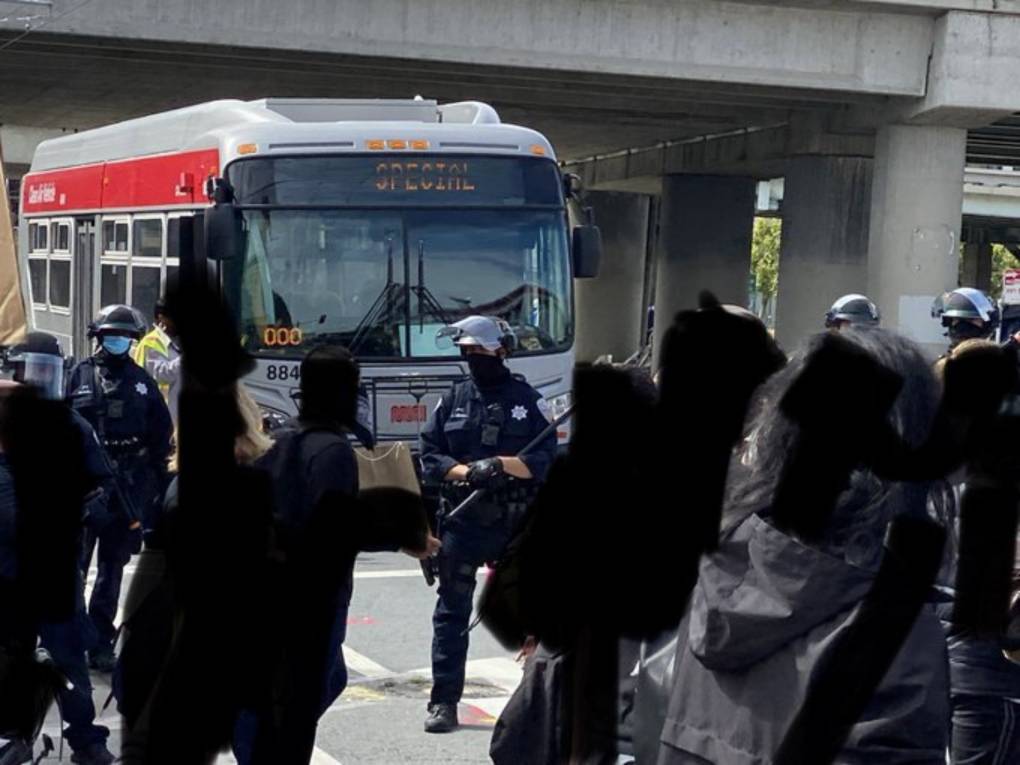
"caption": "Police form a line near 4th and Bryant streets in San Francisco, in front of a Muni bus some officers rode to the protest on May 31.",
"description": "Police form a line near 4th and Bryant streets in San Francisco, in front of a Muni bus some officers rode to the protest on May 31.",
"title": "SFPDmuni2",
"credit": "Courtesy of Chris Arvin",
"status": "inherit",
"isLoading": false,
"fetchFailed": false
},
"news_11812909": {
"type": "attachments",
"id": "news_11812909",
"meta": {
"index": "attachments_1716263798",
"site": "news",
"id": "11812909",
"found": true
},
"parent": 11812863,
"imgSizes": {
"apple_news_ca_square_4_0": {
"file": "https://ww2.kqed.org/app/uploads/sites/10/2020/04/GettyImages-1217248287-470x470.jpg",
"width": 470,
"mimeType": "image/jpeg",
"height": 470
},
"twentyfourteen-full-width": {
"file": "https://ww2.kqed.org/app/uploads/sites/10/2020/04/GettyImages-1217248287-1024x576.jpg",
"width": 1024,
"mimeType": "image/jpeg",
"height": 576
},
"thumbnail": {
"file": "https://ww2.kqed.org/app/uploads/sites/10/2020/04/GettyImages-1217248287-160x103.jpg",
"width": 160,
"mimeType": "image/jpeg",
"height": 103
},
"post-thumbnail": {
"file": "https://ww2.kqed.org/app/uploads/sites/10/2020/04/GettyImages-1217248287-672x372.jpg",
"width": 672,
"mimeType": "image/jpeg",
"height": 372
},
"kqedFullSize": {
"file": "https://ww2.kqed.org/app/uploads/sites/10/2020/04/GettyImages-1217248287.jpg",
"width": 1024,
"height": 661
},
"apple_news_ca_landscape_4_7": {
"file": "https://ww2.kqed.org/app/uploads/sites/10/2020/04/GettyImages-1217248287-632x474.jpg",
"width": 632,
"mimeType": "image/jpeg",
"height": 474
},
"large": {
"file": "https://ww2.kqed.org/app/uploads/sites/10/2020/04/GettyImages-1217248287-1020x658.jpg",
"width": 1020,
"mimeType": "image/jpeg",
"height": 658
},
"apple_news_ca_landscape_4_0": {
"file": "https://ww2.kqed.org/app/uploads/sites/10/2020/04/GettyImages-1217248287-536x402.jpg",
"width": 536,
"mimeType": "image/jpeg",
"height": 402
},
"medium": {
"file": "https://ww2.kqed.org/app/uploads/sites/10/2020/04/GettyImages-1217248287-800x516.jpg",
"width": 800,
"mimeType": "image/jpeg",
"height": 516
},
"apple_news_ca_portrait_4_0": {
"file": "https://ww2.kqed.org/app/uploads/sites/10/2020/04/GettyImages-1217248287-354x472.jpg",
"width": 354,
"mimeType": "image/jpeg",
"height": 472
},
"apple_news_ca_portrait_9_7": {
"file": "https://ww2.kqed.org/app/uploads/sites/10/2020/04/GettyImages-1217248287-840x661.jpg",
"width": 840,
"mimeType": "image/jpeg",
"height": 661
},
"apple_news_ca_portrait_4_7": {
"file": "https://ww2.kqed.org/app/uploads/sites/10/2020/04/GettyImages-1217248287-414x552.jpg",
"width": 414,
"mimeType": "image/jpeg",
"height": 552
},
"apple_news_ca_portrait_5_5": {
"file": "https://ww2.kqed.org/app/uploads/sites/10/2020/04/GettyImages-1217248287-687x661.jpg",
"width": 687,
"mimeType": "image/jpeg",
"height": 661
},
"apple_news_ca_square_4_7": {
"file": "https://ww2.kqed.org/app/uploads/sites/10/2020/04/GettyImages-1217248287-550x550.jpg",
"width": 550,
"mimeType": "image/jpeg",
"height": 550
},
"apple_news_ca_square_5_5": {
"file": "https://ww2.kqed.org/app/uploads/sites/10/2020/04/GettyImages-1217248287-912x661.jpg",
"width": 912,
"mimeType": "image/jpeg",
"height": 661
}
},
"publishDate": 1587158598,
"modified": 1590690538,
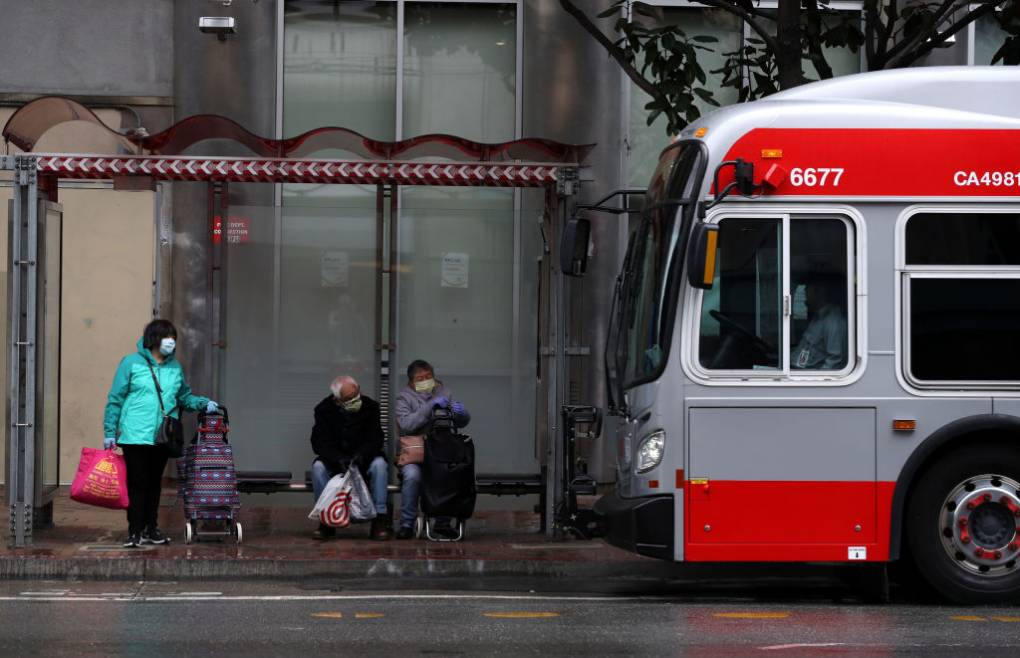
"caption": "San Francisco commuters wear masks as they wait for their bus on April 6, 2020.",
"description": null,
"title": "San Francisco's Muni To Cut Majority Of Service During Coronavirus Shutdown",
"credit": "Justin Sullivan/Getty Images",
"status": "inherit",
"isLoading": false,
"fetchFailed": false
},
"news_11812926": {
"type": "attachments",
"id": "news_11812926",
"meta": {
"index": "attachments_1716263798",
"site": "news",
"id": "11812926",
"found": true
},
"parent": 11812847,
"imgSizes": {
"apple_news_ca_landscape_5_5": {
"file": "https://ww2.kqed.org/app/uploads/sites/10/2020/04/transitrelief200417-1044x783.jpg",
"width": 1044,
"mimeType": "image/jpeg",
"height": 783
},
"apple_news_ca_square_4_0": {
"file": "https://ww2.kqed.org/app/uploads/sites/10/2020/04/transitrelief200417-470x470.jpg",
"width": 470,
"mimeType": "image/jpeg",
"height": 470
},
"twentyfourteen-full-width": {
"file": "https://ww2.kqed.org/app/uploads/sites/10/2020/04/transitrelief200417-1038x576.jpg",
"width": 1038,
"mimeType": "image/jpeg",
"height": 576
},
"thumbnail": {
"file": "https://ww2.kqed.org/app/uploads/sites/10/2020/04/transitrelief200417-160x107.jpg",
"width": 160,
"mimeType": "image/jpeg",
"height": 107
},
"post-thumbnail": {
"file": "https://ww2.kqed.org/app/uploads/sites/10/2020/04/transitrelief200417-672x372.jpg",
"width": 672,
"mimeType": "image/jpeg",
"height": 372
},
"kqedFullSize": {
"file": "https://ww2.kqed.org/app/uploads/sites/10/2020/04/transitrelief200417.jpg",
"width": 1920,
"height": 1280
},
"apple_news_ca_landscape_4_7": {
"file": "https://ww2.kqed.org/app/uploads/sites/10/2020/04/transitrelief200417-632x474.jpg",
"width": 632,
"mimeType": "image/jpeg",
"height": 474
},
"large": {
"file": "https://ww2.kqed.org/app/uploads/sites/10/2020/04/transitrelief200417-1020x680.jpg",
"width": 1020,
"mimeType": "image/jpeg",
"height": 680
},
"apple_news_ca_landscape_4_0": {
"file": "https://ww2.kqed.org/app/uploads/sites/10/2020/04/transitrelief200417-536x402.jpg",
"width": 536,
"mimeType": "image/jpeg",
"height": 402
},
"apple_news_ca_portrait_12_9": {
"file": "https://ww2.kqed.org/app/uploads/sites/10/2020/04/transitrelief200417-1122x1280.jpg",
"width": 1122,
"mimeType": "image/jpeg",
"height": 1280
},
"medium": {
"file": "https://ww2.kqed.org/app/uploads/sites/10/2020/04/transitrelief200417-800x533.jpg",
"width": 800,
"mimeType": "image/jpeg",
"height": 533
},
"apple_news_ca_portrait_4_0": {
"file": "https://ww2.kqed.org/app/uploads/sites/10/2020/04/transitrelief200417-354x472.jpg",
"width": 354,
"mimeType": "image/jpeg",
"height": 472
},
"apple_news_ca_portrait_9_7": {
"file": "https://ww2.kqed.org/app/uploads/sites/10/2020/04/transitrelief200417-840x1120.jpg",
"width": 840,
"mimeType": "image/jpeg",
"height": 1120
},
"apple_news_ca_landscape_12_9": {
"file": "https://ww2.kqed.org/app/uploads/sites/10/2020/04/transitrelief200417-1832x1280.jpg",
"width": 1832,
"mimeType": "image/jpeg",
"height": 1280
},
"apple_news_ca_square_9_7": {
"file": "https://ww2.kqed.org/app/uploads/sites/10/2020/04/transitrelief200417-1104x1104.jpg",
"width": 1104,
"mimeType": "image/jpeg",
"height": 1104
},
"apple_news_ca_portrait_4_7": {
"file": "https://ww2.kqed.org/app/uploads/sites/10/2020/04/transitrelief200417-414x552.jpg",
"width": 414,
"mimeType": "image/jpeg",
"height": 552
},
"apple_news_ca_square_12_9": {
"file": "https://ww2.kqed.org/app/uploads/sites/10/2020/04/transitrelief200417-1472x1280.jpg",
"width": 1472,
"mimeType": "image/jpeg",
"height": 1280
},
"apple_news_ca_portrait_5_5": {
"file": "https://ww2.kqed.org/app/uploads/sites/10/2020/04/transitrelief200417-687x916.jpg",
"width": 687,
"mimeType": "image/jpeg",
"height": 916
},
"full-width": {
"file": "https://ww2.kqed.org/app/uploads/sites/10/2020/04/transitrelief200417-1920x1280.jpg",
"width": 1920,
"mimeType": "image/jpeg",
"height": 1280
},
"apple_news_ca_square_4_7": {
"file": "https://ww2.kqed.org/app/uploads/sites/10/2020/04/transitrelief200417-550x550.jpg",
"width": 550,
"mimeType": "image/jpeg",
"height": 550
},
"apple_news_ca_landscape_9_7": {
"file": "https://ww2.kqed.org/app/uploads/sites/10/2020/04/transitrelief200417-1376x1032.jpg",
"width": 1376,
"mimeType": "image/jpeg",
"height": 1032
},
"apple_news_ca_square_5_5": {
"file": "https://ww2.kqed.org/app/uploads/sites/10/2020/04/transitrelief200417-912x912.jpg",
"width": 912,
"mimeType": "image/jpeg",
"height": 912
}
},
"publishDate": 1587160848,
"modified": 1587164253,
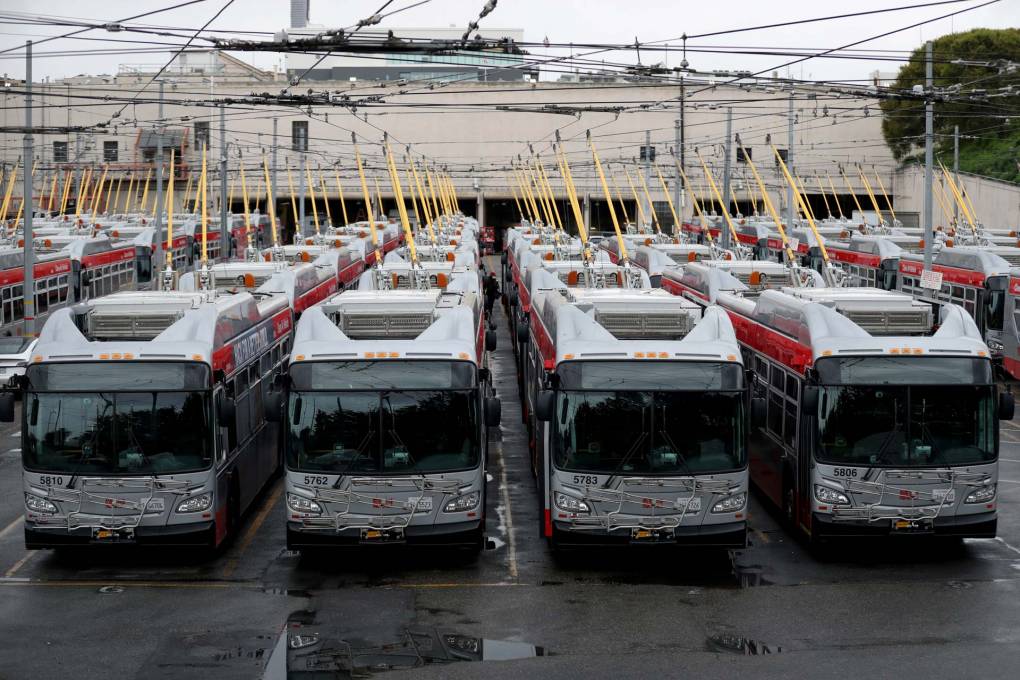
"caption": "Buses parked at a a San Francisco Muni yard on April 6, 2020.",
"description": "Buses parked at a a San Francisco Muni yard on April 6, 2020.",
"title": "San Francisco's Muni To Cut Majority Of Service During Coronavirus Shutdown",
"credit": "Justin Sullivan/Getty Images",
"status": "inherit",
"isLoading": false,
"fetchFailed": false
},
"news_11812844": {
"type": "attachments",
"id": "news_11812844",
"meta": {
"index": "attachments_1716263798",
"site": "news",
"id": "11812844",
"found": true
},
"parent": 0,
"imgSizes": {
"apple_news_ca_landscape_5_5": {
"file": "https://ww2.kqed.org/app/uploads/sites/10/2020/04/munisf200416-1044x783.jpg",
"width": 1044,
"mimeType": "image/jpeg",
"height": 783
},
"apple_news_ca_square_4_0": {
"file": "https://ww2.kqed.org/app/uploads/sites/10/2020/04/munisf200416-470x470.jpg",
"width": 470,
"mimeType": "image/jpeg",
"height": 470
},
"twentyfourteen-full-width": {
"file": "https://ww2.kqed.org/app/uploads/sites/10/2020/04/munisf200416-1038x576.jpg",
"width": 1038,
"mimeType": "image/jpeg",
"height": 576
},
"thumbnail": {
"file": "https://ww2.kqed.org/app/uploads/sites/10/2020/04/munisf200416-160x100.jpg",
"width": 160,
"mimeType": "image/jpeg",
"height": 100
},
"post-thumbnail": {
"file": "https://ww2.kqed.org/app/uploads/sites/10/2020/04/munisf200416-672x372.jpg",
"width": 672,
"mimeType": "image/jpeg",
"height": 372
},
"kqedFullSize": {
"file": "https://ww2.kqed.org/app/uploads/sites/10/2020/04/munisf200416.jpg",
"width": 1920,
"height": 1197
},
"apple_news_ca_landscape_4_7": {
"file": "https://ww2.kqed.org/app/uploads/sites/10/2020/04/munisf200416-632x474.jpg",
"width": 632,
"mimeType": "image/jpeg",
"height": 474
},
"large": {
"file": "https://ww2.kqed.org/app/uploads/sites/10/2020/04/munisf200416-1020x636.jpg",
"width": 1020,
"mimeType": "image/jpeg",
"height": 636
},
"apple_news_ca_landscape_4_0": {
"file": "https://ww2.kqed.org/app/uploads/sites/10/2020/04/munisf200416-536x402.jpg",
"width": 536,
"mimeType": "image/jpeg",
"height": 402
},
"apple_news_ca_portrait_12_9": {
"file": "https://ww2.kqed.org/app/uploads/sites/10/2020/04/munisf200416-1122x1197.jpg",
"width": 1122,
"mimeType": "image/jpeg",
"height": 1197
},
"medium": {
"file": "https://ww2.kqed.org/app/uploads/sites/10/2020/04/munisf200416-800x499.jpg",
"width": 800,
"mimeType": "image/jpeg",
"height": 499
},
"apple_news_ca_portrait_4_0": {
"file": "https://ww2.kqed.org/app/uploads/sites/10/2020/04/munisf200416-354x472.jpg",
"width": 354,
"mimeType": "image/jpeg",
"height": 472
},
"apple_news_ca_portrait_9_7": {
"file": "https://ww2.kqed.org/app/uploads/sites/10/2020/04/munisf200416-840x1120.jpg",
"width": 840,
"mimeType": "image/jpeg",
"height": 1120
},
"apple_news_ca_landscape_12_9": {
"file": "https://ww2.kqed.org/app/uploads/sites/10/2020/04/munisf200416-1832x1197.jpg",
"width": 1832,
"mimeType": "image/jpeg",
"height": 1197
},
"apple_news_ca_square_9_7": {
"file": "https://ww2.kqed.org/app/uploads/sites/10/2020/04/munisf200416-1104x1104.jpg",
"width": 1104,
"mimeType": "image/jpeg",
"height": 1104
},
"apple_news_ca_portrait_4_7": {
"file": "https://ww2.kqed.org/app/uploads/sites/10/2020/04/munisf200416-414x552.jpg",
"width": 414,
"mimeType": "image/jpeg",
"height": 552
},
"apple_news_ca_square_12_9": {
"file": "https://ww2.kqed.org/app/uploads/sites/10/2020/04/munisf200416-1472x1197.jpg",
"width": 1472,
"mimeType": "image/jpeg",
"height": 1197
},
"apple_news_ca_portrait_5_5": {
"file": "https://ww2.kqed.org/app/uploads/sites/10/2020/04/munisf200416-687x916.jpg",
"width": 687,
"mimeType": "image/jpeg",
"height": 916
},
"full-width": {
"file": "https://ww2.kqed.org/app/uploads/sites/10/2020/04/munisf200416-1920x1197.jpg",
"width": 1920,
"mimeType": "image/jpeg",
"height": 1197
},
"apple_news_ca_square_4_7": {
"file": "https://ww2.kqed.org/app/uploads/sites/10/2020/04/munisf200416-550x550.jpg",
"width": 550,
"mimeType": "image/jpeg",
"height": 550
},
"apple_news_ca_landscape_9_7": {
"file": "https://ww2.kqed.org/app/uploads/sites/10/2020/04/munisf200416-1376x1032.jpg",
"width": 1376,
"mimeType": "image/jpeg",
"height": 1032
},
"apple_news_ca_square_5_5": {
"file": "https://ww2.kqed.org/app/uploads/sites/10/2020/04/munisf200416-912x912.jpg",
"width": 912,
"mimeType": "image/jpeg",
"height": 912
}
},
"publishDate": 1587145922,
"modified": 1587151490,
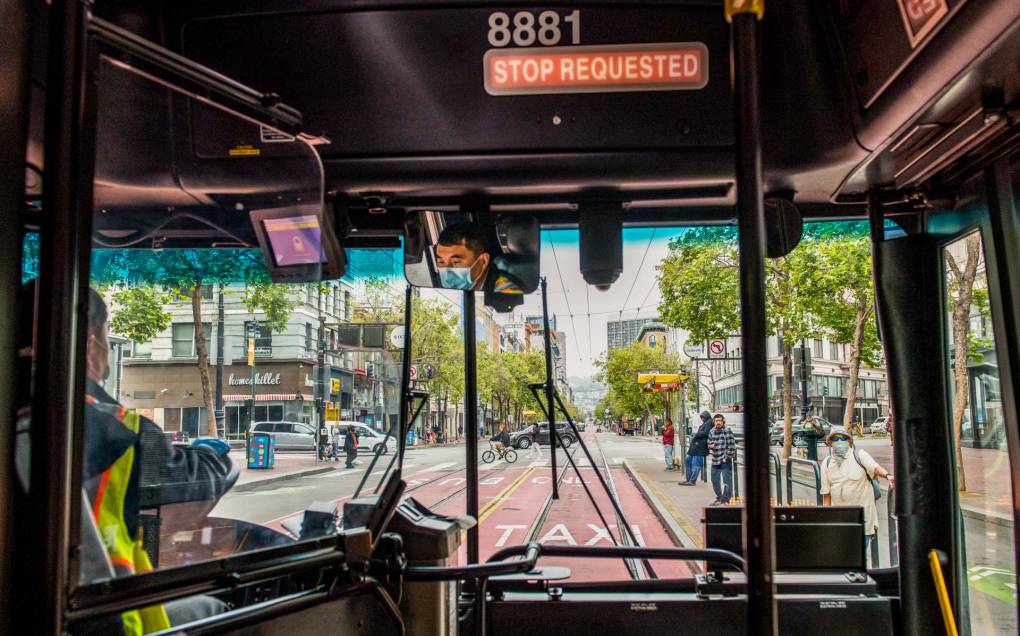
"caption": "A Muni bus picks up passengers at Sixth and Market streets in San Francisco on April 16, 2020.",
"description": "A Muni bus picks up passengers at Sixth and Market streets in San Francisco on April 16, 2020.",
"title": "San Francisco-Muni-Market Street",
"credit": "Beth LaBerge/KQED",
"status": "inherit",
"isLoading": false,
"fetchFailed": false
},
"news_11810935": {
"type": "attachments",
"id": "news_11810935",
"meta": {
"index": "attachments_1716263798",
"site": "news",
"id": "11810935",
"found": true
},
"parent": 11810925,
"imgSizes": {
"apple_news_ca_landscape_5_5": {
"file": "https://ww2.kqed.org/app/uploads/sites/10/2020/04/dontmuni_040620_final-1044x783.png",
"width": 1044,
"mimeType": "image/png",
"height": 783
},
"apple_news_ca_square_4_0": {
"file": "https://ww2.kqed.org/app/uploads/sites/10/2020/04/dontmuni_040620_final-470x470.png",
"width": 470,
"mimeType": "image/png",
"height": 470
},
"twentyfourteen-full-width": {
"file": "https://ww2.kqed.org/app/uploads/sites/10/2020/04/dontmuni_040620_final-1038x576.png",
"width": 1038,
"mimeType": "image/png",
"height": 576
},
"thumbnail": {
"file": "https://ww2.kqed.org/app/uploads/sites/10/2020/04/dontmuni_040620_final-160x115.png",
"width": 160,
"mimeType": "image/png",
"height": 115
},
"post-thumbnail": {
"file": "https://ww2.kqed.org/app/uploads/sites/10/2020/04/dontmuni_040620_final-672x372.png",
"width": 672,
"mimeType": "image/png",
"height": 372
},
"kqedFullSize": {
"file": "https://ww2.kqed.org/app/uploads/sites/10/2020/04/dontmuni_040620_final.png",
"width": 1920,
"height": 1385
},
"apple_news_ca_landscape_4_7": {
"file": "https://ww2.kqed.org/app/uploads/sites/10/2020/04/dontmuni_040620_final-632x474.png",
"width": 632,
"mimeType": "image/png",
"height": 474
},
"large": {
"file": "https://ww2.kqed.org/app/uploads/sites/10/2020/04/dontmuni_040620_final-1020x736.png",
"width": 1020,
"mimeType": "image/png",
"height": 736
},
"apple_news_ca_landscape_4_0": {
"file": "https://ww2.kqed.org/app/uploads/sites/10/2020/04/dontmuni_040620_final-536x402.png",
"width": 536,
"mimeType": "image/png",
"height": 402
},
"apple_news_ca_portrait_12_9": {
"file": "https://ww2.kqed.org/app/uploads/sites/10/2020/04/dontmuni_040620_final-1122x1385.png",
"width": 1122,
"mimeType": "image/png",
"height": 1385
},
"medium": {
"file": "https://ww2.kqed.org/app/uploads/sites/10/2020/04/dontmuni_040620_final-800x577.png",
"width": 800,
"mimeType": "image/png",
"height": 577
},
"apple_news_ca_portrait_4_0": {
"file": "https://ww2.kqed.org/app/uploads/sites/10/2020/04/dontmuni_040620_final-354x472.png",
"width": 354,
"mimeType": "image/png",
"height": 472
},
"apple_news_ca_portrait_9_7": {
"file": "https://ww2.kqed.org/app/uploads/sites/10/2020/04/dontmuni_040620_final-840x1120.png",
"width": 840,
"mimeType": "image/png",
"height": 1120
},
"apple_news_ca_landscape_12_9": {
"file": "https://ww2.kqed.org/app/uploads/sites/10/2020/04/dontmuni_040620_final-1832x1374.png",
"width": 1832,
"mimeType": "image/png",
"height": 1374
},
"apple_news_ca_square_9_7": {
"file": "https://ww2.kqed.org/app/uploads/sites/10/2020/04/dontmuni_040620_final-1104x1104.png",
"width": 1104,
"mimeType": "image/png",
"height": 1104
},
"apple_news_ca_portrait_4_7": {
"file": "https://ww2.kqed.org/app/uploads/sites/10/2020/04/dontmuni_040620_final-414x552.png",
"width": 414,
"mimeType": "image/png",
"height": 552
},
"apple_news_ca_square_12_9": {
"file": "https://ww2.kqed.org/app/uploads/sites/10/2020/04/dontmuni_040620_final-1472x1385.png",
"width": 1472,
"mimeType": "image/png",
"height": 1385
},
"apple_news_ca_portrait_5_5": {
"file": "https://ww2.kqed.org/app/uploads/sites/10/2020/04/dontmuni_040620_final-687x916.png",
"width": 687,
"mimeType": "image/png",
"height": 916
},
"full-width": {
"file": "https://ww2.kqed.org/app/uploads/sites/10/2020/04/dontmuni_040620_final-1920x1385.png",
"width": 1920,
"mimeType": "image/png",
"height": 1385
},
"apple_news_ca_square_4_7": {
"file": "https://ww2.kqed.org/app/uploads/sites/10/2020/04/dontmuni_040620_final-550x550.png",
"width": 550,
"mimeType": "image/png",
"height": 550
},
"apple_news_ca_landscape_9_7": {
"file": "https://ww2.kqed.org/app/uploads/sites/10/2020/04/dontmuni_040620_final-1376x1032.png",
"width": 1376,
"mimeType": "image/png",
"height": 1032
},
"apple_news_ca_square_5_5": {
"file": "https://ww2.kqed.org/app/uploads/sites/10/2020/04/dontmuni_040620_final-912x912.png",
"width": 912,
"mimeType": "image/png",
"height": 912
}
},
"publishDate": 1586217527,
"modified": 1586217559,
"caption": null,
"description": null,
"title": "dontmuni_040620_final",
"credit": null,
"status": "inherit",
"isLoading": false,
"fetchFailed": false
},
"news_11807076": {
"type": "attachments",
"id": "news_11807076",
"meta": {
"index": "attachments_1716263798",
"site": "news",
"id": "11807076",
"found": true
},
"parent": 11807044,
"imgSizes": {
"apple_news_ca_landscape_5_5": {
"file": "https://ww2.kqed.org/app/uploads/sites/10/2020/03/muni-pandemic-1044x783.jpg",
"width": 1044,
"mimeType": "image/jpeg",
"height": 783
},
"apple_news_ca_square_4_0": {
"file": "https://ww2.kqed.org/app/uploads/sites/10/2020/03/muni-pandemic-470x470.jpg",
"width": 470,
"mimeType": "image/jpeg",
"height": 470
},
"twentyfourteen-full-width": {
"file": "https://ww2.kqed.org/app/uploads/sites/10/2020/03/muni-pandemic-1038x576.jpg",
"width": 1038,
"mimeType": "image/jpeg",
"height": 576
},
"thumbnail": {
"file": "https://ww2.kqed.org/app/uploads/sites/10/2020/03/muni-pandemic-160x98.jpg",
"width": 160,
"mimeType": "image/jpeg",
"height": 98
},
"post-thumbnail": {
"file": "https://ww2.kqed.org/app/uploads/sites/10/2020/03/muni-pandemic-672x372.jpg",
"width": 672,
"mimeType": "image/jpeg",
"height": 372
},
"kqedFullSize": {
"file": "https://ww2.kqed.org/app/uploads/sites/10/2020/03/muni-pandemic.jpg",
"width": 1919,
"height": 1179
},
"apple_news_ca_landscape_4_7": {
"file": "https://ww2.kqed.org/app/uploads/sites/10/2020/03/muni-pandemic-632x474.jpg",
"width": 632,
"mimeType": "image/jpeg",
"height": 474
},
"large": {
"file": "https://ww2.kqed.org/app/uploads/sites/10/2020/03/muni-pandemic-1020x627.jpg",
"width": 1020,
"mimeType": "image/jpeg",
"height": 627
},
"apple_news_ca_landscape_4_0": {
"file": "https://ww2.kqed.org/app/uploads/sites/10/2020/03/muni-pandemic-536x402.jpg",
"width": 536,
"mimeType": "image/jpeg",
"height": 402
},
"apple_news_ca_portrait_12_9": {
"file": "https://ww2.kqed.org/app/uploads/sites/10/2020/03/muni-pandemic-1122x1179.jpg",
"width": 1122,
"mimeType": "image/jpeg",
"height": 1179
},
"medium": {
"file": "https://ww2.kqed.org/app/uploads/sites/10/2020/03/muni-pandemic-800x492.jpg",
"width": 800,
"mimeType": "image/jpeg",
"height": 492
},
"apple_news_ca_portrait_4_0": {
"file": "https://ww2.kqed.org/app/uploads/sites/10/2020/03/muni-pandemic-354x472.jpg",
"width": 354,
"mimeType": "image/jpeg",
"height": 472
},
"apple_news_ca_portrait_9_7": {
"file": "https://ww2.kqed.org/app/uploads/sites/10/2020/03/muni-pandemic-840x1120.jpg",
"width": 840,
"mimeType": "image/jpeg",
"height": 1120
},
"apple_news_ca_landscape_12_9": {
"file": "https://ww2.kqed.org/app/uploads/sites/10/2020/03/muni-pandemic-1832x1179.jpg",
"width": 1832,
"mimeType": "image/jpeg",
"height": 1179
},
"apple_news_ca_square_9_7": {
"file": "https://ww2.kqed.org/app/uploads/sites/10/2020/03/muni-pandemic-1104x1104.jpg",
"width": 1104,
"mimeType": "image/jpeg",
"height": 1104
},
"apple_news_ca_portrait_4_7": {
"file": "https://ww2.kqed.org/app/uploads/sites/10/2020/03/muni-pandemic-414x552.jpg",
"width": 414,
"mimeType": "image/jpeg",
"height": 552
},
"apple_news_ca_square_12_9": {
"file": "https://ww2.kqed.org/app/uploads/sites/10/2020/03/muni-pandemic-1472x1179.jpg",
"width": 1472,
"mimeType": "image/jpeg",
"height": 1179
},
"apple_news_ca_portrait_5_5": {
"file": "https://ww2.kqed.org/app/uploads/sites/10/2020/03/muni-pandemic-687x916.jpg",
"width": 687,
"mimeType": "image/jpeg",
"height": 916
},
"apple_news_ca_square_4_7": {
"file": "https://ww2.kqed.org/app/uploads/sites/10/2020/03/muni-pandemic-550x550.jpg",
"width": 550,
"mimeType": "image/jpeg",
"height": 550
},
"apple_news_ca_landscape_9_7": {
"file": "https://ww2.kqed.org/app/uploads/sites/10/2020/03/muni-pandemic-1376x1032.jpg",
"width": 1376,
"mimeType": "image/jpeg",
"height": 1032
},
"apple_news_ca_square_5_5": {
"file": "https://ww2.kqed.org/app/uploads/sites/10/2020/03/muni-pandemic-912x912.jpg",
"width": 912,
"mimeType": "image/jpeg",
"height": 912
}
},
"publishDate": 1584413739,
"modified": 1586210435,
"caption": "An empty Muni bus in downtown San Francisco during the evening commute on March 13, 2020. ",
"description": null,
"title": "muni-pandemic",
"credit": "Beth LaBerge/KQED",
"status": "inherit",
"isLoading": false,
"fetchFailed": false
},
"news_11757729": {
"type": "attachments",
"id": "news_11757729",
"meta": {
"index": "attachments_1716263798",
"site": "news",
"id": "11757729",
"found": true
},
"parent": 11757675,
"imgSizes": {
"apple_news_ca_landscape_5_5": {
"file": "https://ww2.kqed.org/app/uploads/sites/10/2019/06/RS37891__M6A1514-qut-1044x783.jpg",
"width": 1044,
"mimeType": "image/jpeg",
"height": 783
},
"apple_news_ca_square_4_0": {
"file": "https://ww2.kqed.org/app/uploads/sites/10/2019/06/RS37891__M6A1514-qut-470x470.jpg",
"width": 470,
"mimeType": "image/jpeg",
"height": 470
},
"twentyfourteen-full-width": {
"file": "https://ww2.kqed.org/app/uploads/sites/10/2019/06/RS37891__M6A1514-qut-1038x576.jpg",
"width": 1038,
"mimeType": "image/jpeg",
"height": 576
},
"thumbnail": {
"file": "https://ww2.kqed.org/app/uploads/sites/10/2019/06/RS37891__M6A1514-qut-160x107.jpg",
"width": 160,
"mimeType": "image/jpeg",
"height": 107
},
"post-thumbnail": {
"file": "https://ww2.kqed.org/app/uploads/sites/10/2019/06/RS37891__M6A1514-qut-672x372.jpg",
"width": 672,
"mimeType": "image/jpeg",
"height": 372
},
"kqedFullSize": {
"file": "https://ww2.kqed.org/app/uploads/sites/10/2019/06/RS37891__M6A1514-qut.jpg",
"width": 1920,
"height": 1280
},
"apple_news_ca_landscape_4_7": {
"file": "https://ww2.kqed.org/app/uploads/sites/10/2019/06/RS37891__M6A1514-qut-632x474.jpg",
"width": 632,
"mimeType": "image/jpeg",
"height": 474
},
"large": {
"file": "https://ww2.kqed.org/app/uploads/sites/10/2019/06/RS37891__M6A1514-qut-1020x680.jpg",
"width": 1020,
"mimeType": "image/jpeg",
"height": 680
},
"complete_open_graph": {
"file": "https://ww2.kqed.org/app/uploads/sites/10/2019/06/RS37891__M6A1514-qut-1200x800.jpg",
"width": 1200,
"mimeType": "image/jpeg",
"height": 800
},
"apple_news_ca_landscape_4_0": {
"file": "https://ww2.kqed.org/app/uploads/sites/10/2019/06/RS37891__M6A1514-qut-536x402.jpg",
"width": 536,
"mimeType": "image/jpeg",
"height": 402
},
"apple_news_ca_portrait_12_9": {
"file": "https://ww2.kqed.org/app/uploads/sites/10/2019/06/RS37891__M6A1514-qut-1122x1280.jpg",
"width": 1122,
"mimeType": "image/jpeg",
"height": 1280
},
"medium": {
"file": "https://ww2.kqed.org/app/uploads/sites/10/2019/06/RS37891__M6A1514-qut-800x533.jpg",
"width": 800,
"mimeType": "image/jpeg",
"height": 533
},
"apple_news_ca_portrait_4_0": {
"file": "https://ww2.kqed.org/app/uploads/sites/10/2019/06/RS37891__M6A1514-qut-354x472.jpg",
"width": 354,
"mimeType": "image/jpeg",
"height": 472
},
"apple_news_ca_portrait_9_7": {
"file": "https://ww2.kqed.org/app/uploads/sites/10/2019/06/RS37891__M6A1514-qut-840x1120.jpg",
"width": 840,
"mimeType": "image/jpeg",
"height": 1120
},
"apple_news_ca_landscape_12_9": {
"file": "https://ww2.kqed.org/app/uploads/sites/10/2019/06/RS37891__M6A1514-qut-1832x1280.jpg",
"width": 1832,
"mimeType": "image/jpeg",
"height": 1280
},
"apple_news_ca_square_9_7": {
"file": "https://ww2.kqed.org/app/uploads/sites/10/2019/06/RS37891__M6A1514-qut-1104x1104.jpg",
"width": 1104,
"mimeType": "image/jpeg",
"height": 1104
},
"apple_news_ca_portrait_4_7": {
"file": "https://ww2.kqed.org/app/uploads/sites/10/2019/06/RS37891__M6A1514-qut-414x552.jpg",
"width": 414,
"mimeType": "image/jpeg",
"height": 552
},
"apple_news_ca_square_12_9": {
"file": "https://ww2.kqed.org/app/uploads/sites/10/2019/06/RS37891__M6A1514-qut-1472x1280.jpg",
"width": 1472,
"mimeType": "image/jpeg",
"height": 1280
},
"apple_news_ca_portrait_5_5": {
"file": "https://ww2.kqed.org/app/uploads/sites/10/2019/06/RS37891__M6A1514-qut-687x916.jpg",
"width": 687,
"mimeType": "image/jpeg",
"height": 916
},
"full-width": {
"file": "https://ww2.kqed.org/app/uploads/sites/10/2019/06/RS37891__M6A1514-qut-1920x1280.jpg",
"width": 1920,
"mimeType": "image/jpeg",
"height": 1280
},
"apple_news_ca_square_4_7": {
"file": "https://ww2.kqed.org/app/uploads/sites/10/2019/06/RS37891__M6A1514-qut-550x550.jpg",
"width": 550,
"mimeType": "image/jpeg",
"height": 550
},
"apple_news_ca_landscape_9_7": {
"file": "https://ww2.kqed.org/app/uploads/sites/10/2019/06/RS37891__M6A1514-qut-1376x1032.jpg",
"width": 1376,
"mimeType": "image/jpeg",
"height": 1032
},
"apple_news_ca_square_5_5": {
"file": "https://ww2.kqed.org/app/uploads/sites/10/2019/06/RS37891__M6A1514-qut-912x912.jpg",
"width": 912,
"mimeType": "image/jpeg",
"height": 912
}
},
"publishDate": 1561672930,
"modified": 1577828626,
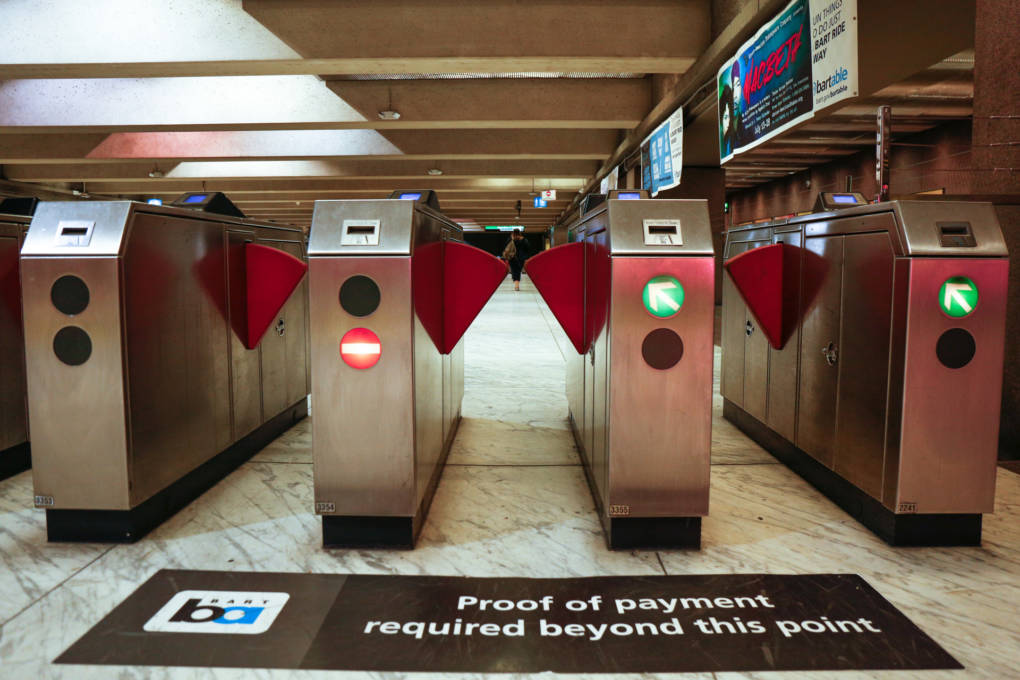
"caption": "Fare gates at BART's Embarcadero Station. ",
"description": "Fare gates at BART's Embarcadero Station. ",
"title": "BART-Embarcadero Station-Fare Gates",
"credit": "Sruti Mamidanna/KQED",
"status": "inherit",
"isLoading": false,
"fetchFailed": false
},
"news_11780514": {
"type": "attachments",
"id": "news_11780514",
"meta": {
"index": "attachments_1716263798",
"site": "news",
"id": "11780514",
"found": true
},
"parent": 11780501,
"imgSizes": {
"apple_news_ca_landscape_5_5": {
"file": "https://ww2.kqed.org/app/uploads/sites/10/2019/10/marketstreet_101619_final-1044x783.jpg",
"width": 1044,
"mimeType": "image/jpeg",
"height": 783
},
"apple_news_ca_square_4_0": {
"file": "https://ww2.kqed.org/app/uploads/sites/10/2019/10/marketstreet_101619_final-470x470.jpg",
"width": 470,
"mimeType": "image/jpeg",
"height": 470
},
"twentyfourteen-full-width": {
"file": "https://ww2.kqed.org/app/uploads/sites/10/2019/10/marketstreet_101619_final-1038x576.jpg",
"width": 1038,
"mimeType": "image/jpeg",
"height": 576
},
"thumbnail": {
"file": "https://ww2.kqed.org/app/uploads/sites/10/2019/10/marketstreet_101619_final-160x130.jpg",
"width": 160,
"mimeType": "image/jpeg",
"height": 130
},
"post-thumbnail": {
"file": "https://ww2.kqed.org/app/uploads/sites/10/2019/10/marketstreet_101619_final-672x372.jpg",
"width": 672,
"mimeType": "image/jpeg",
"height": 372
},
"kqedFullSize": {
"file": "https://ww2.kqed.org/app/uploads/sites/10/2019/10/marketstreet_101619_final.jpg",
"width": 1920,
"height": 1562
},
"apple_news_ca_landscape_4_7": {
"file": "https://ww2.kqed.org/app/uploads/sites/10/2019/10/marketstreet_101619_final-632x474.jpg",
"width": 632,
"mimeType": "image/jpeg",
"height": 474
},
"large": {
"file": "https://ww2.kqed.org/app/uploads/sites/10/2019/10/marketstreet_101619_final-1020x830.jpg",
"width": 1020,
"mimeType": "image/jpeg",
"height": 830
},
"complete_open_graph": {
"file": "https://ww2.kqed.org/app/uploads/sites/10/2019/10/marketstreet_101619_final-1200x976.jpg",
"width": 1200,
"mimeType": "image/jpeg",
"height": 976
},
"apple_news_ca_landscape_4_0": {
"file": "https://ww2.kqed.org/app/uploads/sites/10/2019/10/marketstreet_101619_final-536x402.jpg",
"width": 536,
"mimeType": "image/jpeg",
"height": 402
},
"apple_news_ca_portrait_12_9": {
"file": "https://ww2.kqed.org/app/uploads/sites/10/2019/10/marketstreet_101619_final-1122x1496.jpg",
"width": 1122,
"mimeType": "image/jpeg",
"height": 1496
},
"medium": {
"file": "https://ww2.kqed.org/app/uploads/sites/10/2019/10/marketstreet_101619_final-800x651.jpg",
"width": 800,
"mimeType": "image/jpeg",
"height": 651
},
"apple_news_ca_portrait_4_0": {
"file": "https://ww2.kqed.org/app/uploads/sites/10/2019/10/marketstreet_101619_final-354x472.jpg",
"width": 354,
"mimeType": "image/jpeg",
"height": 472
},
"apple_news_ca_portrait_9_7": {
"file": "https://ww2.kqed.org/app/uploads/sites/10/2019/10/marketstreet_101619_final-840x1120.jpg",
"width": 840,
"mimeType": "image/jpeg",
"height": 1120
},
"apple_news_ca_landscape_12_9": {
"file": "https://ww2.kqed.org/app/uploads/sites/10/2019/10/marketstreet_101619_final-1832x1374.jpg",
"width": 1832,
"mimeType": "image/jpeg",
"height": 1374
},
"apple_news_ca_square_9_7": {
"file": "https://ww2.kqed.org/app/uploads/sites/10/2019/10/marketstreet_101619_final-1104x1104.jpg",
"width": 1104,
"mimeType": "image/jpeg",
"height": 1104
},
"apple_news_ca_portrait_4_7": {
"file": "https://ww2.kqed.org/app/uploads/sites/10/2019/10/marketstreet_101619_final-414x552.jpg",
"width": 414,
"mimeType": "image/jpeg",
"height": 552
},
"apple_news_ca_square_12_9": {
"file": "https://ww2.kqed.org/app/uploads/sites/10/2019/10/marketstreet_101619_final-1472x1472.jpg",
"width": 1472,
"mimeType": "image/jpeg",
"height": 1472
},
"apple_news_ca_portrait_5_5": {
"file": "https://ww2.kqed.org/app/uploads/sites/10/2019/10/marketstreet_101619_final-687x916.jpg",
"width": 687,
"mimeType": "image/jpeg",
"height": 916
},
"full-width": {
"file": "https://ww2.kqed.org/app/uploads/sites/10/2019/10/marketstreet_101619_final-1920x1562.jpg",
"width": 1920,
"mimeType": "image/jpeg",
"height": 1562
},
"apple_news_ca_square_4_7": {
"file": "https://ww2.kqed.org/app/uploads/sites/10/2019/10/marketstreet_101619_final-550x550.jpg",
"width": 550,
"mimeType": "image/jpeg",
"height": 550
},
"apple_news_ca_landscape_9_7": {
"file": "https://ww2.kqed.org/app/uploads/sites/10/2019/10/marketstreet_101619_final-1376x1032.jpg",
"width": 1376,
"mimeType": "image/jpeg",
"height": 1032
},
"apple_news_ca_square_5_5": {
"file": "https://ww2.kqed.org/app/uploads/sites/10/2019/10/marketstreet_101619_final-912x912.jpg",
"width": 912,
"mimeType": "image/jpeg",
"height": 912
}
},
"publishDate": 1571256914,
"modified": 1571256939,
"caption": null,
"description": null,
"title": "marketstreet_101619_final",
"credit": null,
"status": "inherit",
"isLoading": false,
"fetchFailed": false
},
"news_11765087": {
"type": "attachments",
"id": "news_11765087",
"meta": {
"index": "attachments_1716263798",
"site": "news",
"id": "11765087",
"found": true
},
"parent": 11765027,
"imgSizes": {
"apple_news_ca_landscape_5_5": {
"file": "https://ww2.kqed.org/app/uploads/sites/10/2019/08/Bridge-Bay-Area-Traffic-Jam-1044x783.jpg",
"width": 1044,
"mimeType": "image/jpeg",
"height": 783
},
"apple_news_ca_square_4_0": {
"file": "https://ww2.kqed.org/app/uploads/sites/10/2019/08/Bridge-Bay-Area-Traffic-Jam-470x470.jpg",
"width": 470,
"mimeType": "image/jpeg",
"height": 470
},
"twentyfourteen-full-width": {
"file": "https://ww2.kqed.org/app/uploads/sites/10/2019/08/Bridge-Bay-Area-Traffic-Jam-1038x576.jpg",
"width": 1038,
"mimeType": "image/jpeg",
"height": 576
},
"thumbnail": {
"file": "https://ww2.kqed.org/app/uploads/sites/10/2019/08/Bridge-Bay-Area-Traffic-Jam-160x76.jpg",
"width": 160,
"mimeType": "image/jpeg",
"height": 76
},
"post-thumbnail": {
"file": "https://ww2.kqed.org/app/uploads/sites/10/2019/08/Bridge-Bay-Area-Traffic-Jam-672x372.jpg",
"width": 672,
"mimeType": "image/jpeg",
"height": 372
},
"kqedFullSize": {
"file": "https://ww2.kqed.org/app/uploads/sites/10/2019/08/Bridge-Bay-Area-Traffic-Jam.jpg",
"width": 1920,
"height": 908
},
"apple_news_ca_landscape_4_7": {
"file": "https://ww2.kqed.org/app/uploads/sites/10/2019/08/Bridge-Bay-Area-Traffic-Jam-632x474.jpg",
"width": 632,
"mimeType": "image/jpeg",
"height": 474
},
"large": {
"file": "https://ww2.kqed.org/app/uploads/sites/10/2019/08/Bridge-Bay-Area-Traffic-Jam-1020x482.jpg",
"width": 1020,
"mimeType": "image/jpeg",
"height": 482
},
"complete_open_graph": {
"file": "https://ww2.kqed.org/app/uploads/sites/10/2019/08/Bridge-Bay-Area-Traffic-Jam-1200x568.jpg",
"width": 1200,
"mimeType": "image/jpeg",
"height": 568
},
"apple_news_ca_landscape_4_0": {
"file": "https://ww2.kqed.org/app/uploads/sites/10/2019/08/Bridge-Bay-Area-Traffic-Jam-536x402.jpg",
"width": 536,
"mimeType": "image/jpeg",
"height": 402
},
"apple_news_ca_portrait_12_9": {
"file": "https://ww2.kqed.org/app/uploads/sites/10/2019/08/Bridge-Bay-Area-Traffic-Jam-1122x908.jpg",
"width": 1122,
"mimeType": "image/jpeg",
"height": 908
},
"medium": {
"file": "https://ww2.kqed.org/app/uploads/sites/10/2019/08/Bridge-Bay-Area-Traffic-Jam-800x378.jpg",
"width": 800,
"mimeType": "image/jpeg",
"height": 378
},
"apple_news_ca_portrait_4_0": {
"file": "https://ww2.kqed.org/app/uploads/sites/10/2019/08/Bridge-Bay-Area-Traffic-Jam-354x472.jpg",
"width": 354,
"mimeType": "image/jpeg",
"height": 472
},
"apple_news_ca_portrait_9_7": {
"file": "https://ww2.kqed.org/app/uploads/sites/10/2019/08/Bridge-Bay-Area-Traffic-Jam-840x908.jpg",
"width": 840,
"mimeType": "image/jpeg",
"height": 908
},
"apple_news_ca_landscape_12_9": {
"file": "https://ww2.kqed.org/app/uploads/sites/10/2019/08/Bridge-Bay-Area-Traffic-Jam-1832x908.jpg",
"width": 1832,
"mimeType": "image/jpeg",
"height": 908
},
"apple_news_ca_square_9_7": {
"file": "https://ww2.kqed.org/app/uploads/sites/10/2019/08/Bridge-Bay-Area-Traffic-Jam-1104x908.jpg",
"width": 1104,
"mimeType": "image/jpeg",
"height": 908
},
"apple_news_ca_portrait_4_7": {
"file": "https://ww2.kqed.org/app/uploads/sites/10/2019/08/Bridge-Bay-Area-Traffic-Jam-414x552.jpg",
"width": 414,
"mimeType": "image/jpeg",
"height": 552
},
"apple_news_ca_square_12_9": {
"file": "https://ww2.kqed.org/app/uploads/sites/10/2019/08/Bridge-Bay-Area-Traffic-Jam-1472x908.jpg",
"width": 1472,
"mimeType": "image/jpeg",
"height": 908
},
"apple_news_ca_portrait_5_5": {
"file": "https://ww2.kqed.org/app/uploads/sites/10/2019/08/Bridge-Bay-Area-Traffic-Jam-687x908.jpg",
"width": 687,
"mimeType": "image/jpeg",
"height": 908
},
"full-width": {
"file": "https://ww2.kqed.org/app/uploads/sites/10/2019/08/Bridge-Bay-Area-Traffic-Jam-1920x908.jpg",
"width": 1920,
"mimeType": "image/jpeg",
"height": 908
},
"apple_news_ca_square_4_7": {
"file": "https://ww2.kqed.org/app/uploads/sites/10/2019/08/Bridge-Bay-Area-Traffic-Jam-550x550.jpg",
"width": 550,
"mimeType": "image/jpeg",
"height": 550
},
"apple_news_ca_landscape_9_7": {
"file": "https://ww2.kqed.org/app/uploads/sites/10/2019/08/Bridge-Bay-Area-Traffic-Jam-1376x908.jpg",
"width": 1376,
"mimeType": "image/jpeg",
"height": 908
},
"apple_news_ca_square_5_5": {
"file": "https://ww2.kqed.org/app/uploads/sites/10/2019/08/Bridge-Bay-Area-Traffic-Jam-912x908.jpg",
"width": 912,
"mimeType": "image/jpeg",
"height": 908
}
},
"publishDate": 1564703869,
"modified": 1564703892,
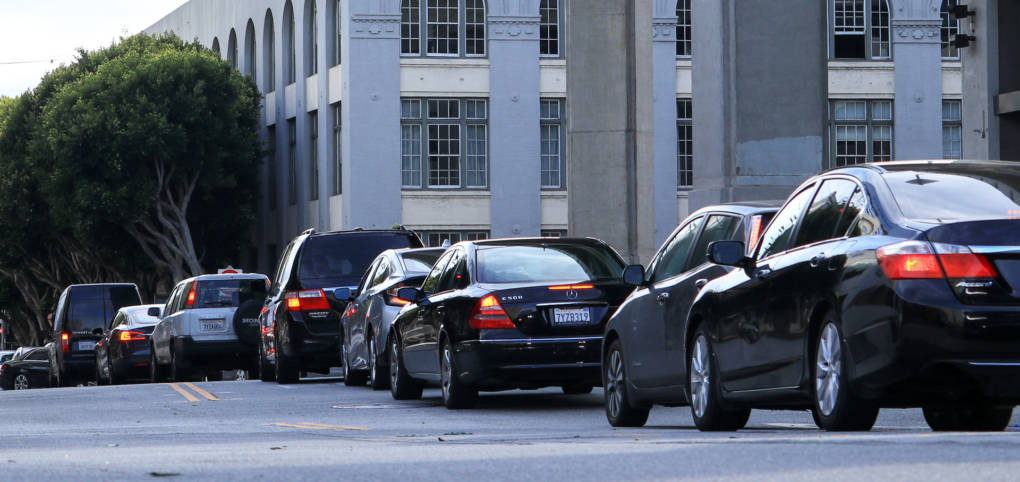
"caption": "Traffic piles up near an entrance to the Bay Bridge on Bryant Street in downtown San Francisco during rush hour on May 13, 2019.",
"description": "Traffic piles up near an entrance to the Bay Bridge on Bryant Street in downtown San Francisco during rush hour on May 13, 2019.",
"title": "Bridge-Bay-Area-Traffic-Jam",
"credit": "Sruti Mamidanna/KQED",
"status": "inherit",
"isLoading": false,
"fetchFailed": false
},
"news_11755443": {
"type": "attachments",
"id": "news_11755443",
"meta": {
"index": "attachments_1716263798",
"site": "news",
"id": "11755443",
"found": true
},
"parent": 11755352,
"imgSizes": {
"apple_news_ca_landscape_5_5": {
"file": "https://ww2.kqed.org/app/uploads/sites/10/2019/06/howardstreetlanes-1044x783.jpg",
"width": 1044,
"mimeType": "image/jpeg",
"height": 783
},
"apple_news_ca_square_4_0": {
"file": "https://ww2.kqed.org/app/uploads/sites/10/2019/06/howardstreetlanes-470x470.jpg",
"width": 470,
"mimeType": "image/jpeg",
"height": 470
},
"twentyfourteen-full-width": {
"file": "https://ww2.kqed.org/app/uploads/sites/10/2019/06/howardstreetlanes-1038x576.jpg",
"width": 1038,
"mimeType": "image/jpeg",
"height": 576
},
"thumbnail": {
"file": "https://ww2.kqed.org/app/uploads/sites/10/2019/06/howardstreetlanes-160x116.jpg",
"width": 160,
"mimeType": "image/jpeg",
"height": 116
},
"post-thumbnail": {
"file": "https://ww2.kqed.org/app/uploads/sites/10/2019/06/howardstreetlanes-672x372.jpg",
"width": 672,
"mimeType": "image/jpeg",
"height": 372
},
"kqedFullSize": {
"file": "https://ww2.kqed.org/app/uploads/sites/10/2019/06/howardstreetlanes.jpg",
"width": 1920,
"height": 1390
},
"apple_news_ca_landscape_4_7": {
"file": "https://ww2.kqed.org/app/uploads/sites/10/2019/06/howardstreetlanes-632x474.jpg",
"width": 632,
"mimeType": "image/jpeg",
"height": 474
},
"large": {
"file": "https://ww2.kqed.org/app/uploads/sites/10/2019/06/howardstreetlanes-1020x738.jpg",
"width": 1020,
"mimeType": "image/jpeg",
"height": 738
},
"complete_open_graph": {
"file": "https://ww2.kqed.org/app/uploads/sites/10/2019/06/howardstreetlanes-1200x869.jpg",
"width": 1200,
"mimeType": "image/jpeg",
"height": 869
},
"apple_news_ca_landscape_4_0": {
"file": "https://ww2.kqed.org/app/uploads/sites/10/2019/06/howardstreetlanes-536x402.jpg",
"width": 536,
"mimeType": "image/jpeg",
"height": 402
},
"apple_news_ca_portrait_12_9": {
"file": "https://ww2.kqed.org/app/uploads/sites/10/2019/06/howardstreetlanes-1122x1390.jpg",
"width": 1122,
"mimeType": "image/jpeg",
"height": 1390
},
"medium": {
"file": "https://ww2.kqed.org/app/uploads/sites/10/2019/06/howardstreetlanes-800x579.jpg",
"width": 800,
"mimeType": "image/jpeg",
"height": 579
},
"apple_news_ca_portrait_4_0": {
"file": "https://ww2.kqed.org/app/uploads/sites/10/2019/06/howardstreetlanes-354x472.jpg",
"width": 354,
"mimeType": "image/jpeg",
"height": 472
},
"apple_news_ca_portrait_9_7": {
"file": "https://ww2.kqed.org/app/uploads/sites/10/2019/06/howardstreetlanes-840x1120.jpg",
"width": 840,
"mimeType": "image/jpeg",
"height": 1120
},
"apple_news_ca_landscape_12_9": {
"file": "https://ww2.kqed.org/app/uploads/sites/10/2019/06/howardstreetlanes-1832x1374.jpg",
"width": 1832,
"mimeType": "image/jpeg",
"height": 1374
},
"apple_news_ca_square_9_7": {
"file": "https://ww2.kqed.org/app/uploads/sites/10/2019/06/howardstreetlanes-1104x1104.jpg",
"width": 1104,
"mimeType": "image/jpeg",
"height": 1104
},
"apple_news_ca_portrait_4_7": {
"file": "https://ww2.kqed.org/app/uploads/sites/10/2019/06/howardstreetlanes-414x552.jpg",
"width": 414,
"mimeType": "image/jpeg",
"height": 552
},
"apple_news_ca_square_12_9": {
"file": "https://ww2.kqed.org/app/uploads/sites/10/2019/06/howardstreetlanes-1472x1390.jpg",
"width": 1472,
"mimeType": "image/jpeg",
"height": 1390
},
"apple_news_ca_portrait_5_5": {
"file": "https://ww2.kqed.org/app/uploads/sites/10/2019/06/howardstreetlanes-687x916.jpg",
"width": 687,
"mimeType": "image/jpeg",
"height": 916
},
"full-width": {
"file": "https://ww2.kqed.org/app/uploads/sites/10/2019/06/howardstreetlanes-1920x1390.jpg",
"width": 1920,
"mimeType": "image/jpeg",
"height": 1390
},
"apple_news_ca_square_4_7": {
"file": "https://ww2.kqed.org/app/uploads/sites/10/2019/06/howardstreetlanes-550x550.jpg",
"width": 550,
"mimeType": "image/jpeg",
"height": 550
},
"apple_news_ca_landscape_9_7": {
"file": "https://ww2.kqed.org/app/uploads/sites/10/2019/06/howardstreetlanes-1376x1032.jpg",
"width": 1376,
"mimeType": "image/jpeg",
"height": 1032
},
"apple_news_ca_square_5_5": {
"file": "https://ww2.kqed.org/app/uploads/sites/10/2019/06/howardstreetlanes-912x912.jpg",
"width": 912,
"mimeType": "image/jpeg",
"height": 912
}
},
"publishDate": 1560884284,
"modified": 1560903593,
"caption": "A parking protected bike lane on Howard Street, just east of Eighth Street, in San Francisco's SoMa district. ",
"description": null,
"title": "Bike Lanes-Howard Street-San Francisco",
"credit": "Dan Brekke/KQED",
"status": "inherit",
"isLoading": false,
"fetchFailed": false
},
"news_11758420": {
"type": "attachments",
"id": "news_11758420",
"meta": {
"index": "attachments_1716263798",
"site": "news",
"id": "11758420",
"found": true
},
"parent": 11758413,
"imgSizes": {
"apple_news_ca_landscape_5_5": {
"file": "https://ww2.kqed.org/app/uploads/sites/10/2019/06/RS5002_011-1044x783.jpg",
"width": 1044,
"mimeType": "image/jpeg",
"height": 783
},
"apple_news_ca_square_4_0": {
"file": "https://ww2.kqed.org/app/uploads/sites/10/2019/06/RS5002_011-470x470.jpg",
"width": 470,
"mimeType": "image/jpeg",
"height": 470
},
"twentyfourteen-full-width": {
"file": "https://ww2.kqed.org/app/uploads/sites/10/2019/06/RS5002_011-1038x576.jpg",
"width": 1038,
"mimeType": "image/jpeg",
"height": 576
},
"thumbnail": {
"file": "https://ww2.kqed.org/app/uploads/sites/10/2019/06/RS5002_011-160x120.jpg",
"width": 160,
"mimeType": "image/jpeg",
"height": 120
},
"post-thumbnail": {
"file": "https://ww2.kqed.org/app/uploads/sites/10/2019/06/RS5002_011-672x372.jpg",
"width": 672,
"mimeType": "image/jpeg",
"height": 372
},
"kqedFullSize": {
"file": "https://ww2.kqed.org/app/uploads/sites/10/2019/06/RS5002_011.jpg",
"width": 1500,
"height": 1125
},
"apple_news_ca_landscape_4_7": {
"file": "https://ww2.kqed.org/app/uploads/sites/10/2019/06/RS5002_011-632x474.jpg",
"width": 632,
"mimeType": "image/jpeg",
"height": 474
},
"large": {
"file": "https://ww2.kqed.org/app/uploads/sites/10/2019/06/RS5002_011-1020x765.jpg",
"width": 1020,
"mimeType": "image/jpeg",
"height": 765
},
"complete_open_graph": {
"file": "https://ww2.kqed.org/app/uploads/sites/10/2019/06/RS5002_011-1200x900.jpg",
"width": 1200,
"mimeType": "image/jpeg",
"height": 900
},
"apple_news_ca_landscape_4_0": {
"file": "https://ww2.kqed.org/app/uploads/sites/10/2019/06/RS5002_011-536x402.jpg",
"width": 536,
"mimeType": "image/jpeg",
"height": 402
},
"apple_news_ca_portrait_12_9": {
"file": "https://ww2.kqed.org/app/uploads/sites/10/2019/06/RS5002_011-1122x1125.jpg",
"width": 1122,
"mimeType": "image/jpeg",
"height": 1125
},
"medium": {
"file": "https://ww2.kqed.org/app/uploads/sites/10/2019/06/RS5002_011-800x600.jpg",
"width": 800,
"mimeType": "image/jpeg",
"height": 600
},
"apple_news_ca_portrait_4_0": {
"file": "https://ww2.kqed.org/app/uploads/sites/10/2019/06/RS5002_011-354x472.jpg",
"width": 354,
"mimeType": "image/jpeg",
"height": 472
},
"apple_news_ca_portrait_9_7": {
"file": "https://ww2.kqed.org/app/uploads/sites/10/2019/06/RS5002_011-840x1120.jpg",
"width": 840,
"mimeType": "image/jpeg",
"height": 1120
},
"apple_news_ca_square_9_7": {
"file": "https://ww2.kqed.org/app/uploads/sites/10/2019/06/RS5002_011-1104x1104.jpg",
"width": 1104,
"mimeType": "image/jpeg",
"height": 1104
},
"apple_news_ca_portrait_4_7": {
"file": "https://ww2.kqed.org/app/uploads/sites/10/2019/06/RS5002_011-414x552.jpg",
"width": 414,
"mimeType": "image/jpeg",
"height": 552
},
"apple_news_ca_square_12_9": {
"file": "https://ww2.kqed.org/app/uploads/sites/10/2019/06/RS5002_011-1472x1125.jpg",
"width": 1472,
"mimeType": "image/jpeg",
"height": 1125
},
"apple_news_ca_portrait_5_5": {
"file": "https://ww2.kqed.org/app/uploads/sites/10/2019/06/RS5002_011-687x916.jpg",
"width": 687,
"mimeType": "image/jpeg",
"height": 916
},
"apple_news_ca_square_4_7": {
"file": "https://ww2.kqed.org/app/uploads/sites/10/2019/06/RS5002_011-550x550.jpg",
"width": 550,
"mimeType": "image/jpeg",
"height": 550
},
"apple_news_ca_landscape_9_7": {
"file": "https://ww2.kqed.org/app/uploads/sites/10/2019/06/RS5002_011-1376x1032.jpg",
"width": 1376,
"mimeType": "image/jpeg",
"height": 1032
},
"apple_news_ca_square_5_5": {
"file": "https://ww2.kqed.org/app/uploads/sites/10/2019/06/RS5002_011-912x912.jpg",
"width": 912,
"mimeType": "image/jpeg",
"height": 912
}
},
"publishDate": 1561946100,
"modified": 1561946149,
"caption": "Fares for Muni, AC Transit, the Golden Gate Bridge and San Francisco Bay Ferry are all set to go up on July 1, 2019.",
"description": "Fares for Muni, AC Transit, the Golden Gate Bridge and San Francisco Bay Ferry are all set to go up on July 1, 2019.",
"title": "RS5002_011",
"credit": "Deborah Svoboda/KQED",
"status": "inherit",
"isLoading": false,
"fetchFailed": false
}
},
"audioPlayerReducer": {
"postId": "stream_live",
"isPaused": true,
"isPlaying": false,
"pfsActive": false,
"pledgeModalIsOpen": true,
"playerDrawerIsOpen": false,
"liveAudioPlayStartedAt": 0,
"liveAudioPlayContext": ""
},
"authorsReducer": {
"danbrekke": {
"type": "authors",
"id": "222",
"meta": {
"index": "authors_1716337520",
"id": "222",
"found": true
},
"name": "Dan Brekke",
"firstName": "Dan",
"lastName": "Brekke",
"slug": "danbrekke",
"email": "dbrekke@kqed.org",
"display_author_email": true,
"staff_mastheads": [
"news",
"science"
],
"title": "KQED Editor and Reporter",
"bio": "Dan Brekke is a reporter and editor for KQED News, responsible for coverage of topics ranging from California water issues to the Bay Area's transportation challenges. In a newsroom career that began in Chicago in 1972, Dan has worked for \u003cem>The San Francisco Examiner,\u003c/em> Wired and TechTV and has been published in The New York Times, The New York Times Magazine, Business 2.0, Salon and elsewhere.\r\n\r\nSince joining KQED in 2007, Dan has reported, edited and produced both radio and online features and breaking news pieces. He has shared as both editor and reporter in four Society of Professional Journalists Norcal Excellence in Journalism awards and one Edward R. Murrow regional award. He was chosen for a spring 2017 residency at the Mesa Refuge to advance his research on California salmon.\r\n\r\nEmail Dan at: \u003ca href=\"mailto:dbrekke@kqed.org\">dbrekke@kqed.org\u003c/a>\r\n\r\n\u003cstrong>Twitter:\u003c/strong> \u003ca href=\"https://twitter.com/danbrekke\" rel=\"noopener noreferrer\">twitter.com/danbrekke\u003c/a>\r\n\u003cstrong>Facebook:\u003c/strong> \u003ca href=\"https://www.facebook.com/danbrekke\" rel=\"noopener noreferrer\">www.facebook.com/danbrekke\u003c/a>\r\n\u003cstrong>LinkedIn:\u003c/strong> \u003ca href=\"https://www.linkedin.com/in/danbrekke\" rel=\"noopener noreferrer\">www.linkedin.com/in/danbrekke\u003c/a>",
"avatar": "https://secure.gravatar.com/avatar/c8126230345efca3f7aa89b1a402be45?s=600&d=mm&r=g",
"twitter": "danbrekke",
"facebook": null,
"instagram": "https://www.instagram.com/dan.brekke/",
"linkedin": "https://www.linkedin.com/in/danbrekke/",
"sites": [
{
"site": "news",
"roles": [
"administrator",
"create_posts"
]
},
{
"site": "stateofhealth",
"roles": [
"editor"
]
},
{
"site": "science",
"roles": [
"editor"
]
},
{
"site": "quest",
"roles": [
"contributor"
]
},
{
"site": "food",
"roles": [
"contributor"
]
},
{
"site": "forum",
"roles": [
"contributor"
]
},
{
"site": "liveblog",
"roles": [
"editor"
]
}
],
"headData": {
"title": "Dan Brekke | KQED",
"description": "KQED Editor and Reporter",
"ogImgSrc": "https://secure.gravatar.com/avatar/c8126230345efca3f7aa89b1a402be45?s=600&d=mm&r=g",
"twImgSrc": "https://secure.gravatar.com/avatar/c8126230345efca3f7aa89b1a402be45?s=600&d=mm&r=g"
},
"isLoading": false,
"link": "/author/danbrekke"
},
"kqed": {
"type": "authors",
"id": "236",
"meta": {
"index": "authors_1716337520",
"id": "236",
"found": true
},
"name": "KQED News Staff",
"firstName": "KQED News Staff",
"lastName": null,
"slug": "kqed",
"email": "faq@kqed.org",
"display_author_email": false,
"staff_mastheads": [],
"title": null,
"bio": null,
"avatar": "https://secure.gravatar.com/avatar/ef0e801a68c4c54afa9180db14084167?s=600&d=blank&r=g",
"twitter": null,
"facebook": null,
"instagram": null,
"linkedin": null,
"sites": [
{
"site": "arts",
"roles": [
"contributor"
]
},
{
"site": "news",
"roles": [
"editor"
]
},
{
"site": "futureofyou",
"roles": [
"author"
]
}
],
"headData": {
"title": "KQED News Staff | KQED",
"description": null,
"ogImgSrc": "https://secure.gravatar.com/avatar/ef0e801a68c4c54afa9180db14084167?s=600&d=blank&r=g",
"twImgSrc": "https://secure.gravatar.com/avatar/ef0e801a68c4c54afa9180db14084167?s=600&d=blank&r=g"
},
"isLoading": false,
"link": "/author/kqed"
},
"markfiore": {
"type": "authors",
"id": "3236",
"meta": {
"index": "authors_1716337520",
"id": "3236",
"found": true
},
"name": "Mark Fiore",
"firstName": "Mark",
"lastName": "Fiore",
"slug": "markfiore",
"email": "mark@markfiore.com",
"display_author_email": false,
"staff_mastheads": [
"news"
],
"title": "KQED News Cartoonist",
"bio": "\u003ca href=\"http://www.MarkFiore.com\">MarkFiore.com\u003c/a> | \u003ca href=\"https://twitter.com/markfiore\">Follow on Twitter\u003c/a> | \u003ca href=\"https://www.facebook.com/pages/Mark-Fiore-Animated-Political-Cartoons/94451707396?ref=bookmarks\">Facebook\u003c/a> | \u003ca href=\"mailto:mark@markfiore.com\">email\u003c/a>\r\n\r\nPulitzer Prize-winner, Mark Fiore, who the Wall Street Journal has called “the undisputed guru of the form,” creates animated political cartoons in San Francisco, where his work has been featured regularly on the San Francisco Chronicle’s web site, SFGate.com. His work has appeared on Newsweek.com, Slate.com, CBSNews.com, MotherJones.com, DailyKos.com and NPR’s web site. Fiore’s political animation has appeared on CNN, Frontline, Bill Moyers Journal, Salon.com and cable and broadcast outlets across the globe.\r\n\r\nBeginning his professional life by drawing traditional political cartoons for newspapers, Fiore’s work appeared in publications ranging from the Washington Post to the Los Angeles Times. In the late 1990s, he began to experiment with animating political cartoons and, after a short stint at the San Jose Mercury News as their staff cartoonist, Fiore devoted all his energies to animation.\r\nGrowing up in California, Fiore also spent a good portion of his life in the backwoods of Idaho. It was this combination that shaped him politically. Mark majored in political science at Colorado College, where, in a perfect send-off for a cartoonist, he received his diploma in 1991 as commencement speaker Dick Cheney smiled approvingly.\r\nMark Fiore was awarded the Pulitzer Prize for political cartooning in 2010, a Robert F. Kennedy Journalism Award in 2004 and has twice received an Online Journalism Award for commentary from the Online News Association (2002, 2008). Fiore has received two awards for his work in new media from the National Cartoonists Society (2001, 2002), and in 2006 received The James Madison Freedom of Information Award from The Society of Professional Journalists.",
"avatar": "https://secure.gravatar.com/avatar/fc4e2a612b15b67bad0c6f0e1db4ca9b?s=600&d=blank&r=g",
"twitter": "MarkFiore",
"facebook": null,
"instagram": "https://www.instagram.com/markfiore/?hl=en",
"linkedin": null,
"sites": [
{
"site": "arts",
"roles": [
"contributor"
]
},
{
"site": "news",
"roles": [
"editor"
]
},
{
"site": "futureofyou",
"roles": [
"editor"
]
},
{
"site": "science",
"roles": [
"editor"
]
}
],
"headData": {
"title": "Mark Fiore | KQED",
"description": "KQED News Cartoonist",
"ogImgSrc": "https://secure.gravatar.com/avatar/fc4e2a612b15b67bad0c6f0e1db4ca9b?s=600&d=blank&r=g",
"twImgSrc": "https://secure.gravatar.com/avatar/fc4e2a612b15b67bad0c6f0e1db4ca9b?s=600&d=blank&r=g"
},
"isLoading": false,
"link": "/author/markfiore"
},
"rlevi": {
"type": "authors",
"id": "11260",
"meta": {
"index": "authors_1716337520",
"id": "11260",
"found": true
},
"name": "Ryan Levi",
"firstName": "Ryan",
"lastName": "Levi",
"slug": "rlevi",
"email": "rlevi@KQED.org",
"display_author_email": false,
"staff_mastheads": [],
"title": "KQED Contributor",
"bio": "Ryan Levi was a reporter and podcast producer at KQED News from 2016-2019. He worked on \u003ca href=\"https://www.kqed.org/news/series/baycurious\">Bay Curious\u003c/a>, \u003ca href=\"https://www.kqed.org/news/tag/the-bay/\">The Bay, \u003c/a>and \u003ca href=\"https://podcasts.apple.com/us/podcast/the-california-report-magazine/id1314750545\">The California Report Magazine\u003c/a>, as well as hosting and producing the weekly \u003ca href=\"https://www.kqed.org/news/program/qedup/\">Q'ed Up podcast. \u003c/a>He also helped inaugurate KQED's weekend news coverage in 2017 as one of two original digital producers. Ryan holds degrees in multimedia journalism and Spanish from the University of Missouri.",
"avatar": "https://secure.gravatar.com/avatar/4cb2ddd028ac8807d1adf09609c5555d?s=600&d=blank&r=g",
"twitter": "ryan_levi",
"facebook": null,
"instagram": null,
"linkedin": null,
"sites": [
{
"site": "arts",
"roles": [
"editor"
]
},
{
"site": "news",
"roles": [
"subscriber"
]
},
{
"site": "stateofhealth",
"roles": [
"editor"
]
},
{
"site": "science",
"roles": [
"editor"
]
},
{
"site": "forum",
"roles": [
"administrator"
]
},
{
"site": "perspectives",
"roles": [
"administrator"
]
}
],
"headData": {
"title": "Ryan Levi | KQED",
"description": "KQED Contributor",
"ogImgSrc": "https://secure.gravatar.com/avatar/4cb2ddd028ac8807d1adf09609c5555d?s=600&d=blank&r=g",
"twImgSrc": "https://secure.gravatar.com/avatar/4cb2ddd028ac8807d1adf09609c5555d?s=600&d=blank&r=g"
},
"isLoading": false,
"link": "/author/rlevi"
},
"jrodriguez": {
"type": "authors",
"id": "11690",
"meta": {
"index": "authors_1716337520",
"id": "11690",
"found": true
},
"name": "Joe Fitzgerald Rodriguez",
"firstName": "Joe",
"lastName": "Fitzgerald Rodriguez",
"slug": "jrodriguez",
"email": "jrodriguez@kqed.org",
"display_author_email": true,
"staff_mastheads": [
"news"
],
"title": "Reporter and Producer",
"bio": "Joe Fitzgerald Rodriguez is a reporter and digital producer for KQED covering politics. Joe most recently wrote for the \u003cem>San Francisco Examiner\u003c/em> as a political columnist covering The City. He was raised in San Francisco and has spent his reporting career in his beloved, foggy, city by the bay. Joe was 12-years-old when he conducted his first interview in journalism, grilling former San Francisco Mayor Willie Brown for the Marina Middle School newspaper, \u003cem>The Penguin Press, \u003c/em>and he continues to report on the San Francisco Bay Area to this day.",
"avatar": "https://secure.gravatar.com/avatar/2247beb0564c1e9c62228d5649d2edac?s=600&d=blank&r=g",
"twitter": "FitztheReporter",
"facebook": null,
"instagram": "https://www.instagram.com/fitzthereporter/",
"linkedin": null,
"sites": [
{
"site": "",
"roles": [
"editor"
]
},
{
"site": "arts",
"roles": [
"editor"
]
},
{
"site": "news",
"roles": [
"editor"
]
},
{
"site": "science",
"roles": [
"editor"
]
},
{
"site": "elections",
"roles": [
"editor"
]
},
{
"site": "liveblog",
"roles": [
"editor"
]
}
],
"headData": {
"title": "Joe Fitzgerald Rodriguez | KQED",
"description": "Reporter and Producer",
"ogImgSrc": "https://secure.gravatar.com/avatar/2247beb0564c1e9c62228d5649d2edac?s=600&d=blank&r=g",
"twImgSrc": "https://secure.gravatar.com/avatar/2247beb0564c1e9c62228d5649d2edac?s=600&d=blank&r=g"
},
"isLoading": false,
"link": "/author/jrodriguez"
}
},
"pagesReducer": {
"news_tag_muni": {
"type": "terms",
"id": "news_320",
"meta": {
"index": "terms_1716263798",
"site": "news",
"id": "320",
"score": 9.101735
},
"featImg": null,
"name": "Muni",
"description": null,
"taxonomy": "tag",
"headData": {
"twImgId": null,
"twTitle": null,
"ogTitle": null,
"ogImgId": null,
"twDescription": null,
"description": null,
"title": "Muni Archives | KQED News",
"ogDescription": null
},
"ttid": 328,
"slug": "muni",
"isLoading": false,
"title": "Muni",
"pageMeta": {
"site": "news",
"WpPageTemplate": "page-topic-editorial",
"currentPage": 6
},
"blocks": [
{
"blockName": "kqed/post-list",
"attrs": {
"layout": "cardArticle2",
"query": "posts/news?tag=muni",
"seeMore": false,
"paginated": true,
"page": 6
}
},
{
"blockName": "kqed/ad"
}
]
}
},
"pfsSessionReducer": {},
"postsReducer": {
"stream_live": {
"type": "live",
"id": "stream_live",
"audioUrl": "https://streams.kqed.org/kqedradio",
"title": "Live Stream",
"excerpt": "Live Stream information currently unavailable.",
"link": "/radio",
"featImg": "",
"label": {
"name": "KQED Live",
"link": "/"
}
},
"stream_kqedNewscast": {
"type": "posts",
"id": "stream_kqedNewscast",
"audioUrl": "https://www.kqed.org/.stream/anon/radio/RDnews/newscast.mp3?_=1",
"title": "KQED Newscast",
"featImg": "",
"label": {
"name": "88.5 FM",
"link": "/"
}
},
"news_11823807": {
"type": "posts",
"id": "news_11823807",
"meta": {
"index": "posts_1716263798",
"site": "news",
"id": "11823807",
"score": null,
"sort": [
1591820237000
]
},
"guestAuthors": [],
"slug": "muni-will-no-longer-take-cops-to-anti-police-brutality-protests",
"title": "Muni Will No Longer Take Cops to Anti-Police Brutality Protests",
"publishDate": 1591820237,
"format": "standard",
"headTitle": "Muni Will No Longer Take Cops to Anti-Police Brutality Protests | KQED",
"labelTerm": {
"site": "news"
},
"content": "\u003cp>Two Saturdays ago, demonstrators marching in San Francisco viewed a peculiar sight.\u003c/p>\n\u003cp>Some police, clad in full riot gear, did not arrive at Union Square in police cars, sirens blazing. Nor did they ride in on motorcycles, bicycles or even those armored vehicles — the Lenco BearCat — that have been ubiquitous in demonstrations across the United States. Instead, they arrived the way 720,000 people once traveled to work in San Francisco every day (before COVID-19, anyway) — by Muni bus.\u003c/p>\n\u003cp>After a public outcry and a quieter, internal rebellion by San Francisco’s own transportation agency employees, the years-long practice will end.\u003c/p>\n\u003cp>Muni buses will no longer transport police to political demonstrations about “police brutality,” the San Francisco Municipal Transportation Agency \u003ca href=\"https://twitter.com/sfmta_muni/status/1270391482080358407\">announced on Twitter\u003c/a> Tuesday.\u003c/p>\n\u003cp>It’s a small rebellion by a transit agency against local police, and particularly poignant after decades of mistrust between black Americans and public transportation agencies.\u003c/p>\n\u003cp>It was on a bus, after all, that Rosa Parks was met with racist orders to yield a seat to a white passenger in 1955 — and it was on a BART platform where Oscar Grant was shot and killed by a transit police officer as he lay unarmed on the ground in 2009.\u003c/p>\n\u003cp>The decision by Muni leadership came after turmoil both public and behind closed doors. And there are no rules in Muni’s books to prevent the practice in the future — yet.\u003c/p>\n\u003cp>[ad fullwidth]\u003c/p>\n\u003ch3>‘Infuriating’\u003c/h3>\n\u003cp>Lateefah Simon, president of the BART Board of Directors, is also a lifelong Muni rider. Growing up in San Francisco, Muni was part of the fabric of life: going to school, going to work and, yes, part of being arrested after a protest.\u003c/p>\n\u003cp>In 1991, a young, junior high school-aged Simon took a 38-Geary Muni bus from Presidio Middle School to an anti-Iraq war protest downtown. When she was arrested, police tossed her and other demonstrators on a Muni bus bound for juvenile hall.\u003c/p>\n\u003cp>“They sure did put us on a Muni bus,” she recalled.\u003c/p>\n\u003cp>But in the intervening decades, a movement in the transit community has risen to bring public transit onto the side of protesters and racial justice.\u003c/p>\n\u003cp>At the start of the George Floyd protests in May, one New York City bus driver inspired many in the world’s transit community. When detainees from a demonstration were loaded by the New York Police Department onto a city bus, the driver walked off, refusing to transport the protesters.\u003c/p>\n\u003cp>Crowds at Barclays Center, where the protesters were arrested, wildly cheered for the driver. The video went viral, and was viewed more than 12.5 million times as of June 10.\u003c/p>\n\u003cp>https://twitter.com/berniebromanny/status/1266528183454699521\u003c/p>\n\u003cp>But here in the Bay Area, transit-lovers skewered Muni after watching social media videos of police in riot gear emerge from Muni buses to counter protesters. The driver did not walk off, and on social media the agency was perceived as against protesters demanding the defense of black lives.\u003c/p>\n\u003cp>One of those self-described transit “geeks” against the practice is \u003ca href=\"https://twitter.com/_DaveSquare\">David Sorrell\u003c/a>, a UC Berkeley transit administrator. Sorrell, who is black, told KQED his industry is predominantly white, male and of an older generation. Sorrell grew up in Chicago without access to a car, so his love of buses and trains grew from a young age. He saw the world from the window of a train. In that light, Sorrell called Muni transporting police to a local protest “infuriating.”\u003c/p>\n\u003cp>“From an optics standpoint, and from a personal standpoint, it’s disappointing that the one thing that is supposed to connect our communities together is being used as a tool to stifle our freedoms of speech and assembly,” he said.\u003c/p>\n\u003cp>Sorrell was not the only one to express outrage online. Chris Arvin is a prominent figure in the world of local transit lovers, known for his cherubic happy-faced bus and train art which he sells as pins and shirts online.\u003c/p>\n\u003cp>Marshaling his thousands of online followers, Arvin blasted Muni for transporting police to protests. He noted that the agency was once dubbed “The People’s Railway” when it began in 1912, and should remain for the people — not cops.\u003c/p>\n\u003cp>https://twitter.com/chrisarvinsf/status/1267692093754896384\u003c/p>\n\u003cp>“During Sunday’s peaceful protest in support of black lives, I saw a police officer aim a rubber bullet gun directly at a woman who had her hands up,” Arvin told KQED. He also \u003ca href=\"https://twitter.com/chrisarvinsf/status/1270060589612544000\">tweeted a photo\u003c/a> of that moment. “Public transit buses should be solely for the benefit of riders, serving their transit needs, not to aid another agency in bringing weapons to a peaceful event.”\u003c/p>\n\u003cp>Even SFPD hasn’t kicked up a fuss about the move.\u003c/p>\n\u003cp>“We recognize we are all in the midst of a difficult, emotionally charged time as we come to terms with painful truths about the kind of policing that took George Floyd’s life in Minneapolis,” SFPD Sgt. Michael Andraychak said in a statement. “SFPD’s commitment to the safety and First Amendment rights of those we serve remains undiminished, of course, and we’ve adjusted our transportation and operations accordingly.”\u003c/p>\n\u003cp>While some are already praising the decision publicly, the decision is actually a reversal.\u003c/p>\n\u003ch3>Major U-turn\u003c/h3>\n\u003cp>Only one week ago, Muni leadership said the agency would continue to transport police to demonstrations.\u003c/p>\n\u003cp>Speaking to the SFMTA Board of Directors during their public meeting last Tuesday, Jeffrey Tumlin, director of SFMTA, said he was surprised to learn Muni buses were used to transport police, which he only learned after a photo of a bus transporting police was tweeted by this KQED reporter. Tumlin was swiftly met with criticism by Muni riders and his own staff.\u003c/p>\n\u003cp>“Two days ago, I learned from social media that our Muni buses are being used to transport police officers. This is apparently something the agency has been doing for many years,” Tumlin told the SFMTA board.\u003c/p>\n\u003cp>https://twitter.com/FitzTheReporter/status/1267202232472068097\u003c/p>\n\u003cp>He then detailed some legacy of public transit and racism, including San Francisco planners’ historical erasure of black neighborhoods, labeled as “blight,” to erect new freeways.\u003c/p>\n\u003cp>“So as I work to try to reform the horrific history within my own industry, I need to honor (SFPD) Chief Bill Scott’s leadership for structural change within his,” Tumlin added. “We’re a city department just like SFPD. SFPD officers are our colleagues.”\u003c/p>\n\u003cp>By the time Tumlin voiced his support for police, the outrage on social media against Muni had quieted. Protesters redirected their energies to police clashes in San Francisco and the Bay Area.\u003c/p>\n\u003cp>But internally, staffers from various SFMTA departments voiced their outrage to Tumlin. The relatively new SFMTA director had started his tenure in 2019 with bold promises to correct his agency’s historic injustices against the black community, and his new stance on police threatened to turn those words into mere lip service in the eyes of his staff.\u003c/p>\n\u003cp>Voices within the department began to organize. In just a few days, Tumlin threw his agency into reverse.\u003c/p>\n\u003ch3>Never Again? Not So Fast\u003c/h3>\n\u003cp>Already, some in the city are rebuking the agency for its new policy.\u003c/p>\n\u003cp>“Hey Muni, lose our number next time you need officers for fare evasion enforcement or removing problem passengers from your buses and trains,” the San Francisco Police Officers Association \u003ca href=\"https://twitter.com/SanFranciscoPOA/status/1270741418336645120?s=20\">wrote on Twitter\u003c/a>.\u003c/p>\n\u003cp>Should pressure mount from the police union to restore service, there is no regulation on SFMTA’s books preventing them from transporting police, only the promise of its director.\u003c/p>\n\u003cp>To prevent Muni from being used as police transport in the future, the city’s charter or SFMTA’s own policies may need to change.\u003c/p>\n\u003cp>There may be some support for such an action at the San Francisco Board of Supervisors. Supervisor Shamann Walton, who represents the historically black Bayview neighborhood of San Francisco, told KQED “I am not sure why SFMTA would be participating in militarizing our streets in these times of unrest and high tensions between community and law enforcement.”\u003c/p>\n\u003cp>There is some appetite to make this a permanent change at the SFMTA Board of Directors, which sets policy for the agency. Jane Natoli is a nominee by Mayor London Breed for an empty seat on the board, and is awaiting final approval for her seat by the Board of Supervisors. She called it “confirmation limbo.”\u003c/p>\n\u003cp>But, should the board appoint her, Natoli said she would work to enshrine a policy so Muni no longer transports police to city protests.\u003c/p>\n\u003cp>https://twitter.com/SanFranciscoPOA/status/1270741418336645120\u003c/p>\n\u003cp>“This is something that as soon as I saw, I was just shocked,” Natoli said. “I think that that shows that our values aren’t necessarily aligned with our actions.”\u003c/p>\n\u003cp>Should no local leaders act, bus drivers themselves may be the last line against the practice. They drive these special service buses on a volunteer basis.\u003c/p>\n\u003cp>Roger Marenco, president of Muni’s union, the Transport Workers Union Local 250-A, said his members value police when they help with assaults on bus drivers and understands the police’s desire to maintain peace at protests when break-ins occur.\u003c/p>\n\u003cp>He called it a “delicate line.” But Marenco also used to drive a bus himself.\u003c/p>\n\u003cp>“An officer taking away somebody’s life, that person is never coming back to life, ever,” Marenco said. “It just seems like, ‘why are we not standing up in solidarity in terms of this movement that is occurring here due to the murder of George Floyd?’”\u003c/p>\n\u003cp>“If it were me?” Marenco said, he would refuse to drive that bus.\u003c/p>\n\u003cp>[ad floatright]\u003c/p>\n",
"blocks": [],
"excerpt": "After public outcry, San Francisco Muni buses will no longer transport police to political demonstrations about 'police brutality,' the SFMTA announced Tuesday. ",
"status": "publish",
"parent": 0,
"modified": 1721125238,
"stats": {
"hasAudio": false,
"hasVideo": false,
"hasChartOrMap": false,
"iframeSrcs": [],
"hasGoogleForm": false,
"hasGallery": false,
"hasHearkenModule": false,
"hasPolis": false,
"paragraphCount": 45,
"wordCount": 1668
},
"headData": {
"title": "Muni Will No Longer Take Cops to Anti-Police Brutality Protests | KQED",
"description": "After public outcry, San Francisco Muni buses will no longer transport police to demonstrations about police brutality, the SFMTA announced Tuesday.",
"ogTitle": "",
"ogDescription": "",
"ogImgId": "",
"twTitle": "",
"twDescription": "",
"twImgId": "",
"socialDescription": "After public outcry, San Francisco Muni buses will no longer transport police to demonstrations about police brutality, the SFMTA announced Tuesday.",
"schema": {
"@context": "https://schema.org",
"@type": "NewsArticle",
"headline": "Muni Will No Longer Take Cops to Anti-Police Brutality Protests",
"datePublished": "2020-06-10T13:17:17-07:00",
"dateModified": "2024-07-16T03:20:38-07:00",
"image": "https://cdn.kqed.org/wp-content/uploads/2020/02/KQED-OG-Image@1x.png",
"isAccessibleForFree": "True",
"publisher": {
"@type": "NewsMediaOrganization",
"@id": "https://www.kqed.org/#organization",
"name": "KQED",
"logo": "https://cdn.kqed.org/wp-content/uploads/2020/02/KQED-OG-Image@1x.png",
"url": "https://www.kqed.org",
"sameAs": [
"https://www.facebook.com/KQED",
"https://twitter.com/KQED",
"https://www.instagram.com/kqed/",
"https://www.tiktok.com/@kqedofficial",
"https://www.linkedin.com/company/kqed",
"https://www.youtube.com/channel/UCeC0IOo7i1P_61zVUWbJ4nw"
]
}
}
},
"sticky": false,
"path": "/news/11823807/muni-will-no-longer-take-cops-to-anti-police-brutality-protests",
"audioTrackLength": null,
"parsedContent": [
{
"type": "contentString",
"content": "\u003cdiv class=\"post-body\">\u003cp>\u003cp>Two Saturdays ago, demonstrators marching in San Francisco viewed a peculiar sight.\u003c/p>\n\u003cp>Some police, clad in full riot gear, did not arrive at Union Square in police cars, sirens blazing. Nor did they ride in on motorcycles, bicycles or even those armored vehicles — the Lenco BearCat — that have been ubiquitous in demonstrations across the United States. Instead, they arrived the way 720,000 people once traveled to work in San Francisco every day (before COVID-19, anyway) — by Muni bus.\u003c/p>\n\u003cp>After a public outcry and a quieter, internal rebellion by San Francisco’s own transportation agency employees, the years-long practice will end.\u003c/p>\n\u003cp>Muni buses will no longer transport police to political demonstrations about “police brutality,” the San Francisco Municipal Transportation Agency \u003ca href=\"https://twitter.com/sfmta_muni/status/1270391482080358407\">announced on Twitter\u003c/a> Tuesday.\u003c/p>\n\u003cp>It’s a small rebellion by a transit agency against local police, and particularly poignant after decades of mistrust between black Americans and public transportation agencies.\u003c/p>\n\u003cp>It was on a bus, after all, that Rosa Parks was met with racist orders to yield a seat to a white passenger in 1955 — and it was on a BART platform where Oscar Grant was shot and killed by a transit police officer as he lay unarmed on the ground in 2009.\u003c/p>\n\u003cp>The decision by Muni leadership came after turmoil both public and behind closed doors. And there are no rules in Muni’s books to prevent the practice in the future — yet.\u003c/p>\n\u003cp>\u003c/p>\u003c/div>",
"attributes": {
"named": {},
"numeric": []
}
},
{
"type": "component",
"content": "",
"name": "ad",
"attributes": {
"named": {
"label": "fullwidth"
},
"numeric": [
"fullwidth"
]
}
},
{
"type": "contentString",
"content": "\u003cdiv class=\"post-body\">\u003cp>\u003c/p>\n\u003ch3>‘Infuriating’\u003c/h3>\n\u003cp>Lateefah Simon, president of the BART Board of Directors, is also a lifelong Muni rider. Growing up in San Francisco, Muni was part of the fabric of life: going to school, going to work and, yes, part of being arrested after a protest.\u003c/p>\n\u003cp>In 1991, a young, junior high school-aged Simon took a 38-Geary Muni bus from Presidio Middle School to an anti-Iraq war protest downtown. When she was arrested, police tossed her and other demonstrators on a Muni bus bound for juvenile hall.\u003c/p>\n\u003cp>“They sure did put us on a Muni bus,” she recalled.\u003c/p>\n\u003cp>But in the intervening decades, a movement in the transit community has risen to bring public transit onto the side of protesters and racial justice.\u003c/p>\n\u003cp>At the start of the George Floyd protests in May, one New York City bus driver inspired many in the world’s transit community. When detainees from a demonstration were loaded by the New York Police Department onto a city bus, the driver walked off, refusing to transport the protesters.\u003c/p>\n\u003cp>Crowds at Barclays Center, where the protesters were arrested, wildly cheered for the driver. The video went viral, and was viewed more than 12.5 million times as of June 10.\u003c/p>\u003c/p>\u003c/div>",
"attributes": {
"named": {},
"numeric": []
}
},
{
"type": "component",
"content": "",
"name": "singleTwitterStatus",
"attributes": {
"named": {
"id": "1266528183454699521"
},
"numeric": []
}
},
{
"type": "contentString",
"content": "\u003cdiv class=\"post-body\">\u003cp>\n\u003cp>But here in the Bay Area, transit-lovers skewered Muni after watching social media videos of police in riot gear emerge from Muni buses to counter protesters. The driver did not walk off, and on social media the agency was perceived as against protesters demanding the defense of black lives.\u003c/p>\n\u003cp>One of those self-described transit “geeks” against the practice is \u003ca href=\"https://twitter.com/_DaveSquare\">David Sorrell\u003c/a>, a UC Berkeley transit administrator. Sorrell, who is black, told KQED his industry is predominantly white, male and of an older generation. Sorrell grew up in Chicago without access to a car, so his love of buses and trains grew from a young age. He saw the world from the window of a train. In that light, Sorrell called Muni transporting police to a local protest “infuriating.”\u003c/p>\n\u003cp>“From an optics standpoint, and from a personal standpoint, it’s disappointing that the one thing that is supposed to connect our communities together is being used as a tool to stifle our freedoms of speech and assembly,” he said.\u003c/p>\n\u003cp>Sorrell was not the only one to express outrage online. Chris Arvin is a prominent figure in the world of local transit lovers, known for his cherubic happy-faced bus and train art which he sells as pins and shirts online.\u003c/p>\n\u003cp>Marshaling his thousands of online followers, Arvin blasted Muni for transporting police to protests. He noted that the agency was once dubbed “The People’s Railway” when it began in 1912, and should remain for the people — not cops.\u003c/p>\u003c/p>\u003c/div>",
"attributes": {
"named": {},
"numeric": []
}
},
{
"type": "component",
"content": "",
"name": "singleTwitterStatus",
"attributes": {
"named": {
"id": "1267692093754896384"
},
"numeric": []
}
},
{
"type": "contentString",
"content": "\u003cdiv class=\"post-body\">\u003cp>\n\u003cp>“During Sunday’s peaceful protest in support of black lives, I saw a police officer aim a rubber bullet gun directly at a woman who had her hands up,” Arvin told KQED. He also \u003ca href=\"https://twitter.com/chrisarvinsf/status/1270060589612544000\">tweeted a photo\u003c/a> of that moment. “Public transit buses should be solely for the benefit of riders, serving their transit needs, not to aid another agency in bringing weapons to a peaceful event.”\u003c/p>\n\u003cp>Even SFPD hasn’t kicked up a fuss about the move.\u003c/p>\n\u003cp>“We recognize we are all in the midst of a difficult, emotionally charged time as we come to terms with painful truths about the kind of policing that took George Floyd’s life in Minneapolis,” SFPD Sgt. Michael Andraychak said in a statement. “SFPD’s commitment to the safety and First Amendment rights of those we serve remains undiminished, of course, and we’ve adjusted our transportation and operations accordingly.”\u003c/p>\n\u003cp>While some are already praising the decision publicly, the decision is actually a reversal.\u003c/p>\n\u003ch3>Major U-turn\u003c/h3>\n\u003cp>Only one week ago, Muni leadership said the agency would continue to transport police to demonstrations.\u003c/p>\n\u003cp>Speaking to the SFMTA Board of Directors during their public meeting last Tuesday, Jeffrey Tumlin, director of SFMTA, said he was surprised to learn Muni buses were used to transport police, which he only learned after a photo of a bus transporting police was tweeted by this KQED reporter. Tumlin was swiftly met with criticism by Muni riders and his own staff.\u003c/p>\n\u003cp>“Two days ago, I learned from social media that our Muni buses are being used to transport police officers. This is apparently something the agency has been doing for many years,” Tumlin told the SFMTA board.\u003c/p>\u003c/p>\u003c/div>",
"attributes": {
"named": {},
"numeric": []
}
},
{
"type": "component",
"content": "",
"name": "singleTwitterStatus",
"attributes": {
"named": {
"id": "1267202232472068097"
},
"numeric": []
}
},
{
"type": "contentString",
"content": "\u003cdiv class=\"post-body\">\u003cp>\n\u003cp>He then detailed some legacy of public transit and racism, including San Francisco planners’ historical erasure of black neighborhoods, labeled as “blight,” to erect new freeways.\u003c/p>\n\u003cp>“So as I work to try to reform the horrific history within my own industry, I need to honor (SFPD) Chief Bill Scott’s leadership for structural change within his,” Tumlin added. “We’re a city department just like SFPD. SFPD officers are our colleagues.”\u003c/p>\n\u003cp>By the time Tumlin voiced his support for police, the outrage on social media against Muni had quieted. Protesters redirected their energies to police clashes in San Francisco and the Bay Area.\u003c/p>\n\u003cp>But internally, staffers from various SFMTA departments voiced their outrage to Tumlin. The relatively new SFMTA director had started his tenure in 2019 with bold promises to correct his agency’s historic injustices against the black community, and his new stance on police threatened to turn those words into mere lip service in the eyes of his staff.\u003c/p>\n\u003cp>Voices within the department began to organize. In just a few days, Tumlin threw his agency into reverse.\u003c/p>\n\u003ch3>Never Again? Not So Fast\u003c/h3>\n\u003cp>Already, some in the city are rebuking the agency for its new policy.\u003c/p>\n\u003cp>“Hey Muni, lose our number next time you need officers for fare evasion enforcement or removing problem passengers from your buses and trains,” the San Francisco Police Officers Association \u003ca href=\"https://twitter.com/SanFranciscoPOA/status/1270741418336645120?s=20\">wrote on Twitter\u003c/a>.\u003c/p>\n\u003cp>Should pressure mount from the police union to restore service, there is no regulation on SFMTA’s books preventing them from transporting police, only the promise of its director.\u003c/p>\n\u003cp>To prevent Muni from being used as police transport in the future, the city’s charter or SFMTA’s own policies may need to change.\u003c/p>\n\u003cp>There may be some support for such an action at the San Francisco Board of Supervisors. Supervisor Shamann Walton, who represents the historically black Bayview neighborhood of San Francisco, told KQED “I am not sure why SFMTA would be participating in militarizing our streets in these times of unrest and high tensions between community and law enforcement.”\u003c/p>\n\u003cp>There is some appetite to make this a permanent change at the SFMTA Board of Directors, which sets policy for the agency. Jane Natoli is a nominee by Mayor London Breed for an empty seat on the board, and is awaiting final approval for her seat by the Board of Supervisors. She called it “confirmation limbo.”\u003c/p>\n\u003cp>But, should the board appoint her, Natoli said she would work to enshrine a policy so Muni no longer transports police to city protests.\u003c/p>\u003c/p>\u003c/div>",
"attributes": {
"named": {},
"numeric": []
}
},
{
"type": "component",
"content": "",
"name": "singleTwitterStatus",
"attributes": {
"named": {
"id": "1270741418336645120"
},
"numeric": []
}
},
{
"type": "contentString",
"content": "\u003cdiv class=\"post-body\">\u003cp>\n\u003cp>“This is something that as soon as I saw, I was just shocked,” Natoli said. “I think that that shows that our values aren’t necessarily aligned with our actions.”\u003c/p>\n\u003cp>Should no local leaders act, bus drivers themselves may be the last line against the practice. They drive these special service buses on a volunteer basis.\u003c/p>\n\u003cp>Roger Marenco, president of Muni’s union, the Transport Workers Union Local 250-A, said his members value police when they help with assaults on bus drivers and understands the police’s desire to maintain peace at protests when break-ins occur.\u003c/p>\n\u003cp>He called it a “delicate line.” But Marenco also used to drive a bus himself.\u003c/p>\n\u003cp>“An officer taking away somebody’s life, that person is never coming back to life, ever,” Marenco said. “It just seems like, ‘why are we not standing up in solidarity in terms of this movement that is occurring here due to the murder of George Floyd?’”\u003c/p>\n\u003cp>“If it were me?” Marenco said, he would refuse to drive that bus.\u003c/p>\n\u003cp>\u003c/p>\u003c/div>",
"attributes": {
"named": {},
"numeric": []
}
},
{
"type": "component",
"content": "",
"name": "ad",
"attributes": {
"named": {
"label": "floatright"
},
"numeric": [
"floatright"
]
}
},
{
"type": "contentString",
"content": "\u003cdiv class=\"post-body\">\u003cp>\u003c/p>\n\u003c/div>\u003c/p>",
"attributes": {
"named": {},
"numeric": []
}
}
],
"link": "/news/11823807/muni-will-no-longer-take-cops-to-anti-police-brutality-protests",
"authors": [
"11690"
],
"categories": [
"news_6188",
"news_8",
"news_1397"
],
"tags": [
"news_27626",
"news_28031",
"news_320",
"news_116",
"news_745",
"news_1334",
"news_20331",
"news_20517"
],
"featImg": "news_11823816",
"label": "news"
},
"news_11820991": {
"type": "posts",
"id": "news_11820991",
"meta": {
"index": "posts_1716263798",
"site": "news",
"id": "11820991",
"score": null,
"sort": [
1591016449000
]
},
"parent": 0,
"labelTerm": {},
"blocks": [],
"publishDate": 1591016449,
"format": "standard",
"title": "What Questions Do You Have About the Future of Transit in the Bay Area?",
"headTitle": "What Questions Do You Have About the Future of Transit in the Bay Area? | KQED",
"content": "\u003cp>Bay Area transit agencies have been hit hard by the coronavirus pandemic and resulting stay-at-home orders.\u003c/p>\n\u003cul>\n\u003cli>Muni has eliminated all metro and light-rail service, and suspended service on close to 70 of its 89 bus routes.\u003c/li>\n\u003cli>BART ridership is down 92%.\u003c/li>\n\u003cli>AC Transit is running a Sunday schedule all the time.\u003c/li>\n\u003c/ul>\n\u003cp>As stay-at home orders start to ease up, what do you want to know about how your commute will be impacted? Ask using the form below.\u003c/p>\n\u003cp>We’ll answer your questions on June 1 on \u003ca href=\"https://www.kqed.org/forum\">KQED Forum\u003c/a>, and online at \u003ca href=\"http://kqed.org/\">KQED.org\u003c/a>.\u003c/p>\n\u003cp>\u003cscript async src=\"https://modules.wearehearken.com/kqed/embed/5663.js\">\u003c/script>\u003c/p>\n\u003cp>\u003cem>If our question form doesn’t show up above \u003ca href=\"https://modules.wearehearken.com/kqed/embed/5663/share\">find it here.\u003c/a> \u003c/em>\u003c/p>\n\u003cp>[ad fullwidth]\u003c/p>\u003cp>\u003c/p>\n",
"stats": {
"hasVideo": false,
"hasChartOrMap": false,
"hasAudio": false,
"hasPolis": false,
"wordCount": 113,
"hasGoogleForm": false,
"hasGallery": false,
"hasHearkenModule": false,
"iframeSrcs": [],
"paragraphCount": 7
},
"modified": 1700590665,
"excerpt": "Public transit agencies took a big hit because of the coronavirus pandemic. Now they face ongoing challenges. ",
"headData": {
"twImgId": "",
"twTitle": "",
"ogTitle": "",
"ogImgId": "",
"twDescription": "",
"description": "Public transit agencies took a big hit because of the coronavirus pandemic. Now they face ongoing challenges. ",
"title": "What Questions Do You Have About the Future of Transit in the Bay Area? | KQED",
"ogDescription": "",
"schema": {
"@context": "https://schema.org",
"@type": "NewsArticle",
"headline": "What Questions Do You Have About the Future of Transit in the Bay Area?",
"datePublished": "2020-06-01T06:00:49-07:00",
"dateModified": "2023-11-21T10:17:45-08:00",
"image": "https://cdn.kqed.org/wp-content/uploads/2020/02/KQED-OG-Image@1x.png",
"isAccessibleForFree": "True",
"publisher": {
"@type": "NewsMediaOrganization",
"@id": "https://www.kqed.org/#organization",
"name": "KQED",
"logo": "https://cdn.kqed.org/wp-content/uploads/2020/02/KQED-OG-Image@1x.png",
"url": "https://www.kqed.org",
"sameAs": [
"https://www.facebook.com/KQED",
"https://twitter.com/KQED",
"https://www.instagram.com/kqed/",
"https://www.tiktok.com/@kqedofficial",
"https://www.linkedin.com/company/kqed",
"https://www.youtube.com/channel/UCeC0IOo7i1P_61zVUWbJ4nw"
]
}
}
},
"guestAuthors": [],
"slug": "what-questions-do-you-have-about-the-future-of-transit-in-the-bay-area",
"status": "publish",
"sourceUrl": "http://baycurious.org/",
"source": "Bay Curious",
"path": "/news/11820991/what-questions-do-you-have-about-the-future-of-transit-in-the-bay-area",
"audioTrackLength": null,
"parsedContent": [
{
"type": "contentString",
"content": "\u003cdiv class=\"post-body\">\u003cp>\u003cp>Bay Area transit agencies have been hit hard by the coronavirus pandemic and resulting stay-at-home orders.\u003c/p>\n\u003cul>\n\u003cli>Muni has eliminated all metro and light-rail service, and suspended service on close to 70 of its 89 bus routes.\u003c/li>\n\u003cli>BART ridership is down 92%.\u003c/li>\n\u003cli>AC Transit is running a Sunday schedule all the time.\u003c/li>\n\u003c/ul>\n\u003cp>As stay-at home orders start to ease up, what do you want to know about how your commute will be impacted? Ask using the form below.\u003c/p>\n\u003cp>We’ll answer your questions on June 1 on \u003ca href=\"https://www.kqed.org/forum\">KQED Forum\u003c/a>, and online at \u003ca href=\"http://kqed.org/\">KQED.org\u003c/a>.\u003c/p>\n\u003cp>\u003cscript async src=\"https://modules.wearehearken.com/kqed/embed/5663.js\">\u003c/script>\u003c/p>\n\u003cp>\u003cem>If our question form doesn’t show up above \u003ca href=\"https://modules.wearehearken.com/kqed/embed/5663/share\">find it here.\u003c/a> \u003c/em>\u003c/p>\n\u003cp>\u003c/p>\u003c/div>",
"attributes": {
"named": {},
"numeric": []
}
},
{
"type": "component",
"content": "",
"name": "ad",
"attributes": {
"named": {
"label": "fullwidth"
},
"numeric": [
"fullwidth"
]
}
},
{
"type": "contentString",
"content": "\u003cdiv class=\"post-body\">\u003cp>\u003c/p>\u003cp>\u003c/p>\n\u003c/div>\u003c/p>",
"attributes": {
"named": {},
"numeric": []
}
}
],
"link": "/news/11820991/what-questions-do-you-have-about-the-future-of-transit-in-the-bay-area",
"authors": [
"236"
],
"programs": [
"news_33523"
],
"series": [
"news_17986"
],
"categories": [
"news_8",
"news_33520",
"news_1397"
],
"tags": [
"news_2505",
"news_269",
"news_27350",
"news_27504",
"news_320"
],
"featImg": "news_11812909",
"label": "source_news_11820991"
},
"news_11812847": {
"type": "posts",
"id": "news_11812847",
"meta": {
"index": "posts_1716263798",
"site": "news",
"id": "11812847",
"score": null,
"sort": [
1587166569000
]
},
"parent": 0,
"labelTerm": {
"site": "news"
},
"blocks": [],
"publishDate": 1587166569,
"format": "standard",
"disqusTitle": "Battered by Pandemic, Bay Area Transit Agencies Line Up for 1st Round of Relief Money",
"title": "Battered by Pandemic, Bay Area Transit Agencies Line Up for 1st Round of Relief Money",
"headTitle": "KQED News",
"content": "\u003cp>Bay Area transit operators have hammered out a proposal to distribute newly available pandemic relief funding, cash intended to help the agencies survive a historic loss of ridership triggered by the coronavirus outbreak and to aid in rebuilding service once the immediate crisis is past.\u003c/p>\n\u003cp>Under a plan unveiled late Thursday, 24 agencies will split the funds to help cover operating losses projected at hundreds of millions of dollars.\u003c/p>\n\u003cp>\u003ca href=\"https://ww2.kqed.org/app/uploads/sites/10/2020/04/Screen-Shot-2020-04-17-at-1.29.57-PM.png\">\u003cimg class=\"alignright size-full wp-image-11812895\" src=\"https://ww2.kqed.org/app/uploads/sites/10/2020/04/Screen-Shot-2020-04-17-at-1.29.57-PM.png\" alt=\"Transit Relief Funds\" width=\"400\" height=\"686\" srcset=\"https://ww2.kqed.org/app/uploads/sites/10/2020/04/Screen-Shot-2020-04-17-at-1.29.57-PM.png 644w, https://ww2.kqed.org/app/uploads/sites/10/2020/04/Screen-Shot-2020-04-17-at-1.29.57-PM-160x274.png 160w\" sizes=\"(max-width: 400px) 100vw, 400px\">\u003c/a>\u003c/p>\n\u003cp>Under a blueprint that will be considered next week by the 21-member Metropolitan Transportation Commission, BART would get $252 million to help pay for ongoing operations. San Francisco's Muni is in line for $197 million, the East Bay's AC Transit would receive $80 million, the Santa Clara Valley Transportation Authority (VTA) $73 million and Caltrain $49 million.\u003c/p>\n\u003cp>The funds come from a $25 billion aid package for transit systems nationwide, approved as part of the federal government's $2.2 trillion Coronavirus Aid, Relief and Economic Security (CARES) Act.\u003c/p>\n\u003cp>Bay Area agencies, which like others around the country have seen ridership and revenue declines of 90% or more since the coronavirus outbreak prompted widespread shelter-at-home orders last month, are in line for a total of $1.3 billion. The first allocation announced Thursday represents about 60% of the available funds; the MTC says the remaining $520 million will be distributed later this year.\u003c/p>\n\u003cp>MTC spokesman Randy Rentschler said the funds were distributed proportionally based on the losses each agency has sustained so far.\u003c/p>\n\u003cp>\"We used a series of formulas that sought to mirror what the shortfall is for the operators based on what we know so far,\" Rentschler said.\u003c/p>\n\u003cp>Those shortfalls are steep, even as one agency after another slashes service to contain costs.\u003c/p>\n\u003cp>BART, which has suspended service after 9 p.m. and has cut the number of trains it runs the rest of the day in half, said earlier this month it \u003ca href=\"https://www.kqed.org/news/11811507/coronavirus-crisis-has-blown-a-big-hole-in-barts-budget-it-wont-be-fixed-soon\">expects a $173.5 million gap\u003c/a> between its expected and actual revenue through June 30. Agency management will offer a revised estimate next week.\u003c/p>\n\u003cp>San Francisco's Muni, which has suspended its Metro subway, streetcar and cable-car service and now runs buses \u003ca href=\"https://www.kqed.org/news/11810783/as-coronavirus-crisis-deepens-s-f-muni-forced-to-cancel-service-on-most-lines\">on just 17 of its normal 90 routes\u003c/a>, is expected to suffer a revenue decline of between $180 million and $260 million through June 30, according to the California Transit Association.\u003c/p>\n\u003cp>[ad fullwidth]\u003c/p>\n\u003cp>The organization says Caltrain, which has cut the number of trains it runs by more than half, is experiencing a fall of $2 million a week.\u003c/p>\n\u003cp>The group reports the figure for AC Transit, which has put virtually all of its transbay bus service on hold and is running its entire East Bay bus network on a Sunday schedule, is about $1.3 million a week.\u003c/p>\n\u003cp>Transportation officials say they assume that the recovery from their crash in ridership will be a long process. Some say it could take years to return to pre-pandemic patronage levels.\u003c/p>\n\u003cp>[aside postID=news_11811507 hero='https://ww2.kqed.org/app/uploads/sites/10/2020/04/bart-warmsprings-200212a-1020x727.jpg']In a presentation prepared for next week's meeting of the BART board of directors, for example, the agency's staff says ridership is likely to be affected by a long list of unknowns:\u003c/p>\n\u003cul>\n\u003cli>Whether seniors and others who may be vulnerable to COVID-19 may avoid taking transit\u003c/li>\n\u003cli>To what extent telecommuting will remain common for office workers\u003c/li>\n\u003cli>Whether Bay Area residents will cut the number of non-work, non-essential trips, regardless of the mode of transportation\u003c/li>\n\u003cli>The number of potential riders who will avoid trains too crowded for physical distancing\u003c/li>\n\u003cli>The possibility that a continuing severe recession and high unemployment will reduce work trips and tax revenue\u003c/li>\n\u003c/ul>\n\u003cp>BART's best-case budget scenario presented earlier this month projected that fare income would still be 15% below what the agency was taking in before the crisis.\u003c/p>\n\u003cp>\u003c/p>\n",
"disqusIdentifier": "11812847 https://ww2.kqed.org/news/?p=11812847",
"disqusUrl": "https://ww2.kqed.org/news/2020/04/17/battered-by-pandemic-bay-area-transit-agencies-line-up-for-1st-round-of-relief-money/",
"stats": {
"hasVideo": false,
"hasChartOrMap": false,
"hasAudio": false,
"hasPolis": false,
"wordCount": 648,
"hasGoogleForm": false,
"hasGallery": false,
"hasHearkenModule": false,
"iframeSrcs": [],
"paragraphCount": 18
},
"modified": 1587167311,
"excerpt": "A new proposal would distribute nearly $800 million in funds designed to help rail, bus and ferry operators to cover losses and get ready to restore service once the coronavirus crisis subsides.",
"headData": {
"twImgId": "",
"twTitle": "",
"ogTitle": "",
"ogImgId": "",
"twDescription": "",
"description": "A new proposal would distribute nearly $800 million to help transit operators cover losses and restore service once the coronavirus crisis subsides.",
"title": "Battered by Pandemic, Bay Area Transit Agencies Line Up for 1st Round of Relief Money | KQED",
"ogDescription": "",
"schema": {
"@context": "https://schema.org",
"@type": "NewsArticle",
"headline": "Battered by Pandemic, Bay Area Transit Agencies Line Up for 1st Round of Relief Money",
"datePublished": "2020-04-17T16:36:09-07:00",
"dateModified": "2020-04-17T16:48:31-07:00",
"image": "https://cdn.kqed.org/wp-content/uploads/2020/02/KQED-OG-Image@1x.png",
"isAccessibleForFree": "True",
"publisher": {
"@type": "NewsMediaOrganization",
"@id": "https://www.kqed.org/#organization",
"name": "KQED",
"logo": "https://cdn.kqed.org/wp-content/uploads/2020/02/KQED-OG-Image@1x.png",
"url": "https://www.kqed.org",
"sameAs": [
"https://www.facebook.com/KQED",
"https://twitter.com/KQED",
"https://www.instagram.com/kqed/",
"https://www.tiktok.com/@kqedofficial",
"https://www.linkedin.com/company/kqed",
"https://www.youtube.com/channel/UCeC0IOo7i1P_61zVUWbJ4nw"
]
}
}
},
"guestAuthors": [],
"slug": "battered-by-pandemic-bay-area-transit-agencies-line-up-for-1st-round-of-relief-money",
"status": "publish",
"path": "/news/11812847/battered-by-pandemic-bay-area-transit-agencies-line-up-for-1st-round-of-relief-money",
"audioTrackLength": null,
"parsedContent": [
{
"type": "contentString",
"content": "\u003cdiv class=\"post-body\">\u003cp>\u003cp>Bay Area transit operators have hammered out a proposal to distribute newly available pandemic relief funding, cash intended to help the agencies survive a historic loss of ridership triggered by the coronavirus outbreak and to aid in rebuilding service once the immediate crisis is past.\u003c/p>\n\u003cp>Under a plan unveiled late Thursday, 24 agencies will split the funds to help cover operating losses projected at hundreds of millions of dollars.\u003c/p>\n\u003cp>\u003ca href=\"https://ww2.kqed.org/app/uploads/sites/10/2020/04/Screen-Shot-2020-04-17-at-1.29.57-PM.png\">\u003cimg class=\"alignright size-full wp-image-11812895\" src=\"https://ww2.kqed.org/app/uploads/sites/10/2020/04/Screen-Shot-2020-04-17-at-1.29.57-PM.png\" alt=\"Transit Relief Funds\" width=\"400\" height=\"686\" srcset=\"https://ww2.kqed.org/app/uploads/sites/10/2020/04/Screen-Shot-2020-04-17-at-1.29.57-PM.png 644w, https://ww2.kqed.org/app/uploads/sites/10/2020/04/Screen-Shot-2020-04-17-at-1.29.57-PM-160x274.png 160w\" sizes=\"(max-width: 400px) 100vw, 400px\">\u003c/a>\u003c/p>\n\u003cp>Under a blueprint that will be considered next week by the 21-member Metropolitan Transportation Commission, BART would get $252 million to help pay for ongoing operations. San Francisco's Muni is in line for $197 million, the East Bay's AC Transit would receive $80 million, the Santa Clara Valley Transportation Authority (VTA) $73 million and Caltrain $49 million.\u003c/p>\n\u003cp>The funds come from a $25 billion aid package for transit systems nationwide, approved as part of the federal government's $2.2 trillion Coronavirus Aid, Relief and Economic Security (CARES) Act.\u003c/p>\n\u003cp>Bay Area agencies, which like others around the country have seen ridership and revenue declines of 90% or more since the coronavirus outbreak prompted widespread shelter-at-home orders last month, are in line for a total of $1.3 billion. The first allocation announced Thursday represents about 60% of the available funds; the MTC says the remaining $520 million will be distributed later this year.\u003c/p>\n\u003cp>MTC spokesman Randy Rentschler said the funds were distributed proportionally based on the losses each agency has sustained so far.\u003c/p>\n\u003cp>\"We used a series of formulas that sought to mirror what the shortfall is for the operators based on what we know so far,\" Rentschler said.\u003c/p>\n\u003cp>Those shortfalls are steep, even as one agency after another slashes service to contain costs.\u003c/p>\n\u003cp>BART, which has suspended service after 9 p.m. and has cut the number of trains it runs the rest of the day in half, said earlier this month it \u003ca href=\"https://www.kqed.org/news/11811507/coronavirus-crisis-has-blown-a-big-hole-in-barts-budget-it-wont-be-fixed-soon\">expects a $173.5 million gap\u003c/a> between its expected and actual revenue through June 30. Agency management will offer a revised estimate next week.\u003c/p>\n\u003cp>San Francisco's Muni, which has suspended its Metro subway, streetcar and cable-car service and now runs buses \u003ca href=\"https://www.kqed.org/news/11810783/as-coronavirus-crisis-deepens-s-f-muni-forced-to-cancel-service-on-most-lines\">on just 17 of its normal 90 routes\u003c/a>, is expected to suffer a revenue decline of between $180 million and $260 million through June 30, according to the California Transit Association.\u003c/p>\n\u003cp>\u003c/p>\u003c/div>",
"attributes": {
"named": {},
"numeric": []
}
},
{
"type": "component",
"content": "",
"name": "ad",
"attributes": {
"named": {
"label": "fullwidth"
},
"numeric": [
"fullwidth"
]
}
},
{
"type": "contentString",
"content": "\u003cdiv class=\"post-body\">\u003cp>\u003c/p>\n\u003cp>The organization says Caltrain, which has cut the number of trains it runs by more than half, is experiencing a fall of $2 million a week.\u003c/p>\n\u003cp>The group reports the figure for AC Transit, which has put virtually all of its transbay bus service on hold and is running its entire East Bay bus network on a Sunday schedule, is about $1.3 million a week.\u003c/p>\n\u003cp>Transportation officials say they assume that the recovery from their crash in ridership will be a long process. Some say it could take years to return to pre-pandemic patronage levels.\u003c/p>\n\u003cp>\u003c/p>\u003c/div>",
"attributes": {
"named": {},
"numeric": []
}
},
{
"type": "component",
"content": "",
"name": "aside",
"attributes": {
"named": {
"postid": "news_11811507",
"hero": "https://ww2.kqed.org/app/uploads/sites/10/2020/04/bart-warmsprings-200212a-1020x727.jpg",
"label": ""
},
"numeric": []
}
},
{
"type": "contentString",
"content": "\u003cdiv class=\"post-body\">\u003cp>In a presentation prepared for next week's meeting of the BART board of directors, for example, the agency's staff says ridership is likely to be affected by a long list of unknowns:\u003c/p>\n\u003cul>\n\u003cli>Whether seniors and others who may be vulnerable to COVID-19 may avoid taking transit\u003c/li>\n\u003cli>To what extent telecommuting will remain common for office workers\u003c/li>\n\u003cli>Whether Bay Area residents will cut the number of non-work, non-essential trips, regardless of the mode of transportation\u003c/li>\n\u003cli>The number of potential riders who will avoid trains too crowded for physical distancing\u003c/li>\n\u003cli>The possibility that a continuing severe recession and high unemployment will reduce work trips and tax revenue\u003c/li>\n\u003c/ul>\n\u003cp>BART's best-case budget scenario presented earlier this month projected that fare income would still be 15% below what the agency was taking in before the crisis.\u003c/p>\n\u003cp>\u003c/p>\n\u003c/div>\u003c/p>",
"attributes": {
"named": {},
"numeric": []
}
}
],
"link": "/news/11812847/battered-by-pandemic-bay-area-transit-agencies-line-up-for-1st-round-of-relief-money",
"authors": [
"222"
],
"categories": [
"news_8",
"news_1397"
],
"tags": [
"news_269",
"news_27350",
"news_27504",
"news_20008",
"news_3532",
"news_320",
"news_20517"
],
"featImg": "news_11812926",
"label": "news"
},
"news_11812635": {
"type": "posts",
"id": "news_11812635",
"meta": {
"index": "posts_1716263798",
"site": "news",
"id": "11812635",
"score": null,
"sort": [
1587148435000
]
},
"guestAuthors": [],
"slug": "muni-chief-dont-ride-our-buses-unless-you-need-to",
"title": "Muni Chief: Don't Ride Our Buses Unless You Need To",
"publishDate": 1587148435,
"format": "standard",
"headTitle": "Muni Chief: Don’t Ride Our Buses Unless You Need To | KQED",
"labelTerm": {},
"content": "\u003cp>San Francisco’s Muni today bears little resemblance to the transit service that was carrying more than 700,000 daily bus and rail passengers just a month ago.\u003c/p>\n\u003cp>The agency is currently carrying about 100,000 passengers a day on its \u003ca href=\"https://www.kqed.org/news/11810783/as-coronavirus-crisis-deepens-s-f-muni-forced-to-cancel-service-on-most-lines\" target=\"_blank\" rel=\"noopener noreferrer\">drastically pared-back bus network\u003c/a>. The region’s shelter-at-home orders, prompted by the coronavirus pandemic, have kept Muni operators, commuters and tourists off mass transit.\u003c/p>\n\u003cp>Now the city’s top transportation official is trying to talk more people out of using the system, at least for the time being, to help protect essential workers.\u003c/p>\n\u003cp>“Riding Muni as a non-essential traveler means you’re denying the opportunity for nurses and custodians and security guards and dishwashers to be able to ride Muni safely,” said Jeffrey Tumlin, director of the San Francisco Municipal Transportation Agency, which runs Muni,\u003c/p>\n\u003cp>The coronavirus crisis has had a significant effect on Muni’s workforce. [ad fullwidth]\u003c/p>\n\u003cp>The agency says about half of its drivers are out on some form of COVID-19 related leave. Only six of Muni’s 2,000-plus operators have tested positive for the coronavirus so far, but that’s forced employees who came into contact with them to self-quarantine.\u003c/p>\n\u003cp>Some workers are off because they are in vulnerable groups themselves. Others are caring for vulnerable or sick family members or children who are home from school.\u003c/p>\n\u003cp>In response, the agency has shut down its light rail network, mothballed streetcars and cable cars and, most recently, suspended 80% of its bus lines and refocused the remaining service on routes that get people to major medical facilities and commercial hubs.\u003c/p>\n\u003cp>But Tumlin sees much more work ahead. One priority task: reducing crowding on the \u003ca href=\"https://www.sfmta.com/travel-updates/covid-19-muni-core-service-plan\" target=\"_blank\" rel=\"noopener noreferrer\">17 core bus routes\u003c/a> the agency is still running. That’s necessary so that riders can maintain the required minimum six feet of physical distance from other passengers.\u003c/p>\n\u003cp>To do that, Tumlin says Muni is actively discouraging “non-essential travelers” from riding, emphasizing that the remaining service should be reserved for those whose travel is truly necessary: hospital workers, first responders, those on their way to other essential work and people headed to medical appointments or other needed errands, such as grocery shopping.\u003c/p>\n\u003cp>He says a wide range of people are still getting on buses when they don’t have to.\u003c/p>\n\u003cp>“There are a lot of San Franciscans who just decide, ‘It’s a nice day, so I’m going to take Muni out to the beach,'” Tumlin said in an interview earlier this week.\u003c/p>\n\u003cp>[aside label='Coronavirus Coverage' tag='coronavirus']Some Muni drivers have also complained that large numbers of homeless residents are seeking shelter on buses and making it harder for all passengers to maintain physical distance while riding.\u003c/p>\n\u003cp>Tumlin says the agency is responding by reaching out to people at five Market Street bus stops.\u003c/p>\n\u003cp>“We know we need to do this with some care,” Tumlin said. “There are unsheltered individuals who need to use Muni to access services — that is an essential trip. Because you are unsheltered does not mean you should not be riding Muni.”\u003c/p>\n\u003cp>The work involves Muni employees talking to would-be riders, encouraging them not to board buses if their trip is not essential and offering referrals to services. Tumlin says the response has been positive.\u003c/p>\n\u003cp>“What we’re finding — and it’s not surprising — is that even people who are struggling with mental health issues or who are seeking refuge on Muni because they’re unsheltered, if you treat them with care and compassion, they will respond with compassion,” Tumlin said. “We’re seeing compliance. We don’t need to bring in the National Guard to forcibly remove people.”\u003c/p>\n\u003cp>Tumlin says he hopes that same approach will work with those who continue to get on Muni without thinking about the impact on those who really need to be on the bus.\u003c/p>\n\u003cp>“We’re San Franciscans — we’re deeply self-involved,” Tumlin said. “But when we’re reminded that our actions have consequences for others, we often change our behavior. This is not true for everyone, but it’s true for most people.”\u003c/p>\n\u003cp>\u003c/p>\n",
"blocks": [],
"excerpt": "San Francisco's top transportation official says service must be reserved for those on essential trips. ",
"status": "publish",
"parent": 0,
"modified": 1721124533,
"stats": {
"hasAudio": false,
"hasVideo": false,
"hasChartOrMap": false,
"iframeSrcs": [],
"hasGoogleForm": false,
"hasGallery": false,
"hasHearkenModule": false,
"hasPolis": false,
"paragraphCount": 20,
"wordCount": 732
},
"headData": {
"title": "Muni Chief: Don't Ride Our Buses Unless You Need To | KQED",
"description": "San Francisco's top transportation official says service must be reserved for those on essential trips. ",
"ogTitle": "",
"ogDescription": "",
"ogImgId": "",
"twTitle": "",
"twDescription": "",
"twImgId": "",
"schema": {
"@context": "https://schema.org",
"@type": "NewsArticle",
"headline": "Muni Chief: Don't Ride Our Buses Unless You Need To",
"datePublished": "2020-04-17T11:33:55-07:00",
"dateModified": "2024-07-16T03:08:53-07:00",
"image": "https://cdn.kqed.org/wp-content/uploads/2020/02/KQED-OG-Image@1x.png",
"isAccessibleForFree": "True",
"publisher": {
"@type": "NewsMediaOrganization",
"@id": "https://www.kqed.org/#organization",
"name": "KQED",
"logo": "https://cdn.kqed.org/wp-content/uploads/2020/02/KQED-OG-Image@1x.png",
"url": "https://www.kqed.org",
"sameAs": [
"https://www.facebook.com/KQED",
"https://twitter.com/KQED",
"https://www.instagram.com/kqed/",
"https://www.tiktok.com/@kqedofficial",
"https://www.linkedin.com/company/kqed",
"https://www.youtube.com/channel/UCeC0IOo7i1P_61zVUWbJ4nw"
]
}
}
},
"source": "Coronavirus",
"sourceUrl": "https://www.kqed.org/coronavirus",
"sticky": false,
"path": "/news/11812635/muni-chief-dont-ride-our-buses-unless-you-need-to",
"audioTrackLength": null,
"parsedContent": [
{
"type": "contentString",
"content": "\u003cdiv class=\"post-body\">\u003cp>\u003cp>San Francisco’s Muni today bears little resemblance to the transit service that was carrying more than 700,000 daily bus and rail passengers just a month ago.\u003c/p>\n\u003cp>The agency is currently carrying about 100,000 passengers a day on its \u003ca href=\"https://www.kqed.org/news/11810783/as-coronavirus-crisis-deepens-s-f-muni-forced-to-cancel-service-on-most-lines\" target=\"_blank\" rel=\"noopener noreferrer\">drastically pared-back bus network\u003c/a>. The region’s shelter-at-home orders, prompted by the coronavirus pandemic, have kept Muni operators, commuters and tourists off mass transit.\u003c/p>\n\u003cp>Now the city’s top transportation official is trying to talk more people out of using the system, at least for the time being, to help protect essential workers.\u003c/p>\n\u003cp>“Riding Muni as a non-essential traveler means you’re denying the opportunity for nurses and custodians and security guards and dishwashers to be able to ride Muni safely,” said Jeffrey Tumlin, director of the San Francisco Municipal Transportation Agency, which runs Muni,\u003c/p>\n\u003cp>The coronavirus crisis has had a significant effect on Muni’s workforce. \u003c/p>\u003c/div>",
"attributes": {
"named": {},
"numeric": []
}
},
{
"type": "component",
"content": "",
"name": "ad",
"attributes": {
"named": {
"label": "fullwidth"
},
"numeric": [
"fullwidth"
]
}
},
{
"type": "contentString",
"content": "\u003cdiv class=\"post-body\">\u003cp>\u003c/p>\n\u003cp>The agency says about half of its drivers are out on some form of COVID-19 related leave. Only six of Muni’s 2,000-plus operators have tested positive for the coronavirus so far, but that’s forced employees who came into contact with them to self-quarantine.\u003c/p>\n\u003cp>Some workers are off because they are in vulnerable groups themselves. Others are caring for vulnerable or sick family members or children who are home from school.\u003c/p>\n\u003cp>In response, the agency has shut down its light rail network, mothballed streetcars and cable cars and, most recently, suspended 80% of its bus lines and refocused the remaining service on routes that get people to major medical facilities and commercial hubs.\u003c/p>\n\u003cp>But Tumlin sees much more work ahead. One priority task: reducing crowding on the \u003ca href=\"https://www.sfmta.com/travel-updates/covid-19-muni-core-service-plan\" target=\"_blank\" rel=\"noopener noreferrer\">17 core bus routes\u003c/a> the agency is still running. That’s necessary so that riders can maintain the required minimum six feet of physical distance from other passengers.\u003c/p>\n\u003cp>To do that, Tumlin says Muni is actively discouraging “non-essential travelers” from riding, emphasizing that the remaining service should be reserved for those whose travel is truly necessary: hospital workers, first responders, those on their way to other essential work and people headed to medical appointments or other needed errands, such as grocery shopping.\u003c/p>\n\u003cp>He says a wide range of people are still getting on buses when they don’t have to.\u003c/p>\n\u003cp>“There are a lot of San Franciscans who just decide, ‘It’s a nice day, so I’m going to take Muni out to the beach,'” Tumlin said in an interview earlier this week.\u003c/p>\n\u003cp>\u003c/p>\u003c/div>",
"attributes": {
"named": {},
"numeric": []
}
},
{
"type": "component",
"content": "",
"name": "aside",
"attributes": {
"named": {
"label": "Coronavirus Coverage ",
"tag": "coronavirus"
},
"numeric": []
}
},
{
"type": "contentString",
"content": "\u003cdiv class=\"post-body\">\u003cp>Some Muni drivers have also complained that large numbers of homeless residents are seeking shelter on buses and making it harder for all passengers to maintain physical distance while riding.\u003c/p>\n\u003cp>Tumlin says the agency is responding by reaching out to people at five Market Street bus stops.\u003c/p>\n\u003cp>“We know we need to do this with some care,” Tumlin said. “There are unsheltered individuals who need to use Muni to access services — that is an essential trip. Because you are unsheltered does not mean you should not be riding Muni.”\u003c/p>\n\u003cp>The work involves Muni employees talking to would-be riders, encouraging them not to board buses if their trip is not essential and offering referrals to services. Tumlin says the response has been positive.\u003c/p>\n\u003cp>“What we’re finding — and it’s not surprising — is that even people who are struggling with mental health issues or who are seeking refuge on Muni because they’re unsheltered, if you treat them with care and compassion, they will respond with compassion,” Tumlin said. “We’re seeing compliance. We don’t need to bring in the National Guard to forcibly remove people.”\u003c/p>\n\u003cp>Tumlin says he hopes that same approach will work with those who continue to get on Muni without thinking about the impact on those who really need to be on the bus.\u003c/p>\n\u003cp>“We’re San Franciscans — we’re deeply self-involved,” Tumlin said. “But when we’re reminded that our actions have consequences for others, we often change our behavior. This is not true for everyone, but it’s true for most people.”\u003c/p>\n\u003cp>\u003c/p>\n\u003c/div>\u003c/p>",
"attributes": {
"named": {},
"numeric": []
}
}
],
"link": "/news/11812635/muni-chief-dont-ride-our-buses-unless-you-need-to",
"authors": [
"222"
],
"categories": [
"news_8",
"news_1397"
],
"tags": [
"news_27350",
"news_27504",
"news_320",
"news_4096",
"news_2684"
],
"featImg": "news_11812844",
"label": "source_news_11812635"
},
"news_11810925": {
"type": "posts",
"id": "news_11810925",
"meta": {
"index": "posts_1716263798",
"site": "news",
"id": "11810925",
"score": null,
"sort": [
1586218068000
]
},
"guestAuthors": [],
"slug": "another-reason-to-stay-home",
"title": "Another Reason to Stay Home...",
"publishDate": 1586218068,
"format": "standard",
"headTitle": "Another Reason to Stay Home… | KQED",
"labelTerm": {
"term": 18515,
"site": "news"
},
"content": "\u003cp>As Muni scrambled to cut up to three-fourths of its bus lines due to the coronavirus crisis, San Francisco’s head of public transit said, “if you have any choice in how you get to work, \u003ca href=\"http://bit.ly/fioremuniservice\">please don’t choose Muni\u003c/a>.”\u003c/p>\n\u003cp>Municipal Transportation Agency’s Jeffrey Tumlin was referring to the fact that around 40% of Muni’s bus drivers wouldn’t be showing up for work on Monday due to fears of the coronavirus.\u003c/p>\n\u003cp>The transit agency is severely cutting back the service it offers throughout San Francisco as people shelter in place during the deadly COVID-19 pandemic.\u003c/p>\n\u003cp>If you absolutely must get around the city, the best options might be to travel while sealed in an automobile, walking or biking. . . with a cloth face mask and proper social distancing, of course.\u003c/p>\n\u003cp>[ad fullwidth]\u003c/p>\n\u003cp>\u003c/p>\n",
"blocks": [],
"excerpt": "As Muni scrambled to cut up to three-fourths of its bus lines due to the coronavirus crisis, San Francisco's head of public transit said, \"if you have any choice in how you get to work, please don’t choose Muni.\" ",
"status": "publish",
"parent": 0,
"modified": 1721124537,
"stats": {
"hasAudio": false,
"hasVideo": false,
"hasChartOrMap": false,
"iframeSrcs": [],
"hasGoogleForm": false,
"hasGallery": false,
"hasHearkenModule": false,
"hasPolis": false,
"paragraphCount": 6,
"wordCount": 145
},
"headData": {
"title": "Another Reason to Stay Home... | KQED",
"description": "As Muni scrambled to cut up to three-fourths of its bus lines due to the coronavirus crisis, San Francisco's head of public transit said, "if you have any choice in how you get to work, please don’t choose Muni." ",
"ogTitle": "",
"ogDescription": "",
"ogImgId": "",
"twTitle": "",
"twDescription": "",
"twImgId": "",
"schema": {
"@context": "https://schema.org",
"@type": "NewsArticle",
"headline": "Another Reason to Stay Home...",
"datePublished": "2020-04-06T17:07:48-07:00",
"dateModified": "2024-07-16T03:08:57-07:00",
"image": "https://cdn.kqed.org/wp-content/uploads/2020/02/KQED-OG-Image@1x.png",
"isAccessibleForFree": "True",
"publisher": {
"@type": "NewsMediaOrganization",
"@id": "https://www.kqed.org/#organization",
"name": "KQED",
"logo": "https://cdn.kqed.org/wp-content/uploads/2020/02/KQED-OG-Image@1x.png",
"url": "https://www.kqed.org",
"sameAs": [
"https://www.facebook.com/KQED",
"https://twitter.com/KQED",
"https://www.instagram.com/kqed/",
"https://www.tiktok.com/@kqedofficial",
"https://www.linkedin.com/company/kqed",
"https://www.youtube.com/channel/UCeC0IOo7i1P_61zVUWbJ4nw"
]
}
}
},
"sticky": false,
"path": "/news/11810925/another-reason-to-stay-home",
"audioTrackLength": null,
"parsedContent": [
{
"type": "contentString",
"content": "\u003cdiv class=\"post-body\">\u003cp>\u003cp>As Muni scrambled to cut up to three-fourths of its bus lines due to the coronavirus crisis, San Francisco’s head of public transit said, “if you have any choice in how you get to work, \u003ca href=\"http://bit.ly/fioremuniservice\">please don’t choose Muni\u003c/a>.”\u003c/p>\n\u003cp>Municipal Transportation Agency’s Jeffrey Tumlin was referring to the fact that around 40% of Muni’s bus drivers wouldn’t be showing up for work on Monday due to fears of the coronavirus.\u003c/p>\n\u003cp>The transit agency is severely cutting back the service it offers throughout San Francisco as people shelter in place during the deadly COVID-19 pandemic.\u003c/p>\n\u003cp>If you absolutely must get around the city, the best options might be to travel while sealed in an automobile, walking or biking. . . with a cloth face mask and proper social distancing, of course.\u003c/p>\n\u003cp>\u003c/p>\u003c/div>",
"attributes": {
"named": {},
"numeric": []
}
},
{
"type": "component",
"content": "",
"name": "ad",
"attributes": {
"named": {
"label": "fullwidth"
},
"numeric": [
"fullwidth"
]
}
},
{
"type": "contentString",
"content": "\u003cdiv class=\"post-body\">\u003cp>\u003c/p>\n\u003cp>\u003c/p>\n\u003c/div>\u003c/p>",
"attributes": {
"named": {},
"numeric": []
}
}
],
"link": "/news/11810925/another-reason-to-stay-home",
"authors": [
"3236"
],
"series": [
"news_18515"
],
"categories": [
"news_457",
"news_1397"
],
"tags": [
"news_27350",
"news_27504",
"news_20949",
"news_320",
"news_1334"
],
"featImg": "news_11810935",
"label": "news_18515"
},
"news_11810783": {
"type": "posts",
"id": "news_11810783",
"meta": {
"index": "posts_1716263798",
"site": "news",
"id": "11810783",
"score": null,
"sort": [
1586207995000
]
},
"guestAuthors": [],
"slug": "as-coronavirus-crisis-deepens-s-f-muni-forced-to-cancel-service-on-most-lines",
"title": "As Coronavirus Crisis Deepens, SF Muni Forced to Cancel Service on Most Lines",
"publishDate": 1586207995,
"format": "standard",
"headTitle": "As Coronavirus Crisis Deepens, SF Muni Forced to Cancel Service on Most Lines | KQED",
"labelTerm": {},
"content": "\u003cp>Bay Area transit, which has seen a series of sharp service reductions with most residents sheltering at home during the coronavirus crisis, will see its biggest cutbacks to date this week as San Francisco’s Muni dramatically curtails its remaining service.\u003c/p>\n\u003cp>The Municipal Transportation Agency says as many as 40% of its bus operators will be off the job starting Monday due to coronavirus concerns.\u003c/p>\n\u003cp>That will result in widespread delays throughout the system as the agency scrambles to determine what level of service it can effectively deliver. \u003c/p>\n\u003cp>“I never thought I would say this, but if you have any choice in how you get to work, please don’t choose Muni,” Jeffrey Tumlin, the head of the SFMTA, said Sunday night, adding that the system Monday would be “a mess.”\u003c/p>\n\u003cp>“There will be big gaps in service,” he said. “There will not be a single line that’s reliable.”\u003c/p>\n\u003cp>[ad fullwidth]\u003c/p>\n\u003cp>Tumlin says Muni is now scrambling to fundamentally reconfigure its service so it can continue to provide transportation for essential workers and those who lack other travel options. He said that will mean suspending service on lines with the lowest ridership and focusing resources on routes that serve medical facilities and key commercial districts. \u003c/p>\n\u003cp>“Right now what we’re trying to do is work with our labor union and our service planners in order to understand how close to the bone do we need to cut in order to be able to provide the most critical service to the people who need it the most,” Tumlin said. \u003c/p>\n\u003cp>Monday, \u003ca href=\"https://www.sfmta.com/blog/muni-prepares-deliver-essential-trips-only\" rel=\"noopener noreferrer\" target=\"_blank\">the agency announced\u003c/a> that starting Tuesday, service will be temporarily suspended on seven lines: the 2 Clement, 3 Jackson, 5 Fulton, 7 Haight, 10 Townsend, 21 Hayes and 31 Balboa. \u003c/p>\n\u003cp>On Wednesday, Muni says, service will be discontinued on dozens of other routes so that the agency can focus on running 17 “core” lines: the 1 California, 8 Bayshore, 9 San Bruno, 14 Mission, 14R Mission Rapid, 19 Polk, 22 Fillmore, 24 Divisadero, 25 Treasure Island, 29 Sunset, 38 Geary, 38R Geary Rapid, 44 O’Shaughnessy, 49 Van Ness, N Judah bus, L Taraval bus and T Third bus. \u003c/p>\n\u003cfigure id=\"attachment_11810983\" class=\"wp-caption aligncenter\" style=\"max-width: 1920px\">\u003cimg loading=\"lazy\" decoding=\"async\" src=\"https://ww2.kqed.org/app/uploads/sites/10/2020/04/BoardingMuniSF.jpg\" alt=\"Passengers board the 14-Mission on 4th and Mission Streets in San Francisco on April 6, 2020.\" width=\"1920\" height=\"1280\" class=\"size-full wp-image-11810983\" srcset=\"https://cdn.kqed.org/wp-content/uploads/sites/10/2020/04/BoardingMuniSF.jpg 1920w, https://cdn.kqed.org/wp-content/uploads/sites/10/2020/04/BoardingMuniSF-160x107.jpg 160w, https://cdn.kqed.org/wp-content/uploads/sites/10/2020/04/BoardingMuniSF-800x533.jpg 800w, https://cdn.kqed.org/wp-content/uploads/sites/10/2020/04/BoardingMuniSF-1020x680.jpg 1020w\" sizes=\"(max-width: 1920px) 100vw, 1920px\">\u003cfigcaption class=\"wp-caption-text\">Passengers board the 14-Mission on 4th and Mission Streets in San Francisco on April 6, 2020. \u003ccite>(Beth LaBerge/KQED)\u003c/cite>\u003c/figcaption>\u003c/figure>\n\u003cp>Tumlin said that by refocusing operations, Muni hopes to improve service on those remaining lines. But he added that bolstering service while maintaining the physical distancing health officials have ordered will require public cooperation. \u003c/p>\n\u003cp>“We’re trying desperately to maintain social distancing for our passengers,” Tumlin said. “We want to make sure everyone knows that Muni is only for essential workers and essential trips. Everything else is forbidden under the health order, so please don’t take the service if you have another choice.” \u003c/p>\n\u003cp>Monday’s shortage of bus operators comes as a small but growing number of SFMTA employees test positive for the coronavirus. The first infection, involving a driver working out of Muni’s Potrero Yard, was reported nearly two weeks ago. The agency says the number now stands at five. \u003c/p>\n\u003cp>[aside label='Coronavirus Coverage' tag='coronavirus']Tumlin noted that Muni has encouraged any employees who are not feeling well to stay home from work.\u003c/p>\n\u003cp>“Many of our operators are among vulnerable populations or have vulnerable people at home they need to take care of,” he said. “We want to make sure that all of our operators stay healthy.’\u003c/p>\n\u003cp>Roger Marenco, president of Transport Workers Union Local 250-A, which represents Muni operators, said Monday he’d like to see Muni and the city to do more to reduce nonessential trips on the system — especially those involving homeless riders. \u003c/p>\n\u003cp>“We are still in need of security enforcement to make sure the homeless are just not simply getting a free ride on a nice warm bus, just to go from Point A to Point B and then get right back on the bus,” Marenco said. “These are larger problems and situations, but operators are still in fear of that.” \u003c/p>\n\u003cp>He said he’d support limiting ridership to those passengers who are wearing masks or can show they have an essential reason for their trip.\u003c/p>\n\u003cp>“If you do not have a (city-issued) disaster service worker badge and/or a mask and/or some type of identification saying you’re an essential worker, that you’re a front-line worker, then you cannot get on the bus,” Marenco said. “That right there would be an extreme safety measure which I think would please the majority of the riding public and the operators.”\u003c/p>\n\u003cp>Marenco said Muni has been responsive to operator concerns, agreeing, for instance, to demands to require passengers to board through the rear doors of buses and taking other steps to protect drivers. But he said he’d like the agency to do more — to provide workers with more protective equipment and to enforce a lower limit on the number of passengers who can ride on the system’s vehicles. \u003c/p>\n\u003cp>Muni’s impending service reductions come a week after the agency suspended all subway and light-rail service. Last month, Muni canceled a number of rush-hour commute routes after workers in the city were ordered to shelter in place. \u003c/p>\n\u003cp>Despite the cuts, Muni says about 100,000 riders a day continue to use the service. That compares to its normal weekday ridership of about 720,000. \u003c/p>\n\u003cp>\u003c/p>\n",
"blocks": [],
"excerpt": "With hundreds of bus operators off the job due to virus concerns, agency plans to focus resources on a handful of essential routes.",
"status": "publish",
"parent": 0,
"modified": 1721124542,
"stats": {
"hasAudio": false,
"hasVideo": false,
"hasChartOrMap": false,
"iframeSrcs": [],
"hasGoogleForm": false,
"hasGallery": false,
"hasHearkenModule": false,
"hasPolis": false,
"paragraphCount": 23,
"wordCount": 943
},
"headData": {
"title": "As Coronavirus Crisis Deepens, SF Muni Forced to Cancel Service on Most Lines | KQED",
"description": "With hundreds of bus operators off the job due to virus concerns, agency plans to focus resources on a handful of essential routes.",
"ogTitle": "",
"ogDescription": "",
"ogImgId": "",
"twTitle": "",
"twDescription": "",
"twImgId": "",
"schema": {
"@context": "https://schema.org",
"@type": "NewsArticle",
"headline": "As Coronavirus Crisis Deepens, SF Muni Forced to Cancel Service on Most Lines",
"datePublished": "2020-04-06T14:19:55-07:00",
"dateModified": "2024-07-16T03:09:02-07:00",
"image": "https://cdn.kqed.org/wp-content/uploads/2020/02/KQED-OG-Image@1x.png",
"isAccessibleForFree": "True",
"publisher": {
"@type": "NewsMediaOrganization",
"@id": "https://www.kqed.org/#organization",
"name": "KQED",
"logo": "https://cdn.kqed.org/wp-content/uploads/2020/02/KQED-OG-Image@1x.png",
"url": "https://www.kqed.org",
"sameAs": [
"https://www.facebook.com/KQED",
"https://twitter.com/KQED",
"https://www.instagram.com/kqed/",
"https://www.tiktok.com/@kqedofficial",
"https://www.linkedin.com/company/kqed",
"https://www.youtube.com/channel/UCeC0IOo7i1P_61zVUWbJ4nw"
]
}
}
},
"source": "Coronavirus",
"sourceUrl": "https://www.kqed.org/coronavirus",
"sticky": false,
"path": "/news/11810783/as-coronavirus-crisis-deepens-s-f-muni-forced-to-cancel-service-on-most-lines",
"audioTrackLength": null,
"parsedContent": [
{
"type": "contentString",
"content": "\u003cdiv class=\"post-body\">\u003cp>\u003cp>Bay Area transit, which has seen a series of sharp service reductions with most residents sheltering at home during the coronavirus crisis, will see its biggest cutbacks to date this week as San Francisco’s Muni dramatically curtails its remaining service.\u003c/p>\n\u003cp>The Municipal Transportation Agency says as many as 40% of its bus operators will be off the job starting Monday due to coronavirus concerns.\u003c/p>\n\u003cp>That will result in widespread delays throughout the system as the agency scrambles to determine what level of service it can effectively deliver. \u003c/p>\n\u003cp>“I never thought I would say this, but if you have any choice in how you get to work, please don’t choose Muni,” Jeffrey Tumlin, the head of the SFMTA, said Sunday night, adding that the system Monday would be “a mess.”\u003c/p>\n\u003cp>“There will be big gaps in service,” he said. “There will not be a single line that’s reliable.”\u003c/p>\n\u003cp>\u003c/p>\u003c/div>",
"attributes": {
"named": {},
"numeric": []
}
},
{
"type": "component",
"content": "",
"name": "ad",
"attributes": {
"named": {
"label": "fullwidth"
},
"numeric": [
"fullwidth"
]
}
},
{
"type": "contentString",
"content": "\u003cdiv class=\"post-body\">\u003cp>\u003c/p>\n\u003cp>Tumlin says Muni is now scrambling to fundamentally reconfigure its service so it can continue to provide transportation for essential workers and those who lack other travel options. He said that will mean suspending service on lines with the lowest ridership and focusing resources on routes that serve medical facilities and key commercial districts. \u003c/p>\n\u003cp>“Right now what we’re trying to do is work with our labor union and our service planners in order to understand how close to the bone do we need to cut in order to be able to provide the most critical service to the people who need it the most,” Tumlin said. \u003c/p>\n\u003cp>Monday, \u003ca href=\"https://www.sfmta.com/blog/muni-prepares-deliver-essential-trips-only\" rel=\"noopener noreferrer\" target=\"_blank\">the agency announced\u003c/a> that starting Tuesday, service will be temporarily suspended on seven lines: the 2 Clement, 3 Jackson, 5 Fulton, 7 Haight, 10 Townsend, 21 Hayes and 31 Balboa. \u003c/p>\n\u003cp>On Wednesday, Muni says, service will be discontinued on dozens of other routes so that the agency can focus on running 17 “core” lines: the 1 California, 8 Bayshore, 9 San Bruno, 14 Mission, 14R Mission Rapid, 19 Polk, 22 Fillmore, 24 Divisadero, 25 Treasure Island, 29 Sunset, 38 Geary, 38R Geary Rapid, 44 O’Shaughnessy, 49 Van Ness, N Judah bus, L Taraval bus and T Third bus. \u003c/p>\n\u003cfigure id=\"attachment_11810983\" class=\"wp-caption aligncenter\" style=\"max-width: 1920px\">\u003cimg loading=\"lazy\" decoding=\"async\" src=\"https://ww2.kqed.org/app/uploads/sites/10/2020/04/BoardingMuniSF.jpg\" alt=\"Passengers board the 14-Mission on 4th and Mission Streets in San Francisco on April 6, 2020.\" width=\"1920\" height=\"1280\" class=\"size-full wp-image-11810983\" srcset=\"https://cdn.kqed.org/wp-content/uploads/sites/10/2020/04/BoardingMuniSF.jpg 1920w, https://cdn.kqed.org/wp-content/uploads/sites/10/2020/04/BoardingMuniSF-160x107.jpg 160w, https://cdn.kqed.org/wp-content/uploads/sites/10/2020/04/BoardingMuniSF-800x533.jpg 800w, https://cdn.kqed.org/wp-content/uploads/sites/10/2020/04/BoardingMuniSF-1020x680.jpg 1020w\" sizes=\"(max-width: 1920px) 100vw, 1920px\">\u003cfigcaption class=\"wp-caption-text\">Passengers board the 14-Mission on 4th and Mission Streets in San Francisco on April 6, 2020. \u003ccite>(Beth LaBerge/KQED)\u003c/cite>\u003c/figcaption>\u003c/figure>\n\u003cp>Tumlin said that by refocusing operations, Muni hopes to improve service on those remaining lines. But he added that bolstering service while maintaining the physical distancing health officials have ordered will require public cooperation. \u003c/p>\n\u003cp>“We’re trying desperately to maintain social distancing for our passengers,” Tumlin said. “We want to make sure everyone knows that Muni is only for essential workers and essential trips. Everything else is forbidden under the health order, so please don’t take the service if you have another choice.” \u003c/p>\n\u003cp>Monday’s shortage of bus operators comes as a small but growing number of SFMTA employees test positive for the coronavirus. The first infection, involving a driver working out of Muni’s Potrero Yard, was reported nearly two weeks ago. The agency says the number now stands at five. \u003c/p>\n\u003cp>\u003c/p>\u003c/div>",
"attributes": {
"named": {},
"numeric": []
}
},
{
"type": "component",
"content": "",
"name": "aside",
"attributes": {
"named": {
"label": "Coronavirus Coverage ",
"tag": "coronavirus"
},
"numeric": []
}
},
{
"type": "contentString",
"content": "\u003cdiv class=\"post-body\">\u003cp>Tumlin noted that Muni has encouraged any employees who are not feeling well to stay home from work.\u003c/p>\n\u003cp>“Many of our operators are among vulnerable populations or have vulnerable people at home they need to take care of,” he said. “We want to make sure that all of our operators stay healthy.’\u003c/p>\n\u003cp>Roger Marenco, president of Transport Workers Union Local 250-A, which represents Muni operators, said Monday he’d like to see Muni and the city to do more to reduce nonessential trips on the system — especially those involving homeless riders. \u003c/p>\n\u003cp>“We are still in need of security enforcement to make sure the homeless are just not simply getting a free ride on a nice warm bus, just to go from Point A to Point B and then get right back on the bus,” Marenco said. “These are larger problems and situations, but operators are still in fear of that.” \u003c/p>\n\u003cp>He said he’d support limiting ridership to those passengers who are wearing masks or can show they have an essential reason for their trip.\u003c/p>\n\u003cp>“If you do not have a (city-issued) disaster service worker badge and/or a mask and/or some type of identification saying you’re an essential worker, that you’re a front-line worker, then you cannot get on the bus,” Marenco said. “That right there would be an extreme safety measure which I think would please the majority of the riding public and the operators.”\u003c/p>\n\u003cp>Marenco said Muni has been responsive to operator concerns, agreeing, for instance, to demands to require passengers to board through the rear doors of buses and taking other steps to protect drivers. But he said he’d like the agency to do more — to provide workers with more protective equipment and to enforce a lower limit on the number of passengers who can ride on the system’s vehicles. \u003c/p>\n\u003cp>Muni’s impending service reductions come a week after the agency suspended all subway and light-rail service. Last month, Muni canceled a number of rush-hour commute routes after workers in the city were ordered to shelter in place. \u003c/p>\n\u003cp>Despite the cuts, Muni says about 100,000 riders a day continue to use the service. That compares to its normal weekday ridership of about 720,000. \u003c/p>\n\u003cp>\u003c/p>\n\u003c/div>\u003c/p>",
"attributes": {
"named": {},
"numeric": []
}
}
],
"link": "/news/11810783/as-coronavirus-crisis-deepens-s-f-muni-forced-to-cancel-service-on-most-lines",
"authors": [
"222"
],
"categories": [
"news_8",
"news_1397"
],
"tags": [
"news_27350",
"news_27504",
"news_27626",
"news_320",
"news_319"
],
"featImg": "news_11807076",
"label": "source_news_11810783"
},
"news_11807044": {
"type": "posts",
"id": "news_11807044",
"meta": {
"index": "posts_1716263798",
"site": "news",
"id": "11807044",
"score": null,
"sort": [
1584411150000
]
},
"parent": 0,
"labelTerm": {
"site": "news"
},
"blocks": [],
"publishDate": 1584411150,
"format": "standard",
"disqusTitle": "Bay Area Transit: What's Running, What's Not During Regional 'Shelter in Place' Order",
"title": "Bay Area Transit: What's Running, What's Not During Regional 'Shelter in Place' Order",
"headTitle": "KQED News",
"content": "\u003cp>Most Bay Area transit agencies say they will continue to operate on more or less normal schedules despite the “shelter in place” order health official have imposed on most of the region in an attempt to limit the spread of novel coronavirus.\u003c/p>\n\u003cp>The major exceptions to that \"more or less normal\" rule: San Francisco Bay Ferry and Golden Gate Transit, both of which announced major service cuts in the wake of the shelter in place announcement Monday. (See details below.)\u003c/p>\n\u003cp>\u003ca href=\"https://assets.documentcloud.org/documents/6811378/Health-Officer-Order-Shelter-in-Place-20200316.pdf\" target=\"_blank\" rel=\"noopener noreferrer\">The order\u003c/a> takes effect at 12:01 a.m. Tuesday and lasts through April 7. It designates public transit as an essential service that will continue to operate.\u003c/p>\n\u003cp>The directive — covering Alameda, Contra Costa, Marin, San Francisco, San Mateo and Santa Clara counties as well as the city of Berkeley — also allows taxis and ride-hailing services Lyft and Uber to continue operations during the three-week stay-at-home period.\u003c/p>\n\u003cp>Here’s a breakdown of major transit agency plans:\u003c/p>\n\u003cp>[ad fullwidth]\u003c/p>\n\u003cp>\u003cstrong>BART:\u003c/strong> The rapid transit agency will continue to operate normal service. That service will include trains long enough to allow passengers to observe \"social distancing\" guidelines and stay at least 6 feet from fellow riders. BART has experienced a costly plunge in ridership, which is down by as much as 50% on weekdays and 61% on weekends. More information: \u003ca href=\"https://www.bart.gov/news/articles/2020/news20200225#Shelter%20in%20place\" target=\"_blank\" rel=\"noopener noreferrer\">BART continues regular service during shelter in place\u003c/a>.\u003c/p>\n\u003cp>\u003cstrong>San Francisco Muni:\u003c/strong> The Bay Area's busiest transit agency is suspending express bus lines running to the city's largely deserted Financial District. The following lines will not run Tuesday:\u003cbr>\n1AX/BX, 7X, 14X, 30X, 31AX/BX, 38AX/BX, 41, 81X, 82X, 83X, 88, 714, NX.\u003c/p>\n\u003cp>Jeffrey Tumlin, the city's director of transportation, said at a Monday evening press briefing the changes were designed \"to reallocate service to our neighborhood lines and lines that serve our critical health care facilities so that our passengers can maintain social distancing while on the bus.\"\u003c/p>\n\u003cp>Muni is also shutting down its cable cars and E- and F-line streetcars and replacing them with bus shuttles. Tumlin said those changes are being made to insure that Muni operators can remain in partitioned cabs, with minimal exposure to passengers. More information: \u003ca href=\"https://www.sfmta.com/projects/covid-19-developments-response\" target=\"_blank\" rel=\"noopener noreferrer\">COVID 19 Developments and Response.\u003c/a>\u003c/p>\n\u003cp>\u003cstrong>AC Transit:\u003c/strong> Bus agency has suspended supplemental bus service for schools throughout the East Bay. District spokesman Robert Lyles said Monday afternoon that AC Transit will continue to run its normal transbay and local bus service \"until further notice.\u003c/p>\n\u003cp>\u003cstrong>Caltrain:\u003c/strong> Peninsula/South Bay rail agency is suspending its Baby Bullet express service between San Jose’s Diridon Station and the 4th and Townsend station in San Francisco. But Caltrain says it will continue to run its 55 local and limited trains— runs that take 25 to 35 minutes longer than the Baby Bullets to make the trip from San Jose to San Francisco. More information: \u003ca href=\"http://www.caltrain.com/about/MediaRelations/news/Transit_District_Statement__Novel_Coronavirus__COVID-19__6595.html\" target=\"_blank\" rel=\"noopener noreferrer\">Caltrain statement\u003c/a> and \u003ca href=\"http://www.caltrain.com/schedules/weekdaytimetable/Upcoming_Reduced_Schedule_March_17__2020.html\" target=\"_blank\" rel=\"noopener noreferrer\">new schedule effective March 17\u003c/a>.\u003c/p>\n\u003cp>\u003cstrong>Golden Gate Transit:\u003c/strong> Marin County agency will reduce bus and ferry service between Marin County and San Francisco beginning Tuesday. Details here: \u003ca href=\"https://www.goldengate.org/golden-gate-bus--ferry-services-adjusted-during-coronavirus-pandemic/\" target=\"_blank\" rel=\"noopener noreferrer\">Golden Gate Transit Service Adjustments\u003c/a>.\u003c/p>\n\u003cp>\u003cstrong>San Francisco Bay Ferry:\u003c/strong> The Water Emergency Transportation Agency is \u003ca href=\"https://sanfranciscobayferry.com/sites/sfbf/files/uploads/PR%20Reduced%20Service%20200316%20FINAL.pdf\" target=\"_blank\" rel=\"noopener noreferrer\">slashing service\u003c/a> starting Tuesday, suspending trips to Harbor Bay, Richmond, South San Francisco and San Francisco's Pier 41 and cutting several runs on its service between the San Francisco Ferry Building and Oakland/Alameda Main Street and Vallejo. The agency also canceled all weekend service. See \u003ca href=\"https://sanfranciscobayferry.com/news/shelter\" target=\"_blank\" rel=\"noopener noreferrer\">the revised schedule\u003c/a>.\u003c/p>\n\u003cp>\u003cstrong>SamTrans:\u003c/strong> The San Mateo County bus agency says it will continue running normal weekday service on a non-school-day basis (buses will skip stops marked \"school days only\" on schedules). More information: \u003ca href=\"http://www.samtrans.com/about/MediaRelations/news/SamTrans_to_Maintain_Service_During_Shelter_In_Place_Public_Health_Order.html\" target=\"_blank\" rel=\"noopener noreferrer\">SamTrans to Maintain Service During Shelter in Place Public Health Order\u003c/a>.\u003c/p>\n\u003cp>\u003cstrong>Santa Clara Valley Transportation Authority:\u003c/strong> VTA has suspended school service and shortened some of its light-rail runs from three-car trains to two- or one-car trains. Bus service continues on a normal basis, \u003ca href=\"https://www.vta.org/blog/vta-service-updates\" target=\"_blank\" rel=\"noopener noreferrer\">the agency says\u003c/a>, pending an ongoing review of ridership data.\u003c/p>\n\u003cp>\u003cstrong>SMART\u003c/strong>: The Sonoma-Marin Area Rail Transportation Agency \u003ca href=\"https://www.sonomamarintrain.org/node/383\" target=\"_blank\" rel=\"noopener noreferrer\">has canceled\u003c/a> weekend service through April 5 but will continue with its normal weekday schedule \"at this time.\"\u003c/p>\n\u003cp>\u003c/p>\n\u003cp>\u003cstrong>WestCAT:\u003c/strong> Transit agency for western Contra Costa County has suspended school service but \u003ca href=\"https://www.westcat.org/\" target=\"_blank\" rel=\"noopener noreferrer\">is continuing\u003c/a> normal commute service.\u003c/p>\n\n",
"disqusIdentifier": "11807044 https://ww2.kqed.org/news/?p=11807044",
"disqusUrl": "https://ww2.kqed.org/news/2020/03/16/pandemic-transit-whats-running-whats-not-during-bay-area-shelter-in-place-order/",
"stats": {
"hasVideo": false,
"hasChartOrMap": false,
"hasAudio": false,
"hasPolis": false,
"wordCount": 712,
"hasGoogleForm": false,
"hasGallery": false,
"hasHearkenModule": false,
"iframeSrcs": [],
"paragraphCount": 19
},
"modified": 1587580718,
"excerpt": null,
"headData": {
"twImgId": "",
"twTitle": "",
"ogTitle": "",
"ogImgId": "",
"twDescription": "",
"description": "Most Bay Area transit agencies say they will continue to operate on more or less normal schedules despite the “shelter in place” order health official have imposed on most of the region in an attempt to limit the spread of novel coronavirus. The major exceptions to that "more or less normal" rule: San Francisco Bay",
"title": "Bay Area Transit: What's Running, What's Not During Regional 'Shelter in Place' Order | KQED",
"ogDescription": "",
"schema": {
"@context": "https://schema.org",
"@type": "NewsArticle",
"headline": "Bay Area Transit: What's Running, What's Not During Regional 'Shelter in Place' Order",
"datePublished": "2020-03-16T19:12:30-07:00",
"dateModified": "2020-04-22T11:38:38-07:00",
"image": "https://cdn.kqed.org/wp-content/uploads/2020/02/KQED-OG-Image@1x.png",
"isAccessibleForFree": "True",
"publisher": {
"@type": "NewsMediaOrganization",
"@id": "https://www.kqed.org/#organization",
"name": "KQED",
"logo": "https://cdn.kqed.org/wp-content/uploads/2020/02/KQED-OG-Image@1x.png",
"url": "https://www.kqed.org",
"sameAs": [
"https://www.facebook.com/KQED",
"https://twitter.com/KQED",
"https://www.instagram.com/kqed/",
"https://www.tiktok.com/@kqedofficial",
"https://www.linkedin.com/company/kqed",
"https://www.youtube.com/channel/UCeC0IOo7i1P_61zVUWbJ4nw"
]
}
}
},
"guestAuthors": [],
"slug": "pandemic-transit-whats-running-whats-not-during-bay-area-shelter-in-place-order",
"status": "publish",
"path": "/news/11807044/pandemic-transit-whats-running-whats-not-during-bay-area-shelter-in-place-order",
"audioTrackLength": null,
"parsedContent": [
{
"type": "contentString",
"content": "\u003cdiv class=\"post-body\">\u003cp>\u003cp>Most Bay Area transit agencies say they will continue to operate on more or less normal schedules despite the “shelter in place” order health official have imposed on most of the region in an attempt to limit the spread of novel coronavirus.\u003c/p>\n\u003cp>The major exceptions to that \"more or less normal\" rule: San Francisco Bay Ferry and Golden Gate Transit, both of which announced major service cuts in the wake of the shelter in place announcement Monday. (See details below.)\u003c/p>\n\u003cp>\u003ca href=\"https://assets.documentcloud.org/documents/6811378/Health-Officer-Order-Shelter-in-Place-20200316.pdf\" target=\"_blank\" rel=\"noopener noreferrer\">The order\u003c/a> takes effect at 12:01 a.m. Tuesday and lasts through April 7. It designates public transit as an essential service that will continue to operate.\u003c/p>\n\u003cp>The directive — covering Alameda, Contra Costa, Marin, San Francisco, San Mateo and Santa Clara counties as well as the city of Berkeley — also allows taxis and ride-hailing services Lyft and Uber to continue operations during the three-week stay-at-home period.\u003c/p>\n\u003cp>Here’s a breakdown of major transit agency plans:\u003c/p>\n\u003cp>\u003c/p>\u003c/div>",
"attributes": {
"named": {},
"numeric": []
}
},
{
"type": "component",
"content": "",
"name": "ad",
"attributes": {
"named": {
"label": "fullwidth"
},
"numeric": [
"fullwidth"
]
}
},
{
"type": "contentString",
"content": "\u003cdiv class=\"post-body\">\u003cp>\u003c/p>\n\u003cp>\u003cstrong>BART:\u003c/strong> The rapid transit agency will continue to operate normal service. That service will include trains long enough to allow passengers to observe \"social distancing\" guidelines and stay at least 6 feet from fellow riders. BART has experienced a costly plunge in ridership, which is down by as much as 50% on weekdays and 61% on weekends. More information: \u003ca href=\"https://www.bart.gov/news/articles/2020/news20200225#Shelter%20in%20place\" target=\"_blank\" rel=\"noopener noreferrer\">BART continues regular service during shelter in place\u003c/a>.\u003c/p>\n\u003cp>\u003cstrong>San Francisco Muni:\u003c/strong> The Bay Area's busiest transit agency is suspending express bus lines running to the city's largely deserted Financial District. The following lines will not run Tuesday:\u003cbr>\n1AX/BX, 7X, 14X, 30X, 31AX/BX, 38AX/BX, 41, 81X, 82X, 83X, 88, 714, NX.\u003c/p>\n\u003cp>Jeffrey Tumlin, the city's director of transportation, said at a Monday evening press briefing the changes were designed \"to reallocate service to our neighborhood lines and lines that serve our critical health care facilities so that our passengers can maintain social distancing while on the bus.\"\u003c/p>\n\u003cp>Muni is also shutting down its cable cars and E- and F-line streetcars and replacing them with bus shuttles. Tumlin said those changes are being made to insure that Muni operators can remain in partitioned cabs, with minimal exposure to passengers. More information: \u003ca href=\"https://www.sfmta.com/projects/covid-19-developments-response\" target=\"_blank\" rel=\"noopener noreferrer\">COVID 19 Developments and Response.\u003c/a>\u003c/p>\n\u003cp>\u003cstrong>AC Transit:\u003c/strong> Bus agency has suspended supplemental bus service for schools throughout the East Bay. District spokesman Robert Lyles said Monday afternoon that AC Transit will continue to run its normal transbay and local bus service \"until further notice.\u003c/p>\n\u003cp>\u003cstrong>Caltrain:\u003c/strong> Peninsula/South Bay rail agency is suspending its Baby Bullet express service between San Jose’s Diridon Station and the 4th and Townsend station in San Francisco. But Caltrain says it will continue to run its 55 local and limited trains— runs that take 25 to 35 minutes longer than the Baby Bullets to make the trip from San Jose to San Francisco. More information: \u003ca href=\"http://www.caltrain.com/about/MediaRelations/news/Transit_District_Statement__Novel_Coronavirus__COVID-19__6595.html\" target=\"_blank\" rel=\"noopener noreferrer\">Caltrain statement\u003c/a> and \u003ca href=\"http://www.caltrain.com/schedules/weekdaytimetable/Upcoming_Reduced_Schedule_March_17__2020.html\" target=\"_blank\" rel=\"noopener noreferrer\">new schedule effective March 17\u003c/a>.\u003c/p>\n\u003cp>\u003cstrong>Golden Gate Transit:\u003c/strong> Marin County agency will reduce bus and ferry service between Marin County and San Francisco beginning Tuesday. Details here: \u003ca href=\"https://www.goldengate.org/golden-gate-bus--ferry-services-adjusted-during-coronavirus-pandemic/\" target=\"_blank\" rel=\"noopener noreferrer\">Golden Gate Transit Service Adjustments\u003c/a>.\u003c/p>\n\u003cp>\u003cstrong>San Francisco Bay Ferry:\u003c/strong> The Water Emergency Transportation Agency is \u003ca href=\"https://sanfranciscobayferry.com/sites/sfbf/files/uploads/PR%20Reduced%20Service%20200316%20FINAL.pdf\" target=\"_blank\" rel=\"noopener noreferrer\">slashing service\u003c/a> starting Tuesday, suspending trips to Harbor Bay, Richmond, South San Francisco and San Francisco's Pier 41 and cutting several runs on its service between the San Francisco Ferry Building and Oakland/Alameda Main Street and Vallejo. The agency also canceled all weekend service. See \u003ca href=\"https://sanfranciscobayferry.com/news/shelter\" target=\"_blank\" rel=\"noopener noreferrer\">the revised schedule\u003c/a>.\u003c/p>\n\u003cp>\u003cstrong>SamTrans:\u003c/strong> The San Mateo County bus agency says it will continue running normal weekday service on a non-school-day basis (buses will skip stops marked \"school days only\" on schedules). More information: \u003ca href=\"http://www.samtrans.com/about/MediaRelations/news/SamTrans_to_Maintain_Service_During_Shelter_In_Place_Public_Health_Order.html\" target=\"_blank\" rel=\"noopener noreferrer\">SamTrans to Maintain Service During Shelter in Place Public Health Order\u003c/a>.\u003c/p>\n\u003cp>\u003cstrong>Santa Clara Valley Transportation Authority:\u003c/strong> VTA has suspended school service and shortened some of its light-rail runs from three-car trains to two- or one-car trains. Bus service continues on a normal basis, \u003ca href=\"https://www.vta.org/blog/vta-service-updates\" target=\"_blank\" rel=\"noopener noreferrer\">the agency says\u003c/a>, pending an ongoing review of ridership data.\u003c/p>\n\u003cp>\u003cstrong>SMART\u003c/strong>: The Sonoma-Marin Area Rail Transportation Agency \u003ca href=\"https://www.sonomamarintrain.org/node/383\" target=\"_blank\" rel=\"noopener noreferrer\">has canceled\u003c/a> weekend service through April 5 but will continue with its normal weekday schedule \"at this time.\"\u003c/p>\n\u003cp>\u003c/p>\n\u003cp>\u003cstrong>WestCAT:\u003c/strong> Transit agency for western Contra Costa County has suspended school service but \u003ca href=\"https://www.westcat.org/\" target=\"_blank\" rel=\"noopener noreferrer\">is continuing\u003c/a> normal commute service.\u003c/p>\n\n\u003c/div>\u003c/p>",
"attributes": {
"named": {},
"numeric": []
}
}
],
"link": "/news/11807044/pandemic-transit-whats-running-whats-not-during-bay-area-shelter-in-place-order",
"authors": [
"222"
],
"categories": [
"news_457",
"news_8",
"news_356",
"news_1397"
],
"tags": [
"news_2505",
"news_269",
"news_27350",
"news_27504",
"news_320",
"news_1533",
"news_27808",
"news_27638"
],
"featImg": "news_11807076",
"label": "news"
},
"news_11793325": {
"type": "posts",
"id": "news_11793325",
"meta": {
"index": "posts_1716263798",
"site": "news",
"id": "11793325",
"score": null,
"sort": [
1577825156000
]
},
"parent": 0,
"labelTerm": {
"site": "news"
},
"blocks": [],
"publishDate": 1577825156,
"format": "standard",
"disqusTitle": "Going Up: Higher Fares on BART, AC Transit Take Effect New Year's Day",
"title": "Going Up: Higher Fares on BART, AC Transit Take Effect New Year's Day",
"headTitle": "KQED News",
"content": "\u003cp>Maybe someday all transit will work like Emeryville’s \u003ca href=\"https://www.emerygoround.com/\" target=\"_blank\" rel=\"noopener noreferrer\">Emery Go-Round\u003c/a>, which whisks riders around the diminutive East Bay city and does it for free.\u003c/p>\n\u003cp>Maybe. Someday. But we're not there yet, and on New Year's Day, we'll be reminded of that when patrons of some of the Bay Area's busiest, most popular public transportation services will be paying more to ride. Here are the details:\u003c/p>\n\u003cul>\n\u003cli>\u003cstrong>BART:\u003c/strong> If you feel like BART raised fares not all that long ago, you're right. In a policy that dates back to 2006 and is scheduled to continue through the 2020s, the agency raises fares every two years. The increases since then — see the table below for BART's full fare history — are indexed to inflation and represent an average of the regional and national inflation over the last two years minus 0.5%. The 5.4% increase taking effect Wednesday will increase the system's minimum fare from $2 to $2.10. The maximum non-airport fare, for the roughly 60-mile trip from Antioch to Millbrae, will rise from $8.75 to $9.25. The system's most expensive ride, from Antioch to San Francisco International Airport, will move from $13.15 to $13.85.\u003cbr>\nNote: For New Year's Eve revelers, BART's 2019 fares will be in effect both before and after midnight. BART spokesman Jim Allison says the new, higher fares don't kick in until the beginning of regular morning service at 8 a.m.Those using BART's paper tickets, a payment medium the agency is phasing out, will continue to pay $0.50 more per trip. (For complete fare information, see BART's \u003ca href=\"https://www.bart.gov/tickets/calculator\" target=\"_blank\" rel=\"noopener noreferrer\">fare calculator\u003c/a>.)\u003cbr>\n\u003c!-- iframe plugin v.4.3 wordpress.org/plugins/iframe/ -->\u003cbr>\n\u003ciframe title=\"BART Fare History\" aria-label=\"Table\" id=\"datawrapper-chart-2Dxzq\" src=\"//datawrapper.dwcdn.net/2Dxzq/2/\" scrolling=\"no\" frameborder=\"0\" style=\"width: 0; min-width: 100% !important; border: none;\" height=\"870\" width=\"100%\" class=\"iframe-class\">\u003c/iframe>\n\u003c/li>\n\u003cli>\u003cstrong>AC Transit:\u003c/strong> The East Bay agency will raise its transbay bus fares from $5.50 to $6 each way. That's the full adult fare for both cash payers and Clipper Card users. The cost of AC Transit's 31-day adult fare pass will rise from $198 to $216. See: \u003ca href=\"http://www.actransit.org/2019/11/15/transbay-fare-change-2020/\" target=\"_blank\" rel=\"noopener noreferrer\">Full details\u003c/a> on AC Transit's 2020 fares.\u003c/li>\n\u003cli>\u003cstrong>San Francisco Muni: \u003c/strong>Muni, the Bay Area's busiest transit agency, will be leaving most fares unchanged Jan. 1. But the price for two popular tourist fares are going up.Muni is raising the price of a ride on the city's (pick your adjective: \u003cem>iconic, much-beloved, antique, other\u003c/em>) cable cars from $7 to $8. The cash price of Muni's passport fares will also rise, with a one-day, all-you-can-ride pass going from $23 to $24, a three-day pass rising from $34 to $36, and a seven-day pass increasing from $45 to $47. Significant discounts for those fares are available if you use Clipper or the MuniMobile app. See full fare details here: \u003ca href=\"https://www.sfmta.com/sites/default/files/reports-and-documents/2018/10/fare_changes_july_2019_and_january_2020_updated_final_10.3.2018.pdf\" target=\"_blank\" rel=\"noopener noreferrer\">Muni basic fare table\u003c/a>.\u003c/li>\n\u003cli>\u003cstrong>SamTrans:\u003c/strong> The San Mateo County bus agency breaks the fare-hiking mold by actually reducing some fares to begin 2020. An adult day pass will be reduced from $5.50 to $4.50 (the youth version will decrease from $2.75 to $2). SamTrans is also eliminating a surcharge for riders who begin their trips in San Francisco on three routes — 292, 397 and 398. Those riders will now pay only the system's existing local or express fare. Full details here: \u003ca href=\"http://www.samtrans.com/fares/farechanges.html\" target=\"_blank\" rel=\"noopener noreferrer\">SamTrans 2020 fare changes.\u003c/a>\u003c/li>\n\u003c/ul>\n\u003cp>[ad fullwidth]\u003c/p>\u003cp>\u003c/p>\n",
"disqusIdentifier": "11793325 https://ww2.kqed.org/news/?p=11793325",
"disqusUrl": "https://ww2.kqed.org/news/2019/12/31/going-up-higher-fares-on-bart-ac-transit-take-effect-new-years-day/",
"stats": {
"hasVideo": false,
"hasChartOrMap": false,
"hasAudio": false,
"hasPolis": false,
"wordCount": 558,
"hasGoogleForm": false,
"hasGallery": false,
"hasHearkenModule": false,
"iframeSrcs": [],
"paragraphCount": 4
},
"modified": 1577836157,
"excerpt": "The cost of riding Bay Area Rapid Transit District trains will rise 5.4%, while Oakland-based bus district's one-way transbay fare is increasing to $6.",
"headData": {
"twImgId": "",
"twTitle": "",
"ogTitle": "",
"ogImgId": "",
"twDescription": "",
"description": "The cost of riding Bay Area Rapid Transit District trains will rise 5.4%, while Oakland-based bus district's one-way transbay fare is increasing to $6.",
"title": "Going Up: Higher Fares on BART, AC Transit Take Effect New Year's Day | KQED",
"ogDescription": "",
"schema": {
"@context": "https://schema.org",
"@type": "NewsArticle",
"headline": "Going Up: Higher Fares on BART, AC Transit Take Effect New Year's Day",
"datePublished": "2019-12-31T12:45:56-08:00",
"dateModified": "2019-12-31T15:49:17-08:00",
"image": "https://cdn.kqed.org/wp-content/uploads/2020/02/KQED-OG-Image@1x.png",
"isAccessibleForFree": "True",
"publisher": {
"@type": "NewsMediaOrganization",
"@id": "https://www.kqed.org/#organization",
"name": "KQED",
"logo": "https://cdn.kqed.org/wp-content/uploads/2020/02/KQED-OG-Image@1x.png",
"url": "https://www.kqed.org",
"sameAs": [
"https://www.facebook.com/KQED",
"https://twitter.com/KQED",
"https://www.instagram.com/kqed/",
"https://www.tiktok.com/@kqedofficial",
"https://www.linkedin.com/company/kqed",
"https://www.youtube.com/channel/UCeC0IOo7i1P_61zVUWbJ4nw"
]
}
}
},
"guestAuthors": [],
"slug": "going-up-higher-fares-on-bart-ac-transit-take-effect-new-years-day",
"status": "publish",
"path": "/news/11793325/going-up-higher-fares-on-bart-ac-transit-take-effect-new-years-day",
"audioTrackLength": null,
"parsedContent": [
{
"type": "contentString",
"content": "\u003cdiv class=\"post-body\">\u003cp>\u003cp>Maybe someday all transit will work like Emeryville’s \u003ca href=\"https://www.emerygoround.com/\" target=\"_blank\" rel=\"noopener noreferrer\">Emery Go-Round\u003c/a>, which whisks riders around the diminutive East Bay city and does it for free.\u003c/p>\n\u003cp>Maybe. Someday. But we're not there yet, and on New Year's Day, we'll be reminded of that when patrons of some of the Bay Area's busiest, most popular public transportation services will be paying more to ride. Here are the details:\u003c/p>\n\u003cul>\n\u003cli>\u003cstrong>BART:\u003c/strong> If you feel like BART raised fares not all that long ago, you're right. In a policy that dates back to 2006 and is scheduled to continue through the 2020s, the agency raises fares every two years. The increases since then — see the table below for BART's full fare history — are indexed to inflation and represent an average of the regional and national inflation over the last two years minus 0.5%. The 5.4% increase taking effect Wednesday will increase the system's minimum fare from $2 to $2.10. The maximum non-airport fare, for the roughly 60-mile trip from Antioch to Millbrae, will rise from $8.75 to $9.25. The system's most expensive ride, from Antioch to San Francisco International Airport, will move from $13.15 to $13.85.\u003cbr>\nNote: For New Year's Eve revelers, BART's 2019 fares will be in effect both before and after midnight. BART spokesman Jim Allison says the new, higher fares don't kick in until the beginning of regular morning service at 8 a.m.Those using BART's paper tickets, a payment medium the agency is phasing out, will continue to pay $0.50 more per trip. (For complete fare information, see BART's \u003ca href=\"https://www.bart.gov/tickets/calculator\" target=\"_blank\" rel=\"noopener noreferrer\">fare calculator\u003c/a>.)\u003cbr>\n\u003c!-- iframe plugin v.4.3 wordpress.org/plugins/iframe/ -->\u003cbr>\n\u003ciframe title=\"BART Fare History\" aria-label=\"Table\" id=\"datawrapper-chart-2Dxzq\" src=\"//datawrapper.dwcdn.net/2Dxzq/2/\" scrolling=\"no\" frameborder=\"0\" style=\"width: 0; min-width: 100% !important; border: none;\" height=\"870\" width=\"100%\" class=\"iframe-class\">\u003c/iframe>\n\u003c/li>\n\u003cli>\u003cstrong>AC Transit:\u003c/strong> The East Bay agency will raise its transbay bus fares from $5.50 to $6 each way. That's the full adult fare for both cash payers and Clipper Card users. The cost of AC Transit's 31-day adult fare pass will rise from $198 to $216. See: \u003ca href=\"http://www.actransit.org/2019/11/15/transbay-fare-change-2020/\" target=\"_blank\" rel=\"noopener noreferrer\">Full details\u003c/a> on AC Transit's 2020 fares.\u003c/li>\n\u003cli>\u003cstrong>San Francisco Muni: \u003c/strong>Muni, the Bay Area's busiest transit agency, will be leaving most fares unchanged Jan. 1. But the price for two popular tourist fares are going up.Muni is raising the price of a ride on the city's (pick your adjective: \u003cem>iconic, much-beloved, antique, other\u003c/em>) cable cars from $7 to $8. The cash price of Muni's passport fares will also rise, with a one-day, all-you-can-ride pass going from $23 to $24, a three-day pass rising from $34 to $36, and a seven-day pass increasing from $45 to $47. Significant discounts for those fares are available if you use Clipper or the MuniMobile app. See full fare details here: \u003ca href=\"https://www.sfmta.com/sites/default/files/reports-and-documents/2018/10/fare_changes_july_2019_and_january_2020_updated_final_10.3.2018.pdf\" target=\"_blank\" rel=\"noopener noreferrer\">Muni basic fare table\u003c/a>.\u003c/li>\n\u003cli>\u003cstrong>SamTrans:\u003c/strong> The San Mateo County bus agency breaks the fare-hiking mold by actually reducing some fares to begin 2020. An adult day pass will be reduced from $5.50 to $4.50 (the youth version will decrease from $2.75 to $2). SamTrans is also eliminating a surcharge for riders who begin their trips in San Francisco on three routes — 292, 397 and 398. Those riders will now pay only the system's existing local or express fare. Full details here: \u003ca href=\"http://www.samtrans.com/fares/farechanges.html\" target=\"_blank\" rel=\"noopener noreferrer\">SamTrans 2020 fare changes.\u003c/a>\u003c/li>\n\u003c/ul>\n\u003cp>\u003c/p>\u003c/div>",
"attributes": {
"named": {},
"numeric": []
}
},
{
"type": "component",
"content": "",
"name": "ad",
"attributes": {
"named": {
"label": "fullwidth"
},
"numeric": [
"fullwidth"
]
}
},
{
"type": "contentString",
"content": "\u003cdiv class=\"post-body\">\u003cp>\u003c/p>\u003cp>\u003c/p>\n\u003c/div>\u003c/p>",
"attributes": {
"named": {},
"numeric": []
}
}
],
"link": "/news/11793325/going-up-higher-fares-on-bart-ac-transit-take-effect-new-years-day",
"authors": [
"222"
],
"categories": [
"news_8",
"news_1397"
],
"tags": [
"news_2505",
"news_269",
"news_320",
"news_3636",
"news_2684"
],
"featImg": "news_11757729",
"label": "news"
},
"news_11780501": {
"type": "posts",
"id": "news_11780501",
"meta": {
"index": "posts_1716263798",
"site": "news",
"id": "11780501",
"score": null,
"sort": [
1571258421000
]
},
"guestAuthors": [],
"slug": "celebrating-a-car-free-market-street",
"title": "Celebrating a Car-Free Market Street",
"publishDate": 1571258421,
"format": "standard",
"headTitle": "Celebrating a Car-Free Market Street | KQED",
"labelTerm": {
"term": 18515,
"site": "news"
},
"content": "\u003cp>Causing cyclists to celebrate, San Francisco transportation officials voted Tuesday to \u003ca href=\"http://bit.ly/fiorebettermarket\" target=\"_blank\" rel=\"noopener\">ban private cars\u003c/a> from much of Market Street.\u003c/p>\n\u003cp>The San Francisco Municipal Transportation Agency plan for the city’s storied thoroughfare isn’t just for people who ride bikes, the “\u003ca href=\"http://bettermarketstreetsf.org/\" target=\"_blank\" rel=\"noopener\">Better Market Street\u003c/a>” project aims to make the street safer for pedestrians and more efficient for public transit as well.\u003c/p>\n\u003cp>As a regular bike commuter, I’ve thought for years that driving a car into downtown San Francisco — in terms of efficiency and safety — is probably the worst way to get around.\u003c/p>\n\u003cp>And even though this won’t solve every problem, Market Street has sure \u003ca href=\"https://www.kqed.org/news/11667830/san-franciscos-grisly-mobility-reality-1906-style\" target=\"_blank\" rel=\"noopener\">come a long way\u003c/a>.\u003c/p>\n\u003cp>https://www.youtube.com/watch?v=jZpKqOoMpnk&feature=youtu.be\u003c/p>\n\u003cp>[ad fullwidth]\u003c/p>\n\u003cp>\u003c/p>\n",
"blocks": [],
"excerpt": "Causing cyclists to celebrate, San Francisco transportation officials voted to ban private cars from much of Market Street. ",
"status": "publish",
"parent": 0,
"modified": 1721123481,
"stats": {
"hasAudio": false,
"hasVideo": true,
"hasChartOrMap": false,
"iframeSrcs": [],
"hasGoogleForm": false,
"hasGallery": false,
"hasHearkenModule": false,
"hasPolis": false,
"paragraphCount": 6,
"wordCount": 131
},
"headData": {
"title": "Celebrating a Car-Free Market Street | KQED",
"description": "Causing cyclists to celebrate, San Francisco transportation officials voted to ban private cars from much of Market Street. ",
"ogTitle": "",
"ogDescription": "",
"ogImgId": "",
"twTitle": "",
"twDescription": "",
"twImgId": "",
"schema": {
"@context": "https://schema.org",
"@type": "NewsArticle",
"headline": "Celebrating a Car-Free Market Street",
"datePublished": "2019-10-16T13:40:21-07:00",
"dateModified": "2024-07-16T02:51:21-07:00",
"image": "https://cdn.kqed.org/wp-content/uploads/2020/02/KQED-OG-Image@1x.png",
"isAccessibleForFree": "True",
"publisher": {
"@type": "NewsMediaOrganization",
"@id": "https://www.kqed.org/#organization",
"name": "KQED",
"logo": "https://cdn.kqed.org/wp-content/uploads/2020/02/KQED-OG-Image@1x.png",
"url": "https://www.kqed.org",
"sameAs": [
"https://www.facebook.com/KQED",
"https://twitter.com/KQED",
"https://www.instagram.com/kqed/",
"https://www.tiktok.com/@kqedofficial",
"https://www.linkedin.com/company/kqed",
"https://www.youtube.com/channel/UCeC0IOo7i1P_61zVUWbJ4nw"
]
}
}
},
"sticky": false,
"path": "/news/11780501/celebrating-a-car-free-market-street",
"audioTrackLength": null,
"parsedContent": [
{
"type": "contentString",
"content": "\u003cdiv class=\"post-body\">\u003cp>\u003cp>Causing cyclists to celebrate, San Francisco transportation officials voted Tuesday to \u003ca href=\"http://bit.ly/fiorebettermarket\" target=\"_blank\" rel=\"noopener\">ban private cars\u003c/a> from much of Market Street.\u003c/p>\n\u003cp>The San Francisco Municipal Transportation Agency plan for the city’s storied thoroughfare isn’t just for people who ride bikes, the “\u003ca href=\"http://bettermarketstreetsf.org/\" target=\"_blank\" rel=\"noopener\">Better Market Street\u003c/a>” project aims to make the street safer for pedestrians and more efficient for public transit as well.\u003c/p>\n\u003cp>As a regular bike commuter, I’ve thought for years that driving a car into downtown San Francisco — in terms of efficiency and safety — is probably the worst way to get around.\u003c/p>\n\u003cp>And even though this won’t solve every problem, Market Street has sure \u003ca href=\"https://www.kqed.org/news/11667830/san-franciscos-grisly-mobility-reality-1906-style\" target=\"_blank\" rel=\"noopener\">come a long way\u003c/a>.\u003c/p>\u003c/p>\u003cp>\u003cspan class='utils-parseShortcode-shortcodes-__youtubeShortcode__embedYoutube'>\n \u003cspan class='utils-parseShortcode-shortcodes-__youtubeShortcode__embedYoutubeInside'>\n \u003ciframe\n loading='lazy'\n class='utils-parseShortcode-shortcodes-__youtubeShortcode__youtubePlayer'\n type='text/html'\n src='//www.youtube.com/embed/jZpKqOoMpnk'\n title='//www.youtube.com/embed/jZpKqOoMpnk'\n allowfullscreen='true'\n style='border:0;'>\u003c/iframe>\n \u003c/span>\n \u003c/span>\u003c/p>\u003cp>\u003cp>\u003c/p>\u003c/div>",
"attributes": {
"named": {},
"numeric": []
}
},
{
"type": "component",
"content": "",
"name": "ad",
"attributes": {
"named": {
"label": "fullwidth"
},
"numeric": [
"fullwidth"
]
}
},
{
"type": "contentString",
"content": "\u003cdiv class=\"post-body\">\u003cp>\u003c/p>\n\u003cp>\u003c/p>\n\u003c/div>\u003c/p>",
"attributes": {
"named": {},
"numeric": []
}
}
],
"link": "/news/11780501/celebrating-a-car-free-market-street",
"authors": [
"3236"
],
"series": [
"news_18515"
],
"categories": [
"news_8",
"news_13",
"news_1397"
],
"tags": [
"news_18956",
"news_20949",
"news_17660",
"news_320",
"news_5535",
"news_1764",
"news_4096",
"news_1334",
"news_20517"
],
"featImg": "news_11780514",
"label": "news_18515"
},
"news_11765027": {
"type": "posts",
"id": "news_11765027",
"meta": {
"index": "posts_1716263798",
"site": "news",
"id": "11765027",
"score": null,
"sort": [
1564704403000
]
},
"guestAuthors": [],
"slug": "answers-to-your-top-bay-area-transportation-questions",
"title": "'Is It Ever Going to Get Better?' Answers to Your Bay Area Transportation Questions",
"publishDate": 1564704403,
"format": "image",
"headTitle": "‘Is It Ever Going to Get Better?’ Answers to Your Bay Area Transportation Questions | KQED",
"labelTerm": {
"site": "news"
},
"content": "\u003cp>Long commutes, traffic woes and calls for more mass transit solutions. As the Bay Area gets bigger, the transportation problems \u003ca href=\"https://www.kqed.org/news/11735138/silicon-valley-leadership-group-polls-housing-traffic-taxes\" target=\"_blank\" rel=\"noopener\">seem to be getting worse\u003c/a>.\u003c/p>\n\u003cp>\u003ca href=\"https://www.kqed.org/author/danbrekke\" target=\"_blank\" rel=\"noopener\">Dan Brekke\u003c/a>, KQED’s resident and self-proclaimed transportation nerd, participated in a \u003ca href=\"https://www.reddit.com/r/bayarea/comments/ckrvj6/im_dan_brekke_reporter_with_kqed_the_bay_areas/?sort=new\" target=\"_blank\" rel=\"noopener\">Reddit AMA\u003c/a> Thursday to answer all of your burning transportation questions, from what the worst commutes are, to the future of public transit in the Bay Area.\u003c/p>\n\u003cp>Below are some highlights from the AMA, which have been edited and condensed for length and clarity.\u003c/p>\n\u003ch2>What is the worst commute you know about?\u003c/h2>\n\u003cp>Aren’t they all pretty bad? I mean, just about every bridge approach is stacked up well before dawn, and they often stay that way most of the day.\u003c/p>\n\u003cp>That said, my idea of the number one grimmest commute is the westbound trip from San Joaquin County (Stockton, Tracy, Patterson, etc.) across the Altamont Pass on I-580. It’s a long, long journey — a genuine supercommute in Census Bureau lingo — and if you listen to the morning traffic reports, it seems to slow to a crawl by 5 or 5:30 a.m. every day. The trip back east in the evening is epic, too, and many drivers figure they’re going to outsmart the crowd and take to some of the back roads — Tesla/Corral Hollow and Patterson Pass — to get back to the San Joaquin Valley. Problem is those roads are narrow and full of twists and turns, but people are driving them pretty hard anyway.\u003c/p>\n\u003cp>If you want a more objective answer to the question, the Metropolitan Transportation Commission ranks the \u003ca href=\"https://mtc.ca.gov/sites/default/files/top_10_congestion_locations-2017.pdf\" target=\"_blank\" rel=\"noopener\">top 10\u003c/a> and top 50 most congested locations in the Bay Area.\u003c/p>\n\u003cfigure id=\"attachment_11765036\" class=\"wp-caption aligncenter\" style=\"max-width: 800px\">\u003cimg loading=\"lazy\" decoding=\"async\" class=\"size-medium wp-image-11765036\" src=\"https://ww2.kqed.org/news/wp-content/uploads/sites/10/2019/08/RS5403_015-800x533.jpg\" alt='\"Is it ever going to get better?\" Dan Brekke tackled questions about Bay Area traffic during his Reddit AMA. ' width=\"800\" height=\"533\" srcset=\"https://cdn.kqed.org/wp-content/uploads/sites/10/2019/08/RS5403_015-800x533.jpg 800w, https://cdn.kqed.org/wp-content/uploads/sites/10/2019/08/RS5403_015-160x107.jpg 160w, https://cdn.kqed.org/wp-content/uploads/sites/10/2019/08/RS5403_015-1020x680.jpg 1020w, https://cdn.kqed.org/wp-content/uploads/sites/10/2019/08/RS5403_015-1200x800.jpg 1200w, https://cdn.kqed.org/wp-content/uploads/sites/10/2019/08/RS5403_015.jpg 1500w\" sizes=\"(max-width: 800px) 100vw, 800px\">\u003cfigcaption class=\"wp-caption-text\">“Is it ever going to get better?” Dan Brekke tackled your burning questions about Bay Area traffic during his Reddit AMA. \u003ccite>(Deborah Svoboda)\u003c/cite>\u003c/figcaption>\u003c/figure>\n\u003ch2>What are the biggest blockers to getting out of this traffic situation?\u003c/h2>\n\u003cp>The first thing that comes to mind is the fact we have so many different transit agencies — more than two dozen — and so many different government entities to coordinate. It has never really gone well, and the agency that manages federal and state funding for our regional projects — the Metropolitan Transportation Commission — must balance the scores (or hundreds) of local interests that compete for transportation cash.\u003c/p>\n\u003cp>Funding is always an issue, too, although Bay Area voters have proved pretty willing to get on board with sales taxes, parcel taxes, higher bridge tolls and other levies to help solve the many challenges we’re facing.\u003c/p>\n\u003cp>Then there’s the time it takes to get stuff built and online: There’s a consensus that the multiple levels of environmental and other regulatory approvals that are typically needed to build a project take a lot of time and extend the time it takes to build projects and adds to their expense.\u003c/p>\n\u003cp>That’s not always the case, though — the current Caltrain electrification project is an example of a project that secured funding and began work relatively quickly.\u003c/p>\n\u003cp>[ad fullwidth]\u003c/p>\n\u003ch2>Is it ever going to get better?\u003c/h2>\n\u003cp>It will. But don’t ask me when, exactly.\u003c/p>\n\u003cp>I’m sure we’ve all had the experience of being stuck in freeway traffic for no perceptible reason. But the reason is riding right there in the car with us — especially if you’re a solo driver. This is an incredibly attractive place to live still, even with all the seemingly intractable problems (housing costs, housing availability, homelessness, environmental decline) we face, and the reason we’re stuck in traffic is there are simply too many people just like us who want to be here.\u003c/p>\n\u003cp>Not to sermonize too much, things will get better when we all look at what we can do to improve the situation and act on it.\u003c/p>\n\u003cfigure id=\"attachment_11765042\" class=\"wp-caption aligncenter\" style=\"max-width: 800px\">\u003cimg loading=\"lazy\" decoding=\"async\" class=\"size-medium wp-image-11765042\" src=\"https://ww2.kqed.org/news/wp-content/uploads/sites/10/2019/08/RS6029_bartnostrike20130804-800x536.jpg\" alt=\"KQED's resident transit expert, Dan Brekke, answered your Bay Area transit questions, and many of them including questions about the future of BART and potential expansions.\" width=\"800\" height=\"536\">\u003cfigcaption class=\"wp-caption-text\">KQED’s resident transit expert, Dan Brekke, answered your Bay Area transit questions, and many of them were questions about the future of BART and potential expansions. \u003ccite>(Justin Sullivan/Getty Images)\u003c/cite>\u003c/figcaption>\u003c/figure>\n\u003ch2>How optimistic does it look to get more BART coverage in our lifetime? Like more places in the East Bay or San Francisco, or through the Peninsula to San Jose?\u003c/h2>\n\u003cp>That all depends on your life expectancy.\u003c/p>\n\u003cp>I doubt we’ll see BART going all the way down the Peninsula in the next decade or so. \u003c/p>\n\u003cp>One of the main reasons you’re unlikely to see BART extended down the Peninsula to San Jose is that for the time being at least, the agency seems to be more interested in investing in its core system rather than taking on new extensions. The most recent evidence of that change in thinking is the board’s decision to scrap a plan to build an expensive new extension to Livermore. Also, there’s an issue of redundancy — Caltrain is already in the corridor and in the process of beefing up its service.\u003c/p>\n\u003cp>Over the longer term, maybe the story will be different in the East Bay. As part of the planning for a second transbay crossing — likely a second rail tube — some planners have been sketching out new BART lines that would parallel and supplement the existing service.\u003c/p>\n\u003cp>Of course, you’re not going to wake up tomorrow morning, or probably any morning for years to come, before plans like that become reality.\u003c/p>\n\u003ch2>What is the very best cheese?\u003c/h2>\n\u003cp>Point Reyes Blue. Spread onto Acme’s cranberry walnut bread.\u003c/p>\n\u003cp>\u003cem>Dan Brekke answered many, many more of your transit questions, and you can \u003ca href=\"https://www.reddit.com/r/bayarea/comments/ckrvj6/im_dan_brekke_reporter_with_kqed_the_bay_areas\" target=\"_blank\" rel=\"noopener\">read all the answers here\u003c/a>.\u003c/em>\u003c/p>\n\u003cp>\u003c/p>\n",
"blocks": [],
"excerpt": "From BART expansions to questions about bundled passes and ferry service, Bay Area commuters submitted their top questions to Dan Brekke during our Reddit AMA. ",
"status": "publish",
"parent": 0,
"modified": 1721121838,
"stats": {
"hasAudio": false,
"hasVideo": false,
"hasChartOrMap": false,
"iframeSrcs": [],
"hasGoogleForm": false,
"hasGallery": false,
"hasHearkenModule": false,
"hasPolis": false,
"paragraphCount": 22,
"wordCount": 946
},
"headData": {
"title": "'Is It Ever Going to Get Better?' Answers to Your Bay Area Transportation Questions | KQED",
"description": "From BART expansions to questions about bundled passes and ferry service, Bay Area commuters submitted their top questions to Dan Brekke during our Reddit AMA. ",
"ogTitle": "",
"ogDescription": "",
"ogImgId": "",
"twTitle": "",
"twDescription": "",
"twImgId": "",
"schema": {
"@context": "https://schema.org",
"@type": "NewsArticle",
"headline": "'Is It Ever Going to Get Better?' Answers to Your Bay Area Transportation Questions",
"datePublished": "2019-08-01T17:06:43-07:00",
"dateModified": "2024-07-16T02:23:58-07:00",
"image": "https://cdn.kqed.org/wp-content/uploads/2020/02/KQED-OG-Image@1x.png",
"isAccessibleForFree": "True",
"publisher": {
"@type": "NewsMediaOrganization",
"@id": "https://www.kqed.org/#organization",
"name": "KQED",
"logo": "https://cdn.kqed.org/wp-content/uploads/2020/02/KQED-OG-Image@1x.png",
"url": "https://www.kqed.org",
"sameAs": [
"https://www.facebook.com/KQED",
"https://twitter.com/KQED",
"https://www.instagram.com/kqed/",
"https://www.tiktok.com/@kqedofficial",
"https://www.linkedin.com/company/kqed",
"https://www.youtube.com/channel/UCeC0IOo7i1P_61zVUWbJ4nw"
]
}
}
},
"sticky": false,
"path": "/news/11765027/answers-to-your-top-bay-area-transportation-questions",
"audioTrackLength": null,
"parsedContent": [
{
"type": "contentString",
"content": "\u003cdiv class=\"post-body\">\u003cp>\u003cp>Long commutes, traffic woes and calls for more mass transit solutions. As the Bay Area gets bigger, the transportation problems \u003ca href=\"https://www.kqed.org/news/11735138/silicon-valley-leadership-group-polls-housing-traffic-taxes\" target=\"_blank\" rel=\"noopener\">seem to be getting worse\u003c/a>.\u003c/p>\n\u003cp>\u003ca href=\"https://www.kqed.org/author/danbrekke\" target=\"_blank\" rel=\"noopener\">Dan Brekke\u003c/a>, KQED’s resident and self-proclaimed transportation nerd, participated in a \u003ca href=\"https://www.reddit.com/r/bayarea/comments/ckrvj6/im_dan_brekke_reporter_with_kqed_the_bay_areas/?sort=new\" target=\"_blank\" rel=\"noopener\">Reddit AMA\u003c/a> Thursday to answer all of your burning transportation questions, from what the worst commutes are, to the future of public transit in the Bay Area.\u003c/p>\n\u003cp>Below are some highlights from the AMA, which have been edited and condensed for length and clarity.\u003c/p>\n\u003ch2>What is the worst commute you know about?\u003c/h2>\n\u003cp>Aren’t they all pretty bad? I mean, just about every bridge approach is stacked up well before dawn, and they often stay that way most of the day.\u003c/p>\n\u003cp>That said, my idea of the number one grimmest commute is the westbound trip from San Joaquin County (Stockton, Tracy, Patterson, etc.) across the Altamont Pass on I-580. It’s a long, long journey — a genuine supercommute in Census Bureau lingo — and if you listen to the morning traffic reports, it seems to slow to a crawl by 5 or 5:30 a.m. every day. The trip back east in the evening is epic, too, and many drivers figure they’re going to outsmart the crowd and take to some of the back roads — Tesla/Corral Hollow and Patterson Pass — to get back to the San Joaquin Valley. Problem is those roads are narrow and full of twists and turns, but people are driving them pretty hard anyway.\u003c/p>\n\u003cp>If you want a more objective answer to the question, the Metropolitan Transportation Commission ranks the \u003ca href=\"https://mtc.ca.gov/sites/default/files/top_10_congestion_locations-2017.pdf\" target=\"_blank\" rel=\"noopener\">top 10\u003c/a> and top 50 most congested locations in the Bay Area.\u003c/p>\n\u003cfigure id=\"attachment_11765036\" class=\"wp-caption aligncenter\" style=\"max-width: 800px\">\u003cimg loading=\"lazy\" decoding=\"async\" class=\"size-medium wp-image-11765036\" src=\"https://ww2.kqed.org/news/wp-content/uploads/sites/10/2019/08/RS5403_015-800x533.jpg\" alt='\"Is it ever going to get better?\" Dan Brekke tackled questions about Bay Area traffic during his Reddit AMA. ' width=\"800\" height=\"533\" srcset=\"https://cdn.kqed.org/wp-content/uploads/sites/10/2019/08/RS5403_015-800x533.jpg 800w, https://cdn.kqed.org/wp-content/uploads/sites/10/2019/08/RS5403_015-160x107.jpg 160w, https://cdn.kqed.org/wp-content/uploads/sites/10/2019/08/RS5403_015-1020x680.jpg 1020w, https://cdn.kqed.org/wp-content/uploads/sites/10/2019/08/RS5403_015-1200x800.jpg 1200w, https://cdn.kqed.org/wp-content/uploads/sites/10/2019/08/RS5403_015.jpg 1500w\" sizes=\"(max-width: 800px) 100vw, 800px\">\u003cfigcaption class=\"wp-caption-text\">“Is it ever going to get better?” Dan Brekke tackled your burning questions about Bay Area traffic during his Reddit AMA. \u003ccite>(Deborah Svoboda)\u003c/cite>\u003c/figcaption>\u003c/figure>\n\u003ch2>What are the biggest blockers to getting out of this traffic situation?\u003c/h2>\n\u003cp>The first thing that comes to mind is the fact we have so many different transit agencies — more than two dozen — and so many different government entities to coordinate. It has never really gone well, and the agency that manages federal and state funding for our regional projects — the Metropolitan Transportation Commission — must balance the scores (or hundreds) of local interests that compete for transportation cash.\u003c/p>\n\u003cp>Funding is always an issue, too, although Bay Area voters have proved pretty willing to get on board with sales taxes, parcel taxes, higher bridge tolls and other levies to help solve the many challenges we’re facing.\u003c/p>\n\u003cp>Then there’s the time it takes to get stuff built and online: There’s a consensus that the multiple levels of environmental and other regulatory approvals that are typically needed to build a project take a lot of time and extend the time it takes to build projects and adds to their expense.\u003c/p>\n\u003cp>That’s not always the case, though — the current Caltrain electrification project is an example of a project that secured funding and began work relatively quickly.\u003c/p>\n\u003cp>\u003c/p>\u003c/div>",
"attributes": {
"named": {},
"numeric": []
}
},
{
"type": "component",
"content": "",
"name": "ad",
"attributes": {
"named": {
"label": "fullwidth"
},
"numeric": [
"fullwidth"
]
}
},
{
"type": "contentString",
"content": "\u003cdiv class=\"post-body\">\u003cp>\u003c/p>\n\u003ch2>Is it ever going to get better?\u003c/h2>\n\u003cp>It will. But don’t ask me when, exactly.\u003c/p>\n\u003cp>I’m sure we’ve all had the experience of being stuck in freeway traffic for no perceptible reason. But the reason is riding right there in the car with us — especially if you’re a solo driver. This is an incredibly attractive place to live still, even with all the seemingly intractable problems (housing costs, housing availability, homelessness, environmental decline) we face, and the reason we’re stuck in traffic is there are simply too many people just like us who want to be here.\u003c/p>\n\u003cp>Not to sermonize too much, things will get better when we all look at what we can do to improve the situation and act on it.\u003c/p>\n\u003cfigure id=\"attachment_11765042\" class=\"wp-caption aligncenter\" style=\"max-width: 800px\">\u003cimg loading=\"lazy\" decoding=\"async\" class=\"size-medium wp-image-11765042\" src=\"https://ww2.kqed.org/news/wp-content/uploads/sites/10/2019/08/RS6029_bartnostrike20130804-800x536.jpg\" alt=\"KQED's resident transit expert, Dan Brekke, answered your Bay Area transit questions, and many of them including questions about the future of BART and potential expansions.\" width=\"800\" height=\"536\">\u003cfigcaption class=\"wp-caption-text\">KQED’s resident transit expert, Dan Brekke, answered your Bay Area transit questions, and many of them were questions about the future of BART and potential expansions. \u003ccite>(Justin Sullivan/Getty Images)\u003c/cite>\u003c/figcaption>\u003c/figure>\n\u003ch2>How optimistic does it look to get more BART coverage in our lifetime? Like more places in the East Bay or San Francisco, or through the Peninsula to San Jose?\u003c/h2>\n\u003cp>That all depends on your life expectancy.\u003c/p>\n\u003cp>I doubt we’ll see BART going all the way down the Peninsula in the next decade or so. \u003c/p>\n\u003cp>One of the main reasons you’re unlikely to see BART extended down the Peninsula to San Jose is that for the time being at least, the agency seems to be more interested in investing in its core system rather than taking on new extensions. The most recent evidence of that change in thinking is the board’s decision to scrap a plan to build an expensive new extension to Livermore. Also, there’s an issue of redundancy — Caltrain is already in the corridor and in the process of beefing up its service.\u003c/p>\n\u003cp>Over the longer term, maybe the story will be different in the East Bay. As part of the planning for a second transbay crossing — likely a second rail tube — some planners have been sketching out new BART lines that would parallel and supplement the existing service.\u003c/p>\n\u003cp>Of course, you’re not going to wake up tomorrow morning, or probably any morning for years to come, before plans like that become reality.\u003c/p>\n\u003ch2>What is the very best cheese?\u003c/h2>\n\u003cp>Point Reyes Blue. Spread onto Acme’s cranberry walnut bread.\u003c/p>\n\u003cp>\u003cem>Dan Brekke answered many, many more of your transit questions, and you can \u003ca href=\"https://www.reddit.com/r/bayarea/comments/ckrvj6/im_dan_brekke_reporter_with_kqed_the_bay_areas\" target=\"_blank\" rel=\"noopener\">read all the answers here\u003c/a>.\u003c/em>\u003c/p>\n\u003cp>\u003c/p>\n\u003c/div>\u003c/p>",
"attributes": {
"named": {},
"numeric": []
}
}
],
"link": "/news/11765027/answers-to-your-top-bay-area-transportation-questions",
"authors": [
"222"
],
"categories": [
"news_8",
"news_1397"
],
"tags": [
"news_269",
"news_510",
"news_320",
"news_92",
"news_4520",
"news_2684",
"news_20517"
],
"featImg": "news_11765087",
"label": "news"
},
"news_11755352": {
"type": "posts",
"id": "news_11755352",
"meta": {
"index": "posts_1716263798",
"site": "news",
"id": "11755352",
"score": null,
"sort": [
1562160068000
]
},
"parent": 0,
"labelTerm": {
"site": "news"
},
"blocks": [],
"publishDate": 1562160068,
"format": "audio",
"disqusTitle": "S.F.'s Ambitious Plan to Turn Two Deadly SoMa Streets Into People-Friendly Boulevards",
"title": "S.F.'s Ambitious Plan to Turn Two Deadly SoMa Streets Into People-Friendly Boulevards",
"headTitle": "KQED News",
"content": "\u003cp>\u003cem>Updated Wednesday, July 3 \u003c/em>\u003c/p>\n\u003cp>When the San Francisco Municipal Transportation Agency board voted unanimously last month to approve \u003ca href=\"https://assets.documentcloud.org/documents/6157074/6-18-19-Item-11-Traffic-Modifications-and-Tc.pdf\" target=\"_blank\" rel=\"noopener\">a $35 million plan\u003c/a> to redesign two dangerous South of Market thoroughfares, it was taking a step toward embracing what planners and advocates of pedestrian and cyclists say is the future of the city's fastest-growing neighborhood. \u003c/p>\n\u003cp>The project promises a makeover for major sections of Howard and Folsom streets. The changes feature expansive new bike lanes, improved pedestrian crossings, and sophisticated traffic signaling designed to eliminate conflicts between bicycles and motor vehicles on the two boulevards between Second Street and 11th Street.\u003c/p>\n\u003cp>The project will also create a transit-only lane on Folsom that promises to make Muni bus service more reliable and new \"public realm\" sidewalk areas -- spaces akin to miniparks -- to be designed by community groups along the Howard and Folsom corridors.\u003c/p>\n\u003cp>The main driver for the changes is improving safety: The SFMTA notes that 391 traffic collisions have occurred over the last five years on the two corridors, which span roughly a mile and a half of each street. Of those crashes, 166, or about 40 percent, have involved pedestrians and cyclists.\u003c/p>\n\u003cp>Inside those statistics: Three cyclists and three pedestrians have been killed in the corridor since January 2013. Those incidents, the \u003ca href=\"https://www.sfchronicle.com/bayarea/article/Female-cyclist-killed-after-being-hit-by-truck-in-13673483.php?psid=1GAfn\" target=\"_blank\" rel=\"noopener\">most recent of which\u003c/a> occurred in March, have spurred demands for heightened safety measures and prompted the city to try a series of mostly short-term fixes to make the two streets safer.\u003c/p>\n\u003cp>Those immediate measures included \u003ca href=\"https://sfist.com/2019/03/12/after-cyclists-death-city-to-remove-parking-from-two-blocks-of-howard-to-improve-safety/\" target=\"_blank\" rel=\"noopener\">the rapid expansion\u003c/a> of a parking-protected bikeway along Howard Street after 30-year-old cyclist Tess Rothstein was killed March 8 while riding in an unprotected cycling lane between Fifth and Sixth streets.\u003c/p>\n\u003cfigure id=\"attachment_11755438\" class=\"wp-caption alignnone\" style=\"max-width: 800px\">\u003ca href=\"https://ww2.kqed.org/news/wp-content/uploads/sites/10/2019/06/howardstreetlanes-a.jpg\">\u003cimg class=\"size-medium wp-image-11755438\" src=\"https://ww2.kqed.org/news/wp-content/uploads/sites/10/2019/06/howardstreetlanes-a-800x513.jpg\" alt=\"\" width=\"800\" height=\"513\" srcset=\"https://ww2.kqed.org/app/uploads/sites/10/2019/06/howardstreetlanes-a-800x513.jpg 800w, https://ww2.kqed.org/app/uploads/sites/10/2019/06/howardstreetlanes-a-160x103.jpg 160w, https://ww2.kqed.org/app/uploads/sites/10/2019/06/howardstreetlanes-a-1020x654.jpg 1020w, https://ww2.kqed.org/app/uploads/sites/10/2019/06/howardstreetlanes-a-1200x769.jpg 1200w, https://ww2.kqed.org/app/uploads/sites/10/2019/06/howardstreetlanes-a.jpg 1920w\" sizes=\"(max-width: 800px) 100vw, 800px\">\u003c/a>\u003cfigcaption class=\"wp-caption-text\">An unprotected bike lane on Folsom Street, between Third and Fourth streets. \u003ccite>(Dan Brekke/KQED)\u003c/cite>\u003c/figcaption>\u003c/figure>\n\u003cp>The Folsom-Howard project, which has been under development for three years, is also driven in part by a recognition that the neighborhoods through which the two streets pass have changed dramatically from the light industrial and warehouse uses that characterized them in the mid-20th century.\u003c/p>\n\u003cp>Both streets are three-lane thoroughfares -- Howard one-way westbound, Folsom one-way eastbound -- that carry a sometimes chaotic mix of commute traffic, trucks making local deliveries and an increasing number of bicycle riders.\u003c/p>\n\u003cp>\"There was just a different feel in this area of the city 50 or 60 years ago,\" said SFMTA engineer Paul Stanis, the Folsom-Howard project manager. Over the past couple of decades, the area has been marked by explosive growth in housing and employment.\u003c/p>\n\u003cp>\"What we're doing is addressing that,\" Stanis said in an interview before the SFMTA board vote on June 18. \"While these streets were designed for vehicles for many decades, we're now designing them for people.\"\u003c/p>\n\u003cp>Reconfiguring the streets will involve reducing the number of traffic lanes from three lanes to two in most areas. About 120 curbside parking spaces would be eliminated -- a typical point of contention for businesses that seek to ensure nearby parking for customers and need to load or unload merchandise and supplies from the street.\u003c/p>\n\u003cp>The SFMTA says it will accommodate businesses by increasing the number of loading zones along the corridor by 20 percent, a feat accomplished by removing some short-term parking and passenger loading zones along the two streets.\u003c/p>\n\u003cp>[ad fullwidth]\u003c/p>\n\u003cp>Bradley Dunn, an SFMTA public information officer who did community outreach on the project, said providing more loading zones will solve a chronic problem in the corridor: trucks double-parking or parking in bike lanes.\u003c/p>\n\u003cp>\"We did an initial survey and found that 80 percent of the businesses reported that they either loaded or unloaded in the bike lane or the travel lane,\" Dunn said. \"So fixing that is a boon for local merchants that are already facing a lot of challenges.\"\u003c/p>\n\u003cp>The biggest change on the two streets would involve the dramatically improved bicycle infrastructure. The current bike lanes -- some of which are protected by a parking lane that's been shifted to the left from the curbs, some of which are simply painted lines adjacent to traffic lanes -- would be replaced by two-way parking-protected bikeways.\u003c/p>\n\u003cp>Intersections along Howard and Folsom will feature new traffic signals -- separate lights to govern the movement of cyclists proceeding straight through an intersection and drivers making turns at the same corner. The signals would eliminate the \"mixing zone\" at intersections, the stretch of pavement where bikes and turning motor vehicles merge across each other.\u003c/p>\n\u003cfigure id=\"attachment_11755439\" class=\"wp-caption alignnone\" style=\"max-width: 800px\">\u003ca href=\"https://ww2.kqed.org/news/wp-content/uploads/sites/10/2019/06/howardstreetlanes-2.jpg\">\u003cimg class=\"size-medium wp-image-11755439\" src=\"https://ww2.kqed.org/news/wp-content/uploads/sites/10/2019/06/howardstreetlanes-2-800x565.jpg\" alt=\"\" width=\"800\" height=\"565\" srcset=\"https://ww2.kqed.org/app/uploads/sites/10/2019/06/howardstreetlanes-2-800x565.jpg 800w, https://ww2.kqed.org/app/uploads/sites/10/2019/06/howardstreetlanes-2-160x113.jpg 160w, https://ww2.kqed.org/app/uploads/sites/10/2019/06/howardstreetlanes-2-1020x720.jpg 1020w, https://ww2.kqed.org/app/uploads/sites/10/2019/06/howardstreetlanes-2-1200x847.jpg 1200w, https://ww2.kqed.org/app/uploads/sites/10/2019/06/howardstreetlanes-2.jpg 1920w\" sizes=\"(max-width: 800px) 100vw, 800px\">\u003c/a>\u003cfigcaption class=\"wp-caption-text\">A \"mixing zone\" -- a point where turning vehicles moves across a bike lane -- at Howard and Seventh streets in San Francisco. \u003ccite>(Dan Brekke/KQED)\u003c/cite>\u003c/figcaption>\u003c/figure>\n\u003cp>The project also includes fresh safety features for pedestrians, including \"bulb-outs\" that reduce the crossing distance at intersections and new, signal-protected midblock crossings.\u003c/p>\n\u003cp>The agency's planning process involved advocacy groups like the San Francisco Bicycle Coalition and Walk SF, as well as SoMa community organizations like the sponsor of the Folsom Street Fair, United Playaz and the South of Market Community Action Network.\u003c/p>\n\u003cp>Brian Wiedenmeier, the bike coalition's executive director, praised the Howard and Folsom plan as a potential model for reimagining streets throughout the city.\u003c/p>\n\u003cp>\"This really is the highest quality of infrastructure when it comes to bikes, pedestrians and transit that the city has put forward to date,\" Wiedenmeier said.\u003c/p>\n\u003cp>He noted that the Folsom and Howard project has combined a series of near-term fixes -- like the parking-protected bike lanes installed recently on Howard Street -- with a broader vision.\u003c/p>\n\u003cp>\"We are iterating and learning from these pilot projects as we go, getting improvements in the ground quickly and then learning from those to inform the larger, long-term design,\" Wiedenmeier said.\u003c/p>\n\u003cp>The project was almost unanimously applauded during public comment at the SFMTA board meeting.\u003c/p>\n\u003cp>But John Elberling, who runs South of Market nonprofit housing developer TODCO, asked the SFMTA board to remove one block from the project -- Howard Street between Fourth and Fifth -- so it could be redesigned.\u003c/p>\n\u003cp>He said the planned two-way bikeway on the block would endanger the 250 residents of TODCO's Woolf House senior housing facility, at Fourth and Howard. \u003c/p>\n\u003cp>\"You cannot safely assume that they are going to see bicycles coming from both directions,\" Elberling said. \"... In fact, what you can assume is that a significant portion of the time, they won't see them coming.\" \u003c/p>\n\u003cp>The board approved an amendment from Vice Chair Gwyneth Borden directing SFMTA staff to confer with TODCO and adopt design changes that address the Woolf House safety concerns.\u003c/p>\n\u003cp>SFMTA board approval of the transformation proposal kicks off a two-year planning process for the city's Public Works department. Construction could begin in 2021 and take about two years to complete.\u003c/p>\n\u003cp>[ad floatright]\u003c/p>\n",
"disqusIdentifier": "11755352 https://ww2.kqed.org/news/?p=11755352",
"disqusUrl": "https://ww2.kqed.org/news/2019/07/03/s-f-weighs-35-million-safety-makeover-for-dangerous-south-of-market-corridor/",
"stats": {
"hasVideo": false,
"hasChartOrMap": false,
"hasAudio": false,
"hasPolis": false,
"wordCount": 1129,
"hasGoogleForm": false,
"hasGallery": false,
"hasHearkenModule": false,
"iframeSrcs": [],
"paragraphCount": 31
},
"modified": 1562260164,
"excerpt": "Proposal for Folsom and Howard streets would expand bike lanes, add sophisticated new traffic controls and include measures to make the thoroughfares safer for cyclists and pedestrians.",
"headData": {
"twImgId": "",
"twTitle": "",
"ogTitle": "",
"ogImgId": "",
"twDescription": "",
"description": "Proposal for Folsom and Howard streets would expand bike lanes, add sophisticated new traffic controls and include measures to make the thoroughfares safer for cyclists and pedestrians.",
"title": "S.F.'s Ambitious Plan to Turn Two Deadly SoMa Streets Into People-Friendly Boulevards | KQED",
"ogDescription": "",
"schema": {
"@context": "https://schema.org",
"@type": "NewsArticle",
"headline": "S.F.'s Ambitious Plan to Turn Two Deadly SoMa Streets Into People-Friendly Boulevards",
"datePublished": "2019-07-03T06:21:08-07:00",
"dateModified": "2019-07-04T10:09:24-07:00",
"image": "https://cdn.kqed.org/wp-content/uploads/2020/02/KQED-OG-Image@1x.png",
"isAccessibleForFree": "True",
"publisher": {
"@type": "NewsMediaOrganization",
"@id": "https://www.kqed.org/#organization",
"name": "KQED",
"logo": "https://cdn.kqed.org/wp-content/uploads/2020/02/KQED-OG-Image@1x.png",
"url": "https://www.kqed.org",
"sameAs": [
"https://www.facebook.com/KQED",
"https://twitter.com/KQED",
"https://www.instagram.com/kqed/",
"https://www.tiktok.com/@kqedofficial",
"https://www.linkedin.com/company/kqed",
"https://www.youtube.com/channel/UCeC0IOo7i1P_61zVUWbJ4nw"
]
}
}
},
"guestAuthors": [],
"slug": "s-f-weighs-35-million-safety-makeover-for-dangerous-south-of-market-corridor",
"status": "publish",
"audioUrl": "https://www.kqed.org/.stream/anon/radio/RDnews/2019/07/BrekkeSaferSoMa2way.mp3",
"audioTrackLength": 277,
"path": "/news/11755352/s-f-weighs-35-million-safety-makeover-for-dangerous-south-of-market-corridor",
"parsedContent": [
{
"type": "contentString",
"content": "\u003cdiv class=\"post-body\">\u003cp>\u003cp>\u003cem>Updated Wednesday, July 3 \u003c/em>\u003c/p>\n\u003cp>When the San Francisco Municipal Transportation Agency board voted unanimously last month to approve \u003ca href=\"https://assets.documentcloud.org/documents/6157074/6-18-19-Item-11-Traffic-Modifications-and-Tc.pdf\" target=\"_blank\" rel=\"noopener\">a $35 million plan\u003c/a> to redesign two dangerous South of Market thoroughfares, it was taking a step toward embracing what planners and advocates of pedestrian and cyclists say is the future of the city's fastest-growing neighborhood. \u003c/p>\n\u003cp>The project promises a makeover for major sections of Howard and Folsom streets. The changes feature expansive new bike lanes, improved pedestrian crossings, and sophisticated traffic signaling designed to eliminate conflicts between bicycles and motor vehicles on the two boulevards between Second Street and 11th Street.\u003c/p>\n\u003cp>The project will also create a transit-only lane on Folsom that promises to make Muni bus service more reliable and new \"public realm\" sidewalk areas -- spaces akin to miniparks -- to be designed by community groups along the Howard and Folsom corridors.\u003c/p>\n\u003cp>The main driver for the changes is improving safety: The SFMTA notes that 391 traffic collisions have occurred over the last five years on the two corridors, which span roughly a mile and a half of each street. Of those crashes, 166, or about 40 percent, have involved pedestrians and cyclists.\u003c/p>\n\u003cp>Inside those statistics: Three cyclists and three pedestrians have been killed in the corridor since January 2013. Those incidents, the \u003ca href=\"https://www.sfchronicle.com/bayarea/article/Female-cyclist-killed-after-being-hit-by-truck-in-13673483.php?psid=1GAfn\" target=\"_blank\" rel=\"noopener\">most recent of which\u003c/a> occurred in March, have spurred demands for heightened safety measures and prompted the city to try a series of mostly short-term fixes to make the two streets safer.\u003c/p>\n\u003cp>Those immediate measures included \u003ca href=\"https://sfist.com/2019/03/12/after-cyclists-death-city-to-remove-parking-from-two-blocks-of-howard-to-improve-safety/\" target=\"_blank\" rel=\"noopener\">the rapid expansion\u003c/a> of a parking-protected bikeway along Howard Street after 30-year-old cyclist Tess Rothstein was killed March 8 while riding in an unprotected cycling lane between Fifth and Sixth streets.\u003c/p>\n\u003cfigure id=\"attachment_11755438\" class=\"wp-caption alignnone\" style=\"max-width: 800px\">\u003ca href=\"https://ww2.kqed.org/news/wp-content/uploads/sites/10/2019/06/howardstreetlanes-a.jpg\">\u003cimg class=\"size-medium wp-image-11755438\" src=\"https://ww2.kqed.org/news/wp-content/uploads/sites/10/2019/06/howardstreetlanes-a-800x513.jpg\" alt=\"\" width=\"800\" height=\"513\" srcset=\"https://ww2.kqed.org/app/uploads/sites/10/2019/06/howardstreetlanes-a-800x513.jpg 800w, https://ww2.kqed.org/app/uploads/sites/10/2019/06/howardstreetlanes-a-160x103.jpg 160w, https://ww2.kqed.org/app/uploads/sites/10/2019/06/howardstreetlanes-a-1020x654.jpg 1020w, https://ww2.kqed.org/app/uploads/sites/10/2019/06/howardstreetlanes-a-1200x769.jpg 1200w, https://ww2.kqed.org/app/uploads/sites/10/2019/06/howardstreetlanes-a.jpg 1920w\" sizes=\"(max-width: 800px) 100vw, 800px\">\u003c/a>\u003cfigcaption class=\"wp-caption-text\">An unprotected bike lane on Folsom Street, between Third and Fourth streets. \u003ccite>(Dan Brekke/KQED)\u003c/cite>\u003c/figcaption>\u003c/figure>\n\u003cp>The Folsom-Howard project, which has been under development for three years, is also driven in part by a recognition that the neighborhoods through which the two streets pass have changed dramatically from the light industrial and warehouse uses that characterized them in the mid-20th century.\u003c/p>\n\u003cp>Both streets are three-lane thoroughfares -- Howard one-way westbound, Folsom one-way eastbound -- that carry a sometimes chaotic mix of commute traffic, trucks making local deliveries and an increasing number of bicycle riders.\u003c/p>\n\u003cp>\"There was just a different feel in this area of the city 50 or 60 years ago,\" said SFMTA engineer Paul Stanis, the Folsom-Howard project manager. Over the past couple of decades, the area has been marked by explosive growth in housing and employment.\u003c/p>\n\u003cp>\"What we're doing is addressing that,\" Stanis said in an interview before the SFMTA board vote on June 18. \"While these streets were designed for vehicles for many decades, we're now designing them for people.\"\u003c/p>\n\u003cp>Reconfiguring the streets will involve reducing the number of traffic lanes from three lanes to two in most areas. About 120 curbside parking spaces would be eliminated -- a typical point of contention for businesses that seek to ensure nearby parking for customers and need to load or unload merchandise and supplies from the street.\u003c/p>\n\u003cp>The SFMTA says it will accommodate businesses by increasing the number of loading zones along the corridor by 20 percent, a feat accomplished by removing some short-term parking and passenger loading zones along the two streets.\u003c/p>\n\u003cp>\u003c/p>\u003c/div>",
"attributes": {
"named": {},
"numeric": []
}
},
{
"type": "component",
"content": "",
"name": "ad",
"attributes": {
"named": {
"label": "fullwidth"
},
"numeric": [
"fullwidth"
]
}
},
{
"type": "contentString",
"content": "\u003cdiv class=\"post-body\">\u003cp>\u003c/p>\n\u003cp>Bradley Dunn, an SFMTA public information officer who did community outreach on the project, said providing more loading zones will solve a chronic problem in the corridor: trucks double-parking or parking in bike lanes.\u003c/p>\n\u003cp>\"We did an initial survey and found that 80 percent of the businesses reported that they either loaded or unloaded in the bike lane or the travel lane,\" Dunn said. \"So fixing that is a boon for local merchants that are already facing a lot of challenges.\"\u003c/p>\n\u003cp>The biggest change on the two streets would involve the dramatically improved bicycle infrastructure. The current bike lanes -- some of which are protected by a parking lane that's been shifted to the left from the curbs, some of which are simply painted lines adjacent to traffic lanes -- would be replaced by two-way parking-protected bikeways.\u003c/p>\n\u003cp>Intersections along Howard and Folsom will feature new traffic signals -- separate lights to govern the movement of cyclists proceeding straight through an intersection and drivers making turns at the same corner. The signals would eliminate the \"mixing zone\" at intersections, the stretch of pavement where bikes and turning motor vehicles merge across each other.\u003c/p>\n\u003cfigure id=\"attachment_11755439\" class=\"wp-caption alignnone\" style=\"max-width: 800px\">\u003ca href=\"https://ww2.kqed.org/news/wp-content/uploads/sites/10/2019/06/howardstreetlanes-2.jpg\">\u003cimg class=\"size-medium wp-image-11755439\" src=\"https://ww2.kqed.org/news/wp-content/uploads/sites/10/2019/06/howardstreetlanes-2-800x565.jpg\" alt=\"\" width=\"800\" height=\"565\" srcset=\"https://ww2.kqed.org/app/uploads/sites/10/2019/06/howardstreetlanes-2-800x565.jpg 800w, https://ww2.kqed.org/app/uploads/sites/10/2019/06/howardstreetlanes-2-160x113.jpg 160w, https://ww2.kqed.org/app/uploads/sites/10/2019/06/howardstreetlanes-2-1020x720.jpg 1020w, https://ww2.kqed.org/app/uploads/sites/10/2019/06/howardstreetlanes-2-1200x847.jpg 1200w, https://ww2.kqed.org/app/uploads/sites/10/2019/06/howardstreetlanes-2.jpg 1920w\" sizes=\"(max-width: 800px) 100vw, 800px\">\u003c/a>\u003cfigcaption class=\"wp-caption-text\">A \"mixing zone\" -- a point where turning vehicles moves across a bike lane -- at Howard and Seventh streets in San Francisco. \u003ccite>(Dan Brekke/KQED)\u003c/cite>\u003c/figcaption>\u003c/figure>\n\u003cp>The project also includes fresh safety features for pedestrians, including \"bulb-outs\" that reduce the crossing distance at intersections and new, signal-protected midblock crossings.\u003c/p>\n\u003cp>The agency's planning process involved advocacy groups like the San Francisco Bicycle Coalition and Walk SF, as well as SoMa community organizations like the sponsor of the Folsom Street Fair, United Playaz and the South of Market Community Action Network.\u003c/p>\n\u003cp>Brian Wiedenmeier, the bike coalition's executive director, praised the Howard and Folsom plan as a potential model for reimagining streets throughout the city.\u003c/p>\n\u003cp>\"This really is the highest quality of infrastructure when it comes to bikes, pedestrians and transit that the city has put forward to date,\" Wiedenmeier said.\u003c/p>\n\u003cp>He noted that the Folsom and Howard project has combined a series of near-term fixes -- like the parking-protected bike lanes installed recently on Howard Street -- with a broader vision.\u003c/p>\n\u003cp>\"We are iterating and learning from these pilot projects as we go, getting improvements in the ground quickly and then learning from those to inform the larger, long-term design,\" Wiedenmeier said.\u003c/p>\n\u003cp>The project was almost unanimously applauded during public comment at the SFMTA board meeting.\u003c/p>\n\u003cp>But John Elberling, who runs South of Market nonprofit housing developer TODCO, asked the SFMTA board to remove one block from the project -- Howard Street between Fourth and Fifth -- so it could be redesigned.\u003c/p>\n\u003cp>He said the planned two-way bikeway on the block would endanger the 250 residents of TODCO's Woolf House senior housing facility, at Fourth and Howard. \u003c/p>\n\u003cp>\"You cannot safely assume that they are going to see bicycles coming from both directions,\" Elberling said. \"... In fact, what you can assume is that a significant portion of the time, they won't see them coming.\" \u003c/p>\n\u003cp>The board approved an amendment from Vice Chair Gwyneth Borden directing SFMTA staff to confer with TODCO and adopt design changes that address the Woolf House safety concerns.\u003c/p>\n\u003cp>SFMTA board approval of the transformation proposal kicks off a two-year planning process for the city's Public Works department. Construction could begin in 2021 and take about two years to complete.\u003c/p>\n\u003cp>\u003c/p>\u003c/div>",
"attributes": {
"named": {},
"numeric": []
}
},
{
"type": "component",
"content": "",
"name": "ad",
"attributes": {
"named": {
"label": "floatright"
},
"numeric": [
"floatright"
]
}
},
{
"type": "contentString",
"content": "\u003cdiv class=\"post-body\">\u003cp>\u003c/p>\n\u003c/div>\u003c/p>",
"attributes": {
"named": {},
"numeric": []
}
}
],
"link": "/news/11755352/s-f-weighs-35-million-safety-makeover-for-dangerous-south-of-market-corridor",
"authors": [
"222"
],
"categories": [
"news_8",
"news_1397"
],
"tags": [
"news_320",
"news_4096",
"news_6544",
"news_18120"
],
"featImg": "news_11755443",
"label": "news"
},
"news_11758413": {
"type": "posts",
"id": "news_11758413",
"meta": {
"index": "posts_1716263798",
"site": "news",
"id": "11758413",
"score": null,
"sort": [
1561946688000
]
},
"parent": 0,
"labelTerm": {
"site": "news"
},
"blocks": [],
"publishDate": 1561946688,
"format": "standard",
"disqusTitle": "Gas Tax, Golden Gate Bridge Toll and Some Bay Area Transit Fares Are Going Up",
"title": "Gas Tax, Golden Gate Bridge Toll and Some Bay Area Transit Fares Are Going Up",
"headTitle": "KQED News",
"content": "\u003cp>Getting around the Bay Area is about to get a little more expensive, regardless of how you do it.\u003c/p>\n\u003cp>[aside postID='news_11755264' label='Why Is Gas So Expensive in the Bay Area?']\u003c/p>\n\u003cp>Monday, a 5.6-cent gas tax increase took effect, bringing the total of all California's state and local levies on gasoline to about 61 cents. The increase is the latest mandated by \u003ca href=\"https://www.kqed.org/news/11395314/in-big-win-for-gov-brown-state-legislature-oks-major-transportation-plan\" target=\"_blank\" rel=\"noopener\">SB 1\u003c/a>, a measure that's raising more than $50 billion for highway and transit projects statewide.\u003c/p>\n\u003cp>Driving across the Golden Gate Bridge in particular will put a slightly bigger dent in your wallet starting on Monday.\u003c/p>\n\u003cp>Crossing the famous span will cost FasTrak users \u003ca href=\"http://goldengate.org/news/bridge/golden-gate-bridge-toll-increase-july-2019.php\" target=\"_blank\" rel=\"noopener\">$7.35, up from $7\u003c/a>, and those without FasTrak will have to pay $8.20, up from $8. Riding Golden Gate buses and ferries will also \u003ca href=\"http://goldengate.org/news/transit/transit-fare-increase-july-2019.php\" target=\"_blank\" rel=\"noopener\">cost more\u003c/a> with most fares going up 25 to 50 cents.\u003c/p>\n\u003cp>[aside postID='news_11749629,news_11750156' label='The Golden Gate Bridge']\u003c/p>\n\u003cp>The increases are an attempt by the bridge district to make a dent in a $51 million projected deficit over the next five years.\u003c/p>\n\u003cp>\u003ca href=\"https://www.sfmta.com/getting-around/muni/fares\" rel=\"noopener\" target=\"_blank\">San Francisco Muni\u003c/a> has raised it's adult single-ride fare from $2.50 to $3. Muni's reduced-fare cash price for seniors, youth and people with disabilities will go from $1.35 to $1.50. The fare for Clipper card users are unchanged: $2.50 for adult single rides, $1.25 for reduced-fare riders. \u003c/p>\n\u003cp>The most expensive Muni ride in town — aboard the city's beloved cable cars — will cost a little more, too, with daytime fares rising from $7 to $8. Seniors and people with disabilities get to ride for $4 (up a dollar) between the hours of 9 p.m. to 7 a.m. \u003c/p>\n\u003cp>In the East Bay, \u003ca href=\"http://www.actransit.org/2019/05/29/fare-change-2019/\" rel=\"noopener\" target=\"_blank\">AC Transit\u003c/a> is raising its single-ride cash fare for adults from $2.35 to $2.50. The cash for for youth, seniors and people with disabilities will go up a dime, from $1.15 to $1.25. The district's adult single-ride Clipper card fare, $2.25, will remain unchanged. The Clipper fare for seniors, youth and patrons with disabilities will be adjusted upward 2 cents, from $1.10 to $1.12.\u003c/p>\n\u003cp>AC Transit's single-ride transbay fare — $5.50 for adults and $2.75 for youth/senior/passengers with disabilities paying with either cash or Clipper — will stay the same. \u003c/p>\n\u003cp>\u003ca href=\"https://sanfranciscobayferry.com/FY20fares\" rel=\"noopener\" target=\"_blank\">San Francisco Bay Ferry\u003c/a> is also increasing fares on its routes:\u003c/p>\n\u003cul>\n\u003cli>Alameda/Oakland to San Francisco: 20-cent cash increase to $7.20 and 10-cent Clipper card increase to $5.40\u003c/li>\n\u003cli>Harbor Bay to San Francisco: 20-cent cash increase to $7.50 and 10-cent Clipper card increase to $5.60\u003c/li>\n\u003cli>Richmond to San Francisco: 30-cent cash increase to $9.30 and 25-cent Clipper card increase to $7\u003c/li>\n\u003cli>South San Francisco to Alameda/Oakland: 60-cent cash increase to $9.40 and 20-cent Clipper increase to $8.10\u003c/li>\n\u003cli>Vallejo to San Francisco: 50-cent cash increase to $15.10 and 30-cent Clipper card increase to $11.30\u003c/li>\n\u003c/ul>\n\u003cp>[ad fullwidth]\u003c/p>\n\u003cp>\u003c/p>\n",
"disqusIdentifier": "11758413 https://ww2.kqed.org/news/?p=11758413",
"disqusUrl": "https://ww2.kqed.org/news/2019/06/30/gas-tax-bridge-tolls-and-transit-fares-to-increase-on-july-1/",
"stats": {
"hasVideo": false,
"hasChartOrMap": false,
"hasAudio": false,
"hasPolis": false,
"wordCount": 517,
"hasGoogleForm": false,
"hasGallery": false,
"hasHearkenModule": false,
"iframeSrcs": [],
"paragraphCount": 14
},
"modified": 1562000880,
"excerpt": "Fares are going up for Muni, AC Transit, Golden Gate Bridge ferries and buses and San Francisco Bay Ferry routes.",
"headData": {
"twImgId": "",
"twTitle": "",
"ogTitle": "",
"ogImgId": "",
"twDescription": "",
"description": "Fares are going up for Muni, AC Transit, Golden Gate Bridge ferries and buses and San Francisco Bay Ferry routes.",
"title": "Gas Tax, Golden Gate Bridge Toll and Some Bay Area Transit Fares Are Going Up | KQED",
"ogDescription": "",
"schema": {
"@context": "https://schema.org",
"@type": "NewsArticle",
"headline": "Gas Tax, Golden Gate Bridge Toll and Some Bay Area Transit Fares Are Going Up",
"datePublished": "2019-06-30T19:04:48-07:00",
"dateModified": "2019-07-01T10:08:00-07:00",
"image": "https://cdn.kqed.org/wp-content/uploads/2020/02/KQED-OG-Image@1x.png",
"isAccessibleForFree": "True",
"publisher": {
"@type": "NewsMediaOrganization",
"@id": "https://www.kqed.org/#organization",
"name": "KQED",
"logo": "https://cdn.kqed.org/wp-content/uploads/2020/02/KQED-OG-Image@1x.png",
"url": "https://www.kqed.org",
"sameAs": [
"https://www.facebook.com/KQED",
"https://twitter.com/KQED",
"https://www.instagram.com/kqed/",
"https://www.tiktok.com/@kqedofficial",
"https://www.linkedin.com/company/kqed",
"https://www.youtube.com/channel/UCeC0IOo7i1P_61zVUWbJ4nw"
]
}
}
},
"guestAuthors": [],
"slug": "gas-tax-bridge-tolls-and-transit-fares-to-increase-on-july-1",
"status": "publish",
"path": "/news/11758413/gas-tax-bridge-tolls-and-transit-fares-to-increase-on-july-1",
"audioTrackLength": null,
"parsedContent": [
{
"type": "contentString",
"content": "\u003cdiv class=\"post-body\">\u003cp>\u003cp>Getting around the Bay Area is about to get a little more expensive, regardless of how you do it.\u003c/p>\n\u003cp>\u003c/p>\u003c/div>",
"attributes": {
"named": {},
"numeric": []
}
},
{
"type": "component",
"content": "",
"name": "aside",
"attributes": {
"named": {
"postid": "news_11755264",
"label": "Why Is Gas So Expensive in the Bay Area? "
},
"numeric": []
}
},
{
"type": "contentString",
"content": "\u003cdiv class=\"post-body\">\u003cp>\u003c/p>\n\u003cp>Monday, a 5.6-cent gas tax increase took effect, bringing the total of all California's state and local levies on gasoline to about 61 cents. The increase is the latest mandated by \u003ca href=\"https://www.kqed.org/news/11395314/in-big-win-for-gov-brown-state-legislature-oks-major-transportation-plan\" target=\"_blank\" rel=\"noopener\">SB 1\u003c/a>, a measure that's raising more than $50 billion for highway and transit projects statewide.\u003c/p>\n\u003cp>Driving across the Golden Gate Bridge in particular will put a slightly bigger dent in your wallet starting on Monday.\u003c/p>\n\u003cp>Crossing the famous span will cost FasTrak users \u003ca href=\"http://goldengate.org/news/bridge/golden-gate-bridge-toll-increase-july-2019.php\" target=\"_blank\" rel=\"noopener\">$7.35, up from $7\u003c/a>, and those without FasTrak will have to pay $8.20, up from $8. Riding Golden Gate buses and ferries will also \u003ca href=\"http://goldengate.org/news/transit/transit-fare-increase-july-2019.php\" target=\"_blank\" rel=\"noopener\">cost more\u003c/a> with most fares going up 25 to 50 cents.\u003c/p>\n\u003cp>\u003c/p>\u003c/div>",
"attributes": {
"named": {},
"numeric": []
}
},
{
"type": "component",
"content": "",
"name": "aside",
"attributes": {
"named": {
"postid": "news_11749629,news_11750156",
"label": "The Golden Gate Bridge "
},
"numeric": []
}
},
{
"type": "contentString",
"content": "\u003cdiv class=\"post-body\">\u003cp>\u003c/p>\n\u003cp>The increases are an attempt by the bridge district to make a dent in a $51 million projected deficit over the next five years.\u003c/p>\n\u003cp>\u003ca href=\"https://www.sfmta.com/getting-around/muni/fares\" rel=\"noopener\" target=\"_blank\">San Francisco Muni\u003c/a> has raised it's adult single-ride fare from $2.50 to $3. Muni's reduced-fare cash price for seniors, youth and people with disabilities will go from $1.35 to $1.50. The fare for Clipper card users are unchanged: $2.50 for adult single rides, $1.25 for reduced-fare riders. \u003c/p>\n\u003cp>The most expensive Muni ride in town — aboard the city's beloved cable cars — will cost a little more, too, with daytime fares rising from $7 to $8. Seniors and people with disabilities get to ride for $4 (up a dollar) between the hours of 9 p.m. to 7 a.m. \u003c/p>\n\u003cp>In the East Bay, \u003ca href=\"http://www.actransit.org/2019/05/29/fare-change-2019/\" rel=\"noopener\" target=\"_blank\">AC Transit\u003c/a> is raising its single-ride cash fare for adults from $2.35 to $2.50. The cash for for youth, seniors and people with disabilities will go up a dime, from $1.15 to $1.25. The district's adult single-ride Clipper card fare, $2.25, will remain unchanged. The Clipper fare for seniors, youth and patrons with disabilities will be adjusted upward 2 cents, from $1.10 to $1.12.\u003c/p>\n\u003cp>AC Transit's single-ride transbay fare — $5.50 for adults and $2.75 for youth/senior/passengers with disabilities paying with either cash or Clipper — will stay the same. \u003c/p>\n\u003cp>\u003ca href=\"https://sanfranciscobayferry.com/FY20fares\" rel=\"noopener\" target=\"_blank\">San Francisco Bay Ferry\u003c/a> is also increasing fares on its routes:\u003c/p>\n\u003cul>\n\u003cli>Alameda/Oakland to San Francisco: 20-cent cash increase to $7.20 and 10-cent Clipper card increase to $5.40\u003c/li>\n\u003cli>Harbor Bay to San Francisco: 20-cent cash increase to $7.50 and 10-cent Clipper card increase to $5.60\u003c/li>\n\u003cli>Richmond to San Francisco: 30-cent cash increase to $9.30 and 25-cent Clipper card increase to $7\u003c/li>\n\u003cli>South San Francisco to Alameda/Oakland: 60-cent cash increase to $9.40 and 20-cent Clipper increase to $8.10\u003c/li>\n\u003cli>Vallejo to San Francisco: 50-cent cash increase to $15.10 and 30-cent Clipper card increase to $11.30\u003c/li>\n\u003c/ul>\n\u003cp>\u003c/p>\u003c/div>",
"attributes": {
"named": {},
"numeric": []
}
},
{
"type": "component",
"content": "",
"name": "ad",
"attributes": {
"named": {
"label": "fullwidth"
},
"numeric": [
"fullwidth"
]
}
},
{
"type": "contentString",
"content": "\u003cdiv class=\"post-body\">\u003cp>\u003c/p>\n\u003cp>\u003c/p>\n\u003c/div>\u003c/p>",
"attributes": {
"named": {},
"numeric": []
}
}
],
"link": "/news/11758413/gas-tax-bridge-tolls-and-transit-fares-to-increase-on-july-1",
"authors": [
"11260"
],
"categories": [
"news_8",
"news_1397"
],
"tags": [
"news_2505",
"news_320",
"news_1764",
"news_20887",
"news_1334",
"news_2684"
],
"featImg": "news_11758420",
"label": "news"
}
},
"podcastsReducer": {
"isFetching": false,
"fetchFailed": false,
"hasFetched": false,
"podcasts": {}
},
"radioProgramsReducer": {
"isFetching": false,
"fetchFailed": false,
"hasFetched": false,
"radioPrograms": {}
},
"programsReducer": {
"all-things-considered": {
"id": "all-things-considered",
"title": "All Things Considered",
"info": "Every weekday, \u003cem>All Things Considered\u003c/em> hosts Robert Siegel, Audie Cornish, Ari Shapiro, and Kelly McEvers present the program's trademark mix of news, interviews, commentaries, reviews, and offbeat features. Michel Martin hosts on the weekends.",
"airtime": "MON-FRI 1pm-2pm, 4:30pm-6:30pm\u003cbr />SAT-SUN 5pm-6pm",
"imageSrc": "https://cdn.kqed.org/wp-content/uploads/2024/04/All-Things-Considered-Podcast-Tile-360x360-1.jpg",
"officialWebsiteLink": "https://www.npr.org/programs/all-things-considered/",
"meta": {
"site": "news",
"source": "npr"
},
"link": "/radio/program/all-things-considered"
},
"american-suburb-podcast": {
"id": "american-suburb-podcast",
"title": "American Suburb: The Podcast",
"tagline": "The flip side of gentrification, told through one town",
"info": "Gentrification is changing cities across America, forcing people from neighborhoods they have long called home. Call them the displaced. Now those priced out of the Bay Area are looking for a better life in an unlikely place. American Suburb follows this migration to one California town along the Delta, 45 miles from San Francisco. But is this once sleepy suburb ready for them?",
"imageSrc": "https://cdn.kqed.org/wp-content/uploads/2024/04/American-Suburb-Podcast-Tile-703x703-1.jpg",
"officialWebsiteLink": "/news/series/american-suburb-podcast",
"meta": {
"site": "news",
"source": "kqed",
"order": 19
},
"link": "/news/series/american-suburb-podcast/",
"subscribe": {
"npr": "https://rpb3r.app.goo.gl/RBrW",
"apple": "https://itunes.apple.com/WebObjects/MZStore.woa/wa/viewPodcast?mt=2&id=1287748328",
"tuneIn": "https://tunein.com/radio/American-Suburb-p1086805/",
"rss": "https://ww2.kqed.org/news/series/american-suburb-podcast/feed/podcast",
"google": "https://podcasts.google.com/feed/aHR0cHM6Ly9mZWVkcy5tZWdhcGhvbmUuZm0vS1FJTkMzMDExODgxNjA5"
}
},
"baycurious": {
"id": "baycurious",
"title": "Bay Curious",
"tagline": "Exploring the Bay Area, one question at a time",
"info": "KQED’s new podcast, Bay Curious, gets to the bottom of the mysteries — both profound and peculiar — that give the Bay Area its unique identity. And we’ll do it with your help! You ask the questions. You decide what Bay Curious investigates. And you join us on the journey to find the answers.",
"imageSrc": "https://cdn.kqed.org/wp-content/uploads/2024/04/Bay-Curious-Podcast-Tile-703x703-1.jpg",
"imageAlt": "KQED Bay Curious",
"officialWebsiteLink": "/news/series/baycurious",
"meta": {
"site": "news",
"source": "kqed",
"order": 3
},
"link": "/podcasts/baycurious",
"subscribe": {
"apple": "https://podcasts.apple.com/us/podcast/bay-curious/id1172473406",
"npr": "https://www.npr.org/podcasts/500557090/bay-curious",
"rss": "https://ww2.kqed.org/news/category/bay-curious-podcast/feed/podcast",
"amazon": "https://music.amazon.com/podcasts/9a90d476-aa04-455d-9a4c-0871ed6216d4/bay-curious",
"stitcher": "https://www.stitcher.com/podcast/kqed/bay-curious",
"spotify": "https://open.spotify.com/show/6O76IdmhixfijmhTZLIJ8k"
}
},
"bbc-world-service": {
"id": "bbc-world-service",
"title": "BBC World Service",
"info": "The day's top stories from BBC News compiled twice daily in the week, once at weekends.",
"airtime": "MON-FRI 9pm-10pm, TUE-FRI 1am-2am",
"imageSrc": "https://cdn.kqed.org/wp-content/uploads/2024/04/BBC-World-Service-Podcast-Tile-360x360-1.jpg",
"officialWebsiteLink": "https://www.bbc.co.uk/sounds/play/live:bbc_world_service",
"meta": {
"site": "news",
"source": "BBC World Service"
},
"link": "/radio/program/bbc-world-service",
"subscribe": {
"apple": "https://itunes.apple.com/us/podcast/global-news-podcast/id135067274?mt=2",
"tuneIn": "https://tunein.com/radio/BBC-World-Service-p455581/",
"rss": "https://podcasts.files.bbci.co.uk/p02nq0gn.rss"
}
},
"californiareport": {
"id": "californiareport",
"title": "The California Report",
"tagline": "California, day by day",
"info": "KQED’s statewide radio news program providing daily coverage of issues, trends and public policy decisions.",
"imageSrc": "https://cdn.kqed.org/wp-content/uploads/2024/04/The-California-Report-Podcast-Tile-703x703-1.jpg",
"imageAlt": "KQED The California Report",
"officialWebsiteLink": "/californiareport",
"meta": {
"site": "news",
"source": "kqed",
"order": 8
},
"link": "/californiareport",
"subscribe": {
"apple": "https://podcasts.apple.com/us/podcast/kqeds-the-california-report/id79681292",
"amazon": "https://music.amazon.com/podcasts/26099305-72af-4542-9dde-ac1807fe36d5/kqed-s-the-california-report",
"npr": "https://www.npr.org/podcasts/432285393/the-california-report",
"stitcher": "https://www.stitcher.com/podcast/kqedfm-kqeds-the-california-report-podcast-8838",
"rss": "https://ww2.kqed.org/news/tag/tcram/feed/podcast"
}
},
"californiareportmagazine": {
"id": "californiareportmagazine",
"title": "The California Report Magazine",
"tagline": "Your state, your stories",
"info": "Every week, The California Report Magazine takes you on a road trip for the ears: to visit the places and meet the people who make California unique. The in-depth storytelling podcast from the California Report.",
"airtime": "FRI 4:30pm-5pm, 6:30pm-7pm, 11pm-11:30pm",
"imageSrc": "https://cdn.kqed.org/wp-content/uploads/2024/04/The-California-Report-Magazine-Podcast-Tile-703x703-1.jpg",
"imageAlt": "KQED The California Report Magazine",
"officialWebsiteLink": "/californiareportmagazine",
"meta": {
"site": "news",
"source": "kqed",
"order": 10
},
"link": "/californiareportmagazine",
"subscribe": {
"apple": "https://podcasts.apple.com/us/podcast/the-california-report-magazine/id1314750545",
"google": "https://podcasts.google.com/feed/aHR0cHM6Ly9mZWVkcy5tZWdhcGhvbmUuZm0vS1FJTkM3NjkwNjk1OTAz",
"npr": "https://www.npr.org/podcasts/564733126/the-california-report-magazine",
"stitcher": "https://www.stitcher.com/podcast/kqed/the-california-report-magazine",
"rss": "https://ww2.kqed.org/news/tag/tcrmag/feed/podcast"
}
},
"city-arts": {
"id": "city-arts",
"title": "City Arts & Lectures",
"info": "A one-hour radio program to hear celebrated writers, artists and thinkers address contemporary ideas and values, often discussing the creative process. Please note: tapes or transcripts are not available",
"imageSrc": "https://ww2.kqed.org/radio/wp-content/uploads/sites/50/2018/05/cityartsandlecture-300x300.jpg",
"officialWebsiteLink": "https://www.cityarts.net/",
"airtime": "SUN 1pm-2pm, TUE 10pm, WED 1am",
"meta": {
"site": "news",
"source": "City Arts & Lectures"
},
"link": "https://www.cityarts.net",
"subscribe": {
"tuneIn": "https://tunein.com/radio/City-Arts-and-Lectures-p692/",
"rss": "https://www.cityarts.net/feed/"
}
},
"closealltabs": {
"id": "closealltabs",
"title": "Close All Tabs",
"tagline": "Your irreverent guide to the trends redefining our world",
"info": "Close All Tabs breaks down how digital culture shapes our world through thoughtful insights and irreverent humor.",
"imageSrc": "https://cdn.kqed.org/wp-content/uploads/2025/02/CAT_2_Tile-scaled.jpg",
"imageAlt": "KQED Close All Tabs",
"officialWebsiteLink": "/podcasts/closealltabs",
"meta": {
"site": "news",
"source": "kqed",
"order": 1
},
"link": "/podcasts/closealltabs",
"subscribe": {
"apple": "https://podcasts.apple.com/us/podcast/close-all-tabs/id214663465",
"rss": "https://feeds.megaphone.fm/KQINC6993880386",
"amazon": "https://music.amazon.com/podcasts/92d9d4ac-67a3-4eed-b10a-fb45d45b1ef2/close-all-tabs",
"spotify": "https://open.spotify.com/show/6LAJFHnGK1pYXYzv6SIol6?si=deb0cae19813417c"
}
},
"code-switch-life-kit": {
"id": "code-switch-life-kit",
"title": "Code Switch / Life Kit",
"info": "\u003cem>Code Switch\u003c/em>, which listeners will hear in the first part of the hour, has fearless and much-needed conversations about race. Hosted by journalists of color, the show tackles the subject of race head-on, exploring how it impacts every part of society — from politics and pop culture to history, sports and more.\u003cbr />\u003cbr />\u003cem>Life Kit\u003c/em>, which will be in the second part of the hour, guides you through spaces and feelings no one prepares you for — from finances to mental health, from workplace microaggressions to imposter syndrome, from relationships to parenting. The show features experts with real world experience and shares their knowledge. Because everyone needs a little help being human.\u003cbr />\u003cbr />\u003ca href=\"https://www.npr.org/podcasts/510312/codeswitch\">\u003cem>Code Switch\u003c/em> offical site and podcast\u003c/a>\u003cbr />\u003ca href=\"https://www.npr.org/lifekit\">\u003cem>Life Kit\u003c/em> offical site and podcast\u003c/a>\u003cbr />",
"airtime": "SUN 9pm-10pm",
"imageSrc": "https://cdn.kqed.org/wp-content/uploads/2024/04/Code-Switch-Life-Kit-Podcast-Tile-360x360-1.jpg",
"meta": {
"site": "radio",
"source": "npr"
},
"link": "/radio/program/code-switch-life-kit",
"subscribe": {
"apple": "https://podcasts.apple.com/podcast/1112190608?mt=2&at=11l79Y&ct=nprdirectory",
"google": "https://podcasts.google.com/feed/aHR0cHM6Ly93d3cubnByLm9yZy9yc3MvcG9kY2FzdC5waHA_aWQ9NTEwMzEy",
"spotify": "https://open.spotify.com/show/3bExJ9JQpkwNhoHvaIIuyV",
"rss": "https://feeds.npr.org/510312/podcast.xml"
}
},
"commonwealth-club": {
"id": "commonwealth-club",
"title": "Commonwealth Club of California Podcast",
"info": "The Commonwealth Club of California is the nation's oldest and largest public affairs forum. As a non-partisan forum, The Club brings to the public airwaves diverse viewpoints on important topics. The Club's weekly radio broadcast - the oldest in the U.S., dating back to 1924 - is carried across the nation on public radio stations and is now podcasting. Our website archive features audio of our recent programs, as well as selected speeches from our long and distinguished history. This podcast feed is usually updated twice a week and is always un-edited.",
"airtime": "THU 10pm, FRI 1am",
"imageSrc": "https://cdn.kqed.org/wp-content/uploads/2024/04/Commonwealth-Club-Podcast-Tile-360x360-1.jpg",
"officialWebsiteLink": "https://www.commonwealthclub.org/podcasts",
"meta": {
"site": "news",
"source": "Commonwealth Club of California"
},
"link": "/radio/program/commonwealth-club",
"subscribe": {
"apple": "https://itunes.apple.com/us/podcast/commonwealth-club-of-california-podcast/id976334034?mt=2",
"google": "https://podcasts.google.com/feed/aHR0cDovL3d3dy5jb21tb253ZWFsdGhjbHViLm9yZy9hdWRpby9wb2RjYXN0L3dlZWtseS54bWw",
"tuneIn": "https://tunein.com/radio/Commonwealth-Club-of-California-p1060/"
}
},
"forum": {
"id": "forum",
"title": "Forum",
"tagline": "The conversation starts here",
"info": "KQED’s live call-in program discussing local, state, national and international issues, as well as in-depth interviews.",
"airtime": "MON-FRI 9am-11am, 10pm-11pm",
"imageSrc": "https://cdn.kqed.org/wp-content/uploads/2024/04/Forum-Podcast-Tile-703x703-1.jpg",
"imageAlt": "KQED Forum with Mina Kim and Alexis Madrigal",
"officialWebsiteLink": "/forum",
"meta": {
"site": "news",
"source": "kqed",
"order": 9
},
"link": "/forum",
"subscribe": {
"apple": "https://podcasts.apple.com/us/podcast/kqeds-forum/id73329719",
"google": "https://podcasts.google.com/feed/aHR0cHM6Ly9mZWVkcy5tZWdhcGhvbmUuZm0vS1FJTkM5NTU3MzgxNjMz",
"npr": "https://www.npr.org/podcasts/432307980/forum",
"stitcher": "https://www.stitcher.com/podcast/kqedfm-kqeds-forum-podcast",
"rss": "https://feeds.megaphone.fm/KQINC9557381633"
}
},
"freakonomics-radio": {
"id": "freakonomics-radio",
"title": "Freakonomics Radio",
"info": "Freakonomics Radio is a one-hour award-winning podcast and public-radio project hosted by Stephen Dubner, with co-author Steve Levitt as a regular guest. It is produced in partnership with WNYC.",
"imageSrc": "https://ww2.kqed.org/news/wp-content/uploads/sites/10/2018/05/freakonomicsRadio.png",
"officialWebsiteLink": "http://freakonomics.com/",
"airtime": "SUN 1am-2am, SAT 3pm-4pm",
"meta": {
"site": "radio",
"source": "WNYC"
},
"link": "/radio/program/freakonomics-radio",
"subscribe": {
"npr": "https://rpb3r.app.goo.gl/4s8b",
"apple": "https://itunes.apple.com/us/podcast/freakonomics-radio/id354668519",
"tuneIn": "https://tunein.com/podcasts/WNYC-Podcasts/Freakonomics-Radio-p272293/",
"rss": "https://feeds.feedburner.com/freakonomicsradio"
}
},
"fresh-air": {
"id": "fresh-air",
"title": "Fresh Air",
"info": "Hosted by Terry Gross, \u003cem>Fresh Air from WHYY\u003c/em> is the Peabody Award-winning weekday magazine of contemporary arts and issues. One of public radio's most popular programs, Fresh Air features intimate conversations with today's biggest luminaries.",
"airtime": "MON-FRI 7pm-8pm",
"imageSrc": "https://cdn.kqed.org/wp-content/uploads/2024/04/Fresh-Air-Podcast-Tile-360x360-1.jpg",
"officialWebsiteLink": "https://www.npr.org/programs/fresh-air/",
"meta": {
"site": "radio",
"source": "npr"
},
"link": "/radio/program/fresh-air",
"subscribe": {
"npr": "https://rpb3r.app.goo.gl/4s8b",
"apple": "https://itunes.apple.com/WebObjects/MZStore.woa/wa/viewPodcast?s=143441&mt=2&id=214089682&at=11l79Y&ct=nprdirectory",
"tuneIn": "https://tunein.com/radio/Fresh-Air-p17/",
"rss": "https://feeds.npr.org/381444908/podcast.xml"
}
},
"here-and-now": {
"id": "here-and-now",
"title": "Here & Now",
"info": "A live production of NPR and WBUR Boston, in collaboration with stations across the country, Here & Now reflects the fluid world of news as it's happening in the middle of the day, with timely, in-depth news, interviews and conversation. Hosted by Robin Young, Jeremy Hobson and Tonya Mosley.",
"airtime": "MON-THU 11am-12pm",
"imageSrc": "https://cdn.kqed.org/wp-content/uploads/2024/04/Here-And-Now-Podcast-Tile-360x360-1.jpg",
"officialWebsiteLink": "http://www.wbur.org/hereandnow",
"meta": {
"site": "news",
"source": "npr"
},
"link": "/radio/program/here-and-now",
"subsdcribe": {
"apple": "https://itunes.apple.com/WebObjects/MZStore.woa/wa/viewPodcast?mt=2&id=426698661",
"tuneIn": "https://tunein.com/radio/Here--Now-p211/",
"rss": "https://feeds.npr.org/510051/podcast.xml"
}
},
"hidden-brain": {
"id": "hidden-brain",
"title": "Hidden Brain",
"info": "Shankar Vedantam uses science and storytelling to reveal the unconscious patterns that drive human behavior, shape our choices and direct our relationships.",
"imageSrc": "https://ww2.kqed.org/radio/wp-content/uploads/sites/50/2018/05/hiddenbrain.jpg",
"officialWebsiteLink": "https://www.npr.org/series/423302056/hidden-brain",
"airtime": "SUN 7pm-8pm",
"meta": {
"site": "news",
"source": "NPR"
},
"link": "/radio/program/hidden-brain",
"subscribe": {
"apple": "https://itunes.apple.com/us/podcast/hidden-brain/id1028908750?mt=2",
"tuneIn": "https://tunein.com/podcasts/Science-Podcasts/Hidden-Brain-p787503/",
"rss": "https://feeds.npr.org/510308/podcast.xml"
}
},
"how-i-built-this": {
"id": "how-i-built-this",
"title": "How I Built This with Guy Raz",
"info": "Guy Raz dives into the stories behind some of the world's best known companies. How I Built This weaves a narrative journey about innovators, entrepreneurs and idealists—and the movements they built.",
"imageSrc": "https://ww2.kqed.org/news/wp-content/uploads/sites/10/2018/05/howIBuiltThis.png",
"officialWebsiteLink": "https://www.npr.org/podcasts/510313/how-i-built-this",
"airtime": "SUN 7:30pm-8pm",
"meta": {
"site": "news",
"source": "npr"
},
"link": "/radio/program/how-i-built-this",
"subscribe": {
"npr": "https://rpb3r.app.goo.gl/3zxy",
"apple": "https://itunes.apple.com/us/podcast/how-i-built-this-with-guy-raz/id1150510297?mt=2",
"tuneIn": "https://tunein.com/podcasts/Arts--Culture-Podcasts/How-I-Built-This-p910896/",
"rss": "https://feeds.npr.org/510313/podcast.xml"
}
},
"hyphenacion": {
"id": "hyphenacion",
"title": "Hyphenación",
"tagline": "Where conversation and cultura meet",
"info": "What kind of no sabo word is Hyphenación? For us, it’s about living within a hyphenation. Like being a third-gen Mexican-American from the Texas border now living that Bay Area Chicano life. Like Xorje! Each week we bring together a couple of hyphenated Latinos to talk all about personal life choices: family, careers, relationships, belonging … everything is on the table. ",
"imageSrc": "https://cdn.kqed.org/wp-content/uploads/2025/03/Hyphenacion_FinalAssets_PodcastTile.png",
"imageAlt": "KQED Hyphenación",
"officialWebsiteLink": "/podcasts/hyphenacion",
"meta": {
"site": "news",
"source": "kqed",
"order": 15
},
"link": "/podcasts/hyphenacion",
"subscribe": {
"apple": "https://podcasts.apple.com/us/podcast/hyphenaci%C3%B3n/id1191591838",
"spotify": "https://open.spotify.com/show/2p3Fifq96nw9BPcmFdIq0o?si=39209f7b25774f38",
"youtube": "https://www.youtube.com/c/kqedarts",
"amazon": "https://music.amazon.com/podcasts/6c3dd23c-93fb-4aab-97ba-1725fa6315f1/hyphenaci%C3%B3n",
"rss": "https://feeds.megaphone.fm/KQINC2275451163"
}
},
"jerrybrown": {
"id": "jerrybrown",
"title": "The Political Mind of Jerry Brown",
"tagline": "Lessons from a lifetime in politics",
"info": "The Political Mind of Jerry Brown brings listeners the wisdom of the former Governor, Mayor, and presidential candidate. Scott Shafer interviewed Brown for more than 40 hours, covering the former governor's life and half-century in the political game – and Brown has some lessons he'd like to share. ",
"imageSrc": "https://cdn.kqed.org/wp-content/uploads/2024/04/The-Political-Mind-of-Jerry-Brown-Podcast-Tile-703x703-1.jpg",
"imageAlt": "KQED The Political Mind of Jerry Brown",
"officialWebsiteLink": "/podcasts/jerrybrown",
"meta": {
"site": "news",
"source": "kqed",
"order": 18
},
"link": "/podcasts/jerrybrown",
"subscribe": {
"npr": "https://www.npr.org/podcasts/790253322/the-political-mind-of-jerry-brown",
"apple": "https://itunes.apple.com/us/podcast/id1492194549",
"rss": "https://ww2.kqed.org/news/series/jerrybrown/feed/podcast/",
"tuneIn": "http://tun.in/pjGcK",
"stitcher": "https://www.stitcher.com/podcast/kqed/the-political-mind-of-jerry-brown",
"spotify": "https://open.spotify.com/show/54C1dmuyFyKMFttY6X2j6r?si=K8SgRCoISNK6ZbjpXrX5-w",
"amazon": "https://music.amazon.com/podcasts/44420f75-3b0e-4301-ab3b-16da6b09e543/the-political-mind-of-jerry-brown"
}
},
"latino-usa": {
"id": "latino-usa",
"title": "Latino USA",
"airtime": "MON 1am-2am, SUN 6pm-7pm",
"info": "Latino USA, the radio journal of news and culture, is the only national, English-language radio program produced from a Latino perspective.",
"imageSrc": "https://ww2.kqed.org/radio/wp-content/uploads/sites/50/2018/04/latinoUsa.jpg",
"officialWebsiteLink": "http://latinousa.org/",
"meta": {
"site": "news",
"source": "npr"
},
"link": "/radio/program/latino-usa",
"subscribe": {
"npr": "https://rpb3r.app.goo.gl/xtTd",
"apple": "https://itunes.apple.com/WebObjects/MZStore.woa/wa/viewPodcast?s=143441&mt=2&id=79681317&at=11l79Y&ct=nprdirectory",
"tuneIn": "https://tunein.com/radio/Latino-USA-p621/",
"rss": "https://feeds.npr.org/510016/podcast.xml"
}
},
"marketplace": {
"id": "marketplace",
"title": "Marketplace",
"info": "Our flagship program, helmed by Kai Ryssdal, examines what the day in money delivered, through stories, conversations, newsworthy numbers and more. Updated Monday through Friday at about 3:30 p.m. PT.",
"airtime": "MON-FRI 4pm-4:30pm, MON-WED 6:30pm-7pm",
"imageSrc": "https://cdn.kqed.org/wp-content/uploads/2024/04/Marketplace-Podcast-Tile-360x360-1.jpg",
"officialWebsiteLink": "https://www.marketplace.org/",
"meta": {
"site": "news",
"source": "American Public Media"
},
"link": "/radio/program/marketplace",
"subscribe": {
"apple": "https://itunes.apple.com/WebObjects/MZStore.woa/wa/viewPodcast?s=143441&mt=2&id=201853034&at=11l79Y&ct=nprdirectory",
"tuneIn": "https://tunein.com/radio/APM-Marketplace-p88/",
"rss": "https://feeds.publicradio.org/public_feeds/marketplace-pm/rss/rss"
}
},
"masters-of-scale": {
"id": "masters-of-scale",
"title": "Masters of Scale",
"info": "Masters of Scale is an original podcast in which LinkedIn co-founder and Greylock Partner Reid Hoffman sets out to describe and prove theories that explain how great entrepreneurs take their companies from zero to a gazillion in ingenious fashion.",
"airtime": "Every other Wednesday June 12 through October 16 at 8pm (repeats Thursdays at 2am)",
"imageSrc": "https://cdn.kqed.org/wp-content/uploads/2024/04/Masters-of-Scale-Podcast-Tile-360x360-1.jpg",
"officialWebsiteLink": "https://mastersofscale.com/",
"meta": {
"site": "radio",
"source": "WaitWhat"
},
"link": "/radio/program/masters-of-scale",
"subscribe": {
"apple": "http://mastersofscale.app.link/",
"rss": "https://rss.art19.com/masters-of-scale"
}
},
"mindshift": {
"id": "mindshift",
"title": "MindShift",
"tagline": "A podcast about the future of learning and how we raise our kids",
"info": "The MindShift podcast explores the innovations in education that are shaping how kids learn. Hosts Ki Sung and Katrina Schwartz introduce listeners to educators, researchers, parents and students who are developing effective ways to improve how kids learn. We cover topics like how fed-up administrators are developing surprising tactics to deal with classroom disruptions; how listening to podcasts are helping kids develop reading skills; the consequences of overparenting; and why interdisciplinary learning can engage students on all ends of the traditional achievement spectrum. This podcast is part of the MindShift education site, a division of KQED News. KQED is an NPR/PBS member station based in San Francisco. You can also visit the MindShift website for episodes and supplemental blog posts or tweet us \u003ca href=\"https://twitter.com/MindShiftKQED\">@MindShiftKQED\u003c/a> or visit us at \u003ca href=\"/mindshift\">MindShift.KQED.org\u003c/a>",
"imageSrc": "https://cdn.kqed.org/wp-content/uploads/2024/04/Mindshift-Podcast-Tile-703x703-1.jpg",
"imageAlt": "KQED MindShift: How We Will Learn",
"officialWebsiteLink": "/mindshift/",
"meta": {
"site": "news",
"source": "kqed",
"order": 12
},
"link": "/podcasts/mindshift",
"subscribe": {
"apple": "https://podcasts.apple.com/us/podcast/mindshift-podcast/id1078765985",
"google": "https://podcasts.google.com/feed/aHR0cHM6Ly9mZWVkcy5tZWdhcGhvbmUuZm0vS1FJTkM1NzY0NjAwNDI5",
"npr": "https://www.npr.org/podcasts/464615685/mind-shift-podcast",
"stitcher": "https://www.stitcher.com/podcast/kqed/stories-teachers-share",
"spotify": "https://open.spotify.com/show/0MxSpNYZKNprFLCl7eEtyx"
}
},
"morning-edition": {
"id": "morning-edition",
"title": "Morning Edition",
"info": "\u003cem>Morning Edition\u003c/em> takes listeners around the country and the world with multi-faceted stories and commentaries every weekday. Hosts Steve Inskeep, David Greene and Rachel Martin bring you the latest breaking news and features to prepare you for the day.",
"airtime": "MON-FRI 3am-9am",
"imageSrc": "https://cdn.kqed.org/wp-content/uploads/2024/04/Morning-Edition-Podcast-Tile-360x360-1.jpg",
"officialWebsiteLink": "https://www.npr.org/programs/morning-edition/",
"meta": {
"site": "news",
"source": "npr"
},
"link": "/radio/program/morning-edition"
},
"onourwatch": {
"id": "onourwatch",
"title": "On Our Watch",
"tagline": "Deeply-reported investigative journalism",
"info": "For decades, the process for how police police themselves has been inconsistent – if not opaque. In some states, like California, these proceedings were completely hidden. After a new police transparency law unsealed scores of internal affairs files, our reporters set out to examine these cases and the shadow world of police discipline. On Our Watch brings listeners into the rooms where officers are questioned and witnesses are interrogated to find out who this system is really protecting. Is it the officers, or the public they've sworn to serve?",
"imageSrc": "https://cdn.kqed.org/wp-content/uploads/2024/04/On-Our-Watch-Podcast-Tile-703x703-1.jpg",
"imageAlt": "On Our Watch from NPR and KQED",
"officialWebsiteLink": "/podcasts/onourwatch",
"meta": {
"site": "news",
"source": "kqed",
"order": 11
},
"link": "/podcasts/onourwatch",
"subscribe": {
"apple": "https://podcasts.apple.com/podcast/id1567098962",
"google": "https://podcasts.google.com/feed/aHR0cHM6Ly9mZWVkcy5ucHIub3JnLzUxMDM2MC9wb2RjYXN0LnhtbD9zYz1nb29nbGVwb2RjYXN0cw",
"npr": "https://rpb3r.app.goo.gl/onourwatch",
"spotify": "https://open.spotify.com/show/0OLWoyizopu6tY1XiuX70x",
"tuneIn": "https://tunein.com/radio/On-Our-Watch-p1436229/",
"stitcher": "https://www.stitcher.com/show/on-our-watch",
"rss": "https://feeds.npr.org/510360/podcast.xml"
}
},
"on-the-media": {
"id": "on-the-media",
"title": "On The Media",
"info": "Our weekly podcast explores how the media 'sausage' is made, casts an incisive eye on fluctuations in the marketplace of ideas, and examines threats to the freedom of information and expression in America and abroad. For one hour a week, the show tries to lift the veil from the process of \"making media,\" especially news media, because it's through that lens that we see the world and the world sees us",
"airtime": "SUN 2pm-3pm, MON 12am-1am",
"imageSrc": "https://ww2.kqed.org/radio/wp-content/uploads/sites/50/2018/04/onTheMedia.png",
"officialWebsiteLink": "https://www.wnycstudios.org/shows/otm",
"meta": {
"site": "news",
"source": "wnyc"
},
"link": "/radio/program/on-the-media",
"subscribe": {
"apple": "https://itunes.apple.com/us/podcast/on-the-media/id73330715?mt=2",
"tuneIn": "https://tunein.com/radio/On-the-Media-p69/",
"rss": "http://feeds.wnyc.org/onthemedia"
}
},
"pbs-newshour": {
"id": "pbs-newshour",
"title": "PBS NewsHour",
"info": "Analysis, background reports and updates from the PBS NewsHour putting today's news in context.",
"airtime": "MON-FRI 3pm-4pm",
"imageSrc": "https://cdn.kqed.org/wp-content/uploads/2024/04/PBS-News-Hour-Podcast-Tile-360x360-1.jpg",
"officialWebsiteLink": "https://www.pbs.org/newshour/",
"meta": {
"site": "news",
"source": "pbs"
},
"link": "/radio/program/pbs-newshour",
"subscribe": {
"apple": "https://itunes.apple.com/us/podcast/pbs-newshour-full-show/id394432287?mt=2",
"tuneIn": "https://tunein.com/radio/PBS-NewsHour---Full-Show-p425698/",
"rss": "https://www.pbs.org/newshour/feeds/rss/podcasts/show"
}
},
"perspectives": {
"id": "perspectives",
"title": "Perspectives",
"tagline": "KQED's series of daily listener commentaries since 1991",
"info": "KQED's series of daily listener commentaries since 1991.",
"imageSrc": "https://cdn.kqed.org/wp-content/uploads/2025/01/Perspectives_Tile_Final.jpg",
"imageAlt": "KQED Perspectives",
"officialWebsiteLink": "/perspectives/",
"meta": {
"site": "radio",
"source": "kqed",
"order": 14
},
"link": "/perspectives",
"subscribe": {
"apple": "https://podcasts.apple.com/us/podcast/id73801135",
"npr": "https://www.npr.org/podcasts/432309616/perspectives",
"rss": "https://ww2.kqed.org/perspectives/category/perspectives/feed/",
"google": "https://podcasts.google.com/feed/aHR0cHM6Ly93dzIua3FlZC5vcmcvcGVyc3BlY3RpdmVzL2NhdGVnb3J5L3BlcnNwZWN0aXZlcy9mZWVkLw"
}
},
"planet-money": {
"id": "planet-money",
"title": "Planet Money",
"info": "The economy explained. Imagine you could call up a friend and say, Meet me at the bar and tell me what's going on with the economy. Now imagine that's actually a fun evening.",
"airtime": "SUN 3pm-4pm",
"imageSrc": "https://ww2.kqed.org/radio/wp-content/uploads/sites/50/2018/04/planetmoney.jpg",
"officialWebsiteLink": "https://www.npr.org/sections/money/",
"meta": {
"site": "news",
"source": "npr"
},
"link": "/radio/program/planet-money",
"subscribe": {
"npr": "https://rpb3r.app.goo.gl/M4f5",
"apple": "https://itunes.apple.com/us/podcast/planet-money/id290783428?mt=2",
"tuneIn": "https://tunein.com/podcasts/Business--Economics-Podcasts/Planet-Money-p164680/",
"rss": "https://feeds.npr.org/510289/podcast.xml"
}
},
"politicalbreakdown": {
"id": "politicalbreakdown",
"title": "Political Breakdown",
"tagline": "Politics from a personal perspective",
"info": "Political Breakdown is a new series that explores the political intersection of California and the nation. Each week hosts Scott Shafer and Marisa Lagos are joined with a new special guest to unpack politics -- with personality — and offer an insider’s glimpse at how politics happens.",
"airtime": "THU 6:30pm-7pm",
"imageSrc": "https://cdn.kqed.org/wp-content/uploads/2024/04/Political-Breakdown-2024-Podcast-Tile-703x703-1.jpg",
"imageAlt": "KQED Political Breakdown",
"officialWebsiteLink": "/podcasts/politicalbreakdown",
"meta": {
"site": "radio",
"source": "kqed",
"order": 5
},
"link": "/podcasts/politicalbreakdown",
"subscribe": {
"apple": "https://podcasts.apple.com/us/podcast/political-breakdown/id1327641087",
"amazon": "https://music.amazon.com/podcasts/e0c2d153-ad36-4c8d-901d-f1da6a724824/political-breakdown",
"npr": "https://www.npr.org/podcasts/572155894/political-breakdown",
"stitcher": "https://www.stitcher.com/podcast/kqed/political-breakdown",
"spotify": "https://open.spotify.com/show/07RVyIjIdk2WDuVehvBMoN",
"rss": "https://ww2.kqed.org/news/tag/political-breakdown/feed/podcast"
}
},
"possible": {
"id": "possible",
"title": "Possible",
"info": "Possible is hosted by entrepreneur Reid Hoffman and writer Aria Finger. Together in Possible, Hoffman and Finger lead enlightening discussions about building a brighter collective future. The show features interviews with visionary guests like Trevor Noah, Sam Altman and Janette Sadik-Khan. Possible paints an optimistic portrait of the world we can create through science, policy, business, art and our shared humanity. It asks: What if everything goes right for once? How can we get there? Each episode also includes a short fiction story generated by advanced AI GPT-4, serving as a thought-provoking springboard to speculate how humanity could leverage technology for good.",
"airtime": "SUN 2pm",
"imageSrc": "https://cdn.kqed.org/wp-content/uploads/2024/04/Possible-Podcast-Tile-360x360-1.jpg",
"officialWebsiteLink": "https://www.possible.fm/",
"meta": {
"site": "news",
"source": "Possible"
},
"link": "/radio/program/possible",
"subscribe": {
"apple": "https://podcasts.apple.com/us/podcast/possible/id1677184070",
"spotify": "https://open.spotify.com/show/730YpdUSNlMyPQwNnyjp4k"
}
},
"pri-the-world": {
"id": "pri-the-world",
"title": "PRI's The World: Latest Edition",
"info": "Each weekday, host Marco Werman and his team of producers bring you the world's most interesting stories in an hour of radio that reminds us just how small our planet really is.",
"airtime": "MON-FRI 2pm-3pm",
"imageSrc": "https://cdn.kqed.org/wp-content/uploads/2024/04/The-World-Podcast-Tile-360x360-1.jpg",
"officialWebsiteLink": "https://www.pri.org/programs/the-world",
"meta": {
"site": "news",
"source": "PRI"
},
"link": "/radio/program/pri-the-world",
"subscribe": {
"apple": "https://itunes.apple.com/us/podcast/pris-the-world-latest-edition/id278196007?mt=2",
"tuneIn": "https://tunein.com/podcasts/News--Politics-Podcasts/PRIs-The-World-p24/",
"rss": "http://feeds.feedburner.com/pri/theworld"
}
},
"radiolab": {
"id": "radiolab",
"title": "Radiolab",
"info": "A two-time Peabody Award-winner, Radiolab is an investigation told through sounds and stories, and centered around one big idea. In the Radiolab world, information sounds like music and science and culture collide. Hosted by Jad Abumrad and Robert Krulwich, the show is designed for listeners who demand skepticism, but appreciate wonder. WNYC Studios is the producer of other leading podcasts including Freakonomics Radio, Death, Sex & Money, On the Media and many more.",
"airtime": "SUN 12am-1am, SAT 2pm-3pm",
"imageSrc": "https://ww2.kqed.org/radio/wp-content/uploads/sites/50/2018/04/radiolab1400.png",
"officialWebsiteLink": "https://www.wnycstudios.org/shows/radiolab/",
"meta": {
"site": "science",
"source": "WNYC"
},
"link": "/radio/program/radiolab",
"subscribe": {
"apple": "https://itunes.apple.com/us/podcast/radiolab/id152249110?mt=2",
"tuneIn": "https://tunein.com/radio/RadioLab-p68032/",
"rss": "https://feeds.wnyc.org/radiolab"
}
},
"reveal": {
"id": "reveal",
"title": "Reveal",
"info": "Created by The Center for Investigative Reporting and PRX, Reveal is public radios first one-hour weekly radio show and podcast dedicated to investigative reporting. Credible, fact based and without a partisan agenda, Reveal combines the power and artistry of driveway moment storytelling with data-rich reporting on critically important issues. The result is stories that inform and inspire, arming our listeners with information to right injustices, hold the powerful accountable and improve lives.Reveal is hosted by Al Letson and showcases the award-winning work of CIR and newsrooms large and small across the nation. In a radio and podcast market crowded with choices, Reveal focuses on important and often surprising stories that illuminate the world for our listeners.",
"airtime": "SAT 4pm-5pm",
"imageSrc": "https://ww2.kqed.org/radio/wp-content/uploads/sites/50/2018/04/reveal300px.png",
"officialWebsiteLink": "https://www.revealnews.org/episodes/",
"meta": {
"site": "news",
"source": "npr"
},
"link": "/radio/program/reveal",
"subscribe": {
"apple": "https://itunes.apple.com/us/podcast/reveal/id886009669",
"tuneIn": "https://tunein.com/radio/Reveal-p679597/",
"rss": "http://feeds.revealradio.org/revealpodcast"
}
},
"rightnowish": {
"id": "rightnowish",
"title": "Rightnowish",
"tagline": "Art is where you find it",
"info": "Rightnowish digs into life in the Bay Area right now… ish. Journalist Pendarvis Harshaw takes us to galleries painted on the sides of liquor stores in West Oakland. We'll dance in warehouses in the Bayview, make smoothies with kids in South Berkeley, and listen to classical music in a 1984 Cutlass Supreme in Richmond. Every week, Pen talks to movers and shakers about how the Bay Area shapes what they create, and how they shape the place we call home.",
"imageSrc": "https://cdn.kqed.org/wp-content/uploads/2024/04/Rightnowish-Podcast-Tile-500x500-1.jpg",
"imageAlt": "KQED Rightnowish with Pendarvis Harshaw",
"officialWebsiteLink": "/podcasts/rightnowish",
"meta": {
"site": "arts",
"source": "kqed",
"order": 16
},
"link": "/podcasts/rightnowish",
"subscribe": {
"npr": "https://www.npr.org/podcasts/721590300/rightnowish",
"rss": "https://ww2.kqed.org/arts/programs/rightnowish/feed/podcast",
"apple": "https://podcasts.apple.com/us/podcast/rightnowish/id1482187648",
"stitcher": "https://www.stitcher.com/podcast/kqed/rightnowish",
"google": "https://podcasts.google.com/feed/aHR0cHM6Ly9mZWVkcy5tZWdhcGhvbmUuZm0vS1FJTkMxMjU5MTY3NDc4",
"spotify": "https://open.spotify.com/show/7kEJuafTzTVan7B78ttz1I"
}
},
"science-friday": {
"id": "science-friday",
"title": "Science Friday",
"info": "Science Friday is a weekly science talk show, broadcast live over public radio stations nationwide. Each week, the show focuses on science topics that are in the news and tries to bring an educated, balanced discussion to bear on the scientific issues at hand. Panels of expert guests join host Ira Flatow, a veteran science journalist, to discuss science and to take questions from listeners during the call-in portion of the program.",
"airtime": "FRI 11am-1pm",
"imageSrc": "https://cdn.kqed.org/wp-content/uploads/2024/04/Science-Friday-Podcast-Tile-360x360-1.jpg",
"officialWebsiteLink": "https://www.wnycstudios.org/shows/science-friday",
"meta": {
"site": "news",
"source": "npr"
},
"link": "/radio/program/science-friday",
"subscribe": {
"apple": "https://itunes.apple.com/WebObjects/MZStore.woa/wa/viewPodcast?s=143441&mt=2&id=73329284&at=11l79Y&ct=nprdirectory",
"tuneIn": "https://tunein.com/radio/Science-Friday-p394/",
"rss": "http://feeds.wnyc.org/science-friday"
}
},
"snap-judgment": {
"id": "snap-judgment",
"title": "Snap Judgment",
"tagline": "Real stories with killer beats",
"info": "The Snap Judgment radio show and podcast mixes real stories with killer beats to produce cinematic, dramatic radio. Snap's musical brand of storytelling dares listeners to see the world through the eyes of another. This is storytelling... with a BEAT!! Snap first aired on public radio stations nationwide in July 2010. Today, Snap Judgment airs on over 450 public radio stations and is brought to the airwaves by KQED & PRX.",
"airtime": "SAT 1pm-2pm, 9pm-10pm",
"imageSrc": "https://cdn.kqed.org/wp-content/uploads/2024/05/Snap-Judgment-Podcast-Tile-703x703-1.jpg",
"imageAlt": "KQED Snap Judgment",
"officialWebsiteLink": "https://snapjudgment.org",
"meta": {
"site": "arts",
"source": "kqed",
"order": 4
},
"link": "https://snapjudgment.org",
"subscribe": {
"apple": "https://podcasts.apple.com/us/podcast/snap-judgment/id283657561",
"npr": "https://www.npr.org/podcasts/449018144/snap-judgment",
"stitcher": "https://www.pandora.com/podcast/snap-judgment/PC:241?source=stitcher-sunset",
"spotify": "https://open.spotify.com/show/3Cct7ZWmxHNAtLgBTqjC5v",
"rss": "https://snap.feed.snapjudgment.org/"
}
},
"soldout": {
"id": "soldout",
"title": "SOLD OUT: Rethinking Housing in America",
"tagline": "A new future for housing",
"info": "Sold Out: Rethinking Housing in America",
"imageSrc": "https://cdn.kqed.org/wp-content/uploads/2024/04/Sold-Out-Podcast-Tile-703x703-1.jpg",
"imageAlt": "KQED Sold Out: Rethinking Housing in America",
"officialWebsiteLink": "/podcasts/soldout",
"meta": {
"site": "news",
"source": "kqed",
"order": 13
},
"link": "/podcasts/soldout",
"subscribe": {
"npr": "https://www.npr.org/podcasts/911586047/s-o-l-d-o-u-t-a-new-future-for-housing",
"apple": "https://podcasts.apple.com/us/podcast/introducing-sold-out-rethinking-housing-in-america/id1531354937",
"rss": "https://feeds.megaphone.fm/soldout",
"spotify": "https://open.spotify.com/show/38dTBSk2ISFoPiyYNoKn1X",
"stitcher": "https://www.stitcher.com/podcast/kqed/sold-out-rethinking-housing-in-america",
"tunein": "https://tunein.com/radio/SOLD-OUT-Rethinking-Housing-in-America-p1365871/"
}
},
"spooked": {
"id": "spooked",
"title": "Spooked",
"tagline": "True-life supernatural stories",
"info": "",
"imageSrc": "https://cdn.kqed.org/wp-content/uploads/2024/10/Spooked-Podcast-Tile-703x703-1.jpg",
"imageAlt": "KQED Spooked",
"officialWebsiteLink": "https://spookedpodcast.org/",
"meta": {
"site": "news",
"source": "kqed",
"order": 7
},
"link": "https://spookedpodcast.org/",
"subscribe": {
"apple": "https://podcasts.apple.com/us/podcast/spooked/id1279361017",
"npr": "https://www.npr.org/podcasts/549547848/snap-judgment-presents-spooked",
"spotify": "https://open.spotify.com/show/76571Rfl3m7PLJQZKQIGCT",
"rss": "https://feeds.simplecast.com/TBotaapn"
}
},
"tech-nation": {
"id": "tech-nation",
"title": "Tech Nation Radio Podcast",
"info": "Tech Nation is a weekly public radio program, hosted by Dr. Moira Gunn. Founded in 1993, it has grown from a simple interview show to a multi-faceted production, featuring conversations with noted technology and science leaders, and a weekly science and technology-related commentary.",
"airtime": "FRI 10pm",
"imageSrc": "https://cdn.kqed.org/wp-content/uploads/2024/04/Tech-Nation-Radio-Podcast-Tile-360x360-1.jpg",
"officialWebsiteLink": "http://technation.podomatic.com/",
"meta": {
"site": "science",
"source": "Tech Nation Media"
},
"link": "/radio/program/tech-nation",
"subscribe": {
"rss": "https://technation.podomatic.com/rss2.xml"
}
},
"ted-radio-hour": {
"id": "ted-radio-hour",
"title": "TED Radio Hour",
"info": "The TED Radio Hour is a journey through fascinating ideas, astonishing inventions, fresh approaches to old problems, and new ways to think and create.",
"airtime": "SUN 3pm-4pm, SAT 10pm-11pm",
"imageSrc": "https://ww2.kqed.org/radio/wp-content/uploads/sites/50/2018/04/tedRadioHour.jpg",
"officialWebsiteLink": "https://www.npr.org/programs/ted-radio-hour/?showDate=2018-06-22",
"meta": {
"site": "news",
"source": "npr"
},
"link": "/radio/program/ted-radio-hour",
"subscribe": {
"npr": "https://rpb3r.app.goo.gl/8vsS",
"apple": "https://itunes.apple.com/WebObjects/MZStore.woa/wa/viewPodcast?s=143441&mt=2&id=523121474&at=11l79Y&ct=nprdirectory",
"tuneIn": "https://tunein.com/radio/TED-Radio-Hour-p418021/",
"rss": "https://feeds.npr.org/510298/podcast.xml"
}
},
"thebay": {
"id": "thebay",
"title": "The Bay",
"tagline": "Local news to keep you rooted",
"info": "Host Devin Katayama walks you through the biggest story of the day with reporters and newsmakers.",
"imageSrc": "https://cdn.kqed.org/wp-content/uploads/2024/04/The-Bay-Podcast-Tile-703x703-1.jpg",
"imageAlt": "KQED The Bay",
"officialWebsiteLink": "/podcasts/thebay",
"meta": {
"site": "radio",
"source": "kqed",
"order": 2
},
"link": "/podcasts/thebay",
"subscribe": {
"apple": "https://podcasts.apple.com/us/podcast/the-bay/id1350043452",
"amazon": "https://music.amazon.com/podcasts/d800ea4c-7a2c-42f2-b861-edaf78a5db0b/the-bay",
"npr": "https://www.npr.org/podcasts/586725995/the-bay",
"stitcher": "https://www.stitcher.com/podcast/kqed/the-bay",
"spotify": "https://open.spotify.com/show/4BIKBKIujizLHlIlBNaAqQ",
"rss": "https://feeds.megaphone.fm/KQINC8259786327"
}
},
"thelatest": {
"id": "thelatest",
"title": "The Latest",
"tagline": "Trusted local news in real time",
"info": "",
"imageSrc": "https://cdn.kqed.org/wp-content/uploads/2025/05/The-Latest-2025-Podcast-Tile-703x703-1.jpg",
"imageAlt": "KQED The Latest",
"officialWebsiteLink": "/thelatest",
"meta": {
"site": "news",
"source": "kqed",
"order": 6
},
"link": "/thelatest",
"subscribe": {
"apple": "https://podcasts.apple.com/us/podcast/the-latest-from-kqed/id1197721799",
"npr": "https://www.npr.org/podcasts/1257949365/the-latest-from-k-q-e-d",
"spotify": "https://open.spotify.com/show/5KIIXMgM9GTi5AepwOYvIZ?si=bd3053fec7244dba",
"rss": "https://feeds.megaphone.fm/KQINC9137121918"
}
},
"theleap": {
"id": "theleap",
"title": "The Leap",
"tagline": "What if you closed your eyes, and jumped?",
"info": "Stories about people making dramatic, risky changes, told by award-winning public radio reporter Judy Campbell.",
"imageSrc": "https://cdn.kqed.org/wp-content/uploads/2024/04/The-Leap-Podcast-Tile-703x703-1.jpg",
"imageAlt": "KQED The Leap",
"officialWebsiteLink": "/podcasts/theleap",
"meta": {
"site": "news",
"source": "kqed",
"order": 17
},
"link": "/podcasts/theleap",
"subscribe": {
"apple": "https://podcasts.apple.com/us/podcast/the-leap/id1046668171",
"npr": "https://www.npr.org/podcasts/447248267/the-leap",
"stitcher": "https://www.stitcher.com/podcast/kqed/the-leap",
"spotify": "https://open.spotify.com/show/3sSlVHHzU0ytLwuGs1SD1U",
"rss": "https://ww2.kqed.org/news/programs/the-leap/feed/podcast"
}
},
"the-moth-radio-hour": {
"id": "the-moth-radio-hour",
"title": "The Moth Radio Hour",
"info": "Since its launch in 1997, The Moth has presented thousands of true stories, told live and without notes, to standing-room-only crowds worldwide. Moth storytellers stand alone, under a spotlight, with only a microphone and a roomful of strangers. The storyteller and the audience embark on a high-wire act of shared experience which is both terrifying and exhilarating. Since 2008, The Moth podcast has featured many of our favorite stories told live on Moth stages around the country. For information on all of our programs and live events, visit themoth.org.",
"airtime": "SAT 8pm-9pm and SUN 11am-12pm",
"imageSrc": "https://ww2.kqed.org/radio/wp-content/uploads/sites/50/2018/04/theMoth.jpg",
"officialWebsiteLink": "https://themoth.org/",
"meta": {
"site": "arts",
"source": "prx"
},
"link": "/radio/program/the-moth-radio-hour",
"subscribe": {
"apple": "https://itunes.apple.com/us/podcast/the-moth-podcast/id275699983?mt=2",
"tuneIn": "https://tunein.com/radio/The-Moth-p273888/",
"rss": "http://feeds.themoth.org/themothpodcast"
}
},
"the-new-yorker-radio-hour": {
"id": "the-new-yorker-radio-hour",
"title": "The New Yorker Radio Hour",
"info": "The New Yorker Radio Hour is a weekly program presented by the magazine's editor, David Remnick, and produced by WNYC Studios and The New Yorker. Each episode features a diverse mix of interviews, profiles, storytelling, and an occasional burst of humor inspired by the magazine, and shaped by its writers, artists, and editors. This isn't a radio version of a magazine, but something all its own, reflecting the rich possibilities of audio storytelling and conversation. Theme music for the show was composed and performed by Merrill Garbus of tUnE-YArDs.",
"airtime": "SAT 10am-11am",
"imageSrc": "https://cdn.kqed.org/wp-content/uploads/2024/04/The-New-Yorker-Podcast-Tile-360x360-1.jpg",
"officialWebsiteLink": "https://www.wnycstudios.org/shows/tnyradiohour",
"meta": {
"site": "arts",
"source": "WNYC"
},
"link": "/radio/program/the-new-yorker-radio-hour",
"subscribe": {
"apple": "https://itunes.apple.com/us/podcast/id1050430296",
"tuneIn": "https://tunein.com/podcasts/WNYC-Podcasts/New-Yorker-Radio-Hour-p803804/",
"rss": "https://feeds.feedburner.com/newyorkerradiohour"
}
},
"the-sam-sanders-show": {
"id": "the-sam-sanders-show",
"title": "The Sam Sanders Show",
"info": "One of public radio's most dynamic voices, Sam Sanders helped launch The NPR Politics Podcast and hosted NPR's hit show It's Been A Minute. Now, the award-winning host returns with something brand new, The Sam Sanders Show. Every week, Sam Sanders and friends dig into the culture that shapes our lives: what's driving the biggest trends, how artists really think, and even the memes you can't stop scrolling past. Sam is beloved for his way of unpacking the world and bringing you up close to fresh currents and engaging conversations. The Sam Sanders Show is smart, funny and always a good time.",
"airtime": "FRI 12-1pm AND SAT 11am-12pm",
"imageSrc": "https://cdn.kqed.org/wp-content/uploads/2025/11/The-Sam-Sanders-Show-Podcast-Tile-400x400-1.jpg",
"officialWebsiteLink": "https://www.kcrw.com/shows/the-sam-sanders-show/latest",
"meta": {
"site": "arts",
"source": "KCRW"
},
"link": "https://www.kcrw.com/shows/the-sam-sanders-show/latest",
"subscribe": {
"rss": "https://feed.cdnstream1.com/zjb/feed/download/ac/28/59/ac28594c-e1d0-4231-8728-61865cdc80e8.xml"
}
},
"the-splendid-table": {
"id": "the-splendid-table",
"title": "The Splendid Table",
"info": "\u003cem>The Splendid Table\u003c/em> hosts our nation's conversations about cooking, sustainability and food culture.",
"imageSrc": "https://cdn.kqed.org/wp-content/uploads/2024/04/The-Splendid-Table-Podcast-Tile-360x360-1.jpg",
"officialWebsiteLink": "https://www.splendidtable.org/",
"airtime": "SUN 10-11 pm",
"meta": {
"site": "radio",
"source": "npr"
},
"link": "/radio/program/the-splendid-table"
},
"this-american-life": {
"id": "this-american-life",
"title": "This American Life",
"info": "This American Life is a weekly public radio show, heard by 2.2 million people on more than 500 stations. Another 2.5 million people download the weekly podcast. It is hosted by Ira Glass, produced in collaboration with Chicago Public Media, delivered to stations by PRX The Public Radio Exchange, and has won all of the major broadcasting awards.",
"airtime": "SAT 12pm-1pm, 7pm-8pm",
"imageSrc": "https://ww2.kqed.org/radio/wp-content/uploads/sites/50/2018/04/thisAmericanLife.png",
"officialWebsiteLink": "https://www.thisamericanlife.org/",
"meta": {
"site": "news",
"source": "wbez"
},
"link": "/radio/program/this-american-life",
"subscribe": {
"apple": "https://itunes.apple.com/WebObjects/MZStore.woa/wa/viewPodcast?s=143441&mt=2&id=201671138&at=11l79Y&ct=nprdirectory",
"rss": "https://www.thisamericanlife.org/podcast/rss.xml"
}
},
"tinydeskradio": {
"id": "tinydeskradio",
"title": "Tiny Desk Radio",
"info": "We're bringing the best of Tiny Desk to the airwaves, only on public radio.",
"airtime": "SUN 8pm and SAT 9pm",
"imageSrc": "https://cdn.kqed.org/wp-content/uploads/2025/04/300x300-For-Member-Station-Logo-Tiny-Desk-Radio-@2x.png",
"officialWebsiteLink": "https://www.npr.org/series/g-s1-52030/tiny-desk-radio",
"meta": {
"site": "news",
"source": "npr"
},
"link": "/radio/program/tinydeskradio",
"subscribe": {
"rss": "https://feeds.npr.org/g-s1-52030/rss.xml"
}
},
"wait-wait-dont-tell-me": {
"id": "wait-wait-dont-tell-me",
"title": "Wait Wait... Don't Tell Me!",
"info": "Peter Sagal and Bill Kurtis host the weekly NPR News quiz show alongside some of the best and brightest news and entertainment personalities.",
"airtime": "SUN 10am-11am, SAT 11am-12pm, SAT 6pm-7pm",
"imageSrc": "https://cdn.kqed.org/wp-content/uploads/2024/04/Wait-Wait-Podcast-Tile-300x300-1.jpg",
"officialWebsiteLink": "https://www.npr.org/programs/wait-wait-dont-tell-me/",
"meta": {
"site": "news",
"source": "npr"
},
"link": "/radio/program/wait-wait-dont-tell-me",
"subscribe": {
"npr": "https://rpb3r.app.goo.gl/Xogv",
"apple": "https://itunes.apple.com/WebObjects/MZStore.woa/wa/viewPodcast?s=143441&mt=2&id=121493804&at=11l79Y&ct=nprdirectory",
"tuneIn": "https://tunein.com/radio/Wait-Wait-Dont-Tell-Me-p46/",
"rss": "https://feeds.npr.org/344098539/podcast.xml"
}
},
"weekend-edition-saturday": {
"id": "weekend-edition-saturday",
"title": "Weekend Edition Saturday",
"info": "Weekend Edition Saturday wraps up the week's news and offers a mix of analysis and features on a wide range of topics, including arts, sports, entertainment, and human interest stories. The two-hour program is hosted by NPR's Peabody Award-winning Scott Simon.",
"airtime": "SAT 5am-10am",
"imageSrc": "https://cdn.kqed.org/wp-content/uploads/2024/04/Weekend-Edition-Podcast-Tile-360x360-1.jpg",
"officialWebsiteLink": "https://www.npr.org/programs/weekend-edition-saturday/",
"meta": {
"site": "news",
"source": "npr"
},
"link": "/radio/program/weekend-edition-saturday"
},
"weekend-edition-sunday": {
"id": "weekend-edition-sunday",
"title": "Weekend Edition Sunday",
"info": "Weekend Edition Sunday features interviews with newsmakers, artists, scientists, politicians, musicians, writers, theologians and historians. The program has covered news events from Nelson Mandela's 1990 release from a South African prison to the capture of Saddam Hussein.",
"airtime": "SUN 5am-10am",
"imageSrc": "https://cdn.kqed.org/wp-content/uploads/2024/04/Weekend-Edition-Podcast-Tile-360x360-1.jpg",
"officialWebsiteLink": "https://www.npr.org/programs/weekend-edition-sunday/",
"meta": {
"site": "news",
"source": "npr"
},
"link": "/radio/program/weekend-edition-sunday"
}
},
"racesReducer": {},
"racesGenElectionReducer": {},
"racesGenElection2026Reducer": {},
"radioSchedulesReducer": {},
"listsReducer": {
"posts/news?tag=muni": {
"isFetching": false,
"latestQuery": {
"from": 60,
"size": 12
},
"vitalsOnly": false,
"totalRequested": 12,
"isLoading": false,
"isLoadingMore": true,
"total": {
"value": 169,
"relation": "eq"
},
"items": [
"news_11823807",
"news_11820991",
"news_11812847",
"news_11812635",
"news_11810925",
"news_11810783",
"news_11807044",
"news_11793325",
"news_11780501",
"news_11765027",
"news_11755352",
"news_11758413"
],
"complete": true
}
},
"recallGuideReducer": {
"intros": {},
"policy": {},
"candidates": {}
},
"savedArticleReducer": {
"articles": [],
"status": {}
},
"newslettersReducer": {
"isFetching": false,
"fetchFailed": false,
"hasFetched": false,
"newsletters": {},
"isSubscribing": false,
"isUnsubscribing": false,
"subscribedNewsletters": {}
},
"termsReducer": {
"about": {
"name": "About",
"type": "terms",
"id": "about",
"slug": "about",
"link": "/about",
"taxonomy": "site"
},
"arts": {
"name": "Arts & Culture",
"grouping": [
"arts",
"pop",
"trulyca"
],
"description": "KQED Arts provides daily in-depth coverage of the Bay Area's music, art, film, performing arts, literature and arts news, as well as cultural commentary and criticism.",
"type": "terms",
"id": "arts",
"slug": "arts",
"link": "/arts",
"taxonomy": "site"
},
"artschool": {
"name": "Art School",
"parent": "arts",
"type": "terms",
"id": "artschool",
"slug": "artschool",
"link": "/artschool",
"taxonomy": "site"
},
"bayareabites": {
"name": "KQED food",
"grouping": [
"food",
"bayareabites",
"checkplease"
],
"parent": "food",
"type": "terms",
"id": "bayareabites",
"slug": "bayareabites",
"link": "/food",
"taxonomy": "site"
},
"bayareahiphop": {
"name": "Bay Area Hiphop",
"type": "terms",
"id": "bayareahiphop",
"slug": "bayareahiphop",
"link": "/bayareahiphop",
"taxonomy": "site"
},
"campaign21": {
"name": "Campaign 21",
"type": "terms",
"id": "campaign21",
"slug": "campaign21",
"link": "/campaign21",
"taxonomy": "site"
},
"careers": {
"name": "Careers",
"type": "terms",
"id": "careers",
"slug": "careers",
"link": "/careers",
"taxonomy": "site"
},
"checkplease": {
"name": "KQED food",
"grouping": [
"food",
"bayareabites",
"checkplease"
],
"parent": "food",
"type": "terms",
"id": "checkplease",
"slug": "checkplease",
"link": "/food",
"taxonomy": "site"
},
"education": {
"name": "Education",
"grouping": [
"education"
],
"type": "terms",
"id": "education",
"slug": "education",
"link": "/education",
"taxonomy": "site"
},
"elections": {
"name": "Elections",
"type": "terms",
"id": "elections",
"slug": "elections",
"link": "/elections",
"taxonomy": "site"
},
"events": {
"name": "Events",
"type": "terms",
"id": "events",
"slug": "events",
"link": "/events",
"taxonomy": "site"
},
"event": {
"name": "Event",
"alias": "events",
"type": "terms",
"id": "event",
"slug": "event",
"link": "/event",
"taxonomy": "site"
},
"filmschoolshorts": {
"name": "Film School Shorts",
"type": "terms",
"id": "filmschoolshorts",
"slug": "filmschoolshorts",
"link": "/filmschoolshorts",
"taxonomy": "site"
},
"food": {
"name": "KQED food",
"grouping": [
"food",
"bayareabites",
"checkplease"
],
"type": "terms",
"id": "food",
"slug": "food",
"link": "/food",
"taxonomy": "site"
},
"forum": {
"name": "Forum",
"relatedContentQuery": "posts/forum?",
"parent": "news",
"type": "terms",
"id": "forum",
"slug": "forum",
"link": "/forum",
"taxonomy": "site"
},
"futureofyou": {
"name": "Future of You",
"grouping": [
"science",
"futureofyou"
],
"parent": "science",
"type": "terms",
"id": "futureofyou",
"slug": "futureofyou",
"link": "/futureofyou",
"taxonomy": "site"
},
"jpepinheart": {
"name": "KQED food",
"relatedContentQuery": "posts/food,bayareabites,checkplease",
"parent": "food",
"type": "terms",
"id": "jpepinheart",
"slug": "jpepinheart",
"link": "/food",
"taxonomy": "site"
},
"liveblog": {
"name": "Live Blog",
"type": "terms",
"id": "liveblog",
"slug": "liveblog",
"link": "/liveblog",
"taxonomy": "site"
},
"livetv": {
"name": "Live TV",
"parent": "tv",
"type": "terms",
"id": "livetv",
"slug": "livetv",
"link": "/livetv",
"taxonomy": "site"
},
"lowdown": {
"name": "The Lowdown",
"relatedContentQuery": "posts/lowdown?",
"parent": "news",
"type": "terms",
"id": "lowdown",
"slug": "lowdown",
"link": "/lowdown",
"taxonomy": "site"
},
"mindshift": {
"name": "Mindshift",
"parent": "news",
"description": "MindShift explores the future of education by highlighting the innovative – and sometimes counterintuitive – ways educators and parents are helping all children succeed.",
"type": "terms",
"id": "mindshift",
"slug": "mindshift",
"link": "/mindshift",
"taxonomy": "site"
},
"news": {
"name": "News",
"grouping": [
"news",
"forum"
],
"type": "terms",
"id": "news",
"slug": "news",
"link": "/news",
"taxonomy": "site"
},
"newsletters": {
"name": "newsletters",
"type": "terms",
"id": "newsletters",
"slug": "newsletters",
"link": "/newsletters",
"taxonomy": "site"
},
"perspectives": {
"name": "Perspectives",
"parent": "radio",
"type": "terms",
"id": "perspectives",
"slug": "perspectives",
"link": "/perspectives",
"taxonomy": "site"
},
"podcasts": {
"name": "Podcasts",
"type": "terms",
"id": "podcasts",
"slug": "podcasts",
"link": "/podcasts",
"taxonomy": "site"
},
"pop": {
"name": "Pop",
"parent": "arts",
"type": "terms",
"id": "pop",
"slug": "pop",
"link": "/pop",
"taxonomy": "site"
},
"pressroom": {
"name": "Pressroom",
"type": "terms",
"id": "pressroom",
"slug": "pressroom",
"link": "/pressroom",
"taxonomy": "site"
},
"quest": {
"name": "Quest",
"parent": "science",
"type": "terms",
"id": "quest",
"slug": "quest",
"link": "/quest",
"taxonomy": "site"
},
"radio": {
"name": "Radio",
"grouping": [
"forum",
"perspectives"
],
"description": "Listen to KQED Public Radio – home of Forum and The California Report – on 88.5 FM in San Francisco, 89.3 FM in Sacramento, 88.3 FM in Santa Rosa and 88.1 FM in Martinez.",
"type": "terms",
"id": "radio",
"slug": "radio",
"link": "/radio",
"taxonomy": "site"
},
"root": {
"name": "KQED",
"image": "https://ww2.kqed.org/app/uploads/2020/02/KQED-OG-Image@1x.png",
"imageWidth": 1200,
"imageHeight": 630,
"headData": {
"title": "KQED | News, Radio, Podcasts, TV | Public Media for Northern California",
"description": "KQED provides public radio, television, and independent reporting on issues that matter to the Bay Area. We’re the NPR and PBS member station for Northern California."
},
"type": "terms",
"id": "root",
"slug": "root",
"link": "/root",
"taxonomy": "site"
},
"science": {
"name": "Science",
"grouping": [
"science",
"futureofyou"
],
"description": "KQED Science brings you award-winning science and environment coverage from the Bay Area and beyond.",
"type": "terms",
"id": "science",
"slug": "science",
"link": "/science",
"taxonomy": "site"
},
"stateofhealth": {
"name": "State of Health",
"parent": "science",
"type": "terms",
"id": "stateofhealth",
"slug": "stateofhealth",
"link": "/stateofhealth",
"taxonomy": "site"
},
"support": {
"name": "Support",
"type": "terms",
"id": "support",
"slug": "support",
"link": "/support",
"taxonomy": "site"
},
"thedolist": {
"name": "The Do List",
"parent": "arts",
"type": "terms",
"id": "thedolist",
"slug": "thedolist",
"link": "/thedolist",
"taxonomy": "site"
},
"trulyca": {
"name": "Truly CA",
"grouping": [
"arts",
"pop",
"trulyca"
],
"parent": "arts",
"type": "terms",
"id": "trulyca",
"slug": "trulyca",
"link": "/trulyca",
"taxonomy": "site"
},
"tv": {
"name": "TV",
"type": "terms",
"id": "tv",
"slug": "tv",
"link": "/tv",
"taxonomy": "site"
},
"voterguide": {
"name": "Voter Guide",
"parent": "elections",
"alias": "elections",
"type": "terms",
"id": "voterguide",
"slug": "voterguide",
"link": "/voterguide",
"taxonomy": "site"
},
"guiaelectoral": {
"name": "Guia Electoral",
"parent": "elections",
"alias": "elections",
"type": "terms",
"id": "guiaelectoral",
"slug": "guiaelectoral",
"link": "/guiaelectoral",
"taxonomy": "site"
},
"news_tag_muni": {
"isLoading": true
},
"news_320": {
"type": "terms",
"id": "news_320",
"meta": {
"index": "terms_1716263798",
"site": "news",
"id": "320",
"found": true
},
"relationships": {},
"featImg": null,
"name": "Muni",
"description": null,
"taxonomy": "tag",
"headData": {
"twImgId": null,
"twTitle": null,
"ogTitle": null,
"ogImgId": null,
"twDescription": null,
"description": null,
"title": "Muni Archives | KQED News",
"ogDescription": null
},
"ttid": 328,
"slug": "muni",
"isLoading": false,
"link": "/news/tag/muni"
},
"source_news_11820991": {
"type": "terms",
"id": "source_news_11820991",
"meta": {
"override": true
},
"name": "Bay Curious",
"link": "http://baycurious.org/",
"isLoading": false
},
"source_news_11812635": {
"type": "terms",
"id": "source_news_11812635",
"meta": {
"override": true
},
"name": "Coronavirus",
"link": "https://www.kqed.org/coronavirus",
"isLoading": false
},
"source_news_11810783": {
"type": "terms",
"id": "source_news_11810783",
"meta": {
"override": true
},
"name": "Coronavirus",
"link": "https://www.kqed.org/coronavirus",
"isLoading": false
},
"news_6188": {
"type": "terms",
"id": "news_6188",
"meta": {
"index": "terms_1716263798",
"site": "news",
"id": "6188",
"found": true
},
"relationships": {},
"featImg": null,
"name": "Law and Justice",
"description": null,
"taxonomy": "category",
"headData": {
"twImgId": null,
"twTitle": null,
"ogTitle": null,
"ogImgId": null,
"twDescription": null,
"description": null,
"title": "Law and Justice Archives | KQED News",
"ogDescription": null
},
"ttid": 6212,
"slug": "law-and-justice",
"isLoading": false,
"link": "/news/category/law-and-justice"
},
"news_8": {
"type": "terms",
"id": "news_8",
"meta": {
"index": "terms_1716263798",
"site": "news",
"id": "8",
"found": true
},
"relationships": {},
"featImg": null,
"name": "News",
"description": null,
"taxonomy": "category",
"headData": {
"twImgId": null,
"twTitle": null,
"ogTitle": null,
"ogImgId": null,
"twDescription": null,
"description": null,
"title": "News Archives | KQED News",
"ogDescription": null
},
"ttid": 8,
"slug": "news",
"isLoading": false,
"link": "/news/category/news"
},
"news_1397": {
"type": "terms",
"id": "news_1397",
"meta": {
"index": "terms_1716263798",
"site": "news",
"id": "1397",
"found": true
},
"relationships": {},
"featImg": null,
"name": "Transportation",
"description": null,
"taxonomy": "category",
"headData": {
"twImgId": null,
"twTitle": null,
"ogTitle": null,
"ogImgId": null,
"twDescription": null,
"description": null,
"title": "Transportation Archives | KQED News",
"ogDescription": null
},
"ttid": 1409,
"slug": "transportation",
"isLoading": false,
"link": "/news/category/transportation"
},
"news_27626": {
"type": "terms",
"id": "news_27626",
"meta": {
"index": "terms_1716263798",
"site": "news",
"id": "27626",
"found": true
},
"relationships": {},
"featImg": null,
"name": "featured-news",
"description": null,
"taxonomy": "tag",
"headData": {
"twImgId": null,
"twTitle": null,
"ogTitle": null,
"ogImgId": null,
"twDescription": null,
"description": null,
"title": "featured-news Archives | KQED News",
"ogDescription": null
},
"ttid": 27643,
"slug": "featured-news",
"isLoading": false,
"link": "/news/tag/featured-news"
},
"news_28031": {
"type": "terms",
"id": "news_28031",
"meta": {
"index": "terms_1716263798",
"site": "news",
"id": "28031",
"found": true
},
"relationships": {},
"featImg": null,
"name": "George Floyd",
"description": null,
"taxonomy": "tag",
"headData": {
"twImgId": null,
"twTitle": null,
"ogTitle": null,
"ogImgId": null,
"twDescription": null,
"description": null,
"title": "George Floyd Archives | KQED News",
"ogDescription": null
},
"ttid": 28048,
"slug": "george-floyd",
"isLoading": false,
"link": "/news/tag/george-floyd"
},
"news_116": {
"type": "terms",
"id": "news_116",
"meta": {
"index": "terms_1716263798",
"site": "news",
"id": "116",
"found": true
},
"relationships": {},
"featImg": null,
"name": "police",
"description": null,
"taxonomy": "tag",
"headData": {
"twImgId": null,
"twTitle": null,
"ogTitle": null,
"ogImgId": null,
"twDescription": null,
"description": null,
"title": "police Archives | KQED News",
"ogDescription": null
},
"ttid": 120,
"slug": "police",
"isLoading": false,
"link": "/news/tag/police"
},
"news_745": {
"type": "terms",
"id": "news_745",
"meta": {
"index": "terms_1716263798",
"site": "news",
"id": "745",
"found": true
},
"relationships": {},
"featImg": null,
"name": "protests",
"description": null,
"taxonomy": "tag",
"headData": {
"twImgId": null,
"twTitle": null,
"ogTitle": null,
"ogImgId": null,
"twDescription": null,
"description": null,
"title": "protests Archives | KQED News",
"ogDescription": null
},
"ttid": 754,
"slug": "protests",
"isLoading": false,
"link": "/news/tag/protests"
},
"news_1334": {
"type": "terms",
"id": "news_1334",
"meta": {
"index": "terms_1716263798",
"site": "news",
"id": "1334",
"found": true
},
"relationships": {},
"featImg": null,
"name": "SFMTA",
"description": null,
"taxonomy": "tag",
"headData": {
"twImgId": null,
"twTitle": null,
"ogTitle": null,
"ogImgId": null,
"twDescription": null,
"description": null,
"title": "SFMTA Archives | KQED News",
"ogDescription": null
},
"ttid": 1346,
"slug": "sfmta",
"isLoading": false,
"link": "/news/tag/sfmta"
},
"news_20331": {
"type": "terms",
"id": "news_20331",
"meta": {
"index": "terms_1716263798",
"site": "news",
"id": "20331",
"found": true
},
"relationships": {},
"featImg": null,
"name": "SFPD",
"description": null,
"taxonomy": "tag",
"headData": {
"twImgId": null,
"twTitle": null,
"ogTitle": null,
"ogImgId": null,
"twDescription": null,
"description": null,
"title": "SFPD Archives | KQED News",
"ogDescription": null
},
"ttid": 20348,
"slug": "sfpd",
"isLoading": false,
"link": "/news/tag/sfpd"
},
"news_20517": {
"type": "terms",
"id": "news_20517",
"meta": {
"index": "terms_1716263798",
"site": "news",
"id": "20517",
"found": true
},
"relationships": {},
"featImg": null,
"name": "transportation",
"description": null,
"taxonomy": "tag",
"headData": {
"twImgId": null,
"twTitle": null,
"ogTitle": null,
"ogImgId": null,
"twDescription": null,
"description": null,
"title": "transportation Archives | KQED News",
"ogDescription": null
},
"ttid": 20534,
"slug": "transportation",
"isLoading": false,
"link": "/news/tag/transportation"
},
"news_33523": {
"type": "terms",
"id": "news_33523",
"meta": {
"index": "terms_1716263798",
"site": "news",
"id": "33523",
"found": true
},
"relationships": {},
"featImg": null,
"name": "Bay Curious",
"description": null,
"taxonomy": "program",
"headData": {
"twImgId": null,
"twTitle": null,
"ogTitle": null,
"ogImgId": null,
"twDescription": null,
"description": null,
"title": "Bay Curious Archives | KQED News",
"ogDescription": null
},
"ttid": 33540,
"slug": "bay-curious",
"isLoading": false,
"link": "/news/program/bay-curious"
},
"news_17986": {
"type": "terms",
"id": "news_17986",
"meta": {
"index": "terms_1716263798",
"site": "news",
"id": "17986",
"found": true
},
"relationships": {},
"featImg": "https://ww2.kqed.org/app/uploads/sites/10/2016/11/BayCuriousLogoFinal01-e1493662037229.png",
"name": "Bay Curious",
"description": "\u003ch2>A podcast exploring the Bay Area one question at a time\u003c/h2>\r\n\r\n\u003caside>\r\n\u003cdiv style=\"width: 100%; padding-right: 20px;\">\r\n\r\nKQED’s \u003cstrong>Bay Curious\u003c/strong> gets to the bottom of the mysteries — both profound and peculiar — that give the Bay Area its unique identity. And we’ll do it with your help! You ask the questions. You decide what Bay Curious investigates. And you join us on the journey to find the answers.\r\n\u003cbr />\r\n\u003cspan class=\"alignleft\">\u003ca href=\"https://itunes.apple.com/us/podcast/id1172473406\">\u003cimg width=\"75px\" src=\"https://ww2.kqed.org/news/wp-content/uploads/sites/10/2016/11/DownloadOniTunes_100x100.png\">\u003c/a> \u003ca href=\"https://goo.gl/app/playmusic?ibi=com.google.PlayMusic&isi=691797987&ius=googleplaymusic&link=https://play.google.com/music/m/Ipi2mc5aqfen4nr2daayiziiyuy?t%3DBay_Curious\">\u003cimg width=\"75px\" src=\"https://ww2.kqed.org/news/wp-content/uploads/sites/10/2016/11/Google_Play_100x100.png\">\u003c/a>\u003c/span>\u003c/div>\r\n\u003c/aside> \r\n\u003ch2>What's your question?\u003c/h2>\r\n\u003cdiv id=\"huxq6\" class=\"curiosity-module\" data-pym-src=\"//modules.wearehearken.com/kqed/curiosity_modules/133\">\u003c/div>\r\n\u003cscript src=\"//assets.wearehearken.com/production/thirdparty/p.m.js\">\u003c/script>\r\n\u003ch2>Bay Curious monthly newsletter\u003c/h2>\r\nWe're launching it soon! \u003ca href=\"https://docs.google.com/forms/d/e/1FAIpQLSdEtzbyNbSQkRHCCAkKhoGiAl3Bd0zWxhk0ZseJ1KH_o_ZDjQ/viewform\" target=\"_blank\">Sign up\u003c/a> so you don't miss it when it drops.\r\n",
"taxonomy": "series",
"headData": {
"twImgId": null,
"twTitle": null,
"ogTitle": null,
"ogImgId": null,
"twDescription": null,
"description": "A podcast exploring the Bay Area one question at a time KQED’s Bay Curious gets to the bottom of the mysteries — both profound and peculiar — that give the Bay Area its unique identity. And we’ll do it with your help! You ask the questions. You decide what Bay Curious investigates. And you join us on the journey to find the answers. What's your question? Bay Curious monthly newsletter We're launching it soon! Sign up so you don't miss it when it drops.",
"title": "Bay Curious Archives | KQED News",
"ogDescription": null
},
"ttid": 18020,
"slug": "baycurious",
"isLoading": false,
"link": "/news/series/baycurious"
},
"news_33520": {
"type": "terms",
"id": "news_33520",
"meta": {
"index": "terms_1716263798",
"site": "news",
"id": "33520",
"found": true
},
"relationships": {},
"featImg": null,
"name": "Podcast",
"description": null,
"taxonomy": "category",
"headData": {
"twImgId": null,
"twTitle": null,
"ogTitle": null,
"ogImgId": null,
"twDescription": null,
"description": null,
"title": "Podcast Archives | KQED News",
"ogDescription": null
},
"ttid": 33537,
"slug": "podcast",
"isLoading": false,
"link": "/news/category/podcast"
},
"news_2505": {
"type": "terms",
"id": "news_2505",
"meta": {
"index": "terms_1716263798",
"site": "news",
"id": "2505",
"found": true
},
"relationships": {},
"featImg": null,
"name": "AC Transit",
"description": null,
"taxonomy": "tag",
"headData": {
"twImgId": null,
"twTitle": null,
"ogTitle": null,
"ogImgId": null,
"twDescription": null,
"description": null,
"title": "AC Transit Archives | KQED News",
"ogDescription": null
},
"ttid": 2520,
"slug": "ac-transit",
"isLoading": false,
"link": "/news/tag/ac-transit"
},
"news_269": {
"type": "terms",
"id": "news_269",
"meta": {
"index": "terms_1716263798",
"site": "news",
"id": "269",
"found": true
},
"relationships": {},
"featImg": null,
"name": "BART",
"description": null,
"taxonomy": "tag",
"headData": {
"twImgId": null,
"twTitle": null,
"ogTitle": null,
"ogImgId": null,
"twDescription": null,
"description": null,
"title": "BART Archives | KQED News",
"ogDescription": null
},
"ttid": 277,
"slug": "bart",
"isLoading": false,
"link": "/news/tag/bart"
},
"news_27350": {
"type": "terms",
"id": "news_27350",
"meta": {
"index": "terms_1716263798",
"site": "news",
"id": "27350",
"found": true
},
"relationships": {},
"featImg": null,
"name": "coronavirus",
"description": null,
"taxonomy": "tag",
"headData": {
"twImgId": null,
"twTitle": null,
"ogTitle": null,
"ogImgId": null,
"twDescription": null,
"description": null,
"title": "coronavirus Archives | KQED News",
"ogDescription": null
},
"ttid": 27367,
"slug": "coronavirus",
"isLoading": false,
"link": "/news/tag/coronavirus"
},
"news_27504": {
"type": "terms",
"id": "news_27504",
"meta": {
"index": "terms_1716263798",
"site": "news",
"id": "27504",
"found": true
},
"relationships": {},
"featImg": null,
"name": "covid-19",
"description": null,
"taxonomy": "tag",
"headData": {
"twImgId": null,
"twTitle": null,
"ogTitle": null,
"ogImgId": null,
"twDescription": null,
"description": null,
"title": "covid-19 Archives | KQED News",
"ogDescription": null
},
"ttid": 27521,
"slug": "covid-19",
"isLoading": false,
"link": "/news/tag/covid-19"
},
"news_20008": {
"type": "terms",
"id": "news_20008",
"meta": {
"index": "terms_1716263798",
"site": "news",
"id": "20008",
"found": true
},
"relationships": {},
"featImg": null,
"name": "Metropolitan Transportation Commission",
"description": null,
"taxonomy": "tag",
"headData": {
"twImgId": null,
"twTitle": null,
"ogTitle": null,
"ogImgId": null,
"twDescription": null,
"description": null,
"title": "Metropolitan Transportation Commission Archives | KQED News",
"ogDescription": null
},
"ttid": 20025,
"slug": "metropolitan-transportation-commission",
"isLoading": false,
"link": "/news/tag/metropolitan-transportation-commission"
},
"news_3532": {
"type": "terms",
"id": "news_3532",
"meta": {
"index": "terms_1716263798",
"site": "news",
"id": "3532",
"found": true
},
"relationships": {},
"featImg": null,
"name": "MTC",
"description": null,
"taxonomy": "tag",
"headData": {
"twImgId": null,
"twTitle": null,
"ogTitle": null,
"ogImgId": null,
"twDescription": null,
"description": null,
"title": "MTC Archives | KQED News",
"ogDescription": null
},
"ttid": 3550,
"slug": "mtc",
"isLoading": false,
"link": "/news/tag/mtc"
},
"news_4096": {
"type": "terms",
"id": "news_4096",
"meta": {
"index": "terms_1716263798",
"site": "news",
"id": "4096",
"found": true
},
"relationships": {},
"featImg": null,
"name": "San Francisco Municipal Transportation Agency",
"description": null,
"taxonomy": "tag",
"headData": {
"twImgId": null,
"twTitle": null,
"ogTitle": null,
"ogImgId": null,
"twDescription": null,
"description": null,
"title": "San Francisco Municipal Transportation Agency Archives | KQED News",
"ogDescription": null
},
"ttid": 4115,
"slug": "san-francisco-municipal-transportation-agency",
"isLoading": false,
"link": "/news/tag/san-francisco-municipal-transportation-agency"
},
"news_2684": {
"type": "terms",
"id": "news_2684",
"meta": {
"index": "terms_1716263798",
"site": "news",
"id": "2684",
"found": true
},
"relationships": {},
"featImg": null,
"name": "transit",
"description": null,
"taxonomy": "tag",
"headData": {
"twImgId": null,
"twTitle": null,
"ogTitle": null,
"ogImgId": null,
"twDescription": null,
"description": null,
"title": "transit Archives | KQED News",
"ogDescription": null
},
"ttid": 2701,
"slug": "transit",
"isLoading": false,
"link": "/news/tag/transit"
},
"news_18515": {
"type": "terms",
"id": "news_18515",
"meta": {
"index": "terms_1716263798",
"site": "news",
"id": "18515",
"found": true
},
"relationships": {},
"featImg": "https://ww2.kqed.org/app/uploads/sites/10/2015/09/DrawnBayHeader.jpg",
"name": "Mark Fiore: Drawn to the Bay",
"description": "\"Mark Fiore: Drawn to the Bay\" is a look at the Bay Area through the eyes of a longtime local cartoonist. Sometimes current, sometimes quirky, always interesting and engaging, you can find Drawn to the Bay here and on KQED’s Facebook, Twitter and Instagram feeds Monday through Friday. Mark Fiore is a Pulitzer Prize-winning political animator and cartoonist who hatched in California before the Intertubes were even invented.\r\n",
"taxonomy": "series",
"headData": {
"twImgId": null,
"twTitle": null,
"ogTitle": null,
"ogImgId": null,
"twDescription": null,
"description": "\"Mark Fiore: Drawn to the Bay\" is a look at the Bay Area through the eyes of a longtime local cartoonist. Sometimes current, sometimes quirky, always interesting and engaging, you can find Drawn to the Bay here and on KQED’s Facebook, Twitter and Instagram feeds Monday through Friday. Mark Fiore is a Pulitzer Prize-winning political animator and cartoonist who hatched in California before the Intertubes were even invented.",
"title": "Mark Fiore: Drawn to the Bay Archives | KQED News",
"ogDescription": null
},
"ttid": 18549,
"slug": "mark-fiore-drawn-to-the-bay",
"isLoading": false,
"link": "/news/series/mark-fiore-drawn-to-the-bay"
},
"news_457": {
"type": "terms",
"id": "news_457",
"meta": {
"index": "terms_1716263798",
"site": "news",
"id": "457",
"found": true
},
"relationships": {},
"featImg": null,
"name": "Health",
"description": null,
"taxonomy": "category",
"headData": {
"twImgId": null,
"twTitle": null,
"ogTitle": null,
"ogImgId": null,
"twDescription": null,
"description": null,
"title": "Health Archives | KQED News",
"ogDescription": null
},
"ttid": 16998,
"slug": "health",
"isLoading": false,
"link": "/news/category/health"
},
"news_20949": {
"type": "terms",
"id": "news_20949",
"meta": {
"index": "terms_1716263798",
"site": "news",
"id": "20949",
"found": true
},
"relationships": {},
"featImg": null,
"name": "mark-fiore-drawn-to-the-bay-featured",
"description": null,
"taxonomy": "tag",
"headData": {
"twImgId": null,
"twTitle": null,
"ogTitle": null,
"ogImgId": null,
"twDescription": null,
"description": null,
"title": "mark-fiore-drawn-to-the-bay-featured Archives | KQED News",
"ogDescription": null
},
"ttid": 20966,
"slug": "mark-fiore-drawn-to-the-bay-featured",
"isLoading": false,
"link": "/news/tag/mark-fiore-drawn-to-the-bay-featured"
},
"news_319": {
"type": "terms",
"id": "news_319",
"meta": {
"index": "terms_1716263798",
"site": "news",
"id": "319",
"found": true
},
"relationships": {},
"featImg": null,
"name": "San Francisco Muni",
"description": null,
"taxonomy": "tag",
"headData": {
"twImgId": null,
"twTitle": null,
"ogTitle": null,
"ogImgId": null,
"twDescription": null,
"description": null,
"title": "San Francisco Muni Archives | KQED News",
"ogDescription": null
},
"ttid": 327,
"slug": "san-francisco-muni",
"isLoading": false,
"link": "/news/tag/san-francisco-muni"
},
"news_356": {
"type": "terms",
"id": "news_356",
"meta": {
"index": "terms_1716263798",
"site": "news",
"id": "356",
"found": true
},
"relationships": {},
"featImg": null,
"name": "Science",
"description": null,
"taxonomy": "category",
"headData": {
"twImgId": null,
"twTitle": null,
"ogTitle": null,
"ogImgId": null,
"twDescription": null,
"description": null,
"title": "Science Archives | KQED News",
"ogDescription": null
},
"ttid": 364,
"slug": "science",
"isLoading": false,
"link": "/news/category/science"
},
"news_1533": {
"type": "terms",
"id": "news_1533",
"meta": {
"index": "terms_1716263798",
"site": "news",
"id": "1533",
"found": true
},
"relationships": {},
"featImg": null,
"name": "public transportation",
"description": null,
"taxonomy": "tag",
"headData": {
"twImgId": null,
"twTitle": null,
"ogTitle": null,
"ogImgId": null,
"twDescription": null,
"description": null,
"title": "public transportation Archives | KQED News",
"ogDescription": null
},
"ttid": 1545,
"slug": "public-transportation",
"isLoading": false,
"link": "/news/tag/public-transportation"
},
"news_27808": {
"type": "terms",
"id": "news_27808",
"meta": {
"index": "terms_1716263798",
"site": "news",
"id": "27808",
"found": true
},
"relationships": {},
"featImg": null,
"name": "resource",
"description": null,
"taxonomy": "tag",
"headData": {
"twImgId": null,
"twTitle": null,
"ogTitle": null,
"ogImgId": null,
"twDescription": null,
"description": null,
"title": "resource Archives | KQED News",
"ogDescription": null
},
"ttid": 27825,
"slug": "resource",
"isLoading": false,
"link": "/news/tag/resource"
},
"news_27638": {
"type": "terms",
"id": "news_27638",
"meta": {
"index": "terms_1716263798",
"site": "news",
"id": "27638",
"found": true
},
"relationships": {},
"featImg": null,
"name": "shelter-in-place",
"description": null,
"taxonomy": "tag",
"headData": {
"twImgId": null,
"twTitle": null,
"ogTitle": null,
"ogImgId": null,
"twDescription": null,
"description": null,
"title": "shelter-in-place Archives | KQED News",
"ogDescription": null
},
"ttid": 27655,
"slug": "shelter-in-place",
"isLoading": false,
"link": "/news/tag/shelter-in-place"
},
"news_3636": {
"type": "terms",
"id": "news_3636",
"meta": {
"index": "terms_1716263798",
"site": "news",
"id": "3636",
"found": true
},
"relationships": {},
"featImg": null,
"name": "samtrans",
"description": null,
"taxonomy": "tag",
"headData": {
"twImgId": null,
"twTitle": null,
"ogTitle": null,
"ogImgId": null,
"twDescription": null,
"description": null,
"title": "samtrans Archives | KQED News",
"ogDescription": null
},
"ttid": 3654,
"slug": "samtrans",
"isLoading": false,
"link": "/news/tag/samtrans"
},
"news_13": {
"type": "terms",
"id": "news_13",
"meta": {
"index": "terms_1716263798",
"site": "news",
"id": "13",
"found": true
},
"relationships": {},
"name": "Politics",
"slug": "politics",
"taxonomy": "category",
"description": null,
"featImg": null,
"headData": {
"title": "Politics | KQED News",
"description": null,
"ogTitle": null,
"ogDescription": null,
"ogImgId": null,
"twTitle": null,
"twDescription": null,
"twImgId": null
},
"ttid": 13,
"isLoading": false,
"link": "/news/category/politics"
},
"news_18956": {
"type": "terms",
"id": "news_18956",
"meta": {
"index": "terms_1716263798",
"site": "news",
"id": "18956",
"found": true
},
"relationships": {},
"featImg": null,
"name": "bike safety",
"description": null,
"taxonomy": "tag",
"headData": {
"twImgId": null,
"twTitle": null,
"ogTitle": null,
"ogImgId": null,
"twDescription": null,
"description": null,
"title": "bike safety Archives | KQED News",
"ogDescription": null
},
"ttid": 18973,
"slug": "bike-safety",
"isLoading": false,
"link": "/news/tag/bike-safety"
},
"news_17660": {
"type": "terms",
"id": "news_17660",
"meta": {
"index": "terms_1716263798",
"site": "news",
"id": "17660",
"found": true
},
"relationships": {},
"featImg": null,
"name": "Market Street",
"description": null,
"taxonomy": "tag",
"headData": {
"twImgId": null,
"twTitle": null,
"ogTitle": null,
"ogImgId": null,
"twDescription": null,
"description": null,
"title": "Market Street Archives | KQED News",
"ogDescription": null
},
"ttid": 17694,
"slug": "market-street",
"isLoading": false,
"link": "/news/tag/market-street"
},
"news_5535": {
"type": "terms",
"id": "news_5535",
"meta": {
"index": "terms_1716263798",
"site": "news",
"id": "5535",
"found": true
},
"relationships": {},
"featImg": null,
"name": "pedestrian safety",
"description": null,
"taxonomy": "tag",
"headData": {
"twImgId": null,
"twTitle": null,
"ogTitle": null,
"ogImgId": null,
"twDescription": null,
"description": null,
"title": "pedestrian safety Archives | KQED News",
"ogDescription": null
},
"ttid": 5558,
"slug": "pedestrian-safety",
"isLoading": false,
"link": "/news/tag/pedestrian-safety"
},
"news_1764": {
"type": "terms",
"id": "news_1764",
"meta": {
"index": "terms_1716263798",
"site": "news",
"id": "1764",
"found": true
},
"relationships": {},
"featImg": null,
"name": "public transit",
"description": null,
"taxonomy": "tag",
"headData": {
"twImgId": null,
"twTitle": null,
"ogTitle": null,
"ogImgId": null,
"twDescription": null,
"description": null,
"title": "public transit Archives | KQED News",
"ogDescription": null
},
"ttid": 1777,
"slug": "public-transit",
"isLoading": false,
"link": "/news/tag/public-transit"
},
"news_510": {
"type": "terms",
"id": "news_510",
"meta": {
"index": "terms_1716263798",
"site": "news",
"id": "510",
"found": true
},
"relationships": {},
"featImg": null,
"name": "Caltrain",
"description": null,
"taxonomy": "tag",
"headData": {
"twImgId": null,
"twTitle": null,
"ogTitle": null,
"ogImgId": null,
"twDescription": null,
"description": null,
"title": "Caltrain Archives | KQED News",
"ogDescription": null
},
"ttid": 519,
"slug": "caltrain",
"isLoading": false,
"link": "/news/tag/caltrain"
},
"news_92": {
"type": "terms",
"id": "news_92",
"meta": {
"index": "terms_1716263798",
"site": "news",
"id": "92",
"found": true
},
"relationships": {},
"featImg": null,
"name": "traffic",
"description": null,
"taxonomy": "tag",
"headData": {
"twImgId": null,
"twTitle": null,
"ogTitle": null,
"ogImgId": null,
"twDescription": null,
"description": null,
"title": "traffic Archives | KQED News",
"ogDescription": null
},
"ttid": 95,
"slug": "traffic",
"isLoading": false,
"link": "/news/tag/traffic"
},
"news_4520": {
"type": "terms",
"id": "news_4520",
"meta": {
"index": "terms_1716263798",
"site": "news",
"id": "4520",
"found": true
},
"relationships": {},
"featImg": null,
"name": "traffic congestion",
"description": null,
"taxonomy": "tag",
"headData": {
"twImgId": null,
"twTitle": null,
"ogTitle": null,
"ogImgId": null,
"twDescription": null,
"description": null,
"title": "traffic congestion Archives | KQED News",
"ogDescription": null
},
"ttid": 4539,
"slug": "traffic-congestion",
"isLoading": false,
"link": "/news/tag/traffic-congestion"
},
"news_6544": {
"type": "terms",
"id": "news_6544",
"meta": {
"index": "terms_1716263798",
"site": "news",
"id": "6544",
"found": true
},
"relationships": {},
"featImg": null,
"name": "SOMA",
"description": null,
"taxonomy": "tag",
"headData": {
"twImgId": null,
"twTitle": null,
"ogTitle": null,
"ogImgId": null,
"twDescription": null,
"description": null,
"title": "SOMA Archives | KQED News",
"ogDescription": null
},
"ttid": 6568,
"slug": "soma",
"isLoading": false,
"link": "/news/tag/soma"
},
"news_18120": {
"type": "terms",
"id": "news_18120",
"meta": {
"index": "terms_1716263798",
"site": "news",
"id": "18120",
"found": true
},
"relationships": {},
"featImg": null,
"name": "Vision Zero",
"description": null,
"taxonomy": "tag",
"headData": {
"twImgId": null,
"twTitle": null,
"ogTitle": null,
"ogImgId": null,
"twDescription": null,
"description": null,
"title": "Vision Zero Archives | KQED News",
"ogDescription": null
},
"ttid": 18154,
"slug": "vision-zero",
"isLoading": false,
"link": "/news/tag/vision-zero"
},
"news_20887": {
"type": "terms",
"id": "news_20887",
"meta": {
"index": "terms_1716263798",
"site": "news",
"id": "20887",
"found": true
},
"relationships": {},
"featImg": null,
"name": "San Francisco Bay Ferry",
"description": null,
"taxonomy": "tag",
"headData": {
"twImgId": null,
"twTitle": null,
"ogTitle": null,
"ogImgId": null,
"twDescription": null,
"description": null,
"title": "San Francisco Bay Ferry Archives | KQED News",
"ogDescription": null
},
"ttid": 20904,
"slug": "san-francisco-bay-ferry",
"isLoading": false,
"link": "/news/tag/san-francisco-bay-ferry"
}
},
"userPermissionsReducer": {
"wpLoggedIn": false
},
"eventsReducer": {},
"fssReducer": {},
"tvDailyScheduleReducer": {},
"tvWeeklyScheduleReducer": {},
"tvPrimetimeScheduleReducer": {},
"tvMonthlyScheduleReducer": {},
"userAccountReducer": {
"user": {
"email": null,
"emailStatus": "EMAIL_UNVALIDATED",
"loggedStatus": "LOGGED_OUT",
"loggingChecked": false,
"articles": [],
"firstName": null,
"lastName": null,
"phoneNumber": null,
"fetchingMembership": false,
"membershipError": false,
"memberships": [
{
"id": null,
"startDate": null,
"firstName": null,
"lastName": null,
"familyNumber": null,
"memberNumber": null,
"memberSince": null,
"expirationDate": null,
"pfsEligible": false,
"isSustaining": false,
"membershipLevel": "Prospect",
"membershipStatus": "Non Member",
"lastGiftDate": null,
"renewalDate": null,
"lastDonationAmount": null
}
]
},
"authModal": {
"isOpen": false,
"view": "LANDING_VIEW"
},
"error": null
},
"youthMediaReducer": {},
"checkPleaseReducer": {
"filterData": {
"region": {
"key": "Restaurant Region",
"filters": [
"Any Region"
]
},
"cuisine": {
"key": "Restaurant Cuisine",
"filters": [
"Any Cuisine"
]
}
},
"restaurantDataById": {},
"restaurantIdsSorted": [],
"error": null
},
"userAgentReducer": {
"userAgent": "Mozilla/5.0 AppleWebKit/537.36 (KHTML, like Gecko; compatible; ClaudeBot/1.0; +claudebot@anthropic.com)",
"isBot": true
}
}