window.__IS_SSR__=true
window.__INITIAL_STATE__={
"attachmentsReducer": {
"audio_0": {
"type": "attachments",
"id": "audio_0",
"imgSizes": {
"kqedFullSize": {
"file": "https://ww2.kqed.org/news/wp-content/themes/KQED-unified/img/audio_bgs/background0.jpg"
}
}
},
"audio_1": {
"type": "attachments",
"id": "audio_1",
"imgSizes": {
"kqedFullSize": {
"file": "https://ww2.kqed.org/news/wp-content/themes/KQED-unified/img/audio_bgs/background1.jpg"
}
}
},
"audio_2": {
"type": "attachments",
"id": "audio_2",
"imgSizes": {
"kqedFullSize": {
"file": "https://ww2.kqed.org/news/wp-content/themes/KQED-unified/img/audio_bgs/background2.jpg"
}
}
},
"audio_3": {
"type": "attachments",
"id": "audio_3",
"imgSizes": {
"kqedFullSize": {
"file": "https://ww2.kqed.org/news/wp-content/themes/KQED-unified/img/audio_bgs/background3.jpg"
}
}
},
"audio_4": {
"type": "attachments",
"id": "audio_4",
"imgSizes": {
"kqedFullSize": {
"file": "https://ww2.kqed.org/news/wp-content/themes/KQED-unified/img/audio_bgs/background4.jpg"
}
}
},
"placeholder": {
"type": "attachments",
"id": "placeholder",
"imgSizes": {
"thumbnail": {
"file": "https://cdn.kqed.org/wp-content/uploads/2024/12/KQED-Default-Image-816638274-2000x1333-1-160x107.jpg",
"width": 160,
"height": 107,
"mimeType": "image/jpeg"
},
"medium": {
"file": "https://cdn.kqed.org/wp-content/uploads/2024/12/KQED-Default-Image-816638274-2000x1333-1-800x533.jpg",
"width": 800,
"height": 533,
"mimeType": "image/jpeg"
},
"medium_large": {
"file": "https://cdn.kqed.org/wp-content/uploads/2024/12/KQED-Default-Image-816638274-2000x1333-1-768x512.jpg",
"width": 768,
"height": 512,
"mimeType": "image/jpeg"
},
"large": {
"file": "https://cdn.kqed.org/wp-content/uploads/2024/12/KQED-Default-Image-816638274-2000x1333-1-1020x680.jpg",
"width": 1020,
"height": 680,
"mimeType": "image/jpeg"
},
"1536x1536": {
"file": "https://cdn.kqed.org/wp-content/uploads/2024/12/KQED-Default-Image-816638274-2000x1333-1-1536x1024.jpg",
"width": 1536,
"height": 1024,
"mimeType": "image/jpeg"
},
"fd-lrg": {
"file": "https://cdn.kqed.org/wp-content/uploads/2024/12/KQED-Default-Image-816638274-2000x1333-1-1536x1024.jpg",
"width": 1536,
"height": 1024,
"mimeType": "image/jpeg"
},
"fd-med": {
"file": "https://cdn.kqed.org/wp-content/uploads/2024/12/KQED-Default-Image-816638274-2000x1333-1-1020x680.jpg",
"width": 1020,
"height": 680,
"mimeType": "image/jpeg"
},
"fd-sm": {
"file": "https://cdn.kqed.org/wp-content/uploads/2024/12/KQED-Default-Image-816638274-2000x1333-1-800x533.jpg",
"width": 800,
"height": 533,
"mimeType": "image/jpeg"
},
"post-thumbnail": {
"file": "https://cdn.kqed.org/wp-content/uploads/2024/12/KQED-Default-Image-816638274-2000x1333-1-672x372.jpg",
"width": 672,
"height": 372,
"mimeType": "image/jpeg"
},
"twentyfourteen-full-width": {
"file": "https://cdn.kqed.org/wp-content/uploads/2024/12/KQED-Default-Image-816638274-2000x1333-1-1038x576.jpg",
"width": 1038,
"height": 576,
"mimeType": "image/jpeg"
},
"xxsmall": {
"file": "https://cdn.kqed.org/wp-content/uploads/2024/12/KQED-Default-Image-816638274-2000x1333-1-160x107.jpg",
"width": 160,
"height": 107,
"mimeType": "image/jpeg"
},
"xsmall": {
"file": "https://cdn.kqed.org/wp-content/uploads/2024/12/KQED-Default-Image-816638274-2000x1333-1-672x372.jpg",
"width": 672,
"height": 372,
"mimeType": "image/jpeg"
},
"small": {
"file": "https://cdn.kqed.org/wp-content/uploads/2024/12/KQED-Default-Image-816638274-2000x1333-1-672x372.jpg",
"width": 672,
"height": 372,
"mimeType": "image/jpeg"
},
"xlarge": {
"file": "https://cdn.kqed.org/wp-content/uploads/2024/12/KQED-Default-Image-816638274-2000x1333-1-1020x680.jpg",
"width": 1020,
"height": 680,
"mimeType": "image/jpeg"
},
"full-width": {
"file": "https://cdn.kqed.org/wp-content/uploads/2024/12/KQED-Default-Image-816638274-2000x1333-1-1920x1280.jpg",
"width": 1920,
"height": 1280,
"mimeType": "image/jpeg"
},
"guest-author-32": {
"file": "https://cdn.kqed.org/wp-content/uploads/2025/01/KQED-Default-Image-816638274-1333x1333-1-160x160.jpg",
"width": 32,
"height": 32,
"mimeType": "image/jpeg"
},
"guest-author-50": {
"file": "https://cdn.kqed.org/wp-content/uploads/2025/01/KQED-Default-Image-816638274-1333x1333-1-160x160.jpg",
"width": 50,
"height": 50,
"mimeType": "image/jpeg"
},
"guest-author-64": {
"file": "https://cdn.kqed.org/wp-content/uploads/2025/01/KQED-Default-Image-816638274-1333x1333-1-160x160.jpg",
"width": 64,
"height": 64,
"mimeType": "image/jpeg"
},
"guest-author-96": {
"file": "https://cdn.kqed.org/wp-content/uploads/2025/01/KQED-Default-Image-816638274-1333x1333-1-160x160.jpg",
"width": 96,
"height": 96,
"mimeType": "image/jpeg"
},
"guest-author-128": {
"file": "https://cdn.kqed.org/wp-content/uploads/2025/01/KQED-Default-Image-816638274-1333x1333-1-160x160.jpg",
"width": 128,
"height": 128,
"mimeType": "image/jpeg"
},
"detail": {
"file": "https://cdn.kqed.org/wp-content/uploads/2025/01/KQED-Default-Image-816638274-1333x1333-1-160x160.jpg",
"width": 160,
"height": 160,
"mimeType": "image/jpeg"
},
"kqedFullSize": {
"file": "https://cdn.kqed.org/wp-content/uploads/2024/12/KQED-Default-Image-816638274-2000x1333-1.jpg",
"width": 2000,
"height": 1333
}
}
},
"news_11826997": {
"type": "attachments",
"id": "news_11826997",
"meta": {
"index": "attachments_1716263798",
"site": "news",
"id": "11826997",
"found": true
},
"parent": 11826950,
"imgSizes": {
"apple_news_ca_square_4_0": {
"file": "https://ww2.kqed.org/app/uploads/sites/10/2020/07/Mission-Latino-Food-Hub_5156_WEB-1-470x470.jpg",
"width": 470,
"mimeType": "image/jpeg",
"height": 470
},
"thumbnail": {
"file": "https://ww2.kqed.org/app/uploads/sites/10/2020/07/Mission-Latino-Food-Hub_5156_WEB-1-160x107.jpg",
"width": 160,
"mimeType": "image/jpeg",
"height": 107
},
"post-thumbnail": {
"file": "https://ww2.kqed.org/app/uploads/sites/10/2020/07/Mission-Latino-Food-Hub_5156_WEB-1-672x372.jpg",
"width": 672,
"mimeType": "image/jpeg",
"height": 372
},
"kqedFullSize": {
"file": "https://ww2.kqed.org/app/uploads/sites/10/2020/07/Mission-Latino-Food-Hub_5156_WEB-1.jpg",
"width": 800,
"height": 534
},
"apple_news_ca_landscape_4_7": {
"file": "https://ww2.kqed.org/app/uploads/sites/10/2020/07/Mission-Latino-Food-Hub_5156_WEB-1-632x474.jpg",
"width": 632,
"mimeType": "image/jpeg",
"height": 474
},
"apple_news_ca_portrait_4_7": {
"file": "https://ww2.kqed.org/app/uploads/sites/10/2020/07/Mission-Latino-Food-Hub_5156_WEB-1-414x534.jpg",
"width": 414,
"mimeType": "image/jpeg",
"height": 534
},
"apple_news_ca_portrait_5_5": {
"file": "https://ww2.kqed.org/app/uploads/sites/10/2020/07/Mission-Latino-Food-Hub_5156_WEB-1-687x534.jpg",
"width": 687,
"mimeType": "image/jpeg",
"height": 534
},
"apple_news_ca_square_4_7": {
"file": "https://ww2.kqed.org/app/uploads/sites/10/2020/07/Mission-Latino-Food-Hub_5156_WEB-1-550x534.jpg",
"width": 550,
"mimeType": "image/jpeg",
"height": 534
},
"apple_news_ca_landscape_4_0": {
"file": "https://ww2.kqed.org/app/uploads/sites/10/2020/07/Mission-Latino-Food-Hub_5156_WEB-1-536x402.jpg",
"width": 536,
"mimeType": "image/jpeg",
"height": 402
},
"apple_news_ca_portrait_4_0": {
"file": "https://ww2.kqed.org/app/uploads/sites/10/2020/07/Mission-Latino-Food-Hub_5156_WEB-1-354x472.jpg",
"width": 354,
"mimeType": "image/jpeg",
"height": 472
}
},
"publishDate": 1593624650,
"modified": 1593630854,
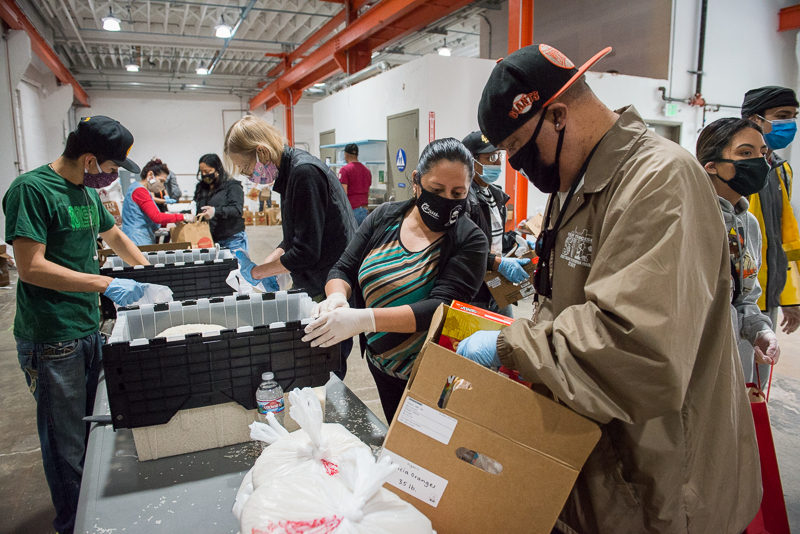
"caption": "Community volunteers put together food packages at what community organizer Roberto Hernandez calls the Mission Latino Food Hub, a warehouse on 701 Alabama Street in San Francisco.",
"description": "Community volunteers put together food packages at what community organizer Roberto Hernandez calls the Mission Latino Food Hub, a warehouse on 701 Alabama Street in San Francisco.",
"title": "Mission Latino Food Hub_5156_WEB",
"credit": "Mabel Jiménez/El Tecolote",
"status": "inherit",
"isLoading": false,
"fetchFailed": false
},
"news_11824343": {
"type": "attachments",
"id": "news_11824343",
"meta": {
"index": "attachments_1716263798",
"site": "news",
"id": "11824343",
"found": true
},
"parent": 11824206,
"imgSizes": {
"apple_news_ca_landscape_5_5": {
"file": "https://ww2.kqed.org/app/uploads/sites/10/2020/06/Simone-Jacques-protest-car-1044x783.jpg",
"width": 1044,
"mimeType": "image/jpeg",
"height": 783
},
"apple_news_ca_square_4_0": {
"file": "https://ww2.kqed.org/app/uploads/sites/10/2020/06/Simone-Jacques-protest-car-470x470.jpg",
"width": 470,
"mimeType": "image/jpeg",
"height": 470
},
"twentyfourteen-full-width": {
"file": "https://ww2.kqed.org/app/uploads/sites/10/2020/06/Simone-Jacques-protest-car-1038x576.jpg",
"width": 1038,
"mimeType": "image/jpeg",
"height": 576
},
"thumbnail": {
"file": "https://ww2.kqed.org/app/uploads/sites/10/2020/06/Simone-Jacques-protest-car-160x108.jpg",
"width": 160,
"mimeType": "image/jpeg",
"height": 108
},
"post-thumbnail": {
"file": "https://ww2.kqed.org/app/uploads/sites/10/2020/06/Simone-Jacques-protest-car-672x372.jpg",
"width": 672,
"mimeType": "image/jpeg",
"height": 372
},
"kqedFullSize": {
"file": "https://ww2.kqed.org/app/uploads/sites/10/2020/06/Simone-Jacques-protest-car.jpg",
"width": 1920,
"height": 1297
},
"apple_news_ca_landscape_4_7": {
"file": "https://ww2.kqed.org/app/uploads/sites/10/2020/06/Simone-Jacques-protest-car-632x474.jpg",
"width": 632,
"mimeType": "image/jpeg",
"height": 474
},
"large": {
"file": "https://ww2.kqed.org/app/uploads/sites/10/2020/06/Simone-Jacques-protest-car-1020x689.jpg",
"width": 1020,
"mimeType": "image/jpeg",
"height": 689
},
"apple_news_ca_landscape_4_0": {
"file": "https://ww2.kqed.org/app/uploads/sites/10/2020/06/Simone-Jacques-protest-car-536x402.jpg",
"width": 536,
"mimeType": "image/jpeg",
"height": 402
},
"apple_news_ca_portrait_12_9": {
"file": "https://ww2.kqed.org/app/uploads/sites/10/2020/06/Simone-Jacques-protest-car-1122x1297.jpg",
"width": 1122,
"mimeType": "image/jpeg",
"height": 1297
},
"medium": {
"file": "https://ww2.kqed.org/app/uploads/sites/10/2020/06/Simone-Jacques-protest-car-800x540.jpg",
"width": 800,
"mimeType": "image/jpeg",
"height": 540
},
"apple_news_ca_portrait_4_0": {
"file": "https://ww2.kqed.org/app/uploads/sites/10/2020/06/Simone-Jacques-protest-car-354x472.jpg",
"width": 354,
"mimeType": "image/jpeg",
"height": 472
},
"apple_news_ca_portrait_9_7": {
"file": "https://ww2.kqed.org/app/uploads/sites/10/2020/06/Simone-Jacques-protest-car-840x1120.jpg",
"width": 840,
"mimeType": "image/jpeg",
"height": 1120
},
"apple_news_ca_landscape_12_9": {
"file": "https://ww2.kqed.org/app/uploads/sites/10/2020/06/Simone-Jacques-protest-car-1832x1297.jpg",
"width": 1832,
"mimeType": "image/jpeg",
"height": 1297
},
"apple_news_ca_square_9_7": {
"file": "https://ww2.kqed.org/app/uploads/sites/10/2020/06/Simone-Jacques-protest-car-1104x1104.jpg",
"width": 1104,
"mimeType": "image/jpeg",
"height": 1104
},
"apple_news_ca_portrait_4_7": {
"file": "https://ww2.kqed.org/app/uploads/sites/10/2020/06/Simone-Jacques-protest-car-414x552.jpg",
"width": 414,
"mimeType": "image/jpeg",
"height": 552
},
"apple_news_ca_square_12_9": {
"file": "https://ww2.kqed.org/app/uploads/sites/10/2020/06/Simone-Jacques-protest-car-1472x1297.jpg",
"width": 1472,
"mimeType": "image/jpeg",
"height": 1297
},
"apple_news_ca_portrait_5_5": {
"file": "https://ww2.kqed.org/app/uploads/sites/10/2020/06/Simone-Jacques-protest-car-687x916.jpg",
"width": 687,
"mimeType": "image/jpeg",
"height": 916
},
"full-width": {
"file": "https://ww2.kqed.org/app/uploads/sites/10/2020/06/Simone-Jacques-protest-car-1920x1297.jpg",
"width": 1920,
"mimeType": "image/jpeg",
"height": 1297
},
"apple_news_ca_square_4_7": {
"file": "https://ww2.kqed.org/app/uploads/sites/10/2020/06/Simone-Jacques-protest-car-550x550.jpg",
"width": 550,
"mimeType": "image/jpeg",
"height": 550
},
"apple_news_ca_landscape_9_7": {
"file": "https://ww2.kqed.org/app/uploads/sites/10/2020/06/Simone-Jacques-protest-car-1376x1032.jpg",
"width": 1376,
"mimeType": "image/jpeg",
"height": 1032
},
"apple_news_ca_square_5_5": {
"file": "https://ww2.kqed.org/app/uploads/sites/10/2020/06/Simone-Jacques-protest-car-912x912.jpg",
"width": 912,
"mimeType": "image/jpeg",
"height": 912
}
},
"publishDate": 1592008620,
"modified": 1592008867,
"caption": "Simone Jacques (with bullhorn), organizer of a youth-led protest against police violence, speaks during a march from Mission High School to San Francisco's Hall of Justice on June 3, 2020.",
"description": "Simone Jacques (with bullhorn), organizer of a youth-led protest against police violence, speaks during a march from Mission High School to San Francisco's Hall of Justice on June 3, 2020.",
"title": "Simone-Jacques-protest-car",
"credit": "Anna Vignet/KQED",
"status": "inherit",
"isLoading": false,
"fetchFailed": false
},
"news_11814321": {
"type": "attachments",
"id": "news_11814321",
"meta": {
"index": "attachments_1716263798",
"site": "news",
"id": "11814321",
"found": true
},
"parent": 11814220,
"imgSizes": {
"apple_news_ca_landscape_5_5": {
"file": "https://ww2.kqed.org/app/uploads/sites/10/2020/04/MARQUEE_726_1-1044x720.jpg",
"width": 1044,
"mimeType": "image/jpeg",
"height": 720
},
"apple_news_ca_square_4_0": {
"file": "https://ww2.kqed.org/app/uploads/sites/10/2020/04/MARQUEE_726_1-470x470.jpg",
"width": 470,
"mimeType": "image/jpeg",
"height": 470
},
"twentyfourteen-full-width": {
"file": "https://ww2.kqed.org/app/uploads/sites/10/2020/04/MARQUEE_726_1-1038x576.jpg",
"width": 1038,
"mimeType": "image/jpeg",
"height": 576
},
"thumbnail": {
"file": "https://ww2.kqed.org/app/uploads/sites/10/2020/04/MARQUEE_726_1-160x90.jpg",
"width": 160,
"mimeType": "image/jpeg",
"height": 90
},
"post-thumbnail": {
"file": "https://ww2.kqed.org/app/uploads/sites/10/2020/04/MARQUEE_726_1-672x372.jpg",
"width": 672,
"mimeType": "image/jpeg",
"height": 372
},
"kqedFullSize": {
"file": "https://ww2.kqed.org/app/uploads/sites/10/2020/04/MARQUEE_726_1.jpg",
"width": 1280,
"height": 720
},
"apple_news_ca_landscape_4_7": {
"file": "https://ww2.kqed.org/app/uploads/sites/10/2020/04/MARQUEE_726_1-632x474.jpg",
"width": 632,
"mimeType": "image/jpeg",
"height": 474
},
"large": {
"file": "https://ww2.kqed.org/app/uploads/sites/10/2020/04/MARQUEE_726_1-1020x574.jpg",
"width": 1020,
"mimeType": "image/jpeg",
"height": 574
},
"apple_news_ca_landscape_4_0": {
"file": "https://ww2.kqed.org/app/uploads/sites/10/2020/04/MARQUEE_726_1-536x402.jpg",
"width": 536,
"mimeType": "image/jpeg",
"height": 402
},
"apple_news_ca_portrait_12_9": {
"file": "https://ww2.kqed.org/app/uploads/sites/10/2020/04/MARQUEE_726_1-1122x720.jpg",
"width": 1122,
"mimeType": "image/jpeg",
"height": 720
},
"medium": {
"file": "https://ww2.kqed.org/app/uploads/sites/10/2020/04/MARQUEE_726_1-800x450.jpg",
"width": 800,
"mimeType": "image/jpeg",
"height": 450
},
"apple_news_ca_portrait_4_0": {
"file": "https://ww2.kqed.org/app/uploads/sites/10/2020/04/MARQUEE_726_1-354x472.jpg",
"width": 354,
"mimeType": "image/jpeg",
"height": 472
},
"apple_news_ca_portrait_9_7": {
"file": "https://ww2.kqed.org/app/uploads/sites/10/2020/04/MARQUEE_726_1-840x720.jpg",
"width": 840,
"mimeType": "image/jpeg",
"height": 720
},
"apple_news_ca_square_9_7": {
"file": "https://ww2.kqed.org/app/uploads/sites/10/2020/04/MARQUEE_726_1-1104x720.jpg",
"width": 1104,
"mimeType": "image/jpeg",
"height": 720
},
"apple_news_ca_portrait_4_7": {
"file": "https://ww2.kqed.org/app/uploads/sites/10/2020/04/MARQUEE_726_1-414x552.jpg",
"width": 414,
"mimeType": "image/jpeg",
"height": 552
},
"apple_news_ca_portrait_5_5": {
"file": "https://ww2.kqed.org/app/uploads/sites/10/2020/04/MARQUEE_726_1-687x720.jpg",
"width": 687,
"mimeType": "image/jpeg",
"height": 720
},
"apple_news_ca_square_4_7": {
"file": "https://ww2.kqed.org/app/uploads/sites/10/2020/04/MARQUEE_726_1-550x550.jpg",
"width": 550,
"mimeType": "image/jpeg",
"height": 550
},
"apple_news_ca_square_5_5": {
"file": "https://ww2.kqed.org/app/uploads/sites/10/2020/04/MARQUEE_726_1-912x720.jpg",
"width": 912,
"mimeType": "image/jpeg",
"height": 720
}
},
"publishDate": 1587771538,
"modified": 1587771538,
"caption": null,
"description": null,
"title": "MARQUEE_726_1",
"credit": null,
"status": "inherit",
"isLoading": false,
"fetchFailed": false
},
"news_11813493": {
"type": "attachments",
"id": "news_11813493",
"meta": {
"index": "attachments_1716263798",
"site": "news",
"id": "11813493",
"found": true
},
"parent": 11813126,
"imgSizes": {
"apple_news_ca_landscape_5_5": {
"file": "https://ww2.kqed.org/app/uploads/sites/10/2020/04/iStock-1211115351-1044x783.jpg",
"width": 1044,
"mimeType": "image/jpeg",
"height": 783
},
"apple_news_ca_square_4_0": {
"file": "https://ww2.kqed.org/app/uploads/sites/10/2020/04/iStock-1211115351-470x470.jpg",
"width": 470,
"mimeType": "image/jpeg",
"height": 470
},
"twentyfourteen-full-width": {
"file": "https://ww2.kqed.org/app/uploads/sites/10/2020/04/iStock-1211115351-1038x576.jpg",
"width": 1038,
"mimeType": "image/jpeg",
"height": 576
},
"thumbnail": {
"file": "https://ww2.kqed.org/app/uploads/sites/10/2020/04/iStock-1211115351-160x84.jpg",
"width": 160,
"mimeType": "image/jpeg",
"height": 84
},
"post-thumbnail": {
"file": "https://ww2.kqed.org/app/uploads/sites/10/2020/04/iStock-1211115351-672x372.jpg",
"width": 672,
"mimeType": "image/jpeg",
"height": 372
},
"kqedFullSize": {
"file": "https://ww2.kqed.org/app/uploads/sites/10/2020/04/iStock-1211115351.jpg",
"width": 1920,
"height": 1013
},
"apple_news_ca_landscape_4_7": {
"file": "https://ww2.kqed.org/app/uploads/sites/10/2020/04/iStock-1211115351-632x474.jpg",
"width": 632,
"mimeType": "image/jpeg",
"height": 474
},
"large": {
"file": "https://ww2.kqed.org/app/uploads/sites/10/2020/04/iStock-1211115351-1020x538.jpg",
"width": 1020,
"mimeType": "image/jpeg",
"height": 538
},
"apple_news_ca_landscape_4_0": {
"file": "https://ww2.kqed.org/app/uploads/sites/10/2020/04/iStock-1211115351-536x402.jpg",
"width": 536,
"mimeType": "image/jpeg",
"height": 402
},
"apple_news_ca_portrait_12_9": {
"file": "https://ww2.kqed.org/app/uploads/sites/10/2020/04/iStock-1211115351-1122x1013.jpg",
"width": 1122,
"mimeType": "image/jpeg",
"height": 1013
},
"medium": {
"file": "https://ww2.kqed.org/app/uploads/sites/10/2020/04/iStock-1211115351-800x422.jpg",
"width": 800,
"mimeType": "image/jpeg",
"height": 422
},
"apple_news_ca_portrait_4_0": {
"file": "https://ww2.kqed.org/app/uploads/sites/10/2020/04/iStock-1211115351-354x472.jpg",
"width": 354,
"mimeType": "image/jpeg",
"height": 472
},
"apple_news_ca_portrait_9_7": {
"file": "https://ww2.kqed.org/app/uploads/sites/10/2020/04/iStock-1211115351-840x1013.jpg",
"width": 840,
"mimeType": "image/jpeg",
"height": 1013
},
"apple_news_ca_landscape_12_9": {
"file": "https://ww2.kqed.org/app/uploads/sites/10/2020/04/iStock-1211115351-1832x1013.jpg",
"width": 1832,
"mimeType": "image/jpeg",
"height": 1013
},
"apple_news_ca_square_9_7": {
"file": "https://ww2.kqed.org/app/uploads/sites/10/2020/04/iStock-1211115351-1104x1013.jpg",
"width": 1104,
"mimeType": "image/jpeg",
"height": 1013
},
"apple_news_ca_portrait_4_7": {
"file": "https://ww2.kqed.org/app/uploads/sites/10/2020/04/iStock-1211115351-414x552.jpg",
"width": 414,
"mimeType": "image/jpeg",
"height": 552
},
"apple_news_ca_square_12_9": {
"file": "https://ww2.kqed.org/app/uploads/sites/10/2020/04/iStock-1211115351-1472x1013.jpg",
"width": 1472,
"mimeType": "image/jpeg",
"height": 1013
},
"apple_news_ca_portrait_5_5": {
"file": "https://ww2.kqed.org/app/uploads/sites/10/2020/04/iStock-1211115351-687x916.jpg",
"width": 687,
"mimeType": "image/jpeg",
"height": 916
},
"full-width": {
"file": "https://ww2.kqed.org/app/uploads/sites/10/2020/04/iStock-1211115351-1920x1013.jpg",
"width": 1920,
"mimeType": "image/jpeg",
"height": 1013
},
"apple_news_ca_square_4_7": {
"file": "https://ww2.kqed.org/app/uploads/sites/10/2020/04/iStock-1211115351-550x550.jpg",
"width": 550,
"mimeType": "image/jpeg",
"height": 550
},
"apple_news_ca_landscape_9_7": {
"file": "https://ww2.kqed.org/app/uploads/sites/10/2020/04/iStock-1211115351-1376x1013.jpg",
"width": 1376,
"mimeType": "image/jpeg",
"height": 1013
},
"apple_news_ca_square_5_5": {
"file": "https://ww2.kqed.org/app/uploads/sites/10/2020/04/iStock-1211115351-912x912.jpg",
"width": 912,
"mimeType": "image/jpeg",
"height": 912
}
},
"publishDate": 1587518014,
"modified": 1606918348,
"caption": null,
"description": "UCSF researchers aim to test thousands of residents in the town of Bolinas and San Francisco's Mission District for COVID-19.",
"title": "Coronavirus infected blood sample tube",
"credit": "istock",
"status": "inherit",
"isLoading": false,
"fetchFailed": false
},
"news_11799684": {
"type": "attachments",
"id": "news_11799684",
"meta": {
"index": "attachments_1716263798",
"site": "news",
"id": "11799684",
"found": true
},
"parent": 11799683,
"imgSizes": {
"apple_news_ca_landscape_5_5": {
"file": "https://ww2.kqed.org/app/uploads/sites/10/2020/02/RS41067_003_KQED_SuperBowl_02022020_0980-qut-1044x783.jpg",
"width": 1044,
"mimeType": "image/jpeg",
"height": 783
},
"apple_news_ca_square_4_0": {
"file": "https://ww2.kqed.org/app/uploads/sites/10/2020/02/RS41067_003_KQED_SuperBowl_02022020_0980-qut-470x470.jpg",
"width": 470,
"mimeType": "image/jpeg",
"height": 470
},
"twentyfourteen-full-width": {
"file": "https://ww2.kqed.org/app/uploads/sites/10/2020/02/RS41067_003_KQED_SuperBowl_02022020_0980-qut-1038x576.jpg",
"width": 1038,
"mimeType": "image/jpeg",
"height": 576
},
"thumbnail": {
"file": "https://ww2.kqed.org/app/uploads/sites/10/2020/02/RS41067_003_KQED_SuperBowl_02022020_0980-qut-160x107.jpg",
"width": 160,
"mimeType": "image/jpeg",
"height": 107
},
"post-thumbnail": {
"file": "https://ww2.kqed.org/app/uploads/sites/10/2020/02/RS41067_003_KQED_SuperBowl_02022020_0980-qut-672x372.jpg",
"width": 672,
"mimeType": "image/jpeg",
"height": 372
},
"kqedFullSize": {
"file": "https://ww2.kqed.org/app/uploads/sites/10/2020/02/RS41067_003_KQED_SuperBowl_02022020_0980-qut.jpg",
"width": 1920,
"height": 1280
},
"apple_news_ca_landscape_4_7": {
"file": "https://ww2.kqed.org/app/uploads/sites/10/2020/02/RS41067_003_KQED_SuperBowl_02022020_0980-qut-632x474.jpg",
"width": 632,
"mimeType": "image/jpeg",
"height": 474
},
"large": {
"file": "https://ww2.kqed.org/app/uploads/sites/10/2020/02/RS41067_003_KQED_SuperBowl_02022020_0980-qut-1020x680.jpg",
"width": 1020,
"mimeType": "image/jpeg",
"height": 680
},
"apple_news_ca_landscape_4_0": {
"file": "https://ww2.kqed.org/app/uploads/sites/10/2020/02/RS41067_003_KQED_SuperBowl_02022020_0980-qut-536x402.jpg",
"width": 536,
"mimeType": "image/jpeg",
"height": 402
},
"apple_news_ca_portrait_12_9": {
"file": "https://ww2.kqed.org/app/uploads/sites/10/2020/02/RS41067_003_KQED_SuperBowl_02022020_0980-qut-1122x1280.jpg",
"width": 1122,
"mimeType": "image/jpeg",
"height": 1280
},
"medium": {
"file": "https://ww2.kqed.org/app/uploads/sites/10/2020/02/RS41067_003_KQED_SuperBowl_02022020_0980-qut-800x533.jpg",
"width": 800,
"mimeType": "image/jpeg",
"height": 533
},
"apple_news_ca_portrait_4_0": {
"file": "https://ww2.kqed.org/app/uploads/sites/10/2020/02/RS41067_003_KQED_SuperBowl_02022020_0980-qut-354x472.jpg",
"width": 354,
"mimeType": "image/jpeg",
"height": 472
},
"apple_news_ca_portrait_9_7": {
"file": "https://ww2.kqed.org/app/uploads/sites/10/2020/02/RS41067_003_KQED_SuperBowl_02022020_0980-qut-840x1120.jpg",
"width": 840,
"mimeType": "image/jpeg",
"height": 1120
},
"apple_news_ca_landscape_12_9": {
"file": "https://ww2.kqed.org/app/uploads/sites/10/2020/02/RS41067_003_KQED_SuperBowl_02022020_0980-qut-1832x1280.jpg",
"width": 1832,
"mimeType": "image/jpeg",
"height": 1280
},
"apple_news_ca_square_9_7": {
"file": "https://ww2.kqed.org/app/uploads/sites/10/2020/02/RS41067_003_KQED_SuperBowl_02022020_0980-qut-1104x1104.jpg",
"width": 1104,
"mimeType": "image/jpeg",
"height": 1104
},
"apple_news_ca_portrait_4_7": {
"file": "https://ww2.kqed.org/app/uploads/sites/10/2020/02/RS41067_003_KQED_SuperBowl_02022020_0980-qut-414x552.jpg",
"width": 414,
"mimeType": "image/jpeg",
"height": 552
},
"apple_news_ca_square_12_9": {
"file": "https://ww2.kqed.org/app/uploads/sites/10/2020/02/RS41067_003_KQED_SuperBowl_02022020_0980-qut-1472x1280.jpg",
"width": 1472,
"mimeType": "image/jpeg",
"height": 1280
},
"apple_news_ca_portrait_5_5": {
"file": "https://ww2.kqed.org/app/uploads/sites/10/2020/02/RS41067_003_KQED_SuperBowl_02022020_0980-qut-687x916.jpg",
"width": 687,
"mimeType": "image/jpeg",
"height": 916
},
"full-width": {
"file": "https://ww2.kqed.org/app/uploads/sites/10/2020/02/RS41067_003_KQED_SuperBowl_02022020_0980-qut-1920x1280.jpg",
"width": 1920,
"mimeType": "image/jpeg",
"height": 1280
},
"apple_news_ca_square_4_7": {
"file": "https://ww2.kqed.org/app/uploads/sites/10/2020/02/RS41067_003_KQED_SuperBowl_02022020_0980-qut-550x550.jpg",
"width": 550,
"mimeType": "image/jpeg",
"height": 550
},
"apple_news_ca_landscape_9_7": {
"file": "https://ww2.kqed.org/app/uploads/sites/10/2020/02/RS41067_003_KQED_SuperBowl_02022020_0980-qut-1376x1032.jpg",
"width": 1376,
"mimeType": "image/jpeg",
"height": 1032
},
"apple_news_ca_square_5_5": {
"file": "https://ww2.kqed.org/app/uploads/sites/10/2020/02/RS41067_003_KQED_SuperBowl_02022020_0980-qut-912x912.jpg",
"width": 912,
"mimeType": "image/jpeg",
"height": 912
}
},
"publishDate": 1580697102,
"modified": 1580760198,
"caption": "Friends and family at the Carrasco house on Alabama Street in the Mission before the Super Bowl on Feb. 2, 2020. Several generations, many who grew up on the same block, have been getting together to watch the games since 2012.",
"description": "Friends and family at the Carrasco House on Alabama Street in the Mission before the Super Bowl on Sunday. Several generations, many who grew up on the same block, have been getting together to watch the games since 2012",
"title": "Super bowl 2020",
"credit": "Beth LaBerge/KQED",
"status": "inherit",
"isLoading": false,
"fetchFailed": false
},
"news_11792026": {
"type": "attachments",
"id": "news_11792026",
"meta": {
"index": "attachments_1716263798",
"site": "news",
"id": "11792026",
"found": true
},
"parent": 11791907,
"imgSizes": {
"apple_news_ca_landscape_5_5": {
"file": "https://ww2.kqed.org/app/uploads/sites/10/2019/12/RS40523_IMG_2405-qut-1044x783.jpg",
"width": 1044,
"mimeType": "image/jpeg",
"height": 783
},
"apple_news_ca_square_4_0": {
"file": "https://ww2.kqed.org/app/uploads/sites/10/2019/12/RS40523_IMG_2405-qut-470x470.jpg",
"width": 470,
"mimeType": "image/jpeg",
"height": 470
},
"twentyfourteen-full-width": {
"file": "https://ww2.kqed.org/app/uploads/sites/10/2019/12/RS40523_IMG_2405-qut-1038x576.jpg",
"width": 1038,
"mimeType": "image/jpeg",
"height": 576
},
"thumbnail": {
"file": "https://ww2.kqed.org/app/uploads/sites/10/2019/12/RS40523_IMG_2405-qut-160x107.jpg",
"width": 160,
"mimeType": "image/jpeg",
"height": 107
},
"post-thumbnail": {
"file": "https://ww2.kqed.org/app/uploads/sites/10/2019/12/RS40523_IMG_2405-qut-672x372.jpg",
"width": 672,
"mimeType": "image/jpeg",
"height": 372
},
"kqedFullSize": {
"file": "https://ww2.kqed.org/app/uploads/sites/10/2019/12/RS40523_IMG_2405-qut.jpg",
"width": 1920,
"height": 1280
},
"apple_news_ca_landscape_4_7": {
"file": "https://ww2.kqed.org/app/uploads/sites/10/2019/12/RS40523_IMG_2405-qut-632x474.jpg",
"width": 632,
"mimeType": "image/jpeg",
"height": 474
},
"large": {
"file": "https://ww2.kqed.org/app/uploads/sites/10/2019/12/RS40523_IMG_2405-qut-1020x680.jpg",
"width": 1020,
"mimeType": "image/jpeg",
"height": 680
},
"complete_open_graph": {
"file": "https://ww2.kqed.org/app/uploads/sites/10/2019/12/RS40523_IMG_2405-qut-1200x800.jpg",
"width": 1200,
"mimeType": "image/jpeg",
"height": 800
},
"apple_news_ca_landscape_4_0": {
"file": "https://ww2.kqed.org/app/uploads/sites/10/2019/12/RS40523_IMG_2405-qut-536x402.jpg",
"width": 536,
"mimeType": "image/jpeg",
"height": 402
},
"apple_news_ca_portrait_12_9": {
"file": "https://ww2.kqed.org/app/uploads/sites/10/2019/12/RS40523_IMG_2405-qut-1122x1280.jpg",
"width": 1122,
"mimeType": "image/jpeg",
"height": 1280
},
"medium": {
"file": "https://ww2.kqed.org/app/uploads/sites/10/2019/12/RS40523_IMG_2405-qut-800x533.jpg",
"width": 800,
"mimeType": "image/jpeg",
"height": 533
},
"apple_news_ca_portrait_4_0": {
"file": "https://ww2.kqed.org/app/uploads/sites/10/2019/12/RS40523_IMG_2405-qut-354x472.jpg",
"width": 354,
"mimeType": "image/jpeg",
"height": 472
},
"apple_news_ca_portrait_9_7": {
"file": "https://ww2.kqed.org/app/uploads/sites/10/2019/12/RS40523_IMG_2405-qut-840x1120.jpg",
"width": 840,
"mimeType": "image/jpeg",
"height": 1120
},
"apple_news_ca_landscape_12_9": {
"file": "https://ww2.kqed.org/app/uploads/sites/10/2019/12/RS40523_IMG_2405-qut-1832x1280.jpg",
"width": 1832,
"mimeType": "image/jpeg",
"height": 1280
},
"apple_news_ca_square_9_7": {
"file": "https://ww2.kqed.org/app/uploads/sites/10/2019/12/RS40523_IMG_2405-qut-1104x1104.jpg",
"width": 1104,
"mimeType": "image/jpeg",
"height": 1104
},
"apple_news_ca_portrait_4_7": {
"file": "https://ww2.kqed.org/app/uploads/sites/10/2019/12/RS40523_IMG_2405-qut-414x552.jpg",
"width": 414,
"mimeType": "image/jpeg",
"height": 552
},
"apple_news_ca_square_12_9": {
"file": "https://ww2.kqed.org/app/uploads/sites/10/2019/12/RS40523_IMG_2405-qut-1472x1280.jpg",
"width": 1472,
"mimeType": "image/jpeg",
"height": 1280
},
"apple_news_ca_portrait_5_5": {
"file": "https://ww2.kqed.org/app/uploads/sites/10/2019/12/RS40523_IMG_2405-qut-687x916.jpg",
"width": 687,
"mimeType": "image/jpeg",
"height": 916
},
"full-width": {
"file": "https://ww2.kqed.org/app/uploads/sites/10/2019/12/RS40523_IMG_2405-qut-1920x1280.jpg",
"width": 1920,
"mimeType": "image/jpeg",
"height": 1280
},
"apple_news_ca_square_4_7": {
"file": "https://ww2.kqed.org/app/uploads/sites/10/2019/12/RS40523_IMG_2405-qut-550x550.jpg",
"width": 550,
"mimeType": "image/jpeg",
"height": 550
},
"apple_news_ca_landscape_9_7": {
"file": "https://ww2.kqed.org/app/uploads/sites/10/2019/12/RS40523_IMG_2405-qut-1376x1032.jpg",
"width": 1376,
"mimeType": "image/jpeg",
"height": 1032
},
"apple_news_ca_square_5_5": {
"file": "https://ww2.kqed.org/app/uploads/sites/10/2019/12/RS40523_IMG_2405-qut-912x912.jpg",
"width": 912,
"mimeType": "image/jpeg",
"height": 912
}
},
"publishDate": 1576703138,
"modified": 1576796364,
"caption": "San Francisco Police Chief William Scott speaks to attendees at a community meeting on Tuesday, Dec. 18, addressing a recent police shooting in the Mission.",
"description": "SFPD Chief William Scott addresses attendees at a town hall meeting Tuesday night to discuss a police shooting that took place in the Mission District on Dec. 7, 2019.",
"title": "RS40523_IMG_2405-qut",
"credit": "Sheraz Sadiq/KQED",
"status": "inherit",
"isLoading": false,
"fetchFailed": false
},
"news_11761252": {
"type": "attachments",
"id": "news_11761252",
"meta": {
"index": "attachments_1716263798",
"site": "news",
"id": "11761252",
"found": true
},
"parent": 11761244,
"imgSizes": {
"apple_news_ca_landscape_5_5": {
"file": "https://ww2.kqed.org/app/uploads/sites/10/2019/07/IMG_3945-1044x783.jpg",
"width": 1044,
"mimeType": "image/jpeg",
"height": 783
},
"apple_news_ca_square_4_0": {
"file": "https://ww2.kqed.org/app/uploads/sites/10/2019/07/IMG_3945-470x470.jpg",
"width": 470,
"mimeType": "image/jpeg",
"height": 470
},
"twentyfourteen-full-width": {
"file": "https://ww2.kqed.org/app/uploads/sites/10/2019/07/IMG_3945-1038x576.jpg",
"width": 1038,
"mimeType": "image/jpeg",
"height": 576
},
"thumbnail": {
"file": "https://ww2.kqed.org/app/uploads/sites/10/2019/07/IMG_3945-160x120.jpg",
"width": 160,
"mimeType": "image/jpeg",
"height": 120
},
"post-thumbnail": {
"file": "https://ww2.kqed.org/app/uploads/sites/10/2019/07/IMG_3945-672x372.jpg",
"width": 672,
"mimeType": "image/jpeg",
"height": 372
},
"kqedFullSize": {
"file": "https://ww2.kqed.org/app/uploads/sites/10/2019/07/IMG_3945-e1563145278977.jpg",
"width": 1920,
"height": 1440
},
"apple_news_ca_landscape_4_7": {
"file": "https://ww2.kqed.org/app/uploads/sites/10/2019/07/IMG_3945-632x474.jpg",
"width": 632,
"mimeType": "image/jpeg",
"height": 474
},
"large": {
"file": "https://ww2.kqed.org/app/uploads/sites/10/2019/07/IMG_3945-1020x765.jpg",
"width": 1020,
"mimeType": "image/jpeg",
"height": 765
},
"complete_open_graph": {
"file": "https://ww2.kqed.org/app/uploads/sites/10/2019/07/IMG_3945-1200x900.jpg",
"width": 1200,
"mimeType": "image/jpeg",
"height": 900
},
"apple_news_ca_landscape_4_0": {
"file": "https://ww2.kqed.org/app/uploads/sites/10/2019/07/IMG_3945-536x402.jpg",
"width": 536,
"mimeType": "image/jpeg",
"height": 402
},
"apple_news_ca_portrait_12_9": {
"file": "https://ww2.kqed.org/app/uploads/sites/10/2019/07/IMG_3945-1122x1496.jpg",
"width": 1122,
"mimeType": "image/jpeg",
"height": 1496
},
"medium": {
"file": "https://ww2.kqed.org/app/uploads/sites/10/2019/07/IMG_3945-800x600.jpg",
"width": 800,
"mimeType": "image/jpeg",
"height": 600
},
"apple_news_ca_portrait_4_0": {
"file": "https://ww2.kqed.org/app/uploads/sites/10/2019/07/IMG_3945-354x472.jpg",
"width": 354,
"mimeType": "image/jpeg",
"height": 472
},
"apple_news_ca_portrait_9_7": {
"file": "https://ww2.kqed.org/app/uploads/sites/10/2019/07/IMG_3945-840x1120.jpg",
"width": 840,
"mimeType": "image/jpeg",
"height": 1120
},
"apple_news_ca_landscape_12_9": {
"file": "https://ww2.kqed.org/app/uploads/sites/10/2019/07/IMG_3945-1832x1374.jpg",
"width": 1832,
"mimeType": "image/jpeg",
"height": 1374
},
"apple_news_ca_square_9_7": {
"file": "https://ww2.kqed.org/app/uploads/sites/10/2019/07/IMG_3945-1104x1104.jpg",
"width": 1104,
"mimeType": "image/jpeg",
"height": 1104
},
"apple_news_ca_portrait_4_7": {
"file": "https://ww2.kqed.org/app/uploads/sites/10/2019/07/IMG_3945-414x552.jpg",
"width": 414,
"mimeType": "image/jpeg",
"height": 552
},
"apple_news_ca_square_12_9": {
"file": "https://ww2.kqed.org/app/uploads/sites/10/2019/07/IMG_3945-1472x1472.jpg",
"width": 1472,
"mimeType": "image/jpeg",
"height": 1472
},
"apple_news_ca_portrait_5_5": {
"file": "https://ww2.kqed.org/app/uploads/sites/10/2019/07/IMG_3945-687x916.jpg",
"width": 687,
"mimeType": "image/jpeg",
"height": 916
},
"full-width": {
"file": "https://ww2.kqed.org/app/uploads/sites/10/2019/07/IMG_3945-1920x1440.jpg",
"width": 1920,
"mimeType": "image/jpeg",
"height": 1440
},
"apple_news_ca_square_4_7": {
"file": "https://ww2.kqed.org/app/uploads/sites/10/2019/07/IMG_3945-550x550.jpg",
"width": 550,
"mimeType": "image/jpeg",
"height": 550
},
"apple_news_ca_landscape_9_7": {
"file": "https://ww2.kqed.org/app/uploads/sites/10/2019/07/IMG_3945-1376x1032.jpg",
"width": 1376,
"mimeType": "image/jpeg",
"height": 1032
},
"apple_news_ca_square_5_5": {
"file": "https://ww2.kqed.org/app/uploads/sites/10/2019/07/IMG_3945-912x912.jpg",
"width": 912,
"mimeType": "image/jpeg",
"height": 912
}
},
"publishDate": 1563145193,
"modified": 1563153009,
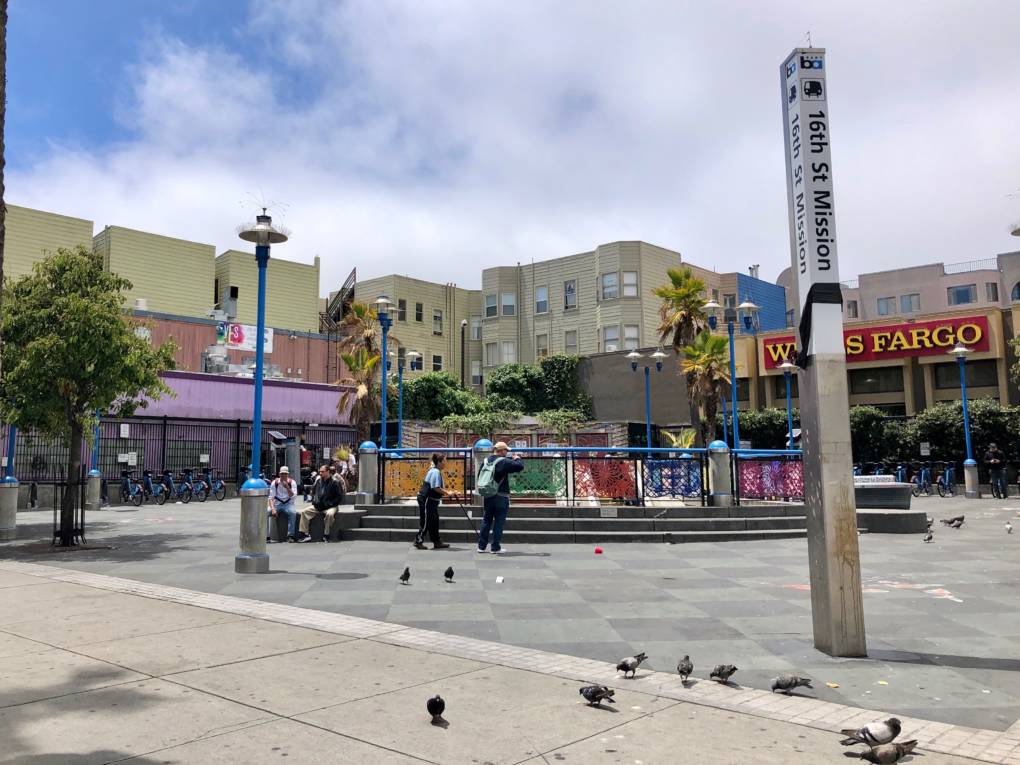
"caption": "The 16th Street BART station is unusually empty on Sunday July 14, 2019 in San Francisco, California.",
"description": null,
"title": "IMG_3945",
"credit": "Audrey Garces/KQED",
"status": "inherit",
"isLoading": false,
"fetchFailed": false
},
"news_11756788": {
"type": "attachments",
"id": "news_11756788",
"meta": {
"index": "attachments_1716263798",
"site": "news",
"id": "11756788",
"found": true
},
"parent": 11756785,
"imgSizes": {
"apple_news_ca_landscape_5_5": {
"file": "https://ww2.kqed.org/app/uploads/sites/10/2019/06/RS37871_IMG_5653-qut-1044x783.jpg",
"width": 1044,
"mimeType": "image/jpeg",
"height": 783
},
"apple_news_ca_square_4_0": {
"file": "https://ww2.kqed.org/app/uploads/sites/10/2019/06/RS37871_IMG_5653-qut-470x470.jpg",
"width": 470,
"mimeType": "image/jpeg",
"height": 470
},
"twentyfourteen-full-width": {
"file": "https://ww2.kqed.org/app/uploads/sites/10/2019/06/RS37871_IMG_5653-qut-1038x576.jpg",
"width": 1038,
"mimeType": "image/jpeg",
"height": 576
},
"thumbnail": {
"file": "https://ww2.kqed.org/app/uploads/sites/10/2019/06/RS37871_IMG_5653-qut-160x120.jpg",
"width": 160,
"mimeType": "image/jpeg",
"height": 120
},
"post-thumbnail": {
"file": "https://ww2.kqed.org/app/uploads/sites/10/2019/06/RS37871_IMG_5653-qut-672x372.jpg",
"width": 672,
"mimeType": "image/jpeg",
"height": 372
},
"kqedFullSize": {
"file": "https://ww2.kqed.org/app/uploads/sites/10/2019/06/RS37871_IMG_5653-qut.jpg",
"width": 1920,
"height": 1440
},
"apple_news_ca_landscape_4_7": {
"file": "https://ww2.kqed.org/app/uploads/sites/10/2019/06/RS37871_IMG_5653-qut-632x474.jpg",
"width": 632,
"mimeType": "image/jpeg",
"height": 474
},
"large": {
"file": "https://ww2.kqed.org/app/uploads/sites/10/2019/06/RS37871_IMG_5653-qut-1020x765.jpg",
"width": 1020,
"mimeType": "image/jpeg",
"height": 765
},
"complete_open_graph": {
"file": "https://ww2.kqed.org/app/uploads/sites/10/2019/06/RS37871_IMG_5653-qut-1200x900.jpg",
"width": 1200,
"mimeType": "image/jpeg",
"height": 900
},
"apple_news_ca_landscape_4_0": {
"file": "https://ww2.kqed.org/app/uploads/sites/10/2019/06/RS37871_IMG_5653-qut-536x402.jpg",
"width": 536,
"mimeType": "image/jpeg",
"height": 402
},
"apple_news_ca_portrait_12_9": {
"file": "https://ww2.kqed.org/app/uploads/sites/10/2019/06/RS37871_IMG_5653-qut-1122x1440.jpg",
"width": 1122,
"mimeType": "image/jpeg",
"height": 1440
},
"medium": {
"file": "https://ww2.kqed.org/app/uploads/sites/10/2019/06/RS37871_IMG_5653-qut-800x600.jpg",
"width": 800,
"mimeType": "image/jpeg",
"height": 600
},
"apple_news_ca_portrait_4_0": {
"file": "https://ww2.kqed.org/app/uploads/sites/10/2019/06/RS37871_IMG_5653-qut-354x472.jpg",
"width": 354,
"mimeType": "image/jpeg",
"height": 472
},
"apple_news_ca_portrait_9_7": {
"file": "https://ww2.kqed.org/app/uploads/sites/10/2019/06/RS37871_IMG_5653-qut-840x1120.jpg",
"width": 840,
"mimeType": "image/jpeg",
"height": 1120
},
"apple_news_ca_landscape_12_9": {
"file": "https://ww2.kqed.org/app/uploads/sites/10/2019/06/RS37871_IMG_5653-qut-1832x1374.jpg",
"width": 1832,
"mimeType": "image/jpeg",
"height": 1374
},
"apple_news_ca_square_9_7": {
"file": "https://ww2.kqed.org/app/uploads/sites/10/2019/06/RS37871_IMG_5653-qut-1104x1104.jpg",
"width": 1104,
"mimeType": "image/jpeg",
"height": 1104
},
"apple_news_ca_portrait_4_7": {
"file": "https://ww2.kqed.org/app/uploads/sites/10/2019/06/RS37871_IMG_5653-qut-414x552.jpg",
"width": 414,
"mimeType": "image/jpeg",
"height": 552
},
"apple_news_ca_square_12_9": {
"file": "https://ww2.kqed.org/app/uploads/sites/10/2019/06/RS37871_IMG_5653-qut-1472x1440.jpg",
"width": 1472,
"mimeType": "image/jpeg",
"height": 1440
},
"apple_news_ca_portrait_5_5": {
"file": "https://ww2.kqed.org/app/uploads/sites/10/2019/06/RS37871_IMG_5653-qut-687x916.jpg",
"width": 687,
"mimeType": "image/jpeg",
"height": 916
},
"full-width": {
"file": "https://ww2.kqed.org/app/uploads/sites/10/2019/06/RS37871_IMG_5653-qut-1920x1440.jpg",
"width": 1920,
"mimeType": "image/jpeg",
"height": 1440
},
"apple_news_ca_square_4_7": {
"file": "https://ww2.kqed.org/app/uploads/sites/10/2019/06/RS37871_IMG_5653-qut-550x550.jpg",
"width": 550,
"mimeType": "image/jpeg",
"height": 550
},
"apple_news_ca_landscape_9_7": {
"file": "https://ww2.kqed.org/app/uploads/sites/10/2019/06/RS37871_IMG_5653-qut-1376x1032.jpg",
"width": 1376,
"mimeType": "image/jpeg",
"height": 1032
},
"apple_news_ca_square_5_5": {
"file": "https://ww2.kqed.org/app/uploads/sites/10/2019/06/RS37871_IMG_5653-qut-912x912.jpg",
"width": 912,
"mimeType": "image/jpeg",
"height": 912
}
},
"publishDate": 1561340901,
"modified": 1561423186,
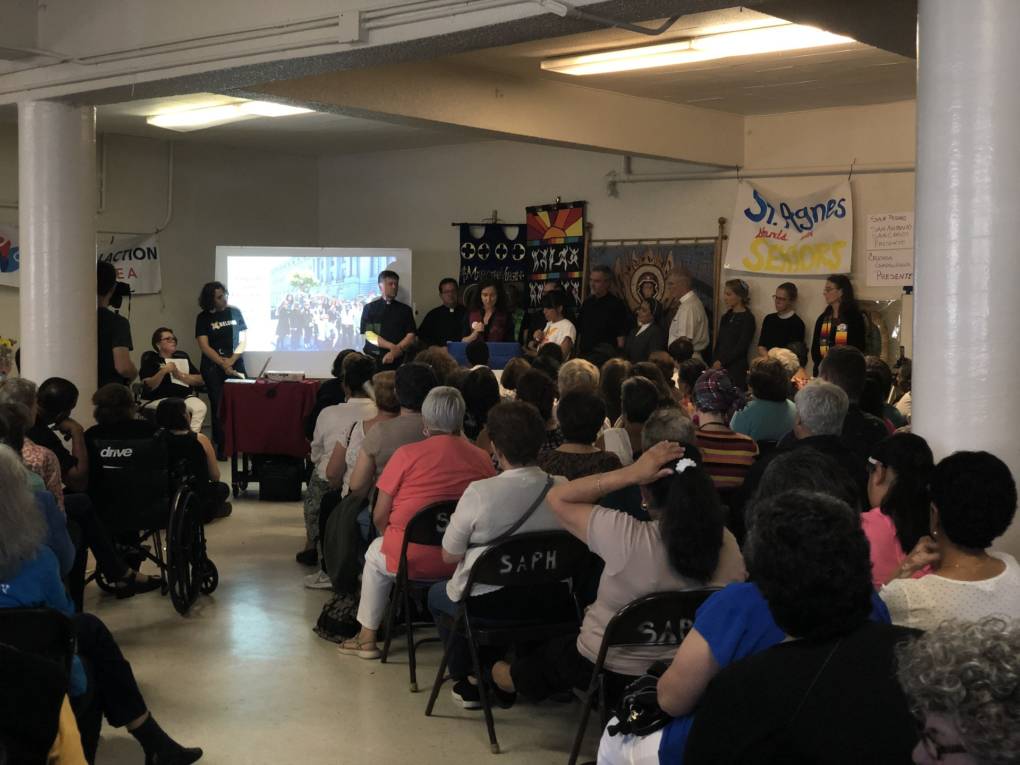
"caption": "Mission activists demand affordable housing for the neighborhood's seniors during a community meeting at St. Anthony of Padua Church on June 24, 2019.",
"description": null,
"title": "RS37871_IMG_5653-qut",
"credit": "Liliana Michelena/KQED",
"status": "inherit",
"isLoading": false,
"fetchFailed": false
},
"news_11750072": {
"type": "attachments",
"id": "news_11750072",
"meta": {
"index": "attachments_1716263798",
"site": "news",
"id": "11750072",
"found": true
},
"parent": 11750060,
"imgSizes": {
"apple_news_ca_landscape_5_5": {
"file": "https://ww2.kqed.org/app/uploads/sites/10/2019/05/IMG_1471-1044x783.jpg",
"width": 1044,
"mimeType": "image/jpeg",
"height": 783
},
"apple_news_ca_square_4_0": {
"file": "https://ww2.kqed.org/app/uploads/sites/10/2019/05/IMG_1471-470x470.jpg",
"width": 470,
"mimeType": "image/jpeg",
"height": 470
},
"twentyfourteen-full-width": {
"file": "https://ww2.kqed.org/app/uploads/sites/10/2019/05/IMG_1471-1038x576.jpg",
"width": 1038,
"mimeType": "image/jpeg",
"height": 576
},
"thumbnail": {
"file": "https://ww2.kqed.org/app/uploads/sites/10/2019/05/IMG_1471-160x107.jpg",
"width": 160,
"mimeType": "image/jpeg",
"height": 107
},
"post-thumbnail": {
"file": "https://ww2.kqed.org/app/uploads/sites/10/2019/05/IMG_1471-672x372.jpg",
"width": 672,
"mimeType": "image/jpeg",
"height": 372
},
"kqedFullSize": {
"file": "https://ww2.kqed.org/app/uploads/sites/10/2019/05/IMG_1471-e1558915984209.jpg",
"width": 1920,
"height": 1280
},
"apple_news_ca_landscape_4_7": {
"file": "https://ww2.kqed.org/app/uploads/sites/10/2019/05/IMG_1471-632x474.jpg",
"width": 632,
"mimeType": "image/jpeg",
"height": 474
},
"large": {
"file": "https://ww2.kqed.org/app/uploads/sites/10/2019/05/IMG_1471-1020x680.jpg",
"width": 1020,
"mimeType": "image/jpeg",
"height": 680
},
"complete_open_graph": {
"file": "https://ww2.kqed.org/app/uploads/sites/10/2019/05/IMG_1471-1200x800.jpg",
"width": 1200,
"mimeType": "image/jpeg",
"height": 800
},
"apple_news_ca_landscape_4_0": {
"file": "https://ww2.kqed.org/app/uploads/sites/10/2019/05/IMG_1471-536x402.jpg",
"width": 536,
"mimeType": "image/jpeg",
"height": 402
},
"apple_news_ca_portrait_12_9": {
"file": "https://ww2.kqed.org/app/uploads/sites/10/2019/05/IMG_1471-1122x1496.jpg",
"width": 1122,
"mimeType": "image/jpeg",
"height": 1496
},
"medium": {
"file": "https://ww2.kqed.org/app/uploads/sites/10/2019/05/IMG_1471-800x533.jpg",
"width": 800,
"mimeType": "image/jpeg",
"height": 533
},
"apple_news_ca_portrait_4_0": {
"file": "https://ww2.kqed.org/app/uploads/sites/10/2019/05/IMG_1471-354x472.jpg",
"width": 354,
"mimeType": "image/jpeg",
"height": 472
},
"apple_news_ca_portrait_9_7": {
"file": "https://ww2.kqed.org/app/uploads/sites/10/2019/05/IMG_1471-840x1120.jpg",
"width": 840,
"mimeType": "image/jpeg",
"height": 1120
},
"apple_news_ca_landscape_12_9": {
"file": "https://ww2.kqed.org/app/uploads/sites/10/2019/05/IMG_1471-1832x1374.jpg",
"width": 1832,
"mimeType": "image/jpeg",
"height": 1374
},
"apple_news_ca_square_9_7": {
"file": "https://ww2.kqed.org/app/uploads/sites/10/2019/05/IMG_1471-1104x1104.jpg",
"width": 1104,
"mimeType": "image/jpeg",
"height": 1104
},
"apple_news_ca_portrait_4_7": {
"file": "https://ww2.kqed.org/app/uploads/sites/10/2019/05/IMG_1471-414x552.jpg",
"width": 414,
"mimeType": "image/jpeg",
"height": 552
},
"apple_news_ca_square_12_9": {
"file": "https://ww2.kqed.org/app/uploads/sites/10/2019/05/IMG_1471-1472x1472.jpg",
"width": 1472,
"mimeType": "image/jpeg",
"height": 1472
},
"apple_news_ca_portrait_5_5": {
"file": "https://ww2.kqed.org/app/uploads/sites/10/2019/05/IMG_1471-687x916.jpg",
"width": 687,
"mimeType": "image/jpeg",
"height": 916
},
"full-width": {
"file": "https://ww2.kqed.org/app/uploads/sites/10/2019/05/IMG_1471-1920x1280.jpg",
"width": 1920,
"mimeType": "image/jpeg",
"height": 1280
},
"apple_news_ca_square_4_7": {
"file": "https://ww2.kqed.org/app/uploads/sites/10/2019/05/IMG_1471-550x550.jpg",
"width": 550,
"mimeType": "image/jpeg",
"height": 550
},
"apple_news_ca_landscape_9_7": {
"file": "https://ww2.kqed.org/app/uploads/sites/10/2019/05/IMG_1471-1376x1032.jpg",
"width": 1376,
"mimeType": "image/jpeg",
"height": 1032
},
"apple_news_ca_square_5_5": {
"file": "https://ww2.kqed.org/app/uploads/sites/10/2019/05/IMG_1471-912x912.jpg",
"width": 912,
"mimeType": "image/jpeg",
"height": 912
}
},
"publishDate": 1558915590,
"modified": 1558920349,
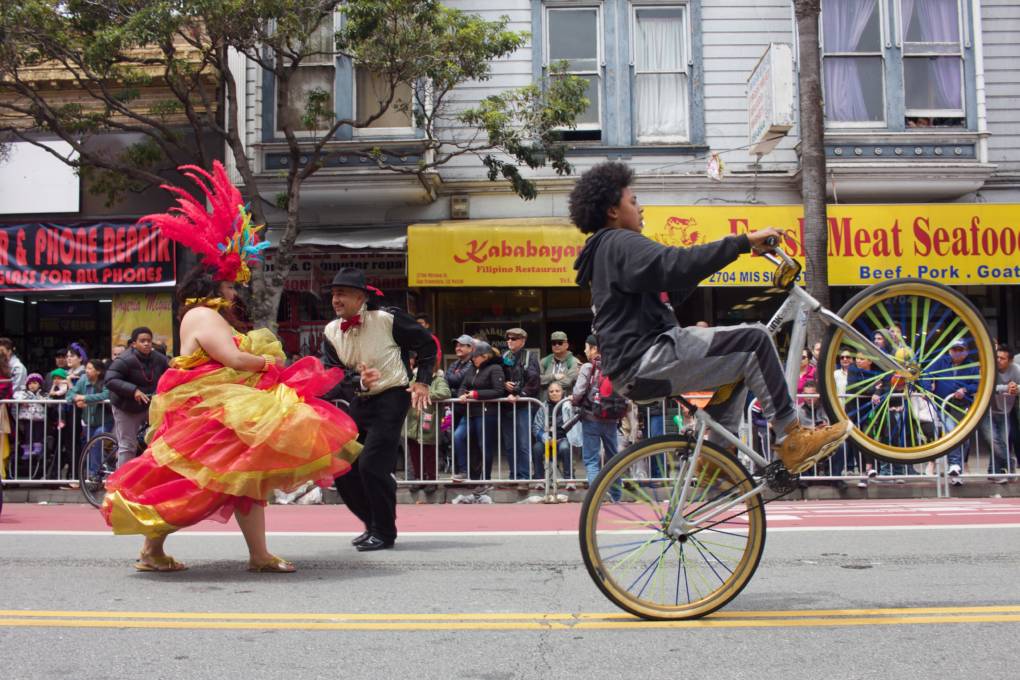
"caption": "A crowd gathers as dancers twirl down Mission Street at the 41st Annual Carnaval Parade on May 26, 2019. ",
"description": null,
"title": "IMG_1471",
"credit": "Audrey Garces/KQED",
"status": "inherit",
"isLoading": false,
"fetchFailed": false
},
"news_11748426": {
"type": "attachments",
"id": "news_11748426",
"meta": {
"index": "attachments_1716263798",
"site": "news",
"id": "11748426",
"found": true
},
"parent": 11748424,
"imgSizes": {
"apple_news_ca_landscape_5_5": {
"file": "https://ww2.kqed.org/app/uploads/sites/10/2019/05/carnaval1-1044x783.jpg",
"width": 1044,
"mimeType": "image/jpeg",
"height": 783
},
"apple_news_ca_square_4_0": {
"file": "https://ww2.kqed.org/app/uploads/sites/10/2019/05/carnaval1-470x470.jpg",
"width": 470,
"mimeType": "image/jpeg",
"height": 470
},
"twentyfourteen-full-width": {
"file": "https://ww2.kqed.org/app/uploads/sites/10/2019/05/carnaval1-1038x576.jpg",
"width": 1038,
"mimeType": "image/jpeg",
"height": 576
},
"thumbnail": {
"file": "https://ww2.kqed.org/app/uploads/sites/10/2019/05/carnaval1-160x120.jpg",
"width": 160,
"mimeType": "image/jpeg",
"height": 120
},
"post-thumbnail": {
"file": "https://ww2.kqed.org/app/uploads/sites/10/2019/05/carnaval1-672x372.jpg",
"width": 672,
"mimeType": "image/jpeg",
"height": 372
},
"kqedFullSize": {
"file": "https://ww2.kqed.org/app/uploads/sites/10/2019/05/carnaval1.jpg",
"width": 2048,
"height": 1536
},
"apple_news_ca_landscape_4_7": {
"file": "https://ww2.kqed.org/app/uploads/sites/10/2019/05/carnaval1-632x474.jpg",
"width": 632,
"mimeType": "image/jpeg",
"height": 474
},
"large": {
"file": "https://ww2.kqed.org/app/uploads/sites/10/2019/05/carnaval1-1020x765.jpg",
"width": 1020,
"mimeType": "image/jpeg",
"height": 765
},
"complete_open_graph": {
"file": "https://ww2.kqed.org/app/uploads/sites/10/2019/05/carnaval1-1200x900.jpg",
"width": 1200,
"mimeType": "image/jpeg",
"height": 900
},
"apple_news_ca_landscape_4_0": {
"file": "https://ww2.kqed.org/app/uploads/sites/10/2019/05/carnaval1-536x402.jpg",
"width": 536,
"mimeType": "image/jpeg",
"height": 402
},
"apple_news_ca_portrait_12_9": {
"file": "https://ww2.kqed.org/app/uploads/sites/10/2019/05/carnaval1-1122x1496.jpg",
"width": 1122,
"mimeType": "image/jpeg",
"height": 1496
},
"medium": {
"file": "https://ww2.kqed.org/app/uploads/sites/10/2019/05/carnaval1-800x600.jpg",
"width": 800,
"mimeType": "image/jpeg",
"height": 600
},
"apple_news_ca_portrait_4_0": {
"file": "https://ww2.kqed.org/app/uploads/sites/10/2019/05/carnaval1-354x472.jpg",
"width": 354,
"mimeType": "image/jpeg",
"height": 472
},
"apple_news_ca_portrait_9_7": {
"file": "https://ww2.kqed.org/app/uploads/sites/10/2019/05/carnaval1-840x1120.jpg",
"width": 840,
"mimeType": "image/jpeg",
"height": 1120
},
"apple_news_ca_landscape_12_9": {
"file": "https://ww2.kqed.org/app/uploads/sites/10/2019/05/carnaval1-1832x1374.jpg",
"width": 1832,
"mimeType": "image/jpeg",
"height": 1374
},
"apple_news_ca_square_9_7": {
"file": "https://ww2.kqed.org/app/uploads/sites/10/2019/05/carnaval1-1104x1104.jpg",
"width": 1104,
"mimeType": "image/jpeg",
"height": 1104
},
"apple_news_ca_portrait_4_7": {
"file": "https://ww2.kqed.org/app/uploads/sites/10/2019/05/carnaval1-414x552.jpg",
"width": 414,
"mimeType": "image/jpeg",
"height": 552
},
"apple_news_ca_square_12_9": {
"file": "https://ww2.kqed.org/app/uploads/sites/10/2019/05/carnaval1-1472x1472.jpg",
"width": 1472,
"mimeType": "image/jpeg",
"height": 1472
},
"apple_news_ca_portrait_5_5": {
"file": "https://ww2.kqed.org/app/uploads/sites/10/2019/05/carnaval1-687x916.jpg",
"width": 687,
"mimeType": "image/jpeg",
"height": 916
},
"full-width": {
"file": "https://ww2.kqed.org/app/uploads/sites/10/2019/05/carnaval1-1920x1440.jpg",
"width": 1920,
"mimeType": "image/jpeg",
"height": 1440
},
"apple_news_ca_square_4_7": {
"file": "https://ww2.kqed.org/app/uploads/sites/10/2019/05/carnaval1-550x550.jpg",
"width": 550,
"mimeType": "image/jpeg",
"height": 550
},
"apple_news_ca_landscape_9_7": {
"file": "https://ww2.kqed.org/app/uploads/sites/10/2019/05/carnaval1-1376x1032.jpg",
"width": 1376,
"mimeType": "image/jpeg",
"height": 1032
},
"apple_news_ca_square_5_5": {
"file": "https://ww2.kqed.org/app/uploads/sites/10/2019/05/carnaval1-912x912.jpg",
"width": 912,
"mimeType": "image/jpeg",
"height": 912
}
},
"publishDate": 1558300022,
"modified": 1558651658,
"caption": "Latin American comparsas, or groups, dance down Mission Street during the 2018 San Francisco Carnaval Parade.",
"description": "Latin American comparsas, or groups, dance down Mission Street during the 2018 San Francisco Carnaval Parade.",
"title": "San Francisco Carnaval Parade 2019",
"credit": "Liliana Michelena/KQED",
"status": "inherit",
"isLoading": false,
"fetchFailed": false
},
"news_11746011": {
"type": "attachments",
"id": "news_11746011",
"meta": {
"index": "attachments_1716263798",
"site": "news",
"id": "11746011",
"found": true
},
"parent": 11745982,
"imgSizes": {
"apple_news_ca_landscape_5_5": {
"file": "https://ww2.kqed.org/app/uploads/sites/10/2019/05/RS37023_Jungle-gym-qut-1044x783.jpg",
"width": 1044,
"mimeType": "image/jpeg",
"height": 783
},
"apple_news_ca_square_4_0": {
"file": "https://ww2.kqed.org/app/uploads/sites/10/2019/05/RS37023_Jungle-gym-qut-470x470.jpg",
"width": 470,
"mimeType": "image/jpeg",
"height": 470
},
"twentyfourteen-full-width": {
"file": "https://ww2.kqed.org/app/uploads/sites/10/2019/05/RS37023_Jungle-gym-qut-1038x576.jpg",
"width": 1038,
"mimeType": "image/jpeg",
"height": 576
},
"thumbnail": {
"file": "https://ww2.kqed.org/app/uploads/sites/10/2019/05/RS37023_Jungle-gym-qut-160x120.jpg",
"width": 160,
"mimeType": "image/jpeg",
"height": 120
},
"post-thumbnail": {
"file": "https://ww2.kqed.org/app/uploads/sites/10/2019/05/RS37023_Jungle-gym-qut-672x372.jpg",
"width": 672,
"mimeType": "image/jpeg",
"height": 372
},
"kqedFullSize": {
"file": "https://ww2.kqed.org/app/uploads/sites/10/2019/05/RS37023_Jungle-gym-qut.jpg",
"width": 1920,
"height": 1440
},
"apple_news_ca_landscape_4_7": {
"file": "https://ww2.kqed.org/app/uploads/sites/10/2019/05/RS37023_Jungle-gym-qut-632x474.jpg",
"width": 632,
"mimeType": "image/jpeg",
"height": 474
},
"large": {
"file": "https://ww2.kqed.org/app/uploads/sites/10/2019/05/RS37023_Jungle-gym-qut-1020x765.jpg",
"width": 1020,
"mimeType": "image/jpeg",
"height": 765
},
"complete_open_graph": {
"file": "https://ww2.kqed.org/app/uploads/sites/10/2019/05/RS37023_Jungle-gym-qut-1200x900.jpg",
"width": 1200,
"mimeType": "image/jpeg",
"height": 900
},
"apple_news_ca_landscape_4_0": {
"file": "https://ww2.kqed.org/app/uploads/sites/10/2019/05/RS37023_Jungle-gym-qut-536x402.jpg",
"width": 536,
"mimeType": "image/jpeg",
"height": 402
},
"apple_news_ca_portrait_12_9": {
"file": "https://ww2.kqed.org/app/uploads/sites/10/2019/05/RS37023_Jungle-gym-qut-1122x1440.jpg",
"width": 1122,
"mimeType": "image/jpeg",
"height": 1440
},
"medium": {
"file": "https://ww2.kqed.org/app/uploads/sites/10/2019/05/RS37023_Jungle-gym-qut-800x600.jpg",
"width": 800,
"mimeType": "image/jpeg",
"height": 600
},
"apple_news_ca_portrait_4_0": {
"file": "https://ww2.kqed.org/app/uploads/sites/10/2019/05/RS37023_Jungle-gym-qut-354x472.jpg",
"width": 354,
"mimeType": "image/jpeg",
"height": 472
},
"apple_news_ca_portrait_9_7": {
"file": "https://ww2.kqed.org/app/uploads/sites/10/2019/05/RS37023_Jungle-gym-qut-840x1120.jpg",
"width": 840,
"mimeType": "image/jpeg",
"height": 1120
},
"apple_news_ca_landscape_12_9": {
"file": "https://ww2.kqed.org/app/uploads/sites/10/2019/05/RS37023_Jungle-gym-qut-1832x1374.jpg",
"width": 1832,
"mimeType": "image/jpeg",
"height": 1374
},
"apple_news_ca_square_9_7": {
"file": "https://ww2.kqed.org/app/uploads/sites/10/2019/05/RS37023_Jungle-gym-qut-1104x1104.jpg",
"width": 1104,
"mimeType": "image/jpeg",
"height": 1104
},
"apple_news_ca_portrait_4_7": {
"file": "https://ww2.kqed.org/app/uploads/sites/10/2019/05/RS37023_Jungle-gym-qut-414x552.jpg",
"width": 414,
"mimeType": "image/jpeg",
"height": 552
},
"apple_news_ca_square_12_9": {
"file": "https://ww2.kqed.org/app/uploads/sites/10/2019/05/RS37023_Jungle-gym-qut-1472x1440.jpg",
"width": 1472,
"mimeType": "image/jpeg",
"height": 1440
},
"apple_news_ca_portrait_5_5": {
"file": "https://ww2.kqed.org/app/uploads/sites/10/2019/05/RS37023_Jungle-gym-qut-687x916.jpg",
"width": 687,
"mimeType": "image/jpeg",
"height": 916
},
"full-width": {
"file": "https://ww2.kqed.org/app/uploads/sites/10/2019/05/RS37023_Jungle-gym-qut-1920x1440.jpg",
"width": 1920,
"mimeType": "image/jpeg",
"height": 1440
},
"apple_news_ca_square_4_7": {
"file": "https://ww2.kqed.org/app/uploads/sites/10/2019/05/RS37023_Jungle-gym-qut-550x550.jpg",
"width": 550,
"mimeType": "image/jpeg",
"height": 550
},
"apple_news_ca_landscape_9_7": {
"file": "https://ww2.kqed.org/app/uploads/sites/10/2019/05/RS37023_Jungle-gym-qut-1376x1032.jpg",
"width": 1376,
"mimeType": "image/jpeg",
"height": 1032
},
"apple_news_ca_square_5_5": {
"file": "https://ww2.kqed.org/app/uploads/sites/10/2019/05/RS37023_Jungle-gym-qut-912x912.jpg",
"width": 912,
"mimeType": "image/jpeg",
"height": 912
}
},
"publishDate": 1557354998,
"modified": 1557361727,
"caption": "Children from the Mission Kids Co-op play at a park near their child care center.",
"description": "Children from the Mission Kids Co-op play at a mark near their child care center.",
"title": "RS37023_Jungle gym-qut",
"credit": "Katie Orr/KQED",
"status": "inherit",
"isLoading": false,
"fetchFailed": false
},
"news_11718213": {
"type": "attachments",
"id": "news_11718213",
"meta": {
"index": "attachments_1716263798",
"site": "news",
"id": "11718213",
"found": true
},
"parent": 11717944,
"imgSizes": {
"twentyfourteen-full-width": {
"file": "https://ww2.kqed.org/app/uploads/sites/10/2019/01/RS34660_017-qut-1038x576.jpg",
"width": 1038,
"mimeType": "image/jpeg",
"height": 576
},
"thumbnail": {
"file": "https://ww2.kqed.org/app/uploads/sites/10/2019/01/RS34660_017-qut-160x125.jpg",
"width": 160,
"mimeType": "image/jpeg",
"height": 125
},
"post-thumbnail": {
"file": "https://ww2.kqed.org/app/uploads/sites/10/2019/01/RS34660_017-qut-672x372.jpg",
"width": 672,
"mimeType": "image/jpeg",
"height": 372
},
"kqedFullSize": {
"file": "https://ww2.kqed.org/app/uploads/sites/10/2019/01/RS34660_017-qut.jpg",
"width": 1920,
"height": 1498
},
"large": {
"file": "https://ww2.kqed.org/app/uploads/sites/10/2019/01/RS34660_017-qut-1020x796.jpg",
"width": 1020,
"mimeType": "image/jpeg",
"height": 796
},
"complete_open_graph": {
"file": "https://ww2.kqed.org/app/uploads/sites/10/2019/01/RS34660_017-qut-1200x936.jpg",
"width": 1200,
"mimeType": "image/jpeg",
"height": 936
},
"guest-author-50": {
"file": "https://ww2.kqed.org/app/uploads/sites/10/2019/01/RS34660_017-qut-50x50.jpg",
"width": 50,
"mimeType": "image/jpeg",
"height": 50
},
"guest-author-96": {
"file": "https://ww2.kqed.org/app/uploads/sites/10/2019/01/RS34660_017-qut-96x96.jpg",
"width": 96,
"mimeType": "image/jpeg",
"height": 96
},
"medium": {
"file": "https://ww2.kqed.org/app/uploads/sites/10/2019/01/RS34660_017-qut-800x624.jpg",
"width": 800,
"mimeType": "image/jpeg",
"height": 624
},
"guest-author-64": {
"file": "https://ww2.kqed.org/app/uploads/sites/10/2019/01/RS34660_017-qut-64x64.jpg",
"width": 64,
"mimeType": "image/jpeg",
"height": 64
},
"guest-author-32": {
"file": "https://ww2.kqed.org/app/uploads/sites/10/2019/01/RS34660_017-qut-32x32.jpg",
"width": 32,
"mimeType": "image/jpeg",
"height": 32
},
"full-width": {
"file": "https://ww2.kqed.org/app/uploads/sites/10/2019/01/RS34660_017-qut-1920x1498.jpg",
"width": 1920,
"mimeType": "image/jpeg",
"height": 1498
},
"detail": {
"file": "https://ww2.kqed.org/app/uploads/sites/10/2019/01/RS34660_017-qut-150x150.jpg",
"width": 150,
"mimeType": "image/jpeg",
"height": 150
},
"guest-author-128": {
"file": "https://ww2.kqed.org/app/uploads/sites/10/2019/01/RS34660_017-qut-128x128.jpg",
"width": 128,
"mimeType": "image/jpeg",
"height": 128
}
},
"publishDate": 1547511825,
"modified": 1547937694,
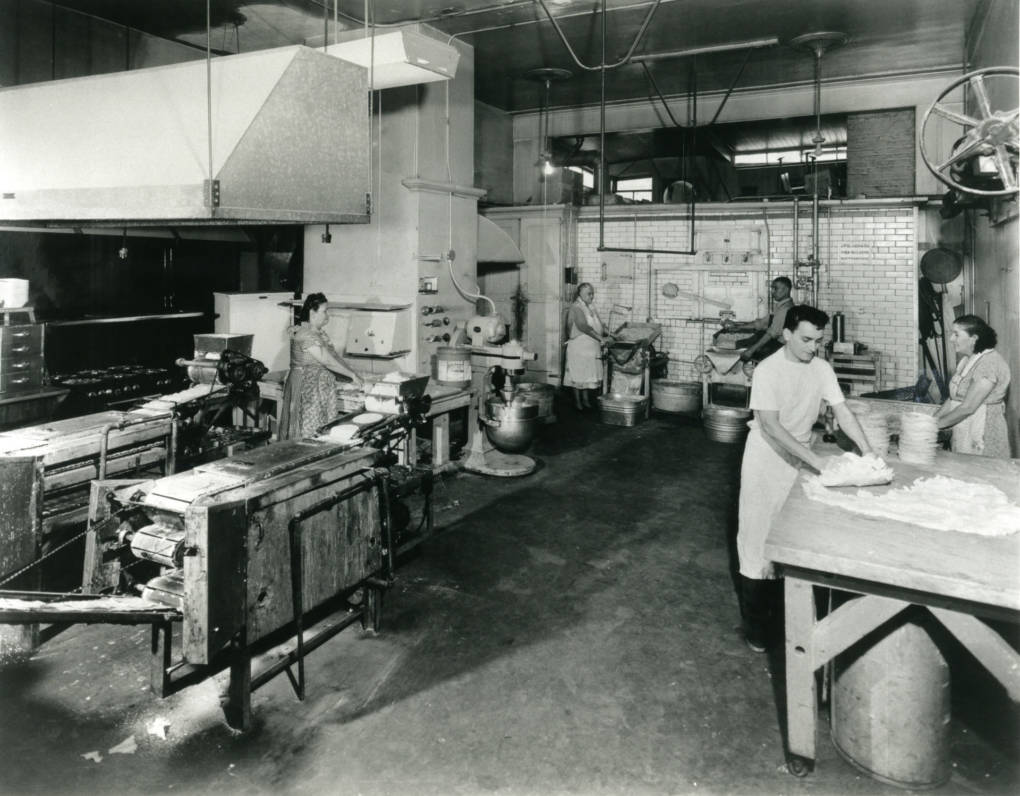
"caption": "Since the 1920s, the Sanchez family mass-produced tortillas for the local restaurant industry and later went on to manufacture tortilla chips and fresh packaged salsa.",
"description": null,
"title": "RS34660_017-qut",
"credit": "Courtesy of Robert C. Sanchez",
"status": "inherit",
"isLoading": false,
"fetchFailed": false
}
},
"audioPlayerReducer": {
"postId": "stream_live",
"isPaused": true,
"isPlaying": false,
"pfsActive": false,
"pledgeModalIsOpen": true,
"playerDrawerIsOpen": false,
"liveAudioPlayStartedAt": 0,
"liveAudioPlayContext": ""
},
"authorsReducer": {
"kqed": {
"type": "authors",
"id": "236",
"meta": {
"index": "authors_1716337520",
"id": "236",
"found": true
},
"name": "KQED News Staff",
"firstName": "KQED News Staff",
"lastName": null,
"slug": "kqed",
"email": "faq@kqed.org",
"display_author_email": false,
"staff_mastheads": [],
"title": null,
"bio": null,
"avatar": "https://secure.gravatar.com/avatar/ef0e801a68c4c54afa9180db14084167?s=600&d=blank&r=g",
"twitter": null,
"facebook": null,
"instagram": null,
"linkedin": null,
"sites": [
{
"site": "arts",
"roles": [
"contributor"
]
},
{
"site": "news",
"roles": [
"editor"
]
},
{
"site": "futureofyou",
"roles": [
"author"
]
}
],
"headData": {
"title": "KQED News Staff | KQED",
"description": null,
"ogImgSrc": "https://secure.gravatar.com/avatar/ef0e801a68c4c54afa9180db14084167?s=600&d=blank&r=g",
"twImgSrc": "https://secure.gravatar.com/avatar/ef0e801a68c4c54afa9180db14084167?s=600&d=blank&r=g"
},
"isLoading": false,
"link": "/author/kqed"
},
"matthewgreen": {
"type": "authors",
"id": "1263",
"meta": {
"index": "authors_1716337520",
"id": "1263",
"found": true
},
"name": "Matthew Green",
"firstName": "Matthew",
"lastName": "Green",
"slug": "matthewgreen",
"email": "mgreen@kqed.org",
"display_author_email": false,
"staff_mastheads": [],
"title": "KQED Editor/Reporter",
"bio": "Matthew Green is a digital media producer for KQED News. He previously produced \u003ca href=\"http://www.kqed.org/lowdown\">The Lowdown\u003c/a>, KQED’s multimedia news education blog. Matthew's written for numerous Bay Area publications, including the Oakland Tribune and San Francisco Chronicle. He also taught journalism classes at Fremont High School in East Oakland.\r\n\r\nEmail: mgreen@kqed.org; Twitter: @MGreenKQED",
"avatar": "https://secure.gravatar.com/avatar/3bf498d1267ca02c8494f33d8cfc575e?s=600&d=blank&r=g",
"twitter": "MGreenKQED",
"facebook": null,
"instagram": null,
"linkedin": null,
"sites": [
{
"site": "news",
"roles": []
},
{
"site": "lowdown",
"roles": []
},
{
"site": "science",
"roles": []
},
{
"site": "education",
"roles": []
},
{
"site": "quest",
"roles": []
},
{
"site": "liveblog",
"roles": []
}
],
"headData": {
"title": "Matthew Green | KQED",
"description": "KQED Editor/Reporter",
"ogImgSrc": "https://secure.gravatar.com/avatar/3bf498d1267ca02c8494f33d8cfc575e?s=600&d=blank&r=g",
"twImgSrc": "https://secure.gravatar.com/avatar/3bf498d1267ca02c8494f33d8cfc575e?s=600&d=blank&r=g"
},
"isLoading": false,
"link": "/author/matthewgreen"
},
"shossaini": {
"type": "authors",
"id": "3214",
"meta": {
"index": "authors_1716337520",
"id": "3214",
"found": true
},
"name": "Sara Hossaini",
"firstName": "Sara",
"lastName": "Hossaini",
"slug": "shossaini",
"email": "shossaini@kqed.org",
"display_author_email": true,
"staff_mastheads": [
"news"
],
"title": "KQED Reporter",
"bio": "Sara Hossaini came to general assignment reporting at KQED in 2013 after two winters reporting at Wyoming Public Radio. She holds a bachelor's degree in broadcast journalism from the University of Nebraska-Lincoln. Her radio romance began after a bitter breakup with documentary film (Ok, maybe it's still complicated). Her first simultaneous jobs in San Francisco were as Associate Producer on a PBS film series through the Center for Asian American Media and as a butler. She likes to trot, plot and make things with her hands.",
"avatar": "https://secure.gravatar.com/avatar/060e9f56b9554e17942e89f413242774?s=600&d=blank&r=g",
"twitter": "mshossaini",
"facebook": null,
"instagram": null,
"linkedin": null,
"sites": [
{
"site": "news",
"roles": [
"author"
]
},
{
"site": "stateofhealth",
"roles": [
"author"
]
}
],
"headData": {
"title": "Sara Hossaini | KQED",
"description": "KQED Reporter",
"ogImgSrc": "https://secure.gravatar.com/avatar/060e9f56b9554e17942e89f413242774?s=600&d=blank&r=g",
"twImgSrc": "https://secure.gravatar.com/avatar/060e9f56b9554e17942e89f413242774?s=600&d=blank&r=g"
},
"isLoading": false,
"link": "/author/shossaini"
},
"sheraz-sadiq": {
"type": "authors",
"id": "6176",
"meta": {
"index": "authors_1716337520",
"id": "6176",
"found": true
},
"name": "Sheraz Sadiq",
"firstName": "Sheraz",
"lastName": "Sadiq",
"slug": "sheraz-sadiq",
"email": "ssadiq@kqed.org",
"display_author_email": false,
"staff_mastheads": [],
"title": "KQED Contributor",
"bio": "Sheraz Sadiq is an Emmy Award-winning producer at San Francisco PBS affiliate KQED. In 2012, he received the AAAS Kavli Science Journalism award for a story he produced about the seismic retrofit of the Hetch Hetchy water delivery system which serves the San Francisco Bay Area. In addition to producing television content for KQED Science, he has also created online features and written news articles on scientific subjects ranging from astronomy to synthetic biology.",
"avatar": "https://secure.gravatar.com/avatar/d88c61c214e477c4c6f0ebaed4f581bf7c9b1dafd94cd4361285d427107adb8d?s=600&d=blank&r=g",
"twitter": null,
"bluesky": null,
"facebook": null,
"instagram": null,
"linkedin": null,
"sites": [
{
"site": "arts",
"roles": [
"subscriber"
]
},
{
"site": "news",
"roles": [
"subscriber"
]
},
{
"site": "futureofyou",
"roles": [
"subscriber"
]
},
{
"site": "science",
"roles": [
"subscriber"
]
},
{
"site": "quest",
"roles": [
"leadcoordinator",
"subscriber"
]
}
],
"headData": {
"title": "Sheraz Sadiq | KQED",
"description": "KQED Contributor",
"ogImgSrc": "https://secure.gravatar.com/avatar/d88c61c214e477c4c6f0ebaed4f581bf7c9b1dafd94cd4361285d427107adb8d?s=600&d=blank&r=g",
"twImgSrc": "https://secure.gravatar.com/avatar/d88c61c214e477c4c6f0ebaed4f581bf7c9b1dafd94cd4361285d427107adb8d?s=600&d=blank&r=g"
},
"isLoading": false,
"link": "/author/sheraz-sadiq"
},
"korr": {
"type": "authors",
"id": "11200",
"meta": {
"index": "authors_1716337520",
"id": "11200",
"found": true
},
"name": "Katie Orr",
"firstName": "Katie",
"lastName": "Orr",
"slug": "korr",
"email": "korr@kqed.org",
"display_author_email": false,
"staff_mastheads": [],
"title": "KQED Contributor",
"bio": "Katie Orr was a Sacramento-based reporter for KQED's Politics and Government Desk, covering the state Capitol and a variety of issues including women in politics, voting and elections and legislation. Prior to joining KQED in 2016, Katie was state government reporter for Capital Public Radio in Sacramento. She's also worked for KPBS in San Diego, where she covered City Hall.\r\n\r\nKatie received her masters degree in political science from San Diego State University and holds a Bachelors degree in broadcast journalism from Arizona State University.\r\n\r\nIn 2015 Katie won a national Clarion Award for a series of stories she did on women in California politics. She's been honored by the Society for Professional Journalists and, in 2013, was named by \u003cem>The Washington Post\u003c/em> as one of the country's top state Capitol reporters. She's also reported for the award-winning documentary series \u003cem>The View from Here \u003c/em>and was part of the team that won national PRNDI and Gabriel Awards in 2015. She lives in Sacramento with her husband. Twitter: @1KatieOrr",
"avatar": "https://secure.gravatar.com/avatar/41a40b25845adc78f50808670860449e?s=600&d=blank&r=g",
"twitter": "1katieorr",
"facebook": null,
"instagram": null,
"linkedin": null,
"sites": [
{
"site": "news",
"roles": [
"subscriber"
]
},
{
"site": "stateofhealth",
"roles": [
"author"
]
},
{
"site": "forum",
"roles": [
"author"
]
}
],
"headData": {
"title": "Katie Orr | KQED",
"description": "KQED Contributor",
"ogImgSrc": "https://secure.gravatar.com/avatar/41a40b25845adc78f50808670860449e?s=600&d=blank&r=g",
"twImgSrc": "https://secure.gravatar.com/avatar/41a40b25845adc78f50808670860449e?s=600&d=blank&r=g"
},
"isLoading": false,
"link": "/author/korr"
},
"agarces": {
"type": "authors",
"id": "11367",
"meta": {
"index": "authors_1716337520",
"id": "11367",
"found": true
},
"name": "Audrey Garces",
"firstName": "Audrey",
"lastName": "Garces",
"slug": "agarces",
"email": "agarces@kqed.org",
"display_author_email": false,
"staff_mastheads": [
"news"
],
"title": "Digital Producer",
"bio": "Audrey is a former digital producer at KQED News. Previously, she was a KQED Raul Ramirez Diversity Fund intern where she developed stories that focused on highlighting diverse voices in journalism. Prior to her work at KQED, she worked as a news intern at the San Francisco Examiner. Audrey graduated from San Francisco State University with a B.A. in journalism and a minor in political science.",
"avatar": "https://secure.gravatar.com/avatar/5211bc2e6a809b9956da169e35ce63d5?s=600&d=blank&r=g",
"twitter": "audgar",
"facebook": null,
"instagram": null,
"linkedin": null,
"sites": [
{
"site": "arts",
"roles": []
},
{
"site": "news",
"roles": [
"subscriber"
]
},
{
"site": "science",
"roles": [
"editor"
]
},
{
"site": "forum",
"roles": [
"editor"
]
},
{
"site": "perspectives",
"roles": [
"administrator"
]
}
],
"headData": {
"title": "Audrey Garces | KQED",
"description": "Digital Producer",
"ogImgSrc": "https://secure.gravatar.com/avatar/5211bc2e6a809b9956da169e35ce63d5?s=600&d=blank&r=g",
"twImgSrc": "https://secure.gravatar.com/avatar/5211bc2e6a809b9956da169e35ce63d5?s=600&d=blank&r=g"
},
"isLoading": false,
"link": "/author/agarces"
},
"mmedina": {
"type": "authors",
"id": "11528",
"meta": {
"index": "authors_1716337520",
"id": "11528",
"found": true
},
"name": "Marisol Medina-Cadena",
"firstName": "Marisol",
"lastName": "Medina-Cadena",
"slug": "mmedina",
"email": "mmedina@KQED.org",
"display_author_email": true,
"staff_mastheads": [],
"title": "Producer, Rightnowish Podcast",
"bio": "Marisol Medina-Cadena is a radio reporter and podcast producer. Before working at KQED, she produced for PBS member station, KCET, in Los Angeles. In 2017, Marisol won an Emmy Award for her work on the televised documentary, \u003cem>City Rising\u003c/em>, examining California's affordable housing crisis and the historical roots of gentrification.",
"avatar": "https://secure.gravatar.com/avatar/6c3db46a1cabb5e1fe9a365b5f4e681e?s=600&d=blank&r=g",
"twitter": "marisolreports",
"facebook": null,
"instagram": null,
"linkedin": null,
"sites": [
{
"site": "arts",
"roles": []
},
{
"site": "news",
"roles": [
"edit_others_posts"
]
}
],
"headData": {
"title": "Marisol Medina-Cadena | KQED",
"description": "Producer, Rightnowish Podcast",
"ogImgSrc": "https://secure.gravatar.com/avatar/6c3db46a1cabb5e1fe9a365b5f4e681e?s=600&d=blank&r=g",
"twImgSrc": "https://secure.gravatar.com/avatar/6c3db46a1cabb5e1fe9a365b5f4e681e?s=600&d=blank&r=g"
},
"isLoading": false,
"link": "/author/mmedina"
},
"lmichelena": {
"type": "authors",
"id": "11605",
"meta": {
"index": "authors_1716337520",
"id": "11605",
"found": true
},
"name": "Liliana Michelena",
"firstName": "Liliana",
"lastName": "Michelena",
"slug": "lmichelena",
"email": "lmichelena@kqed.org",
"display_author_email": false,
"staff_mastheads": [],
"title": "KQED Contributor",
"bio": null,
"avatar": "https://secure.gravatar.com/avatar/71c36efdf4f703ea9f10fdf7cb06c7c5?s=600&d=blank&r=g",
"twitter": null,
"facebook": null,
"instagram": null,
"linkedin": null,
"sites": [
{
"site": "news",
"roles": [
"subscriber"
]
}
],
"headData": {
"title": "Liliana Michelena | KQED",
"description": "KQED Contributor",
"ogImgSrc": "https://secure.gravatar.com/avatar/71c36efdf4f703ea9f10fdf7cb06c7c5?s=600&d=blank&r=g",
"twImgSrc": "https://secure.gravatar.com/avatar/71c36efdf4f703ea9f10fdf7cb06c7c5?s=600&d=blank&r=g"
},
"isLoading": false,
"link": "/author/lmichelena"
},
"amorga": {
"type": "authors",
"id": "11629",
"meta": {
"index": "authors_1716337520",
"id": "11629",
"found": true
},
"name": "Adriana Morga",
"firstName": "Adriana",
"lastName": "Morga",
"slug": "amorga",
"email": "amorga@kqed.org",
"display_author_email": false,
"staff_mastheads": [],
"title": "KQED Contributor",
"bio": "Adriana Morga is an on-call Digital Producer for KQED en Español. She is also completing her journalism degree at San Francisco State University. She has experience working in print and radio. Morga, who was born in Tijuana, Mexico, has spent her developing career covering the Latino community for English and Spanish-language publications including KALW and El Tecolote.",
"avatar": "https://secure.gravatar.com/avatar/9ef1c5a7ff2f2ae1ab05809325f43d03?s=600&d=blank&r=g",
"twitter": null,
"facebook": null,
"instagram": null,
"linkedin": null,
"sites": [
{
"site": "arts",
"roles": []
},
{
"site": "news",
"roles": [
"author"
]
},
{
"site": "science",
"roles": [
"editor"
]
}
],
"headData": {
"title": "Adriana Morga | KQED",
"description": "KQED Contributor",
"ogImgSrc": "https://secure.gravatar.com/avatar/9ef1c5a7ff2f2ae1ab05809325f43d03?s=600&d=blank&r=g",
"twImgSrc": "https://secure.gravatar.com/avatar/9ef1c5a7ff2f2ae1ab05809325f43d03?s=600&d=blank&r=g"
},
"isLoading": false,
"link": "/author/amorga"
},
"jchang": {
"type": "authors",
"id": "11642",
"meta": {
"index": "authors_1716337520",
"id": "11642",
"found": true
},
"name": "Julie Chang",
"firstName": "Julie",
"lastName": "Chang",
"slug": "jchang",
"email": "jchang@kqed.org",
"display_author_email": false,
"staff_mastheads": [
"news"
],
"title": "KQED Contributor",
"bio": "Julie Chang is a reporter and producer (and occasional anchor) with the radio and digital teams at KQED. Before KQED, she worked at WAMU 88.5 in Washington D.C. and 89.3 KPCC in Los Angeles County. Her work has been featured on NPR’s Morning Edition and All Things Considered, Here & Now, the New York Times, and more. Julie graduated from UC Berkeley’s Graduate School of Journalism. She previously taught English at Pasadena City College, Fullerton College and Cal Poly Pomona. Julie earned her M.A. in English from Cal Poly Pomona and her B.A. in English from UCI with a minor in criminology.",
"avatar": "https://secure.gravatar.com/avatar/a7afce94ef127082c5475116b4a3b77d?s=600&d=blank&r=g",
"twitter": "BayAreaJulie",
"facebook": null,
"instagram": null,
"linkedin": "https://www.linkedin.com/in/julieyc/",
"sites": [
{
"site": "",
"roles": [
"editor"
]
},
{
"site": "news",
"roles": [
"author"
]
},
{
"site": "science",
"roles": [
"editor"
]
}
],
"headData": {
"title": "Julie Chang | KQED",
"description": "KQED Contributor",
"ogImgSrc": "https://secure.gravatar.com/avatar/a7afce94ef127082c5475116b4a3b77d?s=600&d=blank&r=g",
"twImgSrc": "https://secure.gravatar.com/avatar/a7afce94ef127082c5475116b4a3b77d?s=600&d=blank&r=g"
},
"isLoading": false,
"link": "/author/jchang"
},
"amarkowitz": {
"type": "authors",
"id": "11660",
"meta": {
"index": "authors_1716337520",
"id": "11660",
"found": true
},
"name": "Ariella Markowitz",
"firstName": "Ariella",
"lastName": "Markowitz",
"slug": "amarkowitz",
"email": "amarkowitz@kqed.org",
"display_author_email": false,
"staff_mastheads": [],
"title": "KQED Contributor",
"bio": "Ariella is a former intern for the California Report Magazine. Before that, she helped mobilize freelance journalists with Association of Independents in Radio (AIR) and made radio features for KALW. Ariella loves investigative reporting, personal stories that interrogate power, and spicy vegan cooking.",
"avatar": "https://secure.gravatar.com/avatar/7076c77064fecef602a2c779f2b9e1d33cb6f9b5fa13542bd1a6e2846a7c85a9?s=600&d=blank&r=g",
"twitter": "ariellaudio",
"bluesky": null,
"facebook": null,
"instagram": null,
"linkedin": null,
"sites": [
{
"site": "news",
"roles": [
"author"
]
},
{
"site": "forum",
"roles": [
"editor"
]
},
{
"site": "perspectives",
"roles": [
"administrator"
]
}
],
"headData": {
"title": "Ariella Markowitz | KQED",
"description": "KQED Contributor",
"ogImgSrc": "https://secure.gravatar.com/avatar/7076c77064fecef602a2c779f2b9e1d33cb6f9b5fa13542bd1a6e2846a7c85a9?s=600&d=blank&r=g",
"twImgSrc": "https://secure.gravatar.com/avatar/7076c77064fecef602a2c779f2b9e1d33cb6f9b5fa13542bd1a6e2846a7c85a9?s=600&d=blank&r=g"
},
"isLoading": false,
"link": "/author/amarkowitz"
},
"blaberge": {
"type": "authors",
"id": "11667",
"meta": {
"index": "authors_1716337520",
"id": "11667",
"found": true
},
"name": "Beth LaBerge",
"firstName": "Beth",
"lastName": "LaBerge",
"slug": "blaberge",
"email": "blaberge@KQED.org",
"display_author_email": true,
"staff_mastheads": [
"news"
],
"title": "Photographer, News",
"bio": "Beth LaBerge is a visual journalist for \u003ca href=\"https://www.kqed.org/news\">KQED News\u003c/a>.",
"avatar": "https://secure.gravatar.com/avatar/ce49ecd7a1306685637b45a1f6f5dedfc4ae9481966eb596fea5160466dd6319?s=600&d=blank&r=g",
"twitter": null,
"bluesky": null,
"facebook": null,
"instagram": "https://www.instagram.com/bethlaberge/",
"linkedin": null,
"sites": [
{
"site": "arts",
"roles": [
"editor",
"manage_categories"
]
},
{
"site": "news",
"roles": [
"editor",
"edit_plugins",
"manage_categories"
]
},
{
"site": "science",
"roles": [
"editor",
"contributor",
"author",
"manage_categories"
]
},
{
"site": "perspectives",
"roles": [
"editor"
]
},
{
"site": "liveblog",
"roles": [
"editor"
]
}
],
"headData": {
"title": "Beth LaBerge | KQED",
"description": "Photographer, News",
"ogImgSrc": "https://secure.gravatar.com/avatar/ce49ecd7a1306685637b45a1f6f5dedfc4ae9481966eb596fea5160466dd6319?s=600&d=blank&r=g",
"twImgSrc": "https://secure.gravatar.com/avatar/ce49ecd7a1306685637b45a1f6f5dedfc4ae9481966eb596fea5160466dd6319?s=600&d=blank&r=g"
},
"isLoading": false,
"link": "/author/blaberge"
}
},
"pagesReducer": {
"news_tag_mission-district": {
"type": "terms",
"id": "news_5270",
"meta": {
"index": "terms_1716263798",
"site": "news",
"id": "5270",
"score": 8.668792
},
"featImg": null,
"name": "Mission District",
"description": null,
"taxonomy": "tag",
"headData": {
"twImgId": null,
"twTitle": null,
"ogTitle": null,
"ogImgId": null,
"twDescription": null,
"description": null,
"title": "Mission District Archives | KQED News",
"ogDescription": null
},
"ttid": 5292,
"slug": "mission-district",
"isLoading": false,
"title": "Mission District",
"pageMeta": {
"site": "news",
"WpPageTemplate": "page-topic-editorial",
"currentPage": 4
},
"blocks": [
{
"blockName": "kqed/post-list",
"attrs": {
"layout": "cardArticle2",
"query": "posts/news?tag=mission-district",
"seeMore": false,
"paginated": true,
"page": 4
}
},
{
"blockName": "kqed/ad"
}
]
}
},
"pfsSessionReducer": {},
"postsReducer": {
"stream_live": {
"type": "live",
"id": "stream_live",
"audioUrl": "https://streams.kqed.org/kqedradio",
"title": "Live Stream",
"excerpt": "Live Stream information currently unavailable.",
"link": "/radio",
"featImg": "",
"label": {
"name": "KQED Live",
"link": "/"
}
},
"stream_kqedNewscast": {
"type": "posts",
"id": "stream_kqedNewscast",
"audioUrl": "https://www.kqed.org/.stream/anon/radio/RDnews/newscast.mp3?_=1",
"title": "KQED Newscast",
"featImg": "",
"label": {
"name": "88.5 FM",
"link": "/"
}
},
"news_11826950": {
"type": "posts",
"id": "news_11826950",
"meta": {
"index": "posts_1716263798",
"site": "news",
"id": "11826950",
"score": null,
"sort": [
1593633078000
]
},
"guestAuthors": [],
"slug": "affected-by-covid-19-and-cant-afford-food-start-here",
"title": "Affected by COVID-19 and Can't Afford Food? Start Here",
"publishDate": 1593633078,
"format": "standard",
"headTitle": "Affected by COVID-19 and Can’t Afford Food? Start Here | KQED",
"labelTerm": {},
"content": "\u003cp>\u003ca href=\"#resources\">Here’s Where to Find Free Meals\u003c/a>\u003c/p>\n\u003cp>\u003cem>\u003ca href=\"https://www.kqed.org/news/11826959/usted-fue-afectado-por-covid-19-y-necesita-alimentos-empiece-aqui\">Leer en Español\u003c/a>\u003c/em>\u003c/p>\n\u003cp>The COVID-19 pandemic has economically affected thousands of people—unemployment continues to rise, as does the number of cases. Many people, now more than ever, are in need of resources for their families, and one of them is food.\u003c/p>\n\u003cp>While not all food banks are open due to the pandemic, many have continued the work of helping their communities to survive during these difficult times. Two such San Francisco groups are the Mission Food Hub and the San Francisco Neighbors Solidarity Network.\u003c/p>\n\u003cp>Every Monday, Wednesday and Friday, starting from their location at Alabama Street, the line to receive food from the Mission Food Hub wraps around several streets while people keep their social distance. With their neat organization and feeling of community, the Food Hub has managed to help hundreds of people in the city, who do not shy away from expressing their gratitude.\u003c/p>\n\u003cp>[ad fullwidth]\u003c/p>\n\u003cp>“They are helping the San Francisco community,” said Marisela Veliz, who lost her job as a childcare worker two months ago. “They will not receive anything back from us but maybe someday we can give back the help.”\u003c/p>\n\u003cp>The Mission Food Hub started in the garage of its founder Roberto Hernandez and continued to grow until it filled three rooms of a warehouse in the Mission District. Hernandez started by calling his close friends, asking them if they could donate groceries to families. But when he saw the vast necessity, the project grew.\u003c/p>\n\u003cp>“It’s been like magic. I really believe it has been like a miracle in the Mission. Puro milagro” said Hernadez. The project that started by giving food to 500 families now gives groceries to around 7,000, according to Hernadez.\u003c/p>\n\u003cfigure id=\"attachment_11826995\" class=\"wp-caption aligncenter\" style=\"max-width: 800px\">\u003cimg loading=\"lazy\" decoding=\"async\" class=\"size-full wp-image-11826995\" src=\"https://ww2.kqed.org/app/uploads/sites/10/2020/07/Mission-Latino-Food-Hub_5301_WEB-1.jpg\" alt=\"Roberto Hernandez, who organizes the San Francisco Carnaval, is using the volunteers, resources and sponsors that would normally go to the now cancelled event, towards getting food to those in the community who need it. \" width=\"800\" height=\"534\" srcset=\"https://cdn.kqed.org/wp-content/uploads/sites/10/2020/07/Mission-Latino-Food-Hub_5301_WEB-1.jpg 800w, https://cdn.kqed.org/wp-content/uploads/sites/10/2020/07/Mission-Latino-Food-Hub_5301_WEB-1-160x107.jpg 160w\" sizes=\"(max-width: 800px) 100vw, 800px\">\u003cfigcaption class=\"wp-caption-text\">Roberto Hernandez, who organizes the San Francisco Carnaval, is using the volunteers, resources and sponsors that would normally go to the now-canceled event, towards getting food to those in the community who need it. \u003ccite>(Mabel Jiménez/El Tecolote)\u003c/cite>\u003c/figcaption>\u003c/figure>\n\u003cp>Hernandez, who is the artistic director of Carnaval San Francisco (which was canceled due to COVID-19), used his connections to aid people in the community. The biggest donations have been from Goya Foods and the U.S. Department of Agriculture (USDA). The Mission Food Hub secured a donation of 1,400 boxes of produce every week from the USDA. The effort not only gives food to families – they’re also thinking about the products people need.\u003c/p>\n\u003cp>“I really make sure that the Mission Food Hub is culturally appropriate for our community,” said Hernandez. “Because I believe that we should be able to eat things we like.” For Mission Food Hub, Hernadez realized that base for maize dough (masa) is a highly sought product by families, the majority of whom are Latinos.\u003c/p>\n\u003cp>“They give us what we use most in the kitchen,” said Veliz. “Sometimes they give us products to make tortillas.”\u003c/p>\n\u003cp>Veliz heard about the Mission Food Hub a month ago from her sister and since then, she and her neighbor go to receive food.\u003c/p>\n\u003cp>Aura Cabrera, another visitor to the Food Hub, liked that they give out dairy products because she has a young daughter. “Because of the unemployment, the resources that they give us are a big help,” said Cabrera.\u003c/p>\n\u003cp>Cabrera lost her job as a cook in a Mexican restaurant in the Mission on March 16. She heard about the Food Hub from her daughter’s school and has gone to several other food banks to help feed her family of seven.\u003c/p>\n\u003cfigure id=\"attachment_11827003\" class=\"wp-caption aligncenter\" style=\"max-width: 800px\">\u003cimg loading=\"lazy\" decoding=\"async\" class=\"size-full wp-image-11827003\" src=\"https://ww2.kqed.org/app/uploads/sites/10/2020/07/Mission-Latino-Food-Hub_5297_WEB.jpg\" alt=\"The group starts putting the food boxes together every Tuesday at 9am and food distribution begins at noon, though many arrive hours earlier to make sure they'll get a box. \" width=\"800\" height=\"534\" srcset=\"https://cdn.kqed.org/wp-content/uploads/sites/10/2020/07/Mission-Latino-Food-Hub_5297_WEB.jpg 800w, https://cdn.kqed.org/wp-content/uploads/sites/10/2020/07/Mission-Latino-Food-Hub_5297_WEB-160x107.jpg 160w\" sizes=\"(max-width: 800px) 100vw, 800px\">\u003cfigcaption class=\"wp-caption-text\">The group starts putting the food boxes together every Tuesday at 9am and food distribution begins at noon, though many arrive hours earlier to make sure they’ll get a box. \u003ccite>(Mabel Jiménez/El Tecolote)\u003c/cite>\u003c/figcaption>\u003c/figure>\n\u003cp>Meanwhile, the SF Neighbors Solidarity Network also makes an effort to deliver healthy and organic food, along with other resources such as face masks and hand sanitizer to elderly and homeless people in San Francisco.\u003c/p>\n\u003cp>“We do our shopping ourselves so that we can really make sure the quality of the bags is really high and that people are getting really healthy food,” said Natalia Kresich, organizer of the network.\u003c/p>\n\u003cp>That program has been around for more than 12 weeks, and besides making home deliveries to those who request help, they also help unhoused people in San Francisco by taking their products to shelters and hotels.\u003c/p>\n\u003cp>“What we’re trying to do is basically treat everybody on our list as though they’re one of our neighbors that we’re shopping for,” said Kresich.\u003c/p>\n\u003cp>It all started when Kresich and her friend Shafagh Farnoud began helping their elderly neighbors, for whom it was not safe to go out to shop for supplies. In the process of helping and checking in on their neighbors, the project grew and they currently help more than 80 households in the city.\u003c/p>\n\u003cp>https://twitter.com/Solidarity_SF/status/1275979091867365376\u003c/p>\n\u003cp>To date, SF Neighbors Solidarity Network has been sustained by donations from people in their social media, Kresich estimates that people have donated around $10,000.\u003c/p>\n\u003cp>But both programs would not have been possible without their volunteers.\u003c/p>\n\u003cp>“You get to know these people while you also help the community,” said Ernesto Torres, a volunteer for Mission Food Hub. Torres and his family have also been affected by the COVID-19 pandemic – they all lost their jobs with the exception of his dad, who works in construction.\u003c/p>\n\u003cp>The SF Neighbors Solidarity Network has 10 volunteers that pack and distribute the food. The Mission Food Hub currently has around 115 volunteers.\u003c/p>\n\u003cfigure id=\"attachment_11826994\" class=\"wp-caption aligncenter\" style=\"max-width: 800px\">\u003cimg loading=\"lazy\" decoding=\"async\" class=\"size-full wp-image-11826994\" src=\"https://ww2.kqed.org/app/uploads/sites/10/2020/07/SFNSN-1.jpg\" alt=\"SF Neighbors Solidarity Network makes an effort to deliver healthy and organic food, along with other resources such as face masks and hand sanitizer to the elderly and unhoused people in San Francisco. \" width=\"800\" height=\"572\" srcset=\"https://cdn.kqed.org/wp-content/uploads/sites/10/2020/07/SFNSN-1.jpg 800w, https://cdn.kqed.org/wp-content/uploads/sites/10/2020/07/SFNSN-1-160x114.jpg 160w\" sizes=\"(max-width: 800px) 100vw, 800px\">\u003cfigcaption class=\"wp-caption-text\">SF Neighbors Solidarity Network makes an effort to deliver healthy and organic food, along with other resources such as face masks and hand sanitizer to the elderly and unhoused people in San Francisco. \u003ccite>(San Francisco Neighbors Solidarity Network)\u003c/cite>\u003c/figcaption>\u003c/figure>\n\u003cp>“It was just so beautiful just to see so many people coming out because of the local community,” said Hernandez.\u003c/p>\n\u003cp>The effort from these two programs, along with many others in the city, has helped communities of color that have been disproportionately affected by the COVID-19 pandemic.\u003c/p>\n\u003ch3>\u003cstrong>\u003ca id=\"resources\">\u003c/a>Where to find free meals:\u003c/strong>\u003c/h3>\n\u003cul>\n\u003cli>\u003cstrong>\u003ca href=\"#sf\">San Francisco\u003c/a>\u003c/strong>\u003c/li>\n\u003cli>\u003cstrong>\u003ca href=\"#alameda\">Alameda County\u003c/a>\u003c/strong>\u003c/li>\n\u003cli>\u003cstrong>\u003ca href=\"#sanmateo\">San Mateo County\u003c/a>\u003c/strong>\u003c/li>\n\u003cli>\u003cstrong>\u003ca href=\"#santaclara\">Santa Clara County\u003c/a>\u003c/strong>\u003c/li>\n\u003cli>\u003cstrong>\u003ca href=\"#sanbruno\">San Bruno\u003c/a>\u003c/strong>\u003c/li>\n\u003cli>\u003cstrong>\u003ca href=\"#marin\">Marin County\u003c/a>\u003c/strong>\u003c/li>\n\u003cli>\u003cstrong>\u003ca href=\"#sonoma\">Sonoma County\u003c/a>\u003c/strong>\u003c/li>\n\u003cli>\u003cstrong>\u003ca href=\"#la\">Los Angeles\u003c/a>\u003c/strong>\u003c/li>\n\u003cli>\u003cstrong>\u003ca href=\"#orange\">Orange County\u003c/a>\u003c/strong>\u003c/li>\n\u003cli>\u003cstrong>\u003ca href=\"#kids\">Free food for school-age kids\u003c/a>\u003c/strong>\u003c/li>\n\u003c/ul>\n\u003cp>\u003c!-- iframe plugin v.4.3 wordpress.org/plugins/iframe/ -->\u003cbr>\n\u003ciframe loading=\"lazy\" src=\"https://www.google.com/maps/d/embed?mid=1K0eAjw9vWHjQ4kVAK31ZKvf3S95faLch\" width=\"100%\" height=\"500\" scrolling=\"yes\" class=\"iframe-class\" frameborder=\"0\">\u003c/iframe>\u003c/p>\n\u003ch3>\u003cstrong>\u003ca id=\"sf\">\u003c/a>San Francisco\u003c/strong>\u003c/h3>\n\u003cul>\n\u003cli>\u003ca href=\"https://www.facebook.com/groups/1169152970117653//\">\u003cstrong>Mission Food Hub\u003c/strong>\u003c/a>\u003cbr>\nMondays, Wednesdays and Fridays starting at 10 a.m.\u003cbr>\n(415) 206-0577\u003cbr>\n701 Alabama, San Francisco, CA 94121\u003c/li>\n\u003cli>\u003ca href=\"https://twitter.com/Solidarity_SF\">\u003cstrong>San Francisco Neighbors Solidarity Network\u003c/strong>\u003c/a>\u003cbr>\nDeliveries on Wednesdays\u003cbr>\nsfneighborssolidaritynetwork@gmail.com\u003cbr>\n\u003cem>Service directed to the elderly, people with disabilities and homeless people.\u003c/em>\u003c/li>\n\u003cli>\u003ca href=\"https://richmondsf.org/feeding-the-richmond-district-covid-19/\">\u003cstrong>Richmond Neighborhood Center\u003c/strong>\u003c/a>\u003cbr>\nMondays: 4 p.m. to 5 p.m., Tuesday from 3:30 p.m. to 4:30 p.m. and Thursdays from 2:30 p.m. to 4 p.m.\u003cbr>\n(415) 751-6600\u003cbr>\n741 30th Avenue, San Francisco, CA 94121\u003c/li>\n\u003cli>\u003ca href=\"https://www.sfmfoodbank.org/find-food/\">\u003cstrong>SF Marin Food Bank\u003c/strong>\u003c/a>\u003cbr>\nLocations and hours change every week, access their website to find updated information.\u003c/li>\n\u003cli>\u003ca href=\"https://www.openhand.org/get-meals\">\u003cstrong>Project Open Hand\u003c/strong>\u003c/a>\u003cbr>\nHours change every week\u003cbr>\n(415) 447-2300\u003cbr>\n730 Polk Street San Francisco, CA 94109\u003cbr>\n\u003cem>Only offers services to the elderly\u003c/em>\u003c/li>\n\u003c/ul>\n\u003ch3>\u003ca id=\"alameda\">\u003c/a>Alameda County\u003c/h3>\n\u003cul>\n\u003cli>\u003ca href=\"http://www.telegraphcenter.com/food-pantry/\">\u003cstrong>Telegraph Center\u003c/strong>\u003c/a>\u003cbr>\nMondays and Wednesdays from 10 a.m. to 2 p.m. and Wednesdays 6 p.m. to 7:30 p.m.\u003cbr>\n(510) 961-4385\u003cbr>\n5316 Telegraph Avenue, Oakland, CA 94609\u003c/li>\n\u003cli>\u003ca href=\"https://berkeleyfoodnetwork.org/covid/\">\u003cstrong>Berkeley Food Network\u003c/strong>\u003c/a>\u003cbr>\nMonday to Thursday 10 a.m. to 2 p.m., Monday and Wednesday de 5 p.m. a 7 p.m., first and third Saturday of the month from 10 a.m. to 12 p.m.\u003cbr>\n(510) 616-5383\u003cbr>\n1569 Solano Avenue #243 Berkeley, CA 94707\u003c/li>\n\u003cli>\u003ca href=\"https://oaklandresourceproject.org\">\u003cstrong>Oakland Resource Project\u003c/strong>\u003c/a>\u003cbr>\nTuesday and Thursday from 10 a.m. to 2 p.m.\u003cbr>\n(510) 534-0165\u003cbr>\n1811 11th Avenue, Oakland, CA 94618 (other locations available)\u003c/li>\n\u003cli>\u003ca href=\"http://www.alamedafoodbank.org\">\u003cstrong>Alameda Food Bank\u003c/strong>\u003c/a>\u003cbr>\nMonday,Wednesday and Friday from 12 p.m. to 5 p.m.\u003cbr>\n(510) 523-5850\u003cbr>\n1900 Thau Way, Alameda, CA 94501\u003c/li>\n\u003cli>\u003ca href=\"https://www.tri-cityvolunteers.org/services/\">\u003cstrong>Tri-city Volunteers\u003c/strong>\u003c/a>\u003cbr>\nMonday to Thursday from 10 a.m. to 12:30 p.m.\u003cbr>\n(510) 793-4583\u003cbr>\n37350 Joseph St. Fremont, CA 94536\u003c/li>\n\u003c/ul>\n\u003ch3>\u003ca id=\"sanmateo\">\u003c/a>San Mateo County\u003c/h3>\n\u003cul>\n\u003cli>\u003ca href=\"https://samaritanhousesanmateo.org/service/food/\">\u003cstrong>Samaritan House Pantry\u003c/strong>\u003c/a>\u003cbr>\nMonday to Friday from 9 a.m. to 12 p.m and 1 p.m. to 4 p.m.\u003cbr>\n(650) 341-4081\u003cbr>\n4031 Pacific Blvd, San Mateo, CA 94403\u003cbr>\n\u003cem>To register for the food services, contact the organization directly.\u003c/em>\u003c/li>\n\u003cli>\u003ca href=\"https://www.penvol.org/mealsonwheels/how-to-qualify/\">\u003cstrong>Meals of Wheels\u003c/strong>\u003c/a>\u003cbr>\nHours and locations depend on the program\u003cbr>\n(650) 323-2022\u003cbr>\n\u003cem>Program available for people older than 60 years living in San Mateo County.\u003c/em>\u003c/li>\n\u003cli>\u003ca href=\"https://www.facebook.com/pg/StAnthonysDiningRoom/posts/?ref=page_internal\">\u003cstrong>St. Anthony’s Padua Dining Room\u003c/strong>\u003c/a>\u003cbr>\nMonday to Saturday from 11 a.m. to 1 p.m.\u003cbr>\n(650) 365-9664\u003cbr>\n3500 Middlefield Road Menlo Park, CA 94025\u003c/li>\n\u003cli>\u003ca href=\"https://www.bgcp.org/communitymeals\">\u003cstrong>Boys & Girls Clubs (Redwood City)\u003c/strong>\u003c/a>\u003cbr>\nTo-Go Dinner Service: 5:30-6:30pm, Monday-Friday. Produce Boxes: 5:30-6:30pm, Wednesday. Dry Food Boxes: 5:30-6:30pm, Thursday\u003cbr>\n(650) 646-6140\u003cbr>\n1109 Hilton Avenue, Redwood City\u003c/li>\n\u003cli>\u003ca href=\"https://www.bgcp.org/comidascomunitarias\">\u003cstrong>Boys & Girls Clubs (Este de Palo Alto)\u003c/strong>\u003c/a>\u003cbr>\nTo-Go Dinner Service: 6-7pm, Monday-Thursday & 5-8pm, Friday. Grocery Boxes: 5-8pm, Friday\u003cbr>\n(650) 646-6140\u003cbr>\n2031 Pulgas Avenue, East Palo Alto, CA 94303\u003c/li>\n\u003cli>\u003ca href=\"https://www.wehope.org/programs/family-harvest\">\u003cstrong>WeHOPE\u003c/strong>\u003c/a>\u003cbr>\nTuesdays from 12 p.m. to 2 p.m.\u003cbr>\n(650) 779-4635\u003cbr>\n1852 Bay Road, East Palo Alto, CA 94303\u003c/li>\n\u003c/ul>\n\u003ch3>\u003ca id=\"santaclara\">\u003c/a>Santa Clara County\u003c/h3>\n\u003cul>\n\u003cli>\u003ca href=\"https://www.marthas-kitchen.org\">\u003cstrong>Martha’s Kitchen\u003c/strong>\u003c/a>\u003cbr>\nTuesday and Wednesday from 4 p.m. to 5 p.m.\u003cbr>\n(408) 293-6111\u003cbr>\n311 Willow Street, San Jose, CA 95110\u003c/li>\n\u003c/ul>\n\u003ch3>\u003ca id=\"sanbruno\">\u003c/a>San Bruno\u003c/h3>\n\u003cul>\n\u003cli>\u003ca href=\"http://catholicworkerhospitalityhouse.org/food-shelter/\">\u003cstrong>St. Bruno’s Catholic Church\u003c/strong>\u003c/a>\u003cbr>\nEveryday from 6:30 a.m. to 8:30 a.m.\u003cbr>\n(650) 827-0706\u003cbr>\n555 W. San Bruno Avenue, San Bruno, CA 94066\u003cbr>\n\u003cem>They also offer shelter for unhoused people.\u003c/em>\u003c/li>\n\u003c/ul>\n\u003ch3>\u003ca id=\"marin\">\u003c/a>Marin County\u003c/h3>\n\u003cul>\n\u003cli>\u003ca href=\"https://www.vinnies.org/need-help/hungry/\">\u003cstrong>St. Vincent de Paul\u003c/strong>\u003c/a>\u003cbr>\nEveryday from 6:30 a.m. to 1 p.m.\u003cbr>\n(415) 454-3303\u003cbr>\n820 B Street, San Rafael, CA 94901\u003c/li>\n\u003c/ul>\n\u003ch3>\u003ca id=\"sonoma\">\u003c/a>Sonoma County\u003c/h3>\n\u003cul>\n\u003cli>\u003ca href=\"https://www.facebook.com/CorazonHealdsburg/\">\u003cstrong>Corazón Healdsburg\u003c/strong>\u003c/a>\u003cbr>\nTuesday, hours change every week\u003cbr>\n(707) 996-0111\u003cbr>\n18330 Sonoma Hwy, Sonoma, CA 95476\u003c/li>\n\u003cli>\u003ca href=\"https://www.friendsinsonomahelping.org/help-from-fish.html\">\u003cstrong>Friends in Sonoma Helping\u003c/strong>\u003c/a>\u003cbr>\nMonday to Friday to 9 a.m. to 12 p.m.\u003cbr>\n(707) 996-0111\u003cbr>\n18330 Sonoma Hwy, Sonoma Ca 95476\u003c/li>\n\u003c/ul>\n\u003ch3>\u003ca id=\"la\">\u003c/a>Los Angeles\u003c/h3>\n\u003cul>\n\u003cli>\u003ca href=\"https://www.lafoodbank.org/find-food/pantry-locator/\">\u003cstrong>Los Angeles Regional Food Bank\u003c/strong>\u003c/a>\u003cbr>\nLocation and hours vary, visit their website for updated information.\u003cbr>\n(323) 234-3030\u003c/li>\n\u003c/ul>\n\u003ch3>\u003ca id=\"orange\">\u003c/a>Orange County\u003c/h3>\n\u003cul>\n\u003cli>\u003ca href=\"http://ocfoodhelp.org/orange-county-free-food-map/\">\u003cstrong>Second Harvest Food Bank\u003c/strong>\u003c/a>\u003cbr>\nLocation and hours vary, visit their website for updated information.\u003cbr>\n(949) 653-2900\u003c/li>\n\u003c/ul>\n\u003ch3>\u003ca id=\"kids\">\u003c/a>Free food for school-age children\u003c/h3>\n\u003cul>\n\u003cli>\u003ca href=\"https://www.sfusd.edu/services/health-wellness/nutrition-school-meals\">\u003cstrong>San Francisco\u003c/strong>\u003c/a>\u003c/li>\n\u003cli>\u003ca href=\"https://www.berkeleyschools.net/2020/03/revised-breakfast-and-lunch-distribution-schedule-horario-modificado-acerca-de-la-distribucion-de-desayuno-y-almuerzo/#espanol\">\u003cstrong>Berkeley\u003c/strong>\u003c/a>\u003c/li>\n\u003cli>\u003ca href=\"https://www.ousd.org/Page/19078\">\u003cstrong>Oakland \u003c/strong>\u003c/a>\u003c/li>\n\u003cli>\u003ca href=\"https://www.smcoe.org/other/for-administrators/meals-and-nutritional-services.html\">\u003cstrong>San Mateo \u003c/strong>\u003c/a>\u003c/li>\n\u003cli>\u003ca href=\"https://www.cde.ca.gov/ds/sh/sn/ap/summersites.asp?year=2020&countyname=Marin\">\u003cstrong>Marin\u003c/strong>\u003c/a>\u003c/li>\n\u003cli>\u003ca href=\"https://achieve.lausd.net/resources\">\u003cstrong>Los Angeles\u003c/strong>\u003c/a>\u003c/li>\n\u003cli>\u003ca href=\"https://www.ocps.net/cms/One.aspx?portalId=54703&pageId=1404484\">\u003cstrong>Orange \u003c/strong>\u003c/a>\u003c/li>\n\u003c/ul>\n\u003cp>[ad floatright]\u003c/p>\n\u003cp>\u003cem>\u003cstrong>This story was produced in collaboration with El Tecolote, San Francisco’s Latino bilingual newspaper, now celebrating its 50th Anniversary. Follow their work \u003ca href=\"http://eltecolote.org/content/en/\" target=\"_blank\" rel=\"noopener noreferrer\">here\u003c/a>.\u003c/strong> \u003c/em>\u003c/p>\n\u003cdiv> \u003ca href=\"http://eltecolote.org/content/en/\" target=\"_blank\" rel=\"noopener noreferrer\">\u003cimg decoding=\"async\" class=\"size-medium wp-image-11826973 aligncenter\" src=\"https://ww2.kqed.org/app/uploads/sites/10/2020/07/El-Tecolote-logo_transparent-2-800x166.png\" alt=\"\" width=\"50%\" height=\"50%\" srcset=\"https://cdn.kqed.org/wp-content/uploads/sites/10/2020/07/El-Tecolote-logo_transparent-2-800x166.png 800w, https://cdn.kqed.org/wp-content/uploads/sites/10/2020/07/El-Tecolote-logo_transparent-2-1020x212.png 1020w, https://cdn.kqed.org/wp-content/uploads/sites/10/2020/07/El-Tecolote-logo_transparent-2-160x33.png 160w, https://cdn.kqed.org/wp-content/uploads/sites/10/2020/07/El-Tecolote-logo_transparent-2-1536x320.png 1536w, https://cdn.kqed.org/wp-content/uploads/sites/10/2020/07/El-Tecolote-logo_transparent-2-2048x426.png 2048w, https://cdn.kqed.org/wp-content/uploads/sites/10/2020/07/El-Tecolote-logo_transparent-2-1920x400.png 1920w\" sizes=\"(max-width: 800px) 100vw, 800px\">\u003c/a>\u003c/div>\n\n",
"blocks": [],
"excerpt": "Many people affected by COVID-19 are in greater need of resources for their families – and one of them is food. Here's a guide to free meals and groceries in the Bay Area and beyond.",
"status": "publish",
"parent": 0,
"modified": 1721125536,
"stats": {
"hasAudio": false,
"hasVideo": false,
"hasChartOrMap": true,
"iframeSrcs": [
"https://www.google.com/maps/d/embed"
],
"hasGoogleForm": false,
"hasGallery": false,
"hasHearkenModule": false,
"hasPolis": false,
"paragraphCount": 29,
"wordCount": 1787
},
"headData": {
"title": "Affected by COVID-19 and Can't Afford Food? Start Here | KQED",
"description": "Many people affected by COVID-19 are in greater need of resources for their families – and one of them is food. Here's a guide to free meals and groceries in the Bay Area and beyond.",
"ogTitle": "",
"ogDescription": "",
"ogImgId": "",
"twTitle": "",
"twDescription": "",
"twImgId": "",
"schema": {
"@context": "https://schema.org",
"@type": "NewsArticle",
"headline": "Affected by COVID-19 and Can't Afford Food? Start Here",
"datePublished": "2020-07-01T12:51:18-07:00",
"dateModified": "2024-07-16T03:25:36-07:00",
"image": "https://cdn.kqed.org/wp-content/uploads/2020/02/KQED-OG-Image@1x.png",
"isAccessibleForFree": "True",
"publisher": {
"@type": "NewsMediaOrganization",
"@id": "https://www.kqed.org/#organization",
"name": "KQED",
"logo": "https://cdn.kqed.org/wp-content/uploads/2020/02/KQED-OG-Image@1x.png",
"url": "https://www.kqed.org",
"sameAs": [
"https://www.facebook.com/KQED",
"https://twitter.com/KQED",
"https://www.instagram.com/kqed/",
"https://www.tiktok.com/@kqedofficial",
"https://www.linkedin.com/company/kqed",
"https://www.youtube.com/channel/UCeC0IOo7i1P_61zVUWbJ4nw"
]
}
}
},
"source": "El Tecolote",
"sourceUrl": "http://eltecolote.org/content/en/",
"sticky": false,
"path": "/news/11826950/affected-by-covid-19-and-cant-afford-food-start-here",
"audioTrackLength": null,
"parsedContent": [
{
"type": "contentString",
"content": "\u003cdiv class=\"post-body\">\u003cp>\u003cp>\u003ca href=\"#resources\">Here’s Where to Find Free Meals\u003c/a>\u003c/p>\n\u003cp>\u003cem>\u003ca href=\"https://www.kqed.org/news/11826959/usted-fue-afectado-por-covid-19-y-necesita-alimentos-empiece-aqui\">Leer en Español\u003c/a>\u003c/em>\u003c/p>\n\u003cp>The COVID-19 pandemic has economically affected thousands of people—unemployment continues to rise, as does the number of cases. Many people, now more than ever, are in need of resources for their families, and one of them is food.\u003c/p>\n\u003cp>While not all food banks are open due to the pandemic, many have continued the work of helping their communities to survive during these difficult times. Two such San Francisco groups are the Mission Food Hub and the San Francisco Neighbors Solidarity Network.\u003c/p>\n\u003cp>Every Monday, Wednesday and Friday, starting from their location at Alabama Street, the line to receive food from the Mission Food Hub wraps around several streets while people keep their social distance. With their neat organization and feeling of community, the Food Hub has managed to help hundreds of people in the city, who do not shy away from expressing their gratitude.\u003c/p>\n\u003cp>\u003c/p>\u003c/div>",
"attributes": {
"named": {},
"numeric": []
}
},
{
"type": "component",
"content": "",
"name": "ad",
"attributes": {
"named": {
"label": "fullwidth"
},
"numeric": [
"fullwidth"
]
}
},
{
"type": "contentString",
"content": "\u003cdiv class=\"post-body\">\u003cp>\u003c/p>\n\u003cp>“They are helping the San Francisco community,” said Marisela Veliz, who lost her job as a childcare worker two months ago. “They will not receive anything back from us but maybe someday we can give back the help.”\u003c/p>\n\u003cp>The Mission Food Hub started in the garage of its founder Roberto Hernandez and continued to grow until it filled three rooms of a warehouse in the Mission District. Hernandez started by calling his close friends, asking them if they could donate groceries to families. But when he saw the vast necessity, the project grew.\u003c/p>\n\u003cp>“It’s been like magic. I really believe it has been like a miracle in the Mission. Puro milagro” said Hernadez. The project that started by giving food to 500 families now gives groceries to around 7,000, according to Hernadez.\u003c/p>\n\u003cfigure id=\"attachment_11826995\" class=\"wp-caption aligncenter\" style=\"max-width: 800px\">\u003cimg loading=\"lazy\" decoding=\"async\" class=\"size-full wp-image-11826995\" src=\"https://ww2.kqed.org/app/uploads/sites/10/2020/07/Mission-Latino-Food-Hub_5301_WEB-1.jpg\" alt=\"Roberto Hernandez, who organizes the San Francisco Carnaval, is using the volunteers, resources and sponsors that would normally go to the now cancelled event, towards getting food to those in the community who need it. \" width=\"800\" height=\"534\" srcset=\"https://cdn.kqed.org/wp-content/uploads/sites/10/2020/07/Mission-Latino-Food-Hub_5301_WEB-1.jpg 800w, https://cdn.kqed.org/wp-content/uploads/sites/10/2020/07/Mission-Latino-Food-Hub_5301_WEB-1-160x107.jpg 160w\" sizes=\"(max-width: 800px) 100vw, 800px\">\u003cfigcaption class=\"wp-caption-text\">Roberto Hernandez, who organizes the San Francisco Carnaval, is using the volunteers, resources and sponsors that would normally go to the now-canceled event, towards getting food to those in the community who need it. \u003ccite>(Mabel Jiménez/El Tecolote)\u003c/cite>\u003c/figcaption>\u003c/figure>\n\u003cp>Hernandez, who is the artistic director of Carnaval San Francisco (which was canceled due to COVID-19), used his connections to aid people in the community. The biggest donations have been from Goya Foods and the U.S. Department of Agriculture (USDA). The Mission Food Hub secured a donation of 1,400 boxes of produce every week from the USDA. The effort not only gives food to families – they’re also thinking about the products people need.\u003c/p>\n\u003cp>“I really make sure that the Mission Food Hub is culturally appropriate for our community,” said Hernandez. “Because I believe that we should be able to eat things we like.” For Mission Food Hub, Hernadez realized that base for maize dough (masa) is a highly sought product by families, the majority of whom are Latinos.\u003c/p>\n\u003cp>“They give us what we use most in the kitchen,” said Veliz. “Sometimes they give us products to make tortillas.”\u003c/p>\n\u003cp>Veliz heard about the Mission Food Hub a month ago from her sister and since then, she and her neighbor go to receive food.\u003c/p>\n\u003cp>Aura Cabrera, another visitor to the Food Hub, liked that they give out dairy products because she has a young daughter. “Because of the unemployment, the resources that they give us are a big help,” said Cabrera.\u003c/p>\n\u003cp>Cabrera lost her job as a cook in a Mexican restaurant in the Mission on March 16. She heard about the Food Hub from her daughter’s school and has gone to several other food banks to help feed her family of seven.\u003c/p>\n\u003cfigure id=\"attachment_11827003\" class=\"wp-caption aligncenter\" style=\"max-width: 800px\">\u003cimg loading=\"lazy\" decoding=\"async\" class=\"size-full wp-image-11827003\" src=\"https://ww2.kqed.org/app/uploads/sites/10/2020/07/Mission-Latino-Food-Hub_5297_WEB.jpg\" alt=\"The group starts putting the food boxes together every Tuesday at 9am and food distribution begins at noon, though many arrive hours earlier to make sure they'll get a box. \" width=\"800\" height=\"534\" srcset=\"https://cdn.kqed.org/wp-content/uploads/sites/10/2020/07/Mission-Latino-Food-Hub_5297_WEB.jpg 800w, https://cdn.kqed.org/wp-content/uploads/sites/10/2020/07/Mission-Latino-Food-Hub_5297_WEB-160x107.jpg 160w\" sizes=\"(max-width: 800px) 100vw, 800px\">\u003cfigcaption class=\"wp-caption-text\">The group starts putting the food boxes together every Tuesday at 9am and food distribution begins at noon, though many arrive hours earlier to make sure they’ll get a box. \u003ccite>(Mabel Jiménez/El Tecolote)\u003c/cite>\u003c/figcaption>\u003c/figure>\n\u003cp>Meanwhile, the SF Neighbors Solidarity Network also makes an effort to deliver healthy and organic food, along with other resources such as face masks and hand sanitizer to elderly and homeless people in San Francisco.\u003c/p>\n\u003cp>“We do our shopping ourselves so that we can really make sure the quality of the bags is really high and that people are getting really healthy food,” said Natalia Kresich, organizer of the network.\u003c/p>\n\u003cp>That program has been around for more than 12 weeks, and besides making home deliveries to those who request help, they also help unhoused people in San Francisco by taking their products to shelters and hotels.\u003c/p>\n\u003cp>“What we’re trying to do is basically treat everybody on our list as though they’re one of our neighbors that we’re shopping for,” said Kresich.\u003c/p>\n\u003cp>It all started when Kresich and her friend Shafagh Farnoud began helping their elderly neighbors, for whom it was not safe to go out to shop for supplies. In the process of helping and checking in on their neighbors, the project grew and they currently help more than 80 households in the city.\u003c/p>\u003c/p>\u003c/div>",
"attributes": {
"named": {},
"numeric": []
}
},
{
"type": "component",
"content": "",
"name": "singleTwitterStatus",
"attributes": {
"named": {
"id": "1275979091867365376"
},
"numeric": []
}
},
{
"type": "contentString",
"content": "\u003cdiv class=\"post-body\">\u003cp>\n\u003cp>To date, SF Neighbors Solidarity Network has been sustained by donations from people in their social media, Kresich estimates that people have donated around $10,000.\u003c/p>\n\u003cp>But both programs would not have been possible without their volunteers.\u003c/p>\n\u003cp>“You get to know these people while you also help the community,” said Ernesto Torres, a volunteer for Mission Food Hub. Torres and his family have also been affected by the COVID-19 pandemic – they all lost their jobs with the exception of his dad, who works in construction.\u003c/p>\n\u003cp>The SF Neighbors Solidarity Network has 10 volunteers that pack and distribute the food. The Mission Food Hub currently has around 115 volunteers.\u003c/p>\n\u003cfigure id=\"attachment_11826994\" class=\"wp-caption aligncenter\" style=\"max-width: 800px\">\u003cimg loading=\"lazy\" decoding=\"async\" class=\"size-full wp-image-11826994\" src=\"https://ww2.kqed.org/app/uploads/sites/10/2020/07/SFNSN-1.jpg\" alt=\"SF Neighbors Solidarity Network makes an effort to deliver healthy and organic food, along with other resources such as face masks and hand sanitizer to the elderly and unhoused people in San Francisco. \" width=\"800\" height=\"572\" srcset=\"https://cdn.kqed.org/wp-content/uploads/sites/10/2020/07/SFNSN-1.jpg 800w, https://cdn.kqed.org/wp-content/uploads/sites/10/2020/07/SFNSN-1-160x114.jpg 160w\" sizes=\"(max-width: 800px) 100vw, 800px\">\u003cfigcaption class=\"wp-caption-text\">SF Neighbors Solidarity Network makes an effort to deliver healthy and organic food, along with other resources such as face masks and hand sanitizer to the elderly and unhoused people in San Francisco. \u003ccite>(San Francisco Neighbors Solidarity Network)\u003c/cite>\u003c/figcaption>\u003c/figure>\n\u003cp>“It was just so beautiful just to see so many people coming out because of the local community,” said Hernandez.\u003c/p>\n\u003cp>The effort from these two programs, along with many others in the city, has helped communities of color that have been disproportionately affected by the COVID-19 pandemic.\u003c/p>\n\u003ch3>\u003cstrong>\u003ca id=\"resources\">\u003c/a>Where to find free meals:\u003c/strong>\u003c/h3>\n\u003cul>\n\u003cli>\u003cstrong>\u003ca href=\"#sf\">San Francisco\u003c/a>\u003c/strong>\u003c/li>\n\u003cli>\u003cstrong>\u003ca href=\"#alameda\">Alameda County\u003c/a>\u003c/strong>\u003c/li>\n\u003cli>\u003cstrong>\u003ca href=\"#sanmateo\">San Mateo County\u003c/a>\u003c/strong>\u003c/li>\n\u003cli>\u003cstrong>\u003ca href=\"#santaclara\">Santa Clara County\u003c/a>\u003c/strong>\u003c/li>\n\u003cli>\u003cstrong>\u003ca href=\"#sanbruno\">San Bruno\u003c/a>\u003c/strong>\u003c/li>\n\u003cli>\u003cstrong>\u003ca href=\"#marin\">Marin County\u003c/a>\u003c/strong>\u003c/li>\n\u003cli>\u003cstrong>\u003ca href=\"#sonoma\">Sonoma County\u003c/a>\u003c/strong>\u003c/li>\n\u003cli>\u003cstrong>\u003ca href=\"#la\">Los Angeles\u003c/a>\u003c/strong>\u003c/li>\n\u003cli>\u003cstrong>\u003ca href=\"#orange\">Orange County\u003c/a>\u003c/strong>\u003c/li>\n\u003cli>\u003cstrong>\u003ca href=\"#kids\">Free food for school-age kids\u003c/a>\u003c/strong>\u003c/li>\n\u003c/ul>\n\u003cp>\u003c!-- iframe plugin v.4.3 wordpress.org/plugins/iframe/ -->\u003cbr>\n\u003ciframe loading=\"lazy\" src=\"https://www.google.com/maps/d/embed?mid=1K0eAjw9vWHjQ4kVAK31ZKvf3S95faLch\" width=\"100%\" height=\"500\" scrolling=\"yes\" class=\"iframe-class\" frameborder=\"0\">\u003c/iframe>\u003c/p>\n\u003ch3>\u003cstrong>\u003ca id=\"sf\">\u003c/a>San Francisco\u003c/strong>\u003c/h3>\n\u003cul>\n\u003cli>\u003ca href=\"https://www.facebook.com/groups/1169152970117653//\">\u003cstrong>Mission Food Hub\u003c/strong>\u003c/a>\u003cbr>\nMondays, Wednesdays and Fridays starting at 10 a.m.\u003cbr>\n(415) 206-0577\u003cbr>\n701 Alabama, San Francisco, CA 94121\u003c/li>\n\u003cli>\u003ca href=\"https://twitter.com/Solidarity_SF\">\u003cstrong>San Francisco Neighbors Solidarity Network\u003c/strong>\u003c/a>\u003cbr>\nDeliveries on Wednesdays\u003cbr>\nsfneighborssolidaritynetwork@gmail.com\u003cbr>\n\u003cem>Service directed to the elderly, people with disabilities and homeless people.\u003c/em>\u003c/li>\n\u003cli>\u003ca href=\"https://richmondsf.org/feeding-the-richmond-district-covid-19/\">\u003cstrong>Richmond Neighborhood Center\u003c/strong>\u003c/a>\u003cbr>\nMondays: 4 p.m. to 5 p.m., Tuesday from 3:30 p.m. to 4:30 p.m. and Thursdays from 2:30 p.m. to 4 p.m.\u003cbr>\n(415) 751-6600\u003cbr>\n741 30th Avenue, San Francisco, CA 94121\u003c/li>\n\u003cli>\u003ca href=\"https://www.sfmfoodbank.org/find-food/\">\u003cstrong>SF Marin Food Bank\u003c/strong>\u003c/a>\u003cbr>\nLocations and hours change every week, access their website to find updated information.\u003c/li>\n\u003cli>\u003ca href=\"https://www.openhand.org/get-meals\">\u003cstrong>Project Open Hand\u003c/strong>\u003c/a>\u003cbr>\nHours change every week\u003cbr>\n(415) 447-2300\u003cbr>\n730 Polk Street San Francisco, CA 94109\u003cbr>\n\u003cem>Only offers services to the elderly\u003c/em>\u003c/li>\n\u003c/ul>\n\u003ch3>\u003ca id=\"alameda\">\u003c/a>Alameda County\u003c/h3>\n\u003cul>\n\u003cli>\u003ca href=\"http://www.telegraphcenter.com/food-pantry/\">\u003cstrong>Telegraph Center\u003c/strong>\u003c/a>\u003cbr>\nMondays and Wednesdays from 10 a.m. to 2 p.m. and Wednesdays 6 p.m. to 7:30 p.m.\u003cbr>\n(510) 961-4385\u003cbr>\n5316 Telegraph Avenue, Oakland, CA 94609\u003c/li>\n\u003cli>\u003ca href=\"https://berkeleyfoodnetwork.org/covid/\">\u003cstrong>Berkeley Food Network\u003c/strong>\u003c/a>\u003cbr>\nMonday to Thursday 10 a.m. to 2 p.m., Monday and Wednesday de 5 p.m. a 7 p.m., first and third Saturday of the month from 10 a.m. to 12 p.m.\u003cbr>\n(510) 616-5383\u003cbr>\n1569 Solano Avenue #243 Berkeley, CA 94707\u003c/li>\n\u003cli>\u003ca href=\"https://oaklandresourceproject.org\">\u003cstrong>Oakland Resource Project\u003c/strong>\u003c/a>\u003cbr>\nTuesday and Thursday from 10 a.m. to 2 p.m.\u003cbr>\n(510) 534-0165\u003cbr>\n1811 11th Avenue, Oakland, CA 94618 (other locations available)\u003c/li>\n\u003cli>\u003ca href=\"http://www.alamedafoodbank.org\">\u003cstrong>Alameda Food Bank\u003c/strong>\u003c/a>\u003cbr>\nMonday,Wednesday and Friday from 12 p.m. to 5 p.m.\u003cbr>\n(510) 523-5850\u003cbr>\n1900 Thau Way, Alameda, CA 94501\u003c/li>\n\u003cli>\u003ca href=\"https://www.tri-cityvolunteers.org/services/\">\u003cstrong>Tri-city Volunteers\u003c/strong>\u003c/a>\u003cbr>\nMonday to Thursday from 10 a.m. to 12:30 p.m.\u003cbr>\n(510) 793-4583\u003cbr>\n37350 Joseph St. Fremont, CA 94536\u003c/li>\n\u003c/ul>\n\u003ch3>\u003ca id=\"sanmateo\">\u003c/a>San Mateo County\u003c/h3>\n\u003cul>\n\u003cli>\u003ca href=\"https://samaritanhousesanmateo.org/service/food/\">\u003cstrong>Samaritan House Pantry\u003c/strong>\u003c/a>\u003cbr>\nMonday to Friday from 9 a.m. to 12 p.m and 1 p.m. to 4 p.m.\u003cbr>\n(650) 341-4081\u003cbr>\n4031 Pacific Blvd, San Mateo, CA 94403\u003cbr>\n\u003cem>To register for the food services, contact the organization directly.\u003c/em>\u003c/li>\n\u003cli>\u003ca href=\"https://www.penvol.org/mealsonwheels/how-to-qualify/\">\u003cstrong>Meals of Wheels\u003c/strong>\u003c/a>\u003cbr>\nHours and locations depend on the program\u003cbr>\n(650) 323-2022\u003cbr>\n\u003cem>Program available for people older than 60 years living in San Mateo County.\u003c/em>\u003c/li>\n\u003cli>\u003ca href=\"https://www.facebook.com/pg/StAnthonysDiningRoom/posts/?ref=page_internal\">\u003cstrong>St. Anthony’s Padua Dining Room\u003c/strong>\u003c/a>\u003cbr>\nMonday to Saturday from 11 a.m. to 1 p.m.\u003cbr>\n(650) 365-9664\u003cbr>\n3500 Middlefield Road Menlo Park, CA 94025\u003c/li>\n\u003cli>\u003ca href=\"https://www.bgcp.org/communitymeals\">\u003cstrong>Boys & Girls Clubs (Redwood City)\u003c/strong>\u003c/a>\u003cbr>\nTo-Go Dinner Service: 5:30-6:30pm, Monday-Friday. Produce Boxes: 5:30-6:30pm, Wednesday. Dry Food Boxes: 5:30-6:30pm, Thursday\u003cbr>\n(650) 646-6140\u003cbr>\n1109 Hilton Avenue, Redwood City\u003c/li>\n\u003cli>\u003ca href=\"https://www.bgcp.org/comidascomunitarias\">\u003cstrong>Boys & Girls Clubs (Este de Palo Alto)\u003c/strong>\u003c/a>\u003cbr>\nTo-Go Dinner Service: 6-7pm, Monday-Thursday & 5-8pm, Friday. Grocery Boxes: 5-8pm, Friday\u003cbr>\n(650) 646-6140\u003cbr>\n2031 Pulgas Avenue, East Palo Alto, CA 94303\u003c/li>\n\u003cli>\u003ca href=\"https://www.wehope.org/programs/family-harvest\">\u003cstrong>WeHOPE\u003c/strong>\u003c/a>\u003cbr>\nTuesdays from 12 p.m. to 2 p.m.\u003cbr>\n(650) 779-4635\u003cbr>\n1852 Bay Road, East Palo Alto, CA 94303\u003c/li>\n\u003c/ul>\n\u003ch3>\u003ca id=\"santaclara\">\u003c/a>Santa Clara County\u003c/h3>\n\u003cul>\n\u003cli>\u003ca href=\"https://www.marthas-kitchen.org\">\u003cstrong>Martha’s Kitchen\u003c/strong>\u003c/a>\u003cbr>\nTuesday and Wednesday from 4 p.m. to 5 p.m.\u003cbr>\n(408) 293-6111\u003cbr>\n311 Willow Street, San Jose, CA 95110\u003c/li>\n\u003c/ul>\n\u003ch3>\u003ca id=\"sanbruno\">\u003c/a>San Bruno\u003c/h3>\n\u003cul>\n\u003cli>\u003ca href=\"http://catholicworkerhospitalityhouse.org/food-shelter/\">\u003cstrong>St. Bruno’s Catholic Church\u003c/strong>\u003c/a>\u003cbr>\nEveryday from 6:30 a.m. to 8:30 a.m.\u003cbr>\n(650) 827-0706\u003cbr>\n555 W. San Bruno Avenue, San Bruno, CA 94066\u003cbr>\n\u003cem>They also offer shelter for unhoused people.\u003c/em>\u003c/li>\n\u003c/ul>\n\u003ch3>\u003ca id=\"marin\">\u003c/a>Marin County\u003c/h3>\n\u003cul>\n\u003cli>\u003ca href=\"https://www.vinnies.org/need-help/hungry/\">\u003cstrong>St. Vincent de Paul\u003c/strong>\u003c/a>\u003cbr>\nEveryday from 6:30 a.m. to 1 p.m.\u003cbr>\n(415) 454-3303\u003cbr>\n820 B Street, San Rafael, CA 94901\u003c/li>\n\u003c/ul>\n\u003ch3>\u003ca id=\"sonoma\">\u003c/a>Sonoma County\u003c/h3>\n\u003cul>\n\u003cli>\u003ca href=\"https://www.facebook.com/CorazonHealdsburg/\">\u003cstrong>Corazón Healdsburg\u003c/strong>\u003c/a>\u003cbr>\nTuesday, hours change every week\u003cbr>\n(707) 996-0111\u003cbr>\n18330 Sonoma Hwy, Sonoma, CA 95476\u003c/li>\n\u003cli>\u003ca href=\"https://www.friendsinsonomahelping.org/help-from-fish.html\">\u003cstrong>Friends in Sonoma Helping\u003c/strong>\u003c/a>\u003cbr>\nMonday to Friday to 9 a.m. to 12 p.m.\u003cbr>\n(707) 996-0111\u003cbr>\n18330 Sonoma Hwy, Sonoma Ca 95476\u003c/li>\n\u003c/ul>\n\u003ch3>\u003ca id=\"la\">\u003c/a>Los Angeles\u003c/h3>\n\u003cul>\n\u003cli>\u003ca href=\"https://www.lafoodbank.org/find-food/pantry-locator/\">\u003cstrong>Los Angeles Regional Food Bank\u003c/strong>\u003c/a>\u003cbr>\nLocation and hours vary, visit their website for updated information.\u003cbr>\n(323) 234-3030\u003c/li>\n\u003c/ul>\n\u003ch3>\u003ca id=\"orange\">\u003c/a>Orange County\u003c/h3>\n\u003cul>\n\u003cli>\u003ca href=\"http://ocfoodhelp.org/orange-county-free-food-map/\">\u003cstrong>Second Harvest Food Bank\u003c/strong>\u003c/a>\u003cbr>\nLocation and hours vary, visit their website for updated information.\u003cbr>\n(949) 653-2900\u003c/li>\n\u003c/ul>\n\u003ch3>\u003ca id=\"kids\">\u003c/a>Free food for school-age children\u003c/h3>\n\u003cul>\n\u003cli>\u003ca href=\"https://www.sfusd.edu/services/health-wellness/nutrition-school-meals\">\u003cstrong>San Francisco\u003c/strong>\u003c/a>\u003c/li>\n\u003cli>\u003ca href=\"https://www.berkeleyschools.net/2020/03/revised-breakfast-and-lunch-distribution-schedule-horario-modificado-acerca-de-la-distribucion-de-desayuno-y-almuerzo/#espanol\">\u003cstrong>Berkeley\u003c/strong>\u003c/a>\u003c/li>\n\u003cli>\u003ca href=\"https://www.ousd.org/Page/19078\">\u003cstrong>Oakland \u003c/strong>\u003c/a>\u003c/li>\n\u003cli>\u003ca href=\"https://www.smcoe.org/other/for-administrators/meals-and-nutritional-services.html\">\u003cstrong>San Mateo \u003c/strong>\u003c/a>\u003c/li>\n\u003cli>\u003ca href=\"https://www.cde.ca.gov/ds/sh/sn/ap/summersites.asp?year=2020&countyname=Marin\">\u003cstrong>Marin\u003c/strong>\u003c/a>\u003c/li>\n\u003cli>\u003ca href=\"https://achieve.lausd.net/resources\">\u003cstrong>Los Angeles\u003c/strong>\u003c/a>\u003c/li>\n\u003cli>\u003ca href=\"https://www.ocps.net/cms/One.aspx?portalId=54703&pageId=1404484\">\u003cstrong>Orange \u003c/strong>\u003c/a>\u003c/li>\n\u003c/ul>\n\u003cp>\u003c/p>\u003c/div>",
"attributes": {
"named": {},
"numeric": []
}
},
{
"type": "component",
"content": "",
"name": "ad",
"attributes": {
"named": {
"label": "floatright"
},
"numeric": [
"floatright"
]
}
},
{
"type": "contentString",
"content": "\u003cdiv class=\"post-body\">\u003cp>\u003c/p>\n\u003cp>\u003cem>\u003cstrong>This story was produced in collaboration with El Tecolote, San Francisco’s Latino bilingual newspaper, now celebrating its 50th Anniversary. Follow their work \u003ca href=\"http://eltecolote.org/content/en/\" target=\"_blank\" rel=\"noopener noreferrer\">here\u003c/a>.\u003c/strong> \u003c/em>\u003c/p>\n\u003cdiv> \u003ca href=\"http://eltecolote.org/content/en/\" target=\"_blank\" rel=\"noopener noreferrer\">\u003cimg decoding=\"async\" class=\"size-medium wp-image-11826973 aligncenter\" src=\"https://ww2.kqed.org/app/uploads/sites/10/2020/07/El-Tecolote-logo_transparent-2-800x166.png\" alt=\"\" width=\"50%\" height=\"50%\" srcset=\"https://cdn.kqed.org/wp-content/uploads/sites/10/2020/07/El-Tecolote-logo_transparent-2-800x166.png 800w, https://cdn.kqed.org/wp-content/uploads/sites/10/2020/07/El-Tecolote-logo_transparent-2-1020x212.png 1020w, https://cdn.kqed.org/wp-content/uploads/sites/10/2020/07/El-Tecolote-logo_transparent-2-160x33.png 160w, https://cdn.kqed.org/wp-content/uploads/sites/10/2020/07/El-Tecolote-logo_transparent-2-1536x320.png 1536w, https://cdn.kqed.org/wp-content/uploads/sites/10/2020/07/El-Tecolote-logo_transparent-2-2048x426.png 2048w, https://cdn.kqed.org/wp-content/uploads/sites/10/2020/07/El-Tecolote-logo_transparent-2-1920x400.png 1920w\" sizes=\"(max-width: 800px) 100vw, 800px\">\u003c/a>\u003c/div>\n\n\u003c/div>\u003c/p>",
"attributes": {
"named": {},
"numeric": []
}
}
],
"link": "/news/11826950/affected-by-covid-19-and-cant-afford-food-start-here",
"authors": [
"11629"
],
"categories": [
"news_223",
"news_24114",
"news_457",
"news_8"
],
"tags": [
"news_22960",
"news_27350",
"news_29029",
"news_27504",
"news_333",
"news_20337",
"news_18142",
"news_25409",
"news_5270",
"news_27808",
"news_38",
"news_519"
],
"affiliates": [
"news_28184"
],
"featImg": "news_11826997",
"label": "source_news_11826950"
},
"news_11824206": {
"type": "posts",
"id": "news_11824206",
"meta": {
"index": "posts_1716263798",
"site": "news",
"id": "11824206",
"score": null,
"sort": [
1592056836000
]
},
"parent": 0,
"labelTerm": {
"site": "news",
"term": 26731
},
"blocks": [],
"publishDate": 1592056836,
"format": "standard",
"disqusTitle": "'I’m Fighting for My Home': On Being a Radical Teenage Activist in a Time of Unrest",
"title": "'I’m Fighting for My Home': On Being a Radical Teenage Activist in a Time of Unrest",
"headTitle": "The California Report Magazine | KQED News",
"content": "\u003cp>At one point, during last week's massive youth-led San Francisco protest against police brutality, Simone Jacques stood on top of a vintage yellow school bus to address the thousands of young people flooding the streets of the Mission District.\u003c/p>\n\u003cp>“The United States’ agenda has always been to profit off Black and brown bodies,” she shouted to the crowd, who had gathered by the thousands, galvanized by the killing of George Floyd at the hands of Minneapolis police. “We are here to acknowledge the Black people who built this country against their will, the Black women who birthed this country. … We call on your spirits to protect us and propel us through this march and the beginning of this revolution.”\u003c/p>\n\u003cp>[pullquote align=\"right\" size=\"medium\" citation=\"Simone Jacques\"]'I see myself taking freedom with other Black and brown people and protecting my right to happiness. I think the most radical thing as Black and brown people that we can do is be happy.'[/pullquote]\u003c/p>\n\u003cp>Jacques, 17, and her friends organized the march through an Instagram platform she created called \u003ca href=\"https://www.instagram.com/nojusticenopeacesf/\">NoJusticeNoPeaceSF\u003c/a>, which has over 10,000 followers.\u003c/p>\n\u003cp>“I love my community so much and I love the people around me so much that I never want them to have to lose somebody they love or one of them get hurt,” she told KQED.\u003c/p>\n\u003cp>Jacques, a junior in high school, is the proud daughter of immigrants: Her mother is from Mexico, her father from Haiti. ”All of them have had situations dealing with police brutality and being victims of police brutality, and I’m fighting for them.”\u003c/p>\n\u003cp>She acknowledges the differences between the fight for Black and brown liberation.\u003c/p>\n\u003cp>“The solidarity between Black and Latino people is still as strong as it's been since the Civil Rights era,” she said. “When it comes down to discrimination, though, our discrimination is unique. It seems that we are both fighting a battle against oppression in our own unique ways.”\u003c/p>\n\u003cp>Jacques said she is also fighting for the Mission, San Francisco's historically Latino neighborhood, where her mom and grandparents settled in the 1960s. Today, gentrification has turned many of the historic panaderias and botanicas into hipster coffee shops and restaurants, forcing brown and Black families out of their homes.\u003c/p>\n\u003cp>“I’m fighting for my home. Like I'm fighting for my human rights and my ability to breathe air into my lungs,” she said.\u003c/p>\n\u003cp>Jacques said it can be hard to explain to the Mexican side of her family what her experience is like as a young Black woman.\u003c/p>\n\u003cp>“Growing up, there was a flip-side of being Afro-Latina and people getting surprised when I speak Spanish. I still experience hella racism or hella anti-Blackness in my communities and my family.”\u003c/p>\n\u003cfigure id=\"attachment_11824346\" class=\"wp-caption aligncenter\" style=\"max-width: 1920px\">\u003cimg class=\"size-full wp-image-11824346\" src=\"https://ww2.kqed.org/app/uploads/sites/10/2020/06/Simone-Jacques-and-fellow-protesters.jpg\" alt=\"Simone Jacques (left) with fellow protesters during a march she organized in San Francisco on June 3, 2020.\" width=\"1920\" height=\"1326\" srcset=\"https://ww2.kqed.org/app/uploads/sites/10/2020/06/Simone-Jacques-and-fellow-protesters.jpg 1920w, https://ww2.kqed.org/app/uploads/sites/10/2020/06/Simone-Jacques-and-fellow-protesters-160x111.jpg 160w, https://ww2.kqed.org/app/uploads/sites/10/2020/06/Simone-Jacques-and-fellow-protesters-800x553.jpg 800w, https://ww2.kqed.org/app/uploads/sites/10/2020/06/Simone-Jacques-and-fellow-protesters-1020x704.jpg 1020w\" sizes=\"(max-width: 1920px) 100vw, 1920px\">\u003cfigcaption class=\"wp-caption-text\">Simone Jacques (left) with fellow protesters during a march she organized in San Francisco on June 3, 2020. \u003ccite>(Anna Vignet/KQED)\u003c/cite>\u003c/figcaption>\u003c/figure>\n\u003cp>[aside label=\"related coverage\" tag=\"george-floyd\"]Jacques' mother and her grandmother, who she still lives with, are also both \u003ca href=\"https://www.google.com/url?q=https://www.calle24sf.org/en/simo-padilla-maria-padilla-and-simone-jacques-organizer-of-mission-protest/&sa=D&ust=1591923459654000&usg=AFQjCNHB-cR34zivCpGxKd9MFOr_5J7JFA\">community activists\u003c/a>, and for years have helped organize the local Carnaval parade and celebrations for Mexican Independence Day.\u003c/p>\n\u003cp>“The ideas that my generation believes in are a lot more radical,” Jacques said. “I don't have faith in our political system at all. I don't have faith in politics at all because these systems were not built for us. They were built on top of us. ... Why would I go through the system when I want radical change?”\u003c/p>\n\u003cp>Jacques, like many of her fellow protesters, is also demanding San Francisco \u003ca href=\"https://ww2.kqed.org/news/2020/06/09/california-reacts-to-calls-to-defund-the-police/\">defund its police department\u003c/a>. “We do not need police,” she said. “We are tearing down this entire system that was built on indigenous people, that was built on Black people, that was built on immigrants and making a decolonized system that is built for us. That means changing our curriculums. That means building our own schools with money that is taken from the police department and taken from the military.”\u003c/p>\n\u003cp>[ad fullwidth]\u003c/p>\n\u003cp>Jacques said she sees a radical horizon for herself and her generation.\u003c/p>\n\u003cp>“I see myself getting the education that I'm deserving of as a Black woman,” she said. “I see myself taking freedom with other Black and brown people and protecting my right to happiness. I think the most radical thing as Black and brown people that we can do is be happy.”\u003c/p>\n\u003cp>\u003c/p>\n",
"disqusIdentifier": "11824206 https://ww2.kqed.org/news/?p=11824206",
"disqusUrl": "https://ww2.kqed.org/news/2020/06/13/im-fighting-for-my-home-on-being-a-radical-teenage-multiracial-activist-in-a-time-of-unrest/",
"stats": {
"hasVideo": false,
"hasChartOrMap": false,
"hasAudio": false,
"hasPolis": false,
"wordCount": 761,
"hasGoogleForm": false,
"hasGallery": false,
"hasHearkenModule": false,
"iframeSrcs": [],
"paragraphCount": 19
},
"modified": 1592260366,
"excerpt": "Simone Jacques, the organizer of San Francisco's massive June 3 youth-led protest against police brutality, reflects on her mission as young Afro-Latina activist. ",
"headData": {
"twImgId": "",
"twTitle": "",
"ogTitle": "",
"ogImgId": "",
"twDescription": "",
"description": "Simone Jacques, the organizer of San Francisco's massive June 3 youth-led protest against police brutality, reflects on her mission as young Afro-Latina activist. ",
"title": "'I’m Fighting for My Home': On Being a Radical Teenage Activist in a Time of Unrest | KQE",
"ogDescription": "",
"schema": {
"@context": "https://schema.org",
"@type": "NewsArticle",
"headline": "'I’m Fighting for My Home': On Being a Radical Teenage Activist in a Time of Unrest",
"datePublished": "2020-06-13T07:00:36-07:00",
"dateModified": "2020-06-15T15:32:46-07:00",
"image": "https://cdn.kqed.org/wp-content/uploads/2020/02/KQED-OG-Image@1x.png",
"isAccessibleForFree": "True",
"publisher": {
"@type": "NewsMediaOrganization",
"@id": "https://www.kqed.org/#organization",
"name": "KQED",
"logo": "https://cdn.kqed.org/wp-content/uploads/2020/02/KQED-OG-Image@1x.png",
"url": "https://www.kqed.org",
"sameAs": [
"https://www.facebook.com/KQED",
"https://twitter.com/KQED",
"https://www.instagram.com/kqed/",
"https://www.tiktok.com/@kqedofficial",
"https://www.linkedin.com/company/kqed",
"https://www.youtube.com/channel/UCeC0IOo7i1P_61zVUWbJ4nw"
]
}
}
},
"guestAuthors": [],
"slug": "im-fighting-for-my-home-on-being-a-radical-teenage-multiracial-activist-in-a-time-of-unrest",
"status": "publish",
"audioUrl": "https://traffic.omny.fm/d/clips/0af137ef-751e-4b19-a055-aaef00d2d578/ffca7e9f-6831-41c5-bcaf-aaef00f5a073/363fbb7c-e073-4759-b4a3-abd90001937c/audio.mp3",
"path": "/news/11824206/im-fighting-for-my-home-on-being-a-radical-teenage-multiracial-activist-in-a-time-of-unrest",
"audioTrackLength": null,
"parsedContent": [
{
"type": "contentString",
"content": "\u003cdiv class=\"post-body\">\u003cp>\u003cp>At one point, during last week's massive youth-led San Francisco protest against police brutality, Simone Jacques stood on top of a vintage yellow school bus to address the thousands of young people flooding the streets of the Mission District.\u003c/p>\n\u003cp>“The United States’ agenda has always been to profit off Black and brown bodies,” she shouted to the crowd, who had gathered by the thousands, galvanized by the killing of George Floyd at the hands of Minneapolis police. “We are here to acknowledge the Black people who built this country against their will, the Black women who birthed this country. … We call on your spirits to protect us and propel us through this march and the beginning of this revolution.”\u003c/p>\n\u003cp>\u003c/p>\u003c/div>",
"attributes": {
"named": {},
"numeric": []
}
},
{
"type": "component",
"content": "'I see myself taking freedom with other Black and brown people and protecting my right to happiness. I think the most radical thing as Black and brown people that we can do is be happy.'",
"name": "pullquote",
"attributes": {
"named": {
"align": "right",
"size": "medium",
"citation": "Simone Jacques",
"label": ""
},
"numeric": []
}
},
{
"type": "contentString",
"content": "\u003cdiv class=\"post-body\">\u003cp>\u003c/p>\n\u003cp>Jacques, 17, and her friends organized the march through an Instagram platform she created called \u003ca href=\"https://www.instagram.com/nojusticenopeacesf/\">NoJusticeNoPeaceSF\u003c/a>, which has over 10,000 followers.\u003c/p>\n\u003cp>“I love my community so much and I love the people around me so much that I never want them to have to lose somebody they love or one of them get hurt,” she told KQED.\u003c/p>\n\u003cp>Jacques, a junior in high school, is the proud daughter of immigrants: Her mother is from Mexico, her father from Haiti. ”All of them have had situations dealing with police brutality and being victims of police brutality, and I’m fighting for them.”\u003c/p>\n\u003cp>She acknowledges the differences between the fight for Black and brown liberation.\u003c/p>\n\u003cp>“The solidarity between Black and Latino people is still as strong as it's been since the Civil Rights era,” she said. “When it comes down to discrimination, though, our discrimination is unique. It seems that we are both fighting a battle against oppression in our own unique ways.”\u003c/p>\n\u003cp>Jacques said she is also fighting for the Mission, San Francisco's historically Latino neighborhood, where her mom and grandparents settled in the 1960s. Today, gentrification has turned many of the historic panaderias and botanicas into hipster coffee shops and restaurants, forcing brown and Black families out of their homes.\u003c/p>\n\u003cp>“I’m fighting for my home. Like I'm fighting for my human rights and my ability to breathe air into my lungs,” she said.\u003c/p>\n\u003cp>Jacques said it can be hard to explain to the Mexican side of her family what her experience is like as a young Black woman.\u003c/p>\n\u003cp>“Growing up, there was a flip-side of being Afro-Latina and people getting surprised when I speak Spanish. I still experience hella racism or hella anti-Blackness in my communities and my family.”\u003c/p>\n\u003cfigure id=\"attachment_11824346\" class=\"wp-caption aligncenter\" style=\"max-width: 1920px\">\u003cimg class=\"size-full wp-image-11824346\" src=\"https://ww2.kqed.org/app/uploads/sites/10/2020/06/Simone-Jacques-and-fellow-protesters.jpg\" alt=\"Simone Jacques (left) with fellow protesters during a march she organized in San Francisco on June 3, 2020.\" width=\"1920\" height=\"1326\" srcset=\"https://ww2.kqed.org/app/uploads/sites/10/2020/06/Simone-Jacques-and-fellow-protesters.jpg 1920w, https://ww2.kqed.org/app/uploads/sites/10/2020/06/Simone-Jacques-and-fellow-protesters-160x111.jpg 160w, https://ww2.kqed.org/app/uploads/sites/10/2020/06/Simone-Jacques-and-fellow-protesters-800x553.jpg 800w, https://ww2.kqed.org/app/uploads/sites/10/2020/06/Simone-Jacques-and-fellow-protesters-1020x704.jpg 1020w\" sizes=\"(max-width: 1920px) 100vw, 1920px\">\u003cfigcaption class=\"wp-caption-text\">Simone Jacques (left) with fellow protesters during a march she organized in San Francisco on June 3, 2020. \u003ccite>(Anna Vignet/KQED)\u003c/cite>\u003c/figcaption>\u003c/figure>\n\u003cp>\u003c/p>\u003c/div>",
"attributes": {
"named": {},
"numeric": []
}
},
{
"type": "component",
"content": "",
"name": "aside",
"attributes": {
"named": {
"label": "related coverage ",
"tag": "george-floyd"
},
"numeric": []
}
},
{
"type": "contentString",
"content": "\u003cdiv class=\"post-body\">\u003cp>Jacques' mother and her grandmother, who she still lives with, are also both \u003ca href=\"https://www.google.com/url?q=https://www.calle24sf.org/en/simo-padilla-maria-padilla-and-simone-jacques-organizer-of-mission-protest/&sa=D&ust=1591923459654000&usg=AFQjCNHB-cR34zivCpGxKd9MFOr_5J7JFA\">community activists\u003c/a>, and for years have helped organize the local Carnaval parade and celebrations for Mexican Independence Day.\u003c/p>\n\u003cp>“The ideas that my generation believes in are a lot more radical,” Jacques said. “I don't have faith in our political system at all. I don't have faith in politics at all because these systems were not built for us. They were built on top of us. ... Why would I go through the system when I want radical change?”\u003c/p>\n\u003cp>Jacques, like many of her fellow protesters, is also demanding San Francisco \u003ca href=\"https://ww2.kqed.org/news/2020/06/09/california-reacts-to-calls-to-defund-the-police/\">defund its police department\u003c/a>. “We do not need police,” she said. “We are tearing down this entire system that was built on indigenous people, that was built on Black people, that was built on immigrants and making a decolonized system that is built for us. That means changing our curriculums. That means building our own schools with money that is taken from the police department and taken from the military.”\u003c/p>\n\u003cp>\u003c/p>\u003c/div>",
"attributes": {
"named": {},
"numeric": []
}
},
{
"type": "component",
"content": "",
"name": "ad",
"attributes": {
"named": {
"label": "fullwidth"
},
"numeric": [
"fullwidth"
]
}
},
{
"type": "contentString",
"content": "\u003cdiv class=\"post-body\">\u003cp>\u003c/p>\n\u003cp>Jacques said she sees a radical horizon for herself and her generation.\u003c/p>\n\u003cp>“I see myself getting the education that I'm deserving of as a Black woman,” she said. “I see myself taking freedom with other Black and brown people and protecting my right to happiness. I think the most radical thing as Black and brown people that we can do is be happy.”\u003c/p>\n\u003cp>\u003c/p>\n\u003c/div>\u003c/p>",
"attributes": {
"named": {},
"numeric": []
}
}
],
"link": "/news/11824206/im-fighting-for-my-home-on-being-a-radical-teenage-multiracial-activist-in-a-time-of-unrest",
"authors": [
"11660"
],
"programs": [
"news_72",
"news_26731"
],
"categories": [
"news_223",
"news_8"
],
"tags": [
"news_27626",
"news_28031",
"news_5270",
"news_22050",
"news_38"
],
"featImg": "news_11824343",
"label": "news_26731"
},
"news_11814220": {
"type": "posts",
"id": "news_11814220",
"meta": {
"index": "posts_1716263798",
"site": "news",
"id": "11814220",
"score": null,
"sort": [
1587771567000
]
},
"guestAuthors": [],
"slug": "federal-relief-package-antibodies-study-reopening-economy-draw-together",
"title": "Federal Relief Package, Antibodies Study, Reopening Economy, \"Draw Together\"",
"publishDate": 1587771567,
"format": "video",
"headTitle": "Federal Relief Package, Antibodies Study, Reopening Economy, “Draw Together” | KQED",
"labelTerm": {},
"content": "\u003cp>\u003cb>Congress Passes New Funding to Help Businesses and Boost Testing\u003cbr>\n\u003c/b>\u003cspan style=\"font-weight: 400\">President Donald Trump earlier today signed into law a second round of federal aid to help beleaguered business owners as an additional 4.4 million Americans filed for unemployment assistance this week. The $484 billion relief package includes more than $300 billion to replenish the Paycheck Protection Program, which was depleted in less than two weeks by small businesses seeking forgivable loans to retain or rehire workers during the pandemic. The federal aid will also provide $25 billion to ramp up nationwide testing for the coronavirus and $75 billion for beleaguered hospitals on the frontlines of fighting the pandemic. Democrats failed, however, to secure funding to help state governments facing massive shortfalls in tax revenues because of the pandemic.\u003c/span>\u003c/p>\n\u003cp>\u003cb>Guest:\u003c/b>\u003c/p>\n\u003cul>\n\u003cli style=\"font-weight: 400\">\u003cspan style=\"font-weight: 400\">U.S. Rep. Ami Bera, D-Elk Grove\u003c/span>\u003c/li>\n\u003c/ul>\n\u003cp>\u003cb>UCSF Scientists Hunt for Coronavirus Antibodies and Infection in Two Communities\u003cbr>\n\u003c/b>\u003cspan style=\"font-weight: 400\">This week, a team of researchers from UCSF began testing two very different Bay Area communities to look for clues on how the coronavirus is spreading and past exposure to it, which may offer some degree of immunity from it. On Thursday, they wrapped up testing the entire population of Bolinas, the small coastal town in western Marin county. Not only did they look to see who is actively infected, they also took blood samples to screen for antibodies to the coronavirus. Antibody testing helps scientists understand how widely an illness has spread through a community, even if some who’ve been infected don’t show any symptoms. This weekend, they’ll kick off the next phase of the study to sample more than 5,000 residents in San Francisco’s Mission district. \u003c/span>\u003cspan style=\"font-weight: 400\"> \u003c/span>\u003c/p>\n\u003cp>\u003cb>Guest:\u003c/b>\u003c/p>\n\u003cul>\n\u003cli style=\"font-weight: 400\">\u003cspan style=\"font-weight: 400\">Dr. Bryan Greenhouse, associate professor of medicine, UCSF\u003c/span>\u003c/li>\n\u003c/ul>\n\u003cp>\u003cb>San Luis Obispo’s Push to Reopen Its Economy\u003cbr>\n\u003c/b>\u003cspan style=\"font-weight: 400\">This week, a bipartisan group of officials from San Luis Obispo County wrote to Gov. Gavin Newsom to ask for permission to pursue “a phased reopening” of the local economy over the next three weeks. The officials pointed to declining infections and hospitalizations from COVID-19 and a recovery rate of more than 80%, according to county officials. The county is expected to release by the end of the week a road map indicating, for example, which businesses could be allowed to open with social distancing and other safeguards in place. Meanwhile, governors across the nation are experiencing pressure to reopen shuttered businesses and relax stay-at-home directives, with crowds of people amassing at state capitols in recent days in defiance of state orders limiting public gatherings. The governors of Georgia, South Carolina, Oklahoma and Tennessee announced their decisions this week to gradually reopen their economies, including businesses such as gyms, nail salons and barbershops. \u003c/span>\u003c/p>\n\u003cp>[ad fullwidth]\u003c/p>\n\u003cp>\u003cb>Guest:\u003c/b>\u003c/p>\n\u003cul>\n\u003cli style=\"font-weight: 400\">\u003cspan style=\"font-weight: 400\">Assemblymember Jordan Cunningham, R-San Luis Obispo\u003c/span>\u003c/li>\n\u003c/ul>\n\u003cp>\u003cb>“Draw Together” Art Class Helps Kids and Parents during Crisis\u003cbr>\n\u003c/b>\u003cspan style=\"font-weight: 400\">Many parents who are now unexpectedly homeschooling their children are finding it to be a challenge. \u003c/span>\u003c/p>\n\u003cp>\u003cspan style=\"font-weight: 400\">To help those parents and their kids, best-selling San Francisco-based illustrator Wendy MacNaughton launched “Draw Together with Wendy Mac” — a free, daily half-hour lesson streaming on Instragram on how to draw everything from race cars to penguins. Wendy and her wife and collaborator, Caroline Paul, have now launched a GoFundMe page to bring art supplies and lesson plans to thousands of children in underserved communities, starting in the Bay Area.\u003c/span>\u003c/p>\n\u003cp>\u003c/p>\n\u003cp>\u003cb>Guests:\u003c/b>\u003c/p>\n\u003cul>\n\u003cli style=\"font-weight: 400\">\u003cspan style=\"font-weight: 400\">Wendy MacNaughton, “Draw Together with Wendy Mac”\u003c/span>\u003c/li>\n\u003cli style=\"font-weight: 400\">\u003cspan style=\"font-weight: 400\">Caroline Paul, “Draw Together with Wendy Mac”\u003c/span>\u003c/li>\n\u003c/ul>\n\n",
"blocks": [],
"excerpt": "To help families through this pandemic, we connect with a best-selling local artist who’s inspiring kids around the world to pick up their sketch pads and draw with her.",
"status": "publish",
"parent": 0,
"modified": 1721155124,
"stats": {
"hasAudio": false,
"hasVideo": false,
"hasChartOrMap": false,
"iframeSrcs": [],
"hasGoogleForm": false,
"hasGallery": false,
"hasHearkenModule": false,
"hasPolis": false,
"paragraphCount": 11,
"wordCount": 602
},
"headData": {
"title": "Federal Relief Package, Antibodies Study, Reopening Economy, \"Draw Together\" | KQED",
"description": "To help families through this pandemic, we connect with a best-selling local artist who’s inspiring kids around the world to pick up their sketch pads and draw with her.",
"ogTitle": "",
"ogDescription": "",
"ogImgId": "",
"twTitle": "",
"twDescription": "",
"twImgId": "",
"schema": {
"@context": "https://schema.org",
"@type": "NewsArticle",
"headline": "Federal Relief Package, Antibodies Study, Reopening Economy, \"Draw Together\"",
"datePublished": "2020-04-24T16:39:27-07:00",
"dateModified": "2024-07-16T11:38:44-07:00",
"image": "https://cdn.kqed.org/wp-content/uploads/2020/02/KQED-OG-Image@1x.png",
"isAccessibleForFree": "True",
"publisher": {
"@type": "NewsMediaOrganization",
"@id": "https://www.kqed.org/#organization",
"name": "KQED",
"logo": "https://cdn.kqed.org/wp-content/uploads/2020/02/KQED-OG-Image@1x.png",
"url": "https://www.kqed.org",
"sameAs": [
"https://www.facebook.com/KQED",
"https://twitter.com/KQED",
"https://www.instagram.com/kqed/",
"https://www.tiktok.com/@kqedofficial",
"https://www.linkedin.com/company/kqed",
"https://www.youtube.com/channel/UCeC0IOo7i1P_61zVUWbJ4nw"
]
}
}
},
"videoEmbed": "https://youtu.be/WZ2VqnWK4rI",
"source": "Food",
"sourceUrl": "https://www.kqed.org/food",
"sticky": false,
"path": "/news/11814220/federal-relief-package-antibodies-study-reopening-economy-draw-together",
"audioTrackLength": null,
"parsedContent": [
{
"type": "contentString",
"content": "\u003cdiv class=\"post-body\">\u003cp>\u003cp>\u003cb>Congress Passes New Funding to Help Businesses and Boost Testing\u003cbr>\n\u003c/b>\u003cspan style=\"font-weight: 400\">President Donald Trump earlier today signed into law a second round of federal aid to help beleaguered business owners as an additional 4.4 million Americans filed for unemployment assistance this week. The $484 billion relief package includes more than $300 billion to replenish the Paycheck Protection Program, which was depleted in less than two weeks by small businesses seeking forgivable loans to retain or rehire workers during the pandemic. The federal aid will also provide $25 billion to ramp up nationwide testing for the coronavirus and $75 billion for beleaguered hospitals on the frontlines of fighting the pandemic. Democrats failed, however, to secure funding to help state governments facing massive shortfalls in tax revenues because of the pandemic.\u003c/span>\u003c/p>\n\u003cp>\u003cb>Guest:\u003c/b>\u003c/p>\n\u003cul>\n\u003cli style=\"font-weight: 400\">\u003cspan style=\"font-weight: 400\">U.S. Rep. Ami Bera, D-Elk Grove\u003c/span>\u003c/li>\n\u003c/ul>\n\u003cp>\u003cb>UCSF Scientists Hunt for Coronavirus Antibodies and Infection in Two Communities\u003cbr>\n\u003c/b>\u003cspan style=\"font-weight: 400\">This week, a team of researchers from UCSF began testing two very different Bay Area communities to look for clues on how the coronavirus is spreading and past exposure to it, which may offer some degree of immunity from it. On Thursday, they wrapped up testing the entire population of Bolinas, the small coastal town in western Marin county. Not only did they look to see who is actively infected, they also took blood samples to screen for antibodies to the coronavirus. Antibody testing helps scientists understand how widely an illness has spread through a community, even if some who’ve been infected don’t show any symptoms. This weekend, they’ll kick off the next phase of the study to sample more than 5,000 residents in San Francisco’s Mission district. \u003c/span>\u003cspan style=\"font-weight: 400\"> \u003c/span>\u003c/p>\n\u003cp>\u003cb>Guest:\u003c/b>\u003c/p>\n\u003cul>\n\u003cli style=\"font-weight: 400\">\u003cspan style=\"font-weight: 400\">Dr. Bryan Greenhouse, associate professor of medicine, UCSF\u003c/span>\u003c/li>\n\u003c/ul>\n\u003cp>\u003cb>San Luis Obispo’s Push to Reopen Its Economy\u003cbr>\n\u003c/b>\u003cspan style=\"font-weight: 400\">This week, a bipartisan group of officials from San Luis Obispo County wrote to Gov. Gavin Newsom to ask for permission to pursue “a phased reopening” of the local economy over the next three weeks. The officials pointed to declining infections and hospitalizations from COVID-19 and a recovery rate of more than 80%, according to county officials. The county is expected to release by the end of the week a road map indicating, for example, which businesses could be allowed to open with social distancing and other safeguards in place. Meanwhile, governors across the nation are experiencing pressure to reopen shuttered businesses and relax stay-at-home directives, with crowds of people amassing at state capitols in recent days in defiance of state orders limiting public gatherings. The governors of Georgia, South Carolina, Oklahoma and Tennessee announced their decisions this week to gradually reopen their economies, including businesses such as gyms, nail salons and barbershops. \u003c/span>\u003c/p>\n\u003cp>\u003c/p>\u003c/div>",
"attributes": {
"named": {},
"numeric": []
}
},
{
"type": "component",
"content": "",
"name": "ad",
"attributes": {
"named": {
"label": "fullwidth"
},
"numeric": [
"fullwidth"
]
}
},
{
"type": "contentString",
"content": "\u003cdiv class=\"post-body\">\u003cp>\u003c/p>\n\u003cp>\u003cb>Guest:\u003c/b>\u003c/p>\n\u003cul>\n\u003cli style=\"font-weight: 400\">\u003cspan style=\"font-weight: 400\">Assemblymember Jordan Cunningham, R-San Luis Obispo\u003c/span>\u003c/li>\n\u003c/ul>\n\u003cp>\u003cb>“Draw Together” Art Class Helps Kids and Parents during Crisis\u003cbr>\n\u003c/b>\u003cspan style=\"font-weight: 400\">Many parents who are now unexpectedly homeschooling their children are finding it to be a challenge. \u003c/span>\u003c/p>\n\u003cp>\u003cspan style=\"font-weight: 400\">To help those parents and their kids, best-selling San Francisco-based illustrator Wendy MacNaughton launched “Draw Together with Wendy Mac” — a free, daily half-hour lesson streaming on Instragram on how to draw everything from race cars to penguins. Wendy and her wife and collaborator, Caroline Paul, have now launched a GoFundMe page to bring art supplies and lesson plans to thousands of children in underserved communities, starting in the Bay Area.\u003c/span>\u003c/p>\n\u003cp>\u003c/p>\n\u003cp>\u003cb>Guests:\u003c/b>\u003c/p>\n\u003cul>\n\u003cli style=\"font-weight: 400\">\u003cspan style=\"font-weight: 400\">Wendy MacNaughton, “Draw Together with Wendy Mac”\u003c/span>\u003c/li>\n\u003cli style=\"font-weight: 400\">\u003cspan style=\"font-weight: 400\">Caroline Paul, “Draw Together with Wendy Mac”\u003c/span>\u003c/li>\n\u003c/ul>\n\n\u003c/div>\u003c/p>",
"attributes": {
"named": {},
"numeric": []
}
}
],
"link": "/news/11814220/federal-relief-package-antibodies-study-reopening-economy-draw-together",
"authors": [
"236"
],
"programs": [
"news_7052"
],
"categories": [
"news_223",
"news_1758",
"news_24114",
"news_457",
"news_6266",
"news_1169",
"news_8",
"news_13",
"news_356"
],
"tags": [
"news_24961",
"news_27646",
"news_27504",
"news_20297",
"news_19177",
"news_5270",
"news_17968",
"news_38",
"news_21147"
],
"featImg": "news_11814321",
"label": "source_news_11814220"
},
"news_11813126": {
"type": "posts",
"id": "news_11813126",
"meta": {
"index": "posts_1716263798",
"site": "news",
"id": "11813126",
"score": null,
"sort": [
1587514489000
]
},
"parent": 0,
"labelTerm": {},
"blocks": [],
"publishDate": 1587514489,
"format": "standard",
"disqusTitle": "'A World Apart': UCSF Offers Free Mass Coronavirus Testing to Residents in Bolinas and SF's Mission District",
"title": "'A World Apart': UCSF Offers Free Mass Coronavirus Testing to Residents in Bolinas and SF's Mission District",
"headTitle": "The California Report | KQED News",
"content": "\u003cp>In what’s believed to be a first-of-its-kind study, researchers from UCSF are aiming to test as many residents as possible in both the small Marin County community of Bolinas and in San Francisco's bustling Mission District, an ambitious effort to learn more about how the coronavirus is spreading in very different socioeconomic communities.\u003c/p>\n\u003cp>The initiative began on Monday in \u003ca href=\"https://bolinastesting.org/\" target=\"_blank\" rel=\"noopener noreferrer\">Bolinas\u003c/a>, where medical staff and volunteers, donning personal protective equipment, set up a drive-thru site at the local fire station. There they began testing residents for both the virus and its antibodies, using nasal swabs and a finger-prick blood test.\u003c/p>\n\u003cp>Testing in the \u003ca href=\"https://www.unidosensalud.org/\" target=\"_blank\" rel=\"noopener noreferrer\">Mission\u003c/a> is scheduled to begin Saturday at Garfield Park, with additional community locations to be announced.\u003c/p>\n\u003cp>In both locations, testing is free and slated to take place over four consecutive days (with a possible fifth day in the Mission). Residents can schedule appointments online:\u003c/p>\n\u003cul>\n\u003cli>\u003ca href=\"https://bolinastesting.org/\">Bolinas appointments\u003c/a>\u003c/li>\n\u003cli>\u003ca href=\"https://www.unidosensalud.org/\">Mission District appointments\u003c/a>\u003c/li>\n\u003c/ul>\n\u003cp>The nasal swab samples, which test for the virus, will be processed at UCSF's lab first. Researchers aim to return test results within 72 hours. Antibody results — used to help identify people who may have been exposed to the virus or have recovered from the COVID-19 infection — will take longer.\u003c/p>\n\u003cp>[ad fullwidth]\u003c/p>\n\u003cp>The project also includes contact tracing, in which researchers will notify residents who are infected, find their recent contacts and advise them to quarantine.\u003c/p>\n\u003cp>Cyrus Harmon, president and CEO of Olema Pharmaceuticals, a biotech company, and venture capitalist Jyri Engeström, both residents of the tiny, largely white, unincorporated town of Bolinas, led the testing effort there. To date, they have raised about $330,000, with the objective testing nearly all of the town's roughly 1,600 residents.\u003c/p>\n\u003cp>It's important to start testing healthy people, Harmon said, to better understand \"the dynamics of the virus, how it spreads, what the degree of spread via asymptomatic carriers is, and if, as much of the evidence seems to suggest today, there really is a great deal of transmission via asymptomatic carriers.\"\u003c/p>\n\u003cp>[aside label=\"related coverage\" tag=\"coronavirus\"]He and Engeström were inspired by the \u003ca href=\"https://www.aljazeera.com/indepth/opinion/home-italian-town-fought-coronavirus-200326110756424.html\">town of Vo Euganeo\u003c/a> in Italy, which was able to test nearly all of its 3,300 residents for the virus, and subsequently help control its spread.\u003c/p>\n\u003cp>\"And so the idea was maybe we could do something like that here, and do it in a way that other communities could learn from what we've done,” Harmon said, noting that most Marin County residents can now only get tested for the coronavirus with a doctor's referral.\u003c/p>\n\u003cp>\"It was really hard to get tested. And we wanted to figure out, well, what can we do to broaden the availability of testing,\" he said. \"We wanted to do this in a way that wasn't taking away from any of the existing testing capacity of the county.\"\u003c/p>\n\u003cp>When the two reached out to UCSF's Division of Infectious Diseases for support, they learned that researchers there were already planning a similar endeavor in a nearby, but notably different place. In collaboration with the Latino Task Force on COVID-19 and the San Francisco Department of Public Health, the team set out to offer free tests to the roughly 5,700 Mission District residents — the majority of whom are Latino — living between South Van Ness and Harrison Street and Cesar Chavez and 23rd streets.\u003c/p>\n\u003cp>A map of COVID-19 cases, which San Francisco officials \u003ca href=\"https://sfmayor.org/article/san-francisco-releases-map-coronavirus-impact-zip-code\">released Monday\u003c/a>, shows the 94110 ZIP code — in the the Mission District — as having the most infections in the city. Citywide, 25% of positive cases are among Latinos, even though they make up only 15% of San Francisco's population. \u003c/p>\n\u003cp>\"This likely reflects risk factors such as living in crowded conditions, and whether residents have sufficient support to stay home and reduce their outings,\" Mayor London Breed's office stated in a press release. \u003c/p>\n\u003cp>Dr. Bryan Greenhouse, a UCSF professor of medicine involved in the project, said the Mission District and Bolinas, while geographically close, are \"a world apart\" in most other respects, and comparing test results could yield valuable insights.\u003c/p>\n\u003cp>The study \"will hopefully provide a nice spectrum of what we might expect to see elsewhere in the Bay Area,\" he said.\u003c/p>\n\u003cp>Greenhouse added that researchers need to develop a better understanding of how the virus spreads before any shelter-in-place orders or other restrictions can be safely lifted.\u003c/p>\n\u003cp>\u003c/p>\n\u003cp>\"What needs to happen before we can feel comfortable loosening things up is that we have to have a very, very good ability to detect and respond to infections, and that's got to be much better than what we've got right now,\" Greenhouse said.\u003c/p>\n\n",
"disqusIdentifier": "11813126 https://ww2.kqed.org/news/?p=11813126",
"disqusUrl": "https://ww2.kqed.org/news/2020/04/21/a-world-apart-ucsf-offers-free-mass-coronavirus-testing-to-residents-in-bolinas-and-sfs-mission-district/",
"stats": {
"hasVideo": false,
"hasChartOrMap": false,
"hasAudio": false,
"hasPolis": false,
"wordCount": 798,
"hasGoogleForm": false,
"hasGallery": false,
"hasHearkenModule": false,
"iframeSrcs": [],
"paragraphCount": 20
},
"modified": 1587532832,
"excerpt": "The UCSF-run project is an effort to see how the coronavirus is spreading in two very different socioeconomic communities.",
"headData": {
"twImgId": "",
"twTitle": "",
"ogTitle": "",
"ogImgId": "",
"twDescription": "",
"description": "The UCSF-run project is an effort to see how the coronavirus is spreading in two very different socioeconomic communities.",
"title": "'A World Apart': UCSF Offers Free Mass Coronavirus Testing to Residents in Bolinas and SF's Mission District | KQED",
"ogDescription": "",
"schema": {
"@context": "https://schema.org",
"@type": "NewsArticle",
"headline": "'A World Apart': UCSF Offers Free Mass Coronavirus Testing to Residents in Bolinas and SF's Mission District",
"datePublished": "2020-04-21T17:14:49-07:00",
"dateModified": "2020-04-21T22:20:32-07:00",
"image": "https://cdn.kqed.org/wp-content/uploads/2020/02/KQED-OG-Image@1x.png",
"isAccessibleForFree": "True",
"publisher": {
"@type": "NewsMediaOrganization",
"@id": "https://www.kqed.org/#organization",
"name": "KQED",
"logo": "https://cdn.kqed.org/wp-content/uploads/2020/02/KQED-OG-Image@1x.png",
"url": "https://www.kqed.org",
"sameAs": [
"https://www.facebook.com/KQED",
"https://twitter.com/KQED",
"https://www.instagram.com/kqed/",
"https://www.tiktok.com/@kqedofficial",
"https://www.linkedin.com/company/kqed",
"https://www.youtube.com/channel/UCeC0IOo7i1P_61zVUWbJ4nw"
]
}
}
},
"guestAuthors": [],
"slug": "a-world-apart-ucsf-offers-free-mass-coronavirus-testing-to-residents-in-bolinas-and-sfs-mission-district",
"status": "publish",
"sourceUrl": "https://www.kqed.org/coronavirus",
"source": "Coronavirus",
"path": "/news/11813126/a-world-apart-ucsf-offers-free-mass-coronavirus-testing-to-residents-in-bolinas-and-sfs-mission-district",
"audioTrackLength": null,
"parsedContent": [
{
"type": "contentString",
"content": "\u003cdiv class=\"post-body\">\u003cp>\u003cp>In what’s believed to be a first-of-its-kind study, researchers from UCSF are aiming to test as many residents as possible in both the small Marin County community of Bolinas and in San Francisco's bustling Mission District, an ambitious effort to learn more about how the coronavirus is spreading in very different socioeconomic communities.\u003c/p>\n\u003cp>The initiative began on Monday in \u003ca href=\"https://bolinastesting.org/\" target=\"_blank\" rel=\"noopener noreferrer\">Bolinas\u003c/a>, where medical staff and volunteers, donning personal protective equipment, set up a drive-thru site at the local fire station. There they began testing residents for both the virus and its antibodies, using nasal swabs and a finger-prick blood test.\u003c/p>\n\u003cp>Testing in the \u003ca href=\"https://www.unidosensalud.org/\" target=\"_blank\" rel=\"noopener noreferrer\">Mission\u003c/a> is scheduled to begin Saturday at Garfield Park, with additional community locations to be announced.\u003c/p>\n\u003cp>In both locations, testing is free and slated to take place over four consecutive days (with a possible fifth day in the Mission). Residents can schedule appointments online:\u003c/p>\n\u003cul>\n\u003cli>\u003ca href=\"https://bolinastesting.org/\">Bolinas appointments\u003c/a>\u003c/li>\n\u003cli>\u003ca href=\"https://www.unidosensalud.org/\">Mission District appointments\u003c/a>\u003c/li>\n\u003c/ul>\n\u003cp>The nasal swab samples, which test for the virus, will be processed at UCSF's lab first. Researchers aim to return test results within 72 hours. Antibody results — used to help identify people who may have been exposed to the virus or have recovered from the COVID-19 infection — will take longer.\u003c/p>\n\u003cp>\u003c/p>\u003c/div>",
"attributes": {
"named": {},
"numeric": []
}
},
{
"type": "component",
"content": "",
"name": "ad",
"attributes": {
"named": {
"label": "fullwidth"
},
"numeric": [
"fullwidth"
]
}
},
{
"type": "contentString",
"content": "\u003cdiv class=\"post-body\">\u003cp>\u003c/p>\n\u003cp>The project also includes contact tracing, in which researchers will notify residents who are infected, find their recent contacts and advise them to quarantine.\u003c/p>\n\u003cp>Cyrus Harmon, president and CEO of Olema Pharmaceuticals, a biotech company, and venture capitalist Jyri Engeström, both residents of the tiny, largely white, unincorporated town of Bolinas, led the testing effort there. To date, they have raised about $330,000, with the objective testing nearly all of the town's roughly 1,600 residents.\u003c/p>\n\u003cp>It's important to start testing healthy people, Harmon said, to better understand \"the dynamics of the virus, how it spreads, what the degree of spread via asymptomatic carriers is, and if, as much of the evidence seems to suggest today, there really is a great deal of transmission via asymptomatic carriers.\"\u003c/p>\n\u003cp>\u003c/p>\u003c/div>",
"attributes": {
"named": {},
"numeric": []
}
},
{
"type": "component",
"content": "",
"name": "aside",
"attributes": {
"named": {
"label": "related coverage ",
"tag": "coronavirus"
},
"numeric": []
}
},
{
"type": "contentString",
"content": "\u003cdiv class=\"post-body\">\u003cp>He and Engeström were inspired by the \u003ca href=\"https://www.aljazeera.com/indepth/opinion/home-italian-town-fought-coronavirus-200326110756424.html\">town of Vo Euganeo\u003c/a> in Italy, which was able to test nearly all of its 3,300 residents for the virus, and subsequently help control its spread.\u003c/p>\n\u003cp>\"And so the idea was maybe we could do something like that here, and do it in a way that other communities could learn from what we've done,” Harmon said, noting that most Marin County residents can now only get tested for the coronavirus with a doctor's referral.\u003c/p>\n\u003cp>\"It was really hard to get tested. And we wanted to figure out, well, what can we do to broaden the availability of testing,\" he said. \"We wanted to do this in a way that wasn't taking away from any of the existing testing capacity of the county.\"\u003c/p>\n\u003cp>When the two reached out to UCSF's Division of Infectious Diseases for support, they learned that researchers there were already planning a similar endeavor in a nearby, but notably different place. In collaboration with the Latino Task Force on COVID-19 and the San Francisco Department of Public Health, the team set out to offer free tests to the roughly 5,700 Mission District residents — the majority of whom are Latino — living between South Van Ness and Harrison Street and Cesar Chavez and 23rd streets.\u003c/p>\n\u003cp>A map of COVID-19 cases, which San Francisco officials \u003ca href=\"https://sfmayor.org/article/san-francisco-releases-map-coronavirus-impact-zip-code\">released Monday\u003c/a>, shows the 94110 ZIP code — in the the Mission District — as having the most infections in the city. Citywide, 25% of positive cases are among Latinos, even though they make up only 15% of San Francisco's population. \u003c/p>\n\u003cp>\"This likely reflects risk factors such as living in crowded conditions, and whether residents have sufficient support to stay home and reduce their outings,\" Mayor London Breed's office stated in a press release. \u003c/p>\n\u003cp>Dr. Bryan Greenhouse, a UCSF professor of medicine involved in the project, said the Mission District and Bolinas, while geographically close, are \"a world apart\" in most other respects, and comparing test results could yield valuable insights.\u003c/p>\n\u003cp>The study \"will hopefully provide a nice spectrum of what we might expect to see elsewhere in the Bay Area,\" he said.\u003c/p>\n\u003cp>Greenhouse added that researchers need to develop a better understanding of how the virus spreads before any shelter-in-place orders or other restrictions can be safely lifted.\u003c/p>\n\u003cp>\u003c/p>\n\u003cp>\"What needs to happen before we can feel comfortable loosening things up is that we have to have a very, very good ability to detect and respond to infections, and that's got to be much better than what we've got right now,\" Greenhouse said.\u003c/p>\n\n\u003c/div>\u003c/p>",
"attributes": {
"named": {},
"numeric": []
}
}
],
"link": "/news/11813126/a-world-apart-ucsf-offers-free-mass-coronavirus-testing-to-residents-in-bolinas-and-sfs-mission-district",
"authors": [
"11642"
],
"programs": [
"news_72"
],
"categories": [
"news_457",
"news_8",
"news_356"
],
"tags": [
"news_24961",
"news_27350",
"news_27646",
"news_27504",
"news_5270",
"news_38",
"news_922"
],
"featImg": "news_11813493",
"label": "source_news_11813126"
},
"news_11799683": {
"type": "posts",
"id": "news_11799683",
"meta": {
"index": "posts_1716263798",
"site": "news",
"id": "11799683",
"score": null,
"sort": [
1580751685000
]
},
"guestAuthors": [],
"slug": "good-times-even-in-defeat-scenes-from-a-longstanding-49ers-gathering-in-the-mission",
"title": "Good Times Even in Defeat: Celebrating the 49ers, a Mission Tradition",
"publishDate": 1580751685,
"format": "standard",
"headTitle": "Good Times Even in Defeat: Celebrating the 49ers, a Mission Tradition | KQED",
"labelTerm": {
"site": "news"
},
"content": "\u003cp>For years, the Carrasco’s house on Alabama Street in San Francisco’s Mission District, is where family and friends, many of whom grew up together in the neighborhood, have reliably convened to watch 49ers games.\u003c/p>\n\u003cp>And on Sunday, they predictably came out in force, packing into the small backyard, hungry to see their team capture its sixth Super Bowl championship. Together, they rejoiced when the 49ers took the lead in the third quarter, danced to a boombox during commercials, watched silently in disbelief as the Chiefs rallied in the fourth quarter and hugged each other consolingly in defeat.\u003c/p>\n\u003cp>“It’s sad, but it’s just a game,” said Dell Rice, who attended the gathering. “And we did our best.”\u003c/p>\n\u003cfigure id=\"attachment_11799698\" class=\"wp-caption alignnone\" style=\"max-width: 800px\">\u003cimg loading=\"lazy\" decoding=\"async\" class=\"size-medium wp-image-11799698\" src=\"https://ww2.kqed.org/app/uploads/sites/10/2020/02/001_KQED_SuperBowl_02022020_0943-800x533.jpg\" alt=\"Rolando Gonzalez rides his Harley Davidson down 24th St in the Mission before the start of the Super Bowl on Sunday. 3\" width=\"800\" height=\"533\" srcset=\"https://cdn.kqed.org/wp-content/uploads/sites/10/2020/02/001_KQED_SuperBowl_02022020_0943-800x533.jpg 800w, https://cdn.kqed.org/wp-content/uploads/sites/10/2020/02/001_KQED_SuperBowl_02022020_0943-160x107.jpg 160w, https://cdn.kqed.org/wp-content/uploads/sites/10/2020/02/001_KQED_SuperBowl_02022020_0943-1020x680.jpg 1020w, https://cdn.kqed.org/wp-content/uploads/sites/10/2020/02/001_KQED_SuperBowl_02022020_0943.jpg 1920w\" sizes=\"(max-width: 800px) 100vw, 800px\">\u003cfigcaption class=\"wp-caption-text\">Rolando Gonzalez rides his Harley Davidson down 24th Street in the Mission on his way to Alabama Street to see friends before the start of the Super Bowl on Sunday. \u003ccite>(Beth LaBerge/KQED)\u003c/cite>\u003c/figcaption>\u003c/figure>\n\u003cfigure id=\"attachment_11799699\" class=\"wp-caption alignnone\" style=\"max-width: 800px\">\u003cimg loading=\"lazy\" decoding=\"async\" class=\"size-medium wp-image-11799699\" src=\"https://ww2.kqed.org/app/uploads/sites/10/2020/02/004_KQED_SuperBowl_02022020_0987-800x533.jpg\" alt=\"Martha Carrasco on Alabama Street in the Mission before the Super Bowl on Sunday. She and about 30 friends and family who all grew up nearby have been getting together for games at the Carrasco House since 2012.\" width=\"800\" height=\"533\" srcset=\"https://cdn.kqed.org/wp-content/uploads/sites/10/2020/02/004_KQED_SuperBowl_02022020_0987-800x533.jpg 800w, https://cdn.kqed.org/wp-content/uploads/sites/10/2020/02/004_KQED_SuperBowl_02022020_0987-160x107.jpg 160w, https://cdn.kqed.org/wp-content/uploads/sites/10/2020/02/004_KQED_SuperBowl_02022020_0987-1020x680.jpg 1020w, https://cdn.kqed.org/wp-content/uploads/sites/10/2020/02/004_KQED_SuperBowl_02022020_0987.jpg 1920w\" sizes=\"(max-width: 800px) 100vw, 800px\">\u003cfigcaption class=\"wp-caption-text\">Martha Carrasco on Alabama Street in the Mission before the Super Bowl on Sunday. Her friends and family, many of whom are from the same block, have been getting together for games at the Carrasco house since 2012. \u003ccite>(Beth LaBerge/KQED)\u003c/cite>\u003c/figcaption>\u003c/figure>\n\u003cfigure id=\"attachment_11799716\" class=\"wp-caption alignnone\" style=\"max-width: 800px\">\u003cimg loading=\"lazy\" decoding=\"async\" class=\"size-medium wp-image-11799716\" src=\"https://ww2.kqed.org/app/uploads/sites/10/2020/02/026_KQED_SuperBowl_02022020_1033-800x533.jpg\" alt=\"Will Narvaez grills outside of the Carrasco house on Alabama Street before the Super Bowl on Sunday.\" width=\"800\" height=\"533\" srcset=\"https://cdn.kqed.org/wp-content/uploads/sites/10/2020/02/026_KQED_SuperBowl_02022020_1033-800x533.jpg 800w, https://cdn.kqed.org/wp-content/uploads/sites/10/2020/02/026_KQED_SuperBowl_02022020_1033-160x107.jpg 160w, https://cdn.kqed.org/wp-content/uploads/sites/10/2020/02/026_KQED_SuperBowl_02022020_1033-1020x680.jpg 1020w, https://cdn.kqed.org/wp-content/uploads/sites/10/2020/02/026_KQED_SuperBowl_02022020_1033.jpg 1820w\" sizes=\"(max-width: 800px) 100vw, 800px\">\u003cfigcaption class=\"wp-caption-text\">Will Narvaez grills outside of the Carrasco house on Alabama Street before the Super Bowl on Sunday. \u003ccite>(Beth LaBerge/KQED)\u003c/cite>\u003c/figcaption>\u003c/figure>\n\u003cfigure id=\"attachment_11799700\" class=\"wp-caption alignnone\" style=\"max-width: 800px\">\u003cimg loading=\"lazy\" decoding=\"async\" class=\"size-medium wp-image-11799700\" src=\"https://ww2.kqed.org/app/uploads/sites/10/2020/02/016_KQED_SuperBowl_02022020_0996-800x533.jpg\" alt=\"Martha Carrasco shows a photo of a previous party at the house on Alabama Street.\" width=\"800\" height=\"533\" srcset=\"https://cdn.kqed.org/wp-content/uploads/sites/10/2020/02/016_KQED_SuperBowl_02022020_0996-800x533.jpg 800w, https://cdn.kqed.org/wp-content/uploads/sites/10/2020/02/016_KQED_SuperBowl_02022020_0996-160x107.jpg 160w, https://cdn.kqed.org/wp-content/uploads/sites/10/2020/02/016_KQED_SuperBowl_02022020_0996-1020x680.jpg 1020w, https://cdn.kqed.org/wp-content/uploads/sites/10/2020/02/016_KQED_SuperBowl_02022020_0996.jpg 1920w\" sizes=\"(max-width: 800px) 100vw, 800px\">\u003cfigcaption class=\"wp-caption-text\">Martha Carrasco shows a photo of a previous party at the house on Alabama Street.\u003c/figcaption>\u003c/figure>\n\u003cfigure id=\"attachment_11799726\" class=\"wp-caption alignnone\" style=\"max-width: 800px\">\u003cimg loading=\"lazy\" decoding=\"async\" class=\"size-medium wp-image-11799726\" src=\"https://ww2.kqed.org/app/uploads/sites/10/2020/02/028_KQED_SuperBowl_02022020_1229-800x533.jpg\" alt=\"Friends and family of the Carrascos cheer during the game, just after half time.\" width=\"800\" height=\"533\" srcset=\"https://cdn.kqed.org/wp-content/uploads/sites/10/2020/02/028_KQED_SuperBowl_02022020_1229-800x533.jpg 800w, https://cdn.kqed.org/wp-content/uploads/sites/10/2020/02/028_KQED_SuperBowl_02022020_1229-160x107.jpg 160w, https://cdn.kqed.org/wp-content/uploads/sites/10/2020/02/028_KQED_SuperBowl_02022020_1229-1020x680.jpg 1020w, https://cdn.kqed.org/wp-content/uploads/sites/10/2020/02/028_KQED_SuperBowl_02022020_1229.jpg 1820w\" sizes=\"(max-width: 800px) 100vw, 800px\">\u003cfigcaption class=\"wp-caption-text\">Friends and family cheer during the game, just after half time. \u003ccite>(Beth LaBerge/KQED)\u003c/cite>\u003c/figcaption>\u003c/figure>\n\u003cfigure id=\"attachment_11799719\" class=\"wp-caption alignnone\" style=\"max-width: 800px\">\u003cimg loading=\"lazy\" decoding=\"async\" class=\"size-medium wp-image-11799719\" src=\"https://ww2.kqed.org/app/uploads/sites/10/2020/02/015_KQED_SuperBowl_02022020_1317-800x533.jpg\" alt=\"Vickie Arellano watches the Super Bowl at the Carrasco house with longtime friends and family. She lives just across Alabama street, and has for about 58 years.\" width=\"800\" height=\"533\" srcset=\"https://cdn.kqed.org/wp-content/uploads/sites/10/2020/02/015_KQED_SuperBowl_02022020_1317-800x533.jpg 800w, https://cdn.kqed.org/wp-content/uploads/sites/10/2020/02/015_KQED_SuperBowl_02022020_1317-160x107.jpg 160w, https://cdn.kqed.org/wp-content/uploads/sites/10/2020/02/015_KQED_SuperBowl_02022020_1317-1020x680.jpg 1020w, https://cdn.kqed.org/wp-content/uploads/sites/10/2020/02/015_KQED_SuperBowl_02022020_1317.jpg 1920w\" sizes=\"(max-width: 800px) 100vw, 800px\">\u003cfigcaption class=\"wp-caption-text\">Vickie Arellano, 83, watches the Super Bowl at the Carrasco’s house with longtime friends and family. She has lived just across Alabama Street for the last 58 years. \u003ccite>(Beth LaBerge/KQED)\u003c/cite>\u003c/figcaption>\u003c/figure>\n\u003cfigure id=\"attachment_11799703\" class=\"wp-caption alignnone\" style=\"max-width: 800px\">\u003cimg loading=\"lazy\" decoding=\"async\" class=\"size-medium wp-image-11799703\" src=\"https://ww2.kqed.org/app/uploads/sites/10/2020/02/006_KQED_SuperBowl_02022020_1246-800x533.jpg\" alt=\"Across Alabama Street 83-year-old Vickie Arllano takes a break from the party, and the cold, to watch the game with her husband. She has lived at house about 58 years where she raised 3 children and continues to be a mom to many in the neighborhood. \" width=\"800\" height=\"533\" srcset=\"https://cdn.kqed.org/wp-content/uploads/sites/10/2020/02/006_KQED_SuperBowl_02022020_1246-800x533.jpg 800w, https://cdn.kqed.org/wp-content/uploads/sites/10/2020/02/006_KQED_SuperBowl_02022020_1246-160x107.jpg 160w, https://cdn.kqed.org/wp-content/uploads/sites/10/2020/02/006_KQED_SuperBowl_02022020_1246-1020x680.jpg 1020w, https://cdn.kqed.org/wp-content/uploads/sites/10/2020/02/006_KQED_SuperBowl_02022020_1246.jpg 1920w\" sizes=\"(max-width: 800px) 100vw, 800px\">\u003cfigcaption class=\"wp-caption-text\">Across Alabama Street, 83-year-old Vickie Arellano takes a break from the party, and the cold, to watch the game with her husband. She has lived at the house for about 58 years where she raised her children and continues to be a surrogate mother to many in the neighborhood. Her parents were 49ers fans and she remembers going to games at Kezar Stadium and Candlestick Park. \u003ccite>(Beth LaBerge/KQED)\u003c/cite>\u003c/figcaption>\u003c/figure>\n\u003cfigure id=\"attachment_11799704\" class=\"wp-caption alignnone\" style=\"max-width: 800px\">\u003cimg loading=\"lazy\" decoding=\"async\" class=\"size-medium wp-image-11799704\" src=\"https://ww2.kqed.org/app/uploads/sites/10/2020/02/005_KQED_SuperBowl_02022020_1237-800x533.jpg\" alt=\"Vickie Arllano holds a horn that she has ready in case the 49ers win the Super Bowl on Sunday. She said she would join her friends and neighbors on Alabama Street even if it can get a little wild, they always look out for her.\" width=\"800\" height=\"533\" srcset=\"https://cdn.kqed.org/wp-content/uploads/sites/10/2020/02/005_KQED_SuperBowl_02022020_1237-800x533.jpg 800w, https://cdn.kqed.org/wp-content/uploads/sites/10/2020/02/005_KQED_SuperBowl_02022020_1237-160x107.jpg 160w, https://cdn.kqed.org/wp-content/uploads/sites/10/2020/02/005_KQED_SuperBowl_02022020_1237-1020x680.jpg 1020w, https://cdn.kqed.org/wp-content/uploads/sites/10/2020/02/005_KQED_SuperBowl_02022020_1237.jpg 1920w\" sizes=\"(max-width: 800px) 100vw, 800px\">\u003cfigcaption class=\"wp-caption-text\">Vickie Arellano holds a horn that she has at the ready if the 49ers win the Super Bowl on Sunday. She said she would join her friends and neighbors on Alabama Street even if it gets a little wild; they always look out for her. \u003ccite>(Beth LaBerge/KQED)\u003c/cite>\u003c/figcaption>\u003c/figure>\n\u003cfigure id=\"attachment_11799721\" class=\"wp-caption alignnone\" style=\"max-width: 800px\">\u003cimg loading=\"lazy\" decoding=\"async\" class=\"size-medium wp-image-11799721\" src=\"https://ww2.kqed.org/app/uploads/sites/10/2020/02/027_KQED_SuperBowl_02022020_1224-800x533.jpg\" alt=\"Many generations came together at the Carrasco house to watch the Super Bowl on Sunday. \" width=\"800\" height=\"533\" srcset=\"https://cdn.kqed.org/wp-content/uploads/sites/10/2020/02/027_KQED_SuperBowl_02022020_1224-800x533.jpg 800w, https://cdn.kqed.org/wp-content/uploads/sites/10/2020/02/027_KQED_SuperBowl_02022020_1224-160x107.jpg 160w, https://cdn.kqed.org/wp-content/uploads/sites/10/2020/02/027_KQED_SuperBowl_02022020_1224-1020x680.jpg 1020w, https://cdn.kqed.org/wp-content/uploads/sites/10/2020/02/027_KQED_SuperBowl_02022020_1224.jpg 1820w\" sizes=\"(max-width: 800px) 100vw, 800px\">\u003cfigcaption class=\"wp-caption-text\">Many generations came together at the Carrasco house to watch the Super Bowl on Sunday. \u003ccite>(Beth LaBerge/KQED)\u003c/cite>\u003c/figcaption>\u003c/figure>\n\u003cfigure id=\"attachment_11799707\" class=\"wp-caption alignnone\" style=\"max-width: 800px\">\u003cimg loading=\"lazy\" decoding=\"async\" class=\"size-medium wp-image-11799707\" src=\"https://ww2.kqed.org/app/uploads/sites/10/2020/02/014_KQED_SuperBowl_02022020_1314-800x533.jpg\" alt=\"Danielle watches the Super Bowl during the tense moments of the 4th quarter on Sunday. \" width=\"800\" height=\"533\" srcset=\"https://cdn.kqed.org/wp-content/uploads/sites/10/2020/02/014_KQED_SuperBowl_02022020_1314-800x533.jpg 800w, https://cdn.kqed.org/wp-content/uploads/sites/10/2020/02/014_KQED_SuperBowl_02022020_1314-160x107.jpg 160w, https://cdn.kqed.org/wp-content/uploads/sites/10/2020/02/014_KQED_SuperBowl_02022020_1314-1020x680.jpg 1020w, https://cdn.kqed.org/wp-content/uploads/sites/10/2020/02/014_KQED_SuperBowl_02022020_1314.jpg 1920w\" sizes=\"(max-width: 800px) 100vw, 800px\">\u003cfigcaption class=\"wp-caption-text\">Danielle watches the Super Bowl during the tense moments of the fourth quarter on Sunday.\u003c/figcaption>\u003c/figure>\n\u003cfigure id=\"attachment_11799717\" class=\"wp-caption alignnone\" style=\"max-width: 800px\">\u003cimg loading=\"lazy\" decoding=\"async\" class=\"size-medium wp-image-11799717\" src=\"https://ww2.kqed.org/app/uploads/sites/10/2020/02/018_KQED_SuperBowl_02022020_1351-1-800x533.jpg\" alt=\"Gloria Rodarte shows her 49ers tattoo on Alabama Street after the game on Sunday. She said the loss wasn't going to stop her from celebrating her team.\" width=\"800\" height=\"533\" srcset=\"https://cdn.kqed.org/wp-content/uploads/sites/10/2020/02/018_KQED_SuperBowl_02022020_1351-1-800x533.jpg 800w, https://cdn.kqed.org/wp-content/uploads/sites/10/2020/02/018_KQED_SuperBowl_02022020_1351-1-160x107.jpg 160w, https://cdn.kqed.org/wp-content/uploads/sites/10/2020/02/018_KQED_SuperBowl_02022020_1351-1-1020x680.jpg 1020w, https://cdn.kqed.org/wp-content/uploads/sites/10/2020/02/018_KQED_SuperBowl_02022020_1351-1.jpg 1920w\" sizes=\"(max-width: 800px) 100vw, 800px\">\u003cfigcaption class=\"wp-caption-text\">Gloria Rodarte shows off her 49ers tattoo after the game on Sunday. She said the loss wasn’t going to stop her from celebrating her team. \u003ccite>(Beth LaBerge/KQED)\u003c/cite>\u003c/figcaption>\u003c/figure>\n\u003cfigure id=\"attachment_11799711\" class=\"wp-caption alignnone\" style=\"max-width: 800px\">\u003cimg loading=\"lazy\" decoding=\"async\" class=\"size-medium wp-image-11799711\" src=\"https://ww2.kqed.org/app/uploads/sites/10/2020/02/025_KQED_SuperBowl_02022020_1346-800x533.jpg\" alt=\"Dell Rice holds his head after it's apparent that the 49ers aren't going to win the Super Bowl on Sunday. He said, "It's sad, but it's just a game. And we did our best."\" width=\"800\" height=\"533\" srcset=\"https://cdn.kqed.org/wp-content/uploads/sites/10/2020/02/025_KQED_SuperBowl_02022020_1346-800x533.jpg 800w, https://cdn.kqed.org/wp-content/uploads/sites/10/2020/02/025_KQED_SuperBowl_02022020_1346-160x107.jpg 160w, https://cdn.kqed.org/wp-content/uploads/sites/10/2020/02/025_KQED_SuperBowl_02022020_1346-1020x680.jpg 1020w, https://cdn.kqed.org/wp-content/uploads/sites/10/2020/02/025_KQED_SuperBowl_02022020_1346.jpg 1820w\" sizes=\"(max-width: 800px) 100vw, 800px\">\u003cfigcaption class=\"wp-caption-text\">Dell Rice holds his head when it becomes clear that the 49ers aren’t going to win. He said, “It’s sad, but it’s just a game. And we did our best.” \u003ccite>(Beth LaBerge/KQED)\u003c/cite>\u003c/figcaption>\u003c/figure>\n\u003cp>[ad fullwidth]\u003c/p>\u003cp>\u003c/p>\n",
"blocks": [],
"excerpt": "On Sunday, family and friends piled into the Carrasco's house in San Francisco's Mission District, to watch the 49ers try to capture their sixth title. ",
"status": "publish",
"parent": 0,
"modified": 1718399869,
"stats": {
"hasAudio": false,
"hasVideo": false,
"hasChartOrMap": false,
"iframeSrcs": [],
"hasGoogleForm": false,
"hasGallery": false,
"hasHearkenModule": false,
"hasPolis": false,
"paragraphCount": 5,
"wordCount": 509
},
"headData": {
"title": "Good Times Even in Defeat: Celebrating the 49ers, a Mission Tradition | KQED",
"description": "On Sunday, family and friends piled into the Carrasco's house in San Francisco's Mission District, to watch the 49ers try to capture their sixth title. ",
"ogTitle": "",
"ogDescription": "",
"ogImgId": "",
"twTitle": "",
"twDescription": "",
"twImgId": "",
"schema": {
"@context": "https://schema.org",
"@type": "NewsArticle",
"headline": "Good Times Even in Defeat: Celebrating the 49ers, a Mission Tradition",
"datePublished": "2020-02-03T09:41:25-08:00",
"dateModified": "2024-06-14T14:17:49-07:00",
"image": "https://cdn.kqed.org/wp-content/uploads/2020/02/KQED-OG-Image@1x.png",
"isAccessibleForFree": "True",
"publisher": {
"@type": "NewsMediaOrganization",
"@id": "https://www.kqed.org/#organization",
"name": "KQED",
"logo": "https://cdn.kqed.org/wp-content/uploads/2020/02/KQED-OG-Image@1x.png",
"url": "https://www.kqed.org",
"sameAs": [
"https://www.facebook.com/KQED",
"https://twitter.com/KQED",
"https://www.instagram.com/kqed/",
"https://www.tiktok.com/@kqedofficial",
"https://www.linkedin.com/company/kqed",
"https://www.youtube.com/channel/UCeC0IOo7i1P_61zVUWbJ4nw"
]
}
}
},
"sticky": false,
"templateType": "standard",
"featuredImageType": "standard",
"justInHeadline": "Good Times Even in Defeat: Celebrating the 49ers, a Mission Tradition",
"justInDateAndTime": 1580751600,
"excludeFromSiteSearch": "Include",
"articleAge": "0",
"path": "/news/11799683/good-times-even-in-defeat-scenes-from-a-longstanding-49ers-gathering-in-the-mission",
"audioTrackLength": null,
"parsedContent": [
{
"type": "contentString",
"content": "\u003cdiv class=\"post-body\">\u003cp>\u003cp>For years, the Carrasco’s house on Alabama Street in San Francisco’s Mission District, is where family and friends, many of whom grew up together in the neighborhood, have reliably convened to watch 49ers games.\u003c/p>\n\u003cp>And on Sunday, they predictably came out in force, packing into the small backyard, hungry to see their team capture its sixth Super Bowl championship. Together, they rejoiced when the 49ers took the lead in the third quarter, danced to a boombox during commercials, watched silently in disbelief as the Chiefs rallied in the fourth quarter and hugged each other consolingly in defeat.\u003c/p>\n\u003cp>“It’s sad, but it’s just a game,” said Dell Rice, who attended the gathering. “And we did our best.”\u003c/p>\n\u003cfigure id=\"attachment_11799698\" class=\"wp-caption alignnone\" style=\"max-width: 800px\">\u003cimg loading=\"lazy\" decoding=\"async\" class=\"size-medium wp-image-11799698\" src=\"https://ww2.kqed.org/app/uploads/sites/10/2020/02/001_KQED_SuperBowl_02022020_0943-800x533.jpg\" alt=\"Rolando Gonzalez rides his Harley Davidson down 24th St in the Mission before the start of the Super Bowl on Sunday. 3\" width=\"800\" height=\"533\" srcset=\"https://cdn.kqed.org/wp-content/uploads/sites/10/2020/02/001_KQED_SuperBowl_02022020_0943-800x533.jpg 800w, https://cdn.kqed.org/wp-content/uploads/sites/10/2020/02/001_KQED_SuperBowl_02022020_0943-160x107.jpg 160w, https://cdn.kqed.org/wp-content/uploads/sites/10/2020/02/001_KQED_SuperBowl_02022020_0943-1020x680.jpg 1020w, https://cdn.kqed.org/wp-content/uploads/sites/10/2020/02/001_KQED_SuperBowl_02022020_0943.jpg 1920w\" sizes=\"(max-width: 800px) 100vw, 800px\">\u003cfigcaption class=\"wp-caption-text\">Rolando Gonzalez rides his Harley Davidson down 24th Street in the Mission on his way to Alabama Street to see friends before the start of the Super Bowl on Sunday. \u003ccite>(Beth LaBerge/KQED)\u003c/cite>\u003c/figcaption>\u003c/figure>\n\u003cfigure id=\"attachment_11799699\" class=\"wp-caption alignnone\" style=\"max-width: 800px\">\u003cimg loading=\"lazy\" decoding=\"async\" class=\"size-medium wp-image-11799699\" src=\"https://ww2.kqed.org/app/uploads/sites/10/2020/02/004_KQED_SuperBowl_02022020_0987-800x533.jpg\" alt=\"Martha Carrasco on Alabama Street in the Mission before the Super Bowl on Sunday. She and about 30 friends and family who all grew up nearby have been getting together for games at the Carrasco House since 2012.\" width=\"800\" height=\"533\" srcset=\"https://cdn.kqed.org/wp-content/uploads/sites/10/2020/02/004_KQED_SuperBowl_02022020_0987-800x533.jpg 800w, https://cdn.kqed.org/wp-content/uploads/sites/10/2020/02/004_KQED_SuperBowl_02022020_0987-160x107.jpg 160w, https://cdn.kqed.org/wp-content/uploads/sites/10/2020/02/004_KQED_SuperBowl_02022020_0987-1020x680.jpg 1020w, https://cdn.kqed.org/wp-content/uploads/sites/10/2020/02/004_KQED_SuperBowl_02022020_0987.jpg 1920w\" sizes=\"(max-width: 800px) 100vw, 800px\">\u003cfigcaption class=\"wp-caption-text\">Martha Carrasco on Alabama Street in the Mission before the Super Bowl on Sunday. Her friends and family, many of whom are from the same block, have been getting together for games at the Carrasco house since 2012. \u003ccite>(Beth LaBerge/KQED)\u003c/cite>\u003c/figcaption>\u003c/figure>\n\u003cfigure id=\"attachment_11799716\" class=\"wp-caption alignnone\" style=\"max-width: 800px\">\u003cimg loading=\"lazy\" decoding=\"async\" class=\"size-medium wp-image-11799716\" src=\"https://ww2.kqed.org/app/uploads/sites/10/2020/02/026_KQED_SuperBowl_02022020_1033-800x533.jpg\" alt=\"Will Narvaez grills outside of the Carrasco house on Alabama Street before the Super Bowl on Sunday.\" width=\"800\" height=\"533\" srcset=\"https://cdn.kqed.org/wp-content/uploads/sites/10/2020/02/026_KQED_SuperBowl_02022020_1033-800x533.jpg 800w, https://cdn.kqed.org/wp-content/uploads/sites/10/2020/02/026_KQED_SuperBowl_02022020_1033-160x107.jpg 160w, https://cdn.kqed.org/wp-content/uploads/sites/10/2020/02/026_KQED_SuperBowl_02022020_1033-1020x680.jpg 1020w, https://cdn.kqed.org/wp-content/uploads/sites/10/2020/02/026_KQED_SuperBowl_02022020_1033.jpg 1820w\" sizes=\"(max-width: 800px) 100vw, 800px\">\u003cfigcaption class=\"wp-caption-text\">Will Narvaez grills outside of the Carrasco house on Alabama Street before the Super Bowl on Sunday. \u003ccite>(Beth LaBerge/KQED)\u003c/cite>\u003c/figcaption>\u003c/figure>\n\u003cfigure id=\"attachment_11799700\" class=\"wp-caption alignnone\" style=\"max-width: 800px\">\u003cimg loading=\"lazy\" decoding=\"async\" class=\"size-medium wp-image-11799700\" src=\"https://ww2.kqed.org/app/uploads/sites/10/2020/02/016_KQED_SuperBowl_02022020_0996-800x533.jpg\" alt=\"Martha Carrasco shows a photo of a previous party at the house on Alabama Street.\" width=\"800\" height=\"533\" srcset=\"https://cdn.kqed.org/wp-content/uploads/sites/10/2020/02/016_KQED_SuperBowl_02022020_0996-800x533.jpg 800w, https://cdn.kqed.org/wp-content/uploads/sites/10/2020/02/016_KQED_SuperBowl_02022020_0996-160x107.jpg 160w, https://cdn.kqed.org/wp-content/uploads/sites/10/2020/02/016_KQED_SuperBowl_02022020_0996-1020x680.jpg 1020w, https://cdn.kqed.org/wp-content/uploads/sites/10/2020/02/016_KQED_SuperBowl_02022020_0996.jpg 1920w\" sizes=\"(max-width: 800px) 100vw, 800px\">\u003cfigcaption class=\"wp-caption-text\">Martha Carrasco shows a photo of a previous party at the house on Alabama Street.\u003c/figcaption>\u003c/figure>\n\u003cfigure id=\"attachment_11799726\" class=\"wp-caption alignnone\" style=\"max-width: 800px\">\u003cimg loading=\"lazy\" decoding=\"async\" class=\"size-medium wp-image-11799726\" src=\"https://ww2.kqed.org/app/uploads/sites/10/2020/02/028_KQED_SuperBowl_02022020_1229-800x533.jpg\" alt=\"Friends and family of the Carrascos cheer during the game, just after half time.\" width=\"800\" height=\"533\" srcset=\"https://cdn.kqed.org/wp-content/uploads/sites/10/2020/02/028_KQED_SuperBowl_02022020_1229-800x533.jpg 800w, https://cdn.kqed.org/wp-content/uploads/sites/10/2020/02/028_KQED_SuperBowl_02022020_1229-160x107.jpg 160w, https://cdn.kqed.org/wp-content/uploads/sites/10/2020/02/028_KQED_SuperBowl_02022020_1229-1020x680.jpg 1020w, https://cdn.kqed.org/wp-content/uploads/sites/10/2020/02/028_KQED_SuperBowl_02022020_1229.jpg 1820w\" sizes=\"(max-width: 800px) 100vw, 800px\">\u003cfigcaption class=\"wp-caption-text\">Friends and family cheer during the game, just after half time. \u003ccite>(Beth LaBerge/KQED)\u003c/cite>\u003c/figcaption>\u003c/figure>\n\u003cfigure id=\"attachment_11799719\" class=\"wp-caption alignnone\" style=\"max-width: 800px\">\u003cimg loading=\"lazy\" decoding=\"async\" class=\"size-medium wp-image-11799719\" src=\"https://ww2.kqed.org/app/uploads/sites/10/2020/02/015_KQED_SuperBowl_02022020_1317-800x533.jpg\" alt=\"Vickie Arellano watches the Super Bowl at the Carrasco house with longtime friends and family. She lives just across Alabama street, and has for about 58 years.\" width=\"800\" height=\"533\" srcset=\"https://cdn.kqed.org/wp-content/uploads/sites/10/2020/02/015_KQED_SuperBowl_02022020_1317-800x533.jpg 800w, https://cdn.kqed.org/wp-content/uploads/sites/10/2020/02/015_KQED_SuperBowl_02022020_1317-160x107.jpg 160w, https://cdn.kqed.org/wp-content/uploads/sites/10/2020/02/015_KQED_SuperBowl_02022020_1317-1020x680.jpg 1020w, https://cdn.kqed.org/wp-content/uploads/sites/10/2020/02/015_KQED_SuperBowl_02022020_1317.jpg 1920w\" sizes=\"(max-width: 800px) 100vw, 800px\">\u003cfigcaption class=\"wp-caption-text\">Vickie Arellano, 83, watches the Super Bowl at the Carrasco’s house with longtime friends and family. She has lived just across Alabama Street for the last 58 years. \u003ccite>(Beth LaBerge/KQED)\u003c/cite>\u003c/figcaption>\u003c/figure>\n\u003cfigure id=\"attachment_11799703\" class=\"wp-caption alignnone\" style=\"max-width: 800px\">\u003cimg loading=\"lazy\" decoding=\"async\" class=\"size-medium wp-image-11799703\" src=\"https://ww2.kqed.org/app/uploads/sites/10/2020/02/006_KQED_SuperBowl_02022020_1246-800x533.jpg\" alt=\"Across Alabama Street 83-year-old Vickie Arllano takes a break from the party, and the cold, to watch the game with her husband. She has lived at house about 58 years where she raised 3 children and continues to be a mom to many in the neighborhood. \" width=\"800\" height=\"533\" srcset=\"https://cdn.kqed.org/wp-content/uploads/sites/10/2020/02/006_KQED_SuperBowl_02022020_1246-800x533.jpg 800w, https://cdn.kqed.org/wp-content/uploads/sites/10/2020/02/006_KQED_SuperBowl_02022020_1246-160x107.jpg 160w, https://cdn.kqed.org/wp-content/uploads/sites/10/2020/02/006_KQED_SuperBowl_02022020_1246-1020x680.jpg 1020w, https://cdn.kqed.org/wp-content/uploads/sites/10/2020/02/006_KQED_SuperBowl_02022020_1246.jpg 1920w\" sizes=\"(max-width: 800px) 100vw, 800px\">\u003cfigcaption class=\"wp-caption-text\">Across Alabama Street, 83-year-old Vickie Arellano takes a break from the party, and the cold, to watch the game with her husband. She has lived at the house for about 58 years where she raised her children and continues to be a surrogate mother to many in the neighborhood. Her parents were 49ers fans and she remembers going to games at Kezar Stadium and Candlestick Park. \u003ccite>(Beth LaBerge/KQED)\u003c/cite>\u003c/figcaption>\u003c/figure>\n\u003cfigure id=\"attachment_11799704\" class=\"wp-caption alignnone\" style=\"max-width: 800px\">\u003cimg loading=\"lazy\" decoding=\"async\" class=\"size-medium wp-image-11799704\" src=\"https://ww2.kqed.org/app/uploads/sites/10/2020/02/005_KQED_SuperBowl_02022020_1237-800x533.jpg\" alt=\"Vickie Arllano holds a horn that she has ready in case the 49ers win the Super Bowl on Sunday. She said she would join her friends and neighbors on Alabama Street even if it can get a little wild, they always look out for her.\" width=\"800\" height=\"533\" srcset=\"https://cdn.kqed.org/wp-content/uploads/sites/10/2020/02/005_KQED_SuperBowl_02022020_1237-800x533.jpg 800w, https://cdn.kqed.org/wp-content/uploads/sites/10/2020/02/005_KQED_SuperBowl_02022020_1237-160x107.jpg 160w, https://cdn.kqed.org/wp-content/uploads/sites/10/2020/02/005_KQED_SuperBowl_02022020_1237-1020x680.jpg 1020w, https://cdn.kqed.org/wp-content/uploads/sites/10/2020/02/005_KQED_SuperBowl_02022020_1237.jpg 1920w\" sizes=\"(max-width: 800px) 100vw, 800px\">\u003cfigcaption class=\"wp-caption-text\">Vickie Arellano holds a horn that she has at the ready if the 49ers win the Super Bowl on Sunday. She said she would join her friends and neighbors on Alabama Street even if it gets a little wild; they always look out for her. \u003ccite>(Beth LaBerge/KQED)\u003c/cite>\u003c/figcaption>\u003c/figure>\n\u003cfigure id=\"attachment_11799721\" class=\"wp-caption alignnone\" style=\"max-width: 800px\">\u003cimg loading=\"lazy\" decoding=\"async\" class=\"size-medium wp-image-11799721\" src=\"https://ww2.kqed.org/app/uploads/sites/10/2020/02/027_KQED_SuperBowl_02022020_1224-800x533.jpg\" alt=\"Many generations came together at the Carrasco house to watch the Super Bowl on Sunday. \" width=\"800\" height=\"533\" srcset=\"https://cdn.kqed.org/wp-content/uploads/sites/10/2020/02/027_KQED_SuperBowl_02022020_1224-800x533.jpg 800w, https://cdn.kqed.org/wp-content/uploads/sites/10/2020/02/027_KQED_SuperBowl_02022020_1224-160x107.jpg 160w, https://cdn.kqed.org/wp-content/uploads/sites/10/2020/02/027_KQED_SuperBowl_02022020_1224-1020x680.jpg 1020w, https://cdn.kqed.org/wp-content/uploads/sites/10/2020/02/027_KQED_SuperBowl_02022020_1224.jpg 1820w\" sizes=\"(max-width: 800px) 100vw, 800px\">\u003cfigcaption class=\"wp-caption-text\">Many generations came together at the Carrasco house to watch the Super Bowl on Sunday. \u003ccite>(Beth LaBerge/KQED)\u003c/cite>\u003c/figcaption>\u003c/figure>\n\u003cfigure id=\"attachment_11799707\" class=\"wp-caption alignnone\" style=\"max-width: 800px\">\u003cimg loading=\"lazy\" decoding=\"async\" class=\"size-medium wp-image-11799707\" src=\"https://ww2.kqed.org/app/uploads/sites/10/2020/02/014_KQED_SuperBowl_02022020_1314-800x533.jpg\" alt=\"Danielle watches the Super Bowl during the tense moments of the 4th quarter on Sunday. \" width=\"800\" height=\"533\" srcset=\"https://cdn.kqed.org/wp-content/uploads/sites/10/2020/02/014_KQED_SuperBowl_02022020_1314-800x533.jpg 800w, https://cdn.kqed.org/wp-content/uploads/sites/10/2020/02/014_KQED_SuperBowl_02022020_1314-160x107.jpg 160w, https://cdn.kqed.org/wp-content/uploads/sites/10/2020/02/014_KQED_SuperBowl_02022020_1314-1020x680.jpg 1020w, https://cdn.kqed.org/wp-content/uploads/sites/10/2020/02/014_KQED_SuperBowl_02022020_1314.jpg 1920w\" sizes=\"(max-width: 800px) 100vw, 800px\">\u003cfigcaption class=\"wp-caption-text\">Danielle watches the Super Bowl during the tense moments of the fourth quarter on Sunday.\u003c/figcaption>\u003c/figure>\n\u003cfigure id=\"attachment_11799717\" class=\"wp-caption alignnone\" style=\"max-width: 800px\">\u003cimg loading=\"lazy\" decoding=\"async\" class=\"size-medium wp-image-11799717\" src=\"https://ww2.kqed.org/app/uploads/sites/10/2020/02/018_KQED_SuperBowl_02022020_1351-1-800x533.jpg\" alt=\"Gloria Rodarte shows her 49ers tattoo on Alabama Street after the game on Sunday. She said the loss wasn't going to stop her from celebrating her team.\" width=\"800\" height=\"533\" srcset=\"https://cdn.kqed.org/wp-content/uploads/sites/10/2020/02/018_KQED_SuperBowl_02022020_1351-1-800x533.jpg 800w, https://cdn.kqed.org/wp-content/uploads/sites/10/2020/02/018_KQED_SuperBowl_02022020_1351-1-160x107.jpg 160w, https://cdn.kqed.org/wp-content/uploads/sites/10/2020/02/018_KQED_SuperBowl_02022020_1351-1-1020x680.jpg 1020w, https://cdn.kqed.org/wp-content/uploads/sites/10/2020/02/018_KQED_SuperBowl_02022020_1351-1.jpg 1920w\" sizes=\"(max-width: 800px) 100vw, 800px\">\u003cfigcaption class=\"wp-caption-text\">Gloria Rodarte shows off her 49ers tattoo after the game on Sunday. She said the loss wasn’t going to stop her from celebrating her team. \u003ccite>(Beth LaBerge/KQED)\u003c/cite>\u003c/figcaption>\u003c/figure>\n\u003cfigure id=\"attachment_11799711\" class=\"wp-caption alignnone\" style=\"max-width: 800px\">\u003cimg loading=\"lazy\" decoding=\"async\" class=\"size-medium wp-image-11799711\" src=\"https://ww2.kqed.org/app/uploads/sites/10/2020/02/025_KQED_SuperBowl_02022020_1346-800x533.jpg\" alt=\"Dell Rice holds his head after it's apparent that the 49ers aren't going to win the Super Bowl on Sunday. He said, "It's sad, but it's just a game. And we did our best."\" width=\"800\" height=\"533\" srcset=\"https://cdn.kqed.org/wp-content/uploads/sites/10/2020/02/025_KQED_SuperBowl_02022020_1346-800x533.jpg 800w, https://cdn.kqed.org/wp-content/uploads/sites/10/2020/02/025_KQED_SuperBowl_02022020_1346-160x107.jpg 160w, https://cdn.kqed.org/wp-content/uploads/sites/10/2020/02/025_KQED_SuperBowl_02022020_1346-1020x680.jpg 1020w, https://cdn.kqed.org/wp-content/uploads/sites/10/2020/02/025_KQED_SuperBowl_02022020_1346.jpg 1820w\" sizes=\"(max-width: 800px) 100vw, 800px\">\u003cfigcaption class=\"wp-caption-text\">Dell Rice holds his head when it becomes clear that the 49ers aren’t going to win. He said, “It’s sad, but it’s just a game. And we did our best.” \u003ccite>(Beth LaBerge/KQED)\u003c/cite>\u003c/figcaption>\u003c/figure>\n\u003cp>\u003c/p>\u003c/div>",
"attributes": {
"named": {},
"numeric": []
}
},
{
"type": "component",
"content": "",
"name": "ad",
"attributes": {
"named": {
"label": "fullwidth"
},
"numeric": [
"fullwidth"
]
}
},
{
"type": "contentString",
"content": "\u003cdiv class=\"post-body\">\u003cp>\u003c/p>\u003cp>\u003c/p>\n\u003c/div>\u003c/p>",
"attributes": {
"named": {},
"numeric": []
}
}
],
"link": "/news/11799683/good-times-even-in-defeat-scenes-from-a-longstanding-49ers-gathering-in-the-mission",
"authors": [
"11667"
],
"categories": [
"news_8",
"news_10"
],
"tags": [
"news_17681",
"news_5270",
"news_2672",
"news_783"
],
"featImg": "news_11799684",
"label": "news"
},
"news_11791907": {
"type": "posts",
"id": "news_11791907",
"meta": {
"index": "posts_1716263798",
"site": "news",
"id": "11791907",
"score": null,
"sort": [
1576717699000
]
},
"guestAuthors": [],
"slug": "sfpd-releases-video-and-new-details-of-recent-police-shooting",
"title": "At Heated Community Meeting, SFPD Releases Footage, New Details of Police Shooting",
"publishDate": 1576717699,
"format": "standard",
"headTitle": "At Heated Community Meeting, SFPD Releases Footage, New Details of Police Shooting | KQED",
"labelTerm": {
"site": "news"
},
"content": "\u003cp>\u003cstrong>UPDATE: \u003c/strong>\u003cem>On Friday, San Francisco Mayor London Breed told KQED she had seen the video of shooting incident and said it “was a hard video to watch” and “a bizarre situation.” She also criticized the Board of Supervisors for removing funding for Tasers, which she claims she had sought and which “would have definitely, in this particular case, been a better option.”\u003c/em>\u003c/p>\n\u003cp>At an emotionally charged community meeting Tuesday night in the Mission District, attendees were shown video footage of a recent police shooting that left a man critically injured.\u003c/p>\n\u003cp>\u003ca href=\"https://vimeo.com/380148633\" target=\"_blank\" rel=\"noopener noreferrer\">The graphic footage\u003c/a>, captured from nearby surveillance video and a police body camera, and released by the San Francisco Police Department, shows the man — identified as 24-year-old Jamaica Hampton — striking two officers with a glass bottle near the intersection of 23rd and Mission streets on the morning of Dec. 7, around 8:34 a.m. The officers shout “Get on the ground now,” as Hampton darts between parked cars. He then appears to charge one of the officers, who fires multiple rounds, hitting Hampton several times. When Hampton attempts to get up, the second officer appears to fire another shot.\u003c/p>\n\u003cp>Hampton was rushed to Zuckerberg General Hospital and remains in critical condition, according to a hospital spokesperson.\u003c/p>\n\u003cp>Emotions flared as the packed crowd at Cesar Chavez Elementary School, located just blocks from where the shooting took place, watched the newly released footage.\u003c/p>\n\u003cfigure id=\"attachment_11792029\" class=\"wp-caption alignright\" style=\"max-width: 233px\">\u003ca href=\"https://ww2.kqed.org/app/uploads/sites/10/2019/12/JamaicaHampton_Vive_Church-e1576716800967.jpg\">\u003cimg loading=\"lazy\" decoding=\"async\" class=\"wp-image-11792029 \" src=\"https://ww2.kqed.org/app/uploads/sites/10/2019/12/JamaicaHampton_Vive_Church-e1576716800967.jpg\" alt=\"\" width=\"233\" height=\"190\" srcset=\"https://cdn.kqed.org/wp-content/uploads/sites/10/2019/12/JamaicaHampton_Vive_Church-e1576716800967.jpg 463w, https://cdn.kqed.org/wp-content/uploads/sites/10/2019/12/JamaicaHampton_Vive_Church-e1576716800967-160x130.jpg 160w\" sizes=\"(max-width: 233px) 100vw, 233px\">\u003c/a>\u003cfigcaption class=\"wp-caption-text\">Jamaica Hampton was shot multiple times by San Francisco police officers on Dec. 7, 2019. \u003ccite>(Courtesy Vive Church of Oakland)\u003c/cite>\u003c/figcaption>\u003c/figure>\n\u003cp>“You are just hunting him down,” one woman cried out.\u003c/p>\n\u003cp>San Francisco Police Chief William Scott began the meeting by noting the several ongoing investigations into the incident, and that new information would be made public as it becomes available, in accordance with state law.\u003c/p>\n\u003cp>“We are releasing video evidence of this stage of the investigation for transparency, not in an effort to make final conclusions,” he said.\u003c/p>\n\u003cp>SFPD Cmdr. Robert O’Sullivan identified the two officers involved in the shooting — Sterling Hayes and Christopher Flores — who were responding to two 911 calls, also released at the meeting. The first call came from a distraught woman describing a male in his 20s or 30s “who might have been Latino” and who had broken into her home, the second from another woman reporting a Latino man in his mid-30s breaking into multiple cars.\u003c/p>\n\u003cp>Scott said that an investigation is ongoing into whether Hampton was indeed the perpetrator of the home burglary attempt.\u003c/p>\n\u003cp>According to a police summary read to attendees by O’Sullivan, Hayes and Flores were searching the vicinity and found Hampton, who matched a description of the suspect described in the calls.\u003c/p>\n\u003cp>In the ensuing confrontation, O’Sullivan said, Hampton first assaulted Flores, who was seated in the passenger side of the police car, and then Hayes, who was driving, with a Grey Goose Vodka bottle, which Scott referred to as “a deadly weapon.”\u003c/p>\n\u003cp>Police officials showed attendees photos of what appeared to be multiple lacerations to Hayes’ face and head, along with images of the vodka bottle Hampton allegedly used as a weapon.\u003c/p>\n\u003cfigure id=\"attachment_11792035\" class=\"wp-caption aligncenter\" style=\"max-width: 800px\">\u003cimg loading=\"lazy\" decoding=\"async\" class=\"size-medium wp-image-11792035\" src=\"https://ww2.kqed.org/app/uploads/sites/10/2019/12/RS40533_IMG_2403-qut-800x533.jpg\" alt=\"\" width=\"800\" height=\"533\" srcset=\"https://cdn.kqed.org/wp-content/uploads/sites/10/2019/12/RS40533_IMG_2403-qut-800x533.jpg 800w, https://cdn.kqed.org/wp-content/uploads/sites/10/2019/12/RS40533_IMG_2403-qut-160x107.jpg 160w, https://cdn.kqed.org/wp-content/uploads/sites/10/2019/12/RS40533_IMG_2403-qut-1020x680.jpg 1020w, https://cdn.kqed.org/wp-content/uploads/sites/10/2019/12/RS40533_IMG_2403-qut-1200x800.jpg 1200w, https://cdn.kqed.org/wp-content/uploads/sites/10/2019/12/RS40533_IMG_2403-qut.jpg 1920w\" sizes=\"(max-width: 800px) 100vw, 800px\">\u003cfigcaption class=\"wp-caption-text\">People waited in line for their turn to speak at a town hall meeting called by the SFPD to discuss Jamaica Hampton’s shooting by police officers. \u003ccite>(Sheraz Sadiq/KQED)\u003c/cite>\u003c/figcaption>\u003c/figure>\n\u003cp>Scott defended the officers’ actions, noting that they used pepper spray, a baton and issued multiple commands to halt before opening fire. This incident, he added, marks the first SFPD shooting since June 2018.\u003c/p>\n\u003cp>“These events are very rare,” he said. “Out of almost a million and a half contacts, we had one.”\u003c/p>\n\u003cp>But that did little to placate many of the meeting’s attendees, more than a dozen of whom waited in line to question Scott about the shooting. Some accused the officers of failing to appropriately approach Hampton during the confrontation, and questioned why lethal force was used on someone armed with just a bottle.\u003c/p>\n\u003cp>Several audience members, including friends and members of Hampton’s foster family, portrayed Hampton as “kind,” “humble” and a “book nerd,” who had aspirations of becoming a social worker as a result of his tough childhood and experiences with foster care and homelessness.\u003c/p>\n\u003cp> \u003c/p>\n\u003cp>\u003cem>\u003cstrong>EDITOR’S NOTE: The following contains audio of two 911 calls as well as footage from surveillance video and a police body camera, all recorded on Dec. 7, 2019, and released this week by the San Francisco Police Department. VIEWER DISCRETION IS ADVISED — the video component, which begins at about 9:00, contains graphic footage of a shooting incident.\u003c/strong>\u003c/em>\u003c/p>\n\u003cp>https://youtu.be/u2NgV7OF0Y4\u003c/p>\n\u003cp> \u003c/p>\n\u003cp>“He was the kindest to strangers and literally every time we hung out and somebody would ask for money or change, he would give it to them,” Eve Greenberg, a friend of Hampton’s, told Scott, her voice rising with anger. “It’s so disturbing. This is against everything he ever wanted for himself. … He pulled himself from a dark place and was thriving, and you tore him down and I’m disgusted.”\u003c/p>\n\u003cp>Greenberg said one of the last conversations she had with him was about police violence and that “he really felt that he could be a statistic by the way he looked.”\u003c/p>\n\u003cp>Other speakers, including community activist Gloria La Riva, called the shooting “murder” and demanded police accountability. She referenced previous shootings by San Francisco officers, including the \u003ca href=\"https://www.kqed.org/news/11643572/s-f-to-settle-case-of-amilcar-perez-lopez-man-police-killed-with-six-shots-from-behind\">fatal shooting \u003c/a>of Amilcar Perez Lopez in 2015.\u003c/p>\n\u003cp>[aside label=\"related coverage\" tag=\"police-shootings\"]“How many times do we have to keep coming here?” La Riva asked.\u003c/p>\n\u003cp>Sarah Ballard-Hanson, an assistant high school principal in San Francisco, said she heard the gunshots outside her apartment that morning and called 911. She criticized the department’s initial characterization of the shooting and accused it of “trying to sway public opinion.”\u003c/p>\n\u003cp>“I want to trust the police,” she said. “I want to be able to work with you, but when it’s presented like this, it creates mistrust and it creates continued trauma.”\u003c/p>\n\u003cp>On Monday, the San Francisco District Attorney’s Office filed four charges against Hampton, including two counts of assaulting a police officer with a deadly weapon.\u003c/p>\n\u003cp>The Independent Investigations Bureau of the DA’s Office is leading the investigation into the shooting, along with separate investigations being conducted by the Department of Police Accountability and the SFPD Internal Affairs Division unit.\u003c/p>\n\u003cp>Scott said he expects his department’s investigation to be completed within a year.\u003c/p>\n\u003cp>[ad fullwidth]\u003c/p>\n\u003cp>[ad floatright]\u003c/p>\n",
"blocks": [],
"excerpt": "The incident, which occurred on Dec. 7, marks the first San Francisco police officer-involved shooting since June 2018.",
"status": "publish",
"parent": 0,
"modified": 1720819932,
"stats": {
"hasAudio": false,
"hasVideo": false,
"hasChartOrMap": false,
"iframeSrcs": [],
"hasGoogleForm": false,
"hasGallery": false,
"hasHearkenModule": false,
"hasPolis": false,
"paragraphCount": 29,
"wordCount": 1142
},
"headData": {
"title": "At Heated Community Meeting, SFPD Releases Footage, New Details of Police Shooting | KQED",
"description": "The incident, which occurred on Dec. 7, marks the first San Francisco police officer-involved shooting since June 2018.",
"ogTitle": "",
"ogDescription": "",
"ogImgId": "",
"twTitle": "",
"twDescription": "",
"twImgId": "",
"schema": {
"@context": "https://schema.org",
"@type": "NewsArticle",
"headline": "At Heated Community Meeting, SFPD Releases Footage, New Details of Police Shooting",
"datePublished": "2019-12-18T17:08:19-08:00",
"dateModified": "2024-07-12T14:32:12-07:00",
"image": "https://cdn.kqed.org/wp-content/uploads/2020/02/KQED-OG-Image@1x.png",
"isAccessibleForFree": "True",
"publisher": {
"@type": "NewsMediaOrganization",
"@id": "https://www.kqed.org/#organization",
"name": "KQED",
"logo": "https://cdn.kqed.org/wp-content/uploads/2020/02/KQED-OG-Image@1x.png",
"url": "https://www.kqed.org",
"sameAs": [
"https://www.facebook.com/KQED",
"https://twitter.com/KQED",
"https://www.instagram.com/kqed/",
"https://www.tiktok.com/@kqedofficial",
"https://www.linkedin.com/company/kqed",
"https://www.youtube.com/channel/UCeC0IOo7i1P_61zVUWbJ4nw"
]
}
}
},
"sticky": false,
"path": "/news/11791907/sfpd-releases-video-and-new-details-of-recent-police-shooting",
"audioTrackLength": null,
"parsedContent": [
{
"type": "contentString",
"content": "\u003cdiv class=\"post-body\">\u003cp>\u003cp>\u003cstrong>UPDATE: \u003c/strong>\u003cem>On Friday, San Francisco Mayor London Breed told KQED she had seen the video of shooting incident and said it “was a hard video to watch” and “a bizarre situation.” She also criticized the Board of Supervisors for removing funding for Tasers, which she claims she had sought and which “would have definitely, in this particular case, been a better option.”\u003c/em>\u003c/p>\n\u003cp>At an emotionally charged community meeting Tuesday night in the Mission District, attendees were shown video footage of a recent police shooting that left a man critically injured.\u003c/p>\n\u003cp>\u003ca href=\"https://vimeo.com/380148633\" target=\"_blank\" rel=\"noopener noreferrer\">The graphic footage\u003c/a>, captured from nearby surveillance video and a police body camera, and released by the San Francisco Police Department, shows the man — identified as 24-year-old Jamaica Hampton — striking two officers with a glass bottle near the intersection of 23rd and Mission streets on the morning of Dec. 7, around 8:34 a.m. The officers shout “Get on the ground now,” as Hampton darts between parked cars. He then appears to charge one of the officers, who fires multiple rounds, hitting Hampton several times. When Hampton attempts to get up, the second officer appears to fire another shot.\u003c/p>\n\u003cp>Hampton was rushed to Zuckerberg General Hospital and remains in critical condition, according to a hospital spokesperson.\u003c/p>\n\u003cp>Emotions flared as the packed crowd at Cesar Chavez Elementary School, located just blocks from where the shooting took place, watched the newly released footage.\u003c/p>\n\u003cfigure id=\"attachment_11792029\" class=\"wp-caption alignright\" style=\"max-width: 233px\">\u003ca href=\"https://ww2.kqed.org/app/uploads/sites/10/2019/12/JamaicaHampton_Vive_Church-e1576716800967.jpg\">\u003cimg loading=\"lazy\" decoding=\"async\" class=\"wp-image-11792029 \" src=\"https://ww2.kqed.org/app/uploads/sites/10/2019/12/JamaicaHampton_Vive_Church-e1576716800967.jpg\" alt=\"\" width=\"233\" height=\"190\" srcset=\"https://cdn.kqed.org/wp-content/uploads/sites/10/2019/12/JamaicaHampton_Vive_Church-e1576716800967.jpg 463w, https://cdn.kqed.org/wp-content/uploads/sites/10/2019/12/JamaicaHampton_Vive_Church-e1576716800967-160x130.jpg 160w\" sizes=\"(max-width: 233px) 100vw, 233px\">\u003c/a>\u003cfigcaption class=\"wp-caption-text\">Jamaica Hampton was shot multiple times by San Francisco police officers on Dec. 7, 2019. \u003ccite>(Courtesy Vive Church of Oakland)\u003c/cite>\u003c/figcaption>\u003c/figure>\n\u003cp>“You are just hunting him down,” one woman cried out.\u003c/p>\n\u003cp>San Francisco Police Chief William Scott began the meeting by noting the several ongoing investigations into the incident, and that new information would be made public as it becomes available, in accordance with state law.\u003c/p>\n\u003cp>“We are releasing video evidence of this stage of the investigation for transparency, not in an effort to make final conclusions,” he said.\u003c/p>\n\u003cp>SFPD Cmdr. Robert O’Sullivan identified the two officers involved in the shooting — Sterling Hayes and Christopher Flores — who were responding to two 911 calls, also released at the meeting. The first call came from a distraught woman describing a male in his 20s or 30s “who might have been Latino” and who had broken into her home, the second from another woman reporting a Latino man in his mid-30s breaking into multiple cars.\u003c/p>\n\u003cp>Scott said that an investigation is ongoing into whether Hampton was indeed the perpetrator of the home burglary attempt.\u003c/p>\n\u003cp>According to a police summary read to attendees by O’Sullivan, Hayes and Flores were searching the vicinity and found Hampton, who matched a description of the suspect described in the calls.\u003c/p>\n\u003cp>In the ensuing confrontation, O’Sullivan said, Hampton first assaulted Flores, who was seated in the passenger side of the police car, and then Hayes, who was driving, with a Grey Goose Vodka bottle, which Scott referred to as “a deadly weapon.”\u003c/p>\n\u003cp>Police officials showed attendees photos of what appeared to be multiple lacerations to Hayes’ face and head, along with images of the vodka bottle Hampton allegedly used as a weapon.\u003c/p>\n\u003cfigure id=\"attachment_11792035\" class=\"wp-caption aligncenter\" style=\"max-width: 800px\">\u003cimg loading=\"lazy\" decoding=\"async\" class=\"size-medium wp-image-11792035\" src=\"https://ww2.kqed.org/app/uploads/sites/10/2019/12/RS40533_IMG_2403-qut-800x533.jpg\" alt=\"\" width=\"800\" height=\"533\" srcset=\"https://cdn.kqed.org/wp-content/uploads/sites/10/2019/12/RS40533_IMG_2403-qut-800x533.jpg 800w, https://cdn.kqed.org/wp-content/uploads/sites/10/2019/12/RS40533_IMG_2403-qut-160x107.jpg 160w, https://cdn.kqed.org/wp-content/uploads/sites/10/2019/12/RS40533_IMG_2403-qut-1020x680.jpg 1020w, https://cdn.kqed.org/wp-content/uploads/sites/10/2019/12/RS40533_IMG_2403-qut-1200x800.jpg 1200w, https://cdn.kqed.org/wp-content/uploads/sites/10/2019/12/RS40533_IMG_2403-qut.jpg 1920w\" sizes=\"(max-width: 800px) 100vw, 800px\">\u003cfigcaption class=\"wp-caption-text\">People waited in line for their turn to speak at a town hall meeting called by the SFPD to discuss Jamaica Hampton’s shooting by police officers. \u003ccite>(Sheraz Sadiq/KQED)\u003c/cite>\u003c/figcaption>\u003c/figure>\n\u003cp>Scott defended the officers’ actions, noting that they used pepper spray, a baton and issued multiple commands to halt before opening fire. This incident, he added, marks the first SFPD shooting since June 2018.\u003c/p>\n\u003cp>“These events are very rare,” he said. “Out of almost a million and a half contacts, we had one.”\u003c/p>\n\u003cp>But that did little to placate many of the meeting’s attendees, more than a dozen of whom waited in line to question Scott about the shooting. Some accused the officers of failing to appropriately approach Hampton during the confrontation, and questioned why lethal force was used on someone armed with just a bottle.\u003c/p>\n\u003cp>Several audience members, including friends and members of Hampton’s foster family, portrayed Hampton as “kind,” “humble” and a “book nerd,” who had aspirations of becoming a social worker as a result of his tough childhood and experiences with foster care and homelessness.\u003c/p>\n\u003cp> \u003c/p>\n\u003cp>\u003cem>\u003cstrong>EDITOR’S NOTE: The following contains audio of two 911 calls as well as footage from surveillance video and a police body camera, all recorded on Dec. 7, 2019, and released this week by the San Francisco Police Department. VIEWER DISCRETION IS ADVISED — the video component, which begins at about 9:00, contains graphic footage of a shooting incident.\u003c/strong>\u003c/em>\u003c/p>\u003c/p>\u003cp>\u003cspan class='utils-parseShortcode-shortcodes-__youtubeShortcode__embedYoutube'>\n \u003cspan class='utils-parseShortcode-shortcodes-__youtubeShortcode__embedYoutubeInside'>\n \u003ciframe\n loading='lazy'\n class='utils-parseShortcode-shortcodes-__youtubeShortcode__youtubePlayer'\n type='text/html'\n src='//www.youtube.com/embed/u2NgV7OF0Y4'\n title='//www.youtube.com/embed/u2NgV7OF0Y4'\n allowfullscreen='true'\n style='border:0;'>\u003c/iframe>\n \u003c/span>\n \u003c/span>\u003c/p>\u003cp>\u003cp> \u003c/p>\n\u003cp>“He was the kindest to strangers and literally every time we hung out and somebody would ask for money or change, he would give it to them,” Eve Greenberg, a friend of Hampton’s, told Scott, her voice rising with anger. “It’s so disturbing. This is against everything he ever wanted for himself. … He pulled himself from a dark place and was thriving, and you tore him down and I’m disgusted.”\u003c/p>\n\u003cp>Greenberg said one of the last conversations she had with him was about police violence and that “he really felt that he could be a statistic by the way he looked.”\u003c/p>\n\u003cp>Other speakers, including community activist Gloria La Riva, called the shooting “murder” and demanded police accountability. She referenced previous shootings by San Francisco officers, including the \u003ca href=\"https://www.kqed.org/news/11643572/s-f-to-settle-case-of-amilcar-perez-lopez-man-police-killed-with-six-shots-from-behind\">fatal shooting \u003c/a>of Amilcar Perez Lopez in 2015.\u003c/p>\n\u003cp>\u003c/p>\u003c/div>",
"attributes": {
"named": {},
"numeric": []
}
},
{
"type": "component",
"content": "",
"name": "aside",
"attributes": {
"named": {
"label": "related coverage ",
"tag": "police-shootings"
},
"numeric": []
}
},
{
"type": "contentString",
"content": "\u003cdiv class=\"post-body\">\u003cp>“How many times do we have to keep coming here?” La Riva asked.\u003c/p>\n\u003cp>Sarah Ballard-Hanson, an assistant high school principal in San Francisco, said she heard the gunshots outside her apartment that morning and called 911. She criticized the department’s initial characterization of the shooting and accused it of “trying to sway public opinion.”\u003c/p>\n\u003cp>“I want to trust the police,” she said. “I want to be able to work with you, but when it’s presented like this, it creates mistrust and it creates continued trauma.”\u003c/p>\n\u003cp>On Monday, the San Francisco District Attorney’s Office filed four charges against Hampton, including two counts of assaulting a police officer with a deadly weapon.\u003c/p>\n\u003cp>The Independent Investigations Bureau of the DA’s Office is leading the investigation into the shooting, along with separate investigations being conducted by the Department of Police Accountability and the SFPD Internal Affairs Division unit.\u003c/p>\n\u003cp>Scott said he expects his department’s investigation to be completed within a year.\u003c/p>\n\u003cp>\u003c/p>\u003c/div>",
"attributes": {
"named": {},
"numeric": []
}
},
{
"type": "component",
"content": "",
"name": "ad",
"attributes": {
"named": {
"label": "fullwidth"
},
"numeric": [
"fullwidth"
]
}
},
{
"type": "contentString",
"content": "\u003cdiv class=\"post-body\">\u003cp>\u003c/p>\n\u003cp>\u003c/p>\u003c/div>",
"attributes": {
"named": {},
"numeric": []
}
},
{
"type": "component",
"content": "",
"name": "ad",
"attributes": {
"named": {
"label": "floatright"
},
"numeric": [
"floatright"
]
}
},
{
"type": "contentString",
"content": "\u003cdiv class=\"post-body\">\u003cp>\u003c/p>\n\u003c/div>\u003c/p>",
"attributes": {
"named": {},
"numeric": []
}
}
],
"link": "/news/11791907/sfpd-releases-video-and-new-details-of-recent-police-shooting",
"authors": [
"6176"
],
"categories": [
"news_6188",
"news_8"
],
"tags": [
"news_5270",
"news_3156",
"news_116",
"news_22850",
"news_4379",
"news_20331",
"news_20441"
],
"featImg": "news_11792026",
"label": "news"
},
"news_11761244": {
"type": "posts",
"id": "news_11761244",
"meta": {
"index": "posts_1716263798",
"site": "news",
"id": "11761244",
"score": null,
"sort": [
1563162605000
]
},
"guestAuthors": [],
"slug": "with-anticipated-ice-crackdown-many-bay-area-latinos-stay-out-of-public",
"title": "With Anticipated ICE Crackdown, Many Bay Area Latinos Stay Out of Public Spaces",
"publishDate": 1563162605,
"format": "standard",
"headTitle": "With Anticipated ICE Crackdown, Many Bay Area Latinos Stay Out of Public Spaces | KQED",
"labelTerm": {
"term": 72,
"site": "news"
},
"content": "\u003cp>On a typical Sunday afternoon, the area around the 16th Street BART station is packed. Vendors are making sales, performers are playing music and lots of Latinos are hanging out. The Mission, after all, is the heart of San Francisco’s Mexican-American community.\u003c/p>\n\u003cp>But July 14 wasn’t your typical Sunday — the threat of a \u003ca href=\"https://www.kqed.org/forum/2010101872146/trump-administration-planning-nationwide-sweep-of-thousands-of-undocumented-immigrants\" target=\"_blank\" rel=\"noopener\">nationwide ICE crackdown\u003c/a> loomed large and it appeared that the Bay Area’s Latino communities were keeping out of the public eye.\u003c/p>\n\u003cfigure id=\"attachment_11761284\" class=\"wp-caption alignnone\" style=\"max-width: 1920px\">\u003ca href=\"https://ww2.kqed.org/news/wp-content/uploads/sites/10/2019/07/IMG_2201-1-e1563163089702.jpg\">\u003cimg loading=\"lazy\" decoding=\"async\" class=\"size-full wp-image-11761284\" src=\"https://ww2.kqed.org/news/wp-content/uploads/sites/10/2019/07/IMG_2201-1-e1563163089702.jpg\" alt=\"\" width=\"1920\" height=\"1280\">\u003c/a>\u003cfigcaption class=\"wp-caption-text\">Chirag Bhakta, the community engagement coordinator for Mission Housing, passes out “Know Your Rights” information to people at the Mission District’s Sunday Streets fair on July 14, 2019. \u003ccite>(Audrey Garces/KQED)\u003c/cite>\u003c/figcaption>\u003c/figure>\n\u003cp>Immigrant rights advocates said there weren’t reports of immigration raids in the Bay Area this weekend, yet community organizers and business owners said many people in the Latino community stayed out of public spaces and at home.\u003c/p>\n\u003cp>“The Mission, even post-gentrification, still has a heavy Latinx population, but I didn’t see as many brown people out today as I would’ve hoped,” said Chirag Bhakta, the community engagement coordinator for \u003ca href=\"https://missionhousing.org\" target=\"_blank\" rel=\"noopener\">Mission Housing,\u003c/a> who was at the \u003ca href=\"http://www.sundaystreetssf.com\" target=\"_blank\" rel=\"noopener\">Sunday Streets\u003c/a> neighborhood event on Valencia Street. “There’s a lot of people out, but it’s not necessarily a lot of the community members who are living around the neighborhood.”\u003c/p>\n\u003cp>https://twitter.com/AudreyGarces/status/1150501984807505920\u003c/p>\n\u003cp>One block over, at Aramex restaurant, manager Katrina Rey said the potential threat of ICE raids has impacted Latino businesses on Mission Street more than those on neighboring Valencia Street, which has far fewer Latino businesses.\u003c/p>\n\u003cfigure id=\"attachment_11761253\" class=\"wp-caption alignnone\" style=\"max-width: 1920px\">\u003ca href=\"https://ww2.kqed.org/news/wp-content/uploads/sites/10/2019/07/IMG_4612-e1563152961835.jpg\">\u003cimg loading=\"lazy\" decoding=\"async\" class=\"size-full wp-image-11761253\" src=\"https://ww2.kqed.org/news/wp-content/uploads/sites/10/2019/07/IMG_4612-e1563152961835.jpg\" alt=\"\" width=\"1920\" height=\"1440\">\u003c/a>\u003cfigcaption class=\"wp-caption-text\">Aramex restaurant in the Mission District has seen a decrease in customers over the past month, and even more significantly over the weekend as potential ICE raids loom nationwide. \u003ccite>(Audrey Garces/KQED)\u003c/cite>\u003c/figcaption>\u003c/figure>\n\u003cp>Rey said there’s been an overall decrease in Latino customers over the past month and that decrease was dramatic this weekend.\u003c/p>\n\u003cp>“We’re seeing less and less and less Latins,” Rey said. “People are scared to go out because they don’t know what’s going to happen.”\u003c/p>\n\u003cp>https://twitter.com/AudreyGarces/status/1150500601651793920\u003c/p>\n\u003cp>It’s not just Rey’s restaurant. Surrounding businesses in the area are feeling the effects as well.\u003c/p>\n\u003cp>Further down Mission Street, at the restaurant Castillito Yucateco, Mirna Bueso rang up one of the few customers inside a noticeably empty restaurant. Bueso said she had served about fifteen customers so far that day — much slower than a regular weekend. She said some of the fear keeping customers at home is being driven by misinformation and confusion surrounding ICE raids.\u003c/p>\n\u003cp>“It’s like ‘ICE is here, ICE is there,’” said Bueso, describing the false rumors she’s heard. “Personally, it’s hard.”\u003c/p>\n\u003cp>https://twitter.com/AudreyGarces/status/1150513731643699200\u003c/p>\n\u003cp>San Francisco’s Mission District wasn’t the only Bay Area Latino community feeling the effects of a potential crackdown. At the San Jose flea market, a longtime favorite among the area’s Latino community, just a smattering of families strolled past a produce stand that looked almost untouched.\u003c/p>\n\u003cp>“It’s been decreasing really bad,” said proprietor Ramon Garcia. “I don’t know why Mr. President Trump is doing that kind of stuff, because it’s affecting everybody.”\u003c/p>\n\u003cfigure id=\"attachment_11761257\" class=\"wp-caption alignright\" style=\"max-width: 1280px\">\u003ca href=\"https://ww2.kqed.org/news/wp-content/uploads/sites/10/2019/07/thumbnail_IMG_7650.jpg\">\u003cimg loading=\"lazy\" decoding=\"async\" class=\"size-full wp-image-11761257\" src=\"https://ww2.kqed.org/news/wp-content/uploads/sites/10/2019/07/thumbnail_IMG_7650.jpg\" alt=\"\" width=\"1280\" height=\"853\" srcset=\"https://cdn.kqed.org/wp-content/uploads/sites/10/2019/07/thumbnail_IMG_7650.jpg 1280w, https://cdn.kqed.org/wp-content/uploads/sites/10/2019/07/thumbnail_IMG_7650-160x107.jpg 160w, https://cdn.kqed.org/wp-content/uploads/sites/10/2019/07/thumbnail_IMG_7650-800x533.jpg 800w, https://cdn.kqed.org/wp-content/uploads/sites/10/2019/07/thumbnail_IMG_7650-1020x680.jpg 1020w, https://cdn.kqed.org/wp-content/uploads/sites/10/2019/07/thumbnail_IMG_7650-1200x800.jpg 1200w\" sizes=\"auto, (max-width: 1280px) 100vw, 1280px\">\u003c/a>\u003cfigcaption class=\"wp-caption-text\">Produce vendor Ramon Garcia sells fruit at the San Jose Flea MArket on July 14, 2019. \u003ccite>(Sara Hossaini/KQED)\u003c/cite>\u003c/figcaption>\u003c/figure>\n\u003cp>Since the Trump administration started threatening ICE raids several weeks ago, business has gone down by 75 percent, Garcia said.\u003c/p>\n\u003cp>It’s not just customers that are staying away. Business owners reported that some employees were afraid to come to work.\u003c/p>\n\u003cp>“Many of this kind of business use immigrant workers, so what’s going to happen if the people are scared? Who’s going to work?” Rey said. “This is going to affect the economy, not just for our state, it’s going to affect the whole country.”\u003c/p>\n\u003cp>Rey has assured her customers and employees that if ICE comes knocking on her door, she’ll protect anyone in her restaurant.\u003c/p>\n\u003cp>“If they try to come here I will close the door,” Rey said. “They are not coming here. They won’t take my workers or my customers.”\u003c/p>\n\u003cp>Advocacy organizations say it’s important for people to be aware of their rights in case of an ICE encounter.\u003c/p>\n\u003cp>https://twitter.com/AudreyGarces/status/1150577977056305152\u003c/p>\n\u003cp>At the Mission District’s Sunday Streets fair, Mission Housing passed out “Know Your Rights” pamphlets to passersby.\u003c/p>\n\u003cp>“I think it’s fear; I think it’s not knowing and thinking that if they get stopped they don’t have any rights at all,” said Márcia Contreras, Deputy Executive Director of Mission Housing. “And so they decide to stay indoors versus coming out at all.”\u003c/p>\n\u003cp>The organizations also works to connect people with local resources and legal representation, as well as posts signage directed at law enforcement outside of all their housing complexes.\u003c/p>\n\u003cfigure id=\"attachment_11761250\" class=\"wp-caption alignnone\" style=\"max-width: 1920px\">\u003ca href=\"https://ww2.kqed.org/news/wp-content/uploads/sites/10/2019/07/IMG_2206-e1563153258597.jpg\">\u003cimg loading=\"lazy\" decoding=\"async\" class=\"size-full wp-image-11761250\" src=\"https://ww2.kqed.org/news/wp-content/uploads/sites/10/2019/07/IMG_2206-e1563153258597.jpg\" alt=\"\" width=\"1920\" height=\"1327\">\u003c/a>\u003cfigcaption class=\"wp-caption-text\">Signage posted outside of Mission Housing on July 14, 2019 in San Francisco, California.\u003c/figcaption>\u003c/figure>\n\u003cp>But community members, even those who are here legally, are still feeling at risk, said Contreras.\u003c/p>\n\u003cp>“Especially in this district, we have a lot of Latino families living here, and if they’re not the ones feeling the fear, it could be a friend, it could be a relative.” Contreras said. “It’s almost like a domino effect. It has an impact throughout the community, and I know this community is feeling it.”\u003c/p>\n\u003cp>\u003cem>KQED’s Sara Hossaini contributed to this report.\u003c/em>\u003c/p>\n\u003cp>[ad fullwidth]\u003c/p>\n\u003cp>\u003c/p>\n",
"blocks": [],
"excerpt": "Immigrant rights advocates said there were no reports of immigration raids in the Bay Area this weekend, yet organizers and business owners said many people in the Latino community stayed out of public and at home.",
"status": "publish",
"parent": 0,
"modified": 1738715908,
"stats": {
"hasAudio": false,
"hasVideo": false,
"hasChartOrMap": false,
"iframeSrcs": [],
"hasGoogleForm": false,
"hasGallery": false,
"hasHearkenModule": false,
"hasPolis": false,
"paragraphCount": 26,
"wordCount": 991
},
"headData": {
"title": "With Anticipated ICE Crackdown, Many Bay Area Latinos Stay Out of Public Spaces | KQED",
"description": "Immigrant rights advocates said there were no reports of immigration raids in the Bay Area this weekend, yet organizers and business owners said many people in the Latino community stayed out of public and at home.",
"ogTitle": "",
"ogDescription": "",
"ogImgId": "",
"twTitle": "",
"twDescription": "",
"twImgId": "",
"schema": {
"@context": "https://schema.org",
"@type": "NewsArticle",
"headline": "With Anticipated ICE Crackdown, Many Bay Area Latinos Stay Out of Public Spaces",
"datePublished": "2019-07-14T20:50:05-07:00",
"dateModified": "2025-02-04T16:38:28-08:00",
"image": "https://cdn.kqed.org/wp-content/uploads/2020/02/KQED-OG-Image@1x.png",
"isAccessibleForFree": "True",
"publisher": {
"@type": "NewsMediaOrganization",
"@id": "https://www.kqed.org/#organization",
"name": "KQED",
"logo": "https://cdn.kqed.org/wp-content/uploads/2020/02/KQED-OG-Image@1x.png",
"url": "https://www.kqed.org",
"sameAs": [
"https://www.facebook.com/KQED",
"https://twitter.com/KQED",
"https://www.instagram.com/kqed/",
"https://www.tiktok.com/@kqedofficial",
"https://www.linkedin.com/company/kqed",
"https://www.youtube.com/channel/UCeC0IOo7i1P_61zVUWbJ4nw"
]
}
}
},
"sticky": false,
"path": "/news/11761244/with-anticipated-ice-crackdown-many-bay-area-latinos-stay-out-of-public",
"audioTrackLength": null,
"parsedContent": [
{
"type": "contentString",
"content": "\u003cdiv class=\"post-body\">\u003cp>\u003cp>On a typical Sunday afternoon, the area around the 16th Street BART station is packed. Vendors are making sales, performers are playing music and lots of Latinos are hanging out. The Mission, after all, is the heart of San Francisco’s Mexican-American community.\u003c/p>\n\u003cp>But July 14 wasn’t your typical Sunday — the threat of a \u003ca href=\"https://www.kqed.org/forum/2010101872146/trump-administration-planning-nationwide-sweep-of-thousands-of-undocumented-immigrants\" target=\"_blank\" rel=\"noopener\">nationwide ICE crackdown\u003c/a> loomed large and it appeared that the Bay Area’s Latino communities were keeping out of the public eye.\u003c/p>\n\u003cfigure id=\"attachment_11761284\" class=\"wp-caption alignnone\" style=\"max-width: 1920px\">\u003ca href=\"https://ww2.kqed.org/news/wp-content/uploads/sites/10/2019/07/IMG_2201-1-e1563163089702.jpg\">\u003cimg loading=\"lazy\" decoding=\"async\" class=\"size-full wp-image-11761284\" src=\"https://ww2.kqed.org/news/wp-content/uploads/sites/10/2019/07/IMG_2201-1-e1563163089702.jpg\" alt=\"\" width=\"1920\" height=\"1280\">\u003c/a>\u003cfigcaption class=\"wp-caption-text\">Chirag Bhakta, the community engagement coordinator for Mission Housing, passes out “Know Your Rights” information to people at the Mission District’s Sunday Streets fair on July 14, 2019. \u003ccite>(Audrey Garces/KQED)\u003c/cite>\u003c/figcaption>\u003c/figure>\n\u003cp>Immigrant rights advocates said there weren’t reports of immigration raids in the Bay Area this weekend, yet community organizers and business owners said many people in the Latino community stayed out of public spaces and at home.\u003c/p>\n\u003cp>“The Mission, even post-gentrification, still has a heavy Latinx population, but I didn’t see as many brown people out today as I would’ve hoped,” said Chirag Bhakta, the community engagement coordinator for \u003ca href=\"https://missionhousing.org\" target=\"_blank\" rel=\"noopener\">Mission Housing,\u003c/a> who was at the \u003ca href=\"http://www.sundaystreetssf.com\" target=\"_blank\" rel=\"noopener\">Sunday Streets\u003c/a> neighborhood event on Valencia Street. “There’s a lot of people out, but it’s not necessarily a lot of the community members who are living around the neighborhood.”\u003c/p>\u003c/p>\u003c/div>",
"attributes": {
"named": {},
"numeric": []
}
},
{
"type": "component",
"content": "",
"name": "singleTwitterStatus",
"attributes": {
"named": {
"id": "1150501984807505920"
},
"numeric": []
}
},
{
"type": "contentString",
"content": "\u003cdiv class=\"post-body\">\u003cp>\n\u003cp>One block over, at Aramex restaurant, manager Katrina Rey said the potential threat of ICE raids has impacted Latino businesses on Mission Street more than those on neighboring Valencia Street, which has far fewer Latino businesses.\u003c/p>\n\u003cfigure id=\"attachment_11761253\" class=\"wp-caption alignnone\" style=\"max-width: 1920px\">\u003ca href=\"https://ww2.kqed.org/news/wp-content/uploads/sites/10/2019/07/IMG_4612-e1563152961835.jpg\">\u003cimg loading=\"lazy\" decoding=\"async\" class=\"size-full wp-image-11761253\" src=\"https://ww2.kqed.org/news/wp-content/uploads/sites/10/2019/07/IMG_4612-e1563152961835.jpg\" alt=\"\" width=\"1920\" height=\"1440\">\u003c/a>\u003cfigcaption class=\"wp-caption-text\">Aramex restaurant in the Mission District has seen a decrease in customers over the past month, and even more significantly over the weekend as potential ICE raids loom nationwide. \u003ccite>(Audrey Garces/KQED)\u003c/cite>\u003c/figcaption>\u003c/figure>\n\u003cp>Rey said there’s been an overall decrease in Latino customers over the past month and that decrease was dramatic this weekend.\u003c/p>\n\u003cp>“We’re seeing less and less and less Latins,” Rey said. “People are scared to go out because they don’t know what’s going to happen.”\u003c/p>\u003c/p>\u003c/div>",
"attributes": {
"named": {},
"numeric": []
}
},
{
"type": "component",
"content": "",
"name": "singleTwitterStatus",
"attributes": {
"named": {
"id": "1150500601651793920"
},
"numeric": []
}
},
{
"type": "contentString",
"content": "\u003cdiv class=\"post-body\">\u003cp>\n\u003cp>It’s not just Rey’s restaurant. Surrounding businesses in the area are feeling the effects as well.\u003c/p>\n\u003cp>Further down Mission Street, at the restaurant Castillito Yucateco, Mirna Bueso rang up one of the few customers inside a noticeably empty restaurant. Bueso said she had served about fifteen customers so far that day — much slower than a regular weekend. She said some of the fear keeping customers at home is being driven by misinformation and confusion surrounding ICE raids.\u003c/p>\n\u003cp>“It’s like ‘ICE is here, ICE is there,’” said Bueso, describing the false rumors she’s heard. “Personally, it’s hard.”\u003c/p>\u003c/p>\u003c/div>",
"attributes": {
"named": {},
"numeric": []
}
},
{
"type": "component",
"content": "",
"name": "singleTwitterStatus",
"attributes": {
"named": {
"id": "1150513731643699200"
},
"numeric": []
}
},
{
"type": "contentString",
"content": "\u003cdiv class=\"post-body\">\u003cp>\n\u003cp>San Francisco’s Mission District wasn’t the only Bay Area Latino community feeling the effects of a potential crackdown. At the San Jose flea market, a longtime favorite among the area’s Latino community, just a smattering of families strolled past a produce stand that looked almost untouched.\u003c/p>\n\u003cp>“It’s been decreasing really bad,” said proprietor Ramon Garcia. “I don’t know why Mr. President Trump is doing that kind of stuff, because it’s affecting everybody.”\u003c/p>\n\u003cfigure id=\"attachment_11761257\" class=\"wp-caption alignright\" style=\"max-width: 1280px\">\u003ca href=\"https://ww2.kqed.org/news/wp-content/uploads/sites/10/2019/07/thumbnail_IMG_7650.jpg\">\u003cimg loading=\"lazy\" decoding=\"async\" class=\"size-full wp-image-11761257\" src=\"https://ww2.kqed.org/news/wp-content/uploads/sites/10/2019/07/thumbnail_IMG_7650.jpg\" alt=\"\" width=\"1280\" height=\"853\" srcset=\"https://cdn.kqed.org/wp-content/uploads/sites/10/2019/07/thumbnail_IMG_7650.jpg 1280w, https://cdn.kqed.org/wp-content/uploads/sites/10/2019/07/thumbnail_IMG_7650-160x107.jpg 160w, https://cdn.kqed.org/wp-content/uploads/sites/10/2019/07/thumbnail_IMG_7650-800x533.jpg 800w, https://cdn.kqed.org/wp-content/uploads/sites/10/2019/07/thumbnail_IMG_7650-1020x680.jpg 1020w, https://cdn.kqed.org/wp-content/uploads/sites/10/2019/07/thumbnail_IMG_7650-1200x800.jpg 1200w\" sizes=\"auto, (max-width: 1280px) 100vw, 1280px\">\u003c/a>\u003cfigcaption class=\"wp-caption-text\">Produce vendor Ramon Garcia sells fruit at the San Jose Flea MArket on July 14, 2019. \u003ccite>(Sara Hossaini/KQED)\u003c/cite>\u003c/figcaption>\u003c/figure>\n\u003cp>Since the Trump administration started threatening ICE raids several weeks ago, business has gone down by 75 percent, Garcia said.\u003c/p>\n\u003cp>It’s not just customers that are staying away. Business owners reported that some employees were afraid to come to work.\u003c/p>\n\u003cp>“Many of this kind of business use immigrant workers, so what’s going to happen if the people are scared? Who’s going to work?” Rey said. “This is going to affect the economy, not just for our state, it’s going to affect the whole country.”\u003c/p>\n\u003cp>Rey has assured her customers and employees that if ICE comes knocking on her door, she’ll protect anyone in her restaurant.\u003c/p>\n\u003cp>“If they try to come here I will close the door,” Rey said. “They are not coming here. They won’t take my workers or my customers.”\u003c/p>\n\u003cp>Advocacy organizations say it’s important for people to be aware of their rights in case of an ICE encounter.\u003c/p>\u003c/p>\u003c/div>",
"attributes": {
"named": {},
"numeric": []
}
},
{
"type": "component",
"content": "",
"name": "singleTwitterStatus",
"attributes": {
"named": {
"id": "1150577977056305152"
},
"numeric": []
}
},
{
"type": "contentString",
"content": "\u003cdiv class=\"post-body\">\u003cp>\n\u003cp>At the Mission District’s Sunday Streets fair, Mission Housing passed out “Know Your Rights” pamphlets to passersby.\u003c/p>\n\u003cp>“I think it’s fear; I think it’s not knowing and thinking that if they get stopped they don’t have any rights at all,” said Márcia Contreras, Deputy Executive Director of Mission Housing. “And so they decide to stay indoors versus coming out at all.”\u003c/p>\n\u003cp>The organizations also works to connect people with local resources and legal representation, as well as posts signage directed at law enforcement outside of all their housing complexes.\u003c/p>\n\u003cfigure id=\"attachment_11761250\" class=\"wp-caption alignnone\" style=\"max-width: 1920px\">\u003ca href=\"https://ww2.kqed.org/news/wp-content/uploads/sites/10/2019/07/IMG_2206-e1563153258597.jpg\">\u003cimg loading=\"lazy\" decoding=\"async\" class=\"size-full wp-image-11761250\" src=\"https://ww2.kqed.org/news/wp-content/uploads/sites/10/2019/07/IMG_2206-e1563153258597.jpg\" alt=\"\" width=\"1920\" height=\"1327\">\u003c/a>\u003cfigcaption class=\"wp-caption-text\">Signage posted outside of Mission Housing on July 14, 2019 in San Francisco, California.\u003c/figcaption>\u003c/figure>\n\u003cp>But community members, even those who are here legally, are still feeling at risk, said Contreras.\u003c/p>\n\u003cp>“Especially in this district, we have a lot of Latino families living here, and if they’re not the ones feeling the fear, it could be a friend, it could be a relative.” Contreras said. “It’s almost like a domino effect. It has an impact throughout the community, and I know this community is feeling it.”\u003c/p>\n\u003cp>\u003cem>KQED’s Sara Hossaini contributed to this report.\u003c/em>\u003c/p>\n\u003cp>\u003c/p>\u003c/div>",
"attributes": {
"named": {},
"numeric": []
}
},
{
"type": "component",
"content": "",
"name": "ad",
"attributes": {
"named": {
"label": "fullwidth"
},
"numeric": [
"fullwidth"
]
}
},
{
"type": "contentString",
"content": "\u003cdiv class=\"post-body\">\u003cp>\u003c/p>\n\u003cp>\u003c/p>\n\u003c/div>\u003c/p>",
"attributes": {
"named": {},
"numeric": []
}
}
],
"link": "/news/11761244/with-anticipated-ice-crackdown-many-bay-area-latinos-stay-out-of-public",
"authors": [
"11367"
],
"programs": [
"news_72"
],
"categories": [
"news_1169",
"news_8",
"news_33520",
"news_13"
],
"tags": [
"news_1323",
"news_19542",
"news_21027",
"news_20202",
"news_18142",
"news_23792",
"news_5270",
"news_244"
],
"featImg": "news_11761252",
"label": "news_72"
},
"news_11756785": {
"type": "posts",
"id": "news_11756785",
"meta": {
"index": "posts_1716263798",
"site": "news",
"id": "11756785",
"score": null,
"sort": [
1561467603000
]
},
"parent": 0,
"labelTerm": {
"site": "news"
},
"blocks": [],
"publishDate": 1561467603,
"format": "standard",
"disqusTitle": "Mission Seniors Say New 'Affordable' Housing Project Still Out of Reach",
"title": "Mission Seniors Say New 'Affordable' Housing Project Still Out of Reach",
"headTitle": "KQED News",
"content": "\u003cp>Nearly 200 local retirees, youth and clergy members gathered in San Francisco's Mission District on Sunday to demand that a nearly completed \"affordable housing\" development remain accessible to the neighborhood's lower-income seniors.\u003c/p>\n\u003cp>Many of those attending the event, at St. Anthony of Padua Catholic Church on the southern edge of San Francisco's Mission District, had rejoiced last year when city leaders drove shovels into the dirt to mark the official groundbreaking of Casa Adelante at 1296 Shotwell St., a project that promised 100% affordable housing for seniors.\u003c/p>\n\u003cp>[aside label=\"related stories\" tag=\"affordable-housing\"]\u003c/p>\n\u003cp>But that same group now argues they were sold a bill of goods, and that as the project nears completion, the longtime promise of \"affordable\" housing is, in actuality, far from that.\u003c/p>\n\u003cp>\"People were happy about it, but at the end of the day, they're sad because they might not qualify,\" said Olina Orellana, a local community organizer.\u003c/p>\n\u003cp>Most of the development's \u003ca href=\"https://medasf.org/groundbreaking-for-casa-adelante-1296-shotwell-affordable-housing-for-seniors/\" target=\"_blank\" rel=\"noopener\">94 units \u003c/a>are for seniors living on no more than 50% of \u003ca href=\"https://sfmohcd.org/sites/default/files/Documents/MOH/Asset%20Management/2018%20AMI-IncomeLimits-HMFA_04-06-18.pdf\" target=\"_blank\" rel=\"noopener\">San Francisco Area Median Income \u003c/a>— $41,450 in 2018 — according to the Mission Economic Development Agency, the project's nonprofit developer. About 20% of the units are reserved for homeless seniors.\u003c/p>\n\u003cp>That threshold still puts the apartments out of reach for many of the neighborhood's low-income, mostly Latina seniors, many of whom subsist primarily on Social Security income of $600 to $800 per month, and say they simply don't have the savings to afford the proposed rent.\u003c/p>\n\u003cfigure id=\"attachment_11756789\" class=\"wp-caption alignnone\" style=\"max-width: 800px\">\u003cimg class=\"size-medium wp-image-11756789\" src=\"https://ww2.kqed.org/news/wp-content/uploads/sites/10/2019/06/RS37869_IMG_5669-qut-800x600.jpg\" alt=\"\" width=\"800\" height=\"600\" srcset=\"https://ww2.kqed.org/app/uploads/sites/10/2019/06/RS37869_IMG_5669-qut-800x600.jpg 800w, https://ww2.kqed.org/app/uploads/sites/10/2019/06/RS37869_IMG_5669-qut-160x120.jpg 160w, https://ww2.kqed.org/app/uploads/sites/10/2019/06/RS37869_IMG_5669-qut-1020x765.jpg 1020w, https://ww2.kqed.org/app/uploads/sites/10/2019/06/RS37869_IMG_5669-qut-1200x900.jpg 1200w, https://ww2.kqed.org/app/uploads/sites/10/2019/06/RS37869_IMG_5669-qut.jpg 1920w, https://ww2.kqed.org/app/uploads/sites/10/2019/06/RS37869_IMG_5669-qut-1832x1374.jpg 1832w, https://ww2.kqed.org/app/uploads/sites/10/2019/06/RS37869_IMG_5669-qut-1376x1032.jpg 1376w, https://ww2.kqed.org/app/uploads/sites/10/2019/06/RS37869_IMG_5669-qut-1044x783.jpg 1044w, https://ww2.kqed.org/app/uploads/sites/10/2019/06/RS37869_IMG_5669-qut-632x474.jpg 632w, https://ww2.kqed.org/app/uploads/sites/10/2019/06/RS37869_IMG_5669-qut-536x402.jpg 536w\" sizes=\"(max-width: 800px) 100vw, 800px\">\u003cfigcaption class=\"wp-caption-text\">Community activist Olinda Orellana and her peers said they had looked forward to Casa Adelante, a soon-to-be-completed senior affordable housing development on Shotwell Street, until they discovered the rent prices would still be far out of their reach. \u003ccite>(Liliana Michelena/KQED)\u003c/cite>\u003c/figcaption>\u003c/figure>\n\u003cp>Orellana said she and fellow seniors have for years been looking forward to the new development, and she even helped drum up support for the idea when it was first proposed. They were given the impression, she says, that the city would provide additional subsidies and preferences to ensure that neighborhood seniors could afford the rent. Those subsidies, she said, never came.\u003c/p>\n\u003cp>For its part, MEDA, the developer, said that the city would need to provide additional subsidies to accommodate seniors on fixed Social Security incomes. The group said it held multiple community meetings since taking on the project, and consistently advised attendees that the development would indeed provide \"affordable housing for low-income seniors,\" said Christopher Gil, a spokesman for MEDA.\u003c/p>\n\u003cp>\"We heard from some seniors on very low, fixed Social Security incomes that they would not be eligible, so we then stated that we, and other community-based organizations, would work and advocate with these community members to find subsidies so that they would have a chance to qualify,\" he said.\u003c/p>\n\u003cp>MEDA joined other community groups in successfully pushing the San Francisco Board of Supervisors to approve \u003ca href=\"https://www.sfchronicle.com/bayarea/article/Neighborhood-preference-program-for-affordable-13668858.php\" target=\"_blank\" rel=\"noopener\">a plan\u003c/a> that gives preference to Mission District residents in the lottery for Casa Adelante, Gil said. His group, he said, is now advocating for the Senior Operating Subsidy introduced by board President Norman Yee, which would make project-based subsidies available to the city's most vulnerable seniors.\u003c/p>\n\u003cp>\"We are all looking at other prospective subsidies, too,\" Gil said.\u003c/p>\n\u003cp>But Orellana said more immediate action than that is needed to help her community and make sure they have secure places to live.\u003c/p>\n\u003cp>\"We have grown old in this city, working hard, paying our taxes, and now we have nowhere to go, they're kicking us out,\" she said. \"If we don't get what we're asking for here, we'll end up asking for money in the streets because we won't have anywhere to live.\"\u003c/p>\n\u003cp>[ad fullwidth]\u003c/p>\n\u003cp>\u003c/p>\n",
"disqusIdentifier": "11756785 https://ww2.kqed.org/news/?p=11756785",
"disqusUrl": "https://ww2.kqed.org/news/2019/06/25/mission-seniors-say-new-affordable-housing-development-leaves-them-out-in-the-cold/",
"stats": {
"hasVideo": false,
"hasChartOrMap": false,
"hasAudio": false,
"hasPolis": false,
"wordCount": 633,
"hasGoogleForm": false,
"hasGallery": false,
"hasHearkenModule": false,
"iframeSrcs": [],
"paragraphCount": 16
},
"modified": 1561490200,
"excerpt": "Nearly 200 local retirees, youth and clergy members, most of them elderly Latinas, gathered to demand that elected leaders deliver on their promise to provide truly affordable housing.",
"headData": {
"twImgId": "",
"twTitle": "",
"ogTitle": "",
"ogImgId": "",
"twDescription": "",
"description": "Nearly 200 local retirees, youth and clergy members, most of them elderly Latinas, gathered to demand that elected leaders deliver on their promise to provide truly affordable housing.",
"title": "Mission Seniors Say New 'Affordable' Housing Project Still Out of Reach | KQED",
"ogDescription": "",
"schema": {
"@context": "https://schema.org",
"@type": "NewsArticle",
"headline": "Mission Seniors Say New 'Affordable' Housing Project Still Out of Reach",
"datePublished": "2019-06-25T06:00:03-07:00",
"dateModified": "2019-06-25T12:16:40-07:00",
"image": "https://cdn.kqed.org/wp-content/uploads/2020/02/KQED-OG-Image@1x.png",
"isAccessibleForFree": "True",
"publisher": {
"@type": "NewsMediaOrganization",
"@id": "https://www.kqed.org/#organization",
"name": "KQED",
"logo": "https://cdn.kqed.org/wp-content/uploads/2020/02/KQED-OG-Image@1x.png",
"url": "https://www.kqed.org",
"sameAs": [
"https://www.facebook.com/KQED",
"https://twitter.com/KQED",
"https://www.instagram.com/kqed/",
"https://www.tiktok.com/@kqedofficial",
"https://www.linkedin.com/company/kqed",
"https://www.youtube.com/channel/UCeC0IOo7i1P_61zVUWbJ4nw"
]
}
}
},
"guestAuthors": [],
"slug": "mission-seniors-say-new-affordable-housing-development-leaves-them-out-in-the-cold",
"status": "publish",
"path": "/news/11756785/mission-seniors-say-new-affordable-housing-development-leaves-them-out-in-the-cold",
"audioTrackLength": null,
"parsedContent": [
{
"type": "contentString",
"content": "\u003cdiv class=\"post-body\">\u003cp>\u003cp>Nearly 200 local retirees, youth and clergy members gathered in San Francisco's Mission District on Sunday to demand that a nearly completed \"affordable housing\" development remain accessible to the neighborhood's lower-income seniors.\u003c/p>\n\u003cp>Many of those attending the event, at St. Anthony of Padua Catholic Church on the southern edge of San Francisco's Mission District, had rejoiced last year when city leaders drove shovels into the dirt to mark the official groundbreaking of Casa Adelante at 1296 Shotwell St., a project that promised 100% affordable housing for seniors.\u003c/p>\n\u003cp>\u003c/p>\u003c/div>",
"attributes": {
"named": {},
"numeric": []
}
},
{
"type": "component",
"content": "",
"name": "aside",
"attributes": {
"named": {
"label": "related stories ",
"tag": "affordable-housing"
},
"numeric": []
}
},
{
"type": "contentString",
"content": "\u003cdiv class=\"post-body\">\u003cp>\u003c/p>\n\u003cp>But that same group now argues they were sold a bill of goods, and that as the project nears completion, the longtime promise of \"affordable\" housing is, in actuality, far from that.\u003c/p>\n\u003cp>\"People were happy about it, but at the end of the day, they're sad because they might not qualify,\" said Olina Orellana, a local community organizer.\u003c/p>\n\u003cp>Most of the development's \u003ca href=\"https://medasf.org/groundbreaking-for-casa-adelante-1296-shotwell-affordable-housing-for-seniors/\" target=\"_blank\" rel=\"noopener\">94 units \u003c/a>are for seniors living on no more than 50% of \u003ca href=\"https://sfmohcd.org/sites/default/files/Documents/MOH/Asset%20Management/2018%20AMI-IncomeLimits-HMFA_04-06-18.pdf\" target=\"_blank\" rel=\"noopener\">San Francisco Area Median Income \u003c/a>— $41,450 in 2018 — according to the Mission Economic Development Agency, the project's nonprofit developer. About 20% of the units are reserved for homeless seniors.\u003c/p>\n\u003cp>That threshold still puts the apartments out of reach for many of the neighborhood's low-income, mostly Latina seniors, many of whom subsist primarily on Social Security income of $600 to $800 per month, and say they simply don't have the savings to afford the proposed rent.\u003c/p>\n\u003cfigure id=\"attachment_11756789\" class=\"wp-caption alignnone\" style=\"max-width: 800px\">\u003cimg class=\"size-medium wp-image-11756789\" src=\"https://ww2.kqed.org/news/wp-content/uploads/sites/10/2019/06/RS37869_IMG_5669-qut-800x600.jpg\" alt=\"\" width=\"800\" height=\"600\" srcset=\"https://ww2.kqed.org/app/uploads/sites/10/2019/06/RS37869_IMG_5669-qut-800x600.jpg 800w, https://ww2.kqed.org/app/uploads/sites/10/2019/06/RS37869_IMG_5669-qut-160x120.jpg 160w, https://ww2.kqed.org/app/uploads/sites/10/2019/06/RS37869_IMG_5669-qut-1020x765.jpg 1020w, https://ww2.kqed.org/app/uploads/sites/10/2019/06/RS37869_IMG_5669-qut-1200x900.jpg 1200w, https://ww2.kqed.org/app/uploads/sites/10/2019/06/RS37869_IMG_5669-qut.jpg 1920w, https://ww2.kqed.org/app/uploads/sites/10/2019/06/RS37869_IMG_5669-qut-1832x1374.jpg 1832w, https://ww2.kqed.org/app/uploads/sites/10/2019/06/RS37869_IMG_5669-qut-1376x1032.jpg 1376w, https://ww2.kqed.org/app/uploads/sites/10/2019/06/RS37869_IMG_5669-qut-1044x783.jpg 1044w, https://ww2.kqed.org/app/uploads/sites/10/2019/06/RS37869_IMG_5669-qut-632x474.jpg 632w, https://ww2.kqed.org/app/uploads/sites/10/2019/06/RS37869_IMG_5669-qut-536x402.jpg 536w\" sizes=\"(max-width: 800px) 100vw, 800px\">\u003cfigcaption class=\"wp-caption-text\">Community activist Olinda Orellana and her peers said they had looked forward to Casa Adelante, a soon-to-be-completed senior affordable housing development on Shotwell Street, until they discovered the rent prices would still be far out of their reach. \u003ccite>(Liliana Michelena/KQED)\u003c/cite>\u003c/figcaption>\u003c/figure>\n\u003cp>Orellana said she and fellow seniors have for years been looking forward to the new development, and she even helped drum up support for the idea when it was first proposed. They were given the impression, she says, that the city would provide additional subsidies and preferences to ensure that neighborhood seniors could afford the rent. Those subsidies, she said, never came.\u003c/p>\n\u003cp>For its part, MEDA, the developer, said that the city would need to provide additional subsidies to accommodate seniors on fixed Social Security incomes. The group said it held multiple community meetings since taking on the project, and consistently advised attendees that the development would indeed provide \"affordable housing for low-income seniors,\" said Christopher Gil, a spokesman for MEDA.\u003c/p>\n\u003cp>\"We heard from some seniors on very low, fixed Social Security incomes that they would not be eligible, so we then stated that we, and other community-based organizations, would work and advocate with these community members to find subsidies so that they would have a chance to qualify,\" he said.\u003c/p>\n\u003cp>MEDA joined other community groups in successfully pushing the San Francisco Board of Supervisors to approve \u003ca href=\"https://www.sfchronicle.com/bayarea/article/Neighborhood-preference-program-for-affordable-13668858.php\" target=\"_blank\" rel=\"noopener\">a plan\u003c/a> that gives preference to Mission District residents in the lottery for Casa Adelante, Gil said. His group, he said, is now advocating for the Senior Operating Subsidy introduced by board President Norman Yee, which would make project-based subsidies available to the city's most vulnerable seniors.\u003c/p>\n\u003cp>\"We are all looking at other prospective subsidies, too,\" Gil said.\u003c/p>\n\u003cp>But Orellana said more immediate action than that is needed to help her community and make sure they have secure places to live.\u003c/p>\n\u003cp>\"We have grown old in this city, working hard, paying our taxes, and now we have nowhere to go, they're kicking us out,\" she said. \"If we don't get what we're asking for here, we'll end up asking for money in the streets because we won't have anywhere to live.\"\u003c/p>\n\u003cp>\u003c/p>\u003c/div>",
"attributes": {
"named": {},
"numeric": []
}
},
{
"type": "component",
"content": "",
"name": "ad",
"attributes": {
"named": {
"label": "fullwidth"
},
"numeric": [
"fullwidth"
]
}
},
{
"type": "contentString",
"content": "\u003cdiv class=\"post-body\">\u003cp>\u003c/p>\n\u003cp>\u003c/p>\n\u003c/div>\u003c/p>",
"attributes": {
"named": {},
"numeric": []
}
}
],
"link": "/news/11756785/mission-seniors-say-new-affordable-housing-development-leaves-them-out-in-the-cold",
"authors": [
"3214",
"1263"
],
"categories": [
"news_6266",
"news_8"
],
"tags": [
"news_3921",
"news_1775",
"news_3986",
"news_5270"
],
"featImg": "news_11756788",
"label": "news"
},
"news_11750060": {
"type": "posts",
"id": "news_11750060",
"meta": {
"index": "posts_1716263798",
"site": "news",
"id": "11750060",
"score": null,
"sort": [
1558925868000
]
},
"guestAuthors": [],
"slug": "photos-mission-districts-41st-carnaval-explores-healing-through-culture",
"title": "PHOTOS: Mission District's 41st Carnaval Explores Healing Through Culture",
"publishDate": 1558925868,
"format": "standard",
"headTitle": "PHOTOS: Mission District’s 41st Carnaval Explores Healing Through Culture | KQED",
"labelTerm": {
"site": "news"
},
"content": "\u003cp>Carnaval San Francisco celebrated the diverse Latin American and Caribbean roots of the city’s Mission District over the weekend with dance performances, music and food. This year’s theme focused on healing through culture in reaction to the hostility the Latino community feels under the Trump administration, according to Carnaval Executive Producer Roberto Hernandez.\u003c/p>\n\u003cp>The two-day cultural celebration began Saturday with vendors and performers, and continued Sunday with a parade that travelled along 24th and Mission Streets.\u003c/p>\n\u003cfigure id=\"attachment_11750066\" class=\"wp-caption alignnone\" style=\"max-width: 1920px\">\u003ca href=\"https://ww2.kqed.org/news/wp-content/uploads/sites/10/2019/05/IMG_1603-e1558922311567.jpg\">\u003cimg loading=\"lazy\" decoding=\"async\" class=\"size-full wp-image-11750066\" src=\"https://ww2.kqed.org/news/wp-content/uploads/sites/10/2019/05/IMG_1603-e1558922311567.jpg\" alt=\"\" width=\"1920\" height=\"1280\">\u003c/a>\u003cfigcaption class=\"wp-caption-text\">More than 400 members of Karibbean Vibrationz celebrate the group’s ten-year anniversary at Carnaval with a performance titled, “Evolution to Epicness.” \u003ccite>(Audrey Garces/KQED)\u003c/cite>\u003c/figcaption>\u003c/figure>\n\u003cfigure id=\"attachment_11750067\" class=\"wp-caption alignnone\" style=\"max-width: 1920px\">\u003ca href=\"https://ww2.kqed.org/news/wp-content/uploads/sites/10/2019/05/IMG_1433-e1558919006980.jpg\">\u003cimg loading=\"lazy\" decoding=\"async\" class=\"size-full wp-image-11750067\" src=\"https://ww2.kqed.org/news/wp-content/uploads/sites/10/2019/05/IMG_1433-e1558919006980.jpg\" alt=\"\" width=\"1920\" height=\"1280\">\u003c/a>\u003cfigcaption class=\"wp-caption-text\">A dancer with Flavaz of D’Carribean stops to pet a furry friend. \u003ccite>(Audrey Garces/KQED)\u003c/cite>\u003c/figcaption>\u003c/figure>\n\u003cfigure id=\"attachment_11750080\" class=\"wp-caption alignnone\" style=\"max-width: 1920px\">\u003ca href=\"https://ww2.kqed.org/news/wp-content/uploads/sites/10/2019/05/IMG_1561-e1558917661640.jpg\">\u003cimg loading=\"lazy\" decoding=\"async\" class=\"size-full wp-image-11750080\" src=\"https://ww2.kqed.org/news/wp-content/uploads/sites/10/2019/05/IMG_1561-e1558917661640.jpg\" alt=\"\" width=\"1920\" height=\"1280\">\u003c/a>\u003cfigcaption class=\"wp-caption-text\">Smoke wallows down 24th Street as a woman carries burning incense with Esplendor Azteca Xipe Totec — a group that teaches indigenous cultural dances throughout the Bay Area. \u003ccite>(Audrey Garces/KQED)\u003c/cite>\u003c/figcaption>\u003c/figure>\n\u003cp>The annual festivities began back in 1979 as a spin-off of the traditional Brazilian pre-Lent festival, but the celebration has evolved to expand its diversity over the decades.\u003c/p>\n\u003cp>The first Carnaval parade marched around Precita Park on a drizzly February day, as expat communities in the city yearned for a taste of home more than 40 years ago.\u003c/p>\n\u003cfigure id=\"attachment_11750077\" class=\"wp-caption alignnone\" style=\"max-width: 1920px\">\u003ca href=\"https://ww2.kqed.org/news/wp-content/uploads/sites/10/2019/05/IMG_1393-1-e1558922900539.jpg\">\u003cimg loading=\"lazy\" decoding=\"async\" class=\"size-full wp-image-11750077\" src=\"https://ww2.kqed.org/news/wp-content/uploads/sites/10/2019/05/IMG_1393-1-e1558922900539.jpg\" alt=\"\" width=\"1920\" height=\"1280\">\u003c/a>\u003cfigcaption class=\"wp-caption-text\">A mother and daughter hold hands at the 41st annual Carnaval Festival on Bryant Street. \u003ccite>(Audrey Garces/KQED)\u003c/cite>\u003c/figcaption>\u003c/figure>\n\u003cfigure id=\"attachment_11750071\" class=\"wp-caption alignnone\" style=\"max-width: 1920px\">\u003ca href=\"https://ww2.kqed.org/news/wp-content/uploads/sites/10/2019/05/IMG_1508-e1558922945660.jpg\">\u003cimg loading=\"lazy\" decoding=\"async\" class=\"size-full wp-image-11750071\" src=\"https://ww2.kqed.org/news/wp-content/uploads/sites/10/2019/05/IMG_1508-e1558922945660.jpg\" alt=\"\" width=\"1920\" height=\"1280\">\u003c/a>\u003cfigcaption class=\"wp-caption-text\">A woman sells five dollar tostadas to festival-goers. \u003ccite>(Audrey Garces/KQED)\u003c/cite>\u003c/figcaption>\u003c/figure>\n\u003cfigure id=\"attachment_11750070\" class=\"wp-caption alignnone\" style=\"max-width: 1920px\">\u003ca href=\"https://ww2.kqed.org/news/wp-content/uploads/sites/10/2019/05/IMG_1550-e1558923137625.jpg\">\u003cimg loading=\"lazy\" decoding=\"async\" class=\"size-full wp-image-11750070\" src=\"https://ww2.kqed.org/news/wp-content/uploads/sites/10/2019/05/IMG_1550-e1558923137625.jpg\" alt=\"\" width=\"1920\" height=\"1280\">\u003c/a>\u003cfigcaption class=\"wp-caption-text\">A crowd gathers to watch as the parade travels down 24th Street. Floats in the parade range from simple to extravagant. \u003ccite>(Audrey Garces/KQED)\u003c/cite>\u003c/figcaption>\u003c/figure>\n\u003cp>Since its inception, the festival moved to May seeking better weather. In addition to celebrating Caribbean, Central and South American heritages, Carnaval eventually became even more diverse by inviting Asian Pacific and Hawaiian communities into the festivities.\u003c/p>\n\u003cp>“The best thing about Carnaval is just seeing everybody that doesn’t live here anymore but they come back to celebrate,” said Jackie Ruiz, an attendee on Saturday. “That’s really awesome, I love that.”\u003c/p>\n\u003cfigure id=\"attachment_11750069\" class=\"wp-caption alignnone\" style=\"max-width: 1920px\">\u003ca href=\"https://ww2.kqed.org/news/wp-content/uploads/sites/10/2019/05/IMG_1465-e1558923578776.jpg\">\u003cimg loading=\"lazy\" decoding=\"async\" class=\"size-full wp-image-11750069\" src=\"https://ww2.kqed.org/news/wp-content/uploads/sites/10/2019/05/IMG_1465-e1558923578776.jpg\" alt=\"\" width=\"1920\" height=\"1280\">\u003c/a>\u003cfigcaption class=\"wp-caption-text\">A dancer with Flavaz of D’Carribean flaunts her moves for the crowd. \u003ccite>(Audrey Garces/KQED)\u003c/cite>\u003c/figcaption>\u003c/figure>\n\u003cfigure id=\"attachment_11750075\" class=\"wp-caption alignnone\" style=\"max-width: 1920px\">\u003ca href=\"https://ww2.kqed.org/news/wp-content/uploads/sites/10/2019/05/IMG_1532-e1558923626849.jpg\">\u003cimg loading=\"lazy\" decoding=\"async\" class=\"size-full wp-image-11750075\" src=\"https://ww2.kqed.org/news/wp-content/uploads/sites/10/2019/05/IMG_1532-e1558923626849.jpg\" alt=\"\" width=\"1920\" height=\"1280\">\u003c/a>\u003cfigcaption class=\"wp-caption-text\">A woman in traditional Bolivian dress dances to a live band with Bolivia Para El Mundo. \u003ccite>(Audrey Garces/KQED)\u003c/cite>\u003c/figcaption>\u003c/figure>\n\u003cfigure id=\"attachment_11750087\" class=\"wp-caption alignnone\" style=\"max-width: 1920px\">\u003ca href=\"https://ww2.kqed.org/news/wp-content/uploads/sites/10/2019/05/IMG_1496-1-e1558924267856.jpg\">\u003cimg loading=\"lazy\" decoding=\"async\" class=\"size-full wp-image-11750087\" src=\"https://ww2.kqed.org/news/wp-content/uploads/sites/10/2019/05/IMG_1496-1-e1558924267856.jpg\" alt=\"\" width=\"1920\" height=\"1280\">\u003c/a>\u003cfigcaption class=\"wp-caption-text\">Two attendees cheer as they watch the parade pass by. \u003ccite>(Audrey Garces/KQED)\u003c/cite>\u003c/figcaption>\u003c/figure>\n\u003cp>Hernandez, the event’s executive producer, said the visible celebration is all too rare for certain communities.\u003c/p>\n\u003cp>“It’s sad because I know currently there are millions of Latinos in this country that go from work and go to home,” he said. “They don’t go to movies, they don’t go to clubs, they don’t go to outings, they don’t go to picnics.”\u003c/p>\n\u003cp>But for many, the festivities provide a home away from home.\u003c/p>\n\u003cfigure id=\"attachment_11750078\" class=\"wp-caption alignnone\" style=\"max-width: 1920px\">\u003ca href=\"https://ww2.kqed.org/news/wp-content/uploads/sites/10/2019/05/IMG_1410-1-e1558918778464.jpg\">\u003cimg loading=\"lazy\" decoding=\"async\" class=\"size-full wp-image-11750078\" src=\"https://ww2.kqed.org/news/wp-content/uploads/sites/10/2019/05/IMG_1410-1-e1558918778464.jpg\" alt=\"\" width=\"1920\" height=\"1280\">\u003c/a>\u003cfigcaption class=\"wp-caption-text\">La Cumbiamba Colombiana, a Bay Area dance company that passes Columbian traditions to younger generations, performs cumbia dance. \u003ccite>(Audrey Garces/KQED)\u003c/cite>\u003c/figcaption>\u003c/figure>\n\u003cfigure id=\"attachment_11750073\" class=\"wp-caption alignnone\" style=\"max-width: 1920px\">\u003ca href=\"https://ww2.kqed.org/news/wp-content/uploads/sites/10/2019/05/IMG_1593-e1558919315158.jpg\">\u003cimg loading=\"lazy\" decoding=\"async\" class=\"size-full wp-image-11750073\" src=\"https://ww2.kqed.org/news/wp-content/uploads/sites/10/2019/05/IMG_1593-e1558919315158.jpg\" alt=\"\" width=\"1920\" height=\"1280\">\u003c/a>\u003cfigcaption class=\"wp-caption-text\">Samba Conmigo merges cultural dances through a combination of samba, salsa and ballet on Bryant Street. \u003ccite>(Audrey Garces/KQED)\u003c/cite>\u003c/figcaption>\u003c/figure>\n\u003cp>\u003cem>KQED’s Sara Hossaini contributed to the report.\u003c/em>\u003c/p>\n\u003cp>[ad fullwidth]\u003c/p>\n\u003cp>\u003c/p>\n",
"blocks": [],
"excerpt": "Carnaval's executive producer said this year's theme was a reaction to the hostility the Latino community feels under the Trump administration.",
"status": "publish",
"parent": 0,
"modified": 1721154725,
"stats": {
"hasAudio": false,
"hasVideo": false,
"hasChartOrMap": false,
"iframeSrcs": [],
"hasGoogleForm": false,
"hasGallery": false,
"hasHearkenModule": false,
"hasPolis": false,
"paragraphCount": 12,
"wordCount": 542
},
"headData": {
"title": "PHOTOS: Mission District's 41st Carnaval Explores Healing Through Culture | KQED",
"description": "Carnaval's executive producer said this year's theme was a reaction to the hostility the Latino community feels under the Trump administration.",
"ogTitle": "",
"ogDescription": "",
"ogImgId": "",
"twTitle": "",
"twDescription": "",
"twImgId": "",
"schema": {
"@context": "https://schema.org",
"@type": "NewsArticle",
"headline": "PHOTOS: Mission District's 41st Carnaval Explores Healing Through Culture",
"datePublished": "2019-05-26T19:57:48-07:00",
"dateModified": "2024-07-16T11:32:05-07:00",
"image": "https://cdn.kqed.org/wp-content/uploads/2020/02/KQED-OG-Image@1x.png",
"isAccessibleForFree": "True",
"publisher": {
"@type": "NewsMediaOrganization",
"@id": "https://www.kqed.org/#organization",
"name": "KQED",
"logo": "https://cdn.kqed.org/wp-content/uploads/2020/02/KQED-OG-Image@1x.png",
"url": "https://www.kqed.org",
"sameAs": [
"https://www.facebook.com/KQED",
"https://twitter.com/KQED",
"https://www.instagram.com/kqed/",
"https://www.tiktok.com/@kqedofficial",
"https://www.linkedin.com/company/kqed",
"https://www.youtube.com/channel/UCeC0IOo7i1P_61zVUWbJ4nw"
]
}
}
},
"sticky": false,
"path": "/news/11750060/photos-mission-districts-41st-carnaval-explores-healing-through-culture",
"audioTrackLength": null,
"parsedContent": [
{
"type": "contentString",
"content": "\u003cdiv class=\"post-body\">\u003cp>\u003cp>Carnaval San Francisco celebrated the diverse Latin American and Caribbean roots of the city’s Mission District over the weekend with dance performances, music and food. This year’s theme focused on healing through culture in reaction to the hostility the Latino community feels under the Trump administration, according to Carnaval Executive Producer Roberto Hernandez.\u003c/p>\n\u003cp>The two-day cultural celebration began Saturday with vendors and performers, and continued Sunday with a parade that travelled along 24th and Mission Streets.\u003c/p>\n\u003cfigure id=\"attachment_11750066\" class=\"wp-caption alignnone\" style=\"max-width: 1920px\">\u003ca href=\"https://ww2.kqed.org/news/wp-content/uploads/sites/10/2019/05/IMG_1603-e1558922311567.jpg\">\u003cimg loading=\"lazy\" decoding=\"async\" class=\"size-full wp-image-11750066\" src=\"https://ww2.kqed.org/news/wp-content/uploads/sites/10/2019/05/IMG_1603-e1558922311567.jpg\" alt=\"\" width=\"1920\" height=\"1280\">\u003c/a>\u003cfigcaption class=\"wp-caption-text\">More than 400 members of Karibbean Vibrationz celebrate the group’s ten-year anniversary at Carnaval with a performance titled, “Evolution to Epicness.” \u003ccite>(Audrey Garces/KQED)\u003c/cite>\u003c/figcaption>\u003c/figure>\n\u003cfigure id=\"attachment_11750067\" class=\"wp-caption alignnone\" style=\"max-width: 1920px\">\u003ca href=\"https://ww2.kqed.org/news/wp-content/uploads/sites/10/2019/05/IMG_1433-e1558919006980.jpg\">\u003cimg loading=\"lazy\" decoding=\"async\" class=\"size-full wp-image-11750067\" src=\"https://ww2.kqed.org/news/wp-content/uploads/sites/10/2019/05/IMG_1433-e1558919006980.jpg\" alt=\"\" width=\"1920\" height=\"1280\">\u003c/a>\u003cfigcaption class=\"wp-caption-text\">A dancer with Flavaz of D’Carribean stops to pet a furry friend. \u003ccite>(Audrey Garces/KQED)\u003c/cite>\u003c/figcaption>\u003c/figure>\n\u003cfigure id=\"attachment_11750080\" class=\"wp-caption alignnone\" style=\"max-width: 1920px\">\u003ca href=\"https://ww2.kqed.org/news/wp-content/uploads/sites/10/2019/05/IMG_1561-e1558917661640.jpg\">\u003cimg loading=\"lazy\" decoding=\"async\" class=\"size-full wp-image-11750080\" src=\"https://ww2.kqed.org/news/wp-content/uploads/sites/10/2019/05/IMG_1561-e1558917661640.jpg\" alt=\"\" width=\"1920\" height=\"1280\">\u003c/a>\u003cfigcaption class=\"wp-caption-text\">Smoke wallows down 24th Street as a woman carries burning incense with Esplendor Azteca Xipe Totec — a group that teaches indigenous cultural dances throughout the Bay Area. \u003ccite>(Audrey Garces/KQED)\u003c/cite>\u003c/figcaption>\u003c/figure>\n\u003cp>The annual festivities began back in 1979 as a spin-off of the traditional Brazilian pre-Lent festival, but the celebration has evolved to expand its diversity over the decades.\u003c/p>\n\u003cp>The first Carnaval parade marched around Precita Park on a drizzly February day, as expat communities in the city yearned for a taste of home more than 40 years ago.\u003c/p>\n\u003cfigure id=\"attachment_11750077\" class=\"wp-caption alignnone\" style=\"max-width: 1920px\">\u003ca href=\"https://ww2.kqed.org/news/wp-content/uploads/sites/10/2019/05/IMG_1393-1-e1558922900539.jpg\">\u003cimg loading=\"lazy\" decoding=\"async\" class=\"size-full wp-image-11750077\" src=\"https://ww2.kqed.org/news/wp-content/uploads/sites/10/2019/05/IMG_1393-1-e1558922900539.jpg\" alt=\"\" width=\"1920\" height=\"1280\">\u003c/a>\u003cfigcaption class=\"wp-caption-text\">A mother and daughter hold hands at the 41st annual Carnaval Festival on Bryant Street. \u003ccite>(Audrey Garces/KQED)\u003c/cite>\u003c/figcaption>\u003c/figure>\n\u003cfigure id=\"attachment_11750071\" class=\"wp-caption alignnone\" style=\"max-width: 1920px\">\u003ca href=\"https://ww2.kqed.org/news/wp-content/uploads/sites/10/2019/05/IMG_1508-e1558922945660.jpg\">\u003cimg loading=\"lazy\" decoding=\"async\" class=\"size-full wp-image-11750071\" src=\"https://ww2.kqed.org/news/wp-content/uploads/sites/10/2019/05/IMG_1508-e1558922945660.jpg\" alt=\"\" width=\"1920\" height=\"1280\">\u003c/a>\u003cfigcaption class=\"wp-caption-text\">A woman sells five dollar tostadas to festival-goers. \u003ccite>(Audrey Garces/KQED)\u003c/cite>\u003c/figcaption>\u003c/figure>\n\u003cfigure id=\"attachment_11750070\" class=\"wp-caption alignnone\" style=\"max-width: 1920px\">\u003ca href=\"https://ww2.kqed.org/news/wp-content/uploads/sites/10/2019/05/IMG_1550-e1558923137625.jpg\">\u003cimg loading=\"lazy\" decoding=\"async\" class=\"size-full wp-image-11750070\" src=\"https://ww2.kqed.org/news/wp-content/uploads/sites/10/2019/05/IMG_1550-e1558923137625.jpg\" alt=\"\" width=\"1920\" height=\"1280\">\u003c/a>\u003cfigcaption class=\"wp-caption-text\">A crowd gathers to watch as the parade travels down 24th Street. Floats in the parade range from simple to extravagant. \u003ccite>(Audrey Garces/KQED)\u003c/cite>\u003c/figcaption>\u003c/figure>\n\u003cp>Since its inception, the festival moved to May seeking better weather. In addition to celebrating Caribbean, Central and South American heritages, Carnaval eventually became even more diverse by inviting Asian Pacific and Hawaiian communities into the festivities.\u003c/p>\n\u003cp>“The best thing about Carnaval is just seeing everybody that doesn’t live here anymore but they come back to celebrate,” said Jackie Ruiz, an attendee on Saturday. “That’s really awesome, I love that.”\u003c/p>\n\u003cfigure id=\"attachment_11750069\" class=\"wp-caption alignnone\" style=\"max-width: 1920px\">\u003ca href=\"https://ww2.kqed.org/news/wp-content/uploads/sites/10/2019/05/IMG_1465-e1558923578776.jpg\">\u003cimg loading=\"lazy\" decoding=\"async\" class=\"size-full wp-image-11750069\" src=\"https://ww2.kqed.org/news/wp-content/uploads/sites/10/2019/05/IMG_1465-e1558923578776.jpg\" alt=\"\" width=\"1920\" height=\"1280\">\u003c/a>\u003cfigcaption class=\"wp-caption-text\">A dancer with Flavaz of D’Carribean flaunts her moves for the crowd. \u003ccite>(Audrey Garces/KQED)\u003c/cite>\u003c/figcaption>\u003c/figure>\n\u003cfigure id=\"attachment_11750075\" class=\"wp-caption alignnone\" style=\"max-width: 1920px\">\u003ca href=\"https://ww2.kqed.org/news/wp-content/uploads/sites/10/2019/05/IMG_1532-e1558923626849.jpg\">\u003cimg loading=\"lazy\" decoding=\"async\" class=\"size-full wp-image-11750075\" src=\"https://ww2.kqed.org/news/wp-content/uploads/sites/10/2019/05/IMG_1532-e1558923626849.jpg\" alt=\"\" width=\"1920\" height=\"1280\">\u003c/a>\u003cfigcaption class=\"wp-caption-text\">A woman in traditional Bolivian dress dances to a live band with Bolivia Para El Mundo. \u003ccite>(Audrey Garces/KQED)\u003c/cite>\u003c/figcaption>\u003c/figure>\n\u003cfigure id=\"attachment_11750087\" class=\"wp-caption alignnone\" style=\"max-width: 1920px\">\u003ca href=\"https://ww2.kqed.org/news/wp-content/uploads/sites/10/2019/05/IMG_1496-1-e1558924267856.jpg\">\u003cimg loading=\"lazy\" decoding=\"async\" class=\"size-full wp-image-11750087\" src=\"https://ww2.kqed.org/news/wp-content/uploads/sites/10/2019/05/IMG_1496-1-e1558924267856.jpg\" alt=\"\" width=\"1920\" height=\"1280\">\u003c/a>\u003cfigcaption class=\"wp-caption-text\">Two attendees cheer as they watch the parade pass by. \u003ccite>(Audrey Garces/KQED)\u003c/cite>\u003c/figcaption>\u003c/figure>\n\u003cp>Hernandez, the event’s executive producer, said the visible celebration is all too rare for certain communities.\u003c/p>\n\u003cp>“It’s sad because I know currently there are millions of Latinos in this country that go from work and go to home,” he said. “They don’t go to movies, they don’t go to clubs, they don’t go to outings, they don’t go to picnics.”\u003c/p>\n\u003cp>But for many, the festivities provide a home away from home.\u003c/p>\n\u003cfigure id=\"attachment_11750078\" class=\"wp-caption alignnone\" style=\"max-width: 1920px\">\u003ca href=\"https://ww2.kqed.org/news/wp-content/uploads/sites/10/2019/05/IMG_1410-1-e1558918778464.jpg\">\u003cimg loading=\"lazy\" decoding=\"async\" class=\"size-full wp-image-11750078\" src=\"https://ww2.kqed.org/news/wp-content/uploads/sites/10/2019/05/IMG_1410-1-e1558918778464.jpg\" alt=\"\" width=\"1920\" height=\"1280\">\u003c/a>\u003cfigcaption class=\"wp-caption-text\">La Cumbiamba Colombiana, a Bay Area dance company that passes Columbian traditions to younger generations, performs cumbia dance. \u003ccite>(Audrey Garces/KQED)\u003c/cite>\u003c/figcaption>\u003c/figure>\n\u003cfigure id=\"attachment_11750073\" class=\"wp-caption alignnone\" style=\"max-width: 1920px\">\u003ca href=\"https://ww2.kqed.org/news/wp-content/uploads/sites/10/2019/05/IMG_1593-e1558919315158.jpg\">\u003cimg loading=\"lazy\" decoding=\"async\" class=\"size-full wp-image-11750073\" src=\"https://ww2.kqed.org/news/wp-content/uploads/sites/10/2019/05/IMG_1593-e1558919315158.jpg\" alt=\"\" width=\"1920\" height=\"1280\">\u003c/a>\u003cfigcaption class=\"wp-caption-text\">Samba Conmigo merges cultural dances through a combination of samba, salsa and ballet on Bryant Street. \u003ccite>(Audrey Garces/KQED)\u003c/cite>\u003c/figcaption>\u003c/figure>\n\u003cp>\u003cem>KQED’s Sara Hossaini contributed to the report.\u003c/em>\u003c/p>\n\u003cp>\u003c/p>\u003c/div>",
"attributes": {
"named": {},
"numeric": []
}
},
{
"type": "component",
"content": "",
"name": "ad",
"attributes": {
"named": {
"label": "fullwidth"
},
"numeric": [
"fullwidth"
]
}
},
{
"type": "contentString",
"content": "\u003cdiv class=\"post-body\">\u003cp>\u003c/p>\n\u003cp>\u003c/p>\n\u003c/div>\u003c/p>",
"attributes": {
"named": {},
"numeric": []
}
}
],
"link": "/news/11750060/photos-mission-districts-41st-carnaval-explores-healing-through-culture",
"authors": [
"11367"
],
"categories": [
"news_223",
"news_8"
],
"tags": [
"news_1500",
"news_18192",
"news_20605",
"news_5270",
"news_1425"
],
"featImg": "news_11750072",
"label": "news"
},
"news_11748424": {
"type": "posts",
"id": "news_11748424",
"meta": {
"index": "posts_1716263798",
"site": "news",
"id": "11748424",
"score": null,
"sort": [
1558661087000
]
},
"guestAuthors": [],
"slug": "what-you-need-to-know-about-carnaval-san-francisco-2019",
"title": "Carnaval San Francisco 2019: What You Need to Know",
"publishDate": 1558661087,
"format": "standard",
"headTitle": "Carnaval San Francisco 2019: What You Need to Know | KQED",
"labelTerm": {
"site": "news"
},
"content": "\u003cp>The 41st edition of Carnaval San Francisco is almost upon us. The two-day celebration begins on Saturday with a free festival and concert, which this year will feature legendary band Los Tigres del Norte.\u003c/p>\n\u003cp>Here is what you need to know about one of the most diverse cultural celebrations in the country.\u003c/p>\n\u003cp>\u003cstrong>When Is Carnaval SF?\u003c/strong>\u003c/p>\n\u003cp>Carnaval SF is on Saturday and Sunday, May 25-26, from 10 a.m. to 6 p.m. The grand parade begins at 9:30 a.m. on Sunday.\u003c/p>\n\u003cp>\u003cstrong>Where Does Carnaval SF Take Place?\u003c/strong>\u003c/p>\n\u003cp>The festival takes place on Harrison Street between 16th and 24th streets. The parade travels along 24th Street, starting at the juncture with Harrison Street, and then turns north on Mission. At 15th Street, performers turn back toward Harrison — where the parade ends.\u003c/p>\n\u003cp>\u003cstrong>What Is Carnaval SF?\u003c/strong>\u003c/p>\n\u003cp>Born out of the dreams and longings of expat communities in the city, \u003ca href=\"http://www.carnavalsanfrancisco.org\">Carnaval San Francisco\u003c/a> began in 1979, circling around Precita Park on a drizzly February day.\u003c/p>\n\u003cp>Despite the eventual move to May — in search of better weather — the festive nature of the pre-Lent celebrations remained, along with the commemoration of Caribbean, Central and South American heritages.\u003c/p>\n\u003cp>Over the years, Carnaval branched out to include Asian Pacific and Hawaiian communities in the festivities.\u003c/p>\n\u003cfigure id=\"attachment_11748442\" class=\"wp-caption alignnone\" style=\"max-width: 800px\">\u003cimg loading=\"lazy\" decoding=\"async\" class=\"size-medium wp-image-11748442\" src=\"https://ww2.kqed.org/news/wp-content/uploads/sites/10/2019/05/07F96391-17C7-4C2D-A92F-82D52EF17262-800x594.jpg\" alt=\"\" width=\"800\" height=\"594\" srcset=\"https://cdn.kqed.org/wp-content/uploads/sites/10/2019/05/07F96391-17C7-4C2D-A92F-82D52EF17262-800x594.jpg 800w, https://cdn.kqed.org/wp-content/uploads/sites/10/2019/05/07F96391-17C7-4C2D-A92F-82D52EF17262-160x119.jpg 160w, https://cdn.kqed.org/wp-content/uploads/sites/10/2019/05/07F96391-17C7-4C2D-A92F-82D52EF17262-1020x758.jpg 1020w, https://cdn.kqed.org/wp-content/uploads/sites/10/2019/05/07F96391-17C7-4C2D-A92F-82D52EF17262-1200x892.jpg 1200w, https://cdn.kqed.org/wp-content/uploads/sites/10/2019/05/07F96391-17C7-4C2D-A92F-82D52EF17262-1920x1427.jpg 1920w, https://cdn.kqed.org/wp-content/uploads/sites/10/2019/05/07F96391-17C7-4C2D-A92F-82D52EF17262.jpg 2048w\" sizes=\"(max-width: 800px) 100vw, 800px\">\u003cfigcaption class=\"wp-caption-text\">Filipino Americans march in the Carnaval San Francisco parade in 2018. Like many other comparsas, or groups, they had a youth contingent parading alongside professional dancers, musicians and colorful floats. \u003ccite>(Liliana Michelena)\u003c/cite>\u003c/figcaption>\u003c/figure>\n\u003cp>Carnaval San Francisco is similar to its famed Brazilian counterpart, with a blend of Catholic and pagan influences and African and native music — all with a family focus.\u003c/p>\n\u003cp>\u003cstrong>What Can I See at Carnaval SF?\u003c/strong>\u003c/p>\n\u003cp>The event includes dozens of musical performances, food, arts and crafts. It has been an annual S.F. staple since it began, pausing once in 1985 due to an organization reshuffle. As the parade’s executive producer, Roberto Hernandez, put it: “You don’t cancel Christmas and you don’t cancel Carnaval.”\u003c/p>\n\u003cp>\u003cstrong>How Do I Get to Carnaval SF?\u003c/strong>\u003c/p>\n\u003cp>You can take BART: There are stations at 16th and Mission streets as well as 24th and Mission (Note: Mission St. is on the Parade route). Note \u003ca href=\"https://twitter.com/SFBART/status/1131659599394639872\" target=\"_blank\" rel=\"noopener\">track work\u003c/a> this weekend will shutter some stations in the East Bay.\u003c/p>\n\u003cp>You can also get there via MUNI: Route 22, 33 & 55 on 16th St. Route 48 on 24th St. \u003ca href=\"http://www.carnavalsanfrancisco.org/directions\" target=\"_blank\" rel=\"noopener\">Some buses\u003c/a> have been rerouted for Sunday.\u003c/p>\n\u003cp>https://twitter.com/sfmta_muni/status/1131329274546348032\u003c/p>\n\u003cp>\u003cstrong>Who Will Be Performing at Carnaval SF?\u003c/strong>\u003c/p>\n\u003cfigure id=\"attachment_11748448\" class=\"wp-caption alignnone\" style=\"max-width: 800px\">\u003cimg loading=\"lazy\" decoding=\"async\" class=\"wp-image-11748448 size-medium\" src=\"https://ww2.kqed.org/news/wp-content/uploads/sites/10/2019/05/IMG_3490-800x600.jpg\" alt=\"\" width=\"800\" height=\"600\" srcset=\"https://cdn.kqed.org/wp-content/uploads/sites/10/2019/05/IMG_3490-800x600.jpg 800w, https://cdn.kqed.org/wp-content/uploads/sites/10/2019/05/IMG_3490-160x120.jpg 160w, https://cdn.kqed.org/wp-content/uploads/sites/10/2019/05/IMG_3490-1020x765.jpg 1020w, https://cdn.kqed.org/wp-content/uploads/sites/10/2019/05/IMG_3490-1200x900.jpg 1200w, https://cdn.kqed.org/wp-content/uploads/sites/10/2019/05/IMG_3490-1920x1440.jpg 1920w, https://cdn.kqed.org/wp-content/uploads/sites/10/2019/05/IMG_3490-1832x1374.jpg 1832w, https://cdn.kqed.org/wp-content/uploads/sites/10/2019/05/IMG_3490-1376x1032.jpg 1376w, https://cdn.kqed.org/wp-content/uploads/sites/10/2019/05/IMG_3490-1044x783.jpg 1044w, https://cdn.kqed.org/wp-content/uploads/sites/10/2019/05/IMG_3490-632x474.jpg 632w, https://cdn.kqed.org/wp-content/uploads/sites/10/2019/05/IMG_3490-536x402.jpg 536w, https://cdn.kqed.org/wp-content/uploads/sites/10/2019/05/IMG_3490.jpg 2048w\" sizes=\"(max-width: 800px) 100vw, 800px\">\u003cfigcaption class=\"wp-caption-text\">A couple dances during the 2018 Carnaval concert in San Francisco. \u003ccite>(Liliana Michelena)\u003c/cite>\u003c/figcaption>\u003c/figure>\n\u003cp>Dozens of groups \u003ca href=\"http://www.carnavalsanfrancisco.org/festival-lineup\" target=\"_blank\" rel=\"noopener\">will be performing\u003c/a> over both days on several stages starting at about 10 a.m. The last groups go onstage around 5:30.\u003c/p>\n\u003cp>Mexican-American band Los Tigres del Norte will be the highlight of Saturday’s celebration. The San Jose-based band sings a genre of norteño romantic music known as corridos. Their most popular songs talk about life, love and the struggle to survive — the latter being a theme that resonates with the immigrant community in the U.S.\u003c/p>\n\u003cp>The band’s concert kicks off at 4 p.m. on the stage at 22nd and Harrison streets.\u003c/p>\n\u003cp>\u003cstrong>What Is the Carnaval SF Parade Route?\u003c/strong>\u003c/p>\n\u003cfigure id=\"attachment_11748450\" class=\"wp-caption alignnone\" style=\"max-width: 800px\">\u003cimg loading=\"lazy\" decoding=\"async\" class=\"size-medium wp-image-11748450\" src=\"https://ww2.kqed.org/news/wp-content/uploads/sites/10/2019/05/Screen-Shot-2019-05-19-at-3.20.08-PM-1-800x1173.png\" alt=\"\" width=\"800\" height=\"1173\" srcset=\"https://cdn.kqed.org/wp-content/uploads/sites/10/2019/05/Screen-Shot-2019-05-19-at-3.20.08-PM-1-800x1173.png 800w, https://cdn.kqed.org/wp-content/uploads/sites/10/2019/05/Screen-Shot-2019-05-19-at-3.20.08-PM-1-160x235.png 160w, https://cdn.kqed.org/wp-content/uploads/sites/10/2019/05/Screen-Shot-2019-05-19-at-3.20.08-PM-1-1020x1496.png 1020w, https://cdn.kqed.org/wp-content/uploads/sites/10/2019/05/Screen-Shot-2019-05-19-at-3.20.08-PM-1-818x1200.png 818w, https://cdn.kqed.org/wp-content/uploads/sites/10/2019/05/Screen-Shot-2019-05-19-at-3.20.08-PM-1.png 1548w\" sizes=\"(max-width: 800px) 100vw, 800px\">\u003cfigcaption class=\"wp-caption-text\">The green line shows the Carnaval parade route. Harrison Street is home to the festival, which includes music stages, and clothing and food stands. \u003ccite>(SF Carnaval)\u003c/cite>\u003c/figcaption>\u003c/figure>\n\u003cp>Starting at 24th and Bryant streets, the parade will travel west onto Mission Street, and along Mission north to 15th Street. Those streets will close at 8:30 a.m., one hour before the 9:30 a.m. start on Sunday.\u003c/p>\n\u003cp>\u003cstrong>What Streets Will Close for Carnaval SF?\u003c/strong>\u003c/p>\n\u003cp>Here is \u003ca href=\"https://www.sfmta.com/press-releases/sfmta-weekend-transit-and-traffic-advisory-saturday-may-25-2019\" target=\"_blank\" rel=\"noopener\">a full list.\u003c/a>\u003c/p>\n\u003cp>\u003cstrong>Where Can I Watch Carnaval SF?\u003c/strong>\u003c/p>\n\u003cp>Onlookers can stand on either side of Mission Street to observe and photograph the event, which is scheduled to run until 1 p.m. Families often park themselves in chairs on the best spots a few hours in advance, so get there early.\u003c/p>\n\u003cp>For latecomers, don’t forget: There is still a party on Harrison waiting at parade’s end.\u003c/p>\n\u003cp>https://twitter.com/carnavalsf/status/1131993369041747968\u003c/p>\n\u003cp>\u003cem>Read more about the history of San Francisco Carnaval at \u003ca href=\"https://missionlocal.org/all-news/san-francisco-carnaval-then-and-now/\" target=\"_blank\" rel=\"noopener\">MissionLocal.org\u003c/a>.\u003c/em>\u003c/p>\n\u003cp>[ad fullwidth]\u003c/p>\n\u003cp>\u003c/p>\n",
"blocks": [],
"excerpt": "Born out of the dreams and longings of expat communities in the city, San Francisco Carnaval marks its 41st edition this weekend.",
"status": "publish",
"parent": 0,
"modified": 1721154744,
"stats": {
"hasAudio": false,
"hasVideo": false,
"hasChartOrMap": false,
"iframeSrcs": [],
"hasGoogleForm": false,
"hasGallery": false,
"hasHearkenModule": false,
"hasPolis": false,
"paragraphCount": 30,
"wordCount": 726
},
"headData": {
"title": "Carnaval San Francisco 2019: What You Need to Know | KQED",
"description": "Born out of the dreams and longings of expat communities in the city, San Francisco Carnaval marks its 41st edition this weekend.",
"ogTitle": "",
"ogDescription": "",
"ogImgId": "",
"twTitle": "",
"twDescription": "",
"twImgId": "",
"schema": {
"@context": "https://schema.org",
"@type": "NewsArticle",
"headline": "Carnaval San Francisco 2019: What You Need to Know",
"datePublished": "2019-05-23T18:24:47-07:00",
"dateModified": "2024-07-16T11:32:24-07:00",
"image": "https://cdn.kqed.org/wp-content/uploads/2020/02/KQED-OG-Image@1x.png",
"isAccessibleForFree": "True",
"publisher": {
"@type": "NewsMediaOrganization",
"@id": "https://www.kqed.org/#organization",
"name": "KQED",
"logo": "https://cdn.kqed.org/wp-content/uploads/2020/02/KQED-OG-Image@1x.png",
"url": "https://www.kqed.org",
"sameAs": [
"https://www.facebook.com/KQED",
"https://twitter.com/KQED",
"https://www.instagram.com/kqed/",
"https://www.tiktok.com/@kqedofficial",
"https://www.linkedin.com/company/kqed",
"https://www.youtube.com/channel/UCeC0IOo7i1P_61zVUWbJ4nw"
]
}
}
},
"sticky": false,
"path": "/news/11748424/what-you-need-to-know-about-carnaval-san-francisco-2019",
"audioTrackLength": null,
"parsedContent": [
{
"type": "contentString",
"content": "\u003cdiv class=\"post-body\">\u003cp>\u003cp>The 41st edition of Carnaval San Francisco is almost upon us. The two-day celebration begins on Saturday with a free festival and concert, which this year will feature legendary band Los Tigres del Norte.\u003c/p>\n\u003cp>Here is what you need to know about one of the most diverse cultural celebrations in the country.\u003c/p>\n\u003cp>\u003cstrong>When Is Carnaval SF?\u003c/strong>\u003c/p>\n\u003cp>Carnaval SF is on Saturday and Sunday, May 25-26, from 10 a.m. to 6 p.m. The grand parade begins at 9:30 a.m. on Sunday.\u003c/p>\n\u003cp>\u003cstrong>Where Does Carnaval SF Take Place?\u003c/strong>\u003c/p>\n\u003cp>The festival takes place on Harrison Street between 16th and 24th streets. The parade travels along 24th Street, starting at the juncture with Harrison Street, and then turns north on Mission. At 15th Street, performers turn back toward Harrison — where the parade ends.\u003c/p>\n\u003cp>\u003cstrong>What Is Carnaval SF?\u003c/strong>\u003c/p>\n\u003cp>Born out of the dreams and longings of expat communities in the city, \u003ca href=\"http://www.carnavalsanfrancisco.org\">Carnaval San Francisco\u003c/a> began in 1979, circling around Precita Park on a drizzly February day.\u003c/p>\n\u003cp>Despite the eventual move to May — in search of better weather — the festive nature of the pre-Lent celebrations remained, along with the commemoration of Caribbean, Central and South American heritages.\u003c/p>\n\u003cp>Over the years, Carnaval branched out to include Asian Pacific and Hawaiian communities in the festivities.\u003c/p>\n\u003cfigure id=\"attachment_11748442\" class=\"wp-caption alignnone\" style=\"max-width: 800px\">\u003cimg loading=\"lazy\" decoding=\"async\" class=\"size-medium wp-image-11748442\" src=\"https://ww2.kqed.org/news/wp-content/uploads/sites/10/2019/05/07F96391-17C7-4C2D-A92F-82D52EF17262-800x594.jpg\" alt=\"\" width=\"800\" height=\"594\" srcset=\"https://cdn.kqed.org/wp-content/uploads/sites/10/2019/05/07F96391-17C7-4C2D-A92F-82D52EF17262-800x594.jpg 800w, https://cdn.kqed.org/wp-content/uploads/sites/10/2019/05/07F96391-17C7-4C2D-A92F-82D52EF17262-160x119.jpg 160w, https://cdn.kqed.org/wp-content/uploads/sites/10/2019/05/07F96391-17C7-4C2D-A92F-82D52EF17262-1020x758.jpg 1020w, https://cdn.kqed.org/wp-content/uploads/sites/10/2019/05/07F96391-17C7-4C2D-A92F-82D52EF17262-1200x892.jpg 1200w, https://cdn.kqed.org/wp-content/uploads/sites/10/2019/05/07F96391-17C7-4C2D-A92F-82D52EF17262-1920x1427.jpg 1920w, https://cdn.kqed.org/wp-content/uploads/sites/10/2019/05/07F96391-17C7-4C2D-A92F-82D52EF17262.jpg 2048w\" sizes=\"(max-width: 800px) 100vw, 800px\">\u003cfigcaption class=\"wp-caption-text\">Filipino Americans march in the Carnaval San Francisco parade in 2018. Like many other comparsas, or groups, they had a youth contingent parading alongside professional dancers, musicians and colorful floats. \u003ccite>(Liliana Michelena)\u003c/cite>\u003c/figcaption>\u003c/figure>\n\u003cp>Carnaval San Francisco is similar to its famed Brazilian counterpart, with a blend of Catholic and pagan influences and African and native music — all with a family focus.\u003c/p>\n\u003cp>\u003cstrong>What Can I See at Carnaval SF?\u003c/strong>\u003c/p>\n\u003cp>The event includes dozens of musical performances, food, arts and crafts. It has been an annual S.F. staple since it began, pausing once in 1985 due to an organization reshuffle. As the parade’s executive producer, Roberto Hernandez, put it: “You don’t cancel Christmas and you don’t cancel Carnaval.”\u003c/p>\n\u003cp>\u003cstrong>How Do I Get to Carnaval SF?\u003c/strong>\u003c/p>\n\u003cp>You can take BART: There are stations at 16th and Mission streets as well as 24th and Mission (Note: Mission St. is on the Parade route). Note \u003ca href=\"https://twitter.com/SFBART/status/1131659599394639872\" target=\"_blank\" rel=\"noopener\">track work\u003c/a> this weekend will shutter some stations in the East Bay.\u003c/p>\n\u003cp>You can also get there via MUNI: Route 22, 33 & 55 on 16th St. Route 48 on 24th St. \u003ca href=\"http://www.carnavalsanfrancisco.org/directions\" target=\"_blank\" rel=\"noopener\">Some buses\u003c/a> have been rerouted for Sunday.\u003c/p>\u003c/p>\u003c/div>",
"attributes": {
"named": {},
"numeric": []
}
},
{
"type": "component",
"content": "",
"name": "singleTwitterStatus",
"attributes": {
"named": {
"id": "1131329274546348032"
},
"numeric": []
}
},
{
"type": "contentString",
"content": "\u003cdiv class=\"post-body\">\u003cp>\n\u003cp>\u003cstrong>Who Will Be Performing at Carnaval SF?\u003c/strong>\u003c/p>\n\u003cfigure id=\"attachment_11748448\" class=\"wp-caption alignnone\" style=\"max-width: 800px\">\u003cimg loading=\"lazy\" decoding=\"async\" class=\"wp-image-11748448 size-medium\" src=\"https://ww2.kqed.org/news/wp-content/uploads/sites/10/2019/05/IMG_3490-800x600.jpg\" alt=\"\" width=\"800\" height=\"600\" srcset=\"https://cdn.kqed.org/wp-content/uploads/sites/10/2019/05/IMG_3490-800x600.jpg 800w, https://cdn.kqed.org/wp-content/uploads/sites/10/2019/05/IMG_3490-160x120.jpg 160w, https://cdn.kqed.org/wp-content/uploads/sites/10/2019/05/IMG_3490-1020x765.jpg 1020w, https://cdn.kqed.org/wp-content/uploads/sites/10/2019/05/IMG_3490-1200x900.jpg 1200w, https://cdn.kqed.org/wp-content/uploads/sites/10/2019/05/IMG_3490-1920x1440.jpg 1920w, https://cdn.kqed.org/wp-content/uploads/sites/10/2019/05/IMG_3490-1832x1374.jpg 1832w, https://cdn.kqed.org/wp-content/uploads/sites/10/2019/05/IMG_3490-1376x1032.jpg 1376w, https://cdn.kqed.org/wp-content/uploads/sites/10/2019/05/IMG_3490-1044x783.jpg 1044w, https://cdn.kqed.org/wp-content/uploads/sites/10/2019/05/IMG_3490-632x474.jpg 632w, https://cdn.kqed.org/wp-content/uploads/sites/10/2019/05/IMG_3490-536x402.jpg 536w, https://cdn.kqed.org/wp-content/uploads/sites/10/2019/05/IMG_3490.jpg 2048w\" sizes=\"(max-width: 800px) 100vw, 800px\">\u003cfigcaption class=\"wp-caption-text\">A couple dances during the 2018 Carnaval concert in San Francisco. \u003ccite>(Liliana Michelena)\u003c/cite>\u003c/figcaption>\u003c/figure>\n\u003cp>Dozens of groups \u003ca href=\"http://www.carnavalsanfrancisco.org/festival-lineup\" target=\"_blank\" rel=\"noopener\">will be performing\u003c/a> over both days on several stages starting at about 10 a.m. The last groups go onstage around 5:30.\u003c/p>\n\u003cp>Mexican-American band Los Tigres del Norte will be the highlight of Saturday’s celebration. The San Jose-based band sings a genre of norteño romantic music known as corridos. Their most popular songs talk about life, love and the struggle to survive — the latter being a theme that resonates with the immigrant community in the U.S.\u003c/p>\n\u003cp>The band’s concert kicks off at 4 p.m. on the stage at 22nd and Harrison streets.\u003c/p>\n\u003cp>\u003cstrong>What Is the Carnaval SF Parade Route?\u003c/strong>\u003c/p>\n\u003cfigure id=\"attachment_11748450\" class=\"wp-caption alignnone\" style=\"max-width: 800px\">\u003cimg loading=\"lazy\" decoding=\"async\" class=\"size-medium wp-image-11748450\" src=\"https://ww2.kqed.org/news/wp-content/uploads/sites/10/2019/05/Screen-Shot-2019-05-19-at-3.20.08-PM-1-800x1173.png\" alt=\"\" width=\"800\" height=\"1173\" srcset=\"https://cdn.kqed.org/wp-content/uploads/sites/10/2019/05/Screen-Shot-2019-05-19-at-3.20.08-PM-1-800x1173.png 800w, https://cdn.kqed.org/wp-content/uploads/sites/10/2019/05/Screen-Shot-2019-05-19-at-3.20.08-PM-1-160x235.png 160w, https://cdn.kqed.org/wp-content/uploads/sites/10/2019/05/Screen-Shot-2019-05-19-at-3.20.08-PM-1-1020x1496.png 1020w, https://cdn.kqed.org/wp-content/uploads/sites/10/2019/05/Screen-Shot-2019-05-19-at-3.20.08-PM-1-818x1200.png 818w, https://cdn.kqed.org/wp-content/uploads/sites/10/2019/05/Screen-Shot-2019-05-19-at-3.20.08-PM-1.png 1548w\" sizes=\"(max-width: 800px) 100vw, 800px\">\u003cfigcaption class=\"wp-caption-text\">The green line shows the Carnaval parade route. Harrison Street is home to the festival, which includes music stages, and clothing and food stands. \u003ccite>(SF Carnaval)\u003c/cite>\u003c/figcaption>\u003c/figure>\n\u003cp>Starting at 24th and Bryant streets, the parade will travel west onto Mission Street, and along Mission north to 15th Street. Those streets will close at 8:30 a.m., one hour before the 9:30 a.m. start on Sunday.\u003c/p>\n\u003cp>\u003cstrong>What Streets Will Close for Carnaval SF?\u003c/strong>\u003c/p>\n\u003cp>Here is \u003ca href=\"https://www.sfmta.com/press-releases/sfmta-weekend-transit-and-traffic-advisory-saturday-may-25-2019\" target=\"_blank\" rel=\"noopener\">a full list.\u003c/a>\u003c/p>\n\u003cp>\u003cstrong>Where Can I Watch Carnaval SF?\u003c/strong>\u003c/p>\n\u003cp>Onlookers can stand on either side of Mission Street to observe and photograph the event, which is scheduled to run until 1 p.m. Families often park themselves in chairs on the best spots a few hours in advance, so get there early.\u003c/p>\n\u003cp>For latecomers, don’t forget: There is still a party on Harrison waiting at parade’s end.\u003c/p>\u003c/p>\u003c/div>",
"attributes": {
"named": {},
"numeric": []
}
},
{
"type": "component",
"content": "",
"name": "singleTwitterStatus",
"attributes": {
"named": {
"id": "1131993369041747968"
},
"numeric": []
}
},
{
"type": "contentString",
"content": "\u003cdiv class=\"post-body\">\u003cp>\n\u003cp>\u003cem>Read more about the history of San Francisco Carnaval at \u003ca href=\"https://missionlocal.org/all-news/san-francisco-carnaval-then-and-now/\" target=\"_blank\" rel=\"noopener\">MissionLocal.org\u003c/a>.\u003c/em>\u003c/p>\n\u003cp>\u003c/p>\u003c/div>",
"attributes": {
"named": {},
"numeric": []
}
},
{
"type": "component",
"content": "",
"name": "ad",
"attributes": {
"named": {
"label": "fullwidth"
},
"numeric": [
"fullwidth"
]
}
},
{
"type": "contentString",
"content": "\u003cdiv class=\"post-body\">\u003cp>\u003c/p>\n\u003cp>\u003c/p>\n\u003c/div>\u003c/p>",
"attributes": {
"named": {},
"numeric": []
}
}
],
"link": "/news/11748424/what-you-need-to-know-about-carnaval-san-francisco-2019",
"authors": [
"11605"
],
"categories": [
"news_223",
"news_8"
],
"tags": [
"news_22973",
"news_3986",
"news_5270"
],
"featImg": "news_11748426",
"label": "news"
},
"news_11745982": {
"type": "posts",
"id": "news_11745982",
"meta": {
"index": "posts_1716263798",
"site": "news",
"id": "11745982",
"score": null,
"sort": [
1557385272000
]
},
"parent": 0,
"labelTerm": {
"site": "news",
"term": 25328
},
"blocks": [],
"publishDate": 1557385272,
"format": "standard",
"disqusTitle": "Why is Creating More Child Care Centers So Hard?",
"title": "Why is Creating More Child Care Centers So Hard?",
"headTitle": "Starting Blocks | KQED News",
"content": "\u003cp>In California, \u003ca href=\"https://rrnetwork.org/assets/general-files/2017-CA-Page-Updated-March-2019.pdf#%20asset:1878:url\">it’s estimated there are about 4 million kids\u003c/a> who need child care, but there are \u003ca href=\"https://www.kidsdata.org/topic/101/childcare-slots-facilities/table#fmt=261&loc=2,127,347,1763,331,348,336,171,321,345,357,332,324,369,358,362,360,337,327,364,356,217,353,328,354,323,352,320,339,334,365,343,330,367,344,355,366,368,265,349,361,4,273,59,370,326,333,322,341,338,350,342,329,325,359,351,363,340,335&tf=95&ch=222,223,224\">fewer than a million total licensed child care slots\u003c/a>. That leaves many parents depending on family or friends to watch their kids. The \u003ca href=\"https://www.kidsdata.org/topic/99/childcare-availability/pie#fmt=262&loc=2&tf=95&ch=1247,1248&pdist=171\">need for more capacity\u003c/a> is clear. But the challenges of building more facilities can be overwhelming.\u003c/p>\n\u003cp>A nonprofit child care center in San Francisco's Mission District has been facing the challenges head-on. The Mission Kids Co-op currently rents space from a local church. Co-director Christina Maluenda Marchiel said the space is pretty limited.\u003c/p>\n\u003cp>[aside label=\"More on affordable child care\" tag=\"child-care\"]\u003c/p>\n\u003cp>“And because it's a shared space we can't install permanent fixtures for children to play on,\" she said. \"You know, things that they need to climb and swing and slide.”\u003c/p>\n\u003cp>The students and teachers make daily trips to a nearby park to give the kids some space to run around and be active.\u003c/p>\n\u003cp>[ad fullwidth]\u003c/p>\n\u003cp>A couple of years ago Mission Kids learned the church didn’t want to renew its lease. What followed was an exhaustive process of trying to negotiate with their landlords, then looking into other rental spaces and, finally, looking for something to buy, which is not easy in San Francisco, said Maluenda Marchiel.\u003c/p>\n\u003cp>“We looked at many properties that we were like, oh, this would be a good fit for us,\" she said. \"And they would just be like snatched up like immediately. You know, maybe a 30-day escrow, for cash, or things that we could just not compete with.”\u003c/p>\n\u003cfigure id=\"attachment_11746012\" class=\"wp-caption alignnone\" style=\"max-width: 800px\">\u003cimg class=\"size-medium wp-image-11746012\" src=\"https://ww2.kqed.org/news/wp-content/uploads/sites/10/2019/05/RS37024_New-Facility-qut-800x600.jpg\" alt=\"Mission Kids Co-Director Christina Maluenda Marchiel stands on the site of the school's future location.\" width=\"800\" height=\"600\" srcset=\"https://ww2.kqed.org/app/uploads/sites/10/2019/05/RS37024_New-Facility-qut-800x600.jpg 800w, https://ww2.kqed.org/app/uploads/sites/10/2019/05/RS37024_New-Facility-qut-160x120.jpg 160w, https://ww2.kqed.org/app/uploads/sites/10/2019/05/RS37024_New-Facility-qut-1020x765.jpg 1020w, https://ww2.kqed.org/app/uploads/sites/10/2019/05/RS37024_New-Facility-qut-1200x900.jpg 1200w, https://ww2.kqed.org/app/uploads/sites/10/2019/05/RS37024_New-Facility-qut.jpg 1920w, https://ww2.kqed.org/app/uploads/sites/10/2019/05/RS37024_New-Facility-qut-1832x1374.jpg 1832w, https://ww2.kqed.org/app/uploads/sites/10/2019/05/RS37024_New-Facility-qut-1376x1032.jpg 1376w, https://ww2.kqed.org/app/uploads/sites/10/2019/05/RS37024_New-Facility-qut-1044x783.jpg 1044w, https://ww2.kqed.org/app/uploads/sites/10/2019/05/RS37024_New-Facility-qut-632x474.jpg 632w, https://ww2.kqed.org/app/uploads/sites/10/2019/05/RS37024_New-Facility-qut-536x402.jpg 536w\" sizes=\"(max-width: 800px) 100vw, 800px\">\u003cfigcaption class=\"wp-caption-text\">Mission Kids co-director Christina Maluenda Marchiel stands on the site of the school's future location. \u003ccite>(Katie Orr/KQED)\u003c/cite>\u003c/figcaption>\u003c/figure>\n\u003cp>Mission Kids was lucky in that it has a lot of financial support from the city and \u003ca href=\"http://www.liifund.org/\">other organizations\u003c/a> that \u003ca href=\"https://www.ncclf.org/\">support nonprofits\u003c/a>. They need all the help they can get. Between finally buying a plot of land and building a new center from scratch, the project is costing more than $9 million. Of that, Mission Kids will have to come up with about $1 million.\u003c/p>\n\u003cp>“It's a lot of money and, for us, we again primarily serve low- and moderate-income families. So it's a huge lift,\" Maluenda Marchiel said.\u003c/p>\n\u003cp>They expect to break ground this summer and open in the fall of 2020. When it’s all said and done, they’ll serve 100 families, double their current capacity.\u003c/p>\n\u003cp>Property is expensive in lots of places. It's more so in San Francisco. But it’s not just cost that holds people back from building more child care centers. The California Department of Education's Ristyn Woolley said providers must meet specific requirements.\u003c/p>\n\u003cp>“Not only are providers wrestling with all of the permits, and is the building in good shape and is the land-use proper,\" she said. \"You're also adding on the quality-of-care component, which is the mini-toilets, the specialized flooring, the quality of the carpet, the paint, is the lighting proper for high-quality care.”\u003c/p>\n\u003cp>All that adds to the budget and timeline. Woolley said there is also a lack of contractors and architects that specialize in these facilities.\u003c/p>\n\u003cp>And while it may be expensive to build new centers in urban areas, in some rural areas they're just not built at all.\u003c/p>\n\u003cp>Sarah Neville-Morgan is the state Department of Education’s early learning and care director.\u003c/p>\n\u003cp>\"In a community there might be nothing available to them, and they're putting their children on buses for multiple hours to get access to care.,\" she said.\u003c/p>\n\u003cp>Child care centers aren’t the only option for families. In fact, of the 38,394 licensed facilities in the state, nearly three-quarters are home-based providers. But licensed care in general has decreased over the last decade. Home-based programs have been hit particularly hard, and Neville-Morgan said that’s hard on parents.\u003c/p>\n\u003cp>“Family child care tends to be in somebody’s community or neighborhood,\" she said. \"They might offer more evening care, weekend care as the sort of that flexibility that a lot of our working families need.”\u003c/p>\n\u003cp>Bottom line, Neville-Morgan said, is that it’s difficult to make money providing child care. In addition to building challenges, wages are low and employee turnover is high.\u003c/p>\n\u003cp>\u003c/p>\n\u003cp>In the upcoming budget, Gov. Gavin Newsom is proposing $500 million to expand care facilities and train the child care workforce.\u003c/p>\n\n",
"disqusIdentifier": "11745982 https://ww2.kqed.org/news/?p=11745982",
"disqusUrl": "https://ww2.kqed.org/news/2019/05/09/why-is-creating-more-child-care-centers-so-hard/",
"stats": {
"hasVideo": false,
"hasChartOrMap": false,
"hasAudio": false,
"hasPolis": false,
"wordCount": 764,
"hasGoogleForm": false,
"hasGallery": false,
"hasHearkenModule": false,
"iframeSrcs": [],
"paragraphCount": 22
},
"modified": 1557423804,
"excerpt": "The need for more licensed child care slots in California is widely acknowledged. But creating more capacity is not easy. ",
"headData": {
"twImgId": "",
"twTitle": "",
"ogTitle": "",
"ogImgId": "",
"twDescription": "",
"description": "The need for more licensed child care slots in California is widely acknowledged. But creating more capacity is not easy. ",
"title": "Why is Creating More Child Care Centers So Hard? | KQED",
"ogDescription": "",
"schema": {
"@context": "https://schema.org",
"@type": "NewsArticle",
"headline": "Why is Creating More Child Care Centers So Hard?",
"datePublished": "2019-05-09T00:01:12-07:00",
"dateModified": "2019-05-09T10:43:24-07:00",
"image": "https://cdn.kqed.org/wp-content/uploads/2020/02/KQED-OG-Image@1x.png",
"isAccessibleForFree": "True",
"publisher": {
"@type": "NewsMediaOrganization",
"@id": "https://www.kqed.org/#organization",
"name": "KQED",
"logo": "https://cdn.kqed.org/wp-content/uploads/2020/02/KQED-OG-Image@1x.png",
"url": "https://www.kqed.org",
"sameAs": [
"https://www.facebook.com/KQED",
"https://twitter.com/KQED",
"https://www.instagram.com/kqed/",
"https://www.tiktok.com/@kqedofficial",
"https://www.linkedin.com/company/kqed",
"https://www.youtube.com/channel/UCeC0IOo7i1P_61zVUWbJ4nw"
]
}
}
},
"guestAuthors": [],
"slug": "why-is-creating-more-child-care-centers-so-hard",
"status": "publish",
"audioUrl": "https://www.kqed.org/.stream/anon/radio/RDnews/2019/05/OrrChildcareBSEG190509.mp3",
"audioTrackLength": 253,
"path": "/news/11745982/why-is-creating-more-child-care-centers-so-hard",
"audioDuration": 253000,
"parsedContent": [
{
"type": "contentString",
"content": "\u003cdiv class=\"post-body\">\u003cp>\u003cp>In California, \u003ca href=\"https://rrnetwork.org/assets/general-files/2017-CA-Page-Updated-March-2019.pdf#%20asset:1878:url\">it’s estimated there are about 4 million kids\u003c/a> who need child care, but there are \u003ca href=\"https://www.kidsdata.org/topic/101/childcare-slots-facilities/table#fmt=261&loc=2,127,347,1763,331,348,336,171,321,345,357,332,324,369,358,362,360,337,327,364,356,217,353,328,354,323,352,320,339,334,365,343,330,367,344,355,366,368,265,349,361,4,273,59,370,326,333,322,341,338,350,342,329,325,359,351,363,340,335&tf=95&ch=222,223,224\">fewer than a million total licensed child care slots\u003c/a>. That leaves many parents depending on family or friends to watch their kids. The \u003ca href=\"https://www.kidsdata.org/topic/99/childcare-availability/pie#fmt=262&loc=2&tf=95&ch=1247,1248&pdist=171\">need for more capacity\u003c/a> is clear. But the challenges of building more facilities can be overwhelming.\u003c/p>\n\u003cp>A nonprofit child care center in San Francisco's Mission District has been facing the challenges head-on. The Mission Kids Co-op currently rents space from a local church. Co-director Christina Maluenda Marchiel said the space is pretty limited.\u003c/p>\n\u003cp>\u003c/p>\u003c/div>",
"attributes": {
"named": {},
"numeric": []
}
},
{
"type": "component",
"content": "",
"name": "aside",
"attributes": {
"named": {
"label": "More on affordable child care ",
"tag": "child-care"
},
"numeric": []
}
},
{
"type": "contentString",
"content": "\u003cdiv class=\"post-body\">\u003cp>\u003c/p>\n\u003cp>“And because it's a shared space we can't install permanent fixtures for children to play on,\" she said. \"You know, things that they need to climb and swing and slide.”\u003c/p>\n\u003cp>The students and teachers make daily trips to a nearby park to give the kids some space to run around and be active.\u003c/p>\n\u003cp>\u003c/p>\u003c/div>",
"attributes": {
"named": {},
"numeric": []
}
},
{
"type": "component",
"content": "",
"name": "ad",
"attributes": {
"named": {
"label": "fullwidth"
},
"numeric": [
"fullwidth"
]
}
},
{
"type": "contentString",
"content": "\u003cdiv class=\"post-body\">\u003cp>\u003c/p>\n\u003cp>A couple of years ago Mission Kids learned the church didn’t want to renew its lease. What followed was an exhaustive process of trying to negotiate with their landlords, then looking into other rental spaces and, finally, looking for something to buy, which is not easy in San Francisco, said Maluenda Marchiel.\u003c/p>\n\u003cp>“We looked at many properties that we were like, oh, this would be a good fit for us,\" she said. \"And they would just be like snatched up like immediately. You know, maybe a 30-day escrow, for cash, or things that we could just not compete with.”\u003c/p>\n\u003cfigure id=\"attachment_11746012\" class=\"wp-caption alignnone\" style=\"max-width: 800px\">\u003cimg class=\"size-medium wp-image-11746012\" src=\"https://ww2.kqed.org/news/wp-content/uploads/sites/10/2019/05/RS37024_New-Facility-qut-800x600.jpg\" alt=\"Mission Kids Co-Director Christina Maluenda Marchiel stands on the site of the school's future location.\" width=\"800\" height=\"600\" srcset=\"https://ww2.kqed.org/app/uploads/sites/10/2019/05/RS37024_New-Facility-qut-800x600.jpg 800w, https://ww2.kqed.org/app/uploads/sites/10/2019/05/RS37024_New-Facility-qut-160x120.jpg 160w, https://ww2.kqed.org/app/uploads/sites/10/2019/05/RS37024_New-Facility-qut-1020x765.jpg 1020w, https://ww2.kqed.org/app/uploads/sites/10/2019/05/RS37024_New-Facility-qut-1200x900.jpg 1200w, https://ww2.kqed.org/app/uploads/sites/10/2019/05/RS37024_New-Facility-qut.jpg 1920w, https://ww2.kqed.org/app/uploads/sites/10/2019/05/RS37024_New-Facility-qut-1832x1374.jpg 1832w, https://ww2.kqed.org/app/uploads/sites/10/2019/05/RS37024_New-Facility-qut-1376x1032.jpg 1376w, https://ww2.kqed.org/app/uploads/sites/10/2019/05/RS37024_New-Facility-qut-1044x783.jpg 1044w, https://ww2.kqed.org/app/uploads/sites/10/2019/05/RS37024_New-Facility-qut-632x474.jpg 632w, https://ww2.kqed.org/app/uploads/sites/10/2019/05/RS37024_New-Facility-qut-536x402.jpg 536w\" sizes=\"(max-width: 800px) 100vw, 800px\">\u003cfigcaption class=\"wp-caption-text\">Mission Kids co-director Christina Maluenda Marchiel stands on the site of the school's future location. \u003ccite>(Katie Orr/KQED)\u003c/cite>\u003c/figcaption>\u003c/figure>\n\u003cp>Mission Kids was lucky in that it has a lot of financial support from the city and \u003ca href=\"http://www.liifund.org/\">other organizations\u003c/a> that \u003ca href=\"https://www.ncclf.org/\">support nonprofits\u003c/a>. They need all the help they can get. Between finally buying a plot of land and building a new center from scratch, the project is costing more than $9 million. Of that, Mission Kids will have to come up with about $1 million.\u003c/p>\n\u003cp>“It's a lot of money and, for us, we again primarily serve low- and moderate-income families. So it's a huge lift,\" Maluenda Marchiel said.\u003c/p>\n\u003cp>They expect to break ground this summer and open in the fall of 2020. When it’s all said and done, they’ll serve 100 families, double their current capacity.\u003c/p>\n\u003cp>Property is expensive in lots of places. It's more so in San Francisco. But it’s not just cost that holds people back from building more child care centers. The California Department of Education's Ristyn Woolley said providers must meet specific requirements.\u003c/p>\n\u003cp>“Not only are providers wrestling with all of the permits, and is the building in good shape and is the land-use proper,\" she said. \"You're also adding on the quality-of-care component, which is the mini-toilets, the specialized flooring, the quality of the carpet, the paint, is the lighting proper for high-quality care.”\u003c/p>\n\u003cp>All that adds to the budget and timeline. Woolley said there is also a lack of contractors and architects that specialize in these facilities.\u003c/p>\n\u003cp>And while it may be expensive to build new centers in urban areas, in some rural areas they're just not built at all.\u003c/p>\n\u003cp>Sarah Neville-Morgan is the state Department of Education’s early learning and care director.\u003c/p>\n\u003cp>\"In a community there might be nothing available to them, and they're putting their children on buses for multiple hours to get access to care.,\" she said.\u003c/p>\n\u003cp>Child care centers aren’t the only option for families. In fact, of the 38,394 licensed facilities in the state, nearly three-quarters are home-based providers. But licensed care in general has decreased over the last decade. Home-based programs have been hit particularly hard, and Neville-Morgan said that’s hard on parents.\u003c/p>\n\u003cp>“Family child care tends to be in somebody’s community or neighborhood,\" she said. \"They might offer more evening care, weekend care as the sort of that flexibility that a lot of our working families need.”\u003c/p>\n\u003cp>Bottom line, Neville-Morgan said, is that it’s difficult to make money providing child care. In addition to building challenges, wages are low and employee turnover is high.\u003c/p>\n\u003cp>\u003c/p>\n\u003cp>In the upcoming budget, Gov. Gavin Newsom is proposing $500 million to expand care facilities and train the child care workforce.\u003c/p>\n\n\u003c/div>\u003c/p>",
"attributes": {
"named": {},
"numeric": []
}
}
],
"link": "/news/11745982/why-is-creating-more-child-care-centers-so-hard",
"authors": [
"11200"
],
"series": [
"news_25328"
],
"categories": [
"news_8",
"news_13"
],
"tags": [
"news_25647",
"news_20754",
"news_5270",
"news_38",
"news_25327",
"news_70"
],
"featImg": "news_11746011",
"label": "news_25328"
},
"news_11717944": {
"type": "posts",
"id": "news_11717944",
"meta": {
"index": "posts_1716263798",
"site": "news",
"id": "11717944",
"score": null,
"sort": [
1548549204000
]
},
"guestAuthors": [],
"slug": "from-tortillas-to-jazz-club-to-chips-and-salsa-the-evolution-of-casa-sanchez",
"title": "From Tortillas and a Jazz Club to Chips and Salsa: The Legendary Evolution of Casa Sanchez",
"publishDate": 1548549204,
"format": "audio",
"headTitle": "From Tortillas and a Jazz Club to Chips and Salsa: The Legendary Evolution of Casa Sanchez | KQED",
"labelTerm": {},
"content": "\u003cp>Back in 1999, a Mexican restaurant in San Francisco’s Mission District made national news for an unconventional marketing deal. The family-run business Casa Sanchez advertised a special: anyone who got a tattoo of their logo was entitled to a free lunch for life.\u003c/p>\n\u003cp>And as wild as the idea was, so many people wanted to ink the logo — a man riding a corn-shaped rocket wearing a yellow sombrero known as “Jimmy the Cornman” — the Sanchez family had to cap the promotion to the first 50 people.\u003c/p>\n\u003cfigure id=\"attachment_11718225\" class=\"wp-caption alignnone\" style=\"max-width: 800px\">\u003cimg loading=\"lazy\" decoding=\"async\" class=\"size-medium wp-image-11718225\" src=\"https://ww2.kqed.org/news/wp-content/uploads/sites/10/2019/01/RS34658_008-qut-800x660.jpg\" alt=\"\" width=\"800\" height=\"660\" srcset=\"https://cdn.kqed.org/wp-content/uploads/sites/10/2019/01/RS34658_008-qut-800x660.jpg 800w, https://cdn.kqed.org/wp-content/uploads/sites/10/2019/01/RS34658_008-qut-160x132.jpg 160w, https://cdn.kqed.org/wp-content/uploads/sites/10/2019/01/RS34658_008-qut-1020x842.jpg 1020w, https://cdn.kqed.org/wp-content/uploads/sites/10/2019/01/RS34658_008-qut-1200x991.jpg 1200w, https://cdn.kqed.org/wp-content/uploads/sites/10/2019/01/RS34658_008-qut.jpg 1920w\" sizes=\"(max-width: 800px) 100vw, 800px\">\u003cfigcaption class=\"wp-caption-text\">Beginning in the early 1920s, the Sanchez family ran a shop and factory in San Francisco’s Fillmore District before moving to the Mission District. \u003ccite>(Courtesy of Robert C. Sanchez)\u003c/cite>\u003c/figcaption>\u003c/figure>\n\u003cp>But the family behind the business had been pioneering Mexican food staples in Northern California long before Jimmy the Cornman gained a cult-like following.\u003c/p>\n\u003cp>Despite family deaths, changing trends, location moves and fierce competition, the Sanchez family has managed to keep the business going for nearly 100 years.\u003c/p>\n\u003ch3>Shape Shifting to Keep Up with Changing Times\u003c/h3>\n\u003cp>The Casa Sanchez story begins in the early 1900s when Roberto Sanchez left Nayarit, Mexico, for San Francisco. According to family lore, he made the journey with a 20-pound wrought-iron tortilla press and dreams of running a successful business.\u003c/p>\n\u003cp>[ad fullwidth]\u003c/p>\n\u003cp>Together, he and his wife, Isabella, opened R. Sanchez and Co. in San Francisco’s Fillmore District in 1923. The Mexicatessen sold enchiladas, tamales and tortillas by the pound. By the 1950s, the family opened the first mechanized tortilla factory in Northern California.\u003c/p>\n\u003cfigure id=\"attachment_11718216\" class=\"wp-caption alignnone\" style=\"max-width: 800px\">\u003cimg loading=\"lazy\" decoding=\"async\" class=\"size-medium wp-image-11718216\" src=\"https://ww2.kqed.org/news/wp-content/uploads/sites/10/2019/01/RS34657_015-qut-800x581.jpg\" alt=\"\" width=\"800\" height=\"581\" srcset=\"https://cdn.kqed.org/wp-content/uploads/sites/10/2019/01/RS34657_015-qut-800x581.jpg 800w, https://cdn.kqed.org/wp-content/uploads/sites/10/2019/01/RS34657_015-qut-160x116.jpg 160w, https://cdn.kqed.org/wp-content/uploads/sites/10/2019/01/RS34657_015-qut-1020x741.jpg 1020w, https://cdn.kqed.org/wp-content/uploads/sites/10/2019/01/RS34657_015-qut-1200x872.jpg 1200w, https://cdn.kqed.org/wp-content/uploads/sites/10/2019/01/RS34657_015-qut.jpg 1920w\" sizes=\"(max-width: 800px) 100vw, 800px\">\u003cfigcaption class=\"wp-caption-text\">In 1923, Roberto Sanchez established R. Sanchez & Co. and nearly 100 years later, his descendants continue to carry on the business. \u003ccite>(Courtesy of Robert C. Sanchez)\u003c/cite>\u003c/figcaption>\u003c/figure>\n\u003cp>In the 1960s, when the Fillmore was known as a hot spot for jazz and bebop, the Sanchez family decided to open a jazz club next to their tortilla factory.\u003c/p>\n\u003cp>They called it Club Sanchez, and as a Mexican-American establishment, it attracted a multicultural audience, including jazz legends like Charlie Parker.\u003c/p>\n\u003cp>“They had opera singers, they had belly dancers. There were a lot of spontaneous musicians that would just come in. It was just so vibrant,” explains Martha Sanchez, Roberto and Isabella’s granddaughter. She is part of the third generation Casa Sanchez owners.\u003c/p>\n\u003cfigure id=\"attachment_11718219\" class=\"wp-caption alignnone\" style=\"max-width: 800px\">\u003cimg loading=\"lazy\" decoding=\"async\" class=\"size-medium wp-image-11718219\" src=\"https://ww2.kqed.org/news/wp-content/uploads/sites/10/2019/01/RS34659_012-qut-800x683.jpg\" alt=\"\" width=\"800\" height=\"683\" srcset=\"https://cdn.kqed.org/wp-content/uploads/sites/10/2019/01/RS34659_012-qut-800x683.jpg 800w, https://cdn.kqed.org/wp-content/uploads/sites/10/2019/01/RS34659_012-qut-160x137.jpg 160w, https://cdn.kqed.org/wp-content/uploads/sites/10/2019/01/RS34659_012-qut-1020x870.jpg 1020w, https://cdn.kqed.org/wp-content/uploads/sites/10/2019/01/RS34659_012-qut-1200x1024.jpg 1200w, https://cdn.kqed.org/wp-content/uploads/sites/10/2019/01/RS34659_012-qut.jpg 1920w\" sizes=\"(max-width: 800px) 100vw, 800px\">\u003cfigcaption class=\"wp-caption-text\">The Sanchez family opened their own jazz club called Club Sanchez during the heyday of the Fillmore’s jazz and bebop scene. \u003ccite>(Courtesy of Robert C. Sanchez)\u003c/cite>\u003c/figcaption>\u003c/figure>\n\u003cp>As a child, Martha and her siblings would hang out at Club Sanchez. She remembers eating too many cherries reserved for cocktail drinks and admiring her stylish tías (aunts) who ran the club. They wore ’60s bouffant hairstyles and off-the-shoulder blouses.\u003c/p>\n\u003ch3>New Location, New Casa Sanchez\u003c/h3>\n\u003cp>When the Sanchez family noticed their Latino customer base moving out of the Fillmore, they closed the tortilla factory and jazz club and headed to San Francisco’s Mission District.\u003c/p>\n\u003cp>In 1968, they reopened their factory on 24th Street, this time with a Mexican restaurant called Casa Sanchez. The restaurant wasn’t just a place to eat; it became a neighborhood institution.\u003c/p>\n\u003cp>“I remember on Sundays my mom would make breakfast at the restaurant,” Martha said. “The whole neighborhood would come. I thought they came to see me, but they came for my mom’s bacon and eggs that you could smell up and down the streets.”\u003c/p>\n\u003cp>https://www.instagram.com/p/BBGpFswpDjX/?utm_source=ig_web_options_share_sheet\u003c/p>\n\u003cp>While the restaurant side of the business boomed, the tortilla enterprise began struggling in the late ‘80s.\u003c/p>\n\u003cp>“A loaf of bread went up to two dollars, but the tortillas stayed at 25 cents,” said Liz, Martha’s sister.\u003c/p>\n\u003cp>Wholesale tortilla production, once the backbone to their business, was no longer profitable. Their big restaurant clients were manufacturing their own, and they had to compete with newer tortilla factories in the Mission.\u003c/p>\n\u003cp>So once again, the Sanchez family needed to figure out a new way to keep their doors open.\u003c/p>\n\u003ch3>Salsa as Savior\u003c/h3>\n\u003cp>As it turned out, the answer was salsa. The Sanchez family had already been making their own homemade red salsa in their restaurant, but once plastic became readily available in the 1970s, the opportunity to sell their salsa outside the restaurant opened up.\u003c/p>\n\u003cp>After months looking for the right kind of plastic tub — one that could preserve fresh ingredients the longest — the family began selling their fresh-packaged red salsa. Up until this point, store-bought salsa was limited to the jarred kind.\u003c/p>\n\u003cp>In the 1990s, they landed a big contract with Safeway Inc. and began selling their “mild salsa roja” to other major grocery stores as well.\u003c/p>\n\u003cp>Meanwhile, the leftover tortillas that weren’t commercially selling were being used to make tortilla chips.\u003c/p>\n\u003cp>“I’d use my mom’s minivan to go and deliver the product,” said Rob Aranda, a fourth generation Sanchez family member, who remembers delivering tubs of their salsa to local grocery stores around the city as a teenager. “I got pulled over for not having a license. But they would just give me a ticket and not tow the car.”\u003c/p>\n\u003cp>Aranda was so committed to his delivery route that the only day he skipped was the day of his junior prom.\u003c/p>\n\u003cp>“I’d get up every day at 5 in the morning [when I was] 8-, 9-years-old and help my grandmother out,” Aranda said. “I naturally learned the business just watching and looking.”\u003c/p>\n\u003cp>His love for the business runs skin deep. He even has his own Jimmy the Cornman tattoo.\u003c/p>\n\u003cp>In 2010, during the recession, the Sanchez family brought back the famous tattoo special. This time they called it the “stimulus social” to appeal to locals hit by hard financial times.\u003c/p>\n\u003cfigure id=\"attachment_11718227\" class=\"wp-caption alignright\" style=\"max-width: 800px\">\u003cimg loading=\"lazy\" decoding=\"async\" class=\"size-medium wp-image-11718227\" src=\"https://ww2.kqed.org/news/wp-content/uploads/sites/10/2019/01/RS34656_IMG_4778-qut-1-800x1067.jpg\" alt=\"\" width=\"800\" height=\"1067\" srcset=\"https://cdn.kqed.org/wp-content/uploads/sites/10/2019/01/RS34656_IMG_4778-qut-1-800x1067.jpg 800w, https://cdn.kqed.org/wp-content/uploads/sites/10/2019/01/RS34656_IMG_4778-qut-1-160x213.jpg 160w, https://cdn.kqed.org/wp-content/uploads/sites/10/2019/01/RS34656_IMG_4778-qut-1-1020x1360.jpg 1020w, https://cdn.kqed.org/wp-content/uploads/sites/10/2019/01/RS34656_IMG_4778-qut-1-900x1200.jpg 900w, https://cdn.kqed.org/wp-content/uploads/sites/10/2019/01/RS34656_IMG_4778-qut-1.jpg 1440w\" sizes=\"(max-width: 800px) 100vw, 800px\">\u003cfigcaption class=\"wp-caption-text\">The Casa Sanchez restaurant that attracted national attention for its special: a free meal for anyone with a ‘Jimmy the Cornman’ tattoo. \u003ccite>(Marisol Medina-Cadena/KQED)\u003c/cite>\u003c/figcaption>\u003c/figure>\n\u003cp>The following year, Robert’s grandmother (also named Martha) died — she was the restaurant owner and matriarch of the family who came up with the idea to sell chips and salsa — so, four years later her children closed their restaurant doors.\u003c/p>\n\u003cp>But this was not the end of the Sanchez story. The family moved once again and expanded to two separate locations to focus solely on wholesale fresh salsa and tortilla chips.\u003c/p>\n\u003ch3>Casa Sanchez Today\u003c/h3>\n\u003cp>These days, Rob Aranda runs the factory located in San Francisco’s Bayview, and he’s bringing up the next generation to help out.\u003c/p>\n\u003cp>“My son comes in during the summer and loves to put the labels on the containers and be part of everything,” he said.\u003c/p>\n\u003cp>Inside the factory kitchen, there’s the strong aroma of onions and jalapeño peppers. Workers are busy mixing large tubs of the mild red salsa.\u003c/p>\n\u003cp>So far, no one has been able to figure out the secret to the family’s red salsa.\u003c/p>\n\u003cp>“There was a website dedicated to deciphering the recipe,” Martha Sanchez said. “One person posted that it was a combination of seven different chiles.”\u003c/p>\n\u003cfigure id=\"attachment_11719370\" class=\"wp-caption aligncenter\" style=\"max-width: 800px\">\u003cimg loading=\"lazy\" decoding=\"async\" class=\"wp-image-11719370 size-medium\" src=\"https://ww2.kqed.org/news/wp-content/uploads/sites/10/2019/01/e2055435-rs34684_jimmy-the-cornman-2-qut-800x588.jpg\" alt=\"\" width=\"800\" height=\"588\" srcset=\"https://cdn.kqed.org/wp-content/uploads/sites/10/2019/01/e2055435-rs34684_jimmy-the-cornman-2-qut-800x588.jpg 800w, https://cdn.kqed.org/wp-content/uploads/sites/10/2019/01/e2055435-rs34684_jimmy-the-cornman-2-qut-160x118.jpg 160w, https://cdn.kqed.org/wp-content/uploads/sites/10/2019/01/e2055435-rs34684_jimmy-the-cornman-2-qut-1020x749.jpg 1020w, https://cdn.kqed.org/wp-content/uploads/sites/10/2019/01/e2055435-rs34684_jimmy-the-cornman-2-qut-1200x881.jpg 1200w, https://cdn.kqed.org/wp-content/uploads/sites/10/2019/01/e2055435-rs34684_jimmy-the-cornman-2-qut.jpg 1920w\" sizes=\"(max-width: 800px) 100vw, 800px\">\u003cfigcaption class=\"wp-caption-text\">Jimmy the Cornman has become an icon of San Francisco’s Mission District. \u003ccite>(Marisol Medina-Cadena/KQED )\u003c/cite>\u003c/figcaption>\u003c/figure>\n\u003cp>The secret has more to do with the process than the actual ingredients. Aranda notes that one employee spends his mornings massaging more than 12,000 pounds of tomatoes to unlock the fresh taste.\u003c/p>\n\u003cp>The factory itself is tiny, but bustling. Outside the kitchen is the warehouse where boxes of Casa Sanchez tortilla chips crowd the space. The chips get made at their factory in Hayward and ship out to the Bayview location every day.\u003c/p>\n\u003cp>“It’s like Grand Central Station at 4 in the morning here,” Martha said. “You can’t get through.”\u003c/p>\n\u003cfigure id=\"attachment_11721171\" class=\"wp-caption alignright\" style=\"max-width: 598px\">\u003cimg loading=\"lazy\" decoding=\"async\" class=\"wp-image-11721171 size-full\" src=\"https://ww2.kqed.org/news/wp-content/uploads/sites/10/2019/01/Screen-Shot-2019-01-25-at-3.35.25-PM.png\" alt=\"\" width=\"598\" height=\"573\" srcset=\"https://cdn.kqed.org/wp-content/uploads/sites/10/2019/01/Screen-Shot-2019-01-25-at-3.35.25-PM.png 598w, https://cdn.kqed.org/wp-content/uploads/sites/10/2019/01/Screen-Shot-2019-01-25-at-3.35.25-PM-160x153.png 160w, https://cdn.kqed.org/wp-content/uploads/sites/10/2019/01/Screen-Shot-2019-01-25-at-3.35.25-PM-32x32.png 32w\" sizes=\"(max-width: 598px) 100vw, 598px\">\u003cfigcaption class=\"wp-caption-text\">“Just another day at the office.” Instagram photo by @casasanchezfoods\u003c/figcaption>\u003c/figure>\n\u003cp>Images of La Virgen de Guadalupe and family photos adorn the walls. There’s one prominent picture featuring young Martha and her family posed in front of their businesses. It looks like the Mexican-American version of “The Brady Bunch.”\u003c/p>\n\u003cp>Together the Sanchez family is still coming up with new ways to keep up with the changing times. Recently, they produced a Casa Sanchez IPA beer named “Holy Guacamole” and a smartphone game called “Salsa Shooter.”\u003c/p>\n\u003cp>“We don’t really think of ourselves as businesspeople,” Martha said. “We’re just doing things together.”\u003c/p>\n\u003cp>While the family has no plans to reopen its Casa Sanchez restaurant, the Jimmy the Cornman sign remains on the former Mission storefront. A pupuseria run by a different family now fills the space, and as part of its lease, the restaurant offers free pupusas to anyone with the Jimmy the Cornman logo.\u003c/p>\n\u003cp>https://www.instagram.com/p/Bq8E0chA9cw/?utm_source=ig_web_options_share_sheet\u003c/p>\n\u003cp>[ad floatright]\u003c/p>\n\u003cp>Casa Sanchez delivery truck drivers honor this legendary special too. If you see a Casa Sanchez truck at your nearby grocery store, just flash your ink of Jimmy the Cornman and you’ll get your share of fresh salsa and chips.\u003c/p>\n\n",
"blocks": [],
"excerpt": "Nearly 100 years since the original Mexican food business opened, the family behind Casa Sanchez is still coming up with new ways to keep up with the changing times. ",
"status": "publish",
"parent": 0,
"modified": 1721149354,
"stats": {
"hasAudio": false,
"hasVideo": false,
"hasChartOrMap": false,
"iframeSrcs": [],
"hasGoogleForm": false,
"hasGallery": false,
"hasHearkenModule": false,
"hasPolis": false,
"paragraphCount": 43,
"wordCount": 1570
},
"headData": {
"title": "From Tortillas and a Jazz Club to Chips and Salsa: The Legendary Evolution of Casa Sanchez | KQED",
"description": "Nearly 100 years since the original Mexican food business opened, the family behind Casa Sanchez is still coming up with new ways to keep up with the changing times. ",
"ogTitle": "",
"ogDescription": "",
"ogImgId": "",
"twTitle": "",
"twDescription": "",
"twImgId": "",
"schema": {
"@context": "https://schema.org",
"@type": "NewsArticle",
"headline": "From Tortillas and a Jazz Club to Chips and Salsa: The Legendary Evolution of Casa Sanchez",
"datePublished": "2019-01-26T16:33:24-08:00",
"dateModified": "2024-07-16T10:02:34-07:00",
"image": "https://cdn.kqed.org/wp-content/uploads/2020/02/KQED-OG-Image@1x.png",
"isAccessibleForFree": "True",
"publisher": {
"@type": "NewsMediaOrganization",
"@id": "https://www.kqed.org/#organization",
"name": "KQED",
"logo": "https://cdn.kqed.org/wp-content/uploads/2020/02/KQED-OG-Image@1x.png",
"url": "https://www.kqed.org",
"sameAs": [
"https://www.facebook.com/KQED",
"https://twitter.com/KQED",
"https://www.instagram.com/kqed/",
"https://www.tiktok.com/@kqedofficial",
"https://www.linkedin.com/company/kqed",
"https://www.youtube.com/channel/UCeC0IOo7i1P_61zVUWbJ4nw"
]
}
}
},
"source": "Food",
"sourceUrl": "https://www.kqed.org/food",
"audioUrl": "https://www.kqed.org/.stream/anon/radio/tcrmag/2019/01/CasaSanchez.mp3",
"sticky": false,
"audioTrackLength": 363,
"path": "/news/11717944/from-tortillas-to-jazz-club-to-chips-and-salsa-the-evolution-of-casa-sanchez",
"parsedContent": [
{
"type": "contentString",
"content": "\u003cdiv class=\"post-body\">\u003cp>\u003cp>Back in 1999, a Mexican restaurant in San Francisco’s Mission District made national news for an unconventional marketing deal. The family-run business Casa Sanchez advertised a special: anyone who got a tattoo of their logo was entitled to a free lunch for life.\u003c/p>\n\u003cp>And as wild as the idea was, so many people wanted to ink the logo — a man riding a corn-shaped rocket wearing a yellow sombrero known as “Jimmy the Cornman” — the Sanchez family had to cap the promotion to the first 50 people.\u003c/p>\n\u003cfigure id=\"attachment_11718225\" class=\"wp-caption alignnone\" style=\"max-width: 800px\">\u003cimg loading=\"lazy\" decoding=\"async\" class=\"size-medium wp-image-11718225\" src=\"https://ww2.kqed.org/news/wp-content/uploads/sites/10/2019/01/RS34658_008-qut-800x660.jpg\" alt=\"\" width=\"800\" height=\"660\" srcset=\"https://cdn.kqed.org/wp-content/uploads/sites/10/2019/01/RS34658_008-qut-800x660.jpg 800w, https://cdn.kqed.org/wp-content/uploads/sites/10/2019/01/RS34658_008-qut-160x132.jpg 160w, https://cdn.kqed.org/wp-content/uploads/sites/10/2019/01/RS34658_008-qut-1020x842.jpg 1020w, https://cdn.kqed.org/wp-content/uploads/sites/10/2019/01/RS34658_008-qut-1200x991.jpg 1200w, https://cdn.kqed.org/wp-content/uploads/sites/10/2019/01/RS34658_008-qut.jpg 1920w\" sizes=\"(max-width: 800px) 100vw, 800px\">\u003cfigcaption class=\"wp-caption-text\">Beginning in the early 1920s, the Sanchez family ran a shop and factory in San Francisco’s Fillmore District before moving to the Mission District. \u003ccite>(Courtesy of Robert C. Sanchez)\u003c/cite>\u003c/figcaption>\u003c/figure>\n\u003cp>But the family behind the business had been pioneering Mexican food staples in Northern California long before Jimmy the Cornman gained a cult-like following.\u003c/p>\n\u003cp>Despite family deaths, changing trends, location moves and fierce competition, the Sanchez family has managed to keep the business going for nearly 100 years.\u003c/p>\n\u003ch3>Shape Shifting to Keep Up with Changing Times\u003c/h3>\n\u003cp>The Casa Sanchez story begins in the early 1900s when Roberto Sanchez left Nayarit, Mexico, for San Francisco. According to family lore, he made the journey with a 20-pound wrought-iron tortilla press and dreams of running a successful business.\u003c/p>\n\u003cp>\u003c/p>\u003c/div>",
"attributes": {
"named": {},
"numeric": []
}
},
{
"type": "component",
"content": "",
"name": "ad",
"attributes": {
"named": {
"label": "fullwidth"
},
"numeric": [
"fullwidth"
]
}
},
{
"type": "contentString",
"content": "\u003cdiv class=\"post-body\">\u003cp>\u003c/p>\n\u003cp>Together, he and his wife, Isabella, opened R. Sanchez and Co. in San Francisco’s Fillmore District in 1923. The Mexicatessen sold enchiladas, tamales and tortillas by the pound. By the 1950s, the family opened the first mechanized tortilla factory in Northern California.\u003c/p>\n\u003cfigure id=\"attachment_11718216\" class=\"wp-caption alignnone\" style=\"max-width: 800px\">\u003cimg loading=\"lazy\" decoding=\"async\" class=\"size-medium wp-image-11718216\" src=\"https://ww2.kqed.org/news/wp-content/uploads/sites/10/2019/01/RS34657_015-qut-800x581.jpg\" alt=\"\" width=\"800\" height=\"581\" srcset=\"https://cdn.kqed.org/wp-content/uploads/sites/10/2019/01/RS34657_015-qut-800x581.jpg 800w, https://cdn.kqed.org/wp-content/uploads/sites/10/2019/01/RS34657_015-qut-160x116.jpg 160w, https://cdn.kqed.org/wp-content/uploads/sites/10/2019/01/RS34657_015-qut-1020x741.jpg 1020w, https://cdn.kqed.org/wp-content/uploads/sites/10/2019/01/RS34657_015-qut-1200x872.jpg 1200w, https://cdn.kqed.org/wp-content/uploads/sites/10/2019/01/RS34657_015-qut.jpg 1920w\" sizes=\"(max-width: 800px) 100vw, 800px\">\u003cfigcaption class=\"wp-caption-text\">In 1923, Roberto Sanchez established R. Sanchez & Co. and nearly 100 years later, his descendants continue to carry on the business. \u003ccite>(Courtesy of Robert C. Sanchez)\u003c/cite>\u003c/figcaption>\u003c/figure>\n\u003cp>In the 1960s, when the Fillmore was known as a hot spot for jazz and bebop, the Sanchez family decided to open a jazz club next to their tortilla factory.\u003c/p>\n\u003cp>They called it Club Sanchez, and as a Mexican-American establishment, it attracted a multicultural audience, including jazz legends like Charlie Parker.\u003c/p>\n\u003cp>“They had opera singers, they had belly dancers. There were a lot of spontaneous musicians that would just come in. It was just so vibrant,” explains Martha Sanchez, Roberto and Isabella’s granddaughter. She is part of the third generation Casa Sanchez owners.\u003c/p>\n\u003cfigure id=\"attachment_11718219\" class=\"wp-caption alignnone\" style=\"max-width: 800px\">\u003cimg loading=\"lazy\" decoding=\"async\" class=\"size-medium wp-image-11718219\" src=\"https://ww2.kqed.org/news/wp-content/uploads/sites/10/2019/01/RS34659_012-qut-800x683.jpg\" alt=\"\" width=\"800\" height=\"683\" srcset=\"https://cdn.kqed.org/wp-content/uploads/sites/10/2019/01/RS34659_012-qut-800x683.jpg 800w, https://cdn.kqed.org/wp-content/uploads/sites/10/2019/01/RS34659_012-qut-160x137.jpg 160w, https://cdn.kqed.org/wp-content/uploads/sites/10/2019/01/RS34659_012-qut-1020x870.jpg 1020w, https://cdn.kqed.org/wp-content/uploads/sites/10/2019/01/RS34659_012-qut-1200x1024.jpg 1200w, https://cdn.kqed.org/wp-content/uploads/sites/10/2019/01/RS34659_012-qut.jpg 1920w\" sizes=\"(max-width: 800px) 100vw, 800px\">\u003cfigcaption class=\"wp-caption-text\">The Sanchez family opened their own jazz club called Club Sanchez during the heyday of the Fillmore’s jazz and bebop scene. \u003ccite>(Courtesy of Robert C. Sanchez)\u003c/cite>\u003c/figcaption>\u003c/figure>\n\u003cp>As a child, Martha and her siblings would hang out at Club Sanchez. She remembers eating too many cherries reserved for cocktail drinks and admiring her stylish tías (aunts) who ran the club. They wore ’60s bouffant hairstyles and off-the-shoulder blouses.\u003c/p>\n\u003ch3>New Location, New Casa Sanchez\u003c/h3>\n\u003cp>When the Sanchez family noticed their Latino customer base moving out of the Fillmore, they closed the tortilla factory and jazz club and headed to San Francisco’s Mission District.\u003c/p>\n\u003cp>In 1968, they reopened their factory on 24th Street, this time with a Mexican restaurant called Casa Sanchez. The restaurant wasn’t just a place to eat; it became a neighborhood institution.\u003c/p>\n\u003cp>“I remember on Sundays my mom would make breakfast at the restaurant,” Martha said. “The whole neighborhood would come. I thought they came to see me, but they came for my mom’s bacon and eggs that you could smell up and down the streets.”\u003c/p>\u003c/p>\u003c/div>",
"attributes": {
"named": {},
"numeric": []
}
},
{
"type": "component",
"content": "",
"name": "instagramLink",
"attributes": {
"named": {
"instagramUrl": "https://www.instagram.com/p/BBGpFswpDjX/?utm_source=ig_web_options_share_sheet"
},
"numeric": []
}
},
{
"type": "contentString",
"content": "\u003cdiv class=\"post-body\">\u003cp>\u003cp>While the restaurant side of the business boomed, the tortilla enterprise began struggling in the late ‘80s.\u003c/p>\n\u003cp>“A loaf of bread went up to two dollars, but the tortillas stayed at 25 cents,” said Liz, Martha’s sister.\u003c/p>\n\u003cp>Wholesale tortilla production, once the backbone to their business, was no longer profitable. Their big restaurant clients were manufacturing their own, and they had to compete with newer tortilla factories in the Mission.\u003c/p>\n\u003cp>So once again, the Sanchez family needed to figure out a new way to keep their doors open.\u003c/p>\n\u003ch3>Salsa as Savior\u003c/h3>\n\u003cp>As it turned out, the answer was salsa. The Sanchez family had already been making their own homemade red salsa in their restaurant, but once plastic became readily available in the 1970s, the opportunity to sell their salsa outside the restaurant opened up.\u003c/p>\n\u003cp>After months looking for the right kind of plastic tub — one that could preserve fresh ingredients the longest — the family began selling their fresh-packaged red salsa. Up until this point, store-bought salsa was limited to the jarred kind.\u003c/p>\n\u003cp>In the 1990s, they landed a big contract with Safeway Inc. and began selling their “mild salsa roja” to other major grocery stores as well.\u003c/p>\n\u003cp>Meanwhile, the leftover tortillas that weren’t commercially selling were being used to make tortilla chips.\u003c/p>\n\u003cp>“I’d use my mom’s minivan to go and deliver the product,” said Rob Aranda, a fourth generation Sanchez family member, who remembers delivering tubs of their salsa to local grocery stores around the city as a teenager. “I got pulled over for not having a license. But they would just give me a ticket and not tow the car.”\u003c/p>\n\u003cp>Aranda was so committed to his delivery route that the only day he skipped was the day of his junior prom.\u003c/p>\n\u003cp>“I’d get up every day at 5 in the morning [when I was] 8-, 9-years-old and help my grandmother out,” Aranda said. “I naturally learned the business just watching and looking.”\u003c/p>\n\u003cp>His love for the business runs skin deep. He even has his own Jimmy the Cornman tattoo.\u003c/p>\n\u003cp>In 2010, during the recession, the Sanchez family brought back the famous tattoo special. This time they called it the “stimulus social” to appeal to locals hit by hard financial times.\u003c/p>\n\u003cfigure id=\"attachment_11718227\" class=\"wp-caption alignright\" style=\"max-width: 800px\">\u003cimg loading=\"lazy\" decoding=\"async\" class=\"size-medium wp-image-11718227\" src=\"https://ww2.kqed.org/news/wp-content/uploads/sites/10/2019/01/RS34656_IMG_4778-qut-1-800x1067.jpg\" alt=\"\" width=\"800\" height=\"1067\" srcset=\"https://cdn.kqed.org/wp-content/uploads/sites/10/2019/01/RS34656_IMG_4778-qut-1-800x1067.jpg 800w, https://cdn.kqed.org/wp-content/uploads/sites/10/2019/01/RS34656_IMG_4778-qut-1-160x213.jpg 160w, https://cdn.kqed.org/wp-content/uploads/sites/10/2019/01/RS34656_IMG_4778-qut-1-1020x1360.jpg 1020w, https://cdn.kqed.org/wp-content/uploads/sites/10/2019/01/RS34656_IMG_4778-qut-1-900x1200.jpg 900w, https://cdn.kqed.org/wp-content/uploads/sites/10/2019/01/RS34656_IMG_4778-qut-1.jpg 1440w\" sizes=\"(max-width: 800px) 100vw, 800px\">\u003cfigcaption class=\"wp-caption-text\">The Casa Sanchez restaurant that attracted national attention for its special: a free meal for anyone with a ‘Jimmy the Cornman’ tattoo. \u003ccite>(Marisol Medina-Cadena/KQED)\u003c/cite>\u003c/figcaption>\u003c/figure>\n\u003cp>The following year, Robert’s grandmother (also named Martha) died — she was the restaurant owner and matriarch of the family who came up with the idea to sell chips and salsa — so, four years later her children closed their restaurant doors.\u003c/p>\n\u003cp>But this was not the end of the Sanchez story. The family moved once again and expanded to two separate locations to focus solely on wholesale fresh salsa and tortilla chips.\u003c/p>\n\u003ch3>Casa Sanchez Today\u003c/h3>\n\u003cp>These days, Rob Aranda runs the factory located in San Francisco’s Bayview, and he’s bringing up the next generation to help out.\u003c/p>\n\u003cp>“My son comes in during the summer and loves to put the labels on the containers and be part of everything,” he said.\u003c/p>\n\u003cp>Inside the factory kitchen, there’s the strong aroma of onions and jalapeño peppers. Workers are busy mixing large tubs of the mild red salsa.\u003c/p>\n\u003cp>So far, no one has been able to figure out the secret to the family’s red salsa.\u003c/p>\n\u003cp>“There was a website dedicated to deciphering the recipe,” Martha Sanchez said. “One person posted that it was a combination of seven different chiles.”\u003c/p>\n\u003cfigure id=\"attachment_11719370\" class=\"wp-caption aligncenter\" style=\"max-width: 800px\">\u003cimg loading=\"lazy\" decoding=\"async\" class=\"wp-image-11719370 size-medium\" src=\"https://ww2.kqed.org/news/wp-content/uploads/sites/10/2019/01/e2055435-rs34684_jimmy-the-cornman-2-qut-800x588.jpg\" alt=\"\" width=\"800\" height=\"588\" srcset=\"https://cdn.kqed.org/wp-content/uploads/sites/10/2019/01/e2055435-rs34684_jimmy-the-cornman-2-qut-800x588.jpg 800w, https://cdn.kqed.org/wp-content/uploads/sites/10/2019/01/e2055435-rs34684_jimmy-the-cornman-2-qut-160x118.jpg 160w, https://cdn.kqed.org/wp-content/uploads/sites/10/2019/01/e2055435-rs34684_jimmy-the-cornman-2-qut-1020x749.jpg 1020w, https://cdn.kqed.org/wp-content/uploads/sites/10/2019/01/e2055435-rs34684_jimmy-the-cornman-2-qut-1200x881.jpg 1200w, https://cdn.kqed.org/wp-content/uploads/sites/10/2019/01/e2055435-rs34684_jimmy-the-cornman-2-qut.jpg 1920w\" sizes=\"(max-width: 800px) 100vw, 800px\">\u003cfigcaption class=\"wp-caption-text\">Jimmy the Cornman has become an icon of San Francisco’s Mission District. \u003ccite>(Marisol Medina-Cadena/KQED )\u003c/cite>\u003c/figcaption>\u003c/figure>\n\u003cp>The secret has more to do with the process than the actual ingredients. Aranda notes that one employee spends his mornings massaging more than 12,000 pounds of tomatoes to unlock the fresh taste.\u003c/p>\n\u003cp>The factory itself is tiny, but bustling. Outside the kitchen is the warehouse where boxes of Casa Sanchez tortilla chips crowd the space. The chips get made at their factory in Hayward and ship out to the Bayview location every day.\u003c/p>\n\u003cp>“It’s like Grand Central Station at 4 in the morning here,” Martha said. “You can’t get through.”\u003c/p>\n\u003cfigure id=\"attachment_11721171\" class=\"wp-caption alignright\" style=\"max-width: 598px\">\u003cimg loading=\"lazy\" decoding=\"async\" class=\"wp-image-11721171 size-full\" src=\"https://ww2.kqed.org/news/wp-content/uploads/sites/10/2019/01/Screen-Shot-2019-01-25-at-3.35.25-PM.png\" alt=\"\" width=\"598\" height=\"573\" srcset=\"https://cdn.kqed.org/wp-content/uploads/sites/10/2019/01/Screen-Shot-2019-01-25-at-3.35.25-PM.png 598w, https://cdn.kqed.org/wp-content/uploads/sites/10/2019/01/Screen-Shot-2019-01-25-at-3.35.25-PM-160x153.png 160w, https://cdn.kqed.org/wp-content/uploads/sites/10/2019/01/Screen-Shot-2019-01-25-at-3.35.25-PM-32x32.png 32w\" sizes=\"(max-width: 598px) 100vw, 598px\">\u003cfigcaption class=\"wp-caption-text\">“Just another day at the office.” Instagram photo by @casasanchezfoods\u003c/figcaption>\u003c/figure>\n\u003cp>Images of La Virgen de Guadalupe and family photos adorn the walls. There’s one prominent picture featuring young Martha and her family posed in front of their businesses. It looks like the Mexican-American version of “The Brady Bunch.”\u003c/p>\n\u003cp>Together the Sanchez family is still coming up with new ways to keep up with the changing times. Recently, they produced a Casa Sanchez IPA beer named “Holy Guacamole” and a smartphone game called “Salsa Shooter.”\u003c/p>\n\u003cp>“We don’t really think of ourselves as businesspeople,” Martha said. “We’re just doing things together.”\u003c/p>\n\u003cp>While the family has no plans to reopen its Casa Sanchez restaurant, the Jimmy the Cornman sign remains on the former Mission storefront. A pupuseria run by a different family now fills the space, and as part of its lease, the restaurant offers free pupusas to anyone with the Jimmy the Cornman logo.\u003c/p>\u003c/p>\u003c/div>",
"attributes": {
"named": {},
"numeric": []
}
},
{
"type": "component",
"content": "",
"name": "instagramLink",
"attributes": {
"named": {
"instagramUrl": "https://www.instagram.com/p/Bq8E0chA9cw/?utm_source=ig_web_options_share_sheet"
},
"numeric": []
}
},
{
"type": "contentString",
"content": "\u003cdiv class=\"post-body\">\u003cp>\u003cp>\u003c/p>\u003c/div>",
"attributes": {
"named": {},
"numeric": []
}
},
{
"type": "component",
"content": "",
"name": "ad",
"attributes": {
"named": {
"label": "floatright"
},
"numeric": [
"floatright"
]
}
},
{
"type": "contentString",
"content": "\u003cdiv class=\"post-body\">\u003cp>\u003c/p>\n\u003cp>Casa Sanchez delivery truck drivers honor this legendary special too. If you see a Casa Sanchez truck at your nearby grocery store, just flash your ink of Jimmy the Cornman and you’ll get your share of fresh salsa and chips.\u003c/p>\n\n\u003c/div>\u003c/p>",
"attributes": {
"named": {},
"numeric": []
}
}
],
"link": "/news/11717944/from-tortillas-to-jazz-club-to-chips-and-salsa-the-evolution-of-casa-sanchez",
"authors": [
"11528"
],
"programs": [
"news_72"
],
"series": [
"news_22031",
"news_22032"
],
"categories": [
"news_24114",
"news_8"
],
"tags": [
"news_24312",
"news_18143",
"news_22210",
"news_3771",
"news_23121",
"news_5270"
],
"featImg": "news_11718213",
"label": "source_news_11717944"
}
},
"podcastsReducer": {
"isFetching": false,
"fetchFailed": false,
"hasFetched": false,
"podcasts": {}
},
"radioProgramsReducer": {
"isFetching": false,
"fetchFailed": false,
"hasFetched": false,
"radioPrograms": {}
},
"radioSearchSegmentsReducer": {},
"programsReducer": {
"all-things-considered": {
"id": "all-things-considered",
"title": "All Things Considered",
"info": "Every weekday, \u003cem>All Things Considered\u003c/em> hosts Robert Siegel, Audie Cornish, Ari Shapiro, and Kelly McEvers present the program's trademark mix of news, interviews, commentaries, reviews, and offbeat features. Michel Martin hosts on the weekends.",
"airtime": "MON-FRI 1pm-2pm, 4:30pm-6:30pm\u003cbr />SAT-SUN 5pm-6pm",
"imageSrc": "https://cdn.kqed.org/wp-content/uploads/2024/04/All-Things-Considered-Podcast-Tile-360x360-1.jpg",
"officialWebsiteLink": "https://www.npr.org/programs/all-things-considered/",
"meta": {
"site": "news",
"source": "npr"
},
"link": "/radio/program/all-things-considered"
},
"american-suburb-podcast": {
"id": "american-suburb-podcast",
"title": "American Suburb: The Podcast",
"tagline": "The flip side of gentrification, told through one town",
"info": "Gentrification is changing cities across America, forcing people from neighborhoods they have long called home. Call them the displaced. Now those priced out of the Bay Area are looking for a better life in an unlikely place. American Suburb follows this migration to one California town along the Delta, 45 miles from San Francisco. But is this once sleepy suburb ready for them?",
"imageSrc": "https://cdn.kqed.org/wp-content/uploads/2024/04/American-Suburb-Podcast-Tile-703x703-1.jpg",
"officialWebsiteLink": "/news/series/american-suburb-podcast",
"meta": {
"site": "news",
"source": "kqed",
"order": 19
},
"link": "/news/series/american-suburb-podcast/",
"subscribe": {
"npr": "https://rpb3r.app.goo.gl/RBrW",
"apple": "https://itunes.apple.com/WebObjects/MZStore.woa/wa/viewPodcast?mt=2&id=1287748328",
"tuneIn": "https://tunein.com/radio/American-Suburb-p1086805/",
"rss": "https://ww2.kqed.org/news/series/american-suburb-podcast/feed/podcast",
"google": "https://podcasts.google.com/feed/aHR0cHM6Ly9mZWVkcy5tZWdhcGhvbmUuZm0vS1FJTkMzMDExODgxNjA5"
}
},
"baycurious": {
"id": "baycurious",
"title": "Bay Curious",
"tagline": "Exploring the Bay Area, one question at a time",
"info": "KQED’s new podcast, Bay Curious, gets to the bottom of the mysteries — both profound and peculiar — that give the Bay Area its unique identity. And we’ll do it with your help! You ask the questions. You decide what Bay Curious investigates. And you join us on the journey to find the answers.",
"imageSrc": "https://cdn.kqed.org/wp-content/uploads/2024/04/Bay-Curious-Podcast-Tile-703x703-1.jpg",
"imageAlt": "KQED Bay Curious",
"officialWebsiteLink": "/news/series/baycurious",
"meta": {
"site": "news",
"source": "kqed",
"order": 3
},
"link": "/podcasts/baycurious",
"subscribe": {
"apple": "https://podcasts.apple.com/us/podcast/bay-curious/id1172473406",
"npr": "https://www.npr.org/podcasts/500557090/bay-curious",
"rss": "https://ww2.kqed.org/news/category/bay-curious-podcast/feed/podcast",
"amazon": "https://music.amazon.com/podcasts/9a90d476-aa04-455d-9a4c-0871ed6216d4/bay-curious",
"stitcher": "https://www.stitcher.com/podcast/kqed/bay-curious",
"spotify": "https://open.spotify.com/show/6O76IdmhixfijmhTZLIJ8k"
}
},
"bbc-world-service": {
"id": "bbc-world-service",
"title": "BBC World Service",
"info": "The day's top stories from BBC News compiled twice daily in the week, once at weekends.",
"airtime": "MON-FRI 9pm-10pm, TUE-FRI 1am-2am",
"imageSrc": "https://cdn.kqed.org/wp-content/uploads/2024/04/BBC-World-Service-Podcast-Tile-360x360-1.jpg",
"officialWebsiteLink": "https://www.bbc.co.uk/sounds/play/live:bbc_world_service",
"meta": {
"site": "news",
"source": "BBC World Service"
},
"link": "/radio/program/bbc-world-service",
"subscribe": {
"apple": "https://itunes.apple.com/us/podcast/global-news-podcast/id135067274?mt=2",
"tuneIn": "https://tunein.com/radio/BBC-World-Service-p455581/",
"rss": "https://podcasts.files.bbci.co.uk/p02nq0gn.rss"
}
},
"californiareport": {
"id": "californiareport",
"title": "The California Report",
"tagline": "California, day by day",
"info": "KQED’s statewide radio news program providing daily coverage of issues, trends and public policy decisions.",
"imageSrc": "https://cdn.kqed.org/wp-content/uploads/2024/04/The-California-Report-Podcast-Tile-703x703-1.jpg",
"imageAlt": "KQED The California Report",
"officialWebsiteLink": "/californiareport",
"meta": {
"site": "news",
"source": "kqed",
"order": 8
},
"link": "/californiareport",
"subscribe": {
"apple": "https://podcasts.apple.com/us/podcast/kqeds-the-california-report/id79681292",
"amazon": "https://music.amazon.com/podcasts/26099305-72af-4542-9dde-ac1807fe36d5/kqed-s-the-california-report",
"npr": "https://www.npr.org/podcasts/432285393/the-california-report",
"stitcher": "https://www.stitcher.com/podcast/kqedfm-kqeds-the-california-report-podcast-8838",
"rss": "https://ww2.kqed.org/news/tag/tcram/feed/podcast"
}
},
"californiareportmagazine": {
"id": "californiareportmagazine",
"title": "The California Report Magazine",
"tagline": "Your state, your stories",
"info": "Every week, The California Report Magazine takes you on a road trip for the ears: to visit the places and meet the people who make California unique. The in-depth storytelling podcast from the California Report.",
"airtime": "FRI 4:30pm-5pm, 6:30pm-7pm, 11pm-11:30pm",
"imageSrc": "https://cdn.kqed.org/wp-content/uploads/2024/04/The-California-Report-Magazine-Podcast-Tile-703x703-1.jpg",
"imageAlt": "KQED The California Report Magazine",
"officialWebsiteLink": "/californiareportmagazine",
"meta": {
"site": "news",
"source": "kqed",
"order": 10
},
"link": "/californiareportmagazine",
"subscribe": {
"apple": "https://podcasts.apple.com/us/podcast/the-california-report-magazine/id1314750545",
"google": "https://podcasts.google.com/feed/aHR0cHM6Ly9mZWVkcy5tZWdhcGhvbmUuZm0vS1FJTkM3NjkwNjk1OTAz",
"npr": "https://www.npr.org/podcasts/564733126/the-california-report-magazine",
"stitcher": "https://www.stitcher.com/podcast/kqed/the-california-report-magazine",
"rss": "https://ww2.kqed.org/news/tag/tcrmag/feed/podcast"
}
},
"city-arts": {
"id": "city-arts",
"title": "City Arts & Lectures",
"info": "A one-hour radio program to hear celebrated writers, artists and thinkers address contemporary ideas and values, often discussing the creative process. Please note: tapes or transcripts are not available",
"imageSrc": "https://ww2.kqed.org/radio/wp-content/uploads/sites/50/2018/05/cityartsandlecture-300x300.jpg",
"officialWebsiteLink": "https://www.cityarts.net/",
"airtime": "SUN 1pm-2pm, TUE 10pm, WED 1am",
"meta": {
"site": "news",
"source": "City Arts & Lectures"
},
"link": "https://www.cityarts.net",
"subscribe": {
"tuneIn": "https://tunein.com/radio/City-Arts-and-Lectures-p692/",
"rss": "https://www.cityarts.net/feed/"
}
},
"closealltabs": {
"id": "closealltabs",
"title": "Close All Tabs",
"tagline": "Your irreverent guide to the trends redefining our world",
"info": "Close All Tabs breaks down how digital culture shapes our world through thoughtful insights and irreverent humor.",
"imageSrc": "https://cdn.kqed.org/wp-content/uploads/2025/02/CAT_2_Tile-scaled.jpg",
"imageAlt": "KQED Close All Tabs",
"officialWebsiteLink": "/podcasts/closealltabs",
"meta": {
"site": "news",
"source": "kqed",
"order": 1
},
"link": "/podcasts/closealltabs",
"subscribe": {
"apple": "https://podcasts.apple.com/us/podcast/close-all-tabs/id214663465",
"rss": "https://feeds.megaphone.fm/KQINC6993880386",
"amazon": "https://music.amazon.com/podcasts/92d9d4ac-67a3-4eed-b10a-fb45d45b1ef2/close-all-tabs",
"spotify": "https://open.spotify.com/show/6LAJFHnGK1pYXYzv6SIol6?si=deb0cae19813417c"
}
},
"code-switch-life-kit": {
"id": "code-switch-life-kit",
"title": "Code Switch / Life Kit",
"info": "\u003cem>Code Switch\u003c/em>, which listeners will hear in the first part of the hour, has fearless and much-needed conversations about race. Hosted by journalists of color, the show tackles the subject of race head-on, exploring how it impacts every part of society — from politics and pop culture to history, sports and more.\u003cbr />\u003cbr />\u003cem>Life Kit\u003c/em>, which will be in the second part of the hour, guides you through spaces and feelings no one prepares you for — from finances to mental health, from workplace microaggressions to imposter syndrome, from relationships to parenting. The show features experts with real world experience and shares their knowledge. Because everyone needs a little help being human.\u003cbr />\u003cbr />\u003ca href=\"https://www.npr.org/podcasts/510312/codeswitch\">\u003cem>Code Switch\u003c/em> offical site and podcast\u003c/a>\u003cbr />\u003ca href=\"https://www.npr.org/lifekit\">\u003cem>Life Kit\u003c/em> offical site and podcast\u003c/a>\u003cbr />",
"airtime": "SUN 9pm-10pm",
"imageSrc": "https://cdn.kqed.org/wp-content/uploads/2024/04/Code-Switch-Life-Kit-Podcast-Tile-360x360-1.jpg",
"meta": {
"site": "radio",
"source": "npr"
},
"link": "/radio/program/code-switch-life-kit",
"subscribe": {
"apple": "https://podcasts.apple.com/podcast/1112190608?mt=2&at=11l79Y&ct=nprdirectory",
"google": "https://podcasts.google.com/feed/aHR0cHM6Ly93d3cubnByLm9yZy9yc3MvcG9kY2FzdC5waHA_aWQ9NTEwMzEy",
"spotify": "https://open.spotify.com/show/3bExJ9JQpkwNhoHvaIIuyV",
"rss": "https://feeds.npr.org/510312/podcast.xml"
}
},
"commonwealth-club": {
"id": "commonwealth-club",
"title": "Commonwealth Club of California Podcast",
"info": "The Commonwealth Club of California is the nation's oldest and largest public affairs forum. As a non-partisan forum, The Club brings to the public airwaves diverse viewpoints on important topics. The Club's weekly radio broadcast - the oldest in the U.S., dating back to 1924 - is carried across the nation on public radio stations and is now podcasting. Our website archive features audio of our recent programs, as well as selected speeches from our long and distinguished history. This podcast feed is usually updated twice a week and is always un-edited.",
"airtime": "THU 10pm, FRI 1am",
"imageSrc": "https://cdn.kqed.org/wp-content/uploads/2024/04/Commonwealth-Club-Podcast-Tile-360x360-1.jpg",
"officialWebsiteLink": "https://www.commonwealthclub.org/podcasts",
"meta": {
"site": "news",
"source": "Commonwealth Club of California"
},
"link": "/radio/program/commonwealth-club",
"subscribe": {
"apple": "https://itunes.apple.com/us/podcast/commonwealth-club-of-california-podcast/id976334034?mt=2",
"google": "https://podcasts.google.com/feed/aHR0cDovL3d3dy5jb21tb253ZWFsdGhjbHViLm9yZy9hdWRpby9wb2RjYXN0L3dlZWtseS54bWw",
"tuneIn": "https://tunein.com/radio/Commonwealth-Club-of-California-p1060/"
}
},
"forum": {
"id": "forum",
"title": "Forum",
"tagline": "The conversation starts here",
"info": "KQED’s live call-in program discussing local, state, national and international issues, as well as in-depth interviews.",
"airtime": "MON-FRI 9am-11am, 10pm-11pm",
"imageSrc": "https://cdn.kqed.org/wp-content/uploads/2024/04/Forum-Podcast-Tile-703x703-1.jpg",
"imageAlt": "KQED Forum with Mina Kim and Alexis Madrigal",
"officialWebsiteLink": "/forum",
"meta": {
"site": "news",
"source": "kqed",
"order": 9
},
"link": "/forum",
"subscribe": {
"apple": "https://podcasts.apple.com/us/podcast/kqeds-forum/id73329719",
"google": "https://podcasts.google.com/feed/aHR0cHM6Ly9mZWVkcy5tZWdhcGhvbmUuZm0vS1FJTkM5NTU3MzgxNjMz",
"npr": "https://www.npr.org/podcasts/432307980/forum",
"stitcher": "https://www.stitcher.com/podcast/kqedfm-kqeds-forum-podcast",
"rss": "https://feeds.megaphone.fm/KQINC9557381633"
}
},
"freakonomics-radio": {
"id": "freakonomics-radio",
"title": "Freakonomics Radio",
"info": "Freakonomics Radio is a one-hour award-winning podcast and public-radio project hosted by Stephen Dubner, with co-author Steve Levitt as a regular guest. It is produced in partnership with WNYC.",
"imageSrc": "https://ww2.kqed.org/news/wp-content/uploads/sites/10/2018/05/freakonomicsRadio.png",
"officialWebsiteLink": "http://freakonomics.com/",
"airtime": "SUN 1am-2am, SAT 3pm-4pm",
"meta": {
"site": "radio",
"source": "WNYC"
},
"link": "/radio/program/freakonomics-radio",
"subscribe": {
"npr": "https://rpb3r.app.goo.gl/4s8b",
"apple": "https://itunes.apple.com/us/podcast/freakonomics-radio/id354668519",
"tuneIn": "https://tunein.com/podcasts/WNYC-Podcasts/Freakonomics-Radio-p272293/",
"rss": "https://feeds.feedburner.com/freakonomicsradio"
}
},
"fresh-air": {
"id": "fresh-air",
"title": "Fresh Air",
"info": "Hosted by Terry Gross, \u003cem>Fresh Air from WHYY\u003c/em> is the Peabody Award-winning weekday magazine of contemporary arts and issues. One of public radio's most popular programs, Fresh Air features intimate conversations with today's biggest luminaries.",
"airtime": "MON-FRI 7pm-8pm",
"imageSrc": "https://cdn.kqed.org/wp-content/uploads/2024/04/Fresh-Air-Podcast-Tile-360x360-1.jpg",
"officialWebsiteLink": "https://www.npr.org/programs/fresh-air/",
"meta": {
"site": "radio",
"source": "npr"
},
"link": "/radio/program/fresh-air",
"subscribe": {
"npr": "https://rpb3r.app.goo.gl/4s8b",
"apple": "https://itunes.apple.com/WebObjects/MZStore.woa/wa/viewPodcast?s=143441&mt=2&id=214089682&at=11l79Y&ct=nprdirectory",
"tuneIn": "https://tunein.com/radio/Fresh-Air-p17/",
"rss": "https://feeds.npr.org/381444908/podcast.xml"
}
},
"here-and-now": {
"id": "here-and-now",
"title": "Here & Now",
"info": "A live production of NPR and WBUR Boston, in collaboration with stations across the country, Here & Now reflects the fluid world of news as it's happening in the middle of the day, with timely, in-depth news, interviews and conversation. Hosted by Robin Young, Jeremy Hobson and Tonya Mosley.",
"airtime": "MON-THU 11am-12pm",
"imageSrc": "https://cdn.kqed.org/wp-content/uploads/2024/04/Here-And-Now-Podcast-Tile-360x360-1.jpg",
"officialWebsiteLink": "http://www.wbur.org/hereandnow",
"meta": {
"site": "news",
"source": "npr"
},
"link": "/radio/program/here-and-now",
"subsdcribe": {
"apple": "https://itunes.apple.com/WebObjects/MZStore.woa/wa/viewPodcast?mt=2&id=426698661",
"tuneIn": "https://tunein.com/radio/Here--Now-p211/",
"rss": "https://feeds.npr.org/510051/podcast.xml"
}
},
"hidden-brain": {
"id": "hidden-brain",
"title": "Hidden Brain",
"info": "Shankar Vedantam uses science and storytelling to reveal the unconscious patterns that drive human behavior, shape our choices and direct our relationships.",
"imageSrc": "https://ww2.kqed.org/radio/wp-content/uploads/sites/50/2018/05/hiddenbrain.jpg",
"officialWebsiteLink": "https://www.npr.org/series/423302056/hidden-brain",
"airtime": "SUN 7pm-8pm",
"meta": {
"site": "news",
"source": "NPR"
},
"link": "/radio/program/hidden-brain",
"subscribe": {
"apple": "https://itunes.apple.com/us/podcast/hidden-brain/id1028908750?mt=2",
"tuneIn": "https://tunein.com/podcasts/Science-Podcasts/Hidden-Brain-p787503/",
"rss": "https://feeds.npr.org/510308/podcast.xml"
}
},
"how-i-built-this": {
"id": "how-i-built-this",
"title": "How I Built This with Guy Raz",
"info": "Guy Raz dives into the stories behind some of the world's best known companies. How I Built This weaves a narrative journey about innovators, entrepreneurs and idealists—and the movements they built.",
"imageSrc": "https://ww2.kqed.org/news/wp-content/uploads/sites/10/2018/05/howIBuiltThis.png",
"officialWebsiteLink": "https://www.npr.org/podcasts/510313/how-i-built-this",
"airtime": "SUN 7:30pm-8pm",
"meta": {
"site": "news",
"source": "npr"
},
"link": "/radio/program/how-i-built-this",
"subscribe": {
"npr": "https://rpb3r.app.goo.gl/3zxy",
"apple": "https://itunes.apple.com/us/podcast/how-i-built-this-with-guy-raz/id1150510297?mt=2",
"tuneIn": "https://tunein.com/podcasts/Arts--Culture-Podcasts/How-I-Built-This-p910896/",
"rss": "https://feeds.npr.org/510313/podcast.xml"
}
},
"hyphenacion": {
"id": "hyphenacion",
"title": "Hyphenación",
"tagline": "Where conversation and cultura meet",
"info": "What kind of no sabo word is Hyphenación? For us, it’s about living within a hyphenation. Like being a third-gen Mexican-American from the Texas border now living that Bay Area Chicano life. Like Xorje! Each week we bring together a couple of hyphenated Latinos to talk all about personal life choices: family, careers, relationships, belonging … everything is on the table. ",
"imageSrc": "https://cdn.kqed.org/wp-content/uploads/2025/03/Hyphenacion_FinalAssets_PodcastTile.png",
"imageAlt": "KQED Hyphenación",
"officialWebsiteLink": "/podcasts/hyphenacion",
"meta": {
"site": "news",
"source": "kqed",
"order": 15
},
"link": "/podcasts/hyphenacion",
"subscribe": {
"apple": "https://podcasts.apple.com/us/podcast/hyphenaci%C3%B3n/id1191591838",
"spotify": "https://open.spotify.com/show/2p3Fifq96nw9BPcmFdIq0o?si=39209f7b25774f38",
"youtube": "https://www.youtube.com/c/kqedarts",
"amazon": "https://music.amazon.com/podcasts/6c3dd23c-93fb-4aab-97ba-1725fa6315f1/hyphenaci%C3%B3n",
"rss": "https://feeds.megaphone.fm/KQINC2275451163"
}
},
"jerrybrown": {
"id": "jerrybrown",
"title": "The Political Mind of Jerry Brown",
"tagline": "Lessons from a lifetime in politics",
"info": "The Political Mind of Jerry Brown brings listeners the wisdom of the former Governor, Mayor, and presidential candidate. Scott Shafer interviewed Brown for more than 40 hours, covering the former governor's life and half-century in the political game – and Brown has some lessons he'd like to share. ",
"imageSrc": "https://cdn.kqed.org/wp-content/uploads/2024/04/The-Political-Mind-of-Jerry-Brown-Podcast-Tile-703x703-1.jpg",
"imageAlt": "KQED The Political Mind of Jerry Brown",
"officialWebsiteLink": "/podcasts/jerrybrown",
"meta": {
"site": "news",
"source": "kqed",
"order": 18
},
"link": "/podcasts/jerrybrown",
"subscribe": {
"npr": "https://www.npr.org/podcasts/790253322/the-political-mind-of-jerry-brown",
"apple": "https://itunes.apple.com/us/podcast/id1492194549",
"rss": "https://ww2.kqed.org/news/series/jerrybrown/feed/podcast/",
"tuneIn": "http://tun.in/pjGcK",
"stitcher": "https://www.stitcher.com/podcast/kqed/the-political-mind-of-jerry-brown",
"spotify": "https://open.spotify.com/show/54C1dmuyFyKMFttY6X2j6r?si=K8SgRCoISNK6ZbjpXrX5-w",
"amazon": "https://music.amazon.com/podcasts/44420f75-3b0e-4301-ab3b-16da6b09e543/the-political-mind-of-jerry-brown"
}
},
"latino-usa": {
"id": "latino-usa",
"title": "Latino USA",
"airtime": "MON 1am-2am, SUN 6pm-7pm",
"info": "Latino USA, the radio journal of news and culture, is the only national, English-language radio program produced from a Latino perspective.",
"imageSrc": "https://ww2.kqed.org/radio/wp-content/uploads/sites/50/2018/04/latinoUsa.jpg",
"officialWebsiteLink": "http://latinousa.org/",
"meta": {
"site": "news",
"source": "npr"
},
"link": "/radio/program/latino-usa",
"subscribe": {
"npr": "https://rpb3r.app.goo.gl/xtTd",
"apple": "https://itunes.apple.com/WebObjects/MZStore.woa/wa/viewPodcast?s=143441&mt=2&id=79681317&at=11l79Y&ct=nprdirectory",
"tuneIn": "https://tunein.com/radio/Latino-USA-p621/",
"rss": "https://feeds.npr.org/510016/podcast.xml"
}
},
"marketplace": {
"id": "marketplace",
"title": "Marketplace",
"info": "Our flagship program, helmed by Kai Ryssdal, examines what the day in money delivered, through stories, conversations, newsworthy numbers and more. Updated Monday through Friday at about 3:30 p.m. PT.",
"airtime": "MON-FRI 4pm-4:30pm, MON-WED 6:30pm-7pm",
"imageSrc": "https://cdn.kqed.org/wp-content/uploads/2024/04/Marketplace-Podcast-Tile-360x360-1.jpg",
"officialWebsiteLink": "https://www.marketplace.org/",
"meta": {
"site": "news",
"source": "American Public Media"
},
"link": "/radio/program/marketplace",
"subscribe": {
"apple": "https://itunes.apple.com/WebObjects/MZStore.woa/wa/viewPodcast?s=143441&mt=2&id=201853034&at=11l79Y&ct=nprdirectory",
"tuneIn": "https://tunein.com/radio/APM-Marketplace-p88/",
"rss": "https://feeds.publicradio.org/public_feeds/marketplace-pm/rss/rss"
}
},
"masters-of-scale": {
"id": "masters-of-scale",
"title": "Masters of Scale",
"info": "Masters of Scale is an original podcast in which LinkedIn co-founder and Greylock Partner Reid Hoffman sets out to describe and prove theories that explain how great entrepreneurs take their companies from zero to a gazillion in ingenious fashion.",
"airtime": "Every other Wednesday June 12 through October 16 at 8pm (repeats Thursdays at 2am)",
"imageSrc": "https://cdn.kqed.org/wp-content/uploads/2024/04/Masters-of-Scale-Podcast-Tile-360x360-1.jpg",
"officialWebsiteLink": "https://mastersofscale.com/",
"meta": {
"site": "radio",
"source": "WaitWhat"
},
"link": "/radio/program/masters-of-scale",
"subscribe": {
"apple": "http://mastersofscale.app.link/",
"rss": "https://rss.art19.com/masters-of-scale"
}
},
"mindshift": {
"id": "mindshift",
"title": "MindShift",
"tagline": "A podcast about the future of learning and how we raise our kids",
"info": "The MindShift podcast explores the innovations in education that are shaping how kids learn. Hosts Ki Sung and Katrina Schwartz introduce listeners to educators, researchers, parents and students who are developing effective ways to improve how kids learn. We cover topics like how fed-up administrators are developing surprising tactics to deal with classroom disruptions; how listening to podcasts are helping kids develop reading skills; the consequences of overparenting; and why interdisciplinary learning can engage students on all ends of the traditional achievement spectrum. This podcast is part of the MindShift education site, a division of KQED News. KQED is an NPR/PBS member station based in San Francisco. You can also visit the MindShift website for episodes and supplemental blog posts or tweet us \u003ca href=\"https://twitter.com/MindShiftKQED\">@MindShiftKQED\u003c/a> or visit us at \u003ca href=\"/mindshift\">MindShift.KQED.org\u003c/a>",
"imageSrc": "https://cdn.kqed.org/wp-content/uploads/2024/04/Mindshift-Podcast-Tile-703x703-1.jpg",
"imageAlt": "KQED MindShift: How We Will Learn",
"officialWebsiteLink": "/mindshift/",
"meta": {
"site": "news",
"source": "kqed",
"order": 12
},
"link": "/podcasts/mindshift",
"subscribe": {
"apple": "https://podcasts.apple.com/us/podcast/mindshift-podcast/id1078765985",
"google": "https://podcasts.google.com/feed/aHR0cHM6Ly9mZWVkcy5tZWdhcGhvbmUuZm0vS1FJTkM1NzY0NjAwNDI5",
"npr": "https://www.npr.org/podcasts/464615685/mind-shift-podcast",
"stitcher": "https://www.stitcher.com/podcast/kqed/stories-teachers-share",
"spotify": "https://open.spotify.com/show/0MxSpNYZKNprFLCl7eEtyx"
}
},
"morning-edition": {
"id": "morning-edition",
"title": "Morning Edition",
"info": "\u003cem>Morning Edition\u003c/em> takes listeners around the country and the world with multi-faceted stories and commentaries every weekday. Hosts Steve Inskeep, David Greene and Rachel Martin bring you the latest breaking news and features to prepare you for the day.",
"airtime": "MON-FRI 3am-9am",
"imageSrc": "https://cdn.kqed.org/wp-content/uploads/2024/04/Morning-Edition-Podcast-Tile-360x360-1.jpg",
"officialWebsiteLink": "https://www.npr.org/programs/morning-edition/",
"meta": {
"site": "news",
"source": "npr"
},
"link": "/radio/program/morning-edition"
},
"onourwatch": {
"id": "onourwatch",
"title": "On Our Watch",
"tagline": "Deeply-reported investigative journalism",
"info": "For decades, the process for how police police themselves has been inconsistent – if not opaque. In some states, like California, these proceedings were completely hidden. After a new police transparency law unsealed scores of internal affairs files, our reporters set out to examine these cases and the shadow world of police discipline. On Our Watch brings listeners into the rooms where officers are questioned and witnesses are interrogated to find out who this system is really protecting. Is it the officers, or the public they've sworn to serve?",
"imageSrc": "https://cdn.kqed.org/wp-content/uploads/2024/04/On-Our-Watch-Podcast-Tile-703x703-1.jpg",
"imageAlt": "On Our Watch from NPR and KQED",
"officialWebsiteLink": "/podcasts/onourwatch",
"meta": {
"site": "news",
"source": "kqed",
"order": 11
},
"link": "/podcasts/onourwatch",
"subscribe": {
"apple": "https://podcasts.apple.com/podcast/id1567098962",
"google": "https://podcasts.google.com/feed/aHR0cHM6Ly9mZWVkcy5ucHIub3JnLzUxMDM2MC9wb2RjYXN0LnhtbD9zYz1nb29nbGVwb2RjYXN0cw",
"npr": "https://rpb3r.app.goo.gl/onourwatch",
"spotify": "https://open.spotify.com/show/0OLWoyizopu6tY1XiuX70x",
"tuneIn": "https://tunein.com/radio/On-Our-Watch-p1436229/",
"stitcher": "https://www.stitcher.com/show/on-our-watch",
"rss": "https://feeds.npr.org/510360/podcast.xml"
}
},
"on-the-media": {
"id": "on-the-media",
"title": "On The Media",
"info": "Our weekly podcast explores how the media 'sausage' is made, casts an incisive eye on fluctuations in the marketplace of ideas, and examines threats to the freedom of information and expression in America and abroad. For one hour a week, the show tries to lift the veil from the process of \"making media,\" especially news media, because it's through that lens that we see the world and the world sees us",
"airtime": "SUN 2pm-3pm, MON 12am-1am",
"imageSrc": "https://ww2.kqed.org/radio/wp-content/uploads/sites/50/2018/04/onTheMedia.png",
"officialWebsiteLink": "https://www.wnycstudios.org/shows/otm",
"meta": {
"site": "news",
"source": "wnyc"
},
"link": "/radio/program/on-the-media",
"subscribe": {
"apple": "https://itunes.apple.com/us/podcast/on-the-media/id73330715?mt=2",
"tuneIn": "https://tunein.com/radio/On-the-Media-p69/",
"rss": "http://feeds.wnyc.org/onthemedia"
}
},
"pbs-newshour": {
"id": "pbs-newshour",
"title": "PBS NewsHour",
"info": "Analysis, background reports and updates from the PBS NewsHour putting today's news in context.",
"airtime": "MON-FRI 3pm-4pm",
"imageSrc": "https://cdn.kqed.org/wp-content/uploads/2024/04/PBS-News-Hour-Podcast-Tile-360x360-1.jpg",
"officialWebsiteLink": "https://www.pbs.org/newshour/",
"meta": {
"site": "news",
"source": "pbs"
},
"link": "/radio/program/pbs-newshour",
"subscribe": {
"apple": "https://itunes.apple.com/us/podcast/pbs-newshour-full-show/id394432287?mt=2",
"tuneIn": "https://tunein.com/radio/PBS-NewsHour---Full-Show-p425698/",
"rss": "https://www.pbs.org/newshour/feeds/rss/podcasts/show"
}
},
"perspectives": {
"id": "perspectives",
"title": "Perspectives",
"tagline": "KQED's series of daily listener commentaries since 1991",
"info": "KQED's series of daily listener commentaries since 1991.",
"imageSrc": "https://cdn.kqed.org/wp-content/uploads/2025/01/Perspectives_Tile_Final.jpg",
"imageAlt": "KQED Perspectives",
"officialWebsiteLink": "/perspectives/",
"meta": {
"site": "radio",
"source": "kqed",
"order": 14
},
"link": "/perspectives",
"subscribe": {
"apple": "https://podcasts.apple.com/us/podcast/id73801135",
"npr": "https://www.npr.org/podcasts/432309616/perspectives",
"rss": "https://ww2.kqed.org/perspectives/category/perspectives/feed/",
"google": "https://podcasts.google.com/feed/aHR0cHM6Ly93dzIua3FlZC5vcmcvcGVyc3BlY3RpdmVzL2NhdGVnb3J5L3BlcnNwZWN0aXZlcy9mZWVkLw"
}
},
"planet-money": {
"id": "planet-money",
"title": "Planet Money",
"info": "The economy explained. Imagine you could call up a friend and say, Meet me at the bar and tell me what's going on with the economy. Now imagine that's actually a fun evening.",
"airtime": "SUN 3pm-4pm",
"imageSrc": "https://ww2.kqed.org/radio/wp-content/uploads/sites/50/2018/04/planetmoney.jpg",
"officialWebsiteLink": "https://www.npr.org/sections/money/",
"meta": {
"site": "news",
"source": "npr"
},
"link": "/radio/program/planet-money",
"subscribe": {
"npr": "https://rpb3r.app.goo.gl/M4f5",
"apple": "https://itunes.apple.com/us/podcast/planet-money/id290783428?mt=2",
"tuneIn": "https://tunein.com/podcasts/Business--Economics-Podcasts/Planet-Money-p164680/",
"rss": "https://feeds.npr.org/510289/podcast.xml"
}
},
"politicalbreakdown": {
"id": "politicalbreakdown",
"title": "Political Breakdown",
"tagline": "Politics from a personal perspective",
"info": "Political Breakdown is a new series that explores the political intersection of California and the nation. Each week hosts Scott Shafer and Marisa Lagos are joined with a new special guest to unpack politics -- with personality — and offer an insider’s glimpse at how politics happens.",
"airtime": "THU 6:30pm-7pm",
"imageSrc": "https://cdn.kqed.org/wp-content/uploads/2024/04/Political-Breakdown-2024-Podcast-Tile-703x703-1.jpg",
"imageAlt": "KQED Political Breakdown",
"officialWebsiteLink": "/podcasts/politicalbreakdown",
"meta": {
"site": "radio",
"source": "kqed",
"order": 5
},
"link": "/podcasts/politicalbreakdown",
"subscribe": {
"apple": "https://podcasts.apple.com/us/podcast/political-breakdown/id1327641087",
"amazon": "https://music.amazon.com/podcasts/e0c2d153-ad36-4c8d-901d-f1da6a724824/political-breakdown",
"npr": "https://www.npr.org/podcasts/572155894/political-breakdown",
"stitcher": "https://www.stitcher.com/podcast/kqed/political-breakdown",
"spotify": "https://open.spotify.com/show/07RVyIjIdk2WDuVehvBMoN",
"rss": "https://ww2.kqed.org/news/tag/political-breakdown/feed/podcast"
}
},
"possible": {
"id": "possible",
"title": "Possible",
"info": "Possible is hosted by entrepreneur Reid Hoffman and writer Aria Finger. Together in Possible, Hoffman and Finger lead enlightening discussions about building a brighter collective future. The show features interviews with visionary guests like Trevor Noah, Sam Altman and Janette Sadik-Khan. Possible paints an optimistic portrait of the world we can create through science, policy, business, art and our shared humanity. It asks: What if everything goes right for once? How can we get there? Each episode also includes a short fiction story generated by advanced AI GPT-4, serving as a thought-provoking springboard to speculate how humanity could leverage technology for good.",
"airtime": "SUN 2pm",
"imageSrc": "https://cdn.kqed.org/wp-content/uploads/2024/04/Possible-Podcast-Tile-360x360-1.jpg",
"officialWebsiteLink": "https://www.possible.fm/",
"meta": {
"site": "news",
"source": "Possible"
},
"link": "/radio/program/possible",
"subscribe": {
"apple": "https://podcasts.apple.com/us/podcast/possible/id1677184070",
"spotify": "https://open.spotify.com/show/730YpdUSNlMyPQwNnyjp4k"
}
},
"pri-the-world": {
"id": "pri-the-world",
"title": "PRI's The World: Latest Edition",
"info": "Each weekday, host Marco Werman and his team of producers bring you the world's most interesting stories in an hour of radio that reminds us just how small our planet really is.",
"airtime": "MON-FRI 2pm-3pm",
"imageSrc": "https://cdn.kqed.org/wp-content/uploads/2024/04/The-World-Podcast-Tile-360x360-1.jpg",
"officialWebsiteLink": "https://www.pri.org/programs/the-world",
"meta": {
"site": "news",
"source": "PRI"
},
"link": "/radio/program/pri-the-world",
"subscribe": {
"apple": "https://itunes.apple.com/us/podcast/pris-the-world-latest-edition/id278196007?mt=2",
"tuneIn": "https://tunein.com/podcasts/News--Politics-Podcasts/PRIs-The-World-p24/",
"rss": "http://feeds.feedburner.com/pri/theworld"
}
},
"radiolab": {
"id": "radiolab",
"title": "Radiolab",
"info": "A two-time Peabody Award-winner, Radiolab is an investigation told through sounds and stories, and centered around one big idea. In the Radiolab world, information sounds like music and science and culture collide. Hosted by Jad Abumrad and Robert Krulwich, the show is designed for listeners who demand skepticism, but appreciate wonder. WNYC Studios is the producer of other leading podcasts including Freakonomics Radio, Death, Sex & Money, On the Media and many more.",
"airtime": "SUN 12am-1am, SAT 2pm-3pm",
"imageSrc": "https://ww2.kqed.org/radio/wp-content/uploads/sites/50/2018/04/radiolab1400.png",
"officialWebsiteLink": "https://www.wnycstudios.org/shows/radiolab/",
"meta": {
"site": "science",
"source": "WNYC"
},
"link": "/radio/program/radiolab",
"subscribe": {
"apple": "https://itunes.apple.com/us/podcast/radiolab/id152249110?mt=2",
"tuneIn": "https://tunein.com/radio/RadioLab-p68032/",
"rss": "https://feeds.wnyc.org/radiolab"
}
},
"reveal": {
"id": "reveal",
"title": "Reveal",
"info": "Created by The Center for Investigative Reporting and PRX, Reveal is public radios first one-hour weekly radio show and podcast dedicated to investigative reporting. Credible, fact based and without a partisan agenda, Reveal combines the power and artistry of driveway moment storytelling with data-rich reporting on critically important issues. The result is stories that inform and inspire, arming our listeners with information to right injustices, hold the powerful accountable and improve lives.Reveal is hosted by Al Letson and showcases the award-winning work of CIR and newsrooms large and small across the nation. In a radio and podcast market crowded with choices, Reveal focuses on important and often surprising stories that illuminate the world for our listeners.",
"airtime": "SAT 4pm-5pm",
"imageSrc": "https://ww2.kqed.org/radio/wp-content/uploads/sites/50/2018/04/reveal300px.png",
"officialWebsiteLink": "https://www.revealnews.org/episodes/",
"meta": {
"site": "news",
"source": "npr"
},
"link": "/radio/program/reveal",
"subscribe": {
"apple": "https://itunes.apple.com/us/podcast/reveal/id886009669",
"tuneIn": "https://tunein.com/radio/Reveal-p679597/",
"rss": "http://feeds.revealradio.org/revealpodcast"
}
},
"rightnowish": {
"id": "rightnowish",
"title": "Rightnowish",
"tagline": "Art is where you find it",
"info": "Rightnowish digs into life in the Bay Area right now… ish. Journalist Pendarvis Harshaw takes us to galleries painted on the sides of liquor stores in West Oakland. We'll dance in warehouses in the Bayview, make smoothies with kids in South Berkeley, and listen to classical music in a 1984 Cutlass Supreme in Richmond. Every week, Pen talks to movers and shakers about how the Bay Area shapes what they create, and how they shape the place we call home.",
"imageSrc": "https://cdn.kqed.org/wp-content/uploads/2024/04/Rightnowish-Podcast-Tile-500x500-1.jpg",
"imageAlt": "KQED Rightnowish with Pendarvis Harshaw",
"officialWebsiteLink": "/podcasts/rightnowish",
"meta": {
"site": "arts",
"source": "kqed",
"order": 16
},
"link": "/podcasts/rightnowish",
"subscribe": {
"npr": "https://www.npr.org/podcasts/721590300/rightnowish",
"rss": "https://ww2.kqed.org/arts/programs/rightnowish/feed/podcast",
"apple": "https://podcasts.apple.com/us/podcast/rightnowish/id1482187648",
"stitcher": "https://www.stitcher.com/podcast/kqed/rightnowish",
"google": "https://podcasts.google.com/feed/aHR0cHM6Ly9mZWVkcy5tZWdhcGhvbmUuZm0vS1FJTkMxMjU5MTY3NDc4",
"spotify": "https://open.spotify.com/show/7kEJuafTzTVan7B78ttz1I"
}
},
"science-friday": {
"id": "science-friday",
"title": "Science Friday",
"info": "Science Friday is a weekly science talk show, broadcast live over public radio stations nationwide. Each week, the show focuses on science topics that are in the news and tries to bring an educated, balanced discussion to bear on the scientific issues at hand. Panels of expert guests join host Ira Flatow, a veteran science journalist, to discuss science and to take questions from listeners during the call-in portion of the program.",
"airtime": "FRI 11am-1pm",
"imageSrc": "https://cdn.kqed.org/wp-content/uploads/2024/04/Science-Friday-Podcast-Tile-360x360-1.jpg",
"officialWebsiteLink": "https://www.wnycstudios.org/shows/science-friday",
"meta": {
"site": "news",
"source": "npr"
},
"link": "/radio/program/science-friday",
"subscribe": {
"apple": "https://itunes.apple.com/WebObjects/MZStore.woa/wa/viewPodcast?s=143441&mt=2&id=73329284&at=11l79Y&ct=nprdirectory",
"tuneIn": "https://tunein.com/radio/Science-Friday-p394/",
"rss": "http://feeds.wnyc.org/science-friday"
}
},
"snap-judgment": {
"id": "snap-judgment",
"title": "Snap Judgment",
"tagline": "Real stories with killer beats",
"info": "The Snap Judgment radio show and podcast mixes real stories with killer beats to produce cinematic, dramatic radio. Snap's musical brand of storytelling dares listeners to see the world through the eyes of another. This is storytelling... with a BEAT!! Snap first aired on public radio stations nationwide in July 2010. Today, Snap Judgment airs on over 450 public radio stations and is brought to the airwaves by KQED & PRX.",
"airtime": "SAT 1pm-2pm, 9pm-10pm",
"imageSrc": "https://cdn.kqed.org/wp-content/uploads/2024/05/Snap-Judgment-Podcast-Tile-703x703-1.jpg",
"imageAlt": "KQED Snap Judgment",
"officialWebsiteLink": "https://snapjudgment.org",
"meta": {
"site": "arts",
"source": "kqed",
"order": 4
},
"link": "https://snapjudgment.org",
"subscribe": {
"apple": "https://podcasts.apple.com/us/podcast/snap-judgment/id283657561",
"npr": "https://www.npr.org/podcasts/449018144/snap-judgment",
"stitcher": "https://www.pandora.com/podcast/snap-judgment/PC:241?source=stitcher-sunset",
"spotify": "https://open.spotify.com/show/3Cct7ZWmxHNAtLgBTqjC5v",
"rss": "https://snap.feed.snapjudgment.org/"
}
},
"soldout": {
"id": "soldout",
"title": "SOLD OUT: Rethinking Housing in America",
"tagline": "A new future for housing",
"info": "Sold Out: Rethinking Housing in America",
"imageSrc": "https://cdn.kqed.org/wp-content/uploads/2024/04/Sold-Out-Podcast-Tile-703x703-1.jpg",
"imageAlt": "KQED Sold Out: Rethinking Housing in America",
"officialWebsiteLink": "/podcasts/soldout",
"meta": {
"site": "news",
"source": "kqed",
"order": 13
},
"link": "/podcasts/soldout",
"subscribe": {
"npr": "https://www.npr.org/podcasts/911586047/s-o-l-d-o-u-t-a-new-future-for-housing",
"apple": "https://podcasts.apple.com/us/podcast/introducing-sold-out-rethinking-housing-in-america/id1531354937",
"rss": "https://feeds.megaphone.fm/soldout",
"spotify": "https://open.spotify.com/show/38dTBSk2ISFoPiyYNoKn1X",
"stitcher": "https://www.stitcher.com/podcast/kqed/sold-out-rethinking-housing-in-america",
"tunein": "https://tunein.com/radio/SOLD-OUT-Rethinking-Housing-in-America-p1365871/"
}
},
"spooked": {
"id": "spooked",
"title": "Spooked",
"tagline": "True-life supernatural stories",
"info": "",
"imageSrc": "https://cdn.kqed.org/wp-content/uploads/2024/10/Spooked-Podcast-Tile-703x703-1.jpg",
"imageAlt": "KQED Spooked",
"officialWebsiteLink": "https://spookedpodcast.org/",
"meta": {
"site": "news",
"source": "kqed",
"order": 7
},
"link": "https://spookedpodcast.org/",
"subscribe": {
"apple": "https://podcasts.apple.com/us/podcast/spooked/id1279361017",
"npr": "https://www.npr.org/podcasts/549547848/snap-judgment-presents-spooked",
"spotify": "https://open.spotify.com/show/76571Rfl3m7PLJQZKQIGCT",
"rss": "https://feeds.simplecast.com/TBotaapn"
}
},
"tech-nation": {
"id": "tech-nation",
"title": "Tech Nation Radio Podcast",
"info": "Tech Nation is a weekly public radio program, hosted by Dr. Moira Gunn. Founded in 1993, it has grown from a simple interview show to a multi-faceted production, featuring conversations with noted technology and science leaders, and a weekly science and technology-related commentary.",
"airtime": "FRI 10pm",
"imageSrc": "https://cdn.kqed.org/wp-content/uploads/2024/04/Tech-Nation-Radio-Podcast-Tile-360x360-1.jpg",
"officialWebsiteLink": "http://technation.podomatic.com/",
"meta": {
"site": "science",
"source": "Tech Nation Media"
},
"link": "/radio/program/tech-nation",
"subscribe": {
"rss": "https://technation.podomatic.com/rss2.xml"
}
},
"ted-radio-hour": {
"id": "ted-radio-hour",
"title": "TED Radio Hour",
"info": "The TED Radio Hour is a journey through fascinating ideas, astonishing inventions, fresh approaches to old problems, and new ways to think and create.",
"airtime": "SUN 3pm-4pm, SAT 10pm-11pm",
"imageSrc": "https://ww2.kqed.org/radio/wp-content/uploads/sites/50/2018/04/tedRadioHour.jpg",
"officialWebsiteLink": "https://www.npr.org/programs/ted-radio-hour/?showDate=2018-06-22",
"meta": {
"site": "news",
"source": "npr"
},
"link": "/radio/program/ted-radio-hour",
"subscribe": {
"npr": "https://rpb3r.app.goo.gl/8vsS",
"apple": "https://itunes.apple.com/WebObjects/MZStore.woa/wa/viewPodcast?s=143441&mt=2&id=523121474&at=11l79Y&ct=nprdirectory",
"tuneIn": "https://tunein.com/radio/TED-Radio-Hour-p418021/",
"rss": "https://feeds.npr.org/510298/podcast.xml"
}
},
"thebay": {
"id": "thebay",
"title": "The Bay",
"tagline": "Local news to keep you rooted",
"info": "Host Devin Katayama walks you through the biggest story of the day with reporters and newsmakers.",
"imageSrc": "https://cdn.kqed.org/wp-content/uploads/2024/04/The-Bay-Podcast-Tile-703x703-1.jpg",
"imageAlt": "KQED The Bay",
"officialWebsiteLink": "/podcasts/thebay",
"meta": {
"site": "radio",
"source": "kqed",
"order": 2
},
"link": "/podcasts/thebay",
"subscribe": {
"apple": "https://podcasts.apple.com/us/podcast/the-bay/id1350043452",
"amazon": "https://music.amazon.com/podcasts/d800ea4c-7a2c-42f2-b861-edaf78a5db0b/the-bay",
"npr": "https://www.npr.org/podcasts/586725995/the-bay",
"stitcher": "https://www.stitcher.com/podcast/kqed/the-bay",
"spotify": "https://open.spotify.com/show/4BIKBKIujizLHlIlBNaAqQ",
"rss": "https://feeds.megaphone.fm/KQINC8259786327"
}
},
"thelatest": {
"id": "thelatest",
"title": "The Latest",
"tagline": "Trusted local news in real time",
"info": "",
"imageSrc": "https://cdn.kqed.org/wp-content/uploads/2025/05/The-Latest-2025-Podcast-Tile-703x703-1.jpg",
"imageAlt": "KQED The Latest",
"officialWebsiteLink": "/thelatest",
"meta": {
"site": "news",
"source": "kqed",
"order": 6
},
"link": "/thelatest",
"subscribe": {
"apple": "https://podcasts.apple.com/us/podcast/the-latest-from-kqed/id1197721799",
"npr": "https://www.npr.org/podcasts/1257949365/the-latest-from-k-q-e-d",
"spotify": "https://open.spotify.com/show/5KIIXMgM9GTi5AepwOYvIZ?si=bd3053fec7244dba",
"rss": "https://feeds.megaphone.fm/KQINC9137121918"
}
},
"theleap": {
"id": "theleap",
"title": "The Leap",
"tagline": "What if you closed your eyes, and jumped?",
"info": "Stories about people making dramatic, risky changes, told by award-winning public radio reporter Judy Campbell.",
"imageSrc": "https://cdn.kqed.org/wp-content/uploads/2024/04/The-Leap-Podcast-Tile-703x703-1.jpg",
"imageAlt": "KQED The Leap",
"officialWebsiteLink": "/podcasts/theleap",
"meta": {
"site": "news",
"source": "kqed",
"order": 17
},
"link": "/podcasts/theleap",
"subscribe": {
"apple": "https://podcasts.apple.com/us/podcast/the-leap/id1046668171",
"npr": "https://www.npr.org/podcasts/447248267/the-leap",
"stitcher": "https://www.stitcher.com/podcast/kqed/the-leap",
"spotify": "https://open.spotify.com/show/3sSlVHHzU0ytLwuGs1SD1U",
"rss": "https://ww2.kqed.org/news/programs/the-leap/feed/podcast"
}
},
"the-moth-radio-hour": {
"id": "the-moth-radio-hour",
"title": "The Moth Radio Hour",
"info": "Since its launch in 1997, The Moth has presented thousands of true stories, told live and without notes, to standing-room-only crowds worldwide. Moth storytellers stand alone, under a spotlight, with only a microphone and a roomful of strangers. The storyteller and the audience embark on a high-wire act of shared experience which is both terrifying and exhilarating. Since 2008, The Moth podcast has featured many of our favorite stories told live on Moth stages around the country. For information on all of our programs and live events, visit themoth.org.",
"airtime": "SAT 8pm-9pm and SUN 11am-12pm",
"imageSrc": "https://ww2.kqed.org/radio/wp-content/uploads/sites/50/2018/04/theMoth.jpg",
"officialWebsiteLink": "https://themoth.org/",
"meta": {
"site": "arts",
"source": "prx"
},
"link": "/radio/program/the-moth-radio-hour",
"subscribe": {
"apple": "https://itunes.apple.com/us/podcast/the-moth-podcast/id275699983?mt=2",
"tuneIn": "https://tunein.com/radio/The-Moth-p273888/",
"rss": "http://feeds.themoth.org/themothpodcast"
}
},
"the-new-yorker-radio-hour": {
"id": "the-new-yorker-radio-hour",
"title": "The New Yorker Radio Hour",
"info": "The New Yorker Radio Hour is a weekly program presented by the magazine's editor, David Remnick, and produced by WNYC Studios and The New Yorker. Each episode features a diverse mix of interviews, profiles, storytelling, and an occasional burst of humor inspired by the magazine, and shaped by its writers, artists, and editors. This isn't a radio version of a magazine, but something all its own, reflecting the rich possibilities of audio storytelling and conversation. Theme music for the show was composed and performed by Merrill Garbus of tUnE-YArDs.",
"airtime": "SAT 10am-11am",
"imageSrc": "https://cdn.kqed.org/wp-content/uploads/2024/04/The-New-Yorker-Podcast-Tile-360x360-1.jpg",
"officialWebsiteLink": "https://www.wnycstudios.org/shows/tnyradiohour",
"meta": {
"site": "arts",
"source": "WNYC"
},
"link": "/radio/program/the-new-yorker-radio-hour",
"subscribe": {
"apple": "https://itunes.apple.com/us/podcast/id1050430296",
"tuneIn": "https://tunein.com/podcasts/WNYC-Podcasts/New-Yorker-Radio-Hour-p803804/",
"rss": "https://feeds.feedburner.com/newyorkerradiohour"
}
},
"the-sam-sanders-show": {
"id": "the-sam-sanders-show",
"title": "The Sam Sanders Show",
"info": "One of public radio's most dynamic voices, Sam Sanders helped launch The NPR Politics Podcast and hosted NPR's hit show It's Been A Minute. Now, the award-winning host returns with something brand new, The Sam Sanders Show. Every week, Sam Sanders and friends dig into the culture that shapes our lives: what's driving the biggest trends, how artists really think, and even the memes you can't stop scrolling past. Sam is beloved for his way of unpacking the world and bringing you up close to fresh currents and engaging conversations. The Sam Sanders Show is smart, funny and always a good time.",
"airtime": "FRI 12-1pm AND SAT 11am-12pm",
"imageSrc": "https://cdn.kqed.org/wp-content/uploads/2025/11/The-Sam-Sanders-Show-Podcast-Tile-400x400-1.jpg",
"officialWebsiteLink": "https://www.kcrw.com/shows/the-sam-sanders-show/latest",
"meta": {
"site": "arts",
"source": "KCRW"
},
"link": "https://www.kcrw.com/shows/the-sam-sanders-show/latest",
"subscribe": {
"rss": "https://feed.cdnstream1.com/zjb/feed/download/ac/28/59/ac28594c-e1d0-4231-8728-61865cdc80e8.xml"
}
},
"the-splendid-table": {
"id": "the-splendid-table",
"title": "The Splendid Table",
"info": "\u003cem>The Splendid Table\u003c/em> hosts our nation's conversations about cooking, sustainability and food culture.",
"imageSrc": "https://cdn.kqed.org/wp-content/uploads/2024/04/The-Splendid-Table-Podcast-Tile-360x360-1.jpg",
"officialWebsiteLink": "https://www.splendidtable.org/",
"airtime": "SUN 10-11 pm",
"meta": {
"site": "radio",
"source": "npr"
},
"link": "/radio/program/the-splendid-table"
},
"this-american-life": {
"id": "this-american-life",
"title": "This American Life",
"info": "This American Life is a weekly public radio show, heard by 2.2 million people on more than 500 stations. Another 2.5 million people download the weekly podcast. It is hosted by Ira Glass, produced in collaboration with Chicago Public Media, delivered to stations by PRX The Public Radio Exchange, and has won all of the major broadcasting awards.",
"airtime": "SAT 12pm-1pm, 7pm-8pm",
"imageSrc": "https://ww2.kqed.org/radio/wp-content/uploads/sites/50/2018/04/thisAmericanLife.png",
"officialWebsiteLink": "https://www.thisamericanlife.org/",
"meta": {
"site": "news",
"source": "wbez"
},
"link": "/radio/program/this-american-life",
"subscribe": {
"apple": "https://itunes.apple.com/WebObjects/MZStore.woa/wa/viewPodcast?s=143441&mt=2&id=201671138&at=11l79Y&ct=nprdirectory",
"rss": "https://www.thisamericanlife.org/podcast/rss.xml"
}
},
"tinydeskradio": {
"id": "tinydeskradio",
"title": "Tiny Desk Radio",
"info": "We're bringing the best of Tiny Desk to the airwaves, only on public radio.",
"airtime": "SUN 8pm and SAT 9pm",
"imageSrc": "https://cdn.kqed.org/wp-content/uploads/2025/04/300x300-For-Member-Station-Logo-Tiny-Desk-Radio-@2x.png",
"officialWebsiteLink": "https://www.npr.org/series/g-s1-52030/tiny-desk-radio",
"meta": {
"site": "news",
"source": "npr"
},
"link": "/radio/program/tinydeskradio",
"subscribe": {
"rss": "https://feeds.npr.org/g-s1-52030/rss.xml"
}
},
"wait-wait-dont-tell-me": {
"id": "wait-wait-dont-tell-me",
"title": "Wait Wait... Don't Tell Me!",
"info": "Peter Sagal and Bill Kurtis host the weekly NPR News quiz show alongside some of the best and brightest news and entertainment personalities.",
"airtime": "SUN 10am-11am, SAT 11am-12pm, SAT 6pm-7pm",
"imageSrc": "https://cdn.kqed.org/wp-content/uploads/2024/04/Wait-Wait-Podcast-Tile-300x300-1.jpg",
"officialWebsiteLink": "https://www.npr.org/programs/wait-wait-dont-tell-me/",
"meta": {
"site": "news",
"source": "npr"
},
"link": "/radio/program/wait-wait-dont-tell-me",
"subscribe": {
"npr": "https://rpb3r.app.goo.gl/Xogv",
"apple": "https://itunes.apple.com/WebObjects/MZStore.woa/wa/viewPodcast?s=143441&mt=2&id=121493804&at=11l79Y&ct=nprdirectory",
"tuneIn": "https://tunein.com/radio/Wait-Wait-Dont-Tell-Me-p46/",
"rss": "https://feeds.npr.org/344098539/podcast.xml"
}
},
"weekend-edition-saturday": {
"id": "weekend-edition-saturday",
"title": "Weekend Edition Saturday",
"info": "Weekend Edition Saturday wraps up the week's news and offers a mix of analysis and features on a wide range of topics, including arts, sports, entertainment, and human interest stories. The two-hour program is hosted by NPR's Peabody Award-winning Scott Simon.",
"airtime": "SAT 5am-10am",
"imageSrc": "https://cdn.kqed.org/wp-content/uploads/2024/04/Weekend-Edition-Podcast-Tile-360x360-1.jpg",
"officialWebsiteLink": "https://www.npr.org/programs/weekend-edition-saturday/",
"meta": {
"site": "news",
"source": "npr"
},
"link": "/radio/program/weekend-edition-saturday"
},
"weekend-edition-sunday": {
"id": "weekend-edition-sunday",
"title": "Weekend Edition Sunday",
"info": "Weekend Edition Sunday features interviews with newsmakers, artists, scientists, politicians, musicians, writers, theologians and historians. The program has covered news events from Nelson Mandela's 1990 release from a South African prison to the capture of Saddam Hussein.",
"airtime": "SUN 5am-10am",
"imageSrc": "https://cdn.kqed.org/wp-content/uploads/2024/04/Weekend-Edition-Podcast-Tile-360x360-1.jpg",
"officialWebsiteLink": "https://www.npr.org/programs/weekend-edition-sunday/",
"meta": {
"site": "news",
"source": "npr"
},
"link": "/radio/program/weekend-edition-sunday"
}
},
"racesReducer": {},
"racesGenElectionReducer": {},
"racesGenElection2026Reducer": {},
"radioSchedulesReducer": {},
"listsReducer": {
"posts/news?tag=mission-district": {
"isFetching": false,
"latestQuery": {
"from": 36,
"size": 12
},
"vitalsOnly": false,
"totalRequested": 12,
"isLoading": false,
"isLoadingMore": true,
"total": {
"value": 112,
"relation": "eq"
},
"items": [
"news_11826950",
"news_11824206",
"news_11814220",
"news_11813126",
"news_11799683",
"news_11791907",
"news_11761244",
"news_11756785",
"news_11750060",
"news_11748424",
"news_11745982",
"news_11717944"
],
"complete": true
}
},
"recallGuideReducer": {
"intros": {},
"policy": {},
"candidates": {}
},
"savedArticleReducer": {
"articles": [],
"status": {}
},
"newslettersReducer": {
"isFetching": false,
"fetchFailed": false,
"hasFetched": false,
"newsletters": {},
"isSubscribing": false,
"isUnsubscribing": false,
"subscribedNewsletters": {}
},
"termsReducer": {
"about": {
"name": "About",
"type": "terms",
"id": "about",
"slug": "about",
"link": "/about",
"taxonomy": "site"
},
"arts": {
"name": "Arts & Culture",
"grouping": [
"arts",
"pop",
"trulyca"
],
"description": "KQED Arts provides daily in-depth coverage of the Bay Area's music, art, film, performing arts, literature and arts news, as well as cultural commentary and criticism.",
"type": "terms",
"id": "arts",
"slug": "arts",
"link": "/arts",
"taxonomy": "site"
},
"artschool": {
"name": "Art School",
"parent": "arts",
"type": "terms",
"id": "artschool",
"slug": "artschool",
"link": "/artschool",
"taxonomy": "site"
},
"bayareabites": {
"name": "KQED food",
"grouping": [
"food",
"bayareabites",
"checkplease"
],
"parent": "food",
"type": "terms",
"id": "bayareabites",
"slug": "bayareabites",
"link": "/food",
"taxonomy": "site"
},
"bayareahiphop": {
"name": "Bay Area Hiphop",
"type": "terms",
"id": "bayareahiphop",
"slug": "bayareahiphop",
"link": "/bayareahiphop",
"taxonomy": "site"
},
"campaign21": {
"name": "Campaign 21",
"type": "terms",
"id": "campaign21",
"slug": "campaign21",
"link": "/campaign21",
"taxonomy": "site"
},
"careers": {
"name": "Careers",
"type": "terms",
"id": "careers",
"slug": "careers",
"link": "/careers",
"taxonomy": "site"
},
"checkplease": {
"name": "KQED food",
"grouping": [
"food",
"bayareabites",
"checkplease"
],
"parent": "food",
"type": "terms",
"id": "checkplease",
"slug": "checkplease",
"link": "/food",
"taxonomy": "site"
},
"education": {
"name": "Education",
"grouping": [
"education"
],
"type": "terms",
"id": "education",
"slug": "education",
"link": "/education",
"taxonomy": "site"
},
"elections": {
"name": "Elections",
"type": "terms",
"id": "elections",
"slug": "elections",
"link": "/elections",
"taxonomy": "site"
},
"events": {
"name": "Events",
"type": "terms",
"id": "events",
"slug": "events",
"link": "/events",
"taxonomy": "site"
},
"event": {
"name": "Event",
"alias": "events",
"type": "terms",
"id": "event",
"slug": "event",
"link": "/event",
"taxonomy": "site"
},
"filmschoolshorts": {
"name": "Film School Shorts",
"type": "terms",
"id": "filmschoolshorts",
"slug": "filmschoolshorts",
"link": "/filmschoolshorts",
"taxonomy": "site"
},
"food": {
"name": "KQED food",
"grouping": [
"food",
"bayareabites",
"checkplease"
],
"type": "terms",
"id": "food",
"slug": "food",
"link": "/food",
"taxonomy": "site"
},
"forum": {
"name": "Forum",
"relatedContentQuery": "posts/forum?",
"parent": "news",
"type": "terms",
"id": "forum",
"slug": "forum",
"link": "/forum",
"taxonomy": "site"
},
"futureofyou": {
"name": "Future of You",
"grouping": [
"science",
"futureofyou"
],
"parent": "science",
"type": "terms",
"id": "futureofyou",
"slug": "futureofyou",
"link": "/futureofyou",
"taxonomy": "site"
},
"jpepinheart": {
"name": "KQED food",
"relatedContentQuery": "posts/food,bayareabites,checkplease",
"parent": "food",
"type": "terms",
"id": "jpepinheart",
"slug": "jpepinheart",
"link": "/food",
"taxonomy": "site"
},
"liveblog": {
"name": "Live Blog",
"type": "terms",
"id": "liveblog",
"slug": "liveblog",
"link": "/liveblog",
"taxonomy": "site"
},
"livetv": {
"name": "Live TV",
"parent": "tv",
"type": "terms",
"id": "livetv",
"slug": "livetv",
"link": "/livetv",
"taxonomy": "site"
},
"lowdown": {
"name": "The Lowdown",
"relatedContentQuery": "posts/lowdown?",
"parent": "news",
"type": "terms",
"id": "lowdown",
"slug": "lowdown",
"link": "/lowdown",
"taxonomy": "site"
},
"mindshift": {
"name": "Mindshift",
"parent": "news",
"description": "MindShift explores the future of education by highlighting the innovative – and sometimes counterintuitive – ways educators and parents are helping all children succeed.",
"type": "terms",
"id": "mindshift",
"slug": "mindshift",
"link": "/mindshift",
"taxonomy": "site"
},
"news": {
"name": "News",
"grouping": [
"news",
"forum"
],
"type": "terms",
"id": "news",
"slug": "news",
"link": "/news",
"taxonomy": "site"
},
"newsletters": {
"name": "newsletters",
"type": "terms",
"id": "newsletters",
"slug": "newsletters",
"link": "/newsletters",
"taxonomy": "site"
},
"perspectives": {
"name": "Perspectives",
"parent": "radio",
"type": "terms",
"id": "perspectives",
"slug": "perspectives",
"link": "/perspectives",
"taxonomy": "site"
},
"podcasts": {
"name": "Podcasts",
"type": "terms",
"id": "podcasts",
"slug": "podcasts",
"link": "/podcasts",
"taxonomy": "site"
},
"pop": {
"name": "Pop",
"parent": "arts",
"type": "terms",
"id": "pop",
"slug": "pop",
"link": "/pop",
"taxonomy": "site"
},
"pressroom": {
"name": "Pressroom",
"type": "terms",
"id": "pressroom",
"slug": "pressroom",
"link": "/pressroom",
"taxonomy": "site"
},
"quest": {
"name": "Quest",
"parent": "science",
"type": "terms",
"id": "quest",
"slug": "quest",
"link": "/quest",
"taxonomy": "site"
},
"radio": {
"name": "Radio",
"grouping": [
"forum",
"perspectives"
],
"description": "Listen to KQED Public Radio – home of Forum and The California Report – on 88.5 FM in San Francisco, 89.3 FM in Sacramento, 88.3 FM in Santa Rosa and 88.1 FM in Martinez.",
"type": "terms",
"id": "radio",
"slug": "radio",
"link": "/radio",
"taxonomy": "site"
},
"root": {
"name": "KQED",
"image": "https://ww2.kqed.org/app/uploads/2020/02/KQED-OG-Image@1x.png",
"imageWidth": 1200,
"imageHeight": 630,
"headData": {
"title": "KQED | News, Radio, Podcasts, TV | Public Media for Northern California",
"description": "KQED provides public radio, television, and independent reporting on issues that matter to the Bay Area. We’re the NPR and PBS member station for Northern California."
},
"type": "terms",
"id": "root",
"slug": "root",
"link": "/root",
"taxonomy": "site"
},
"science": {
"name": "Science",
"grouping": [
"science",
"futureofyou"
],
"description": "KQED Science brings you award-winning science and environment coverage from the Bay Area and beyond.",
"type": "terms",
"id": "science",
"slug": "science",
"link": "/science",
"taxonomy": "site"
},
"stateofhealth": {
"name": "State of Health",
"parent": "science",
"type": "terms",
"id": "stateofhealth",
"slug": "stateofhealth",
"link": "/stateofhealth",
"taxonomy": "site"
},
"support": {
"name": "Support",
"type": "terms",
"id": "support",
"slug": "support",
"link": "/support",
"taxonomy": "site"
},
"thedolist": {
"name": "The Do List",
"parent": "arts",
"type": "terms",
"id": "thedolist",
"slug": "thedolist",
"link": "/thedolist",
"taxonomy": "site"
},
"trulyca": {
"name": "Truly CA",
"grouping": [
"arts",
"pop",
"trulyca"
],
"parent": "arts",
"type": "terms",
"id": "trulyca",
"slug": "trulyca",
"link": "/trulyca",
"taxonomy": "site"
},
"tv": {
"name": "TV",
"type": "terms",
"id": "tv",
"slug": "tv",
"link": "/tv",
"taxonomy": "site"
},
"voterguide": {
"name": "Voter Guide",
"parent": "elections",
"alias": "elections",
"type": "terms",
"id": "voterguide",
"slug": "voterguide",
"link": "/voterguide",
"taxonomy": "site"
},
"guiaelectoral": {
"name": "Guia Electoral",
"parent": "elections",
"alias": "elections",
"type": "terms",
"id": "guiaelectoral",
"slug": "guiaelectoral",
"link": "/guiaelectoral",
"taxonomy": "site"
},
"news_tag_mission-district": {
"isLoading": true
},
"news_5270": {
"type": "terms",
"id": "news_5270",
"meta": {
"index": "terms_1716263798",
"site": "news",
"id": "5270",
"found": true
},
"relationships": {},
"featImg": null,
"name": "Mission District",
"description": null,
"taxonomy": "tag",
"headData": {
"twImgId": null,
"twTitle": null,
"ogTitle": null,
"ogImgId": null,
"twDescription": null,
"description": null,
"title": "Mission District Archives | KQED News",
"ogDescription": null
},
"ttid": 5292,
"slug": "mission-district",
"isLoading": false,
"link": "/news/tag/mission-district"
},
"source_news_11826950": {
"type": "terms",
"id": "source_news_11826950",
"meta": {
"override": true
},
"name": "El Tecolote",
"link": "http://eltecolote.org/content/en/",
"isLoading": false
},
"source_news_11814220": {
"type": "terms",
"id": "source_news_11814220",
"meta": {
"override": true
},
"name": "Food",
"link": "https://www.kqed.org/food",
"isLoading": false
},
"source_news_11813126": {
"type": "terms",
"id": "source_news_11813126",
"meta": {
"override": true
},
"name": "Coronavirus",
"link": "https://www.kqed.org/coronavirus",
"isLoading": false
},
"source_news_11717944": {
"type": "terms",
"id": "source_news_11717944",
"meta": {
"override": true
},
"name": "Food",
"link": "https://www.kqed.org/food",
"isLoading": false
},
"news_223": {
"type": "terms",
"id": "news_223",
"meta": {
"index": "terms_1716263798",
"site": "news",
"id": "223",
"found": true
},
"relationships": {},
"featImg": null,
"name": "Arts and Culture",
"description": null,
"taxonomy": "category",
"headData": {
"twImgId": null,
"twTitle": null,
"ogTitle": null,
"ogImgId": null,
"twDescription": null,
"description": null,
"title": "Arts and Culture Archives | KQED News",
"ogDescription": null
},
"ttid": 231,
"slug": "arts-and-culture",
"isLoading": false,
"link": "/news/category/arts-and-culture"
},
"news_24114": {
"type": "terms",
"id": "news_24114",
"meta": {
"index": "terms_1716263798",
"site": "news",
"id": "24114",
"found": true
},
"relationships": {},
"featImg": null,
"name": "Food",
"description": null,
"taxonomy": "category",
"headData": {
"twImgId": null,
"twTitle": null,
"ogTitle": null,
"ogImgId": null,
"twDescription": null,
"description": null,
"title": "Food Archives | KQED News",
"ogDescription": null
},
"ttid": 24131,
"slug": "food",
"isLoading": false,
"link": "/news/category/food"
},
"news_457": {
"type": "terms",
"id": "news_457",
"meta": {
"index": "terms_1716263798",
"site": "news",
"id": "457",
"found": true
},
"relationships": {},
"featImg": null,
"name": "Health",
"description": null,
"taxonomy": "category",
"headData": {
"twImgId": null,
"twTitle": null,
"ogTitle": null,
"ogImgId": null,
"twDescription": null,
"description": null,
"title": "Health Archives | KQED News",
"ogDescription": null
},
"ttid": 16998,
"slug": "health",
"isLoading": false,
"link": "/news/category/health"
},
"news_8": {
"type": "terms",
"id": "news_8",
"meta": {
"index": "terms_1716263798",
"site": "news",
"id": "8",
"found": true
},
"relationships": {},
"featImg": null,
"name": "News",
"description": null,
"taxonomy": "category",
"headData": {
"twImgId": null,
"twTitle": null,
"ogTitle": null,
"ogImgId": null,
"twDescription": null,
"description": null,
"title": "News Archives | KQED News",
"ogDescription": null
},
"ttid": 8,
"slug": "news",
"isLoading": false,
"link": "/news/category/news"
},
"news_22960": {
"type": "terms",
"id": "news_22960",
"meta": {
"index": "terms_1716263798",
"site": "news",
"id": "22960",
"found": true
},
"relationships": {},
"featImg": null,
"name": "community",
"description": null,
"taxonomy": "tag",
"headData": {
"twImgId": null,
"twTitle": null,
"ogTitle": null,
"ogImgId": null,
"twDescription": null,
"description": null,
"title": "community Archives | KQED News",
"ogDescription": null
},
"ttid": 22977,
"slug": "community",
"isLoading": false,
"link": "/news/tag/community"
},
"news_27350": {
"type": "terms",
"id": "news_27350",
"meta": {
"index": "terms_1716263798",
"site": "news",
"id": "27350",
"found": true
},
"relationships": {},
"featImg": null,
"name": "coronavirus",
"description": null,
"taxonomy": "tag",
"headData": {
"twImgId": null,
"twTitle": null,
"ogTitle": null,
"ogImgId": null,
"twDescription": null,
"description": null,
"title": "coronavirus Archives | KQED News",
"ogDescription": null
},
"ttid": 27367,
"slug": "coronavirus",
"isLoading": false,
"link": "/news/tag/coronavirus"
},
"news_29029": {
"type": "terms",
"id": "news_29029",
"meta": {
"index": "terms_1716263798",
"site": "news",
"id": "29029",
"found": true
},
"relationships": {},
"featImg": null,
"name": "Coronavirus Resources and Explainers",
"description": null,
"taxonomy": "tag",
"headData": {
"twImgId": null,
"twTitle": null,
"ogTitle": null,
"ogImgId": null,
"twDescription": null,
"description": null,
"title": "Coronavirus Resources and Explainers Archives | KQED News",
"ogDescription": null
},
"ttid": 29046,
"slug": "coronavirus-resources-and-explainers",
"isLoading": false,
"link": "/news/tag/coronavirus-resources-and-explainers"
},
"news_27504": {
"type": "terms",
"id": "news_27504",
"meta": {
"index": "terms_1716263798",
"site": "news",
"id": "27504",
"found": true
},
"relationships": {},
"featImg": null,
"name": "covid-19",
"description": null,
"taxonomy": "tag",
"headData": {
"twImgId": null,
"twTitle": null,
"ogTitle": null,
"ogImgId": null,
"twDescription": null,
"description": null,
"title": "covid-19 Archives | KQED News",
"ogDescription": null
},
"ttid": 27521,
"slug": "covid-19",
"isLoading": false,
"link": "/news/tag/covid-19"
},
"news_333": {
"type": "terms",
"id": "news_333",
"meta": {
"index": "terms_1716263798",
"site": "news",
"id": "333",
"found": true
},
"relationships": {},
"featImg": null,
"name": "Food",
"description": null,
"taxonomy": "tag",
"headData": {
"twImgId": null,
"twTitle": null,
"ogTitle": null,
"ogImgId": null,
"twDescription": null,
"description": null,
"title": "Food Archives | KQED News",
"ogDescription": null
},
"ttid": 341,
"slug": "food",
"isLoading": false,
"link": "/news/tag/food"
},
"news_20337": {
"type": "terms",
"id": "news_20337",
"meta": {
"index": "terms_1716263798",
"site": "news",
"id": "20337",
"found": true
},
"relationships": {},
"featImg": null,
"name": "food banks",
"description": null,
"taxonomy": "tag",
"headData": {
"twImgId": null,
"twTitle": null,
"ogTitle": null,
"ogImgId": null,
"twDescription": null,
"description": null,
"title": "food banks Archives | KQED News",
"ogDescription": null
},
"ttid": 20354,
"slug": "food-banks",
"isLoading": false,
"link": "/news/tag/food-banks"
},
"news_18142": {
"type": "terms",
"id": "news_18142",
"meta": {
"index": "terms_1716263798",
"site": "news",
"id": "18142",
"found": true
},
"relationships": {},
"featImg": null,
"name": "Latinos",
"description": null,
"taxonomy": "tag",
"headData": {
"twImgId": null,
"twTitle": null,
"ogTitle": null,
"ogImgId": null,
"twDescription": null,
"description": null,
"title": "Latinos Archives | KQED News",
"ogDescription": null
},
"ttid": 18176,
"slug": "latinos",
"isLoading": false,
"link": "/news/tag/latinos"
},
"news_25409": {
"type": "terms",
"id": "news_25409",
"meta": {
"index": "terms_1716263798",
"site": "news",
"id": "25409",
"found": true
},
"relationships": {},
"featImg": null,
"name": "Latinx",
"description": null,
"taxonomy": "tag",
"headData": {
"twImgId": null,
"twTitle": null,
"ogTitle": null,
"ogImgId": null,
"twDescription": null,
"description": null,
"title": "Latinx Archives | KQED News",
"ogDescription": null
},
"ttid": 25426,
"slug": "latinx",
"isLoading": false,
"link": "/news/tag/latinx"
},
"news_27808": {
"type": "terms",
"id": "news_27808",
"meta": {
"index": "terms_1716263798",
"site": "news",
"id": "27808",
"found": true
},
"relationships": {},
"featImg": null,
"name": "resource",
"description": null,
"taxonomy": "tag",
"headData": {
"twImgId": null,
"twTitle": null,
"ogTitle": null,
"ogImgId": null,
"twDescription": null,
"description": null,
"title": "resource Archives | KQED News",
"ogDescription": null
},
"ttid": 27825,
"slug": "resource",
"isLoading": false,
"link": "/news/tag/resource"
},
"news_38": {
"type": "terms",
"id": "news_38",
"meta": {
"index": "terms_1716263798",
"site": "news",
"id": "38",
"found": true
},
"relationships": {},
"featImg": null,
"name": "San Francisco",
"description": null,
"taxonomy": "tag",
"headData": {
"twImgId": null,
"twTitle": null,
"ogTitle": null,
"ogImgId": null,
"twDescription": null,
"description": null,
"title": "San Francisco Archives | KQED News",
"ogDescription": null
},
"ttid": 58,
"slug": "san-francisco",
"isLoading": false,
"link": "/news/tag/san-francisco"
},
"news_519": {
"type": "terms",
"id": "news_519",
"meta": {
"index": "terms_1716263798",
"site": "news",
"id": "519",
"found": true
},
"relationships": {},
"featImg": null,
"name": "the Mission",
"description": null,
"taxonomy": "tag",
"headData": {
"twImgId": null,
"twTitle": null,
"ogTitle": null,
"ogImgId": null,
"twDescription": null,
"description": null,
"title": "the Mission Archives | KQED News",
"ogDescription": null
},
"ttid": 528,
"slug": "the-mission",
"isLoading": false,
"link": "/news/tag/the-mission"
},
"news_28184": {
"type": "terms",
"id": "news_28184",
"meta": {
"index": "terms_1716263798",
"site": "news",
"id": "28184",
"found": true
},
"relationships": {},
"featImg": null,
"name": "El Tecolote",
"description": null,
"taxonomy": "affiliate",
"headData": {
"twImgId": null,
"twTitle": null,
"ogTitle": null,
"ogImgId": null,
"twDescription": null,
"description": null,
"title": "El Tecolote Archives | KQED Arts",
"ogDescription": null
},
"ttid": 28201,
"slug": "el-tecolote",
"isLoading": false,
"link": "/news/affiliate/el-tecolote"
},
"news_72": {
"type": "terms",
"id": "news_72",
"meta": {
"index": "terms_1716263798",
"site": "news",
"id": "72",
"found": true
},
"relationships": {},
"featImg": "https://ww2.kqed.org/app/uploads/sites/10/2014/10/TCR-2-Logo-Web-Banners-03.png",
"name": "The California Report",
"description": null,
"taxonomy": "program",
"headData": {
"twImgId": null,
"twTitle": null,
"ogTitle": null,
"ogImgId": null,
"twDescription": null,
"description": null,
"title": "The California Report Archives | KQED News",
"ogDescription": null
},
"ttid": 6969,
"slug": "the-california-report",
"isLoading": false,
"link": "/news/program/the-california-report"
},
"news_26731": {
"type": "terms",
"id": "news_26731",
"meta": {
"index": "terms_1716263798",
"site": "news",
"id": "26731",
"found": true
},
"relationships": {},
"featImg": null,
"name": "The California Report Magazine",
"description": null,
"taxonomy": "program",
"headData": {
"twImgId": null,
"twTitle": null,
"ogTitle": null,
"ogImgId": null,
"twDescription": null,
"description": null,
"title": "The California Report Magazine Archives | KQED News",
"ogDescription": null
},
"ttid": 26748,
"slug": "the-california-report-magazine",
"isLoading": false,
"link": "/news/program/the-california-report-magazine"
},
"news_27626": {
"type": "terms",
"id": "news_27626",
"meta": {
"index": "terms_1716263798",
"site": "news",
"id": "27626",
"found": true
},
"relationships": {},
"featImg": null,
"name": "featured-news",
"description": null,
"taxonomy": "tag",
"headData": {
"twImgId": null,
"twTitle": null,
"ogTitle": null,
"ogImgId": null,
"twDescription": null,
"description": null,
"title": "featured-news Archives | KQED News",
"ogDescription": null
},
"ttid": 27643,
"slug": "featured-news",
"isLoading": false,
"link": "/news/tag/featured-news"
},
"news_28031": {
"type": "terms",
"id": "news_28031",
"meta": {
"index": "terms_1716263798",
"site": "news",
"id": "28031",
"found": true
},
"relationships": {},
"featImg": null,
"name": "George Floyd",
"description": null,
"taxonomy": "tag",
"headData": {
"twImgId": null,
"twTitle": null,
"ogTitle": null,
"ogImgId": null,
"twDescription": null,
"description": null,
"title": "George Floyd Archives | KQED News",
"ogDescription": null
},
"ttid": 28048,
"slug": "george-floyd",
"isLoading": false,
"link": "/news/tag/george-floyd"
},
"news_22050": {
"type": "terms",
"id": "news_22050",
"meta": {
"index": "terms_1716263798",
"site": "news",
"id": "22050",
"found": true
},
"relationships": {},
"featImg": null,
"name": "police brutality",
"description": null,
"taxonomy": "tag",
"headData": {
"twImgId": null,
"twTitle": null,
"ogTitle": null,
"ogImgId": null,
"twDescription": null,
"description": null,
"title": "police brutality Archives | KQED News",
"ogDescription": null
},
"ttid": 22067,
"slug": "police-brutality",
"isLoading": false,
"link": "/news/tag/police-brutality"
},
"news_7052": {
"type": "terms",
"id": "news_7052",
"meta": {
"index": "terms_1716263798",
"site": "news",
"id": "7052",
"found": true
},
"relationships": {
"ogImgId": {
"data": {
"type": "attachments",
"id": "news_117396"
}
}
},
"featImg": "https://ww2.kqed.org/app/uploads/sites/10/2014/10/KQED-Newsroom-Logo-Web-Banners-051.png",
"name": "KQED Newsroom",
"description": null,
"taxonomy": "program",
"headData": {
"twImgId": null,
"twTitle": null,
"ogTitle": "KQED Newsroom",
"ogImgId": "news_117396",
"twDescription": null,
"description": "KQED Newsroom airs every Friday on KQED-9",
"title": "KQED Newsroom | KQED Arts",
"ogDescription": "KQED Newsroom is our weekly show highlighting the issues that matter most to the people of Northern California."
},
"ttid": 7078,
"slug": "kqed-newsroom",
"isLoading": false,
"link": "/news/program/kqed-newsroom"
},
"news_1758": {
"type": "terms",
"id": "news_1758",
"meta": {
"index": "terms_1716263798",
"site": "news",
"id": "1758",
"found": true
},
"relationships": {},
"featImg": null,
"name": "Economy",
"description": null,
"taxonomy": "category",
"headData": {
"twImgId": null,
"twTitle": null,
"ogTitle": null,
"ogImgId": null,
"twDescription": null,
"description": "Full coverage of the economy",
"title": "Economy Archives | KQED News",
"ogDescription": null
},
"ttid": 2648,
"slug": "economy",
"isLoading": false,
"link": "/news/category/economy"
},
"news_6266": {
"type": "terms",
"id": "news_6266",
"meta": {
"index": "terms_1716263798",
"site": "news",
"id": "6266",
"found": true
},
"relationships": {},
"featImg": null,
"name": "Housing",
"description": null,
"taxonomy": "category",
"headData": {
"twImgId": null,
"twTitle": null,
"ogTitle": null,
"ogImgId": null,
"twDescription": null,
"description": null,
"title": "Housing Archives | KQED News",
"ogDescription": null
},
"ttid": 6290,
"slug": "housing",
"isLoading": false,
"link": "/news/category/housing"
},
"news_1169": {
"type": "terms",
"id": "news_1169",
"meta": {
"index": "terms_1716263798",
"site": "news",
"id": "1169",
"found": true
},
"relationships": {},
"featImg": null,
"name": "Immigration",
"description": null,
"taxonomy": "category",
"headData": {
"twImgId": null,
"twTitle": null,
"ogTitle": null,
"ogImgId": null,
"twDescription": null,
"description": null,
"title": "Immigration Archives | KQED News",
"ogDescription": null
},
"ttid": 1180,
"slug": "immigration",
"isLoading": false,
"link": "/news/category/immigration"
},
"news_13": {
"type": "terms",
"id": "news_13",
"meta": {
"index": "terms_1716263798",
"site": "news",
"id": "13",
"found": true
},
"relationships": {},
"name": "Politics",
"slug": "politics",
"taxonomy": "category",
"description": null,
"featImg": null,
"headData": {
"title": "Politics | KQED News",
"description": null,
"ogTitle": null,
"ogDescription": null,
"ogImgId": null,
"twTitle": null,
"twDescription": null,
"twImgId": null
},
"ttid": 13,
"isLoading": false,
"link": "/news/category/politics"
},
"news_356": {
"type": "terms",
"id": "news_356",
"meta": {
"index": "terms_1716263798",
"site": "news",
"id": "356",
"found": true
},
"relationships": {},
"featImg": null,
"name": "Science",
"description": null,
"taxonomy": "category",
"headData": {
"twImgId": null,
"twTitle": null,
"ogTitle": null,
"ogImgId": null,
"twDescription": null,
"description": null,
"title": "Science Archives | KQED News",
"ogDescription": null
},
"ttid": 364,
"slug": "science",
"isLoading": false,
"link": "/news/category/science"
},
"news_24961": {
"type": "terms",
"id": "news_24961",
"meta": {
"index": "terms_1716263798",
"site": "news",
"id": "24961",
"found": true
},
"relationships": {},
"featImg": null,
"name": "bolinas",
"description": null,
"taxonomy": "tag",
"headData": {
"twImgId": null,
"twTitle": null,
"ogTitle": null,
"ogImgId": null,
"twDescription": null,
"description": null,
"title": "bolinas Archives | KQED News",
"ogDescription": null
},
"ttid": 24978,
"slug": "bolinas",
"isLoading": false,
"link": "/news/tag/bolinas"
},
"news_27646": {
"type": "terms",
"id": "news_27646",
"meta": {
"index": "terms_1716263798",
"site": "news",
"id": "27646",
"found": true
},
"relationships": {},
"featImg": null,
"name": "coronavirus testing",
"description": null,
"taxonomy": "tag",
"headData": {
"twImgId": null,
"twTitle": null,
"ogTitle": null,
"ogImgId": null,
"twDescription": null,
"description": null,
"title": "coronavirus testing Archives | KQED News",
"ogDescription": null
},
"ttid": 27663,
"slug": "coronavirus-testing",
"isLoading": false,
"link": "/news/tag/coronavirus-testing"
},
"news_20297": {
"type": "terms",
"id": "news_20297",
"meta": {
"index": "terms_1716263798",
"site": "news",
"id": "20297",
"found": true
},
"relationships": {},
"featImg": "https://ww2.kqed.org/app/uploads/sites/10/2014/10/KQED-Newsroom-Logo-Web-Banners-051.png",
"name": "KQED Newsroom Full Episodes",
"description": null,
"taxonomy": "tag",
"headData": {
"twImgId": null,
"twTitle": null,
"ogTitle": null,
"ogImgId": null,
"twDescription": null,
"description": null,
"title": "KQED Newsroom Full Episodes Archives | KQED News",
"ogDescription": null
},
"ttid": 20314,
"slug": "kqed-newsroom-episode",
"isLoading": false,
"link": "/news/tag/kqed-newsroom-episode"
},
"news_19177": {
"type": "terms",
"id": "news_19177",
"meta": {
"index": "terms_1716263798",
"site": "news",
"id": "19177",
"found": true
},
"relationships": {},
"featImg": null,
"name": "kqed-newsroom-featured",
"description": null,
"taxonomy": "tag",
"headData": {
"twImgId": null,
"twTitle": null,
"ogTitle": null,
"ogImgId": null,
"twDescription": null,
"description": null,
"title": "kqed-newsroom-featured Archives | KQED News",
"ogDescription": null
},
"ttid": 19194,
"slug": "kqed-newsroom-featured",
"isLoading": false,
"link": "/news/tag/kqed-newsroom-featured"
},
"news_17968": {
"type": "terms",
"id": "news_17968",
"meta": {
"index": "terms_1716263798",
"site": "news",
"id": "17968",
"found": true
},
"relationships": {},
"name": "Politics",
"slug": "politics",
"taxonomy": "tag",
"description": null,
"featImg": null,
"headData": {
"title": "Politics | KQED News",
"description": null,
"ogTitle": null,
"ogDescription": null,
"ogImgId": null,
"twTitle": null,
"twDescription": null,
"twImgId": null
},
"ttid": 18002,
"isLoading": false,
"link": "/news/tag/politics"
},
"news_21147": {
"type": "terms",
"id": "news_21147",
"meta": {
"index": "terms_1716263798",
"site": "news",
"id": "21147",
"found": true
},
"relationships": {},
"featImg": null,
"name": "San Luis Obispo",
"description": null,
"taxonomy": "tag",
"headData": {
"twImgId": null,
"twTitle": null,
"ogTitle": null,
"ogImgId": null,
"twDescription": null,
"description": null,
"title": "San Luis Obispo Archives | KQED News",
"ogDescription": null
},
"ttid": 21164,
"slug": "san-luis-obispo",
"isLoading": false,
"link": "/news/tag/san-luis-obispo"
},
"news_922": {
"type": "terms",
"id": "news_922",
"meta": {
"index": "terms_1716263798",
"site": "news",
"id": "922",
"found": true
},
"relationships": {},
"featImg": null,
"name": "ucsf",
"description": null,
"taxonomy": "tag",
"headData": {
"twImgId": null,
"twTitle": null,
"ogTitle": null,
"ogImgId": null,
"twDescription": null,
"description": null,
"title": "ucsf Archives | KQED News",
"ogDescription": null
},
"ttid": 932,
"slug": "ucsf",
"isLoading": false,
"link": "/news/tag/ucsf"
},
"news_10": {
"type": "terms",
"id": "news_10",
"meta": {
"index": "terms_1716263798",
"site": "news",
"id": "10",
"found": true
},
"relationships": {},
"featImg": null,
"name": "Sports",
"description": null,
"taxonomy": "category",
"headData": {
"twImgId": null,
"twTitle": null,
"ogTitle": null,
"ogImgId": null,
"twDescription": null,
"description": null,
"title": "Sports Archives | KQED News",
"ogDescription": null
},
"ttid": 10,
"slug": "sports",
"isLoading": false,
"link": "/news/category/sports"
},
"news_17681": {
"type": "terms",
"id": "news_17681",
"meta": {
"index": "terms_1716263798",
"site": "news",
"id": "17681",
"found": true
},
"relationships": {},
"name": "49ers",
"slug": "49ers",
"taxonomy": "tag",
"description": null,
"featImg": null,
"headData": {
"title": "49ers | KQED News",
"description": null,
"ogTitle": null,
"ogDescription": null,
"ogImgId": null,
"twTitle": null,
"twDescription": null,
"twImgId": null
},
"ttid": 17715,
"isLoading": false,
"link": "/news/tag/49ers"
},
"news_2672": {
"type": "terms",
"id": "news_2672",
"meta": {
"index": "terms_1716263798",
"site": "news",
"id": "2672",
"found": true
},
"relationships": {},
"featImg": null,
"name": "Photography",
"description": "Witness the Bay Area through captivating images and compelling narratives. Explore the latest visually-driven storytelling by KQED and immerse yourself in the heart of our community.",
"taxonomy": "tag",
"headData": {
"twImgId": null,
"twTitle": null,
"ogTitle": null,
"ogImgId": null,
"twDescription": null,
"description": "Witness the Bay Area through captivating images and compelling narratives. Explore the latest visually-driven storytelling by KQED and immerse yourself in the heart of our community.",
"title": "Photography Archives | KQED News",
"ogDescription": null
},
"ttid": 2689,
"slug": "photography",
"isLoading": false,
"link": "/news/tag/photography"
},
"news_783": {
"type": "terms",
"id": "news_783",
"meta": {
"index": "terms_1716263798",
"site": "news",
"id": "783",
"found": true
},
"relationships": {},
"featImg": null,
"name": "Super Bowl",
"description": null,
"taxonomy": "tag",
"headData": {
"twImgId": null,
"twTitle": null,
"ogTitle": null,
"ogImgId": null,
"twDescription": null,
"description": null,
"title": "Super Bowl Archives | KQED News",
"ogDescription": null
},
"ttid": 792,
"slug": "super-bowl",
"isLoading": false,
"link": "/news/tag/super-bowl"
},
"news_6188": {
"type": "terms",
"id": "news_6188",
"meta": {
"index": "terms_1716263798",
"site": "news",
"id": "6188",
"found": true
},
"relationships": {},
"featImg": null,
"name": "Law and Justice",
"description": null,
"taxonomy": "category",
"headData": {
"twImgId": null,
"twTitle": null,
"ogTitle": null,
"ogImgId": null,
"twDescription": null,
"description": null,
"title": "Law and Justice Archives | KQED News",
"ogDescription": null
},
"ttid": 6212,
"slug": "law-and-justice",
"isLoading": false,
"link": "/news/category/law-and-justice"
},
"news_3156": {
"type": "terms",
"id": "news_3156",
"meta": {
"index": "terms_1716263798",
"site": "news",
"id": "3156",
"found": true
},
"relationships": {},
"featImg": null,
"name": "officer-involved-shooting",
"description": null,
"taxonomy": "tag",
"headData": {
"twImgId": null,
"twTitle": null,
"ogTitle": null,
"ogImgId": null,
"twDescription": null,
"description": null,
"title": "officer-involved-shooting Archives | KQED News",
"ogDescription": null
},
"ttid": 3174,
"slug": "officer-involved-shooting",
"isLoading": false,
"link": "/news/tag/officer-involved-shooting"
},
"news_116": {
"type": "terms",
"id": "news_116",
"meta": {
"index": "terms_1716263798",
"site": "news",
"id": "116",
"found": true
},
"relationships": {},
"featImg": null,
"name": "police",
"description": null,
"taxonomy": "tag",
"headData": {
"twImgId": null,
"twTitle": null,
"ogTitle": null,
"ogImgId": null,
"twDescription": null,
"description": null,
"title": "police Archives | KQED News",
"ogDescription": null
},
"ttid": 120,
"slug": "police",
"isLoading": false,
"link": "/news/tag/police"
},
"news_22850": {
"type": "terms",
"id": "news_22850",
"meta": {
"index": "terms_1716263798",
"site": "news",
"id": "22850",
"found": true
},
"relationships": {},
"featImg": null,
"name": "Police shooting",
"description": null,
"taxonomy": "tag",
"headData": {
"twImgId": null,
"twTitle": null,
"ogTitle": null,
"ogImgId": null,
"twDescription": null,
"description": null,
"title": "Police shooting Archives | KQED News",
"ogDescription": null
},
"ttid": 22867,
"slug": "police-shooting",
"isLoading": false,
"link": "/news/tag/police-shooting"
},
"news_4379": {
"type": "terms",
"id": "news_4379",
"meta": {
"index": "terms_1716263798",
"site": "news",
"id": "4379",
"found": true
},
"relationships": {},
"featImg": null,
"name": "police shootings",
"description": null,
"taxonomy": "tag",
"headData": {
"twImgId": null,
"twTitle": null,
"ogTitle": null,
"ogImgId": null,
"twDescription": null,
"description": null,
"title": "police shootings Archives | KQED News",
"ogDescription": null
},
"ttid": 4398,
"slug": "police-shootings",
"isLoading": false,
"link": "/news/tag/police-shootings"
},
"news_20331": {
"type": "terms",
"id": "news_20331",
"meta": {
"index": "terms_1716263798",
"site": "news",
"id": "20331",
"found": true
},
"relationships": {},
"featImg": null,
"name": "SFPD",
"description": null,
"taxonomy": "tag",
"headData": {
"twImgId": null,
"twTitle": null,
"ogTitle": null,
"ogImgId": null,
"twDescription": null,
"description": null,
"title": "SFPD Archives | KQED News",
"ogDescription": null
},
"ttid": 20348,
"slug": "sfpd",
"isLoading": false,
"link": "/news/tag/sfpd"
},
"news_20441": {
"type": "terms",
"id": "news_20441",
"meta": {
"index": "terms_1716263798",
"site": "news",
"id": "20441",
"found": true
},
"relationships": {},
"featImg": null,
"name": "William Scott",
"description": null,
"taxonomy": "tag",
"headData": {
"twImgId": null,
"twTitle": null,
"ogTitle": null,
"ogImgId": null,
"twDescription": null,
"description": null,
"title": "William Scott Archives | KQED News",
"ogDescription": null
},
"ttid": 20458,
"slug": "william-scott",
"isLoading": false,
"link": "/news/tag/william-scott"
},
"news_33520": {
"type": "terms",
"id": "news_33520",
"meta": {
"index": "terms_1716263798",
"site": "news",
"id": "33520",
"found": true
},
"relationships": {},
"featImg": null,
"name": "Podcast",
"description": null,
"taxonomy": "category",
"headData": {
"twImgId": null,
"twTitle": null,
"ogTitle": null,
"ogImgId": null,
"twDescription": null,
"description": null,
"title": "Podcast Archives | KQED News",
"ogDescription": null
},
"ttid": 33537,
"slug": "podcast",
"isLoading": false,
"link": "/news/category/podcast"
},
"news_1323": {
"type": "terms",
"id": "news_1323",
"meta": {
"index": "terms_1716263798",
"site": "news",
"id": "1323",
"found": true
},
"relationships": {},
"featImg": null,
"name": "Donald Trump",
"description": null,
"taxonomy": "tag",
"headData": {
"twImgId": null,
"twTitle": null,
"ogTitle": null,
"ogImgId": null,
"twDescription": null,
"description": null,
"title": "Donald Trump Archives | KQED News",
"ogDescription": null
},
"ttid": 1335,
"slug": "donald-trump",
"isLoading": false,
"link": "/news/tag/donald-trump"
},
"news_19542": {
"type": "terms",
"id": "news_19542",
"meta": {
"index": "terms_1716263798",
"site": "news",
"id": "19542",
"found": true
},
"relationships": {},
"featImg": null,
"name": "featured",
"description": null,
"taxonomy": "tag",
"headData": {
"twImgId": null,
"twTitle": null,
"ogTitle": null,
"ogImgId": null,
"twDescription": null,
"description": null,
"title": "featured Archives | KQED News",
"ogDescription": null
},
"ttid": 19559,
"slug": "featured",
"isLoading": false,
"link": "/news/tag/featured"
},
"news_21027": {
"type": "terms",
"id": "news_21027",
"meta": {
"index": "terms_1716263798",
"site": "news",
"id": "21027",
"found": true
},
"relationships": {},
"featImg": null,
"name": "ICE",
"description": null,
"taxonomy": "tag",
"headData": {
"twImgId": null,
"twTitle": null,
"ogTitle": null,
"ogImgId": null,
"twDescription": null,
"description": null,
"title": "ICE Archives | KQED News",
"ogDescription": null
},
"ttid": 21044,
"slug": "ice",
"isLoading": false,
"link": "/news/tag/ice"
},
"news_20202": {
"type": "terms",
"id": "news_20202",
"meta": {
"index": "terms_1716263798",
"site": "news",
"id": "20202",
"found": true
},
"relationships": {},
"featImg": null,
"name": "immigration",
"description": null,
"taxonomy": "tag",
"headData": {
"twImgId": null,
"twTitle": null,
"ogTitle": null,
"ogImgId": null,
"twDescription": null,
"description": null,
"title": "immigration Archives | KQED News",
"ogDescription": null
},
"ttid": 20219,
"slug": "immigration",
"isLoading": false,
"link": "/news/tag/immigration"
},
"news_23792": {
"type": "terms",
"id": "news_23792",
"meta": {
"index": "terms_1716263798",
"site": "news",
"id": "23792",
"found": true
},
"relationships": {},
"featImg": null,
"name": "migrant families",
"description": null,
"taxonomy": "tag",
"headData": {
"twImgId": null,
"twTitle": null,
"ogTitle": null,
"ogImgId": null,
"twDescription": null,
"description": null,
"title": "migrant families Archives | KQED News",
"ogDescription": null
},
"ttid": 23809,
"slug": "migrant-families",
"isLoading": false,
"link": "/news/tag/migrant-families"
},
"news_244": {
"type": "terms",
"id": "news_244",
"meta": {
"index": "terms_1716263798",
"site": "news",
"id": "244",
"found": true
},
"relationships": {},
"featImg": null,
"name": "undocumented immigrants",
"description": null,
"taxonomy": "tag",
"headData": {
"twImgId": null,
"twTitle": null,
"ogTitle": null,
"ogImgId": null,
"twDescription": null,
"description": null,
"title": "undocumented immigrants Archives | KQED News",
"ogDescription": null
},
"ttid": 252,
"slug": "undocumented-immigrants",
"isLoading": false,
"link": "/news/tag/undocumented-immigrants"
},
"news_3921": {
"type": "terms",
"id": "news_3921",
"meta": {
"index": "terms_1716263798",
"site": "news",
"id": "3921",
"found": true
},
"relationships": {},
"featImg": null,
"name": "affordable housing",
"description": null,
"taxonomy": "tag",
"headData": {
"twImgId": null,
"twTitle": null,
"ogTitle": null,
"ogImgId": null,
"twDescription": null,
"description": null,
"title": "affordable housing Archives | KQED News",
"ogDescription": null
},
"ttid": 3940,
"slug": "affordable-housing",
"isLoading": false,
"link": "/news/tag/affordable-housing"
},
"news_1775": {
"type": "terms",
"id": "news_1775",
"meta": {
"index": "terms_1716263798",
"site": "news",
"id": "1775",
"found": true
},
"relationships": {},
"featImg": null,
"name": "housing",
"description": null,
"taxonomy": "tag",
"headData": {
"twImgId": null,
"twTitle": null,
"ogTitle": null,
"ogImgId": null,
"twDescription": null,
"description": null,
"title": "housing Archives | KQED News",
"ogDescription": null
},
"ttid": 1790,
"slug": "housing",
"isLoading": false,
"link": "/news/tag/housing"
},
"news_3986": {
"type": "terms",
"id": "news_3986",
"meta": {
"index": "terms_1716263798",
"site": "news",
"id": "3986",
"found": true
},
"relationships": {},
"featImg": null,
"name": "Mission",
"description": null,
"taxonomy": "tag",
"headData": {
"twImgId": null,
"twTitle": null,
"ogTitle": null,
"ogImgId": null,
"twDescription": null,
"description": null,
"title": "Mission Archives | KQED News",
"ogDescription": null
},
"ttid": 4005,
"slug": "mission",
"isLoading": false,
"link": "/news/tag/mission"
},
"news_1500": {
"type": "terms",
"id": "news_1500",
"meta": {
"index": "terms_1716263798",
"site": "news",
"id": "1500",
"found": true
},
"relationships": {},
"featImg": null,
"name": "Carnaval",
"description": null,
"taxonomy": "tag",
"headData": {
"twImgId": null,
"twTitle": null,
"ogTitle": null,
"ogImgId": null,
"twDescription": null,
"description": null,
"title": "Carnaval Archives | KQED News",
"ogDescription": null
},
"ttid": 1512,
"slug": "carnaval",
"isLoading": false,
"link": "/news/tag/carnaval"
},
"news_18192": {
"type": "terms",
"id": "news_18192",
"meta": {
"index": "terms_1716263798",
"site": "news",
"id": "18192",
"found": true
},
"relationships": {},
"featImg": null,
"name": "dance",
"description": null,
"taxonomy": "tag",
"headData": {
"twImgId": null,
"twTitle": null,
"ogTitle": null,
"ogImgId": null,
"twDescription": null,
"description": null,
"title": "dance Archives | KQED News",
"ogDescription": null
},
"ttid": 18226,
"slug": "dance",
"isLoading": false,
"link": "/news/tag/dance"
},
"news_20605": {
"type": "terms",
"id": "news_20605",
"meta": {
"index": "terms_1716263798",
"site": "news",
"id": "20605",
"found": true
},
"relationships": {},
"featImg": null,
"name": "Latino",
"description": null,
"taxonomy": "tag",
"headData": {
"twImgId": null,
"twTitle": null,
"ogTitle": null,
"ogImgId": null,
"twDescription": null,
"description": null,
"title": "Latino Archives | KQED News",
"ogDescription": null
},
"ttid": 20622,
"slug": "latino",
"isLoading": false,
"link": "/news/tag/latino"
},
"news_1425": {
"type": "terms",
"id": "news_1425",
"meta": {
"index": "terms_1716263798",
"site": "news",
"id": "1425",
"found": true
},
"relationships": {},
"featImg": null,
"name": "music",
"description": null,
"taxonomy": "tag",
"headData": {
"twImgId": null,
"twTitle": null,
"ogTitle": null,
"ogImgId": null,
"twDescription": null,
"description": null,
"title": "music Archives | KQED News",
"ogDescription": null
},
"ttid": 1437,
"slug": "music",
"isLoading": false,
"link": "/news/tag/music"
},
"news_22973": {
"type": "terms",
"id": "news_22973",
"meta": {
"index": "terms_1716263798",
"site": "news",
"id": "22973",
"found": true
},
"relationships": {},
"featImg": null,
"name": "culture",
"description": null,
"taxonomy": "tag",
"headData": {
"twImgId": null,
"twTitle": null,
"ogTitle": null,
"ogImgId": null,
"twDescription": null,
"description": null,
"title": "culture Archives | KQED News",
"ogDescription": null
},
"ttid": 22990,
"slug": "culture",
"isLoading": false,
"link": "/news/tag/culture"
},
"news_25328": {
"type": "terms",
"id": "news_25328",
"meta": {
"index": "terms_1716263798",
"site": "news",
"id": "25328",
"found": true
},
"relationships": {},
"featImg": null,
"name": "Starting Blocks",
"description": "<img src=\"https://ww2.kqed.org/news/wp-content/uploads/sites/10/2019/03/startingblocks_v1-800x450.jpg\" alt=\"\" width=\"800\" height=\"450\" class=\"alignnone size-medium wp-image-11736117\" />",
"taxonomy": "series",
"headData": {
"twImgId": null,
"twTitle": null,
"ogTitle": null,
"ogImgId": null,
"twDescription": null,
"description": "<img src=\"https://ww2.kqed.org/news/wp-content/uploads/sites/10/2019/03/startingblocks_v1-800x450.jpg\" alt=\"\" width=\"800\" height=\"450\" class=\"alignnone size-medium wp-image-11736117\" />",
"title": "Starting Blocks Archives | KQED News",
"ogDescription": null
},
"ttid": 25345,
"slug": "starting-blocks",
"isLoading": false,
"link": "/news/series/starting-blocks"
},
"news_25647": {
"type": "terms",
"id": "news_25647",
"meta": {
"index": "terms_1716263798",
"site": "news",
"id": "25647",
"found": true
},
"relationships": {},
"name": "affordable child care",
"slug": "affordable-child-care",
"taxonomy": "tag",
"description": null,
"featImg": null,
"headData": {
"title": "affordable child care | KQED News",
"description": null,
"ogTitle": null,
"ogDescription": null,
"ogImgId": null,
"twTitle": null,
"twDescription": null,
"twImgId": null,
"metaRobotsNoIndex": "noindex"
},
"ttid": 25664,
"isLoading": false,
"link": "/news/tag/affordable-child-care"
},
"news_20754": {
"type": "terms",
"id": "news_20754",
"meta": {
"index": "terms_1716263798",
"site": "news",
"id": "20754",
"found": true
},
"relationships": {},
"featImg": null,
"name": "child care",
"description": null,
"taxonomy": "tag",
"headData": {
"twImgId": null,
"twTitle": null,
"ogTitle": null,
"ogImgId": null,
"twDescription": null,
"description": null,
"title": "child care Archives | KQED News",
"ogDescription": null
},
"ttid": 20771,
"slug": "child-care",
"isLoading": false,
"link": "/news/tag/child-care"
},
"news_25327": {
"type": "terms",
"id": "news_25327",
"meta": {
"index": "terms_1716263798",
"site": "news",
"id": "25327",
"found": true
},
"relationships": {},
"featImg": null,
"name": "Starting Blocks",
"description": "\u003cimg class=\"alignnone size-medium wp-image-11736117\" src=\"https://ww2.kqed.org/news/wp-content/uploads/sites/10/2019/03/startingblocks_v1-800x450.jpg\" alt=\"\" width=\"800\" height=\"450\" />\r\n\r\nCalifornia likes to think of itself as “the nation’s coming attractions” or “the place where tomorrow is invented.” No question California does generate ideas, policies and technology that quickly spread across the country. But at the same time, for all California’s wealth, intellectual capital, energy and overall promise the state often fails at providing for the basic needs of its children.",
"taxonomy": "tag",
"headData": {
"twImgId": null,
"twTitle": null,
"ogTitle": null,
"ogImgId": null,
"twDescription": null,
"description": "California likes to think of itself as “the nation’s coming attractions” or “the place where tomorrow is invented.” No question California does generate ideas, policies and technology that quickly spread across the country. But at the same time, for all California’s wealth, intellectual capital, energy and overall promise the state often fails at providing for the basic needs of its children.",
"title": "Starting Blocks Archives | KQED News",
"ogDescription": null
},
"ttid": 25344,
"slug": "starting-blocks",
"isLoading": false,
"link": "/news/tag/starting-blocks"
},
"news_70": {
"type": "terms",
"id": "news_70",
"meta": {
"index": "terms_1716263798",
"site": "news",
"id": "70",
"found": true
},
"relationships": {},
"featImg": null,
"name": "state budget",
"description": null,
"taxonomy": "tag",
"headData": {
"twImgId": null,
"twTitle": null,
"ogTitle": null,
"ogImgId": null,
"twDescription": null,
"description": null,
"title": "state budget Archives | KQED News",
"ogDescription": null
},
"ttid": 71,
"slug": "state-budget",
"isLoading": false,
"link": "/news/tag/state-budget"
},
"news_22031": {
"type": "terms",
"id": "news_22031",
"meta": {
"index": "terms_1716263798",
"site": "news",
"id": "22031",
"found": true
},
"relationships": {},
"featImg": null,
"name": "Family Biz",
"description": null,
"taxonomy": "series",
"headData": {
"twImgId": null,
"twTitle": null,
"ogTitle": null,
"ogImgId": null,
"twDescription": null,
"description": null,
"title": "Family Biz Archives | KQED News",
"ogDescription": null
},
"ttid": 22048,
"slug": "family-biz",
"isLoading": false,
"link": "/news/series/family-biz"
},
"news_22032": {
"type": "terms",
"id": "news_22032",
"meta": {
"index": "terms_1716263798",
"site": "news",
"id": "22032",
"found": true
},
"relationships": {},
"featImg": null,
"name": "Family Biz",
"description": null,
"taxonomy": "series",
"headData": {
"twImgId": null,
"twTitle": null,
"ogTitle": null,
"ogImgId": null,
"twDescription": null,
"description": null,
"title": "Family Biz Archives | KQED News",
"ogDescription": null
},
"ttid": 22049,
"slug": "family-biz-family-biz",
"isLoading": false,
"link": "/news/series/family-biz-family-biz"
},
"news_24312": {
"type": "terms",
"id": "news_24312",
"meta": {
"index": "terms_1716263798",
"site": "news",
"id": "24312",
"found": true
},
"relationships": {},
"featImg": null,
"name": "Bay Area Food",
"description": null,
"taxonomy": "tag",
"headData": {
"twImgId": null,
"twTitle": null,
"ogTitle": null,
"ogImgId": null,
"twDescription": null,
"description": null,
"title": "Bay Area Food Archives | KQED News",
"ogDescription": null
},
"ttid": 24329,
"slug": "bay-area-food",
"isLoading": false,
"link": "/news/tag/bay-area-food"
},
"news_18143": {
"type": "terms",
"id": "news_18143",
"meta": {
"index": "terms_1716263798",
"site": "news",
"id": "18143",
"found": true
},
"relationships": {},
"featImg": null,
"name": "family",
"description": null,
"taxonomy": "tag",
"headData": {
"twImgId": null,
"twTitle": null,
"ogTitle": null,
"ogImgId": null,
"twDescription": null,
"description": null,
"title": "family Archives | KQED News",
"ogDescription": null
},
"ttid": 18177,
"slug": "family",
"isLoading": false,
"link": "/news/tag/family"
},
"news_22210": {
"type": "terms",
"id": "news_22210",
"meta": {
"index": "terms_1716263798",
"site": "news",
"id": "22210",
"found": true
},
"relationships": {},
"featImg": null,
"name": "Fillmore District",
"description": null,
"taxonomy": "tag",
"headData": {
"twImgId": null,
"twTitle": null,
"ogTitle": null,
"ogImgId": null,
"twDescription": null,
"description": null,
"title": "Fillmore District Archives | KQED News",
"ogDescription": null
},
"ttid": 22227,
"slug": "fillmore-district",
"isLoading": false,
"link": "/news/tag/fillmore-district"
},
"news_3771": {
"type": "terms",
"id": "news_3771",
"meta": {
"index": "terms_1716263798",
"site": "news",
"id": "3771",
"found": true
},
"relationships": {},
"featImg": null,
"name": "jazz",
"description": null,
"taxonomy": "tag",
"headData": {
"twImgId": null,
"twTitle": null,
"ogTitle": null,
"ogImgId": null,
"twDescription": null,
"description": null,
"title": "jazz Archives | KQED News",
"ogDescription": null
},
"ttid": 3789,
"slug": "jazz",
"isLoading": false,
"link": "/news/tag/jazz"
},
"news_23121": {
"type": "terms",
"id": "news_23121",
"meta": {
"index": "terms_1716263798",
"site": "news",
"id": "23121",
"found": true
},
"relationships": {},
"featImg": null,
"name": "Mexican Americans",
"description": null,
"taxonomy": "tag",
"headData": {
"twImgId": null,
"twTitle": null,
"ogTitle": null,
"ogImgId": null,
"twDescription": null,
"description": null,
"title": "Mexican Americans Archives | KQED News",
"ogDescription": null
},
"ttid": 23138,
"slug": "mexican-americans",
"isLoading": false,
"link": "/news/tag/mexican-americans"
}
},
"userPermissionsReducer": {
"wpLoggedIn": false
},
"eventsReducer": {},
"fssReducer": {},
"tvDailyScheduleReducer": {},
"tvWeeklyScheduleReducer": {},
"tvPrimetimeScheduleReducer": {},
"tvMonthlyScheduleReducer": {},
"userAccountReducer": {
"user": {
"email": null,
"emailStatus": "EMAIL_UNVALIDATED",
"loggedStatus": "LOGGED_OUT",
"loggingChecked": false,
"articles": [],
"firstName": null,
"lastName": null,
"phoneNumber": null,
"fetchingMembership": false,
"membershipError": false,
"memberships": [
{
"id": null,
"startDate": null,
"firstName": null,
"lastName": null,
"familyNumber": null,
"memberNumber": null,
"memberSince": null,
"expirationDate": null,
"pfsEligible": false,
"isSustaining": false,
"membershipLevel": "Prospect",
"membershipStatus": "Non Member",
"lastGiftDate": null,
"renewalDate": null,
"lastDonationAmount": null
}
]
},
"authModal": {
"isOpen": false,
"view": "LANDING_VIEW"
},
"error": null
},
"youthMediaReducer": {},
"checkPleaseReducer": {
"filterData": {
"region": {
"key": "Restaurant Region",
"filters": [
"Any Region"
]
},
"cuisine": {
"key": "Restaurant Cuisine",
"filters": [
"Any Cuisine"
]
}
},
"restaurantDataById": {},
"restaurantIdsSorted": [],
"error": null
},
"userAgentReducer": {
"userAgent": "Mozilla/5.0 AppleWebKit/537.36 (KHTML, like Gecko; compatible; ClaudeBot/1.0; +claudebot@anthropic.com)",
"isBot": true
},
"requestOutcomesReducer": {
"notFound": []
}
}