window.__IS_SSR__=true
window.__INITIAL_STATE__={
"attachmentsReducer": {
"audio_0": {
"type": "attachments",
"id": "audio_0",
"imgSizes": {
"kqedFullSize": {
"file": "https://ww2.kqed.org/news/wp-content/themes/KQED-unified/img/audio_bgs/background0.jpg"
}
}
},
"audio_1": {
"type": "attachments",
"id": "audio_1",
"imgSizes": {
"kqedFullSize": {
"file": "https://ww2.kqed.org/news/wp-content/themes/KQED-unified/img/audio_bgs/background1.jpg"
}
}
},
"audio_2": {
"type": "attachments",
"id": "audio_2",
"imgSizes": {
"kqedFullSize": {
"file": "https://ww2.kqed.org/news/wp-content/themes/KQED-unified/img/audio_bgs/background2.jpg"
}
}
},
"audio_3": {
"type": "attachments",
"id": "audio_3",
"imgSizes": {
"kqedFullSize": {
"file": "https://ww2.kqed.org/news/wp-content/themes/KQED-unified/img/audio_bgs/background3.jpg"
}
}
},
"audio_4": {
"type": "attachments",
"id": "audio_4",
"imgSizes": {
"kqedFullSize": {
"file": "https://ww2.kqed.org/news/wp-content/themes/KQED-unified/img/audio_bgs/background4.jpg"
}
}
},
"placeholder": {
"type": "attachments",
"id": "placeholder",
"imgSizes": {
"thumbnail": {
"file": "https://cdn.kqed.org/wp-content/uploads/2024/12/KQED-Default-Image-816638274-2000x1333-1-160x107.jpg",
"width": 160,
"height": 107,
"mimeType": "image/jpeg"
},
"medium": {
"file": "https://cdn.kqed.org/wp-content/uploads/2024/12/KQED-Default-Image-816638274-2000x1333-1-800x533.jpg",
"width": 800,
"height": 533,
"mimeType": "image/jpeg"
},
"medium_large": {
"file": "https://cdn.kqed.org/wp-content/uploads/2024/12/KQED-Default-Image-816638274-2000x1333-1-768x512.jpg",
"width": 768,
"height": 512,
"mimeType": "image/jpeg"
},
"large": {
"file": "https://cdn.kqed.org/wp-content/uploads/2024/12/KQED-Default-Image-816638274-2000x1333-1-1020x680.jpg",
"width": 1020,
"height": 680,
"mimeType": "image/jpeg"
},
"1536x1536": {
"file": "https://cdn.kqed.org/wp-content/uploads/2024/12/KQED-Default-Image-816638274-2000x1333-1-1536x1024.jpg",
"width": 1536,
"height": 1024,
"mimeType": "image/jpeg"
},
"fd-lrg": {
"file": "https://cdn.kqed.org/wp-content/uploads/2024/12/KQED-Default-Image-816638274-2000x1333-1-1536x1024.jpg",
"width": 1536,
"height": 1024,
"mimeType": "image/jpeg"
},
"fd-med": {
"file": "https://cdn.kqed.org/wp-content/uploads/2024/12/KQED-Default-Image-816638274-2000x1333-1-1020x680.jpg",
"width": 1020,
"height": 680,
"mimeType": "image/jpeg"
},
"fd-sm": {
"file": "https://cdn.kqed.org/wp-content/uploads/2024/12/KQED-Default-Image-816638274-2000x1333-1-800x533.jpg",
"width": 800,
"height": 533,
"mimeType": "image/jpeg"
},
"post-thumbnail": {
"file": "https://cdn.kqed.org/wp-content/uploads/2024/12/KQED-Default-Image-816638274-2000x1333-1-672x372.jpg",
"width": 672,
"height": 372,
"mimeType": "image/jpeg"
},
"twentyfourteen-full-width": {
"file": "https://cdn.kqed.org/wp-content/uploads/2024/12/KQED-Default-Image-816638274-2000x1333-1-1038x576.jpg",
"width": 1038,
"height": 576,
"mimeType": "image/jpeg"
},
"xxsmall": {
"file": "https://cdn.kqed.org/wp-content/uploads/2024/12/KQED-Default-Image-816638274-2000x1333-1-160x107.jpg",
"width": 160,
"height": 107,
"mimeType": "image/jpeg"
},
"xsmall": {
"file": "https://cdn.kqed.org/wp-content/uploads/2024/12/KQED-Default-Image-816638274-2000x1333-1-672x372.jpg",
"width": 672,
"height": 372,
"mimeType": "image/jpeg"
},
"small": {
"file": "https://cdn.kqed.org/wp-content/uploads/2024/12/KQED-Default-Image-816638274-2000x1333-1-672x372.jpg",
"width": 672,
"height": 372,
"mimeType": "image/jpeg"
},
"xlarge": {
"file": "https://cdn.kqed.org/wp-content/uploads/2024/12/KQED-Default-Image-816638274-2000x1333-1-1020x680.jpg",
"width": 1020,
"height": 680,
"mimeType": "image/jpeg"
},
"full-width": {
"file": "https://cdn.kqed.org/wp-content/uploads/2024/12/KQED-Default-Image-816638274-2000x1333-1-1920x1280.jpg",
"width": 1920,
"height": 1280,
"mimeType": "image/jpeg"
},
"guest-author-32": {
"file": "https://cdn.kqed.org/wp-content/uploads/2025/01/KQED-Default-Image-816638274-1333x1333-1-160x160.jpg",
"width": 32,
"height": 32,
"mimeType": "image/jpeg"
},
"guest-author-50": {
"file": "https://cdn.kqed.org/wp-content/uploads/2025/01/KQED-Default-Image-816638274-1333x1333-1-160x160.jpg",
"width": 50,
"height": 50,
"mimeType": "image/jpeg"
},
"guest-author-64": {
"file": "https://cdn.kqed.org/wp-content/uploads/2025/01/KQED-Default-Image-816638274-1333x1333-1-160x160.jpg",
"width": 64,
"height": 64,
"mimeType": "image/jpeg"
},
"guest-author-96": {
"file": "https://cdn.kqed.org/wp-content/uploads/2025/01/KQED-Default-Image-816638274-1333x1333-1-160x160.jpg",
"width": 96,
"height": 96,
"mimeType": "image/jpeg"
},
"guest-author-128": {
"file": "https://cdn.kqed.org/wp-content/uploads/2025/01/KQED-Default-Image-816638274-1333x1333-1-160x160.jpg",
"width": 128,
"height": 128,
"mimeType": "image/jpeg"
},
"detail": {
"file": "https://cdn.kqed.org/wp-content/uploads/2025/01/KQED-Default-Image-816638274-1333x1333-1-160x160.jpg",
"width": 160,
"height": 160,
"mimeType": "image/jpeg"
},
"kqedFullSize": {
"file": "https://cdn.kqed.org/wp-content/uploads/2024/12/KQED-Default-Image-816638274-2000x1333-1.jpg",
"width": 2000,
"height": 1333
}
}
},
"news_11862308": {
"type": "attachments",
"id": "news_11862308",
"meta": {
"index": "attachments_1716263798",
"site": "news",
"id": "11862308",
"found": true
},
"parent": 11862305,
"imgSizes": {
"apple_news_ca_landscape_5_5": {
"file": "https://ww2.kqed.org/app/uploads/sites/10/2021/02/RS47297_021_SanJose_MaritzaMaldonado_02162021-qut-1044x783.jpg",
"width": 1044,
"mimeType": "image/jpeg",
"height": 783
},
"apple_news_ca_square_4_0": {
"file": "https://ww2.kqed.org/app/uploads/sites/10/2021/02/RS47297_021_SanJose_MaritzaMaldonado_02162021-qut-470x470.jpg",
"width": 470,
"mimeType": "image/jpeg",
"height": 470
},
"twentyfourteen-full-width": {
"file": "https://ww2.kqed.org/app/uploads/sites/10/2021/02/RS47297_021_SanJose_MaritzaMaldonado_02162021-qut-1038x576.jpg",
"width": 1038,
"mimeType": "image/jpeg",
"height": 576
},
"thumbnail": {
"file": "https://ww2.kqed.org/app/uploads/sites/10/2021/02/RS47297_021_SanJose_MaritzaMaldonado_02162021-qut-160x107.jpg",
"width": 160,
"mimeType": "image/jpeg",
"height": 107
},
"post-thumbnail": {
"file": "https://ww2.kqed.org/app/uploads/sites/10/2021/02/RS47297_021_SanJose_MaritzaMaldonado_02162021-qut-672x372.jpg",
"width": 672,
"mimeType": "image/jpeg",
"height": 372
},
"kqedFullSize": {
"file": "https://ww2.kqed.org/app/uploads/sites/10/2021/02/RS47297_021_SanJose_MaritzaMaldonado_02162021-qut.jpg",
"width": 1920,
"height": 1280
},
"apple_news_ca_landscape_4_7": {
"file": "https://ww2.kqed.org/app/uploads/sites/10/2021/02/RS47297_021_SanJose_MaritzaMaldonado_02162021-qut-632x474.jpg",
"width": 632,
"mimeType": "image/jpeg",
"height": 474
},
"large": {
"file": "https://ww2.kqed.org/app/uploads/sites/10/2021/02/RS47297_021_SanJose_MaritzaMaldonado_02162021-qut-1020x680.jpg",
"width": 1020,
"mimeType": "image/jpeg",
"height": 680
},
"apple_news_ca_landscape_4_0": {
"file": "https://ww2.kqed.org/app/uploads/sites/10/2021/02/RS47297_021_SanJose_MaritzaMaldonado_02162021-qut-536x402.jpg",
"width": 536,
"mimeType": "image/jpeg",
"height": 402
},
"apple_news_ca_portrait_12_9": {
"file": "https://ww2.kqed.org/app/uploads/sites/10/2021/02/RS47297_021_SanJose_MaritzaMaldonado_02162021-qut-1122x1280.jpg",
"width": 1122,
"mimeType": "image/jpeg",
"height": 1280
},
"medium": {
"file": "https://ww2.kqed.org/app/uploads/sites/10/2021/02/RS47297_021_SanJose_MaritzaMaldonado_02162021-qut-800x533.jpg",
"width": 800,
"mimeType": "image/jpeg",
"height": 533
},
"apple_news_ca_portrait_4_0": {
"file": "https://ww2.kqed.org/app/uploads/sites/10/2021/02/RS47297_021_SanJose_MaritzaMaldonado_02162021-qut-354x472.jpg",
"width": 354,
"mimeType": "image/jpeg",
"height": 472
},
"apple_news_ca_portrait_9_7": {
"file": "https://ww2.kqed.org/app/uploads/sites/10/2021/02/RS47297_021_SanJose_MaritzaMaldonado_02162021-qut-840x1120.jpg",
"width": 840,
"mimeType": "image/jpeg",
"height": 1120
},
"apple_news_ca_landscape_12_9": {
"file": "https://ww2.kqed.org/app/uploads/sites/10/2021/02/RS47297_021_SanJose_MaritzaMaldonado_02162021-qut-1832x1280.jpg",
"width": 1832,
"mimeType": "image/jpeg",
"height": 1280
},
"apple_news_ca_square_9_7": {
"file": "https://ww2.kqed.org/app/uploads/sites/10/2021/02/RS47297_021_SanJose_MaritzaMaldonado_02162021-qut-1104x1104.jpg",
"width": 1104,
"mimeType": "image/jpeg",
"height": 1104
},
"1536x1536": {
"file": "https://ww2.kqed.org/app/uploads/sites/10/2021/02/RS47297_021_SanJose_MaritzaMaldonado_02162021-qut-1536x1024.jpg",
"width": 1536,
"mimeType": "image/jpeg",
"height": 1024
},
"apple_news_ca_portrait_4_7": {
"file": "https://ww2.kqed.org/app/uploads/sites/10/2021/02/RS47297_021_SanJose_MaritzaMaldonado_02162021-qut-414x552.jpg",
"width": 414,
"mimeType": "image/jpeg",
"height": 552
},
"apple_news_ca_square_12_9": {
"file": "https://ww2.kqed.org/app/uploads/sites/10/2021/02/RS47297_021_SanJose_MaritzaMaldonado_02162021-qut-1472x1280.jpg",
"width": 1472,
"mimeType": "image/jpeg",
"height": 1280
},
"apple_news_ca_portrait_5_5": {
"file": "https://ww2.kqed.org/app/uploads/sites/10/2021/02/RS47297_021_SanJose_MaritzaMaldonado_02162021-qut-687x916.jpg",
"width": 687,
"mimeType": "image/jpeg",
"height": 916
},
"apple_news_ca_square_4_7": {
"file": "https://ww2.kqed.org/app/uploads/sites/10/2021/02/RS47297_021_SanJose_MaritzaMaldonado_02162021-qut-550x550.jpg",
"width": 550,
"mimeType": "image/jpeg",
"height": 550
},
"apple_news_ca_landscape_9_7": {
"file": "https://ww2.kqed.org/app/uploads/sites/10/2021/02/RS47297_021_SanJose_MaritzaMaldonado_02162021-qut-1376x1032.jpg",
"width": 1376,
"mimeType": "image/jpeg",
"height": 1032
},
"apple_news_ca_square_5_5": {
"file": "https://ww2.kqed.org/app/uploads/sites/10/2021/02/RS47297_021_SanJose_MaritzaMaldonado_02162021-qut-912x912.jpg",
"width": 912,
"mimeType": "image/jpeg",
"height": 912
}
},
"publishDate": 1614378201,
"modified": 1614384463,
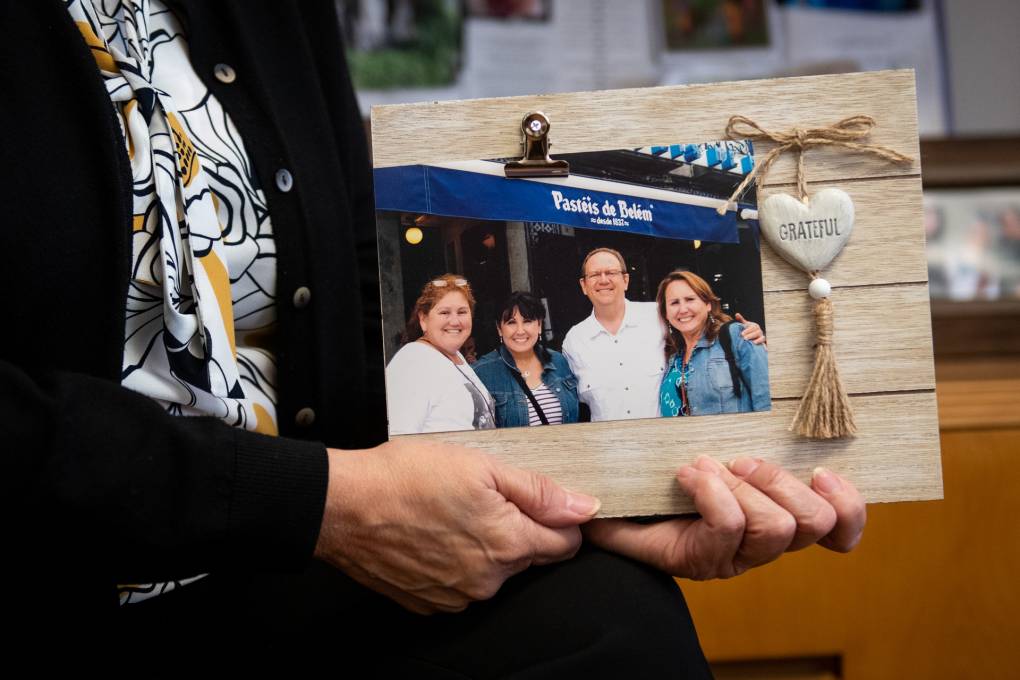
"caption": "Maritza Maldonado holds a photo of her sister Miriam (left), who died from COVID-19 complications last May.",
"description": null,
"title": "RS47297_021_SanJose_MaritzaMaldonado_02162021-qut",
"credit": "Beth LaBerge/KQED",
"status": "inherit",
"altTag": null,
"isLoading": false,
"fetchFailed": false
},
"news_11861385": {
"type": "attachments",
"id": "news_11861385",
"meta": {
"index": "attachments_1716263798",
"site": "news",
"id": "11861385",
"found": true
},
"parent": 11860883,
"imgSizes": {
"apple_news_ca_landscape_5_5": {
"file": "https://ww2.kqed.org/app/uploads/sites/10/2021/02/SanJose_COVIDTesting-1044x783.jpg",
"width": 1044,
"mimeType": "image/jpeg",
"height": 783
},
"apple_news_ca_square_4_0": {
"file": "https://ww2.kqed.org/app/uploads/sites/10/2021/02/SanJose_COVIDTesting-470x470.jpg",
"width": 470,
"mimeType": "image/jpeg",
"height": 470
},
"twentyfourteen-full-width": {
"file": "https://ww2.kqed.org/app/uploads/sites/10/2021/02/SanJose_COVIDTesting-1038x576.jpg",
"width": 1038,
"mimeType": "image/jpeg",
"height": 576
},
"thumbnail": {
"file": "https://ww2.kqed.org/app/uploads/sites/10/2021/02/SanJose_COVIDTesting-160x107.jpg",
"width": 160,
"mimeType": "image/jpeg",
"height": 107
},
"post-thumbnail": {
"file": "https://ww2.kqed.org/app/uploads/sites/10/2021/02/SanJose_COVIDTesting-672x372.jpg",
"width": 672,
"mimeType": "image/jpeg",
"height": 372
},
"kqedFullSize": {
"file": "https://ww2.kqed.org/app/uploads/sites/10/2021/02/SanJose_COVIDTesting.jpg",
"width": 1920,
"height": 1280
},
"apple_news_ca_landscape_4_7": {
"file": "https://ww2.kqed.org/app/uploads/sites/10/2021/02/SanJose_COVIDTesting-632x474.jpg",
"width": 632,
"mimeType": "image/jpeg",
"height": 474
},
"large": {
"file": "https://ww2.kqed.org/app/uploads/sites/10/2021/02/SanJose_COVIDTesting-1020x680.jpg",
"width": 1020,
"mimeType": "image/jpeg",
"height": 680
},
"apple_news_ca_landscape_4_0": {
"file": "https://ww2.kqed.org/app/uploads/sites/10/2021/02/SanJose_COVIDTesting-536x402.jpg",
"width": 536,
"mimeType": "image/jpeg",
"height": 402
},
"apple_news_ca_portrait_12_9": {
"file": "https://ww2.kqed.org/app/uploads/sites/10/2021/02/SanJose_COVIDTesting-1122x1280.jpg",
"width": 1122,
"mimeType": "image/jpeg",
"height": 1280
},
"medium": {
"file": "https://ww2.kqed.org/app/uploads/sites/10/2021/02/SanJose_COVIDTesting-800x533.jpg",
"width": 800,
"mimeType": "image/jpeg",
"height": 533
},
"apple_news_ca_portrait_4_0": {
"file": "https://ww2.kqed.org/app/uploads/sites/10/2021/02/SanJose_COVIDTesting-354x472.jpg",
"width": 354,
"mimeType": "image/jpeg",
"height": 472
},
"apple_news_ca_portrait_9_7": {
"file": "https://ww2.kqed.org/app/uploads/sites/10/2021/02/SanJose_COVIDTesting-840x1120.jpg",
"width": 840,
"mimeType": "image/jpeg",
"height": 1120
},
"apple_news_ca_landscape_12_9": {
"file": "https://ww2.kqed.org/app/uploads/sites/10/2021/02/SanJose_COVIDTesting-1832x1280.jpg",
"width": 1832,
"mimeType": "image/jpeg",
"height": 1280
},
"apple_news_ca_square_9_7": {
"file": "https://ww2.kqed.org/app/uploads/sites/10/2021/02/SanJose_COVIDTesting-1104x1104.jpg",
"width": 1104,
"mimeType": "image/jpeg",
"height": 1104
},
"1536x1536": {
"file": "https://ww2.kqed.org/app/uploads/sites/10/2021/02/SanJose_COVIDTesting-1536x1024.jpg",
"width": 1536,
"mimeType": "image/jpeg",
"height": 1024
},
"apple_news_ca_portrait_4_7": {
"file": "https://ww2.kqed.org/app/uploads/sites/10/2021/02/SanJose_COVIDTesting-414x552.jpg",
"width": 414,
"mimeType": "image/jpeg",
"height": 552
},
"apple_news_ca_square_12_9": {
"file": "https://ww2.kqed.org/app/uploads/sites/10/2021/02/SanJose_COVIDTesting-1472x1280.jpg",
"width": 1472,
"mimeType": "image/jpeg",
"height": 1280
},
"apple_news_ca_portrait_5_5": {
"file": "https://ww2.kqed.org/app/uploads/sites/10/2021/02/SanJose_COVIDTesting-687x916.jpg",
"width": 687,
"mimeType": "image/jpeg",
"height": 916
},
"apple_news_ca_square_4_7": {
"file": "https://ww2.kqed.org/app/uploads/sites/10/2021/02/SanJose_COVIDTesting-550x550.jpg",
"width": 550,
"mimeType": "image/jpeg",
"height": 550
},
"apple_news_ca_landscape_9_7": {
"file": "https://ww2.kqed.org/app/uploads/sites/10/2021/02/SanJose_COVIDTesting-1376x1032.jpg",
"width": 1376,
"mimeType": "image/jpeg",
"height": 1032
},
"apple_news_ca_square_5_5": {
"file": "https://ww2.kqed.org/app/uploads/sites/10/2021/02/SanJose_COVIDTesting-912x912.jpg",
"width": 912,
"mimeType": "image/jpeg",
"height": 912
}
},
"publishDate": 1613783481,
"modified": 1613783613,
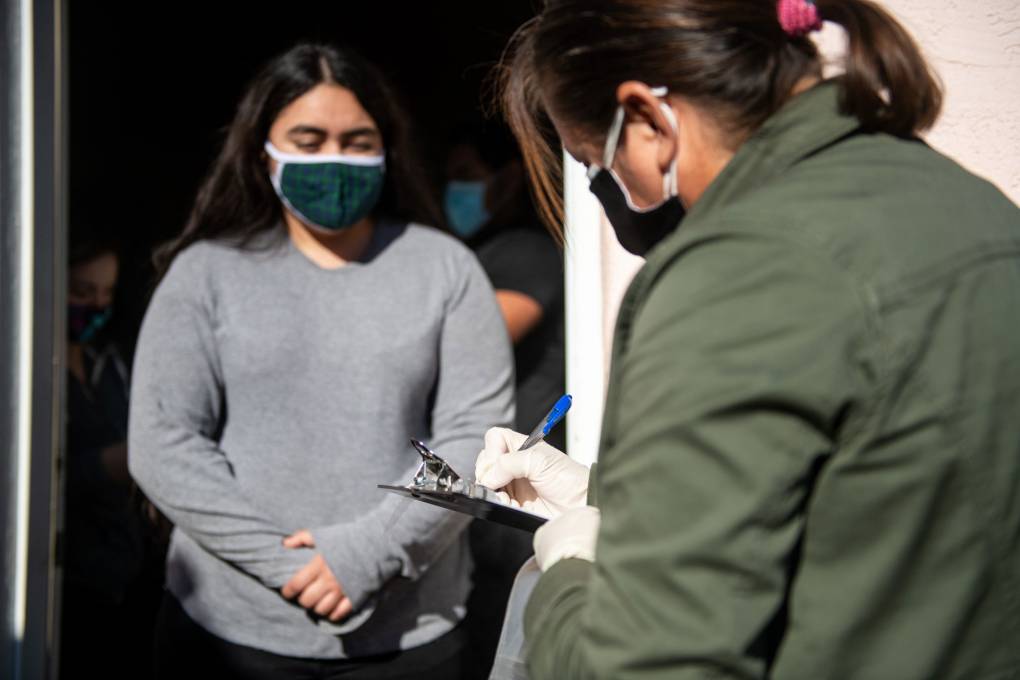
"caption": "The Orona Franco family receives a COVID-19 home testing visit from Santa Clara County health workers in San Jose on Feb. 3, 2021. The county has partnered with a group of promotoras from META, a community nonprofit based in East San Jose, to offer home testing and information about the coronavirus vaccine in one of the county's worst-affected areas.",
"description": "The Orona Franco family receives a COVID-19 home testing visit from Santa Clara County health workers in San Jose on Feb. 3, 2021. The county has partnered with a group of promotoras from META, a community nonprofit based in East San Jose, to offer home testing and information about the coronavirus vaccine in one of the county's worst-affected areas.",
"title": "SanJose_COVIDTesting",
"credit": "Beth LaBerge/KQED",
"status": "inherit",
"altTag": null,
"isLoading": false,
"fetchFailed": false
},
"news_11846107": {
"type": "attachments",
"id": "news_11846107",
"meta": {
"index": "attachments_1716263798",
"site": "news",
"id": "11846107",
"found": true
},
"parent": 11846100,
"imgSizes": {
"apple_news_ca_landscape_5_5": {
"file": "https://ww2.kqed.org/app/uploads/sites/10/2020/11/RS45469_017_KQED_Oakland_RegistrarofVoters_10272020-qut-1044x783.jpg",
"width": 1044,
"mimeType": "image/jpeg",
"height": 783
},
"apple_news_ca_square_4_0": {
"file": "https://ww2.kqed.org/app/uploads/sites/10/2020/11/RS45469_017_KQED_Oakland_RegistrarofVoters_10272020-qut-470x470.jpg",
"width": 470,
"mimeType": "image/jpeg",
"height": 470
},
"twentyfourteen-full-width": {
"file": "https://ww2.kqed.org/app/uploads/sites/10/2020/11/RS45469_017_KQED_Oakland_RegistrarofVoters_10272020-qut-1038x576.jpg",
"width": 1038,
"mimeType": "image/jpeg",
"height": 576
},
"thumbnail": {
"file": "https://ww2.kqed.org/app/uploads/sites/10/2020/11/RS45469_017_KQED_Oakland_RegistrarofVoters_10272020-qut-160x107.jpg",
"width": 160,
"mimeType": "image/jpeg",
"height": 107
},
"post-thumbnail": {
"file": "https://ww2.kqed.org/app/uploads/sites/10/2020/11/RS45469_017_KQED_Oakland_RegistrarofVoters_10272020-qut-672x372.jpg",
"width": 672,
"mimeType": "image/jpeg",
"height": 372
},
"kqedFullSize": {
"file": "https://ww2.kqed.org/app/uploads/sites/10/2020/11/RS45469_017_KQED_Oakland_RegistrarofVoters_10272020-qut.jpg",
"width": 1920,
"height": 1280
},
"apple_news_ca_landscape_4_7": {
"file": "https://ww2.kqed.org/app/uploads/sites/10/2020/11/RS45469_017_KQED_Oakland_RegistrarofVoters_10272020-qut-632x474.jpg",
"width": 632,
"mimeType": "image/jpeg",
"height": 474
},
"large": {
"file": "https://ww2.kqed.org/app/uploads/sites/10/2020/11/RS45469_017_KQED_Oakland_RegistrarofVoters_10272020-qut-1020x680.jpg",
"width": 1020,
"mimeType": "image/jpeg",
"height": 680
},
"apple_news_ca_landscape_4_0": {
"file": "https://ww2.kqed.org/app/uploads/sites/10/2020/11/RS45469_017_KQED_Oakland_RegistrarofVoters_10272020-qut-536x402.jpg",
"width": 536,
"mimeType": "image/jpeg",
"height": 402
},
"apple_news_ca_portrait_12_9": {
"file": "https://ww2.kqed.org/app/uploads/sites/10/2020/11/RS45469_017_KQED_Oakland_RegistrarofVoters_10272020-qut-1122x1280.jpg",
"width": 1122,
"mimeType": "image/jpeg",
"height": 1280
},
"medium": {
"file": "https://ww2.kqed.org/app/uploads/sites/10/2020/11/RS45469_017_KQED_Oakland_RegistrarofVoters_10272020-qut-800x533.jpg",
"width": 800,
"mimeType": "image/jpeg",
"height": 533
},
"apple_news_ca_portrait_4_0": {
"file": "https://ww2.kqed.org/app/uploads/sites/10/2020/11/RS45469_017_KQED_Oakland_RegistrarofVoters_10272020-qut-354x472.jpg",
"width": 354,
"mimeType": "image/jpeg",
"height": 472
},
"apple_news_ca_portrait_9_7": {
"file": "https://ww2.kqed.org/app/uploads/sites/10/2020/11/RS45469_017_KQED_Oakland_RegistrarofVoters_10272020-qut-840x1120.jpg",
"width": 840,
"mimeType": "image/jpeg",
"height": 1120
},
"apple_news_ca_landscape_12_9": {
"file": "https://ww2.kqed.org/app/uploads/sites/10/2020/11/RS45469_017_KQED_Oakland_RegistrarofVoters_10272020-qut-1832x1280.jpg",
"width": 1832,
"mimeType": "image/jpeg",
"height": 1280
},
"apple_news_ca_square_9_7": {
"file": "https://ww2.kqed.org/app/uploads/sites/10/2020/11/RS45469_017_KQED_Oakland_RegistrarofVoters_10272020-qut-1104x1104.jpg",
"width": 1104,
"mimeType": "image/jpeg",
"height": 1104
},
"1536x1536": {
"file": "https://ww2.kqed.org/app/uploads/sites/10/2020/11/RS45469_017_KQED_Oakland_RegistrarofVoters_10272020-qut-1536x1024.jpg",
"width": 1536,
"mimeType": "image/jpeg",
"height": 1024
},
"apple_news_ca_portrait_4_7": {
"file": "https://ww2.kqed.org/app/uploads/sites/10/2020/11/RS45469_017_KQED_Oakland_RegistrarofVoters_10272020-qut-414x552.jpg",
"width": 414,
"mimeType": "image/jpeg",
"height": 552
},
"apple_news_ca_square_12_9": {
"file": "https://ww2.kqed.org/app/uploads/sites/10/2020/11/RS45469_017_KQED_Oakland_RegistrarofVoters_10272020-qut-1472x1280.jpg",
"width": 1472,
"mimeType": "image/jpeg",
"height": 1280
},
"apple_news_ca_portrait_5_5": {
"file": "https://ww2.kqed.org/app/uploads/sites/10/2020/11/RS45469_017_KQED_Oakland_RegistrarofVoters_10272020-qut-687x916.jpg",
"width": 687,
"mimeType": "image/jpeg",
"height": 916
},
"apple_news_ca_square_4_7": {
"file": "https://ww2.kqed.org/app/uploads/sites/10/2020/11/RS45469_017_KQED_Oakland_RegistrarofVoters_10272020-qut-550x550.jpg",
"width": 550,
"mimeType": "image/jpeg",
"height": 550
},
"apple_news_ca_landscape_9_7": {
"file": "https://ww2.kqed.org/app/uploads/sites/10/2020/11/RS45469_017_KQED_Oakland_RegistrarofVoters_10272020-qut-1376x1032.jpg",
"width": 1376,
"mimeType": "image/jpeg",
"height": 1032
},
"apple_news_ca_square_5_5": {
"file": "https://ww2.kqed.org/app/uploads/sites/10/2020/11/RS45469_017_KQED_Oakland_RegistrarofVoters_10272020-qut-912x912.jpg",
"width": 912,
"mimeType": "image/jpeg",
"height": 912
}
},
"publishDate": 1604623825,
"modified": 1604623862,
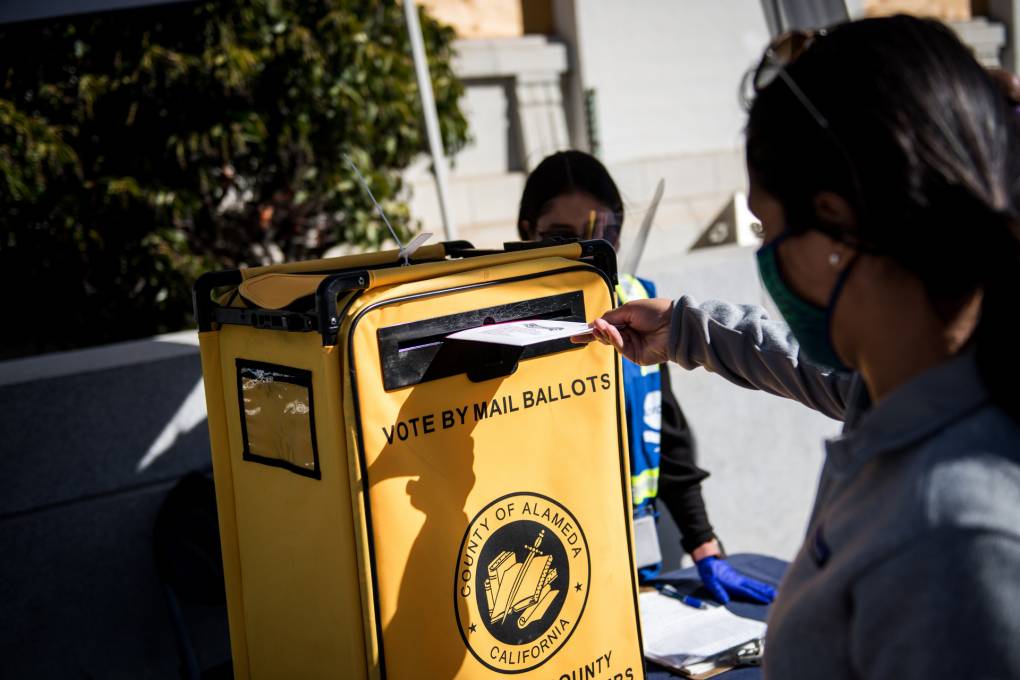
"caption": "A voter drops off their mail-in ballot at the Alameda County Registrar of Voters in Oakland on Oct. 27, 2020.",
"description": null,
"title": "RS45469_017_KQED_Oakland_RegistrarofVoters_10272020-qut",
"credit": "Beth LaBerge/KQED",
"status": "inherit",
"isLoading": false,
"fetchFailed": false
},
"news_11843528": {
"type": "attachments",
"id": "news_11843528",
"meta": {
"index": "attachments_1716263798",
"site": "news",
"id": "11843528",
"found": true
},
"parent": 11843511,
"imgSizes": {
"apple_news_ca_landscape_5_5": {
"file": "https://ww2.kqed.org/app/uploads/sites/10/2020/10/RS45429_Screen-Shot-2020-10-22-at-1.14.33-PM-qut-e1603488168840-1044x783.jpg",
"width": 1044,
"mimeType": "image/jpeg",
"height": 783
},
"apple_news_ca_square_4_0": {
"file": "https://ww2.kqed.org/app/uploads/sites/10/2020/10/RS45429_Screen-Shot-2020-10-22-at-1.14.33-PM-qut-e1603488168840-470x470.jpg",
"width": 470,
"mimeType": "image/jpeg",
"height": 470
},
"twentyfourteen-full-width": {
"file": "https://ww2.kqed.org/app/uploads/sites/10/2020/10/RS45429_Screen-Shot-2020-10-22-at-1.14.33-PM-qut-e1603488168840-1038x576.jpg",
"width": 1038,
"mimeType": "image/jpeg",
"height": 576
},
"thumbnail": {
"file": "https://ww2.kqed.org/app/uploads/sites/10/2020/10/RS45429_Screen-Shot-2020-10-22-at-1.14.33-PM-qut-e1603488168840-160x122.jpg",
"width": 160,
"mimeType": "image/jpeg",
"height": 122
},
"post-thumbnail": {
"file": "https://ww2.kqed.org/app/uploads/sites/10/2020/10/RS45429_Screen-Shot-2020-10-22-at-1.14.33-PM-qut-e1603488168840-672x372.jpg",
"width": 672,
"mimeType": "image/jpeg",
"height": 372
},
"kqedFullSize": {
"file": "https://ww2.kqed.org/app/uploads/sites/10/2020/10/RS45429_Screen-Shot-2020-10-22-at-1.14.33-PM-qut-e1603488168840.jpg",
"width": 1200,
"height": 912
},
"apple_news_ca_landscape_4_7": {
"file": "https://ww2.kqed.org/app/uploads/sites/10/2020/10/RS45429_Screen-Shot-2020-10-22-at-1.14.33-PM-qut-e1603488168840-632x474.jpg",
"width": 632,
"mimeType": "image/jpeg",
"height": 474
},
"large": {
"file": "https://ww2.kqed.org/app/uploads/sites/10/2020/10/RS45429_Screen-Shot-2020-10-22-at-1.14.33-PM-qut-e1603488168840-1020x775.jpg",
"width": 1020,
"mimeType": "image/jpeg",
"height": 775
},
"apple_news_ca_landscape_4_0": {
"file": "https://ww2.kqed.org/app/uploads/sites/10/2020/10/RS45429_Screen-Shot-2020-10-22-at-1.14.33-PM-qut-e1603488168840-536x402.jpg",
"width": 536,
"mimeType": "image/jpeg",
"height": 402
},
"apple_news_ca_portrait_12_9": {
"file": "https://ww2.kqed.org/app/uploads/sites/10/2020/10/RS45429_Screen-Shot-2020-10-22-at-1.14.33-PM-qut-e1603488168840-1122x912.jpg",
"width": 1122,
"mimeType": "image/jpeg",
"height": 912
},
"medium": {
"file": "https://ww2.kqed.org/app/uploads/sites/10/2020/10/RS45429_Screen-Shot-2020-10-22-at-1.14.33-PM-qut-e1603488168840-800x608.jpg",
"width": 800,
"mimeType": "image/jpeg",
"height": 608
},
"apple_news_ca_portrait_4_0": {
"file": "https://ww2.kqed.org/app/uploads/sites/10/2020/10/RS45429_Screen-Shot-2020-10-22-at-1.14.33-PM-qut-e1603488168840-354x472.jpg",
"width": 354,
"mimeType": "image/jpeg",
"height": 472
},
"apple_news_ca_portrait_9_7": {
"file": "https://ww2.kqed.org/app/uploads/sites/10/2020/10/RS45429_Screen-Shot-2020-10-22-at-1.14.33-PM-qut-e1603488168840-840x912.jpg",
"width": 840,
"mimeType": "image/jpeg",
"height": 912
},
"apple_news_ca_square_9_7": {
"file": "https://ww2.kqed.org/app/uploads/sites/10/2020/10/RS45429_Screen-Shot-2020-10-22-at-1.14.33-PM-qut-e1603488168840-1104x912.jpg",
"width": 1104,
"mimeType": "image/jpeg",
"height": 912
},
"apple_news_ca_portrait_4_7": {
"file": "https://ww2.kqed.org/app/uploads/sites/10/2020/10/RS45429_Screen-Shot-2020-10-22-at-1.14.33-PM-qut-e1603488168840-414x552.jpg",
"width": 414,
"mimeType": "image/jpeg",
"height": 552
},
"apple_news_ca_portrait_5_5": {
"file": "https://ww2.kqed.org/app/uploads/sites/10/2020/10/RS45429_Screen-Shot-2020-10-22-at-1.14.33-PM-qut-e1603488168840-687x912.jpg",
"width": 687,
"mimeType": "image/jpeg",
"height": 912
},
"apple_news_ca_square_4_7": {
"file": "https://ww2.kqed.org/app/uploads/sites/10/2020/10/RS45429_Screen-Shot-2020-10-22-at-1.14.33-PM-qut-e1603488168840-550x550.jpg",
"width": 550,
"mimeType": "image/jpeg",
"height": 550
},
"apple_news_ca_landscape_9_7": {
"file": "https://ww2.kqed.org/app/uploads/sites/10/2020/10/RS45429_Screen-Shot-2020-10-22-at-1.14.33-PM-qut-1200x1032.jpg",
"width": 1200,
"mimeType": "image/jpeg",
"height": 1032
},
"apple_news_ca_square_5_5": {
"file": "https://ww2.kqed.org/app/uploads/sites/10/2020/10/RS45429_Screen-Shot-2020-10-22-at-1.14.33-PM-qut-e1603488168840-912x912.jpg",
"width": 912,
"mimeType": "image/jpeg",
"height": 912
}
},
"publishDate": 1603484569,
"modified": 1603488212,
"caption": "A team of phone bankers with the nonprofit Power California meet virtually over Zoom in October to urge young Latino voters in the Central Valley to cast their ballots.",
"description": null,
"title": "RS45429_Screen Shot 2020-10-22 at 1.14.33 PM-qut",
"credit": "Courtesy of Power California",
"status": "inherit",
"isLoading": false,
"fetchFailed": false
},
"news_11841620": {
"type": "attachments",
"id": "news_11841620",
"meta": {
"index": "attachments_1716263798",
"site": "news",
"id": "11841620",
"found": true
},
"parent": 11841618,
"imgSizes": {
"apple_news_ca_landscape_5_5": {
"file": "https://ww2.kqed.org/app/uploads/sites/10/2020/10/RS45254_IMG_2690-qut-1044x783.jpg",
"width": 1044,
"mimeType": "image/jpeg",
"height": 783
},
"apple_news_ca_square_4_0": {
"file": "https://ww2.kqed.org/app/uploads/sites/10/2020/10/RS45254_IMG_2690-qut-470x470.jpg",
"width": 470,
"mimeType": "image/jpeg",
"height": 470
},
"twentyfourteen-full-width": {
"file": "https://ww2.kqed.org/app/uploads/sites/10/2020/10/RS45254_IMG_2690-qut-1038x576.jpg",
"width": 1038,
"mimeType": "image/jpeg",
"height": 576
},
"thumbnail": {
"file": "https://ww2.kqed.org/app/uploads/sites/10/2020/10/RS45254_IMG_2690-qut-160x120.jpg",
"width": 160,
"mimeType": "image/jpeg",
"height": 120
},
"post-thumbnail": {
"file": "https://ww2.kqed.org/app/uploads/sites/10/2020/10/RS45254_IMG_2690-qut-672x372.jpg",
"width": 672,
"mimeType": "image/jpeg",
"height": 372
},
"kqedFullSize": {
"file": "https://ww2.kqed.org/app/uploads/sites/10/2020/10/RS45254_IMG_2690-qut.jpg",
"width": 1920,
"height": 1440
},
"apple_news_ca_landscape_4_7": {
"file": "https://ww2.kqed.org/app/uploads/sites/10/2020/10/RS45254_IMG_2690-qut-632x474.jpg",
"width": 632,
"mimeType": "image/jpeg",
"height": 474
},
"large": {
"file": "https://ww2.kqed.org/app/uploads/sites/10/2020/10/RS45254_IMG_2690-qut-1020x765.jpg",
"width": 1020,
"mimeType": "image/jpeg",
"height": 765
},
"apple_news_ca_landscape_4_0": {
"file": "https://ww2.kqed.org/app/uploads/sites/10/2020/10/RS45254_IMG_2690-qut-536x402.jpg",
"width": 536,
"mimeType": "image/jpeg",
"height": 402
},
"apple_news_ca_portrait_12_9": {
"file": "https://ww2.kqed.org/app/uploads/sites/10/2020/10/RS45254_IMG_2690-qut-1122x1440.jpg",
"width": 1122,
"mimeType": "image/jpeg",
"height": 1440
},
"medium": {
"file": "https://ww2.kqed.org/app/uploads/sites/10/2020/10/RS45254_IMG_2690-qut-800x600.jpg",
"width": 800,
"mimeType": "image/jpeg",
"height": 600
},
"apple_news_ca_portrait_4_0": {
"file": "https://ww2.kqed.org/app/uploads/sites/10/2020/10/RS45254_IMG_2690-qut-354x472.jpg",
"width": 354,
"mimeType": "image/jpeg",
"height": 472
},
"apple_news_ca_portrait_9_7": {
"file": "https://ww2.kqed.org/app/uploads/sites/10/2020/10/RS45254_IMG_2690-qut-840x1120.jpg",
"width": 840,
"mimeType": "image/jpeg",
"height": 1120
},
"apple_news_ca_landscape_12_9": {
"file": "https://ww2.kqed.org/app/uploads/sites/10/2020/10/RS45254_IMG_2690-qut-1832x1374.jpg",
"width": 1832,
"mimeType": "image/jpeg",
"height": 1374
},
"apple_news_ca_square_9_7": {
"file": "https://ww2.kqed.org/app/uploads/sites/10/2020/10/RS45254_IMG_2690-qut-1104x1104.jpg",
"width": 1104,
"mimeType": "image/jpeg",
"height": 1104
},
"1536x1536": {
"file": "https://ww2.kqed.org/app/uploads/sites/10/2020/10/RS45254_IMG_2690-qut-1536x1152.jpg",
"width": 1536,
"mimeType": "image/jpeg",
"height": 1152
},
"apple_news_ca_portrait_4_7": {
"file": "https://ww2.kqed.org/app/uploads/sites/10/2020/10/RS45254_IMG_2690-qut-414x552.jpg",
"width": 414,
"mimeType": "image/jpeg",
"height": 552
},
"apple_news_ca_square_12_9": {
"file": "https://ww2.kqed.org/app/uploads/sites/10/2020/10/RS45254_IMG_2690-qut-1472x1440.jpg",
"width": 1472,
"mimeType": "image/jpeg",
"height": 1440
},
"apple_news_ca_portrait_5_5": {
"file": "https://ww2.kqed.org/app/uploads/sites/10/2020/10/RS45254_IMG_2690-qut-687x916.jpg",
"width": 687,
"mimeType": "image/jpeg",
"height": 916
},
"apple_news_ca_square_4_7": {
"file": "https://ww2.kqed.org/app/uploads/sites/10/2020/10/RS45254_IMG_2690-qut-550x550.jpg",
"width": 550,
"mimeType": "image/jpeg",
"height": 550
},
"apple_news_ca_landscape_9_7": {
"file": "https://ww2.kqed.org/app/uploads/sites/10/2020/10/RS45254_IMG_2690-qut-1376x1032.jpg",
"width": 1376,
"mimeType": "image/jpeg",
"height": 1032
},
"apple_news_ca_square_5_5": {
"file": "https://ww2.kqed.org/app/uploads/sites/10/2020/10/RS45254_IMG_2690-qut-912x912.jpg",
"width": 912,
"mimeType": "image/jpeg",
"height": 912
}
},
"publishDate": 1602203449,
"modified": 1602285641,
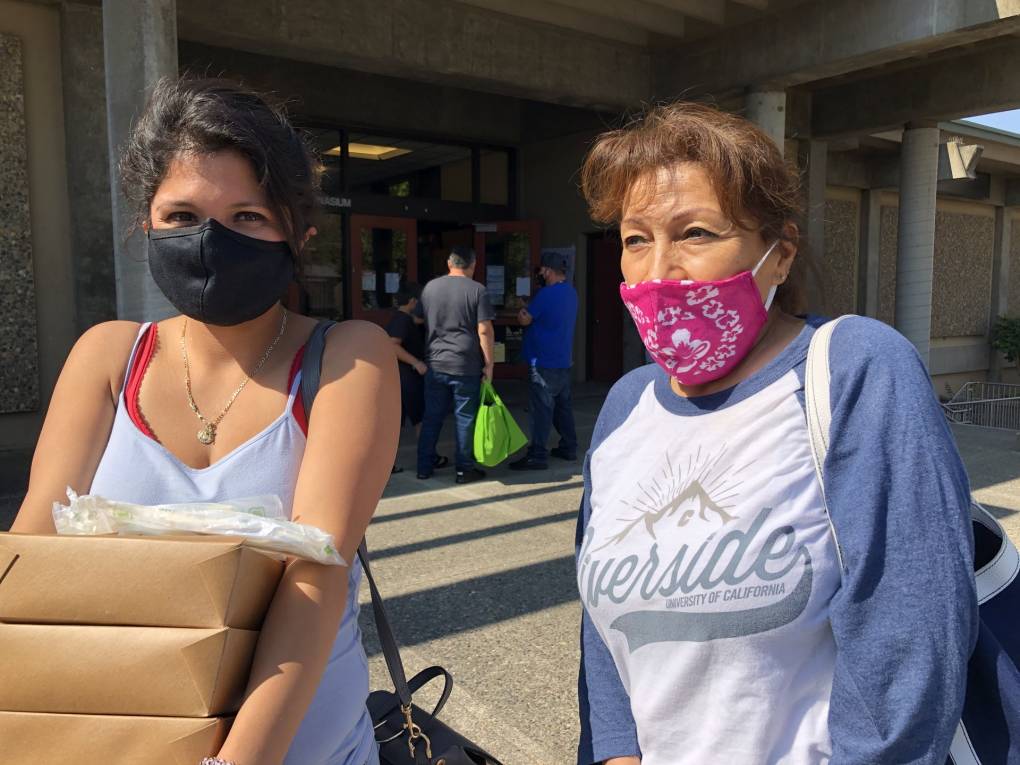
"caption": "Yalitza Garcia (left) and sister-in-law Silvia Arroyo gather boxed lunches at an evacuation center at Napa Valley College on Oct. 5, 2020. Both women said the pandemic and wildfires have meant income losses.",
"description": "Yalitza Garcia (left) and sister-in-law Silvia Arroyo gather boxed lunches at an evacuation center at Napa Valley College on Oct. 5, 2020. Both women said the pandemic and wildfires have meant income losses.",
"title": "RS45254_IMG_2690-qut",
"credit": "Farida Jhabvala Romero/KQED",
"status": "inherit",
"isLoading": false,
"fetchFailed": false
},
"news_11828645": {
"type": "attachments",
"id": "news_11828645",
"meta": {
"index": "attachments_1716263798",
"site": "news",
"id": "11828645",
"found": true
},
"parent": 11828620,
"imgSizes": {
"apple_news_ca_landscape_5_5": {
"file": "https://ww2.kqed.org/app/uploads/sites/10/2020/07/GettyImages-1211223326-1-1044x783.jpg",
"width": 1044,
"mimeType": "image/jpeg",
"height": 783
},
"apple_news_ca_square_4_0": {
"file": "https://ww2.kqed.org/app/uploads/sites/10/2020/07/GettyImages-1211223326-1-470x470.jpg",
"width": 470,
"mimeType": "image/jpeg",
"height": 470
},
"twentyfourteen-full-width": {
"file": "https://ww2.kqed.org/app/uploads/sites/10/2020/07/GettyImages-1211223326-1-1038x576.jpg",
"width": 1038,
"mimeType": "image/jpeg",
"height": 576
},
"thumbnail": {
"file": "https://ww2.kqed.org/app/uploads/sites/10/2020/07/GettyImages-1211223326-1-160x113.jpg",
"width": 160,
"mimeType": "image/jpeg",
"height": 113
},
"post-thumbnail": {
"file": "https://ww2.kqed.org/app/uploads/sites/10/2020/07/GettyImages-1211223326-1-672x372.jpg",
"width": 672,
"mimeType": "image/jpeg",
"height": 372
},
"kqedFullSize": {
"file": "https://ww2.kqed.org/app/uploads/sites/10/2020/07/GettyImages-1211223326-1.jpg",
"width": 1900,
"height": 1341
},
"apple_news_ca_landscape_4_7": {
"file": "https://ww2.kqed.org/app/uploads/sites/10/2020/07/GettyImages-1211223326-1-632x474.jpg",
"width": 632,
"mimeType": "image/jpeg",
"height": 474
},
"large": {
"file": "https://ww2.kqed.org/app/uploads/sites/10/2020/07/GettyImages-1211223326-1-1020x720.jpg",
"width": 1020,
"mimeType": "image/jpeg",
"height": 720
},
"apple_news_ca_landscape_4_0": {
"file": "https://ww2.kqed.org/app/uploads/sites/10/2020/07/GettyImages-1211223326-1-536x402.jpg",
"width": 536,
"mimeType": "image/jpeg",
"height": 402
},
"apple_news_ca_portrait_12_9": {
"file": "https://ww2.kqed.org/app/uploads/sites/10/2020/07/GettyImages-1211223326-1-1122x1341.jpg",
"width": 1122,
"mimeType": "image/jpeg",
"height": 1341
},
"medium": {
"file": "https://ww2.kqed.org/app/uploads/sites/10/2020/07/GettyImages-1211223326-1-800x565.jpg",
"width": 800,
"mimeType": "image/jpeg",
"height": 565
},
"apple_news_ca_portrait_4_0": {
"file": "https://ww2.kqed.org/app/uploads/sites/10/2020/07/GettyImages-1211223326-1-354x472.jpg",
"width": 354,
"mimeType": "image/jpeg",
"height": 472
},
"apple_news_ca_portrait_9_7": {
"file": "https://ww2.kqed.org/app/uploads/sites/10/2020/07/GettyImages-1211223326-1-840x1120.jpg",
"width": 840,
"mimeType": "image/jpeg",
"height": 1120
},
"apple_news_ca_landscape_12_9": {
"file": "https://ww2.kqed.org/app/uploads/sites/10/2020/07/GettyImages-1211223326-1-1832x1341.jpg",
"width": 1832,
"mimeType": "image/jpeg",
"height": 1341
},
"apple_news_ca_square_9_7": {
"file": "https://ww2.kqed.org/app/uploads/sites/10/2020/07/GettyImages-1211223326-1-1104x1104.jpg",
"width": 1104,
"mimeType": "image/jpeg",
"height": 1104
},
"1536x1536": {
"file": "https://ww2.kqed.org/app/uploads/sites/10/2020/07/GettyImages-1211223326-1-1536x1084.jpg",
"width": 1536,
"mimeType": "image/jpeg",
"height": 1084
},
"apple_news_ca_portrait_4_7": {
"file": "https://ww2.kqed.org/app/uploads/sites/10/2020/07/GettyImages-1211223326-1-414x552.jpg",
"width": 414,
"mimeType": "image/jpeg",
"height": 552
},
"apple_news_ca_square_12_9": {
"file": "https://ww2.kqed.org/app/uploads/sites/10/2020/07/GettyImages-1211223326-1-1472x1341.jpg",
"width": 1472,
"mimeType": "image/jpeg",
"height": 1341
},
"apple_news_ca_portrait_5_5": {
"file": "https://ww2.kqed.org/app/uploads/sites/10/2020/07/GettyImages-1211223326-1-687x916.jpg",
"width": 687,
"mimeType": "image/jpeg",
"height": 916
},
"apple_news_ca_square_4_7": {
"file": "https://ww2.kqed.org/app/uploads/sites/10/2020/07/GettyImages-1211223326-1-550x550.jpg",
"width": 550,
"mimeType": "image/jpeg",
"height": 550
},
"apple_news_ca_landscape_9_7": {
"file": "https://ww2.kqed.org/app/uploads/sites/10/2020/07/GettyImages-1211223326-1-1376x1032.jpg",
"width": 1376,
"mimeType": "image/jpeg",
"height": 1032
},
"apple_news_ca_square_5_5": {
"file": "https://ww2.kqed.org/app/uploads/sites/10/2020/07/GettyImages-1211223326-1-912x912.jpg",
"width": 912,
"mimeType": "image/jpeg",
"height": 912
}
},
"publishDate": 1594528475,
"modified": 1594528847,
"caption": "Jose Vatres (R) holds his son Aidin who reacts as nurse practitioner Alexander Panis (L) takes a nasal swab sample to test for COVID-19 at a mobile testing station in a public school parking area in Compton, California, just south of Los Angeles, on April 28, 2020. - St. John's Well Child and Family Center is providing COVID-19 testing sites in African-American and Latino communities which have been neglected in terms of testing as compared to wealthier areas of Los Angeles County.",
"description": "Jose Vatres (R) holds his son Aidin who reacts as nurse practitioner Alexander Panis (L) takes a nasal swab sample to test for COVID-19 at a mobile testing station in a public school parking area in Compton, California, just south of Los Angeles, on April 28, 2020. - St. John's Well Child and Family Center is providing COVID-19 testing sites in African-American and Latino communities which have been neglected in terms of testing as compared to wealthier areas of Los Angeles County.",
"title": "GettyImages-1211223326 (1)",
"credit": "Robyn Beck/AFP",
"status": "inherit",
"isLoading": false,
"fetchFailed": false
},
"news_11821638": {
"type": "attachments",
"id": "news_11821638",
"meta": {
"index": "attachments_1716263798",
"site": "news",
"id": "11821638",
"found": true
},
"parent": 11821421,
"imgSizes": {
"apple_news_ca_landscape_5_5": {
"file": "https://ww2.kqed.org/app/uploads/sites/10/2020/05/illo4-2-1044x783.jpg",
"width": 1044,
"mimeType": "image/jpeg",
"height": 783
},
"apple_news_ca_square_4_0": {
"file": "https://ww2.kqed.org/app/uploads/sites/10/2020/05/illo4-2-470x470.jpg",
"width": 470,
"mimeType": "image/jpeg",
"height": 470
},
"twentyfourteen-full-width": {
"file": "https://ww2.kqed.org/app/uploads/sites/10/2020/05/illo4-2-1038x576.jpg",
"width": 1038,
"mimeType": "image/jpeg",
"height": 576
},
"thumbnail": {
"file": "https://ww2.kqed.org/app/uploads/sites/10/2020/05/illo4-2-160x100.jpg",
"width": 160,
"mimeType": "image/jpeg",
"height": 100
},
"post-thumbnail": {
"file": "https://ww2.kqed.org/app/uploads/sites/10/2020/05/illo4-2-672x372.jpg",
"width": 672,
"mimeType": "image/jpeg",
"height": 372
},
"kqedFullSize": {
"file": "https://ww2.kqed.org/app/uploads/sites/10/2020/05/illo4-2-e1590768933509.jpg",
"width": 1919,
"height": 1199
},
"apple_news_ca_landscape_4_7": {
"file": "https://ww2.kqed.org/app/uploads/sites/10/2020/05/illo4-2-632x474.jpg",
"width": 632,
"mimeType": "image/jpeg",
"height": 474
},
"large": {
"file": "https://ww2.kqed.org/app/uploads/sites/10/2020/05/illo4-2-1020x638.jpg",
"width": 1020,
"mimeType": "image/jpeg",
"height": 638
},
"apple_news_ca_landscape_4_0": {
"file": "https://ww2.kqed.org/app/uploads/sites/10/2020/05/illo4-2-536x402.jpg",
"width": 536,
"mimeType": "image/jpeg",
"height": 402
},
"apple_news_ca_portrait_12_9": {
"file": "https://ww2.kqed.org/app/uploads/sites/10/2020/05/illo4-2-1122x1200.jpg",
"width": 1122,
"mimeType": "image/jpeg",
"height": 1200
},
"medium": {
"file": "https://ww2.kqed.org/app/uploads/sites/10/2020/05/illo4-2-800x500.jpg",
"width": 800,
"mimeType": "image/jpeg",
"height": 500
},
"apple_news_ca_portrait_4_0": {
"file": "https://ww2.kqed.org/app/uploads/sites/10/2020/05/illo4-2-354x472.jpg",
"width": 354,
"mimeType": "image/jpeg",
"height": 472
},
"apple_news_ca_portrait_9_7": {
"file": "https://ww2.kqed.org/app/uploads/sites/10/2020/05/illo4-2-840x1120.jpg",
"width": 840,
"mimeType": "image/jpeg",
"height": 1120
},
"apple_news_ca_landscape_12_9": {
"file": "https://ww2.kqed.org/app/uploads/sites/10/2020/05/illo4-2-1832x1200.jpg",
"width": 1832,
"mimeType": "image/jpeg",
"height": 1200
},
"apple_news_ca_square_9_7": {
"file": "https://ww2.kqed.org/app/uploads/sites/10/2020/05/illo4-2-1104x1104.jpg",
"width": 1104,
"mimeType": "image/jpeg",
"height": 1104
},
"apple_news_ca_portrait_4_7": {
"file": "https://ww2.kqed.org/app/uploads/sites/10/2020/05/illo4-2-414x552.jpg",
"width": 414,
"mimeType": "image/jpeg",
"height": 552
},
"apple_news_ca_square_12_9": {
"file": "https://ww2.kqed.org/app/uploads/sites/10/2020/05/illo4-2-1472x1200.jpg",
"width": 1472,
"mimeType": "image/jpeg",
"height": 1200
},
"apple_news_ca_portrait_5_5": {
"file": "https://ww2.kqed.org/app/uploads/sites/10/2020/05/illo4-2-687x916.jpg",
"width": 687,
"mimeType": "image/jpeg",
"height": 916
},
"full-width": {
"file": "https://ww2.kqed.org/app/uploads/sites/10/2020/05/illo4-2-1920x1200.jpg",
"width": 1920,
"mimeType": "image/jpeg",
"height": 1200
},
"apple_news_ca_square_4_7": {
"file": "https://ww2.kqed.org/app/uploads/sites/10/2020/05/illo4-2-550x550.jpg",
"width": 550,
"mimeType": "image/jpeg",
"height": 550
},
"apple_news_ca_landscape_9_7": {
"file": "https://ww2.kqed.org/app/uploads/sites/10/2020/05/illo4-2-1376x1032.jpg",
"width": 1376,
"mimeType": "image/jpeg",
"height": 1032
},
"apple_news_ca_square_5_5": {
"file": "https://ww2.kqed.org/app/uploads/sites/10/2020/05/illo4-2-912x912.jpg",
"width": 912,
"mimeType": "image/jpeg",
"height": 912
}
},
"publishDate": 1590768895,
"modified": 1590768925,
"caption": null,
"description": null,
"title": "illo4-2",
"credit": "Anna Vignet/KQED",
"status": "inherit",
"isLoading": false,
"fetchFailed": false
},
"news_11820767": {
"type": "attachments",
"id": "news_11820767",
"meta": {
"index": "attachments_1716263798",
"site": "news",
"id": "11820767",
"found": true
},
"parent": 11820290,
"imgSizes": {
"apple_news_ca_landscape_5_5": {
"file": "https://ww2.kqed.org/app/uploads/sites/10/2020/05/RS42903_018_KQED_SanFrancisco_Mission_04232020-qut-1044x783.jpg",
"width": 1044,
"mimeType": "image/jpeg",
"height": 783
},
"apple_news_ca_square_4_0": {
"file": "https://ww2.kqed.org/app/uploads/sites/10/2020/05/RS42903_018_KQED_SanFrancisco_Mission_04232020-qut-470x470.jpg",
"width": 470,
"mimeType": "image/jpeg",
"height": 470
},
"twentyfourteen-full-width": {
"file": "https://ww2.kqed.org/app/uploads/sites/10/2020/05/RS42903_018_KQED_SanFrancisco_Mission_04232020-qut-1038x576.jpg",
"width": 1038,
"mimeType": "image/jpeg",
"height": 576
},
"thumbnail": {
"file": "https://ww2.kqed.org/app/uploads/sites/10/2020/05/RS42903_018_KQED_SanFrancisco_Mission_04232020-qut-160x107.jpg",
"width": 160,
"mimeType": "image/jpeg",
"height": 107
},
"post-thumbnail": {
"file": "https://ww2.kqed.org/app/uploads/sites/10/2020/05/RS42903_018_KQED_SanFrancisco_Mission_04232020-qut-672x372.jpg",
"width": 672,
"mimeType": "image/jpeg",
"height": 372
},
"kqedFullSize": {
"file": "https://ww2.kqed.org/app/uploads/sites/10/2020/05/RS42903_018_KQED_SanFrancisco_Mission_04232020-qut.jpg",
"width": 1920,
"height": 1280
},
"apple_news_ca_landscape_4_7": {
"file": "https://ww2.kqed.org/app/uploads/sites/10/2020/05/RS42903_018_KQED_SanFrancisco_Mission_04232020-qut-632x474.jpg",
"width": 632,
"mimeType": "image/jpeg",
"height": 474
},
"large": {
"file": "https://ww2.kqed.org/app/uploads/sites/10/2020/05/RS42903_018_KQED_SanFrancisco_Mission_04232020-qut-1020x680.jpg",
"width": 1020,
"mimeType": "image/jpeg",
"height": 680
},
"apple_news_ca_landscape_4_0": {
"file": "https://ww2.kqed.org/app/uploads/sites/10/2020/05/RS42903_018_KQED_SanFrancisco_Mission_04232020-qut-536x402.jpg",
"width": 536,
"mimeType": "image/jpeg",
"height": 402
},
"apple_news_ca_portrait_12_9": {
"file": "https://ww2.kqed.org/app/uploads/sites/10/2020/05/RS42903_018_KQED_SanFrancisco_Mission_04232020-qut-1122x1280.jpg",
"width": 1122,
"mimeType": "image/jpeg",
"height": 1280
},
"medium": {
"file": "https://ww2.kqed.org/app/uploads/sites/10/2020/05/RS42903_018_KQED_SanFrancisco_Mission_04232020-qut-800x533.jpg",
"width": 800,
"mimeType": "image/jpeg",
"height": 533
},
"apple_news_ca_portrait_4_0": {
"file": "https://ww2.kqed.org/app/uploads/sites/10/2020/05/RS42903_018_KQED_SanFrancisco_Mission_04232020-qut-354x472.jpg",
"width": 354,
"mimeType": "image/jpeg",
"height": 472
},
"apple_news_ca_portrait_9_7": {
"file": "https://ww2.kqed.org/app/uploads/sites/10/2020/05/RS42903_018_KQED_SanFrancisco_Mission_04232020-qut-840x1120.jpg",
"width": 840,
"mimeType": "image/jpeg",
"height": 1120
},
"apple_news_ca_landscape_12_9": {
"file": "https://ww2.kqed.org/app/uploads/sites/10/2020/05/RS42903_018_KQED_SanFrancisco_Mission_04232020-qut-1832x1280.jpg",
"width": 1832,
"mimeType": "image/jpeg",
"height": 1280
},
"apple_news_ca_square_9_7": {
"file": "https://ww2.kqed.org/app/uploads/sites/10/2020/05/RS42903_018_KQED_SanFrancisco_Mission_04232020-qut-1104x1104.jpg",
"width": 1104,
"mimeType": "image/jpeg",
"height": 1104
},
"apple_news_ca_portrait_4_7": {
"file": "https://ww2.kqed.org/app/uploads/sites/10/2020/05/RS42903_018_KQED_SanFrancisco_Mission_04232020-qut-414x552.jpg",
"width": 414,
"mimeType": "image/jpeg",
"height": 552
},
"apple_news_ca_square_12_9": {
"file": "https://ww2.kqed.org/app/uploads/sites/10/2020/05/RS42903_018_KQED_SanFrancisco_Mission_04232020-qut-1472x1280.jpg",
"width": 1472,
"mimeType": "image/jpeg",
"height": 1280
},
"apple_news_ca_portrait_5_5": {
"file": "https://ww2.kqed.org/app/uploads/sites/10/2020/05/RS42903_018_KQED_SanFrancisco_Mission_04232020-qut-687x916.jpg",
"width": 687,
"mimeType": "image/jpeg",
"height": 916
},
"full-width": {
"file": "https://ww2.kqed.org/app/uploads/sites/10/2020/05/RS42903_018_KQED_SanFrancisco_Mission_04232020-qut-1920x1280.jpg",
"width": 1920,
"mimeType": "image/jpeg",
"height": 1280
},
"apple_news_ca_square_4_7": {
"file": "https://ww2.kqed.org/app/uploads/sites/10/2020/05/RS42903_018_KQED_SanFrancisco_Mission_04232020-qut-550x550.jpg",
"width": 550,
"mimeType": "image/jpeg",
"height": 550
},
"apple_news_ca_landscape_9_7": {
"file": "https://ww2.kqed.org/app/uploads/sites/10/2020/05/RS42903_018_KQED_SanFrancisco_Mission_04232020-qut-1376x1032.jpg",
"width": 1376,
"mimeType": "image/jpeg",
"height": 1032
},
"apple_news_ca_square_5_5": {
"file": "https://ww2.kqed.org/app/uploads/sites/10/2020/05/RS42903_018_KQED_SanFrancisco_Mission_04232020-qut-912x912.jpg",
"width": 912,
"mimeType": "image/jpeg",
"height": 912
}
},
"publishDate": 1590525085,
"modified": 1590534804,
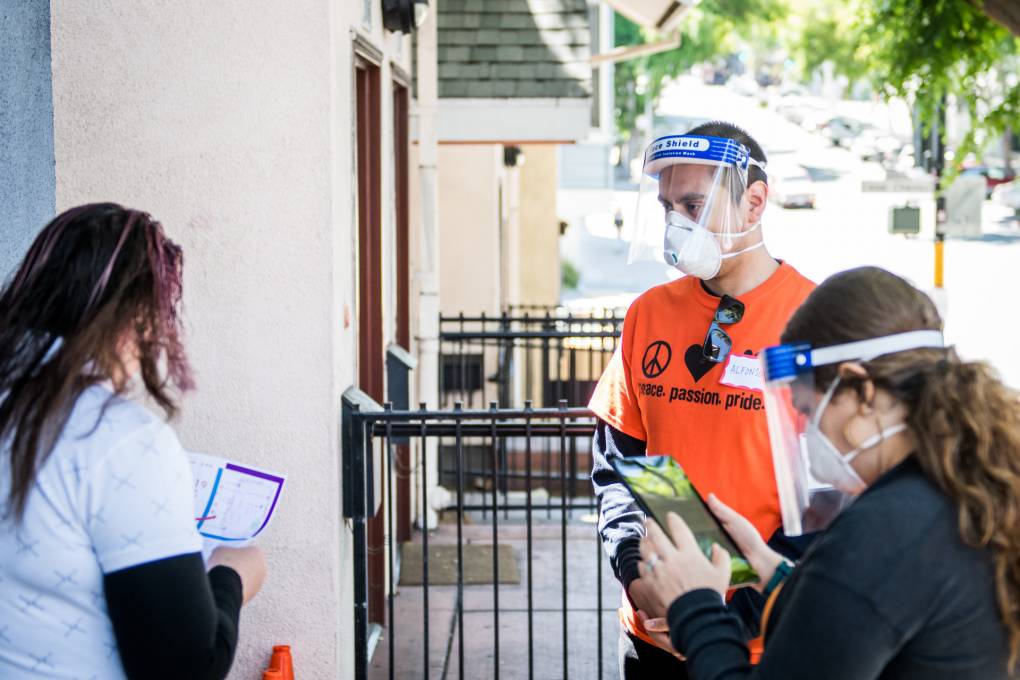
"caption": "Aliza Zenilman (right) and Alfonso Buenas, volunteers with United In Health, speak with a San Francisco Mission resident about getting tested for COVID-19 during a community testing study taking place April 25 - 28 supported by UCSF Labs. Latinos represent more than half of all confirmed coronavirus cases in California.",
"description": null,
"title": "RS42903_018_KQED_SanFrancisco_Mission_04232020-qut",
"credit": "Beth LaBerge/KQED",
"status": "inherit",
"isLoading": false,
"fetchFailed": false
},
"news_11813975": {
"type": "attachments",
"id": "news_11813975",
"meta": {
"index": "attachments_1716263798",
"site": "news",
"id": "11813975",
"found": true
},
"parent": 11813696,
"imgSizes": {
"apple_news_ca_landscape_5_5": {
"file": "https://ww2.kqed.org/app/uploads/sites/10/2020/04/Mission-Street-pedestrians-1044x783.jpg",
"width": 1044,
"mimeType": "image/jpeg",
"height": 783
},
"apple_news_ca_square_4_0": {
"file": "https://ww2.kqed.org/app/uploads/sites/10/2020/04/Mission-Street-pedestrians-470x470.jpg",
"width": 470,
"mimeType": "image/jpeg",
"height": 470
},
"twentyfourteen-full-width": {
"file": "https://ww2.kqed.org/app/uploads/sites/10/2020/04/Mission-Street-pedestrians-1038x576.jpg",
"width": 1038,
"mimeType": "image/jpeg",
"height": 576
},
"thumbnail": {
"file": "https://ww2.kqed.org/app/uploads/sites/10/2020/04/Mission-Street-pedestrians-160x114.jpg",
"width": 160,
"mimeType": "image/jpeg",
"height": 114
},
"post-thumbnail": {
"file": "https://ww2.kqed.org/app/uploads/sites/10/2020/04/Mission-Street-pedestrians-672x372.jpg",
"width": 672,
"mimeType": "image/jpeg",
"height": 372
},
"kqedFullSize": {
"file": "https://ww2.kqed.org/app/uploads/sites/10/2020/04/Mission-Street-pedestrians.jpg",
"width": 1920,
"height": 1371
},
"apple_news_ca_landscape_4_7": {
"file": "https://ww2.kqed.org/app/uploads/sites/10/2020/04/Mission-Street-pedestrians-632x474.jpg",
"width": 632,
"mimeType": "image/jpeg",
"height": 474
},
"large": {
"file": "https://ww2.kqed.org/app/uploads/sites/10/2020/04/Mission-Street-pedestrians-1020x728.jpg",
"width": 1020,
"mimeType": "image/jpeg",
"height": 728
},
"apple_news_ca_landscape_4_0": {
"file": "https://ww2.kqed.org/app/uploads/sites/10/2020/04/Mission-Street-pedestrians-536x402.jpg",
"width": 536,
"mimeType": "image/jpeg",
"height": 402
},
"apple_news_ca_portrait_12_9": {
"file": "https://ww2.kqed.org/app/uploads/sites/10/2020/04/Mission-Street-pedestrians-1122x1371.jpg",
"width": 1122,
"mimeType": "image/jpeg",
"height": 1371
},
"medium": {
"file": "https://ww2.kqed.org/app/uploads/sites/10/2020/04/Mission-Street-pedestrians-800x571.jpg",
"width": 800,
"mimeType": "image/jpeg",
"height": 571
},
"apple_news_ca_portrait_4_0": {
"file": "https://ww2.kqed.org/app/uploads/sites/10/2020/04/Mission-Street-pedestrians-354x472.jpg",
"width": 354,
"mimeType": "image/jpeg",
"height": 472
},
"apple_news_ca_portrait_9_7": {
"file": "https://ww2.kqed.org/app/uploads/sites/10/2020/04/Mission-Street-pedestrians-840x1120.jpg",
"width": 840,
"mimeType": "image/jpeg",
"height": 1120
},
"apple_news_ca_landscape_12_9": {
"file": "https://ww2.kqed.org/app/uploads/sites/10/2020/04/Mission-Street-pedestrians-1832x1371.jpg",
"width": 1832,
"mimeType": "image/jpeg",
"height": 1371
},
"apple_news_ca_square_9_7": {
"file": "https://ww2.kqed.org/app/uploads/sites/10/2020/04/Mission-Street-pedestrians-1104x1104.jpg",
"width": 1104,
"mimeType": "image/jpeg",
"height": 1104
},
"apple_news_ca_portrait_4_7": {
"file": "https://ww2.kqed.org/app/uploads/sites/10/2020/04/Mission-Street-pedestrians-414x552.jpg",
"width": 414,
"mimeType": "image/jpeg",
"height": 552
},
"apple_news_ca_square_12_9": {
"file": "https://ww2.kqed.org/app/uploads/sites/10/2020/04/Mission-Street-pedestrians-1472x1371.jpg",
"width": 1472,
"mimeType": "image/jpeg",
"height": 1371
},
"apple_news_ca_portrait_5_5": {
"file": "https://ww2.kqed.org/app/uploads/sites/10/2020/04/Mission-Street-pedestrians-687x916.jpg",
"width": 687,
"mimeType": "image/jpeg",
"height": 916
},
"full-width": {
"file": "https://ww2.kqed.org/app/uploads/sites/10/2020/04/Mission-Street-pedestrians-1920x1371.jpg",
"width": 1920,
"mimeType": "image/jpeg",
"height": 1371
},
"apple_news_ca_square_4_7": {
"file": "https://ww2.kqed.org/app/uploads/sites/10/2020/04/Mission-Street-pedestrians-550x550.jpg",
"width": 550,
"mimeType": "image/jpeg",
"height": 550
},
"apple_news_ca_landscape_9_7": {
"file": "https://ww2.kqed.org/app/uploads/sites/10/2020/04/Mission-Street-pedestrians-1376x1032.jpg",
"width": 1376,
"mimeType": "image/jpeg",
"height": 1032
},
"apple_news_ca_square_5_5": {
"file": "https://ww2.kqed.org/app/uploads/sites/10/2020/04/Mission-Street-pedestrians-912x912.jpg",
"width": 912,
"mimeType": "image/jpeg",
"height": 912
}
},
"publishDate": 1587669760,
"modified": 1659982271,
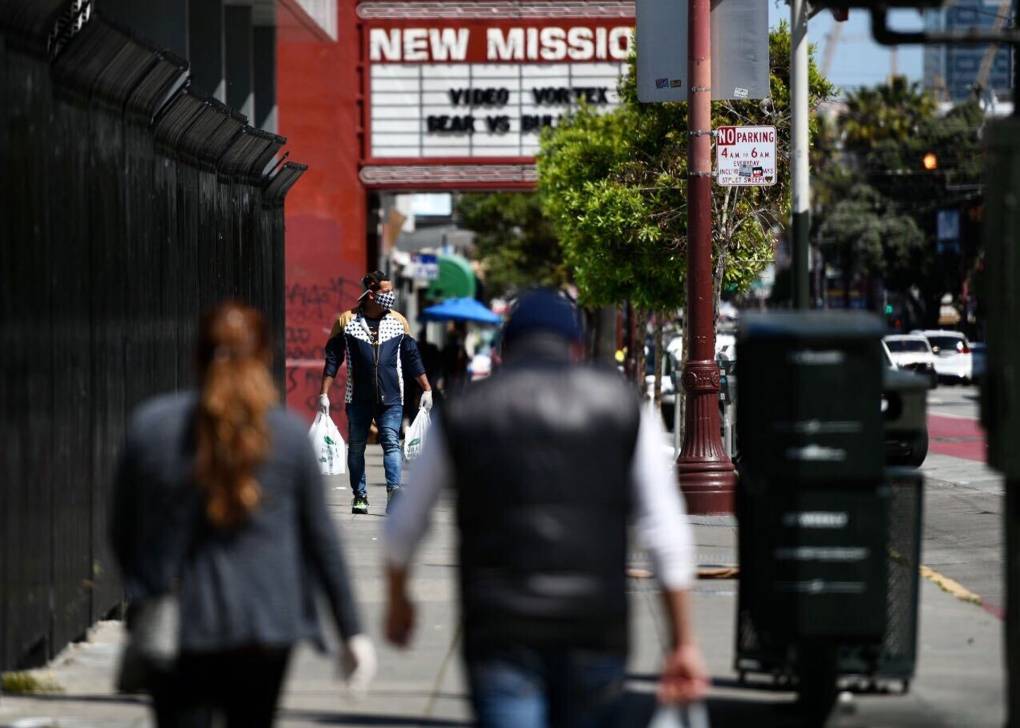
"caption": "Pedestrians walk in San Francisco's Mission District.",
"description": "Pedestrians walk in San Francisco's Mission District.",
"title": "Mission-Street-pedestrians",
"credit": "Beth LaBerge/KQED",
"status": "inherit",
"altTag": "Two people photographed from behind walking down what is recognizably Mission Street in San Francisco, because of the New Mission theater sign in the background, in focus.",
"isLoading": false,
"fetchFailed": false
},
"news_11803666": {
"type": "attachments",
"id": "news_11803666",
"meta": {
"index": "attachments_1716263798",
"site": "news",
"id": "11803666",
"found": true
},
"parent": 11803648,
"imgSizes": {
"apple_news_ca_landscape_5_5": {
"file": "https://ww2.kqed.org/app/uploads/sites/10/2020/02/RS41592_LATINO-BUSINESS-OWNERS-photo-2-qut-1044x783.jpg",
"width": 1044,
"mimeType": "image/jpeg",
"height": 783
},
"apple_news_ca_square_4_0": {
"file": "https://ww2.kqed.org/app/uploads/sites/10/2020/02/RS41592_LATINO-BUSINESS-OWNERS-photo-2-qut-470x470.jpg",
"width": 470,
"mimeType": "image/jpeg",
"height": 470
},
"twentyfourteen-full-width": {
"file": "https://ww2.kqed.org/app/uploads/sites/10/2020/02/RS41592_LATINO-BUSINESS-OWNERS-photo-2-qut-1038x576.jpg",
"width": 1038,
"mimeType": "image/jpeg",
"height": 576
},
"thumbnail": {
"file": "https://ww2.kqed.org/app/uploads/sites/10/2020/02/RS41592_LATINO-BUSINESS-OWNERS-photo-2-qut-160x110.jpg",
"width": 160,
"mimeType": "image/jpeg",
"height": 110
},
"post-thumbnail": {
"file": "https://ww2.kqed.org/app/uploads/sites/10/2020/02/RS41592_LATINO-BUSINESS-OWNERS-photo-2-qut-672x372.jpg",
"width": 672,
"mimeType": "image/jpeg",
"height": 372
},
"kqedFullSize": {
"file": "https://ww2.kqed.org/app/uploads/sites/10/2020/02/RS41592_LATINO-BUSINESS-OWNERS-photo-2-qut.jpg",
"width": 1920,
"height": 1319
},
"apple_news_ca_landscape_4_7": {
"file": "https://ww2.kqed.org/app/uploads/sites/10/2020/02/RS41592_LATINO-BUSINESS-OWNERS-photo-2-qut-632x474.jpg",
"width": 632,
"mimeType": "image/jpeg",
"height": 474
},
"large": {
"file": "https://ww2.kqed.org/app/uploads/sites/10/2020/02/RS41592_LATINO-BUSINESS-OWNERS-photo-2-qut-1020x701.jpg",
"width": 1020,
"mimeType": "image/jpeg",
"height": 701
},
"apple_news_ca_landscape_4_0": {
"file": "https://ww2.kqed.org/app/uploads/sites/10/2020/02/RS41592_LATINO-BUSINESS-OWNERS-photo-2-qut-536x402.jpg",
"width": 536,
"mimeType": "image/jpeg",
"height": 402
},
"apple_news_ca_portrait_12_9": {
"file": "https://ww2.kqed.org/app/uploads/sites/10/2020/02/RS41592_LATINO-BUSINESS-OWNERS-photo-2-qut-1122x1319.jpg",
"width": 1122,
"mimeType": "image/jpeg",
"height": 1319
},
"medium": {
"file": "https://ww2.kqed.org/app/uploads/sites/10/2020/02/RS41592_LATINO-BUSINESS-OWNERS-photo-2-qut-800x550.jpg",
"width": 800,
"mimeType": "image/jpeg",
"height": 550
},
"apple_news_ca_portrait_4_0": {
"file": "https://ww2.kqed.org/app/uploads/sites/10/2020/02/RS41592_LATINO-BUSINESS-OWNERS-photo-2-qut-354x472.jpg",
"width": 354,
"mimeType": "image/jpeg",
"height": 472
},
"apple_news_ca_portrait_9_7": {
"file": "https://ww2.kqed.org/app/uploads/sites/10/2020/02/RS41592_LATINO-BUSINESS-OWNERS-photo-2-qut-840x1120.jpg",
"width": 840,
"mimeType": "image/jpeg",
"height": 1120
},
"apple_news_ca_landscape_12_9": {
"file": "https://ww2.kqed.org/app/uploads/sites/10/2020/02/RS41592_LATINO-BUSINESS-OWNERS-photo-2-qut-1832x1319.jpg",
"width": 1832,
"mimeType": "image/jpeg",
"height": 1319
},
"apple_news_ca_square_9_7": {
"file": "https://ww2.kqed.org/app/uploads/sites/10/2020/02/RS41592_LATINO-BUSINESS-OWNERS-photo-2-qut-1104x1104.jpg",
"width": 1104,
"mimeType": "image/jpeg",
"height": 1104
},
"apple_news_ca_portrait_4_7": {
"file": "https://ww2.kqed.org/app/uploads/sites/10/2020/02/RS41592_LATINO-BUSINESS-OWNERS-photo-2-qut-414x552.jpg",
"width": 414,
"mimeType": "image/jpeg",
"height": 552
},
"apple_news_ca_square_12_9": {
"file": "https://ww2.kqed.org/app/uploads/sites/10/2020/02/RS41592_LATINO-BUSINESS-OWNERS-photo-2-qut-1472x1319.jpg",
"width": 1472,
"mimeType": "image/jpeg",
"height": 1319
},
"apple_news_ca_portrait_5_5": {
"file": "https://ww2.kqed.org/app/uploads/sites/10/2020/02/RS41592_LATINO-BUSINESS-OWNERS-photo-2-qut-687x916.jpg",
"width": 687,
"mimeType": "image/jpeg",
"height": 916
},
"full-width": {
"file": "https://ww2.kqed.org/app/uploads/sites/10/2020/02/RS41592_LATINO-BUSINESS-OWNERS-photo-2-qut-1920x1319.jpg",
"width": 1920,
"mimeType": "image/jpeg",
"height": 1319
},
"apple_news_ca_square_4_7": {
"file": "https://ww2.kqed.org/app/uploads/sites/10/2020/02/RS41592_LATINO-BUSINESS-OWNERS-photo-2-qut-550x550.jpg",
"width": 550,
"mimeType": "image/jpeg",
"height": 550
},
"apple_news_ca_landscape_9_7": {
"file": "https://ww2.kqed.org/app/uploads/sites/10/2020/02/RS41592_LATINO-BUSINESS-OWNERS-photo-2-qut-1376x1032.jpg",
"width": 1376,
"mimeType": "image/jpeg",
"height": 1032
},
"apple_news_ca_square_5_5": {
"file": "https://ww2.kqed.org/app/uploads/sites/10/2020/02/RS41592_LATINO-BUSINESS-OWNERS-photo-2-qut-912x912.jpg",
"width": 912,
"mimeType": "image/jpeg",
"height": 912
}
},
"publishDate": 1582756134,
"modified": 1582765738,
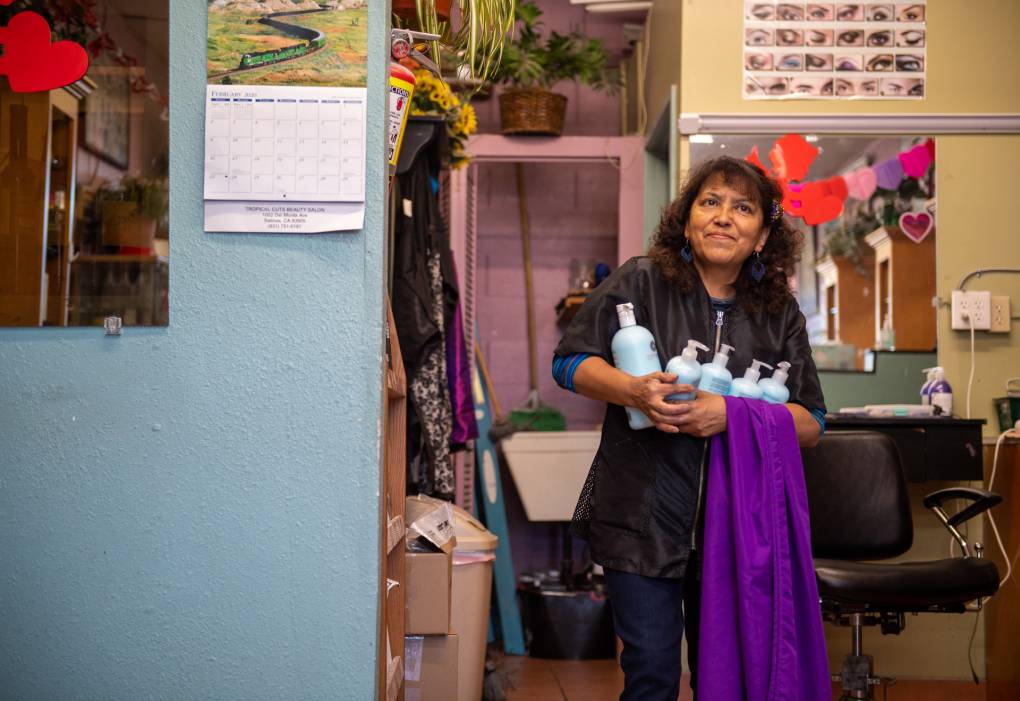
"caption": "Fausta Ibarra, 59, owner of Tropical Cuts Beauty Salon in Salinas carries shampoo and conditioner bottles to the front of the store.",
"description": null,
"title": "RS41592_LATINO BUSINESS OWNERS photo 2-qut",
"credit": "Kate Cimini/The Salinas Californian",
"status": "inherit",
"isLoading": false,
"fetchFailed": false
},
"arts_13871728": {
"type": "attachments",
"id": "arts_13871728",
"meta": {
"index": "attachments_1716263798",
"site": "arts",
"id": "13871728",
"found": true
},
"parent": 13871726,
"imgSizes": {
"twentyfourteen-full-width": {
"file": "https://ww2.kqed.org/app/uploads/sites/2/2019/12/Carlos-Uribe-1038x576.jpg",
"width": 1038,
"mimeType": "image/jpeg",
"height": 576
},
"thumbnail": {
"file": "https://ww2.kqed.org/app/uploads/sites/2/2019/12/Carlos-Uribe-160x90.jpg",
"width": 160,
"mimeType": "image/jpeg",
"height": 90
},
"post-thumbnail": {
"file": "https://ww2.kqed.org/app/uploads/sites/2/2019/12/Carlos-Uribe-672x372.jpg",
"width": 672,
"mimeType": "image/jpeg",
"height": 372
},
"kqedFullSize": {
"file": "https://ww2.kqed.org/app/uploads/sites/2/2019/12/Carlos-Uribe.jpg",
"width": 1920,
"height": 1080
},
"large": {
"file": "https://ww2.kqed.org/app/uploads/sites/2/2019/12/Carlos-Uribe-1020x574.jpg",
"width": 1020,
"mimeType": "image/jpeg",
"height": 574
},
"complete_open_graph": {
"file": "https://ww2.kqed.org/app/uploads/sites/2/2019/12/Carlos-Uribe-1200x675.jpg",
"width": 1200,
"mimeType": "image/jpeg",
"height": 675
},
"full-width": {
"file": "https://ww2.kqed.org/app/uploads/sites/2/2019/12/Carlos-Uribe-1920x1080.jpg",
"width": 1920,
"mimeType": "image/jpeg",
"height": 1080
},
"medium": {
"file": "https://ww2.kqed.org/app/uploads/sites/2/2019/12/Carlos-Uribe-800x450.jpg",
"width": 800,
"mimeType": "image/jpeg",
"height": 450
},
"medium_large": {
"file": "https://ww2.kqed.org/app/uploads/sites/2/2019/12/Carlos-Uribe-768x432.jpg",
"width": 768,
"mimeType": "image/jpeg",
"height": 432
}
},
"publishDate": 1576693583,
"modified": 1576693713,
"caption": "Carlos Uribe, general manager of Club 21 and Club BnB, sits upstairs at the Oakland nightclubs complex Dec. 17, 2019. ",
"description": "Carlos Uribe, general manager of Club 21 and Club BnB, sits upstairs at the Oakland nightclubs complex Dec. 17, 2019. ",
"title": "Carlos Uribe, general manager of Club 21 and Club BnB, sits upstairs at the Oakland nightclubs complex.",
"credit": "Sam Lefebvre/KQED",
"status": "inherit",
"isLoading": false,
"fetchFailed": false
},
"news_11759962": {
"type": "attachments",
"id": "news_11759962",
"meta": {
"index": "attachments_1716263798",
"site": "news",
"id": "11759962",
"found": true
},
"parent": 11759939,
"imgSizes": {
"apple_news_ca_landscape_5_5": {
"file": "https://ww2.kqed.org/app/uploads/sites/10/2019/07/RIVERA-FAMILY3-1044x783.jpg",
"width": 1044,
"mimeType": "image/jpeg",
"height": 783
},
"apple_news_ca_square_4_0": {
"file": "https://ww2.kqed.org/app/uploads/sites/10/2019/07/RIVERA-FAMILY3-470x470.jpg",
"width": 470,
"mimeType": "image/jpeg",
"height": 470
},
"twentyfourteen-full-width": {
"file": "https://ww2.kqed.org/app/uploads/sites/10/2019/07/RIVERA-FAMILY3-1038x576.jpg",
"width": 1038,
"mimeType": "image/jpeg",
"height": 576
},
"thumbnail": {
"file": "https://ww2.kqed.org/app/uploads/sites/10/2019/07/RIVERA-FAMILY3-160x116.jpg",
"width": 160,
"mimeType": "image/jpeg",
"height": 116
},
"post-thumbnail": {
"file": "https://ww2.kqed.org/app/uploads/sites/10/2019/07/RIVERA-FAMILY3-672x372.jpg",
"width": 672,
"mimeType": "image/jpeg",
"height": 372
},
"kqedFullSize": {
"file": "https://ww2.kqed.org/app/uploads/sites/10/2019/07/RIVERA-FAMILY3-e1562703462594.jpg",
"width": 1920,
"height": 1388
},
"apple_news_ca_landscape_4_7": {
"file": "https://ww2.kqed.org/app/uploads/sites/10/2019/07/RIVERA-FAMILY3-632x474.jpg",
"width": 632,
"mimeType": "image/jpeg",
"height": 474
},
"large": {
"file": "https://ww2.kqed.org/app/uploads/sites/10/2019/07/RIVERA-FAMILY3-1020x738.jpg",
"width": 1020,
"mimeType": "image/jpeg",
"height": 738
},
"complete_open_graph": {
"file": "https://ww2.kqed.org/app/uploads/sites/10/2019/07/RIVERA-FAMILY3-1200x868.jpg",
"width": 1200,
"mimeType": "image/jpeg",
"height": 868
},
"apple_news_ca_landscape_4_0": {
"file": "https://ww2.kqed.org/app/uploads/sites/10/2019/07/RIVERA-FAMILY3-536x402.jpg",
"width": 536,
"mimeType": "image/jpeg",
"height": 402
},
"apple_news_ca_portrait_12_9": {
"file": "https://ww2.kqed.org/app/uploads/sites/10/2019/07/RIVERA-FAMILY3-1122x1496.jpg",
"width": 1122,
"mimeType": "image/jpeg",
"height": 1496
},
"medium": {
"file": "https://ww2.kqed.org/app/uploads/sites/10/2019/07/RIVERA-FAMILY3-800x578.jpg",
"width": 800,
"mimeType": "image/jpeg",
"height": 578
},
"apple_news_ca_portrait_4_0": {
"file": "https://ww2.kqed.org/app/uploads/sites/10/2019/07/RIVERA-FAMILY3-354x472.jpg",
"width": 354,
"mimeType": "image/jpeg",
"height": 472
},
"apple_news_ca_portrait_9_7": {
"file": "https://ww2.kqed.org/app/uploads/sites/10/2019/07/RIVERA-FAMILY3-840x1120.jpg",
"width": 840,
"mimeType": "image/jpeg",
"height": 1120
},
"apple_news_ca_landscape_12_9": {
"file": "https://ww2.kqed.org/app/uploads/sites/10/2019/07/RIVERA-FAMILY3-1832x1374.jpg",
"width": 1832,
"mimeType": "image/jpeg",
"height": 1374
},
"apple_news_ca_square_9_7": {
"file": "https://ww2.kqed.org/app/uploads/sites/10/2019/07/RIVERA-FAMILY3-1104x1104.jpg",
"width": 1104,
"mimeType": "image/jpeg",
"height": 1104
},
"apple_news_ca_portrait_4_7": {
"file": "https://ww2.kqed.org/app/uploads/sites/10/2019/07/RIVERA-FAMILY3-414x552.jpg",
"width": 414,
"mimeType": "image/jpeg",
"height": 552
},
"apple_news_ca_square_12_9": {
"file": "https://ww2.kqed.org/app/uploads/sites/10/2019/07/RIVERA-FAMILY3-1472x1472.jpg",
"width": 1472,
"mimeType": "image/jpeg",
"height": 1472
},
"apple_news_ca_portrait_5_5": {
"file": "https://ww2.kqed.org/app/uploads/sites/10/2019/07/RIVERA-FAMILY3-687x916.jpg",
"width": 687,
"mimeType": "image/jpeg",
"height": 916
},
"full-width": {
"file": "https://ww2.kqed.org/app/uploads/sites/10/2019/07/RIVERA-FAMILY3-1920x1388.jpg",
"width": 1920,
"mimeType": "image/jpeg",
"height": 1388
},
"apple_news_ca_square_4_7": {
"file": "https://ww2.kqed.org/app/uploads/sites/10/2019/07/RIVERA-FAMILY3-550x550.jpg",
"width": 550,
"mimeType": "image/jpeg",
"height": 550
},
"apple_news_ca_landscape_9_7": {
"file": "https://ww2.kqed.org/app/uploads/sites/10/2019/07/RIVERA-FAMILY3-1376x1032.jpg",
"width": 1376,
"mimeType": "image/jpeg",
"height": 1032
},
"apple_news_ca_square_5_5": {
"file": "https://ww2.kqed.org/app/uploads/sites/10/2019/07/RIVERA-FAMILY3-912x912.jpg",
"width": 912,
"mimeType": "image/jpeg",
"height": 912
}
},
"publishDate": 1562703428,
"modified": 1562716427,
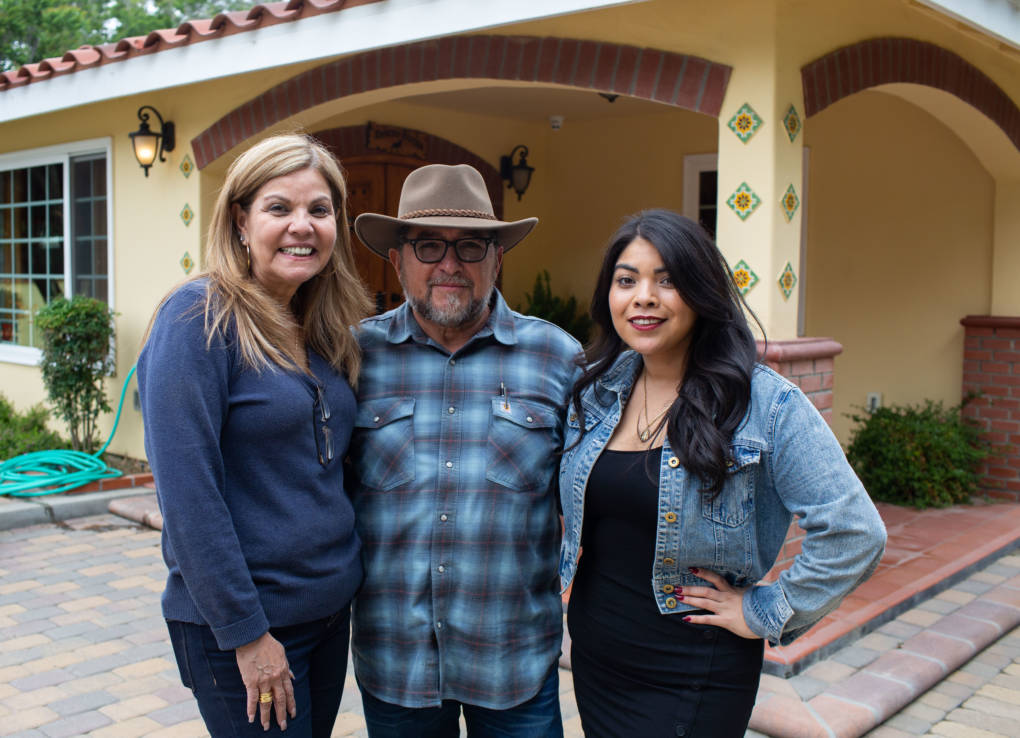
"caption": "Helen, Juan, and Monica Rivera in front of their home, on May 26, 2019 in Chino.",
"description": "Helen, Juan, and Monica Rivera in front of their home, on May 26, 2019 in Chino.",
"title": "RIVERA FAMILY3",
"credit": "James Berna/KPCC",
"status": "inherit",
"isLoading": false,
"fetchFailed": false
}
},
"audioPlayerReducer": {
"postId": "stream_live",
"isPaused": true,
"isPlaying": false,
"pfsActive": false,
"pledgeModalIsOpen": true,
"playerDrawerIsOpen": false,
"liveAudioPlayStartedAt": 0,
"liveAudioPlayContext": ""
},
"authorsReducer": {
"byline_news_11828620": {
"type": "authors",
"id": "byline_news_11828620",
"meta": {
"override": true
},
"slug": "byline_news_11828620",
"name": "Elizabeth Aguilera \u003cbr />CalMatters\u003cbr>",
"isLoading": false
},
"byline_news_11803648": {
"type": "authors",
"id": "byline_news_11803648",
"meta": {
"override": true
},
"slug": "byline_news_11803648",
"name": "Kate Cimini",
"isLoading": false
},
"byline_news_11759939": {
"type": "authors",
"id": "byline_news_11759939",
"meta": {
"override": true
},
"slug": "byline_news_11759939",
"name": "\u003ca href= \"https://www.scpr.org/about/people/staff/leslie-berestein-rojas\"> Leslie Berestein Rojas \u003ca/>",
"isLoading": false
},
"lisapickoffwhite-2": {
"type": "authors",
"id": "199",
"meta": {
"index": "authors_1716337520",
"id": "199",
"found": true
},
"name": "Lisa Pickoff-White",
"firstName": "Lisa",
"lastName": "Pickoff-White",
"slug": "lisapickoffwhite-2",
"email": "lpickoffwhite@kqed.org",
"display_author_email": false,
"staff_mastheads": [
"news"
],
"title": "Data Journalist, Senior Producer",
"bio": "Lisa Pickoff-White is KQED's data reporter. Lisa specializes in simplifying complex topics and bringing them to life through compelling visuals, including photography and data visualizations. She previously has worked at the Center for Investigative Reporting and other national outlets. Her work has been honored with awards from the Online News Association, Investigative Reporters and Editors, the Society of Professional Journalists and SXSW Interactive. \u003cstrong> \u003c/strong>",
"avatar": "https://secure.gravatar.com/avatar/5513c5f3967df792aa65bee2501e84d6?s=600&d=blank&r=g",
"twitter": "pickoffwhite",
"facebook": null,
"instagram": null,
"linkedin": null,
"sites": [
{
"site": "",
"roles": [
"editor"
]
},
{
"site": "arts",
"roles": []
},
{
"site": "news",
"roles": [
"administrator"
]
},
{
"site": "about",
"roles": [
"editor"
]
},
{
"site": "stateofhealth",
"roles": [
"administrator"
]
},
{
"site": "science",
"roles": [
"editor"
]
},
{
"site": "quest",
"roles": [
"editor"
]
},
{
"site": "forum",
"roles": [
"editor"
]
}
],
"headData": {
"title": "Lisa Pickoff-White | KQED",
"description": "Data Journalist, Senior Producer",
"ogImgSrc": "https://secure.gravatar.com/avatar/5513c5f3967df792aa65bee2501e84d6?s=600&d=blank&r=g",
"twImgSrc": "https://secure.gravatar.com/avatar/5513c5f3967df792aa65bee2501e84d6?s=600&d=blank&r=g"
},
"isLoading": false,
"link": "/author/lisapickoffwhite-2"
},
"fjhabvala": {
"type": "authors",
"id": "8659",
"meta": {
"index": "authors_1716337520",
"id": "8659",
"found": true
},
"name": "Farida Jhabvala Romero",
"firstName": "Farida",
"lastName": "Jhabvala Romero",
"slug": "fjhabvala",
"email": "fjhabvala@kqed.org",
"display_author_email": true,
"staff_mastheads": [
"news"
],
"title": "KQED Contributor",
"bio": "Farida Jhabvala Romero is a Labor Correspondent for KQED. She previously covered immigration. Farida was \u003ca href=\"https://www.ccnma.org/2022-most-influential-latina-journalists\">named\u003c/a> one of the 10 Most Influential Latina Journalists in California in 2022 by the California Chicano News Media Association. Her work has won awards from the Society of Professional Journalists (Northern California), as well as a national and regional Edward M. Murrow Award for the collaborative reporting projects “Dangerous Air” and “Graying California.” Before joining KQED, Farida worked as a producer at Radio Bilingüe, a national public radio network. Farida earned her master’s degree in journalism from Stanford University.",
"avatar": "https://secure.gravatar.com/avatar/f9f022d4e2609741874222a1e9d41f48fea74011aa7c615eef91d9a50c944ebe?s=600&d=blank&r=g",
"twitter": "FaridaJhabvala",
"bluesky": null,
"facebook": null,
"instagram": null,
"linkedin": "https://www.linkedin.com/in/faridajhabvala/",
"sites": [
{
"site": "news",
"roles": [
"editor"
]
},
{
"site": "stateofhealth",
"roles": [
"author"
]
},
{
"site": "liveblog",
"roles": [
"author"
]
}
],
"headData": {
"title": "Farida Jhabvala Romero | KQED",
"description": "KQED Contributor",
"ogImgSrc": "https://secure.gravatar.com/avatar/f9f022d4e2609741874222a1e9d41f48fea74011aa7c615eef91d9a50c944ebe?s=600&d=blank&r=g",
"twImgSrc": "https://secure.gravatar.com/avatar/f9f022d4e2609741874222a1e9d41f48fea74011aa7c615eef91d9a50c944ebe?s=600&d=blank&r=g"
},
"isLoading": false,
"link": "/author/fjhabvala"
},
"slefebvre": {
"type": "authors",
"id": "11091",
"meta": {
"index": "authors_1716337520",
"id": "11091",
"found": true
},
"name": "Sam Lefebvre",
"firstName": "Sam",
"lastName": "Lefebvre",
"slug": "slefebvre",
"email": "sdlefebvre@gmail.com",
"display_author_email": false,
"staff_mastheads": [],
"title": "KQED Contributor",
"bio": "Sam Lefebvre is an award-winning reporter at KQED Arts. He has worked as an editor and columnist at the \u003cem>East Bay Express\u003c/em>, \u003cem>SF Weekly \u003c/em>and Impose Magazine, and his journalism and criticism has appeared in \u003cem>The New York Times\u003c/em>, the Guardian and Pitchfork.",
"avatar": "https://secure.gravatar.com/avatar/49d39b42930b77fb13784ddd9fa63fe780666b71bf289368509dba576b64e69b?s=600&d=blank&r=g",
"twitter": "Lefebvre_Sam",
"bluesky": null,
"facebook": null,
"instagram": null,
"linkedin": null,
"sites": [
{
"site": "arts",
"roles": [
"subscriber"
]
},
{
"site": "news",
"roles": [
"author"
]
}
],
"headData": {
"title": "Sam Lefebvre | KQED",
"description": "KQED Contributor",
"ogImgSrc": "https://secure.gravatar.com/avatar/49d39b42930b77fb13784ddd9fa63fe780666b71bf289368509dba576b64e69b?s=600&d=blank&r=g",
"twImgSrc": "https://secure.gravatar.com/avatar/49d39b42930b77fb13784ddd9fa63fe780666b71bf289368509dba576b64e69b?s=600&d=blank&r=g"
},
"isLoading": false,
"link": "/author/slefebvre"
},
"ccabreralomeli": {
"type": "authors",
"id": "11708",
"meta": {
"index": "authors_1716337520",
"id": "11708",
"found": true
},
"name": "Carlos Cabrera-Lomelí",
"firstName": "Carlos",
"lastName": "Cabrera-Lomelí",
"slug": "ccabreralomeli",
"email": "ccabreralomeli@KQED.org",
"display_author_email": true,
"staff_mastheads": [
"news"
],
"title": "Community Reporter",
"bio": "Carlos Cabrera-Lomelí is a community reporter with KQED's digital engagement team. He also reports and co-produces for KQED's bilingual news hub KQED en Español. He grew up in San Francisco's Mission District and has previously worked with Univision, 48 Hills and REFORMA in Mexico City.",
"avatar": "https://secure.gravatar.com/avatar/c309be9665e484f887b818c89e273ecc673004f426f36b24d00a4d813a2e0518?s=600&d=blank&r=g",
"twitter": "@LomeliCabrera",
"bluesky": null,
"facebook": null,
"instagram": null,
"linkedin": null,
"sites": [
{
"site": "arts",
"roles": [
"editor"
]
},
{
"site": "news",
"roles": [
"editor"
]
},
{
"site": "about",
"roles": [
"editor"
]
},
{
"site": "science",
"roles": [
"editor"
]
},
{
"site": "perspectives",
"roles": [
"editor"
]
},
{
"site": "elections",
"roles": [
"editor"
]
},
{
"site": "liveblog",
"roles": [
"contributor"
]
}
],
"headData": {
"title": "Carlos Cabrera-Lomelí | KQED",
"description": "Community Reporter",
"ogImgSrc": "https://secure.gravatar.com/avatar/c309be9665e484f887b818c89e273ecc673004f426f36b24d00a4d813a2e0518?s=600&d=blank&r=g",
"twImgSrc": "https://secure.gravatar.com/avatar/c309be9665e484f887b818c89e273ecc673004f426f36b24d00a4d813a2e0518?s=600&d=blank&r=g"
},
"isLoading": false,
"link": "/author/ccabreralomeli"
}
},
"pagesReducer": {
"news_tag_latino": {
"type": "terms",
"id": "news_20605",
"meta": {
"index": "terms_1716263798",
"site": "news",
"id": "20605",
"score": 8.669906
},
"featImg": null,
"name": "Latino",
"description": null,
"taxonomy": "tag",
"headData": {
"twImgId": null,
"twTitle": null,
"ogTitle": null,
"ogImgId": null,
"twDescription": null,
"description": null,
"title": "Latino Archives | KQED News",
"ogDescription": null
},
"ttid": 20622,
"slug": "latino",
"isLoading": false,
"title": "Latino",
"pageMeta": {
"site": "news",
"WpPageTemplate": "page-topic-editorial",
"currentPage": 3
},
"blocks": [
{
"blockName": "kqed/post-list",
"attrs": {
"layout": "cardArticle2",
"query": "posts/news?tag=latino",
"seeMore": false,
"paginated": true,
"page": 3
}
},
{
"blockName": "kqed/ad"
}
]
}
},
"pfsSessionReducer": {},
"postsReducer": {
"stream_live": {
"type": "live",
"id": "stream_live",
"audioUrl": "https://streams.kqed.org/kqedradio",
"title": "Live Stream",
"excerpt": "Live Stream information currently unavailable.",
"link": "/radio",
"featImg": "",
"label": {
"name": "KQED Live",
"link": "/"
}
},
"stream_kqedNewscast": {
"type": "posts",
"id": "stream_kqedNewscast",
"audioUrl": "https://www.kqed.org/.stream/anon/radio/RDnews/newscast.mp3?_=1",
"title": "KQED Newscast",
"featImg": "",
"label": {
"name": "88.5 FM",
"link": "/"
}
},
"news_11862305": {
"type": "posts",
"id": "news_11862305",
"meta": {
"index": "posts_1716263798",
"site": "news",
"id": "11862305",
"score": null,
"sort": [
1614384229000
]
},
"guestAuthors": [],
"slug": "in-the-heart-of-the-pandemic-covid-19-deaths-loom-large-in-east-san-jose",
"title": "‘In the Heart of the Pandemic’: COVID-19 Deaths Loom Large in East San Jose",
"publishDate": 1614384229,
"format": "standard",
"headTitle": "‘In the Heart of the Pandemic’: COVID-19 Deaths Loom Large in East San Jose | KQED",
"labelTerm": {
"site": "news"
},
"content": "\u003cp>Maritza Maldonado has witnessed firsthand the devastation the coronavirus has wrought on the community where she grew up in East San Jose: layoffs, hunger, illness and an alarming number of funerals.\u003c/p>\n\u003cp>“Especially right after the holidays, we were hearing of people dying, several people a week,” said Maldonado, 60, who runs a local nonprofit that offers health care, legal aid and other services. “These are people that we know. Our neighbors, the people we go to church with.”\u003c/p>\n\u003cp>[pullquote align=\"right\" size=\"medium\" citation=\"Maritza Maldonado, executive director of Amigos de Guadalupe Center for Justice and Empowerment\"]‘It’s not years, it’s generations of poverty. And I think for the first time in a long time, people are standing up and taking notice.’[/pullquote]\u003c/p>\n\u003cp>But the pandemic became personal last May, when Maldonado’s sister, Miriam, died due to COVID-19 complications. Miriam was 66 and a mother of two daughters. One of them graduated from college not long after her death.\u003c/p>\n\u003cp>“Unfortunately, her mom was not there to see that,” said Maldonado, her voice breaking. “And there were moments like that, that are very difficult for them and difficult for us as a family.”\u003c/p>\n\u003cp>Nearly a year after the global pandemic was declared, Santa Clara County has reported more than 1,700 deaths due to the coronavirus, the largest toll in the Bay Area. And the predominantly working-class and immigrant neighborhoods in East San Jose have borne the brunt.\u003c/p>\n\u003cp>A cluster of adjacent ZIP codes — 95116, 95121, 95122 and 95127 — have some of the highest rates of COVID-19 infections and deaths in Santa Clara County. That area is home to just 11% of the county’s population, but accounts for 20% of those who have died from the coronavirus, according to the most recent county \u003ca href=\"https://data.sccgov.org/COVID-19/COVID-19-deaths-by-zip-code/xqsq-hpmr/data\">figures\u003c/a>.\u003c/p>\n\u003cfigure id=\"attachment_11862320\" class=\"wp-caption aligncenter\" style=\"max-width: 1920px\">\u003cimg loading=\"lazy\" decoding=\"async\" class=\"size-full wp-image-11862320\" src=\"https://ww2.kqed.org/app/uploads/sites/10/2021/02/RS47289_008_SanJose_MaritzaMaldonado_02162021-qut.jpg\" alt=\"\" width=\"1920\" height=\"1280\" srcset=\"https://cdn.kqed.org/wp-content/uploads/sites/10/2021/02/RS47289_008_SanJose_MaritzaMaldonado_02162021-qut.jpg 1920w, https://cdn.kqed.org/wp-content/uploads/sites/10/2021/02/RS47289_008_SanJose_MaritzaMaldonado_02162021-qut-800x533.jpg 800w, https://cdn.kqed.org/wp-content/uploads/sites/10/2021/02/RS47289_008_SanJose_MaritzaMaldonado_02162021-qut-1020x680.jpg 1020w, https://cdn.kqed.org/wp-content/uploads/sites/10/2021/02/RS47289_008_SanJose_MaritzaMaldonado_02162021-qut-160x107.jpg 160w, https://cdn.kqed.org/wp-content/uploads/sites/10/2021/02/RS47289_008_SanJose_MaritzaMaldonado_02162021-qut-1536x1024.jpg 1536w\" sizes=\"(max-width: 1920px) 100vw, 1920px\">\u003cfigcaption class=\"wp-caption-text\">A pinboard full of photos of Miriam Maldonado-Magaña and her family at the office where she taught ESL classes at Amigos de Guadalupe Center for Justice and Empowerment.\u003c/figcaption>\u003c/figure>\n\u003cp>Miriam Maldonado-Magaña lived in ZIP code 95127. After retiring as a county social worker, she taught English as a second language as a volunteer and delivered food to those in need, her sister said.\u003c/p>\n\u003cp>“She was a fixture in this community,” said Maldonado. “And my sister died giving food out to families. We think that’s how she got COVID.”\u003c/p>\n\u003cp>Maldonado runs Amigos de Guadalupe Center for Justice and Empowerment in the Mayfair neighborhood, where renowned labor leader Cesar Chavez once lived. During the pandemic, the organization has been helping local residents who have lost jobs or are sick with COVID-19, providing financial assistance to cover basic expenses, back rent and burial costs. The funds come from private donations, as well as city and county aid.\u003c/p>\n\u003cp>The help is critical for many immigrant workers who don’t qualify for unemployment insurance or other forms of government aid because they are undocumented, she said.\u003c/p>\n\u003cp>Close to \u003ca href=\"https://censusreporter.org/profiles/86000US95116-95116/\">half of all residents\u003c/a> in each of the East San Jose ZIP codes hit hardest by the pandemic are foreign born, many of them from Mexico and Vietnam. The area includes Little Saigon and the Mexican Heritage Plaza.\u003c/p>\n\u003cfigure id=\"attachment_11862309\" class=\"wp-caption aligncenter\" style=\"max-width: 1920px\">\u003cimg loading=\"lazy\" decoding=\"async\" class=\"size-full wp-image-11862309\" src=\"https://ww2.kqed.org/app/uploads/sites/10/2021/02/RS47295_014_SanJose_MaritzaMaldonado_02162021-qut.jpg\" alt=\"\" width=\"1920\" height=\"1280\" srcset=\"https://cdn.kqed.org/wp-content/uploads/sites/10/2021/02/RS47295_014_SanJose_MaritzaMaldonado_02162021-qut.jpg 1920w, https://cdn.kqed.org/wp-content/uploads/sites/10/2021/02/RS47295_014_SanJose_MaritzaMaldonado_02162021-qut-800x533.jpg 800w, https://cdn.kqed.org/wp-content/uploads/sites/10/2021/02/RS47295_014_SanJose_MaritzaMaldonado_02162021-qut-1020x680.jpg 1020w, https://cdn.kqed.org/wp-content/uploads/sites/10/2021/02/RS47295_014_SanJose_MaritzaMaldonado_02162021-qut-160x107.jpg 160w, https://cdn.kqed.org/wp-content/uploads/sites/10/2021/02/RS47295_014_SanJose_MaritzaMaldonado_02162021-qut-1536x1024.jpg 1536w\" sizes=\"(max-width: 1920px) 100vw, 1920px\">\u003cfigcaption class=\"wp-caption-text\">Maritza Maldonado, executive director of Amigos de Guadalupe Center for Justice and Empowerment, works at her desk in the Mayfair neighborhood of San Jose on Feb. 16, 2021. \u003ccite>(Beth LaBerge/KQED)\u003c/cite>\u003c/figcaption>\u003c/figure>\n\u003cp>Maldonado said the pandemic has exposed long-standing inequities, as Silicon Valley corporations and IT workers have prospered on the backs of the cooks, gardeners, nannies, custodians and bus drivers who live in her community and are now dying disproportionately from the virus.\u003c/p>\n\u003cp>“It’s not years, it’s generations of poverty,” said Maldonado. “And I think for the first time in a long time, people are standing up and taking notice. But for us, it wasn’t a surprise that it hit us the hardest.”\u003c/p>\n\u003cp>Residents of East San Jose often work essential jobs where they are out in public settings and can be exposed to the virus. And the Bay Area’s sky-high rents force many to live in crowded households, where it’s easier for the virus to spread once someone is infected.\u003c/p>\n\u003cp>Across the county, coronavirus-related deaths have decreased, from a high of 165 per week in early January to 43 last week. But at Our Lady of Refuge church, in ZIP code 95122, Rev. Hugo Rojas said the parish has still been overwhelmed by requests for funeral services.\u003c/p>\n\u003cp>“We are doing two, three and sometimes four funeral masses per week,” said Rojas, who is originally from Argentina. “We talk to families, we talk to funeral homes and obviously it’s related to the COVID-19 pandemic.”\u003c/p>\n\u003cfigure id=\"attachment_11862316\" class=\"wp-caption aligncenter\" style=\"max-width: 1920px\">\u003cimg loading=\"lazy\" decoding=\"async\" class=\"wp-image-11862316 size-full\" src=\"https://ww2.kqed.org/app/uploads/sites/10/2021/02/RS47304_004_SanJose_ChurchFoodDistrubtion_02162021-qut.jpg\" alt=\"\" width=\"1920\" height=\"1280\" srcset=\"https://cdn.kqed.org/wp-content/uploads/sites/10/2021/02/RS47304_004_SanJose_ChurchFoodDistrubtion_02162021-qut.jpg 1920w, https://cdn.kqed.org/wp-content/uploads/sites/10/2021/02/RS47304_004_SanJose_ChurchFoodDistrubtion_02162021-qut-800x533.jpg 800w, https://cdn.kqed.org/wp-content/uploads/sites/10/2021/02/RS47304_004_SanJose_ChurchFoodDistrubtion_02162021-qut-1020x680.jpg 1020w, https://cdn.kqed.org/wp-content/uploads/sites/10/2021/02/RS47304_004_SanJose_ChurchFoodDistrubtion_02162021-qut-160x107.jpg 160w, https://cdn.kqed.org/wp-content/uploads/sites/10/2021/02/RS47304_004_SanJose_ChurchFoodDistrubtion_02162021-qut-1536x1024.jpg 1536w\" sizes=\"(max-width: 1920px) 100vw, 1920px\">\u003cfigcaption class=\"wp-caption-text\">Rev. Hugo Rojas outside of Our Lady of Refuge Parish during a drive-thru food distribution event at the church on Feb. 16, 2021.\u003c/figcaption>\u003c/figure>\n\u003cp>Rojas said his parishioners, who may already face unpaid rent or car debt, are often left struggling to afford burial expenses that can cost thousands of dollars. And the risk of virus transmission has prevented some people from gathering to mourn their loved ones, leaving them to grieve in isolation, he said.\u003c/p>\n\u003cp>[aside label=\"Related Stories\" postID=\"news_11813696,news_11846531,forum_2010101882069\"]“After they bury them and they go back home, they are alone with their loss and suffering,” Rojas said. “People need attention. People need consolation.”\u003c/p>\n\u003cp>But the pastor said that amid the uncertainty and pain in the community, people have also found ways to support each other. Relatives and neighbors of grieving families have organized online fundraisers or offered donations of cash to cover the expense of funeral services, he said.\u003c/p>\n\u003cp>Rojas’ parish also hosts a food distribution site that serves 900 families per week, about three times as many as a year ago. On a recent Tuesday afternoon, dozens of volunteers with Catholic Charities of Santa Clara directed traffic at the church’s parking lot and loaded boxes of groceries into the trunks of waiting cars.\u003c/p>\n\u003cp>A nurse at a mobile clinic from Gardner Health Services, also in the parking lot, tested people for the coronavirus.\u003c/p>\n\u003cp>“We need to help each other,” said Rojas, watching the large operation underway outside the church.\u003c/p>\n\u003cfigure id=\"attachment_11862315\" class=\"wp-caption aligncenter\" style=\"max-width: 1920px\">\u003cimg loading=\"lazy\" decoding=\"async\" class=\"wp-image-11862315 size-full\" src=\"https://ww2.kqed.org/app/uploads/sites/10/2021/02/RS47302_002_SanJose_ChurchFoodDistrubtion_02162021-qut-1.jpg\" alt=\"\" width=\"1920\" height=\"1280\" srcset=\"https://cdn.kqed.org/wp-content/uploads/sites/10/2021/02/RS47302_002_SanJose_ChurchFoodDistrubtion_02162021-qut-1.jpg 1920w, https://cdn.kqed.org/wp-content/uploads/sites/10/2021/02/RS47302_002_SanJose_ChurchFoodDistrubtion_02162021-qut-1-800x533.jpg 800w, https://cdn.kqed.org/wp-content/uploads/sites/10/2021/02/RS47302_002_SanJose_ChurchFoodDistrubtion_02162021-qut-1-1020x680.jpg 1020w, https://cdn.kqed.org/wp-content/uploads/sites/10/2021/02/RS47302_002_SanJose_ChurchFoodDistrubtion_02162021-qut-1-160x107.jpg 160w, https://cdn.kqed.org/wp-content/uploads/sites/10/2021/02/RS47302_002_SanJose_ChurchFoodDistrubtion_02162021-qut-1-1536x1024.jpg 1536w\" sizes=\"(max-width: 1920px) 100vw, 1920px\">\u003cfigcaption class=\"wp-caption-text\">Trucks from Second Harvest of Silicon Valley drop off food at Our Lady of Refuge Parish in San Jose on Feb. 16, 2021.\u003c/figcaption>\u003c/figure>\n\u003cp>County officials said they understand the disparate impact of COVID-19 in East San Jose and other hard-hit areas, and they’ve made addressing it central to their response. But the hard truth is, there’s not yet enough vaccine for everyone who wants it.\u003c/p>\n\u003cp>For now, county workers are trying to ensure that those who are eligible for inoculations have easy access. They are setting up more vaccination sites in the community, and partnering with trusted local organizations to go door-to-door to explain that the vaccine is safe and \u003ca href=\"https://www.sccgov.org/sites/covid19/Pages/COVID19-vaccine-information-for-public.aspx\">free of cost\u003c/a>, said Dr. Rocio Luna, deputy director of the Santa Clara County Public Health Department.\u003c/p>\n\u003cp>“Our county and our partners are incredibly focused on the east side of San Jose, on the areas that are disproportionately hit by COVID-19 to ensure that we get them vaccinated as soon as possible, when it’s their turn,” said Luna.\u003c/p>\n\u003cp>This week, the county opened a large vaccination site at Emmanuel Baptist Church in East San Jose, which will serve up to 500 people per day, and another at the nearby East Valley clinic. Officials are also planning to continue operating pop-up vaccination locations that don’t require appointments.\u003c/p>\n\u003cfigure id=\"attachment_11862314\" class=\"wp-caption aligncenter\" style=\"max-width: 1920px\">\u003cimg loading=\"lazy\" decoding=\"async\" class=\"wp-image-11862314 size-full\" src=\"https://ww2.kqed.org/app/uploads/sites/10/2021/02/RS47307_007_SanJose_ChurchFoodDistrubtion_02162021-qut.jpg\" alt=\"\" width=\"1920\" height=\"1280\" srcset=\"https://cdn.kqed.org/wp-content/uploads/sites/10/2021/02/RS47307_007_SanJose_ChurchFoodDistrubtion_02162021-qut.jpg 1920w, https://cdn.kqed.org/wp-content/uploads/sites/10/2021/02/RS47307_007_SanJose_ChurchFoodDistrubtion_02162021-qut-800x533.jpg 800w, https://cdn.kqed.org/wp-content/uploads/sites/10/2021/02/RS47307_007_SanJose_ChurchFoodDistrubtion_02162021-qut-1020x680.jpg 1020w, https://cdn.kqed.org/wp-content/uploads/sites/10/2021/02/RS47307_007_SanJose_ChurchFoodDistrubtion_02162021-qut-160x107.jpg 160w, https://cdn.kqed.org/wp-content/uploads/sites/10/2021/02/RS47307_007_SanJose_ChurchFoodDistrubtion_02162021-qut-1536x1024.jpg 1536w\" sizes=\"(max-width: 1920px) 100vw, 1920px\">\u003cfigcaption class=\"wp-caption-text\">Volunteers from Leland High School carry food boxes to a car at a drive-thru food distribution event at Our Lady of Refuge Parish in San Jose on Feb. 16, 2021.\u003c/figcaption>\u003c/figure>\n\u003cp>While the county has focused on inoculating health care workers and residents 65 and older, it will expand eligibility on Sunday to people who work in food and agriculture, education and child care, and emergency services.\u003c/p>\n\u003cp>Still, vaccination rates among eligible Latino and Black residents in the county lag behind other groups. Only \u003ca href=\"https://www.sccgov.org/sites/covid19/Pages/dashboard-vaccine-CAIR2.aspx\">a third\u003c/a> of Latinos and African Americans ages 65 and older have received at least one dose, compared to nearly half of white residents in the same age group.\u003c/p>\n\u003cp>[ad fullwidth]So far, 60% of elderly Asian residents in the county have been inoculated. But public health officials warn there may be large differences within racial and ethnic groups, depending on their specific neighborhoods, income levels and other conditions.\u003c/p>\n\u003cp>The need is urgent in East San Jose, said Maldonado. She called on Silicon Valley leaders to do more to support workers through the crisis, and on government officials to more fully prioritize vaccines for hard-hit areas.\u003c/p>\n\u003cp>“We can’t keep doing this, our people are not disposable. Our people deserve better,” she said. “We are in the heart of the pandemic here. And if that’s the case, then let’s be smart and strategic and get whatever we need to do to get this community the level of support and vaccinations that we need.”\u003c/p>\n\u003cp>[ad floatright]\u003c/p>\n",
"blocks": [],
"excerpt": "A cluster of adjacent ZIP codes — 95116, 95121, 95122 and 95127 — have some of the highest rates of COVID-19 infections and deaths in Santa Clara County.",
"status": "publish",
"parent": 0,
"modified": 1721128745,
"stats": {
"hasAudio": false,
"hasVideo": false,
"hasChartOrMap": false,
"iframeSrcs": [],
"hasGoogleForm": false,
"hasGallery": false,
"hasHearkenModule": false,
"hasPolis": false,
"paragraphCount": 33,
"wordCount": 1564
},
"headData": {
"title": "‘In the Heart of the Pandemic’: COVID-19 Deaths Loom Large in East San Jose | KQED",
"description": "A cluster of adjacent ZIP codes — 95116, 95121, 95122 and 95127 — have some of the highest rates of COVID-19 infections and deaths in Santa Clara County.",
"ogTitle": "",
"ogDescription": "",
"ogImgId": "",
"twTitle": "",
"twDescription": "",
"twImgId": "",
"schema": {
"@context": "https://schema.org",
"@type": "NewsArticle",
"headline": "‘In the Heart of the Pandemic’: COVID-19 Deaths Loom Large in East San Jose",
"datePublished": "2021-02-26T16:03:49-08:00",
"dateModified": "2024-07-16T04:19:05-07:00",
"image": "https://cdn.kqed.org/wp-content/uploads/2020/02/KQED-OG-Image@1x.png",
"isAccessibleForFree": "True",
"publisher": {
"@type": "NewsMediaOrganization",
"@id": "https://www.kqed.org/#organization",
"name": "KQED",
"logo": "https://cdn.kqed.org/wp-content/uploads/2020/02/KQED-OG-Image@1x.png",
"url": "https://www.kqed.org",
"sameAs": [
"https://www.facebook.com/KQED",
"https://twitter.com/KQED",
"https://www.instagram.com/kqed/",
"https://www.tiktok.com/@kqedofficial",
"https://www.linkedin.com/company/kqed",
"https://www.youtube.com/channel/UCeC0IOo7i1P_61zVUWbJ4nw"
]
}
}
},
"audioUrl": "https://traffic.omny.fm/d/clips/0af137ef-751e-4b19-a055-aaef00d2d578/ffca7e9f-6831-4[…]f-aaef00f5a073/f7e61678-6c41-406c-8305-acda01322d14/audio.mp3",
"sticky": false,
"path": "/news/11862305/in-the-heart-of-the-pandemic-covid-19-deaths-loom-large-in-east-san-jose",
"audioTrackLength": null,
"parsedContent": [
{
"type": "contentString",
"content": "\u003cdiv class=\"post-body\">\u003cp>\u003cp>Maritza Maldonado has witnessed firsthand the devastation the coronavirus has wrought on the community where she grew up in East San Jose: layoffs, hunger, illness and an alarming number of funerals.\u003c/p>\n\u003cp>“Especially right after the holidays, we were hearing of people dying, several people a week,” said Maldonado, 60, who runs a local nonprofit that offers health care, legal aid and other services. “These are people that we know. Our neighbors, the people we go to church with.”\u003c/p>\n\u003cp>\u003c/p>\u003c/div>",
"attributes": {
"named": {},
"numeric": []
}
},
{
"type": "component",
"content": "‘It’s not years, it’s generations of poverty. And I think for the first time in a long time, people are standing up and taking notice.’",
"name": "pullquote",
"attributes": {
"named": {
"align": "right",
"size": "medium",
"citation": "Maritza Maldonado, executive director of Amigos de Guadalupe Center for Justice and Empowerment",
"label": ""
},
"numeric": []
}
},
{
"type": "contentString",
"content": "\u003cdiv class=\"post-body\">\u003cp>\u003c/p>\n\u003cp>But the pandemic became personal last May, when Maldonado’s sister, Miriam, died due to COVID-19 complications. Miriam was 66 and a mother of two daughters. One of them graduated from college not long after her death.\u003c/p>\n\u003cp>“Unfortunately, her mom was not there to see that,” said Maldonado, her voice breaking. “And there were moments like that, that are very difficult for them and difficult for us as a family.”\u003c/p>\n\u003cp>Nearly a year after the global pandemic was declared, Santa Clara County has reported more than 1,700 deaths due to the coronavirus, the largest toll in the Bay Area. And the predominantly working-class and immigrant neighborhoods in East San Jose have borne the brunt.\u003c/p>\n\u003cp>A cluster of adjacent ZIP codes — 95116, 95121, 95122 and 95127 — have some of the highest rates of COVID-19 infections and deaths in Santa Clara County. That area is home to just 11% of the county’s population, but accounts for 20% of those who have died from the coronavirus, according to the most recent county \u003ca href=\"https://data.sccgov.org/COVID-19/COVID-19-deaths-by-zip-code/xqsq-hpmr/data\">figures\u003c/a>.\u003c/p>\n\u003cfigure id=\"attachment_11862320\" class=\"wp-caption aligncenter\" style=\"max-width: 1920px\">\u003cimg loading=\"lazy\" decoding=\"async\" class=\"size-full wp-image-11862320\" src=\"https://ww2.kqed.org/app/uploads/sites/10/2021/02/RS47289_008_SanJose_MaritzaMaldonado_02162021-qut.jpg\" alt=\"\" width=\"1920\" height=\"1280\" srcset=\"https://cdn.kqed.org/wp-content/uploads/sites/10/2021/02/RS47289_008_SanJose_MaritzaMaldonado_02162021-qut.jpg 1920w, https://cdn.kqed.org/wp-content/uploads/sites/10/2021/02/RS47289_008_SanJose_MaritzaMaldonado_02162021-qut-800x533.jpg 800w, https://cdn.kqed.org/wp-content/uploads/sites/10/2021/02/RS47289_008_SanJose_MaritzaMaldonado_02162021-qut-1020x680.jpg 1020w, https://cdn.kqed.org/wp-content/uploads/sites/10/2021/02/RS47289_008_SanJose_MaritzaMaldonado_02162021-qut-160x107.jpg 160w, https://cdn.kqed.org/wp-content/uploads/sites/10/2021/02/RS47289_008_SanJose_MaritzaMaldonado_02162021-qut-1536x1024.jpg 1536w\" sizes=\"(max-width: 1920px) 100vw, 1920px\">\u003cfigcaption class=\"wp-caption-text\">A pinboard full of photos of Miriam Maldonado-Magaña and her family at the office where she taught ESL classes at Amigos de Guadalupe Center for Justice and Empowerment.\u003c/figcaption>\u003c/figure>\n\u003cp>Miriam Maldonado-Magaña lived in ZIP code 95127. After retiring as a county social worker, she taught English as a second language as a volunteer and delivered food to those in need, her sister said.\u003c/p>\n\u003cp>“She was a fixture in this community,” said Maldonado. “And my sister died giving food out to families. We think that’s how she got COVID.”\u003c/p>\n\u003cp>Maldonado runs Amigos de Guadalupe Center for Justice and Empowerment in the Mayfair neighborhood, where renowned labor leader Cesar Chavez once lived. During the pandemic, the organization has been helping local residents who have lost jobs or are sick with COVID-19, providing financial assistance to cover basic expenses, back rent and burial costs. The funds come from private donations, as well as city and county aid.\u003c/p>\n\u003cp>The help is critical for many immigrant workers who don’t qualify for unemployment insurance or other forms of government aid because they are undocumented, she said.\u003c/p>\n\u003cp>Close to \u003ca href=\"https://censusreporter.org/profiles/86000US95116-95116/\">half of all residents\u003c/a> in each of the East San Jose ZIP codes hit hardest by the pandemic are foreign born, many of them from Mexico and Vietnam. The area includes Little Saigon and the Mexican Heritage Plaza.\u003c/p>\n\u003cfigure id=\"attachment_11862309\" class=\"wp-caption aligncenter\" style=\"max-width: 1920px\">\u003cimg loading=\"lazy\" decoding=\"async\" class=\"size-full wp-image-11862309\" src=\"https://ww2.kqed.org/app/uploads/sites/10/2021/02/RS47295_014_SanJose_MaritzaMaldonado_02162021-qut.jpg\" alt=\"\" width=\"1920\" height=\"1280\" srcset=\"https://cdn.kqed.org/wp-content/uploads/sites/10/2021/02/RS47295_014_SanJose_MaritzaMaldonado_02162021-qut.jpg 1920w, https://cdn.kqed.org/wp-content/uploads/sites/10/2021/02/RS47295_014_SanJose_MaritzaMaldonado_02162021-qut-800x533.jpg 800w, https://cdn.kqed.org/wp-content/uploads/sites/10/2021/02/RS47295_014_SanJose_MaritzaMaldonado_02162021-qut-1020x680.jpg 1020w, https://cdn.kqed.org/wp-content/uploads/sites/10/2021/02/RS47295_014_SanJose_MaritzaMaldonado_02162021-qut-160x107.jpg 160w, https://cdn.kqed.org/wp-content/uploads/sites/10/2021/02/RS47295_014_SanJose_MaritzaMaldonado_02162021-qut-1536x1024.jpg 1536w\" sizes=\"(max-width: 1920px) 100vw, 1920px\">\u003cfigcaption class=\"wp-caption-text\">Maritza Maldonado, executive director of Amigos de Guadalupe Center for Justice and Empowerment, works at her desk in the Mayfair neighborhood of San Jose on Feb. 16, 2021. \u003ccite>(Beth LaBerge/KQED)\u003c/cite>\u003c/figcaption>\u003c/figure>\n\u003cp>Maldonado said the pandemic has exposed long-standing inequities, as Silicon Valley corporations and IT workers have prospered on the backs of the cooks, gardeners, nannies, custodians and bus drivers who live in her community and are now dying disproportionately from the virus.\u003c/p>\n\u003cp>“It’s not years, it’s generations of poverty,” said Maldonado. “And I think for the first time in a long time, people are standing up and taking notice. But for us, it wasn’t a surprise that it hit us the hardest.”\u003c/p>\n\u003cp>Residents of East San Jose often work essential jobs where they are out in public settings and can be exposed to the virus. And the Bay Area’s sky-high rents force many to live in crowded households, where it’s easier for the virus to spread once someone is infected.\u003c/p>\n\u003cp>Across the county, coronavirus-related deaths have decreased, from a high of 165 per week in early January to 43 last week. But at Our Lady of Refuge church, in ZIP code 95122, Rev. Hugo Rojas said the parish has still been overwhelmed by requests for funeral services.\u003c/p>\n\u003cp>“We are doing two, three and sometimes four funeral masses per week,” said Rojas, who is originally from Argentina. “We talk to families, we talk to funeral homes and obviously it’s related to the COVID-19 pandemic.”\u003c/p>\n\u003cfigure id=\"attachment_11862316\" class=\"wp-caption aligncenter\" style=\"max-width: 1920px\">\u003cimg loading=\"lazy\" decoding=\"async\" class=\"wp-image-11862316 size-full\" src=\"https://ww2.kqed.org/app/uploads/sites/10/2021/02/RS47304_004_SanJose_ChurchFoodDistrubtion_02162021-qut.jpg\" alt=\"\" width=\"1920\" height=\"1280\" srcset=\"https://cdn.kqed.org/wp-content/uploads/sites/10/2021/02/RS47304_004_SanJose_ChurchFoodDistrubtion_02162021-qut.jpg 1920w, https://cdn.kqed.org/wp-content/uploads/sites/10/2021/02/RS47304_004_SanJose_ChurchFoodDistrubtion_02162021-qut-800x533.jpg 800w, https://cdn.kqed.org/wp-content/uploads/sites/10/2021/02/RS47304_004_SanJose_ChurchFoodDistrubtion_02162021-qut-1020x680.jpg 1020w, https://cdn.kqed.org/wp-content/uploads/sites/10/2021/02/RS47304_004_SanJose_ChurchFoodDistrubtion_02162021-qut-160x107.jpg 160w, https://cdn.kqed.org/wp-content/uploads/sites/10/2021/02/RS47304_004_SanJose_ChurchFoodDistrubtion_02162021-qut-1536x1024.jpg 1536w\" sizes=\"(max-width: 1920px) 100vw, 1920px\">\u003cfigcaption class=\"wp-caption-text\">Rev. Hugo Rojas outside of Our Lady of Refuge Parish during a drive-thru food distribution event at the church on Feb. 16, 2021.\u003c/figcaption>\u003c/figure>\n\u003cp>Rojas said his parishioners, who may already face unpaid rent or car debt, are often left struggling to afford burial expenses that can cost thousands of dollars. And the risk of virus transmission has prevented some people from gathering to mourn their loved ones, leaving them to grieve in isolation, he said.\u003c/p>\n\u003cp>\u003c/p>\u003c/div>",
"attributes": {
"named": {},
"numeric": []
}
},
{
"type": "component",
"content": "",
"name": "aside",
"attributes": {
"named": {
"label": "Related Stories ",
"postid": "news_11813696,news_11846531,forum_2010101882069"
},
"numeric": []
}
},
{
"type": "contentString",
"content": "\u003cdiv class=\"post-body\">\u003cp>“After they bury them and they go back home, they are alone with their loss and suffering,” Rojas said. “People need attention. People need consolation.”\u003c/p>\n\u003cp>But the pastor said that amid the uncertainty and pain in the community, people have also found ways to support each other. Relatives and neighbors of grieving families have organized online fundraisers or offered donations of cash to cover the expense of funeral services, he said.\u003c/p>\n\u003cp>Rojas’ parish also hosts a food distribution site that serves 900 families per week, about three times as many as a year ago. On a recent Tuesday afternoon, dozens of volunteers with Catholic Charities of Santa Clara directed traffic at the church’s parking lot and loaded boxes of groceries into the trunks of waiting cars.\u003c/p>\n\u003cp>A nurse at a mobile clinic from Gardner Health Services, also in the parking lot, tested people for the coronavirus.\u003c/p>\n\u003cp>“We need to help each other,” said Rojas, watching the large operation underway outside the church.\u003c/p>\n\u003cfigure id=\"attachment_11862315\" class=\"wp-caption aligncenter\" style=\"max-width: 1920px\">\u003cimg loading=\"lazy\" decoding=\"async\" class=\"wp-image-11862315 size-full\" src=\"https://ww2.kqed.org/app/uploads/sites/10/2021/02/RS47302_002_SanJose_ChurchFoodDistrubtion_02162021-qut-1.jpg\" alt=\"\" width=\"1920\" height=\"1280\" srcset=\"https://cdn.kqed.org/wp-content/uploads/sites/10/2021/02/RS47302_002_SanJose_ChurchFoodDistrubtion_02162021-qut-1.jpg 1920w, https://cdn.kqed.org/wp-content/uploads/sites/10/2021/02/RS47302_002_SanJose_ChurchFoodDistrubtion_02162021-qut-1-800x533.jpg 800w, https://cdn.kqed.org/wp-content/uploads/sites/10/2021/02/RS47302_002_SanJose_ChurchFoodDistrubtion_02162021-qut-1-1020x680.jpg 1020w, https://cdn.kqed.org/wp-content/uploads/sites/10/2021/02/RS47302_002_SanJose_ChurchFoodDistrubtion_02162021-qut-1-160x107.jpg 160w, https://cdn.kqed.org/wp-content/uploads/sites/10/2021/02/RS47302_002_SanJose_ChurchFoodDistrubtion_02162021-qut-1-1536x1024.jpg 1536w\" sizes=\"(max-width: 1920px) 100vw, 1920px\">\u003cfigcaption class=\"wp-caption-text\">Trucks from Second Harvest of Silicon Valley drop off food at Our Lady of Refuge Parish in San Jose on Feb. 16, 2021.\u003c/figcaption>\u003c/figure>\n\u003cp>County officials said they understand the disparate impact of COVID-19 in East San Jose and other hard-hit areas, and they’ve made addressing it central to their response. But the hard truth is, there’s not yet enough vaccine for everyone who wants it.\u003c/p>\n\u003cp>For now, county workers are trying to ensure that those who are eligible for inoculations have easy access. They are setting up more vaccination sites in the community, and partnering with trusted local organizations to go door-to-door to explain that the vaccine is safe and \u003ca href=\"https://www.sccgov.org/sites/covid19/Pages/COVID19-vaccine-information-for-public.aspx\">free of cost\u003c/a>, said Dr. Rocio Luna, deputy director of the Santa Clara County Public Health Department.\u003c/p>\n\u003cp>“Our county and our partners are incredibly focused on the east side of San Jose, on the areas that are disproportionately hit by COVID-19 to ensure that we get them vaccinated as soon as possible, when it’s their turn,” said Luna.\u003c/p>\n\u003cp>This week, the county opened a large vaccination site at Emmanuel Baptist Church in East San Jose, which will serve up to 500 people per day, and another at the nearby East Valley clinic. Officials are also planning to continue operating pop-up vaccination locations that don’t require appointments.\u003c/p>\n\u003cfigure id=\"attachment_11862314\" class=\"wp-caption aligncenter\" style=\"max-width: 1920px\">\u003cimg loading=\"lazy\" decoding=\"async\" class=\"wp-image-11862314 size-full\" src=\"https://ww2.kqed.org/app/uploads/sites/10/2021/02/RS47307_007_SanJose_ChurchFoodDistrubtion_02162021-qut.jpg\" alt=\"\" width=\"1920\" height=\"1280\" srcset=\"https://cdn.kqed.org/wp-content/uploads/sites/10/2021/02/RS47307_007_SanJose_ChurchFoodDistrubtion_02162021-qut.jpg 1920w, https://cdn.kqed.org/wp-content/uploads/sites/10/2021/02/RS47307_007_SanJose_ChurchFoodDistrubtion_02162021-qut-800x533.jpg 800w, https://cdn.kqed.org/wp-content/uploads/sites/10/2021/02/RS47307_007_SanJose_ChurchFoodDistrubtion_02162021-qut-1020x680.jpg 1020w, https://cdn.kqed.org/wp-content/uploads/sites/10/2021/02/RS47307_007_SanJose_ChurchFoodDistrubtion_02162021-qut-160x107.jpg 160w, https://cdn.kqed.org/wp-content/uploads/sites/10/2021/02/RS47307_007_SanJose_ChurchFoodDistrubtion_02162021-qut-1536x1024.jpg 1536w\" sizes=\"(max-width: 1920px) 100vw, 1920px\">\u003cfigcaption class=\"wp-caption-text\">Volunteers from Leland High School carry food boxes to a car at a drive-thru food distribution event at Our Lady of Refuge Parish in San Jose on Feb. 16, 2021.\u003c/figcaption>\u003c/figure>\n\u003cp>While the county has focused on inoculating health care workers and residents 65 and older, it will expand eligibility on Sunday to people who work in food and agriculture, education and child care, and emergency services.\u003c/p>\n\u003cp>Still, vaccination rates among eligible Latino and Black residents in the county lag behind other groups. Only \u003ca href=\"https://www.sccgov.org/sites/covid19/Pages/dashboard-vaccine-CAIR2.aspx\">a third\u003c/a> of Latinos and African Americans ages 65 and older have received at least one dose, compared to nearly half of white residents in the same age group.\u003c/p>\n\u003cp>\u003c/p>\u003c/div>",
"attributes": {
"named": {},
"numeric": []
}
},
{
"type": "component",
"content": "",
"name": "ad",
"attributes": {
"named": {
"label": "fullwidth"
},
"numeric": [
"fullwidth"
]
}
},
{
"type": "contentString",
"content": "\u003cdiv class=\"post-body\">\u003cp>So far, 60% of elderly Asian residents in the county have been inoculated. But public health officials warn there may be large differences within racial and ethnic groups, depending on their specific neighborhoods, income levels and other conditions.\u003c/p>\n\u003cp>The need is urgent in East San Jose, said Maldonado. She called on Silicon Valley leaders to do more to support workers through the crisis, and on government officials to more fully prioritize vaccines for hard-hit areas.\u003c/p>\n\u003cp>“We can’t keep doing this, our people are not disposable. Our people deserve better,” she said. “We are in the heart of the pandemic here. And if that’s the case, then let’s be smart and strategic and get whatever we need to do to get this community the level of support and vaccinations that we need.”\u003c/p>\n\u003cp>\u003c/p>\u003c/div>",
"attributes": {
"named": {},
"numeric": []
}
},
{
"type": "component",
"content": "",
"name": "ad",
"attributes": {
"named": {
"label": "floatright"
},
"numeric": [
"floatright"
]
}
},
{
"type": "contentString",
"content": "\u003cdiv class=\"post-body\">\u003cp>\u003c/p>\n\u003c/div>\u003c/p>",
"attributes": {
"named": {},
"numeric": []
}
}
],
"link": "/news/11862305/in-the-heart-of-the-pandemic-covid-19-deaths-loom-large-in-east-san-jose",
"authors": [
"8659"
],
"categories": [
"news_457",
"news_1169",
"news_8"
],
"tags": [
"news_27350",
"news_27504",
"news_20605",
"news_27660",
"news_18541"
],
"featImg": "news_11862308",
"label": "news"
},
"news_11860883": {
"type": "posts",
"id": "news_11860883",
"meta": {
"index": "posts_1716263798",
"site": "news",
"id": "11860883",
"score": null,
"sort": [
1613995304000
]
},
"guestAuthors": [],
"slug": "trusted-leaders-are-fighting-covid-19-vaccine-fears-in-black-and-latino-communities",
"title": "Trusted Leaders Are Fighting COVID-19 Vaccine Fears in Black and Latino Communities",
"publishDate": 1613995304,
"format": "image",
"headTitle": "Trusted Leaders Are Fighting COVID-19 Vaccine Fears in Black and Latino Communities | KQED",
"labelTerm": {
"site": "news"
},
"content": "\u003cp>\u003ca href=\"https://www.kqed.org/news/11863146/puerta-por-puerta-como-lideres-de-la-comunidad-afroamericana-y-latina-luchan-contra-la-desconfianza-por-la-vacuna-del-coronavirus\">\u003cem>Leer en español\u003c/em>\u003c/a>\u003c/p>\n\u003cp>[dropcap]L[/dropcap]uz María Abonce arrived in San Jose more than 15 years ago. Over time, she’s been to graduations, quinceañeras, workshops and made dozens of friends throughout the eastern part of the city. Now she gets to see many of those neighbors and friends again when she knocks at their door.\u003c/p>\n\u003cp>“We go out into the streets, eager to knock on some doors. Sometimes they open the door for us, sometimes they don’t. But there we are, offering what we have, COVID-19 tests and information,” she said in Spanish.\u003c/p>\n\u003cp>Abonce is a promotora, a community outreach health worker with META, Mujeres Emprendedoras Tomando Acción (Entrepreneurial Women Taking Action) and SOMOS Mayfair, two nonprofit organizations that have partnered with Santa Clara County’s public health department.\u003c/p>\n\u003cp>“Promotoras are trusted leaders in the community,” said Analilia García, racial and health equity senior manager for Santa Clara County. “They have the trust and the relationships we as a county do not.”\u003c/p>\n\u003cp>[pullquote align=\"right\" size=\"medium\" citation=\"Janet Franco Orona, San Jose resident\"]‘When community comes together, they will open their doors to one of their own.’[/pullquote]Latinos \u003ca href=\"https://www.sccgov.org/sites/covid19/Pages/dashboard-demographics-of-cases-and-deaths.aspx\">account for 51% of COVID-19 cases\u003c/a> in Santa Clara County, despite only making up 25.8% of the county’s population. ZIP codes with predominantly Latino residents in East San Jose and Gilroy have \u003ca href=\"https://www.sccgov.org/sites/covid19/Pages/dashboard-cases-by-zip-code-and-city.aspx\">reported some of the county’s highest infection rates\u003c/a>.\u003c/p>\n\u003cp>As of Feb. 19, \u003ca href=\"https://www.sccgov.org/sites/covid19/Pages/dashboard-vaccine-CAIR2.aspx?mc_cid=fe1c613fca&mc_eid=555c140dcd\">according to county data\u003c/a>, 249,442 residents of Santa Clara County have now received at least one dose of the coronavirus vaccine. Just over 20% of those people are Latinos, a number that falls below the proportion of Latinos who have either been infected or died to COVID-19-related complications.\u003c/p>\n\u003cp>Health officials have expanded testing centers and pop-up vaccination sites \u003ca href=\"https://www.sccgov.org/sites/covid19/Pages/press-release-2-11-2021-SCC-launches-drop-in-vaccine-clinic-expand-in-areas-hardest-hit.aspx\">in highly impacted areas\u003c/a>, close to well-known neighborhood spots like La Placita Tropicana shopping center and in the Mexican Heritage Plaza in East San Jose, and the Gilroy Senior Center.\u003c/p>\n\u003cp>But the county acknowledges that opening up a pop-up in a hard-hit area does not necessarily result in more of its residents getting tested or vaccinated.\u003c/p>\n\u003cp>“For some people, it can be a digital divide. For others, it can be a matter of time because of work schedules or not feeling comfortable going to a location,” García explained.\u003c/p>\n\u003cp>The promotora program closes the gap that more traditional public health can’t reach.\u003c/p>\n\u003cfigure id=\"attachment_11860906\" class=\"wp-caption aligncenter\" style=\"max-width: 1920px\">\u003cimg loading=\"lazy\" decoding=\"async\" class=\"wp-image-11860906 size-full\" src=\"https://ww2.kqed.org/app/uploads/sites/10/2021/02/RS47058_026_SanJose_COVIDTesting_02032021-qut.jpg\" alt=\"\" width=\"1920\" height=\"1280\" srcset=\"https://cdn.kqed.org/wp-content/uploads/sites/10/2021/02/RS47058_026_SanJose_COVIDTesting_02032021-qut.jpg 1920w, https://cdn.kqed.org/wp-content/uploads/sites/10/2021/02/RS47058_026_SanJose_COVIDTesting_02032021-qut-800x533.jpg 800w, https://cdn.kqed.org/wp-content/uploads/sites/10/2021/02/RS47058_026_SanJose_COVIDTesting_02032021-qut-1020x680.jpg 1020w, https://cdn.kqed.org/wp-content/uploads/sites/10/2021/02/RS47058_026_SanJose_COVIDTesting_02032021-qut-160x107.jpg 160w, https://cdn.kqed.org/wp-content/uploads/sites/10/2021/02/RS47058_026_SanJose_COVIDTesting_02032021-qut-1536x1024.jpg 1536w\" sizes=\"auto, (max-width: 1920px) 100vw, 1920px\">\u003cfigcaption class=\"wp-caption-text\">Santa Clara County public health worker Rocío Ramos prepares a nose swab for Antonio Orona for a self-administered COVID-19 test at his home in San Jose on Feb. 3, 2021. The county hopes the personal relationships built during door-to-door testing can become a source of reliable information about COVID-19 and thus limit the impact of disinformation about the virus and the vaccine. \u003ccite>(Beth LaBerge/KQED)\u003c/cite>\u003c/figcaption>\u003c/figure>\n\u003cp>García points out that promotoras form personal relationships with the families they meet, something that doesn’t really happen on the county’s online testing portal. Quite frequently, promotoras end up testing entire families at once. One of those families was that of Janet Franco Orona, resident of East San Jose. She lives with her husband, mother-in-law and 1-year-old baby.\u003c/p>\n\u003cp>While she’s gotten tested before, she’s felt a bit hesitant to take her mother-in-law, a senior, to public testing spots. “Will there be a lot of people who are already infected? Will they charge? All these things worry us when we plan on leaving the house.” she said.\u003c/p>\n\u003cp>But the promotora who knocked at Franco Orona’s door turned out to be an old friend and former neighbor of her mother-in-law.\u003c/p>\n\u003cp>“When community comes together, they will open their doors to one of their own,” she said.\u003c/p>\n\u003cp>Along with Abonce, eight bilingual promotoras go knocking door-to-door across East San Jose, offering residents in some of the worst-affected areas in the city the chance to get tested for COVID-19 at their doorstep through a self-swab test.\u003c/p>\n\u003cp>While Abonce waits as residents get tested, she answers any questions they may have. Many want to know about the new strains of the virus or what help the county can provide if they test positive. But now she’s getting more questions about the COVID-19 vaccine.\u003c/p>\n\u003cp>[ad fullwidth]\u003c/p>\n\u003cp>“We hear so many things that we really wonder where these ideas come from,” she explained. “Folks tell us things like, ‘I’m not going to get vaccinated because it was released so quickly,’ ‘they told me that the vaccine is just water,’ or ‘the vaccine has a chip in it.’ ”\u003c/p>\n\u003cp>Abonce worries that these beliefs may seriously reduce the number of people who get vaccinated in the communities that need immunity the most, places where her friends and loved ones live.\u003c/p>\n\u003cp>Relying on the relationships and trust she’s built over the years, Abonce has managed to convince many neighbors to let go of these anxieties. But there are still those who refuse the vaccine, regardless of what they hear.\u003c/p>\n\u003cp>“We say that these are simply myths, that when pandemics or sicknesses spread, myths also tend to spread. Sometimes people make up these myths to create fear,” she said. “So we try to resolve those fears but sometimes we just can’t.”\u003c/p>\n\u003cp>In these cases, “The best we can do is give them the information we have,” she said.\u003c/p>\n\u003cfigure id=\"attachment_11860907\" class=\"wp-caption aligncenter\" style=\"max-width: 1920px\">\u003cimg loading=\"lazy\" decoding=\"async\" class=\"size-full wp-image-11860907\" src=\"https://ww2.kqed.org/app/uploads/sites/10/2021/02/RS47056_024_SanJose_COVIDTesting_02032021-qut.jpg\" alt=\"\" width=\"1920\" height=\"1280\" srcset=\"https://cdn.kqed.org/wp-content/uploads/sites/10/2021/02/RS47056_024_SanJose_COVIDTesting_02032021-qut.jpg 1920w, https://cdn.kqed.org/wp-content/uploads/sites/10/2021/02/RS47056_024_SanJose_COVIDTesting_02032021-qut-800x533.jpg 800w, https://cdn.kqed.org/wp-content/uploads/sites/10/2021/02/RS47056_024_SanJose_COVIDTesting_02032021-qut-1020x680.jpg 1020w, https://cdn.kqed.org/wp-content/uploads/sites/10/2021/02/RS47056_024_SanJose_COVIDTesting_02032021-qut-160x107.jpg 160w, https://cdn.kqed.org/wp-content/uploads/sites/10/2021/02/RS47056_024_SanJose_COVIDTesting_02032021-qut-1536x1024.jpg 1536w\" sizes=\"auto, (max-width: 1920px) 100vw, 1920px\">\u003cfigcaption class=\"wp-caption-text\">After getting their COVID-19 test, residents can ask promotoras questions about the virus or resources the county offers for those who test positive. However, promotoras are now hearing more fears and disinformation from residents about the coronavirus vaccine. \u003ccite>(Beth LaBerge/KQED)\u003c/cite>\u003c/figcaption>\u003c/figure>\n\u003ch3>‘I Would Take It but I Do Not Trust It’: History and Vaccine Anxiety\u003c/h3>\n\u003cp>Days before a COVID-19 vaccine received emergency authorization from the FDA, \u003ca href=\"https://www.kqed.org/news/11849892/california-may-consider-historical-injustice-in-deciding-how-to-allocate-coronavirus-vaccine\">advocates advised state authorities\u003c/a> that a vaccine distribution plan should take into account both the immediate impact the pandemic has had on Black and Latino communities in California and the lessons learned from coronavirus testing outreach in those populations.\u003c/p>\n\u003cp>While state authorities \u003ca href=\"https://www.kqed.org/news/11849892/california-may-consider-historical-injustice-in-deciding-how-to-allocate-coronavirus-vaccine\">acknowledged the need to include equity\u003c/a> in distribution plans, the latest vaccination data suggests that vaccines are reaching Black and Latino residents at rates lower than the impact the pandemic has had on those communities.\u003c/p>\n\u003cp>Out of the 6.7 million vaccine doses the state \u003ca href=\"https://covid19.ca.gov/vaccines/#California-vaccines-dashboard\">has administered so far\u003c/a>, 2.9% of those who’ve received at least one shot identify as Black, while this group accounts for 6.2% of the state’s total \u003ca href=\"https://covid19.ca.gov/state-dashboard/\">COVID-19-related deaths\u003c/a>. Latinos represent 46.2% of COVID-19 related deaths in California, but have received just 16% of vaccinations so far.\u003c/p>\n\u003cp>[aside postID=\"news_11855623\" hero=\"https://ww2.kqed.org/app/uploads/sites/10/2021/01/GettyImages-1230603226-1020x605.jpg\"]\u003ca href=\"https://www.kqed.org/news/11855623/where-can-i-get-a-covid-19-vaccine-in-the-bay-area-your-questions-answered\">Sudden changes in California’s vaccination plan\u003c/a> have resulted in confusion among residents statewide, and low dosage supply has limited the impact of massive vaccination centers, and may make it even harder for the vaccines to reach hard-hit populations.\u003c/p>\n\u003cp>Maurice Foster and Paula Petty, a married couple living in Oakland, fear getting sick and have done all they can to avoid exposing themselves to COVID-19. They said California’s vaccine rollout process has eroded the little trust they have in state and federal authorities to provide a safe vaccine.\u003c/p>\n\u003cp>“I would take it but I do not trust it,” Foster said. “I do not trust the government. I’ve seen the president and the first lady take it but still. I will take it because I don’t want to die, not because I trust it.”\u003c/p>\n\u003cp>He believes the vaccine research process was not transparent, and is concerned it may have been rushed by the Trump administration for political motives.\u003c/p>\n\u003cp>“I don’t think Black people are more vulnerable to COVID-19,” he added. “I think the government is more prejudiced towards Black people.”\u003c/p>\n\u003cfigure id=\"attachment_11860909\" class=\"wp-caption aligncenter\" style=\"max-width: 1973px\">\u003cimg loading=\"lazy\" decoding=\"async\" class=\"size-full wp-image-11860909\" src=\"https://ww2.kqed.org/app/uploads/sites/10/2021/02/152258286_756817738286257_6296328330243481974_n.jpg\" alt=\"\" width=\"1973\" height=\"1482\" srcset=\"https://cdn.kqed.org/wp-content/uploads/sites/10/2021/02/152258286_756817738286257_6296328330243481974_n.jpg 1973w, https://cdn.kqed.org/wp-content/uploads/sites/10/2021/02/152258286_756817738286257_6296328330243481974_n-800x601.jpg 800w, https://cdn.kqed.org/wp-content/uploads/sites/10/2021/02/152258286_756817738286257_6296328330243481974_n-1020x766.jpg 1020w, https://cdn.kqed.org/wp-content/uploads/sites/10/2021/02/152258286_756817738286257_6296328330243481974_n-160x120.jpg 160w, https://cdn.kqed.org/wp-content/uploads/sites/10/2021/02/152258286_756817738286257_6296328330243481974_n-1536x1154.jpg 1536w, https://cdn.kqed.org/wp-content/uploads/sites/10/2021/02/152258286_756817738286257_6296328330243481974_n-1920x1442.jpg 1920w, https://cdn.kqed.org/wp-content/uploads/sites/10/2021/02/152258286_756817738286257_6296328330243481974_n-1044x783.jpg 1044w, https://cdn.kqed.org/wp-content/uploads/sites/10/2021/02/152258286_756817738286257_6296328330243481974_n-632x474.jpg 632w, https://cdn.kqed.org/wp-content/uploads/sites/10/2021/02/152258286_756817738286257_6296328330243481974_n-536x402.jpg 536w\" sizes=\"auto, (max-width: 1973px) 100vw, 1973px\">\u003cfigcaption class=\"wp-caption-text\">Paula Petty, left, and Maurice Foster, Oakland residents, have done all they can to avoid getting COVID-19. They consider taking the vaccine a necessary but dangerous risk. \u003ccite>(Carlos Cabrera-Lomelí/KQED)\u003c/cite>\u003c/figcaption>\u003c/figure>\n\u003cp>In San Francisco, high school senior Dara Montejo Chel has learned about incidents of medical malpractice in communities of color, especially cases of unethical sterilizations among Black and Latina women.\u003c/p>\n\u003cp>When Dawn Wooten, a nurse at a migrant detention center in Georgia, \u003ca href=\"https://www.bbc.com/news/world-us-canada-54160638\">filed a whistleblower complaint\u003c/a> last September claiming that hysterectomies were being performed on detained migrant women without their fully informed consent, Montejo Chel felt her anxiety shoot up.\u003c/p>\n\u003cp>She knows the COVID-19 vaccine is not a sterilization tool and strongly believes in the science of immunity – but she said the history she’s learning weighs heavy on her mind.\u003c/p>\n\u003cp>“When it comes to medical research, we people of color are usually the ones put at greater risk,” she said. “For a long time, medicine has not shown it cares about us.”\u003c/p>\n\u003cp>[pullquote size=\"medium\" align=\"right\" citation=\"Dr. Alicia Fernández, UCSF\"]‘I acknowledge that there are many reasons patients have to not trust doctors with these sorts of issues. The history of health care abuses both in Puerto Rico, in the Dominican Republic and other places comes up.’[/pullquote]\u003ca href=\"https://profiles.ucsf.edu/alicia.fernandez\">Dr. Alicia Fernández\u003c/a>, professor of medicine at UCSF, has heard similar hesitations from her patients. Her research looks at expanding access to primary health care in immigrant and Latino communities, and she’s part of the \u003ca href=\"https://unitedinhealth.org/\">Unidos en Salud initiative\u003c/a> that’s brought COVID-19 testing into San Francisco’s Mission District and the Fruitvale District in Oakland.\u003c/p>\n\u003cp>Vaccine hesitancy, she points out, while present across different demographics, differs based on access to adequate medical information and lived experiences. She’s identified a couple broad categories so she can address these anxieties more effectively.\u003c/p>\n\u003cp>“The first bucket is misinformation,” she said. Misinformation includes believing that the vaccine has dangerous side effects (like infertility or mutations), or that it was developed too quickly.\u003c/p>\n\u003cp>The second bucket consists of what Fernández refers to as alternate health beliefs: deeply held ideas about professional medicine or different types of care that make it difficult for an individual to go out and seek immunization. Alternative understandings of wellness can sometimes come from family traditions or a desire to provide care when hospitals are inaccessible due to lack of coverage or language.\u003c/p>\n\u003cp>“These beliefs may include never getting a vaccination, never putting anything into their body,” she said.\u003c/p>\n\u003cp>Then there’s everything else, but Fernández explained that an overarching feeling of worry relating to health and receiving care explains many of these experiences.\u003c/p>\n\u003cp>“What I try to do is sort out what people are feeling. I acknowledge that there are many reasons patients have to not trust doctors with these sorts of issues,” she said. “The history of health care abuses both in Puerto Rico, in the Dominican Republic and other places comes up.”\u003c/p>\n\u003cp>[aside label ='Related Coverage' tag='vaccines']Throughout the mid-20th century, the Eugenics Board of Puerto Rico \u003ca href=\"https://www.pbs.org/independentlens/blog/unwanted-sterilization-and-eugenics-programs-in-the-united-states/\">encouraged and oversaw hundreds of thousands of sterilizations\u003c/a> of women on the island as a population-control mechanism. Many of these women were not properly informed by physicians about the procedure and believed that the operation was easily reversible.\u003c/p>\n\u003cp>One-to-one conversations between doctor and patient are critical, Fernández explains, because that is when physicians can meet their patients where they are.\u003c/p>\n\u003cp>“If the doctor is comfortable with it, it’s important to share a little bit of our own stories of why we came to take the vaccine,” she said.\u003c/p>\n\u003cp>Talking about his own vaccine experience has been effective for Dr. Adrian James, chief medical officer at the \u003ca href=\"https://westoaklandhealth.org/\">West Oakland Health Council\u003c/a>, who has cleared up vaccine worries not just with his patients but also with his staff.\u003c/p>\n\u003cp>WOHC sees almost 8,000 patients every year, many of them Black East Bay residents. Last December, WOHC announced a partnership with Covered California to tackle vaccine hesitancy among Black communities in the state.\u003c/p>\n\u003cp>“I let folks know that this is a community problem,” James said. “This is everyone. This is not the Tuskegee experiment, only dealing with African American men. This is a community issue, we’re asking everyone to get the vaccine.”\u003c/p>\n\u003cp>[pullquote align=\"right\" size=\"medium\" citation=\"Dr. Adrian James, chief medical officer, West Oakland Health Council\"]‘We as a people do have a reason to be hesitant. But this is not the time. There are too many people dying.’[/pullquote]James makes reference to a 1932 study conducted by the U.S. Public Health Service and the Tuskegee Institute on Black men working as sharecroppers in Alabama. These men were informed that they were signing up to receive free medical care – they weren’t told they would be part of a study looking at the effects of untreated syphilis.\u003c/p>\n\u003cp>When details of the experiment were leaked to the press 40 years later, hundreds of participants had died never knowing they had the disease or ever received treatment. Now, \u003ca href=\"https://www.npr.org/2021/02/16/967011614/in-tuskegee-painful-history-shadows-efforts-to-vaccinate-african-americans\">Black community leaders and health workers in Alabama\u003c/a> are organizing to regain the trust of residents who immediately think of the Tuskegee experiment when they hear about the COVID-19 vaccine.\u003c/p>\n\u003cp>“We as a people do have a reason to be hesitant,” James said. “But this is not the time. There are too many people dying.”\u003c/p>\n\u003ch3>‘I Want to Be One of Those People Taking the Vaccine’\u003c/h3>\n\u003cp>For the past nine months, the Latino Task Force, a coalition made up of dozens of community-based organizations, has partnered with the San Francisco Department of Public Health and UCSF’s Unidos en Salud to provide weekly pop-up COVID-19 testing sites.\u003c/p>\n\u003cp>During that time, Jon Jacobo, health chair of the task force, has been able to talk to the hundreds of Latino and immigrant residents while they wait in line to get tested for coronavirus or get their flu shot. He’s noticed that feelings about getting vaccinated, whether that is for the flu or COVID-19, can differ based on generation and immigration experience.\u003c/p>\n\u003cp>“When we had the pop-up for flu shots back in September, the folks that would be coming in to get vaccinated were predominantly monolingual Spanish speakers,” he said.\u003c/p>\n\u003cp>According to Jacobo, recently arrived immigrants in line were very enthusiastic.\u003c/p>\n\u003cp>“In our home countries, maybe you don’t have access to free quality health care. And so now that you’re in the U.S., and this is available, it could be very advantageous,” Jacobo explained.\u003c/p>\n\u003cp>[pullquote align=\"right\" size=\"medium\" citation=\"Jon Jacobo, health chair, Latino Task Force\"]‘I don’t think that any of us want to go back to ignoring the inequities and the painful, glaring realities lived by the have-nots in the city.’[/pullquote]On the other hand, it’s been among second-generation immigrants and younger residents where he’s noticed a cooler reception towards the COVID-19 vaccine.\u003c/p>\n\u003cp>“For folks who were born here and grew up here, a lot of misinformation is present on social media,” said Jacobo.\u003c/p>\n\u003cp>However, he points out that overall, these feelings are a lot less common than expected. While the results have not been released yet, the Latino Task Force managed to poll over 6,000 people at its testing site on the corner of Mission and 24th streets last month. Jacobo estimates that over 80% of those surveyed had a very favorable opinion of the vaccine.\u003c/p>\n\u003cp>He hopes his team can publish all the data from the survey in the coming months, but according to Jacobo, the initial findings signal that those surveyed trust local and state governments a lot less than physicians and community initiatives like the Latino Task Force.\u003c/p>\n\u003cp>“I think the city needs to learn that it’s OK to not have all the answers at the moment,” he said. “Sometimes we just don’t have an answer at the moment. And we need to be comfortable with saying, ‘We are working on it and we will get it.’ ”\u003c/p>\n\u003cp>Confusion about where vaccinations are offered and lack of accessibility to these places can end up sowing distrust for the vaccine when there wasn’t distrust before, he added.\u003c/p>\n\u003cp>The first neighborhood vaccination site in San Francisco opened up in the Mission District \u003ca href=\"https://www.kqed.org/coronavirusliveupdates/news/11858171/san-francisco-opens-mission-district-vaccine-site\">on Feb. 2\u003c/a>, thanks in part to the advocacy of the Latino Task Force, who sought to bring a vaccination center into the heart of the Mission and a block away from the 24th Street BART station, where COVID-19 tests are offered every week.\u003c/p>\n\u003cp>Community organizers need care providers and public health authorities as much as the latter needs the former to provide trust and credibility to vaccination efforts, Jacobo said. This coalition is effective when community members lead and shape the outreach while the other two partners actively follow and fund this work.\u003c/p>\n\u003cp>“As an academic physician, it’s really helped me to work more closely with community-based organizations,” said Dr. Fernández of UCSF. She thinks that the model built to combat the pandemic and provide access to the vaccine can be replicated to confront other health crises that disproportionately affect communities of color, like diabetes or obesity.\u003c/p>\n\u003cp>“We’re going to need a lot of structural change, a lot of changing the social determinants of health, and that’s going to require all of us to work together,” she said.\u003c/p>\n\u003cp>As for the coalition, that shouldn’t fall apart after the pandemic ends, Jacobo said. “I know that from here on out, we are going to be working in this city towards a new normal.”\u003c/p>\n\u003cp>He added, “I don’t think that any of us want to go back to ignoring the inequities and the painful, glaring realities lived by the have-nots in the city.”\u003c/p>\n\u003cfigure id=\"attachment_11861163\" class=\"wp-caption aligncenter\" style=\"max-width: 1920px\">\u003cimg loading=\"lazy\" decoding=\"async\" class=\"size-full wp-image-11861163\" src=\"https://ww2.kqed.org/app/uploads/sites/10/2021/02/151211137_785673258823087_7892150034492824497_n-e1613784176552.jpg\" alt=\"\" width=\"1920\" height=\"1280\">\u003cfigcaption class=\"wp-caption-text\">Esteban Torres, a first-year student at City College of San Francisco, volunteers each week at the Mission Food Hub, where he’s heard from older community members how excited they are to get the vaccine. But it wasn’t until he saw task force members get vaccinated that he felt fully ready himself (when that’s an option for him). \u003ccite>(Carlos Cabrera-Lomelí/KQED)\u003c/cite>\u003c/figcaption>\u003c/figure>\n\u003cp>Back in January, Jacobo, along with a few other members of the Latino Task Force involved in testing efforts, were vaccinated. Some volunteers got to see the moment firsthand. Among those present was Esteban Torres, a freshman at City College of San Francisco.\u003c/p>\n\u003cp>Torres had felt unsure about taking the vaccine for a few weeks. But when he saw some of his friends and older relatives take the chance, he felt a flood of relief. But also a sense of responsibility.\u003c/p>\n\u003cp>“When I saw that, I told myself I want to be part of that. I want to be one of those people taking the vaccine, doing it for everyone in my family and doing the most I can for anyone in my community,” he said.\u003c/p>\n\u003chr>\n\u003cp>\u003cem>KQED has brought together information on how and where to get vaccinated for COVID-19 in the Bay Area and is answering questions you may have about the process. Check out our guide, available in \u003ca class=\"c-link\" href=\"https://www.kqed.org/news/11855623/where-can-i-get-a-covid-19-vaccine-in-the-bay-area-your-questions-answered\" target=\"_blank\" rel=\"noopener noreferrer\" data-stringify-link=\"https://www.kqed.org/news/11855623/where-can-i-get-a-covid-19-vaccine-in-the-bay-area-your-questions-answered\" data-sk=\"tooltip_parent\">English\u003c/a> and \u003ca class=\"c-link\" href=\"https://www.kqed.org/news/11856006/cuando-y-donde-puede-vacunarse-contra-covid-19-en-el-area-de-la-bahia-aqui-tiene-las-respuestas\" target=\"_blank\" rel=\"noopener noreferrer\" data-stringify-link=\"https://www.kqed.org/news/11856006/cuando-y-donde-puede-vacunarse-contra-covid-19-en-el-area-de-la-bahia-aqui-tiene-las-respuestas\" data-sk=\"tooltip_parent\">Spanish\u003c/a> here.\u003c/em>\u003cbr>\n[ad fullwidth]\u003c/p>\n\u003cp>[ad floatright]\u003c/p>\n",
"blocks": [],
"excerpt": "From outreach workers in Santa Clara County to doctors in West Oakland, community leaders are helping battle misinformation as well as address mistrust founded on histories of abuse.",
"status": "publish",
"parent": 0,
"modified": 1740699701,
"stats": {
"hasAudio": false,
"hasVideo": false,
"hasChartOrMap": false,
"iframeSrcs": [],
"hasGoogleForm": false,
"hasGallery": false,
"hasHearkenModule": false,
"hasPolis": false,
"paragraphCount": 73,
"wordCount": 3372
},
"headData": {
"title": "Trusted Leaders Are Fighting COVID-19 Vaccine Fears in Black and Latino Communities | KQED",
"description": "From outreach workers in Santa Clara County to doctors in West Oakland, community leaders are helping battle misinformation as well as address mistrust founded on histories of abuse.",
"ogTitle": "",
"ogDescription": "",
"ogImgId": "",
"twTitle": "",
"twDescription": "",
"twImgId": "",
"schema": {
"@context": "https://schema.org",
"@type": "NewsArticle",
"headline": "Trusted Leaders Are Fighting COVID-19 Vaccine Fears in Black and Latino Communities",
"datePublished": "2021-02-22T04:01:44-08:00",
"dateModified": "2025-02-27T15:41:41-08:00",
"image": "https://cdn.kqed.org/wp-content/uploads/2020/02/KQED-OG-Image@1x.png",
"isAccessibleForFree": "True",
"publisher": {
"@type": "NewsMediaOrganization",
"@id": "https://www.kqed.org/#organization",
"name": "KQED",
"logo": "https://cdn.kqed.org/wp-content/uploads/2020/02/KQED-OG-Image@1x.png",
"url": "https://www.kqed.org",
"sameAs": [
"https://www.facebook.com/KQED",
"https://twitter.com/KQED",
"https://www.instagram.com/kqed/",
"https://www.tiktok.com/@kqedofficial",
"https://www.linkedin.com/company/kqed",
"https://www.youtube.com/channel/UCeC0IOo7i1P_61zVUWbJ4nw"
]
}
}
},
"audioUrl": "https://traffic.omny.fm/d/clips/0af137ef-751e-4b19-a055-aaef00d2d578/ffca7e9f-6831-41c5-bcaf-aaef00f5a073/6a7df85e-d55c-49d3-9a4d-acd900fce52c/audio.mp3",
"sticky": false,
"path": "/news/11860883/trusted-leaders-are-fighting-covid-19-vaccine-fears-in-black-and-latino-communities",
"audioTrackLength": null,
"parsedContent": [
{
"type": "contentString",
"content": "\u003cdiv class=\"post-body\">\u003cp>\u003cp>\u003ca href=\"https://www.kqed.org/news/11863146/puerta-por-puerta-como-lideres-de-la-comunidad-afroamericana-y-latina-luchan-contra-la-desconfianza-por-la-vacuna-del-coronavirus\">\u003cem>Leer en español\u003c/em>\u003c/a>\u003c/p>\n\u003cp>\u003c/p>\u003cp>\u003cspan class=\"utils-parseShortcode-shortcodes-__dropcapShortcode__dropcap\">L\u003c/span>\u003c/p>\u003cp>uz María Abonce arrived in San Jose more than 15 years ago. Over time, she’s been to graduations, quinceañeras, workshops and made dozens of friends throughout the eastern part of the city. Now she gets to see many of those neighbors and friends again when she knocks at their door.\u003c/p>\n\u003cp>“We go out into the streets, eager to knock on some doors. Sometimes they open the door for us, sometimes they don’t. But there we are, offering what we have, COVID-19 tests and information,” she said in Spanish.\u003c/p>\n\u003cp>Abonce is a promotora, a community outreach health worker with META, Mujeres Emprendedoras Tomando Acción (Entrepreneurial Women Taking Action) and SOMOS Mayfair, two nonprofit organizations that have partnered with Santa Clara County’s public health department.\u003c/p>\n\u003cp>“Promotoras are trusted leaders in the community,” said Analilia García, racial and health equity senior manager for Santa Clara County. “They have the trust and the relationships we as a county do not.”\u003c/p>\n\u003cp>\u003c/p>\u003c/div>",
"attributes": {
"named": {},
"numeric": []
}
},
{
"type": "component",
"content": "‘When community comes together, they will open their doors to one of their own.’",
"name": "pullquote",
"attributes": {
"named": {
"align": "right",
"size": "medium",
"citation": "Janet Franco Orona, San Jose resident",
"label": ""
},
"numeric": []
}
},
{
"type": "contentString",
"content": "\u003cdiv class=\"post-body\">\u003cp>Latinos \u003ca href=\"https://www.sccgov.org/sites/covid19/Pages/dashboard-demographics-of-cases-and-deaths.aspx\">account for 51% of COVID-19 cases\u003c/a> in Santa Clara County, despite only making up 25.8% of the county’s population. ZIP codes with predominantly Latino residents in East San Jose and Gilroy have \u003ca href=\"https://www.sccgov.org/sites/covid19/Pages/dashboard-cases-by-zip-code-and-city.aspx\">reported some of the county’s highest infection rates\u003c/a>.\u003c/p>\n\u003cp>As of Feb. 19, \u003ca href=\"https://www.sccgov.org/sites/covid19/Pages/dashboard-vaccine-CAIR2.aspx?mc_cid=fe1c613fca&mc_eid=555c140dcd\">according to county data\u003c/a>, 249,442 residents of Santa Clara County have now received at least one dose of the coronavirus vaccine. Just over 20% of those people are Latinos, a number that falls below the proportion of Latinos who have either been infected or died to COVID-19-related complications.\u003c/p>\n\u003cp>Health officials have expanded testing centers and pop-up vaccination sites \u003ca href=\"https://www.sccgov.org/sites/covid19/Pages/press-release-2-11-2021-SCC-launches-drop-in-vaccine-clinic-expand-in-areas-hardest-hit.aspx\">in highly impacted areas\u003c/a>, close to well-known neighborhood spots like La Placita Tropicana shopping center and in the Mexican Heritage Plaza in East San Jose, and the Gilroy Senior Center.\u003c/p>\n\u003cp>But the county acknowledges that opening up a pop-up in a hard-hit area does not necessarily result in more of its residents getting tested or vaccinated.\u003c/p>\n\u003cp>“For some people, it can be a digital divide. For others, it can be a matter of time because of work schedules or not feeling comfortable going to a location,” García explained.\u003c/p>\n\u003cp>The promotora program closes the gap that more traditional public health can’t reach.\u003c/p>\n\u003cfigure id=\"attachment_11860906\" class=\"wp-caption aligncenter\" style=\"max-width: 1920px\">\u003cimg loading=\"lazy\" decoding=\"async\" class=\"wp-image-11860906 size-full\" src=\"https://ww2.kqed.org/app/uploads/sites/10/2021/02/RS47058_026_SanJose_COVIDTesting_02032021-qut.jpg\" alt=\"\" width=\"1920\" height=\"1280\" srcset=\"https://cdn.kqed.org/wp-content/uploads/sites/10/2021/02/RS47058_026_SanJose_COVIDTesting_02032021-qut.jpg 1920w, https://cdn.kqed.org/wp-content/uploads/sites/10/2021/02/RS47058_026_SanJose_COVIDTesting_02032021-qut-800x533.jpg 800w, https://cdn.kqed.org/wp-content/uploads/sites/10/2021/02/RS47058_026_SanJose_COVIDTesting_02032021-qut-1020x680.jpg 1020w, https://cdn.kqed.org/wp-content/uploads/sites/10/2021/02/RS47058_026_SanJose_COVIDTesting_02032021-qut-160x107.jpg 160w, https://cdn.kqed.org/wp-content/uploads/sites/10/2021/02/RS47058_026_SanJose_COVIDTesting_02032021-qut-1536x1024.jpg 1536w\" sizes=\"auto, (max-width: 1920px) 100vw, 1920px\">\u003cfigcaption class=\"wp-caption-text\">Santa Clara County public health worker Rocío Ramos prepares a nose swab for Antonio Orona for a self-administered COVID-19 test at his home in San Jose on Feb. 3, 2021. The county hopes the personal relationships built during door-to-door testing can become a source of reliable information about COVID-19 and thus limit the impact of disinformation about the virus and the vaccine. \u003ccite>(Beth LaBerge/KQED)\u003c/cite>\u003c/figcaption>\u003c/figure>\n\u003cp>García points out that promotoras form personal relationships with the families they meet, something that doesn’t really happen on the county’s online testing portal. Quite frequently, promotoras end up testing entire families at once. One of those families was that of Janet Franco Orona, resident of East San Jose. She lives with her husband, mother-in-law and 1-year-old baby.\u003c/p>\n\u003cp>While she’s gotten tested before, she’s felt a bit hesitant to take her mother-in-law, a senior, to public testing spots. “Will there be a lot of people who are already infected? Will they charge? All these things worry us when we plan on leaving the house.” she said.\u003c/p>\n\u003cp>But the promotora who knocked at Franco Orona’s door turned out to be an old friend and former neighbor of her mother-in-law.\u003c/p>\n\u003cp>“When community comes together, they will open their doors to one of their own,” she said.\u003c/p>\n\u003cp>Along with Abonce, eight bilingual promotoras go knocking door-to-door across East San Jose, offering residents in some of the worst-affected areas in the city the chance to get tested for COVID-19 at their doorstep through a self-swab test.\u003c/p>\n\u003cp>While Abonce waits as residents get tested, she answers any questions they may have. Many want to know about the new strains of the virus or what help the county can provide if they test positive. But now she’s getting more questions about the COVID-19 vaccine.\u003c/p>\n\u003cp>\u003c/p>\u003c/div>",
"attributes": {
"named": {},
"numeric": []
}
},
{
"type": "component",
"content": "",
"name": "ad",
"attributes": {
"named": {
"label": "fullwidth"
},
"numeric": [
"fullwidth"
]
}
},
{
"type": "contentString",
"content": "\u003cdiv class=\"post-body\">\u003cp>\u003c/p>\n\u003cp>“We hear so many things that we really wonder where these ideas come from,” she explained. “Folks tell us things like, ‘I’m not going to get vaccinated because it was released so quickly,’ ‘they told me that the vaccine is just water,’ or ‘the vaccine has a chip in it.’ ”\u003c/p>\n\u003cp>Abonce worries that these beliefs may seriously reduce the number of people who get vaccinated in the communities that need immunity the most, places where her friends and loved ones live.\u003c/p>\n\u003cp>Relying on the relationships and trust she’s built over the years, Abonce has managed to convince many neighbors to let go of these anxieties. But there are still those who refuse the vaccine, regardless of what they hear.\u003c/p>\n\u003cp>“We say that these are simply myths, that when pandemics or sicknesses spread, myths also tend to spread. Sometimes people make up these myths to create fear,” she said. “So we try to resolve those fears but sometimes we just can’t.”\u003c/p>\n\u003cp>In these cases, “The best we can do is give them the information we have,” she said.\u003c/p>\n\u003cfigure id=\"attachment_11860907\" class=\"wp-caption aligncenter\" style=\"max-width: 1920px\">\u003cimg loading=\"lazy\" decoding=\"async\" class=\"size-full wp-image-11860907\" src=\"https://ww2.kqed.org/app/uploads/sites/10/2021/02/RS47056_024_SanJose_COVIDTesting_02032021-qut.jpg\" alt=\"\" width=\"1920\" height=\"1280\" srcset=\"https://cdn.kqed.org/wp-content/uploads/sites/10/2021/02/RS47056_024_SanJose_COVIDTesting_02032021-qut.jpg 1920w, https://cdn.kqed.org/wp-content/uploads/sites/10/2021/02/RS47056_024_SanJose_COVIDTesting_02032021-qut-800x533.jpg 800w, https://cdn.kqed.org/wp-content/uploads/sites/10/2021/02/RS47056_024_SanJose_COVIDTesting_02032021-qut-1020x680.jpg 1020w, https://cdn.kqed.org/wp-content/uploads/sites/10/2021/02/RS47056_024_SanJose_COVIDTesting_02032021-qut-160x107.jpg 160w, https://cdn.kqed.org/wp-content/uploads/sites/10/2021/02/RS47056_024_SanJose_COVIDTesting_02032021-qut-1536x1024.jpg 1536w\" sizes=\"auto, (max-width: 1920px) 100vw, 1920px\">\u003cfigcaption class=\"wp-caption-text\">After getting their COVID-19 test, residents can ask promotoras questions about the virus or resources the county offers for those who test positive. However, promotoras are now hearing more fears and disinformation from residents about the coronavirus vaccine. \u003ccite>(Beth LaBerge/KQED)\u003c/cite>\u003c/figcaption>\u003c/figure>\n\u003ch3>‘I Would Take It but I Do Not Trust It’: History and Vaccine Anxiety\u003c/h3>\n\u003cp>Days before a COVID-19 vaccine received emergency authorization from the FDA, \u003ca href=\"https://www.kqed.org/news/11849892/california-may-consider-historical-injustice-in-deciding-how-to-allocate-coronavirus-vaccine\">advocates advised state authorities\u003c/a> that a vaccine distribution plan should take into account both the immediate impact the pandemic has had on Black and Latino communities in California and the lessons learned from coronavirus testing outreach in those populations.\u003c/p>\n\u003cp>While state authorities \u003ca href=\"https://www.kqed.org/news/11849892/california-may-consider-historical-injustice-in-deciding-how-to-allocate-coronavirus-vaccine\">acknowledged the need to include equity\u003c/a> in distribution plans, the latest vaccination data suggests that vaccines are reaching Black and Latino residents at rates lower than the impact the pandemic has had on those communities.\u003c/p>\n\u003cp>Out of the 6.7 million vaccine doses the state \u003ca href=\"https://covid19.ca.gov/vaccines/#California-vaccines-dashboard\">has administered so far\u003c/a>, 2.9% of those who’ve received at least one shot identify as Black, while this group accounts for 6.2% of the state’s total \u003ca href=\"https://covid19.ca.gov/state-dashboard/\">COVID-19-related deaths\u003c/a>. Latinos represent 46.2% of COVID-19 related deaths in California, but have received just 16% of vaccinations so far.\u003c/p>\n\u003cp>\u003c/p>\u003c/div>",
"attributes": {
"named": {},
"numeric": []
}
},
{
"type": "component",
"content": "",
"name": "aside",
"attributes": {
"named": {
"postid": "news_11855623",
"hero": "https://ww2.kqed.org/app/uploads/sites/10/2021/01/GettyImages-1230603226-1020x605.jpg",
"label": ""
},
"numeric": []
}
},
{
"type": "contentString",
"content": "\u003cdiv class=\"post-body\">\u003cp>\u003ca href=\"https://www.kqed.org/news/11855623/where-can-i-get-a-covid-19-vaccine-in-the-bay-area-your-questions-answered\">Sudden changes in California’s vaccination plan\u003c/a> have resulted in confusion among residents statewide, and low dosage supply has limited the impact of massive vaccination centers, and may make it even harder for the vaccines to reach hard-hit populations.\u003c/p>\n\u003cp>Maurice Foster and Paula Petty, a married couple living in Oakland, fear getting sick and have done all they can to avoid exposing themselves to COVID-19. They said California’s vaccine rollout process has eroded the little trust they have in state and federal authorities to provide a safe vaccine.\u003c/p>\n\u003cp>“I would take it but I do not trust it,” Foster said. “I do not trust the government. I’ve seen the president and the first lady take it but still. I will take it because I don’t want to die, not because I trust it.”\u003c/p>\n\u003cp>He believes the vaccine research process was not transparent, and is concerned it may have been rushed by the Trump administration for political motives.\u003c/p>\n\u003cp>“I don’t think Black people are more vulnerable to COVID-19,” he added. “I think the government is more prejudiced towards Black people.”\u003c/p>\n\u003cfigure id=\"attachment_11860909\" class=\"wp-caption aligncenter\" style=\"max-width: 1973px\">\u003cimg loading=\"lazy\" decoding=\"async\" class=\"size-full wp-image-11860909\" src=\"https://ww2.kqed.org/app/uploads/sites/10/2021/02/152258286_756817738286257_6296328330243481974_n.jpg\" alt=\"\" width=\"1973\" height=\"1482\" srcset=\"https://cdn.kqed.org/wp-content/uploads/sites/10/2021/02/152258286_756817738286257_6296328330243481974_n.jpg 1973w, https://cdn.kqed.org/wp-content/uploads/sites/10/2021/02/152258286_756817738286257_6296328330243481974_n-800x601.jpg 800w, https://cdn.kqed.org/wp-content/uploads/sites/10/2021/02/152258286_756817738286257_6296328330243481974_n-1020x766.jpg 1020w, https://cdn.kqed.org/wp-content/uploads/sites/10/2021/02/152258286_756817738286257_6296328330243481974_n-160x120.jpg 160w, https://cdn.kqed.org/wp-content/uploads/sites/10/2021/02/152258286_756817738286257_6296328330243481974_n-1536x1154.jpg 1536w, https://cdn.kqed.org/wp-content/uploads/sites/10/2021/02/152258286_756817738286257_6296328330243481974_n-1920x1442.jpg 1920w, https://cdn.kqed.org/wp-content/uploads/sites/10/2021/02/152258286_756817738286257_6296328330243481974_n-1044x783.jpg 1044w, https://cdn.kqed.org/wp-content/uploads/sites/10/2021/02/152258286_756817738286257_6296328330243481974_n-632x474.jpg 632w, https://cdn.kqed.org/wp-content/uploads/sites/10/2021/02/152258286_756817738286257_6296328330243481974_n-536x402.jpg 536w\" sizes=\"auto, (max-width: 1973px) 100vw, 1973px\">\u003cfigcaption class=\"wp-caption-text\">Paula Petty, left, and Maurice Foster, Oakland residents, have done all they can to avoid getting COVID-19. They consider taking the vaccine a necessary but dangerous risk. \u003ccite>(Carlos Cabrera-Lomelí/KQED)\u003c/cite>\u003c/figcaption>\u003c/figure>\n\u003cp>In San Francisco, high school senior Dara Montejo Chel has learned about incidents of medical malpractice in communities of color, especially cases of unethical sterilizations among Black and Latina women.\u003c/p>\n\u003cp>When Dawn Wooten, a nurse at a migrant detention center in Georgia, \u003ca href=\"https://www.bbc.com/news/world-us-canada-54160638\">filed a whistleblower complaint\u003c/a> last September claiming that hysterectomies were being performed on detained migrant women without their fully informed consent, Montejo Chel felt her anxiety shoot up.\u003c/p>\n\u003cp>She knows the COVID-19 vaccine is not a sterilization tool and strongly believes in the science of immunity – but she said the history she’s learning weighs heavy on her mind.\u003c/p>\n\u003cp>“When it comes to medical research, we people of color are usually the ones put at greater risk,” she said. “For a long time, medicine has not shown it cares about us.”\u003c/p>\n\u003cp>\u003c/p>\u003c/div>",
"attributes": {
"named": {},
"numeric": []
}
},
{
"type": "component",
"content": "‘I acknowledge that there are many reasons patients have to not trust doctors with these sorts of issues. The history of health care abuses both in Puerto Rico, in the Dominican Republic and other places comes up.’",
"name": "pullquote",
"attributes": {
"named": {
"size": "medium",
"align": "right",
"citation": "Dr. Alicia Fernández, UCSF",
"label": ""
},
"numeric": []
}
},
{
"type": "contentString",
"content": "\u003cdiv class=\"post-body\">\u003cp>\u003ca href=\"https://profiles.ucsf.edu/alicia.fernandez\">Dr. Alicia Fernández\u003c/a>, professor of medicine at UCSF, has heard similar hesitations from her patients. Her research looks at expanding access to primary health care in immigrant and Latino communities, and she’s part of the \u003ca href=\"https://unitedinhealth.org/\">Unidos en Salud initiative\u003c/a> that’s brought COVID-19 testing into San Francisco’s Mission District and the Fruitvale District in Oakland.\u003c/p>\n\u003cp>Vaccine hesitancy, she points out, while present across different demographics, differs based on access to adequate medical information and lived experiences. She’s identified a couple broad categories so she can address these anxieties more effectively.\u003c/p>\n\u003cp>“The first bucket is misinformation,” she said. Misinformation includes believing that the vaccine has dangerous side effects (like infertility or mutations), or that it was developed too quickly.\u003c/p>\n\u003cp>The second bucket consists of what Fernández refers to as alternate health beliefs: deeply held ideas about professional medicine or different types of care that make it difficult for an individual to go out and seek immunization. Alternative understandings of wellness can sometimes come from family traditions or a desire to provide care when hospitals are inaccessible due to lack of coverage or language.\u003c/p>\n\u003cp>“These beliefs may include never getting a vaccination, never putting anything into their body,” she said.\u003c/p>\n\u003cp>Then there’s everything else, but Fernández explained that an overarching feeling of worry relating to health and receiving care explains many of these experiences.\u003c/p>\n\u003cp>“What I try to do is sort out what people are feeling. I acknowledge that there are many reasons patients have to not trust doctors with these sorts of issues,” she said. “The history of health care abuses both in Puerto Rico, in the Dominican Republic and other places comes up.”\u003c/p>\n\u003cp>\u003c/p>\u003c/div>",
"attributes": {
"named": {},
"numeric": []
}
},
{
"type": "component",
"content": "",
"name": "aside",
"attributes": {
"named": {
"label": "Related Coverage ",
"tag": "vaccines"
},
"numeric": []
}
},
{
"type": "contentString",
"content": "\u003cdiv class=\"post-body\">\u003cp>Throughout the mid-20th century, the Eugenics Board of Puerto Rico \u003ca href=\"https://www.pbs.org/independentlens/blog/unwanted-sterilization-and-eugenics-programs-in-the-united-states/\">encouraged and oversaw hundreds of thousands of sterilizations\u003c/a> of women on the island as a population-control mechanism. Many of these women were not properly informed by physicians about the procedure and believed that the operation was easily reversible.\u003c/p>\n\u003cp>One-to-one conversations between doctor and patient are critical, Fernández explains, because that is when physicians can meet their patients where they are.\u003c/p>\n\u003cp>“If the doctor is comfortable with it, it’s important to share a little bit of our own stories of why we came to take the vaccine,” she said.\u003c/p>\n\u003cp>Talking about his own vaccine experience has been effective for Dr. Adrian James, chief medical officer at the \u003ca href=\"https://westoaklandhealth.org/\">West Oakland Health Council\u003c/a>, who has cleared up vaccine worries not just with his patients but also with his staff.\u003c/p>\n\u003cp>WOHC sees almost 8,000 patients every year, many of them Black East Bay residents. Last December, WOHC announced a partnership with Covered California to tackle vaccine hesitancy among Black communities in the state.\u003c/p>\n\u003cp>“I let folks know that this is a community problem,” James said. “This is everyone. This is not the Tuskegee experiment, only dealing with African American men. This is a community issue, we’re asking everyone to get the vaccine.”\u003c/p>\n\u003cp>\u003c/p>\u003c/div>",
"attributes": {
"named": {},
"numeric": []
}
},
{
"type": "component",
"content": "‘We as a people do have a reason to be hesitant. But this is not the time. There are too many people dying.’",
"name": "pullquote",
"attributes": {
"named": {
"align": "right",
"size": "medium",
"citation": "Dr. Adrian James, chief medical officer, West Oakland Health Council",
"label": ""
},
"numeric": []
}
},
{
"type": "contentString",
"content": "\u003cdiv class=\"post-body\">\u003cp>James makes reference to a 1932 study conducted by the U.S. Public Health Service and the Tuskegee Institute on Black men working as sharecroppers in Alabama. These men were informed that they were signing up to receive free medical care – they weren’t told they would be part of a study looking at the effects of untreated syphilis.\u003c/p>\n\u003cp>When details of the experiment were leaked to the press 40 years later, hundreds of participants had died never knowing they had the disease or ever received treatment. Now, \u003ca href=\"https://www.npr.org/2021/02/16/967011614/in-tuskegee-painful-history-shadows-efforts-to-vaccinate-african-americans\">Black community leaders and health workers in Alabama\u003c/a> are organizing to regain the trust of residents who immediately think of the Tuskegee experiment when they hear about the COVID-19 vaccine.\u003c/p>\n\u003cp>“We as a people do have a reason to be hesitant,” James said. “But this is not the time. There are too many people dying.”\u003c/p>\n\u003ch3>‘I Want to Be One of Those People Taking the Vaccine’\u003c/h3>\n\u003cp>For the past nine months, the Latino Task Force, a coalition made up of dozens of community-based organizations, has partnered with the San Francisco Department of Public Health and UCSF’s Unidos en Salud to provide weekly pop-up COVID-19 testing sites.\u003c/p>\n\u003cp>During that time, Jon Jacobo, health chair of the task force, has been able to talk to the hundreds of Latino and immigrant residents while they wait in line to get tested for coronavirus or get their flu shot. He’s noticed that feelings about getting vaccinated, whether that is for the flu or COVID-19, can differ based on generation and immigration experience.\u003c/p>\n\u003cp>“When we had the pop-up for flu shots back in September, the folks that would be coming in to get vaccinated were predominantly monolingual Spanish speakers,” he said.\u003c/p>\n\u003cp>According to Jacobo, recently arrived immigrants in line were very enthusiastic.\u003c/p>\n\u003cp>“In our home countries, maybe you don’t have access to free quality health care. And so now that you’re in the U.S., and this is available, it could be very advantageous,” Jacobo explained.\u003c/p>\n\u003cp>\u003c/p>\u003c/div>",
"attributes": {
"named": {},
"numeric": []
}
},
{
"type": "component",
"content": "‘I don’t think that any of us want to go back to ignoring the inequities and the painful, glaring realities lived by the have-nots in the city.’",
"name": "pullquote",
"attributes": {
"named": {
"align": "right",
"size": "medium",
"citation": "Jon Jacobo, health chair, Latino Task Force",
"label": ""
},
"numeric": []
}
},
{
"type": "contentString",
"content": "\u003cdiv class=\"post-body\">\u003cp>On the other hand, it’s been among second-generation immigrants and younger residents where he’s noticed a cooler reception towards the COVID-19 vaccine.\u003c/p>\n\u003cp>“For folks who were born here and grew up here, a lot of misinformation is present on social media,” said Jacobo.\u003c/p>\n\u003cp>However, he points out that overall, these feelings are a lot less common than expected. While the results have not been released yet, the Latino Task Force managed to poll over 6,000 people at its testing site on the corner of Mission and 24th streets last month. Jacobo estimates that over 80% of those surveyed had a very favorable opinion of the vaccine.\u003c/p>\n\u003cp>He hopes his team can publish all the data from the survey in the coming months, but according to Jacobo, the initial findings signal that those surveyed trust local and state governments a lot less than physicians and community initiatives like the Latino Task Force.\u003c/p>\n\u003cp>“I think the city needs to learn that it’s OK to not have all the answers at the moment,” he said. “Sometimes we just don’t have an answer at the moment. And we need to be comfortable with saying, ‘We are working on it and we will get it.’ ”\u003c/p>\n\u003cp>Confusion about where vaccinations are offered and lack of accessibility to these places can end up sowing distrust for the vaccine when there wasn’t distrust before, he added.\u003c/p>\n\u003cp>The first neighborhood vaccination site in San Francisco opened up in the Mission District \u003ca href=\"https://www.kqed.org/coronavirusliveupdates/news/11858171/san-francisco-opens-mission-district-vaccine-site\">on Feb. 2\u003c/a>, thanks in part to the advocacy of the Latino Task Force, who sought to bring a vaccination center into the heart of the Mission and a block away from the 24th Street BART station, where COVID-19 tests are offered every week.\u003c/p>\n\u003cp>Community organizers need care providers and public health authorities as much as the latter needs the former to provide trust and credibility to vaccination efforts, Jacobo said. This coalition is effective when community members lead and shape the outreach while the other two partners actively follow and fund this work.\u003c/p>\n\u003cp>“As an academic physician, it’s really helped me to work more closely with community-based organizations,” said Dr. Fernández of UCSF. She thinks that the model built to combat the pandemic and provide access to the vaccine can be replicated to confront other health crises that disproportionately affect communities of color, like diabetes or obesity.\u003c/p>\n\u003cp>“We’re going to need a lot of structural change, a lot of changing the social determinants of health, and that’s going to require all of us to work together,” she said.\u003c/p>\n\u003cp>As for the coalition, that shouldn’t fall apart after the pandemic ends, Jacobo said. “I know that from here on out, we are going to be working in this city towards a new normal.”\u003c/p>\n\u003cp>He added, “I don’t think that any of us want to go back to ignoring the inequities and the painful, glaring realities lived by the have-nots in the city.”\u003c/p>\n\u003cfigure id=\"attachment_11861163\" class=\"wp-caption aligncenter\" style=\"max-width: 1920px\">\u003cimg loading=\"lazy\" decoding=\"async\" class=\"size-full wp-image-11861163\" src=\"https://ww2.kqed.org/app/uploads/sites/10/2021/02/151211137_785673258823087_7892150034492824497_n-e1613784176552.jpg\" alt=\"\" width=\"1920\" height=\"1280\">\u003cfigcaption class=\"wp-caption-text\">Esteban Torres, a first-year student at City College of San Francisco, volunteers each week at the Mission Food Hub, where he’s heard from older community members how excited they are to get the vaccine. But it wasn’t until he saw task force members get vaccinated that he felt fully ready himself (when that’s an option for him). \u003ccite>(Carlos Cabrera-Lomelí/KQED)\u003c/cite>\u003c/figcaption>\u003c/figure>\n\u003cp>Back in January, Jacobo, along with a few other members of the Latino Task Force involved in testing efforts, were vaccinated. Some volunteers got to see the moment firsthand. Among those present was Esteban Torres, a freshman at City College of San Francisco.\u003c/p>\n\u003cp>Torres had felt unsure about taking the vaccine for a few weeks. But when he saw some of his friends and older relatives take the chance, he felt a flood of relief. But also a sense of responsibility.\u003c/p>\n\u003cp>“When I saw that, I told myself I want to be part of that. I want to be one of those people taking the vaccine, doing it for everyone in my family and doing the most I can for anyone in my community,” he said.\u003c/p>\n\u003chr>\n\u003cp>\u003cem>KQED has brought together information on how and where to get vaccinated for COVID-19 in the Bay Area and is answering questions you may have about the process. Check out our guide, available in \u003ca class=\"c-link\" href=\"https://www.kqed.org/news/11855623/where-can-i-get-a-covid-19-vaccine-in-the-bay-area-your-questions-answered\" target=\"_blank\" rel=\"noopener noreferrer\" data-stringify-link=\"https://www.kqed.org/news/11855623/where-can-i-get-a-covid-19-vaccine-in-the-bay-area-your-questions-answered\" data-sk=\"tooltip_parent\">English\u003c/a> and \u003ca class=\"c-link\" href=\"https://www.kqed.org/news/11856006/cuando-y-donde-puede-vacunarse-contra-covid-19-en-el-area-de-la-bahia-aqui-tiene-las-respuestas\" target=\"_blank\" rel=\"noopener noreferrer\" data-stringify-link=\"https://www.kqed.org/news/11856006/cuando-y-donde-puede-vacunarse-contra-covid-19-en-el-area-de-la-bahia-aqui-tiene-las-respuestas\" data-sk=\"tooltip_parent\">Spanish\u003c/a> here.\u003c/em>\u003cbr>\n\u003c/p>\u003c/div>",
"attributes": {
"named": {},
"numeric": []
}
},
{
"type": "component",
"content": "",
"name": "ad",
"attributes": {
"named": {
"label": "fullwidth"
},
"numeric": [
"fullwidth"
]
}
},
{
"type": "contentString",
"content": "\u003cdiv class=\"post-body\">\u003cp>\u003c/p>\n\u003cp>\u003c/p>\u003c/div>",
"attributes": {
"named": {},
"numeric": []
}
},
{
"type": "component",
"content": "",
"name": "ad",
"attributes": {
"named": {
"label": "floatright"
},
"numeric": [
"floatright"
]
}
},
{
"type": "contentString",
"content": "\u003cdiv class=\"post-body\">\u003cp>\u003c/p>\n\u003c/div>\u003c/p>",
"attributes": {
"named": {},
"numeric": []
}
}
],
"link": "/news/11860883/trusted-leaders-are-fighting-covid-19-vaccine-fears-in-black-and-latino-communities",
"authors": [
"11708"
],
"categories": [
"news_18540",
"news_457",
"news_8"
],
"tags": [
"news_27350",
"news_28801",
"news_20013",
"news_27626",
"news_20605",
"news_38",
"news_18541",
"news_18188",
"news_981"
],
"featImg": "news_11861385",
"label": "news"
},
"news_11846100": {
"type": "posts",
"id": "news_11846100",
"meta": {
"index": "posts_1716263798",
"site": "news",
"id": "11846100",
"score": null,
"sort": [
1604678401000
]
},
"guestAuthors": [],
"slug": "trump-support-grew-among-latinos-in-california-and-nationally-poll-finds",
"title": "Trump Support Grew Among Latinos in California and Nationally, Poll Finds",
"publishDate": 1604678401,
"format": "audio",
"headTitle": "Trump Support Grew Among Latinos in California and Nationally, Poll Finds | KQED",
"labelTerm": {
"term": 72,
"site": "news"
},
"content": "\u003cp>Despite his restrictive immigration policies and rhetoric disparaging Mexicans and Central Americans, President Trump gained ground among Latinos this election, according to a survey of thousands of voters of color in California and other states.\u003c/p>\n\u003cp>The \u003ca href=\"https://electioneve2020.com/poll/#/en/demographics/latino/\">American Election Eve Poll\u003c/a> found that an overwhelming majority of Latinos backed the Democratic ticket, as they have in previous elections. But fully 27% supported Trump nationwide, compared to 18% in 2016.\u003c/p>\n\u003cp>In reliably blue California, 22% of Latinos voted for the Republican candidate, up from 16% who backed Trump on his first run for the presidency.\u003c/p>\n\u003cp>“I do think there’s been a shift and the question is, why?” said Gary Segura, senior partner with Latino Decisions, a lead pollster for the survey.\u003c/p>\n\u003cp>One reason for the shift was that Joe Biden was not as well-known among Latino households as the Clinton family was, Segura said. But more importantly, Democrats didn’t do enough to engage these voters in California and other non-battleground states.\u003c/p>\n\u003cp>[pullquote size='medium' align='right' citation='Gary Segura']‘There’s an important lesson here. I think the one place where President Trump did invest in Latinos is in South Florida, and he was rewarded for that. So investment matters, being on the ground matters.’[/pullquote]\u003c/p>\n\u003cp>“There was little outreach by the Democrats and the Biden campaign,” said Segura, dean of the Luskin School of Public Affairs at UCLA. “And there’s an important lesson here. I think the one place where President Trump did invest in Latinos is in South Florida, and he was rewarded for that. So investment matters, being on the ground matters.”\u003c/p>\n\u003cp>In Florida, 38% of Latinos voted for Trump, including a majority of Cuban Americans, according to the Election Eve Poll. That level of support for Trump’s reelection led to concern among more liberal voters in the hours after the polls closed, as well as reminders on social media that the 60 million Latinos in the U.S. have never been a monolithic group.\u003c/p>\n\u003cp>“People look for simple metrics,” said Louis DeSipio, a professor of political science at UC Irvine who has studied Latino voters for decades. “And any community is diverse, not just in national origin, but in terms of generation, the region they live in. That’s reality.”\u003c/p>\n\u003cp>In previous elections, between a quarter and a third of Latinos have typically voted for Republican presidential candidates nationwide, with the GOP usually getting better results in states like Texas and Florida, he said.\u003c/p>\n\u003cfigure id=\"attachment_11846112\" class=\"wp-caption aligncenter\" style=\"max-width: 640px\">\u003cimg loading=\"lazy\" decoding=\"async\" class=\"size-full wp-image-11846112\" src=\"https://ww2.kqed.org/app/uploads/sites/10/2020/11/RS45725_image0000001-1-qut-e1604643595637.jpg\" alt=\"\" width=\"640\" height=\"480\">\u003cfigcaption class=\"wp-caption-text\">Latino and other voters gather at a recent rally for President Trump in Beverly Hills, California. \u003ccite>(Courtesy of David Hernandez)\u003c/cite>\u003c/figcaption>\u003c/figure>\n\u003cp>One of the millions of Californians who voted to reelect the president was David Hernandez, chair of the Los Angeles Hispanic Republican Club. The retired insurance adjuster and business owner identifies as a third-generation American of Mexican descent.\u003c/p>\n\u003cp>He said Trump is a better candidate to promote economic prosperity, as the country experienced in the years before the pandemic.\u003c/p>\n\u003cp>Some observers point out that Trump inherited a flourishing economy from the Obama administration. But Hernandez believes the president’s fiscal and tax policies contributed to the pre-pandemic growth and should eventually lift the country from its current economic slump.\u003c/p>\n\u003cp>“The fiscal policies and prosperity over the past almost four years has really been the deciding factor,” said Hernandez, 72. “So I think a lot of the support is because of the policies, not because of the personality of Donald Trump.” [ad fullwidth]\u003c/p>\n\u003cp>On the top issue for all voters surveyed in the poll, the coronavirus pandemic, Hernandez said he and other Latino Trump supporters agree with the president’s push to reopen the economy faster.\u003c/p>\n\u003cp>Many Latinos can’t work from home, he said, and have experienced financial devastation due to efforts to stop the spread of the virus.\u003c/p>\n\u003cp>“While there is a concern over the disease itself, there is a more immediate concern that they’re not going to be able to pay their rent, that they’re not going to be able to take care of their families,” Hernandez said.\u003c/p>\n\u003cp>[aside tag=\"election-2020,2020-election\" label=\"more election coverage\"]\u003c/p>\n\u003cp>Still, the poll found that while a majority of white voters supported the Republican ticket nationwide, 70% of Latinos turned out for Biden and his running mate Kamala Harris. That proportion was even higher in California, with 75% of Latino voters supporting the Democrats.\u003c/p>\n\u003cp>“If Latinos were the only voters, the election results would be blindingly clear,” said Clarissa Martínez-de-Castro, deputy vice president of policy and advocacy at UnidosUS, one of the advocacy and civic engagement nonprofits that sponsored the poll.\u003c/p>\n\u003cp>As the vote count continues, Martínez-de-Castro said another takeaway is that meaningful outreach to Latinos remains critical for both parties. Latinos have proven that they are a growing force deciding presidential elections, she said, particularly in competitive states such as Nevada and Arizona.\u003c/p>\n\u003cp>A more solid picture of how Latinos voted this election won’t emerge until months from now, after results are certified and researchers have a chance to estimate voter demographics and preferences. But the American Election Eve Poll, designed to be representative of the Latino community — as well as Black, Native American and Asian American voters — offers a glimpse that is more reliable than exit polls, according to DeSipio and other political scientists.\u003c/p>\n\u003cp>The poll interviewed 15,200 voters across the U.S., including 5,300 Latinos, who had already voted or were 100% sure they would vote by Nov. 3. The margin of error was +/-1.4% for nationwide results, and almost 5% for California.\u003c/p>\n\u003cp>\u003c/p>\n",
"blocks": [],
"excerpt": "The vast majority of California Latinos still support the Democratic ticket, but Trump drew a larger share of Latino voters this year than in 2016.",
"status": "publish",
"parent": 0,
"modified": 1722892125,
"stats": {
"hasAudio": false,
"hasVideo": false,
"hasChartOrMap": false,
"iframeSrcs": [],
"hasGoogleForm": false,
"hasGallery": false,
"hasHearkenModule": false,
"hasPolis": false,
"paragraphCount": 24,
"wordCount": 972
},
"headData": {
"title": "Trump Support Grew Among Latinos in California and Nationally, Poll Finds | KQED",
"description": "The vast majority of California Latinos still support the Democratic ticket, but Trump drew a larger share of Latino voters this year than in 2016.",
"ogTitle": "",
"ogDescription": "",
"ogImgId": "",
"twTitle": "",
"twDescription": "",
"twImgId": "",
"schema": {
"@context": "https://schema.org",
"@type": "NewsArticle",
"headline": "Trump Support Grew Among Latinos in California and Nationally, Poll Finds",
"datePublished": "2020-11-06T08:00:01-08:00",
"dateModified": "2024-08-05T14:08:45-07:00",
"image": "https://cdn.kqed.org/wp-content/uploads/2020/02/KQED-OG-Image@1x.png",
"isAccessibleForFree": "True",
"publisher": {
"@type": "NewsMediaOrganization",
"@id": "https://www.kqed.org/#organization",
"name": "KQED",
"logo": "https://cdn.kqed.org/wp-content/uploads/2020/02/KQED-OG-Image@1x.png",
"url": "https://www.kqed.org",
"sameAs": [
"https://www.facebook.com/KQED",
"https://twitter.com/KQED",
"https://www.instagram.com/kqed/",
"https://www.tiktok.com/@kqedofficial",
"https://www.linkedin.com/company/kqed",
"https://www.youtube.com/channel/UCeC0IOo7i1P_61zVUWbJ4nw"
]
}
}
},
"audioUrl": "https://traffic.omny.fm/d/clips/0af137ef-751e-4b19-a055-aaef00d2d578/ffca7e9f-6831-41c5-bcaf-aaef00f5a073/dda21217-c630-41ae-8234-ac6a011a2d96/audio.mp3",
"sticky": false,
"path": "/news/11846100/trump-support-grew-among-latinos-in-california-and-nationally-poll-finds",
"audioTrackLength": null,
"parsedContent": [
{
"type": "contentString",
"content": "\u003cdiv class=\"post-body\">\u003cp>\u003cp>Despite his restrictive immigration policies and rhetoric disparaging Mexicans and Central Americans, President Trump gained ground among Latinos this election, according to a survey of thousands of voters of color in California and other states.\u003c/p>\n\u003cp>The \u003ca href=\"https://electioneve2020.com/poll/#/en/demographics/latino/\">American Election Eve Poll\u003c/a> found that an overwhelming majority of Latinos backed the Democratic ticket, as they have in previous elections. But fully 27% supported Trump nationwide, compared to 18% in 2016.\u003c/p>\n\u003cp>In reliably blue California, 22% of Latinos voted for the Republican candidate, up from 16% who backed Trump on his first run for the presidency.\u003c/p>\n\u003cp>“I do think there’s been a shift and the question is, why?” said Gary Segura, senior partner with Latino Decisions, a lead pollster for the survey.\u003c/p>\n\u003cp>One reason for the shift was that Joe Biden was not as well-known among Latino households as the Clinton family was, Segura said. But more importantly, Democrats didn’t do enough to engage these voters in California and other non-battleground states.\u003c/p>\n\u003cp>\u003c/p>\u003c/div>",
"attributes": {
"named": {},
"numeric": []
}
},
{
"type": "component",
"content": "‘There’s an important lesson here. I think the one place where President Trump did invest in Latinos is in South Florida, and he was rewarded for that. So investment matters, being on the ground matters.’",
"name": "pullquote",
"attributes": {
"named": {
"size": "medium",
"align": "right",
"citation": "Gary Segura",
"label": ""
},
"numeric": []
}
},
{
"type": "contentString",
"content": "\u003cdiv class=\"post-body\">\u003cp>\u003c/p>\n\u003cp>“There was little outreach by the Democrats and the Biden campaign,” said Segura, dean of the Luskin School of Public Affairs at UCLA. “And there’s an important lesson here. I think the one place where President Trump did invest in Latinos is in South Florida, and he was rewarded for that. So investment matters, being on the ground matters.”\u003c/p>\n\u003cp>In Florida, 38% of Latinos voted for Trump, including a majority of Cuban Americans, according to the Election Eve Poll. That level of support for Trump’s reelection led to concern among more liberal voters in the hours after the polls closed, as well as reminders on social media that the 60 million Latinos in the U.S. have never been a monolithic group.\u003c/p>\n\u003cp>“People look for simple metrics,” said Louis DeSipio, a professor of political science at UC Irvine who has studied Latino voters for decades. “And any community is diverse, not just in national origin, but in terms of generation, the region they live in. That’s reality.”\u003c/p>\n\u003cp>In previous elections, between a quarter and a third of Latinos have typically voted for Republican presidential candidates nationwide, with the GOP usually getting better results in states like Texas and Florida, he said.\u003c/p>\n\u003cfigure id=\"attachment_11846112\" class=\"wp-caption aligncenter\" style=\"max-width: 640px\">\u003cimg loading=\"lazy\" decoding=\"async\" class=\"size-full wp-image-11846112\" src=\"https://ww2.kqed.org/app/uploads/sites/10/2020/11/RS45725_image0000001-1-qut-e1604643595637.jpg\" alt=\"\" width=\"640\" height=\"480\">\u003cfigcaption class=\"wp-caption-text\">Latino and other voters gather at a recent rally for President Trump in Beverly Hills, California. \u003ccite>(Courtesy of David Hernandez)\u003c/cite>\u003c/figcaption>\u003c/figure>\n\u003cp>One of the millions of Californians who voted to reelect the president was David Hernandez, chair of the Los Angeles Hispanic Republican Club. The retired insurance adjuster and business owner identifies as a third-generation American of Mexican descent.\u003c/p>\n\u003cp>He said Trump is a better candidate to promote economic prosperity, as the country experienced in the years before the pandemic.\u003c/p>\n\u003cp>Some observers point out that Trump inherited a flourishing economy from the Obama administration. But Hernandez believes the president’s fiscal and tax policies contributed to the pre-pandemic growth and should eventually lift the country from its current economic slump.\u003c/p>\n\u003cp>“The fiscal policies and prosperity over the past almost four years has really been the deciding factor,” said Hernandez, 72. “So I think a lot of the support is because of the policies, not because of the personality of Donald Trump.” \u003c/p>\u003c/div>",
"attributes": {
"named": {},
"numeric": []
}
},
{
"type": "component",
"content": "",
"name": "ad",
"attributes": {
"named": {
"label": "fullwidth"
},
"numeric": [
"fullwidth"
]
}
},
{
"type": "contentString",
"content": "\u003cdiv class=\"post-body\">\u003cp>\u003c/p>\n\u003cp>On the top issue for all voters surveyed in the poll, the coronavirus pandemic, Hernandez said he and other Latino Trump supporters agree with the president’s push to reopen the economy faster.\u003c/p>\n\u003cp>Many Latinos can’t work from home, he said, and have experienced financial devastation due to efforts to stop the spread of the virus.\u003c/p>\n\u003cp>“While there is a concern over the disease itself, there is a more immediate concern that they’re not going to be able to pay their rent, that they’re not going to be able to take care of their families,” Hernandez said.\u003c/p>\n\u003cp>\u003c/p>\u003c/div>",
"attributes": {
"named": {},
"numeric": []
}
},
{
"type": "component",
"content": "",
"name": "aside",
"attributes": {
"named": {
"tag": "election-2020,2020-election",
"label": "more election coverage "
},
"numeric": []
}
},
{
"type": "contentString",
"content": "\u003cdiv class=\"post-body\">\u003cp>\u003c/p>\n\u003cp>Still, the poll found that while a majority of white voters supported the Republican ticket nationwide, 70% of Latinos turned out for Biden and his running mate Kamala Harris. That proportion was even higher in California, with 75% of Latino voters supporting the Democrats.\u003c/p>\n\u003cp>“If Latinos were the only voters, the election results would be blindingly clear,” said Clarissa Martínez-de-Castro, deputy vice president of policy and advocacy at UnidosUS, one of the advocacy and civic engagement nonprofits that sponsored the poll.\u003c/p>\n\u003cp>As the vote count continues, Martínez-de-Castro said another takeaway is that meaningful outreach to Latinos remains critical for both parties. Latinos have proven that they are a growing force deciding presidential elections, she said, particularly in competitive states such as Nevada and Arizona.\u003c/p>\n\u003cp>A more solid picture of how Latinos voted this election won’t emerge until months from now, after results are certified and researchers have a chance to estimate voter demographics and preferences. But the American Election Eve Poll, designed to be representative of the Latino community — as well as Black, Native American and Asian American voters — offers a glimpse that is more reliable than exit polls, according to DeSipio and other political scientists.\u003c/p>\n\u003cp>The poll interviewed 15,200 voters across the U.S., including 5,300 Latinos, who had already voted or were 100% sure they would vote by Nov. 3. The margin of error was +/-1.4% for nationwide results, and almost 5% for California.\u003c/p>\n\u003cp>\u003c/p>\n\u003c/div>\u003c/p>",
"attributes": {
"named": {},
"numeric": []
}
}
],
"link": "/news/11846100/trump-support-grew-among-latinos-in-california-and-nationally-poll-finds",
"authors": [
"8659"
],
"programs": [
"news_72"
],
"categories": [
"news_8",
"news_13"
],
"tags": [
"news_1323",
"news_28756",
"news_23394",
"news_20202",
"news_717",
"news_20605",
"news_25409",
"news_17968",
"news_3211",
"news_20425",
"news_20147"
],
"featImg": "news_11846107",
"label": "news_72"
},
"news_11843511": {
"type": "posts",
"id": "news_11843511",
"meta": {
"index": "posts_1716263798",
"site": "news",
"id": "11843511",
"score": null,
"sort": [
1603493280000
]
},
"guestAuthors": [],
"slug": "more-important-than-ever-the-race-to-boost-californias-latino-vote",
"title": "‘More Important Than Ever’: The Race to Boost California’s Latino Vote",
"publishDate": 1603493280,
"format": "standard",
"headTitle": "‘More Important Than Ever’: The Race to Boost California’s Latino Vote | KQED",
"labelTerm": {
"term": 72,
"site": "news"
},
"content": "\u003cp>Alondra Lara is fired up to vote for the first time. The college freshman said she intends for her ballot choices to represent not just herself, but also family members who aren’t citizens, including some undocumented immigrants.\u003c/p>\n\u003cp>“It’s really important for me to not only express my voice, but express my voice for those who cannot vote,” said Lara, 18, who was born and raised in Sanger, a small city in California’s Central Valley. “It’s more important than ever for people of my color, my ethnicity, to go vote right now.”\u003c/p>\n\u003cp>[pullquote align=\"right\" size=\"medium\" citation=\"Alondra Lara, first-time voter\"]‘It’s more important than ever for people of my color, my ethnicity, to go vote right now.’[/pullquote]To urge other young Latino citizens to participate in the election, Lara leads a team of phone bankers at \u003ca href=\"https://powercalifornia.org/99rootz\">99Rootz\u003c/a>, a youth organizing project of the nonprofit group Power California.\u003c/p>\n\u003cp>Three times a week, Lara’s team connects virtually over Zoom to keep each other company while they take on the often difficult task of cold-calling thousands of registered young voters under 35 in Merced and Fresno counties.\u003c/p>\n\u003cp>Before the pandemic, 99Rootz would hold in-person meetings and rallies, and phone bankers would work together at an office in Fresno.\u003c/p>\n\u003cp>[ad fullwidth]\u003c/p>\n\u003cp>“We would be sitting right next to our friends. We would feel connected,” said Lara, an art major at CSU Fullerton. “We are trying to emulate that with Zoom. But it’s tough.”\u003c/p>\n\u003cp>With less than two weeks before election day, civic engagement groups are racing to contact Latino voters, who have historically had lower turnouts than the general population. Even in California, where Latinos represent nearly a third of all eligible voters, their turnout has typically been lower than for white and Black voters.\u003c/p>\n\u003cp>There are signs of strong enthusiasm about the election in California. Nearly 6 million people have already turned in their ballots by mail, including more than \u003ca href=\"https://www.politicaldata.com/2020-ballot-returned-tracker-state/\">a million\u003c/a> Latinos.\u003c/p>\n\u003cp>But in the pandemic, the need for social distancing and the fear of infection present new challenges for tried and true methods of voter outreach. And experts say the impact this will have on efforts to mobilize this key voting bloc is still largely unknown, as the majority of Latinos tend to cast their ballots in person.\u003c/p>\n\u003cp>During the 2018 elections, nonprofits helped increase Latino representation by knocking on doors and talking with voters about how ballot choices impact them, said Lisa García Bedolla, a UC Berkeley political scientist and author of the book “Latino Politics.” Greater participation by Latinos helped Democrats flip seven congressional seats in the state that year.\u003c/p>\n\u003cp>“If Latino voters are engaged, if people reach out to them and talk to them about the things that they care about … they vote,” said García Bedolla. “And so the challenge this time is, are we able to have those conversations, given the difficulty of connecting with people in this moment?”\u003c/p>\n\u003cfigure id=\"attachment_11843526\" class=\"wp-caption aligncenter\" style=\"max-width: 1920px\">\u003cimg loading=\"lazy\" decoding=\"async\" class=\"size-full wp-image-11843526\" src=\"https://ww2.kqed.org/app/uploads/sites/10/2020/10/RS45430_AlondraLara.99RootzPhoneBanker-qut.jpg\" alt=\"\" width=\"1920\" height=\"1341\" srcset=\"https://cdn.kqed.org/wp-content/uploads/sites/10/2020/10/RS45430_AlondraLara.99RootzPhoneBanker-qut.jpg 1920w, https://cdn.kqed.org/wp-content/uploads/sites/10/2020/10/RS45430_AlondraLara.99RootzPhoneBanker-qut-800x559.jpg 800w, https://cdn.kqed.org/wp-content/uploads/sites/10/2020/10/RS45430_AlondraLara.99RootzPhoneBanker-qut-1020x712.jpg 1020w, https://cdn.kqed.org/wp-content/uploads/sites/10/2020/10/RS45430_AlondraLara.99RootzPhoneBanker-qut-160x112.jpg 160w, https://cdn.kqed.org/wp-content/uploads/sites/10/2020/10/RS45430_AlondraLara.99RootzPhoneBanker-qut-1536x1073.jpg 1536w\" sizes=\"(max-width: 1920px) 100vw, 1920px\">\u003cfigcaption class=\"wp-caption-text\">Alondra Lara, 18, leads a team of phone bankers with the nonprofit group Power California virtually from her home in Sanger, California. “It’s more important than ever for people of my color, my ethnicity, to go vote right now,” she said. \u003ccite>(Courtesy of Power California)\u003c/cite>\u003c/figcaption>\u003c/figure>\n\u003cp>Even a small increase in Latino voters could make a big difference in competitive races, such as the contest between Democratic Rep. TJ Cox and his challenger, Republican David Valadao, in the 21st Congressional District. Valadao lost the seat two years ago by less than a \u003ca href=\"https://www.kqed.org/news/11839743/congressional-rematch-pits-central-valley-democrat-against-the-republican-he-beat-in-2018\">thousand votes\u003c/a>.\u003c/p>\n\u003cp>Latinos represent about \u003ca href=\"https://static1.squarespace.com/static/57b8c7ce15d5dbf599fb46ab/t/5e54e82cb61b1e513a1dfd3b/1582622836910/CCEP-California-Latino-and-Asian-American-Vote-2020-Primary-Election-Final.pdf\">60%\u003c/a> of all eligible voters in that district, which includes Kings County and parts of Kern, Tulare and Fresno counties.\u003c/p>\n\u003cp>The Cox and Valadao campaigns have raised a combined total of more than \u003ca href=\"https://www.opensecrets.org/races/summary?cycle=2020&id=CA21&spec=N\">$8 million\u003c/a>, and they’re blanketing the airwaves and social media with advertisements, including some in Spanish.\u003c/p>\n\u003cp>José Luis León has heard the ads, but he has not followed the race much, and he’s not even sure he will vote.\u003c/p>\n\u003cp>[aside label=\"related coverage\" tag=\"election-2020\"]“I am still considering it,” said León, 57, who owns a restaurant in the city of Lemoore in Kings County.\u003c/p>\n\u003cp>León said he is disappointed with both presidential candidates, and doesn’t feel well informed about the rest of the races and measures on the ballot.\u003c/p>\n\u003cp>He said he wished there was more in-person outreach to voters like him, but he has not been contacted yet by any campaign or organization about this election.\u003c/p>\n\u003cp>That’s not an uncommon story, especially in rural towns in the Central Valley, where local grassroots organizations are often cash starved, said Pam Whalen, organizing director with the Dolores Huerta Foundation.\u003c/p>\n\u003cp>The foundation is contacting Latino voters in small towns spread throughout Fresno, Tulare, Kern and parts of Los Angeles counties. In addition to phone banking and sending text messages to voters, hundreds of volunteers are donning masks and going door-to-door to engage with neighbors from a safe distance.\u003c/p>\n\u003cp>“It’s the most effective way to communicate with voters. … Having that conversation by the door can be incredibly life changing,” said Whalen, who has worked in voter outreach in the region for about two decades.\u003c/p>\n\u003cp>“But we’ve been hampered by the pandemic,” she said. “That effort has not been nearly as robust as in the past.”\u003c/p>\n\u003cfigure id=\"attachment_11843570\" class=\"wp-caption aligncenter\" style=\"max-width: 1023px\">\u003ca href=\"https://ww2.kqed.org/app/uploads/sites/10/2020/10/RS45428_IMG_9004-qut-1376x1032-1.jpg\">\u003cimg loading=\"lazy\" decoding=\"async\" class=\"size-full wp-image-11843570\" src=\"https://ww2.kqed.org/app/uploads/sites/10/2020/10/RS45428_IMG_9004-qut-1376x1032-1.jpg\" alt=\"\" width=\"1023\" height=\"890\" srcset=\"https://cdn.kqed.org/wp-content/uploads/sites/10/2020/10/RS45428_IMG_9004-qut-1376x1032-1.jpg 1023w, https://cdn.kqed.org/wp-content/uploads/sites/10/2020/10/RS45428_IMG_9004-qut-1376x1032-1-800x696.jpg 800w, https://cdn.kqed.org/wp-content/uploads/sites/10/2020/10/RS45428_IMG_9004-qut-1376x1032-1-1020x887.jpg 1020w, https://cdn.kqed.org/wp-content/uploads/sites/10/2020/10/RS45428_IMG_9004-qut-1376x1032-1-160x139.jpg 160w\" sizes=\"(max-width: 1023px) 100vw, 1023px\">\u003c/a>\u003cfigcaption class=\"wp-caption-text\">Lourdes Oliva (l) with the Dolores Huerta Foundation confers with volunteer canvasser Eugenia Gonzalez in the Central Valley town of Parlier on Oct. 11, 2020. \u003ccite>(Lupe Santillan/ Dolores Huerta Foundation)\u003c/cite>\u003c/figcaption>\u003c/figure>\n\u003cp>Voter turnout in California does not get the attention or the billions of dollars currently being spent to increase voter participation in battleground states.\u003c/p>\n\u003cp>Most of the work to convince infrequent or unlikely voters to become active ones is carried out by community organizations that typically operate on shoestring budgets, said García Bedolla, the UC Berkeley political scientist.\u003c/p>\n\u003cp>Political campaigns — which care about winning elections, regardless of how many people actually turn out — focus most of their efforts on reaching reliable voters. But most Latinos are not, she said.\u003c/p>\n\u003cp>“If you are a new voter, if you are a low-propensity voter, you are not going to get contacted by a campaign,” said García Bedolla. “And that’s the space that community-based organizations are trying to fill.”\u003c/p>\n\u003cp>Staffers with the Latino Community Foundation said they have invested over $500,000 this year into grassroots, Latino-led civic engagement organizations in California, including the Dolores Huerta Foundation and Power California.\u003c/p>\n\u003cp>[pullquote align=\"right\" size=\"medium\" citation=\"Lisa García Bedolla, UC Berkeley political scientist\"]‘If Latino voters are engaged, if people reach out to them and talk to them about the things that they care about … they vote.’[/pullquote]That’s part of a multiyear, $10 million initiative aimed at raising the electoral representation of Latinos in the state, said Christian Arana, the foundation’s policy director.\u003c/p>\n\u003cp>“A lot of these groups that we have invested in are developing leadership opportunities for young people, like, ‘How do you go to a city council meeting and do a public comment, or call a member of Congress to support legislation?’ ” Arana said.\u003c/p>\n\u003cp>“Because if Latinos — especially young Latinos — don’t understand their power to begin with, they are not going to turn out to vote,” he added.\u003c/p>\n\u003cp>Mindy Romero, who directs the Center for Inclusive Democracy at the University of Southern California, said a big push to engage Latinos is still needed before Nov. 3.\u003c/p>\n\u003cp>In the 2012 presidential election, less than 40% of eligible Latinos voted in California. In 2016, that figure grew slightly to 46%, according to \u003ca href=\"https://static1.squarespace.com/static/57b8c7ce15d5dbf599fb46ab/t/5c651fc3e4966b8c909ea052/1550132778391/CCEP+Fact+Sheet+2+-+2018+General+Election+Final.pdf\">figures\u003c/a> compiled by Romero’s center. Turnout could increase this year as well, she said.\u003c/p>\n\u003cp>“If we get above 50%, that’s fantastic,” Romero said. “Now, that means it’s still a long way to go, but it’s progress.”\u003c/p>\n\u003cp>By contrast, nearly 70% of California’s eligible white and Black voters cast ballots in the 2016 presidential election.\u003c/p>\n\u003cp>California’s 21st Congressional District represents a big opportunity for voter engagement, said Romero, because so many eligible Latino residents haven’t been voting.\u003c/p>\n\u003cp>“If turnout goes up just a little bit, that will influence who wins and who doesn’t win,” she said. “They have a much bigger sway.”\u003c/p>\n\u003cp>From her home in Sanger, Alondra Lara is one of the voters who will decide that congressional race. Ensuring more Latinos have a say in the election keeps her motivated to continue phone banking, she said.\u003c/p>\n\u003cp>[ad floatright]\u003c/p>\n\u003cp>“My hope in this election is to see those Latino voters voting,” Lara said. “I really hope that they know how much their voice does matter.”\u003c/p>\n\n",
"blocks": [],
"excerpt": "Civic engagement groups are working to engage Latino voters, who have historically had lower turnouts than the general population. But the pandemic presents new challenges for tried and true methods of voter outreach.",
"status": "publish",
"parent": 0,
"modified": 1722891669,
"stats": {
"hasAudio": false,
"hasVideo": false,
"hasChartOrMap": false,
"iframeSrcs": [],
"hasGoogleForm": false,
"hasGallery": false,
"hasHearkenModule": false,
"hasPolis": false,
"paragraphCount": 40,
"wordCount": 1536
},
"headData": {
"title": "‘More Important Than Ever’: The Race to Boost California’s Latino Vote | KQED",
"description": "Civic engagement groups are working to engage Latino voters, who have historically had lower turnouts than the general population. But the pandemic presents new challenges for tried and true methods of voter outreach.",
"ogTitle": "",
"ogDescription": "",
"ogImgId": "",
"twTitle": "",
"twDescription": "",
"twImgId": "",
"schema": {
"@context": "https://schema.org",
"@type": "NewsArticle",
"headline": "‘More Important Than Ever’: The Race to Boost California’s Latino Vote",
"datePublished": "2020-10-23T15:48:00-07:00",
"dateModified": "2024-08-05T14:01:09-07:00",
"image": "https://cdn.kqed.org/wp-content/uploads/2020/02/KQED-OG-Image@1x.png",
"isAccessibleForFree": "True",
"publisher": {
"@type": "NewsMediaOrganization",
"@id": "https://www.kqed.org/#organization",
"name": "KQED",
"logo": "https://cdn.kqed.org/wp-content/uploads/2020/02/KQED-OG-Image@1x.png",
"url": "https://www.kqed.org",
"sameAs": [
"https://www.facebook.com/KQED",
"https://twitter.com/KQED",
"https://www.instagram.com/kqed/",
"https://www.tiktok.com/@kqedofficial",
"https://www.linkedin.com/company/kqed",
"https://www.youtube.com/channel/UCeC0IOo7i1P_61zVUWbJ4nw"
]
}
}
},
"audioUrl": "https://traffic.omny.fm/d/clips/0af137ef-751e-4b19-a055-aaef00d2d578/ffca7e9f-6831-41c5-bcaf-aaef00f5a073/b35879d8-f26c-42a6-b897-ac5d00fa0592/audio.mp3",
"sticky": false,
"path": "/news/11843511/more-important-than-ever-the-race-to-boost-californias-latino-vote",
"audioTrackLength": null,
"parsedContent": [
{
"type": "contentString",
"content": "\u003cdiv class=\"post-body\">\u003cp>\u003cp>Alondra Lara is fired up to vote for the first time. The college freshman said she intends for her ballot choices to represent not just herself, but also family members who aren’t citizens, including some undocumented immigrants.\u003c/p>\n\u003cp>“It’s really important for me to not only express my voice, but express my voice for those who cannot vote,” said Lara, 18, who was born and raised in Sanger, a small city in California’s Central Valley. “It’s more important than ever for people of my color, my ethnicity, to go vote right now.”\u003c/p>\n\u003cp>\u003c/p>\u003c/div>",
"attributes": {
"named": {},
"numeric": []
}
},
{
"type": "component",
"content": "‘It’s more important than ever for people of my color, my ethnicity, to go vote right now.’",
"name": "pullquote",
"attributes": {
"named": {
"align": "right",
"size": "medium",
"citation": "Alondra Lara, first-time voter",
"label": ""
},
"numeric": []
}
},
{
"type": "contentString",
"content": "\u003cdiv class=\"post-body\">\u003cp>To urge other young Latino citizens to participate in the election, Lara leads a team of phone bankers at \u003ca href=\"https://powercalifornia.org/99rootz\">99Rootz\u003c/a>, a youth organizing project of the nonprofit group Power California.\u003c/p>\n\u003cp>Three times a week, Lara’s team connects virtually over Zoom to keep each other company while they take on the often difficult task of cold-calling thousands of registered young voters under 35 in Merced and Fresno counties.\u003c/p>\n\u003cp>Before the pandemic, 99Rootz would hold in-person meetings and rallies, and phone bankers would work together at an office in Fresno.\u003c/p>\n\u003cp>\u003c/p>\u003c/div>",
"attributes": {
"named": {},
"numeric": []
}
},
{
"type": "component",
"content": "",
"name": "ad",
"attributes": {
"named": {
"label": "fullwidth"
},
"numeric": [
"fullwidth"
]
}
},
{
"type": "contentString",
"content": "\u003cdiv class=\"post-body\">\u003cp>\u003c/p>\n\u003cp>“We would be sitting right next to our friends. We would feel connected,” said Lara, an art major at CSU Fullerton. “We are trying to emulate that with Zoom. But it’s tough.”\u003c/p>\n\u003cp>With less than two weeks before election day, civic engagement groups are racing to contact Latino voters, who have historically had lower turnouts than the general population. Even in California, where Latinos represent nearly a third of all eligible voters, their turnout has typically been lower than for white and Black voters.\u003c/p>\n\u003cp>There are signs of strong enthusiasm about the election in California. Nearly 6 million people have already turned in their ballots by mail, including more than \u003ca href=\"https://www.politicaldata.com/2020-ballot-returned-tracker-state/\">a million\u003c/a> Latinos.\u003c/p>\n\u003cp>But in the pandemic, the need for social distancing and the fear of infection present new challenges for tried and true methods of voter outreach. And experts say the impact this will have on efforts to mobilize this key voting bloc is still largely unknown, as the majority of Latinos tend to cast their ballots in person.\u003c/p>\n\u003cp>During the 2018 elections, nonprofits helped increase Latino representation by knocking on doors and talking with voters about how ballot choices impact them, said Lisa García Bedolla, a UC Berkeley political scientist and author of the book “Latino Politics.” Greater participation by Latinos helped Democrats flip seven congressional seats in the state that year.\u003c/p>\n\u003cp>“If Latino voters are engaged, if people reach out to them and talk to them about the things that they care about … they vote,” said García Bedolla. “And so the challenge this time is, are we able to have those conversations, given the difficulty of connecting with people in this moment?”\u003c/p>\n\u003cfigure id=\"attachment_11843526\" class=\"wp-caption aligncenter\" style=\"max-width: 1920px\">\u003cimg loading=\"lazy\" decoding=\"async\" class=\"size-full wp-image-11843526\" src=\"https://ww2.kqed.org/app/uploads/sites/10/2020/10/RS45430_AlondraLara.99RootzPhoneBanker-qut.jpg\" alt=\"\" width=\"1920\" height=\"1341\" srcset=\"https://cdn.kqed.org/wp-content/uploads/sites/10/2020/10/RS45430_AlondraLara.99RootzPhoneBanker-qut.jpg 1920w, https://cdn.kqed.org/wp-content/uploads/sites/10/2020/10/RS45430_AlondraLara.99RootzPhoneBanker-qut-800x559.jpg 800w, https://cdn.kqed.org/wp-content/uploads/sites/10/2020/10/RS45430_AlondraLara.99RootzPhoneBanker-qut-1020x712.jpg 1020w, https://cdn.kqed.org/wp-content/uploads/sites/10/2020/10/RS45430_AlondraLara.99RootzPhoneBanker-qut-160x112.jpg 160w, https://cdn.kqed.org/wp-content/uploads/sites/10/2020/10/RS45430_AlondraLara.99RootzPhoneBanker-qut-1536x1073.jpg 1536w\" sizes=\"(max-width: 1920px) 100vw, 1920px\">\u003cfigcaption class=\"wp-caption-text\">Alondra Lara, 18, leads a team of phone bankers with the nonprofit group Power California virtually from her home in Sanger, California. “It’s more important than ever for people of my color, my ethnicity, to go vote right now,” she said. \u003ccite>(Courtesy of Power California)\u003c/cite>\u003c/figcaption>\u003c/figure>\n\u003cp>Even a small increase in Latino voters could make a big difference in competitive races, such as the contest between Democratic Rep. TJ Cox and his challenger, Republican David Valadao, in the 21st Congressional District. Valadao lost the seat two years ago by less than a \u003ca href=\"https://www.kqed.org/news/11839743/congressional-rematch-pits-central-valley-democrat-against-the-republican-he-beat-in-2018\">thousand votes\u003c/a>.\u003c/p>\n\u003cp>Latinos represent about \u003ca href=\"https://static1.squarespace.com/static/57b8c7ce15d5dbf599fb46ab/t/5e54e82cb61b1e513a1dfd3b/1582622836910/CCEP-California-Latino-and-Asian-American-Vote-2020-Primary-Election-Final.pdf\">60%\u003c/a> of all eligible voters in that district, which includes Kings County and parts of Kern, Tulare and Fresno counties.\u003c/p>\n\u003cp>The Cox and Valadao campaigns have raised a combined total of more than \u003ca href=\"https://www.opensecrets.org/races/summary?cycle=2020&id=CA21&spec=N\">$8 million\u003c/a>, and they’re blanketing the airwaves and social media with advertisements, including some in Spanish.\u003c/p>\n\u003cp>José Luis León has heard the ads, but he has not followed the race much, and he’s not even sure he will vote.\u003c/p>\n\u003cp>\u003c/p>\u003c/div>",
"attributes": {
"named": {},
"numeric": []
}
},
{
"type": "component",
"content": "",
"name": "aside",
"attributes": {
"named": {
"label": "related coverage ",
"tag": "election-2020"
},
"numeric": []
}
},
{
"type": "contentString",
"content": "\u003cdiv class=\"post-body\">\u003cp>“I am still considering it,” said León, 57, who owns a restaurant in the city of Lemoore in Kings County.\u003c/p>\n\u003cp>León said he is disappointed with both presidential candidates, and doesn’t feel well informed about the rest of the races and measures on the ballot.\u003c/p>\n\u003cp>He said he wished there was more in-person outreach to voters like him, but he has not been contacted yet by any campaign or organization about this election.\u003c/p>\n\u003cp>That’s not an uncommon story, especially in rural towns in the Central Valley, where local grassroots organizations are often cash starved, said Pam Whalen, organizing director with the Dolores Huerta Foundation.\u003c/p>\n\u003cp>The foundation is contacting Latino voters in small towns spread throughout Fresno, Tulare, Kern and parts of Los Angeles counties. In addition to phone banking and sending text messages to voters, hundreds of volunteers are donning masks and going door-to-door to engage with neighbors from a safe distance.\u003c/p>\n\u003cp>“It’s the most effective way to communicate with voters. … Having that conversation by the door can be incredibly life changing,” said Whalen, who has worked in voter outreach in the region for about two decades.\u003c/p>\n\u003cp>“But we’ve been hampered by the pandemic,” she said. “That effort has not been nearly as robust as in the past.”\u003c/p>\n\u003cfigure id=\"attachment_11843570\" class=\"wp-caption aligncenter\" style=\"max-width: 1023px\">\u003ca href=\"https://ww2.kqed.org/app/uploads/sites/10/2020/10/RS45428_IMG_9004-qut-1376x1032-1.jpg\">\u003cimg loading=\"lazy\" decoding=\"async\" class=\"size-full wp-image-11843570\" src=\"https://ww2.kqed.org/app/uploads/sites/10/2020/10/RS45428_IMG_9004-qut-1376x1032-1.jpg\" alt=\"\" width=\"1023\" height=\"890\" srcset=\"https://cdn.kqed.org/wp-content/uploads/sites/10/2020/10/RS45428_IMG_9004-qut-1376x1032-1.jpg 1023w, https://cdn.kqed.org/wp-content/uploads/sites/10/2020/10/RS45428_IMG_9004-qut-1376x1032-1-800x696.jpg 800w, https://cdn.kqed.org/wp-content/uploads/sites/10/2020/10/RS45428_IMG_9004-qut-1376x1032-1-1020x887.jpg 1020w, https://cdn.kqed.org/wp-content/uploads/sites/10/2020/10/RS45428_IMG_9004-qut-1376x1032-1-160x139.jpg 160w\" sizes=\"(max-width: 1023px) 100vw, 1023px\">\u003c/a>\u003cfigcaption class=\"wp-caption-text\">Lourdes Oliva (l) with the Dolores Huerta Foundation confers with volunteer canvasser Eugenia Gonzalez in the Central Valley town of Parlier on Oct. 11, 2020. \u003ccite>(Lupe Santillan/ Dolores Huerta Foundation)\u003c/cite>\u003c/figcaption>\u003c/figure>\n\u003cp>Voter turnout in California does not get the attention or the billions of dollars currently being spent to increase voter participation in battleground states.\u003c/p>\n\u003cp>Most of the work to convince infrequent or unlikely voters to become active ones is carried out by community organizations that typically operate on shoestring budgets, said García Bedolla, the UC Berkeley political scientist.\u003c/p>\n\u003cp>Political campaigns — which care about winning elections, regardless of how many people actually turn out — focus most of their efforts on reaching reliable voters. But most Latinos are not, she said.\u003c/p>\n\u003cp>“If you are a new voter, if you are a low-propensity voter, you are not going to get contacted by a campaign,” said García Bedolla. “And that’s the space that community-based organizations are trying to fill.”\u003c/p>\n\u003cp>Staffers with the Latino Community Foundation said they have invested over $500,000 this year into grassroots, Latino-led civic engagement organizations in California, including the Dolores Huerta Foundation and Power California.\u003c/p>\n\u003cp>\u003c/p>\u003c/div>",
"attributes": {
"named": {},
"numeric": []
}
},
{
"type": "component",
"content": "‘If Latino voters are engaged, if people reach out to them and talk to them about the things that they care about … they vote.’",
"name": "pullquote",
"attributes": {
"named": {
"align": "right",
"size": "medium",
"citation": "Lisa García Bedolla, UC Berkeley political scientist",
"label": ""
},
"numeric": []
}
},
{
"type": "contentString",
"content": "\u003cdiv class=\"post-body\">\u003cp>That’s part of a multiyear, $10 million initiative aimed at raising the electoral representation of Latinos in the state, said Christian Arana, the foundation’s policy director.\u003c/p>\n\u003cp>“A lot of these groups that we have invested in are developing leadership opportunities for young people, like, ‘How do you go to a city council meeting and do a public comment, or call a member of Congress to support legislation?’ ” Arana said.\u003c/p>\n\u003cp>“Because if Latinos — especially young Latinos — don’t understand their power to begin with, they are not going to turn out to vote,” he added.\u003c/p>\n\u003cp>Mindy Romero, who directs the Center for Inclusive Democracy at the University of Southern California, said a big push to engage Latinos is still needed before Nov. 3.\u003c/p>\n\u003cp>In the 2012 presidential election, less than 40% of eligible Latinos voted in California. In 2016, that figure grew slightly to 46%, according to \u003ca href=\"https://static1.squarespace.com/static/57b8c7ce15d5dbf599fb46ab/t/5c651fc3e4966b8c909ea052/1550132778391/CCEP+Fact+Sheet+2+-+2018+General+Election+Final.pdf\">figures\u003c/a> compiled by Romero’s center. Turnout could increase this year as well, she said.\u003c/p>\n\u003cp>“If we get above 50%, that’s fantastic,” Romero said. “Now, that means it’s still a long way to go, but it’s progress.”\u003c/p>\n\u003cp>By contrast, nearly 70% of California’s eligible white and Black voters cast ballots in the 2016 presidential election.\u003c/p>\n\u003cp>California’s 21st Congressional District represents a big opportunity for voter engagement, said Romero, because so many eligible Latino residents haven’t been voting.\u003c/p>\n\u003cp>“If turnout goes up just a little bit, that will influence who wins and who doesn’t win,” she said. “They have a much bigger sway.”\u003c/p>\n\u003cp>From her home in Sanger, Alondra Lara is one of the voters who will decide that congressional race. Ensuring more Latinos have a say in the election keeps her motivated to continue phone banking, she said.\u003c/p>\n\u003cp>\u003c/p>\u003c/div>",
"attributes": {
"named": {},
"numeric": []
}
},
{
"type": "component",
"content": "",
"name": "ad",
"attributes": {
"named": {
"label": "floatright"
},
"numeric": [
"floatright"
]
}
},
{
"type": "contentString",
"content": "\u003cdiv class=\"post-body\">\u003cp>\u003c/p>\n\u003cp>“My hope in this election is to see those Latino voters voting,” Lara said. “I really hope that they know how much their voice does matter.”\u003c/p>\n\n\u003c/div>\u003c/p>",
"attributes": {
"named": {},
"numeric": []
}
}
],
"link": "/news/11843511/more-important-than-ever-the-race-to-boost-californias-latino-vote",
"authors": [
"8659"
],
"programs": [
"news_72"
],
"categories": [
"news_1169",
"news_8",
"news_13"
],
"tags": [
"news_18538",
"news_311",
"news_28756",
"news_20605",
"news_27600"
],
"featImg": "news_11843528",
"label": "news_72"
},
"news_11841618": {
"type": "posts",
"id": "news_11841618",
"meta": {
"index": "posts_1716263798",
"site": "news",
"id": "11841618",
"score": null,
"sort": [
1602272542000
]
},
"parent": 0,
"labelTerm": {
"site": "news"
},
"blocks": [],
"publishDate": 1602272542,
"format": "standard",
"disqusTitle": "Immigrant Workers Power Napa Valley's Economy – But Fires and COVID-19 Are Destroying Jobs",
"title": "Immigrant Workers Power Napa Valley's Economy – But Fires and COVID-19 Are Destroying Jobs",
"headTitle": "KQED News",
"content": "\u003cp>\u003cem>\u003ca href=\"https://www.kqed.org/news/11842308/los-trabajadores-inmigrantes-impulsan-la-economia-del-valle-de-napa-pero-los-incendios-y-el-covid-19-estan-eliminando-esos-trabajos\">Leer en Español\u003c/a>\u003c/em>\u003c/p>\n\u003cp>Carlos Arnulfo Vergara, an evacuee forced to flee from the Glass Fire burning in Napa and Sonoma counties, arrived at an emergency center at Napa Valley College earlier this week with a furrowed brow.\u003c/p>\n\u003cp>Vergara, a farmworker for more than two decades, had planned on working the entire harvest season. But the destruction wrought by recent wildfires in the form of scorched vineyards and smoke-damaged grapes has cut short many local vineyard and winery jobs, he said.\u003c/p>\n\u003cp>“It’s over. The fire came and finished everything,” said Vergara, 59, an immigrant from Mexico who lives at the \u003ca href=\"https://www.countyofnapa.org/467/Housing-Authority\">Calistoga Farmworker Center\u003c/a>. “I’m not going to work the rest of October or November. That’s money that won’t go into my pocket.”\u003c/p>\n\u003cp>[pullquote size=\"medium\" align=\"right\" citation=\"Jenny Ocón, executive director of UpValley Family Centers\"]'It’s just devastating for the community. It’s been one thing after another.'[/pullquote]\u003c/p>\n\u003cp>The immediate danger to thousands of residents of Calistoga, St. Helena and other Napa Valley communities has subsided as firefighters continue to make progress against the \u003ca href=\"https://www.fire.ca.gov/incidents/2020/9/27/glass-fire/\">Glass Fire\u003c/a>, which has charred over 67,000 acres since igniting on Sept. 27 and is now nearly 75% contained.\u003c/p>\n\u003cp>But many of the region’s Latino immigrant workers – who are key to the local economy – say this year’s wildfires have intensified another danger: income and job losses.\u003c/p>\n\u003cp>[ad fullwidth]\u003c/p>\n\u003cp>Since the start of the coronavirus pandemic, many local families have struggled financially as shelter-in-place measures hampered tourism, restaurants and wine businesses, said Jenny Ocón, executive director for UpValley Family Centers.\u003c/p>\n\u003cp>“It’s just devastating for the community. It’s been one thing after another,” she said. “And in particular, the immigrant community is pretty hard-hit because often certain members are not eligible for federal benefits.”\u003c/p>\n\u003cp>Undocumented immigrants are ineligible for unemployment insurance, coronavirus aid or other government benefits — even when they pay taxes. And more than half of California’s farmworkers are undocumented, according to \u003ca href=\"https://www.doleta.gov/naws/research/data-tables/\">estimates\u003c/a> by the U.S. Department of Labor.\u003c/p>\n\u003cp>UpValley and other nonprofits in the Napa Valley Community Organizations Active in Disaster (COAD) network have channeled more than $150,000 in private donations to provide evacuees with emergency gift cards for gas, groceries and other basic needs, said Ocón.\u003c/p>\n\u003cp>But she foresees more long-term help will be needed, including rental assistance for vulnerable residents.\u003c/p>\n\u003cfigure id=\"attachment_11841621\" class=\"wp-caption aligncenter\" style=\"max-width: 1920px\">\u003cimg class=\"size-full wp-image-11841621\" src=\"https://ww2.kqed.org/app/uploads/sites/10/2020/10/RS45256_IMG_2701-qut.jpg\" alt=\"\" width=\"1920\" height=\"1440\" srcset=\"https://ww2.kqed.org/app/uploads/sites/10/2020/10/RS45256_IMG_2701-qut.jpg 1920w, https://ww2.kqed.org/app/uploads/sites/10/2020/10/RS45256_IMG_2701-qut-800x600.jpg 800w, https://ww2.kqed.org/app/uploads/sites/10/2020/10/RS45256_IMG_2701-qut-1020x765.jpg 1020w, https://ww2.kqed.org/app/uploads/sites/10/2020/10/RS45256_IMG_2701-qut-160x120.jpg 160w, https://ww2.kqed.org/app/uploads/sites/10/2020/10/RS45256_IMG_2701-qut-1536x1152.jpg 1536w, https://ww2.kqed.org/app/uploads/sites/10/2020/10/RS45256_IMG_2701-qut-1832x1374.jpg 1832w, https://ww2.kqed.org/app/uploads/sites/10/2020/10/RS45256_IMG_2701-qut-1376x1032.jpg 1376w, https://ww2.kqed.org/app/uploads/sites/10/2020/10/RS45256_IMG_2701-qut-1044x783.jpg 1044w, https://ww2.kqed.org/app/uploads/sites/10/2020/10/RS45256_IMG_2701-qut-632x474.jpg 632w, https://ww2.kqed.org/app/uploads/sites/10/2020/10/RS45256_IMG_2701-qut-536x402.jpg 536w\" sizes=\"(max-width: 1920px) 100vw, 1920px\">\u003cfigcaption class=\"wp-caption-text\">Susana Garcia-Sanchez at UpValley Family Centers holds gift cards for evacuees to purchase food, gas and other basic needs. The nonprofit is part of a network, Napa Valley Community Organizations Active in Disaster, that has distributed more than $150,000 in gift cards to local evacuees. \u003ccite>(Farida Jhabvala Romero/KQED)\u003c/cite>\u003c/figcaption>\u003c/figure>\n\u003cp>Before the Glass Fire destroyed more than 300 homes in Napa County, some low-income families were already struggling to afford rent. This new loss of housing stock could make it even more difficult for them to continue living in the area, Ocón said.\u003c/p>\n\u003cp>“I do think it will displace some families,” she said. “Housing is already really expensive here.”\u003c/p>\n\u003cp>The median rent in the city of Napa is more than $2,400 a month, according to \u003ca href=\"https://napavalleyregister.com/news/local/city-napa-tenants-need-47-an-hour-to-afford-median-rent/article_5967495b-7352-5c54-a895-e56e49ca113f.htm\" target=\"_blank\" rel=\"noopener noreferrer\">city officials\u003c/a>.\u003c/p>\n\u003cp>The displacement of workers could spell trouble for restaurants, hotels, wineries and vineyards that rely on low-wage immigrant workers to be competitive, said Sonoma State University economics professor Robert Eyler.\u003c/p>\n\u003cp>“Once they want to hire workers back in earnest, they might find a labor market that doesn't have as much supply as they used to,” he said.\u003c/p>\n\u003cp>[aside label='Related Coverage' tag='farmworkers']Eyler estimates that more than 80% of Napa County’s economy is connected in some way to tourism or the wine industry.\u003c/p>\n\u003cp>“If people can’t find work here and other states are opening more quickly and have fewer COVID cases, have fewer fires affecting their agriculture and hospitality, people might move on,” said Eyler, who grew up in the area.\u003c/p>\n\u003cp>Low-wage workers facing food insecurity and the inability to pay rent will need more long-term support to hang on in the region, he said, but the pandemic and decreased tax revenues have shrunk local and state budgets.\u003c/p>\n\u003cp>Yalitza Garcia, another evacuee, said she lost her six-year job as a waitress at a restaurant in Yountville during the pandemic.\u003c/p>\n\u003cp>In June, she found another position as a server, but the restaurant — which can only seat up to 25% of its capacity indoors — lost customers as the smoky air meant patrons couldn’t sit outdoors either, she said.\u003c/p>\n\u003cp>“It’s really difficult,” said Garcia, the mother of two young children. “My wages have gone down a lot.”\u003c/p>\n\u003cp>She is one of nearly 2,000 evacuees the county of Napa has helped shelter in hotel rooms during the Glass Fire, according to county officials.\u003c/p>\n\u003cp>Garcia came to the evacuation center with Silvia Arroyo, her sister-in-law, to get boxed lunches for relatives staying at their hotel.\u003c/p>\n\u003cp>Arroyo, a house cleaner, said the fire burnt two houses in St. Helena where she worked. She had already lost clients and income during the pandemic.\u003c/p>\n\u003cp>Both women said they were grateful for the immediate aid of food and hotel rooms to shelter in. But they are also applying for rental assistance from the county, which could keep their families housed until they can make more money, Garcia said.\u003c/p>\n\u003cp>“But we have to wait,” she said. “Because a lot of other people have also applied.”\u003c/p>\n\u003ch3>Resources for Immigrant Workers\u003c/h3>\n\u003cp>These organizations offer cash assistance to undocumented immigrants in wine country:\u003c/p>\n\u003cul>\n\u003cli>\u003ca href=\"https://undocufund.org/\">UndocuFund for Disaster Relief in Sonoma County\u003c/a>\u003c/li>\n\u003cli>\u003ca href=\"http://www.upvalleyfamilycenters.org/\">UpValley Relief Fund (includes Napa and Lake counties)\u003c/a>\u003c/li>\n\u003cli>\u003ca href=\"https://www.onthemovebayarea.org/ncrc\">Down Valley Relief Fund (Napa County)\u003c/a>\u003c/li>\n\u003c/ul>\n\u003cp>Find a full list of organizations providing assistance in Northern California \u003ca href=\"https://www.immigrantfundca.org/northern-california\">here\u003c/a> via the California Immigrant Resilience Fund.\u003c/p>\n\u003cp>Find COVID-19-related resources from the state of California for immigrants in Spanish, Vietnamese and other languages \u003ca href=\"https://covid19.ca.gov/guide-immigrant-californians/\">here\u003c/a>.\u003c/p>\n\u003cp>\u003c/p>\n",
"disqusIdentifier": "11841618 https://ww2.kqed.org/news/?p=11841618",
"disqusUrl": "https://ww2.kqed.org/news/2020/10/09/immigrant-workers-power-napa-valleys-economy-but-fires-and-covid-are-destroying-jobs/",
"stats": {
"hasVideo": false,
"hasChartOrMap": false,
"hasAudio": false,
"hasPolis": false,
"wordCount": 1030,
"hasGoogleForm": false,
"hasGallery": false,
"hasHearkenModule": false,
"iframeSrcs": [],
"paragraphCount": 33
},
"modified": 1603220322,
"excerpt": "Without steady income, low-income Latino families could be displaced, advocates fear. ",
"headData": {
"twImgId": "",
"twTitle": "",
"ogTitle": "",
"ogImgId": "",
"twDescription": "",
"description": "Without steady income, low-income Latino families could be displaced, advocates fear. ",
"title": "Immigrant Workers Power Napa Valley's Economy – But Fires and COVID-19 Are Destroying Jobs | KQED",
"ogDescription": "",
"schema": {
"@context": "https://schema.org",
"@type": "NewsArticle",
"headline": "Immigrant Workers Power Napa Valley's Economy – But Fires and COVID-19 Are Destroying Jobs",
"datePublished": "2020-10-09T12:42:22-07:00",
"dateModified": "2020-10-20T11:58:42-07:00",
"image": "https://cdn.kqed.org/wp-content/uploads/2020/02/KQED-OG-Image@1x.png",
"isAccessibleForFree": "True",
"publisher": {
"@type": "NewsMediaOrganization",
"@id": "https://www.kqed.org/#organization",
"name": "KQED",
"logo": "https://cdn.kqed.org/wp-content/uploads/2020/02/KQED-OG-Image@1x.png",
"url": "https://www.kqed.org",
"sameAs": [
"https://www.facebook.com/KQED",
"https://twitter.com/KQED",
"https://www.instagram.com/kqed/",
"https://www.tiktok.com/@kqedofficial",
"https://www.linkedin.com/company/kqed",
"https://www.youtube.com/channel/UCeC0IOo7i1P_61zVUWbJ4nw"
]
}
}
},
"guestAuthors": [],
"slug": "immigrant-workers-power-napa-valleys-economy-but-fires-and-covid-are-destroying-jobs",
"status": "publish",
"audioUrl": "https://traffic.omny.fm/d/clips/0af137ef-751e-4b19-a055-aaef00d2d578/ffca7e9f-6831-41c5-bcaf-aaef00f5a073/33e61d2e-79a5-46f9-99bb-ac4e012e71a8/audio.mp3",
"path": "/news/11841618/immigrant-workers-power-napa-valleys-economy-but-fires-and-covid-are-destroying-jobs",
"audioTrackLength": null,
"parsedContent": [
{
"type": "contentString",
"content": "\u003cdiv class=\"post-body\">\u003cp>\u003cp>\u003cem>\u003ca href=\"https://www.kqed.org/news/11842308/los-trabajadores-inmigrantes-impulsan-la-economia-del-valle-de-napa-pero-los-incendios-y-el-covid-19-estan-eliminando-esos-trabajos\">Leer en Español\u003c/a>\u003c/em>\u003c/p>\n\u003cp>Carlos Arnulfo Vergara, an evacuee forced to flee from the Glass Fire burning in Napa and Sonoma counties, arrived at an emergency center at Napa Valley College earlier this week with a furrowed brow.\u003c/p>\n\u003cp>Vergara, a farmworker for more than two decades, had planned on working the entire harvest season. But the destruction wrought by recent wildfires in the form of scorched vineyards and smoke-damaged grapes has cut short many local vineyard and winery jobs, he said.\u003c/p>\n\u003cp>“It’s over. The fire came and finished everything,” said Vergara, 59, an immigrant from Mexico who lives at the \u003ca href=\"https://www.countyofnapa.org/467/Housing-Authority\">Calistoga Farmworker Center\u003c/a>. “I’m not going to work the rest of October or November. That’s money that won’t go into my pocket.”\u003c/p>\n\u003cp>\u003c/p>\u003c/div>",
"attributes": {
"named": {},
"numeric": []
}
},
{
"type": "component",
"content": "'It’s just devastating for the community. It’s been one thing after another.'",
"name": "pullquote",
"attributes": {
"named": {
"size": "medium",
"align": "right",
"citation": "Jenny Ocón, executive director of UpValley Family Centers",
"label": ""
},
"numeric": []
}
},
{
"type": "contentString",
"content": "\u003cdiv class=\"post-body\">\u003cp>\u003c/p>\n\u003cp>The immediate danger to thousands of residents of Calistoga, St. Helena and other Napa Valley communities has subsided as firefighters continue to make progress against the \u003ca href=\"https://www.fire.ca.gov/incidents/2020/9/27/glass-fire/\">Glass Fire\u003c/a>, which has charred over 67,000 acres since igniting on Sept. 27 and is now nearly 75% contained.\u003c/p>\n\u003cp>But many of the region’s Latino immigrant workers – who are key to the local economy – say this year’s wildfires have intensified another danger: income and job losses.\u003c/p>\n\u003cp>\u003c/p>\u003c/div>",
"attributes": {
"named": {},
"numeric": []
}
},
{
"type": "component",
"content": "",
"name": "ad",
"attributes": {
"named": {
"label": "fullwidth"
},
"numeric": [
"fullwidth"
]
}
},
{
"type": "contentString",
"content": "\u003cdiv class=\"post-body\">\u003cp>\u003c/p>\n\u003cp>Since the start of the coronavirus pandemic, many local families have struggled financially as shelter-in-place measures hampered tourism, restaurants and wine businesses, said Jenny Ocón, executive director for UpValley Family Centers.\u003c/p>\n\u003cp>“It’s just devastating for the community. It’s been one thing after another,” she said. “And in particular, the immigrant community is pretty hard-hit because often certain members are not eligible for federal benefits.”\u003c/p>\n\u003cp>Undocumented immigrants are ineligible for unemployment insurance, coronavirus aid or other government benefits — even when they pay taxes. And more than half of California’s farmworkers are undocumented, according to \u003ca href=\"https://www.doleta.gov/naws/research/data-tables/\">estimates\u003c/a> by the U.S. Department of Labor.\u003c/p>\n\u003cp>UpValley and other nonprofits in the Napa Valley Community Organizations Active in Disaster (COAD) network have channeled more than $150,000 in private donations to provide evacuees with emergency gift cards for gas, groceries and other basic needs, said Ocón.\u003c/p>\n\u003cp>But she foresees more long-term help will be needed, including rental assistance for vulnerable residents.\u003c/p>\n\u003cfigure id=\"attachment_11841621\" class=\"wp-caption aligncenter\" style=\"max-width: 1920px\">\u003cimg class=\"size-full wp-image-11841621\" src=\"https://ww2.kqed.org/app/uploads/sites/10/2020/10/RS45256_IMG_2701-qut.jpg\" alt=\"\" width=\"1920\" height=\"1440\" srcset=\"https://ww2.kqed.org/app/uploads/sites/10/2020/10/RS45256_IMG_2701-qut.jpg 1920w, https://ww2.kqed.org/app/uploads/sites/10/2020/10/RS45256_IMG_2701-qut-800x600.jpg 800w, https://ww2.kqed.org/app/uploads/sites/10/2020/10/RS45256_IMG_2701-qut-1020x765.jpg 1020w, https://ww2.kqed.org/app/uploads/sites/10/2020/10/RS45256_IMG_2701-qut-160x120.jpg 160w, https://ww2.kqed.org/app/uploads/sites/10/2020/10/RS45256_IMG_2701-qut-1536x1152.jpg 1536w, https://ww2.kqed.org/app/uploads/sites/10/2020/10/RS45256_IMG_2701-qut-1832x1374.jpg 1832w, https://ww2.kqed.org/app/uploads/sites/10/2020/10/RS45256_IMG_2701-qut-1376x1032.jpg 1376w, https://ww2.kqed.org/app/uploads/sites/10/2020/10/RS45256_IMG_2701-qut-1044x783.jpg 1044w, https://ww2.kqed.org/app/uploads/sites/10/2020/10/RS45256_IMG_2701-qut-632x474.jpg 632w, https://ww2.kqed.org/app/uploads/sites/10/2020/10/RS45256_IMG_2701-qut-536x402.jpg 536w\" sizes=\"(max-width: 1920px) 100vw, 1920px\">\u003cfigcaption class=\"wp-caption-text\">Susana Garcia-Sanchez at UpValley Family Centers holds gift cards for evacuees to purchase food, gas and other basic needs. The nonprofit is part of a network, Napa Valley Community Organizations Active in Disaster, that has distributed more than $150,000 in gift cards to local evacuees. \u003ccite>(Farida Jhabvala Romero/KQED)\u003c/cite>\u003c/figcaption>\u003c/figure>\n\u003cp>Before the Glass Fire destroyed more than 300 homes in Napa County, some low-income families were already struggling to afford rent. This new loss of housing stock could make it even more difficult for them to continue living in the area, Ocón said.\u003c/p>\n\u003cp>“I do think it will displace some families,” she said. “Housing is already really expensive here.”\u003c/p>\n\u003cp>The median rent in the city of Napa is more than $2,400 a month, according to \u003ca href=\"https://napavalleyregister.com/news/local/city-napa-tenants-need-47-an-hour-to-afford-median-rent/article_5967495b-7352-5c54-a895-e56e49ca113f.htm\" target=\"_blank\" rel=\"noopener noreferrer\">city officials\u003c/a>.\u003c/p>\n\u003cp>The displacement of workers could spell trouble for restaurants, hotels, wineries and vineyards that rely on low-wage immigrant workers to be competitive, said Sonoma State University economics professor Robert Eyler.\u003c/p>\n\u003cp>“Once they want to hire workers back in earnest, they might find a labor market that doesn't have as much supply as they used to,” he said.\u003c/p>\n\u003cp>\u003c/p>\u003c/div>",
"attributes": {
"named": {},
"numeric": []
}
},
{
"type": "component",
"content": "",
"name": "aside",
"attributes": {
"named": {
"label": "Related Coverage ",
"tag": "farmworkers"
},
"numeric": []
}
},
{
"type": "contentString",
"content": "\u003cdiv class=\"post-body\">\u003cp>Eyler estimates that more than 80% of Napa County’s economy is connected in some way to tourism or the wine industry.\u003c/p>\n\u003cp>“If people can’t find work here and other states are opening more quickly and have fewer COVID cases, have fewer fires affecting their agriculture and hospitality, people might move on,” said Eyler, who grew up in the area.\u003c/p>\n\u003cp>Low-wage workers facing food insecurity and the inability to pay rent will need more long-term support to hang on in the region, he said, but the pandemic and decreased tax revenues have shrunk local and state budgets.\u003c/p>\n\u003cp>Yalitza Garcia, another evacuee, said she lost her six-year job as a waitress at a restaurant in Yountville during the pandemic.\u003c/p>\n\u003cp>In June, she found another position as a server, but the restaurant — which can only seat up to 25% of its capacity indoors — lost customers as the smoky air meant patrons couldn’t sit outdoors either, she said.\u003c/p>\n\u003cp>“It’s really difficult,” said Garcia, the mother of two young children. “My wages have gone down a lot.”\u003c/p>\n\u003cp>She is one of nearly 2,000 evacuees the county of Napa has helped shelter in hotel rooms during the Glass Fire, according to county officials.\u003c/p>\n\u003cp>Garcia came to the evacuation center with Silvia Arroyo, her sister-in-law, to get boxed lunches for relatives staying at their hotel.\u003c/p>\n\u003cp>Arroyo, a house cleaner, said the fire burnt two houses in St. Helena where she worked. She had already lost clients and income during the pandemic.\u003c/p>\n\u003cp>Both women said they were grateful for the immediate aid of food and hotel rooms to shelter in. But they are also applying for rental assistance from the county, which could keep their families housed until they can make more money, Garcia said.\u003c/p>\n\u003cp>“But we have to wait,” she said. “Because a lot of other people have also applied.”\u003c/p>\n\u003ch3>Resources for Immigrant Workers\u003c/h3>\n\u003cp>These organizations offer cash assistance to undocumented immigrants in wine country:\u003c/p>\n\u003cul>\n\u003cli>\u003ca href=\"https://undocufund.org/\">UndocuFund for Disaster Relief in Sonoma County\u003c/a>\u003c/li>\n\u003cli>\u003ca href=\"http://www.upvalleyfamilycenters.org/\">UpValley Relief Fund (includes Napa and Lake counties)\u003c/a>\u003c/li>\n\u003cli>\u003ca href=\"https://www.onthemovebayarea.org/ncrc\">Down Valley Relief Fund (Napa County)\u003c/a>\u003c/li>\n\u003c/ul>\n\u003cp>Find a full list of organizations providing assistance in Northern California \u003ca href=\"https://www.immigrantfundca.org/northern-california\">here\u003c/a> via the California Immigrant Resilience Fund.\u003c/p>\n\u003cp>Find COVID-19-related resources from the state of California for immigrants in Spanish, Vietnamese and other languages \u003ca href=\"https://covid19.ca.gov/guide-immigrant-californians/\">here\u003c/a>.\u003c/p>\n\u003cp>\u003c/p>\n\u003c/div>\u003c/p>",
"attributes": {
"named": {},
"numeric": []
}
}
],
"link": "/news/11841618/immigrant-workers-power-napa-valleys-economy-but-fires-and-covid-are-destroying-jobs",
"authors": [
"8659"
],
"categories": [
"news_24114",
"news_1169",
"news_8"
],
"tags": [
"news_18538",
"news_18269",
"news_27626",
"news_20202",
"news_19904",
"news_20605",
"news_6565",
"news_4981",
"news_4463",
"news_21765",
"news_21991"
],
"featImg": "news_11841620",
"label": "news"
},
"news_11828620": {
"type": "posts",
"id": "news_11828620",
"meta": {
"index": "posts_1716263798",
"site": "news",
"id": "11828620",
"score": null,
"sort": [
1594558801000
]
},
"parent": 0,
"labelTerm": {},
"blocks": [],
"publishDate": 1594558801,
"format": "standard",
"disqusTitle": "The Virus and the Vulnerable: Latino Children Suffer Higher Rates of COVID-19",
"title": "The Virus and the Vulnerable: Latino Children Suffer Higher Rates of COVID-19",
"headTitle": "KQED News",
"content": "\u003cp>The baby’s father was the first to get sick.\u003c/p>\n\u003cp>As a cook in Los Angeles, Ramon Lopez never stopped going to the restaurant while other kinds of workers could log in from home. He ran all the family’s errands, buying groceries and putting gas in the car.\u003c/p>\n\u003cp>He developed a fever, dry cough and body pain. When he lost his sense of smell, his wife, Florida Santiago, took him to a hospital where he tested positive for COVID-19, she recounted.\u003c/p>\n\u003cp>A week later, 8-month-old Jesus started fussing and had a similar dry cough for several days. Thankfully, he never got a fever, his mother said, but Baby Jesus tested positive. Then Santiago got sick, too, and is awaiting test results for herself and the couple’s three other children.\u003c/p>\n\u003cp>“Since this began we have been trying very hard to take care of the kids and ourselves,” said Santiago, whose family of six shares a one-bedroom apartment. “The only thing we can think is that when my husband went out to work. But we just don’t know.”\u003c/p>\n\u003cp>[ad fullwidth]\u003c/p>\n\u003cp>As COVID-19 ravages California and the nation, the number of children infected is also rising, especially among Latino children. They are testing positive at higher rates than other groups of children, accounting for the majority of all California cases among those under 18. Latino minors make up 67% of the cases where race/ethnicity is known, despite being only 48% of the state’s population of kids.\u003c/p>\n\u003cp>That’s nearly 9,700 Latino children who have been stricken by the virus, according to data from the California Department of Public Health. Nearly a quarter of them live in Los Angeles County—and likely more, since neither the state nor the county have complete race and ethnicity records for children who test positive.\u003c/p>\n\u003cp>Statewide, kids under 18 make up 8% of all coronavirus cases and, so far, none of the deaths, according to the state. Nationwide, more than 165,000 children have tested positive, making up 7% of the total cases; at least 58 have died, according to the American Academy of Pediatrics.[pullquote size=\"medium\" align=\"right\" citation=\"Dr. Shunling Tsang, Associate Medical Director of Quality for Riverside University Health System.\"]\"As we have more kids who become positive, my concern is it’s a matter of time before we may see increasing deaths in our younger population and that may include kids.”[/pullquote]\u003c/p>\n\u003cp>Medical experts say the rate of infection among Latino kids is a reflection of several factors, laid bare by the pandemic.\u003c/p>\n\u003cp>“A good proportion of Latinos are essential workers. They have to go and work in sectors that require them to be exposed to the virus and often without personal protective equipment,” said Dr. Sergio Aguilar-Gaxiola, director of the UC Davis Center for Reducing Health Disparities.\u003c/p>\n\u003cp>“They tend to live in close quarters, so if the breadwinner goes out and comes home they often come to a household in which there are many people and … cannot keep appropriate distance if they are positive.”\u003c/p>\n\u003cp>Many Latinos also lack access to health care and have higher rates of underlying conditions like diabetes and asthma, which can lead to complications for those who contract COVID-19.\u003c/p>\n\u003cp>Among adults, Latinos account for more than half of California’s cases and 42% of the deaths, despite being only 36% of the population. Nationally, Latinos make up 35% of the positive cases, and are 18% of the population, according to the Centers for Disease Control and Prevention.\u003c/p>\n\u003cp>California physicians who treat Latino families said they were not surprised to see their littlest patients reflected in the case numbers, given their parents’ jobs and housing conditions.\u003c/p>\n\u003cp>“The good news is that most of those children seem to be doing clinically fine. Most are not getting hospitalized or need step-up supportive care,” said Dr. Zarin Tejani, a pediatrician at Venice Family Clinic. “What we are seeing is they are getting sick from someone in their home they are exposed to.”\u003c/p>\n\u003cp>But physicians worry that if the numbers continue to climb, some children could be severely affected. A rare post-infection multisystem inflammatory syndrome has been detected in a growing number of children across the country that has been connected to coronavirus infection. Kids who get the syndrome are landing in the hospital with symptoms that include fever, rash and abdominal pain. If not properly treated, a child’s heart and major organs can be damaged.\u003c/p>\n\u003cp>In California, the Department of Public Health said it does not receive information from counties regarding all of the children who have been hospitalized. Of the data it has received, 143 children who tested positive were hospitalized. Of those, 95— or 66%— were Latino.\u003c/p>\n\u003cp>“As we have more kids who become positive, my concern is it’s a matter of time before we may see increasing deaths in our younger population and that may include kids,” said Dr. Shunling Tsang, Associate Medical Director of Quality for Riverside University Health System.\u003c/p>\n\u003cp>Latinos are not genetically predisposed to the virus but the circumstances of their lives expose them to coronavirus more than other groups, said Dr. Margarita Loeza, a family physician at the Venice Family Clinic.\u003c/p>\n\u003cp>“The poorest will carry the burden of disease,” she said. “Our country is set up so unjustly that this is where we are.”\u003c/p>\n\u003cp>Many Latinos work in low-paying fields that require attendance—service and restaurant jobs, farm work, factories and health care jobs—placing them more at risk.\u003c/p>\n\u003cp>While not all Latinos live in poverty, many struggle to make ends meet and even more have been pushed to the financial brink since the pandemic began. According to a survey in April by the Pew Research Center, about half of Latinos report that they or someone in their household lost a job or experienced a pay cut since the pandemic began, compared to a third of all adults.\u003c/p>\n\u003cp>For Joanna, who asked that her last name not be used, coronavirus came home with her husband, who works in construction in Los Angeles.\u003c/p>\n\u003cp>She and her 18-month-old daughter tested positive.\u003c/p>\n\u003cp>“She started with a fever, and because her dad only had what we thought was a stomach bug, I thought the fever was from her teething,” Joanna said. “It was very scary because then she had two seizures and I had to take her to the emergency room.”\u003c/p>\n\u003cp>Her 3-year-old has been symptom-free and Joanna is trying to keep it that way by keeping the children apart, wearing a mask and disinfecting their home regularly.\u003c/p>\n\u003cp>Research is showing that, among those getting sick, going to work is the biggest factor. A study in San Francisco’s Mission District, conducted by the University of California, San Francisco, with community organizations, tested 3,000 people—-about 44% of whom were Latino. The results showed that Latinos accounted for nearly all of the infections, and nearly all of them said they could not work from home.\u003c/p>\n\u003cp>“The virus exploits pre-existing vulnerabilities in our society,” said Dr. Diane Havlir, chief of the UCSF Division of HIV, Infectious Diseases and Global Medicine at Zuckerberg San Francisco General Hospital and Trauma Center.\u003c/p>\n\u003cp>One of those vulnerabilities is housing conditions, Aguilar-Gaxiola said. Latino families may live in multigenerational households or share apartments with other families, making social distancing and self-isolation non-existent.\u003c/p>\n\u003cp>Some families are able to separate or stay with other relatives, but it’s rare, hard to do and causes increased stress, said Michelle Aguilar, a pediatrician at Venice Family Clinic.\u003c/p>\n\u003cp>“There is no way to do ideal isolation in shared homes, multiple family members sharing a single room or multigenerational housing,” Aguilar said. “It’s so many layers of difficulty and stress that this pandemic has brought to our families.”\u003c/p>\n\u003cp>A study by the Public Policy Institute of California in May found that essential workers who could not work at home more often live in crowded housing. And it is more common among Latinos, especially those working in farming and food preparation.\u003c/p>\n\u003cp>When Santiago’s husband was diagnosed— and their 8-month-old son later tested positive—- her husband would sleep in the living room. She took the bedroom with the four children, but maintaining distance in a one-bedroom apartment has been difficult. If their three older children test negative, Santiago said they will stay with her sister until the rest of the family is in the clear.\u003c/p>\n\u003cp>As the state focuses on the rising number of cases, Gov. Gavin Newsom announced a new public service awareness campaign on Thursday. It includes TV and radio spots in Spanish and other languages, as well as billboards to encourage people to wear masks and maintain distance.\u003c/p>\n\u003cp>Some county health officials are also ramping up efforts to reach Latinos, especially in Spanish, said Christine Ramsey, spokeswoman for Riverside University Health System.\u003c/p>\n\u003cp>Riverside has already been doing outreach via Spanish public service announcements on television and radio and via billboards and now intends to intensify those efforts. More recently, the county launched an electronic Spanish weekly newsletter related to COVID-19.\u003c/p>\n\u003cp>Having that information could be critical, given another factor.\u003c/p>\n\u003cp>Latinos have a higher rate of chronic conditions including diabetes, hypertension, asthma and other conditions that lead to more complications when layered with COVID-19, said Aguilar-Gaxiola, who called the confluence a “perfect storm.”[aside tag=\"covid-19\" label=\"More coronavirus coverage\"]\u003c/p>\n\u003cp>And that is also true for kids. Latino children have a higher risk of developing diabetes and obesity, which could create complications if they are infected, he said.\u003c/p>\n\u003cp>While no Latino minors have died of the disease in California, young adults and those of parenting age have become critically ill and died, leaving children without parents, Aguilar-Gaxiola said.\u003c/p>\n\u003cp>Latinos 18 to 34 make up 58% of the positive cases and nearly a third of the deaths, despite being 45 percent of Californians in this age group. And among 35- to 49-year-olds, Latinos make up 59% of the cases and more than three-quarters of the deaths, while only accounting for 41 percent of Californians this age.\u003c/p>\n\u003cp>When 30-year-old Joanna was so sick with chills, a headache, fatigue and weakness, she took days off working from home to stay in bed. She said she wondered what would happen if the virus took a turn for the worst.\u003c/p>\n\u003cp>“You worry about your kids, you wonder what is going to happen to them if something happens,” she said. “As a mother, I know no one is going to take care of my kids better than I can.”\u003c/p>\n\u003cp>[ad floatright]\u003c/p>\n\u003cp>\u003cem>\u003ca href=\"https://calmatters.org/\">CalMatters.org\u003c/a> is a nonprofit, nonpartisan media venture explaining California policies and politics.\u003c/em>\u003c/p>\n\n",
"disqusIdentifier": "11828620 https://ww2.kqed.org/news/?p=11828620",
"disqusUrl": "https://ww2.kqed.org/news/2020/07/12/the-virus-and-the-vulnerable-latino-children-suffer-higher-rates-of-covid-19/",
"stats": {
"hasVideo": false,
"hasChartOrMap": false,
"hasAudio": false,
"hasPolis": false,
"wordCount": 1850,
"hasGoogleForm": false,
"hasGallery": false,
"hasHearkenModule": false,
"iframeSrcs": [],
"paragraphCount": 46
},
"modified": 1594564101,
"excerpt": "As COVID-19 ravages California and the nation, the number of children infected is also rising, especially among Latino children. They are testing positive at higher rates than other groups of children, accounting for the majority of all California cases among those under 18. Latino minors make up 67% of the cases where race/ethnicity is known, despite being only 48% of the state’s population of kids.",
"headData": {
"twImgId": "",
"twTitle": "",
"ogTitle": "",
"ogImgId": "",
"twDescription": "",
"description": "As COVID-19 ravages California and the nation, the number of children infected is also rising, especially among Latino children. They are testing positive at higher rates than other groups of children, accounting for the majority of all California cases among those under 18. Latino minors make up 67% of the cases where race/ethnicity is known, despite being only 48% of the state’s population of kids.",
"title": "The Virus and the Vulnerable: Latino Children Suffer Higher Rates of COVID-19 | KQED",
"ogDescription": "",
"schema": {
"@context": "https://schema.org",
"@type": "NewsArticle",
"headline": "The Virus and the Vulnerable: Latino Children Suffer Higher Rates of COVID-19",
"datePublished": "2020-07-12T06:00:01-07:00",
"dateModified": "2020-07-12T07:28:21-07:00",
"image": "https://cdn.kqed.org/wp-content/uploads/2020/02/KQED-OG-Image@1x.png",
"isAccessibleForFree": "True",
"publisher": {
"@type": "NewsMediaOrganization",
"@id": "https://www.kqed.org/#organization",
"name": "KQED",
"logo": "https://cdn.kqed.org/wp-content/uploads/2020/02/KQED-OG-Image@1x.png",
"url": "https://www.kqed.org",
"sameAs": [
"https://www.facebook.com/KQED",
"https://twitter.com/KQED",
"https://www.instagram.com/kqed/",
"https://www.tiktok.com/@kqedofficial",
"https://www.linkedin.com/company/kqed",
"https://www.youtube.com/channel/UCeC0IOo7i1P_61zVUWbJ4nw"
]
}
}
},
"guestAuthors": [],
"slug": "the-virus-and-the-vulnerable-latino-children-suffer-higher-rates-of-covid-19",
"status": "publish",
"sourceUrl": "http://www.calmatters.org/",
"nprByline": "Elizabeth Aguilera \u003cbr />CalMatters\u003cbr>",
"source": "CalMatters",
"path": "/news/11828620/the-virus-and-the-vulnerable-latino-children-suffer-higher-rates-of-covid-19",
"audioTrackLength": null,
"parsedContent": [
{
"type": "contentString",
"content": "\u003cdiv class=\"post-body\">\u003cp>\u003cp>The baby’s father was the first to get sick.\u003c/p>\n\u003cp>As a cook in Los Angeles, Ramon Lopez never stopped going to the restaurant while other kinds of workers could log in from home. He ran all the family’s errands, buying groceries and putting gas in the car.\u003c/p>\n\u003cp>He developed a fever, dry cough and body pain. When he lost his sense of smell, his wife, Florida Santiago, took him to a hospital where he tested positive for COVID-19, she recounted.\u003c/p>\n\u003cp>A week later, 8-month-old Jesus started fussing and had a similar dry cough for several days. Thankfully, he never got a fever, his mother said, but Baby Jesus tested positive. Then Santiago got sick, too, and is awaiting test results for herself and the couple’s three other children.\u003c/p>\n\u003cp>“Since this began we have been trying very hard to take care of the kids and ourselves,” said Santiago, whose family of six shares a one-bedroom apartment. “The only thing we can think is that when my husband went out to work. But we just don’t know.”\u003c/p>\n\u003cp>\u003c/p>\u003c/div>",
"attributes": {
"named": {},
"numeric": []
}
},
{
"type": "component",
"content": "",
"name": "ad",
"attributes": {
"named": {
"label": "fullwidth"
},
"numeric": [
"fullwidth"
]
}
},
{
"type": "contentString",
"content": "\u003cdiv class=\"post-body\">\u003cp>\u003c/p>\n\u003cp>As COVID-19 ravages California and the nation, the number of children infected is also rising, especially among Latino children. They are testing positive at higher rates than other groups of children, accounting for the majority of all California cases among those under 18. Latino minors make up 67% of the cases where race/ethnicity is known, despite being only 48% of the state’s population of kids.\u003c/p>\n\u003cp>That’s nearly 9,700 Latino children who have been stricken by the virus, according to data from the California Department of Public Health. Nearly a quarter of them live in Los Angeles County—and likely more, since neither the state nor the county have complete race and ethnicity records for children who test positive.\u003c/p>\n\u003cp>Statewide, kids under 18 make up 8% of all coronavirus cases and, so far, none of the deaths, according to the state. Nationwide, more than 165,000 children have tested positive, making up 7% of the total cases; at least 58 have died, according to the American Academy of Pediatrics.\u003c/p>\u003c/div>",
"attributes": {
"named": {},
"numeric": []
}
},
{
"type": "component",
"content": "\"As we have more kids who become positive, my concern is it’s a matter of time before we may see increasing deaths in our younger population and that may include kids.”",
"name": "pullquote",
"attributes": {
"named": {
"size": "medium",
"align": "right",
"citation": "Dr. Shunling Tsang, Associate Medical Director of Quality for Riverside University Health System.",
"label": ""
},
"numeric": []
}
},
{
"type": "contentString",
"content": "\u003cdiv class=\"post-body\">\u003cp>\u003c/p>\n\u003cp>Medical experts say the rate of infection among Latino kids is a reflection of several factors, laid bare by the pandemic.\u003c/p>\n\u003cp>“A good proportion of Latinos are essential workers. They have to go and work in sectors that require them to be exposed to the virus and often without personal protective equipment,” said Dr. Sergio Aguilar-Gaxiola, director of the UC Davis Center for Reducing Health Disparities.\u003c/p>\n\u003cp>“They tend to live in close quarters, so if the breadwinner goes out and comes home they often come to a household in which there are many people and … cannot keep appropriate distance if they are positive.”\u003c/p>\n\u003cp>Many Latinos also lack access to health care and have higher rates of underlying conditions like diabetes and asthma, which can lead to complications for those who contract COVID-19.\u003c/p>\n\u003cp>Among adults, Latinos account for more than half of California’s cases and 42% of the deaths, despite being only 36% of the population. Nationally, Latinos make up 35% of the positive cases, and are 18% of the population, according to the Centers for Disease Control and Prevention.\u003c/p>\n\u003cp>California physicians who treat Latino families said they were not surprised to see their littlest patients reflected in the case numbers, given their parents’ jobs and housing conditions.\u003c/p>\n\u003cp>“The good news is that most of those children seem to be doing clinically fine. Most are not getting hospitalized or need step-up supportive care,” said Dr. Zarin Tejani, a pediatrician at Venice Family Clinic. “What we are seeing is they are getting sick from someone in their home they are exposed to.”\u003c/p>\n\u003cp>But physicians worry that if the numbers continue to climb, some children could be severely affected. A rare post-infection multisystem inflammatory syndrome has been detected in a growing number of children across the country that has been connected to coronavirus infection. Kids who get the syndrome are landing in the hospital with symptoms that include fever, rash and abdominal pain. If not properly treated, a child’s heart and major organs can be damaged.\u003c/p>\n\u003cp>In California, the Department of Public Health said it does not receive information from counties regarding all of the children who have been hospitalized. Of the data it has received, 143 children who tested positive were hospitalized. Of those, 95— or 66%— were Latino.\u003c/p>\n\u003cp>“As we have more kids who become positive, my concern is it’s a matter of time before we may see increasing deaths in our younger population and that may include kids,” said Dr. Shunling Tsang, Associate Medical Director of Quality for Riverside University Health System.\u003c/p>\n\u003cp>Latinos are not genetically predisposed to the virus but the circumstances of their lives expose them to coronavirus more than other groups, said Dr. Margarita Loeza, a family physician at the Venice Family Clinic.\u003c/p>\n\u003cp>“The poorest will carry the burden of disease,” she said. “Our country is set up so unjustly that this is where we are.”\u003c/p>\n\u003cp>Many Latinos work in low-paying fields that require attendance—service and restaurant jobs, farm work, factories and health care jobs—placing them more at risk.\u003c/p>\n\u003cp>While not all Latinos live in poverty, many struggle to make ends meet and even more have been pushed to the financial brink since the pandemic began. According to a survey in April by the Pew Research Center, about half of Latinos report that they or someone in their household lost a job or experienced a pay cut since the pandemic began, compared to a third of all adults.\u003c/p>\n\u003cp>For Joanna, who asked that her last name not be used, coronavirus came home with her husband, who works in construction in Los Angeles.\u003c/p>\n\u003cp>She and her 18-month-old daughter tested positive.\u003c/p>\n\u003cp>“She started with a fever, and because her dad only had what we thought was a stomach bug, I thought the fever was from her teething,” Joanna said. “It was very scary because then she had two seizures and I had to take her to the emergency room.”\u003c/p>\n\u003cp>Her 3-year-old has been symptom-free and Joanna is trying to keep it that way by keeping the children apart, wearing a mask and disinfecting their home regularly.\u003c/p>\n\u003cp>Research is showing that, among those getting sick, going to work is the biggest factor. A study in San Francisco’s Mission District, conducted by the University of California, San Francisco, with community organizations, tested 3,000 people—-about 44% of whom were Latino. The results showed that Latinos accounted for nearly all of the infections, and nearly all of them said they could not work from home.\u003c/p>\n\u003cp>“The virus exploits pre-existing vulnerabilities in our society,” said Dr. Diane Havlir, chief of the UCSF Division of HIV, Infectious Diseases and Global Medicine at Zuckerberg San Francisco General Hospital and Trauma Center.\u003c/p>\n\u003cp>One of those vulnerabilities is housing conditions, Aguilar-Gaxiola said. Latino families may live in multigenerational households or share apartments with other families, making social distancing and self-isolation non-existent.\u003c/p>\n\u003cp>Some families are able to separate or stay with other relatives, but it’s rare, hard to do and causes increased stress, said Michelle Aguilar, a pediatrician at Venice Family Clinic.\u003c/p>\n\u003cp>“There is no way to do ideal isolation in shared homes, multiple family members sharing a single room or multigenerational housing,” Aguilar said. “It’s so many layers of difficulty and stress that this pandemic has brought to our families.”\u003c/p>\n\u003cp>A study by the Public Policy Institute of California in May found that essential workers who could not work at home more often live in crowded housing. And it is more common among Latinos, especially those working in farming and food preparation.\u003c/p>\n\u003cp>When Santiago’s husband was diagnosed— and their 8-month-old son later tested positive—- her husband would sleep in the living room. She took the bedroom with the four children, but maintaining distance in a one-bedroom apartment has been difficult. If their three older children test negative, Santiago said they will stay with her sister until the rest of the family is in the clear.\u003c/p>\n\u003cp>As the state focuses on the rising number of cases, Gov. Gavin Newsom announced a new public service awareness campaign on Thursday. It includes TV and radio spots in Spanish and other languages, as well as billboards to encourage people to wear masks and maintain distance.\u003c/p>\n\u003cp>Some county health officials are also ramping up efforts to reach Latinos, especially in Spanish, said Christine Ramsey, spokeswoman for Riverside University Health System.\u003c/p>\n\u003cp>Riverside has already been doing outreach via Spanish public service announcements on television and radio and via billboards and now intends to intensify those efforts. More recently, the county launched an electronic Spanish weekly newsletter related to COVID-19.\u003c/p>\n\u003cp>Having that information could be critical, given another factor.\u003c/p>\n\u003cp>Latinos have a higher rate of chronic conditions including diabetes, hypertension, asthma and other conditions that lead to more complications when layered with COVID-19, said Aguilar-Gaxiola, who called the confluence a “perfect storm.”\u003c/p>\u003c/div>",
"attributes": {
"named": {},
"numeric": []
}
},
{
"type": "component",
"content": "",
"name": "aside",
"attributes": {
"named": {
"tag": "covid-19",
"label": "More coronavirus coverage "
},
"numeric": []
}
},
{
"type": "contentString",
"content": "\u003cdiv class=\"post-body\">\u003cp>\u003c/p>\n\u003cp>And that is also true for kids. Latino children have a higher risk of developing diabetes and obesity, which could create complications if they are infected, he said.\u003c/p>\n\u003cp>While no Latino minors have died of the disease in California, young adults and those of parenting age have become critically ill and died, leaving children without parents, Aguilar-Gaxiola said.\u003c/p>\n\u003cp>Latinos 18 to 34 make up 58% of the positive cases and nearly a third of the deaths, despite being 45 percent of Californians in this age group. And among 35- to 49-year-olds, Latinos make up 59% of the cases and more than three-quarters of the deaths, while only accounting for 41 percent of Californians this age.\u003c/p>\n\u003cp>When 30-year-old Joanna was so sick with chills, a headache, fatigue and weakness, she took days off working from home to stay in bed. She said she wondered what would happen if the virus took a turn for the worst.\u003c/p>\n\u003cp>“You worry about your kids, you wonder what is going to happen to them if something happens,” she said. “As a mother, I know no one is going to take care of my kids better than I can.”\u003c/p>\n\u003cp>\u003c/p>\u003c/div>",
"attributes": {
"named": {},
"numeric": []
}
},
{
"type": "component",
"content": "",
"name": "ad",
"attributes": {
"named": {
"label": "floatright"
},
"numeric": [
"floatright"
]
}
},
{
"type": "contentString",
"content": "\u003cdiv class=\"post-body\">\u003cp>\u003c/p>\n\u003cp>\u003cem>\u003ca href=\"https://calmatters.org/\">CalMatters.org\u003c/a> is a nonprofit, nonpartisan media venture explaining California policies and politics.\u003c/em>\u003c/p>\n\n\u003c/div>\u003c/p>",
"attributes": {
"named": {},
"numeric": []
}
}
],
"link": "/news/11828620/the-virus-and-the-vulnerable-latino-children-suffer-higher-rates-of-covid-19",
"authors": [
"byline_news_11828620"
],
"categories": [
"news_8"
],
"tags": [
"news_2043",
"news_27350",
"news_27504",
"news_21405",
"news_27626",
"news_2968",
"news_20605"
],
"featImg": "news_11828645",
"label": "source_news_11828620"
},
"news_11821421": {
"type": "posts",
"id": "news_11821421",
"meta": {
"index": "posts_1716263798",
"site": "news",
"id": "11821421",
"score": null,
"sort": [
1590788834000
]
},
"guestAuthors": [],
"slug": "13-people-1-bathroom-how-a-bay-area-mom-is-surviving-covid-19",
"title": "13 People, 1 Bathroom: How a Bay Area Immigrant Mom Is Surviving COVID-19",
"publishDate": 1590788834,
"format": "audio",
"headTitle": "13 People, 1 Bathroom: How a Bay Area Immigrant Mom Is Surviving COVID-19 | KQED",
"labelTerm": {},
"content": "\u003cp>Blanca Aleman, an asylum-seeker from El Salvador, first came to the U.S. in the summer of 2016 to reunite with relatives living in the San Francisco Bay Area.\u003c/p>\n\u003cp>Today, Aleman’s family — her two daughters, mom, aunts, brothers and nephews — live together: a total of 13 people in a three-bedroom, one-bathroom house in Richmond.\u003c/p>\n\u003cp>“It’s very difficult,” said Aleman, 35, in Spanish. “Sometimes we have to wait in line to use the bathroom, or to cook in the kitchen.”\u003c/p>\n\u003cp>During the pandemic, those inconveniences also mean Aleman’s entire household is at higher risk of getting sick and transmitting the coronavirus. In April, Aleman’s aunt tested positive for COVID-19. Shortly after, her 13-year-old daughter, Lindsay, also had it.\u003c/p>\n\u003cp>“How am I going to distance her?” asked Aleman, who shares a bed with Lindsay and her youngest, Megan, who is 3 years old. “You can’t do it. There’s not enough space at home.”\u003c/p>\n\u003cp>[pullquote size=\"medium\" align=\"right\" citation=\"Dr. Kirsten Bibbins-Domingo, UCSF\"]‘This is a twin epidemic … An epidemic of the virus and an epidemic of the economic crisis. And it’s the latter that I think will really make it much more difficult to keep the former under control.’[/pullquote]\u003c/p>\n\u003cp>Aleman, who is five months pregnant, also fears for her unborn baby. Her doctor at Lifelong Brookside Richmond Health Center said there are \u003ca href=\"https://www.cdc.gov/coronavirus/2019-ncov/need-extra-precautions/pregnancy-breastfeeding.html\" target=\"_blank\" rel=\"noopener noreferrer\">not enough data\u003c/a> to know if or how the coronavirus could hurt Aleman’s pregnancy or baby.\u003c/p>\n\u003cp>“It can affect me. But they don’t know to what degree,” Aleman said.\u003c/p>\n\u003cp>Medical professionals advise patients recovering at home from COVID-19 to stay in a room by themselves if they live with others, and avoid sharing a bathroom and kitchen utensils. But those guidelines are practically impossible to follow for many low-income immigrants doubling or tripling up to afford rent in the San Francisco Bay Area.\u003c/p>\n\u003cp>[ad fullwidth]\u003c/p>\n\u003cp>Because of high housing costs, California’s overcrowding rate is more than double the national average, according to the \u003ca href=\"https://www.ppic.org/blog/overcrowded-housing-and-covid-19-risk-among-essential-workers/\" target=\"_blank\" rel=\"noopener noreferrer\">Public Policy Institute of California\u003c/a>. Latinos are also much more likely to live in overcrowded, multigenerational homes than other racial or ethnic groups.\u003c/p>\n\u003cp>“They often don’t have the luxury to be in settings where they can really maintain the type of distance that’s required to keep themselves safe and the people around them safe,” said Dr. Kirsten Bibbins-Domingo, a professor of medicine and epidemiology at UCSF.\u003c/p>\n\u003cp>As state officials loosen stay-at-home orders and slowly reopen the economy, Bibbins-Domingo expects more outbreaks of the virus at a time when millions of Californians have lost their jobs and may struggle to afford the basics.\u003c/p>\n\u003cp>“This is a twin epidemic,” she said. “This is an epidemic of the virus and an epidemic of the economic crisis. And it’s the latter that I think will really make it much more difficult to keep the former under control, particularly in the communities that are hardest hit.”\u003c/p>\n\u003cp>Statewide, Latinos represent \u003ca href=\"https://www.cdph.ca.gov/Programs/CID/DCDC/Pages/COVID-19/Race-Ethnicity.aspx\" target=\"_blank\" rel=\"noopener noreferrer\">more than half\u003c/a> of 71,000 confirmed cases where race or ethnicity was identified. In Contra Costa County, where Aleman lives, Latinos comprise about a quarter of the population, but nearly 40% of confirmed COVID-19 cases, according to \u003ca href=\"https://www.coronavirus.cchealth.org/dashboard\" target=\"_blank\" rel=\"noopener noreferrer\">Contra Costa Health Services\u003c/a>.\u003c/p>\n\u003cp>Living in close quarters, such as in congregate settings or overcrowded homes, increases the risk of exposure to the virus after someone brings it in, said Dr. Ori Tzvieli, Contra Costa County deputy health officer and a family practitioner.\u003c/p>\n\u003cp>“The more densely people are living, the higher their risks that they would transmit coronavirus to one another,” said Tzvieli. “Most of the cases that we have seen in China and many in the United States have been through household contact.”\u003c/p>\n\u003cp>[aside label='Latest News on Coronavirus' tag='coronavirus']Contra Costa, like other counties in the Bay Area, offers free hotel stays for people who don’t have a safe place to quarantine and are confirmed positive for coronavirus or considered “under investigation” by public health officials while they await test results.\u003c/p>\n\u003cp>So far, the county has placed more than 300 high-risk people experiencing homelessness in hotels under the state’s “\u003ca href=\"https://www.coronavirus.cchealth.org/for-the-homeless\" target=\"_blank\" rel=\"noopener noreferrer\">Project Roomkey\u003c/a>” initiative, according to health officials. But Tzvieli said only a few patients with homes of their own have taken up that option.\u003c/p>\n\u003cp>“For most people, we have found a way to help them effectively isolate in their home,” he said. “But it’s good to have that option … the benefit is to the patient, their housemates and the entire community knowing that the people have a safe place to stay.”\u003c/p>\n\u003cp>Aleman said she tried to find another place to live before the pandemic. But she said smaller apartments, even in less desirable neighborhoods, were too expensive.\u003c/p>\n\u003cp>Under normal circumstances, she and her family pitch in to cover the $2,600 in monthly rent for their house. Aleman’s portion for the room she shares with her daughters is $850.\u003c/p>\n\u003cp>But after Aleman’s work as an office cleaner dried up in March and other adults in her household also lost income, the family worries about how they’ll pay June’s rent.\u003c/p>\n\u003cp>Aleman considered applying for unemployment benefits, for which she is eligible, but believed her request would be denied because the state requires a valid work authorization, and her work permit was set to expire soon.\u003c/p>\n\u003cp>It wasn’t until this month that she learned U.S. Citizenship and Immigration Services \u003ca href=\"https://www.uscis.gov/working-united-states/automatic-employment-authorization-document-ead-extension\" target=\"_blank\" rel=\"noopener noreferrer\">automatically extends\u003c/a> work permits for asylum-seekers and other immigrants who properly file renewal requests, as the agency takes several months to process those applications. Aleman submitted her renewal request in April, about a month before her permit expired.\u003c/p>\n\u003cp>For now, without having secured wage replacement benefits, Aleman relies on nearby food banks to contribute to the staples her family prepares: beans, fried rice, cheese, eggs and Aleman’s favorite — fresh, hand-made tortillas.\u003c/p>\n\u003cp>Living together helps Aleman’s family save on rent and other expenses, and they are able to support one another by taking turns to cook meals, clean the home and care for each other’s children.\u003c/p>\n\u003cp>“We live as family and that’s a great help,” Aleman said. “We have each other.”\u003c/p>\n\u003cp>Aleman is also relying on her relatives in a new way. Recently, she started feeling sick and experiencing shortness of breath and bad headaches, she said.\u003c/p>\n\u003cp>Like her daughter and aunt before her, Aleman tested positive for COVID-19 this month and became one of the nearly 37,000 Latinos so far confirmed with the coronavirus in California.\u003c/p>\n\u003cp>[ad floatright]\u003c/p>\n",
"blocks": [],
"excerpt": "Doctors advise patients recovering at home from COVID-19 to stay in a room by themselves and avoid sharing a bathroom — but for some, those guidelines are practically impossible to follow.",
"status": "publish",
"parent": 0,
"modified": 1721149200,
"stats": {
"hasAudio": false,
"hasVideo": false,
"hasChartOrMap": false,
"iframeSrcs": [],
"hasGoogleForm": false,
"hasGallery": false,
"hasHearkenModule": false,
"hasPolis": false,
"paragraphCount": 31,
"wordCount": 1163
},
"headData": {
"title": "13 People, 1 Bathroom: How a Bay Area Immigrant Mom Is Surviving COVID-19 | KQED",
"description": "Doctors advise patients recovering from COVID-19 to stay in a room by themselves and avoid sharing a bathroom — but for some, that's practically impossible.",
"ogTitle": "",
"ogDescription": "",
"ogImgId": "",
"twTitle": "",
"twDescription": "",
"twImgId": "",
"socialDescription": "Doctors advise patients recovering from COVID-19 to stay in a room by themselves and avoid sharing a bathroom — but for some, that's practically impossible.",
"schema": {
"@context": "https://schema.org",
"@type": "NewsArticle",
"headline": "13 People, 1 Bathroom: How a Bay Area Immigrant Mom Is Surviving COVID-19",
"datePublished": "2020-05-29T14:47:14-07:00",
"dateModified": "2024-07-16T10:00:00-07:00",
"image": "https://cdn.kqed.org/wp-content/uploads/2020/02/KQED-OG-Image@1x.png",
"isAccessibleForFree": "True",
"publisher": {
"@type": "NewsMediaOrganization",
"@id": "https://www.kqed.org/#organization",
"name": "KQED",
"logo": "https://cdn.kqed.org/wp-content/uploads/2020/02/KQED-OG-Image@1x.png",
"url": "https://www.kqed.org",
"sameAs": [
"https://www.facebook.com/KQED",
"https://twitter.com/KQED",
"https://www.instagram.com/kqed/",
"https://www.tiktok.com/@kqedofficial",
"https://www.linkedin.com/company/kqed",
"https://www.youtube.com/channel/UCeC0IOo7i1P_61zVUWbJ4nw"
]
}
}
},
"source": "Coronavirus",
"sourceUrl": "https://www.kqed.org/coronavirus",
"audioUrl": "https://traffic.omny.fm/d/clips/0af137ef-751e-4b19-a055-aaef00d2d578/ffca7e9f-6831-41c5-bcaf-aaef00f5a073/e6db5c18-3e7b-4c4c-bcb9-abc9010917fa/audio.mp3",
"sticky": false,
"path": "/news/11821421/13-people-1-bathroom-how-a-bay-area-mom-is-surviving-covid-19",
"audioDuration": 216000,
"audioTrackLength": null,
"parsedContent": [
{
"type": "contentString",
"content": "\u003cdiv class=\"post-body\">\u003cp>\u003cp>Blanca Aleman, an asylum-seeker from El Salvador, first came to the U.S. in the summer of 2016 to reunite with relatives living in the San Francisco Bay Area.\u003c/p>\n\u003cp>Today, Aleman’s family — her two daughters, mom, aunts, brothers and nephews — live together: a total of 13 people in a three-bedroom, one-bathroom house in Richmond.\u003c/p>\n\u003cp>“It’s very difficult,” said Aleman, 35, in Spanish. “Sometimes we have to wait in line to use the bathroom, or to cook in the kitchen.”\u003c/p>\n\u003cp>During the pandemic, those inconveniences also mean Aleman’s entire household is at higher risk of getting sick and transmitting the coronavirus. In April, Aleman’s aunt tested positive for COVID-19. Shortly after, her 13-year-old daughter, Lindsay, also had it.\u003c/p>\n\u003cp>“How am I going to distance her?” asked Aleman, who shares a bed with Lindsay and her youngest, Megan, who is 3 years old. “You can’t do it. There’s not enough space at home.”\u003c/p>\n\u003cp>\u003c/p>\u003c/div>",
"attributes": {
"named": {},
"numeric": []
}
},
{
"type": "component",
"content": "‘This is a twin epidemic … An epidemic of the virus and an epidemic of the economic crisis. And it’s the latter that I think will really make it much more difficult to keep the former under control.’",
"name": "pullquote",
"attributes": {
"named": {
"size": "medium",
"align": "right",
"citation": "Dr. Kirsten Bibbins-Domingo, UCSF",
"label": ""
},
"numeric": []
}
},
{
"type": "contentString",
"content": "\u003cdiv class=\"post-body\">\u003cp>\u003c/p>\n\u003cp>Aleman, who is five months pregnant, also fears for her unborn baby. Her doctor at Lifelong Brookside Richmond Health Center said there are \u003ca href=\"https://www.cdc.gov/coronavirus/2019-ncov/need-extra-precautions/pregnancy-breastfeeding.html\" target=\"_blank\" rel=\"noopener noreferrer\">not enough data\u003c/a> to know if or how the coronavirus could hurt Aleman’s pregnancy or baby.\u003c/p>\n\u003cp>“It can affect me. But they don’t know to what degree,” Aleman said.\u003c/p>\n\u003cp>Medical professionals advise patients recovering at home from COVID-19 to stay in a room by themselves if they live with others, and avoid sharing a bathroom and kitchen utensils. But those guidelines are practically impossible to follow for many low-income immigrants doubling or tripling up to afford rent in the San Francisco Bay Area.\u003c/p>\n\u003cp>\u003c/p>\u003c/div>",
"attributes": {
"named": {},
"numeric": []
}
},
{
"type": "component",
"content": "",
"name": "ad",
"attributes": {
"named": {
"label": "fullwidth"
},
"numeric": [
"fullwidth"
]
}
},
{
"type": "contentString",
"content": "\u003cdiv class=\"post-body\">\u003cp>\u003c/p>\n\u003cp>Because of high housing costs, California’s overcrowding rate is more than double the national average, according to the \u003ca href=\"https://www.ppic.org/blog/overcrowded-housing-and-covid-19-risk-among-essential-workers/\" target=\"_blank\" rel=\"noopener noreferrer\">Public Policy Institute of California\u003c/a>. Latinos are also much more likely to live in overcrowded, multigenerational homes than other racial or ethnic groups.\u003c/p>\n\u003cp>“They often don’t have the luxury to be in settings where they can really maintain the type of distance that’s required to keep themselves safe and the people around them safe,” said Dr. Kirsten Bibbins-Domingo, a professor of medicine and epidemiology at UCSF.\u003c/p>\n\u003cp>As state officials loosen stay-at-home orders and slowly reopen the economy, Bibbins-Domingo expects more outbreaks of the virus at a time when millions of Californians have lost their jobs and may struggle to afford the basics.\u003c/p>\n\u003cp>“This is a twin epidemic,” she said. “This is an epidemic of the virus and an epidemic of the economic crisis. And it’s the latter that I think will really make it much more difficult to keep the former under control, particularly in the communities that are hardest hit.”\u003c/p>\n\u003cp>Statewide, Latinos represent \u003ca href=\"https://www.cdph.ca.gov/Programs/CID/DCDC/Pages/COVID-19/Race-Ethnicity.aspx\" target=\"_blank\" rel=\"noopener noreferrer\">more than half\u003c/a> of 71,000 confirmed cases where race or ethnicity was identified. In Contra Costa County, where Aleman lives, Latinos comprise about a quarter of the population, but nearly 40% of confirmed COVID-19 cases, according to \u003ca href=\"https://www.coronavirus.cchealth.org/dashboard\" target=\"_blank\" rel=\"noopener noreferrer\">Contra Costa Health Services\u003c/a>.\u003c/p>\n\u003cp>Living in close quarters, such as in congregate settings or overcrowded homes, increases the risk of exposure to the virus after someone brings it in, said Dr. Ori Tzvieli, Contra Costa County deputy health officer and a family practitioner.\u003c/p>\n\u003cp>“The more densely people are living, the higher their risks that they would transmit coronavirus to one another,” said Tzvieli. “Most of the cases that we have seen in China and many in the United States have been through household contact.”\u003c/p>\n\u003cp>\u003c/p>\u003c/div>",
"attributes": {
"named": {},
"numeric": []
}
},
{
"type": "component",
"content": "",
"name": "aside",
"attributes": {
"named": {
"label": "Latest News on Coronavirus ",
"tag": "coronavirus"
},
"numeric": []
}
},
{
"type": "contentString",
"content": "\u003cdiv class=\"post-body\">\u003cp>Contra Costa, like other counties in the Bay Area, offers free hotel stays for people who don’t have a safe place to quarantine and are confirmed positive for coronavirus or considered “under investigation” by public health officials while they await test results.\u003c/p>\n\u003cp>So far, the county has placed more than 300 high-risk people experiencing homelessness in hotels under the state’s “\u003ca href=\"https://www.coronavirus.cchealth.org/for-the-homeless\" target=\"_blank\" rel=\"noopener noreferrer\">Project Roomkey\u003c/a>” initiative, according to health officials. But Tzvieli said only a few patients with homes of their own have taken up that option.\u003c/p>\n\u003cp>“For most people, we have found a way to help them effectively isolate in their home,” he said. “But it’s good to have that option … the benefit is to the patient, their housemates and the entire community knowing that the people have a safe place to stay.”\u003c/p>\n\u003cp>Aleman said she tried to find another place to live before the pandemic. But she said smaller apartments, even in less desirable neighborhoods, were too expensive.\u003c/p>\n\u003cp>Under normal circumstances, she and her family pitch in to cover the $2,600 in monthly rent for their house. Aleman’s portion for the room she shares with her daughters is $850.\u003c/p>\n\u003cp>But after Aleman’s work as an office cleaner dried up in March and other adults in her household also lost income, the family worries about how they’ll pay June’s rent.\u003c/p>\n\u003cp>Aleman considered applying for unemployment benefits, for which she is eligible, but believed her request would be denied because the state requires a valid work authorization, and her work permit was set to expire soon.\u003c/p>\n\u003cp>It wasn’t until this month that she learned U.S. Citizenship and Immigration Services \u003ca href=\"https://www.uscis.gov/working-united-states/automatic-employment-authorization-document-ead-extension\" target=\"_blank\" rel=\"noopener noreferrer\">automatically extends\u003c/a> work permits for asylum-seekers and other immigrants who properly file renewal requests, as the agency takes several months to process those applications. Aleman submitted her renewal request in April, about a month before her permit expired.\u003c/p>\n\u003cp>For now, without having secured wage replacement benefits, Aleman relies on nearby food banks to contribute to the staples her family prepares: beans, fried rice, cheese, eggs and Aleman’s favorite — fresh, hand-made tortillas.\u003c/p>\n\u003cp>Living together helps Aleman’s family save on rent and other expenses, and they are able to support one another by taking turns to cook meals, clean the home and care for each other’s children.\u003c/p>\n\u003cp>“We live as family and that’s a great help,” Aleman said. “We have each other.”\u003c/p>\n\u003cp>Aleman is also relying on her relatives in a new way. Recently, she started feeling sick and experiencing shortness of breath and bad headaches, she said.\u003c/p>\n\u003cp>Like her daughter and aunt before her, Aleman tested positive for COVID-19 this month and became one of the nearly 37,000 Latinos so far confirmed with the coronavirus in California.\u003c/p>\n\u003cp>\u003c/p>\u003c/div>",
"attributes": {
"named": {},
"numeric": []
}
},
{
"type": "component",
"content": "",
"name": "ad",
"attributes": {
"named": {
"label": "floatright"
},
"numeric": [
"floatright"
]
}
},
{
"type": "contentString",
"content": "\u003cdiv class=\"post-body\">\u003cp>\u003c/p>\n\u003c/div>\u003c/p>",
"attributes": {
"named": {},
"numeric": []
}
}
],
"link": "/news/11821421/13-people-1-bathroom-how-a-bay-area-mom-is-surviving-covid-19",
"authors": [
"8659"
],
"programs": [
"news_72"
],
"categories": [
"news_457",
"news_6266",
"news_1169",
"news_8"
],
"tags": [
"news_3921",
"news_26233",
"news_1386",
"news_18538",
"news_27350",
"news_27504",
"news_27626",
"news_1775",
"news_20605",
"news_27660"
],
"featImg": "news_11821638",
"label": "source_news_11821421"
},
"news_11820290": {
"type": "posts",
"id": "news_11820290",
"meta": {
"index": "posts_1716263798",
"site": "news",
"id": "11820290",
"score": null,
"sort": [
1590529514000
]
},
"parent": 0,
"labelTerm": {},
"blocks": [],
"publishDate": 1590529514,
"format": "standard",
"disqusTitle": "'It Was Hell': When Both Parents Get COVID-19",
"title": "'It Was Hell': When Both Parents Get COVID-19",
"headTitle": "KQED News",
"content": "\u003cp>In early April, as coronavirus outbreaks spread rapidly across the San Francisco Bay Area, Lorena found herself trapped in her apartment obsessively disinfecting surfaces, wearing gloves to cook meals and abstaining from holding her own two children.\u003c/p>\n\u003cp>Both Lorena and her husband, Jorge, had tested positive for COVID-19.\u003c/p>\n\u003cp>“It was hell, to be honest with you,” said Lorena, 30, who works as a receptionist at a doctor’s office.\u003c/p>\n\u003cp>KQED is only using Lorena's first name because she worries her daughter will be bullied if classmates learn both of her parents were diagnosed with the disease.\u003c/p>\n\u003cp>Lorena was terrified of transmitting the coronavirus to their 1-year-old son, who wheezes and needs an inhaler if he gets sick with a simple cold.\u003c/p>\n\u003cp>[ad fullwidth]\u003c/p>\n\u003cp>But a doctor told Lorena and Jorge that their baby and 8-year-old daughter had likely already been exposed to the virus and they must quarantine together. The normally active family who loves spending weekends at parks suddenly found themselves confined to their three-bedroom apartment in Richmond.\u003c/p>\n\u003cp>The pandemic’s toll has disproportionately impacted Latinos statewide, who comprise more than half of all confirmed COVID-19 cases, according to the \u003ca href=\"https://www.cdph.ca.gov/Programs/CID/DCDC/Pages/COVID-19/Race-Ethnicity.aspx\" target=\"_blank\" rel=\"noopener noreferrer\">California Department of Public Health\u003c/a>. Lorena’s story is one family’s nightmarish experience with recovering from the disease. But it also points to vulnerabilities many Latinos and others face as they get sick with the coronavirus.\u003c/p>\n\u003cp>\u003cstrong>The Ordeal Begins\u003c/strong>\u003c/p>\n\u003cp>On March 21, Jorge came down with a bad cough, high fever and intense headaches. His sweat soaked through the bed sheets at night. Lorena's worry for her husband grew. [pullquote size=\"medium\" align=\"right\" citation=\"Lorena\"]\"It was hell, to be honest with you.\"[/pullquote]\u003c/p>\n\u003cp>Doctors at Kaiser Permanente initially declined to test Jorge, 34, for COVID-19. At the time only a limited number of test kits were available in the Bay Area, and Contra Costa County public health officials \u003ca href=\"https://cchealth.org/coronavirus/pdf/Health-Alert-Coronavirus-2020-0320.pdf\" target=\"_blank\" rel=\"noopener noreferrer\">recommended\u003c/a> tests be prioritized for the most vulnerable symptomatic patients, including those who were hospitalized.\u003c/p>\n\u003cp>Six days later, Jorge’s symptoms worsened. He landed in the emergency room at the Kaiser Permanente Richmond Medical Center. He was tested and confirmed positive for COVID-19. But doctors believed Jorge would recover on his own and sent him home.\u003c/p>\n\u003cp>“I did worry a lot because he had to sleep almost sitting down, he couldn't breathe when he would lay on his back,” said Lorena, a legal permanent resident originally from Mexico. “He'd cough so much that his chest wouldn't stop hurting all day.”\u003c/p>\n\u003cp>Lorena’s symptoms were relatively mild compared to her husband’s: light headaches, exhaustion and a loss of sense of smell and taste. She was able to cook and keep an eye on her kids at home. And she avoided hospitalization, as well as a potentially costly health care bill down the road.\u003c/p>\n\u003cp>Unlike her husband, Lorena doesn’t have health insurance. Her employer, a workers' compensation doctor, doesn’t offer the benefit to her 12 employees, Lorena said. Under the Affordable Care Act, only businesses with 50 or more full-time employees may be \u003ca href=\"https://www.coveredca.com/forsmallbusiness/mandate/\" target=\"_blank\" rel=\"noopener noreferrer\">financially penalized\u003c/a> if they don’t offer health coverage.[aside tag=\"coronavirus,covid-19\" label=\"More coronavirus coverage\"]\u003c/p>\n\u003cp>While Jorge has insurance through his maintenance job at a seniors apartment complex in San Francisco, Lorena is not on his plan because the premiums are too expensive, she said.\u003c/p>\n\u003cp>But her family’s income, about $60,000 per year, means Lorena earns too much to qualify for Medi-Cal, the state’s coverage for low-income people.\u003c/p>\n\u003cp>\u003cstrong>Latinos Have Highest Uninsured Rates\u003c/strong>\u003c/p>\n\u003cp>Lorena's story is not uncommon. Latinos are more than twice as likely to be uninsured than other racial or ethnic groups in the state, according to a \u003ca href=\"https://healthpolicy.ucla.edu/publications/Documents/PDF/2019/LatinoInsurance-policybrief-aug2019.pdf\" target=\"_blank\" rel=\"noopener noreferrer\">study\u003c/a> by the UCLA Center for Health Policy Research. That’s in part because only about a third of Latinos get their health coverage through an employer, the lowest job-based coverage of all racial or ethnic groups.\u003c/p>\n\u003cp>As the pandemic continues, the state has committed to covering the cost of COVID-19 testing and treatment for uninsured Californians who need it. The demand for that safety net may increase as the pandemic ravages the economy, and millions of Californians lose their jobs and health coverage for themselves, their \u003ca href=\"http://laborcenter.berkeley.edu/health-coverage-ca-workers-at-risk-of-job-loss-covid-19/\" target=\"_blank\" rel=\"noopener noreferrer\">spouses and their children\u003c/a>.\u003c/p>\n\u003cp>Still, it’s unclear how much medical treatment related to COVID-19 the state would ultimately pay for those who lack full coverage, said Anthony Wright, executive director of the consumer advocacy coalition \u003ca href=\"https://health-access.org/\" target=\"_blank\" rel=\"noopener noreferrer\">Health Access California\u003c/a>.\u003c/p>\n\u003cp>“Frankly, if you end up in the ICU on a ventilator for a week, it may not cover the follow-up care afterwards,” Wright said.\u003c/p>\n\u003cp>Lorena said she used to be covered by Medi-Cal in the past. She has received medical care for years at the Lifelong Brookside \u003ca href=\"https://www.lifelongmedical.org/locations/our-locations/brookside-san-pablo-health-center.html\" target=\"_blank\" rel=\"noopener noreferrer\">San Pablo Health Center\u003c/a>. Now that she’s uninsured, she pays for medical visits at the community clinic on a sliding scale. That's where she, and eventually her children, were tested for COVID-19 free of charge.\u003c/p>\n\u003cp>In retrospect, Lorena said the risks of being uninsured weren’t top of mind while she was sick with the coronavirus, as her symptoms didn’t deteriorate.\u003c/p>\n\u003cp>During the nearly three weeks it took for Lorena and Jorge to recover, they tried to stay away from their kids at home to avoid getting them infected. Their 8-year-old girl took on more responsibilities, helping to feed the baby, change his diapers and carry him.\u003c/p>\n\u003cp>“Having to do things that she shouldn't be doing ‘cause she's a kid,” Lorena said.\u003c/p>\n\u003cp>Lorena said she was overcome with sadness as the baby would stare out of the window and then come towards her and ask to be picked up, holding his little arms up. She told herself, as emotionally hurtful as it may be, she would not touch or hold her children, even when they were afraid, sad or worried.[pullquote size=\"medium\" align=\"right\" citation=\"Anthony Wright, executive director of Health Access California\"]\"Frankly, if you end up in the ICU on a ventilator for a week, it may not cover the follow-up care afterwards.\"[/pullquote]\u003c/p>\n\u003cp>“My daughter was scared when she heard that I was positive, too. And of course, she needed a hug,” she said. As she spoke, Lorena started to cry, and said, “We couldn’t give it to her. Not being able to hold the baby, it was just ... bad.”\u003c/p>\n\u003cp>The family got by with Jorge’s paid leave from work. Lorena filed for disability. Her parents, both diabetics in their 50s, left bags of groceries at her door. While grateful for the help, she worried her mom and dad would contract the virus while at grocery stores or streets.\u003c/p>\n\u003cp>“This whole experience drains you mentally,” she said.\u003c/p>\n\u003cp>\u003cstrong>Recovered and Relieved\u003c/strong>\u003c/p>\n\u003cp>Lorena and Jorge are back at work. Both kids tested negative for COVID-19, Lorena said with relief.\u003c/p>\n\u003cp>But in some ways, the family is still dealing with the trauma of their experience. When Lorena and Jorge were finally able to touch their children without fear of getting them sick, their son wouldn’t let his parents hug him.\u003c/p>\n\u003cp>“I don’t know if the baby was mad, but he wouldn't want to come to us,” Lorena said. “I felt so bad. Like, ‘Hey, it wasn’t our fault.' \"\u003c/p>\n\u003cp>Their daughter is recovering emotionally from her fear her dad wasn’t going to make it. She recently told Lorena that she’d stay up at night, hearing her father’s labored breathing and coughing fits.\u003c/p>\n\u003cp>[ad floatright]\u003c/p>\n\u003cp>“I'm so happy my dad got better because I was really scared,” Lorena's daughter said.\u003c/p>\n\n",
"disqusIdentifier": "11820290 https://ww2.kqed.org/news/?p=11820290",
"disqusUrl": "https://ww2.kqed.org/news/2020/05/26/it-was-hell-when-both-parents-get-covid-19/",
"stats": {
"hasVideo": false,
"hasChartOrMap": false,
"hasAudio": false,
"hasPolis": false,
"wordCount": 1337,
"hasGoogleForm": false,
"hasGallery": false,
"hasHearkenModule": false,
"iframeSrcs": [],
"paragraphCount": 37
},
"modified": 1590771787,
"excerpt": "Latinos represent more than half of California's confirmed COVID-19 cases. One family shares their nightmarish experience recovering from the disease.\r\n",
"headData": {
"twImgId": "",
"twTitle": "",
"ogTitle": "",
"ogImgId": "",
"twDescription": "",
"description": "Latinos represent more than half of California's confirmed COVID-19 cases. One family shares their nightmarish experience recovering from the disease.\r\n",
"title": "'It Was Hell': When Both Parents Get COVID-19 | KQED",
"ogDescription": "",
"schema": {
"@context": "https://schema.org",
"@type": "NewsArticle",
"headline": "'It Was Hell': When Both Parents Get COVID-19",
"datePublished": "2020-05-26T14:45:14-07:00",
"dateModified": "2020-05-29T10:03:07-07:00",
"image": "https://cdn.kqed.org/wp-content/uploads/2020/02/KQED-OG-Image@1x.png",
"isAccessibleForFree": "True",
"publisher": {
"@type": "NewsMediaOrganization",
"@id": "https://www.kqed.org/#organization",
"name": "KQED",
"logo": "https://cdn.kqed.org/wp-content/uploads/2020/02/KQED-OG-Image@1x.png",
"url": "https://www.kqed.org",
"sameAs": [
"https://www.facebook.com/KQED",
"https://twitter.com/KQED",
"https://www.instagram.com/kqed/",
"https://www.tiktok.com/@kqedofficial",
"https://www.linkedin.com/company/kqed",
"https://www.youtube.com/channel/UCeC0IOo7i1P_61zVUWbJ4nw"
]
}
}
},
"guestAuthors": [],
"slug": "it-was-hell-when-both-parents-get-covid-19",
"status": "publish",
"templateType": "standard",
"audioUrl": "https://traffic.omny.fm/d/clips/0af137ef-751e-4b19-a055-aaef00d2d578/ffca7e9f-6831-41c5-bcaf-aaef00f5a073/720c3136-2581-4431-bfbb-abc701265828/audio.mp3",
"featuredImageType": "standard",
"source": "Coronavirus",
"path": "/news/11820290/it-was-hell-when-both-parents-get-covid-19",
"audioTrackLength": null,
"parsedContent": [
{
"type": "contentString",
"content": "\u003cdiv class=\"post-body\">\u003cp>\u003cp>In early April, as coronavirus outbreaks spread rapidly across the San Francisco Bay Area, Lorena found herself trapped in her apartment obsessively disinfecting surfaces, wearing gloves to cook meals and abstaining from holding her own two children.\u003c/p>\n\u003cp>Both Lorena and her husband, Jorge, had tested positive for COVID-19.\u003c/p>\n\u003cp>“It was hell, to be honest with you,” said Lorena, 30, who works as a receptionist at a doctor’s office.\u003c/p>\n\u003cp>KQED is only using Lorena's first name because she worries her daughter will be bullied if classmates learn both of her parents were diagnosed with the disease.\u003c/p>\n\u003cp>Lorena was terrified of transmitting the coronavirus to their 1-year-old son, who wheezes and needs an inhaler if he gets sick with a simple cold.\u003c/p>\n\u003cp>\u003c/p>\u003c/div>",
"attributes": {
"named": {},
"numeric": []
}
},
{
"type": "component",
"content": "",
"name": "ad",
"attributes": {
"named": {
"label": "fullwidth"
},
"numeric": [
"fullwidth"
]
}
},
{
"type": "contentString",
"content": "\u003cdiv class=\"post-body\">\u003cp>\u003c/p>\n\u003cp>But a doctor told Lorena and Jorge that their baby and 8-year-old daughter had likely already been exposed to the virus and they must quarantine together. The normally active family who loves spending weekends at parks suddenly found themselves confined to their three-bedroom apartment in Richmond.\u003c/p>\n\u003cp>The pandemic’s toll has disproportionately impacted Latinos statewide, who comprise more than half of all confirmed COVID-19 cases, according to the \u003ca href=\"https://www.cdph.ca.gov/Programs/CID/DCDC/Pages/COVID-19/Race-Ethnicity.aspx\" target=\"_blank\" rel=\"noopener noreferrer\">California Department of Public Health\u003c/a>. Lorena’s story is one family’s nightmarish experience with recovering from the disease. But it also points to vulnerabilities many Latinos and others face as they get sick with the coronavirus.\u003c/p>\n\u003cp>\u003cstrong>The Ordeal Begins\u003c/strong>\u003c/p>\n\u003cp>On March 21, Jorge came down with a bad cough, high fever and intense headaches. His sweat soaked through the bed sheets at night. Lorena's worry for her husband grew. \u003c/p>\u003c/div>",
"attributes": {
"named": {},
"numeric": []
}
},
{
"type": "component",
"content": "\"It was hell, to be honest with you.\"",
"name": "pullquote",
"attributes": {
"named": {
"size": "medium",
"align": "right",
"citation": "Lorena",
"label": ""
},
"numeric": []
}
},
{
"type": "contentString",
"content": "\u003cdiv class=\"post-body\">\u003cp>\u003c/p>\n\u003cp>Doctors at Kaiser Permanente initially declined to test Jorge, 34, for COVID-19. At the time only a limited number of test kits were available in the Bay Area, and Contra Costa County public health officials \u003ca href=\"https://cchealth.org/coronavirus/pdf/Health-Alert-Coronavirus-2020-0320.pdf\" target=\"_blank\" rel=\"noopener noreferrer\">recommended\u003c/a> tests be prioritized for the most vulnerable symptomatic patients, including those who were hospitalized.\u003c/p>\n\u003cp>Six days later, Jorge’s symptoms worsened. He landed in the emergency room at the Kaiser Permanente Richmond Medical Center. He was tested and confirmed positive for COVID-19. But doctors believed Jorge would recover on his own and sent him home.\u003c/p>\n\u003cp>“I did worry a lot because he had to sleep almost sitting down, he couldn't breathe when he would lay on his back,” said Lorena, a legal permanent resident originally from Mexico. “He'd cough so much that his chest wouldn't stop hurting all day.”\u003c/p>\n\u003cp>Lorena’s symptoms were relatively mild compared to her husband’s: light headaches, exhaustion and a loss of sense of smell and taste. She was able to cook and keep an eye on her kids at home. And she avoided hospitalization, as well as a potentially costly health care bill down the road.\u003c/p>\n\u003cp>Unlike her husband, Lorena doesn’t have health insurance. Her employer, a workers' compensation doctor, doesn’t offer the benefit to her 12 employees, Lorena said. Under the Affordable Care Act, only businesses with 50 or more full-time employees may be \u003ca href=\"https://www.coveredca.com/forsmallbusiness/mandate/\" target=\"_blank\" rel=\"noopener noreferrer\">financially penalized\u003c/a> if they don’t offer health coverage.\u003c/p>\u003c/div>",
"attributes": {
"named": {},
"numeric": []
}
},
{
"type": "component",
"content": "",
"name": "aside",
"attributes": {
"named": {
"tag": "coronavirus,covid-19",
"label": "More coronavirus coverage "
},
"numeric": []
}
},
{
"type": "contentString",
"content": "\u003cdiv class=\"post-body\">\u003cp>\u003c/p>\n\u003cp>While Jorge has insurance through his maintenance job at a seniors apartment complex in San Francisco, Lorena is not on his plan because the premiums are too expensive, she said.\u003c/p>\n\u003cp>But her family’s income, about $60,000 per year, means Lorena earns too much to qualify for Medi-Cal, the state’s coverage for low-income people.\u003c/p>\n\u003cp>\u003cstrong>Latinos Have Highest Uninsured Rates\u003c/strong>\u003c/p>\n\u003cp>Lorena's story is not uncommon. Latinos are more than twice as likely to be uninsured than other racial or ethnic groups in the state, according to a \u003ca href=\"https://healthpolicy.ucla.edu/publications/Documents/PDF/2019/LatinoInsurance-policybrief-aug2019.pdf\" target=\"_blank\" rel=\"noopener noreferrer\">study\u003c/a> by the UCLA Center for Health Policy Research. That’s in part because only about a third of Latinos get their health coverage through an employer, the lowest job-based coverage of all racial or ethnic groups.\u003c/p>\n\u003cp>As the pandemic continues, the state has committed to covering the cost of COVID-19 testing and treatment for uninsured Californians who need it. The demand for that safety net may increase as the pandemic ravages the economy, and millions of Californians lose their jobs and health coverage for themselves, their \u003ca href=\"http://laborcenter.berkeley.edu/health-coverage-ca-workers-at-risk-of-job-loss-covid-19/\" target=\"_blank\" rel=\"noopener noreferrer\">spouses and their children\u003c/a>.\u003c/p>\n\u003cp>Still, it’s unclear how much medical treatment related to COVID-19 the state would ultimately pay for those who lack full coverage, said Anthony Wright, executive director of the consumer advocacy coalition \u003ca href=\"https://health-access.org/\" target=\"_blank\" rel=\"noopener noreferrer\">Health Access California\u003c/a>.\u003c/p>\n\u003cp>“Frankly, if you end up in the ICU on a ventilator for a week, it may not cover the follow-up care afterwards,” Wright said.\u003c/p>\n\u003cp>Lorena said she used to be covered by Medi-Cal in the past. She has received medical care for years at the Lifelong Brookside \u003ca href=\"https://www.lifelongmedical.org/locations/our-locations/brookside-san-pablo-health-center.html\" target=\"_blank\" rel=\"noopener noreferrer\">San Pablo Health Center\u003c/a>. Now that she’s uninsured, she pays for medical visits at the community clinic on a sliding scale. That's where she, and eventually her children, were tested for COVID-19 free of charge.\u003c/p>\n\u003cp>In retrospect, Lorena said the risks of being uninsured weren’t top of mind while she was sick with the coronavirus, as her symptoms didn’t deteriorate.\u003c/p>\n\u003cp>During the nearly three weeks it took for Lorena and Jorge to recover, they tried to stay away from their kids at home to avoid getting them infected. Their 8-year-old girl took on more responsibilities, helping to feed the baby, change his diapers and carry him.\u003c/p>\n\u003cp>“Having to do things that she shouldn't be doing ‘cause she's a kid,” Lorena said.\u003c/p>\n\u003cp>Lorena said she was overcome with sadness as the baby would stare out of the window and then come towards her and ask to be picked up, holding his little arms up. She told herself, as emotionally hurtful as it may be, she would not touch or hold her children, even when they were afraid, sad or worried.\u003c/p>\u003c/div>",
"attributes": {
"named": {},
"numeric": []
}
},
{
"type": "component",
"content": "\"Frankly, if you end up in the ICU on a ventilator for a week, it may not cover the follow-up care afterwards.\"",
"name": "pullquote",
"attributes": {
"named": {
"size": "medium",
"align": "right",
"citation": "Anthony Wright, executive director of Health Access California",
"label": ""
},
"numeric": []
}
},
{
"type": "contentString",
"content": "\u003cdiv class=\"post-body\">\u003cp>\u003c/p>\n\u003cp>“My daughter was scared when she heard that I was positive, too. And of course, she needed a hug,” she said. As she spoke, Lorena started to cry, and said, “We couldn’t give it to her. Not being able to hold the baby, it was just ... bad.”\u003c/p>\n\u003cp>The family got by with Jorge’s paid leave from work. Lorena filed for disability. Her parents, both diabetics in their 50s, left bags of groceries at her door. While grateful for the help, she worried her mom and dad would contract the virus while at grocery stores or streets.\u003c/p>\n\u003cp>“This whole experience drains you mentally,” she said.\u003c/p>\n\u003cp>\u003cstrong>Recovered and Relieved\u003c/strong>\u003c/p>\n\u003cp>Lorena and Jorge are back at work. Both kids tested negative for COVID-19, Lorena said with relief.\u003c/p>\n\u003cp>But in some ways, the family is still dealing with the trauma of their experience. When Lorena and Jorge were finally able to touch their children without fear of getting them sick, their son wouldn’t let his parents hug him.\u003c/p>\n\u003cp>“I don’t know if the baby was mad, but he wouldn't want to come to us,” Lorena said. “I felt so bad. Like, ‘Hey, it wasn’t our fault.' \"\u003c/p>\n\u003cp>Their daughter is recovering emotionally from her fear her dad wasn’t going to make it. She recently told Lorena that she’d stay up at night, hearing her father’s labored breathing and coughing fits.\u003c/p>\n\u003cp>\u003c/p>\u003c/div>",
"attributes": {
"named": {},
"numeric": []
}
},
{
"type": "component",
"content": "",
"name": "ad",
"attributes": {
"named": {
"label": "floatright"
},
"numeric": [
"floatright"
]
}
},
{
"type": "contentString",
"content": "\u003cdiv class=\"post-body\">\u003cp>\u003c/p>\n\u003cp>“I'm so happy my dad got better because I was really scared,” Lorena's daughter said.\u003c/p>\n\n\u003c/div>\u003c/p>",
"attributes": {
"named": {},
"numeric": []
}
}
],
"link": "/news/11820290/it-was-hell-when-both-parents-get-covid-19",
"authors": [
"8659"
],
"categories": [
"news_457",
"news_8"
],
"tags": [
"news_27350",
"news_27989",
"news_27504",
"news_18143",
"news_20605",
"news_2109"
],
"featImg": "news_11820767",
"label": "source_news_11820290"
},
"news_11813696": {
"type": "posts",
"id": "news_11813696",
"meta": {
"index": "posts_1716263798",
"site": "news",
"id": "11813696",
"score": null,
"sort": [
1587670256000
]
},
"parent": 0,
"labelTerm": {},
"blocks": [],
"publishDate": 1587670256,
"format": "standard",
"disqusTitle": "Latinos Around the Bay Area Are Disproportionately Affected by COVID-19",
"title": "Latinos Around the Bay Area Are Disproportionately Affected by COVID-19",
"headTitle": "KQED News",
"content": "\u003cp>\u003ca href=\"https://www.kqed.org/news/11814139/los-latinos-del-area-de-la-bahia-se-ven-desproporcionadamente-afectados-por-covid-19\" target=\"_blank\" rel=\"noopener noreferrer\">\u003cem>Leer en español. \u003c/em>\u003c/a>\u003c/p>\n\u003cp>Local data from public health departments reveal that Latinos are disproportionately affected by the coronavirus in the Bay Area, mirroring initial nationwide findings that the virus is hitting different racial groups unequally.\u003c/p>\n\u003cp>For instance, in San Francisco, Latinos account for 15% of the population, according to \u003ca href=\"https://data.census.gov/cedsci/table?q=San%20Francisco%20County%20%20DP05&g=0500000US06085,06075&tid=ACSDP5Y2018.DP05\">data from the U.S. Census Bureau\u003c/a>, but comprise 25% of confirmed COVID-19 cases, according to \u003ca href=\"https://data.sfgov.org/stories/s/fjki-2fab\">data accessed from the health department\u003c/a> on April 22.\u003c/p>\n\u003cp>In Santa Clara County, Latinos account for \u003ca href=\"https://data.census.gov/cedsci/table?q=Santa%20Clara%20County%20%20DP05&g=0500000US06085&tid=ACSDP5Y2018.DP05\">26% of the population\u003c/a>, and \u003ca href=\"https://www.sccgov.org/sites/covid19/Pages/dashboard.aspx\">36% of confirmed cases\u003c/a>; and in Alameda County, \u003ca href=\"https://data.census.gov/cedsci/table?q=Santa%20Clara%20County%20%20DP05&g=0500000US06085&tid=ACSDP5Y2018.DP05\">22.5% of the population\u003c/a> and \u003ca href=\"https://ac-hcsa.maps.arcgis.com/apps/opsdashboard/index.html#/948c67558cff414dbbee1a78fcbab1c9\">25% of confirmed cases\u003c/a>.\u003c/p>\n\u003cp>These three counties have some of the highest numbers and rates of confirmed cases in the Bay Area. Currently, in the nine-county Bay Area, only \u003ca href=\"https://ac-hcsa.maps.arcgis.com/apps/opsdashboard/index.html#/948c67558cff414dbbee1a78fcbab1c9\">Alameda\u003c/a>, \u003ca href=\"https://data.sfgov.org/stories/s/fjki-2fab\">San Francisco\u003c/a> and \u003ca href=\"https://www.sccgov.org/sites/covid19/Pages/dashboard.aspx\">Santa Clara\u003c/a> counties report detailed racial data. The \u003ca href=\"https://legacy.livestories.com/s/v2/coronavirus-report-for-napa-county-ca/9065d62d-f5a6-445f-b2a9-b7cf30b846dd/\">Napa County Public Health Department\u003c/a> reports cases by \"Hispanic,\" \"Non-Hispanic White,\" \"Other\" and \"Unknown.\"\u003c/p>\n\u003cp>For the purposes of this analysis, the charts below display the language used by each county, and KQED has compared them to the closest matching U.S. Census Bureau fields. The population data come from the 2018 5-year American Community Survey.\u003c/p>\n\u003cdiv>\n\u003c!-- iframe plugin v.4.3 wordpress.org/plugins/iframe/ -->\u003cbr>\n\u003ciframe title=\"Alameda County COVID-19 Cases By Race\" aria-label=\"Bullet Bars\" src=\"//datawrapper.dwcdn.net/qNtyJ/1/\" scrolling=\"no\" frameborder=\"0\" style=\"border: none;\" width=\"600\" height=\"372\" class=\"iframe-class\">\u003c/iframe>\n\u003c/div>\n\u003cp> \u003c/p>\n\u003cdiv>\n\u003c!-- iframe plugin v.4.3 wordpress.org/plugins/iframe/ -->\u003cbr>\n\u003ciframe title=\"San Francisco County COVID-19 Cases By Race\" aria-label=\"Bullet Bars\" src=\"//datawrapper.dwcdn.net/Nw7H4/1/\" scrolling=\"no\" frameborder=\"0\" style=\"border: none;\" width=\"600\" height=\"403\" class=\"iframe-class\">\u003c/iframe>\n\u003c/div>\n\u003cp> \u003c/p>\n\u003cdiv>\n\u003c!-- iframe plugin v.4.3 wordpress.org/plugins/iframe/ -->\u003cbr>\n\u003ciframe title=\"Santa Clara County COVID-19 Cases By Race\" aria-label=\"Bullet Bars\" src=\"//datawrapper.dwcdn.net/DkFBF/1/\" scrolling=\"no\" frameborder=\"0\" style=\"border: none;\" width=\"600\" height=\"310\" class=\"iframe-class\">\u003c/iframe>\n\u003c/div>\n\u003cp>[ad fullwidth]\u003c/p>\n\u003cp>Across the country, public health workers, academics and elected officials are starting to take notice of how COVID-19 is impacting people of color at higher rates.\u003c/p>\n\u003cp>Last week, the \u003ca href=\"https://www.census.gov/acs/www/data/data-tables-and-tools/data-profiles/\">Centers for Disease Control and Prevention released nationwide racial demographic data\u003c/a> that revealed 38% percent of COVID-19 patients are Latino, even though Latinos make up about 18% of the population of the United States. There was also \u003ca href=\"https://www.kqed.org/arts/13878615/on-hypertension-in-a-pandemic-and-health-challenges-for-the-black-community\">a stark difference among black people nationwide\u003c/a>, who comprised 29% of COVID-19 patients, but 13% of the national population.\u003c/p>\n\u003cp>However, there are a lot of gaps in what we know.\u003c/p>\n\u003cp>First, there's just missing information. Most health departments in California are not reporting racial demographic data. And when there are data, there are often a lot of \"unknowns.\" In San Francisco County, 30% of cases have an unknown race, in Alameda County 28% and in Santa Clara County 17%.\u003c/p>\n\u003cp>[aside postID=\"arts_13878615\"]Race and ethnicity are also complex concepts to reduce to basic, consistent data points – and health departments and the U.S. Census Bureau report race and ethnicity differently. For instance, the Alameda County Public Health Department combines \"Native Americans\" and \"multirace,\" whereas the U.S. Census Bureau reports \"American Indian and Alaska Native\" and \"Two or more races.\"\u003c/p>\n\u003cp>There's also the question of how to best \u003ca href=\"https://www.washingtonpost.com/news/monkey-cage/wp/2018/02/06/theres-a-big-problem-with-how-the-census-measures-race/\">collect\u003c/a> and \u003ca href=\"https://www.theatlantic.com/technology/archive/2017/11/how-racial-data-gets-cleaned/541575/\">clean\u003c/a> data on race \u003cem>and\u003c/em> ethnicity. The U.S. Census Bureau considers \"White,\" \"Black or African American,\" \"Asian,\" \"American Indian and Alaska Native\" and \"Native Hawaiian and Other Pacific Islander\" all races, \u003ca href=\"https://www.pewresearch.org/fact-tank/2015/06/15/is-being-hispanic-a-matter-of-race-ethnicity-or-both/\">but \"Hispanic or Latino\" as an ethnicity\u003c/a>. So someone who considers herself to be a white Latina could report her race and ethnicity in many different ways, including as \"White,\" \"Some other race\" or \"Two or more races.\"\u003c/p>\n\u003cp>San Francisco does \u003ca href=\"https://data.sfgov.org/COVID-19/COVID-19-Cases-Summarized-by-Race-and-Ethnicity/vqqm-nsqg\">offer detailed data\u003c/a> using the U.S. Census definitions.\u003c/p>\n\u003cdiv>\n\u003c!-- iframe plugin v.4.3 wordpress.org/plugins/iframe/ -->\u003cbr>\n\u003ciframe title=\"San Francisco Latinos With Confirmed COVID-19 Cases\" aria-label=\"Bar Chart\" src=\"//datawrapper.dwcdn.net/uuG2p/1/\" scrolling=\"no\" frameborder=\"0\" style=\"border: none;\" width=\"600\" height=\"149\" class=\"iframe-class\">\u003c/iframe>\n\u003c/div>\n\u003cp>All of this assumes that someone's race is also being accurately recorded. It's unclear how public health departments are recording someone's race and ethnicity. The \u003ca href=\"https://aspe.hhs.gov/basic-report/hhs-implementation-guidance-data-collection-standards-race-ethnicity-sex-primary-language-and-disability-status\">gold standard\u003c/a> is self-identification, but that's not always possible.\u003c/p>\n\u003cp>Along with examining the demographics of people with confirmed cases of COVID-19, experts say that it will also be important to investigate who is being hospitalized and dying. Currently, even fewer public health departments offer that data.\u003c/p>\n\u003cp>https://www.youtube.com/watch?v=Xgw5MbkGcGo&feature=youtu.be\u003c/p>\n\u003cp>\u003c/p>\n",
"disqusIdentifier": "11813696 https://ww2.kqed.org/news/?p=11813696",
"disqusUrl": "https://ww2.kqed.org/news/2020/04/23/latinos-around-the-bay-area-are-disproportionately-affected-by-covid-19/",
"stats": {
"hasVideo": true,
"hasChartOrMap": false,
"hasAudio": false,
"hasPolis": false,
"wordCount": 599,
"hasGoogleForm": false,
"hasGallery": false,
"hasHearkenModule": false,
"iframeSrcs": [],
"paragraphCount": 17
},
"modified": 1588203800,
"excerpt": "Data show Latinos in Alameda, San Francisco and Santa Clara counties have higher rates of coronavirus infection compared to their population sizes.",
"headData": {
"twImgId": "",
"twTitle": "",
"ogTitle": "",
"ogImgId": "",
"twDescription": "",
"description": "Data show Latinos in Alameda, San Francisco and Santa Clara counties have higher rates of coronavirus infection compared to their population sizes.",
"title": "Latinos Around the Bay Area Are Disproportionately Affected by COVID-19 | KQED",
"ogDescription": "",
"schema": {
"@context": "https://schema.org",
"@type": "NewsArticle",
"headline": "Latinos Around the Bay Area Are Disproportionately Affected by COVID-19",
"datePublished": "2020-04-23T12:30:56-07:00",
"dateModified": "2020-04-29T16:43:20-07:00",
"image": "https://cdn.kqed.org/wp-content/uploads/2020/02/KQED-OG-Image@1x.png",
"isAccessibleForFree": "True",
"publisher": {
"@type": "NewsMediaOrganization",
"@id": "https://www.kqed.org/#organization",
"name": "KQED",
"logo": "https://cdn.kqed.org/wp-content/uploads/2020/02/KQED-OG-Image@1x.png",
"url": "https://www.kqed.org",
"sameAs": [
"https://www.facebook.com/KQED",
"https://twitter.com/KQED",
"https://www.instagram.com/kqed/",
"https://www.tiktok.com/@kqedofficial",
"https://www.linkedin.com/company/kqed",
"https://www.youtube.com/channel/UCeC0IOo7i1P_61zVUWbJ4nw"
]
}
}
},
"guestAuthors": [],
"slug": "latinos-around-the-bay-area-are-disproportionately-affected-by-covid-19",
"status": "publish",
"sourceUrl": "https://www.kqed.org/coronavirus",
"source": "Coronavirus",
"path": "/news/11813696/latinos-around-the-bay-area-are-disproportionately-affected-by-covid-19",
"audioTrackLength": null,
"parsedContent": [
{
"type": "contentString",
"content": "\u003cdiv class=\"post-body\">\u003cp>\u003cp>\u003ca href=\"https://www.kqed.org/news/11814139/los-latinos-del-area-de-la-bahia-se-ven-desproporcionadamente-afectados-por-covid-19\" target=\"_blank\" rel=\"noopener noreferrer\">\u003cem>Leer en español. \u003c/em>\u003c/a>\u003c/p>\n\u003cp>Local data from public health departments reveal that Latinos are disproportionately affected by the coronavirus in the Bay Area, mirroring initial nationwide findings that the virus is hitting different racial groups unequally.\u003c/p>\n\u003cp>For instance, in San Francisco, Latinos account for 15% of the population, according to \u003ca href=\"https://data.census.gov/cedsci/table?q=San%20Francisco%20County%20%20DP05&g=0500000US06085,06075&tid=ACSDP5Y2018.DP05\">data from the U.S. Census Bureau\u003c/a>, but comprise 25% of confirmed COVID-19 cases, according to \u003ca href=\"https://data.sfgov.org/stories/s/fjki-2fab\">data accessed from the health department\u003c/a> on April 22.\u003c/p>\n\u003cp>In Santa Clara County, Latinos account for \u003ca href=\"https://data.census.gov/cedsci/table?q=Santa%20Clara%20County%20%20DP05&g=0500000US06085&tid=ACSDP5Y2018.DP05\">26% of the population\u003c/a>, and \u003ca href=\"https://www.sccgov.org/sites/covid19/Pages/dashboard.aspx\">36% of confirmed cases\u003c/a>; and in Alameda County, \u003ca href=\"https://data.census.gov/cedsci/table?q=Santa%20Clara%20County%20%20DP05&g=0500000US06085&tid=ACSDP5Y2018.DP05\">22.5% of the population\u003c/a> and \u003ca href=\"https://ac-hcsa.maps.arcgis.com/apps/opsdashboard/index.html#/948c67558cff414dbbee1a78fcbab1c9\">25% of confirmed cases\u003c/a>.\u003c/p>\n\u003cp>These three counties have some of the highest numbers and rates of confirmed cases in the Bay Area. Currently, in the nine-county Bay Area, only \u003ca href=\"https://ac-hcsa.maps.arcgis.com/apps/opsdashboard/index.html#/948c67558cff414dbbee1a78fcbab1c9\">Alameda\u003c/a>, \u003ca href=\"https://data.sfgov.org/stories/s/fjki-2fab\">San Francisco\u003c/a> and \u003ca href=\"https://www.sccgov.org/sites/covid19/Pages/dashboard.aspx\">Santa Clara\u003c/a> counties report detailed racial data. The \u003ca href=\"https://legacy.livestories.com/s/v2/coronavirus-report-for-napa-county-ca/9065d62d-f5a6-445f-b2a9-b7cf30b846dd/\">Napa County Public Health Department\u003c/a> reports cases by \"Hispanic,\" \"Non-Hispanic White,\" \"Other\" and \"Unknown.\"\u003c/p>\n\u003cp>For the purposes of this analysis, the charts below display the language used by each county, and KQED has compared them to the closest matching U.S. Census Bureau fields. The population data come from the 2018 5-year American Community Survey.\u003c/p>\n\u003cdiv>\n\u003c!-- iframe plugin v.4.3 wordpress.org/plugins/iframe/ -->\u003cbr>\n\u003ciframe title=\"Alameda County COVID-19 Cases By Race\" aria-label=\"Bullet Bars\" src=\"//datawrapper.dwcdn.net/qNtyJ/1/\" scrolling=\"no\" frameborder=\"0\" style=\"border: none;\" width=\"600\" height=\"372\" class=\"iframe-class\">\u003c/iframe>\n\u003c/div>\n\u003cp> \u003c/p>\n\u003cdiv>\n\u003c!-- iframe plugin v.4.3 wordpress.org/plugins/iframe/ -->\u003cbr>\n\u003ciframe title=\"San Francisco County COVID-19 Cases By Race\" aria-label=\"Bullet Bars\" src=\"//datawrapper.dwcdn.net/Nw7H4/1/\" scrolling=\"no\" frameborder=\"0\" style=\"border: none;\" width=\"600\" height=\"403\" class=\"iframe-class\">\u003c/iframe>\n\u003c/div>\n\u003cp> \u003c/p>\n\u003cdiv>\n\u003c!-- iframe plugin v.4.3 wordpress.org/plugins/iframe/ -->\u003cbr>\n\u003ciframe title=\"Santa Clara County COVID-19 Cases By Race\" aria-label=\"Bullet Bars\" src=\"//datawrapper.dwcdn.net/DkFBF/1/\" scrolling=\"no\" frameborder=\"0\" style=\"border: none;\" width=\"600\" height=\"310\" class=\"iframe-class\">\u003c/iframe>\n\u003c/div>\n\u003cp>\u003c/p>\u003c/div>",
"attributes": {
"named": {},
"numeric": []
}
},
{
"type": "component",
"content": "",
"name": "ad",
"attributes": {
"named": {
"label": "fullwidth"
},
"numeric": [
"fullwidth"
]
}
},
{
"type": "contentString",
"content": "\u003cdiv class=\"post-body\">\u003cp>\u003c/p>\n\u003cp>Across the country, public health workers, academics and elected officials are starting to take notice of how COVID-19 is impacting people of color at higher rates.\u003c/p>\n\u003cp>Last week, the \u003ca href=\"https://www.census.gov/acs/www/data/data-tables-and-tools/data-profiles/\">Centers for Disease Control and Prevention released nationwide racial demographic data\u003c/a> that revealed 38% percent of COVID-19 patients are Latino, even though Latinos make up about 18% of the population of the United States. There was also \u003ca href=\"https://www.kqed.org/arts/13878615/on-hypertension-in-a-pandemic-and-health-challenges-for-the-black-community\">a stark difference among black people nationwide\u003c/a>, who comprised 29% of COVID-19 patients, but 13% of the national population.\u003c/p>\n\u003cp>However, there are a lot of gaps in what we know.\u003c/p>\n\u003cp>First, there's just missing information. Most health departments in California are not reporting racial demographic data. And when there are data, there are often a lot of \"unknowns.\" In San Francisco County, 30% of cases have an unknown race, in Alameda County 28% and in Santa Clara County 17%.\u003c/p>\n\u003cp>\u003c/p>\u003c/div>",
"attributes": {
"named": {},
"numeric": []
}
},
{
"type": "component",
"content": "",
"name": "aside",
"attributes": {
"named": {
"postid": "arts_13878615",
"label": ""
},
"numeric": []
}
},
{
"type": "contentString",
"content": "\u003cdiv class=\"post-body\">\u003cp>Race and ethnicity are also complex concepts to reduce to basic, consistent data points – and health departments and the U.S. Census Bureau report race and ethnicity differently. For instance, the Alameda County Public Health Department combines \"Native Americans\" and \"multirace,\" whereas the U.S. Census Bureau reports \"American Indian and Alaska Native\" and \"Two or more races.\"\u003c/p>\n\u003cp>There's also the question of how to best \u003ca href=\"https://www.washingtonpost.com/news/monkey-cage/wp/2018/02/06/theres-a-big-problem-with-how-the-census-measures-race/\">collect\u003c/a> and \u003ca href=\"https://www.theatlantic.com/technology/archive/2017/11/how-racial-data-gets-cleaned/541575/\">clean\u003c/a> data on race \u003cem>and\u003c/em> ethnicity. The U.S. Census Bureau considers \"White,\" \"Black or African American,\" \"Asian,\" \"American Indian and Alaska Native\" and \"Native Hawaiian and Other Pacific Islander\" all races, \u003ca href=\"https://www.pewresearch.org/fact-tank/2015/06/15/is-being-hispanic-a-matter-of-race-ethnicity-or-both/\">but \"Hispanic or Latino\" as an ethnicity\u003c/a>. So someone who considers herself to be a white Latina could report her race and ethnicity in many different ways, including as \"White,\" \"Some other race\" or \"Two or more races.\"\u003c/p>\n\u003cp>San Francisco does \u003ca href=\"https://data.sfgov.org/COVID-19/COVID-19-Cases-Summarized-by-Race-and-Ethnicity/vqqm-nsqg\">offer detailed data\u003c/a> using the U.S. Census definitions.\u003c/p>\n\u003cdiv>\n\u003c!-- iframe plugin v.4.3 wordpress.org/plugins/iframe/ -->\u003cbr>\n\u003ciframe title=\"San Francisco Latinos With Confirmed COVID-19 Cases\" aria-label=\"Bar Chart\" src=\"//datawrapper.dwcdn.net/uuG2p/1/\" scrolling=\"no\" frameborder=\"0\" style=\"border: none;\" width=\"600\" height=\"149\" class=\"iframe-class\">\u003c/iframe>\n\u003c/div>\n\u003cp>All of this assumes that someone's race is also being accurately recorded. It's unclear how public health departments are recording someone's race and ethnicity. The \u003ca href=\"https://aspe.hhs.gov/basic-report/hhs-implementation-guidance-data-collection-standards-race-ethnicity-sex-primary-language-and-disability-status\">gold standard\u003c/a> is self-identification, but that's not always possible.\u003c/p>\n\u003cp>Along with examining the demographics of people with confirmed cases of COVID-19, experts say that it will also be important to investigate who is being hospitalized and dying. Currently, even fewer public health departments offer that data.\u003c/p>\u003c/p>\u003cp>\u003cspan class='utils-parseShortcode-shortcodes-__youtubeShortcode__embedYoutube'>\n \u003cspan class='utils-parseShortcode-shortcodes-__youtubeShortcode__embedYoutubeInside'>\n \u003ciframe\n loading='lazy'\n class='utils-parseShortcode-shortcodes-__youtubeShortcode__youtubePlayer'\n type='text/html'\n src='//www.youtube.com/embed/Xgw5MbkGcGo'\n title='//www.youtube.com/embed/Xgw5MbkGcGo'\n allowfullscreen='true'\n style='border:0;'>\u003c/iframe>\n \u003c/span>\n \u003c/span>\u003c/p>\u003cp>\u003cp>\u003c/p>\n\u003c/div>\u003c/p>",
"attributes": {
"named": {},
"numeric": []
}
}
],
"link": "/news/11813696/latinos-around-the-bay-area-are-disproportionately-affected-by-covid-19",
"authors": [
"199"
],
"categories": [
"news_457",
"news_8"
],
"tags": [
"news_260",
"news_27350",
"news_27504",
"news_27626",
"news_20605",
"news_18142",
"news_25409",
"news_38",
"news_18188"
],
"featImg": "news_11813975",
"label": "source_news_11813696"
},
"news_11803648": {
"type": "posts",
"id": "news_11803648",
"meta": {
"index": "posts_1716263798",
"site": "news",
"id": "11803648",
"score": null,
"sort": [
1582808428000
]
},
"guestAuthors": [],
"slug": "latino-small-business-owners-are-the-fastest-growing-group-of-entrepreneurs-in-the-us",
"title": "Latino Small Business Owners are the Fastest-Growing Group of Entrepreneurs in the US",
"publishDate": 1582808428,
"format": "standard",
"headTitle": "Latino Small Business Owners are the Fastest-Growing Group of Entrepreneurs in the US | KQED",
"labelTerm": {},
"content": "\u003cp>On the weekends, Salinas food truck owner Orlando Osornio, 30, and his wife, Denise, sell mile-high tortas filled with California fusion-inspired ingredients: hot Cheetos, bacon, mango-habañero sauce, or pineapple. Some come for the birria torta or the chicken-bacon-alfredo torta.\u003c/p>\n\u003cp>A line of customers winds its way around the side of his tent as meat sizzles on the grills. On the other side of the mesh, Osornio and his crew pack and stack toasted buns as fast as they can.\u003c/p>\n\u003cp>Two years ago, when Osornio, who is Mexican American, was contemplating launching Tortas Al 100, he knew one thing: He didn’t want to apply for a loan. Osornio had racked up “about $30,000” in credit card debt as a teenager and when life smacked him in the face in his early 20s, he got serious about paying it down and fixing his credit score.\u003c/p>\n\u003cfigure id=\"attachment_11803667\" class=\"wp-caption alignnone\" style=\"max-width: 800px\">\u003cimg loading=\"lazy\" decoding=\"async\" class=\"size-medium wp-image-11803667\" src=\"https://ww2.kqed.org/app/uploads/sites/10/2020/02/RS41591_LATINO-BUSINESS-OWNERS-photo-1-qut-800x572.jpg\" alt=\"\" width=\"800\" height=\"572\" srcset=\"https://cdn.kqed.org/wp-content/uploads/sites/10/2020/02/RS41591_LATINO-BUSINESS-OWNERS-photo-1-qut-800x572.jpg 800w, https://cdn.kqed.org/wp-content/uploads/sites/10/2020/02/RS41591_LATINO-BUSINESS-OWNERS-photo-1-qut-160x114.jpg 160w, https://cdn.kqed.org/wp-content/uploads/sites/10/2020/02/RS41591_LATINO-BUSINESS-OWNERS-photo-1-qut-1020x729.jpg 1020w, https://cdn.kqed.org/wp-content/uploads/sites/10/2020/02/RS41591_LATINO-BUSINESS-OWNERS-photo-1-qut.jpg 1920w\" sizes=\"(max-width: 800px) 100vw, 800px\">\u003cfigcaption class=\"wp-caption-text\">Orlando Osornio owns Tortas Al 100 in Salinas. \u003ccite>(Kate Cimini/The Salinas Californian)\u003c/cite>\u003c/figcaption>\u003c/figure>\n\u003cp>That experience, he said, was what prompted him to forgo applying for a small business loan. Instead, Osornio estimated he and his wife spent at least $50,000 of their salaries on the burgeoning business, including food, four grills, a tent and more during its first year of operation.\u003c/p>\n\u003cp>Latino small business owners like Osornio are the fastest-growing group of entrepreneurs in the U.S., even as they battle systemic racism that has resulted in lower incomes and loan rates. Over the past 10 years, the number of Latino business owners grew 34%, compared to 1% for all business owners in the United States, according to a recent study from Stanford University. And more Latinos than ever are applying for small business loans to launch or grow their operations.\u003c/p>\n\u003ch3>Becoming an Economic Force\u003c/h3>\n\u003cp>The growing success of Latino small business owners comes as Latinos are increasingly becoming an economic force in the U.S. The same Stanford study found Latino-owned businesses contributed about $500 billion to the economy in annual sales.\u003c/p>\n\u003cp>A 2019 report to Congress based on data from 2017 found almost 60 million Latinos in the United States already account for $2.3 trillion in economic activity in total, which on its own would rank as the eighth largest economy in the world. And Latinos are projected to make up 30% of the U.S. population by 2020, meaning the group’s contributions are likely to grow.\u003c/p>\n\u003cp>Latino-owned businesses employ more than 3 million people, the 2019 State of Latino Entrepreneurship report by the Stanford Latino Entrepreneurship Initiative (SLEI), a Stanford University research initiative centered around Latinos in business, found. All told, Latino-owned businesses account for about 4% of U.S. business revenues and 5.5% of U.S. employment.\u003c/p>\n\u003cp>However, Latino-owned companies remain smaller than white-owned firms, averaging only $1.2 million in revenue compared with $2.3 million brought in by a white-owned company.\u003c/p>\n\u003cp>That is a problem, said Jerry Porras, a professor of organizational behavior and change emeritus at Stanford Business School, co-founder of the Latino Business Action Network, a nonprofit out of Stanford University focused on empowering Latino business owners, and co-director of SLEI.\u003c/p>\n\u003cp>“I think that there’s really a positive story when you look at Latino businesses across the country,” said Porras. “The number is smaller as a base but its growing very rapidly. Latinos are oriented towards starting businesses and are doing it at a significant rate.”\u003c/p>\n\u003cp>If Latino-owned employer firms were given the same chances, Porras said, they would generate an additional $4 billion in revenue and 1 million jobs.\u003c/p>\n\u003ch3>Younger Than Other Entrepreneurs\u003c/h3>\n\u003cp>Across the U.S., Latinos are represented in all the major industry sectors, owning businesses in manufacturing, education, health services, finance, construction and more.\u003c/p>\n\u003cp>Latino business owners tend to be younger than non-Latino business owners. Roughly 33% of Latino entrepreneurs are younger than 45, compared to just 22% of non-Latino entrepreneurs.\u003c/p>\n\u003cp>For every 100,000 Latino adults in the United States, on average 510 became entrepreneurs each month in 2018.\u003c/p>\n\u003cp>However, research by the \u003ca href=\"https://drum.lib.umd.edu/bitstream/handle/1903/24590/racialwealthgapbrief.pdf?sequence=1\" target=\"_blank\" rel=\"noopener noreferrer\">Institute on Assets and Social Policy\u003c/a>, an institute that studies economic opportunities for people of color, evidences that historic disenfranchisement of people of color has led to those very people having less generational wealth than white people.\u003c/p>\n\u003cp>Furthermore, policies that favor the affluent have continued to widen the gap, particularly between white families and black or Latino families.\u003c/p>\n\u003cp>While the income gap between blacks and whites closed somewhat between 1970 to 2016, \u003ca href=\"https://www.pewresearch.org/fact-tank/2019/11/11/who-is-hispanic/\" target=\"_blank\" rel=\"noopener noreferrer\">Hispanics\u003c/a> fell even further behind at all income levels, the \u003ca href=\"https://www.pewresearch.org/fact-tank/2018/07/12/key-findings-on-the-rise-in-income-inequality-within-americas-racial-and-ethnic-groups/\" target=\"_blank\" rel=\"noopener noreferrer\">Pew Research Center think tank\u003c/a> found in 2018. Even top-earning Hispanics earned only 65% as much as whites in 2016, down from 74% in 1970.\u003c/p>\n\u003cp>Latinos, on average, continue to make lower salaries than white people, research out of Stanford showed.\u003c/p>\n\u003cp>In the end, this combination means Latinos typically have lower credit scores, which, in turn, can mean higher interest rates or being turned down for loans.\u003c/p>\n\u003cp>According to a report submitted to the \u003ca href=\"https://financialservices.house.gov/uploadedfiles/hhrg-116-ba00-wstate-brownj-20190226.pdf\" target=\"_blank\" rel=\"noopener noreferrer\">U.S. House Financial Services Committee in 2019\u003c/a> by UnidosUS, a nonpartisan think tank focused on the Hispanic community, banks originally had loan officers who determined the “trustworthiness” of a loan applicant. As such, people of color were often discriminated against.\u003c/p>\n\u003cp>In the following decades, banks lost their loan officers to the war effort, and soon invented credit scores as a stand-in. However, these, too, had their issues as they were built on longstanding disparities and have resulted in communities of color, young adults, people with low income and immigrants having disproportionately low credit scores.\u003c/p>\n\u003cp>According to the \u003ca href=\"https://www.gsb.stanford.edu/sites/gsb/files/publication-pdf/slei-report-2018-latino-owned-businesses-shinging-light-national-trends.pdf\" target=\"_blank\" rel=\"noopener noreferrer\">2017 Small Business Credit Study\u003c/a> by the Federal Reserve Banks, of applicants denied credit, 45% of Latino applicants were denied for insufficient credit history and 37% were denied for having too low a credit score. (Applicants could choose more than one response.) In comparison, white applicants were turned away at rates of 33% and 26% for the same reasons.\u003c/p>\n\u003cp>“I think the Latino story in some ways follows the story of why black families have less wealth than white people today,” said Urban Institute research fellow Steven Brown. “There is a lack of the same kind of resources that help build wealth.\u003c/p>\n\u003cp>Brown cited restricted access to homeownership under policies such as “redlining” as a primary way Latinos were kept from building generational wealth. For decades, black and Latino neighborhoods were unfairly deemed too risky for loans and mortgages through redlining. That left people in those neighborhoods reliant on speculators or private sales.\u003c/p>\n\u003cp>“When Latinos have been able to buy homes, they have historically been relegated to neighborhoods where the homes didn’t have as much value so they’re unable to build as much wealth and pass it on,” said Brown.\u003c/p>\n\u003cp>In more recent years, as Latinos have become more prominent in U.S. culture, their economic standing is also rising.\u003c/p>\n\u003cp>A \u003ca href=\"https://www.biz2credit.com/research-reports/latino-small-business-study-2019\" target=\"_blank\" rel=\"noopener noreferrer\">2019 study\u003c/a> of 61,000 small-business loan applications submitted to Biz2Credit’s online marketplace found that the number of credit applications from Latino-owned businesses rose 23% from 2018 to 2019.\u003c/p>\n\u003ch3>Outpacing US Economy\u003c/h3>\n\u003cp>And over the last year, Latino-owned businesses reported an average revenue growth of 14%, outpacing the growth of the U.S. economy, the Stanford report showed.\u003c/p>\n\u003cp>While revenues climbed, though, the average credit scores of Latino business owners dipped to 588 from 594 last year, according to Biz2Credit.\u003c/p>\n\u003cp>According to Biz2Credit’s CEO, Rohit Arora, that could indicate business owners are using personal credit cards to fund their business growth if their companies did not qualify for loans. Furthermore, cost management can be difficult for young businesses, which may factor into the dip in scores.\u003c/p>\n\u003cp>“When credit scores are less than 600, it is hard to get traditional bank loans,” Arora said in the report his firm released.\u003c/p>\n\u003cp>Porras said the lack of credit can force Latino business owners to make riskier financial decisions, such as relying on personal credit cards to grow their business, or taking out a loan on their accounts receivable.\u003c/p>\n\u003cp>“By and large, I think Latinos are very unsuccessful in securing loans from the more professional sources,” said Porras. “It’s the smaller ones that are hurting the most,” added Porras, referencing business size.\u003c/p>\n\u003cp>In other cases, Latino borrowers may be less trusting of financial institutions as a whole, based either on past experiences or a general understanding of systemic racism by lending institutions.\u003c/p>\n\u003cp>“Latinos have to pay more for interest,” said Fausta Ibarra, 59, who owns her own hair salon, Tropical Cuts, in Salinas, California. “We have to pay more for everything.”\u003c/p>\n\u003cp>Ibarra, who calls herself a “cien por ciento,” or 100%, Mexican woman, herself had poor credit, after issues with a house she and her sisters bought together in the early 1990s. When she applied for a loan in 1993 to open her hair salon, a brightly lit salon tucked into a small strip mall in Salinas, Washington Mutual Bank denied the loan. (The bank collapsed in 2008 during the financial crisis.)\u003c/p>\n\u003cp>She ended up borrowing nearly $30,000 from friends, family and coworkers, slowly paying them back one by one.\u003c/p>\n\u003cp>Later, when Ibarra tried to purchase a home in 1996, her low credit still held her back. There was, however, another way, the realtor told her. Ibarra ended up paying more than the house was on the market for, and she had to borrow from friends and family so she could put down a deposit of $10,000, twice what she was prepared to pay out of pocket. Ibarra felt taken advantage of.\u003c/p>\n\u003cp>“Los Latinos tienen que ganarse el pan cada día,” said Ibarra in her native Spanish. “Yo sí pienso que los Latinos pueden contribuir más si nos dan la oportunidad para sacar adelante a nuestros hijos. Yo pienso que todos tenemos las ganas de progresar pero no se nos dan las facilidades que se les da a una persona ciudadana de aquí.”\u003c/p>\n\u003cp>That translates in English to: “Latinos have to start all over again, every day,” said Ibarra. “I do think that Latinos can contribute more to this country if they give us the same opportunity to better ourselves and our children. I think we all want to progress, but they don’t give us the same tools they give someone who was born here.”\u003c/p>\n\u003cp>Today, black people and Latinos continue to be routinely denied conventional mortgage loans at rates far higher than their white counterparts, according to Home Mortgage Disclosure Act records \u003ca href=\"https://www.revealnews.org/article/for-people-of-color-banks-are-shutting-the-door-to-homeownership/\" target=\"_blank\" rel=\"noopener noreferrer\">analyzed by Reveal\u003c/a> for The Center for Investigative Reporting in 2018.\u003c/p>\n\u003cp>The analysis showed black applicants were turned away at significantly higher rates than whites in 48 cities, and Latinos in 25, even when controlling for loan size, neighborhood and income.\u003c/p>\n\u003cp>In other instances, black or Latino applicants were steered toward higher-cost, riskier loans.\u003c/p>\n\u003cp>Bank of America, for example, agreed to a $335 million payout to the Justice Department on behalf of its mortgage lender, Countrywide. Prior to Bank of America’s purchase of the lending institution, Countrywide purposely charged more than 200,000 black and Latino borrowers more for their mortgage loans than white borrowers with similar qualifications between 2004 and 2008.\u003c/p>\n\u003cp>The lender advised those borrowers of color to take out risky sub-prime loans, even when they qualified for prime loans, or simply charged them higher rates.\u003c/p>\n\u003cp>Other lending institutions, such as Wells Fargo, have had similar claims levied against them.\u003c/p>\n\u003ch3>Latinos Turn to Friends, Family for Seed Money\u003c/h3>\n\u003cp>According to the 2019 Stanford report, Latinos get loans from local banks at a much higher rate than they do from national banks.\u003c/p>\n\u003cp>However, local banks are disappearing across the United States and in California, thanks to what some say are more onerous federal regulations, potentially leaving Latinos out in the cold. According to data provided by the Federal Deposit Insurance Corporation (FDIC), as of Dec. 31, 2001, 8,080 FDIC-insured community banks existed in the country. By Dec. 31, 2018, 5,406 remained.\u003c/p>\n\u003cp>“The local banks are tied to the community more tightly,” said Porras. “If the community has more Latino businesses, the relationships are built up and they grow. National banks lag behind there because local banks work harder to network with the businesses in their communities.\u003c/p>\n\u003cp>When local banks are not available, instead of applying to larger loan institutions, many Latinos turn to friends, family and crowdfunding for seed money.\u003c/p>\n\u003cfigure id=\"attachment_11803669\" class=\"wp-caption alignnone\" style=\"max-width: 800px\">\u003cimg loading=\"lazy\" decoding=\"async\" class=\"size-medium wp-image-11803669\" src=\"https://ww2.kqed.org/app/uploads/sites/10/2020/02/RS41593_LATINO-BUSINESS-OWNERS-photo-3-qut-800x533.jpg\" alt=\"\" width=\"800\" height=\"533\" srcset=\"https://cdn.kqed.org/wp-content/uploads/sites/10/2020/02/RS41593_LATINO-BUSINESS-OWNERS-photo-3-qut-800x533.jpg 800w, https://cdn.kqed.org/wp-content/uploads/sites/10/2020/02/RS41593_LATINO-BUSINESS-OWNERS-photo-3-qut-160x107.jpg 160w, https://cdn.kqed.org/wp-content/uploads/sites/10/2020/02/RS41593_LATINO-BUSINESS-OWNERS-photo-3-qut-1020x680.jpg 1020w, https://cdn.kqed.org/wp-content/uploads/sites/10/2020/02/RS41593_LATINO-BUSINESS-OWNERS-photo-3-qut.jpg 1920w\" sizes=\"(max-width: 800px) 100vw, 800px\">\u003cfigcaption class=\"wp-caption-text\">Brew-N-Krew co-owners Marlene and Steven Garcia serve customers at Steinbeck’s Home Brew Fest. \u003ccite>(Kate Cimini/The Salinas Californian)\u003c/cite>\u003c/figcaption>\u003c/figure>\n\u003cp>In Salinas, a small city surrounded by rich agricultural land, U.S. Census Bureau data shows 78.7% of the some-156,000 residents are Hispanic or Latino. While the city’s agricultural industry thrives financially, thanks to the tens of thousands of Latino farmworkers that flow in and out of Salinas every year, the average farmworker takes home just $17,500 a year, according to the U.S. Department of Labor. More than 17% of its residents live in poverty.\u003c/p>\n\u003cp>Still, Latino entrepreneurship is evident in Salinas. Latino-owned restaurants, barbershops, grocery stores, showrooms like this \u003ca href=\"https://www.craftsmenind.com/mobile-showroom-trailer-truck\">\u003cstrong>trailer mobile showroom\u003c/strong>\u003c/a> and more have risen out of the landscape all over town, tucked into plazas and surrounding big box stores. Nearly 30% of all businesses in Monterey County, where Salinas rests, are owned by Hispanic or Latino people, per data provided by the Monterey County Workforce Development Board from the 2012 American Community Survey.\u003c/p>\n\u003cp>Marlene Garcia, 29, is the proprietor of a homebrew operation turned commercial brewery that will open in Salinas in the spring. She borrowed $210,000 from her mother to start up her operation.\u003c/p>\n\u003cp>Salinas’s downtown is just three blocks long, but Garcia’s brewery, Brew & Krew, will open on the 100 block of Main Street, near four other Latino-owned businesses that have opened (or re-opened under new ownership) in the last two years. The growth is notable on a side of town that is inhabited primarily by white residents.\u003c/p>\n\u003cp>“I am honestly so thankful for my parents, both of them,” said Garcia, reminiscing about her parents’ insistence that she help with the family businesses.\u003c/p>\n\u003cp>Her parents, Graciela and Gildardo, worked in fields after immigrating to the U.S. from Guanajuato, Mexico. Every month or so, they would go to Los Angeles, five hours away, to stock up on Mexican candy, piñatas and cassette tapes, Garcia said. Then, they would turn around and sell them at the Santa Cruz weekend flea market in central California, dragging their children with them.\u003c/p>\n\u003cp>It was there that Garcia learned the dedication it took to run a business, even as she told her parents she never wanted to own her own operation.\u003c/p>\n\u003cp>“Growing up, my entire life, we would go to the flea market,” said Garcia. “We’d wake up super early, drive to Santa Cruz, and work. I remember telling my parents, ‘I don’t want this, I don’t want to go into business.’ ”\u003c/p>\n\u003cp>“Now that I’m older, I appreciate everything they did. I see why they did that.”\u003c/p>\n\u003cp>The Garcias opened another stand in another flea market, then a taquería. Finally, they sold all their businesses and took out their first loan of $80,000 to open a liquor store in Gilroy. They named the store La Flor de Jalisco.\u003c/p>\n\u003cp>[aside tag=\"latino\" label=\"More Related Stories\"]\u003c/p>\n\u003cp>When Garcia wanted to open her own brewery, her mother became her silent business partner.\u003c/p>\n\u003cp>“Because of them, because of the way they saved, because they saved, a lot of the money that has been invested came from my mom,” said Garcia.\u003c/p>\n\u003cp>Garcia is in the process of applying for her first loan — a Small Business Administration loan for $480,000 to open her business. She credits her mother’s help in allowing her to not rack up debt and interest rates.\u003c/p>\n\u003cp>Although the space is still unfinished, Garcia has big plans for her small brewery. She wants large, stainless steel canisters in the back, behind a large pane of glass, so brew enthusiasts can watch the brewers at work as they sip on suds.\u003c/p>\n\u003cp>She hopes to connect with other business owners in the area to cross-promote, whether it be with the cinema next door or the sandwich shop across the street.\u003c/p>\n\u003cp>“Hispanic parents are never excited to hand out money,” Garcia said, laughing. “But she believed in it, she saw that people really do like beer. If she wouldn’t seen that reaction, it would have been harder to convince her.”\u003c/p>\n\u003cfigure id=\"attachment_11803671\" class=\"wp-caption alignnone\" style=\"max-width: 800px\">\u003cimg loading=\"lazy\" decoding=\"async\" class=\"size-medium wp-image-11803671\" src=\"https://ww2.kqed.org/app/uploads/sites/10/2020/02/RS41594_LATINO-BUSINESS-OWNERS-photo-4-qut-800x567.jpg\" alt=\"\" width=\"800\" height=\"567\" srcset=\"https://cdn.kqed.org/wp-content/uploads/sites/10/2020/02/RS41594_LATINO-BUSINESS-OWNERS-photo-4-qut-800x567.jpg 800w, https://cdn.kqed.org/wp-content/uploads/sites/10/2020/02/RS41594_LATINO-BUSINESS-OWNERS-photo-4-qut-160x113.jpg 160w, https://cdn.kqed.org/wp-content/uploads/sites/10/2020/02/RS41594_LATINO-BUSINESS-OWNERS-photo-4-qut-1020x723.jpg 1020w, https://cdn.kqed.org/wp-content/uploads/sites/10/2020/02/RS41594_LATINO-BUSINESS-OWNERS-photo-4-qut.jpg 1920w\" sizes=\"(max-width: 800px) 100vw, 800px\">\u003cfigcaption class=\"wp-caption-text\">Osornio, owner of Tortas Al 100, closes the back of his cargo trailer. \u003ccite>(Kate Cimini/The Salinas Californian)\u003c/cite>\u003c/figcaption>\u003c/figure>\n\u003ch3>‘Puro cash’\u003c/h3>\n\u003cp>Osornio’s family has a saying whenever they have to pay for something. “Puro cash,” they repeat, laughing, or pure cash in English.\u003c/p>\n\u003cp>The joke is based on Osornio’s father. Years ago, when he was purchasing a car for his wife, the salesman asked him if he wanted to finance.\u003c/p>\n\u003cp>“No,” said Osornio the elder. “Puro cash.”\u003c/p>\n\u003cp>Despite the financial savvy his father displayed, Orsonio said his parents rarely talked money management with him. All he recalls was being told credit cards were for emergencies only, a lesson that, like many teenagers, he immediately disregarded as soon as he got one of his own.\u003c/p>\n\u003cp>The experience of wiggling out from under a pile of debt taught Osornio that he wanted applying for a loan to be “a last resort.”\u003c/p>\n\u003cp>Years later, Osornio has managed to build such a successful business with his unique torta recipes that he routinely fields offers from locals to invest in or outright purchase his business — and his recipes — from him.\u003c/p>\n\u003cp>And that, advocates have said, is the hidden silver lining for Latino entrepreneurs: even more untapped potential.\u003c/p>\n\u003cp>According to a 2017 \u003ca href=\"http://research.newamericaneconomy.org/wp-content/uploads/sites/2/2017/12/Hispanic_V5.pdf\" target=\"_blank\" rel=\"noopener noreferrer\">New American Economy report\u003c/a> on the power of Hispanics in the U.S., Hispanic entrepreneurs own a large chunk of transportation and warehouse businesses, laying claim to more than 20% of the industry in 2012. They also owned about 12% of the country’s construction firms.\u003c/p>\n\u003cp>Advocates say that, given a chance, Latinos could grow their portion of the economy even further. However, the “opportunity gap” between Latinos and their white, business-owning\u003cbr>\ncounterparts is wide.\u003c/p>\n\u003cp>“Wealth is the missing ingredient in the Latino community,” said Porras. “If we could add more wealth, people would consume more and grow the economy. How do we get more wealth? Grow businesses.”\u003c/p>\n\u003cp>“It’s a synergystic process,” said Porras. “In the long term, it will benefit the whole country.”\u003c/p>\n\u003cp>All Latinos need, Porras said, is a chance.\u003c/p>\n\u003cp>\u003cem>Kate Cimini is a multimedia journalist for The Californian. This article is part of \u003ca href=\"https://calmatters.org/divide/\" target=\"_blank\" rel=\"noopener noreferrer\">The California Divide\u003c/a>, a collaboration among newsrooms examining income inequity and economic survival in California.\u003c/em>\u003c/p>\n\u003cp>[ad fullwidth]\u003c/p>\n\u003cp>[ad floatright]\u003c/p>\n",
"blocks": [],
"excerpt": "Latino small business owners are the fastest-growing group of entrepreneurs in the U.S., even as they battle systemic racism resulting in lower incomes and loan rates.",
"status": "publish",
"parent": 0,
"modified": 1721151905,
"stats": {
"hasAudio": false,
"hasVideo": false,
"hasChartOrMap": false,
"iframeSrcs": [],
"hasGoogleForm": false,
"hasGallery": false,
"hasHearkenModule": false,
"hasPolis": false,
"paragraphCount": 83,
"wordCount": 3244
},
"headData": {
"title": "Latino Small Business Owners are the Fastest-Growing Group of Entrepreneurs in the US | KQED",
"description": "Latino small business owners are the fastest-growing group of entrepreneurs in the U.S., even as they battle systemic racism resulting in lower incomes and loan rates.",
"ogTitle": "",
"ogDescription": "",
"ogImgId": "",
"twTitle": "",
"twDescription": "",
"twImgId": "",
"schema": {
"@context": "https://schema.org",
"@type": "NewsArticle",
"headline": "Latino Small Business Owners are the Fastest-Growing Group of Entrepreneurs in the US",
"datePublished": "2020-02-27T05:00:28-08:00",
"dateModified": "2024-07-16T10:45:05-07:00",
"image": "https://cdn.kqed.org/wp-content/uploads/2020/02/KQED-OG-Image@1x.png",
"isAccessibleForFree": "True",
"publisher": {
"@type": "NewsMediaOrganization",
"@id": "https://www.kqed.org/#organization",
"name": "KQED",
"logo": "https://cdn.kqed.org/wp-content/uploads/2020/02/KQED-OG-Image@1x.png",
"url": "https://www.kqed.org",
"sameAs": [
"https://www.facebook.com/KQED",
"https://twitter.com/KQED",
"https://www.instagram.com/kqed/",
"https://www.tiktok.com/@kqedofficial",
"https://www.linkedin.com/company/kqed",
"https://www.youtube.com/channel/UCeC0IOo7i1P_61zVUWbJ4nw"
]
}
}
},
"source": "CalMatters",
"sourceUrl": "https://calmatters.org/",
"sticky": false,
"nprByline": "Kate Cimini",
"excludeFromSiteSearch": "Include",
"showOnAuthorArchivePages": "No",
"path": "/news/11803648/latino-small-business-owners-are-the-fastest-growing-group-of-entrepreneurs-in-the-us",
"audioTrackLength": null,
"parsedContent": [
{
"type": "contentString",
"content": "\u003cdiv class=\"post-body\">\u003cp>\u003cp>On the weekends, Salinas food truck owner Orlando Osornio, 30, and his wife, Denise, sell mile-high tortas filled with California fusion-inspired ingredients: hot Cheetos, bacon, mango-habañero sauce, or pineapple. Some come for the birria torta or the chicken-bacon-alfredo torta.\u003c/p>\n\u003cp>A line of customers winds its way around the side of his tent as meat sizzles on the grills. On the other side of the mesh, Osornio and his crew pack and stack toasted buns as fast as they can.\u003c/p>\n\u003cp>Two years ago, when Osornio, who is Mexican American, was contemplating launching Tortas Al 100, he knew one thing: He didn’t want to apply for a loan. Osornio had racked up “about $30,000” in credit card debt as a teenager and when life smacked him in the face in his early 20s, he got serious about paying it down and fixing his credit score.\u003c/p>\n\u003cfigure id=\"attachment_11803667\" class=\"wp-caption alignnone\" style=\"max-width: 800px\">\u003cimg loading=\"lazy\" decoding=\"async\" class=\"size-medium wp-image-11803667\" src=\"https://ww2.kqed.org/app/uploads/sites/10/2020/02/RS41591_LATINO-BUSINESS-OWNERS-photo-1-qut-800x572.jpg\" alt=\"\" width=\"800\" height=\"572\" srcset=\"https://cdn.kqed.org/wp-content/uploads/sites/10/2020/02/RS41591_LATINO-BUSINESS-OWNERS-photo-1-qut-800x572.jpg 800w, https://cdn.kqed.org/wp-content/uploads/sites/10/2020/02/RS41591_LATINO-BUSINESS-OWNERS-photo-1-qut-160x114.jpg 160w, https://cdn.kqed.org/wp-content/uploads/sites/10/2020/02/RS41591_LATINO-BUSINESS-OWNERS-photo-1-qut-1020x729.jpg 1020w, https://cdn.kqed.org/wp-content/uploads/sites/10/2020/02/RS41591_LATINO-BUSINESS-OWNERS-photo-1-qut.jpg 1920w\" sizes=\"(max-width: 800px) 100vw, 800px\">\u003cfigcaption class=\"wp-caption-text\">Orlando Osornio owns Tortas Al 100 in Salinas. \u003ccite>(Kate Cimini/The Salinas Californian)\u003c/cite>\u003c/figcaption>\u003c/figure>\n\u003cp>That experience, he said, was what prompted him to forgo applying for a small business loan. Instead, Osornio estimated he and his wife spent at least $50,000 of their salaries on the burgeoning business, including food, four grills, a tent and more during its first year of operation.\u003c/p>\n\u003cp>Latino small business owners like Osornio are the fastest-growing group of entrepreneurs in the U.S., even as they battle systemic racism that has resulted in lower incomes and loan rates. Over the past 10 years, the number of Latino business owners grew 34%, compared to 1% for all business owners in the United States, according to a recent study from Stanford University. And more Latinos than ever are applying for small business loans to launch or grow their operations.\u003c/p>\n\u003ch3>Becoming an Economic Force\u003c/h3>\n\u003cp>The growing success of Latino small business owners comes as Latinos are increasingly becoming an economic force in the U.S. The same Stanford study found Latino-owned businesses contributed about $500 billion to the economy in annual sales.\u003c/p>\n\u003cp>A 2019 report to Congress based on data from 2017 found almost 60 million Latinos in the United States already account for $2.3 trillion in economic activity in total, which on its own would rank as the eighth largest economy in the world. And Latinos are projected to make up 30% of the U.S. population by 2020, meaning the group’s contributions are likely to grow.\u003c/p>\n\u003cp>Latino-owned businesses employ more than 3 million people, the 2019 State of Latino Entrepreneurship report by the Stanford Latino Entrepreneurship Initiative (SLEI), a Stanford University research initiative centered around Latinos in business, found. All told, Latino-owned businesses account for about 4% of U.S. business revenues and 5.5% of U.S. employment.\u003c/p>\n\u003cp>However, Latino-owned companies remain smaller than white-owned firms, averaging only $1.2 million in revenue compared with $2.3 million brought in by a white-owned company.\u003c/p>\n\u003cp>That is a problem, said Jerry Porras, a professor of organizational behavior and change emeritus at Stanford Business School, co-founder of the Latino Business Action Network, a nonprofit out of Stanford University focused on empowering Latino business owners, and co-director of SLEI.\u003c/p>\n\u003cp>“I think that there’s really a positive story when you look at Latino businesses across the country,” said Porras. “The number is smaller as a base but its growing very rapidly. Latinos are oriented towards starting businesses and are doing it at a significant rate.”\u003c/p>\n\u003cp>If Latino-owned employer firms were given the same chances, Porras said, they would generate an additional $4 billion in revenue and 1 million jobs.\u003c/p>\n\u003ch3>Younger Than Other Entrepreneurs\u003c/h3>\n\u003cp>Across the U.S., Latinos are represented in all the major industry sectors, owning businesses in manufacturing, education, health services, finance, construction and more.\u003c/p>\n\u003cp>Latino business owners tend to be younger than non-Latino business owners. Roughly 33% of Latino entrepreneurs are younger than 45, compared to just 22% of non-Latino entrepreneurs.\u003c/p>\n\u003cp>For every 100,000 Latino adults in the United States, on average 510 became entrepreneurs each month in 2018.\u003c/p>\n\u003cp>However, research by the \u003ca href=\"https://drum.lib.umd.edu/bitstream/handle/1903/24590/racialwealthgapbrief.pdf?sequence=1\" target=\"_blank\" rel=\"noopener noreferrer\">Institute on Assets and Social Policy\u003c/a>, an institute that studies economic opportunities for people of color, evidences that historic disenfranchisement of people of color has led to those very people having less generational wealth than white people.\u003c/p>\n\u003cp>Furthermore, policies that favor the affluent have continued to widen the gap, particularly between white families and black or Latino families.\u003c/p>\n\u003cp>While the income gap between blacks and whites closed somewhat between 1970 to 2016, \u003ca href=\"https://www.pewresearch.org/fact-tank/2019/11/11/who-is-hispanic/\" target=\"_blank\" rel=\"noopener noreferrer\">Hispanics\u003c/a> fell even further behind at all income levels, the \u003ca href=\"https://www.pewresearch.org/fact-tank/2018/07/12/key-findings-on-the-rise-in-income-inequality-within-americas-racial-and-ethnic-groups/\" target=\"_blank\" rel=\"noopener noreferrer\">Pew Research Center think tank\u003c/a> found in 2018. Even top-earning Hispanics earned only 65% as much as whites in 2016, down from 74% in 1970.\u003c/p>\n\u003cp>Latinos, on average, continue to make lower salaries than white people, research out of Stanford showed.\u003c/p>\n\u003cp>In the end, this combination means Latinos typically have lower credit scores, which, in turn, can mean higher interest rates or being turned down for loans.\u003c/p>\n\u003cp>According to a report submitted to the \u003ca href=\"https://financialservices.house.gov/uploadedfiles/hhrg-116-ba00-wstate-brownj-20190226.pdf\" target=\"_blank\" rel=\"noopener noreferrer\">U.S. House Financial Services Committee in 2019\u003c/a> by UnidosUS, a nonpartisan think tank focused on the Hispanic community, banks originally had loan officers who determined the “trustworthiness” of a loan applicant. As such, people of color were often discriminated against.\u003c/p>\n\u003cp>In the following decades, banks lost their loan officers to the war effort, and soon invented credit scores as a stand-in. However, these, too, had their issues as they were built on longstanding disparities and have resulted in communities of color, young adults, people with low income and immigrants having disproportionately low credit scores.\u003c/p>\n\u003cp>According to the \u003ca href=\"https://www.gsb.stanford.edu/sites/gsb/files/publication-pdf/slei-report-2018-latino-owned-businesses-shinging-light-national-trends.pdf\" target=\"_blank\" rel=\"noopener noreferrer\">2017 Small Business Credit Study\u003c/a> by the Federal Reserve Banks, of applicants denied credit, 45% of Latino applicants were denied for insufficient credit history and 37% were denied for having too low a credit score. (Applicants could choose more than one response.) In comparison, white applicants were turned away at rates of 33% and 26% for the same reasons.\u003c/p>\n\u003cp>“I think the Latino story in some ways follows the story of why black families have less wealth than white people today,” said Urban Institute research fellow Steven Brown. “There is a lack of the same kind of resources that help build wealth.\u003c/p>\n\u003cp>Brown cited restricted access to homeownership under policies such as “redlining” as a primary way Latinos were kept from building generational wealth. For decades, black and Latino neighborhoods were unfairly deemed too risky for loans and mortgages through redlining. That left people in those neighborhoods reliant on speculators or private sales.\u003c/p>\n\u003cp>“When Latinos have been able to buy homes, they have historically been relegated to neighborhoods where the homes didn’t have as much value so they’re unable to build as much wealth and pass it on,” said Brown.\u003c/p>\n\u003cp>In more recent years, as Latinos have become more prominent in U.S. culture, their economic standing is also rising.\u003c/p>\n\u003cp>A \u003ca href=\"https://www.biz2credit.com/research-reports/latino-small-business-study-2019\" target=\"_blank\" rel=\"noopener noreferrer\">2019 study\u003c/a> of 61,000 small-business loan applications submitted to Biz2Credit’s online marketplace found that the number of credit applications from Latino-owned businesses rose 23% from 2018 to 2019.\u003c/p>\n\u003ch3>Outpacing US Economy\u003c/h3>\n\u003cp>And over the last year, Latino-owned businesses reported an average revenue growth of 14%, outpacing the growth of the U.S. economy, the Stanford report showed.\u003c/p>\n\u003cp>While revenues climbed, though, the average credit scores of Latino business owners dipped to 588 from 594 last year, according to Biz2Credit.\u003c/p>\n\u003cp>According to Biz2Credit’s CEO, Rohit Arora, that could indicate business owners are using personal credit cards to fund their business growth if their companies did not qualify for loans. Furthermore, cost management can be difficult for young businesses, which may factor into the dip in scores.\u003c/p>\n\u003cp>“When credit scores are less than 600, it is hard to get traditional bank loans,” Arora said in the report his firm released.\u003c/p>\n\u003cp>Porras said the lack of credit can force Latino business owners to make riskier financial decisions, such as relying on personal credit cards to grow their business, or taking out a loan on their accounts receivable.\u003c/p>\n\u003cp>“By and large, I think Latinos are very unsuccessful in securing loans from the more professional sources,” said Porras. “It’s the smaller ones that are hurting the most,” added Porras, referencing business size.\u003c/p>\n\u003cp>In other cases, Latino borrowers may be less trusting of financial institutions as a whole, based either on past experiences or a general understanding of systemic racism by lending institutions.\u003c/p>\n\u003cp>“Latinos have to pay more for interest,” said Fausta Ibarra, 59, who owns her own hair salon, Tropical Cuts, in Salinas, California. “We have to pay more for everything.”\u003c/p>\n\u003cp>Ibarra, who calls herself a “cien por ciento,” or 100%, Mexican woman, herself had poor credit, after issues with a house she and her sisters bought together in the early 1990s. When she applied for a loan in 1993 to open her hair salon, a brightly lit salon tucked into a small strip mall in Salinas, Washington Mutual Bank denied the loan. (The bank collapsed in 2008 during the financial crisis.)\u003c/p>\n\u003cp>She ended up borrowing nearly $30,000 from friends, family and coworkers, slowly paying them back one by one.\u003c/p>\n\u003cp>Later, when Ibarra tried to purchase a home in 1996, her low credit still held her back. There was, however, another way, the realtor told her. Ibarra ended up paying more than the house was on the market for, and she had to borrow from friends and family so she could put down a deposit of $10,000, twice what she was prepared to pay out of pocket. Ibarra felt taken advantage of.\u003c/p>\n\u003cp>“Los Latinos tienen que ganarse el pan cada día,” said Ibarra in her native Spanish. “Yo sí pienso que los Latinos pueden contribuir más si nos dan la oportunidad para sacar adelante a nuestros hijos. Yo pienso que todos tenemos las ganas de progresar pero no se nos dan las facilidades que se les da a una persona ciudadana de aquí.”\u003c/p>\n\u003cp>That translates in English to: “Latinos have to start all over again, every day,” said Ibarra. “I do think that Latinos can contribute more to this country if they give us the same opportunity to better ourselves and our children. I think we all want to progress, but they don’t give us the same tools they give someone who was born here.”\u003c/p>\n\u003cp>Today, black people and Latinos continue to be routinely denied conventional mortgage loans at rates far higher than their white counterparts, according to Home Mortgage Disclosure Act records \u003ca href=\"https://www.revealnews.org/article/for-people-of-color-banks-are-shutting-the-door-to-homeownership/\" target=\"_blank\" rel=\"noopener noreferrer\">analyzed by Reveal\u003c/a> for The Center for Investigative Reporting in 2018.\u003c/p>\n\u003cp>The analysis showed black applicants were turned away at significantly higher rates than whites in 48 cities, and Latinos in 25, even when controlling for loan size, neighborhood and income.\u003c/p>\n\u003cp>In other instances, black or Latino applicants were steered toward higher-cost, riskier loans.\u003c/p>\n\u003cp>Bank of America, for example, agreed to a $335 million payout to the Justice Department on behalf of its mortgage lender, Countrywide. Prior to Bank of America’s purchase of the lending institution, Countrywide purposely charged more than 200,000 black and Latino borrowers more for their mortgage loans than white borrowers with similar qualifications between 2004 and 2008.\u003c/p>\n\u003cp>The lender advised those borrowers of color to take out risky sub-prime loans, even when they qualified for prime loans, or simply charged them higher rates.\u003c/p>\n\u003cp>Other lending institutions, such as Wells Fargo, have had similar claims levied against them.\u003c/p>\n\u003ch3>Latinos Turn to Friends, Family for Seed Money\u003c/h3>\n\u003cp>According to the 2019 Stanford report, Latinos get loans from local banks at a much higher rate than they do from national banks.\u003c/p>\n\u003cp>However, local banks are disappearing across the United States and in California, thanks to what some say are more onerous federal regulations, potentially leaving Latinos out in the cold. According to data provided by the Federal Deposit Insurance Corporation (FDIC), as of Dec. 31, 2001, 8,080 FDIC-insured community banks existed in the country. By Dec. 31, 2018, 5,406 remained.\u003c/p>\n\u003cp>“The local banks are tied to the community more tightly,” said Porras. “If the community has more Latino businesses, the relationships are built up and they grow. National banks lag behind there because local banks work harder to network with the businesses in their communities.\u003c/p>\n\u003cp>When local banks are not available, instead of applying to larger loan institutions, many Latinos turn to friends, family and crowdfunding for seed money.\u003c/p>\n\u003cfigure id=\"attachment_11803669\" class=\"wp-caption alignnone\" style=\"max-width: 800px\">\u003cimg loading=\"lazy\" decoding=\"async\" class=\"size-medium wp-image-11803669\" src=\"https://ww2.kqed.org/app/uploads/sites/10/2020/02/RS41593_LATINO-BUSINESS-OWNERS-photo-3-qut-800x533.jpg\" alt=\"\" width=\"800\" height=\"533\" srcset=\"https://cdn.kqed.org/wp-content/uploads/sites/10/2020/02/RS41593_LATINO-BUSINESS-OWNERS-photo-3-qut-800x533.jpg 800w, https://cdn.kqed.org/wp-content/uploads/sites/10/2020/02/RS41593_LATINO-BUSINESS-OWNERS-photo-3-qut-160x107.jpg 160w, https://cdn.kqed.org/wp-content/uploads/sites/10/2020/02/RS41593_LATINO-BUSINESS-OWNERS-photo-3-qut-1020x680.jpg 1020w, https://cdn.kqed.org/wp-content/uploads/sites/10/2020/02/RS41593_LATINO-BUSINESS-OWNERS-photo-3-qut.jpg 1920w\" sizes=\"(max-width: 800px) 100vw, 800px\">\u003cfigcaption class=\"wp-caption-text\">Brew-N-Krew co-owners Marlene and Steven Garcia serve customers at Steinbeck’s Home Brew Fest. \u003ccite>(Kate Cimini/The Salinas Californian)\u003c/cite>\u003c/figcaption>\u003c/figure>\n\u003cp>In Salinas, a small city surrounded by rich agricultural land, U.S. Census Bureau data shows 78.7% of the some-156,000 residents are Hispanic or Latino. While the city’s agricultural industry thrives financially, thanks to the tens of thousands of Latino farmworkers that flow in and out of Salinas every year, the average farmworker takes home just $17,500 a year, according to the U.S. Department of Labor. More than 17% of its residents live in poverty.\u003c/p>\n\u003cp>Still, Latino entrepreneurship is evident in Salinas. Latino-owned restaurants, barbershops, grocery stores, showrooms like this \u003ca href=\"https://www.craftsmenind.com/mobile-showroom-trailer-truck\">\u003cstrong>trailer mobile showroom\u003c/strong>\u003c/a> and more have risen out of the landscape all over town, tucked into plazas and surrounding big box stores. Nearly 30% of all businesses in Monterey County, where Salinas rests, are owned by Hispanic or Latino people, per data provided by the Monterey County Workforce Development Board from the 2012 American Community Survey.\u003c/p>\n\u003cp>Marlene Garcia, 29, is the proprietor of a homebrew operation turned commercial brewery that will open in Salinas in the spring. She borrowed $210,000 from her mother to start up her operation.\u003c/p>\n\u003cp>Salinas’s downtown is just three blocks long, but Garcia’s brewery, Brew & Krew, will open on the 100 block of Main Street, near four other Latino-owned businesses that have opened (or re-opened under new ownership) in the last two years. The growth is notable on a side of town that is inhabited primarily by white residents.\u003c/p>\n\u003cp>“I am honestly so thankful for my parents, both of them,” said Garcia, reminiscing about her parents’ insistence that she help with the family businesses.\u003c/p>\n\u003cp>Her parents, Graciela and Gildardo, worked in fields after immigrating to the U.S. from Guanajuato, Mexico. Every month or so, they would go to Los Angeles, five hours away, to stock up on Mexican candy, piñatas and cassette tapes, Garcia said. Then, they would turn around and sell them at the Santa Cruz weekend flea market in central California, dragging their children with them.\u003c/p>\n\u003cp>It was there that Garcia learned the dedication it took to run a business, even as she told her parents she never wanted to own her own operation.\u003c/p>\n\u003cp>“Growing up, my entire life, we would go to the flea market,” said Garcia. “We’d wake up super early, drive to Santa Cruz, and work. I remember telling my parents, ‘I don’t want this, I don’t want to go into business.’ ”\u003c/p>\n\u003cp>“Now that I’m older, I appreciate everything they did. I see why they did that.”\u003c/p>\n\u003cp>The Garcias opened another stand in another flea market, then a taquería. Finally, they sold all their businesses and took out their first loan of $80,000 to open a liquor store in Gilroy. They named the store La Flor de Jalisco.\u003c/p>\n\u003cp>\u003c/p>\u003c/div>",
"attributes": {
"named": {},
"numeric": []
}
},
{
"type": "component",
"content": "",
"name": "aside",
"attributes": {
"named": {
"tag": "latino",
"label": "More Related Stories "
},
"numeric": []
}
},
{
"type": "contentString",
"content": "\u003cdiv class=\"post-body\">\u003cp>\u003c/p>\n\u003cp>When Garcia wanted to open her own brewery, her mother became her silent business partner.\u003c/p>\n\u003cp>“Because of them, because of the way they saved, because they saved, a lot of the money that has been invested came from my mom,” said Garcia.\u003c/p>\n\u003cp>Garcia is in the process of applying for her first loan — a Small Business Administration loan for $480,000 to open her business. She credits her mother’s help in allowing her to not rack up debt and interest rates.\u003c/p>\n\u003cp>Although the space is still unfinished, Garcia has big plans for her small brewery. She wants large, stainless steel canisters in the back, behind a large pane of glass, so brew enthusiasts can watch the brewers at work as they sip on suds.\u003c/p>\n\u003cp>She hopes to connect with other business owners in the area to cross-promote, whether it be with the cinema next door or the sandwich shop across the street.\u003c/p>\n\u003cp>“Hispanic parents are never excited to hand out money,” Garcia said, laughing. “But she believed in it, she saw that people really do like beer. If she wouldn’t seen that reaction, it would have been harder to convince her.”\u003c/p>\n\u003cfigure id=\"attachment_11803671\" class=\"wp-caption alignnone\" style=\"max-width: 800px\">\u003cimg loading=\"lazy\" decoding=\"async\" class=\"size-medium wp-image-11803671\" src=\"https://ww2.kqed.org/app/uploads/sites/10/2020/02/RS41594_LATINO-BUSINESS-OWNERS-photo-4-qut-800x567.jpg\" alt=\"\" width=\"800\" height=\"567\" srcset=\"https://cdn.kqed.org/wp-content/uploads/sites/10/2020/02/RS41594_LATINO-BUSINESS-OWNERS-photo-4-qut-800x567.jpg 800w, https://cdn.kqed.org/wp-content/uploads/sites/10/2020/02/RS41594_LATINO-BUSINESS-OWNERS-photo-4-qut-160x113.jpg 160w, https://cdn.kqed.org/wp-content/uploads/sites/10/2020/02/RS41594_LATINO-BUSINESS-OWNERS-photo-4-qut-1020x723.jpg 1020w, https://cdn.kqed.org/wp-content/uploads/sites/10/2020/02/RS41594_LATINO-BUSINESS-OWNERS-photo-4-qut.jpg 1920w\" sizes=\"(max-width: 800px) 100vw, 800px\">\u003cfigcaption class=\"wp-caption-text\">Osornio, owner of Tortas Al 100, closes the back of his cargo trailer. \u003ccite>(Kate Cimini/The Salinas Californian)\u003c/cite>\u003c/figcaption>\u003c/figure>\n\u003ch3>‘Puro cash’\u003c/h3>\n\u003cp>Osornio’s family has a saying whenever they have to pay for something. “Puro cash,” they repeat, laughing, or pure cash in English.\u003c/p>\n\u003cp>The joke is based on Osornio’s father. Years ago, when he was purchasing a car for his wife, the salesman asked him if he wanted to finance.\u003c/p>\n\u003cp>“No,” said Osornio the elder. “Puro cash.”\u003c/p>\n\u003cp>Despite the financial savvy his father displayed, Orsonio said his parents rarely talked money management with him. All he recalls was being told credit cards were for emergencies only, a lesson that, like many teenagers, he immediately disregarded as soon as he got one of his own.\u003c/p>\n\u003cp>The experience of wiggling out from under a pile of debt taught Osornio that he wanted applying for a loan to be “a last resort.”\u003c/p>\n\u003cp>Years later, Osornio has managed to build such a successful business with his unique torta recipes that he routinely fields offers from locals to invest in or outright purchase his business — and his recipes — from him.\u003c/p>\n\u003cp>And that, advocates have said, is the hidden silver lining for Latino entrepreneurs: even more untapped potential.\u003c/p>\n\u003cp>According to a 2017 \u003ca href=\"http://research.newamericaneconomy.org/wp-content/uploads/sites/2/2017/12/Hispanic_V5.pdf\" target=\"_blank\" rel=\"noopener noreferrer\">New American Economy report\u003c/a> on the power of Hispanics in the U.S., Hispanic entrepreneurs own a large chunk of transportation and warehouse businesses, laying claim to more than 20% of the industry in 2012. They also owned about 12% of the country’s construction firms.\u003c/p>\n\u003cp>Advocates say that, given a chance, Latinos could grow their portion of the economy even further. However, the “opportunity gap” between Latinos and their white, business-owning\u003cbr>\ncounterparts is wide.\u003c/p>\n\u003cp>“Wealth is the missing ingredient in the Latino community,” said Porras. “If we could add more wealth, people would consume more and grow the economy. How do we get more wealth? Grow businesses.”\u003c/p>\n\u003cp>“It’s a synergystic process,” said Porras. “In the long term, it will benefit the whole country.”\u003c/p>\n\u003cp>All Latinos need, Porras said, is a chance.\u003c/p>\n\u003cp>\u003cem>Kate Cimini is a multimedia journalist for The Californian. This article is part of \u003ca href=\"https://calmatters.org/divide/\" target=\"_blank\" rel=\"noopener noreferrer\">The California Divide\u003c/a>, a collaboration among newsrooms examining income inequity and economic survival in California.\u003c/em>\u003c/p>\n\u003cp>\u003c/p>\u003c/div>",
"attributes": {
"named": {},
"numeric": []
}
},
{
"type": "component",
"content": "",
"name": "ad",
"attributes": {
"named": {
"label": "fullwidth"
},
"numeric": [
"fullwidth"
]
}
},
{
"type": "contentString",
"content": "\u003cdiv class=\"post-body\">\u003cp>\u003c/p>\n\u003cp>\u003c/p>\u003c/div>",
"attributes": {
"named": {},
"numeric": []
}
},
{
"type": "component",
"content": "",
"name": "ad",
"attributes": {
"named": {
"label": "floatright"
},
"numeric": [
"floatright"
]
}
},
{
"type": "contentString",
"content": "\u003cdiv class=\"post-body\">\u003cp>\u003c/p>\n\u003c/div>\u003c/p>",
"attributes": {
"named": {},
"numeric": []
}
}
],
"link": "/news/11803648/latino-small-business-owners-are-the-fastest-growing-group-of-entrepreneurs-in-the-us",
"authors": [
"byline_news_11803648"
],
"categories": [
"news_1758",
"news_8"
],
"tags": [
"news_17611",
"news_20605",
"news_4889",
"news_178"
],
"featImg": "news_11803666",
"label": "source_news_11803648"
},
"arts_13871726": {
"type": "posts",
"id": "arts_13871726",
"meta": {
"index": "posts_1716263798",
"site": "arts",
"id": "13871726",
"score": null,
"sort": [
1576699296000
]
},
"guestAuthors": [],
"slug": "sf-developer-displaces-club-bnb-and-club-21-reducing-oakland-lgbtq-bars-by-half",
"title": "SF Developer Displaces Club BnB and Club 21, Reducing Oakland LGBTQ Bars By Half",
"publishDate": 1576699296,
"format": "standard",
"headTitle": "SF Developer Displaces Club BnB and Club 21, Reducing Oakland LGBTQ Bars By Half | KQED",
"labelTerm": {
"site": "arts"
},
"content": "\u003cp>\u003cem>Updated Monday, 10 a.m. \u003c/em>\u003c/p>\n\u003cp>Club BnB and Club 21, two adjoining LGBTQ nightclubs near downtown Oakland, will shutter by Jan. 15, 2020 as a result of the landlord doubling the rent, according to general manager Carlos Uribe.\u003c/p>\n\u003cp>The loss of the multi-floor clubs reduces the number of LGBTQ nightlife establishments in Oakland from four to two, with only Port Bar and the White Horse Inn remaining. “We’re losing a queer space to gentrification, one that specifically caters to people of color,” Uribe said.\u003c/p>\n\u003cp>The clubs, with a combined capacity of more than 700, regularly offer subsidized space to community groups. On weekends, the clubs draw hundreds of patrons for events such as drag bingo and La Bota Loca, a \u003cem>ranchera\u003c/em>– and \u003cem>banda\u003c/em>-themed party featuring DJs and internationally touring live acts.\u003c/p>\n\u003cp>“There’s nothing like it in Oakland,” Uribe said of La Bota Loca. “It’s a safe space for queer Latinx people centered on an aspect of Mexican culture that can be hyper-masculine.”\u003c/p>\n\u003cfigure id=\"attachment_13871729\" class=\"wp-caption aligncenter\" style=\"max-width: 800px\">\u003cimg loading=\"lazy\" decoding=\"async\" class=\"size-medium wp-image-13871729\" src=\"https://ww2.kqed.org/app/uploads/sites/2/2019/12/BnB-and-21-Exterior-800x450.jpg\" alt=\"Club BnB and Club 21, adjoining LGBTQ nightclubs near downtown Oakland, will shutter by Jan. 15, 2020.\" width=\"800\" height=\"450\" srcset=\"https://cdn.kqed.org/wp-content/uploads/sites/2/2019/12/BnB-and-21-Exterior-800x450.jpg 800w, https://cdn.kqed.org/wp-content/uploads/sites/2/2019/12/BnB-and-21-Exterior-160x90.jpg 160w, https://cdn.kqed.org/wp-content/uploads/sites/2/2019/12/BnB-and-21-Exterior-768x432.jpg 768w, https://cdn.kqed.org/wp-content/uploads/sites/2/2019/12/BnB-and-21-Exterior-1020x574.jpg 1020w, https://cdn.kqed.org/wp-content/uploads/sites/2/2019/12/BnB-and-21-Exterior-1200x675.jpg 1200w, https://cdn.kqed.org/wp-content/uploads/sites/2/2019/12/BnB-and-21-Exterior.jpg 1920w\" sizes=\"(max-width: 800px) 100vw, 800px\">\u003cfigcaption class=\"wp-caption-text\">Club BnB and Club 21, adjoining LGBTQ nightclubs near downtown Oakland, will shutter by Jan. 15, 2020. \u003ccite>(Sam Lefebvre/KQED)\u003c/cite>\u003c/figcaption>\u003c/figure>\n\u003cp>The Broadway and Franklin Street clubs employ some 40 people, many of them for more than a decade, and the businesses have in recent months sought a new location without success.\u003c/p>\n\u003cp>[ad fullwidth]\u003c/p>\n\u003cp>“The market is difficult,” Uribe said, noting the high-cost of commercial rent plus competition for suitable raw warehouse space from cannabis cultivators.\u003c/p>\n\u003cp>The 2120 Broadway property was acquired in May of 2018 for approximately $8 million by a company tied to Ellis Partners, a San Francisco real-estate developer, county records show.\u003c/p>\n\u003cp>Ellis proposed that the clubs either begin paying $45,040/month, more than twice their current rent, or leave the building by January, according to Uribe. The clubs are on a month-to-month lease.\u003c/p>\n\u003cfigure id=\"attachment_13871730\" class=\"wp-caption aligncenter\" style=\"max-width: 800px\">\u003cimg loading=\"lazy\" decoding=\"async\" class=\"size-medium wp-image-13871730\" src=\"https://ww2.kqed.org/app/uploads/sites/2/2019/12/2121-Franklin-Realty-Brochure-800x450.jpg\" alt='A realty brochure advertises the building as \"creative office space.\"' width=\"800\" height=\"450\" srcset=\"https://cdn.kqed.org/wp-content/uploads/sites/2/2019/12/2121-Franklin-Realty-Brochure-800x450.jpg 800w, https://cdn.kqed.org/wp-content/uploads/sites/2/2019/12/2121-Franklin-Realty-Brochure-160x90.jpg 160w, https://cdn.kqed.org/wp-content/uploads/sites/2/2019/12/2121-Franklin-Realty-Brochure-768x432.jpg 768w, https://cdn.kqed.org/wp-content/uploads/sites/2/2019/12/2121-Franklin-Realty-Brochure-1020x574.jpg 1020w, https://cdn.kqed.org/wp-content/uploads/sites/2/2019/12/2121-Franklin-Realty-Brochure-1200x675.jpg 1200w, https://cdn.kqed.org/wp-content/uploads/sites/2/2019/12/2121-Franklin-Realty-Brochure.jpg 1920w\" sizes=\"(max-width: 800px) 100vw, 800px\">\u003cfigcaption class=\"wp-caption-text\">A realty brochure advertises the building as “creative office space.”\u003c/figcaption>\u003c/figure>\n\u003cp>Ellis Partners did not respond to a request for comment Tuesday. In Oakland, the firm is known for developing an incoming 18-story office building at 1100 Broadway marketed as \u003ca href=\"https://www.thekeyoakland.com/\" target=\"_blank\" rel=\"noopener noreferrer\">The Key\u003c/a>.\u003c/p>\n\u003cp>A realty brochure acquired by KQED advertises the 23,000 square-foot Club BnB and Club 21 building as “creative office space” available in the third quarter of 2020. A rendering shows the exterior with an abstract design in place of the current water justice-themed mural from 2011.\u003c/p>\n\u003cp>Nancypili Hernandez, coordinator of the \u003cem>Water Writes\u003c/em> mural, which shows young people of color as environmental stewards, reached out to Ellis Partners after seeing the rendering published by KQED.\u003c/p>\n\u003cp>“The mock-up shows a white-washed wall with random abstract patterns where our mural lives,” Hernandez said. “This image holds value now more than ever, and we hope to work with the new owners to preserve it.”\u003c/p>\n\u003cp>The 6,000-square-foot piece features the work of artists including Vogue, Bounce, DIME, Agana, Cece Carpio and Josue Rojas, and is part of a multi-city series sponsored by environmentalist group the Estria Foundation.\u003c/p>\n\u003cp>Club BnB has existed in different locations in Oakland under the name Bench and Bar since 1976, Uribe said. It operated in the current building 2004-2010 before moving to 17th Street. Club 21 took its place in 2010, and then both clubs reopened in the current building in 2015.\u003c/p>\n\u003cp>\u003c/p>\n\u003cp>Uribe said the clubs’ parent company is owned by Frank Ciglar, a board member of the Oakland Pride organization, who bought out his former business partner Charles Bisbee in 2016.\u003c/p>\n\n",
"blocks": [],
"excerpt": "The adjoining LGBTQ nightclubs in downtown Oakland will shutter by Jan. 15, 2020. ",
"status": "publish",
"parent": 0,
"modified": 1726764579,
"stats": {
"hasAudio": false,
"hasVideo": false,
"hasChartOrMap": false,
"iframeSrcs": [],
"hasGoogleForm": false,
"hasGallery": false,
"hasHearkenModule": false,
"hasPolis": false,
"paragraphCount": 18,
"wordCount": 605
},
"headData": {
"title": "SF Developer Displaces Club BnB and Club 21, Reducing Oakland LGBTQ Bars By Half | KQED",
"description": "The adjoining LGBTQ nightclubs in downtown Oakland will shutter by Jan. 15, 2020. ",
"ogTitle": "",
"ogDescription": "",
"ogImgId": "",
"twTitle": "",
"twDescription": "",
"twImgId": "",
"schema": {
"@context": "https://schema.org",
"@type": "Article",
"headline": "SF Developer Displaces Club BnB and Club 21, Reducing Oakland LGBTQ Bars By Half",
"datePublished": "2019-12-18T12:01:36-08:00",
"dateModified": "2024-09-19T09:49:39-07:00",
"image": "https://cdn.kqed.org/wp-content/uploads/2020/02/KQED-OG-Image@1x.png"
}
},
"sticky": false,
"templateType": "standard",
"featuredImageType": "standard",
"path": "/arts/13871726/sf-developer-displaces-club-bnb-and-club-21-reducing-oakland-lgbtq-bars-by-half",
"audioTrackLength": null,
"parsedContent": [
{
"type": "contentString",
"content": "\u003cdiv class=\"post-body\">\u003cp>\u003cp>\u003cem>Updated Monday, 10 a.m. \u003c/em>\u003c/p>\n\u003cp>Club BnB and Club 21, two adjoining LGBTQ nightclubs near downtown Oakland, will shutter by Jan. 15, 2020 as a result of the landlord doubling the rent, according to general manager Carlos Uribe.\u003c/p>\n\u003cp>The loss of the multi-floor clubs reduces the number of LGBTQ nightlife establishments in Oakland from four to two, with only Port Bar and the White Horse Inn remaining. “We’re losing a queer space to gentrification, one that specifically caters to people of color,” Uribe said.\u003c/p>\n\u003cp>The clubs, with a combined capacity of more than 700, regularly offer subsidized space to community groups. On weekends, the clubs draw hundreds of patrons for events such as drag bingo and La Bota Loca, a \u003cem>ranchera\u003c/em>– and \u003cem>banda\u003c/em>-themed party featuring DJs and internationally touring live acts.\u003c/p>\n\u003cp>“There’s nothing like it in Oakland,” Uribe said of La Bota Loca. “It’s a safe space for queer Latinx people centered on an aspect of Mexican culture that can be hyper-masculine.”\u003c/p>\n\u003cfigure id=\"attachment_13871729\" class=\"wp-caption aligncenter\" style=\"max-width: 800px\">\u003cimg loading=\"lazy\" decoding=\"async\" class=\"size-medium wp-image-13871729\" src=\"https://ww2.kqed.org/app/uploads/sites/2/2019/12/BnB-and-21-Exterior-800x450.jpg\" alt=\"Club BnB and Club 21, adjoining LGBTQ nightclubs near downtown Oakland, will shutter by Jan. 15, 2020.\" width=\"800\" height=\"450\" srcset=\"https://cdn.kqed.org/wp-content/uploads/sites/2/2019/12/BnB-and-21-Exterior-800x450.jpg 800w, https://cdn.kqed.org/wp-content/uploads/sites/2/2019/12/BnB-and-21-Exterior-160x90.jpg 160w, https://cdn.kqed.org/wp-content/uploads/sites/2/2019/12/BnB-and-21-Exterior-768x432.jpg 768w, https://cdn.kqed.org/wp-content/uploads/sites/2/2019/12/BnB-and-21-Exterior-1020x574.jpg 1020w, https://cdn.kqed.org/wp-content/uploads/sites/2/2019/12/BnB-and-21-Exterior-1200x675.jpg 1200w, https://cdn.kqed.org/wp-content/uploads/sites/2/2019/12/BnB-and-21-Exterior.jpg 1920w\" sizes=\"(max-width: 800px) 100vw, 800px\">\u003cfigcaption class=\"wp-caption-text\">Club BnB and Club 21, adjoining LGBTQ nightclubs near downtown Oakland, will shutter by Jan. 15, 2020. \u003ccite>(Sam Lefebvre/KQED)\u003c/cite>\u003c/figcaption>\u003c/figure>\n\u003cp>The Broadway and Franklin Street clubs employ some 40 people, many of them for more than a decade, and the businesses have in recent months sought a new location without success.\u003c/p>\n\u003cp>\u003c/p>\u003c/div>",
"attributes": {
"named": {},
"numeric": []
}
},
{
"type": "component",
"content": "",
"name": "ad",
"attributes": {
"named": {
"label": "fullwidth"
},
"numeric": [
"fullwidth"
]
}
},
{
"type": "contentString",
"content": "\u003cdiv class=\"post-body\">\u003cp>\u003c/p>\n\u003cp>“The market is difficult,” Uribe said, noting the high-cost of commercial rent plus competition for suitable raw warehouse space from cannabis cultivators.\u003c/p>\n\u003cp>The 2120 Broadway property was acquired in May of 2018 for approximately $8 million by a company tied to Ellis Partners, a San Francisco real-estate developer, county records show.\u003c/p>\n\u003cp>Ellis proposed that the clubs either begin paying $45,040/month, more than twice their current rent, or leave the building by January, according to Uribe. The clubs are on a month-to-month lease.\u003c/p>\n\u003cfigure id=\"attachment_13871730\" class=\"wp-caption aligncenter\" style=\"max-width: 800px\">\u003cimg loading=\"lazy\" decoding=\"async\" class=\"size-medium wp-image-13871730\" src=\"https://ww2.kqed.org/app/uploads/sites/2/2019/12/2121-Franklin-Realty-Brochure-800x450.jpg\" alt='A realty brochure advertises the building as \"creative office space.\"' width=\"800\" height=\"450\" srcset=\"https://cdn.kqed.org/wp-content/uploads/sites/2/2019/12/2121-Franklin-Realty-Brochure-800x450.jpg 800w, https://cdn.kqed.org/wp-content/uploads/sites/2/2019/12/2121-Franklin-Realty-Brochure-160x90.jpg 160w, https://cdn.kqed.org/wp-content/uploads/sites/2/2019/12/2121-Franklin-Realty-Brochure-768x432.jpg 768w, https://cdn.kqed.org/wp-content/uploads/sites/2/2019/12/2121-Franklin-Realty-Brochure-1020x574.jpg 1020w, https://cdn.kqed.org/wp-content/uploads/sites/2/2019/12/2121-Franklin-Realty-Brochure-1200x675.jpg 1200w, https://cdn.kqed.org/wp-content/uploads/sites/2/2019/12/2121-Franklin-Realty-Brochure.jpg 1920w\" sizes=\"(max-width: 800px) 100vw, 800px\">\u003cfigcaption class=\"wp-caption-text\">A realty brochure advertises the building as “creative office space.”\u003c/figcaption>\u003c/figure>\n\u003cp>Ellis Partners did not respond to a request for comment Tuesday. In Oakland, the firm is known for developing an incoming 18-story office building at 1100 Broadway marketed as \u003ca href=\"https://www.thekeyoakland.com/\" target=\"_blank\" rel=\"noopener noreferrer\">The Key\u003c/a>.\u003c/p>\n\u003cp>A realty brochure acquired by KQED advertises the 23,000 square-foot Club BnB and Club 21 building as “creative office space” available in the third quarter of 2020. A rendering shows the exterior with an abstract design in place of the current water justice-themed mural from 2011.\u003c/p>\n\u003cp>Nancypili Hernandez, coordinator of the \u003cem>Water Writes\u003c/em> mural, which shows young people of color as environmental stewards, reached out to Ellis Partners after seeing the rendering published by KQED.\u003c/p>\n\u003cp>“The mock-up shows a white-washed wall with random abstract patterns where our mural lives,” Hernandez said. “This image holds value now more than ever, and we hope to work with the new owners to preserve it.”\u003c/p>\n\u003cp>The 6,000-square-foot piece features the work of artists including Vogue, Bounce, DIME, Agana, Cece Carpio and Josue Rojas, and is part of a multi-city series sponsored by environmentalist group the Estria Foundation.\u003c/p>\n\u003cp>Club BnB has existed in different locations in Oakland under the name Bench and Bar since 1976, Uribe said. It operated in the current building 2004-2010 before moving to 17th Street. Club 21 took its place in 2010, and then both clubs reopened in the current building in 2015.\u003c/p>\n\u003cp>\u003c/p>\n\u003cp>Uribe said the clubs’ parent company is owned by Frank Ciglar, a board member of the Oakland Pride organization, who bought out his former business partner Charles Bisbee in 2016.\u003c/p>\n\n\u003c/div>\u003c/p>",
"attributes": {
"named": {},
"numeric": []
}
}
],
"link": "/arts/13871726/sf-developer-displaces-club-bnb-and-club-21-reducing-oakland-lgbtq-bars-by-half",
"authors": [
"11091"
],
"categories": [
"arts_1",
"arts_69",
"arts_235"
],
"tags": [
"arts_5914",
"arts_1118",
"arts_1332",
"arts_3226",
"arts_746",
"arts_596",
"arts_1143"
],
"featImg": "arts_13871728",
"label": "arts"
},
"news_11759939": {
"type": "posts",
"id": "news_11759939",
"meta": {
"index": "posts_1716263798",
"site": "news",
"id": "11759939",
"score": null,
"sort": [
1562765724000
]
},
"guestAuthors": [],
"slug": "a-growing-latino-middle-class-one-familys-journey-from-have-not-to-have",
"title": "A Growing Latino Middle Class: One Family’s Journey From Have-Not to Have",
"publishDate": 1562765724,
"format": "audio",
"headTitle": "A Growing Latino Middle Class: One Family’s Journey From Have-Not to Have | KQED",
"labelTerm": {},
"content": "\u003cp>[dropcap]I[/dropcap]n the real estate firm where she works, Monica Rivera has a window office. At 29, she has a great job, managing a team of agents. She has a degree from USC. The walls of her office are adorned with the awards she’s won and family photos.\u003c/p>\n\u003cp>In the center of one wall is a small, framed photo that stands out. It’s a faded black and white snapshot of a woman with dark hair, seated at a workbench, making something with her hands. Rivera calls her Abuela Nina – her grandmother.\u003c/p>\n\u003cp>[pullquote size='medium' align='right' citation='Jody Agius Vallejo, a University of Southern California sociologist']‘The Latino education gap is closing, although it’s still large, more and more Latinos are entering college than ever before. High school graduation rates have increased significantly. And so there is real progress being made.’[/pullquote]\u003c/p>\n\u003cp>“It’s actually from when she came to the United States and worked in a factory, and she’s making some kind of plastic mold,” said Rivera. “One of my favorite pictures.”\u003c/p>\n\u003cp>The photo was taken about 50 years ago, not long after Rivera’s grandparents set out from the Mexican state of Jalisco in the mid-1960s for Southern California. They found work in a metal foundry that made aircraft parts. At first, their plan was to save up and take their earnings back to Mexico. But after about five years here, they decided to stay.\u003c/p>\n\u003cp>That’s when Abuela Nina had a radical idea: Why not buy property? Doing so was a decision that would change the family’s trajectory.\u003c/p>\n\u003cp>Fast-forward a few decades, and Monica’s family is successful: Her father owns a business. Her mother works for Los Angeles County. Both have profited from real estate investments. And Monica is the first in the family to earn a college degree.\u003c/p>\n\u003cp>Within two generations, the Rivera family has gone from the factory floor to solid middle class. It took lots of hard work and smart financial investments. But their story is rapidly becoming that of a growing number of Latinos in California and throughout the country.\u003c/p>\n\u003cp>[aside label=\"The California Dream Series\" tag=\"california-dream\"]\u003c/p>\n\u003cp>“We’re seeing increases in socioeconomic attainment with each generation since immigration,” said Jody Agius Vallejo, a University of Southern California sociologist who studies the Latino middle class.\u003c/p>\n\u003cp>According to the U.S. Census Bureau, the poverty rate among Latinos in the U.S.\u003ca href=\"https://www.census.gov/library/stories/2019/02/hispanic-poverty-rate-hit-an-all-time-low-in-2017.html\" target=\"_blank\" rel=\"noopener\"> has dropped\u003c/a> to its lowest recorded level in history. It continues to drop in California, too. Meanwhile, the median income for Latinos in the U.S. and in California continues to rise.\u003c/p>\n\u003cp>More Latinos are becoming affluent: Beacon Economics \u003ca href=\"https://www.scpr.org/news/2016/03/24/58901/latinos-make-more-spend-more-in-los-angeles-county/\" target=\"_blank\" rel=\"noopener\">reported\u003c/a> three years ago that in 2014, more than a quarter of Los Angeles County’s Latino households were bringing in between $100,000 to $200,000 a year, compared with 16 percent in 2000.\u003c/p>\n\u003cp>“We’ve seen rates of Latino business ownership increase exponentially,” Vallejo said. “The Latino education gap is closing, although it’s still large, more and more Latinos are entering college than ever before. High school graduation rates have increased significantly. And so there is real progress being made.”\u003c/p>\n\u003cp>Vallejo added, “It absolutely contrasts with the myths and the rhetoric that is out there.”\u003c/p>\n\u003cp>All that said, many Latino families in California are still struggling. In spite of the gains, Latinos are overrepresented among poor Americans, with 17 percent of California’s Latino population living below the federal poverty line, according to census data.\u003c/p>\n\u003cp>And with ever-higher housing and other costs, some of the very opportunities that gave previous generations a leg up toward the middle class in California are becoming ever more elusive.\u003c/p>\n\u003cfigure id=\"attachment_11759964\" class=\"wp-caption aligncenter\" style=\"max-width: 800px\">\u003cimg loading=\"lazy\" decoding=\"async\" src=\"https://ww2.kqed.org/news/wp-content/uploads/sites/10/2019/07/RIVERA-FAMILY12-800x539.jpg\" alt=\"Juan Rivera with one of their horses, photographed on May 26, 2019 in Chino.\" width=\"800\" height=\"539\" class=\"size-medium wp-image-11759964\">\u003cfigcaption class=\"wp-caption-text\">Juan Rivera with one of their horses, photographed on May 26, 2019 in Chino. \u003ccite>(James Bernal/KPCC)\u003c/cite>\u003c/figcaption>\u003c/figure>\n\u003cp>\u003cstrong>From Have-Not to Have\u003c/strong>\u003c/p>\n\u003cp>One recent morning, Rivera joined her parents for breakfast in their spacious home in Chino, a suburb about 30 miles east of Los Angeles.\u003c/p>\n\u003cp>Juan and Helen Rivera designed and built their modern three-bedroom, Spanish-style home a few years ago. It sits on a two-acre equestrian property — the couple loves horses, and they own several of them. Out back are stables and a riding arena, on grounds lush with purple jacaranda. A convertible Mercedes sits in the driveway.\u003c/p>\n\u003cp>It’s the couple’s second horse property. Before this they lived in a five-bedroom home with stables in La Mirada. Helen, an administrator with the L.A. County Health Department, recounted the neighborhood gossip when they moved in.\u003c/p>\n\u003cp>“People, neighbors, just assumed that we were drug lords,” she said, half-laughing. “There was a rumor that came back to us, and I was, like, what?”\u003c/p>\n\u003cp>Neighbors have assumed other things, as well. One neighbor saw Juan working on his new home and thought he was part of the construction crew, asking him where the owner was. Juan simply took off his hat and said “Hi, I’m Juan.”\u003c/p>\n\u003cp>“It’s just an assumption that people will make against us, you know,” Helen said, “that we can’t have anything.”\u003c/p>\n\u003cp>But they do, and they worked for it — as did their parents.\u003c/p>\n\u003cfigure id=\"attachment_11759983\" class=\"wp-caption alignnone\" style=\"max-width: 1920px\">\u003ca href=\"https://ww2.kqed.org/news/wp-content/uploads/sites/10/2019/07/RS38020_RIVERA-FAMILY25-qut.jpg\">\u003cimg loading=\"lazy\" decoding=\"async\" class=\"size-full wp-image-11759983\" src=\"https://ww2.kqed.org/news/wp-content/uploads/sites/10/2019/07/RS38020_RIVERA-FAMILY25-qut.jpg\" alt=\"\" width=\"1920\" height=\"1280\" srcset=\"https://cdn.kqed.org/wp-content/uploads/sites/10/2019/07/RS38020_RIVERA-FAMILY25-qut.jpg 1920w, https://cdn.kqed.org/wp-content/uploads/sites/10/2019/07/RS38020_RIVERA-FAMILY25-qut-160x107.jpg 160w, https://cdn.kqed.org/wp-content/uploads/sites/10/2019/07/RS38020_RIVERA-FAMILY25-qut-800x533.jpg 800w, https://cdn.kqed.org/wp-content/uploads/sites/10/2019/07/RS38020_RIVERA-FAMILY25-qut-1020x680.jpg 1020w, https://cdn.kqed.org/wp-content/uploads/sites/10/2019/07/RS38020_RIVERA-FAMILY25-qut-1200x800.jpg 1200w\" sizes=\"(max-width: 1920px) 100vw, 1920px\">\u003c/a>\u003cfigcaption class=\"wp-caption-text\">Helen Rivera showing a photo of her with her children in the 1990s. Photographed at their home on May 26, 2019 in Chino, California. \u003ccite>(James Bernal/KPCC)\u003c/cite>\u003c/figcaption>\u003c/figure>\n\u003cp>Juan was in his teens when his parents bought that first home in 1971, a triplex in the working-class community of South Gate. They’d been saving and saving, he said, never so much as going out to eat. But his parents didn’t even have legal status then, and they earned little.\u003c/p>\n\u003cp>“When I think about it, I don’t know how they made it, because they were making minimum wage and the down payment was $3,000,” Juan said.\u003c/p>\n\u003cp>But they made it. Pooling their resources, the family bought the units. Juan, his parents and three siblings crammed into the front house, a small two-bedroom.\u003c/p>\n\u003cp>“My mom and my dad slept in one bedroom, then my sisters slept in the other one, and we slept in the living room, the boys,” Juan said.\u003c/p>\n\u003cp>The other units were rented out — and with that, the family began modestly building wealth.\u003c/p>\n\u003cp>Juan, who by then was working as a welder, had pitched in some of his savings for his parents’ purchase. When he was ready to buy his first home as a young man, they helped out.\u003c/p>\n\u003cp>Not long after, he was temporarily laid off.\u003c/p>\n\u003cp>“So then,” Juan said, “I went selling oranges on the street.”\u003c/p>\n\u003cp>And he kept making those mortgage payments and building equity, until he got his job back.\u003c/p>\n\u003cfigure id=\"attachment_11759992\" class=\"wp-caption alignright\" style=\"max-width: 1920px\">\u003ca href=\"https://ww2.kqed.org/news/wp-content/uploads/sites/10/2019/07/RS38021_RIVERA-FAMILY26-qut.jpg\">\u003cimg loading=\"lazy\" decoding=\"async\" class=\"size-full wp-image-11759992\" src=\"https://ww2.kqed.org/news/wp-content/uploads/sites/10/2019/07/RS38021_RIVERA-FAMILY26-qut.jpg\" alt=\"\" width=\"1920\" height=\"1280\" srcset=\"https://cdn.kqed.org/wp-content/uploads/sites/10/2019/07/RS38021_RIVERA-FAMILY26-qut.jpg 1920w, https://cdn.kqed.org/wp-content/uploads/sites/10/2019/07/RS38021_RIVERA-FAMILY26-qut-160x107.jpg 160w, https://cdn.kqed.org/wp-content/uploads/sites/10/2019/07/RS38021_RIVERA-FAMILY26-qut-800x533.jpg 800w, https://cdn.kqed.org/wp-content/uploads/sites/10/2019/07/RS38021_RIVERA-FAMILY26-qut-1020x680.jpg 1020w, https://cdn.kqed.org/wp-content/uploads/sites/10/2019/07/RS38021_RIVERA-FAMILY26-qut-1200x800.jpg 1200w\" sizes=\"(max-width: 1920px) 100vw, 1920px\">\u003c/a>\u003cfigcaption class=\"wp-caption-text\">Helen Rivera with her parrot, Blue Agave, photographed at her home, on May 26, 2019 in Chino, California. \u003ccite>(James Berna/KPCC)\u003c/cite>\u003c/figcaption>\u003c/figure>\n\u003cp>Helen didn’t have it much easier. She grew up Mexican American, the daughter of U.S. citizens, a short distance east of downtown Los Angeles in East L.A. Her father had a union job at a company that made garbage disposals. Things were stable until she was around seven, when her mother became disabled in a devastating car accident.\u003c/p>\n\u003cp>Bills piled up. Then, her dad’s union went on strike. At one point, money got so tight that the family resorted to scrounging for food.\u003c/p>\n\u003cp>“My dad would wake me up early in the morning, and we’d take the bus to the big central market where they have all these trucks, and we would have shopping bags,” Helen remembers. “As a little girl, it was easier for me to go under the trucks and pick up the potatoes that fell under the truck. And then I would come back and get ready for school.”\u003c/p>\n\u003cp>In time, the family got back on its feet. Helen’s dad began earning better pay and, over time, her parents bought a house.\u003c/p>\n\u003cp>“They knew being homeowners that you gain a certain level of respect being a homeowner,” Helen said. “And that was something my dad explained to me at a young age.”\u003c/p>\n\u003cp>While they absorbed these lessons from their parents, both of the Riveras struggled financially as younger adults. Both had children of their own before they met. Helen at one point worked three jobs, including waiting tables.\u003c/p>\n\u003cp>[pullquote size='medium' align='right' citation='Monica Rivera']‘I believe that the American dream is to come to a place where you open up new opportunities not just for yourself, but for your family.’[/pullquote]\u003c/p>\n\u003cp>But they took what opportunities they could. Not long after they married in the mid-1980s, the welding-repair shop where Juan worked went up for sale. With his savings and a little help from relatives, Juan bought it. At first, just paying the bills was a stretch. But as the shop began turning a profit, the couple invested it in real estate.\u003c/p>\n\u003cp>“I read all kinds of books,” Juan said, “On doing foundation, everything to build a house. I also read principles of real estate, all this stuff to do real estate.”\u003c/p>\n\u003cp>They started with some apartments. They did a little flipping. As property values rose, they held off. Then, the housing bubble burst. Juan, who obtained a real estate license in 2007, started going to property auctions. Monica was a teenager then, and she would go along.\u003c/p>\n\u003cp>“I had just gotten my permit to start driving,” Monica said. “So he was basically teaching me how to drive, and we started going to auctions. And we’d literally be in the front of the line, with the bidding paddle and the auctioneer would be auctioning off the property, and he’d let me hold the paddle. And I’d get excited about that.”\u003c/p>\n\u003cp>[ad fullwidth]\u003c/p>\n\u003cp>The properties they bought, sold and refinanced helped put Monica through college. She graduated from USC in 2012 with zero student loans.\u003c/p>\n\u003cp>“I believe that the American dream is to come to a place where you open up new opportunities not just for yourself, but for your family,” Monica said. “Had it not been for the road that was paved by my parents, by my grandmother, by all of our family that came before, I would never have gotten the opportunity to go to college.”\u003c/p>\n\u003cfigure id=\"attachment_11759980\" class=\"wp-caption alignright\" style=\"max-width: 1348px\">\u003ca href=\"https://ww2.kqed.org/news/wp-content/uploads/sites/10/2019/07/RS38019_RIVERA-FAMILY6-qut.jpg\">\u003cimg loading=\"lazy\" decoding=\"async\" class=\"size-full wp-image-11759980\" src=\"https://ww2.kqed.org/news/wp-content/uploads/sites/10/2019/07/RS38019_RIVERA-FAMILY6-qut.jpg\" alt=\"\" width=\"1348\" height=\"2048\" srcset=\"https://cdn.kqed.org/wp-content/uploads/sites/10/2019/07/RS38019_RIVERA-FAMILY6-qut.jpg 1348w, https://cdn.kqed.org/wp-content/uploads/sites/10/2019/07/RS38019_RIVERA-FAMILY6-qut-160x243.jpg 160w, https://cdn.kqed.org/wp-content/uploads/sites/10/2019/07/RS38019_RIVERA-FAMILY6-qut-800x1216.jpg 800w, https://cdn.kqed.org/wp-content/uploads/sites/10/2019/07/RS38019_RIVERA-FAMILY6-qut-1020x1550.jpg 1020w, https://cdn.kqed.org/wp-content/uploads/sites/10/2019/07/RS38019_RIVERA-FAMILY6-qut-790x1200.jpg 790w, https://cdn.kqed.org/wp-content/uploads/sites/10/2019/07/RS38019_RIVERA-FAMILY6-qut-1920x2918.jpg 1920w\" sizes=\"(max-width: 1348px) 100vw, 1348px\">\u003c/a>\u003cfigcaption class=\"wp-caption-text\">A gate cutout depicting Helen Rivera and one their horses under the shaed of a Loquat tree. Photographed at tehe Rivera home on May 26, 2019 in Chino, California. \u003ccite>(James Bernal/KPCC)\u003c/cite>\u003c/figcaption>\u003c/figure>\n\u003cp>\u003cstrong>Planting Seeds\u003c/strong>\u003c/p>\n\u003cp>Today, Monica has her successful career with Keller Williams Realty in Downey, a city that in recent decades has become a magnet for middle-class Latinos and Latino-owned businesses. She and her team work closely with Latino families, including first-time homebuyers.\u003c/p>\n\u003cp>While buying has become increasingly difficult these days, when a family succeeds in closing on their first home, she said, it often makes her think of Abuela Nina, who died a couple of years ago.\u003c/p>\n\u003cp>As Monica sees it, her hard-working family would have made it eventually. But she credits Abuela Nina’s ambitious desire to put down roots as the catalyst that helped push them forward.\u003c/p>\n\u003cp>“She said something that really stuck with me,” Monica said. “’Hay que sembrar para cosechar.’ You have to plant the seeds in order to reap the harvest.”\u003c/p>\n\u003cp>A harvest that families like her grandmother’s hope they can reap someday, too.\u003c/p>\n\u003cp>\u003cem>The California Dream series is a statewide media collaboration of CALmatters, KPBS, KPCC, KQED and Capital Public Radio, with support from the Corporation for Public Broadcasting, the James Irvine Foundation and the College Futures Foundation.\u003c/em>\u003c/p>\n\u003cp>\u003ca href=\"https://ww2.kqed.org/news/wp-content/uploads/sites/10/2019/07/CADreamBanner-1-800x219.jpg\">\u003cimg loading=\"lazy\" decoding=\"async\" class=\"alignnone size-full wp-image-11759951\" src=\"https://ww2.kqed.org/news/wp-content/uploads/sites/10/2019/07/CADreamBanner-1-800x219.jpg\" alt=\"\" width=\"800\" height=\"219\" srcset=\"https://cdn.kqed.org/wp-content/uploads/sites/10/2019/07/CADreamBanner-1-800x219.jpg 800w, https://cdn.kqed.org/wp-content/uploads/sites/10/2019/07/CADreamBanner-1-800x219-160x44.jpg 160w\" sizes=\"(max-width: 800px) 100vw, 800px\">\u003c/a>\u003c/p>\n\u003cp>[ad floatright]\u003c/p>\n",
"blocks": [],
"excerpt": "The median income for Latinos in California continues to rise, but some of the opportunities that gave previous generations a leg up toward the middle class are becoming ever more elusive.",
"status": "publish",
"parent": 0,
"modified": 1721151965,
"stats": {
"hasAudio": false,
"hasVideo": false,
"hasChartOrMap": false,
"iframeSrcs": [],
"hasGoogleForm": false,
"hasGallery": false,
"hasHearkenModule": false,
"hasPolis": false,
"paragraphCount": 56,
"wordCount": 2027
},
"headData": {
"title": "A Growing Latino Middle Class: One Family’s Journey From Have-Not to Have | KQED",
"description": "The median income for Latinos in California continues to rise, but some of the opportunities that gave previous generations a leg up toward the middle class are becoming ever more elusive.",
"ogTitle": "",
"ogDescription": "",
"ogImgId": "",
"twTitle": "",
"twDescription": "",
"twImgId": "",
"schema": {
"@context": "https://schema.org",
"@type": "NewsArticle",
"headline": "A Growing Latino Middle Class: One Family’s Journey From Have-Not to Have",
"datePublished": "2019-07-10T06:35:24-07:00",
"dateModified": "2024-07-16T10:46:05-07:00",
"image": "https://cdn.kqed.org/wp-content/uploads/2020/02/KQED-OG-Image@1x.png",
"isAccessibleForFree": "True",
"publisher": {
"@type": "NewsMediaOrganization",
"@id": "https://www.kqed.org/#organization",
"name": "KQED",
"logo": "https://cdn.kqed.org/wp-content/uploads/2020/02/KQED-OG-Image@1x.png",
"url": "https://www.kqed.org",
"sameAs": [
"https://www.facebook.com/KQED",
"https://twitter.com/KQED",
"https://www.instagram.com/kqed/",
"https://www.tiktok.com/@kqedofficial",
"https://www.linkedin.com/company/kqed",
"https://www.youtube.com/channel/UCeC0IOo7i1P_61zVUWbJ4nw"
]
}
}
},
"source": "KPCC",
"sourceUrl": "https://www.scpr.org",
"audioUrl": "https://www.kqed.org/.stream/anon/radio/RDnews/2019/08/CADreamLatinoMiddleClass1.mp3",
"sticky": false,
"nprByline": "\u003ca href= \"https://www.scpr.org/about/people/staff/leslie-berestein-rojas\"> Leslie Berestein Rojas \u003ca/>",
"audioTrackLength": 302,
"path": "/news/11759939/a-growing-latino-middle-class-one-familys-journey-from-have-not-to-have",
"audioDuration": 302000,
"parsedContent": [
{
"type": "contentString",
"content": "\u003cdiv class=\"post-body\">\u003cp>\u003cp>\u003c/p>\u003cp>\u003cspan class=\"utils-parseShortcode-shortcodes-__dropcapShortcode__dropcap\">I\u003c/span>\u003c/p>\u003cp>n the real estate firm where she works, Monica Rivera has a window office. At 29, she has a great job, managing a team of agents. She has a degree from USC. The walls of her office are adorned with the awards she’s won and family photos.\u003c/p>\n\u003cp>In the center of one wall is a small, framed photo that stands out. It’s a faded black and white snapshot of a woman with dark hair, seated at a workbench, making something with her hands. Rivera calls her Abuela Nina – her grandmother.\u003c/p>\n\u003cp>\u003c/p>\u003c/div>",
"attributes": {
"named": {},
"numeric": []
}
},
{
"type": "component",
"content": "‘The Latino education gap is closing, although it’s still large, more and more Latinos are entering college than ever before. High school graduation rates have increased significantly. And so there is real progress being made.’",
"name": "pullquote",
"attributes": {
"named": {
"size": "medium",
"align": "right",
"citation": "Jody Agius Vallejo, a University of Southern California sociologist",
"label": ""
},
"numeric": []
}
},
{
"type": "contentString",
"content": "\u003cdiv class=\"post-body\">\u003cp>\u003c/p>\n\u003cp>“It’s actually from when she came to the United States and worked in a factory, and she’s making some kind of plastic mold,” said Rivera. “One of my favorite pictures.”\u003c/p>\n\u003cp>The photo was taken about 50 years ago, not long after Rivera’s grandparents set out from the Mexican state of Jalisco in the mid-1960s for Southern California. They found work in a metal foundry that made aircraft parts. At first, their plan was to save up and take their earnings back to Mexico. But after about five years here, they decided to stay.\u003c/p>\n\u003cp>That’s when Abuela Nina had a radical idea: Why not buy property? Doing so was a decision that would change the family’s trajectory.\u003c/p>\n\u003cp>Fast-forward a few decades, and Monica’s family is successful: Her father owns a business. Her mother works for Los Angeles County. Both have profited from real estate investments. And Monica is the first in the family to earn a college degree.\u003c/p>\n\u003cp>Within two generations, the Rivera family has gone from the factory floor to solid middle class. It took lots of hard work and smart financial investments. But their story is rapidly becoming that of a growing number of Latinos in California and throughout the country.\u003c/p>\n\u003cp>\u003c/p>\u003c/div>",
"attributes": {
"named": {},
"numeric": []
}
},
{
"type": "component",
"content": "",
"name": "aside",
"attributes": {
"named": {
"label": "The California Dream Series ",
"tag": "california-dream"
},
"numeric": []
}
},
{
"type": "contentString",
"content": "\u003cdiv class=\"post-body\">\u003cp>\u003c/p>\n\u003cp>“We’re seeing increases in socioeconomic attainment with each generation since immigration,” said Jody Agius Vallejo, a University of Southern California sociologist who studies the Latino middle class.\u003c/p>\n\u003cp>According to the U.S. Census Bureau, the poverty rate among Latinos in the U.S.\u003ca href=\"https://www.census.gov/library/stories/2019/02/hispanic-poverty-rate-hit-an-all-time-low-in-2017.html\" target=\"_blank\" rel=\"noopener\"> has dropped\u003c/a> to its lowest recorded level in history. It continues to drop in California, too. Meanwhile, the median income for Latinos in the U.S. and in California continues to rise.\u003c/p>\n\u003cp>More Latinos are becoming affluent: Beacon Economics \u003ca href=\"https://www.scpr.org/news/2016/03/24/58901/latinos-make-more-spend-more-in-los-angeles-county/\" target=\"_blank\" rel=\"noopener\">reported\u003c/a> three years ago that in 2014, more than a quarter of Los Angeles County’s Latino households were bringing in between $100,000 to $200,000 a year, compared with 16 percent in 2000.\u003c/p>\n\u003cp>“We’ve seen rates of Latino business ownership increase exponentially,” Vallejo said. “The Latino education gap is closing, although it’s still large, more and more Latinos are entering college than ever before. High school graduation rates have increased significantly. And so there is real progress being made.”\u003c/p>\n\u003cp>Vallejo added, “It absolutely contrasts with the myths and the rhetoric that is out there.”\u003c/p>\n\u003cp>All that said, many Latino families in California are still struggling. In spite of the gains, Latinos are overrepresented among poor Americans, with 17 percent of California’s Latino population living below the federal poverty line, according to census data.\u003c/p>\n\u003cp>And with ever-higher housing and other costs, some of the very opportunities that gave previous generations a leg up toward the middle class in California are becoming ever more elusive.\u003c/p>\n\u003cfigure id=\"attachment_11759964\" class=\"wp-caption aligncenter\" style=\"max-width: 800px\">\u003cimg loading=\"lazy\" decoding=\"async\" src=\"https://ww2.kqed.org/news/wp-content/uploads/sites/10/2019/07/RIVERA-FAMILY12-800x539.jpg\" alt=\"Juan Rivera with one of their horses, photographed on May 26, 2019 in Chino.\" width=\"800\" height=\"539\" class=\"size-medium wp-image-11759964\">\u003cfigcaption class=\"wp-caption-text\">Juan Rivera with one of their horses, photographed on May 26, 2019 in Chino. \u003ccite>(James Bernal/KPCC)\u003c/cite>\u003c/figcaption>\u003c/figure>\n\u003cp>\u003cstrong>From Have-Not to Have\u003c/strong>\u003c/p>\n\u003cp>One recent morning, Rivera joined her parents for breakfast in their spacious home in Chino, a suburb about 30 miles east of Los Angeles.\u003c/p>\n\u003cp>Juan and Helen Rivera designed and built their modern three-bedroom, Spanish-style home a few years ago. It sits on a two-acre equestrian property — the couple loves horses, and they own several of them. Out back are stables and a riding arena, on grounds lush with purple jacaranda. A convertible Mercedes sits in the driveway.\u003c/p>\n\u003cp>It’s the couple’s second horse property. Before this they lived in a five-bedroom home with stables in La Mirada. Helen, an administrator with the L.A. County Health Department, recounted the neighborhood gossip when they moved in.\u003c/p>\n\u003cp>“People, neighbors, just assumed that we were drug lords,” she said, half-laughing. “There was a rumor that came back to us, and I was, like, what?”\u003c/p>\n\u003cp>Neighbors have assumed other things, as well. One neighbor saw Juan working on his new home and thought he was part of the construction crew, asking him where the owner was. Juan simply took off his hat and said “Hi, I’m Juan.”\u003c/p>\n\u003cp>“It’s just an assumption that people will make against us, you know,” Helen said, “that we can’t have anything.”\u003c/p>\n\u003cp>But they do, and they worked for it — as did their parents.\u003c/p>\n\u003cfigure id=\"attachment_11759983\" class=\"wp-caption alignnone\" style=\"max-width: 1920px\">\u003ca href=\"https://ww2.kqed.org/news/wp-content/uploads/sites/10/2019/07/RS38020_RIVERA-FAMILY25-qut.jpg\">\u003cimg loading=\"lazy\" decoding=\"async\" class=\"size-full wp-image-11759983\" src=\"https://ww2.kqed.org/news/wp-content/uploads/sites/10/2019/07/RS38020_RIVERA-FAMILY25-qut.jpg\" alt=\"\" width=\"1920\" height=\"1280\" srcset=\"https://cdn.kqed.org/wp-content/uploads/sites/10/2019/07/RS38020_RIVERA-FAMILY25-qut.jpg 1920w, https://cdn.kqed.org/wp-content/uploads/sites/10/2019/07/RS38020_RIVERA-FAMILY25-qut-160x107.jpg 160w, https://cdn.kqed.org/wp-content/uploads/sites/10/2019/07/RS38020_RIVERA-FAMILY25-qut-800x533.jpg 800w, https://cdn.kqed.org/wp-content/uploads/sites/10/2019/07/RS38020_RIVERA-FAMILY25-qut-1020x680.jpg 1020w, https://cdn.kqed.org/wp-content/uploads/sites/10/2019/07/RS38020_RIVERA-FAMILY25-qut-1200x800.jpg 1200w\" sizes=\"(max-width: 1920px) 100vw, 1920px\">\u003c/a>\u003cfigcaption class=\"wp-caption-text\">Helen Rivera showing a photo of her with her children in the 1990s. Photographed at their home on May 26, 2019 in Chino, California. \u003ccite>(James Bernal/KPCC)\u003c/cite>\u003c/figcaption>\u003c/figure>\n\u003cp>Juan was in his teens when his parents bought that first home in 1971, a triplex in the working-class community of South Gate. They’d been saving and saving, he said, never so much as going out to eat. But his parents didn’t even have legal status then, and they earned little.\u003c/p>\n\u003cp>“When I think about it, I don’t know how they made it, because they were making minimum wage and the down payment was $3,000,” Juan said.\u003c/p>\n\u003cp>But they made it. Pooling their resources, the family bought the units. Juan, his parents and three siblings crammed into the front house, a small two-bedroom.\u003c/p>\n\u003cp>“My mom and my dad slept in one bedroom, then my sisters slept in the other one, and we slept in the living room, the boys,” Juan said.\u003c/p>\n\u003cp>The other units were rented out — and with that, the family began modestly building wealth.\u003c/p>\n\u003cp>Juan, who by then was working as a welder, had pitched in some of his savings for his parents’ purchase. When he was ready to buy his first home as a young man, they helped out.\u003c/p>\n\u003cp>Not long after, he was temporarily laid off.\u003c/p>\n\u003cp>“So then,” Juan said, “I went selling oranges on the street.”\u003c/p>\n\u003cp>And he kept making those mortgage payments and building equity, until he got his job back.\u003c/p>\n\u003cfigure id=\"attachment_11759992\" class=\"wp-caption alignright\" style=\"max-width: 1920px\">\u003ca href=\"https://ww2.kqed.org/news/wp-content/uploads/sites/10/2019/07/RS38021_RIVERA-FAMILY26-qut.jpg\">\u003cimg loading=\"lazy\" decoding=\"async\" class=\"size-full wp-image-11759992\" src=\"https://ww2.kqed.org/news/wp-content/uploads/sites/10/2019/07/RS38021_RIVERA-FAMILY26-qut.jpg\" alt=\"\" width=\"1920\" height=\"1280\" srcset=\"https://cdn.kqed.org/wp-content/uploads/sites/10/2019/07/RS38021_RIVERA-FAMILY26-qut.jpg 1920w, https://cdn.kqed.org/wp-content/uploads/sites/10/2019/07/RS38021_RIVERA-FAMILY26-qut-160x107.jpg 160w, https://cdn.kqed.org/wp-content/uploads/sites/10/2019/07/RS38021_RIVERA-FAMILY26-qut-800x533.jpg 800w, https://cdn.kqed.org/wp-content/uploads/sites/10/2019/07/RS38021_RIVERA-FAMILY26-qut-1020x680.jpg 1020w, https://cdn.kqed.org/wp-content/uploads/sites/10/2019/07/RS38021_RIVERA-FAMILY26-qut-1200x800.jpg 1200w\" sizes=\"(max-width: 1920px) 100vw, 1920px\">\u003c/a>\u003cfigcaption class=\"wp-caption-text\">Helen Rivera with her parrot, Blue Agave, photographed at her home, on May 26, 2019 in Chino, California. \u003ccite>(James Berna/KPCC)\u003c/cite>\u003c/figcaption>\u003c/figure>\n\u003cp>Helen didn’t have it much easier. She grew up Mexican American, the daughter of U.S. citizens, a short distance east of downtown Los Angeles in East L.A. Her father had a union job at a company that made garbage disposals. Things were stable until she was around seven, when her mother became disabled in a devastating car accident.\u003c/p>\n\u003cp>Bills piled up. Then, her dad’s union went on strike. At one point, money got so tight that the family resorted to scrounging for food.\u003c/p>\n\u003cp>“My dad would wake me up early in the morning, and we’d take the bus to the big central market where they have all these trucks, and we would have shopping bags,” Helen remembers. “As a little girl, it was easier for me to go under the trucks and pick up the potatoes that fell under the truck. And then I would come back and get ready for school.”\u003c/p>\n\u003cp>In time, the family got back on its feet. Helen’s dad began earning better pay and, over time, her parents bought a house.\u003c/p>\n\u003cp>“They knew being homeowners that you gain a certain level of respect being a homeowner,” Helen said. “And that was something my dad explained to me at a young age.”\u003c/p>\n\u003cp>While they absorbed these lessons from their parents, both of the Riveras struggled financially as younger adults. Both had children of their own before they met. Helen at one point worked three jobs, including waiting tables.\u003c/p>\n\u003cp>\u003c/p>\u003c/div>",
"attributes": {
"named": {},
"numeric": []
}
},
{
"type": "component",
"content": "‘I believe that the American dream is to come to a place where you open up new opportunities not just for yourself, but for your family.’",
"name": "pullquote",
"attributes": {
"named": {
"size": "medium",
"align": "right",
"citation": "Monica Rivera",
"label": ""
},
"numeric": []
}
},
{
"type": "contentString",
"content": "\u003cdiv class=\"post-body\">\u003cp>\u003c/p>\n\u003cp>But they took what opportunities they could. Not long after they married in the mid-1980s, the welding-repair shop where Juan worked went up for sale. With his savings and a little help from relatives, Juan bought it. At first, just paying the bills was a stretch. But as the shop began turning a profit, the couple invested it in real estate.\u003c/p>\n\u003cp>“I read all kinds of books,” Juan said, “On doing foundation, everything to build a house. I also read principles of real estate, all this stuff to do real estate.”\u003c/p>\n\u003cp>They started with some apartments. They did a little flipping. As property values rose, they held off. Then, the housing bubble burst. Juan, who obtained a real estate license in 2007, started going to property auctions. Monica was a teenager then, and she would go along.\u003c/p>\n\u003cp>“I had just gotten my permit to start driving,” Monica said. “So he was basically teaching me how to drive, and we started going to auctions. And we’d literally be in the front of the line, with the bidding paddle and the auctioneer would be auctioning off the property, and he’d let me hold the paddle. And I’d get excited about that.”\u003c/p>\n\u003cp>\u003c/p>\u003c/div>",
"attributes": {
"named": {},
"numeric": []
}
},
{
"type": "component",
"content": "",
"name": "ad",
"attributes": {
"named": {
"label": "fullwidth"
},
"numeric": [
"fullwidth"
]
}
},
{
"type": "contentString",
"content": "\u003cdiv class=\"post-body\">\u003cp>\u003c/p>\n\u003cp>The properties they bought, sold and refinanced helped put Monica through college. She graduated from USC in 2012 with zero student loans.\u003c/p>\n\u003cp>“I believe that the American dream is to come to a place where you open up new opportunities not just for yourself, but for your family,” Monica said. “Had it not been for the road that was paved by my parents, by my grandmother, by all of our family that came before, I would never have gotten the opportunity to go to college.”\u003c/p>\n\u003cfigure id=\"attachment_11759980\" class=\"wp-caption alignright\" style=\"max-width: 1348px\">\u003ca href=\"https://ww2.kqed.org/news/wp-content/uploads/sites/10/2019/07/RS38019_RIVERA-FAMILY6-qut.jpg\">\u003cimg loading=\"lazy\" decoding=\"async\" class=\"size-full wp-image-11759980\" src=\"https://ww2.kqed.org/news/wp-content/uploads/sites/10/2019/07/RS38019_RIVERA-FAMILY6-qut.jpg\" alt=\"\" width=\"1348\" height=\"2048\" srcset=\"https://cdn.kqed.org/wp-content/uploads/sites/10/2019/07/RS38019_RIVERA-FAMILY6-qut.jpg 1348w, https://cdn.kqed.org/wp-content/uploads/sites/10/2019/07/RS38019_RIVERA-FAMILY6-qut-160x243.jpg 160w, https://cdn.kqed.org/wp-content/uploads/sites/10/2019/07/RS38019_RIVERA-FAMILY6-qut-800x1216.jpg 800w, https://cdn.kqed.org/wp-content/uploads/sites/10/2019/07/RS38019_RIVERA-FAMILY6-qut-1020x1550.jpg 1020w, https://cdn.kqed.org/wp-content/uploads/sites/10/2019/07/RS38019_RIVERA-FAMILY6-qut-790x1200.jpg 790w, https://cdn.kqed.org/wp-content/uploads/sites/10/2019/07/RS38019_RIVERA-FAMILY6-qut-1920x2918.jpg 1920w\" sizes=\"(max-width: 1348px) 100vw, 1348px\">\u003c/a>\u003cfigcaption class=\"wp-caption-text\">A gate cutout depicting Helen Rivera and one their horses under the shaed of a Loquat tree. Photographed at tehe Rivera home on May 26, 2019 in Chino, California. \u003ccite>(James Bernal/KPCC)\u003c/cite>\u003c/figcaption>\u003c/figure>\n\u003cp>\u003cstrong>Planting Seeds\u003c/strong>\u003c/p>\n\u003cp>Today, Monica has her successful career with Keller Williams Realty in Downey, a city that in recent decades has become a magnet for middle-class Latinos and Latino-owned businesses. She and her team work closely with Latino families, including first-time homebuyers.\u003c/p>\n\u003cp>While buying has become increasingly difficult these days, when a family succeeds in closing on their first home, she said, it often makes her think of Abuela Nina, who died a couple of years ago.\u003c/p>\n\u003cp>As Monica sees it, her hard-working family would have made it eventually. But she credits Abuela Nina’s ambitious desire to put down roots as the catalyst that helped push them forward.\u003c/p>\n\u003cp>“She said something that really stuck with me,” Monica said. “’Hay que sembrar para cosechar.’ You have to plant the seeds in order to reap the harvest.”\u003c/p>\n\u003cp>A harvest that families like her grandmother’s hope they can reap someday, too.\u003c/p>\n\u003cp>\u003cem>The California Dream series is a statewide media collaboration of CALmatters, KPBS, KPCC, KQED and Capital Public Radio, with support from the Corporation for Public Broadcasting, the James Irvine Foundation and the College Futures Foundation.\u003c/em>\u003c/p>\n\u003cp>\u003ca href=\"https://ww2.kqed.org/news/wp-content/uploads/sites/10/2019/07/CADreamBanner-1-800x219.jpg\">\u003cimg loading=\"lazy\" decoding=\"async\" class=\"alignnone size-full wp-image-11759951\" src=\"https://ww2.kqed.org/news/wp-content/uploads/sites/10/2019/07/CADreamBanner-1-800x219.jpg\" alt=\"\" width=\"800\" height=\"219\" srcset=\"https://cdn.kqed.org/wp-content/uploads/sites/10/2019/07/CADreamBanner-1-800x219.jpg 800w, https://cdn.kqed.org/wp-content/uploads/sites/10/2019/07/CADreamBanner-1-800x219-160x44.jpg 160w\" sizes=\"(max-width: 800px) 100vw, 800px\">\u003c/a>\u003c/p>\n\u003cp>\u003c/p>\u003c/div>",
"attributes": {
"named": {},
"numeric": []
}
},
{
"type": "component",
"content": "",
"name": "ad",
"attributes": {
"named": {
"label": "floatright"
},
"numeric": [
"floatright"
]
}
},
{
"type": "contentString",
"content": "\u003cdiv class=\"post-body\">\u003cp>\u003c/p>\n\u003c/div>\u003c/p>",
"attributes": {
"named": {},
"numeric": []
}
}
],
"link": "/news/11759939/a-growing-latino-middle-class-one-familys-journey-from-have-not-to-have",
"authors": [
"byline_news_11759939"
],
"programs": [
"news_72"
],
"series": [
"news_21879"
],
"categories": [
"news_1758",
"news_1169",
"news_8"
],
"tags": [
"news_21840",
"news_20605",
"news_18142",
"news_4",
"news_17041"
],
"affiliates": [
"news_7055"
],
"featImg": "news_11759962",
"label": "source_news_11759939"
}
},
"podcastsReducer": {
"isFetching": false,
"fetchFailed": false,
"hasFetched": false,
"podcasts": {}
},
"radioProgramsReducer": {
"isFetching": false,
"fetchFailed": false,
"hasFetched": false,
"radioPrograms": {}
},
"radioSearchSegmentsReducer": {},
"programsReducer": {
"all-things-considered": {
"id": "all-things-considered",
"title": "All Things Considered",
"info": "Every weekday, \u003cem>All Things Considered\u003c/em> hosts Robert Siegel, Audie Cornish, Ari Shapiro, and Kelly McEvers present the program's trademark mix of news, interviews, commentaries, reviews, and offbeat features. Michel Martin hosts on the weekends.",
"airtime": "MON-FRI 1pm-2pm, 4:30pm-6:30pm\u003cbr />SAT-SUN 5pm-6pm",
"imageSrc": "https://cdn.kqed.org/wp-content/uploads/2024/04/All-Things-Considered-Podcast-Tile-360x360-1.jpg",
"officialWebsiteLink": "https://www.npr.org/programs/all-things-considered/",
"meta": {
"site": "news",
"source": "npr"
},
"link": "/radio/program/all-things-considered"
},
"american-suburb-podcast": {
"id": "american-suburb-podcast",
"title": "American Suburb: The Podcast",
"tagline": "The flip side of gentrification, told through one town",
"info": "Gentrification is changing cities across America, forcing people from neighborhoods they have long called home. Call them the displaced. Now those priced out of the Bay Area are looking for a better life in an unlikely place. American Suburb follows this migration to one California town along the Delta, 45 miles from San Francisco. But is this once sleepy suburb ready for them?",
"imageSrc": "https://cdn.kqed.org/wp-content/uploads/2024/04/American-Suburb-Podcast-Tile-703x703-1.jpg",
"officialWebsiteLink": "/news/series/american-suburb-podcast",
"meta": {
"site": "news",
"source": "kqed",
"order": 19
},
"link": "/news/series/american-suburb-podcast/",
"subscribe": {
"npr": "https://rpb3r.app.goo.gl/RBrW",
"apple": "https://itunes.apple.com/WebObjects/MZStore.woa/wa/viewPodcast?mt=2&id=1287748328",
"tuneIn": "https://tunein.com/radio/American-Suburb-p1086805/",
"rss": "https://ww2.kqed.org/news/series/american-suburb-podcast/feed/podcast",
"google": "https://podcasts.google.com/feed/aHR0cHM6Ly9mZWVkcy5tZWdhcGhvbmUuZm0vS1FJTkMzMDExODgxNjA5"
}
},
"baycurious": {
"id": "baycurious",
"title": "Bay Curious",
"tagline": "Exploring the Bay Area, one question at a time",
"info": "KQED’s new podcast, Bay Curious, gets to the bottom of the mysteries — both profound and peculiar — that give the Bay Area its unique identity. And we’ll do it with your help! You ask the questions. You decide what Bay Curious investigates. And you join us on the journey to find the answers.",
"imageSrc": "https://cdn.kqed.org/wp-content/uploads/2024/04/Bay-Curious-Podcast-Tile-703x703-1.jpg",
"imageAlt": "KQED Bay Curious",
"officialWebsiteLink": "/news/series/baycurious",
"meta": {
"site": "news",
"source": "kqed",
"order": 3
},
"link": "/podcasts/baycurious",
"subscribe": {
"apple": "https://podcasts.apple.com/us/podcast/bay-curious/id1172473406",
"npr": "https://www.npr.org/podcasts/500557090/bay-curious",
"rss": "https://ww2.kqed.org/news/category/bay-curious-podcast/feed/podcast",
"amazon": "https://music.amazon.com/podcasts/9a90d476-aa04-455d-9a4c-0871ed6216d4/bay-curious",
"stitcher": "https://www.stitcher.com/podcast/kqed/bay-curious",
"spotify": "https://open.spotify.com/show/6O76IdmhixfijmhTZLIJ8k"
}
},
"bbc-world-service": {
"id": "bbc-world-service",
"title": "BBC World Service",
"info": "The day's top stories from BBC News compiled twice daily in the week, once at weekends.",
"airtime": "MON-FRI 9pm-10pm, TUE-FRI 1am-2am",
"imageSrc": "https://cdn.kqed.org/wp-content/uploads/2024/04/BBC-World-Service-Podcast-Tile-360x360-1.jpg",
"officialWebsiteLink": "https://www.bbc.co.uk/sounds/play/live:bbc_world_service",
"meta": {
"site": "news",
"source": "BBC World Service"
},
"link": "/radio/program/bbc-world-service",
"subscribe": {
"apple": "https://itunes.apple.com/us/podcast/global-news-podcast/id135067274?mt=2",
"tuneIn": "https://tunein.com/radio/BBC-World-Service-p455581/",
"rss": "https://podcasts.files.bbci.co.uk/p02nq0gn.rss"
}
},
"californiareport": {
"id": "californiareport",
"title": "The California Report",
"tagline": "California, day by day",
"info": "KQED’s statewide radio news program providing daily coverage of issues, trends and public policy decisions.",
"imageSrc": "https://cdn.kqed.org/wp-content/uploads/2024/04/The-California-Report-Podcast-Tile-703x703-1.jpg",
"imageAlt": "KQED The California Report",
"officialWebsiteLink": "/californiareport",
"meta": {
"site": "news",
"source": "kqed",
"order": 8
},
"link": "/californiareport",
"subscribe": {
"apple": "https://podcasts.apple.com/us/podcast/kqeds-the-california-report/id79681292",
"amazon": "https://music.amazon.com/podcasts/26099305-72af-4542-9dde-ac1807fe36d5/kqed-s-the-california-report",
"npr": "https://www.npr.org/podcasts/432285393/the-california-report",
"stitcher": "https://www.stitcher.com/podcast/kqedfm-kqeds-the-california-report-podcast-8838",
"rss": "https://ww2.kqed.org/news/tag/tcram/feed/podcast"
}
},
"californiareportmagazine": {
"id": "californiareportmagazine",
"title": "The California Report Magazine",
"tagline": "Your state, your stories",
"info": "Every week, The California Report Magazine takes you on a road trip for the ears: to visit the places and meet the people who make California unique. The in-depth storytelling podcast from the California Report.",
"airtime": "FRI 4:30pm-5pm, 6:30pm-7pm, 11pm-11:30pm",
"imageSrc": "https://cdn.kqed.org/wp-content/uploads/2024/04/The-California-Report-Magazine-Podcast-Tile-703x703-1.jpg",
"imageAlt": "KQED The California Report Magazine",
"officialWebsiteLink": "/californiareportmagazine",
"meta": {
"site": "news",
"source": "kqed",
"order": 10
},
"link": "/californiareportmagazine",
"subscribe": {
"apple": "https://podcasts.apple.com/us/podcast/the-california-report-magazine/id1314750545",
"google": "https://podcasts.google.com/feed/aHR0cHM6Ly9mZWVkcy5tZWdhcGhvbmUuZm0vS1FJTkM3NjkwNjk1OTAz",
"npr": "https://www.npr.org/podcasts/564733126/the-california-report-magazine",
"stitcher": "https://www.stitcher.com/podcast/kqed/the-california-report-magazine",
"rss": "https://ww2.kqed.org/news/tag/tcrmag/feed/podcast"
}
},
"city-arts": {
"id": "city-arts",
"title": "City Arts & Lectures",
"info": "A one-hour radio program to hear celebrated writers, artists and thinkers address contemporary ideas and values, often discussing the creative process. Please note: tapes or transcripts are not available",
"imageSrc": "https://ww2.kqed.org/radio/wp-content/uploads/sites/50/2018/05/cityartsandlecture-300x300.jpg",
"officialWebsiteLink": "https://www.cityarts.net/",
"airtime": "SUN 1pm-2pm, TUE 10pm, WED 1am",
"meta": {
"site": "news",
"source": "City Arts & Lectures"
},
"link": "https://www.cityarts.net",
"subscribe": {
"tuneIn": "https://tunein.com/radio/City-Arts-and-Lectures-p692/",
"rss": "https://www.cityarts.net/feed/"
}
},
"closealltabs": {
"id": "closealltabs",
"title": "Close All Tabs",
"tagline": "Your irreverent guide to the trends redefining our world",
"info": "Close All Tabs breaks down how digital culture shapes our world through thoughtful insights and irreverent humor.",
"imageSrc": "https://cdn.kqed.org/wp-content/uploads/2025/02/CAT_2_Tile-scaled.jpg",
"imageAlt": "KQED Close All Tabs",
"officialWebsiteLink": "/podcasts/closealltabs",
"meta": {
"site": "news",
"source": "kqed",
"order": 1
},
"link": "/podcasts/closealltabs",
"subscribe": {
"apple": "https://podcasts.apple.com/us/podcast/close-all-tabs/id214663465",
"rss": "https://feeds.megaphone.fm/KQINC6993880386",
"amazon": "https://music.amazon.com/podcasts/92d9d4ac-67a3-4eed-b10a-fb45d45b1ef2/close-all-tabs",
"spotify": "https://open.spotify.com/show/6LAJFHnGK1pYXYzv6SIol6?si=deb0cae19813417c"
}
},
"code-switch-life-kit": {
"id": "code-switch-life-kit",
"title": "Code Switch / Life Kit",
"info": "\u003cem>Code Switch\u003c/em>, which listeners will hear in the first part of the hour, has fearless and much-needed conversations about race. Hosted by journalists of color, the show tackles the subject of race head-on, exploring how it impacts every part of society — from politics and pop culture to history, sports and more.\u003cbr />\u003cbr />\u003cem>Life Kit\u003c/em>, which will be in the second part of the hour, guides you through spaces and feelings no one prepares you for — from finances to mental health, from workplace microaggressions to imposter syndrome, from relationships to parenting. The show features experts with real world experience and shares their knowledge. Because everyone needs a little help being human.\u003cbr />\u003cbr />\u003ca href=\"https://www.npr.org/podcasts/510312/codeswitch\">\u003cem>Code Switch\u003c/em> offical site and podcast\u003c/a>\u003cbr />\u003ca href=\"https://www.npr.org/lifekit\">\u003cem>Life Kit\u003c/em> offical site and podcast\u003c/a>\u003cbr />",
"airtime": "SUN 9pm-10pm",
"imageSrc": "https://cdn.kqed.org/wp-content/uploads/2024/04/Code-Switch-Life-Kit-Podcast-Tile-360x360-1.jpg",
"meta": {
"site": "radio",
"source": "npr"
},
"link": "/radio/program/code-switch-life-kit",
"subscribe": {
"apple": "https://podcasts.apple.com/podcast/1112190608?mt=2&at=11l79Y&ct=nprdirectory",
"google": "https://podcasts.google.com/feed/aHR0cHM6Ly93d3cubnByLm9yZy9yc3MvcG9kY2FzdC5waHA_aWQ9NTEwMzEy",
"spotify": "https://open.spotify.com/show/3bExJ9JQpkwNhoHvaIIuyV",
"rss": "https://feeds.npr.org/510312/podcast.xml"
}
},
"commonwealth-club": {
"id": "commonwealth-club",
"title": "Commonwealth Club of California Podcast",
"info": "The Commonwealth Club of California is the nation's oldest and largest public affairs forum. As a non-partisan forum, The Club brings to the public airwaves diverse viewpoints on important topics. The Club's weekly radio broadcast - the oldest in the U.S., dating back to 1924 - is carried across the nation on public radio stations and is now podcasting. Our website archive features audio of our recent programs, as well as selected speeches from our long and distinguished history. This podcast feed is usually updated twice a week and is always un-edited.",
"airtime": "THU 10pm, FRI 1am",
"imageSrc": "https://cdn.kqed.org/wp-content/uploads/2024/04/Commonwealth-Club-Podcast-Tile-360x360-1.jpg",
"officialWebsiteLink": "https://www.commonwealthclub.org/podcasts",
"meta": {
"site": "news",
"source": "Commonwealth Club of California"
},
"link": "/radio/program/commonwealth-club",
"subscribe": {
"apple": "https://itunes.apple.com/us/podcast/commonwealth-club-of-california-podcast/id976334034?mt=2",
"google": "https://podcasts.google.com/feed/aHR0cDovL3d3dy5jb21tb253ZWFsdGhjbHViLm9yZy9hdWRpby9wb2RjYXN0L3dlZWtseS54bWw",
"tuneIn": "https://tunein.com/radio/Commonwealth-Club-of-California-p1060/"
}
},
"forum": {
"id": "forum",
"title": "Forum",
"tagline": "The conversation starts here",
"info": "KQED’s live call-in program discussing local, state, national and international issues, as well as in-depth interviews.",
"airtime": "MON-FRI 9am-11am, 10pm-11pm",
"imageSrc": "https://cdn.kqed.org/wp-content/uploads/2024/04/Forum-Podcast-Tile-703x703-1.jpg",
"imageAlt": "KQED Forum with Mina Kim and Alexis Madrigal",
"officialWebsiteLink": "/forum",
"meta": {
"site": "news",
"source": "kqed",
"order": 9
},
"link": "/forum",
"subscribe": {
"apple": "https://podcasts.apple.com/us/podcast/kqeds-forum/id73329719",
"google": "https://podcasts.google.com/feed/aHR0cHM6Ly9mZWVkcy5tZWdhcGhvbmUuZm0vS1FJTkM5NTU3MzgxNjMz",
"npr": "https://www.npr.org/podcasts/432307980/forum",
"stitcher": "https://www.stitcher.com/podcast/kqedfm-kqeds-forum-podcast",
"rss": "https://feeds.megaphone.fm/KQINC9557381633"
}
},
"freakonomics-radio": {
"id": "freakonomics-radio",
"title": "Freakonomics Radio",
"info": "Freakonomics Radio is a one-hour award-winning podcast and public-radio project hosted by Stephen Dubner, with co-author Steve Levitt as a regular guest. It is produced in partnership with WNYC.",
"imageSrc": "https://ww2.kqed.org/news/wp-content/uploads/sites/10/2018/05/freakonomicsRadio.png",
"officialWebsiteLink": "http://freakonomics.com/",
"airtime": "SUN 1am-2am, SAT 3pm-4pm",
"meta": {
"site": "radio",
"source": "WNYC"
},
"link": "/radio/program/freakonomics-radio",
"subscribe": {
"npr": "https://rpb3r.app.goo.gl/4s8b",
"apple": "https://itunes.apple.com/us/podcast/freakonomics-radio/id354668519",
"tuneIn": "https://tunein.com/podcasts/WNYC-Podcasts/Freakonomics-Radio-p272293/",
"rss": "https://feeds.feedburner.com/freakonomicsradio"
}
},
"fresh-air": {
"id": "fresh-air",
"title": "Fresh Air",
"info": "Hosted by Terry Gross, \u003cem>Fresh Air from WHYY\u003c/em> is the Peabody Award-winning weekday magazine of contemporary arts and issues. One of public radio's most popular programs, Fresh Air features intimate conversations with today's biggest luminaries.",
"airtime": "MON-FRI 7pm-8pm",
"imageSrc": "https://cdn.kqed.org/wp-content/uploads/2024/04/Fresh-Air-Podcast-Tile-360x360-1.jpg",
"officialWebsiteLink": "https://www.npr.org/programs/fresh-air/",
"meta": {
"site": "radio",
"source": "npr"
},
"link": "/radio/program/fresh-air",
"subscribe": {
"npr": "https://rpb3r.app.goo.gl/4s8b",
"apple": "https://itunes.apple.com/WebObjects/MZStore.woa/wa/viewPodcast?s=143441&mt=2&id=214089682&at=11l79Y&ct=nprdirectory",
"tuneIn": "https://tunein.com/radio/Fresh-Air-p17/",
"rss": "https://feeds.npr.org/381444908/podcast.xml"
}
},
"here-and-now": {
"id": "here-and-now",
"title": "Here & Now",
"info": "A live production of NPR and WBUR Boston, in collaboration with stations across the country, Here & Now reflects the fluid world of news as it's happening in the middle of the day, with timely, in-depth news, interviews and conversation. Hosted by Robin Young, Jeremy Hobson and Tonya Mosley.",
"airtime": "MON-THU 11am-12pm",
"imageSrc": "https://cdn.kqed.org/wp-content/uploads/2024/04/Here-And-Now-Podcast-Tile-360x360-1.jpg",
"officialWebsiteLink": "http://www.wbur.org/hereandnow",
"meta": {
"site": "news",
"source": "npr"
},
"link": "/radio/program/here-and-now",
"subsdcribe": {
"apple": "https://itunes.apple.com/WebObjects/MZStore.woa/wa/viewPodcast?mt=2&id=426698661",
"tuneIn": "https://tunein.com/radio/Here--Now-p211/",
"rss": "https://feeds.npr.org/510051/podcast.xml"
}
},
"hidden-brain": {
"id": "hidden-brain",
"title": "Hidden Brain",
"info": "Shankar Vedantam uses science and storytelling to reveal the unconscious patterns that drive human behavior, shape our choices and direct our relationships.",
"imageSrc": "https://ww2.kqed.org/radio/wp-content/uploads/sites/50/2018/05/hiddenbrain.jpg",
"officialWebsiteLink": "https://www.npr.org/series/423302056/hidden-brain",
"airtime": "SUN 7pm-8pm",
"meta": {
"site": "news",
"source": "NPR"
},
"link": "/radio/program/hidden-brain",
"subscribe": {
"apple": "https://itunes.apple.com/us/podcast/hidden-brain/id1028908750?mt=2",
"tuneIn": "https://tunein.com/podcasts/Science-Podcasts/Hidden-Brain-p787503/",
"rss": "https://feeds.npr.org/510308/podcast.xml"
}
},
"how-i-built-this": {
"id": "how-i-built-this",
"title": "How I Built This with Guy Raz",
"info": "Guy Raz dives into the stories behind some of the world's best known companies. How I Built This weaves a narrative journey about innovators, entrepreneurs and idealists—and the movements they built.",
"imageSrc": "https://ww2.kqed.org/news/wp-content/uploads/sites/10/2018/05/howIBuiltThis.png",
"officialWebsiteLink": "https://www.npr.org/podcasts/510313/how-i-built-this",
"airtime": "SUN 7:30pm-8pm",
"meta": {
"site": "news",
"source": "npr"
},
"link": "/radio/program/how-i-built-this",
"subscribe": {
"npr": "https://rpb3r.app.goo.gl/3zxy",
"apple": "https://itunes.apple.com/us/podcast/how-i-built-this-with-guy-raz/id1150510297?mt=2",
"tuneIn": "https://tunein.com/podcasts/Arts--Culture-Podcasts/How-I-Built-This-p910896/",
"rss": "https://feeds.npr.org/510313/podcast.xml"
}
},
"hyphenacion": {
"id": "hyphenacion",
"title": "Hyphenación",
"tagline": "Where conversation and cultura meet",
"info": "What kind of no sabo word is Hyphenación? For us, it’s about living within a hyphenation. Like being a third-gen Mexican-American from the Texas border now living that Bay Area Chicano life. Like Xorje! Each week we bring together a couple of hyphenated Latinos to talk all about personal life choices: family, careers, relationships, belonging … everything is on the table. ",
"imageSrc": "https://cdn.kqed.org/wp-content/uploads/2025/03/Hyphenacion_FinalAssets_PodcastTile.png",
"imageAlt": "KQED Hyphenación",
"officialWebsiteLink": "/podcasts/hyphenacion",
"meta": {
"site": "news",
"source": "kqed",
"order": 15
},
"link": "/podcasts/hyphenacion",
"subscribe": {
"apple": "https://podcasts.apple.com/us/podcast/hyphenaci%C3%B3n/id1191591838",
"spotify": "https://open.spotify.com/show/2p3Fifq96nw9BPcmFdIq0o?si=39209f7b25774f38",
"youtube": "https://www.youtube.com/c/kqedarts",
"amazon": "https://music.amazon.com/podcasts/6c3dd23c-93fb-4aab-97ba-1725fa6315f1/hyphenaci%C3%B3n",
"rss": "https://feeds.megaphone.fm/KQINC2275451163"
}
},
"jerrybrown": {
"id": "jerrybrown",
"title": "The Political Mind of Jerry Brown",
"tagline": "Lessons from a lifetime in politics",
"info": "The Political Mind of Jerry Brown brings listeners the wisdom of the former Governor, Mayor, and presidential candidate. Scott Shafer interviewed Brown for more than 40 hours, covering the former governor's life and half-century in the political game – and Brown has some lessons he'd like to share. ",
"imageSrc": "https://cdn.kqed.org/wp-content/uploads/2024/04/The-Political-Mind-of-Jerry-Brown-Podcast-Tile-703x703-1.jpg",
"imageAlt": "KQED The Political Mind of Jerry Brown",
"officialWebsiteLink": "/podcasts/jerrybrown",
"meta": {
"site": "news",
"source": "kqed",
"order": 18
},
"link": "/podcasts/jerrybrown",
"subscribe": {
"npr": "https://www.npr.org/podcasts/790253322/the-political-mind-of-jerry-brown",
"apple": "https://itunes.apple.com/us/podcast/id1492194549",
"rss": "https://ww2.kqed.org/news/series/jerrybrown/feed/podcast/",
"tuneIn": "http://tun.in/pjGcK",
"stitcher": "https://www.stitcher.com/podcast/kqed/the-political-mind-of-jerry-brown",
"spotify": "https://open.spotify.com/show/54C1dmuyFyKMFttY6X2j6r?si=K8SgRCoISNK6ZbjpXrX5-w",
"amazon": "https://music.amazon.com/podcasts/44420f75-3b0e-4301-ab3b-16da6b09e543/the-political-mind-of-jerry-brown"
}
},
"latino-usa": {
"id": "latino-usa",
"title": "Latino USA",
"airtime": "MON 1am-2am, SUN 6pm-7pm",
"info": "Latino USA, the radio journal of news and culture, is the only national, English-language radio program produced from a Latino perspective.",
"imageSrc": "https://ww2.kqed.org/radio/wp-content/uploads/sites/50/2018/04/latinoUsa.jpg",
"officialWebsiteLink": "http://latinousa.org/",
"meta": {
"site": "news",
"source": "npr"
},
"link": "/radio/program/latino-usa",
"subscribe": {
"npr": "https://rpb3r.app.goo.gl/xtTd",
"apple": "https://itunes.apple.com/WebObjects/MZStore.woa/wa/viewPodcast?s=143441&mt=2&id=79681317&at=11l79Y&ct=nprdirectory",
"tuneIn": "https://tunein.com/radio/Latino-USA-p621/",
"rss": "https://feeds.npr.org/510016/podcast.xml"
}
},
"marketplace": {
"id": "marketplace",
"title": "Marketplace",
"info": "Our flagship program, helmed by Kai Ryssdal, examines what the day in money delivered, through stories, conversations, newsworthy numbers and more. Updated Monday through Friday at about 3:30 p.m. PT.",
"airtime": "MON-FRI 4pm-4:30pm, MON-WED 6:30pm-7pm",
"imageSrc": "https://cdn.kqed.org/wp-content/uploads/2024/04/Marketplace-Podcast-Tile-360x360-1.jpg",
"officialWebsiteLink": "https://www.marketplace.org/",
"meta": {
"site": "news",
"source": "American Public Media"
},
"link": "/radio/program/marketplace",
"subscribe": {
"apple": "https://itunes.apple.com/WebObjects/MZStore.woa/wa/viewPodcast?s=143441&mt=2&id=201853034&at=11l79Y&ct=nprdirectory",
"tuneIn": "https://tunein.com/radio/APM-Marketplace-p88/",
"rss": "https://feeds.publicradio.org/public_feeds/marketplace-pm/rss/rss"
}
},
"masters-of-scale": {
"id": "masters-of-scale",
"title": "Masters of Scale",
"info": "Masters of Scale is an original podcast in which LinkedIn co-founder and Greylock Partner Reid Hoffman sets out to describe and prove theories that explain how great entrepreneurs take their companies from zero to a gazillion in ingenious fashion.",
"airtime": "Every other Wednesday June 12 through October 16 at 8pm (repeats Thursdays at 2am)",
"imageSrc": "https://cdn.kqed.org/wp-content/uploads/2024/04/Masters-of-Scale-Podcast-Tile-360x360-1.jpg",
"officialWebsiteLink": "https://mastersofscale.com/",
"meta": {
"site": "radio",
"source": "WaitWhat"
},
"link": "/radio/program/masters-of-scale",
"subscribe": {
"apple": "http://mastersofscale.app.link/",
"rss": "https://rss.art19.com/masters-of-scale"
}
},
"mindshift": {
"id": "mindshift",
"title": "MindShift",
"tagline": "A podcast about the future of learning and how we raise our kids",
"info": "The MindShift podcast explores the innovations in education that are shaping how kids learn. Hosts Ki Sung and Katrina Schwartz introduce listeners to educators, researchers, parents and students who are developing effective ways to improve how kids learn. We cover topics like how fed-up administrators are developing surprising tactics to deal with classroom disruptions; how listening to podcasts are helping kids develop reading skills; the consequences of overparenting; and why interdisciplinary learning can engage students on all ends of the traditional achievement spectrum. This podcast is part of the MindShift education site, a division of KQED News. KQED is an NPR/PBS member station based in San Francisco. You can also visit the MindShift website for episodes and supplemental blog posts or tweet us \u003ca href=\"https://twitter.com/MindShiftKQED\">@MindShiftKQED\u003c/a> or visit us at \u003ca href=\"/mindshift\">MindShift.KQED.org\u003c/a>",
"imageSrc": "https://cdn.kqed.org/wp-content/uploads/2024/04/Mindshift-Podcast-Tile-703x703-1.jpg",
"imageAlt": "KQED MindShift: How We Will Learn",
"officialWebsiteLink": "/mindshift/",
"meta": {
"site": "news",
"source": "kqed",
"order": 12
},
"link": "/podcasts/mindshift",
"subscribe": {
"apple": "https://podcasts.apple.com/us/podcast/mindshift-podcast/id1078765985",
"google": "https://podcasts.google.com/feed/aHR0cHM6Ly9mZWVkcy5tZWdhcGhvbmUuZm0vS1FJTkM1NzY0NjAwNDI5",
"npr": "https://www.npr.org/podcasts/464615685/mind-shift-podcast",
"stitcher": "https://www.stitcher.com/podcast/kqed/stories-teachers-share",
"spotify": "https://open.spotify.com/show/0MxSpNYZKNprFLCl7eEtyx"
}
},
"morning-edition": {
"id": "morning-edition",
"title": "Morning Edition",
"info": "\u003cem>Morning Edition\u003c/em> takes listeners around the country and the world with multi-faceted stories and commentaries every weekday. Hosts Steve Inskeep, David Greene and Rachel Martin bring you the latest breaking news and features to prepare you for the day.",
"airtime": "MON-FRI 3am-9am",
"imageSrc": "https://cdn.kqed.org/wp-content/uploads/2024/04/Morning-Edition-Podcast-Tile-360x360-1.jpg",
"officialWebsiteLink": "https://www.npr.org/programs/morning-edition/",
"meta": {
"site": "news",
"source": "npr"
},
"link": "/radio/program/morning-edition"
},
"onourwatch": {
"id": "onourwatch",
"title": "On Our Watch",
"tagline": "Deeply-reported investigative journalism",
"info": "For decades, the process for how police police themselves has been inconsistent – if not opaque. In some states, like California, these proceedings were completely hidden. After a new police transparency law unsealed scores of internal affairs files, our reporters set out to examine these cases and the shadow world of police discipline. On Our Watch brings listeners into the rooms where officers are questioned and witnesses are interrogated to find out who this system is really protecting. Is it the officers, or the public they've sworn to serve?",
"imageSrc": "https://cdn.kqed.org/wp-content/uploads/2024/04/On-Our-Watch-Podcast-Tile-703x703-1.jpg",
"imageAlt": "On Our Watch from NPR and KQED",
"officialWebsiteLink": "/podcasts/onourwatch",
"meta": {
"site": "news",
"source": "kqed",
"order": 11
},
"link": "/podcasts/onourwatch",
"subscribe": {
"apple": "https://podcasts.apple.com/podcast/id1567098962",
"google": "https://podcasts.google.com/feed/aHR0cHM6Ly9mZWVkcy5ucHIub3JnLzUxMDM2MC9wb2RjYXN0LnhtbD9zYz1nb29nbGVwb2RjYXN0cw",
"npr": "https://rpb3r.app.goo.gl/onourwatch",
"spotify": "https://open.spotify.com/show/0OLWoyizopu6tY1XiuX70x",
"tuneIn": "https://tunein.com/radio/On-Our-Watch-p1436229/",
"stitcher": "https://www.stitcher.com/show/on-our-watch",
"rss": "https://feeds.npr.org/510360/podcast.xml"
}
},
"on-the-media": {
"id": "on-the-media",
"title": "On The Media",
"info": "Our weekly podcast explores how the media 'sausage' is made, casts an incisive eye on fluctuations in the marketplace of ideas, and examines threats to the freedom of information and expression in America and abroad. For one hour a week, the show tries to lift the veil from the process of \"making media,\" especially news media, because it's through that lens that we see the world and the world sees us",
"airtime": "SUN 2pm-3pm, MON 12am-1am",
"imageSrc": "https://ww2.kqed.org/radio/wp-content/uploads/sites/50/2018/04/onTheMedia.png",
"officialWebsiteLink": "https://www.wnycstudios.org/shows/otm",
"meta": {
"site": "news",
"source": "wnyc"
},
"link": "/radio/program/on-the-media",
"subscribe": {
"apple": "https://itunes.apple.com/us/podcast/on-the-media/id73330715?mt=2",
"tuneIn": "https://tunein.com/radio/On-the-Media-p69/",
"rss": "http://feeds.wnyc.org/onthemedia"
}
},
"pbs-newshour": {
"id": "pbs-newshour",
"title": "PBS NewsHour",
"info": "Analysis, background reports and updates from the PBS NewsHour putting today's news in context.",
"airtime": "MON-FRI 3pm-4pm",
"imageSrc": "https://cdn.kqed.org/wp-content/uploads/2024/04/PBS-News-Hour-Podcast-Tile-360x360-1.jpg",
"officialWebsiteLink": "https://www.pbs.org/newshour/",
"meta": {
"site": "news",
"source": "pbs"
},
"link": "/radio/program/pbs-newshour",
"subscribe": {
"apple": "https://itunes.apple.com/us/podcast/pbs-newshour-full-show/id394432287?mt=2",
"tuneIn": "https://tunein.com/radio/PBS-NewsHour---Full-Show-p425698/",
"rss": "https://www.pbs.org/newshour/feeds/rss/podcasts/show"
}
},
"perspectives": {
"id": "perspectives",
"title": "Perspectives",
"tagline": "KQED's series of daily listener commentaries since 1991",
"info": "KQED's series of daily listener commentaries since 1991.",
"imageSrc": "https://cdn.kqed.org/wp-content/uploads/2025/01/Perspectives_Tile_Final.jpg",
"imageAlt": "KQED Perspectives",
"officialWebsiteLink": "/perspectives/",
"meta": {
"site": "radio",
"source": "kqed",
"order": 14
},
"link": "/perspectives",
"subscribe": {
"apple": "https://podcasts.apple.com/us/podcast/id73801135",
"npr": "https://www.npr.org/podcasts/432309616/perspectives",
"rss": "https://ww2.kqed.org/perspectives/category/perspectives/feed/",
"google": "https://podcasts.google.com/feed/aHR0cHM6Ly93dzIua3FlZC5vcmcvcGVyc3BlY3RpdmVzL2NhdGVnb3J5L3BlcnNwZWN0aXZlcy9mZWVkLw"
}
},
"planet-money": {
"id": "planet-money",
"title": "Planet Money",
"info": "The economy explained. Imagine you could call up a friend and say, Meet me at the bar and tell me what's going on with the economy. Now imagine that's actually a fun evening.",
"airtime": "SUN 3pm-4pm",
"imageSrc": "https://ww2.kqed.org/radio/wp-content/uploads/sites/50/2018/04/planetmoney.jpg",
"officialWebsiteLink": "https://www.npr.org/sections/money/",
"meta": {
"site": "news",
"source": "npr"
},
"link": "/radio/program/planet-money",
"subscribe": {
"npr": "https://rpb3r.app.goo.gl/M4f5",
"apple": "https://itunes.apple.com/us/podcast/planet-money/id290783428?mt=2",
"tuneIn": "https://tunein.com/podcasts/Business--Economics-Podcasts/Planet-Money-p164680/",
"rss": "https://feeds.npr.org/510289/podcast.xml"
}
},
"politicalbreakdown": {
"id": "politicalbreakdown",
"title": "Political Breakdown",
"tagline": "Politics from a personal perspective",
"info": "Political Breakdown is a new series that explores the political intersection of California and the nation. Each week hosts Scott Shafer and Marisa Lagos are joined with a new special guest to unpack politics -- with personality — and offer an insider’s glimpse at how politics happens.",
"airtime": "THU 6:30pm-7pm",
"imageSrc": "https://cdn.kqed.org/wp-content/uploads/2024/04/Political-Breakdown-2024-Podcast-Tile-703x703-1.jpg",
"imageAlt": "KQED Political Breakdown",
"officialWebsiteLink": "/podcasts/politicalbreakdown",
"meta": {
"site": "radio",
"source": "kqed",
"order": 5
},
"link": "/podcasts/politicalbreakdown",
"subscribe": {
"apple": "https://podcasts.apple.com/us/podcast/political-breakdown/id1327641087",
"amazon": "https://music.amazon.com/podcasts/e0c2d153-ad36-4c8d-901d-f1da6a724824/political-breakdown",
"npr": "https://www.npr.org/podcasts/572155894/political-breakdown",
"stitcher": "https://www.stitcher.com/podcast/kqed/political-breakdown",
"spotify": "https://open.spotify.com/show/07RVyIjIdk2WDuVehvBMoN",
"rss": "https://ww2.kqed.org/news/tag/political-breakdown/feed/podcast"
}
},
"possible": {
"id": "possible",
"title": "Possible",
"info": "Possible is hosted by entrepreneur Reid Hoffman and writer Aria Finger. Together in Possible, Hoffman and Finger lead enlightening discussions about building a brighter collective future. The show features interviews with visionary guests like Trevor Noah, Sam Altman and Janette Sadik-Khan. Possible paints an optimistic portrait of the world we can create through science, policy, business, art and our shared humanity. It asks: What if everything goes right for once? How can we get there? Each episode also includes a short fiction story generated by advanced AI GPT-4, serving as a thought-provoking springboard to speculate how humanity could leverage technology for good.",
"airtime": "SUN 2pm",
"imageSrc": "https://cdn.kqed.org/wp-content/uploads/2024/04/Possible-Podcast-Tile-360x360-1.jpg",
"officialWebsiteLink": "https://www.possible.fm/",
"meta": {
"site": "news",
"source": "Possible"
},
"link": "/radio/program/possible",
"subscribe": {
"apple": "https://podcasts.apple.com/us/podcast/possible/id1677184070",
"spotify": "https://open.spotify.com/show/730YpdUSNlMyPQwNnyjp4k"
}
},
"pri-the-world": {
"id": "pri-the-world",
"title": "PRI's The World: Latest Edition",
"info": "Each weekday, host Marco Werman and his team of producers bring you the world's most interesting stories in an hour of radio that reminds us just how small our planet really is.",
"airtime": "MON-FRI 2pm-3pm",
"imageSrc": "https://cdn.kqed.org/wp-content/uploads/2024/04/The-World-Podcast-Tile-360x360-1.jpg",
"officialWebsiteLink": "https://www.pri.org/programs/the-world",
"meta": {
"site": "news",
"source": "PRI"
},
"link": "/radio/program/pri-the-world",
"subscribe": {
"apple": "https://itunes.apple.com/us/podcast/pris-the-world-latest-edition/id278196007?mt=2",
"tuneIn": "https://tunein.com/podcasts/News--Politics-Podcasts/PRIs-The-World-p24/",
"rss": "http://feeds.feedburner.com/pri/theworld"
}
},
"radiolab": {
"id": "radiolab",
"title": "Radiolab",
"info": "A two-time Peabody Award-winner, Radiolab is an investigation told through sounds and stories, and centered around one big idea. In the Radiolab world, information sounds like music and science and culture collide. Hosted by Jad Abumrad and Robert Krulwich, the show is designed for listeners who demand skepticism, but appreciate wonder. WNYC Studios is the producer of other leading podcasts including Freakonomics Radio, Death, Sex & Money, On the Media and many more.",
"airtime": "SUN 12am-1am, SAT 2pm-3pm",
"imageSrc": "https://ww2.kqed.org/radio/wp-content/uploads/sites/50/2018/04/radiolab1400.png",
"officialWebsiteLink": "https://www.wnycstudios.org/shows/radiolab/",
"meta": {
"site": "science",
"source": "WNYC"
},
"link": "/radio/program/radiolab",
"subscribe": {
"apple": "https://itunes.apple.com/us/podcast/radiolab/id152249110?mt=2",
"tuneIn": "https://tunein.com/radio/RadioLab-p68032/",
"rss": "https://feeds.wnyc.org/radiolab"
}
},
"reveal": {
"id": "reveal",
"title": "Reveal",
"info": "Created by The Center for Investigative Reporting and PRX, Reveal is public radios first one-hour weekly radio show and podcast dedicated to investigative reporting. Credible, fact based and without a partisan agenda, Reveal combines the power and artistry of driveway moment storytelling with data-rich reporting on critically important issues. The result is stories that inform and inspire, arming our listeners with information to right injustices, hold the powerful accountable and improve lives.Reveal is hosted by Al Letson and showcases the award-winning work of CIR and newsrooms large and small across the nation. In a radio and podcast market crowded with choices, Reveal focuses on important and often surprising stories that illuminate the world for our listeners.",
"airtime": "SAT 4pm-5pm",
"imageSrc": "https://ww2.kqed.org/radio/wp-content/uploads/sites/50/2018/04/reveal300px.png",
"officialWebsiteLink": "https://www.revealnews.org/episodes/",
"meta": {
"site": "news",
"source": "npr"
},
"link": "/radio/program/reveal",
"subscribe": {
"apple": "https://itunes.apple.com/us/podcast/reveal/id886009669",
"tuneIn": "https://tunein.com/radio/Reveal-p679597/",
"rss": "http://feeds.revealradio.org/revealpodcast"
}
},
"rightnowish": {
"id": "rightnowish",
"title": "Rightnowish",
"tagline": "Art is where you find it",
"info": "Rightnowish digs into life in the Bay Area right now… ish. Journalist Pendarvis Harshaw takes us to galleries painted on the sides of liquor stores in West Oakland. We'll dance in warehouses in the Bayview, make smoothies with kids in South Berkeley, and listen to classical music in a 1984 Cutlass Supreme in Richmond. Every week, Pen talks to movers and shakers about how the Bay Area shapes what they create, and how they shape the place we call home.",
"imageSrc": "https://cdn.kqed.org/wp-content/uploads/2024/04/Rightnowish-Podcast-Tile-500x500-1.jpg",
"imageAlt": "KQED Rightnowish with Pendarvis Harshaw",
"officialWebsiteLink": "/podcasts/rightnowish",
"meta": {
"site": "arts",
"source": "kqed",
"order": 16
},
"link": "/podcasts/rightnowish",
"subscribe": {
"npr": "https://www.npr.org/podcasts/721590300/rightnowish",
"rss": "https://ww2.kqed.org/arts/programs/rightnowish/feed/podcast",
"apple": "https://podcasts.apple.com/us/podcast/rightnowish/id1482187648",
"stitcher": "https://www.stitcher.com/podcast/kqed/rightnowish",
"google": "https://podcasts.google.com/feed/aHR0cHM6Ly9mZWVkcy5tZWdhcGhvbmUuZm0vS1FJTkMxMjU5MTY3NDc4",
"spotify": "https://open.spotify.com/show/7kEJuafTzTVan7B78ttz1I"
}
},
"science-friday": {
"id": "science-friday",
"title": "Science Friday",
"info": "Science Friday is a weekly science talk show, broadcast live over public radio stations nationwide. Each week, the show focuses on science topics that are in the news and tries to bring an educated, balanced discussion to bear on the scientific issues at hand. Panels of expert guests join host Ira Flatow, a veteran science journalist, to discuss science and to take questions from listeners during the call-in portion of the program.",
"airtime": "FRI 11am-1pm",
"imageSrc": "https://cdn.kqed.org/wp-content/uploads/2024/04/Science-Friday-Podcast-Tile-360x360-1.jpg",
"officialWebsiteLink": "https://www.wnycstudios.org/shows/science-friday",
"meta": {
"site": "news",
"source": "npr"
},
"link": "/radio/program/science-friday",
"subscribe": {
"apple": "https://itunes.apple.com/WebObjects/MZStore.woa/wa/viewPodcast?s=143441&mt=2&id=73329284&at=11l79Y&ct=nprdirectory",
"tuneIn": "https://tunein.com/radio/Science-Friday-p394/",
"rss": "http://feeds.wnyc.org/science-friday"
}
},
"snap-judgment": {
"id": "snap-judgment",
"title": "Snap Judgment",
"tagline": "Real stories with killer beats",
"info": "The Snap Judgment radio show and podcast mixes real stories with killer beats to produce cinematic, dramatic radio. Snap's musical brand of storytelling dares listeners to see the world through the eyes of another. This is storytelling... with a BEAT!! Snap first aired on public radio stations nationwide in July 2010. Today, Snap Judgment airs on over 450 public radio stations and is brought to the airwaves by KQED & PRX.",
"airtime": "SAT 1pm-2pm, 9pm-10pm",
"imageSrc": "https://cdn.kqed.org/wp-content/uploads/2024/05/Snap-Judgment-Podcast-Tile-703x703-1.jpg",
"imageAlt": "KQED Snap Judgment",
"officialWebsiteLink": "https://snapjudgment.org",
"meta": {
"site": "arts",
"source": "kqed",
"order": 4
},
"link": "https://snapjudgment.org",
"subscribe": {
"apple": "https://podcasts.apple.com/us/podcast/snap-judgment/id283657561",
"npr": "https://www.npr.org/podcasts/449018144/snap-judgment",
"stitcher": "https://www.pandora.com/podcast/snap-judgment/PC:241?source=stitcher-sunset",
"spotify": "https://open.spotify.com/show/3Cct7ZWmxHNAtLgBTqjC5v",
"rss": "https://snap.feed.snapjudgment.org/"
}
},
"soldout": {
"id": "soldout",
"title": "SOLD OUT: Rethinking Housing in America",
"tagline": "A new future for housing",
"info": "Sold Out: Rethinking Housing in America",
"imageSrc": "https://cdn.kqed.org/wp-content/uploads/2024/04/Sold-Out-Podcast-Tile-703x703-1.jpg",
"imageAlt": "KQED Sold Out: Rethinking Housing in America",
"officialWebsiteLink": "/podcasts/soldout",
"meta": {
"site": "news",
"source": "kqed",
"order": 13
},
"link": "/podcasts/soldout",
"subscribe": {
"npr": "https://www.npr.org/podcasts/911586047/s-o-l-d-o-u-t-a-new-future-for-housing",
"apple": "https://podcasts.apple.com/us/podcast/introducing-sold-out-rethinking-housing-in-america/id1531354937",
"rss": "https://feeds.megaphone.fm/soldout",
"spotify": "https://open.spotify.com/show/38dTBSk2ISFoPiyYNoKn1X",
"stitcher": "https://www.stitcher.com/podcast/kqed/sold-out-rethinking-housing-in-america",
"tunein": "https://tunein.com/radio/SOLD-OUT-Rethinking-Housing-in-America-p1365871/"
}
},
"spooked": {
"id": "spooked",
"title": "Spooked",
"tagline": "True-life supernatural stories",
"info": "",
"imageSrc": "https://cdn.kqed.org/wp-content/uploads/2024/10/Spooked-Podcast-Tile-703x703-1.jpg",
"imageAlt": "KQED Spooked",
"officialWebsiteLink": "https://spookedpodcast.org/",
"meta": {
"site": "news",
"source": "kqed",
"order": 7
},
"link": "https://spookedpodcast.org/",
"subscribe": {
"apple": "https://podcasts.apple.com/us/podcast/spooked/id1279361017",
"npr": "https://www.npr.org/podcasts/549547848/snap-judgment-presents-spooked",
"spotify": "https://open.spotify.com/show/76571Rfl3m7PLJQZKQIGCT",
"rss": "https://feeds.simplecast.com/TBotaapn"
}
},
"tech-nation": {
"id": "tech-nation",
"title": "Tech Nation Radio Podcast",
"info": "Tech Nation is a weekly public radio program, hosted by Dr. Moira Gunn. Founded in 1993, it has grown from a simple interview show to a multi-faceted production, featuring conversations with noted technology and science leaders, and a weekly science and technology-related commentary.",
"airtime": "FRI 10pm",
"imageSrc": "https://cdn.kqed.org/wp-content/uploads/2024/04/Tech-Nation-Radio-Podcast-Tile-360x360-1.jpg",
"officialWebsiteLink": "http://technation.podomatic.com/",
"meta": {
"site": "science",
"source": "Tech Nation Media"
},
"link": "/radio/program/tech-nation",
"subscribe": {
"rss": "https://technation.podomatic.com/rss2.xml"
}
},
"ted-radio-hour": {
"id": "ted-radio-hour",
"title": "TED Radio Hour",
"info": "The TED Radio Hour is a journey through fascinating ideas, astonishing inventions, fresh approaches to old problems, and new ways to think and create.",
"airtime": "SUN 3pm-4pm, SAT 10pm-11pm",
"imageSrc": "https://ww2.kqed.org/radio/wp-content/uploads/sites/50/2018/04/tedRadioHour.jpg",
"officialWebsiteLink": "https://www.npr.org/programs/ted-radio-hour/?showDate=2018-06-22",
"meta": {
"site": "news",
"source": "npr"
},
"link": "/radio/program/ted-radio-hour",
"subscribe": {
"npr": "https://rpb3r.app.goo.gl/8vsS",
"apple": "https://itunes.apple.com/WebObjects/MZStore.woa/wa/viewPodcast?s=143441&mt=2&id=523121474&at=11l79Y&ct=nprdirectory",
"tuneIn": "https://tunein.com/radio/TED-Radio-Hour-p418021/",
"rss": "https://feeds.npr.org/510298/podcast.xml"
}
},
"thebay": {
"id": "thebay",
"title": "The Bay",
"tagline": "Local news to keep you rooted",
"info": "Host Devin Katayama walks you through the biggest story of the day with reporters and newsmakers.",
"imageSrc": "https://cdn.kqed.org/wp-content/uploads/2024/04/The-Bay-Podcast-Tile-703x703-1.jpg",
"imageAlt": "KQED The Bay",
"officialWebsiteLink": "/podcasts/thebay",
"meta": {
"site": "radio",
"source": "kqed",
"order": 2
},
"link": "/podcasts/thebay",
"subscribe": {
"apple": "https://podcasts.apple.com/us/podcast/the-bay/id1350043452",
"amazon": "https://music.amazon.com/podcasts/d800ea4c-7a2c-42f2-b861-edaf78a5db0b/the-bay",
"npr": "https://www.npr.org/podcasts/586725995/the-bay",
"stitcher": "https://www.stitcher.com/podcast/kqed/the-bay",
"spotify": "https://open.spotify.com/show/4BIKBKIujizLHlIlBNaAqQ",
"rss": "https://feeds.megaphone.fm/KQINC8259786327"
}
},
"thelatest": {
"id": "thelatest",
"title": "The Latest",
"tagline": "Trusted local news in real time",
"info": "",
"imageSrc": "https://cdn.kqed.org/wp-content/uploads/2025/05/The-Latest-2025-Podcast-Tile-703x703-1.jpg",
"imageAlt": "KQED The Latest",
"officialWebsiteLink": "/thelatest",
"meta": {
"site": "news",
"source": "kqed",
"order": 6
},
"link": "/thelatest",
"subscribe": {
"apple": "https://podcasts.apple.com/us/podcast/the-latest-from-kqed/id1197721799",
"npr": "https://www.npr.org/podcasts/1257949365/the-latest-from-k-q-e-d",
"spotify": "https://open.spotify.com/show/5KIIXMgM9GTi5AepwOYvIZ?si=bd3053fec7244dba",
"rss": "https://feeds.megaphone.fm/KQINC9137121918"
}
},
"theleap": {
"id": "theleap",
"title": "The Leap",
"tagline": "What if you closed your eyes, and jumped?",
"info": "Stories about people making dramatic, risky changes, told by award-winning public radio reporter Judy Campbell.",
"imageSrc": "https://cdn.kqed.org/wp-content/uploads/2024/04/The-Leap-Podcast-Tile-703x703-1.jpg",
"imageAlt": "KQED The Leap",
"officialWebsiteLink": "/podcasts/theleap",
"meta": {
"site": "news",
"source": "kqed",
"order": 17
},
"link": "/podcasts/theleap",
"subscribe": {
"apple": "https://podcasts.apple.com/us/podcast/the-leap/id1046668171",
"npr": "https://www.npr.org/podcasts/447248267/the-leap",
"stitcher": "https://www.stitcher.com/podcast/kqed/the-leap",
"spotify": "https://open.spotify.com/show/3sSlVHHzU0ytLwuGs1SD1U",
"rss": "https://ww2.kqed.org/news/programs/the-leap/feed/podcast"
}
},
"the-moth-radio-hour": {
"id": "the-moth-radio-hour",
"title": "The Moth Radio Hour",
"info": "Since its launch in 1997, The Moth has presented thousands of true stories, told live and without notes, to standing-room-only crowds worldwide. Moth storytellers stand alone, under a spotlight, with only a microphone and a roomful of strangers. The storyteller and the audience embark on a high-wire act of shared experience which is both terrifying and exhilarating. Since 2008, The Moth podcast has featured many of our favorite stories told live on Moth stages around the country. For information on all of our programs and live events, visit themoth.org.",
"airtime": "SAT 8pm-9pm and SUN 11am-12pm",
"imageSrc": "https://ww2.kqed.org/radio/wp-content/uploads/sites/50/2018/04/theMoth.jpg",
"officialWebsiteLink": "https://themoth.org/",
"meta": {
"site": "arts",
"source": "prx"
},
"link": "/radio/program/the-moth-radio-hour",
"subscribe": {
"apple": "https://itunes.apple.com/us/podcast/the-moth-podcast/id275699983?mt=2",
"tuneIn": "https://tunein.com/radio/The-Moth-p273888/",
"rss": "http://feeds.themoth.org/themothpodcast"
}
},
"the-new-yorker-radio-hour": {
"id": "the-new-yorker-radio-hour",
"title": "The New Yorker Radio Hour",
"info": "The New Yorker Radio Hour is a weekly program presented by the magazine's editor, David Remnick, and produced by WNYC Studios and The New Yorker. Each episode features a diverse mix of interviews, profiles, storytelling, and an occasional burst of humor inspired by the magazine, and shaped by its writers, artists, and editors. This isn't a radio version of a magazine, but something all its own, reflecting the rich possibilities of audio storytelling and conversation. Theme music for the show was composed and performed by Merrill Garbus of tUnE-YArDs.",
"airtime": "SAT 10am-11am",
"imageSrc": "https://cdn.kqed.org/wp-content/uploads/2024/04/The-New-Yorker-Podcast-Tile-360x360-1.jpg",
"officialWebsiteLink": "https://www.wnycstudios.org/shows/tnyradiohour",
"meta": {
"site": "arts",
"source": "WNYC"
},
"link": "/radio/program/the-new-yorker-radio-hour",
"subscribe": {
"apple": "https://itunes.apple.com/us/podcast/id1050430296",
"tuneIn": "https://tunein.com/podcasts/WNYC-Podcasts/New-Yorker-Radio-Hour-p803804/",
"rss": "https://feeds.feedburner.com/newyorkerradiohour"
}
},
"the-sam-sanders-show": {
"id": "the-sam-sanders-show",
"title": "The Sam Sanders Show",
"info": "One of public radio's most dynamic voices, Sam Sanders helped launch The NPR Politics Podcast and hosted NPR's hit show It's Been A Minute. Now, the award-winning host returns with something brand new, The Sam Sanders Show. Every week, Sam Sanders and friends dig into the culture that shapes our lives: what's driving the biggest trends, how artists really think, and even the memes you can't stop scrolling past. Sam is beloved for his way of unpacking the world and bringing you up close to fresh currents and engaging conversations. The Sam Sanders Show is smart, funny and always a good time.",
"airtime": "FRI 12-1pm AND SAT 11am-12pm",
"imageSrc": "https://cdn.kqed.org/wp-content/uploads/2025/11/The-Sam-Sanders-Show-Podcast-Tile-400x400-1.jpg",
"officialWebsiteLink": "https://www.kcrw.com/shows/the-sam-sanders-show/latest",
"meta": {
"site": "arts",
"source": "KCRW"
},
"link": "https://www.kcrw.com/shows/the-sam-sanders-show/latest",
"subscribe": {
"rss": "https://feed.cdnstream1.com/zjb/feed/download/ac/28/59/ac28594c-e1d0-4231-8728-61865cdc80e8.xml"
}
},
"the-splendid-table": {
"id": "the-splendid-table",
"title": "The Splendid Table",
"info": "\u003cem>The Splendid Table\u003c/em> hosts our nation's conversations about cooking, sustainability and food culture.",
"imageSrc": "https://cdn.kqed.org/wp-content/uploads/2024/04/The-Splendid-Table-Podcast-Tile-360x360-1.jpg",
"officialWebsiteLink": "https://www.splendidtable.org/",
"airtime": "SUN 10-11 pm",
"meta": {
"site": "radio",
"source": "npr"
},
"link": "/radio/program/the-splendid-table"
},
"this-american-life": {
"id": "this-american-life",
"title": "This American Life",
"info": "This American Life is a weekly public radio show, heard by 2.2 million people on more than 500 stations. Another 2.5 million people download the weekly podcast. It is hosted by Ira Glass, produced in collaboration with Chicago Public Media, delivered to stations by PRX The Public Radio Exchange, and has won all of the major broadcasting awards.",
"airtime": "SAT 12pm-1pm, 7pm-8pm",
"imageSrc": "https://ww2.kqed.org/radio/wp-content/uploads/sites/50/2018/04/thisAmericanLife.png",
"officialWebsiteLink": "https://www.thisamericanlife.org/",
"meta": {
"site": "news",
"source": "wbez"
},
"link": "/radio/program/this-american-life",
"subscribe": {
"apple": "https://itunes.apple.com/WebObjects/MZStore.woa/wa/viewPodcast?s=143441&mt=2&id=201671138&at=11l79Y&ct=nprdirectory",
"rss": "https://www.thisamericanlife.org/podcast/rss.xml"
}
},
"tinydeskradio": {
"id": "tinydeskradio",
"title": "Tiny Desk Radio",
"info": "We're bringing the best of Tiny Desk to the airwaves, only on public radio.",
"airtime": "SUN 8pm and SAT 9pm",
"imageSrc": "https://cdn.kqed.org/wp-content/uploads/2025/04/300x300-For-Member-Station-Logo-Tiny-Desk-Radio-@2x.png",
"officialWebsiteLink": "https://www.npr.org/series/g-s1-52030/tiny-desk-radio",
"meta": {
"site": "news",
"source": "npr"
},
"link": "/radio/program/tinydeskradio",
"subscribe": {
"rss": "https://feeds.npr.org/g-s1-52030/rss.xml"
}
},
"wait-wait-dont-tell-me": {
"id": "wait-wait-dont-tell-me",
"title": "Wait Wait... Don't Tell Me!",
"info": "Peter Sagal and Bill Kurtis host the weekly NPR News quiz show alongside some of the best and brightest news and entertainment personalities.",
"airtime": "SUN 10am-11am, SAT 11am-12pm, SAT 6pm-7pm",
"imageSrc": "https://cdn.kqed.org/wp-content/uploads/2024/04/Wait-Wait-Podcast-Tile-300x300-1.jpg",
"officialWebsiteLink": "https://www.npr.org/programs/wait-wait-dont-tell-me/",
"meta": {
"site": "news",
"source": "npr"
},
"link": "/radio/program/wait-wait-dont-tell-me",
"subscribe": {
"npr": "https://rpb3r.app.goo.gl/Xogv",
"apple": "https://itunes.apple.com/WebObjects/MZStore.woa/wa/viewPodcast?s=143441&mt=2&id=121493804&at=11l79Y&ct=nprdirectory",
"tuneIn": "https://tunein.com/radio/Wait-Wait-Dont-Tell-Me-p46/",
"rss": "https://feeds.npr.org/344098539/podcast.xml"
}
},
"weekend-edition-saturday": {
"id": "weekend-edition-saturday",
"title": "Weekend Edition Saturday",
"info": "Weekend Edition Saturday wraps up the week's news and offers a mix of analysis and features on a wide range of topics, including arts, sports, entertainment, and human interest stories. The two-hour program is hosted by NPR's Peabody Award-winning Scott Simon.",
"airtime": "SAT 5am-10am",
"imageSrc": "https://cdn.kqed.org/wp-content/uploads/2024/04/Weekend-Edition-Podcast-Tile-360x360-1.jpg",
"officialWebsiteLink": "https://www.npr.org/programs/weekend-edition-saturday/",
"meta": {
"site": "news",
"source": "npr"
},
"link": "/radio/program/weekend-edition-saturday"
},
"weekend-edition-sunday": {
"id": "weekend-edition-sunday",
"title": "Weekend Edition Sunday",
"info": "Weekend Edition Sunday features interviews with newsmakers, artists, scientists, politicians, musicians, writers, theologians and historians. The program has covered news events from Nelson Mandela's 1990 release from a South African prison to the capture of Saddam Hussein.",
"airtime": "SUN 5am-10am",
"imageSrc": "https://cdn.kqed.org/wp-content/uploads/2024/04/Weekend-Edition-Podcast-Tile-360x360-1.jpg",
"officialWebsiteLink": "https://www.npr.org/programs/weekend-edition-sunday/",
"meta": {
"site": "news",
"source": "npr"
},
"link": "/radio/program/weekend-edition-sunday"
}
},
"racesReducer": {},
"racesGenElectionReducer": {},
"racesGenElection2026Reducer": {},
"racesGenElection2026PresidentialReducer": {},
"radioSchedulesReducer": {},
"listsReducer": {
"posts/news?tag=latino": {
"isFetching": false,
"latestQuery": {
"from": 24,
"size": 12
},
"vitalsOnly": false,
"totalRequested": 12,
"isLoading": false,
"isLoadingMore": true,
"total": {
"value": 40,
"relation": "eq"
},
"items": [
"news_11862305",
"news_11860883",
"news_11846100",
"news_11843511",
"news_11841618",
"news_11828620",
"news_11821421",
"news_11820290",
"news_11813696",
"news_11803648",
"arts_13871726",
"news_11759939"
],
"complete": true
}
},
"recallGuideReducer": {
"intros": {},
"policy": {},
"candidates": {}
},
"savedArticleReducer": {
"articles": [],
"status": {}
},
"newslettersReducer": {
"isFetching": false,
"fetchFailed": false,
"hasFetched": false,
"newsletters": {},
"isSubscribing": false,
"isUnsubscribing": false,
"subscribedNewsletters": {}
},
"termsReducer": {
"about": {
"name": "About",
"type": "terms",
"id": "about",
"slug": "about",
"link": "/about",
"taxonomy": "site"
},
"arts": {
"name": "Arts & Culture",
"grouping": [
"arts",
"pop",
"trulyca"
],
"description": "KQED Arts provides daily in-depth coverage of the Bay Area's music, art, film, performing arts, literature and arts news, as well as cultural commentary and criticism.",
"type": "terms",
"id": "arts",
"slug": "arts",
"link": "/arts",
"taxonomy": "site"
},
"artschool": {
"name": "Art School",
"parent": "arts",
"type": "terms",
"id": "artschool",
"slug": "artschool",
"link": "/artschool",
"taxonomy": "site"
},
"bayareabites": {
"name": "KQED food",
"grouping": [
"food",
"bayareabites",
"checkplease"
],
"parent": "food",
"type": "terms",
"id": "bayareabites",
"slug": "bayareabites",
"link": "/food",
"taxonomy": "site"
},
"bayareahiphop": {
"name": "Bay Area Hiphop",
"type": "terms",
"id": "bayareahiphop",
"slug": "bayareahiphop",
"link": "/bayareahiphop",
"taxonomy": "site"
},
"campaign21": {
"name": "Campaign 21",
"type": "terms",
"id": "campaign21",
"slug": "campaign21",
"link": "/campaign21",
"taxonomy": "site"
},
"careers": {
"name": "Careers",
"type": "terms",
"id": "careers",
"slug": "careers",
"link": "/careers",
"taxonomy": "site"
},
"checkplease": {
"name": "KQED food",
"grouping": [
"food",
"bayareabites",
"checkplease"
],
"parent": "food",
"type": "terms",
"id": "checkplease",
"slug": "checkplease",
"link": "/food",
"taxonomy": "site"
},
"education": {
"name": "Education",
"grouping": [
"education"
],
"type": "terms",
"id": "education",
"slug": "education",
"link": "/education",
"taxonomy": "site"
},
"elections": {
"name": "Elections",
"type": "terms",
"id": "elections",
"slug": "elections",
"link": "/elections",
"taxonomy": "site"
},
"events": {
"name": "Events",
"type": "terms",
"id": "events",
"slug": "events",
"link": "/events",
"taxonomy": "site"
},
"event": {
"name": "Event",
"alias": "events",
"type": "terms",
"id": "event",
"slug": "event",
"link": "/event",
"taxonomy": "site"
},
"filmschoolshorts": {
"name": "Film School Shorts",
"type": "terms",
"id": "filmschoolshorts",
"slug": "filmschoolshorts",
"link": "/filmschoolshorts",
"taxonomy": "site"
},
"food": {
"name": "KQED food",
"grouping": [
"food",
"bayareabites",
"checkplease"
],
"type": "terms",
"id": "food",
"slug": "food",
"link": "/food",
"taxonomy": "site"
},
"forum": {
"name": "Forum",
"relatedContentQuery": "posts/forum?",
"parent": "news",
"type": "terms",
"id": "forum",
"slug": "forum",
"link": "/forum",
"taxonomy": "site"
},
"futureofyou": {
"name": "Future of You",
"grouping": [
"science",
"futureofyou"
],
"parent": "science",
"type": "terms",
"id": "futureofyou",
"slug": "futureofyou",
"link": "/futureofyou",
"taxonomy": "site"
},
"jpepinheart": {
"name": "KQED food",
"relatedContentQuery": "posts/food,bayareabites,checkplease",
"parent": "food",
"type": "terms",
"id": "jpepinheart",
"slug": "jpepinheart",
"link": "/food",
"taxonomy": "site"
},
"liveblog": {
"name": "Live Blog",
"type": "terms",
"id": "liveblog",
"slug": "liveblog",
"link": "/liveblog",
"taxonomy": "site"
},
"livetv": {
"name": "Live TV",
"parent": "tv",
"type": "terms",
"id": "livetv",
"slug": "livetv",
"link": "/livetv",
"taxonomy": "site"
},
"lowdown": {
"name": "The Lowdown",
"relatedContentQuery": "posts/lowdown?",
"parent": "news",
"type": "terms",
"id": "lowdown",
"slug": "lowdown",
"link": "/lowdown",
"taxonomy": "site"
},
"mindshift": {
"name": "Mindshift",
"parent": "news",
"description": "MindShift explores the future of education by highlighting the innovative – and sometimes counterintuitive – ways educators and parents are helping all children succeed.",
"type": "terms",
"id": "mindshift",
"slug": "mindshift",
"link": "/mindshift",
"taxonomy": "site"
},
"news": {
"name": "News",
"grouping": [
"news",
"forum"
],
"type": "terms",
"id": "news",
"slug": "news",
"link": "/news",
"taxonomy": "site"
},
"newsletters": {
"name": "newsletters",
"type": "terms",
"id": "newsletters",
"slug": "newsletters",
"link": "/newsletters",
"taxonomy": "site"
},
"perspectives": {
"name": "Perspectives",
"parent": "radio",
"type": "terms",
"id": "perspectives",
"slug": "perspectives",
"link": "/perspectives",
"taxonomy": "site"
},
"podcasts": {
"name": "Podcasts",
"type": "terms",
"id": "podcasts",
"slug": "podcasts",
"link": "/podcasts",
"taxonomy": "site"
},
"pop": {
"name": "Pop",
"parent": "arts",
"type": "terms",
"id": "pop",
"slug": "pop",
"link": "/pop",
"taxonomy": "site"
},
"pressroom": {
"name": "Pressroom",
"type": "terms",
"id": "pressroom",
"slug": "pressroom",
"link": "/pressroom",
"taxonomy": "site"
},
"quest": {
"name": "Quest",
"parent": "science",
"type": "terms",
"id": "quest",
"slug": "quest",
"link": "/quest",
"taxonomy": "site"
},
"radio": {
"name": "Radio",
"grouping": [
"forum",
"perspectives"
],
"description": "Listen to KQED Public Radio – home of Forum and The California Report – on 88.5 FM in San Francisco, 89.3 FM in Sacramento, 88.3 FM in Santa Rosa and 88.1 FM in Martinez.",
"type": "terms",
"id": "radio",
"slug": "radio",
"link": "/radio",
"taxonomy": "site"
},
"root": {
"name": "KQED",
"image": "https://ww2.kqed.org/app/uploads/2020/02/KQED-OG-Image@1x.png",
"imageWidth": 1200,
"imageHeight": 630,
"headData": {
"title": "KQED | News, Radio, Podcasts, TV | Public Media for Northern California",
"description": "KQED provides public radio, television, and independent reporting on issues that matter to the Bay Area. We’re the NPR and PBS member station for Northern California."
},
"type": "terms",
"id": "root",
"slug": "root",
"link": "/root",
"taxonomy": "site"
},
"science": {
"name": "Science",
"grouping": [
"science",
"futureofyou"
],
"description": "KQED Science brings you award-winning science and environment coverage from the Bay Area and beyond.",
"type": "terms",
"id": "science",
"slug": "science",
"link": "/science",
"taxonomy": "site"
},
"stateofhealth": {
"name": "State of Health",
"parent": "science",
"type": "terms",
"id": "stateofhealth",
"slug": "stateofhealth",
"link": "/stateofhealth",
"taxonomy": "site"
},
"support": {
"name": "Support",
"type": "terms",
"id": "support",
"slug": "support",
"link": "/support",
"taxonomy": "site"
},
"thedolist": {
"name": "The Do List",
"parent": "arts",
"type": "terms",
"id": "thedolist",
"slug": "thedolist",
"link": "/thedolist",
"taxonomy": "site"
},
"trulyca": {
"name": "Truly CA",
"grouping": [
"arts",
"pop",
"trulyca"
],
"parent": "arts",
"type": "terms",
"id": "trulyca",
"slug": "trulyca",
"link": "/trulyca",
"taxonomy": "site"
},
"tv": {
"name": "TV",
"type": "terms",
"id": "tv",
"slug": "tv",
"link": "/tv",
"taxonomy": "site"
},
"voterguide": {
"name": "Voter Guide",
"parent": "elections",
"alias": "elections",
"type": "terms",
"id": "voterguide",
"slug": "voterguide",
"link": "/voterguide",
"taxonomy": "site"
},
"guiaelectoral": {
"name": "Guia Electoral",
"parent": "elections",
"alias": "elections",
"type": "terms",
"id": "guiaelectoral",
"slug": "guiaelectoral",
"link": "/guiaelectoral",
"taxonomy": "site"
},
"news_tag_latino": {
"isLoading": true
},
"news_20605": {
"type": "terms",
"id": "news_20605",
"meta": {
"index": "terms_1716263798",
"site": "news",
"id": "20605",
"found": true
},
"relationships": {},
"featImg": null,
"name": "Latino",
"description": null,
"taxonomy": "tag",
"headData": {
"twImgId": null,
"twTitle": null,
"ogTitle": null,
"ogImgId": null,
"twDescription": null,
"description": null,
"title": "Latino Archives | KQED News",
"ogDescription": null
},
"ttid": 20622,
"slug": "latino",
"isLoading": false,
"link": "/news/tag/latino"
},
"source_news_11828620": {
"type": "terms",
"id": "source_news_11828620",
"meta": {
"override": true
},
"name": "CalMatters",
"link": "http://www.calmatters.org/",
"isLoading": false
},
"source_news_11821421": {
"type": "terms",
"id": "source_news_11821421",
"meta": {
"override": true
},
"name": "Coronavirus",
"link": "https://www.kqed.org/coronavirus",
"isLoading": false
},
"source_news_11820290": {
"type": "terms",
"id": "source_news_11820290",
"meta": {
"override": true
},
"name": "Coronavirus",
"isLoading": false
},
"source_news_11813696": {
"type": "terms",
"id": "source_news_11813696",
"meta": {
"override": true
},
"name": "Coronavirus",
"link": "https://www.kqed.org/coronavirus",
"isLoading": false
},
"source_news_11803648": {
"type": "terms",
"id": "source_news_11803648",
"meta": {
"override": true
},
"name": "CalMatters",
"link": "https://calmatters.org/",
"isLoading": false
},
"source_news_11759939": {
"type": "terms",
"id": "source_news_11759939",
"meta": {
"override": true
},
"name": "KPCC",
"link": "https://www.scpr.org",
"isLoading": false
},
"news_457": {
"type": "terms",
"id": "news_457",
"meta": {
"index": "terms_1716263798",
"site": "news",
"id": "457",
"found": true
},
"relationships": {},
"featImg": null,
"name": "Health",
"description": null,
"taxonomy": "category",
"headData": {
"twImgId": null,
"twTitle": null,
"ogTitle": null,
"ogImgId": null,
"twDescription": null,
"description": null,
"title": "Health Archives | KQED News",
"ogDescription": null
},
"ttid": 16998,
"slug": "health",
"isLoading": false,
"link": "/news/category/health"
},
"news_1169": {
"type": "terms",
"id": "news_1169",
"meta": {
"index": "terms_1716263798",
"site": "news",
"id": "1169",
"found": true
},
"relationships": {},
"featImg": null,
"name": "Immigration",
"description": null,
"taxonomy": "category",
"headData": {
"twImgId": null,
"twTitle": null,
"ogTitle": null,
"ogImgId": null,
"twDescription": null,
"description": null,
"title": "Immigration Archives | KQED News",
"ogDescription": null
},
"ttid": 1180,
"slug": "immigration",
"isLoading": false,
"link": "/news/category/immigration"
},
"news_8": {
"type": "terms",
"id": "news_8",
"meta": {
"index": "terms_1716263798",
"site": "news",
"id": "8",
"found": true
},
"relationships": {},
"featImg": null,
"name": "News",
"description": null,
"taxonomy": "category",
"headData": {
"twImgId": null,
"twTitle": null,
"ogTitle": null,
"ogImgId": null,
"twDescription": null,
"description": null,
"title": "News Archives | KQED News",
"ogDescription": null
},
"ttid": 8,
"slug": "news",
"isLoading": false,
"link": "/news/category/news"
},
"news_27350": {
"type": "terms",
"id": "news_27350",
"meta": {
"index": "terms_1716263798",
"site": "news",
"id": "27350",
"found": true
},
"relationships": {},
"featImg": null,
"name": "coronavirus",
"description": null,
"taxonomy": "tag",
"headData": {
"twImgId": null,
"twTitle": null,
"ogTitle": null,
"ogImgId": null,
"twDescription": null,
"description": null,
"title": "coronavirus Archives | KQED News",
"ogDescription": null
},
"ttid": 27367,
"slug": "coronavirus",
"isLoading": false,
"link": "/news/tag/coronavirus"
},
"news_27504": {
"type": "terms",
"id": "news_27504",
"meta": {
"index": "terms_1716263798",
"site": "news",
"id": "27504",
"found": true
},
"relationships": {},
"featImg": null,
"name": "covid-19",
"description": null,
"taxonomy": "tag",
"headData": {
"twImgId": null,
"twTitle": null,
"ogTitle": null,
"ogImgId": null,
"twDescription": null,
"description": null,
"title": "covid-19 Archives | KQED News",
"ogDescription": null
},
"ttid": 27521,
"slug": "covid-19",
"isLoading": false,
"link": "/news/tag/covid-19"
},
"news_27660": {
"type": "terms",
"id": "news_27660",
"meta": {
"index": "terms_1716263798",
"site": "news",
"id": "27660",
"found": true
},
"relationships": {},
"featImg": null,
"name": "pandemic",
"description": null,
"taxonomy": "tag",
"headData": {
"twImgId": null,
"twTitle": null,
"ogTitle": null,
"ogImgId": null,
"twDescription": null,
"description": null,
"title": "pandemic Archives | KQED News",
"ogDescription": null
},
"ttid": 27677,
"slug": "pandemic",
"isLoading": false,
"link": "/news/tag/pandemic"
},
"news_18541": {
"type": "terms",
"id": "news_18541",
"meta": {
"index": "terms_1716263798",
"site": "news",
"id": "18541",
"found": true
},
"relationships": {},
"featImg": null,
"name": "San Jose",
"description": null,
"taxonomy": "tag",
"headData": {
"twImgId": null,
"twTitle": null,
"ogTitle": null,
"ogImgId": null,
"twDescription": null,
"description": null,
"title": "San Jose Archives | KQED News",
"ogDescription": null
},
"ttid": 91,
"slug": "san-jose",
"isLoading": false,
"link": "/news/tag/san-jose"
},
"news_18540": {
"type": "terms",
"id": "news_18540",
"meta": {
"index": "terms_1716263798",
"site": "news",
"id": "18540",
"found": true
},
"relationships": {},
"featImg": null,
"name": "Education",
"description": null,
"taxonomy": "category",
"headData": {
"twImgId": null,
"twTitle": null,
"ogTitle": null,
"ogImgId": null,
"twDescription": null,
"description": null,
"title": "Education Archives | KQED News",
"ogDescription": null
},
"ttid": 2595,
"slug": "education",
"isLoading": false,
"link": "/news/category/education"
},
"news_28801": {
"type": "terms",
"id": "news_28801",
"meta": {
"index": "terms_1716263798",
"site": "news",
"id": "28801",
"found": true
},
"relationships": {},
"name": "COVID vaccines",
"slug": "covid-vaccines",
"taxonomy": "tag",
"description": null,
"featImg": null,
"headData": {
"title": "COVID vaccines | KQED News",
"description": null,
"ogTitle": null,
"ogDescription": null,
"ogImgId": null,
"twTitle": null,
"twDescription": null,
"twImgId": null
},
"ttid": 28818,
"isLoading": false,
"link": "/news/tag/covid-vaccines"
},
"news_20013": {
"type": "terms",
"id": "news_20013",
"meta": {
"index": "terms_1716263798",
"site": "news",
"id": "20013",
"found": true
},
"relationships": {},
"featImg": null,
"name": "education",
"description": null,
"taxonomy": "tag",
"headData": {
"twImgId": null,
"twTitle": null,
"ogTitle": null,
"ogImgId": null,
"twDescription": null,
"description": null,
"title": "education Archives | KQED News",
"ogDescription": null
},
"ttid": 20030,
"slug": "education",
"isLoading": false,
"link": "/news/tag/education"
},
"news_27626": {
"type": "terms",
"id": "news_27626",
"meta": {
"index": "terms_1716263798",
"site": "news",
"id": "27626",
"found": true
},
"relationships": {},
"featImg": null,
"name": "featured-news",
"description": null,
"taxonomy": "tag",
"headData": {
"twImgId": null,
"twTitle": null,
"ogTitle": null,
"ogImgId": null,
"twDescription": null,
"description": null,
"title": "featured-news Archives | KQED News",
"ogDescription": null
},
"ttid": 27643,
"slug": "featured-news",
"isLoading": false,
"link": "/news/tag/featured-news"
},
"news_38": {
"type": "terms",
"id": "news_38",
"meta": {
"index": "terms_1716263798",
"site": "news",
"id": "38",
"found": true
},
"relationships": {},
"featImg": null,
"name": "San Francisco",
"description": null,
"taxonomy": "tag",
"headData": {
"twImgId": null,
"twTitle": null,
"ogTitle": null,
"ogImgId": null,
"twDescription": null,
"description": null,
"title": "San Francisco Archives | KQED News",
"ogDescription": null
},
"ttid": 58,
"slug": "san-francisco",
"isLoading": false,
"link": "/news/tag/san-francisco"
},
"news_18188": {
"type": "terms",
"id": "news_18188",
"meta": {
"index": "terms_1716263798",
"site": "news",
"id": "18188",
"found": true
},
"relationships": {},
"featImg": null,
"name": "Santa Clara County",
"description": null,
"taxonomy": "tag",
"headData": {
"twImgId": null,
"twTitle": null,
"ogTitle": null,
"ogImgId": null,
"twDescription": null,
"description": null,
"title": "Santa Clara County Archives | KQED News",
"ogDescription": null
},
"ttid": 18222,
"slug": "santa-clara-county",
"isLoading": false,
"link": "/news/tag/santa-clara-county"
},
"news_981": {
"type": "terms",
"id": "news_981",
"meta": {
"index": "terms_1716263798",
"site": "news",
"id": "981",
"found": true
},
"relationships": {},
"name": "Vaccines",
"slug": "vaccines",
"taxonomy": "tag",
"description": null,
"featImg": null,
"headData": {
"title": "Vaccines | KQED News",
"description": null,
"ogTitle": null,
"ogDescription": null,
"ogImgId": null,
"twTitle": null,
"twDescription": null,
"twImgId": null
},
"ttid": 991,
"isLoading": false,
"link": "/news/tag/vaccines"
},
"news_72": {
"type": "terms",
"id": "news_72",
"meta": {
"index": "terms_1716263798",
"site": "news",
"id": "72",
"found": true
},
"relationships": {},
"featImg": "https://ww2.kqed.org/app/uploads/sites/10/2014/10/TCR-2-Logo-Web-Banners-03.png",
"name": "The California Report",
"description": null,
"taxonomy": "program",
"headData": {
"twImgId": null,
"twTitle": null,
"ogTitle": null,
"ogImgId": null,
"twDescription": null,
"description": null,
"title": "The California Report Archives | KQED News",
"ogDescription": null
},
"ttid": 6969,
"slug": "the-california-report",
"isLoading": false,
"link": "/news/program/the-california-report"
},
"news_13": {
"type": "terms",
"id": "news_13",
"meta": {
"index": "terms_1716263798",
"site": "news",
"id": "13",
"found": true
},
"relationships": {},
"name": "Politics",
"slug": "politics",
"taxonomy": "category",
"description": null,
"featImg": null,
"headData": {
"title": "Politics | KQED News",
"description": null,
"ogTitle": null,
"ogDescription": null,
"ogImgId": null,
"twTitle": null,
"twDescription": null,
"twImgId": null
},
"ttid": 13,
"isLoading": false,
"link": "/news/category/politics"
},
"news_1323": {
"type": "terms",
"id": "news_1323",
"meta": {
"index": "terms_1716263798",
"site": "news",
"id": "1323",
"found": true
},
"relationships": {},
"featImg": null,
"name": "Donald Trump",
"description": null,
"taxonomy": "tag",
"headData": {
"twImgId": null,
"twTitle": null,
"ogTitle": null,
"ogImgId": null,
"twDescription": null,
"description": null,
"title": "Donald Trump Archives | KQED News",
"ogDescription": null
},
"ttid": 1335,
"slug": "donald-trump",
"isLoading": false,
"link": "/news/tag/donald-trump"
},
"news_28756": {
"type": "terms",
"id": "news_28756",
"meta": {
"index": "terms_1716263798",
"site": "news",
"id": "28756",
"found": true
},
"relationships": {},
"name": "Election 2020",
"slug": "election-2020",
"taxonomy": "tag",
"description": null,
"featImg": null,
"headData": {
"title": "Election 2020 | KQED News",
"description": null,
"ogTitle": null,
"ogDescription": null,
"ogImgId": null,
"twTitle": null,
"twDescription": null,
"twImgId": null
},
"ttid": 28773,
"isLoading": false,
"link": "/news/tag/election-2020"
},
"news_23394": {
"type": "terms",
"id": "news_23394",
"meta": {
"index": "terms_1716263798",
"site": "news",
"id": "23394",
"found": true
},
"relationships": {},
"featImg": null,
"name": "elections",
"description": null,
"taxonomy": "tag",
"headData": {
"twImgId": null,
"twTitle": null,
"ogTitle": null,
"ogImgId": null,
"twDescription": null,
"description": null,
"title": "elections Archives | KQED News",
"ogDescription": null
},
"ttid": 23411,
"slug": "elections",
"isLoading": false,
"link": "/news/tag/elections"
},
"news_20202": {
"type": "terms",
"id": "news_20202",
"meta": {
"index": "terms_1716263798",
"site": "news",
"id": "20202",
"found": true
},
"relationships": {},
"featImg": null,
"name": "immigration",
"description": null,
"taxonomy": "tag",
"headData": {
"twImgId": null,
"twTitle": null,
"ogTitle": null,
"ogImgId": null,
"twDescription": null,
"description": null,
"title": "immigration Archives | KQED News",
"ogDescription": null
},
"ttid": 20219,
"slug": "immigration",
"isLoading": false,
"link": "/news/tag/immigration"
},
"news_717": {
"type": "terms",
"id": "news_717",
"meta": {
"index": "terms_1716263798",
"site": "news",
"id": "717",
"found": true
},
"relationships": {},
"featImg": null,
"name": "Joe Biden",
"description": null,
"taxonomy": "tag",
"headData": {
"twImgId": null,
"twTitle": null,
"ogTitle": null,
"ogImgId": null,
"twDescription": null,
"description": null,
"title": "Joe Biden Archives | KQED News",
"ogDescription": null
},
"ttid": 726,
"slug": "joe-biden",
"isLoading": false,
"link": "/news/tag/joe-biden"
},
"news_25409": {
"type": "terms",
"id": "news_25409",
"meta": {
"index": "terms_1716263798",
"site": "news",
"id": "25409",
"found": true
},
"relationships": {},
"featImg": null,
"name": "Latinx",
"description": null,
"taxonomy": "tag",
"headData": {
"twImgId": null,
"twTitle": null,
"ogTitle": null,
"ogImgId": null,
"twDescription": null,
"description": null,
"title": "Latinx Archives | KQED News",
"ogDescription": null
},
"ttid": 25426,
"slug": "latinx",
"isLoading": false,
"link": "/news/tag/latinx"
},
"news_17968": {
"type": "terms",
"id": "news_17968",
"meta": {
"index": "terms_1716263798",
"site": "news",
"id": "17968",
"found": true
},
"relationships": {},
"name": "Politics",
"slug": "politics",
"taxonomy": "tag",
"description": null,
"featImg": null,
"headData": {
"title": "Politics | KQED News",
"description": null,
"ogTitle": null,
"ogDescription": null,
"ogImgId": null,
"twTitle": null,
"twDescription": null,
"twImgId": null
},
"ttid": 18002,
"isLoading": false,
"link": "/news/tag/politics"
},
"news_3211": {
"type": "terms",
"id": "news_3211",
"meta": {
"index": "terms_1716263798",
"site": "news",
"id": "3211",
"found": true
},
"relationships": {},
"featImg": null,
"name": "poll",
"description": null,
"taxonomy": "tag",
"headData": {
"twImgId": null,
"twTitle": null,
"ogTitle": null,
"ogImgId": null,
"twDescription": null,
"description": null,
"title": "poll Archives | KQED News",
"ogDescription": null
},
"ttid": 3229,
"slug": "poll",
"isLoading": false,
"link": "/news/tag/poll"
},
"news_20425": {
"type": "terms",
"id": "news_20425",
"meta": {
"index": "terms_1716263798",
"site": "news",
"id": "20425",
"found": true
},
"relationships": {},
"featImg": null,
"name": "republican",
"description": null,
"taxonomy": "tag",
"headData": {
"twImgId": null,
"twTitle": null,
"ogTitle": null,
"ogImgId": null,
"twDescription": null,
"description": null,
"title": "republican Archives | KQED News",
"ogDescription": null
},
"ttid": 20442,
"slug": "republican",
"isLoading": false,
"link": "/news/tag/republican"
},
"news_20147": {
"type": "terms",
"id": "news_20147",
"meta": {
"index": "terms_1716263798",
"site": "news",
"id": "20147",
"found": true
},
"relationships": {},
"featImg": null,
"name": "voters",
"description": null,
"taxonomy": "tag",
"headData": {
"twImgId": null,
"twTitle": null,
"ogTitle": null,
"ogImgId": null,
"twDescription": null,
"description": null,
"title": "voters Archives | KQED News",
"ogDescription": null
},
"ttid": 20164,
"slug": "voters",
"isLoading": false,
"link": "/news/tag/voters"
},
"news_18538": {
"type": "terms",
"id": "news_18538",
"meta": {
"index": "terms_1716263798",
"site": "news",
"id": "18538",
"found": true
},
"relationships": {},
"featImg": null,
"name": "California",
"description": null,
"taxonomy": "tag",
"headData": {
"twImgId": null,
"twTitle": null,
"ogTitle": null,
"ogImgId": null,
"twDescription": null,
"description": null,
"title": "California Archives | KQED News",
"ogDescription": null
},
"ttid": 31,
"slug": "california",
"isLoading": false,
"link": "/news/tag/california"
},
"news_311": {
"type": "terms",
"id": "news_311",
"meta": {
"index": "terms_1716263798",
"site": "news",
"id": "311",
"found": true
},
"relationships": {},
"featImg": null,
"name": "Central Valley",
"description": null,
"taxonomy": "tag",
"headData": {
"twImgId": null,
"twTitle": null,
"ogTitle": null,
"ogImgId": null,
"twDescription": null,
"description": null,
"title": "Central Valley Archives | KQED News",
"ogDescription": null
},
"ttid": 319,
"slug": "central-valley",
"isLoading": false,
"link": "/news/tag/central-valley"
},
"news_27600": {
"type": "terms",
"id": "news_27600",
"meta": {
"index": "terms_1716263798",
"site": "news",
"id": "27600",
"found": true
},
"relationships": {},
"featImg": null,
"name": "Latino voters",
"description": null,
"taxonomy": "tag",
"headData": {
"twImgId": null,
"twTitle": null,
"ogTitle": null,
"ogImgId": null,
"twDescription": null,
"description": null,
"title": "Latino voters Archives | KQED News",
"ogDescription": null
},
"ttid": 27617,
"slug": "latino-voters",
"isLoading": false,
"link": "/news/tag/latino-voters"
},
"news_24114": {
"type": "terms",
"id": "news_24114",
"meta": {
"index": "terms_1716263798",
"site": "news",
"id": "24114",
"found": true
},
"relationships": {},
"featImg": null,
"name": "Food",
"description": null,
"taxonomy": "category",
"headData": {
"twImgId": null,
"twTitle": null,
"ogTitle": null,
"ogImgId": null,
"twDescription": null,
"description": null,
"title": "Food Archives | KQED News",
"ogDescription": null
},
"ttid": 24131,
"slug": "food",
"isLoading": false,
"link": "/news/category/food"
},
"news_18269": {
"type": "terms",
"id": "news_18269",
"meta": {
"index": "terms_1716263798",
"site": "news",
"id": "18269",
"found": true
},
"relationships": {},
"featImg": null,
"name": "farmworkers",
"description": null,
"taxonomy": "tag",
"headData": {
"twImgId": null,
"twTitle": null,
"ogTitle": null,
"ogImgId": null,
"twDescription": null,
"description": null,
"title": "farmworkers Archives | KQED News",
"ogDescription": null
},
"ttid": 18303,
"slug": "farmworkers",
"isLoading": false,
"link": "/news/tag/farmworkers"
},
"news_19904": {
"type": "terms",
"id": "news_19904",
"meta": {
"index": "terms_1716263798",
"site": "news",
"id": "19904",
"found": true
},
"relationships": {},
"name": "Labor",
"slug": "labor",
"taxonomy": "tag",
"description": null,
"featImg": null,
"headData": {
"title": "Labor | KQED News",
"description": null,
"ogTitle": null,
"ogDescription": null,
"ogImgId": null,
"twTitle": null,
"twDescription": null,
"twImgId": null
},
"ttid": 19921,
"isLoading": false,
"link": "/news/tag/labor"
},
"news_6565": {
"type": "terms",
"id": "news_6565",
"meta": {
"index": "terms_1716263798",
"site": "news",
"id": "6565",
"found": true
},
"relationships": {},
"featImg": null,
"name": "Napa County",
"description": null,
"taxonomy": "tag",
"headData": {
"twImgId": null,
"twTitle": null,
"ogTitle": null,
"ogImgId": null,
"twDescription": null,
"description": null,
"title": "Napa County Archives | KQED News",
"ogDescription": null
},
"ttid": 6589,
"slug": "napa-county",
"isLoading": false,
"link": "/news/tag/napa-county"
},
"news_4981": {
"type": "terms",
"id": "news_4981",
"meta": {
"index": "terms_1716263798",
"site": "news",
"id": "4981",
"found": true
},
"relationships": {},
"featImg": null,
"name": "Sonoma County",
"description": null,
"taxonomy": "tag",
"headData": {
"twImgId": null,
"twTitle": null,
"ogTitle": null,
"ogImgId": null,
"twDescription": null,
"description": null,
"title": "Sonoma County Archives | KQED News",
"ogDescription": null
},
"ttid": 5000,
"slug": "sonoma-county",
"isLoading": false,
"link": "/news/tag/sonoma-county"
},
"news_4463": {
"type": "terms",
"id": "news_4463",
"meta": {
"index": "terms_1716263798",
"site": "news",
"id": "4463",
"found": true
},
"relationships": {},
"featImg": null,
"name": "wildfires",
"description": null,
"taxonomy": "tag",
"headData": {
"twImgId": null,
"twTitle": null,
"ogTitle": null,
"ogImgId": null,
"twDescription": null,
"description": null,
"title": "wildfires Archives | KQED News",
"ogDescription": null
},
"ttid": 4482,
"slug": "wildfires",
"isLoading": false,
"link": "/news/tag/wildfires"
},
"news_21765": {
"type": "terms",
"id": "news_21765",
"meta": {
"index": "terms_1716263798",
"site": "news",
"id": "21765",
"found": true
},
"relationships": {},
"featImg": null,
"name": "wine country",
"description": null,
"taxonomy": "tag",
"headData": {
"twImgId": null,
"twTitle": null,
"ogTitle": null,
"ogImgId": null,
"twDescription": null,
"description": null,
"title": "wine country Archives | KQED News",
"ogDescription": null
},
"ttid": 21782,
"slug": "wine-country",
"isLoading": false,
"link": "/news/tag/wine-country"
},
"news_21991": {
"type": "terms",
"id": "news_21991",
"meta": {
"index": "terms_1716263798",
"site": "news",
"id": "21991",
"found": true
},
"relationships": {},
"featImg": null,
"name": "wineries",
"description": null,
"taxonomy": "tag",
"headData": {
"twImgId": null,
"twTitle": null,
"ogTitle": null,
"ogImgId": null,
"twDescription": null,
"description": null,
"title": "wineries Archives | KQED News",
"ogDescription": null
},
"ttid": 22008,
"slug": "wineries",
"isLoading": false,
"link": "/news/tag/wineries"
},
"news_2043": {
"type": "terms",
"id": "news_2043",
"meta": {
"index": "terms_1716263798",
"site": "news",
"id": "2043",
"found": true
},
"relationships": {},
"featImg": null,
"name": "children",
"description": null,
"taxonomy": "tag",
"headData": {
"twImgId": null,
"twTitle": null,
"ogTitle": null,
"ogImgId": null,
"twDescription": null,
"description": null,
"title": "children Archives | KQED News",
"ogDescription": null
},
"ttid": 2058,
"slug": "children",
"isLoading": false,
"link": "/news/tag/children"
},
"news_21405": {
"type": "terms",
"id": "news_21405",
"meta": {
"index": "terms_1716263798",
"site": "news",
"id": "21405",
"found": true
},
"relationships": {},
"featImg": null,
"name": "equity",
"description": null,
"taxonomy": "tag",
"headData": {
"twImgId": null,
"twTitle": null,
"ogTitle": null,
"ogImgId": null,
"twDescription": null,
"description": null,
"title": "equity Archives | KQED News",
"ogDescription": null
},
"ttid": 21422,
"slug": "equity",
"isLoading": false,
"link": "/news/tag/equity"
},
"news_2968": {
"type": "terms",
"id": "news_2968",
"meta": {
"index": "terms_1716263798",
"site": "news",
"id": "2968",
"found": true
},
"relationships": {},
"name": "Hispanic",
"slug": "hispanic",
"taxonomy": "tag",
"description": null,
"featImg": null,
"headData": {
"title": "Hispanic | KQED News",
"description": null,
"ogTitle": null,
"ogDescription": null,
"ogImgId": null,
"twTitle": null,
"twDescription": null,
"twImgId": null,
"metaRobotsNoIndex": "noindex"
},
"ttid": 2986,
"isLoading": false,
"link": "/news/tag/hispanic"
},
"news_6266": {
"type": "terms",
"id": "news_6266",
"meta": {
"index": "terms_1716263798",
"site": "news",
"id": "6266",
"found": true
},
"relationships": {},
"featImg": null,
"name": "Housing",
"description": null,
"taxonomy": "category",
"headData": {
"twImgId": null,
"twTitle": null,
"ogTitle": null,
"ogImgId": null,
"twDescription": null,
"description": null,
"title": "Housing Archives | KQED News",
"ogDescription": null
},
"ttid": 6290,
"slug": "housing",
"isLoading": false,
"link": "/news/category/housing"
},
"news_3921": {
"type": "terms",
"id": "news_3921",
"meta": {
"index": "terms_1716263798",
"site": "news",
"id": "3921",
"found": true
},
"relationships": {},
"featImg": null,
"name": "affordable housing",
"description": null,
"taxonomy": "tag",
"headData": {
"twImgId": null,
"twTitle": null,
"ogTitle": null,
"ogImgId": null,
"twDescription": null,
"description": null,
"title": "affordable housing Archives | KQED News",
"ogDescription": null
},
"ttid": 3940,
"slug": "affordable-housing",
"isLoading": false,
"link": "/news/tag/affordable-housing"
},
"news_26233": {
"type": "terms",
"id": "news_26233",
"meta": {
"index": "terms_1716263798",
"site": "news",
"id": "26233",
"found": true
},
"relationships": {},
"featImg": null,
"name": "asylum seeker",
"description": null,
"taxonomy": "tag",
"headData": {
"twImgId": null,
"twTitle": null,
"ogTitle": null,
"ogImgId": null,
"twDescription": null,
"description": null,
"title": "asylum seeker Archives | KQED News",
"ogDescription": null
},
"ttid": 26250,
"slug": "asylum-seeker",
"isLoading": false,
"link": "/news/tag/asylum-seeker"
},
"news_1386": {
"type": "terms",
"id": "news_1386",
"meta": {
"index": "terms_1716263798",
"site": "news",
"id": "1386",
"found": true
},
"relationships": {},
"featImg": null,
"name": "Bay Area",
"description": null,
"taxonomy": "tag",
"headData": {
"twImgId": null,
"twTitle": null,
"ogTitle": null,
"ogImgId": null,
"twDescription": null,
"description": null,
"title": "Bay Area Archives | KQED News",
"ogDescription": null
},
"ttid": 1398,
"slug": "bay-area",
"isLoading": false,
"link": "/news/tag/bay-area"
},
"news_1775": {
"type": "terms",
"id": "news_1775",
"meta": {
"index": "terms_1716263798",
"site": "news",
"id": "1775",
"found": true
},
"relationships": {},
"featImg": null,
"name": "housing",
"description": null,
"taxonomy": "tag",
"headData": {
"twImgId": null,
"twTitle": null,
"ogTitle": null,
"ogImgId": null,
"twDescription": null,
"description": null,
"title": "housing Archives | KQED News",
"ogDescription": null
},
"ttid": 1790,
"slug": "housing",
"isLoading": false,
"link": "/news/tag/housing"
},
"news_27989": {
"type": "terms",
"id": "news_27989",
"meta": {
"index": "terms_1716263798",
"site": "news",
"id": "27989",
"found": true
},
"relationships": {},
"featImg": null,
"name": "covid",
"description": null,
"taxonomy": "tag",
"headData": {
"twImgId": null,
"twTitle": null,
"ogTitle": null,
"ogImgId": null,
"twDescription": null,
"description": null,
"title": "covid Archives | KQED News",
"ogDescription": null
},
"ttid": 28006,
"slug": "covid",
"isLoading": false,
"link": "/news/tag/covid"
},
"news_18143": {
"type": "terms",
"id": "news_18143",
"meta": {
"index": "terms_1716263798",
"site": "news",
"id": "18143",
"found": true
},
"relationships": {},
"featImg": null,
"name": "family",
"description": null,
"taxonomy": "tag",
"headData": {
"twImgId": null,
"twTitle": null,
"ogTitle": null,
"ogImgId": null,
"twDescription": null,
"description": null,
"title": "family Archives | KQED News",
"ogDescription": null
},
"ttid": 18177,
"slug": "family",
"isLoading": false,
"link": "/news/tag/family"
},
"news_2109": {
"type": "terms",
"id": "news_2109",
"meta": {
"index": "terms_1716263798",
"site": "news",
"id": "2109",
"found": true
},
"relationships": {},
"featImg": null,
"name": "mental health",
"description": null,
"taxonomy": "tag",
"headData": {
"twImgId": null,
"twTitle": null,
"ogTitle": null,
"ogImgId": null,
"twDescription": null,
"description": null,
"title": "mental health Archives | KQED News",
"ogDescription": null
},
"ttid": 2124,
"slug": "mental-health",
"isLoading": false,
"link": "/news/tag/mental-health"
},
"news_260": {
"type": "terms",
"id": "news_260",
"meta": {
"index": "terms_1716263798",
"site": "news",
"id": "260",
"found": true
},
"relationships": {},
"featImg": null,
"name": "Alameda County",
"description": null,
"taxonomy": "tag",
"headData": {
"twImgId": null,
"twTitle": null,
"ogTitle": null,
"ogImgId": null,
"twDescription": null,
"description": null,
"title": "Alameda County Archives | KQED News",
"ogDescription": null
},
"ttid": 268,
"slug": "alameda-county",
"isLoading": false,
"link": "/news/tag/alameda-county"
},
"news_18142": {
"type": "terms",
"id": "news_18142",
"meta": {
"index": "terms_1716263798",
"site": "news",
"id": "18142",
"found": true
},
"relationships": {},
"featImg": null,
"name": "Latinos",
"description": null,
"taxonomy": "tag",
"headData": {
"twImgId": null,
"twTitle": null,
"ogTitle": null,
"ogImgId": null,
"twDescription": null,
"description": null,
"title": "Latinos Archives | KQED News",
"ogDescription": null
},
"ttid": 18176,
"slug": "latinos",
"isLoading": false,
"link": "/news/tag/latinos"
},
"news_1758": {
"type": "terms",
"id": "news_1758",
"meta": {
"index": "terms_1716263798",
"site": "news",
"id": "1758",
"found": true
},
"relationships": {},
"featImg": null,
"name": "Economy",
"description": null,
"taxonomy": "category",
"headData": {
"twImgId": null,
"twTitle": null,
"ogTitle": null,
"ogImgId": null,
"twDescription": null,
"description": "Full coverage of the economy",
"title": "Economy Archives | KQED News",
"ogDescription": null
},
"ttid": 2648,
"slug": "economy",
"isLoading": false,
"link": "/news/category/economy"
},
"news_17611": {
"type": "terms",
"id": "news_17611",
"meta": {
"index": "terms_1716263798",
"site": "news",
"id": "17611",
"found": true
},
"relationships": {},
"featImg": null,
"name": "business",
"description": null,
"taxonomy": "tag",
"headData": {
"twImgId": null,
"twTitle": null,
"ogTitle": null,
"ogImgId": null,
"twDescription": null,
"description": null,
"title": "business Archives | KQED News",
"ogDescription": null
},
"ttid": 17645,
"slug": "business",
"isLoading": false,
"link": "/news/tag/business"
},
"news_4889": {
"type": "terms",
"id": "news_4889",
"meta": {
"index": "terms_1716263798",
"site": "news",
"id": "4889",
"found": true
},
"relationships": {},
"featImg": null,
"name": "Salinas",
"description": null,
"taxonomy": "tag",
"headData": {
"twImgId": null,
"twTitle": null,
"ogTitle": null,
"ogImgId": null,
"twDescription": null,
"description": null,
"title": "Salinas Archives | KQED News",
"ogDescription": null
},
"ttid": 4908,
"slug": "salinas",
"isLoading": false,
"link": "/news/tag/salinas"
},
"news_178": {
"type": "terms",
"id": "news_178",
"meta": {
"index": "terms_1716263798",
"site": "news",
"id": "178",
"found": true
},
"relationships": {},
"featImg": null,
"name": "Stanford",
"description": null,
"taxonomy": "tag",
"headData": {
"twImgId": null,
"twTitle": null,
"ogTitle": null,
"ogImgId": null,
"twDescription": null,
"description": null,
"title": "Stanford Archives | KQED News",
"ogDescription": null
},
"ttid": 185,
"slug": "stanford",
"isLoading": false,
"link": "/news/tag/stanford"
},
"arts_1": {
"type": "terms",
"id": "arts_1",
"meta": {
"index": "terms_1716263798",
"site": "arts",
"id": "1",
"found": true
},
"relationships": {},
"featImg": null,
"name": "Arts",
"description": null,
"taxonomy": "category",
"headData": {
"twImgId": null,
"twTitle": null,
"ogTitle": null,
"ogImgId": null,
"twDescription": null,
"description": null,
"title": "Arts Archives | KQED Arts",
"ogDescription": null
},
"ttid": 1,
"slug": "arts",
"isLoading": false,
"link": "/arts/category/arts"
},
"arts_69": {
"type": "terms",
"id": "arts_69",
"meta": {
"index": "terms_1716263798",
"site": "arts",
"id": "69",
"found": true
},
"relationships": {},
"featImg": null,
"name": "Music",
"description": null,
"taxonomy": "category",
"headData": {
"twImgId": null,
"twTitle": null,
"ogTitle": null,
"ogImgId": null,
"twDescription": null,
"description": null,
"title": "Music Archives | KQED Arts",
"ogDescription": null
},
"ttid": 70,
"slug": "music",
"isLoading": false,
"link": "/arts/category/music"
},
"arts_235": {
"type": "terms",
"id": "arts_235",
"meta": {
"index": "terms_1716263798",
"site": "arts",
"id": "235",
"found": true
},
"relationships": {},
"featImg": null,
"name": "News",
"description": null,
"taxonomy": "category",
"headData": {
"twImgId": null,
"twTitle": null,
"ogTitle": null,
"ogImgId": null,
"twDescription": null,
"description": null,
"title": "News Archives | KQED Arts",
"ogDescription": null
},
"ttid": 236,
"slug": "news",
"isLoading": false,
"link": "/arts/category/news"
},
"arts_5914": {
"type": "terms",
"id": "arts_5914",
"meta": {
"index": "terms_1716263798",
"site": "arts",
"id": "5914",
"found": true
},
"relationships": {},
"featImg": null,
"name": "displacement",
"description": null,
"taxonomy": "tag",
"headData": {
"twImgId": null,
"twTitle": null,
"ogTitle": null,
"ogImgId": null,
"twDescription": null,
"description": null,
"title": "displacement Archives | KQED Arts",
"ogDescription": null
},
"ttid": 5926,
"slug": "displacement",
"isLoading": false,
"link": "/arts/tag/displacement"
},
"arts_1118": {
"type": "terms",
"id": "arts_1118",
"meta": {
"index": "terms_1716263798",
"site": "arts",
"id": "1118",
"found": true
},
"relationships": {},
"featImg": null,
"name": "featured",
"description": null,
"taxonomy": "tag",
"headData": {
"twImgId": null,
"twTitle": null,
"ogTitle": null,
"ogImgId": null,
"twDescription": null,
"description": null,
"title": "featured Archives | KQED Arts",
"ogDescription": null
},
"ttid": 1135,
"slug": "featured",
"isLoading": false,
"link": "/arts/tag/featured"
},
"arts_1332": {
"type": "terms",
"id": "arts_1332",
"meta": {
"index": "terms_1716263798",
"site": "arts",
"id": "1332",
"found": true
},
"relationships": {},
"featImg": null,
"name": "gentrification",
"description": null,
"taxonomy": "tag",
"headData": {
"twImgId": null,
"twTitle": null,
"ogTitle": null,
"ogImgId": null,
"twDescription": null,
"description": null,
"title": "gentrification Archives | KQED Arts",
"ogDescription": null
},
"ttid": 1344,
"slug": "gentrification",
"isLoading": false,
"link": "/arts/tag/gentrification"
},
"arts_3226": {
"type": "terms",
"id": "arts_3226",
"meta": {
"index": "terms_1716263798",
"site": "arts",
"id": "3226",
"found": true
},
"relationships": {},
"name": "LGBTQ+",
"slug": "lgbtq",
"taxonomy": "tag",
"description": null,
"featImg": null,
"headData": {
"title": "LGBTQ+ | KQED Arts",
"description": null,
"ogTitle": null,
"ogDescription": null,
"ogImgId": null,
"twTitle": null,
"twDescription": null,
"twImgId": null
},
"ttid": 3238,
"isLoading": false,
"link": "/arts/tag/lgbtq"
},
"arts_746": {
"type": "terms",
"id": "arts_746",
"meta": {
"index": "terms_1716263798",
"site": "arts",
"id": "746",
"found": true
},
"relationships": {},
"featImg": null,
"name": "news",
"description": null,
"taxonomy": "tag",
"headData": {
"twImgId": null,
"twTitle": null,
"ogTitle": null,
"ogImgId": null,
"twDescription": null,
"description": null,
"title": "news Archives | KQED Arts",
"ogDescription": null
},
"ttid": 764,
"slug": "news-2",
"isLoading": false,
"link": "/arts/tag/news-2"
},
"arts_596": {
"type": "terms",
"id": "arts_596",
"meta": {
"index": "terms_1716263798",
"site": "arts",
"id": "596",
"found": true
},
"relationships": {},
"featImg": null,
"name": "ntv",
"description": null,
"taxonomy": "tag",
"headData": {
"twImgId": null,
"twTitle": null,
"ogTitle": null,
"ogImgId": null,
"twDescription": null,
"description": null,
"title": "ntv Archives | KQED Arts",
"ogDescription": null
},
"ttid": 602,
"slug": "ntv",
"isLoading": false,
"link": "/arts/tag/ntv"
},
"arts_1143": {
"type": "terms",
"id": "arts_1143",
"meta": {
"index": "terms_1716263798",
"site": "arts",
"id": "1143",
"found": true
},
"relationships": {},
"featImg": null,
"name": "Oakland",
"description": null,
"taxonomy": "tag",
"headData": {
"twImgId": null,
"twTitle": null,
"ogTitle": null,
"ogImgId": null,
"twDescription": null,
"description": null,
"title": "Oakland Archives | KQED Arts",
"ogDescription": null
},
"ttid": 692,
"slug": "oakland",
"isLoading": false,
"link": "/arts/tag/oakland"
},
"news_21879": {
"type": "terms",
"id": "news_21879",
"meta": {
"index": "terms_1716263798",
"site": "news",
"id": "21879",
"found": true
},
"relationships": {},
"featImg": "https://ww2.kqed.org/app/uploads/sites/10/2017/10/interstate-1920x1080-tight-crop.jpg",
"name": "The California Dream",
"description": "\u003ch1>The California Dream\u003c/h1>\r\nYou became a Californian because someone in your family believed in a dream. A strong public education. The promise of a job. The weather. (Ahhh, the weather.) In its long history, the California Dream has meant different things to different people. Today, the state’s identity is in marked contrast to the rest of the country. The dream may still be alive, but it’s challenged at every corner.\r\n\r\nWhat does it mean today?\r\n\r\nKQED and mission-driven media organizations around the state will explore the California Dream starting this year. Reporters and producers will tell the personal stories and discuss the ideas that make up the history, future and current state of the California Dream.\r\n\r\nIs the dream still attainable for most people who live here? \u003ca href=\"https://www.kqed.org/news/11671006/what-was-your-familys-california-dream\">\u003cstrong>Tell us your California Dream story\u003c/strong>\u003c/a>.\r\n\r\n\u003ca href=\"https://www.kqed.org/news/11671006/what-was-your-familys-california-dream\">\u003cimg class=\"aligncenter size-medium wp-image-11660152\" src=\"https://ww2.kqed.org/news/wp-content/uploads/sites/10/2018/04/CADreamBanner-1-800x219.jpg\" alt=\"\" width=\"800\" height=\"219\" />\u003c/a>",
"taxonomy": "series",
"headData": {
"twImgId": null,
"twTitle": null,
"ogTitle": null,
"ogImgId": null,
"twDescription": null,
"description": "The California Dream You became a Californian because someone in your family believed in a dream. A strong public education. The promise of a job. The weather. (Ahhh, the weather.) In its long history, the California Dream has meant different things to different people. Today, the state’s identity is in marked contrast to the rest of the country. The dream may still be alive, but it’s challenged at every corner. What does it mean today? KQED and mission-driven media organizations around the state will explore the California Dream starting this year. Reporters and producers will tell the personal stories and discuss the ideas that make up the history, future and current state of the California Dream. Is the dream still attainable for most people who live here? Tell us your California Dream story.",
"title": "The California Dream Archives | KQED News",
"ogDescription": null
},
"ttid": 21896,
"slug": "californiadream",
"isLoading": false,
"link": "/news/series/californiadream"
},
"news_21840": {
"type": "terms",
"id": "news_21840",
"meta": {
"index": "terms_1716263798",
"site": "news",
"id": "21840",
"found": true
},
"relationships": {},
"featImg": null,
"name": "California Dream",
"description": null,
"taxonomy": "tag",
"headData": {
"twImgId": null,
"twTitle": null,
"ogTitle": null,
"ogImgId": null,
"twDescription": null,
"description": null,
"title": "California Dream Archives | KQED News",
"ogDescription": null
},
"ttid": 21857,
"slug": "california-dream",
"isLoading": false,
"link": "/news/tag/california-dream"
},
"news_4": {
"type": "terms",
"id": "news_4",
"meta": {
"index": "terms_1716263798",
"site": "news",
"id": "4",
"found": true
},
"relationships": {},
"featImg": null,
"name": "los angeles",
"description": null,
"taxonomy": "tag",
"headData": {
"twImgId": null,
"twTitle": null,
"ogTitle": null,
"ogImgId": null,
"twDescription": null,
"description": null,
"title": "los angeles Archives | KQED News",
"ogDescription": null
},
"ttid": 4,
"slug": "los-angeles",
"isLoading": false,
"link": "/news/tag/los-angeles"
},
"news_17041": {
"type": "terms",
"id": "news_17041",
"meta": {
"index": "terms_1716263798",
"site": "news",
"id": "17041",
"found": true
},
"relationships": {},
"featImg": null,
"name": "the-california-report-featured",
"description": null,
"taxonomy": "tag",
"headData": {
"twImgId": null,
"twTitle": null,
"ogTitle": null,
"ogImgId": null,
"twDescription": null,
"description": null,
"title": "the-california-report-featured Archives | KQED News",
"ogDescription": null
},
"ttid": 17067,
"slug": "the-california-report-featured",
"isLoading": false,
"link": "/news/tag/the-california-report-featured"
},
"news_7055": {
"type": "terms",
"id": "news_7055",
"meta": {
"index": "terms_1716263798",
"site": "news",
"id": "7055",
"found": true
},
"relationships": {},
"featImg": null,
"name": "KPCC",
"description": null,
"taxonomy": "affiliate",
"headData": {
"twImgId": null,
"twTitle": null,
"ogTitle": null,
"ogImgId": null,
"twDescription": null,
"description": null,
"title": "KPCC Archives | KQED Arts",
"ogDescription": null
},
"ttid": 7082,
"slug": "kpcc",
"isLoading": false,
"link": "/news/affiliate/kpcc"
}
},
"userPermissionsReducer": {
"wpLoggedIn": false
},
"eventsReducer": {},
"fssReducer": {},
"tvDailyScheduleReducer": {},
"tvWeeklyScheduleReducer": {},
"tvPrimetimeScheduleReducer": {},
"tvMonthlyScheduleReducer": {},
"userAccountReducer": {
"user": {
"email": null,
"emailStatus": "EMAIL_UNVALIDATED",
"loggedStatus": "LOGGED_OUT",
"loggingChecked": false,
"articles": [],
"firstName": null,
"lastName": null,
"phoneNumber": null,
"fetchingMembership": false,
"membershipError": false,
"memberships": [
{
"id": null,
"startDate": null,
"firstName": null,
"lastName": null,
"familyNumber": null,
"memberNumber": null,
"memberSince": null,
"expirationDate": null,
"pfsEligible": false,
"isSustaining": false,
"membershipLevel": "Prospect",
"membershipStatus": "Non Member",
"lastGiftDate": null,
"renewalDate": null,
"lastDonationAmount": null
}
]
},
"authModal": {
"isOpen": false,
"view": "LANDING_VIEW"
},
"error": null
},
"youthMediaReducer": {},
"checkPleaseReducer": {
"filterData": {
"region": {
"key": "Restaurant Region",
"filters": [
"Any Region"
]
},
"cuisine": {
"key": "Restaurant Cuisine",
"filters": [
"Any Cuisine"
]
}
},
"restaurantDataById": {},
"restaurantIdsSorted": [],
"error": null
},
"userAgentReducer": {
"userAgent": "Mozilla/5.0 AppleWebKit/537.36 (KHTML, like Gecko; compatible; ClaudeBot/1.0; +claudebot@anthropic.com)",
"isBot": true
},
"requestOutcomesReducer": {
"notFound": []
}
}