window.__IS_SSR__=true
window.__INITIAL_STATE__={
"attachmentsReducer": {
"audio_0": {
"type": "attachments",
"id": "audio_0",
"imgSizes": {
"kqedFullSize": {
"file": "https://ww2.kqed.org/news/wp-content/themes/KQED-unified/img/audio_bgs/background0.jpg"
}
}
},
"audio_1": {
"type": "attachments",
"id": "audio_1",
"imgSizes": {
"kqedFullSize": {
"file": "https://ww2.kqed.org/news/wp-content/themes/KQED-unified/img/audio_bgs/background1.jpg"
}
}
},
"audio_2": {
"type": "attachments",
"id": "audio_2",
"imgSizes": {
"kqedFullSize": {
"file": "https://ww2.kqed.org/news/wp-content/themes/KQED-unified/img/audio_bgs/background2.jpg"
}
}
},
"audio_3": {
"type": "attachments",
"id": "audio_3",
"imgSizes": {
"kqedFullSize": {
"file": "https://ww2.kqed.org/news/wp-content/themes/KQED-unified/img/audio_bgs/background3.jpg"
}
}
},
"audio_4": {
"type": "attachments",
"id": "audio_4",
"imgSizes": {
"kqedFullSize": {
"file": "https://ww2.kqed.org/news/wp-content/themes/KQED-unified/img/audio_bgs/background4.jpg"
}
}
},
"placeholder": {
"type": "attachments",
"id": "placeholder",
"imgSizes": {
"thumbnail": {
"file": "https://cdn.kqed.org/wp-content/uploads/2024/12/KQED-Default-Image-816638274-2000x1333-1-160x107.jpg",
"width": 160,
"height": 107,
"mimeType": "image/jpeg"
},
"medium": {
"file": "https://cdn.kqed.org/wp-content/uploads/2024/12/KQED-Default-Image-816638274-2000x1333-1-800x533.jpg",
"width": 800,
"height": 533,
"mimeType": "image/jpeg"
},
"medium_large": {
"file": "https://cdn.kqed.org/wp-content/uploads/2024/12/KQED-Default-Image-816638274-2000x1333-1-768x512.jpg",
"width": 768,
"height": 512,
"mimeType": "image/jpeg"
},
"large": {
"file": "https://cdn.kqed.org/wp-content/uploads/2024/12/KQED-Default-Image-816638274-2000x1333-1-1020x680.jpg",
"width": 1020,
"height": 680,
"mimeType": "image/jpeg"
},
"1536x1536": {
"file": "https://cdn.kqed.org/wp-content/uploads/2024/12/KQED-Default-Image-816638274-2000x1333-1-1536x1024.jpg",
"width": 1536,
"height": 1024,
"mimeType": "image/jpeg"
},
"fd-lrg": {
"file": "https://cdn.kqed.org/wp-content/uploads/2024/12/KQED-Default-Image-816638274-2000x1333-1-1536x1024.jpg",
"width": 1536,
"height": 1024,
"mimeType": "image/jpeg"
},
"fd-med": {
"file": "https://cdn.kqed.org/wp-content/uploads/2024/12/KQED-Default-Image-816638274-2000x1333-1-1020x680.jpg",
"width": 1020,
"height": 680,
"mimeType": "image/jpeg"
},
"fd-sm": {
"file": "https://cdn.kqed.org/wp-content/uploads/2024/12/KQED-Default-Image-816638274-2000x1333-1-800x533.jpg",
"width": 800,
"height": 533,
"mimeType": "image/jpeg"
},
"post-thumbnail": {
"file": "https://cdn.kqed.org/wp-content/uploads/2024/12/KQED-Default-Image-816638274-2000x1333-1-672x372.jpg",
"width": 672,
"height": 372,
"mimeType": "image/jpeg"
},
"twentyfourteen-full-width": {
"file": "https://cdn.kqed.org/wp-content/uploads/2024/12/KQED-Default-Image-816638274-2000x1333-1-1038x576.jpg",
"width": 1038,
"height": 576,
"mimeType": "image/jpeg"
},
"xxsmall": {
"file": "https://cdn.kqed.org/wp-content/uploads/2024/12/KQED-Default-Image-816638274-2000x1333-1-160x107.jpg",
"width": 160,
"height": 107,
"mimeType": "image/jpeg"
},
"xsmall": {
"file": "https://cdn.kqed.org/wp-content/uploads/2024/12/KQED-Default-Image-816638274-2000x1333-1-672x372.jpg",
"width": 672,
"height": 372,
"mimeType": "image/jpeg"
},
"small": {
"file": "https://cdn.kqed.org/wp-content/uploads/2024/12/KQED-Default-Image-816638274-2000x1333-1-672x372.jpg",
"width": 672,
"height": 372,
"mimeType": "image/jpeg"
},
"xlarge": {
"file": "https://cdn.kqed.org/wp-content/uploads/2024/12/KQED-Default-Image-816638274-2000x1333-1-1020x680.jpg",
"width": 1020,
"height": 680,
"mimeType": "image/jpeg"
},
"full-width": {
"file": "https://cdn.kqed.org/wp-content/uploads/2024/12/KQED-Default-Image-816638274-2000x1333-1-1920x1280.jpg",
"width": 1920,
"height": 1280,
"mimeType": "image/jpeg"
},
"guest-author-32": {
"file": "https://cdn.kqed.org/wp-content/uploads/2025/01/KQED-Default-Image-816638274-1333x1333-1-160x160.jpg",
"width": 32,
"height": 32,
"mimeType": "image/jpeg"
},
"guest-author-50": {
"file": "https://cdn.kqed.org/wp-content/uploads/2025/01/KQED-Default-Image-816638274-1333x1333-1-160x160.jpg",
"width": 50,
"height": 50,
"mimeType": "image/jpeg"
},
"guest-author-64": {
"file": "https://cdn.kqed.org/wp-content/uploads/2025/01/KQED-Default-Image-816638274-1333x1333-1-160x160.jpg",
"width": 64,
"height": 64,
"mimeType": "image/jpeg"
},
"guest-author-96": {
"file": "https://cdn.kqed.org/wp-content/uploads/2025/01/KQED-Default-Image-816638274-1333x1333-1-160x160.jpg",
"width": 96,
"height": 96,
"mimeType": "image/jpeg"
},
"guest-author-128": {
"file": "https://cdn.kqed.org/wp-content/uploads/2025/01/KQED-Default-Image-816638274-1333x1333-1-160x160.jpg",
"width": 128,
"height": 128,
"mimeType": "image/jpeg"
},
"detail": {
"file": "https://cdn.kqed.org/wp-content/uploads/2025/01/KQED-Default-Image-816638274-1333x1333-1-160x160.jpg",
"width": 160,
"height": 160,
"mimeType": "image/jpeg"
},
"kqedFullSize": {
"file": "https://cdn.kqed.org/wp-content/uploads/2024/12/KQED-Default-Image-816638274-2000x1333-1.jpg",
"width": 2000,
"height": 1333
}
}
},
"news_11876644": {
"type": "attachments",
"id": "news_11876644",
"meta": {
"index": "attachments_1716263798",
"site": "news",
"id": "11876644",
"found": true
},
"parent": 0,
"imgSizes": {
"twentyfourteen-full-width": {
"file": "https://ww2.kqed.org/app/uploads/sites/10/2021/06/GettyImages-1319836267-1-1024x576.jpg",
"width": 1024,
"mimeType": "image/jpeg",
"height": 576
},
"thumbnail": {
"file": "https://ww2.kqed.org/app/uploads/sites/10/2021/06/GettyImages-1319836267-1-160x110.jpg",
"width": 160,
"mimeType": "image/jpeg",
"height": 110
},
"post-thumbnail": {
"file": "https://ww2.kqed.org/app/uploads/sites/10/2021/06/GettyImages-1319836267-1-672x372.jpg",
"width": 672,
"mimeType": "image/jpeg",
"height": 372
},
"kqedFullSize": {
"file": "https://ww2.kqed.org/app/uploads/sites/10/2021/06/GettyImages-1319836267-1.jpg",
"width": 1024,
"height": 703
},
"large": {
"file": "https://ww2.kqed.org/app/uploads/sites/10/2021/06/GettyImages-1319836267-1-1020x700.jpg",
"width": 1020,
"mimeType": "image/jpeg",
"height": 700
},
"medium": {
"file": "https://ww2.kqed.org/app/uploads/sites/10/2021/06/GettyImages-1319836267-1-800x549.jpg",
"width": 800,
"mimeType": "image/jpeg",
"height": 549
}
},
"publishDate": 1622767976,
"modified": 1642105185,
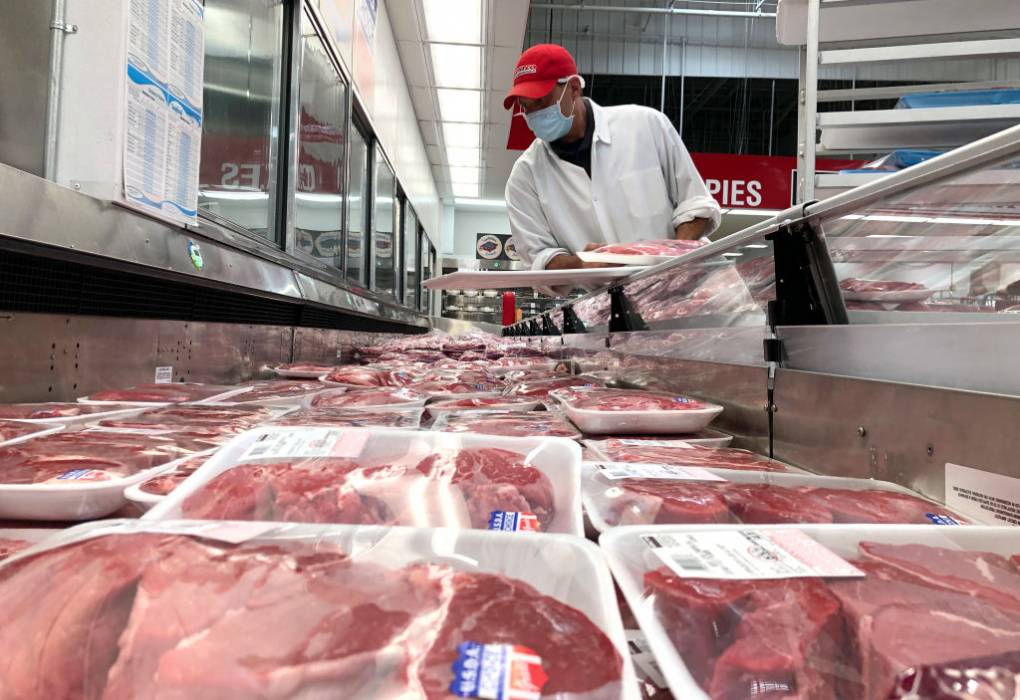
"caption": "A butcher stocks a display case with packages of steaks at a Costco store in Novato on May 24, 2021.",
"description": null,
"title": "Inflation Increases As Grocery Shoppers Pay More For Meat",
"credit": "Justin Sullivan/Getty Images",
"status": "inherit",
"altTag": "A man in a white coat stocking containers of meat in a market.",
"isLoading": false,
"fetchFailed": false
},
"news_11900151": {
"type": "attachments",
"id": "news_11900151",
"meta": {
"index": "attachments_1716263798",
"site": "news",
"id": "11900151",
"found": true
},
"parent": 11900049,
"imgSizes": {
"twentyfourteen-full-width": {
"file": "https://ww2.kqed.org/app/uploads/sites/10/2021/12/GettyImages-468285700-1024x576.jpg",
"width": 1024,
"mimeType": "image/jpeg",
"height": 576
},
"thumbnail": {
"file": "https://ww2.kqed.org/app/uploads/sites/10/2021/12/GettyImages-468285700-160x112.jpg",
"width": 160,
"mimeType": "image/jpeg",
"height": 112
},
"post-thumbnail": {
"file": "https://ww2.kqed.org/app/uploads/sites/10/2021/12/GettyImages-468285700-672x372.jpg",
"width": 672,
"mimeType": "image/jpeg",
"height": 372
},
"kqedFullSize": {
"file": "https://ww2.kqed.org/app/uploads/sites/10/2021/12/GettyImages-468285700.jpg",
"width": 1024,
"height": 716
},
"large": {
"file": "https://ww2.kqed.org/app/uploads/sites/10/2021/12/GettyImages-468285700-1020x713.jpg",
"width": 1020,
"mimeType": "image/jpeg",
"height": 713
},
"medium": {
"file": "https://ww2.kqed.org/app/uploads/sites/10/2021/12/GettyImages-468285700-800x559.jpg",
"width": 800,
"mimeType": "image/jpeg",
"height": 559
}
},
"publishDate": 1640221972,
"modified": 1640222807,
"caption": "A gardener water plants on April 1, 2015 in San Francisco. ",
"description": null,
"title": "California Governor Orders Mandatory Water Cuts As Drought Worsens",
"credit": "Justin Sullivan/Getty Images",
"status": "inherit",
"altTag": "A man wearing a hat, blue hoodie and white pants holds a hose and waters a bush.",
"isLoading": false,
"fetchFailed": false
},
"news_11884983": {
"type": "attachments",
"id": "news_11884983",
"meta": {
"index": "attachments_1716263798",
"site": "news",
"id": "11884983",
"found": true
},
"parent": 11884967,
"imgSizes": {
"twentyfourteen-full-width": {
"file": "https://ww2.kqed.org/app/uploads/sites/10/2021/08/RS50544_012_SanFrancisco_IndoorMasks_07302021-qut-1038x576.jpeg",
"width": 1038,
"mimeType": "image/jpeg",
"height": 576
},
"thumbnail": {
"file": "https://ww2.kqed.org/app/uploads/sites/10/2021/08/RS50544_012_SanFrancisco_IndoorMasks_07302021-qut-160x107.jpeg",
"width": 160,
"mimeType": "image/jpeg",
"height": 107
},
"post-thumbnail": {
"file": "https://ww2.kqed.org/app/uploads/sites/10/2021/08/RS50544_012_SanFrancisco_IndoorMasks_07302021-qut-672x372.jpeg",
"width": 672,
"mimeType": "image/jpeg",
"height": 372
},
"kqedFullSize": {
"file": "https://ww2.kqed.org/app/uploads/sites/10/2021/08/RS50544_012_SanFrancisco_IndoorMasks_07302021-qut.jpeg",
"width": 1920,
"height": 1280
},
"large": {
"file": "https://ww2.kqed.org/app/uploads/sites/10/2021/08/RS50544_012_SanFrancisco_IndoorMasks_07302021-qut-1020x680.jpeg",
"width": 1020,
"mimeType": "image/jpeg",
"height": 680
},
"1536x1536": {
"file": "https://ww2.kqed.org/app/uploads/sites/10/2021/08/RS50544_012_SanFrancisco_IndoorMasks_07302021-qut-1536x1024.jpeg",
"width": 1536,
"mimeType": "image/jpeg",
"height": 1024
},
"medium": {
"file": "https://ww2.kqed.org/app/uploads/sites/10/2021/08/RS50544_012_SanFrancisco_IndoorMasks_07302021-qut-800x533.jpeg",
"width": 800,
"mimeType": "image/jpeg",
"height": 533
}
},
"publishDate": 1628876004,
"modified": 1639686096,
"caption": "Masked employees at La Copa Loca Gelato in San Francisco serve customers, on July 30, 2021.",
"description": null,
"title": "RS50544_012_SanFrancisco_IndoorMasks_07302021-qut",
"credit": "Beth LaBerge/KQED",
"status": "inherit",
"altTag": "Workers in masks behind a counter serve ice cream to a customer.",
"isLoading": false,
"fetchFailed": false
},
"news_11898313": {
"type": "attachments",
"id": "news_11898313",
"meta": {
"index": "attachments_1716263798",
"site": "news",
"id": "11898313",
"found": true
},
"parent": 11898302,
"imgSizes": {
"twentyfourteen-full-width": {
"file": "https://ww2.kqed.org/app/uploads/sites/10/2021/12/IMG_2261-1-1038x576.jpg",
"width": 1038,
"mimeType": "image/jpeg",
"height": 576
},
"thumbnail": {
"file": "https://ww2.kqed.org/app/uploads/sites/10/2021/12/IMG_2261-1-160x120.jpg",
"width": 160,
"mimeType": "image/jpeg",
"height": 120
},
"post-thumbnail": {
"file": "https://ww2.kqed.org/app/uploads/sites/10/2021/12/IMG_2261-1-672x372.jpg",
"width": 672,
"mimeType": "image/jpeg",
"height": 372
},
"kqedFullSize": {
"file": "https://ww2.kqed.org/app/uploads/sites/10/2021/12/IMG_2261-1-scaled.jpg",
"width": 2560,
"height": 1920
},
"2048x2048": {
"file": "https://ww2.kqed.org/app/uploads/sites/10/2021/12/IMG_2261-1-2048x1536.jpg",
"width": 2048,
"mimeType": "image/jpeg",
"height": 1536
},
"large": {
"file": "https://ww2.kqed.org/app/uploads/sites/10/2021/12/IMG_2261-1-1020x765.jpg",
"width": 1020,
"mimeType": "image/jpeg",
"height": 765
},
"1536x1536": {
"file": "https://ww2.kqed.org/app/uploads/sites/10/2021/12/IMG_2261-1-1536x1152.jpg",
"width": 1536,
"mimeType": "image/jpeg",
"height": 1152
},
"full-width": {
"file": "https://ww2.kqed.org/app/uploads/sites/10/2021/12/IMG_2261-1-1920x1440.jpg",
"width": 1920,
"mimeType": "image/jpeg",
"height": 1440
},
"medium": {
"file": "https://ww2.kqed.org/app/uploads/sites/10/2021/12/IMG_2261-1-800x600.jpg",
"width": 800,
"mimeType": "image/jpeg",
"height": 600
}
},
"publishDate": 1638908411,
"modified": 1638909470,
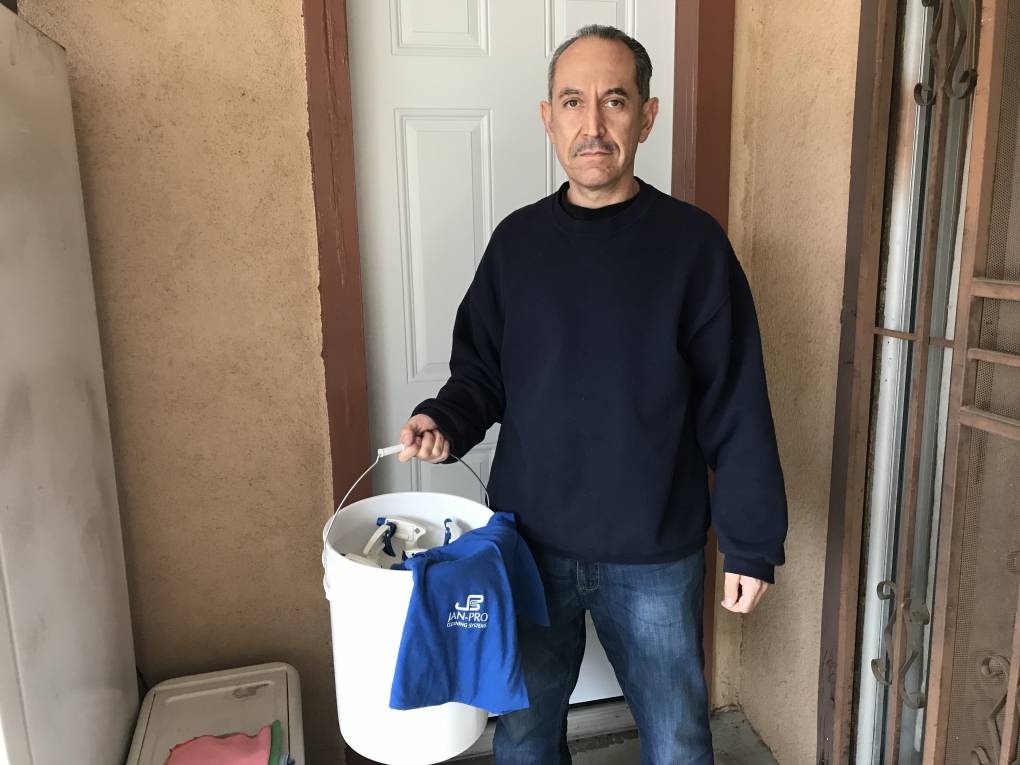
"caption": "When Jerry Vasquez bought a janitorial cleaning franchise in 2007, he thought he was starting his own business. He ended up working for less than minimum wage. ",
"description": null,
"title": "IMG_2261 (1)",
"credit": "Courtesy of Krissy Clark",
"status": "inherit",
"altTag": null,
"isLoading": false,
"fetchFailed": false
},
"news_11897794": {
"type": "attachments",
"id": "news_11897794",
"meta": {
"index": "attachments_1716263798",
"site": "news",
"id": "11897794",
"found": true
},
"parent": 11897789,
"imgSizes": {
"twentyfourteen-full-width": {
"file": "https://ww2.kqed.org/app/uploads/sites/10/2021/12/Smoke-Protections-Main-1038x576.jpg",
"width": 1038,
"mimeType": "image/jpeg",
"height": 576
},
"thumbnail": {
"file": "https://ww2.kqed.org/app/uploads/sites/10/2021/12/Smoke-Protections-Main-160x102.jpg",
"width": 160,
"mimeType": "image/jpeg",
"height": 102
},
"post-thumbnail": {
"file": "https://ww2.kqed.org/app/uploads/sites/10/2021/12/Smoke-Protections-Main-672x372.jpg",
"width": 672,
"mimeType": "image/jpeg",
"height": 372
},
"kqedFullSize": {
"file": "https://ww2.kqed.org/app/uploads/sites/10/2021/12/Smoke-Protections-Main.jpg",
"width": 1920,
"height": 1228
},
"large": {
"file": "https://ww2.kqed.org/app/uploads/sites/10/2021/12/Smoke-Protections-Main-1020x652.jpg",
"width": 1020,
"mimeType": "image/jpeg",
"height": 652
},
"1536x1536": {
"file": "https://ww2.kqed.org/app/uploads/sites/10/2021/12/Smoke-Protections-Main-1536x982.jpg",
"width": 1536,
"mimeType": "image/jpeg",
"height": 982
},
"medium": {
"file": "https://ww2.kqed.org/app/uploads/sites/10/2021/12/Smoke-Protections-Main-800x512.jpg",
"width": 800,
"mimeType": "image/jpeg",
"height": 512
}
},
"publishDate": 1638390355,
"modified": 1638411790,
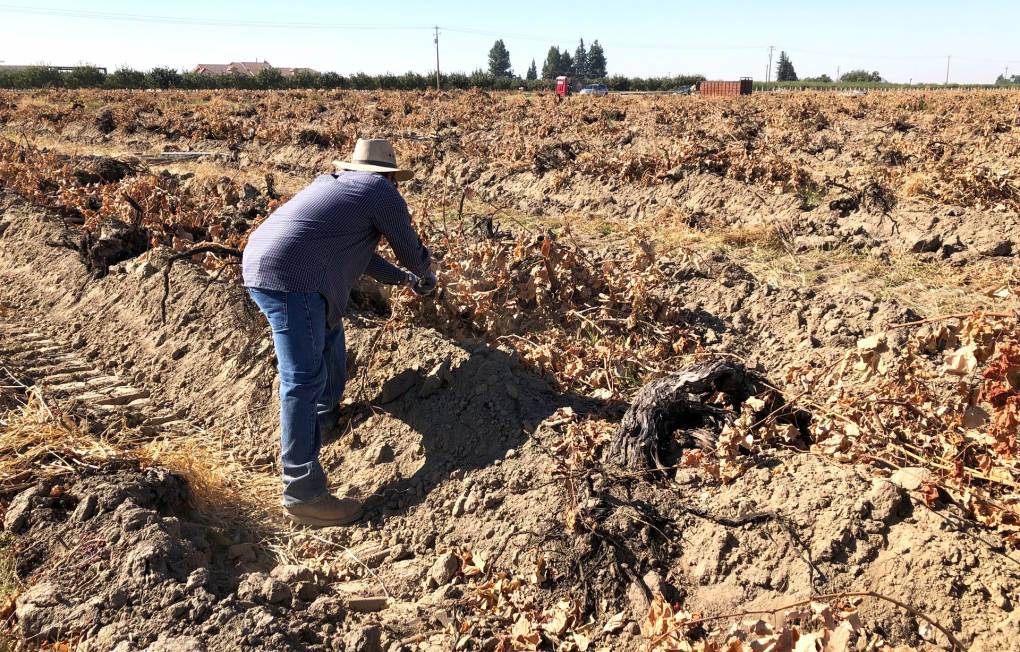
"caption": "A worker pulls dry grapevines from a field in Fresno County on Oct. 13, 2021. He labored regular shifts in thick smoke the week before, he said, but was not provided with an N95 mask, moved indoors or offered any of the protections required by the state.",
"description": "A worker pulls dry grapevines from a field in Fresno County on Oct 13, 2021. He labored regular shifts in thick smoke the week before, he said, but was not provided an N95 mask, moved indoors or offered any of the protections required by the state.",
"title": "Smoke-Protections-Main",
"credit": "Farida Jhabvala Romero/KQED",
"status": "inherit",
"altTag": "Beneath a bright sun, a man wearing a light purple long-sleeved shirt, jeans, work boots, and a wide-brimmed hat stands in a dried tractor rut and leans over as he pulls at dry grapevines. The entire field around him is brown and dry, with a line of trees visible in the distance.",
"isLoading": false,
"fetchFailed": false
},
"news_11894181": {
"type": "attachments",
"id": "news_11894181",
"meta": {
"index": "attachments_1716263798",
"site": "news",
"id": "11894181",
"found": true
},
"parent": 11894053,
"imgSizes": {
"twentyfourteen-full-width": {
"file": "https://ww2.kqed.org/app/uploads/sites/10/2021/10/RS50868_065_Fresno_FosterFarmsCOVID_08112021-qut-1-1038x576.jpg",
"width": 1038,
"mimeType": "image/jpeg",
"height": 576
},
"thumbnail": {
"file": "https://ww2.kqed.org/app/uploads/sites/10/2021/10/RS50868_065_Fresno_FosterFarmsCOVID_08112021-qut-1-160x107.jpg",
"width": 160,
"mimeType": "image/jpeg",
"height": 107
},
"post-thumbnail": {
"file": "https://ww2.kqed.org/app/uploads/sites/10/2021/10/RS50868_065_Fresno_FosterFarmsCOVID_08112021-qut-1-672x372.jpg",
"width": 672,
"mimeType": "image/jpeg",
"height": 372
},
"kqedFullSize": {
"file": "https://ww2.kqed.org/app/uploads/sites/10/2021/10/RS50868_065_Fresno_FosterFarmsCOVID_08112021-qut-1.jpg",
"width": 1920,
"height": 1280
},
"large": {
"file": "https://ww2.kqed.org/app/uploads/sites/10/2021/10/RS50868_065_Fresno_FosterFarmsCOVID_08112021-qut-1-1020x680.jpg",
"width": 1020,
"mimeType": "image/jpeg",
"height": 680
},
"1536x1536": {
"file": "https://ww2.kqed.org/app/uploads/sites/10/2021/10/RS50868_065_Fresno_FosterFarmsCOVID_08112021-qut-1-1536x1024.jpg",
"width": 1536,
"mimeType": "image/jpeg",
"height": 1024
},
"medium": {
"file": "https://ww2.kqed.org/app/uploads/sites/10/2021/10/RS50868_065_Fresno_FosterFarmsCOVID_08112021-qut-1-800x533.jpg",
"width": 800,
"mimeType": "image/jpeg",
"height": 533
}
},
"publishDate": 1635448807,
"modified": 1635464798,
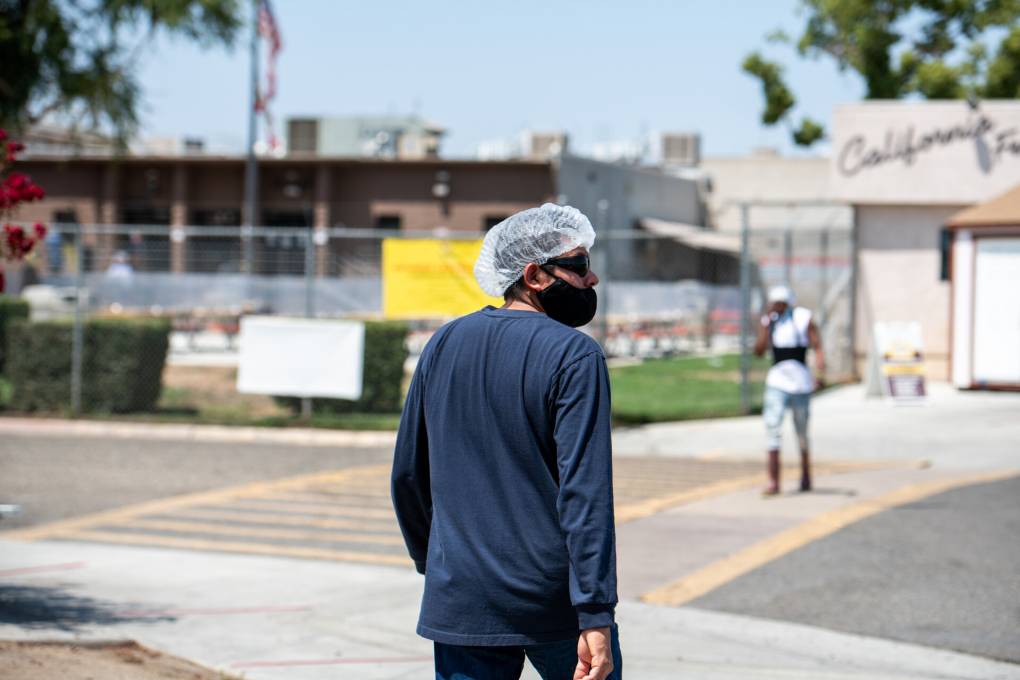
"caption": "A Foster Farms employee enters the facility on W. Belgravia Ave. in Fresno on Aug. 11, 2021.",
"description": null,
"title": "RS50868_065_Fresno_FosterFarmsCOVID_08112021-qut",
"credit": "Beth LaBerge/KQED",
"status": "inherit",
"altTag": "A man wearing a plastic hair net and a long-sleeved shirt walks along a sidewalk toward a long, low industrial building.",
"isLoading": false,
"fetchFailed": false
},
"news_11893999": {
"type": "attachments",
"id": "news_11893999",
"meta": {
"index": "attachments_1716263798",
"site": "news",
"id": "11893999",
"found": true
},
"parent": 11893995,
"imgSizes": {
"twentyfourteen-full-width": {
"file": "https://ww2.kqed.org/app/uploads/sites/10/2021/10/UNIONS-Shirley-Reyes-100621-01-1038x576.jpg",
"width": 1038,
"mimeType": "image/jpeg",
"height": 576
},
"thumbnail": {
"file": "https://ww2.kqed.org/app/uploads/sites/10/2021/10/UNIONS-Shirley-Reyes-100621-01-160x107.jpg",
"width": 160,
"mimeType": "image/jpeg",
"height": 107
},
"post-thumbnail": {
"file": "https://ww2.kqed.org/app/uploads/sites/10/2021/10/UNIONS-Shirley-Reyes-100621-01-672x372.jpg",
"width": 672,
"mimeType": "image/jpeg",
"height": 372
},
"kqedFullSize": {
"file": "https://ww2.kqed.org/app/uploads/sites/10/2021/10/UNIONS-Shirley-Reyes-100621-01.jpg",
"width": 1200,
"height": 800
},
"large": {
"file": "https://ww2.kqed.org/app/uploads/sites/10/2021/10/UNIONS-Shirley-Reyes-100621-01-1020x680.jpg",
"width": 1020,
"mimeType": "image/jpeg",
"height": 680
},
"medium": {
"file": "https://ww2.kqed.org/app/uploads/sites/10/2021/10/UNIONS-Shirley-Reyes-100621-01-800x533.jpg",
"width": 800,
"mimeType": "image/jpeg",
"height": 533
}
},
"publishDate": 1635354726,
"modified": 1635371583,
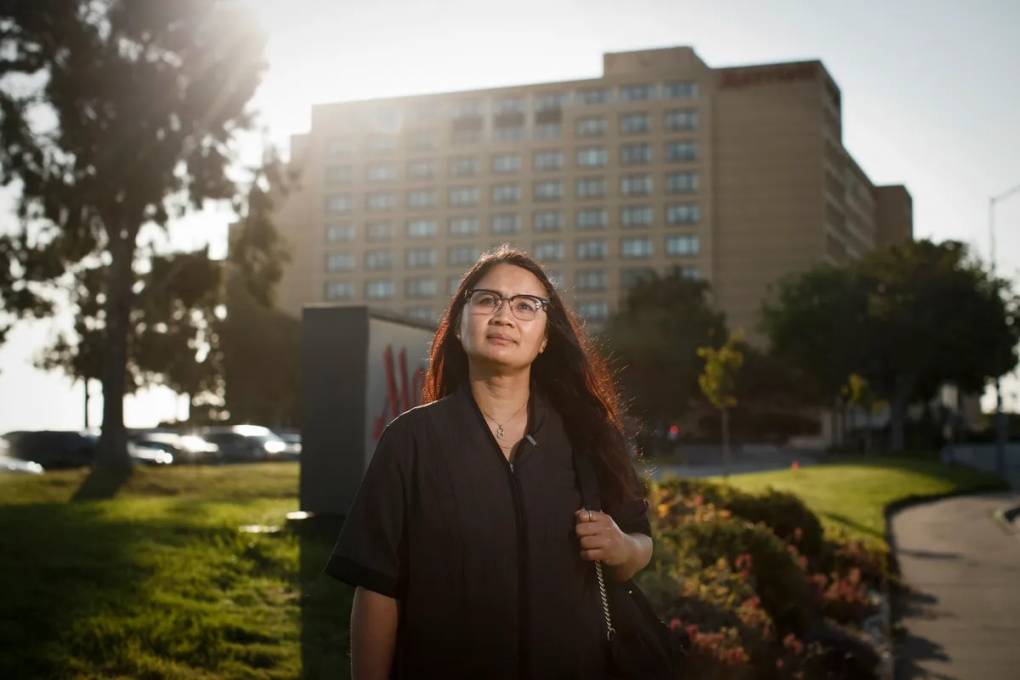
"caption": "Shirley Reyes, 49, a housekeeper at San Francisco Airport Marriott Waterfront, in front of the hotel in Burlingame on Sept. 8, 2021.",
"description": null,
"title": "UNIONS-Shirley-Reyes-100621-01",
"credit": "Dai Sugano/Bay Area News Group",
"status": "inherit",
"altTag": "A woman with long hair and glasses, lightly smiling and looking above the camera, stands in front of a large hotel, with sun cresting its corner behind her, looking calm and powerful.",
"isLoading": false,
"fetchFailed": false
},
"news_11910204": {
"type": "attachments",
"id": "news_11910204",
"meta": {
"index": "attachments_1716263798",
"site": "news",
"id": "11910204",
"found": true
},
"parent": 11892481,
"imgSizes": {
"twentyfourteen-full-width": {
"file": "https://ww2.kqed.org/app/uploads/sites/10/2021/10/GettyImages-1387683215-1024x576.jpg",
"width": 1024,
"mimeType": "image/jpeg",
"height": 576
},
"thumbnail": {
"file": "https://ww2.kqed.org/app/uploads/sites/10/2021/10/GettyImages-1387683215-160x107.jpg",
"width": 160,
"mimeType": "image/jpeg",
"height": 107
},
"post-thumbnail": {
"file": "https://ww2.kqed.org/app/uploads/sites/10/2021/10/GettyImages-1387683215-672x372.jpg",
"width": 672,
"mimeType": "image/jpeg",
"height": 372
},
"kqedFullSize": {
"file": "https://ww2.kqed.org/app/uploads/sites/10/2021/10/GettyImages-1387683215.jpg",
"width": 1024,
"height": 683
},
"large": {
"file": "https://ww2.kqed.org/app/uploads/sites/10/2021/10/GettyImages-1387683215-1020x680.jpg",
"width": 1020,
"mimeType": "image/jpeg",
"height": 680
},
"medium": {
"file": "https://ww2.kqed.org/app/uploads/sites/10/2021/10/GettyImages-1387683215-800x534.jpg",
"width": 800,
"mimeType": "image/jpeg",
"height": 534
}
},
"publishDate": 1648854437,
"modified": 1648854487,
"caption": "MUNICH, GERMANY - MARCH 22: The exterior of an Apple store photographed on March 22, 2022 in Munich, Germany. ",
"description": "MUNICH, GERMANY - MARCH 22: The exterior of an Apple store photographed on March 22, 2022 in Munich, Germany. ",
"title": "Storefronts And General Views Of Germany",
"credit": "Jeremy Moeller/Getty Images",
"status": "inherit",
"altTag": null,
"isLoading": false,
"fetchFailed": false
},
"news_11892062": {
"type": "attachments",
"id": "news_11892062",
"meta": {
"index": "attachments_1716263798",
"site": "news",
"id": "11892062",
"found": true
},
"parent": 11892048,
"imgSizes": {
"twentyfourteen-full-width": {
"file": "https://ww2.kqed.org/app/uploads/sites/10/2021/10/GettyImages-1231562101-1038x576.jpg",
"width": 1038,
"mimeType": "image/jpeg",
"height": 576
},
"thumbnail": {
"file": "https://ww2.kqed.org/app/uploads/sites/10/2021/10/GettyImages-1231562101-160x107.jpg",
"width": 160,
"mimeType": "image/jpeg",
"height": 107
},
"post-thumbnail": {
"file": "https://ww2.kqed.org/app/uploads/sites/10/2021/10/GettyImages-1231562101-672x372.jpg",
"width": 672,
"mimeType": "image/jpeg",
"height": 372
},
"kqedFullSize": {
"file": "https://ww2.kqed.org/app/uploads/sites/10/2021/10/GettyImages-1231562101-scaled.jpg",
"width": 2560,
"height": 1707
},
"2048x2048": {
"file": "https://ww2.kqed.org/app/uploads/sites/10/2021/10/GettyImages-1231562101-2048x1365.jpg",
"width": 2048,
"mimeType": "image/jpeg",
"height": 1365
},
"large": {
"file": "https://ww2.kqed.org/app/uploads/sites/10/2021/10/GettyImages-1231562101-1020x680.jpg",
"width": 1020,
"mimeType": "image/jpeg",
"height": 680
},
"1536x1536": {
"file": "https://ww2.kqed.org/app/uploads/sites/10/2021/10/GettyImages-1231562101-1536x1024.jpg",
"width": 1536,
"mimeType": "image/jpeg",
"height": 1024
},
"full-width": {
"file": "https://ww2.kqed.org/app/uploads/sites/10/2021/10/GettyImages-1231562101-1920x1280.jpg",
"width": 1920,
"mimeType": "image/jpeg",
"height": 1280
},
"medium": {
"file": "https://ww2.kqed.org/app/uploads/sites/10/2021/10/GettyImages-1231562101-800x533.jpg",
"width": 800,
"mimeType": "image/jpeg",
"height": 533
}
},
"publishDate": 1634086897,
"modified": 1634148139,
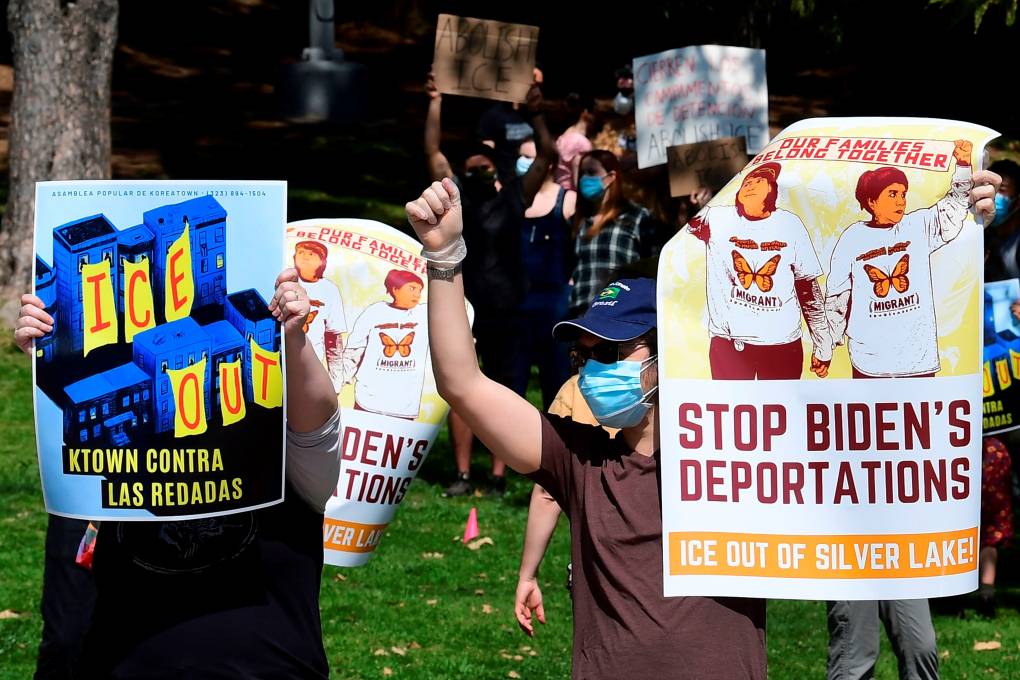
"caption": "Activists gather for a 'Reunite Our Families Now' rally in Los Angeles on March 6, 2021, to protest continued deportations under President Joe Biden.",
"description": "Activists gather for a \"Reunite Our Families Now\" rally in Los Angeles, California on March 6, 2021, to protest continued deportations under President Joe Biden.",
"title": "US-IMMIGRATION-RALLY",
"credit": "Frederic J. Brown/AFP via Getty Images",
"status": "inherit",
"altTag": "Two protesters hold signs. One says, \"ICE Out: K-Town contra las redadas,\" or K-Town against mass deportations; the other says \"Stop Biden's Deportations.\"",
"isLoading": false,
"fetchFailed": false
},
"news_11889752": {
"type": "attachments",
"id": "news_11889752",
"meta": {
"index": "attachments_1716263798",
"site": "news",
"id": "11889752",
"found": true
},
"parent": 11889701,
"imgSizes": {
"twentyfourteen-full-width": {
"file": "https://ww2.kqed.org/app/uploads/sites/10/2021/09/CalMatters1-1-1038x576.jpg",
"width": 1038,
"mimeType": "image/jpeg",
"height": 576
},
"thumbnail": {
"file": "https://ww2.kqed.org/app/uploads/sites/10/2021/09/CalMatters1-1-160x105.jpg",
"width": 160,
"mimeType": "image/jpeg",
"height": 105
},
"post-thumbnail": {
"file": "https://ww2.kqed.org/app/uploads/sites/10/2021/09/CalMatters1-1-672x372.jpg",
"width": 672,
"mimeType": "image/jpeg",
"height": 372
},
"kqedFullSize": {
"file": "https://ww2.kqed.org/app/uploads/sites/10/2021/09/CalMatters1-1.jpg",
"width": 1920,
"height": 1258
},
"large": {
"file": "https://ww2.kqed.org/app/uploads/sites/10/2021/09/CalMatters1-1-1020x668.jpg",
"width": 1020,
"mimeType": "image/jpeg",
"height": 668
},
"1536x1536": {
"file": "https://ww2.kqed.org/app/uploads/sites/10/2021/09/CalMatters1-1-1536x1006.jpg",
"width": 1536,
"mimeType": "image/jpeg",
"height": 1006
},
"medium": {
"file": "https://ww2.kqed.org/app/uploads/sites/10/2021/09/CalMatters1-1-800x524.jpg",
"width": 800,
"mimeType": "image/jpeg",
"height": 524
}
},
"publishDate": 1632432440,
"modified": 1632509505,
"caption": "Martha Garrido, a domestic worker who lives in San Francisco, was unable to work for several weeks after breaking her hand but did not have access to paid sick leave.",
"description": "Martha Garrido, a domestic worker who lives in San Francisco, was unable to work for several weeks after breaking her hand but did not have access to paid sick leave.",
"title": "CalMatters1 (1)",
"credit": "Anne Wernikoff/CalMatters",
"status": "inherit",
"altTag": "A woman in a ponytail wearing a black \"California Domestic Workers Coalition\" T-shirt gazes at the camera.",
"isLoading": false,
"fetchFailed": false
},
"news_11888896": {
"type": "attachments",
"id": "news_11888896",
"meta": {
"index": "attachments_1716263798",
"site": "news",
"id": "11888896",
"found": true
},
"parent": 11888891,
"imgSizes": {
"twentyfourteen-full-width": {
"file": "https://ww2.kqed.org/app/uploads/sites/10/2021/09/GettyImages-461843598-1038x576.jpg",
"width": 1038,
"mimeType": "image/jpeg",
"height": 576
},
"thumbnail": {
"file": "https://ww2.kqed.org/app/uploads/sites/10/2021/09/GettyImages-461843598-160x110.jpg",
"width": 160,
"mimeType": "image/jpeg",
"height": 110
},
"post-thumbnail": {
"file": "https://ww2.kqed.org/app/uploads/sites/10/2021/09/GettyImages-461843598-672x372.jpg",
"width": 672,
"mimeType": "image/jpeg",
"height": 372
},
"kqedFullSize": {
"file": "https://ww2.kqed.org/app/uploads/sites/10/2021/09/GettyImages-461843598-scaled.jpg",
"width": 2560,
"height": 1765
},
"2048x2048": {
"file": "https://ww2.kqed.org/app/uploads/sites/10/2021/09/GettyImages-461843598-2048x1412.jpg",
"width": 2048,
"mimeType": "image/jpeg",
"height": 1412
},
"large": {
"file": "https://ww2.kqed.org/app/uploads/sites/10/2021/09/GettyImages-461843598-1020x703.jpg",
"width": 1020,
"mimeType": "image/jpeg",
"height": 703
},
"1536x1536": {
"file": "https://ww2.kqed.org/app/uploads/sites/10/2021/09/GettyImages-461843598-1536x1059.jpg",
"width": 1536,
"mimeType": "image/jpeg",
"height": 1059
},
"full-width": {
"file": "https://ww2.kqed.org/app/uploads/sites/10/2021/09/GettyImages-461843598-1920x1324.jpg",
"width": 1920,
"mimeType": "image/jpeg",
"height": 1324
},
"medium": {
"file": "https://ww2.kqed.org/app/uploads/sites/10/2021/09/GettyImages-461843598-800x551.jpg",
"width": 800,
"mimeType": "image/jpeg",
"height": 551
}
},
"publishDate": 1631829938,
"modified": 1649857883,
"caption": null,
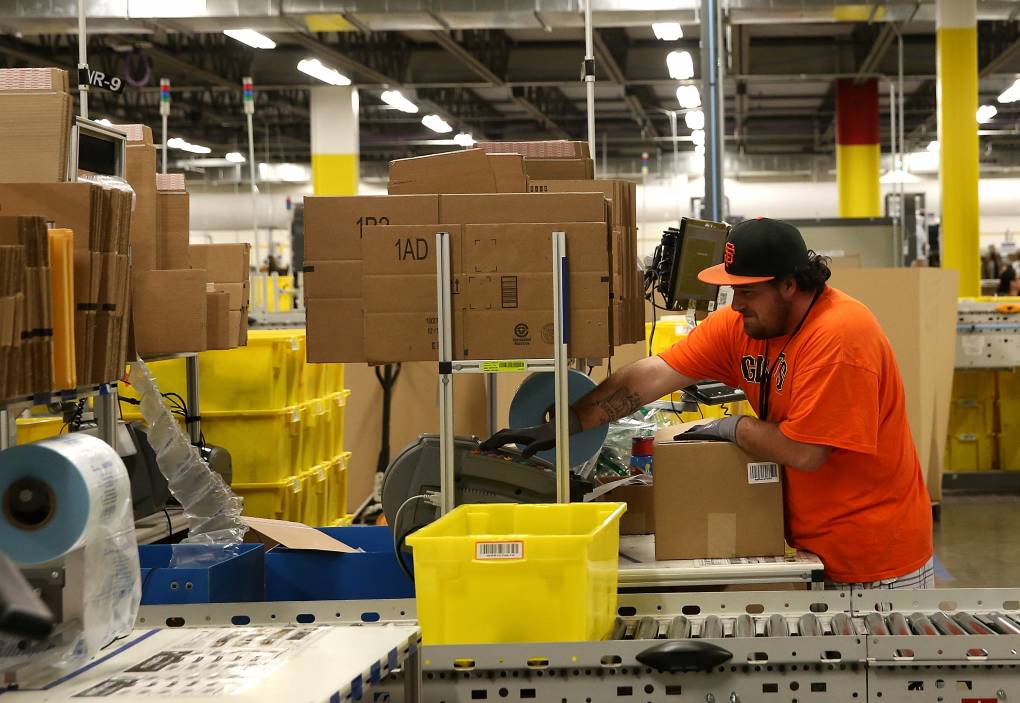
"description": "An Amazon.com worker packs orders at an Amazon fulfillment center in Tracy, California. Under AB 791, warehouses will be required to disclose to employees and government agencies the quotas and metrics used to track workers. It would also ban penalties for “time off-task”, which discourage workers from using the bathroom or taking other necessary breaks. ",
"title": "Grand Opening Of Amazon Fulfillment Center Features State Of The Art Technology",
"credit": "Justin Sullivan/Getty Images",
"status": "inherit",
"altTag": "A man in an orange shirt and a baseball hat packs boxes.",
"isLoading": false,
"fetchFailed": false
},
"news_11889298": {
"type": "attachments",
"id": "news_11889298",
"meta": {
"index": "attachments_1716263798",
"site": "news",
"id": "11889298",
"found": true
},
"parent": 11889263,
"imgSizes": {
"twentyfourteen-full-width": {
"file": "https://ww2.kqed.org/app/uploads/sites/10/2021/09/Firefighter-Cover-1038x576.jpg",
"width": 1038,
"mimeType": "image/jpeg",
"height": 576
},
"thumbnail": {
"file": "https://ww2.kqed.org/app/uploads/sites/10/2021/09/Firefighter-Cover-160x107.jpg",
"width": 160,
"mimeType": "image/jpeg",
"height": 107
},
"post-thumbnail": {
"file": "https://ww2.kqed.org/app/uploads/sites/10/2021/09/Firefighter-Cover-672x372.jpg",
"width": 672,
"mimeType": "image/jpeg",
"height": 372
},
"kqedFullSize": {
"file": "https://ww2.kqed.org/app/uploads/sites/10/2021/09/Firefighter-Cover.jpg",
"width": 1396,
"height": 931
},
"large": {
"file": "https://ww2.kqed.org/app/uploads/sites/10/2021/09/Firefighter-Cover-1020x680.jpg",
"width": 1020,
"mimeType": "image/jpeg",
"height": 680
},
"medium": {
"file": "https://ww2.kqed.org/app/uploads/sites/10/2021/09/Firefighter-Cover-800x534.jpg",
"width": 800,
"mimeType": "image/jpeg",
"height": 534
}
},
"publishDate": 1632260245,
"modified": 1632345893,
"caption": "Over the last year and a half, almost four dozen Cal Fire firefighters\nhave suffered from heat illness during training, and since 2003, five have died.",
"description": "Over the last year and a half, almost four dozen Cal Fire firefighters\nhave suffered from heat illness during training, and since 2003, five have died.",
"title": "Firefighter Cover",
"credit": "Illustration by Alborz Kamalizad / Photography courtesy of Cal Fire",
"status": "inherit",
"altTag": "A black-and-white photo of a group of firefighters lying on the grass, overlaid with a graphic of a dotted red line.",
"isLoading": false,
"fetchFailed": false
}
},
"audioPlayerReducer": {
"postId": "stream_live",
"isPaused": true,
"isPlaying": false,
"pfsActive": false,
"pledgeModalIsOpen": true,
"playerDrawerIsOpen": false,
"liveAudioPlayStartedAt": 0,
"liveAudioPlayContext": ""
},
"authorsReducer": {
"byline_news_11901641": {
"type": "authors",
"id": "byline_news_11901641",
"meta": {
"override": true
},
"slug": "byline_news_11901641",
"name": "\u003ca href=\"https://calmatters.org/author/sameea-kamal/\">Sameea Kamal\u003c/a>",
"isLoading": false
},
"byline_news_11899392": {
"type": "authors",
"id": "byline_news_11899392",
"meta": {
"override": true
},
"slug": "byline_news_11899392",
"name": "Don Thompson\u003cbr>Associated Press",
"isLoading": false
},
"byline_news_11893995": {
"type": "authors",
"id": "byline_news_11893995",
"meta": {
"override": true
},
"slug": "byline_news_11893995",
"name": "Grace Gedye and Jesse Bedayn\u003cbr>CalMatters",
"isLoading": false
},
"byline_news_11892481": {
"type": "authors",
"id": "byline_news_11892481",
"meta": {
"override": true
},
"slug": "byline_news_11892481",
"name": "Bobby Allyn",
"isLoading": false
},
"byline_news_11892048": {
"type": "authors",
"id": "byline_news_11892048",
"meta": {
"override": true
},
"slug": "byline_news_11892048",
"name": "\u003ca href=\"https://www.npr.org/people/14562108/bill-chappell\">Bill Chappell\u003c/a>",
"isLoading": false
},
"byline_news_11889701": {
"type": "authors",
"id": "byline_news_11889701",
"meta": {
"override": true
},
"slug": "byline_news_11889701",
"name": "Sameea Kamal\u003cbr>CalMatters",
"isLoading": false
},
"byline_news_11889263": {
"type": "authors",
"id": "byline_news_11889263",
"meta": {
"override": true
},
"slug": "byline_news_11889263",
"name": "Brian Edwards and Jacob Margolis",
"isLoading": false
},
"kqed": {
"type": "authors",
"id": "236",
"meta": {
"index": "authors_1716337520",
"id": "236",
"found": true
},
"name": "KQED News Staff",
"firstName": "KQED News Staff",
"lastName": null,
"slug": "kqed",
"email": "faq@kqed.org",
"display_author_email": false,
"staff_mastheads": [],
"title": null,
"bio": null,
"avatar": "https://secure.gravatar.com/avatar/ef0e801a68c4c54afa9180db14084167?s=600&d=blank&r=g",
"twitter": null,
"facebook": null,
"instagram": null,
"linkedin": null,
"sites": [
{
"site": "arts",
"roles": [
"contributor"
]
},
{
"site": "news",
"roles": [
"editor"
]
},
{
"site": "futureofyou",
"roles": [
"author"
]
}
],
"headData": {
"title": "KQED News Staff | KQED",
"description": null,
"ogImgSrc": "https://secure.gravatar.com/avatar/ef0e801a68c4c54afa9180db14084167?s=600&d=blank&r=g",
"twImgSrc": "https://secure.gravatar.com/avatar/ef0e801a68c4c54afa9180db14084167?s=600&d=blank&r=g"
},
"isLoading": false,
"link": "/author/kqed"
},
"rachael-myrow": {
"type": "authors",
"id": "251",
"meta": {
"index": "authors_1716337520",
"id": "251",
"found": true
},
"name": "Rachael Myrow",
"firstName": "Rachael",
"lastName": "Myrow",
"slug": "rachael-myrow",
"email": "rmyrow@kqed.org",
"display_author_email": true,
"staff_mastheads": [
"news"
],
"title": "Senior Editor of KQED's Silicon Valley News Desk",
"bio": "• I write and edit stories about how Silicon Valley power and policies shape everyday life in California. I’m also passionate about making Bay Area history and culture more accessible to a broad public. • I’ve been a journalist for most of my life, starting in high school with The Franklin Press in Los Angeles, where I grew up. While earning my first degree in English at UC Berkeley, I got my start in public radio at KALX-FM. After completing a second degree in journalism at Cal, I landed my first professional job at Marketplace, then moved on to KPCC (now LAist), and then KQED, where I hosted The California Report for more than seven years. • My reporting has appeared on NPR, The World, WBUR’s \u003ci>Here & Now\u003c/i>, and the BBC. I also guest host for KQED’s \u003ci>Forum\u003c/i>, as well as the Commonwealth Club in San Francisco. • I speak periodically on media, democracy and technology issues, and do voiceover work for documentaries and educational video projects. • Outside of the studio, you'll find me hiking Bay Area trails and whipping up Insta-ready meals in my kitchen. • I do not accept gifts, money, or favors from anyone connected to my reporting, I don't pay people for information, and I do not support or donate to political causes. • I strive to treat the people I report on with fairness, honesty, and respect. I also recognize there are often multiple sides to a story and work to verify information through multiple sources and documentation. If I get something wrong, I correct it.",
"avatar": "https://secure.gravatar.com/avatar/3ed8a3c5f26025e4a805ba634cda8cd764906b97438a6d9ce216b044e340da4e?s=600&d=blank&r=g",
"twitter": "rachaelmyrow",
"bluesky": null,
"facebook": null,
"instagram": null,
"linkedin": "https://www.linkedin.com/in/rachaelmyrow/",
"sites": [
{
"site": "arts",
"roles": [
"administrator"
]
},
{
"site": "news",
"roles": [
"edit_others_posts",
"editor"
]
},
{
"site": "futureofyou",
"roles": [
"editor"
]
},
{
"site": "bayareabites",
"roles": [
"editor"
]
},
{
"site": "stateofhealth",
"roles": [
"editor"
]
},
{
"site": "science",
"roles": [
"editor"
]
},
{
"site": "food",
"roles": [
"editor"
]
},
{
"site": "forum",
"roles": [
"editor"
]
},
{
"site": "liveblog",
"roles": [
"author"
]
}
],
"headData": {
"title": "Rachael Myrow | KQED",
"description": "Senior Editor of KQED's Silicon Valley News Desk",
"ogImgSrc": "https://secure.gravatar.com/avatar/3ed8a3c5f26025e4a805ba634cda8cd764906b97438a6d9ce216b044e340da4e?s=600&d=blank&r=g",
"twImgSrc": "https://secure.gravatar.com/avatar/3ed8a3c5f26025e4a805ba634cda8cd764906b97438a6d9ce216b044e340da4e?s=600&d=blank&r=g"
},
"isLoading": false,
"link": "/author/rachael-myrow"
},
"fjhabvala": {
"type": "authors",
"id": "8659",
"meta": {
"index": "authors_1716337520",
"id": "8659",
"found": true
},
"name": "Farida Jhabvala Romero",
"firstName": "Farida",
"lastName": "Jhabvala Romero",
"slug": "fjhabvala",
"email": "fjhabvala@kqed.org",
"display_author_email": true,
"staff_mastheads": [
"news"
],
"title": "KQED Contributor",
"bio": "Farida Jhabvala Romero is a Labor Correspondent for KQED. She previously covered immigration. Farida was \u003ca href=\"https://www.ccnma.org/2022-most-influential-latina-journalists\">named\u003c/a> one of the 10 Most Influential Latina Journalists in California in 2022 by the California Chicano News Media Association. Her work has won awards from the Society of Professional Journalists (Northern California), as well as a national and regional Edward M. Murrow Award for the collaborative reporting projects “Dangerous Air” and “Graying California.” Before joining KQED, Farida worked as a producer at Radio Bilingüe, a national public radio network. Farida earned her master’s degree in journalism from Stanford University.",
"avatar": "https://secure.gravatar.com/avatar/f9f022d4e2609741874222a1e9d41f48fea74011aa7c615eef91d9a50c944ebe?s=600&d=blank&r=g",
"twitter": "FaridaJhabvala",
"bluesky": null,
"facebook": null,
"instagram": null,
"linkedin": "https://www.linkedin.com/in/faridajhabvala/",
"sites": [
{
"site": "news",
"roles": [
"editor"
]
},
{
"site": "stateofhealth",
"roles": [
"author"
]
},
{
"site": "liveblog",
"roles": [
"author"
]
}
],
"headData": {
"title": "Farida Jhabvala Romero | KQED",
"description": "KQED Contributor",
"ogImgSrc": "https://secure.gravatar.com/avatar/f9f022d4e2609741874222a1e9d41f48fea74011aa7c615eef91d9a50c944ebe?s=600&d=blank&r=g",
"twImgSrc": "https://secure.gravatar.com/avatar/f9f022d4e2609741874222a1e9d41f48fea74011aa7c615eef91d9a50c944ebe?s=600&d=blank&r=g"
},
"isLoading": false,
"link": "/author/fjhabvala"
},
"csaldana": {
"type": "authors",
"id": "11301",
"meta": {
"index": "authors_1716337520",
"id": "11301",
"found": true
},
"name": "Cesar Saldaña",
"firstName": "Cesar",
"lastName": "Saldaña",
"slug": "csaldana",
"email": "csaldana@kqed.org",
"display_author_email": false,
"staff_mastheads": [
"news"
],
"title": "KQED Contributor",
"bio": null,
"avatar": "https://secure.gravatar.com/avatar/04e89425007fe7102f750c79e76274bc?s=600&d=mm&r=g",
"twitter": null,
"facebook": null,
"instagram": null,
"linkedin": null,
"sites": [
{
"site": "news",
"roles": []
},
{
"site": "perspectives",
"roles": []
}
],
"headData": {
"title": "Cesar Saldaña | KQED",
"description": "KQED Contributor",
"ogImgSrc": "https://secure.gravatar.com/avatar/04e89425007fe7102f750c79e76274bc?s=600&d=mm&r=g",
"twImgSrc": "https://secure.gravatar.com/avatar/04e89425007fe7102f750c79e76274bc?s=600&d=mm&r=g"
},
"isLoading": false,
"link": "/author/csaldana"
},
"ccabreralomeli": {
"type": "authors",
"id": "11708",
"meta": {
"index": "authors_1716337520",
"id": "11708",
"found": true
},
"name": "Carlos Cabrera-Lomelí",
"firstName": "Carlos",
"lastName": "Cabrera-Lomelí",
"slug": "ccabreralomeli",
"email": "ccabreralomeli@KQED.org",
"display_author_email": true,
"staff_mastheads": [
"news"
],
"title": "Community Reporter",
"bio": "Carlos Cabrera-Lomelí is a community reporter with KQED's digital engagement team. He also reports and co-produces for KQED's bilingual news hub KQED en Español. He grew up in San Francisco's Mission District and has previously worked with Univision, 48 Hills and REFORMA in Mexico City.",
"avatar": "https://secure.gravatar.com/avatar/c309be9665e484f887b818c89e273ecc673004f426f36b24d00a4d813a2e0518?s=600&d=blank&r=g",
"twitter": "@LomeliCabrera",
"bluesky": null,
"facebook": null,
"instagram": null,
"linkedin": null,
"sites": [
{
"site": "arts",
"roles": [
"editor"
]
},
{
"site": "news",
"roles": [
"editor"
]
},
{
"site": "about",
"roles": [
"editor"
]
},
{
"site": "science",
"roles": [
"editor"
]
},
{
"site": "perspectives",
"roles": [
"editor"
]
},
{
"site": "elections",
"roles": [
"editor"
]
},
{
"site": "liveblog",
"roles": [
"contributor"
]
}
],
"headData": {
"title": "Carlos Cabrera-Lomelí | KQED",
"description": "Community Reporter",
"ogImgSrc": "https://secure.gravatar.com/avatar/c309be9665e484f887b818c89e273ecc673004f426f36b24d00a4d813a2e0518?s=600&d=blank&r=g",
"twImgSrc": "https://secure.gravatar.com/avatar/c309be9665e484f887b818c89e273ecc673004f426f36b24d00a4d813a2e0518?s=600&d=blank&r=g"
},
"isLoading": false,
"link": "/author/ccabreralomeli"
}
},
"pagesReducer": {
"news_tag_labor": {
"type": "terms",
"id": "news_19904",
"meta": {
"index": "terms_1716263798",
"site": "news",
"id": "19904",
"score": 8.558133
},
"name": "Labor",
"slug": "labor",
"taxonomy": "tag",
"description": null,
"featImg": null,
"headData": {
"title": "Labor | KQED News",
"description": null,
"ogTitle": null,
"ogDescription": null,
"ogImgId": null,
"twTitle": null,
"twDescription": null,
"twImgId": null
},
"ttid": 19921,
"isLoading": false,
"title": "Labor",
"pageMeta": {
"site": "news",
"WpPageTemplate": "page-topic-editorial",
"currentPage": 45
},
"blocks": [
{
"blockName": "kqed/post-list",
"attrs": {
"layout": "cardArticle2",
"query": "posts/news?tag=labor",
"seeMore": false,
"paginated": true,
"page": 45
}
},
{
"blockName": "kqed/ad"
}
]
}
},
"pfsSessionReducer": {},
"postsReducer": {
"stream_live": {
"type": "live",
"id": "stream_live",
"audioUrl": "https://streams.kqed.org/kqedradio",
"title": "Live Stream",
"excerpt": "Live Stream information currently unavailable.",
"link": "/radio",
"featImg": "",
"label": {
"name": "KQED Live",
"link": "/"
}
},
"stream_kqedNewscast": {
"type": "posts",
"id": "stream_kqedNewscast",
"audioUrl": "https://www.kqed.org/.stream/anon/radio/RDnews/newscast.mp3?_=1",
"title": "KQED Newscast",
"featImg": "",
"label": {
"name": "88.5 FM",
"link": "/"
}
},
"news_11901641": {
"type": "posts",
"id": "news_11901641",
"meta": {
"index": "posts_1716263798",
"site": "news",
"id": "11901641",
"score": null,
"sort": [
1642114346000
]
},
"parent": 0,
"labelTerm": {},
"blocks": [],
"publishDate": 1642114346,
"format": "standard",
"disqusTitle": "Will COVID Sick Leave Return to California?",
"title": "Will COVID Sick Leave Return to California?",
"headTitle": "KQED News",
"content": "\u003cp>Amid the omicron surge, California labor unions and their Democratic allies in the Legislature are pushing the state to \u003ca href=\"https://ktla.com/news/california/newsom-to-call-for-new-supplemental-covid-paid-sick-leave-after-law-expired/\">bring back supplemental paid sick leave\u003c/a>, which Gov. Gavin Newsom also proposed funding for in his recently announced state budget.\u003c/p>\n\u003cp>But as with so much else in this pandemic, doing so is not a simple proposition, further complicated by the current \u003ca href=\"https://calmatters.org/health/coronavirus/2022/01/california-weighs-order-canceling-elective-surgeries-as-covid-surges/\">staffing shortages in health care \u003c/a>and other essential workplaces.\u003c/p>\n\u003cp>A number of powerful business groups oppose the extension. And key details of the sick leave still must be worked out, including whether companies would get any help to offset their costs.\u003c/p>\n\u003cp>Under the previous state law, which was in effect from last March until Newsom and the Legislature let it expire at the end of September, any employer with more than 25 workers was required to offer as many as 80 hours of leave for quarantines or vaccine side effects. Employees could receive as much as $511 a day, or a maximum of $5,110 total, with hours accrued retroactive to Jan. 1, 2021.\u003c/p>\n\u003cp>The supplemental leave — on top of the minimum three days of paid sick leave a year that all employees get — was funded last year by a federal tax credit equal to a worker’s paid time off, including any health care costs. That credit also expired Sept. 30.\u003c/p>\n\u003cp>[aside label=\"related coverage\" tag=\"paid-sick-leave\"]The state law didn’t contain a provision to reimburse businesses — and it's also not included in \u003ca href=\"https://calmatters.org/politics/2022/01/california-budget-newsom/\">Newsom’s proposed budget\u003c/a>, or in his \u003ca href=\"https://www.gov.ca.gov/wp-content/uploads/2022/01/COVID-19-Budget-Fact-Sheet.pdf\">emergency $1.4 billion request for COVID response\u003c/a>.\u003c/p>\n\u003cp>Ashley Hoffman, a policy advocate at the California Chamber of Commerce, said her group continues to have concerns about the costs to businesses — and raised the argument that paid sick leave encourages workers not to get vaccinated.\u003c/p>\n\u003cp>“Businesses are already doing a lot to help fight the pandemic. There’s been a lot of mandates \u003ca href=\"https://calmatters.org/newsletters/whatmatters/2021/12/california-covid-cases-2/\">through Cal/OSHA\u003c/a>,” she told CalMatters. “There’s this general issue of, how much [obligation] does the business community have to continue to subsidize those workers who are choosing to continue to be unvaccinated? That seems to cut against the state’s message to get vaccinated.”\u003c/p>\n\u003cp>The governor’s office said it would not comment on that argument, or whether any aid for businesses is under consideration.\u003c/p>\n\u003cp>“We’re working with the Legislature to craft a policy that meets the needs of 2022, which are different than 2021’s, given new and revised information about science and vaccines,” said H.D. Palmer, a spokesperson for the state's Department of Finance.\u003c/p>\n\u003cp>In voicing his support for renewing paid leave, Assembly Speaker Anthony Rendon suggested he would be open to aiding some employers. “In the absence of new federal funding to assist small businesses with COVID sick leave requirements, I support augmenting the Governor’s budget to add state funding for this purpose, and we have already had a productive discussion on this,” Rendon said in a statement.\u003c/p>\n\u003cp>Federal guidelines, endorsed by state health officials, recommend that everyone, regardless of vaccination status, should \u003ca href=\"https://www.cdc.gov/media/releases/2021/s1227-isolation-quarantine-guidance.html\">isolate for five days\u003c/a> if they test positive. (In response to staffing shortages, the \u003ca href=\"https://www.cdph.ca.gov/Programs/CHCQ/LCP/Pages/AFL-21-08.aspx\">state on Saturday made an exception for some asymptomatic health care workers\u003c/a> through January.)\u003c/p>\n\u003cp>“We believe it’s important to value those workers and provide them sick leave protections,” Newsom said at his budget rollout Monday.\u003c/p>\n\u003cp>Democratic leaders of the Legislature agreed. “We look forward to working out the details and reaching early agreement on this budget action,” Senate President Pro Tem Toni Atkins told CalMatters.\u003c/p>\n\u003cp>Assemblymember Wendy Carrillo, a Democrat from Los Angeles, said that, given the budget surplus, now is the right time to protect workers and help struggling small businesses.\u003c/p>\n\u003cp>“Workers should not have to make a choice between losing their job or taking care of their health or the health of a loved one. And small businesses, who are the heart of many communities, need support as we move forward with pandemic and economic recovery efforts,” she said in a statement Tuesday. “These efforts are not mutually exclusive, they are complementary. We can do both.”\u003c/p>\n\u003cp>[ad fullwidth]\u003c/p>\n\u003cp>Carrillo, state Sen. María Elena Durazo — also from LA — and labor leaders are holding a virtual press conference on Thursday calling on legislators to approve two weeks of supplemental paid sick leave.\u003c/p>\n\u003cp>Newsom's support for extended paid leave came after months of lobbying by unions and public health groups, as well as the Work and Family Coalition,\u003cstrong> \u003c/strong>who are urging the Legislature to act swiftly, well before final approval of the budget in June.\u003c/p>\n\u003cp>The United Food and Commercial Workers Western States Council, which represents 180,000 employees in California, is demanding an immediate reinstatement of the two weeks of COVID leave as a “public health imperative.”\u003c/p>\n\u003cp>“Workers currently have no safety net if they are exposed or sick with COVID-19 just as the virus is breaking new records,” its president, Andrea Zinder, said in a statement.\u003c/p>\n\u003cp>SEIU California, which has 700,000 members in 17 local unions, also is amping up the pressure on legislators.\u003c/p>\n\u003cp>“As omicron continues to spread, it is critical that the Administration has signaled its commitment to providing workers supplemental paid sick leave that we need to keep ourselves, our colleagues, our families, our clients and patients, and our communities safe,” union President Bob Schoonover said in a statement.\u003c/p>\n\u003cp>\u003c/p>\n",
"disqusIdentifier": "11901641 https://ww2.kqed.org/news/?p=11901641",
"disqusUrl": "https://ww2.kqed.org/news/2022/01/13/will-covid-sick-leave-return-to-california/",
"stats": {
"hasVideo": false,
"hasChartOrMap": false,
"hasAudio": false,
"hasPolis": false,
"wordCount": 936,
"hasGoogleForm": false,
"hasGallery": false,
"hasHearkenModule": false,
"iframeSrcs": [],
"paragraphCount": 24
},
"modified": 1642120105,
"excerpt": "Gov. Gavin Newsom, Democratic leaders in the Legislature and labor unions are negotiating how to bring back paid sick leave for COVID. One big issue: Will businesses get state help to offset their costs?\r\n\r\n",
"headData": {
"twImgId": "",
"twTitle": "",
"ogTitle": "",
"ogImgId": "",
"twDescription": "",
"description": "Gov. Gavin Newsom, Democratic leaders in the Legislature and labor unions are negotiating how to bring back paid sick leave for COVID. One big issue: Will businesses get state help to offset their costs?\r\n\r\n",
"title": "Will COVID Sick Leave Return to California? | KQED",
"ogDescription": "",
"schema": {
"@context": "https://schema.org",
"@type": "NewsArticle",
"headline": "Will COVID Sick Leave Return to California?",
"datePublished": "2022-01-13T14:52:26-08:00",
"dateModified": "2022-01-13T16:28:25-08:00",
"image": "https://cdn.kqed.org/wp-content/uploads/2020/02/KQED-OG-Image@1x.png",
"isAccessibleForFree": "True",
"publisher": {
"@type": "NewsMediaOrganization",
"@id": "https://www.kqed.org/#organization",
"name": "KQED",
"logo": "https://cdn.kqed.org/wp-content/uploads/2020/02/KQED-OG-Image@1x.png",
"url": "https://www.kqed.org",
"sameAs": [
"https://www.facebook.com/KQED",
"https://twitter.com/KQED",
"https://www.instagram.com/kqed/",
"https://www.tiktok.com/@kqedofficial",
"https://www.linkedin.com/company/kqed",
"https://www.youtube.com/channel/UCeC0IOo7i1P_61zVUWbJ4nw"
]
}
}
},
"guestAuthors": [],
"slug": "will-covid-sick-leave-return-to-california",
"status": "publish",
"sourceUrl": "https://calmatters.org/",
"nprByline": "\u003ca href=\"https://calmatters.org/author/sameea-kamal/\">Sameea Kamal\u003c/a>",
"excludeFromSiteSearch": "Include",
"source": "CalMatters",
"showOnAuthorArchivePages": "No",
"path": "/news/11901641/will-covid-sick-leave-return-to-california",
"audioTrackLength": null,
"parsedContent": [
{
"type": "contentString",
"content": "\u003cdiv class=\"post-body\">\u003cp>\u003cp>Amid the omicron surge, California labor unions and their Democratic allies in the Legislature are pushing the state to \u003ca href=\"https://ktla.com/news/california/newsom-to-call-for-new-supplemental-covid-paid-sick-leave-after-law-expired/\">bring back supplemental paid sick leave\u003c/a>, which Gov. Gavin Newsom also proposed funding for in his recently announced state budget.\u003c/p>\n\u003cp>But as with so much else in this pandemic, doing so is not a simple proposition, further complicated by the current \u003ca href=\"https://calmatters.org/health/coronavirus/2022/01/california-weighs-order-canceling-elective-surgeries-as-covid-surges/\">staffing shortages in health care \u003c/a>and other essential workplaces.\u003c/p>\n\u003cp>A number of powerful business groups oppose the extension. And key details of the sick leave still must be worked out, including whether companies would get any help to offset their costs.\u003c/p>\n\u003cp>Under the previous state law, which was in effect from last March until Newsom and the Legislature let it expire at the end of September, any employer with more than 25 workers was required to offer as many as 80 hours of leave for quarantines or vaccine side effects. Employees could receive as much as $511 a day, or a maximum of $5,110 total, with hours accrued retroactive to Jan. 1, 2021.\u003c/p>\n\u003cp>The supplemental leave — on top of the minimum three days of paid sick leave a year that all employees get — was funded last year by a federal tax credit equal to a worker’s paid time off, including any health care costs. That credit also expired Sept. 30.\u003c/p>\n\u003cp>\u003c/p>\u003c/div>",
"attributes": {
"named": {},
"numeric": []
}
},
{
"type": "component",
"content": "",
"name": "aside",
"attributes": {
"named": {
"label": "related coverage ",
"tag": "paid-sick-leave"
},
"numeric": []
}
},
{
"type": "contentString",
"content": "\u003cdiv class=\"post-body\">\u003cp>The state law didn’t contain a provision to reimburse businesses — and it's also not included in \u003ca href=\"https://calmatters.org/politics/2022/01/california-budget-newsom/\">Newsom’s proposed budget\u003c/a>, or in his \u003ca href=\"https://www.gov.ca.gov/wp-content/uploads/2022/01/COVID-19-Budget-Fact-Sheet.pdf\">emergency $1.4 billion request for COVID response\u003c/a>.\u003c/p>\n\u003cp>Ashley Hoffman, a policy advocate at the California Chamber of Commerce, said her group continues to have concerns about the costs to businesses — and raised the argument that paid sick leave encourages workers not to get vaccinated.\u003c/p>\n\u003cp>“Businesses are already doing a lot to help fight the pandemic. There’s been a lot of mandates \u003ca href=\"https://calmatters.org/newsletters/whatmatters/2021/12/california-covid-cases-2/\">through Cal/OSHA\u003c/a>,” she told CalMatters. “There’s this general issue of, how much [obligation] does the business community have to continue to subsidize those workers who are choosing to continue to be unvaccinated? That seems to cut against the state’s message to get vaccinated.”\u003c/p>\n\u003cp>The governor’s office said it would not comment on that argument, or whether any aid for businesses is under consideration.\u003c/p>\n\u003cp>“We’re working with the Legislature to craft a policy that meets the needs of 2022, which are different than 2021’s, given new and revised information about science and vaccines,” said H.D. Palmer, a spokesperson for the state's Department of Finance.\u003c/p>\n\u003cp>In voicing his support for renewing paid leave, Assembly Speaker Anthony Rendon suggested he would be open to aiding some employers. “In the absence of new federal funding to assist small businesses with COVID sick leave requirements, I support augmenting the Governor’s budget to add state funding for this purpose, and we have already had a productive discussion on this,” Rendon said in a statement.\u003c/p>\n\u003cp>Federal guidelines, endorsed by state health officials, recommend that everyone, regardless of vaccination status, should \u003ca href=\"https://www.cdc.gov/media/releases/2021/s1227-isolation-quarantine-guidance.html\">isolate for five days\u003c/a> if they test positive. (In response to staffing shortages, the \u003ca href=\"https://www.cdph.ca.gov/Programs/CHCQ/LCP/Pages/AFL-21-08.aspx\">state on Saturday made an exception for some asymptomatic health care workers\u003c/a> through January.)\u003c/p>\n\u003cp>“We believe it’s important to value those workers and provide them sick leave protections,” Newsom said at his budget rollout Monday.\u003c/p>\n\u003cp>Democratic leaders of the Legislature agreed. “We look forward to working out the details and reaching early agreement on this budget action,” Senate President Pro Tem Toni Atkins told CalMatters.\u003c/p>\n\u003cp>Assemblymember Wendy Carrillo, a Democrat from Los Angeles, said that, given the budget surplus, now is the right time to protect workers and help struggling small businesses.\u003c/p>\n\u003cp>“Workers should not have to make a choice between losing their job or taking care of their health or the health of a loved one. And small businesses, who are the heart of many communities, need support as we move forward with pandemic and economic recovery efforts,” she said in a statement Tuesday. “These efforts are not mutually exclusive, they are complementary. We can do both.”\u003c/p>\n\u003cp>\u003c/p>\u003c/div>",
"attributes": {
"named": {},
"numeric": []
}
},
{
"type": "component",
"content": "",
"name": "ad",
"attributes": {
"named": {
"label": "fullwidth"
},
"numeric": [
"fullwidth"
]
}
},
{
"type": "contentString",
"content": "\u003cdiv class=\"post-body\">\u003cp>\u003c/p>\n\u003cp>Carrillo, state Sen. María Elena Durazo — also from LA — and labor leaders are holding a virtual press conference on Thursday calling on legislators to approve two weeks of supplemental paid sick leave.\u003c/p>\n\u003cp>Newsom's support for extended paid leave came after months of lobbying by unions and public health groups, as well as the Work and Family Coalition,\u003cstrong> \u003c/strong>who are urging the Legislature to act swiftly, well before final approval of the budget in June.\u003c/p>\n\u003cp>The United Food and Commercial Workers Western States Council, which represents 180,000 employees in California, is demanding an immediate reinstatement of the two weeks of COVID leave as a “public health imperative.”\u003c/p>\n\u003cp>“Workers currently have no safety net if they are exposed or sick with COVID-19 just as the virus is breaking new records,” its president, Andrea Zinder, said in a statement.\u003c/p>\n\u003cp>SEIU California, which has 700,000 members in 17 local unions, also is amping up the pressure on legislators.\u003c/p>\n\u003cp>“As omicron continues to spread, it is critical that the Administration has signaled its commitment to providing workers supplemental paid sick leave that we need to keep ourselves, our colleagues, our families, our clients and patients, and our communities safe,” union President Bob Schoonover said in a statement.\u003c/p>\n\u003cp>\u003c/p>\n\u003c/div>\u003c/p>",
"attributes": {
"named": {},
"numeric": []
}
}
],
"link": "/news/11901641/will-covid-sick-leave-return-to-california",
"authors": [
"byline_news_11901641"
],
"categories": [
"news_8"
],
"tags": [
"news_27350",
"news_27504",
"news_19904",
"news_30305",
"news_6703"
],
"featImg": "news_11876644",
"label": "source_news_11901641"
},
"news_11900049": {
"type": "posts",
"id": "news_11900049",
"meta": {
"index": "posts_1716263798",
"site": "news",
"id": "11900049",
"score": null,
"sort": [
1640222889000
]
},
"guestAuthors": [],
"slug": "san-francisco-makes-it-easier-for-domestic-workers-to-get-paid-sick-time",
"title": "First-in-Nation Law Will Make it Easier for Domestic Workers in San Francisco to Get Paid Sick Time",
"publishDate": 1640222889,
"format": "standard",
"headTitle": "First-in-Nation Law Will Make it Easier for Domestic Workers in San Francisco to Get Paid Sick Time | KQED",
"labelTerm": {
"site": "news"
},
"content": "\u003cp>Labor rights advocates in San Francisco are hailing a new groundbreaking measure that makes it easier for the city’s estimated 10,000 domestic workers – including nannies, house cleaners and gardeners — to take paid sick leave.\u003c/p>\n\u003cp>The new ordinance, which the city’s Board of Supervisors unanimously approved last week, will establish a benefits system, likely in the form of an app, that tracks workers’ hours across multiple employers, and allots one hour of sick time for every 30 hours of work. Currently, domestic workers’ hours are not tallied collectively, so most have to work 30 hours for an individual employer before earning sick time.\u003c/p>\n\u003cp>“Most workers have one or two employers that track and distribute paid sick time as needed,” said Supervisor Hillary Ronen, who co-sponsored the measure with Supervisor Myrna Melgar. “Domestic workers, however, often work sporadic schedules for multiple, individual employers, which makes it almost impossible for them to accrue enough paid sick time from any one employer.”[pullquote size=\"medium\" align=\"right\" citation=\"Evelin Alfaro, a house cleaner\"]‘It extends dignity to our work and also recognition to me as a human being.’[/pullquote]Ronen said the Domestic Workers’ Equal Access to Paid Sick Leave Ordinance is the first of its kind in the nation, and requires all employers in San Francisco to offer paid sick leave.\u003c/p>\n\u003cp>To take effect, the measure needs a second vote by the supervisors, where it will then await Mayor London Breed’s signature. It would then take several months for the city to hire a private company to administer the benefits program.\u003c/p>\n\u003cp>Kimberly Alvarenga, the executive director of the California Domestic Workers Coalition, which helped develop the ordinance, said that even though domestic workers in the city have had the right to paid sick leave since 2007 — when voters passed \u003ca href=\"http://www.smartvoter.org/2006/11/07/ca/sf/meas/F/\">Proposition F\u003c/a> — they have always felt that the benefit was out of reach. She said the new law will affect workers who are often underpaid and who have few benefits.\u003c/p>\n\u003cp>“They are primarily women, they are primarily immigrant women,” Alvarenga said. “Many of them are undocumented women who don’t have the privilege of those systems.”\u003c/p>\n\u003cp>Alvarenga said many employers she has spoken to support the ordinance.\u003c/p>\n\u003cp>“We truly believe that San Franciscans really do respect the work of immigrant workers,” Alvarenga said. “Most of them don’t feel the burden of adding that one hour of pay for every 30 hours of work — they really support their workers.”[aside postID=\"news_11889701,news_11899392\" label=\"Related Posts\"]The coronavirus pandemic, she added, highlighted the vulnerability of domestic workers because “if they didn’t go to work, they didn’t get paid.”\u003c/p>\n\u003cp>“If they became ill with the virus, if a family member became ill with the virus, they had no choice,” Alvarenga said. “This ordinance will provide some equity so when they become ill, they can take a day to take care of themselves, children or family members.”\u003c/p>\n\u003cp>Evelin Alfaro, who has been cleaning houses in San Francisco for 11 years, said even though she should have access to paid sick leave, she hasn’t been able to accrue enough hours because of the multiple employers she works for.\u003c/p>\n\u003cp>“It extends dignity to our work and also recognition to me as a human being,” Alfaro said. But, she added, the new measure is only as good as the number of people who know about it.\u003c/p>\n\u003cp>“We know that the changes we are creating in the law don’t matter unless we are able to reach people,” she said. “We’re making sure that the 10,000 domestic workers in San Francisco actually know that this exists and that they have the right to it.”\u003c/p>\n\u003cp>\u003cem>This post includes reporting from The Associated Press.\u003c/em>\u003cbr>\n[ad fullwidth]\u003c/p>\n\u003cp>\u003c/p>\n",
"blocks": [],
"excerpt": "The first-of-its-kind measure in the country will allow the city's estimated 10,000 nannies, house cleaners and gardeners to accrue one hour of sick leave for every 30 hours worked, across multiple employers. ",
"status": "publish",
"parent": 0,
"modified": 1721131746,
"stats": {
"hasAudio": false,
"hasVideo": false,
"hasChartOrMap": false,
"iframeSrcs": [],
"hasGoogleForm": false,
"hasGallery": false,
"hasHearkenModule": false,
"hasPolis": false,
"paragraphCount": 14,
"wordCount": 669
},
"headData": {
"title": "First-in-Nation Law Will Make it Easier for Domestic Workers in San Francisco to Get Paid Sick Time | KQED",
"description": "The first-of-its-kind measure in the country will allow the city's estimated 10,000 nannies, house cleaners and gardeners to accrue one hour of sick leave for every 30 hours worked, across multiple employers. ",
"ogTitle": "",
"ogDescription": "",
"ogImgId": "",
"twTitle": "",
"twDescription": "",
"twImgId": "",
"schema": {
"@context": "https://schema.org",
"@type": "NewsArticle",
"headline": "First-in-Nation Law Will Make it Easier for Domestic Workers in San Francisco to Get Paid Sick Time",
"datePublished": "2021-12-22T17:28:09-08:00",
"dateModified": "2024-07-16T05:09:06-07:00",
"image": "https://cdn.kqed.org/wp-content/uploads/2020/02/KQED-OG-Image@1x.png",
"isAccessibleForFree": "True",
"publisher": {
"@type": "NewsMediaOrganization",
"@id": "https://www.kqed.org/#organization",
"name": "KQED",
"logo": "https://cdn.kqed.org/wp-content/uploads/2020/02/KQED-OG-Image@1x.png",
"url": "https://www.kqed.org",
"sameAs": [
"https://www.facebook.com/KQED",
"https://twitter.com/KQED",
"https://www.instagram.com/kqed/",
"https://www.tiktok.com/@kqedofficial",
"https://www.linkedin.com/company/kqed",
"https://www.youtube.com/channel/UCeC0IOo7i1P_61zVUWbJ4nw"
]
}
}
},
"sticky": false,
"excludeFromSiteSearch": "Include",
"path": "/news/11900049/san-francisco-makes-it-easier-for-domestic-workers-to-get-paid-sick-time",
"audioTrackLength": null,
"parsedContent": [
{
"type": "contentString",
"content": "\u003cdiv class=\"post-body\">\u003cp>\u003cp>Labor rights advocates in San Francisco are hailing a new groundbreaking measure that makes it easier for the city’s estimated 10,000 domestic workers – including nannies, house cleaners and gardeners — to take paid sick leave.\u003c/p>\n\u003cp>The new ordinance, which the city’s Board of Supervisors unanimously approved last week, will establish a benefits system, likely in the form of an app, that tracks workers’ hours across multiple employers, and allots one hour of sick time for every 30 hours of work. Currently, domestic workers’ hours are not tallied collectively, so most have to work 30 hours for an individual employer before earning sick time.\u003c/p>\n\u003cp>“Most workers have one or two employers that track and distribute paid sick time as needed,” said Supervisor Hillary Ronen, who co-sponsored the measure with Supervisor Myrna Melgar. “Domestic workers, however, often work sporadic schedules for multiple, individual employers, which makes it almost impossible for them to accrue enough paid sick time from any one employer.”\u003c/p>\u003c/div>",
"attributes": {
"named": {},
"numeric": []
}
},
{
"type": "component",
"content": "‘It extends dignity to our work and also recognition to me as a human being.’",
"name": "pullquote",
"attributes": {
"named": {
"size": "medium",
"align": "right",
"citation": "Evelin Alfaro, a house cleaner",
"label": ""
},
"numeric": []
}
},
{
"type": "contentString",
"content": "\u003cdiv class=\"post-body\">\u003cp>Ronen said the Domestic Workers’ Equal Access to Paid Sick Leave Ordinance is the first of its kind in the nation, and requires all employers in San Francisco to offer paid sick leave.\u003c/p>\n\u003cp>To take effect, the measure needs a second vote by the supervisors, where it will then await Mayor London Breed’s signature. It would then take several months for the city to hire a private company to administer the benefits program.\u003c/p>\n\u003cp>Kimberly Alvarenga, the executive director of the California Domestic Workers Coalition, which helped develop the ordinance, said that even though domestic workers in the city have had the right to paid sick leave since 2007 — when voters passed \u003ca href=\"http://www.smartvoter.org/2006/11/07/ca/sf/meas/F/\">Proposition F\u003c/a> — they have always felt that the benefit was out of reach. She said the new law will affect workers who are often underpaid and who have few benefits.\u003c/p>\n\u003cp>“They are primarily women, they are primarily immigrant women,” Alvarenga said. “Many of them are undocumented women who don’t have the privilege of those systems.”\u003c/p>\n\u003cp>Alvarenga said many employers she has spoken to support the ordinance.\u003c/p>\n\u003cp>“We truly believe that San Franciscans really do respect the work of immigrant workers,” Alvarenga said. “Most of them don’t feel the burden of adding that one hour of pay for every 30 hours of work — they really support their workers.”\u003c/p>\u003c/div>",
"attributes": {
"named": {},
"numeric": []
}
},
{
"type": "component",
"content": "",
"name": "aside",
"attributes": {
"named": {
"postid": "news_11889701,news_11899392",
"label": "Related Posts "
},
"numeric": []
}
},
{
"type": "contentString",
"content": "\u003cdiv class=\"post-body\">\u003cp>The coronavirus pandemic, she added, highlighted the vulnerability of domestic workers because “if they didn’t go to work, they didn’t get paid.”\u003c/p>\n\u003cp>“If they became ill with the virus, if a family member became ill with the virus, they had no choice,” Alvarenga said. “This ordinance will provide some equity so when they become ill, they can take a day to take care of themselves, children or family members.”\u003c/p>\n\u003cp>Evelin Alfaro, who has been cleaning houses in San Francisco for 11 years, said even though she should have access to paid sick leave, she hasn’t been able to accrue enough hours because of the multiple employers she works for.\u003c/p>\n\u003cp>“It extends dignity to our work and also recognition to me as a human being,” Alfaro said. But, she added, the new measure is only as good as the number of people who know about it.\u003c/p>\n\u003cp>“We know that the changes we are creating in the law don’t matter unless we are able to reach people,” she said. “We’re making sure that the 10,000 domestic workers in San Francisco actually know that this exists and that they have the right to it.”\u003c/p>\n\u003cp>\u003cem>This post includes reporting from The Associated Press.\u003c/em>\u003cbr>\n\u003c/p>\u003c/div>",
"attributes": {
"named": {},
"numeric": []
}
},
{
"type": "component",
"content": "",
"name": "ad",
"attributes": {
"named": {
"label": "fullwidth"
},
"numeric": [
"fullwidth"
]
}
},
{
"type": "contentString",
"content": "\u003cdiv class=\"post-body\">\u003cp>\u003c/p>\n\u003cp>\u003c/p>\n\u003c/div>\u003c/p>",
"attributes": {
"named": {},
"numeric": []
}
}
],
"link": "/news/11900049/san-francisco-makes-it-easier-for-domestic-workers-to-get-paid-sick-time",
"authors": [
"11301"
],
"categories": [
"news_457",
"news_8"
],
"tags": [
"news_30427",
"news_26115",
"news_24298",
"news_19904",
"news_17968"
],
"featImg": "news_11900151",
"label": "news"
},
"news_11899392": {
"type": "posts",
"id": "news_11899392",
"meta": {
"index": "posts_1716263798",
"site": "news",
"id": "11899392",
"score": null,
"sort": [
1639689313000
]
},
"parent": 0,
"labelTerm": {
"site": "news"
},
"blocks": [],
"publishDate": 1639689313,
"format": "standard",
"disqusTitle": "California Regulators Extend COVID-19 Workplace Safety Rules, With Some Key Revisions",
"title": "California Regulators Extend COVID-19 Workplace Safety Rules, With Some Key Revisions",
"headTitle": "KQED News",
"content": "\u003cp>California workplace regulators on Thursday extended the state's coronavirus pandemic regulations into next year, with some revisions that business groups say could worsen the labor shortage.\u003c/p>\n\u003cp>The revised temporary rules from the California Occupational Safety and Health Standards Board erase current distinctions between vaccinated and unvaccinated employees.\u003c/p>\n\u003cp>Both will be prohibited from the workplace if they come in close contact with someone infected with the virus, under rules that will be in effect from Jan. 14 through April 14.\u003c/p>\n\u003cp>The \u003ca href=\"https://www.dir.ca.gov/dosh/DoshReg/covid-19-emergency-standards/Proposed-second-readoption.pdf\">revised temporary rules \u003c/a>require that exposed vaccinated workers with no symptoms stay home for 14 days even if they test negative or, if they return to work, wear masks and stay 6 feet away from others for two weeks.\u003c/p>\n\u003cp>The rules apply to almost every workplace in the state, including offices, factories and retail locations.\u003c/p>\n\u003cp>[ad fullwidth]\u003c/p>\n\u003cp>The seven-member safety board is the policymaking arm of what is known as Cal/OSHA. It adopted the revised rules without discussion on a 6-1 vote, with only management representative Kate Crawford opposed.\u003c/p>\n\u003cp>The California Chamber of Commerce opposes the revisions, said Rob Moutrie, a policy advocate for the group.\u003c/p>\n\u003cp>“Treating vaccinated and unvaccinated people similarly really denies the scientific value of the vaccine and disincentivizes vaccination,” he said.\u003c/p>\n\u003cp>But groups representing workers support the change. Mitch Steiger, a legislative advocate for the California Labor Federation, said regulators were foolish to loosen the restrictions in June, under pressure from employers, and are smart to tighten them now.\u003c/p>\n\u003cp>[aside label=\"Related Stories\" postID=\"news_11892838,news_11848307,news_11878490\"]“It’s good that we’re realizing that vaccines aren’t the silver bullet to get us out of this,” Steiger said. “There’s never a good time to start disarming against COVID-19.”\u003c/p>\n\u003cp>The safety board’s adoption of the revised rules comes a day after California reinstituted a temporary indoor masking mandate for vaccinated and unvaccinated people — \u003ca href=\"https://www.kqed.org/news/11899150/california-mask-mandate-update-these-bay-area-counties-are-exempt-state-now-says\">with plenty of exemptions\u003c/a> — in a bid to slow the spread of the virus as people prepare to travel and gather for the holidays.\u003c/p>\n\u003cp>The proposed California workplace rule changes recognize \"the science that vaccinated people can transmit the virus, and early reports show that to be especially true with omicron,” said Saskia Kim, regulatory policy specialist with the California Nurses Association.\u003c/p>\n\u003cp>Under the state's current workplace rules, vaccinated employees can keep working even if they've been exposed, unless they show symptoms — under the assumption that the vaccine generally will protect them.\u003c/p>\n\u003cp>Other states besides California that adopted emergency COVID-19 workplace safety measures include Michigan, Oregon and Virginia.\u003c/p>\n\u003cp>The Biden administration has ordered all U.S. employers with more than 100 workers to require their employees to be vaccinated, to be tested regularly or to wear masks at work, starting Jan. 4. But the order is stalled amid court challenges from Republican-led states and fears among employers that the rules could make the labor shortage worse.\u003c/p>\n\u003cp>The California Chamber of Commerce led a coalition of about 60 business groups arguing in a letter to the state safety board that vaccinations are still largely effective and usually prevent serious illness and death even if there are breakthrough infections.\u003c/p>\n\u003cp>The new rules that require testing, even of vaccinated workers with no symptoms, could also strain the availability of rapid tests and boost employers’ costs, said the groups, which include agribusiness, retailers, home builders, restaurateurs and manufacturers, along with some cities and counties.\u003c/p>\n\u003cp>The stricter safeguards “will only worsen the present labor shortage affecting California workplaces,” Moutrie predicted. “Moreover, reinstituting social distancing on a per-person basis is just not feasible in many workplaces” that would have to physically move workstations or equipment.\u003c/p>\n\u003cp>Motion Picture Association of America Vice President and Senior Counsel Melissa Patack told the board that the rules aren’t feasible for filming movies, television shows or commercials because “actors cannot wear masks while performing.”\u003c/p>\n\u003cp>She added that workers doing hair and makeup for actors can't stay 6 feet apart, adding that proposed rules “could result in the shutdown of many productions.”\u003c/p>\n\u003cp>The safety board conformed its \u003ca href=\"https://www.dir.ca.gov/oshsb/COVID-19-Prevention-Emergency.html\">current regulations\u003c/a> to general statewide standards imposed by Gov. Gavin Newsom in June, after weeks of intrigue during which the board first postponed, then rejected, then adopted, then rescinded earlier proposed rules that would have conflicted with Newsom’s broader directive.\u003c/p>\n\u003cp>Labor groups generally have not objected to the latest changes.\u003c/p>\n\u003cp>But they are upset that other \u003ca href=\"https://www.dir.ca.gov/dosh/DoshReg/covid-19-emergency-standards/COVID-19_Prevention-Regulatory-Language-Discussion-DRAFT-AF.pdf\">proposed rules that the board plans to consider\u003c/a> in March 2022 would eliminate employer-paid sick leave for workers who are exposed to or contract the virus.\u003c/p>\n\u003cp>If the proposed elimination stands, “workers will be forced to make the impossible decision of going to work while sick or staying home without pay,\" Stephen Knight, executive director of the labor advocacy group \u003ca href=\"https://worksafe.org/\">Worksafe\u003c/a>, said in an \u003ca href=\"https://actionnetwork.org/petitions/reinstate-exclusion-pay-support-frontline-essential-workers-today\">online petition\u003c/a> to the Cal/OSHA board.\u003c/p>\n\u003cp>The board on Thursday also hosted a panel discussion on how it should handle future pandemic regulations, prompted by a proposal last month by the Western Steel Council.\u003c/p>\n\u003cp>\u003c/p>\n\u003cp>The group suggested in \u003ca href=\"https://www.dir.ca.gov/oshsb/documents/petition-594.pdf\">a letter to the board\u003c/a> that the whole regulatory process has become so complicated, and the nature of the pandemic is so ever-changing, that the board should stop trying to set its own workplace rules, and instead simply instruct businesses to follow the state Department of Public Health’s evolving guidelines.\u003c/p>\n\n",
"disqusIdentifier": "11899392 https://ww2.kqed.org/news/?p=11899392",
"disqusUrl": "https://ww2.kqed.org/news/2021/12/16/new-california-workplace-safety-rules-will-scrap-distinctions-between-vaccinated-and-unvaccinated-workers/",
"stats": {
"hasVideo": false,
"hasChartOrMap": false,
"hasAudio": false,
"hasPolis": false,
"wordCount": 923,
"hasGoogleForm": false,
"hasGallery": false,
"hasHearkenModule": false,
"iframeSrcs": [],
"paragraphCount": 28
},
"modified": 1639701689,
"excerpt": "Under the revised temporary rules, in effect from Jan. 14 through April 14, both vaccinated and unvaccinated workers who have come in close contact with someone infected with the virus have to either stay home for two weeks or wear a mask and keep 6 feet apart from others.",
"headData": {
"twImgId": "",
"twTitle": "",
"ogTitle": "",
"ogImgId": "",
"twDescription": "",
"description": "Under the revised temporary rules, in effect from Jan. 14 through April 14, both vaccinated and unvaccinated workers who have come in close contact with someone infected with the virus have to either stay home for two weeks or wear a mask and keep 6 feet apart from others.",
"title": "California Regulators Extend COVID-19 Workplace Safety Rules, With Some Key Revisions | KQED",
"ogDescription": "",
"schema": {
"@context": "https://schema.org",
"@type": "NewsArticle",
"headline": "California Regulators Extend COVID-19 Workplace Safety Rules, With Some Key Revisions",
"datePublished": "2021-12-16T13:15:13-08:00",
"dateModified": "2021-12-16T16:41:29-08:00",
"image": "https://cdn.kqed.org/wp-content/uploads/2020/02/KQED-OG-Image@1x.png",
"isAccessibleForFree": "True",
"publisher": {
"@type": "NewsMediaOrganization",
"@id": "https://www.kqed.org/#organization",
"name": "KQED",
"logo": "https://cdn.kqed.org/wp-content/uploads/2020/02/KQED-OG-Image@1x.png",
"url": "https://www.kqed.org",
"sameAs": [
"https://www.facebook.com/KQED",
"https://twitter.com/KQED",
"https://www.instagram.com/kqed/",
"https://www.tiktok.com/@kqedofficial",
"https://www.linkedin.com/company/kqed",
"https://www.youtube.com/channel/UCeC0IOo7i1P_61zVUWbJ4nw"
]
}
}
},
"guestAuthors": [],
"slug": "new-california-workplace-safety-rules-will-scrap-distinctions-between-vaccinated-and-unvaccinated-workers",
"status": "publish",
"nprByline": "Don Thompson\u003cbr>Associated Press",
"excludeFromSiteSearch": "Include",
"showOnAuthorArchivePages": "No",
"path": "/news/11899392/new-california-workplace-safety-rules-will-scrap-distinctions-between-vaccinated-and-unvaccinated-workers",
"audioTrackLength": null,
"parsedContent": [
{
"type": "contentString",
"content": "\u003cdiv class=\"post-body\">\u003cp>\u003cp>California workplace regulators on Thursday extended the state's coronavirus pandemic regulations into next year, with some revisions that business groups say could worsen the labor shortage.\u003c/p>\n\u003cp>The revised temporary rules from the California Occupational Safety and Health Standards Board erase current distinctions between vaccinated and unvaccinated employees.\u003c/p>\n\u003cp>Both will be prohibited from the workplace if they come in close contact with someone infected with the virus, under rules that will be in effect from Jan. 14 through April 14.\u003c/p>\n\u003cp>The \u003ca href=\"https://www.dir.ca.gov/dosh/DoshReg/covid-19-emergency-standards/Proposed-second-readoption.pdf\">revised temporary rules \u003c/a>require that exposed vaccinated workers with no symptoms stay home for 14 days even if they test negative or, if they return to work, wear masks and stay 6 feet away from others for two weeks.\u003c/p>\n\u003cp>The rules apply to almost every workplace in the state, including offices, factories and retail locations.\u003c/p>\n\u003cp>\u003c/p>\u003c/div>",
"attributes": {
"named": {},
"numeric": []
}
},
{
"type": "component",
"content": "",
"name": "ad",
"attributes": {
"named": {
"label": "fullwidth"
},
"numeric": [
"fullwidth"
]
}
},
{
"type": "contentString",
"content": "\u003cdiv class=\"post-body\">\u003cp>\u003c/p>\n\u003cp>The seven-member safety board is the policymaking arm of what is known as Cal/OSHA. It adopted the revised rules without discussion on a 6-1 vote, with only management representative Kate Crawford opposed.\u003c/p>\n\u003cp>The California Chamber of Commerce opposes the revisions, said Rob Moutrie, a policy advocate for the group.\u003c/p>\n\u003cp>“Treating vaccinated and unvaccinated people similarly really denies the scientific value of the vaccine and disincentivizes vaccination,” he said.\u003c/p>\n\u003cp>But groups representing workers support the change. Mitch Steiger, a legislative advocate for the California Labor Federation, said regulators were foolish to loosen the restrictions in June, under pressure from employers, and are smart to tighten them now.\u003c/p>\n\u003cp>\u003c/p>\u003c/div>",
"attributes": {
"named": {},
"numeric": []
}
},
{
"type": "component",
"content": "",
"name": "aside",
"attributes": {
"named": {
"label": "Related Stories ",
"postid": "news_11892838,news_11848307,news_11878490"
},
"numeric": []
}
},
{
"type": "contentString",
"content": "\u003cdiv class=\"post-body\">\u003cp>“It’s good that we’re realizing that vaccines aren’t the silver bullet to get us out of this,” Steiger said. “There’s never a good time to start disarming against COVID-19.”\u003c/p>\n\u003cp>The safety board’s adoption of the revised rules comes a day after California reinstituted a temporary indoor masking mandate for vaccinated and unvaccinated people — \u003ca href=\"https://www.kqed.org/news/11899150/california-mask-mandate-update-these-bay-area-counties-are-exempt-state-now-says\">with plenty of exemptions\u003c/a> — in a bid to slow the spread of the virus as people prepare to travel and gather for the holidays.\u003c/p>\n\u003cp>The proposed California workplace rule changes recognize \"the science that vaccinated people can transmit the virus, and early reports show that to be especially true with omicron,” said Saskia Kim, regulatory policy specialist with the California Nurses Association.\u003c/p>\n\u003cp>Under the state's current workplace rules, vaccinated employees can keep working even if they've been exposed, unless they show symptoms — under the assumption that the vaccine generally will protect them.\u003c/p>\n\u003cp>Other states besides California that adopted emergency COVID-19 workplace safety measures include Michigan, Oregon and Virginia.\u003c/p>\n\u003cp>The Biden administration has ordered all U.S. employers with more than 100 workers to require their employees to be vaccinated, to be tested regularly or to wear masks at work, starting Jan. 4. But the order is stalled amid court challenges from Republican-led states and fears among employers that the rules could make the labor shortage worse.\u003c/p>\n\u003cp>The California Chamber of Commerce led a coalition of about 60 business groups arguing in a letter to the state safety board that vaccinations are still largely effective and usually prevent serious illness and death even if there are breakthrough infections.\u003c/p>\n\u003cp>The new rules that require testing, even of vaccinated workers with no symptoms, could also strain the availability of rapid tests and boost employers’ costs, said the groups, which include agribusiness, retailers, home builders, restaurateurs and manufacturers, along with some cities and counties.\u003c/p>\n\u003cp>The stricter safeguards “will only worsen the present labor shortage affecting California workplaces,” Moutrie predicted. “Moreover, reinstituting social distancing on a per-person basis is just not feasible in many workplaces” that would have to physically move workstations or equipment.\u003c/p>\n\u003cp>Motion Picture Association of America Vice President and Senior Counsel Melissa Patack told the board that the rules aren’t feasible for filming movies, television shows or commercials because “actors cannot wear masks while performing.”\u003c/p>\n\u003cp>She added that workers doing hair and makeup for actors can't stay 6 feet apart, adding that proposed rules “could result in the shutdown of many productions.”\u003c/p>\n\u003cp>The safety board conformed its \u003ca href=\"https://www.dir.ca.gov/oshsb/COVID-19-Prevention-Emergency.html\">current regulations\u003c/a> to general statewide standards imposed by Gov. Gavin Newsom in June, after weeks of intrigue during which the board first postponed, then rejected, then adopted, then rescinded earlier proposed rules that would have conflicted with Newsom’s broader directive.\u003c/p>\n\u003cp>Labor groups generally have not objected to the latest changes.\u003c/p>\n\u003cp>But they are upset that other \u003ca href=\"https://www.dir.ca.gov/dosh/DoshReg/covid-19-emergency-standards/COVID-19_Prevention-Regulatory-Language-Discussion-DRAFT-AF.pdf\">proposed rules that the board plans to consider\u003c/a> in March 2022 would eliminate employer-paid sick leave for workers who are exposed to or contract the virus.\u003c/p>\n\u003cp>If the proposed elimination stands, “workers will be forced to make the impossible decision of going to work while sick or staying home without pay,\" Stephen Knight, executive director of the labor advocacy group \u003ca href=\"https://worksafe.org/\">Worksafe\u003c/a>, said in an \u003ca href=\"https://actionnetwork.org/petitions/reinstate-exclusion-pay-support-frontline-essential-workers-today\">online petition\u003c/a> to the Cal/OSHA board.\u003c/p>\n\u003cp>The board on Thursday also hosted a panel discussion on how it should handle future pandemic regulations, prompted by a proposal last month by the Western Steel Council.\u003c/p>\n\u003cp>\u003c/p>\n\u003cp>The group suggested in \u003ca href=\"https://www.dir.ca.gov/oshsb/documents/petition-594.pdf\">a letter to the board\u003c/a> that the whole regulatory process has become so complicated, and the nature of the pandemic is so ever-changing, that the board should stop trying to set its own workplace rules, and instead simply instruct businesses to follow the state Department of Public Health’s evolving guidelines.\u003c/p>\n\n\u003c/div>\u003c/p>",
"attributes": {
"named": {},
"numeric": []
}
}
],
"link": "/news/11899392/new-california-workplace-safety-rules-will-scrap-distinctions-between-vaccinated-and-unvaccinated-workers",
"authors": [
"byline_news_11899392"
],
"categories": [
"news_8"
],
"tags": [
"news_6145",
"news_29593",
"news_27504",
"news_19904",
"news_30305",
"news_23063"
],
"featImg": "news_11884983",
"label": "news"
},
"news_11898302": {
"type": "posts",
"id": "news_11898302",
"meta": {
"index": "posts_1716263798",
"site": "news",
"id": "11898302",
"score": null,
"sort": [
1639170022000
]
},
"guestAuthors": [],
"slug": "how-the-gig-economy-changes-work-one-janitors-story",
"title": "How The “Gig Economy” Changes Work: One Janitor's Story",
"publishDate": 1639170022,
"format": "standard",
"headTitle": "How The “Gig Economy” Changes Work: One Janitor’s Story | KQED",
"labelTerm": {},
"content": "\u003cp>\u003cem>\u003ca href=\"http://itunes.apple.com/us/podcast/the-california-report-magazine/id1314750545?mt=2\" target=\"_blank\" rel=\"noopener noreferrer\">Listen to this and more in-depth storytelling by subscribing to The California Report Magazine podcast.\u003c/a>\u003c/em>\u003c/p>\n\u003cp>\u003cspan style=\"font-weight: 400\">These days, It can be a lot harder to find what you might call a “good” job. The kind of job where a person is employed by one company and gets things like health insurance, paid sick days, and at least minimum wage. Today, all kinds of businesses from Uber to janitorial companies argue they’ve come up with something better: “gig work,” in which workers are independent contractors, not employees. \u003c/span>\u003c/p>\n\u003cp>\u003cspan style=\"font-weight: 400\">But some workers in California are pushing back against the “gig economy. ” After Jerry Vasquez started working as a janitor, with a business that promised he’d be his own boss, he began to question just how independent he really was.\u003c/span>\u003c/p>\n\u003cp>This week we’re talking with Krissy Clark, host of Marketplace’s documentary podcast “The Uncertain Hour.” She features Jerry’s story in her special series, “\u003ca href=\"https://www.marketplace.org/shows/the-uncertain-hour/\">\u003cspan class=\"s1\">This Thing We Used to Call Employment\u003c/span>\u003c/a>.” She says what happened to him could have a huge impact on the lives of hundreds of thousands of Americans, and our whole economy.\u003c/p>\n\u003cp>[ad fullwidth]\u003c/p>\n\u003cp>\u003c/p>\n",
"blocks": [],
"excerpt": "How can a worker in California, in the 21st century, get stuck making less than minimum wage?",
"status": "publish",
"parent": 0,
"modified": 1721131597,
"stats": {
"hasAudio": false,
"hasVideo": false,
"hasChartOrMap": false,
"iframeSrcs": [],
"hasGoogleForm": false,
"hasGallery": false,
"hasHearkenModule": false,
"hasPolis": false,
"paragraphCount": 6,
"wordCount": 204
},
"headData": {
"title": "How The “Gig Economy” Changes Work: One Janitor's Story | KQED",
"description": "How can a worker in California, in the 21st century, get stuck making less than minimum wage?",
"ogTitle": "",
"ogDescription": "",
"ogImgId": "",
"twTitle": "",
"twDescription": "",
"twImgId": "",
"schema": {
"@context": "https://schema.org",
"@type": "NewsArticle",
"headline": "How The “Gig Economy” Changes Work: One Janitor's Story",
"datePublished": "2021-12-10T13:00:22-08:00",
"dateModified": "2024-07-16T05:06:37-07:00",
"image": "https://cdn.kqed.org/wp-content/uploads/2020/02/KQED-OG-Image@1x.png",
"isAccessibleForFree": "True",
"publisher": {
"@type": "NewsMediaOrganization",
"@id": "https://www.kqed.org/#organization",
"name": "KQED",
"logo": "https://cdn.kqed.org/wp-content/uploads/2020/02/KQED-OG-Image@1x.png",
"url": "https://www.kqed.org",
"sameAs": [
"https://www.facebook.com/KQED",
"https://twitter.com/KQED",
"https://www.instagram.com/kqed/",
"https://www.tiktok.com/@kqedofficial",
"https://www.linkedin.com/company/kqed",
"https://www.youtube.com/channel/UCeC0IOo7i1P_61zVUWbJ4nw"
]
}
}
},
"source": "The California Report Magazine",
"sourceUrl": "https://www.kqed.org/news/tag/tcrmag/",
"audioUrl": "https://www.podtrac.com/pts/redirect.mp3/traffic.megaphone.fm/KQINC1647232082.mp3?updated=1639096864",
"sticky": false,
"excludeFromSiteSearch": "Include",
"path": "/news/11898302/how-the-gig-economy-changes-work-one-janitors-story",
"audioTrackLength": null,
"parsedContent": [
{
"type": "contentString",
"content": "\u003cdiv class=\"post-body\">\u003cp>\u003cp>\u003cem>\u003ca href=\"http://itunes.apple.com/us/podcast/the-california-report-magazine/id1314750545?mt=2\" target=\"_blank\" rel=\"noopener noreferrer\">Listen to this and more in-depth storytelling by subscribing to The California Report Magazine podcast.\u003c/a>\u003c/em>\u003c/p>\n\u003cp>\u003cspan style=\"font-weight: 400\">These days, It can be a lot harder to find what you might call a “good” job. The kind of job where a person is employed by one company and gets things like health insurance, paid sick days, and at least minimum wage. Today, all kinds of businesses from Uber to janitorial companies argue they’ve come up with something better: “gig work,” in which workers are independent contractors, not employees. \u003c/span>\u003c/p>\n\u003cp>\u003cspan style=\"font-weight: 400\">But some workers in California are pushing back against the “gig economy. ” After Jerry Vasquez started working as a janitor, with a business that promised he’d be his own boss, he began to question just how independent he really was.\u003c/span>\u003c/p>\n\u003cp>This week we’re talking with Krissy Clark, host of Marketplace’s documentary podcast “The Uncertain Hour.” She features Jerry’s story in her special series, “\u003ca href=\"https://www.marketplace.org/shows/the-uncertain-hour/\">\u003cspan class=\"s1\">This Thing We Used to Call Employment\u003c/span>\u003c/a>.” She says what happened to him could have a huge impact on the lives of hundreds of thousands of Americans, and our whole economy.\u003c/p>\n\u003cp>\u003c/p>\u003c/div>",
"attributes": {
"named": {},
"numeric": []
}
},
{
"type": "component",
"content": "",
"name": "ad",
"attributes": {
"named": {
"label": "fullwidth"
},
"numeric": [
"fullwidth"
]
}
},
{
"type": "contentString",
"content": "\u003cdiv class=\"post-body\">\u003cp>\u003c/p>\n\u003cp>\u003c/p>\n\u003c/div>\u003c/p>",
"attributes": {
"named": {},
"numeric": []
}
}
],
"link": "/news/11898302/how-the-gig-economy-changes-work-one-janitors-story",
"authors": [
"236"
],
"programs": [
"news_72",
"news_26731"
],
"categories": [
"news_1758"
],
"tags": [
"news_548",
"news_17994",
"news_19948",
"news_19904",
"news_2938",
"news_6387"
],
"featImg": "news_11898313",
"label": "source_news_11898302"
},
"news_11897789": {
"type": "posts",
"id": "news_11897789",
"meta": {
"index": "posts_1716263798",
"site": "news",
"id": "11897789",
"score": null,
"sort": [
1638453706000
]
},
"parent": 0,
"labelTerm": {},
"blocks": [],
"publishDate": 1638453706,
"format": "image",
"disqusTitle": "California Failed to Protect Outdoor Workers from Wildfire Smoke Under Biden's New OSHA Chief",
"title": "California Failed to Protect Outdoor Workers from Wildfire Smoke Under Biden's New OSHA Chief",
"headTitle": "The California Report | KQED News",
"content": "\u003cp>President Joe Biden’s pick to lead the nation’s worker health and safety efforts largely failed in his previous job to enforce protections for California outdoor workers exposed to toxic wildfire smoke. That’s according to an investigation by KQED and The California Newsroom.\u003c/p>\n\u003cp>As the state faced its largest wildfire seasons on record, \u003ca href=\"https://www.dir.ca.gov/title8/5141_1.html\">employers were required to take steps to prevent millions of outdoor workers from breathing harmful levels of smoke\u003c/a> — such as by providing N95 masks or moving them indoors on days with unhealthy air.\u003c/p>\n\u003cp>But under the leadership of Douglas Parker, who joined the Biden administration last month, the California agency tasked with enforcing the smoke regulations rarely penalized employers for breaking the rules.\u003c/p>\n\u003cp>\u003ca href=\"https://www.labormarketinfo.edd.ca.gov/data/industry-employment-and-unemployment-rates-for-counties.html\">Nearly 4 million Californians labor in agriculture, construction, utilities and other industries with outdoor jobs\u003c/a>, an analysis of state employment figures shows. Parker led the California Division of Occupational Health and Safety, known as Cal/OSHA, as it cited employers just 11 times in the more than two years between July 2019, when the smoke protections went into effect, and October 5, 2021, according to data provided by the agency.\u003c/p>\n\u003cp>Last month Parker joined the Biden administration to lead OSHA at the federal level, as assistant secretary for the U.S. Department of Labor.\u003c/p>\n\u003cp>In interviews and advocate surveys, vulnerable workers in the state’s $60 billion agricultural industry reported they labored in heavy smoke without any of the required safeguards, pointing to a potentially widespread problem of employers not following the first-in-the-nation requirements.\u003c/p>\n\u003cp>\u003cimg class=\"alignright size-full wp-image-11897839\" src=\"https://ww2.kqed.org/app/uploads/sites/10/2021/12/workers_citations-3.png\" alt=\"\" width=\"1434\" height=\"968\" srcset=\"https://ww2.kqed.org/app/uploads/sites/10/2021/12/workers_citations-3.png 1434w, https://ww2.kqed.org/app/uploads/sites/10/2021/12/workers_citations-3-800x540.png 800w, https://ww2.kqed.org/app/uploads/sites/10/2021/12/workers_citations-3-1020x689.png 1020w, https://ww2.kqed.org/app/uploads/sites/10/2021/12/workers_citations-3-160x108.png 160w\" sizes=\"(max-width: 1434px) 100vw, 1434px\">\u003c/p>\n\u003cp>The smoke “affects me on my chest, and I get a very hoarse voice and a lot of cough,” said Alejandra Beltran, 44, who harvested raisins in Fresno County during this year’s wildfire season.\u003c/p>\n\u003cp>[ad fullwidth]\u003c/p>\n\u003cp>As she browsed boxes of groceries at a food bank in the small town of Biola, Beltran said she had never heard of the regulations that are meant to protect her, despite a provision mandating that employers educate workers about the health risks of breathing wildfire smoke “in a language and manner readily understandable by employees.” Beltran said she also was never offered an N95 mask, or other protections required by the smoke regulations.\u003c/p>\n\u003ch3>'We have to do a better job'\u003c/h3>\n\u003cp>In an interview, state Assemblymember Robert Rivas (D-Salinas), chair of the Assembly Agriculture Committee, called the state’s enforcement to date “disappointing.”\u003c/p>\n\u003cp>“Eleven violations is obviously a very low number, but it's certainly, in my opinion, not a true reflection of potential issues that are out there,” he said. “We have to do a better job.”\u003c/p>\n\u003cp>Rivas proposed a bill that would have stepped up enforcement by establishing dedicated Cal/OSHA “strike teams” of inspectors that would be deployed to agricultural worksites on days with unhealthy air. \u003ca href=\"https://leginfo.legislature.ca.gov/faces/billVersionsCompareClient.xhtml?bill_id=202120220AB73&cversion=20210AB7399INT\">It was gutted in August after generating opposition from Gov. Gavin Newsom’s administration\u003c/a>, according to documents viewed by The California Newsroom and people close to the negotiations.\u003c/p>\n\u003cp>The documents show the California Labor and Workforce Development Agency, which oversees Cal/OSHA, requesting amendments to the bill, including deleting the “strike teams” provision. Rivas ultimately agreed to take it out.\u003c/p>\n\u003cp>“Having a mechanism of enforcement is incredibly important,” said Rivas, who grew up in a farmworker family. “My effort here was not trying to penalize growers in any way or the agricultural industry, but it was to achieve a level of accountability.”\u003c/p>\n\u003cfigure id=\"attachment_11897803\" class=\"wp-caption alignright\" style=\"max-width: 800px\">\u003cimg class=\"wp-image-11897803 size-full\" src=\"https://ww2.kqed.org/app/uploads/sites/10/2021/12/DougParker.jpg\" alt=\"A professional head shot of a smiling, middle-aged White man with medium-short brown hair, a gray suit jacket, pink shirt, and darker pink tie.\" width=\"800\" height=\"848\" srcset=\"https://ww2.kqed.org/app/uploads/sites/10/2021/12/DougParker.jpg 800w, https://ww2.kqed.org/app/uploads/sites/10/2021/12/DougParker-160x170.jpg 160w\" sizes=\"(max-width: 800px) 100vw, 800px\">\u003cfigcaption class=\"wp-caption-text\">President Joe Biden recently appointed Douglas L. Parker, former chief of Cal/OSHA, as assistant secretary for the U.S. Department of Labor. Parker was sworn in Nov. 3, 2021. \u003ccite>(Courtesy U.S. Department of Labor)\u003c/cite>\u003c/figcaption>\u003c/figure>\n\u003cp>Spokespeople for the Labor and Workforce Development Agency and Newsom’s press office did not respond to multiple inquiries. In an email, Parker alluded to his new position in the Biden administration and declined to comment, saying he wanted “the chance to study more about what has been happening outside of California.” He referred our inquiry back to Cal/OSHA.\u003c/p>\n\u003cp>The agency’s acting chief, Danielle 'Dan' Lucido, defended Cal/OSHA’s record.\u003c/p>\n\u003cp>“We are a leader in providing worker protection, including against smoke,” she said. “We care very much about enforcement of this regulation.”\u003c/p>\n\u003cp>It was Parker himself who petitioned Cal/OSHA to create the protections. In December 2018, prior to his tenure at the agency, Parker joined with labor advocates, \u003ca href=\"https://www.documentcloud.org/documents/21120192-petition-573\">writing\u003c/a> that “an emergency standard needs to be put in place as soon as possible, since wildfires are now occurring during many months of the year.”\u003c/p>\n\u003ch3>Little outreach, few complaints, fewer inspections\u003c/h3>\n\u003cp>Breathing dangerous particulate matter in wildfire smoke can cause eye and throat irritation, persistent coughing, wheezing or difficulty breathing. Exposure to so-called PM 2.5 also can lead to more serious health problems, such as reduced lung function, heart failure and early death.\u003c/p>\n\u003cp>A September investigation by \u003ca href=\"https://www.kqed.org/news/11890211/dangerous-air-as-california-burns-america-breathes-toxic-smoke\">The California Newsroom linked the rise of wildfire smoke to sharp increases in hospitalizations for heart and lung conditions in the state\u003c/a>. It also found a dramatic rise in prescriptions for the asthma medication albuterol as the number of “smoke days” increased.\u003c/p>\n\u003cp>[aside postID=news_11890211 hero='https://ww2.kqed.org/app/uploads/sites/10/2021/09/Leadphoto-1038x576.png']Beltran and other farmworkers in Fresno County told KQED and The California Newsroom their employers never mentioned the required protections against smoke.\u003c/p>\n\u003cp>“Some things they just like to keep to themselves,” said Beltran, the mother of six children. “And obviously we are the ones put at risk.”\u003c/p>\n\u003cp>The experience of Beltran and other farmworkers who labor outside expose a Catch-22 scenario on the enforcement of the wildfire smoke regulations.\u003c/p>\n\u003cfigure id=\"attachment_11897805\" class=\"wp-caption aligncenter\" style=\"max-width: 1920px\">\u003cimg class=\"wp-image-11897805 size-full\" src=\"https://ww2.kqed.org/app/uploads/sites/10/2021/12/Alejandra-Beltran.jpg\" alt=\"A light-complected woman with long blond hair looks frankly at the camera, her right elbow propped on top of a car, her head tipped to her right. She wears a white mask that covers her face from nose to chin, a teal and white sweatshirt, and a dark blue jacket. Beyond her and beneath a leafy tree, a couple other parked cars are visible, and beyond a chain link fence lies a field with brown dirt and bright green leafy crops.\" width=\"1920\" height=\"1280\" srcset=\"https://ww2.kqed.org/app/uploads/sites/10/2021/12/Alejandra-Beltran.jpg 1920w, https://ww2.kqed.org/app/uploads/sites/10/2021/12/Alejandra-Beltran-800x533.jpg 800w, https://ww2.kqed.org/app/uploads/sites/10/2021/12/Alejandra-Beltran-1020x680.jpg 1020w, https://ww2.kqed.org/app/uploads/sites/10/2021/12/Alejandra-Beltran-160x107.jpg 160w, https://ww2.kqed.org/app/uploads/sites/10/2021/12/Alejandra-Beltran-1536x1024.jpg 1536w\" sizes=\"(max-width: 1920px) 100vw, 1920px\">\u003cfigcaption class=\"wp-caption-text\">Farmworker Alejandra Beltran, 44, leans on her truck near vineyards in Biola, California, on Oct. 13, 2021. Beltran said she worked outdoors in heavy smoke conditions as recently as Oct. 4 and 5, but wasn’t aware of the required worker protections. \u003ccite>(Farida Jhabvala Romero/KQED)\u003c/cite>\u003c/figcaption>\u003c/figure>\n\u003cp>Without strike teams of inspectors in the field, Cal/OSHA typically only shows up to worksites following a complaint. But the lack of awareness about required protections and workers opting to not report problems because they fear retaliation means Cal/OSHA has carried out very few inspections.\u003c/p>\n\u003cp>The agency received only 221 complaints related to wildfire smoke and visited worksites for just 26 employers between July 2019 and October 5, 2021, the data shows.\u003c/p>\n\u003cp>\u003cimg class=\"alignright size-full wp-image-11897872\" src=\"https://ww2.kqed.org/app/uploads/sites/10/2021/12/AQITable.jpg\" alt=\"\" width=\"1240\" height=\"1446\" srcset=\"https://ww2.kqed.org/app/uploads/sites/10/2021/12/AQITable.jpg 1240w, https://ww2.kqed.org/app/uploads/sites/10/2021/12/AQITable-800x933.jpg 800w, https://ww2.kqed.org/app/uploads/sites/10/2021/12/AQITable-1020x1189.jpg 1020w, https://ww2.kqed.org/app/uploads/sites/10/2021/12/AQITable-160x187.jpg 160w\" sizes=\"(max-width: 1240px) 100vw, 1240px\">\u003c/p>\n\u003cp>Lucido said the small number of inspections did not indicate a problem. “Whenever we are put on notice through a complaint, we do what we're supposed to do and roll out to investigate, if there’s a serious complaint,” she said.\u003c/p>\n\u003cp>The agency responded to most of the rest of those complaints by sending a letter to employers, asking them to respond to concerns in writing. Observers say that rarely leads to fines.\u003c/p>\n\u003cp>[pullquote size=\"medium\" align=\"right\" citation=\"Nayamin Martinez, executive director of the Central California Environmental Justice Network\"]'I always find it very ironic when the agencies brag, 'Oh, we have more stringent rules [than] the entire nation.' Well, those rules are out there. But if you don't enforce them, then there's nothing good out of them.'[/pullquote]The California Farm Bureau Federation, the state’s largest agricultural trade group, has been working tirelessly to ensure agricultural employers know about the rules and to help them comply, a representative said.\u003c/p>\n\u003cp>“Having workers who are not healthy is not a very good way to get the work done,” said Bryan Little, who directs human resources policy for the federation. He has led many trainings on wildfire smoke regulations for the organization’s 33,000 members, he said.\u003c/p>\n\u003cp>“The people that I've talked to certainly leave me with the impression that they're trying very hard to make sure that they get their compliance issues right,” said Little.\u003c/p>\n\u003cp>But workers’ statements to KQED and The California Newsroom coincide with the findings of a recent survey of more than 300 agricultural workers in the San Joaquin Valley conducted by the nonprofit Central California Environmental Justice Network.\u003c/p>\n\u003cp>“The rule is not working,” said Nayamin Martinez, the network’s executive director. “I always find it very ironic when the agencies brag, ‘Oh, we have more stringent rules [than] the entire nation.’ Well, those rules are out there. But if you don’t enforce them, then there's nothing good out of them.”\u003c/p>\n\u003cp>Nearly 60% of farmworkers surveyed in Fresno, Kern, Kings, Madera and Tulare counties said that their employers did not provide N95 masks or that they did not know what N95s were. About 45% reported they were not aware of California’s wildfire smoke protections, said Martinez, whose small nonprofit developed wallet cards in Spanish to educate workers about the rules.\u003c/p>\n\u003cp>Industries where workers labor outdoors — such as agriculture, construction and landscaping — depend on a significant proportion of undocumented workers who are especially fearful of retaliation if they report problems. These workers may also face language and other barriers that make it more difficult to alert Cal/OSHA about conditions at their worksites, said Anne Katten, who directs the California Rural Legal Assistance Foundation’s pesticide and work safety project.\u003c/p>\n\u003cp>“There needs to be much more outreach and it needs to be linguistically and culturally appropriate for workers,” said Katten, who joined Parker in petitioning Cal/OSHA for the protections. “It needs to be more high-profile. There needs to be a real, proactive program of having public service announcements and information.”\u003c/p>\n\u003cp>Martinez suspects many small employers, especially Spanish-speaking farm labor contractors, also are unaware of the regulations. Others have difficulty monitoring the air quality index, or AQI, as prominent air quality websites are in English only, she said.\u003c/p>\n\u003cp>Only two agricultural employers were issued fines by Cal/OSHA inspectors for failing to provide enough respirators or effective training to employees exposed to wildfire smoke, agency data shows.\u003c/p>\n\u003ch3>Cal/OSHA's troubled history\u003c/h3>\n\u003cp>The paltry enforcement of the state smoke standard is just the latest example of the agency being slow to act on regulations that respond to crises made worse by climate change.\u003c/p>\n\u003cp>In 2015, \u003ca href=\"https://www.latimes.com/business/la-fi-cal-osha-farm-workers-20150612-story.html\">Cal/OSHA settled a lawsuit brought by five farmworkers and the United Farm Workers union\u003c/a> that accused the agency of neglecting its duty to enforce a 2005 law that protects outdoor workers from excessive heat. Farmworkers had died from heat-related illnesses while on the job.\u003c/p>\n\u003cp>The agency agreed to increase its scrutiny of workplaces during high-heat months, and also \u003ca href=\"https://www.dir.ca.gov/DIRNews/2021/2021-61.html\">waged a massive education campaign about the protections\u003c/a>, which require employers to provide basics like access to fresh water and shade, said Kevin Riley, who directs UCLA’s Labor Occupational Safety and Health Program.\u003c/p>\n\u003cp>The result said, Martinez, are radio announcements about the heat standard broadcast in multiple languages. “You can see billboards everywhere,” she said. “Compared to that, I didn’t see as much education, public education about the wildfire rule.”\u003c/p>\n\u003cp>[aside postID=news_11886628 hero='https://ww2.kqed.org/app/uploads/sites/10/2021/08/RS50596_019_SanFrancisco_HeatWaveImpacts_08062021-qut-1020x680.jpg']Meanwhile, Cal/OSHA also struggled with staffing shortages that worsened during the pandemic. The \u003ca href=\"https://www.kqed.org/news/11875988/minimal-to-non-existent-safety-inspector-shortage-worsened-in-pandemic-leaving-california-workers-vulnerable\">vacancy rate for inspectors statewide reached 26% in February\u003c/a>, according to Cal/OSHA, but the agency was able to hire dozens of safety engineers and industrial hygienists. \u003ca href=\"https://www.dir.ca.gov/dosh/DOSH-Recruitment-Hiring.html\">Its vacancy rate for those positions is now just 16%.\u003c/a> Still, the agency has been overwhelmed by COVID-19 related complaints, say labor advocates, and cut down on in-person visits to worksites for months.\u003c/p>\n\u003cp>Lucido, the current head of Cal/OSHA, acknowledged that the pandemic undercut the agency’s ability to increase awareness about the rule, but pushed back against the notion that enforcing the wildfire smoke protections is not a priority for the agency.\u003c/p>\n\u003cp>“We are determined to enforce this regulation and educate workers about their rights,” she said. “Having the pandemic in play for a year and a half of this new regulation impacted our ability to create materials and do other things that we would have wanted to do to engage in outreach.”\u003c/p>\n\u003cp>In the last six months, the agency has posted \u003ca href=\"https://www.dir.ca.gov/dosh/worker-health-and-safety-in-wildfire-regions.html\">videos\u003c/a> and other training materials on its website about the regulations in Spanish and English and met with community-based organizations that can help workers file complaints, she added. But there has been no massive public outreach campaign.\u003c/p>\n\u003ch3>One worker's story\u003c/h3>\n\u003cp>California’s wildfire smoke requirements for employers are activated only when outdoor workers may be exposed to wildfire smoke and the \u003ca href=\"https://www.airnow.gov/\">air quality index\u003c/a> for PM 2.5 reaches 151 or above, which the federal Environmental Protection Agency deems “unhealthy.” At that level, employers must offer workers N95 masks or make changes to reduce workers’ exposure to the smoke. Wearing N95 masks is compulsory when the AQI hits 500 or more, a level rarely reached during even the worst wildfires and 200 points higher than the standard for “hazardous” set by the federal government.\u003c/p>\n\u003cp>Out of the \u003ca href=\"https://www.nass.usda.gov/Statistics_by_State/California/Publications/AgComm/2019/CAC_2019_actual_final.pdf\">top 10 agricultural counties in the state\u003c/a>, most of which lie in the San Joaquin Valley, Fresno has experienced the most wildfire season days with an AQI greater than 150, according to an analysis by KQED and The California Newsroom of \u003ca href=\"https://www.epa.gov/outdoor-air-quality-data/air-data-daily-air-quality-tracker\">EPA historical air quality data\u003c/a>. Since the smoke rule went into effect, Fresno has seen a total of 45 “unhealthy” air days during peak wildfire season.\u003c/p>\n\u003cfigure id=\"attachment_11897816\" class=\"wp-caption aligncenter\" style=\"max-width: 1114px\">\u003cimg class=\"wp-image-11897816 size-full\" src=\"https://ww2.kqed.org/app/uploads/sites/10/2021/12/Smoke-Fresno-Oct-5-NOAA.jpg\" alt=\"A map of Northern California counties, outlined in white, with a red overlay in the middle, with a U around the central area in orange, then a U of yellow around that, and finally green outside the yellow on the left, where the ocean is.\" width=\"1114\" height=\"620\" srcset=\"https://ww2.kqed.org/app/uploads/sites/10/2021/12/Smoke-Fresno-Oct-5-NOAA.jpg 1114w, https://ww2.kqed.org/app/uploads/sites/10/2021/12/Smoke-Fresno-Oct-5-NOAA-800x445.jpg 800w, https://ww2.kqed.org/app/uploads/sites/10/2021/12/Smoke-Fresno-Oct-5-NOAA-1020x568.jpg 1020w, https://ww2.kqed.org/app/uploads/sites/10/2021/12/Smoke-Fresno-Oct-5-NOAA-160x89.jpg 160w\" sizes=\"(max-width: 1114px) 100vw, 1114px\">\u003cfigcaption class=\"wp-caption-text\">An analysis of satellite images by the National Oceanic and Atmospheric Administration shows that heavy smoke inundated Fresno and other parts of the San Joaquin Valley on Oct. 5, 2021, including fields where farmworkers interviewed by KQED and The California Report said they labored that day. Most of the smoke emanated from the KNP Complex Fire that was raging in nearby Sequoia National Park. \u003ccite>(Courtesy NOAA)\u003c/cite>\u003c/figcaption>\u003c/figure>\n\u003cp>On one of those days, Oct. 5, 2021, a 33-year-old immigrant from Mexico said he worked a regular shift pulling dry grapevines from the soil by a Fresno highway. The AQI hovered around 160 in the county, according to the EPA, while federal satellite images showed intense smoke blanketing the field where he worked.\u003c/p>\n\u003cp>“The smoke was really thick, you could really feel it,” said the worker, who has labored in the U.S. for 15 years, in Spanish. “My throat hurt that day.”\u003c/p>\n\u003cp>But his employer, a farm labor contractor that he identified as Can II Ag Mgt. Inc., has never offered training or N95 masks on smoky days, he said. A large banner for the company was tied to a portable toilet in the field where he toiled.\u003c/p>\n\u003cp>“At work they haven’t given us masks at all,” said the worker, who was surprised to learn about the safeguards. “They’ve never given us classes on what to do when there’s a lot of pollution because of the smoke.”\u003c/p>\n\u003cp>KQED is withholding the man’s name because he fears retaliation from his employer and, \u003ca href=\"https://www.dol.gov/agencies/eta/national-agricultural-workers-survey/research/data-tables\">like more than 40% of agricultural workers in the state, is undocumented\u003c/a>. A second farmworker who said he also was employed by Can II Ag Mgt., which is based in Kerman, provided similar testimony.\u003c/p>\n\u003cfigure id=\"attachment_11897819\" class=\"wp-caption aligncenter\" style=\"max-width: 1920px\">\u003cimg class=\"wp-image-11897819 size-full\" src=\"https://ww2.kqed.org/app/uploads/sites/10/2021/12/Can-II-sign.jpg\" alt=\"Backlit by bright sun on a four-wheeled extended trailer are a red portable toilet with a hand-washing station on the left and an olive-colored company sign nearly the height of the toilet and three times as long on the right. The trailer sits on a dirt road beside a field.\" width=\"1920\" height=\"1194\" srcset=\"https://ww2.kqed.org/app/uploads/sites/10/2021/12/Can-II-sign.jpg 1920w, https://ww2.kqed.org/app/uploads/sites/10/2021/12/Can-II-sign-800x498.jpg 800w, https://ww2.kqed.org/app/uploads/sites/10/2021/12/Can-II-sign-1020x634.jpg 1020w, https://ww2.kqed.org/app/uploads/sites/10/2021/12/Can-II-sign-160x100.jpg 160w, https://ww2.kqed.org/app/uploads/sites/10/2021/12/Can-II-sign-1536x955.jpg 1536w\" sizes=\"(max-width: 1920px) 100vw, 1920px\">\u003cfigcaption class=\"wp-caption-text\">A banner for Can II Ag Mgt. stands next to a portable toilet at a field in Fresno County where farmworkers said the company failed to offer them N95 masks or other required protections during heavy smoke days. \u003ccite>(Farida Jhabvala Romero/KQED)\u003c/cite>\u003c/figcaption>\u003c/figure>\n\u003cp>Several attempts to reach Guillermo Cantu, Can II Ag Mgt.’s chief executive officer according to California corporate filings, were unsuccessful. But his wife and co-worker, Angie Garcia, said they were aware of the wildfire smoke rule and referred questions to their attorney.\u003c/p>\n\u003cp>“We provide everything necessary to use while they are working,” she said.\u003c/p>\n\u003cp>The company’s attorney, Anthony Raimondo, denied the allegations made by farmworkers, but declined to provide evidence that Can II Ag Mgt. had taken any steps to reduce workers’ exposure to wildfire smoke.\u003c/p>\n\u003cp>“The company is in compliance with all the rules of the state of California. We deny the allegations 100%,” said Raimondo, president of Raimondo & Associates in the city of Fresno. “These are uncorroborated, unsubstantiated statements. And there’ll be no further comment.”\u003c/p>\n\u003cp>The data provided by Cal/OSHA show no workers filed a complaint against this company.\u003c/p>\n\u003cp>\u003cem>Farida Jhabvala Romero is a reporter for KQED in San Francisco. She produced this investigation for The California Newsroom. Aaron Glantz, senior investigations editor for the newsroom, edited this story with managing editor Adriene Hill. It was edited by David Marks and copy edited by Jenny Pritchett of KQED.\u003c/em>\u003c/p>\n\u003cp>\u003cem>The California Newsroom is a collaboration of NPR, 17 public radio stations across the state, from San Diego to the Oregon border, and CalMatters.\u003c/em>\u003c/p>\n\u003cp>[ad floatright]\u003c/p>\n",
"disqusIdentifier": "11897789 https://ww2.kqed.org/news/?p=11897789",
"disqusUrl": "https://ww2.kqed.org/news/2021/12/02/california-largely-failed-to-enforce-worker-smoke-protections-under-bidens-new-osha-pick/",
"stats": {
"hasVideo": false,
"hasChartOrMap": false,
"hasAudio": false,
"hasPolis": false,
"wordCount": 2868,
"hasGoogleForm": false,
"hasGallery": false,
"hasHearkenModule": false,
"iframeSrcs": [],
"paragraphCount": 62
},
"modified": 1662486721,
"excerpt": "The state rarely penalized employers for breaking the rules under Douglas Parker, who now leads the federal agency charged with ensuring worker safety, according to an investigation by KQED and The California Newsroom.",
"headData": {
"twImgId": "",
"twTitle": "",
"ogTitle": "",
"ogImgId": "",
"twDescription": "",
"description": "The state rarely penalized employers for breaking the rules under Douglas Parker, who now leads the federal agency charged with ensuring worker safety, according to an investigation by KQED and The California Newsroom.",
"title": "California Failed to Protect Outdoor Workers from Wildfire Smoke Under Biden's New OSHA Chief | KQED",
"ogDescription": "",
"schema": {
"@context": "https://schema.org",
"@type": "NewsArticle",
"headline": "California Failed to Protect Outdoor Workers from Wildfire Smoke Under Biden's New OSHA Chief",
"datePublished": "2021-12-02T06:01:46-08:00",
"dateModified": "2022-09-06T10:52:01-07:00",
"image": "https://cdn.kqed.org/wp-content/uploads/2020/02/KQED-OG-Image@1x.png",
"isAccessibleForFree": "True",
"publisher": {
"@type": "NewsMediaOrganization",
"@id": "https://www.kqed.org/#organization",
"name": "KQED",
"logo": "https://cdn.kqed.org/wp-content/uploads/2020/02/KQED-OG-Image@1x.png",
"url": "https://www.kqed.org",
"sameAs": [
"https://www.facebook.com/KQED",
"https://twitter.com/KQED",
"https://www.instagram.com/kqed/",
"https://www.tiktok.com/@kqedofficial",
"https://www.linkedin.com/company/kqed",
"https://www.youtube.com/channel/UCeC0IOo7i1P_61zVUWbJ4nw"
]
}
}
},
"guestAuthors": [],
"slug": "california-largely-failed-to-enforce-worker-smoke-protections-under-bidens-new-osha-pick",
"status": "publish",
"audioUrl": "https://traffic.omny.fm/d/clips/0af137ef-751e-4b19-a055-aaef00d2d578/ffca7e9f-6831-41c5-bcaf-aaef00f5a073/1ffd184b-3feb-44cf-9079-adf201017d42/audio.mp3",
"excludeFromSiteSearch": "Include",
"source": "California Newsroom",
"path": "/news/11897789/california-largely-failed-to-enforce-worker-smoke-protections-under-bidens-new-osha-pick",
"audioTrackLength": null,
"parsedContent": [
{
"type": "contentString",
"content": "\u003cdiv class=\"post-body\">\u003cp>\u003cp>President Joe Biden’s pick to lead the nation’s worker health and safety efforts largely failed in his previous job to enforce protections for California outdoor workers exposed to toxic wildfire smoke. That’s according to an investigation by KQED and The California Newsroom.\u003c/p>\n\u003cp>As the state faced its largest wildfire seasons on record, \u003ca href=\"https://www.dir.ca.gov/title8/5141_1.html\">employers were required to take steps to prevent millions of outdoor workers from breathing harmful levels of smoke\u003c/a> — such as by providing N95 masks or moving them indoors on days with unhealthy air.\u003c/p>\n\u003cp>But under the leadership of Douglas Parker, who joined the Biden administration last month, the California agency tasked with enforcing the smoke regulations rarely penalized employers for breaking the rules.\u003c/p>\n\u003cp>\u003ca href=\"https://www.labormarketinfo.edd.ca.gov/data/industry-employment-and-unemployment-rates-for-counties.html\">Nearly 4 million Californians labor in agriculture, construction, utilities and other industries with outdoor jobs\u003c/a>, an analysis of state employment figures shows. Parker led the California Division of Occupational Health and Safety, known as Cal/OSHA, as it cited employers just 11 times in the more than two years between July 2019, when the smoke protections went into effect, and October 5, 2021, according to data provided by the agency.\u003c/p>\n\u003cp>Last month Parker joined the Biden administration to lead OSHA at the federal level, as assistant secretary for the U.S. Department of Labor.\u003c/p>\n\u003cp>In interviews and advocate surveys, vulnerable workers in the state’s $60 billion agricultural industry reported they labored in heavy smoke without any of the required safeguards, pointing to a potentially widespread problem of employers not following the first-in-the-nation requirements.\u003c/p>\n\u003cp>\u003cimg class=\"alignright size-full wp-image-11897839\" src=\"https://ww2.kqed.org/app/uploads/sites/10/2021/12/workers_citations-3.png\" alt=\"\" width=\"1434\" height=\"968\" srcset=\"https://ww2.kqed.org/app/uploads/sites/10/2021/12/workers_citations-3.png 1434w, https://ww2.kqed.org/app/uploads/sites/10/2021/12/workers_citations-3-800x540.png 800w, https://ww2.kqed.org/app/uploads/sites/10/2021/12/workers_citations-3-1020x689.png 1020w, https://ww2.kqed.org/app/uploads/sites/10/2021/12/workers_citations-3-160x108.png 160w\" sizes=\"(max-width: 1434px) 100vw, 1434px\">\u003c/p>\n\u003cp>The smoke “affects me on my chest, and I get a very hoarse voice and a lot of cough,” said Alejandra Beltran, 44, who harvested raisins in Fresno County during this year’s wildfire season.\u003c/p>\n\u003cp>\u003c/p>\u003c/div>",
"attributes": {
"named": {},
"numeric": []
}
},
{
"type": "component",
"content": "",
"name": "ad",
"attributes": {
"named": {
"label": "fullwidth"
},
"numeric": [
"fullwidth"
]
}
},
{
"type": "contentString",
"content": "\u003cdiv class=\"post-body\">\u003cp>\u003c/p>\n\u003cp>As she browsed boxes of groceries at a food bank in the small town of Biola, Beltran said she had never heard of the regulations that are meant to protect her, despite a provision mandating that employers educate workers about the health risks of breathing wildfire smoke “in a language and manner readily understandable by employees.” Beltran said she also was never offered an N95 mask, or other protections required by the smoke regulations.\u003c/p>\n\u003ch3>'We have to do a better job'\u003c/h3>\n\u003cp>In an interview, state Assemblymember Robert Rivas (D-Salinas), chair of the Assembly Agriculture Committee, called the state’s enforcement to date “disappointing.”\u003c/p>\n\u003cp>“Eleven violations is obviously a very low number, but it's certainly, in my opinion, not a true reflection of potential issues that are out there,” he said. “We have to do a better job.”\u003c/p>\n\u003cp>Rivas proposed a bill that would have stepped up enforcement by establishing dedicated Cal/OSHA “strike teams” of inspectors that would be deployed to agricultural worksites on days with unhealthy air. \u003ca href=\"https://leginfo.legislature.ca.gov/faces/billVersionsCompareClient.xhtml?bill_id=202120220AB73&cversion=20210AB7399INT\">It was gutted in August after generating opposition from Gov. Gavin Newsom’s administration\u003c/a>, according to documents viewed by The California Newsroom and people close to the negotiations.\u003c/p>\n\u003cp>The documents show the California Labor and Workforce Development Agency, which oversees Cal/OSHA, requesting amendments to the bill, including deleting the “strike teams” provision. Rivas ultimately agreed to take it out.\u003c/p>\n\u003cp>“Having a mechanism of enforcement is incredibly important,” said Rivas, who grew up in a farmworker family. “My effort here was not trying to penalize growers in any way or the agricultural industry, but it was to achieve a level of accountability.”\u003c/p>\n\u003cfigure id=\"attachment_11897803\" class=\"wp-caption alignright\" style=\"max-width: 800px\">\u003cimg class=\"wp-image-11897803 size-full\" src=\"https://ww2.kqed.org/app/uploads/sites/10/2021/12/DougParker.jpg\" alt=\"A professional head shot of a smiling, middle-aged White man with medium-short brown hair, a gray suit jacket, pink shirt, and darker pink tie.\" width=\"800\" height=\"848\" srcset=\"https://ww2.kqed.org/app/uploads/sites/10/2021/12/DougParker.jpg 800w, https://ww2.kqed.org/app/uploads/sites/10/2021/12/DougParker-160x170.jpg 160w\" sizes=\"(max-width: 800px) 100vw, 800px\">\u003cfigcaption class=\"wp-caption-text\">President Joe Biden recently appointed Douglas L. Parker, former chief of Cal/OSHA, as assistant secretary for the U.S. Department of Labor. Parker was sworn in Nov. 3, 2021. \u003ccite>(Courtesy U.S. Department of Labor)\u003c/cite>\u003c/figcaption>\u003c/figure>\n\u003cp>Spokespeople for the Labor and Workforce Development Agency and Newsom’s press office did not respond to multiple inquiries. In an email, Parker alluded to his new position in the Biden administration and declined to comment, saying he wanted “the chance to study more about what has been happening outside of California.” He referred our inquiry back to Cal/OSHA.\u003c/p>\n\u003cp>The agency’s acting chief, Danielle 'Dan' Lucido, defended Cal/OSHA’s record.\u003c/p>\n\u003cp>“We are a leader in providing worker protection, including against smoke,” she said. “We care very much about enforcement of this regulation.”\u003c/p>\n\u003cp>It was Parker himself who petitioned Cal/OSHA to create the protections. In December 2018, prior to his tenure at the agency, Parker joined with labor advocates, \u003ca href=\"https://www.documentcloud.org/documents/21120192-petition-573\">writing\u003c/a> that “an emergency standard needs to be put in place as soon as possible, since wildfires are now occurring during many months of the year.”\u003c/p>\n\u003ch3>Little outreach, few complaints, fewer inspections\u003c/h3>\n\u003cp>Breathing dangerous particulate matter in wildfire smoke can cause eye and throat irritation, persistent coughing, wheezing or difficulty breathing. Exposure to so-called PM 2.5 also can lead to more serious health problems, such as reduced lung function, heart failure and early death.\u003c/p>\n\u003cp>A September investigation by \u003ca href=\"https://www.kqed.org/news/11890211/dangerous-air-as-california-burns-america-breathes-toxic-smoke\">The California Newsroom linked the rise of wildfire smoke to sharp increases in hospitalizations for heart and lung conditions in the state\u003c/a>. It also found a dramatic rise in prescriptions for the asthma medication albuterol as the number of “smoke days” increased.\u003c/p>\n\u003cp>\u003c/p>\u003c/div>",
"attributes": {
"named": {},
"numeric": []
}
},
{
"type": "component",
"content": "",
"name": "aside",
"attributes": {
"named": {
"postid": "news_11890211",
"hero": "https://ww2.kqed.org/app/uploads/sites/10/2021/09/Leadphoto-1038x576.png",
"label": ""
},
"numeric": []
}
},
{
"type": "contentString",
"content": "\u003cdiv class=\"post-body\">\u003cp>Beltran and other farmworkers in Fresno County told KQED and The California Newsroom their employers never mentioned the required protections against smoke.\u003c/p>\n\u003cp>“Some things they just like to keep to themselves,” said Beltran, the mother of six children. “And obviously we are the ones put at risk.”\u003c/p>\n\u003cp>The experience of Beltran and other farmworkers who labor outside expose a Catch-22 scenario on the enforcement of the wildfire smoke regulations.\u003c/p>\n\u003cfigure id=\"attachment_11897805\" class=\"wp-caption aligncenter\" style=\"max-width: 1920px\">\u003cimg class=\"wp-image-11897805 size-full\" src=\"https://ww2.kqed.org/app/uploads/sites/10/2021/12/Alejandra-Beltran.jpg\" alt=\"A light-complected woman with long blond hair looks frankly at the camera, her right elbow propped on top of a car, her head tipped to her right. She wears a white mask that covers her face from nose to chin, a teal and white sweatshirt, and a dark blue jacket. Beyond her and beneath a leafy tree, a couple other parked cars are visible, and beyond a chain link fence lies a field with brown dirt and bright green leafy crops.\" width=\"1920\" height=\"1280\" srcset=\"https://ww2.kqed.org/app/uploads/sites/10/2021/12/Alejandra-Beltran.jpg 1920w, https://ww2.kqed.org/app/uploads/sites/10/2021/12/Alejandra-Beltran-800x533.jpg 800w, https://ww2.kqed.org/app/uploads/sites/10/2021/12/Alejandra-Beltran-1020x680.jpg 1020w, https://ww2.kqed.org/app/uploads/sites/10/2021/12/Alejandra-Beltran-160x107.jpg 160w, https://ww2.kqed.org/app/uploads/sites/10/2021/12/Alejandra-Beltran-1536x1024.jpg 1536w\" sizes=\"(max-width: 1920px) 100vw, 1920px\">\u003cfigcaption class=\"wp-caption-text\">Farmworker Alejandra Beltran, 44, leans on her truck near vineyards in Biola, California, on Oct. 13, 2021. Beltran said she worked outdoors in heavy smoke conditions as recently as Oct. 4 and 5, but wasn’t aware of the required worker protections. \u003ccite>(Farida Jhabvala Romero/KQED)\u003c/cite>\u003c/figcaption>\u003c/figure>\n\u003cp>Without strike teams of inspectors in the field, Cal/OSHA typically only shows up to worksites following a complaint. But the lack of awareness about required protections and workers opting to not report problems because they fear retaliation means Cal/OSHA has carried out very few inspections.\u003c/p>\n\u003cp>The agency received only 221 complaints related to wildfire smoke and visited worksites for just 26 employers between July 2019 and October 5, 2021, the data shows.\u003c/p>\n\u003cp>\u003cimg class=\"alignright size-full wp-image-11897872\" src=\"https://ww2.kqed.org/app/uploads/sites/10/2021/12/AQITable.jpg\" alt=\"\" width=\"1240\" height=\"1446\" srcset=\"https://ww2.kqed.org/app/uploads/sites/10/2021/12/AQITable.jpg 1240w, https://ww2.kqed.org/app/uploads/sites/10/2021/12/AQITable-800x933.jpg 800w, https://ww2.kqed.org/app/uploads/sites/10/2021/12/AQITable-1020x1189.jpg 1020w, https://ww2.kqed.org/app/uploads/sites/10/2021/12/AQITable-160x187.jpg 160w\" sizes=\"(max-width: 1240px) 100vw, 1240px\">\u003c/p>\n\u003cp>Lucido said the small number of inspections did not indicate a problem. “Whenever we are put on notice through a complaint, we do what we're supposed to do and roll out to investigate, if there’s a serious complaint,” she said.\u003c/p>\n\u003cp>The agency responded to most of the rest of those complaints by sending a letter to employers, asking them to respond to concerns in writing. Observers say that rarely leads to fines.\u003c/p>\n\u003cp>\u003c/p>\u003c/div>",
"attributes": {
"named": {},
"numeric": []
}
},
{
"type": "component",
"content": "'I always find it very ironic when the agencies brag, 'Oh, we have more stringent rules [than] the entire nation.' Well, those rules are out there. But if you don't enforce them, then there's nothing good out of them.'",
"name": "pullquote",
"attributes": {
"named": {
"size": "medium",
"align": "right",
"citation": "Nayamin Martinez, executive director of the Central California Environmental Justice Network",
"label": ""
},
"numeric": []
}
},
{
"type": "contentString",
"content": "\u003cdiv class=\"post-body\">\u003cp>The California Farm Bureau Federation, the state’s largest agricultural trade group, has been working tirelessly to ensure agricultural employers know about the rules and to help them comply, a representative said.\u003c/p>\n\u003cp>“Having workers who are not healthy is not a very good way to get the work done,” said Bryan Little, who directs human resources policy for the federation. He has led many trainings on wildfire smoke regulations for the organization’s 33,000 members, he said.\u003c/p>\n\u003cp>“The people that I've talked to certainly leave me with the impression that they're trying very hard to make sure that they get their compliance issues right,” said Little.\u003c/p>\n\u003cp>But workers’ statements to KQED and The California Newsroom coincide with the findings of a recent survey of more than 300 agricultural workers in the San Joaquin Valley conducted by the nonprofit Central California Environmental Justice Network.\u003c/p>\n\u003cp>“The rule is not working,” said Nayamin Martinez, the network’s executive director. “I always find it very ironic when the agencies brag, ‘Oh, we have more stringent rules [than] the entire nation.’ Well, those rules are out there. But if you don’t enforce them, then there's nothing good out of them.”\u003c/p>\n\u003cp>Nearly 60% of farmworkers surveyed in Fresno, Kern, Kings, Madera and Tulare counties said that their employers did not provide N95 masks or that they did not know what N95s were. About 45% reported they were not aware of California’s wildfire smoke protections, said Martinez, whose small nonprofit developed wallet cards in Spanish to educate workers about the rules.\u003c/p>\n\u003cp>Industries where workers labor outdoors — such as agriculture, construction and landscaping — depend on a significant proportion of undocumented workers who are especially fearful of retaliation if they report problems. These workers may also face language and other barriers that make it more difficult to alert Cal/OSHA about conditions at their worksites, said Anne Katten, who directs the California Rural Legal Assistance Foundation’s pesticide and work safety project.\u003c/p>\n\u003cp>“There needs to be much more outreach and it needs to be linguistically and culturally appropriate for workers,” said Katten, who joined Parker in petitioning Cal/OSHA for the protections. “It needs to be more high-profile. There needs to be a real, proactive program of having public service announcements and information.”\u003c/p>\n\u003cp>Martinez suspects many small employers, especially Spanish-speaking farm labor contractors, also are unaware of the regulations. Others have difficulty monitoring the air quality index, or AQI, as prominent air quality websites are in English only, she said.\u003c/p>\n\u003cp>Only two agricultural employers were issued fines by Cal/OSHA inspectors for failing to provide enough respirators or effective training to employees exposed to wildfire smoke, agency data shows.\u003c/p>\n\u003ch3>Cal/OSHA's troubled history\u003c/h3>\n\u003cp>The paltry enforcement of the state smoke standard is just the latest example of the agency being slow to act on regulations that respond to crises made worse by climate change.\u003c/p>\n\u003cp>In 2015, \u003ca href=\"https://www.latimes.com/business/la-fi-cal-osha-farm-workers-20150612-story.html\">Cal/OSHA settled a lawsuit brought by five farmworkers and the United Farm Workers union\u003c/a> that accused the agency of neglecting its duty to enforce a 2005 law that protects outdoor workers from excessive heat. Farmworkers had died from heat-related illnesses while on the job.\u003c/p>\n\u003cp>The agency agreed to increase its scrutiny of workplaces during high-heat months, and also \u003ca href=\"https://www.dir.ca.gov/DIRNews/2021/2021-61.html\">waged a massive education campaign about the protections\u003c/a>, which require employers to provide basics like access to fresh water and shade, said Kevin Riley, who directs UCLA’s Labor Occupational Safety and Health Program.\u003c/p>\n\u003cp>The result said, Martinez, are radio announcements about the heat standard broadcast in multiple languages. “You can see billboards everywhere,” she said. “Compared to that, I didn’t see as much education, public education about the wildfire rule.”\u003c/p>\n\u003cp>\u003c/p>\u003c/div>",
"attributes": {
"named": {},
"numeric": []
}
},
{
"type": "component",
"content": "",
"name": "aside",
"attributes": {
"named": {
"postid": "news_11886628",
"hero": "https://ww2.kqed.org/app/uploads/sites/10/2021/08/RS50596_019_SanFrancisco_HeatWaveImpacts_08062021-qut-1020x680.jpg",
"label": ""
},
"numeric": []
}
},
{
"type": "contentString",
"content": "\u003cdiv class=\"post-body\">\u003cp>Meanwhile, Cal/OSHA also struggled with staffing shortages that worsened during the pandemic. The \u003ca href=\"https://www.kqed.org/news/11875988/minimal-to-non-existent-safety-inspector-shortage-worsened-in-pandemic-leaving-california-workers-vulnerable\">vacancy rate for inspectors statewide reached 26% in February\u003c/a>, according to Cal/OSHA, but the agency was able to hire dozens of safety engineers and industrial hygienists. \u003ca href=\"https://www.dir.ca.gov/dosh/DOSH-Recruitment-Hiring.html\">Its vacancy rate for those positions is now just 16%.\u003c/a> Still, the agency has been overwhelmed by COVID-19 related complaints, say labor advocates, and cut down on in-person visits to worksites for months.\u003c/p>\n\u003cp>Lucido, the current head of Cal/OSHA, acknowledged that the pandemic undercut the agency’s ability to increase awareness about the rule, but pushed back against the notion that enforcing the wildfire smoke protections is not a priority for the agency.\u003c/p>\n\u003cp>“We are determined to enforce this regulation and educate workers about their rights,” she said. “Having the pandemic in play for a year and a half of this new regulation impacted our ability to create materials and do other things that we would have wanted to do to engage in outreach.”\u003c/p>\n\u003cp>In the last six months, the agency has posted \u003ca href=\"https://www.dir.ca.gov/dosh/worker-health-and-safety-in-wildfire-regions.html\">videos\u003c/a> and other training materials on its website about the regulations in Spanish and English and met with community-based organizations that can help workers file complaints, she added. But there has been no massive public outreach campaign.\u003c/p>\n\u003ch3>One worker's story\u003c/h3>\n\u003cp>California’s wildfire smoke requirements for employers are activated only when outdoor workers may be exposed to wildfire smoke and the \u003ca href=\"https://www.airnow.gov/\">air quality index\u003c/a> for PM 2.5 reaches 151 or above, which the federal Environmental Protection Agency deems “unhealthy.” At that level, employers must offer workers N95 masks or make changes to reduce workers’ exposure to the smoke. Wearing N95 masks is compulsory when the AQI hits 500 or more, a level rarely reached during even the worst wildfires and 200 points higher than the standard for “hazardous” set by the federal government.\u003c/p>\n\u003cp>Out of the \u003ca href=\"https://www.nass.usda.gov/Statistics_by_State/California/Publications/AgComm/2019/CAC_2019_actual_final.pdf\">top 10 agricultural counties in the state\u003c/a>, most of which lie in the San Joaquin Valley, Fresno has experienced the most wildfire season days with an AQI greater than 150, according to an analysis by KQED and The California Newsroom of \u003ca href=\"https://www.epa.gov/outdoor-air-quality-data/air-data-daily-air-quality-tracker\">EPA historical air quality data\u003c/a>. Since the smoke rule went into effect, Fresno has seen a total of 45 “unhealthy” air days during peak wildfire season.\u003c/p>\n\u003cfigure id=\"attachment_11897816\" class=\"wp-caption aligncenter\" style=\"max-width: 1114px\">\u003cimg class=\"wp-image-11897816 size-full\" src=\"https://ww2.kqed.org/app/uploads/sites/10/2021/12/Smoke-Fresno-Oct-5-NOAA.jpg\" alt=\"A map of Northern California counties, outlined in white, with a red overlay in the middle, with a U around the central area in orange, then a U of yellow around that, and finally green outside the yellow on the left, where the ocean is.\" width=\"1114\" height=\"620\" srcset=\"https://ww2.kqed.org/app/uploads/sites/10/2021/12/Smoke-Fresno-Oct-5-NOAA.jpg 1114w, https://ww2.kqed.org/app/uploads/sites/10/2021/12/Smoke-Fresno-Oct-5-NOAA-800x445.jpg 800w, https://ww2.kqed.org/app/uploads/sites/10/2021/12/Smoke-Fresno-Oct-5-NOAA-1020x568.jpg 1020w, https://ww2.kqed.org/app/uploads/sites/10/2021/12/Smoke-Fresno-Oct-5-NOAA-160x89.jpg 160w\" sizes=\"(max-width: 1114px) 100vw, 1114px\">\u003cfigcaption class=\"wp-caption-text\">An analysis of satellite images by the National Oceanic and Atmospheric Administration shows that heavy smoke inundated Fresno and other parts of the San Joaquin Valley on Oct. 5, 2021, including fields where farmworkers interviewed by KQED and The California Report said they labored that day. Most of the smoke emanated from the KNP Complex Fire that was raging in nearby Sequoia National Park. \u003ccite>(Courtesy NOAA)\u003c/cite>\u003c/figcaption>\u003c/figure>\n\u003cp>On one of those days, Oct. 5, 2021, a 33-year-old immigrant from Mexico said he worked a regular shift pulling dry grapevines from the soil by a Fresno highway. The AQI hovered around 160 in the county, according to the EPA, while federal satellite images showed intense smoke blanketing the field where he worked.\u003c/p>\n\u003cp>“The smoke was really thick, you could really feel it,” said the worker, who has labored in the U.S. for 15 years, in Spanish. “My throat hurt that day.”\u003c/p>\n\u003cp>But his employer, a farm labor contractor that he identified as Can II Ag Mgt. Inc., has never offered training or N95 masks on smoky days, he said. A large banner for the company was tied to a portable toilet in the field where he toiled.\u003c/p>\n\u003cp>“At work they haven’t given us masks at all,” said the worker, who was surprised to learn about the safeguards. “They’ve never given us classes on what to do when there’s a lot of pollution because of the smoke.”\u003c/p>\n\u003cp>KQED is withholding the man’s name because he fears retaliation from his employer and, \u003ca href=\"https://www.dol.gov/agencies/eta/national-agricultural-workers-survey/research/data-tables\">like more than 40% of agricultural workers in the state, is undocumented\u003c/a>. A second farmworker who said he also was employed by Can II Ag Mgt., which is based in Kerman, provided similar testimony.\u003c/p>\n\u003cfigure id=\"attachment_11897819\" class=\"wp-caption aligncenter\" style=\"max-width: 1920px\">\u003cimg class=\"wp-image-11897819 size-full\" src=\"https://ww2.kqed.org/app/uploads/sites/10/2021/12/Can-II-sign.jpg\" alt=\"Backlit by bright sun on a four-wheeled extended trailer are a red portable toilet with a hand-washing station on the left and an olive-colored company sign nearly the height of the toilet and three times as long on the right. The trailer sits on a dirt road beside a field.\" width=\"1920\" height=\"1194\" srcset=\"https://ww2.kqed.org/app/uploads/sites/10/2021/12/Can-II-sign.jpg 1920w, https://ww2.kqed.org/app/uploads/sites/10/2021/12/Can-II-sign-800x498.jpg 800w, https://ww2.kqed.org/app/uploads/sites/10/2021/12/Can-II-sign-1020x634.jpg 1020w, https://ww2.kqed.org/app/uploads/sites/10/2021/12/Can-II-sign-160x100.jpg 160w, https://ww2.kqed.org/app/uploads/sites/10/2021/12/Can-II-sign-1536x955.jpg 1536w\" sizes=\"(max-width: 1920px) 100vw, 1920px\">\u003cfigcaption class=\"wp-caption-text\">A banner for Can II Ag Mgt. stands next to a portable toilet at a field in Fresno County where farmworkers said the company failed to offer them N95 masks or other required protections during heavy smoke days. \u003ccite>(Farida Jhabvala Romero/KQED)\u003c/cite>\u003c/figcaption>\u003c/figure>\n\u003cp>Several attempts to reach Guillermo Cantu, Can II Ag Mgt.’s chief executive officer according to California corporate filings, were unsuccessful. But his wife and co-worker, Angie Garcia, said they were aware of the wildfire smoke rule and referred questions to their attorney.\u003c/p>\n\u003cp>“We provide everything necessary to use while they are working,” she said.\u003c/p>\n\u003cp>The company’s attorney, Anthony Raimondo, denied the allegations made by farmworkers, but declined to provide evidence that Can II Ag Mgt. had taken any steps to reduce workers’ exposure to wildfire smoke.\u003c/p>\n\u003cp>“The company is in compliance with all the rules of the state of California. We deny the allegations 100%,” said Raimondo, president of Raimondo & Associates in the city of Fresno. “These are uncorroborated, unsubstantiated statements. And there’ll be no further comment.”\u003c/p>\n\u003cp>The data provided by Cal/OSHA show no workers filed a complaint against this company.\u003c/p>\n\u003cp>\u003cem>Farida Jhabvala Romero is a reporter for KQED in San Francisco. She produced this investigation for The California Newsroom. Aaron Glantz, senior investigations editor for the newsroom, edited this story with managing editor Adriene Hill. It was edited by David Marks and copy edited by Jenny Pritchett of KQED.\u003c/em>\u003c/p>\n\u003cp>\u003cem>The California Newsroom is a collaboration of NPR, 17 public radio stations across the state, from San Diego to the Oregon border, and CalMatters.\u003c/em>\u003c/p>\n\u003cp>\u003c/p>\u003c/div>",
"attributes": {
"named": {},
"numeric": []
}
},
{
"type": "component",
"content": "",
"name": "ad",
"attributes": {
"named": {
"label": "floatright"
},
"numeric": [
"floatright"
]
}
},
{
"type": "contentString",
"content": "\u003cdiv class=\"post-body\">\u003cp>\u003c/p>\n\u003c/div>\u003c/p>",
"attributes": {
"named": {},
"numeric": []
}
}
],
"link": "/news/11897789/california-largely-failed-to-enforce-worker-smoke-protections-under-bidens-new-osha-pick",
"authors": [
"8659"
],
"programs": [
"news_72"
],
"categories": [
"news_19906",
"news_457",
"news_8",
"news_13",
"news_356"
],
"tags": [
"news_6145",
"news_18538",
"news_5043",
"news_18269",
"news_27626",
"news_28199",
"news_19904",
"news_25409",
"news_2936",
"news_29851"
],
"featImg": "news_11897794",
"label": "source_news_11897789"
},
"news_11894053": {
"type": "posts",
"id": "news_11894053",
"meta": {
"index": "posts_1716263798",
"site": "news",
"id": "11894053",
"score": null,
"sort": [
1635457425000
]
},
"guestAuthors": [],
"slug": "got-covid-19-at-your-job-and-applying-for-workers-comp-in-california-heres-how-it-works",
"title": "Got COVID-19 at Your Job and Applying for Workers' Comp in California? Here's How It Works",
"publishDate": 1635457425,
"format": "standard",
"headTitle": "Got COVID-19 at Your Job and Applying for Workers’ Comp in California? Here’s How It Works | KQED",
"labelTerm": {
"site": "news"
},
"content": "\u003cp>A \u003ca href=\"https://www.kqed.org/news/11892838/there-is-anger-he-should-be-alive-an-investigation-into-deadly-covid-19-outbreaks-at-foster-farms\">recent KQED investigation\u003c/a> found that Foster Farms provided delayed or incomplete information to health officials, the public and its own employees about the scope and seriousness of COVID-19 outbreaks at its plants in California’s Central Valley.\u003c/p>\n\u003cp>Since the start of the pandemic, 16 people have died due to complications from the coronavirus, at least 20 were hospitalized and hundreds of workers at the company’s California facilities have been infected. According to a \u003ca href=\"https://www.kqed.org/news/11892838/there-is-anger-he-should-be-alive-an-investigation-into-deadly-covid-19-outbreaks-at-foster-farms\">Cal/OSHA inspection file obtained by KQED\u003c/a>, Foster Farms “could have known and should have known of the continuing COVID-19 hazards.”\u003c/p>\n\u003cp>[aside postID=\"news_11892838\" hero=\"https://ww2.kqed.org/app/uploads/sites/10/2027/10/50872_transform-1020x679.jpg\"]What happened at Foster Farms is only a piece of a larger issue across California: Essential and front-line workers have been hit hardest by workplace outbreaks — and those already struggling with the financial impacts of the pandemic are hit hardest by the incurred costs of dealing with an infection.\u003c/p>\n\u003cp>But if you get coronavirus at work, your employer is \u003ca href=\"https://www.dir.ca.gov/dwc/WorkersCompensationBenefits.htm\">required by law to cover the costs\u003c/a> of medical care, lost income while you’re out sick and even transportation expenses. These benefits all are part of workers’ compensation, and since April 2020, a \u003ca href=\"http://www.insurance.ca.gov/0400-news/0100-press-releases/2020/upload/nr036NoticeWorkCompCOVID04062020.pdf\">COVID-19 infection is included as a workplace injury\u003c/a>.\u003c/p>\n\u003cp>And if an employee dies from a work-related COVID-19 infection, their dependents could be eligible for death benefits and burial expenses.\u003c/p>\n\u003cp>However, just because these benefits are available doesn’t mean they’re easy to get. Some employees who’ve survived COVID-19 have had their claims contested by their employers and workers’ comp insurance companies.\u003c/p>\n\u003cp>Going through a bureaucratic maze could seem daunting — especially after surviving a case of COVID-19. But it can also open up a financial lifeline for some. Workers \u003ca href=\"https://www.dir.ca.gov/dwc/employer.htm\">can’t sue their employers for a workplace infection\u003c/a>. However, they are entitled to medical treatment covered by their employer.\u003c/p>\n\u003cp>KQED spoke with both experienced workers’ comp attorneys and state officials to better understand what it’s like to go through this process and ways to make it less complicated. Don’t have time to read the whole guide? Here’s a quick breakdown. Click on the links below to skip to a specific section:\u003c/p>\n\u003cul>\n\u003cli>\u003ca href=\"#start\">\u003cstrong>What is workers’ comp? How do you start a claim?\u003c/strong>\u003c/a>\u003c/li>\n\u003cli>\u003ca href=\"#provide\">\u003cstrong>What does workers’ comp provide?\u003c/strong>\u003c/a>\u003c/li>\n\u003cli>\u003ca href=\"#denied\">\u003cstrong>My claim was denied. What happens now?\u003c/strong>\u003c/a>\u003c/li>\n\u003cli>\u003ca href=\"#additional\">\u003cstrong>Some additional things to keep in mind.\u003c/strong>\u003c/a>\u003c/li>\n\u003c/ul>\n\u003cp>[ad fullwidth]\u003c/p>\n\u003ch3>\u003ca id=\"start\">\u003c/a>What is workers’ comp? How do you start a claim?\u003c/h3>\n\u003cp>According to attorneys who’ve been managing workers’ comp cases for years, the hardest step in the process can be the first: filing a workers’ comp claim.\u003c/p>\n\u003cp>“A lot of people just aren’t aware that they can even bring these claims to begin with,” said Ricardo Agustín Pérez, a personal injury lawyer based in Southern California who currently represents Alma Ruth Hernández Núñez, surviving spouse of a former Foster Farms employee \u003ca href=\"https://www.kqed.org/news/11892838/there-is-anger-he-should-be-alive-an-investigation-into-deadly-covid-19-outbreaks-at-foster-farms\">who lost his life due to COVID-19 complications\u003c/a>.\u003c/p>\n\u003cp>You can also file a claim even if you weren’t hospitalized for COVID-19. Cheryl Wallach, a workers’ comp attorney and board member of Worksafe, a worker advocacy group, says that a claim should show that the infection is an industrial injury, meaning it happened at the workplace during the course of employment.\u003c/p>\n\u003cfigure id=\"attachment_11894175\" class=\"wp-caption aligncenter\" style=\"max-width: 1920px\">\u003ca href=\"https://ww2.kqed.org/app/uploads/sites/10/2021/10/RS52024_IMG_7733-scaled-e1635448154660.jpg\">\u003cimg loading=\"lazy\" decoding=\"async\" class=\"wp-image-11894175 size-full\" src=\"https://ww2.kqed.org/app/uploads/sites/10/2021/10/RS52024_IMG_7733-scaled-e1635448154660.jpg\" alt=\"A hand holds a pamphlet open as a second hand holds it by the other end.\" width=\"1920\" height=\"1280\">\u003c/a>\u003cfigcaption class=\"wp-caption-text\">Jakara Movement organizer Navdeep Kaur speaks with Punjabi families at a Sikh gurdwara in Fresno about COVID-19 and workers’ compensation. \u003ccite>(Alexandra Hall/KQED)\u003c/cite>\u003c/figcaption>\u003c/figure>\n\u003cp>“You just have to show that the employee had an increased risk compared to the general population,” she said. “If you’re in the food service industry or you’re working side by side with other workers or … you’re not working at home, do you have an increased risk compared to other people?”\u003c/p>\n\u003cp>Any worker in California, regardless of immigration status or industry, can file a claim. And you don’t need a lawyer to do so.\u003c/p>\n\u003cp>The first step is to talk to your employer, whether that’s your supervisor or the owner of the business you’re working for, and let them know you tested positive for COVID-19 and that you believe you contracted the virus at your workplace.\u003c/p>\n\u003cp>Once you let your employer know, they have 24 hours to give you a DWC 1 — a workers’ compensation claim form. You’ll fill out the employee section, which includes sections to describe the injury and when it occurred. Remember, the injury in this case is a COVID-19 infection.\u003c/p>\n\u003cp>If your employer doesn’t have a DWC 1 or claims to not know what that is, \u003ca href=\"https://www.dir.ca.gov/dwc/dwcform1.pdf\">you can find a DWC 1 online\u003c/a>. After you fill out your part, give it to your employer, who must provide a copy to their insurer and to the worker within one working day of receiving the form.\u003c/p>\n\u003cp>No matter what your employer may tell you, \u003ca href=\"https://www.dir.ca.gov/dwc/employer.htm\">every business in California is required to have a workers’ comp insurance policy\u003c/a> — even if they only have one employee. If you take a look at the DWC 1, you may notice the term “claims administrator.” That’s the term for your employer’s insurance company.\u003c/p>\n\u003cp>Wallach encourages employees to be proactive when talking to their employers, especially if the employers are unaware of existing regulations.\u003c/p>\n\u003cp>“Don’t take no for an answer just because they don’t understand the law or because they don’t think it’s work related,” she said. “They have to provide [the claim form] to their insurance company.”\u003c/p>\n\u003cp>In the case that your employer refuses to fill out their part of the DWC 1 or fails to send it over to their insurer, you can contact the \u003ca href=\"https://ww2.kqed.org/news/2021/10/28/the-lady-of-stow-lake-a-haunted-tale-of-tragedy-in-golden-gate-park/\">Division of Workers’ Compensation (DWC) at the Department of Industrial Relations (DIR)\u003c/a> for assistance. In a statement, the DIR affirmed that “the employer’s failure to complete the form does not affect the worker’s eligibility for benefits.”\u003c/p>\n\u003cfigure id=\"attachment_11894218\" class=\"wp-caption alignnone\" style=\"max-width: 2560px\">\u003cimg loading=\"lazy\" decoding=\"async\" class=\"wp-image-11894218 size-full\" src=\"https://ww2.kqed.org/app/uploads/sites/10/2021/10/GettyImages-1273198581-scaled.jpg\" alt=\"Three women wearing masks gathers inside a cafe. One hands another a set of face masks while the third records the scene on their phone.\" width=\"2560\" height=\"1707\" srcset=\"https://cdn.kqed.org/wp-content/uploads/sites/10/2021/10/GettyImages-1273198581-scaled.jpg 2560w, https://cdn.kqed.org/wp-content/uploads/sites/10/2021/10/GettyImages-1273198581-800x534.jpg 800w, https://cdn.kqed.org/wp-content/uploads/sites/10/2021/10/GettyImages-1273198581-1020x680.jpg 1020w, https://cdn.kqed.org/wp-content/uploads/sites/10/2021/10/GettyImages-1273198581-160x107.jpg 160w, https://cdn.kqed.org/wp-content/uploads/sites/10/2021/10/GettyImages-1273198581-1536x1024.jpg 1536w, https://cdn.kqed.org/wp-content/uploads/sites/10/2021/10/GettyImages-1273198581-2048x1366.jpg 2048w, https://cdn.kqed.org/wp-content/uploads/sites/10/2021/10/GettyImages-1273198581-1920x1281.jpg 1920w\" sizes=\"auto, (max-width: 2560px) 100vw, 2560px\">\u003cfigcaption class=\"wp-caption-text\">Officials from the San Mateo County Office of Community Affairs hand out protective face masks to customers at the Top of the Hill Cafe on Sept. 17, 2020, in Daly City. \u003ccite>(Justin Sullivan/Getty Images)\u003c/cite>\u003c/figcaption>\u003c/figure>\n\u003ch3>\u003ca id=\"provide\">\u003c/a>What does workers’ comp provide?\u003c/h3>\n\u003cp>Once your employer has sent out the DWC 1 to their insurer, you should receive information from the insurance company on where to receive medical attention — all of which should be billed to your employer. If you need emergency care due to the infection and the insurance company hasn’t reached out, you can see your health care provider immediately.\u003c/p>\n\u003cp>If you don’t have a health care provider, DIR \u003ca href=\"https://www.dir.ca.gov/InjuredWorkerGuidebook/Chapter3.pdf\">recommends finding a clinic or hospital\u003c/a> that can provide care without immediate payment, as long as they request a reimbursement from your employer’s insurer.\u003c/p>\n\u003cp>In most instances, the insurance company will connect you with a physician that’s part of a medical provider network (MPN), a group of doctors chosen by the insurance company that are familiar with the workers’ comp process. The MPN doctor \u003ca href=\"https://www.dir.ca.gov/dwc/medicalunit/qme_page.html\">will perform an examination\u003c/a> to gauge what type of care you need and what benefits you may qualify for.\u003c/p>\n\u003cp>But if you’re feeling unhappy or unsatisfied with what the physician assigned to you is recommending, \u003ca href=\"https://www.dir.ca.gov/InjuredWorkerGuidebook/Chapter3.pdf\">you can switch over to another doctor\u003c/a> within the MPN.[pullquote size=\"medium\" align=\"right\" citation=\"Cheryl Wallach, workers' comp attorney\"]‘No workers’ compensation case is worth losing your job over. The goal is to get better and get back to work.’[/pullquote]\u003c/p>\n\u003cp>Ricardo Agustín Pérez, the personal injury lawyer, said that many of his clients are not informed about this by their employers. “I think a lot of employers are not educated on that either, because it’s really not in the insurance carrier’s interest to tell their insured,” he said.\u003c/p>\n\u003cp>However, if the insurer decides that your injury qualifies for workers’ comp — yes, it’s the insurance company that decides — they’ll let you know by mail what medical care will be covered.\u003c/p>\n\u003cp>If the insurer accepts your claim, you may also be eligible for several more benefits, including temporary or permanent disability benefits, payments to make up for lost wages while you were sick or reimbursement for transportation costs to and from treatment for COVID-19 care. \u003ca href=\"https://www.dir.ca.gov/dwc/WorkersCompensationBenefits.htm\">Here’s a more detailed list on what benefits are available and how they’re calculated.\u003c/a>\u003c/p>\n\u003cp>It’s important to mention that the scope of these benefits is limited, and disability benefits only cover a fraction of your regular wages.\u003c/p>\n\u003cp>“Nobody gets rich off workers’ comp,” Wallach said. “No workers’ compensation case is worth losing your job over. The goal is to get better and get back to work.”\u003c/p>\n\u003cfigure id=\"attachment_11894172\" class=\"wp-caption alignnone\" style=\"max-width: 1920px\">\u003cimg loading=\"lazy\" decoding=\"async\" class=\"wp-image-11894172 size-full\" src=\"https://ww2.kqed.org/app/uploads/sites/10/2021/10/RS50871_068_Fresno_FosterFarmsCOVID_08112021-scaled-e1635447963301.jpg\" alt=\"A man in a plastic hairnet and a T-shirt walks toward a concrete building and a forklift beneath a Foster Farms logo.\" width=\"1920\" height=\"1280\">\u003cfigcaption class=\"wp-caption-text\">A Foster Farms employee enters the facility on W. Belgravia Ave. in Fresno, California, on Aug. 11, 2021. \u003ccite>(Beth LaBerge/KQED)\u003c/cite>\u003c/figcaption>\u003c/figure>\n\u003ch3>\u003ca id=\"denied\">\u003c/a>My claim was denied. What happens now?\u003c/h3>\n\u003cp>In some cases, your employer’s insurance company may decide it won’t cover your claim. This could happen for a variety of reasons, including that they believe you did not contract COVID-19 at your workplace rather than somewhere else.\u003c/p>\n\u003cp>If this happens, you can challenge this decision \u003ca href=\"https://www.dir.ca.gov/dwc/MyClaimWasDenied.htm\">by filing a case with the Division of Workers’ Compensation\u003c/a>. A judge will hear your case and decide whether you qualify for benefits.\u003c/p>\n\u003cp>[pullquote align=\"right\" size=\"medium\" citation=\"Cheryl Wallach, workers' comp attorney\"]‘The more documentation we have … is going to be helpful in showing that it’s a work-related injury.’[/pullquote]This may be a good time to look for legal aid to help you navigate this part of the process. DIR recommends reaching out to the \u003ca href=\"http://www.calbar.ca.gov\">State Bar of California\u003c/a> or the \u003ca href=\"http://www.caaa.org\">California Applicants’ Attorneys Association\u003c/a> to learn which workers’ comp attorneys are closest to you. If you are a member of a union, they can also provide you with a list of experienced attorneys.\u003c/p>\n\u003cp>A lawyer can help you build a timeline of events to demonstrate that you did catch the coronavirus at work. Wallach, the workers’ comp attorney, points out that it’s especially helpful when an employee has kept a record of their infection.\u003c/p>\n\u003cp>“As soon as you first start noticing symptoms that you think you have COVID, go a few days out, you know, four or five days backwards and look and see what you’ve done,” she said. “Who were you around? Where did you go outside of work?”\u003c/p>\n\u003cp>These details can become especially relevant if the insurance company claims that you got COVID-19 outside of work.\u003c/p>\n\u003cp>“The more documentation we have … is going to be helpful in showing that it’s a work-related injury,” Wallach explained. “Showing that other people in your family either contracted it after you started having symptoms or didn’t contract it at all will also help tie in that increased risk.”\u003c/p>\n\u003cp>Something else that could be important is knowing how many other employees at your workplace got COVID-19. According to \u003ca href=\"https://www.dir.ca.gov/dwc/Covid-19/FAQ-SB-1159.html\">state law\u003c/a>, if at least 4% of the workforce tests positive within a period of 14 days, that’s considered an outbreak.\u003c/p>\n\u003cp>If an outbreak took place at your workplace, that could be considered a “rebuttable presumption,” and that, in some instances, could make it easier for you to qualify for workers’ comp.\u003c/p>\n\u003cfigure id=\"attachment_11894217\" class=\"wp-caption alignnone\" style=\"max-width: 2560px\">\u003cimg loading=\"lazy\" decoding=\"async\" class=\"wp-image-11894217 size-full\" src=\"https://ww2.kqed.org/app/uploads/sites/10/2021/10/GettyImages-1148081334-scaled.jpg\" alt=\"A worker wears a helmet and a face mask as they carry a heavy cardboard box through a factory.\" width=\"2560\" height=\"1706\" srcset=\"https://cdn.kqed.org/wp-content/uploads/sites/10/2021/10/GettyImages-1148081334-scaled.jpg 2560w, https://cdn.kqed.org/wp-content/uploads/sites/10/2021/10/GettyImages-1148081334-800x533.jpg 800w, https://cdn.kqed.org/wp-content/uploads/sites/10/2021/10/GettyImages-1148081334-1020x680.jpg 1020w, https://cdn.kqed.org/wp-content/uploads/sites/10/2021/10/GettyImages-1148081334-160x107.jpg 160w, https://cdn.kqed.org/wp-content/uploads/sites/10/2021/10/GettyImages-1148081334-1536x1024.jpg 1536w, https://cdn.kqed.org/wp-content/uploads/sites/10/2021/10/GettyImages-1148081334-2048x1365.jpg 2048w, https://cdn.kqed.org/wp-content/uploads/sites/10/2021/10/GettyImages-1148081334-1920x1280.jpg 1920w\" sizes=\"auto, (max-width: 2560px) 100vw, 2560px\">\u003cfigcaption class=\"wp-caption-text\">Employees work with garlic on the production line at Christopher Ranch in Gilroy, California, on May, 30, 2019. \u003ccite>(Josh Edelson/AFP via Getty Images)\u003c/cite>\u003c/figcaption>\u003c/figure>\n\u003ch3>\u003ca id=\"additional\">\u003c/a>Some additional things to keep in mind\u003c/h3>\n\u003cp>If you’re thinking of going ahead with the workers’ comp process but feel that your English is a bit limited, you can request an interpreter who can provide assistance in the language you feel most comfortable with during visits to the physician or during the arbitration process. The\u003ca href=\"https://www.dir.ca.gov/t8/9795_3.html\"> interpreter would be covered by your employer’s insurance company\u003c/a>.\u003c/p>\n\u003cp>As an attorney also fluent in Spanish, Ricardo Agustín Pérez understands the important role that interpreters play in proceedings but also offers a few suggestions.\u003c/p>\n\u003cp>[aside label ='Related Coverage' tag='labor-rights']“It’s a very difficult job to be an interpreter,” he explained. “Please be conscious of the fact that this interpreter is translating everything that you say. And if you say a really long sentence, [they have] to remember everything and translate it perfectly.”\u003c/p>\n\u003cp>“A lot of people think that the workers’ comp system is designed to compensate you for your lost wages,” he explained, pointing out that some clients have come to him thinking they can get a big compensation after hearing rumors about somebody else’s workers’ comp process.\u003c/p>\n\u003cp>“You’re only entitled to two years of temporary disability, and it’s about two-thirds of your average weekly earnings,” he said.\u003c/p>\n\u003chr>\n\u003cp>\u003cstrong>For specific assistance, including extra guidance on the death benefits process, you can contact the \u003ca href=\"https://www.dir.ca.gov/dwc/IandA.html#IandAoffices\">DWC’s Information & Assistance Unit\u003c/a>. The primary number is (800) 736-7401.\u003c/strong>\u003c/p>\n\u003cp>\u003cstrong>You can also contact the DWC Bay Area office that’s closest to you:\u003c/strong>\u003c/p>\n\u003cul>\n\u003cli>\u003cstrong>San Francisco: (415) 703-5020\u003c/strong>\u003c/li>\n\u003cli>\u003cstrong>Oakland: (510) 622-2861\u003c/strong>\u003c/li>\n\u003cli>\u003cstrong>San José: (408) 277-1292\u003c/strong>\u003c/li>\n\u003cli>\u003cstrong>Santa Rosa: (707) 576-2452\u003c/strong>\u003c/li>\n\u003c/ul>\n\u003cp>\u003ca href=\"https://www.dir.ca.gov/dwc/IandA.html#IandAoffices\">\u003cstrong>Get the contact information of all other field offices in the state.\u003c/strong>\u003c/a>\u003c/p>\n\u003cp>\u003cstrong>You can also review the guide from DIR: “\u003ca href=\"https://www.dir.ca.gov/InjuredWorkerGuidebook/InjuredWorkerGuidebook.html\">Workers’ Compensation in California: A Guidebook for Injured Workers\u003c/a>.”\u003c/strong>\u003c/p>\n\u003cp>\u003cem>This post includes reporting from KQED’s Alex Hall.\u003c/em>\u003cbr>\n[ad fullwidth]\u003c/p>\n\u003cp>[ad floatright]\u003c/p>\n",
"blocks": [],
"excerpt": "Unsure of how to file a claim for workers' compensation or what it provides? KQED explains what the process is like and tips to make it less complicated.",
"status": "publish",
"parent": 0,
"modified": 1740182289,
"stats": {
"hasAudio": false,
"hasVideo": false,
"hasChartOrMap": false,
"iframeSrcs": [],
"hasGoogleForm": false,
"hasGallery": false,
"hasHearkenModule": false,
"hasPolis": false,
"paragraphCount": 50,
"wordCount": 2365
},
"headData": {
"title": "Got COVID-19 at Your Job and Applying for Workers' Comp in California? Here's How It Works | KQED",
"description": "Unsure of how to file a claim for workers' compensation or what it provides? KQED explains what the process is like and tips to make it less complicated.",
"ogTitle": "",
"ogDescription": "",
"ogImgId": "",
"twTitle": "",
"twDescription": "",
"twImgId": "",
"schema": {
"@context": "https://schema.org",
"@type": "NewsArticle",
"headline": "Got COVID-19 at Your Job and Applying for Workers' Comp in California? Here's How It Works",
"datePublished": "2021-10-28T14:43:45-07:00",
"dateModified": "2025-02-21T15:58:09-08:00",
"image": "https://cdn.kqed.org/wp-content/uploads/2020/02/KQED-OG-Image@1x.png",
"isAccessibleForFree": "True",
"publisher": {
"@type": "NewsMediaOrganization",
"@id": "https://www.kqed.org/#organization",
"name": "KQED",
"logo": "https://cdn.kqed.org/wp-content/uploads/2020/02/KQED-OG-Image@1x.png",
"url": "https://www.kqed.org",
"sameAs": [
"https://www.facebook.com/KQED",
"https://twitter.com/KQED",
"https://www.instagram.com/kqed/",
"https://www.tiktok.com/@kqedofficial",
"https://www.linkedin.com/company/kqed",
"https://www.youtube.com/channel/UCeC0IOo7i1P_61zVUWbJ4nw"
]
}
}
},
"sticky": false,
"excludeFromSiteSearch": "Include",
"path": "/news/11894053/got-covid-19-at-your-job-and-applying-for-workers-comp-in-california-heres-how-it-works",
"audioTrackLength": null,
"parsedContent": [
{
"type": "contentString",
"content": "\u003cdiv class=\"post-body\">\u003cp>\u003cp>A \u003ca href=\"https://www.kqed.org/news/11892838/there-is-anger-he-should-be-alive-an-investigation-into-deadly-covid-19-outbreaks-at-foster-farms\">recent KQED investigation\u003c/a> found that Foster Farms provided delayed or incomplete information to health officials, the public and its own employees about the scope and seriousness of COVID-19 outbreaks at its plants in California’s Central Valley.\u003c/p>\n\u003cp>Since the start of the pandemic, 16 people have died due to complications from the coronavirus, at least 20 were hospitalized and hundreds of workers at the company’s California facilities have been infected. According to a \u003ca href=\"https://www.kqed.org/news/11892838/there-is-anger-he-should-be-alive-an-investigation-into-deadly-covid-19-outbreaks-at-foster-farms\">Cal/OSHA inspection file obtained by KQED\u003c/a>, Foster Farms “could have known and should have known of the continuing COVID-19 hazards.”\u003c/p>\n\u003cp>\u003c/p>\u003c/div>",
"attributes": {
"named": {},
"numeric": []
}
},
{
"type": "component",
"content": "",
"name": "aside",
"attributes": {
"named": {
"postid": "news_11892838",
"hero": "https://ww2.kqed.org/app/uploads/sites/10/2027/10/50872_transform-1020x679.jpg",
"label": ""
},
"numeric": []
}
},
{
"type": "contentString",
"content": "\u003cdiv class=\"post-body\">\u003cp>What happened at Foster Farms is only a piece of a larger issue across California: Essential and front-line workers have been hit hardest by workplace outbreaks — and those already struggling with the financial impacts of the pandemic are hit hardest by the incurred costs of dealing with an infection.\u003c/p>\n\u003cp>But if you get coronavirus at work, your employer is \u003ca href=\"https://www.dir.ca.gov/dwc/WorkersCompensationBenefits.htm\">required by law to cover the costs\u003c/a> of medical care, lost income while you’re out sick and even transportation expenses. These benefits all are part of workers’ compensation, and since April 2020, a \u003ca href=\"http://www.insurance.ca.gov/0400-news/0100-press-releases/2020/upload/nr036NoticeWorkCompCOVID04062020.pdf\">COVID-19 infection is included as a workplace injury\u003c/a>.\u003c/p>\n\u003cp>And if an employee dies from a work-related COVID-19 infection, their dependents could be eligible for death benefits and burial expenses.\u003c/p>\n\u003cp>However, just because these benefits are available doesn’t mean they’re easy to get. Some employees who’ve survived COVID-19 have had their claims contested by their employers and workers’ comp insurance companies.\u003c/p>\n\u003cp>Going through a bureaucratic maze could seem daunting — especially after surviving a case of COVID-19. But it can also open up a financial lifeline for some. Workers \u003ca href=\"https://www.dir.ca.gov/dwc/employer.htm\">can’t sue their employers for a workplace infection\u003c/a>. However, they are entitled to medical treatment covered by their employer.\u003c/p>\n\u003cp>KQED spoke with both experienced workers’ comp attorneys and state officials to better understand what it’s like to go through this process and ways to make it less complicated. Don’t have time to read the whole guide? Here’s a quick breakdown. Click on the links below to skip to a specific section:\u003c/p>\n\u003cul>\n\u003cli>\u003ca href=\"#start\">\u003cstrong>What is workers’ comp? How do you start a claim?\u003c/strong>\u003c/a>\u003c/li>\n\u003cli>\u003ca href=\"#provide\">\u003cstrong>What does workers’ comp provide?\u003c/strong>\u003c/a>\u003c/li>\n\u003cli>\u003ca href=\"#denied\">\u003cstrong>My claim was denied. What happens now?\u003c/strong>\u003c/a>\u003c/li>\n\u003cli>\u003ca href=\"#additional\">\u003cstrong>Some additional things to keep in mind.\u003c/strong>\u003c/a>\u003c/li>\n\u003c/ul>\n\u003cp>\u003c/p>\u003c/div>",
"attributes": {
"named": {},
"numeric": []
}
},
{
"type": "component",
"content": "",
"name": "ad",
"attributes": {
"named": {
"label": "fullwidth"
},
"numeric": [
"fullwidth"
]
}
},
{
"type": "contentString",
"content": "\u003cdiv class=\"post-body\">\u003cp>\u003c/p>\n\u003ch3>\u003ca id=\"start\">\u003c/a>What is workers’ comp? How do you start a claim?\u003c/h3>\n\u003cp>According to attorneys who’ve been managing workers’ comp cases for years, the hardest step in the process can be the first: filing a workers’ comp claim.\u003c/p>\n\u003cp>“A lot of people just aren’t aware that they can even bring these claims to begin with,” said Ricardo Agustín Pérez, a personal injury lawyer based in Southern California who currently represents Alma Ruth Hernández Núñez, surviving spouse of a former Foster Farms employee \u003ca href=\"https://www.kqed.org/news/11892838/there-is-anger-he-should-be-alive-an-investigation-into-deadly-covid-19-outbreaks-at-foster-farms\">who lost his life due to COVID-19 complications\u003c/a>.\u003c/p>\n\u003cp>You can also file a claim even if you weren’t hospitalized for COVID-19. Cheryl Wallach, a workers’ comp attorney and board member of Worksafe, a worker advocacy group, says that a claim should show that the infection is an industrial injury, meaning it happened at the workplace during the course of employment.\u003c/p>\n\u003cfigure id=\"attachment_11894175\" class=\"wp-caption aligncenter\" style=\"max-width: 1920px\">\u003ca href=\"https://ww2.kqed.org/app/uploads/sites/10/2021/10/RS52024_IMG_7733-scaled-e1635448154660.jpg\">\u003cimg loading=\"lazy\" decoding=\"async\" class=\"wp-image-11894175 size-full\" src=\"https://ww2.kqed.org/app/uploads/sites/10/2021/10/RS52024_IMG_7733-scaled-e1635448154660.jpg\" alt=\"A hand holds a pamphlet open as a second hand holds it by the other end.\" width=\"1920\" height=\"1280\">\u003c/a>\u003cfigcaption class=\"wp-caption-text\">Jakara Movement organizer Navdeep Kaur speaks with Punjabi families at a Sikh gurdwara in Fresno about COVID-19 and workers’ compensation. \u003ccite>(Alexandra Hall/KQED)\u003c/cite>\u003c/figcaption>\u003c/figure>\n\u003cp>“You just have to show that the employee had an increased risk compared to the general population,” she said. “If you’re in the food service industry or you’re working side by side with other workers or … you’re not working at home, do you have an increased risk compared to other people?”\u003c/p>\n\u003cp>Any worker in California, regardless of immigration status or industry, can file a claim. And you don’t need a lawyer to do so.\u003c/p>\n\u003cp>The first step is to talk to your employer, whether that’s your supervisor or the owner of the business you’re working for, and let them know you tested positive for COVID-19 and that you believe you contracted the virus at your workplace.\u003c/p>\n\u003cp>Once you let your employer know, they have 24 hours to give you a DWC 1 — a workers’ compensation claim form. You’ll fill out the employee section, which includes sections to describe the injury and when it occurred. Remember, the injury in this case is a COVID-19 infection.\u003c/p>\n\u003cp>If your employer doesn’t have a DWC 1 or claims to not know what that is, \u003ca href=\"https://www.dir.ca.gov/dwc/dwcform1.pdf\">you can find a DWC 1 online\u003c/a>. After you fill out your part, give it to your employer, who must provide a copy to their insurer and to the worker within one working day of receiving the form.\u003c/p>\n\u003cp>No matter what your employer may tell you, \u003ca href=\"https://www.dir.ca.gov/dwc/employer.htm\">every business in California is required to have a workers’ comp insurance policy\u003c/a> — even if they only have one employee. If you take a look at the DWC 1, you may notice the term “claims administrator.” That’s the term for your employer’s insurance company.\u003c/p>\n\u003cp>Wallach encourages employees to be proactive when talking to their employers, especially if the employers are unaware of existing regulations.\u003c/p>\n\u003cp>“Don’t take no for an answer just because they don’t understand the law or because they don’t think it’s work related,” she said. “They have to provide [the claim form] to their insurance company.”\u003c/p>\n\u003cp>In the case that your employer refuses to fill out their part of the DWC 1 or fails to send it over to their insurer, you can contact the \u003ca href=\"https://ww2.kqed.org/news/2021/10/28/the-lady-of-stow-lake-a-haunted-tale-of-tragedy-in-golden-gate-park/\">Division of Workers’ Compensation (DWC) at the Department of Industrial Relations (DIR)\u003c/a> for assistance. In a statement, the DIR affirmed that “the employer’s failure to complete the form does not affect the worker’s eligibility for benefits.”\u003c/p>\n\u003cfigure id=\"attachment_11894218\" class=\"wp-caption alignnone\" style=\"max-width: 2560px\">\u003cimg loading=\"lazy\" decoding=\"async\" class=\"wp-image-11894218 size-full\" src=\"https://ww2.kqed.org/app/uploads/sites/10/2021/10/GettyImages-1273198581-scaled.jpg\" alt=\"Three women wearing masks gathers inside a cafe. One hands another a set of face masks while the third records the scene on their phone.\" width=\"2560\" height=\"1707\" srcset=\"https://cdn.kqed.org/wp-content/uploads/sites/10/2021/10/GettyImages-1273198581-scaled.jpg 2560w, https://cdn.kqed.org/wp-content/uploads/sites/10/2021/10/GettyImages-1273198581-800x534.jpg 800w, https://cdn.kqed.org/wp-content/uploads/sites/10/2021/10/GettyImages-1273198581-1020x680.jpg 1020w, https://cdn.kqed.org/wp-content/uploads/sites/10/2021/10/GettyImages-1273198581-160x107.jpg 160w, https://cdn.kqed.org/wp-content/uploads/sites/10/2021/10/GettyImages-1273198581-1536x1024.jpg 1536w, https://cdn.kqed.org/wp-content/uploads/sites/10/2021/10/GettyImages-1273198581-2048x1366.jpg 2048w, https://cdn.kqed.org/wp-content/uploads/sites/10/2021/10/GettyImages-1273198581-1920x1281.jpg 1920w\" sizes=\"auto, (max-width: 2560px) 100vw, 2560px\">\u003cfigcaption class=\"wp-caption-text\">Officials from the San Mateo County Office of Community Affairs hand out protective face masks to customers at the Top of the Hill Cafe on Sept. 17, 2020, in Daly City. \u003ccite>(Justin Sullivan/Getty Images)\u003c/cite>\u003c/figcaption>\u003c/figure>\n\u003ch3>\u003ca id=\"provide\">\u003c/a>What does workers’ comp provide?\u003c/h3>\n\u003cp>Once your employer has sent out the DWC 1 to their insurer, you should receive information from the insurance company on where to receive medical attention — all of which should be billed to your employer. If you need emergency care due to the infection and the insurance company hasn’t reached out, you can see your health care provider immediately.\u003c/p>\n\u003cp>If you don’t have a health care provider, DIR \u003ca href=\"https://www.dir.ca.gov/InjuredWorkerGuidebook/Chapter3.pdf\">recommends finding a clinic or hospital\u003c/a> that can provide care without immediate payment, as long as they request a reimbursement from your employer’s insurer.\u003c/p>\n\u003cp>In most instances, the insurance company will connect you with a physician that’s part of a medical provider network (MPN), a group of doctors chosen by the insurance company that are familiar with the workers’ comp process. The MPN doctor \u003ca href=\"https://www.dir.ca.gov/dwc/medicalunit/qme_page.html\">will perform an examination\u003c/a> to gauge what type of care you need and what benefits you may qualify for.\u003c/p>\n\u003cp>But if you’re feeling unhappy or unsatisfied with what the physician assigned to you is recommending, \u003ca href=\"https://www.dir.ca.gov/InjuredWorkerGuidebook/Chapter3.pdf\">you can switch over to another doctor\u003c/a> within the MPN.\u003c/p>\u003c/div>",
"attributes": {
"named": {},
"numeric": []
}
},
{
"type": "component",
"content": "‘No workers’ compensation case is worth losing your job over. The goal is to get better and get back to work.’",
"name": "pullquote",
"attributes": {
"named": {
"size": "medium",
"align": "right",
"citation": "Cheryl Wallach, workers' comp attorney",
"label": ""
},
"numeric": []
}
},
{
"type": "contentString",
"content": "\u003cdiv class=\"post-body\">\u003cp>\u003c/p>\n\u003cp>Ricardo Agustín Pérez, the personal injury lawyer, said that many of his clients are not informed about this by their employers. “I think a lot of employers are not educated on that either, because it’s really not in the insurance carrier’s interest to tell their insured,” he said.\u003c/p>\n\u003cp>However, if the insurer decides that your injury qualifies for workers’ comp — yes, it’s the insurance company that decides — they’ll let you know by mail what medical care will be covered.\u003c/p>\n\u003cp>If the insurer accepts your claim, you may also be eligible for several more benefits, including temporary or permanent disability benefits, payments to make up for lost wages while you were sick or reimbursement for transportation costs to and from treatment for COVID-19 care. \u003ca href=\"https://www.dir.ca.gov/dwc/WorkersCompensationBenefits.htm\">Here’s a more detailed list on what benefits are available and how they’re calculated.\u003c/a>\u003c/p>\n\u003cp>It’s important to mention that the scope of these benefits is limited, and disability benefits only cover a fraction of your regular wages.\u003c/p>\n\u003cp>“Nobody gets rich off workers’ comp,” Wallach said. “No workers’ compensation case is worth losing your job over. The goal is to get better and get back to work.”\u003c/p>\n\u003cfigure id=\"attachment_11894172\" class=\"wp-caption alignnone\" style=\"max-width: 1920px\">\u003cimg loading=\"lazy\" decoding=\"async\" class=\"wp-image-11894172 size-full\" src=\"https://ww2.kqed.org/app/uploads/sites/10/2021/10/RS50871_068_Fresno_FosterFarmsCOVID_08112021-scaled-e1635447963301.jpg\" alt=\"A man in a plastic hairnet and a T-shirt walks toward a concrete building and a forklift beneath a Foster Farms logo.\" width=\"1920\" height=\"1280\">\u003cfigcaption class=\"wp-caption-text\">A Foster Farms employee enters the facility on W. Belgravia Ave. in Fresno, California, on Aug. 11, 2021. \u003ccite>(Beth LaBerge/KQED)\u003c/cite>\u003c/figcaption>\u003c/figure>\n\u003ch3>\u003ca id=\"denied\">\u003c/a>My claim was denied. What happens now?\u003c/h3>\n\u003cp>In some cases, your employer’s insurance company may decide it won’t cover your claim. This could happen for a variety of reasons, including that they believe you did not contract COVID-19 at your workplace rather than somewhere else.\u003c/p>\n\u003cp>If this happens, you can challenge this decision \u003ca href=\"https://www.dir.ca.gov/dwc/MyClaimWasDenied.htm\">by filing a case with the Division of Workers’ Compensation\u003c/a>. A judge will hear your case and decide whether you qualify for benefits.\u003c/p>\n\u003cp>\u003c/p>\u003c/div>",
"attributes": {
"named": {},
"numeric": []
}
},
{
"type": "component",
"content": "‘The more documentation we have … is going to be helpful in showing that it’s a work-related injury.’",
"name": "pullquote",
"attributes": {
"named": {
"align": "right",
"size": "medium",
"citation": "Cheryl Wallach, workers' comp attorney",
"label": ""
},
"numeric": []
}
},
{
"type": "contentString",
"content": "\u003cdiv class=\"post-body\">\u003cp>This may be a good time to look for legal aid to help you navigate this part of the process. DIR recommends reaching out to the \u003ca href=\"http://www.calbar.ca.gov\">State Bar of California\u003c/a> or the \u003ca href=\"http://www.caaa.org\">California Applicants’ Attorneys Association\u003c/a> to learn which workers’ comp attorneys are closest to you. If you are a member of a union, they can also provide you with a list of experienced attorneys.\u003c/p>\n\u003cp>A lawyer can help you build a timeline of events to demonstrate that you did catch the coronavirus at work. Wallach, the workers’ comp attorney, points out that it’s especially helpful when an employee has kept a record of their infection.\u003c/p>\n\u003cp>“As soon as you first start noticing symptoms that you think you have COVID, go a few days out, you know, four or five days backwards and look and see what you’ve done,” she said. “Who were you around? Where did you go outside of work?”\u003c/p>\n\u003cp>These details can become especially relevant if the insurance company claims that you got COVID-19 outside of work.\u003c/p>\n\u003cp>“The more documentation we have … is going to be helpful in showing that it’s a work-related injury,” Wallach explained. “Showing that other people in your family either contracted it after you started having symptoms or didn’t contract it at all will also help tie in that increased risk.”\u003c/p>\n\u003cp>Something else that could be important is knowing how many other employees at your workplace got COVID-19. According to \u003ca href=\"https://www.dir.ca.gov/dwc/Covid-19/FAQ-SB-1159.html\">state law\u003c/a>, if at least 4% of the workforce tests positive within a period of 14 days, that’s considered an outbreak.\u003c/p>\n\u003cp>If an outbreak took place at your workplace, that could be considered a “rebuttable presumption,” and that, in some instances, could make it easier for you to qualify for workers’ comp.\u003c/p>\n\u003cfigure id=\"attachment_11894217\" class=\"wp-caption alignnone\" style=\"max-width: 2560px\">\u003cimg loading=\"lazy\" decoding=\"async\" class=\"wp-image-11894217 size-full\" src=\"https://ww2.kqed.org/app/uploads/sites/10/2021/10/GettyImages-1148081334-scaled.jpg\" alt=\"A worker wears a helmet and a face mask as they carry a heavy cardboard box through a factory.\" width=\"2560\" height=\"1706\" srcset=\"https://cdn.kqed.org/wp-content/uploads/sites/10/2021/10/GettyImages-1148081334-scaled.jpg 2560w, https://cdn.kqed.org/wp-content/uploads/sites/10/2021/10/GettyImages-1148081334-800x533.jpg 800w, https://cdn.kqed.org/wp-content/uploads/sites/10/2021/10/GettyImages-1148081334-1020x680.jpg 1020w, https://cdn.kqed.org/wp-content/uploads/sites/10/2021/10/GettyImages-1148081334-160x107.jpg 160w, https://cdn.kqed.org/wp-content/uploads/sites/10/2021/10/GettyImages-1148081334-1536x1024.jpg 1536w, https://cdn.kqed.org/wp-content/uploads/sites/10/2021/10/GettyImages-1148081334-2048x1365.jpg 2048w, https://cdn.kqed.org/wp-content/uploads/sites/10/2021/10/GettyImages-1148081334-1920x1280.jpg 1920w\" sizes=\"auto, (max-width: 2560px) 100vw, 2560px\">\u003cfigcaption class=\"wp-caption-text\">Employees work with garlic on the production line at Christopher Ranch in Gilroy, California, on May, 30, 2019. \u003ccite>(Josh Edelson/AFP via Getty Images)\u003c/cite>\u003c/figcaption>\u003c/figure>\n\u003ch3>\u003ca id=\"additional\">\u003c/a>Some additional things to keep in mind\u003c/h3>\n\u003cp>If you’re thinking of going ahead with the workers’ comp process but feel that your English is a bit limited, you can request an interpreter who can provide assistance in the language you feel most comfortable with during visits to the physician or during the arbitration process. The\u003ca href=\"https://www.dir.ca.gov/t8/9795_3.html\"> interpreter would be covered by your employer’s insurance company\u003c/a>.\u003c/p>\n\u003cp>As an attorney also fluent in Spanish, Ricardo Agustín Pérez understands the important role that interpreters play in proceedings but also offers a few suggestions.\u003c/p>\n\u003cp>\u003c/p>\u003c/div>",
"attributes": {
"named": {},
"numeric": []
}
},
{
"type": "component",
"content": "",
"name": "aside",
"attributes": {
"named": {
"label": "Related Coverage ",
"tag": "labor-rights"
},
"numeric": []
}
},
{
"type": "contentString",
"content": "\u003cdiv class=\"post-body\">\u003cp>“It’s a very difficult job to be an interpreter,” he explained. “Please be conscious of the fact that this interpreter is translating everything that you say. And if you say a really long sentence, [they have] to remember everything and translate it perfectly.”\u003c/p>\n\u003cp>“A lot of people think that the workers’ comp system is designed to compensate you for your lost wages,” he explained, pointing out that some clients have come to him thinking they can get a big compensation after hearing rumors about somebody else’s workers’ comp process.\u003c/p>\n\u003cp>“You’re only entitled to two years of temporary disability, and it’s about two-thirds of your average weekly earnings,” he said.\u003c/p>\n\u003chr>\n\u003cp>\u003cstrong>For specific assistance, including extra guidance on the death benefits process, you can contact the \u003ca href=\"https://www.dir.ca.gov/dwc/IandA.html#IandAoffices\">DWC’s Information & Assistance Unit\u003c/a>. The primary number is (800) 736-7401.\u003c/strong>\u003c/p>\n\u003cp>\u003cstrong>You can also contact the DWC Bay Area office that’s closest to you:\u003c/strong>\u003c/p>\n\u003cul>\n\u003cli>\u003cstrong>San Francisco: (415) 703-5020\u003c/strong>\u003c/li>\n\u003cli>\u003cstrong>Oakland: (510) 622-2861\u003c/strong>\u003c/li>\n\u003cli>\u003cstrong>San José: (408) 277-1292\u003c/strong>\u003c/li>\n\u003cli>\u003cstrong>Santa Rosa: (707) 576-2452\u003c/strong>\u003c/li>\n\u003c/ul>\n\u003cp>\u003ca href=\"https://www.dir.ca.gov/dwc/IandA.html#IandAoffices\">\u003cstrong>Get the contact information of all other field offices in the state.\u003c/strong>\u003c/a>\u003c/p>\n\u003cp>\u003cstrong>You can also review the guide from DIR: “\u003ca href=\"https://www.dir.ca.gov/InjuredWorkerGuidebook/InjuredWorkerGuidebook.html\">Workers’ Compensation in California: A Guidebook for Injured Workers\u003c/a>.”\u003c/strong>\u003c/p>\n\u003cp>\u003cem>This post includes reporting from KQED’s Alex Hall.\u003c/em>\u003cbr>\n\u003c/p>\u003c/div>",
"attributes": {
"named": {},
"numeric": []
}
},
{
"type": "component",
"content": "",
"name": "ad",
"attributes": {
"named": {
"label": "fullwidth"
},
"numeric": [
"fullwidth"
]
}
},
{
"type": "contentString",
"content": "\u003cdiv class=\"post-body\">\u003cp>\u003c/p>\n\u003cp>\u003c/p>\u003c/div>",
"attributes": {
"named": {},
"numeric": []
}
},
{
"type": "component",
"content": "",
"name": "ad",
"attributes": {
"named": {
"label": "floatright"
},
"numeric": [
"floatright"
]
}
},
{
"type": "contentString",
"content": "\u003cdiv class=\"post-body\">\u003cp>\u003c/p>\n\u003c/div>\u003c/p>",
"attributes": {
"named": {},
"numeric": []
}
}
],
"link": "/news/11894053/got-covid-19-at-your-job-and-applying-for-workers-comp-in-california-heres-how-it-works",
"authors": [
"11708"
],
"categories": [
"news_8"
],
"tags": [
"news_311",
"news_27698",
"news_28400",
"news_19904",
"news_24863",
"news_5555",
"news_29865",
"news_19377",
"news_24100"
],
"featImg": "news_11894181",
"label": "news"
},
"news_11893995": {
"type": "posts",
"id": "news_11893995",
"meta": {
"index": "posts_1716263798",
"site": "news",
"id": "11893995",
"score": null,
"sort": [
1635364277000
]
},
"parent": 0,
"labelTerm": {},
"blocks": [],
"publishDate": 1635364277,
"format": "standard",
"disqusTitle": "Few Low-Wage Workers Get to Vote on Unions. Can California Change That?",
"title": "Few Low-Wage Workers Get to Vote on Unions. Can California Change That?",
"headTitle": "KQED News",
"content": "\u003cp>[dropcap]S[/dropcap]hirley Reyes tucked herself next to her 17-year-old son on the couch, peppering him with questions about unions as he googled the cost and benefits of collective bargaining on his phone. Reyes, a Filipina single mother, was inquisitive — and a little anxious. Some labor representatives had already knocked on their cramped in-law unit in Daly City, a majority Asian community south of San Francisco. She wondered if she was risking one of her jobs cleaning hotel rooms simply by talking to them.\u003c/p>\n\u003cp>Her son’s findings began to put her at ease. Unions aim to negotiate higher wages and better benefits for workers. It’s likely the surgery she had six years ago would have cost her less under union-negotiated health insurance. After months of hushed discussions at work, Reyes was handed an official secret ballot. It was a yes or no question.\u003c/p>\n\u003cp>\u003cem>Do you wish to be represented for purposes of collective bargaining by UNITE HERE Local 2? \u003c/em>\u003c/p>\n\u003cp>It’s a question a vast number of California workers, a \u003ca href=\"https://www.labor.ca.gov/wp-content/uploads/sites/338/2019/12/CA_Future_of_Work_Commission-onboarding.pdf#page=21\">third of whom make $15 an hour or less\u003c/a>, haven’t had the opportunity to answer. \u003ca href=\"https://calmatters.org/explainers/california-unions-explained/\">Union participation is at historic lows\u003c/a> and collective bargaining is less prevalent in retail, restaurants and hotels — segments of the private sector with high concentrations of low-wage jobs.\u003c/p>\n\u003cp>California wants to change that. The \u003ca href=\"https://www.labor.ca.gov/wp-content/uploads/sites/338/2021/02/ca-future-of-work-report.pdf#page=7\">Future of Work Commission\u003c/a>, convened by Democratic Gov. Gavin Newsom to think of moon shot goals for lifting millions of working Californians out of poverty, proposed getting more workers represented as part of the solution to stemming the state’s staggering wage gap. The commission, which included labor and business leaders, asserted in their final report released earlier this year that while a college degree reduces the chance of a low-wage job by 33%, union membership reduces the chance by 39%. That could go a long way in a state where \u003ca href=\"https://www.unitedwaysca.org/realcost\">1 in 3 households with working adults struggle to afford basic necessities\u003c/a>, while the \u003ca href=\"https://www.ppic.org/publication/income-inequality-in-california/\">top 2% control 20% of the wealth\u003c/a>.\u003c/p>\n\u003cp>\u003c!-- iframe plugin v.4.3 wordpress.org/plugins/iframe/ -->\u003cbr>\n\u003ciframe src=\"https://e.infogram.com/5620f835-9623-4f14-a4dd-ef9d8a3326ff?src=embed\" title=\"Prompt for Union Series\" width=\"800\" height=\"350\" scrolling=\"no\" frameborder=\"0\" style=\"border:none;\" allowfullscreen=\"allowfullscreen\" class=\"iframe-class\">\u003c/iframe>\u003c/p>\n\u003cp>The commission urges employers and employees to reach agreement on a new social compact that would foster quality jobs over the next decade. But first that requires building consensus around the basic principle of giving workers a greater voice, whether through unions or worker organizations.\u003c/p>\n\u003cp>That hasn’t happened yet.\u003c/p>\n\u003ch3>Diminished voices\u003c/h3>\n\u003cp>The rapid growth of \u003ca href=\"https://www.oecd-ilibrary.org/docserver/9789264246010-en.pdf?expires=1635363163&id=id&accname=guest&checksum=31B89D82960E3F484956293A05BFCB0F\">high-skilled tech jobs and the loss of industrial jobs to global labor markets\u003c/a> have significantly widened the gap between rich and poor people. At the same time, worker organization has diminished: The share of \u003ca href=\"https://escholarship.org/uc/item/94x791km\">California workers in a union has steadily declined from about 40% in the 1950s\u003c/a> to 16% last year.\u003c/p>\n\u003cp>Union participation is especially low in the private sector, which makes up 84% of the state workforce. Today, 1 in 10 private-sector workers belongs to a union, compared to 1 in 2 in the public sector.\u003c/p>\n\u003cp>\u003c!-- iframe plugin v.4.3 wordpress.org/plugins/iframe/ -->\u003cbr>\n\u003ciframe src=\"https://e.infogram.com/653dee32-250b-4402-b4df-cb40c8928e23?src=embed\" title=\"Public vs. private union workers\" width=\"800\" height=\"709\" scrolling=\"no\" frameborder=\"0\" style=\"border:none;\" allowfullscreen=\"allowfullscreen\" class=\"iframe-class\">\u003c/iframe>\u003c/p>\n\u003cp>Yet these private-sector workers are most in need of a voice.\u003c/p>\n\u003cp>Numerous reports have documented the \u003ca href=\"https://calmatters.org/california-divide/2020/07/california-covid-deepening-income-inequality-data/\">pandemic’s disproportionate impact on essential workers\u003c/a>, many of whom are immigrants and \u003ca href=\"https://calmatters.org/economy/2020/05/pandemic-immigrant-women-unemployment-job-loss/\">women of color\u003c/a>. Many low-wage workers are employed in the service economy, such as retail, hospitality and tourism. They are the ones making and delivering food, producing and packaging goods, and cleaning and caring for others but unable to keep up with their own bills.\u003c/p>\n\u003cp>For Reyes, who works at the Marriott Waterfront, voting yes to a union worked out for the better. After the contract was signed Aug. 4, Reyes’s wage will rise from $19.80 to $24.30 over the next year. Her health insurance premium dropped from $250 a month to $35. Dental insurance and the option of a 401(k) or pension plans were added.\u003c/p>\n\u003cfigure id=\"attachment_11894001\" class=\"wp-caption aligncenter\" style=\"max-width: 800px\">\u003cimg class=\"wp-image-11894001 size-medium\" src=\"https://ww2.kqed.org/app/uploads/sites/10/2021/10/UNIONS-Shirley-Reyes-100621-3-800x534.jpg\" alt='A multistory beige, windowed building with the one-story, red letters spelling \"Marriott\" toward the top.' width=\"800\" height=\"534\" srcset=\"https://ww2.kqed.org/app/uploads/sites/10/2021/10/UNIONS-Shirley-Reyes-100621-3-800x534.jpg 800w, https://ww2.kqed.org/app/uploads/sites/10/2021/10/UNIONS-Shirley-Reyes-100621-3-1020x680.jpg 1020w, https://ww2.kqed.org/app/uploads/sites/10/2021/10/UNIONS-Shirley-Reyes-100621-3-160x107.jpg 160w, https://ww2.kqed.org/app/uploads/sites/10/2021/10/UNIONS-Shirley-Reyes-100621-3.jpg 1024w\" sizes=\"(max-width: 800px) 100vw, 800px\">\u003cfigcaption class=\"wp-caption-text\">An exterior view of the San Francisco Airport Marriott Waterfront in Burlingame, where Shirley Reyes works as a housekeeper, on Sept. 8, 2021. \u003ccite>(Dai Sugano/Bay Area News Group)\u003c/cite>\u003c/figcaption>\u003c/figure>\n\u003cp>[dropcap]R[/dropcap]eyes began putting $200 a month toward her son’s college tuition, pulling back on her long work days and, her favorite part, cooking dinner for her son. Though Reyes was laid off during the pandemic, the union contract gave her priority to return. When the company began rehiring, Reyes was among the first back.\u003c/p>\n\u003cp>“I’m not scared anymore,” Reyes said. “We have a contract now. We have job security.”\u003c/p>\n\u003cp>A group of MIT researchers surveyed workers nationally in 2017 and found that about \u003ca href=\"https://journals.sagepub.com/doi/full/10.1177/0019793918806250\">half of nonunionized workers would vote to join a union\u003c/a>. That’s up from 32% in 1995.\u003c/p>\n\u003cp>Of course, not all workers agree.\u003c/p>\n\u003cp>Sylvia Beltran, who was formerly unionized as an usher at the SAP Center in San José and now does freelance photography, isn’t looking for collective bargaining. Dues are high, and she enjoys her freelance schedule unconstricted by a contract. A few unions have been beset by \u003ca href=\"https://www.sacbee.com/article255081222.html\">power struggles\u003c/a> and \u003ca href=\"https://www.sacbee.com/news/politics-government/capitol-alert/article254976772.html\">leadership scandals\u003c/a> lately.\u003c/p>\n\u003cp>“[Unions] feel more like a corporation,” she said. “I think they are more in it to make money and less interested in workers.”\u003c/p>\n\u003ch3>Unions can reduce inequality — at a cost\u003c/h3>\n\u003cp>Some researchers say the \u003ca href=\"https://www.nber.org/papers/w24587\">decline in union membership has contributed to at least 10% of the wealth divide\u003c/a>, according to a 2018 study published in the National Bureau of Economic Research. Henry Farber, an economics professor at Princeton University who co-authored the study, said because wealth inequality is linked to stagnating wages that hurt the lowest-paid workers, unions can act as a counterbalance by lifting up the bottom through wages and benefits.\u003c/p>\n\u003cp>Union workers in California are more likely to receive health care through their employers and to earn nearly 13% higher wages than nonunionized workers in similar industries, and they are 50% more likely to have an employer-sponsored retirement plan, according to \u003ca href=\"https://laborcenter.berkeley.edu/pdf/2018/Union-Effect-in-California-1.pdf\">a report by the UC Berkeley Labor Center\u003c/a>. Those advantages put an estimated $18.5 billion annually into the hands of lower-income Californians, reducing their reliance on public safety nets and helping to stave off poverty.\u003c/p>\n\u003cp>Unions, however, come at a cost to businesses, which argue that the loss of profits will lead to fewer jobs, and the rigidity of union contracts will make it hard to adapt to change. Research from the ‘90s found that \u003ca href=\"https://onlinelibrary.wiley.com/doi/abs/10.1111/j.1468-232X.1992.tb00299.x\">unionization slows the rate at which a company adds new jobs by 4 percentage points a year\u003c/a>. Another study published more recently in The Quarterly Journal of Economics looked at the market value of publicly traded companies before and after they were unionized. It found that \u003ca href=\"https://academic.oup.com/qje/article-abstract/127/1/333/1834007?redirectedFrom=fulltext\">a union election victory led to a roughly 10% decrease in the company’s market value\u003c/a>. And, thanks to a tight labor market, \u003ca href=\"https://calmatters.org/economy/2021/08/labor-shortage-hiring-incentives-yoga-therapy-401k/\">wages have been increasing for workers\u003c/a> in typically lower-paying leisure and hospitality jobs, despite low union density.\u003c/p>\n\u003cp>[aside postID=\"news_11892723,news_11862641,news_11890056\" label=\"Related Coverage\"]\u003c/p>\n\u003cp>Even a member of the Future of Work commission who signed his name to the report recommending the state “empower worker voice and organization” notes that unions aren’t the only way to quality jobs. Lance Hastings, president and CEO of the California Manufacturers and Technology Association, says his organization focuses on workforce development and training.\u003c/p>\n\u003cp>When it comes to the commission’s proposal of increasing union representation to decrease inequality, Hastings says: “Where we can find the balance where that helps in the workforce, we’re all for it.” But, he adds, the conversation about improving workers’ lot can’t begin and end with just paying everyone more.\u003c/p>\n\u003cp>Will Swaim, president of the right-leaning California Policy Center, takes it one step further. Broadly speaking, he says, a union’s goal is simply to raise wages for its members at whatever cost. And that cost, ultimately, is passed along to all Californians who use the products and services union members make.\u003c/p>\n\u003cp>Unionized labor agreements for construction projects, for example, can drive up the cost of housing. In 2016, Los Angeles voters passed a $1.2 billion bond for housing for unhoused residents. The city council required that developers constructing over 65 units must use a mostly unionized workforce. The effect, according to research from RAND, a nonpartisan research organization headquartered in Santa Monica, was that \u003ca href=\"https://www.rand.org/pubs/research_reports/RRA1362-1.html\">projects cost an additional $43,000 per unit and disincentivized developers from building projects with more than 65 units\u003c/a>.\u003c/p>\n\u003cp>Based on a simulation, the researchers estimated that 800 more units would have been built were it not for the labor agreement.\u003c/p>\n\u003ch3>That time labor and gig companies failed to compromise\u003c/h3>\n\u003cp>In many ways, California’s wrangling over the employment status of gig workers has been a proxy battle for unionizing an emerging crop of low-wage jobs.\u003c/p>\n\u003cp>In 2019, as labor groups pushed California to classify freelancers as employees through \u003ca href=\"https://leginfo.legislature.ca.gov/faces/billNavClient.xhtml?bill_id=201920200AB5\">a bill\u003c/a>, some large unions, including Service Employees International Union and International Brotherhood of Teamsters, took part in private negotiations with the gig companies. In a San Francisco Chronicle op-ed, \u003ca href=\"https://www.sfchronicle.com/opinion/openforum/article/Open-Forum-Uber-Lyft-ready-to-do-our-part-for-13969843.php\">ride-share executives wrote they’d be willing to work with labor groups\u003c/a> and lawmakers on providing some benefits to drivers, some information on driver pay and supporting the formation of a nonunion drivers association. Perhaps it would have looked something like the \u003ca href=\"https://www.nytimes.com/2016/05/11/technology/uber-agrees-to-union-deal-in-new-york.html\">Independent Drivers Guild Uber recognized in New York\u003c/a>, an association without the full powers of a union, which has faced \u003ca href=\"https://www.nytimes.com/2017/05/12/business/economy/uber-drivers-union.html\">criticism for being funded directly by Uber\u003c/a>.\u003c/p>\n\u003cp>It didn’t hurt to sit down and see whether there was a deal to be worked out, says Rome Aloise, secretary-treasurer of Teamsters Local 853, who took part in the negotiations.\u003c/p>\n\u003cp>The hope, he said, was to secure the right to collectively bargain for gig workers and ultimately improve their livelihoods. But, he said, the labor movement as a whole was adamant that the workers become employees. And the companies “weren’t really able to get themselves to the point” where they would accept unions negotiating on workers' behalf over wages and benefits, said Aloise.\u003c/p>\n\u003cp>That made it impossible for the Teamsters to move forward.\u003c/p>\n\u003cp>[dropcap]T[/dropcap]here was also pushback from within labor’s ranks. Some argued that unions should not compromise on gig workers gaining employee status, established under \u003ca href=\"https://www.courts.ca.gov/opinions/archive/S222732.PDF\">a landmark state Supreme Court ruling in 2018\u003c/a>. Negotiations stalled.\u003c/p>\n\u003cp>In September 2019, the Legislature passed the bill and Newsom signed it.\u003c/p>\n\u003cp>Uber, Lyft and other gig companies quickly put a measure on the ballot in 2020 that exempted gig workers from the new law — and prevented drivers from unionizing. After \u003ca href=\"https://calmatters.org/election-2020-guide/proposition-22-gig-workers-ab-5/\">companies spent $205 million\u003c/a>, nearly \u003ca href=\"https://calmatters.org/election-2020-guide/proposition-22-gig-workers-ab-5/\">59% of Californians voted to approve\u003c/a> the ballot measure, Proposition 22. Drivers, they decided, would remain freelancers.\u003c/p>\n\u003cp>After the passage of Proposition 22, Lyft’s president, John Zimmer, told \u003ca href=\"https://www.sfchronicle.com/local-politics/article/Uber-Lyft-shares-soar-following-passage-of-15701236.php\">The Chronicle\u003c/a> and \u003ca href=\"https://www.latimes.com/california/story/2020-11-05/prop-22-win-lyft-founder-union-deal-california\">The Los Angeles Times\u003c/a> that the company was still willing to negotiate with labor to increase benefits for drivers while maintaining their independent contractor status. Zimmer also said he was open to sectoral bargaining, when employers and workers negotiate baseline compensation and safety standards that cover most or all of the workers in an industry, not just a single workplace.\u003c/p>\n\u003cp>Lyft spokesperson CJ Macklin confirmed that remains the company’s position today. “We continue to remain open to working with labor to further strengthen benefits and protections for drivers in ways that also maintain their independence and flexibility,” wrote Macklin in a statement.\u003c/p>\n\u003cp>Uber’s position for further negotiations is less clear. “Uber remains committed to making independent work better — including supporting policies that provide access to new benefits while protecting the flexibility drivers value most,” wrote Uber spokesperson Austin Heyworth.\u003c/p>\n\u003cp>Labor leaders remain divided on whether to compromise.\u003c/p>\n\u003cp>There are still two schools of thought within the labor movement on the path forward for organizing gig workers, says Steve Smith, spokesperson for the California Labor Federation. There’s a camp that says, “No way, no how,” to organizing workers without employee status. Then, says Smith, there are folks who look at the current situation and say: “These folks are without any basic protections. How can we give them not only protections that other workers have in law, but also the right to organize?”\u003c/p>\n\u003cp>Proposition 22 guaranteed some driver benefits and compensation, including 30 cents per mile toward expenses, and 120% of minimum wage for their minutes of engaged time driving passengers. That could work out to as little \u003ca href=\"https://calmatters.org/economy/2020/10/gig-worker-pay-prop-22/\">as $5.64 per hour or as much as $27.58 per hour\u003c/a>.\u003c/p>\n\u003cp>The issue of gig worker classification isn’t dead yet. In late August, a state Superior Court \u003ca href=\"https://www.latimes.com/business/story/2021-08-20/prop-22-unconstitutional\">judge found that the ballot measure was unconstitutional\u003c/a> and could not be enforced. The judge noted the language aimed at banning drivers from unionizing ought to be considered separate legislation.\u003c/p>\n\u003cp>A coalition that represents the \u003ca href=\"https://protectdriversandservices.com/prop-22-proponents-statement-in-response-to-seriously-flawed-alameda-superior-court-judge-ruling/\">gig companies pledged to appeal\u003c/a>.\u003c/p>\n\u003cp>If Proposition 22 is overturned in the courts, and gig workers are able to unionize, Smith says that the organizing that has been ongoing since the passage of the proposition will “become more vigorous and urgent.” Whether or not labor would be willing to head back to the negotiating table with gig companies isn’t yet determined.\u003c/p>\n\u003cp>Newsom’s former chief of staff, Ann O’Leary, tweeted that these skirmishes won’t really end until labor and business reach a broader pact for workers.\u003c/p>\n\u003cp>https://twitter.com/Ann_OLeary/status/1428926022771118096?s=20\u003c/p>\n\u003ch3>Labor leaders focus on political influence\u003c/h3>\n\u003cp>On a sunny Saturday morning just before Newsom’s Sept. 14 recall election, about 100 union workers gathered in an Oakland parking lot, standing in small groups and chatting while a musician strummed a guitar and sang pro-organizing songs. It was one of several door-knocking events unions coordinated to turn out voters.\u003c/p>\n\u003cp>“As the labor movement, we pride ourselves on turning out the labor vote in big numbers,” Liz Shuler, president of the AFL-CIO, who had flown in from Washington, D.C., for the event, told the crowd. “We need to get all of the turnout that we can possibly find in these last four days.”\u003c/p>\n\u003cp>Unions representing both public- and private-sector workers \u003ca href=\"https://calmatters.org/politics/2021/10/newsom-recall-big-donors/\">gave more than $25.7 million\u003c/a> to counter the recall effort, more than the \u003ca href=\"https://calmatters.org/election-2020-guide/proposition-22-gig-workers-ab-5/\">$20 million\u003c/a> they had put into the Proposition 22 fight. After the election was called in favor of keeping Newsom, the California Labor Federation released a statement saying that workers completed more than 20,000 volunteer shifts to get out the vote.\u003c/p>\n\u003cp>They said labor volunteering sealed Newsom’s win.\u003c/p>\n\u003cfigure id=\"attachment_11894006\" class=\"wp-caption aligncenter\" style=\"max-width: 800px\">\u003cimg class=\"wp-image-11894006 size-medium\" src=\"https://ww2.kqed.org/app/uploads/sites/10/2021/10/UNIONS-Unite-Here-Recall-100621-01-800x533.jpg\" alt=\"Two women in matching black T-shirts with red writing, look at flyers in their hands as they wait at a screen door on a porch.\" width=\"800\" height=\"533\" srcset=\"https://ww2.kqed.org/app/uploads/sites/10/2021/10/UNIONS-Unite-Here-Recall-100621-01-800x533.jpg 800w, https://ww2.kqed.org/app/uploads/sites/10/2021/10/UNIONS-Unite-Here-Recall-100621-01-1020x679.jpg 1020w, https://ww2.kqed.org/app/uploads/sites/10/2021/10/UNIONS-Unite-Here-Recall-100621-01-160x107.jpg 160w, https://ww2.kqed.org/app/uploads/sites/10/2021/10/UNIONS-Unite-Here-Recall-100621-01.jpg 1024w\" sizes=\"(max-width: 800px) 100vw, 800px\">\u003cfigcaption class=\"wp-caption-text\">Erika Sanchez, a cafeteria worker at Verizon and member of UNITE HERE Local 2, canvasses homes in San José in support of Gov. Gavin Newsom before the recall election, on Sept. 12, 2021. \u003ccite>(Jesse Bedayn/CalMatters)\u003c/cite>\u003c/figcaption>\u003c/figure>\n\u003cp>[dropcap]“W[/dropcap]e like to tell our folks that [at] the bargaining table, you inevitably will find an employer on the other side who fears you more if you’ve got political power,” says Art Pulaski, executive secretary-treasurer of the California Labor Federation.\u003c/p>\n\u003cp>Unions are a major political force in California, and they dedicate funds and volunteer hours to their political goals. In the 2018 state legislative races, for example, \u003ca href=\"https://calmatters.org/politics/california-election-2020/2020/10/california-lawmakers-big-donors-special-interest-independent-expenditures/\">teachers unions and prison guard unions were among the top donors\u003c/a>. During this legislative cycle, labor counted a number of state wins in the form of \u003ca href=\"https://calmatters.org/explainers/california-legislature-bills-passed-2021/\">workplace protections for warehouse workers and better pay for garment workers\u003c/a>. At the federal level, labor has made the Protecting the Right to Organize Act, or PRO Act, a legislative priority to ease unionization drives by increasing penalties on businesses for unfair labor practices and requiring employees covered by union contracts to pay dues.\u003c/p>\n\u003cp>[pullquote size=\"medium\" align=\"right\" citation=\"Art Pulaski, California Labor Federation executive secretary-treasurer\"]'We like to tell our folks that [at] the bargaining table, you inevitably will find an employer on the other side who fears you more if you've got political power.'[/pullquote]\u003c/p>\n\u003cp>But there’s been a debate within labor circles over whether unions are devoting enough resources to recruiting new members and growing the labor movement. This debate over priorities reemerged \u003ca href=\"https://www.nytimes.com/2021/08/05/business/richard-trumka-dead.html\">after the death of former AFL-CIO President Richard Trumka\u003c/a>, who focused more on political advocacy and fostered close relationships with the Obama and Biden administrations. \u003ca href=\"https://splinternews.com/afl-cio-budget-is-a-stark-illustration-of-the-decline-o-1834793722\">Leaked AFL-CIO budget documents show\u003c/a> that under Trumka’s tenure, the nation’s foremost labor federation went from spending nearly 30% of its budget on organizing to 10%.\u003c/p>\n\u003cp>Across California, there’s a fair amount of variation in how much money unions devote to recruiting new members, says Pulaski. The federation recommends that unions spend at least 20% of their annual budget on recruiting new members, sometimes with high-profile disappointments.\u003c/p>\n\u003cp>A couple years ago, for example, Tesla beat back a unionization drive at its Fremont plant. The electric carmaker \u003ca href=\"https://www.vox.com/identities/2019/9/30/20891314/elon-musk-tesla-labor-violation-nlrb\">banned workers\u003c/a> from wearing pro-union garb, attempted to shift four pro-union workers to management positions so that they could no longer advocate for a union, and fired a worker. Security guards harassed workers handing out union pamphlets in the parking lot. \u003ca href=\"https://twitter.com/elonmusk/status/998454539941367808\">Elon Musk even sent a tweet\u003c/a>, seeming to threaten that if workers unionized they’d lose their stock options. There was never a union election.\u003c/p>\n\u003cp>Still, some private-sector unions have made gains in recent years. \u003ca href=\"https://unitehere.org/\">UNITE HERE\u003c/a>, a union for service workers, claims to be the \u003ca href=\"https://unitehere.org/press-releases/unite-here-celebrates-five-years-of-record-growth-declaring-one-job-should-be-enough-at-2019-international-union-convention/\">fastest-growing private union\u003c/a>, expanding their ranks by 62,000 since 2014 to 300,000 across the United States and Canada.\u003c/p>\n\u003cp>In California, 40,000 workers became eligible to unionize in July 2020 when home child care workers voted to form a union under \u003ca href=\"https://childcareprovidersunited.org/\">Child Care Providers United\u003c/a>. Those workers won their first contract about a year later in June 2021, which included state-funded rate increases and funding for training.\u003c/p>\n\u003ch3>Amazon: The next frontier\u003c/h3>\n\u003cp>Following a failed vote to unionize an Amazon warehouse in Alabama, the \u003ca href=\"https://teamster.org/wp-content/uploads/2021/06/62421CONVENTIONRESOLUTIONAMAZON.pdf\">Teamsters announced a drive at Amazon warehouses nationwide\u003c/a>. The union even launched a new division dedicated to organizing the online behemoth. Their strategy will pressure the second-largest employer in the country on all fronts: recruit from warehouses, raise public awareness and lean on political allies.\u003c/p>\n\u003cp>In California, that starts by leveraging existing Teamsters members at non-Amazon worksites.\u003c/p>\n\u003cp>Ron Herrera, international vice president of the western region for the Teamsters and secretary-treasurer of Teamsters Local 396 in Southern California, likened the unionization drive to taking a bite out of a whale to try to kill it. “It’s going to be extremely difficult,” he said. Teamsters are recruiting volunteers from existing ranks to help with worker outreach because Amazon warehouses have far more employees than typical bargaining units. \u003ca href=\"https://www.aboutamazon.com/investing-in-the-u-s\">Amazon has more than 153,000 workers in California\u003c/a>, many of them in warehouses.\u003c/p>\n\u003cp>Amazon spokesperson Maria Boschetti said employees have a choice but the company believes unions will get in the way.\u003c/p>\n\u003cp>“As a company, we don’t think unions are the best answer for our employees,” Boschetti wrote in an email. “Every day we empower people to find ways to improve their jobs, and when they do that we want to make those changes — quickly. That type of continuous improvement is harder to do quickly and nimbly with unions in the middle. The benefits of direct relationships between managers and employees can’t be overstated — these relationships allow every employee’s voice to be heard, not just the voices of a select few.”\u003c/p>\n\u003cp>[dropcap]S[/dropcap]tarting in September, Teamsters members across the Bay Area are being trained to canvas their communities as Amazon buys property in San Francisco, and potentially in Richmond, Pleasanton, Gilroy and San José, according to Doug Bloch, political director of Teamsters Joint Council 7, which covers Northern California, and a member of the Future of Work Commission. Workers are trained to speak to residents about, in part, the importance of unionizing Amazon plants and encourage them to call local politicians, who vote on new Amazon plants.\u003c/p>\n\u003cp>Labor leaders say the Bay Area, which has sympathetic local politicians, will be an important region in which to mount their campaign. Bloch said unions will press city council members and county supervisors to hold Amazon accountable, and to require better wages and benefits, and even to ask the company to be neutral during a union drive.\u003c/p>\n\u003cp>“This is the place to bring the fight to Amazon,” said Bloch, who hopes that early union successes here will begin to spread east. Already, the Teamsters are using a new state law requiring warehouses to disclose to workers any quotas or work speed standards as evidence that unions benefit workers.\u003c/p>\n\u003cp>Bloch said he’s even open to pursuing sectoral bargaining. Unlike unionization, one form of sectoral bargaining could begin with state legislation to designate an appointed council to negotiate wages and benefits on behalf of all warehouse workers in the state.\u003c/p>\n\u003cp>“Everything,” he says, “is on the table.”\u003c/p>\n\u003cp>\u003cem>This article is part of the \u003ca href=\"https://calmatters.org/projects/california-divide/\">California Divide\u003c/a> project, a collaboration among newsrooms examining income inequality and economic survival in California.\u003c/em>\u003c/p>\n\u003cp>[ad fullwidth]\u003c/p>\n\u003cp>[ad floatright]\u003c/p>\n",
"disqusIdentifier": "11893995 https://ww2.kqed.org/news/?p=11893995",
"disqusUrl": "https://ww2.kqed.org/news/2021/10/27/few-low-wage-workers-get-to-vote-on-unions-can-california-change-that/",
"stats": {
"hasVideo": false,
"hasChartOrMap": true,
"hasAudio": false,
"hasPolis": false,
"wordCount": 3577,
"hasGoogleForm": false,
"hasGallery": false,
"hasHearkenModule": false,
"iframeSrcs": [
"https://e.infogram.com/5620f835-9623-4f14-a4dd-ef9d8a3326ff",
"https://e.infogram.com/653dee32-250b-4402-b4df-cb40c8928e23"
],
"paragraphCount": 72
},
"modified": 1635371586,
"excerpt": "Facing a staggering wealth gap, California suggests increasing union participation among low-wage workers, noting that union membership reduces working poverty better than a college degree. But getting more workers to vote on unions will require businesses and unions to compromise. ",
"headData": {
"twImgId": "",
"twTitle": "",
"ogTitle": "",
"ogImgId": "",
"twDescription": "",
"description": "Facing a staggering wealth gap, California suggests increasing union participation among low-wage workers, noting that union membership reduces working poverty better than a college degree. But getting more workers to vote on unions will require businesses and unions to compromise. ",
"title": "Few Low-Wage Workers Get to Vote on Unions. Can California Change That? | KQED",
"ogDescription": "",
"schema": {
"@context": "https://schema.org",
"@type": "NewsArticle",
"headline": "Few Low-Wage Workers Get to Vote on Unions. Can California Change That?",
"datePublished": "2021-10-27T12:51:17-07:00",
"dateModified": "2021-10-27T14:53:06-07:00",
"image": "https://cdn.kqed.org/wp-content/uploads/2020/02/KQED-OG-Image@1x.png",
"isAccessibleForFree": "True",
"publisher": {
"@type": "NewsMediaOrganization",
"@id": "https://www.kqed.org/#organization",
"name": "KQED",
"logo": "https://cdn.kqed.org/wp-content/uploads/2020/02/KQED-OG-Image@1x.png",
"url": "https://www.kqed.org",
"sameAs": [
"https://www.facebook.com/KQED",
"https://twitter.com/KQED",
"https://www.instagram.com/kqed/",
"https://www.tiktok.com/@kqedofficial",
"https://www.linkedin.com/company/kqed",
"https://www.youtube.com/channel/UCeC0IOo7i1P_61zVUWbJ4nw"
]
}
}
},
"guestAuthors": [],
"slug": "few-low-wage-workers-get-to-vote-on-unions-can-california-change-that",
"status": "publish",
"sourceUrl": "https://calmatters.org/",
"nprByline": "Grace Gedye and Jesse Bedayn\u003cbr>CalMatters",
"excludeFromSiteSearch": "Include",
"source": "CalMatters",
"path": "/news/11893995/few-low-wage-workers-get-to-vote-on-unions-can-california-change-that",
"audioTrackLength": null,
"parsedContent": [
{
"type": "contentString",
"content": "\u003cdiv class=\"post-body\">\u003cp>\u003cp>\u003c/p>\u003cp>\u003cspan class=\"utils-parseShortcode-shortcodes-__dropcapShortcode__dropcap\">S\u003c/span>\u003c/p>\u003cp>hirley Reyes tucked herself next to her 17-year-old son on the couch, peppering him with questions about unions as he googled the cost and benefits of collective bargaining on his phone. Reyes, a Filipina single mother, was inquisitive — and a little anxious. Some labor representatives had already knocked on their cramped in-law unit in Daly City, a majority Asian community south of San Francisco. She wondered if she was risking one of her jobs cleaning hotel rooms simply by talking to them.\u003c/p>\n\u003cp>Her son’s findings began to put her at ease. Unions aim to negotiate higher wages and better benefits for workers. It’s likely the surgery she had six years ago would have cost her less under union-negotiated health insurance. After months of hushed discussions at work, Reyes was handed an official secret ballot. It was a yes or no question.\u003c/p>\n\u003cp>\u003cem>Do you wish to be represented for purposes of collective bargaining by UNITE HERE Local 2? \u003c/em>\u003c/p>\n\u003cp>It’s a question a vast number of California workers, a \u003ca href=\"https://www.labor.ca.gov/wp-content/uploads/sites/338/2019/12/CA_Future_of_Work_Commission-onboarding.pdf#page=21\">third of whom make $15 an hour or less\u003c/a>, haven’t had the opportunity to answer. \u003ca href=\"https://calmatters.org/explainers/california-unions-explained/\">Union participation is at historic lows\u003c/a> and collective bargaining is less prevalent in retail, restaurants and hotels — segments of the private sector with high concentrations of low-wage jobs.\u003c/p>\n\u003cp>California wants to change that. The \u003ca href=\"https://www.labor.ca.gov/wp-content/uploads/sites/338/2021/02/ca-future-of-work-report.pdf#page=7\">Future of Work Commission\u003c/a>, convened by Democratic Gov. Gavin Newsom to think of moon shot goals for lifting millions of working Californians out of poverty, proposed getting more workers represented as part of the solution to stemming the state’s staggering wage gap. The commission, which included labor and business leaders, asserted in their final report released earlier this year that while a college degree reduces the chance of a low-wage job by 33%, union membership reduces the chance by 39%. That could go a long way in a state where \u003ca href=\"https://www.unitedwaysca.org/realcost\">1 in 3 households with working adults struggle to afford basic necessities\u003c/a>, while the \u003ca href=\"https://www.ppic.org/publication/income-inequality-in-california/\">top 2% control 20% of the wealth\u003c/a>.\u003c/p>\n\u003cp>\u003c!-- iframe plugin v.4.3 wordpress.org/plugins/iframe/ -->\u003cbr>\n\u003ciframe src=\"https://e.infogram.com/5620f835-9623-4f14-a4dd-ef9d8a3326ff?src=embed\" title=\"Prompt for Union Series\" width=\"800\" height=\"350\" scrolling=\"no\" frameborder=\"0\" style=\"border:none;\" allowfullscreen=\"allowfullscreen\" class=\"iframe-class\">\u003c/iframe>\u003c/p>\n\u003cp>The commission urges employers and employees to reach agreement on a new social compact that would foster quality jobs over the next decade. But first that requires building consensus around the basic principle of giving workers a greater voice, whether through unions or worker organizations.\u003c/p>\n\u003cp>That hasn’t happened yet.\u003c/p>\n\u003ch3>Diminished voices\u003c/h3>\n\u003cp>The rapid growth of \u003ca href=\"https://www.oecd-ilibrary.org/docserver/9789264246010-en.pdf?expires=1635363163&id=id&accname=guest&checksum=31B89D82960E3F484956293A05BFCB0F\">high-skilled tech jobs and the loss of industrial jobs to global labor markets\u003c/a> have significantly widened the gap between rich and poor people. At the same time, worker organization has diminished: The share of \u003ca href=\"https://escholarship.org/uc/item/94x791km\">California workers in a union has steadily declined from about 40% in the 1950s\u003c/a> to 16% last year.\u003c/p>\n\u003cp>Union participation is especially low in the private sector, which makes up 84% of the state workforce. Today, 1 in 10 private-sector workers belongs to a union, compared to 1 in 2 in the public sector.\u003c/p>\n\u003cp>\u003c!-- iframe plugin v.4.3 wordpress.org/plugins/iframe/ -->\u003cbr>\n\u003ciframe src=\"https://e.infogram.com/653dee32-250b-4402-b4df-cb40c8928e23?src=embed\" title=\"Public vs. private union workers\" width=\"800\" height=\"709\" scrolling=\"no\" frameborder=\"0\" style=\"border:none;\" allowfullscreen=\"allowfullscreen\" class=\"iframe-class\">\u003c/iframe>\u003c/p>\n\u003cp>Yet these private-sector workers are most in need of a voice.\u003c/p>\n\u003cp>Numerous reports have documented the \u003ca href=\"https://calmatters.org/california-divide/2020/07/california-covid-deepening-income-inequality-data/\">pandemic’s disproportionate impact on essential workers\u003c/a>, many of whom are immigrants and \u003ca href=\"https://calmatters.org/economy/2020/05/pandemic-immigrant-women-unemployment-job-loss/\">women of color\u003c/a>. Many low-wage workers are employed in the service economy, such as retail, hospitality and tourism. They are the ones making and delivering food, producing and packaging goods, and cleaning and caring for others but unable to keep up with their own bills.\u003c/p>\n\u003cp>For Reyes, who works at the Marriott Waterfront, voting yes to a union worked out for the better. After the contract was signed Aug. 4, Reyes’s wage will rise from $19.80 to $24.30 over the next year. Her health insurance premium dropped from $250 a month to $35. Dental insurance and the option of a 401(k) or pension plans were added.\u003c/p>\n\u003cfigure id=\"attachment_11894001\" class=\"wp-caption aligncenter\" style=\"max-width: 800px\">\u003cimg class=\"wp-image-11894001 size-medium\" src=\"https://ww2.kqed.org/app/uploads/sites/10/2021/10/UNIONS-Shirley-Reyes-100621-3-800x534.jpg\" alt='A multistory beige, windowed building with the one-story, red letters spelling \"Marriott\" toward the top.' width=\"800\" height=\"534\" srcset=\"https://ww2.kqed.org/app/uploads/sites/10/2021/10/UNIONS-Shirley-Reyes-100621-3-800x534.jpg 800w, https://ww2.kqed.org/app/uploads/sites/10/2021/10/UNIONS-Shirley-Reyes-100621-3-1020x680.jpg 1020w, https://ww2.kqed.org/app/uploads/sites/10/2021/10/UNIONS-Shirley-Reyes-100621-3-160x107.jpg 160w, https://ww2.kqed.org/app/uploads/sites/10/2021/10/UNIONS-Shirley-Reyes-100621-3.jpg 1024w\" sizes=\"(max-width: 800px) 100vw, 800px\">\u003cfigcaption class=\"wp-caption-text\">An exterior view of the San Francisco Airport Marriott Waterfront in Burlingame, where Shirley Reyes works as a housekeeper, on Sept. 8, 2021. \u003ccite>(Dai Sugano/Bay Area News Group)\u003c/cite>\u003c/figcaption>\u003c/figure>\n\u003cp>\u003c/p>\u003cp>\u003cspan class=\"utils-parseShortcode-shortcodes-__dropcapShortcode__dropcap\">R\u003c/span>\u003c/p>\u003cp>eyes began putting $200 a month toward her son’s college tuition, pulling back on her long work days and, her favorite part, cooking dinner for her son. Though Reyes was laid off during the pandemic, the union contract gave her priority to return. When the company began rehiring, Reyes was among the first back.\u003c/p>\n\u003cp>“I’m not scared anymore,” Reyes said. “We have a contract now. We have job security.”\u003c/p>\n\u003cp>A group of MIT researchers surveyed workers nationally in 2017 and found that about \u003ca href=\"https://journals.sagepub.com/doi/full/10.1177/0019793918806250\">half of nonunionized workers would vote to join a union\u003c/a>. That’s up from 32% in 1995.\u003c/p>\n\u003cp>Of course, not all workers agree.\u003c/p>\n\u003cp>Sylvia Beltran, who was formerly unionized as an usher at the SAP Center in San José and now does freelance photography, isn’t looking for collective bargaining. Dues are high, and she enjoys her freelance schedule unconstricted by a contract. A few unions have been beset by \u003ca href=\"https://www.sacbee.com/article255081222.html\">power struggles\u003c/a> and \u003ca href=\"https://www.sacbee.com/news/politics-government/capitol-alert/article254976772.html\">leadership scandals\u003c/a> lately.\u003c/p>\n\u003cp>“[Unions] feel more like a corporation,” she said. “I think they are more in it to make money and less interested in workers.”\u003c/p>\n\u003ch3>Unions can reduce inequality — at a cost\u003c/h3>\n\u003cp>Some researchers say the \u003ca href=\"https://www.nber.org/papers/w24587\">decline in union membership has contributed to at least 10% of the wealth divide\u003c/a>, according to a 2018 study published in the National Bureau of Economic Research. Henry Farber, an economics professor at Princeton University who co-authored the study, said because wealth inequality is linked to stagnating wages that hurt the lowest-paid workers, unions can act as a counterbalance by lifting up the bottom through wages and benefits.\u003c/p>\n\u003cp>Union workers in California are more likely to receive health care through their employers and to earn nearly 13% higher wages than nonunionized workers in similar industries, and they are 50% more likely to have an employer-sponsored retirement plan, according to \u003ca href=\"https://laborcenter.berkeley.edu/pdf/2018/Union-Effect-in-California-1.pdf\">a report by the UC Berkeley Labor Center\u003c/a>. Those advantages put an estimated $18.5 billion annually into the hands of lower-income Californians, reducing their reliance on public safety nets and helping to stave off poverty.\u003c/p>\n\u003cp>Unions, however, come at a cost to businesses, which argue that the loss of profits will lead to fewer jobs, and the rigidity of union contracts will make it hard to adapt to change. Research from the ‘90s found that \u003ca href=\"https://onlinelibrary.wiley.com/doi/abs/10.1111/j.1468-232X.1992.tb00299.x\">unionization slows the rate at which a company adds new jobs by 4 percentage points a year\u003c/a>. Another study published more recently in The Quarterly Journal of Economics looked at the market value of publicly traded companies before and after they were unionized. It found that \u003ca href=\"https://academic.oup.com/qje/article-abstract/127/1/333/1834007?redirectedFrom=fulltext\">a union election victory led to a roughly 10% decrease in the company’s market value\u003c/a>. And, thanks to a tight labor market, \u003ca href=\"https://calmatters.org/economy/2021/08/labor-shortage-hiring-incentives-yoga-therapy-401k/\">wages have been increasing for workers\u003c/a> in typically lower-paying leisure and hospitality jobs, despite low union density.\u003c/p>\n\u003cp>\u003c/p>\u003c/div>",
"attributes": {
"named": {},
"numeric": []
}
},
{
"type": "component",
"content": "",
"name": "aside",
"attributes": {
"named": {
"postid": "news_11892723,news_11862641,news_11890056",
"label": "Related Coverage "
},
"numeric": []
}
},
{
"type": "contentString",
"content": "\u003cdiv class=\"post-body\">\u003cp>\u003c/p>\n\u003cp>Even a member of the Future of Work commission who signed his name to the report recommending the state “empower worker voice and organization” notes that unions aren’t the only way to quality jobs. Lance Hastings, president and CEO of the California Manufacturers and Technology Association, says his organization focuses on workforce development and training.\u003c/p>\n\u003cp>When it comes to the commission’s proposal of increasing union representation to decrease inequality, Hastings says: “Where we can find the balance where that helps in the workforce, we’re all for it.” But, he adds, the conversation about improving workers’ lot can’t begin and end with just paying everyone more.\u003c/p>\n\u003cp>Will Swaim, president of the right-leaning California Policy Center, takes it one step further. Broadly speaking, he says, a union’s goal is simply to raise wages for its members at whatever cost. And that cost, ultimately, is passed along to all Californians who use the products and services union members make.\u003c/p>\n\u003cp>Unionized labor agreements for construction projects, for example, can drive up the cost of housing. In 2016, Los Angeles voters passed a $1.2 billion bond for housing for unhoused residents. The city council required that developers constructing over 65 units must use a mostly unionized workforce. The effect, according to research from RAND, a nonpartisan research organization headquartered in Santa Monica, was that \u003ca href=\"https://www.rand.org/pubs/research_reports/RRA1362-1.html\">projects cost an additional $43,000 per unit and disincentivized developers from building projects with more than 65 units\u003c/a>.\u003c/p>\n\u003cp>Based on a simulation, the researchers estimated that 800 more units would have been built were it not for the labor agreement.\u003c/p>\n\u003ch3>That time labor and gig companies failed to compromise\u003c/h3>\n\u003cp>In many ways, California’s wrangling over the employment status of gig workers has been a proxy battle for unionizing an emerging crop of low-wage jobs.\u003c/p>\n\u003cp>In 2019, as labor groups pushed California to classify freelancers as employees through \u003ca href=\"https://leginfo.legislature.ca.gov/faces/billNavClient.xhtml?bill_id=201920200AB5\">a bill\u003c/a>, some large unions, including Service Employees International Union and International Brotherhood of Teamsters, took part in private negotiations with the gig companies. In a San Francisco Chronicle op-ed, \u003ca href=\"https://www.sfchronicle.com/opinion/openforum/article/Open-Forum-Uber-Lyft-ready-to-do-our-part-for-13969843.php\">ride-share executives wrote they’d be willing to work with labor groups\u003c/a> and lawmakers on providing some benefits to drivers, some information on driver pay and supporting the formation of a nonunion drivers association. Perhaps it would have looked something like the \u003ca href=\"https://www.nytimes.com/2016/05/11/technology/uber-agrees-to-union-deal-in-new-york.html\">Independent Drivers Guild Uber recognized in New York\u003c/a>, an association without the full powers of a union, which has faced \u003ca href=\"https://www.nytimes.com/2017/05/12/business/economy/uber-drivers-union.html\">criticism for being funded directly by Uber\u003c/a>.\u003c/p>\n\u003cp>It didn’t hurt to sit down and see whether there was a deal to be worked out, says Rome Aloise, secretary-treasurer of Teamsters Local 853, who took part in the negotiations.\u003c/p>\n\u003cp>The hope, he said, was to secure the right to collectively bargain for gig workers and ultimately improve their livelihoods. But, he said, the labor movement as a whole was adamant that the workers become employees. And the companies “weren’t really able to get themselves to the point” where they would accept unions negotiating on workers' behalf over wages and benefits, said Aloise.\u003c/p>\n\u003cp>That made it impossible for the Teamsters to move forward.\u003c/p>\n\u003cp>\u003c/p>\u003cp>\u003cspan class=\"utils-parseShortcode-shortcodes-__dropcapShortcode__dropcap\">T\u003c/span>\u003c/p>\u003cp>here was also pushback from within labor’s ranks. Some argued that unions should not compromise on gig workers gaining employee status, established under \u003ca href=\"https://www.courts.ca.gov/opinions/archive/S222732.PDF\">a landmark state Supreme Court ruling in 2018\u003c/a>. Negotiations stalled.\u003c/p>\n\u003cp>In September 2019, the Legislature passed the bill and Newsom signed it.\u003c/p>\n\u003cp>Uber, Lyft and other gig companies quickly put a measure on the ballot in 2020 that exempted gig workers from the new law — and prevented drivers from unionizing. After \u003ca href=\"https://calmatters.org/election-2020-guide/proposition-22-gig-workers-ab-5/\">companies spent $205 million\u003c/a>, nearly \u003ca href=\"https://calmatters.org/election-2020-guide/proposition-22-gig-workers-ab-5/\">59% of Californians voted to approve\u003c/a> the ballot measure, Proposition 22. Drivers, they decided, would remain freelancers.\u003c/p>\n\u003cp>After the passage of Proposition 22, Lyft’s president, John Zimmer, told \u003ca href=\"https://www.sfchronicle.com/local-politics/article/Uber-Lyft-shares-soar-following-passage-of-15701236.php\">The Chronicle\u003c/a> and \u003ca href=\"https://www.latimes.com/california/story/2020-11-05/prop-22-win-lyft-founder-union-deal-california\">The Los Angeles Times\u003c/a> that the company was still willing to negotiate with labor to increase benefits for drivers while maintaining their independent contractor status. Zimmer also said he was open to sectoral bargaining, when employers and workers negotiate baseline compensation and safety standards that cover most or all of the workers in an industry, not just a single workplace.\u003c/p>\n\u003cp>Lyft spokesperson CJ Macklin confirmed that remains the company’s position today. “We continue to remain open to working with labor to further strengthen benefits and protections for drivers in ways that also maintain their independence and flexibility,” wrote Macklin in a statement.\u003c/p>\n\u003cp>Uber’s position for further negotiations is less clear. “Uber remains committed to making independent work better — including supporting policies that provide access to new benefits while protecting the flexibility drivers value most,” wrote Uber spokesperson Austin Heyworth.\u003c/p>\n\u003cp>Labor leaders remain divided on whether to compromise.\u003c/p>\n\u003cp>There are still two schools of thought within the labor movement on the path forward for organizing gig workers, says Steve Smith, spokesperson for the California Labor Federation. There’s a camp that says, “No way, no how,” to organizing workers without employee status. Then, says Smith, there are folks who look at the current situation and say: “These folks are without any basic protections. How can we give them not only protections that other workers have in law, but also the right to organize?”\u003c/p>\n\u003cp>Proposition 22 guaranteed some driver benefits and compensation, including 30 cents per mile toward expenses, and 120% of minimum wage for their minutes of engaged time driving passengers. That could work out to as little \u003ca href=\"https://calmatters.org/economy/2020/10/gig-worker-pay-prop-22/\">as $5.64 per hour or as much as $27.58 per hour\u003c/a>.\u003c/p>\n\u003cp>The issue of gig worker classification isn’t dead yet. In late August, a state Superior Court \u003ca href=\"https://www.latimes.com/business/story/2021-08-20/prop-22-unconstitutional\">judge found that the ballot measure was unconstitutional\u003c/a> and could not be enforced. The judge noted the language aimed at banning drivers from unionizing ought to be considered separate legislation.\u003c/p>\n\u003cp>A coalition that represents the \u003ca href=\"https://protectdriversandservices.com/prop-22-proponents-statement-in-response-to-seriously-flawed-alameda-superior-court-judge-ruling/\">gig companies pledged to appeal\u003c/a>.\u003c/p>\n\u003cp>If Proposition 22 is overturned in the courts, and gig workers are able to unionize, Smith says that the organizing that has been ongoing since the passage of the proposition will “become more vigorous and urgent.” Whether or not labor would be willing to head back to the negotiating table with gig companies isn’t yet determined.\u003c/p>\n\u003cp>Newsom’s former chief of staff, Ann O’Leary, tweeted that these skirmishes won’t really end until labor and business reach a broader pact for workers.\u003c/p>\u003c/p>\u003c/div>",
"attributes": {
"named": {},
"numeric": []
}
},
{
"type": "component",
"content": "",
"name": "singleTwitterStatus",
"attributes": {
"named": {
"id": "1428926022771118096"
},
"numeric": []
}
},
{
"type": "contentString",
"content": "\u003cdiv class=\"post-body\">\u003cp>\n\u003ch3>Labor leaders focus on political influence\u003c/h3>\n\u003cp>On a sunny Saturday morning just before Newsom’s Sept. 14 recall election, about 100 union workers gathered in an Oakland parking lot, standing in small groups and chatting while a musician strummed a guitar and sang pro-organizing songs. It was one of several door-knocking events unions coordinated to turn out voters.\u003c/p>\n\u003cp>“As the labor movement, we pride ourselves on turning out the labor vote in big numbers,” Liz Shuler, president of the AFL-CIO, who had flown in from Washington, D.C., for the event, told the crowd. “We need to get all of the turnout that we can possibly find in these last four days.”\u003c/p>\n\u003cp>Unions representing both public- and private-sector workers \u003ca href=\"https://calmatters.org/politics/2021/10/newsom-recall-big-donors/\">gave more than $25.7 million\u003c/a> to counter the recall effort, more than the \u003ca href=\"https://calmatters.org/election-2020-guide/proposition-22-gig-workers-ab-5/\">$20 million\u003c/a> they had put into the Proposition 22 fight. After the election was called in favor of keeping Newsom, the California Labor Federation released a statement saying that workers completed more than 20,000 volunteer shifts to get out the vote.\u003c/p>\n\u003cp>They said labor volunteering sealed Newsom’s win.\u003c/p>\n\u003cfigure id=\"attachment_11894006\" class=\"wp-caption aligncenter\" style=\"max-width: 800px\">\u003cimg class=\"wp-image-11894006 size-medium\" src=\"https://ww2.kqed.org/app/uploads/sites/10/2021/10/UNIONS-Unite-Here-Recall-100621-01-800x533.jpg\" alt=\"Two women in matching black T-shirts with red writing, look at flyers in their hands as they wait at a screen door on a porch.\" width=\"800\" height=\"533\" srcset=\"https://ww2.kqed.org/app/uploads/sites/10/2021/10/UNIONS-Unite-Here-Recall-100621-01-800x533.jpg 800w, https://ww2.kqed.org/app/uploads/sites/10/2021/10/UNIONS-Unite-Here-Recall-100621-01-1020x679.jpg 1020w, https://ww2.kqed.org/app/uploads/sites/10/2021/10/UNIONS-Unite-Here-Recall-100621-01-160x107.jpg 160w, https://ww2.kqed.org/app/uploads/sites/10/2021/10/UNIONS-Unite-Here-Recall-100621-01.jpg 1024w\" sizes=\"(max-width: 800px) 100vw, 800px\">\u003cfigcaption class=\"wp-caption-text\">Erika Sanchez, a cafeteria worker at Verizon and member of UNITE HERE Local 2, canvasses homes in San José in support of Gov. Gavin Newsom before the recall election, on Sept. 12, 2021. \u003ccite>(Jesse Bedayn/CalMatters)\u003c/cite>\u003c/figcaption>\u003c/figure>\n\u003cp>\u003c/p>\u003cp>\u003cspan class=\"utils-parseShortcode-shortcodes-__dropcapShortcode__dropcap\">“W\u003c/span>\u003c/p>\u003cp>e like to tell our folks that [at] the bargaining table, you inevitably will find an employer on the other side who fears you more if you’ve got political power,” says Art Pulaski, executive secretary-treasurer of the California Labor Federation.\u003c/p>\n\u003cp>Unions are a major political force in California, and they dedicate funds and volunteer hours to their political goals. In the 2018 state legislative races, for example, \u003ca href=\"https://calmatters.org/politics/california-election-2020/2020/10/california-lawmakers-big-donors-special-interest-independent-expenditures/\">teachers unions and prison guard unions were among the top donors\u003c/a>. During this legislative cycle, labor counted a number of state wins in the form of \u003ca href=\"https://calmatters.org/explainers/california-legislature-bills-passed-2021/\">workplace protections for warehouse workers and better pay for garment workers\u003c/a>. At the federal level, labor has made the Protecting the Right to Organize Act, or PRO Act, a legislative priority to ease unionization drives by increasing penalties on businesses for unfair labor practices and requiring employees covered by union contracts to pay dues.\u003c/p>\n\u003cp>\u003c/p>\u003c/div>",
"attributes": {
"named": {},
"numeric": []
}
},
{
"type": "component",
"content": "'We like to tell our folks that [at] the bargaining table, you inevitably will find an employer on the other side who fears you more if you've got political power.'",
"name": "pullquote",
"attributes": {
"named": {
"size": "medium",
"align": "right",
"citation": "Art Pulaski, California Labor Federation executive secretary-treasurer",
"label": ""
},
"numeric": []
}
},
{
"type": "contentString",
"content": "\u003cdiv class=\"post-body\">\u003cp>\u003c/p>\n\u003cp>But there’s been a debate within labor circles over whether unions are devoting enough resources to recruiting new members and growing the labor movement. This debate over priorities reemerged \u003ca href=\"https://www.nytimes.com/2021/08/05/business/richard-trumka-dead.html\">after the death of former AFL-CIO President Richard Trumka\u003c/a>, who focused more on political advocacy and fostered close relationships with the Obama and Biden administrations. \u003ca href=\"https://splinternews.com/afl-cio-budget-is-a-stark-illustration-of-the-decline-o-1834793722\">Leaked AFL-CIO budget documents show\u003c/a> that under Trumka’s tenure, the nation’s foremost labor federation went from spending nearly 30% of its budget on organizing to 10%.\u003c/p>\n\u003cp>Across California, there’s a fair amount of variation in how much money unions devote to recruiting new members, says Pulaski. The federation recommends that unions spend at least 20% of their annual budget on recruiting new members, sometimes with high-profile disappointments.\u003c/p>\n\u003cp>A couple years ago, for example, Tesla beat back a unionization drive at its Fremont plant. The electric carmaker \u003ca href=\"https://www.vox.com/identities/2019/9/30/20891314/elon-musk-tesla-labor-violation-nlrb\">banned workers\u003c/a> from wearing pro-union garb, attempted to shift four pro-union workers to management positions so that they could no longer advocate for a union, and fired a worker. Security guards harassed workers handing out union pamphlets in the parking lot. \u003ca href=\"https://twitter.com/elonmusk/status/998454539941367808\">Elon Musk even sent a tweet\u003c/a>, seeming to threaten that if workers unionized they’d lose their stock options. There was never a union election.\u003c/p>\n\u003cp>Still, some private-sector unions have made gains in recent years. \u003ca href=\"https://unitehere.org/\">UNITE HERE\u003c/a>, a union for service workers, claims to be the \u003ca href=\"https://unitehere.org/press-releases/unite-here-celebrates-five-years-of-record-growth-declaring-one-job-should-be-enough-at-2019-international-union-convention/\">fastest-growing private union\u003c/a>, expanding their ranks by 62,000 since 2014 to 300,000 across the United States and Canada.\u003c/p>\n\u003cp>In California, 40,000 workers became eligible to unionize in July 2020 when home child care workers voted to form a union under \u003ca href=\"https://childcareprovidersunited.org/\">Child Care Providers United\u003c/a>. Those workers won their first contract about a year later in June 2021, which included state-funded rate increases and funding for training.\u003c/p>\n\u003ch3>Amazon: The next frontier\u003c/h3>\n\u003cp>Following a failed vote to unionize an Amazon warehouse in Alabama, the \u003ca href=\"https://teamster.org/wp-content/uploads/2021/06/62421CONVENTIONRESOLUTIONAMAZON.pdf\">Teamsters announced a drive at Amazon warehouses nationwide\u003c/a>. The union even launched a new division dedicated to organizing the online behemoth. Their strategy will pressure the second-largest employer in the country on all fronts: recruit from warehouses, raise public awareness and lean on political allies.\u003c/p>\n\u003cp>In California, that starts by leveraging existing Teamsters members at non-Amazon worksites.\u003c/p>\n\u003cp>Ron Herrera, international vice president of the western region for the Teamsters and secretary-treasurer of Teamsters Local 396 in Southern California, likened the unionization drive to taking a bite out of a whale to try to kill it. “It’s going to be extremely difficult,” he said. Teamsters are recruiting volunteers from existing ranks to help with worker outreach because Amazon warehouses have far more employees than typical bargaining units. \u003ca href=\"https://www.aboutamazon.com/investing-in-the-u-s\">Amazon has more than 153,000 workers in California\u003c/a>, many of them in warehouses.\u003c/p>\n\u003cp>Amazon spokesperson Maria Boschetti said employees have a choice but the company believes unions will get in the way.\u003c/p>\n\u003cp>“As a company, we don’t think unions are the best answer for our employees,” Boschetti wrote in an email. “Every day we empower people to find ways to improve their jobs, and when they do that we want to make those changes — quickly. That type of continuous improvement is harder to do quickly and nimbly with unions in the middle. The benefits of direct relationships between managers and employees can’t be overstated — these relationships allow every employee’s voice to be heard, not just the voices of a select few.”\u003c/p>\n\u003cp>\u003c/p>\u003cp>\u003cspan class=\"utils-parseShortcode-shortcodes-__dropcapShortcode__dropcap\">S\u003c/span>\u003c/p>\u003cp>tarting in September, Teamsters members across the Bay Area are being trained to canvas their communities as Amazon buys property in San Francisco, and potentially in Richmond, Pleasanton, Gilroy and San José, according to Doug Bloch, political director of Teamsters Joint Council 7, which covers Northern California, and a member of the Future of Work Commission. Workers are trained to speak to residents about, in part, the importance of unionizing Amazon plants and encourage them to call local politicians, who vote on new Amazon plants.\u003c/p>\n\u003cp>Labor leaders say the Bay Area, which has sympathetic local politicians, will be an important region in which to mount their campaign. Bloch said unions will press city council members and county supervisors to hold Amazon accountable, and to require better wages and benefits, and even to ask the company to be neutral during a union drive.\u003c/p>\n\u003cp>“This is the place to bring the fight to Amazon,” said Bloch, who hopes that early union successes here will begin to spread east. Already, the Teamsters are using a new state law requiring warehouses to disclose to workers any quotas or work speed standards as evidence that unions benefit workers.\u003c/p>\n\u003cp>Bloch said he’s even open to pursuing sectoral bargaining. Unlike unionization, one form of sectoral bargaining could begin with state legislation to designate an appointed council to negotiate wages and benefits on behalf of all warehouse workers in the state.\u003c/p>\n\u003cp>“Everything,” he says, “is on the table.”\u003c/p>\n\u003cp>\u003cem>This article is part of the \u003ca href=\"https://calmatters.org/projects/california-divide/\">California Divide\u003c/a> project, a collaboration among newsrooms examining income inequality and economic survival in California.\u003c/em>\u003c/p>\n\u003cp>\u003c/p>\u003c/div>",
"attributes": {
"named": {},
"numeric": []
}
},
{
"type": "component",
"content": "",
"name": "ad",
"attributes": {
"named": {
"label": "fullwidth"
},
"numeric": [
"fullwidth"
]
}
},
{
"type": "contentString",
"content": "\u003cdiv class=\"post-body\">\u003cp>\u003c/p>\n\u003cp>\u003c/p>\u003c/div>",
"attributes": {
"named": {},
"numeric": []
}
},
{
"type": "component",
"content": "",
"name": "ad",
"attributes": {
"named": {
"label": "floatright"
},
"numeric": [
"floatright"
]
}
},
{
"type": "contentString",
"content": "\u003cdiv class=\"post-body\">\u003cp>\u003c/p>\n\u003c/div>\u003c/p>",
"attributes": {
"named": {},
"numeric": []
}
}
],
"link": "/news/11893995/few-low-wage-workers-get-to-vote-on-unions-can-california-change-that",
"authors": [
"byline_news_11893995"
],
"categories": [
"news_1758",
"news_8"
],
"tags": [
"news_17994",
"news_26585",
"news_19904",
"news_30143",
"news_794"
],
"featImg": "news_11893999",
"label": "source_news_11893995"
},
"news_11892481": {
"type": "posts",
"id": "news_11892481",
"meta": {
"index": "posts_1716263798",
"site": "news",
"id": "11892481",
"score": null,
"sort": [
1634329462000
]
},
"guestAuthors": [],
"slug": "apple-fires-appletoo-leader-as-part-of-leak-probe-she-says-its-retaliation",
"title": "Apple Fires #AppleToo Leader as Part of Leak Probe. She Says It’s Retaliation",
"publishDate": 1634329462,
"format": "standard",
"headTitle": "Apple Fires #AppleToo Leader as Part of Leak Probe. She Says It’s Retaliation | KQED",
"labelTerm": {},
"content": "\u003cp>\u003cstrong>Updated October 15, 2021 at 11:46 AM PT\u003c/strong>\u003c/p>\n\u003cp>Apple has fired a lead organizer of the #AppleToo movement, as the company investigates multiple employees suspected of leaking internal documents to the media.\u003c/p>\n\u003cp>Janneke Parrish, a program manager who had been with the company for more than five years, told NPR that she was pushed out on Thursday. Parrish said she was dismissed after Apple claimed she had deleted files and apps from her company phone amid an investigation into how details of a meeting with Apple CEO Tim Cook leaked to the press.\u003c/p>\n\u003cp>“This is retaliation. I have been one of the most visible members of #AppleToo. I know the risk of doing that,” Parrish said. “I see a consistent pattern when each of the members of #AppleToo are subjected to investigations or Apple leadership approaches them. There has been a pattern established.”\u003c/p>\n\u003cp>\u003ca href=\"https://appletoo.us/\">#AppleToo\u003c/a> was spearheaded by Parrish and another Apple employee, Cher Scarlett, who is still at Apple but on medical leave and would not comment to NPR. The effort \u003ca href=\"https://medium.com/appletoo\">gathered hundreds of anonymous accounts\u003c/a> from Apple employees who highlighted alleged verbal abuse, sexual harassment, pay equity issues and other forms of workplace mistreatment.\u003c/p>\n\u003cp>[ad fullwidth]\u003c/p>\n\u003cp>“I was hoping to give a voice to those who have been ignored, gaslit or retaliated against for abuse in the workplace,” Parrish told NPR. “They are stories that echoed across the company.”\u003c/p>\n\u003cp>Apple spokesperson Josh Rosenstock said the company is committed to creating and maintaining an inclusive work environment.\u003c/p>\n\u003cp>“We take all concerns seriously and we thoroughly investigate whenever a concern is raised, and out of respect for the privacy of any individuals involved, we do not discuss specific employee matters,” he told NPR.\u003c/p>\n\u003cp>But Apple employees who are supportive of #AppleToo say that, like Parrish, they see her ouster as a reprisal for workplace organizing.\u003c/p>\n\u003cp>“Retaliating against Janneke is not going to stop Apple workers from standing up for themselves,” said one employee who requested anonymity for fear of being targeted by the company. “There are many workers who support #AppleToo who are trying to break the culture of secrecy at the company, and they aren’t going to stop.”\u003c/p>\n\u003cp>[aside label=\"related coverage\" tag=\"apple\"]A small but growing chorus of Silicon Valley workers, from those employed by industry giants \u003ca href=\"#increasinglycalling\">like Google\u003c/a> to workers at smaller companies like Glitch, Mapbox and \u003ca href=\"https://www.npr.org/2021/06/30/1011387838/change-org-workers-form-a-union-giving-labor-activists-another-win-in-tech\">Change.org\u003c/a>, have in recent years been drawing attention to everything from the precarious arrangements of contract workers to workplace harassment and abuse.\u003c/p>\n\u003cp>At Apple, a company known for respectable pay and generous company perks, workers have long been deferential to leadership and kept complaints within the confines of the Cupertino-based company. But Parrish and others became fed up with what they saw as a lack of progress inside the company, so they began speaking out publicly and organizing colleagues around common causes.\u003c/p>\n\u003cp>“Every internal avenue was closed,” Parrish said. “Leadership closed them all. When that happens, what other option do we have?”\u003c/p>\n\u003cp>Vince White, a lawyer representing Parrish, says Apple likely violated the law by firing his client.\u003c/p>\n\u003cp>“We’re looking at a number of different retaliation claims under a variety of different statutes,” White said. “This is an act of retaliation that can very well lead to litigation.”\u003c/p>\n\u003cp>News of the firing comes months after revelations surfaced that the National Labor Relations Board is investigating two charges against Apple.\u003c/p>\n\u003cp>One was filed by former senior engineering program manager Ashley Gjøvik, who claims that her manager at Apple harassed her and that the company gave her fewer responsibilities at work as a form of retaliation. In September, Apple fired Gjøvik for allegedly publicly sharing confidential company records.\u003c/p>\n\u003cp>The other charge was filed by Scarlett, the #AppleToo co-founder, who claimed Apple shut down her efforts to conduct company-wide pay-equity surveys, which she says she was doing to help confirm her allegations of gender-pay gaps. She said Apple even blocked her attempt to start a discussion on the workplace communication tool Slack about gender pay discrepancies.\u003c/p>\n\u003cp>The tech news website The Verge \u003ca href=\"https://www.theverge.com/2021/10/15/22727123/apple-fires-leader-apple-too-movement\">first reported\u003c/a> on Parrish’s firing.\u003c/p>\n\u003cp>Parrish said she has been overwhelmed with support from former colleagues at Apple, but she worries that her firing might have a chilling effect on other employees.\u003c/p>\n\u003cp>“This shows that there are consequences for standing up and saying, ‘I disagree,’ ” she said.\u003c/p>\n\u003cp>On the other hand, she added, “I recognize how much this can galvanize people to do the right thing.”\u003c/p>\n\u003cp>\u003c/p>\n\u003cp>\u003cstrong>\u003cem>Editor’s note:\u003c/em>\u003c/strong>\u003cem> Apple is among NPR’s financial supporters.\u003c/em>\u003c/p>\n\u003cdiv class=\"fullattribution\">Copyright 2021 NPR. To see more, visit https://www.npr.org.\u003cimg decoding=\"async\" src=\"https://www.google-analytics.com/__utm.gif?utmac=UA-5828686-4&utmdt=Apple+fires+%23AppleToo+leader+as+part+of+leak+probe.+She+says+it%27s+retaliation&utme=8(APIKey)9(MDAxOTAwOTE4MDEyMTkxMDAzNjczZDljZA004)\">\u003c/div>\n\n",
"blocks": [],
"excerpt": "Janneke Parrish says she was fired from Apple as part of an investigation tracing the source of leaks to the press. She co-led the #AppleToo movement, which seeks to expose incidents of worker mistreatment at the company. ",
"status": "publish",
"parent": 0,
"modified": 1729027837,
"stats": {
"hasAudio": false,
"hasVideo": false,
"hasChartOrMap": false,
"iframeSrcs": [],
"hasGoogleForm": false,
"hasGallery": false,
"hasHearkenModule": false,
"hasPolis": false,
"paragraphCount": 25,
"wordCount": 803
},
"headData": {
"title": "Apple Fires #AppleToo Leader as Part of Leak Probe. She Says It’s Retaliation | KQED",
"description": "Janneke Parrish says she was fired from Apple as part of an investigation tracing the source of leaks to the press. She co-led the #AppleToo movement, which seeks to expose incidents of worker mistreatment at the company. ",
"ogTitle": "",
"ogDescription": "",
"ogImgId": "",
"twTitle": "",
"twDescription": "",
"twImgId": "",
"schema": {
"@context": "https://schema.org",
"@type": "NewsArticle",
"headline": "Apple Fires #AppleToo Leader as Part of Leak Probe. She Says It’s Retaliation",
"datePublished": "2021-10-15T13:24:22-07:00",
"dateModified": "2024-10-15T14:30:37-07:00",
"image": "https://cdn.kqed.org/wp-content/uploads/2020/02/KQED-OG-Image@1x.png",
"isAccessibleForFree": "True",
"publisher": {
"@type": "NewsMediaOrganization",
"@id": "https://www.kqed.org/#organization",
"name": "KQED",
"logo": "https://cdn.kqed.org/wp-content/uploads/2020/02/KQED-OG-Image@1x.png",
"url": "https://www.kqed.org",
"sameAs": [
"https://www.facebook.com/KQED",
"https://twitter.com/KQED",
"https://www.instagram.com/kqed/",
"https://www.tiktok.com/@kqedofficial",
"https://www.linkedin.com/company/kqed",
"https://www.youtube.com/channel/UCeC0IOo7i1P_61zVUWbJ4nw"
]
}
}
},
"source": "NPR",
"sourceUrl": "https://www.npr.org",
"sticky": false,
"nprImageCredit": "Mark Lennihan",
"nprByline": "Bobby Allyn",
"nprImageAgency": "AP",
"nprStoryId": "1046386968",
"nprApiLink": "http://api.npr.org/query?id=1046386968&apiKey=MDAxOTAwOTE4MDEyMTkxMDAzNjczZDljZA004",
"nprHtmlLink": "https://www.npr.org/2021/10/15/1046386968/apple-fires-appletoo-leader-amid-leak-investigation?ft=nprml&f=1046386968",
"nprRetrievedStory": "1",
"nprPubDate": "Fri, 15 Oct 2021 15:46:00 -0400",
"nprStoryDate": "Fri, 15 Oct 2021 13:35:00 -0400",
"nprLastModifiedDate": "Fri, 15 Oct 2021 15:46:58 -0400",
"excludeFromSiteSearch": "Include",
"showOnAuthorArchivePages": "No",
"path": "/news/11892481/apple-fires-appletoo-leader-as-part-of-leak-probe-she-says-its-retaliation",
"audioTrackLength": null,
"parsedContent": [
{
"type": "contentString",
"content": "\u003cdiv class=\"post-body\">\u003cp>\u003cp>\u003cstrong>Updated October 15, 2021 at 11:46 AM PT\u003c/strong>\u003c/p>\n\u003cp>Apple has fired a lead organizer of the #AppleToo movement, as the company investigates multiple employees suspected of leaking internal documents to the media.\u003c/p>\n\u003cp>Janneke Parrish, a program manager who had been with the company for more than five years, told NPR that she was pushed out on Thursday. Parrish said she was dismissed after Apple claimed she had deleted files and apps from her company phone amid an investigation into how details of a meeting with Apple CEO Tim Cook leaked to the press.\u003c/p>\n\u003cp>“This is retaliation. I have been one of the most visible members of #AppleToo. I know the risk of doing that,” Parrish said. “I see a consistent pattern when each of the members of #AppleToo are subjected to investigations or Apple leadership approaches them. There has been a pattern established.”\u003c/p>\n\u003cp>\u003ca href=\"https://appletoo.us/\">#AppleToo\u003c/a> was spearheaded by Parrish and another Apple employee, Cher Scarlett, who is still at Apple but on medical leave and would not comment to NPR. The effort \u003ca href=\"https://medium.com/appletoo\">gathered hundreds of anonymous accounts\u003c/a> from Apple employees who highlighted alleged verbal abuse, sexual harassment, pay equity issues and other forms of workplace mistreatment.\u003c/p>\n\u003cp>\u003c/p>\u003c/div>",
"attributes": {
"named": {},
"numeric": []
}
},
{
"type": "component",
"content": "",
"name": "ad",
"attributes": {
"named": {
"label": "fullwidth"
},
"numeric": [
"fullwidth"
]
}
},
{
"type": "contentString",
"content": "\u003cdiv class=\"post-body\">\u003cp>\u003c/p>\n\u003cp>“I was hoping to give a voice to those who have been ignored, gaslit or retaliated against for abuse in the workplace,” Parrish told NPR. “They are stories that echoed across the company.”\u003c/p>\n\u003cp>Apple spokesperson Josh Rosenstock said the company is committed to creating and maintaining an inclusive work environment.\u003c/p>\n\u003cp>“We take all concerns seriously and we thoroughly investigate whenever a concern is raised, and out of respect for the privacy of any individuals involved, we do not discuss specific employee matters,” he told NPR.\u003c/p>\n\u003cp>But Apple employees who are supportive of #AppleToo say that, like Parrish, they see her ouster as a reprisal for workplace organizing.\u003c/p>\n\u003cp>“Retaliating against Janneke is not going to stop Apple workers from standing up for themselves,” said one employee who requested anonymity for fear of being targeted by the company. “There are many workers who support #AppleToo who are trying to break the culture of secrecy at the company, and they aren’t going to stop.”\u003c/p>\n\u003cp>\u003c/p>\u003c/div>",
"attributes": {
"named": {},
"numeric": []
}
},
{
"type": "component",
"content": "",
"name": "aside",
"attributes": {
"named": {
"label": "related coverage ",
"tag": "apple"
},
"numeric": []
}
},
{
"type": "contentString",
"content": "\u003cdiv class=\"post-body\">\u003cp>A small but growing chorus of Silicon Valley workers, from those employed by industry giants \u003ca href=\"#increasinglycalling\">like Google\u003c/a> to workers at smaller companies like Glitch, Mapbox and \u003ca href=\"https://www.npr.org/2021/06/30/1011387838/change-org-workers-form-a-union-giving-labor-activists-another-win-in-tech\">Change.org\u003c/a>, have in recent years been drawing attention to everything from the precarious arrangements of contract workers to workplace harassment and abuse.\u003c/p>\n\u003cp>At Apple, a company known for respectable pay and generous company perks, workers have long been deferential to leadership and kept complaints within the confines of the Cupertino-based company. But Parrish and others became fed up with what they saw as a lack of progress inside the company, so they began speaking out publicly and organizing colleagues around common causes.\u003c/p>\n\u003cp>“Every internal avenue was closed,” Parrish said. “Leadership closed them all. When that happens, what other option do we have?”\u003c/p>\n\u003cp>Vince White, a lawyer representing Parrish, says Apple likely violated the law by firing his client.\u003c/p>\n\u003cp>“We’re looking at a number of different retaliation claims under a variety of different statutes,” White said. “This is an act of retaliation that can very well lead to litigation.”\u003c/p>\n\u003cp>News of the firing comes months after revelations surfaced that the National Labor Relations Board is investigating two charges against Apple.\u003c/p>\n\u003cp>One was filed by former senior engineering program manager Ashley Gjøvik, who claims that her manager at Apple harassed her and that the company gave her fewer responsibilities at work as a form of retaliation. In September, Apple fired Gjøvik for allegedly publicly sharing confidential company records.\u003c/p>\n\u003cp>The other charge was filed by Scarlett, the #AppleToo co-founder, who claimed Apple shut down her efforts to conduct company-wide pay-equity surveys, which she says she was doing to help confirm her allegations of gender-pay gaps. She said Apple even blocked her attempt to start a discussion on the workplace communication tool Slack about gender pay discrepancies.\u003c/p>\n\u003cp>The tech news website The Verge \u003ca href=\"https://www.theverge.com/2021/10/15/22727123/apple-fires-leader-apple-too-movement\">first reported\u003c/a> on Parrish’s firing.\u003c/p>\n\u003cp>Parrish said she has been overwhelmed with support from former colleagues at Apple, but she worries that her firing might have a chilling effect on other employees.\u003c/p>\n\u003cp>“This shows that there are consequences for standing up and saying, ‘I disagree,’ ” she said.\u003c/p>\n\u003cp>On the other hand, she added, “I recognize how much this can galvanize people to do the right thing.”\u003c/p>\n\u003cp>\u003c/p>\n\u003cp>\u003cstrong>\u003cem>Editor’s note:\u003c/em>\u003c/strong>\u003cem> Apple is among NPR’s financial supporters.\u003c/em>\u003c/p>\n\u003cdiv class=\"fullattribution\">Copyright 2021 NPR. To see more, visit https://www.npr.org.\u003cimg decoding=\"async\" src=\"https://www.google-analytics.com/__utm.gif?utmac=UA-5828686-4&utmdt=Apple+fires+%23AppleToo+leader+as+part+of+leak+probe.+She+says+it%27s+retaliation&utme=8(APIKey)9(MDAxOTAwOTE4MDEyMTkxMDAzNjczZDljZA004)\">\u003c/div>\n\n\u003c/div>\u003c/p>",
"attributes": {
"named": {},
"numeric": []
}
}
],
"link": "/news/11892481/apple-fires-appletoo-leader-as-part-of-leak-probe-she-says-its-retaliation",
"authors": [
"byline_news_11892481"
],
"categories": [
"news_34551",
"news_8",
"news_248"
],
"tags": [
"news_19182",
"news_19904",
"news_22464",
"news_1631"
],
"featImg": "news_11910204",
"label": "source_news_11892481"
},
"news_11892048": {
"type": "posts",
"id": "news_11892048",
"meta": {
"index": "posts_1716263798",
"site": "news",
"id": "11892048",
"score": null,
"sort": [
1634087443000
]
},
"guestAuthors": [],
"slug": "biden-administration-orders-ice-to-stop-mass-raids-on-immigrants-workplaces",
"title": "Biden Administration Orders ICE to Stop Mass Raids on Immigrants' Workplaces",
"publishDate": 1634087443,
"format": "standard",
"headTitle": "Biden Administration Orders ICE to Stop Mass Raids on Immigrants’ Workplaces | KQED",
"labelTerm": {
"term": 253,
"site": "news"
},
"content": "\u003cp>Immigration and Customs Enforcement agents will no longer conduct mass raids on workplaces where undocumented immigrants are employed, according to a new order by Homeland Security Secretary Alejandro Mayorkas.\u003c/p>\n\u003cp>[pullquote align=\"right\" size=\"medium\" citation=\"Alejandro Mayorkas, homeland security secretary\"]‘We will not tolerate unscrupulous employers who exploit unauthorized workers.’[/pullquote]The real problem, Mayorkas said in a memorandum released Tuesday, are “exploitative employers,” not unauthorized workers.\u003c/p>\n\u003cp>Trump-era raids became tools for suppression, DHS says\u003c/p>\n\u003cp>“Under the previous administration, these resource-intensive operations resulted in the simultaneous arrest of hundreds of workers,” DHS said about the change. While the raids attracted attention and made headlines, the agency says they “were used as a tool by exploitative employers to suppress and retaliate against workers’ assertion of labor laws.”\u003cbr>\n[ad fullwidth]\u003cbr>\nThe announcement is part of a shift in strategy under the Biden administration that puts a new emphasis on going after businesses and employers that violate labor laws. In addition to halting mass raids, it supports the idea of exercising prosecutorial discretion to spare workers from charges if they witness or are the victims of abuse or exploitation in the workplace.\u003c/p>\n\u003cp>“We will not tolerate unscrupulous employers who exploit unauthorized workers, conduct illegal activities, or impose unsafe working conditions,” Mayorkas said in a news release about the shift.\u003c/p>\n\u003cp>“By adopting policies that focus on the most unscrupulous employers,” he said, “we will protect workers as well as legitimate American businesses.”\u003c/p>\n\u003cp>Immigration advocacy groups welcomed the policy shift, although groups such as the National Partnership for New Americans also renewed their call for permanent reform, including legal protections for millions of undocumented immigrants brought to the U.S. as children and those with temporary protected status.\u003c/p>\n\u003cp>[aside label ='More Coverage' tag='immigration']“We also ask Congress to act courageously and swiftly to include funds in the reconciliation package to provide a pathway to citizenship for Dreamers, TPS holders, farm workers and essential workers,” said Nicole Melaku, the group’s executive director, in an email to NPR.\u003c/p>\n\u003cp>During the Trump administration, ICE carried out several massive workplace raids that the then-president touted as a centerpiece of his crackdown on undocumented immigration. One operation in 2018 resulted in the arrest of 146 employees at a meat processing company in northeast Ohio.\u003c/p>\n\u003cp>That raid was followed by an operation in August 2019 in which ICE agents arrested approximately 680 people at food processing plants in Mississippi.\u003c/p>\n\u003cp>Around that same period, \u003ca href=\"https://www.kqed.org/news/11760782/attorneys-at-least-22-immigrants-arrested-in-bay-area-this-week-as-thousands-fear-ice-raids\">immigration attorneys shared with KQED\u003c/a> that at least 22 people were arrested by immigration authorities in the Bay Area within the span of a week.\u003c/p>\n\u003cp>In 2017, \u003ca href=\"https://www.kqed.org/news/11805331/california-is-a-sanctuary-state-but-some-police-arent-following-the-law-attorneys-say\">California became a so-called “sanctuary state”\u003c/a> after it passed SB 54, which limits local law enforcement’s ability to cooperate with federal immigration authorities to cases of serious convicted criminals and to inquire about an individual’s immigration status.\u003c/p>\n\u003cp>\u003cem>This post includes reporting from KQED’s Farida Jhabvala Romero.\u003c/em>\u003c/p>\n\u003cp>[ad fullwidth]\u003c/p>\n\u003cp>\u003c/p>\n",
"blocks": [],
"excerpt": "ICE agents will no longer conduct mass raids on workplaces where undocumented immigrants are employed, according to federal officials who added that they will focus on investigating \"exploitative employers.\"",
"status": "publish",
"parent": 0,
"modified": 1740182295,
"stats": {
"hasAudio": false,
"hasVideo": false,
"hasChartOrMap": false,
"iframeSrcs": [],
"hasGoogleForm": false,
"hasGallery": false,
"hasHearkenModule": false,
"hasPolis": false,
"paragraphCount": 15,
"wordCount": 510
},
"headData": {
"title": "Biden Administration Orders ICE to Stop Mass Raids on Immigrants' Workplaces | KQED",
"description": "ICE agents will no longer conduct mass raids on workplaces where undocumented immigrants are employed, according to federal officials who added that they will focus on investigating "exploitative employers."",
"ogTitle": "",
"ogDescription": "",
"ogImgId": "",
"twTitle": "",
"twDescription": "",
"twImgId": "",
"schema": {
"@context": "https://schema.org",
"@type": "NewsArticle",
"headline": "Biden Administration Orders ICE to Stop Mass Raids on Immigrants' Workplaces",
"datePublished": "2021-10-12T18:10:43-07:00",
"dateModified": "2025-02-21T15:58:15-08:00",
"image": "https://cdn.kqed.org/wp-content/uploads/2020/02/KQED-OG-Image@1x.png",
"isAccessibleForFree": "True",
"publisher": {
"@type": "NewsMediaOrganization",
"@id": "https://www.kqed.org/#organization",
"name": "KQED",
"logo": "https://cdn.kqed.org/wp-content/uploads/2020/02/KQED-OG-Image@1x.png",
"url": "https://www.kqed.org",
"sameAs": [
"https://www.facebook.com/KQED",
"https://twitter.com/KQED",
"https://www.instagram.com/kqed/",
"https://www.tiktok.com/@kqedofficial",
"https://www.linkedin.com/company/kqed",
"https://www.youtube.com/channel/UCeC0IOo7i1P_61zVUWbJ4nw"
]
}
}
},
"sticky": false,
"nprByline": "\u003ca href=\"https://www.npr.org/people/14562108/bill-chappell\">Bill Chappell\u003c/a>",
"path": "/news/11892048/biden-administration-orders-ice-to-stop-mass-raids-on-immigrants-workplaces",
"audioTrackLength": null,
"parsedContent": [
{
"type": "contentString",
"content": "\u003cdiv class=\"post-body\">\u003cp>\u003cp>Immigration and Customs Enforcement agents will no longer conduct mass raids on workplaces where undocumented immigrants are employed, according to a new order by Homeland Security Secretary Alejandro Mayorkas.\u003c/p>\n\u003cp>\u003c/p>\u003c/div>",
"attributes": {
"named": {},
"numeric": []
}
},
{
"type": "component",
"content": "‘We will not tolerate unscrupulous employers who exploit unauthorized workers.’",
"name": "pullquote",
"attributes": {
"named": {
"align": "right",
"size": "medium",
"citation": "Alejandro Mayorkas, homeland security secretary",
"label": ""
},
"numeric": []
}
},
{
"type": "contentString",
"content": "\u003cdiv class=\"post-body\">\u003cp>The real problem, Mayorkas said in a memorandum released Tuesday, are “exploitative employers,” not unauthorized workers.\u003c/p>\n\u003cp>Trump-era raids became tools for suppression, DHS says\u003c/p>\n\u003cp>“Under the previous administration, these resource-intensive operations resulted in the simultaneous arrest of hundreds of workers,” DHS said about the change. While the raids attracted attention and made headlines, the agency says they “were used as a tool by exploitative employers to suppress and retaliate against workers’ assertion of labor laws.”\u003cbr>\n\u003c/p>\u003c/div>",
"attributes": {
"named": {},
"numeric": []
}
},
{
"type": "component",
"content": "",
"name": "ad",
"attributes": {
"named": {
"label": "fullwidth"
},
"numeric": [
"fullwidth"
]
}
},
{
"type": "contentString",
"content": "\u003cdiv class=\"post-body\">\u003cp>\u003cbr>\nThe announcement is part of a shift in strategy under the Biden administration that puts a new emphasis on going after businesses and employers that violate labor laws. In addition to halting mass raids, it supports the idea of exercising prosecutorial discretion to spare workers from charges if they witness or are the victims of abuse or exploitation in the workplace.\u003c/p>\n\u003cp>“We will not tolerate unscrupulous employers who exploit unauthorized workers, conduct illegal activities, or impose unsafe working conditions,” Mayorkas said in a news release about the shift.\u003c/p>\n\u003cp>“By adopting policies that focus on the most unscrupulous employers,” he said, “we will protect workers as well as legitimate American businesses.”\u003c/p>\n\u003cp>Immigration advocacy groups welcomed the policy shift, although groups such as the National Partnership for New Americans also renewed their call for permanent reform, including legal protections for millions of undocumented immigrants brought to the U.S. as children and those with temporary protected status.\u003c/p>\n\u003cp>\u003c/p>\u003c/div>",
"attributes": {
"named": {},
"numeric": []
}
},
{
"type": "component",
"content": "",
"name": "aside",
"attributes": {
"named": {
"label": "More Coverage ",
"tag": "immigration"
},
"numeric": []
}
},
{
"type": "contentString",
"content": "\u003cdiv class=\"post-body\">\u003cp>“We also ask Congress to act courageously and swiftly to include funds in the reconciliation package to provide a pathway to citizenship for Dreamers, TPS holders, farm workers and essential workers,” said Nicole Melaku, the group’s executive director, in an email to NPR.\u003c/p>\n\u003cp>During the Trump administration, ICE carried out several massive workplace raids that the then-president touted as a centerpiece of his crackdown on undocumented immigration. One operation in 2018 resulted in the arrest of 146 employees at a meat processing company in northeast Ohio.\u003c/p>\n\u003cp>That raid was followed by an operation in August 2019 in which ICE agents arrested approximately 680 people at food processing plants in Mississippi.\u003c/p>\n\u003cp>Around that same period, \u003ca href=\"https://www.kqed.org/news/11760782/attorneys-at-least-22-immigrants-arrested-in-bay-area-this-week-as-thousands-fear-ice-raids\">immigration attorneys shared with KQED\u003c/a> that at least 22 people were arrested by immigration authorities in the Bay Area within the span of a week.\u003c/p>\n\u003cp>In 2017, \u003ca href=\"https://www.kqed.org/news/11805331/california-is-a-sanctuary-state-but-some-police-arent-following-the-law-attorneys-say\">California became a so-called “sanctuary state”\u003c/a> after it passed SB 54, which limits local law enforcement’s ability to cooperate with federal immigration authorities to cases of serious convicted criminals and to inquire about an individual’s immigration status.\u003c/p>\n\u003cp>\u003cem>This post includes reporting from KQED’s Farida Jhabvala Romero.\u003c/em>\u003c/p>\n\u003cp>\u003c/p>\u003c/div>",
"attributes": {
"named": {},
"numeric": []
}
},
{
"type": "component",
"content": "",
"name": "ad",
"attributes": {
"named": {
"label": "fullwidth"
},
"numeric": [
"fullwidth"
]
}
},
{
"type": "contentString",
"content": "\u003cdiv class=\"post-body\">\u003cp>\u003c/p>\n\u003cp>\u003c/p>\n\u003c/div>\u003c/p>",
"attributes": {
"named": {},
"numeric": []
}
}
],
"link": "/news/11892048/biden-administration-orders-ice-to-stop-mass-raids-on-immigrants-workplaces",
"authors": [
"byline_news_11892048"
],
"categories": [
"news_1169",
"news_8"
],
"tags": [
"news_29052",
"news_18123",
"news_21143",
"news_21027",
"news_20202",
"news_19904",
"news_20529"
],
"affiliates": [
"news_253"
],
"featImg": "news_11892062",
"label": "news_253"
},
"news_11889701": {
"type": "posts",
"id": "news_11889701",
"meta": {
"index": "posts_1716263798",
"site": "news",
"id": "11889701",
"score": null,
"sort": [
1632439406000
]
},
"guestAuthors": [],
"slug": "a-crisis-for-working-families-how-the-end-of-californias-covid-sick-leave-could-burden-workers",
"title": "'A Crisis for Working Families': How the End of California's COVID Sick Leave Could Burden Workers",
"publishDate": 1632439406,
"format": "standard",
"headTitle": "‘A Crisis for Working Families’: How the End of California’s COVID Sick Leave Could Burden Workers | KQED",
"labelTerm": {
"site": "news"
},
"content": "\u003cp>California requires employers to provide at least three days of paid sick leave each year to full-time workers. But when the pandemic hit, that wasn’t enough to cover 14-day quarantine requirements. Many workers had to either come in sick or take time off without pay.\u003c/p>\n\u003cp>So in March 2021, Gov. Gavin \u003ca href=\"https://leginfo.legislature.ca.gov/faces/billNavClient.xhtml?bill_id=202120220SB95\">Newsom signed a new law\u003c/a> requiring companies with more than 25 employees to offer as much as 80 hours of\u003ca href=\"https://www.dir.ca.gov/covid/employer/covid-sick-leave.html\"> supplemental sick leave related to COVID-19\u003c/a>, either for quarantines or vaccine side effects.\u003c/p>\n\u003cp>On Sept. 30, the program is set to end. The state’s business lobby says it’s time, because many companies can’t afford the leave without a federal tax credit that offsets their costs, which is also expiring. It’s also a relief for \u003ca href=\"https://calmatters.org/newsletters/whatmatters/2021/09/california-jobs-unemplyment-rate/\">some business owners struggling to find workers\u003c/a>.\u003c/p>\n\u003cp>But even though California is currently reporting the lowest COVID-19 case rate in the country, some worker advocates say it’s too soon.\u003c/p>\n\u003cp>The \u003ca href=\"https://calmatters.org/education/k-12-education/2021/09/los-angeles-schools-vaccine-mandate/\">return of students to classrooms\u003c/a> means that ending the additional leave could be “a crisis for many working families,” said Katie Waters-Smith, political organizing director for the California Work & Family Coalition.\u003c/p>\n\u003cp>[ad fullwidth]\u003c/p>\n\u003cp>“Parents can’t leave small children at home, so paid sick leave is even more important than usual on two fronts — making sure parents don’t feel like they have to send sick children to school, and making sure that parents can stay home when their children are sent home because of exposure without losing their income or pay,” Waters-Smith said in an email.\u003c/p>\n\u003cfigure id=\"attachment_11889754\" class=\"wp-caption alignnone\" style=\"max-width: 1920px\">\u003cimg loading=\"lazy\" decoding=\"async\" class=\"wp-image-11889754 size-full\" src=\"https://ww2.kqed.org/app/uploads/sites/10/2021/09/CalMatters2-1.jpg\" alt='A family smiling and standing together in a parking lot beyond a couple of bikes. The kid wears a \"Tri 4 Kids\" T-shirt and a race bib.' width=\"1920\" height=\"2560\" srcset=\"https://cdn.kqed.org/wp-content/uploads/sites/10/2021/09/CalMatters2-1.jpg 1920w, https://cdn.kqed.org/wp-content/uploads/sites/10/2021/09/CalMatters2-1-800x1067.jpg 800w, https://cdn.kqed.org/wp-content/uploads/sites/10/2021/09/CalMatters2-1-1020x1360.jpg 1020w, https://cdn.kqed.org/wp-content/uploads/sites/10/2021/09/CalMatters2-1-160x213.jpg 160w, https://cdn.kqed.org/wp-content/uploads/sites/10/2021/09/CalMatters2-1-1152x1536.jpg 1152w, https://cdn.kqed.org/wp-content/uploads/sites/10/2021/09/CalMatters2-1-1536x2048.jpg 1536w\" sizes=\"(max-width: 1920px) 100vw, 1920px\">\u003cfigcaption class=\"wp-caption-text\">Alex Huth with his wife and son. \u003ccite>(Photo courtesy of the Huth family.)\u003c/cite>\u003c/figcaption>\u003c/figure>\n\u003cp>Alex Huth, whose 8-year-old son Leo had to stay home from a summer day camp after a COVID-19 exposure, said being able to take time off was a big help, with limited child care options in the Sacramento area where they live.\u003c/p>\n\u003cp>Leo’s after-school child care program is at his school, so if there’s a classroom exposure, the only option is to take more time off work. Huth said even for parents working from home, child care can be difficult to balance.\u003c/p>\n\u003cp>“We’re there, but we’re in another room with the door closed,” said Huth, an engineer for the California Air Resources Board. “It really wears on him, and it wears on us, and being able to just say, you know, for these three days I am a parent and I’m going to be available for my 8-year-old … it means a lot.”\u003c/p>\n\u003ch3>Failed efforts to extend leave\u003c/h3>\n\u003cp>\u003ca href=\"https://www.dir.ca.gov/dlse/Paid_Sick_Leave_Facts_and_Resources.pdf\">California’s sick leave law\u003c/a> took effect in 2015. Last year during the pandemic, an executive order \u003ca href=\"https://www.dir.ca.gov/dlse/FAQ-for-PSL.html\">gave food workers supplemental leave for COVID-related reasons\u003c/a>, and a state law later extended the leave to non-food employees at large companies. But those requirements expired at the end of 2020.\u003c/p>\n\u003cp>\u003ca href=\"https://www.dir.ca.gov/dlse/COVID19Resources/FAQ-for-SPSL-2021.html\">Under the supplemental leave program passed in March\u003c/a>, employees qualify if they are unable to work, even remotely, because they’re in quarantine or isolation, they’re caring for a family member who is, or they’re getting a vaccine or having side effects. Workers can receive as much as $511 a day, or a maximum of $5,110 total, with hours accrued retroactively to Jan. 1. Employers who provide the additional leave receive a federal tax credit equal to the worker’s paid time off, including any health care costs.\u003c/p>\n\u003cp>The state does not track how many employees have used the leave. Independent contractors and employees at smaller businesses that don’t opt in are not covered. Some cities and counties also have required supplemental sick leave for COVID-related reasons.\u003c/p>\n\u003cp>Newsom’s office said there are no efforts to extend the COVID sick leave. There were a few failed attempts to expand sick leave in the Legislature this past session. Assemblymember Evan Low, a Democrat from Silicon Valley, said draft legislation on sick leave due to the surging delta variant of the coronavirus wasn’t ready before the session ended on Sept. 10.\u003c/p>\n\u003cp>“I’m disappointed we don’t have a bill to extend paid leave to support workers during the pandemic,” Low tweeted. “But we will not stop trying.”\u003c/p>\n\u003cp>https://twitter.com/Evan_Low/status/1435661410973806595\u003c/p>\n\u003cp>\u003ca href=\"https://leginfo.legislature.ca.gov/faces/billNavClient.xhtml?bill_id=202120220AB995\">Assembly Bill 995\u003c/a>, authored by San Diego-area Assemblymember Lorena Gonzalez, sought to increase the 24 hours of paid sick leave to 40 hours.\u003c/p>\n\u003cp>“Encouraging workers to stay home when they feel sick has been particularly critical during the COVID-19 pandemic,” \u003ca href=\"https://leginfo.legislature.ca.gov/faces/billAnalysisClient.xhtml?bill_id=202120220AB995#\">the bill analysis said\u003c/a>. “Some of the worst workplace outbreaks of the virus have occurred in the food sector industry, where on a national level, more than half of its workers cannot take paid sick leave.”\u003c/p>\n\u003cp>Gonzalez pulled the bill in June.\u003c/p>\n\u003cp>In July, \u003ca href=\"https://www.dir.ca.gov/DIRNews/2021/2021-77.html\">three El Super grocery stores in Los Angeles and San Bernardino counties were fined more than $447,000\u003c/a> after a state investigation found sick workers were told to come to work until they received their test results, even when they had symptoms, according to the California Department of Industrial Relations. Other employees were denied time off to isolate, even if a household member tested positive.\u003c/p>\n\u003cp>“Given the ongoing COVID threat, it is premature to sunset the supplemental paid sick leave,” said William Dow, professor of health policy and management at the UC Berkeley School of Public Health.\u003c/p>\n\u003cp>“Unfortunately we know that in the absence of paid sick leave, too many employees will risk going to work and exposing others,” he said in an email. “Leave to care for others in COVID-19 quarantine or isolation is, of course, important as well.”\u003c/p>\n\u003cp>California should assume the cost of the federal tax credit for businesses as it expires, he said, or increase the minimum state requirement for paid leave to more than three days. “This would not be as effective because it would incentivize employers to discourage the use of sick leave, but it would be better than nothing,” he said.\u003cbr>\n[pullquote size=\"medium\" align=\"right\" citation=\"William Dow, professor of health policy and management at UC Berkeley School of Public Health\"]“Unfortunately we know that in the absence of paid sick leave, too many employees will risk going to work and exposing others.”[/pullquote]\u003c/p>\n\u003cp>Linda Centeno, a Los Angeles resident and program advocate for Legal Aid at Work, had a breakthrough case of COVID-19 with severe symptoms. The supplemental sick leave gave her the time she needed to recover, since she didn’t have enough sick time accrued otherwise.\u003c/p>\n\u003cp>“I needed desperately to have paid sick leave, and I hate to think that there’s someone out there with a similar amount of debilitating pain that has to worry about financial security and about paying rent,” she said.\u003c/p>\n\u003cp>But with the expiration of the federal tax credit, businesses in California say it’s time to let the program end.\u003c/p>\n\u003cp>In August, the California Chamber of Commerce implored the Legislature to avoid any extension of the new law, Senate Bill 95, citing concerns over affordability, as well as abuse of the leave since employers are banned from seeking medical documentation, according to Ashley Hoffman, policy advocate for the chamber.\u003c/p>\n\u003cp>In addition, Hoffman said, there are a number of other leave programs available instead of supplemental sick leave, including exclusion pay — which provides employees regular pay for 10 or more days if they are available to work but must quarantine due to a workplace exposure. They can also take as much as \u003ca href=\"https://calmatters.org/politics/2021/07/california-paid-family-leave/\">eight weeks of paid family leave or workers’ compensation\u003c/a>.\u003c/p>\n\u003cp>“A big part of it is, what can a business afford? We heard, for example, a small business that used to offer other kinds of benefits. But because of all the other paid leave and sick leave, they had to forgo some of the other benefits,” Hoffman said. “It can come at the cost of other things, whether it’s that or a business being able to afford other people to work.”\u003c/p>\n\u003cp>While the law exempts businesses that have 25 or fewer employees, smaller to mid-size firms are still trying to crawl out of the COVID recession they’ve been in for nearly two years, said John Kabateck, California director of the National Federation of Independent Business.\u003c/p>\n\u003cp>“Make no mistake, every worker should be afforded the ability and right to tend to health challenges and problems for themselves or their families,” he said. “But the problem we have with the supplemental leave bill is … this was being heaped on top of a pile of generous leave programs that employees are able to tap into as it relates to COVID. So this is just one more onerous cost on the fragile corner bookstore, restaurant or auto shop owner and more. And at the end of the day, where do those costs come from?”\u003c/p>\n\u003cp>[pullquote size=\"medium\" align=\"right\" citation=\"Ashley Hoffman, California Chamber of Commerce policy advocate\"]“A big part of it is, what can a business afford? It can come at the cost of other things, whether it’s that or a business being able to afford other people to work.”[/pullquote]\u003c/p>\n\u003ch3>The future of sick leave\u003c/h3>\n\u003cp>While the pandemic laid bare the health and economic impacts of sick leave policies for workers in different industries, gaps existed long before COVID for employees in small firms, domestic workers and others.\u003c/p>\n\u003cp>Between 6.8 million and 19.6 million private-sector workers were left without paid sick days because the \u003ca href=\"https://www.dol.gov/agencies/whd/pandemic/ffcra-employee-paid-leave\">federal coronavirus law exempted companies with fewer than 50 employees\u003c/a>,\u003ca href=\"https://www.epi.org/publication/black-workers-covid/\"> the Economic Policy Institute\u003c/a>, a pro-labor think tank in Washington, D.C., said in June 2020.\u003c/p>\n\u003cp>“Obviously, those loopholes need to be closed, and workers — regardless of race or ethnicity — also need a permanent fix to this basic labor standard,” the institute said.\u003c/p>\n\u003cp>Martha Garrido, a member of La Colectiva de Mujeres de San Francisco, works daily cleaning houses and caring for older adults. But as a domestic worker, she can’t take time off, Garrido said. If she doesn’t work, she doesn’t get paid.\u003c/p>\n\u003cp>“So what I have to do is save some money to take time off, either to be able to take care of a family member if they get sick in an emergency, or because I feel sick or have pain in my hands or body from the work we do without rest,” she said via a translated statement.\u003c/p>\n\u003cfigure id=\"attachment_11889758\" class=\"wp-caption alignnone\" style=\"max-width: 1920px\">\u003cimg loading=\"lazy\" decoding=\"async\" class=\"wp-image-11889758 size-full\" src=\"https://ww2.kqed.org/app/uploads/sites/10/2021/09/CalMatters3-1.jpg\" alt=\"A woman holds a T-shirt on a bed, beyond a plate glass window looking onto a cement patio.\" width=\"1920\" height=\"1284\" srcset=\"https://cdn.kqed.org/wp-content/uploads/sites/10/2021/09/CalMatters3-1.jpg 1920w, https://cdn.kqed.org/wp-content/uploads/sites/10/2021/09/CalMatters3-1-800x535.jpg 800w, https://cdn.kqed.org/wp-content/uploads/sites/10/2021/09/CalMatters3-1-1020x682.jpg 1020w, https://cdn.kqed.org/wp-content/uploads/sites/10/2021/09/CalMatters3-1-160x107.jpg 160w, https://cdn.kqed.org/wp-content/uploads/sites/10/2021/09/CalMatters3-1-1536x1027.jpg 1536w\" sizes=\"(max-width: 1920px) 100vw, 1920px\">\u003cfigcaption class=\"wp-caption-text\">Martha Garrido lays out a California Domestic Workers Coalition shirt on the bed at her San Francisco home. Garrido says she was able to avoid falling behind on rent after breaking her hand earlier this year because her landlord gave her a break while she was unable to work. \u003ccite>(Anne Wernikoff/CalMatters)\u003c/cite>\u003c/figcaption>\u003c/figure>\n\u003cp>In February, Garrido slipped while working and broke her hand. She had to have a cast on for seven weeks. She stayed home for about two weeks, but then she went back to work, cleaning houses with her cast on, she said.\u003c/p>\n\u003cp>Garrido is working with the California Domestic Workers Coalition to push for more equitable leave policies in San Francisco, including a system making it easier for those with multiple employers to accrue and use their leave.\u003c/p>\n\u003cp>[ad floatright]\u003c/p>\n\u003cp>“The COVID 19 pandemic has further exposed how domestic workers have no access to an economic safety net in times of great need. These failures have had devastating impacts on domestic workers in California,” the coalition wrote for the San Francisco campaign. “When these benefits are truly accessible, domestic workers will be closer to achieving the dignity and respect they deserve.”\u003c/p>\n\n",
"blocks": [],
"excerpt": "The state's business lobby is arguing for the end of extended sick leave because many companies can't afford the leave without a federal tax credit that offsets their costs, they say. ",
"status": "publish",
"parent": 0,
"modified": 1721156863,
"stats": {
"hasAudio": false,
"hasVideo": false,
"hasChartOrMap": false,
"iframeSrcs": [],
"hasGoogleForm": false,
"hasGallery": false,
"hasHearkenModule": false,
"hasPolis": false,
"paragraphCount": 40,
"wordCount": 2015
},
"headData": {
"title": "'A Crisis for Working Families': How the End of California's COVID Sick Leave Could Burden Workers | KQED",
"description": "The state's business lobby is arguing for the end of extended sick leave because many companies can't afford the leave without a federal tax credit that offsets their costs, they say. ",
"ogTitle": "",
"ogDescription": "",
"ogImgId": "",
"twTitle": "",
"twDescription": "",
"twImgId": "",
"schema": {
"@context": "https://schema.org",
"@type": "NewsArticle",
"headline": "'A Crisis for Working Families': How the End of California's COVID Sick Leave Could Burden Workers",
"datePublished": "2021-09-23T16:23:26-07:00",
"dateModified": "2024-07-16T12:07:43-07:00",
"image": "https://cdn.kqed.org/wp-content/uploads/2020/02/KQED-OG-Image@1x.png",
"isAccessibleForFree": "True",
"publisher": {
"@type": "NewsMediaOrganization",
"@id": "https://www.kqed.org/#organization",
"name": "KQED",
"logo": "https://cdn.kqed.org/wp-content/uploads/2020/02/KQED-OG-Image@1x.png",
"url": "https://www.kqed.org",
"sameAs": [
"https://www.facebook.com/KQED",
"https://twitter.com/KQED",
"https://www.instagram.com/kqed/",
"https://www.tiktok.com/@kqedofficial",
"https://www.linkedin.com/company/kqed",
"https://www.youtube.com/channel/UCeC0IOo7i1P_61zVUWbJ4nw"
]
}
}
},
"sticky": false,
"nprByline": "Sameea Kamal\u003cbr>CalMatters",
"path": "/news/11889701/a-crisis-for-working-families-how-the-end-of-californias-covid-sick-leave-could-burden-workers",
"audioTrackLength": null,
"parsedContent": [
{
"type": "contentString",
"content": "\u003cdiv class=\"post-body\">\u003cp>\u003cp>California requires employers to provide at least three days of paid sick leave each year to full-time workers. But when the pandemic hit, that wasn’t enough to cover 14-day quarantine requirements. Many workers had to either come in sick or take time off without pay.\u003c/p>\n\u003cp>So in March 2021, Gov. Gavin \u003ca href=\"https://leginfo.legislature.ca.gov/faces/billNavClient.xhtml?bill_id=202120220SB95\">Newsom signed a new law\u003c/a> requiring companies with more than 25 employees to offer as much as 80 hours of\u003ca href=\"https://www.dir.ca.gov/covid/employer/covid-sick-leave.html\"> supplemental sick leave related to COVID-19\u003c/a>, either for quarantines or vaccine side effects.\u003c/p>\n\u003cp>On Sept. 30, the program is set to end. The state’s business lobby says it’s time, because many companies can’t afford the leave without a federal tax credit that offsets their costs, which is also expiring. It’s also a relief for \u003ca href=\"https://calmatters.org/newsletters/whatmatters/2021/09/california-jobs-unemplyment-rate/\">some business owners struggling to find workers\u003c/a>.\u003c/p>\n\u003cp>But even though California is currently reporting the lowest COVID-19 case rate in the country, some worker advocates say it’s too soon.\u003c/p>\n\u003cp>The \u003ca href=\"https://calmatters.org/education/k-12-education/2021/09/los-angeles-schools-vaccine-mandate/\">return of students to classrooms\u003c/a> means that ending the additional leave could be “a crisis for many working families,” said Katie Waters-Smith, political organizing director for the California Work & Family Coalition.\u003c/p>\n\u003cp>\u003c/p>\u003c/div>",
"attributes": {
"named": {},
"numeric": []
}
},
{
"type": "component",
"content": "",
"name": "ad",
"attributes": {
"named": {
"label": "fullwidth"
},
"numeric": [
"fullwidth"
]
}
},
{
"type": "contentString",
"content": "\u003cdiv class=\"post-body\">\u003cp>\u003c/p>\n\u003cp>“Parents can’t leave small children at home, so paid sick leave is even more important than usual on two fronts — making sure parents don’t feel like they have to send sick children to school, and making sure that parents can stay home when their children are sent home because of exposure without losing their income or pay,” Waters-Smith said in an email.\u003c/p>\n\u003cfigure id=\"attachment_11889754\" class=\"wp-caption alignnone\" style=\"max-width: 1920px\">\u003cimg loading=\"lazy\" decoding=\"async\" class=\"wp-image-11889754 size-full\" src=\"https://ww2.kqed.org/app/uploads/sites/10/2021/09/CalMatters2-1.jpg\" alt='A family smiling and standing together in a parking lot beyond a couple of bikes. The kid wears a \"Tri 4 Kids\" T-shirt and a race bib.' width=\"1920\" height=\"2560\" srcset=\"https://cdn.kqed.org/wp-content/uploads/sites/10/2021/09/CalMatters2-1.jpg 1920w, https://cdn.kqed.org/wp-content/uploads/sites/10/2021/09/CalMatters2-1-800x1067.jpg 800w, https://cdn.kqed.org/wp-content/uploads/sites/10/2021/09/CalMatters2-1-1020x1360.jpg 1020w, https://cdn.kqed.org/wp-content/uploads/sites/10/2021/09/CalMatters2-1-160x213.jpg 160w, https://cdn.kqed.org/wp-content/uploads/sites/10/2021/09/CalMatters2-1-1152x1536.jpg 1152w, https://cdn.kqed.org/wp-content/uploads/sites/10/2021/09/CalMatters2-1-1536x2048.jpg 1536w\" sizes=\"(max-width: 1920px) 100vw, 1920px\">\u003cfigcaption class=\"wp-caption-text\">Alex Huth with his wife and son. \u003ccite>(Photo courtesy of the Huth family.)\u003c/cite>\u003c/figcaption>\u003c/figure>\n\u003cp>Alex Huth, whose 8-year-old son Leo had to stay home from a summer day camp after a COVID-19 exposure, said being able to take time off was a big help, with limited child care options in the Sacramento area where they live.\u003c/p>\n\u003cp>Leo’s after-school child care program is at his school, so if there’s a classroom exposure, the only option is to take more time off work. Huth said even for parents working from home, child care can be difficult to balance.\u003c/p>\n\u003cp>“We’re there, but we’re in another room with the door closed,” said Huth, an engineer for the California Air Resources Board. “It really wears on him, and it wears on us, and being able to just say, you know, for these three days I am a parent and I’m going to be available for my 8-year-old … it means a lot.”\u003c/p>\n\u003ch3>Failed efforts to extend leave\u003c/h3>\n\u003cp>\u003ca href=\"https://www.dir.ca.gov/dlse/Paid_Sick_Leave_Facts_and_Resources.pdf\">California’s sick leave law\u003c/a> took effect in 2015. Last year during the pandemic, an executive order \u003ca href=\"https://www.dir.ca.gov/dlse/FAQ-for-PSL.html\">gave food workers supplemental leave for COVID-related reasons\u003c/a>, and a state law later extended the leave to non-food employees at large companies. But those requirements expired at the end of 2020.\u003c/p>\n\u003cp>\u003ca href=\"https://www.dir.ca.gov/dlse/COVID19Resources/FAQ-for-SPSL-2021.html\">Under the supplemental leave program passed in March\u003c/a>, employees qualify if they are unable to work, even remotely, because they’re in quarantine or isolation, they’re caring for a family member who is, or they’re getting a vaccine or having side effects. Workers can receive as much as $511 a day, or a maximum of $5,110 total, with hours accrued retroactively to Jan. 1. Employers who provide the additional leave receive a federal tax credit equal to the worker’s paid time off, including any health care costs.\u003c/p>\n\u003cp>The state does not track how many employees have used the leave. Independent contractors and employees at smaller businesses that don’t opt in are not covered. Some cities and counties also have required supplemental sick leave for COVID-related reasons.\u003c/p>\n\u003cp>Newsom’s office said there are no efforts to extend the COVID sick leave. There were a few failed attempts to expand sick leave in the Legislature this past session. Assemblymember Evan Low, a Democrat from Silicon Valley, said draft legislation on sick leave due to the surging delta variant of the coronavirus wasn’t ready before the session ended on Sept. 10.\u003c/p>\n\u003cp>“I’m disappointed we don’t have a bill to extend paid leave to support workers during the pandemic,” Low tweeted. “But we will not stop trying.”\u003c/p>\u003c/p>\u003c/div>",
"attributes": {
"named": {},
"numeric": []
}
},
{
"type": "component",
"content": "",
"name": "singleTwitterStatus",
"attributes": {
"named": {
"id": "1435661410973806595"
},
"numeric": []
}
},
{
"type": "contentString",
"content": "\u003cdiv class=\"post-body\">\u003cp>\n\u003cp>\u003ca href=\"https://leginfo.legislature.ca.gov/faces/billNavClient.xhtml?bill_id=202120220AB995\">Assembly Bill 995\u003c/a>, authored by San Diego-area Assemblymember Lorena Gonzalez, sought to increase the 24 hours of paid sick leave to 40 hours.\u003c/p>\n\u003cp>“Encouraging workers to stay home when they feel sick has been particularly critical during the COVID-19 pandemic,” \u003ca href=\"https://leginfo.legislature.ca.gov/faces/billAnalysisClient.xhtml?bill_id=202120220AB995#\">the bill analysis said\u003c/a>. “Some of the worst workplace outbreaks of the virus have occurred in the food sector industry, where on a national level, more than half of its workers cannot take paid sick leave.”\u003c/p>\n\u003cp>Gonzalez pulled the bill in June.\u003c/p>\n\u003cp>In July, \u003ca href=\"https://www.dir.ca.gov/DIRNews/2021/2021-77.html\">three El Super grocery stores in Los Angeles and San Bernardino counties were fined more than $447,000\u003c/a> after a state investigation found sick workers were told to come to work until they received their test results, even when they had symptoms, according to the California Department of Industrial Relations. Other employees were denied time off to isolate, even if a household member tested positive.\u003c/p>\n\u003cp>“Given the ongoing COVID threat, it is premature to sunset the supplemental paid sick leave,” said William Dow, professor of health policy and management at the UC Berkeley School of Public Health.\u003c/p>\n\u003cp>“Unfortunately we know that in the absence of paid sick leave, too many employees will risk going to work and exposing others,” he said in an email. “Leave to care for others in COVID-19 quarantine or isolation is, of course, important as well.”\u003c/p>\n\u003cp>California should assume the cost of the federal tax credit for businesses as it expires, he said, or increase the minimum state requirement for paid leave to more than three days. “This would not be as effective because it would incentivize employers to discourage the use of sick leave, but it would be better than nothing,” he said.\u003cbr>\n\u003c/p>\u003c/div>",
"attributes": {
"named": {},
"numeric": []
}
},
{
"type": "component",
"content": "“Unfortunately we know that in the absence of paid sick leave, too many employees will risk going to work and exposing others.”",
"name": "pullquote",
"attributes": {
"named": {
"size": "medium",
"align": "right",
"citation": "William Dow, professor of health policy and management at UC Berkeley School of Public Health",
"label": ""
},
"numeric": []
}
},
{
"type": "contentString",
"content": "\u003cdiv class=\"post-body\">\u003cp>\u003c/p>\n\u003cp>Linda Centeno, a Los Angeles resident and program advocate for Legal Aid at Work, had a breakthrough case of COVID-19 with severe symptoms. The supplemental sick leave gave her the time she needed to recover, since she didn’t have enough sick time accrued otherwise.\u003c/p>\n\u003cp>“I needed desperately to have paid sick leave, and I hate to think that there’s someone out there with a similar amount of debilitating pain that has to worry about financial security and about paying rent,” she said.\u003c/p>\n\u003cp>But with the expiration of the federal tax credit, businesses in California say it’s time to let the program end.\u003c/p>\n\u003cp>In August, the California Chamber of Commerce implored the Legislature to avoid any extension of the new law, Senate Bill 95, citing concerns over affordability, as well as abuse of the leave since employers are banned from seeking medical documentation, according to Ashley Hoffman, policy advocate for the chamber.\u003c/p>\n\u003cp>In addition, Hoffman said, there are a number of other leave programs available instead of supplemental sick leave, including exclusion pay — which provides employees regular pay for 10 or more days if they are available to work but must quarantine due to a workplace exposure. They can also take as much as \u003ca href=\"https://calmatters.org/politics/2021/07/california-paid-family-leave/\">eight weeks of paid family leave or workers’ compensation\u003c/a>.\u003c/p>\n\u003cp>“A big part of it is, what can a business afford? We heard, for example, a small business that used to offer other kinds of benefits. But because of all the other paid leave and sick leave, they had to forgo some of the other benefits,” Hoffman said. “It can come at the cost of other things, whether it’s that or a business being able to afford other people to work.”\u003c/p>\n\u003cp>While the law exempts businesses that have 25 or fewer employees, smaller to mid-size firms are still trying to crawl out of the COVID recession they’ve been in for nearly two years, said John Kabateck, California director of the National Federation of Independent Business.\u003c/p>\n\u003cp>“Make no mistake, every worker should be afforded the ability and right to tend to health challenges and problems for themselves or their families,” he said. “But the problem we have with the supplemental leave bill is … this was being heaped on top of a pile of generous leave programs that employees are able to tap into as it relates to COVID. So this is just one more onerous cost on the fragile corner bookstore, restaurant or auto shop owner and more. And at the end of the day, where do those costs come from?”\u003c/p>\n\u003cp>\u003c/p>\u003c/div>",
"attributes": {
"named": {},
"numeric": []
}
},
{
"type": "component",
"content": "“A big part of it is, what can a business afford? It can come at the cost of other things, whether it’s that or a business being able to afford other people to work.”",
"name": "pullquote",
"attributes": {
"named": {
"size": "medium",
"align": "right",
"citation": "Ashley Hoffman, California Chamber of Commerce policy advocate",
"label": ""
},
"numeric": []
}
},
{
"type": "contentString",
"content": "\u003cdiv class=\"post-body\">\u003cp>\u003c/p>\n\u003ch3>The future of sick leave\u003c/h3>\n\u003cp>While the pandemic laid bare the health and economic impacts of sick leave policies for workers in different industries, gaps existed long before COVID for employees in small firms, domestic workers and others.\u003c/p>\n\u003cp>Between 6.8 million and 19.6 million private-sector workers were left without paid sick days because the \u003ca href=\"https://www.dol.gov/agencies/whd/pandemic/ffcra-employee-paid-leave\">federal coronavirus law exempted companies with fewer than 50 employees\u003c/a>,\u003ca href=\"https://www.epi.org/publication/black-workers-covid/\"> the Economic Policy Institute\u003c/a>, a pro-labor think tank in Washington, D.C., said in June 2020.\u003c/p>\n\u003cp>“Obviously, those loopholes need to be closed, and workers — regardless of race or ethnicity — also need a permanent fix to this basic labor standard,” the institute said.\u003c/p>\n\u003cp>Martha Garrido, a member of La Colectiva de Mujeres de San Francisco, works daily cleaning houses and caring for older adults. But as a domestic worker, she can’t take time off, Garrido said. If she doesn’t work, she doesn’t get paid.\u003c/p>\n\u003cp>“So what I have to do is save some money to take time off, either to be able to take care of a family member if they get sick in an emergency, or because I feel sick or have pain in my hands or body from the work we do without rest,” she said via a translated statement.\u003c/p>\n\u003cfigure id=\"attachment_11889758\" class=\"wp-caption alignnone\" style=\"max-width: 1920px\">\u003cimg loading=\"lazy\" decoding=\"async\" class=\"wp-image-11889758 size-full\" src=\"https://ww2.kqed.org/app/uploads/sites/10/2021/09/CalMatters3-1.jpg\" alt=\"A woman holds a T-shirt on a bed, beyond a plate glass window looking onto a cement patio.\" width=\"1920\" height=\"1284\" srcset=\"https://cdn.kqed.org/wp-content/uploads/sites/10/2021/09/CalMatters3-1.jpg 1920w, https://cdn.kqed.org/wp-content/uploads/sites/10/2021/09/CalMatters3-1-800x535.jpg 800w, https://cdn.kqed.org/wp-content/uploads/sites/10/2021/09/CalMatters3-1-1020x682.jpg 1020w, https://cdn.kqed.org/wp-content/uploads/sites/10/2021/09/CalMatters3-1-160x107.jpg 160w, https://cdn.kqed.org/wp-content/uploads/sites/10/2021/09/CalMatters3-1-1536x1027.jpg 1536w\" sizes=\"(max-width: 1920px) 100vw, 1920px\">\u003cfigcaption class=\"wp-caption-text\">Martha Garrido lays out a California Domestic Workers Coalition shirt on the bed at her San Francisco home. Garrido says she was able to avoid falling behind on rent after breaking her hand earlier this year because her landlord gave her a break while she was unable to work. \u003ccite>(Anne Wernikoff/CalMatters)\u003c/cite>\u003c/figcaption>\u003c/figure>\n\u003cp>In February, Garrido slipped while working and broke her hand. She had to have a cast on for seven weeks. She stayed home for about two weeks, but then she went back to work, cleaning houses with her cast on, she said.\u003c/p>\n\u003cp>Garrido is working with the California Domestic Workers Coalition to push for more equitable leave policies in San Francisco, including a system making it easier for those with multiple employers to accrue and use their leave.\u003c/p>\n\u003cp>\u003c/p>\u003c/div>",
"attributes": {
"named": {},
"numeric": []
}
},
{
"type": "component",
"content": "",
"name": "ad",
"attributes": {
"named": {
"label": "floatright"
},
"numeric": [
"floatright"
]
}
},
{
"type": "contentString",
"content": "\u003cdiv class=\"post-body\">\u003cp>\u003c/p>\n\u003cp>“The COVID 19 pandemic has further exposed how domestic workers have no access to an economic safety net in times of great need. These failures have had devastating impacts on domestic workers in California,” the coalition wrote for the San Francisco campaign. “When these benefits are truly accessible, domestic workers will be closer to achieving the dignity and respect they deserve.”\u003c/p>\n\n\u003c/div>\u003c/p>",
"attributes": {
"named": {},
"numeric": []
}
}
],
"link": "/news/11889701/a-crisis-for-working-families-how-the-end-of-californias-covid-sick-leave-could-burden-workers",
"authors": [
"byline_news_11889701"
],
"categories": [
"news_8"
],
"tags": [
"news_27504",
"news_19904",
"news_26062"
],
"featImg": "news_11889752",
"label": "news"
},
"news_11888891": {
"type": "posts",
"id": "news_11888891",
"meta": {
"index": "posts_1716263798",
"site": "news",
"id": "11888891",
"score": null,
"sort": [
1632416402000
]
},
"guestAuthors": [],
"slug": "bill-regulating-computer-driven-productivity-quotas-at-california-warehouses-lands-on-gov-newsoms-desk",
"title": "Newsom Signs First-in-Nation Law Protecting California Workers in Retail Warehouses, Like Amazon's",
"publishDate": 1632416402,
"format": "audio",
"headTitle": "Newsom Signs First-in-Nation Law Protecting California Workers in Retail Warehouses, Like Amazon’s | KQED",
"labelTerm": {
"site": "news"
},
"content": "\u003cp>\u003cem>Updated Thursday, Sept. 23, 2021.\u003c/em>\u003c/p>\n\u003cp>California has become the first state to implement a law that addresses working conditions for warehouse workers, like those working for Amazon, Walmart and other major retailers.\u003c/p>\n\u003cp>\u003ca href=\"https://www.gov.ca.gov/2021/09/22/governor-newsom-signs-nation-leading-legislation-expanding-protections-for-warehouse-workers/\">Gov. Gavin Newsom signed AB 701\u003c/a>, which takes effect in the new year, into law on Wednesday. The law aims to address the impact of quotas on worker injuries and health.\u003c/p>\n\u003cp>It establishes new standards for companies to make clear to warehouse staff what their production quotas are. The legislation ensures workers cannot be fired or retaliated against for failing to meet an unsafe quota.\u003c/p>\n\u003cp>“We cannot allow corporations to put profit over people. The hardworking warehouse employees who have helped sustain us during these unprecedented times should not have to risk injury or face punishment as a result of exploitative quotas that violate basic health and safety,” Newsom said in a statement.\u003c/p>\n\u003cp>“I’m proud to sign this legislation giving them the dignity, respect and safety they deserve and advancing California’s leadership at the forefront of workplace safety.”\u003c/p>\n\u003cp>The law gives the state Labor Commissioner the authority to issue citations to companies in violation of the new rules. The department is also allowed to access workers’ compensation data to find facilities where there are high rates of injury and investigate whether they are due to unsafe quotas.\u003c/p>\n\u003cp>The law also bars the use of algorithms that track rests and bathroom breaks, and specifically prohibits the firing of workers for failing to meet unsafe quotas because they are taking breaks in compliance with health and safety laws.\u003c/p>\n\u003cp>The legislation would also bar companies from retaliating against workers who raise concerns about warehouse conditions.\u003c/p>\n\u003cp>Though not explicitly stated, the new rules are widely considered to be targeted toward Amazon. The Seattle-based behemoth runs more than 60 warehouses across the state, and is known for its demanding productivity requirements.[pullquote size=\"medium\" align=\"right\" citation=\"Sheheryar Kaoosji, head of the Warehouse Worker Resource Center\"]‘It’s not that those companies can’t afford to do the right thing. It’s what those companies can get away with. And if they’re not held accountable, that’s what they’ll continue to do.’[/pullquote]\u003c/p>\n\u003cp>Amazon relies on its thousands of workers to fill its massive warehouses, which it calls “fulfillment centers.” During the pandemic, Americans have relied heavily on online shopping for their goods. In turn, the company, the second-largest employer in the U.S. behind Walmart, hired thousands of workers \u003ca href=\"https://www.marketwatch.com/story/amazon-to-hire-125000-full--and-part-time-logistics-employees-2021-09-14?mod=article_inline\">and plans to hire an additional 100,000 workers \u003c/a>this year.\u003c/p>\n\u003cp>Workers and labor organizations argue that Amazon’s warehouse rules create an unsafe work environment. \u003ca href=\"https://revealnews.org/article/amazon-injury-rates/\">Investigations \u003c/a>by various \u003ca href=\"https://www.washingtonpost.com/technology/2021/06/01/amazon-osha-injury-rate/\">news organizations\u003c/a>, in addition to the labor-backed \u003ca href=\"https://thesoc.org/amazon-primed-for-pain/\">Strategic Organizing Center\u003c/a>, have found that \u003ca href=\"https://revealnews.org/article/how-amazon-hid-its-safety-crisis/\">the rate of serious injuries at Amazon warehouses has been nearly double the industry average\u003c/a>.\u003c/p>\n\u003cp>Tracked by algorithms, Amazon warehouse workers rush to pack and ship nonstop shopping orders that often must be delivered in a matter of hours.\u003c/p>\n\u003cp>While workers are on the job, \u003ca href=\"https://www.npr.org/2021/09/08/1034776936/amazon-warehouse-workers-speed-quotas-california-bill\">Amazon watches their “time off task,”\u003c/a> which the company says is to monitor for “issues with the tools that people use.” But it also serves to identify underperforming workers. And that, critics say, essentially pressures workers to forgo their state-mandated breaks, or to wait until the end of their shifts to use the bathroom — creating unsafe and unfair working conditions.\u003c/p>\n\u003cp>But the bill, authored by Assemblymember Lorena Gonzalez, D-San Diego, is intended more generally to help state regulators get a better handle on how a growing number of employers are using tech in the workplace to control the productivity of their workforce.\u003c/p>\n\u003cp>According to the U.S. Bureau of Labor Statistics, there were about 206,700 workers in the warehousing and storage industry in California as of June. That figure, however, doesn’t include temporary workers, like the many likely to take on warehouse work in the run-up to the holiday shopping season.\u003c/p>\n\u003cp>A significant portion of that workforce is employed by Amazon. Behind the big yellow “Place your order” button on the company’s site is a vast network of warehouses, filled with nearly 1 million non-union logistics employees across the country — 40,000 in the Inland Empire alone, according to Amazon.\u003c/p>\n\u003cp>And while \u003ca href=\"https://www.npr.org/sections/alltechconsidered/2014/12/01/367703789/amazon-unleashes-robot-army-to-send-your-holiday-packages-faster\">the tech-obsessed retailer is famous for using robots\u003c/a>, sensors and software to maximize productivity, it’s also infamous for burning out its workers, many of whom head to the exit doors suffering from repetitive stress injuries and, well, stress overall.\u003c/p>\n\u003cp>“How did you come up with this rate? Was it based on what your understanding of what a human body can do? Or was it based on what you think you need to get through in order to make a profit this quarter?” said Sheheryar Kaoosji, executive director of the Warehouse Worker Resource Center in Ontario, California.\u003c/p>\n\u003cp>Around the clock, an army of trucks and trains transport cargo from the ports of Los Angeles and Long Beach to vast warehouses in the Inland Empire counties of San Bernardino and Riverside. There, imported goods are sorted and redistributed onto long-haul trucks, which move them to distribution centers across the West.\u003c/p>\n\u003cp>Amazon’s rivals, like Walmart and Home Depot, are nipping at the tech titan’s heels, eager to adopt the algorithm-driven productivity tracking tools employed by the company, which logistics experts widely agree is the industry leader in this practice.\u003c/p>\n\u003cp>“It’s not that those companies can’t afford to do the right thing,” said Kaoosji, who has pushed for them to institute humane working conditions that follow labor laws in spirit, as well as practice. “It’s what those companies can get away with. And if they’re not held accountable, that’s what they’ll continue to do.”\u003c/p>\n\u003cp>[ad fullwidth]In \u003ca href=\"https://ca-times.brightspotcdn.com/5f/e6/725042574e2da4440c3844f7b40c/senate-judiciary-analysis-ab-7-1.pdf\">a letter this summer to the state Senate Judiciary Committee in support of her legislation\u003c/a>, Gonzalez wrote, “The demand for speed in these warehouses has led to the increasing use of workplace performance metrics and the imposition of work quotas that employees must meet or suffer adverse consequences, including potentially losing their jobs altogether. There is evidence strongly suggesting that the pressure to meet these quotas leads to significantly higher workplace injury rates.”\u003c/p>\n\u003cp>But Kaoosji, of the Warehouse Worker Resource Center, argues there “will never be enough enforcement agents to address the millions of workplaces in California.”\u003c/p>\n\u003cp>He and other industry watchers say labor regulation at the state level has historically been weak and largely complaint-driven, and that’s made many workers who are afraid of retaliation unlikely to seek redress from authorities.\u003c/p>\n\u003cp>“The key is giving workers the protections, voice and power to feel like they can speak up at work about injustices and legal violations and not face immediate retaliation, termination,” Kaoosji said.\u003c/p>\n\u003cp>He considers the new requirements laid out in AB 701 to be only modest improvements, a compromise between labor organizers and big business.\u003c/p>\n\u003cp>Amazon declined to comment specifically on the legislation, but a spokesperson said in an email that the company abides by state and federal laws, such as providing paid breaks and ready access to toilet facilities.\u003c/p>\n\u003cp>“If you read some of the news reports, you might think we have no care for employees,” Jeff Bezos, Amazon’s CEO at the time, said in his \u003ca href=\"https://www.aboutamazon.com/news/company-news/2020-letter-to-shareholders\" target=\"_blank\" rel=\"noopener noreferrer\">2020 letter to shareholders\u003c/a>. “In those reports, our employees are sometimes accused of being desperate souls and treated as robots. That’s not accurate. They’re sophisticated and thoughtful people who have options for where to work.”\u003c/p>\n\u003cp>Rachel Michelin, president of the California Retailers Association, which strongly opposed the legislation, said the new rules will disrupt the supply chain and hurt consumers, even arguing that the shipment of COVID-19 tests from warehouses and distribution centers to hospitals, pharmacies and doctor’s offices will be slowed because of it.\u003c/p>\n\u003cp>“We are disappointed Governor Newsom signed AB 701, which will exacerbate our current supply chain issues, increase the cost of living for all Californians and eliminate good-paying jobs,” she \u003ca href=\"https://calretailers.com/cra-responds-to-governor-gavin-newsom-signing-ab-701-into-law/\">said in a statement Wednesday\u003c/a>.\u003cbr>\n[aside postID=\"news_11881047,news_11870797,forum_2010101882947\" label=\"Related Coverage\"]\u003c/p>\n\u003cp>“With California’s ports facing record backlogs of ships waiting off the coast and inflation spiking to the fastest pace in 13 years, AB 701 will make matters worse for everyone — creating more back-ordered goods and higher prices for everything from clothes, diapers and food to auto parts, toys and pet supplies,” she said.\u003c/p>\n\u003cp>Given the absence of union representation on warehouse floors, a modest set of new workplace improvement measures may be all that can be accomplished right now, according to Catherine Fisk, a labor law professor at UC Berkeley.\u003c/p>\n\u003cp>Amazon, among other logistics companies, has so far successfully fought attempts to unionize any constellation of its vast employee base.\u003c/p>\n\u003cp>“Workers have been trying to unionize warehouses for years, with no success, because companies are so adept at thwarting it by using turnover, anti-union campaigns, restrictions on employee communication with each other, and prohibitions on union organizers from contacting workers,” Fisk said in an email.\u003c/p>\n\u003cp>\u003ca href=\"https://laborcenter.berkeley.edu/pdf/2019/Future-of-Warehouse-Work.pdf\">Beth Gutelius\u003c/a>, research director of the Center for Urban Economic Development at the University of Illinois Chicago, has studied the logistics industry for more than a decade. She said that current state and federal laws are notably outdated, to the detriment of workers.\u003c/p>\n\u003cp>“The problem with existing law is that, in general, in California and nationwide, it just hasn’t kept up with the state of technological change and productivity gains, coming at the cost of workers’ health and safety,” Gutelius said.\u003c/p>\n\u003cp>Gutelius noted, however, that she is encouraged by AB 701’s requirement that warehouse operators disclose quotas and work-speed metrics to their employees and to government agencies.\u003c/p>\n\u003cp>“Right now, it’s kind of a black box. And I think the case of Amazon offers us pretty ample evidence that we can’t just rely on companies to weigh these costs and benefits and act in the interests of workers,” she said. “Someone else has to do that and that is traditionally what government’s role has been.”\u003c/p>\n\u003cp>\u003cem>This post includes additional reporting from NPR’s Jaclyn Diaz.\u003c/em>\u003c/p>\n\n\u003cp>[ad floatright]\u003c/p>\n",
"blocks": [],
"excerpt": "The landmark bill, widely considered to be targeted toward Amazon, regulates the growing number of algorithm-driven benchmarks that increasingly dominate warehouse work.",
"status": "publish",
"parent": 0,
"modified": 1729027856,
"stats": {
"hasAudio": false,
"hasVideo": false,
"hasChartOrMap": false,
"iframeSrcs": [],
"hasGoogleForm": false,
"hasGallery": false,
"hasHearkenModule": false,
"hasPolis": false,
"paragraphCount": 41,
"wordCount": 1774
},
"headData": {
"title": "Newsom Signs First-in-Nation Law Protecting California Workers in Retail Warehouses, Like Amazon's | KQED",
"description": "The landmark bill, widely considered to be targeted toward Amazon, regulates the growing number of algorithm-driven benchmarks that increasingly dominate warehouse work.",
"ogTitle": "",
"ogDescription": "",
"ogImgId": "",
"twTitle": "",
"twDescription": "",
"twImgId": "",
"schema": {
"@context": "https://schema.org",
"@type": "NewsArticle",
"headline": "Newsom Signs First-in-Nation Law Protecting California Workers in Retail Warehouses, Like Amazon's",
"datePublished": "2021-09-23T10:00:02-07:00",
"dateModified": "2024-10-15T14:30:56-07:00",
"image": "https://cdn.kqed.org/wp-content/uploads/2020/02/KQED-OG-Image@1x.png",
"isAccessibleForFree": "True",
"publisher": {
"@type": "NewsMediaOrganization",
"@id": "https://www.kqed.org/#organization",
"name": "KQED",
"logo": "https://cdn.kqed.org/wp-content/uploads/2020/02/KQED-OG-Image@1x.png",
"url": "https://www.kqed.org",
"sameAs": [
"https://www.facebook.com/KQED",
"https://twitter.com/KQED",
"https://www.instagram.com/kqed/",
"https://www.tiktok.com/@kqedofficial",
"https://www.linkedin.com/company/kqed",
"https://www.youtube.com/channel/UCeC0IOo7i1P_61zVUWbJ4nw"
]
}
}
},
"audioUrl": "https://traffic.omny.fm/d/clips/0af137ef-751e-4b19-a055-aaef00d2d578/ffca7e9f-6831-4[…]f-aaef00f5a073/63e1f203-e29f-466c-a737-ada501097b05/audio.mp3",
"sticky": false,
"excludeFromSiteSearch": "Include",
"path": "/news/11888891/bill-regulating-computer-driven-productivity-quotas-at-california-warehouses-lands-on-gov-newsoms-desk",
"audioTrackLength": null,
"parsedContent": [
{
"type": "contentString",
"content": "\u003cdiv class=\"post-body\">\u003cp>\u003cp>\u003cem>Updated Thursday, Sept. 23, 2021.\u003c/em>\u003c/p>\n\u003cp>California has become the first state to implement a law that addresses working conditions for warehouse workers, like those working for Amazon, Walmart and other major retailers.\u003c/p>\n\u003cp>\u003ca href=\"https://www.gov.ca.gov/2021/09/22/governor-newsom-signs-nation-leading-legislation-expanding-protections-for-warehouse-workers/\">Gov. Gavin Newsom signed AB 701\u003c/a>, which takes effect in the new year, into law on Wednesday. The law aims to address the impact of quotas on worker injuries and health.\u003c/p>\n\u003cp>It establishes new standards for companies to make clear to warehouse staff what their production quotas are. The legislation ensures workers cannot be fired or retaliated against for failing to meet an unsafe quota.\u003c/p>\n\u003cp>“We cannot allow corporations to put profit over people. The hardworking warehouse employees who have helped sustain us during these unprecedented times should not have to risk injury or face punishment as a result of exploitative quotas that violate basic health and safety,” Newsom said in a statement.\u003c/p>\n\u003cp>“I’m proud to sign this legislation giving them the dignity, respect and safety they deserve and advancing California’s leadership at the forefront of workplace safety.”\u003c/p>\n\u003cp>The law gives the state Labor Commissioner the authority to issue citations to companies in violation of the new rules. The department is also allowed to access workers’ compensation data to find facilities where there are high rates of injury and investigate whether they are due to unsafe quotas.\u003c/p>\n\u003cp>The law also bars the use of algorithms that track rests and bathroom breaks, and specifically prohibits the firing of workers for failing to meet unsafe quotas because they are taking breaks in compliance with health and safety laws.\u003c/p>\n\u003cp>The legislation would also bar companies from retaliating against workers who raise concerns about warehouse conditions.\u003c/p>\n\u003cp>Though not explicitly stated, the new rules are widely considered to be targeted toward Amazon. The Seattle-based behemoth runs more than 60 warehouses across the state, and is known for its demanding productivity requirements.\u003c/p>\u003c/div>",
"attributes": {
"named": {},
"numeric": []
}
},
{
"type": "component",
"content": "‘It’s not that those companies can’t afford to do the right thing. It’s what those companies can get away with. And if they’re not held accountable, that’s what they’ll continue to do.’",
"name": "pullquote",
"attributes": {
"named": {
"size": "medium",
"align": "right",
"citation": "Sheheryar Kaoosji, head of the Warehouse Worker Resource Center",
"label": ""
},
"numeric": []
}
},
{
"type": "contentString",
"content": "\u003cdiv class=\"post-body\">\u003cp>\u003c/p>\n\u003cp>Amazon relies on its thousands of workers to fill its massive warehouses, which it calls “fulfillment centers.” During the pandemic, Americans have relied heavily on online shopping for their goods. In turn, the company, the second-largest employer in the U.S. behind Walmart, hired thousands of workers \u003ca href=\"https://www.marketwatch.com/story/amazon-to-hire-125000-full--and-part-time-logistics-employees-2021-09-14?mod=article_inline\">and plans to hire an additional 100,000 workers \u003c/a>this year.\u003c/p>\n\u003cp>Workers and labor organizations argue that Amazon’s warehouse rules create an unsafe work environment. \u003ca href=\"https://revealnews.org/article/amazon-injury-rates/\">Investigations \u003c/a>by various \u003ca href=\"https://www.washingtonpost.com/technology/2021/06/01/amazon-osha-injury-rate/\">news organizations\u003c/a>, in addition to the labor-backed \u003ca href=\"https://thesoc.org/amazon-primed-for-pain/\">Strategic Organizing Center\u003c/a>, have found that \u003ca href=\"https://revealnews.org/article/how-amazon-hid-its-safety-crisis/\">the rate of serious injuries at Amazon warehouses has been nearly double the industry average\u003c/a>.\u003c/p>\n\u003cp>Tracked by algorithms, Amazon warehouse workers rush to pack and ship nonstop shopping orders that often must be delivered in a matter of hours.\u003c/p>\n\u003cp>While workers are on the job, \u003ca href=\"https://www.npr.org/2021/09/08/1034776936/amazon-warehouse-workers-speed-quotas-california-bill\">Amazon watches their “time off task,”\u003c/a> which the company says is to monitor for “issues with the tools that people use.” But it also serves to identify underperforming workers. And that, critics say, essentially pressures workers to forgo their state-mandated breaks, or to wait until the end of their shifts to use the bathroom — creating unsafe and unfair working conditions.\u003c/p>\n\u003cp>But the bill, authored by Assemblymember Lorena Gonzalez, D-San Diego, is intended more generally to help state regulators get a better handle on how a growing number of employers are using tech in the workplace to control the productivity of their workforce.\u003c/p>\n\u003cp>According to the U.S. Bureau of Labor Statistics, there were about 206,700 workers in the warehousing and storage industry in California as of June. That figure, however, doesn’t include temporary workers, like the many likely to take on warehouse work in the run-up to the holiday shopping season.\u003c/p>\n\u003cp>A significant portion of that workforce is employed by Amazon. Behind the big yellow “Place your order” button on the company’s site is a vast network of warehouses, filled with nearly 1 million non-union logistics employees across the country — 40,000 in the Inland Empire alone, according to Amazon.\u003c/p>\n\u003cp>And while \u003ca href=\"https://www.npr.org/sections/alltechconsidered/2014/12/01/367703789/amazon-unleashes-robot-army-to-send-your-holiday-packages-faster\">the tech-obsessed retailer is famous for using robots\u003c/a>, sensors and software to maximize productivity, it’s also infamous for burning out its workers, many of whom head to the exit doors suffering from repetitive stress injuries and, well, stress overall.\u003c/p>\n\u003cp>“How did you come up with this rate? Was it based on what your understanding of what a human body can do? Or was it based on what you think you need to get through in order to make a profit this quarter?” said Sheheryar Kaoosji, executive director of the Warehouse Worker Resource Center in Ontario, California.\u003c/p>\n\u003cp>Around the clock, an army of trucks and trains transport cargo from the ports of Los Angeles and Long Beach to vast warehouses in the Inland Empire counties of San Bernardino and Riverside. There, imported goods are sorted and redistributed onto long-haul trucks, which move them to distribution centers across the West.\u003c/p>\n\u003cp>Amazon’s rivals, like Walmart and Home Depot, are nipping at the tech titan’s heels, eager to adopt the algorithm-driven productivity tracking tools employed by the company, which logistics experts widely agree is the industry leader in this practice.\u003c/p>\n\u003cp>“It’s not that those companies can’t afford to do the right thing,” said Kaoosji, who has pushed for them to institute humane working conditions that follow labor laws in spirit, as well as practice. “It’s what those companies can get away with. And if they’re not held accountable, that’s what they’ll continue to do.”\u003c/p>\n\u003cp>\u003c/p>\u003c/div>",
"attributes": {
"named": {},
"numeric": []
}
},
{
"type": "component",
"content": "",
"name": "ad",
"attributes": {
"named": {
"label": "fullwidth"
},
"numeric": [
"fullwidth"
]
}
},
{
"type": "contentString",
"content": "\u003cdiv class=\"post-body\">\u003cp>In \u003ca href=\"https://ca-times.brightspotcdn.com/5f/e6/725042574e2da4440c3844f7b40c/senate-judiciary-analysis-ab-7-1.pdf\">a letter this summer to the state Senate Judiciary Committee in support of her legislation\u003c/a>, Gonzalez wrote, “The demand for speed in these warehouses has led to the increasing use of workplace performance metrics and the imposition of work quotas that employees must meet or suffer adverse consequences, including potentially losing their jobs altogether. There is evidence strongly suggesting that the pressure to meet these quotas leads to significantly higher workplace injury rates.”\u003c/p>\n\u003cp>But Kaoosji, of the Warehouse Worker Resource Center, argues there “will never be enough enforcement agents to address the millions of workplaces in California.”\u003c/p>\n\u003cp>He and other industry watchers say labor regulation at the state level has historically been weak and largely complaint-driven, and that’s made many workers who are afraid of retaliation unlikely to seek redress from authorities.\u003c/p>\n\u003cp>“The key is giving workers the protections, voice and power to feel like they can speak up at work about injustices and legal violations and not face immediate retaliation, termination,” Kaoosji said.\u003c/p>\n\u003cp>He considers the new requirements laid out in AB 701 to be only modest improvements, a compromise between labor organizers and big business.\u003c/p>\n\u003cp>Amazon declined to comment specifically on the legislation, but a spokesperson said in an email that the company abides by state and federal laws, such as providing paid breaks and ready access to toilet facilities.\u003c/p>\n\u003cp>“If you read some of the news reports, you might think we have no care for employees,” Jeff Bezos, Amazon’s CEO at the time, said in his \u003ca href=\"https://www.aboutamazon.com/news/company-news/2020-letter-to-shareholders\" target=\"_blank\" rel=\"noopener noreferrer\">2020 letter to shareholders\u003c/a>. “In those reports, our employees are sometimes accused of being desperate souls and treated as robots. That’s not accurate. They’re sophisticated and thoughtful people who have options for where to work.”\u003c/p>\n\u003cp>Rachel Michelin, president of the California Retailers Association, which strongly opposed the legislation, said the new rules will disrupt the supply chain and hurt consumers, even arguing that the shipment of COVID-19 tests from warehouses and distribution centers to hospitals, pharmacies and doctor’s offices will be slowed because of it.\u003c/p>\n\u003cp>“We are disappointed Governor Newsom signed AB 701, which will exacerbate our current supply chain issues, increase the cost of living for all Californians and eliminate good-paying jobs,” she \u003ca href=\"https://calretailers.com/cra-responds-to-governor-gavin-newsom-signing-ab-701-into-law/\">said in a statement Wednesday\u003c/a>.\u003cbr>\n\u003c/p>\u003c/div>",
"attributes": {
"named": {},
"numeric": []
}
},
{
"type": "component",
"content": "",
"name": "aside",
"attributes": {
"named": {
"postid": "news_11881047,news_11870797,forum_2010101882947",
"label": "Related Coverage "
},
"numeric": []
}
},
{
"type": "contentString",
"content": "\u003cdiv class=\"post-body\">\u003cp>\u003c/p>\n\u003cp>“With California’s ports facing record backlogs of ships waiting off the coast and inflation spiking to the fastest pace in 13 years, AB 701 will make matters worse for everyone — creating more back-ordered goods and higher prices for everything from clothes, diapers and food to auto parts, toys and pet supplies,” she said.\u003c/p>\n\u003cp>Given the absence of union representation on warehouse floors, a modest set of new workplace improvement measures may be all that can be accomplished right now, according to Catherine Fisk, a labor law professor at UC Berkeley.\u003c/p>\n\u003cp>Amazon, among other logistics companies, has so far successfully fought attempts to unionize any constellation of its vast employee base.\u003c/p>\n\u003cp>“Workers have been trying to unionize warehouses for years, with no success, because companies are so adept at thwarting it by using turnover, anti-union campaigns, restrictions on employee communication with each other, and prohibitions on union organizers from contacting workers,” Fisk said in an email.\u003c/p>\n\u003cp>\u003ca href=\"https://laborcenter.berkeley.edu/pdf/2019/Future-of-Warehouse-Work.pdf\">Beth Gutelius\u003c/a>, research director of the Center for Urban Economic Development at the University of Illinois Chicago, has studied the logistics industry for more than a decade. She said that current state and federal laws are notably outdated, to the detriment of workers.\u003c/p>\n\u003cp>“The problem with existing law is that, in general, in California and nationwide, it just hasn’t kept up with the state of technological change and productivity gains, coming at the cost of workers’ health and safety,” Gutelius said.\u003c/p>\n\u003cp>Gutelius noted, however, that she is encouraged by AB 701’s requirement that warehouse operators disclose quotas and work-speed metrics to their employees and to government agencies.\u003c/p>\n\u003cp>“Right now, it’s kind of a black box. And I think the case of Amazon offers us pretty ample evidence that we can’t just rely on companies to weigh these costs and benefits and act in the interests of workers,” she said. “Someone else has to do that and that is traditionally what government’s role has been.”\u003c/p>\n\u003cp>\u003cem>This post includes additional reporting from NPR’s Jaclyn Diaz.\u003c/em>\u003c/p>\n\n\u003cp>\u003c/p>\u003c/div>",
"attributes": {
"named": {},
"numeric": []
}
},
{
"type": "component",
"content": "",
"name": "ad",
"attributes": {
"named": {
"label": "floatright"
},
"numeric": [
"floatright"
]
}
},
{
"type": "contentString",
"content": "\u003cdiv class=\"post-body\">\u003cp>\u003c/p>\n\u003c/div>\u003c/p>",
"attributes": {
"named": {},
"numeric": []
}
}
],
"link": "/news/11888891/bill-regulating-computer-driven-productivity-quotas-at-california-warehouses-lands-on-gov-newsoms-desk",
"authors": [
"251"
],
"categories": [
"news_1758",
"news_34551",
"news_8",
"news_248"
],
"tags": [
"news_1611",
"news_18180",
"news_19904",
"news_26062",
"news_2011",
"news_1631"
],
"featImg": "news_11888896",
"label": "news"
},
"news_11889263": {
"type": "posts",
"id": "news_11889263",
"meta": {
"index": "posts_1716263798",
"site": "news",
"id": "11889263",
"score": null,
"sort": [
1632319232000
]
},
"guestAuthors": [],
"slug": "california-firefighters-keep-getting-injured-during-training-and-some-have-died",
"title": "California's Firefighters Keep Getting Injured While Training. Some Have Died",
"publishDate": 1632319232,
"format": "standard",
"headTitle": "California’s Firefighters Keep Getting Injured While Training. Some Have Died | KQED",
"labelTerm": {},
"content": "\u003cp>Even as he lay dying on the side of a Southern California mountain — his lips blue, the color gone from his face — wildland firefighter Yaroslav Katkov wanted to push on.\u003c/p>\n\u003cp>“We’re getting to the top. We’re finishing,” his captain recalled Katkov saying after collapsing atop a ridge during a training hike in hot weather, according to state records.\u003c/p>\n\u003cp>Katkov’s speech was garbled. He tried to stand, but couldn’t find his footing. His body temperature was reaching dangerous levels. He was suffering from heat illness.\u003c/p>\n\u003cp>What happened on that sun-soaked July day in 2019 is one thread in a larger story about firefighter training in an era of intensifying heat.\u003c/p>\n\u003cp>During the past 18 months, more than 150 firefighters were sickened by heat exposure while working for the California Department of Forestry and Fire Protection, known as Cal Fire.\u003c/p>\n\u003cp>More than a quarter of heat-related incidents — the largest category — involve firefighters who fell ill during routine training exercises, Columbia Journalism Investigations, KPCC and LAist found. Like Katkov, nearly all of these firefighters worked part time.\u003c/p>\n\u003cfigure id=\"attachment_11889335\" class=\"wp-caption alignnone\" style=\"max-width: 1390px\">\u003cimg loading=\"lazy\" decoding=\"async\" class=\"wp-image-11889335 size-full\" src=\"https://ww2.kqed.org/app/uploads/sites/10/2021/09/firefighter-hat-illustration.jpg\" alt=\"An illustration of a red firefighter helmet and goggles above five blurry white dots, on a black background.\" width=\"1390\" height=\"935\" srcset=\"https://cdn.kqed.org/wp-content/uploads/sites/10/2021/09/firefighter-hat-illustration.jpg 1390w, https://cdn.kqed.org/wp-content/uploads/sites/10/2021/09/firefighter-hat-illustration-800x538.jpg 800w, https://cdn.kqed.org/wp-content/uploads/sites/10/2021/09/firefighter-hat-illustration-1020x686.jpg 1020w, https://cdn.kqed.org/wp-content/uploads/sites/10/2021/09/firefighter-hat-illustration-160x108.jpg 160w\" sizes=\"(max-width: 1390px) 100vw, 1390px\">\u003cfigcaption class=\"wp-caption-text\">Interviews with current and former Cal Fire employees, medical personnel and wildland firefighting experts reveal multiple issues involving workplace safety during Cal Fire training activities. This is true especially for those who don’t work year-round, such as seasonal and incarcerated firefighters. \u003ccite>(Illustration by Alborz Kamalizad / Photography courtesy of Cal Fire)\u003c/cite>\u003c/figcaption>\u003c/figure>\n\u003cp>The incidents, documented in Cal Fire’s workplace-injury logs, were specifically classified as heat related and occurred between Jan. 1, 2020, and Aug. 3, 2021. CJI and LAist were unable to ascertain how typical the case numbers are. Cal Fire refused to say whether they were unusual or in line with annual totals for heat illnesses among workers over the past decade. The department declined to provide data that could put the numbers into a broader context.\u003c/p>\n\u003cp>CJI and LAist compiled less comprehensive data from internal Cal Fire reports on employee training injuries dating back to 2001, in addition to other state records. These documents show at least 14 other incidents that bear what some experts say are hallmarks of heat-related illness. In five of these incidents, the firefighters died.\u003c/p>\n\u003cp>[pullquote size='large' align='right']Over the past 18 months, more than 150 firefighters were sickened by heat exposure while working for Cal Fire.[/pullquote]\u003c/p>\n\u003cp>All the firefighters succumbed to injuries not on the fire line in some remote California wilderness, but during required training. Many were decked out in full wildland gear — wearing long-sleeve jackets, pants and helmets while carrying heavy tools — and doing activities meant to simulate wildfire fighting — taking short hikes into the woods, for instance, or laying hoses up a mountainside.\u003c/p>\n\u003cp>All but one of the deaths occurred in temperatures ranging from 70 to 87 degrees. Four of the victims were incarcerated, participating in a state program meant to bolster firefighting forces that dates back to WWII.\u003c/p>\n\u003cp>Public health experts and federal workplace regulators agree that heat-related illnesses and deaths are 100% preventable.\u003c/p>\n\u003cp>Interviews with current and former Cal Fire employees, medical personnel and wildland firefighting experts, a review of hundreds of pages of government records detailing firefighter injuries and deaths and an analysis of worker heat death cases reveal multiple issues involving workplace safety during Cal Fire training activities. This is true especially for those who don’t work year-round, such as seasonal and incarcerated firefighters. Combined, they make up about half of the agency’s nearly 10,000-strong firefighting force.\u003c/p>\n\u003cp>Katkov’s death was exceptional in just how many institutional failures occurred during his hike, records show. But many of the other cases of heat-related injuries and deaths indicate the same underlying problems — a punitive culture that can endanger firefighters’ health, a lackluster physical screening process and an ineffective plan for building up firefighters’ tolerance for heat.\u003c/p>\n\u003cfigure id=\"attachment_11889384\" class=\"wp-caption alignnone\" style=\"max-width: 1380px\">\u003cimg loading=\"lazy\" decoding=\"async\" class=\"wp-image-11889384 size-full\" src=\"https://ww2.kqed.org/app/uploads/sites/10/2021/09/Warning-signs-illustration.jpg\" alt=\"An illustration composed of nine black-and-white squares that include images of the Lippe Hike, overlaid with a red outline of the trail.\" width=\"1380\" height=\"920\" srcset=\"https://cdn.kqed.org/wp-content/uploads/sites/10/2021/09/Warning-signs-illustration.jpg 1380w, https://cdn.kqed.org/wp-content/uploads/sites/10/2021/09/Warning-signs-illustration-800x533.jpg 800w, https://cdn.kqed.org/wp-content/uploads/sites/10/2021/09/Warning-signs-illustration-1020x680.jpg 1020w, https://cdn.kqed.org/wp-content/uploads/sites/10/2021/09/Warning-signs-illustration-160x107.jpg 160w\" sizes=\"(max-width: 1380px) 100vw, 1380px\">\u003cfigcaption class=\"wp-caption-text\">Yaroslav Katkov collapsed on his second lap of the 1.45 mile Lippe Hike in Fallbrook, California, a mountain town ringed by ranches just outside of Temecula. According to documents related to the hike, Katkov’s captain ignored signs from Katkov of potential illness. \u003ccite>(Illustration by Alborz Kamalizad / Photography courtesy of Cal Fire)\u003c/cite>\u003c/figcaption>\u003c/figure>\n\u003ch3>Warning signs\u003c/h3>\n\u003cp>On the day of Katkov’s hike, Cal Fire officials later found that his captain, Joe Ekblad, had missed opportunities to act on several telltale signs of heat illness. Not until Katkov collapsed at the top of that ridge did Ekblad begin emergency procedures.\u003c/p>\n\u003cp>The captain later explained he believed that they could cool Katkov down if they moved fast enough. They stripped off his jacket and drenched him in water. But it didn’t work. Katkov took several deep “gulpy breaths,” according to documents obtained from the state’s Division of Occupational Safety and Health, known as Cal/OSHA. Still, Ekblad delayed calling for emergency help because he thought Katkov “would snap back out of it,” the records show.\u003c/p>\n\u003cp>[pullquote align=\"right\" size=\"medium\" citation=\"Statement from Cal Fire\"]‘[Cal Fire] vigorously rejects the notion that a punitive culture exists in relation to the fitness, safety, or wellbeing of our workforce.’[/pullquote]Katkov died of hyperthermia at a hospital the next day. Cal Fire demoted Ekblad. The department found he had “failed to identify a crew member … in physical and/mental distress.” Ekblad didn’t respond to requests for comment. Records show he told investigators that Katkov was a willing participant in the exercises.\u003c/p>\n\u003cp>Cal Fire didn’t respond to several requests to interview the department’s head of safety. In a statement, it said it “vigorously rejects the notion that a punitive culture exists in relation to the fitness, safety, or wellbeing of our workforce.”\u003c/p>\n\u003cp>The department says it trains all its firefighters — seasonal, incarcerated or otherwise — on the dangers associated with wildland firefighting, “including methods to prevent, recognize and respond to symptoms of heat related illnesses.” It described its efforts to combat heat-related injuries and deaths as “a partnership” with individual firefighters.\u003c/p>\n\u003cp>“Each must do his/her part year-round to ensure that they are preparing for the upcoming fire season,” the department wrote.\u003c/p>\n\u003cp>On July 28, 2019, Katkov embarked on a training exercise called the Lippe Hike, a 1.45-mile loop at Cal Fire’s Station 16 in Fallbrook, California, a mountain town ringed by ranches just outside of Temecula.\u003c/p>\n\u003cp>Gavin Bledsoe, one of the station’s other fire captains, later told Cal/OSHA investigators that “he had concerns with Joe pushing Yaro hard,” and that Ekblad had pushed other firefighters without giving them enough time for breaks in the past.\u003c/p>\n\u003cfigure id=\"attachment_11889386\" class=\"wp-caption alignnone\" style=\"max-width: 2560px\">\u003cimg loading=\"lazy\" decoding=\"async\" class=\"wp-image-11889386 size-full\" src=\"https://ww2.kqed.org/app/uploads/sites/10/2021/09/Lippe-Hike-scaled.jpg\" alt=\"A view from Lippe Hike: several hills and a light cloudy sky.\" width=\"2560\" height=\"1707\" srcset=\"https://cdn.kqed.org/wp-content/uploads/sites/10/2021/09/Lippe-Hike-scaled.jpg 2560w, https://cdn.kqed.org/wp-content/uploads/sites/10/2021/09/Lippe-Hike-800x533.jpg 800w, https://cdn.kqed.org/wp-content/uploads/sites/10/2021/09/Lippe-Hike-1020x680.jpg 1020w, https://cdn.kqed.org/wp-content/uploads/sites/10/2021/09/Lippe-Hike-160x107.jpg 160w, https://cdn.kqed.org/wp-content/uploads/sites/10/2021/09/Lippe-Hike-1536x1024.jpg 1536w, https://cdn.kqed.org/wp-content/uploads/sites/10/2021/09/Lippe-Hike-2048x1365.jpg 2048w, https://cdn.kqed.org/wp-content/uploads/sites/10/2021/09/Lippe-Hike-1920x1280.jpg 1920w\" sizes=\"(max-width: 2560px) 100vw, 2560px\">\u003cfigcaption class=\"wp-caption-text\">The Lippe Hike winds through the hills just behind Cal Fire Station 16 in northern San Diego County. \u003ccite>(Jacob Margolis/LAist)\u003c/cite>\u003c/figcaption>\u003c/figure>\n\u003cp>According to documents related to Ekblad’s demotion, the hike that preceded Katkov’s death had never been timed before that morning, and Bledsoe believed the standard for finishing it was set “specifically with Yaro in mind.”\u003c/p>\n\u003cp>“Joe has been pushing really hard to get Yaro to quit or up to his standards,” Bledsoe told Cal/OSHA investigators about the rookie firefighter who regularly hiked the area.\u003c/p>\n\u003cp>Bledsoe didn’t respond to multiple phone calls and text messages seeking comment.\u003c/p>\n\u003cfigure id=\"attachment_11889397\" class=\"wp-caption alignright\" style=\"max-width: 427px\">\u003cimg loading=\"lazy\" decoding=\"async\" class=\"wp-image-11889397 size-full\" src=\"https://ww2.kqed.org/app/uploads/sites/10/2021/09/Yaro-1.jpeg\" alt=\"A studio portrait of a man in a Cal Fire uniform smiling at the camera.\" width=\"427\" height=\"640\" srcset=\"https://cdn.kqed.org/wp-content/uploads/sites/10/2021/09/Yaro-1.jpeg 427w, https://cdn.kqed.org/wp-content/uploads/sites/10/2021/09/Yaro-1-160x240.jpeg 160w\" sizes=\"(max-width: 427px) 100vw, 427px\">\u003cfigcaption class=\"wp-caption-text\">Cal Fire firefighter Yaroslav Katkov. Katkov died of hyperthermia at a hospital the day after embarking on a training exercise called the Lippe Hike. \u003ccite>(Courtesy of Ashley Vallario)\u003c/cite>\u003c/figcaption>\u003c/figure>\n\u003cp>A quarter-mile into the hike, seasonal firefighter Matthew Guerrero told investigators, Katkov was breathing heavily. At one point, as the hike wound from mountains alongside a road, Katkov was slow to move out of oncoming traffic.\u003c/p>\n\u003cp>Ekblad wrote in his notebook, “Road Hazard – Cognitive Question.” This was an early sign of heat illness that Ekblad ignored, Cal Fire documents show.\u003c/p>\n\u003cp>The trio completed the hike in about 40 minutes — 10 minutes slower than the time Ekblad had set for the station that morning.\u003c/p>\n\u003cp>“We’re gonna do it again. The first hike was unacceptable,” Ekblad said, according to the Cal/OSHA investigation.\u003c/p>\n\u003cp>Ekblad later told the agency’s investigators that doing the hike twice wasn’t standard practice. Cal Fire concluded that it was “clearly unnecessary” given the signs of distress Katkov had exhibited.\u003c/p>\n\u003cp>The trio rested for 20 minutes, drank some water and set off to do the hike again. By then, the temperature had climbed to nearly 88 degrees — five degrees hotter than the 40-year average for the area.\u003c/p>\n\u003cp>On the steep, often-shadeless path, Katkov told Ekblad he was exhausted — another symptom of heat illness that Ekblad should have recognized, Cal Fire documents said. Rather than seek emergency care, however, the captain encouraged both firefighters to press on, and they pushed up the hill. Guerrero helped steady Katkov’s balance, but Katkov stumbled and had to pause at least 20 times.\u003c/p>\n\u003cp>Atop the 650-foot ridge, Katkov fell forward and sat down. Ekblad told him to take off some of his wildland gear, and Guerrero tried to shade him with a jacket. They poured water on him, but his eyes rolled back. He eventually passed out.\u003c/p>\n\u003cp>Nearly an hour after starting the hike a second time, Ekblad called for help. Katkov began to shake uncontrollably. It took another hour for an air ambulance to get to the remote location and transport Katkov to Temecula Valley Hospital. He died the next day.\u003c/p>\n\u003cp>Cal/OSHA inspectors found that Cal Fire:\u003c/p>\n\u003cul>\n\u003cli>Hadn’t provided enough water or shade on the hike.\u003c/li>\n\u003cli>Failed to monitor Katkov for preexisting sensitivities to heat.\u003c/li>\n\u003cli>Didn’t prepare Katkov for the intensity of the job, as required under Cal Fire’s heat-illness prevention plan.\u003c/li>\n\u003cli>Didn’t initiate an emergency medical response until it was too late.\u003c/li>\n\u003c/ul>\n\u003cp>Cal/OSHA fined the department $80,875 — almost five times the average Cal/OSHA fine of $17,000 for all types of cases.\u003c/p>\n\u003ch3>A ‘toughness mentality’\u003c/h3>\n\u003cp>Ashley Vallario, Katkov’s longtime girlfriend, said she was shocked after reading the investigation. It was clear that Cal Fire hadn’t done everything it should have done to protect Katkov, she said. Its safeguards against workplace heat appear to have failed.\u003c/p>\n\u003cp>“They told me that everything that could have been done was done, and that there was no waste of time,” Vallario said. “I believed them.”\u003c/p>\n\u003cp>Cal Fire didn’t respond to written questions about Katkov’s death.\u003c/p>\n\u003cfigure id=\"attachment_11889399\" class=\"wp-caption alignnone\" style=\"max-width: 2560px\">\u003cimg loading=\"lazy\" decoding=\"async\" class=\"size-full wp-image-11889399\" src=\"https://ww2.kqed.org/app/uploads/sites/10/2021/09/Cal-Fire-Station-Sign-scaled.jpg\" alt=\"A sign that reads, 'Cal Fire De Luz Station 16' next to a country road.\" width=\"2560\" height=\"1696\" srcset=\"https://cdn.kqed.org/wp-content/uploads/sites/10/2021/09/Cal-Fire-Station-Sign-scaled.jpg 2560w, https://cdn.kqed.org/wp-content/uploads/sites/10/2021/09/Cal-Fire-Station-Sign-800x530.jpg 800w, https://cdn.kqed.org/wp-content/uploads/sites/10/2021/09/Cal-Fire-Station-Sign-1020x676.jpg 1020w, https://cdn.kqed.org/wp-content/uploads/sites/10/2021/09/Cal-Fire-Station-Sign-160x106.jpg 160w, https://cdn.kqed.org/wp-content/uploads/sites/10/2021/09/Cal-Fire-Station-Sign-1536x1018.jpg 1536w, https://cdn.kqed.org/wp-content/uploads/sites/10/2021/09/Cal-Fire-Station-Sign-2048x1357.jpg 2048w, https://cdn.kqed.org/wp-content/uploads/sites/10/2021/09/Cal-Fire-Station-Sign-1920x1272.jpg 1920w\" sizes=\"(max-width: 2560px) 100vw, 2560px\">\u003cfigcaption class=\"wp-caption-text\">Yaroslav Katkov worked at Cal Fire De Luz Station 16 located in the hills just outside of Temecula.\u003c/figcaption>\u003c/figure>\n\u003cp>Rank matters at Cal Fire. Impressing superiors can help a seasonal firefighter move on to a coveted full-time spot. But a tough paramilitary culture often pushes Cal Fire employees to their physical limits, even in hot temperatures.\u003c/p>\n\u003cp>In many cases, that culture has contributed to serious heat-related injuries.\u003c/p>\n\u003cp>In 2013, for instance, a Cal Fire firefighter was at a “rehire” training session in Riverside, meant for seasonal employees about to rejoin their crews. He and the other trainees were forced to do “extra rigorous” exercises after someone had arrived late, according to a Cal/OSHA investigation.\u003c/p>\n\u003cp>While the group practiced a simulated fire attack, the firefighter complained about feeling ill and asked his supervisor if he could take off his jacket.\u003c/p>\n\u003cp>The instructor said no and told the firefighter to sit down in the sun, the records show.\u003c/p>\n\u003cp>[aside postID=\"news_11886628\" hero=\"https://ww2.kqed.org/app/uploads/sites/10/2021/08/RS50596_019_SanFrancisco_HeatWaveImpacts_08062021-qut-1020x680.jpg\"]About 10 minutes later, a colleague reported that the firefighter did “not look good.” His legs cramped, and he was gasping for breath — both symptoms of heat illness.\u003c/p>\n\u003cp>The firefighter was hospitalized for two days, and Cal/OSHA fined the department $18,560 for violating California’s heat standard by failing to allow the employee to take an adequate rest break.\u003c/p>\n\u003cp>In a similar case in 2017, another Cal Fire firefighter was working in full wildland gear while moving a hose for a training exercise, according to Cal/OSHA records. After a break, a new instructor took over another round of the activity.\u003c/p>\n\u003cp>The firefighter later told Cal/OSHA that the work was more strenuous the second time, and that the instructor had “pushed the employee to do more.” The firefighter struggled to finish the task. He was so confused that he couldn’t answer questions, Cal/OSHA records show. An altered mental state is a red flag for heat illness, medical experts say.\u003c/p>\n\u003cp>The instructor mocked the firefighter and suggested he “go to Orange County since their training is easier,” the inspector wrote.\u003c/p>\n\u003cp>As in the earlier case, the firefighter spent two days in the hospital. Cal Fire was fined another $2,430 for failing to educate employees about heat’s threats and not providing ready access to water and shade.\u003c/p>\n\u003cp>[pullquote align=\"right\" size=\"medium\" citation=\"Robert Salgado, Former Cal/OSHA inspector and wildland firefighter\"]‘We don’t want the smartest guy … we just want a guy who can throw on a pack and hike hills.’[/pullquote]Cal Fire Battalion Chief Jon Heggie, who leads several fire stations based in San Diego, including Katkov’s former station, said the department is working to root out the “toughness” mentality that has pervaded its ranks. Some heat-related incidents “have been an unfortunate wake-up call that maybe that culture needs to change,” he said.\u003c/p>\n\u003cp>But that may be difficult. Robert Salgado, a former Cal/OSHA inspector and wildland firefighter, notes that Cal Fire’s do-or-die attitude is one of the “very deep-rooted cultural practices in the fire service” that is passed from department to department.\u003c/p>\n\u003cp>“We don’t want the smartest guy … we don’t want the most trained guy,” Salgado said. “We just want a guy who can throw on a pack and hike hills.”\u003c/p>\n\u003cp>Cal Fire union president Tim Edwards of Local 2881 recalls a recent incident in which supervisors pushed firefighters in training activities beyond their limits.\u003c/p>\n\u003cp>“I’ll admit it, we had problems in San Diego in the last four months,” he said, explaining that one supervisor was warned about the way he was treating firefighters after a union member filed a complaint.\u003c/p>\n\u003cp>The supervisor was pushing firefighters to hike “when they weren’t feeling good,” Edwards said, “making them hike thinking if he pushed them a little bit further, it would help them.”\u003c/p>\n\u003cp>Cal Fire, for its part, acknowledges that the department spoke with the supervisor but said he was not reprimanded. It describes the incident as an example of how the department and the union can work together to address potential health issues before they get worse.\u003cbr>\n[ad fullwidth]\u003c/p>\n\u003ch3>‘Don’t blame the firefighters’\u003c/h3>\n\u003cp>Another problem, insiders say, is that Cal Fire doesn’t have a physical fitness standard that makes clear what kind of shape seasonal and incarcerated firefighters must be in when they return to duty after months off.\u003c/p>\n\u003cp>[aside postID=\"news_11836399\" hero=\"https://ww2.kqed.org/app/uploads/sites/10/2020/09/44642_transform-1.jpg\"]Without such a standard, firefighters may not realize they’re not fit enough until they’re on training hikes or in the field on hot days. At that point, it’s up to individual supervisors to say whether it’s a problem for any firefighter, and what that firefighter needs to do to improve. And that can make for trouble when those supervisors push their employees too hard, especially on hot days, to reach whatever level they deem correct, insiders say.\u003c/p>\n\u003cp>Edwards, of Cal Fire Local 2881, notes that the union has “been pushing for years to have a minimal physical fitness standard.”\u003c/p>\n\u003cp>He said the union wants seasonal firefighters to have their fitness tested over a week, with intense physical exercise and step-by-step goals to measure their progress. If they fail to pass those tests, he said, they could be set on a remedial path or let go.\u003c/p>\n\u003cp>Edwards blames the California Department of Corrections and Rehabilitation for issues involving incarcerated firefighters. He argues that Cal Fire has little control over these abilities when they arrive at fire camps, even though the 11 heat-related incidents involving incarcerated people identified by CJI and LAist occurred during official Cal Fire trainings.\u003c/p>\n\u003cp>The Corrections Department said Cal Fire has always trained incarcerated firefighters.\u003c/p>\n\u003cp>Currently, when a firefighter falls behind on fitness requirements, Cal Fire’s system leaves it up to individual stations to determine how that firefighter will move forward.\u003c/p>\n\u003cfigure id=\"attachment_11889391\" class=\"wp-caption alignnone\" style=\"max-width: 2560px\">\u003cimg loading=\"lazy\" decoding=\"async\" class=\"wp-image-11889391 size-full\" src=\"https://ww2.kqed.org/app/uploads/sites/10/2021/09/Incarcerated-Hike-scaled.jpg\" alt=\"A line of firefighters wearing bright orange uniforms and carrying equipment walk alongside a forest in front of a firefighter wearing a traditional yellow uniform.\" width=\"2560\" height=\"1707\" srcset=\"https://cdn.kqed.org/wp-content/uploads/sites/10/2021/09/Incarcerated-Hike-scaled.jpg 2560w, https://cdn.kqed.org/wp-content/uploads/sites/10/2021/09/Incarcerated-Hike-800x533.jpg 800w, https://cdn.kqed.org/wp-content/uploads/sites/10/2021/09/Incarcerated-Hike-1020x680.jpg 1020w, https://cdn.kqed.org/wp-content/uploads/sites/10/2021/09/Incarcerated-Hike-160x107.jpg 160w, https://cdn.kqed.org/wp-content/uploads/sites/10/2021/09/Incarcerated-Hike-1536x1024.jpg 1536w, https://cdn.kqed.org/wp-content/uploads/sites/10/2021/09/Incarcerated-Hike-2048x1365.jpg 2048w, https://cdn.kqed.org/wp-content/uploads/sites/10/2021/09/Incarcerated-Hike-1920x1280.jpg 1920w\" sizes=\"(max-width: 2560px) 100vw, 2560px\">\u003cfigcaption class=\"wp-caption-text\">Incarcerated firefighters on a training hike with Cal Fire. Incarcerated individuals make up a big chunk of California’s firefighters during wildfire season, but some firefighter union officials point out that incarcerated firefighters don’t receive enough physical training from the California Department of Corrections and Rehabilitation before they join a crew. \u003ccite>(Courtesy of Cal Fire)\u003c/cite>\u003c/figcaption>\u003c/figure>\n\u003cp>When firefighters are assigned to a crew for the season, they are allotted an hour each day for personal training, and given access to wellness coordinators and workout gear. Supervisors are required to sign off on each firefighter’s monthly progress as part of a “Physical Fitness Documentation Log.”\u003c/p>\n\u003cp>In more than half of heat-illness cases examined by CJI and LAist, the firefighters didn’t have a fitness plan.\u003c/p>\n\u003cp>In interviews with a Cal/OSHA investigator, some of Katkov’s former colleagues raised concerns about his physical fitness.\u003c/p>\n\u003cp>[pullquote align=\"right\" size=\"medium\" citation=\"Statement from Cal Fire\"]‘Just as a runner cannot expect to run a marathon without months of preparation, a firefighter cannot show up for the beginning of fire season … without preparing their body for the tasks ahead.’[/pullquote]But Cal/OSHA found that Ekblad had not created a fitness plan or any documentation to measure Katkov’s progress, records show.\u003c/p>\n\u003cp>In its statement, Cal Fire said it has no control over its firefighters’ “fitness efforts, caffeine intake, eating habits, water intake, sun exposure, alcohol consumption, or other factors that may impact their ability to perform their job functions” when they are off-duty.\u003c/p>\n\u003cp>It can take weeks or months for firefighters to safely build up their fitness, and experts say it’s not something that can be forced with strenuous exercise in a short period.\u003c/p>\n\u003cp>“Just as a runner cannot expect to run a marathon without months of preparation, a firefighter cannot show up for the beginning of fire season … without preparing their body for the tasks ahead,” Cal Fire said in its statement.\u003c/p>\n\u003cp>Brent Ruby, a University of Montana professor who has studied the physical demands of wildland firefighting, said ad hoc training is not the ideal way to train because there’s “a tendency to try to push” new or young recruits. As these firefighters press on, he said, the strain on their body builds up.\u003c/p>\n\u003cp>“They hike faster, they produce more heat,” Ruby said, “but the environment is still bearing down on them and pushing back on them.”\u003c/p>\n\u003cp>[pullquote align=\"right\" size=\"medium\" citation=\"Dr. Thomas Ferguson, Consultant for Cal Fire\"]‘We’ve got to educate the supervisors to recognize that they need to pay attention to this.’[/pullquote]Dr. Thomas Ferguson, a consultant who says he reviews 8,000 medical files for Cal Fire each year, has seen how firefighters who are pushed too hard can get blamed for not meeting physical expectations.\u003c/p>\n\u003cp>Ferguson told Cal/OSHA investigators that seasonal firefighters like Katkov are most vulnerable to heat illness. According to Cal/OSHA’s investigative file on Katkov’s death, Ferguson urged the department to adopt a fitness standard for seasonal and incarcerated firefighters partly for this reason.\u003c/p>\n\u003cp>“Don’t blame the firefighters,” he said in a recent interview. “We’ve got to educate the supervisors to recognize that they need to pay attention to this.”\u003c/p>\n\u003cfigure id=\"attachment_11889395\" class=\"wp-caption alignnone\" style=\"max-width: 2560px\">\u003cimg loading=\"lazy\" decoding=\"async\" class=\"size-full wp-image-11889395\" src=\"https://ww2.kqed.org/app/uploads/sites/10/2021/09/Progressive-Hoselay-scaled.jpg\" alt=\"Two firefighters seem to be pulling a long hose through the forest.\" width=\"2560\" height=\"1707\" srcset=\"https://cdn.kqed.org/wp-content/uploads/sites/10/2021/09/Progressive-Hoselay-scaled.jpg 2560w, https://cdn.kqed.org/wp-content/uploads/sites/10/2021/09/Progressive-Hoselay-800x533.jpg 800w, https://cdn.kqed.org/wp-content/uploads/sites/10/2021/09/Progressive-Hoselay-1020x680.jpg 1020w, https://cdn.kqed.org/wp-content/uploads/sites/10/2021/09/Progressive-Hoselay-160x107.jpg 160w, https://cdn.kqed.org/wp-content/uploads/sites/10/2021/09/Progressive-Hoselay-1536x1024.jpg 1536w, https://cdn.kqed.org/wp-content/uploads/sites/10/2021/09/Progressive-Hoselay-2048x1365.jpg 2048w, https://cdn.kqed.org/wp-content/uploads/sites/10/2021/09/Progressive-Hoselay-1920x1280.jpg 1920w\" sizes=\"(max-width: 2560px) 100vw, 2560px\">\u003cfigcaption class=\"wp-caption-text\">Firefighters with Cal Fire San Diego practice a progressive hose lay during training. \u003ccite>(Courtesy of Cal Fire)\u003c/cite>\u003c/figcaption>\u003c/figure>\n\u003ch3>Identifying the hidden risks\u003c/h3>\n\u003cp>Even before starting the job, Cal Fire’s health screening processes may miss conditions that could jeopardize firefighters’ lives, experts say.\u003c/p>\n\u003cp>Seasonal and incarcerated firefighters get little more than a basic physical, which experts say doesn’t always screen for potentially problematic health conditions. That has had dire consequences on the ground.\u003c/p>\n\u003cp>Since 2001, eight firefighters with underlying health problems have died during training — five of them likely from heat exposure, experts say. All of them were incarcerated except for Katkov. Four died from cardiovascular issues, such as heart attacks.\u003c/p>\n\u003cp>While not all of those cases were directly tied to heat, researchers say high temperatures often play a hidden role in injuries and deaths, especially in workers who have underlying or preexisting health conditions, such as heart or kidney disease.\u003c/p>\n\u003cp>Cal Fire said its screening policy requires “an annual medical evaluation for all applicants and employees who are required to be medically cleared.” Tests intended to check for preexisting conditions, such as cardiovascular disease, metabolic disorders and some cancers, are voluntary.\u003c/p>\n\u003cp>In a recent interview with CJI and LAist, Ferguson said Cal Fire has a hard time keeping up with the basic screenings for thousands of seasonal and incarcerated firefighters each year. “It’s an operational issue for them,” he said.\u003c/p>\n\u003cp>The union’s Edwards goes further. “When the State of California is hiring a temporary employee, and this is just the sad truth of it, they’re not going to want to invest a whole lot of time and money,” he said. “We don’t agree with that.”\u003c/p>\n\u003cp>It’s not until age 40 that full-time Cal Fire employees are required to take heart and blood tests, according to the union. Seasonal firefighters are offered the opportunity, but it’s not mandatory.\u003c/p>\n\u003cp>Heart issues, which could be caught by more extensive tests, are among the preexisting conditions exacerbated by heat. When a firefighter dies, heat can be overlooked as the primary factor, creating a pattern of uneven enforcement, records show.\u003c/p>\n\u003cp>[pullquote size='large' align='right']It’s not until age 40 that full-time Cal Fire employees are required to take heart and blood tests.[/pullquote]\u003c/p>\n\u003cp>In April 2015, Raymond Araujo, a 37-year-old incarcerated man assigned to work in the Bautista Conservation Camp, set off on a training hike in Banning, California, about 30 miles from Palm Springs.\u003c/p>\n\u003cp>According to Cal/OSHA records, Araujo covered two miles of steep terrain. The temperature reached 81 degrees — 10 degrees hotter for the area for that time of year. He stumbled during the exercise. His colleagues tried to carry him to the finish but eventually he lost his vision and fell to his knees. About an hour after the hike began, paramedics declared him dead, according to the records.\u003c/p>\n\u003cp>[aside postID=\"news_11889336\" hero=\"https://ww2.kqed.org/app/uploads/sites/10/2021/09/RS50579_002_SanFrancisco_HeatWaveImpacts_08062021-qut-1-1020x680.jpg\"]A Cal/OSHA investigation named heat as a contributing factor in Araujo’s death, but the Riverside County coroner determined the cause was “hypertensive cardiovascular disease,” according to an autopsy report. Cal/OSHA’s medical unit, noting the preexisting condition, concluded that “it did not appear likely that a heat illness or other work-related illness or injury played any role in Araujo’s sudden death,” records show. The agency closed the case without issuing any citations for violating the state’s heat standard.\u003c/p>\n\u003cp>Garrett Brown, a Cal/OSHA inspector from 1994 to 2014, investigated more than 100 work sites for heat issues. He reviewed the Araujo case at our request and said it was impossible to know why the agency chose not to address the heat standard violations. Despite that decision, Brown said the incident resembled many heat cases he had handled, in which workers suffered heart or kidney failure because of hot temperatures, and likely should’ve been handled as possible heat standard violations.\u003c/p>\n\u003cp>A Cal/OSHA spokesperson defended the agency’s handling of Araujo’s death. “Cal/OSHA Enforcement relied on the Medical Unit’s opinion,” the spokesperson, Frank Polizzi, wrote in a statement.\u003c/p>\n\u003cp>Ferguson isn’t the only one who’s raised concerns about Cal Fire’s health-screening process. During the Cal/OSHA investigation into Katkov’s death, Tammy Stout, manager of the Cal Fire medical unit, was blunt in her assessment of the process, explaining that she had received medical clearance even though she believed she was physically incapable of doing a firefighter’s job.\u003c/p>\n\u003cp>Cal Fire Captain Cesar Nerey put it simply. “You could get a better physical playing high school football than the one required by Cal Fire,” he told the Cal/OSHA investigator.\u003c/p>\n\u003ch3>A gap in existing heat protections\u003c/h3>\n\u003cp>There’s another concerning factor in how Cal Fire brings new firefighters onto the job: a lack of a department-wide regimented acclimatization plan that would ease employees into the heat. Instead, as with fitness training, Cal Fire leaves it up to individual stations to craft their own.\u003c/p>\n\u003cp>[aside postID=\"news_11886402\" hero=\"https://ww2.kqed.org/app/uploads/sites/10/2021/08/DSCF1773-1020x680.jpg\"]Here’s why that matters. Acclimatization — building up a tolerance for heat — is a crucial part of training firefighters to operate in extreme conditions.\u003c/p>\n\u003cp>Easing firefighters into the work in hot temperatures is widely viewed as one of the best ways to prevent heat illnesses and deaths. It should happen during a new or newly returned firefighter’s two weeks of training, health experts say.\u003c/p>\n\u003cp>For nearly 25 years, since the death of a California firefighter from heat exposure while constructing a fire line in 1997, a federal agency has recommended the state follow specific protocols for acclimatization of firefighters.\u003c/p>\n\u003cp>The protocols, from the National Institute for Occupational Safety and Health (NIOSH), call for:\u003c/p>\n\u003cul>\n\u003cli>New employees working in heat no more than 20% of their first shift, with a daily increase of the same percentage until fully acclimated.\u003c/li>\n\u003cli>Experienced firefighters returning from an extended break working in heat more than 50% of the first day, with a gradual increase over the course of a week.\u003c/li>\n\u003c/ul>\n\u003cp>Cal Fire said that it is considering those recommendations, but it “may not be achievable in all situations.”\u003c/p>\n\u003cp>The department said following them “could cause issues in protecting the people and resources of California,” since firefighters often are thrust into emergency situations when a fire erupts and may come from areas across the state and be used to different climates. Cal Fire did not address non-emergency training scenarios.\u003c/p>\n\u003cp>[aside postID=\"science_1976705\" hero=\"https://ww2.kqed.org/app/uploads/sites/35/2021/09/MexicanCrew-Casimiro-1020x765.jpg\"]Some heat-related incidents have occurred early in a firefighter’s tenure and during training. Of all the incidents identified by CJI and LAist, records show at least 14 employees were sickened by heat at the Cal Fire training academy during their first weeks. Dozens more suffered from heat illnesses on the job.\u003c/p>\n\u003cp>Over a two-month period in the summer of 2014, three firefighters were hospitalized after they had trained in the heat. Two of these incidents occurred in the same week.\u003c/p>\n\u003cp>Cal/OSHA considers an acclimatization plan the pinnacle of heat awareness — indeed, it is one of the four pillars of heat safety in the state’s standard. Yet the agency leaves the details on how to acclimate employees up to individual employers.\u003c/p>\n\u003cp>In a written statement, Cal/OSHA said “the acclimatization period, when employees are introduced to high heat, is the most critical in terms of illness prevention.” The agency rarely cites employers for failing to acclimatize their employees, as compared to other heat-related violations, having done so only 68 times since 2015, as of July 2021.\u003c/p>\n\u003ch3>What can prevent a tragedy\u003c/h3>\n\u003cp>While heat continues to be an issue during Cal Fire training activities, a responsive supervisor can make the difference between life and death.\u003c/p>\n\u003cp>Nearly a year after Katkov’s death, yet another firefighter came close to dying on a training hike in Mariposa, 150 miles east of San José. The firefighter had suffered leg cramps and vomited on the same trail just two weeks earlier, according to Cal Fire documents. A physician cleared him for work, but people with prior injuries can be more susceptible to heat stress, experts say.\u003c/p>\n\u003cp>On a hike in July 2020, the temperature reached 87 degrees. According to Cal Fire records, the captain, who said he’d been aware of the firefighter’s medical issues, watched his progress during the 60-minute exercise.\u003c/p>\n\u003cp>When the firefighter gasped for breath, the captain implored him to slow down. When his legs cramped, a colleague helped him down a hill. The captain called an ambulance, and the crew gave him oxygen.\u003c/p>\n\u003cp>Airlifted to a trauma center, the firefigher was treated for heat stroke and a heat-related condition known as rhabdomyolysis, which causes muscle tissue to break down and leak toxins into the blood.\u003c/p>\n\u003cfigure id=\"attachment_11889393\" class=\"wp-caption alignright\" style=\"max-width: 623px\">\u003cimg loading=\"lazy\" decoding=\"async\" class=\"wp-image-11889393 size-full\" src=\"https://ww2.kqed.org/app/uploads/sites/10/2021/09/Yaro-5.jpeg\" alt=\"A smiling couple in formal dress sit together at a table at a party.\" width=\"623\" height=\"415\" srcset=\"https://cdn.kqed.org/wp-content/uploads/sites/10/2021/09/Yaro-5.jpeg 623w, https://cdn.kqed.org/wp-content/uploads/sites/10/2021/09/Yaro-5-160x107.jpeg 160w\" sizes=\"(max-width: 623px) 100vw, 623px\">\u003cfigcaption class=\"wp-caption-text\">Yaroslav Katkov with his longtime partner, Ashley Vallario. Vallario considered filing a lawsuit after Katkov’s death but later decided against it. \u003ccite>(Courtesy of Ashley Vallario)\u003c/cite>\u003c/figcaption>\u003c/figure>\n\u003cp>Ashley Vallario, Yaroslav Katkov’s partner, who considered filing a lawsuit but decided against it, still can’t understand why Katkov wasn’t given the same level of care.\u003c/p>\n\u003cp>Katkov was selfless, she said, someone who would help others even to his detriment.\u003c/p>\n\u003cp>Early in their relationship, Vallario remembers Katkov taking her on a date to pick up trash on the beach. Initially, that gave her pause, but she’s come to realize it was Katkov’s way of giving back. “It definitely made me, like, a better person,” Vallario said.\u003c/p>\n\u003cp>Since Katkov’s death, she has pushed Cal Fire to demand more of its leaders.\u003c/p>\n\u003cp>“You’re supposed to have faith that those people would keep them safe,” she said. “It shows what kind of leadership that they’re willing to allow.”\u003c/p>\n\u003chr>\n\u003cp>\u003cem>Brian Edwards reported this story as a fellow for Columbia Journalism Investigations, an investigative reporting unit at the Columbia Journalism School in New York, along with Jacob Margolis, a science reporter at KPCC and LAist, and a member of The California Newsroom.\u003c/em>\u003c/p>\n\u003cp>This story was supported by the Fund for Investigative Journalism.\u003cbr>\n[ad fullwidth]\u003c/p>\n\u003cp>[ad floatright]\u003c/p>\n",
"blocks": [],
"excerpt": "Extensive interviews with current and former members of Cal Fire and reviews of hundreds of government records reveal multiple issues involving workplace safety that put at risk those who fight California's wildfires.",
"status": "publish",
"parent": 0,
"modified": 1722632073,
"stats": {
"hasAudio": false,
"hasVideo": false,
"hasChartOrMap": false,
"iframeSrcs": [],
"hasGoogleForm": false,
"hasGallery": false,
"hasHearkenModule": false,
"hasPolis": false,
"paragraphCount": 117,
"wordCount": 5219
},
"headData": {
"title": "California's Firefighters Keep Getting Injured While Training. Some Have Died | KQED",
"description": "Extensive interviews with current and former members of Cal Fire and reviews of hundreds of government records reveal multiple issues involving workplace safety that put at risk those who fight California's wildfires.",
"ogTitle": "California Firefighters Keep Getting Injured During Training and Some Have Lost Their Lives",
"ogDescription": "",
"ogImgId": "",
"twTitle": "California Firefighters Keep Getting Injured During Training and Some Have Lost Their Lives",
"twDescription": "",
"twImgId": "",
"schema": {
"@context": "https://schema.org",
"@type": "NewsArticle",
"headline": "California's Firefighters Keep Getting Injured While Training. Some Have Died",
"datePublished": "2021-09-22T07:00:32-07:00",
"dateModified": "2024-08-02T13:54:33-07:00",
"image": "https://cdn.kqed.org/wp-content/uploads/2020/02/KQED-OG-Image@1x.png",
"isAccessibleForFree": "True",
"publisher": {
"@type": "NewsMediaOrganization",
"@id": "https://www.kqed.org/#organization",
"name": "KQED",
"logo": "https://cdn.kqed.org/wp-content/uploads/2020/02/KQED-OG-Image@1x.png",
"url": "https://www.kqed.org",
"sameAs": [
"https://www.facebook.com/KQED",
"https://twitter.com/KQED",
"https://www.instagram.com/kqed/",
"https://www.tiktok.com/@kqedofficial",
"https://www.linkedin.com/company/kqed",
"https://www.youtube.com/channel/UCeC0IOo7i1P_61zVUWbJ4nw"
]
}
}
},
"source": "The California Newsroom",
"sticky": false,
"nprByline": "Brian Edwards and Jacob Margolis",
"path": "/news/11889263/california-firefighters-keep-getting-injured-during-training-and-some-have-died",
"audioTrackLength": null,
"parsedContent": [
{
"type": "contentString",
"content": "\u003cdiv class=\"post-body\">\u003cp>\u003cp>Even as he lay dying on the side of a Southern California mountain — his lips blue, the color gone from his face — wildland firefighter Yaroslav Katkov wanted to push on.\u003c/p>\n\u003cp>“We’re getting to the top. We’re finishing,” his captain recalled Katkov saying after collapsing atop a ridge during a training hike in hot weather, according to state records.\u003c/p>\n\u003cp>Katkov’s speech was garbled. He tried to stand, but couldn’t find his footing. His body temperature was reaching dangerous levels. He was suffering from heat illness.\u003c/p>\n\u003cp>What happened on that sun-soaked July day in 2019 is one thread in a larger story about firefighter training in an era of intensifying heat.\u003c/p>\n\u003cp>During the past 18 months, more than 150 firefighters were sickened by heat exposure while working for the California Department of Forestry and Fire Protection, known as Cal Fire.\u003c/p>\n\u003cp>More than a quarter of heat-related incidents — the largest category — involve firefighters who fell ill during routine training exercises, Columbia Journalism Investigations, KPCC and LAist found. Like Katkov, nearly all of these firefighters worked part time.\u003c/p>\n\u003cfigure id=\"attachment_11889335\" class=\"wp-caption alignnone\" style=\"max-width: 1390px\">\u003cimg loading=\"lazy\" decoding=\"async\" class=\"wp-image-11889335 size-full\" src=\"https://ww2.kqed.org/app/uploads/sites/10/2021/09/firefighter-hat-illustration.jpg\" alt=\"An illustration of a red firefighter helmet and goggles above five blurry white dots, on a black background.\" width=\"1390\" height=\"935\" srcset=\"https://cdn.kqed.org/wp-content/uploads/sites/10/2021/09/firefighter-hat-illustration.jpg 1390w, https://cdn.kqed.org/wp-content/uploads/sites/10/2021/09/firefighter-hat-illustration-800x538.jpg 800w, https://cdn.kqed.org/wp-content/uploads/sites/10/2021/09/firefighter-hat-illustration-1020x686.jpg 1020w, https://cdn.kqed.org/wp-content/uploads/sites/10/2021/09/firefighter-hat-illustration-160x108.jpg 160w\" sizes=\"(max-width: 1390px) 100vw, 1390px\">\u003cfigcaption class=\"wp-caption-text\">Interviews with current and former Cal Fire employees, medical personnel and wildland firefighting experts reveal multiple issues involving workplace safety during Cal Fire training activities. This is true especially for those who don’t work year-round, such as seasonal and incarcerated firefighters. \u003ccite>(Illustration by Alborz Kamalizad / Photography courtesy of Cal Fire)\u003c/cite>\u003c/figcaption>\u003c/figure>\n\u003cp>The incidents, documented in Cal Fire’s workplace-injury logs, were specifically classified as heat related and occurred between Jan. 1, 2020, and Aug. 3, 2021. CJI and LAist were unable to ascertain how typical the case numbers are. Cal Fire refused to say whether they were unusual or in line with annual totals for heat illnesses among workers over the past decade. The department declined to provide data that could put the numbers into a broader context.\u003c/p>\n\u003cp>CJI and LAist compiled less comprehensive data from internal Cal Fire reports on employee training injuries dating back to 2001, in addition to other state records. These documents show at least 14 other incidents that bear what some experts say are hallmarks of heat-related illness. In five of these incidents, the firefighters died.\u003c/p>\n\u003cp>\u003c/p>\u003c/div>",
"attributes": {
"named": {},
"numeric": []
}
},
{
"type": "component",
"content": "Over the past 18 months, more than 150 firefighters were sickened by heat exposure while working for Cal Fire.",
"name": "pullquote",
"attributes": {
"named": {
"size": "large",
"align": "right",
"label": ""
},
"numeric": []
}
},
{
"type": "contentString",
"content": "\u003cdiv class=\"post-body\">\u003cp>\u003c/p>\n\u003cp>All the firefighters succumbed to injuries not on the fire line in some remote California wilderness, but during required training. Many were decked out in full wildland gear — wearing long-sleeve jackets, pants and helmets while carrying heavy tools — and doing activities meant to simulate wildfire fighting — taking short hikes into the woods, for instance, or laying hoses up a mountainside.\u003c/p>\n\u003cp>All but one of the deaths occurred in temperatures ranging from 70 to 87 degrees. Four of the victims were incarcerated, participating in a state program meant to bolster firefighting forces that dates back to WWII.\u003c/p>\n\u003cp>Public health experts and federal workplace regulators agree that heat-related illnesses and deaths are 100% preventable.\u003c/p>\n\u003cp>Interviews with current and former Cal Fire employees, medical personnel and wildland firefighting experts, a review of hundreds of pages of government records detailing firefighter injuries and deaths and an analysis of worker heat death cases reveal multiple issues involving workplace safety during Cal Fire training activities. This is true especially for those who don’t work year-round, such as seasonal and incarcerated firefighters. Combined, they make up about half of the agency’s nearly 10,000-strong firefighting force.\u003c/p>\n\u003cp>Katkov’s death was exceptional in just how many institutional failures occurred during his hike, records show. But many of the other cases of heat-related injuries and deaths indicate the same underlying problems — a punitive culture that can endanger firefighters’ health, a lackluster physical screening process and an ineffective plan for building up firefighters’ tolerance for heat.\u003c/p>\n\u003cfigure id=\"attachment_11889384\" class=\"wp-caption alignnone\" style=\"max-width: 1380px\">\u003cimg loading=\"lazy\" decoding=\"async\" class=\"wp-image-11889384 size-full\" src=\"https://ww2.kqed.org/app/uploads/sites/10/2021/09/Warning-signs-illustration.jpg\" alt=\"An illustration composed of nine black-and-white squares that include images of the Lippe Hike, overlaid with a red outline of the trail.\" width=\"1380\" height=\"920\" srcset=\"https://cdn.kqed.org/wp-content/uploads/sites/10/2021/09/Warning-signs-illustration.jpg 1380w, https://cdn.kqed.org/wp-content/uploads/sites/10/2021/09/Warning-signs-illustration-800x533.jpg 800w, https://cdn.kqed.org/wp-content/uploads/sites/10/2021/09/Warning-signs-illustration-1020x680.jpg 1020w, https://cdn.kqed.org/wp-content/uploads/sites/10/2021/09/Warning-signs-illustration-160x107.jpg 160w\" sizes=\"(max-width: 1380px) 100vw, 1380px\">\u003cfigcaption class=\"wp-caption-text\">Yaroslav Katkov collapsed on his second lap of the 1.45 mile Lippe Hike in Fallbrook, California, a mountain town ringed by ranches just outside of Temecula. According to documents related to the hike, Katkov’s captain ignored signs from Katkov of potential illness. \u003ccite>(Illustration by Alborz Kamalizad / Photography courtesy of Cal Fire)\u003c/cite>\u003c/figcaption>\u003c/figure>\n\u003ch3>Warning signs\u003c/h3>\n\u003cp>On the day of Katkov’s hike, Cal Fire officials later found that his captain, Joe Ekblad, had missed opportunities to act on several telltale signs of heat illness. Not until Katkov collapsed at the top of that ridge did Ekblad begin emergency procedures.\u003c/p>\n\u003cp>The captain later explained he believed that they could cool Katkov down if they moved fast enough. They stripped off his jacket and drenched him in water. But it didn’t work. Katkov took several deep “gulpy breaths,” according to documents obtained from the state’s Division of Occupational Safety and Health, known as Cal/OSHA. Still, Ekblad delayed calling for emergency help because he thought Katkov “would snap back out of it,” the records show.\u003c/p>\n\u003cp>\u003c/p>\u003c/div>",
"attributes": {
"named": {},
"numeric": []
}
},
{
"type": "component",
"content": "‘[Cal Fire] vigorously rejects the notion that a punitive culture exists in relation to the fitness, safety, or wellbeing of our workforce.’",
"name": "pullquote",
"attributes": {
"named": {
"align": "right",
"size": "medium",
"citation": "Statement from Cal Fire",
"label": ""
},
"numeric": []
}
},
{
"type": "contentString",
"content": "\u003cdiv class=\"post-body\">\u003cp>Katkov died of hyperthermia at a hospital the next day. Cal Fire demoted Ekblad. The department found he had “failed to identify a crew member … in physical and/mental distress.” Ekblad didn’t respond to requests for comment. Records show he told investigators that Katkov was a willing participant in the exercises.\u003c/p>\n\u003cp>Cal Fire didn’t respond to several requests to interview the department’s head of safety. In a statement, it said it “vigorously rejects the notion that a punitive culture exists in relation to the fitness, safety, or wellbeing of our workforce.”\u003c/p>\n\u003cp>The department says it trains all its firefighters — seasonal, incarcerated or otherwise — on the dangers associated with wildland firefighting, “including methods to prevent, recognize and respond to symptoms of heat related illnesses.” It described its efforts to combat heat-related injuries and deaths as “a partnership” with individual firefighters.\u003c/p>\n\u003cp>“Each must do his/her part year-round to ensure that they are preparing for the upcoming fire season,” the department wrote.\u003c/p>\n\u003cp>On July 28, 2019, Katkov embarked on a training exercise called the Lippe Hike, a 1.45-mile loop at Cal Fire’s Station 16 in Fallbrook, California, a mountain town ringed by ranches just outside of Temecula.\u003c/p>\n\u003cp>Gavin Bledsoe, one of the station’s other fire captains, later told Cal/OSHA investigators that “he had concerns with Joe pushing Yaro hard,” and that Ekblad had pushed other firefighters without giving them enough time for breaks in the past.\u003c/p>\n\u003cfigure id=\"attachment_11889386\" class=\"wp-caption alignnone\" style=\"max-width: 2560px\">\u003cimg loading=\"lazy\" decoding=\"async\" class=\"wp-image-11889386 size-full\" src=\"https://ww2.kqed.org/app/uploads/sites/10/2021/09/Lippe-Hike-scaled.jpg\" alt=\"A view from Lippe Hike: several hills and a light cloudy sky.\" width=\"2560\" height=\"1707\" srcset=\"https://cdn.kqed.org/wp-content/uploads/sites/10/2021/09/Lippe-Hike-scaled.jpg 2560w, https://cdn.kqed.org/wp-content/uploads/sites/10/2021/09/Lippe-Hike-800x533.jpg 800w, https://cdn.kqed.org/wp-content/uploads/sites/10/2021/09/Lippe-Hike-1020x680.jpg 1020w, https://cdn.kqed.org/wp-content/uploads/sites/10/2021/09/Lippe-Hike-160x107.jpg 160w, https://cdn.kqed.org/wp-content/uploads/sites/10/2021/09/Lippe-Hike-1536x1024.jpg 1536w, https://cdn.kqed.org/wp-content/uploads/sites/10/2021/09/Lippe-Hike-2048x1365.jpg 2048w, https://cdn.kqed.org/wp-content/uploads/sites/10/2021/09/Lippe-Hike-1920x1280.jpg 1920w\" sizes=\"(max-width: 2560px) 100vw, 2560px\">\u003cfigcaption class=\"wp-caption-text\">The Lippe Hike winds through the hills just behind Cal Fire Station 16 in northern San Diego County. \u003ccite>(Jacob Margolis/LAist)\u003c/cite>\u003c/figcaption>\u003c/figure>\n\u003cp>According to documents related to Ekblad’s demotion, the hike that preceded Katkov’s death had never been timed before that morning, and Bledsoe believed the standard for finishing it was set “specifically with Yaro in mind.”\u003c/p>\n\u003cp>“Joe has been pushing really hard to get Yaro to quit or up to his standards,” Bledsoe told Cal/OSHA investigators about the rookie firefighter who regularly hiked the area.\u003c/p>\n\u003cp>Bledsoe didn’t respond to multiple phone calls and text messages seeking comment.\u003c/p>\n\u003cfigure id=\"attachment_11889397\" class=\"wp-caption alignright\" style=\"max-width: 427px\">\u003cimg loading=\"lazy\" decoding=\"async\" class=\"wp-image-11889397 size-full\" src=\"https://ww2.kqed.org/app/uploads/sites/10/2021/09/Yaro-1.jpeg\" alt=\"A studio portrait of a man in a Cal Fire uniform smiling at the camera.\" width=\"427\" height=\"640\" srcset=\"https://cdn.kqed.org/wp-content/uploads/sites/10/2021/09/Yaro-1.jpeg 427w, https://cdn.kqed.org/wp-content/uploads/sites/10/2021/09/Yaro-1-160x240.jpeg 160w\" sizes=\"(max-width: 427px) 100vw, 427px\">\u003cfigcaption class=\"wp-caption-text\">Cal Fire firefighter Yaroslav Katkov. Katkov died of hyperthermia at a hospital the day after embarking on a training exercise called the Lippe Hike. \u003ccite>(Courtesy of Ashley Vallario)\u003c/cite>\u003c/figcaption>\u003c/figure>\n\u003cp>A quarter-mile into the hike, seasonal firefighter Matthew Guerrero told investigators, Katkov was breathing heavily. At one point, as the hike wound from mountains alongside a road, Katkov was slow to move out of oncoming traffic.\u003c/p>\n\u003cp>Ekblad wrote in his notebook, “Road Hazard – Cognitive Question.” This was an early sign of heat illness that Ekblad ignored, Cal Fire documents show.\u003c/p>\n\u003cp>The trio completed the hike in about 40 minutes — 10 minutes slower than the time Ekblad had set for the station that morning.\u003c/p>\n\u003cp>“We’re gonna do it again. The first hike was unacceptable,” Ekblad said, according to the Cal/OSHA investigation.\u003c/p>\n\u003cp>Ekblad later told the agency’s investigators that doing the hike twice wasn’t standard practice. Cal Fire concluded that it was “clearly unnecessary” given the signs of distress Katkov had exhibited.\u003c/p>\n\u003cp>The trio rested for 20 minutes, drank some water and set off to do the hike again. By then, the temperature had climbed to nearly 88 degrees — five degrees hotter than the 40-year average for the area.\u003c/p>\n\u003cp>On the steep, often-shadeless path, Katkov told Ekblad he was exhausted — another symptom of heat illness that Ekblad should have recognized, Cal Fire documents said. Rather than seek emergency care, however, the captain encouraged both firefighters to press on, and they pushed up the hill. Guerrero helped steady Katkov’s balance, but Katkov stumbled and had to pause at least 20 times.\u003c/p>\n\u003cp>Atop the 650-foot ridge, Katkov fell forward and sat down. Ekblad told him to take off some of his wildland gear, and Guerrero tried to shade him with a jacket. They poured water on him, but his eyes rolled back. He eventually passed out.\u003c/p>\n\u003cp>Nearly an hour after starting the hike a second time, Ekblad called for help. Katkov began to shake uncontrollably. It took another hour for an air ambulance to get to the remote location and transport Katkov to Temecula Valley Hospital. He died the next day.\u003c/p>\n\u003cp>Cal/OSHA inspectors found that Cal Fire:\u003c/p>\n\u003cul>\n\u003cli>Hadn’t provided enough water or shade on the hike.\u003c/li>\n\u003cli>Failed to monitor Katkov for preexisting sensitivities to heat.\u003c/li>\n\u003cli>Didn’t prepare Katkov for the intensity of the job, as required under Cal Fire’s heat-illness prevention plan.\u003c/li>\n\u003cli>Didn’t initiate an emergency medical response until it was too late.\u003c/li>\n\u003c/ul>\n\u003cp>Cal/OSHA fined the department $80,875 — almost five times the average Cal/OSHA fine of $17,000 for all types of cases.\u003c/p>\n\u003ch3>A ‘toughness mentality’\u003c/h3>\n\u003cp>Ashley Vallario, Katkov’s longtime girlfriend, said she was shocked after reading the investigation. It was clear that Cal Fire hadn’t done everything it should have done to protect Katkov, she said. Its safeguards against workplace heat appear to have failed.\u003c/p>\n\u003cp>“They told me that everything that could have been done was done, and that there was no waste of time,” Vallario said. “I believed them.”\u003c/p>\n\u003cp>Cal Fire didn’t respond to written questions about Katkov’s death.\u003c/p>\n\u003cfigure id=\"attachment_11889399\" class=\"wp-caption alignnone\" style=\"max-width: 2560px\">\u003cimg loading=\"lazy\" decoding=\"async\" class=\"size-full wp-image-11889399\" src=\"https://ww2.kqed.org/app/uploads/sites/10/2021/09/Cal-Fire-Station-Sign-scaled.jpg\" alt=\"A sign that reads, 'Cal Fire De Luz Station 16' next to a country road.\" width=\"2560\" height=\"1696\" srcset=\"https://cdn.kqed.org/wp-content/uploads/sites/10/2021/09/Cal-Fire-Station-Sign-scaled.jpg 2560w, https://cdn.kqed.org/wp-content/uploads/sites/10/2021/09/Cal-Fire-Station-Sign-800x530.jpg 800w, https://cdn.kqed.org/wp-content/uploads/sites/10/2021/09/Cal-Fire-Station-Sign-1020x676.jpg 1020w, https://cdn.kqed.org/wp-content/uploads/sites/10/2021/09/Cal-Fire-Station-Sign-160x106.jpg 160w, https://cdn.kqed.org/wp-content/uploads/sites/10/2021/09/Cal-Fire-Station-Sign-1536x1018.jpg 1536w, https://cdn.kqed.org/wp-content/uploads/sites/10/2021/09/Cal-Fire-Station-Sign-2048x1357.jpg 2048w, https://cdn.kqed.org/wp-content/uploads/sites/10/2021/09/Cal-Fire-Station-Sign-1920x1272.jpg 1920w\" sizes=\"(max-width: 2560px) 100vw, 2560px\">\u003cfigcaption class=\"wp-caption-text\">Yaroslav Katkov worked at Cal Fire De Luz Station 16 located in the hills just outside of Temecula.\u003c/figcaption>\u003c/figure>\n\u003cp>Rank matters at Cal Fire. Impressing superiors can help a seasonal firefighter move on to a coveted full-time spot. But a tough paramilitary culture often pushes Cal Fire employees to their physical limits, even in hot temperatures.\u003c/p>\n\u003cp>In many cases, that culture has contributed to serious heat-related injuries.\u003c/p>\n\u003cp>In 2013, for instance, a Cal Fire firefighter was at a “rehire” training session in Riverside, meant for seasonal employees about to rejoin their crews. He and the other trainees were forced to do “extra rigorous” exercises after someone had arrived late, according to a Cal/OSHA investigation.\u003c/p>\n\u003cp>While the group practiced a simulated fire attack, the firefighter complained about feeling ill and asked his supervisor if he could take off his jacket.\u003c/p>\n\u003cp>The instructor said no and told the firefighter to sit down in the sun, the records show.\u003c/p>\n\u003cp>\u003c/p>\u003c/div>",
"attributes": {
"named": {},
"numeric": []
}
},
{
"type": "component",
"content": "",
"name": "aside",
"attributes": {
"named": {
"postid": "news_11886628",
"hero": "https://ww2.kqed.org/app/uploads/sites/10/2021/08/RS50596_019_SanFrancisco_HeatWaveImpacts_08062021-qut-1020x680.jpg",
"label": ""
},
"numeric": []
}
},
{
"type": "contentString",
"content": "\u003cdiv class=\"post-body\">\u003cp>About 10 minutes later, a colleague reported that the firefighter did “not look good.” His legs cramped, and he was gasping for breath — both symptoms of heat illness.\u003c/p>\n\u003cp>The firefighter was hospitalized for two days, and Cal/OSHA fined the department $18,560 for violating California’s heat standard by failing to allow the employee to take an adequate rest break.\u003c/p>\n\u003cp>In a similar case in 2017, another Cal Fire firefighter was working in full wildland gear while moving a hose for a training exercise, according to Cal/OSHA records. After a break, a new instructor took over another round of the activity.\u003c/p>\n\u003cp>The firefighter later told Cal/OSHA that the work was more strenuous the second time, and that the instructor had “pushed the employee to do more.” The firefighter struggled to finish the task. He was so confused that he couldn’t answer questions, Cal/OSHA records show. An altered mental state is a red flag for heat illness, medical experts say.\u003c/p>\n\u003cp>The instructor mocked the firefighter and suggested he “go to Orange County since their training is easier,” the inspector wrote.\u003c/p>\n\u003cp>As in the earlier case, the firefighter spent two days in the hospital. Cal Fire was fined another $2,430 for failing to educate employees about heat’s threats and not providing ready access to water and shade.\u003c/p>\n\u003cp>\u003c/p>\u003c/div>",
"attributes": {
"named": {},
"numeric": []
}
},
{
"type": "component",
"content": "‘We don’t want the smartest guy … we just want a guy who can throw on a pack and hike hills.’",
"name": "pullquote",
"attributes": {
"named": {
"align": "right",
"size": "medium",
"citation": "Robert Salgado, Former Cal/OSHA inspector and wildland firefighter",
"label": ""
},
"numeric": []
}
},
{
"type": "contentString",
"content": "\u003cdiv class=\"post-body\">\u003cp>Cal Fire Battalion Chief Jon Heggie, who leads several fire stations based in San Diego, including Katkov’s former station, said the department is working to root out the “toughness” mentality that has pervaded its ranks. Some heat-related incidents “have been an unfortunate wake-up call that maybe that culture needs to change,” he said.\u003c/p>\n\u003cp>But that may be difficult. Robert Salgado, a former Cal/OSHA inspector and wildland firefighter, notes that Cal Fire’s do-or-die attitude is one of the “very deep-rooted cultural practices in the fire service” that is passed from department to department.\u003c/p>\n\u003cp>“We don’t want the smartest guy … we don’t want the most trained guy,” Salgado said. “We just want a guy who can throw on a pack and hike hills.”\u003c/p>\n\u003cp>Cal Fire union president Tim Edwards of Local 2881 recalls a recent incident in which supervisors pushed firefighters in training activities beyond their limits.\u003c/p>\n\u003cp>“I’ll admit it, we had problems in San Diego in the last four months,” he said, explaining that one supervisor was warned about the way he was treating firefighters after a union member filed a complaint.\u003c/p>\n\u003cp>The supervisor was pushing firefighters to hike “when they weren’t feeling good,” Edwards said, “making them hike thinking if he pushed them a little bit further, it would help them.”\u003c/p>\n\u003cp>Cal Fire, for its part, acknowledges that the department spoke with the supervisor but said he was not reprimanded. It describes the incident as an example of how the department and the union can work together to address potential health issues before they get worse.\u003cbr>\n\u003c/p>\u003c/div>",
"attributes": {
"named": {},
"numeric": []
}
},
{
"type": "component",
"content": "",
"name": "ad",
"attributes": {
"named": {
"label": "fullwidth"
},
"numeric": [
"fullwidth"
]
}
},
{
"type": "contentString",
"content": "\u003cdiv class=\"post-body\">\u003cp>\u003c/p>\n\u003ch3>‘Don’t blame the firefighters’\u003c/h3>\n\u003cp>Another problem, insiders say, is that Cal Fire doesn’t have a physical fitness standard that makes clear what kind of shape seasonal and incarcerated firefighters must be in when they return to duty after months off.\u003c/p>\n\u003cp>\u003c/p>\u003c/div>",
"attributes": {
"named": {},
"numeric": []
}
},
{
"type": "component",
"content": "",
"name": "aside",
"attributes": {
"named": {
"postid": "news_11836399",
"hero": "https://ww2.kqed.org/app/uploads/sites/10/2020/09/44642_transform-1.jpg",
"label": ""
},
"numeric": []
}
},
{
"type": "contentString",
"content": "\u003cdiv class=\"post-body\">\u003cp>Without such a standard, firefighters may not realize they’re not fit enough until they’re on training hikes or in the field on hot days. At that point, it’s up to individual supervisors to say whether it’s a problem for any firefighter, and what that firefighter needs to do to improve. And that can make for trouble when those supervisors push their employees too hard, especially on hot days, to reach whatever level they deem correct, insiders say.\u003c/p>\n\u003cp>Edwards, of Cal Fire Local 2881, notes that the union has “been pushing for years to have a minimal physical fitness standard.”\u003c/p>\n\u003cp>He said the union wants seasonal firefighters to have their fitness tested over a week, with intense physical exercise and step-by-step goals to measure their progress. If they fail to pass those tests, he said, they could be set on a remedial path or let go.\u003c/p>\n\u003cp>Edwards blames the California Department of Corrections and Rehabilitation for issues involving incarcerated firefighters. He argues that Cal Fire has little control over these abilities when they arrive at fire camps, even though the 11 heat-related incidents involving incarcerated people identified by CJI and LAist occurred during official Cal Fire trainings.\u003c/p>\n\u003cp>The Corrections Department said Cal Fire has always trained incarcerated firefighters.\u003c/p>\n\u003cp>Currently, when a firefighter falls behind on fitness requirements, Cal Fire’s system leaves it up to individual stations to determine how that firefighter will move forward.\u003c/p>\n\u003cfigure id=\"attachment_11889391\" class=\"wp-caption alignnone\" style=\"max-width: 2560px\">\u003cimg loading=\"lazy\" decoding=\"async\" class=\"wp-image-11889391 size-full\" src=\"https://ww2.kqed.org/app/uploads/sites/10/2021/09/Incarcerated-Hike-scaled.jpg\" alt=\"A line of firefighters wearing bright orange uniforms and carrying equipment walk alongside a forest in front of a firefighter wearing a traditional yellow uniform.\" width=\"2560\" height=\"1707\" srcset=\"https://cdn.kqed.org/wp-content/uploads/sites/10/2021/09/Incarcerated-Hike-scaled.jpg 2560w, https://cdn.kqed.org/wp-content/uploads/sites/10/2021/09/Incarcerated-Hike-800x533.jpg 800w, https://cdn.kqed.org/wp-content/uploads/sites/10/2021/09/Incarcerated-Hike-1020x680.jpg 1020w, https://cdn.kqed.org/wp-content/uploads/sites/10/2021/09/Incarcerated-Hike-160x107.jpg 160w, https://cdn.kqed.org/wp-content/uploads/sites/10/2021/09/Incarcerated-Hike-1536x1024.jpg 1536w, https://cdn.kqed.org/wp-content/uploads/sites/10/2021/09/Incarcerated-Hike-2048x1365.jpg 2048w, https://cdn.kqed.org/wp-content/uploads/sites/10/2021/09/Incarcerated-Hike-1920x1280.jpg 1920w\" sizes=\"(max-width: 2560px) 100vw, 2560px\">\u003cfigcaption class=\"wp-caption-text\">Incarcerated firefighters on a training hike with Cal Fire. Incarcerated individuals make up a big chunk of California’s firefighters during wildfire season, but some firefighter union officials point out that incarcerated firefighters don’t receive enough physical training from the California Department of Corrections and Rehabilitation before they join a crew. \u003ccite>(Courtesy of Cal Fire)\u003c/cite>\u003c/figcaption>\u003c/figure>\n\u003cp>When firefighters are assigned to a crew for the season, they are allotted an hour each day for personal training, and given access to wellness coordinators and workout gear. Supervisors are required to sign off on each firefighter’s monthly progress as part of a “Physical Fitness Documentation Log.”\u003c/p>\n\u003cp>In more than half of heat-illness cases examined by CJI and LAist, the firefighters didn’t have a fitness plan.\u003c/p>\n\u003cp>In interviews with a Cal/OSHA investigator, some of Katkov’s former colleagues raised concerns about his physical fitness.\u003c/p>\n\u003cp>\u003c/p>\u003c/div>",
"attributes": {
"named": {},
"numeric": []
}
},
{
"type": "component",
"content": "‘Just as a runner cannot expect to run a marathon without months of preparation, a firefighter cannot show up for the beginning of fire season … without preparing their body for the tasks ahead.’",
"name": "pullquote",
"attributes": {
"named": {
"align": "right",
"size": "medium",
"citation": "Statement from Cal Fire",
"label": ""
},
"numeric": []
}
},
{
"type": "contentString",
"content": "\u003cdiv class=\"post-body\">\u003cp>But Cal/OSHA found that Ekblad had not created a fitness plan or any documentation to measure Katkov’s progress, records show.\u003c/p>\n\u003cp>In its statement, Cal Fire said it has no control over its firefighters’ “fitness efforts, caffeine intake, eating habits, water intake, sun exposure, alcohol consumption, or other factors that may impact their ability to perform their job functions” when they are off-duty.\u003c/p>\n\u003cp>It can take weeks or months for firefighters to safely build up their fitness, and experts say it’s not something that can be forced with strenuous exercise in a short period.\u003c/p>\n\u003cp>“Just as a runner cannot expect to run a marathon without months of preparation, a firefighter cannot show up for the beginning of fire season … without preparing their body for the tasks ahead,” Cal Fire said in its statement.\u003c/p>\n\u003cp>Brent Ruby, a University of Montana professor who has studied the physical demands of wildland firefighting, said ad hoc training is not the ideal way to train because there’s “a tendency to try to push” new or young recruits. As these firefighters press on, he said, the strain on their body builds up.\u003c/p>\n\u003cp>“They hike faster, they produce more heat,” Ruby said, “but the environment is still bearing down on them and pushing back on them.”\u003c/p>\n\u003cp>\u003c/p>\u003c/div>",
"attributes": {
"named": {},
"numeric": []
}
},
{
"type": "component",
"content": "‘We’ve got to educate the supervisors to recognize that they need to pay attention to this.’",
"name": "pullquote",
"attributes": {
"named": {
"align": "right",
"size": "medium",
"citation": "Dr. Thomas Ferguson, Consultant for Cal Fire",
"label": ""
},
"numeric": []
}
},
{
"type": "contentString",
"content": "\u003cdiv class=\"post-body\">\u003cp>Dr. Thomas Ferguson, a consultant who says he reviews 8,000 medical files for Cal Fire each year, has seen how firefighters who are pushed too hard can get blamed for not meeting physical expectations.\u003c/p>\n\u003cp>Ferguson told Cal/OSHA investigators that seasonal firefighters like Katkov are most vulnerable to heat illness. According to Cal/OSHA’s investigative file on Katkov’s death, Ferguson urged the department to adopt a fitness standard for seasonal and incarcerated firefighters partly for this reason.\u003c/p>\n\u003cp>“Don’t blame the firefighters,” he said in a recent interview. “We’ve got to educate the supervisors to recognize that they need to pay attention to this.”\u003c/p>\n\u003cfigure id=\"attachment_11889395\" class=\"wp-caption alignnone\" style=\"max-width: 2560px\">\u003cimg loading=\"lazy\" decoding=\"async\" class=\"size-full wp-image-11889395\" src=\"https://ww2.kqed.org/app/uploads/sites/10/2021/09/Progressive-Hoselay-scaled.jpg\" alt=\"Two firefighters seem to be pulling a long hose through the forest.\" width=\"2560\" height=\"1707\" srcset=\"https://cdn.kqed.org/wp-content/uploads/sites/10/2021/09/Progressive-Hoselay-scaled.jpg 2560w, https://cdn.kqed.org/wp-content/uploads/sites/10/2021/09/Progressive-Hoselay-800x533.jpg 800w, https://cdn.kqed.org/wp-content/uploads/sites/10/2021/09/Progressive-Hoselay-1020x680.jpg 1020w, https://cdn.kqed.org/wp-content/uploads/sites/10/2021/09/Progressive-Hoselay-160x107.jpg 160w, https://cdn.kqed.org/wp-content/uploads/sites/10/2021/09/Progressive-Hoselay-1536x1024.jpg 1536w, https://cdn.kqed.org/wp-content/uploads/sites/10/2021/09/Progressive-Hoselay-2048x1365.jpg 2048w, https://cdn.kqed.org/wp-content/uploads/sites/10/2021/09/Progressive-Hoselay-1920x1280.jpg 1920w\" sizes=\"(max-width: 2560px) 100vw, 2560px\">\u003cfigcaption class=\"wp-caption-text\">Firefighters with Cal Fire San Diego practice a progressive hose lay during training. \u003ccite>(Courtesy of Cal Fire)\u003c/cite>\u003c/figcaption>\u003c/figure>\n\u003ch3>Identifying the hidden risks\u003c/h3>\n\u003cp>Even before starting the job, Cal Fire’s health screening processes may miss conditions that could jeopardize firefighters’ lives, experts say.\u003c/p>\n\u003cp>Seasonal and incarcerated firefighters get little more than a basic physical, which experts say doesn’t always screen for potentially problematic health conditions. That has had dire consequences on the ground.\u003c/p>\n\u003cp>Since 2001, eight firefighters with underlying health problems have died during training — five of them likely from heat exposure, experts say. All of them were incarcerated except for Katkov. Four died from cardiovascular issues, such as heart attacks.\u003c/p>\n\u003cp>While not all of those cases were directly tied to heat, researchers say high temperatures often play a hidden role in injuries and deaths, especially in workers who have underlying or preexisting health conditions, such as heart or kidney disease.\u003c/p>\n\u003cp>Cal Fire said its screening policy requires “an annual medical evaluation for all applicants and employees who are required to be medically cleared.” Tests intended to check for preexisting conditions, such as cardiovascular disease, metabolic disorders and some cancers, are voluntary.\u003c/p>\n\u003cp>In a recent interview with CJI and LAist, Ferguson said Cal Fire has a hard time keeping up with the basic screenings for thousands of seasonal and incarcerated firefighters each year. “It’s an operational issue for them,” he said.\u003c/p>\n\u003cp>The union’s Edwards goes further. “When the State of California is hiring a temporary employee, and this is just the sad truth of it, they’re not going to want to invest a whole lot of time and money,” he said. “We don’t agree with that.”\u003c/p>\n\u003cp>It’s not until age 40 that full-time Cal Fire employees are required to take heart and blood tests, according to the union. Seasonal firefighters are offered the opportunity, but it’s not mandatory.\u003c/p>\n\u003cp>Heart issues, which could be caught by more extensive tests, are among the preexisting conditions exacerbated by heat. When a firefighter dies, heat can be overlooked as the primary factor, creating a pattern of uneven enforcement, records show.\u003c/p>\n\u003cp>\u003c/p>\u003c/div>",
"attributes": {
"named": {},
"numeric": []
}
},
{
"type": "component",
"content": "It’s not until age 40 that full-time Cal Fire employees are required to take heart and blood tests.",
"name": "pullquote",
"attributes": {
"named": {
"size": "large",
"align": "right",
"label": ""
},
"numeric": []
}
},
{
"type": "contentString",
"content": "\u003cdiv class=\"post-body\">\u003cp>\u003c/p>\n\u003cp>In April 2015, Raymond Araujo, a 37-year-old incarcerated man assigned to work in the Bautista Conservation Camp, set off on a training hike in Banning, California, about 30 miles from Palm Springs.\u003c/p>\n\u003cp>According to Cal/OSHA records, Araujo covered two miles of steep terrain. The temperature reached 81 degrees — 10 degrees hotter for the area for that time of year. He stumbled during the exercise. His colleagues tried to carry him to the finish but eventually he lost his vision and fell to his knees. About an hour after the hike began, paramedics declared him dead, according to the records.\u003c/p>\n\u003cp>\u003c/p>\u003c/div>",
"attributes": {
"named": {},
"numeric": []
}
},
{
"type": "component",
"content": "",
"name": "aside",
"attributes": {
"named": {
"postid": "news_11889336",
"hero": "https://ww2.kqed.org/app/uploads/sites/10/2021/09/RS50579_002_SanFrancisco_HeatWaveImpacts_08062021-qut-1-1020x680.jpg",
"label": ""
},
"numeric": []
}
},
{
"type": "contentString",
"content": "\u003cdiv class=\"post-body\">\u003cp>A Cal/OSHA investigation named heat as a contributing factor in Araujo’s death, but the Riverside County coroner determined the cause was “hypertensive cardiovascular disease,” according to an autopsy report. Cal/OSHA’s medical unit, noting the preexisting condition, concluded that “it did not appear likely that a heat illness or other work-related illness or injury played any role in Araujo’s sudden death,” records show. The agency closed the case without issuing any citations for violating the state’s heat standard.\u003c/p>\n\u003cp>Garrett Brown, a Cal/OSHA inspector from 1994 to 2014, investigated more than 100 work sites for heat issues. He reviewed the Araujo case at our request and said it was impossible to know why the agency chose not to address the heat standard violations. Despite that decision, Brown said the incident resembled many heat cases he had handled, in which workers suffered heart or kidney failure because of hot temperatures, and likely should’ve been handled as possible heat standard violations.\u003c/p>\n\u003cp>A Cal/OSHA spokesperson defended the agency’s handling of Araujo’s death. “Cal/OSHA Enforcement relied on the Medical Unit’s opinion,” the spokesperson, Frank Polizzi, wrote in a statement.\u003c/p>\n\u003cp>Ferguson isn’t the only one who’s raised concerns about Cal Fire’s health-screening process. During the Cal/OSHA investigation into Katkov’s death, Tammy Stout, manager of the Cal Fire medical unit, was blunt in her assessment of the process, explaining that she had received medical clearance even though she believed she was physically incapable of doing a firefighter’s job.\u003c/p>\n\u003cp>Cal Fire Captain Cesar Nerey put it simply. “You could get a better physical playing high school football than the one required by Cal Fire,” he told the Cal/OSHA investigator.\u003c/p>\n\u003ch3>A gap in existing heat protections\u003c/h3>\n\u003cp>There’s another concerning factor in how Cal Fire brings new firefighters onto the job: a lack of a department-wide regimented acclimatization plan that would ease employees into the heat. Instead, as with fitness training, Cal Fire leaves it up to individual stations to craft their own.\u003c/p>\n\u003cp>\u003c/p>\u003c/div>",
"attributes": {
"named": {},
"numeric": []
}
},
{
"type": "component",
"content": "",
"name": "aside",
"attributes": {
"named": {
"postid": "news_11886402",
"hero": "https://ww2.kqed.org/app/uploads/sites/10/2021/08/DSCF1773-1020x680.jpg",
"label": ""
},
"numeric": []
}
},
{
"type": "contentString",
"content": "\u003cdiv class=\"post-body\">\u003cp>Here’s why that matters. Acclimatization — building up a tolerance for heat — is a crucial part of training firefighters to operate in extreme conditions.\u003c/p>\n\u003cp>Easing firefighters into the work in hot temperatures is widely viewed as one of the best ways to prevent heat illnesses and deaths. It should happen during a new or newly returned firefighter’s two weeks of training, health experts say.\u003c/p>\n\u003cp>For nearly 25 years, since the death of a California firefighter from heat exposure while constructing a fire line in 1997, a federal agency has recommended the state follow specific protocols for acclimatization of firefighters.\u003c/p>\n\u003cp>The protocols, from the National Institute for Occupational Safety and Health (NIOSH), call for:\u003c/p>\n\u003cul>\n\u003cli>New employees working in heat no more than 20% of their first shift, with a daily increase of the same percentage until fully acclimated.\u003c/li>\n\u003cli>Experienced firefighters returning from an extended break working in heat more than 50% of the first day, with a gradual increase over the course of a week.\u003c/li>\n\u003c/ul>\n\u003cp>Cal Fire said that it is considering those recommendations, but it “may not be achievable in all situations.”\u003c/p>\n\u003cp>The department said following them “could cause issues in protecting the people and resources of California,” since firefighters often are thrust into emergency situations when a fire erupts and may come from areas across the state and be used to different climates. Cal Fire did not address non-emergency training scenarios.\u003c/p>\n\u003cp>\u003c/p>\u003c/div>",
"attributes": {
"named": {},
"numeric": []
}
},
{
"type": "component",
"content": "",
"name": "aside",
"attributes": {
"named": {
"postid": "science_1976705",
"hero": "https://ww2.kqed.org/app/uploads/sites/35/2021/09/MexicanCrew-Casimiro-1020x765.jpg",
"label": ""
},
"numeric": []
}
},
{
"type": "contentString",
"content": "\u003cdiv class=\"post-body\">\u003cp>Some heat-related incidents have occurred early in a firefighter’s tenure and during training. Of all the incidents identified by CJI and LAist, records show at least 14 employees were sickened by heat at the Cal Fire training academy during their first weeks. Dozens more suffered from heat illnesses on the job.\u003c/p>\n\u003cp>Over a two-month period in the summer of 2014, three firefighters were hospitalized after they had trained in the heat. Two of these incidents occurred in the same week.\u003c/p>\n\u003cp>Cal/OSHA considers an acclimatization plan the pinnacle of heat awareness — indeed, it is one of the four pillars of heat safety in the state’s standard. Yet the agency leaves the details on how to acclimate employees up to individual employers.\u003c/p>\n\u003cp>In a written statement, Cal/OSHA said “the acclimatization period, when employees are introduced to high heat, is the most critical in terms of illness prevention.” The agency rarely cites employers for failing to acclimatize their employees, as compared to other heat-related violations, having done so only 68 times since 2015, as of July 2021.\u003c/p>\n\u003ch3>What can prevent a tragedy\u003c/h3>\n\u003cp>While heat continues to be an issue during Cal Fire training activities, a responsive supervisor can make the difference between life and death.\u003c/p>\n\u003cp>Nearly a year after Katkov’s death, yet another firefighter came close to dying on a training hike in Mariposa, 150 miles east of San José. The firefighter had suffered leg cramps and vomited on the same trail just two weeks earlier, according to Cal Fire documents. A physician cleared him for work, but people with prior injuries can be more susceptible to heat stress, experts say.\u003c/p>\n\u003cp>On a hike in July 2020, the temperature reached 87 degrees. According to Cal Fire records, the captain, who said he’d been aware of the firefighter’s medical issues, watched his progress during the 60-minute exercise.\u003c/p>\n\u003cp>When the firefighter gasped for breath, the captain implored him to slow down. When his legs cramped, a colleague helped him down a hill. The captain called an ambulance, and the crew gave him oxygen.\u003c/p>\n\u003cp>Airlifted to a trauma center, the firefigher was treated for heat stroke and a heat-related condition known as rhabdomyolysis, which causes muscle tissue to break down and leak toxins into the blood.\u003c/p>\n\u003cfigure id=\"attachment_11889393\" class=\"wp-caption alignright\" style=\"max-width: 623px\">\u003cimg loading=\"lazy\" decoding=\"async\" class=\"wp-image-11889393 size-full\" src=\"https://ww2.kqed.org/app/uploads/sites/10/2021/09/Yaro-5.jpeg\" alt=\"A smiling couple in formal dress sit together at a table at a party.\" width=\"623\" height=\"415\" srcset=\"https://cdn.kqed.org/wp-content/uploads/sites/10/2021/09/Yaro-5.jpeg 623w, https://cdn.kqed.org/wp-content/uploads/sites/10/2021/09/Yaro-5-160x107.jpeg 160w\" sizes=\"(max-width: 623px) 100vw, 623px\">\u003cfigcaption class=\"wp-caption-text\">Yaroslav Katkov with his longtime partner, Ashley Vallario. Vallario considered filing a lawsuit after Katkov’s death but later decided against it. \u003ccite>(Courtesy of Ashley Vallario)\u003c/cite>\u003c/figcaption>\u003c/figure>\n\u003cp>Ashley Vallario, Yaroslav Katkov’s partner, who considered filing a lawsuit but decided against it, still can’t understand why Katkov wasn’t given the same level of care.\u003c/p>\n\u003cp>Katkov was selfless, she said, someone who would help others even to his detriment.\u003c/p>\n\u003cp>Early in their relationship, Vallario remembers Katkov taking her on a date to pick up trash on the beach. Initially, that gave her pause, but she’s come to realize it was Katkov’s way of giving back. “It definitely made me, like, a better person,” Vallario said.\u003c/p>\n\u003cp>Since Katkov’s death, she has pushed Cal Fire to demand more of its leaders.\u003c/p>\n\u003cp>“You’re supposed to have faith that those people would keep them safe,” she said. “It shows what kind of leadership that they’re willing to allow.”\u003c/p>\n\u003chr>\n\u003cp>\u003cem>Brian Edwards reported this story as a fellow for Columbia Journalism Investigations, an investigative reporting unit at the Columbia Journalism School in New York, along with Jacob Margolis, a science reporter at KPCC and LAist, and a member of The California Newsroom.\u003c/em>\u003c/p>\n\u003cp>This story was supported by the Fund for Investigative Journalism.\u003cbr>\n\u003c/p>\u003c/div>",
"attributes": {
"named": {},
"numeric": []
}
},
{
"type": "component",
"content": "",
"name": "ad",
"attributes": {
"named": {
"label": "fullwidth"
},
"numeric": [
"fullwidth"
]
}
},
{
"type": "contentString",
"content": "\u003cdiv class=\"post-body\">\u003cp>\u003c/p>\n\u003cp>\u003c/p>\u003c/div>",
"attributes": {
"named": {},
"numeric": []
}
},
{
"type": "component",
"content": "",
"name": "ad",
"attributes": {
"named": {
"label": "floatright"
},
"numeric": [
"floatright"
]
}
},
{
"type": "contentString",
"content": "\u003cdiv class=\"post-body\">\u003cp>\u003c/p>\n\u003c/div>\u003c/p>",
"attributes": {
"named": {},
"numeric": []
}
}
],
"link": "/news/11889263/california-firefighters-keep-getting-injured-during-training-and-some-have-died",
"authors": [
"byline_news_11889263"
],
"categories": [
"news_19906",
"news_8"
],
"tags": [
"news_6383",
"news_6145",
"news_5043",
"news_212",
"news_23831",
"news_18512",
"news_21241",
"news_19904",
"news_4463",
"news_23063"
],
"affiliates": [
"news_7055",
"news_24117"
],
"featImg": "news_11889298",
"label": "source_news_11889263"
}
},
"podcastsReducer": {
"isFetching": false,
"fetchFailed": false,
"hasFetched": false,
"podcasts": {}
},
"radioProgramsReducer": {
"isFetching": false,
"fetchFailed": false,
"hasFetched": false,
"radioPrograms": {}
},
"radioSearchSegmentsReducer": {},
"programsReducer": {
"all-things-considered": {
"id": "all-things-considered",
"title": "All Things Considered",
"info": "Every weekday, \u003cem>All Things Considered\u003c/em> hosts Robert Siegel, Audie Cornish, Ari Shapiro, and Kelly McEvers present the program's trademark mix of news, interviews, commentaries, reviews, and offbeat features. Michel Martin hosts on the weekends.",
"airtime": "MON-FRI 1pm-2pm, 4:30pm-6:30pm\u003cbr />SAT-SUN 5pm-6pm",
"imageSrc": "https://cdn.kqed.org/wp-content/uploads/2024/04/All-Things-Considered-Podcast-Tile-360x360-1.jpg",
"officialWebsiteLink": "https://www.npr.org/programs/all-things-considered/",
"meta": {
"site": "news",
"source": "npr"
},
"link": "/radio/program/all-things-considered"
},
"american-suburb-podcast": {
"id": "american-suburb-podcast",
"title": "American Suburb: The Podcast",
"tagline": "The flip side of gentrification, told through one town",
"info": "Gentrification is changing cities across America, forcing people from neighborhoods they have long called home. Call them the displaced. Now those priced out of the Bay Area are looking for a better life in an unlikely place. American Suburb follows this migration to one California town along the Delta, 45 miles from San Francisco. But is this once sleepy suburb ready for them?",
"imageSrc": "https://cdn.kqed.org/wp-content/uploads/2024/04/American-Suburb-Podcast-Tile-703x703-1.jpg",
"officialWebsiteLink": "/news/series/american-suburb-podcast",
"meta": {
"site": "news",
"source": "kqed",
"order": 19
},
"link": "/news/series/american-suburb-podcast/",
"subscribe": {
"npr": "https://rpb3r.app.goo.gl/RBrW",
"apple": "https://itunes.apple.com/WebObjects/MZStore.woa/wa/viewPodcast?mt=2&id=1287748328",
"tuneIn": "https://tunein.com/radio/American-Suburb-p1086805/",
"rss": "https://ww2.kqed.org/news/series/american-suburb-podcast/feed/podcast",
"google": "https://podcasts.google.com/feed/aHR0cHM6Ly9mZWVkcy5tZWdhcGhvbmUuZm0vS1FJTkMzMDExODgxNjA5"
}
},
"baycurious": {
"id": "baycurious",
"title": "Bay Curious",
"tagline": "Exploring the Bay Area, one question at a time",
"info": "KQED’s new podcast, Bay Curious, gets to the bottom of the mysteries — both profound and peculiar — that give the Bay Area its unique identity. And we’ll do it with your help! You ask the questions. You decide what Bay Curious investigates. And you join us on the journey to find the answers.",
"imageSrc": "https://cdn.kqed.org/wp-content/uploads/2024/04/Bay-Curious-Podcast-Tile-703x703-1.jpg",
"imageAlt": "KQED Bay Curious",
"officialWebsiteLink": "/news/series/baycurious",
"meta": {
"site": "news",
"source": "kqed",
"order": 3
},
"link": "/podcasts/baycurious",
"subscribe": {
"apple": "https://podcasts.apple.com/us/podcast/bay-curious/id1172473406",
"npr": "https://www.npr.org/podcasts/500557090/bay-curious",
"rss": "https://ww2.kqed.org/news/category/bay-curious-podcast/feed/podcast",
"amazon": "https://music.amazon.com/podcasts/9a90d476-aa04-455d-9a4c-0871ed6216d4/bay-curious",
"stitcher": "https://www.stitcher.com/podcast/kqed/bay-curious",
"spotify": "https://open.spotify.com/show/6O76IdmhixfijmhTZLIJ8k"
}
},
"bbc-world-service": {
"id": "bbc-world-service",
"title": "BBC World Service",
"info": "The day's top stories from BBC News compiled twice daily in the week, once at weekends.",
"airtime": "MON-FRI 9pm-10pm, TUE-FRI 1am-2am",
"imageSrc": "https://cdn.kqed.org/wp-content/uploads/2024/04/BBC-World-Service-Podcast-Tile-360x360-1.jpg",
"officialWebsiteLink": "https://www.bbc.co.uk/sounds/play/live:bbc_world_service",
"meta": {
"site": "news",
"source": "BBC World Service"
},
"link": "/radio/program/bbc-world-service",
"subscribe": {
"apple": "https://itunes.apple.com/us/podcast/global-news-podcast/id135067274?mt=2",
"tuneIn": "https://tunein.com/radio/BBC-World-Service-p455581/",
"rss": "https://podcasts.files.bbci.co.uk/p02nq0gn.rss"
}
},
"californiareport": {
"id": "californiareport",
"title": "The California Report",
"tagline": "California, day by day",
"info": "KQED’s statewide radio news program providing daily coverage of issues, trends and public policy decisions.",
"imageSrc": "https://cdn.kqed.org/wp-content/uploads/2024/04/The-California-Report-Podcast-Tile-703x703-1.jpg",
"imageAlt": "KQED The California Report",
"officialWebsiteLink": "/californiareport",
"meta": {
"site": "news",
"source": "kqed",
"order": 8
},
"link": "/californiareport",
"subscribe": {
"apple": "https://podcasts.apple.com/us/podcast/kqeds-the-california-report/id79681292",
"amazon": "https://music.amazon.com/podcasts/26099305-72af-4542-9dde-ac1807fe36d5/kqed-s-the-california-report",
"npr": "https://www.npr.org/podcasts/432285393/the-california-report",
"stitcher": "https://www.stitcher.com/podcast/kqedfm-kqeds-the-california-report-podcast-8838",
"rss": "https://ww2.kqed.org/news/tag/tcram/feed/podcast"
}
},
"californiareportmagazine": {
"id": "californiareportmagazine",
"title": "The California Report Magazine",
"tagline": "Your state, your stories",
"info": "Every week, The California Report Magazine takes you on a road trip for the ears: to visit the places and meet the people who make California unique. The in-depth storytelling podcast from the California Report.",
"airtime": "FRI 4:30pm-5pm, 6:30pm-7pm, 11pm-11:30pm",
"imageSrc": "https://cdn.kqed.org/wp-content/uploads/2024/04/The-California-Report-Magazine-Podcast-Tile-703x703-1.jpg",
"imageAlt": "KQED The California Report Magazine",
"officialWebsiteLink": "/californiareportmagazine",
"meta": {
"site": "news",
"source": "kqed",
"order": 10
},
"link": "/californiareportmagazine",
"subscribe": {
"apple": "https://podcasts.apple.com/us/podcast/the-california-report-magazine/id1314750545",
"google": "https://podcasts.google.com/feed/aHR0cHM6Ly9mZWVkcy5tZWdhcGhvbmUuZm0vS1FJTkM3NjkwNjk1OTAz",
"npr": "https://www.npr.org/podcasts/564733126/the-california-report-magazine",
"stitcher": "https://www.stitcher.com/podcast/kqed/the-california-report-magazine",
"rss": "https://ww2.kqed.org/news/tag/tcrmag/feed/podcast"
}
},
"city-arts": {
"id": "city-arts",
"title": "City Arts & Lectures",
"info": "A one-hour radio program to hear celebrated writers, artists and thinkers address contemporary ideas and values, often discussing the creative process. Please note: tapes or transcripts are not available",
"imageSrc": "https://ww2.kqed.org/radio/wp-content/uploads/sites/50/2018/05/cityartsandlecture-300x300.jpg",
"officialWebsiteLink": "https://www.cityarts.net/",
"airtime": "SUN 1pm-2pm, TUE 10pm, WED 1am",
"meta": {
"site": "news",
"source": "City Arts & Lectures"
},
"link": "https://www.cityarts.net",
"subscribe": {
"tuneIn": "https://tunein.com/radio/City-Arts-and-Lectures-p692/",
"rss": "https://www.cityarts.net/feed/"
}
},
"closealltabs": {
"id": "closealltabs",
"title": "Close All Tabs",
"tagline": "Your irreverent guide to the trends redefining our world",
"info": "Close All Tabs breaks down how digital culture shapes our world through thoughtful insights and irreverent humor.",
"imageSrc": "https://cdn.kqed.org/wp-content/uploads/2025/02/CAT_2_Tile-scaled.jpg",
"imageAlt": "KQED Close All Tabs",
"officialWebsiteLink": "/podcasts/closealltabs",
"meta": {
"site": "news",
"source": "kqed",
"order": 1
},
"link": "/podcasts/closealltabs",
"subscribe": {
"apple": "https://podcasts.apple.com/us/podcast/close-all-tabs/id214663465",
"rss": "https://feeds.megaphone.fm/KQINC6993880386",
"amazon": "https://music.amazon.com/podcasts/92d9d4ac-67a3-4eed-b10a-fb45d45b1ef2/close-all-tabs",
"spotify": "https://open.spotify.com/show/6LAJFHnGK1pYXYzv6SIol6?si=deb0cae19813417c"
}
},
"code-switch-life-kit": {
"id": "code-switch-life-kit",
"title": "Code Switch / Life Kit",
"info": "\u003cem>Code Switch\u003c/em>, which listeners will hear in the first part of the hour, has fearless and much-needed conversations about race. Hosted by journalists of color, the show tackles the subject of race head-on, exploring how it impacts every part of society — from politics and pop culture to history, sports and more.\u003cbr />\u003cbr />\u003cem>Life Kit\u003c/em>, which will be in the second part of the hour, guides you through spaces and feelings no one prepares you for — from finances to mental health, from workplace microaggressions to imposter syndrome, from relationships to parenting. The show features experts with real world experience and shares their knowledge. Because everyone needs a little help being human.\u003cbr />\u003cbr />\u003ca href=\"https://www.npr.org/podcasts/510312/codeswitch\">\u003cem>Code Switch\u003c/em> offical site and podcast\u003c/a>\u003cbr />\u003ca href=\"https://www.npr.org/lifekit\">\u003cem>Life Kit\u003c/em> offical site and podcast\u003c/a>\u003cbr />",
"airtime": "SUN 9pm-10pm",
"imageSrc": "https://cdn.kqed.org/wp-content/uploads/2024/04/Code-Switch-Life-Kit-Podcast-Tile-360x360-1.jpg",
"meta": {
"site": "radio",
"source": "npr"
},
"link": "/radio/program/code-switch-life-kit",
"subscribe": {
"apple": "https://podcasts.apple.com/podcast/1112190608?mt=2&at=11l79Y&ct=nprdirectory",
"google": "https://podcasts.google.com/feed/aHR0cHM6Ly93d3cubnByLm9yZy9yc3MvcG9kY2FzdC5waHA_aWQ9NTEwMzEy",
"spotify": "https://open.spotify.com/show/3bExJ9JQpkwNhoHvaIIuyV",
"rss": "https://feeds.npr.org/510312/podcast.xml"
}
},
"commonwealth-club": {
"id": "commonwealth-club",
"title": "Commonwealth Club of California Podcast",
"info": "The Commonwealth Club of California is the nation's oldest and largest public affairs forum. As a non-partisan forum, The Club brings to the public airwaves diverse viewpoints on important topics. The Club's weekly radio broadcast - the oldest in the U.S., dating back to 1924 - is carried across the nation on public radio stations and is now podcasting. Our website archive features audio of our recent programs, as well as selected speeches from our long and distinguished history. This podcast feed is usually updated twice a week and is always un-edited.",
"airtime": "THU 10pm, FRI 1am",
"imageSrc": "https://cdn.kqed.org/wp-content/uploads/2024/04/Commonwealth-Club-Podcast-Tile-360x360-1.jpg",
"officialWebsiteLink": "https://www.commonwealthclub.org/podcasts",
"meta": {
"site": "news",
"source": "Commonwealth Club of California"
},
"link": "/radio/program/commonwealth-club",
"subscribe": {
"apple": "https://itunes.apple.com/us/podcast/commonwealth-club-of-california-podcast/id976334034?mt=2",
"google": "https://podcasts.google.com/feed/aHR0cDovL3d3dy5jb21tb253ZWFsdGhjbHViLm9yZy9hdWRpby9wb2RjYXN0L3dlZWtseS54bWw",
"tuneIn": "https://tunein.com/radio/Commonwealth-Club-of-California-p1060/"
}
},
"forum": {
"id": "forum",
"title": "Forum",
"tagline": "The conversation starts here",
"info": "KQED’s live call-in program discussing local, state, national and international issues, as well as in-depth interviews.",
"airtime": "MON-FRI 9am-11am, 10pm-11pm",
"imageSrc": "https://cdn.kqed.org/wp-content/uploads/2024/04/Forum-Podcast-Tile-703x703-1.jpg",
"imageAlt": "KQED Forum with Mina Kim and Alexis Madrigal",
"officialWebsiteLink": "/forum",
"meta": {
"site": "news",
"source": "kqed",
"order": 9
},
"link": "/forum",
"subscribe": {
"apple": "https://podcasts.apple.com/us/podcast/kqeds-forum/id73329719",
"google": "https://podcasts.google.com/feed/aHR0cHM6Ly9mZWVkcy5tZWdhcGhvbmUuZm0vS1FJTkM5NTU3MzgxNjMz",
"npr": "https://www.npr.org/podcasts/432307980/forum",
"stitcher": "https://www.stitcher.com/podcast/kqedfm-kqeds-forum-podcast",
"rss": "https://feeds.megaphone.fm/KQINC9557381633"
}
},
"freakonomics-radio": {
"id": "freakonomics-radio",
"title": "Freakonomics Radio",
"info": "Freakonomics Radio is a one-hour award-winning podcast and public-radio project hosted by Stephen Dubner, with co-author Steve Levitt as a regular guest. It is produced in partnership with WNYC.",
"imageSrc": "https://ww2.kqed.org/news/wp-content/uploads/sites/10/2018/05/freakonomicsRadio.png",
"officialWebsiteLink": "http://freakonomics.com/",
"airtime": "SUN 1am-2am, SAT 3pm-4pm",
"meta": {
"site": "radio",
"source": "WNYC"
},
"link": "/radio/program/freakonomics-radio",
"subscribe": {
"npr": "https://rpb3r.app.goo.gl/4s8b",
"apple": "https://itunes.apple.com/us/podcast/freakonomics-radio/id354668519",
"tuneIn": "https://tunein.com/podcasts/WNYC-Podcasts/Freakonomics-Radio-p272293/",
"rss": "https://feeds.feedburner.com/freakonomicsradio"
}
},
"fresh-air": {
"id": "fresh-air",
"title": "Fresh Air",
"info": "Hosted by Terry Gross, \u003cem>Fresh Air from WHYY\u003c/em> is the Peabody Award-winning weekday magazine of contemporary arts and issues. One of public radio's most popular programs, Fresh Air features intimate conversations with today's biggest luminaries.",
"airtime": "MON-FRI 7pm-8pm",
"imageSrc": "https://cdn.kqed.org/wp-content/uploads/2024/04/Fresh-Air-Podcast-Tile-360x360-1.jpg",
"officialWebsiteLink": "https://www.npr.org/programs/fresh-air/",
"meta": {
"site": "radio",
"source": "npr"
},
"link": "/radio/program/fresh-air",
"subscribe": {
"npr": "https://rpb3r.app.goo.gl/4s8b",
"apple": "https://itunes.apple.com/WebObjects/MZStore.woa/wa/viewPodcast?s=143441&mt=2&id=214089682&at=11l79Y&ct=nprdirectory",
"tuneIn": "https://tunein.com/radio/Fresh-Air-p17/",
"rss": "https://feeds.npr.org/381444908/podcast.xml"
}
},
"here-and-now": {
"id": "here-and-now",
"title": "Here & Now",
"info": "A live production of NPR and WBUR Boston, in collaboration with stations across the country, Here & Now reflects the fluid world of news as it's happening in the middle of the day, with timely, in-depth news, interviews and conversation. Hosted by Robin Young, Jeremy Hobson and Tonya Mosley.",
"airtime": "MON-THU 11am-12pm",
"imageSrc": "https://cdn.kqed.org/wp-content/uploads/2024/04/Here-And-Now-Podcast-Tile-360x360-1.jpg",
"officialWebsiteLink": "http://www.wbur.org/hereandnow",
"meta": {
"site": "news",
"source": "npr"
},
"link": "/radio/program/here-and-now",
"subsdcribe": {
"apple": "https://itunes.apple.com/WebObjects/MZStore.woa/wa/viewPodcast?mt=2&id=426698661",
"tuneIn": "https://tunein.com/radio/Here--Now-p211/",
"rss": "https://feeds.npr.org/510051/podcast.xml"
}
},
"hidden-brain": {
"id": "hidden-brain",
"title": "Hidden Brain",
"info": "Shankar Vedantam uses science and storytelling to reveal the unconscious patterns that drive human behavior, shape our choices and direct our relationships.",
"imageSrc": "https://ww2.kqed.org/radio/wp-content/uploads/sites/50/2018/05/hiddenbrain.jpg",
"officialWebsiteLink": "https://www.npr.org/series/423302056/hidden-brain",
"airtime": "SUN 7pm-8pm",
"meta": {
"site": "news",
"source": "NPR"
},
"link": "/radio/program/hidden-brain",
"subscribe": {
"apple": "https://itunes.apple.com/us/podcast/hidden-brain/id1028908750?mt=2",
"tuneIn": "https://tunein.com/podcasts/Science-Podcasts/Hidden-Brain-p787503/",
"rss": "https://feeds.npr.org/510308/podcast.xml"
}
},
"how-i-built-this": {
"id": "how-i-built-this",
"title": "How I Built This with Guy Raz",
"info": "Guy Raz dives into the stories behind some of the world's best known companies. How I Built This weaves a narrative journey about innovators, entrepreneurs and idealists—and the movements they built.",
"imageSrc": "https://ww2.kqed.org/news/wp-content/uploads/sites/10/2018/05/howIBuiltThis.png",
"officialWebsiteLink": "https://www.npr.org/podcasts/510313/how-i-built-this",
"airtime": "SUN 7:30pm-8pm",
"meta": {
"site": "news",
"source": "npr"
},
"link": "/radio/program/how-i-built-this",
"subscribe": {
"npr": "https://rpb3r.app.goo.gl/3zxy",
"apple": "https://itunes.apple.com/us/podcast/how-i-built-this-with-guy-raz/id1150510297?mt=2",
"tuneIn": "https://tunein.com/podcasts/Arts--Culture-Podcasts/How-I-Built-This-p910896/",
"rss": "https://feeds.npr.org/510313/podcast.xml"
}
},
"hyphenacion": {
"id": "hyphenacion",
"title": "Hyphenación",
"tagline": "Where conversation and cultura meet",
"info": "What kind of no sabo word is Hyphenación? For us, it’s about living within a hyphenation. Like being a third-gen Mexican-American from the Texas border now living that Bay Area Chicano life. Like Xorje! Each week we bring together a couple of hyphenated Latinos to talk all about personal life choices: family, careers, relationships, belonging … everything is on the table. ",
"imageSrc": "https://cdn.kqed.org/wp-content/uploads/2025/03/Hyphenacion_FinalAssets_PodcastTile.png",
"imageAlt": "KQED Hyphenación",
"officialWebsiteLink": "/podcasts/hyphenacion",
"meta": {
"site": "news",
"source": "kqed",
"order": 15
},
"link": "/podcasts/hyphenacion",
"subscribe": {
"apple": "https://podcasts.apple.com/us/podcast/hyphenaci%C3%B3n/id1191591838",
"spotify": "https://open.spotify.com/show/2p3Fifq96nw9BPcmFdIq0o?si=39209f7b25774f38",
"youtube": "https://www.youtube.com/c/kqedarts",
"amazon": "https://music.amazon.com/podcasts/6c3dd23c-93fb-4aab-97ba-1725fa6315f1/hyphenaci%C3%B3n",
"rss": "https://feeds.megaphone.fm/KQINC2275451163"
}
},
"jerrybrown": {
"id": "jerrybrown",
"title": "The Political Mind of Jerry Brown",
"tagline": "Lessons from a lifetime in politics",
"info": "The Political Mind of Jerry Brown brings listeners the wisdom of the former Governor, Mayor, and presidential candidate. Scott Shafer interviewed Brown for more than 40 hours, covering the former governor's life and half-century in the political game – and Brown has some lessons he'd like to share. ",
"imageSrc": "https://cdn.kqed.org/wp-content/uploads/2024/04/The-Political-Mind-of-Jerry-Brown-Podcast-Tile-703x703-1.jpg",
"imageAlt": "KQED The Political Mind of Jerry Brown",
"officialWebsiteLink": "/podcasts/jerrybrown",
"meta": {
"site": "news",
"source": "kqed",
"order": 18
},
"link": "/podcasts/jerrybrown",
"subscribe": {
"npr": "https://www.npr.org/podcasts/790253322/the-political-mind-of-jerry-brown",
"apple": "https://itunes.apple.com/us/podcast/id1492194549",
"rss": "https://ww2.kqed.org/news/series/jerrybrown/feed/podcast/",
"tuneIn": "http://tun.in/pjGcK",
"stitcher": "https://www.stitcher.com/podcast/kqed/the-political-mind-of-jerry-brown",
"spotify": "https://open.spotify.com/show/54C1dmuyFyKMFttY6X2j6r?si=K8SgRCoISNK6ZbjpXrX5-w",
"amazon": "https://music.amazon.com/podcasts/44420f75-3b0e-4301-ab3b-16da6b09e543/the-political-mind-of-jerry-brown"
}
},
"latino-usa": {
"id": "latino-usa",
"title": "Latino USA",
"airtime": "MON 1am-2am, SUN 6pm-7pm",
"info": "Latino USA, the radio journal of news and culture, is the only national, English-language radio program produced from a Latino perspective.",
"imageSrc": "https://ww2.kqed.org/radio/wp-content/uploads/sites/50/2018/04/latinoUsa.jpg",
"officialWebsiteLink": "http://latinousa.org/",
"meta": {
"site": "news",
"source": "npr"
},
"link": "/radio/program/latino-usa",
"subscribe": {
"npr": "https://rpb3r.app.goo.gl/xtTd",
"apple": "https://itunes.apple.com/WebObjects/MZStore.woa/wa/viewPodcast?s=143441&mt=2&id=79681317&at=11l79Y&ct=nprdirectory",
"tuneIn": "https://tunein.com/radio/Latino-USA-p621/",
"rss": "https://feeds.npr.org/510016/podcast.xml"
}
},
"marketplace": {
"id": "marketplace",
"title": "Marketplace",
"info": "Our flagship program, helmed by Kai Ryssdal, examines what the day in money delivered, through stories, conversations, newsworthy numbers and more. Updated Monday through Friday at about 3:30 p.m. PT.",
"airtime": "MON-FRI 4pm-4:30pm, MON-WED 6:30pm-7pm",
"imageSrc": "https://cdn.kqed.org/wp-content/uploads/2024/04/Marketplace-Podcast-Tile-360x360-1.jpg",
"officialWebsiteLink": "https://www.marketplace.org/",
"meta": {
"site": "news",
"source": "American Public Media"
},
"link": "/radio/program/marketplace",
"subscribe": {
"apple": "https://itunes.apple.com/WebObjects/MZStore.woa/wa/viewPodcast?s=143441&mt=2&id=201853034&at=11l79Y&ct=nprdirectory",
"tuneIn": "https://tunein.com/radio/APM-Marketplace-p88/",
"rss": "https://feeds.publicradio.org/public_feeds/marketplace-pm/rss/rss"
}
},
"masters-of-scale": {
"id": "masters-of-scale",
"title": "Masters of Scale",
"info": "Masters of Scale is an original podcast in which LinkedIn co-founder and Greylock Partner Reid Hoffman sets out to describe and prove theories that explain how great entrepreneurs take their companies from zero to a gazillion in ingenious fashion.",
"airtime": "Every other Wednesday June 12 through October 16 at 8pm (repeats Thursdays at 2am)",
"imageSrc": "https://cdn.kqed.org/wp-content/uploads/2024/04/Masters-of-Scale-Podcast-Tile-360x360-1.jpg",
"officialWebsiteLink": "https://mastersofscale.com/",
"meta": {
"site": "radio",
"source": "WaitWhat"
},
"link": "/radio/program/masters-of-scale",
"subscribe": {
"apple": "http://mastersofscale.app.link/",
"rss": "https://rss.art19.com/masters-of-scale"
}
},
"mindshift": {
"id": "mindshift",
"title": "MindShift",
"tagline": "A podcast about the future of learning and how we raise our kids",
"info": "The MindShift podcast explores the innovations in education that are shaping how kids learn. Hosts Ki Sung and Katrina Schwartz introduce listeners to educators, researchers, parents and students who are developing effective ways to improve how kids learn. We cover topics like how fed-up administrators are developing surprising tactics to deal with classroom disruptions; how listening to podcasts are helping kids develop reading skills; the consequences of overparenting; and why interdisciplinary learning can engage students on all ends of the traditional achievement spectrum. This podcast is part of the MindShift education site, a division of KQED News. KQED is an NPR/PBS member station based in San Francisco. You can also visit the MindShift website for episodes and supplemental blog posts or tweet us \u003ca href=\"https://twitter.com/MindShiftKQED\">@MindShiftKQED\u003c/a> or visit us at \u003ca href=\"/mindshift\">MindShift.KQED.org\u003c/a>",
"imageSrc": "https://cdn.kqed.org/wp-content/uploads/2024/04/Mindshift-Podcast-Tile-703x703-1.jpg",
"imageAlt": "KQED MindShift: How We Will Learn",
"officialWebsiteLink": "/mindshift/",
"meta": {
"site": "news",
"source": "kqed",
"order": 12
},
"link": "/podcasts/mindshift",
"subscribe": {
"apple": "https://podcasts.apple.com/us/podcast/mindshift-podcast/id1078765985",
"google": "https://podcasts.google.com/feed/aHR0cHM6Ly9mZWVkcy5tZWdhcGhvbmUuZm0vS1FJTkM1NzY0NjAwNDI5",
"npr": "https://www.npr.org/podcasts/464615685/mind-shift-podcast",
"stitcher": "https://www.stitcher.com/podcast/kqed/stories-teachers-share",
"spotify": "https://open.spotify.com/show/0MxSpNYZKNprFLCl7eEtyx"
}
},
"morning-edition": {
"id": "morning-edition",
"title": "Morning Edition",
"info": "\u003cem>Morning Edition\u003c/em> takes listeners around the country and the world with multi-faceted stories and commentaries every weekday. Hosts Steve Inskeep, David Greene and Rachel Martin bring you the latest breaking news and features to prepare you for the day.",
"airtime": "MON-FRI 3am-9am",
"imageSrc": "https://cdn.kqed.org/wp-content/uploads/2024/04/Morning-Edition-Podcast-Tile-360x360-1.jpg",
"officialWebsiteLink": "https://www.npr.org/programs/morning-edition/",
"meta": {
"site": "news",
"source": "npr"
},
"link": "/radio/program/morning-edition"
},
"onourwatch": {
"id": "onourwatch",
"title": "On Our Watch",
"tagline": "Deeply-reported investigative journalism",
"info": "For decades, the process for how police police themselves has been inconsistent – if not opaque. In some states, like California, these proceedings were completely hidden. After a new police transparency law unsealed scores of internal affairs files, our reporters set out to examine these cases and the shadow world of police discipline. On Our Watch brings listeners into the rooms where officers are questioned and witnesses are interrogated to find out who this system is really protecting. Is it the officers, or the public they've sworn to serve?",
"imageSrc": "https://cdn.kqed.org/wp-content/uploads/2024/04/On-Our-Watch-Podcast-Tile-703x703-1.jpg",
"imageAlt": "On Our Watch from NPR and KQED",
"officialWebsiteLink": "/podcasts/onourwatch",
"meta": {
"site": "news",
"source": "kqed",
"order": 11
},
"link": "/podcasts/onourwatch",
"subscribe": {
"apple": "https://podcasts.apple.com/podcast/id1567098962",
"google": "https://podcasts.google.com/feed/aHR0cHM6Ly9mZWVkcy5ucHIub3JnLzUxMDM2MC9wb2RjYXN0LnhtbD9zYz1nb29nbGVwb2RjYXN0cw",
"npr": "https://rpb3r.app.goo.gl/onourwatch",
"spotify": "https://open.spotify.com/show/0OLWoyizopu6tY1XiuX70x",
"tuneIn": "https://tunein.com/radio/On-Our-Watch-p1436229/",
"stitcher": "https://www.stitcher.com/show/on-our-watch",
"rss": "https://feeds.npr.org/510360/podcast.xml"
}
},
"on-the-media": {
"id": "on-the-media",
"title": "On The Media",
"info": "Our weekly podcast explores how the media 'sausage' is made, casts an incisive eye on fluctuations in the marketplace of ideas, and examines threats to the freedom of information and expression in America and abroad. For one hour a week, the show tries to lift the veil from the process of \"making media,\" especially news media, because it's through that lens that we see the world and the world sees us",
"airtime": "SUN 2pm-3pm, MON 12am-1am",
"imageSrc": "https://ww2.kqed.org/radio/wp-content/uploads/sites/50/2018/04/onTheMedia.png",
"officialWebsiteLink": "https://www.wnycstudios.org/shows/otm",
"meta": {
"site": "news",
"source": "wnyc"
},
"link": "/radio/program/on-the-media",
"subscribe": {
"apple": "https://itunes.apple.com/us/podcast/on-the-media/id73330715?mt=2",
"tuneIn": "https://tunein.com/radio/On-the-Media-p69/",
"rss": "http://feeds.wnyc.org/onthemedia"
}
},
"pbs-newshour": {
"id": "pbs-newshour",
"title": "PBS NewsHour",
"info": "Analysis, background reports and updates from the PBS NewsHour putting today's news in context.",
"airtime": "MON-FRI 3pm-4pm",
"imageSrc": "https://cdn.kqed.org/wp-content/uploads/2024/04/PBS-News-Hour-Podcast-Tile-360x360-1.jpg",
"officialWebsiteLink": "https://www.pbs.org/newshour/",
"meta": {
"site": "news",
"source": "pbs"
},
"link": "/radio/program/pbs-newshour",
"subscribe": {
"apple": "https://itunes.apple.com/us/podcast/pbs-newshour-full-show/id394432287?mt=2",
"tuneIn": "https://tunein.com/radio/PBS-NewsHour---Full-Show-p425698/",
"rss": "https://www.pbs.org/newshour/feeds/rss/podcasts/show"
}
},
"perspectives": {
"id": "perspectives",
"title": "Perspectives",
"tagline": "KQED's series of daily listener commentaries since 1991",
"info": "KQED's series of daily listener commentaries since 1991.",
"imageSrc": "https://cdn.kqed.org/wp-content/uploads/2025/01/Perspectives_Tile_Final.jpg",
"imageAlt": "KQED Perspectives",
"officialWebsiteLink": "/perspectives/",
"meta": {
"site": "radio",
"source": "kqed",
"order": 14
},
"link": "/perspectives",
"subscribe": {
"apple": "https://podcasts.apple.com/us/podcast/id73801135",
"npr": "https://www.npr.org/podcasts/432309616/perspectives",
"rss": "https://ww2.kqed.org/perspectives/category/perspectives/feed/",
"google": "https://podcasts.google.com/feed/aHR0cHM6Ly93dzIua3FlZC5vcmcvcGVyc3BlY3RpdmVzL2NhdGVnb3J5L3BlcnNwZWN0aXZlcy9mZWVkLw"
}
},
"planet-money": {
"id": "planet-money",
"title": "Planet Money",
"info": "The economy explained. Imagine you could call up a friend and say, Meet me at the bar and tell me what's going on with the economy. Now imagine that's actually a fun evening.",
"airtime": "SUN 3pm-4pm",
"imageSrc": "https://ww2.kqed.org/radio/wp-content/uploads/sites/50/2018/04/planetmoney.jpg",
"officialWebsiteLink": "https://www.npr.org/sections/money/",
"meta": {
"site": "news",
"source": "npr"
},
"link": "/radio/program/planet-money",
"subscribe": {
"npr": "https://rpb3r.app.goo.gl/M4f5",
"apple": "https://itunes.apple.com/us/podcast/planet-money/id290783428?mt=2",
"tuneIn": "https://tunein.com/podcasts/Business--Economics-Podcasts/Planet-Money-p164680/",
"rss": "https://feeds.npr.org/510289/podcast.xml"
}
},
"politicalbreakdown": {
"id": "politicalbreakdown",
"title": "Political Breakdown",
"tagline": "Politics from a personal perspective",
"info": "Political Breakdown is a new series that explores the political intersection of California and the nation. Each week hosts Scott Shafer and Marisa Lagos are joined with a new special guest to unpack politics -- with personality — and offer an insider’s glimpse at how politics happens.",
"airtime": "THU 6:30pm-7pm",
"imageSrc": "https://cdn.kqed.org/wp-content/uploads/2024/04/Political-Breakdown-2024-Podcast-Tile-703x703-1.jpg",
"imageAlt": "KQED Political Breakdown",
"officialWebsiteLink": "/podcasts/politicalbreakdown",
"meta": {
"site": "radio",
"source": "kqed",
"order": 5
},
"link": "/podcasts/politicalbreakdown",
"subscribe": {
"apple": "https://podcasts.apple.com/us/podcast/political-breakdown/id1327641087",
"amazon": "https://music.amazon.com/podcasts/e0c2d153-ad36-4c8d-901d-f1da6a724824/political-breakdown",
"npr": "https://www.npr.org/podcasts/572155894/political-breakdown",
"stitcher": "https://www.stitcher.com/podcast/kqed/political-breakdown",
"spotify": "https://open.spotify.com/show/07RVyIjIdk2WDuVehvBMoN",
"rss": "https://ww2.kqed.org/news/tag/political-breakdown/feed/podcast"
}
},
"possible": {
"id": "possible",
"title": "Possible",
"info": "Possible is hosted by entrepreneur Reid Hoffman and writer Aria Finger. Together in Possible, Hoffman and Finger lead enlightening discussions about building a brighter collective future. The show features interviews with visionary guests like Trevor Noah, Sam Altman and Janette Sadik-Khan. Possible paints an optimistic portrait of the world we can create through science, policy, business, art and our shared humanity. It asks: What if everything goes right for once? How can we get there? Each episode also includes a short fiction story generated by advanced AI GPT-4, serving as a thought-provoking springboard to speculate how humanity could leverage technology for good.",
"airtime": "SUN 2pm",
"imageSrc": "https://cdn.kqed.org/wp-content/uploads/2024/04/Possible-Podcast-Tile-360x360-1.jpg",
"officialWebsiteLink": "https://www.possible.fm/",
"meta": {
"site": "news",
"source": "Possible"
},
"link": "/radio/program/possible",
"subscribe": {
"apple": "https://podcasts.apple.com/us/podcast/possible/id1677184070",
"spotify": "https://open.spotify.com/show/730YpdUSNlMyPQwNnyjp4k"
}
},
"pri-the-world": {
"id": "pri-the-world",
"title": "PRI's The World: Latest Edition",
"info": "Each weekday, host Marco Werman and his team of producers bring you the world's most interesting stories in an hour of radio that reminds us just how small our planet really is.",
"airtime": "MON-FRI 2pm-3pm",
"imageSrc": "https://cdn.kqed.org/wp-content/uploads/2024/04/The-World-Podcast-Tile-360x360-1.jpg",
"officialWebsiteLink": "https://www.pri.org/programs/the-world",
"meta": {
"site": "news",
"source": "PRI"
},
"link": "/radio/program/pri-the-world",
"subscribe": {
"apple": "https://itunes.apple.com/us/podcast/pris-the-world-latest-edition/id278196007?mt=2",
"tuneIn": "https://tunein.com/podcasts/News--Politics-Podcasts/PRIs-The-World-p24/",
"rss": "http://feeds.feedburner.com/pri/theworld"
}
},
"radiolab": {
"id": "radiolab",
"title": "Radiolab",
"info": "A two-time Peabody Award-winner, Radiolab is an investigation told through sounds and stories, and centered around one big idea. In the Radiolab world, information sounds like music and science and culture collide. Hosted by Jad Abumrad and Robert Krulwich, the show is designed for listeners who demand skepticism, but appreciate wonder. WNYC Studios is the producer of other leading podcasts including Freakonomics Radio, Death, Sex & Money, On the Media and many more.",
"airtime": "SUN 12am-1am, SAT 2pm-3pm",
"imageSrc": "https://ww2.kqed.org/radio/wp-content/uploads/sites/50/2018/04/radiolab1400.png",
"officialWebsiteLink": "https://www.wnycstudios.org/shows/radiolab/",
"meta": {
"site": "science",
"source": "WNYC"
},
"link": "/radio/program/radiolab",
"subscribe": {
"apple": "https://itunes.apple.com/us/podcast/radiolab/id152249110?mt=2",
"tuneIn": "https://tunein.com/radio/RadioLab-p68032/",
"rss": "https://feeds.wnyc.org/radiolab"
}
},
"reveal": {
"id": "reveal",
"title": "Reveal",
"info": "Created by The Center for Investigative Reporting and PRX, Reveal is public radios first one-hour weekly radio show and podcast dedicated to investigative reporting. Credible, fact based and without a partisan agenda, Reveal combines the power and artistry of driveway moment storytelling with data-rich reporting on critically important issues. The result is stories that inform and inspire, arming our listeners with information to right injustices, hold the powerful accountable and improve lives.Reveal is hosted by Al Letson and showcases the award-winning work of CIR and newsrooms large and small across the nation. In a radio and podcast market crowded with choices, Reveal focuses on important and often surprising stories that illuminate the world for our listeners.",
"airtime": "SAT 4pm-5pm",
"imageSrc": "https://ww2.kqed.org/radio/wp-content/uploads/sites/50/2018/04/reveal300px.png",
"officialWebsiteLink": "https://www.revealnews.org/episodes/",
"meta": {
"site": "news",
"source": "npr"
},
"link": "/radio/program/reveal",
"subscribe": {
"apple": "https://itunes.apple.com/us/podcast/reveal/id886009669",
"tuneIn": "https://tunein.com/radio/Reveal-p679597/",
"rss": "http://feeds.revealradio.org/revealpodcast"
}
},
"rightnowish": {
"id": "rightnowish",
"title": "Rightnowish",
"tagline": "Art is where you find it",
"info": "Rightnowish digs into life in the Bay Area right now… ish. Journalist Pendarvis Harshaw takes us to galleries painted on the sides of liquor stores in West Oakland. We'll dance in warehouses in the Bayview, make smoothies with kids in South Berkeley, and listen to classical music in a 1984 Cutlass Supreme in Richmond. Every week, Pen talks to movers and shakers about how the Bay Area shapes what they create, and how they shape the place we call home.",
"imageSrc": "https://cdn.kqed.org/wp-content/uploads/2024/04/Rightnowish-Podcast-Tile-500x500-1.jpg",
"imageAlt": "KQED Rightnowish with Pendarvis Harshaw",
"officialWebsiteLink": "/podcasts/rightnowish",
"meta": {
"site": "arts",
"source": "kqed",
"order": 16
},
"link": "/podcasts/rightnowish",
"subscribe": {
"npr": "https://www.npr.org/podcasts/721590300/rightnowish",
"rss": "https://ww2.kqed.org/arts/programs/rightnowish/feed/podcast",
"apple": "https://podcasts.apple.com/us/podcast/rightnowish/id1482187648",
"stitcher": "https://www.stitcher.com/podcast/kqed/rightnowish",
"google": "https://podcasts.google.com/feed/aHR0cHM6Ly9mZWVkcy5tZWdhcGhvbmUuZm0vS1FJTkMxMjU5MTY3NDc4",
"spotify": "https://open.spotify.com/show/7kEJuafTzTVan7B78ttz1I"
}
},
"science-friday": {
"id": "science-friday",
"title": "Science Friday",
"info": "Science Friday is a weekly science talk show, broadcast live over public radio stations nationwide. Each week, the show focuses on science topics that are in the news and tries to bring an educated, balanced discussion to bear on the scientific issues at hand. Panels of expert guests join host Ira Flatow, a veteran science journalist, to discuss science and to take questions from listeners during the call-in portion of the program.",
"airtime": "FRI 11am-1pm",
"imageSrc": "https://cdn.kqed.org/wp-content/uploads/2024/04/Science-Friday-Podcast-Tile-360x360-1.jpg",
"officialWebsiteLink": "https://www.wnycstudios.org/shows/science-friday",
"meta": {
"site": "news",
"source": "npr"
},
"link": "/radio/program/science-friday",
"subscribe": {
"apple": "https://itunes.apple.com/WebObjects/MZStore.woa/wa/viewPodcast?s=143441&mt=2&id=73329284&at=11l79Y&ct=nprdirectory",
"tuneIn": "https://tunein.com/radio/Science-Friday-p394/",
"rss": "http://feeds.wnyc.org/science-friday"
}
},
"snap-judgment": {
"id": "snap-judgment",
"title": "Snap Judgment",
"tagline": "Real stories with killer beats",
"info": "The Snap Judgment radio show and podcast mixes real stories with killer beats to produce cinematic, dramatic radio. Snap's musical brand of storytelling dares listeners to see the world through the eyes of another. This is storytelling... with a BEAT!! Snap first aired on public radio stations nationwide in July 2010. Today, Snap Judgment airs on over 450 public radio stations and is brought to the airwaves by KQED & PRX.",
"airtime": "SAT 1pm-2pm, 9pm-10pm",
"imageSrc": "https://cdn.kqed.org/wp-content/uploads/2024/05/Snap-Judgment-Podcast-Tile-703x703-1.jpg",
"imageAlt": "KQED Snap Judgment",
"officialWebsiteLink": "https://snapjudgment.org",
"meta": {
"site": "arts",
"source": "kqed",
"order": 4
},
"link": "https://snapjudgment.org",
"subscribe": {
"apple": "https://podcasts.apple.com/us/podcast/snap-judgment/id283657561",
"npr": "https://www.npr.org/podcasts/449018144/snap-judgment",
"stitcher": "https://www.pandora.com/podcast/snap-judgment/PC:241?source=stitcher-sunset",
"spotify": "https://open.spotify.com/show/3Cct7ZWmxHNAtLgBTqjC5v",
"rss": "https://snap.feed.snapjudgment.org/"
}
},
"soldout": {
"id": "soldout",
"title": "SOLD OUT: Rethinking Housing in America",
"tagline": "A new future for housing",
"info": "Sold Out: Rethinking Housing in America",
"imageSrc": "https://cdn.kqed.org/wp-content/uploads/2024/04/Sold-Out-Podcast-Tile-703x703-1.jpg",
"imageAlt": "KQED Sold Out: Rethinking Housing in America",
"officialWebsiteLink": "/podcasts/soldout",
"meta": {
"site": "news",
"source": "kqed",
"order": 13
},
"link": "/podcasts/soldout",
"subscribe": {
"npr": "https://www.npr.org/podcasts/911586047/s-o-l-d-o-u-t-a-new-future-for-housing",
"apple": "https://podcasts.apple.com/us/podcast/introducing-sold-out-rethinking-housing-in-america/id1531354937",
"rss": "https://feeds.megaphone.fm/soldout",
"spotify": "https://open.spotify.com/show/38dTBSk2ISFoPiyYNoKn1X",
"stitcher": "https://www.stitcher.com/podcast/kqed/sold-out-rethinking-housing-in-america",
"tunein": "https://tunein.com/radio/SOLD-OUT-Rethinking-Housing-in-America-p1365871/"
}
},
"spooked": {
"id": "spooked",
"title": "Spooked",
"tagline": "True-life supernatural stories",
"info": "",
"imageSrc": "https://cdn.kqed.org/wp-content/uploads/2024/10/Spooked-Podcast-Tile-703x703-1.jpg",
"imageAlt": "KQED Spooked",
"officialWebsiteLink": "https://spookedpodcast.org/",
"meta": {
"site": "news",
"source": "kqed",
"order": 7
},
"link": "https://spookedpodcast.org/",
"subscribe": {
"apple": "https://podcasts.apple.com/us/podcast/spooked/id1279361017",
"npr": "https://www.npr.org/podcasts/549547848/snap-judgment-presents-spooked",
"spotify": "https://open.spotify.com/show/76571Rfl3m7PLJQZKQIGCT",
"rss": "https://feeds.simplecast.com/TBotaapn"
}
},
"tech-nation": {
"id": "tech-nation",
"title": "Tech Nation Radio Podcast",
"info": "Tech Nation is a weekly public radio program, hosted by Dr. Moira Gunn. Founded in 1993, it has grown from a simple interview show to a multi-faceted production, featuring conversations with noted technology and science leaders, and a weekly science and technology-related commentary.",
"airtime": "FRI 10pm",
"imageSrc": "https://cdn.kqed.org/wp-content/uploads/2024/04/Tech-Nation-Radio-Podcast-Tile-360x360-1.jpg",
"officialWebsiteLink": "http://technation.podomatic.com/",
"meta": {
"site": "science",
"source": "Tech Nation Media"
},
"link": "/radio/program/tech-nation",
"subscribe": {
"rss": "https://technation.podomatic.com/rss2.xml"
}
},
"ted-radio-hour": {
"id": "ted-radio-hour",
"title": "TED Radio Hour",
"info": "The TED Radio Hour is a journey through fascinating ideas, astonishing inventions, fresh approaches to old problems, and new ways to think and create.",
"airtime": "SUN 3pm-4pm, SAT 10pm-11pm",
"imageSrc": "https://ww2.kqed.org/radio/wp-content/uploads/sites/50/2018/04/tedRadioHour.jpg",
"officialWebsiteLink": "https://www.npr.org/programs/ted-radio-hour/?showDate=2018-06-22",
"meta": {
"site": "news",
"source": "npr"
},
"link": "/radio/program/ted-radio-hour",
"subscribe": {
"npr": "https://rpb3r.app.goo.gl/8vsS",
"apple": "https://itunes.apple.com/WebObjects/MZStore.woa/wa/viewPodcast?s=143441&mt=2&id=523121474&at=11l79Y&ct=nprdirectory",
"tuneIn": "https://tunein.com/radio/TED-Radio-Hour-p418021/",
"rss": "https://feeds.npr.org/510298/podcast.xml"
}
},
"thebay": {
"id": "thebay",
"title": "The Bay",
"tagline": "Local news to keep you rooted",
"info": "Host Devin Katayama walks you through the biggest story of the day with reporters and newsmakers.",
"imageSrc": "https://cdn.kqed.org/wp-content/uploads/2024/04/The-Bay-Podcast-Tile-703x703-1.jpg",
"imageAlt": "KQED The Bay",
"officialWebsiteLink": "/podcasts/thebay",
"meta": {
"site": "radio",
"source": "kqed",
"order": 2
},
"link": "/podcasts/thebay",
"subscribe": {
"apple": "https://podcasts.apple.com/us/podcast/the-bay/id1350043452",
"amazon": "https://music.amazon.com/podcasts/d800ea4c-7a2c-42f2-b861-edaf78a5db0b/the-bay",
"npr": "https://www.npr.org/podcasts/586725995/the-bay",
"stitcher": "https://www.stitcher.com/podcast/kqed/the-bay",
"spotify": "https://open.spotify.com/show/4BIKBKIujizLHlIlBNaAqQ",
"rss": "https://feeds.megaphone.fm/KQINC8259786327"
}
},
"thelatest": {
"id": "thelatest",
"title": "The Latest",
"tagline": "Trusted local news in real time",
"info": "",
"imageSrc": "https://cdn.kqed.org/wp-content/uploads/2025/05/The-Latest-2025-Podcast-Tile-703x703-1.jpg",
"imageAlt": "KQED The Latest",
"officialWebsiteLink": "/thelatest",
"meta": {
"site": "news",
"source": "kqed",
"order": 6
},
"link": "/thelatest",
"subscribe": {
"apple": "https://podcasts.apple.com/us/podcast/the-latest-from-kqed/id1197721799",
"npr": "https://www.npr.org/podcasts/1257949365/the-latest-from-k-q-e-d",
"spotify": "https://open.spotify.com/show/5KIIXMgM9GTi5AepwOYvIZ?si=bd3053fec7244dba",
"rss": "https://feeds.megaphone.fm/KQINC9137121918"
}
},
"theleap": {
"id": "theleap",
"title": "The Leap",
"tagline": "What if you closed your eyes, and jumped?",
"info": "Stories about people making dramatic, risky changes, told by award-winning public radio reporter Judy Campbell.",
"imageSrc": "https://cdn.kqed.org/wp-content/uploads/2024/04/The-Leap-Podcast-Tile-703x703-1.jpg",
"imageAlt": "KQED The Leap",
"officialWebsiteLink": "/podcasts/theleap",
"meta": {
"site": "news",
"source": "kqed",
"order": 17
},
"link": "/podcasts/theleap",
"subscribe": {
"apple": "https://podcasts.apple.com/us/podcast/the-leap/id1046668171",
"npr": "https://www.npr.org/podcasts/447248267/the-leap",
"stitcher": "https://www.stitcher.com/podcast/kqed/the-leap",
"spotify": "https://open.spotify.com/show/3sSlVHHzU0ytLwuGs1SD1U",
"rss": "https://ww2.kqed.org/news/programs/the-leap/feed/podcast"
}
},
"the-moth-radio-hour": {
"id": "the-moth-radio-hour",
"title": "The Moth Radio Hour",
"info": "Since its launch in 1997, The Moth has presented thousands of true stories, told live and without notes, to standing-room-only crowds worldwide. Moth storytellers stand alone, under a spotlight, with only a microphone and a roomful of strangers. The storyteller and the audience embark on a high-wire act of shared experience which is both terrifying and exhilarating. Since 2008, The Moth podcast has featured many of our favorite stories told live on Moth stages around the country. For information on all of our programs and live events, visit themoth.org.",
"airtime": "SAT 8pm-9pm and SUN 11am-12pm",
"imageSrc": "https://ww2.kqed.org/radio/wp-content/uploads/sites/50/2018/04/theMoth.jpg",
"officialWebsiteLink": "https://themoth.org/",
"meta": {
"site": "arts",
"source": "prx"
},
"link": "/radio/program/the-moth-radio-hour",
"subscribe": {
"apple": "https://itunes.apple.com/us/podcast/the-moth-podcast/id275699983?mt=2",
"tuneIn": "https://tunein.com/radio/The-Moth-p273888/",
"rss": "http://feeds.themoth.org/themothpodcast"
}
},
"the-new-yorker-radio-hour": {
"id": "the-new-yorker-radio-hour",
"title": "The New Yorker Radio Hour",
"info": "The New Yorker Radio Hour is a weekly program presented by the magazine's editor, David Remnick, and produced by WNYC Studios and The New Yorker. Each episode features a diverse mix of interviews, profiles, storytelling, and an occasional burst of humor inspired by the magazine, and shaped by its writers, artists, and editors. This isn't a radio version of a magazine, but something all its own, reflecting the rich possibilities of audio storytelling and conversation. Theme music for the show was composed and performed by Merrill Garbus of tUnE-YArDs.",
"airtime": "SAT 10am-11am",
"imageSrc": "https://cdn.kqed.org/wp-content/uploads/2024/04/The-New-Yorker-Podcast-Tile-360x360-1.jpg",
"officialWebsiteLink": "https://www.wnycstudios.org/shows/tnyradiohour",
"meta": {
"site": "arts",
"source": "WNYC"
},
"link": "/radio/program/the-new-yorker-radio-hour",
"subscribe": {
"apple": "https://itunes.apple.com/us/podcast/id1050430296",
"tuneIn": "https://tunein.com/podcasts/WNYC-Podcasts/New-Yorker-Radio-Hour-p803804/",
"rss": "https://feeds.feedburner.com/newyorkerradiohour"
}
},
"the-sam-sanders-show": {
"id": "the-sam-sanders-show",
"title": "The Sam Sanders Show",
"info": "One of public radio's most dynamic voices, Sam Sanders helped launch The NPR Politics Podcast and hosted NPR's hit show It's Been A Minute. Now, the award-winning host returns with something brand new, The Sam Sanders Show. Every week, Sam Sanders and friends dig into the culture that shapes our lives: what's driving the biggest trends, how artists really think, and even the memes you can't stop scrolling past. Sam is beloved for his way of unpacking the world and bringing you up close to fresh currents and engaging conversations. The Sam Sanders Show is smart, funny and always a good time.",
"airtime": "FRI 12-1pm AND SAT 11am-12pm",
"imageSrc": "https://cdn.kqed.org/wp-content/uploads/2025/11/The-Sam-Sanders-Show-Podcast-Tile-400x400-1.jpg",
"officialWebsiteLink": "https://www.kcrw.com/shows/the-sam-sanders-show/latest",
"meta": {
"site": "arts",
"source": "KCRW"
},
"link": "https://www.kcrw.com/shows/the-sam-sanders-show/latest",
"subscribe": {
"rss": "https://feed.cdnstream1.com/zjb/feed/download/ac/28/59/ac28594c-e1d0-4231-8728-61865cdc80e8.xml"
}
},
"the-splendid-table": {
"id": "the-splendid-table",
"title": "The Splendid Table",
"info": "\u003cem>The Splendid Table\u003c/em> hosts our nation's conversations about cooking, sustainability and food culture.",
"imageSrc": "https://cdn.kqed.org/wp-content/uploads/2024/04/The-Splendid-Table-Podcast-Tile-360x360-1.jpg",
"officialWebsiteLink": "https://www.splendidtable.org/",
"airtime": "SUN 10-11 pm",
"meta": {
"site": "radio",
"source": "npr"
},
"link": "/radio/program/the-splendid-table"
},
"this-american-life": {
"id": "this-american-life",
"title": "This American Life",
"info": "This American Life is a weekly public radio show, heard by 2.2 million people on more than 500 stations. Another 2.5 million people download the weekly podcast. It is hosted by Ira Glass, produced in collaboration with Chicago Public Media, delivered to stations by PRX The Public Radio Exchange, and has won all of the major broadcasting awards.",
"airtime": "SAT 12pm-1pm, 7pm-8pm",
"imageSrc": "https://ww2.kqed.org/radio/wp-content/uploads/sites/50/2018/04/thisAmericanLife.png",
"officialWebsiteLink": "https://www.thisamericanlife.org/",
"meta": {
"site": "news",
"source": "wbez"
},
"link": "/radio/program/this-american-life",
"subscribe": {
"apple": "https://itunes.apple.com/WebObjects/MZStore.woa/wa/viewPodcast?s=143441&mt=2&id=201671138&at=11l79Y&ct=nprdirectory",
"rss": "https://www.thisamericanlife.org/podcast/rss.xml"
}
},
"tinydeskradio": {
"id": "tinydeskradio",
"title": "Tiny Desk Radio",
"info": "We're bringing the best of Tiny Desk to the airwaves, only on public radio.",
"airtime": "SUN 8pm and SAT 9pm",
"imageSrc": "https://cdn.kqed.org/wp-content/uploads/2025/04/300x300-For-Member-Station-Logo-Tiny-Desk-Radio-@2x.png",
"officialWebsiteLink": "https://www.npr.org/series/g-s1-52030/tiny-desk-radio",
"meta": {
"site": "news",
"source": "npr"
},
"link": "/radio/program/tinydeskradio",
"subscribe": {
"rss": "https://feeds.npr.org/g-s1-52030/rss.xml"
}
},
"wait-wait-dont-tell-me": {
"id": "wait-wait-dont-tell-me",
"title": "Wait Wait... Don't Tell Me!",
"info": "Peter Sagal and Bill Kurtis host the weekly NPR News quiz show alongside some of the best and brightest news and entertainment personalities.",
"airtime": "SUN 10am-11am, SAT 11am-12pm, SAT 6pm-7pm",
"imageSrc": "https://cdn.kqed.org/wp-content/uploads/2024/04/Wait-Wait-Podcast-Tile-300x300-1.jpg",
"officialWebsiteLink": "https://www.npr.org/programs/wait-wait-dont-tell-me/",
"meta": {
"site": "news",
"source": "npr"
},
"link": "/radio/program/wait-wait-dont-tell-me",
"subscribe": {
"npr": "https://rpb3r.app.goo.gl/Xogv",
"apple": "https://itunes.apple.com/WebObjects/MZStore.woa/wa/viewPodcast?s=143441&mt=2&id=121493804&at=11l79Y&ct=nprdirectory",
"tuneIn": "https://tunein.com/radio/Wait-Wait-Dont-Tell-Me-p46/",
"rss": "https://feeds.npr.org/344098539/podcast.xml"
}
},
"weekend-edition-saturday": {
"id": "weekend-edition-saturday",
"title": "Weekend Edition Saturday",
"info": "Weekend Edition Saturday wraps up the week's news and offers a mix of analysis and features on a wide range of topics, including arts, sports, entertainment, and human interest stories. The two-hour program is hosted by NPR's Peabody Award-winning Scott Simon.",
"airtime": "SAT 5am-10am",
"imageSrc": "https://cdn.kqed.org/wp-content/uploads/2024/04/Weekend-Edition-Podcast-Tile-360x360-1.jpg",
"officialWebsiteLink": "https://www.npr.org/programs/weekend-edition-saturday/",
"meta": {
"site": "news",
"source": "npr"
},
"link": "/radio/program/weekend-edition-saturday"
},
"weekend-edition-sunday": {
"id": "weekend-edition-sunday",
"title": "Weekend Edition Sunday",
"info": "Weekend Edition Sunday features interviews with newsmakers, artists, scientists, politicians, musicians, writers, theologians and historians. The program has covered news events from Nelson Mandela's 1990 release from a South African prison to the capture of Saddam Hussein.",
"airtime": "SUN 5am-10am",
"imageSrc": "https://cdn.kqed.org/wp-content/uploads/2024/04/Weekend-Edition-Podcast-Tile-360x360-1.jpg",
"officialWebsiteLink": "https://www.npr.org/programs/weekend-edition-sunday/",
"meta": {
"site": "news",
"source": "npr"
},
"link": "/radio/program/weekend-edition-sunday"
}
},
"racesReducer": {},
"racesGenElectionReducer": {},
"racesGenElection2026Reducer": {},
"radioSchedulesReducer": {},
"listsReducer": {
"posts/news?tag=labor": {
"isFetching": false,
"latestQuery": {
"from": 528,
"size": 12
},
"vitalsOnly": false,
"totalRequested": 12,
"isLoading": false,
"isLoadingMore": true,
"total": {
"value": 1073,
"relation": "eq"
},
"items": [
"news_11901641",
"news_11900049",
"news_11899392",
"news_11898302",
"news_11897789",
"news_11894053",
"news_11893995",
"news_11892481",
"news_11892048",
"news_11889701",
"news_11888891",
"news_11889263"
],
"complete": true
}
},
"recallGuideReducer": {
"intros": {},
"policy": {},
"candidates": {}
},
"savedArticleReducer": {
"articles": [],
"status": {}
},
"newslettersReducer": {
"isFetching": false,
"fetchFailed": false,
"hasFetched": false,
"newsletters": {},
"isSubscribing": false,
"isUnsubscribing": false,
"subscribedNewsletters": {}
},
"termsReducer": {
"about": {
"name": "About",
"type": "terms",
"id": "about",
"slug": "about",
"link": "/about",
"taxonomy": "site"
},
"arts": {
"name": "Arts & Culture",
"grouping": [
"arts",
"pop",
"trulyca"
],
"description": "KQED Arts provides daily in-depth coverage of the Bay Area's music, art, film, performing arts, literature and arts news, as well as cultural commentary and criticism.",
"type": "terms",
"id": "arts",
"slug": "arts",
"link": "/arts",
"taxonomy": "site"
},
"artschool": {
"name": "Art School",
"parent": "arts",
"type": "terms",
"id": "artschool",
"slug": "artschool",
"link": "/artschool",
"taxonomy": "site"
},
"bayareabites": {
"name": "KQED food",
"grouping": [
"food",
"bayareabites",
"checkplease"
],
"parent": "food",
"type": "terms",
"id": "bayareabites",
"slug": "bayareabites",
"link": "/food",
"taxonomy": "site"
},
"bayareahiphop": {
"name": "Bay Area Hiphop",
"type": "terms",
"id": "bayareahiphop",
"slug": "bayareahiphop",
"link": "/bayareahiphop",
"taxonomy": "site"
},
"campaign21": {
"name": "Campaign 21",
"type": "terms",
"id": "campaign21",
"slug": "campaign21",
"link": "/campaign21",
"taxonomy": "site"
},
"careers": {
"name": "Careers",
"type": "terms",
"id": "careers",
"slug": "careers",
"link": "/careers",
"taxonomy": "site"
},
"checkplease": {
"name": "KQED food",
"grouping": [
"food",
"bayareabites",
"checkplease"
],
"parent": "food",
"type": "terms",
"id": "checkplease",
"slug": "checkplease",
"link": "/food",
"taxonomy": "site"
},
"education": {
"name": "Education",
"grouping": [
"education"
],
"type": "terms",
"id": "education",
"slug": "education",
"link": "/education",
"taxonomy": "site"
},
"elections": {
"name": "Elections",
"type": "terms",
"id": "elections",
"slug": "elections",
"link": "/elections",
"taxonomy": "site"
},
"events": {
"name": "Events",
"type": "terms",
"id": "events",
"slug": "events",
"link": "/events",
"taxonomy": "site"
},
"event": {
"name": "Event",
"alias": "events",
"type": "terms",
"id": "event",
"slug": "event",
"link": "/event",
"taxonomy": "site"
},
"filmschoolshorts": {
"name": "Film School Shorts",
"type": "terms",
"id": "filmschoolshorts",
"slug": "filmschoolshorts",
"link": "/filmschoolshorts",
"taxonomy": "site"
},
"food": {
"name": "KQED food",
"grouping": [
"food",
"bayareabites",
"checkplease"
],
"type": "terms",
"id": "food",
"slug": "food",
"link": "/food",
"taxonomy": "site"
},
"forum": {
"name": "Forum",
"relatedContentQuery": "posts/forum?",
"parent": "news",
"type": "terms",
"id": "forum",
"slug": "forum",
"link": "/forum",
"taxonomy": "site"
},
"futureofyou": {
"name": "Future of You",
"grouping": [
"science",
"futureofyou"
],
"parent": "science",
"type": "terms",
"id": "futureofyou",
"slug": "futureofyou",
"link": "/futureofyou",
"taxonomy": "site"
},
"jpepinheart": {
"name": "KQED food",
"relatedContentQuery": "posts/food,bayareabites,checkplease",
"parent": "food",
"type": "terms",
"id": "jpepinheart",
"slug": "jpepinheart",
"link": "/food",
"taxonomy": "site"
},
"liveblog": {
"name": "Live Blog",
"type": "terms",
"id": "liveblog",
"slug": "liveblog",
"link": "/liveblog",
"taxonomy": "site"
},
"livetv": {
"name": "Live TV",
"parent": "tv",
"type": "terms",
"id": "livetv",
"slug": "livetv",
"link": "/livetv",
"taxonomy": "site"
},
"lowdown": {
"name": "The Lowdown",
"relatedContentQuery": "posts/lowdown?",
"parent": "news",
"type": "terms",
"id": "lowdown",
"slug": "lowdown",
"link": "/lowdown",
"taxonomy": "site"
},
"mindshift": {
"name": "Mindshift",
"parent": "news",
"description": "MindShift explores the future of education by highlighting the innovative – and sometimes counterintuitive – ways educators and parents are helping all children succeed.",
"type": "terms",
"id": "mindshift",
"slug": "mindshift",
"link": "/mindshift",
"taxonomy": "site"
},
"news": {
"name": "News",
"grouping": [
"news",
"forum"
],
"type": "terms",
"id": "news",
"slug": "news",
"link": "/news",
"taxonomy": "site"
},
"newsletters": {
"name": "newsletters",
"type": "terms",
"id": "newsletters",
"slug": "newsletters",
"link": "/newsletters",
"taxonomy": "site"
},
"perspectives": {
"name": "Perspectives",
"parent": "radio",
"type": "terms",
"id": "perspectives",
"slug": "perspectives",
"link": "/perspectives",
"taxonomy": "site"
},
"podcasts": {
"name": "Podcasts",
"type": "terms",
"id": "podcasts",
"slug": "podcasts",
"link": "/podcasts",
"taxonomy": "site"
},
"pop": {
"name": "Pop",
"parent": "arts",
"type": "terms",
"id": "pop",
"slug": "pop",
"link": "/pop",
"taxonomy": "site"
},
"pressroom": {
"name": "Pressroom",
"type": "terms",
"id": "pressroom",
"slug": "pressroom",
"link": "/pressroom",
"taxonomy": "site"
},
"quest": {
"name": "Quest",
"parent": "science",
"type": "terms",
"id": "quest",
"slug": "quest",
"link": "/quest",
"taxonomy": "site"
},
"radio": {
"name": "Radio",
"grouping": [
"forum",
"perspectives"
],
"description": "Listen to KQED Public Radio – home of Forum and The California Report – on 88.5 FM in San Francisco, 89.3 FM in Sacramento, 88.3 FM in Santa Rosa and 88.1 FM in Martinez.",
"type": "terms",
"id": "radio",
"slug": "radio",
"link": "/radio",
"taxonomy": "site"
},
"root": {
"name": "KQED",
"image": "https://ww2.kqed.org/app/uploads/2020/02/KQED-OG-Image@1x.png",
"imageWidth": 1200,
"imageHeight": 630,
"headData": {
"title": "KQED | News, Radio, Podcasts, TV | Public Media for Northern California",
"description": "KQED provides public radio, television, and independent reporting on issues that matter to the Bay Area. We’re the NPR and PBS member station for Northern California."
},
"type": "terms",
"id": "root",
"slug": "root",
"link": "/root",
"taxonomy": "site"
},
"science": {
"name": "Science",
"grouping": [
"science",
"futureofyou"
],
"description": "KQED Science brings you award-winning science and environment coverage from the Bay Area and beyond.",
"type": "terms",
"id": "science",
"slug": "science",
"link": "/science",
"taxonomy": "site"
},
"stateofhealth": {
"name": "State of Health",
"parent": "science",
"type": "terms",
"id": "stateofhealth",
"slug": "stateofhealth",
"link": "/stateofhealth",
"taxonomy": "site"
},
"support": {
"name": "Support",
"type": "terms",
"id": "support",
"slug": "support",
"link": "/support",
"taxonomy": "site"
},
"thedolist": {
"name": "The Do List",
"parent": "arts",
"type": "terms",
"id": "thedolist",
"slug": "thedolist",
"link": "/thedolist",
"taxonomy": "site"
},
"trulyca": {
"name": "Truly CA",
"grouping": [
"arts",
"pop",
"trulyca"
],
"parent": "arts",
"type": "terms",
"id": "trulyca",
"slug": "trulyca",
"link": "/trulyca",
"taxonomy": "site"
},
"tv": {
"name": "TV",
"type": "terms",
"id": "tv",
"slug": "tv",
"link": "/tv",
"taxonomy": "site"
},
"voterguide": {
"name": "Voter Guide",
"parent": "elections",
"alias": "elections",
"type": "terms",
"id": "voterguide",
"slug": "voterguide",
"link": "/voterguide",
"taxonomy": "site"
},
"guiaelectoral": {
"name": "Guia Electoral",
"parent": "elections",
"alias": "elections",
"type": "terms",
"id": "guiaelectoral",
"slug": "guiaelectoral",
"link": "/guiaelectoral",
"taxonomy": "site"
},
"news_tag_labor": {
"isLoading": true
},
"news_19904": {
"type": "terms",
"id": "news_19904",
"meta": {
"index": "terms_1716263798",
"site": "news",
"id": "19904",
"found": true
},
"relationships": {},
"name": "Labor",
"slug": "labor",
"taxonomy": "tag",
"description": null,
"featImg": null,
"headData": {
"title": "Labor | KQED News",
"description": null,
"ogTitle": null,
"ogDescription": null,
"ogImgId": null,
"twTitle": null,
"twDescription": null,
"twImgId": null
},
"ttid": 19921,
"isLoading": false,
"link": "/news/tag/labor"
},
"source_news_11901641": {
"type": "terms",
"id": "source_news_11901641",
"meta": {
"override": true
},
"name": "CalMatters",
"link": "https://calmatters.org/",
"isLoading": false
},
"source_news_11898302": {
"type": "terms",
"id": "source_news_11898302",
"meta": {
"override": true
},
"name": "The California Report Magazine",
"link": "https://www.kqed.org/news/tag/tcrmag/",
"isLoading": false
},
"source_news_11897789": {
"type": "terms",
"id": "source_news_11897789",
"meta": {
"override": true
},
"name": "California Newsroom",
"isLoading": false
},
"source_news_11893995": {
"type": "terms",
"id": "source_news_11893995",
"meta": {
"override": true
},
"name": "CalMatters",
"link": "https://calmatters.org/",
"isLoading": false
},
"source_news_11892481": {
"type": "terms",
"id": "source_news_11892481",
"meta": {
"override": true
},
"name": "NPR",
"link": "https://www.npr.org",
"isLoading": false
},
"source_news_11889263": {
"type": "terms",
"id": "source_news_11889263",
"meta": {
"override": true
},
"name": "The California Newsroom",
"isLoading": false
},
"news_8": {
"type": "terms",
"id": "news_8",
"meta": {
"index": "terms_1716263798",
"site": "news",
"id": "8",
"found": true
},
"relationships": {},
"featImg": null,
"name": "News",
"description": null,
"taxonomy": "category",
"headData": {
"twImgId": null,
"twTitle": null,
"ogTitle": null,
"ogImgId": null,
"twDescription": null,
"description": null,
"title": "News Archives | KQED News",
"ogDescription": null
},
"ttid": 8,
"slug": "news",
"isLoading": false,
"link": "/news/category/news"
},
"news_27350": {
"type": "terms",
"id": "news_27350",
"meta": {
"index": "terms_1716263798",
"site": "news",
"id": "27350",
"found": true
},
"relationships": {},
"featImg": null,
"name": "coronavirus",
"description": null,
"taxonomy": "tag",
"headData": {
"twImgId": null,
"twTitle": null,
"ogTitle": null,
"ogImgId": null,
"twDescription": null,
"description": null,
"title": "coronavirus Archives | KQED News",
"ogDescription": null
},
"ttid": 27367,
"slug": "coronavirus",
"isLoading": false,
"link": "/news/tag/coronavirus"
},
"news_27504": {
"type": "terms",
"id": "news_27504",
"meta": {
"index": "terms_1716263798",
"site": "news",
"id": "27504",
"found": true
},
"relationships": {},
"featImg": null,
"name": "covid-19",
"description": null,
"taxonomy": "tag",
"headData": {
"twImgId": null,
"twTitle": null,
"ogTitle": null,
"ogImgId": null,
"twDescription": null,
"description": null,
"title": "covid-19 Archives | KQED News",
"ogDescription": null
},
"ttid": 27521,
"slug": "covid-19",
"isLoading": false,
"link": "/news/tag/covid-19"
},
"news_30305": {
"type": "terms",
"id": "news_30305",
"meta": {
"index": "terms_1716263798",
"site": "news",
"id": "30305",
"found": true
},
"relationships": {},
"featImg": null,
"name": "omicron",
"description": null,
"taxonomy": "tag",
"headData": {
"twImgId": null,
"twTitle": null,
"ogTitle": null,
"ogImgId": null,
"twDescription": null,
"description": null,
"title": "omicron Archives | KQED News",
"ogDescription": null
},
"ttid": 30322,
"slug": "omicron",
"isLoading": false,
"link": "/news/tag/omicron"
},
"news_6703": {
"type": "terms",
"id": "news_6703",
"meta": {
"index": "terms_1716263798",
"site": "news",
"id": "6703",
"found": true
},
"relationships": {},
"featImg": null,
"name": "Paid Sick Leave",
"description": null,
"taxonomy": "tag",
"headData": {
"twImgId": null,
"twTitle": null,
"ogTitle": null,
"ogImgId": null,
"twDescription": null,
"description": null,
"title": "Paid Sick Leave Archives | KQED News",
"ogDescription": null
},
"ttid": 6727,
"slug": "paid-sick-leave",
"isLoading": false,
"link": "/news/tag/paid-sick-leave"
},
"news_457": {
"type": "terms",
"id": "news_457",
"meta": {
"index": "terms_1716263798",
"site": "news",
"id": "457",
"found": true
},
"relationships": {},
"featImg": null,
"name": "Health",
"description": null,
"taxonomy": "category",
"headData": {
"twImgId": null,
"twTitle": null,
"ogTitle": null,
"ogImgId": null,
"twDescription": null,
"description": null,
"title": "Health Archives | KQED News",
"ogDescription": null
},
"ttid": 16998,
"slug": "health",
"isLoading": false,
"link": "/news/category/health"
},
"news_30427": {
"type": "terms",
"id": "news_30427",
"meta": {
"index": "terms_1716263798",
"site": "news",
"id": "30427",
"found": true
},
"relationships": {},
"name": "California Domestic Workers Coalition",
"slug": "california-domestic-workers-coalition",
"taxonomy": "tag",
"description": null,
"featImg": null,
"headData": {
"title": "California Domestic Workers Coalition | KQED News",
"description": null,
"ogTitle": null,
"ogDescription": null,
"ogImgId": null,
"twTitle": null,
"twDescription": null,
"twImgId": null,
"metaRobotsNoIndex": "noindex"
},
"ttid": 30444,
"isLoading": false,
"link": "/news/tag/california-domestic-workers-coalition"
},
"news_26115": {
"type": "terms",
"id": "news_26115",
"meta": {
"index": "terms_1716263798",
"site": "news",
"id": "26115",
"found": true
},
"relationships": {},
"featImg": null,
"name": "domestic workers",
"description": null,
"taxonomy": "tag",
"headData": {
"twImgId": null,
"twTitle": null,
"ogTitle": null,
"ogImgId": null,
"twDescription": null,
"description": null,
"title": "domestic workers Archives | KQED News",
"ogDescription": null
},
"ttid": 26132,
"slug": "domestic-workers",
"isLoading": false,
"link": "/news/tag/domestic-workers"
},
"news_24298": {
"type": "terms",
"id": "news_24298",
"meta": {
"index": "terms_1716263798",
"site": "news",
"id": "24298",
"found": true
},
"relationships": {},
"featImg": null,
"name": "hillary ronen",
"description": null,
"taxonomy": "tag",
"headData": {
"twImgId": null,
"twTitle": null,
"ogTitle": null,
"ogImgId": null,
"twDescription": null,
"description": null,
"title": "hillary ronen Archives | KQED News",
"ogDescription": null
},
"ttid": 24315,
"slug": "hillary-ronen",
"isLoading": false,
"link": "/news/tag/hillary-ronen"
},
"news_17968": {
"type": "terms",
"id": "news_17968",
"meta": {
"index": "terms_1716263798",
"site": "news",
"id": "17968",
"found": true
},
"relationships": {},
"name": "Politics",
"slug": "politics",
"taxonomy": "tag",
"description": null,
"featImg": null,
"headData": {
"title": "Politics | KQED News",
"description": null,
"ogTitle": null,
"ogDescription": null,
"ogImgId": null,
"twTitle": null,
"twDescription": null,
"twImgId": null
},
"ttid": 18002,
"isLoading": false,
"link": "/news/tag/politics"
},
"news_6145": {
"type": "terms",
"id": "news_6145",
"meta": {
"index": "terms_1716263798",
"site": "news",
"id": "6145",
"found": true
},
"relationships": {},
"featImg": null,
"name": "Cal-OSHA",
"description": null,
"taxonomy": "tag",
"headData": {
"twImgId": null,
"twTitle": null,
"ogTitle": null,
"ogImgId": null,
"twDescription": null,
"description": null,
"title": "Cal-OSHA Archives | KQED News",
"ogDescription": null
},
"ttid": 6169,
"slug": "cal-osha",
"isLoading": false,
"link": "/news/tag/cal-osha"
},
"news_29593": {
"type": "terms",
"id": "news_29593",
"meta": {
"index": "terms_1716263798",
"site": "news",
"id": "29593",
"found": true
},
"relationships": {},
"name": "California Occupational Safety and Health Standards Board",
"slug": "california-occupational-safety-and-health-standards-board",
"taxonomy": "tag",
"description": null,
"featImg": null,
"headData": {
"title": "California Occupational Safety and Health Standards Board | KQED News",
"description": null,
"ogTitle": null,
"ogDescription": null,
"ogImgId": null,
"twTitle": null,
"twDescription": null,
"twImgId": null,
"metaRobotsNoIndex": "noindex"
},
"ttid": 29610,
"isLoading": false,
"link": "/news/tag/california-occupational-safety-and-health-standards-board"
},
"news_23063": {
"type": "terms",
"id": "news_23063",
"meta": {
"index": "terms_1716263798",
"site": "news",
"id": "23063",
"found": true
},
"relationships": {},
"featImg": null,
"name": "workplace safety",
"description": null,
"taxonomy": "tag",
"headData": {
"twImgId": null,
"twTitle": null,
"ogTitle": null,
"ogImgId": null,
"twDescription": null,
"description": null,
"title": "workplace safety Archives | KQED News",
"ogDescription": null
},
"ttid": 23080,
"slug": "workplace-safety",
"isLoading": false,
"link": "/news/tag/workplace-safety"
},
"news_72": {
"type": "terms",
"id": "news_72",
"meta": {
"index": "terms_1716263798",
"site": "news",
"id": "72",
"found": true
},
"relationships": {},
"featImg": "https://ww2.kqed.org/app/uploads/sites/10/2014/10/TCR-2-Logo-Web-Banners-03.png",
"name": "The California Report",
"description": null,
"taxonomy": "program",
"headData": {
"twImgId": null,
"twTitle": null,
"ogTitle": null,
"ogImgId": null,
"twDescription": null,
"description": null,
"title": "The California Report Archives | KQED News",
"ogDescription": null
},
"ttid": 6969,
"slug": "the-california-report",
"isLoading": false,
"link": "/news/program/the-california-report"
},
"news_26731": {
"type": "terms",
"id": "news_26731",
"meta": {
"index": "terms_1716263798",
"site": "news",
"id": "26731",
"found": true
},
"relationships": {},
"featImg": null,
"name": "The California Report Magazine",
"description": null,
"taxonomy": "program",
"headData": {
"twImgId": null,
"twTitle": null,
"ogTitle": null,
"ogImgId": null,
"twDescription": null,
"description": null,
"title": "The California Report Magazine Archives | KQED News",
"ogDescription": null
},
"ttid": 26748,
"slug": "the-california-report-magazine",
"isLoading": false,
"link": "/news/program/the-california-report-magazine"
},
"news_1758": {
"type": "terms",
"id": "news_1758",
"meta": {
"index": "terms_1716263798",
"site": "news",
"id": "1758",
"found": true
},
"relationships": {},
"featImg": null,
"name": "Economy",
"description": null,
"taxonomy": "category",
"headData": {
"twImgId": null,
"twTitle": null,
"ogTitle": null,
"ogImgId": null,
"twDescription": null,
"description": "Full coverage of the economy",
"title": "Economy Archives | KQED News",
"ogDescription": null
},
"ttid": 2648,
"slug": "economy",
"isLoading": false,
"link": "/news/category/economy"
},
"news_548": {
"type": "terms",
"id": "news_548",
"meta": {
"index": "terms_1716263798",
"site": "news",
"id": "548",
"found": true
},
"relationships": {},
"featImg": null,
"name": "California Supreme Court",
"description": null,
"taxonomy": "tag",
"headData": {
"twImgId": null,
"twTitle": null,
"ogTitle": null,
"ogImgId": null,
"twDescription": null,
"description": null,
"title": "California Supreme Court Archives | KQED News",
"ogDescription": null
},
"ttid": 557,
"slug": "california-supreme-court",
"isLoading": false,
"link": "/news/tag/california-supreme-court"
},
"news_17994": {
"type": "terms",
"id": "news_17994",
"meta": {
"index": "terms_1716263798",
"site": "news",
"id": "17994",
"found": true
},
"relationships": {},
"featImg": null,
"name": "gig economy",
"description": null,
"taxonomy": "tag",
"headData": {
"twImgId": null,
"twTitle": null,
"ogTitle": null,
"ogImgId": null,
"twDescription": null,
"description": null,
"title": "gig economy Archives | KQED News",
"ogDescription": null
},
"ttid": 18028,
"slug": "gig-economy",
"isLoading": false,
"link": "/news/tag/gig-economy"
},
"news_19948": {
"type": "terms",
"id": "news_19948",
"meta": {
"index": "terms_1716263798",
"site": "news",
"id": "19948",
"found": true
},
"relationships": {},
"featImg": null,
"name": "Janitors",
"description": null,
"taxonomy": "tag",
"headData": {
"twImgId": null,
"twTitle": null,
"ogTitle": null,
"ogImgId": null,
"twDescription": null,
"description": null,
"title": "Janitors Archives | KQED News",
"ogDescription": null
},
"ttid": 19965,
"slug": "janitors",
"isLoading": false,
"link": "/news/tag/janitors"
},
"news_2938": {
"type": "terms",
"id": "news_2938",
"meta": {
"index": "terms_1716263798",
"site": "news",
"id": "2938",
"found": true
},
"relationships": {},
"featImg": null,
"name": "Marketplace",
"description": null,
"taxonomy": "tag",
"headData": {
"twImgId": null,
"twTitle": null,
"ogTitle": null,
"ogImgId": null,
"twDescription": null,
"description": null,
"title": "Marketplace Archives | KQED News",
"ogDescription": null
},
"ttid": 2956,
"slug": "marketplace",
"isLoading": false,
"link": "/news/tag/marketplace"
},
"news_6387": {
"type": "terms",
"id": "news_6387",
"meta": {
"index": "terms_1716263798",
"site": "news",
"id": "6387",
"found": true
},
"relationships": {},
"featImg": null,
"name": "work",
"description": null,
"taxonomy": "tag",
"headData": {
"twImgId": null,
"twTitle": null,
"ogTitle": null,
"ogImgId": null,
"twDescription": null,
"description": null,
"title": "work Archives | KQED News",
"ogDescription": null
},
"ttid": 6411,
"slug": "work",
"isLoading": false,
"link": "/news/tag/work"
},
"news_19906": {
"type": "terms",
"id": "news_19906",
"meta": {
"index": "terms_1716263798",
"site": "news",
"id": "19906",
"found": true
},
"relationships": {},
"featImg": null,
"name": "Environment",
"description": null,
"taxonomy": "category",
"headData": {
"twImgId": null,
"twTitle": null,
"ogTitle": null,
"ogImgId": null,
"twDescription": null,
"description": null,
"title": "Environment Archives | KQED News",
"ogDescription": null
},
"ttid": 19923,
"slug": "environment",
"isLoading": false,
"link": "/news/category/environment"
},
"news_13": {
"type": "terms",
"id": "news_13",
"meta": {
"index": "terms_1716263798",
"site": "news",
"id": "13",
"found": true
},
"relationships": {},
"name": "Politics",
"slug": "politics",
"taxonomy": "category",
"description": null,
"featImg": null,
"headData": {
"title": "Politics | KQED News",
"description": null,
"ogTitle": null,
"ogDescription": null,
"ogImgId": null,
"twTitle": null,
"twDescription": null,
"twImgId": null
},
"ttid": 13,
"isLoading": false,
"link": "/news/category/politics"
},
"news_356": {
"type": "terms",
"id": "news_356",
"meta": {
"index": "terms_1716263798",
"site": "news",
"id": "356",
"found": true
},
"relationships": {},
"featImg": null,
"name": "Science",
"description": null,
"taxonomy": "category",
"headData": {
"twImgId": null,
"twTitle": null,
"ogTitle": null,
"ogImgId": null,
"twDescription": null,
"description": null,
"title": "Science Archives | KQED News",
"ogDescription": null
},
"ttid": 364,
"slug": "science",
"isLoading": false,
"link": "/news/category/science"
},
"news_18538": {
"type": "terms",
"id": "news_18538",
"meta": {
"index": "terms_1716263798",
"site": "news",
"id": "18538",
"found": true
},
"relationships": {},
"featImg": null,
"name": "California",
"description": null,
"taxonomy": "tag",
"headData": {
"twImgId": null,
"twTitle": null,
"ogTitle": null,
"ogImgId": null,
"twDescription": null,
"description": null,
"title": "California Archives | KQED News",
"ogDescription": null
},
"ttid": 31,
"slug": "california",
"isLoading": false,
"link": "/news/tag/california"
},
"news_5043": {
"type": "terms",
"id": "news_5043",
"meta": {
"index": "terms_1716263798",
"site": "news",
"id": "5043",
"found": true
},
"relationships": {},
"featImg": null,
"name": "CalOSHA",
"description": null,
"taxonomy": "tag",
"headData": {
"twImgId": null,
"twTitle": null,
"ogTitle": null,
"ogImgId": null,
"twDescription": null,
"description": null,
"title": "CalOSHA Archives | KQED News",
"ogDescription": null
},
"ttid": 5063,
"slug": "calosha",
"isLoading": false,
"link": "/news/tag/calosha"
},
"news_18269": {
"type": "terms",
"id": "news_18269",
"meta": {
"index": "terms_1716263798",
"site": "news",
"id": "18269",
"found": true
},
"relationships": {},
"featImg": null,
"name": "farmworkers",
"description": null,
"taxonomy": "tag",
"headData": {
"twImgId": null,
"twTitle": null,
"ogTitle": null,
"ogImgId": null,
"twDescription": null,
"description": null,
"title": "farmworkers Archives | KQED News",
"ogDescription": null
},
"ttid": 18303,
"slug": "farmworkers",
"isLoading": false,
"link": "/news/tag/farmworkers"
},
"news_27626": {
"type": "terms",
"id": "news_27626",
"meta": {
"index": "terms_1716263798",
"site": "news",
"id": "27626",
"found": true
},
"relationships": {},
"featImg": null,
"name": "featured-news",
"description": null,
"taxonomy": "tag",
"headData": {
"twImgId": null,
"twTitle": null,
"ogTitle": null,
"ogImgId": null,
"twDescription": null,
"description": null,
"title": "featured-news Archives | KQED News",
"ogDescription": null
},
"ttid": 27643,
"slug": "featured-news",
"isLoading": false,
"link": "/news/tag/featured-news"
},
"news_28199": {
"type": "terms",
"id": "news_28199",
"meta": {
"index": "terms_1716263798",
"site": "news",
"id": "28199",
"found": true
},
"relationships": {},
"featImg": null,
"name": "featured-science",
"description": null,
"taxonomy": "tag",
"headData": {
"twImgId": null,
"twTitle": null,
"ogTitle": null,
"ogImgId": null,
"twDescription": null,
"description": null,
"title": "featured-science Archives | KQED News",
"ogDescription": null
},
"ttid": 28216,
"slug": "featured-science",
"isLoading": false,
"link": "/news/tag/featured-science"
},
"news_25409": {
"type": "terms",
"id": "news_25409",
"meta": {
"index": "terms_1716263798",
"site": "news",
"id": "25409",
"found": true
},
"relationships": {},
"featImg": null,
"name": "Latinx",
"description": null,
"taxonomy": "tag",
"headData": {
"twImgId": null,
"twTitle": null,
"ogTitle": null,
"ogImgId": null,
"twDescription": null,
"description": null,
"title": "Latinx Archives | KQED News",
"ogDescription": null
},
"ttid": 25426,
"slug": "latinx",
"isLoading": false,
"link": "/news/tag/latinx"
},
"news_2936": {
"type": "terms",
"id": "news_2936",
"meta": {
"index": "terms_1716263798",
"site": "news",
"id": "2936",
"found": true
},
"relationships": {},
"featImg": null,
"name": "smoke",
"description": null,
"taxonomy": "tag",
"headData": {
"twImgId": null,
"twTitle": null,
"ogTitle": null,
"ogImgId": null,
"twDescription": null,
"description": null,
"title": "smoke Archives | KQED News",
"ogDescription": null
},
"ttid": 2954,
"slug": "smoke",
"isLoading": false,
"link": "/news/tag/smoke"
},
"news_29851": {
"type": "terms",
"id": "news_29851",
"meta": {
"index": "terms_1716263798",
"site": "news",
"id": "29851",
"found": true
},
"relationships": {},
"featImg": null,
"name": "wildfire smoke",
"description": null,
"taxonomy": "tag",
"headData": {
"twImgId": null,
"twTitle": null,
"ogTitle": null,
"ogImgId": null,
"twDescription": null,
"description": null,
"title": "wildfire smoke Archives | KQED News",
"ogDescription": null
},
"ttid": 29868,
"slug": "wildfire-smoke",
"isLoading": false,
"link": "/news/tag/wildfire-smoke"
},
"news_311": {
"type": "terms",
"id": "news_311",
"meta": {
"index": "terms_1716263798",
"site": "news",
"id": "311",
"found": true
},
"relationships": {},
"featImg": null,
"name": "Central Valley",
"description": null,
"taxonomy": "tag",
"headData": {
"twImgId": null,
"twTitle": null,
"ogTitle": null,
"ogImgId": null,
"twDescription": null,
"description": null,
"title": "Central Valley Archives | KQED News",
"ogDescription": null
},
"ttid": 319,
"slug": "central-valley",
"isLoading": false,
"link": "/news/tag/central-valley"
},
"news_27698": {
"type": "terms",
"id": "news_27698",
"meta": {
"index": "terms_1716263798",
"site": "news",
"id": "27698",
"found": true
},
"relationships": {},
"featImg": null,
"name": "essential workers",
"description": null,
"taxonomy": "tag",
"headData": {
"twImgId": null,
"twTitle": null,
"ogTitle": null,
"ogImgId": null,
"twDescription": null,
"description": null,
"title": "essential workers Archives | KQED News",
"ogDescription": null
},
"ttid": 27715,
"slug": "essential-workers",
"isLoading": false,
"link": "/news/tag/essential-workers"
},
"news_28400": {
"type": "terms",
"id": "news_28400",
"meta": {
"index": "terms_1716263798",
"site": "news",
"id": "28400",
"found": true
},
"relationships": {},
"featImg": null,
"name": "Foster Farms",
"description": null,
"taxonomy": "tag",
"headData": {
"twImgId": null,
"twTitle": null,
"ogTitle": null,
"ogImgId": null,
"twDescription": null,
"description": null,
"title": "Foster Farms Archives | KQED News",
"ogDescription": null
},
"ttid": 28417,
"slug": "foster-farms",
"isLoading": false,
"link": "/news/tag/foster-farms"
},
"news_24863": {
"type": "terms",
"id": "news_24863",
"meta": {
"index": "terms_1716263798",
"site": "news",
"id": "24863",
"found": true
},
"relationships": {},
"featImg": null,
"name": "labor disputes",
"description": null,
"taxonomy": "tag",
"headData": {
"twImgId": null,
"twTitle": null,
"ogTitle": null,
"ogImgId": null,
"twDescription": null,
"description": null,
"title": "labor disputes Archives | KQED News",
"ogDescription": null
},
"ttid": 24880,
"slug": "labor-disputes",
"isLoading": false,
"link": "/news/tag/labor-disputes"
},
"news_5555": {
"type": "terms",
"id": "news_5555",
"meta": {
"index": "terms_1716263798",
"site": "news",
"id": "5555",
"found": true
},
"relationships": {},
"featImg": null,
"name": "labor law",
"description": null,
"taxonomy": "tag",
"headData": {
"twImgId": null,
"twTitle": null,
"ogTitle": null,
"ogImgId": null,
"twDescription": null,
"description": null,
"title": "labor law Archives | KQED News",
"ogDescription": null
},
"ttid": 5578,
"slug": "labor-law",
"isLoading": false,
"link": "/news/tag/labor-law"
},
"news_29865": {
"type": "terms",
"id": "news_29865",
"meta": {
"index": "terms_1716263798",
"site": "news",
"id": "29865",
"found": true
},
"relationships": {},
"featImg": null,
"name": "labor rights",
"description": null,
"taxonomy": "tag",
"headData": {
"twImgId": null,
"twTitle": null,
"ogTitle": null,
"ogImgId": null,
"twDescription": null,
"description": null,
"title": "labor rights Archives | KQED News",
"ogDescription": null
},
"ttid": 29882,
"slug": "labor-rights",
"isLoading": false,
"link": "/news/tag/labor-rights"
},
"news_19377": {
"type": "terms",
"id": "news_19377",
"meta": {
"index": "terms_1716263798",
"site": "news",
"id": "19377",
"found": true
},
"relationships": {},
"featImg": null,
"name": "workers comp",
"description": null,
"taxonomy": "tag",
"headData": {
"twImgId": null,
"twTitle": null,
"ogTitle": null,
"ogImgId": null,
"twDescription": null,
"description": null,
"title": "workers comp Archives | KQED News",
"ogDescription": null
},
"ttid": 19394,
"slug": "workers-comp",
"isLoading": false,
"link": "/news/tag/workers-comp"
},
"news_24100": {
"type": "terms",
"id": "news_24100",
"meta": {
"index": "terms_1716263798",
"site": "news",
"id": "24100",
"found": true
},
"relationships": {},
"featImg": null,
"name": "workers' compensation",
"description": null,
"taxonomy": "tag",
"headData": {
"twImgId": null,
"twTitle": null,
"ogTitle": null,
"ogImgId": null,
"twDescription": null,
"description": null,
"title": "workers' compensation Archives | KQED News",
"ogDescription": null
},
"ttid": 24117,
"slug": "workers-compensation",
"isLoading": false,
"link": "/news/tag/workers-compensation"
},
"news_26585": {
"type": "terms",
"id": "news_26585",
"meta": {
"index": "terms_1716263798",
"site": "news",
"id": "26585",
"found": true
},
"relationships": {},
"featImg": null,
"name": "gig workers",
"description": null,
"taxonomy": "tag",
"headData": {
"twImgId": null,
"twTitle": null,
"ogTitle": null,
"ogImgId": null,
"twDescription": null,
"description": null,
"title": "gig workers Archives | KQED News",
"ogDescription": null
},
"ttid": 26602,
"slug": "gig-workers",
"isLoading": false,
"link": "/news/tag/gig-workers"
},
"news_794": {
"type": "terms",
"id": "news_794",
"meta": {
"index": "terms_1716263798",
"site": "news",
"id": "794",
"found": true
},
"relationships": {},
"name": "Unions",
"slug": "unions",
"taxonomy": "tag",
"description": null,
"featImg": null,
"headData": {
"title": "Unions | KQED News",
"description": null,
"ogTitle": null,
"ogDescription": null,
"ogImgId": null,
"twTitle": null,
"twDescription": null,
"twImgId": null
},
"ttid": 804,
"isLoading": false,
"link": "/news/tag/unions"
},
"news_34551": {
"type": "terms",
"id": "news_34551",
"meta": {
"index": "terms_1716263798",
"site": "news",
"id": "34551",
"found": true
},
"relationships": {},
"name": "Labor",
"slug": "labor",
"taxonomy": "category",
"description": "We examine worker safety, workplace regulation, employment trends and union organizing.",
"featImg": null,
"headData": {
"title": "Labor | KQED News",
"description": "We examine worker safety, workplace regulation, employment trends and union organizing.",
"ogTitle": null,
"ogDescription": null,
"ogImgId": null,
"twTitle": null,
"twDescription": null,
"twImgId": null
},
"ttid": 34568,
"isLoading": false,
"link": "/news/category/labor"
},
"news_248": {
"type": "terms",
"id": "news_248",
"meta": {
"index": "terms_1716263798",
"site": "news",
"id": "248",
"found": true
},
"relationships": {},
"featImg": null,
"name": "Technology",
"description": null,
"taxonomy": "category",
"headData": {
"twImgId": null,
"twTitle": null,
"ogTitle": null,
"ogImgId": null,
"twDescription": null,
"description": null,
"title": "Technology Archives | KQED News",
"ogDescription": null
},
"ttid": 256,
"slug": "technology",
"isLoading": false,
"link": "/news/category/technology"
},
"news_19182": {
"type": "terms",
"id": "news_19182",
"meta": {
"index": "terms_1716263798",
"site": "news",
"id": "19182",
"found": true
},
"relationships": {},
"featImg": null,
"name": "Apple",
"description": null,
"taxonomy": "tag",
"headData": {
"twImgId": null,
"twTitle": null,
"ogTitle": null,
"ogImgId": null,
"twDescription": null,
"description": null,
"title": "Apple Archives | KQED News",
"ogDescription": null
},
"ttid": 19199,
"slug": "apple",
"isLoading": false,
"link": "/news/tag/apple"
},
"news_22464": {
"type": "terms",
"id": "news_22464",
"meta": {
"index": "terms_1716263798",
"site": "news",
"id": "22464",
"found": true
},
"relationships": {},
"featImg": null,
"name": "Me Too",
"description": null,
"taxonomy": "tag",
"headData": {
"twImgId": null,
"twTitle": null,
"ogTitle": null,
"ogImgId": null,
"twDescription": null,
"description": null,
"title": "Me Too Archives | KQED News",
"ogDescription": null
},
"ttid": 22481,
"slug": "me-too",
"isLoading": false,
"link": "/news/tag/me-too"
},
"news_1631": {
"type": "terms",
"id": "news_1631",
"meta": {
"index": "terms_1716263798",
"site": "news",
"id": "1631",
"found": true
},
"relationships": {},
"name": "Technology",
"slug": "technology",
"taxonomy": "tag",
"description": null,
"featImg": null,
"headData": {
"title": "Technology | KQED News",
"description": null,
"ogTitle": null,
"ogDescription": null,
"ogImgId": null,
"twTitle": null,
"twDescription": null,
"twImgId": null
},
"ttid": 1643,
"isLoading": false,
"link": "/news/tag/technology"
},
"news_1169": {
"type": "terms",
"id": "news_1169",
"meta": {
"index": "terms_1716263798",
"site": "news",
"id": "1169",
"found": true
},
"relationships": {},
"featImg": null,
"name": "Immigration",
"description": null,
"taxonomy": "category",
"headData": {
"twImgId": null,
"twTitle": null,
"ogTitle": null,
"ogImgId": null,
"twDescription": null,
"description": null,
"title": "Immigration Archives | KQED News",
"ogDescription": null
},
"ttid": 1180,
"slug": "immigration",
"isLoading": false,
"link": "/news/category/immigration"
},
"news_29052": {
"type": "terms",
"id": "news_29052",
"meta": {
"index": "terms_1716263798",
"site": "news",
"id": "29052",
"found": true
},
"relationships": {},
"featImg": null,
"name": "biden administration",
"description": null,
"taxonomy": "tag",
"headData": {
"twImgId": null,
"twTitle": null,
"ogTitle": null,
"ogImgId": null,
"twDescription": null,
"description": null,
"title": "biden administration Archives | KQED News",
"ogDescription": null
},
"ttid": 29069,
"slug": "biden-administration",
"isLoading": false,
"link": "/news/tag/biden-administration"
},
"news_18123": {
"type": "terms",
"id": "news_18123",
"meta": {
"index": "terms_1716263798",
"site": "news",
"id": "18123",
"found": true
},
"relationships": {},
"featImg": null,
"name": "deportation",
"description": null,
"taxonomy": "tag",
"headData": {
"twImgId": null,
"twTitle": null,
"ogTitle": null,
"ogImgId": null,
"twDescription": null,
"description": null,
"title": "deportation Archives | KQED News",
"ogDescription": null
},
"ttid": 18157,
"slug": "deportation",
"isLoading": false,
"link": "/news/tag/deportation"
},
"news_21143": {
"type": "terms",
"id": "news_21143",
"meta": {
"index": "terms_1716263798",
"site": "news",
"id": "21143",
"found": true
},
"relationships": {},
"featImg": null,
"name": "Deportees",
"description": null,
"taxonomy": "tag",
"headData": {
"twImgId": null,
"twTitle": null,
"ogTitle": null,
"ogImgId": null,
"twDescription": null,
"description": null,
"title": "Deportees Archives | KQED News",
"ogDescription": null
},
"ttid": 21160,
"slug": "deportees",
"isLoading": false,
"link": "/news/tag/deportees"
},
"news_21027": {
"type": "terms",
"id": "news_21027",
"meta": {
"index": "terms_1716263798",
"site": "news",
"id": "21027",
"found": true
},
"relationships": {},
"featImg": null,
"name": "ICE",
"description": null,
"taxonomy": "tag",
"headData": {
"twImgId": null,
"twTitle": null,
"ogTitle": null,
"ogImgId": null,
"twDescription": null,
"description": null,
"title": "ICE Archives | KQED News",
"ogDescription": null
},
"ttid": 21044,
"slug": "ice",
"isLoading": false,
"link": "/news/tag/ice"
},
"news_20202": {
"type": "terms",
"id": "news_20202",
"meta": {
"index": "terms_1716263798",
"site": "news",
"id": "20202",
"found": true
},
"relationships": {},
"featImg": null,
"name": "immigration",
"description": null,
"taxonomy": "tag",
"headData": {
"twImgId": null,
"twTitle": null,
"ogTitle": null,
"ogImgId": null,
"twDescription": null,
"description": null,
"title": "immigration Archives | KQED News",
"ogDescription": null
},
"ttid": 20219,
"slug": "immigration",
"isLoading": false,
"link": "/news/tag/immigration"
},
"news_20529": {
"type": "terms",
"id": "news_20529",
"meta": {
"index": "terms_1716263798",
"site": "news",
"id": "20529",
"found": true
},
"relationships": {},
"featImg": null,
"name": "U.S. Immigration and Customs Enforcement",
"description": null,
"taxonomy": "tag",
"headData": {
"twImgId": null,
"twTitle": null,
"ogTitle": null,
"ogImgId": null,
"twDescription": null,
"description": null,
"title": "U.S. Immigration and Customs Enforcement Archives | KQED News",
"ogDescription": null
},
"ttid": 20546,
"slug": "u-s-immigration-and-customs-enforcement",
"isLoading": false,
"link": "/news/tag/u-s-immigration-and-customs-enforcement"
},
"news_253": {
"type": "terms",
"id": "news_253",
"meta": {
"index": "terms_1716263798",
"site": "news",
"id": "253",
"found": true
},
"relationships": {},
"featImg": null,
"name": "NPR",
"description": null,
"taxonomy": "affiliate",
"headData": {
"twImgId": null,
"twTitle": null,
"ogTitle": null,
"ogImgId": null,
"twDescription": null,
"description": "KQED is the NPR station for the Bay Area, providing award-winning news, programming, and community engagement.",
"title": "NPR Archives - Get the Latest News and Reports from California | KQED",
"ogDescription": null
},
"ttid": 7083,
"slug": "npr",
"isLoading": false,
"link": "/news/affiliate/npr"
},
"news_26062": {
"type": "terms",
"id": "news_26062",
"meta": {
"index": "terms_1716263798",
"site": "news",
"id": "26062",
"found": true
},
"relationships": {},
"featImg": null,
"name": "lorena gonzalez",
"description": null,
"taxonomy": "tag",
"headData": {
"twImgId": null,
"twTitle": null,
"ogTitle": null,
"ogImgId": null,
"twDescription": null,
"description": null,
"title": "lorena gonzalez Archives | KQED News",
"ogDescription": null
},
"ttid": 26079,
"slug": "lorena-gonzalez",
"isLoading": false,
"link": "/news/tag/lorena-gonzalez"
},
"news_1611": {
"type": "terms",
"id": "news_1611",
"meta": {
"index": "terms_1716263798",
"site": "news",
"id": "1611",
"found": true
},
"relationships": {},
"featImg": null,
"name": "Amazon",
"description": null,
"taxonomy": "tag",
"headData": {
"twImgId": null,
"twTitle": null,
"ogTitle": null,
"ogImgId": null,
"twDescription": null,
"description": null,
"title": "Amazon Archives | KQED News",
"ogDescription": null
},
"ttid": 1623,
"slug": "amazon",
"isLoading": false,
"link": "/news/tag/amazon"
},
"news_18180": {
"type": "terms",
"id": "news_18180",
"meta": {
"index": "terms_1716263798",
"site": "news",
"id": "18180",
"found": true
},
"relationships": {},
"featImg": null,
"name": "Inland Empire",
"description": null,
"taxonomy": "tag",
"headData": {
"twImgId": null,
"twTitle": null,
"ogTitle": null,
"ogImgId": null,
"twDescription": null,
"description": null,
"title": "Inland Empire Archives | KQED News",
"ogDescription": null
},
"ttid": 18214,
"slug": "inland-empire",
"isLoading": false,
"link": "/news/tag/inland-empire"
},
"news_2011": {
"type": "terms",
"id": "news_2011",
"meta": {
"index": "terms_1716263798",
"site": "news",
"id": "2011",
"found": true
},
"relationships": {},
"featImg": null,
"name": "Rachael Myrow",
"description": null,
"taxonomy": "tag",
"headData": {
"twImgId": null,
"twTitle": null,
"ogTitle": null,
"ogImgId": null,
"twDescription": null,
"description": null,
"title": "Rachael Myrow Archives | KQED News",
"ogDescription": null
},
"ttid": 2026,
"slug": "rachael-myrow-2",
"isLoading": false,
"link": "/news/tag/rachael-myrow-2"
},
"news_6383": {
"type": "terms",
"id": "news_6383",
"meta": {
"index": "terms_1716263798",
"site": "news",
"id": "6383",
"found": true
},
"relationships": {},
"featImg": null,
"name": "Cal Fire",
"description": null,
"taxonomy": "tag",
"headData": {
"twImgId": null,
"twTitle": null,
"ogTitle": null,
"ogImgId": null,
"twDescription": null,
"description": null,
"title": "Cal Fire Archives | KQED News",
"ogDescription": null
},
"ttid": 6407,
"slug": "cal-fire",
"isLoading": false,
"link": "/news/tag/cal-fire"
},
"news_212": {
"type": "terms",
"id": "news_212",
"meta": {
"index": "terms_1716263798",
"site": "news",
"id": "212",
"found": true
},
"relationships": {},
"featImg": null,
"name": "Fire",
"description": null,
"taxonomy": "tag",
"headData": {
"twImgId": null,
"twTitle": null,
"ogTitle": null,
"ogImgId": null,
"twDescription": null,
"description": null,
"title": "Fire Archives | KQED News",
"ogDescription": null
},
"ttid": 220,
"slug": "fire",
"isLoading": false,
"link": "/news/tag/fire"
},
"news_23831": {
"type": "terms",
"id": "news_23831",
"meta": {
"index": "terms_1716263798",
"site": "news",
"id": "23831",
"found": true
},
"relationships": {},
"featImg": null,
"name": "firefighter safety",
"description": null,
"taxonomy": "tag",
"headData": {
"twImgId": null,
"twTitle": null,
"ogTitle": null,
"ogImgId": null,
"twDescription": null,
"description": null,
"title": "firefighter safety Archives | KQED News",
"ogDescription": null
},
"ttid": 23848,
"slug": "firefighter-safety",
"isLoading": false,
"link": "/news/tag/firefighter-safety"
},
"news_18512": {
"type": "terms",
"id": "news_18512",
"meta": {
"index": "terms_1716263798",
"site": "news",
"id": "18512",
"found": true
},
"relationships": {},
"featImg": null,
"name": "firefighters",
"description": null,
"taxonomy": "tag",
"headData": {
"twImgId": null,
"twTitle": null,
"ogTitle": null,
"ogImgId": null,
"twDescription": null,
"description": null,
"title": "firefighters Archives | KQED News",
"ogDescription": null
},
"ttid": 18546,
"slug": "firefighters",
"isLoading": false,
"link": "/news/tag/firefighters"
},
"news_21241": {
"type": "terms",
"id": "news_21241",
"meta": {
"index": "terms_1716263798",
"site": "news",
"id": "21241",
"found": true
},
"relationships": {},
"featImg": null,
"name": "Inmate firefighters",
"description": null,
"taxonomy": "tag",
"headData": {
"twImgId": null,
"twTitle": null,
"ogTitle": null,
"ogImgId": null,
"twDescription": null,
"description": null,
"title": "Inmate firefighters Archives | KQED News",
"ogDescription": null
},
"ttid": 21258,
"slug": "inmate-firefighters",
"isLoading": false,
"link": "/news/tag/inmate-firefighters"
},
"news_4463": {
"type": "terms",
"id": "news_4463",
"meta": {
"index": "terms_1716263798",
"site": "news",
"id": "4463",
"found": true
},
"relationships": {},
"featImg": null,
"name": "wildfires",
"description": null,
"taxonomy": "tag",
"headData": {
"twImgId": null,
"twTitle": null,
"ogTitle": null,
"ogImgId": null,
"twDescription": null,
"description": null,
"title": "wildfires Archives | KQED News",
"ogDescription": null
},
"ttid": 4482,
"slug": "wildfires",
"isLoading": false,
"link": "/news/tag/wildfires"
},
"news_7055": {
"type": "terms",
"id": "news_7055",
"meta": {
"index": "terms_1716263798",
"site": "news",
"id": "7055",
"found": true
},
"relationships": {},
"featImg": null,
"name": "KPCC",
"description": null,
"taxonomy": "affiliate",
"headData": {
"twImgId": null,
"twTitle": null,
"ogTitle": null,
"ogImgId": null,
"twDescription": null,
"description": null,
"title": "KPCC Archives | KQED Arts",
"ogDescription": null
},
"ttid": 7082,
"slug": "kpcc",
"isLoading": false,
"link": "/news/affiliate/kpcc"
},
"news_24117": {
"type": "terms",
"id": "news_24117",
"meta": {
"index": "terms_1716263798",
"site": "news",
"id": "24117",
"found": true
},
"relationships": {},
"featImg": null,
"name": "LAist",
"description": null,
"taxonomy": "affiliate",
"headData": {
"twImgId": null,
"twTitle": null,
"ogTitle": null,
"ogImgId": null,
"twDescription": null,
"description": null,
"title": "LAist Archives | KQED Arts",
"ogDescription": null
},
"ttid": 24134,
"slug": "laist",
"isLoading": false,
"link": "/news/affiliate/laist"
}
},
"userPermissionsReducer": {
"wpLoggedIn": false
},
"eventsReducer": {},
"fssReducer": {},
"tvDailyScheduleReducer": {},
"tvWeeklyScheduleReducer": {},
"tvPrimetimeScheduleReducer": {},
"tvMonthlyScheduleReducer": {},
"userAccountReducer": {
"user": {
"email": null,
"emailStatus": "EMAIL_UNVALIDATED",
"loggedStatus": "LOGGED_OUT",
"loggingChecked": false,
"articles": [],
"firstName": null,
"lastName": null,
"phoneNumber": null,
"fetchingMembership": false,
"membershipError": false,
"memberships": [
{
"id": null,
"startDate": null,
"firstName": null,
"lastName": null,
"familyNumber": null,
"memberNumber": null,
"memberSince": null,
"expirationDate": null,
"pfsEligible": false,
"isSustaining": false,
"membershipLevel": "Prospect",
"membershipStatus": "Non Member",
"lastGiftDate": null,
"renewalDate": null,
"lastDonationAmount": null
}
]
},
"authModal": {
"isOpen": false,
"view": "LANDING_VIEW"
},
"error": null
},
"youthMediaReducer": {},
"checkPleaseReducer": {
"filterData": {
"region": {
"key": "Restaurant Region",
"filters": [
"Any Region"
]
},
"cuisine": {
"key": "Restaurant Cuisine",
"filters": [
"Any Cuisine"
]
}
},
"restaurantDataById": {},
"restaurantIdsSorted": [],
"error": null
},
"userAgentReducer": {
"userAgent": "Mozilla/5.0 AppleWebKit/537.36 (KHTML, like Gecko; compatible; ClaudeBot/1.0; +claudebot@anthropic.com)",
"isBot": true
},
"requestOutcomesReducer": {
"notFound": []
}
}