window.__IS_SSR__=true
window.__INITIAL_STATE__={
"attachmentsReducer": {
"audio_0": {
"type": "attachments",
"id": "audio_0",
"imgSizes": {
"kqedFullSize": {
"file": "https://ww2.kqed.org/news/wp-content/themes/KQED-unified/img/audio_bgs/background0.jpg"
}
}
},
"audio_1": {
"type": "attachments",
"id": "audio_1",
"imgSizes": {
"kqedFullSize": {
"file": "https://ww2.kqed.org/news/wp-content/themes/KQED-unified/img/audio_bgs/background1.jpg"
}
}
},
"audio_2": {
"type": "attachments",
"id": "audio_2",
"imgSizes": {
"kqedFullSize": {
"file": "https://ww2.kqed.org/news/wp-content/themes/KQED-unified/img/audio_bgs/background2.jpg"
}
}
},
"audio_3": {
"type": "attachments",
"id": "audio_3",
"imgSizes": {
"kqedFullSize": {
"file": "https://ww2.kqed.org/news/wp-content/themes/KQED-unified/img/audio_bgs/background3.jpg"
}
}
},
"audio_4": {
"type": "attachments",
"id": "audio_4",
"imgSizes": {
"kqedFullSize": {
"file": "https://ww2.kqed.org/news/wp-content/themes/KQED-unified/img/audio_bgs/background4.jpg"
}
}
},
"placeholder": {
"type": "attachments",
"id": "placeholder",
"imgSizes": {
"thumbnail": {
"file": "https://cdn.kqed.org/wp-content/uploads/2024/12/KQED-Default-Image-816638274-2000x1333-1-160x107.jpg",
"width": 160,
"height": 107,
"mimeType": "image/jpeg"
},
"medium": {
"file": "https://cdn.kqed.org/wp-content/uploads/2024/12/KQED-Default-Image-816638274-2000x1333-1-800x533.jpg",
"width": 800,
"height": 533,
"mimeType": "image/jpeg"
},
"medium_large": {
"file": "https://cdn.kqed.org/wp-content/uploads/2024/12/KQED-Default-Image-816638274-2000x1333-1-768x512.jpg",
"width": 768,
"height": 512,
"mimeType": "image/jpeg"
},
"large": {
"file": "https://cdn.kqed.org/wp-content/uploads/2024/12/KQED-Default-Image-816638274-2000x1333-1-1020x680.jpg",
"width": 1020,
"height": 680,
"mimeType": "image/jpeg"
},
"1536x1536": {
"file": "https://cdn.kqed.org/wp-content/uploads/2024/12/KQED-Default-Image-816638274-2000x1333-1-1536x1024.jpg",
"width": 1536,
"height": 1024,
"mimeType": "image/jpeg"
},
"fd-lrg": {
"file": "https://cdn.kqed.org/wp-content/uploads/2024/12/KQED-Default-Image-816638274-2000x1333-1-1536x1024.jpg",
"width": 1536,
"height": 1024,
"mimeType": "image/jpeg"
},
"fd-med": {
"file": "https://cdn.kqed.org/wp-content/uploads/2024/12/KQED-Default-Image-816638274-2000x1333-1-1020x680.jpg",
"width": 1020,
"height": 680,
"mimeType": "image/jpeg"
},
"fd-sm": {
"file": "https://cdn.kqed.org/wp-content/uploads/2024/12/KQED-Default-Image-816638274-2000x1333-1-800x533.jpg",
"width": 800,
"height": 533,
"mimeType": "image/jpeg"
},
"post-thumbnail": {
"file": "https://cdn.kqed.org/wp-content/uploads/2024/12/KQED-Default-Image-816638274-2000x1333-1-672x372.jpg",
"width": 672,
"height": 372,
"mimeType": "image/jpeg"
},
"twentyfourteen-full-width": {
"file": "https://cdn.kqed.org/wp-content/uploads/2024/12/KQED-Default-Image-816638274-2000x1333-1-1038x576.jpg",
"width": 1038,
"height": 576,
"mimeType": "image/jpeg"
},
"xxsmall": {
"file": "https://cdn.kqed.org/wp-content/uploads/2024/12/KQED-Default-Image-816638274-2000x1333-1-160x107.jpg",
"width": 160,
"height": 107,
"mimeType": "image/jpeg"
},
"xsmall": {
"file": "https://cdn.kqed.org/wp-content/uploads/2024/12/KQED-Default-Image-816638274-2000x1333-1-672x372.jpg",
"width": 672,
"height": 372,
"mimeType": "image/jpeg"
},
"small": {
"file": "https://cdn.kqed.org/wp-content/uploads/2024/12/KQED-Default-Image-816638274-2000x1333-1-672x372.jpg",
"width": 672,
"height": 372,
"mimeType": "image/jpeg"
},
"xlarge": {
"file": "https://cdn.kqed.org/wp-content/uploads/2024/12/KQED-Default-Image-816638274-2000x1333-1-1020x680.jpg",
"width": 1020,
"height": 680,
"mimeType": "image/jpeg"
},
"full-width": {
"file": "https://cdn.kqed.org/wp-content/uploads/2024/12/KQED-Default-Image-816638274-2000x1333-1-1920x1280.jpg",
"width": 1920,
"height": 1280,
"mimeType": "image/jpeg"
},
"guest-author-32": {
"file": "https://cdn.kqed.org/wp-content/uploads/2025/01/KQED-Default-Image-816638274-1333x1333-1-160x160.jpg",
"width": 32,
"height": 32,
"mimeType": "image/jpeg"
},
"guest-author-50": {
"file": "https://cdn.kqed.org/wp-content/uploads/2025/01/KQED-Default-Image-816638274-1333x1333-1-160x160.jpg",
"width": 50,
"height": 50,
"mimeType": "image/jpeg"
},
"guest-author-64": {
"file": "https://cdn.kqed.org/wp-content/uploads/2025/01/KQED-Default-Image-816638274-1333x1333-1-160x160.jpg",
"width": 64,
"height": 64,
"mimeType": "image/jpeg"
},
"guest-author-96": {
"file": "https://cdn.kqed.org/wp-content/uploads/2025/01/KQED-Default-Image-816638274-1333x1333-1-160x160.jpg",
"width": 96,
"height": 96,
"mimeType": "image/jpeg"
},
"guest-author-128": {
"file": "https://cdn.kqed.org/wp-content/uploads/2025/01/KQED-Default-Image-816638274-1333x1333-1-160x160.jpg",
"width": 128,
"height": 128,
"mimeType": "image/jpeg"
},
"detail": {
"file": "https://cdn.kqed.org/wp-content/uploads/2025/01/KQED-Default-Image-816638274-1333x1333-1-160x160.jpg",
"width": 160,
"height": 160,
"mimeType": "image/jpeg"
},
"kqedFullSize": {
"file": "https://cdn.kqed.org/wp-content/uploads/2024/12/KQED-Default-Image-816638274-2000x1333-1.jpg",
"width": 2000,
"height": 1333
}
}
},
"news_11889338": {
"type": "attachments",
"id": "news_11889338",
"meta": {
"index": "attachments_1716263798",
"site": "news",
"id": "11889338",
"found": true
},
"parent": 11889336,
"imgSizes": {
"twentyfourteen-full-width": {
"file": "https://ww2.kqed.org/app/uploads/sites/10/2021/09/RS50579_002_SanFrancisco_HeatWaveImpacts_08062021-qut-1-1038x576.jpg",
"width": 1038,
"mimeType": "image/jpeg",
"height": 576
},
"thumbnail": {
"file": "https://ww2.kqed.org/app/uploads/sites/10/2021/09/RS50579_002_SanFrancisco_HeatWaveImpacts_08062021-qut-1-160x107.jpg",
"width": 160,
"mimeType": "image/jpeg",
"height": 107
},
"post-thumbnail": {
"file": "https://ww2.kqed.org/app/uploads/sites/10/2021/09/RS50579_002_SanFrancisco_HeatWaveImpacts_08062021-qut-1-672x372.jpg",
"width": 672,
"mimeType": "image/jpeg",
"height": 372
},
"kqedFullSize": {
"file": "https://ww2.kqed.org/app/uploads/sites/10/2021/09/RS50579_002_SanFrancisco_HeatWaveImpacts_08062021-qut-1.jpg",
"width": 1920,
"height": 1280
},
"large": {
"file": "https://ww2.kqed.org/app/uploads/sites/10/2021/09/RS50579_002_SanFrancisco_HeatWaveImpacts_08062021-qut-1-1020x680.jpg",
"width": 1020,
"mimeType": "image/jpeg",
"height": 680
},
"1536x1536": {
"file": "https://ww2.kqed.org/app/uploads/sites/10/2021/09/RS50579_002_SanFrancisco_HeatWaveImpacts_08062021-qut-1-1536x1024.jpg",
"width": 1536,
"mimeType": "image/jpeg",
"height": 1024
},
"medium": {
"file": "https://ww2.kqed.org/app/uploads/sites/10/2021/09/RS50579_002_SanFrancisco_HeatWaveImpacts_08062021-qut-1-800x533.jpg",
"width": 800,
"mimeType": "image/jpeg",
"height": 533
}
},
"publishDate": 1632270705,
"modified": 1632334684,
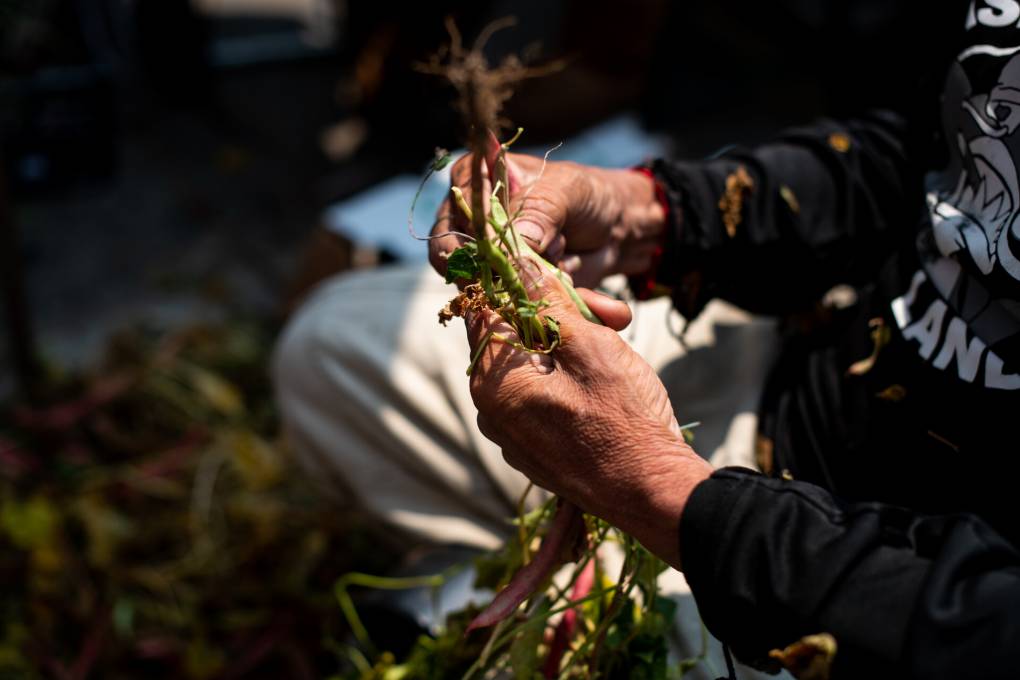
"caption": "A vendor removes beans from their pod while sitting under a tarp to protect them from the sun in San Francisco's Mission District on Aug. 6, 2021.",
"description": "A vendor removes beans from their pod while sitting under a tarp to protect from the sun in San Francisco's Mission District on August 6, 2021.",
"title": "RS50579_002_SanFrancisco_HeatWaveImpacts_08062021-qut (1)",
"credit": "Beth LaBerge/KQED",
"status": "inherit",
"altTag": "A close-up of a pair of hands shelling a bean.",
"isLoading": false,
"fetchFailed": false
},
"news_11888489": {
"type": "attachments",
"id": "news_11888489",
"meta": {
"index": "attachments_1716263798",
"site": "news",
"id": "11888489",
"found": true
},
"parent": 11888480,
"imgSizes": {
"twentyfourteen-full-width": {
"file": "https://ww2.kqed.org/app/uploads/sites/10/2021/09/depori9ofucejcwer-1038x576.jpg",
"width": 1038,
"mimeType": "image/jpeg",
"height": 576
},
"thumbnail": {
"file": "https://ww2.kqed.org/app/uploads/sites/10/2021/09/depori9ofucejcwer-160x107.jpg",
"width": 160,
"mimeType": "image/jpeg",
"height": 107
},
"post-thumbnail": {
"file": "https://ww2.kqed.org/app/uploads/sites/10/2021/09/depori9ofucejcwer-672x372.jpg",
"width": 672,
"mimeType": "image/jpeg",
"height": 372
},
"kqedFullSize": {
"file": "https://ww2.kqed.org/app/uploads/sites/10/2021/09/depori9ofucejcwer.jpg",
"width": 1350,
"height": 900
},
"large": {
"file": "https://ww2.kqed.org/app/uploads/sites/10/2021/09/depori9ofucejcwer-1020x680.jpg",
"width": 1020,
"mimeType": "image/jpeg",
"height": 680
},
"medium": {
"file": "https://ww2.kqed.org/app/uploads/sites/10/2021/09/depori9ofucejcwer-800x533.jpg",
"width": 800,
"mimeType": "image/jpeg",
"height": 533
}
},
"publishDate": 1631650260,
"modified": 1632174156,
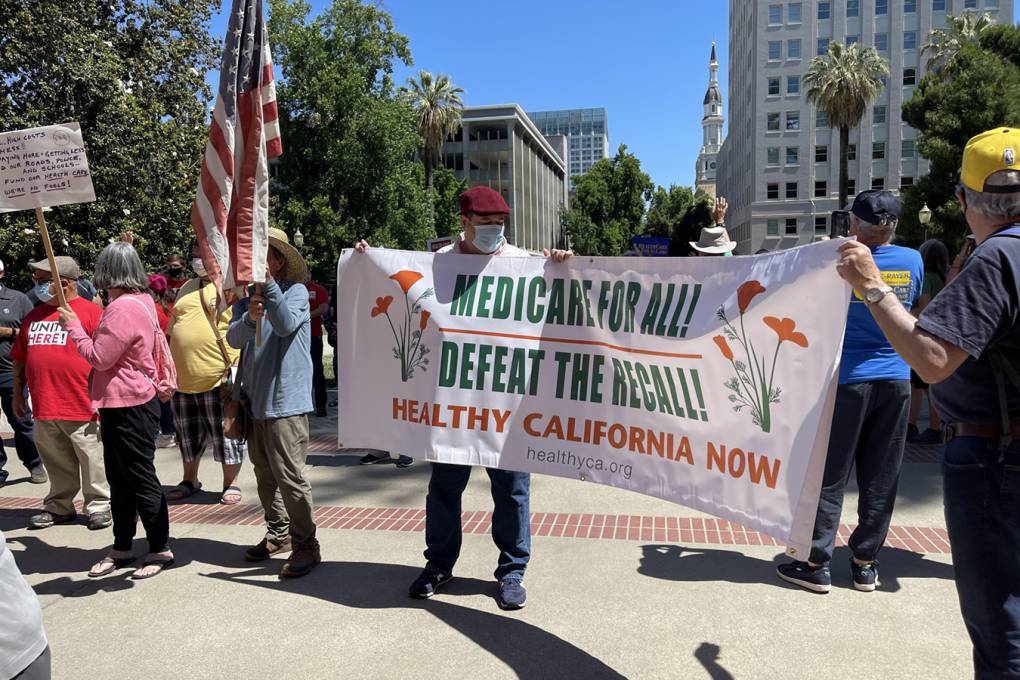
"caption": "Activists, including those from the National Union of Healthcare Workers (NUHW), demonstrate in Sacramento on June 15, 2021, to push Gov. Gavin Newsom to enact single-payer health care and defend him from the Republican-driven recall campaign. \"I expect him to lead on California accomplishing single-payer and being an example for the rest of the country,\" said Sal Rosselli, president of NUHW.",
"description": "Activists, including those from the National Union of Healthcare Workers (NUHW), demonstrate in Sacramento on June 15, 2021 to push Gov. Gavin Newsom to enact single-payer health care and defend him from the Republican-driven recall campaign.",
"title": "depori9ofucejcwer",
"credit": "Angela Hart/California Healthline",
"status": "inherit",
"altTag": "Protesters hold up a sign that reads, \"Medicare for All! Defeat the Recall! Healthy California Now.\"",
"isLoading": false,
"fetchFailed": false
},
"news_11888415": {
"type": "attachments",
"id": "news_11888415",
"meta": {
"index": "attachments_1716263798",
"site": "news",
"id": "11888415",
"found": true
},
"parent": 11888367,
"imgSizes": {
"thumbnail": {
"file": "https://ww2.kqed.org/app/uploads/sites/10/2021/09/ead4e1d1-fc28-4d66-818d-38c96af30a84-160x107.png",
"width": 160,
"mimeType": "image/png",
"height": 107
},
"post-thumbnail": {
"file": "https://ww2.kqed.org/app/uploads/sites/10/2021/09/ead4e1d1-fc28-4d66-818d-38c96af30a84-672x372.png",
"width": 672,
"mimeType": "image/png",
"height": 372
},
"kqedFullSize": {
"file": "https://ww2.kqed.org/app/uploads/sites/10/2021/09/ead4e1d1-fc28-4d66-818d-38c96af30a84.png",
"width": 798,
"height": 532
}
},
"publishDate": 1631608059,
"modified": 1631608123,
"caption": null,
"description": null,
"title": "ead4e1d1-fc28-4d66-818d-38c96af30a84",
"credit": null,
"status": "inherit",
"altTag": "Sandra Celedon smiles at the camera and behind her a sign that reads, \"Fresno\" is visible.",
"isLoading": false,
"fetchFailed": false
},
"news_11886408": {
"type": "attachments",
"id": "news_11886408",
"meta": {
"index": "attachments_1716263798",
"site": "news",
"id": "11886408",
"found": true
},
"parent": 11886402,
"imgSizes": {
"twentyfourteen-full-width": {
"file": "https://ww2.kqed.org/app/uploads/sites/10/2021/08/DSCF1773-1038x576.jpg",
"width": 1038,
"mimeType": "image/jpeg",
"height": 576
},
"thumbnail": {
"file": "https://ww2.kqed.org/app/uploads/sites/10/2021/08/DSCF1773-160x107.jpg",
"width": 160,
"mimeType": "image/jpeg",
"height": 107
},
"post-thumbnail": {
"file": "https://ww2.kqed.org/app/uploads/sites/10/2021/08/DSCF1773-672x372.jpg",
"width": 672,
"mimeType": "image/jpeg",
"height": 372
},
"kqedFullSize": {
"file": "https://ww2.kqed.org/app/uploads/sites/10/2021/08/DSCF1773-scaled-e1630006833719.jpg",
"width": 1920,
"height": 1280
},
"2048x2048": {
"file": "https://ww2.kqed.org/app/uploads/sites/10/2021/08/DSCF1773-2048x1365.jpg",
"width": 2048,
"mimeType": "image/jpeg",
"height": 1365
},
"large": {
"file": "https://ww2.kqed.org/app/uploads/sites/10/2021/08/DSCF1773-1020x680.jpg",
"width": 1020,
"mimeType": "image/jpeg",
"height": 680
},
"1536x1536": {
"file": "https://ww2.kqed.org/app/uploads/sites/10/2021/08/DSCF1773-1536x1024.jpg",
"width": 1536,
"mimeType": "image/jpeg",
"height": 1024
},
"full-width": {
"file": "https://ww2.kqed.org/app/uploads/sites/10/2021/08/DSCF1773-1920x1280.jpg",
"width": 1920,
"mimeType": "image/jpeg",
"height": 1280
},
"medium": {
"file": "https://ww2.kqed.org/app/uploads/sites/10/2021/08/DSCF1773-800x533.jpg",
"width": 800,
"mimeType": "image/jpeg",
"height": 533
}
},
"publishDate": 1630006775,
"modified": 1631134104,
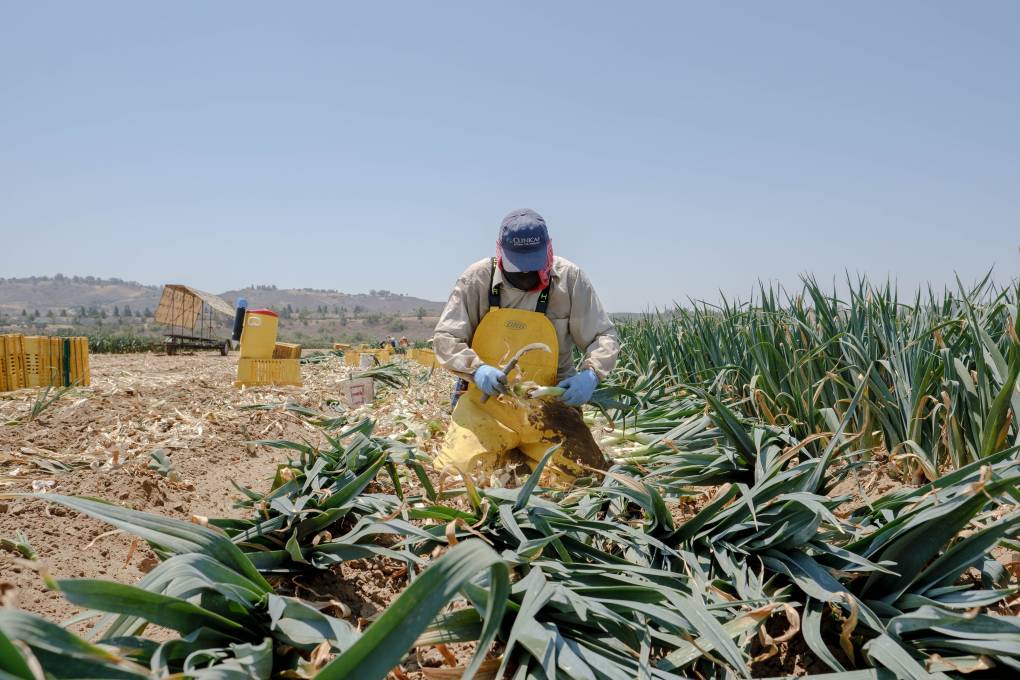
"caption": "Vicente Garcia cleans leeks in 90-degree heat at Muranaka Farms in Moorpark in Southern California's Ventura County on June 17, 2021.",
"description": null,
"title": "DSCF1773",
"credit": "Jason Margolis/LAist",
"status": "inherit",
"altTag": "A men wearing a bright yellow plastic apron kneels before a pile of leeks in a bright, rocky field.",
"isLoading": false,
"fetchFailed": false
},
"news_11885917": {
"type": "attachments",
"id": "news_11885917",
"meta": {
"index": "attachments_1716263798",
"site": "news",
"id": "11885917",
"found": true
},
"parent": 11885905,
"imgSizes": {
"twentyfourteen-full-width": {
"file": "https://ww2.kqed.org/app/uploads/sites/10/2021/08/GettyImages-1137615486-1-1038x576.jpg",
"width": 1038,
"mimeType": "image/jpeg",
"height": 576
},
"thumbnail": {
"file": "https://ww2.kqed.org/app/uploads/sites/10/2021/08/GettyImages-1137615486-1-160x108.jpg",
"width": 160,
"mimeType": "image/jpeg",
"height": 108
},
"post-thumbnail": {
"file": "https://ww2.kqed.org/app/uploads/sites/10/2021/08/GettyImages-1137615486-1-672x372.jpg",
"width": 672,
"mimeType": "image/jpeg",
"height": 372
},
"kqedFullSize": {
"file": "https://ww2.kqed.org/app/uploads/sites/10/2021/08/GettyImages-1137615486-1.jpg",
"width": 1920,
"height": 1296
},
"large": {
"file": "https://ww2.kqed.org/app/uploads/sites/10/2021/08/GettyImages-1137615486-1-1020x689.jpg",
"width": 1020,
"mimeType": "image/jpeg",
"height": 689
},
"1536x1536": {
"file": "https://ww2.kqed.org/app/uploads/sites/10/2021/08/GettyImages-1137615486-1-1536x1037.jpg",
"width": 1536,
"mimeType": "image/jpeg",
"height": 1037
},
"medium": {
"file": "https://ww2.kqed.org/app/uploads/sites/10/2021/08/GettyImages-1137615486-1-800x540.jpg",
"width": 800,
"mimeType": "image/jpeg",
"height": 540
}
},
"publishDate": 1629573616,
"modified": 1629573651,
"caption": "The Uber logo is displayed on a car on March 22, 2019 in San Francisco, California.",
"description": "The Uber logo is displayed on a car on March 22, 2019 in San Francisco, California.",
"title": "GettyImages-1137615486 (1)",
"credit": "Justin Sullivan/Getty Images",
"status": "inherit",
"altTag": "An Uber sticker in a car windshield.",
"isLoading": false,
"fetchFailed": false
},
"news_11883846": {
"type": "attachments",
"id": "news_11883846",
"meta": {
"index": "attachments_1716263798",
"site": "news",
"id": "11883846",
"found": true
},
"parent": 11883845,
"imgSizes": {
"twentyfourteen-full-width": {
"file": "https://ww2.kqed.org/app/uploads/sites/10/2021/08/RS50285_002_Berkeley_SmallPressStory_07192021-qut-1038x576.jpg",
"width": 1038,
"mimeType": "image/jpeg",
"height": 576
},
"thumbnail": {
"file": "https://ww2.kqed.org/app/uploads/sites/10/2021/08/RS50285_002_Berkeley_SmallPressStory_07192021-qut-160x107.jpg",
"width": 160,
"mimeType": "image/jpeg",
"height": 107
},
"post-thumbnail": {
"file": "https://ww2.kqed.org/app/uploads/sites/10/2021/08/RS50285_002_Berkeley_SmallPressStory_07192021-qut-672x372.jpg",
"width": 672,
"mimeType": "image/jpeg",
"height": 372
},
"kqedFullSize": {
"file": "https://ww2.kqed.org/app/uploads/sites/10/2021/08/RS50285_002_Berkeley_SmallPressStory_07192021-qut.jpg",
"width": 1920,
"height": 1280
},
"large": {
"file": "https://ww2.kqed.org/app/uploads/sites/10/2021/08/RS50285_002_Berkeley_SmallPressStory_07192021-qut-1020x680.jpg",
"width": 1020,
"mimeType": "image/jpeg",
"height": 680
},
"1536x1536": {
"file": "https://ww2.kqed.org/app/uploads/sites/10/2021/08/RS50285_002_Berkeley_SmallPressStory_07192021-qut-1536x1024.jpg",
"width": 1536,
"mimeType": "image/jpeg",
"height": 1024
},
"medium": {
"file": "https://ww2.kqed.org/app/uploads/sites/10/2021/08/RS50285_002_Berkeley_SmallPressStory_07192021-qut-800x533.jpg",
"width": 800,
"mimeType": "image/jpeg",
"height": 533
}
},
"publishDate": 1628173705,
"modified": 1628620758,
"caption": "The Small Press Distribution offices in Berkeley on July 19, 2021, have operated at this location since 1995.",
"description": null,
"title": "RS50285_002_Berkeley_SmallPressStory_07192021-qut",
"credit": "Beth LaBerge/KQED",
"status": "inherit",
"altTag": null,
"isLoading": false,
"fetchFailed": false
},
"news_11846565": {
"type": "attachments",
"id": "news_11846565",
"meta": {
"index": "attachments_1716263798",
"site": "news",
"id": "11846565",
"found": true
},
"parent": 11846562,
"imgSizes": {
"apple_news_ca_landscape_5_5": {
"file": "https://ww2.kqed.org/app/uploads/sites/10/2020/11/alexlee_horizontal-copy-1044x783.jpg",
"width": 1044,
"mimeType": "image/jpeg",
"height": 783
},
"apple_news_ca_square_4_0": {
"file": "https://ww2.kqed.org/app/uploads/sites/10/2020/11/alexlee_horizontal-copy-470x470.jpg",
"width": 470,
"mimeType": "image/jpeg",
"height": 470
},
"twentyfourteen-full-width": {
"file": "https://ww2.kqed.org/app/uploads/sites/10/2020/11/alexlee_horizontal-copy-1038x576.jpg",
"width": 1038,
"mimeType": "image/jpeg",
"height": 576
},
"thumbnail": {
"file": "https://ww2.kqed.org/app/uploads/sites/10/2020/11/alexlee_horizontal-copy-160x90.jpg",
"width": 160,
"mimeType": "image/jpeg",
"height": 90
},
"post-thumbnail": {
"file": "https://ww2.kqed.org/app/uploads/sites/10/2020/11/alexlee_horizontal-copy-672x372.jpg",
"width": 672,
"mimeType": "image/jpeg",
"height": 372
},
"kqedFullSize": {
"file": "https://ww2.kqed.org/app/uploads/sites/10/2020/11/alexlee_horizontal-copy-scaled.jpg",
"width": 2560,
"height": 1440
},
"2048x2048": {
"file": "https://ww2.kqed.org/app/uploads/sites/10/2020/11/alexlee_horizontal-copy-2048x1152.jpg",
"width": 2048,
"mimeType": "image/jpeg",
"height": 1152
},
"apple_news_ca_landscape_4_7": {
"file": "https://ww2.kqed.org/app/uploads/sites/10/2020/11/alexlee_horizontal-copy-632x474.jpg",
"width": 632,
"mimeType": "image/jpeg",
"height": 474
},
"large": {
"file": "https://ww2.kqed.org/app/uploads/sites/10/2020/11/alexlee_horizontal-copy-1020x574.jpg",
"width": 1020,
"mimeType": "image/jpeg",
"height": 574
},
"apple_news_ca_landscape_4_0": {
"file": "https://ww2.kqed.org/app/uploads/sites/10/2020/11/alexlee_horizontal-copy-536x402.jpg",
"width": 536,
"mimeType": "image/jpeg",
"height": 402
},
"apple_news_ca_portrait_12_9": {
"file": "https://ww2.kqed.org/app/uploads/sites/10/2020/11/alexlee_horizontal-copy-1122x1496.jpg",
"width": 1122,
"mimeType": "image/jpeg",
"height": 1496
},
"medium": {
"file": "https://ww2.kqed.org/app/uploads/sites/10/2020/11/alexlee_horizontal-copy-800x450.jpg",
"width": 800,
"mimeType": "image/jpeg",
"height": 450
},
"apple_news_ca_portrait_4_0": {
"file": "https://ww2.kqed.org/app/uploads/sites/10/2020/11/alexlee_horizontal-copy-354x472.jpg",
"width": 354,
"mimeType": "image/jpeg",
"height": 472
},
"apple_news_ca_portrait_9_7": {
"file": "https://ww2.kqed.org/app/uploads/sites/10/2020/11/alexlee_horizontal-copy-840x1120.jpg",
"width": 840,
"mimeType": "image/jpeg",
"height": 1120
},
"apple_news_ca_landscape_12_9": {
"file": "https://ww2.kqed.org/app/uploads/sites/10/2020/11/alexlee_horizontal-copy-1832x1374.jpg",
"width": 1832,
"mimeType": "image/jpeg",
"height": 1374
},
"apple_news_ca_square_9_7": {
"file": "https://ww2.kqed.org/app/uploads/sites/10/2020/11/alexlee_horizontal-copy-1104x1104.jpg",
"width": 1104,
"mimeType": "image/jpeg",
"height": 1104
},
"1536x1536": {
"file": "https://ww2.kqed.org/app/uploads/sites/10/2020/11/alexlee_horizontal-copy-1536x864.jpg",
"width": 1536,
"mimeType": "image/jpeg",
"height": 864
},
"apple_news_ca_portrait_4_7": {
"file": "https://ww2.kqed.org/app/uploads/sites/10/2020/11/alexlee_horizontal-copy-414x552.jpg",
"width": 414,
"mimeType": "image/jpeg",
"height": 552
},
"apple_news_ca_square_12_9": {
"file": "https://ww2.kqed.org/app/uploads/sites/10/2020/11/alexlee_horizontal-copy-1472x1472.jpg",
"width": 1472,
"mimeType": "image/jpeg",
"height": 1472
},
"apple_news_ca_portrait_5_5": {
"file": "https://ww2.kqed.org/app/uploads/sites/10/2020/11/alexlee_horizontal-copy-687x916.jpg",
"width": 687,
"mimeType": "image/jpeg",
"height": 916
},
"full-width": {
"file": "https://ww2.kqed.org/app/uploads/sites/10/2020/11/alexlee_horizontal-copy-1920x1080.jpg",
"width": 1920,
"mimeType": "image/jpeg",
"height": 1080
},
"apple_news_ca_square_4_7": {
"file": "https://ww2.kqed.org/app/uploads/sites/10/2020/11/alexlee_horizontal-copy-550x550.jpg",
"width": 550,
"mimeType": "image/jpeg",
"height": 550
},
"apple_news_ca_landscape_9_7": {
"file": "https://ww2.kqed.org/app/uploads/sites/10/2020/11/alexlee_horizontal-copy-1376x1032.jpg",
"width": 1376,
"mimeType": "image/jpeg",
"height": 1032
},
"apple_news_ca_square_5_5": {
"file": "https://ww2.kqed.org/app/uploads/sites/10/2020/11/alexlee_horizontal-copy-912x912.jpg",
"width": 912,
"mimeType": "image/jpeg",
"height": 912
}
},
"publishDate": 1604870755,
"modified": 1626741908,
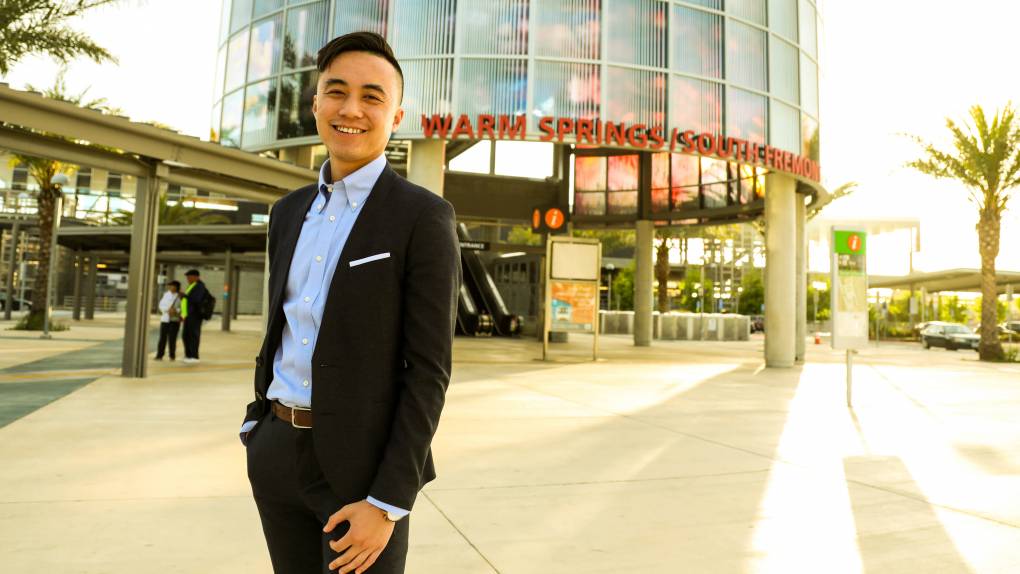
"caption": "Alex Lee is the youngest\nAsian American, first openly bisexual, and first Gen-Z Legislator in the California Legislature.",
"description": null,
"title": "alexlee_horizontal copy",
"credit": "Courtesy of Alex Lee ",
"status": "inherit",
"altTag": null,
"isLoading": false,
"fetchFailed": false
},
"news_11881300": {
"type": "attachments",
"id": "news_11881300",
"meta": {
"index": "attachments_1716263798",
"site": "news",
"id": "11881300",
"found": true
},
"parent": 11881292,
"imgSizes": {
"twentyfourteen-full-width": {
"file": "https://ww2.kqed.org/app/uploads/sites/10/2021/07/Capitol-1180x787-3-1038x576.jpeg",
"width": 1038,
"mimeType": "image/jpeg",
"height": 576
},
"thumbnail": {
"file": "https://ww2.kqed.org/app/uploads/sites/10/2021/07/Capitol-1180x787-3-160x107.jpeg",
"width": 160,
"mimeType": "image/jpeg",
"height": 107
},
"post-thumbnail": {
"file": "https://ww2.kqed.org/app/uploads/sites/10/2021/07/Capitol-1180x787-3-672x372.jpeg",
"width": 672,
"mimeType": "image/jpeg",
"height": 372
},
"kqedFullSize": {
"file": "https://ww2.kqed.org/app/uploads/sites/10/2021/07/Capitol-1180x787-3.jpeg",
"width": 1180,
"height": 787
},
"large": {
"file": "https://ww2.kqed.org/app/uploads/sites/10/2021/07/Capitol-1180x787-3-1020x680.jpeg",
"width": 1020,
"mimeType": "image/jpeg",
"height": 680
},
"medium": {
"file": "https://ww2.kqed.org/app/uploads/sites/10/2021/07/Capitol-1180x787-3-800x534.jpeg",
"width": 800,
"mimeType": "image/jpeg",
"height": 534
}
},
"publishDate": 1626379331,
"modified": 1633991932,
"caption": "The California State Capitol.",
"description": null,
"title": "Gov. Schwarzenegger Delivers State Of The State Address",
"credit": "David Paul Morris/Getty Images",
"status": "inherit",
"altTag": "A Greek-style facade with pillars and a dome, with fir branches in the foreground.",
"isLoading": false,
"fetchFailed": false
},
"news_11880915": {
"type": "attachments",
"id": "news_11880915",
"meta": {
"index": "attachments_1716263798",
"site": "news",
"id": "11880915",
"found": true
},
"parent": 11880904,
"imgSizes": {
"twentyfourteen-full-width": {
"file": "https://ww2.kqed.org/app/uploads/sites/10/2021/07/California-farmworkers-trafficking-scaled-1-1038x576.jpeg",
"width": 1038,
"mimeType": "image/jpeg",
"height": 576
},
"thumbnail": {
"file": "https://ww2.kqed.org/app/uploads/sites/10/2021/07/California-farmworkers-trafficking-scaled-1-160x100.jpeg",
"width": 160,
"mimeType": "image/jpeg",
"height": 100
},
"post-thumbnail": {
"file": "https://ww2.kqed.org/app/uploads/sites/10/2021/07/California-farmworkers-trafficking-scaled-1-672x372.jpeg",
"width": 672,
"mimeType": "image/jpeg",
"height": 372
},
"kqedFullSize": {
"file": "https://ww2.kqed.org/app/uploads/sites/10/2021/07/California-farmworkers-trafficking-scaled-1.jpeg",
"width": 2048,
"height": 1281
},
"large": {
"file": "https://ww2.kqed.org/app/uploads/sites/10/2021/07/California-farmworkers-trafficking-scaled-1-1020x638.jpeg",
"width": 1020,
"mimeType": "image/jpeg",
"height": 638
},
"1536x1536": {
"file": "https://ww2.kqed.org/app/uploads/sites/10/2021/07/California-farmworkers-trafficking-scaled-1-1536x961.jpeg",
"width": 1536,
"mimeType": "image/jpeg",
"height": 961
},
"full-width": {
"file": "https://ww2.kqed.org/app/uploads/sites/10/2021/07/California-farmworkers-trafficking-scaled-1-1920x1201.jpeg",
"width": 1920,
"mimeType": "image/jpeg",
"height": 1201
},
"medium": {
"file": "https://ww2.kqed.org/app/uploads/sites/10/2021/07/California-farmworkers-trafficking-scaled-1-800x500.jpeg",
"width": 800,
"mimeType": "image/jpeg",
"height": 500
}
},
"publishDate": 1626118883,
"modified": 1626129687,
"caption": "Fieldworkers are photographed picking strawberries on April 25, 2020.",
"description": null,
"title": "California-farmworkers-trafficking-scaled",
"credit": "David Rodriguez/The Salinas Californian",
"status": "inherit",
"altTag": null,
"isLoading": false,
"fetchFailed": false
},
"news_11879270": {
"type": "attachments",
"id": "news_11879270",
"meta": {
"index": "attachments_1716263798",
"site": "news",
"id": "11879270",
"found": true
},
"parent": 11879266,
"imgSizes": {
"twentyfourteen-full-width": {
"file": "https://ww2.kqed.org/app/uploads/sites/10/2021/06/TODEChallway-1038x576.jpg",
"width": 1038,
"mimeType": "image/jpeg",
"height": 576
},
"thumbnail": {
"file": "https://ww2.kqed.org/app/uploads/sites/10/2021/06/TODEChallway-160x111.jpg",
"width": 160,
"mimeType": "image/jpeg",
"height": 111
},
"post-thumbnail": {
"file": "https://ww2.kqed.org/app/uploads/sites/10/2021/06/TODEChallway-672x372.jpg",
"width": 672,
"mimeType": "image/jpeg",
"height": 372
},
"kqedFullSize": {
"file": "https://ww2.kqed.org/app/uploads/sites/10/2021/06/TODEChallway.jpg",
"width": 1920,
"height": 1331
},
"large": {
"file": "https://ww2.kqed.org/app/uploads/sites/10/2021/06/TODEChallway-1020x707.jpg",
"width": 1020,
"mimeType": "image/jpeg",
"height": 707
},
"1536x1536": {
"file": "https://ww2.kqed.org/app/uploads/sites/10/2021/06/TODEChallway-1536x1065.jpg",
"width": 1536,
"mimeType": "image/jpeg",
"height": 1065
},
"medium": {
"file": "https://ww2.kqed.org/app/uploads/sites/10/2021/06/TODEChallway-800x555.jpg",
"width": 800,
"mimeType": "image/jpeg",
"height": 555
}
},
"publishDate": 1624579492,
"modified": 1624580612,
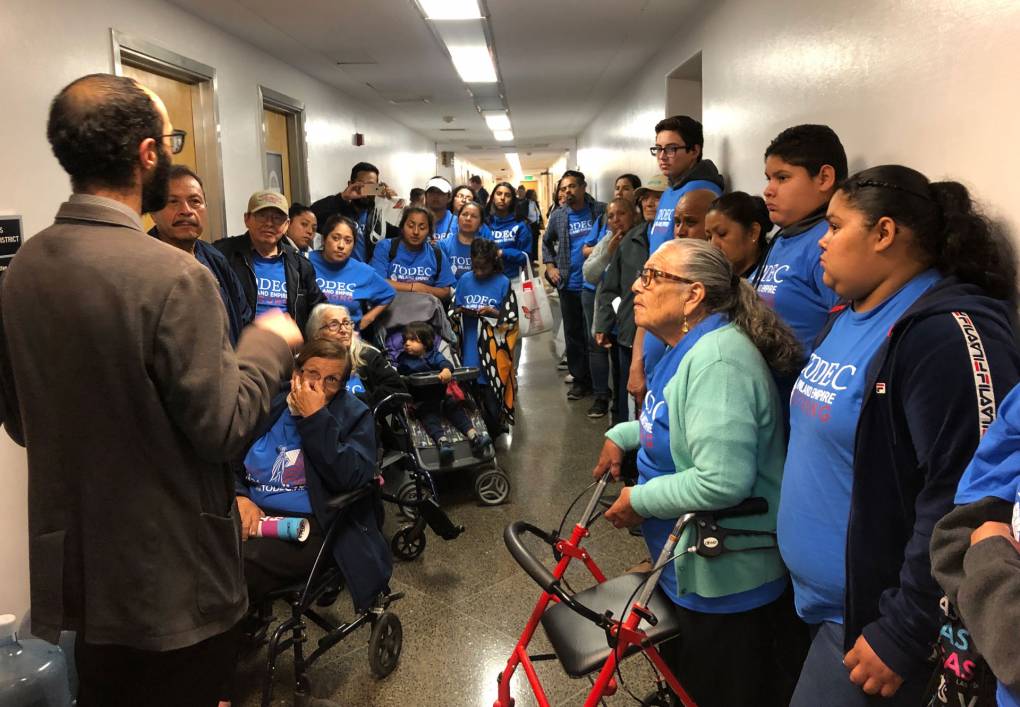
"caption": "Members of TODEC, a legal center and immigrant justice organization, listen to a staffer with Assemblymember Eloise Reyes' office in Sacramento in 2019. The group traveled to the Capitol to advocate for Medi-Cal expansion to undocumented seniors.",
"description": "Members of TODEC, a legal center and immigrant justice organization, listen to a staffer with Assemblymember Eloise Reyes' office in Sacramento in 2019. The group traveled to the Capitol to advocate for Medi-Cal expansion to undocumented seniors.",
"title": "TODEChallway",
"credit": "Courtesy TODEC",
"status": "inherit",
"altTag": null,
"isLoading": false,
"fetchFailed": false
},
"news_11878990": {
"type": "attachments",
"id": "news_11878990",
"meta": {
"index": "attachments_1716263798",
"site": "news",
"id": "11878990",
"found": true
},
"parent": 11878989,
"imgSizes": {
"thumbnail": {
"file": "https://ww2.kqed.org/app/uploads/sites/10/2021/06/gettyimages-1231093862_wide-4195c57f825738c502a8a11e343c9df96ca71caf-160x90.jpg",
"width": 160,
"mimeType": "image/jpeg",
"height": 90
},
"post-thumbnail": {
"file": "https://ww2.kqed.org/app/uploads/sites/10/2021/06/gettyimages-1231093862_wide-4195c57f825738c502a8a11e343c9df96ca71caf-672x372.jpg",
"width": 672,
"mimeType": "image/jpeg",
"height": 372
},
"kqedFullSize": {
"file": "https://ww2.kqed.org/app/uploads/sites/10/2021/06/gettyimages-1231093862_wide-4195c57f825738c502a8a11e343c9df96ca71caf.jpg",
"width": 1024,
"height": 576
},
"large": {
"file": "https://ww2.kqed.org/app/uploads/sites/10/2021/06/gettyimages-1231093862_wide-4195c57f825738c502a8a11e343c9df96ca71caf-1020x574.jpg",
"width": 1020,
"mimeType": "image/jpeg",
"height": 574
},
"medium": {
"file": "https://ww2.kqed.org/app/uploads/sites/10/2021/06/gettyimages-1231093862_wide-4195c57f825738c502a8a11e343c9df96ca71caf-800x450.jpg",
"width": 800,
"mimeType": "image/jpeg",
"height": 450
}
},
"publishDate": 1624465271,
"modified": 1690220476,
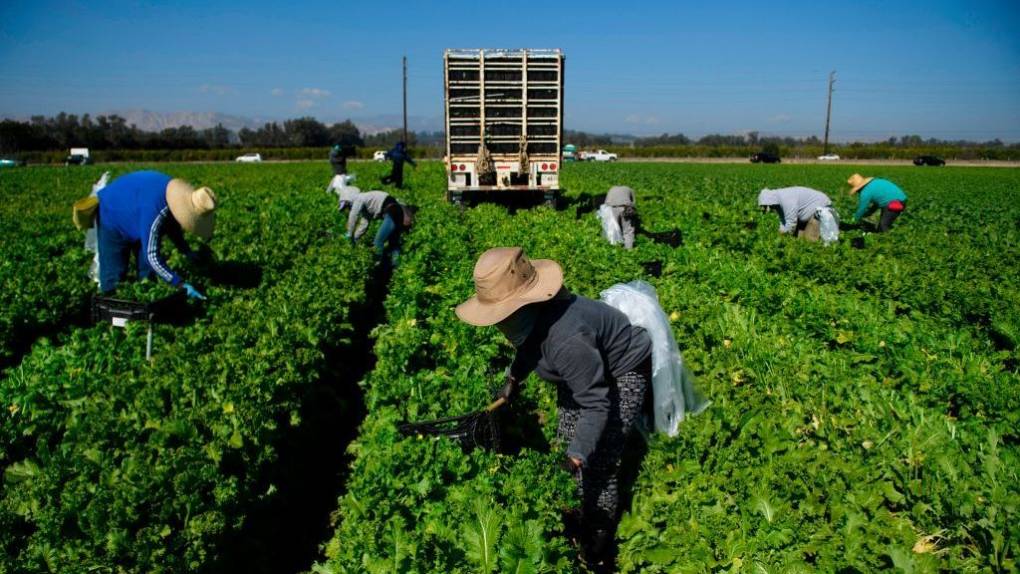
"caption": "Farmworkers harvest curly mustard in a field on Feb. 10, 2021 in Ventura County. ",
"description": "Farmworkers harvest curly mustard in a field on Feb. 10 in Ventura County. The Supreme Court handed the farmworkers union a loss Wednesday in a ruling about union organizers' access to farm property.",
"title": "Farmworkers harvest curly mustard in a field on Feb. 10 in Ventura County, Calif. The Supreme Court handed the farmworkers union a loss Wednesday in a ruling about union organizers' access to farm property.",
"credit": "Patrick T. Fallon/AFP via Getty Images",
"status": "inherit",
"altTag": "People bent over in a large field filled with rows of vegetables with a large vehicle in the background.",
"isLoading": false,
"fetchFailed": false
},
"news_11878277": {
"type": "attachments",
"id": "news_11878277",
"meta": {
"index": "attachments_1716263798",
"site": "news",
"id": "11878277",
"found": true
},
"parent": 11877137,
"imgSizes": {
"twentyfourteen-full-width": {
"file": "https://ww2.kqed.org/app/uploads/sites/10/2021/06/Swanhuyser-01-20210430-Arizmendi-015--1038x576.jpg",
"width": 1038,
"mimeType": "image/jpeg",
"height": 576
},
"thumbnail": {
"file": "https://ww2.kqed.org/app/uploads/sites/10/2021/06/Swanhuyser-01-20210430-Arizmendi-015--160x107.jpg",
"width": 160,
"mimeType": "image/jpeg",
"height": 107
},
"post-thumbnail": {
"file": "https://ww2.kqed.org/app/uploads/sites/10/2021/06/Swanhuyser-01-20210430-Arizmendi-015--672x372.jpg",
"width": 672,
"mimeType": "image/jpeg",
"height": 372
},
"kqedFullSize": {
"file": "https://ww2.kqed.org/app/uploads/sites/10/2021/06/Swanhuyser-01-20210430-Arizmendi-015--scaled-e1623882849651.jpg",
"width": 1920,
"height": 1280
},
"2048x2048": {
"file": "https://ww2.kqed.org/app/uploads/sites/10/2021/06/Swanhuyser-01-20210430-Arizmendi-015--2048x1365.jpg",
"width": 2048,
"mimeType": "image/jpeg",
"height": 1365
},
"large": {
"file": "https://ww2.kqed.org/app/uploads/sites/10/2021/06/Swanhuyser-01-20210430-Arizmendi-015--1020x680.jpg",
"width": 1020,
"mimeType": "image/jpeg",
"height": 680
},
"1536x1536": {
"file": "https://ww2.kqed.org/app/uploads/sites/10/2021/06/Swanhuyser-01-20210430-Arizmendi-015--1536x1024.jpg",
"width": 1536,
"mimeType": "image/jpeg",
"height": 1024
},
"full-width": {
"file": "https://ww2.kqed.org/app/uploads/sites/10/2021/06/Swanhuyser-01-20210430-Arizmendi-015--1920x1280.jpg",
"width": 1920,
"mimeType": "image/jpeg",
"height": 1280
},
"medium": {
"file": "https://ww2.kqed.org/app/uploads/sites/10/2021/06/Swanhuyser-01-20210430-Arizmendi-015--800x533.jpg",
"width": 800,
"mimeType": "image/jpeg",
"height": 533
}
},
"publishDate": 1623882761,
"modified": 1624043744,
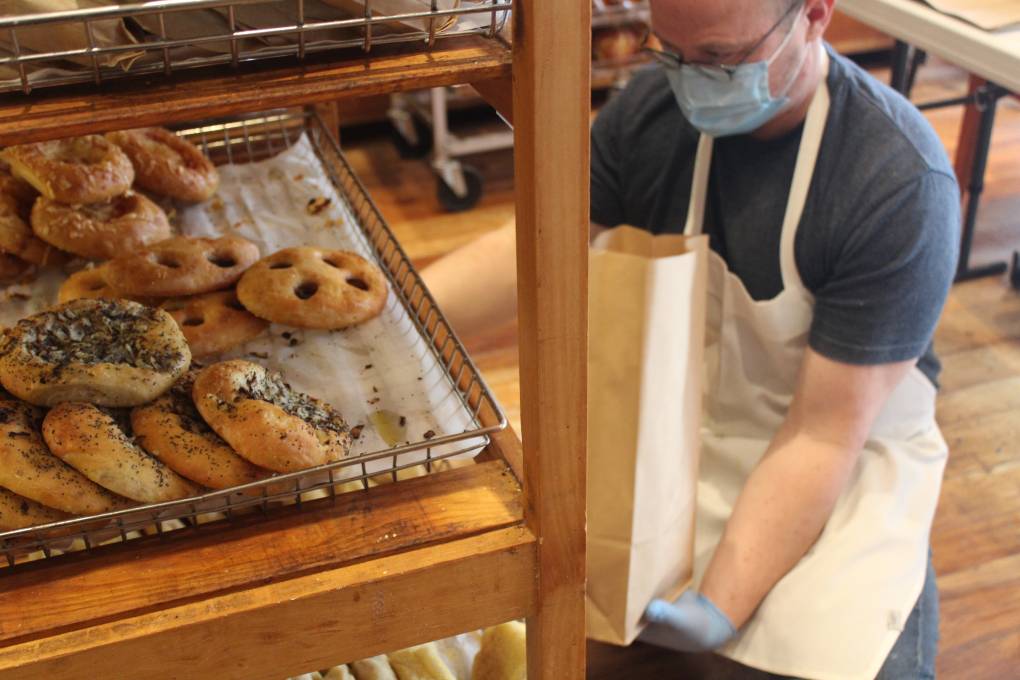
"caption": "Jason Jordan selects a pastry for a customer at worker-owned co-op Arizmendi Bakery's Ninth Avenue location in San Francisco.",
"description": "Jason Jordan selects a pastry for a customer at worker-owned co-op Arizmendi Bakery's 9th Ave. location in San Francisco.",
"title": "Swanhuyser 01 20210430 Arizmendi 015",
"credit": "Hiya Swanhuyser/CCSF",
"status": "inherit",
"altTag": null,
"isLoading": false,
"fetchFailed": false
}
},
"audioPlayerReducer": {
"postId": "stream_live",
"isPaused": true,
"isPlaying": false,
"pfsActive": false,
"pledgeModalIsOpen": true,
"playerDrawerIsOpen": false,
"liveAudioPlayStartedAt": 0,
"liveAudioPlayContext": ""
},
"authorsReducer": {
"byline_news_11889336": {
"type": "authors",
"id": "byline_news_11889336",
"meta": {
"override": true
},
"slug": "byline_news_11889336",
"name": "Julia Shipley, Brian Edwards, David Nickerson",
"isLoading": false
},
"byline_news_11886402": {
"type": "authors",
"id": "byline_news_11886402",
"meta": {
"override": true
},
"slug": "byline_news_11886402",
"name": "Brian Edwards and Jacob Margolis",
"isLoading": false
},
"byline_news_11885905": {
"type": "authors",
"id": "byline_news_11885905",
"meta": {
"override": true
},
"slug": "byline_news_11885905",
"name": "Brian Melley\u003cbr>The Associated Press",
"isLoading": false
},
"byline_news_11881292": {
"type": "authors",
"id": "byline_news_11881292",
"meta": {
"override": true
},
"slug": "byline_news_11881292",
"name": "Adam Beam\u003cbr>Associated Press",
"isLoading": false
},
"byline_news_11880904": {
"type": "authors",
"id": "byline_news_11880904",
"meta": {
"override": true
},
"slug": "byline_news_11880904",
"name": "Kate Cimini",
"isLoading": false
},
"byline_news_11878989": {
"type": "authors",
"id": "byline_news_11878989",
"meta": {
"override": true
},
"slug": "byline_news_11878989",
"name": "Nina Totenberg and Eric Singerman",
"isLoading": false
},
"byline_news_11877137": {
"type": "authors",
"id": "byline_news_11877137",
"meta": {
"override": true
},
"slug": "byline_news_11877137",
"name": "\u003ca href=\"https://hiyaswanhuyser.wordpress.com/\">Hiya Swanhuyser\u003c/a>",
"isLoading": false
},
"fjhabvala": {
"type": "authors",
"id": "8659",
"meta": {
"index": "authors_1716337520",
"id": "8659",
"found": true
},
"name": "Farida Jhabvala Romero",
"firstName": "Farida",
"lastName": "Jhabvala Romero",
"slug": "fjhabvala",
"email": "fjhabvala@kqed.org",
"display_author_email": true,
"staff_mastheads": [
"news"
],
"title": "KQED Contributor",
"bio": "Farida Jhabvala Romero is a Labor Correspondent for KQED. She previously covered immigration. Farida was \u003ca href=\"https://www.ccnma.org/2022-most-influential-latina-journalists\">named\u003c/a> one of the 10 Most Influential Latina Journalists in California in 2022 by the California Chicano News Media Association. Her work has won awards from the Society of Professional Journalists (Northern California), as well as a national and regional Edward M. Murrow Award for the collaborative reporting projects “Dangerous Air” and “Graying California.” Before joining KQED, Farida worked as a producer at Radio Bilingüe, a national public radio network. Farida earned her master’s degree in journalism from Stanford University.",
"avatar": "https://secure.gravatar.com/avatar/f9f022d4e2609741874222a1e9d41f48fea74011aa7c615eef91d9a50c944ebe?s=600&d=blank&r=g",
"twitter": "FaridaJhabvala",
"bluesky": null,
"facebook": null,
"instagram": null,
"linkedin": "https://www.linkedin.com/in/faridajhabvala/",
"sites": [
{
"site": "news",
"roles": [
"editor"
]
},
{
"site": "stateofhealth",
"roles": [
"author"
]
},
{
"site": "liveblog",
"roles": [
"author"
]
}
],
"headData": {
"title": "Farida Jhabvala Romero | KQED",
"description": "KQED Contributor",
"ogImgSrc": "https://secure.gravatar.com/avatar/f9f022d4e2609741874222a1e9d41f48fea74011aa7c615eef91d9a50c944ebe?s=600&d=blank&r=g",
"twImgSrc": "https://secure.gravatar.com/avatar/f9f022d4e2609741874222a1e9d41f48fea74011aa7c615eef91d9a50c944ebe?s=600&d=blank&r=g"
},
"isLoading": false,
"link": "/author/fjhabvala"
},
"korr": {
"type": "authors",
"id": "11200",
"meta": {
"index": "authors_1716337520",
"id": "11200",
"found": true
},
"name": "Katie Orr",
"firstName": "Katie",
"lastName": "Orr",
"slug": "korr",
"email": "korr@kqed.org",
"display_author_email": false,
"staff_mastheads": [],
"title": "KQED Contributor",
"bio": "Katie Orr was a Sacramento-based reporter for KQED's Politics and Government Desk, covering the state Capitol and a variety of issues including women in politics, voting and elections and legislation. Prior to joining KQED in 2016, Katie was state government reporter for Capital Public Radio in Sacramento. She's also worked for KPBS in San Diego, where she covered City Hall.\r\n\r\nKatie received her masters degree in political science from San Diego State University and holds a Bachelors degree in broadcast journalism from Arizona State University.\r\n\r\nIn 2015 Katie won a national Clarion Award for a series of stories she did on women in California politics. She's been honored by the Society for Professional Journalists and, in 2013, was named by \u003cem>The Washington Post\u003c/em> as one of the country's top state Capitol reporters. She's also reported for the award-winning documentary series \u003cem>The View from Here \u003c/em>and was part of the team that won national PRNDI and Gabriel Awards in 2015. She lives in Sacramento with her husband. Twitter: @1KatieOrr",
"avatar": "https://secure.gravatar.com/avatar/41a40b25845adc78f50808670860449e?s=600&d=blank&r=g",
"twitter": "1katieorr",
"facebook": null,
"instagram": null,
"linkedin": null,
"sites": [
{
"site": "news",
"roles": [
"subscriber"
]
},
{
"site": "stateofhealth",
"roles": [
"author"
]
},
{
"site": "forum",
"roles": [
"author"
]
}
],
"headData": {
"title": "Katie Orr | KQED",
"description": "KQED Contributor",
"ogImgSrc": "https://secure.gravatar.com/avatar/41a40b25845adc78f50808670860449e?s=600&d=blank&r=g",
"twImgSrc": "https://secure.gravatar.com/avatar/41a40b25845adc78f50808670860449e?s=600&d=blank&r=g"
},
"isLoading": false,
"link": "/author/korr"
},
"hmcdede": {
"type": "authors",
"id": "11635",
"meta": {
"index": "authors_1716337520",
"id": "11635",
"found": true
},
"name": "Holly McDede",
"firstName": "Holly",
"lastName": "McDede",
"slug": "hmcdede",
"email": "hmcdede@KQED.org",
"display_author_email": false,
"staff_mastheads": [],
"title": "KQED Contributor",
"bio": null,
"avatar": "https://secure.gravatar.com/avatar/999d9bf31bb3a2f0511932d99526cb3e?s=600&d=blank&r=g",
"twitter": null,
"facebook": null,
"instagram": null,
"linkedin": null,
"sites": [
{
"site": "arts",
"roles": [
"editor"
]
},
{
"site": "news",
"roles": [
"edit_others_posts",
"editor"
]
},
{
"site": "science",
"roles": [
"editor"
]
},
{
"site": "forum",
"roles": [
"editor"
]
},
{
"site": "perspectives",
"roles": [
"administrator"
]
}
],
"headData": {
"title": "Holly McDede | KQED",
"description": "KQED Contributor",
"ogImgSrc": "https://secure.gravatar.com/avatar/999d9bf31bb3a2f0511932d99526cb3e?s=600&d=blank&r=g",
"twImgSrc": "https://secure.gravatar.com/avatar/999d9bf31bb3a2f0511932d99526cb3e?s=600&d=blank&r=g"
},
"isLoading": false,
"link": "/author/hmcdede"
},
"imendoza": {
"type": "authors",
"id": "11673",
"meta": {
"index": "authors_1716337520",
"id": "11673",
"found": true
},
"name": "Isabeth Mendoza",
"firstName": "Isabeth",
"lastName": "Mendoza",
"slug": "imendoza",
"email": "imendoza@KQED.org",
"display_author_email": true,
"staff_mastheads": [
"news"
],
"title": "Engagement Producer",
"bio": "Isabeth \"Isa\" Mendoza is a former Engagement Producer for KQED's slate of podcasts. Isabeth is a bilingual audio journalist from Southeast Los Angeles and her interests are in wellness, social justice, lifestyle, arts and culture. Previously, she worked on Truth Be Told and as a freelancer for NPR’s Weekend Edition, Roxane Gay and Tressie McMillan Cottom’s Hear to Slay, KCRW's Bodies, and Feeling My Flo podcast. Isabeth is an NPR Next Generation Radio alum, an IWMF Gwen Ifill Fellow, and a previous NPR National Desk intern. She holds a Master’s in Public Health from Emory University and a Bachelor of Arts from UC Berkeley.",
"avatar": "https://secure.gravatar.com/avatar/122e7c21a0daf743684d9988238ef02f?s=600&d=blank&r=g",
"twitter": "IsabethKahlo",
"facebook": null,
"instagram": null,
"linkedin": null,
"sites": [
{
"site": "arts",
"roles": [
"contributor"
]
},
{
"site": "news",
"roles": [
"author"
]
},
{
"site": "podcasts",
"roles": [
"editor"
]
}
],
"headData": {
"title": "Isabeth Mendoza | KQED",
"description": "Engagement Producer",
"ogImgSrc": "https://secure.gravatar.com/avatar/122e7c21a0daf743684d9988238ef02f?s=600&d=blank&r=g",
"twImgSrc": "https://secure.gravatar.com/avatar/122e7c21a0daf743684d9988238ef02f?s=600&d=blank&r=g"
},
"isLoading": false,
"link": "/author/imendoza"
}
},
"pagesReducer": {
"news_tag_labor": {
"type": "terms",
"id": "news_19904",
"meta": {
"index": "terms_1716263798",
"site": "news",
"id": "19904",
"score": 8.558112
},
"name": "Labor",
"slug": "labor",
"taxonomy": "tag",
"description": null,
"featImg": null,
"headData": {
"title": "Labor | KQED News",
"description": null,
"ogTitle": null,
"ogDescription": null,
"ogImgId": null,
"twTitle": null,
"twDescription": null,
"twImgId": null
},
"ttid": 19921,
"isLoading": false,
"title": "Labor",
"pageMeta": {
"site": "news",
"WpPageTemplate": "page-topic-editorial",
"currentPage": 46
},
"blocks": [
{
"blockName": "kqed/post-list",
"attrs": {
"layout": "cardArticle2",
"query": "posts/news?tag=labor",
"seeMore": false,
"paginated": true,
"page": 46
}
},
{
"blockName": "kqed/ad"
}
]
}
},
"pfsSessionReducer": {},
"postsReducer": {
"stream_live": {
"type": "live",
"id": "stream_live",
"audioUrl": "https://streams.kqed.org/kqedradio",
"title": "Live Stream",
"excerpt": "Live Stream information currently unavailable.",
"link": "/radio",
"featImg": "",
"label": {
"name": "KQED Live",
"link": "/"
}
},
"stream_kqedNewscast": {
"type": "posts",
"id": "stream_kqedNewscast",
"audioUrl": "https://www.kqed.org/.stream/anon/radio/RDnews/newscast.mp3?_=1",
"title": "KQED Newscast",
"featImg": "",
"label": {
"name": "88.5 FM",
"link": "/"
}
},
"news_11889336": {
"type": "posts",
"id": "news_11889336",
"meta": {
"index": "posts_1716263798",
"site": "news",
"id": "11889336",
"score": null,
"sort": [
1632271498000
]
},
"guestAuthors": [],
"slug": "biden-administration-looks-to-add-heat-protections-at-the-federal-level",
"title": "Biden Administration Looks to Add Heat Protections at the Federal Level",
"publishDate": 1632271498,
"format": "standard",
"headTitle": "Biden Administration Looks to Add Heat Protections at the Federal Level | KQED",
"labelTerm": {},
"content": "\u003cp>The Biden administration is pushing for new worker protections after record-setting temperatures across the country left dozens of workers injured and dead this summer.\u003c/p>\n\u003cp>The \u003ca href=\"https://www.dol.gov/newsroom/releases/osha/osha20210920\">Department of Labor’s Occupational Safety and Health Administration announced Monday\u003c/a> that \u003ca href=\"https://www.osha.gov/laws-regs/standardinterpretations/2021-09-01#Attachment4\">it will prioritize inspections on hot days\u003c/a>, target high-risk industries nationally, and, as reported earlier this summer, begin developing a federal rule to protect workers from heat-related illnesses, a move long sought by worker advocates.\u003c/p>\n\u003cp>President \u003ca href=\"https://www.whitehouse.gov/briefing-room/statements-releases/2021/09/20/statement-by-president-joe-biden-on-mobilizing-the-administration-to-address-extreme-heat/\">Biden released a joint statement with OSHA\u003c/a>, calling the initiative an “all-of-government effort to protect workers, children, seniors, and at-risk communities from extreme heat.”\u003c/p>\n\u003cp>[ad fullwidth]\u003c/p>\n\u003cp>An investigation last month by NPR and Columbia Journalism Investigations found \u003ca href=\"https://www.npr.org/2021/08/17/1026154042/hundreds-of-workers-have-died-from-heat-in-the-last-decade-and-its-getting-worse\">a dramatic rise in preventable worker deaths from high temperatures\u003c/a>, and that 384 workers died from environmental heat exposure in the U.S. during the last decade.\u003c/p>\n\u003cp>[aside postID=\"news_11886402\" hero=\"https://ww2.kqed.org/app/uploads/sites/10/2021/08/DSCF1773-1020x680.jpg\"]The fatalities included workers performing essential services across the country: \u003ca href=\"https://www.kqed.org/news/11886402/why-california-workers-are-still-dying-from-heat-despite-protections\">farm laborers in California\u003c/a> and Nebraska, \u003ca href=\"https://www.houstonpublicmedia.org/articles/news/in-depth/2021/09/07/407895/texas-workers-are-dying-in-the-summer-heat-and-companies-arent-being-held-accountable/\">construction workers and trash collectors in Texas\u003c/a>, and tree trimmers in North Carolina and Virginia. An analysis of data from the Bureau of Labor Statistics by NPR and CJI showed the three-year average of worker heat deaths had doubled since the early 1990s.\u003c/p>\n\u003cp>Workers of color have borne the brunt: Since 2010, for example, Latino people have accounted for a third of all heat fatalities, yet they represent a fraction — 17% — of the U.S. workforce, NPR and CJI found. Health and safety experts attribute this unequal toll to Latinos’ overrepresentation in industries vulnerable to dangerous heat, such as construction and agriculture.\u003c/p>\n\u003cp>OSHA said in the news release that despite “widespread underreporting, 43 workers died from heat illness in 2019, and at least 2,410 others suffered serious injuries and illnesses.”\u003c/p>\n\u003cp>Congressional \u003ca href=\"https://www.congress.gov/bill/117th-congress/house-bill/2193?s=1&r=4\">Democrats who had previously introduced legislation to create a heat standard\u003c/a> applauded Monday’s announcement.\u003c/p>\n\u003cp>[aside postID=\"news_11886628\" hero=\"https://ww2.kqed.org/app/uploads/sites/10/2021/08/RS50596_019_SanFrancisco_HeatWaveImpacts_08062021-qut-1020x680.jpg\"]“Without urgent action, the human and financial costs of excessive heat will continue to climb,” said Rep. Robert Scott (D-Va.), who chairs the House Committee on Education and Labor.\u003c/p>\n\u003cp>David Michaels, who led OSHA during the Obama administration, called the new measures “a major step forward.” Michaels said presidents rarely weigh in on OSHA standards, suggesting that the White House is committed to fast-tracking a heat standard.\u003c/p>\n\u003cp>“It is unusual for this to happen, especially so early in the rulemaking process,” he said.\u003cbr>\n[ad fullwidth]\u003c/p>\n\u003cp>\u003c/p>\n",
"blocks": [],
"excerpt": "The Department of Labor will prioritize inspections on hot days, target high-risk industries and begin developing a federal rule to protect workers during heat waves.",
"status": "publish",
"parent": 0,
"modified": 1726006213,
"stats": {
"hasAudio": false,
"hasVideo": false,
"hasChartOrMap": false,
"iframeSrcs": [],
"hasGoogleForm": false,
"hasGallery": false,
"hasHearkenModule": false,
"hasPolis": false,
"paragraphCount": 13,
"wordCount": 444
},
"headData": {
"title": "Biden Administration Looks to Add Heat Protections at the Federal Level | KQED",
"description": "The Department of Labor will prioritize inspections on hot days, target high-risk industries and begin developing a federal rule to protect workers during heat waves.",
"ogTitle": "",
"ogDescription": "",
"ogImgId": "",
"twTitle": "",
"twDescription": "",
"twImgId": "",
"schema": {
"@context": "https://schema.org",
"@type": "NewsArticle",
"headline": "Biden Administration Looks to Add Heat Protections at the Federal Level",
"datePublished": "2021-09-21T17:44:58-07:00",
"dateModified": "2024-09-10T15:10:13-07:00",
"image": "https://cdn.kqed.org/wp-content/uploads/2020/02/KQED-OG-Image@1x.png",
"isAccessibleForFree": "True",
"publisher": {
"@type": "NewsMediaOrganization",
"@id": "https://www.kqed.org/#organization",
"name": "KQED",
"logo": "https://cdn.kqed.org/wp-content/uploads/2020/02/KQED-OG-Image@1x.png",
"url": "https://www.kqed.org",
"sameAs": [
"https://www.facebook.com/KQED",
"https://twitter.com/KQED",
"https://www.instagram.com/kqed/",
"https://www.tiktok.com/@kqedofficial",
"https://www.linkedin.com/company/kqed",
"https://www.youtube.com/channel/UCeC0IOo7i1P_61zVUWbJ4nw"
]
}
}
},
"source": "NPR",
"sourceUrl": "https://www.npr.org/",
"sticky": false,
"nprByline": "Julia Shipley, Brian Edwards, David Nickerson",
"path": "/news/11889336/biden-administration-looks-to-add-heat-protections-at-the-federal-level",
"audioTrackLength": null,
"parsedContent": [
{
"type": "contentString",
"content": "\u003cdiv class=\"post-body\">\u003cp>\u003cp>The Biden administration is pushing for new worker protections after record-setting temperatures across the country left dozens of workers injured and dead this summer.\u003c/p>\n\u003cp>The \u003ca href=\"https://www.dol.gov/newsroom/releases/osha/osha20210920\">Department of Labor’s Occupational Safety and Health Administration announced Monday\u003c/a> that \u003ca href=\"https://www.osha.gov/laws-regs/standardinterpretations/2021-09-01#Attachment4\">it will prioritize inspections on hot days\u003c/a>, target high-risk industries nationally, and, as reported earlier this summer, begin developing a federal rule to protect workers from heat-related illnesses, a move long sought by worker advocates.\u003c/p>\n\u003cp>President \u003ca href=\"https://www.whitehouse.gov/briefing-room/statements-releases/2021/09/20/statement-by-president-joe-biden-on-mobilizing-the-administration-to-address-extreme-heat/\">Biden released a joint statement with OSHA\u003c/a>, calling the initiative an “all-of-government effort to protect workers, children, seniors, and at-risk communities from extreme heat.”\u003c/p>\n\u003cp>\u003c/p>\u003c/div>",
"attributes": {
"named": {},
"numeric": []
}
},
{
"type": "component",
"content": "",
"name": "ad",
"attributes": {
"named": {
"label": "fullwidth"
},
"numeric": [
"fullwidth"
]
}
},
{
"type": "contentString",
"content": "\u003cdiv class=\"post-body\">\u003cp>\u003c/p>\n\u003cp>An investigation last month by NPR and Columbia Journalism Investigations found \u003ca href=\"https://www.npr.org/2021/08/17/1026154042/hundreds-of-workers-have-died-from-heat-in-the-last-decade-and-its-getting-worse\">a dramatic rise in preventable worker deaths from high temperatures\u003c/a>, and that 384 workers died from environmental heat exposure in the U.S. during the last decade.\u003c/p>\n\u003cp>\u003c/p>\u003c/div>",
"attributes": {
"named": {},
"numeric": []
}
},
{
"type": "component",
"content": "",
"name": "aside",
"attributes": {
"named": {
"postid": "news_11886402",
"hero": "https://ww2.kqed.org/app/uploads/sites/10/2021/08/DSCF1773-1020x680.jpg",
"label": ""
},
"numeric": []
}
},
{
"type": "contentString",
"content": "\u003cdiv class=\"post-body\">\u003cp>The fatalities included workers performing essential services across the country: \u003ca href=\"https://www.kqed.org/news/11886402/why-california-workers-are-still-dying-from-heat-despite-protections\">farm laborers in California\u003c/a> and Nebraska, \u003ca href=\"https://www.houstonpublicmedia.org/articles/news/in-depth/2021/09/07/407895/texas-workers-are-dying-in-the-summer-heat-and-companies-arent-being-held-accountable/\">construction workers and trash collectors in Texas\u003c/a>, and tree trimmers in North Carolina and Virginia. An analysis of data from the Bureau of Labor Statistics by NPR and CJI showed the three-year average of worker heat deaths had doubled since the early 1990s.\u003c/p>\n\u003cp>Workers of color have borne the brunt: Since 2010, for example, Latino people have accounted for a third of all heat fatalities, yet they represent a fraction — 17% — of the U.S. workforce, NPR and CJI found. Health and safety experts attribute this unequal toll to Latinos’ overrepresentation in industries vulnerable to dangerous heat, such as construction and agriculture.\u003c/p>\n\u003cp>OSHA said in the news release that despite “widespread underreporting, 43 workers died from heat illness in 2019, and at least 2,410 others suffered serious injuries and illnesses.”\u003c/p>\n\u003cp>Congressional \u003ca href=\"https://www.congress.gov/bill/117th-congress/house-bill/2193?s=1&r=4\">Democrats who had previously introduced legislation to create a heat standard\u003c/a> applauded Monday’s announcement.\u003c/p>\n\u003cp>\u003c/p>\u003c/div>",
"attributes": {
"named": {},
"numeric": []
}
},
{
"type": "component",
"content": "",
"name": "aside",
"attributes": {
"named": {
"postid": "news_11886628",
"hero": "https://ww2.kqed.org/app/uploads/sites/10/2021/08/RS50596_019_SanFrancisco_HeatWaveImpacts_08062021-qut-1020x680.jpg",
"label": ""
},
"numeric": []
}
},
{
"type": "contentString",
"content": "\u003cdiv class=\"post-body\">\u003cp>“Without urgent action, the human and financial costs of excessive heat will continue to climb,” said Rep. Robert Scott (D-Va.), who chairs the House Committee on Education and Labor.\u003c/p>\n\u003cp>David Michaels, who led OSHA during the Obama administration, called the new measures “a major step forward.” Michaels said presidents rarely weigh in on OSHA standards, suggesting that the White House is committed to fast-tracking a heat standard.\u003c/p>\n\u003cp>“It is unusual for this to happen, especially so early in the rulemaking process,” he said.\u003cbr>\n\u003c/p>\u003c/div>",
"attributes": {
"named": {},
"numeric": []
}
},
{
"type": "component",
"content": "",
"name": "ad",
"attributes": {
"named": {
"label": "fullwidth"
},
"numeric": [
"fullwidth"
]
}
},
{
"type": "contentString",
"content": "\u003cdiv class=\"post-body\">\u003cp>\u003c/p>\n\u003cp>\u003c/p>\n\u003c/div>\u003c/p>",
"attributes": {
"named": {},
"numeric": []
}
}
],
"link": "/news/11889336/biden-administration-looks-to-add-heat-protections-at-the-federal-level",
"authors": [
"byline_news_11889336"
],
"categories": [
"news_457",
"news_8"
],
"tags": [
"news_29052",
"news_6145",
"news_20546",
"news_18543",
"news_2929",
"news_18578",
"news_717",
"news_19904",
"news_3818"
],
"affiliates": [
"news_253"
],
"featImg": "news_11889338",
"label": "source_news_11889336"
},
"news_11889013": {
"type": "posts",
"id": "news_11889013",
"meta": {
"index": "posts_1716263798",
"site": "news",
"id": "11889013",
"score": null,
"sort": [
1632135625000
]
},
"guestAuthors": [],
"slug": "labor-helped-newsom-beat-back-recall-now-they-expect-him-to-show-up-for-them",
"title": "Labor Helped Newsom Beat Back Recall. Now They Expect Him to Show Up for Them",
"publishDate": 1632135625,
"format": "standard",
"headTitle": "Labor Helped Newsom Beat Back Recall. Now They Expect Him to Show Up for Them | KQED",
"labelTerm": {
"term": 72,
"site": "news"
},
"content": "\u003cp>Labor unions put a massive effort into helping Gov. Gavin Newsom defeat the recent recall attempt against him. Labor-sponsored get-out-the-vote campaigns rallied tens of thousands of volunteers to make millions of phone calls and texts and knock on hundreds of thousands of doors throughout the state.\u003c/p>\n\u003cp>The California Labor Federation’s spokesperson Steve Smith said it was one of the largest such efforts in the state’s history. And, he said, unions now expect to see their hard work pay off.\u003c/p>\n\u003cp>“We’ve got a lot of work to do on COVID protections, on restoring our economy, on tackling income inequality,” Smith said. ” And we expect big things to happen over the course of the next several years on those issues and others.”\u003c/p>\n\u003cp>Smith says the Labor Federation’s legislative agenda isn’t set for next year yet. But he said they want the governor to support efforts to raise worker pay, improve protections for gig workers and lessen income inequality.\u003c/p>\n\u003cp>Still, Smith said labor’s primary motivation was preventing a Republican from winning the governor’s office. Unions were especially worried about Larry Elder, a right-wing radio host who led with voters among candidates seeking to replace Newsom.\u003c/p>\n\u003cp>[ad fullwidth]\u003c/p>\n\u003cp>“We’ve made a lot of progress, not just under Governor Newsom, but for the last couple of decades on workers’ rights,” Smith said. “We’re a national leader on workers’ rights and that was under threat with this recall. Any one of those Republicans, especially Larry Elder, would have taken us in the wrong direction at light speed.”\u003c/p>\n\u003cp>Max Arias, executive director of the Service Employees International Union Local 99, said the defeat of the recall was a huge victory for working people — one they hope to build on.\u003c/p>\n\u003cp>“Thousands and thousands of volunteers and members didn’t turn out because they have a specific expectation of the governor,” Arias said. “They turned out because that is exactly how we build power. And we expect and hope that the governor will continue to work in partnership with working people.”\u003c/p>\n\u003cp>The union turnout came at a crucial time for Newsom. A \u003ca href=\"https://news.berkeley.edu/2021/07/27/newsom-holds-only-slim-margin-in-recall-vote-berkeley-igs-poll-finds/\">late July poll\u003c/a> showed the governor barely beating the recall, largely due to Democrats being unengaged in the election. The Labor Federation’s Smith said the union’s get out the vote campaign was able to mobilize quickly to turn out their voters.\u003c/p>\n\u003cp>“It was undertaken over the course of, really, eight weeks that we had from the time the program ramped up to Election Day,” Smith said.\u003cem> \u003c/em>\u003c/p>\n\u003cp>\u003c/p>\n\u003cp>Overall, union members made over 31 million phone calls to potential voters and knocked on 1.5 million doors. The SEIU alone spent $6 million fighting the recall. The union said it was focused on turning out communities of color. According to the Political Data Inc. election tracker, \u003ca href=\"https://www.politicaldata.com/2021-special-election-tracker/\">total voter turnout \u003c/a>\u003ca href=\"https://www.politicaldata.com/2021-special-election-tracker/\">so far \u003c/a>\u003ca href=\"https://www.politicaldata.com/2021-special-election-tracker/\"> is about 44%\u003c/a>. Turnout stands at 40% for for Latino voters, 43% for Asian voters and 40% for African American voters.\u003c/p>\n\n",
"blocks": [],
"excerpt": "Labor organizations made a massive effort to defend Gov. Gavin Newsom. They're hoping he remembers in coming years.",
"status": "publish",
"parent": 0,
"modified": 1723498243,
"stats": {
"hasAudio": false,
"hasVideo": false,
"hasChartOrMap": false,
"iframeSrcs": [],
"hasGoogleForm": false,
"hasGallery": false,
"hasHearkenModule": false,
"hasPolis": false,
"paragraphCount": 13,
"wordCount": 529
},
"headData": {
"title": "Labor Helped Newsom Beat Back Recall. Now They Expect Him to Show Up for Them | KQED",
"description": "Labor organizations made a massive effort to defend Gov. Gavin Newsom. They're hoping he remembers in coming years.",
"ogTitle": "",
"ogDescription": "",
"ogImgId": "",
"twTitle": "",
"twDescription": "",
"twImgId": "",
"schema": {
"@context": "https://schema.org",
"@type": "NewsArticle",
"headline": "Labor Helped Newsom Beat Back Recall. Now They Expect Him to Show Up for Them",
"datePublished": "2021-09-20T04:00:25-07:00",
"dateModified": "2024-08-12T14:30:43-07:00",
"image": "https://cdn.kqed.org/wp-content/uploads/2020/02/KQED-OG-Image@1x.png",
"isAccessibleForFree": "True",
"publisher": {
"@type": "NewsMediaOrganization",
"@id": "https://www.kqed.org/#organization",
"name": "KQED",
"logo": "https://cdn.kqed.org/wp-content/uploads/2020/02/KQED-OG-Image@1x.png",
"url": "https://www.kqed.org",
"sameAs": [
"https://www.facebook.com/KQED",
"https://twitter.com/KQED",
"https://www.instagram.com/kqed/",
"https://www.tiktok.com/@kqedofficial",
"https://www.linkedin.com/company/kqed",
"https://www.youtube.com/channel/UCeC0IOo7i1P_61zVUWbJ4nw"
]
}
}
},
"sticky": false,
"path": "/news/11889013/labor-helped-newsom-beat-back-recall-now-they-expect-him-to-show-up-for-them",
"audioTrackLength": null,
"parsedContent": [
{
"type": "contentString",
"content": "\u003cdiv class=\"post-body\">\u003cp>\u003cp>Labor unions put a massive effort into helping Gov. Gavin Newsom defeat the recent recall attempt against him. Labor-sponsored get-out-the-vote campaigns rallied tens of thousands of volunteers to make millions of phone calls and texts and knock on hundreds of thousands of doors throughout the state.\u003c/p>\n\u003cp>The California Labor Federation’s spokesperson Steve Smith said it was one of the largest such efforts in the state’s history. And, he said, unions now expect to see their hard work pay off.\u003c/p>\n\u003cp>“We’ve got a lot of work to do on COVID protections, on restoring our economy, on tackling income inequality,” Smith said. ” And we expect big things to happen over the course of the next several years on those issues and others.”\u003c/p>\n\u003cp>Smith says the Labor Federation’s legislative agenda isn’t set for next year yet. But he said they want the governor to support efforts to raise worker pay, improve protections for gig workers and lessen income inequality.\u003c/p>\n\u003cp>Still, Smith said labor’s primary motivation was preventing a Republican from winning the governor’s office. Unions were especially worried about Larry Elder, a right-wing radio host who led with voters among candidates seeking to replace Newsom.\u003c/p>\n\u003cp>\u003c/p>\u003c/div>",
"attributes": {
"named": {},
"numeric": []
}
},
{
"type": "component",
"content": "",
"name": "ad",
"attributes": {
"named": {
"label": "fullwidth"
},
"numeric": [
"fullwidth"
]
}
},
{
"type": "contentString",
"content": "\u003cdiv class=\"post-body\">\u003cp>\u003c/p>\n\u003cp>“We’ve made a lot of progress, not just under Governor Newsom, but for the last couple of decades on workers’ rights,” Smith said. “We’re a national leader on workers’ rights and that was under threat with this recall. Any one of those Republicans, especially Larry Elder, would have taken us in the wrong direction at light speed.”\u003c/p>\n\u003cp>Max Arias, executive director of the Service Employees International Union Local 99, said the defeat of the recall was a huge victory for working people — one they hope to build on.\u003c/p>\n\u003cp>“Thousands and thousands of volunteers and members didn’t turn out because they have a specific expectation of the governor,” Arias said. “They turned out because that is exactly how we build power. And we expect and hope that the governor will continue to work in partnership with working people.”\u003c/p>\n\u003cp>The union turnout came at a crucial time for Newsom. A \u003ca href=\"https://news.berkeley.edu/2021/07/27/newsom-holds-only-slim-margin-in-recall-vote-berkeley-igs-poll-finds/\">late July poll\u003c/a> showed the governor barely beating the recall, largely due to Democrats being unengaged in the election. The Labor Federation’s Smith said the union’s get out the vote campaign was able to mobilize quickly to turn out their voters.\u003c/p>\n\u003cp>“It was undertaken over the course of, really, eight weeks that we had from the time the program ramped up to Election Day,” Smith said.\u003cem> \u003c/em>\u003c/p>\n\u003cp>\u003c/p>\n\u003cp>Overall, union members made over 31 million phone calls to potential voters and knocked on 1.5 million doors. The SEIU alone spent $6 million fighting the recall. The union said it was focused on turning out communities of color. According to the Political Data Inc. election tracker, \u003ca href=\"https://www.politicaldata.com/2021-special-election-tracker/\">total voter turnout \u003c/a>\u003ca href=\"https://www.politicaldata.com/2021-special-election-tracker/\">so far \u003c/a>\u003ca href=\"https://www.politicaldata.com/2021-special-election-tracker/\"> is about 44%\u003c/a>. Turnout stands at 40% for for Latino voters, 43% for Asian voters and 40% for African American voters.\u003c/p>\n\n\u003c/div>\u003c/p>",
"attributes": {
"named": {},
"numeric": []
}
}
],
"link": "/news/11889013/labor-helped-newsom-beat-back-recall-now-they-expect-him-to-show-up-for-them",
"authors": [
"11200"
],
"programs": [
"news_72"
],
"categories": [
"news_8",
"news_13"
],
"tags": [
"news_29465",
"news_27626",
"news_19904",
"news_20482",
"news_28988",
"news_17968",
"news_214"
],
"featImg": "news_11888489",
"label": "news_72"
},
"news_11888367": {
"type": "posts",
"id": "news_11888367",
"meta": {
"index": "posts_1716263798",
"site": "news",
"id": "11888367",
"score": null,
"sort": [
1631628059000
]
},
"guestAuthors": [],
"slug": "want-to-get-a-measure-on-the-ballot-this-is-how-you-do-it",
"title": "Want to Get a Measure on the Ballot? This Is How You Do It",
"publishDate": 1631628059,
"format": "aside",
"headTitle": "Want to Get a Measure on the Ballot? This Is How You Do It | KQED",
"labelTerm": {
"term": 28975,
"site": "news"
},
"content": "\u003cp>\u003cem>The Bay’s How To newsletter series (\u003ca href=\"https://docs.google.com/forms/d/e/1FAIpQLSfeiQTfCnzwvOkxyTf8kUNPHsaoishgMkbMpQ25W5UpHOn9bw/viewform\">sign up here\u003c/a>) is an extension of \u003ca href=\"https://www.kqed.org/bythepeople\">By the People\u003c/a> episodes that look into how democracy functions in the spaces around us — and where, exactly, each of us can plug in. These features include changemakers who have learned how to get involved locally and now are sharing their step-by-step guides.\u003c/em>\u003c/p>\n\u003cp>\u003cimg loading=\"lazy\" decoding=\"async\" class=\"aligncenter wp-image-11888461 size-medium\" src=\"https://ww2.kqed.org/app/uploads/sites/10/2021/09/How-To-Headers-4-800x200.png\" alt='A graphic with a picture of Sandra Celedon called \"How to Get a Measure on the Ballot.\"' width=\"800\" height=\"200\" srcset=\"https://cdn.kqed.org/wp-content/uploads/sites/10/2021/09/How-To-Headers-4-800x200.png 800w, https://cdn.kqed.org/wp-content/uploads/sites/10/2021/09/How-To-Headers-4-1020x255.png 1020w, https://cdn.kqed.org/wp-content/uploads/sites/10/2021/09/How-To-Headers-4-160x40.png 160w, https://cdn.kqed.org/wp-content/uploads/sites/10/2021/09/How-To-Headers-4-1536x384.png 1536w, https://cdn.kqed.org/wp-content/uploads/sites/10/2021/09/How-To-Headers-4.png 1584w\" sizes=\"(max-width: 800px) 100vw, 800px\">\u003c/p>\n\u003cp>If \u003ca href=\"https://www.kqed.org/news/11881651/maybe-you-should-run-for-office-heres-how\">running for office\u003c/a> isn’t your thing, maybe working with your neighbors to change a local issue is.\u003c/p>\n\u003cp>Let’s say you want to propose a new law for the state of California or your own city or county. You can, through the ballot!\u003c/p>\n\u003cp>And if lawmakers pass something you are not in favor of, guess what? You can start \u003ca href=\"https://ballotpedia.org/Veto_referendum\">a process to revoke it\u003c/a>.\u003c/p>\n\u003cp>Only \u003ca href=\"https://ballotpedia.org/Ballot_measure\">24 states\u003c/a> offer residents the chance to submit statewide ballot measure initiatives, and \u003ca href=\"https://ballotpedia.org/History_of_Initiative_and_Referendum_in_California\">California is one of them\u003c/a>. Ballot measures propose new laws that can apply to cities and/or counties or to the entire state (then called propositions). Both need to be voted on and are included in voting ballots alongside the candidates running for office.\u003c/p>\n\u003cp>Ballot measures allow California voters to make new laws, change or repeal existing laws, change the state constitution, or approve a bond measure, without having to rely on lawmakers to do so. As a matter of fact, the 2021 recall election against Gov. Gavin Newsom is partly the result of a voter initiative.\u003c/p>\n\u003cp>The California secretary of state has compiled \u003ca href=\"https://elections.cdn.sos.ca.gov/ballot-measures/pdf/statewide-initiative-guide.pdf\">an extensive guide on how to navigate the bureaucracy and paperwork when organizing to get a measure on the state ballot\u003c/a>.\u003c/p>\n\u003cp>\u003cimg loading=\"lazy\" decoding=\"async\" class=\"aligncenter wp-image-11888453 size-medium\" src=\"https://ww2.kqed.org/app/uploads/sites/10/2021/09/2-800x450.png\" alt=\"A graphic titled "Steps for an initiative to become law" with 6 steps available at Rob Bonta's Ballot Initiative website. \" width=\"800\" height=\"450\" srcset=\"https://cdn.kqed.org/wp-content/uploads/sites/10/2021/09/2-800x450.png 800w, https://cdn.kqed.org/wp-content/uploads/sites/10/2021/09/2-1020x574.png 1020w, https://cdn.kqed.org/wp-content/uploads/sites/10/2021/09/2-160x90.png 160w, https://cdn.kqed.org/wp-content/uploads/sites/10/2021/09/2.png 1280w\" sizes=\"(max-width: 800px) 100vw, 800px\">\u003c/p>\n\u003cp>If you want to make a change in your city or county, getting a measure on a local ballot is also an option in California and that can happen through one of two paths:\u003c/p>\n\u003col>\n\u003cli>\u003cstrong>Direct\u003c/strong>: You collect the needed signatures and your initiative goes straight to the ballot.\u003c/li>\n\u003cli>\u003cstrong>Indirect\u003c/strong>: You submit your initiative and it goes to a legislative body (like a city council), which then votes on it.\u003c/li>\n\u003c/ol>\n\u003cp>Where you live determines the rules you have to follow to successfully submit a ballot measure. It’s important to know the procedures and timeline because it can be an intricate and lengthy process.\u003c/p>\n\u003cp>For starters, many cities in California, like San Francisco, Oakland, Sacramento, San José and Fresno, are “charter cities.” This means that they each have their own process for getting a measure on their local ballots.\u003c/p>\n\u003cp>[pullquote align=\"right\" size=\"medium\" citation=\"Sandra Celedon, organizer, Fresno for Parks\"]‘Taking issues to the ballot is the pinnacle of people-led movements.’[/pullquote]If you live in a charter city and want to know what the process is like, you can call the city directly (reach out to the city clerk) and ask for what their process looks like, or you can check their website (\u003ca href=\"https://sfelections.sfgov.org/sites/default/files/Documents/candidates/2020Nov/Nov2020_MeasuresGuide_updated22120.pdf\">here’s an example from San Francisco\u003c/a>).\u003c/p>\n\u003cp>If you don’t live in a charter city, you should still contact your city clerk, who should walk you through the next steps. Your ballot initiative will eventually go to a legislative body (like your city council), who then can do one of three things:\u003c/p>\n\u003col>\n\u003cli>Pass your ballot initiative without having to put it on a ballot for voter approval.\u003c/li>\n\u003cli>Approve the ballot initiative to be placed on the ballot for approval.\u003c/li>\n\u003cli>Ask for a report on the impact of the initiative, although \u003ca href=\"https://ballotpedia.org/Laws_governing_local_ballot_measures_in_California\">that is rare\u003c/a>.\u003c/li>\n\u003c/ol>\n\u003cp>Sandra Celedon and \u003ca href=\"https://click.email.kqed.org/?qs=a8449da0086608c3266738bc923bcd4cd689bafc408c8e47544d7093aa19ed1fa19076c2e12826911e49aa36a8f823ce46d9c5b403a815f5\">Fresno for Parks\u003c/a> are an example of a successful local community- and youth-led ballot initiative. Celedon was part of the group that identified a community issue, gathered signatures and wrote Measure P aimed to provide clean, safe neighborhood parks, trails and recreational and art programs throughout Fresno back in 2018.\u003c/p>\n\u003cp>“Taking issues to the ballot is the pinnacle of people-led movements,” Celedon told KQED. While there were \u003ca href=\"https://www.fresnobee.com/news/politics-government/article247933200.html\">ups and downs\u003c/a>, Measure P passed and Celedon shared her tips with us:\u003cbr>\n[ad fullwidth]\u003c/p>\n\u003ch3>1. Get community and data to inform your issue\u003c/h3>\n\u003cp>Make sure issues connect to your community’s concerns and priorities. Even if they seem important to you, it may not be for your neighbors.\u003c/p>\n\u003cp>[aside postID=\"news_11883205\" hero=\"https://ww2.kqed.org/app/uploads/sites/10/2021/07/HOW-TO-Newsletter-Graphic-43-1.png\"]When Celedon began organizing back in 2017, some advocates believed housing was the most pressing issue to address. But when they hosted a town hall that 300 people showed up to, some young people asked Celedon why they weren’t focusing on parks.\u003c/p>\n\u003cp>Celedon asked why they should, and one young person said, “Well, they suck! They don’t have any working bathrooms, there’s no grass, there’s no activities, and there aren’t any nearby.”\u003c/p>\n\u003cp>Celedon called it a “gut check and humility point.”\u003c/p>\n\u003cp>The bottom line for Celedon and her team was to make long-lasting change in response to the concerns and priorities the community was highlighting. It is essential to take the time to hear what the community wants and needs, and to be flexible enough to shift priorities to meet those needs.\u003c/p>\n\u003cp>The group quickly got to work and surveyed young people in the community to see if they also thought parks were an issue worth focusing on. Turns out they did.\u003c/p>\n\u003cp>“They understood how parks connected to land use, neighborhoods, wellness and all of the things that we now take as fact,“ says Celedon.\u003c/p>\n\u003cp>At this point, Celedon and advocates didn’t really know about issues facing parks, like the complexities of land use and development in Fresno. So research had to be done.\u003c/p>\n\u003cp>[pullquote align=\"right\" size=\"medium\" citation=\"Sandra Celedon, Fresno for Parks organizer\"]‘[The youth] understood how parks connected to land use, neighborhoods, wellness and all of the things that we now take as fact.’[/pullquote]Celedon suggests looking at public city documents, like budgets, and comparing them to other cities. Research national organizations that conduct annual studies and compile statistics on your issue. All of the information that organizers were learning was then shared back with the community.\u003c/p>\n\u003cp>“We hosted huge community meetings of 300 to 400 people — at one point 900 — to just really break it down,” says Celedon. “We said, ‘Here’s what we understand. What do others understand? What do we want to learn more about?’ And then we started to bring in other experts to confirm we understood what was happening with land use and development in Fresno.”\u003c/p>\n\u003cp>It’s also important to continuously survey your community. “We had been running citywide voter surveys every year,” Celedon says. “We were just calling folks and asking, ‘Why do you care about parks? Would you be willing to pay more for parks?’”\u003c/p>\n\u003cp>These surveys, plus door-to-door canvassing, allowed the coalition to build relationships with residents, obtain more than 35,000 signatures and set the foundation for funding.\u003c/p>\n\u003cp>\u003cem>Note: Certain local bond and tax measures require approval by a \u003ca href=\"https://www.sos.ca.gov/elections/ballot-measures\">55% or a two-thirds vote of the electorate\u003c/a>. A statewide ballot measure can be approved by a majority vote of the people. Unless a city charter specifies anything different, 10% of registered voters are needed to pass a measure (not bond or tax), but check your county or city laws for the required percentage of votes it needs to pass.\u003c/em>\u003c/p>\n\u003cp>\u003cimg loading=\"lazy\" decoding=\"async\" class=\"aligncenter wp-image-11888452 size-medium\" src=\"https://ww2.kqed.org/app/uploads/sites/10/2021/09/1-800x450.png\" alt='A graphic titled \"Get Community & Data to Inform Your Issue,\" with 4 steps that are covered in the article.' width=\"800\" height=\"450\" srcset=\"https://cdn.kqed.org/wp-content/uploads/sites/10/2021/09/1-800x450.png 800w, https://cdn.kqed.org/wp-content/uploads/sites/10/2021/09/1-1020x574.png 1020w, https://cdn.kqed.org/wp-content/uploads/sites/10/2021/09/1-160x90.png 160w, https://cdn.kqed.org/wp-content/uploads/sites/10/2021/09/1.png 1280w\" sizes=\"(max-width: 800px) 100vw, 800px\">\u003c/p>\n\u003ch3>2. Launch your campaign\u003c/h3>\n\u003cp>[aside postID=\"news_11881651\" hero=\"https://ww2.kqed.org/app/uploads/sites/10/2020/11/alexlee_horizontal-copy-1376x1032.jpg\"]Once you’ve identified the issue your community cares about and have the data to prove why it’s important, it’s time to increase the public’s awareness.\u003c/p>\n\u003cp>Fresno for Parks decided to do a communication campaign using city bus ads to highlight the statistics they discovered through their research. When the ads were being placed on buses, an employee notified them they weren’t going to run the ads, \u003ca href=\"https://www.fresnobee.com/news/local/article22569339.html?utm_medium=Email&utm_source=ExactTarget&utm_campaign=The%20Bay&mc_key=00Q1Y00001wB9IBUA0\">claiming they were too political\u003c/a>.\u003c/p>\n\u003cp>“That was the biggest gift the city could have given us because it actually got us tons of free media,” says Celedon.\u003c/p>\n\u003cp>At press conferences, the coalition shared more data like the fact that the parks budget makes up 4% of general fund spending, while police make up about half.\u003c/p>\n\u003ch3>3. Get that money!\u003c/h3>\n\u003cp>Everything takes money. You will need to explain how your proposed measure will be funded if it’s passed into law. So, it’s helpful to know off the bat whether voters are willing to see their tax money used to support their proposal.\u003c/p>\n\u003cp>For Fresno for Parks, their annual surveys informed them early on that they had the financial support of residents. They also asked for help from \u003ca href=\"https://www.tpl.org/\">The Trust for Public Land\u003c/a>, a national organization that provides annual park scores. They conducted a study to find out all the ways parks can be funded and how other communities were doing it.\u003c/p>\n\u003cp>Ultimately, Measure P’s funding source was a 3/8-cent city sales tax — a sales tax increase smaller than 1 cent per purchase — that ensured visitors and non-Fresno residents also paid.\u003c/p>\n\u003cp>Another thing that costs money is the campaign in favor of the measure itself, plus any potential legal fees.\u003c/p>\n\u003cp>Under \u003ca href=\"https://www.centralvalleycf.org/advocacy\">federal law\u003c/a>, support for ballot measures is considered a form of direct lobbying, and such support may take many forms. Fresno for Parks got money from the nonprofit \u003ca href=\"https://www.centralvalleycf.org/\">Central Valley Community Foundation\u003c/a>, which had just received an endowment specifically for parks.\u003c/p>\n\u003cp>According to the IRS, under what’s called the expenditure test, an organization’s tax-exempt status will not be jeopardized if the amount \u003ca href=\"https://www.irs.gov/charities-non-profits/measuring-lobbying-activity-expenditure-test\">does not exceed a specific amount\u003c/a>. This amount usually depends on the size of the organization.\u003c/p>\n\u003cp>These are just some examples highlighting the financial needs and costs of an initiative. It is by no means \u003ca href=\"https://oag.ca.gov/initiatives\">a comprehensive list\u003c/a>, but rather a reality to consider for this process.\u003c/p>\n\u003ch3>4. No losses, only setbacks\u003c/h3>\n\u003cp>The process may be arduous and slow, but Celedon says you have to stay committed. Measure P \u003ca href=\"https://www.fresnobee.com/news/politics-government/article247933200.html\">faced a lot of opposition\u003c/a> from prominent city officials. The “Vote No On Measure P” campaign was backed by Fresno’s former mayor, police chief, and fire chief and the Fresno Chamber of Commerce.\u003c/p>\n\u003cp>[aside label ='Related Coverage' tag='fresno']In the 2018 local elections, Measure P received about 52% of the yes vote after votes were certified. But the city of Fresno argued that the ballot measure needed a two-thirds majority to pass, not a simple majority.\u003c/p>\n\u003cp>The dispute carried on until December 2020 — more than two years after the election — when California’s Fifth District Court of Appeal \u003ca href=\"https://www.fresnobee.com/news/politics-government/article247933200.html\">overturned the opinion of a lower court\u003c/a>. Ultimately, Measure P passed thanks to that successful appeal, and since then the city has approved a \u003ca href=\"https://www.fresnoforparks.com/commissioners\">Parks, Recreation, and Arts Commission\u003c/a> to oversee Measure P expenditures. The commission is currently \u003ca href=\"https://twitter.com/fresnoforparks/status/1428838794975842304\">accepting project proposals for parks, trails and arts\u003c/a>.\u003c/p>\n\u003cp>You can follow Fresno for Parks \u003ca href=\"https://twitter.com/fresnoforparks\">on Twitter\u003c/a> to see how they are ensuring the proper planning, budgeting and projects made possible by Measure P.\u003c/p>\n\u003cp>Search for information about \u003ca href=\"https://ballotpedia.org/November_3,_2020_ballot_measures_in_California\">the local ballot measures on the recent November 2020 ballot in California\u003c/a>.\u003c/p>\n\u003cp>\u003cimg loading=\"lazy\" decoding=\"async\" class=\"aligncenter wp-image-11888454 size-medium\" src=\"https://ww2.kqed.org/app/uploads/sites/10/2021/09/3-2-800x450.png\" alt='A chart reads \"Tips on Getting a Measure on the Ballot\" with 4 categories, which are covered in the article.' width=\"800\" height=\"450\" srcset=\"https://cdn.kqed.org/wp-content/uploads/sites/10/2021/09/3-2-800x450.png 800w, https://cdn.kqed.org/wp-content/uploads/sites/10/2021/09/3-2-1020x574.png 1020w, https://cdn.kqed.org/wp-content/uploads/sites/10/2021/09/3-2-160x90.png 160w, https://cdn.kqed.org/wp-content/uploads/sites/10/2021/09/3-2.png 1280w\" sizes=\"(max-width: 800px) 100vw, 800px\">\u003c/p>\n\u003chr>\n\u003cp>\u003cem>Isabeth Mendoza is the engagement producer for The Bay, a podcast that explores local news every Monday, Wednesday and Friday. We launched a newsletter and episode series called \u003ca href=\"https://www.kqed.org/bythepeople\">By the People\u003c/a> shortly after Election Day in the U.S. in 2020. The purpose of the series was to look into how democracy functions in the spaces around us, and by extension \u003ca href=\"https://docs.google.com/forms/d/e/1FAIpQLSfeiQTfCnzwvOkxyTf8kUNPHsaoishgMkbMpQ25W5UpHOn9bw/viewform'\">the newsletter\u003c/a> continued the conversation focusing on how to plug in. We looked at how to run for office, how to use digital spaces for advocacy and how to get a measure on a ballot. If any of these spark your curiosity, keep reading because we break it down for you in simple how-to guides.\u003c/em>\u003cbr>\n[ad fullwidth]\u003c/p>\n\u003cp>[ad floatright]\u003c/p>\n",
"blocks": [],
"excerpt": "Many California cities offer its residents the chance to submit ballot measure initiatives, and KQED spoke to an expert to understand how to successfully submit a measure at the local level.",
"status": "publish",
"parent": 0,
"modified": 1721127805,
"stats": {
"hasAudio": false,
"hasVideo": false,
"hasChartOrMap": false,
"iframeSrcs": [],
"hasGoogleForm": false,
"hasGallery": false,
"hasHearkenModule": false,
"hasPolis": false,
"paragraphCount": 49,
"wordCount": 2025
},
"headData": {
"title": "Want to Get a Measure on the Ballot? This Is How You Do It | KQED",
"description": "Many California cities offer its residents the chance to submit ballot measure initiatives, and KQED spoke to an expert to understand how to successfully submit a measure at the local level.",
"ogTitle": "",
"ogDescription": "",
"ogImgId": "",
"twTitle": "",
"twDescription": "",
"twImgId": "",
"schema": {
"@context": "https://schema.org",
"@type": "NewsArticle",
"headline": "Want to Get a Measure on the Ballot? This Is How You Do It",
"datePublished": "2021-09-14T07:00:59-07:00",
"dateModified": "2024-07-16T04:03:25-07:00",
"image": "https://cdn.kqed.org/wp-content/uploads/2020/02/KQED-OG-Image@1x.png",
"isAccessibleForFree": "True",
"publisher": {
"@type": "NewsMediaOrganization",
"@id": "https://www.kqed.org/#organization",
"name": "KQED",
"logo": "https://cdn.kqed.org/wp-content/uploads/2020/02/KQED-OG-Image@1x.png",
"url": "https://www.kqed.org",
"sameAs": [
"https://www.facebook.com/KQED",
"https://twitter.com/KQED",
"https://www.instagram.com/kqed/",
"https://www.tiktok.com/@kqedofficial",
"https://www.linkedin.com/company/kqed",
"https://www.youtube.com/channel/UCeC0IOo7i1P_61zVUWbJ4nw"
]
}
}
},
"sticky": false,
"path": "/news/11888367/want-to-get-a-measure-on-the-ballot-this-is-how-you-do-it",
"audioTrackLength": null,
"parsedContent": [
{
"type": "contentString",
"content": "\u003cdiv class=\"post-body\">\u003cp>\u003cp>\u003cem>The Bay’s How To newsletter series (\u003ca href=\"https://docs.google.com/forms/d/e/1FAIpQLSfeiQTfCnzwvOkxyTf8kUNPHsaoishgMkbMpQ25W5UpHOn9bw/viewform\">sign up here\u003c/a>) is an extension of \u003ca href=\"https://www.kqed.org/bythepeople\">By the People\u003c/a> episodes that look into how democracy functions in the spaces around us — and where, exactly, each of us can plug in. These features include changemakers who have learned how to get involved locally and now are sharing their step-by-step guides.\u003c/em>\u003c/p>\n\u003cp>\u003cimg loading=\"lazy\" decoding=\"async\" class=\"aligncenter wp-image-11888461 size-medium\" src=\"https://ww2.kqed.org/app/uploads/sites/10/2021/09/How-To-Headers-4-800x200.png\" alt='A graphic with a picture of Sandra Celedon called \"How to Get a Measure on the Ballot.\"' width=\"800\" height=\"200\" srcset=\"https://cdn.kqed.org/wp-content/uploads/sites/10/2021/09/How-To-Headers-4-800x200.png 800w, https://cdn.kqed.org/wp-content/uploads/sites/10/2021/09/How-To-Headers-4-1020x255.png 1020w, https://cdn.kqed.org/wp-content/uploads/sites/10/2021/09/How-To-Headers-4-160x40.png 160w, https://cdn.kqed.org/wp-content/uploads/sites/10/2021/09/How-To-Headers-4-1536x384.png 1536w, https://cdn.kqed.org/wp-content/uploads/sites/10/2021/09/How-To-Headers-4.png 1584w\" sizes=\"(max-width: 800px) 100vw, 800px\">\u003c/p>\n\u003cp>If \u003ca href=\"https://www.kqed.org/news/11881651/maybe-you-should-run-for-office-heres-how\">running for office\u003c/a> isn’t your thing, maybe working with your neighbors to change a local issue is.\u003c/p>\n\u003cp>Let’s say you want to propose a new law for the state of California or your own city or county. You can, through the ballot!\u003c/p>\n\u003cp>And if lawmakers pass something you are not in favor of, guess what? You can start \u003ca href=\"https://ballotpedia.org/Veto_referendum\">a process to revoke it\u003c/a>.\u003c/p>\n\u003cp>Only \u003ca href=\"https://ballotpedia.org/Ballot_measure\">24 states\u003c/a> offer residents the chance to submit statewide ballot measure initiatives, and \u003ca href=\"https://ballotpedia.org/History_of_Initiative_and_Referendum_in_California\">California is one of them\u003c/a>. Ballot measures propose new laws that can apply to cities and/or counties or to the entire state (then called propositions). Both need to be voted on and are included in voting ballots alongside the candidates running for office.\u003c/p>\n\u003cp>Ballot measures allow California voters to make new laws, change or repeal existing laws, change the state constitution, or approve a bond measure, without having to rely on lawmakers to do so. As a matter of fact, the 2021 recall election against Gov. Gavin Newsom is partly the result of a voter initiative.\u003c/p>\n\u003cp>The California secretary of state has compiled \u003ca href=\"https://elections.cdn.sos.ca.gov/ballot-measures/pdf/statewide-initiative-guide.pdf\">an extensive guide on how to navigate the bureaucracy and paperwork when organizing to get a measure on the state ballot\u003c/a>.\u003c/p>\n\u003cp>\u003cimg loading=\"lazy\" decoding=\"async\" class=\"aligncenter wp-image-11888453 size-medium\" src=\"https://ww2.kqed.org/app/uploads/sites/10/2021/09/2-800x450.png\" alt=\"A graphic titled "Steps for an initiative to become law" with 6 steps available at Rob Bonta's Ballot Initiative website. \" width=\"800\" height=\"450\" srcset=\"https://cdn.kqed.org/wp-content/uploads/sites/10/2021/09/2-800x450.png 800w, https://cdn.kqed.org/wp-content/uploads/sites/10/2021/09/2-1020x574.png 1020w, https://cdn.kqed.org/wp-content/uploads/sites/10/2021/09/2-160x90.png 160w, https://cdn.kqed.org/wp-content/uploads/sites/10/2021/09/2.png 1280w\" sizes=\"(max-width: 800px) 100vw, 800px\">\u003c/p>\n\u003cp>If you want to make a change in your city or county, getting a measure on a local ballot is also an option in California and that can happen through one of two paths:\u003c/p>\n\u003col>\n\u003cli>\u003cstrong>Direct\u003c/strong>: You collect the needed signatures and your initiative goes straight to the ballot.\u003c/li>\n\u003cli>\u003cstrong>Indirect\u003c/strong>: You submit your initiative and it goes to a legislative body (like a city council), which then votes on it.\u003c/li>\n\u003c/ol>\n\u003cp>Where you live determines the rules you have to follow to successfully submit a ballot measure. It’s important to know the procedures and timeline because it can be an intricate and lengthy process.\u003c/p>\n\u003cp>For starters, many cities in California, like San Francisco, Oakland, Sacramento, San José and Fresno, are “charter cities.” This means that they each have their own process for getting a measure on their local ballots.\u003c/p>\n\u003cp>\u003c/p>\u003c/div>",
"attributes": {
"named": {},
"numeric": []
}
},
{
"type": "component",
"content": "‘Taking issues to the ballot is the pinnacle of people-led movements.’",
"name": "pullquote",
"attributes": {
"named": {
"align": "right",
"size": "medium",
"citation": "Sandra Celedon, organizer, Fresno for Parks",
"label": ""
},
"numeric": []
}
},
{
"type": "contentString",
"content": "\u003cdiv class=\"post-body\">\u003cp>If you live in a charter city and want to know what the process is like, you can call the city directly (reach out to the city clerk) and ask for what their process looks like, or you can check their website (\u003ca href=\"https://sfelections.sfgov.org/sites/default/files/Documents/candidates/2020Nov/Nov2020_MeasuresGuide_updated22120.pdf\">here’s an example from San Francisco\u003c/a>).\u003c/p>\n\u003cp>If you don’t live in a charter city, you should still contact your city clerk, who should walk you through the next steps. Your ballot initiative will eventually go to a legislative body (like your city council), who then can do one of three things:\u003c/p>\n\u003col>\n\u003cli>Pass your ballot initiative without having to put it on a ballot for voter approval.\u003c/li>\n\u003cli>Approve the ballot initiative to be placed on the ballot for approval.\u003c/li>\n\u003cli>Ask for a report on the impact of the initiative, although \u003ca href=\"https://ballotpedia.org/Laws_governing_local_ballot_measures_in_California\">that is rare\u003c/a>.\u003c/li>\n\u003c/ol>\n\u003cp>Sandra Celedon and \u003ca href=\"https://click.email.kqed.org/?qs=a8449da0086608c3266738bc923bcd4cd689bafc408c8e47544d7093aa19ed1fa19076c2e12826911e49aa36a8f823ce46d9c5b403a815f5\">Fresno for Parks\u003c/a> are an example of a successful local community- and youth-led ballot initiative. Celedon was part of the group that identified a community issue, gathered signatures and wrote Measure P aimed to provide clean, safe neighborhood parks, trails and recreational and art programs throughout Fresno back in 2018.\u003c/p>\n\u003cp>“Taking issues to the ballot is the pinnacle of people-led movements,” Celedon told KQED. While there were \u003ca href=\"https://www.fresnobee.com/news/politics-government/article247933200.html\">ups and downs\u003c/a>, Measure P passed and Celedon shared her tips with us:\u003cbr>\n\u003c/p>\u003c/div>",
"attributes": {
"named": {},
"numeric": []
}
},
{
"type": "component",
"content": "",
"name": "ad",
"attributes": {
"named": {
"label": "fullwidth"
},
"numeric": [
"fullwidth"
]
}
},
{
"type": "contentString",
"content": "\u003cdiv class=\"post-body\">\u003cp>\u003c/p>\n\u003ch3>1. Get community and data to inform your issue\u003c/h3>\n\u003cp>Make sure issues connect to your community’s concerns and priorities. Even if they seem important to you, it may not be for your neighbors.\u003c/p>\n\u003cp>\u003c/p>\u003c/div>",
"attributes": {
"named": {},
"numeric": []
}
},
{
"type": "component",
"content": "",
"name": "aside",
"attributes": {
"named": {
"postid": "news_11883205",
"hero": "https://ww2.kqed.org/app/uploads/sites/10/2021/07/HOW-TO-Newsletter-Graphic-43-1.png",
"label": ""
},
"numeric": []
}
},
{
"type": "contentString",
"content": "\u003cdiv class=\"post-body\">\u003cp>When Celedon began organizing back in 2017, some advocates believed housing was the most pressing issue to address. But when they hosted a town hall that 300 people showed up to, some young people asked Celedon why they weren’t focusing on parks.\u003c/p>\n\u003cp>Celedon asked why they should, and one young person said, “Well, they suck! They don’t have any working bathrooms, there’s no grass, there’s no activities, and there aren’t any nearby.”\u003c/p>\n\u003cp>Celedon called it a “gut check and humility point.”\u003c/p>\n\u003cp>The bottom line for Celedon and her team was to make long-lasting change in response to the concerns and priorities the community was highlighting. It is essential to take the time to hear what the community wants and needs, and to be flexible enough to shift priorities to meet those needs.\u003c/p>\n\u003cp>The group quickly got to work and surveyed young people in the community to see if they also thought parks were an issue worth focusing on. Turns out they did.\u003c/p>\n\u003cp>“They understood how parks connected to land use, neighborhoods, wellness and all of the things that we now take as fact,“ says Celedon.\u003c/p>\n\u003cp>At this point, Celedon and advocates didn’t really know about issues facing parks, like the complexities of land use and development in Fresno. So research had to be done.\u003c/p>\n\u003cp>\u003c/p>\u003c/div>",
"attributes": {
"named": {},
"numeric": []
}
},
{
"type": "component",
"content": "‘[The youth] understood how parks connected to land use, neighborhoods, wellness and all of the things that we now take as fact.’",
"name": "pullquote",
"attributes": {
"named": {
"align": "right",
"size": "medium",
"citation": "Sandra Celedon, Fresno for Parks organizer",
"label": ""
},
"numeric": []
}
},
{
"type": "contentString",
"content": "\u003cdiv class=\"post-body\">\u003cp>Celedon suggests looking at public city documents, like budgets, and comparing them to other cities. Research national organizations that conduct annual studies and compile statistics on your issue. All of the information that organizers were learning was then shared back with the community.\u003c/p>\n\u003cp>“We hosted huge community meetings of 300 to 400 people — at one point 900 — to just really break it down,” says Celedon. “We said, ‘Here’s what we understand. What do others understand? What do we want to learn more about?’ And then we started to bring in other experts to confirm we understood what was happening with land use and development in Fresno.”\u003c/p>\n\u003cp>It’s also important to continuously survey your community. “We had been running citywide voter surveys every year,” Celedon says. “We were just calling folks and asking, ‘Why do you care about parks? Would you be willing to pay more for parks?’”\u003c/p>\n\u003cp>These surveys, plus door-to-door canvassing, allowed the coalition to build relationships with residents, obtain more than 35,000 signatures and set the foundation for funding.\u003c/p>\n\u003cp>\u003cem>Note: Certain local bond and tax measures require approval by a \u003ca href=\"https://www.sos.ca.gov/elections/ballot-measures\">55% or a two-thirds vote of the electorate\u003c/a>. A statewide ballot measure can be approved by a majority vote of the people. Unless a city charter specifies anything different, 10% of registered voters are needed to pass a measure (not bond or tax), but check your county or city laws for the required percentage of votes it needs to pass.\u003c/em>\u003c/p>\n\u003cp>\u003cimg loading=\"lazy\" decoding=\"async\" class=\"aligncenter wp-image-11888452 size-medium\" src=\"https://ww2.kqed.org/app/uploads/sites/10/2021/09/1-800x450.png\" alt='A graphic titled \"Get Community & Data to Inform Your Issue,\" with 4 steps that are covered in the article.' width=\"800\" height=\"450\" srcset=\"https://cdn.kqed.org/wp-content/uploads/sites/10/2021/09/1-800x450.png 800w, https://cdn.kqed.org/wp-content/uploads/sites/10/2021/09/1-1020x574.png 1020w, https://cdn.kqed.org/wp-content/uploads/sites/10/2021/09/1-160x90.png 160w, https://cdn.kqed.org/wp-content/uploads/sites/10/2021/09/1.png 1280w\" sizes=\"(max-width: 800px) 100vw, 800px\">\u003c/p>\n\u003ch3>2. Launch your campaign\u003c/h3>\n\u003cp>\u003c/p>\u003c/div>",
"attributes": {
"named": {},
"numeric": []
}
},
{
"type": "component",
"content": "",
"name": "aside",
"attributes": {
"named": {
"postid": "news_11881651",
"hero": "https://ww2.kqed.org/app/uploads/sites/10/2020/11/alexlee_horizontal-copy-1376x1032.jpg",
"label": ""
},
"numeric": []
}
},
{
"type": "contentString",
"content": "\u003cdiv class=\"post-body\">\u003cp>Once you’ve identified the issue your community cares about and have the data to prove why it’s important, it’s time to increase the public’s awareness.\u003c/p>\n\u003cp>Fresno for Parks decided to do a communication campaign using city bus ads to highlight the statistics they discovered through their research. When the ads were being placed on buses, an employee notified them they weren’t going to run the ads, \u003ca href=\"https://www.fresnobee.com/news/local/article22569339.html?utm_medium=Email&utm_source=ExactTarget&utm_campaign=The%20Bay&mc_key=00Q1Y00001wB9IBUA0\">claiming they were too political\u003c/a>.\u003c/p>\n\u003cp>“That was the biggest gift the city could have given us because it actually got us tons of free media,” says Celedon.\u003c/p>\n\u003cp>At press conferences, the coalition shared more data like the fact that the parks budget makes up 4% of general fund spending, while police make up about half.\u003c/p>\n\u003ch3>3. Get that money!\u003c/h3>\n\u003cp>Everything takes money. You will need to explain how your proposed measure will be funded if it’s passed into law. So, it’s helpful to know off the bat whether voters are willing to see their tax money used to support their proposal.\u003c/p>\n\u003cp>For Fresno for Parks, their annual surveys informed them early on that they had the financial support of residents. They also asked for help from \u003ca href=\"https://www.tpl.org/\">The Trust for Public Land\u003c/a>, a national organization that provides annual park scores. They conducted a study to find out all the ways parks can be funded and how other communities were doing it.\u003c/p>\n\u003cp>Ultimately, Measure P’s funding source was a 3/8-cent city sales tax — a sales tax increase smaller than 1 cent per purchase — that ensured visitors and non-Fresno residents also paid.\u003c/p>\n\u003cp>Another thing that costs money is the campaign in favor of the measure itself, plus any potential legal fees.\u003c/p>\n\u003cp>Under \u003ca href=\"https://www.centralvalleycf.org/advocacy\">federal law\u003c/a>, support for ballot measures is considered a form of direct lobbying, and such support may take many forms. Fresno for Parks got money from the nonprofit \u003ca href=\"https://www.centralvalleycf.org/\">Central Valley Community Foundation\u003c/a>, which had just received an endowment specifically for parks.\u003c/p>\n\u003cp>According to the IRS, under what’s called the expenditure test, an organization’s tax-exempt status will not be jeopardized if the amount \u003ca href=\"https://www.irs.gov/charities-non-profits/measuring-lobbying-activity-expenditure-test\">does not exceed a specific amount\u003c/a>. This amount usually depends on the size of the organization.\u003c/p>\n\u003cp>These are just some examples highlighting the financial needs and costs of an initiative. It is by no means \u003ca href=\"https://oag.ca.gov/initiatives\">a comprehensive list\u003c/a>, but rather a reality to consider for this process.\u003c/p>\n\u003ch3>4. No losses, only setbacks\u003c/h3>\n\u003cp>The process may be arduous and slow, but Celedon says you have to stay committed. Measure P \u003ca href=\"https://www.fresnobee.com/news/politics-government/article247933200.html\">faced a lot of opposition\u003c/a> from prominent city officials. The “Vote No On Measure P” campaign was backed by Fresno’s former mayor, police chief, and fire chief and the Fresno Chamber of Commerce.\u003c/p>\n\u003cp>\u003c/p>\u003c/div>",
"attributes": {
"named": {},
"numeric": []
}
},
{
"type": "component",
"content": "",
"name": "aside",
"attributes": {
"named": {
"label": "Related Coverage ",
"tag": "fresno"
},
"numeric": []
}
},
{
"type": "contentString",
"content": "\u003cdiv class=\"post-body\">\u003cp>In the 2018 local elections, Measure P received about 52% of the yes vote after votes were certified. But the city of Fresno argued that the ballot measure needed a two-thirds majority to pass, not a simple majority.\u003c/p>\n\u003cp>The dispute carried on until December 2020 — more than two years after the election — when California’s Fifth District Court of Appeal \u003ca href=\"https://www.fresnobee.com/news/politics-government/article247933200.html\">overturned the opinion of a lower court\u003c/a>. Ultimately, Measure P passed thanks to that successful appeal, and since then the city has approved a \u003ca href=\"https://www.fresnoforparks.com/commissioners\">Parks, Recreation, and Arts Commission\u003c/a> to oversee Measure P expenditures. The commission is currently \u003ca href=\"https://twitter.com/fresnoforparks/status/1428838794975842304\">accepting project proposals for parks, trails and arts\u003c/a>.\u003c/p>\n\u003cp>You can follow Fresno for Parks \u003ca href=\"https://twitter.com/fresnoforparks\">on Twitter\u003c/a> to see how they are ensuring the proper planning, budgeting and projects made possible by Measure P.\u003c/p>\n\u003cp>Search for information about \u003ca href=\"https://ballotpedia.org/November_3,_2020_ballot_measures_in_California\">the local ballot measures on the recent November 2020 ballot in California\u003c/a>.\u003c/p>\n\u003cp>\u003cimg loading=\"lazy\" decoding=\"async\" class=\"aligncenter wp-image-11888454 size-medium\" src=\"https://ww2.kqed.org/app/uploads/sites/10/2021/09/3-2-800x450.png\" alt='A chart reads \"Tips on Getting a Measure on the Ballot\" with 4 categories, which are covered in the article.' width=\"800\" height=\"450\" srcset=\"https://cdn.kqed.org/wp-content/uploads/sites/10/2021/09/3-2-800x450.png 800w, https://cdn.kqed.org/wp-content/uploads/sites/10/2021/09/3-2-1020x574.png 1020w, https://cdn.kqed.org/wp-content/uploads/sites/10/2021/09/3-2-160x90.png 160w, https://cdn.kqed.org/wp-content/uploads/sites/10/2021/09/3-2.png 1280w\" sizes=\"(max-width: 800px) 100vw, 800px\">\u003c/p>\n\u003chr>\n\u003cp>\u003cem>Isabeth Mendoza is the engagement producer for The Bay, a podcast that explores local news every Monday, Wednesday and Friday. We launched a newsletter and episode series called \u003ca href=\"https://www.kqed.org/bythepeople\">By the People\u003c/a> shortly after Election Day in the U.S. in 2020. The purpose of the series was to look into how democracy functions in the spaces around us, and by extension \u003ca href=\"https://docs.google.com/forms/d/e/1FAIpQLSfeiQTfCnzwvOkxyTf8kUNPHsaoishgMkbMpQ25W5UpHOn9bw/viewform'\">the newsletter\u003c/a> continued the conversation focusing on how to plug in. We looked at how to run for office, how to use digital spaces for advocacy and how to get a measure on a ballot. If any of these spark your curiosity, keep reading because we break it down for you in simple how-to guides.\u003c/em>\u003cbr>\n\u003c/p>\u003c/div>",
"attributes": {
"named": {},
"numeric": []
}
},
{
"type": "component",
"content": "",
"name": "ad",
"attributes": {
"named": {
"label": "fullwidth"
},
"numeric": [
"fullwidth"
]
}
},
{
"type": "contentString",
"content": "\u003cdiv class=\"post-body\">\u003cp>\u003c/p>\n\u003cp>\u003c/p>\u003c/div>",
"attributes": {
"named": {},
"numeric": []
}
},
{
"type": "component",
"content": "",
"name": "ad",
"attributes": {
"named": {
"label": "floatright"
},
"numeric": [
"floatright"
]
}
},
{
"type": "contentString",
"content": "\u003cdiv class=\"post-body\">\u003cp>\u003c/p>\n\u003c/div>\u003c/p>",
"attributes": {
"named": {},
"numeric": []
}
}
],
"link": "/news/11888367/want-to-get-a-measure-on-the-ballot-this-is-how-you-do-it",
"authors": [
"11673"
],
"series": [
"news_28975"
],
"categories": [
"news_8",
"news_13"
],
"tags": [
"news_21077",
"news_20053",
"news_18862",
"news_28976",
"news_28843",
"news_23394",
"news_20023",
"news_37",
"news_19904",
"news_23732",
"news_2905",
"news_17968",
"news_29647"
],
"featImg": "news_11888415",
"label": "news_28975"
},
"news_11886402": {
"type": "posts",
"id": "news_11886402",
"meta": {
"index": "posts_1716263798",
"site": "news",
"id": "11886402",
"score": null,
"sort": [
1631109601000
]
},
"guestAuthors": [],
"slug": "why-california-workers-are-still-dying-from-heat-despite-protections",
"title": "Why California Workers Are Still Dying From Heat — Despite Protections",
"publishDate": 1631109601,
"format": "standard",
"headTitle": "Why California Workers Are Still Dying From Heat — Despite Protections | KQED",
"labelTerm": {},
"content": "\u003cp>In the summer of 2005, a terrible three-week heat wave swept the West, driving temperatures to triple-digit levels.\u003c/p>\n\u003cp>Four farmworkers working the fields of central California died.\u003c/p>\n\u003cp>The state quickly put in place emergency orders, which evolved into the first workplace heat standards in the nation: Employers would have to give employees water, rest and shade as they toiled in high temperatures. Until then, there were no rules when it came to hot weather and the workplace.[pullquote align=\"right\" size=\"medium\" citation=\"Frank Polizzi, Cal/OSHA spokesperson\"]‘We believe that virtually all heat-related deaths and illnesses can be prevented. Periods of high heat are part of our new reality worldwide, and definitely in California.’[/pullquote]Since then, California has seen hotter average temperatures in 12 of the past 16 years. Even as the climate emergency has grown more acute, the state’s once-groundbreaking heat-safety rules have not kept pace.\u003c/p>\n\u003cp>Public health experts and federal workplace regulators say they consider heat-related illness and death to be 100% preventable. But California’s Division of Occupational Safety and Health — Cal/OSHA — the agency that enforces the heat standard, has been chronically underfunded and understaffed. The result, according to dozens of interviews, a review of government records and an analysis of worker heat-death cases: Farmworkers, firefighters, construction workers and others required to work in hot environments continue to die.\u003c/p>\n\u003cp>The state’s failure to adequately invest in Cal/OSHA has undercut the agency’s ability to crack down on companies that violate the heat standard. Its most recent budget request admitted as much, describing enforcement as “minimal to non-existent due to the lack of occupational health inspectors.” Rising temperatures caused by climate change have compounded the problem.\u003c/p>\n\u003cp>Some say the standard is already obsolete.\u003c/p>\n\u003cp>It’s a startling point of view considering that California’s heat standard is held up as a model. Its water, rest and shade measures are considered both stringent and eminently achievable by former and current officials at the U.S. Occupational Safety and Health Administration. Workers’ rights advocates and OSHA officials have decried the lack of a similar standard to protect workers nationwide.\u003c/p>\n\u003cp>Absent that safeguard, \u003ca href=\"https://www.npr.org/2021/08/17/1026154042/hundreds-of-workers-have-died-from-heat-in-the-last-decade-and-its-getting-worse\">workers of color across the country have borne the brunt of dangerous heat in the U.S.\u003c/a>, according to an investigation by Columbia Journalism Investigations, NPR, KPCC and The California Newsroom.\u003c/p>\n\u003cp>Cal/OSHA declined multiple requests for on-the-record interviews for this story. In response to 39 written questions from CJI and The California Newsroom, the agency stressed the need for businesses to do their part to help stem the problem.\u003c/p>\n\u003cp>“We believe that virtually all heat-related deaths and illnesses can be prevented,” Frank Polizzi, a Cal/OSHA spokesperson, wrote in a response on Aug. 13, 2021. “Periods of high heat are part of our new reality worldwide, and definitely in California.”\u003c/p>\n\u003ch3>Where things stand\u003c/h3>\n\u003cp>Over the past 10 years — during a period when state regulators lowered temperature limits that trigger workplace protections from 85 to 80 degrees — nearly four dozen California workers died from heatstroke and other heat-related illnesses. The deaths occurred across the state but were concentrated in the lower Central Valley, in and around Bakersfield, according to an analysis of federal data on worker heat deaths by CJI and NPR.\u003c/p>\n\u003cp>Experts say the official death count doesn’t begin to reflect heat’s toll on workers. California, unlike other states, doesn’t record the number of serious worker injuries involving overnight hospital stays due to heatstroke and other heat-related illnesses. That makes it difficult to understand heat’s full impact on the state’s workforce.\u003c/p>\n\u003cfigure id=\"attachment_11886406\" class=\"wp-caption aligncenter\" style=\"max-width: 1920px\">\u003ca href=\"https://ww2.kqed.org/app/uploads/sites/10/2021/08/DSCF1824-scaled-e1630006553116.jpg\">\u003cimg loading=\"lazy\" decoding=\"async\" class=\"wp-image-11886406 size-full\" src=\"https://ww2.kqed.org/app/uploads/sites/10/2021/08/DSCF1824-scaled-e1630006553116.jpg\" alt=\"A woman wearing a long-sleeved shirt, T-shirt, apron, neck wrap, visor, mask and surgical gloves pulls leeks beneath a cloudless sky.\" width=\"1920\" height=\"1635\">\u003c/a>\u003cfigcaption class=\"wp-caption-text\">Farmworker Sonia Bonce harvests leeks on a 90-degree day at Muranaka Farms in Moorpark. \u003ccite>(Jacob Margolis/LAist)\u003c/cite>\u003c/figcaption>\u003c/figure>\n\u003cp>Jisung Park, an economist at UCLA, studies the effects of rising temperatures on the labor force. Using a computer model of temperature increases over 20 years and workers’ compensation claims, he estimates that heat sickens, or contributes to injuries among, at least 15,000 California workers each year.\u003c/p>\n\u003cp>Park attributes the gap in part to misclassified injuries. Heat, for example, can cause a construction worker standing on a ladder to fall and get hurt, but the injury likely won’t be categorized as heat-related. Heat illnesses also occur at lower temperatures than expected; Park has found that workers experienced heat exhaustion and similar conditions on days when the temperature was as low as 75 degrees.\u003c/p>\n\u003cp>[aside label=\"related coverage\" tag=california workers\"]Cal/OSHA said in its written response that the data the agency collects is not comparable to Park’s analysis. Insiders within the agency acknowledge the limitations of official data, however, and endorse the analysis. The agency also defended its record and said inspectors investigate every heat complaint reported by workers and advocates. In 2019, for instance, Cal/OSHA conducted more than 4,000 heat-related inspections and cited employers in 47% of them. Heat inspections, citations and fines have increased almost every year since the standard has been in effect, except for 2020, when the coronavirus pandemic affected such activities across the board.\u003c/p>\n\u003cp>Still, Cal/OSHA insiders say that accelerating temperatures across the state — especially in the thousands of miles of valleys, where temperatures now exceed 100 degrees more than a dozen times a year — have \u003ca href=\"https://www.npr.org/2021/08/17/1028542777/workers-are-dying-of-heat-outdoors-without-standards-to-protect-them\">made the 16-year-old standard outdated\u003c/a>.\u003c/p>\n\u003cp>Extreme heat costs lives. CJI and NPR reporters analyzed 267 worker heat deaths recorded by the U.S. Department of Labor between 2010 and 2020 and compared the high temperature on the date of each incident to historic averages over 40 years. More than 66% of these deaths occurred when temperatures reached at least 90 degrees. In California — one of two states where at least 40 workers died — almost half of all deaths happened on days that were unusually hot.\u003c/p>\n\u003cp>“What we’ve seen over the last few years, certainly since I was chief of OSHA, is catastrophic warming of the earth,” said Ellen Widess, who led Cal/OSHA from 2011 to 2013. “The hundreds of thousands of farmworkers we depend on are extremely vulnerable, exploitable, dependent on these jobs, even in high heat.”\u003c/p>\n\u003ch3>The current standards\u003c/h3>\n\u003cp>While water always needs to be available, once the thermometer reads 80 degrees, California’s heat standard kicks in. Employers are required to provide shade to their workers. Companies must ease workers into a job to enable them to adapt to hot temperatures, a practice known as acclimatization.\u003c/p>\n\u003cfigure id=\"attachment_11886413\" class=\"wp-caption aligncenter\" style=\"max-width: 1920px\">\u003ca href=\"https://ww2.kqed.org/app/uploads/sites/10/2021/08/water-shade-1.png\">\u003cimg loading=\"lazy\" decoding=\"async\" class=\"wp-image-11886413\" src=\"https://ww2.kqed.org/app/uploads/sites/10/2021/08/water-shade-1.png\" alt=\"Two photos, one of a freestanding shade structure, one of a water cooler atop a plastic basket, both in the middle of a field.\" width=\"1920\" height=\"628\" srcset=\"https://cdn.kqed.org/wp-content/uploads/sites/10/2021/08/water-shade-1.png 3639w, https://cdn.kqed.org/wp-content/uploads/sites/10/2021/08/water-shade-1-800x262.png 800w, https://cdn.kqed.org/wp-content/uploads/sites/10/2021/08/water-shade-1-1020x334.png 1020w, https://cdn.kqed.org/wp-content/uploads/sites/10/2021/08/water-shade-1-160x52.png 160w, https://cdn.kqed.org/wp-content/uploads/sites/10/2021/08/water-shade-1-1536x503.png 1536w, https://cdn.kqed.org/wp-content/uploads/sites/10/2021/08/water-shade-1-2048x670.png 2048w, https://cdn.kqed.org/wp-content/uploads/sites/10/2021/08/water-shade-1-1920x628.png 1920w\" sizes=\"auto, (max-width: 1920px) 100vw, 1920px\">\u003c/a>\u003cfigcaption class=\"wp-caption-text\">California’s heat standard mandates that shade and water be available to workers throughout the day, as seen here at Muranaka Farms in Moorpark. \u003ccite>(Jason Margolis/LAist)\u003c/cite>\u003c/figcaption>\u003c/figure>\n\u003cp>At 95 degrees, employers must offer additional safeguards: a 10-minute break every two hours, a team meeting to remind workers of the signs of heat illness, and the designation of an employee to call emergency services in the event of a heat incident.\u003c/p>\n\u003cp>Is it enough?\u003c/p>\n\u003cp>Widess, who says she was forced out at Cal/OSHA during Jerry Brown’s third term as governor, said the state’s standard has “certainly improved” over the years but “remains inadequate.”\u003c/p>\n\u003cp>There’s also the issue of enforcement. The United Farm Workers has twice sued Cal/OSHA for what the labor group claimed was a systemic failure to enforce the rule. After a six-year legal battle, in 2015 the agency agreed to:\u003c/p>\n\u003cul>\n\u003cli>Commission enforcement audits.\u003c/li>\n\u003cli>Create a system to monitor heat-related worker complaints.\u003c/li>\n\u003cli>Set up a UFW-affiliated hotline so workers could report employers who flouted the standard.\u003c/li>\n\u003cli>Increase inspections and crack down on repeat offenders.\u003c/li>\n\u003c/ul>\n\u003cp>In the five years since Cal/OSHA tightened its standard, agency data shows it issued thousands of citations. Most citations involved employers that didn’t offer heat training or prepare written heat-stress plans.\u003c/p>\n\u003cp>The audit reports, obtained by CJI and The California Newsroom, show that Cal/OSHA often failed to interview eyewitnesses about heat complaints if an inspector couldn’t find an obvious violation. At times, job sites named in complaints were dismantled and moved before an OSHA inspector ever reached them.\u003c/p>\n\u003cp>The agency has fewer than 200 inspectors in total to police a state with 18 million workers. According to Cal/OSHA, it has only 35 employees working in enforcement who speak Spanish.\u003c/p>\n\u003cfigure id=\"attachment_11886418\" class=\"wp-caption aligncenter\" style=\"max-width: 2560px\">\u003ca href=\"https://ww2.kqed.org/app/uploads/sites/10/2021/08/DSCF1833-scaled.jpg\">\u003cimg loading=\"lazy\" decoding=\"async\" class=\"wp-image-11886418 size-full\" src=\"https://ww2.kqed.org/app/uploads/sites/10/2021/08/DSCF1833-scaled.jpg\" alt=\"Three men in wide-brimmed hats chat near a stack of leeks in the middle of a field.\" width=\"2560\" height=\"1707\" srcset=\"https://cdn.kqed.org/wp-content/uploads/sites/10/2021/08/DSCF1833-scaled.jpg 2560w, https://cdn.kqed.org/wp-content/uploads/sites/10/2021/08/DSCF1833-800x533.jpg 800w, https://cdn.kqed.org/wp-content/uploads/sites/10/2021/08/DSCF1833-1020x680.jpg 1020w, https://cdn.kqed.org/wp-content/uploads/sites/10/2021/08/DSCF1833-160x107.jpg 160w, https://cdn.kqed.org/wp-content/uploads/sites/10/2021/08/DSCF1833-1536x1024.jpg 1536w, https://cdn.kqed.org/wp-content/uploads/sites/10/2021/08/DSCF1833-2048x1365.jpg 2048w, https://cdn.kqed.org/wp-content/uploads/sites/10/2021/08/DSCF1833-1920x1280.jpg 1920w\" sizes=\"auto, (max-width: 2560px) 100vw, 2560px\">\u003c/a>\u003cfigcaption class=\"wp-caption-text\">Farmworker Juan Chavez speaks with colleagues while harvesting leeks on a 90-degree day at Muranaka Farms in Moorpark. \u003ccite>(Jason Margolis/LAist)\u003c/cite>\u003c/figcaption>\u003c/figure>\n\u003cp>Garrett Brown, a former Cal/OSHA inspector who also served as a special assistant to Widess, has tracked the agency’s staff vacancies for years. As of July 31, at least 25% of its about 250 inspector positions remained open. About 33% of posts in its legal division were unfilled as of June, according to an analysis published on Brown’s website, \u003ca href=\"https://insidecalosha.org/\">Inside Cal/OSHA\u003c/a>. With such high turnover, Brown said, the agency’s inspectors simply can’t keep up with complaints. Were Cal/OSHA inspectors to visit every farm in the state annually, they’d be outmatched by the sheer number: There are more than 350 farms for each inspector.\u003c/p>\n\u003cp>Cal/OSHA said it is hiring inspectors as “quickly as possible,” noting the 70 inspector positions it has filled since January 2020. Twenty-three of those posts involved internal promotions, resulting in additional vacancies. The agency denied it has experienced any hiring delays and said the candidate pool for workplace safety inspectors “is smaller than for other state classifications.”\u003c/p>\n\u003cp>Cal/OSHA lawyers often are outnumbered when companies appeal a citation by legal teams that flood the agency with paperwork to escape enforcement until the cases are resolved, Brown said.\u003cbr>\n[ad fullwidth]\u003c/p>\n\u003cp>An independent study commissioned by Cal/OSHA identified the need for as many as 258 additional positions. Earlier this year, Gov. Gavin Newsom released his budget that included $14.4 million for 70 new posts. Only a small fraction of those will be inspectors. In a statement to CJI and The California Newsroom, the governor’s office said it is considering a phased-in approach for hiring more Cal/OSHA employees in the future.\u003c/p>\n\u003cp>The most recent Cal/OSHA chief, Doug Parker, is awaiting confirmation to head federal OSHA, leaving the state agency without a permanent leader.[pullquote align=\"right\" size=\"medium\" citation=\"Garrett Brown, former Cal/OSHA inspector\"]‘You have an agency that’s barely able to do what it’s supposed to do and presents no threat to irresponsible employers.’[/pullquote]“You have an agency that’s barely able to do what it’s supposed to do,” Brown said, “and presents no threat to irresponsible employers.”\u003c/p>\n\u003cp>Cal/OSHA laid out additional ways it is attempting to improve its enforcement practices, such as streamlining the citation process and reviewing protocols for closing cases. The agency said even one work-related fatality or serious illness is “too many.”\u003c/p>\n\u003cp>“Cal/OSHA investigates all notifications of suspect work-related fatalities to determine the cause, identify violations and require employers to correct unsafe or unhealthy conditions,” the agency said.\u003c/p>\n\u003ch3>A repeat offender\u003c/h3>\n\u003cp>In 2017, a 16-year-old girl working in a watermelon field in Sutter grew ill.\u003c/p>\n\u003cp>When Cal/OSHA inspectors visited the field where the teenager had collapsed, they couldn’t examine the worksite because the harvest had finished and the workers had moved to a new location. Cal/OSHA interviewed the worker and her mother through a translator and cited the company that hired them, Ceja Reyes, for not making them aware of the dangers of heat. Cal/OSHA fined the company $31,365 and told it to make sure all employees received heat training.\u003c/p>\n\u003cp>Ceja Reyes, based in Sutter County, provides contract farm laborers. Cal/OSHA has cited the company for at least six heat violations in the last decade — many of them after the agency said Ceja Reyes failed to properly train workers.\u003c/p>\n\u003cp>Roberto Ceja, president and partner at Ceja Reyes, refuted Cal/OSHA’s findings. He said in an interview that the mother and daughter had been trained, but the company forgot to have them sign off on their training sheets.\u003c/p>\n\u003cp>Nearly two years after the teenager got sick on the job, Cal/OSHA found that Ceja Reyes failed to provide its heat plan to an inspector who made an on-site visit. Cal/OSHA fined the company another $635 for failing to make the plan readily available to workers. Cal/OSHA’s heat program coordinator suggested in the investigative file that Ceja Reyes be considered a repeat offender in the case, which would have meant higher possible fines for similar violations in the future. But the acting district manager at the time declined that designation.\u003c/p>\n\u003cp>Ceja blamed Cal/OSHA for the string of violations. He said inspectors interpret the law in various ways, making it impossible for farms and contractors to keep up.\u003c/p>\n\u003cp>“I don’t think their inspectors have plenty of training before they send [them] to the field,” Ceja said.\u003c/p>\n\u003cp>Ceja said he supports more stringent heat rules, such as halting all work at 95 degrees, which he said his company does in most cases.\u003c/p>\n\u003ch3>Why it matters\u003c/h3>\n\u003cp>Put into practice, heat standards can work.\u003c/p>\n\u003cp>In September of last year, Sonia Bonce was working at the Muranaka Farm in Moorpark. The temperature was rising steadily, and it was beyond 90 degrees by lunchtime.\u003c/p>\n\u003cfigure id=\"attachment_11886420\" class=\"wp-caption aligncenter\" style=\"max-width: 1920px\">\u003ca href=\"https://ww2.kqed.org/app/uploads/sites/10/2021/08/DSCF1854-scaled-e1631073034135.jpg\">\u003cimg loading=\"lazy\" decoding=\"async\" class=\"wp-image-11886420 size-full\" src=\"https://ww2.kqed.org/app/uploads/sites/10/2021/08/DSCF1854-scaled-e1631073034135.jpg\" alt=\"A line of five vehicles at the edge of a rocky field, with car doors and trunks propped open for workers to sit and lean.\" width=\"1920\" height=\"1280\">\u003c/a>\u003cfigcaption class=\"wp-caption-text\">Workers at Muranaka Farms take a break from harvesting leeks to eat lunch. \u003ccite>(Jason Margolis/LAist)\u003c/cite>\u003c/figcaption>\u003c/figure>\n\u003cp>When Bonce stood up to take a lunch break and began walking toward the shade, her vision became blurry, her legs weak. She passed out and hit her head. The farm’s foreman, recognizing the signs of heat-related illness, alerted a supervisor, who called an ambulance.\u003c/p>\n\u003cp>She felt exhausted and sore for a couple of days; otherwise, there were no lingering physical effects.\u003c/p>\n\u003cp>Bonce, who has worked the fields since leaving El Salvador more than a decade ago, was spared serious injury or death in part because of her employer’s buy-in. Muranaka’s supervisors noticed the warning signs of heat illness and responded.\u003c/p>\n\u003cp>Other employers have not been as attentive.\u003c/p>\n\u003cp>Maria Jimenez, 17, traveled 2,500 miles from her hometown of Oaxaca, Mexico, to rural Lodi to find work after her father died. Her uncle, Doroteo Jimenez, had worked in the area for two decades. Maria was employed by Merced Farm Labor Contractors and soon found herself tying grapes into bundles at a local vineyard.\u003c/p>\n\u003cp>On May 14, 2008, the temperature rose to 86 degrees, seven degrees hotter than the average high for that date over the previous 40 years. Maria was working in the vineyard without shade or water breaks, as required by the heat-safety rules. She became dehydrated and fainted. Another employee took her to a drugstore to try to revive her with rubbing alcohol before bringing her to a hospital.\u003c/p>\n\u003cp>By then, it was too late. Jimenez had a core body temperature of 108 degrees — hot enough for the brain, liver and kidneys to shut down. Her heart stopped six times while doctors tried to revive her. It was then they learned she was pregnant.\u003c/p>\n\u003cp>San Joaquin County filed criminal manslaughter charges against the owner, safety director and supervisor of Merced Farm, which eventually was shuttered by the state. Cal/OSHA imposed a fine of more than $250,000. In 2011, the company’s executives pleaded no contest to failing to provide shade and were sentenced to community service, $1,370 in fines and no jail time.\u003c/p>\n\u003cp>When a company supervisor first contacted him by phone when his niece collapsed, Doroteo Jimenez remembers the supervisor saying she was dizzy. He didn’t think it was that serious. He only realized the gravity of her injuries when he went to visit her.\u003c/p>\n\u003cp>“At that point, I couldn’t even talk to her anymore,” he said. She died the next day.\u003c/p>\n\u003cp>The ordeal prompted Doroteo and his wife, Juana, to join union leaders and other activists to push for farmworker protections.\u003c/p>\n\u003cp>\u003ca href=\"https://www.npr.org/templates/story/story.php?storyId=91240378\">Hundreds of workers walked with Doroteo and Juana some 50 miles to the state Capitol carrying two coffins\u003c/a> over several days to draw attention to Maria’s death.\u003c/p>\n\u003cp>Four years later, the state fortified its heat standard. This time, the state required employers to make water readily available, expand shade coverage and increase the number of breaks. In 2018, on the 10th anniversary of Jimenez’s death, the standard was renamed in her memory.\u003c/p>\n\u003cp>“There have been many deaths before,” Doroteo said in Spanish through a translator. “I said that I am going to do something that would not just be thrown away.”\u003c/p>\n\u003ch3>A broader problem\u003c/h3>\n\u003cp>California’s farmworkers aren’t the only workers dying from heat. In the last decade, there have been 10 deaths in construction and four deaths in landscaping.\u003c/p>\n\u003cp>For California’s workers, the difference between a heat standard that works and one that doesn’t often hinges on employers’ good faith.\u003c/p>\n\u003cp>Sonia Bonce, the farmworker at Muranaka, said in Spanish through a translator that she appreciates how her employer responded to her bout with heat exhaustion. The company agreed to cover her medical expenses, including the cost of the ambulance. She was allowed to take off the two work days she needed to recuperate, though she said she had to forgo her earnings those days.\u003c/p>\n\u003cfigure id=\"attachment_11886425\" class=\"wp-caption aligncenter\" style=\"max-width: 1920px\">\u003ca href=\"https://ww2.kqed.org/app/uploads/sites/10/2021/08/DSCF1766-scaled-e1630008683701.jpg\">\u003cimg loading=\"lazy\" decoding=\"async\" class=\"wp-image-11886425 size-full\" src=\"https://ww2.kqed.org/app/uploads/sites/10/2021/08/DSCF1766-scaled-e1630008683701.jpg\" alt=\"A tractor rolls thorough a field of leeks.\" width=\"1920\" height=\"1280\">\u003c/a>\u003cfigcaption class=\"wp-caption-text\">Farmworkers processing a field of leeks on a 90-degree day at Muranaka Farms. \u003ccite>(Jason Margolis/LAist)\u003c/cite>\u003c/figcaption>\u003c/figure>\n\u003cp>The UFW’s Roman Pinal, who organizes laborers in California’s fields, commended the farm’s management for allowing workers to speak up whenever they see problems — a rarity, he said.\u003c/p>\n\u003cp>“Valuing human lives and a little bit less the production,” Pinal said. “That’s when we’re heading in the right direction.”\u003c/p>\n\u003cp>But many employers aren’t as conscientious. Until Cal/OSHA hires more inspectors and becomes more proactive, former inspector Brown said, the agency won’t make significant headway against heat deaths.\u003c/p>\n\u003cp>Even with increased inspections, California’s existing heat standard may need another boost. In Moorpark, for instance, where Muranaka Farm is located, the average maximum temperature has risen one degree in the 16 years since the standard was implemented.\u003c/p>\n\u003cp>Some Cal/OSHA insiders said state lawmakers should consider mandating a split work day for outdoor laborers to address the ever-escalating temperatures. During the record-breaking heat wave that blanketed the Pacific Northwest in June, many farms switched to early morning and late-evening hours so workers could avoid the most punishing conditions. Public health officials already recommend that workers avoid midday heat whenever possible.\u003c/p>\n\u003cp>Others advocate for more drastic labor reforms, such as canceling work on days above 105 degrees. The human body, they say, is simply not equipped to endure such temperatures over long periods.\u003c/p>\n\u003cp>Enhanced protections can’t come soon enough. At Muranaka Farm in June, a crew of sweat-soaked farmworkers harvested leeks under the scorching sun. The temperature exceeded 90 degrees that day — the second day of an early heat wave. Nearly two dozen laborers, aligned in a row on their hands and knees, plucked the long-stemmed plants from the dirt. They sliced off extraneous leaves with their knives and tossed the vegetables into a pile.\u003c/p>\n\u003cp>Already this summer, Bonce has felt heat overtake her while she is in the fields. Her chest grows tight and her head spins. Recognizing the warning signs, she’s taken some time off.\u003c/p>\n\u003cp>“It is hot. It’s not easy work,” Bonce said. “We are struggling every single day to do this.”\u003c/p>\n\u003cp>\u003cem>Brian Edwards reported this story as a fellow for Columbia Journalism Investigations, an investigative reporting unit at the Columbia Journalism School in New York. Jacob Margolis is a reporter at KPCC and LAist, and a member of The California Newsroom. David Nickerson, a reporting fellow at CJI; Robert Benincasa, a senior data reporter at NPR; and Cascade Tuholske, a climate impact scientist at Columbia University’s Earth Institute, contributed to the data analysis. Public Health Watch, an independent investigative nonprofit, helped produce this story.\u003c/em>\u003c/p>\n\u003cp>\u003cem>This story was supported by the Fund for Investigative Journalism.\u003c/em>\u003c/p>\n\u003cp>[ad floatright]\u003c/p>\n",
"blocks": [],
"excerpt": "California is seen as a nationwide leader in hot-weather protections, but its workers are still getting sick and dying from heat. Experts and insiders say climate change and a dysfunctional workplace regulatory agency are to blame.",
"status": "publish",
"parent": 0,
"modified": 1740182298,
"stats": {
"hasAudio": false,
"hasVideo": false,
"hasChartOrMap": false,
"iframeSrcs": [],
"hasGoogleForm": false,
"hasGallery": false,
"hasHearkenModule": false,
"hasPolis": false,
"paragraphCount": 72,
"wordCount": 3452
},
"headData": {
"title": "Why California Workers Are Still Dying From Heat — Despite Protections | KQED",
"description": "California is seen as a nationwide leader in hot-weather protections, but its workers are still getting sick and dying from heat. Experts and insiders say climate change and a dysfunctional workplace regulatory agency are to blame.",
"ogTitle": "",
"ogDescription": "",
"ogImgId": "",
"twTitle": "",
"twDescription": "",
"twImgId": "",
"schema": {
"@context": "https://schema.org",
"@type": "NewsArticle",
"headline": "Why California Workers Are Still Dying From Heat — Despite Protections",
"datePublished": "2021-09-08T07:00:01-07:00",
"dateModified": "2025-02-21T15:58:18-08:00",
"image": "https://cdn.kqed.org/wp-content/uploads/2020/02/KQED-OG-Image@1x.png",
"isAccessibleForFree": "True",
"publisher": {
"@type": "NewsMediaOrganization",
"@id": "https://www.kqed.org/#organization",
"name": "KQED",
"logo": "https://cdn.kqed.org/wp-content/uploads/2020/02/KQED-OG-Image@1x.png",
"url": "https://www.kqed.org",
"sameAs": [
"https://www.facebook.com/KQED",
"https://twitter.com/KQED",
"https://www.instagram.com/kqed/",
"https://www.tiktok.com/@kqedofficial",
"https://www.linkedin.com/company/kqed",
"https://www.youtube.com/channel/UCeC0IOo7i1P_61zVUWbJ4nw"
]
}
}
},
"source": "The California Newsroom",
"sticky": false,
"nprByline": "Brian Edwards and Jacob Margolis",
"path": "/news/11886402/why-california-workers-are-still-dying-from-heat-despite-protections",
"audioTrackLength": null,
"parsedContent": [
{
"type": "contentString",
"content": "\u003cdiv class=\"post-body\">\u003cp>\u003cp>In the summer of 2005, a terrible three-week heat wave swept the West, driving temperatures to triple-digit levels.\u003c/p>\n\u003cp>Four farmworkers working the fields of central California died.\u003c/p>\n\u003cp>The state quickly put in place emergency orders, which evolved into the first workplace heat standards in the nation: Employers would have to give employees water, rest and shade as they toiled in high temperatures. Until then, there were no rules when it came to hot weather and the workplace.\u003c/p>\u003c/div>",
"attributes": {
"named": {},
"numeric": []
}
},
{
"type": "component",
"content": "‘We believe that virtually all heat-related deaths and illnesses can be prevented. Periods of high heat are part of our new reality worldwide, and definitely in California.’",
"name": "pullquote",
"attributes": {
"named": {
"align": "right",
"size": "medium",
"citation": "Frank Polizzi, Cal/OSHA spokesperson",
"label": ""
},
"numeric": []
}
},
{
"type": "contentString",
"content": "\u003cdiv class=\"post-body\">\u003cp>Since then, California has seen hotter average temperatures in 12 of the past 16 years. Even as the climate emergency has grown more acute, the state’s once-groundbreaking heat-safety rules have not kept pace.\u003c/p>\n\u003cp>Public health experts and federal workplace regulators say they consider heat-related illness and death to be 100% preventable. But California’s Division of Occupational Safety and Health — Cal/OSHA — the agency that enforces the heat standard, has been chronically underfunded and understaffed. The result, according to dozens of interviews, a review of government records and an analysis of worker heat-death cases: Farmworkers, firefighters, construction workers and others required to work in hot environments continue to die.\u003c/p>\n\u003cp>The state’s failure to adequately invest in Cal/OSHA has undercut the agency’s ability to crack down on companies that violate the heat standard. Its most recent budget request admitted as much, describing enforcement as “minimal to non-existent due to the lack of occupational health inspectors.” Rising temperatures caused by climate change have compounded the problem.\u003c/p>\n\u003cp>Some say the standard is already obsolete.\u003c/p>\n\u003cp>It’s a startling point of view considering that California’s heat standard is held up as a model. Its water, rest and shade measures are considered both stringent and eminently achievable by former and current officials at the U.S. Occupational Safety and Health Administration. Workers’ rights advocates and OSHA officials have decried the lack of a similar standard to protect workers nationwide.\u003c/p>\n\u003cp>Absent that safeguard, \u003ca href=\"https://www.npr.org/2021/08/17/1026154042/hundreds-of-workers-have-died-from-heat-in-the-last-decade-and-its-getting-worse\">workers of color across the country have borne the brunt of dangerous heat in the U.S.\u003c/a>, according to an investigation by Columbia Journalism Investigations, NPR, KPCC and The California Newsroom.\u003c/p>\n\u003cp>Cal/OSHA declined multiple requests for on-the-record interviews for this story. In response to 39 written questions from CJI and The California Newsroom, the agency stressed the need for businesses to do their part to help stem the problem.\u003c/p>\n\u003cp>“We believe that virtually all heat-related deaths and illnesses can be prevented,” Frank Polizzi, a Cal/OSHA spokesperson, wrote in a response on Aug. 13, 2021. “Periods of high heat are part of our new reality worldwide, and definitely in California.”\u003c/p>\n\u003ch3>Where things stand\u003c/h3>\n\u003cp>Over the past 10 years — during a period when state regulators lowered temperature limits that trigger workplace protections from 85 to 80 degrees — nearly four dozen California workers died from heatstroke and other heat-related illnesses. The deaths occurred across the state but were concentrated in the lower Central Valley, in and around Bakersfield, according to an analysis of federal data on worker heat deaths by CJI and NPR.\u003c/p>\n\u003cp>Experts say the official death count doesn’t begin to reflect heat’s toll on workers. California, unlike other states, doesn’t record the number of serious worker injuries involving overnight hospital stays due to heatstroke and other heat-related illnesses. That makes it difficult to understand heat’s full impact on the state’s workforce.\u003c/p>\n\u003cfigure id=\"attachment_11886406\" class=\"wp-caption aligncenter\" style=\"max-width: 1920px\">\u003ca href=\"https://ww2.kqed.org/app/uploads/sites/10/2021/08/DSCF1824-scaled-e1630006553116.jpg\">\u003cimg loading=\"lazy\" decoding=\"async\" class=\"wp-image-11886406 size-full\" src=\"https://ww2.kqed.org/app/uploads/sites/10/2021/08/DSCF1824-scaled-e1630006553116.jpg\" alt=\"A woman wearing a long-sleeved shirt, T-shirt, apron, neck wrap, visor, mask and surgical gloves pulls leeks beneath a cloudless sky.\" width=\"1920\" height=\"1635\">\u003c/a>\u003cfigcaption class=\"wp-caption-text\">Farmworker Sonia Bonce harvests leeks on a 90-degree day at Muranaka Farms in Moorpark. \u003ccite>(Jacob Margolis/LAist)\u003c/cite>\u003c/figcaption>\u003c/figure>\n\u003cp>Jisung Park, an economist at UCLA, studies the effects of rising temperatures on the labor force. Using a computer model of temperature increases over 20 years and workers’ compensation claims, he estimates that heat sickens, or contributes to injuries among, at least 15,000 California workers each year.\u003c/p>\n\u003cp>Park attributes the gap in part to misclassified injuries. Heat, for example, can cause a construction worker standing on a ladder to fall and get hurt, but the injury likely won’t be categorized as heat-related. Heat illnesses also occur at lower temperatures than expected; Park has found that workers experienced heat exhaustion and similar conditions on days when the temperature was as low as 75 degrees.\u003c/p>\n\u003cp>\u003c/p>\u003c/div>",
"attributes": {
"named": {},
"numeric": []
}
},
{
"type": "component",
"content": "",
"name": "aside",
"attributes": {
"named": {
"label": "related coverage workers\"",
"tag": "california"
},
"numeric": [
"workers\""
]
}
},
{
"type": "contentString",
"content": "\u003cdiv class=\"post-body\">\u003cp>Cal/OSHA said in its written response that the data the agency collects is not comparable to Park’s analysis. Insiders within the agency acknowledge the limitations of official data, however, and endorse the analysis. The agency also defended its record and said inspectors investigate every heat complaint reported by workers and advocates. In 2019, for instance, Cal/OSHA conducted more than 4,000 heat-related inspections and cited employers in 47% of them. Heat inspections, citations and fines have increased almost every year since the standard has been in effect, except for 2020, when the coronavirus pandemic affected such activities across the board.\u003c/p>\n\u003cp>Still, Cal/OSHA insiders say that accelerating temperatures across the state — especially in the thousands of miles of valleys, where temperatures now exceed 100 degrees more than a dozen times a year — have \u003ca href=\"https://www.npr.org/2021/08/17/1028542777/workers-are-dying-of-heat-outdoors-without-standards-to-protect-them\">made the 16-year-old standard outdated\u003c/a>.\u003c/p>\n\u003cp>Extreme heat costs lives. CJI and NPR reporters analyzed 267 worker heat deaths recorded by the U.S. Department of Labor between 2010 and 2020 and compared the high temperature on the date of each incident to historic averages over 40 years. More than 66% of these deaths occurred when temperatures reached at least 90 degrees. In California — one of two states where at least 40 workers died — almost half of all deaths happened on days that were unusually hot.\u003c/p>\n\u003cp>“What we’ve seen over the last few years, certainly since I was chief of OSHA, is catastrophic warming of the earth,” said Ellen Widess, who led Cal/OSHA from 2011 to 2013. “The hundreds of thousands of farmworkers we depend on are extremely vulnerable, exploitable, dependent on these jobs, even in high heat.”\u003c/p>\n\u003ch3>The current standards\u003c/h3>\n\u003cp>While water always needs to be available, once the thermometer reads 80 degrees, California’s heat standard kicks in. Employers are required to provide shade to their workers. Companies must ease workers into a job to enable them to adapt to hot temperatures, a practice known as acclimatization.\u003c/p>\n\u003cfigure id=\"attachment_11886413\" class=\"wp-caption aligncenter\" style=\"max-width: 1920px\">\u003ca href=\"https://ww2.kqed.org/app/uploads/sites/10/2021/08/water-shade-1.png\">\u003cimg loading=\"lazy\" decoding=\"async\" class=\"wp-image-11886413\" src=\"https://ww2.kqed.org/app/uploads/sites/10/2021/08/water-shade-1.png\" alt=\"Two photos, one of a freestanding shade structure, one of a water cooler atop a plastic basket, both in the middle of a field.\" width=\"1920\" height=\"628\" srcset=\"https://cdn.kqed.org/wp-content/uploads/sites/10/2021/08/water-shade-1.png 3639w, https://cdn.kqed.org/wp-content/uploads/sites/10/2021/08/water-shade-1-800x262.png 800w, https://cdn.kqed.org/wp-content/uploads/sites/10/2021/08/water-shade-1-1020x334.png 1020w, https://cdn.kqed.org/wp-content/uploads/sites/10/2021/08/water-shade-1-160x52.png 160w, https://cdn.kqed.org/wp-content/uploads/sites/10/2021/08/water-shade-1-1536x503.png 1536w, https://cdn.kqed.org/wp-content/uploads/sites/10/2021/08/water-shade-1-2048x670.png 2048w, https://cdn.kqed.org/wp-content/uploads/sites/10/2021/08/water-shade-1-1920x628.png 1920w\" sizes=\"auto, (max-width: 1920px) 100vw, 1920px\">\u003c/a>\u003cfigcaption class=\"wp-caption-text\">California’s heat standard mandates that shade and water be available to workers throughout the day, as seen here at Muranaka Farms in Moorpark. \u003ccite>(Jason Margolis/LAist)\u003c/cite>\u003c/figcaption>\u003c/figure>\n\u003cp>At 95 degrees, employers must offer additional safeguards: a 10-minute break every two hours, a team meeting to remind workers of the signs of heat illness, and the designation of an employee to call emergency services in the event of a heat incident.\u003c/p>\n\u003cp>Is it enough?\u003c/p>\n\u003cp>Widess, who says she was forced out at Cal/OSHA during Jerry Brown’s third term as governor, said the state’s standard has “certainly improved” over the years but “remains inadequate.”\u003c/p>\n\u003cp>There’s also the issue of enforcement. The United Farm Workers has twice sued Cal/OSHA for what the labor group claimed was a systemic failure to enforce the rule. After a six-year legal battle, in 2015 the agency agreed to:\u003c/p>\n\u003cul>\n\u003cli>Commission enforcement audits.\u003c/li>\n\u003cli>Create a system to monitor heat-related worker complaints.\u003c/li>\n\u003cli>Set up a UFW-affiliated hotline so workers could report employers who flouted the standard.\u003c/li>\n\u003cli>Increase inspections and crack down on repeat offenders.\u003c/li>\n\u003c/ul>\n\u003cp>In the five years since Cal/OSHA tightened its standard, agency data shows it issued thousands of citations. Most citations involved employers that didn’t offer heat training or prepare written heat-stress plans.\u003c/p>\n\u003cp>The audit reports, obtained by CJI and The California Newsroom, show that Cal/OSHA often failed to interview eyewitnesses about heat complaints if an inspector couldn’t find an obvious violation. At times, job sites named in complaints were dismantled and moved before an OSHA inspector ever reached them.\u003c/p>\n\u003cp>The agency has fewer than 200 inspectors in total to police a state with 18 million workers. According to Cal/OSHA, it has only 35 employees working in enforcement who speak Spanish.\u003c/p>\n\u003cfigure id=\"attachment_11886418\" class=\"wp-caption aligncenter\" style=\"max-width: 2560px\">\u003ca href=\"https://ww2.kqed.org/app/uploads/sites/10/2021/08/DSCF1833-scaled.jpg\">\u003cimg loading=\"lazy\" decoding=\"async\" class=\"wp-image-11886418 size-full\" src=\"https://ww2.kqed.org/app/uploads/sites/10/2021/08/DSCF1833-scaled.jpg\" alt=\"Three men in wide-brimmed hats chat near a stack of leeks in the middle of a field.\" width=\"2560\" height=\"1707\" srcset=\"https://cdn.kqed.org/wp-content/uploads/sites/10/2021/08/DSCF1833-scaled.jpg 2560w, https://cdn.kqed.org/wp-content/uploads/sites/10/2021/08/DSCF1833-800x533.jpg 800w, https://cdn.kqed.org/wp-content/uploads/sites/10/2021/08/DSCF1833-1020x680.jpg 1020w, https://cdn.kqed.org/wp-content/uploads/sites/10/2021/08/DSCF1833-160x107.jpg 160w, https://cdn.kqed.org/wp-content/uploads/sites/10/2021/08/DSCF1833-1536x1024.jpg 1536w, https://cdn.kqed.org/wp-content/uploads/sites/10/2021/08/DSCF1833-2048x1365.jpg 2048w, https://cdn.kqed.org/wp-content/uploads/sites/10/2021/08/DSCF1833-1920x1280.jpg 1920w\" sizes=\"auto, (max-width: 2560px) 100vw, 2560px\">\u003c/a>\u003cfigcaption class=\"wp-caption-text\">Farmworker Juan Chavez speaks with colleagues while harvesting leeks on a 90-degree day at Muranaka Farms in Moorpark. \u003ccite>(Jason Margolis/LAist)\u003c/cite>\u003c/figcaption>\u003c/figure>\n\u003cp>Garrett Brown, a former Cal/OSHA inspector who also served as a special assistant to Widess, has tracked the agency’s staff vacancies for years. As of July 31, at least 25% of its about 250 inspector positions remained open. About 33% of posts in its legal division were unfilled as of June, according to an analysis published on Brown’s website, \u003ca href=\"https://insidecalosha.org/\">Inside Cal/OSHA\u003c/a>. With such high turnover, Brown said, the agency’s inspectors simply can’t keep up with complaints. Were Cal/OSHA inspectors to visit every farm in the state annually, they’d be outmatched by the sheer number: There are more than 350 farms for each inspector.\u003c/p>\n\u003cp>Cal/OSHA said it is hiring inspectors as “quickly as possible,” noting the 70 inspector positions it has filled since January 2020. Twenty-three of those posts involved internal promotions, resulting in additional vacancies. The agency denied it has experienced any hiring delays and said the candidate pool for workplace safety inspectors “is smaller than for other state classifications.”\u003c/p>\n\u003cp>Cal/OSHA lawyers often are outnumbered when companies appeal a citation by legal teams that flood the agency with paperwork to escape enforcement until the cases are resolved, Brown said.\u003cbr>\n\u003c/p>\u003c/div>",
"attributes": {
"named": {},
"numeric": []
}
},
{
"type": "component",
"content": "",
"name": "ad",
"attributes": {
"named": {
"label": "fullwidth"
},
"numeric": [
"fullwidth"
]
}
},
{
"type": "contentString",
"content": "\u003cdiv class=\"post-body\">\u003cp>\u003c/p>\n\u003cp>An independent study commissioned by Cal/OSHA identified the need for as many as 258 additional positions. Earlier this year, Gov. Gavin Newsom released his budget that included $14.4 million for 70 new posts. Only a small fraction of those will be inspectors. In a statement to CJI and The California Newsroom, the governor’s office said it is considering a phased-in approach for hiring more Cal/OSHA employees in the future.\u003c/p>\n\u003cp>The most recent Cal/OSHA chief, Doug Parker, is awaiting confirmation to head federal OSHA, leaving the state agency without a permanent leader.\u003c/p>\u003c/div>",
"attributes": {
"named": {},
"numeric": []
}
},
{
"type": "component",
"content": "‘You have an agency that’s barely able to do what it’s supposed to do and presents no threat to irresponsible employers.’",
"name": "pullquote",
"attributes": {
"named": {
"align": "right",
"size": "medium",
"citation": "Garrett Brown, former Cal/OSHA inspector",
"label": ""
},
"numeric": []
}
},
{
"type": "contentString",
"content": "\u003cdiv class=\"post-body\">\u003cp>“You have an agency that’s barely able to do what it’s supposed to do,” Brown said, “and presents no threat to irresponsible employers.”\u003c/p>\n\u003cp>Cal/OSHA laid out additional ways it is attempting to improve its enforcement practices, such as streamlining the citation process and reviewing protocols for closing cases. The agency said even one work-related fatality or serious illness is “too many.”\u003c/p>\n\u003cp>“Cal/OSHA investigates all notifications of suspect work-related fatalities to determine the cause, identify violations and require employers to correct unsafe or unhealthy conditions,” the agency said.\u003c/p>\n\u003ch3>A repeat offender\u003c/h3>\n\u003cp>In 2017, a 16-year-old girl working in a watermelon field in Sutter grew ill.\u003c/p>\n\u003cp>When Cal/OSHA inspectors visited the field where the teenager had collapsed, they couldn’t examine the worksite because the harvest had finished and the workers had moved to a new location. Cal/OSHA interviewed the worker and her mother through a translator and cited the company that hired them, Ceja Reyes, for not making them aware of the dangers of heat. Cal/OSHA fined the company $31,365 and told it to make sure all employees received heat training.\u003c/p>\n\u003cp>Ceja Reyes, based in Sutter County, provides contract farm laborers. Cal/OSHA has cited the company for at least six heat violations in the last decade — many of them after the agency said Ceja Reyes failed to properly train workers.\u003c/p>\n\u003cp>Roberto Ceja, president and partner at Ceja Reyes, refuted Cal/OSHA’s findings. He said in an interview that the mother and daughter had been trained, but the company forgot to have them sign off on their training sheets.\u003c/p>\n\u003cp>Nearly two years after the teenager got sick on the job, Cal/OSHA found that Ceja Reyes failed to provide its heat plan to an inspector who made an on-site visit. Cal/OSHA fined the company another $635 for failing to make the plan readily available to workers. Cal/OSHA’s heat program coordinator suggested in the investigative file that Ceja Reyes be considered a repeat offender in the case, which would have meant higher possible fines for similar violations in the future. But the acting district manager at the time declined that designation.\u003c/p>\n\u003cp>Ceja blamed Cal/OSHA for the string of violations. He said inspectors interpret the law in various ways, making it impossible for farms and contractors to keep up.\u003c/p>\n\u003cp>“I don’t think their inspectors have plenty of training before they send [them] to the field,” Ceja said.\u003c/p>\n\u003cp>Ceja said he supports more stringent heat rules, such as halting all work at 95 degrees, which he said his company does in most cases.\u003c/p>\n\u003ch3>Why it matters\u003c/h3>\n\u003cp>Put into practice, heat standards can work.\u003c/p>\n\u003cp>In September of last year, Sonia Bonce was working at the Muranaka Farm in Moorpark. The temperature was rising steadily, and it was beyond 90 degrees by lunchtime.\u003c/p>\n\u003cfigure id=\"attachment_11886420\" class=\"wp-caption aligncenter\" style=\"max-width: 1920px\">\u003ca href=\"https://ww2.kqed.org/app/uploads/sites/10/2021/08/DSCF1854-scaled-e1631073034135.jpg\">\u003cimg loading=\"lazy\" decoding=\"async\" class=\"wp-image-11886420 size-full\" src=\"https://ww2.kqed.org/app/uploads/sites/10/2021/08/DSCF1854-scaled-e1631073034135.jpg\" alt=\"A line of five vehicles at the edge of a rocky field, with car doors and trunks propped open for workers to sit and lean.\" width=\"1920\" height=\"1280\">\u003c/a>\u003cfigcaption class=\"wp-caption-text\">Workers at Muranaka Farms take a break from harvesting leeks to eat lunch. \u003ccite>(Jason Margolis/LAist)\u003c/cite>\u003c/figcaption>\u003c/figure>\n\u003cp>When Bonce stood up to take a lunch break and began walking toward the shade, her vision became blurry, her legs weak. She passed out and hit her head. The farm’s foreman, recognizing the signs of heat-related illness, alerted a supervisor, who called an ambulance.\u003c/p>\n\u003cp>She felt exhausted and sore for a couple of days; otherwise, there were no lingering physical effects.\u003c/p>\n\u003cp>Bonce, who has worked the fields since leaving El Salvador more than a decade ago, was spared serious injury or death in part because of her employer’s buy-in. Muranaka’s supervisors noticed the warning signs of heat illness and responded.\u003c/p>\n\u003cp>Other employers have not been as attentive.\u003c/p>\n\u003cp>Maria Jimenez, 17, traveled 2,500 miles from her hometown of Oaxaca, Mexico, to rural Lodi to find work after her father died. Her uncle, Doroteo Jimenez, had worked in the area for two decades. Maria was employed by Merced Farm Labor Contractors and soon found herself tying grapes into bundles at a local vineyard.\u003c/p>\n\u003cp>On May 14, 2008, the temperature rose to 86 degrees, seven degrees hotter than the average high for that date over the previous 40 years. Maria was working in the vineyard without shade or water breaks, as required by the heat-safety rules. She became dehydrated and fainted. Another employee took her to a drugstore to try to revive her with rubbing alcohol before bringing her to a hospital.\u003c/p>\n\u003cp>By then, it was too late. Jimenez had a core body temperature of 108 degrees — hot enough for the brain, liver and kidneys to shut down. Her heart stopped six times while doctors tried to revive her. It was then they learned she was pregnant.\u003c/p>\n\u003cp>San Joaquin County filed criminal manslaughter charges against the owner, safety director and supervisor of Merced Farm, which eventually was shuttered by the state. Cal/OSHA imposed a fine of more than $250,000. In 2011, the company’s executives pleaded no contest to failing to provide shade and were sentenced to community service, $1,370 in fines and no jail time.\u003c/p>\n\u003cp>When a company supervisor first contacted him by phone when his niece collapsed, Doroteo Jimenez remembers the supervisor saying she was dizzy. He didn’t think it was that serious. He only realized the gravity of her injuries when he went to visit her.\u003c/p>\n\u003cp>“At that point, I couldn’t even talk to her anymore,” he said. She died the next day.\u003c/p>\n\u003cp>The ordeal prompted Doroteo and his wife, Juana, to join union leaders and other activists to push for farmworker protections.\u003c/p>\n\u003cp>\u003ca href=\"https://www.npr.org/templates/story/story.php?storyId=91240378\">Hundreds of workers walked with Doroteo and Juana some 50 miles to the state Capitol carrying two coffins\u003c/a> over several days to draw attention to Maria’s death.\u003c/p>\n\u003cp>Four years later, the state fortified its heat standard. This time, the state required employers to make water readily available, expand shade coverage and increase the number of breaks. In 2018, on the 10th anniversary of Jimenez’s death, the standard was renamed in her memory.\u003c/p>\n\u003cp>“There have been many deaths before,” Doroteo said in Spanish through a translator. “I said that I am going to do something that would not just be thrown away.”\u003c/p>\n\u003ch3>A broader problem\u003c/h3>\n\u003cp>California’s farmworkers aren’t the only workers dying from heat. In the last decade, there have been 10 deaths in construction and four deaths in landscaping.\u003c/p>\n\u003cp>For California’s workers, the difference between a heat standard that works and one that doesn’t often hinges on employers’ good faith.\u003c/p>\n\u003cp>Sonia Bonce, the farmworker at Muranaka, said in Spanish through a translator that she appreciates how her employer responded to her bout with heat exhaustion. The company agreed to cover her medical expenses, including the cost of the ambulance. She was allowed to take off the two work days she needed to recuperate, though she said she had to forgo her earnings those days.\u003c/p>\n\u003cfigure id=\"attachment_11886425\" class=\"wp-caption aligncenter\" style=\"max-width: 1920px\">\u003ca href=\"https://ww2.kqed.org/app/uploads/sites/10/2021/08/DSCF1766-scaled-e1630008683701.jpg\">\u003cimg loading=\"lazy\" decoding=\"async\" class=\"wp-image-11886425 size-full\" src=\"https://ww2.kqed.org/app/uploads/sites/10/2021/08/DSCF1766-scaled-e1630008683701.jpg\" alt=\"A tractor rolls thorough a field of leeks.\" width=\"1920\" height=\"1280\">\u003c/a>\u003cfigcaption class=\"wp-caption-text\">Farmworkers processing a field of leeks on a 90-degree day at Muranaka Farms. \u003ccite>(Jason Margolis/LAist)\u003c/cite>\u003c/figcaption>\u003c/figure>\n\u003cp>The UFW’s Roman Pinal, who organizes laborers in California’s fields, commended the farm’s management for allowing workers to speak up whenever they see problems — a rarity, he said.\u003c/p>\n\u003cp>“Valuing human lives and a little bit less the production,” Pinal said. “That’s when we’re heading in the right direction.”\u003c/p>\n\u003cp>But many employers aren’t as conscientious. Until Cal/OSHA hires more inspectors and becomes more proactive, former inspector Brown said, the agency won’t make significant headway against heat deaths.\u003c/p>\n\u003cp>Even with increased inspections, California’s existing heat standard may need another boost. In Moorpark, for instance, where Muranaka Farm is located, the average maximum temperature has risen one degree in the 16 years since the standard was implemented.\u003c/p>\n\u003cp>Some Cal/OSHA insiders said state lawmakers should consider mandating a split work day for outdoor laborers to address the ever-escalating temperatures. During the record-breaking heat wave that blanketed the Pacific Northwest in June, many farms switched to early morning and late-evening hours so workers could avoid the most punishing conditions. Public health officials already recommend that workers avoid midday heat whenever possible.\u003c/p>\n\u003cp>Others advocate for more drastic labor reforms, such as canceling work on days above 105 degrees. The human body, they say, is simply not equipped to endure such temperatures over long periods.\u003c/p>\n\u003cp>Enhanced protections can’t come soon enough. At Muranaka Farm in June, a crew of sweat-soaked farmworkers harvested leeks under the scorching sun. The temperature exceeded 90 degrees that day — the second day of an early heat wave. Nearly two dozen laborers, aligned in a row on their hands and knees, plucked the long-stemmed plants from the dirt. They sliced off extraneous leaves with their knives and tossed the vegetables into a pile.\u003c/p>\n\u003cp>Already this summer, Bonce has felt heat overtake her while she is in the fields. Her chest grows tight and her head spins. Recognizing the warning signs, she’s taken some time off.\u003c/p>\n\u003cp>“It is hot. It’s not easy work,” Bonce said. “We are struggling every single day to do this.”\u003c/p>\n\u003cp>\u003cem>Brian Edwards reported this story as a fellow for Columbia Journalism Investigations, an investigative reporting unit at the Columbia Journalism School in New York. Jacob Margolis is a reporter at KPCC and LAist, and a member of The California Newsroom. David Nickerson, a reporting fellow at CJI; Robert Benincasa, a senior data reporter at NPR; and Cascade Tuholske, a climate impact scientist at Columbia University’s Earth Institute, contributed to the data analysis. Public Health Watch, an independent investigative nonprofit, helped produce this story.\u003c/em>\u003c/p>\n\u003cp>\u003cem>This story was supported by the Fund for Investigative Journalism.\u003c/em>\u003c/p>\n\u003cp>\u003c/p>\u003c/div>",
"attributes": {
"named": {},
"numeric": []
}
},
{
"type": "component",
"content": "",
"name": "ad",
"attributes": {
"named": {
"label": "floatright"
},
"numeric": [
"floatright"
]
}
},
{
"type": "contentString",
"content": "\u003cdiv class=\"post-body\">\u003cp>\u003c/p>\n\u003c/div>\u003c/p>",
"attributes": {
"named": {},
"numeric": []
}
}
],
"link": "/news/11886402/why-california-workers-are-still-dying-from-heat-despite-protections",
"authors": [
"byline_news_11886402"
],
"categories": [
"news_457",
"news_34551",
"news_8"
],
"tags": [
"news_5043",
"news_18543",
"news_18578",
"news_19904"
],
"featImg": "news_11886408",
"label": "source_news_11886402"
},
"news_11885905": {
"type": "posts",
"id": "news_11885905",
"meta": {
"index": "posts_1716263798",
"site": "news",
"id": "11885905",
"score": null,
"sort": [
1629573665000
]
},
"guestAuthors": [],
"slug": "bay-area-judge-rules-uber-lyft-backed-prop-22-is-unconstitutional",
"title": "Bay Area Judge Rules Uber, Lyft-Backed Prop. 22 Is Unconstitutional",
"publishDate": 1629573665,
"format": "standard",
"headTitle": "Bay Area Judge Rules Uber, Lyft-Backed Prop. 22 Is Unconstitutional | KQED",
"labelTerm": {
"site": "news"
},
"content": "\u003cp>A judge Friday struck down a California ballot measure that exempted Uber and other app-based ride-hailing and delivery services from a state law requiring drivers to be classified as employees eligible for benefits and job protections.\u003c/p>\n\u003cp>Alameda County Superior Court Judge Frank Roesch ruled that Proposition 22 was unconstitutional.[aside postID=\"news_11842964\" label=\"More Prop. 22 coverage\"]\u003c/p>\n\u003cp>Voters approved the measure in November after Uber, Lyft and other services spent $200 million in its favor, making it the most expensive ballot measure in state history.\u003c/p>\n\u003cp>Uber said it planned to appeal, setting up a fight that could likely end up in the California Supreme Court.\u003c/p>\n\u003cp>“This ruling ignores the will of the overwhelming majority of California voters and defies both logic and the law,” company spokesperson Noah Edwardsen said. “You don’t have to take our word for it: California’s attorney general strongly defended Proposition 22’s constitutionality in this very case.”\u003c/p>\n\u003cp>[ad fullwidth]\u003c/p>\n\u003cp>He said the measure will remain in force pending the appeal.\u003c/p>\n\u003cp>The judge sided with three drivers and the Service Employees International Union in a lawsuit that argued the measure improperly removed the state Legislature’s ability to grant workers the right to access to the state workers’ compensation program.\u003c/p>\n\u003cp>https://twitter.com/LorenaSGonzalez/status/1428912910793723905\u003c/p>\n\u003cp> \u003c/p>\n\u003cp>“For two years, drivers have been saying that democracy cannot be bought. And today’s decision shows they were right,” said Bob Schoonover, president of the SEIU California State Council.[aside postID=\"news_11843123\" label=\"An explainer on Prop. 22\"]\u003c/p>\n\u003cp>Proposition 22 shielded app-based ride-hailing and delivery companies from a labor law that required such services to treat drivers as employees and not independent contractors, who don’t have to receive benefits such as paid sick leave or unemployment insurance.\u003c/p>\n\u003cp>Uber and Lyft threatened to leave the state if voters rejected the measure.\u003c/p>\n\u003cp>Labor spent about $20 million to challenge the proposition.\u003c/p>\n\u003cp>\u003c/p>\n\u003cp>The state Supreme Court initially declined to hear the case in February — mainly on procedural grounds — but left open the possibility of a lower court challenge.\u003c/p>\n\n",
"blocks": [],
"excerpt": "A judge Friday struck down a California ballot measure exempting Uber and other app-based ride-hailing and delivery services from a state law requiring gig workers to be classified as employees.",
"status": "publish",
"parent": 0,
"modified": 1721127303,
"stats": {
"hasAudio": false,
"hasVideo": false,
"hasChartOrMap": false,
"iframeSrcs": [],
"hasGoogleForm": false,
"hasGallery": false,
"hasHearkenModule": false,
"hasPolis": false,
"paragraphCount": 14,
"wordCount": 358
},
"headData": {
"title": "Bay Area Judge Rules Uber, Lyft-Backed Prop. 22 Is Unconstitutional | KQED",
"description": "A judge Friday struck down a California ballot measure exempting Uber and other app-based ride-hailing and delivery services from a state law requiring gig workers to be classified as employees.",
"ogTitle": "",
"ogDescription": "",
"ogImgId": "",
"twTitle": "",
"twDescription": "",
"twImgId": "",
"schema": {
"@context": "https://schema.org",
"@type": "NewsArticle",
"headline": "Bay Area Judge Rules Uber, Lyft-Backed Prop. 22 Is Unconstitutional",
"datePublished": "2021-08-21T12:21:05-07:00",
"dateModified": "2024-07-16T03:55:03-07:00",
"image": "https://cdn.kqed.org/wp-content/uploads/2020/02/KQED-OG-Image@1x.png",
"isAccessibleForFree": "True",
"publisher": {
"@type": "NewsMediaOrganization",
"@id": "https://www.kqed.org/#organization",
"name": "KQED",
"logo": "https://cdn.kqed.org/wp-content/uploads/2020/02/KQED-OG-Image@1x.png",
"url": "https://www.kqed.org",
"sameAs": [
"https://www.facebook.com/KQED",
"https://twitter.com/KQED",
"https://www.instagram.com/kqed/",
"https://www.tiktok.com/@kqedofficial",
"https://www.linkedin.com/company/kqed",
"https://www.youtube.com/channel/UCeC0IOo7i1P_61zVUWbJ4nw"
]
}
}
},
"sticky": false,
"nprByline": "Brian Melley\u003cbr>The Associated Press",
"path": "/news/11885905/bay-area-judge-rules-uber-lyft-backed-prop-22-is-unconstitutional",
"audioTrackLength": null,
"parsedContent": [
{
"type": "contentString",
"content": "\u003cdiv class=\"post-body\">\u003cp>\u003cp>A judge Friday struck down a California ballot measure that exempted Uber and other app-based ride-hailing and delivery services from a state law requiring drivers to be classified as employees eligible for benefits and job protections.\u003c/p>\n\u003cp>Alameda County Superior Court Judge Frank Roesch ruled that Proposition 22 was unconstitutional.\u003c/p>\u003c/div>",
"attributes": {
"named": {},
"numeric": []
}
},
{
"type": "component",
"content": "",
"name": "aside",
"attributes": {
"named": {
"postid": "news_11842964",
"label": "More Prop. 22 coverage "
},
"numeric": []
}
},
{
"type": "contentString",
"content": "\u003cdiv class=\"post-body\">\u003cp>\u003c/p>\n\u003cp>Voters approved the measure in November after Uber, Lyft and other services spent $200 million in its favor, making it the most expensive ballot measure in state history.\u003c/p>\n\u003cp>Uber said it planned to appeal, setting up a fight that could likely end up in the California Supreme Court.\u003c/p>\n\u003cp>“This ruling ignores the will of the overwhelming majority of California voters and defies both logic and the law,” company spokesperson Noah Edwardsen said. “You don’t have to take our word for it: California’s attorney general strongly defended Proposition 22’s constitutionality in this very case.”\u003c/p>\n\u003cp>\u003c/p>\u003c/div>",
"attributes": {
"named": {},
"numeric": []
}
},
{
"type": "component",
"content": "",
"name": "ad",
"attributes": {
"named": {
"label": "fullwidth"
},
"numeric": [
"fullwidth"
]
}
},
{
"type": "contentString",
"content": "\u003cdiv class=\"post-body\">\u003cp>\u003c/p>\n\u003cp>He said the measure will remain in force pending the appeal.\u003c/p>\n\u003cp>The judge sided with three drivers and the Service Employees International Union in a lawsuit that argued the measure improperly removed the state Legislature’s ability to grant workers the right to access to the state workers’ compensation program.\u003c/p>\u003c/p>\u003c/div>",
"attributes": {
"named": {},
"numeric": []
}
},
{
"type": "component",
"content": "",
"name": "singleTwitterStatus",
"attributes": {
"named": {
"id": "1428912910793723905"
},
"numeric": []
}
},
{
"type": "contentString",
"content": "\u003cdiv class=\"post-body\">\u003cp>\n\u003cp> \u003c/p>\n\u003cp>“For two years, drivers have been saying that democracy cannot be bought. And today’s decision shows they were right,” said Bob Schoonover, president of the SEIU California State Council.\u003c/p>\u003c/div>",
"attributes": {
"named": {},
"numeric": []
}
},
{
"type": "component",
"content": "",
"name": "aside",
"attributes": {
"named": {
"postid": "news_11843123",
"label": "An explainer on Prop. 22 "
},
"numeric": []
}
},
{
"type": "contentString",
"content": "\u003cdiv class=\"post-body\">\u003cp>\u003c/p>\n\u003cp>Proposition 22 shielded app-based ride-hailing and delivery companies from a labor law that required such services to treat drivers as employees and not independent contractors, who don’t have to receive benefits such as paid sick leave or unemployment insurance.\u003c/p>\n\u003cp>Uber and Lyft threatened to leave the state if voters rejected the measure.\u003c/p>\n\u003cp>Labor spent about $20 million to challenge the proposition.\u003c/p>\n\u003cp>\u003c/p>\n\u003cp>The state Supreme Court initially declined to hear the case in February — mainly on procedural grounds — but left open the possibility of a lower court challenge.\u003c/p>\n\n\u003c/div>\u003c/p>",
"attributes": {
"named": {},
"numeric": []
}
}
],
"link": "/news/11885905/bay-area-judge-rules-uber-lyft-backed-prop-22-is-unconstitutional",
"authors": [
"byline_news_11885905"
],
"categories": [
"news_8"
],
"tags": [
"news_17994",
"news_19904",
"news_4524",
"news_28581",
"news_28695",
"news_4523"
],
"featImg": "news_11885917",
"label": "news"
},
"news_11883845": {
"type": "posts",
"id": "news_11883845",
"meta": {
"index": "posts_1716263798",
"site": "news",
"id": "11883845",
"score": null,
"sort": [
1628621046000
]
},
"guestAuthors": [],
"slug": "how-former-employees-at-a-berkeley-bastion-for-literary-presses-ignited-a-reckoning",
"title": "How Former Employees at a Berkeley Bastion for Literary Presses Ignited a Reckoning",
"publishDate": 1628621046,
"format": "audio",
"headTitle": "How Former Employees at a Berkeley Bastion for Literary Presses Ignited a Reckoning | KQED",
"labelTerm": {
"site": "news"
},
"content": "\u003cp>When J. Worthen was hired as a warehouse assistant at Small Press Distribution in Berkeley in 2014, they hoped to work there for the rest of their career. The mission of Small Press Distribution, or SPD, is to make writing by underrepresented communities more accessible. Worthen loved having a role in helping to make that happen.\u003c/p>\n\u003cp>But by 2018, Worthen said it became impossible to ignore the divide between the nonprofit’s mission and how they were being treated because of their sexual orientation and gender identity.\u003c/p>\n\u003cp>During a trip to Tampa, Florida, for the Association of Writers and Writing Programs conference that year, Worthen was eating dinner with their boss, Brent Cunningham, and Abigail Beckel, the founder of \u003ca href=\"https://rosemetalpress.com/\">Rose Metal Press\u003c/a>, one of SPD’s publishers.\u003c/p>\n\u003cp>Out of nowhere, according to Worthen and Beckel, Cunningham said Worthen was asexual, and went on to ask a series of intrusive questions. Worthen said at one point he asked whether they would still be asexual if they weren’t so close to their sister.\u003c/p>\n\u003cp>“I really was in escape mode. I didn’t know how to address it at the moment without jeopardizing my job,” Worthen said. “[Rose Metal Press] is one of SPD’s top publishers. He had no problem creating an uncomfortable situation for both of us.”\u003c/p>\n\u003cp>Beckel said she thought Cunningham’s behavior was “wildly inappropriate.”\u003c/p>\n\u003cp>A few months later, Worthen published an \u003ca href=\"https://www.vidaweb.org/body-of-a-poem-neither-here-nor-there-asexual-and-agender-in-the-literary-world/\">essay\u003c/a> that described the experience. While Worthen did not name anyone in their piece, they still expected to lose their job, or for there to be some sort of reaction from the organization.\u003c/p>\n\u003cp>Instead, Cunningham “liked” the essay on Facebook and after that, Worthen said, they never heard from members of the SPD board or leadership about the incident until Cunningham apologized over two years later.\u003c/p>\n\u003cp>“It felt like I didn’t exist. It just felt like the experience meant nothing to the people who played a part in it,” they said.\u003c/p>\n\u003cfigure id=\"attachment_11883911\" class=\"wp-caption alignnone\" style=\"max-width: 800px\">\u003cimg loading=\"lazy\" decoding=\"async\" class=\"size-medium wp-image-11883911\" src=\"https://ww2.kqed.org/app/uploads/sites/10/2021/08/gQ-pw7hXa-800x600.jpg\" alt=\"\" width=\"800\" height=\"600\" srcset=\"https://cdn.kqed.org/wp-content/uploads/sites/10/2021/08/gQ-pw7hXa-800x600.jpg 800w, https://cdn.kqed.org/wp-content/uploads/sites/10/2021/08/gQ-pw7hXa-1020x765.jpg 1020w, https://cdn.kqed.org/wp-content/uploads/sites/10/2021/08/gQ-pw7hXa-160x120.jpg 160w, https://cdn.kqed.org/wp-content/uploads/sites/10/2021/08/gQ-pw7hXa.jpg 1200w\" sizes=\"(max-width: 800px) 100vw, 800px\">\u003cfigcaption class=\"wp-caption-text\">J. Worthen, who started as a warehouse assistant at Small Press Distribution in 2014, says they loved playing a role in helping to make literature accessible. \u003ccite>(Photo courtesy of J. Worthen)\u003c/cite>\u003c/figcaption>\u003c/figure>\n\u003cp>Cunningham, who left SPD in June, said in a statement that he “profoundly misread” the dinner and a number of situations with Worthen. Worthen said Cunningham referred to them as “my J.” and commented on their cheap lunches and “Midwestern work ethic.”\u003c/p>\n\u003cp>“I deeply apologize for any and all comments I made that were insensitive, and regret them. I never intended to hurt but now understand the unintended impact of my words. I have worked on and will continue to work on rooting out as much unconscious bias as I can in the hopes of being a better ally to marginalized people going forward,” Cunningham said in the statement.\u003c/p>\n\u003cp>Worthen said the issue was not just Cunningham’s behavior but the way the SPD board responded when employees came forward and denounced his behavior in posts \u003ca href=\"https://wearespd.medium.com/?p=21ce94bf25e0\">online\u003c/a>. In February 2021, Worthen says, they filed a harassment complaint when a different employee persistently misgendered them and sent them condescending messages. Cunningham was one of two people who determined whether that behavior violated SPD policies, emails shared with KQED show, even though a majority of SPD employees had previously penned an open letter that called for his termination or resignation. [pullquote size='medium' align='right' citation='J. Worthen, a former employee at SPD']‘I really felt like this could kill me, staying in a situation with no end in sight, having to deal with the person who harmed me, while the people who should have been holding him accountable were protecting him.’[/pullquote]\u003c/p>\n\u003cp>Alan Bernheimer, the president of the SPD board of directors, did not comment on the work dinner or respond to questions related to the complaint about Cunningham’s behavior or how the board responded. He also declined interview requests and declined to answer almost all questions sent to him with criticism or allegations about Cunningham or SPD.\u003c/p>\n\u003cp>SPD did, however, hire a law firm, Oppenheimer Investigations Group, to conduct an independent assessment of the nonprofit earlier this year.\u003c/p>\n\u003cp>“The OIG assessment concluded that SPD needed a reboot of its management, workplace policies, and relationship between staff and leaders,” Bernheimer wrote in a statement to KQED. “The OIG report was completed the first week in March, and we announced [Cunningham’s] departure as [executive director] on March 8.”\u003c/p>\n\u003cp>In response to a series of questions sent to him last month, Bernheimer wrote in an email sent to KQED seemingly by mistake, “For any response we provide, we should strongly consider aligning with what Brent [Cunningham] is telling her [KQED reporter Holly McDede].”\u003c/p>\n\u003cp>\u003cimg loading=\"lazy\" decoding=\"async\" class=\"size-medium wp-image-11884265\" src=\"https://ww2.kqed.org/app/uploads/sites/10/2031/08/KQED-Response-800x314.png\" alt=\"\" width=\"800\" height=\"314\" srcset=\"https://cdn.kqed.org/wp-content/uploads/sites/10/2031/08/KQED-Response-800x314.png 800w, https://cdn.kqed.org/wp-content/uploads/sites/10/2031/08/KQED-Response-1020x401.png 1020w, https://cdn.kqed.org/wp-content/uploads/sites/10/2031/08/KQED-Response-160x63.png 160w, https://cdn.kqed.org/wp-content/uploads/sites/10/2031/08/KQED-Response.png 1360w\" sizes=\"(max-width: 800px) 100vw, 800px\">\u003c/p>\n\u003cp>He did not answer any specific questions after that, writing instead, “No further comment.”\u003c/p>\n\u003cp>Worthen, who learned they had cancer in 2019, worried the stress of staying at SPD could affect their health. Soon after they filed the complaint, they decided to leave the organization.\u003c/p>\n\u003cp>“I really felt like this could kill me, staying in a situation with no end in sight, having to deal with the person who harmed me, while the people who should have been holding him accountable were protecting him,” they said. “I needed to get away from that so that I can heal from cancer and have a fighting chance.”\u003c/p>\n\u003cfigure id=\"attachment_11884059\" class=\"wp-caption alignnone\" style=\"max-width: 800px\">\u003cimg loading=\"lazy\" decoding=\"async\" class=\"size-medium wp-image-11884059\" src=\"https://ww2.kqed.org/app/uploads/sites/10/2031/08/SPD-Warehouse-Overview-Better-800x456.jpeg\" alt=\"\" width=\"800\" height=\"456\" srcset=\"https://cdn.kqed.org/wp-content/uploads/sites/10/2031/08/SPD-Warehouse-Overview-Better-800x456.jpeg 800w, https://cdn.kqed.org/wp-content/uploads/sites/10/2031/08/SPD-Warehouse-Overview-Better-1020x582.jpeg 1020w, https://cdn.kqed.org/wp-content/uploads/sites/10/2031/08/SPD-Warehouse-Overview-Better-160x91.jpeg 160w, https://cdn.kqed.org/wp-content/uploads/sites/10/2031/08/SPD-Warehouse-Overview-Better-1536x876.jpeg 1536w, https://cdn.kqed.org/wp-content/uploads/sites/10/2031/08/SPD-Warehouse-Overview-Better.jpeg 1920w\" sizes=\"(max-width: 800px) 100vw, 800px\">\u003cfigcaption class=\"wp-caption-text\">Small Press Distribution currently warehouses some 350,000 books. \u003ccite>(Photo courtesy of Sam Lefebvre)\u003c/cite>\u003c/figcaption>\u003c/figure>\n\u003ch3>A Reckoning for Literary Spaces\u003c/h3>\n\u003cp>Since its founding in 1969, Berkeley-based Small Press Distribution has distinguished itself as the place for indie publishers to get experimental, avant-garde works in the hands of booksellers and customers nationwide. The nonprofit has a staff of fewer than a dozen people and works with some 400 presses, and has distributed titles that have won prestigious awards, like Pulitzer in poetry winner “Olio” by Tyehimba Jess. On its website, SPD emphasizes this commitment: “Everything we do is aimed at helping essential but underrepresented literary communities participate fully in the marketplace and in the culture at large.”\u003c/p>\n\u003cp>But some former employees said that incidents like what Worthen experienced, and an overall lack of personal or professional boundaries, were part of a broader problem at SPD. They said management seemed to push the idea that employees were more like friends than co-workers. Workers said that contributed to a toxic environment where staff concerns were not taken seriously or addressed through formal mechanisms, and it felt impossible to hold people accountable.\u003c/p>\n\u003cp>Bernheimer said in a public statement that human resources departments were not commonplace when SPD was founded in 1969, particularly in small nonprofits.\u003c/p>\n\u003cp>“But it’s inexcusable that we failed to grow with the times and that SPD employees suffered as a result,” Bernheimer wrote. “We believe a holistic HR approach, run by specialized experts, will preclude recurrences, as well as foster a healthy workplace with interactional and procedural justice for all.” [pullquote size='medium' align='right' citation='Jeffrey Lependorf, former executive director at SPD']‘For many years, long before me, SPD was a small group of poets trying to get books out … We were not HR professionals. We were artists running an arts organization. We were doing our best to learn and to institute HR processes. We, in many ways, did a good job, and failed a lot in our best efforts. I think that’s fair to say.’[/pullquote]\u003c/p>\n\u003cp>Nonprofits have a \u003ca href=\"https://www.theatlantic.com/business/archive/2016/08/the-plight-of-the-overworked-nonprofit-employee/497081/\">reputation\u003c/a> for low pay, burnout and high turnover. Some former employees said they expected disorganization or poor treatment at SPD because those issues are common in arts nonprofits, bookstores and other creative industries. Former employees said the SPD board, which included poets and publishers, was absent or out of touch when it came to working conditions at SPD.\u003c/p>\n\u003cp>Cunningham said in a written statement that the working conditions and the culture at SPD were not meaningfully different from or worse than those at any under-resourced nonprofit. He said the primary obstacle to any change was always a lack of resources rather than a lack of will, and that there was also a lack of agreement or articulation among the staff about the real, practical changes they wanted to see.\u003c/p>\n\u003cp>“For many years, long before me, SPD was a small group of poets trying to get books out,” said Jeffrey Lependorf, who was the executive director at SPD until 2020. “We were not HR professionals. We were artists running an arts organization. We were doing our best to learn and to institute HR processes. We, in many ways, did a good job, and failed a lot in our best efforts. I think that’s fair to say.”\u003c/p>\n\u003cp>Bernheimer said since allegations were first made online in December, the SPD board has invited staff to attend board meetings and created a staff-board liaison process to improve communication.\u003c/p>\n\u003cfigure id=\"attachment_11884055\" class=\"wp-caption alignnone\" style=\"max-width: 800px\">\u003cimg loading=\"lazy\" decoding=\"async\" class=\"wp-image-11884055 size-medium\" src=\"https://ww2.kqed.org/app/uploads/sites/10/2031/08/Clay-Banes-800x596.jpg\" alt=\"\" width=\"800\" height=\"596\" srcset=\"https://cdn.kqed.org/wp-content/uploads/sites/10/2031/08/Clay-Banes-800x596.jpg 800w, https://cdn.kqed.org/wp-content/uploads/sites/10/2031/08/Clay-Banes-1020x760.jpg 1020w, https://cdn.kqed.org/wp-content/uploads/sites/10/2031/08/Clay-Banes-160x119.jpg 160w, https://cdn.kqed.org/wp-content/uploads/sites/10/2031/08/Clay-Banes.jpg 1180w\" sizes=\"(max-width: 800px) 100vw, 800px\">\u003cfigcaption class=\"wp-caption-text\">Clay Banes, a former Small Press Distribution employee, also worked at Pegasus Books in Berkeley, where he organized a reading series. \u003ccite>(Photo courtesy of Clay Banes)\u003c/cite>\u003c/figcaption>\u003c/figure>\n\u003cp>But while some of the longstanding problems at SPD may be common to many organizations, SPD holds a unique position as the only nonprofit literary distributor in the country. Small literary presses rooted in social justice and committed to bringing underrepresented voices to readers have few other distribution options.\u003c/p>\n\u003cp>“There’s pretty much no other. Whoever has existed, SPD is the one left standing. Even as we speak, everything is getting consolidated in the commercial distributing world,” Clay Banes, a former employee at SPD, said. “So many writers, so many publishers, so many poets, for the most part, none of these people want to get into the fray of this. No one wants to harm SPD, including me.”\u003c/p>\n\u003cp>But the pandemic caused workers all over the country to question not only their safety but also how they’re valued on the job — including at nonprofits and bookstores. Current and former Black and trans booksellers at Pegasus Books in Berkeley and Oakland created an \u003ca href=\"https://www.instagram.com/p/CEK89VTpFOC/\">anti-racist bookstore initiative\u003c/a> to demand better treatment. Booksellers at \u003ca href=\"https://twitter.com/moesbooksunion?lang=en\">Moe’s Books in Berkeley\u003c/a> and \u003ca href=\"https://twitter.com/bscworkers?lang=en\">Bookshop Santa Cruz\u003c/a> voted to form unions this year, a rare move for any independent bookstore.\u003c/p>\n\u003cfigure id=\"attachment_11883930\" class=\"wp-caption alignnone\" style=\"max-width: 800px\">\u003cimg loading=\"lazy\" decoding=\"async\" class=\"size-medium wp-image-11883930\" src=\"https://ww2.kqed.org/app/uploads/sites/10/2031/08/RS50297_014_Berkeley_SmallPressStory_07192021-qut-1-800x533.jpg\" alt=\"\" width=\"800\" height=\"533\" srcset=\"https://cdn.kqed.org/wp-content/uploads/sites/10/2031/08/RS50297_014_Berkeley_SmallPressStory_07192021-qut-1-800x533.jpg 800w, https://cdn.kqed.org/wp-content/uploads/sites/10/2031/08/RS50297_014_Berkeley_SmallPressStory_07192021-qut-1-1020x680.jpg 1020w, https://cdn.kqed.org/wp-content/uploads/sites/10/2031/08/RS50297_014_Berkeley_SmallPressStory_07192021-qut-1-160x107.jpg 160w, https://cdn.kqed.org/wp-content/uploads/sites/10/2031/08/RS50297_014_Berkeley_SmallPressStory_07192021-qut-1-1536x1024.jpg 1536w, https://cdn.kqed.org/wp-content/uploads/sites/10/2031/08/RS50297_014_Berkeley_SmallPressStory_07192021-qut-1.jpg 1920w\" sizes=\"(max-width: 800px) 100vw, 800px\">\u003cfigcaption class=\"wp-caption-text\">Rows of books line the second floor at Moe’s Books in Berkeley on July 19, 2021. \u003ccite>(Beth LaBerge/KQED)\u003c/cite>\u003c/figcaption>\u003c/figure>\n\u003cp>“I think there still is a perception that somehow these professions are special or have cultural capital,” said Amy Wilson, a poet, an organizer and a master’s student at the CUNY School of Labor and Urban Studies. “But what workers are saying is you can’t eat [or] can’t pay your rent with cultural capital.”\u003c/p>\n\u003ch3>Toxicity in the Workplace\u003c/h3>\n\u003cp>Many of the former workers who spoke to KQED said they had tried to fix the culture and structure at SPD internally, but not enough seemed to change. The environment became increasingly hostile in 2019, they said, when employees were told SPD was in the midst of a financial crisis.\u003c/p>\n\u003cp>“SPD is making available books that don’t make a lot of money,” said Jeffrey Lependorf, then-executive director of SPD. “And the book industry at that time was facing tough times. And we were a part of it.”\u003c/p>\n\u003cp>Employees said it seemed like workers who were vocal about changes they wanted to see at SPD were also under the most scrutiny during SPD’s financial challenges.\u003c/p>\n\u003cp>“It’s like SPD could fall apart at any moment, [so] we have to be hypervigilant and never change how we do anything,” said E Conner, who worked at SPD during that time.\u003c/p>\n\u003cfigure id=\"attachment_11883932\" class=\"wp-caption alignnone\" style=\"max-width: 800px\">\u003cimg loading=\"lazy\" decoding=\"async\" class=\"size-medium wp-image-11883932\" src=\"https://ww2.kqed.org/app/uploads/sites/10/2031/08/E-Conner-800x672.jpg\" alt=\"\" width=\"800\" height=\"672\" srcset=\"https://cdn.kqed.org/wp-content/uploads/sites/10/2031/08/E-Conner-800x672.jpg 800w, https://cdn.kqed.org/wp-content/uploads/sites/10/2031/08/E-Conner-1020x857.jpg 1020w, https://cdn.kqed.org/wp-content/uploads/sites/10/2031/08/E-Conner-160x134.jpg 160w, https://cdn.kqed.org/wp-content/uploads/sites/10/2031/08/E-Conner-1536x1291.jpg 1536w, https://cdn.kqed.org/wp-content/uploads/sites/10/2031/08/E-Conner-2048x1721.jpg 2048w, https://cdn.kqed.org/wp-content/uploads/sites/10/2031/08/E-Conner-1920x1614.jpg 1920w\" sizes=\"(max-width: 800px) 100vw, 800px\">\u003cfigcaption class=\"wp-caption-text\">E Conner worked at Small Press Distribution until late last year. \u003ccite>(Photo courtesy of E Conner)\u003c/cite>\u003c/figcaption>\u003c/figure>\n\u003cp>Former employees said managers began an “efficiency audit” to identify redundancies. As part of that effort, staff said they were asked to describe in detail what they did during the day. But Conner said it felt like even when she explained how she spent her workday, the manager didn’t believe her.\u003c/p>\n\u003cp>“As I was explaining what I did, I was told, ‘But you don’t really do that, right?'” Conner said. “And I explained that ‘I’m just trying to tell you what I do.’ Everybody was terrified we were going to lose our jobs.”\u003c/p>\n\u003cp>Another former employee at SPD, Nich Malone, said he was outspoken about some of the issues at SPD, like the lack of clear job descriptions or the need for professional boundaries. But he said his suggestions only seemed to make some of his bosses uncomfortable, and the efficiency audit felt like an attempt to wear him down.\u003c/p>\n\u003cp>“It was literally, like, sitting in a room for an hour, not doing work, so you could justify your job,” Malone said. “It would sort of break you down so that you work harder so that you’d keep your job.”\u003c/p>\n\u003cp>While these audits were happening, Lependorf lived on the other side of the country — another issue that employees said they found frustrating as they, and their lower-paid co-workers, faced the threat of layoffs. “He lived and worked in Hudson, New York, while Small Press Distribution is in Berkeley, California,” Conner said. “The knowledge and the skill to navigate through this very chaotic organization was all on the lower-paid workers to do, and do well.”\u003c/p>\n\u003cp>Lependorf said the remote position made sense for years, considering that many valuable ties in the publishing industry are in New York. But he said his distance from the nonprofit seemed less practical as the climate at the workplace became more toxic.\u003c/p>\n\u003cp>“There were issues of misgendering, there were issues of gender bias, there were issues of crossing boundaries, and [it] became more difficult … it was certainly difficult for me not being present,” he said. “I was in a position of being a little helpless to deal with some of that.”\u003c/p>\n\u003cp>He said management was working hard to make sure employees could keep their jobs, but he could also understand how the financial issues made staff feel threatened.\u003c/p>\n\u003cp>“We were really, really trying to listen. We were out there trying to pull in pennies to keep everyone employed,” he said. “You don’t want to scare your staff, but you also don’t want to hide things from them. It’s a tricky balance.”\u003c/p>\n\u003cfigure id=\"attachment_11884456\" class=\"wp-caption alignnone\" style=\"max-width: 800px\">\u003cimg loading=\"lazy\" decoding=\"async\" class=\"size-medium wp-image-11884456\" src=\"https://ww2.kqed.org/app/uploads/sites/10/2031/08/SPD-Kitchen-wall-800x472.jpeg\" alt=\"\" width=\"800\" height=\"472\" srcset=\"https://cdn.kqed.org/wp-content/uploads/sites/10/2031/08/SPD-Kitchen-wall-800x472.jpeg 800w, https://cdn.kqed.org/wp-content/uploads/sites/10/2031/08/SPD-Kitchen-wall-1020x601.jpeg 1020w, https://cdn.kqed.org/wp-content/uploads/sites/10/2031/08/SPD-Kitchen-wall-160x94.jpeg 160w, https://cdn.kqed.org/wp-content/uploads/sites/10/2031/08/SPD-Kitchen-wall-1536x906.jpeg 1536w, https://cdn.kqed.org/wp-content/uploads/sites/10/2031/08/SPD-Kitchen-wall.jpeg 1920w\" sizes=\"(max-width: 800px) 100vw, 800px\">\u003cfigcaption class=\"wp-caption-text\">Poetry covers the walls of the break room at Small Press Distribution in Berkeley. \u003ccite>(Photo courtesy of Sam Lefebvre)\u003c/cite>\u003c/figcaption>\u003c/figure>\n\u003cp>Lependorf left SPD last year, and Cunningham said Lependorf’s departure was the solution to the financial challenges. (Lependorf said he was planning to leave within a year or two anyway.) Cunningham, who became executive director after Lependorf left, said he could not comment on personnel matters out of concern for privacy. Cunningham said of himself that he treated all employees fairly and equally, and that while in leadership at SPD, he did not witness any other SPD director treating any employee in a way he would call unfair, unequal or retaliatory.\u003c/p>\n\u003cp>Then around the time of the nonprofit’s financial issues, staff learned from management about errors related to payroll. SPD leadership said in a statement last year that a total of five employees had been underpaid, and that staff had also been given pay stubs that were not in compliance with the law; they did not show hourly wages or hours worked.\u003c/p>\n\u003cp>One person was underpaid a total of more than $4,000 throughout most of 2019, documents shared with KQED show.\u003c/p>\n\u003cp>The SPD board of directors, Cunningham and SPD Finance Director Andrew Pai released a statement saying that as soon as the payroll errors came to their attention, leaders apologized to staff, informed all staff of the error and remedied the mistakes — including paying missing wages with interest to those affected. They said they also switched to a different payroll processing company that complies with current regulations.\u003c/p>\n\u003cfigure id=\"attachment_11883934\" class=\"wp-caption alignnone\" style=\"max-width: 800px\">\u003cimg loading=\"lazy\" decoding=\"async\" class=\"wp-image-11883934 size-medium\" src=\"https://ww2.kqed.org/app/uploads/sites/10/2031/08/E-Conner-Desk-800x760.jpg\" alt=\"\" width=\"800\" height=\"760\" srcset=\"https://cdn.kqed.org/wp-content/uploads/sites/10/2031/08/E-Conner-Desk-800x760.jpg 800w, https://cdn.kqed.org/wp-content/uploads/sites/10/2031/08/E-Conner-Desk-1020x969.jpg 1020w, https://cdn.kqed.org/wp-content/uploads/sites/10/2031/08/E-Conner-Desk-160x152.jpg 160w, https://cdn.kqed.org/wp-content/uploads/sites/10/2031/08/E-Conner-Desk-1536x1460.jpg 1536w, https://cdn.kqed.org/wp-content/uploads/sites/10/2031/08/E-Conner-Desk-2048x1946.jpg 2048w, https://cdn.kqed.org/wp-content/uploads/sites/10/2031/08/E-Conner-Desk-1920x1824.jpg 1920w\" sizes=\"(max-width: 800px) 100vw, 800px\">\u003cfigcaption class=\"wp-caption-text\">E Conner’s desk at Small Press Distribution, where she worked until late 2020. She advocated for better working conditions while an employee there. \u003ccite>(Photo courtesy of E Conner)\u003c/cite>\u003c/figcaption>\u003c/figure>\n\u003cp>Former employee Malone said that these financial issues and mismanagement contributed to the hostile environment at SPD, where employees felt they had to justify their positions, and eventually it became too much. Malone decided to leave last March.\u003c/p>\n\u003cp>“I just figured, if I could leave the organization, that means my friend who is also on the chopping block, at least … they probably won’t lose their job,” he said. “I couldn’t still be part of something that I loved so much, watching it slowly die.”\u003c/p>\n\u003cp>More than 60% of employees who worked at SPD in September 2019 have since left the nonprofit. [ad fullwidth]\u003c/p>\n\u003ch3>The Conversation Moves Online\u003c/h3>\n\u003cp>It took a Medium \u003ca href=\"https://damagedbookworker.medium.com/terrorized-by-spd-612014765e7c\">post\u003c/a> published last December by a former employee to force the conversation open about working conditions at SPD. Hundreds of writers, publishers and community members signed an \u003ca href=\"https://docs.google.com/document/d/1ZJKgNqaN_FZ7GWKiciKDFQQZgLZ1JI895b_Z3Apx5Ic/edit\">open letter calling for Cunningham to resign from his leadership position at SPD. \u003c/a>\u003c/p>\n\u003cp>We’re using a pseudonym — Marisela — to protect the identity of the former employee who wrote the post because of concern that being identified would put their safety or employment opportunities at risk.\u003c/p>\n\u003cp>In the post, Marisela described how management continued to ask them to perform intensive physical labor in the warehouse in spite of a reported physical disability.\u003c/p>\n\u003cp>They wrote that Cunningham would regularly “unload” to them about his personal life. They said he would approach their desk in the morning and begin complaining about personal issues with his family — emotional labor that Marisela, as well as several other former employees, said made them uncomfortable, particularly from a boss. Marisela described feeling like a “captive audience” as he overshared details about his life.\u003c/p>\n\u003cp>Marisela was also the employee who was underpaid more than $4,000 in 2019, documents shared with KQED show.\u003c/p>\n\u003cfigure id=\"attachment_11883938\" class=\"wp-caption alignnone\" style=\"max-width: 800px\">\u003cimg loading=\"lazy\" decoding=\"async\" class=\"size-medium wp-image-11883938\" src=\"https://ww2.kqed.org/app/uploads/sites/10/2031/08/img_d1d3773d8182-1_edit-2-1-800x600.jpeg\" alt=\"\" width=\"800\" height=\"600\" srcset=\"https://cdn.kqed.org/wp-content/uploads/sites/10/2031/08/img_d1d3773d8182-1_edit-2-1-800x600.jpeg 800w, https://cdn.kqed.org/wp-content/uploads/sites/10/2031/08/img_d1d3773d8182-1_edit-2-1-1020x765.jpeg 1020w, https://cdn.kqed.org/wp-content/uploads/sites/10/2031/08/img_d1d3773d8182-1_edit-2-1-160x120.jpeg 160w, https://cdn.kqed.org/wp-content/uploads/sites/10/2031/08/img_d1d3773d8182-1_edit-2-1.jpeg 1331w\" sizes=\"(max-width: 800px) 100vw, 800px\">\u003cfigcaption class=\"wp-caption-text\">A former employee at Small Press Distribution, who asked to be called Marisela, published a piece about working conditions at Small Press Distribution last December. \u003ccite>(Photo courtesy of Marisela and Beth LaBerge/KQED)\u003c/cite>\u003c/figcaption>\u003c/figure>\n\u003cp>Marisela said over a month before first learning they were underpaid, they had to borrow money from a church to pay rent. They said their mental and physical health continued to decline, and the stress was making it impossible to work there. They felt like they had no choice but to leave.\u003c/p>\n\u003cp>In a statement, Cunningham said he apologizes for and regrets “any instance of sharing too much personal information with staff members.” He also said he responded to all safety and employee health concerns as soon as they came to his attention.\u003c/p>\n\u003cp>A few days after Marisela handed in their resignation, SPD offered them a $2,500 severance agreement. In order to receive the money, Marisela would also have to sign nondisclosure and nondisparagement clauses, requiring them to pay $500 for every instance they disparaged SPD or broke the agreement.\u003c/p>\n\u003cp>While Marisela did not sign it, and thus did not receive any severance pay, they said it made them afraid to talk about their experience at SPD for months.\u003c/p>\n\u003cp>“I didn’t have any other resources. I didn’t expect them to do that. It did what they wanted it to do. I felt like disappearing was my only option,” Marisela said.\u003c/p>\n\u003cp>SPD Board President Bernheimer said the nonprofit has “rarely but occasionally offered severance to departing employees and, like the vast majority of organizations, used agreements that provided for confidentiality and mutual non-disparagement.”\u003c/p>\n\u003cp>Then, less than a month after Marisela quit, the pandemic hit. Marisela was not only unemployed but even more isolated. By December 2020, they decided to come forward publicly. [pullquote size='medium' align='right' citation='Marisela, a former worker at SPD']‘I felt like I physically needed to speak the truth, or my body was going to cave in … This whole thing has been an act of survival. I didn’t feel like I had any other choice.’[/pullquote]\u003c/p>\n\u003cp>“I felt like I physically needed to speak the truth, or my body was going to cave in,” Marisela said. “This whole thing has been an act of survival. I didn’t feel like I had any other choice.”\u003c/p>\n\u003cp>That post launched a reckoning at SPD that previous, internal demands for change had not. Bernheimer said after the post was published, SPD added a board member with HR experience, and brought in a law firm to conduct an assessment of employee concerns and the nonprofit’s culture.\u003c/p>\n\u003cp>The law firm found Cunningham was insensitive around issues related to gender identity and ethnicity, according to a portion of the assessment shared with KQED and publicly. The SPD board said he stepped down as executive director in March after the report was complete, though he continued to work for SPD in other roles for months afterward. The SPD board has not released that assessment, citing privacy concerns.\u003c/p>\n\u003ch3>A Boycott and Social Media Campaign\u003c/h3>\n\u003cp>But seeking accountability through social media has also been complicated and, at times, hostile. Since December, Marisela has been running Twitter and Instagram accounts aimed at keeping the pressure on SPD and and bringing attention to working conditions in the book industry. Then, in March, someone set up a Twitter account to mock them. Marisela said soon after that account was suspended, someone claiming to be a friend of Cunningham sent them an abusive and threatening email, which they shared with KQED, telling Marisela to “move on.”\u003c/p>\n\u003cp>https://www.instagram.com/p/CMxzrjhB6AR/\u003c/p>\n\u003cp>Many of the people who have advocated for change at SPD say they’re doing so in spite of backlash from the literary community.\u003c/p>\n\u003cp>“For a lot of people, it’s not just a fear of losing their job. It’s a fear of losing social access,” said Conner, who left SPD last year. “And I will say I’ve lost a lot of friends. A lot of friends. There’s a lot bound up in why it was so hard for anybody to say anything publicly for so long. It’s work, it’s art, it’s this whole community and really important things for people, their livelihood, and what they’re trying to create.”\u003c/p>\n\u003cp>Since the issues at SPD have been shared online, a few presses have been trying to find other ways to distribute their books. But that hasn’t been an easy process.\u003c/p>\n\u003cp>“I don’t think there’s an awareness about how much the publishers have to lose, and the books they represent,” said KMA Sullivan, founder and publisher at Portland, Oregon-based \u003ca href=\"https://www.yesyesbooks.com\">YesYes Books\u003c/a>, which describes itself online as a publisher of provocative collections of poetry, fiction and experimental art. “Presses are just trying to survive. Does that mean we shouldn’t speak out for justice? Of course not, we should.”\u003c/p>\n\u003cp>https://twitter.com/YesYesBooks/status/1393252835421085697\u003c/p>\n\u003cp>Game Over Books, a Boston-based publishing company of emerging and marginalized writers, announced it was ending its ties with SPD last year. Founder Josh Savory said they are still searching for a distributor.\u003c/p>\n\u003cp>“What SPD does is [get] your books into bookstores, libraries, university bookstores. You can’t just go to most stores and say, ‘Please carry our books,'” he said. “And without distribution, I think that you’re doing a disservice to your writers and your authors and their work.”\u003c/p>\n\u003cp>It’s also not clear what impact the social media callouts have had on the willingness of the SPD board to adopt changes.\u003c/p>\n\u003cp>This tension all came to a head in June when members of a recently formed group of anti-capitalist writers and publishers called Poets Union weighed in. The group, which is not an actual union or tied to SPD, decided to boycott SPD. One SPD employee released a \u003ca href=\"https://docs.google.com/document/d/1IzIF2s2IZ5EXzkqfYNdLkQKvNbjiexW2rUpWcxmJu98/edit\">statement \u003c/a>anonymously supporting the boycott and saying that she had no faith in the SPD board and felt isolated.\u003c/p>\n\u003cp>In an email sent to staff, and later \u003ca href=\"https://drive.google.com/file/d/1I57aq8arehBdBjh4AVn2kYw28WKSytmw/view\">shared online\u003c/a>, the interim executive director of SPD Cindy Myers wrote in response: “Torpedoing your employer on social media is truly not acceptable, in any organization. What is really needed is a statement from staff that conveys confidence that SPD is solving its problems collaboratively and is not a hostile workplace. I can’t make that statement for you – and you don’t have to make that statement at all, it’s really up to you. But I am telling you, that is what is called for.”\u003c/p>\n\u003cp>Myers declined interview requests.\u003c/p>\n\u003cp>After the email was sent, SPD employees released a \u003ca href=\"https://myemail.constantcontact.com/SPD-Staff-Response-to-Poetry-Workers-Union-Boycott.html?soid=1103707940910&aid=P6F7nYlvh4o\">statement\u003c/a> that said all but one worker opposed the boycott.\u003c/p>\n\u003cp>“We are SPD workers writing to express our dismay at the recent calls to action made in our name. At this time, the Poets Union boycott does not align with our wishes or needs as workers. We are a fragile, overworked crew and fear coming forward publicly would expose us to online harassment, which is why we are writing to you anonymously,” the statement reads. It was signed “7 of 8 Current SPD Workers.”\u003c/p>\n\u003cfigure id=\"attachment_11883940\" class=\"wp-caption alignnone\" style=\"max-width: 717px\">\u003cimg loading=\"lazy\" decoding=\"async\" class=\"size-full wp-image-11883940\" src=\"https://ww2.kqed.org/app/uploads/sites/10/2031/08/J-Worthen.jpg\" alt=\"\" width=\"717\" height=\"588\" srcset=\"https://cdn.kqed.org/wp-content/uploads/sites/10/2031/08/J-Worthen.jpg 717w, https://cdn.kqed.org/wp-content/uploads/sites/10/2031/08/J-Worthen-160x131.jpg 160w\" sizes=\"(max-width: 717px) 100vw, 717px\">\u003cfigcaption class=\"wp-caption-text\">J. Worthen during a reading. Worthen and other former workers at Small Press Distribution want to see working conditions improve. \u003ccite>(Photo courtesy of J. Worthen)\u003c/cite>\u003c/figcaption>\u003c/figure>\n\u003ch3>Still Hoping for a Transformation\u003c/h3>\n\u003cp>SPD staff members recently completed mediation, a process where employees agree to changes in the workplace with the help of a third party. In an email sent to the small press community, Myers said details of that mediation are confidential. Board President Bernheimer did not comment when asked what the next steps are for improving practices at SPD now that mediation has ended.\u003c/p>\n\u003cp>That means many in the literary world and former employees will have to continue to wait and see what SPD will look like over the next few months from the outside.\u003c/p>\n\u003cp>About a month into the pandemic lockdowns, Worthen shared a fundraiser for SPD online. In that post, they asked people wanting to help with expenses related to their cancer treatment to instead donate to SPD. They said they could not imagine a literary world without it.\u003c/p>\n\u003cp>More than a year since then, Worthen said it’s hurtful that people now claim they’re a threat to the nonprofit’s future. They said former employees have the right to speak about harm experienced in the literary community, and about improving the situation at SPD.\u003c/p>\n\u003cp>Both Worthen and Malone say they still care about the future of SPD.\u003c/p>\n\u003cp>“I would love the closure of, like, ‘Cool, close this book. And SPD is going to be OK,” Malone said. “Instead of being like, ‘Cool, close this book, and everything’s on fire.'”\u003c/p>\n\u003cp>\u003cem>Disclaimer: Holly J. McDede volunteered at Small Press Distribution in 2013.\u003c/em>\u003c/p>\n\u003cp>[ad floatright]\u003c/p>\n",
"blocks": [],
"excerpt": "Many consider Small Press Distribution, or SPD, vital to the nation's ecosystem of independent publications. But last December, an online post by a former employee forced a conversation about how the mission-based nonprofit treats its workers.",
"status": "publish",
"parent": 0,
"modified": 1721157581,
"stats": {
"hasAudio": false,
"hasVideo": false,
"hasChartOrMap": false,
"iframeSrcs": [],
"hasGoogleForm": false,
"hasGallery": false,
"hasHearkenModule": false,
"hasPolis": false,
"paragraphCount": 88,
"wordCount": 4627
},
"headData": {
"title": "How Former Employees at a Berkeley Bastion for Literary Presses Ignited a Reckoning | KQED",
"description": "Many consider Small Press Distribution, or SPD, vital to the nation's ecosystem of independent publications. But last December, an online post by a former employee forced a conversation about how the mission-based nonprofit treats its workers.",
"ogTitle": "",
"ogDescription": "",
"ogImgId": "",
"twTitle": "",
"twDescription": "",
"twImgId": "",
"schema": {
"@context": "https://schema.org",
"@type": "NewsArticle",
"headline": "How Former Employees at a Berkeley Bastion for Literary Presses Ignited a Reckoning",
"datePublished": "2021-08-10T11:44:06-07:00",
"dateModified": "2024-07-16T12:19:41-07:00",
"image": "https://cdn.kqed.org/wp-content/uploads/2020/02/KQED-OG-Image@1x.png",
"isAccessibleForFree": "True",
"publisher": {
"@type": "NewsMediaOrganization",
"@id": "https://www.kqed.org/#organization",
"name": "KQED",
"logo": "https://cdn.kqed.org/wp-content/uploads/2020/02/KQED-OG-Image@1x.png",
"url": "https://www.kqed.org",
"sameAs": [
"https://www.facebook.com/KQED",
"https://twitter.com/KQED",
"https://www.instagram.com/kqed/",
"https://www.tiktok.com/@kqedofficial",
"https://www.linkedin.com/company/kqed",
"https://www.youtube.com/channel/UCeC0IOo7i1P_61zVUWbJ4nw"
]
}
}
},
"audioUrl": "https://traffic.omny.fm/d/clips/0af137ef-751e-4b19-a055-aaef00d2d578/ffca7e9f-6831-41c5-bcaf-aaef00f5a073/bdeb628a-8348-406a-ad6e-ad9d011fa91c/audio.mp3",
"sticky": false,
"path": "/news/11883845/how-former-employees-at-a-berkeley-bastion-for-literary-presses-ignited-a-reckoning",
"audioTrackLength": null,
"parsedContent": [
{
"type": "contentString",
"content": "\u003cdiv class=\"post-body\">\u003cp>\u003cp>When J. Worthen was hired as a warehouse assistant at Small Press Distribution in Berkeley in 2014, they hoped to work there for the rest of their career. The mission of Small Press Distribution, or SPD, is to make writing by underrepresented communities more accessible. Worthen loved having a role in helping to make that happen.\u003c/p>\n\u003cp>But by 2018, Worthen said it became impossible to ignore the divide between the nonprofit’s mission and how they were being treated because of their sexual orientation and gender identity.\u003c/p>\n\u003cp>During a trip to Tampa, Florida, for the Association of Writers and Writing Programs conference that year, Worthen was eating dinner with their boss, Brent Cunningham, and Abigail Beckel, the founder of \u003ca href=\"https://rosemetalpress.com/\">Rose Metal Press\u003c/a>, one of SPD’s publishers.\u003c/p>\n\u003cp>Out of nowhere, according to Worthen and Beckel, Cunningham said Worthen was asexual, and went on to ask a series of intrusive questions. Worthen said at one point he asked whether they would still be asexual if they weren’t so close to their sister.\u003c/p>\n\u003cp>“I really was in escape mode. I didn’t know how to address it at the moment without jeopardizing my job,” Worthen said. “[Rose Metal Press] is one of SPD’s top publishers. He had no problem creating an uncomfortable situation for both of us.”\u003c/p>\n\u003cp>Beckel said she thought Cunningham’s behavior was “wildly inappropriate.”\u003c/p>\n\u003cp>A few months later, Worthen published an \u003ca href=\"https://www.vidaweb.org/body-of-a-poem-neither-here-nor-there-asexual-and-agender-in-the-literary-world/\">essay\u003c/a> that described the experience. While Worthen did not name anyone in their piece, they still expected to lose their job, or for there to be some sort of reaction from the organization.\u003c/p>\n\u003cp>Instead, Cunningham “liked” the essay on Facebook and after that, Worthen said, they never heard from members of the SPD board or leadership about the incident until Cunningham apologized over two years later.\u003c/p>\n\u003cp>“It felt like I didn’t exist. It just felt like the experience meant nothing to the people who played a part in it,” they said.\u003c/p>\n\u003cfigure id=\"attachment_11883911\" class=\"wp-caption alignnone\" style=\"max-width: 800px\">\u003cimg loading=\"lazy\" decoding=\"async\" class=\"size-medium wp-image-11883911\" src=\"https://ww2.kqed.org/app/uploads/sites/10/2021/08/gQ-pw7hXa-800x600.jpg\" alt=\"\" width=\"800\" height=\"600\" srcset=\"https://cdn.kqed.org/wp-content/uploads/sites/10/2021/08/gQ-pw7hXa-800x600.jpg 800w, https://cdn.kqed.org/wp-content/uploads/sites/10/2021/08/gQ-pw7hXa-1020x765.jpg 1020w, https://cdn.kqed.org/wp-content/uploads/sites/10/2021/08/gQ-pw7hXa-160x120.jpg 160w, https://cdn.kqed.org/wp-content/uploads/sites/10/2021/08/gQ-pw7hXa.jpg 1200w\" sizes=\"(max-width: 800px) 100vw, 800px\">\u003cfigcaption class=\"wp-caption-text\">J. Worthen, who started as a warehouse assistant at Small Press Distribution in 2014, says they loved playing a role in helping to make literature accessible. \u003ccite>(Photo courtesy of J. Worthen)\u003c/cite>\u003c/figcaption>\u003c/figure>\n\u003cp>Cunningham, who left SPD in June, said in a statement that he “profoundly misread” the dinner and a number of situations with Worthen. Worthen said Cunningham referred to them as “my J.” and commented on their cheap lunches and “Midwestern work ethic.”\u003c/p>\n\u003cp>“I deeply apologize for any and all comments I made that were insensitive, and regret them. I never intended to hurt but now understand the unintended impact of my words. I have worked on and will continue to work on rooting out as much unconscious bias as I can in the hopes of being a better ally to marginalized people going forward,” Cunningham said in the statement.\u003c/p>\n\u003cp>Worthen said the issue was not just Cunningham’s behavior but the way the SPD board responded when employees came forward and denounced his behavior in posts \u003ca href=\"https://wearespd.medium.com/?p=21ce94bf25e0\">online\u003c/a>. In February 2021, Worthen says, they filed a harassment complaint when a different employee persistently misgendered them and sent them condescending messages. Cunningham was one of two people who determined whether that behavior violated SPD policies, emails shared with KQED show, even though a majority of SPD employees had previously penned an open letter that called for his termination or resignation. \u003c/p>\u003c/div>",
"attributes": {
"named": {},
"numeric": []
}
},
{
"type": "component",
"content": "‘I really felt like this could kill me, staying in a situation with no end in sight, having to deal with the person who harmed me, while the people who should have been holding him accountable were protecting him.’",
"name": "pullquote",
"attributes": {
"named": {
"size": "medium",
"align": "right",
"citation": "J. Worthen, a former employee at SPD",
"label": ""
},
"numeric": []
}
},
{
"type": "contentString",
"content": "\u003cdiv class=\"post-body\">\u003cp>\u003c/p>\n\u003cp>Alan Bernheimer, the president of the SPD board of directors, did not comment on the work dinner or respond to questions related to the complaint about Cunningham’s behavior or how the board responded. He also declined interview requests and declined to answer almost all questions sent to him with criticism or allegations about Cunningham or SPD.\u003c/p>\n\u003cp>SPD did, however, hire a law firm, Oppenheimer Investigations Group, to conduct an independent assessment of the nonprofit earlier this year.\u003c/p>\n\u003cp>“The OIG assessment concluded that SPD needed a reboot of its management, workplace policies, and relationship between staff and leaders,” Bernheimer wrote in a statement to KQED. “The OIG report was completed the first week in March, and we announced [Cunningham’s] departure as [executive director] on March 8.”\u003c/p>\n\u003cp>In response to a series of questions sent to him last month, Bernheimer wrote in an email sent to KQED seemingly by mistake, “For any response we provide, we should strongly consider aligning with what Brent [Cunningham] is telling her [KQED reporter Holly McDede].”\u003c/p>\n\u003cp>\u003cimg loading=\"lazy\" decoding=\"async\" class=\"size-medium wp-image-11884265\" src=\"https://ww2.kqed.org/app/uploads/sites/10/2031/08/KQED-Response-800x314.png\" alt=\"\" width=\"800\" height=\"314\" srcset=\"https://cdn.kqed.org/wp-content/uploads/sites/10/2031/08/KQED-Response-800x314.png 800w, https://cdn.kqed.org/wp-content/uploads/sites/10/2031/08/KQED-Response-1020x401.png 1020w, https://cdn.kqed.org/wp-content/uploads/sites/10/2031/08/KQED-Response-160x63.png 160w, https://cdn.kqed.org/wp-content/uploads/sites/10/2031/08/KQED-Response.png 1360w\" sizes=\"(max-width: 800px) 100vw, 800px\">\u003c/p>\n\u003cp>He did not answer any specific questions after that, writing instead, “No further comment.”\u003c/p>\n\u003cp>Worthen, who learned they had cancer in 2019, worried the stress of staying at SPD could affect their health. Soon after they filed the complaint, they decided to leave the organization.\u003c/p>\n\u003cp>“I really felt like this could kill me, staying in a situation with no end in sight, having to deal with the person who harmed me, while the people who should have been holding him accountable were protecting him,” they said. “I needed to get away from that so that I can heal from cancer and have a fighting chance.”\u003c/p>\n\u003cfigure id=\"attachment_11884059\" class=\"wp-caption alignnone\" style=\"max-width: 800px\">\u003cimg loading=\"lazy\" decoding=\"async\" class=\"size-medium wp-image-11884059\" src=\"https://ww2.kqed.org/app/uploads/sites/10/2031/08/SPD-Warehouse-Overview-Better-800x456.jpeg\" alt=\"\" width=\"800\" height=\"456\" srcset=\"https://cdn.kqed.org/wp-content/uploads/sites/10/2031/08/SPD-Warehouse-Overview-Better-800x456.jpeg 800w, https://cdn.kqed.org/wp-content/uploads/sites/10/2031/08/SPD-Warehouse-Overview-Better-1020x582.jpeg 1020w, https://cdn.kqed.org/wp-content/uploads/sites/10/2031/08/SPD-Warehouse-Overview-Better-160x91.jpeg 160w, https://cdn.kqed.org/wp-content/uploads/sites/10/2031/08/SPD-Warehouse-Overview-Better-1536x876.jpeg 1536w, https://cdn.kqed.org/wp-content/uploads/sites/10/2031/08/SPD-Warehouse-Overview-Better.jpeg 1920w\" sizes=\"(max-width: 800px) 100vw, 800px\">\u003cfigcaption class=\"wp-caption-text\">Small Press Distribution currently warehouses some 350,000 books. \u003ccite>(Photo courtesy of Sam Lefebvre)\u003c/cite>\u003c/figcaption>\u003c/figure>\n\u003ch3>A Reckoning for Literary Spaces\u003c/h3>\n\u003cp>Since its founding in 1969, Berkeley-based Small Press Distribution has distinguished itself as the place for indie publishers to get experimental, avant-garde works in the hands of booksellers and customers nationwide. The nonprofit has a staff of fewer than a dozen people and works with some 400 presses, and has distributed titles that have won prestigious awards, like Pulitzer in poetry winner “Olio” by Tyehimba Jess. On its website, SPD emphasizes this commitment: “Everything we do is aimed at helping essential but underrepresented literary communities participate fully in the marketplace and in the culture at large.”\u003c/p>\n\u003cp>But some former employees said that incidents like what Worthen experienced, and an overall lack of personal or professional boundaries, were part of a broader problem at SPD. They said management seemed to push the idea that employees were more like friends than co-workers. Workers said that contributed to a toxic environment where staff concerns were not taken seriously or addressed through formal mechanisms, and it felt impossible to hold people accountable.\u003c/p>\n\u003cp>Bernheimer said in a public statement that human resources departments were not commonplace when SPD was founded in 1969, particularly in small nonprofits.\u003c/p>\n\u003cp>“But it’s inexcusable that we failed to grow with the times and that SPD employees suffered as a result,” Bernheimer wrote. “We believe a holistic HR approach, run by specialized experts, will preclude recurrences, as well as foster a healthy workplace with interactional and procedural justice for all.” \u003c/p>\u003c/div>",
"attributes": {
"named": {},
"numeric": []
}
},
{
"type": "component",
"content": "‘For many years, long before me, SPD was a small group of poets trying to get books out … We were not HR professionals. We were artists running an arts organization. We were doing our best to learn and to institute HR processes. We, in many ways, did a good job, and failed a lot in our best efforts. I think that’s fair to say.’",
"name": "pullquote",
"attributes": {
"named": {
"size": "medium",
"align": "right",
"citation": "Jeffrey Lependorf, former executive director at SPD",
"label": ""
},
"numeric": []
}
},
{
"type": "contentString",
"content": "\u003cdiv class=\"post-body\">\u003cp>\u003c/p>\n\u003cp>Nonprofits have a \u003ca href=\"https://www.theatlantic.com/business/archive/2016/08/the-plight-of-the-overworked-nonprofit-employee/497081/\">reputation\u003c/a> for low pay, burnout and high turnover. Some former employees said they expected disorganization or poor treatment at SPD because those issues are common in arts nonprofits, bookstores and other creative industries. Former employees said the SPD board, which included poets and publishers, was absent or out of touch when it came to working conditions at SPD.\u003c/p>\n\u003cp>Cunningham said in a written statement that the working conditions and the culture at SPD were not meaningfully different from or worse than those at any under-resourced nonprofit. He said the primary obstacle to any change was always a lack of resources rather than a lack of will, and that there was also a lack of agreement or articulation among the staff about the real, practical changes they wanted to see.\u003c/p>\n\u003cp>“For many years, long before me, SPD was a small group of poets trying to get books out,” said Jeffrey Lependorf, who was the executive director at SPD until 2020. “We were not HR professionals. We were artists running an arts organization. We were doing our best to learn and to institute HR processes. We, in many ways, did a good job, and failed a lot in our best efforts. I think that’s fair to say.”\u003c/p>\n\u003cp>Bernheimer said since allegations were first made online in December, the SPD board has invited staff to attend board meetings and created a staff-board liaison process to improve communication.\u003c/p>\n\u003cfigure id=\"attachment_11884055\" class=\"wp-caption alignnone\" style=\"max-width: 800px\">\u003cimg loading=\"lazy\" decoding=\"async\" class=\"wp-image-11884055 size-medium\" src=\"https://ww2.kqed.org/app/uploads/sites/10/2031/08/Clay-Banes-800x596.jpg\" alt=\"\" width=\"800\" height=\"596\" srcset=\"https://cdn.kqed.org/wp-content/uploads/sites/10/2031/08/Clay-Banes-800x596.jpg 800w, https://cdn.kqed.org/wp-content/uploads/sites/10/2031/08/Clay-Banes-1020x760.jpg 1020w, https://cdn.kqed.org/wp-content/uploads/sites/10/2031/08/Clay-Banes-160x119.jpg 160w, https://cdn.kqed.org/wp-content/uploads/sites/10/2031/08/Clay-Banes.jpg 1180w\" sizes=\"(max-width: 800px) 100vw, 800px\">\u003cfigcaption class=\"wp-caption-text\">Clay Banes, a former Small Press Distribution employee, also worked at Pegasus Books in Berkeley, where he organized a reading series. \u003ccite>(Photo courtesy of Clay Banes)\u003c/cite>\u003c/figcaption>\u003c/figure>\n\u003cp>But while some of the longstanding problems at SPD may be common to many organizations, SPD holds a unique position as the only nonprofit literary distributor in the country. Small literary presses rooted in social justice and committed to bringing underrepresented voices to readers have few other distribution options.\u003c/p>\n\u003cp>“There’s pretty much no other. Whoever has existed, SPD is the one left standing. Even as we speak, everything is getting consolidated in the commercial distributing world,” Clay Banes, a former employee at SPD, said. “So many writers, so many publishers, so many poets, for the most part, none of these people want to get into the fray of this. No one wants to harm SPD, including me.”\u003c/p>\n\u003cp>But the pandemic caused workers all over the country to question not only their safety but also how they’re valued on the job — including at nonprofits and bookstores. Current and former Black and trans booksellers at Pegasus Books in Berkeley and Oakland created an \u003ca href=\"https://www.instagram.com/p/CEK89VTpFOC/\">anti-racist bookstore initiative\u003c/a> to demand better treatment. Booksellers at \u003ca href=\"https://twitter.com/moesbooksunion?lang=en\">Moe’s Books in Berkeley\u003c/a> and \u003ca href=\"https://twitter.com/bscworkers?lang=en\">Bookshop Santa Cruz\u003c/a> voted to form unions this year, a rare move for any independent bookstore.\u003c/p>\n\u003cfigure id=\"attachment_11883930\" class=\"wp-caption alignnone\" style=\"max-width: 800px\">\u003cimg loading=\"lazy\" decoding=\"async\" class=\"size-medium wp-image-11883930\" src=\"https://ww2.kqed.org/app/uploads/sites/10/2031/08/RS50297_014_Berkeley_SmallPressStory_07192021-qut-1-800x533.jpg\" alt=\"\" width=\"800\" height=\"533\" srcset=\"https://cdn.kqed.org/wp-content/uploads/sites/10/2031/08/RS50297_014_Berkeley_SmallPressStory_07192021-qut-1-800x533.jpg 800w, https://cdn.kqed.org/wp-content/uploads/sites/10/2031/08/RS50297_014_Berkeley_SmallPressStory_07192021-qut-1-1020x680.jpg 1020w, https://cdn.kqed.org/wp-content/uploads/sites/10/2031/08/RS50297_014_Berkeley_SmallPressStory_07192021-qut-1-160x107.jpg 160w, https://cdn.kqed.org/wp-content/uploads/sites/10/2031/08/RS50297_014_Berkeley_SmallPressStory_07192021-qut-1-1536x1024.jpg 1536w, https://cdn.kqed.org/wp-content/uploads/sites/10/2031/08/RS50297_014_Berkeley_SmallPressStory_07192021-qut-1.jpg 1920w\" sizes=\"(max-width: 800px) 100vw, 800px\">\u003cfigcaption class=\"wp-caption-text\">Rows of books line the second floor at Moe’s Books in Berkeley on July 19, 2021. \u003ccite>(Beth LaBerge/KQED)\u003c/cite>\u003c/figcaption>\u003c/figure>\n\u003cp>“I think there still is a perception that somehow these professions are special or have cultural capital,” said Amy Wilson, a poet, an organizer and a master’s student at the CUNY School of Labor and Urban Studies. “But what workers are saying is you can’t eat [or] can’t pay your rent with cultural capital.”\u003c/p>\n\u003ch3>Toxicity in the Workplace\u003c/h3>\n\u003cp>Many of the former workers who spoke to KQED said they had tried to fix the culture and structure at SPD internally, but not enough seemed to change. The environment became increasingly hostile in 2019, they said, when employees were told SPD was in the midst of a financial crisis.\u003c/p>\n\u003cp>“SPD is making available books that don’t make a lot of money,” said Jeffrey Lependorf, then-executive director of SPD. “And the book industry at that time was facing tough times. And we were a part of it.”\u003c/p>\n\u003cp>Employees said it seemed like workers who were vocal about changes they wanted to see at SPD were also under the most scrutiny during SPD’s financial challenges.\u003c/p>\n\u003cp>“It’s like SPD could fall apart at any moment, [so] we have to be hypervigilant and never change how we do anything,” said E Conner, who worked at SPD during that time.\u003c/p>\n\u003cfigure id=\"attachment_11883932\" class=\"wp-caption alignnone\" style=\"max-width: 800px\">\u003cimg loading=\"lazy\" decoding=\"async\" class=\"size-medium wp-image-11883932\" src=\"https://ww2.kqed.org/app/uploads/sites/10/2031/08/E-Conner-800x672.jpg\" alt=\"\" width=\"800\" height=\"672\" srcset=\"https://cdn.kqed.org/wp-content/uploads/sites/10/2031/08/E-Conner-800x672.jpg 800w, https://cdn.kqed.org/wp-content/uploads/sites/10/2031/08/E-Conner-1020x857.jpg 1020w, https://cdn.kqed.org/wp-content/uploads/sites/10/2031/08/E-Conner-160x134.jpg 160w, https://cdn.kqed.org/wp-content/uploads/sites/10/2031/08/E-Conner-1536x1291.jpg 1536w, https://cdn.kqed.org/wp-content/uploads/sites/10/2031/08/E-Conner-2048x1721.jpg 2048w, https://cdn.kqed.org/wp-content/uploads/sites/10/2031/08/E-Conner-1920x1614.jpg 1920w\" sizes=\"(max-width: 800px) 100vw, 800px\">\u003cfigcaption class=\"wp-caption-text\">E Conner worked at Small Press Distribution until late last year. \u003ccite>(Photo courtesy of E Conner)\u003c/cite>\u003c/figcaption>\u003c/figure>\n\u003cp>Former employees said managers began an “efficiency audit” to identify redundancies. As part of that effort, staff said they were asked to describe in detail what they did during the day. But Conner said it felt like even when she explained how she spent her workday, the manager didn’t believe her.\u003c/p>\n\u003cp>“As I was explaining what I did, I was told, ‘But you don’t really do that, right?'” Conner said. “And I explained that ‘I’m just trying to tell you what I do.’ Everybody was terrified we were going to lose our jobs.”\u003c/p>\n\u003cp>Another former employee at SPD, Nich Malone, said he was outspoken about some of the issues at SPD, like the lack of clear job descriptions or the need for professional boundaries. But he said his suggestions only seemed to make some of his bosses uncomfortable, and the efficiency audit felt like an attempt to wear him down.\u003c/p>\n\u003cp>“It was literally, like, sitting in a room for an hour, not doing work, so you could justify your job,” Malone said. “It would sort of break you down so that you work harder so that you’d keep your job.”\u003c/p>\n\u003cp>While these audits were happening, Lependorf lived on the other side of the country — another issue that employees said they found frustrating as they, and their lower-paid co-workers, faced the threat of layoffs. “He lived and worked in Hudson, New York, while Small Press Distribution is in Berkeley, California,” Conner said. “The knowledge and the skill to navigate through this very chaotic organization was all on the lower-paid workers to do, and do well.”\u003c/p>\n\u003cp>Lependorf said the remote position made sense for years, considering that many valuable ties in the publishing industry are in New York. But he said his distance from the nonprofit seemed less practical as the climate at the workplace became more toxic.\u003c/p>\n\u003cp>“There were issues of misgendering, there were issues of gender bias, there were issues of crossing boundaries, and [it] became more difficult … it was certainly difficult for me not being present,” he said. “I was in a position of being a little helpless to deal with some of that.”\u003c/p>\n\u003cp>He said management was working hard to make sure employees could keep their jobs, but he could also understand how the financial issues made staff feel threatened.\u003c/p>\n\u003cp>“We were really, really trying to listen. We were out there trying to pull in pennies to keep everyone employed,” he said. “You don’t want to scare your staff, but you also don’t want to hide things from them. It’s a tricky balance.”\u003c/p>\n\u003cfigure id=\"attachment_11884456\" class=\"wp-caption alignnone\" style=\"max-width: 800px\">\u003cimg loading=\"lazy\" decoding=\"async\" class=\"size-medium wp-image-11884456\" src=\"https://ww2.kqed.org/app/uploads/sites/10/2031/08/SPD-Kitchen-wall-800x472.jpeg\" alt=\"\" width=\"800\" height=\"472\" srcset=\"https://cdn.kqed.org/wp-content/uploads/sites/10/2031/08/SPD-Kitchen-wall-800x472.jpeg 800w, https://cdn.kqed.org/wp-content/uploads/sites/10/2031/08/SPD-Kitchen-wall-1020x601.jpeg 1020w, https://cdn.kqed.org/wp-content/uploads/sites/10/2031/08/SPD-Kitchen-wall-160x94.jpeg 160w, https://cdn.kqed.org/wp-content/uploads/sites/10/2031/08/SPD-Kitchen-wall-1536x906.jpeg 1536w, https://cdn.kqed.org/wp-content/uploads/sites/10/2031/08/SPD-Kitchen-wall.jpeg 1920w\" sizes=\"(max-width: 800px) 100vw, 800px\">\u003cfigcaption class=\"wp-caption-text\">Poetry covers the walls of the break room at Small Press Distribution in Berkeley. \u003ccite>(Photo courtesy of Sam Lefebvre)\u003c/cite>\u003c/figcaption>\u003c/figure>\n\u003cp>Lependorf left SPD last year, and Cunningham said Lependorf’s departure was the solution to the financial challenges. (Lependorf said he was planning to leave within a year or two anyway.) Cunningham, who became executive director after Lependorf left, said he could not comment on personnel matters out of concern for privacy. Cunningham said of himself that he treated all employees fairly and equally, and that while in leadership at SPD, he did not witness any other SPD director treating any employee in a way he would call unfair, unequal or retaliatory.\u003c/p>\n\u003cp>Then around the time of the nonprofit’s financial issues, staff learned from management about errors related to payroll. SPD leadership said in a statement last year that a total of five employees had been underpaid, and that staff had also been given pay stubs that were not in compliance with the law; they did not show hourly wages or hours worked.\u003c/p>\n\u003cp>One person was underpaid a total of more than $4,000 throughout most of 2019, documents shared with KQED show.\u003c/p>\n\u003cp>The SPD board of directors, Cunningham and SPD Finance Director Andrew Pai released a statement saying that as soon as the payroll errors came to their attention, leaders apologized to staff, informed all staff of the error and remedied the mistakes — including paying missing wages with interest to those affected. They said they also switched to a different payroll processing company that complies with current regulations.\u003c/p>\n\u003cfigure id=\"attachment_11883934\" class=\"wp-caption alignnone\" style=\"max-width: 800px\">\u003cimg loading=\"lazy\" decoding=\"async\" class=\"wp-image-11883934 size-medium\" src=\"https://ww2.kqed.org/app/uploads/sites/10/2031/08/E-Conner-Desk-800x760.jpg\" alt=\"\" width=\"800\" height=\"760\" srcset=\"https://cdn.kqed.org/wp-content/uploads/sites/10/2031/08/E-Conner-Desk-800x760.jpg 800w, https://cdn.kqed.org/wp-content/uploads/sites/10/2031/08/E-Conner-Desk-1020x969.jpg 1020w, https://cdn.kqed.org/wp-content/uploads/sites/10/2031/08/E-Conner-Desk-160x152.jpg 160w, https://cdn.kqed.org/wp-content/uploads/sites/10/2031/08/E-Conner-Desk-1536x1460.jpg 1536w, https://cdn.kqed.org/wp-content/uploads/sites/10/2031/08/E-Conner-Desk-2048x1946.jpg 2048w, https://cdn.kqed.org/wp-content/uploads/sites/10/2031/08/E-Conner-Desk-1920x1824.jpg 1920w\" sizes=\"(max-width: 800px) 100vw, 800px\">\u003cfigcaption class=\"wp-caption-text\">E Conner’s desk at Small Press Distribution, where she worked until late 2020. She advocated for better working conditions while an employee there. \u003ccite>(Photo courtesy of E Conner)\u003c/cite>\u003c/figcaption>\u003c/figure>\n\u003cp>Former employee Malone said that these financial issues and mismanagement contributed to the hostile environment at SPD, where employees felt they had to justify their positions, and eventually it became too much. Malone decided to leave last March.\u003c/p>\n\u003cp>“I just figured, if I could leave the organization, that means my friend who is also on the chopping block, at least … they probably won’t lose their job,” he said. “I couldn’t still be part of something that I loved so much, watching it slowly die.”\u003c/p>\n\u003cp>More than 60% of employees who worked at SPD in September 2019 have since left the nonprofit. \u003c/p>\u003c/div>",
"attributes": {
"named": {},
"numeric": []
}
},
{
"type": "component",
"content": "",
"name": "ad",
"attributes": {
"named": {
"label": "fullwidth"
},
"numeric": [
"fullwidth"
]
}
},
{
"type": "contentString",
"content": "\u003cdiv class=\"post-body\">\u003cp>\u003c/p>\n\u003ch3>The Conversation Moves Online\u003c/h3>\n\u003cp>It took a Medium \u003ca href=\"https://damagedbookworker.medium.com/terrorized-by-spd-612014765e7c\">post\u003c/a> published last December by a former employee to force the conversation open about working conditions at SPD. Hundreds of writers, publishers and community members signed an \u003ca href=\"https://docs.google.com/document/d/1ZJKgNqaN_FZ7GWKiciKDFQQZgLZ1JI895b_Z3Apx5Ic/edit\">open letter calling for Cunningham to resign from his leadership position at SPD. \u003c/a>\u003c/p>\n\u003cp>We’re using a pseudonym — Marisela — to protect the identity of the former employee who wrote the post because of concern that being identified would put their safety or employment opportunities at risk.\u003c/p>\n\u003cp>In the post, Marisela described how management continued to ask them to perform intensive physical labor in the warehouse in spite of a reported physical disability.\u003c/p>\n\u003cp>They wrote that Cunningham would regularly “unload” to them about his personal life. They said he would approach their desk in the morning and begin complaining about personal issues with his family — emotional labor that Marisela, as well as several other former employees, said made them uncomfortable, particularly from a boss. Marisela described feeling like a “captive audience” as he overshared details about his life.\u003c/p>\n\u003cp>Marisela was also the employee who was underpaid more than $4,000 in 2019, documents shared with KQED show.\u003c/p>\n\u003cfigure id=\"attachment_11883938\" class=\"wp-caption alignnone\" style=\"max-width: 800px\">\u003cimg loading=\"lazy\" decoding=\"async\" class=\"size-medium wp-image-11883938\" src=\"https://ww2.kqed.org/app/uploads/sites/10/2031/08/img_d1d3773d8182-1_edit-2-1-800x600.jpeg\" alt=\"\" width=\"800\" height=\"600\" srcset=\"https://cdn.kqed.org/wp-content/uploads/sites/10/2031/08/img_d1d3773d8182-1_edit-2-1-800x600.jpeg 800w, https://cdn.kqed.org/wp-content/uploads/sites/10/2031/08/img_d1d3773d8182-1_edit-2-1-1020x765.jpeg 1020w, https://cdn.kqed.org/wp-content/uploads/sites/10/2031/08/img_d1d3773d8182-1_edit-2-1-160x120.jpeg 160w, https://cdn.kqed.org/wp-content/uploads/sites/10/2031/08/img_d1d3773d8182-1_edit-2-1.jpeg 1331w\" sizes=\"(max-width: 800px) 100vw, 800px\">\u003cfigcaption class=\"wp-caption-text\">A former employee at Small Press Distribution, who asked to be called Marisela, published a piece about working conditions at Small Press Distribution last December. \u003ccite>(Photo courtesy of Marisela and Beth LaBerge/KQED)\u003c/cite>\u003c/figcaption>\u003c/figure>\n\u003cp>Marisela said over a month before first learning they were underpaid, they had to borrow money from a church to pay rent. They said their mental and physical health continued to decline, and the stress was making it impossible to work there. They felt like they had no choice but to leave.\u003c/p>\n\u003cp>In a statement, Cunningham said he apologizes for and regrets “any instance of sharing too much personal information with staff members.” He also said he responded to all safety and employee health concerns as soon as they came to his attention.\u003c/p>\n\u003cp>A few days after Marisela handed in their resignation, SPD offered them a $2,500 severance agreement. In order to receive the money, Marisela would also have to sign nondisclosure and nondisparagement clauses, requiring them to pay $500 for every instance they disparaged SPD or broke the agreement.\u003c/p>\n\u003cp>While Marisela did not sign it, and thus did not receive any severance pay, they said it made them afraid to talk about their experience at SPD for months.\u003c/p>\n\u003cp>“I didn’t have any other resources. I didn’t expect them to do that. It did what they wanted it to do. I felt like disappearing was my only option,” Marisela said.\u003c/p>\n\u003cp>SPD Board President Bernheimer said the nonprofit has “rarely but occasionally offered severance to departing employees and, like the vast majority of organizations, used agreements that provided for confidentiality and mutual non-disparagement.”\u003c/p>\n\u003cp>Then, less than a month after Marisela quit, the pandemic hit. Marisela was not only unemployed but even more isolated. By December 2020, they decided to come forward publicly. \u003c/p>\u003c/div>",
"attributes": {
"named": {},
"numeric": []
}
},
{
"type": "component",
"content": "‘I felt like I physically needed to speak the truth, or my body was going to cave in … This whole thing has been an act of survival. I didn’t feel like I had any other choice.’",
"name": "pullquote",
"attributes": {
"named": {
"size": "medium",
"align": "right",
"citation": "Marisela, a former worker at SPD",
"label": ""
},
"numeric": []
}
},
{
"type": "contentString",
"content": "\u003cdiv class=\"post-body\">\u003cp>\u003c/p>\n\u003cp>“I felt like I physically needed to speak the truth, or my body was going to cave in,” Marisela said. “This whole thing has been an act of survival. I didn’t feel like I had any other choice.”\u003c/p>\n\u003cp>That post launched a reckoning at SPD that previous, internal demands for change had not. Bernheimer said after the post was published, SPD added a board member with HR experience, and brought in a law firm to conduct an assessment of employee concerns and the nonprofit’s culture.\u003c/p>\n\u003cp>The law firm found Cunningham was insensitive around issues related to gender identity and ethnicity, according to a portion of the assessment shared with KQED and publicly. The SPD board said he stepped down as executive director in March after the report was complete, though he continued to work for SPD in other roles for months afterward. The SPD board has not released that assessment, citing privacy concerns.\u003c/p>\n\u003ch3>A Boycott and Social Media Campaign\u003c/h3>\n\u003cp>But seeking accountability through social media has also been complicated and, at times, hostile. Since December, Marisela has been running Twitter and Instagram accounts aimed at keeping the pressure on SPD and and bringing attention to working conditions in the book industry. Then, in March, someone set up a Twitter account to mock them. Marisela said soon after that account was suspended, someone claiming to be a friend of Cunningham sent them an abusive and threatening email, which they shared with KQED, telling Marisela to “move on.”\u003c/p>\u003c/p>\u003c/div>",
"attributes": {
"named": {},
"numeric": []
}
},
{
"type": "component",
"content": "",
"name": "instagramLink",
"attributes": {
"named": {
"instagramUrl": "https://www.instagram.com/p/CMxzrjhB6AR/"
},
"numeric": []
}
},
{
"type": "contentString",
"content": "\u003cdiv class=\"post-body\">\u003cp>\u003cp>Many of the people who have advocated for change at SPD say they’re doing so in spite of backlash from the literary community.\u003c/p>\n\u003cp>“For a lot of people, it’s not just a fear of losing their job. It’s a fear of losing social access,” said Conner, who left SPD last year. “And I will say I’ve lost a lot of friends. A lot of friends. There’s a lot bound up in why it was so hard for anybody to say anything publicly for so long. It’s work, it’s art, it’s this whole community and really important things for people, their livelihood, and what they’re trying to create.”\u003c/p>\n\u003cp>Since the issues at SPD have been shared online, a few presses have been trying to find other ways to distribute their books. But that hasn’t been an easy process.\u003c/p>\n\u003cp>“I don’t think there’s an awareness about how much the publishers have to lose, and the books they represent,” said KMA Sullivan, founder and publisher at Portland, Oregon-based \u003ca href=\"https://www.yesyesbooks.com\">YesYes Books\u003c/a>, which describes itself online as a publisher of provocative collections of poetry, fiction and experimental art. “Presses are just trying to survive. Does that mean we shouldn’t speak out for justice? Of course not, we should.”\u003c/p>\u003c/p>\u003c/div>",
"attributes": {
"named": {},
"numeric": []
}
},
{
"type": "component",
"content": "",
"name": "singleTwitterStatus",
"attributes": {
"named": {
"id": "1393252835421085697"
},
"numeric": []
}
},
{
"type": "contentString",
"content": "\u003cdiv class=\"post-body\">\u003cp>\n\u003cp>Game Over Books, a Boston-based publishing company of emerging and marginalized writers, announced it was ending its ties with SPD last year. Founder Josh Savory said they are still searching for a distributor.\u003c/p>\n\u003cp>“What SPD does is [get] your books into bookstores, libraries, university bookstores. You can’t just go to most stores and say, ‘Please carry our books,'” he said. “And without distribution, I think that you’re doing a disservice to your writers and your authors and their work.”\u003c/p>\n\u003cp>It’s also not clear what impact the social media callouts have had on the willingness of the SPD board to adopt changes.\u003c/p>\n\u003cp>This tension all came to a head in June when members of a recently formed group of anti-capitalist writers and publishers called Poets Union weighed in. The group, which is not an actual union or tied to SPD, decided to boycott SPD. One SPD employee released a \u003ca href=\"https://docs.google.com/document/d/1IzIF2s2IZ5EXzkqfYNdLkQKvNbjiexW2rUpWcxmJu98/edit\">statement \u003c/a>anonymously supporting the boycott and saying that she had no faith in the SPD board and felt isolated.\u003c/p>\n\u003cp>In an email sent to staff, and later \u003ca href=\"https://drive.google.com/file/d/1I57aq8arehBdBjh4AVn2kYw28WKSytmw/view\">shared online\u003c/a>, the interim executive director of SPD Cindy Myers wrote in response: “Torpedoing your employer on social media is truly not acceptable, in any organization. What is really needed is a statement from staff that conveys confidence that SPD is solving its problems collaboratively and is not a hostile workplace. I can’t make that statement for you – and you don’t have to make that statement at all, it’s really up to you. But I am telling you, that is what is called for.”\u003c/p>\n\u003cp>Myers declined interview requests.\u003c/p>\n\u003cp>After the email was sent, SPD employees released a \u003ca href=\"https://myemail.constantcontact.com/SPD-Staff-Response-to-Poetry-Workers-Union-Boycott.html?soid=1103707940910&aid=P6F7nYlvh4o\">statement\u003c/a> that said all but one worker opposed the boycott.\u003c/p>\n\u003cp>“We are SPD workers writing to express our dismay at the recent calls to action made in our name. At this time, the Poets Union boycott does not align with our wishes or needs as workers. We are a fragile, overworked crew and fear coming forward publicly would expose us to online harassment, which is why we are writing to you anonymously,” the statement reads. It was signed “7 of 8 Current SPD Workers.”\u003c/p>\n\u003cfigure id=\"attachment_11883940\" class=\"wp-caption alignnone\" style=\"max-width: 717px\">\u003cimg loading=\"lazy\" decoding=\"async\" class=\"size-full wp-image-11883940\" src=\"https://ww2.kqed.org/app/uploads/sites/10/2031/08/J-Worthen.jpg\" alt=\"\" width=\"717\" height=\"588\" srcset=\"https://cdn.kqed.org/wp-content/uploads/sites/10/2031/08/J-Worthen.jpg 717w, https://cdn.kqed.org/wp-content/uploads/sites/10/2031/08/J-Worthen-160x131.jpg 160w\" sizes=\"(max-width: 717px) 100vw, 717px\">\u003cfigcaption class=\"wp-caption-text\">J. Worthen during a reading. Worthen and other former workers at Small Press Distribution want to see working conditions improve. \u003ccite>(Photo courtesy of J. Worthen)\u003c/cite>\u003c/figcaption>\u003c/figure>\n\u003ch3>Still Hoping for a Transformation\u003c/h3>\n\u003cp>SPD staff members recently completed mediation, a process where employees agree to changes in the workplace with the help of a third party. In an email sent to the small press community, Myers said details of that mediation are confidential. Board President Bernheimer did not comment when asked what the next steps are for improving practices at SPD now that mediation has ended.\u003c/p>\n\u003cp>That means many in the literary world and former employees will have to continue to wait and see what SPD will look like over the next few months from the outside.\u003c/p>\n\u003cp>About a month into the pandemic lockdowns, Worthen shared a fundraiser for SPD online. In that post, they asked people wanting to help with expenses related to their cancer treatment to instead donate to SPD. They said they could not imagine a literary world without it.\u003c/p>\n\u003cp>More than a year since then, Worthen said it’s hurtful that people now claim they’re a threat to the nonprofit’s future. They said former employees have the right to speak about harm experienced in the literary community, and about improving the situation at SPD.\u003c/p>\n\u003cp>Both Worthen and Malone say they still care about the future of SPD.\u003c/p>\n\u003cp>“I would love the closure of, like, ‘Cool, close this book. And SPD is going to be OK,” Malone said. “Instead of being like, ‘Cool, close this book, and everything’s on fire.'”\u003c/p>\n\u003cp>\u003cem>Disclaimer: Holly J. McDede volunteered at Small Press Distribution in 2013.\u003c/em>\u003c/p>\n\u003cp>\u003c/p>\u003c/div>",
"attributes": {
"named": {},
"numeric": []
}
},
{
"type": "component",
"content": "",
"name": "ad",
"attributes": {
"named": {
"label": "floatright"
},
"numeric": [
"floatright"
]
}
},
{
"type": "contentString",
"content": "\u003cdiv class=\"post-body\">\u003cp>\u003c/p>\n\u003c/div>\u003c/p>",
"attributes": {
"named": {},
"numeric": []
}
}
],
"link": "/news/11883845/how-former-employees-at-a-berkeley-bastion-for-literary-presses-ignited-a-reckoning",
"authors": [
"11635"
],
"categories": [
"news_223",
"news_8"
],
"tags": [
"news_27626",
"news_21892",
"news_19904"
],
"featImg": "news_11883846",
"label": "news"
},
"news_11881651": {
"type": "posts",
"id": "news_11881651",
"meta": {
"index": "posts_1716263798",
"site": "news",
"id": "11881651",
"score": null,
"sort": [
1626739335000
]
},
"guestAuthors": [],
"slug": "maybe-you-should-run-for-office-heres-how",
"title": "Maybe You Should Run for Office. Here’s How",
"publishDate": 1626739335,
"format": "aside",
"headTitle": "Maybe You Should Run for Office. Here’s How | KQED",
"labelTerm": {
"term": 28779,
"site": "news"
},
"content": "\u003cp>\u003cem>The Bay’s How-To newsletter series (\u003ca href=\"https://docs.google.com/forms/d/e/1FAIpQLSfeiQTfCnzwvOkxyTf8kUNPHsaoishgMkbMpQ25W5UpHOn9bw/viewform\" target=\"_blank\" rel=\"noopener noreferrer\">sign up here\u003c/a>) is an extension of \u003ca href=\"https://www.kqed.org/bythepeople\" target=\"_blank\" rel=\"noopener noreferrer\">By The People,\u003c/a> a series of episodes looking into how democracy functions in the spaces around us — and where, exactly, each of us can plug in. These features include change-makers who have learned how to get involved locally and who are now sharing their step-by-step guide with you.\u003c/em>\u003c/p>\n\u003cp>\u003cimg loading=\"lazy\" decoding=\"async\" class=\"aligncenter size-medium wp-image-11881670\" src=\"https://ww2.kqed.org/app/uploads/sites/10/2021/07/How-To-Headers-800x200.png\" alt=\"\" width=\"800\" height=\"200\" srcset=\"https://cdn.kqed.org/wp-content/uploads/sites/10/2021/07/How-To-Headers-800x200.png 800w, https://cdn.kqed.org/wp-content/uploads/sites/10/2021/07/How-To-Headers-1020x255.png 1020w, https://cdn.kqed.org/wp-content/uploads/sites/10/2021/07/How-To-Headers-160x40.png 160w, https://cdn.kqed.org/wp-content/uploads/sites/10/2021/07/How-To-Headers-1536x384.png 1536w, https://cdn.kqed.org/wp-content/uploads/sites/10/2021/07/How-To-Headers.png 1584w\" sizes=\"(max-width: 800px) 100vw, 800px\">\u003c/p>\n\u003cp>The 2016 presidential election motivated many to get involved in politics, as seen through a \u003ca href=\"https://www.npr.org/2020/10/26/927803214/62-million-and-counting-americans-are-breaking-early-voting-records\" target=\"_blank\" rel=\"noopener noreferrer\">higher voter turnout\u003c/a>, and \u003ca href=\"https://fivethirtyeight.com/features/more-women-than-ever-are-running-for-office-but-are-they-winning-their-primaries/\" target=\"_blank\" rel=\"noopener noreferrer\">more women than ever running for office\u003c/a>. Social inequalities were made visible during the pandemic, and specifically, the ongoing deaths of Black Americans at the hands of police propelled people to the streets. It marked the summer of 2020 as the biggest protest for racial justice in a generation, and the Bay Area was no exception. \u003ca href=\"https://www.kqed.org/news/11821834/bay-area-protests-over-death-of-george-floyd\" target=\"_blank\" rel=\"noopener noreferrer\">Throughout the region\u003c/a>, specifically in downtown Oakland and San Jose, a number of young queer people of color decided to run for office in the cities they called home.\u003c/p>\n\u003cp>One of them was Alex Lee. Right before the pandemic, Lee, Bay Area born and raised, moved back home with his parents in San Jose. He had been in Sacramento working for \u003ca href=\"https://sd27.senate.ca.gov/\" target=\"_blank\" rel=\"noopener noreferrer\">state Sen. Henry Stern\u003c/a> crafting public safety, education, housing and senior-related legislation. Still, Lee felt disconnected from his neighbors. Then, Assemblymember Kansen Chu \u003ca href=\"https://sanjosespotlight.com/assemblymember-kansen-chu-to-leave-legislature-run-for-county-supervisor/\" target=\"_blank\" rel=\"noopener noreferrer\">announced\u003c/a> in 2019 that he would not be seek reelection for the 25th Assembly District that’s made up of parts of Alameda and Santa Clara counties. Lee decided to run for office.\u003c/p>\n\u003cp>Thinking ahead, he decided to take on the role of field representative for Silicon Valley Assemblymember \u003ca href=\"https://a28.asmdc.org/\" target=\"_blank\" rel=\"noopener noreferrer\">Evan Low\u003c/a>, so that he would be ready to run for office. Lee believes the pandemic showed how government can be effective, a direct tool in improving people’s lives, but it needed to be improved and modernized. When Lee told his parents of his future plans, they said he was young enough to go for it. “I could literally restart my life four times and still be the age of my current surviving grandma,” Lee said.\u003c/p>\n\u003cp>In November 2020, Lee won his race for state Assembly and became the youngest state legislator in almost a century, representing the 25th Assembly District. He’s also the first openly bisexual state legislator in California history. While there are many ways to run for office, Lee’s journey and tips highlight his unique experience of running for office during a pandemic.\u003c/p>\n\u003cp>\u003c!-- iframe plugin v.4.3 wordpress.org/plugins/iframe/ -->\u003cbr>\n\u003ciframe loading=\"lazy\" frameborder=\"0\" height=\"200\" scrolling=\"no\" src=\"https://playlist.megaphone.fm?e=KQINC7907343389&light=true\" width=\"100%\" class=\"iframe-class\">\u003c/iframe>\u003c/p>\n\u003cp>Lee is now serving in Sacramento. We caught up with him last month to put together tips from his experience running for office. Here are his tips:\u003c/p>\n\u003cp>\u003cimg loading=\"lazy\" decoding=\"async\" class=\"aligncenter size-medium wp-image-11881673\" src=\"https://ww2.kqed.org/app/uploads/sites/10/2021/07/HOW-TO-Newsletter-Graphic-34-800x450.png\" alt=\"\" width=\"800\" height=\"450\" srcset=\"https://cdn.kqed.org/wp-content/uploads/sites/10/2021/07/HOW-TO-Newsletter-Graphic-34-800x450.png 800w, https://cdn.kqed.org/wp-content/uploads/sites/10/2021/07/HOW-TO-Newsletter-Graphic-34-1020x574.png 1020w, https://cdn.kqed.org/wp-content/uploads/sites/10/2021/07/HOW-TO-Newsletter-Graphic-34-160x90.png 160w, https://cdn.kqed.org/wp-content/uploads/sites/10/2021/07/HOW-TO-Newsletter-Graphic-34.png 1280w\" sizes=\"(max-width: 800px) 100vw, 800px\">\u003c/p>\n\u003ch3>1. Ask Yourself Some Tough Questions\u003c/h3>\n\u003cp>A crucial first step in running for office is getting real with yourself. Lee says the question he asks everyone who is considering running for any level of office is, “Do you feel passionate enough to do the job? And, do you feel educated enough to know the job you want to do?” [pullquote size=\"mediume\" align=\"right\" citation=\"Alex Lee, 25th District assemblymember\"]‘Do you feel passionate enough to do the job? And, do you feel educated enough to know the job you want to do?’[/pullquote]\u003c/p>\n\u003cp>Lee explored this question through his involvement in student government and taking various internships to find out what it was really like to be in office. Although his journey took him to the state Capitol to do important policy work, he wasn’t on the ground connecting with residents every day. Part of the reflection is really think about what job best fits you and your desired impact, he said. Ultimately, if you care about your school community perhaps running for a school board would be the best fit or working on school policy at the state Legislature level, but those two roles are different, he said.\u003c/p>\n\u003cp>“I don’t believe in running just to run for something and be an elected official. I know a lot of people insultingly told me, ‘Oh, Alex you should run for school board or city council instead, and then you can run for state Assembly.’ And I was like, it’s offensive to those jobs, because those are real jobs where real decisions are made. And I’m not going to use it as a stepping stone.”\u003c/p>\n\u003cp>If you want to run for some fake idea of clout, Lee said, “there is no clout, there is no glory. Plus, people know when you’re faking it.” For example, during the election even when people didn’t agree with Lee on all issues or differed ideologically, they supported him because he was genuine and authentic. In his work now, he’s able to get bipartisan support on issues he cares about.\u003cbr>\n[ad fullwidth]\u003c/p>\n\u003ch3>2. Learn How to Swim by Jumping In\u003c/h3>\n\u003cp>Lee got his start by participating in student government as student body president while he was at UC Davis. He represented 30,000 students, which he compares to being a mayor of a small town. As study body president he advocated for lowering tuition, increasing student services and tackling the local housing scarcity and affordability — all while closing the $13 million budget deficit of the student association.\u003c/p>\n\u003cp>Through this experience he learned the fundamentals of campaigning, which he says are similar across all types of races, and only vary in scale. Before running for state Assembly he was also a legislative staffer at the state Capitol, where he helped write the bills and prepare all the needed documents for the Assembly member he worked with.\u003c/p>\n\u003cp>In terms of campaigning, Lee just jumped in. “My timeline is [legislative] staff and student government,” Lee said. “Then someone asked me to be their campaign manager after never literally running a real campaign before.” He applied the same principles of his run for UC Davis student body president and it turned out to be such a successful campaign that he was asked to be a campaign manager once again.\u003c/p>\n\u003cp>He credits his friends and mentors that helped him demystify the process. “Elections are made intentionally to be exclusive, intimidating. But once you kind of strip down a lot of the B.S. and ask, ‘Why do people do these things?’ And their answer was, ‘Well because they just do it.’ ” Lee decided to take a different path. That meant Lee’s campaign would be free from some of the traditional obligations of campaigning, most of which would have required him to spend time fundraising instead of actually going out to get votes.\u003c/p>\n\u003ch3>3. Don’t Be Afraid to Do Things Your Way\u003c/h3>\n\u003cp>Some of the things Lee decided not to do are actually pretty common in the election process. For example, hiring consultants. In California, you can hire a political consultant to help with strategy, communications, fundraising, polling or research. For many first-time candidates, having a political consultant with experience and expertise can be an invaluable resource in navigating elections, although pricey. Lee passed on getting a consultant because it was a cost-saver and he says he already knew his strategy.\u003c/p>\n\u003cp>Because of the high cost of running for office there is a lot of money that needs to be raised to break even. But, that also changes the mindset and focus of the campaign in Lee’s opinion. “Consultants would have told me to do otherwise,” he said. “To this day, I still don’t have any consultants.”\u003c/p>\n\u003cp>The biggest surprise for Lee was that his strategy and methods worked. He was competing against nine total people who had been in politics longer than he was alive, Lee had no elected title, was not well known, and he was not rich. “I don’t have any of these advantages. I just went out there every day with my team and we talked to people and we shared progressive values and we weren’t shy about saying the things that we wanted to do,” he said. “It’s translated to the things we are doing in office now. We’re doing exactly what I said I would do. And I think there’s a lot of people in my community who are really heartened by that.”\u003c/p>\n\u003ch3>4. Don’t Let Money Run Your Campaign\u003c/h3>\n\u003cp>As you can imagine, Lee was serious about not centering money in his campaign or his mindset. He refers to what he calls “industrial-electoral-complex” where most candidates spend most of their time raising money instead of actually going out to get votes. “I kind of flipped it,” Lee said. “I mean, the people I know have net worth that is close to zero or are young people with student debt so I knew we were always going to be at a disadvantage. And I think our approach is hopefully going to be a model for the future.” [aside tag=\"bythepeople, democracy\" label=\"More Related Stories\"]\u003c/p>\n\u003cp>Now in office, he doesn’t regret his decisions and is actually relieved. In Lee’s campaign the average donation was less than $100 per individual. To this day, the $20 someone donated because he begged them to still hold weight. “It’s not objectively like the most money in the world, but it’s still meaningful. You feel at least a human courtesy to that person,” he said.\u003c/p>\n\u003cp>Imagine that donations are at the $1,000+ levels from plastic companies, petrol companies and all sorts of industries. “No one drops political money out of nowhere. It’s not like I just thought of donating philanthropy. There is a relationship, there is real and perceived influence of money,” Lee said. His decision to not accept corporate or special interest money now allows Lee to have time to talk to his constituents instead of lobbyists. He doesn’t build relationships with the intention of it translating into money. “There are some people who say, ‘I’ll take the money and I’ll vote against them, it doesn’t matter. But the perceived damage is just as bad as the real damage sometimes,” he said.\u003c/p>\n\u003ch3>5. Lee’s Mantra: If You’re Not at the Table, You’re on the Menu\u003c/h3>\n\u003cp>When I asked Lee why he thinks it’s important for young people of color to run for office, he said, “if you’re not at the table, you’re on the menu,” especially, “if you’re young, queer and a person of color.” [pullquote]‘We should all strive to be empathetic and understand people’s lives but it’s another thing to live in those shoes every single day.’[/pullquote]\u003c/p>\n\u003cp>Lee asks people, “Do you want your future decided by someone who is probably very well off, has housing security, has economic security, could be old, could be white, could be very straight, making decisions for your very not rich, very not straight, not white life?” Lee says empathy can only go so far, even for himself.\u003c/p>\n\u003cp>“I don’t identify as a woman or non-binary, I don’t know what that experience is like. We should all strive to be empathetic and understand people’s lives but it’s another thing to live in those shoes every single day,” he said. Lee said it is much much easier to advocate for the working class and poor when you’ve experienced it first hand rather than it being abstract. “We should be the ones making decisions because I think that’s the majority of us,” he said.\u003c/p>\n\u003cp>\u003cimg loading=\"lazy\" decoding=\"async\" class=\"aligncenter size-medium wp-image-11881672\" src=\"https://ww2.kqed.org/app/uploads/sites/10/2021/07/HOW-TO-Newsletter-Graphic-35-800x450.png\" alt=\"\" width=\"800\" height=\"450\" srcset=\"https://cdn.kqed.org/wp-content/uploads/sites/10/2021/07/HOW-TO-Newsletter-Graphic-35-800x450.png 800w, https://cdn.kqed.org/wp-content/uploads/sites/10/2021/07/HOW-TO-Newsletter-Graphic-35-1020x574.png 1020w, https://cdn.kqed.org/wp-content/uploads/sites/10/2021/07/HOW-TO-Newsletter-Graphic-35-160x90.png 160w, https://cdn.kqed.org/wp-content/uploads/sites/10/2021/07/HOW-TO-Newsletter-Graphic-35.png 1280w\" sizes=\"(max-width: 800px) 100vw, 800px\">\u003c/p>\n\u003cp>\u003cem>Isabeth Mendoza is the engagement producer for The Bay, a podcast that explores local news every Monday, Wednesday and Friday. We launched a newsletter and episode series called \u003ca href=\"https://click.email.kqed.org/?qs=de9b073e9d21239f50f202cec0ebe6e98c8b13843e30e1061d8fee1c4457340bcf34b3833b85a9c8a14704995b30714fb0be02251915e015\" target=\"_blank\" rel=\"noopener noreferrer\">By The People\u003c/a> shortly after the U.S. Election Day in 2020. The purpose of the series was to look into how democracy functions in the spaces around us and by extension, the \u003ca href=\"https://docs.google.com/forms/u/1/d/e/1FAIpQLSfeiQTfCnzwvOkxyTf8kUNPHsaoishgMkbMpQ25W5UpHOn9bw/viewform?usp=send_form\" target=\"_blank\" rel=\"noopener noreferrer\">newsletter\u003c/a> continued the conversation focusing on how to plug in. We looked at how to run for office, how to use digital spaces for advocacy and how to get a measure on a ballot. If any of these spark your curiosity, keep reading because we break it down for you in simple how-to guides.\u003c/em>\u003c/p>\n\u003cp>[ad floatright]\u003c/p>\n",
"blocks": [],
"excerpt": "State Assemblymember Alex Lee became the youngest state legislator in almost a century. He's also the first openly bisexual state legislator in California history. While there are many ways to run for office, Lee provides tips and a glimpse into running for office during a pandemic.",
"status": "publish",
"parent": 0,
"modified": 1721127809,
"stats": {
"hasAudio": true,
"hasVideo": false,
"hasChartOrMap": false,
"iframeSrcs": [],
"hasGoogleForm": false,
"hasGallery": false,
"hasHearkenModule": false,
"hasPolis": false,
"paragraphCount": 29,
"wordCount": 2130
},
"headData": {
"title": "Maybe You Should Run for Office. Here’s How | KQED",
"description": "State Assemblymember Alex Lee became the youngest state legislator in almost a century. He's also the first openly bisexual state legislator in California history. While there are many ways to run for office, Lee provides tips and a glimpse into running for office during a pandemic.",
"ogTitle": "",
"ogDescription": "",
"ogImgId": "",
"twTitle": "",
"twDescription": "",
"twImgId": "",
"schema": {
"@context": "https://schema.org",
"@type": "NewsArticle",
"headline": "Maybe You Should Run for Office. Here’s How",
"datePublished": "2021-07-19T17:02:15-07:00",
"dateModified": "2024-07-16T04:03:29-07:00",
"image": "https://cdn.kqed.org/wp-content/uploads/2020/02/KQED-OG-Image@1x.png",
"isAccessibleForFree": "True",
"publisher": {
"@type": "NewsMediaOrganization",
"@id": "https://www.kqed.org/#organization",
"name": "KQED",
"logo": "https://cdn.kqed.org/wp-content/uploads/2020/02/KQED-OG-Image@1x.png",
"url": "https://www.kqed.org",
"sameAs": [
"https://www.facebook.com/KQED",
"https://twitter.com/KQED",
"https://www.instagram.com/kqed/",
"https://www.tiktok.com/@kqedofficial",
"https://www.linkedin.com/company/kqed",
"https://www.youtube.com/channel/UCeC0IOo7i1P_61zVUWbJ4nw"
]
}
}
},
"audioUrl": "https://www.podtrac.com/pts/redirect.mp3/traffic.megaphone.fm/KQINC7907343389.mp3",
"sticky": false,
"path": "/news/11881651/maybe-you-should-run-for-office-heres-how",
"audioTrackLength": null,
"parsedContent": [
{
"type": "contentString",
"content": "\u003cdiv class=\"post-body\">\u003cp>\u003cp>\u003cem>The Bay’s How-To newsletter series (\u003ca href=\"https://docs.google.com/forms/d/e/1FAIpQLSfeiQTfCnzwvOkxyTf8kUNPHsaoishgMkbMpQ25W5UpHOn9bw/viewform\" target=\"_blank\" rel=\"noopener noreferrer\">sign up here\u003c/a>) is an extension of \u003ca href=\"https://www.kqed.org/bythepeople\" target=\"_blank\" rel=\"noopener noreferrer\">By The People,\u003c/a> a series of episodes looking into how democracy functions in the spaces around us — and where, exactly, each of us can plug in. These features include change-makers who have learned how to get involved locally and who are now sharing their step-by-step guide with you.\u003c/em>\u003c/p>\n\u003cp>\u003cimg loading=\"lazy\" decoding=\"async\" class=\"aligncenter size-medium wp-image-11881670\" src=\"https://ww2.kqed.org/app/uploads/sites/10/2021/07/How-To-Headers-800x200.png\" alt=\"\" width=\"800\" height=\"200\" srcset=\"https://cdn.kqed.org/wp-content/uploads/sites/10/2021/07/How-To-Headers-800x200.png 800w, https://cdn.kqed.org/wp-content/uploads/sites/10/2021/07/How-To-Headers-1020x255.png 1020w, https://cdn.kqed.org/wp-content/uploads/sites/10/2021/07/How-To-Headers-160x40.png 160w, https://cdn.kqed.org/wp-content/uploads/sites/10/2021/07/How-To-Headers-1536x384.png 1536w, https://cdn.kqed.org/wp-content/uploads/sites/10/2021/07/How-To-Headers.png 1584w\" sizes=\"(max-width: 800px) 100vw, 800px\">\u003c/p>\n\u003cp>The 2016 presidential election motivated many to get involved in politics, as seen through a \u003ca href=\"https://www.npr.org/2020/10/26/927803214/62-million-and-counting-americans-are-breaking-early-voting-records\" target=\"_blank\" rel=\"noopener noreferrer\">higher voter turnout\u003c/a>, and \u003ca href=\"https://fivethirtyeight.com/features/more-women-than-ever-are-running-for-office-but-are-they-winning-their-primaries/\" target=\"_blank\" rel=\"noopener noreferrer\">more women than ever running for office\u003c/a>. Social inequalities were made visible during the pandemic, and specifically, the ongoing deaths of Black Americans at the hands of police propelled people to the streets. It marked the summer of 2020 as the biggest protest for racial justice in a generation, and the Bay Area was no exception. \u003ca href=\"https://www.kqed.org/news/11821834/bay-area-protests-over-death-of-george-floyd\" target=\"_blank\" rel=\"noopener noreferrer\">Throughout the region\u003c/a>, specifically in downtown Oakland and San Jose, a number of young queer people of color decided to run for office in the cities they called home.\u003c/p>\n\u003cp>One of them was Alex Lee. Right before the pandemic, Lee, Bay Area born and raised, moved back home with his parents in San Jose. He had been in Sacramento working for \u003ca href=\"https://sd27.senate.ca.gov/\" target=\"_blank\" rel=\"noopener noreferrer\">state Sen. Henry Stern\u003c/a> crafting public safety, education, housing and senior-related legislation. Still, Lee felt disconnected from his neighbors. Then, Assemblymember Kansen Chu \u003ca href=\"https://sanjosespotlight.com/assemblymember-kansen-chu-to-leave-legislature-run-for-county-supervisor/\" target=\"_blank\" rel=\"noopener noreferrer\">announced\u003c/a> in 2019 that he would not be seek reelection for the 25th Assembly District that’s made up of parts of Alameda and Santa Clara counties. Lee decided to run for office.\u003c/p>\n\u003cp>Thinking ahead, he decided to take on the role of field representative for Silicon Valley Assemblymember \u003ca href=\"https://a28.asmdc.org/\" target=\"_blank\" rel=\"noopener noreferrer\">Evan Low\u003c/a>, so that he would be ready to run for office. Lee believes the pandemic showed how government can be effective, a direct tool in improving people’s lives, but it needed to be improved and modernized. When Lee told his parents of his future plans, they said he was young enough to go for it. “I could literally restart my life four times and still be the age of my current surviving grandma,” Lee said.\u003c/p>\n\u003cp>In November 2020, Lee won his race for state Assembly and became the youngest state legislator in almost a century, representing the 25th Assembly District. He’s also the first openly bisexual state legislator in California history. While there are many ways to run for office, Lee’s journey and tips highlight his unique experience of running for office during a pandemic.\u003c/p>\n\u003cp>\u003c!-- iframe plugin v.4.3 wordpress.org/plugins/iframe/ -->\u003cbr>\n\u003ciframe loading=\"lazy\" frameborder=\"0\" height=\"200\" scrolling=\"no\" src=\"https://playlist.megaphone.fm?e=KQINC7907343389&light=true\" width=\"100%\" class=\"iframe-class\">\u003c/iframe>\u003c/p>\n\u003cp>Lee is now serving in Sacramento. We caught up with him last month to put together tips from his experience running for office. Here are his tips:\u003c/p>\n\u003cp>\u003cimg loading=\"lazy\" decoding=\"async\" class=\"aligncenter size-medium wp-image-11881673\" src=\"https://ww2.kqed.org/app/uploads/sites/10/2021/07/HOW-TO-Newsletter-Graphic-34-800x450.png\" alt=\"\" width=\"800\" height=\"450\" srcset=\"https://cdn.kqed.org/wp-content/uploads/sites/10/2021/07/HOW-TO-Newsletter-Graphic-34-800x450.png 800w, https://cdn.kqed.org/wp-content/uploads/sites/10/2021/07/HOW-TO-Newsletter-Graphic-34-1020x574.png 1020w, https://cdn.kqed.org/wp-content/uploads/sites/10/2021/07/HOW-TO-Newsletter-Graphic-34-160x90.png 160w, https://cdn.kqed.org/wp-content/uploads/sites/10/2021/07/HOW-TO-Newsletter-Graphic-34.png 1280w\" sizes=\"(max-width: 800px) 100vw, 800px\">\u003c/p>\n\u003ch3>1. Ask Yourself Some Tough Questions\u003c/h3>\n\u003cp>A crucial first step in running for office is getting real with yourself. Lee says the question he asks everyone who is considering running for any level of office is, “Do you feel passionate enough to do the job? And, do you feel educated enough to know the job you want to do?” \u003c/p>\u003c/div>",
"attributes": {
"named": {},
"numeric": []
}
},
{
"type": "component",
"content": "‘Do you feel passionate enough to do the job? And, do you feel educated enough to know the job you want to do?’",
"name": "pullquote",
"attributes": {
"named": {
"size": "mediume",
"align": "right",
"citation": "Alex Lee, 25th District assemblymember",
"label": ""
},
"numeric": []
}
},
{
"type": "contentString",
"content": "\u003cdiv class=\"post-body\">\u003cp>\u003c/p>\n\u003cp>Lee explored this question through his involvement in student government and taking various internships to find out what it was really like to be in office. Although his journey took him to the state Capitol to do important policy work, he wasn’t on the ground connecting with residents every day. Part of the reflection is really think about what job best fits you and your desired impact, he said. Ultimately, if you care about your school community perhaps running for a school board would be the best fit or working on school policy at the state Legislature level, but those two roles are different, he said.\u003c/p>\n\u003cp>“I don’t believe in running just to run for something and be an elected official. I know a lot of people insultingly told me, ‘Oh, Alex you should run for school board or city council instead, and then you can run for state Assembly.’ And I was like, it’s offensive to those jobs, because those are real jobs where real decisions are made. And I’m not going to use it as a stepping stone.”\u003c/p>\n\u003cp>If you want to run for some fake idea of clout, Lee said, “there is no clout, there is no glory. Plus, people know when you’re faking it.” For example, during the election even when people didn’t agree with Lee on all issues or differed ideologically, they supported him because he was genuine and authentic. In his work now, he’s able to get bipartisan support on issues he cares about.\u003cbr>\n\u003c/p>\u003c/div>",
"attributes": {
"named": {},
"numeric": []
}
},
{
"type": "component",
"content": "",
"name": "ad",
"attributes": {
"named": {
"label": "fullwidth"
},
"numeric": [
"fullwidth"
]
}
},
{
"type": "contentString",
"content": "\u003cdiv class=\"post-body\">\u003cp>\u003c/p>\n\u003ch3>2. Learn How to Swim by Jumping In\u003c/h3>\n\u003cp>Lee got his start by participating in student government as student body president while he was at UC Davis. He represented 30,000 students, which he compares to being a mayor of a small town. As study body president he advocated for lowering tuition, increasing student services and tackling the local housing scarcity and affordability — all while closing the $13 million budget deficit of the student association.\u003c/p>\n\u003cp>Through this experience he learned the fundamentals of campaigning, which he says are similar across all types of races, and only vary in scale. Before running for state Assembly he was also a legislative staffer at the state Capitol, where he helped write the bills and prepare all the needed documents for the Assembly member he worked with.\u003c/p>\n\u003cp>In terms of campaigning, Lee just jumped in. “My timeline is [legislative] staff and student government,” Lee said. “Then someone asked me to be their campaign manager after never literally running a real campaign before.” He applied the same principles of his run for UC Davis student body president and it turned out to be such a successful campaign that he was asked to be a campaign manager once again.\u003c/p>\n\u003cp>He credits his friends and mentors that helped him demystify the process. “Elections are made intentionally to be exclusive, intimidating. But once you kind of strip down a lot of the B.S. and ask, ‘Why do people do these things?’ And their answer was, ‘Well because they just do it.’ ” Lee decided to take a different path. That meant Lee’s campaign would be free from some of the traditional obligations of campaigning, most of which would have required him to spend time fundraising instead of actually going out to get votes.\u003c/p>\n\u003ch3>3. Don’t Be Afraid to Do Things Your Way\u003c/h3>\n\u003cp>Some of the things Lee decided not to do are actually pretty common in the election process. For example, hiring consultants. In California, you can hire a political consultant to help with strategy, communications, fundraising, polling or research. For many first-time candidates, having a political consultant with experience and expertise can be an invaluable resource in navigating elections, although pricey. Lee passed on getting a consultant because it was a cost-saver and he says he already knew his strategy.\u003c/p>\n\u003cp>Because of the high cost of running for office there is a lot of money that needs to be raised to break even. But, that also changes the mindset and focus of the campaign in Lee’s opinion. “Consultants would have told me to do otherwise,” he said. “To this day, I still don’t have any consultants.”\u003c/p>\n\u003cp>The biggest surprise for Lee was that his strategy and methods worked. He was competing against nine total people who had been in politics longer than he was alive, Lee had no elected title, was not well known, and he was not rich. “I don’t have any of these advantages. I just went out there every day with my team and we talked to people and we shared progressive values and we weren’t shy about saying the things that we wanted to do,” he said. “It’s translated to the things we are doing in office now. We’re doing exactly what I said I would do. And I think there’s a lot of people in my community who are really heartened by that.”\u003c/p>\n\u003ch3>4. Don’t Let Money Run Your Campaign\u003c/h3>\n\u003cp>As you can imagine, Lee was serious about not centering money in his campaign or his mindset. He refers to what he calls “industrial-electoral-complex” where most candidates spend most of their time raising money instead of actually going out to get votes. “I kind of flipped it,” Lee said. “I mean, the people I know have net worth that is close to zero or are young people with student debt so I knew we were always going to be at a disadvantage. And I think our approach is hopefully going to be a model for the future.” \u003c/p>\u003c/div>",
"attributes": {
"named": {},
"numeric": []
}
},
{
"type": "component",
"content": "",
"name": "aside",
"attributes": {
"named": {
"tag": "bythepeople, democracy",
"label": "More Related Stories "
},
"numeric": []
}
},
{
"type": "contentString",
"content": "\u003cdiv class=\"post-body\">\u003cp>\u003c/p>\n\u003cp>Now in office, he doesn’t regret his decisions and is actually relieved. In Lee’s campaign the average donation was less than $100 per individual. To this day, the $20 someone donated because he begged them to still hold weight. “It’s not objectively like the most money in the world, but it’s still meaningful. You feel at least a human courtesy to that person,” he said.\u003c/p>\n\u003cp>Imagine that donations are at the $1,000+ levels from plastic companies, petrol companies and all sorts of industries. “No one drops political money out of nowhere. It’s not like I just thought of donating philanthropy. There is a relationship, there is real and perceived influence of money,” Lee said. His decision to not accept corporate or special interest money now allows Lee to have time to talk to his constituents instead of lobbyists. He doesn’t build relationships with the intention of it translating into money. “There are some people who say, ‘I’ll take the money and I’ll vote against them, it doesn’t matter. But the perceived damage is just as bad as the real damage sometimes,” he said.\u003c/p>\n\u003ch3>5. Lee’s Mantra: If You’re Not at the Table, You’re on the Menu\u003c/h3>\n\u003cp>When I asked Lee why he thinks it’s important for young people of color to run for office, he said, “if you’re not at the table, you’re on the menu,” especially, “if you’re young, queer and a person of color.” \u003c/p>\u003c/div>",
"attributes": {
"named": {},
"numeric": []
}
},
{
"type": "component",
"content": "‘We should all strive to be empathetic and understand people’s lives but it’s another thing to live in those shoes every single day.’",
"name": "pullquote",
"attributes": {
"named": {
"label": ""
},
"numeric": []
}
},
{
"type": "contentString",
"content": "\u003cdiv class=\"post-body\">\u003cp>\u003c/p>\n\u003cp>Lee asks people, “Do you want your future decided by someone who is probably very well off, has housing security, has economic security, could be old, could be white, could be very straight, making decisions for your very not rich, very not straight, not white life?” Lee says empathy can only go so far, even for himself.\u003c/p>\n\u003cp>“I don’t identify as a woman or non-binary, I don’t know what that experience is like. We should all strive to be empathetic and understand people’s lives but it’s another thing to live in those shoes every single day,” he said. Lee said it is much much easier to advocate for the working class and poor when you’ve experienced it first hand rather than it being abstract. “We should be the ones making decisions because I think that’s the majority of us,” he said.\u003c/p>\n\u003cp>\u003cimg loading=\"lazy\" decoding=\"async\" class=\"aligncenter size-medium wp-image-11881672\" src=\"https://ww2.kqed.org/app/uploads/sites/10/2021/07/HOW-TO-Newsletter-Graphic-35-800x450.png\" alt=\"\" width=\"800\" height=\"450\" srcset=\"https://cdn.kqed.org/wp-content/uploads/sites/10/2021/07/HOW-TO-Newsletter-Graphic-35-800x450.png 800w, https://cdn.kqed.org/wp-content/uploads/sites/10/2021/07/HOW-TO-Newsletter-Graphic-35-1020x574.png 1020w, https://cdn.kqed.org/wp-content/uploads/sites/10/2021/07/HOW-TO-Newsletter-Graphic-35-160x90.png 160w, https://cdn.kqed.org/wp-content/uploads/sites/10/2021/07/HOW-TO-Newsletter-Graphic-35.png 1280w\" sizes=\"(max-width: 800px) 100vw, 800px\">\u003c/p>\n\u003cp>\u003cem>Isabeth Mendoza is the engagement producer for The Bay, a podcast that explores local news every Monday, Wednesday and Friday. We launched a newsletter and episode series called \u003ca href=\"https://click.email.kqed.org/?qs=de9b073e9d21239f50f202cec0ebe6e98c8b13843e30e1061d8fee1c4457340bcf34b3833b85a9c8a14704995b30714fb0be02251915e015\" target=\"_blank\" rel=\"noopener noreferrer\">By The People\u003c/a> shortly after the U.S. Election Day in 2020. The purpose of the series was to look into how democracy functions in the spaces around us and by extension, the \u003ca href=\"https://docs.google.com/forms/u/1/d/e/1FAIpQLSfeiQTfCnzwvOkxyTf8kUNPHsaoishgMkbMpQ25W5UpHOn9bw/viewform?usp=send_form\" target=\"_blank\" rel=\"noopener noreferrer\">newsletter\u003c/a> continued the conversation focusing on how to plug in. We looked at how to run for office, how to use digital spaces for advocacy and how to get a measure on a ballot. If any of these spark your curiosity, keep reading because we break it down for you in simple how-to guides.\u003c/em>\u003c/p>\n\u003cp>\u003c/p>\u003c/div>",
"attributes": {
"named": {},
"numeric": []
}
},
{
"type": "component",
"content": "",
"name": "ad",
"attributes": {
"named": {
"label": "floatright"
},
"numeric": [
"floatright"
]
}
},
{
"type": "contentString",
"content": "\u003cdiv class=\"post-body\">\u003cp>\u003c/p>\n\u003c/div>\u003c/p>",
"attributes": {
"named": {},
"numeric": []
}
}
],
"link": "/news/11881651/maybe-you-should-run-for-office-heres-how",
"authors": [
"11673"
],
"programs": [
"news_28779"
],
"series": [
"news_28975"
],
"categories": [
"news_28250",
"news_8",
"news_33520",
"news_13"
],
"tags": [
"news_28976",
"news_19904",
"news_17968",
"news_22598"
],
"featImg": "news_11846565",
"label": "news_28779"
},
"news_11881292": {
"type": "posts",
"id": "news_11881292",
"meta": {
"index": "posts_1716263798",
"site": "news",
"id": "11881292",
"score": null,
"sort": [
1626379532000
]
},
"guestAuthors": [],
"slug": "california-lawmakers-approve-nations-first-state-funded-guaranteed-income-plan",
"title": "California Lawmakers Approve Nation's First State-Funded Guaranteed Income Plan",
"publishDate": 1626379532,
"format": "standard",
"headTitle": "California Lawmakers Approve Nation’s First State-Funded Guaranteed Income Plan | KQED",
"labelTerm": {
"site": "news"
},
"content": "\u003cp>California lawmakers on Thursday approved the first state-funded guaranteed income plan in the U.S., allocating $35 million for monthly cash payments to qualifying pregnant people and young adults who have recently left foster care, with no restrictions on how they spend it.\u003c/p>\n\u003cp>The votes — 36-0 in the Senate and 64-0 in the Assembly — showed bipartisan support for an idea that is gaining momentum across the country. Dozens of local programs have sprung up in recent years, including some that have been privately funded, making it easier for elected officials to sell the public on the idea.\u003c/p>\n\u003cp>California’s plan is taxpayer-funded, and could spur other states to follow its lead.\u003c/p>\n\u003cp>“If you look at the stats for our foster youth, they are devastating,” Senate Republican Leader Scott Wilk of Santa Clarita said. “We should be doing all we can to lift these young people up.”\u003c/p>\n\u003cp>Under the provisions of the bill, local governments and organizations would apply for the money and run their own programs, with the state Department of Social Services deciding on who gets the funding. California lawmakers left it up to local officials to determine the size of the monthly individual payments, which generally range from $500 to $1,000 in existing programs around the country.\u003c/p>\n\u003cp>[ad fullwidth]\u003c/p>\n\u003cp>The vote came on the same day millions of parents began receiving their \u003ca href=\"https://apnews.com/article/lifestyle-joe-biden-business-health-government-and-politics-24023ed3ffba98e4a65dd6006518da7a\">first monthly payments\u003c/a> under a temporary expansion of the federal child tax credit, which many view as a form of guaranteed income.\u003c/p>\n\u003cp>“Now there is momentum, things are moving quickly,” said Michael Tubbs, an adviser to Gov. Gavin Newsom, who was a trailblazer when he instituted a guaranteed income program in 2019 as mayor of Stockton. “The next stop is the federal government.”\u003c/p>\n\u003cp>For decades, most government assistance programs have had strict rules about how the money could be spent, usually limiting benefits to things like food or housing. But a guaranteed income program gives money to people with no rules on how to spend it. The idea is to reduce the stresses of poverty that cause health problems and make it harder for people to find and keep work.\u003c/p>\n\u003cp>[aside label=\"related coverage\" tag=\"guaranteed-income\"]“It changes the philosophy from ‘big brother government knows what’s best for you,’ ” said state Sen. Dave Cortese, a Democrat from San Jose. “We’ve been very prescriptive with that [foster care] population, as a state and as counties go. Look at the failure. Half of them don’t get their high school diplomas, let alone advance like other people their age.”\u003c/p>\n\u003cp>But some critics, like Republican Assemblyman Vince Fong of Bakersfield, say guaranteed income programs “undermine incentives to work and increase dependence on government.”\u003c/p>\n\u003cp>“We should be pushing policies that encourage the value of work,” said Fong, who abstained from Thursday’s vote. “Guaranteed income doesn’t provide the job training and skills needed for upward mobility.”\u003c/p>\n\u003cp>Guaranteed income programs date back to the 18th century. The U.S. government even experimented with them in the late 1960s and early 1970s during the Nixon administration before they fell out of favor.\u003c/p>\n\u003cp>But recently, guaranteed income programs have been making a comeback. Programs have been announced in New Orleans; Oakland; Tacoma, Washington; Gainesville, Florida; and \u003ca href=\"https://abc7.com/guaranteed-income-los-angeles-county-pilot-program/10659842/#:~:text=The%20L.A.%20County%20Board%20of,for%20at%20least%20three%20years.\">Los Angeles\u003c/a> — the nation’s second largest city, which has a plan to give $1,000 a month to 2,000 needy families.\u003c/p>\n\u003cp>The state wants to target programs that benefit pregnant people and young adults who are aged out of the foster care system, to help them transition to life on their own. The latter includes people like Naihla De Jesus, who was removed from her mother’s custody at 17 and bounced between living with an aunt, a godmother and a boyfriend until landing in a transitional housing program.\u003c/p>\n\u003cp>She became ineligible for that program when she turned 24 last year, which normally would have ended her government assistance. Instead, \u003ca href=\"https://www.sccgov.org/sites/opa/newsroom/Pages/universalbasicincomeprogram.aspx\" target=\"_blank\" rel=\"noopener noreferrer\">Santa Clara County\u003c/a> taxpayers have been paying her $1,000 a month — up to a year — with no restrictions on how she can spend it, part of a local guaranteed income program targeting former foster care children.\u003c/p>\n\u003cp>De Jesus is also caring for her 9-year-old brother as his temporary guardian, while also battling anxiety and depression. She said her condition made it hard for her to keep a job because some days she didn’t have enough energy to get out of bed and go to work.\u003c/p>\n\u003cp>Now, she has a full-time job as a client support specialist with the Bill Wilson Center, where she works with young people who are in situations like hers. She said she doesn’t worry about money like she used to, choosing to save most of what she gets from the guaranteed income program. She used some of it to buy things for her brother, whose interest in expensive electronics grows as he gets older.\u003c/p>\n\u003cp>And she also used some the money to save for a down payment for her “dream car,” a blue Subaru WRX.\u003c/p>\n\u003cp>“I’m proud of myself, of where I am,” De Jesus said. “I don’t have to stress and then isolate myself and overthink, ‘Oh, I’m not going to have enough money to pay my rent or pay my phone bill.’ ”\u003c/p>\n\u003cp>Santa Clara County’s program has cost the county $1.4 million so far. Participants get the money on a debit card, which they can use for purchases or can withdraw from an ATM. County officials ask them to fill out surveys to monitor how they are doing, but administrators haven’t yet completed a thorough analysis, said Melanie Jimenez Perez, who oversees the program.\u003c/p>\n\u003cp>\u003c/p>\n\u003cp>An analysis of a guaranteed program in Stockton found \u003ca href=\"https://apnews.com/article/stockton-health-coronavirus-pandemic-michael-tubbs-philanthropy-1227f2ab4a1bb7677a01b887ba91554f\">full-time employment increased\u003c/a> among participants after the first year of receiving the money.\u003c/p>\n\n",
"blocks": [],
"excerpt": "The bill, which passed unanimously in both houses, would allocate $35 million for monthly cash payments to qualifying pregnant people and young adults who have recently left foster care — with no restrictions on how they spend it.",
"status": "publish",
"parent": 0,
"modified": 1721129738,
"stats": {
"hasAudio": false,
"hasVideo": false,
"hasChartOrMap": false,
"iframeSrcs": [],
"hasGoogleForm": false,
"hasGallery": false,
"hasHearkenModule": false,
"hasPolis": false,
"paragraphCount": 23,
"wordCount": 1018
},
"headData": {
"title": "California Lawmakers Approve Nation's First State-Funded Guaranteed Income Plan | KQED",
"description": "The bill, which passed unanimously in both houses, would allocate $35 million for monthly cash payments to qualifying pregnant people and young adults who have recently left foster care — with no restrictions on how they spend it.",
"ogTitle": "",
"ogDescription": "",
"ogImgId": "",
"twTitle": "",
"twDescription": "",
"twImgId": "",
"schema": {
"@context": "https://schema.org",
"@type": "NewsArticle",
"headline": "California Lawmakers Approve Nation's First State-Funded Guaranteed Income Plan",
"datePublished": "2021-07-15T13:05:32-07:00",
"dateModified": "2024-07-16T04:35:38-07:00",
"image": "https://cdn.kqed.org/wp-content/uploads/2020/02/KQED-OG-Image@1x.png",
"isAccessibleForFree": "True",
"publisher": {
"@type": "NewsMediaOrganization",
"@id": "https://www.kqed.org/#organization",
"name": "KQED",
"logo": "https://cdn.kqed.org/wp-content/uploads/2020/02/KQED-OG-Image@1x.png",
"url": "https://www.kqed.org",
"sameAs": [
"https://www.facebook.com/KQED",
"https://twitter.com/KQED",
"https://www.instagram.com/kqed/",
"https://www.tiktok.com/@kqedofficial",
"https://www.linkedin.com/company/kqed",
"https://www.youtube.com/channel/UCeC0IOo7i1P_61zVUWbJ4nw"
]
}
}
},
"sticky": false,
"nprByline": "Adam Beam\u003cbr>Associated Press",
"path": "/news/11881292/california-lawmakers-approve-nations-first-state-funded-guaranteed-income-plan",
"audioTrackLength": null,
"parsedContent": [
{
"type": "contentString",
"content": "\u003cdiv class=\"post-body\">\u003cp>\u003cp>California lawmakers on Thursday approved the first state-funded guaranteed income plan in the U.S., allocating $35 million for monthly cash payments to qualifying pregnant people and young adults who have recently left foster care, with no restrictions on how they spend it.\u003c/p>\n\u003cp>The votes — 36-0 in the Senate and 64-0 in the Assembly — showed bipartisan support for an idea that is gaining momentum across the country. Dozens of local programs have sprung up in recent years, including some that have been privately funded, making it easier for elected officials to sell the public on the idea.\u003c/p>\n\u003cp>California’s plan is taxpayer-funded, and could spur other states to follow its lead.\u003c/p>\n\u003cp>“If you look at the stats for our foster youth, they are devastating,” Senate Republican Leader Scott Wilk of Santa Clarita said. “We should be doing all we can to lift these young people up.”\u003c/p>\n\u003cp>Under the provisions of the bill, local governments and organizations would apply for the money and run their own programs, with the state Department of Social Services deciding on who gets the funding. California lawmakers left it up to local officials to determine the size of the monthly individual payments, which generally range from $500 to $1,000 in existing programs around the country.\u003c/p>\n\u003cp>\u003c/p>\u003c/div>",
"attributes": {
"named": {},
"numeric": []
}
},
{
"type": "component",
"content": "",
"name": "ad",
"attributes": {
"named": {
"label": "fullwidth"
},
"numeric": [
"fullwidth"
]
}
},
{
"type": "contentString",
"content": "\u003cdiv class=\"post-body\">\u003cp>\u003c/p>\n\u003cp>The vote came on the same day millions of parents began receiving their \u003ca href=\"https://apnews.com/article/lifestyle-joe-biden-business-health-government-and-politics-24023ed3ffba98e4a65dd6006518da7a\">first monthly payments\u003c/a> under a temporary expansion of the federal child tax credit, which many view as a form of guaranteed income.\u003c/p>\n\u003cp>“Now there is momentum, things are moving quickly,” said Michael Tubbs, an adviser to Gov. Gavin Newsom, who was a trailblazer when he instituted a guaranteed income program in 2019 as mayor of Stockton. “The next stop is the federal government.”\u003c/p>\n\u003cp>For decades, most government assistance programs have had strict rules about how the money could be spent, usually limiting benefits to things like food or housing. But a guaranteed income program gives money to people with no rules on how to spend it. The idea is to reduce the stresses of poverty that cause health problems and make it harder for people to find and keep work.\u003c/p>\n\u003cp>\u003c/p>\u003c/div>",
"attributes": {
"named": {},
"numeric": []
}
},
{
"type": "component",
"content": "",
"name": "aside",
"attributes": {
"named": {
"label": "related coverage ",
"tag": "guaranteed-income"
},
"numeric": []
}
},
{
"type": "contentString",
"content": "\u003cdiv class=\"post-body\">\u003cp>“It changes the philosophy from ‘big brother government knows what’s best for you,’ ” said state Sen. Dave Cortese, a Democrat from San Jose. “We’ve been very prescriptive with that [foster care] population, as a state and as counties go. Look at the failure. Half of them don’t get their high school diplomas, let alone advance like other people their age.”\u003c/p>\n\u003cp>But some critics, like Republican Assemblyman Vince Fong of Bakersfield, say guaranteed income programs “undermine incentives to work and increase dependence on government.”\u003c/p>\n\u003cp>“We should be pushing policies that encourage the value of work,” said Fong, who abstained from Thursday’s vote. “Guaranteed income doesn’t provide the job training and skills needed for upward mobility.”\u003c/p>\n\u003cp>Guaranteed income programs date back to the 18th century. The U.S. government even experimented with them in the late 1960s and early 1970s during the Nixon administration before they fell out of favor.\u003c/p>\n\u003cp>But recently, guaranteed income programs have been making a comeback. Programs have been announced in New Orleans; Oakland; Tacoma, Washington; Gainesville, Florida; and \u003ca href=\"https://abc7.com/guaranteed-income-los-angeles-county-pilot-program/10659842/#:~:text=The%20L.A.%20County%20Board%20of,for%20at%20least%20three%20years.\">Los Angeles\u003c/a> — the nation’s second largest city, which has a plan to give $1,000 a month to 2,000 needy families.\u003c/p>\n\u003cp>The state wants to target programs that benefit pregnant people and young adults who are aged out of the foster care system, to help them transition to life on their own. The latter includes people like Naihla De Jesus, who was removed from her mother’s custody at 17 and bounced between living with an aunt, a godmother and a boyfriend until landing in a transitional housing program.\u003c/p>\n\u003cp>She became ineligible for that program when she turned 24 last year, which normally would have ended her government assistance. Instead, \u003ca href=\"https://www.sccgov.org/sites/opa/newsroom/Pages/universalbasicincomeprogram.aspx\" target=\"_blank\" rel=\"noopener noreferrer\">Santa Clara County\u003c/a> taxpayers have been paying her $1,000 a month — up to a year — with no restrictions on how she can spend it, part of a local guaranteed income program targeting former foster care children.\u003c/p>\n\u003cp>De Jesus is also caring for her 9-year-old brother as his temporary guardian, while also battling anxiety and depression. She said her condition made it hard for her to keep a job because some days she didn’t have enough energy to get out of bed and go to work.\u003c/p>\n\u003cp>Now, she has a full-time job as a client support specialist with the Bill Wilson Center, where she works with young people who are in situations like hers. She said she doesn’t worry about money like she used to, choosing to save most of what she gets from the guaranteed income program. She used some of it to buy things for her brother, whose interest in expensive electronics grows as he gets older.\u003c/p>\n\u003cp>And she also used some the money to save for a down payment for her “dream car,” a blue Subaru WRX.\u003c/p>\n\u003cp>“I’m proud of myself, of where I am,” De Jesus said. “I don’t have to stress and then isolate myself and overthink, ‘Oh, I’m not going to have enough money to pay my rent or pay my phone bill.’ ”\u003c/p>\n\u003cp>Santa Clara County’s program has cost the county $1.4 million so far. Participants get the money on a debit card, which they can use for purchases or can withdraw from an ATM. County officials ask them to fill out surveys to monitor how they are doing, but administrators haven’t yet completed a thorough analysis, said Melanie Jimenez Perez, who oversees the program.\u003c/p>\n\u003cp>\u003c/p>\n\u003cp>An analysis of a guaranteed program in Stockton found \u003ca href=\"https://apnews.com/article/stockton-health-coronavirus-pandemic-michael-tubbs-philanthropy-1227f2ab4a1bb7677a01b887ba91554f\">full-time employment increased\u003c/a> among participants after the first year of receiving the money.\u003c/p>\n\n\u003c/div>\u003c/p>",
"attributes": {
"named": {},
"numeric": []
}
}
],
"link": "/news/11881292/california-lawmakers-approve-nations-first-state-funded-guaranteed-income-plan",
"authors": [
"byline_news_11881292"
],
"categories": [
"news_8",
"news_13"
],
"tags": [
"news_2704",
"news_28824",
"news_19904"
],
"featImg": "news_11881300",
"label": "news"
},
"news_11880904": {
"type": "posts",
"id": "news_11880904",
"meta": {
"index": "posts_1716263798",
"site": "news",
"id": "11880904",
"score": null,
"sort": [
1626125297000
]
},
"parent": 0,
"labelTerm": {},
"blocks": [],
"publishDate": 1626125297,
"format": "standard",
"title": "Why a Supreme Court Decision Could Mean an Increase in Human Trafficking of Farmworkers",
"headTitle": "Why a Supreme Court Decision Could Mean an Increase in Human Trafficking of Farmworkers | KQED",
"content": "\u003cp>In June 2018, two Monterey County site inspectors visited a Salinas cannabis farm, where they encountered a small group of farmworkers who they suspected had been trafficked.\u003c/p>\n\u003cp>The farmworkers, who spoke no English, took off running when Monterey County Resource Management Agency officials approached them. They couldn’t go far, though — the cultivation site was fenced in. The farmworkers seemed terrified, the county’s prosecuting attorney later said.\u003c/p>\n\u003cp>Their behavior was unusual enough that inspectors called the Monterey County Sheriff’s Office, who sent deputies to investigate.\u003c/p>\n\u003cp>It soon became clear the dozen or so Hmong farmworkers, employed by labor contractor Levi Trimmigration, were living in substandard housing: metal shipping containers furnished only with camping equipment. They had no running water, no ventilation and slept on camping cots.\u003c/p>\n\u003cp>According to the \u003ca href=\"https://oag.ca.gov/human-trafficking/what-is\" target=\"_blank\" rel=\"noopener noreferrer\">National Human Trafficking Hotline\u003c/a>, California is one of the most prominent sites of human trafficking in the U.S. In 2018, of the nearly 11,000 cases reported nationally, more than 1,600 came from California. About 150 of those cases were reports of labor trafficking.\u003c/p>\n\u003cp>[ad fullwidth]\u003c/p>\n\u003cp>A recent U.S. Supreme Court decision on private property rights has human trafficking experts, including former law enforcement officers, advocates and attorneys, worried that trafficked laborers will now be left without anyone looking out for them. These advocates say union organizers are among the first to recognize signs of labor trafficking.\u003c/p>\n\u003cp>In the \u003ca href=\"https://www.thecalifornian.com/story/news/2021/06/23/supreme-court-invalidates-cali-rule-allowing-unions-grower-property/5321224001/\" target=\"_blank\" rel=\"noopener noreferrer\">Cedar Point Nursery v Hassid\u003c/a> decision, announced in late June, the Supreme Court decided to uphold private property rights over organizing rights, prohibiting California union organizers from fields and bunkhouses.\u003c/p>\n\u003cp>The conservative majority held that the access regulations allowed “physical invasion” of the land without compensation.\u003c/p>\n\u003cp>Increasingly, many farmworkers are indigenous Mexicans. In many cases, they do not speak, read or write English or Spanish, and may be unaware of their rights while working in the U.S. That makes them vulnerable to labor abuses or trafficking.\u003c/p>\n\u003cp>“A lot of these workers are living in labor camps owned by the employer, are transported to and from their worksites, and these folks are isolated,” said Elizabeth Strater, United Farm Workers director of strategic campaigns. “They never leave their employers’ property. In some instances, they are isolated by design.”\u003c/p>\n\u003ch3>What Is Labor Trafficking?\u003c/h3>\n\u003cp>Labor trafficking is a form of human trafficking. It involves forcing or coercing someone to provide labor or services, such as picking produce in the fields or washing dishes in a restaurant.\u003c/p>\n\u003cp>California’s Department of Justice estimates that up to 17,500 trafficking victims are brought into the country annually. Men, women, entire families and children as young as 5 years old have been found to be victims of labor trafficking in agriculture, working as migrant or seasonal farmworkers harvesting and packing crops or raising animals, according to the National Human Trafficking Hotline.\u003c/p>\n\u003cp>Given its enormous agricultural sector, Monterey County Deputy District Attorney Greg Peterson said the county is likely a leading county for labor trafficking. However, experts say it is significantly underreported and under-enforced in comparison to sex trafficking.\u003c/p>\n\u003cp>“I believe that labor trafficking is hiding in plain sight,” said Stephany Powell, director of law enforcement training and survivor services for the National Center on Sexual Exploitation. “How many times do we drive past agricultural places and see people picking cherries or vegetables? Your assumption is if they’re out there doing that in plain sight that it must be OK. You aren’t even thinking that these people are underpaid, not being paid at all or are being kept in living conditions that no one would live in.”\u003cbr>\n[pullquote size=\"right\" align=\"right\" citation=\"Stephany Powell, director of law enforcement training and survivor services for the National Center on Sexual Exploitation\"]‘I believe that labor trafficking is hiding in plain sight. How many times do we drive past agricultural places and see people picking cherries or vegetables? Your assumption is if they’re out there doing that in plain sight that it must be OK. You aren’t even thinking that these people are underpaid, not being paid at all or are being kept in living conditions that no one would live in.’\u003cbr>\n[/pullquote]\u003cbr>\n“We’re seeing it, but we don’t know what we’re seeing.”\u003c/p>\n\u003cp>Derek Marsh, assistant director of Vanguard University’s Global Center for Women and Justice, has done anti-trafficking work since the early 2000s, when he worked as a deputy chief in Orange County’s Westminster Police Department.\u003c/p>\n\u003cp>“Unfortunately, labor trafficking on the whole is not well recognized or prosecuted,” Marsh said. “Because sex trafficking is so egregious, both federal and local officials focus on that, to the exclusion of labor trafficking.”\u003c/p>\n\u003ch3>Sowing Seeds of Fear\u003c/h3>\n\u003cp>Labor trafficking is notoriously difficult to spot and can take many forms. Migrant farmworkers — like the Hmong workers found living in shipping containers alongside the Salinas cannabis field — are vulnerable to labor abuses.\u003c/p>\n\u003cp>In some cases, captors confiscate workers’ passports, visas or drivers’ licenses, and tell victims they have to work to earn them back. In others, they might force victims to live or work in unsafe or unsanitary conditions or promise a rate of pay they never deliver on.\u003c/p>\n\u003cp>Captors sow fear in the minds of workers to control them, Marsh said. They may tell farmworkers that if they speak with the authorities about their circumstances, they will be deported, or they’ll never see their families again.\u003c/p>\n\u003cp>“If a human trafficker is doing their job, they’ve convinced these people they can’t go to the authorities, they’ll lose their status, they’ll go to jail,” said Peterson, who prosecuted the Levi Trimmigration case. “They’ve worked to convince them they’re not safe and they need the traffickers to help them.”\u003c/p>\n\u003cp>At least 80% of labor trafficking victims have come to the U.S. legally, and it’s only through victimization that they lose their status as workers, Marsh said.\u003c/p>\n\u003cp>People who have experienced labor trafficking can suffer complex post-traumatic stress disorder after a series of traumatic experiences like the day-in and day-out of being trafficked. Meanwhile, companies that traffic people often enjoy significant profits off their labor. Marsh added that forced labor, which often comes with long hours and unsanitary conditions, could translate into food safety issues for consumers.[aside tag=\"migration, labor, farmworker\" label=\"More Related Stories\"]\u003c/p>\n\u003cp>“If you have a slave force, you don’t have to pay what the market demands,” Marsh said. “As a business person, you are not going to be competitive with competitors doing that, because their costs are lower.”\u003c/p>\n\u003cp>Language barriers, employer-provided housing, employment-dependent visas and work located in remote fields create significant barriers for farmworkers who feel they are being exploited, said Powell, with the National Center on Sexual Exploitation.\u003c/p>\n\u003cp>“The only information they get is from the people that have them in captivity … so having the labor unions giving them information, there’s another watchful eye,” she said. “Now, they’re not invisible.”\u003c/p>\n\u003cp>While Marsh said he had not heard of many incidences of union organizers identifying labor trafficking, it is important that farmworkers have regular contact with people — such as organizers — who could identify signs of trafficking.\u003c/p>\n\u003cp>“In my mind, the more eyes, the merrier,” he said. “It makes sure operations are transparent and they have informed employees.”\u003c/p>\n\u003cfigure id=\"attachment_11880911\" class=\"wp-caption aligncenter\" style=\"max-width: 800px\">\u003cimg loading=\"lazy\" decoding=\"async\" class=\"size-medium wp-image-11880911\" src=\"https://ww2.kqed.org/app/uploads/sites/10/2021/07/GUESTWORKER-COVID-OUTBREAK-FIELD-scaled-1-800x460.jpeg\" alt=\"\" width=\"800\" height=\"460\" srcset=\"https://cdn.kqed.org/wp-content/uploads/sites/10/2021/07/GUESTWORKER-COVID-OUTBREAK-FIELD-scaled-1-800x460.jpeg 800w, https://cdn.kqed.org/wp-content/uploads/sites/10/2021/07/GUESTWORKER-COVID-OUTBREAK-FIELD-scaled-1-1020x587.jpeg 1020w, https://cdn.kqed.org/wp-content/uploads/sites/10/2021/07/GUESTWORKER-COVID-OUTBREAK-FIELD-scaled-1-160x92.jpeg 160w, https://cdn.kqed.org/wp-content/uploads/sites/10/2021/07/GUESTWORKER-COVID-OUTBREAK-FIELD-scaled-1-1536x884.jpeg 1536w, https://cdn.kqed.org/wp-content/uploads/sites/10/2021/07/GUESTWORKER-COVID-OUTBREAK-FIELD-scaled-1.jpeg 1568w\" sizes=\"(max-width: 800px) 100vw, 800px\">\u003cfigcaption class=\"wp-caption-text\">Farmworkers pick strawberries in Watsonville, Calif., on Wednesday, July 29, 2020. \u003ccite>(David Rodriguez/The Salinas Californian)\u003c/cite>\u003c/figcaption>\u003c/figure>\n\u003ch3>Beyond a Reasonable Doubt\u003c/h3>\n\u003cp>Experts agree that labor trafficking is notoriously difficult to prosecute.\u003c/p>\n\u003cp>In many cases, traumatized victims are reluctant to speak with police, and when they do, their stories don’t always match up. Additionally, people from outside the U.S. who have been trafficked often want to go home rather than participate in a years-long lawsuit.\u003c/p>\n\u003cp>Many counties have followed Santa Clara and Alameda counties’ leads by focusing on charging for workers’ compensation violations and fraud, Peterson said.\u003c/p>\n\u003cp>“That is the easiest way to go after people we suspect of human trafficking but don’t have the evidence to go after them,” he said. “If they’re keeping them captive, they’re probably not compensating them properly and are doing anything (they can) under the table.”\u003c/p>\n\u003cp>Although officials suspected Levi Trimmigration owners Eesai and Chang Lee Levi of trafficking the Hmong workers, they were charged only with withholding pay from workers, Peterson said.\u003c/p>\n\u003cp>“I didn’t think we could prove it beyond a reasonable doubt,” he said. “It really showed me just how challenging these cases can be.”\u003c/p>\n\u003cp>[ad floatright]\u003c/p>\n\u003cp>\u003cem>This article is part of the \u003ca href=\"https://calmatters.org/projects/california-divide/\" target=\"_blank\" rel=\"noopener noreferrer\">California Divide\u003c/a>, a collaboration among newsrooms examining income inequality and economic survival in California.\u003c/em>\u003c/p>\n\n",
"stats": {
"hasVideo": false,
"hasChartOrMap": false,
"hasAudio": false,
"hasPolis": false,
"wordCount": 1520,
"hasGoogleForm": false,
"hasGallery": false,
"hasHearkenModule": false,
"iframeSrcs": [],
"paragraphCount": 36
},
"modified": 1701974541,
"excerpt": "Experts say the Supreme Court decision to restrict union organizers from farms could have an unintended consequence: an increase in labor trafficking of farmworkers.",
"headData": {
"twImgId": "",
"twTitle": "",
"ogTitle": "",
"ogImgId": "",
"twDescription": "",
"description": "Experts say the Supreme Court decision to restrict union organizers from farms could have an unintended consequence: an increase in labor trafficking of farmworkers.",
"title": "Why a Supreme Court Decision Could Mean an Increase in Human Trafficking of Farmworkers | KQED",
"ogDescription": "",
"schema": {
"@context": "https://schema.org",
"@type": "NewsArticle",
"headline": "Why a Supreme Court Decision Could Mean an Increase in Human Trafficking of Farmworkers",
"datePublished": "2021-07-12T14:28:17-07:00",
"dateModified": "2023-12-07T10:42:21-08:00",
"image": "https://cdn.kqed.org/wp-content/uploads/2020/02/KQED-OG-Image@1x.png",
"isAccessibleForFree": "True",
"publisher": {
"@type": "NewsMediaOrganization",
"@id": "https://www.kqed.org/#organization",
"name": "KQED",
"logo": "https://cdn.kqed.org/wp-content/uploads/2020/02/KQED-OG-Image@1x.png",
"url": "https://www.kqed.org",
"sameAs": [
"https://www.facebook.com/KQED",
"https://twitter.com/KQED",
"https://www.instagram.com/kqed/",
"https://www.tiktok.com/@kqedofficial",
"https://www.linkedin.com/company/kqed",
"https://www.youtube.com/channel/UCeC0IOo7i1P_61zVUWbJ4nw"
]
}
}
},
"guestAuthors": [],
"slug": "why-a-supreme-court-decision-could-mean-an-increase-in-human-trafficking-of-farmworkers",
"status": "publish",
"sourceUrl": "https://calmatters.org/",
"nprByline": "Kate Cimini",
"sticky": false,
"source": "CalMatters",
"path": "/news/11880904/why-a-supreme-court-decision-could-mean-an-increase-in-human-trafficking-of-farmworkers",
"audioTrackLength": null,
"parsedContent": [
{
"type": "contentString",
"content": "\u003cdiv class=\"post-body\">\u003cp>\u003cp>In June 2018, two Monterey County site inspectors visited a Salinas cannabis farm, where they encountered a small group of farmworkers who they suspected had been trafficked.\u003c/p>\n\u003cp>The farmworkers, who spoke no English, took off running when Monterey County Resource Management Agency officials approached them. They couldn’t go far, though — the cultivation site was fenced in. The farmworkers seemed terrified, the county’s prosecuting attorney later said.\u003c/p>\n\u003cp>Their behavior was unusual enough that inspectors called the Monterey County Sheriff’s Office, who sent deputies to investigate.\u003c/p>\n\u003cp>It soon became clear the dozen or so Hmong farmworkers, employed by labor contractor Levi Trimmigration, were living in substandard housing: metal shipping containers furnished only with camping equipment. They had no running water, no ventilation and slept on camping cots.\u003c/p>\n\u003cp>According to the \u003ca href=\"https://oag.ca.gov/human-trafficking/what-is\" target=\"_blank\" rel=\"noopener noreferrer\">National Human Trafficking Hotline\u003c/a>, California is one of the most prominent sites of human trafficking in the U.S. In 2018, of the nearly 11,000 cases reported nationally, more than 1,600 came from California. About 150 of those cases were reports of labor trafficking.\u003c/p>\n\u003cp>\u003c/p>\u003c/div>",
"attributes": {
"named": {},
"numeric": []
}
},
{
"type": "component",
"content": "",
"name": "ad",
"attributes": {
"named": {
"label": "fullwidth"
},
"numeric": [
"fullwidth"
]
}
},
{
"type": "contentString",
"content": "\u003cdiv class=\"post-body\">\u003cp>\u003c/p>\n\u003cp>A recent U.S. Supreme Court decision on private property rights has human trafficking experts, including former law enforcement officers, advocates and attorneys, worried that trafficked laborers will now be left without anyone looking out for them. These advocates say union organizers are among the first to recognize signs of labor trafficking.\u003c/p>\n\u003cp>In the \u003ca href=\"https://www.thecalifornian.com/story/news/2021/06/23/supreme-court-invalidates-cali-rule-allowing-unions-grower-property/5321224001/\" target=\"_blank\" rel=\"noopener noreferrer\">Cedar Point Nursery v Hassid\u003c/a> decision, announced in late June, the Supreme Court decided to uphold private property rights over organizing rights, prohibiting California union organizers from fields and bunkhouses.\u003c/p>\n\u003cp>The conservative majority held that the access regulations allowed “physical invasion” of the land without compensation.\u003c/p>\n\u003cp>Increasingly, many farmworkers are indigenous Mexicans. In many cases, they do not speak, read or write English or Spanish, and may be unaware of their rights while working in the U.S. That makes them vulnerable to labor abuses or trafficking.\u003c/p>\n\u003cp>“A lot of these workers are living in labor camps owned by the employer, are transported to and from their worksites, and these folks are isolated,” said Elizabeth Strater, United Farm Workers director of strategic campaigns. “They never leave their employers’ property. In some instances, they are isolated by design.”\u003c/p>\n\u003ch3>What Is Labor Trafficking?\u003c/h3>\n\u003cp>Labor trafficking is a form of human trafficking. It involves forcing or coercing someone to provide labor or services, such as picking produce in the fields or washing dishes in a restaurant.\u003c/p>\n\u003cp>California’s Department of Justice estimates that up to 17,500 trafficking victims are brought into the country annually. Men, women, entire families and children as young as 5 years old have been found to be victims of labor trafficking in agriculture, working as migrant or seasonal farmworkers harvesting and packing crops or raising animals, according to the National Human Trafficking Hotline.\u003c/p>\n\u003cp>Given its enormous agricultural sector, Monterey County Deputy District Attorney Greg Peterson said the county is likely a leading county for labor trafficking. However, experts say it is significantly underreported and under-enforced in comparison to sex trafficking.\u003c/p>\n\u003cp>“I believe that labor trafficking is hiding in plain sight,” said Stephany Powell, director of law enforcement training and survivor services for the National Center on Sexual Exploitation. “How many times do we drive past agricultural places and see people picking cherries or vegetables? Your assumption is if they’re out there doing that in plain sight that it must be OK. You aren’t even thinking that these people are underpaid, not being paid at all or are being kept in living conditions that no one would live in.”\u003cbr>\n\u003c/p>\u003c/div>",
"attributes": {
"named": {},
"numeric": []
}
},
{
"type": "component",
"content": "‘I believe that labor trafficking is hiding in plain sight. How many times do we drive past agricultural places and see people picking cherries or vegetables? Your assumption is if they’re out there doing that in plain sight that it must be OK. You aren’t even thinking that these people are underpaid, not being paid at all or are being kept in living conditions that no one would live in.’\u003cbr>\n",
"name": "pullquote",
"attributes": {
"named": {
"size": "right",
"align": "right",
"citation": "Stephany Powell, director of law enforcement training and survivor services for the National Center on Sexual Exploitation",
"label": ""
},
"numeric": []
}
},
{
"type": "contentString",
"content": "\u003cdiv class=\"post-body\">\u003cp>\u003cbr>\n“We’re seeing it, but we don’t know what we’re seeing.”\u003c/p>\n\u003cp>Derek Marsh, assistant director of Vanguard University’s Global Center for Women and Justice, has done anti-trafficking work since the early 2000s, when he worked as a deputy chief in Orange County’s Westminster Police Department.\u003c/p>\n\u003cp>“Unfortunately, labor trafficking on the whole is not well recognized or prosecuted,” Marsh said. “Because sex trafficking is so egregious, both federal and local officials focus on that, to the exclusion of labor trafficking.”\u003c/p>\n\u003ch3>Sowing Seeds of Fear\u003c/h3>\n\u003cp>Labor trafficking is notoriously difficult to spot and can take many forms. Migrant farmworkers — like the Hmong workers found living in shipping containers alongside the Salinas cannabis field — are vulnerable to labor abuses.\u003c/p>\n\u003cp>In some cases, captors confiscate workers’ passports, visas or drivers’ licenses, and tell victims they have to work to earn them back. In others, they might force victims to live or work in unsafe or unsanitary conditions or promise a rate of pay they never deliver on.\u003c/p>\n\u003cp>Captors sow fear in the minds of workers to control them, Marsh said. They may tell farmworkers that if they speak with the authorities about their circumstances, they will be deported, or they’ll never see their families again.\u003c/p>\n\u003cp>“If a human trafficker is doing their job, they’ve convinced these people they can’t go to the authorities, they’ll lose their status, they’ll go to jail,” said Peterson, who prosecuted the Levi Trimmigration case. “They’ve worked to convince them they’re not safe and they need the traffickers to help them.”\u003c/p>\n\u003cp>At least 80% of labor trafficking victims have come to the U.S. legally, and it’s only through victimization that they lose their status as workers, Marsh said.\u003c/p>\n\u003cp>People who have experienced labor trafficking can suffer complex post-traumatic stress disorder after a series of traumatic experiences like the day-in and day-out of being trafficked. Meanwhile, companies that traffic people often enjoy significant profits off their labor. Marsh added that forced labor, which often comes with long hours and unsanitary conditions, could translate into food safety issues for consumers.\u003c/p>\u003c/div>",
"attributes": {
"named": {},
"numeric": []
}
},
{
"type": "component",
"content": "",
"name": "aside",
"attributes": {
"named": {
"tag": "migration, labor, farmworker",
"label": "More Related Stories "
},
"numeric": []
}
},
{
"type": "contentString",
"content": "\u003cdiv class=\"post-body\">\u003cp>\u003c/p>\n\u003cp>“If you have a slave force, you don’t have to pay what the market demands,” Marsh said. “As a business person, you are not going to be competitive with competitors doing that, because their costs are lower.”\u003c/p>\n\u003cp>Language barriers, employer-provided housing, employment-dependent visas and work located in remote fields create significant barriers for farmworkers who feel they are being exploited, said Powell, with the National Center on Sexual Exploitation.\u003c/p>\n\u003cp>“The only information they get is from the people that have them in captivity … so having the labor unions giving them information, there’s another watchful eye,” she said. “Now, they’re not invisible.”\u003c/p>\n\u003cp>While Marsh said he had not heard of many incidences of union organizers identifying labor trafficking, it is important that farmworkers have regular contact with people — such as organizers — who could identify signs of trafficking.\u003c/p>\n\u003cp>“In my mind, the more eyes, the merrier,” he said. “It makes sure operations are transparent and they have informed employees.”\u003c/p>\n\u003cfigure id=\"attachment_11880911\" class=\"wp-caption aligncenter\" style=\"max-width: 800px\">\u003cimg loading=\"lazy\" decoding=\"async\" class=\"size-medium wp-image-11880911\" src=\"https://ww2.kqed.org/app/uploads/sites/10/2021/07/GUESTWORKER-COVID-OUTBREAK-FIELD-scaled-1-800x460.jpeg\" alt=\"\" width=\"800\" height=\"460\" srcset=\"https://cdn.kqed.org/wp-content/uploads/sites/10/2021/07/GUESTWORKER-COVID-OUTBREAK-FIELD-scaled-1-800x460.jpeg 800w, https://cdn.kqed.org/wp-content/uploads/sites/10/2021/07/GUESTWORKER-COVID-OUTBREAK-FIELD-scaled-1-1020x587.jpeg 1020w, https://cdn.kqed.org/wp-content/uploads/sites/10/2021/07/GUESTWORKER-COVID-OUTBREAK-FIELD-scaled-1-160x92.jpeg 160w, https://cdn.kqed.org/wp-content/uploads/sites/10/2021/07/GUESTWORKER-COVID-OUTBREAK-FIELD-scaled-1-1536x884.jpeg 1536w, https://cdn.kqed.org/wp-content/uploads/sites/10/2021/07/GUESTWORKER-COVID-OUTBREAK-FIELD-scaled-1.jpeg 1568w\" sizes=\"(max-width: 800px) 100vw, 800px\">\u003cfigcaption class=\"wp-caption-text\">Farmworkers pick strawberries in Watsonville, Calif., on Wednesday, July 29, 2020. \u003ccite>(David Rodriguez/The Salinas Californian)\u003c/cite>\u003c/figcaption>\u003c/figure>\n\u003ch3>Beyond a Reasonable Doubt\u003c/h3>\n\u003cp>Experts agree that labor trafficking is notoriously difficult to prosecute.\u003c/p>\n\u003cp>In many cases, traumatized victims are reluctant to speak with police, and when they do, their stories don’t always match up. Additionally, people from outside the U.S. who have been trafficked often want to go home rather than participate in a years-long lawsuit.\u003c/p>\n\u003cp>Many counties have followed Santa Clara and Alameda counties’ leads by focusing on charging for workers’ compensation violations and fraud, Peterson said.\u003c/p>\n\u003cp>“That is the easiest way to go after people we suspect of human trafficking but don’t have the evidence to go after them,” he said. “If they’re keeping them captive, they’re probably not compensating them properly and are doing anything (they can) under the table.”\u003c/p>\n\u003cp>Although officials suspected Levi Trimmigration owners Eesai and Chang Lee Levi of trafficking the Hmong workers, they were charged only with withholding pay from workers, Peterson said.\u003c/p>\n\u003cp>“I didn’t think we could prove it beyond a reasonable doubt,” he said. “It really showed me just how challenging these cases can be.”\u003c/p>\n\u003cp>\u003c/p>\u003c/div>",
"attributes": {
"named": {},
"numeric": []
}
},
{
"type": "component",
"content": "",
"name": "ad",
"attributes": {
"named": {
"label": "floatright"
},
"numeric": [
"floatright"
]
}
},
{
"type": "contentString",
"content": "\u003cdiv class=\"post-body\">\u003cp>\u003c/p>\n\u003cp>\u003cem>This article is part of the \u003ca href=\"https://calmatters.org/projects/california-divide/\" target=\"_blank\" rel=\"noopener noreferrer\">California Divide\u003c/a>, a collaboration among newsrooms examining income inequality and economic survival in California.\u003c/em>\u003c/p>\n\n\u003c/div>\u003c/p>",
"attributes": {
"named": {},
"numeric": []
}
}
],
"link": "/news/11880904/why-a-supreme-court-decision-could-mean-an-increase-in-human-trafficking-of-farmworkers",
"authors": [
"byline_news_11880904"
],
"categories": [
"news_1758",
"news_24114",
"news_1169",
"news_8",
"news_13"
],
"tags": [
"news_18538",
"news_19904",
"news_29663"
],
"featImg": "news_11880915",
"label": "source_news_11880904"
},
"news_11879266": {
"type": "posts",
"id": "news_11879266",
"meta": {
"index": "posts_1716263798",
"site": "news",
"id": "11879266",
"score": null,
"sort": [
1624608115000
]
},
"guestAuthors": [],
"slug": "california-poised-to-offer-public-health-care-to-undocumented-elders-in-historic-moment",
"title": "California Poised to Offer Public Health Care to Undocumented Elders in 'Historic Moment'",
"publishDate": 1624608115,
"format": "standard",
"headTitle": "California Poised to Offer Public Health Care to Undocumented Elders in ‘Historic Moment’ | KQED",
"labelTerm": {
"site": "news"
},
"content": "\u003cp>Laura, 76, has not seen a doctor for years.\u003c/p>\n\u003cp>The former farmworker, who did not want her last name used because of her immigration status, said she is losing her eyesight and her feet are often swollen and in pain.\u003c/p>\n\u003cp>A grandmother, Laura also suffers from headaches and shortness of breath, months after she became seriously ill with COVID-19 during the winter surge. Through it all, she has relied on home remedies and not sought medical care because she lacks health insurance, she said, in Spanish.\u003c/p>\n\u003cp>“I don’t have any money. And at my age, there’s no work,” said Laura, who picked watermelon, zucchini, pumpkin and other crops for more than 20 years in fields in Southern California.\u003c/p>\n\u003cp>But Laura may soon get access to the medical services she desperately needs, at little or no cost.\u003c/p>\n\u003cp>California is on the verge of a historic step to offer public health insurance to low-income undocumented older adults — a population that has been particularly vulnerable during the COVID-19 pandemic but left out of federal assistance programs and other safety nets.\u003c/p>\n\u003cp>Gov. Gavin Newsom and legislative leaders are expected to announce an expansion to the Medi-Cal program in the coming days as part of a final deal on the state budget, according to advocates and legislative aides.\u003c/p>\n\u003cp>[ad fullwidth]\u003c/p>\n\u003cp>The most recent negotiations in Sacramento have centered on the lower age limit for those who will be newly eligible: 50 and older, as lawmakers have previously proposed; 60 and older, as Newsom offered; or somewhere in between.\u003c/p>\n\u003cp>“We are as certain as we can be that there will be something that comes into the final budget,” said Sarah Dar, who directs health and public benefits policy at the California Immigrant Policy Center. “And it’s really just a matter of ‘What’s the age they land on?‘”\u003c/p>\n\u003cp>[pullquote size=\"medium\" align=\"right\" citation=\"Luz Gallegos, director of TODEC, a legal center and immigrant justice organization\"]‘California continues to step up and defend all Californians, especially those who are most vulnerable, who don’t have any access to safety nets, but who contribute to our state economy, have been paying taxes… and have seen nothing in return.’[/pullquote]\u003c/p>\n\u003cp>In 2014, then-state Sen. Ricardo Lara introduced the first (unsuccessful) \u003ca href=\"https://leginfo.legislature.ca.gov/faces/billAnalysisClient.xhtml?bill_id=201320140SB1005\">bill\u003c/a> to make undocumented immigrants eligible for public health coverage.\u003c/p>\n\u003cp>Since then, California has enrolled undocumented children in full-scope Medi-Cal, offering free or low-cost preventative care, doctor visits, prescriptions, dental care, vision care and other services. Last year, the state became the first in the nation to offer health coverage to undocumented young adults through age 25.\u003c/p>\n\u003cp>But more than 1.3 million undocumented Californians are projected to lack health insurance next year, remaining the largest uninsured group in the state, according to a \u003ca href=\"https://laborcenter.berkeley.edu/undocumented-californians-projected-to-remain-the-largest-group-of-uninsured-in-the-state-in-2022/\">report\u003c/a> by the UC Berkeley Labor Center.\u003c/p>\n\u003cp>Estimates vary, but depending on the final age cutoff that Newsom and legislative leaders decide for this year’s budget, roughly 80,000 to more than 200,000 undocumented Californians could gain access to Medi-Cal, including many who have worked essential jobs that are key to the state’s economy.\u003c/p>\n\u003cp>Immigrant and health advocates who have pushed California for years to extend health coverage to undocumented immigrants savored the realization that finally, older adults will most likely be eligible for coverage.\u003c/p>\n\u003cp>“At last, justice does prevail. We are in a historic moment as Californians,” said Luz Gallegos, the executive director of TODEC, a legal center and immigrant justice organization in the Inland Empire and Coachella Valley.\u003c/p>\n\u003cp>“California continues to step up and defend all Californians, especially those who are most vulnerable, who don’t have any access to safety nets, but who contribute to our state economy, have been paying taxes … and have seen nothing in return,” she added.\u003c/p>\n\u003cfigure id=\"attachment_11879325\" class=\"wp-caption aligncenter\" style=\"max-width: 1242px\">\u003cimg loading=\"lazy\" decoding=\"async\" class=\"size-full wp-image-11879325\" src=\"https://ww2.kqed.org/app/uploads/sites/10/2021/06/Gallegos.jpg\" alt=\"\" width=\"1242\" height=\"806\" srcset=\"https://cdn.kqed.org/wp-content/uploads/sites/10/2021/06/Gallegos.jpg 1242w, https://cdn.kqed.org/wp-content/uploads/sites/10/2021/06/Gallegos-800x519.jpg 800w, https://cdn.kqed.org/wp-content/uploads/sites/10/2021/06/Gallegos-1020x662.jpg 1020w, https://cdn.kqed.org/wp-content/uploads/sites/10/2021/06/Gallegos-160x104.jpg 160w\" sizes=\"auto, (max-width: 1242px) 100vw, 1242px\">\u003cfigcaption class=\"wp-caption-text\">Luz Gallegos works on COVID-19 vaccine outreach for farmworkers in Thermal, Calif. this spring. \u003ccite>(Courtesy TODEC)\u003c/cite>\u003c/figcaption>\u003c/figure>\n\u003cp>The governor’s budget \u003ca href=\"http://www.ebudget.ca.gov/2021-22/pdf/Revised/BudgetSummary/HealthandHumanServices.pdf\">revision\u003c/a> from May includes nearly $860 million in annual state funds to expand Medi-Cal to low-income undocumented adults age 60 and older, with some of that funding available next year. The Legislature’s \u003ca href=\"https://abgt.assembly.ca.gov/sites/abgt.assembly.ca.gov/files/Floor%20Report%20of%20the%202021-22%20Budget%20-%20%28June%2011%2C%202021%20Version%29.pdf\">proposal\u003c/a> dedicates $1.3 billion in annual funds to cover undocumented adults age 50 and older once the program is fully established.\u003c/p>\n\u003cp>[aside label='Related Coverage' tag='undocumented-immigrants']Gallegos, who was born in the U.S. to farmworker immigrant parents, said this likely win is personal for her. In recent years, her undocumented uncle died from cancer, she said, after he delayed seeking medical care because he was uninsured. During the pandemic, farmworkers she knows died from COVID-19 while several others became ill with the virus.\u003c/p>\n\u003cp>“We honor their lives by continuing the struggle so we don’t see no more lives taken away from our communities,” said Gallegos, her voice breaking.\u003c/p>\n\u003cp>Currently, low-income undocumented immigrants who are 26 and older are eligible for limited Medi-Cal, which only covers health care emergencies or prenatal care if they are pregnant. Undocumented immigrants are excluded from the Affordable Care Act, and cannot purchase coverage through Covered California, the state’s ACA health exchange.\u003c/p>\n\u003cp>If they are not insured by an employer or able to purchase a private plan, they must generally rely on county health programs, which vary greatly throughout the state.\u003c/p>\n\u003cp>Last year, Gov. Newsom \u003ca href=\"https://www.kqed.org/news/11814885/as-pandemic-batters-californias-economy-plan-to-insure-undocumented-seniors-in-doubt\">proposed\u003c/a> offering full-scope Medi-Cal to undocumented seniors age 65 and older. But the plan didn’t go through, as the state projected a severe economic downturn and tax losses in the billions of dollars.\u003c/p>\n\u003cp>But the financial picture for California is starkly different this year, with the state logging an eye-popping budget surplus of \u003ca href=\"https://www.kqed.org/news/11874125/californias-historic-budget-surplus-is-it-76-billion-or-38-billion\">$76 billion\u003c/a>. In addition, the pandemic highlighted how “interconnected” public health really is, with all of us having to think about whether people around us wore masks, stood far enough apart, or were vaccinated, said Dar, with the California Immigrant Policy Center.\u003c/p>\n\u003cp>“And so to give health care access to this community would mean a healthier and stronger state for all Californians,” said Dar. “Increased productivity, better health outcomes, better public health.”\u003c/p>\n\u003cp>Some opponents have argued that funds to provide health coverage to undocumented people would be better spent on other needs, such as helping struggling U.S. citizens afford their own health insurance.\u003c/p>\n\u003cp>About two in three Californians support the idea of providing health coverage to undocumented immigrants, according to a \u003ca href=\"https://www.ppic.org/wp-content/uploads/ppic-statewide-survey-californians-and-their-government-march-2021.pdf\">recent survey\u003c/a> by the Public Policy Institute of California. But many Republicans oppose it, with nearly eight in 10 saying that they are not in favor.\u003c/p>\n\u003cp>This year, Illinois became the \u003ca href=\"https://www.povertylaw.org/article/health-coverage-available-to-undocumented-seniors-in-illinois/#:~:text=Fortunately%2C%20Illinois%20has%20become%20the,citizens%20age%2065%20or%20older.\">first state\u003c/a> to extend health insurance to undocumented seniors age 65 and older.\u003c/p>\n\u003cp>Former farmworker Laura hopes she will gain access to health coverage — and low-cost medical care — in California, where she has lived since the late 1980s, most recently in Riverside county.\u003c/p>\n\u003cp>“It would help me a lot to go to the doctor and get my eyes checked out,” Laura said. “It would be the best.”\u003c/p>\n\u003cp>[ad floatright]\u003c/p>\n",
"blocks": [],
"excerpt": "Gov. Newsom and legislative leaders are expected to announce an expansion to Medi-Cal in coming days as part of a final deal on the state budget, according to advocates and legislative aides.",
"status": "publish",
"parent": 0,
"modified": 1739493723,
"stats": {
"hasAudio": false,
"hasVideo": false,
"hasChartOrMap": false,
"iframeSrcs": [],
"hasGoogleForm": false,
"hasGallery": false,
"hasHearkenModule": false,
"hasPolis": false,
"paragraphCount": 32,
"wordCount": 1213
},
"headData": {
"title": "California Poised to Offer Public Health Care to Undocumented Elders in 'Historic Moment' | KQED",
"description": "Gov. Newsom and legislative leaders are expected to announce an expansion to Medi-Cal in coming days as part of a final deal on the state budget, according to advocates and legislative aides.",
"ogTitle": "",
"ogDescription": "",
"ogImgId": "",
"twTitle": "",
"twDescription": "",
"twImgId": "",
"schema": {
"@context": "https://schema.org",
"@type": "NewsArticle",
"headline": "California Poised to Offer Public Health Care to Undocumented Elders in 'Historic Moment'",
"datePublished": "2021-06-25T01:01:55-07:00",
"dateModified": "2025-02-13T16:42:03-08:00",
"image": "https://cdn.kqed.org/wp-content/uploads/2020/02/KQED-OG-Image@1x.png",
"isAccessibleForFree": "True",
"publisher": {
"@type": "NewsMediaOrganization",
"@id": "https://www.kqed.org/#organization",
"name": "KQED",
"logo": "https://cdn.kqed.org/wp-content/uploads/2020/02/KQED-OG-Image@1x.png",
"url": "https://www.kqed.org",
"sameAs": [
"https://www.facebook.com/KQED",
"https://twitter.com/KQED",
"https://www.instagram.com/kqed/",
"https://www.tiktok.com/@kqedofficial",
"https://www.linkedin.com/company/kqed",
"https://www.youtube.com/channel/UCeC0IOo7i1P_61zVUWbJ4nw"
]
}
}
},
"audioUrl": "https://traffic.omny.fm/d/clips/0af137ef-751e-4b19-a055-aaef00d2d578/ffca7e9f-6831-41c5-bcaf-aaef00f5a073/6b9ff4f7-cdd8-4da3-874c-ad52010f7700/audio.mp3",
"sticky": false,
"path": "/news/11879266/california-poised-to-offer-public-health-care-to-undocumented-elders-in-historic-moment",
"audioTrackLength": null,
"parsedContent": [
{
"type": "contentString",
"content": "\u003cdiv class=\"post-body\">\u003cp>\u003cp>Laura, 76, has not seen a doctor for years.\u003c/p>\n\u003cp>The former farmworker, who did not want her last name used because of her immigration status, said she is losing her eyesight and her feet are often swollen and in pain.\u003c/p>\n\u003cp>A grandmother, Laura also suffers from headaches and shortness of breath, months after she became seriously ill with COVID-19 during the winter surge. Through it all, she has relied on home remedies and not sought medical care because she lacks health insurance, she said, in Spanish.\u003c/p>\n\u003cp>“I don’t have any money. And at my age, there’s no work,” said Laura, who picked watermelon, zucchini, pumpkin and other crops for more than 20 years in fields in Southern California.\u003c/p>\n\u003cp>But Laura may soon get access to the medical services she desperately needs, at little or no cost.\u003c/p>\n\u003cp>California is on the verge of a historic step to offer public health insurance to low-income undocumented older adults — a population that has been particularly vulnerable during the COVID-19 pandemic but left out of federal assistance programs and other safety nets.\u003c/p>\n\u003cp>Gov. Gavin Newsom and legislative leaders are expected to announce an expansion to the Medi-Cal program in the coming days as part of a final deal on the state budget, according to advocates and legislative aides.\u003c/p>\n\u003cp>\u003c/p>\u003c/div>",
"attributes": {
"named": {},
"numeric": []
}
},
{
"type": "component",
"content": "",
"name": "ad",
"attributes": {
"named": {
"label": "fullwidth"
},
"numeric": [
"fullwidth"
]
}
},
{
"type": "contentString",
"content": "\u003cdiv class=\"post-body\">\u003cp>\u003c/p>\n\u003cp>The most recent negotiations in Sacramento have centered on the lower age limit for those who will be newly eligible: 50 and older, as lawmakers have previously proposed; 60 and older, as Newsom offered; or somewhere in between.\u003c/p>\n\u003cp>“We are as certain as we can be that there will be something that comes into the final budget,” said Sarah Dar, who directs health and public benefits policy at the California Immigrant Policy Center. “And it’s really just a matter of ‘What’s the age they land on?‘”\u003c/p>\n\u003cp>\u003c/p>\u003c/div>",
"attributes": {
"named": {},
"numeric": []
}
},
{
"type": "component",
"content": "‘California continues to step up and defend all Californians, especially those who are most vulnerable, who don’t have any access to safety nets, but who contribute to our state economy, have been paying taxes… and have seen nothing in return.’",
"name": "pullquote",
"attributes": {
"named": {
"size": "medium",
"align": "right",
"citation": "Luz Gallegos, director of TODEC, a legal center and immigrant justice organization",
"label": ""
},
"numeric": []
}
},
{
"type": "contentString",
"content": "\u003cdiv class=\"post-body\">\u003cp>\u003c/p>\n\u003cp>In 2014, then-state Sen. Ricardo Lara introduced the first (unsuccessful) \u003ca href=\"https://leginfo.legislature.ca.gov/faces/billAnalysisClient.xhtml?bill_id=201320140SB1005\">bill\u003c/a> to make undocumented immigrants eligible for public health coverage.\u003c/p>\n\u003cp>Since then, California has enrolled undocumented children in full-scope Medi-Cal, offering free or low-cost preventative care, doctor visits, prescriptions, dental care, vision care and other services. Last year, the state became the first in the nation to offer health coverage to undocumented young adults through age 25.\u003c/p>\n\u003cp>But more than 1.3 million undocumented Californians are projected to lack health insurance next year, remaining the largest uninsured group in the state, according to a \u003ca href=\"https://laborcenter.berkeley.edu/undocumented-californians-projected-to-remain-the-largest-group-of-uninsured-in-the-state-in-2022/\">report\u003c/a> by the UC Berkeley Labor Center.\u003c/p>\n\u003cp>Estimates vary, but depending on the final age cutoff that Newsom and legislative leaders decide for this year’s budget, roughly 80,000 to more than 200,000 undocumented Californians could gain access to Medi-Cal, including many who have worked essential jobs that are key to the state’s economy.\u003c/p>\n\u003cp>Immigrant and health advocates who have pushed California for years to extend health coverage to undocumented immigrants savored the realization that finally, older adults will most likely be eligible for coverage.\u003c/p>\n\u003cp>“At last, justice does prevail. We are in a historic moment as Californians,” said Luz Gallegos, the executive director of TODEC, a legal center and immigrant justice organization in the Inland Empire and Coachella Valley.\u003c/p>\n\u003cp>“California continues to step up and defend all Californians, especially those who are most vulnerable, who don’t have any access to safety nets, but who contribute to our state economy, have been paying taxes … and have seen nothing in return,” she added.\u003c/p>\n\u003cfigure id=\"attachment_11879325\" class=\"wp-caption aligncenter\" style=\"max-width: 1242px\">\u003cimg loading=\"lazy\" decoding=\"async\" class=\"size-full wp-image-11879325\" src=\"https://ww2.kqed.org/app/uploads/sites/10/2021/06/Gallegos.jpg\" alt=\"\" width=\"1242\" height=\"806\" srcset=\"https://cdn.kqed.org/wp-content/uploads/sites/10/2021/06/Gallegos.jpg 1242w, https://cdn.kqed.org/wp-content/uploads/sites/10/2021/06/Gallegos-800x519.jpg 800w, https://cdn.kqed.org/wp-content/uploads/sites/10/2021/06/Gallegos-1020x662.jpg 1020w, https://cdn.kqed.org/wp-content/uploads/sites/10/2021/06/Gallegos-160x104.jpg 160w\" sizes=\"auto, (max-width: 1242px) 100vw, 1242px\">\u003cfigcaption class=\"wp-caption-text\">Luz Gallegos works on COVID-19 vaccine outreach for farmworkers in Thermal, Calif. this spring. \u003ccite>(Courtesy TODEC)\u003c/cite>\u003c/figcaption>\u003c/figure>\n\u003cp>The governor’s budget \u003ca href=\"http://www.ebudget.ca.gov/2021-22/pdf/Revised/BudgetSummary/HealthandHumanServices.pdf\">revision\u003c/a> from May includes nearly $860 million in annual state funds to expand Medi-Cal to low-income undocumented adults age 60 and older, with some of that funding available next year. The Legislature’s \u003ca href=\"https://abgt.assembly.ca.gov/sites/abgt.assembly.ca.gov/files/Floor%20Report%20of%20the%202021-22%20Budget%20-%20%28June%2011%2C%202021%20Version%29.pdf\">proposal\u003c/a> dedicates $1.3 billion in annual funds to cover undocumented adults age 50 and older once the program is fully established.\u003c/p>\n\u003cp>\u003c/p>\u003c/div>",
"attributes": {
"named": {},
"numeric": []
}
},
{
"type": "component",
"content": "",
"name": "aside",
"attributes": {
"named": {
"label": "Related Coverage ",
"tag": "undocumented-immigrants"
},
"numeric": []
}
},
{
"type": "contentString",
"content": "\u003cdiv class=\"post-body\">\u003cp>Gallegos, who was born in the U.S. to farmworker immigrant parents, said this likely win is personal for her. In recent years, her undocumented uncle died from cancer, she said, after he delayed seeking medical care because he was uninsured. During the pandemic, farmworkers she knows died from COVID-19 while several others became ill with the virus.\u003c/p>\n\u003cp>“We honor their lives by continuing the struggle so we don’t see no more lives taken away from our communities,” said Gallegos, her voice breaking.\u003c/p>\n\u003cp>Currently, low-income undocumented immigrants who are 26 and older are eligible for limited Medi-Cal, which only covers health care emergencies or prenatal care if they are pregnant. Undocumented immigrants are excluded from the Affordable Care Act, and cannot purchase coverage through Covered California, the state’s ACA health exchange.\u003c/p>\n\u003cp>If they are not insured by an employer or able to purchase a private plan, they must generally rely on county health programs, which vary greatly throughout the state.\u003c/p>\n\u003cp>Last year, Gov. Newsom \u003ca href=\"https://www.kqed.org/news/11814885/as-pandemic-batters-californias-economy-plan-to-insure-undocumented-seniors-in-doubt\">proposed\u003c/a> offering full-scope Medi-Cal to undocumented seniors age 65 and older. But the plan didn’t go through, as the state projected a severe economic downturn and tax losses in the billions of dollars.\u003c/p>\n\u003cp>But the financial picture for California is starkly different this year, with the state logging an eye-popping budget surplus of \u003ca href=\"https://www.kqed.org/news/11874125/californias-historic-budget-surplus-is-it-76-billion-or-38-billion\">$76 billion\u003c/a>. In addition, the pandemic highlighted how “interconnected” public health really is, with all of us having to think about whether people around us wore masks, stood far enough apart, or were vaccinated, said Dar, with the California Immigrant Policy Center.\u003c/p>\n\u003cp>“And so to give health care access to this community would mean a healthier and stronger state for all Californians,” said Dar. “Increased productivity, better health outcomes, better public health.”\u003c/p>\n\u003cp>Some opponents have argued that funds to provide health coverage to undocumented people would be better spent on other needs, such as helping struggling U.S. citizens afford their own health insurance.\u003c/p>\n\u003cp>About two in three Californians support the idea of providing health coverage to undocumented immigrants, according to a \u003ca href=\"https://www.ppic.org/wp-content/uploads/ppic-statewide-survey-californians-and-their-government-march-2021.pdf\">recent survey\u003c/a> by the Public Policy Institute of California. But many Republicans oppose it, with nearly eight in 10 saying that they are not in favor.\u003c/p>\n\u003cp>This year, Illinois became the \u003ca href=\"https://www.povertylaw.org/article/health-coverage-available-to-undocumented-seniors-in-illinois/#:~:text=Fortunately%2C%20Illinois%20has%20become%20the,citizens%20age%2065%20or%20older.\">first state\u003c/a> to extend health insurance to undocumented seniors age 65 and older.\u003c/p>\n\u003cp>Former farmworker Laura hopes she will gain access to health coverage — and low-cost medical care — in California, where she has lived since the late 1980s, most recently in Riverside county.\u003c/p>\n\u003cp>“It would help me a lot to go to the doctor and get my eyes checked out,” Laura said. “It would be the best.”\u003c/p>\n\u003cp>\u003c/p>\u003c/div>",
"attributes": {
"named": {},
"numeric": []
}
},
{
"type": "component",
"content": "",
"name": "ad",
"attributes": {
"named": {
"label": "floatright"
},
"numeric": [
"floatright"
]
}
},
{
"type": "contentString",
"content": "\u003cdiv class=\"post-body\">\u003cp>\u003c/p>\n\u003c/div>\u003c/p>",
"attributes": {
"named": {},
"numeric": []
}
}
],
"link": "/news/11879266/california-poised-to-offer-public-health-care-to-undocumented-elders-in-historic-moment",
"authors": [
"8659"
],
"categories": [
"news_457",
"news_1169",
"news_34551",
"news_8",
"news_13"
],
"tags": [
"news_18538",
"news_27350",
"news_18269",
"news_27626",
"news_18543",
"news_20202",
"news_19904",
"news_2605",
"news_2081",
"news_244"
],
"featImg": "news_11879270",
"label": "news"
},
"news_11878989": {
"type": "posts",
"id": "news_11878989",
"meta": {
"index": "posts_1716263798",
"site": "news",
"id": "11878989",
"score": null,
"sort": [
1624467269000
]
},
"parent": 0,
"labelTerm": {},
"blocks": [],
"publishDate": 1624467269,
"format": "standard",
"disqusTitle": "Supreme Court Rejects Union Access to California Farms in Blow to Organized Labor",
"title": "Supreme Court Rejects Union Access to California Farms in Blow to Organized Labor",
"headTitle": "KQED News",
"content": "\u003cp>The Supreme Court on Wednesday tightened the leash on union representatives and their ability to organize farmworkers in California and elsewhere. \u003c/p>\n\u003cp>At issue in the case was a California law that allows union organizers to enter farms to speak to workers during non-working hours – before and after work, as well as during lunch – for a set a number of days each year.\u003c/p>\n\u003cp>By a 6-3 vote along ideological lines, the court \u003ca href=\"https://www.documentcloud.org/documents/20971158-cedar-point-nursery-et-al-v-hassid\">ruled\u003c/a> that the law – enacted nearly 50 years ago after a campaign by famed organizer Cesar Chavez – unconstitutionally appropriates private land by allowing organizers to go on farm property to drum up union support.\u003c/p>\n\u003cp>The decision is a potentially mortal blow that threatens the very existence of the farmworkers union. However, the ruling stopped short of upending other laws that allow government officials to enter private property to inspect and enforce health and safety rules that cover everything from restaurants to toxic chemical sites.\u003c/p>\n\u003cp>The court's decision on Wednesday was only the latest in a series of decisions that have aimed directly at the heart of organized labor in the United States. \u003c/p>\n\u003cp>[ad fullwidth]\u003c/p>\n\u003cp>Most recently, in 2018, the court hamstrung public-sector unions' efforts to raise money for collective bargaining. In that decision, the court by a 5-4 vote overturned a 40-year precedent that had allowed unions to collect limited \"fair share\" fees from workers not in the union but who benefited from the terms of the contract that the union negotiated. \u003c/p>\n\u003cp>The case decided by the court on Wednesday began in 2015 at Cedar Point Nursery, near the Oregon border. The nursery's owner, Mike Fahner, claimed that union organizers entered the farm at 5 a.m. one morning, without the required notice, and began harassing his workers with bullhorns. The general counsel for the United Farm Workers, Mario Martinez, countered that the people with bullhorns were striking workers, not union organizers. \u003c/p>\n\u003cp>[aside label='More Labor Coverage' tag='labor']When Cedar Point filed a complaint with the California Agricultural Labor Relations Board, the board found no illegal behavior and dismissed the complaint. Cedar Point, joined by another California grower, appealed all the way to the Supreme Court, arguing they should be able to exclude organizers from their farms.\u003c/p>\n\u003cp>The court's decision could be disastrous for unions in general, but especially those that represent low-income workers. \u003c/p>\n\u003cp>The growers asserted that unions should have no problem organizing workers in the era of the internet. But many of the workers at Cedar Point don't own smartphones and don't have internet access. \u003c/p>\n\u003cp>\u003c/p>\n\u003cp>What's more, many speak Spanish or indigenous languages and live scattered throughout the area, in motels, labor camps or with friends and family, often moving after just a few weeks when the seasonal harvest is over. \u003c/p>\n\u003cdiv class=\"fullattribution\">Copyright 2021 NPR. To see more, visit \u003ca href=\"https://www.npr.org\">NPR.org\u003c/a>.\u003cimg src=\"https://www.google-analytics.com/__utm.gif?utmac=UA-5828686-4&utmdt=In+A+Narrow+Ruling%2C+Supreme+Court+Hands+Farmworkers+Union+A+Loss&utme=8(APIKey)9(MDAxOTAwOTE4MDEyMTkxMDAzNjczZDljZA004)\">\u003c/div>\n\n",
"disqusIdentifier": "11878989 https://ww2.kqed.org/news/?p=11878989",
"disqusUrl": "https://ww2.kqed.org/news/2021/06/23/supreme-court-rejects-union-access-to-california-farms-in-blow-to-organized-labor/",
"stats": {
"hasVideo": false,
"hasChartOrMap": false,
"hasAudio": false,
"hasPolis": false,
"wordCount": 480,
"hasGoogleForm": false,
"hasGallery": false,
"hasHearkenModule": false,
"iframeSrcs": [],
"paragraphCount": 13
},
"modified": 1624471194,
"excerpt": "The decision, which strikes down one of Cesar Chavez's longstanding victories, is a potentially mortal blow that threatens the very existence of the farmworkers union.",
"headData": {
"twImgId": "",
"twTitle": "",
"ogTitle": "",
"ogImgId": "",
"twDescription": "",
"description": "The decision, which strikes down one of Cesar Chavez's longstanding victories, is a potentially mortal blow that threatens the very existence of the farmworkers union.",
"title": "Supreme Court Rejects Union Access to California Farms in Blow to Organized Labor | KQED",
"ogDescription": "",
"schema": {
"@context": "https://schema.org",
"@type": "NewsArticle",
"headline": "Supreme Court Rejects Union Access to California Farms in Blow to Organized Labor",
"datePublished": "2021-06-23T09:54:29-07:00",
"dateModified": "2021-06-23T10:59:54-07:00",
"image": "https://cdn.kqed.org/wp-content/uploads/2020/02/KQED-OG-Image@1x.png",
"isAccessibleForFree": "True",
"publisher": {
"@type": "NewsMediaOrganization",
"@id": "https://www.kqed.org/#organization",
"name": "KQED",
"logo": "https://cdn.kqed.org/wp-content/uploads/2020/02/KQED-OG-Image@1x.png",
"url": "https://www.kqed.org",
"sameAs": [
"https://www.facebook.com/KQED",
"https://twitter.com/KQED",
"https://www.instagram.com/kqed/",
"https://www.tiktok.com/@kqedofficial",
"https://www.linkedin.com/company/kqed",
"https://www.youtube.com/channel/UCeC0IOo7i1P_61zVUWbJ4nw"
]
}
}
},
"guestAuthors": [],
"slug": "supreme-court-rejects-union-access-to-california-farms-in-blow-to-organized-labor",
"status": "publish",
"sourceUrl": "https://www.npr.org/",
"nprApiLink": "http://api.npr.org/query?id=1000129827&apiKey=MDAxOTAwOTE4MDEyMTkxMDAzNjczZDljZA004",
"nprByline": "Nina Totenberg and Eric Singerman",
"nprStoryDate": "Wed, 23 Jun 2021 11:04:56 -0400",
"nprLastModifiedDate": "Wed, 23 Jun 2021 11:38:21 -0400",
"nprHtmlLink": "https://www.npr.org/2021/06/23/1000129827/in-a-narrow-ruling-supreme-court-hands-farmworkers-union-a-loss?ft=nprml&f=1000129827",
"nprImageAgency": "AFP via Getty Images",
"nprImageCredit": "Patrick T. Fallon",
"source": "NPR",
"nprStoryId": "1000129827",
"nprRetrievedStory": "1",
"nprPubDate": "Wed, 23 Jun 2021 11:38:00 -0400",
"path": "/news/11878989/supreme-court-rejects-union-access-to-california-farms-in-blow-to-organized-labor",
"audioTrackLength": null,
"parsedContent": [
{
"type": "contentString",
"content": "\u003cdiv class=\"post-body\">\u003cp>\u003cp>The Supreme Court on Wednesday tightened the leash on union representatives and their ability to organize farmworkers in California and elsewhere. \u003c/p>\n\u003cp>At issue in the case was a California law that allows union organizers to enter farms to speak to workers during non-working hours – before and after work, as well as during lunch – for a set a number of days each year.\u003c/p>\n\u003cp>By a 6-3 vote along ideological lines, the court \u003ca href=\"https://www.documentcloud.org/documents/20971158-cedar-point-nursery-et-al-v-hassid\">ruled\u003c/a> that the law – enacted nearly 50 years ago after a campaign by famed organizer Cesar Chavez – unconstitutionally appropriates private land by allowing organizers to go on farm property to drum up union support.\u003c/p>\n\u003cp>The decision is a potentially mortal blow that threatens the very existence of the farmworkers union. However, the ruling stopped short of upending other laws that allow government officials to enter private property to inspect and enforce health and safety rules that cover everything from restaurants to toxic chemical sites.\u003c/p>\n\u003cp>The court's decision on Wednesday was only the latest in a series of decisions that have aimed directly at the heart of organized labor in the United States. \u003c/p>\n\u003cp>\u003c/p>\u003c/div>",
"attributes": {
"named": {},
"numeric": []
}
},
{
"type": "component",
"content": "",
"name": "ad",
"attributes": {
"named": {
"label": "fullwidth"
},
"numeric": [
"fullwidth"
]
}
},
{
"type": "contentString",
"content": "\u003cdiv class=\"post-body\">\u003cp>\u003c/p>\n\u003cp>Most recently, in 2018, the court hamstrung public-sector unions' efforts to raise money for collective bargaining. In that decision, the court by a 5-4 vote overturned a 40-year precedent that had allowed unions to collect limited \"fair share\" fees from workers not in the union but who benefited from the terms of the contract that the union negotiated. \u003c/p>\n\u003cp>The case decided by the court on Wednesday began in 2015 at Cedar Point Nursery, near the Oregon border. The nursery's owner, Mike Fahner, claimed that union organizers entered the farm at 5 a.m. one morning, without the required notice, and began harassing his workers with bullhorns. The general counsel for the United Farm Workers, Mario Martinez, countered that the people with bullhorns were striking workers, not union organizers. \u003c/p>\n\u003cp>\u003c/p>\u003c/div>",
"attributes": {
"named": {},
"numeric": []
}
},
{
"type": "component",
"content": "",
"name": "aside",
"attributes": {
"named": {
"label": "More Labor Coverage ",
"tag": "labor"
},
"numeric": []
}
},
{
"type": "contentString",
"content": "\u003cdiv class=\"post-body\">\u003cp>When Cedar Point filed a complaint with the California Agricultural Labor Relations Board, the board found no illegal behavior and dismissed the complaint. Cedar Point, joined by another California grower, appealed all the way to the Supreme Court, arguing they should be able to exclude organizers from their farms.\u003c/p>\n\u003cp>The court's decision could be disastrous for unions in general, but especially those that represent low-income workers. \u003c/p>\n\u003cp>The growers asserted that unions should have no problem organizing workers in the era of the internet. But many of the workers at Cedar Point don't own smartphones and don't have internet access. \u003c/p>\n\u003cp>\u003c/p>\n\u003cp>What's more, many speak Spanish or indigenous languages and live scattered throughout the area, in motels, labor camps or with friends and family, often moving after just a few weeks when the seasonal harvest is over. \u003c/p>\n\u003cdiv class=\"fullattribution\">Copyright 2021 NPR. To see more, visit \u003ca href=\"https://www.npr.org\">NPR.org\u003c/a>.\u003cimg src=\"https://www.google-analytics.com/__utm.gif?utmac=UA-5828686-4&utmdt=In+A+Narrow+Ruling%2C+Supreme+Court+Hands+Farmworkers+Union+A+Loss&utme=8(APIKey)9(MDAxOTAwOTE4MDEyMTkxMDAzNjczZDljZA004)\">\u003c/div>\n\n\u003c/div>\u003c/p>",
"attributes": {
"named": {},
"numeric": []
}
}
],
"link": "/news/11878989/supreme-court-rejects-union-access-to-california-farms-in-blow-to-organized-labor",
"authors": [
"byline_news_11878989"
],
"categories": [
"news_1758",
"news_6188",
"news_8",
"news_13"
],
"tags": [
"news_18538",
"news_885",
"news_18269",
"news_19904",
"news_20482",
"news_17968",
"news_1172",
"news_794",
"news_1602"
],
"featImg": "news_11878990",
"label": "source_news_11878989"
},
"news_11877137": {
"type": "posts",
"id": "news_11877137",
"meta": {
"index": "posts_1716263798",
"site": "news",
"id": "11877137",
"score": null,
"sort": [
1624021309000
]
},
"parent": 0,
"labelTerm": {},
"blocks": [],
"publishDate": 1624021309,
"format": "standard",
"disqusTitle": "No Boss: Bay Area Worker-Owned Businesses Thrive During the Pandemic by Prioritizing Health Over Profits",
"title": "No Boss: Bay Area Worker-Owned Businesses Thrive During the Pandemic by Prioritizing Health Over Profits",
"headTitle": "KQED News",
"content": "\u003cp>Chaos filled the aisles of Rainbow Grocery Cooperative in the early days of March 2020, before Bay Area health officers issued shelter-in-place orders to slow the spread of COVID-19.\u003c/p>\n\u003cp>“People were freaked out,” said Gordon Edgar, the store’s cheese buyer since 1994. “They were treating it like a natural disaster.”\u003c/p>\n\u003cp>Customers crammed the 17,500-square-foot San Francisco cooperative, filling carts with toilet paper, flour and durable goods such as canned beans, fearing they would need to stay in their homes for months. Gig-economy proxy shoppers, eyes trained on shopping lists, moved erratically, bumping into other shoppers.\u003c/p>\n\u003cp>“There were people pulling two or three shopping carts and buying everything they could, to prepare for their survival,” said Cody Frost, a longtime member of Rainbow's marketing department. Through double-paned upstairs office windows, Frost could hear the crowd.\u003c/p>\n\u003cp>“A roar, a general roar, especially as the lines kind of creeped back further and further into the store,” he said. \u003c/p>\n\u003cp>Rainbow’s normally conscientious customers were freaking out, along with the rest of the world. These were the store’s highest-grossing days of the year, but there was no celebration: The store’s 230 worker-owners had already prioritized something besides money.\u003c/p>\n\u003cp>“We were looking around like, ‘This is just not safe or healthy,’ ” Edgar said. “We want to protect workers, we want to protect the community.”\u003c/p>\n\u003cp>[ad fullwidth]\u003c/p>\n\u003cp>Like other public-facing businesses during the pandemic, Rainbow faced the choice to operate in some form in danger to employees and customers, or to close its doors. But that decision wouldn’t be made at the top. Worker-owned cooperatives operate exactly like democracies: one person, one vote.\u003c/p>\n\u003cp>As a result, Rainbow's collectively agreed-on safety measures reflected the values of health and community: constant rearrangement of the physical space, gallons of hand sanitizer, department meetings moved awkwardly semi-online, and most of all, fanatical mask enforcement.\u003c/p>\n\u003cfigure id=\"attachment_11878278\" class=\"wp-caption aligncenter\" style=\"max-width: 1920px\">\u003cimg src=\"https://ww2.kqed.org/app/uploads/sites/10/2021/06/Rainbow-Worker-Pickup2.jpg\" alt=\"\" width=\"1920\" height=\"1778\" class=\"size-full wp-image-11878278\" srcset=\"https://ww2.kqed.org/app/uploads/sites/10/2021/06/Rainbow-Worker-Pickup2.jpg 1920w, https://ww2.kqed.org/app/uploads/sites/10/2021/06/Rainbow-Worker-Pickup2-800x741.jpg 800w, https://ww2.kqed.org/app/uploads/sites/10/2021/06/Rainbow-Worker-Pickup2-1020x945.jpg 1020w, https://ww2.kqed.org/app/uploads/sites/10/2021/06/Rainbow-Worker-Pickup2-160x148.jpg 160w, https://ww2.kqed.org/app/uploads/sites/10/2021/06/Rainbow-Worker-Pickup2-1536x1422.jpg 1536w\" sizes=\"(max-width: 1920px) 100vw, 1920px\">\u003cfigcaption class=\"wp-caption-text\">A Rainbow Grocery customer leaves with their order at the co-op's curbside pickup location. \u003ccite>(Hiya Swanhuyser/CCSF)\u003c/cite>\u003c/figcaption>\u003c/figure>\n\u003cp>Democratic workplaces may be, in a general sense, unusually adaptable in the face of large-scale emergencies. Research and interviews with worker-owners found their businesses retained and created jobs, fostered community and kept workers and the public safe. They did not generate huge profits, but they created security for everyone in and around them.\u003c/p>\n\u003cp>“There’s no hierarchy, no management. We all share equal responsibility,” said Heather Farnham, a worker-owner at Arizmendi Bakery for the past 18 years. \u003c/p>\n\u003cp>At Candlestick Courier Collective, an on-demand bicycle delivery service, Christopher McCleary explained that as the group transitions to a co-op, “We have a lot more accountability to each other. And to the people we deliver to. And the people we deliver for!” \u003c/p>\n\u003cp>The vast majority of worker-owners attend meetings in addition to shift work; it isn’t always easy. But there’s no boss.\u003c/p>\n\u003cfigure id=\"attachment_11878463\" class=\"wp-caption aligncenter\" style=\"max-width: 1920px\">\u003cimg src=\"https://ww2.kqed.org/app/uploads/sites/10/2021/06/McCleary.jpg\" alt=\"\" width=\"1920\" height=\"1343\" class=\"size-full wp-image-11878463\" srcset=\"https://ww2.kqed.org/app/uploads/sites/10/2021/06/McCleary.jpg 1920w, https://ww2.kqed.org/app/uploads/sites/10/2021/06/McCleary-800x560.jpg 800w, https://ww2.kqed.org/app/uploads/sites/10/2021/06/McCleary-1020x713.jpg 1020w, https://ww2.kqed.org/app/uploads/sites/10/2021/06/McCleary-160x112.jpg 160w, https://ww2.kqed.org/app/uploads/sites/10/2021/06/McCleary-1536x1074.jpg 1536w\" sizes=\"(max-width: 1920px) 100vw, 1920px\">\u003cfigcaption class=\"wp-caption-text\">Christopher McCleary of the on-demand bicycle delivery service Candlestick Courier Collective makes a delivery. \u003ccite>(Hiya Swanhuyser/CCSF)\u003c/cite>\u003c/figcaption>\u003c/figure>\n\u003ch3>Customers and Workers Over Profits\u003c/h3>\n\u003cp>Economic responses to the pandemic at worker-owned companies across the Bay Area included voluntary furloughs, adjusted pay scales, services such as low-volume shopping hours for seniors and other vulnerable customers, and outright temporary shutdowns.\u003c/p>\n\u003cp>Before the pandemic, worker-owned co-op Arizmendi Bakery's location in San Francisco's Inner Sunset had money in the bank — part of its standard cooperative practices. As a result, the bakery’s worker-owners voted to close, with full pay, for two months at the beginning of the state's stay-at-home order. Yet like their sister locations, which chose to remain open, the bakery's Sunset location is thriving today. In a traditional business, that money would likely have been sitting in the owner’s bank account (or in the form of a vacation home).\u003c/p>\n\u003cp>[pullquote size=\"medium\" align=\"right\" citation=\"Heather Farnham, worker-owner at Arizmendi Bakery\"]'We didn’t lay anyone off. We knew that we would come out of it still having a job ... that’s what we were focusing on, not the profitability or the bottom line'[/pullquote]At Rainbow, worker-owners chose to offer a low-volume, late-night Saturday shopping option for customers too anxious to be in the store otherwise. That service, the store's senior hours, and an in-house-managed online curbside pickup service cost Rainbow a lot of money.\u003c/p>\n\u003cp>“People think grocery stores are making bank,\" Edgar said. \"But we’re not.\"\u003c/p>\n\u003cp>At some points during the pandemic, San Francisco allowed for 50% capacity in grocery stores – but Rainbow’s worker-owners never felt safe with more than 25%.\u003c/p>\n\u003cp>“All that has really hit us financially,” Edgar said. “But I don’t think we would change anything we’ve done.”\u003c/p>\n\u003cfigure id=\"attachment_11878479\" class=\"wp-caption aligncenter\" style=\"max-width: 1920px\">\u003cimg src=\"https://ww2.kqed.org/app/uploads/sites/10/2021/06/RainbowGroceryCart.jpg\" alt=\"\" width=\"1920\" height=\"1322\" class=\"size-full wp-image-11878479\" srcset=\"https://ww2.kqed.org/app/uploads/sites/10/2021/06/RainbowGroceryCart.jpg 1920w, https://ww2.kqed.org/app/uploads/sites/10/2021/06/RainbowGroceryCart-800x551.jpg 800w, https://ww2.kqed.org/app/uploads/sites/10/2021/06/RainbowGroceryCart-1020x702.jpg 1020w, https://ww2.kqed.org/app/uploads/sites/10/2021/06/RainbowGroceryCart-160x110.jpg 160w, https://ww2.kqed.org/app/uploads/sites/10/2021/06/RainbowGroceryCart-1536x1058.jpg 1536w\" sizes=\"(max-width: 1920px) 100vw, 1920px\">\u003cfigcaption class=\"wp-caption-text\">During the pandemic, worker-owners at San Francisco's Rainbow Grocery chose to offer a low-volume, late-night Saturday shopping option for customers too anxious to be in the store otherwise. \u003ccite>(Hiya Swanhuyser/CCSF)\u003c/cite>\u003c/figcaption>\u003c/figure>\n\u003ch3>Protecting Jobs\u003c/h3>\n\u003cp>In March 2020, California had an unemployment rate of 4.5%. By March 2021, it had soared to 8.3%, according to the Bureau of Labor Statistics; meaning roughly 3,287,920 people had lost their job. But a common refrain in the Bay Area co-op community makes it sounds possible none of them were members of co-operatives.\u003c/p>\n\u003cp>“We didn’t lay anyone off,” Arizmendi's Farnham said, pride in her voice. “We retained all of our workers.” \u003c/p>\n\u003cp>It’s a theme among co-opers: Rainbow Grocery grew its workforce during the pandemic. Mandela Grocery Cooperative in West Oakland hired a customer who’d just been laid off from a nearby restaurant. In the South Bay, Kirk Vartan at A Slice of New York pizza co-op said the company likewise made no layoffs.\u003c/p>\n\u003cp>“We knew that we would come out of it still having a job ... that’s what we were focusing on, not the profitability or the bottom line,” Farnham said. “Part of a cooperative business is that you have this security. It was a really important aspect of riding out something so severe.”\u003c/p>\n\u003cp>[pullquote size=\"medium\" align=\"right\" citation=\"Adrionna Fike, worker-owner at Mandela Grocery Cooperative\"]'That freedom, that autonomy to say yes, let’s do this, because we’re the boss, or there’s no boss ... I’d say that’s been key to our creative fire.'[/pullquote]Dr. Nathan Schneider, a professor at University of Colorado Boulder, is a scholar of co-operatives. His book \"Everything for Everyone, the Radical Tradition That Is Shaping the Next Economy\" came out in 2018; the “next economy” referenced is post-2008, not post-pandemic — but it could be.\u003c/p>\n\u003cp>“It’s been in moments of crisis where co-ops have struggled, but have also really been able to shine,” he said. “Co-ops have demonstrated their capacity to be more resilient, especially in downturns and other crises, than other kinds of businesses, because they focus on what matters in a way that’s just good for long-term health.”\u003c/p>\n\u003cp>Schneider’s research shows these pandemic behaviors to be standard among co-ops. \u003c/p>\n\u003cp>“Co-ops are less likely to do layoffs,” he said. “If you’re accountable to capital, of course, workers are expendable.”\u003c/p>\n\u003cfigure id=\"attachment_11878526\" class=\"wp-caption aligncenter\" style=\"max-width: 1920px\">\u003cimg src=\"https://ww2.kqed.org/app/uploads/sites/10/2021/06/Arizmendi-workers.jpg\" alt=\"\" width=\"1920\" height=\"1416\" class=\"size-full wp-image-11878526\" srcset=\"https://ww2.kqed.org/app/uploads/sites/10/2021/06/Arizmendi-workers.jpg 1920w, https://ww2.kqed.org/app/uploads/sites/10/2021/06/Arizmendi-workers-800x590.jpg 800w, https://ww2.kqed.org/app/uploads/sites/10/2021/06/Arizmendi-workers-1020x752.jpg 1020w, https://ww2.kqed.org/app/uploads/sites/10/2021/06/Arizmendi-workers-160x118.jpg 160w, https://ww2.kqed.org/app/uploads/sites/10/2021/06/Arizmendi-workers-1536x1133.jpg 1536w\" sizes=\"(max-width: 1920px) 100vw, 1920px\">\u003cfigcaption class=\"wp-caption-text\">Heather Farnham (left) and Betsy Holwitz work at Arizmendi Bakery's Ninth Avenue location in San Francisco. \u003ccite>(Hiya Swanhuyser/CCSF)\u003c/cite>\u003c/figcaption>\u003c/figure>\n\u003ch3>A Blend of Interdependence and Autonomy\u003c/h3>\n\u003cp>At a recent online panel discussion, Mandela worker-owner and Network of Bay Area Worker Cooperatives (NoBAWC) board member Adrionna Fike described a web of support among co-ops, not just around them.\u003c/p>\n\u003cp>“We got calls [from other co-ops] saying, ‘What are you doing, can we support you, can you help us?’ ” Mutual aid kept democratic workplaces resilient as they navigated the confusingly dangerous pandemic, she said. So did their cooperative practices. \u003c/p>\n\u003cp>Rainbow supported Mandela with supplies of hand baskets. Arizmendi asked Mandela to help distribute pizzas in West Oakland – and Candlestick Courier Collective delivers for Arizmendi and other co-ops.\u003c/p>\n\u003cp>“That freedom, that autonomy to say yes, let’s do this, because we’re the boss, or there’s no boss ... I’d say that’s been key to our creative fire,\" Fike said. \"Autonomy. Creativity. That blend.”\u003c/p>\n\u003cp>At Arizmendi, Farnham’s version of community building extends outward from the bakery walls. In a time of unprecedented job loss and insecurity, the bakers worried about when to open, and how to transition from a self-service operation to a walk-up window – but they never had to worry about losing their jobs. This, Farnham says, is a selling point. \u003c/p>\n\u003cp>“Our customers, a lot of them understand that the dollars that they spend go right back to the workers, who they see and get to know,” Farnham said.\u003c/p>\n\u003cp>At Rainbow, that unprofitable new curbside service is wildly popular. According to Tink Moss, one of the program’s coordinators, “The customers are really, really excited and thankful about it.” \u003c/p>\n\u003cp>Recognizing a community need, the store plans to form an e-commerce department with an eye to continuing the curbside service. \u003c/p>\n\u003cp>“This is the best response to COVID,” said customer Deborah Baron, as she loaded prepacked bags into her car. “I come here all the time.”\u003c/p>\n\u003ch3>Support From Local Officials\u003c/h3>\n\u003cp>Bay Area co-ops had fairly positive interactions with local governments during the pandemic. Fike of Mandela Grocery said Oakland Councilmember Carroll Fife was helpful via local aid group Community Ready Corps, which purchased batches of prepaid gift cards from Mandela to support those in need and the store.\u003c/p>\n\u003cp>In San Francisco, city officials including Supervisor Hillary Ronen’s staff and the Office of Economic and Workforce Development were also helpful, Rainbow worker-owners said. Constant communication between the city and the co-op made it possible to keep up with fast-changing health directives.\u003c/p>\n\u003cp>Other programs encourage worker-owned companies, such as the city of Berkeley's ongoing partnership with Project Equity, a nonprofit dedicated to helping owners sell companies to employees. California is also among a handful of states that support cooperative enterprises via direct policy and budget initiatives.\u003c/p>\n\u003cp>“People are embracing the worker cooperatives again, and getting our reach, and our ability to serve people and be transformative in our communities,” Fike said.\u003c/p>\n\u003cp>[aside postID=news_11819661 hero='https://ww2.kqed.org/app/uploads/sites/10/2020/05/Arizmendi-bread-1020x574.jpg']Federal Paycheck Protection Program loans arrived, helped and were forgiven at Arizmendi — the company’s financial stability and its everybody-first attitude allowed use of those funds for payroll, as intended.\u003c/p>\n\u003cp>While local and state government support of the cooperative model is good, it’s at the federal level that policy change could really have an impact, according to Schneider.\u003c/p>\n\u003cp>“We can create financial infrastructure to make it so that worker-owners are on the same or better footing than investor-owners,” Schneider said. “We need to set our goals high. The constraints [to widespread worker-owned successes] are federal. When you open the door there, you can get exponential increases.”\u003c/p>\n\u003cp>The yet-to-be-implemented Main Street Employee Ownership Act, which passed in 2018, would improve access to capital and expand technical assistance for employee-owned businesses through the federal Small Business Administration.\u003c/p>\n\u003ch3>What’s Next?\u003c/h3>\n\u003cp>As California returns to a semblance of pre-pandemic normalcy after the state's \u003ca href=\"https://www.kqed.org/news/11877992/whats-actually-changed-in-california-now-the-state-has-reopened\">June 15 reopening\u003c/a>, Bay Area co-ops are ready to build community, create jobs and make more co-ops. \u003c/p>\n\u003cp>“We all figured it out together, and that was one of the amazing things about being part of a co-op during this natural disaster,” Arizmendi’s Farnham said, reflecting on the pandemic.\u003c/p>\n\u003cp>The bakery may be famous for pizza and pastries, but its sibling, Arizmendi Construction, plans to focus on secondary backyard housing units to address the shortage of affordable and below-market housing. Candlestick Courier plans to file papers to legally become a California cooperative corporation. And NoBAWC is restructuring as a nonprofit to get more funding and help more co-ops.\u003c/p>\n\u003cp>For Rainbow Grocery, the future means getting more shoppers in the store, but it also means extending support.\u003c/p>\n\u003cp>“How do we do more sponsorships and engagements with events and local organizations, as they’re kind of rebuilding and restructuring?” Frost said. “How are we going to be participating with our donations program?”\u003c/p>\n\u003cp>Overall, Bay Area co-ops weathered the pandemic with minimal layoffs and a range of creative responses to new business challenges. No bosses or owners directed their decisions, and in crucial terms, they worked.\u003c/p>\n\u003cp>“I heard from people at other stores where big swaths of workers went down with COVID,” Edgar said. “And that did not happen here.”\u003c/p>\n\u003cp>\u003cem>This story was produced by the City College of San Francisco Journalism Department and the \u003ca href=\"https://calhum.org/programs-initiatives/programs/democracy-and-the-informed-citizen/\">Democracy and Informed Citizen Emerging Journalist Fellowship\u003c/a> initiative of California Humanities.\u003c/em>\u003c/p>\n\u003cp>[ad floatright]\u003c/p>\n",
"disqusIdentifier": "11877137 https://ww2.kqed.org/news/?p=11877137",
"disqusUrl": "https://ww2.kqed.org/news/2021/06/18/no-boss-bay-area-worker-owned-businesses-thrive-during-the-pandemic-by-prioritizing-health-over-profits/",
"stats": {
"hasVideo": false,
"hasChartOrMap": false,
"hasAudio": false,
"hasPolis": false,
"wordCount": 2269,
"hasGoogleForm": false,
"hasGallery": false,
"hasHearkenModule": false,
"iframeSrcs": [],
"paragraphCount": 54
},
"modified": 1624044496,
"excerpt": "Worker-owners at Bay Area co-ops said their businesses retained jobs, fostered community and kept workers and the public safe.",
"headData": {
"twImgId": "",
"twTitle": "",
"ogTitle": "",
"ogImgId": "",
"twDescription": "",
"description": "Worker-owners at Bay Area co-ops said their businesses retained jobs, fostered community and kept workers and the public safe.",
"title": "No Boss: Bay Area Worker-Owned Businesses Thrive During the Pandemic by Prioritizing Health Over Profits | KQED",
"ogDescription": "",
"schema": {
"@context": "https://schema.org",
"@type": "NewsArticle",
"headline": "No Boss: Bay Area Worker-Owned Businesses Thrive During the Pandemic by Prioritizing Health Over Profits",
"datePublished": "2021-06-18T06:01:49-07:00",
"dateModified": "2021-06-18T12:28:16-07:00",
"image": "https://cdn.kqed.org/wp-content/uploads/2020/02/KQED-OG-Image@1x.png",
"isAccessibleForFree": "True",
"publisher": {
"@type": "NewsMediaOrganization",
"@id": "https://www.kqed.org/#organization",
"name": "KQED",
"logo": "https://cdn.kqed.org/wp-content/uploads/2020/02/KQED-OG-Image@1x.png",
"url": "https://www.kqed.org",
"sameAs": [
"https://www.facebook.com/KQED",
"https://twitter.com/KQED",
"https://www.instagram.com/kqed/",
"https://www.tiktok.com/@kqedofficial",
"https://www.linkedin.com/company/kqed",
"https://www.youtube.com/channel/UCeC0IOo7i1P_61zVUWbJ4nw"
]
}
}
},
"guestAuthors": [],
"slug": "no-boss-bay-area-worker-owned-businesses-thrive-during-the-pandemic-by-prioritizing-health-over-profits",
"status": "publish",
"sourceUrl": "https://www.ccsf.edu/degrees-certificates/journalism",
"nprByline": "\u003ca href=\"https://hiyaswanhuyser.wordpress.com/\">Hiya Swanhuyser\u003c/a>",
"source": "City College of San Francisco Journalism Department",
"path": "/news/11877137/no-boss-bay-area-worker-owned-businesses-thrive-during-the-pandemic-by-prioritizing-health-over-profits",
"audioTrackLength": null,
"parsedContent": [
{
"type": "contentString",
"content": "\u003cdiv class=\"post-body\">\u003cp>\u003cp>Chaos filled the aisles of Rainbow Grocery Cooperative in the early days of March 2020, before Bay Area health officers issued shelter-in-place orders to slow the spread of COVID-19.\u003c/p>\n\u003cp>“People were freaked out,” said Gordon Edgar, the store’s cheese buyer since 1994. “They were treating it like a natural disaster.”\u003c/p>\n\u003cp>Customers crammed the 17,500-square-foot San Francisco cooperative, filling carts with toilet paper, flour and durable goods such as canned beans, fearing they would need to stay in their homes for months. Gig-economy proxy shoppers, eyes trained on shopping lists, moved erratically, bumping into other shoppers.\u003c/p>\n\u003cp>“There were people pulling two or three shopping carts and buying everything they could, to prepare for their survival,” said Cody Frost, a longtime member of Rainbow's marketing department. Through double-paned upstairs office windows, Frost could hear the crowd.\u003c/p>\n\u003cp>“A roar, a general roar, especially as the lines kind of creeped back further and further into the store,” he said. \u003c/p>\n\u003cp>Rainbow’s normally conscientious customers were freaking out, along with the rest of the world. These were the store’s highest-grossing days of the year, but there was no celebration: The store’s 230 worker-owners had already prioritized something besides money.\u003c/p>\n\u003cp>“We were looking around like, ‘This is just not safe or healthy,’ ” Edgar said. “We want to protect workers, we want to protect the community.”\u003c/p>\n\u003cp>\u003c/p>\u003c/div>",
"attributes": {
"named": {},
"numeric": []
}
},
{
"type": "component",
"content": "",
"name": "ad",
"attributes": {
"named": {
"label": "fullwidth"
},
"numeric": [
"fullwidth"
]
}
},
{
"type": "contentString",
"content": "\u003cdiv class=\"post-body\">\u003cp>\u003c/p>\n\u003cp>Like other public-facing businesses during the pandemic, Rainbow faced the choice to operate in some form in danger to employees and customers, or to close its doors. But that decision wouldn’t be made at the top. Worker-owned cooperatives operate exactly like democracies: one person, one vote.\u003c/p>\n\u003cp>As a result, Rainbow's collectively agreed-on safety measures reflected the values of health and community: constant rearrangement of the physical space, gallons of hand sanitizer, department meetings moved awkwardly semi-online, and most of all, fanatical mask enforcement.\u003c/p>\n\u003cfigure id=\"attachment_11878278\" class=\"wp-caption aligncenter\" style=\"max-width: 1920px\">\u003cimg src=\"https://ww2.kqed.org/app/uploads/sites/10/2021/06/Rainbow-Worker-Pickup2.jpg\" alt=\"\" width=\"1920\" height=\"1778\" class=\"size-full wp-image-11878278\" srcset=\"https://ww2.kqed.org/app/uploads/sites/10/2021/06/Rainbow-Worker-Pickup2.jpg 1920w, https://ww2.kqed.org/app/uploads/sites/10/2021/06/Rainbow-Worker-Pickup2-800x741.jpg 800w, https://ww2.kqed.org/app/uploads/sites/10/2021/06/Rainbow-Worker-Pickup2-1020x945.jpg 1020w, https://ww2.kqed.org/app/uploads/sites/10/2021/06/Rainbow-Worker-Pickup2-160x148.jpg 160w, https://ww2.kqed.org/app/uploads/sites/10/2021/06/Rainbow-Worker-Pickup2-1536x1422.jpg 1536w\" sizes=\"(max-width: 1920px) 100vw, 1920px\">\u003cfigcaption class=\"wp-caption-text\">A Rainbow Grocery customer leaves with their order at the co-op's curbside pickup location. \u003ccite>(Hiya Swanhuyser/CCSF)\u003c/cite>\u003c/figcaption>\u003c/figure>\n\u003cp>Democratic workplaces may be, in a general sense, unusually adaptable in the face of large-scale emergencies. Research and interviews with worker-owners found their businesses retained and created jobs, fostered community and kept workers and the public safe. They did not generate huge profits, but they created security for everyone in and around them.\u003c/p>\n\u003cp>“There’s no hierarchy, no management. We all share equal responsibility,” said Heather Farnham, a worker-owner at Arizmendi Bakery for the past 18 years. \u003c/p>\n\u003cp>At Candlestick Courier Collective, an on-demand bicycle delivery service, Christopher McCleary explained that as the group transitions to a co-op, “We have a lot more accountability to each other. And to the people we deliver to. And the people we deliver for!” \u003c/p>\n\u003cp>The vast majority of worker-owners attend meetings in addition to shift work; it isn’t always easy. But there’s no boss.\u003c/p>\n\u003cfigure id=\"attachment_11878463\" class=\"wp-caption aligncenter\" style=\"max-width: 1920px\">\u003cimg src=\"https://ww2.kqed.org/app/uploads/sites/10/2021/06/McCleary.jpg\" alt=\"\" width=\"1920\" height=\"1343\" class=\"size-full wp-image-11878463\" srcset=\"https://ww2.kqed.org/app/uploads/sites/10/2021/06/McCleary.jpg 1920w, https://ww2.kqed.org/app/uploads/sites/10/2021/06/McCleary-800x560.jpg 800w, https://ww2.kqed.org/app/uploads/sites/10/2021/06/McCleary-1020x713.jpg 1020w, https://ww2.kqed.org/app/uploads/sites/10/2021/06/McCleary-160x112.jpg 160w, https://ww2.kqed.org/app/uploads/sites/10/2021/06/McCleary-1536x1074.jpg 1536w\" sizes=\"(max-width: 1920px) 100vw, 1920px\">\u003cfigcaption class=\"wp-caption-text\">Christopher McCleary of the on-demand bicycle delivery service Candlestick Courier Collective makes a delivery. \u003ccite>(Hiya Swanhuyser/CCSF)\u003c/cite>\u003c/figcaption>\u003c/figure>\n\u003ch3>Customers and Workers Over Profits\u003c/h3>\n\u003cp>Economic responses to the pandemic at worker-owned companies across the Bay Area included voluntary furloughs, adjusted pay scales, services such as low-volume shopping hours for seniors and other vulnerable customers, and outright temporary shutdowns.\u003c/p>\n\u003cp>Before the pandemic, worker-owned co-op Arizmendi Bakery's location in San Francisco's Inner Sunset had money in the bank — part of its standard cooperative practices. As a result, the bakery’s worker-owners voted to close, with full pay, for two months at the beginning of the state's stay-at-home order. Yet like their sister locations, which chose to remain open, the bakery's Sunset location is thriving today. In a traditional business, that money would likely have been sitting in the owner’s bank account (or in the form of a vacation home).\u003c/p>\n\u003cp>\u003c/p>\u003c/div>",
"attributes": {
"named": {},
"numeric": []
}
},
{
"type": "component",
"content": "'We didn’t lay anyone off. We knew that we would come out of it still having a job ... that’s what we were focusing on, not the profitability or the bottom line'",
"name": "pullquote",
"attributes": {
"named": {
"size": "medium",
"align": "right",
"citation": "Heather Farnham, worker-owner at Arizmendi Bakery",
"label": ""
},
"numeric": []
}
},
{
"type": "contentString",
"content": "\u003cdiv class=\"post-body\">\u003cp>At Rainbow, worker-owners chose to offer a low-volume, late-night Saturday shopping option for customers too anxious to be in the store otherwise. That service, the store's senior hours, and an in-house-managed online curbside pickup service cost Rainbow a lot of money.\u003c/p>\n\u003cp>“People think grocery stores are making bank,\" Edgar said. \"But we’re not.\"\u003c/p>\n\u003cp>At some points during the pandemic, San Francisco allowed for 50% capacity in grocery stores – but Rainbow’s worker-owners never felt safe with more than 25%.\u003c/p>\n\u003cp>“All that has really hit us financially,” Edgar said. “But I don’t think we would change anything we’ve done.”\u003c/p>\n\u003cfigure id=\"attachment_11878479\" class=\"wp-caption aligncenter\" style=\"max-width: 1920px\">\u003cimg src=\"https://ww2.kqed.org/app/uploads/sites/10/2021/06/RainbowGroceryCart.jpg\" alt=\"\" width=\"1920\" height=\"1322\" class=\"size-full wp-image-11878479\" srcset=\"https://ww2.kqed.org/app/uploads/sites/10/2021/06/RainbowGroceryCart.jpg 1920w, https://ww2.kqed.org/app/uploads/sites/10/2021/06/RainbowGroceryCart-800x551.jpg 800w, https://ww2.kqed.org/app/uploads/sites/10/2021/06/RainbowGroceryCart-1020x702.jpg 1020w, https://ww2.kqed.org/app/uploads/sites/10/2021/06/RainbowGroceryCart-160x110.jpg 160w, https://ww2.kqed.org/app/uploads/sites/10/2021/06/RainbowGroceryCart-1536x1058.jpg 1536w\" sizes=\"(max-width: 1920px) 100vw, 1920px\">\u003cfigcaption class=\"wp-caption-text\">During the pandemic, worker-owners at San Francisco's Rainbow Grocery chose to offer a low-volume, late-night Saturday shopping option for customers too anxious to be in the store otherwise. \u003ccite>(Hiya Swanhuyser/CCSF)\u003c/cite>\u003c/figcaption>\u003c/figure>\n\u003ch3>Protecting Jobs\u003c/h3>\n\u003cp>In March 2020, California had an unemployment rate of 4.5%. By March 2021, it had soared to 8.3%, according to the Bureau of Labor Statistics; meaning roughly 3,287,920 people had lost their job. But a common refrain in the Bay Area co-op community makes it sounds possible none of them were members of co-operatives.\u003c/p>\n\u003cp>“We didn’t lay anyone off,” Arizmendi's Farnham said, pride in her voice. “We retained all of our workers.” \u003c/p>\n\u003cp>It’s a theme among co-opers: Rainbow Grocery grew its workforce during the pandemic. Mandela Grocery Cooperative in West Oakland hired a customer who’d just been laid off from a nearby restaurant. In the South Bay, Kirk Vartan at A Slice of New York pizza co-op said the company likewise made no layoffs.\u003c/p>\n\u003cp>“We knew that we would come out of it still having a job ... that’s what we were focusing on, not the profitability or the bottom line,” Farnham said. “Part of a cooperative business is that you have this security. It was a really important aspect of riding out something so severe.”\u003c/p>\n\u003cp>\u003c/p>\u003c/div>",
"attributes": {
"named": {},
"numeric": []
}
},
{
"type": "component",
"content": "'That freedom, that autonomy to say yes, let’s do this, because we’re the boss, or there’s no boss ... I’d say that’s been key to our creative fire.'",
"name": "pullquote",
"attributes": {
"named": {
"size": "medium",
"align": "right",
"citation": "Adrionna Fike, worker-owner at Mandela Grocery Cooperative",
"label": ""
},
"numeric": []
}
},
{
"type": "contentString",
"content": "\u003cdiv class=\"post-body\">\u003cp>Dr. Nathan Schneider, a professor at University of Colorado Boulder, is a scholar of co-operatives. His book \"Everything for Everyone, the Radical Tradition That Is Shaping the Next Economy\" came out in 2018; the “next economy” referenced is post-2008, not post-pandemic — but it could be.\u003c/p>\n\u003cp>“It’s been in moments of crisis where co-ops have struggled, but have also really been able to shine,” he said. “Co-ops have demonstrated their capacity to be more resilient, especially in downturns and other crises, than other kinds of businesses, because they focus on what matters in a way that’s just good for long-term health.”\u003c/p>\n\u003cp>Schneider’s research shows these pandemic behaviors to be standard among co-ops. \u003c/p>\n\u003cp>“Co-ops are less likely to do layoffs,” he said. “If you’re accountable to capital, of course, workers are expendable.”\u003c/p>\n\u003cfigure id=\"attachment_11878526\" class=\"wp-caption aligncenter\" style=\"max-width: 1920px\">\u003cimg src=\"https://ww2.kqed.org/app/uploads/sites/10/2021/06/Arizmendi-workers.jpg\" alt=\"\" width=\"1920\" height=\"1416\" class=\"size-full wp-image-11878526\" srcset=\"https://ww2.kqed.org/app/uploads/sites/10/2021/06/Arizmendi-workers.jpg 1920w, https://ww2.kqed.org/app/uploads/sites/10/2021/06/Arizmendi-workers-800x590.jpg 800w, https://ww2.kqed.org/app/uploads/sites/10/2021/06/Arizmendi-workers-1020x752.jpg 1020w, https://ww2.kqed.org/app/uploads/sites/10/2021/06/Arizmendi-workers-160x118.jpg 160w, https://ww2.kqed.org/app/uploads/sites/10/2021/06/Arizmendi-workers-1536x1133.jpg 1536w\" sizes=\"(max-width: 1920px) 100vw, 1920px\">\u003cfigcaption class=\"wp-caption-text\">Heather Farnham (left) and Betsy Holwitz work at Arizmendi Bakery's Ninth Avenue location in San Francisco. \u003ccite>(Hiya Swanhuyser/CCSF)\u003c/cite>\u003c/figcaption>\u003c/figure>\n\u003ch3>A Blend of Interdependence and Autonomy\u003c/h3>\n\u003cp>At a recent online panel discussion, Mandela worker-owner and Network of Bay Area Worker Cooperatives (NoBAWC) board member Adrionna Fike described a web of support among co-ops, not just around them.\u003c/p>\n\u003cp>“We got calls [from other co-ops] saying, ‘What are you doing, can we support you, can you help us?’ ” Mutual aid kept democratic workplaces resilient as they navigated the confusingly dangerous pandemic, she said. So did their cooperative practices. \u003c/p>\n\u003cp>Rainbow supported Mandela with supplies of hand baskets. Arizmendi asked Mandela to help distribute pizzas in West Oakland – and Candlestick Courier Collective delivers for Arizmendi and other co-ops.\u003c/p>\n\u003cp>“That freedom, that autonomy to say yes, let’s do this, because we’re the boss, or there’s no boss ... I’d say that’s been key to our creative fire,\" Fike said. \"Autonomy. Creativity. That blend.”\u003c/p>\n\u003cp>At Arizmendi, Farnham’s version of community building extends outward from the bakery walls. In a time of unprecedented job loss and insecurity, the bakers worried about when to open, and how to transition from a self-service operation to a walk-up window – but they never had to worry about losing their jobs. This, Farnham says, is a selling point. \u003c/p>\n\u003cp>“Our customers, a lot of them understand that the dollars that they spend go right back to the workers, who they see and get to know,” Farnham said.\u003c/p>\n\u003cp>At Rainbow, that unprofitable new curbside service is wildly popular. According to Tink Moss, one of the program’s coordinators, “The customers are really, really excited and thankful about it.” \u003c/p>\n\u003cp>Recognizing a community need, the store plans to form an e-commerce department with an eye to continuing the curbside service. \u003c/p>\n\u003cp>“This is the best response to COVID,” said customer Deborah Baron, as she loaded prepacked bags into her car. “I come here all the time.”\u003c/p>\n\u003ch3>Support From Local Officials\u003c/h3>\n\u003cp>Bay Area co-ops had fairly positive interactions with local governments during the pandemic. Fike of Mandela Grocery said Oakland Councilmember Carroll Fife was helpful via local aid group Community Ready Corps, which purchased batches of prepaid gift cards from Mandela to support those in need and the store.\u003c/p>\n\u003cp>In San Francisco, city officials including Supervisor Hillary Ronen’s staff and the Office of Economic and Workforce Development were also helpful, Rainbow worker-owners said. Constant communication between the city and the co-op made it possible to keep up with fast-changing health directives.\u003c/p>\n\u003cp>Other programs encourage worker-owned companies, such as the city of Berkeley's ongoing partnership with Project Equity, a nonprofit dedicated to helping owners sell companies to employees. California is also among a handful of states that support cooperative enterprises via direct policy and budget initiatives.\u003c/p>\n\u003cp>“People are embracing the worker cooperatives again, and getting our reach, and our ability to serve people and be transformative in our communities,” Fike said.\u003c/p>\n\u003cp>\u003c/p>\u003c/div>",
"attributes": {
"named": {},
"numeric": []
}
},
{
"type": "component",
"content": "",
"name": "aside",
"attributes": {
"named": {
"postid": "news_11819661",
"hero": "https://ww2.kqed.org/app/uploads/sites/10/2020/05/Arizmendi-bread-1020x574.jpg",
"label": ""
},
"numeric": []
}
},
{
"type": "contentString",
"content": "\u003cdiv class=\"post-body\">\u003cp>Federal Paycheck Protection Program loans arrived, helped and were forgiven at Arizmendi — the company’s financial stability and its everybody-first attitude allowed use of those funds for payroll, as intended.\u003c/p>\n\u003cp>While local and state government support of the cooperative model is good, it’s at the federal level that policy change could really have an impact, according to Schneider.\u003c/p>\n\u003cp>“We can create financial infrastructure to make it so that worker-owners are on the same or better footing than investor-owners,” Schneider said. “We need to set our goals high. The constraints [to widespread worker-owned successes] are federal. When you open the door there, you can get exponential increases.”\u003c/p>\n\u003cp>The yet-to-be-implemented Main Street Employee Ownership Act, which passed in 2018, would improve access to capital and expand technical assistance for employee-owned businesses through the federal Small Business Administration.\u003c/p>\n\u003ch3>What’s Next?\u003c/h3>\n\u003cp>As California returns to a semblance of pre-pandemic normalcy after the state's \u003ca href=\"https://www.kqed.org/news/11877992/whats-actually-changed-in-california-now-the-state-has-reopened\">June 15 reopening\u003c/a>, Bay Area co-ops are ready to build community, create jobs and make more co-ops. \u003c/p>\n\u003cp>“We all figured it out together, and that was one of the amazing things about being part of a co-op during this natural disaster,” Arizmendi’s Farnham said, reflecting on the pandemic.\u003c/p>\n\u003cp>The bakery may be famous for pizza and pastries, but its sibling, Arizmendi Construction, plans to focus on secondary backyard housing units to address the shortage of affordable and below-market housing. Candlestick Courier plans to file papers to legally become a California cooperative corporation. And NoBAWC is restructuring as a nonprofit to get more funding and help more co-ops.\u003c/p>\n\u003cp>For Rainbow Grocery, the future means getting more shoppers in the store, but it also means extending support.\u003c/p>\n\u003cp>“How do we do more sponsorships and engagements with events and local organizations, as they’re kind of rebuilding and restructuring?” Frost said. “How are we going to be participating with our donations program?”\u003c/p>\n\u003cp>Overall, Bay Area co-ops weathered the pandemic with minimal layoffs and a range of creative responses to new business challenges. No bosses or owners directed their decisions, and in crucial terms, they worked.\u003c/p>\n\u003cp>“I heard from people at other stores where big swaths of workers went down with COVID,” Edgar said. “And that did not happen here.”\u003c/p>\n\u003cp>\u003cem>This story was produced by the City College of San Francisco Journalism Department and the \u003ca href=\"https://calhum.org/programs-initiatives/programs/democracy-and-the-informed-citizen/\">Democracy and Informed Citizen Emerging Journalist Fellowship\u003c/a> initiative of California Humanities.\u003c/em>\u003c/p>\n\u003cp>\u003c/p>\u003c/div>",
"attributes": {
"named": {},
"numeric": []
}
},
{
"type": "component",
"content": "",
"name": "ad",
"attributes": {
"named": {
"label": "floatright"
},
"numeric": [
"floatright"
]
}
},
{
"type": "contentString",
"content": "\u003cdiv class=\"post-body\">\u003cp>\u003c/p>\n\u003c/div>\u003c/p>",
"attributes": {
"named": {},
"numeric": []
}
}
],
"link": "/news/11877137/no-boss-bay-area-worker-owned-businesses-thrive-during-the-pandemic-by-prioritizing-health-over-profits",
"authors": [
"byline_news_11877137"
],
"categories": [
"news_1758",
"news_24114",
"news_457",
"news_8"
],
"tags": [
"news_29579",
"news_29591",
"news_29580",
"news_27350",
"news_19904",
"news_29589",
"news_29590",
"news_4569"
],
"featImg": "news_11878277",
"label": "source_news_11877137"
}
},
"podcastsReducer": {
"isFetching": false,
"fetchFailed": false,
"hasFetched": false,
"podcasts": {}
},
"radioProgramsReducer": {
"isFetching": false,
"fetchFailed": false,
"hasFetched": false,
"radioPrograms": {}
},
"radioSearchSegmentsReducer": {},
"programsReducer": {
"all-things-considered": {
"id": "all-things-considered",
"title": "All Things Considered",
"info": "Every weekday, \u003cem>All Things Considered\u003c/em> hosts Robert Siegel, Audie Cornish, Ari Shapiro, and Kelly McEvers present the program's trademark mix of news, interviews, commentaries, reviews, and offbeat features. Michel Martin hosts on the weekends.",
"airtime": "MON-FRI 1pm-2pm, 4:30pm-6:30pm\u003cbr />SAT-SUN 5pm-6pm",
"imageSrc": "https://cdn.kqed.org/wp-content/uploads/2024/04/All-Things-Considered-Podcast-Tile-360x360-1.jpg",
"officialWebsiteLink": "https://www.npr.org/programs/all-things-considered/",
"meta": {
"site": "news",
"source": "npr"
},
"link": "/radio/program/all-things-considered"
},
"american-suburb-podcast": {
"id": "american-suburb-podcast",
"title": "American Suburb: The Podcast",
"tagline": "The flip side of gentrification, told through one town",
"info": "Gentrification is changing cities across America, forcing people from neighborhoods they have long called home. Call them the displaced. Now those priced out of the Bay Area are looking for a better life in an unlikely place. American Suburb follows this migration to one California town along the Delta, 45 miles from San Francisco. But is this once sleepy suburb ready for them?",
"imageSrc": "https://cdn.kqed.org/wp-content/uploads/2024/04/American-Suburb-Podcast-Tile-703x703-1.jpg",
"officialWebsiteLink": "/news/series/american-suburb-podcast",
"meta": {
"site": "news",
"source": "kqed",
"order": 19
},
"link": "/news/series/american-suburb-podcast/",
"subscribe": {
"npr": "https://rpb3r.app.goo.gl/RBrW",
"apple": "https://itunes.apple.com/WebObjects/MZStore.woa/wa/viewPodcast?mt=2&id=1287748328",
"tuneIn": "https://tunein.com/radio/American-Suburb-p1086805/",
"rss": "https://ww2.kqed.org/news/series/american-suburb-podcast/feed/podcast",
"google": "https://podcasts.google.com/feed/aHR0cHM6Ly9mZWVkcy5tZWdhcGhvbmUuZm0vS1FJTkMzMDExODgxNjA5"
}
},
"baycurious": {
"id": "baycurious",
"title": "Bay Curious",
"tagline": "Exploring the Bay Area, one question at a time",
"info": "KQED’s new podcast, Bay Curious, gets to the bottom of the mysteries — both profound and peculiar — that give the Bay Area its unique identity. And we’ll do it with your help! You ask the questions. You decide what Bay Curious investigates. And you join us on the journey to find the answers.",
"imageSrc": "https://cdn.kqed.org/wp-content/uploads/2024/04/Bay-Curious-Podcast-Tile-703x703-1.jpg",
"imageAlt": "KQED Bay Curious",
"officialWebsiteLink": "/news/series/baycurious",
"meta": {
"site": "news",
"source": "kqed",
"order": 3
},
"link": "/podcasts/baycurious",
"subscribe": {
"apple": "https://podcasts.apple.com/us/podcast/bay-curious/id1172473406",
"npr": "https://www.npr.org/podcasts/500557090/bay-curious",
"rss": "https://ww2.kqed.org/news/category/bay-curious-podcast/feed/podcast",
"amazon": "https://music.amazon.com/podcasts/9a90d476-aa04-455d-9a4c-0871ed6216d4/bay-curious",
"stitcher": "https://www.stitcher.com/podcast/kqed/bay-curious",
"spotify": "https://open.spotify.com/show/6O76IdmhixfijmhTZLIJ8k"
}
},
"bbc-world-service": {
"id": "bbc-world-service",
"title": "BBC World Service",
"info": "The day's top stories from BBC News compiled twice daily in the week, once at weekends.",
"airtime": "MON-FRI 9pm-10pm, TUE-FRI 1am-2am",
"imageSrc": "https://cdn.kqed.org/wp-content/uploads/2024/04/BBC-World-Service-Podcast-Tile-360x360-1.jpg",
"officialWebsiteLink": "https://www.bbc.co.uk/sounds/play/live:bbc_world_service",
"meta": {
"site": "news",
"source": "BBC World Service"
},
"link": "/radio/program/bbc-world-service",
"subscribe": {
"apple": "https://itunes.apple.com/us/podcast/global-news-podcast/id135067274?mt=2",
"tuneIn": "https://tunein.com/radio/BBC-World-Service-p455581/",
"rss": "https://podcasts.files.bbci.co.uk/p02nq0gn.rss"
}
},
"californiareport": {
"id": "californiareport",
"title": "The California Report",
"tagline": "California, day by day",
"info": "KQED’s statewide radio news program providing daily coverage of issues, trends and public policy decisions.",
"imageSrc": "https://cdn.kqed.org/wp-content/uploads/2024/04/The-California-Report-Podcast-Tile-703x703-1.jpg",
"imageAlt": "KQED The California Report",
"officialWebsiteLink": "/californiareport",
"meta": {
"site": "news",
"source": "kqed",
"order": 8
},
"link": "/californiareport",
"subscribe": {
"apple": "https://podcasts.apple.com/us/podcast/kqeds-the-california-report/id79681292",
"amazon": "https://music.amazon.com/podcasts/26099305-72af-4542-9dde-ac1807fe36d5/kqed-s-the-california-report",
"npr": "https://www.npr.org/podcasts/432285393/the-california-report",
"stitcher": "https://www.stitcher.com/podcast/kqedfm-kqeds-the-california-report-podcast-8838",
"rss": "https://ww2.kqed.org/news/tag/tcram/feed/podcast"
}
},
"californiareportmagazine": {
"id": "californiareportmagazine",
"title": "The California Report Magazine",
"tagline": "Your state, your stories",
"info": "Every week, The California Report Magazine takes you on a road trip for the ears: to visit the places and meet the people who make California unique. The in-depth storytelling podcast from the California Report.",
"airtime": "FRI 4:30pm-5pm, 6:30pm-7pm, 11pm-11:30pm",
"imageSrc": "https://cdn.kqed.org/wp-content/uploads/2024/04/The-California-Report-Magazine-Podcast-Tile-703x703-1.jpg",
"imageAlt": "KQED The California Report Magazine",
"officialWebsiteLink": "/californiareportmagazine",
"meta": {
"site": "news",
"source": "kqed",
"order": 10
},
"link": "/californiareportmagazine",
"subscribe": {
"apple": "https://podcasts.apple.com/us/podcast/the-california-report-magazine/id1314750545",
"google": "https://podcasts.google.com/feed/aHR0cHM6Ly9mZWVkcy5tZWdhcGhvbmUuZm0vS1FJTkM3NjkwNjk1OTAz",
"npr": "https://www.npr.org/podcasts/564733126/the-california-report-magazine",
"stitcher": "https://www.stitcher.com/podcast/kqed/the-california-report-magazine",
"rss": "https://ww2.kqed.org/news/tag/tcrmag/feed/podcast"
}
},
"city-arts": {
"id": "city-arts",
"title": "City Arts & Lectures",
"info": "A one-hour radio program to hear celebrated writers, artists and thinkers address contemporary ideas and values, often discussing the creative process. Please note: tapes or transcripts are not available",
"imageSrc": "https://ww2.kqed.org/radio/wp-content/uploads/sites/50/2018/05/cityartsandlecture-300x300.jpg",
"officialWebsiteLink": "https://www.cityarts.net/",
"airtime": "SUN 1pm-2pm, TUE 10pm, WED 1am",
"meta": {
"site": "news",
"source": "City Arts & Lectures"
},
"link": "https://www.cityarts.net",
"subscribe": {
"tuneIn": "https://tunein.com/radio/City-Arts-and-Lectures-p692/",
"rss": "https://www.cityarts.net/feed/"
}
},
"closealltabs": {
"id": "closealltabs",
"title": "Close All Tabs",
"tagline": "Your irreverent guide to the trends redefining our world",
"info": "Close All Tabs breaks down how digital culture shapes our world through thoughtful insights and irreverent humor.",
"imageSrc": "https://cdn.kqed.org/wp-content/uploads/2025/02/CAT_2_Tile-scaled.jpg",
"imageAlt": "KQED Close All Tabs",
"officialWebsiteLink": "/podcasts/closealltabs",
"meta": {
"site": "news",
"source": "kqed",
"order": 1
},
"link": "/podcasts/closealltabs",
"subscribe": {
"apple": "https://podcasts.apple.com/us/podcast/close-all-tabs/id214663465",
"rss": "https://feeds.megaphone.fm/KQINC6993880386",
"amazon": "https://music.amazon.com/podcasts/92d9d4ac-67a3-4eed-b10a-fb45d45b1ef2/close-all-tabs",
"spotify": "https://open.spotify.com/show/6LAJFHnGK1pYXYzv6SIol6?si=deb0cae19813417c"
}
},
"code-switch-life-kit": {
"id": "code-switch-life-kit",
"title": "Code Switch / Life Kit",
"info": "\u003cem>Code Switch\u003c/em>, which listeners will hear in the first part of the hour, has fearless and much-needed conversations about race. Hosted by journalists of color, the show tackles the subject of race head-on, exploring how it impacts every part of society — from politics and pop culture to history, sports and more.\u003cbr />\u003cbr />\u003cem>Life Kit\u003c/em>, which will be in the second part of the hour, guides you through spaces and feelings no one prepares you for — from finances to mental health, from workplace microaggressions to imposter syndrome, from relationships to parenting. The show features experts with real world experience and shares their knowledge. Because everyone needs a little help being human.\u003cbr />\u003cbr />\u003ca href=\"https://www.npr.org/podcasts/510312/codeswitch\">\u003cem>Code Switch\u003c/em> offical site and podcast\u003c/a>\u003cbr />\u003ca href=\"https://www.npr.org/lifekit\">\u003cem>Life Kit\u003c/em> offical site and podcast\u003c/a>\u003cbr />",
"airtime": "SUN 9pm-10pm",
"imageSrc": "https://cdn.kqed.org/wp-content/uploads/2024/04/Code-Switch-Life-Kit-Podcast-Tile-360x360-1.jpg",
"meta": {
"site": "radio",
"source": "npr"
},
"link": "/radio/program/code-switch-life-kit",
"subscribe": {
"apple": "https://podcasts.apple.com/podcast/1112190608?mt=2&at=11l79Y&ct=nprdirectory",
"google": "https://podcasts.google.com/feed/aHR0cHM6Ly93d3cubnByLm9yZy9yc3MvcG9kY2FzdC5waHA_aWQ9NTEwMzEy",
"spotify": "https://open.spotify.com/show/3bExJ9JQpkwNhoHvaIIuyV",
"rss": "https://feeds.npr.org/510312/podcast.xml"
}
},
"commonwealth-club": {
"id": "commonwealth-club",
"title": "Commonwealth Club of California Podcast",
"info": "The Commonwealth Club of California is the nation's oldest and largest public affairs forum. As a non-partisan forum, The Club brings to the public airwaves diverse viewpoints on important topics. The Club's weekly radio broadcast - the oldest in the U.S., dating back to 1924 - is carried across the nation on public radio stations and is now podcasting. Our website archive features audio of our recent programs, as well as selected speeches from our long and distinguished history. This podcast feed is usually updated twice a week and is always un-edited.",
"airtime": "THU 10pm, FRI 1am",
"imageSrc": "https://cdn.kqed.org/wp-content/uploads/2024/04/Commonwealth-Club-Podcast-Tile-360x360-1.jpg",
"officialWebsiteLink": "https://www.commonwealthclub.org/podcasts",
"meta": {
"site": "news",
"source": "Commonwealth Club of California"
},
"link": "/radio/program/commonwealth-club",
"subscribe": {
"apple": "https://itunes.apple.com/us/podcast/commonwealth-club-of-california-podcast/id976334034?mt=2",
"google": "https://podcasts.google.com/feed/aHR0cDovL3d3dy5jb21tb253ZWFsdGhjbHViLm9yZy9hdWRpby9wb2RjYXN0L3dlZWtseS54bWw",
"tuneIn": "https://tunein.com/radio/Commonwealth-Club-of-California-p1060/"
}
},
"forum": {
"id": "forum",
"title": "Forum",
"tagline": "The conversation starts here",
"info": "KQED’s live call-in program discussing local, state, national and international issues, as well as in-depth interviews.",
"airtime": "MON-FRI 9am-11am, 10pm-11pm",
"imageSrc": "https://cdn.kqed.org/wp-content/uploads/2024/04/Forum-Podcast-Tile-703x703-1.jpg",
"imageAlt": "KQED Forum with Mina Kim and Alexis Madrigal",
"officialWebsiteLink": "/forum",
"meta": {
"site": "news",
"source": "kqed",
"order": 9
},
"link": "/forum",
"subscribe": {
"apple": "https://podcasts.apple.com/us/podcast/kqeds-forum/id73329719",
"google": "https://podcasts.google.com/feed/aHR0cHM6Ly9mZWVkcy5tZWdhcGhvbmUuZm0vS1FJTkM5NTU3MzgxNjMz",
"npr": "https://www.npr.org/podcasts/432307980/forum",
"stitcher": "https://www.stitcher.com/podcast/kqedfm-kqeds-forum-podcast",
"rss": "https://feeds.megaphone.fm/KQINC9557381633"
}
},
"freakonomics-radio": {
"id": "freakonomics-radio",
"title": "Freakonomics Radio",
"info": "Freakonomics Radio is a one-hour award-winning podcast and public-radio project hosted by Stephen Dubner, with co-author Steve Levitt as a regular guest. It is produced in partnership with WNYC.",
"imageSrc": "https://ww2.kqed.org/news/wp-content/uploads/sites/10/2018/05/freakonomicsRadio.png",
"officialWebsiteLink": "http://freakonomics.com/",
"airtime": "SUN 1am-2am, SAT 3pm-4pm",
"meta": {
"site": "radio",
"source": "WNYC"
},
"link": "/radio/program/freakonomics-radio",
"subscribe": {
"npr": "https://rpb3r.app.goo.gl/4s8b",
"apple": "https://itunes.apple.com/us/podcast/freakonomics-radio/id354668519",
"tuneIn": "https://tunein.com/podcasts/WNYC-Podcasts/Freakonomics-Radio-p272293/",
"rss": "https://feeds.feedburner.com/freakonomicsradio"
}
},
"fresh-air": {
"id": "fresh-air",
"title": "Fresh Air",
"info": "Hosted by Terry Gross, \u003cem>Fresh Air from WHYY\u003c/em> is the Peabody Award-winning weekday magazine of contemporary arts and issues. One of public radio's most popular programs, Fresh Air features intimate conversations with today's biggest luminaries.",
"airtime": "MON-FRI 7pm-8pm",
"imageSrc": "https://cdn.kqed.org/wp-content/uploads/2024/04/Fresh-Air-Podcast-Tile-360x360-1.jpg",
"officialWebsiteLink": "https://www.npr.org/programs/fresh-air/",
"meta": {
"site": "radio",
"source": "npr"
},
"link": "/radio/program/fresh-air",
"subscribe": {
"npr": "https://rpb3r.app.goo.gl/4s8b",
"apple": "https://itunes.apple.com/WebObjects/MZStore.woa/wa/viewPodcast?s=143441&mt=2&id=214089682&at=11l79Y&ct=nprdirectory",
"tuneIn": "https://tunein.com/radio/Fresh-Air-p17/",
"rss": "https://feeds.npr.org/381444908/podcast.xml"
}
},
"here-and-now": {
"id": "here-and-now",
"title": "Here & Now",
"info": "A live production of NPR and WBUR Boston, in collaboration with stations across the country, Here & Now reflects the fluid world of news as it's happening in the middle of the day, with timely, in-depth news, interviews and conversation. Hosted by Robin Young, Jeremy Hobson and Tonya Mosley.",
"airtime": "MON-THU 11am-12pm",
"imageSrc": "https://cdn.kqed.org/wp-content/uploads/2024/04/Here-And-Now-Podcast-Tile-360x360-1.jpg",
"officialWebsiteLink": "http://www.wbur.org/hereandnow",
"meta": {
"site": "news",
"source": "npr"
},
"link": "/radio/program/here-and-now",
"subsdcribe": {
"apple": "https://itunes.apple.com/WebObjects/MZStore.woa/wa/viewPodcast?mt=2&id=426698661",
"tuneIn": "https://tunein.com/radio/Here--Now-p211/",
"rss": "https://feeds.npr.org/510051/podcast.xml"
}
},
"hidden-brain": {
"id": "hidden-brain",
"title": "Hidden Brain",
"info": "Shankar Vedantam uses science and storytelling to reveal the unconscious patterns that drive human behavior, shape our choices and direct our relationships.",
"imageSrc": "https://ww2.kqed.org/radio/wp-content/uploads/sites/50/2018/05/hiddenbrain.jpg",
"officialWebsiteLink": "https://www.npr.org/series/423302056/hidden-brain",
"airtime": "SUN 7pm-8pm",
"meta": {
"site": "news",
"source": "NPR"
},
"link": "/radio/program/hidden-brain",
"subscribe": {
"apple": "https://itunes.apple.com/us/podcast/hidden-brain/id1028908750?mt=2",
"tuneIn": "https://tunein.com/podcasts/Science-Podcasts/Hidden-Brain-p787503/",
"rss": "https://feeds.npr.org/510308/podcast.xml"
}
},
"how-i-built-this": {
"id": "how-i-built-this",
"title": "How I Built This with Guy Raz",
"info": "Guy Raz dives into the stories behind some of the world's best known companies. How I Built This weaves a narrative journey about innovators, entrepreneurs and idealists—and the movements they built.",
"imageSrc": "https://ww2.kqed.org/news/wp-content/uploads/sites/10/2018/05/howIBuiltThis.png",
"officialWebsiteLink": "https://www.npr.org/podcasts/510313/how-i-built-this",
"airtime": "SUN 7:30pm-8pm",
"meta": {
"site": "news",
"source": "npr"
},
"link": "/radio/program/how-i-built-this",
"subscribe": {
"npr": "https://rpb3r.app.goo.gl/3zxy",
"apple": "https://itunes.apple.com/us/podcast/how-i-built-this-with-guy-raz/id1150510297?mt=2",
"tuneIn": "https://tunein.com/podcasts/Arts--Culture-Podcasts/How-I-Built-This-p910896/",
"rss": "https://feeds.npr.org/510313/podcast.xml"
}
},
"hyphenacion": {
"id": "hyphenacion",
"title": "Hyphenación",
"tagline": "Where conversation and cultura meet",
"info": "What kind of no sabo word is Hyphenación? For us, it’s about living within a hyphenation. Like being a third-gen Mexican-American from the Texas border now living that Bay Area Chicano life. Like Xorje! Each week we bring together a couple of hyphenated Latinos to talk all about personal life choices: family, careers, relationships, belonging … everything is on the table. ",
"imageSrc": "https://cdn.kqed.org/wp-content/uploads/2025/03/Hyphenacion_FinalAssets_PodcastTile.png",
"imageAlt": "KQED Hyphenación",
"officialWebsiteLink": "/podcasts/hyphenacion",
"meta": {
"site": "news",
"source": "kqed",
"order": 15
},
"link": "/podcasts/hyphenacion",
"subscribe": {
"apple": "https://podcasts.apple.com/us/podcast/hyphenaci%C3%B3n/id1191591838",
"spotify": "https://open.spotify.com/show/2p3Fifq96nw9BPcmFdIq0o?si=39209f7b25774f38",
"youtube": "https://www.youtube.com/c/kqedarts",
"amazon": "https://music.amazon.com/podcasts/6c3dd23c-93fb-4aab-97ba-1725fa6315f1/hyphenaci%C3%B3n",
"rss": "https://feeds.megaphone.fm/KQINC2275451163"
}
},
"jerrybrown": {
"id": "jerrybrown",
"title": "The Political Mind of Jerry Brown",
"tagline": "Lessons from a lifetime in politics",
"info": "The Political Mind of Jerry Brown brings listeners the wisdom of the former Governor, Mayor, and presidential candidate. Scott Shafer interviewed Brown for more than 40 hours, covering the former governor's life and half-century in the political game – and Brown has some lessons he'd like to share. ",
"imageSrc": "https://cdn.kqed.org/wp-content/uploads/2024/04/The-Political-Mind-of-Jerry-Brown-Podcast-Tile-703x703-1.jpg",
"imageAlt": "KQED The Political Mind of Jerry Brown",
"officialWebsiteLink": "/podcasts/jerrybrown",
"meta": {
"site": "news",
"source": "kqed",
"order": 18
},
"link": "/podcasts/jerrybrown",
"subscribe": {
"npr": "https://www.npr.org/podcasts/790253322/the-political-mind-of-jerry-brown",
"apple": "https://itunes.apple.com/us/podcast/id1492194549",
"rss": "https://ww2.kqed.org/news/series/jerrybrown/feed/podcast/",
"tuneIn": "http://tun.in/pjGcK",
"stitcher": "https://www.stitcher.com/podcast/kqed/the-political-mind-of-jerry-brown",
"spotify": "https://open.spotify.com/show/54C1dmuyFyKMFttY6X2j6r?si=K8SgRCoISNK6ZbjpXrX5-w",
"amazon": "https://music.amazon.com/podcasts/44420f75-3b0e-4301-ab3b-16da6b09e543/the-political-mind-of-jerry-brown"
}
},
"latino-usa": {
"id": "latino-usa",
"title": "Latino USA",
"airtime": "MON 1am-2am, SUN 6pm-7pm",
"info": "Latino USA, the radio journal of news and culture, is the only national, English-language radio program produced from a Latino perspective.",
"imageSrc": "https://ww2.kqed.org/radio/wp-content/uploads/sites/50/2018/04/latinoUsa.jpg",
"officialWebsiteLink": "http://latinousa.org/",
"meta": {
"site": "news",
"source": "npr"
},
"link": "/radio/program/latino-usa",
"subscribe": {
"npr": "https://rpb3r.app.goo.gl/xtTd",
"apple": "https://itunes.apple.com/WebObjects/MZStore.woa/wa/viewPodcast?s=143441&mt=2&id=79681317&at=11l79Y&ct=nprdirectory",
"tuneIn": "https://tunein.com/radio/Latino-USA-p621/",
"rss": "https://feeds.npr.org/510016/podcast.xml"
}
},
"marketplace": {
"id": "marketplace",
"title": "Marketplace",
"info": "Our flagship program, helmed by Kai Ryssdal, examines what the day in money delivered, through stories, conversations, newsworthy numbers and more. Updated Monday through Friday at about 3:30 p.m. PT.",
"airtime": "MON-FRI 4pm-4:30pm, MON-WED 6:30pm-7pm",
"imageSrc": "https://cdn.kqed.org/wp-content/uploads/2024/04/Marketplace-Podcast-Tile-360x360-1.jpg",
"officialWebsiteLink": "https://www.marketplace.org/",
"meta": {
"site": "news",
"source": "American Public Media"
},
"link": "/radio/program/marketplace",
"subscribe": {
"apple": "https://itunes.apple.com/WebObjects/MZStore.woa/wa/viewPodcast?s=143441&mt=2&id=201853034&at=11l79Y&ct=nprdirectory",
"tuneIn": "https://tunein.com/radio/APM-Marketplace-p88/",
"rss": "https://feeds.publicradio.org/public_feeds/marketplace-pm/rss/rss"
}
},
"masters-of-scale": {
"id": "masters-of-scale",
"title": "Masters of Scale",
"info": "Masters of Scale is an original podcast in which LinkedIn co-founder and Greylock Partner Reid Hoffman sets out to describe and prove theories that explain how great entrepreneurs take their companies from zero to a gazillion in ingenious fashion.",
"airtime": "Every other Wednesday June 12 through October 16 at 8pm (repeats Thursdays at 2am)",
"imageSrc": "https://cdn.kqed.org/wp-content/uploads/2024/04/Masters-of-Scale-Podcast-Tile-360x360-1.jpg",
"officialWebsiteLink": "https://mastersofscale.com/",
"meta": {
"site": "radio",
"source": "WaitWhat"
},
"link": "/radio/program/masters-of-scale",
"subscribe": {
"apple": "http://mastersofscale.app.link/",
"rss": "https://rss.art19.com/masters-of-scale"
}
},
"mindshift": {
"id": "mindshift",
"title": "MindShift",
"tagline": "A podcast about the future of learning and how we raise our kids",
"info": "The MindShift podcast explores the innovations in education that are shaping how kids learn. Hosts Ki Sung and Katrina Schwartz introduce listeners to educators, researchers, parents and students who are developing effective ways to improve how kids learn. We cover topics like how fed-up administrators are developing surprising tactics to deal with classroom disruptions; how listening to podcasts are helping kids develop reading skills; the consequences of overparenting; and why interdisciplinary learning can engage students on all ends of the traditional achievement spectrum. This podcast is part of the MindShift education site, a division of KQED News. KQED is an NPR/PBS member station based in San Francisco. You can also visit the MindShift website for episodes and supplemental blog posts or tweet us \u003ca href=\"https://twitter.com/MindShiftKQED\">@MindShiftKQED\u003c/a> or visit us at \u003ca href=\"/mindshift\">MindShift.KQED.org\u003c/a>",
"imageSrc": "https://cdn.kqed.org/wp-content/uploads/2024/04/Mindshift-Podcast-Tile-703x703-1.jpg",
"imageAlt": "KQED MindShift: How We Will Learn",
"officialWebsiteLink": "/mindshift/",
"meta": {
"site": "news",
"source": "kqed",
"order": 12
},
"link": "/podcasts/mindshift",
"subscribe": {
"apple": "https://podcasts.apple.com/us/podcast/mindshift-podcast/id1078765985",
"google": "https://podcasts.google.com/feed/aHR0cHM6Ly9mZWVkcy5tZWdhcGhvbmUuZm0vS1FJTkM1NzY0NjAwNDI5",
"npr": "https://www.npr.org/podcasts/464615685/mind-shift-podcast",
"stitcher": "https://www.stitcher.com/podcast/kqed/stories-teachers-share",
"spotify": "https://open.spotify.com/show/0MxSpNYZKNprFLCl7eEtyx"
}
},
"morning-edition": {
"id": "morning-edition",
"title": "Morning Edition",
"info": "\u003cem>Morning Edition\u003c/em> takes listeners around the country and the world with multi-faceted stories and commentaries every weekday. Hosts Steve Inskeep, David Greene and Rachel Martin bring you the latest breaking news and features to prepare you for the day.",
"airtime": "MON-FRI 3am-9am",
"imageSrc": "https://cdn.kqed.org/wp-content/uploads/2024/04/Morning-Edition-Podcast-Tile-360x360-1.jpg",
"officialWebsiteLink": "https://www.npr.org/programs/morning-edition/",
"meta": {
"site": "news",
"source": "npr"
},
"link": "/radio/program/morning-edition"
},
"onourwatch": {
"id": "onourwatch",
"title": "On Our Watch",
"tagline": "Deeply-reported investigative journalism",
"info": "For decades, the process for how police police themselves has been inconsistent – if not opaque. In some states, like California, these proceedings were completely hidden. After a new police transparency law unsealed scores of internal affairs files, our reporters set out to examine these cases and the shadow world of police discipline. On Our Watch brings listeners into the rooms where officers are questioned and witnesses are interrogated to find out who this system is really protecting. Is it the officers, or the public they've sworn to serve?",
"imageSrc": "https://cdn.kqed.org/wp-content/uploads/2024/04/On-Our-Watch-Podcast-Tile-703x703-1.jpg",
"imageAlt": "On Our Watch from NPR and KQED",
"officialWebsiteLink": "/podcasts/onourwatch",
"meta": {
"site": "news",
"source": "kqed",
"order": 11
},
"link": "/podcasts/onourwatch",
"subscribe": {
"apple": "https://podcasts.apple.com/podcast/id1567098962",
"google": "https://podcasts.google.com/feed/aHR0cHM6Ly9mZWVkcy5ucHIub3JnLzUxMDM2MC9wb2RjYXN0LnhtbD9zYz1nb29nbGVwb2RjYXN0cw",
"npr": "https://rpb3r.app.goo.gl/onourwatch",
"spotify": "https://open.spotify.com/show/0OLWoyizopu6tY1XiuX70x",
"tuneIn": "https://tunein.com/radio/On-Our-Watch-p1436229/",
"stitcher": "https://www.stitcher.com/show/on-our-watch",
"rss": "https://feeds.npr.org/510360/podcast.xml"
}
},
"on-the-media": {
"id": "on-the-media",
"title": "On The Media",
"info": "Our weekly podcast explores how the media 'sausage' is made, casts an incisive eye on fluctuations in the marketplace of ideas, and examines threats to the freedom of information and expression in America and abroad. For one hour a week, the show tries to lift the veil from the process of \"making media,\" especially news media, because it's through that lens that we see the world and the world sees us",
"airtime": "SUN 2pm-3pm, MON 12am-1am",
"imageSrc": "https://ww2.kqed.org/radio/wp-content/uploads/sites/50/2018/04/onTheMedia.png",
"officialWebsiteLink": "https://www.wnycstudios.org/shows/otm",
"meta": {
"site": "news",
"source": "wnyc"
},
"link": "/radio/program/on-the-media",
"subscribe": {
"apple": "https://itunes.apple.com/us/podcast/on-the-media/id73330715?mt=2",
"tuneIn": "https://tunein.com/radio/On-the-Media-p69/",
"rss": "http://feeds.wnyc.org/onthemedia"
}
},
"pbs-newshour": {
"id": "pbs-newshour",
"title": "PBS NewsHour",
"info": "Analysis, background reports and updates from the PBS NewsHour putting today's news in context.",
"airtime": "MON-FRI 3pm-4pm",
"imageSrc": "https://cdn.kqed.org/wp-content/uploads/2024/04/PBS-News-Hour-Podcast-Tile-360x360-1.jpg",
"officialWebsiteLink": "https://www.pbs.org/newshour/",
"meta": {
"site": "news",
"source": "pbs"
},
"link": "/radio/program/pbs-newshour",
"subscribe": {
"apple": "https://itunes.apple.com/us/podcast/pbs-newshour-full-show/id394432287?mt=2",
"tuneIn": "https://tunein.com/radio/PBS-NewsHour---Full-Show-p425698/",
"rss": "https://www.pbs.org/newshour/feeds/rss/podcasts/show"
}
},
"perspectives": {
"id": "perspectives",
"title": "Perspectives",
"tagline": "KQED's series of daily listener commentaries since 1991",
"info": "KQED's series of daily listener commentaries since 1991.",
"imageSrc": "https://cdn.kqed.org/wp-content/uploads/2025/01/Perspectives_Tile_Final.jpg",
"imageAlt": "KQED Perspectives",
"officialWebsiteLink": "/perspectives/",
"meta": {
"site": "radio",
"source": "kqed",
"order": 14
},
"link": "/perspectives",
"subscribe": {
"apple": "https://podcasts.apple.com/us/podcast/id73801135",
"npr": "https://www.npr.org/podcasts/432309616/perspectives",
"rss": "https://ww2.kqed.org/perspectives/category/perspectives/feed/",
"google": "https://podcasts.google.com/feed/aHR0cHM6Ly93dzIua3FlZC5vcmcvcGVyc3BlY3RpdmVzL2NhdGVnb3J5L3BlcnNwZWN0aXZlcy9mZWVkLw"
}
},
"planet-money": {
"id": "planet-money",
"title": "Planet Money",
"info": "The economy explained. Imagine you could call up a friend and say, Meet me at the bar and tell me what's going on with the economy. Now imagine that's actually a fun evening.",
"airtime": "SUN 3pm-4pm",
"imageSrc": "https://ww2.kqed.org/radio/wp-content/uploads/sites/50/2018/04/planetmoney.jpg",
"officialWebsiteLink": "https://www.npr.org/sections/money/",
"meta": {
"site": "news",
"source": "npr"
},
"link": "/radio/program/planet-money",
"subscribe": {
"npr": "https://rpb3r.app.goo.gl/M4f5",
"apple": "https://itunes.apple.com/us/podcast/planet-money/id290783428?mt=2",
"tuneIn": "https://tunein.com/podcasts/Business--Economics-Podcasts/Planet-Money-p164680/",
"rss": "https://feeds.npr.org/510289/podcast.xml"
}
},
"politicalbreakdown": {
"id": "politicalbreakdown",
"title": "Political Breakdown",
"tagline": "Politics from a personal perspective",
"info": "Political Breakdown is a new series that explores the political intersection of California and the nation. Each week hosts Scott Shafer and Marisa Lagos are joined with a new special guest to unpack politics -- with personality — and offer an insider’s glimpse at how politics happens.",
"airtime": "THU 6:30pm-7pm",
"imageSrc": "https://cdn.kqed.org/wp-content/uploads/2024/04/Political-Breakdown-2024-Podcast-Tile-703x703-1.jpg",
"imageAlt": "KQED Political Breakdown",
"officialWebsiteLink": "/podcasts/politicalbreakdown",
"meta": {
"site": "radio",
"source": "kqed",
"order": 5
},
"link": "/podcasts/politicalbreakdown",
"subscribe": {
"apple": "https://podcasts.apple.com/us/podcast/political-breakdown/id1327641087",
"amazon": "https://music.amazon.com/podcasts/e0c2d153-ad36-4c8d-901d-f1da6a724824/political-breakdown",
"npr": "https://www.npr.org/podcasts/572155894/political-breakdown",
"stitcher": "https://www.stitcher.com/podcast/kqed/political-breakdown",
"spotify": "https://open.spotify.com/show/07RVyIjIdk2WDuVehvBMoN",
"rss": "https://ww2.kqed.org/news/tag/political-breakdown/feed/podcast"
}
},
"possible": {
"id": "possible",
"title": "Possible",
"info": "Possible is hosted by entrepreneur Reid Hoffman and writer Aria Finger. Together in Possible, Hoffman and Finger lead enlightening discussions about building a brighter collective future. The show features interviews with visionary guests like Trevor Noah, Sam Altman and Janette Sadik-Khan. Possible paints an optimistic portrait of the world we can create through science, policy, business, art and our shared humanity. It asks: What if everything goes right for once? How can we get there? Each episode also includes a short fiction story generated by advanced AI GPT-4, serving as a thought-provoking springboard to speculate how humanity could leverage technology for good.",
"airtime": "SUN 2pm",
"imageSrc": "https://cdn.kqed.org/wp-content/uploads/2024/04/Possible-Podcast-Tile-360x360-1.jpg",
"officialWebsiteLink": "https://www.possible.fm/",
"meta": {
"site": "news",
"source": "Possible"
},
"link": "/radio/program/possible",
"subscribe": {
"apple": "https://podcasts.apple.com/us/podcast/possible/id1677184070",
"spotify": "https://open.spotify.com/show/730YpdUSNlMyPQwNnyjp4k"
}
},
"pri-the-world": {
"id": "pri-the-world",
"title": "PRI's The World: Latest Edition",
"info": "Each weekday, host Marco Werman and his team of producers bring you the world's most interesting stories in an hour of radio that reminds us just how small our planet really is.",
"airtime": "MON-FRI 2pm-3pm",
"imageSrc": "https://cdn.kqed.org/wp-content/uploads/2024/04/The-World-Podcast-Tile-360x360-1.jpg",
"officialWebsiteLink": "https://www.pri.org/programs/the-world",
"meta": {
"site": "news",
"source": "PRI"
},
"link": "/radio/program/pri-the-world",
"subscribe": {
"apple": "https://itunes.apple.com/us/podcast/pris-the-world-latest-edition/id278196007?mt=2",
"tuneIn": "https://tunein.com/podcasts/News--Politics-Podcasts/PRIs-The-World-p24/",
"rss": "http://feeds.feedburner.com/pri/theworld"
}
},
"radiolab": {
"id": "radiolab",
"title": "Radiolab",
"info": "A two-time Peabody Award-winner, Radiolab is an investigation told through sounds and stories, and centered around one big idea. In the Radiolab world, information sounds like music and science and culture collide. Hosted by Jad Abumrad and Robert Krulwich, the show is designed for listeners who demand skepticism, but appreciate wonder. WNYC Studios is the producer of other leading podcasts including Freakonomics Radio, Death, Sex & Money, On the Media and many more.",
"airtime": "SUN 12am-1am, SAT 2pm-3pm",
"imageSrc": "https://ww2.kqed.org/radio/wp-content/uploads/sites/50/2018/04/radiolab1400.png",
"officialWebsiteLink": "https://www.wnycstudios.org/shows/radiolab/",
"meta": {
"site": "science",
"source": "WNYC"
},
"link": "/radio/program/radiolab",
"subscribe": {
"apple": "https://itunes.apple.com/us/podcast/radiolab/id152249110?mt=2",
"tuneIn": "https://tunein.com/radio/RadioLab-p68032/",
"rss": "https://feeds.wnyc.org/radiolab"
}
},
"reveal": {
"id": "reveal",
"title": "Reveal",
"info": "Created by The Center for Investigative Reporting and PRX, Reveal is public radios first one-hour weekly radio show and podcast dedicated to investigative reporting. Credible, fact based and without a partisan agenda, Reveal combines the power and artistry of driveway moment storytelling with data-rich reporting on critically important issues. The result is stories that inform and inspire, arming our listeners with information to right injustices, hold the powerful accountable and improve lives.Reveal is hosted by Al Letson and showcases the award-winning work of CIR and newsrooms large and small across the nation. In a radio and podcast market crowded with choices, Reveal focuses on important and often surprising stories that illuminate the world for our listeners.",
"airtime": "SAT 4pm-5pm",
"imageSrc": "https://ww2.kqed.org/radio/wp-content/uploads/sites/50/2018/04/reveal300px.png",
"officialWebsiteLink": "https://www.revealnews.org/episodes/",
"meta": {
"site": "news",
"source": "npr"
},
"link": "/radio/program/reveal",
"subscribe": {
"apple": "https://itunes.apple.com/us/podcast/reveal/id886009669",
"tuneIn": "https://tunein.com/radio/Reveal-p679597/",
"rss": "http://feeds.revealradio.org/revealpodcast"
}
},
"rightnowish": {
"id": "rightnowish",
"title": "Rightnowish",
"tagline": "Art is where you find it",
"info": "Rightnowish digs into life in the Bay Area right now… ish. Journalist Pendarvis Harshaw takes us to galleries painted on the sides of liquor stores in West Oakland. We'll dance in warehouses in the Bayview, make smoothies with kids in South Berkeley, and listen to classical music in a 1984 Cutlass Supreme in Richmond. Every week, Pen talks to movers and shakers about how the Bay Area shapes what they create, and how they shape the place we call home.",
"imageSrc": "https://cdn.kqed.org/wp-content/uploads/2024/04/Rightnowish-Podcast-Tile-500x500-1.jpg",
"imageAlt": "KQED Rightnowish with Pendarvis Harshaw",
"officialWebsiteLink": "/podcasts/rightnowish",
"meta": {
"site": "arts",
"source": "kqed",
"order": 16
},
"link": "/podcasts/rightnowish",
"subscribe": {
"npr": "https://www.npr.org/podcasts/721590300/rightnowish",
"rss": "https://ww2.kqed.org/arts/programs/rightnowish/feed/podcast",
"apple": "https://podcasts.apple.com/us/podcast/rightnowish/id1482187648",
"stitcher": "https://www.stitcher.com/podcast/kqed/rightnowish",
"google": "https://podcasts.google.com/feed/aHR0cHM6Ly9mZWVkcy5tZWdhcGhvbmUuZm0vS1FJTkMxMjU5MTY3NDc4",
"spotify": "https://open.spotify.com/show/7kEJuafTzTVan7B78ttz1I"
}
},
"science-friday": {
"id": "science-friday",
"title": "Science Friday",
"info": "Science Friday is a weekly science talk show, broadcast live over public radio stations nationwide. Each week, the show focuses on science topics that are in the news and tries to bring an educated, balanced discussion to bear on the scientific issues at hand. Panels of expert guests join host Ira Flatow, a veteran science journalist, to discuss science and to take questions from listeners during the call-in portion of the program.",
"airtime": "FRI 11am-1pm",
"imageSrc": "https://cdn.kqed.org/wp-content/uploads/2024/04/Science-Friday-Podcast-Tile-360x360-1.jpg",
"officialWebsiteLink": "https://www.wnycstudios.org/shows/science-friday",
"meta": {
"site": "news",
"source": "npr"
},
"link": "/radio/program/science-friday",
"subscribe": {
"apple": "https://itunes.apple.com/WebObjects/MZStore.woa/wa/viewPodcast?s=143441&mt=2&id=73329284&at=11l79Y&ct=nprdirectory",
"tuneIn": "https://tunein.com/radio/Science-Friday-p394/",
"rss": "http://feeds.wnyc.org/science-friday"
}
},
"snap-judgment": {
"id": "snap-judgment",
"title": "Snap Judgment",
"tagline": "Real stories with killer beats",
"info": "The Snap Judgment radio show and podcast mixes real stories with killer beats to produce cinematic, dramatic radio. Snap's musical brand of storytelling dares listeners to see the world through the eyes of another. This is storytelling... with a BEAT!! Snap first aired on public radio stations nationwide in July 2010. Today, Snap Judgment airs on over 450 public radio stations and is brought to the airwaves by KQED & PRX.",
"airtime": "SAT 1pm-2pm, 9pm-10pm",
"imageSrc": "https://cdn.kqed.org/wp-content/uploads/2024/05/Snap-Judgment-Podcast-Tile-703x703-1.jpg",
"imageAlt": "KQED Snap Judgment",
"officialWebsiteLink": "https://snapjudgment.org",
"meta": {
"site": "arts",
"source": "kqed",
"order": 4
},
"link": "https://snapjudgment.org",
"subscribe": {
"apple": "https://podcasts.apple.com/us/podcast/snap-judgment/id283657561",
"npr": "https://www.npr.org/podcasts/449018144/snap-judgment",
"stitcher": "https://www.pandora.com/podcast/snap-judgment/PC:241?source=stitcher-sunset",
"spotify": "https://open.spotify.com/show/3Cct7ZWmxHNAtLgBTqjC5v",
"rss": "https://snap.feed.snapjudgment.org/"
}
},
"soldout": {
"id": "soldout",
"title": "SOLD OUT: Rethinking Housing in America",
"tagline": "A new future for housing",
"info": "Sold Out: Rethinking Housing in America",
"imageSrc": "https://cdn.kqed.org/wp-content/uploads/2024/04/Sold-Out-Podcast-Tile-703x703-1.jpg",
"imageAlt": "KQED Sold Out: Rethinking Housing in America",
"officialWebsiteLink": "/podcasts/soldout",
"meta": {
"site": "news",
"source": "kqed",
"order": 13
},
"link": "/podcasts/soldout",
"subscribe": {
"npr": "https://www.npr.org/podcasts/911586047/s-o-l-d-o-u-t-a-new-future-for-housing",
"apple": "https://podcasts.apple.com/us/podcast/introducing-sold-out-rethinking-housing-in-america/id1531354937",
"rss": "https://feeds.megaphone.fm/soldout",
"spotify": "https://open.spotify.com/show/38dTBSk2ISFoPiyYNoKn1X",
"stitcher": "https://www.stitcher.com/podcast/kqed/sold-out-rethinking-housing-in-america",
"tunein": "https://tunein.com/radio/SOLD-OUT-Rethinking-Housing-in-America-p1365871/"
}
},
"spooked": {
"id": "spooked",
"title": "Spooked",
"tagline": "True-life supernatural stories",
"info": "",
"imageSrc": "https://cdn.kqed.org/wp-content/uploads/2024/10/Spooked-Podcast-Tile-703x703-1.jpg",
"imageAlt": "KQED Spooked",
"officialWebsiteLink": "https://spookedpodcast.org/",
"meta": {
"site": "news",
"source": "kqed",
"order": 7
},
"link": "https://spookedpodcast.org/",
"subscribe": {
"apple": "https://podcasts.apple.com/us/podcast/spooked/id1279361017",
"npr": "https://www.npr.org/podcasts/549547848/snap-judgment-presents-spooked",
"spotify": "https://open.spotify.com/show/76571Rfl3m7PLJQZKQIGCT",
"rss": "https://feeds.simplecast.com/TBotaapn"
}
},
"tech-nation": {
"id": "tech-nation",
"title": "Tech Nation Radio Podcast",
"info": "Tech Nation is a weekly public radio program, hosted by Dr. Moira Gunn. Founded in 1993, it has grown from a simple interview show to a multi-faceted production, featuring conversations with noted technology and science leaders, and a weekly science and technology-related commentary.",
"airtime": "FRI 10pm",
"imageSrc": "https://cdn.kqed.org/wp-content/uploads/2024/04/Tech-Nation-Radio-Podcast-Tile-360x360-1.jpg",
"officialWebsiteLink": "http://technation.podomatic.com/",
"meta": {
"site": "science",
"source": "Tech Nation Media"
},
"link": "/radio/program/tech-nation",
"subscribe": {
"rss": "https://technation.podomatic.com/rss2.xml"
}
},
"ted-radio-hour": {
"id": "ted-radio-hour",
"title": "TED Radio Hour",
"info": "The TED Radio Hour is a journey through fascinating ideas, astonishing inventions, fresh approaches to old problems, and new ways to think and create.",
"airtime": "SUN 3pm-4pm, SAT 10pm-11pm",
"imageSrc": "https://ww2.kqed.org/radio/wp-content/uploads/sites/50/2018/04/tedRadioHour.jpg",
"officialWebsiteLink": "https://www.npr.org/programs/ted-radio-hour/?showDate=2018-06-22",
"meta": {
"site": "news",
"source": "npr"
},
"link": "/radio/program/ted-radio-hour",
"subscribe": {
"npr": "https://rpb3r.app.goo.gl/8vsS",
"apple": "https://itunes.apple.com/WebObjects/MZStore.woa/wa/viewPodcast?s=143441&mt=2&id=523121474&at=11l79Y&ct=nprdirectory",
"tuneIn": "https://tunein.com/radio/TED-Radio-Hour-p418021/",
"rss": "https://feeds.npr.org/510298/podcast.xml"
}
},
"thebay": {
"id": "thebay",
"title": "The Bay",
"tagline": "Local news to keep you rooted",
"info": "Host Devin Katayama walks you through the biggest story of the day with reporters and newsmakers.",
"imageSrc": "https://cdn.kqed.org/wp-content/uploads/2024/04/The-Bay-Podcast-Tile-703x703-1.jpg",
"imageAlt": "KQED The Bay",
"officialWebsiteLink": "/podcasts/thebay",
"meta": {
"site": "radio",
"source": "kqed",
"order": 2
},
"link": "/podcasts/thebay",
"subscribe": {
"apple": "https://podcasts.apple.com/us/podcast/the-bay/id1350043452",
"amazon": "https://music.amazon.com/podcasts/d800ea4c-7a2c-42f2-b861-edaf78a5db0b/the-bay",
"npr": "https://www.npr.org/podcasts/586725995/the-bay",
"stitcher": "https://www.stitcher.com/podcast/kqed/the-bay",
"spotify": "https://open.spotify.com/show/4BIKBKIujizLHlIlBNaAqQ",
"rss": "https://feeds.megaphone.fm/KQINC8259786327"
}
},
"thelatest": {
"id": "thelatest",
"title": "The Latest",
"tagline": "Trusted local news in real time",
"info": "",
"imageSrc": "https://cdn.kqed.org/wp-content/uploads/2025/05/The-Latest-2025-Podcast-Tile-703x703-1.jpg",
"imageAlt": "KQED The Latest",
"officialWebsiteLink": "/thelatest",
"meta": {
"site": "news",
"source": "kqed",
"order": 6
},
"link": "/thelatest",
"subscribe": {
"apple": "https://podcasts.apple.com/us/podcast/the-latest-from-kqed/id1197721799",
"npr": "https://www.npr.org/podcasts/1257949365/the-latest-from-k-q-e-d",
"spotify": "https://open.spotify.com/show/5KIIXMgM9GTi5AepwOYvIZ?si=bd3053fec7244dba",
"rss": "https://feeds.megaphone.fm/KQINC9137121918"
}
},
"theleap": {
"id": "theleap",
"title": "The Leap",
"tagline": "What if you closed your eyes, and jumped?",
"info": "Stories about people making dramatic, risky changes, told by award-winning public radio reporter Judy Campbell.",
"imageSrc": "https://cdn.kqed.org/wp-content/uploads/2024/04/The-Leap-Podcast-Tile-703x703-1.jpg",
"imageAlt": "KQED The Leap",
"officialWebsiteLink": "/podcasts/theleap",
"meta": {
"site": "news",
"source": "kqed",
"order": 17
},
"link": "/podcasts/theleap",
"subscribe": {
"apple": "https://podcasts.apple.com/us/podcast/the-leap/id1046668171",
"npr": "https://www.npr.org/podcasts/447248267/the-leap",
"stitcher": "https://www.stitcher.com/podcast/kqed/the-leap",
"spotify": "https://open.spotify.com/show/3sSlVHHzU0ytLwuGs1SD1U",
"rss": "https://ww2.kqed.org/news/programs/the-leap/feed/podcast"
}
},
"the-moth-radio-hour": {
"id": "the-moth-radio-hour",
"title": "The Moth Radio Hour",
"info": "Since its launch in 1997, The Moth has presented thousands of true stories, told live and without notes, to standing-room-only crowds worldwide. Moth storytellers stand alone, under a spotlight, with only a microphone and a roomful of strangers. The storyteller and the audience embark on a high-wire act of shared experience which is both terrifying and exhilarating. Since 2008, The Moth podcast has featured many of our favorite stories told live on Moth stages around the country. For information on all of our programs and live events, visit themoth.org.",
"airtime": "SAT 8pm-9pm and SUN 11am-12pm",
"imageSrc": "https://ww2.kqed.org/radio/wp-content/uploads/sites/50/2018/04/theMoth.jpg",
"officialWebsiteLink": "https://themoth.org/",
"meta": {
"site": "arts",
"source": "prx"
},
"link": "/radio/program/the-moth-radio-hour",
"subscribe": {
"apple": "https://itunes.apple.com/us/podcast/the-moth-podcast/id275699983?mt=2",
"tuneIn": "https://tunein.com/radio/The-Moth-p273888/",
"rss": "http://feeds.themoth.org/themothpodcast"
}
},
"the-new-yorker-radio-hour": {
"id": "the-new-yorker-radio-hour",
"title": "The New Yorker Radio Hour",
"info": "The New Yorker Radio Hour is a weekly program presented by the magazine's editor, David Remnick, and produced by WNYC Studios and The New Yorker. Each episode features a diverse mix of interviews, profiles, storytelling, and an occasional burst of humor inspired by the magazine, and shaped by its writers, artists, and editors. This isn't a radio version of a magazine, but something all its own, reflecting the rich possibilities of audio storytelling and conversation. Theme music for the show was composed and performed by Merrill Garbus of tUnE-YArDs.",
"airtime": "SAT 10am-11am",
"imageSrc": "https://cdn.kqed.org/wp-content/uploads/2024/04/The-New-Yorker-Podcast-Tile-360x360-1.jpg",
"officialWebsiteLink": "https://www.wnycstudios.org/shows/tnyradiohour",
"meta": {
"site": "arts",
"source": "WNYC"
},
"link": "/radio/program/the-new-yorker-radio-hour",
"subscribe": {
"apple": "https://itunes.apple.com/us/podcast/id1050430296",
"tuneIn": "https://tunein.com/podcasts/WNYC-Podcasts/New-Yorker-Radio-Hour-p803804/",
"rss": "https://feeds.feedburner.com/newyorkerradiohour"
}
},
"the-sam-sanders-show": {
"id": "the-sam-sanders-show",
"title": "The Sam Sanders Show",
"info": "One of public radio's most dynamic voices, Sam Sanders helped launch The NPR Politics Podcast and hosted NPR's hit show It's Been A Minute. Now, the award-winning host returns with something brand new, The Sam Sanders Show. Every week, Sam Sanders and friends dig into the culture that shapes our lives: what's driving the biggest trends, how artists really think, and even the memes you can't stop scrolling past. Sam is beloved for his way of unpacking the world and bringing you up close to fresh currents and engaging conversations. The Sam Sanders Show is smart, funny and always a good time.",
"airtime": "FRI 12-1pm AND SAT 11am-12pm",
"imageSrc": "https://cdn.kqed.org/wp-content/uploads/2025/11/The-Sam-Sanders-Show-Podcast-Tile-400x400-1.jpg",
"officialWebsiteLink": "https://www.kcrw.com/shows/the-sam-sanders-show/latest",
"meta": {
"site": "arts",
"source": "KCRW"
},
"link": "https://www.kcrw.com/shows/the-sam-sanders-show/latest",
"subscribe": {
"rss": "https://feed.cdnstream1.com/zjb/feed/download/ac/28/59/ac28594c-e1d0-4231-8728-61865cdc80e8.xml"
}
},
"the-splendid-table": {
"id": "the-splendid-table",
"title": "The Splendid Table",
"info": "\u003cem>The Splendid Table\u003c/em> hosts our nation's conversations about cooking, sustainability and food culture.",
"imageSrc": "https://cdn.kqed.org/wp-content/uploads/2024/04/The-Splendid-Table-Podcast-Tile-360x360-1.jpg",
"officialWebsiteLink": "https://www.splendidtable.org/",
"airtime": "SUN 10-11 pm",
"meta": {
"site": "radio",
"source": "npr"
},
"link": "/radio/program/the-splendid-table"
},
"this-american-life": {
"id": "this-american-life",
"title": "This American Life",
"info": "This American Life is a weekly public radio show, heard by 2.2 million people on more than 500 stations. Another 2.5 million people download the weekly podcast. It is hosted by Ira Glass, produced in collaboration with Chicago Public Media, delivered to stations by PRX The Public Radio Exchange, and has won all of the major broadcasting awards.",
"airtime": "SAT 12pm-1pm, 7pm-8pm",
"imageSrc": "https://ww2.kqed.org/radio/wp-content/uploads/sites/50/2018/04/thisAmericanLife.png",
"officialWebsiteLink": "https://www.thisamericanlife.org/",
"meta": {
"site": "news",
"source": "wbez"
},
"link": "/radio/program/this-american-life",
"subscribe": {
"apple": "https://itunes.apple.com/WebObjects/MZStore.woa/wa/viewPodcast?s=143441&mt=2&id=201671138&at=11l79Y&ct=nprdirectory",
"rss": "https://www.thisamericanlife.org/podcast/rss.xml"
}
},
"tinydeskradio": {
"id": "tinydeskradio",
"title": "Tiny Desk Radio",
"info": "We're bringing the best of Tiny Desk to the airwaves, only on public radio.",
"airtime": "SUN 8pm and SAT 9pm",
"imageSrc": "https://cdn.kqed.org/wp-content/uploads/2025/04/300x300-For-Member-Station-Logo-Tiny-Desk-Radio-@2x.png",
"officialWebsiteLink": "https://www.npr.org/series/g-s1-52030/tiny-desk-radio",
"meta": {
"site": "news",
"source": "npr"
},
"link": "/radio/program/tinydeskradio",
"subscribe": {
"rss": "https://feeds.npr.org/g-s1-52030/rss.xml"
}
},
"wait-wait-dont-tell-me": {
"id": "wait-wait-dont-tell-me",
"title": "Wait Wait... Don't Tell Me!",
"info": "Peter Sagal and Bill Kurtis host the weekly NPR News quiz show alongside some of the best and brightest news and entertainment personalities.",
"airtime": "SUN 10am-11am, SAT 11am-12pm, SAT 6pm-7pm",
"imageSrc": "https://cdn.kqed.org/wp-content/uploads/2024/04/Wait-Wait-Podcast-Tile-300x300-1.jpg",
"officialWebsiteLink": "https://www.npr.org/programs/wait-wait-dont-tell-me/",
"meta": {
"site": "news",
"source": "npr"
},
"link": "/radio/program/wait-wait-dont-tell-me",
"subscribe": {
"npr": "https://rpb3r.app.goo.gl/Xogv",
"apple": "https://itunes.apple.com/WebObjects/MZStore.woa/wa/viewPodcast?s=143441&mt=2&id=121493804&at=11l79Y&ct=nprdirectory",
"tuneIn": "https://tunein.com/radio/Wait-Wait-Dont-Tell-Me-p46/",
"rss": "https://feeds.npr.org/344098539/podcast.xml"
}
},
"weekend-edition-saturday": {
"id": "weekend-edition-saturday",
"title": "Weekend Edition Saturday",
"info": "Weekend Edition Saturday wraps up the week's news and offers a mix of analysis and features on a wide range of topics, including arts, sports, entertainment, and human interest stories. The two-hour program is hosted by NPR's Peabody Award-winning Scott Simon.",
"airtime": "SAT 5am-10am",
"imageSrc": "https://cdn.kqed.org/wp-content/uploads/2024/04/Weekend-Edition-Podcast-Tile-360x360-1.jpg",
"officialWebsiteLink": "https://www.npr.org/programs/weekend-edition-saturday/",
"meta": {
"site": "news",
"source": "npr"
},
"link": "/radio/program/weekend-edition-saturday"
},
"weekend-edition-sunday": {
"id": "weekend-edition-sunday",
"title": "Weekend Edition Sunday",
"info": "Weekend Edition Sunday features interviews with newsmakers, artists, scientists, politicians, musicians, writers, theologians and historians. The program has covered news events from Nelson Mandela's 1990 release from a South African prison to the capture of Saddam Hussein.",
"airtime": "SUN 5am-10am",
"imageSrc": "https://cdn.kqed.org/wp-content/uploads/2024/04/Weekend-Edition-Podcast-Tile-360x360-1.jpg",
"officialWebsiteLink": "https://www.npr.org/programs/weekend-edition-sunday/",
"meta": {
"site": "news",
"source": "npr"
},
"link": "/radio/program/weekend-edition-sunday"
}
},
"racesReducer": {},
"racesGenElectionReducer": {},
"racesGenElection2026Reducer": {},
"radioSchedulesReducer": {},
"listsReducer": {
"posts/news?tag=labor": {
"isFetching": false,
"latestQuery": {
"from": 540,
"size": 12
},
"vitalsOnly": false,
"totalRequested": 12,
"isLoading": false,
"isLoadingMore": true,
"total": {
"value": 1073,
"relation": "eq"
},
"items": [
"news_11889336",
"news_11889013",
"news_11888367",
"news_11886402",
"news_11885905",
"news_11883845",
"news_11881651",
"news_11881292",
"news_11880904",
"news_11879266",
"news_11878989",
"news_11877137"
],
"complete": true
}
},
"recallGuideReducer": {
"intros": {},
"policy": {},
"candidates": {}
},
"savedArticleReducer": {
"articles": [],
"status": {}
},
"newslettersReducer": {
"isFetching": false,
"fetchFailed": false,
"hasFetched": false,
"newsletters": {},
"isSubscribing": false,
"isUnsubscribing": false,
"subscribedNewsletters": {}
},
"termsReducer": {
"about": {
"name": "About",
"type": "terms",
"id": "about",
"slug": "about",
"link": "/about",
"taxonomy": "site"
},
"arts": {
"name": "Arts & Culture",
"grouping": [
"arts",
"pop",
"trulyca"
],
"description": "KQED Arts provides daily in-depth coverage of the Bay Area's music, art, film, performing arts, literature and arts news, as well as cultural commentary and criticism.",
"type": "terms",
"id": "arts",
"slug": "arts",
"link": "/arts",
"taxonomy": "site"
},
"artschool": {
"name": "Art School",
"parent": "arts",
"type": "terms",
"id": "artschool",
"slug": "artschool",
"link": "/artschool",
"taxonomy": "site"
},
"bayareabites": {
"name": "KQED food",
"grouping": [
"food",
"bayareabites",
"checkplease"
],
"parent": "food",
"type": "terms",
"id": "bayareabites",
"slug": "bayareabites",
"link": "/food",
"taxonomy": "site"
},
"bayareahiphop": {
"name": "Bay Area Hiphop",
"type": "terms",
"id": "bayareahiphop",
"slug": "bayareahiphop",
"link": "/bayareahiphop",
"taxonomy": "site"
},
"campaign21": {
"name": "Campaign 21",
"type": "terms",
"id": "campaign21",
"slug": "campaign21",
"link": "/campaign21",
"taxonomy": "site"
},
"careers": {
"name": "Careers",
"type": "terms",
"id": "careers",
"slug": "careers",
"link": "/careers",
"taxonomy": "site"
},
"checkplease": {
"name": "KQED food",
"grouping": [
"food",
"bayareabites",
"checkplease"
],
"parent": "food",
"type": "terms",
"id": "checkplease",
"slug": "checkplease",
"link": "/food",
"taxonomy": "site"
},
"education": {
"name": "Education",
"grouping": [
"education"
],
"type": "terms",
"id": "education",
"slug": "education",
"link": "/education",
"taxonomy": "site"
},
"elections": {
"name": "Elections",
"type": "terms",
"id": "elections",
"slug": "elections",
"link": "/elections",
"taxonomy": "site"
},
"events": {
"name": "Events",
"type": "terms",
"id": "events",
"slug": "events",
"link": "/events",
"taxonomy": "site"
},
"event": {
"name": "Event",
"alias": "events",
"type": "terms",
"id": "event",
"slug": "event",
"link": "/event",
"taxonomy": "site"
},
"filmschoolshorts": {
"name": "Film School Shorts",
"type": "terms",
"id": "filmschoolshorts",
"slug": "filmschoolshorts",
"link": "/filmschoolshorts",
"taxonomy": "site"
},
"food": {
"name": "KQED food",
"grouping": [
"food",
"bayareabites",
"checkplease"
],
"type": "terms",
"id": "food",
"slug": "food",
"link": "/food",
"taxonomy": "site"
},
"forum": {
"name": "Forum",
"relatedContentQuery": "posts/forum?",
"parent": "news",
"type": "terms",
"id": "forum",
"slug": "forum",
"link": "/forum",
"taxonomy": "site"
},
"futureofyou": {
"name": "Future of You",
"grouping": [
"science",
"futureofyou"
],
"parent": "science",
"type": "terms",
"id": "futureofyou",
"slug": "futureofyou",
"link": "/futureofyou",
"taxonomy": "site"
},
"jpepinheart": {
"name": "KQED food",
"relatedContentQuery": "posts/food,bayareabites,checkplease",
"parent": "food",
"type": "terms",
"id": "jpepinheart",
"slug": "jpepinheart",
"link": "/food",
"taxonomy": "site"
},
"liveblog": {
"name": "Live Blog",
"type": "terms",
"id": "liveblog",
"slug": "liveblog",
"link": "/liveblog",
"taxonomy": "site"
},
"livetv": {
"name": "Live TV",
"parent": "tv",
"type": "terms",
"id": "livetv",
"slug": "livetv",
"link": "/livetv",
"taxonomy": "site"
},
"lowdown": {
"name": "The Lowdown",
"relatedContentQuery": "posts/lowdown?",
"parent": "news",
"type": "terms",
"id": "lowdown",
"slug": "lowdown",
"link": "/lowdown",
"taxonomy": "site"
},
"mindshift": {
"name": "Mindshift",
"parent": "news",
"description": "MindShift explores the future of education by highlighting the innovative – and sometimes counterintuitive – ways educators and parents are helping all children succeed.",
"type": "terms",
"id": "mindshift",
"slug": "mindshift",
"link": "/mindshift",
"taxonomy": "site"
},
"news": {
"name": "News",
"grouping": [
"news",
"forum"
],
"type": "terms",
"id": "news",
"slug": "news",
"link": "/news",
"taxonomy": "site"
},
"newsletters": {
"name": "newsletters",
"type": "terms",
"id": "newsletters",
"slug": "newsletters",
"link": "/newsletters",
"taxonomy": "site"
},
"perspectives": {
"name": "Perspectives",
"parent": "radio",
"type": "terms",
"id": "perspectives",
"slug": "perspectives",
"link": "/perspectives",
"taxonomy": "site"
},
"podcasts": {
"name": "Podcasts",
"type": "terms",
"id": "podcasts",
"slug": "podcasts",
"link": "/podcasts",
"taxonomy": "site"
},
"pop": {
"name": "Pop",
"parent": "arts",
"type": "terms",
"id": "pop",
"slug": "pop",
"link": "/pop",
"taxonomy": "site"
},
"pressroom": {
"name": "Pressroom",
"type": "terms",
"id": "pressroom",
"slug": "pressroom",
"link": "/pressroom",
"taxonomy": "site"
},
"quest": {
"name": "Quest",
"parent": "science",
"type": "terms",
"id": "quest",
"slug": "quest",
"link": "/quest",
"taxonomy": "site"
},
"radio": {
"name": "Radio",
"grouping": [
"forum",
"perspectives"
],
"description": "Listen to KQED Public Radio – home of Forum and The California Report – on 88.5 FM in San Francisco, 89.3 FM in Sacramento, 88.3 FM in Santa Rosa and 88.1 FM in Martinez.",
"type": "terms",
"id": "radio",
"slug": "radio",
"link": "/radio",
"taxonomy": "site"
},
"root": {
"name": "KQED",
"image": "https://ww2.kqed.org/app/uploads/2020/02/KQED-OG-Image@1x.png",
"imageWidth": 1200,
"imageHeight": 630,
"headData": {
"title": "KQED | News, Radio, Podcasts, TV | Public Media for Northern California",
"description": "KQED provides public radio, television, and independent reporting on issues that matter to the Bay Area. We’re the NPR and PBS member station for Northern California."
},
"type": "terms",
"id": "root",
"slug": "root",
"link": "/root",
"taxonomy": "site"
},
"science": {
"name": "Science",
"grouping": [
"science",
"futureofyou"
],
"description": "KQED Science brings you award-winning science and environment coverage from the Bay Area and beyond.",
"type": "terms",
"id": "science",
"slug": "science",
"link": "/science",
"taxonomy": "site"
},
"stateofhealth": {
"name": "State of Health",
"parent": "science",
"type": "terms",
"id": "stateofhealth",
"slug": "stateofhealth",
"link": "/stateofhealth",
"taxonomy": "site"
},
"support": {
"name": "Support",
"type": "terms",
"id": "support",
"slug": "support",
"link": "/support",
"taxonomy": "site"
},
"thedolist": {
"name": "The Do List",
"parent": "arts",
"type": "terms",
"id": "thedolist",
"slug": "thedolist",
"link": "/thedolist",
"taxonomy": "site"
},
"trulyca": {
"name": "Truly CA",
"grouping": [
"arts",
"pop",
"trulyca"
],
"parent": "arts",
"type": "terms",
"id": "trulyca",
"slug": "trulyca",
"link": "/trulyca",
"taxonomy": "site"
},
"tv": {
"name": "TV",
"type": "terms",
"id": "tv",
"slug": "tv",
"link": "/tv",
"taxonomy": "site"
},
"voterguide": {
"name": "Voter Guide",
"parent": "elections",
"alias": "elections",
"type": "terms",
"id": "voterguide",
"slug": "voterguide",
"link": "/voterguide",
"taxonomy": "site"
},
"guiaelectoral": {
"name": "Guia Electoral",
"parent": "elections",
"alias": "elections",
"type": "terms",
"id": "guiaelectoral",
"slug": "guiaelectoral",
"link": "/guiaelectoral",
"taxonomy": "site"
},
"news_tag_labor": {
"isLoading": true
},
"news_19904": {
"type": "terms",
"id": "news_19904",
"meta": {
"index": "terms_1716263798",
"site": "news",
"id": "19904",
"found": true
},
"relationships": {},
"name": "Labor",
"slug": "labor",
"taxonomy": "tag",
"description": null,
"featImg": null,
"headData": {
"title": "Labor | KQED News",
"description": null,
"ogTitle": null,
"ogDescription": null,
"ogImgId": null,
"twTitle": null,
"twDescription": null,
"twImgId": null
},
"ttid": 19921,
"isLoading": false,
"link": "/news/tag/labor"
},
"source_news_11889336": {
"type": "terms",
"id": "source_news_11889336",
"meta": {
"override": true
},
"name": "NPR",
"link": "https://www.npr.org/",
"isLoading": false
},
"source_news_11886402": {
"type": "terms",
"id": "source_news_11886402",
"meta": {
"override": true
},
"name": "The California Newsroom",
"isLoading": false
},
"source_news_11880904": {
"type": "terms",
"id": "source_news_11880904",
"meta": {
"override": true
},
"name": "CalMatters",
"link": "https://calmatters.org/",
"isLoading": false
},
"source_news_11878989": {
"type": "terms",
"id": "source_news_11878989",
"meta": {
"override": true
},
"name": "NPR",
"link": "https://www.npr.org/",
"isLoading": false
},
"source_news_11877137": {
"type": "terms",
"id": "source_news_11877137",
"meta": {
"override": true
},
"name": "City College of San Francisco Journalism Department",
"link": "https://www.ccsf.edu/degrees-certificates/journalism",
"isLoading": false
},
"news_457": {
"type": "terms",
"id": "news_457",
"meta": {
"index": "terms_1716263798",
"site": "news",
"id": "457",
"found": true
},
"relationships": {},
"featImg": null,
"name": "Health",
"description": null,
"taxonomy": "category",
"headData": {
"twImgId": null,
"twTitle": null,
"ogTitle": null,
"ogImgId": null,
"twDescription": null,
"description": null,
"title": "Health Archives | KQED News",
"ogDescription": null
},
"ttid": 16998,
"slug": "health",
"isLoading": false,
"link": "/news/category/health"
},
"news_8": {
"type": "terms",
"id": "news_8",
"meta": {
"index": "terms_1716263798",
"site": "news",
"id": "8",
"found": true
},
"relationships": {},
"featImg": null,
"name": "News",
"description": null,
"taxonomy": "category",
"headData": {
"twImgId": null,
"twTitle": null,
"ogTitle": null,
"ogImgId": null,
"twDescription": null,
"description": null,
"title": "News Archives | KQED News",
"ogDescription": null
},
"ttid": 8,
"slug": "news",
"isLoading": false,
"link": "/news/category/news"
},
"news_29052": {
"type": "terms",
"id": "news_29052",
"meta": {
"index": "terms_1716263798",
"site": "news",
"id": "29052",
"found": true
},
"relationships": {},
"featImg": null,
"name": "biden administration",
"description": null,
"taxonomy": "tag",
"headData": {
"twImgId": null,
"twTitle": null,
"ogTitle": null,
"ogImgId": null,
"twDescription": null,
"description": null,
"title": "biden administration Archives | KQED News",
"ogDescription": null
},
"ttid": 29069,
"slug": "biden-administration",
"isLoading": false,
"link": "/news/tag/biden-administration"
},
"news_6145": {
"type": "terms",
"id": "news_6145",
"meta": {
"index": "terms_1716263798",
"site": "news",
"id": "6145",
"found": true
},
"relationships": {},
"featImg": null,
"name": "Cal-OSHA",
"description": null,
"taxonomy": "tag",
"headData": {
"twImgId": null,
"twTitle": null,
"ogTitle": null,
"ogImgId": null,
"twDescription": null,
"description": null,
"title": "Cal-OSHA Archives | KQED News",
"ogDescription": null
},
"ttid": 6169,
"slug": "cal-osha",
"isLoading": false,
"link": "/news/tag/cal-osha"
},
"news_20546": {
"type": "terms",
"id": "news_20546",
"meta": {
"index": "terms_1716263798",
"site": "news",
"id": "20546",
"found": true
},
"relationships": {},
"featImg": null,
"name": "Department of Labor",
"description": null,
"taxonomy": "tag",
"headData": {
"twImgId": null,
"twTitle": null,
"ogTitle": null,
"ogImgId": null,
"twDescription": null,
"description": null,
"title": "Department of Labor Archives | KQED News",
"ogDescription": null
},
"ttid": 20563,
"slug": "department-of-labor",
"isLoading": false,
"link": "/news/tag/department-of-labor"
},
"news_18543": {
"type": "terms",
"id": "news_18543",
"meta": {
"index": "terms_1716263798",
"site": "news",
"id": "18543",
"found": true
},
"relationships": {},
"featImg": null,
"name": "Health",
"description": null,
"taxonomy": "tag",
"headData": {
"twImgId": null,
"twTitle": null,
"ogTitle": null,
"ogImgId": null,
"twDescription": null,
"description": null,
"title": "Health Archives | KQED News",
"ogDescription": null
},
"ttid": 466,
"slug": "health",
"isLoading": false,
"link": "/news/tag/health"
},
"news_2929": {
"type": "terms",
"id": "news_2929",
"meta": {
"index": "terms_1716263798",
"site": "news",
"id": "2929",
"found": true
},
"relationships": {},
"featImg": null,
"name": "heat",
"description": null,
"taxonomy": "tag",
"headData": {
"twImgId": null,
"twTitle": null,
"ogTitle": null,
"ogImgId": null,
"twDescription": null,
"description": null,
"title": "heat Archives | KQED News",
"ogDescription": null
},
"ttid": 2947,
"slug": "heat",
"isLoading": false,
"link": "/news/tag/heat"
},
"news_18578": {
"type": "terms",
"id": "news_18578",
"meta": {
"index": "terms_1716263798",
"site": "news",
"id": "18578",
"found": true
},
"relationships": {},
"featImg": null,
"name": "heat wave",
"description": null,
"taxonomy": "tag",
"headData": {
"twImgId": null,
"twTitle": null,
"ogTitle": null,
"ogImgId": null,
"twDescription": null,
"description": null,
"title": "heat wave Archives | KQED News",
"ogDescription": null
},
"ttid": 18595,
"slug": "heat-wave",
"isLoading": false,
"link": "/news/tag/heat-wave"
},
"news_717": {
"type": "terms",
"id": "news_717",
"meta": {
"index": "terms_1716263798",
"site": "news",
"id": "717",
"found": true
},
"relationships": {},
"featImg": null,
"name": "Joe Biden",
"description": null,
"taxonomy": "tag",
"headData": {
"twImgId": null,
"twTitle": null,
"ogTitle": null,
"ogImgId": null,
"twDescription": null,
"description": null,
"title": "Joe Biden Archives | KQED News",
"ogDescription": null
},
"ttid": 726,
"slug": "joe-biden",
"isLoading": false,
"link": "/news/tag/joe-biden"
},
"news_3818": {
"type": "terms",
"id": "news_3818",
"meta": {
"index": "terms_1716263798",
"site": "news",
"id": "3818",
"found": true
},
"relationships": {},
"featImg": null,
"name": "OSHA",
"description": null,
"taxonomy": "tag",
"headData": {
"twImgId": null,
"twTitle": null,
"ogTitle": null,
"ogImgId": null,
"twDescription": null,
"description": null,
"title": "OSHA Archives | KQED News",
"ogDescription": null
},
"ttid": 3837,
"slug": "osha",
"isLoading": false,
"link": "/news/tag/osha"
},
"news_253": {
"type": "terms",
"id": "news_253",
"meta": {
"index": "terms_1716263798",
"site": "news",
"id": "253",
"found": true
},
"relationships": {},
"featImg": null,
"name": "NPR",
"description": null,
"taxonomy": "affiliate",
"headData": {
"twImgId": null,
"twTitle": null,
"ogTitle": null,
"ogImgId": null,
"twDescription": null,
"description": "KQED is the NPR station for the Bay Area, providing award-winning news, programming, and community engagement.",
"title": "NPR Archives - Get the Latest News and Reports from California | KQED",
"ogDescription": null
},
"ttid": 7083,
"slug": "npr",
"isLoading": false,
"link": "/news/affiliate/npr"
},
"news_72": {
"type": "terms",
"id": "news_72",
"meta": {
"index": "terms_1716263798",
"site": "news",
"id": "72",
"found": true
},
"relationships": {},
"featImg": "https://ww2.kqed.org/app/uploads/sites/10/2014/10/TCR-2-Logo-Web-Banners-03.png",
"name": "The California Report",
"description": null,
"taxonomy": "program",
"headData": {
"twImgId": null,
"twTitle": null,
"ogTitle": null,
"ogImgId": null,
"twDescription": null,
"description": null,
"title": "The California Report Archives | KQED News",
"ogDescription": null
},
"ttid": 6969,
"slug": "the-california-report",
"isLoading": false,
"link": "/news/program/the-california-report"
},
"news_13": {
"type": "terms",
"id": "news_13",
"meta": {
"index": "terms_1716263798",
"site": "news",
"id": "13",
"found": true
},
"relationships": {},
"name": "Politics",
"slug": "politics",
"taxonomy": "category",
"description": null,
"featImg": null,
"headData": {
"title": "Politics | KQED News",
"description": null,
"ogTitle": null,
"ogDescription": null,
"ogImgId": null,
"twTitle": null,
"twDescription": null,
"twImgId": null
},
"ttid": 13,
"isLoading": false,
"link": "/news/category/politics"
},
"news_29465": {
"type": "terms",
"id": "news_29465",
"meta": {
"index": "terms_1716263798",
"site": "news",
"id": "29465",
"found": true
},
"relationships": {},
"featImg": null,
"name": "california recall",
"description": null,
"taxonomy": "tag",
"headData": {
"twImgId": null,
"twTitle": null,
"ogTitle": null,
"ogImgId": null,
"twDescription": null,
"description": null,
"title": "california recall Archives | KQED News",
"ogDescription": null
},
"ttid": 29482,
"slug": "california-recall",
"isLoading": false,
"link": "/news/tag/california-recall"
},
"news_27626": {
"type": "terms",
"id": "news_27626",
"meta": {
"index": "terms_1716263798",
"site": "news",
"id": "27626",
"found": true
},
"relationships": {},
"featImg": null,
"name": "featured-news",
"description": null,
"taxonomy": "tag",
"headData": {
"twImgId": null,
"twTitle": null,
"ogTitle": null,
"ogImgId": null,
"twDescription": null,
"description": null,
"title": "featured-news Archives | KQED News",
"ogDescription": null
},
"ttid": 27643,
"slug": "featured-news",
"isLoading": false,
"link": "/news/tag/featured-news"
},
"news_20482": {
"type": "terms",
"id": "news_20482",
"meta": {
"index": "terms_1716263798",
"site": "news",
"id": "20482",
"found": true
},
"relationships": {},
"featImg": null,
"name": "labor unions",
"description": null,
"taxonomy": "tag",
"headData": {
"twImgId": null,
"twTitle": null,
"ogTitle": null,
"ogImgId": null,
"twDescription": null,
"description": null,
"title": "labor unions Archives | KQED News",
"ogDescription": null
},
"ttid": 20499,
"slug": "labor-unions",
"isLoading": false,
"link": "/news/tag/labor-unions"
},
"news_28988": {
"type": "terms",
"id": "news_28988",
"meta": {
"index": "terms_1716263798",
"site": "news",
"id": "28988",
"found": true
},
"relationships": {},
"featImg": null,
"name": "Newsom Recall",
"description": "KQED's coverage of the 2021 recall election.",
"taxonomy": "tag",
"headData": {
"twImgId": null,
"twTitle": null,
"ogTitle": null,
"ogImgId": null,
"twDescription": null,
"description": "KQED's coverage of the 2021 recall election.",
"title": "Newsom Recall Archives | KQED News",
"ogDescription": null
},
"ttid": 29005,
"slug": "newsom-recall",
"isLoading": false,
"link": "/news/tag/newsom-recall"
},
"news_17968": {
"type": "terms",
"id": "news_17968",
"meta": {
"index": "terms_1716263798",
"site": "news",
"id": "17968",
"found": true
},
"relationships": {},
"name": "Politics",
"slug": "politics",
"taxonomy": "tag",
"description": null,
"featImg": null,
"headData": {
"title": "Politics | KQED News",
"description": null,
"ogTitle": null,
"ogDescription": null,
"ogImgId": null,
"twTitle": null,
"twDescription": null,
"twImgId": null
},
"ttid": 18002,
"isLoading": false,
"link": "/news/tag/politics"
},
"news_214": {
"type": "terms",
"id": "news_214",
"meta": {
"index": "terms_1716263798",
"site": "news",
"id": "214",
"found": true
},
"relationships": {},
"featImg": null,
"name": "SEIU",
"description": null,
"taxonomy": "tag",
"headData": {
"twImgId": null,
"twTitle": null,
"ogTitle": null,
"ogImgId": null,
"twDescription": null,
"description": null,
"title": "SEIU Archives | KQED News",
"ogDescription": null
},
"ttid": 222,
"slug": "seiu",
"isLoading": false,
"link": "/news/tag/seiu"
},
"news_28975": {
"type": "terms",
"id": "news_28975",
"meta": {
"index": "terms_1716263798",
"site": "news",
"id": "28975",
"found": true
},
"relationships": {},
"featImg": null,
"name": "By The People",
"description": null,
"taxonomy": "series",
"headData": {
"twImgId": null,
"twTitle": null,
"ogTitle": null,
"ogImgId": null,
"twDescription": null,
"description": null,
"title": "By The People Archives | KQED News",
"ogDescription": null
},
"ttid": 28992,
"slug": "by-the-people",
"isLoading": false,
"link": "/news/series/by-the-people"
},
"news_21077": {
"type": "terms",
"id": "news_21077",
"meta": {
"index": "terms_1716263798",
"site": "news",
"id": "21077",
"found": true
},
"relationships": {},
"featImg": null,
"name": "activism",
"description": null,
"taxonomy": "tag",
"headData": {
"twImgId": null,
"twTitle": null,
"ogTitle": null,
"ogImgId": null,
"twDescription": null,
"description": null,
"title": "activism Archives | KQED News",
"ogDescription": null
},
"ttid": 21094,
"slug": "activism",
"isLoading": false,
"link": "/news/tag/activism"
},
"news_20053": {
"type": "terms",
"id": "news_20053",
"meta": {
"index": "terms_1716263798",
"site": "news",
"id": "20053",
"found": true
},
"relationships": {},
"featImg": null,
"name": "ballot initiative",
"description": null,
"taxonomy": "tag",
"headData": {
"twImgId": null,
"twTitle": null,
"ogTitle": null,
"ogImgId": null,
"twDescription": null,
"description": null,
"title": "ballot initiative Archives | KQED News",
"ogDescription": null
},
"ttid": 20070,
"slug": "ballot-initiative",
"isLoading": false,
"link": "/news/tag/ballot-initiative"
},
"news_18862": {
"type": "terms",
"id": "news_18862",
"meta": {
"index": "terms_1716263798",
"site": "news",
"id": "18862",
"found": true
},
"relationships": {},
"featImg": null,
"name": "ballot measures",
"description": null,
"taxonomy": "tag",
"headData": {
"twImgId": null,
"twTitle": null,
"ogTitle": null,
"ogImgId": null,
"twDescription": null,
"description": null,
"title": "ballot measures Archives | KQED News",
"ogDescription": null
},
"ttid": 18879,
"slug": "ballot-measures",
"isLoading": false,
"link": "/news/tag/ballot-measures"
},
"news_28976": {
"type": "terms",
"id": "news_28976",
"meta": {
"index": "terms_1716263798",
"site": "news",
"id": "28976",
"found": true
},
"relationships": {},
"featImg": null,
"name": "bythepeople",
"description": null,
"taxonomy": "tag",
"headData": {
"twImgId": null,
"twTitle": null,
"ogTitle": null,
"ogImgId": null,
"twDescription": null,
"description": null,
"title": "bythepeople Archives | KQED News",
"ogDescription": null
},
"ttid": 28993,
"slug": "bythepeople",
"isLoading": false,
"link": "/news/tag/bythepeople"
},
"news_28843": {
"type": "terms",
"id": "news_28843",
"meta": {
"index": "terms_1716263798",
"site": "news",
"id": "28843",
"found": true
},
"relationships": {},
"featImg": null,
"name": "democracy",
"description": null,
"taxonomy": "tag",
"headData": {
"twImgId": null,
"twTitle": null,
"ogTitle": null,
"ogImgId": null,
"twDescription": null,
"description": null,
"title": "democracy Archives | KQED News",
"ogDescription": null
},
"ttid": 28860,
"slug": "democracy",
"isLoading": false,
"link": "/news/tag/democracy"
},
"news_23394": {
"type": "terms",
"id": "news_23394",
"meta": {
"index": "terms_1716263798",
"site": "news",
"id": "23394",
"found": true
},
"relationships": {},
"featImg": null,
"name": "elections",
"description": null,
"taxonomy": "tag",
"headData": {
"twImgId": null,
"twTitle": null,
"ogTitle": null,
"ogImgId": null,
"twDescription": null,
"description": null,
"title": "elections Archives | KQED News",
"ogDescription": null
},
"ttid": 23411,
"slug": "elections",
"isLoading": false,
"link": "/news/tag/elections"
},
"news_20023": {
"type": "terms",
"id": "news_20023",
"meta": {
"index": "terms_1716263798",
"site": "news",
"id": "20023",
"found": true
},
"relationships": {},
"featImg": null,
"name": "environment",
"description": null,
"taxonomy": "tag",
"headData": {
"twImgId": null,
"twTitle": null,
"ogTitle": null,
"ogImgId": null,
"twDescription": null,
"description": null,
"title": "environment Archives | KQED News",
"ogDescription": null
},
"ttid": 20040,
"slug": "environment",
"isLoading": false,
"link": "/news/tag/environment"
},
"news_37": {
"type": "terms",
"id": "news_37",
"meta": {
"index": "terms_1716263798",
"site": "news",
"id": "37",
"found": true
},
"relationships": {},
"featImg": null,
"name": "Fresno",
"description": null,
"taxonomy": "tag",
"headData": {
"twImgId": null,
"twTitle": null,
"ogTitle": null,
"ogImgId": null,
"twDescription": null,
"description": null,
"title": "Fresno Archives | KQED News",
"ogDescription": null
},
"ttid": 37,
"slug": "fresno",
"isLoading": false,
"link": "/news/tag/fresno"
},
"news_23732": {
"type": "terms",
"id": "news_23732",
"meta": {
"index": "terms_1716263798",
"site": "news",
"id": "23732",
"found": true
},
"relationships": {},
"featImg": null,
"name": "Organizing",
"description": null,
"taxonomy": "tag",
"headData": {
"twImgId": null,
"twTitle": null,
"ogTitle": null,
"ogImgId": null,
"twDescription": null,
"description": null,
"title": "Organizing Archives | KQED News",
"ogDescription": null
},
"ttid": 23749,
"slug": "organizing",
"isLoading": false,
"link": "/news/tag/organizing"
},
"news_2905": {
"type": "terms",
"id": "news_2905",
"meta": {
"index": "terms_1716263798",
"site": "news",
"id": "2905",
"found": true
},
"relationships": {},
"featImg": null,
"name": "parks",
"description": null,
"taxonomy": "tag",
"headData": {
"twImgId": null,
"twTitle": null,
"ogTitle": null,
"ogImgId": null,
"twDescription": null,
"description": null,
"title": "parks Archives | KQED News",
"ogDescription": null
},
"ttid": 2923,
"slug": "parks",
"isLoading": false,
"link": "/news/tag/parks"
},
"news_29647": {
"type": "terms",
"id": "news_29647",
"meta": {
"index": "terms_1716263798",
"site": "news",
"id": "29647",
"found": true
},
"relationships": {},
"featImg": null,
"name": "Recall election",
"description": null,
"taxonomy": "tag",
"headData": {
"twImgId": null,
"twTitle": null,
"ogTitle": null,
"ogImgId": null,
"twDescription": null,
"description": null,
"title": "Recall election Archives | KQED News",
"ogDescription": null
},
"ttid": 29664,
"slug": "recall-election",
"isLoading": false,
"link": "/news/tag/recall-election"
},
"news_34551": {
"type": "terms",
"id": "news_34551",
"meta": {
"index": "terms_1716263798",
"site": "news",
"id": "34551",
"found": true
},
"relationships": {},
"name": "Labor",
"slug": "labor",
"taxonomy": "category",
"description": "We examine worker safety, workplace regulation, employment trends and union organizing.",
"featImg": null,
"headData": {
"title": "Labor | KQED News",
"description": "We examine worker safety, workplace regulation, employment trends and union organizing.",
"ogTitle": null,
"ogDescription": null,
"ogImgId": null,
"twTitle": null,
"twDescription": null,
"twImgId": null
},
"ttid": 34568,
"isLoading": false,
"link": "/news/category/labor"
},
"news_5043": {
"type": "terms",
"id": "news_5043",
"meta": {
"index": "terms_1716263798",
"site": "news",
"id": "5043",
"found": true
},
"relationships": {},
"featImg": null,
"name": "CalOSHA",
"description": null,
"taxonomy": "tag",
"headData": {
"twImgId": null,
"twTitle": null,
"ogTitle": null,
"ogImgId": null,
"twDescription": null,
"description": null,
"title": "CalOSHA Archives | KQED News",
"ogDescription": null
},
"ttid": 5063,
"slug": "calosha",
"isLoading": false,
"link": "/news/tag/calosha"
},
"news_17994": {
"type": "terms",
"id": "news_17994",
"meta": {
"index": "terms_1716263798",
"site": "news",
"id": "17994",
"found": true
},
"relationships": {},
"featImg": null,
"name": "gig economy",
"description": null,
"taxonomy": "tag",
"headData": {
"twImgId": null,
"twTitle": null,
"ogTitle": null,
"ogImgId": null,
"twDescription": null,
"description": null,
"title": "gig economy Archives | KQED News",
"ogDescription": null
},
"ttid": 18028,
"slug": "gig-economy",
"isLoading": false,
"link": "/news/tag/gig-economy"
},
"news_4524": {
"type": "terms",
"id": "news_4524",
"meta": {
"index": "terms_1716263798",
"site": "news",
"id": "4524",
"found": true
},
"relationships": {},
"featImg": null,
"name": "Lyft",
"description": null,
"taxonomy": "tag",
"headData": {
"twImgId": null,
"twTitle": null,
"ogTitle": null,
"ogImgId": null,
"twDescription": null,
"description": null,
"title": "Lyft Archives | KQED News",
"ogDescription": null
},
"ttid": 4543,
"slug": "lyft",
"isLoading": false,
"link": "/news/tag/lyft"
},
"news_28581": {
"type": "terms",
"id": "news_28581",
"meta": {
"index": "terms_1716263798",
"site": "news",
"id": "28581",
"found": true
},
"relationships": {},
"featImg": null,
"name": "prop 22",
"description": null,
"taxonomy": "tag",
"headData": {
"twImgId": null,
"twTitle": null,
"ogTitle": null,
"ogImgId": null,
"twDescription": null,
"description": null,
"title": "prop 22 Archives | KQED News",
"ogDescription": null
},
"ttid": 28598,
"slug": "prop-22",
"isLoading": false,
"link": "/news/tag/prop-22"
},
"news_28695": {
"type": "terms",
"id": "news_28695",
"meta": {
"index": "terms_1716263798",
"site": "news",
"id": "28695",
"found": true
},
"relationships": {},
"featImg": null,
"name": "proposition 22",
"description": null,
"taxonomy": "tag",
"headData": {
"twImgId": null,
"twTitle": null,
"ogTitle": null,
"ogImgId": null,
"twDescription": null,
"description": null,
"title": "proposition 22 Archives | KQED News",
"ogDescription": null
},
"ttid": 28712,
"slug": "proposition-22",
"isLoading": false,
"link": "/news/tag/proposition-22"
},
"news_4523": {
"type": "terms",
"id": "news_4523",
"meta": {
"index": "terms_1716263798",
"site": "news",
"id": "4523",
"found": true
},
"relationships": {},
"featImg": null,
"name": "Uber",
"description": null,
"taxonomy": "tag",
"headData": {
"twImgId": null,
"twTitle": null,
"ogTitle": null,
"ogImgId": null,
"twDescription": null,
"description": null,
"title": "Uber Archives | KQED News",
"ogDescription": null
},
"ttid": 4542,
"slug": "uber",
"isLoading": false,
"link": "/news/tag/uber"
},
"news_223": {
"type": "terms",
"id": "news_223",
"meta": {
"index": "terms_1716263798",
"site": "news",
"id": "223",
"found": true
},
"relationships": {},
"featImg": null,
"name": "Arts and Culture",
"description": null,
"taxonomy": "category",
"headData": {
"twImgId": null,
"twTitle": null,
"ogTitle": null,
"ogImgId": null,
"twDescription": null,
"description": null,
"title": "Arts and Culture Archives | KQED News",
"ogDescription": null
},
"ttid": 231,
"slug": "arts-and-culture",
"isLoading": false,
"link": "/news/category/arts-and-culture"
},
"news_21892": {
"type": "terms",
"id": "news_21892",
"meta": {
"index": "terms_1716263798",
"site": "news",
"id": "21892",
"found": true
},
"relationships": {},
"featImg": null,
"name": "Harassment",
"description": null,
"taxonomy": "tag",
"headData": {
"twImgId": null,
"twTitle": null,
"ogTitle": null,
"ogImgId": null,
"twDescription": null,
"description": null,
"title": "Harassment Archives | KQED News",
"ogDescription": null
},
"ttid": 21909,
"slug": "harassment",
"isLoading": false,
"link": "/news/tag/harassment"
},
"news_28779": {
"type": "terms",
"id": "news_28779",
"meta": {
"index": "terms_1716263798",
"site": "news",
"id": "28779",
"found": true
},
"relationships": {},
"featImg": null,
"name": "The Bay",
"description": null,
"taxonomy": "program",
"headData": {
"twImgId": null,
"twTitle": null,
"ogTitle": null,
"ogImgId": null,
"twDescription": null,
"description": "The Bay is a daily news and culture program from KQED that covers the latest headlines, trends, and stories that matter to the Bay Area.",
"title": "The Bay Area Archives | KQED",
"ogDescription": null
},
"ttid": 28796,
"slug": "the-bay",
"isLoading": false,
"link": "/news/program/the-bay"
},
"news_28250": {
"type": "terms",
"id": "news_28250",
"meta": {
"index": "terms_1716263798",
"site": "news",
"id": "28250",
"found": true
},
"relationships": {},
"featImg": null,
"name": "Local",
"description": null,
"taxonomy": "category",
"headData": {
"twImgId": null,
"twTitle": null,
"ogTitle": null,
"ogImgId": null,
"twDescription": null,
"description": null,
"title": "Local Archives | KQED News",
"ogDescription": null
},
"ttid": 28267,
"slug": "local",
"isLoading": false,
"link": "/news/category/local"
},
"news_33520": {
"type": "terms",
"id": "news_33520",
"meta": {
"index": "terms_1716263798",
"site": "news",
"id": "33520",
"found": true
},
"relationships": {},
"featImg": null,
"name": "Podcast",
"description": null,
"taxonomy": "category",
"headData": {
"twImgId": null,
"twTitle": null,
"ogTitle": null,
"ogImgId": null,
"twDescription": null,
"description": null,
"title": "Podcast Archives | KQED News",
"ogDescription": null
},
"ttid": 33537,
"slug": "podcast",
"isLoading": false,
"link": "/news/category/podcast"
},
"news_22598": {
"type": "terms",
"id": "news_22598",
"meta": {
"index": "terms_1716263798",
"site": "news",
"id": "22598",
"found": true
},
"relationships": {},
"featImg": null,
"name": "The Bay",
"description": "\u003cimg class=\"alignnone size-medium wp-image-11638190\" src=\"https://ww2.kqed.org/news/wp-content/uploads/sites/10/2018/02/TheBay_1200x6301.png\" alt=\"\" />\r\n\u003cbr/>\r\n\r\nEvery good story starts local. So that’s where we start. \u003ci>The Bay\u003c/i> is storytelling for daily news. KQED host Devin Katayama talks with reporters to help us make sense of what’s happening in the Bay Area. One story. One conversation. One idea.\r\n\r\n\u003cstrong>Subscribe to The Bay:\u003c/strong>\r\n\r\n\u003ca href=\"https://itunes.apple.com/us/podcast/the-bay/id1350043452?mt=2\">\u003cimg src=\"https://ww2.kqed.org/news/wp-content/uploads/sites/10/2018/01/Listen_on_Apple_Podcasts_sRGB_US-e1515635079510.png\" />\u003c/a>",
"taxonomy": "tag",
"headData": {
"twImgId": null,
"twTitle": null,
"ogTitle": null,
"ogImgId": null,
"twDescription": null,
"description": "Every good story starts local. So that’s where we start. The Bay is storytelling for daily news. KQED host Devin Katayama talks with reporters to help us make sense of what’s happening in the Bay Area. One story. One conversation. One idea. Subscribe to The Bay:",
"title": "The Bay Archives | KQED News",
"ogDescription": null
},
"ttid": 22615,
"slug": "the-bay",
"isLoading": false,
"link": "/news/tag/the-bay"
},
"news_2704": {
"type": "terms",
"id": "news_2704",
"meta": {
"index": "terms_1716263798",
"site": "news",
"id": "2704",
"found": true
},
"relationships": {},
"featImg": null,
"name": "California Legislature",
"description": null,
"taxonomy": "tag",
"headData": {
"twImgId": null,
"twTitle": null,
"ogTitle": null,
"ogImgId": null,
"twDescription": null,
"description": null,
"title": "California Legislature Archives | KQED News",
"ogDescription": null
},
"ttid": 2722,
"slug": "california-legislature",
"isLoading": false,
"link": "/news/tag/california-legislature"
},
"news_28824": {
"type": "terms",
"id": "news_28824",
"meta": {
"index": "terms_1716263798",
"site": "news",
"id": "28824",
"found": true
},
"relationships": {},
"featImg": null,
"name": "guaranteed income",
"description": null,
"taxonomy": "tag",
"headData": {
"twImgId": null,
"twTitle": null,
"ogTitle": null,
"ogImgId": null,
"twDescription": null,
"description": null,
"title": "guaranteed income Archives | KQED News",
"ogDescription": null
},
"ttid": 28841,
"slug": "guaranteed-income",
"isLoading": false,
"link": "/news/tag/guaranteed-income"
},
"news_1758": {
"type": "terms",
"id": "news_1758",
"meta": {
"index": "terms_1716263798",
"site": "news",
"id": "1758",
"found": true
},
"relationships": {},
"featImg": null,
"name": "Economy",
"description": null,
"taxonomy": "category",
"headData": {
"twImgId": null,
"twTitle": null,
"ogTitle": null,
"ogImgId": null,
"twDescription": null,
"description": "Full coverage of the economy",
"title": "Economy Archives | KQED News",
"ogDescription": null
},
"ttid": 2648,
"slug": "economy",
"isLoading": false,
"link": "/news/category/economy"
},
"news_24114": {
"type": "terms",
"id": "news_24114",
"meta": {
"index": "terms_1716263798",
"site": "news",
"id": "24114",
"found": true
},
"relationships": {},
"featImg": null,
"name": "Food",
"description": null,
"taxonomy": "category",
"headData": {
"twImgId": null,
"twTitle": null,
"ogTitle": null,
"ogImgId": null,
"twDescription": null,
"description": null,
"title": "Food Archives | KQED News",
"ogDescription": null
},
"ttid": 24131,
"slug": "food",
"isLoading": false,
"link": "/news/category/food"
},
"news_1169": {
"type": "terms",
"id": "news_1169",
"meta": {
"index": "terms_1716263798",
"site": "news",
"id": "1169",
"found": true
},
"relationships": {},
"featImg": null,
"name": "Immigration",
"description": null,
"taxonomy": "category",
"headData": {
"twImgId": null,
"twTitle": null,
"ogTitle": null,
"ogImgId": null,
"twDescription": null,
"description": null,
"title": "Immigration Archives | KQED News",
"ogDescription": null
},
"ttid": 1180,
"slug": "immigration",
"isLoading": false,
"link": "/news/category/immigration"
},
"news_18538": {
"type": "terms",
"id": "news_18538",
"meta": {
"index": "terms_1716263798",
"site": "news",
"id": "18538",
"found": true
},
"relationships": {},
"featImg": null,
"name": "California",
"description": null,
"taxonomy": "tag",
"headData": {
"twImgId": null,
"twTitle": null,
"ogTitle": null,
"ogImgId": null,
"twDescription": null,
"description": null,
"title": "California Archives | KQED News",
"ogDescription": null
},
"ttid": 31,
"slug": "california",
"isLoading": false,
"link": "/news/tag/california"
},
"news_27350": {
"type": "terms",
"id": "news_27350",
"meta": {
"index": "terms_1716263798",
"site": "news",
"id": "27350",
"found": true
},
"relationships": {},
"featImg": null,
"name": "coronavirus",
"description": null,
"taxonomy": "tag",
"headData": {
"twImgId": null,
"twTitle": null,
"ogTitle": null,
"ogImgId": null,
"twDescription": null,
"description": null,
"title": "coronavirus Archives | KQED News",
"ogDescription": null
},
"ttid": 27367,
"slug": "coronavirus",
"isLoading": false,
"link": "/news/tag/coronavirus"
},
"news_18269": {
"type": "terms",
"id": "news_18269",
"meta": {
"index": "terms_1716263798",
"site": "news",
"id": "18269",
"found": true
},
"relationships": {},
"featImg": null,
"name": "farmworkers",
"description": null,
"taxonomy": "tag",
"headData": {
"twImgId": null,
"twTitle": null,
"ogTitle": null,
"ogImgId": null,
"twDescription": null,
"description": null,
"title": "farmworkers Archives | KQED News",
"ogDescription": null
},
"ttid": 18303,
"slug": "farmworkers",
"isLoading": false,
"link": "/news/tag/farmworkers"
},
"news_20202": {
"type": "terms",
"id": "news_20202",
"meta": {
"index": "terms_1716263798",
"site": "news",
"id": "20202",
"found": true
},
"relationships": {},
"featImg": null,
"name": "immigration",
"description": null,
"taxonomy": "tag",
"headData": {
"twImgId": null,
"twTitle": null,
"ogTitle": null,
"ogImgId": null,
"twDescription": null,
"description": null,
"title": "immigration Archives | KQED News",
"ogDescription": null
},
"ttid": 20219,
"slug": "immigration",
"isLoading": false,
"link": "/news/tag/immigration"
},
"news_2605": {
"type": "terms",
"id": "news_2605",
"meta": {
"index": "terms_1716263798",
"site": "news",
"id": "2605",
"found": true
},
"relationships": {},
"featImg": null,
"name": "Medi-Cal",
"description": null,
"taxonomy": "tag",
"headData": {
"twImgId": null,
"twTitle": null,
"ogTitle": null,
"ogImgId": null,
"twDescription": null,
"description": null,
"title": "Medi-Cal Archives | KQED News",
"ogDescription": null
},
"ttid": 2621,
"slug": "medi-cal",
"isLoading": false,
"link": "/news/tag/medi-cal"
},
"news_2081": {
"type": "terms",
"id": "news_2081",
"meta": {
"index": "terms_1716263798",
"site": "news",
"id": "2081",
"found": true
},
"relationships": {},
"featImg": null,
"name": "Seniors",
"description": null,
"taxonomy": "tag",
"headData": {
"twImgId": null,
"twTitle": null,
"ogTitle": null,
"ogImgId": null,
"twDescription": null,
"description": null,
"title": "Seniors Archives | KQED News",
"ogDescription": null
},
"ttid": 2096,
"slug": "seniors",
"isLoading": false,
"link": "/news/tag/seniors"
},
"news_244": {
"type": "terms",
"id": "news_244",
"meta": {
"index": "terms_1716263798",
"site": "news",
"id": "244",
"found": true
},
"relationships": {},
"featImg": null,
"name": "undocumented immigrants",
"description": null,
"taxonomy": "tag",
"headData": {
"twImgId": null,
"twTitle": null,
"ogTitle": null,
"ogImgId": null,
"twDescription": null,
"description": null,
"title": "undocumented immigrants Archives | KQED News",
"ogDescription": null
},
"ttid": 252,
"slug": "undocumented-immigrants",
"isLoading": false,
"link": "/news/tag/undocumented-immigrants"
},
"news_6188": {
"type": "terms",
"id": "news_6188",
"meta": {
"index": "terms_1716263798",
"site": "news",
"id": "6188",
"found": true
},
"relationships": {},
"featImg": null,
"name": "Law and Justice",
"description": null,
"taxonomy": "category",
"headData": {
"twImgId": null,
"twTitle": null,
"ogTitle": null,
"ogImgId": null,
"twDescription": null,
"description": null,
"title": "Law and Justice Archives | KQED News",
"ogDescription": null
},
"ttid": 6212,
"slug": "law-and-justice",
"isLoading": false,
"link": "/news/category/law-and-justice"
},
"news_885": {
"type": "terms",
"id": "news_885",
"meta": {
"index": "terms_1716263798",
"site": "news",
"id": "885",
"found": true
},
"relationships": {},
"featImg": null,
"name": "Cesar Chavez",
"description": null,
"taxonomy": "tag",
"headData": {
"twImgId": null,
"twTitle": null,
"ogTitle": null,
"ogImgId": null,
"twDescription": null,
"description": null,
"title": "Cesar Chavez Archives | KQED News",
"ogDescription": null
},
"ttid": 895,
"slug": "cesar-chavez",
"isLoading": false,
"link": "/news/tag/cesar-chavez"
},
"news_1172": {
"type": "terms",
"id": "news_1172",
"meta": {
"index": "terms_1716263798",
"site": "news",
"id": "1172",
"found": true
},
"relationships": {},
"featImg": null,
"name": "U.S. Supreme Court",
"description": null,
"taxonomy": "tag",
"headData": {
"twImgId": null,
"twTitle": null,
"ogTitle": null,
"ogImgId": null,
"twDescription": null,
"description": null,
"title": "U.S. Supreme Court Archives | KQED News",
"ogDescription": null
},
"ttid": 1183,
"slug": "u-s-supreme-court",
"isLoading": false,
"link": "/news/tag/u-s-supreme-court"
},
"news_794": {
"type": "terms",
"id": "news_794",
"meta": {
"index": "terms_1716263798",
"site": "news",
"id": "794",
"found": true
},
"relationships": {},
"name": "Unions",
"slug": "unions",
"taxonomy": "tag",
"description": null,
"featImg": null,
"headData": {
"title": "Unions | KQED News",
"description": null,
"ogTitle": null,
"ogDescription": null,
"ogImgId": null,
"twTitle": null,
"twDescription": null,
"twImgId": null
},
"ttid": 804,
"isLoading": false,
"link": "/news/tag/unions"
},
"news_1602": {
"type": "terms",
"id": "news_1602",
"meta": {
"index": "terms_1716263798",
"site": "news",
"id": "1602",
"found": true
},
"relationships": {},
"featImg": null,
"name": "united farm workers",
"description": null,
"taxonomy": "tag",
"headData": {
"twImgId": null,
"twTitle": null,
"ogTitle": null,
"ogImgId": null,
"twDescription": null,
"description": null,
"title": "united farm workers Archives | KQED News",
"ogDescription": null
},
"ttid": 1614,
"slug": "united-farm-workers",
"isLoading": false,
"link": "/news/tag/united-farm-workers"
},
"news_4569": {
"type": "terms",
"id": "news_4569",
"meta": {
"index": "terms_1716263798",
"site": "news",
"id": "4569",
"found": true
},
"relationships": {},
"featImg": null,
"name": "Workers",
"description": null,
"taxonomy": "tag",
"headData": {
"twImgId": null,
"twTitle": null,
"ogTitle": null,
"ogImgId": null,
"twDescription": null,
"description": null,
"title": "Workers Archives | KQED News",
"ogDescription": null
},
"ttid": 4588,
"slug": "workers",
"isLoading": false,
"link": "/news/tag/workers"
}
},
"userPermissionsReducer": {
"wpLoggedIn": false
},
"eventsReducer": {},
"fssReducer": {},
"tvDailyScheduleReducer": {},
"tvWeeklyScheduleReducer": {},
"tvPrimetimeScheduleReducer": {},
"tvMonthlyScheduleReducer": {},
"userAccountReducer": {
"user": {
"email": null,
"emailStatus": "EMAIL_UNVALIDATED",
"loggedStatus": "LOGGED_OUT",
"loggingChecked": false,
"articles": [],
"firstName": null,
"lastName": null,
"phoneNumber": null,
"fetchingMembership": false,
"membershipError": false,
"memberships": [
{
"id": null,
"startDate": null,
"firstName": null,
"lastName": null,
"familyNumber": null,
"memberNumber": null,
"memberSince": null,
"expirationDate": null,
"pfsEligible": false,
"isSustaining": false,
"membershipLevel": "Prospect",
"membershipStatus": "Non Member",
"lastGiftDate": null,
"renewalDate": null,
"lastDonationAmount": null
}
]
},
"authModal": {
"isOpen": false,
"view": "LANDING_VIEW"
},
"error": null
},
"youthMediaReducer": {},
"checkPleaseReducer": {
"filterData": {
"region": {
"key": "Restaurant Region",
"filters": [
"Any Region"
]
},
"cuisine": {
"key": "Restaurant Cuisine",
"filters": [
"Any Cuisine"
]
}
},
"restaurantDataById": {},
"restaurantIdsSorted": [],
"error": null
},
"userAgentReducer": {
"userAgent": "Mozilla/5.0 AppleWebKit/537.36 (KHTML, like Gecko; compatible; ClaudeBot/1.0; +claudebot@anthropic.com)",
"isBot": true
},
"requestOutcomesReducer": {
"notFound": []
}
}