window.__IS_SSR__=true
window.__INITIAL_STATE__={
"attachmentsReducer": {
"audio_0": {
"type": "attachments",
"id": "audio_0",
"imgSizes": {
"kqedFullSize": {
"file": "https://ww2.kqed.org/news/wp-content/themes/KQED-unified/img/audio_bgs/background0.jpg"
}
}
},
"audio_1": {
"type": "attachments",
"id": "audio_1",
"imgSizes": {
"kqedFullSize": {
"file": "https://ww2.kqed.org/news/wp-content/themes/KQED-unified/img/audio_bgs/background1.jpg"
}
}
},
"audio_2": {
"type": "attachments",
"id": "audio_2",
"imgSizes": {
"kqedFullSize": {
"file": "https://ww2.kqed.org/news/wp-content/themes/KQED-unified/img/audio_bgs/background2.jpg"
}
}
},
"audio_3": {
"type": "attachments",
"id": "audio_3",
"imgSizes": {
"kqedFullSize": {
"file": "https://ww2.kqed.org/news/wp-content/themes/KQED-unified/img/audio_bgs/background3.jpg"
}
}
},
"audio_4": {
"type": "attachments",
"id": "audio_4",
"imgSizes": {
"kqedFullSize": {
"file": "https://ww2.kqed.org/news/wp-content/themes/KQED-unified/img/audio_bgs/background4.jpg"
}
}
},
"placeholder": {
"type": "attachments",
"id": "placeholder",
"imgSizes": {
"thumbnail": {
"file": "https://cdn.kqed.org/wp-content/uploads/2024/12/KQED-Default-Image-816638274-2000x1333-1-160x107.jpg",
"width": 160,
"height": 107,
"mimeType": "image/jpeg"
},
"medium": {
"file": "https://cdn.kqed.org/wp-content/uploads/2024/12/KQED-Default-Image-816638274-2000x1333-1-800x533.jpg",
"width": 800,
"height": 533,
"mimeType": "image/jpeg"
},
"medium_large": {
"file": "https://cdn.kqed.org/wp-content/uploads/2024/12/KQED-Default-Image-816638274-2000x1333-1-768x512.jpg",
"width": 768,
"height": 512,
"mimeType": "image/jpeg"
},
"large": {
"file": "https://cdn.kqed.org/wp-content/uploads/2024/12/KQED-Default-Image-816638274-2000x1333-1-1020x680.jpg",
"width": 1020,
"height": 680,
"mimeType": "image/jpeg"
},
"1536x1536": {
"file": "https://cdn.kqed.org/wp-content/uploads/2024/12/KQED-Default-Image-816638274-2000x1333-1-1536x1024.jpg",
"width": 1536,
"height": 1024,
"mimeType": "image/jpeg"
},
"fd-lrg": {
"file": "https://cdn.kqed.org/wp-content/uploads/2024/12/KQED-Default-Image-816638274-2000x1333-1-1536x1024.jpg",
"width": 1536,
"height": 1024,
"mimeType": "image/jpeg"
},
"fd-med": {
"file": "https://cdn.kqed.org/wp-content/uploads/2024/12/KQED-Default-Image-816638274-2000x1333-1-1020x680.jpg",
"width": 1020,
"height": 680,
"mimeType": "image/jpeg"
},
"fd-sm": {
"file": "https://cdn.kqed.org/wp-content/uploads/2024/12/KQED-Default-Image-816638274-2000x1333-1-800x533.jpg",
"width": 800,
"height": 533,
"mimeType": "image/jpeg"
},
"post-thumbnail": {
"file": "https://cdn.kqed.org/wp-content/uploads/2024/12/KQED-Default-Image-816638274-2000x1333-1-672x372.jpg",
"width": 672,
"height": 372,
"mimeType": "image/jpeg"
},
"twentyfourteen-full-width": {
"file": "https://cdn.kqed.org/wp-content/uploads/2024/12/KQED-Default-Image-816638274-2000x1333-1-1038x576.jpg",
"width": 1038,
"height": 576,
"mimeType": "image/jpeg"
},
"xxsmall": {
"file": "https://cdn.kqed.org/wp-content/uploads/2024/12/KQED-Default-Image-816638274-2000x1333-1-160x107.jpg",
"width": 160,
"height": 107,
"mimeType": "image/jpeg"
},
"xsmall": {
"file": "https://cdn.kqed.org/wp-content/uploads/2024/12/KQED-Default-Image-816638274-2000x1333-1-672x372.jpg",
"width": 672,
"height": 372,
"mimeType": "image/jpeg"
},
"small": {
"file": "https://cdn.kqed.org/wp-content/uploads/2024/12/KQED-Default-Image-816638274-2000x1333-1-672x372.jpg",
"width": 672,
"height": 372,
"mimeType": "image/jpeg"
},
"xlarge": {
"file": "https://cdn.kqed.org/wp-content/uploads/2024/12/KQED-Default-Image-816638274-2000x1333-1-1020x680.jpg",
"width": 1020,
"height": 680,
"mimeType": "image/jpeg"
},
"full-width": {
"file": "https://cdn.kqed.org/wp-content/uploads/2024/12/KQED-Default-Image-816638274-2000x1333-1-1920x1280.jpg",
"width": 1920,
"height": 1280,
"mimeType": "image/jpeg"
},
"guest-author-32": {
"file": "https://cdn.kqed.org/wp-content/uploads/2025/01/KQED-Default-Image-816638274-1333x1333-1-160x160.jpg",
"width": 32,
"height": 32,
"mimeType": "image/jpeg"
},
"guest-author-50": {
"file": "https://cdn.kqed.org/wp-content/uploads/2025/01/KQED-Default-Image-816638274-1333x1333-1-160x160.jpg",
"width": 50,
"height": 50,
"mimeType": "image/jpeg"
},
"guest-author-64": {
"file": "https://cdn.kqed.org/wp-content/uploads/2025/01/KQED-Default-Image-816638274-1333x1333-1-160x160.jpg",
"width": 64,
"height": 64,
"mimeType": "image/jpeg"
},
"guest-author-96": {
"file": "https://cdn.kqed.org/wp-content/uploads/2025/01/KQED-Default-Image-816638274-1333x1333-1-160x160.jpg",
"width": 96,
"height": 96,
"mimeType": "image/jpeg"
},
"guest-author-128": {
"file": "https://cdn.kqed.org/wp-content/uploads/2025/01/KQED-Default-Image-816638274-1333x1333-1-160x160.jpg",
"width": 128,
"height": 128,
"mimeType": "image/jpeg"
},
"detail": {
"file": "https://cdn.kqed.org/wp-content/uploads/2025/01/KQED-Default-Image-816638274-1333x1333-1-160x160.jpg",
"width": 160,
"height": 160,
"mimeType": "image/jpeg"
},
"kqedFullSize": {
"file": "https://cdn.kqed.org/wp-content/uploads/2024/12/KQED-Default-Image-816638274-2000x1333-1.jpg",
"width": 2000,
"height": 1333
}
}
},
"news_11954999": {
"type": "attachments",
"id": "news_11954999",
"meta": {
"index": "attachments_1716263798",
"site": "news",
"id": "11954999",
"found": true
},
"parent": 0,
"imgSizes": {
"twentyfourteen-full-width": {
"file": "https://ww2.kqed.org/app/uploads/sites/10/2023/07/01_RS66397_230607-salmon-closures-03-ksA-KQED-1038x576.jpg",
"width": 1038,
"mimeType": "image/jpeg",
"height": 576
},
"thumbnail": {
"file": "https://ww2.kqed.org/app/uploads/sites/10/2023/07/01_RS66397_230607-salmon-closures-03-ksA-KQED-160x106.jpg",
"width": 160,
"mimeType": "image/jpeg",
"height": 106
},
"post-thumbnail": {
"file": "https://ww2.kqed.org/app/uploads/sites/10/2023/07/01_RS66397_230607-salmon-closures-03-ksA-KQED-672x372.jpg",
"width": 672,
"mimeType": "image/jpeg",
"height": 372
},
"kqedFullSize": {
"file": "https://ww2.kqed.org/app/uploads/sites/10/2023/07/01_RS66397_230607-salmon-closures-03-ksA-KQED.jpg",
"width": 2000,
"height": 1330
},
"large": {
"file": "https://ww2.kqed.org/app/uploads/sites/10/2023/07/01_RS66397_230607-salmon-closures-03-ksA-KQED-1020x678.jpg",
"width": 1020,
"mimeType": "image/jpeg",
"height": 678
},
"1536x1536": {
"file": "https://ww2.kqed.org/app/uploads/sites/10/2023/07/01_RS66397_230607-salmon-closures-03-ksA-KQED-1536x1021.jpg",
"width": 1536,
"mimeType": "image/jpeg",
"height": 1021
},
"full-width": {
"file": "https://ww2.kqed.org/app/uploads/sites/10/2023/07/01_RS66397_230607-salmon-closures-03-ksA-KQED-1920x1277.jpg",
"width": 1920,
"mimeType": "image/jpeg",
"height": 1277
},
"medium": {
"file": "https://ww2.kqed.org/app/uploads/sites/10/2023/07/01_RS66397_230607-salmon-closures-03-ksA-KQED-800x532.jpg",
"width": 800,
"mimeType": "image/jpeg",
"height": 532
}
},
"publishDate": 1688578905,
"modified": 1688591051,
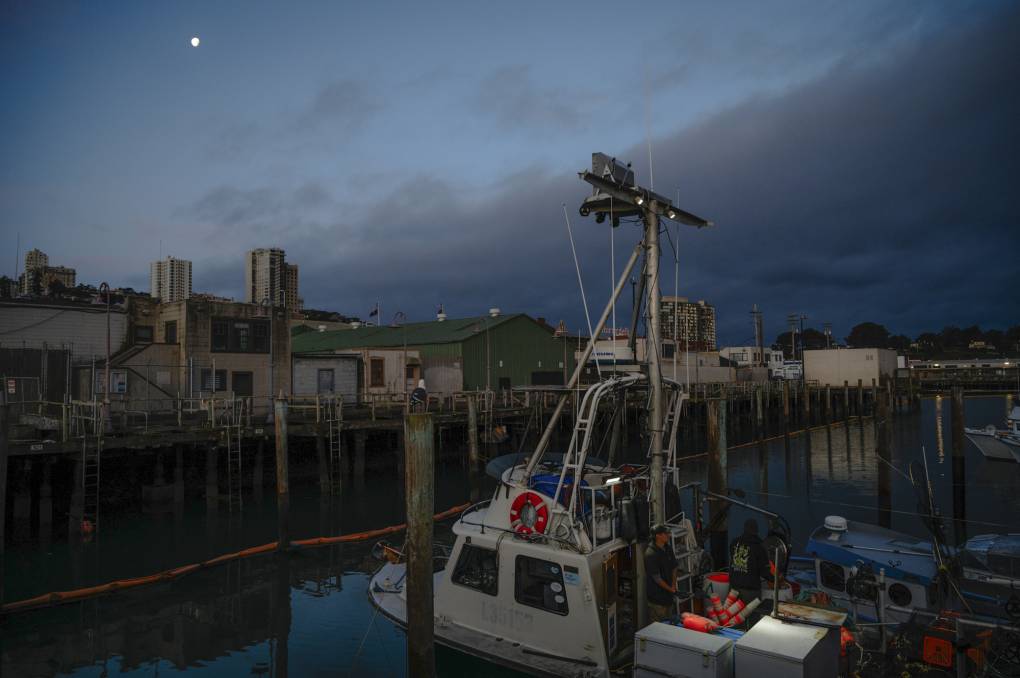
"caption": "The moon sets over Fisherman's Wharf in San Francisco as commercial salmon fisher Matt Juanes' boat, the FV Plumeria, sits docked on June 7, 2023. With California's salmon season shut down this year, Juanes is pivoting to try fishing for shrimp for the first time.",
"description": null,
"title": "01_RS66397_230607-salmon closures-03-ksA-KQED",
"credit": "Kori Suzuki/KQED",
"status": "inherit",
"altTag": "The moon sets as people work on a boat in a harbor in the early morning light.",
"isLoading": false,
"fetchFailed": false
},
"news_11954230": {
"type": "attachments",
"id": "news_11954230",
"meta": {
"index": "attachments_1716263798",
"site": "news",
"id": "11954230",
"found": true
},
"title": "California Budget Fast Food Workers",
"publishDate": 1687894689,
"status": "inherit",
"parent": 0,
"modified": 1726618425,
"caption": "Fast food workers and their supporters march past the state Capitol in Sacramento, Tuesday, Aug. 16, 2022. Gov. Gavin Newsom and legislative leaders have agreed to restore funding to the Industrial Welfare Commission, which has the power to regulate wages, hours and working conditions in California. Business groups oppose restoring the commission. A law that would create a similar commission to regulate the fast food industry passed last year but has been put on hold pending the outcome of a 2024 referendum.",
"credit": "AP Photo/Rich Pedroncelli",
"altTag": "A large group of protesters wearing red T-shirts march around California's Capitol building in Sacramento. Many are carrying yellow signs with red writing. One sign reads, \"Which Side Are You On? Pass AB257.\"",
"description": null,
"imgSizes": {
"medium": {
"file": "https://cdn.kqed.org/wp-content/uploads/sites/10/2023/06/AP23177834356485-800x533.jpg",
"width": 800,
"height": 533,
"mimeType": "image/jpeg"
},
"large": {
"file": "https://cdn.kqed.org/wp-content/uploads/sites/10/2023/06/AP23177834356485-1020x680.jpg",
"width": 1020,
"height": 680,
"mimeType": "image/jpeg"
},
"thumbnail": {
"file": "https://cdn.kqed.org/wp-content/uploads/sites/10/2023/06/AP23177834356485-160x107.jpg",
"width": 160,
"height": 107,
"mimeType": "image/jpeg"
},
"1536x1536": {
"file": "https://cdn.kqed.org/wp-content/uploads/sites/10/2023/06/AP23177834356485-1536x1024.jpg",
"width": 1536,
"height": 1024,
"mimeType": "image/jpeg"
},
"2048x2048": {
"file": "https://cdn.kqed.org/wp-content/uploads/sites/10/2023/06/AP23177834356485-2048x1365.jpg",
"width": 2048,
"height": 1365,
"mimeType": "image/jpeg"
},
"post-thumbnail": {
"file": "https://cdn.kqed.org/wp-content/uploads/sites/10/2023/06/AP23177834356485-672x372.jpg",
"width": 672,
"height": 372,
"mimeType": "image/jpeg"
},
"twentyfourteen-full-width": {
"file": "https://cdn.kqed.org/wp-content/uploads/sites/10/2023/06/AP23177834356485-1038x576.jpg",
"width": 1038,
"height": 576,
"mimeType": "image/jpeg"
},
"full-width": {
"file": "https://cdn.kqed.org/wp-content/uploads/sites/10/2023/06/AP23177834356485-1920x1280.jpg",
"width": 1920,
"height": 1280,
"mimeType": "image/jpeg"
},
"kqedFullSize": {
"file": "https://cdn.kqed.org/wp-content/uploads/sites/10/2023/06/AP23177834356485-scaled.jpg",
"width": 2560,
"height": 1706
}
},
"isLoading": false,
"fetchFailed": false
},
"news_11953038": {
"type": "attachments",
"id": "news_11953038",
"meta": {
"index": "attachments_1716263798",
"site": "news",
"id": "11953038",
"found": true
},
"parent": 11952997,
"imgSizes": {
"twentyfourteen-full-width": {
"file": "https://ww2.kqed.org/app/uploads/sites/10/2023/06/pexels-fauxels-3184465-1038x576.jpg",
"width": 1038,
"mimeType": "image/jpeg",
"height": 576
},
"thumbnail": {
"file": "https://ww2.kqed.org/app/uploads/sites/10/2023/06/pexels-fauxels-3184465-160x107.jpg",
"width": 160,
"mimeType": "image/jpeg",
"height": 107
},
"post-thumbnail": {
"file": "https://ww2.kqed.org/app/uploads/sites/10/2023/06/pexels-fauxels-3184465-672x372.jpg",
"width": 672,
"mimeType": "image/jpeg",
"height": 372
},
"kqedFullSize": {
"file": "https://ww2.kqed.org/app/uploads/sites/10/2023/06/pexels-fauxels-3184465.jpg",
"width": 1920,
"height": 1280
},
"large": {
"file": "https://ww2.kqed.org/app/uploads/sites/10/2023/06/pexels-fauxels-3184465-1020x680.jpg",
"width": 1020,
"mimeType": "image/jpeg",
"height": 680
},
"1536x1536": {
"file": "https://ww2.kqed.org/app/uploads/sites/10/2023/06/pexels-fauxels-3184465-1536x1024.jpg",
"width": 1536,
"mimeType": "image/jpeg",
"height": 1024
},
"medium": {
"file": "https://ww2.kqed.org/app/uploads/sites/10/2023/06/pexels-fauxels-3184465-800x533.jpg",
"width": 800,
"mimeType": "image/jpeg",
"height": 533
}
},
"publishDate": 1686861041,
"modified": 1686861134,
"caption": "Does the idea of negotiation and bargaining fill you with dread? We have tips.",
"description": null,
"title": "pexels-fauxels-3184465",
"credit": "fauxels/Pexels",
"status": "inherit",
"altTag": "A man with light skin wearing a long sleeved white shirt stands and shakes the hand of a seated figure, whose face we can't see. There are takeout coffee cups on the table between them.",
"isLoading": false,
"fetchFailed": false
},
"news_11952718": {
"type": "attachments",
"id": "news_11952718",
"meta": {
"index": "attachments_1716263798",
"site": "news",
"id": "11952718",
"found": true
},
"parent": 11952689,
"imgSizes": {
"twentyfourteen-full-width": {
"file": "https://ww2.kqed.org/app/uploads/sites/10/2023/06/RS66195_GettyImages-1322093872-qut-1038x576.jpg",
"width": 1038,
"mimeType": "image/jpeg",
"height": 576
},
"thumbnail": {
"file": "https://ww2.kqed.org/app/uploads/sites/10/2023/06/RS66195_GettyImages-1322093872-qut-160x107.jpg",
"width": 160,
"mimeType": "image/jpeg",
"height": 107
},
"post-thumbnail": {
"file": "https://ww2.kqed.org/app/uploads/sites/10/2023/06/RS66195_GettyImages-1322093872-qut-672x372.jpg",
"width": 672,
"mimeType": "image/jpeg",
"height": 372
},
"kqedFullSize": {
"file": "https://ww2.kqed.org/app/uploads/sites/10/2023/06/RS66195_GettyImages-1322093872-qut.jpg",
"width": 1920,
"height": 1280
},
"large": {
"file": "https://ww2.kqed.org/app/uploads/sites/10/2023/06/RS66195_GettyImages-1322093872-qut-1020x680.jpg",
"width": 1020,
"mimeType": "image/jpeg",
"height": 680
},
"1536x1536": {
"file": "https://ww2.kqed.org/app/uploads/sites/10/2023/06/RS66195_GettyImages-1322093872-qut-1536x1024.jpg",
"width": 1536,
"mimeType": "image/jpeg",
"height": 1024
},
"medium": {
"file": "https://ww2.kqed.org/app/uploads/sites/10/2023/06/RS66195_GettyImages-1322093872-qut-800x533.jpg",
"width": 800,
"mimeType": "image/jpeg",
"height": 533
}
},
"publishDate": 1686357552,
"modified": 1686529935,
"caption": "An armed security guard stands next to the cable car fare kiosk at Powell and Market streets in San Francisco.",
"description": null,
"title": "Kasayle Howard (left), armed security guard with Cypress Security, stands next to the cable car fare kiosk while working at Powell and Market Streets on Monday, April 20, 2015 in San Francisco, Calif.",
"credit": "Lea Suzuki/The San Francisco Chronicle via Getty Images",
"status": "inherit",
"altTag": "a black-clad security guard's outstretched arm and leg are seen from behind in the left foreground, with a gun clearly visible on their hip, as a pedestrian stands with their back turned to the camera in the background",
"isLoading": false,
"fetchFailed": false
},
"news_11951816": {
"type": "attachments",
"id": "news_11951816",
"meta": {
"index": "attachments_1716263798",
"site": "news",
"id": "11951816",
"found": true
},
"parent": 0,
"imgSizes": {
"twentyfourteen-full-width": {
"file": "https://ww2.kqed.org/app/uploads/sites/10/2023/05/RS49566_012_SanJose_FleaMarket_05262021-qut-1038x576.jpg",
"width": 1038,
"mimeType": "image/jpeg",
"height": 576
},
"thumbnail": {
"file": "https://ww2.kqed.org/app/uploads/sites/10/2023/05/RS49566_012_SanJose_FleaMarket_05262021-qut-160x107.jpg",
"width": 160,
"mimeType": "image/jpeg",
"height": 107
},
"post-thumbnail": {
"file": "https://ww2.kqed.org/app/uploads/sites/10/2023/05/RS49566_012_SanJose_FleaMarket_05262021-qut-672x372.jpg",
"width": 672,
"mimeType": "image/jpeg",
"height": 372
},
"kqedFullSize": {
"file": "https://ww2.kqed.org/app/uploads/sites/10/2023/05/RS49566_012_SanJose_FleaMarket_05262021-qut.jpg",
"width": 1920,
"height": 1280
},
"large": {
"file": "https://ww2.kqed.org/app/uploads/sites/10/2023/05/RS49566_012_SanJose_FleaMarket_05262021-qut-1020x680.jpg",
"width": 1020,
"mimeType": "image/jpeg",
"height": 680
},
"1536x1536": {
"file": "https://ww2.kqed.org/app/uploads/sites/10/2023/05/RS49566_012_SanJose_FleaMarket_05262021-qut-1536x1024.jpg",
"width": 1536,
"mimeType": "image/jpeg",
"height": 1024
},
"medium": {
"file": "https://ww2.kqed.org/app/uploads/sites/10/2023/05/RS49566_012_SanJose_FleaMarket_05262021-qut-800x533.jpg",
"width": 800,
"mimeType": "image/jpeg",
"height": 533
}
},
"publishDate": 1685552529,
"modified": 1685554630,
"caption": "A fabric stall at San José's Berryessa Flea Market on Wednesday, May 26, 2021. On May 17, 2023, a vendor group attended a public meeting to discuss the eventual closure of the market and advise the city on how to decide what to do with the hundreds of small businesses that stand to be displaced.",
"description": null,
"title": "A fabric stall at the San Jose Flea Market on Wednesday, May 26, 2021.",
"credit": "Beth LaBerge/KQED",
"status": "inherit",
"altTag": "Large spools of fabric in various multicolor and floral patterns are piled on top of each other inside an outdoor vendor stall that sells at a local flea market. Garments are seen hanging in the background.",
"isLoading": false,
"fetchFailed": false
},
"news_11950488": {
"type": "attachments",
"id": "news_11950488",
"meta": {
"index": "attachments_1716263798",
"site": "news",
"id": "11950488",
"found": true
},
"parent": 11950487,
"imgSizes": {
"twentyfourteen-full-width": {
"file": "https://ww2.kqed.org/app/uploads/sites/10/2023/05/14347603604_566e1a3546_o-1038x576.jpg",
"width": 1038,
"mimeType": "image/jpeg",
"height": 576
},
"thumbnail": {
"file": "https://ww2.kqed.org/app/uploads/sites/10/2023/05/14347603604_566e1a3546_o-160x112.jpg",
"width": 160,
"mimeType": "image/jpeg",
"height": 112
},
"post-thumbnail": {
"file": "https://ww2.kqed.org/app/uploads/sites/10/2023/05/14347603604_566e1a3546_o-672x372.jpg",
"width": 672,
"mimeType": "image/jpeg",
"height": 372
},
"kqedFullSize": {
"file": "https://ww2.kqed.org/app/uploads/sites/10/2023/05/14347603604_566e1a3546_o.jpg",
"width": 1445,
"height": 1010
},
"large": {
"file": "https://ww2.kqed.org/app/uploads/sites/10/2023/05/14347603604_566e1a3546_o-1020x713.jpg",
"width": 1020,
"mimeType": "image/jpeg",
"height": 713
},
"medium": {
"file": "https://ww2.kqed.org/app/uploads/sites/10/2023/05/14347603604_566e1a3546_o-800x559.jpg",
"width": 800,
"mimeType": "image/jpeg",
"height": 559
}
},
"publishDate": 1684875073,
"modified": 1684875168,
"caption": "Two 17-year old girls working at a Popeye’s in East Oakland have filed labor complaints, alleging abuse, harassment, and work hours that go beyond the legal limit for minors. ",
"description": null,
"title": "14347603604_566e1a3546_o",
"credit": "Mike Mozart/\u003ca href=\"https://www.flickr.com/photos/39160147@N03/14347603604\">Flickr\u003c/a>",
"status": "inherit",
"altTag": null,
"isLoading": false,
"fetchFailed": false
},
"news_11949859": {
"type": "attachments",
"id": "news_11949859",
"meta": {
"index": "attachments_1716263798",
"site": "news",
"id": "11949859",
"found": true
},
"parent": 11949801,
"imgSizes": {
"twentyfourteen-full-width": {
"file": "https://ww2.kqed.org/app/uploads/sites/10/2023/05/IMG_0213-1038x576.jpg",
"width": 1038,
"mimeType": "image/jpeg",
"height": 576
},
"thumbnail": {
"file": "https://ww2.kqed.org/app/uploads/sites/10/2023/05/IMG_0213-160x120.jpg",
"width": 160,
"mimeType": "image/jpeg",
"height": 120
},
"post-thumbnail": {
"file": "https://ww2.kqed.org/app/uploads/sites/10/2023/05/IMG_0213-672x372.jpg",
"width": 672,
"mimeType": "image/jpeg",
"height": 372
},
"kqedFullSize": {
"file": "https://ww2.kqed.org/app/uploads/sites/10/2023/05/IMG_0213.jpg",
"width": 2560,
"height": 1920
},
"2048x2048": {
"file": "https://ww2.kqed.org/app/uploads/sites/10/2023/05/IMG_0213-2048x1536.jpg",
"width": 2048,
"mimeType": "image/jpeg",
"height": 1536
},
"large": {
"file": "https://ww2.kqed.org/app/uploads/sites/10/2023/05/IMG_0213-1020x765.jpg",
"width": 1020,
"mimeType": "image/jpeg",
"height": 765
},
"1536x1536": {
"file": "https://ww2.kqed.org/app/uploads/sites/10/2023/05/IMG_0213-1536x1152.jpg",
"width": 1536,
"mimeType": "image/jpeg",
"height": 1152
},
"full-width": {
"file": "https://ww2.kqed.org/app/uploads/sites/10/2023/05/IMG_0213-1920x1440.jpg",
"width": 1920,
"mimeType": "image/jpeg",
"height": 1440
},
"medium": {
"file": "https://ww2.kqed.org/app/uploads/sites/10/2023/05/IMG_0213-800x600.jpg",
"width": 800,
"mimeType": "image/jpeg",
"height": 600
}
},
"publishDate": 1684350890,
"modified": 1684438933,
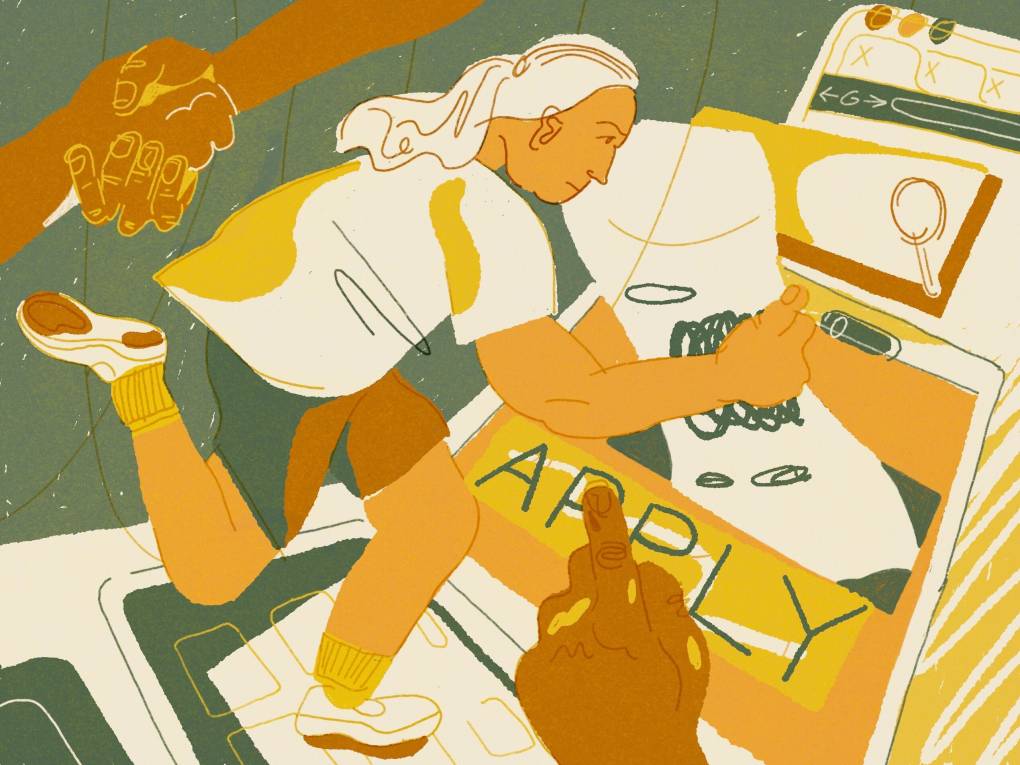
"caption": "We spoke to Bay Area-based career coach Horst Govin to learn best practices for updating your résumé and reaching out to your network about job opportunities.",
"description": null,
"title": "IMG_0213",
"credit": "Anna Vignet/KQED",
"status": "inherit",
"altTag": "An illustration that shows someone feeding their resumes into a computer screen, which reads \"Apply.\"",
"isLoading": false,
"fetchFailed": false
},
"news_11949130": {
"type": "attachments",
"id": "news_11949130",
"meta": {
"index": "attachments_1716263798",
"site": "news",
"id": "11949130",
"found": true
},
"parent": 11948895,
"imgSizes": {
"twentyfourteen-full-width": {
"file": "https://ww2.kqed.org/app/uploads/sites/10/2023/05/IMG_0193-1038x576.jpg",
"width": 1038,
"mimeType": "image/jpeg",
"height": 576
},
"thumbnail": {
"file": "https://ww2.kqed.org/app/uploads/sites/10/2023/05/IMG_0193-160x120.jpg",
"width": 160,
"mimeType": "image/jpeg",
"height": 120
},
"post-thumbnail": {
"file": "https://ww2.kqed.org/app/uploads/sites/10/2023/05/IMG_0193-672x372.jpg",
"width": 672,
"mimeType": "image/jpeg",
"height": 372
},
"kqedFullSize": {
"file": "https://ww2.kqed.org/app/uploads/sites/10/2023/05/IMG_0193.jpg",
"width": 2560,
"height": 1920
},
"2048x2048": {
"file": "https://ww2.kqed.org/app/uploads/sites/10/2023/05/IMG_0193-2048x1536.jpg",
"width": 2048,
"mimeType": "image/jpeg",
"height": 1536
},
"large": {
"file": "https://ww2.kqed.org/app/uploads/sites/10/2023/05/IMG_0193-1020x765.jpg",
"width": 1020,
"mimeType": "image/jpeg",
"height": 765
},
"1536x1536": {
"file": "https://ww2.kqed.org/app/uploads/sites/10/2023/05/IMG_0193-1536x1152.jpg",
"width": 1536,
"mimeType": "image/jpeg",
"height": 1152
},
"full-width": {
"file": "https://ww2.kqed.org/app/uploads/sites/10/2023/05/IMG_0193-1920x1440.jpg",
"width": 1920,
"mimeType": "image/jpeg",
"height": 1440
},
"medium": {
"file": "https://ww2.kqed.org/app/uploads/sites/10/2023/05/IMG_0193-800x600.jpg",
"width": 800,
"mimeType": "image/jpeg",
"height": 600
}
},
"publishDate": 1683823269,
"modified": 1684192838,
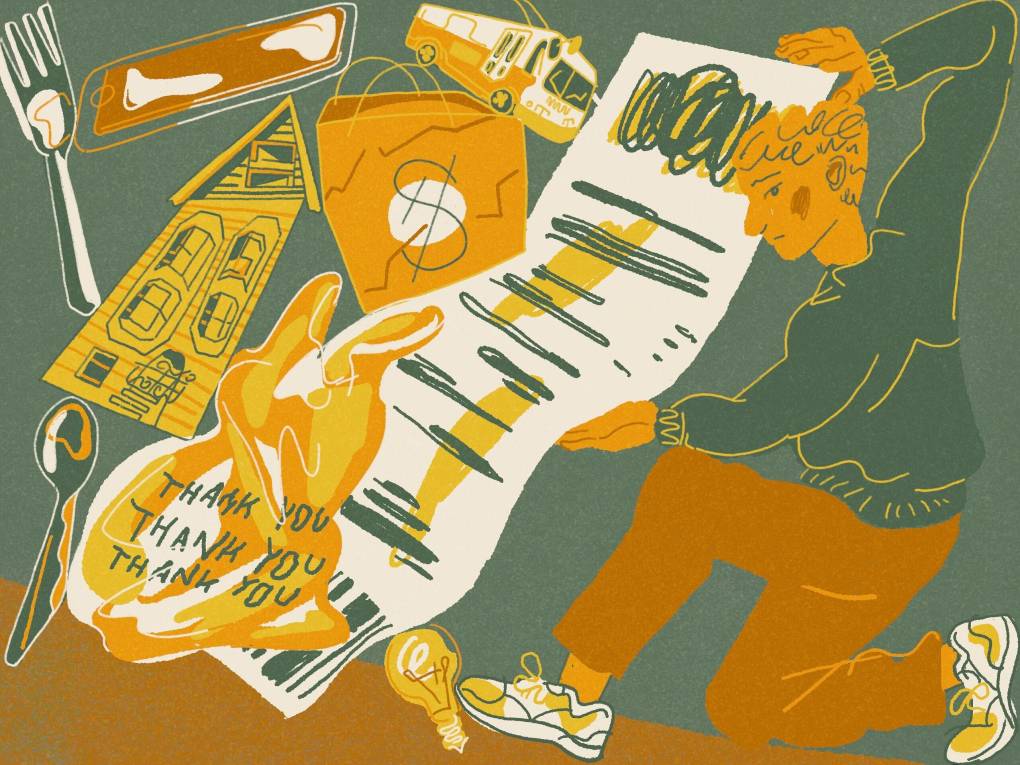
"caption": "After an unexpected job loss, knowing how to start saving money fast can feel overwhelming. We asked an expert what to do.",
"description": null,
"title": "laid-off-save-money-bills",
"credit": "Anna Vignet/KQED",
"status": "inherit",
"altTag": "A green and yellow toned illustration of a crouched figure holding massive expense sheet that's as big as they are, while a number of other objects swirl around them.",
"isLoading": false,
"fetchFailed": false
},
"news_11949704": {
"type": "attachments",
"id": "news_11949704",
"meta": {
"index": "attachments_1716263798",
"site": "news",
"id": "11949704",
"found": true
},
"parent": 0,
"imgSizes": {
"twentyfourteen-full-width": {
"file": "https://ww2.kqed.org/app/uploads/sites/10/2023/05/CalMattersNicolasAllen1-1038x576.jpg",
"width": 1038,
"mimeType": "image/jpeg",
"height": 576
},
"thumbnail": {
"file": "https://ww2.kqed.org/app/uploads/sites/10/2023/05/CalMattersNicolasAllen1-160x107.jpg",
"width": 160,
"mimeType": "image/jpeg",
"height": 107
},
"post-thumbnail": {
"file": "https://ww2.kqed.org/app/uploads/sites/10/2023/05/CalMattersNicolasAllen1-672x372.jpg",
"width": 672,
"mimeType": "image/jpeg",
"height": 372
},
"kqedFullSize": {
"file": "https://ww2.kqed.org/app/uploads/sites/10/2023/05/CalMattersNicolasAllen1.jpg",
"width": 2000,
"height": 1333
},
"large": {
"file": "https://ww2.kqed.org/app/uploads/sites/10/2023/05/CalMattersNicolasAllen1-1020x680.jpg",
"width": 1020,
"mimeType": "image/jpeg",
"height": 680
},
"1536x1536": {
"file": "https://ww2.kqed.org/app/uploads/sites/10/2023/05/CalMattersNicolasAllen1-1536x1024.jpg",
"width": 1536,
"mimeType": "image/jpeg",
"height": 1024
},
"full-width": {
"file": "https://ww2.kqed.org/app/uploads/sites/10/2023/05/CalMattersNicolasAllen1-1920x1280.jpg",
"width": 1920,
"mimeType": "image/jpeg",
"height": 1280
},
"medium": {
"file": "https://ww2.kqed.org/app/uploads/sites/10/2023/05/CalMattersNicolasAllen1-800x533.jpg",
"width": 800,
"mimeType": "image/jpeg",
"height": 533
}
},
"publishDate": 1684266572,
"modified": 1684266841,
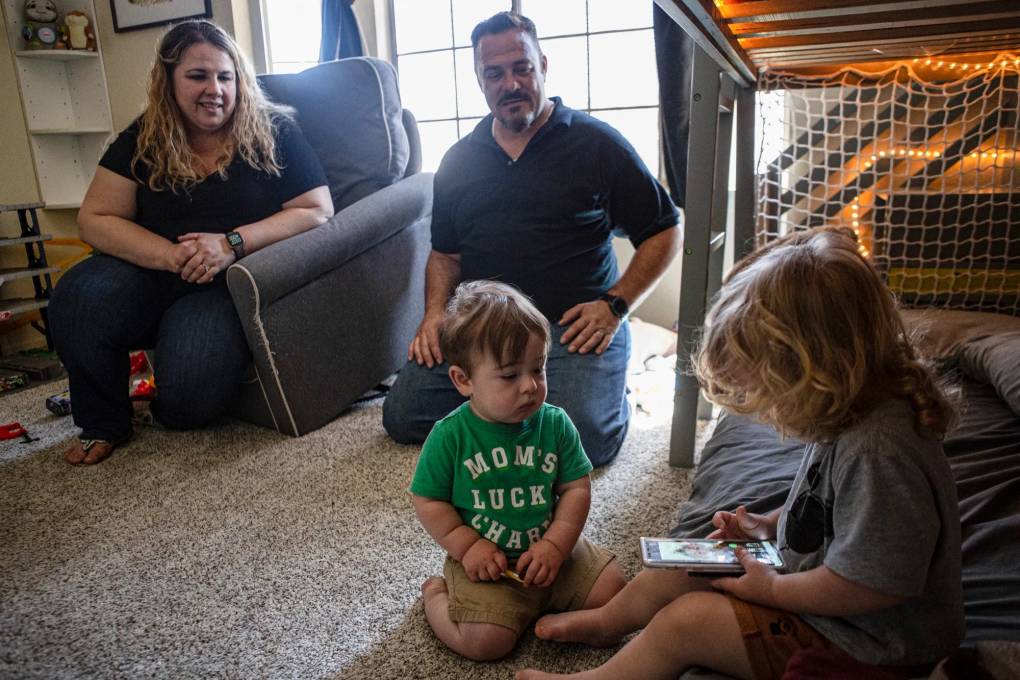
"caption": "Sharon and Nicolas Allen watch their two sons play in their home in Fresno on April 10, 2023.",
"description": null,
"title": "CalMattersNicolasAllen1",
"credit": "Larry Valenzuela, CalMatters/CatchLight Local",
"status": "inherit",
"altTag": "A mother sits in a cushioned, chair inside a child's nursery in her home. She watches her two toddlers play on the tan carpet. Her husband is on his knees watching their children. One child's green T-shirt reads, \"Mom's Lucky Charm\" in white letters.",
"isLoading": false,
"fetchFailed": false
},
"news_11949255": {
"type": "attachments",
"id": "news_11949255",
"meta": {
"index": "attachments_1716263798",
"site": "news",
"id": "11949255",
"found": true
},
"parent": 11948465,
"imgSizes": {
"twentyfourteen-full-width": {
"file": "https://ww2.kqed.org/app/uploads/sites/10/2023/05/DSC_9773-1038x576.jpg",
"width": 1038,
"mimeType": "image/jpeg",
"height": 576
},
"thumbnail": {
"file": "https://ww2.kqed.org/app/uploads/sites/10/2023/05/DSC_9773-160x107.jpg",
"width": 160,
"mimeType": "image/jpeg",
"height": 107
},
"post-thumbnail": {
"file": "https://ww2.kqed.org/app/uploads/sites/10/2023/05/DSC_9773-672x372.jpg",
"width": 672,
"mimeType": "image/jpeg",
"height": 372
},
"kqedFullSize": {
"file": "https://ww2.kqed.org/app/uploads/sites/10/2023/05/DSC_9773.jpg",
"width": 1620,
"height": 1080
},
"large": {
"file": "https://ww2.kqed.org/app/uploads/sites/10/2023/05/DSC_9773-1020x680.jpg",
"width": 1020,
"mimeType": "image/jpeg",
"height": 680
},
"1536x1536": {
"file": "https://ww2.kqed.org/app/uploads/sites/10/2023/05/DSC_9773-1536x1024.jpg",
"width": 1536,
"mimeType": "image/jpeg",
"height": 1024
},
"medium": {
"file": "https://ww2.kqed.org/app/uploads/sites/10/2023/05/DSC_9773-800x533.jpg",
"width": 800,
"mimeType": "image/jpeg",
"height": 533
}
},
"publishDate": 1683852848,
"modified": 1683854305,
"caption": "Oakland Unified School District teachers, parents and students rally outside Glenview Elementary in Oakland on May 11, 2023, during a teacher strike.",
"description": null,
"title": "DSC_9773",
"credit": "Beth LaBerge/KQED",
"status": "inherit",
"altTag": null,
"isLoading": false,
"fetchFailed": false
},
"news_11949068": {
"type": "attachments",
"id": "news_11949068",
"meta": {
"index": "attachments_1716263798",
"site": "news",
"id": "11949068",
"found": true
},
"parent": 11949065,
"imgSizes": {
"twentyfourteen-full-width": {
"file": "https://ww2.kqed.org/app/uploads/sites/10/2023/05/042723-VisitAbility-CalMatters-SKN-IMG_4001-16-CM-1038x576.jpg",
"width": 1038,
"mimeType": "image/jpeg",
"height": 576
},
"thumbnail": {
"file": "https://ww2.kqed.org/app/uploads/sites/10/2023/05/042723-VisitAbility-CalMatters-SKN-IMG_4001-16-CM-160x107.jpg",
"width": 160,
"mimeType": "image/jpeg",
"height": 107
},
"post-thumbnail": {
"file": "https://ww2.kqed.org/app/uploads/sites/10/2023/05/042723-VisitAbility-CalMatters-SKN-IMG_4001-16-CM-672x372.jpg",
"width": 672,
"mimeType": "image/jpeg",
"height": 372
},
"kqedFullSize": {
"file": "https://ww2.kqed.org/app/uploads/sites/10/2023/05/042723-VisitAbility-CalMatters-SKN-IMG_4001-16-CM.jpg",
"width": 2000,
"height": 1333
},
"large": {
"file": "https://ww2.kqed.org/app/uploads/sites/10/2023/05/042723-VisitAbility-CalMatters-SKN-IMG_4001-16-CM-1020x680.jpg",
"width": 1020,
"mimeType": "image/jpeg",
"height": 680
},
"1536x1536": {
"file": "https://ww2.kqed.org/app/uploads/sites/10/2023/05/042723-VisitAbility-CalMatters-SKN-IMG_4001-16-CM-1536x1024.jpg",
"width": 1536,
"mimeType": "image/jpeg",
"height": 1024
},
"full-width": {
"file": "https://ww2.kqed.org/app/uploads/sites/10/2023/05/042723-VisitAbility-CalMatters-SKN-IMG_4001-16-CM-1920x1280.jpg",
"width": 1920,
"mimeType": "image/jpeg",
"height": 1280
},
"medium": {
"file": "https://ww2.kqed.org/app/uploads/sites/10/2023/05/042723-VisitAbility-CalMatters-SKN-IMG_4001-16-CM-800x533.jpg",
"width": 800,
"mimeType": "image/jpeg",
"height": 533
}
},
"publishDate": 1683758455,
"modified": 1683762263,
"caption": "VistAbility worker Karla Marquez packs envelopes with BART Clipper card information while working at VistAbility in Concord. VistAbility employs and trains people with developmental disabilities.",
"description": null,
"title": "042723-VisitAbility-CalMatters-SKN-IMG_4001-16-CM",
"credit": "Shelby Knowles/CalMatters",
"status": "inherit",
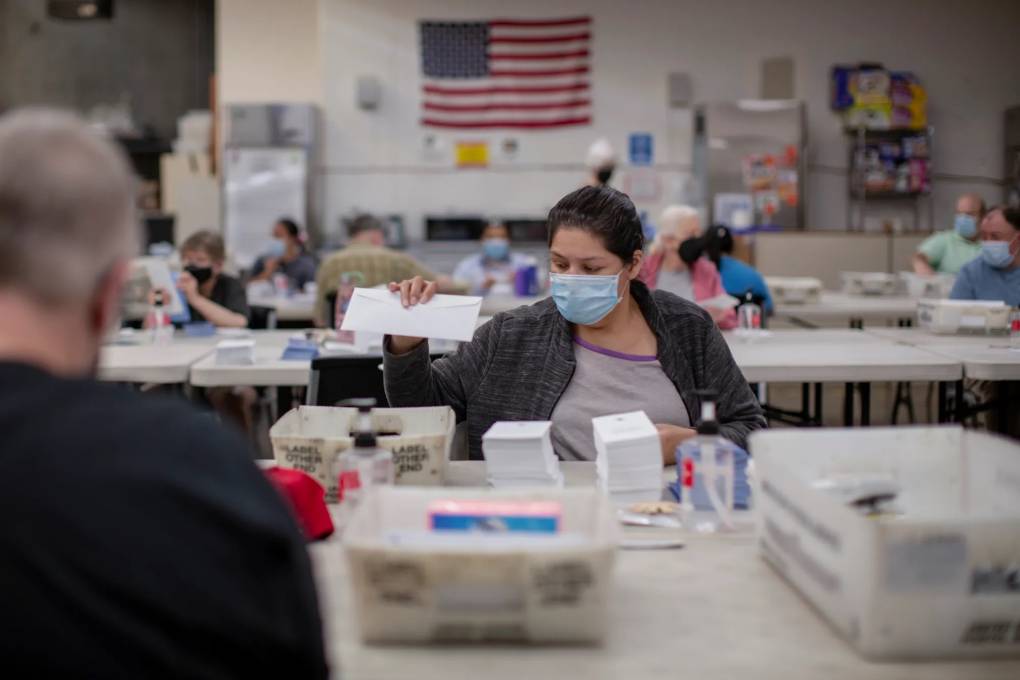
"altTag": "woman with dark hair, wearing a mask, sits at a folding table in front of a stack of envelopes, with rows of people at similar tables in background",
"isLoading": false,
"fetchFailed": false
},
"news_11947190": {
"type": "attachments",
"id": "news_11947190",
"meta": {
"index": "attachments_1716263798",
"site": "news",
"id": "11947190",
"found": true
},
"title": "006_KQED_UCSFBenioffChildrensHospStrike_04192023",
"publishDate": 1681947432,
"status": "inherit",
"parent": 0,
"modified": 1771023942,
"caption": "Over 100 employees and their supporters gather for a rally outside UCSF Benioff Children's Hospital in Oakland on April 19, 2023, during a one-day strike authorized by more than 1,200 members of the National Union of Healthcare Workers.",
"credit": "Beth LaBerge/KQED",
"altTag": "Hundreds of protesters in red T-shirts hold red and yellow picket signs outside of UCSF Benioff Children's Hospital Oakland.",
"description": null,
"imgSizes": {
"medium": {
"file": "https://cdn.kqed.org/wp-content/uploads/sites/10/2023/04/006_KQED_UCSFBenioffChildrensHospStrike_04192023-800x533.jpg",
"width": 800,
"height": 533,
"mimeType": "image/jpeg"
},
"large": {
"file": "https://cdn.kqed.org/wp-content/uploads/sites/10/2023/04/006_KQED_UCSFBenioffChildrensHospStrike_04192023-1020x680.jpg",
"width": 1020,
"height": 680,
"mimeType": "image/jpeg"
},
"thumbnail": {
"file": "https://cdn.kqed.org/wp-content/uploads/sites/10/2023/04/006_KQED_UCSFBenioffChildrensHospStrike_04192023-160x107.jpg",
"width": 160,
"height": 107,
"mimeType": "image/jpeg"
},
"1536x1536": {
"file": "https://cdn.kqed.org/wp-content/uploads/sites/10/2023/04/006_KQED_UCSFBenioffChildrensHospStrike_04192023-1536x1024.jpg",
"width": 1536,
"height": 1024,
"mimeType": "image/jpeg"
},
"post-thumbnail": {
"file": "https://cdn.kqed.org/wp-content/uploads/sites/10/2023/04/006_KQED_UCSFBenioffChildrensHospStrike_04192023-672x372.jpg",
"width": 672,
"height": 372,
"mimeType": "image/jpeg"
},
"twentyfourteen-full-width": {
"file": "https://cdn.kqed.org/wp-content/uploads/sites/10/2023/04/006_KQED_UCSFBenioffChildrensHospStrike_04192023-1038x576.jpg",
"width": 1038,
"height": 576,
"mimeType": "image/jpeg"
},
"kqedFullSize": {
"file": "https://cdn.kqed.org/wp-content/uploads/sites/10/2023/04/006_KQED_UCSFBenioffChildrensHospStrike_04192023.jpg",
"width": 1920,
"height": 1280
}
},
"isLoading": false,
"fetchFailed": false
}
},
"audioPlayerReducer": {
"postId": "stream_live",
"isPaused": true,
"isPlaying": false,
"pfsActive": false,
"pledgeModalIsOpen": true,
"playerDrawerIsOpen": false,
"liveAudioPlayStartedAt": 0,
"liveAudioPlayContext": ""
},
"authorsReducer": {
"byline_news_11954645": {
"type": "authors",
"id": "byline_news_11954645",
"meta": {
"override": true
},
"slug": "byline_news_11954645",
"name": "\u003ca href=\"https://twitter.com/koritsuzuki\">Kori Suzuki\u003c/a>",
"isLoading": false
},
"byline_news_11954205": {
"type": "authors",
"id": "byline_news_11954205",
"meta": {
"override": true
},
"slug": "byline_news_11954205",
"name": "\u003ca href=\"https://twitter.com/adambeam\">Adam Beam\u003c/a>\u003cbr>The Associated Press",
"isLoading": false
},
"byline_news_11949679": {
"type": "authors",
"id": "byline_news_11949679",
"meta": {
"override": true
},
"slug": "byline_news_11949679",
"name": "\u003ca href=\"https://calmatters.org/author/laurenhepler/\">Lauren Hepler\u003c/a>",
"isLoading": false
},
"byline_news_11949065": {
"type": "authors",
"id": "byline_news_11949065",
"meta": {
"override": true
},
"slug": "byline_news_11949065",
"name": "\u003ca href=\"https://calmatters.org/author/jeanne-kuang/\">Jeanne Kuang\u003c/a>",
"isLoading": false
},
"gmarzorati": {
"type": "authors",
"id": "227",
"meta": {
"index": "authors_1716337520",
"id": "227",
"found": true
},
"name": "Guy Marzorati",
"firstName": "Guy",
"lastName": "Marzorati",
"slug": "gmarzorati",
"email": "gmarzorati@KQED.org",
"display_author_email": true,
"staff_mastheads": [
"news"
],
"title": "Correspondent",
"bio": "Guy Marzorati is a correspondent on KQED's California Politics and Government Desk, based in San Jose. A graduate of Santa Clara University, Guy joined KQED in 2013. He reports on state and local politics and produces KQED's digital voter guide.",
"avatar": "https://secure.gravatar.com/avatar/e7038b8dbfd55b104369b76b1cd0b9de?s=600&d=blank&r=g",
"twitter": "guymarzorati",
"facebook": null,
"instagram": null,
"linkedin": null,
"sites": [
{
"site": "",
"roles": [
"editor"
]
},
{
"site": "news",
"roles": [
"editor"
]
},
{
"site": "science",
"roles": [
"editor"
]
},
{
"site": "forum",
"roles": [
"editor"
]
},
{
"site": "elections",
"roles": [
"editor"
]
},
{
"site": "liveblog",
"roles": [
"editor"
]
}
],
"headData": {
"title": "Guy Marzorati | KQED",
"description": "Correspondent",
"ogImgSrc": "https://secure.gravatar.com/avatar/e7038b8dbfd55b104369b76b1cd0b9de?s=600&d=blank&r=g",
"twImgSrc": "https://secure.gravatar.com/avatar/e7038b8dbfd55b104369b76b1cd0b9de?s=600&d=blank&r=g"
},
"isLoading": false,
"link": "/author/gmarzorati"
},
"matthewgreen": {
"type": "authors",
"id": "1263",
"meta": {
"index": "authors_1716337520",
"id": "1263",
"found": true
},
"name": "Matthew Green",
"firstName": "Matthew",
"lastName": "Green",
"slug": "matthewgreen",
"email": "mgreen@kqed.org",
"display_author_email": false,
"staff_mastheads": [],
"title": "KQED Editor/Reporter",
"bio": "Matthew Green is a digital media producer for KQED News. He previously produced \u003ca href=\"http://www.kqed.org/lowdown\">The Lowdown\u003c/a>, KQED’s multimedia news education blog. Matthew's written for numerous Bay Area publications, including the Oakland Tribune and San Francisco Chronicle. He also taught journalism classes at Fremont High School in East Oakland.\r\n\r\nEmail: mgreen@kqed.org; Twitter: @MGreenKQED",
"avatar": "https://secure.gravatar.com/avatar/3bf498d1267ca02c8494f33d8cfc575e?s=600&d=blank&r=g",
"twitter": "MGreenKQED",
"facebook": null,
"instagram": null,
"linkedin": null,
"sites": [
{
"site": "news",
"roles": []
},
{
"site": "lowdown",
"roles": []
},
{
"site": "science",
"roles": []
},
{
"site": "education",
"roles": []
},
{
"site": "quest",
"roles": []
},
{
"site": "liveblog",
"roles": []
}
],
"headData": {
"title": "Matthew Green | KQED",
"description": "KQED Editor/Reporter",
"ogImgSrc": "https://secure.gravatar.com/avatar/3bf498d1267ca02c8494f33d8cfc575e?s=600&d=blank&r=g",
"twImgSrc": "https://secure.gravatar.com/avatar/3bf498d1267ca02c8494f33d8cfc575e?s=600&d=blank&r=g"
},
"isLoading": false,
"link": "/author/matthewgreen"
},
"mlagos": {
"type": "authors",
"id": "3239",
"meta": {
"index": "authors_1716337520",
"id": "3239",
"found": true
},
"name": "Marisa Lagos",
"firstName": "Marisa",
"lastName": "Lagos",
"slug": "mlagos",
"email": "mlagos@kqed.org",
"display_author_email": false,
"staff_mastheads": [
"news"
],
"title": "KQED Contributor",
"bio": "Marisa Lagos is a correspondent for KQED’s California Politics and Government Desk and co-hosts the award-winning show and podcast, Political Breakdown. At KQED, Lagos also conducts reporting, analysis and investigations into state, local and national politics for radio, TV, online and onstage. In 2022, she and co-host, Scott Shafer, moderated the only gubernatorial debate in California. In 2020, the \u003ci>Washington Post\u003c/i> named her one of the top political journalists in California; she was nominated for a Peabody and won several other awards for her work investigating the 2017 California wildfires. She has worked at the \u003ci>San Francisco Chronicle\u003c/i>, \u003ci>San Francisco Examiner\u003c/i> and \u003ci>Los Angeles Times\u003c/i>. A UC Santa Barbara graduate, she lives in San Francisco with her two sons and husband.",
"avatar": "https://secure.gravatar.com/avatar/a261a0d3696fc066871ef96b85b5e7d2?s=600&d=blank&r=g",
"twitter": "@mlagos",
"facebook": null,
"instagram": null,
"linkedin": null,
"sites": [
{
"site": "arts",
"roles": [
"author"
]
},
{
"site": "news",
"roles": [
"editor"
]
},
{
"site": "science",
"roles": [
"editor"
]
},
{
"site": "forum",
"roles": [
"author"
]
},
{
"site": "liveblog",
"roles": [
"author"
]
}
],
"headData": {
"title": "Marisa Lagos | KQED",
"description": "KQED Contributor",
"ogImgSrc": "https://secure.gravatar.com/avatar/a261a0d3696fc066871ef96b85b5e7d2?s=600&d=blank&r=g",
"twImgSrc": "https://secure.gravatar.com/avatar/a261a0d3696fc066871ef96b85b5e7d2?s=600&d=blank&r=g"
},
"isLoading": false,
"link": "/author/mlagos"
},
"carlysevern": {
"type": "authors",
"id": "3243",
"meta": {
"index": "authors_1716337520",
"id": "3243",
"found": true
},
"name": "Carly Severn",
"firstName": "Carly",
"lastName": "Severn",
"slug": "carlysevern",
"email": "csevern@kqed.org",
"display_author_email": false,
"staff_mastheads": [
"news"
],
"title": "Senior Editor, Audience News ",
"bio": "Carly is KQED's Senior Editor of Audience News on the Digital News team, and has reported for the California Report Magazine, Bay Curious and KQED Arts. She's formerly the host of \u003ca href=\"http://ww2.kqed.org/pop/category/the-cooler/\" rel=\"noopener noreferrer\">The Cooler\u003c/a> podcast.",
"avatar": "https://secure.gravatar.com/avatar/54037bf5c128fe678f0ef26cec97a93f2e7f220a22d7285703328f12c42c1b1d?s=600&d=blank&r=g",
"twitter": "teacupinthebay",
"bluesky": null,
"facebook": null,
"instagram": null,
"linkedin": null,
"sites": [
{
"site": "",
"roles": [
"editor"
]
},
{
"site": "arts",
"roles": [
"editor"
]
},
{
"site": "news",
"roles": [
"administrator"
]
},
{
"site": "pop",
"roles": [
"editor"
]
},
{
"site": "futureofyou",
"roles": [
"editor"
]
},
{
"site": "about",
"roles": [
"administrator"
]
},
{
"site": "mindshift",
"roles": [
"editor"
]
},
{
"site": "bayareabites",
"roles": [
"editor"
]
},
{
"site": "stateofhealth",
"roles": [
"editor"
]
},
{
"site": "science",
"roles": [
"editor"
]
},
{
"site": "food",
"roles": [
"contributor"
]
},
{
"site": "forum",
"roles": [
"editor"
]
},
{
"site": "perspectives",
"roles": [
"administrator"
]
},
{
"site": "liveblog",
"roles": [
"editor"
]
}
],
"headData": {
"title": "Carly Severn | KQED",
"description": "Senior Editor, Audience News ",
"ogImgSrc": "https://secure.gravatar.com/avatar/54037bf5c128fe678f0ef26cec97a93f2e7f220a22d7285703328f12c42c1b1d?s=600&d=blank&r=g",
"twImgSrc": "https://secure.gravatar.com/avatar/54037bf5c128fe678f0ef26cec97a93f2e7f220a22d7285703328f12c42c1b1d?s=600&d=blank&r=g"
},
"isLoading": false,
"link": "/author/carlysevern"
},
"ecruzguevarra": {
"type": "authors",
"id": "8654",
"meta": {
"index": "authors_1716337520",
"id": "8654",
"found": true
},
"name": "Ericka Cruz Guevarra",
"firstName": "Ericka",
"lastName": "Cruz Guevarra",
"slug": "ecruzguevarra",
"email": "ecruzguevarra@kqed.org",
"display_author_email": true,
"staff_mastheads": [
"news"
],
"title": "Producer, The Bay Podcast",
"bio": "Ericka Cruz Guevarra is host of \u003ca href=\"https://www.kqed.org/podcasts/thebay\">\u003cem>The Bay\u003c/em>\u003c/a> podcast at KQED. Before host, she was the show’s producer. Her work in that capacity includes a three-part reported series on policing in Vallejo, which won a 2020 excellence in journalism award from the Society of Professional Journalists. Ericka has worked as a breaking news reporter at Oregon Public Broadcasting, helped produce the Code Switch podcast, and was KQED’s inaugural Raul Ramirez Diversity Fund intern. She’s also an alumna of NPR’s Next Generation Radio program. Send her an email if you have strong feelings about whether Fairfield and Suisun City are the Bay. Ericka is represented by SAG-AFTRA.",
"avatar": "https://secure.gravatar.com/avatar/accefc1de4bafc7e234b69bcb9b6f6536c130fd84709bc3069ef11a78787e1bb?s=600&d=blank&r=g",
"twitter": "NotoriousECG",
"bluesky": null,
"facebook": null,
"instagram": null,
"linkedin": null,
"sites": [
{
"site": "arts",
"roles": [
"subscriber"
]
},
{
"site": "news",
"roles": [
"editor",
"manage_categories"
]
},
{
"site": "futureofyou",
"roles": [
"subscriber"
]
},
{
"site": "stateofhealth",
"roles": [
"subscriber"
]
},
{
"site": "science",
"roles": [
"editor"
]
},
{
"site": "forum",
"roles": [
"subscriber"
]
}
],
"headData": {
"title": "Ericka Cruz Guevarra | KQED",
"description": "Producer, The Bay Podcast",
"ogImgSrc": "https://secure.gravatar.com/avatar/accefc1de4bafc7e234b69bcb9b6f6536c130fd84709bc3069ef11a78787e1bb?s=600&d=blank&r=g",
"twImgSrc": "https://secure.gravatar.com/avatar/accefc1de4bafc7e234b69bcb9b6f6536c130fd84709bc3069ef11a78787e1bb?s=600&d=blank&r=g"
},
"isLoading": false,
"link": "/author/ecruzguevarra"
},
"fjhabvala": {
"type": "authors",
"id": "8659",
"meta": {
"index": "authors_1716337520",
"id": "8659",
"found": true
},
"name": "Farida Jhabvala Romero",
"firstName": "Farida",
"lastName": "Jhabvala Romero",
"slug": "fjhabvala",
"email": "fjhabvala@kqed.org",
"display_author_email": true,
"staff_mastheads": [
"news"
],
"title": "KQED Contributor",
"bio": "Farida Jhabvala Romero is a Labor Correspondent for KQED. She previously covered immigration. Farida was \u003ca href=\"https://www.ccnma.org/2022-most-influential-latina-journalists\">named\u003c/a> one of the 10 Most Influential Latina Journalists in California in 2022 by the California Chicano News Media Association. Her work has won awards from the Society of Professional Journalists (Northern California), as well as a national and regional Edward M. Murrow Award for the collaborative reporting projects “Dangerous Air” and “Graying California.” Before joining KQED, Farida worked as a producer at Radio Bilingüe, a national public radio network. Farida earned her master’s degree in journalism from Stanford University.",
"avatar": "https://secure.gravatar.com/avatar/f9f022d4e2609741874222a1e9d41f48fea74011aa7c615eef91d9a50c944ebe?s=600&d=blank&r=g",
"twitter": "FaridaJhabvala",
"bluesky": null,
"facebook": null,
"instagram": null,
"linkedin": "https://www.linkedin.com/in/faridajhabvala/",
"sites": [
{
"site": "news",
"roles": [
"editor"
]
},
{
"site": "stateofhealth",
"roles": [
"author"
]
},
{
"site": "liveblog",
"roles": [
"author"
]
}
],
"headData": {
"title": "Farida Jhabvala Romero | KQED",
"description": "KQED Contributor",
"ogImgSrc": "https://secure.gravatar.com/avatar/f9f022d4e2609741874222a1e9d41f48fea74011aa7c615eef91d9a50c944ebe?s=600&d=blank&r=g",
"twImgSrc": "https://secure.gravatar.com/avatar/f9f022d4e2609741874222a1e9d41f48fea74011aa7c615eef91d9a50c944ebe?s=600&d=blank&r=g"
},
"isLoading": false,
"link": "/author/fjhabvala"
},
"lesleymcclurg": {
"type": "authors",
"id": "11229",
"meta": {
"index": "authors_1716337520",
"id": "11229",
"found": true
},
"name": "Lesley McClurg",
"firstName": "Lesley",
"lastName": "McClurg",
"slug": "lesleymcclurg",
"email": "lmcclurg@KQED.org",
"display_author_email": false,
"staff_mastheads": [
"news",
"science"
],
"title": "KQED Health Correspondent",
"bio": "Lesley McClurg is a health correspondent and fill-in host whose work is regularly rebroadcast on NPR and PBS programs. She’s earned multiple regional Emmy awards, a national and a regional Edward R. Murrow award, and was named Best Beat Reporter by the Association of Health Care Journalists. The Society of Professional Journalists has recognized her work several times, and the Society of Environmental Journalists spotlighted her coverage of California’s historic drought.\r\n\r\nBefore joining KQED in 2016, Lesley covered food and sustainability for Capital Public Radio, environmental issues for Colorado Public Radio, and reported for KUOW and KCTS 9 in Seattle. Away from the newsroom, she loves skiing with her daughter, mountain biking with her partner, and playing with Ollie, the family’s goldendoodle. On deadline, she runs almost entirely on chocolate chips.\r\n\r\n ",
"avatar": "https://secure.gravatar.com/avatar/bab49e972ea10c774fe0f5e29dba1722b158f7c0d58a360923d1389d380b2978?s=600&d=blank&r=g",
"twitter": "lesleywmcclurg",
"bluesky": null,
"facebook": null,
"instagram": null,
"linkedin": null,
"sites": [
{
"site": "arts",
"roles": [
"author"
]
},
{
"site": "news",
"roles": [
"editor"
]
},
{
"site": "futureofyou",
"roles": [
"editor"
]
},
{
"site": "stateofhealth",
"roles": [
"author"
]
},
{
"site": "science",
"roles": [
"editor"
]
},
{
"site": "quest",
"roles": [
"subscriber"
]
},
{
"site": "forum",
"roles": [
"administrator"
]
},
{
"site": "liveblog",
"roles": [
"author"
]
}
],
"headData": {
"title": "Lesley McClurg | KQED",
"description": "KQED Health Correspondent",
"ogImgSrc": "https://secure.gravatar.com/avatar/bab49e972ea10c774fe0f5e29dba1722b158f7c0d58a360923d1389d380b2978?s=600&d=blank&r=g",
"twImgSrc": "https://secure.gravatar.com/avatar/bab49e972ea10c774fe0f5e29dba1722b158f7c0d58a360923d1389d380b2978?s=600&d=blank&r=g"
},
"isLoading": false,
"link": "/author/lesleymcclurg"
},
"hmcdede": {
"type": "authors",
"id": "11635",
"meta": {
"index": "authors_1716337520",
"id": "11635",
"found": true
},
"name": "Holly McDede",
"firstName": "Holly",
"lastName": "McDede",
"slug": "hmcdede",
"email": "hmcdede@KQED.org",
"display_author_email": false,
"staff_mastheads": [],
"title": "KQED Contributor",
"bio": null,
"avatar": "https://secure.gravatar.com/avatar/999d9bf31bb3a2f0511932d99526cb3e?s=600&d=blank&r=g",
"twitter": null,
"facebook": null,
"instagram": null,
"linkedin": null,
"sites": [
{
"site": "arts",
"roles": [
"editor"
]
},
{
"site": "news",
"roles": [
"edit_others_posts",
"editor"
]
},
{
"site": "science",
"roles": [
"editor"
]
},
{
"site": "forum",
"roles": [
"editor"
]
},
{
"site": "perspectives",
"roles": [
"administrator"
]
}
],
"headData": {
"title": "Holly McDede | KQED",
"description": "KQED Contributor",
"ogImgSrc": "https://secure.gravatar.com/avatar/999d9bf31bb3a2f0511932d99526cb3e?s=600&d=blank&r=g",
"twImgSrc": "https://secure.gravatar.com/avatar/999d9bf31bb3a2f0511932d99526cb3e?s=600&d=blank&r=g"
},
"isLoading": false,
"link": "/author/hmcdede"
},
"amontecillo": {
"type": "authors",
"id": "11649",
"meta": {
"index": "authors_1716337520",
"id": "11649",
"found": true
},
"name": "Alan Montecillo",
"firstName": "Alan",
"lastName": "Montecillo",
"slug": "amontecillo",
"email": "amontecillo@kqed.org",
"display_author_email": false,
"staff_mastheads": [
"news"
],
"title": "KQED Contributor",
"bio": "Alan Montecillo is the senior editor of \u003cem>\u003ca href=\"http://kqed.org/thebay\">The Bay\u003c/a>, \u003c/em> KQED's local news podcast. Before moving to the Bay Area, he worked as a senior talk show producer for WILL in Champaign-Urbana, Illinois and at Oregon Public Broadcasting in Portland, Oregon. He has won journalism awards from the Society of Professional Journalists Northern California, the Public Media Journalists Association, The Signal Awards, and has also received a regional Edward R. Murrow award. Alan is a Filipino American from Hong Kong and a graduate of Reed College.",
"avatar": "https://secure.gravatar.com/avatar/268f53a2066899ea9efdd8a5900218b17c822d9862cbc9326cccec53ef41d349?s=600&d=blank&r=g",
"twitter": "alanmontecillo",
"bluesky": null,
"facebook": null,
"instagram": null,
"linkedin": null,
"sites": [
{
"site": "",
"roles": [
"editor"
]
},
{
"site": "news",
"roles": [
"editor",
"manage_categories"
]
}
],
"headData": {
"title": "Alan Montecillo | KQED",
"description": "KQED Contributor",
"ogImgSrc": "https://secure.gravatar.com/avatar/268f53a2066899ea9efdd8a5900218b17c822d9862cbc9326cccec53ef41d349?s=600&d=blank&r=g",
"twImgSrc": "https://secure.gravatar.com/avatar/268f53a2066899ea9efdd8a5900218b17c822d9862cbc9326cccec53ef41d349?s=600&d=blank&r=g"
},
"isLoading": false,
"link": "/author/amontecillo"
},
"ebaldassari": {
"type": "authors",
"id": "11652",
"meta": {
"index": "authors_1716337520",
"id": "11652",
"found": true
},
"name": "Erin Baldassari",
"firstName": "Erin",
"lastName": "Baldassari",
"slug": "ebaldassari",
"email": "ebaldassari@KQED.org",
"display_author_email": true,
"staff_mastheads": [
"news"
],
"title": "Staff Writer",
"bio": "Erin Baldassari covers housing for KQED. She's a former print journalist and most recently worked as the transportation reporter for the \u003cem>Mercury News\u003c/em> and \u003cem>East Bay Times. \u003c/em>There, she focused on how the Bay Area’s housing shortage has changed the way people move around the region. She also served on the \u003cem>East Bay Times\u003c/em>’ 2017 Pulitzer Prize-winning team for coverage of the Ghost Ship Fire in Oakland. Prior to that, Erin worked as a breaking news and general assignment reporter for a variety of outlets in the Bay Area and the greater Boston area. A Tufts University alumna, Erin grew up in the foothills of the Sierra Nevada mountains and in Sonoma County. She is a life-long KQED listener.",
"avatar": "https://secure.gravatar.com/avatar/5e95cad64a8ca08288082212e199d2b0cbeb4fd8e8ef5339395f361032bbe005?s=600&d=blank&r=g",
"twitter": "e_baldi",
"bluesky": null,
"facebook": null,
"instagram": null,
"linkedin": null,
"sites": [
{
"site": "news",
"roles": [
"edit_others_posts",
"editor"
]
},
{
"site": "science",
"roles": [
"editor"
]
},
{
"site": "liveblog",
"roles": [
"editor"
]
}
],
"headData": {
"title": "Erin Baldassari | KQED",
"description": "Staff Writer",
"ogImgSrc": "https://secure.gravatar.com/avatar/5e95cad64a8ca08288082212e199d2b0cbeb4fd8e8ef5339395f361032bbe005?s=600&d=blank&r=g",
"twImgSrc": "https://secure.gravatar.com/avatar/5e95cad64a8ca08288082212e199d2b0cbeb4fd8e8ef5339395f361032bbe005?s=600&d=blank&r=g"
},
"isLoading": false,
"link": "/author/ebaldassari"
},
"agonzalez": {
"type": "authors",
"id": "11724",
"meta": {
"index": "authors_1716337520",
"id": "11724",
"found": true
},
"name": "Alexander Gonzalez",
"firstName": "Alexander",
"lastName": "Gonzalez",
"slug": "agonzalez",
"email": "AlexanderGonzalez@KQED.org",
"display_author_email": false,
"staff_mastheads": [
"news"
],
"title": "KQED Contributor",
"bio": null,
"avatar": "https://secure.gravatar.com/avatar/9e291ed34e154df4c662edf858b641d70b4859939bfe40be478408f9dfd057d2?s=600&d=blank&r=g",
"twitter": null,
"bluesky": null,
"facebook": null,
"instagram": null,
"linkedin": null,
"sites": [
{
"site": "arts",
"roles": [
"editor"
]
},
{
"site": "news",
"roles": [
"editor"
]
},
{
"site": "science",
"roles": [
"editor"
]
}
],
"headData": {
"title": "Alexander Gonzalez | KQED",
"description": "KQED Contributor",
"ogImgSrc": "https://secure.gravatar.com/avatar/9e291ed34e154df4c662edf858b641d70b4859939bfe40be478408f9dfd057d2?s=600&d=blank&r=g",
"twImgSrc": "https://secure.gravatar.com/avatar/9e291ed34e154df4c662edf858b641d70b4859939bfe40be478408f9dfd057d2?s=600&d=blank&r=g"
},
"isLoading": false,
"link": "/author/agonzalez"
},
"mesquinca": {
"type": "authors",
"id": "11802",
"meta": {
"index": "authors_1716337520",
"id": "11802",
"found": true
},
"name": "Maria Esquinca",
"firstName": "Maria",
"lastName": "Esquinca",
"slug": "mesquinca",
"email": "mesquinca@kqed.org",
"display_author_email": false,
"staff_mastheads": [],
"title": "Producer, The Bay",
"bio": "María Esquinca is a producer of The Bay. Before that, she was a New York Women’s Foundation IGNITE Fellow at Latino USA. She worked at Radio Bilingue where she covered the San Joaquin Valley. Maria has interned at WLRN, News 21, The New York Times Student Journalism Institute and at Crain’s Detroit Business as a Dow Jones News Fund Business Reporting Intern. She is an MFA graduate from the University of Miami. In 2017, she graduated from the Walter Cronkite School of Journalism and Mass Communication with a Master of Mass Communication. A fronteriza, she was born in Ciudad Juárez, Chihuahua, Mexico and grew up in El Paso, Texas.",
"avatar": "https://secure.gravatar.com/avatar/77cedba18aae91da775038ba06dcd8d0?s=600&d=blank&r=g",
"twitter": "@m_esquinca",
"facebook": null,
"instagram": null,
"linkedin": null,
"sites": [
{
"site": "news",
"roles": []
}
],
"headData": {
"title": "Maria Esquinca | KQED",
"description": "Producer, The Bay",
"ogImgSrc": "https://secure.gravatar.com/avatar/77cedba18aae91da775038ba06dcd8d0?s=600&d=blank&r=g",
"twImgSrc": "https://secure.gravatar.com/avatar/77cedba18aae91da775038ba06dcd8d0?s=600&d=blank&r=g"
},
"isLoading": false,
"link": "/author/mesquinca"
},
"srodriguez": {
"type": "authors",
"id": "11852",
"meta": {
"index": "authors_1716337520",
"id": "11852",
"found": true
},
"name": "Steph Rodriguez",
"firstName": "Steph",
"lastName": "Rodriguez",
"slug": "srodriguez",
"email": "srodriguez@KQED.org",
"display_author_email": true,
"staff_mastheads": [
"news"
],
"title": "KQED Contributor",
"bio": "Steph Rodriguez is an award-winning editor and journalist who specializes in writing stories about food and music, arts and culture. She’s currently a Digital Editor for KQED News in San Francisco. Her past professional experience includes Food Editor for SFGATE as well as Managing Editor and Dining Editor for the Sacramento News & Review. She has roots in Bakersfield and Sacramento California and currently lives in Oakland with her family.",
"avatar": "https://secure.gravatar.com/avatar/5220c101baf7d495ca871563de9b8653e5863afdbd5f55ea5db0dda0732db3a2?s=600&d=blank&r=g",
"twitter": "wordstospill",
"bluesky": null,
"facebook": null,
"instagram": null,
"linkedin": null,
"sites": [
{
"site": "",
"roles": [
"administrator"
]
},
{
"site": "arts",
"roles": [
"administrator"
]
},
{
"site": "news",
"roles": [
"administrator"
]
},
{
"site": "science",
"roles": [
"administrator"
]
}
],
"headData": {
"title": "Steph Rodriguez | KQED",
"description": "KQED Contributor",
"ogImgSrc": "https://secure.gravatar.com/avatar/5220c101baf7d495ca871563de9b8653e5863afdbd5f55ea5db0dda0732db3a2?s=600&d=blank&r=g",
"twImgSrc": "https://secure.gravatar.com/avatar/5220c101baf7d495ca871563de9b8653e5863afdbd5f55ea5db0dda0732db3a2?s=600&d=blank&r=g"
},
"isLoading": false,
"link": "/author/srodriguez"
},
"nkhan": {
"type": "authors",
"id": "11867",
"meta": {
"index": "authors_1716337520",
"id": "11867",
"found": true
},
"name": "Nisa Khan",
"firstName": "Nisa",
"lastName": "Khan",
"slug": "nkhan",
"email": "nkhan@kqed.org",
"display_author_email": false,
"staff_mastheads": [],
"title": "KQED Contributor",
"bio": "Nisa Khan is a reporter for KQED's Audience News Desk. She was formerly a data reporter at Michigan Radio. She earned a Bachelor of Science in Information from the University of Michigan and a Master of Arts in Communication from Stanford University.",
"avatar": "https://secure.gravatar.com/avatar/8720459eef081ff64582b3506b124d58523e80e120704a0cbd9892533c914991?s=600&d=blank&r=g",
"twitter": "mnisakhan",
"bluesky": null,
"facebook": null,
"instagram": null,
"linkedin": null,
"sites": [
{
"site": "arts",
"roles": [
"editor"
]
},
{
"site": "news",
"roles": [
"editor"
]
},
{
"site": "science",
"roles": [
"editor",
"author"
]
},
{
"site": "forum",
"roles": [
"editor"
]
},
{
"site": "liveblog",
"roles": [
"contributor"
]
}
],
"headData": {
"title": "Nisa Khan | KQED",
"description": "KQED Contributor",
"ogImgSrc": "https://secure.gravatar.com/avatar/8720459eef081ff64582b3506b124d58523e80e120704a0cbd9892533c914991?s=600&d=blank&r=g",
"twImgSrc": "https://secure.gravatar.com/avatar/8720459eef081ff64582b3506b124d58523e80e120704a0cbd9892533c914991?s=600&d=blank&r=g"
},
"isLoading": false,
"link": "/author/nkhan"
}
},
"pagesReducer": {
"news_tag_labor": {
"type": "terms",
"id": "news_19904",
"meta": {
"index": "terms_1716263798",
"site": "news",
"id": "19904",
"score": 8.558112
},
"name": "Labor",
"slug": "labor",
"taxonomy": "tag",
"description": null,
"featImg": null,
"headData": {
"title": "Labor | KQED News",
"description": null,
"ogTitle": null,
"ogDescription": null,
"ogImgId": null,
"twTitle": null,
"twDescription": null,
"twImgId": null
},
"ttid": 19921,
"isLoading": false,
"title": "Labor",
"pageMeta": {
"site": "news",
"WpPageTemplate": "page-topic-editorial",
"currentPage": 38
},
"blocks": [
{
"blockName": "kqed/post-list",
"attrs": {
"layout": "cardArticle2",
"query": "posts/news?tag=labor",
"seeMore": false,
"paginated": true,
"page": 38
}
},
{
"blockName": "kqed/ad"
}
]
}
},
"pfsSessionReducer": {},
"postsReducer": {
"stream_live": {
"type": "live",
"id": "stream_live",
"audioUrl": "https://streams.kqed.org/kqedradio",
"title": "Live Stream",
"excerpt": "Live Stream information currently unavailable.",
"link": "/radio",
"featImg": "",
"label": {
"name": "KQED Live",
"link": "/"
}
},
"stream_kqedNewscast": {
"type": "posts",
"id": "stream_kqedNewscast",
"audioUrl": "https://www.kqed.org/.stream/anon/radio/RDnews/newscast.mp3?_=1",
"title": "KQED Newscast",
"featImg": "",
"label": {
"name": "88.5 FM",
"link": "/"
}
},
"news_11954645": {
"type": "posts",
"id": "news_11954645",
"meta": {
"index": "posts_1716263798",
"site": "news",
"id": "11954645",
"score": null,
"sort": [
1688595838000
]
},
"guestAuthors": [],
"slug": "californias-salmon-fishers-are-facing-a-summer-without-salmon-will-they-get-federal-help",
"title": "California's Salmon Fishers Are Facing a Summer Without Salmon. Will They Get Federal Help?",
"publishDate": 1688595838,
"format": "standard",
"headTitle": "California’s Salmon Fishers Are Facing a Summer Without Salmon. Will They Get Federal Help? | KQED",
"labelTerm": {
"site": "news"
},
"content": "\u003cp>[dropcap]O[/dropcap]n another day, Matt Juanes would have set out on the water long before sunrise.\u003c/p>\n\u003cp>But this still June morning, Juanes was taking his time. As dawn flickered across the sky, the San Francisco-based commercial fisher and his deckhand carefully checked their ropes and bait jars and the dozens of fishing pots piled at the back of Juanes’ boat. Juanes was hoping to get ahead of any issues they might encounter out at sea. Still, he was almost certain something would go wrong.\u003c/p>\n\u003cp>Juanes, an experienced salmon and crab fisher who has worked out of Fisherman’s Wharf for over five years, is no stranger to the trade. Today, though, he would be chasing an unfamiliar catch for the first time: coonstripe shrimp.\u003c/p>\n\u003cp>“This is all new to me,” Juanes, 46, said. “This is going to be a learning experience.”\u003c/p>\n\u003cp>\u003cimg loading=\"lazy\" decoding=\"async\" class=\"alignnone wp-image-11954620 size-full\" src=\"https://ww2.kqed.org/app/uploads/sites/10/2023/06/02_RS66391_230607-salmon-closures-02-ksA.jpg\" alt=\"A person works with brightly colored buoys aboard a boat beside a pier.\" width=\"2500\" height=\"1662\" srcset=\"https://cdn.kqed.org/wp-content/uploads/sites/10/2023/06/02_RS66391_230607-salmon-closures-02-ksA.jpg 2500w, https://cdn.kqed.org/wp-content/uploads/sites/10/2023/06/02_RS66391_230607-salmon-closures-02-ksA-800x532.jpg 800w, https://cdn.kqed.org/wp-content/uploads/sites/10/2023/06/02_RS66391_230607-salmon-closures-02-ksA-1020x678.jpg 1020w, https://cdn.kqed.org/wp-content/uploads/sites/10/2023/06/02_RS66391_230607-salmon-closures-02-ksA-160x106.jpg 160w, https://cdn.kqed.org/wp-content/uploads/sites/10/2023/06/02_RS66391_230607-salmon-closures-02-ksA-1536x1021.jpg 1536w, https://cdn.kqed.org/wp-content/uploads/sites/10/2023/06/02_RS66391_230607-salmon-closures-02-ksA-2048x1362.jpg 2048w, https://cdn.kqed.org/wp-content/uploads/sites/10/2023/06/02_RS66391_230607-salmon-closures-02-ksA-1920x1276.jpg 1920w\" sizes=\"(max-width: 2500px) 100vw, 2500px\" />\u003c/p>\n\u003cfigure id=\"attachment_11954621\" class=\"wp-caption alignnone\" style=\"max-width: 2500px\">\u003cimg loading=\"lazy\" decoding=\"async\" class=\"size-full wp-image-11954621\" src=\"https://ww2.kqed.org/app/uploads/sites/10/2023/06/03_preparing-to-depart_horizontal-7A.jpg\" alt=\"Two photos side-by-side: on the left, the silhouette of a person is seen against an early morning sky; on the right, boats are seen in harbor early in the morning.\" width=\"2500\" height=\"892\" srcset=\"https://cdn.kqed.org/wp-content/uploads/sites/10/2023/06/03_preparing-to-depart_horizontal-7A.jpg 2500w, https://cdn.kqed.org/wp-content/uploads/sites/10/2023/06/03_preparing-to-depart_horizontal-7A-800x285.jpg 800w, https://cdn.kqed.org/wp-content/uploads/sites/10/2023/06/03_preparing-to-depart_horizontal-7A-1020x364.jpg 1020w, https://cdn.kqed.org/wp-content/uploads/sites/10/2023/06/03_preparing-to-depart_horizontal-7A-160x57.jpg 160w, https://cdn.kqed.org/wp-content/uploads/sites/10/2023/06/03_preparing-to-depart_horizontal-7A-1536x548.jpg 1536w, https://cdn.kqed.org/wp-content/uploads/sites/10/2023/06/03_preparing-to-depart_horizontal-7A-2048x731.jpg 2048w, https://cdn.kqed.org/wp-content/uploads/sites/10/2023/06/03_preparing-to-depart_horizontal-7A-1920x685.jpg 1920w\" sizes=\"(max-width: 2500px) 100vw, 2500px\" />\u003cfigcaption class=\"wp-caption-text\">Top: Dawn flickers across the sky as salmon fisher Matt Juanes checks his buoys at Pier 47 in San Francisco on June 7, 2023. With California’s salmon season shut down this year, Juanes is pivoting to try fishing for shrimp for the first time. Left: Deckhand Angelo Rovetta prepares jars of bait as he and Juanes set sail from Pier 47. Right: The sun rises over Fisherman’s Wharf. \u003ccite>(Kori Suzuki/KQED)\u003c/cite>\u003c/figcaption>\u003c/figure>\n\u003cp>Juanes is one of hundreds of commercial fishers who dock along the Golden State coast and who would normally be out hunting mighty chinook or “king” salmon — the mainstay of California’s commercial salmon fishing industry. The first months of summer are typically a premier time for both salmon and salmon fishers.\u003c/p>\n\u003cp>But this summer, California’s salmon fishing season is completely shut down for the first time in over a decade. Last year, only \u003ca href=\"https://nrm.dfg.ca.gov/FileHandler.ashx?DocumentID=210788&inline\">62,000 adult fall chinook salmon returned\u003c/a> to the rivers of the Sacramento Valley to spawn — the third-worst year on record, according to the state Department of Fish and Wildlife. In April, the Pacific Fishery Management Council issued its response: Salmon fishing all along the California coast \u003ca href=\"https://www.pcouncil.org/documents/2023/04/pacific-fishery-management-council-adopts-2023-west-coast-ocean-salmon-seasons.pdf/\">would be shut down (PDF)\u003c/a> this year.\u003c/p>\n\u003cp>The decision, which fishery managers hope will give salmon time to recover, has left California’s commercial fishers scrambling to find alternate sources of income.\u003c/p>\n\u003cp>“There’s a lot of fear and panic all up and down the coast,” said John McManus, senior policy director of the Golden State Salmon Association, at a press conference in April. “People are wondering how they’re gonna pay the bills this year.”\u003c/p>\n\u003cp>The Biden administration is considering whether to declare a \u003ca href=\"https://www.fisheries.noaa.gov/national/resources-fishing/frequent-questions-fishery-disaster-assistance\">federal resource disaster\u003c/a>, which would allow Congress to provide financial assistance to people affected by the closure. A disaster declaration came swiftly during the last salmon fishing closures in 2008 and 2009, and political leaders, including Gov. Gavin Newsom and U.S. Rep. Nancy Pelosi, have called on the federal government to act quickly again.\u003c/p>\n\u003cp>But as summer arrives, fishers are still waiting for news.\u003c/p>\n\u003cfigure id=\"attachment_11954622\" class=\"wp-caption alignnone\" style=\"max-width: 2500px\">\u003cimg loading=\"lazy\" decoding=\"async\" class=\"size-full wp-image-11954622\" src=\"https://ww2.kqed.org/app/uploads/sites/10/2023/06/04_RS66400_230607-salmon-closures-14-ksA.jpg\" alt=\"Two people, one inside a boat and leaning on a steering wheel and the other outside, talk.\" width=\"2500\" height=\"1662\" srcset=\"https://cdn.kqed.org/wp-content/uploads/sites/10/2023/06/04_RS66400_230607-salmon-closures-14-ksA.jpg 2500w, https://cdn.kqed.org/wp-content/uploads/sites/10/2023/06/04_RS66400_230607-salmon-closures-14-ksA-800x532.jpg 800w, https://cdn.kqed.org/wp-content/uploads/sites/10/2023/06/04_RS66400_230607-salmon-closures-14-ksA-1020x678.jpg 1020w, https://cdn.kqed.org/wp-content/uploads/sites/10/2023/06/04_RS66400_230607-salmon-closures-14-ksA-160x106.jpg 160w, https://cdn.kqed.org/wp-content/uploads/sites/10/2023/06/04_RS66400_230607-salmon-closures-14-ksA-1536x1021.jpg 1536w, https://cdn.kqed.org/wp-content/uploads/sites/10/2023/06/04_RS66400_230607-salmon-closures-14-ksA-2048x1362.jpg 2048w, https://cdn.kqed.org/wp-content/uploads/sites/10/2023/06/04_RS66400_230607-salmon-closures-14-ksA-1920x1276.jpg 1920w\" sizes=\"(max-width: 2500px) 100vw, 2500px\" />\u003cfigcaption class=\"wp-caption-text\">Juanes chats with Rovetta as he guides the Plumeria toward the mouth of San Francisco Bay. \u003ccite>(Kori Suzuki/KQED)\u003c/cite>\u003c/figcaption>\u003c/figure>\n\u003cp>Back at Fisherman’s Wharf on that early June morning, Juanes and his deckhand, Angelo Rovetta, were making the final preparations to Juanes’ boat, the FV Plumeria, to set out.\u003c/p>\n\u003cp>Salmon account for close to two-thirds of his income every year, Juanes says, meaning a federal relief check would make a big difference. Shrimping could bring in some cash, he said, but it wouldn’t be anywhere near enough to make up the loss.\u003c/p>\n\u003cp>“Nothing’s going to replace salmon,” he said. “It’s going to be a real tough struggle this year.”\u003c/p>\n\u003cp>He and Rovetta undid the moorings, and headed for the open ocean.\u003c/p>\n\u003cfigure id=\"attachment_11954623\" class=\"wp-caption alignnone\" style=\"max-width: 2500px\">\u003cimg loading=\"lazy\" decoding=\"async\" class=\"wp-image-11954623 size-full\" src=\"https://ww2.kqed.org/app/uploads/sites/10/2023/06/05_12152022_salmontrucking_nimbushatchery-1662A.jpg\" alt=\"A large fish jumps against a section of concrete splashing water.\" width=\"2500\" height=\"1662\" srcset=\"https://cdn.kqed.org/wp-content/uploads/sites/10/2023/06/05_12152022_salmontrucking_nimbushatchery-1662A.jpg 2500w, https://cdn.kqed.org/wp-content/uploads/sites/10/2023/06/05_12152022_salmontrucking_nimbushatchery-1662A-800x532.jpg 800w, https://cdn.kqed.org/wp-content/uploads/sites/10/2023/06/05_12152022_salmontrucking_nimbushatchery-1662A-1020x678.jpg 1020w, https://cdn.kqed.org/wp-content/uploads/sites/10/2023/06/05_12152022_salmontrucking_nimbushatchery-1662A-160x106.jpg 160w, https://cdn.kqed.org/wp-content/uploads/sites/10/2023/06/05_12152022_salmontrucking_nimbushatchery-1662A-1536x1021.jpg 1536w, https://cdn.kqed.org/wp-content/uploads/sites/10/2023/06/05_12152022_salmontrucking_nimbushatchery-1662A-2048x1362.jpg 2048w, https://cdn.kqed.org/wp-content/uploads/sites/10/2023/06/05_12152022_salmontrucking_nimbushatchery-1662A-1920x1276.jpg 1920w\" sizes=\"(max-width: 2500px) 100vw, 2500px\" />\u003cfigcaption class=\"wp-caption-text\">An adult chinook salmon hurls itself against a section of concrete near Nimbus Dam in Gold River on Dec. 15, 2022. \u003ccite>(Kori Suzuki/KQED)\u003c/cite>\u003c/figcaption>\u003c/figure>\n\u003ch2>The salmon, the fishers and the crash\u003c/h2>\n\u003cp>Biologists have estimated that before the Gold Rush, more than 1 million fall chinook would come back to the Central Valley to spawn — a stark contrast to the 62,000 that arrived last fall.\u003c/p>\n\u003cp>The decline is largely the result of nearly \u003ca href=\"https://onlinelibrary.wiley.com/doi/full/10.1111/gcb.16029\">two centuries of environmental degradation\u003c/a> the Central Valley’s rivers and tributaries have suffered since the Gold Rush, first through the effects of intensive gold mining, then thanks to generations of dam and levee building and massive water diversions to serve the state’s farms and cities. Introduction of non-native predators and fishing pressure have also played a part.\u003c/p>\n\u003cfigure id=\"attachment_11954624\" class=\"wp-caption alignnone\" style=\"max-width: 2500px\">\u003cimg loading=\"lazy\" decoding=\"async\" class=\"wp-image-11954624 size-full\" src=\"https://ww2.kqed.org/app/uploads/sites/10/2023/06/06_12152022_salmontrucking_nimbushatchery-1019A.jpg\" alt=\"A bird flies over river with dried grasses on its banks and a low bridge in the background.\" width=\"2500\" height=\"1662\" srcset=\"https://cdn.kqed.org/wp-content/uploads/sites/10/2023/06/06_12152022_salmontrucking_nimbushatchery-1019A.jpg 2500w, https://cdn.kqed.org/wp-content/uploads/sites/10/2023/06/06_12152022_salmontrucking_nimbushatchery-1019A-800x532.jpg 800w, https://cdn.kqed.org/wp-content/uploads/sites/10/2023/06/06_12152022_salmontrucking_nimbushatchery-1019A-1020x678.jpg 1020w, https://cdn.kqed.org/wp-content/uploads/sites/10/2023/06/06_12152022_salmontrucking_nimbushatchery-1019A-160x106.jpg 160w, https://cdn.kqed.org/wp-content/uploads/sites/10/2023/06/06_12152022_salmontrucking_nimbushatchery-1019A-1536x1021.jpg 1536w, https://cdn.kqed.org/wp-content/uploads/sites/10/2023/06/06_12152022_salmontrucking_nimbushatchery-1019A-2048x1362.jpg 2048w, https://cdn.kqed.org/wp-content/uploads/sites/10/2023/06/06_12152022_salmontrucking_nimbushatchery-1019A-1920x1276.jpg 1920w\" sizes=\"(max-width: 2500px) 100vw, 2500px\" />\u003cfigcaption class=\"wp-caption-text\">A bird soars over fall chinook salmon spawning grounds along the American River in Gold River on Dec. 15, 2022. \u003ccite>(Kori Suzuki/KQED)\u003c/cite>\u003c/figcaption>\u003c/figure>\n\u003cp>The dams cut off most chinook from their cold-water spawning grounds in the upper reaches of Central Valley tributaries and streams. To try to mitigate the damage, state and federal authorities built \u003ca href=\"https://www.fisheries.noaa.gov/west-coast/endangered-species-conservation/hatchery-programs-california\">hatcheries\u003c/a> up and down the valley. But now, the effects of climate change — limiting the supply of cold water during drought years and playing havoc with salmon’s food supply in the Pacific Ocean — appear to be accelerating the fish’s decline. The fall chinook population has plunged to record lows twice over the last two decades.\u003c/p>\n\u003cp>Although salmon numbers tend to rise and fall every few years, researchers say the fall chinook have become increasingly volatile.\u003c/p>\n\u003cp>“We are not in a great phase,” said Rachael Ryan, a doctoral candidate studying salmon life histories at UC Berkeley. “It’s just going to get worse — the unpredictability.”\u003c/p>\n\u003cfigure id=\"attachment_11954625\" class=\"wp-caption alignnone\" style=\"max-width: 2500px\">\u003cimg loading=\"lazy\" decoding=\"async\" class=\"wp-image-11954625 size-full\" src=\"https://ww2.kqed.org/app/uploads/sites/10/2023/06/07_04072023_ksuzuki_salmontrucking-178A.jpg\" alt=\"A group of people wearing jackets and sweatshirts with their hoods up and baseball caps all look in the same direction on a gray day.\" width=\"2500\" height=\"1662\" srcset=\"https://cdn.kqed.org/wp-content/uploads/sites/10/2023/06/07_04072023_ksuzuki_salmontrucking-178A.jpg 2500w, https://cdn.kqed.org/wp-content/uploads/sites/10/2023/06/07_04072023_ksuzuki_salmontrucking-178A-800x532.jpg 800w, https://cdn.kqed.org/wp-content/uploads/sites/10/2023/06/07_04072023_ksuzuki_salmontrucking-178A-1020x678.jpg 1020w, https://cdn.kqed.org/wp-content/uploads/sites/10/2023/06/07_04072023_ksuzuki_salmontrucking-178A-160x106.jpg 160w, https://cdn.kqed.org/wp-content/uploads/sites/10/2023/06/07_04072023_ksuzuki_salmontrucking-178A-1536x1021.jpg 1536w, https://cdn.kqed.org/wp-content/uploads/sites/10/2023/06/07_04072023_ksuzuki_salmontrucking-178A-2048x1362.jpg 2048w, https://cdn.kqed.org/wp-content/uploads/sites/10/2023/06/07_04072023_ksuzuki_salmontrucking-178A-1920x1276.jpg 1920w\" sizes=\"(max-width: 2500px) 100vw, 2500px\" />\u003cfigcaption class=\"wp-caption-text\">Matt Juanes (gray jacket with orange sleeves, looking down at phone) and other fishers listen as political leaders and fishers address the shutdown of the year’s salmon fishing season at Pier 47 in San Francisco on April 7, 2023. \u003ccite>(Kori Suzuki/KQED)\u003c/cite>\u003c/figcaption>\u003c/figure>\n\u003ch2>Fishery disaster declarations, explained\u003c/h2>\n\u003cp>When disaster hits one of the country’s regional fishing areas, or fisheries, the federal government can use \u003ca href=\"https://www.fisheries.noaa.gov/national/resources-fishing/frequent-questions-fishery-disaster-assistance\">a disaster declaration\u003c/a> to send aid checks directly to the fishing communities affected.\u003c/p>\n\u003cp>Last year, the Commerce Department did just that after several crab and salmon fisheries failed in Alaska and Washington state. The decision led to $220 million in aid for the fishers, businesses and communities those disasters affected.\u003c/p>\n\u003cp>The federal government also declared a disaster when critically low numbers of chinook salmon led fishery managers to shut down fishing off the California coast in 2008 and 2009.\u003c/p>\n\u003cp>\u003cb>How a declaration works\u003c/b>\u003c/p>\n\u003cp>The first step in the disaster declaration process is a request for aid, often from a state governor. Then, the \u003ca href=\"http://www.nmfs.noaa.gov/\">National Oceanic and Atmospheric Administration\u003c/a> (NOAA) looks at the situation and reviews that request.\u003c/p>\n\u003cp>Next, the secretary of commerce makes the final decision on whether to declare a disaster. The declaration moves to Congress, which decides how many federal dollars to set aside for relief aid. Finally, NOAA distributes the funds to fishers.\u003c/p>\n\u003cp>\u003cb>How quickly did it happen last time?\u003c/b>\u003c/p>\n\u003cp>When California’s last salmon closure happened, the disaster process moved fast. In March 2008, the governors of California, Oregon and Washington signed a letter asking for a federal disaster declaration. Secretary of Commerce Carlos Gutierrez issued the declaration May 1. In July, Congress approved \u003ca href=\"https://www.spokesman.com/stories/2008/nov/26/70-million-released-for-salmon-disaster-aid/\">$170 million\u003c/a> in relief. By September, payments had started making their way to salmon fishers along the West Coast.\u003c/p>\n\u003cfigure id=\"attachment_11954626\" class=\"wp-caption alignnone\" style=\"max-width: 2500px\">\u003cimg loading=\"lazy\" decoding=\"async\" class=\"size-full wp-image-11954626\" src=\"https://ww2.kqed.org/app/uploads/sites/10/2023/06/08_04072023_ksuzuki_salmontrucking-294-1A.jpg\" alt=\"A hunched over woman speaks into microphones while surrounded by people in front of a boat by a pier.\" width=\"2500\" height=\"1662\" srcset=\"https://cdn.kqed.org/wp-content/uploads/sites/10/2023/06/08_04072023_ksuzuki_salmontrucking-294-1A.jpg 2500w, https://cdn.kqed.org/wp-content/uploads/sites/10/2023/06/08_04072023_ksuzuki_salmontrucking-294-1A-800x532.jpg 800w, https://cdn.kqed.org/wp-content/uploads/sites/10/2023/06/08_04072023_ksuzuki_salmontrucking-294-1A-1020x678.jpg 1020w, https://cdn.kqed.org/wp-content/uploads/sites/10/2023/06/08_04072023_ksuzuki_salmontrucking-294-1A-160x106.jpg 160w, https://cdn.kqed.org/wp-content/uploads/sites/10/2023/06/08_04072023_ksuzuki_salmontrucking-294-1A-1536x1021.jpg 1536w, https://cdn.kqed.org/wp-content/uploads/sites/10/2023/06/08_04072023_ksuzuki_salmontrucking-294-1A-2048x1362.jpg 2048w, https://cdn.kqed.org/wp-content/uploads/sites/10/2023/06/08_04072023_ksuzuki_salmontrucking-294-1A-1920x1276.jpg 1920w\" sizes=\"(max-width: 2500px) 100vw, 2500px\" />\u003cfigcaption class=\"wp-caption-text\">Reporters speak to U.S. Rep. Nancy Pelosi at a press conference to address the shutdown of this year’s salmon fishing season, at Pier 47 in San Francisco on April 7, 2023. \u003ccite>(Kori Suzuki/KQED)\u003c/cite>\u003c/figcaption>\u003c/figure>\n\u003cp>\u003cb>Where are we right now?\u003c/b>\u003c/p>\n\u003cp>The process is moving more slowly this year. Newsom formally requested a disaster declaration on April 6, but it’s still unclear when or whether the Commerce Department will act. A NOAA spokesperson told KQED that the agency is still reviewing the situation.\u003c/p>\n\u003cp>“We are evaluating the current requests as promptly as we can,” NOAA Public Affairs Officer Michael Milstein wrote in an email. “But at this point we cannot predict a specific timeline” for referring the requests to Commerce Secretary Gina Raimondo.\u003c/p>\n\u003cp>Northern California’s Yurok Tribe and the governor of Oregon also have requested similar declarations for their salmon fisheries.\u003c/p>\n\u003cp>If Raimondo does declare a fishery disaster in California, some experts say Congress is likely to respond promptly. Lawmakers have already set aside $300 million for fishery disaster aid as part of the \u003ca href=\"https://huffman.house.gov/imo/media/doc/California%20Salmon%20Disaster%20Declaration%20Congressional%20Support%20Letter_4.11.2023.pdf\">2023 fiscal year appropriations bill\u003c/a>.\u003c/p>\n\u003cp>“This is exactly the kind of problem that Congress especially loves to respond to,” said UC Santa Barbara Professor Sarah Anderson, who studies how governments react to environmental disasters. “It’s likely to lead to some relief for those who are affected by the closure.”\u003c/p>\n\u003cp>“We are pretty good at thinking quickly in an emergency,” San Francisco-based commercial fisher Sarah Bates told reporters during a press conference in April. “Things happen at sea. But this one is bigger than that — we need help.”\u003c/p>\n\u003cfigure id=\"attachment_11954627\" class=\"wp-caption alignnone\" style=\"max-width: 2500px\">\u003cimg loading=\"lazy\" decoding=\"async\" class=\"wp-image-11954627 size-full\" src=\"https://ww2.kqed.org/app/uploads/sites/10/2023/06/09_20230607_salmon_mattjuanes-472A.jpg\" alt=\"A man wearing a life vest stands beside with red and black cages looking off into the distance.\" width=\"2500\" height=\"1662\" srcset=\"https://cdn.kqed.org/wp-content/uploads/sites/10/2023/06/09_20230607_salmon_mattjuanes-472A.jpg 2500w, https://cdn.kqed.org/wp-content/uploads/sites/10/2023/06/09_20230607_salmon_mattjuanes-472A-800x532.jpg 800w, https://cdn.kqed.org/wp-content/uploads/sites/10/2023/06/09_20230607_salmon_mattjuanes-472A-1020x678.jpg 1020w, https://cdn.kqed.org/wp-content/uploads/sites/10/2023/06/09_20230607_salmon_mattjuanes-472A-160x106.jpg 160w, https://cdn.kqed.org/wp-content/uploads/sites/10/2023/06/09_20230607_salmon_mattjuanes-472A-1536x1021.jpg 1536w, https://cdn.kqed.org/wp-content/uploads/sites/10/2023/06/09_20230607_salmon_mattjuanes-472A-2048x1362.jpg 2048w, https://cdn.kqed.org/wp-content/uploads/sites/10/2023/06/09_20230607_salmon_mattjuanes-472A-1920x1276.jpg 1920w\" sizes=\"(max-width: 2500px) 100vw, 2500px\" />\u003cfigcaption class=\"wp-caption-text\">Angelo Rovetta looks out over the water as he and Matt Juanes prepare to drop their shrimping gear off the Northern California coast. \u003ccite>(Kori Suzuki/KQED)\u003c/cite>\u003c/figcaption>\u003c/figure>\n\u003ch2>A long year ahead\u003c/h2>\n\u003cp>Whether aid comes or not, this year will be a long one for many salmon fishers. Some, like Juanes, are making sharp pivots to new kinds of catch that they have little experience with. Others are turning to land jobs.\u003c/p>\n\u003cp>All are once again confronting the murky future of California’s chinook salmon and the state’s commercial fishing sector — an industry that has shrunk \u003ca href=\"https://calmatters.org/environment/water/2023/03/california-salmon-fishery-shut-down/#:~:text=Salmon%20season%20usually%20runs%20from%20May%20through%20October.\">from thousands of boats in the 1980s to fewer than 500\u003c/a> today.\u003c/p>\n\u003cp>\u003cimg loading=\"lazy\" decoding=\"async\" class=\"size-full wp-image-11954628\" src=\"https://ww2.kqed.org/app/uploads/sites/10/2023/06/10_20230607_salmon_mattjuanes-834A.jpg\" alt=\"Two men work with red and black cages on a boat.\" width=\"2500\" height=\"1662\" srcset=\"https://cdn.kqed.org/wp-content/uploads/sites/10/2023/06/10_20230607_salmon_mattjuanes-834A.jpg 2500w, https://cdn.kqed.org/wp-content/uploads/sites/10/2023/06/10_20230607_salmon_mattjuanes-834A-800x532.jpg 800w, https://cdn.kqed.org/wp-content/uploads/sites/10/2023/06/10_20230607_salmon_mattjuanes-834A-1020x678.jpg 1020w, https://cdn.kqed.org/wp-content/uploads/sites/10/2023/06/10_20230607_salmon_mattjuanes-834A-160x106.jpg 160w, https://cdn.kqed.org/wp-content/uploads/sites/10/2023/06/10_20230607_salmon_mattjuanes-834A-1536x1021.jpg 1536w, https://cdn.kqed.org/wp-content/uploads/sites/10/2023/06/10_20230607_salmon_mattjuanes-834A-2048x1362.jpg 2048w, https://cdn.kqed.org/wp-content/uploads/sites/10/2023/06/10_20230607_salmon_mattjuanes-834A-1920x1276.jpg 1920w\" sizes=\"(max-width: 2500px) 100vw, 2500px\" />\u003c/p>\n\u003cfigure id=\"attachment_11954629\" class=\"wp-caption alignnone\" style=\"max-width: 2500px\">\u003cimg loading=\"lazy\" decoding=\"async\" class=\"size-full wp-image-11954629\" src=\"https://ww2.kqed.org/app/uploads/sites/10/2023/06/11_ocean_landscapeA.jpg\" alt=\"Two photos side-by-side: On the left, a view of the ocean seen through the cabin windows of a boat; on the right, small crests of water on the ocean.\" width=\"2500\" height=\"892\" srcset=\"https://cdn.kqed.org/wp-content/uploads/sites/10/2023/06/11_ocean_landscapeA.jpg 2500w, https://cdn.kqed.org/wp-content/uploads/sites/10/2023/06/11_ocean_landscapeA-800x285.jpg 800w, https://cdn.kqed.org/wp-content/uploads/sites/10/2023/06/11_ocean_landscapeA-1020x364.jpg 1020w, https://cdn.kqed.org/wp-content/uploads/sites/10/2023/06/11_ocean_landscapeA-160x57.jpg 160w, https://cdn.kqed.org/wp-content/uploads/sites/10/2023/06/11_ocean_landscapeA-1536x548.jpg 1536w, https://cdn.kqed.org/wp-content/uploads/sites/10/2023/06/11_ocean_landscapeA-2048x731.jpg 2048w, https://cdn.kqed.org/wp-content/uploads/sites/10/2023/06/11_ocean_landscapeA-1920x685.jpg 1920w\" sizes=\"(max-width: 2500px) 100vw, 2500px\" />\u003cfigcaption class=\"wp-caption-text\">Top: Rovetta (left) and Juanes haul stacks of extra shrimp pots from a storage area belowdecks. Left: Clouds darken the sky above the Pacific Ocean through the cabin windows of the Plumeria. Right: The water is calm as the Plumeria floats off coast; Juanes waited for mild weather to make his first attempt at shrimping. \u003ccite>(Kori Suzuki/KQED)\u003c/cite>\u003c/figcaption>\u003c/figure>\n\u003cp>Juanes suspects fishery managers will want to give salmon more time to recover and cancel next year’s fishing season, too.\u003c/p>\n\u003cp>As they turned out along the coastline toward his planned shrimping grounds, Juanes leaned on the helm and recalled his decision to start fishing full time.\u003c/p>\n\u003cp>Juanes himself was not a commercial fisher during the chaos of the last salmon closures in 2008 and 2009. He was at work repairing high-end ovens and stoves across Northern California. It was a stressful job, full of hours of traffic and frustrated clients.\u003c/p>\n\u003cp>“I drove all over the place and kind of burnt myself out,” he said. “I just never felt really happy.”\u003c/p>\n\u003cfigure id=\"attachment_11954630\" class=\"wp-caption alignnone\" style=\"max-width: 2500px\">\u003cimg loading=\"lazy\" decoding=\"async\" class=\"size-full wp-image-11954630\" src=\"https://ww2.kqed.org/app/uploads/sites/10/2023/06/12_RS66403_230607-salmon-closures-13-ksA.jpg\" alt=\"A man smiles holding a cup of coffee and leaning on the steering wheel of a boat. Through the window over his shoulder is the Golden Gate Bridge.\" width=\"2500\" height=\"1662\" srcset=\"https://cdn.kqed.org/wp-content/uploads/sites/10/2023/06/12_RS66403_230607-salmon-closures-13-ksA.jpg 2500w, https://cdn.kqed.org/wp-content/uploads/sites/10/2023/06/12_RS66403_230607-salmon-closures-13-ksA-800x532.jpg 800w, https://cdn.kqed.org/wp-content/uploads/sites/10/2023/06/12_RS66403_230607-salmon-closures-13-ksA-1020x678.jpg 1020w, https://cdn.kqed.org/wp-content/uploads/sites/10/2023/06/12_RS66403_230607-salmon-closures-13-ksA-160x106.jpg 160w, https://cdn.kqed.org/wp-content/uploads/sites/10/2023/06/12_RS66403_230607-salmon-closures-13-ksA-1536x1021.jpg 1536w, https://cdn.kqed.org/wp-content/uploads/sites/10/2023/06/12_RS66403_230607-salmon-closures-13-ksA-2048x1362.jpg 2048w, https://cdn.kqed.org/wp-content/uploads/sites/10/2023/06/12_RS66403_230607-salmon-closures-13-ksA-1920x1276.jpg 1920w\" sizes=\"(max-width: 2500px) 100vw, 2500px\" />\u003cfigcaption class=\"wp-caption-text\">Juanes smiles as he guides the Plumeria toward the mouth of the bay. \u003ccite>(Kori Suzuki/KQED)\u003c/cite>\u003c/figcaption>\u003c/figure>\n\u003cp>In his spare time, Juanes would drive to the coast from his home in Santa Clara, take a small boat with an outboard motor out on the water and go fishing for halibut and rockfish. He didn’t completely know what he was doing, but he knew that it felt a lot better than his appliance work. In 2017, Juanes made the decision to leave his job to start fishing commercially.\u003c/p>\n\u003cp>Looking back, Juanes wishes he had taken more time to learn about the industry before taking that leap. He wasn’t prepared for how demanding the work was and didn’t know that the industry was facing turbulent conditions. That year, the number of chinook salmon returning to the rivers \u003ca href=\"https://nrm.dfg.ca.gov/FileHandler.ashx?DocumentID=210788&inline\">had plunged again\u003c/a>.\u003c/p>\n\u003cp>But Juanes says he has no regrets. Immediately, he remembers, he felt some of the stress lift from his shoulders.\u003c/p>\n\u003cp>“I don’t say it was the smartest thing to do,” he said. “But it was something that I did.”\u003c/p>\n\u003cp>Out on the water, Juanes slowed the Plumeria to a crawl. The ocean was calm and still. In the distance, the towers of the Golden Gate Bridge rose against a gray sky.\u003c/p>\n\u003cfigure id=\"attachment_11954631\" class=\"wp-caption alignnone\" style=\"max-width: 2500px\">\u003cimg loading=\"lazy\" decoding=\"async\" class=\"wp-image-11954631 size-full\" src=\"https://ww2.kqed.org/app/uploads/sites/10/2023/06/13_RS66419_230607-salmon-closures-31-ksA.jpg\" alt=\"Two men work together with a cage and rope on a boat on the water.\" width=\"2500\" height=\"1662\" srcset=\"https://cdn.kqed.org/wp-content/uploads/sites/10/2023/06/13_RS66419_230607-salmon-closures-31-ksA.jpg 2500w, https://cdn.kqed.org/wp-content/uploads/sites/10/2023/06/13_RS66419_230607-salmon-closures-31-ksA-800x532.jpg 800w, https://cdn.kqed.org/wp-content/uploads/sites/10/2023/06/13_RS66419_230607-salmon-closures-31-ksA-1020x678.jpg 1020w, https://cdn.kqed.org/wp-content/uploads/sites/10/2023/06/13_RS66419_230607-salmon-closures-31-ksA-160x106.jpg 160w, https://cdn.kqed.org/wp-content/uploads/sites/10/2023/06/13_RS66419_230607-salmon-closures-31-ksA-1536x1021.jpg 1536w, https://cdn.kqed.org/wp-content/uploads/sites/10/2023/06/13_RS66419_230607-salmon-closures-31-ksA-2048x1362.jpg 2048w, https://cdn.kqed.org/wp-content/uploads/sites/10/2023/06/13_RS66419_230607-salmon-closures-31-ksA-1920x1276.jpg 1920w\" sizes=\"(max-width: 2500px) 100vw, 2500px\" />\u003cfigcaption class=\"wp-caption-text\">Juanes and Rovetta prepare to drop a line of shrimp pots. \u003ccite>(Kori Suzuki/KQED)\u003c/cite>\u003c/figcaption>\u003c/figure>\n\u003cp>Juanes and Rovetta hauled their shrimp gear up against the railing and readied a long length of rope and a set of buoys. Rovetta rearranged a stack of shrimp pots so they were ready to drop into the water.\u003c/p>\n\u003cp>“Kind of scary, setting all this up and then knowing you’re just throwing it out in the ocean,” Juanes said.\u003c/p>\n\u003cp>He laughed. “Hopefully it comes back to me,” he said.\u003c/p>\n\u003cp>\u003cimg loading=\"lazy\" decoding=\"async\" class=\"size-full wp-image-11954632\" src=\"https://ww2.kqed.org/app/uploads/sites/10/2023/06/14_back-to-the-doc_landscapeA.jpg\" alt=\"Two photos side-by-side: On the left, a view of San Francisco skyline seen through a window on a boat. On the right: two men work on a boat in a dock.\" width=\"2500\" height=\"892\" srcset=\"https://cdn.kqed.org/wp-content/uploads/sites/10/2023/06/14_back-to-the-doc_landscapeA.jpg 2500w, https://cdn.kqed.org/wp-content/uploads/sites/10/2023/06/14_back-to-the-doc_landscapeA-800x285.jpg 800w, https://cdn.kqed.org/wp-content/uploads/sites/10/2023/06/14_back-to-the-doc_landscapeA-1020x364.jpg 1020w, https://cdn.kqed.org/wp-content/uploads/sites/10/2023/06/14_back-to-the-doc_landscapeA-160x57.jpg 160w, https://cdn.kqed.org/wp-content/uploads/sites/10/2023/06/14_back-to-the-doc_landscapeA-1536x548.jpg 1536w, https://cdn.kqed.org/wp-content/uploads/sites/10/2023/06/14_back-to-the-doc_landscapeA-2048x731.jpg 2048w, https://cdn.kqed.org/wp-content/uploads/sites/10/2023/06/14_back-to-the-doc_landscapeA-1920x685.jpg 1920w\" sizes=\"(max-width: 2500px) 100vw, 2500px\" />\u003c/p>\n\u003cfigure id=\"attachment_11954633\" class=\"wp-caption alignnone\" style=\"max-width: 2500px\">\u003cimg loading=\"lazy\" decoding=\"async\" class=\"size-full wp-image-11954633\" src=\"https://ww2.kqed.org/app/uploads/sites/10/2023/06/15_RS66458_230607-salmon-closures-71-ksA.jpg\" alt=\"A close-up of hands holding a shrimp with red stripes.\" width=\"2500\" height=\"1662\" srcset=\"https://cdn.kqed.org/wp-content/uploads/sites/10/2023/06/15_RS66458_230607-salmon-closures-71-ksA.jpg 2500w, https://cdn.kqed.org/wp-content/uploads/sites/10/2023/06/15_RS66458_230607-salmon-closures-71-ksA-800x532.jpg 800w, https://cdn.kqed.org/wp-content/uploads/sites/10/2023/06/15_RS66458_230607-salmon-closures-71-ksA-1020x678.jpg 1020w, https://cdn.kqed.org/wp-content/uploads/sites/10/2023/06/15_RS66458_230607-salmon-closures-71-ksA-160x106.jpg 160w, https://cdn.kqed.org/wp-content/uploads/sites/10/2023/06/15_RS66458_230607-salmon-closures-71-ksA-1536x1021.jpg 1536w, https://cdn.kqed.org/wp-content/uploads/sites/10/2023/06/15_RS66458_230607-salmon-closures-71-ksA-2048x1362.jpg 2048w, https://cdn.kqed.org/wp-content/uploads/sites/10/2023/06/15_RS66458_230607-salmon-closures-71-ksA-1920x1276.jpg 1920w\" sizes=\"(max-width: 2500px) 100vw, 2500px\" />\u003cfigcaption class=\"wp-caption-text\">Top left: The San Francisco skyline is seen through a window from the cabin of the Plumeria. Top right: Juanes and Rovetta guide the Plumeria back into Hyde Street Pier in San Francisco. Bottom: Juanes proudly displays a freshly caught coonstripe shrimp at Fisherman’s Wharf in San Francisco, two days later on June 9, 2023. \u003ccite>(Kori Suzuki/KQED)\u003c/cite>\u003c/figcaption>\u003c/figure>\n",
"blocks": [],
"excerpt": "Commercial fishers are scrambling to find alternate sources of income with California's salmon season completely shut down for the first time in over a decade.",
"status": "publish",
"parent": 0,
"modified": 1718390692,
"stats": {
"hasAudio": false,
"hasVideo": false,
"hasChartOrMap": false,
"iframeSrcs": [],
"hasGoogleForm": false,
"hasGallery": false,
"hasHearkenModule": false,
"hasPolis": false,
"paragraphCount": 51,
"wordCount": 2115
},
"headData": {
"title": "California's Salmon Fishers Are Facing a Summer Without Salmon. Will They Get Federal Help? | KQED",
"description": "Commercial fishers are scrambling to find alternate sources of income with California's salmon season completely shut down for the first time in over a decade.",
"ogTitle": "",
"ogDescription": "",
"ogImgId": "",
"twTitle": "",
"twDescription": "",
"twImgId": "",
"schema": {
"@context": "https://schema.org",
"@type": "NewsArticle",
"headline": "California's Salmon Fishers Are Facing a Summer Without Salmon. Will They Get Federal Help?",
"datePublished": "2023-07-05T15:23:58-07:00",
"dateModified": "2024-06-14T11:44:52-07:00",
"image": "https://cdn.kqed.org/wp-content/uploads/2020/02/KQED-OG-Image@1x.png",
"isAccessibleForFree": "True",
"publisher": {
"@type": "NewsMediaOrganization",
"@id": "https://www.kqed.org/#organization",
"name": "KQED",
"logo": "https://cdn.kqed.org/wp-content/uploads/2020/02/KQED-OG-Image@1x.png",
"url": "https://www.kqed.org",
"sameAs": [
"https://www.facebook.com/KQED",
"https://twitter.com/KQED",
"https://www.instagram.com/kqed/",
"https://www.tiktok.com/@kqedofficial",
"https://www.linkedin.com/company/kqed",
"https://www.youtube.com/channel/UCeC0IOo7i1P_61zVUWbJ4nw"
]
}
}
},
"sticky": false,
"nprByline": "\u003ca href=\"https://twitter.com/koritsuzuki\">Kori Suzuki\u003c/a>",
"excludeFromSiteSearch": "Include",
"showOnAuthorArchivePages": "No",
"articleAge": "0",
"path": "/news/11954645/californias-salmon-fishers-are-facing-a-summer-without-salmon-will-they-get-federal-help",
"audioTrackLength": null,
"parsedContent": [
{
"type": "contentString",
"content": "\u003cdiv class=\"post-body\">\u003cp>\u003cp>\u003c/p>\u003cp>\u003cspan class=\"utils-parseShortcode-shortcodes-__dropcapShortcode__dropcap\">O\u003c/span>\u003c/p>\u003cp>n another day, Matt Juanes would have set out on the water long before sunrise.\u003c/p>\n\u003cp>But this still June morning, Juanes was taking his time. As dawn flickered across the sky, the San Francisco-based commercial fisher and his deckhand carefully checked their ropes and bait jars and the dozens of fishing pots piled at the back of Juanes’ boat. Juanes was hoping to get ahead of any issues they might encounter out at sea. Still, he was almost certain something would go wrong.\u003c/p>\n\u003cp>Juanes, an experienced salmon and crab fisher who has worked out of Fisherman’s Wharf for over five years, is no stranger to the trade. Today, though, he would be chasing an unfamiliar catch for the first time: coonstripe shrimp.\u003c/p>\n\u003cp>“This is all new to me,” Juanes, 46, said. “This is going to be a learning experience.”\u003c/p>\n\u003cp>\u003cimg loading=\"lazy\" decoding=\"async\" class=\"alignnone wp-image-11954620 size-full\" src=\"https://ww2.kqed.org/app/uploads/sites/10/2023/06/02_RS66391_230607-salmon-closures-02-ksA.jpg\" alt=\"A person works with brightly colored buoys aboard a boat beside a pier.\" width=\"2500\" height=\"1662\" srcset=\"https://cdn.kqed.org/wp-content/uploads/sites/10/2023/06/02_RS66391_230607-salmon-closures-02-ksA.jpg 2500w, https://cdn.kqed.org/wp-content/uploads/sites/10/2023/06/02_RS66391_230607-salmon-closures-02-ksA-800x532.jpg 800w, https://cdn.kqed.org/wp-content/uploads/sites/10/2023/06/02_RS66391_230607-salmon-closures-02-ksA-1020x678.jpg 1020w, https://cdn.kqed.org/wp-content/uploads/sites/10/2023/06/02_RS66391_230607-salmon-closures-02-ksA-160x106.jpg 160w, https://cdn.kqed.org/wp-content/uploads/sites/10/2023/06/02_RS66391_230607-salmon-closures-02-ksA-1536x1021.jpg 1536w, https://cdn.kqed.org/wp-content/uploads/sites/10/2023/06/02_RS66391_230607-salmon-closures-02-ksA-2048x1362.jpg 2048w, https://cdn.kqed.org/wp-content/uploads/sites/10/2023/06/02_RS66391_230607-salmon-closures-02-ksA-1920x1276.jpg 1920w\" sizes=\"(max-width: 2500px) 100vw, 2500px\" />\u003c/p>\n\u003cfigure id=\"attachment_11954621\" class=\"wp-caption alignnone\" style=\"max-width: 2500px\">\u003cimg loading=\"lazy\" decoding=\"async\" class=\"size-full wp-image-11954621\" src=\"https://ww2.kqed.org/app/uploads/sites/10/2023/06/03_preparing-to-depart_horizontal-7A.jpg\" alt=\"Two photos side-by-side: on the left, the silhouette of a person is seen against an early morning sky; on the right, boats are seen in harbor early in the morning.\" width=\"2500\" height=\"892\" srcset=\"https://cdn.kqed.org/wp-content/uploads/sites/10/2023/06/03_preparing-to-depart_horizontal-7A.jpg 2500w, https://cdn.kqed.org/wp-content/uploads/sites/10/2023/06/03_preparing-to-depart_horizontal-7A-800x285.jpg 800w, https://cdn.kqed.org/wp-content/uploads/sites/10/2023/06/03_preparing-to-depart_horizontal-7A-1020x364.jpg 1020w, https://cdn.kqed.org/wp-content/uploads/sites/10/2023/06/03_preparing-to-depart_horizontal-7A-160x57.jpg 160w, https://cdn.kqed.org/wp-content/uploads/sites/10/2023/06/03_preparing-to-depart_horizontal-7A-1536x548.jpg 1536w, https://cdn.kqed.org/wp-content/uploads/sites/10/2023/06/03_preparing-to-depart_horizontal-7A-2048x731.jpg 2048w, https://cdn.kqed.org/wp-content/uploads/sites/10/2023/06/03_preparing-to-depart_horizontal-7A-1920x685.jpg 1920w\" sizes=\"(max-width: 2500px) 100vw, 2500px\" />\u003cfigcaption class=\"wp-caption-text\">Top: Dawn flickers across the sky as salmon fisher Matt Juanes checks his buoys at Pier 47 in San Francisco on June 7, 2023. With California’s salmon season shut down this year, Juanes is pivoting to try fishing for shrimp for the first time. Left: Deckhand Angelo Rovetta prepares jars of bait as he and Juanes set sail from Pier 47. Right: The sun rises over Fisherman’s Wharf. \u003ccite>(Kori Suzuki/KQED)\u003c/cite>\u003c/figcaption>\u003c/figure>\n\u003cp>Juanes is one of hundreds of commercial fishers who dock along the Golden State coast and who would normally be out hunting mighty chinook or “king” salmon — the mainstay of California’s commercial salmon fishing industry. The first months of summer are typically a premier time for both salmon and salmon fishers.\u003c/p>\n\u003cp>But this summer, California’s salmon fishing season is completely shut down for the first time in over a decade. Last year, only \u003ca href=\"https://nrm.dfg.ca.gov/FileHandler.ashx?DocumentID=210788&inline\">62,000 adult fall chinook salmon returned\u003c/a> to the rivers of the Sacramento Valley to spawn — the third-worst year on record, according to the state Department of Fish and Wildlife. In April, the Pacific Fishery Management Council issued its response: Salmon fishing all along the California coast \u003ca href=\"https://www.pcouncil.org/documents/2023/04/pacific-fishery-management-council-adopts-2023-west-coast-ocean-salmon-seasons.pdf/\">would be shut down (PDF)\u003c/a> this year.\u003c/p>\n\u003cp>The decision, which fishery managers hope will give salmon time to recover, has left California’s commercial fishers scrambling to find alternate sources of income.\u003c/p>\n\u003cp>“There’s a lot of fear and panic all up and down the coast,” said John McManus, senior policy director of the Golden State Salmon Association, at a press conference in April. “People are wondering how they’re gonna pay the bills this year.”\u003c/p>\n\u003cp>The Biden administration is considering whether to declare a \u003ca href=\"https://www.fisheries.noaa.gov/national/resources-fishing/frequent-questions-fishery-disaster-assistance\">federal resource disaster\u003c/a>, which would allow Congress to provide financial assistance to people affected by the closure. A disaster declaration came swiftly during the last salmon fishing closures in 2008 and 2009, and political leaders, including Gov. Gavin Newsom and U.S. Rep. Nancy Pelosi, have called on the federal government to act quickly again.\u003c/p>\n\u003cp>But as summer arrives, fishers are still waiting for news.\u003c/p>\n\u003cfigure id=\"attachment_11954622\" class=\"wp-caption alignnone\" style=\"max-width: 2500px\">\u003cimg loading=\"lazy\" decoding=\"async\" class=\"size-full wp-image-11954622\" src=\"https://ww2.kqed.org/app/uploads/sites/10/2023/06/04_RS66400_230607-salmon-closures-14-ksA.jpg\" alt=\"Two people, one inside a boat and leaning on a steering wheel and the other outside, talk.\" width=\"2500\" height=\"1662\" srcset=\"https://cdn.kqed.org/wp-content/uploads/sites/10/2023/06/04_RS66400_230607-salmon-closures-14-ksA.jpg 2500w, https://cdn.kqed.org/wp-content/uploads/sites/10/2023/06/04_RS66400_230607-salmon-closures-14-ksA-800x532.jpg 800w, https://cdn.kqed.org/wp-content/uploads/sites/10/2023/06/04_RS66400_230607-salmon-closures-14-ksA-1020x678.jpg 1020w, https://cdn.kqed.org/wp-content/uploads/sites/10/2023/06/04_RS66400_230607-salmon-closures-14-ksA-160x106.jpg 160w, https://cdn.kqed.org/wp-content/uploads/sites/10/2023/06/04_RS66400_230607-salmon-closures-14-ksA-1536x1021.jpg 1536w, https://cdn.kqed.org/wp-content/uploads/sites/10/2023/06/04_RS66400_230607-salmon-closures-14-ksA-2048x1362.jpg 2048w, https://cdn.kqed.org/wp-content/uploads/sites/10/2023/06/04_RS66400_230607-salmon-closures-14-ksA-1920x1276.jpg 1920w\" sizes=\"(max-width: 2500px) 100vw, 2500px\" />\u003cfigcaption class=\"wp-caption-text\">Juanes chats with Rovetta as he guides the Plumeria toward the mouth of San Francisco Bay. \u003ccite>(Kori Suzuki/KQED)\u003c/cite>\u003c/figcaption>\u003c/figure>\n\u003cp>Back at Fisherman’s Wharf on that early June morning, Juanes and his deckhand, Angelo Rovetta, were making the final preparations to Juanes’ boat, the FV Plumeria, to set out.\u003c/p>\n\u003cp>Salmon account for close to two-thirds of his income every year, Juanes says, meaning a federal relief check would make a big difference. Shrimping could bring in some cash, he said, but it wouldn’t be anywhere near enough to make up the loss.\u003c/p>\n\u003cp>“Nothing’s going to replace salmon,” he said. “It’s going to be a real tough struggle this year.”\u003c/p>\n\u003cp>He and Rovetta undid the moorings, and headed for the open ocean.\u003c/p>\n\u003cfigure id=\"attachment_11954623\" class=\"wp-caption alignnone\" style=\"max-width: 2500px\">\u003cimg loading=\"lazy\" decoding=\"async\" class=\"wp-image-11954623 size-full\" src=\"https://ww2.kqed.org/app/uploads/sites/10/2023/06/05_12152022_salmontrucking_nimbushatchery-1662A.jpg\" alt=\"A large fish jumps against a section of concrete splashing water.\" width=\"2500\" height=\"1662\" srcset=\"https://cdn.kqed.org/wp-content/uploads/sites/10/2023/06/05_12152022_salmontrucking_nimbushatchery-1662A.jpg 2500w, https://cdn.kqed.org/wp-content/uploads/sites/10/2023/06/05_12152022_salmontrucking_nimbushatchery-1662A-800x532.jpg 800w, https://cdn.kqed.org/wp-content/uploads/sites/10/2023/06/05_12152022_salmontrucking_nimbushatchery-1662A-1020x678.jpg 1020w, https://cdn.kqed.org/wp-content/uploads/sites/10/2023/06/05_12152022_salmontrucking_nimbushatchery-1662A-160x106.jpg 160w, https://cdn.kqed.org/wp-content/uploads/sites/10/2023/06/05_12152022_salmontrucking_nimbushatchery-1662A-1536x1021.jpg 1536w, https://cdn.kqed.org/wp-content/uploads/sites/10/2023/06/05_12152022_salmontrucking_nimbushatchery-1662A-2048x1362.jpg 2048w, https://cdn.kqed.org/wp-content/uploads/sites/10/2023/06/05_12152022_salmontrucking_nimbushatchery-1662A-1920x1276.jpg 1920w\" sizes=\"(max-width: 2500px) 100vw, 2500px\" />\u003cfigcaption class=\"wp-caption-text\">An adult chinook salmon hurls itself against a section of concrete near Nimbus Dam in Gold River on Dec. 15, 2022. \u003ccite>(Kori Suzuki/KQED)\u003c/cite>\u003c/figcaption>\u003c/figure>\n\u003ch2>The salmon, the fishers and the crash\u003c/h2>\n\u003cp>Biologists have estimated that before the Gold Rush, more than 1 million fall chinook would come back to the Central Valley to spawn — a stark contrast to the 62,000 that arrived last fall.\u003c/p>\n\u003cp>The decline is largely the result of nearly \u003ca href=\"https://onlinelibrary.wiley.com/doi/full/10.1111/gcb.16029\">two centuries of environmental degradation\u003c/a> the Central Valley’s rivers and tributaries have suffered since the Gold Rush, first through the effects of intensive gold mining, then thanks to generations of dam and levee building and massive water diversions to serve the state’s farms and cities. Introduction of non-native predators and fishing pressure have also played a part.\u003c/p>\n\u003cfigure id=\"attachment_11954624\" class=\"wp-caption alignnone\" style=\"max-width: 2500px\">\u003cimg loading=\"lazy\" decoding=\"async\" class=\"wp-image-11954624 size-full\" src=\"https://ww2.kqed.org/app/uploads/sites/10/2023/06/06_12152022_salmontrucking_nimbushatchery-1019A.jpg\" alt=\"A bird flies over river with dried grasses on its banks and a low bridge in the background.\" width=\"2500\" height=\"1662\" srcset=\"https://cdn.kqed.org/wp-content/uploads/sites/10/2023/06/06_12152022_salmontrucking_nimbushatchery-1019A.jpg 2500w, https://cdn.kqed.org/wp-content/uploads/sites/10/2023/06/06_12152022_salmontrucking_nimbushatchery-1019A-800x532.jpg 800w, https://cdn.kqed.org/wp-content/uploads/sites/10/2023/06/06_12152022_salmontrucking_nimbushatchery-1019A-1020x678.jpg 1020w, https://cdn.kqed.org/wp-content/uploads/sites/10/2023/06/06_12152022_salmontrucking_nimbushatchery-1019A-160x106.jpg 160w, https://cdn.kqed.org/wp-content/uploads/sites/10/2023/06/06_12152022_salmontrucking_nimbushatchery-1019A-1536x1021.jpg 1536w, https://cdn.kqed.org/wp-content/uploads/sites/10/2023/06/06_12152022_salmontrucking_nimbushatchery-1019A-2048x1362.jpg 2048w, https://cdn.kqed.org/wp-content/uploads/sites/10/2023/06/06_12152022_salmontrucking_nimbushatchery-1019A-1920x1276.jpg 1920w\" sizes=\"(max-width: 2500px) 100vw, 2500px\" />\u003cfigcaption class=\"wp-caption-text\">A bird soars over fall chinook salmon spawning grounds along the American River in Gold River on Dec. 15, 2022. \u003ccite>(Kori Suzuki/KQED)\u003c/cite>\u003c/figcaption>\u003c/figure>\n\u003cp>The dams cut off most chinook from their cold-water spawning grounds in the upper reaches of Central Valley tributaries and streams. To try to mitigate the damage, state and federal authorities built \u003ca href=\"https://www.fisheries.noaa.gov/west-coast/endangered-species-conservation/hatchery-programs-california\">hatcheries\u003c/a> up and down the valley. But now, the effects of climate change — limiting the supply of cold water during drought years and playing havoc with salmon’s food supply in the Pacific Ocean — appear to be accelerating the fish’s decline. The fall chinook population has plunged to record lows twice over the last two decades.\u003c/p>\n\u003cp>Although salmon numbers tend to rise and fall every few years, researchers say the fall chinook have become increasingly volatile.\u003c/p>\n\u003cp>“We are not in a great phase,” said Rachael Ryan, a doctoral candidate studying salmon life histories at UC Berkeley. “It’s just going to get worse — the unpredictability.”\u003c/p>\n\u003cfigure id=\"attachment_11954625\" class=\"wp-caption alignnone\" style=\"max-width: 2500px\">\u003cimg loading=\"lazy\" decoding=\"async\" class=\"wp-image-11954625 size-full\" src=\"https://ww2.kqed.org/app/uploads/sites/10/2023/06/07_04072023_ksuzuki_salmontrucking-178A.jpg\" alt=\"A group of people wearing jackets and sweatshirts with their hoods up and baseball caps all look in the same direction on a gray day.\" width=\"2500\" height=\"1662\" srcset=\"https://cdn.kqed.org/wp-content/uploads/sites/10/2023/06/07_04072023_ksuzuki_salmontrucking-178A.jpg 2500w, https://cdn.kqed.org/wp-content/uploads/sites/10/2023/06/07_04072023_ksuzuki_salmontrucking-178A-800x532.jpg 800w, https://cdn.kqed.org/wp-content/uploads/sites/10/2023/06/07_04072023_ksuzuki_salmontrucking-178A-1020x678.jpg 1020w, https://cdn.kqed.org/wp-content/uploads/sites/10/2023/06/07_04072023_ksuzuki_salmontrucking-178A-160x106.jpg 160w, https://cdn.kqed.org/wp-content/uploads/sites/10/2023/06/07_04072023_ksuzuki_salmontrucking-178A-1536x1021.jpg 1536w, https://cdn.kqed.org/wp-content/uploads/sites/10/2023/06/07_04072023_ksuzuki_salmontrucking-178A-2048x1362.jpg 2048w, https://cdn.kqed.org/wp-content/uploads/sites/10/2023/06/07_04072023_ksuzuki_salmontrucking-178A-1920x1276.jpg 1920w\" sizes=\"(max-width: 2500px) 100vw, 2500px\" />\u003cfigcaption class=\"wp-caption-text\">Matt Juanes (gray jacket with orange sleeves, looking down at phone) and other fishers listen as political leaders and fishers address the shutdown of the year’s salmon fishing season at Pier 47 in San Francisco on April 7, 2023. \u003ccite>(Kori Suzuki/KQED)\u003c/cite>\u003c/figcaption>\u003c/figure>\n\u003ch2>Fishery disaster declarations, explained\u003c/h2>\n\u003cp>When disaster hits one of the country’s regional fishing areas, or fisheries, the federal government can use \u003ca href=\"https://www.fisheries.noaa.gov/national/resources-fishing/frequent-questions-fishery-disaster-assistance\">a disaster declaration\u003c/a> to send aid checks directly to the fishing communities affected.\u003c/p>\n\u003cp>Last year, the Commerce Department did just that after several crab and salmon fisheries failed in Alaska and Washington state. The decision led to $220 million in aid for the fishers, businesses and communities those disasters affected.\u003c/p>\n\u003cp>The federal government also declared a disaster when critically low numbers of chinook salmon led fishery managers to shut down fishing off the California coast in 2008 and 2009.\u003c/p>\n\u003cp>\u003cb>How a declaration works\u003c/b>\u003c/p>\n\u003cp>The first step in the disaster declaration process is a request for aid, often from a state governor. Then, the \u003ca href=\"http://www.nmfs.noaa.gov/\">National Oceanic and Atmospheric Administration\u003c/a> (NOAA) looks at the situation and reviews that request.\u003c/p>\n\u003cp>Next, the secretary of commerce makes the final decision on whether to declare a disaster. The declaration moves to Congress, which decides how many federal dollars to set aside for relief aid. Finally, NOAA distributes the funds to fishers.\u003c/p>\n\u003cp>\u003cb>How quickly did it happen last time?\u003c/b>\u003c/p>\n\u003cp>When California’s last salmon closure happened, the disaster process moved fast. In March 2008, the governors of California, Oregon and Washington signed a letter asking for a federal disaster declaration. Secretary of Commerce Carlos Gutierrez issued the declaration May 1. In July, Congress approved \u003ca href=\"https://www.spokesman.com/stories/2008/nov/26/70-million-released-for-salmon-disaster-aid/\">$170 million\u003c/a> in relief. By September, payments had started making their way to salmon fishers along the West Coast.\u003c/p>\n\u003cfigure id=\"attachment_11954626\" class=\"wp-caption alignnone\" style=\"max-width: 2500px\">\u003cimg loading=\"lazy\" decoding=\"async\" class=\"size-full wp-image-11954626\" src=\"https://ww2.kqed.org/app/uploads/sites/10/2023/06/08_04072023_ksuzuki_salmontrucking-294-1A.jpg\" alt=\"A hunched over woman speaks into microphones while surrounded by people in front of a boat by a pier.\" width=\"2500\" height=\"1662\" srcset=\"https://cdn.kqed.org/wp-content/uploads/sites/10/2023/06/08_04072023_ksuzuki_salmontrucking-294-1A.jpg 2500w, https://cdn.kqed.org/wp-content/uploads/sites/10/2023/06/08_04072023_ksuzuki_salmontrucking-294-1A-800x532.jpg 800w, https://cdn.kqed.org/wp-content/uploads/sites/10/2023/06/08_04072023_ksuzuki_salmontrucking-294-1A-1020x678.jpg 1020w, https://cdn.kqed.org/wp-content/uploads/sites/10/2023/06/08_04072023_ksuzuki_salmontrucking-294-1A-160x106.jpg 160w, https://cdn.kqed.org/wp-content/uploads/sites/10/2023/06/08_04072023_ksuzuki_salmontrucking-294-1A-1536x1021.jpg 1536w, https://cdn.kqed.org/wp-content/uploads/sites/10/2023/06/08_04072023_ksuzuki_salmontrucking-294-1A-2048x1362.jpg 2048w, https://cdn.kqed.org/wp-content/uploads/sites/10/2023/06/08_04072023_ksuzuki_salmontrucking-294-1A-1920x1276.jpg 1920w\" sizes=\"(max-width: 2500px) 100vw, 2500px\" />\u003cfigcaption class=\"wp-caption-text\">Reporters speak to U.S. Rep. Nancy Pelosi at a press conference to address the shutdown of this year’s salmon fishing season, at Pier 47 in San Francisco on April 7, 2023. \u003ccite>(Kori Suzuki/KQED)\u003c/cite>\u003c/figcaption>\u003c/figure>\n\u003cp>\u003cb>Where are we right now?\u003c/b>\u003c/p>\n\u003cp>The process is moving more slowly this year. Newsom formally requested a disaster declaration on April 6, but it’s still unclear when or whether the Commerce Department will act. A NOAA spokesperson told KQED that the agency is still reviewing the situation.\u003c/p>\n\u003cp>“We are evaluating the current requests as promptly as we can,” NOAA Public Affairs Officer Michael Milstein wrote in an email. “But at this point we cannot predict a specific timeline” for referring the requests to Commerce Secretary Gina Raimondo.\u003c/p>\n\u003cp>Northern California’s Yurok Tribe and the governor of Oregon also have requested similar declarations for their salmon fisheries.\u003c/p>\n\u003cp>If Raimondo does declare a fishery disaster in California, some experts say Congress is likely to respond promptly. Lawmakers have already set aside $300 million for fishery disaster aid as part of the \u003ca href=\"https://huffman.house.gov/imo/media/doc/California%20Salmon%20Disaster%20Declaration%20Congressional%20Support%20Letter_4.11.2023.pdf\">2023 fiscal year appropriations bill\u003c/a>.\u003c/p>\n\u003cp>“This is exactly the kind of problem that Congress especially loves to respond to,” said UC Santa Barbara Professor Sarah Anderson, who studies how governments react to environmental disasters. “It’s likely to lead to some relief for those who are affected by the closure.”\u003c/p>\n\u003cp>“We are pretty good at thinking quickly in an emergency,” San Francisco-based commercial fisher Sarah Bates told reporters during a press conference in April. “Things happen at sea. But this one is bigger than that — we need help.”\u003c/p>\n\u003cfigure id=\"attachment_11954627\" class=\"wp-caption alignnone\" style=\"max-width: 2500px\">\u003cimg loading=\"lazy\" decoding=\"async\" class=\"wp-image-11954627 size-full\" src=\"https://ww2.kqed.org/app/uploads/sites/10/2023/06/09_20230607_salmon_mattjuanes-472A.jpg\" alt=\"A man wearing a life vest stands beside with red and black cages looking off into the distance.\" width=\"2500\" height=\"1662\" srcset=\"https://cdn.kqed.org/wp-content/uploads/sites/10/2023/06/09_20230607_salmon_mattjuanes-472A.jpg 2500w, https://cdn.kqed.org/wp-content/uploads/sites/10/2023/06/09_20230607_salmon_mattjuanes-472A-800x532.jpg 800w, https://cdn.kqed.org/wp-content/uploads/sites/10/2023/06/09_20230607_salmon_mattjuanes-472A-1020x678.jpg 1020w, https://cdn.kqed.org/wp-content/uploads/sites/10/2023/06/09_20230607_salmon_mattjuanes-472A-160x106.jpg 160w, https://cdn.kqed.org/wp-content/uploads/sites/10/2023/06/09_20230607_salmon_mattjuanes-472A-1536x1021.jpg 1536w, https://cdn.kqed.org/wp-content/uploads/sites/10/2023/06/09_20230607_salmon_mattjuanes-472A-2048x1362.jpg 2048w, https://cdn.kqed.org/wp-content/uploads/sites/10/2023/06/09_20230607_salmon_mattjuanes-472A-1920x1276.jpg 1920w\" sizes=\"(max-width: 2500px) 100vw, 2500px\" />\u003cfigcaption class=\"wp-caption-text\">Angelo Rovetta looks out over the water as he and Matt Juanes prepare to drop their shrimping gear off the Northern California coast. \u003ccite>(Kori Suzuki/KQED)\u003c/cite>\u003c/figcaption>\u003c/figure>\n\u003ch2>A long year ahead\u003c/h2>\n\u003cp>Whether aid comes or not, this year will be a long one for many salmon fishers. Some, like Juanes, are making sharp pivots to new kinds of catch that they have little experience with. Others are turning to land jobs.\u003c/p>\n\u003cp>All are once again confronting the murky future of California’s chinook salmon and the state’s commercial fishing sector — an industry that has shrunk \u003ca href=\"https://calmatters.org/environment/water/2023/03/california-salmon-fishery-shut-down/#:~:text=Salmon%20season%20usually%20runs%20from%20May%20through%20October.\">from thousands of boats in the 1980s to fewer than 500\u003c/a> today.\u003c/p>\n\u003cp>\u003cimg loading=\"lazy\" decoding=\"async\" class=\"size-full wp-image-11954628\" src=\"https://ww2.kqed.org/app/uploads/sites/10/2023/06/10_20230607_salmon_mattjuanes-834A.jpg\" alt=\"Two men work with red and black cages on a boat.\" width=\"2500\" height=\"1662\" srcset=\"https://cdn.kqed.org/wp-content/uploads/sites/10/2023/06/10_20230607_salmon_mattjuanes-834A.jpg 2500w, https://cdn.kqed.org/wp-content/uploads/sites/10/2023/06/10_20230607_salmon_mattjuanes-834A-800x532.jpg 800w, https://cdn.kqed.org/wp-content/uploads/sites/10/2023/06/10_20230607_salmon_mattjuanes-834A-1020x678.jpg 1020w, https://cdn.kqed.org/wp-content/uploads/sites/10/2023/06/10_20230607_salmon_mattjuanes-834A-160x106.jpg 160w, https://cdn.kqed.org/wp-content/uploads/sites/10/2023/06/10_20230607_salmon_mattjuanes-834A-1536x1021.jpg 1536w, https://cdn.kqed.org/wp-content/uploads/sites/10/2023/06/10_20230607_salmon_mattjuanes-834A-2048x1362.jpg 2048w, https://cdn.kqed.org/wp-content/uploads/sites/10/2023/06/10_20230607_salmon_mattjuanes-834A-1920x1276.jpg 1920w\" sizes=\"(max-width: 2500px) 100vw, 2500px\" />\u003c/p>\n\u003cfigure id=\"attachment_11954629\" class=\"wp-caption alignnone\" style=\"max-width: 2500px\">\u003cimg loading=\"lazy\" decoding=\"async\" class=\"size-full wp-image-11954629\" src=\"https://ww2.kqed.org/app/uploads/sites/10/2023/06/11_ocean_landscapeA.jpg\" alt=\"Two photos side-by-side: On the left, a view of the ocean seen through the cabin windows of a boat; on the right, small crests of water on the ocean.\" width=\"2500\" height=\"892\" srcset=\"https://cdn.kqed.org/wp-content/uploads/sites/10/2023/06/11_ocean_landscapeA.jpg 2500w, https://cdn.kqed.org/wp-content/uploads/sites/10/2023/06/11_ocean_landscapeA-800x285.jpg 800w, https://cdn.kqed.org/wp-content/uploads/sites/10/2023/06/11_ocean_landscapeA-1020x364.jpg 1020w, https://cdn.kqed.org/wp-content/uploads/sites/10/2023/06/11_ocean_landscapeA-160x57.jpg 160w, https://cdn.kqed.org/wp-content/uploads/sites/10/2023/06/11_ocean_landscapeA-1536x548.jpg 1536w, https://cdn.kqed.org/wp-content/uploads/sites/10/2023/06/11_ocean_landscapeA-2048x731.jpg 2048w, https://cdn.kqed.org/wp-content/uploads/sites/10/2023/06/11_ocean_landscapeA-1920x685.jpg 1920w\" sizes=\"(max-width: 2500px) 100vw, 2500px\" />\u003cfigcaption class=\"wp-caption-text\">Top: Rovetta (left) and Juanes haul stacks of extra shrimp pots from a storage area belowdecks. Left: Clouds darken the sky above the Pacific Ocean through the cabin windows of the Plumeria. Right: The water is calm as the Plumeria floats off coast; Juanes waited for mild weather to make his first attempt at shrimping. \u003ccite>(Kori Suzuki/KQED)\u003c/cite>\u003c/figcaption>\u003c/figure>\n\u003cp>Juanes suspects fishery managers will want to give salmon more time to recover and cancel next year’s fishing season, too.\u003c/p>\n\u003cp>As they turned out along the coastline toward his planned shrimping grounds, Juanes leaned on the helm and recalled his decision to start fishing full time.\u003c/p>\n\u003cp>Juanes himself was not a commercial fisher during the chaos of the last salmon closures in 2008 and 2009. He was at work repairing high-end ovens and stoves across Northern California. It was a stressful job, full of hours of traffic and frustrated clients.\u003c/p>\n\u003cp>“I drove all over the place and kind of burnt myself out,” he said. “I just never felt really happy.”\u003c/p>\n\u003cfigure id=\"attachment_11954630\" class=\"wp-caption alignnone\" style=\"max-width: 2500px\">\u003cimg loading=\"lazy\" decoding=\"async\" class=\"size-full wp-image-11954630\" src=\"https://ww2.kqed.org/app/uploads/sites/10/2023/06/12_RS66403_230607-salmon-closures-13-ksA.jpg\" alt=\"A man smiles holding a cup of coffee and leaning on the steering wheel of a boat. Through the window over his shoulder is the Golden Gate Bridge.\" width=\"2500\" height=\"1662\" srcset=\"https://cdn.kqed.org/wp-content/uploads/sites/10/2023/06/12_RS66403_230607-salmon-closures-13-ksA.jpg 2500w, https://cdn.kqed.org/wp-content/uploads/sites/10/2023/06/12_RS66403_230607-salmon-closures-13-ksA-800x532.jpg 800w, https://cdn.kqed.org/wp-content/uploads/sites/10/2023/06/12_RS66403_230607-salmon-closures-13-ksA-1020x678.jpg 1020w, https://cdn.kqed.org/wp-content/uploads/sites/10/2023/06/12_RS66403_230607-salmon-closures-13-ksA-160x106.jpg 160w, https://cdn.kqed.org/wp-content/uploads/sites/10/2023/06/12_RS66403_230607-salmon-closures-13-ksA-1536x1021.jpg 1536w, https://cdn.kqed.org/wp-content/uploads/sites/10/2023/06/12_RS66403_230607-salmon-closures-13-ksA-2048x1362.jpg 2048w, https://cdn.kqed.org/wp-content/uploads/sites/10/2023/06/12_RS66403_230607-salmon-closures-13-ksA-1920x1276.jpg 1920w\" sizes=\"(max-width: 2500px) 100vw, 2500px\" />\u003cfigcaption class=\"wp-caption-text\">Juanes smiles as he guides the Plumeria toward the mouth of the bay. \u003ccite>(Kori Suzuki/KQED)\u003c/cite>\u003c/figcaption>\u003c/figure>\n\u003cp>In his spare time, Juanes would drive to the coast from his home in Santa Clara, take a small boat with an outboard motor out on the water and go fishing for halibut and rockfish. He didn’t completely know what he was doing, but he knew that it felt a lot better than his appliance work. In 2017, Juanes made the decision to leave his job to start fishing commercially.\u003c/p>\n\u003cp>Looking back, Juanes wishes he had taken more time to learn about the industry before taking that leap. He wasn’t prepared for how demanding the work was and didn’t know that the industry was facing turbulent conditions. That year, the number of chinook salmon returning to the rivers \u003ca href=\"https://nrm.dfg.ca.gov/FileHandler.ashx?DocumentID=210788&inline\">had plunged again\u003c/a>.\u003c/p>\n\u003cp>But Juanes says he has no regrets. Immediately, he remembers, he felt some of the stress lift from his shoulders.\u003c/p>\n\u003cp>“I don’t say it was the smartest thing to do,” he said. “But it was something that I did.”\u003c/p>\n\u003cp>Out on the water, Juanes slowed the Plumeria to a crawl. The ocean was calm and still. In the distance, the towers of the Golden Gate Bridge rose against a gray sky.\u003c/p>\n\u003cfigure id=\"attachment_11954631\" class=\"wp-caption alignnone\" style=\"max-width: 2500px\">\u003cimg loading=\"lazy\" decoding=\"async\" class=\"wp-image-11954631 size-full\" src=\"https://ww2.kqed.org/app/uploads/sites/10/2023/06/13_RS66419_230607-salmon-closures-31-ksA.jpg\" alt=\"Two men work together with a cage and rope on a boat on the water.\" width=\"2500\" height=\"1662\" srcset=\"https://cdn.kqed.org/wp-content/uploads/sites/10/2023/06/13_RS66419_230607-salmon-closures-31-ksA.jpg 2500w, https://cdn.kqed.org/wp-content/uploads/sites/10/2023/06/13_RS66419_230607-salmon-closures-31-ksA-800x532.jpg 800w, https://cdn.kqed.org/wp-content/uploads/sites/10/2023/06/13_RS66419_230607-salmon-closures-31-ksA-1020x678.jpg 1020w, https://cdn.kqed.org/wp-content/uploads/sites/10/2023/06/13_RS66419_230607-salmon-closures-31-ksA-160x106.jpg 160w, https://cdn.kqed.org/wp-content/uploads/sites/10/2023/06/13_RS66419_230607-salmon-closures-31-ksA-1536x1021.jpg 1536w, https://cdn.kqed.org/wp-content/uploads/sites/10/2023/06/13_RS66419_230607-salmon-closures-31-ksA-2048x1362.jpg 2048w, https://cdn.kqed.org/wp-content/uploads/sites/10/2023/06/13_RS66419_230607-salmon-closures-31-ksA-1920x1276.jpg 1920w\" sizes=\"(max-width: 2500px) 100vw, 2500px\" />\u003cfigcaption class=\"wp-caption-text\">Juanes and Rovetta prepare to drop a line of shrimp pots. \u003ccite>(Kori Suzuki/KQED)\u003c/cite>\u003c/figcaption>\u003c/figure>\n\u003cp>Juanes and Rovetta hauled their shrimp gear up against the railing and readied a long length of rope and a set of buoys. Rovetta rearranged a stack of shrimp pots so they were ready to drop into the water.\u003c/p>\n\u003cp>“Kind of scary, setting all this up and then knowing you’re just throwing it out in the ocean,” Juanes said.\u003c/p>\n\u003cp>He laughed. “Hopefully it comes back to me,” he said.\u003c/p>\n\u003cp>\u003cimg loading=\"lazy\" decoding=\"async\" class=\"size-full wp-image-11954632\" src=\"https://ww2.kqed.org/app/uploads/sites/10/2023/06/14_back-to-the-doc_landscapeA.jpg\" alt=\"Two photos side-by-side: On the left, a view of San Francisco skyline seen through a window on a boat. On the right: two men work on a boat in a dock.\" width=\"2500\" height=\"892\" srcset=\"https://cdn.kqed.org/wp-content/uploads/sites/10/2023/06/14_back-to-the-doc_landscapeA.jpg 2500w, https://cdn.kqed.org/wp-content/uploads/sites/10/2023/06/14_back-to-the-doc_landscapeA-800x285.jpg 800w, https://cdn.kqed.org/wp-content/uploads/sites/10/2023/06/14_back-to-the-doc_landscapeA-1020x364.jpg 1020w, https://cdn.kqed.org/wp-content/uploads/sites/10/2023/06/14_back-to-the-doc_landscapeA-160x57.jpg 160w, https://cdn.kqed.org/wp-content/uploads/sites/10/2023/06/14_back-to-the-doc_landscapeA-1536x548.jpg 1536w, https://cdn.kqed.org/wp-content/uploads/sites/10/2023/06/14_back-to-the-doc_landscapeA-2048x731.jpg 2048w, https://cdn.kqed.org/wp-content/uploads/sites/10/2023/06/14_back-to-the-doc_landscapeA-1920x685.jpg 1920w\" sizes=\"(max-width: 2500px) 100vw, 2500px\" />\u003c/p>\n\u003cfigure id=\"attachment_11954633\" class=\"wp-caption alignnone\" style=\"max-width: 2500px\">\u003cimg loading=\"lazy\" decoding=\"async\" class=\"size-full wp-image-11954633\" src=\"https://ww2.kqed.org/app/uploads/sites/10/2023/06/15_RS66458_230607-salmon-closures-71-ksA.jpg\" alt=\"A close-up of hands holding a shrimp with red stripes.\" width=\"2500\" height=\"1662\" srcset=\"https://cdn.kqed.org/wp-content/uploads/sites/10/2023/06/15_RS66458_230607-salmon-closures-71-ksA.jpg 2500w, https://cdn.kqed.org/wp-content/uploads/sites/10/2023/06/15_RS66458_230607-salmon-closures-71-ksA-800x532.jpg 800w, https://cdn.kqed.org/wp-content/uploads/sites/10/2023/06/15_RS66458_230607-salmon-closures-71-ksA-1020x678.jpg 1020w, https://cdn.kqed.org/wp-content/uploads/sites/10/2023/06/15_RS66458_230607-salmon-closures-71-ksA-160x106.jpg 160w, https://cdn.kqed.org/wp-content/uploads/sites/10/2023/06/15_RS66458_230607-salmon-closures-71-ksA-1536x1021.jpg 1536w, https://cdn.kqed.org/wp-content/uploads/sites/10/2023/06/15_RS66458_230607-salmon-closures-71-ksA-2048x1362.jpg 2048w, https://cdn.kqed.org/wp-content/uploads/sites/10/2023/06/15_RS66458_230607-salmon-closures-71-ksA-1920x1276.jpg 1920w\" sizes=\"(max-width: 2500px) 100vw, 2500px\" />\u003cfigcaption class=\"wp-caption-text\">Top left: The San Francisco skyline is seen through a window from the cabin of the Plumeria. Top right: Juanes and Rovetta guide the Plumeria back into Hyde Street Pier in San Francisco. Bottom: Juanes proudly displays a freshly caught coonstripe shrimp at Fisherman’s Wharf in San Francisco, two days later on June 9, 2023. \u003ccite>(Kori Suzuki/KQED)\u003c/cite>\u003c/figcaption>\u003c/figure>\n\u003c/div>\u003c/p>",
"attributes": {
"named": {},
"numeric": []
}
}
],
"link": "/news/11954645/californias-salmon-fishers-are-facing-a-summer-without-salmon-will-they-get-federal-help",
"authors": [
"byline_news_11954645"
],
"categories": [
"news_8",
"news_356"
],
"tags": [
"news_18538",
"news_20023",
"news_19904",
"news_2672",
"news_3531"
],
"featImg": "news_11954999",
"label": "news"
},
"news_11954205": {
"type": "posts",
"id": "news_11954205",
"meta": {
"index": "posts_1716263798",
"site": "news",
"id": "11954205",
"score": null,
"sort": [
1687903768000
]
},
"guestAuthors": [],
"slug": "this-state-commission-could-investigate-improve-california-workers-wages",
"title": "This State Commission Could Investigate, Improve California Workers' Wages",
"publishDate": 1687903768,
"format": "standard",
"headTitle": "This State Commission Could Investigate, Improve California Workers’ Wages | KQED",
"labelTerm": {},
"content": "\u003cp>A new \u003ca href=\"https://www.kqed.org/news/tag/california-law\">California law\u003c/a> aimed in part at boosting salaries for fast food workers has been delayed for nearly two years following industry resistance. Now, the Democrats who control the state Legislature might have figured out how to raise worker pay anyway.\u003c/p>\n\u003cp>Gov. Gavin Newsom signed the law last year. It created a 10-member council with the authority, among other things, to increase the state’s $15.50 minimum wage to a maximum of $22 per hour for some fast food workers. Some experts quickly \u003ca href=\"https://apnews.com/article/california-minimum-wage-government-and-politics-d05084d8a3ab978b02c8c8aef2d2b7ba\">hailed the law\u003c/a> as one of the “most significant pieces of employment legislation passed in a generation.”\u003c/p>\n\u003cp>But unlike in most states, California voters have the power to overturn some laws passed by the Legislature. Business groups who opposed the law gathered enough signatures to \u003ca href=\"https://apnews.com/article/california-sacramento-business-minimum-wage-0d475e405ca50e9d60c20a4663643b5e\">qualify for a referendum\u003c/a> in 2024. In the meantime, the law does not take effect.\u003c/p>\n\u003cp>\u003cspan style=\"font-weight: 400\">[ad fullwidth]\u003c/span>\u003c/p>\n\u003cp>Business groups were confident the law would ultimately be blocked at the ballot box. But tucked inside California’s more than $300-billion operating budget is a provision to resurrect a long-dormant regulatory commission that would have powers similar to that of the fast food council.\u003c/p>\n\u003cp>The Industrial Welfare Commission regulates wages, hours and working conditions in California. It has been dormant for most of this century. The Democratic-controlled Legislature stripped its funding in 2004 when Arnold Schwarzenegger was governor, making it more difficult for the Republican to influence the state’s wage regulations. The commission has not issued any orders since.\u003c/p>\n\u003cp>California’s budget, scheduled to be voted on this week, includes $3 million to bring that commission back to life. The commission has the power to investigate wages paid across various employment sectors. If it finds wages are “inadequate to supply the cost of proper living,” it can convene industry-specific wage boards to gather findings and make recommendations. The commission can then issue orders specific to wages, hours and working conditions.\u003c/p>\n\u003cp>The funding would come with conditions. It would require the commission to prioritize industries in which more than 10% of workers are at or below the federal poverty level, a definition that includes California’s fast food workers, according to the University of California-Berkeley Center for Labor Research and Education.[pullquote size=\"medium\" align=\"right\" citation=\"Matt Haller, president, International Franchise Association\"]‘We’re concerned about any attempt to create some Frankenstein version [of that law]. It speaks to [labor unions’] desire to create political control over our business model.’[/pullquote]It also ordered the commission to complete its work by the end of October 2024, days before voters are scheduled to vote on whether to uphold the fast food law. And because that funding is part of a budget bill, it could not be blocked by voters.\u003c/p>\n\u003cp>Matt Haller, president of the International Franchise Association, said he sees that as a clear attempt by the Legislature to bypass the industry’s efforts to block the law creating the fast-food council.\u003c/p>\n\u003cp>“We’re concerned about any attempt to create some Frankenstein version” of that law, Haller said, noting that more than a million California voters signed a petition to block it. “It speaks to [labor unions’] desire to create political control over our business model.”\u003c/p>\n\u003cp>State Sen. Maria Elena Durazo, a Democrat from Los Angeles and chair of the budget subcommittee responsible for labor issues, said lawmakers were not targeting the fast food industry by restoring the commission’s funding. She said lawmakers were seeking to improve conditions for all California workers. More than a third of California’s residents don’t make enough money to meet their basic needs, according to a report from the United Ways of California.\u003c/p>\n\u003cfigure id=\"attachment_11954233\" class=\"wp-caption aligncenter\" style=\"max-width: 1920px\">\u003cimg loading=\"lazy\" decoding=\"async\" class=\"size-full wp-image-11954233\" src=\"https://ww2.kqed.org/app/uploads/sites/10/2023/06/RS46642_KQED_Oakland_McDonaldsStrike_01152021-11-qut.jpg\" alt=\"A McDonald's drive-thru is pictured where several protestors are seen holding a large yellow banner with black and red writing that reads, "Fast Food Worker Power!" A maroon SUV is pulling out of the drive-thru.\" width=\"1920\" height=\"1282\" srcset=\"https://cdn.kqed.org/wp-content/uploads/sites/10/2023/06/RS46642_KQED_Oakland_McDonaldsStrike_01152021-11-qut.jpg 1920w, https://cdn.kqed.org/wp-content/uploads/sites/10/2023/06/RS46642_KQED_Oakland_McDonaldsStrike_01152021-11-qut-800x534.jpg 800w, https://cdn.kqed.org/wp-content/uploads/sites/10/2023/06/RS46642_KQED_Oakland_McDonaldsStrike_01152021-11-qut-1020x681.jpg 1020w, https://cdn.kqed.org/wp-content/uploads/sites/10/2023/06/RS46642_KQED_Oakland_McDonaldsStrike_01152021-11-qut-160x107.jpg 160w, https://cdn.kqed.org/wp-content/uploads/sites/10/2023/06/RS46642_KQED_Oakland_McDonaldsStrike_01152021-11-qut-1536x1026.jpg 1536w\" sizes=\"auto, (max-width: 1920px) 100vw, 1920px\">\u003cfigcaption class=\"wp-caption-text\">Oakland fast food workers convened for a car caravan strike at a McDonald’s restaurant in Oakland on Jan. 15, 2021, to demand better working conditions and higher minimum wage for fast food workers around the country. \u003ccite>(Anna Vignet/KQED)\u003c/cite>\u003c/figcaption>\u003c/figure>\n\u003cp>“The fast food industry is one of the industries with the problem, but it’s not the only industry,” Durazo said, adding that the commission “should always be looking at what the wages [are] of workers.”[pullquote size=\"medium\" align=\"right\" citation=\"State Sen. Maria Elena Durazo, D-Los Angeles\"]‘There comes a time when they should step up and do something about it and we’re just giving them the funding to address it because it’s a much bigger problem.’[/pullquote]“There comes a time when they should step up and do something about it and we’re just giving them the funding to address it because it’s a much bigger problem,” she said.\u003c/p>\n\u003cp>The Service Employees International Union, or SEIU, sponsored the fast food law last year. David Huerta, president of SEIU California and SEIU-United Service Workers West, did not comment on whether the union has pursued the funding as a way to accomplish the goals of the fast food law. But he said the funding is part of “workers in low-wage industries … rising up to demand the wages they need to provide for their families.”\u003c/p>\n\u003cp>“SEIU members thank Governor Newsom and legislators for listening to workers and taking the bold action needed to make progress against a growing tide of inequality and poverty experienced by low-wage workers and people of color,” Huerta said.\u003c/p>\n\u003cp>California’s new fiscal year begins Saturday. Newsom and legislative leaders reached an agreement late Monday on a new operating budget, which includes restoring funding for the Industrial Welfare Commission. Newsom’s office declined to comment Monday on restoring funding for the commission.[aside label='More on Workers’ Rights' tag='fast-food-workers']The Industrial Welfare Commission has continued to exist despite not having any money to operate. It has 17 wage orders that are still in effect, including setting a minimum wage and other factors for the manufacturing, agricultural and housekeeping sectors, according to a legislative analysis.\u003c/p>\n\u003cp>If signed into law, the Industrial Welfare Commission could have impacts beyond the fast food industry. Several business groups have come out against it, including the California Chamber of Commerce, the California Retailers’ Association, the California Manufacturers and Technology Association, the California Restaurant Association and the California Building Industry Association.\u003c/p>\n\u003cp>Those groups particularly don’t like that the Legislature would limit the Industrial Welfare Commission from issuing “any standards that are less protective than existing state law.”\u003c/p>\n\u003cp>“This limitation will only create unnecessary confusion,” the business groups said in a statement.\u003c/p>\n\u003cp>[ad floatright]\u003c/p>\n",
"blocks": [],
"excerpt": "If signed into law, the Industrial Welfare Commission could have impacts beyond the fast food industry. Several business groups have come out against it.",
"status": "publish",
"parent": 0,
"modified": 1740182245,
"stats": {
"hasAudio": false,
"hasVideo": false,
"hasChartOrMap": false,
"iframeSrcs": [],
"hasGoogleForm": false,
"hasGallery": false,
"hasHearkenModule": false,
"hasPolis": false,
"paragraphCount": 19,
"wordCount": 1133
},
"headData": {
"title": "This State Commission Could Investigate, Improve California Workers' Wages | KQED",
"description": "If signed into law, the Industrial Welfare Commission could have impacts beyond the fast food industry. Several business groups have come out against it.",
"ogTitle": "",
"ogDescription": "",
"ogImgId": "",
"twTitle": "",
"twDescription": "",
"twImgId": "",
"schema": {
"@context": "https://schema.org",
"@type": "NewsArticle",
"headline": "This State Commission Could Investigate, Improve California Workers' Wages",
"datePublished": "2023-06-27T15:09:28-07:00",
"dateModified": "2025-02-21T15:57:25-08:00",
"image": "https://cdn.kqed.org/wp-content/uploads/2020/02/KQED-OG-Image@1x.png",
"isAccessibleForFree": "True",
"publisher": {
"@type": "NewsMediaOrganization",
"@id": "https://www.kqed.org/#organization",
"name": "KQED",
"logo": "https://cdn.kqed.org/wp-content/uploads/2020/02/KQED-OG-Image@1x.png",
"url": "https://www.kqed.org",
"sameAs": [
"https://www.facebook.com/KQED",
"https://twitter.com/KQED",
"https://www.instagram.com/kqed/",
"https://www.tiktok.com/@kqedofficial",
"https://www.linkedin.com/company/kqed",
"https://www.youtube.com/channel/UCeC0IOo7i1P_61zVUWbJ4nw"
]
}
}
},
"source": "NEWS",
"sourceUrl": "https://www.kqed.org/",
"sticky": false,
"nprByline": "\u003ca href=\"https://twitter.com/adambeam\">Adam Beam\u003c/a>\u003cbr>The Associated Press",
"excludeFromSiteSearch": "Include",
"showOnAuthorArchivePages": "No",
"articleAge": "0",
"path": "/news/11954205/this-state-commission-could-investigate-improve-california-workers-wages",
"audioTrackLength": null,
"parsedContent": [
{
"type": "contentString",
"content": "\u003cdiv class=\"post-body\">\u003cp>\u003cp>A new \u003ca href=\"https://www.kqed.org/news/tag/california-law\">California law\u003c/a> aimed in part at boosting salaries for fast food workers has been delayed for nearly two years following industry resistance. Now, the Democrats who control the state Legislature might have figured out how to raise worker pay anyway.\u003c/p>\n\u003cp>Gov. Gavin Newsom signed the law last year. It created a 10-member council with the authority, among other things, to increase the state’s $15.50 minimum wage to a maximum of $22 per hour for some fast food workers. Some experts quickly \u003ca href=\"https://apnews.com/article/california-minimum-wage-government-and-politics-d05084d8a3ab978b02c8c8aef2d2b7ba\">hailed the law\u003c/a> as one of the “most significant pieces of employment legislation passed in a generation.”\u003c/p>\n\u003cp>But unlike in most states, California voters have the power to overturn some laws passed by the Legislature. Business groups who opposed the law gathered enough signatures to \u003ca href=\"https://apnews.com/article/california-sacramento-business-minimum-wage-0d475e405ca50e9d60c20a4663643b5e\">qualify for a referendum\u003c/a> in 2024. In the meantime, the law does not take effect.\u003c/p>\n\u003cp>\u003cspan style=\"font-weight: 400\">\u003c/p>\u003c/div>",
"attributes": {
"named": {},
"numeric": []
}
},
{
"type": "component",
"content": "",
"name": "ad",
"attributes": {
"named": {
"label": "fullwidth"
},
"numeric": [
"fullwidth"
]
}
},
{
"type": "contentString",
"content": "\u003cdiv class=\"post-body\">\u003cp>\u003c/span>\u003c/p>\n\u003cp>Business groups were confident the law would ultimately be blocked at the ballot box. But tucked inside California’s more than $300-billion operating budget is a provision to resurrect a long-dormant regulatory commission that would have powers similar to that of the fast food council.\u003c/p>\n\u003cp>The Industrial Welfare Commission regulates wages, hours and working conditions in California. It has been dormant for most of this century. The Democratic-controlled Legislature stripped its funding in 2004 when Arnold Schwarzenegger was governor, making it more difficult for the Republican to influence the state’s wage regulations. The commission has not issued any orders since.\u003c/p>\n\u003cp>California’s budget, scheduled to be voted on this week, includes $3 million to bring that commission back to life. The commission has the power to investigate wages paid across various employment sectors. If it finds wages are “inadequate to supply the cost of proper living,” it can convene industry-specific wage boards to gather findings and make recommendations. The commission can then issue orders specific to wages, hours and working conditions.\u003c/p>\n\u003cp>The funding would come with conditions. It would require the commission to prioritize industries in which more than 10% of workers are at or below the federal poverty level, a definition that includes California’s fast food workers, according to the University of California-Berkeley Center for Labor Research and Education.\u003c/p>\u003c/div>",
"attributes": {
"named": {},
"numeric": []
}
},
{
"type": "component",
"content": "‘We’re concerned about any attempt to create some Frankenstein version [of that law]. It speaks to [labor unions’] desire to create political control over our business model.’",
"name": "pullquote",
"attributes": {
"named": {
"size": "medium",
"align": "right",
"citation": "Matt Haller, president, International Franchise Association",
"label": ""
},
"numeric": []
}
},
{
"type": "contentString",
"content": "\u003cdiv class=\"post-body\">\u003cp>It also ordered the commission to complete its work by the end of October 2024, days before voters are scheduled to vote on whether to uphold the fast food law. And because that funding is part of a budget bill, it could not be blocked by voters.\u003c/p>\n\u003cp>Matt Haller, president of the International Franchise Association, said he sees that as a clear attempt by the Legislature to bypass the industry’s efforts to block the law creating the fast-food council.\u003c/p>\n\u003cp>“We’re concerned about any attempt to create some Frankenstein version” of that law, Haller said, noting that more than a million California voters signed a petition to block it. “It speaks to [labor unions’] desire to create political control over our business model.”\u003c/p>\n\u003cp>State Sen. Maria Elena Durazo, a Democrat from Los Angeles and chair of the budget subcommittee responsible for labor issues, said lawmakers were not targeting the fast food industry by restoring the commission’s funding. She said lawmakers were seeking to improve conditions for all California workers. More than a third of California’s residents don’t make enough money to meet their basic needs, according to a report from the United Ways of California.\u003c/p>\n\u003cfigure id=\"attachment_11954233\" class=\"wp-caption aligncenter\" style=\"max-width: 1920px\">\u003cimg loading=\"lazy\" decoding=\"async\" class=\"size-full wp-image-11954233\" src=\"https://ww2.kqed.org/app/uploads/sites/10/2023/06/RS46642_KQED_Oakland_McDonaldsStrike_01152021-11-qut.jpg\" alt=\"A McDonald's drive-thru is pictured where several protestors are seen holding a large yellow banner with black and red writing that reads, "Fast Food Worker Power!" A maroon SUV is pulling out of the drive-thru.\" width=\"1920\" height=\"1282\" srcset=\"https://cdn.kqed.org/wp-content/uploads/sites/10/2023/06/RS46642_KQED_Oakland_McDonaldsStrike_01152021-11-qut.jpg 1920w, https://cdn.kqed.org/wp-content/uploads/sites/10/2023/06/RS46642_KQED_Oakland_McDonaldsStrike_01152021-11-qut-800x534.jpg 800w, https://cdn.kqed.org/wp-content/uploads/sites/10/2023/06/RS46642_KQED_Oakland_McDonaldsStrike_01152021-11-qut-1020x681.jpg 1020w, https://cdn.kqed.org/wp-content/uploads/sites/10/2023/06/RS46642_KQED_Oakland_McDonaldsStrike_01152021-11-qut-160x107.jpg 160w, https://cdn.kqed.org/wp-content/uploads/sites/10/2023/06/RS46642_KQED_Oakland_McDonaldsStrike_01152021-11-qut-1536x1026.jpg 1536w\" sizes=\"auto, (max-width: 1920px) 100vw, 1920px\">\u003cfigcaption class=\"wp-caption-text\">Oakland fast food workers convened for a car caravan strike at a McDonald’s restaurant in Oakland on Jan. 15, 2021, to demand better working conditions and higher minimum wage for fast food workers around the country. \u003ccite>(Anna Vignet/KQED)\u003c/cite>\u003c/figcaption>\u003c/figure>\n\u003cp>“The fast food industry is one of the industries with the problem, but it’s not the only industry,” Durazo said, adding that the commission “should always be looking at what the wages [are] of workers.”\u003c/p>\u003c/div>",
"attributes": {
"named": {},
"numeric": []
}
},
{
"type": "component",
"content": "‘There comes a time when they should step up and do something about it and we’re just giving them the funding to address it because it’s a much bigger problem.’",
"name": "pullquote",
"attributes": {
"named": {
"size": "medium",
"align": "right",
"citation": "State Sen. Maria Elena Durazo, D-Los Angeles",
"label": ""
},
"numeric": []
}
},
{
"type": "contentString",
"content": "\u003cdiv class=\"post-body\">\u003cp>“There comes a time when they should step up and do something about it and we’re just giving them the funding to address it because it’s a much bigger problem,” she said.\u003c/p>\n\u003cp>The Service Employees International Union, or SEIU, sponsored the fast food law last year. David Huerta, president of SEIU California and SEIU-United Service Workers West, did not comment on whether the union has pursued the funding as a way to accomplish the goals of the fast food law. But he said the funding is part of “workers in low-wage industries … rising up to demand the wages they need to provide for their families.”\u003c/p>\n\u003cp>“SEIU members thank Governor Newsom and legislators for listening to workers and taking the bold action needed to make progress against a growing tide of inequality and poverty experienced by low-wage workers and people of color,” Huerta said.\u003c/p>\n\u003cp>California’s new fiscal year begins Saturday. Newsom and legislative leaders reached an agreement late Monday on a new operating budget, which includes restoring funding for the Industrial Welfare Commission. Newsom’s office declined to comment Monday on restoring funding for the commission.\u003c/p>\u003c/div>",
"attributes": {
"named": {},
"numeric": []
}
},
{
"type": "component",
"content": "",
"name": "aside",
"attributes": {
"named": {
"label": "More on Workers Rights ",
"tag": "fast-food-workers"
},
"numeric": []
}
},
{
"type": "contentString",
"content": "\u003cdiv class=\"post-body\">\u003cp>The Industrial Welfare Commission has continued to exist despite not having any money to operate. It has 17 wage orders that are still in effect, including setting a minimum wage and other factors for the manufacturing, agricultural and housekeeping sectors, according to a legislative analysis.\u003c/p>\n\u003cp>If signed into law, the Industrial Welfare Commission could have impacts beyond the fast food industry. Several business groups have come out against it, including the California Chamber of Commerce, the California Retailers’ Association, the California Manufacturers and Technology Association, the California Restaurant Association and the California Building Industry Association.\u003c/p>\n\u003cp>Those groups particularly don’t like that the Legislature would limit the Industrial Welfare Commission from issuing “any standards that are less protective than existing state law.”\u003c/p>\n\u003cp>“This limitation will only create unnecessary confusion,” the business groups said in a statement.\u003c/p>\n\u003cp>\u003c/p>\u003c/div>",
"attributes": {
"named": {},
"numeric": []
}
},
{
"type": "component",
"content": "",
"name": "ad",
"attributes": {
"named": {
"label": "floatright"
},
"numeric": [
"floatright"
]
}
},
{
"type": "contentString",
"content": "\u003cdiv class=\"post-body\">\u003cp>\u003c/p>\n\u003c/div>\u003c/p>",
"attributes": {
"named": {},
"numeric": []
}
}
],
"link": "/news/11954205/this-state-commission-could-investigate-improve-california-workers-wages",
"authors": [
"byline_news_11954205"
],
"categories": [
"news_31795",
"news_8"
],
"tags": [
"news_18538",
"news_30069",
"news_21405",
"news_31573",
"news_31475",
"news_32236",
"news_29044",
"news_16",
"news_19904",
"news_2141",
"news_17996",
"news_214"
],
"featImg": "news_11954230",
"label": "source_news_11954205"
},
"news_11952997": {
"type": "posts",
"id": "news_11952997",
"meta": {
"index": "posts_1716263798",
"site": "news",
"id": "11952997",
"score": null,
"sort": [
1686865121000
]
},
"guestAuthors": [],
"slug": "new-to-negotiation-haggling-tips-to-score-bargains-in-a-tight-economy",
"title": "New to Negotiation? Haggling Tips to Score Bargains in a Tight Economy",
"publishDate": 1686865121,
"format": "standard",
"headTitle": "New to Negotiation? Haggling Tips to Score Bargains in a Tight Economy | KQED",
"labelTerm": {
"site": "news"
},
"content": "\u003cp>Have you tried getting a discount at a farmers market over a bag of tomatoes? Negotiated for a better — or cheaper — room at a hotel or resort? How about lowering your rent hikes by calling up your landlord? Or about getting your car fixed? Tried to charm the check-in desk for a nicer seat on the airplane?\u003c/p>\n\u003cp>You probably were haggling — that is, bargaining with someone on cost.\u003c/p>\n\u003cp>Some people have been coached on the art of asking for a discount since childhood. For others, it makes their skin crawl. But sparking a simple discussion on prices might save you some precious dollars in a time of high inflation. \u003ca href=\"https://www.kqed.org/forum/2010101893325/haggling-your-way-through-a-tricky-economy\">KQED Forum spoke to two experts for some advice\u003c/a> on haggling, or bargaining, on prices:\u003c/p>\n\u003cul>\n\u003cli>\u003cstrong>Veronica Dagher\u003c/strong>, personal finance reporter for \u003cem>The Wall Street Journal\u003c/em>, and author of \u003cem>Wall Street Journal\u003c/em> e-book \u003cem>Resilience: How 20 Ambitious Women Used Obstacles to Fuel Their Success\u003c/em>\u003c/li>\n\u003cli>\u003cstrong>Richard Shell\u003c/strong>, professor of legal studies and business ethics, and of management, at the Wharton School, and author of \u003cem>Bargaining for Advantage: Negotiation Strategies for Reasonable People\u003c/em> and \u003cem>The Art of Woo: Using Strategic Persuasion to Sell Your Ideas\u003c/em>\u003c/li>\n\u003c/ul>\n\u003ch2>Negotiation doesn’t have to be adversarial\u003c/h2>\n\u003cp>When some people think about haggling, they are often imagining going into the discussion forcefully. But the experts agree charm and playfulness can go a long way.\u003c/p>\n\u003cp>“It may be a bit [more] outspoken than some people are used to, but it’s not this nasty ‘toe-to-toe fighting’ that’s going to get you the best results,” Dagher said.\u003c/p>\n\u003cul>\n\u003cli>\u003cstrong>\u003ca href=\"#tellus\">Tell us: What else do you need information about right now?\u003c/a>\u003c/strong>\u003c/li>\n\u003c/ul>\n\u003cp>“If they’re probably getting yelled at all day by disgruntled customers … you’re just another person yelling at them for something they probably have zero control over. Why are they going to be motivated to help you?” Dagher continued.\u003c/p>\n\u003cp>“They probably won’t. And then you’ll feel yucky afterward. And they will, too. So, I like that nicer approach.”\u003c/p>\n\u003ch2>Ask questions — in the spirit of investigation\u003c/h2>\n\u003cp>Shell says he has a list of stock questions for any sellers or clerks.\u003c/p>\n\u003cp>“Rather than say, ‘Can you get it to me for less?,’ it’s ‘Can you do better than that?'” said Shell, who advises asking questions like, “Is there any kind of deal that might apply?” and “Explain a little more why this is being charged the way it is?”\u003c/p>\n\u003cp>Then, said Shell, you can “investigate the reasons.”\u003c/p>\n\u003cp>“Very often, when you are good at asking questions, that tends to open up a little space,” said Shell. “And then you can sort of see if you fit in.”\u003c/p>\n\u003ch2>Shift your perspective\u003c/h2>\n\u003cp>For some, a transaction isn’t complete without haggling. For others, it makes them cringe.\u003c/p>\n\u003cp>But some KQED listeners called in to the show to say it’s sometimes a matter of changing one’s mindset. For example, haggling is simply expected in many other countries.\u003c/p>\n\u003cp>Shell adds that in a time of inflation, “just asking” is not a bad habit.\u003c/p>\n\u003cp>“Sometimes people say, ‘I feel terrible negotiating for myself. I feel greedy,'” said Shell. “I say, ‘Well, then don’t negotiate for yourself. Think of who you’re negotiating for.’ Is it your children? Is that their college education? Is it your future retirement fund?”\u003c/p>\n\u003cp>Ultimately, “it’s rare that someone has too \u003cem>much\u003c/em> money to take care of their financial security, or their self-respect, later in life,” said Shell. “And so, again, it’s not what you ask for. It’s how you do it.”\u003c/p>\n\u003cp>Plus, addressing your discomfort with haggling can be personally and professionally beneficial in other ways, Shell notes. “It’s just interpersonal conflict,” he said, noting that, like many, he was also “anxious about it” as a younger person.\u003c/p>\n\u003cp>But, said Shell, “I knew that as I get to be a professional, you’re going to have to manage conflict of all kinds. … It’s just about people. It’s social psychology in a very interesting and amazing way because you can create a lot of value — if you know how to manage conflict constructively.”\u003c/p>\n\u003cfigure id=\"attachment_11953043\" class=\"wp-caption alignnone\" style=\"max-width: 1920px\">\u003cimg loading=\"lazy\" decoding=\"async\" class=\"size-full wp-image-11953043\" src=\"https://ww2.kqed.org/app/uploads/sites/10/2023/06/pexels-erik-scheel-95425.jpg\" alt=\"Two hands with lighter skin exchange an apple over a fruit stand at a market.\" width=\"1920\" height=\"1280\" srcset=\"https://cdn.kqed.org/wp-content/uploads/sites/10/2023/06/pexels-erik-scheel-95425.jpg 1920w, https://cdn.kqed.org/wp-content/uploads/sites/10/2023/06/pexels-erik-scheel-95425-800x533.jpg 800w, https://cdn.kqed.org/wp-content/uploads/sites/10/2023/06/pexels-erik-scheel-95425-1020x680.jpg 1020w, https://cdn.kqed.org/wp-content/uploads/sites/10/2023/06/pexels-erik-scheel-95425-160x107.jpg 160w, https://cdn.kqed.org/wp-content/uploads/sites/10/2023/06/pexels-erik-scheel-95425-1536x1024.jpg 1536w\" sizes=\"auto, (max-width: 1920px) 100vw, 1920px\">\u003cfigcaption class=\"wp-caption-text\">When negotiating for a discount, connecting with the person you’re talking with is key. \u003ccite>(Erik Scheel/Pexels)\u003c/cite>\u003c/figcaption>\u003c/figure>\n\u003ch2>Feel uncomfortable? You don’t have to do it\u003c/h2>\n\u003cp>Some KQED Forum listeners called in and expressed their discomfort with haggling — especially with small businesses or when it appears the seller does not have the same financial background as them.\u003c/p>\n\u003cp>Shell emphasized that the key is to do it with respect. “You’re a human first,” he said.\u003c/p>\n\u003cp>Dagher expanded on this discomfort, saying that experts she talked to observed that women especially often have a hard time asking for lower prices. An example of an internal conflict, she says, is: “If I go to the farmers market and I’m negotiating with the person who’s the farmer, am I the jerk?”\u003c/p>\n\u003cp>On the contrary, said Dagher, “what I have found is actually so many people are expecting the negotiation.\u003c/p>\n\u003cp>“So instead of thinking, ‘Am I the jerk for asking for a better price?,’ it might be more like, ‘Am I the jerk for not asking for a better price?'”\u003c/p>\n\u003cp>“I think there’s a lot of shifting that needs to be done to get comfortable with this,” said Dagher. And remember: “[The] worst you can hear is ‘No’.”\u003c/p>\n\u003cp>\u003ca href=\"https://www.kqed.org/forum/2010101893325/haggling-your-way-through-a-tricky-economy\">Find more tips on haggling, discounts and negotiation by listening to the full KQED Forum show.\u003c/a>\u003c/p>\n\u003cp>[ad fullwidth]\u003c/p>\n\u003ch2>\u003ca id=\"tellus\">\u003c/a>Tell us: What else do you need information about?\u003c/h2>\n\u003cp>At KQED News, we know that it can sometimes be hard to track down the answers to navigate life in the Bay Area in 2023. We’ve published \u003ca href=\"https://www.kqed.org/news/tag/coronavirus-resources-and-explainers\">clear, practical explainers and guides about COVID\u003c/a>, \u003ca href=\"https://www.kqed.org/news/11936674/how-to-prepare-for-this-weeks-atmospheric-river-storm-sandbags-emergency-kits-and-more\">how to cope with intense winter weather\u003c/a> and \u003ca href=\"https://www.kqed.org/news/11821950/how-to-safely-attend-a-protest-in-the-bay-area\">how to exercise your right to protest safely\u003c/a>.\u003c/p>\n\u003cp>So tell us: What do you need to know more about? Tell us, and you could see your question answered online or on social media. What you submit will make our reporting stronger, and help us decide what to cover here on our site, and on KQED Public Radio, too.\u003c/p>\n\u003cp>[hearken id=\"10483\" src=\"https://modules.wearehearken.com/kqed/embed/10483.js\"]\u003c/p>\n\u003cp>[ad floatright]\u003c/p>\n",
"blocks": [],
"excerpt": "Negotiation for a discount or a bargain doesn't come naturally for many folks. We spoke to experts about the best ways to start haggling on cost for many kinds of items.",
"status": "publish",
"parent": 0,
"modified": 1746553246,
"stats": {
"hasAudio": false,
"hasVideo": false,
"hasChartOrMap": false,
"iframeSrcs": [],
"hasGoogleForm": false,
"hasGallery": false,
"hasHearkenModule": true,
"hasPolis": false,
"paragraphCount": 30,
"wordCount": 1129
},
"headData": {
"title": "Negotiation Tips: Score Bargains in a Tight Economy | KQED",
"description": "Unlock savings now! Discover essential negotiation tips for beginners. Learn effective strategies to bargain and score deals in today's tight economy.",
"ogTitle": "",
"ogDescription": "",
"ogImgId": "",
"twTitle": "",
"twDescription": "",
"twImgId": "",
"socialTitle": "Negotiation Tips: Score Bargains in a Tight Economy | KQED",
"socialDescription": "Unlock savings now! Discover essential negotiation tips for beginners. Learn effective strategies to bargain and score deals in today's tight economy.",
"schema": {
"@context": "https://schema.org",
"@type": "NewsArticle",
"headline": "New to Negotiation? Haggling Tips to Score Bargains in a Tight Economy",
"datePublished": "2023-06-15T14:38:41-07:00",
"dateModified": "2025-05-06T10:40:46-07:00",
"image": "https://cdn.kqed.org/wp-content/uploads/2020/02/KQED-OG-Image@1x.png",
"isAccessibleForFree": "True",
"publisher": {
"@type": "NewsMediaOrganization",
"@id": "https://www.kqed.org/#organization",
"name": "KQED",
"logo": "https://cdn.kqed.org/wp-content/uploads/2020/02/KQED-OG-Image@1x.png",
"url": "https://www.kqed.org",
"sameAs": [
"https://www.facebook.com/KQED",
"https://twitter.com/KQED",
"https://www.instagram.com/kqed/",
"https://www.tiktok.com/@kqedofficial",
"https://www.linkedin.com/company/kqed",
"https://www.youtube.com/channel/UCeC0IOo7i1P_61zVUWbJ4nw"
]
}
}
},
"sticky": false,
"templateType": "standard",
"featuredImageType": "standard",
"excludeFromSiteSearch": "Include",
"articleAge": "0",
"path": "/news/11952997/new-to-negotiation-haggling-tips-to-score-bargains-in-a-tight-economy",
"audioTrackLength": null,
"parsedContent": [
{
"type": "contentString",
"content": "\u003cdiv class=\"post-body\">\u003cp>\u003cp>Have you tried getting a discount at a farmers market over a bag of tomatoes? Negotiated for a better — or cheaper — room at a hotel or resort? How about lowering your rent hikes by calling up your landlord? Or about getting your car fixed? Tried to charm the check-in desk for a nicer seat on the airplane?\u003c/p>\n\u003cp>You probably were haggling — that is, bargaining with someone on cost.\u003c/p>\n\u003cp>Some people have been coached on the art of asking for a discount since childhood. For others, it makes their skin crawl. But sparking a simple discussion on prices might save you some precious dollars in a time of high inflation. \u003ca href=\"https://www.kqed.org/forum/2010101893325/haggling-your-way-through-a-tricky-economy\">KQED Forum spoke to two experts for some advice\u003c/a> on haggling, or bargaining, on prices:\u003c/p>\n\u003cul>\n\u003cli>\u003cstrong>Veronica Dagher\u003c/strong>, personal finance reporter for \u003cem>The Wall Street Journal\u003c/em>, and author of \u003cem>Wall Street Journal\u003c/em> e-book \u003cem>Resilience: How 20 Ambitious Women Used Obstacles to Fuel Their Success\u003c/em>\u003c/li>\n\u003cli>\u003cstrong>Richard Shell\u003c/strong>, professor of legal studies and business ethics, and of management, at the Wharton School, and author of \u003cem>Bargaining for Advantage: Negotiation Strategies for Reasonable People\u003c/em> and \u003cem>The Art of Woo: Using Strategic Persuasion to Sell Your Ideas\u003c/em>\u003c/li>\n\u003c/ul>\n\u003ch2>Negotiation doesn’t have to be adversarial\u003c/h2>\n\u003cp>When some people think about haggling, they are often imagining going into the discussion forcefully. But the experts agree charm and playfulness can go a long way.\u003c/p>\n\u003cp>“It may be a bit [more] outspoken than some people are used to, but it’s not this nasty ‘toe-to-toe fighting’ that’s going to get you the best results,” Dagher said.\u003c/p>\n\u003cul>\n\u003cli>\u003cstrong>\u003ca href=\"#tellus\">Tell us: What else do you need information about right now?\u003c/a>\u003c/strong>\u003c/li>\n\u003c/ul>\n\u003cp>“If they’re probably getting yelled at all day by disgruntled customers … you’re just another person yelling at them for something they probably have zero control over. Why are they going to be motivated to help you?” Dagher continued.\u003c/p>\n\u003cp>“They probably won’t. And then you’ll feel yucky afterward. And they will, too. So, I like that nicer approach.”\u003c/p>\n\u003ch2>Ask questions — in the spirit of investigation\u003c/h2>\n\u003cp>Shell says he has a list of stock questions for any sellers or clerks.\u003c/p>\n\u003cp>“Rather than say, ‘Can you get it to me for less?,’ it’s ‘Can you do better than that?'” said Shell, who advises asking questions like, “Is there any kind of deal that might apply?” and “Explain a little more why this is being charged the way it is?”\u003c/p>\n\u003cp>Then, said Shell, you can “investigate the reasons.”\u003c/p>\n\u003cp>“Very often, when you are good at asking questions, that tends to open up a little space,” said Shell. “And then you can sort of see if you fit in.”\u003c/p>\n\u003ch2>Shift your perspective\u003c/h2>\n\u003cp>For some, a transaction isn’t complete without haggling. For others, it makes them cringe.\u003c/p>\n\u003cp>But some KQED listeners called in to the show to say it’s sometimes a matter of changing one’s mindset. For example, haggling is simply expected in many other countries.\u003c/p>\n\u003cp>Shell adds that in a time of inflation, “just asking” is not a bad habit.\u003c/p>\n\u003cp>“Sometimes people say, ‘I feel terrible negotiating for myself. I feel greedy,'” said Shell. “I say, ‘Well, then don’t negotiate for yourself. Think of who you’re negotiating for.’ Is it your children? Is that their college education? Is it your future retirement fund?”\u003c/p>\n\u003cp>Ultimately, “it’s rare that someone has too \u003cem>much\u003c/em> money to take care of their financial security, or their self-respect, later in life,” said Shell. “And so, again, it’s not what you ask for. It’s how you do it.”\u003c/p>\n\u003cp>Plus, addressing your discomfort with haggling can be personally and professionally beneficial in other ways, Shell notes. “It’s just interpersonal conflict,” he said, noting that, like many, he was also “anxious about it” as a younger person.\u003c/p>\n\u003cp>But, said Shell, “I knew that as I get to be a professional, you’re going to have to manage conflict of all kinds. … It’s just about people. It’s social psychology in a very interesting and amazing way because you can create a lot of value — if you know how to manage conflict constructively.”\u003c/p>\n\u003cfigure id=\"attachment_11953043\" class=\"wp-caption alignnone\" style=\"max-width: 1920px\">\u003cimg loading=\"lazy\" decoding=\"async\" class=\"size-full wp-image-11953043\" src=\"https://ww2.kqed.org/app/uploads/sites/10/2023/06/pexels-erik-scheel-95425.jpg\" alt=\"Two hands with lighter skin exchange an apple over a fruit stand at a market.\" width=\"1920\" height=\"1280\" srcset=\"https://cdn.kqed.org/wp-content/uploads/sites/10/2023/06/pexels-erik-scheel-95425.jpg 1920w, https://cdn.kqed.org/wp-content/uploads/sites/10/2023/06/pexels-erik-scheel-95425-800x533.jpg 800w, https://cdn.kqed.org/wp-content/uploads/sites/10/2023/06/pexels-erik-scheel-95425-1020x680.jpg 1020w, https://cdn.kqed.org/wp-content/uploads/sites/10/2023/06/pexels-erik-scheel-95425-160x107.jpg 160w, https://cdn.kqed.org/wp-content/uploads/sites/10/2023/06/pexels-erik-scheel-95425-1536x1024.jpg 1536w\" sizes=\"auto, (max-width: 1920px) 100vw, 1920px\">\u003cfigcaption class=\"wp-caption-text\">When negotiating for a discount, connecting with the person you’re talking with is key. \u003ccite>(Erik Scheel/Pexels)\u003c/cite>\u003c/figcaption>\u003c/figure>\n\u003ch2>Feel uncomfortable? You don’t have to do it\u003c/h2>\n\u003cp>Some KQED Forum listeners called in and expressed their discomfort with haggling — especially with small businesses or when it appears the seller does not have the same financial background as them.\u003c/p>\n\u003cp>Shell emphasized that the key is to do it with respect. “You’re a human first,” he said.\u003c/p>\n\u003cp>Dagher expanded on this discomfort, saying that experts she talked to observed that women especially often have a hard time asking for lower prices. An example of an internal conflict, she says, is: “If I go to the farmers market and I’m negotiating with the person who’s the farmer, am I the jerk?”\u003c/p>\n\u003cp>On the contrary, said Dagher, “what I have found is actually so many people are expecting the negotiation.\u003c/p>\n\u003cp>“So instead of thinking, ‘Am I the jerk for asking for a better price?,’ it might be more like, ‘Am I the jerk for not asking for a better price?'”\u003c/p>\n\u003cp>“I think there’s a lot of shifting that needs to be done to get comfortable with this,” said Dagher. And remember: “[The] worst you can hear is ‘No’.”\u003c/p>\n\u003cp>\u003ca href=\"https://www.kqed.org/forum/2010101893325/haggling-your-way-through-a-tricky-economy\">Find more tips on haggling, discounts and negotiation by listening to the full KQED Forum show.\u003c/a>\u003c/p>\n\u003cp>\u003c/p>\u003c/div>",
"attributes": {
"named": {},
"numeric": []
}
},
{
"type": "component",
"content": "",
"name": "ad",
"attributes": {
"named": {
"label": "fullwidth"
},
"numeric": [
"fullwidth"
]
}
},
{
"type": "contentString",
"content": "\u003cdiv class=\"post-body\">\u003cp>\u003c/p>\n\u003ch2>\u003ca id=\"tellus\">\u003c/a>Tell us: What else do you need information about?\u003c/h2>\n\u003cp>At KQED News, we know that it can sometimes be hard to track down the answers to navigate life in the Bay Area in 2023. We’ve published \u003ca href=\"https://www.kqed.org/news/tag/coronavirus-resources-and-explainers\">clear, practical explainers and guides about COVID\u003c/a>, \u003ca href=\"https://www.kqed.org/news/11936674/how-to-prepare-for-this-weeks-atmospheric-river-storm-sandbags-emergency-kits-and-more\">how to cope with intense winter weather\u003c/a> and \u003ca href=\"https://www.kqed.org/news/11821950/how-to-safely-attend-a-protest-in-the-bay-area\">how to exercise your right to protest safely\u003c/a>.\u003c/p>\n\u003cp>So tell us: What do you need to know more about? Tell us, and you could see your question answered online or on social media. What you submit will make our reporting stronger, and help us decide what to cover here on our site, and on KQED Public Radio, too.\u003c/p>\n\u003cp>\u003c/p>\u003c/div>",
"attributes": {
"named": {},
"numeric": []
}
},
{
"type": "component",
"content": "",
"name": "hearken",
"attributes": {
"named": {
"id": "10483",
"src": "https://modules.wearehearken.com/kqed/embed/10483.js",
"label": ""
},
"numeric": []
}
},
{
"type": "contentString",
"content": "\u003cdiv class=\"post-body\">\u003cp>\u003c/p>\n\u003cp>\u003c/p>\u003c/div>",
"attributes": {
"named": {},
"numeric": []
}
},
{
"type": "component",
"content": "",
"name": "ad",
"attributes": {
"named": {
"label": "floatright"
},
"numeric": [
"floatright"
]
}
},
{
"type": "contentString",
"content": "\u003cdiv class=\"post-body\">\u003cp>\u003c/p>\n\u003c/div>\u003c/p>",
"attributes": {
"named": {},
"numeric": []
}
}
],
"link": "/news/11952997/new-to-negotiation-haggling-tips-to-score-bargains-in-a-tight-economy",
"authors": [
"11867",
"11229"
],
"categories": [
"news_34551",
"news_8"
],
"tags": [
"news_32707",
"news_3651",
"news_27626",
"news_5946",
"news_19904"
],
"featImg": "news_11953038",
"label": "news"
},
"news_11952857": {
"type": "posts",
"id": "news_11952857",
"meta": {
"index": "posts_1716263798",
"site": "news",
"id": "11952857",
"score": null,
"sort": [
1686736835000
]
},
"guestAuthors": [],
"slug": "armed-security-guards-are-taking-on-more-responsibility-california-wants-to-train-them-better",
"title": "Armed Security Guards Are Taking On More Responsibility. California Wants to Train Them Better",
"publishDate": 1686736835,
"format": "audio",
"headTitle": "Armed Security Guards Are Taking On More Responsibility. California Wants to Train Them Better | KQED",
"labelTerm": {},
"content": "\u003cp>\u003cspan style=\"font-weight: 400\">The recent killing of Banko Brown by an armed Walgreens security guard has put a focus on the work of these employees. While they often take on similar roles to cops, armed security guards are not public employees but often low-paid civilians with few protections when they kill someone on the job, and they don’t get proper training on things like use of force or de-escalation either. \u003c/span>\u003c/p>\n\u003cp>\u003cspan style=\"font-weight: 400\">That’s all supposed to change after the 2019 killing of a man by a security officer in Sacramento, which led to a bill meant to increase the state training standards for security guards.\u003c/span>\u003c/p>\n\u003cp>\u003ca href=\"https://bit.ly/3Nj6OX2\">\u003cem>Episode transcript\u003c/em>\u003c/a>\u003c/p>\n\u003cp>\u003cspan style=\"font-weight: 400\">Guest: \u003c/span>\u003ca href=\"https://twitter.com/mlagos\">\u003cspan style=\"font-weight: 400\">Marisa Lagos\u003c/span>\u003c/a>\u003cspan style=\"font-weight: 400\">, a politics correspondent for KQED and co-host of the political breakdown podcast. \u003c/span>\u003c/p>\n\u003cp>\u003c!-- iframe plugin v.4.3 wordpress.org/plugins/iframe/ -->\u003cbr>\n\u003ciframe loading=\"lazy\" frameborder=\"0\" height=\"200\" scrolling=\"no\" src=\"https://playlist.megaphone.fm/?e=KQINC1168213943\" width=\"100%\" class=\"iframe-class\">\u003c/iframe>\u003c/p>\n\u003cp>[ad fullwidth]\u003c/p>\n\u003cp>\u003cb>Links:\u003c/b>\u003c/p>\n\u003cul>\n\u003cli>\u003ca href=\"https://www.kqed.org/news/11949158/a-tragedy-of-san-franciscos-making-s-f-chronicles-nuala-bishari-on-the-killing-of-banko-brown\">\u003cb>‘A Tragedy of San Francisco’s Marking’: The Killing of Banko Brown\u003c/b>\u003c/a>\u003c/li>\n\u003cli>\u003ca href=\"https://www.kqed.org/news/11952689/they-carry-weapons-so-why-dont-security-guards-have-to-get-use-of-force-training\">\u003cb>They Carry Weapons. So Why Don’t Security Guards Have to get Use-of-Force Training?\u003c/b>\u003c/a>\u003c/li>\n\u003c/ul>\n\u003cp>\u003c/p>\n\u003cp> \u003c/p>\n\n",
"blocks": [],
"excerpt": "The recent killing of Banko Brown by an armed Walgreens security guard has put a focus on the work of these employees.",
"status": "publish",
"parent": 0,
"modified": 1725923845,
"stats": {
"hasAudio": true,
"hasVideo": false,
"hasChartOrMap": false,
"iframeSrcs": [],
"hasGoogleForm": false,
"hasGallery": false,
"hasHearkenModule": false,
"hasPolis": false,
"paragraphCount": 8,
"wordCount": 162
},
"headData": {
"title": "Armed Security Guards Are Taking On More Responsibility. California Wants to Train Them Better | KQED",
"description": "The recent killing of Banko Brown by an armed Walgreens security guard has put a focus on the work of these employees.",
"ogTitle": "",
"ogDescription": "",
"ogImgId": "",
"twTitle": "",
"twDescription": "",
"twImgId": "",
"schema": {
"@context": "https://schema.org",
"@type": "NewsArticle",
"headline": "Armed Security Guards Are Taking On More Responsibility. California Wants to Train Them Better",
"datePublished": "2023-06-14T03:00:35-07:00",
"dateModified": "2024-09-09T16:17:25-07:00",
"image": "https://cdn.kqed.org/wp-content/uploads/2020/02/KQED-OG-Image@1x.png",
"isAccessibleForFree": "True",
"publisher": {
"@type": "NewsMediaOrganization",
"@id": "https://www.kqed.org/#organization",
"name": "KQED",
"logo": "https://cdn.kqed.org/wp-content/uploads/2020/02/KQED-OG-Image@1x.png",
"url": "https://www.kqed.org",
"sameAs": [
"https://www.facebook.com/KQED",
"https://twitter.com/KQED",
"https://www.instagram.com/kqed/",
"https://www.tiktok.com/@kqedofficial",
"https://www.linkedin.com/company/kqed",
"https://www.youtube.com/channel/UCeC0IOo7i1P_61zVUWbJ4nw"
]
}
}
},
"source": "The Bay",
"sourceUrl": "https://www.kqed.org/podcasts/thebay",
"audioUrl": "https://www.podtrac.com/pts/redirect.mp3/chrt.fm/track/G6C7C3/traffic.megaphone.fm/KQINC1168213943.mp3?updated=1686686733",
"sticky": false,
"excludeFromSiteSearch": "Include",
"articleAge": "0",
"path": "/news/11952857/armed-security-guards-are-taking-on-more-responsibility-california-wants-to-train-them-better",
"audioTrackLength": null,
"parsedContent": [
{
"type": "contentString",
"content": "\u003cdiv class=\"post-body\">\u003cp>\u003cp>\u003cspan style=\"font-weight: 400\">The recent killing of Banko Brown by an armed Walgreens security guard has put a focus on the work of these employees. While they often take on similar roles to cops, armed security guards are not public employees but often low-paid civilians with few protections when they kill someone on the job, and they don’t get proper training on things like use of force or de-escalation either. \u003c/span>\u003c/p>\n\u003cp>\u003cspan style=\"font-weight: 400\">That’s all supposed to change after the 2019 killing of a man by a security officer in Sacramento, which led to a bill meant to increase the state training standards for security guards.\u003c/span>\u003c/p>\n\u003cp>\u003ca href=\"https://bit.ly/3Nj6OX2\">\u003cem>Episode transcript\u003c/em>\u003c/a>\u003c/p>\n\u003cp>\u003cspan style=\"font-weight: 400\">Guest: \u003c/span>\u003ca href=\"https://twitter.com/mlagos\">\u003cspan style=\"font-weight: 400\">Marisa Lagos\u003c/span>\u003c/a>\u003cspan style=\"font-weight: 400\">, a politics correspondent for KQED and co-host of the political breakdown podcast. \u003c/span>\u003c/p>\n\u003cp>\u003c!-- iframe plugin v.4.3 wordpress.org/plugins/iframe/ -->\u003cbr>\n\u003ciframe loading=\"lazy\" frameborder=\"0\" height=\"200\" scrolling=\"no\" src=\"https://playlist.megaphone.fm/?e=KQINC1168213943\" width=\"100%\" class=\"iframe-class\">\u003c/iframe>\u003c/p>\n\u003cp>\u003c/p>\u003c/div>",
"attributes": {
"named": {},
"numeric": []
}
},
{
"type": "component",
"content": "",
"name": "ad",
"attributes": {
"named": {
"label": "fullwidth"
},
"numeric": [
"fullwidth"
]
}
},
{
"type": "contentString",
"content": "\u003cdiv class=\"post-body\">\u003cp>\u003c/p>\n\u003cp>\u003cb>Links:\u003c/b>\u003c/p>\n\u003cul>\n\u003cli>\u003ca href=\"https://www.kqed.org/news/11949158/a-tragedy-of-san-franciscos-making-s-f-chronicles-nuala-bishari-on-the-killing-of-banko-brown\">\u003cb>‘A Tragedy of San Francisco’s Marking’: The Killing of Banko Brown\u003c/b>\u003c/a>\u003c/li>\n\u003cli>\u003ca href=\"https://www.kqed.org/news/11952689/they-carry-weapons-so-why-dont-security-guards-have-to-get-use-of-force-training\">\u003cb>They Carry Weapons. So Why Don’t Security Guards Have to get Use-of-Force Training?\u003c/b>\u003c/a>\u003c/li>\n\u003c/ul>\n\u003cp>\u003c/p>\n\u003cp> \u003c/p>\n\n\u003c/div>\u003c/p>",
"attributes": {
"named": {},
"numeric": []
}
}
],
"link": "/news/11952857/armed-security-guards-are-taking-on-more-responsibility-california-wants-to-train-them-better",
"authors": [
"8654",
"3239",
"11724",
"11844",
"11802"
],
"programs": [
"news_28779"
],
"categories": [
"news_6266",
"news_8",
"news_33520"
],
"tags": [
"news_32718",
"news_4020",
"news_19904",
"news_116",
"news_22598"
],
"featImg": "news_11952718",
"label": "source_news_11952857"
},
"news_11951100": {
"type": "posts",
"id": "news_11951100",
"meta": {
"index": "posts_1716263798",
"site": "news",
"id": "11951100",
"score": null,
"sort": [
1685557999000
]
},
"guestAuthors": [],
"slug": "san-joses-flea-market-la-pulga-has-new-vendor-group-voicing-its-future",
"title": "San José’s Flea Market, La Pulga, Has New Vendor Group Voicing Its Future",
"publishDate": 1685557999,
"format": "standard",
"headTitle": "San José’s Flea Market, La Pulga, Has New Vendor Group Voicing Its Future | KQED",
"labelTerm": {
"site": "news"
},
"content": "\u003cp>Discussions about the future of \u003ca href=\"https://www.kqed.org/arts/13905374/la-pulga-san-jose-flea-market-redevelopment-eulogy\">San José’s Berryessa Flea Market\u003c/a> are quietly underway. A group of vendors advising the city about the path ahead for the legendary bazaar began meeting this month ahead of what feels like a perennially impending closure.\u003c/p>\n\u003cp>The \u003ca href=\"https://www.kqed.org/news/11879717/san-jose-approves-plan-to-radically-transform-flea-market-site\">Flea Market Advisory Group\u003c/a> was created by the San José City Council in 2021, when the city approved an update to a rezoning plan that will eliminate most of the 60-acre market known as La Pulga to make way for housing and retail near the Berryessa/North San José BART station. The group is charged with advising the city on how best to aid \u003ca href=\"https://www.kqed.org/news/11916729/my-roots-are-at-the-flea-market-as-la-pulga-closure-looms-over-vendors-one-san-jose-family-weighs-the-future\">the hundreds of small businesses that will be displaced\u003c/a> by the development.\u003c/p>\n\u003cp>In the months ahead, the group is expected to address thorny issues such as how to divide a pool of financial compensation for vendors, and how to design the 5 acres of the current lot that will remain in the new project.\u003c/p>\n\u003cp>[ad fullwidth]\u003c/p>\n\u003cp>At the task force’s first meeting, held on May 17 at the Berryessa Community Center, the new vendor leaders spoke before a room of roughly 50 people. They heard from stand owners who are facing the immediate challenges of rising costs of parking and declining sales. Then there’s the open question of when exactly the market will close — and divided views on where vendors should go when it does.\u003c/p>\n\u003cp>“This is the first time that our voice is represented,” said advisory group member Alma Jacobo, after the first meeting. “It’s a victory and it’s a good way to move forward with our opinion.”\u003c/p>\n\u003cfigure id=\"attachment_11951122\" class=\"wp-caption aligncenter\" style=\"max-width: 1920px\">\u003cimg loading=\"lazy\" decoding=\"async\" class=\"size-full wp-image-11951122\" src=\"https://ww2.kqed.org/app/uploads/sites/10/2023/05/RS65913_20230517_kqed_berryessafleamarket-462-qut.jpg\" alt='A crowd of people, men and women, are sitting at tables listening intently to a speaker off camera. They each wear name tags that read, \"Roberto,\" \"Alma,\" and \"Erica.\" Many folks are seated in rows behind them inside this community meeting space.' width=\"1920\" height=\"1282\" srcset=\"https://cdn.kqed.org/wp-content/uploads/sites/10/2023/05/RS65913_20230517_kqed_berryessafleamarket-462-qut.jpg 1920w, https://cdn.kqed.org/wp-content/uploads/sites/10/2023/05/RS65913_20230517_kqed_berryessafleamarket-462-qut-800x534.jpg 800w, https://cdn.kqed.org/wp-content/uploads/sites/10/2023/05/RS65913_20230517_kqed_berryessafleamarket-462-qut-1020x681.jpg 1020w, https://cdn.kqed.org/wp-content/uploads/sites/10/2023/05/RS65913_20230517_kqed_berryessafleamarket-462-qut-160x107.jpg 160w, https://cdn.kqed.org/wp-content/uploads/sites/10/2023/05/RS65913_20230517_kqed_berryessafleamarket-462-qut-1536x1026.jpg 1536w\" sizes=\"(max-width: 1920px) 100vw, 1920px\">\u003cfigcaption class=\"wp-caption-text\">From left, Roberto Gonzalez, Alma Jacobo and Erika Barajas listen during a public meeting about the closure of La Pulga, the Berryessa Flea Market in San José. Gonzalez, Jacobo and Barajas are part of the city’s advisory group. \u003ccite>(Kori Suzuki/KQED)\u003c/cite>\u003c/figcaption>\u003c/figure>\n\u003cp>Jacobo’s family has operated an embroidery and silk screen business at the flea market for 35 years, printing shirts and uniforms for generations of San José small businesses. She said the advisory group recommendations should be informed by a thorough survey of vendors’ future plans. Some stand owners may decide to retire when the market closes, but others like Jacobo rely heavily on income from sales at the flea market.\u003c/p>\n\u003cp>[pullquote size=\"medium\" align=\"right\" citation=\"Alma Jacobo, advisory group member\"]‘This is the first time that our voice is represented. It’s a victory and it’s a good way to move forward with our opinion.’[/pullquote]\u003c/p>\n\u003cp>“I’m hoping that we find another spot where the culture and the main roots of the flea market are still intact,” she said.\u003c/p>\n\u003cp>Jacobo and 10 other advisory group members are tasked with counseling the city on how to spend a $7.5 million “vendor transition fund.” The flea market’s owners will pay $5 million, with a $2.5 million down payment coming from the city. The group will also provide input on the design of a 5-acre market that will house vendors in the new development, and keep vendors abreast of the market’s future plans.\u003c/p>\n\u003cp>That planning has been complicated by the market’s uncertain end date. The flea market’s slow demise was set in motion by a 2007 vote of the San José City Council to \u003ca href=\"https://www.mercurynews.com/2007/08/15/san-jose-council-approves-plan-to-rezone-flea-market-site/\">rezone the parcel along Berryessa Road\u003c/a> for a residential development plan proposed by the Bumb family, who owns the market. City leaders have argued the site’s transformation is necessary to advance the creation of dense housing near transit stops.\u003c/p>\n\u003cfigure id=\"attachment_11951105\" class=\"wp-caption aligncenter\" style=\"max-width: 1920px\">\u003cimg loading=\"lazy\" decoding=\"async\" class=\"size-full wp-image-11951105\" src=\"https://ww2.kqed.org/app/uploads/sites/10/2023/05/RS65901_20230517_kqed_berryessafleamarket-026-qut.jpg\" alt=\"A man's face is illuminated by outdoor lighting shining indoors as he sits among a large crowd listening to a speaker speak off camera. He has gray hair and a gray beard.\" width=\"1920\" height=\"1282\" srcset=\"https://cdn.kqed.org/wp-content/uploads/sites/10/2023/05/RS65901_20230517_kqed_berryessafleamarket-026-qut.jpg 1920w, https://cdn.kqed.org/wp-content/uploads/sites/10/2023/05/RS65901_20230517_kqed_berryessafleamarket-026-qut-800x534.jpg 800w, https://cdn.kqed.org/wp-content/uploads/sites/10/2023/05/RS65901_20230517_kqed_berryessafleamarket-026-qut-1020x681.jpg 1020w, https://cdn.kqed.org/wp-content/uploads/sites/10/2023/05/RS65901_20230517_kqed_berryessafleamarket-026-qut-160x107.jpg 160w, https://cdn.kqed.org/wp-content/uploads/sites/10/2023/05/RS65901_20230517_kqed_berryessafleamarket-026-qut-1536x1026.jpg 1536w\" sizes=\"(max-width: 1920px) 100vw, 1920px\">\u003cfigcaption class=\"wp-caption-text\">Jimmy Hernandez listens during a public meeting about the closure of the Berryessa Flea Market in San José, California. Hernandez, a longtime music and artwork vendor, is serving on the city’s advisory board. \u003ccite>(Kori Suzuki/KQED)\u003c/cite>\u003c/figcaption>\u003c/figure>\n\u003cp>Then, in 2021, the flea market owners returned to the council with a plan to increase the residential density at the site and add millions of square feet of potential commercial space. Vendors \u003ca href=\"https://www.kqed.org/news/11878548/san-jose-flea-market-leaders-end-hunger-strike-but-future-of-la-pulga-still-hangs-in-the-balance\">seized the opportunity to organize and leveraged the final vote\u003c/a> into financial support, the 5-acre market and the creation of the advisory group.\u003c/p>\n\u003cp>The deal stipulated that the market could close as soon as July 2024, with one-year eviction notices going to vendors the year prior. But in a recent filing with the city, the Bumb family disclosed that they would not issue closure notifications to vendors before Oct. 1, 2023 — meaning the earliest the flea market could close is Oct. 1, 2024.\u003c/p>\n\u003cp>[aside postID=news_11916729 hero='https://ww2.kqed.org/app/uploads/sites/10/2022/06/RS56053_20220402_SJFleaMarket_RamosWhites-07-2-qut-1020x680.jpg']\u003c/p>\n\u003cp>“We have no intention of closing right now,” said Patrick DeTar, a representative of the Bumb family, and the only non-vendor in the advisory group.\u003c/p>\n\u003cp>Adding to the uncertainty is the region’s diminished commercial real estate market, which could push development — and the eventual eviction notices — years into the future.\u003c/p>\n\u003cp>“The big challenge is this feeling that at any time it could be one year away, and that creates a sense of urgency that may not be needed, but certainly is understandable,” said San José City Councilmember David Cohen, whose district includes the flea market site.\u003c/p>\n\u003cp>Cohen said the advisory committee will have to balance a desire for a deliberative process — one that weighs the varied concerns of the vendor community — with the time-sensitive need to have a plan ready to go when the Bumb family begins issuing eviction notices.\u003c/p>\n\u003cp>Cohen added that he was excited to be “putting the future of the flea market in the hands of the vendors.” But some attendees at the meeting voiced a desire for the city to do more to ease the transition for vendors. Top of mind was the need for city staff to help disseminate information, because members of the advisory group said they are often too busy at their own stands to canvass the market and provide vendors updates about the task force’s work.\u003c/p>\n\u003cfigure id=\"attachment_11951118\" class=\"wp-caption aligncenter\" style=\"max-width: 1920px\">\u003cimg loading=\"lazy\" decoding=\"async\" class=\"size-full wp-image-11951118\" src=\"https://ww2.kqed.org/app/uploads/sites/10/2023/05/RS65919_20230517_kqed_berryessafleamarket-595-qut.jpg\" alt=\"Two men are standing about six feet apart from each other in a crowded room with a seated audience. They attend a city meeting and are speaking to each other.\" width=\"1920\" height=\"1277\" srcset=\"https://cdn.kqed.org/wp-content/uploads/sites/10/2023/05/RS65919_20230517_kqed_berryessafleamarket-595-qut.jpg 1920w, https://cdn.kqed.org/wp-content/uploads/sites/10/2023/05/RS65919_20230517_kqed_berryessafleamarket-595-qut-800x532.jpg 800w, https://cdn.kqed.org/wp-content/uploads/sites/10/2023/05/RS65919_20230517_kqed_berryessafleamarket-595-qut-1020x678.jpg 1020w, https://cdn.kqed.org/wp-content/uploads/sites/10/2023/05/RS65919_20230517_kqed_berryessafleamarket-595-qut-160x106.jpg 160w, https://cdn.kqed.org/wp-content/uploads/sites/10/2023/05/RS65919_20230517_kqed_berryessafleamarket-595-qut-1536x1022.jpg 1536w\" sizes=\"(max-width: 1920px) 100vw, 1920px\">\u003cfigcaption class=\"wp-caption-text\">Alex Ortega addresses San José city workers. Ortega’s family has sold fruit cups and agua fresca at the flea market for decades. He said he thinks the city should follow through on its promises to find a new location. \u003ccite>(Kori Suzuki/KQED)\u003c/cite>\u003c/figcaption>\u003c/figure>\n\u003cp>Alex Ortega, whose family has sold fruit cups and agua fresca for decades, said the city should go further, and follow through on promises to find a new location that can replicate the market’s current size. Ortega said the planned 5-acre market will lose the cross-pollination that occurs when customers seeking a wide variety of goods come to the sprawling lot.[pullquote size=\"medium\" align=\"right\" citation=\"Alex Ortega, advisory group member\"]‘If the city of San José can’t provide it for all of us, no vendor should be left behind.’[/pullquote]For years, city leaders — including Mayor Matt Mahan and his predecessor, Sam Liccardo — have vowed to hunt for a parcel that could house a new flea market. The names of possible options have remained stagnant, and include the Santa Clara County Fairgrounds, Lake Cunningham Park and the former Singleton landfill. But little progress has been made in securing a large piece of property for a future market.\u003c/p>\n\u003cp>Ortega said the vendors should use the transition fund to find their own plot of land, even if that means leaving the Bay Area.\u003c/p>\n\u003cp>“If the city of San José can’t provide it for all of us, no vendor should be left behind,” Ortega said. “And if they can’t, then we need to find a home that’s going to accept us, a city that’s going to accept us, a county that’s going to accept us.”\u003c/p>\n\u003cp>[ad floatright]\u003c/p>\n",
"blocks": [],
"excerpt": "When San José’s Berryessa Flea Market ultimately closes, hundreds of small businesses will be affected. Where do vendors go when it does? One group has answers. ",
"status": "publish",
"parent": 0,
"modified": 1721157361,
"stats": {
"hasAudio": false,
"hasVideo": false,
"hasChartOrMap": false,
"iframeSrcs": [],
"hasGoogleForm": false,
"hasGallery": false,
"hasHearkenModule": false,
"hasPolis": false,
"paragraphCount": 23,
"wordCount": 1354
},
"headData": {
"title": "San José’s Flea Market, La Pulga, Has New Vendor Group Voicing Its Future | KQED",
"description": "When San José’s Berryessa Flea Market ultimately closes, hundreds of small businesses will be affected. Where do vendors go when it does? One group has answers. ",
"ogTitle": "",
"ogDescription": "",
"ogImgId": "",
"twTitle": "",
"twDescription": "",
"twImgId": "",
"schema": {
"@context": "https://schema.org",
"@type": "NewsArticle",
"headline": "San José’s Flea Market, La Pulga, Has New Vendor Group Voicing Its Future",
"datePublished": "2023-05-31T11:33:19-07:00",
"dateModified": "2024-07-16T12:16:01-07:00",
"image": "https://cdn.kqed.org/wp-content/uploads/2020/02/KQED-OG-Image@1x.png",
"isAccessibleForFree": "True",
"publisher": {
"@type": "NewsMediaOrganization",
"@id": "https://www.kqed.org/#organization",
"name": "KQED",
"logo": "https://cdn.kqed.org/wp-content/uploads/2020/02/KQED-OG-Image@1x.png",
"url": "https://www.kqed.org",
"sameAs": [
"https://www.facebook.com/KQED",
"https://twitter.com/KQED",
"https://www.instagram.com/kqed/",
"https://www.tiktok.com/@kqedofficial",
"https://www.linkedin.com/company/kqed",
"https://www.youtube.com/channel/UCeC0IOo7i1P_61zVUWbJ4nw"
]
}
}
},
"sticky": false,
"excludeFromSiteSearch": "Include",
"articleAge": "0",
"path": "/news/11951100/san-joses-flea-market-la-pulga-has-new-vendor-group-voicing-its-future",
"audioTrackLength": null,
"parsedContent": [
{
"type": "contentString",
"content": "\u003cdiv class=\"post-body\">\u003cp>\u003cp>Discussions about the future of \u003ca href=\"https://www.kqed.org/arts/13905374/la-pulga-san-jose-flea-market-redevelopment-eulogy\">San José’s Berryessa Flea Market\u003c/a> are quietly underway. A group of vendors advising the city about the path ahead for the legendary bazaar began meeting this month ahead of what feels like a perennially impending closure.\u003c/p>\n\u003cp>The \u003ca href=\"https://www.kqed.org/news/11879717/san-jose-approves-plan-to-radically-transform-flea-market-site\">Flea Market Advisory Group\u003c/a> was created by the San José City Council in 2021, when the city approved an update to a rezoning plan that will eliminate most of the 60-acre market known as La Pulga to make way for housing and retail near the Berryessa/North San José BART station. The group is charged with advising the city on how best to aid \u003ca href=\"https://www.kqed.org/news/11916729/my-roots-are-at-the-flea-market-as-la-pulga-closure-looms-over-vendors-one-san-jose-family-weighs-the-future\">the hundreds of small businesses that will be displaced\u003c/a> by the development.\u003c/p>\n\u003cp>In the months ahead, the group is expected to address thorny issues such as how to divide a pool of financial compensation for vendors, and how to design the 5 acres of the current lot that will remain in the new project.\u003c/p>\n\u003cp>\u003c/p>\u003c/div>",
"attributes": {
"named": {},
"numeric": []
}
},
{
"type": "component",
"content": "",
"name": "ad",
"attributes": {
"named": {
"label": "fullwidth"
},
"numeric": [
"fullwidth"
]
}
},
{
"type": "contentString",
"content": "\u003cdiv class=\"post-body\">\u003cp>\u003c/p>\n\u003cp>At the task force’s first meeting, held on May 17 at the Berryessa Community Center, the new vendor leaders spoke before a room of roughly 50 people. They heard from stand owners who are facing the immediate challenges of rising costs of parking and declining sales. Then there’s the open question of when exactly the market will close — and divided views on where vendors should go when it does.\u003c/p>\n\u003cp>“This is the first time that our voice is represented,” said advisory group member Alma Jacobo, after the first meeting. “It’s a victory and it’s a good way to move forward with our opinion.”\u003c/p>\n\u003cfigure id=\"attachment_11951122\" class=\"wp-caption aligncenter\" style=\"max-width: 1920px\">\u003cimg loading=\"lazy\" decoding=\"async\" class=\"size-full wp-image-11951122\" src=\"https://ww2.kqed.org/app/uploads/sites/10/2023/05/RS65913_20230517_kqed_berryessafleamarket-462-qut.jpg\" alt='A crowd of people, men and women, are sitting at tables listening intently to a speaker off camera. They each wear name tags that read, \"Roberto,\" \"Alma,\" and \"Erica.\" Many folks are seated in rows behind them inside this community meeting space.' width=\"1920\" height=\"1282\" srcset=\"https://cdn.kqed.org/wp-content/uploads/sites/10/2023/05/RS65913_20230517_kqed_berryessafleamarket-462-qut.jpg 1920w, https://cdn.kqed.org/wp-content/uploads/sites/10/2023/05/RS65913_20230517_kqed_berryessafleamarket-462-qut-800x534.jpg 800w, https://cdn.kqed.org/wp-content/uploads/sites/10/2023/05/RS65913_20230517_kqed_berryessafleamarket-462-qut-1020x681.jpg 1020w, https://cdn.kqed.org/wp-content/uploads/sites/10/2023/05/RS65913_20230517_kqed_berryessafleamarket-462-qut-160x107.jpg 160w, https://cdn.kqed.org/wp-content/uploads/sites/10/2023/05/RS65913_20230517_kqed_berryessafleamarket-462-qut-1536x1026.jpg 1536w\" sizes=\"(max-width: 1920px) 100vw, 1920px\">\u003cfigcaption class=\"wp-caption-text\">From left, Roberto Gonzalez, Alma Jacobo and Erika Barajas listen during a public meeting about the closure of La Pulga, the Berryessa Flea Market in San José. Gonzalez, Jacobo and Barajas are part of the city’s advisory group. \u003ccite>(Kori Suzuki/KQED)\u003c/cite>\u003c/figcaption>\u003c/figure>\n\u003cp>Jacobo’s family has operated an embroidery and silk screen business at the flea market for 35 years, printing shirts and uniforms for generations of San José small businesses. She said the advisory group recommendations should be informed by a thorough survey of vendors’ future plans. Some stand owners may decide to retire when the market closes, but others like Jacobo rely heavily on income from sales at the flea market.\u003c/p>\n\u003cp>\u003c/p>\u003c/div>",
"attributes": {
"named": {},
"numeric": []
}
},
{
"type": "component",
"content": "‘This is the first time that our voice is represented. It’s a victory and it’s a good way to move forward with our opinion.’",
"name": "pullquote",
"attributes": {
"named": {
"size": "medium",
"align": "right",
"citation": "Alma Jacobo, advisory group member",
"label": ""
},
"numeric": []
}
},
{
"type": "contentString",
"content": "\u003cdiv class=\"post-body\">\u003cp>\u003c/p>\n\u003cp>“I’m hoping that we find another spot where the culture and the main roots of the flea market are still intact,” she said.\u003c/p>\n\u003cp>Jacobo and 10 other advisory group members are tasked with counseling the city on how to spend a $7.5 million “vendor transition fund.” The flea market’s owners will pay $5 million, with a $2.5 million down payment coming from the city. The group will also provide input on the design of a 5-acre market that will house vendors in the new development, and keep vendors abreast of the market’s future plans.\u003c/p>\n\u003cp>That planning has been complicated by the market’s uncertain end date. The flea market’s slow demise was set in motion by a 2007 vote of the San José City Council to \u003ca href=\"https://www.mercurynews.com/2007/08/15/san-jose-council-approves-plan-to-rezone-flea-market-site/\">rezone the parcel along Berryessa Road\u003c/a> for a residential development plan proposed by the Bumb family, who owns the market. City leaders have argued the site’s transformation is necessary to advance the creation of dense housing near transit stops.\u003c/p>\n\u003cfigure id=\"attachment_11951105\" class=\"wp-caption aligncenter\" style=\"max-width: 1920px\">\u003cimg loading=\"lazy\" decoding=\"async\" class=\"size-full wp-image-11951105\" src=\"https://ww2.kqed.org/app/uploads/sites/10/2023/05/RS65901_20230517_kqed_berryessafleamarket-026-qut.jpg\" alt=\"A man's face is illuminated by outdoor lighting shining indoors as he sits among a large crowd listening to a speaker speak off camera. He has gray hair and a gray beard.\" width=\"1920\" height=\"1282\" srcset=\"https://cdn.kqed.org/wp-content/uploads/sites/10/2023/05/RS65901_20230517_kqed_berryessafleamarket-026-qut.jpg 1920w, https://cdn.kqed.org/wp-content/uploads/sites/10/2023/05/RS65901_20230517_kqed_berryessafleamarket-026-qut-800x534.jpg 800w, https://cdn.kqed.org/wp-content/uploads/sites/10/2023/05/RS65901_20230517_kqed_berryessafleamarket-026-qut-1020x681.jpg 1020w, https://cdn.kqed.org/wp-content/uploads/sites/10/2023/05/RS65901_20230517_kqed_berryessafleamarket-026-qut-160x107.jpg 160w, https://cdn.kqed.org/wp-content/uploads/sites/10/2023/05/RS65901_20230517_kqed_berryessafleamarket-026-qut-1536x1026.jpg 1536w\" sizes=\"(max-width: 1920px) 100vw, 1920px\">\u003cfigcaption class=\"wp-caption-text\">Jimmy Hernandez listens during a public meeting about the closure of the Berryessa Flea Market in San José, California. Hernandez, a longtime music and artwork vendor, is serving on the city’s advisory board. \u003ccite>(Kori Suzuki/KQED)\u003c/cite>\u003c/figcaption>\u003c/figure>\n\u003cp>Then, in 2021, the flea market owners returned to the council with a plan to increase the residential density at the site and add millions of square feet of potential commercial space. Vendors \u003ca href=\"https://www.kqed.org/news/11878548/san-jose-flea-market-leaders-end-hunger-strike-but-future-of-la-pulga-still-hangs-in-the-balance\">seized the opportunity to organize and leveraged the final vote\u003c/a> into financial support, the 5-acre market and the creation of the advisory group.\u003c/p>\n\u003cp>The deal stipulated that the market could close as soon as July 2024, with one-year eviction notices going to vendors the year prior. But in a recent filing with the city, the Bumb family disclosed that they would not issue closure notifications to vendors before Oct. 1, 2023 — meaning the earliest the flea market could close is Oct. 1, 2024.\u003c/p>\n\u003cp>\u003c/p>\u003c/div>",
"attributes": {
"named": {},
"numeric": []
}
},
{
"type": "component",
"content": "",
"name": "aside",
"attributes": {
"named": {
"postid": "news_11916729",
"hero": "https://ww2.kqed.org/app/uploads/sites/10/2022/06/RS56053_20220402_SJFleaMarket_RamosWhites-07-2-qut-1020x680.jpg",
"label": ""
},
"numeric": []
}
},
{
"type": "contentString",
"content": "\u003cdiv class=\"post-body\">\u003cp>\u003c/p>\n\u003cp>“We have no intention of closing right now,” said Patrick DeTar, a representative of the Bumb family, and the only non-vendor in the advisory group.\u003c/p>\n\u003cp>Adding to the uncertainty is the region’s diminished commercial real estate market, which could push development — and the eventual eviction notices — years into the future.\u003c/p>\n\u003cp>“The big challenge is this feeling that at any time it could be one year away, and that creates a sense of urgency that may not be needed, but certainly is understandable,” said San José City Councilmember David Cohen, whose district includes the flea market site.\u003c/p>\n\u003cp>Cohen said the advisory committee will have to balance a desire for a deliberative process — one that weighs the varied concerns of the vendor community — with the time-sensitive need to have a plan ready to go when the Bumb family begins issuing eviction notices.\u003c/p>\n\u003cp>Cohen added that he was excited to be “putting the future of the flea market in the hands of the vendors.” But some attendees at the meeting voiced a desire for the city to do more to ease the transition for vendors. Top of mind was the need for city staff to help disseminate information, because members of the advisory group said they are often too busy at their own stands to canvass the market and provide vendors updates about the task force’s work.\u003c/p>\n\u003cfigure id=\"attachment_11951118\" class=\"wp-caption aligncenter\" style=\"max-width: 1920px\">\u003cimg loading=\"lazy\" decoding=\"async\" class=\"size-full wp-image-11951118\" src=\"https://ww2.kqed.org/app/uploads/sites/10/2023/05/RS65919_20230517_kqed_berryessafleamarket-595-qut.jpg\" alt=\"Two men are standing about six feet apart from each other in a crowded room with a seated audience. They attend a city meeting and are speaking to each other.\" width=\"1920\" height=\"1277\" srcset=\"https://cdn.kqed.org/wp-content/uploads/sites/10/2023/05/RS65919_20230517_kqed_berryessafleamarket-595-qut.jpg 1920w, https://cdn.kqed.org/wp-content/uploads/sites/10/2023/05/RS65919_20230517_kqed_berryessafleamarket-595-qut-800x532.jpg 800w, https://cdn.kqed.org/wp-content/uploads/sites/10/2023/05/RS65919_20230517_kqed_berryessafleamarket-595-qut-1020x678.jpg 1020w, https://cdn.kqed.org/wp-content/uploads/sites/10/2023/05/RS65919_20230517_kqed_berryessafleamarket-595-qut-160x106.jpg 160w, https://cdn.kqed.org/wp-content/uploads/sites/10/2023/05/RS65919_20230517_kqed_berryessafleamarket-595-qut-1536x1022.jpg 1536w\" sizes=\"(max-width: 1920px) 100vw, 1920px\">\u003cfigcaption class=\"wp-caption-text\">Alex Ortega addresses San José city workers. Ortega’s family has sold fruit cups and agua fresca at the flea market for decades. He said he thinks the city should follow through on its promises to find a new location. \u003ccite>(Kori Suzuki/KQED)\u003c/cite>\u003c/figcaption>\u003c/figure>\n\u003cp>Alex Ortega, whose family has sold fruit cups and agua fresca for decades, said the city should go further, and follow through on promises to find a new location that can replicate the market’s current size. Ortega said the planned 5-acre market will lose the cross-pollination that occurs when customers seeking a wide variety of goods come to the sprawling lot.\u003c/p>\u003c/div>",
"attributes": {
"named": {},
"numeric": []
}
},
{
"type": "component",
"content": "‘If the city of San José can’t provide it for all of us, no vendor should be left behind.’",
"name": "pullquote",
"attributes": {
"named": {
"size": "medium",
"align": "right",
"citation": "Alex Ortega, advisory group member",
"label": ""
},
"numeric": []
}
},
{
"type": "contentString",
"content": "\u003cdiv class=\"post-body\">\u003cp>For years, city leaders — including Mayor Matt Mahan and his predecessor, Sam Liccardo — have vowed to hunt for a parcel that could house a new flea market. The names of possible options have remained stagnant, and include the Santa Clara County Fairgrounds, Lake Cunningham Park and the former Singleton landfill. But little progress has been made in securing a large piece of property for a future market.\u003c/p>\n\u003cp>Ortega said the vendors should use the transition fund to find their own plot of land, even if that means leaving the Bay Area.\u003c/p>\n\u003cp>“If the city of San José can’t provide it for all of us, no vendor should be left behind,” Ortega said. “And if they can’t, then we need to find a home that’s going to accept us, a city that’s going to accept us, a county that’s going to accept us.”\u003c/p>\n\u003cp>\u003c/p>\u003c/div>",
"attributes": {
"named": {},
"numeric": []
}
},
{
"type": "component",
"content": "",
"name": "ad",
"attributes": {
"named": {
"label": "floatright"
},
"numeric": [
"floatright"
]
}
},
{
"type": "contentString",
"content": "\u003cdiv class=\"post-body\">\u003cp>\u003c/p>\n\u003c/div>\u003c/p>",
"attributes": {
"named": {},
"numeric": []
}
}
],
"link": "/news/11951100/san-joses-flea-market-la-pulga-has-new-vendor-group-voicing-its-future",
"authors": [
"227"
],
"categories": [
"news_8"
],
"tags": [
"news_27626",
"news_19904",
"news_31197",
"news_18541",
"news_29632",
"news_20920",
"news_27734"
],
"featImg": "news_11951816",
"label": "news"
},
"news_11950487": {
"type": "posts",
"id": "news_11950487",
"meta": {
"index": "posts_1716263798",
"site": "news",
"id": "11950487",
"score": null,
"sort": [
1684922450000
]
},
"guestAuthors": [],
"slug": "workers-accuse-an-east-oakland-popeyes-of-child-labor-violations",
"title": "Workers Accuse an East Oakland Popeye’s of Child Labor Violations",
"publishDate": 1684922450,
"format": "audio",
"headTitle": "Workers Accuse an East Oakland Popeye’s of Child Labor Violations | KQED",
"labelTerm": {},
"content": "\u003cp>\u003cspan style=\"font-weight: 400\">Two 17-year old girls working at a Popeye’s in East Oakland have filed labor complaints, alleging harassment and potential violations of child labor law. They say they’ve witnessed violence at work and experienced harassment, and that one 13-year old employee was working longer than the legal limit for minors. \u003c/span>\u003cspan style=\"font-weight: 400\">At least one state agency is now investigating the complaints. \u003c/span>\u003c/p>\n\u003cp>\u003cspan style=\"font-weight: 400\">For labor advocates and fast food employees, this story is just another example of why changes are needed in how the state holds fast food companies accountable for poor working conditions.\u003c/span>\u003c/p>\n\u003cp>\u003ca href=\"https://drive.google.com/file/d/1vv_jt8nTx2uqcKOKunnJCIigOGCto-hZ/view?usp=share_link\">\u003cem>Episode transcript\u003c/em>\u003c/a>\u003c/p>\n\u003cp>\u003cb>Guest: \u003c/b>\u003cspan style=\"font-weight: 400\">\u003ca href=\"https://twitter.com/FaridaJhabvala\">Farida Jhabvala Romero\u003c/a>, KQED labor correspondent.\u003c/span>\u003c/p>\n\u003cp>\u003c!-- iframe plugin v.4.3 wordpress.org/plugins/iframe/ -->\u003cbr>\n\u003ciframe loading=\"lazy\" frameborder=\"0\" height=\"200\" scrolling=\"no\" src=\"https://playlist.megaphone.fm/?e=KQINC7510248215\" width=\"100%\" class=\"iframe-class\">\u003c/iframe>\u003c/p>\n\u003cp>[ad fullwidth]\u003c/p>\u003cp>\u003c/p>\n",
"blocks": [],
"excerpt": "Labor groups say the allegations are representative of bigger problems in the fast food industry.",
"status": "publish",
"parent": 0,
"modified": 1721146055,
"stats": {
"hasAudio": true,
"hasVideo": false,
"hasChartOrMap": false,
"iframeSrcs": [],
"hasGoogleForm": false,
"hasGallery": false,
"hasHearkenModule": false,
"hasPolis": false,
"paragraphCount": 7,
"wordCount": 108
},
"headData": {
"title": "Workers Accuse an East Oakland Popeye’s of Child Labor Violations | KQED",
"description": "Labor groups say the allegations are representative of bigger problems in the fast food industry.",
"ogTitle": "",
"ogDescription": "",
"ogImgId": "",
"twTitle": "",
"twDescription": "",
"twImgId": "",
"schema": {
"@context": "https://schema.org",
"@type": "NewsArticle",
"headline": "Workers Accuse an East Oakland Popeye’s of Child Labor Violations",
"datePublished": "2023-05-24T03:00:50-07:00",
"dateModified": "2024-07-16T09:07:35-07:00",
"image": "https://cdn.kqed.org/wp-content/uploads/2020/02/KQED-OG-Image@1x.png",
"isAccessibleForFree": "True",
"publisher": {
"@type": "NewsMediaOrganization",
"@id": "https://www.kqed.org/#organization",
"name": "KQED",
"logo": "https://cdn.kqed.org/wp-content/uploads/2020/02/KQED-OG-Image@1x.png",
"url": "https://www.kqed.org",
"sameAs": [
"https://www.facebook.com/KQED",
"https://twitter.com/KQED",
"https://www.instagram.com/kqed/",
"https://www.tiktok.com/@kqedofficial",
"https://www.linkedin.com/company/kqed",
"https://www.youtube.com/channel/UCeC0IOo7i1P_61zVUWbJ4nw"
]
}
}
},
"source": "The Bay",
"sourceUrl": "https://www.kqed.org/podcasts/thebay",
"audioUrl": "https://www.podtrac.com/pts/redirect.mp3/chrt.fm/track/A511B8/traffic.megaphone.fm/KQINC7510248215.mp3?updated=1684876121",
"sticky": false,
"excludeFromSiteSearch": "Include",
"articleAge": "0",
"path": "/news/11950487/workers-accuse-an-east-oakland-popeyes-of-child-labor-violations",
"audioTrackLength": null,
"parsedContent": [
{
"type": "contentString",
"content": "\u003cdiv class=\"post-body\">\u003cp>\u003cp>\u003cspan style=\"font-weight: 400\">Two 17-year old girls working at a Popeye’s in East Oakland have filed labor complaints, alleging harassment and potential violations of child labor law. They say they’ve witnessed violence at work and experienced harassment, and that one 13-year old employee was working longer than the legal limit for minors. \u003c/span>\u003cspan style=\"font-weight: 400\">At least one state agency is now investigating the complaints. \u003c/span>\u003c/p>\n\u003cp>\u003cspan style=\"font-weight: 400\">For labor advocates and fast food employees, this story is just another example of why changes are needed in how the state holds fast food companies accountable for poor working conditions.\u003c/span>\u003c/p>\n\u003cp>\u003ca href=\"https://drive.google.com/file/d/1vv_jt8nTx2uqcKOKunnJCIigOGCto-hZ/view?usp=share_link\">\u003cem>Episode transcript\u003c/em>\u003c/a>\u003c/p>\n\u003cp>\u003cb>Guest: \u003c/b>\u003cspan style=\"font-weight: 400\">\u003ca href=\"https://twitter.com/FaridaJhabvala\">Farida Jhabvala Romero\u003c/a>, KQED labor correspondent.\u003c/span>\u003c/p>\n\u003cp>\u003c!-- iframe plugin v.4.3 wordpress.org/plugins/iframe/ -->\u003cbr>\n\u003ciframe loading=\"lazy\" frameborder=\"0\" height=\"200\" scrolling=\"no\" src=\"https://playlist.megaphone.fm/?e=KQINC7510248215\" width=\"100%\" class=\"iframe-class\">\u003c/iframe>\u003c/p>\n\u003cp>\u003c/p>\u003c/div>",
"attributes": {
"named": {},
"numeric": []
}
},
{
"type": "component",
"content": "",
"name": "ad",
"attributes": {
"named": {
"label": "fullwidth"
},
"numeric": [
"fullwidth"
]
}
},
{
"type": "contentString",
"content": "\u003cdiv class=\"post-body\">\u003cp>\u003c/p>\u003cp>\u003c/p>\n\u003c/div>\u003c/p>",
"attributes": {
"named": {},
"numeric": []
}
}
],
"link": "/news/11950487/workers-accuse-an-east-oakland-popeyes-of-child-labor-violations",
"authors": [
"8654",
"8659",
"11649",
"11802"
],
"programs": [
"news_28779"
],
"categories": [
"news_8",
"news_33520"
],
"tags": [
"news_29044",
"news_19904",
"news_20482",
"news_22598",
"news_794"
],
"featImg": "news_11950488",
"label": "source_news_11950487"
},
"news_11949801": {
"type": "posts",
"id": "news_11949801",
"meta": {
"index": "posts_1716263798",
"site": "news",
"id": "11949801",
"score": null,
"sort": [
1684503025000
]
},
"guestAuthors": [],
"slug": "layoffs-the-best-ways-to-find-a-new-job-according-to-an-expert",
"title": "Layoffs: The Best Ways to Find a New Job, According to an Expert",
"publishDate": 1684503025,
"format": "standard",
"headTitle": "Layoffs: The Best Ways to Find a New Job, According to an Expert | KQED",
"labelTerm": {
"site": "news"
},
"content": "\u003cp>\u003cem>This guide is part of the KQED News series \u003cstrong>\u003ca href=\"https://www.kqed.org/news/tag/what-to-do-after-a-layoff\">What to Do After a Layoff.\u003c/a>\u003c/strong>\u003c/em>\u003c/p>\n\u003cp>If you’ve just been laid off, how can you embark on finding a new job — especially if it’s been a while? How fast should you move, and where should you look?\u003c/p>\n\u003cp>Along with \u003ca href=\"https://www.kqed.org/news/11949192/layoffs-unemployment-benefits-health-insurance-calfresh\">how to apply for unemployment benefits\u003c/a> and \u003ca href=\"https://www.kqed.org/news/11948895/layoffs-how-to-save-more-money-after-losing-your-job\">how to save money\u003c/a>, how to find a new job — preferably one you’ll actually enjoy — is top of mind for many people after a layoff. But it’s not always easy.\u003c/p>\n\u003cp>So, KQED spoke to \u003ca href=\"https://jobhuntbootcamp.com/\">Bay Area-based career coach Horst Govin\u003c/a>, who runs the job-hunting program Job Hunt Bootcamp, about the most effective, productive ways to find your next job, how to approach updating your résumé and the best methods for reaching out to other people about job opportunities — plus how to retain your peace during what can be an often-frustrating process.\u003c/p>\n\u003cp>\u003cstrong>Jump straight to:\u003c/strong>\u003c/p>\n\u003cul>\n\u003cli>\u003ca href=\"#resume\">\u003cstrong>How to tackle your résumé\u003c/strong>\u003c/a>\u003c/li>\n\u003cli>\u003ca href=\"#networks\">\u003cstrong>How to activate your networks (without spamming people)\u003c/strong>\u003c/a>\u003c/li>\n\u003cli>\u003ca href=\"#scrolling\">\u003cstrong>Why endlessly scrolling job listings probably won’t work\u003c/strong>\u003c/a>\u003c/li>\n\u003c/ul>\n\u003ch2>Don’t take it personally\u003c/h2>\n\u003cp>If getting laid off has you truly freaked out, Govin says it’s important to know this is a completely natural reaction. “For a lot of people, and especially for people who it’s their first experience being laid off, \u003ca href=\"https://www.kqed.org/news/11949674/layoffs-mental-health-lost-job-self-care\">the initial reaction is, ‘Oh, my God, what did I do wrong?\u003c/a> What’s wrong with me? How can I let this happen to myself?’” he said.\u003c/p>\n\u003cp>As hard as it might initially feel, you \u003cem>have\u003c/em> to let go of this feeling to be able to move forward effectively and find that next job, Govin said: “This has nothing to do with you. This is a decision that was made at a much higher level.”\u003c/p>\n\u003cp>As horrible as a layoff feels, “this is a routine matter in business,” stressed Govin. “It happens all the time, and it happens to a lot of people.” So blaming yourself, or thinking this means you were bad at your job, is just not accurate, he said: “Sometimes businesses grow too quickly. Sometimes businesses don’t plan appropriately.”\u003c/p>\n\u003cul>\n\u003cli>\u003cstrong>\u003ca href=\"#tellus\">Tell us: What else do you need information about right now?\u003c/a>\u003c/strong>\u003c/li>\n\u003c/ul>\n\u003cp>“And in many cases, the decision to lay off is made by somebody who made a mistake prior to the layoff and now is correcting that mistake with the layoff,” said Govin. “Or it’s the remains of a situation that’s out of anyone’s control — like the market.”\u003c/p>\n\u003cp>Realizing this doesn’t bring your job back, of course, or change the fact that other folks kept their jobs and you didn’t. But if you’re able to ground yourself, and truly understand that this wasn’t something you caused, “you can come back to where you are, from a place of security and confidence,” said Govin — and be in a much stronger position to make your next career move.\u003c/p>\n\u003cfigure id=\"attachment_11949809\" class=\"wp-caption aligncenter\" style=\"max-width: 2560px\">\u003cimg loading=\"lazy\" decoding=\"async\" class=\"size-full wp-image-11949809\" src=\"https://ww2.kqed.org/app/uploads/sites/10/2023/05/GettyImages-867421140-scaled.jpg\" alt=\"Young businesswoman looks at a computer screen thoughtfully.\" width=\"2560\" height=\"1707\" srcset=\"https://cdn.kqed.org/wp-content/uploads/sites/10/2023/05/GettyImages-867421140-scaled.jpg 2560w, https://cdn.kqed.org/wp-content/uploads/sites/10/2023/05/GettyImages-867421140-800x533.jpg 800w, https://cdn.kqed.org/wp-content/uploads/sites/10/2023/05/GettyImages-867421140-1020x680.jpg 1020w, https://cdn.kqed.org/wp-content/uploads/sites/10/2023/05/GettyImages-867421140-160x107.jpg 160w, https://cdn.kqed.org/wp-content/uploads/sites/10/2023/05/GettyImages-867421140-1536x1024.jpg 1536w, https://cdn.kqed.org/wp-content/uploads/sites/10/2023/05/GettyImages-867421140-2048x1365.jpg 2048w, https://cdn.kqed.org/wp-content/uploads/sites/10/2023/05/GettyImages-867421140-1920x1280.jpg 1920w\" sizes=\"(max-width: 2560px) 100vw, 2560px\">\u003cfigcaption class=\"wp-caption-text\">If you can give yourself some time before starting the job search, reflect on where you’ve been and where you want to go next in your career. \u003ccite>(Luis Alvarez/Getty Images)\u003c/cite>\u003c/figcaption>\u003c/figure>\n\u003ch2>Pause — if you can — and take control of your search\u003c/h2>\n\u003cp>When you lose your job, you may feel like you have to start looking for a new one immediately. But if you’re at all able to “just hit the pause button” at this moment, said Govin, you should — and use this as an opportunity to work out where you are, and “do whatever you need to do.”\u003c/p>\n\u003cp>For some, that might be taking some time to properly deal with the emotional fallout of losing a job. “If you’re having a hard time, take some time and try to reconcile what’s happened,” advised Govin.\u003c/p>\n\u003cp>For others, this might be a time to consider the unexpected upsides of what’s happened — even if this situation wasn’t exactly of your own choosing.[pullquote align=\"right\" size=\"medium\" citation=\"Horst Govin, career coach\"]‘If you’ve always been dreaming about pursuing something, either a slight step up or slightly different, now’s the perfect time to do that.’[/pullquote]\u003c/p>\n\u003cp>“In some cases, a layoff can be a blessing in disguise,” said Govin. “I’ve worked with people who have told me that it was the best thing that could have happened to them, because they realized that they weren’t doing exactly what they wanted to — and this gave them the opportunity, and it gave them a reason to look for something better.”\u003c/p>\n\u003cul>\n\u003cli>\u003cstrong>Read more layoff advice in our \u003ca href=\"https://www.kqed.org/news/tag/what-to-do-after-a-layoff\">What to Do After a Layoff \u003c/a>series\u003c/strong>\u003c/li>\n\u003c/ul>\n\u003cp>If you received a severance package, “consider this a gift,” said Govin. “You’ve got some time, and you can use that time to reflect on where you’ve been, what you’ve been doing, and also to think about where you want to go next.” While Govin says this kind of reflection is important for everyone who’s been affected by a layoff, having received a severance package is going to make this even more possible — because of the extra financial flexibility this could offer you.\u003c/p>\n\u003cp>Ultimately — even though “you’ve been forced to think about this now,” acknowledged Govin — this could be a moment to decide what next step feels right for you, and what you’d like to happen next in your career. Govin advises asking yourself: “What’s the trajectory that you’re on, and what’s the next best step for you? What makes sense?”\u003c/p>\n\u003cp>“If you’ve always been dreaming about pursuing something, either a slight step up or slightly different, now’s the perfect time to do that,” he added.\u003cbr>\n[ad fullwidth]\u003c/p>\n\u003ch2>\u003ca id=\"resume\">\u003c/a>Don’t stress if your résumé isn’t recently updated\u003c/h2>\n\u003cp>You’ve probably heard the career advice that it’s a good idea to always keep your résumé up to date — something that came up several times on \u003ca href=\"https://www.reddit.com/r/bayarea/comments/11rexqm/layoffs_what_do_you_wish_you_knew_what_advice_do/\">our Reddit thread about layoff advice\u003c/a>.\u003c/p>\n\u003cp>But Govin says his personal “résumé philosophy” actually goes against this common advice, to an extent — and that you shouldn’t necessarily feel bad if you’re starting a job hunt with a résumé that’s gathered a little dust. For him, “the reality is, your résumé is going to look different every time you need it — so it’s actually not a bad thing to create your résumé from scratch when you need it.”\u003c/p>\n\u003cp>[aside label='More Guides from KQED' tag='kqed-guides']After you’ve taken time to reflect on your next career move, making a fresh résumé — rather than refreshing an old one — will allow you to “design your résumé and target it towards what you want to do next,” advised Govin. “And it might not be what you’re doing now. It might be slightly different.” This way, he said, “you create it with where you are now, and where you want to go next, as the basis.”\u003c/p>\n\u003cp>This isn’t to say that keeping your résumé fairly up to date is bad advice, Govin said, but you might find it even more helpful to see it more as keeping “a record of all the things that you’ve done in your career” as an ongoing list, not necessarily in the format of a résumé.\u003c/p>\n\u003cp>“It can just be a simple … bulleted list of all of your accomplishments that you can refer to, and remind yourself of all the things that you’ve accomplished,” he explained. This confidence-boosting approach will also send you into your job hunt with clear objectives, and make you feel like more of an active participant in the process.\u003c/p>\n\u003ch2>Decide whether you can afford to wait for the ‘perfect’ new job — or whether you need to start earning quickly\u003c/h2>\n\u003cp>Not everyone can afford to take a break from working while they look for the right new full-time opportunity.\u003c/p>\n\u003cp>If you’re in this position, and you need to start making money again right now, Govin recommended you work to find \u003cem>something\u003c/em> that lets you do that — “whether it’s a consulting job, contract work or freelance work.”\u003c/p>\n\u003cp>And don’t overthink it: “Find something to close the gap so that you can get income coming in, so you don’t have to worry,” said Govin. “It can be very detrimental in your job hunt if you are constantly worried about when you’re going to get your next job, when the money’s going to start coming back in.”\u003c/p>\n\u003cp>Stay realistic in this situation: Your stop-gap earning opportunity “doesn’t have to be your final job, doesn’t have to be your dream job,” said Govin. It just has to be “something to close the gap, so that then you can focus on finding your full-time job without the stress that comes with being worried about the money.” \u003ca href=\"https://www.kqed.org/news/11948895/layoffs-how-to-save-more-money-after-losing-your-job\">Read more about how to save money after a layoff.\u003c/a>\u003c/p>\n\u003cfigure id=\"attachment_11949833\" class=\"wp-caption aligncenter\" style=\"max-width: 2560px\">\u003cimg loading=\"lazy\" decoding=\"async\" class=\"size-full wp-image-11949833\" src=\"https://ww2.kqed.org/app/uploads/sites/10/2023/05/GettyImages-924872486-scaled.jpg\" alt=\"A man wearing construction gear stands in the street, near a work area, and talks to another man that is sitting inside a truck.\" width=\"2560\" height=\"1707\" srcset=\"https://cdn.kqed.org/wp-content/uploads/sites/10/2023/05/GettyImages-924872486-scaled.jpg 2560w, https://cdn.kqed.org/wp-content/uploads/sites/10/2023/05/GettyImages-924872486-800x533.jpg 800w, https://cdn.kqed.org/wp-content/uploads/sites/10/2023/05/GettyImages-924872486-1020x680.jpg 1020w, https://cdn.kqed.org/wp-content/uploads/sites/10/2023/05/GettyImages-924872486-160x107.jpg 160w, https://cdn.kqed.org/wp-content/uploads/sites/10/2023/05/GettyImages-924872486-1536x1024.jpg 1536w, https://cdn.kqed.org/wp-content/uploads/sites/10/2023/05/GettyImages-924872486-2048x1365.jpg 2048w, https://cdn.kqed.org/wp-content/uploads/sites/10/2023/05/GettyImages-924872486-1920x1280.jpg 1920w\" sizes=\"(max-width: 2560px) 100vw, 2560px\">\u003cfigcaption class=\"wp-caption-text\">If you’re reaching out to your friends and former colleagues to look for job opportunities, it may be best to contact people individually to explain what you’re looking for. \u003ccite>(Markus Bernhard/Getty Images)\u003c/cite>\u003c/figcaption>\u003c/figure>\n\u003ch2>\u003ca id=\"networks\">\u003c/a>Activate your networks (without spamming people)\u003c/h2>\n\u003cp>This is another piece of common job-hunting advice you might have heard before: Immediately let your friends and professional networks know you’re looking for a new job. But how can you do this in a way that actually works — and doesn’t put the people you know in an uncomfortable position?\u003c/p>\n\u003cp>First, says Govin, don’t reach out to anyone until you’ve done that internal work of establishing what you want your next job to look like. Next, he recommended that instead of “blasting out a message on social media, whether it’s LinkedIn or elsewhere, saying, ‘Hey, I’m looking for a job,’” a more effective way might be to reach out to people individually.\u003c/p>\n\u003cp>He recommends that you lead with honesty and clarity in these messages — especially if this is the first time you’re reaching out to people in a while — and tell them:\u003c/p>\n\u003cul>\n\u003cli>You’re on the market for a new job, and are actively seeking new opportunities.\u003c/li>\n\u003cli>What kind of opportunities you’re looking for.\u003c/li>\n\u003cli>You’d love to hear back from them if they know of any opportunities that match.\u003c/li>\n\u003c/ul>\n\u003cp>Get in touch with as many people as you can one-on-one, says Govin — and remember that most of them will \u003cem>want\u003c/em> to be of assistance. “You likely have a lot of friends and former colleagues that are more than happy to help you, and keep an eye out and an ear out for opportunities,” he said.\u003c/p>\n\u003ch2>Speaking of networks: Form a support group\u003c/h2>\n\u003cp>If you were part of a larger layoff, you just became one of many people going through the same situation. “Take advantage of that,” advised Govin. “Use them as support. Use them as part of your community, and help each other out as you’re going through the next step in your career.”\u003c/p>\n\u003cp>Not only is this kind of community key for potentially connecting you with new opportunities, but it can also offer you invaluable \u003ca href=\"https://www.kqed.org/news/11949674/layoffs-mental-health-lost-job-self-care\">emotional support and boost your morale\u003c/a> — proving you’re not alone in this. It can also be empowering to give back this kind of support to others in the same situation.\u003c/p>\n\u003cp>Leaning on a support group of people in the same boat will also relieve some of the pressure from within your personal life, says Govin. “There’s only so much that your family and your friends want to hear about your job hunt,” he said, “so find a group of people who really can relate and who are there to support you and guide you through the process.”\u003c/p>\n\u003cfigure id=\"attachment_11949839\" class=\"wp-caption aligncenter\" style=\"max-width: 2560px\">\u003cimg loading=\"lazy\" decoding=\"async\" class=\"size-full wp-image-11949839\" src=\"https://ww2.kqed.org/app/uploads/sites/10/2023/05/GettyImages-1084167994-scaled.jpg\" alt=\"Man with beard and glasses looks at his phone screen while sitting next to a desk.\" width=\"2560\" height=\"1709\" srcset=\"https://cdn.kqed.org/wp-content/uploads/sites/10/2023/05/GettyImages-1084167994-scaled.jpg 2560w, https://cdn.kqed.org/wp-content/uploads/sites/10/2023/05/GettyImages-1084167994-800x534.jpg 800w, https://cdn.kqed.org/wp-content/uploads/sites/10/2023/05/GettyImages-1084167994-1020x681.jpg 1020w, https://cdn.kqed.org/wp-content/uploads/sites/10/2023/05/GettyImages-1084167994-160x107.jpg 160w, https://cdn.kqed.org/wp-content/uploads/sites/10/2023/05/GettyImages-1084167994-1536x1025.jpg 1536w, https://cdn.kqed.org/wp-content/uploads/sites/10/2023/05/GettyImages-1084167994-2048x1367.jpg 2048w, https://cdn.kqed.org/wp-content/uploads/sites/10/2023/05/GettyImages-1084167994-1920x1281.jpg 1920w\" sizes=\"(max-width: 2560px) 100vw, 2560px\">\u003cfigcaption class=\"wp-caption-text\">‘Treat the job hunt like a marathon, not a sprint,’ said career coach Horst Govin, adding that it’s important to set time aside to do the things that fulfill you. \u003ccite>(10'000 Hours/Getty Images)\u003c/cite>\u003c/figcaption>\u003c/figure>\n\u003ch2>\u003ca id=\"scrolling\">\u003c/a>Endlessly scrolling job listings online isn’t good for you — or your search\u003c/h2>\n\u003cp>Govin says he advises his clients \u003cem>against\u003c/em> searching for jobs every single day. While new jobs get posted constantly, “it’s not productive to be spending all of your time poring through posted jobs on job boards or LinkedIn or other sites,” he said.\u003c/p>\n\u003cp>Instead, Govin advised that you “dedicate a lot of time once a week to do that.” He suggests Thursdays as a good day for this, in which you can set aside a few hours and review all the new postings that have come online since the previous Thursday. “That way,” he said, “you’re batching all that effort into one time a week,” and containing it to two or three hours.\u003c/p>\n\u003cp>[pullquote align=\"right\" size=\"medium\" citation=\"Horst Govin, career coach\"]‘Treat the job hunt like a marathon, not a sprint … you really need to preserve your energy and your time.’[/pullquote]Not only can this approach be beneficial to your emotional health — rather than overwhelming you with endlessly scrolling job posts — but it also frees up the rest of your week to focus on other types of job search activities, said Govin. “Responding to job ads is only one way of looking for a job — and in many cases, it’s the least effective, because there are so many other applicants that you’re competing with.”\u003c/p>\n\u003cp>A more “diversified job search strategy” might also encompass “leveraging your network, reaching out to contacts, being very targeted and looking for very specific roles at companies that you’re interested in or working with people that you want to work with,” recommended Govin.\u003c/p>\n\u003cp>“Treat the job hunt like a marathon, not a sprint,” he said. “You really need to preserve your energy and your time.” Treating your job hunt like a job also means fully logging off once you’ve done your part for the day, and doing the things that fulfill you: spending time with loved ones, hobbies, exercise or spending time outdoors.\u003c/p>\n\u003cp>This period of job hunting is temporary, and has an end point: when you finally find your next opportunity. But until then, “you have to pace yourself. You have to take time out to do things that will nurture you,” said Govin, adding that you’ll want to “do whatever you can to just keep every other aspect of your life on a positive level.” \u003ca href=\"https://www.kqed.org/news/11949674/layoffs-mental-health-lost-job-self-care\">Read more tips for taking care of your mental health during a job search. \u003c/a>\u003c/p>\n\u003ch2>Finally, keep perspective — the job market is ‘a numbers game’\u003c/h2>\n\u003cp>You’re going to get frustrated with applying to jobs you never hear back about, said Govin, and that’s all part of the process. Like many people who have been laid off recently, you’re getting back out there — which means you’re now one of a lot of people on the job market.\u003c/p>\n\u003cp>Even if you’ve spent a long time polishing your résumé and crafting a killer application, the truth, said Govin, “is when you submit an application, you’re basically dropping an envelope in a black box. And sometimes that black box turns into a black hole — and it’s gone.”\u003c/p>\n\u003cp>So how do you keep moving forward when it feels like you’re not moving forward in your job search? Just like it’s important to realize that getting laid off wasn’t your fault, you need to also acknowledge that not hearing back from job applications “has nothing to do with you,” said Govin.\u003c/p>\n\u003cp>[pullquote align=\"right\" size=\"medium\" citation=\"Horst Govin, career coach\"]‘Keep playing the numbers game — until you find the opportunity where \u003cem>you\u003c/em> become the one who gets the job.’[/pullquote]“There might be 500 other people applying for the same job,” he said, meaning that the hiring manager on the other end has “an incredible, Herculean task” to sort through them all. “I wouldn’t want to be in that role, either, because how do you sort through that?” said Govin. “How do you find the one or two or three people who are perfect for that job?”\u003c/p>\n\u003cp>“I always tell my clients: The job hunt is a numbers game,” he said. “For every job out there, if there are a hundred applicants, only one person is going to get the job. And 99 people are not going to get the job. And in most cases, you’re going to be one of the 99 people.”\u003c/p>\n\u003cp>So as tiring as it feels, he said, “you have to keep playing the numbers game — until you find the opportunity where \u003cem>you\u003c/em> become the one who gets the job.”\u003c/p>\n\u003cp>Make sure to read the rest of our KQED guides about other steps you can take after a layoff to better support yourself and those who depend on you:\u003c/p>\n\u003cul>\n\u003cli>\u003cstrong>\u003ca href=\"https://www.kqed.org/news/11949674/layoffs-mental-health-lost-job-self-care\">How to Prioritize Your Mental Health After Losing Your Job, From Telling Family to Self-Care\u003c/a>\u003c/strong>\u003c/li>\n\u003cli>\u003cstrong>\u003ca href=\"https://www.kqed.org/news/11949192/layoffs-unemployment-benefits-health-insurance-calfresh\">From Unemployment Benefits to Health Insurance, the Steps to Take ASAP\u003c/a>\u003c/strong>\u003c/li>\n\u003cli>\u003cstrong>\u003ca href=\"https://www.kqed.org/news/11948895/layoffs-how-to-save-more-money-after-losing-your-job\">How to Save More Money After Losing Your Job\u003c/a>\u003c/strong>\u003c/li>\n\u003c/ul>\n\u003ch2>\u003ca id=\"tellus\">\u003c/a>Tell us: What else do you need information about?\u003c/h2>\n\u003cp>At KQED News, we know that it can sometimes be hard to track down the answers to navigate life in the Bay Area in 2023. We’ve published \u003ca href=\"https://www.kqed.org/news/tag/coronavirus-resources-and-explainers\">clear, helpful explainers and guides about issues like COVID\u003c/a>, \u003ca href=\"https://www.kqed.org/news/11936674/how-to-prepare-for-this-weeks-atmospheric-river-storm-sandbags-emergency-kits-and-more\">how to cope with intense winter weather\u003c/a> and \u003ca href=\"https://www.kqed.org/news/11821950/how-to-safely-attend-a-protest-in-the-bay-area\">how to exercise your right to protest safely\u003c/a>.\u003c/p>\n\u003cp>So tell us: What do you need to know more about? Tell us, and you could see your question answered online or on social media. What you submit will make our reporting stronger, and help us decide what to cover here on our site, and on KQED Public Radio, too.\u003c/p>\n\u003cp>[hearken id=\"10483\" src=\"https://modules.wearehearken.com/kqed/embed/10483.js\"]\u003c/p>\n\u003cp>[ad fullwidth]\u003c/p>\n\u003cp>[ad floatright]\u003c/p>\n",
"blocks": [],
"excerpt": "Finding a new job can be exhausting, but there are some things you can do to boost your chances of finding your next opportunity faster.",
"status": "publish",
"parent": 0,
"modified": 1721135870,
"stats": {
"hasAudio": false,
"hasVideo": false,
"hasChartOrMap": false,
"iframeSrcs": [],
"hasGoogleForm": false,
"hasGallery": false,
"hasHearkenModule": true,
"hasPolis": false,
"paragraphCount": 51,
"wordCount": 3254
},
"headData": {
"title": "Layoffs: The Best Ways to Find a New Job, According to an Expert | KQED",
"description": "Finding a new job can be exhausting, but there are some things you can do to boost your chances of finding your next opportunity faster.",
"ogTitle": "",
"ogDescription": "",
"ogImgId": "",
"twTitle": "",
"twDescription": "",
"twImgId": "",
"schema": {
"@context": "https://schema.org",
"@type": "NewsArticle",
"headline": "Layoffs: The Best Ways to Find a New Job, According to an Expert",
"datePublished": "2023-05-19T06:30:25-07:00",
"dateModified": "2024-07-16T06:17:50-07:00",
"image": "https://cdn.kqed.org/wp-content/uploads/2020/02/KQED-OG-Image@1x.png",
"isAccessibleForFree": "True",
"publisher": {
"@type": "NewsMediaOrganization",
"@id": "https://www.kqed.org/#organization",
"name": "KQED",
"logo": "https://cdn.kqed.org/wp-content/uploads/2020/02/KQED-OG-Image@1x.png",
"url": "https://www.kqed.org",
"sameAs": [
"https://www.facebook.com/KQED",
"https://twitter.com/KQED",
"https://www.instagram.com/kqed/",
"https://www.tiktok.com/@kqedofficial",
"https://www.linkedin.com/company/kqed",
"https://www.youtube.com/channel/UCeC0IOo7i1P_61zVUWbJ4nw"
]
}
}
},
"sticky": false,
"excludeFromSiteSearch": "Include",
"articleAge": "0",
"path": "/news/11949801/layoffs-the-best-ways-to-find-a-new-job-according-to-an-expert",
"audioTrackLength": null,
"parsedContent": [
{
"type": "contentString",
"content": "\u003cdiv class=\"post-body\">\u003cp>\u003cp>\u003cem>This guide is part of the KQED News series \u003cstrong>\u003ca href=\"https://www.kqed.org/news/tag/what-to-do-after-a-layoff\">What to Do After a Layoff.\u003c/a>\u003c/strong>\u003c/em>\u003c/p>\n\u003cp>If you’ve just been laid off, how can you embark on finding a new job — especially if it’s been a while? How fast should you move, and where should you look?\u003c/p>\n\u003cp>Along with \u003ca href=\"https://www.kqed.org/news/11949192/layoffs-unemployment-benefits-health-insurance-calfresh\">how to apply for unemployment benefits\u003c/a> and \u003ca href=\"https://www.kqed.org/news/11948895/layoffs-how-to-save-more-money-after-losing-your-job\">how to save money\u003c/a>, how to find a new job — preferably one you’ll actually enjoy — is top of mind for many people after a layoff. But it’s not always easy.\u003c/p>\n\u003cp>So, KQED spoke to \u003ca href=\"https://jobhuntbootcamp.com/\">Bay Area-based career coach Horst Govin\u003c/a>, who runs the job-hunting program Job Hunt Bootcamp, about the most effective, productive ways to find your next job, how to approach updating your résumé and the best methods for reaching out to other people about job opportunities — plus how to retain your peace during what can be an often-frustrating process.\u003c/p>\n\u003cp>\u003cstrong>Jump straight to:\u003c/strong>\u003c/p>\n\u003cul>\n\u003cli>\u003ca href=\"#resume\">\u003cstrong>How to tackle your résumé\u003c/strong>\u003c/a>\u003c/li>\n\u003cli>\u003ca href=\"#networks\">\u003cstrong>How to activate your networks (without spamming people)\u003c/strong>\u003c/a>\u003c/li>\n\u003cli>\u003ca href=\"#scrolling\">\u003cstrong>Why endlessly scrolling job listings probably won’t work\u003c/strong>\u003c/a>\u003c/li>\n\u003c/ul>\n\u003ch2>Don’t take it personally\u003c/h2>\n\u003cp>If getting laid off has you truly freaked out, Govin says it’s important to know this is a completely natural reaction. “For a lot of people, and especially for people who it’s their first experience being laid off, \u003ca href=\"https://www.kqed.org/news/11949674/layoffs-mental-health-lost-job-self-care\">the initial reaction is, ‘Oh, my God, what did I do wrong?\u003c/a> What’s wrong with me? How can I let this happen to myself?’” he said.\u003c/p>\n\u003cp>As hard as it might initially feel, you \u003cem>have\u003c/em> to let go of this feeling to be able to move forward effectively and find that next job, Govin said: “This has nothing to do with you. This is a decision that was made at a much higher level.”\u003c/p>\n\u003cp>As horrible as a layoff feels, “this is a routine matter in business,” stressed Govin. “It happens all the time, and it happens to a lot of people.” So blaming yourself, or thinking this means you were bad at your job, is just not accurate, he said: “Sometimes businesses grow too quickly. Sometimes businesses don’t plan appropriately.”\u003c/p>\n\u003cul>\n\u003cli>\u003cstrong>\u003ca href=\"#tellus\">Tell us: What else do you need information about right now?\u003c/a>\u003c/strong>\u003c/li>\n\u003c/ul>\n\u003cp>“And in many cases, the decision to lay off is made by somebody who made a mistake prior to the layoff and now is correcting that mistake with the layoff,” said Govin. “Or it’s the remains of a situation that’s out of anyone’s control — like the market.”\u003c/p>\n\u003cp>Realizing this doesn’t bring your job back, of course, or change the fact that other folks kept their jobs and you didn’t. But if you’re able to ground yourself, and truly understand that this wasn’t something you caused, “you can come back to where you are, from a place of security and confidence,” said Govin — and be in a much stronger position to make your next career move.\u003c/p>\n\u003cfigure id=\"attachment_11949809\" class=\"wp-caption aligncenter\" style=\"max-width: 2560px\">\u003cimg loading=\"lazy\" decoding=\"async\" class=\"size-full wp-image-11949809\" src=\"https://ww2.kqed.org/app/uploads/sites/10/2023/05/GettyImages-867421140-scaled.jpg\" alt=\"Young businesswoman looks at a computer screen thoughtfully.\" width=\"2560\" height=\"1707\" srcset=\"https://cdn.kqed.org/wp-content/uploads/sites/10/2023/05/GettyImages-867421140-scaled.jpg 2560w, https://cdn.kqed.org/wp-content/uploads/sites/10/2023/05/GettyImages-867421140-800x533.jpg 800w, https://cdn.kqed.org/wp-content/uploads/sites/10/2023/05/GettyImages-867421140-1020x680.jpg 1020w, https://cdn.kqed.org/wp-content/uploads/sites/10/2023/05/GettyImages-867421140-160x107.jpg 160w, https://cdn.kqed.org/wp-content/uploads/sites/10/2023/05/GettyImages-867421140-1536x1024.jpg 1536w, https://cdn.kqed.org/wp-content/uploads/sites/10/2023/05/GettyImages-867421140-2048x1365.jpg 2048w, https://cdn.kqed.org/wp-content/uploads/sites/10/2023/05/GettyImages-867421140-1920x1280.jpg 1920w\" sizes=\"(max-width: 2560px) 100vw, 2560px\">\u003cfigcaption class=\"wp-caption-text\">If you can give yourself some time before starting the job search, reflect on where you’ve been and where you want to go next in your career. \u003ccite>(Luis Alvarez/Getty Images)\u003c/cite>\u003c/figcaption>\u003c/figure>\n\u003ch2>Pause — if you can — and take control of your search\u003c/h2>\n\u003cp>When you lose your job, you may feel like you have to start looking for a new one immediately. But if you’re at all able to “just hit the pause button” at this moment, said Govin, you should — and use this as an opportunity to work out where you are, and “do whatever you need to do.”\u003c/p>\n\u003cp>For some, that might be taking some time to properly deal with the emotional fallout of losing a job. “If you’re having a hard time, take some time and try to reconcile what’s happened,” advised Govin.\u003c/p>\n\u003cp>For others, this might be a time to consider the unexpected upsides of what’s happened — even if this situation wasn’t exactly of your own choosing.\u003c/p>\u003c/div>",
"attributes": {
"named": {},
"numeric": []
}
},
{
"type": "component",
"content": "‘If you’ve always been dreaming about pursuing something, either a slight step up or slightly different, now’s the perfect time to do that.’",
"name": "pullquote",
"attributes": {
"named": {
"align": "right",
"size": "medium",
"citation": "Horst Govin, career coach",
"label": ""
},
"numeric": []
}
},
{
"type": "contentString",
"content": "\u003cdiv class=\"post-body\">\u003cp>\u003c/p>\n\u003cp>“In some cases, a layoff can be a blessing in disguise,” said Govin. “I’ve worked with people who have told me that it was the best thing that could have happened to them, because they realized that they weren’t doing exactly what they wanted to — and this gave them the opportunity, and it gave them a reason to look for something better.”\u003c/p>\n\u003cul>\n\u003cli>\u003cstrong>Read more layoff advice in our \u003ca href=\"https://www.kqed.org/news/tag/what-to-do-after-a-layoff\">What to Do After a Layoff \u003c/a>series\u003c/strong>\u003c/li>\n\u003c/ul>\n\u003cp>If you received a severance package, “consider this a gift,” said Govin. “You’ve got some time, and you can use that time to reflect on where you’ve been, what you’ve been doing, and also to think about where you want to go next.” While Govin says this kind of reflection is important for everyone who’s been affected by a layoff, having received a severance package is going to make this even more possible — because of the extra financial flexibility this could offer you.\u003c/p>\n\u003cp>Ultimately — even though “you’ve been forced to think about this now,” acknowledged Govin — this could be a moment to decide what next step feels right for you, and what you’d like to happen next in your career. Govin advises asking yourself: “What’s the trajectory that you’re on, and what’s the next best step for you? What makes sense?”\u003c/p>\n\u003cp>“If you’ve always been dreaming about pursuing something, either a slight step up or slightly different, now’s the perfect time to do that,” he added.\u003cbr>\n\u003c/p>\u003c/div>",
"attributes": {
"named": {},
"numeric": []
}
},
{
"type": "component",
"content": "",
"name": "ad",
"attributes": {
"named": {
"label": "fullwidth"
},
"numeric": [
"fullwidth"
]
}
},
{
"type": "contentString",
"content": "\u003cdiv class=\"post-body\">\u003cp>\u003c/p>\n\u003ch2>\u003ca id=\"resume\">\u003c/a>Don’t stress if your résumé isn’t recently updated\u003c/h2>\n\u003cp>You’ve probably heard the career advice that it’s a good idea to always keep your résumé up to date — something that came up several times on \u003ca href=\"https://www.reddit.com/r/bayarea/comments/11rexqm/layoffs_what_do_you_wish_you_knew_what_advice_do/\">our Reddit thread about layoff advice\u003c/a>.\u003c/p>\n\u003cp>But Govin says his personal “résumé philosophy” actually goes against this common advice, to an extent — and that you shouldn’t necessarily feel bad if you’re starting a job hunt with a résumé that’s gathered a little dust. For him, “the reality is, your résumé is going to look different every time you need it — so it’s actually not a bad thing to create your résumé from scratch when you need it.”\u003c/p>\n\u003cp>\u003c/p>\u003c/div>",
"attributes": {
"named": {},
"numeric": []
}
},
{
"type": "component",
"content": "",
"name": "aside",
"attributes": {
"named": {
"label": "More Guides from KQED ",
"tag": "kqed-guides"
},
"numeric": []
}
},
{
"type": "contentString",
"content": "\u003cdiv class=\"post-body\">\u003cp>After you’ve taken time to reflect on your next career move, making a fresh résumé — rather than refreshing an old one — will allow you to “design your résumé and target it towards what you want to do next,” advised Govin. “And it might not be what you’re doing now. It might be slightly different.” This way, he said, “you create it with where you are now, and where you want to go next, as the basis.”\u003c/p>\n\u003cp>This isn’t to say that keeping your résumé fairly up to date is bad advice, Govin said, but you might find it even more helpful to see it more as keeping “a record of all the things that you’ve done in your career” as an ongoing list, not necessarily in the format of a résumé.\u003c/p>\n\u003cp>“It can just be a simple … bulleted list of all of your accomplishments that you can refer to, and remind yourself of all the things that you’ve accomplished,” he explained. This confidence-boosting approach will also send you into your job hunt with clear objectives, and make you feel like more of an active participant in the process.\u003c/p>\n\u003ch2>Decide whether you can afford to wait for the ‘perfect’ new job — or whether you need to start earning quickly\u003c/h2>\n\u003cp>Not everyone can afford to take a break from working while they look for the right new full-time opportunity.\u003c/p>\n\u003cp>If you’re in this position, and you need to start making money again right now, Govin recommended you work to find \u003cem>something\u003c/em> that lets you do that — “whether it’s a consulting job, contract work or freelance work.”\u003c/p>\n\u003cp>And don’t overthink it: “Find something to close the gap so that you can get income coming in, so you don’t have to worry,” said Govin. “It can be very detrimental in your job hunt if you are constantly worried about when you’re going to get your next job, when the money’s going to start coming back in.”\u003c/p>\n\u003cp>Stay realistic in this situation: Your stop-gap earning opportunity “doesn’t have to be your final job, doesn’t have to be your dream job,” said Govin. It just has to be “something to close the gap, so that then you can focus on finding your full-time job without the stress that comes with being worried about the money.” \u003ca href=\"https://www.kqed.org/news/11948895/layoffs-how-to-save-more-money-after-losing-your-job\">Read more about how to save money after a layoff.\u003c/a>\u003c/p>\n\u003cfigure id=\"attachment_11949833\" class=\"wp-caption aligncenter\" style=\"max-width: 2560px\">\u003cimg loading=\"lazy\" decoding=\"async\" class=\"size-full wp-image-11949833\" src=\"https://ww2.kqed.org/app/uploads/sites/10/2023/05/GettyImages-924872486-scaled.jpg\" alt=\"A man wearing construction gear stands in the street, near a work area, and talks to another man that is sitting inside a truck.\" width=\"2560\" height=\"1707\" srcset=\"https://cdn.kqed.org/wp-content/uploads/sites/10/2023/05/GettyImages-924872486-scaled.jpg 2560w, https://cdn.kqed.org/wp-content/uploads/sites/10/2023/05/GettyImages-924872486-800x533.jpg 800w, https://cdn.kqed.org/wp-content/uploads/sites/10/2023/05/GettyImages-924872486-1020x680.jpg 1020w, https://cdn.kqed.org/wp-content/uploads/sites/10/2023/05/GettyImages-924872486-160x107.jpg 160w, https://cdn.kqed.org/wp-content/uploads/sites/10/2023/05/GettyImages-924872486-1536x1024.jpg 1536w, https://cdn.kqed.org/wp-content/uploads/sites/10/2023/05/GettyImages-924872486-2048x1365.jpg 2048w, https://cdn.kqed.org/wp-content/uploads/sites/10/2023/05/GettyImages-924872486-1920x1280.jpg 1920w\" sizes=\"(max-width: 2560px) 100vw, 2560px\">\u003cfigcaption class=\"wp-caption-text\">If you’re reaching out to your friends and former colleagues to look for job opportunities, it may be best to contact people individually to explain what you’re looking for. \u003ccite>(Markus Bernhard/Getty Images)\u003c/cite>\u003c/figcaption>\u003c/figure>\n\u003ch2>\u003ca id=\"networks\">\u003c/a>Activate your networks (without spamming people)\u003c/h2>\n\u003cp>This is another piece of common job-hunting advice you might have heard before: Immediately let your friends and professional networks know you’re looking for a new job. But how can you do this in a way that actually works — and doesn’t put the people you know in an uncomfortable position?\u003c/p>\n\u003cp>First, says Govin, don’t reach out to anyone until you’ve done that internal work of establishing what you want your next job to look like. Next, he recommended that instead of “blasting out a message on social media, whether it’s LinkedIn or elsewhere, saying, ‘Hey, I’m looking for a job,’” a more effective way might be to reach out to people individually.\u003c/p>\n\u003cp>He recommends that you lead with honesty and clarity in these messages — especially if this is the first time you’re reaching out to people in a while — and tell them:\u003c/p>\n\u003cul>\n\u003cli>You’re on the market for a new job, and are actively seeking new opportunities.\u003c/li>\n\u003cli>What kind of opportunities you’re looking for.\u003c/li>\n\u003cli>You’d love to hear back from them if they know of any opportunities that match.\u003c/li>\n\u003c/ul>\n\u003cp>Get in touch with as many people as you can one-on-one, says Govin — and remember that most of them will \u003cem>want\u003c/em> to be of assistance. “You likely have a lot of friends and former colleagues that are more than happy to help you, and keep an eye out and an ear out for opportunities,” he said.\u003c/p>\n\u003ch2>Speaking of networks: Form a support group\u003c/h2>\n\u003cp>If you were part of a larger layoff, you just became one of many people going through the same situation. “Take advantage of that,” advised Govin. “Use them as support. Use them as part of your community, and help each other out as you’re going through the next step in your career.”\u003c/p>\n\u003cp>Not only is this kind of community key for potentially connecting you with new opportunities, but it can also offer you invaluable \u003ca href=\"https://www.kqed.org/news/11949674/layoffs-mental-health-lost-job-self-care\">emotional support and boost your morale\u003c/a> — proving you’re not alone in this. It can also be empowering to give back this kind of support to others in the same situation.\u003c/p>\n\u003cp>Leaning on a support group of people in the same boat will also relieve some of the pressure from within your personal life, says Govin. “There’s only so much that your family and your friends want to hear about your job hunt,” he said, “so find a group of people who really can relate and who are there to support you and guide you through the process.”\u003c/p>\n\u003cfigure id=\"attachment_11949839\" class=\"wp-caption aligncenter\" style=\"max-width: 2560px\">\u003cimg loading=\"lazy\" decoding=\"async\" class=\"size-full wp-image-11949839\" src=\"https://ww2.kqed.org/app/uploads/sites/10/2023/05/GettyImages-1084167994-scaled.jpg\" alt=\"Man with beard and glasses looks at his phone screen while sitting next to a desk.\" width=\"2560\" height=\"1709\" srcset=\"https://cdn.kqed.org/wp-content/uploads/sites/10/2023/05/GettyImages-1084167994-scaled.jpg 2560w, https://cdn.kqed.org/wp-content/uploads/sites/10/2023/05/GettyImages-1084167994-800x534.jpg 800w, https://cdn.kqed.org/wp-content/uploads/sites/10/2023/05/GettyImages-1084167994-1020x681.jpg 1020w, https://cdn.kqed.org/wp-content/uploads/sites/10/2023/05/GettyImages-1084167994-160x107.jpg 160w, https://cdn.kqed.org/wp-content/uploads/sites/10/2023/05/GettyImages-1084167994-1536x1025.jpg 1536w, https://cdn.kqed.org/wp-content/uploads/sites/10/2023/05/GettyImages-1084167994-2048x1367.jpg 2048w, https://cdn.kqed.org/wp-content/uploads/sites/10/2023/05/GettyImages-1084167994-1920x1281.jpg 1920w\" sizes=\"(max-width: 2560px) 100vw, 2560px\">\u003cfigcaption class=\"wp-caption-text\">‘Treat the job hunt like a marathon, not a sprint,’ said career coach Horst Govin, adding that it’s important to set time aside to do the things that fulfill you. \u003ccite>(10'000 Hours/Getty Images)\u003c/cite>\u003c/figcaption>\u003c/figure>\n\u003ch2>\u003ca id=\"scrolling\">\u003c/a>Endlessly scrolling job listings online isn’t good for you — or your search\u003c/h2>\n\u003cp>Govin says he advises his clients \u003cem>against\u003c/em> searching for jobs every single day. While new jobs get posted constantly, “it’s not productive to be spending all of your time poring through posted jobs on job boards or LinkedIn or other sites,” he said.\u003c/p>\n\u003cp>Instead, Govin advised that you “dedicate a lot of time once a week to do that.” He suggests Thursdays as a good day for this, in which you can set aside a few hours and review all the new postings that have come online since the previous Thursday. “That way,” he said, “you’re batching all that effort into one time a week,” and containing it to two or three hours.\u003c/p>\n\u003cp>\u003c/p>\u003c/div>",
"attributes": {
"named": {},
"numeric": []
}
},
{
"type": "component",
"content": "‘Treat the job hunt like a marathon, not a sprint … you really need to preserve your energy and your time.’",
"name": "pullquote",
"attributes": {
"named": {
"align": "right",
"size": "medium",
"citation": "Horst Govin, career coach",
"label": ""
},
"numeric": []
}
},
{
"type": "contentString",
"content": "\u003cdiv class=\"post-body\">\u003cp>Not only can this approach be beneficial to your emotional health — rather than overwhelming you with endlessly scrolling job posts — but it also frees up the rest of your week to focus on other types of job search activities, said Govin. “Responding to job ads is only one way of looking for a job — and in many cases, it’s the least effective, because there are so many other applicants that you’re competing with.”\u003c/p>\n\u003cp>A more “diversified job search strategy” might also encompass “leveraging your network, reaching out to contacts, being very targeted and looking for very specific roles at companies that you’re interested in or working with people that you want to work with,” recommended Govin.\u003c/p>\n\u003cp>“Treat the job hunt like a marathon, not a sprint,” he said. “You really need to preserve your energy and your time.” Treating your job hunt like a job also means fully logging off once you’ve done your part for the day, and doing the things that fulfill you: spending time with loved ones, hobbies, exercise or spending time outdoors.\u003c/p>\n\u003cp>This period of job hunting is temporary, and has an end point: when you finally find your next opportunity. But until then, “you have to pace yourself. You have to take time out to do things that will nurture you,” said Govin, adding that you’ll want to “do whatever you can to just keep every other aspect of your life on a positive level.” \u003ca href=\"https://www.kqed.org/news/11949674/layoffs-mental-health-lost-job-self-care\">Read more tips for taking care of your mental health during a job search. \u003c/a>\u003c/p>\n\u003ch2>Finally, keep perspective — the job market is ‘a numbers game’\u003c/h2>\n\u003cp>You’re going to get frustrated with applying to jobs you never hear back about, said Govin, and that’s all part of the process. Like many people who have been laid off recently, you’re getting back out there — which means you’re now one of a lot of people on the job market.\u003c/p>\n\u003cp>Even if you’ve spent a long time polishing your résumé and crafting a killer application, the truth, said Govin, “is when you submit an application, you’re basically dropping an envelope in a black box. And sometimes that black box turns into a black hole — and it’s gone.”\u003c/p>\n\u003cp>So how do you keep moving forward when it feels like you’re not moving forward in your job search? Just like it’s important to realize that getting laid off wasn’t your fault, you need to also acknowledge that not hearing back from job applications “has nothing to do with you,” said Govin.\u003c/p>\n\u003cp>\u003c/p>\u003c/div>",
"attributes": {
"named": {},
"numeric": []
}
},
{
"type": "component",
"content": "‘Keep playing the numbers game — until you find the opportunity where \u003cem>you\u003c/em> become the one who gets the job.’",
"name": "pullquote",
"attributes": {
"named": {
"align": "right",
"size": "medium",
"citation": "Horst Govin, career coach",
"label": ""
},
"numeric": []
}
},
{
"type": "contentString",
"content": "\u003cdiv class=\"post-body\">\u003cp>“There might be 500 other people applying for the same job,” he said, meaning that the hiring manager on the other end has “an incredible, Herculean task” to sort through them all. “I wouldn’t want to be in that role, either, because how do you sort through that?” said Govin. “How do you find the one or two or three people who are perfect for that job?”\u003c/p>\n\u003cp>“I always tell my clients: The job hunt is a numbers game,” he said. “For every job out there, if there are a hundred applicants, only one person is going to get the job. And 99 people are not going to get the job. And in most cases, you’re going to be one of the 99 people.”\u003c/p>\n\u003cp>So as tiring as it feels, he said, “you have to keep playing the numbers game — until you find the opportunity where \u003cem>you\u003c/em> become the one who gets the job.”\u003c/p>\n\u003cp>Make sure to read the rest of our KQED guides about other steps you can take after a layoff to better support yourself and those who depend on you:\u003c/p>\n\u003cul>\n\u003cli>\u003cstrong>\u003ca href=\"https://www.kqed.org/news/11949674/layoffs-mental-health-lost-job-self-care\">How to Prioritize Your Mental Health After Losing Your Job, From Telling Family to Self-Care\u003c/a>\u003c/strong>\u003c/li>\n\u003cli>\u003cstrong>\u003ca href=\"https://www.kqed.org/news/11949192/layoffs-unemployment-benefits-health-insurance-calfresh\">From Unemployment Benefits to Health Insurance, the Steps to Take ASAP\u003c/a>\u003c/strong>\u003c/li>\n\u003cli>\u003cstrong>\u003ca href=\"https://www.kqed.org/news/11948895/layoffs-how-to-save-more-money-after-losing-your-job\">How to Save More Money After Losing Your Job\u003c/a>\u003c/strong>\u003c/li>\n\u003c/ul>\n\u003ch2>\u003ca id=\"tellus\">\u003c/a>Tell us: What else do you need information about?\u003c/h2>\n\u003cp>At KQED News, we know that it can sometimes be hard to track down the answers to navigate life in the Bay Area in 2023. We’ve published \u003ca href=\"https://www.kqed.org/news/tag/coronavirus-resources-and-explainers\">clear, helpful explainers and guides about issues like COVID\u003c/a>, \u003ca href=\"https://www.kqed.org/news/11936674/how-to-prepare-for-this-weeks-atmospheric-river-storm-sandbags-emergency-kits-and-more\">how to cope with intense winter weather\u003c/a> and \u003ca href=\"https://www.kqed.org/news/11821950/how-to-safely-attend-a-protest-in-the-bay-area\">how to exercise your right to protest safely\u003c/a>.\u003c/p>\n\u003cp>So tell us: What do you need to know more about? Tell us, and you could see your question answered online or on social media. What you submit will make our reporting stronger, and help us decide what to cover here on our site, and on KQED Public Radio, too.\u003c/p>\n\u003cp>\u003c/p>\u003c/div>",
"attributes": {
"named": {},
"numeric": []
}
},
{
"type": "component",
"content": "",
"name": "hearken",
"attributes": {
"named": {
"id": "10483",
"src": "https://modules.wearehearken.com/kqed/embed/10483.js",
"label": ""
},
"numeric": []
}
},
{
"type": "contentString",
"content": "\u003cdiv class=\"post-body\">\u003cp>\u003c/p>\n\u003cp>\u003c/p>\u003c/div>",
"attributes": {
"named": {},
"numeric": []
}
},
{
"type": "component",
"content": "",
"name": "ad",
"attributes": {
"named": {
"label": "fullwidth"
},
"numeric": [
"fullwidth"
]
}
},
{
"type": "contentString",
"content": "\u003cdiv class=\"post-body\">\u003cp>\u003c/p>\n\u003cp>\u003c/p>\u003c/div>",
"attributes": {
"named": {},
"numeric": []
}
},
{
"type": "component",
"content": "",
"name": "ad",
"attributes": {
"named": {
"label": "floatright"
},
"numeric": [
"floatright"
]
}
},
{
"type": "contentString",
"content": "\u003cdiv class=\"post-body\">\u003cp>\u003c/p>\n\u003c/div>\u003c/p>",
"attributes": {
"named": {},
"numeric": []
}
}
],
"link": "/news/11949801/layoffs-the-best-ways-to-find-a-new-job-according-to-an-expert",
"authors": [
"3243"
],
"categories": [
"news_1758",
"news_8"
],
"tags": [
"news_32707",
"news_28339",
"news_26702",
"news_19904",
"news_352",
"news_631",
"news_32735"
],
"featImg": "news_11949859",
"label": "news"
},
"news_11948895": {
"type": "posts",
"id": "news_11948895",
"meta": {
"index": "posts_1716263798",
"site": "news",
"id": "11948895",
"score": null,
"sort": [
1684503020000
]
},
"guestAuthors": [],
"slug": "layoffs-how-to-save-more-money-after-losing-your-job",
"title": "Layoffs: How to Save More Money After Losing Your Job",
"publishDate": 1684503020,
"format": "standard",
"headTitle": "Layoffs: How to Save More Money After Losing Your Job | KQED",
"labelTerm": {
"site": "news"
},
"content": "\u003cp>\u003cem>This guide is part of the KQED News series \u003cstrong>\u003ca href=\"https://www.kqed.org/news/tag/what-to-do-after-a-layoff\">What to Do After a Layoff.\u003c/a>\u003c/strong>\u003c/em>\u003c/p>\n\u003cp>After a layoff, some of your friends or family members may start quizzing you about your “next moves” around job hunting. And in some cases, a person can use this next period as a chance to take a break — especially if they’ve been offered a severance package.\u003c/p>\n\u003cp>But for many folks, the primary concern after a layoff is still around how to save money — as fast as possible — without a regular source of steady income.\u003c/p>\n\u003cp>KQED spoke to \u003ca href=\"https://andreaworoch.com/\">money-saving expert Andrea Woroch\u003c/a> — whose personal finance advice for families has appeared on CNN and \u003cem>Good Morning America\u003c/em> and in \u003cem>The New York Times\u003c/em> and \u003cem>Forbes\u003c/em> — about the various ways Bay Area residents can lower their household spending.\u003c/p>\n\u003cp>Keep reading for the practical steps you can take immediately to cut your expenses after losing your job — including some you might not expect. The advice below might look like a lot — or feel especially overwhelming when you’re also trying to deal with other practical and emotional fallouts that come with losing a job. But remember: Hopefully this period will be a short one. Try tackling one tip or approach at a time.\u003c/p>\n\u003cul>\n\u003cli>\u003cstrong>\u003ca href=\"#tellus\">Tell us: What else do you need information about right now?\u003c/a>\u003c/strong>\u003c/li>\n\u003c/ul>\n\u003cfigure id=\"attachment_11948899\" class=\"wp-caption aligncenter\" style=\"max-width: 2560px\">\u003cimg loading=\"lazy\" decoding=\"async\" class=\"wp-image-11948899 size-full\" src=\"https://ww2.kqed.org/app/uploads/sites/10/2023/05/GettyImages-1391441687-scaled.jpg\" alt=\"White woman and African American man sit at kitchen counter working together with a pen, paper and laptop.\" width=\"2560\" height=\"1707\" srcset=\"https://cdn.kqed.org/wp-content/uploads/sites/10/2023/05/GettyImages-1391441687-scaled.jpg 2560w, https://cdn.kqed.org/wp-content/uploads/sites/10/2023/05/GettyImages-1391441687-800x534.jpg 800w, https://cdn.kqed.org/wp-content/uploads/sites/10/2023/05/GettyImages-1391441687-1020x680.jpg 1020w, https://cdn.kqed.org/wp-content/uploads/sites/10/2023/05/GettyImages-1391441687-160x107.jpg 160w, https://cdn.kqed.org/wp-content/uploads/sites/10/2023/05/GettyImages-1391441687-1536x1024.jpg 1536w, https://cdn.kqed.org/wp-content/uploads/sites/10/2023/05/GettyImages-1391441687-2048x1366.jpg 2048w, https://cdn.kqed.org/wp-content/uploads/sites/10/2023/05/GettyImages-1391441687-1920x1281.jpg 1920w\" sizes=\"(max-width: 2560px) 100vw, 2560px\">\u003cfigcaption class=\"wp-caption-text\">One recommendation from experts: If you can track where your money is going every month, you’ll be better able to identify the areas where you could start cutting back immediately. \u003ccite>(Lock Stock/Getty Images)\u003c/cite>\u003c/figcaption>\u003c/figure>\n\u003ch2>1. Take stock of your spending\u003c/h2>\n\u003cp>“A lot of people really don’t have a dialed-in budget” for their household spending, said Woroch. If that’s you, and you’ve been affected by a job loss, “the first step you really need to take is to assess your spending,” she advised.\u003c/p>\n\u003cp>By figuring out where your money is going every month, you’ll be better able to identify the areas where you could start cutting back straightaway, says Woroch. To do this, grab your credit card and bank statements for the last few months, and make a list of the recurring purchases.\u003c/p>\n\u003cp>For “fluctuating expenses, like food, entertainment and gas,” Woroch recommended you make an estimate of how much you’re spending on those things. (An effective way is to find the total you spent on a certain type of expense — for example, eating out — and then divide that by the number of times you did it in the month.)\u003c/p>\n\u003cp>Consider using a free platform like Google Sheets to make a simple budget document that can add up your expenses. “This is going to give you a clear picture of where your money is going,” said Woroch. “And now, you can create an action plan to start cutting costs.”\u003c/p>\n\u003ch2>2. Work out where you can possibly lower your expenses\u003c/h2>\n\u003cp>To make the process of establishing a budget feel manageable, says Woroch, focus first on the nonessentials: Think expenses like entertainment (movie tickets, eating out) or clothing. By removing those — while you’re in this post-layoff situation — you’ll land on “more of a bare-bones budget, of just your essentials.”\u003c/p>\n\u003cul>\n\u003cli>\u003cstrong>Read more layoff advice in our \u003ca href=\"https://www.kqed.org/news/tag/what-to-do-after-a-layoff\">What to Do After a Layoff \u003c/a>series\u003c/strong>\u003c/li>\n\u003c/ul>\n\u003cp>But once you have that reduced budget, says Woroch, you may still find areas within your slimmed-down budget where you can save. “I think a lot of people focus most on cutting out those discretionary purchases and maybe limiting the impulse shopping and the ‘for fun’ purchases,” said Woroch, “but even on the essentials there are things that you can do. So now that you have everything outlined, you want to start making your cuts.”\u003c/p>\n\u003cp>Don’t overwhelm yourself by trying to do this all at once, cautioned Woroch: “It’s not like you have to do it all in the same day.” If you’re finding yourself feeling deluged by this process, “maybe spread it out and try to tackle one category each day,” she said.\u003cbr>\n[ad fullwidth]\u003c/p>\n\u003ch2>3. Zone in on your household bills — and subscriptions\u003c/h2>\n\u003cp>“This is actually an area [for] a saving opportunity that a lot of people don’t think about,” said Woroch, “even on those essential bills.”\u003c/p>\n\u003cp>Zone in on those recurring bills, she says, and be on the lookout for services you just don’t need, or need right now. “Look [at] your cable plan,” she explained. “Maybe this is the time to get rid of those premium movie channels, get rid of extra DVR and cable boxes in the spare bedrooms and such.”\u003c/p>\n\u003cp>Even though these savings might not seem huge, “maybe only $5 or $10 savings here and there,” Woroch said, they will all add up in your mission to cut costs during this post-layoff period.\u003c/p>\n\u003cp>[aside label='More Money-Saving Guides from KQED' tag='kqed-guides']Your next opportunity: Looking at your subscription services. An efficient way to do this is to look over the last couple of months of your credit and/or debit card statements for the company names of your subscriptions. (If you pay for any subscriptions with a money transfer service like PayPal, don’t forget to look there, too.)\u003c/p>\n\u003cp>Identify any services you don’t need and cut them, says Woroch — there might be some stuff in there you didn’t even know you’d been automatically enrolled in, perhaps after a free trial ended. “Or maybe your kids signed up for something you didn’t know about, which has happened to me,” said Woroch.\u003c/p>\n\u003cp>Your cellphone plan is a potential source of cost-cutting opportunities too. “If you have unlimited data, chances are you really don’t need it,” said Woroch — especially when you can access Wi-Fi at home, or for free at places you’re in, like malls or the airport. You can also consider switching to an online-only, low-cost wireless provider.\u003c/p>\n\u003cfigure id=\"attachment_11948898\" class=\"wp-caption aligncenter\" style=\"max-width: 2560px\">\u003cimg loading=\"lazy\" decoding=\"async\" class=\"size-full wp-image-11948898\" src=\"https://ww2.kqed.org/app/uploads/sites/10/2023/05/GettyImages-1407860632-scaled.jpg\" alt=\"A person's hand is shown unplugging an electric power cord from the wall.\" width=\"2560\" height=\"1707\" srcset=\"https://cdn.kqed.org/wp-content/uploads/sites/10/2023/05/GettyImages-1407860632-scaled.jpg 2560w, https://cdn.kqed.org/wp-content/uploads/sites/10/2023/05/GettyImages-1407860632-800x533.jpg 800w, https://cdn.kqed.org/wp-content/uploads/sites/10/2023/05/GettyImages-1407860632-1020x680.jpg 1020w, https://cdn.kqed.org/wp-content/uploads/sites/10/2023/05/GettyImages-1407860632-160x107.jpg 160w, https://cdn.kqed.org/wp-content/uploads/sites/10/2023/05/GettyImages-1407860632-1536x1024.jpg 1536w, https://cdn.kqed.org/wp-content/uploads/sites/10/2023/05/GettyImages-1407860632-2048x1365.jpg 2048w, https://cdn.kqed.org/wp-content/uploads/sites/10/2023/05/GettyImages-1407860632-1920x1280.jpg 1920w\" sizes=\"(max-width: 2560px) 100vw, 2560px\">\u003cfigcaption class=\"wp-caption-text\">Some utility companies, including PG&E, offer rate plans that offer discounts for customers who reduce their energy consumption during peak hours. \u003ccite>(portostock/Getty Images)\u003c/cite>\u003c/figcaption>\u003c/figure>\n\u003ch2>4. Lower your usage to lower your bills\u003c/h2>\n\u003cp>With energy bills, you’ll usually be paying for what you use — so finding ways to reduce your usage, even temporarily, can add up to savings.\u003c/p>\n\u003cp>Woroch recommends getting into the habit of unplugging any gadgets you’re not using and only plugging them back in to use them. Doing this, she said, “can actually cut your bill by 10%.”\u003c/p>\n\u003cp>Try to run any major household appliances outside peak hours, advised Woroch — “early in the morning, late at night.” PG&E offers Time-of-Use rate plans: \u003ca href=\"https://www.pge.com/en_US/residential/rate-plans/rate-plan-options/time-of-use-base-plan/time-of-use-plan.page\">How much you pay is based on how much energy you use, and when you use it\u003c/a>.\u003c/p>\n\u003cp>Another idea: If you have a washing machine in your home, only wash your clothing in cold water, for further savings on energy. If you have a dryer, consider switching to air-drying your clothes in a warm sunny spot indoors or outdoors. Try turning down your water heater, too.\u003c/p>\n\u003ch2>5. Look at your insurance bills\u003c/h2>\n\u003cp>A lot of people only shop around for auto insurance when they first buy a car, said Woroch, but you can get in the habit of what she calls “comparison shopping” even when that’s not the case.\u003c/p>\n\u003cp>“The reality is, rates change — they’re up now more than ever,” said Woroch, “and you could be overpaying, missing out on a cheaper option at a different provider” by not comparing what you could get elsewhere. Woroch recommends investigating insurance comparison tools online (but remember, if you sign up for a free trial to access a comparison service, just make sure you cancel it before you’re charged).\u003c/p>\n\u003cp>Woroch also notes that increasing your insurance deductible and bundling certain insurance services could also offer you savings on your plan.\u003c/p>\n\u003cp>You can also call your insurer, says Woroch, and negotiate for a lower plan by asking about:\u003c/p>\n\u003cul>\n\u003cli>Available discounts on autopay, or e-billing\u003c/li>\n\u003cli>Any new promotions on offer\u003c/li>\n\u003cli>Possible deals for being a loyal customer\u003c/li>\n\u003c/ul>\n\u003cp>By first obtaining a few speculative quotes from your insurer’s competitors, you’ll also gain information to use in the negotiation process. Yes, this might take a little time, but lowering your insurance bills will also save you money in the longer term, beyond this period after a layoff.\u003c/p>\n\u003ch2>6. Turn to secondhand for purchases\u003c/h2>\n\u003cp>After a layoff, remember to limit your impulse purchases, says Woroch. But for the things you really do need, “you really want to get savvy about how you shop,” she advised. That means thinking outside regular retail, or the places you’d normally buy something, and:\u003c/p>\n\u003cul>\n\u003cli>Consider finding the item on an online resale site, like Facebook Marketplace or Craiglist.\u003c/li>\n\u003cli>Look in a Buy Nothing group on Facebook for free items.\u003c/li>\n\u003cli>For household appliances like electronics, consider either holding off temporarily or looking at certified refurbished options if it’s a necessary purchase.\u003c/li>\n\u003cli>Look for coupons: There are sites that aggregate coupons that will usually require you to sign up first.\u003c/li>\n\u003c/ul>\n\u003cfigure id=\"attachment_11948897\" class=\"wp-caption aligncenter\" style=\"max-width: 2560px\">\u003cimg loading=\"lazy\" decoding=\"async\" class=\"size-full wp-image-11948897\" src=\"https://ww2.kqed.org/app/uploads/sites/10/2023/05/GettyImages-1390327468-scaled.jpg\" alt=\"Young woman looking up in shopping aisle whilst holding her phone\" width=\"2560\" height=\"1703\" srcset=\"https://cdn.kqed.org/wp-content/uploads/sites/10/2023/05/GettyImages-1390327468-scaled.jpg 2560w, https://cdn.kqed.org/wp-content/uploads/sites/10/2023/05/GettyImages-1390327468-800x532.jpg 800w, https://cdn.kqed.org/wp-content/uploads/sites/10/2023/05/GettyImages-1390327468-1020x679.jpg 1020w, https://cdn.kqed.org/wp-content/uploads/sites/10/2023/05/GettyImages-1390327468-160x106.jpg 160w, https://cdn.kqed.org/wp-content/uploads/sites/10/2023/05/GettyImages-1390327468-1536x1022.jpg 1536w, https://cdn.kqed.org/wp-content/uploads/sites/10/2023/05/GettyImages-1390327468-2048x1363.jpg 2048w, https://cdn.kqed.org/wp-content/uploads/sites/10/2023/05/GettyImages-1390327468-1920x1277.jpg 1920w\" sizes=\"(max-width: 2560px) 100vw, 2560px\">\u003cfigcaption class=\"wp-caption-text\">Some supermarkets will mark down prices for food products that are approaching their expiration dates, says savings expert Andrea Woroch. \u003ccite>(Smile/Getty Images)\u003c/cite>\u003c/figcaption>\u003c/figure>\n\u003ch2>7. Find savings on food and groceries\u003c/h2>\n\u003cp>Imposing a temporary pause on all takeout — or at least limiting it — is one way to reduce your food costs quickly after a layoff.\u003c/p>\n\u003cp>At the grocery store, at a time when food prices are higher because of inflation, one of the most effective ways to save is by limiting your impulse to over-buy, says Woroch. Even though buying in bulk may feel more cost-effective sometimes, “what’s going to happen is some of that food is going to end up in the trash — and every time you throw away any food, it’s like throwing your hard-earned dollars in the trash,” she said.\u003c/p>\n\u003cp>Instead, she advises that you plan out your meals for the week wherever possible, and “look for recipes that use overlapping ingredients — meaning they use the same ingredients so that nothing goes to waste,” Woroch said.[aside postID=\"news_11943420\" hero=\"https://ww2.kqed.org/app/uploads/sites/10/2023/03/GettyImages-1144627849-1020x680.jpg\"]“Once you have your meal plan set up, write out your shopping list, look to see what you already have at home in your fridge, freezer or pantry so you don’t double up,” she said. “And now you can figure out which grocery stores in your area have the best deals for the item on your list.”\u003c/p>\n\u003cp>Woroch also recommends what she calls “reverse meal planning” — that is, being vigilant at the store about which fresh foods are approaching their expiration dates. “A lot of stores will mark down meat, fish, poultry, even dairy that’s nearing its expiration date,” she said. And when you’ve acquired markdown food, you can then use a cooking app — or just do an online search — for recipes and meals that use those ingredients.\u003c/p>\n\u003ch2>8. Lastly, apply for the benefits you’re entitled to\u003c/h2>\n\u003cp>Remember, if your household income has been greatly reduced by you losing your job, you may be entitled to certain government benefits during this time.\u003c/p>\n\u003cp>For example, if you’re having trouble buying food, \u003ca href=\"https://www.getcalfresh.org/\">see whether you qualify for CalFresh food benefits\u003c/a> (also known as SNAP or food stamps) to support your household. If you’re already using CalFresh, a reduction in your income might make you eligible for increased monthly benefits. If that’s your situation, \u003ca href=\"https://www.cdss.ca.gov/county-offices\">contact your local social services office\u003c/a>.\u003c/p>\n\u003cp>Make sure to read the rest of our KQED guides about other steps you can take after a layoff to better support yourself and those who depend on you:\u003c/p>\n\u003cul>\n\u003cli>\u003cstrong>\u003ca href=\"https://www.kqed.org/news/11949801/layoffs-how-to-find-a-new-job-jobhunting-tips\">The Best Ways to Find a New Job, According to an Expert\u003c/a>\u003c/strong>\u003c/li>\n\u003cli>\u003cstrong>\u003ca href=\"https://www.kqed.org/news/11949674/layoffs-mental-health-lost-job-self-care\">How to Prioritize Your Mental Health After Losing Your Job, From Telling Family to Self-Care\u003c/a>\u003c/strong>\u003c/li>\n\u003cli>\u003cstrong>\u003ca href=\"https://www.kqed.org/news/11949192/layoffs-unemployment-benefits-health-insurance-calfresh\">From Unemployment Benefits to Health Insurance, the Steps to Take ASAP\u003c/a>\u003c/strong>\u003c/li>\n\u003cli>\u003cstrong>\u003ca href=\"https://www.kqed.org/news/11948895/layoffs-how-to-save-more-money-after-losing-your-job\">How to Save More Money After Losing Your Job\u003c/a>\u003c/strong>\u003c/li>\n\u003c/ul>\n\u003ch2>\u003ca id=\"tellus\">\u003c/a>Tell us: What else do you need information about?\u003c/h2>\n\u003cp>At KQED News, we know that it can sometimes be hard to track down the answers to navigate life in the Bay Area in 2023. We’ve published \u003ca href=\"https://www.kqed.org/news/tag/coronavirus-resources-and-explainers\">clear, helpful explainers and guides about issues like COVID\u003c/a>, \u003ca href=\"https://www.kqed.org/news/11936674/how-to-prepare-for-this-weeks-atmospheric-river-storm-sandbags-emergency-kits-and-more\">how to cope with intense winter weather\u003c/a> and \u003ca href=\"https://www.kqed.org/news/11821950/how-to-safely-attend-a-protest-in-the-bay-area\">how to exercise your right to protest safely\u003c/a>.\u003c/p>\n\u003cp>So tell us: What do you need to know more about? Tell us, and you could see your question answered online or on social media. What you submit will make our reporting stronger, and help us decide what to cover here on our site, and on KQED Public Radio, too.\u003c/p>\n\u003cp>[hearken id=\"10483\" src=\"https://modules.wearehearken.com/kqed/embed/10483.js\"]\u003cbr>\n[ad fullwidth]\u003c/p>\n\u003cp>[ad floatright]\u003c/p>\n",
"blocks": [],
"excerpt": "After losing your job, what are some ways you can start saving money? KQED spoke to experts to understand how folks can spend less while they look for their next job.",
"status": "publish",
"parent": 0,
"modified": 1721135875,
"stats": {
"hasAudio": false,
"hasVideo": false,
"hasChartOrMap": false,
"iframeSrcs": [],
"hasGoogleForm": false,
"hasGallery": false,
"hasHearkenModule": true,
"hasPolis": false,
"paragraphCount": 39,
"wordCount": 2256
},
"headData": {
"title": "Layoffs: How to Save More Money After Losing Your Job | KQED",
"description": "After losing your job, what are some ways you can start saving money? KQED spoke to experts to understand how folks can spend less while they look for their next job.",
"ogTitle": "",
"ogDescription": "",
"ogImgId": "",
"twTitle": "",
"twDescription": "",
"twImgId": "",
"schema": {
"@context": "https://schema.org",
"@type": "NewsArticle",
"headline": "Layoffs: How to Save More Money After Losing Your Job",
"datePublished": "2023-05-19T06:30:20-07:00",
"dateModified": "2024-07-16T06:17:55-07:00",
"image": "https://cdn.kqed.org/wp-content/uploads/2020/02/KQED-OG-Image@1x.png",
"isAccessibleForFree": "True",
"publisher": {
"@type": "NewsMediaOrganization",
"@id": "https://www.kqed.org/#organization",
"name": "KQED",
"logo": "https://cdn.kqed.org/wp-content/uploads/2020/02/KQED-OG-Image@1x.png",
"url": "https://www.kqed.org",
"sameAs": [
"https://www.facebook.com/KQED",
"https://twitter.com/KQED",
"https://www.instagram.com/kqed/",
"https://www.tiktok.com/@kqedofficial",
"https://www.linkedin.com/company/kqed",
"https://www.youtube.com/channel/UCeC0IOo7i1P_61zVUWbJ4nw"
]
}
}
},
"sticky": false,
"excludeFromSiteSearch": "Include",
"articleAge": "0",
"path": "/news/11948895/layoffs-how-to-save-more-money-after-losing-your-job",
"audioTrackLength": null,
"parsedContent": [
{
"type": "contentString",
"content": "\u003cdiv class=\"post-body\">\u003cp>\u003cp>\u003cem>This guide is part of the KQED News series \u003cstrong>\u003ca href=\"https://www.kqed.org/news/tag/what-to-do-after-a-layoff\">What to Do After a Layoff.\u003c/a>\u003c/strong>\u003c/em>\u003c/p>\n\u003cp>After a layoff, some of your friends or family members may start quizzing you about your “next moves” around job hunting. And in some cases, a person can use this next period as a chance to take a break — especially if they’ve been offered a severance package.\u003c/p>\n\u003cp>But for many folks, the primary concern after a layoff is still around how to save money — as fast as possible — without a regular source of steady income.\u003c/p>\n\u003cp>KQED spoke to \u003ca href=\"https://andreaworoch.com/\">money-saving expert Andrea Woroch\u003c/a> — whose personal finance advice for families has appeared on CNN and \u003cem>Good Morning America\u003c/em> and in \u003cem>The New York Times\u003c/em> and \u003cem>Forbes\u003c/em> — about the various ways Bay Area residents can lower their household spending.\u003c/p>\n\u003cp>Keep reading for the practical steps you can take immediately to cut your expenses after losing your job — including some you might not expect. The advice below might look like a lot — or feel especially overwhelming when you’re also trying to deal with other practical and emotional fallouts that come with losing a job. But remember: Hopefully this period will be a short one. Try tackling one tip or approach at a time.\u003c/p>\n\u003cul>\n\u003cli>\u003cstrong>\u003ca href=\"#tellus\">Tell us: What else do you need information about right now?\u003c/a>\u003c/strong>\u003c/li>\n\u003c/ul>\n\u003cfigure id=\"attachment_11948899\" class=\"wp-caption aligncenter\" style=\"max-width: 2560px\">\u003cimg loading=\"lazy\" decoding=\"async\" class=\"wp-image-11948899 size-full\" src=\"https://ww2.kqed.org/app/uploads/sites/10/2023/05/GettyImages-1391441687-scaled.jpg\" alt=\"White woman and African American man sit at kitchen counter working together with a pen, paper and laptop.\" width=\"2560\" height=\"1707\" srcset=\"https://cdn.kqed.org/wp-content/uploads/sites/10/2023/05/GettyImages-1391441687-scaled.jpg 2560w, https://cdn.kqed.org/wp-content/uploads/sites/10/2023/05/GettyImages-1391441687-800x534.jpg 800w, https://cdn.kqed.org/wp-content/uploads/sites/10/2023/05/GettyImages-1391441687-1020x680.jpg 1020w, https://cdn.kqed.org/wp-content/uploads/sites/10/2023/05/GettyImages-1391441687-160x107.jpg 160w, https://cdn.kqed.org/wp-content/uploads/sites/10/2023/05/GettyImages-1391441687-1536x1024.jpg 1536w, https://cdn.kqed.org/wp-content/uploads/sites/10/2023/05/GettyImages-1391441687-2048x1366.jpg 2048w, https://cdn.kqed.org/wp-content/uploads/sites/10/2023/05/GettyImages-1391441687-1920x1281.jpg 1920w\" sizes=\"(max-width: 2560px) 100vw, 2560px\">\u003cfigcaption class=\"wp-caption-text\">One recommendation from experts: If you can track where your money is going every month, you’ll be better able to identify the areas where you could start cutting back immediately. \u003ccite>(Lock Stock/Getty Images)\u003c/cite>\u003c/figcaption>\u003c/figure>\n\u003ch2>1. Take stock of your spending\u003c/h2>\n\u003cp>“A lot of people really don’t have a dialed-in budget” for their household spending, said Woroch. If that’s you, and you’ve been affected by a job loss, “the first step you really need to take is to assess your spending,” she advised.\u003c/p>\n\u003cp>By figuring out where your money is going every month, you’ll be better able to identify the areas where you could start cutting back straightaway, says Woroch. To do this, grab your credit card and bank statements for the last few months, and make a list of the recurring purchases.\u003c/p>\n\u003cp>For “fluctuating expenses, like food, entertainment and gas,” Woroch recommended you make an estimate of how much you’re spending on those things. (An effective way is to find the total you spent on a certain type of expense — for example, eating out — and then divide that by the number of times you did it in the month.)\u003c/p>\n\u003cp>Consider using a free platform like Google Sheets to make a simple budget document that can add up your expenses. “This is going to give you a clear picture of where your money is going,” said Woroch. “And now, you can create an action plan to start cutting costs.”\u003c/p>\n\u003ch2>2. Work out where you can possibly lower your expenses\u003c/h2>\n\u003cp>To make the process of establishing a budget feel manageable, says Woroch, focus first on the nonessentials: Think expenses like entertainment (movie tickets, eating out) or clothing. By removing those — while you’re in this post-layoff situation — you’ll land on “more of a bare-bones budget, of just your essentials.”\u003c/p>\n\u003cul>\n\u003cli>\u003cstrong>Read more layoff advice in our \u003ca href=\"https://www.kqed.org/news/tag/what-to-do-after-a-layoff\">What to Do After a Layoff \u003c/a>series\u003c/strong>\u003c/li>\n\u003c/ul>\n\u003cp>But once you have that reduced budget, says Woroch, you may still find areas within your slimmed-down budget where you can save. “I think a lot of people focus most on cutting out those discretionary purchases and maybe limiting the impulse shopping and the ‘for fun’ purchases,” said Woroch, “but even on the essentials there are things that you can do. So now that you have everything outlined, you want to start making your cuts.”\u003c/p>\n\u003cp>Don’t overwhelm yourself by trying to do this all at once, cautioned Woroch: “It’s not like you have to do it all in the same day.” If you’re finding yourself feeling deluged by this process, “maybe spread it out and try to tackle one category each day,” she said.\u003cbr>\n\u003c/p>\u003c/div>",
"attributes": {
"named": {},
"numeric": []
}
},
{
"type": "component",
"content": "",
"name": "ad",
"attributes": {
"named": {
"label": "fullwidth"
},
"numeric": [
"fullwidth"
]
}
},
{
"type": "contentString",
"content": "\u003cdiv class=\"post-body\">\u003cp>\u003c/p>\n\u003ch2>3. Zone in on your household bills — and subscriptions\u003c/h2>\n\u003cp>“This is actually an area [for] a saving opportunity that a lot of people don’t think about,” said Woroch, “even on those essential bills.”\u003c/p>\n\u003cp>Zone in on those recurring bills, she says, and be on the lookout for services you just don’t need, or need right now. “Look [at] your cable plan,” she explained. “Maybe this is the time to get rid of those premium movie channels, get rid of extra DVR and cable boxes in the spare bedrooms and such.”\u003c/p>\n\u003cp>Even though these savings might not seem huge, “maybe only $5 or $10 savings here and there,” Woroch said, they will all add up in your mission to cut costs during this post-layoff period.\u003c/p>\n\u003cp>\u003c/p>\u003c/div>",
"attributes": {
"named": {},
"numeric": []
}
},
{
"type": "component",
"content": "",
"name": "aside",
"attributes": {
"named": {
"label": "More Money-Saving Guides from KQED ",
"tag": "kqed-guides"
},
"numeric": []
}
},
{
"type": "contentString",
"content": "\u003cdiv class=\"post-body\">\u003cp>Your next opportunity: Looking at your subscription services. An efficient way to do this is to look over the last couple of months of your credit and/or debit card statements for the company names of your subscriptions. (If you pay for any subscriptions with a money transfer service like PayPal, don’t forget to look there, too.)\u003c/p>\n\u003cp>Identify any services you don’t need and cut them, says Woroch — there might be some stuff in there you didn’t even know you’d been automatically enrolled in, perhaps after a free trial ended. “Or maybe your kids signed up for something you didn’t know about, which has happened to me,” said Woroch.\u003c/p>\n\u003cp>Your cellphone plan is a potential source of cost-cutting opportunities too. “If you have unlimited data, chances are you really don’t need it,” said Woroch — especially when you can access Wi-Fi at home, or for free at places you’re in, like malls or the airport. You can also consider switching to an online-only, low-cost wireless provider.\u003c/p>\n\u003cfigure id=\"attachment_11948898\" class=\"wp-caption aligncenter\" style=\"max-width: 2560px\">\u003cimg loading=\"lazy\" decoding=\"async\" class=\"size-full wp-image-11948898\" src=\"https://ww2.kqed.org/app/uploads/sites/10/2023/05/GettyImages-1407860632-scaled.jpg\" alt=\"A person's hand is shown unplugging an electric power cord from the wall.\" width=\"2560\" height=\"1707\" srcset=\"https://cdn.kqed.org/wp-content/uploads/sites/10/2023/05/GettyImages-1407860632-scaled.jpg 2560w, https://cdn.kqed.org/wp-content/uploads/sites/10/2023/05/GettyImages-1407860632-800x533.jpg 800w, https://cdn.kqed.org/wp-content/uploads/sites/10/2023/05/GettyImages-1407860632-1020x680.jpg 1020w, https://cdn.kqed.org/wp-content/uploads/sites/10/2023/05/GettyImages-1407860632-160x107.jpg 160w, https://cdn.kqed.org/wp-content/uploads/sites/10/2023/05/GettyImages-1407860632-1536x1024.jpg 1536w, https://cdn.kqed.org/wp-content/uploads/sites/10/2023/05/GettyImages-1407860632-2048x1365.jpg 2048w, https://cdn.kqed.org/wp-content/uploads/sites/10/2023/05/GettyImages-1407860632-1920x1280.jpg 1920w\" sizes=\"(max-width: 2560px) 100vw, 2560px\">\u003cfigcaption class=\"wp-caption-text\">Some utility companies, including PG&E, offer rate plans that offer discounts for customers who reduce their energy consumption during peak hours. \u003ccite>(portostock/Getty Images)\u003c/cite>\u003c/figcaption>\u003c/figure>\n\u003ch2>4. Lower your usage to lower your bills\u003c/h2>\n\u003cp>With energy bills, you’ll usually be paying for what you use — so finding ways to reduce your usage, even temporarily, can add up to savings.\u003c/p>\n\u003cp>Woroch recommends getting into the habit of unplugging any gadgets you’re not using and only plugging them back in to use them. Doing this, she said, “can actually cut your bill by 10%.”\u003c/p>\n\u003cp>Try to run any major household appliances outside peak hours, advised Woroch — “early in the morning, late at night.” PG&E offers Time-of-Use rate plans: \u003ca href=\"https://www.pge.com/en_US/residential/rate-plans/rate-plan-options/time-of-use-base-plan/time-of-use-plan.page\">How much you pay is based on how much energy you use, and when you use it\u003c/a>.\u003c/p>\n\u003cp>Another idea: If you have a washing machine in your home, only wash your clothing in cold water, for further savings on energy. If you have a dryer, consider switching to air-drying your clothes in a warm sunny spot indoors or outdoors. Try turning down your water heater, too.\u003c/p>\n\u003ch2>5. Look at your insurance bills\u003c/h2>\n\u003cp>A lot of people only shop around for auto insurance when they first buy a car, said Woroch, but you can get in the habit of what she calls “comparison shopping” even when that’s not the case.\u003c/p>\n\u003cp>“The reality is, rates change — they’re up now more than ever,” said Woroch, “and you could be overpaying, missing out on a cheaper option at a different provider” by not comparing what you could get elsewhere. Woroch recommends investigating insurance comparison tools online (but remember, if you sign up for a free trial to access a comparison service, just make sure you cancel it before you’re charged).\u003c/p>\n\u003cp>Woroch also notes that increasing your insurance deductible and bundling certain insurance services could also offer you savings on your plan.\u003c/p>\n\u003cp>You can also call your insurer, says Woroch, and negotiate for a lower plan by asking about:\u003c/p>\n\u003cul>\n\u003cli>Available discounts on autopay, or e-billing\u003c/li>\n\u003cli>Any new promotions on offer\u003c/li>\n\u003cli>Possible deals for being a loyal customer\u003c/li>\n\u003c/ul>\n\u003cp>By first obtaining a few speculative quotes from your insurer’s competitors, you’ll also gain information to use in the negotiation process. Yes, this might take a little time, but lowering your insurance bills will also save you money in the longer term, beyond this period after a layoff.\u003c/p>\n\u003ch2>6. Turn to secondhand for purchases\u003c/h2>\n\u003cp>After a layoff, remember to limit your impulse purchases, says Woroch. But for the things you really do need, “you really want to get savvy about how you shop,” she advised. That means thinking outside regular retail, or the places you’d normally buy something, and:\u003c/p>\n\u003cul>\n\u003cli>Consider finding the item on an online resale site, like Facebook Marketplace or Craiglist.\u003c/li>\n\u003cli>Look in a Buy Nothing group on Facebook for free items.\u003c/li>\n\u003cli>For household appliances like electronics, consider either holding off temporarily or looking at certified refurbished options if it’s a necessary purchase.\u003c/li>\n\u003cli>Look for coupons: There are sites that aggregate coupons that will usually require you to sign up first.\u003c/li>\n\u003c/ul>\n\u003cfigure id=\"attachment_11948897\" class=\"wp-caption aligncenter\" style=\"max-width: 2560px\">\u003cimg loading=\"lazy\" decoding=\"async\" class=\"size-full wp-image-11948897\" src=\"https://ww2.kqed.org/app/uploads/sites/10/2023/05/GettyImages-1390327468-scaled.jpg\" alt=\"Young woman looking up in shopping aisle whilst holding her phone\" width=\"2560\" height=\"1703\" srcset=\"https://cdn.kqed.org/wp-content/uploads/sites/10/2023/05/GettyImages-1390327468-scaled.jpg 2560w, https://cdn.kqed.org/wp-content/uploads/sites/10/2023/05/GettyImages-1390327468-800x532.jpg 800w, https://cdn.kqed.org/wp-content/uploads/sites/10/2023/05/GettyImages-1390327468-1020x679.jpg 1020w, https://cdn.kqed.org/wp-content/uploads/sites/10/2023/05/GettyImages-1390327468-160x106.jpg 160w, https://cdn.kqed.org/wp-content/uploads/sites/10/2023/05/GettyImages-1390327468-1536x1022.jpg 1536w, https://cdn.kqed.org/wp-content/uploads/sites/10/2023/05/GettyImages-1390327468-2048x1363.jpg 2048w, https://cdn.kqed.org/wp-content/uploads/sites/10/2023/05/GettyImages-1390327468-1920x1277.jpg 1920w\" sizes=\"(max-width: 2560px) 100vw, 2560px\">\u003cfigcaption class=\"wp-caption-text\">Some supermarkets will mark down prices for food products that are approaching their expiration dates, says savings expert Andrea Woroch. \u003ccite>(Smile/Getty Images)\u003c/cite>\u003c/figcaption>\u003c/figure>\n\u003ch2>7. Find savings on food and groceries\u003c/h2>\n\u003cp>Imposing a temporary pause on all takeout — or at least limiting it — is one way to reduce your food costs quickly after a layoff.\u003c/p>\n\u003cp>At the grocery store, at a time when food prices are higher because of inflation, one of the most effective ways to save is by limiting your impulse to over-buy, says Woroch. Even though buying in bulk may feel more cost-effective sometimes, “what’s going to happen is some of that food is going to end up in the trash — and every time you throw away any food, it’s like throwing your hard-earned dollars in the trash,” she said.\u003c/p>\n\u003cp>Instead, she advises that you plan out your meals for the week wherever possible, and “look for recipes that use overlapping ingredients — meaning they use the same ingredients so that nothing goes to waste,” Woroch said.\u003c/p>\u003c/div>",
"attributes": {
"named": {},
"numeric": []
}
},
{
"type": "component",
"content": "",
"name": "aside",
"attributes": {
"named": {
"postid": "news_11943420",
"hero": "https://ww2.kqed.org/app/uploads/sites/10/2023/03/GettyImages-1144627849-1020x680.jpg",
"label": ""
},
"numeric": []
}
},
{
"type": "contentString",
"content": "\u003cdiv class=\"post-body\">\u003cp>“Once you have your meal plan set up, write out your shopping list, look to see what you already have at home in your fridge, freezer or pantry so you don’t double up,” she said. “And now you can figure out which grocery stores in your area have the best deals for the item on your list.”\u003c/p>\n\u003cp>Woroch also recommends what she calls “reverse meal planning” — that is, being vigilant at the store about which fresh foods are approaching their expiration dates. “A lot of stores will mark down meat, fish, poultry, even dairy that’s nearing its expiration date,” she said. And when you’ve acquired markdown food, you can then use a cooking app — or just do an online search — for recipes and meals that use those ingredients.\u003c/p>\n\u003ch2>8. Lastly, apply for the benefits you’re entitled to\u003c/h2>\n\u003cp>Remember, if your household income has been greatly reduced by you losing your job, you may be entitled to certain government benefits during this time.\u003c/p>\n\u003cp>For example, if you’re having trouble buying food, \u003ca href=\"https://www.getcalfresh.org/\">see whether you qualify for CalFresh food benefits\u003c/a> (also known as SNAP or food stamps) to support your household. If you’re already using CalFresh, a reduction in your income might make you eligible for increased monthly benefits. If that’s your situation, \u003ca href=\"https://www.cdss.ca.gov/county-offices\">contact your local social services office\u003c/a>.\u003c/p>\n\u003cp>Make sure to read the rest of our KQED guides about other steps you can take after a layoff to better support yourself and those who depend on you:\u003c/p>\n\u003cul>\n\u003cli>\u003cstrong>\u003ca href=\"https://www.kqed.org/news/11949801/layoffs-how-to-find-a-new-job-jobhunting-tips\">The Best Ways to Find a New Job, According to an Expert\u003c/a>\u003c/strong>\u003c/li>\n\u003cli>\u003cstrong>\u003ca href=\"https://www.kqed.org/news/11949674/layoffs-mental-health-lost-job-self-care\">How to Prioritize Your Mental Health After Losing Your Job, From Telling Family to Self-Care\u003c/a>\u003c/strong>\u003c/li>\n\u003cli>\u003cstrong>\u003ca href=\"https://www.kqed.org/news/11949192/layoffs-unemployment-benefits-health-insurance-calfresh\">From Unemployment Benefits to Health Insurance, the Steps to Take ASAP\u003c/a>\u003c/strong>\u003c/li>\n\u003cli>\u003cstrong>\u003ca href=\"https://www.kqed.org/news/11948895/layoffs-how-to-save-more-money-after-losing-your-job\">How to Save More Money After Losing Your Job\u003c/a>\u003c/strong>\u003c/li>\n\u003c/ul>\n\u003ch2>\u003ca id=\"tellus\">\u003c/a>Tell us: What else do you need information about?\u003c/h2>\n\u003cp>At KQED News, we know that it can sometimes be hard to track down the answers to navigate life in the Bay Area in 2023. We’ve published \u003ca href=\"https://www.kqed.org/news/tag/coronavirus-resources-and-explainers\">clear, helpful explainers and guides about issues like COVID\u003c/a>, \u003ca href=\"https://www.kqed.org/news/11936674/how-to-prepare-for-this-weeks-atmospheric-river-storm-sandbags-emergency-kits-and-more\">how to cope with intense winter weather\u003c/a> and \u003ca href=\"https://www.kqed.org/news/11821950/how-to-safely-attend-a-protest-in-the-bay-area\">how to exercise your right to protest safely\u003c/a>.\u003c/p>\n\u003cp>So tell us: What do you need to know more about? Tell us, and you could see your question answered online or on social media. What you submit will make our reporting stronger, and help us decide what to cover here on our site, and on KQED Public Radio, too.\u003c/p>\n\u003cp>\u003c/p>\u003c/div>",
"attributes": {
"named": {},
"numeric": []
}
},
{
"type": "component",
"content": "",
"name": "hearken",
"attributes": {
"named": {
"id": "10483",
"src": "https://modules.wearehearken.com/kqed/embed/10483.js",
"label": ""
},
"numeric": []
}
},
{
"type": "contentString",
"content": "\u003cdiv class=\"post-body\">\u003cp>\u003cbr>\n\u003c/p>\u003c/div>",
"attributes": {
"named": {},
"numeric": []
}
},
{
"type": "component",
"content": "",
"name": "ad",
"attributes": {
"named": {
"label": "fullwidth"
},
"numeric": [
"fullwidth"
]
}
},
{
"type": "contentString",
"content": "\u003cdiv class=\"post-body\">\u003cp>\u003c/p>\n\u003cp>\u003c/p>\u003c/div>",
"attributes": {
"named": {},
"numeric": []
}
},
{
"type": "component",
"content": "",
"name": "ad",
"attributes": {
"named": {
"label": "floatright"
},
"numeric": [
"floatright"
]
}
},
{
"type": "contentString",
"content": "\u003cdiv class=\"post-body\">\u003cp>\u003c/p>\n\u003c/div>\u003c/p>",
"attributes": {
"named": {},
"numeric": []
}
}
],
"link": "/news/11948895/layoffs-how-to-save-more-money-after-losing-your-job",
"authors": [
"3243"
],
"categories": [
"news_28250",
"news_8"
],
"tags": [
"news_32707",
"news_18538",
"news_23333",
"news_26702",
"news_19904",
"news_352",
"news_631",
"news_32735"
],
"featImg": "news_11949130",
"label": "news"
},
"news_11949679": {
"type": "posts",
"id": "news_11949679",
"meta": {
"index": "posts_1716263798",
"site": "news",
"id": "11949679",
"score": null,
"sort": [
1684271105000
]
},
"guestAuthors": [],
"slug": "thousands-of-californians-are-still-waiting-for-covid-unemployment-funds",
"title": "Thousands of Californians Are Still Waiting for COVID Unemployment Funds",
"publishDate": 1684271105,
"format": "standard",
"headTitle": "Thousands of Californians Are Still Waiting for COVID Unemployment Funds | KQED",
"labelTerm": {
"term": 18481,
"site": "news"
},
"content": "\u003cp>It’s been 22 months and three unemployment appeals since Nicolas Allen’s last job in Fresno.\u003c/p>\n\u003cp>In the time it has taken the 44-year-old graphic designer to win a fraction of the benefits that he applied for, his wife has weathered a high-risk pregnancy, his youngest son was born and his family has been pushed to the financial brink.\u003c/p>\n\u003cp>Now, Allen is one of thousands of Californians who\u003cstrong> \u003c/strong>say they lost jobs due to the pandemic, but are still fighting lengthy legal battles over unemployment money that state and federal relief programs were designed to provide. It’s a ripple effect of earlier \u003ca href=\"https://calmatters.org/explainers/california-edd-unemployment-crisis-explained/\">benefit backlogs\u003c/a> that ensnared some \u003ca href=\"https://lao.ca.gov/Publications/Report/4615\">5 million people\u003c/a> at the state Employment Development Department (EDD), which \u003ca href=\"https://www.auditor.ca.gov/reports/2020-128and628.1/introduction.html\">officials have said\u003c/a> was unprepared and overwhelmed by mass job losses.\u003c/p>\n\u003cp>Those caught up in payment disputes say they have struggled with debt, housing and necessities like food or health care. Meanwhile, no one is publicly tracking how much appeals cases and lawsuits might end up costing workers or taxpayers in a state that still owes the federal government \u003ca href=\"https://oui.doleta.gov/unemploy/docs/trustFundSolvReport2023.pdf\">nearly $19 billion (PDF)\u003c/a> in unemployment debt.\u003c/p>\n\u003cp>[ad fullwidth]\u003c/p>\n\u003cp>“It’s easier to not think the money’s there,” Allen said. “Because if I worry about it too much, it’s too painful.”\u003c/p>\n\u003cp>The EDD has paid out \u003ca href=\"https://edd.ca.gov/en/newsroom/facts-and-stats/dashboard/\">$188 billion\u003c/a> in unemployment benefits since the first pandemic shutdowns. State and federal officials waived many ordinary application requirements as millions of claims flooded in, and the agency \u003ca href=\"https://abc7news.com/california-edd-unemployment-fraud-ca-scam-insurance/10011810/#:~:text=CA%20EDD%20admits%20that%20as,to%20scammers%2C%20California%20EDD%20admits.\">has acknowledged\u003c/a> that up to $31 billion was paid to scammers in the rush to distribute money quickly.\u003c/p>\n\u003cp>Along the way, state watchdogs say \u003ca href=\"https://lao.ca.gov/Publications/Report/4615\">up to 1 million workers\u003c/a> were wrongly denied benefits — many mistakenly flagged for committing fraud themselves.\u003c/p>\n\u003cp>“Accusing people of fraud is a big deal,” said George Warner, director of the Wage Protection Program at San Francisco’s Legal Aid at Work. “And the EDD does it very casually, very frequently.”\u003c/p>\n\u003cp>The biggest logjam of contested unemployment cases lies in a \u003ca href=\"https://edd.ca.gov/en/unemployment/appeals/\">state appeals process\u003c/a>, where more than 1 million workers have asked for a review of EDD’s decisions in their cases since March 2020. About 880,000 of those cases have already \u003ca href=\"https://cuiab.ca.gov/wp-content/uploads/sites/13/documents/cuiabUiAppealsFlowchart.pdf\">been transferred (PDF)\u003c/a> and heard by a lesser-known state labor agency, the California Unemployment Insurance Appeals Board, where the average case is still languishing for 139 days before a hearing with a judge, federal \u003ca href=\"https://oui.doleta.gov/unemploy/ui_insurance_appeal.asp\">data shows\u003c/a>.\u003c/p>\n\u003cp>Dozens of workers who have exhausted this state process have elevated their claims even further, to \u003ca href=\"https://cuiab.ca.gov/wp-content/uploads/sites/13/2023/03/Historical-CourtCases-0223b.pdf\">appellate or superior courts (PDF)\u003c/a>. Finally, advocacy groups and hundreds more workers \u003ca href=\"https://calmatters.org/economy/2021/01/bank-of-america-sued-over-edd-unemployment-debit-card-fraud/\">have joined\u003c/a> proposed class-action lawsuits against the EDD or its \u003ca href=\"https://calmatters.org/california-divide/2021/02/how-edd-and-bank-of-america-make-millions-on-california-unemployment/\">debit card contractor\u003c/a>, Bank of America.\u003c/p>\n\u003cp>Both the EDD and the Appeals Board refused requests for interviews to discuss workers’ concerns and state efforts to respond. The agencies also referred some inquiries to one another or offered conflicting answers, raising questions about how delays and associated costs are being tracked.\u003c/p>\n\u003cp>[pullquote size=\"medium\" align=\"right\" citation=\"Carole M., officer manager, Southern California\"]‘I had no money, and I kept saying: ‘How long is this going to take?”[/pullquote]\u003c/p>\n\u003cp>Gregory Crettol, assistant director of the California Unemployment Insurance Appeals Board, told CalMatters in a statement that the Appeals Board has hired and trained 105 judges and 100 new support staffers since the onset of the pandemic. The board is also rolling out a new online system for workers to track their cases, and officials said at an April meeting that judges are now closing almost twice as many cases per month as pre-pandemic.\u003c/p>\n\u003cp>Still, “Given the historic backlog of appeals,” Crettol said in a statement, the Appeals Board “anticipates it will likely take several more years to completely resolve before workload returns to normal levels.”\u003c/p>\n\u003cp>Unemployment cases are complex and vary widely, but workers awaiting disputed funds have faced similarly dire challenges. A 33-year-old video editor in Burbank had to create a GoFundMe to restart her life during a gender transition. A security guard In L.A. County worried whether fellow workers still seeking unemployment would end up in the homeless camps he once patrolled. A 62-year-old temp worker in Sacramento spent months terrified she’d lose her car, and a legal office manager in Southern California filed for food stamps and Medi-Cal to survive an appeal with no end in sight.\u003c/p>\n\u003cp>“I really feel like I’m a hostage,” said the office manager, who asked to be identified only as Carole M. and has been awaiting an appeal hearing since November. “I had no money, and I kept saying: ‘How long is this going to take?’”\u003c/p>\n\u003ch2>\u003cstrong>Fraud fury\u003c/strong>\u003c/h2>\n\u003cp>Like many of California’s COVID-era unemployment challenges, slow and unwieldy payment disputes aren’t new. But the pandemic did two things: unleash an unprecedented flood of \u003ca href=\"https://edd.ca.gov/en/newsroom/facts-and-stats/dashboard/#TotalUnemploymentClaims\">29 million\u003c/a> jobless claims, and \u003ca href=\"https://calmatters.org/economy/2020/12/who-will-pay-for-all-of-californias-unemployment-fraud/\">supercharge anxiety\u003c/a> about a new generation of online fraud.\u003c/p>\n\u003cp>Rival politicians have seized on jobless claims filed in the name of \u003ca href=\"https://www.latimes.com/california/story/2020-11-24/california-has-sent-jobless-benefits-to-death-row-inmates\">death row inmates\u003c/a> and \u003ca href=\"https://www.nytimes.com/2020/10/18/us/nuke-bizzle-fraud-youtube.html#:~:text=the%20main%20story-,Rapper%20Arrested%20After%20Bragging%20About%20Unemployment%20Fraud%20in%20Video,coronavirus%20pandemic%2C%20the%20authorities%20said.\">YouTube rappers\u003c/a> bragging about EDD-fueled spending sprees. \u003ca href=\"https://www.irs.gov/identity-theft-fraud-scams/identity-theft-and-unemployment-benefits\">Investigators attribute\u003c/a> the bulk of pandemic unemployment fraud to organized identity theft. Unemployment attorneys, meanwhile, say they’re seeing regular workers who thought they were eligible for benefits disqualified — and sometimes charged with lying — in cases that can sometimes be explained by confusion about state forms, clerical errors, language barriers or disagreements between workers and employers.\u003c/p>\n\u003cp>“It’s so wrong,” said Assaf Lichtash, founding attorney of Los Angeles-based Pershing Square Law Firm. “The way I see it, the EDD is punishing regular civilians that are just filing for benefits who make honest mistakes — they’re punishing them for their failure to safeguard the money from fraudsters.”\u003c/p>\n\u003cp>State reports have also highlighted a disconnect between the EDD’s ham-fisted approach to large-scale fraud and what some say seems like a hair-trigger impulse to flag individual workers. Organized scammers evaded the agency’s automated application systems early in the pandemic, one \u003ca href=\"https://www.govops.ca.gov/wp-content/uploads/sites/11/2020/09/Assessment.pdf\">September 2020 report (PDF)\u003c/a> by a governor-appointed EDD Strike Team found, while the vast majority of individual workers scrutinized in manual reviews appeared to be innocent.\u003c/p>\n\u003cp>“Processes intended to block fraud are slowing service delivery without catching fraud,” the Strike Team wrote, since just 0.02% of the 1.3 million cases flagged that summer appeared to be real fraud. “The cost of finding that small number of imposters is extremely high.”\u003c/p>\n\u003cp>[aside label='More Stories on Health' tag='health']\u003c/p>\n\u003cp>A separate \u003ca href=\"https://lao.ca.gov/Publications/Report/4615\">report last August\u003c/a> by the Legislative Analyst’s Office found that, during the pandemic, state appeals judges overturned EDD unemployment denials up to 80% of the time. That report highlighted another sample of 1.1 million unemployment claims stopped due to fraud concerns by an EDD consultant early in the pandemic, where at least 600,000 cases were later “confirmed as legitimate” and workers saw payments needlessly delayed.\u003c/p>\n\u003cp>Even before COVID upended the job market, the Analyst’s Office estimated that improper unemployment denials cost workers $500 million to $1 billion a year in unpaid benefits. The agency also noted “concerning steps” at EDD in recent years that “suggest that ensuring eligible workers get benefits is not among its top priorities.”\u003c/p>\n\u003cp>The EDD refused to discuss its approach to appeals during the pandemic. Over the past three years, the agency has \u003ca href=\"https://calmatters.org/economy/2021/04/california-unemployment-crisis-contracts/\">invested heavily\u003c/a> in new anti-fraud technology and \u003ca href=\"https://edd.ca.gov/siteassets/files/about_edd/pdf/news-22-06.pdf\">sought federal waivers (PDF)\u003c/a> for some workers who may have received extra federal pandemic unemployment funds “through no fault of their own.”\u003c/p>\n\u003cp>For workers who still want to fight an unemployment case, \u003ca href=\"https://cuiab.ca.gov/wp-content/uploads/sites/13/documents/cuiabUiAppealsFlowchart.pdf\">the first step (PDF)\u003c/a> is to notify the EDD in writing. The EDD then transfers the case to a local office of the Appeals Board, which schedules a hearing with an administrative judge. If a worker or business still feels that their case is unresolved, they can file another appeal with the state-level office of the Appeals Board, or eventually escalate the case to a superior or appellate court.\u003c/p>\n\u003cp>As of March, the average first-level appeals case with a judge was taking 139 days — a lag not as extreme as some other states, U.S. Department of Labor \u003ca href=\"https://oui.doleta.gov/unemploy/ui_insurance_appeal.asp\">data shows\u003c/a>, but still roughly triple the federal government’s 30- and 45-day targets for state unemployment appeals.\u003c/p>\n\u003cp>\u003c!-- iframe plugin v.4.3 wordpress.org/plugins/iframe/ -->\u003cbr>\n\u003ciframe loading=\"lazy\" src=\"https://flo.uri.sh/visualisation/13621589/embed?auto=1\" width=\"800\" height=\"600\" scrolling=\"yes\" class=\"iframe-class\" frameborder=\"0\">\u003c/iframe>\u003c/p>\n\u003cp>This kind of surge is predictable after a recession; the Appeals Board heard about 1.6 million cases in the years around the Great Recession, Crettol said. But workers like Allen, the Fresno graphic designer, have seen first-hand how pandemic cases can be complicated by heightened focus on fraud and differing interpretations of emergency health orders.\u003c/p>\n\u003cp>In Allen’s case, he told state officials that he quit his job in July 2021, when the Delta variant of the coronavirus was raging and his wife was instructed not to be vaccinated against COVID-19 while navigating a high-risk pregnancy. Since health precautions like masking were not strictly enforced at his in-person job as a sign installer, Allen wrote in a state appeals filing, he quit “to eliminate the risk of bringing COVID-19 home.”\u003c/p>\n\u003cp>One unemployment payment arrived, but then the money stopped.\u003c/p>\n\u003cfigure id=\"attachment_11949703\" class=\"wp-caption aligncenter\" style=\"max-width: 1200px\">\u003cimg loading=\"lazy\" decoding=\"async\" class=\"size-full wp-image-11949703\" src=\"https://ww2.kqed.org/app/uploads/sites/10/2023/05/CalMattersNicolasAllen.jpg\" alt=\"A man wearing a black shirt, gold chain and a black Bluetooth device in his ear poses inside his home next to a white door. On the white door is a homemade sign that reads, "William's and Joseph's Room" with two photos of the two boys.\" width=\"1200\" height=\"800\" srcset=\"https://cdn.kqed.org/wp-content/uploads/sites/10/2023/05/CalMattersNicolasAllen.jpg 1200w, https://cdn.kqed.org/wp-content/uploads/sites/10/2023/05/CalMattersNicolasAllen-800x533.jpg 800w, https://cdn.kqed.org/wp-content/uploads/sites/10/2023/05/CalMattersNicolasAllen-1020x680.jpg 1020w, https://cdn.kqed.org/wp-content/uploads/sites/10/2023/05/CalMattersNicolasAllen-160x107.jpg 160w\" sizes=\"(max-width: 1200px) 100vw, 1200px\">\u003cfigcaption class=\"wp-caption-text\">Nicolas Allen in his home in Fresno on April 10, 2023. \u003ccite>(Larry Valenzuela, CalMatters/CatchLight Local)\u003c/cite>\u003c/figcaption>\u003c/figure>\n\u003cp>“I was told that it had been reported that it was a fraudulent claim,” Allen said. “Because my former employer was claiming that I quit without cause.”\u003c/p>\n\u003cp>So began an odyssey that involved months of arguing about pandemic protocols, clerical confusion over a brief freelance gig and paperwork ping-ponging between the EDD and the Appeals Board. After the second appeal, a state judge awarded Allen about six weeks out of the six months of benefits he applied for — securing around $3,000 of the $10,000 he sought, not counting potential federal unemployment supplements available during the pandemic — but denied the rest after questioning how actively he was seeking work while caring for two children under age 2.\u003c/p>\n\u003cp>Across the state, some 170,000 other appeals cases are still pending, according to the most recent \u003ca href=\"https://oui.doleta.gov/unemploy/ui_insurance_appeal.asp\">data reported\u003c/a> by the U.S. Department of Labor. Crettol said the Appeals Board is encouraged that new appeals have started to decline in recent months, and cited a lower state count of 154,000 backlogged cases through the end of March — a discrepancy that he said stems from differences in how state and federal numbers are reported due to funding sources and EDD processing times.\u003c/p>\n\u003cp>\u003c!-- iframe plugin v.4.3 wordpress.org/plugins/iframe/ -->\u003cbr>\n\u003ciframe loading=\"lazy\" src=\"https://flo.uri.sh/visualisation/13621625/embed?auto=1\" width=\"800\" height=\"600\" scrolling=\"yes\" class=\"iframe-class\" frameborder=\"0\">\u003c/iframe>\u003c/p>\n\u003cp>Attorneys like Lichtash add that for those stuck waiting, one challenge is a lack of information about if and when a case has been transferred to the Appeals Board from the EDD, the latter of which he called a “black hole.”\u003c/p>\n\u003cp>The EDD said in a statement to CalMatters that it sends cases to the Appeals Board in an average of three days. The Appeals Board offered a conflicting number: that it receives about two-thirds of appeals within a week after an appeal is filed, which Crettol said could differ due to how the two agencies track processing times. Neither agency regularly tracks the “monetary value” of appeals cases, or how much the state is being awarded or ordered to pay, spokespeople said.\u003c/p>\n\u003cp>For workers like Allen caught in the fray, the price of being caught up in the confusion has been high.\u003c/p>\n\u003cp>His family slashed expenses like cable TV and was able to refinance their house, which they credit with avoiding falling behind on the mortgage. But Allen said they were still forced to borrow money from family and take on credit card debt, putting everyday luxuries like a dinner at a restaurant with their kids out of reach.\u003c/p>\n\u003cp>“It’s horrible. I mean, we’re living off my paycheck,” said Allen’s wife, Sharon, who works in human resources. “We’ve almost divorced a few times because of it.”\u003c/p>\n\u003ch2>A path for reform?\u003c/h2>\n\u003cp>In many ways, unemployment advocates like Jenna Gerry say the pandemic has shone “a spotlight” on chronic problems with the state’s job safety net, from worker confusion over benefit denials to delays at EDD to inconsistent anti-fraud efforts.\u003c/p>\n\u003cp>The question she and others are asking now is whether state officials will act to change the system that has once again gone haywire, or whether workers caught up in pandemic disputes will be left to bear the brunt of the confusion.\u003c/p>\n\u003cp>“It was a perfect storm,” said Gerry, a senior staff attorney with the National Employment Law Project. “Instead of being like, ‘Wow, that was really bad. How do we make reforms now?’ … all people want to lift up is fraud, and not actually look at the systemic issues.”\u003c/p>\n\u003cp>The biggest underlying issue, Gerry said, is that millions of California workers — such as gig workers, undocumented workers and others in tenuous hourly positions — aren’t eligible for normal unemployment benefits. That was why the federal government started \u003ca href=\"https://calmatters.org/explainers/california-edd-unemployment-crisis-explained/\">emergency jobless programs\u003c/a> like Pandemic Unemployment Assistance. But subsequent high rates of fraud in the emergency program have complicated conversations at the federal and state levels about whether to make elements of the program permanent to \u003ca href=\"https://calmatters.org/california-divide/2022/04/california-undocumented-immigrants/\">cover more workers\u003c/a>.\u003c/p>\n\u003cp>[pullquote size=\"medium\" align=\"right\" citation=\"Jenna Gerry, staff attorney, National Employment Law Project\"]‘All people want to lift up is fraud, and not actually look at the systemic issues.’[/pullquote]\u003c/p>\n\u003cp>One potential change that advocates are watching closely in California is a plan to finally upgrade the state’s unemployment technology. The Appeals Board says it is rolling out a new system now, and the EDD is \u003ca href=\"https://calmatters.org/economy/2022/12/unemployment-benefits-california-edd/\">preparing to launch\u003c/a> an effort called EDDNext. The challenge will be ensuring that such projects are more effective than other \u003ca href=\"https://calmatters.org/economy/2021/04/california-unemployment-crisis-contracts/\">costly upgrades\u003c/a> after the Great Recession, which audits said \u003ca href=\"https://calmatters.org/economy/2021/04/california-unemployment-crisis-contracts/\">buckled at the EDD during the pandemic\u003c/a>.\u003c/p>\n\u003cp>Among the more targeted reforms that state agencies \u003ca href=\"https://lao.ca.gov/Publications/Report/4615\">have recommended\u003c/a>, but which legislators have yet to act on: removing the EDD from the appeals process, expanding the role of the Appeals Board or adding a new surcharge for businesses that frivolously appeal unemployment insurance (UI) claims.\u003c/p>\n\u003cp>“To correct state practices that have the effect of limiting UI payments,” the Legislative Analyst’s Office wrote last summer, “the state should give the appeals board the authority and responsibility to set UI policy and practices.”\u003c/p>\n\u003cp>As these debates drag on, some unemployment advocates and workers are taking matters into their own hands.\u003c/p>\n\u003cp>In one Alameda County \u003ca href=\"https://edd.ca.gov/siteassets/files/about_edd/notice-of-class-action-settlement.pdf\">lawsuit against the EDD (PDF)\u003c/a>, the Sacramento-based Center for Workers’ Rights negotiated a February settlement to head off more payment disputes. The EDD \u003ca href=\"https://www.sfchronicle.com/california/article/edd-won-t-require-refunds-unemployment-17789516.php\">agreed to cancel\u003c/a> around 5,000 notices of overpayment sent to workers already past a year-long statute of limitations, and to refrain from sending other similar notices past the allowed timeframe.\u003c/p>\n\u003cp>The agreement applies only to workers not flagged for potential fraud, leaving attorneys to worry that others still caught up in disputes or unsure how to contest their cases will slip through the cracks. Workers marked for making false statements to EDD face severe penalties — they could be forced to repay the money at high interest, have their wages garnished or be disqualified from collecting benefits if they lose a future job.\u003c/p>\n\u003cp>“The burden is generally put on the claimant to appeal,” said Daniela Urban, executive director of the Center for Workers’ Rights. “But these notices never should have been issued.”\u003c/p>\n\u003cfigure id=\"attachment_11949702\" class=\"wp-caption aligncenter\" style=\"max-width: 1200px\">\u003cimg loading=\"lazy\" decoding=\"async\" class=\"size-full wp-image-11949702\" src=\"https://ww2.kqed.org/app/uploads/sites/10/2023/05/CalMattersMadelineMaye.jpg\" alt=\"A woman with reddish, shoulder-length hair, cateye glasses and a yellow and black floral blouse poses with a serious face in front of her apartment complex.\" width=\"1200\" height=\"800\" srcset=\"https://cdn.kqed.org/wp-content/uploads/sites/10/2023/05/CalMattersMadelineMaye.jpg 1200w, https://cdn.kqed.org/wp-content/uploads/sites/10/2023/05/CalMattersMadelineMaye-800x533.jpg 800w, https://cdn.kqed.org/wp-content/uploads/sites/10/2023/05/CalMattersMadelineMaye-1020x680.jpg 1020w, https://cdn.kqed.org/wp-content/uploads/sites/10/2023/05/CalMattersMadelineMaye-160x107.jpg 160w\" sizes=\"(max-width: 1200px) 100vw, 1200px\">\u003cfigcaption class=\"wp-caption-text\">Madeline Maye, a video editor based in Burbank on Feb. 12, 2023. Maye lost $5000 to the Bank of America EDD debit card fraud of 2020. She had been laid off from her job just months earlier and was struggling to find freelance video editing work in the pandemic. The situation was compounded for Maye by the fact that she had just come out as transgender, was navigating hormone therapy, and trying to pay for essentials like rent and feminine-presenting clothes and products. \u003ccite>(Alisha Jucevic/CalMatters)\u003c/cite>\u003c/figcaption>\u003c/figure>\n\u003cp>Farther south, in Burbank, Madeline Maye is still seeking some form of closure two years into another proposed class action lawsuit.\u003c/p>\n\u003cp>The timing couldn’t have been worse in mid-2020, when, in the midst of hormone therapy and a gender transition, the video editor became \u003ca href=\"https://calmatters.org/economy/2020/11/how-bank-of-america-helped-fuel-californias-unemployment-meltdown/\">one of thousands of California workers\u003c/a> who noticed money draining from their unemployment debit cards in alleged fraudulent charges. The next year, she joined a class action claim against the state’s debit card contractor, Bank of America, which is now awaiting a hearing date before a federal judge in San Diego.\u003c/p>\n\u003cp>Bank of America has filed to dismiss the suit and declined to comment on ongoing litigation. It was separately \u003ca href=\"https://www.consumerfinance.gov/about-us/newsroom/federal-regulators-fine-bank-of-america-225-million-over-botched-disbursement-of-state-unemployment-benefits-at-height-of-pandemic/\">fined $225 million\u003c/a> last year by federal regulators for what they deemed “botched disbursement of state unemployment benefits.”\u003c/p>\n\u003cp>In Maye’s case, it took about six months to get her unemployment money back from the bank, forcing her to start a GoFundMe account to pay rent and buy essentials like new clothes to restart her life. Her lawsuit is one of several that will test what justice might look like after the state’s job safety net failed.\u003c/p>\n\u003cp>“I got my money back, but it was one of the worst times in my life,” Maye said. “It felt like I was alone — that no one gave a shit about me.”\u003c/p>\n\u003cp>[ad floatright]\u003c/p>\n",
"blocks": [],
"excerpt": "Californians who lost their jobs due to the pandemic, are still fighting lengthy legal battles over unemployment money that state and federal relief programs were designed to provide.",
"status": "publish",
"parent": 0,
"modified": 1721146392,
"stats": {
"hasAudio": false,
"hasVideo": false,
"hasChartOrMap": true,
"iframeSrcs": [
"https://flo.uri.sh/visualisation/13621589/embed",
"https://flo.uri.sh/visualisation/13621625/embed"
],
"hasGoogleForm": false,
"hasGallery": false,
"hasHearkenModule": false,
"hasPolis": false,
"paragraphCount": 59,
"wordCount": 3048
},
"headData": {
"title": "Thousands of Californians Are Still Waiting for COVID Unemployment Funds | KQED",
"description": "Californians who lost their jobs due to the pandemic, are still fighting lengthy legal battles over unemployment money that state and federal relief programs were designed to provide.",
"ogTitle": "",
"ogDescription": "",
"ogImgId": "",
"twTitle": "",
"twDescription": "",
"twImgId": "",
"schema": {
"@context": "https://schema.org",
"@type": "NewsArticle",
"headline": "Thousands of Californians Are Still Waiting for COVID Unemployment Funds",
"datePublished": "2023-05-16T14:05:05-07:00",
"dateModified": "2024-07-16T09:13:12-07:00",
"image": "https://cdn.kqed.org/wp-content/uploads/2020/02/KQED-OG-Image@1x.png",
"isAccessibleForFree": "True",
"publisher": {
"@type": "NewsMediaOrganization",
"@id": "https://www.kqed.org/#organization",
"name": "KQED",
"logo": "https://cdn.kqed.org/wp-content/uploads/2020/02/KQED-OG-Image@1x.png",
"url": "https://www.kqed.org",
"sameAs": [
"https://www.facebook.com/KQED",
"https://twitter.com/KQED",
"https://www.instagram.com/kqed/",
"https://www.tiktok.com/@kqedofficial",
"https://www.linkedin.com/company/kqed",
"https://www.youtube.com/channel/UCeC0IOo7i1P_61zVUWbJ4nw"
]
}
}
},
"sticky": false,
"nprByline": "\u003ca href=\"https://calmatters.org/author/laurenhepler/\">Lauren Hepler\u003c/a>",
"excludeFromSiteSearch": "Include",
"showOnAuthorArchivePages": "No",
"articleAge": "0",
"path": "/news/11949679/thousands-of-californians-are-still-waiting-for-covid-unemployment-funds",
"audioTrackLength": null,
"parsedContent": [
{
"type": "contentString",
"content": "\u003cdiv class=\"post-body\">\u003cp>\u003cp>It’s been 22 months and three unemployment appeals since Nicolas Allen’s last job in Fresno.\u003c/p>\n\u003cp>In the time it has taken the 44-year-old graphic designer to win a fraction of the benefits that he applied for, his wife has weathered a high-risk pregnancy, his youngest son was born and his family has been pushed to the financial brink.\u003c/p>\n\u003cp>Now, Allen is one of thousands of Californians who\u003cstrong> \u003c/strong>say they lost jobs due to the pandemic, but are still fighting lengthy legal battles over unemployment money that state and federal relief programs were designed to provide. It’s a ripple effect of earlier \u003ca href=\"https://calmatters.org/explainers/california-edd-unemployment-crisis-explained/\">benefit backlogs\u003c/a> that ensnared some \u003ca href=\"https://lao.ca.gov/Publications/Report/4615\">5 million people\u003c/a> at the state Employment Development Department (EDD), which \u003ca href=\"https://www.auditor.ca.gov/reports/2020-128and628.1/introduction.html\">officials have said\u003c/a> was unprepared and overwhelmed by mass job losses.\u003c/p>\n\u003cp>Those caught up in payment disputes say they have struggled with debt, housing and necessities like food or health care. Meanwhile, no one is publicly tracking how much appeals cases and lawsuits might end up costing workers or taxpayers in a state that still owes the federal government \u003ca href=\"https://oui.doleta.gov/unemploy/docs/trustFundSolvReport2023.pdf\">nearly $19 billion (PDF)\u003c/a> in unemployment debt.\u003c/p>\n\u003cp>\u003c/p>\u003c/div>",
"attributes": {
"named": {},
"numeric": []
}
},
{
"type": "component",
"content": "",
"name": "ad",
"attributes": {
"named": {
"label": "fullwidth"
},
"numeric": [
"fullwidth"
]
}
},
{
"type": "contentString",
"content": "\u003cdiv class=\"post-body\">\u003cp>\u003c/p>\n\u003cp>“It’s easier to not think the money’s there,” Allen said. “Because if I worry about it too much, it’s too painful.”\u003c/p>\n\u003cp>The EDD has paid out \u003ca href=\"https://edd.ca.gov/en/newsroom/facts-and-stats/dashboard/\">$188 billion\u003c/a> in unemployment benefits since the first pandemic shutdowns. State and federal officials waived many ordinary application requirements as millions of claims flooded in, and the agency \u003ca href=\"https://abc7news.com/california-edd-unemployment-fraud-ca-scam-insurance/10011810/#:~:text=CA%20EDD%20admits%20that%20as,to%20scammers%2C%20California%20EDD%20admits.\">has acknowledged\u003c/a> that up to $31 billion was paid to scammers in the rush to distribute money quickly.\u003c/p>\n\u003cp>Along the way, state watchdogs say \u003ca href=\"https://lao.ca.gov/Publications/Report/4615\">up to 1 million workers\u003c/a> were wrongly denied benefits — many mistakenly flagged for committing fraud themselves.\u003c/p>\n\u003cp>“Accusing people of fraud is a big deal,” said George Warner, director of the Wage Protection Program at San Francisco’s Legal Aid at Work. “And the EDD does it very casually, very frequently.”\u003c/p>\n\u003cp>The biggest logjam of contested unemployment cases lies in a \u003ca href=\"https://edd.ca.gov/en/unemployment/appeals/\">state appeals process\u003c/a>, where more than 1 million workers have asked for a review of EDD’s decisions in their cases since March 2020. About 880,000 of those cases have already \u003ca href=\"https://cuiab.ca.gov/wp-content/uploads/sites/13/documents/cuiabUiAppealsFlowchart.pdf\">been transferred (PDF)\u003c/a> and heard by a lesser-known state labor agency, the California Unemployment Insurance Appeals Board, where the average case is still languishing for 139 days before a hearing with a judge, federal \u003ca href=\"https://oui.doleta.gov/unemploy/ui_insurance_appeal.asp\">data shows\u003c/a>.\u003c/p>\n\u003cp>Dozens of workers who have exhausted this state process have elevated their claims even further, to \u003ca href=\"https://cuiab.ca.gov/wp-content/uploads/sites/13/2023/03/Historical-CourtCases-0223b.pdf\">appellate or superior courts (PDF)\u003c/a>. Finally, advocacy groups and hundreds more workers \u003ca href=\"https://calmatters.org/economy/2021/01/bank-of-america-sued-over-edd-unemployment-debit-card-fraud/\">have joined\u003c/a> proposed class-action lawsuits against the EDD or its \u003ca href=\"https://calmatters.org/california-divide/2021/02/how-edd-and-bank-of-america-make-millions-on-california-unemployment/\">debit card contractor\u003c/a>, Bank of America.\u003c/p>\n\u003cp>Both the EDD and the Appeals Board refused requests for interviews to discuss workers’ concerns and state efforts to respond. The agencies also referred some inquiries to one another or offered conflicting answers, raising questions about how delays and associated costs are being tracked.\u003c/p>\n\u003cp>\u003c/p>\u003c/div>",
"attributes": {
"named": {},
"numeric": []
}
},
{
"type": "component",
"content": "‘I had no money, and I kept saying: ‘How long is this going to take?”",
"name": "pullquote",
"attributes": {
"named": {
"size": "medium",
"align": "right",
"citation": "Carole M., officer manager, Southern California",
"label": ""
},
"numeric": []
}
},
{
"type": "contentString",
"content": "\u003cdiv class=\"post-body\">\u003cp>\u003c/p>\n\u003cp>Gregory Crettol, assistant director of the California Unemployment Insurance Appeals Board, told CalMatters in a statement that the Appeals Board has hired and trained 105 judges and 100 new support staffers since the onset of the pandemic. The board is also rolling out a new online system for workers to track their cases, and officials said at an April meeting that judges are now closing almost twice as many cases per month as pre-pandemic.\u003c/p>\n\u003cp>Still, “Given the historic backlog of appeals,” Crettol said in a statement, the Appeals Board “anticipates it will likely take several more years to completely resolve before workload returns to normal levels.”\u003c/p>\n\u003cp>Unemployment cases are complex and vary widely, but workers awaiting disputed funds have faced similarly dire challenges. A 33-year-old video editor in Burbank had to create a GoFundMe to restart her life during a gender transition. A security guard In L.A. County worried whether fellow workers still seeking unemployment would end up in the homeless camps he once patrolled. A 62-year-old temp worker in Sacramento spent months terrified she’d lose her car, and a legal office manager in Southern California filed for food stamps and Medi-Cal to survive an appeal with no end in sight.\u003c/p>\n\u003cp>“I really feel like I’m a hostage,” said the office manager, who asked to be identified only as Carole M. and has been awaiting an appeal hearing since November. “I had no money, and I kept saying: ‘How long is this going to take?’”\u003c/p>\n\u003ch2>\u003cstrong>Fraud fury\u003c/strong>\u003c/h2>\n\u003cp>Like many of California’s COVID-era unemployment challenges, slow and unwieldy payment disputes aren’t new. But the pandemic did two things: unleash an unprecedented flood of \u003ca href=\"https://edd.ca.gov/en/newsroom/facts-and-stats/dashboard/#TotalUnemploymentClaims\">29 million\u003c/a> jobless claims, and \u003ca href=\"https://calmatters.org/economy/2020/12/who-will-pay-for-all-of-californias-unemployment-fraud/\">supercharge anxiety\u003c/a> about a new generation of online fraud.\u003c/p>\n\u003cp>Rival politicians have seized on jobless claims filed in the name of \u003ca href=\"https://www.latimes.com/california/story/2020-11-24/california-has-sent-jobless-benefits-to-death-row-inmates\">death row inmates\u003c/a> and \u003ca href=\"https://www.nytimes.com/2020/10/18/us/nuke-bizzle-fraud-youtube.html#:~:text=the%20main%20story-,Rapper%20Arrested%20After%20Bragging%20About%20Unemployment%20Fraud%20in%20Video,coronavirus%20pandemic%2C%20the%20authorities%20said.\">YouTube rappers\u003c/a> bragging about EDD-fueled spending sprees. \u003ca href=\"https://www.irs.gov/identity-theft-fraud-scams/identity-theft-and-unemployment-benefits\">Investigators attribute\u003c/a> the bulk of pandemic unemployment fraud to organized identity theft. Unemployment attorneys, meanwhile, say they’re seeing regular workers who thought they were eligible for benefits disqualified — and sometimes charged with lying — in cases that can sometimes be explained by confusion about state forms, clerical errors, language barriers or disagreements between workers and employers.\u003c/p>\n\u003cp>“It’s so wrong,” said Assaf Lichtash, founding attorney of Los Angeles-based Pershing Square Law Firm. “The way I see it, the EDD is punishing regular civilians that are just filing for benefits who make honest mistakes — they’re punishing them for their failure to safeguard the money from fraudsters.”\u003c/p>\n\u003cp>State reports have also highlighted a disconnect between the EDD’s ham-fisted approach to large-scale fraud and what some say seems like a hair-trigger impulse to flag individual workers. Organized scammers evaded the agency’s automated application systems early in the pandemic, one \u003ca href=\"https://www.govops.ca.gov/wp-content/uploads/sites/11/2020/09/Assessment.pdf\">September 2020 report (PDF)\u003c/a> by a governor-appointed EDD Strike Team found, while the vast majority of individual workers scrutinized in manual reviews appeared to be innocent.\u003c/p>\n\u003cp>“Processes intended to block fraud are slowing service delivery without catching fraud,” the Strike Team wrote, since just 0.02% of the 1.3 million cases flagged that summer appeared to be real fraud. “The cost of finding that small number of imposters is extremely high.”\u003c/p>\n\u003cp>\u003c/p>\u003c/div>",
"attributes": {
"named": {},
"numeric": []
}
},
{
"type": "component",
"content": "",
"name": "aside",
"attributes": {
"named": {
"label": "More Stories on Health ",
"tag": "health"
},
"numeric": []
}
},
{
"type": "contentString",
"content": "\u003cdiv class=\"post-body\">\u003cp>\u003c/p>\n\u003cp>A separate \u003ca href=\"https://lao.ca.gov/Publications/Report/4615\">report last August\u003c/a> by the Legislative Analyst’s Office found that, during the pandemic, state appeals judges overturned EDD unemployment denials up to 80% of the time. That report highlighted another sample of 1.1 million unemployment claims stopped due to fraud concerns by an EDD consultant early in the pandemic, where at least 600,000 cases were later “confirmed as legitimate” and workers saw payments needlessly delayed.\u003c/p>\n\u003cp>Even before COVID upended the job market, the Analyst’s Office estimated that improper unemployment denials cost workers $500 million to $1 billion a year in unpaid benefits. The agency also noted “concerning steps” at EDD in recent years that “suggest that ensuring eligible workers get benefits is not among its top priorities.”\u003c/p>\n\u003cp>The EDD refused to discuss its approach to appeals during the pandemic. Over the past three years, the agency has \u003ca href=\"https://calmatters.org/economy/2021/04/california-unemployment-crisis-contracts/\">invested heavily\u003c/a> in new anti-fraud technology and \u003ca href=\"https://edd.ca.gov/siteassets/files/about_edd/pdf/news-22-06.pdf\">sought federal waivers (PDF)\u003c/a> for some workers who may have received extra federal pandemic unemployment funds “through no fault of their own.”\u003c/p>\n\u003cp>For workers who still want to fight an unemployment case, \u003ca href=\"https://cuiab.ca.gov/wp-content/uploads/sites/13/documents/cuiabUiAppealsFlowchart.pdf\">the first step (PDF)\u003c/a> is to notify the EDD in writing. The EDD then transfers the case to a local office of the Appeals Board, which schedules a hearing with an administrative judge. If a worker or business still feels that their case is unresolved, they can file another appeal with the state-level office of the Appeals Board, or eventually escalate the case to a superior or appellate court.\u003c/p>\n\u003cp>As of March, the average first-level appeals case with a judge was taking 139 days — a lag not as extreme as some other states, U.S. Department of Labor \u003ca href=\"https://oui.doleta.gov/unemploy/ui_insurance_appeal.asp\">data shows\u003c/a>, but still roughly triple the federal government’s 30- and 45-day targets for state unemployment appeals.\u003c/p>\n\u003cp>\u003c!-- iframe plugin v.4.3 wordpress.org/plugins/iframe/ -->\u003cbr>\n\u003ciframe loading=\"lazy\" src=\"https://flo.uri.sh/visualisation/13621589/embed?auto=1\" width=\"800\" height=\"600\" scrolling=\"yes\" class=\"iframe-class\" frameborder=\"0\">\u003c/iframe>\u003c/p>\n\u003cp>This kind of surge is predictable after a recession; the Appeals Board heard about 1.6 million cases in the years around the Great Recession, Crettol said. But workers like Allen, the Fresno graphic designer, have seen first-hand how pandemic cases can be complicated by heightened focus on fraud and differing interpretations of emergency health orders.\u003c/p>\n\u003cp>In Allen’s case, he told state officials that he quit his job in July 2021, when the Delta variant of the coronavirus was raging and his wife was instructed not to be vaccinated against COVID-19 while navigating a high-risk pregnancy. Since health precautions like masking were not strictly enforced at his in-person job as a sign installer, Allen wrote in a state appeals filing, he quit “to eliminate the risk of bringing COVID-19 home.”\u003c/p>\n\u003cp>One unemployment payment arrived, but then the money stopped.\u003c/p>\n\u003cfigure id=\"attachment_11949703\" class=\"wp-caption aligncenter\" style=\"max-width: 1200px\">\u003cimg loading=\"lazy\" decoding=\"async\" class=\"size-full wp-image-11949703\" src=\"https://ww2.kqed.org/app/uploads/sites/10/2023/05/CalMattersNicolasAllen.jpg\" alt=\"A man wearing a black shirt, gold chain and a black Bluetooth device in his ear poses inside his home next to a white door. On the white door is a homemade sign that reads, "William's and Joseph's Room" with two photos of the two boys.\" width=\"1200\" height=\"800\" srcset=\"https://cdn.kqed.org/wp-content/uploads/sites/10/2023/05/CalMattersNicolasAllen.jpg 1200w, https://cdn.kqed.org/wp-content/uploads/sites/10/2023/05/CalMattersNicolasAllen-800x533.jpg 800w, https://cdn.kqed.org/wp-content/uploads/sites/10/2023/05/CalMattersNicolasAllen-1020x680.jpg 1020w, https://cdn.kqed.org/wp-content/uploads/sites/10/2023/05/CalMattersNicolasAllen-160x107.jpg 160w\" sizes=\"(max-width: 1200px) 100vw, 1200px\">\u003cfigcaption class=\"wp-caption-text\">Nicolas Allen in his home in Fresno on April 10, 2023. \u003ccite>(Larry Valenzuela, CalMatters/CatchLight Local)\u003c/cite>\u003c/figcaption>\u003c/figure>\n\u003cp>“I was told that it had been reported that it was a fraudulent claim,” Allen said. “Because my former employer was claiming that I quit without cause.”\u003c/p>\n\u003cp>So began an odyssey that involved months of arguing about pandemic protocols, clerical confusion over a brief freelance gig and paperwork ping-ponging between the EDD and the Appeals Board. After the second appeal, a state judge awarded Allen about six weeks out of the six months of benefits he applied for — securing around $3,000 of the $10,000 he sought, not counting potential federal unemployment supplements available during the pandemic — but denied the rest after questioning how actively he was seeking work while caring for two children under age 2.\u003c/p>\n\u003cp>Across the state, some 170,000 other appeals cases are still pending, according to the most recent \u003ca href=\"https://oui.doleta.gov/unemploy/ui_insurance_appeal.asp\">data reported\u003c/a> by the U.S. Department of Labor. Crettol said the Appeals Board is encouraged that new appeals have started to decline in recent months, and cited a lower state count of 154,000 backlogged cases through the end of March — a discrepancy that he said stems from differences in how state and federal numbers are reported due to funding sources and EDD processing times.\u003c/p>\n\u003cp>\u003c!-- iframe plugin v.4.3 wordpress.org/plugins/iframe/ -->\u003cbr>\n\u003ciframe loading=\"lazy\" src=\"https://flo.uri.sh/visualisation/13621625/embed?auto=1\" width=\"800\" height=\"600\" scrolling=\"yes\" class=\"iframe-class\" frameborder=\"0\">\u003c/iframe>\u003c/p>\n\u003cp>Attorneys like Lichtash add that for those stuck waiting, one challenge is a lack of information about if and when a case has been transferred to the Appeals Board from the EDD, the latter of which he called a “black hole.”\u003c/p>\n\u003cp>The EDD said in a statement to CalMatters that it sends cases to the Appeals Board in an average of three days. The Appeals Board offered a conflicting number: that it receives about two-thirds of appeals within a week after an appeal is filed, which Crettol said could differ due to how the two agencies track processing times. Neither agency regularly tracks the “monetary value” of appeals cases, or how much the state is being awarded or ordered to pay, spokespeople said.\u003c/p>\n\u003cp>For workers like Allen caught in the fray, the price of being caught up in the confusion has been high.\u003c/p>\n\u003cp>His family slashed expenses like cable TV and was able to refinance their house, which they credit with avoiding falling behind on the mortgage. But Allen said they were still forced to borrow money from family and take on credit card debt, putting everyday luxuries like a dinner at a restaurant with their kids out of reach.\u003c/p>\n\u003cp>“It’s horrible. I mean, we’re living off my paycheck,” said Allen’s wife, Sharon, who works in human resources. “We’ve almost divorced a few times because of it.”\u003c/p>\n\u003ch2>A path for reform?\u003c/h2>\n\u003cp>In many ways, unemployment advocates like Jenna Gerry say the pandemic has shone “a spotlight” on chronic problems with the state’s job safety net, from worker confusion over benefit denials to delays at EDD to inconsistent anti-fraud efforts.\u003c/p>\n\u003cp>The question she and others are asking now is whether state officials will act to change the system that has once again gone haywire, or whether workers caught up in pandemic disputes will be left to bear the brunt of the confusion.\u003c/p>\n\u003cp>“It was a perfect storm,” said Gerry, a senior staff attorney with the National Employment Law Project. “Instead of being like, ‘Wow, that was really bad. How do we make reforms now?’ … all people want to lift up is fraud, and not actually look at the systemic issues.”\u003c/p>\n\u003cp>The biggest underlying issue, Gerry said, is that millions of California workers — such as gig workers, undocumented workers and others in tenuous hourly positions — aren’t eligible for normal unemployment benefits. That was why the federal government started \u003ca href=\"https://calmatters.org/explainers/california-edd-unemployment-crisis-explained/\">emergency jobless programs\u003c/a> like Pandemic Unemployment Assistance. But subsequent high rates of fraud in the emergency program have complicated conversations at the federal and state levels about whether to make elements of the program permanent to \u003ca href=\"https://calmatters.org/california-divide/2022/04/california-undocumented-immigrants/\">cover more workers\u003c/a>.\u003c/p>\n\u003cp>\u003c/p>\u003c/div>",
"attributes": {
"named": {},
"numeric": []
}
},
{
"type": "component",
"content": "‘All people want to lift up is fraud, and not actually look at the systemic issues.’",
"name": "pullquote",
"attributes": {
"named": {
"size": "medium",
"align": "right",
"citation": "Jenna Gerry, staff attorney, National Employment Law Project",
"label": ""
},
"numeric": []
}
},
{
"type": "contentString",
"content": "\u003cdiv class=\"post-body\">\u003cp>\u003c/p>\n\u003cp>One potential change that advocates are watching closely in California is a plan to finally upgrade the state’s unemployment technology. The Appeals Board says it is rolling out a new system now, and the EDD is \u003ca href=\"https://calmatters.org/economy/2022/12/unemployment-benefits-california-edd/\">preparing to launch\u003c/a> an effort called EDDNext. The challenge will be ensuring that such projects are more effective than other \u003ca href=\"https://calmatters.org/economy/2021/04/california-unemployment-crisis-contracts/\">costly upgrades\u003c/a> after the Great Recession, which audits said \u003ca href=\"https://calmatters.org/economy/2021/04/california-unemployment-crisis-contracts/\">buckled at the EDD during the pandemic\u003c/a>.\u003c/p>\n\u003cp>Among the more targeted reforms that state agencies \u003ca href=\"https://lao.ca.gov/Publications/Report/4615\">have recommended\u003c/a>, but which legislators have yet to act on: removing the EDD from the appeals process, expanding the role of the Appeals Board or adding a new surcharge for businesses that frivolously appeal unemployment insurance (UI) claims.\u003c/p>\n\u003cp>“To correct state practices that have the effect of limiting UI payments,” the Legislative Analyst’s Office wrote last summer, “the state should give the appeals board the authority and responsibility to set UI policy and practices.”\u003c/p>\n\u003cp>As these debates drag on, some unemployment advocates and workers are taking matters into their own hands.\u003c/p>\n\u003cp>In one Alameda County \u003ca href=\"https://edd.ca.gov/siteassets/files/about_edd/notice-of-class-action-settlement.pdf\">lawsuit against the EDD (PDF)\u003c/a>, the Sacramento-based Center for Workers’ Rights negotiated a February settlement to head off more payment disputes. The EDD \u003ca href=\"https://www.sfchronicle.com/california/article/edd-won-t-require-refunds-unemployment-17789516.php\">agreed to cancel\u003c/a> around 5,000 notices of overpayment sent to workers already past a year-long statute of limitations, and to refrain from sending other similar notices past the allowed timeframe.\u003c/p>\n\u003cp>The agreement applies only to workers not flagged for potential fraud, leaving attorneys to worry that others still caught up in disputes or unsure how to contest their cases will slip through the cracks. Workers marked for making false statements to EDD face severe penalties — they could be forced to repay the money at high interest, have their wages garnished or be disqualified from collecting benefits if they lose a future job.\u003c/p>\n\u003cp>“The burden is generally put on the claimant to appeal,” said Daniela Urban, executive director of the Center for Workers’ Rights. “But these notices never should have been issued.”\u003c/p>\n\u003cfigure id=\"attachment_11949702\" class=\"wp-caption aligncenter\" style=\"max-width: 1200px\">\u003cimg loading=\"lazy\" decoding=\"async\" class=\"size-full wp-image-11949702\" src=\"https://ww2.kqed.org/app/uploads/sites/10/2023/05/CalMattersMadelineMaye.jpg\" alt=\"A woman with reddish, shoulder-length hair, cateye glasses and a yellow and black floral blouse poses with a serious face in front of her apartment complex.\" width=\"1200\" height=\"800\" srcset=\"https://cdn.kqed.org/wp-content/uploads/sites/10/2023/05/CalMattersMadelineMaye.jpg 1200w, https://cdn.kqed.org/wp-content/uploads/sites/10/2023/05/CalMattersMadelineMaye-800x533.jpg 800w, https://cdn.kqed.org/wp-content/uploads/sites/10/2023/05/CalMattersMadelineMaye-1020x680.jpg 1020w, https://cdn.kqed.org/wp-content/uploads/sites/10/2023/05/CalMattersMadelineMaye-160x107.jpg 160w\" sizes=\"(max-width: 1200px) 100vw, 1200px\">\u003cfigcaption class=\"wp-caption-text\">Madeline Maye, a video editor based in Burbank on Feb. 12, 2023. Maye lost $5000 to the Bank of America EDD debit card fraud of 2020. She had been laid off from her job just months earlier and was struggling to find freelance video editing work in the pandemic. The situation was compounded for Maye by the fact that she had just come out as transgender, was navigating hormone therapy, and trying to pay for essentials like rent and feminine-presenting clothes and products. \u003ccite>(Alisha Jucevic/CalMatters)\u003c/cite>\u003c/figcaption>\u003c/figure>\n\u003cp>Farther south, in Burbank, Madeline Maye is still seeking some form of closure two years into another proposed class action lawsuit.\u003c/p>\n\u003cp>The timing couldn’t have been worse in mid-2020, when, in the midst of hormone therapy and a gender transition, the video editor became \u003ca href=\"https://calmatters.org/economy/2020/11/how-bank-of-america-helped-fuel-californias-unemployment-meltdown/\">one of thousands of California workers\u003c/a> who noticed money draining from their unemployment debit cards in alleged fraudulent charges. The next year, she joined a class action claim against the state’s debit card contractor, Bank of America, which is now awaiting a hearing date before a federal judge in San Diego.\u003c/p>\n\u003cp>Bank of America has filed to dismiss the suit and declined to comment on ongoing litigation. It was separately \u003ca href=\"https://www.consumerfinance.gov/about-us/newsroom/federal-regulators-fine-bank-of-america-225-million-over-botched-disbursement-of-state-unemployment-benefits-at-height-of-pandemic/\">fined $225 million\u003c/a> last year by federal regulators for what they deemed “botched disbursement of state unemployment benefits.”\u003c/p>\n\u003cp>In Maye’s case, it took about six months to get her unemployment money back from the bank, forcing her to start a GoFundMe account to pay rent and buy essentials like new clothes to restart her life. Her lawsuit is one of several that will test what justice might look like after the state’s job safety net failed.\u003c/p>\n\u003cp>“I got my money back, but it was one of the worst times in my life,” Maye said. “It felt like I was alone — that no one gave a shit about me.”\u003c/p>\n\u003cp>\u003c/p>\u003c/div>",
"attributes": {
"named": {},
"numeric": []
}
},
{
"type": "component",
"content": "",
"name": "ad",
"attributes": {
"named": {
"label": "floatright"
},
"numeric": [
"floatright"
]
}
},
{
"type": "contentString",
"content": "\u003cdiv class=\"post-body\">\u003cp>\u003c/p>\n\u003c/div>\u003c/p>",
"attributes": {
"named": {},
"numeric": []
}
}
],
"link": "/news/11949679/thousands-of-californians-are-still-waiting-for-covid-unemployment-funds",
"authors": [
"byline_news_11949679"
],
"categories": [
"news_457",
"news_8"
],
"tags": [
"news_18538",
"news_27989",
"news_27504",
"news_28340",
"news_37",
"news_19904",
"news_631",
"news_30130"
],
"affiliates": [
"news_18481"
],
"featImg": "news_11949704",
"label": "news_18481"
},
"news_11948465": {
"type": "posts",
"id": "news_11948465",
"meta": {
"index": "posts_1716263798",
"site": "news",
"id": "11948465",
"score": null,
"sort": [
1683921861000
]
},
"parent": 0,
"labelTerm": {
"site": "news"
},
"blocks": [],
"publishDate": 1683921861,
"format": "standard",
"title": "Oakland Teachers' Strike Continues Despite Incremental Gains at Bargaining Table",
"headTitle": "Oakland Teachers’ Strike Continues Despite Incremental Gains at Bargaining Table | KQED",
"content": "\u003cp>\u003cem>This article will no longer be updated.\u003c/em>\u003c/p>\n\u003cp>\u003cstrong>Update, 2 p.m. Friday:\u003c/strong> As the standoff between striking educators and the Oakland Unified School District continues into its seventh school day, a major sticking point remains the “common good” demands from the union, with both sides citing wildly varying figures on the costs of implementing them.\u003c/p>\n\u003cp>In an emailed statement Thursday evening, OUSD Director of Communications John Sasaki told KQED that the Oakland Education Association’s proposal is “cost prohibitive” and that the overall price tag could run upwards of $1 billion. Sasaki said many of the “common good” demands would fall under \u003ca href=\"https://www.ousd.org/site/handlers/filedownload.ashx?moduleinstanceid=39353&dataid=36993&FileName=2020%20Facilities%20Master%20Plan.pdf\">OUSD’s Facilities Master Plan (PDF)\u003c/a>, which “shows the District has a total of $3.4 billion in upgrades and other changes that must happen to get all schools upgraded and modernized,” adding that OEA’s proposal is “far too costly for the District to handle” and that it should not be included in any collective bargaining agreement.\u003c/p>\n\u003cp>But Rachel Warino of the California Teachers Association — which has expressed its solidarity with the OEA — said OUSD’s numbers are “months old” and “ridiculous.”\u003c/p>\n\u003cp>“The goals we are committed to winning would cost an estimated $500,000 annually — this would be to pay for staffing increases including counselors,” Warino said, in a statement emailed to KQED on Thursday evening. “It’s unfortunate that the district is spending time sending out outlandish claims about proposals that are months old when we are 6 days into a strike. It’s unfair and unhelpful for our Oakland community.”\u003c/p>\n\u003cp>Warino did not provide cost estimates for the rest of the “common good” proposals, which include housing unhoused students in vacant school buildings and replacing HVAC systems in aging school buildings. On Wednesday, OEA Interim President Ismael Armendariz argued the union’s common good proposals “reflect the priorities identified by Oakland educators and in conversations with thousands of OUSD parents and community members,” and that several of them “would not cost the district a dime.”\u003c/p>\n\u003cfigure id=\"attachment_11949362\" class=\"wp-caption aligncenter\" style=\"max-width: 1620px\">\u003cimg decoding=\"async\" loading=\"lazy\" class=\"size-full wp-image-11949362\" src=\"https://ww2.kqed.org/app/uploads/sites/10/2023/05/DSC_9874.jpg\" alt=\"a group of people which appears to be multi-ethnic in composition walks down a street carrying a large banner reading 'ready to strike for a fair contract' in both English and Spanish\" width=\"1620\" height=\"1080\" srcset=\"https://ww2.kqed.org/app/uploads/sites/10/2023/05/DSC_9874.jpg 1620w, https://ww2.kqed.org/app/uploads/sites/10/2023/05/DSC_9874-800x533.jpg 800w, https://ww2.kqed.org/app/uploads/sites/10/2023/05/DSC_9874-1020x680.jpg 1020w, https://ww2.kqed.org/app/uploads/sites/10/2023/05/DSC_9874-160x107.jpg 160w, https://ww2.kqed.org/app/uploads/sites/10/2023/05/DSC_9874-1536x1024.jpg 1536w\" sizes=\"(max-width: 1620px) 100vw, 1620px\">\u003cfigcaption class=\"wp-caption-text\">OUSD educators and their supporters rally outside Glenview Elementary in Oakland on May 11. \u003ccite>(Beth LaBerge/KQED)\u003c/cite>\u003c/figcaption>\u003c/figure>\n\u003cp>On Friday morning, State Superintendent of Public Instruction Tony Thurmond, who has been mediating the negotiations since last Thursday, praised both parties for “working incredibly hard” and said the talks had been “productive,” but added that it’s ultimately up to the two sides to come to an agreement.\u003c/p>\n\u003cp>“The state is providing right now historic levels of funding that can be used to provide these services for students: $4 billion for community schools, $8 billion for the Learning Recovery Emergency Block Grant, $3.5 billion dollars for arts, financial literacy and basically giving districts discretion to do as they will, $4 billion for expanded learning — after-school programs, before-school programs,” said Thurmond, in a press conference at Burbank Elementary School in Hayward. “We have not seen funding at this level before. [W]e are seeing the state provide districts with resources that they can use for programs that would support the common good of students. Ultimately, it’s up to the board of every one of our 1,000 school districts, including Oakland, to decide how those resources might get used.”\u003c/p>\n\u003cp>Thurmond said he had no idea how long the strike would last, adding that he wouldn’t be mediating if he “thought the strike would take up the whole school year.”\u003c/p>\n\u003cp>“I’m a believer that we can all win, that we can find an agreement that compensates educators the way they deserve to be compensated, that we can find a way to provide programs that support students who’ve been disadvantaged, and we can do it in a way where we prioritize getting our students back into the classroom — and that is the priority,” he said.\u003c/p>\n\u003cp>\u003cstrong>Update, 6 p.m. Thursday:\u003c/strong> As the Oakland teachers’ strike continues to grind on, the number of students attending their teacherless schools — which have remained open, behind the picket lines — has steadily dipped.\u003c/p>\n\u003cp>On Wednesday, the fifth day of the ongoing walkout, just 1,200 of OUSD’s more than 34,000 students attended one of its 77 school sites, where food and other basic services and activities are still being offered, according to district spokesperson John Sasaki.\u003c/p>\n\u003cp>Meanwhile, Oakland city officials say they’ve seen a 75% drop in attendance in city-run after-school programs since the strike began last Thursday. The teachers union and parent volunteers also have organized pop-up care centers — called “solidarity schools” — at various sites throughout the city, but it’s unclear how many students are attending them.\u003c/p>\n\u003cfigure id=\"attachment_11949257\" class=\"wp-caption alignnone\" style=\"max-width: 1620px\">\u003cimg decoding=\"async\" loading=\"lazy\" class=\"wp-image-11949257 size-full\" src=\"https://ww2.kqed.org/app/uploads/sites/10/2023/05/DSC_9905.jpg\" alt=\"In the foreground is what appears to be a middle school student in a full-body, bright green Oscar the Grouch costume, with a fuzzy brown unibrow, big googly eyes, and the person's face inside the mouth, holding a cardboard sign on a flat wooden stick that says, 'OUSD, Stop bringing us proposals that belong in the trash!' Oscar is in a crowd of people in a street, including someone to their right playing a trombone.\" width=\"1620\" height=\"1080\" srcset=\"https://ww2.kqed.org/app/uploads/sites/10/2023/05/DSC_9905.jpg 1620w, https://ww2.kqed.org/app/uploads/sites/10/2023/05/DSC_9905-800x533.jpg 800w, https://ww2.kqed.org/app/uploads/sites/10/2023/05/DSC_9905-1020x680.jpg 1020w, https://ww2.kqed.org/app/uploads/sites/10/2023/05/DSC_9905-160x107.jpg 160w, https://ww2.kqed.org/app/uploads/sites/10/2023/05/DSC_9905-1536x1024.jpg 1536w\" sizes=\"(max-width: 1620px) 100vw, 1620px\">\u003cfigcaption class=\"wp-caption-text\">Oakland Unified School District teachers, parents and students rally outside Glenview Elementary in Oakland on May 11, 2023, during a teacher strike. \u003ccite>(Beth LaBerge/KQED)\u003c/cite>\u003c/figcaption>\u003c/figure>\n\u003cp>That massive disappearing act offers some indication of just how disruptive this strike has been for Oakland students and their families, who still have no idea when — or if — school will open again before the year ends in just two weeks.\u003c/p>\n\u003cp>On Thursday, the sixth day of the district-wide strike, tense negotiations continued between the teachers union and school district officials, with the union’s “common good” demands for more community services remaining the major sticking point, even as the two sides appeared close to an agreement over compensation.\u003c/p>\n\u003cp>Rosa Gonzalez, vice president of her ninth grade class at Castlemont High School in East Oakland, came out Thursday to support her teachers on the picket line, even as most of her classmates stayed home.\u003c/p>\n\u003cp>https://twitter.com/OaklandEA/status/1656747427133788161\u003c/p>\n\u003cp> \u003c/p>\n\u003cp>“I feel bored at home,” she said. “I decided to come and strike with my teachers because they work hard. They plan lessons. They take time out of their personal lives to grade and stuff like that, and they deserve what they’re asking for.”\u003c/p>\n\u003cp>At an Oakland City Council committee hearing on Thursday, a stream of attendees spoke of the decrepit conditions they’ve witnessed in many of the district’s schools, and implored city officials to get involved in the negotiations.\u003c/p>\n\u003cp>OUSD teacher Edgar Sanchez, whose daughter attends United for Success Academy, told council members of the school’s rodent problems and “the issue of the sewage coming into the classroom.”\u003c/p>\n\u003cp>“They’ve been asking for that to be fixed for a year and a half,” he said.\u003c/p>\n\u003cp>Sanchez added that the school where he teaches doesn’t have air-conditioning in the classrooms, and said that during last year’s heat wave, teachers had to constantly move students to cooler areas of the building just to maintain a safe learning environment.\u003c/p>\n\u003cp>“So on Day Six of our strike, you all need to stand with us and push the district to do what’s right for our kids,” he said.\u003c/p>\n\u003cp>In a statement Thursday, Oakland Mayor Sheng Thao, who has remained largely quiet during the labor dispute, urged the school district and teachers union to “work together to settle the strike.”\u003c/p>\n\u003cp>\u003cb>Update, 8 a.m. Thursday:\u003c/b> Thousands of Oakland teachers, counselors and librarians, along with their supporters, once again formed picket lines in front of schools on Thursday, the sixth day of a district-wide strike that has emptied out classrooms and ground instruction to a halt, with little more than two weeks remaining in the school year and a deal still out of reach.\u003c/p>\n\u003cp>[pullquote align=\"right\" size=\"medium\" citation=\"Vilma Serrano, bargaining co-chair, Oakland Education Association\"]‘We want to be back in our classrooms, back in our schools. But we’ll do whatever it takes to really get a strong, tentative agreement that improves teaching and learning conditions for our kids and for our members.’[/pullquote]As heated negotiations continue between the district and the teachers union — including a Tuesday session that ran until 1 a.m. — both sides say they are inching closer to a tentative contract agreement, but have given little indication as to how soon the walkout might end. Meanwhile, as an immediate resolution seemed increasingly unlikely, the district canceled its regularly scheduled Wednesday evening school board meeting.\u003c/p>\n\u003cp>Vilma Serrano, a teacher at Oakland’s Melrose Leadership Academy, and the bargaining co-chair for the Oakland Education Association, said her team is standing firm on its list of demands. She said the district this week delivered “a fuller package” counteroffer that, for the first time, suggests it is willing to consider some of the union’s \u003ca href=\"https://www.sfchronicle.com/bayarea/article/ousd-teacher-strike-oakland-schools-common-good-18081358.php\">common good proposals\u003c/a> in the new contract.\u003c/p>\n\u003cp>But “we still have many issues on the table that are unresolved. So there’s still a lot of work ahead of us to reach a tentative agreement,” Serrano said. “We want to be back in our classrooms, back in our schools. But we’ll do whatever it takes to really get a strong, tentative agreement that improves teaching and learning conditions for our kids and for our members.”\u003c/p>\n\u003cp>More support for special education teachers and their students is among the many outstanding demands on which the union refuses to budge, said Timothy Douglas, the other co-chair of OEA’s bargaining team, and a fifth grade teacher at International Community School in East Oakland.\u003c/p>\n\u003cp>“There are a lot of issues in special education that we find unacceptable and potentially illegal,” he said. “So we are really working with the district to implement a more sustainable and healthier workload model for our educators.”\u003c/p>\n\u003cp>Among those educators is Gena Rinaldi, a special education teacher at Kaiser Early Childhood Center in the Oakland hills.\u003c/p>\n\u003cp>“One of the things that we’re really focused on right now is increasing our support staff to ensure the safety of students in our classrooms,” she said, during a spirited rally Wednesday at Burbank Elementary in East Oakland. “Many of our teachers and our para-educators are not getting their lunch breaks right now because we don’t have enough staff for teachers to leave and still have supervision for our students. So we’re trying to convince the district that our youngest students need more support and we’re hopeful we can come to an agreement to make that happen.”[aside label=\"More Oakland Schools coverage\" postID=\"news_11948320,news_11937906,news_11912597\"]Meanwhile, district officials have reiterated that they’ve offered teachers an unprecedented compensation package — yielding significant pay increases of as much as 22%, plus back pay — and do not have the financial capacity or legal authority to negotiate many of the union’s key “common good” proposals.\u003c/p>\n\u003cp>“We appear close to an agreement for a robust compensation package, which would give teachers a historic raise … thereby supporting the critical goal of attracting and retaining excellent teachers,” OUSD Superintendent Kyla Johnson-Trammell said in \u003ca href=\"https://www.parentsquare.com/feeds/20430541?s=eyJhbGciOiJIUzI1NiJ9.eyJ1c2VyX2lkIjoxNjA5ODQ3OSwiZXhwIjoxNjkxNzE5Mzc5LCJ1cmwiOiJodHRwczovL3d3dy5wYXJlbnRzcXVhcmUuY29tL2ZlZWRzLzIwNDMwNTQxIiwibWV0aG9kIjoiR0VUIiwicXVlcnkiOnt9LCJyZXF1ZXN0Ijp7fX0.PePW3sJs4be05bTASVEqyC0pp0U8LRec86ZLQOe46PY\">a video message sent to families\u003c/a> on Wednesday evening. “The remaining issue is how best to work on the common good proposal, which seeks to assign the school district with addressing such broad societal issues as housing for homeless [students] and drought-tolerant landscaping.”\u003c/p>\n\u003cp>These are critical issues, Johnson-Trammell noted, but they “demand multiagency and government support,” and certainly can’t be single-handedly tackled through the school district’s limited budget. Fully implementing the proposals, district officials said, would cost more than $1 billion.\u003c/p>\n\u003cp>“Moreover, as laudable as common good causes may be, they should not hold children’s learning hostage or deprive students of the services that schools provide,” she said. “OUSD wants to find a way other than the bargaining table to take on these issues and move forward with getting students back in the classroom and putting a significant raise into employees’ paychecks now.”\u003c/p>\n\u003cp>But in an email response sent late Wednesday to KQED, Ismael Armendariz, OEA’s interim president, argued the union’s common good proposals “reflect the priorities identified by Oakland educators and in conversations with thousands of OUSD parents and community members,” and said several of them “would not cost the district a dime.”\u003c/p>\n\u003cp>“All of these issues are critical to supporting our schools,” he said. “We urge the district to spend more time negotiating in good faith and less time making outlandish claims about the total cost of the proposals in email blasts to the community.”\u003c/p>\n\u003cp>And although scores of families in the district during the walkout have continued to staunchly support teachers — and their demands — some parent leaders are lambasting the union, accusing its negotiators of pushing for unrealistic goals at the expense of the most vulnerable students.\u003c/p>\n\u003cp>“There’s a false assumption going around that this ongoing strike is meant to help Black and brown students. It’s not. Instead, this strike is proving the opposite,” Lakisha Young, co-founder of The Oakland Reach, a parent-run group, said in a statement on Wednesday. “Without school in session, the flatlands of Oakland are a ghost town, where our lower income Black and brown students already have some of the lowest reading and math scores in California and an absenteeism rate close to 50% among Black students.”\u003c/p>\n\u003cp>“The longer this strike continues,” she added, “the more it will cost us — physically, emotionally, academically, and in literal dollars.”\u003c/p>\n\u003cp>\u003cstrong>Update, 7:25 p.m. Tuesday: \u003c/strong>For Laura Kaneko, a middle school teacher at Melrose Leadership Academy in East Oakland, this strike is about much more than demanding a much-needed raise.\u003c/p>\n\u003cp>“It’s been kind of rejuvenating … to remember that our community is here supporting us not only for our compensation, but really for the common good for everybody,” said Kaneko, while attending a teacher support rally outside her school on Tuesday, the fourth day of a district-wide walkout. “They’ve made so much progress in the negotiations for a contract for our salary, but there’s still so much more.”\u003c/p>\n\u003cp>Just look at the school’s defective HVAC system, Kaneko said. “Our heater here at the site has been broken for 10 years. So it’s either too hot on warm days or it’s off on really cold days. And there’s no way for us to control that,” she said.\u003c/p>\n\u003cp>“And so one of the common good demands that we’re asking for is for a plan for there to be climate control in every classroom. Seems like a fairly reasonable thing to ask for our students’ learning conditions.”\u003c/p>\n\u003cp>Indeed, the district has largely conceded to the union’s demands for a significant pay raise, offering up to a 22% salary increase, along with a retroactive bump and a one-time payout as part of a nearly $70 million compensation package. The sticking point, though, and apparent reason the strike is still on — with just 12 days left in the school year — is the impasse over those “common good” proposals: things like building housing for the district’s many unhoused students on surplus district land, offering reparations to historically underserved Black students, addressing long-neglected safety and infrastructure issues at school sites and allowing for shared governance of the \u003ca href=\"https://www.ousd.org/communityschools\">district’s community schools\u003c/a>.\u003c/p>\n\u003cp>As the Oakland Education Association’s negotiating team on Tuesday continued to grapple with district officials behind closed doors over the terms of a new contract — with little indication of resolution anytime soon — union leaders and teachers on the picket line made clear that those demands were just as essential for a fair contract as the most generous salary increase.\u003c/p>\n\u003cp>“My message to the community is that you are here with us today. You have been with us through the years and we are with you at the bargaining table,” interim OEA President Ismael Armendariz, a special education teacher, told supporters gathered outside Melrose on Tuesday. “And your demands are central, just as valuable to us, as is our wages.”\u003c/p>\n\u003cp>An increasing number of teachers unions around the country have in recent years begun fighting for similar common good demands, including Los Angeles educators, who during a 2019 strike pushed their district to commit to a host of racial and environmental justice initiatives.\u003c/p>\n\u003cp>But OUSD leaders, and half the members of the school board, argue that these goals, while admirable, pertain to larger societal issues the district can’t single-handedly address and that certainly don’t belong in a teachers’ contract.\u003c/p>\n\u003cp>“We would love to continue partnering with teachers and the teachers union to find solutions to some of these issues that plague our communities,” Mike Hutchinson, president of the school board, told reporters on Monday.\u003c/p>\n\u003cp>But, he argued, the district’s bargaining team is not authorized to even consider many of these proposals. “Items that are outside of the scope of the contract, which are basically compensation and work conditions, are not going to be negotiated,” he said.\u003c/p>\n\u003cp>Union officials, however, say district negotiators, desperate to get students back in the classroom, are finally beginning to consider some of these proposals — even though the district has not publicly confirmed this.\u003c/p>\n\u003cp>Back at the Melrose rally, Malaika Parker, who runs Oakland’s Black Organizing Project, said the district was being extremely shortsighted in refusing to even consider many of the union’s common good proposals.\u003c/p>\n\u003cp>“The debate over teacher compensation versus common good is ridiculous,” she said. “That is a false choice. We deserve communities where all is incorporated — where our teachers are paid well and where our young people feel safe.”\u003c/p>\n\u003cp>Teachers shouldn’t have to demand these things, Parker argued.\u003c/p>\n\u003cp>“Why are our teachers, the people who we trust with our children, not automatically guaranteed respect and living conditions?” she said. “Why are we having to ask for the basics when we should be demanding the most? Our teachers, our communities, deserve to thrive.”\u003c/p>\n\u003cp>\u003cb>Update, 9 p.m. Monday:\u003c/b> Oakland school district officials and the teachers union on Monday evening announced that some 3,000 teachers and other school staff would continue striking on Tuesday, leaving classrooms across the district largely empty for a fourth day.\u003c/p>\n\u003cp>“As another day of working toward an agreement with the Oakland Education Association approaches an end, we are sorry to report we are preparing for a fourth consecutive day of the teachers’ strike,” the district said in a letter to parents, noting that schools will remain open, with food service and other resources still available for students. “But with teachers engaging in the work stoppage, school operations will be reduced as they have been since Thursday of last week.”\u003c/p>\n\u003cp>\u003cb>Update, 4:30 p.m. Monday:\u003c/b> With less than three weeks remaining in the school year, some 3,000 Oakland teachers, counselors and other school staff returned to the picket lines Monday for the third day of a district-wide strike, after the teachers union and the school district failed to reach a contract agreement over the weekend.\u003c/p>\n\u003cp>On Monday, Oakland School Board President Mike Hutchinson expressed his “disappointment for where we are today,” imploring the Oakland Education Association to come back to the negotiating table and accusing its leaders of holding up the process with unreasonable demands, at the expense of Oakland students.\u003c/p>\n\u003cp>“It’s unprecedented and simply unacceptable for our students and families to be forced into this position during a time when we should instead be focused on planning, graduation and end-of-year celebrations,” he told reporters at an afternoon press briefing.\u003c/p>\n\u003cp>Hutchinson said that despite the the union’s claims to the contrary, the district’s bargaining team has continued to negotiate in good faith and devoted countless hours toward reaching a deal, including a late-night Sunday session to review OEA’s latest counterproposal. And while State Superintendent Tony Thurmond and his staff helped support the process over the weekend, “it still did not lead us to an agreement,” Hutchinson said.\u003c/p>\n\u003cp>The district, he said, has already made a nearly $70 million \u003ca href=\"https://drive.google.com/drive/folders/1ZNSGZxnaZU5S_HBv_FNZPr0R_TbJG0xd\">“historic” offer to teachers\u003c/a> that would significantly boost their pay — up to 22% — while addressing a host of other demands for more support and resources. But Hutchinson said the union remains unrealistically fixated on its “\u003ca href=\"https://sites.google.com/view/oeabargaining-2022-2023/\">common good proposals\u003c/a>” demands — including housing for unhoused students, major school infrastructure and safety improvements, climate change actions and racial justice measures such as reparations for Black students and their families. The district supports these objectives, he said, but fundamentally lacks the capacity to take them on single-handedly.\u003c/p>\n\u003cp>“While we agree on the principles of the proposal, they simply do not belong in contract language and we have not authorized any changes to our approach to this position shared last week,” Hutchinson said. He argued that the district already has some policies in place to work toward certain common good goals, and that other demands — including more mental health services for students — have already been addressed in the current contract offer.\u003c/p>\n\u003cp>“Our students need to be back at school immediately and I cannot make this point more urgently,” he said.\u003c/p>\n\u003cp>But the union argues that the district has long been aware of, but until recently ignored, these common good proposals, which OEA presented months ago. And the district, the union insists, already has the resources in place to address them.\u003c/p>\n\u003cp>“OUSD is a district exactly designed to deal with outside things like homelessness,” said Jacob Fowler, a Lincoln Elementary School teacher and member of the union’s negotiating team, in \u003ca href=\"https://www.youtube.com/watch?v=yOgkb2v_sw4\">a video message\u003c/a> to parents over the weekend.\u003c/p>\n\u003cfigure id=\"attachment_11948680\" class=\"wp-caption aligncenter\" style=\"max-width: 1920px\">\u003cimg decoding=\"async\" loading=\"lazy\" class=\"size-full wp-image-11948680\" src=\"https://ww2.kqed.org/app/uploads/sites/10/2023/05/StrikingEducators.jpg\" alt='A huge crowd of protestors walk down a street in Oakland carrying green and yellow picket signs that read \"On Strike Unfair Labor Practices.\" Many participants wear red and one woman has a hooded sweatshirt that reads \"phenomenal teacher.\" Another sign reads \"Safe, Stable and Racially Just Schools\"' width=\"1920\" height=\"1398\" srcset=\"https://ww2.kqed.org/app/uploads/sites/10/2023/05/StrikingEducators.jpg 1920w, https://ww2.kqed.org/app/uploads/sites/10/2023/05/StrikingEducators-800x583.jpg 800w, https://ww2.kqed.org/app/uploads/sites/10/2023/05/StrikingEducators-1020x743.jpg 1020w, https://ww2.kqed.org/app/uploads/sites/10/2023/05/StrikingEducators-160x117.jpg 160w, https://ww2.kqed.org/app/uploads/sites/10/2023/05/StrikingEducators-1536x1118.jpg 1536w\" sizes=\"(max-width: 1920px) 100vw, 1920px\">\u003cfigcaption class=\"wp-caption-text\">Educators and their supporters march down Foothill Avenue in Oakland on the second day of an ongoing teachers strike on May 5, 2023. \u003ccite>(Erin Baldassari/KQED)\u003c/cite>\u003c/figcaption>\u003c/figure>\n\u003cp>The district, he argued, receives millions of dollars a year from the state for its \u003ca href=\"https://www.ousd.org/communityschools\">community schools\u003c/a>, aimed at providing services to students outside of the normal school day. The union simply wants to make sure there is a community engagement strategy in place to determine how those funds get spent, he said.\u003c/p>\n\u003cp>“They’re not asking for any more funds. It costs the district $0 to agree to this proposal. But they’re not even addressing it,” Fowler said. “We just want a fair, complete proposal so that we can get back to the classroom quickly. If OUSD continues to drag their feet, we will continue to be on strike.”\u003c/p>\n\u003cp>Fowler added that the union has also set up “solidarity schools” across the district, run by credentialed teachers and community members, for students to attend for as long as the strike lasts.\u003c/p>\n\u003cp>In a \u003ca href=\"https://www.facebook.com/watch/live/?extid=CL-UNK-UNK-UNK-IOS_GK0T-GK1C&mibextid=YCRy0i&ref=watch_permalink&v=591680859401402\">press conference on Monday morning\u003c/a> in front of the district’s headquarters, Oakland school board members Valarie Bachelor, Jennifer Brouhard and VanCedric Williams — representing half of the board — voiced their support for the union’s common good proposals and urged the other three members of the board, including Hutchinson, to embrace them.\u003c/p>\n\u003cp>“We do not agree that common good should require a separate authorization to negotiate,” Bachelor said. As one of the largest landowners in Oakland, the district is particularly well positioned to work toward housing solutions for its many unhoused students, she added.\u003c/p>\n\u003cp>Brouhard, a retired Oakland teacher, said recent historic state funding for community schools has created the opportunity to change how decisions in schools are made.\u003c/p>\n\u003cp>“For too long, decision-making power has been held at the district level,” she said. “It must be shared with teachers, parents and students and those voices must be centered at the table.”\u003c/p>\n\u003cp>Brouhard recalled, as a teacher, sitting on committees that had no real power.\u003c/p>\n\u003cp>“We met, we met, we met. We talked about things our students needed, and they were never funded,” she said. “It’s time to have shared governance in our common good goals.”\u003c/p>\n\u003cp>\u003cb>Update, 7 p.m. Saturday: \u003c/b>No negotiations were planned over the weekend, said Oakland Education Association bargaining team member Samia Khattab, raising the prospect that striking teachers would be back on the picket lines on Monday.\u003c/p>\n\u003cp>“[Friday] evening we received a package proposal from [the OUSD] that is still incomplete and [that has] quite a few errors in it,” said Khattab, who is a teacher and librarian at Franklin Elementary School, in an interview with KQED. “We haven’t been able to sit at the table with them to go over some of these inconsistencies, to be able to discuss and walk through the proposal with them, because there is a holdup, and the holdup is that the OUSD school board has not given authority to the OUSD bargaining team to bargain on all of the proposals that the OEA has brought forth.”\u003c/p>\n\u003cp>Khattab said the 50-member OEA bargaining team was working on a counterproposal Saturday, and said she hopes the district is able to return to the table so they can begin the “back-and-forth process of settling a fair contract.”\u003c/p>\n\u003cp>“The district hasn’t responded this weekend,” said Khattab. “We have nothing on our agenda that indicates that they are going to be joining us at the table today … We will be on the picket lines unless we can come to an agreement.”\u003c/p>\n\u003cp>In a separate interview with KQED on Saturday, Deputy Mayor Kimberly Mayfield said Oakland is committed to education and that the mayor’s office has a good relationship with the districts and the teachers.\u003c/p>\n\u003cp>“Our desire is that they can work as hard as they can over this weekend to come up with a solution that will be agreeable to both parties,” said Mayfield. “I will trust the wisdom of the bargaining teams to make the best decision to bring our kids back to school and to bring our teachers back to school with safe conditions for learning.”\u003c/p>\n\u003cp>\u003cb>Update, 6 p.m. Friday:\u003c/b> Oakland teachers continued to strike for a second day Friday, with union, district and state education officials saying they planned to continue negotiating, likely through the weekend.\u003c/p>\n\u003cp>One union rally was held at the United for Success Academy in Oakland’s Fruitvale District on Thursday. Oakland Education Association representatives said they chose the OUSD middle school because it highlights the lack of needed “common good” measures that teachers are demanding in their ongoing fight for a new contract across the school district.\u003c/p>\n\u003cp>Teachers at the UFSA say the school’s buildings are old and in need of renovation, that there’s \u003ca href=\"https://oaklandside.org/2022/06/03/fruitvale-students-lead-soil-contamination-poisoning/\">lead in the soil\u003c/a> and a rat and mice infestation in the classrooms, and that they’re concerned about lead in the water.\u003c/p>\n\u003cp>https://twitter.com/KQEDnews/status/1654608654396710913\u003c/p>\n\u003cp>Maha Nusrat, a sixth grade humanities teacher who’s taught at UFSA for 13 years, told KQED that it’s impossible to separate the physical conditions of the buildings from the teaching experience, or a child’s home environment from their education.\u003c/p>\n\u003cp>“When we’re talking about common good proposals, we’re talking about disability justice, we’re talking about racial justice, we’re talking about social justice, we’re talking about schools in the flatlands having a just experience,” said Nusrat. “And that’s both in the environment, coming to a school that is welcoming, loving, safe — physically — and also [has] enough resources to actually fully serve those students that are in the building.”\u003c/p>\n\u003cp>Michael Aponte, a special education teacher going into his eighth year at UFSA, advocated for the needs of the most vulnerable students.\u003c/p>\n\u003cp>“The [special education] program at UFSA is closing down, and as a special education teacher, that really hits us where it hurts,” said Aponte. “The students need these supports and these services … We need more qualified teachers to support the most vulnerable students that we have.”\u003c/p>\n\u003cfigure id=\"attachment_11948687\" class=\"wp-caption alignnone\" style=\"max-width: 1920px\">\u003cimg decoding=\"async\" loading=\"lazy\" class=\"size-full wp-image-11948687\" src=\"https://ww2.kqed.org/app/uploads/sites/10/2023/05/TeachersStrikeBanner.jpg\" alt=\"Striking teachers marching holding a big colorful banner.\" width=\"1920\" height=\"1443\" srcset=\"https://ww2.kqed.org/app/uploads/sites/10/2023/05/TeachersStrikeBanner.jpg 1920w, https://ww2.kqed.org/app/uploads/sites/10/2023/05/TeachersStrikeBanner-800x601.jpg 800w, https://ww2.kqed.org/app/uploads/sites/10/2023/05/TeachersStrikeBanner-1020x767.jpg 1020w, https://ww2.kqed.org/app/uploads/sites/10/2023/05/TeachersStrikeBanner-160x120.jpg 160w, https://ww2.kqed.org/app/uploads/sites/10/2023/05/TeachersStrikeBanner-1536x1154.jpg 1536w\" sizes=\"(max-width: 1920px) 100vw, 1920px\">\u003cfigcaption class=\"wp-caption-text\">Oakland teachers and their supporters march down Foothill Avenue from United for Success Academy, on May 5, 2023. \u003ccite>(Erin Baldassari/KQED)\u003c/cite>\u003c/figcaption>\u003c/figure>\n\u003cp>Nusrat said schools like UFSA in the flatlands are a hub for families, a place to find additional resources outside the school day, and a place that serves as a safe space where students can get an “equitable education experience,” adding that UFSA is “a model” of some of the “common good” proposals teachers are demanding in the current strike.\u003c/p>\n\u003cp>“When people on campuses like ours are doing eight jobs because we simply don’t have the human power, no one is actually able to do their job that well,” said Nusrat. “We want to create wraparound services. We want to serve the whole student, including their families.”\u003c/p>\n\u003cp>While district officials have said they agree in principle with the union’s proposals, they are prioritizing teacher retention by offering raises of up to 22%. But teachers demand that their “common good” proposals be met and that OUSD have a long-term plan in place for the coming years.\u003c/p>\n\u003cp>“We would love to have that transparency of a long game,” said Nusrat. “A two-year plan, a three-year plan, a five-year plan that’s going to include some of those common good things and some of those staffing issues that actually don’t let us do the jobs that we need to in our buildings with the integrity that we want to.”\u003c/p>\n\u003cp>\u003cstrong>Update, 5 p.m. Friday:\u003c/strong> As the \u003ca href=\"https://www.kqed.org/forum/2010101893056/oaklands-teachers-are-on-strike-again\">Oakland teachers’ strike\u003c/a> continues into its second day, First Covenant Church is opening its doors during the day to support K–5 students in the district.\u003c/p>\n\u003cp>Pastor Danny Fitelson said\u003ca href=\"https://www.oaklandfcc.org/who-we-are\"> the church\u003c/a> also provided a space for students to read and learn when Oakland Unified teachers went on strike in 2019.\u003c/p>\n\u003cp>“One of our mission statements is to be a light to the city. We think this is just a way to respond to a need that our city has right now,” Fitelson said.\u003c/p>\n\u003cp>The church transformed the choir room into a library for kids to lounge, snuggle with stuffed animals, read and munch on popcorn. Volunteers offered lessons on multiplication and division, and showed a science video about building bridges using pasta.\u003c/p>\n\u003cp>The church’s board voted to provide this “community educational support program” until at least the end of next week if the strike continues.\u003c/p>\n\u003cp>“This isn’t just about everybody making more money, it’s also about trying to get schools taken care of that have maybe been neglected,” Fitelson said. “I’ve been weighing that, and I think that hopefully something will get worked out. But I know it’s tough for everybody while it’s getting worked out.”\u003c/p>\n\u003cp>Some Oakland parents remain frustrated by the disruption in schools as a teachers’ strike continues into its second day.\u003c/p>\n\u003cp>The Oakland Education Association, which represents 3,000 teachers, librarians, nurses and other staff members, has asked the district for what it’s calling “common good” proposals, including providing housing for unhoused students and investing in historically Black schools.\u003c/p>\n\u003cp>Speaking on \u003ca href=\"https://www.kqed.org/forum\">KQED’s Forum\u003c/a> on Friday morning, Lakisha Young, founder of the parent-run organization The Oakland Reach, said some of the issues being raised are deep and longstanding, and unlikely to be resolved any time soon.\u003c/p>\n\u003cp>“So when does this end?” Young said. “I feel like this is what parents are saying. They’re saying, ‘Why does my kid have to be out of school for these conversations amongst adults to happen?’”\u003c/p>\n\u003cp>The Oakland Reach and another parent group, CA Parent Power, proposed a resolution last year to the school board that would have offered families more of a say in collective bargaining.\u003c/p>\n\u003cp>[aside postID=news_11927865 hero='https://ww2.kqed.org/app/uploads/sites/10/2022/10/RS59078_Oakland_Parents_003-qut-1020x681.jpg']It’s unclear when the students and teachers will return to the classroom. State Superintendent Tony Thurmond has been mediating talks between the district and the union since Thursday.\u003c/p>\n\u003cp>Thurmond aims to continue the mediated talks through the weekend in hopes of ending the strike, though a spokesperson for the California Department of Education said several “significant items” remain unresolved.\u003c/p>\n\u003cp>\u003cstrong>Update, 7 p.m. Thursday:\u003c/strong> In an \u003ca href=\"https://www.facebook.com/OaklandEA/posts/pfbid02tGwEMfFZtoLntHwTSvwcYxuU5mjv361p4VV3AnkcQq2PY6qnbDyRWggiQ9hz3vV6l\">update posted to social media Thursday evening\u003c/a>, the Oakland Education Association confirmed that the strike would continue on Friday, with the union’s president calling for a return to the picket lines.\u003c/p>\n\u003cp>“United we will win,” said OEA President Ismael Armendariz in a video update. “We will have a midday rally at United for Success [Academy, in Oakland], to highlight our social justice and environmental justice demands. We’ll see you on the picket lines at 7:30 a.m.”\u003c/p>\n\u003cp>In the same video, Vilma Serrano, bargaining co-chair for OEA, called on Oaklanders and supporters to “push the school board to have a meeting to give the OUSD bargaining team the authority to bargain.”\u003c/p>\n\u003cp>“We learned this week that the school board has not given the OUSD full authority to bargain,” said Serrano. “It has been really deeply frustrating to get to this point after seven months of bargaining … We need to settle a contract.”\u003c/p>\n\u003cfigure id=\"attachment_11948634\" class=\"wp-caption aligncenter\" style=\"max-width: 1616px\">\u003cimg decoding=\"async\" loading=\"lazy\" class=\"size-full wp-image-11948634\" src=\"https://ww2.kqed.org/app/uploads/sites/10/2023/05/DSC7354.jpg\" alt=\"Protestors in a square, with one man holding a sign and arms raised high.\" width=\"1616\" height=\"1080\" srcset=\"https://ww2.kqed.org/app/uploads/sites/10/2023/05/DSC7354.jpg 1616w, https://ww2.kqed.org/app/uploads/sites/10/2023/05/DSC7354-800x535.jpg 800w, https://ww2.kqed.org/app/uploads/sites/10/2023/05/DSC7354-1020x682.jpg 1020w, https://ww2.kqed.org/app/uploads/sites/10/2023/05/DSC7354-160x107.jpg 160w, https://ww2.kqed.org/app/uploads/sites/10/2023/05/DSC7354-1536x1027.jpg 1536w\" sizes=\"(max-width: 1616px) 100vw, 1616px\">\u003cfigcaption class=\"wp-caption-text\">Hundreds of Oakland teachers and their supporters converged on Frank H. Ogawa Plaza in front of City Hall Thursday afternoon for a festive rally to close out the first day of an open-ended strike. \u003ccite>(Aryk Copley/KQED)\u003c/cite>\u003c/figcaption>\u003c/figure>\n\u003cp>\u003cb>Update, 3 p.m. Thursday: \u003c/b>After spending the morning picketing in front of their schools, hundreds of Oakland teachers and supporters converged on Frank Ogawa Plaza in front of City Hall Thursday afternoon for a festive rally to close out the first day of an open-ended strike.\u003c/p>\n\u003cp>With union and school district negotiators still at an impasse over the terms of a new contract, it appeared likely — save for a last-minute agreement — that teachers would be spending at least one more day on the picket lines, resulting in empty classrooms and another lost day of instruction for some 34,000 students in the district, with just three weeks left in the school year.\u003c/p>\n\u003cfigure id=\"attachment_11948635\" class=\"wp-caption alignnone\" style=\"max-width: 1616px\">\u003cimg decoding=\"async\" loading=\"lazy\" class=\"size-full wp-image-11948635\" src=\"https://ww2.kqed.org/app/uploads/sites/10/2023/05/DSC7247.jpg\" alt=\"Protestors in front of Oakland City Hall, carrying signs and banners.\" width=\"1616\" height=\"1080\" srcset=\"https://ww2.kqed.org/app/uploads/sites/10/2023/05/DSC7247.jpg 1616w, https://ww2.kqed.org/app/uploads/sites/10/2023/05/DSC7247-800x535.jpg 800w, https://ww2.kqed.org/app/uploads/sites/10/2023/05/DSC7247-1020x682.jpg 1020w, https://ww2.kqed.org/app/uploads/sites/10/2023/05/DSC7247-160x107.jpg 160w, https://ww2.kqed.org/app/uploads/sites/10/2023/05/DSC7247-1536x1027.jpg 1536w\" sizes=\"(max-width: 1616px) 100vw, 1616px\">\u003cfigcaption class=\"wp-caption-text\">Striking educators and their supporters at Frank H. Ogawa Plaza on Thursday. \u003ccite>(Aryk Copley/KQED)\u003c/cite>\u003c/figcaption>\u003c/figure>\n\u003cp>Jesse Shapiro, a veteran Oakland High School history and photography teacher, said the district had not yet put forward a reasonable offer, and urged parents and other community members to be patient despite the disruption caused by the walkout.\u003c/p>\n\u003cp>“People have to understand that short-term sacrifice is something that’s necessary for long-term gains,” he said at the rally, as Bill Withers’ “Lovely Day” reverberated from the speakers behind him. “So I’d ask them to be patient, supportive of what the people who teach their children are asking for. Because we’re not just asking for us, we’re asking for them.”\u003c/p>\n\u003cp>Shapiro said his daughter, who attends an elementary school in the district, stands to directly gain from the increases teachers are demanding — rather than being subjected to a succession of novice teachers who leave the district after a year or two because the pay is so low and the resources so limited.\u003c/p>\n\u003cfigure id=\"attachment_11948637\" class=\"wp-caption alignnone\" style=\"max-width: 1616px\">\u003cimg decoding=\"async\" loading=\"lazy\" class=\"size-full wp-image-11948637\" src=\"https://ww2.kqed.org/app/uploads/sites/10/2023/05/DSC7397.jpg\" alt=\"Protestors gather and hold signs, with two female protestors engaged in a mock sword fight.\" width=\"1616\" height=\"1080\" srcset=\"https://ww2.kqed.org/app/uploads/sites/10/2023/05/DSC7397.jpg 1616w, https://ww2.kqed.org/app/uploads/sites/10/2023/05/DSC7397-800x535.jpg 800w, https://ww2.kqed.org/app/uploads/sites/10/2023/05/DSC7397-1020x682.jpg 1020w, https://ww2.kqed.org/app/uploads/sites/10/2023/05/DSC7397-160x107.jpg 160w, https://ww2.kqed.org/app/uploads/sites/10/2023/05/DSC7397-1536x1027.jpg 1536w\" sizes=\"(max-width: 1616px) 100vw, 1616px\">\u003cfigcaption class=\"wp-caption-text\">The picket took on a festive air Thursday with hundreds gathered at Frank H. Ogawa Plaza. \u003ccite>(Aryk Copley/KQED)\u003c/cite>\u003c/figcaption>\u003c/figure>\n\u003cp>“I want her to be in a classroom where there’s a teacher who wants to be there, who has a manageable number of kids, who has the facilities to teach my kid in a safe environment where she wants to be when she gets into high school,” he said. “I want her to be able to have access to a counselor so she can discuss what her options are after high school. And I think every parent wants that.”\u003c/p>\n\u003cp>Karen Chan, a single mom of a fifth grader at Sequoia Elementary School in the Lower Dimond District, said she came to the rally to support teachers in their fight for a fair contract that “really values them in the classroom.”\u003c/p>\n\u003cp>“I think that we just need the district to listen to the teachers on what they’re saying,” Chan said, pointing to accounts she’s heard from teachers of working in dilapidated classrooms where the ceiling tiles were literally falling down, or where students were experiencing homelessness or suffering from serious mental health issues that were not being addressed.\u003c/p>\n\u003cfigure id=\"attachment_11948638\" class=\"wp-caption alignnone\" style=\"max-width: 1616px\">\u003cimg decoding=\"async\" loading=\"lazy\" class=\"wp-image-11948638 size-full\" src=\"https://ww2.kqed.org/app/uploads/sites/10/2023/05/DSC06636.jpg\" alt=\"Misa Takaki and her son, Akira Takaki, hold a sign that reads "We Love Teachers" at Thursday's noontime rally at Frank H. Ogawa Plaza. \" width=\"1616\" height=\"1080\" srcset=\"https://ww2.kqed.org/app/uploads/sites/10/2023/05/DSC06636.jpg 1616w, https://ww2.kqed.org/app/uploads/sites/10/2023/05/DSC06636-800x535.jpg 800w, https://ww2.kqed.org/app/uploads/sites/10/2023/05/DSC06636-1020x682.jpg 1020w, https://ww2.kqed.org/app/uploads/sites/10/2023/05/DSC06636-160x107.jpg 160w, https://ww2.kqed.org/app/uploads/sites/10/2023/05/DSC06636-1536x1027.jpg 1536w\" sizes=\"(max-width: 1616px) 100vw, 1616px\">\u003cfigcaption class=\"wp-caption-text\">Misa Takaki and her son, Akira Takaki, hold a sign that reads “We Love Teachers” at Thursday’s noontime rally at Frank H. Ogawa Plaza. \u003ccite>(Aryk Copley/KQED)\u003c/cite>\u003c/figcaption>\u003c/figure>\n\u003cp>Particularly as a single mom, Chan said, a strike like this makes life a lot more difficult. “But I think we as parents have dealt with a lot of issues the last few years, and interruptions. We’ve dealt with smoke days, we’ve dealt with the pandemic,” she said. “And this was completely preventable by the district. But we’re going to keep on dealing with it because it’s the right thing to do.”\u003c/p>\n\u003cp>Some parents, however, took to social media to voice their frustrations with both the district and the teachers union, lambasting the two sides for failing to reach an agreement.\u003c/p>\n\u003cp>“At 9pm at night, we learn our kids won’t have school tomorrow,” Lakisha Young, co-founder of parent advocacy group The Oakland Reach, wrote in a tweet late Wednesday, after the strike was announced. “I’m so disappointed in both sides. Once again, our kids are collateral damage in adult fights.”\u003c/p>\n\u003cp>\u003cstrong>Update, 12 p.m. Thursday:\u003c/strong> Thousands of \u003ca href=\"https://www.kqed.org/news/11948320/weary-oakland-parents-divided-over-whether-to-support-teachers-in-looming-strike\">Oakland teachers\u003c/a> joined picket lines early Thursday morning in front of schools, leaving classrooms largely empty, on the first day of an open-ended strike in an ongoing push for higher wages and better working conditions.\u003c/p>\n\u003cp>Luz Chavez, a resource specialist at Manzanita Community School, marched with her colleagues in front of their East Oakland elementary school, chanting, “We want justice for our students.”\u003c/p>\n\u003cp>Chavez said that while it was essential for teachers in the district to receive higher pay, this walkout is about much more than just compensation.\u003c/p>\n\u003cp>“A lot of what we’re fighting for are just basic rights, especially for our special education students,” she said. “Those are legal mandates that we aren’t meeting because we don’t have the human capacity to meet them. And a lot of the other things that we’re asking are like, for safety in our schools, for actual ACs, and not to have mice, and not to have real just basic health concerns.”\u003c/p>\n\u003cp>Ismael Armendariz, interim president of the Oakland Education Association, the union representing some 3,000 teachers and other school personnel, joined Manzanita teachers on Thursday morning. He said the district had not delivered on its promise to submit a comprehensive proposal to the union, and had consistently failed to address many of \u003ca href=\"https://sites.google.com/view/oeabargaining-2022-2023/bargaining-proposals?authuser=0\">its crucial demands\u003c/a>.\u003c/p>\n\u003cp>“We have not received anything in writing. We are waiting to receive everything in writing so that we can settle this contract,” said Armendariz. He urged the school board president to intervene in the negotiating process, which he called “dysfunctional,” accusing the district of negotiating in bad faith.\u003c/p>\n\u003cp>At a press conference on Thursday morning, Oakland school board president Mike Hutchinson denied that claim, arguing, “We have been negotiating every day.”\u003c/p>\n\u003cp>OUSD leaders said \u003ca href=\"https://www.facebook.com/ousdnews/posts/pfbid027XfdPTjL7txwyziTMF4E6SPawMrR265SCCKPD8zhH1XBDotZ5nrXrmwpQpoaUKoGl\">their latest contract offer\u003c/a>, of nearly $70 million, would give teachers a generous raise — of as much as 22% — while addressing a host of other demands, including investing to hire more counselors and performing arts teachers and giving teachers more classroom preparation time.\u003c/p>\n\u003cp>“The latest salary proposal would give teachers an unprecedented raise — one that they deserve, and one that OUSD teachers haven’t seen in years if not decades,” OUSD Superintendent Kyla Johnson-Trammell said, noting that teacher retention was her top priority.\u003c/p>\n\u003cp>https://twitter.com/e_baldi/status/1654185032083185664\u003c/p>\n\u003cp>“My team has thoughtfully planned out a way and made recommendations to make sure the district can afford this massive compensation package to maintain financial stability in the years to come.”\u003c/p>\n\u003cp>But, she said, despite negotiations that ran late into the evening on Wednesday, the union ultimately walked away because of what she called wholly unrealistic demands.\u003c/p>\n\u003cp>The union is asking the district to “singularly solve complex societal realities, such as homelessness, that go far beyond the scope of what public schools can and should do alone,” Johnson-Trammell said. “As a district we simply can’t do everything, and it is our mission critical that we remain focused on prioritizing our primary purpose, which is teaching and learning and student well-being.”\u003c/p>\n\u003cp>State Superintendent Tony Thurmond on Thursday said he had invited the union and the district to come back to the table, where he and his team could “formally mediate negotiations to end the strike.” Thurmond offered to arrange a meeting space where his staff could “lead, facilitate, and mediate discussions between the parties.”\u003c/p>\n\u003cp>“We are disappointed that the parties could not find an agreement in time to avert a strike,” he said in a statement. “Our goal is to help the parties reach an agreement and to end the strike so that students can return to class as quickly as possible.”\u003c/p>\n\u003cp>\u003cstrong>Original story, 5 a.m. Thursday:\u003c/strong> Some 3,000 Oakland teachers are striking Thursday morning in a push for higher wages and better resources, the teachers union and school district confirmed late Wednesday.\u003c/p>\n\u003cp>The walkout — \u003ca href=\"https://www.sfchronicle.com/education/article/ousd-teacher-strike-oakland-schools-could-close-17920873.php\">the third in just over a year\u003c/a> — comes after the two sides, who have been in intense negotiations for seven days, failed to reach an agreement over a new contract.\u003c/p>\n\u003cp>The impasse leaves the district’s more than 34,000 students stranded without teachers and other school staff, including counselors, nurses, librarians and social workers, who are also represented by the union.\u003c/p>\n\u003cp>“Educators will be on the picket line tomorrow, on strike for our students & for Oakland schools,” the Oakland Education Association said in a tweet Wednesday night, accusing the district of not negotiating in good faith. “We will continue to negotiate in good faith and hope the district will do the same.”\u003c/p>\n\u003cp>https://twitter.com/OaklandEA/status/1653983303840727040\u003c/p>\n\u003cp>The Oakland Unified School District said in a statement it couldn’t predict how long the strike would last, but pledged to continue negotiating with the teachers union. District officials held a news conference on Thursday at 10:30 a.m. at the district office in downtown Oakland “to discuss the strike, the impact it will have on Oakland’s young people, and the reasons behind it.”\u003c/p>\n\u003cp>“The end of the school year is always filled with milestone events for our students, so we want to ensure regular school resumes as soon as possible,” the district said.\u003c/p>\n\u003cp>Schools will still be open, with central office staff assigned to each site “to ensure students are safe,” according to the statement. Students are expected to attend school, but those who don’t will receive an “excused absence,” the district said.\u003c/p>\n\u003cp>School meals, including a simplified breakfast and full lunch, will still be served in each campus’ cafeteria, and most after-school programs will continue, according to the district’s multilingual \u003ca href=\"https://drive.google.com/drive/folders/1bcqhvvyZPTL8JTXCjJhMic7ipY1pSKgm\">strike information document\u003c/a>.\u003c/p>\n\u003cp>OEA contends that its teachers receive inadequate support and some of the lowest salaries in the region, even after modest gains in recent years, contributing to the district’s low teacher-retention rates. A first-year Oakland teacher \u003ca href=\"https://twitter.com/OUSDNews/status/1653844779145351169/photo/1\">currently makes just under $53,000\u003c/a>, which the union says falls far short of what is necessary to make ends meet in the Bay Area.\u003c/p>\n\u003cp>Negotiators are \u003ca href=\"https://sites.google.com/view/oeabargaining-2022-2023/bargaining-proposals?authuser=0\">demanding a 23% raise\u003c/a> for all of its members. The union has also pushed for smaller special education classes, better services for students experiencing homelessness, more nursing and mental health staff and improvements to physical infrastructure, among other asks.\u003c/p>\n\u003cp>Oakland teachers have been working without an active contract since their previous one expired in the fall of 2022. That contract only came to fruition after teachers \u003ca href=\"https://www.sfchronicle.com/bayarea/article/Parents-children-brace-for-Oakland-teacher-strike-13631422.php\">staged a six-day strike in 2019\u003c/a>.\u003c/p>\n\u003cp>“We promise you we’ve done everything we can to avert this strike,” interim union president Ismael Armendariz said during a press conference earlier this week. “The district has truly failed our students, and the time for us to act is now.”\u003c/p>\n\u003cp>[ad fullwidth]\u003c/p>\n\u003cp>The union recently filed an unfair labor practice grievance with the state’s Public Employment Relations Board, accusing the district of not “bargaining in good faith” by arriving late or repeatedly failing to show up to bargaining sessions.\u003c/p>\n\u003cp>District officials on Tuesday said they had offered teachers a fair contract that would give all union members a 13% to 22% raise, as well as a one-time bonus and backpay. The offer would also reduce health care costs by 15%. Under that proposal, first-year teachers would get a bump of about 20% — to $63,604.\u003c/p>\n\u003cp>“Our teachers want a pay increase, and we agree they need it,” district officials said, noting they were committed to continuing to negotiate, and imploring the union to avoid calling for a walkout.\u003c/p>\n\u003cp>“Following all the turmoil and disruption of Covid, the idea that our children might be out of school yet again while both sides work to reach an agreement only harms our students and families,” the district said in the statement. “The adults need to be adults, so that students can be students.”\u003c/p>\n\u003cp>Oakland teachers most recently went on \u003ca href=\"https://abc7news.com/oakland-teacher-strike-wildcat-ousd-contract-negotiations/13004171/\">a one-day “wildcat strike”\u003c/a> in March — one not authorized by the union — over staffing cuts and what they called the school board’s unwillingness to address teacher pay. And in April 2022, \u003ca href=\"https://oaklandside.org/2022/04/29/oakland-teachers-strike-school-closures/\">teachers staged another one-day walkout\u003c/a> over the board’s decision to permanently shutter multiple schools in the district.\u003c/p>\n\u003cp>Luz Chavez, a resource specialist at Manzanita Community School, said this was “unfortunately” her fourth strike in “these long 15 years” she’s worked for the district.\u003c/p>\n\u003cp>“We’re asking for support, we’re asking for resources, we’re asking for actual human beings to be here to give those resources,” she said. “And especially with inflation and the housing market in the Bay Area, we’ve lost hordes of people every single year that we don’t ever get back.”\u003c/p>\n\u003cp>Chavez added, “We’re really asking the district to match the pay and the resources that other districts have so that it’s for our Oakland youth.”\u003c/p>\n\u003cp>\u003cem>KQED’s Phoebe Quinton, Attila Pelit, Juan Carlos Lara, Christopher Alam and Billy Cruz contributed to this story. This story was originally published on May 4.\u003c/em>\u003c/p>\n\u003cp>[ad floatright]\u003c/p>\n",
"stats": {
"hasVideo": false,
"hasChartOrMap": false,
"hasAudio": false,
"hasPolis": false,
"wordCount": 8105,
"hasGoogleForm": false,
"hasGallery": false,
"hasHearkenModule": false,
"iframeSrcs": [],
"paragraphCount": 157
},
"modified": 1684800748,
"excerpt": "Ongoing negotiations have been tense, with the union's 'common good' demands for more community services remaining the major sticking point.",
"headData": {
"twImgId": "",
"twTitle": "",
"ogTitle": "",
"ogImgId": "",
"twDescription": "",
"description": "Ongoing negotiations have been tense, with the union's 'common good' demands for more community services remaining the major sticking point.",
"title": "Oakland Teachers' Strike Continues Despite Incremental Gains at Bargaining Table | KQED",
"ogDescription": "",
"schema": {
"@context": "https://schema.org",
"@type": "NewsArticle",
"headline": "Oakland Teachers' Strike Continues Despite Incremental Gains at Bargaining Table",
"datePublished": "2023-05-12T13:04:21-07:00",
"dateModified": "2023-05-22T17:12:28-07:00",
"image": "https://cdn.kqed.org/wp-content/uploads/2020/02/KQED-OG-Image@1x.png",
"isAccessibleForFree": "True",
"publisher": {
"@type": "NewsMediaOrganization",
"@id": "https://www.kqed.org/#organization",
"name": "KQED",
"logo": "https://cdn.kqed.org/wp-content/uploads/2020/02/KQED-OG-Image@1x.png",
"url": "https://www.kqed.org",
"sameAs": [
"https://www.facebook.com/KQED",
"https://twitter.com/KQED",
"https://www.instagram.com/kqed/",
"https://www.tiktok.com/@kqedofficial",
"https://www.linkedin.com/company/kqed",
"https://www.youtube.com/channel/UCeC0IOo7i1P_61zVUWbJ4nw"
]
}
}
},
"guestAuthors": [],
"slug": "oakland-teachers-to-go-on-strike-thursday-amid-deadlock-with-district",
"status": "publish",
"excludeFromSiteSearch": "Include",
"articleAge": "0",
"path": "/news/11948465/oakland-teachers-to-go-on-strike-thursday-amid-deadlock-with-district",
"audioTrackLength": null,
"parsedContent": [
{
"type": "contentString",
"content": "\u003cdiv class=\"post-body\">\u003cp>\u003cp>\u003cem>This article will no longer be updated.\u003c/em>\u003c/p>\n\u003cp>\u003cstrong>Update, 2 p.m. Friday:\u003c/strong> As the standoff between striking educators and the Oakland Unified School District continues into its seventh school day, a major sticking point remains the “common good” demands from the union, with both sides citing wildly varying figures on the costs of implementing them.\u003c/p>\n\u003cp>In an emailed statement Thursday evening, OUSD Director of Communications John Sasaki told KQED that the Oakland Education Association’s proposal is “cost prohibitive” and that the overall price tag could run upwards of $1 billion. Sasaki said many of the “common good” demands would fall under \u003ca href=\"https://www.ousd.org/site/handlers/filedownload.ashx?moduleinstanceid=39353&dataid=36993&FileName=2020%20Facilities%20Master%20Plan.pdf\">OUSD’s Facilities Master Plan (PDF)\u003c/a>, which “shows the District has a total of $3.4 billion in upgrades and other changes that must happen to get all schools upgraded and modernized,” adding that OEA’s proposal is “far too costly for the District to handle” and that it should not be included in any collective bargaining agreement.\u003c/p>\n\u003cp>But Rachel Warino of the California Teachers Association — which has expressed its solidarity with the OEA — said OUSD’s numbers are “months old” and “ridiculous.”\u003c/p>\n\u003cp>“The goals we are committed to winning would cost an estimated $500,000 annually — this would be to pay for staffing increases including counselors,” Warino said, in a statement emailed to KQED on Thursday evening. “It’s unfortunate that the district is spending time sending out outlandish claims about proposals that are months old when we are 6 days into a strike. It’s unfair and unhelpful for our Oakland community.”\u003c/p>\n\u003cp>Warino did not provide cost estimates for the rest of the “common good” proposals, which include housing unhoused students in vacant school buildings and replacing HVAC systems in aging school buildings. On Wednesday, OEA Interim President Ismael Armendariz argued the union’s common good proposals “reflect the priorities identified by Oakland educators and in conversations with thousands of OUSD parents and community members,” and that several of them “would not cost the district a dime.”\u003c/p>\n\u003cfigure id=\"attachment_11949362\" class=\"wp-caption aligncenter\" style=\"max-width: 1620px\">\u003cimg decoding=\"async\" loading=\"lazy\" class=\"size-full wp-image-11949362\" src=\"https://ww2.kqed.org/app/uploads/sites/10/2023/05/DSC_9874.jpg\" alt=\"a group of people which appears to be multi-ethnic in composition walks down a street carrying a large banner reading 'ready to strike for a fair contract' in both English and Spanish\" width=\"1620\" height=\"1080\" srcset=\"https://ww2.kqed.org/app/uploads/sites/10/2023/05/DSC_9874.jpg 1620w, https://ww2.kqed.org/app/uploads/sites/10/2023/05/DSC_9874-800x533.jpg 800w, https://ww2.kqed.org/app/uploads/sites/10/2023/05/DSC_9874-1020x680.jpg 1020w, https://ww2.kqed.org/app/uploads/sites/10/2023/05/DSC_9874-160x107.jpg 160w, https://ww2.kqed.org/app/uploads/sites/10/2023/05/DSC_9874-1536x1024.jpg 1536w\" sizes=\"(max-width: 1620px) 100vw, 1620px\">\u003cfigcaption class=\"wp-caption-text\">OUSD educators and their supporters rally outside Glenview Elementary in Oakland on May 11. \u003ccite>(Beth LaBerge/KQED)\u003c/cite>\u003c/figcaption>\u003c/figure>\n\u003cp>On Friday morning, State Superintendent of Public Instruction Tony Thurmond, who has been mediating the negotiations since last Thursday, praised both parties for “working incredibly hard” and said the talks had been “productive,” but added that it’s ultimately up to the two sides to come to an agreement.\u003c/p>\n\u003cp>“The state is providing right now historic levels of funding that can be used to provide these services for students: $4 billion for community schools, $8 billion for the Learning Recovery Emergency Block Grant, $3.5 billion dollars for arts, financial literacy and basically giving districts discretion to do as they will, $4 billion for expanded learning — after-school programs, before-school programs,” said Thurmond, in a press conference at Burbank Elementary School in Hayward. “We have not seen funding at this level before. [W]e are seeing the state provide districts with resources that they can use for programs that would support the common good of students. Ultimately, it’s up to the board of every one of our 1,000 school districts, including Oakland, to decide how those resources might get used.”\u003c/p>\n\u003cp>Thurmond said he had no idea how long the strike would last, adding that he wouldn’t be mediating if he “thought the strike would take up the whole school year.”\u003c/p>\n\u003cp>“I’m a believer that we can all win, that we can find an agreement that compensates educators the way they deserve to be compensated, that we can find a way to provide programs that support students who’ve been disadvantaged, and we can do it in a way where we prioritize getting our students back into the classroom — and that is the priority,” he said.\u003c/p>\n\u003cp>\u003cstrong>Update, 6 p.m. Thursday:\u003c/strong> As the Oakland teachers’ strike continues to grind on, the number of students attending their teacherless schools — which have remained open, behind the picket lines — has steadily dipped.\u003c/p>\n\u003cp>On Wednesday, the fifth day of the ongoing walkout, just 1,200 of OUSD’s more than 34,000 students attended one of its 77 school sites, where food and other basic services and activities are still being offered, according to district spokesperson John Sasaki.\u003c/p>\n\u003cp>Meanwhile, Oakland city officials say they’ve seen a 75% drop in attendance in city-run after-school programs since the strike began last Thursday. The teachers union and parent volunteers also have organized pop-up care centers — called “solidarity schools” — at various sites throughout the city, but it’s unclear how many students are attending them.\u003c/p>\n\u003cfigure id=\"attachment_11949257\" class=\"wp-caption alignnone\" style=\"max-width: 1620px\">\u003cimg decoding=\"async\" loading=\"lazy\" class=\"wp-image-11949257 size-full\" src=\"https://ww2.kqed.org/app/uploads/sites/10/2023/05/DSC_9905.jpg\" alt=\"In the foreground is what appears to be a middle school student in a full-body, bright green Oscar the Grouch costume, with a fuzzy brown unibrow, big googly eyes, and the person's face inside the mouth, holding a cardboard sign on a flat wooden stick that says, 'OUSD, Stop bringing us proposals that belong in the trash!' Oscar is in a crowd of people in a street, including someone to their right playing a trombone.\" width=\"1620\" height=\"1080\" srcset=\"https://ww2.kqed.org/app/uploads/sites/10/2023/05/DSC_9905.jpg 1620w, https://ww2.kqed.org/app/uploads/sites/10/2023/05/DSC_9905-800x533.jpg 800w, https://ww2.kqed.org/app/uploads/sites/10/2023/05/DSC_9905-1020x680.jpg 1020w, https://ww2.kqed.org/app/uploads/sites/10/2023/05/DSC_9905-160x107.jpg 160w, https://ww2.kqed.org/app/uploads/sites/10/2023/05/DSC_9905-1536x1024.jpg 1536w\" sizes=\"(max-width: 1620px) 100vw, 1620px\">\u003cfigcaption class=\"wp-caption-text\">Oakland Unified School District teachers, parents and students rally outside Glenview Elementary in Oakland on May 11, 2023, during a teacher strike. \u003ccite>(Beth LaBerge/KQED)\u003c/cite>\u003c/figcaption>\u003c/figure>\n\u003cp>That massive disappearing act offers some indication of just how disruptive this strike has been for Oakland students and their families, who still have no idea when — or if — school will open again before the year ends in just two weeks.\u003c/p>\n\u003cp>On Thursday, the sixth day of the district-wide strike, tense negotiations continued between the teachers union and school district officials, with the union’s “common good” demands for more community services remaining the major sticking point, even as the two sides appeared close to an agreement over compensation.\u003c/p>\n\u003cp>Rosa Gonzalez, vice president of her ninth grade class at Castlemont High School in East Oakland, came out Thursday to support her teachers on the picket line, even as most of her classmates stayed home.\u003c/p>\u003c/p>\u003c/div>",
"attributes": {
"named": {},
"numeric": []
}
},
{
"type": "component",
"content": "",
"name": "singleTwitterStatus",
"attributes": {
"named": {
"id": "1656747427133788161"
},
"numeric": []
}
},
{
"type": "contentString",
"content": "\u003cdiv class=\"post-body\">\u003cp>\n\u003cp> \u003c/p>\n\u003cp>“I feel bored at home,” she said. “I decided to come and strike with my teachers because they work hard. They plan lessons. They take time out of their personal lives to grade and stuff like that, and they deserve what they’re asking for.”\u003c/p>\n\u003cp>At an Oakland City Council committee hearing on Thursday, a stream of attendees spoke of the decrepit conditions they’ve witnessed in many of the district’s schools, and implored city officials to get involved in the negotiations.\u003c/p>\n\u003cp>OUSD teacher Edgar Sanchez, whose daughter attends United for Success Academy, told council members of the school’s rodent problems and “the issue of the sewage coming into the classroom.”\u003c/p>\n\u003cp>“They’ve been asking for that to be fixed for a year and a half,” he said.\u003c/p>\n\u003cp>Sanchez added that the school where he teaches doesn’t have air-conditioning in the classrooms, and said that during last year’s heat wave, teachers had to constantly move students to cooler areas of the building just to maintain a safe learning environment.\u003c/p>\n\u003cp>“So on Day Six of our strike, you all need to stand with us and push the district to do what’s right for our kids,” he said.\u003c/p>\n\u003cp>In a statement Thursday, Oakland Mayor Sheng Thao, who has remained largely quiet during the labor dispute, urged the school district and teachers union to “work together to settle the strike.”\u003c/p>\n\u003cp>\u003cb>Update, 8 a.m. Thursday:\u003c/b> Thousands of Oakland teachers, counselors and librarians, along with their supporters, once again formed picket lines in front of schools on Thursday, the sixth day of a district-wide strike that has emptied out classrooms and ground instruction to a halt, with little more than two weeks remaining in the school year and a deal still out of reach.\u003c/p>\n\u003cp>\u003c/p>\u003c/div>",
"attributes": {
"named": {},
"numeric": []
}
},
{
"type": "component",
"content": "‘We want to be back in our classrooms, back in our schools. But we’ll do whatever it takes to really get a strong, tentative agreement that improves teaching and learning conditions for our kids and for our members.’",
"name": "pullquote",
"attributes": {
"named": {
"align": "right",
"size": "medium",
"citation": "Vilma Serrano, bargaining co-chair, Oakland Education Association",
"label": ""
},
"numeric": []
}
},
{
"type": "contentString",
"content": "\u003cdiv class=\"post-body\">\u003cp>As heated negotiations continue between the district and the teachers union — including a Tuesday session that ran until 1 a.m. — both sides say they are inching closer to a tentative contract agreement, but have given little indication as to how soon the walkout might end. Meanwhile, as an immediate resolution seemed increasingly unlikely, the district canceled its regularly scheduled Wednesday evening school board meeting.\u003c/p>\n\u003cp>Vilma Serrano, a teacher at Oakland’s Melrose Leadership Academy, and the bargaining co-chair for the Oakland Education Association, said her team is standing firm on its list of demands. She said the district this week delivered “a fuller package” counteroffer that, for the first time, suggests it is willing to consider some of the union’s \u003ca href=\"https://www.sfchronicle.com/bayarea/article/ousd-teacher-strike-oakland-schools-common-good-18081358.php\">common good proposals\u003c/a> in the new contract.\u003c/p>\n\u003cp>But “we still have many issues on the table that are unresolved. So there’s still a lot of work ahead of us to reach a tentative agreement,” Serrano said. “We want to be back in our classrooms, back in our schools. But we’ll do whatever it takes to really get a strong, tentative agreement that improves teaching and learning conditions for our kids and for our members.”\u003c/p>\n\u003cp>More support for special education teachers and their students is among the many outstanding demands on which the union refuses to budge, said Timothy Douglas, the other co-chair of OEA’s bargaining team, and a fifth grade teacher at International Community School in East Oakland.\u003c/p>\n\u003cp>“There are a lot of issues in special education that we find unacceptable and potentially illegal,” he said. “So we are really working with the district to implement a more sustainable and healthier workload model for our educators.”\u003c/p>\n\u003cp>Among those educators is Gena Rinaldi, a special education teacher at Kaiser Early Childhood Center in the Oakland hills.\u003c/p>\n\u003cp>“One of the things that we’re really focused on right now is increasing our support staff to ensure the safety of students in our classrooms,” she said, during a spirited rally Wednesday at Burbank Elementary in East Oakland. “Many of our teachers and our para-educators are not getting their lunch breaks right now because we don’t have enough staff for teachers to leave and still have supervision for our students. So we’re trying to convince the district that our youngest students need more support and we’re hopeful we can come to an agreement to make that happen.”\u003c/p>\u003c/div>",
"attributes": {
"named": {},
"numeric": []
}
},
{
"type": "component",
"content": "",
"name": "aside",
"attributes": {
"named": {
"label": "More Oakland Schools coverage ",
"postid": "news_11948320,news_11937906,news_11912597"
},
"numeric": []
}
},
{
"type": "contentString",
"content": "\u003cdiv class=\"post-body\">\u003cp>Meanwhile, district officials have reiterated that they’ve offered teachers an unprecedented compensation package — yielding significant pay increases of as much as 22%, plus back pay — and do not have the financial capacity or legal authority to negotiate many of the union’s key “common good” proposals.\u003c/p>\n\u003cp>“We appear close to an agreement for a robust compensation package, which would give teachers a historic raise … thereby supporting the critical goal of attracting and retaining excellent teachers,” OUSD Superintendent Kyla Johnson-Trammell said in \u003ca href=\"https://www.parentsquare.com/feeds/20430541?s=eyJhbGciOiJIUzI1NiJ9.eyJ1c2VyX2lkIjoxNjA5ODQ3OSwiZXhwIjoxNjkxNzE5Mzc5LCJ1cmwiOiJodHRwczovL3d3dy5wYXJlbnRzcXVhcmUuY29tL2ZlZWRzLzIwNDMwNTQxIiwibWV0aG9kIjoiR0VUIiwicXVlcnkiOnt9LCJyZXF1ZXN0Ijp7fX0.PePW3sJs4be05bTASVEqyC0pp0U8LRec86ZLQOe46PY\">a video message sent to families\u003c/a> on Wednesday evening. “The remaining issue is how best to work on the common good proposal, which seeks to assign the school district with addressing such broad societal issues as housing for homeless [students] and drought-tolerant landscaping.”\u003c/p>\n\u003cp>These are critical issues, Johnson-Trammell noted, but they “demand multiagency and government support,” and certainly can’t be single-handedly tackled through the school district’s limited budget. Fully implementing the proposals, district officials said, would cost more than $1 billion.\u003c/p>\n\u003cp>“Moreover, as laudable as common good causes may be, they should not hold children’s learning hostage or deprive students of the services that schools provide,” she said. “OUSD wants to find a way other than the bargaining table to take on these issues and move forward with getting students back in the classroom and putting a significant raise into employees’ paychecks now.”\u003c/p>\n\u003cp>But in an email response sent late Wednesday to KQED, Ismael Armendariz, OEA’s interim president, argued the union’s common good proposals “reflect the priorities identified by Oakland educators and in conversations with thousands of OUSD parents and community members,” and said several of them “would not cost the district a dime.”\u003c/p>\n\u003cp>“All of these issues are critical to supporting our schools,” he said. “We urge the district to spend more time negotiating in good faith and less time making outlandish claims about the total cost of the proposals in email blasts to the community.”\u003c/p>\n\u003cp>And although scores of families in the district during the walkout have continued to staunchly support teachers — and their demands — some parent leaders are lambasting the union, accusing its negotiators of pushing for unrealistic goals at the expense of the most vulnerable students.\u003c/p>\n\u003cp>“There’s a false assumption going around that this ongoing strike is meant to help Black and brown students. It’s not. Instead, this strike is proving the opposite,” Lakisha Young, co-founder of The Oakland Reach, a parent-run group, said in a statement on Wednesday. “Without school in session, the flatlands of Oakland are a ghost town, where our lower income Black and brown students already have some of the lowest reading and math scores in California and an absenteeism rate close to 50% among Black students.”\u003c/p>\n\u003cp>“The longer this strike continues,” she added, “the more it will cost us — physically, emotionally, academically, and in literal dollars.”\u003c/p>\n\u003cp>\u003cstrong>Update, 7:25 p.m. Tuesday: \u003c/strong>For Laura Kaneko, a middle school teacher at Melrose Leadership Academy in East Oakland, this strike is about much more than demanding a much-needed raise.\u003c/p>\n\u003cp>“It’s been kind of rejuvenating … to remember that our community is here supporting us not only for our compensation, but really for the common good for everybody,” said Kaneko, while attending a teacher support rally outside her school on Tuesday, the fourth day of a district-wide walkout. “They’ve made so much progress in the negotiations for a contract for our salary, but there’s still so much more.”\u003c/p>\n\u003cp>Just look at the school’s defective HVAC system, Kaneko said. “Our heater here at the site has been broken for 10 years. So it’s either too hot on warm days or it’s off on really cold days. And there’s no way for us to control that,” she said.\u003c/p>\n\u003cp>“And so one of the common good demands that we’re asking for is for a plan for there to be climate control in every classroom. Seems like a fairly reasonable thing to ask for our students’ learning conditions.”\u003c/p>\n\u003cp>Indeed, the district has largely conceded to the union’s demands for a significant pay raise, offering up to a 22% salary increase, along with a retroactive bump and a one-time payout as part of a nearly $70 million compensation package. The sticking point, though, and apparent reason the strike is still on — with just 12 days left in the school year — is the impasse over those “common good” proposals: things like building housing for the district’s many unhoused students on surplus district land, offering reparations to historically underserved Black students, addressing long-neglected safety and infrastructure issues at school sites and allowing for shared governance of the \u003ca href=\"https://www.ousd.org/communityschools\">district’s community schools\u003c/a>.\u003c/p>\n\u003cp>As the Oakland Education Association’s negotiating team on Tuesday continued to grapple with district officials behind closed doors over the terms of a new contract — with little indication of resolution anytime soon — union leaders and teachers on the picket line made clear that those demands were just as essential for a fair contract as the most generous salary increase.\u003c/p>\n\u003cp>“My message to the community is that you are here with us today. You have been with us through the years and we are with you at the bargaining table,” interim OEA President Ismael Armendariz, a special education teacher, told supporters gathered outside Melrose on Tuesday. “And your demands are central, just as valuable to us, as is our wages.”\u003c/p>\n\u003cp>An increasing number of teachers unions around the country have in recent years begun fighting for similar common good demands, including Los Angeles educators, who during a 2019 strike pushed their district to commit to a host of racial and environmental justice initiatives.\u003c/p>\n\u003cp>But OUSD leaders, and half the members of the school board, argue that these goals, while admirable, pertain to larger societal issues the district can’t single-handedly address and that certainly don’t belong in a teachers’ contract.\u003c/p>\n\u003cp>“We would love to continue partnering with teachers and the teachers union to find solutions to some of these issues that plague our communities,” Mike Hutchinson, president of the school board, told reporters on Monday.\u003c/p>\n\u003cp>But, he argued, the district’s bargaining team is not authorized to even consider many of these proposals. “Items that are outside of the scope of the contract, which are basically compensation and work conditions, are not going to be negotiated,” he said.\u003c/p>\n\u003cp>Union officials, however, say district negotiators, desperate to get students back in the classroom, are finally beginning to consider some of these proposals — even though the district has not publicly confirmed this.\u003c/p>\n\u003cp>Back at the Melrose rally, Malaika Parker, who runs Oakland’s Black Organizing Project, said the district was being extremely shortsighted in refusing to even consider many of the union’s common good proposals.\u003c/p>\n\u003cp>“The debate over teacher compensation versus common good is ridiculous,” she said. “That is a false choice. We deserve communities where all is incorporated — where our teachers are paid well and where our young people feel safe.”\u003c/p>\n\u003cp>Teachers shouldn’t have to demand these things, Parker argued.\u003c/p>\n\u003cp>“Why are our teachers, the people who we trust with our children, not automatically guaranteed respect and living conditions?” she said. “Why are we having to ask for the basics when we should be demanding the most? Our teachers, our communities, deserve to thrive.”\u003c/p>\n\u003cp>\u003cb>Update, 9 p.m. Monday:\u003c/b> Oakland school district officials and the teachers union on Monday evening announced that some 3,000 teachers and other school staff would continue striking on Tuesday, leaving classrooms across the district largely empty for a fourth day.\u003c/p>\n\u003cp>“As another day of working toward an agreement with the Oakland Education Association approaches an end, we are sorry to report we are preparing for a fourth consecutive day of the teachers’ strike,” the district said in a letter to parents, noting that schools will remain open, with food service and other resources still available for students. “But with teachers engaging in the work stoppage, school operations will be reduced as they have been since Thursday of last week.”\u003c/p>\n\u003cp>\u003cb>Update, 4:30 p.m. Monday:\u003c/b> With less than three weeks remaining in the school year, some 3,000 Oakland teachers, counselors and other school staff returned to the picket lines Monday for the third day of a district-wide strike, after the teachers union and the school district failed to reach a contract agreement over the weekend.\u003c/p>\n\u003cp>On Monday, Oakland School Board President Mike Hutchinson expressed his “disappointment for where we are today,” imploring the Oakland Education Association to come back to the negotiating table and accusing its leaders of holding up the process with unreasonable demands, at the expense of Oakland students.\u003c/p>\n\u003cp>“It’s unprecedented and simply unacceptable for our students and families to be forced into this position during a time when we should instead be focused on planning, graduation and end-of-year celebrations,” he told reporters at an afternoon press briefing.\u003c/p>\n\u003cp>Hutchinson said that despite the the union’s claims to the contrary, the district’s bargaining team has continued to negotiate in good faith and devoted countless hours toward reaching a deal, including a late-night Sunday session to review OEA’s latest counterproposal. And while State Superintendent Tony Thurmond and his staff helped support the process over the weekend, “it still did not lead us to an agreement,” Hutchinson said.\u003c/p>\n\u003cp>The district, he said, has already made a nearly $70 million \u003ca href=\"https://drive.google.com/drive/folders/1ZNSGZxnaZU5S_HBv_FNZPr0R_TbJG0xd\">“historic” offer to teachers\u003c/a> that would significantly boost their pay — up to 22% — while addressing a host of other demands for more support and resources. But Hutchinson said the union remains unrealistically fixated on its “\u003ca href=\"https://sites.google.com/view/oeabargaining-2022-2023/\">common good proposals\u003c/a>” demands — including housing for unhoused students, major school infrastructure and safety improvements, climate change actions and racial justice measures such as reparations for Black students and their families. The district supports these objectives, he said, but fundamentally lacks the capacity to take them on single-handedly.\u003c/p>\n\u003cp>“While we agree on the principles of the proposal, they simply do not belong in contract language and we have not authorized any changes to our approach to this position shared last week,” Hutchinson said. He argued that the district already has some policies in place to work toward certain common good goals, and that other demands — including more mental health services for students — have already been addressed in the current contract offer.\u003c/p>\n\u003cp>“Our students need to be back at school immediately and I cannot make this point more urgently,” he said.\u003c/p>\n\u003cp>But the union argues that the district has long been aware of, but until recently ignored, these common good proposals, which OEA presented months ago. And the district, the union insists, already has the resources in place to address them.\u003c/p>\n\u003cp>“OUSD is a district exactly designed to deal with outside things like homelessness,” said Jacob Fowler, a Lincoln Elementary School teacher and member of the union’s negotiating team, in \u003ca href=\"https://www.youtube.com/watch?v=yOgkb2v_sw4\">a video message\u003c/a> to parents over the weekend.\u003c/p>\n\u003cfigure id=\"attachment_11948680\" class=\"wp-caption aligncenter\" style=\"max-width: 1920px\">\u003cimg decoding=\"async\" loading=\"lazy\" class=\"size-full wp-image-11948680\" src=\"https://ww2.kqed.org/app/uploads/sites/10/2023/05/StrikingEducators.jpg\" alt='A huge crowd of protestors walk down a street in Oakland carrying green and yellow picket signs that read \"On Strike Unfair Labor Practices.\" Many participants wear red and one woman has a hooded sweatshirt that reads \"phenomenal teacher.\" Another sign reads \"Safe, Stable and Racially Just Schools\"' width=\"1920\" height=\"1398\" srcset=\"https://ww2.kqed.org/app/uploads/sites/10/2023/05/StrikingEducators.jpg 1920w, https://ww2.kqed.org/app/uploads/sites/10/2023/05/StrikingEducators-800x583.jpg 800w, https://ww2.kqed.org/app/uploads/sites/10/2023/05/StrikingEducators-1020x743.jpg 1020w, https://ww2.kqed.org/app/uploads/sites/10/2023/05/StrikingEducators-160x117.jpg 160w, https://ww2.kqed.org/app/uploads/sites/10/2023/05/StrikingEducators-1536x1118.jpg 1536w\" sizes=\"(max-width: 1920px) 100vw, 1920px\">\u003cfigcaption class=\"wp-caption-text\">Educators and their supporters march down Foothill Avenue in Oakland on the second day of an ongoing teachers strike on May 5, 2023. \u003ccite>(Erin Baldassari/KQED)\u003c/cite>\u003c/figcaption>\u003c/figure>\n\u003cp>The district, he argued, receives millions of dollars a year from the state for its \u003ca href=\"https://www.ousd.org/communityschools\">community schools\u003c/a>, aimed at providing services to students outside of the normal school day. The union simply wants to make sure there is a community engagement strategy in place to determine how those funds get spent, he said.\u003c/p>\n\u003cp>“They’re not asking for any more funds. It costs the district $0 to agree to this proposal. But they’re not even addressing it,” Fowler said. “We just want a fair, complete proposal so that we can get back to the classroom quickly. If OUSD continues to drag their feet, we will continue to be on strike.”\u003c/p>\n\u003cp>Fowler added that the union has also set up “solidarity schools” across the district, run by credentialed teachers and community members, for students to attend for as long as the strike lasts.\u003c/p>\n\u003cp>In a \u003ca href=\"https://www.facebook.com/watch/live/?extid=CL-UNK-UNK-UNK-IOS_GK0T-GK1C&mibextid=YCRy0i&ref=watch_permalink&v=591680859401402\">press conference on Monday morning\u003c/a> in front of the district’s headquarters, Oakland school board members Valarie Bachelor, Jennifer Brouhard and VanCedric Williams — representing half of the board — voiced their support for the union’s common good proposals and urged the other three members of the board, including Hutchinson, to embrace them.\u003c/p>\n\u003cp>“We do not agree that common good should require a separate authorization to negotiate,” Bachelor said. As one of the largest landowners in Oakland, the district is particularly well positioned to work toward housing solutions for its many unhoused students, she added.\u003c/p>\n\u003cp>Brouhard, a retired Oakland teacher, said recent historic state funding for community schools has created the opportunity to change how decisions in schools are made.\u003c/p>\n\u003cp>“For too long, decision-making power has been held at the district level,” she said. “It must be shared with teachers, parents and students and those voices must be centered at the table.”\u003c/p>\n\u003cp>Brouhard recalled, as a teacher, sitting on committees that had no real power.\u003c/p>\n\u003cp>“We met, we met, we met. We talked about things our students needed, and they were never funded,” she said. “It’s time to have shared governance in our common good goals.”\u003c/p>\n\u003cp>\u003cb>Update, 7 p.m. Saturday: \u003c/b>No negotiations were planned over the weekend, said Oakland Education Association bargaining team member Samia Khattab, raising the prospect that striking teachers would be back on the picket lines on Monday.\u003c/p>\n\u003cp>“[Friday] evening we received a package proposal from [the OUSD] that is still incomplete and [that has] quite a few errors in it,” said Khattab, who is a teacher and librarian at Franklin Elementary School, in an interview with KQED. “We haven’t been able to sit at the table with them to go over some of these inconsistencies, to be able to discuss and walk through the proposal with them, because there is a holdup, and the holdup is that the OUSD school board has not given authority to the OUSD bargaining team to bargain on all of the proposals that the OEA has brought forth.”\u003c/p>\n\u003cp>Khattab said the 50-member OEA bargaining team was working on a counterproposal Saturday, and said she hopes the district is able to return to the table so they can begin the “back-and-forth process of settling a fair contract.”\u003c/p>\n\u003cp>“The district hasn’t responded this weekend,” said Khattab. “We have nothing on our agenda that indicates that they are going to be joining us at the table today … We will be on the picket lines unless we can come to an agreement.”\u003c/p>\n\u003cp>In a separate interview with KQED on Saturday, Deputy Mayor Kimberly Mayfield said Oakland is committed to education and that the mayor’s office has a good relationship with the districts and the teachers.\u003c/p>\n\u003cp>“Our desire is that they can work as hard as they can over this weekend to come up with a solution that will be agreeable to both parties,” said Mayfield. “I will trust the wisdom of the bargaining teams to make the best decision to bring our kids back to school and to bring our teachers back to school with safe conditions for learning.”\u003c/p>\n\u003cp>\u003cb>Update, 6 p.m. Friday:\u003c/b> Oakland teachers continued to strike for a second day Friday, with union, district and state education officials saying they planned to continue negotiating, likely through the weekend.\u003c/p>\n\u003cp>One union rally was held at the United for Success Academy in Oakland’s Fruitvale District on Thursday. Oakland Education Association representatives said they chose the OUSD middle school because it highlights the lack of needed “common good” measures that teachers are demanding in their ongoing fight for a new contract across the school district.\u003c/p>\n\u003cp>Teachers at the UFSA say the school’s buildings are old and in need of renovation, that there’s \u003ca href=\"https://oaklandside.org/2022/06/03/fruitvale-students-lead-soil-contamination-poisoning/\">lead in the soil\u003c/a> and a rat and mice infestation in the classrooms, and that they’re concerned about lead in the water.\u003c/p>\u003c/p>\u003c/div>",
"attributes": {
"named": {},
"numeric": []
}
},
{
"type": "component",
"content": "",
"name": "singleTwitterStatus",
"attributes": {
"named": {
"id": "1654608654396710913"
},
"numeric": []
}
},
{
"type": "contentString",
"content": "\u003cdiv class=\"post-body\">\u003cp>\n\u003cp>Maha Nusrat, a sixth grade humanities teacher who’s taught at UFSA for 13 years, told KQED that it’s impossible to separate the physical conditions of the buildings from the teaching experience, or a child’s home environment from their education.\u003c/p>\n\u003cp>“When we’re talking about common good proposals, we’re talking about disability justice, we’re talking about racial justice, we’re talking about social justice, we’re talking about schools in the flatlands having a just experience,” said Nusrat. “And that’s both in the environment, coming to a school that is welcoming, loving, safe — physically — and also [has] enough resources to actually fully serve those students that are in the building.”\u003c/p>\n\u003cp>Michael Aponte, a special education teacher going into his eighth year at UFSA, advocated for the needs of the most vulnerable students.\u003c/p>\n\u003cp>“The [special education] program at UFSA is closing down, and as a special education teacher, that really hits us where it hurts,” said Aponte. “The students need these supports and these services … We need more qualified teachers to support the most vulnerable students that we have.”\u003c/p>\n\u003cfigure id=\"attachment_11948687\" class=\"wp-caption alignnone\" style=\"max-width: 1920px\">\u003cimg decoding=\"async\" loading=\"lazy\" class=\"size-full wp-image-11948687\" src=\"https://ww2.kqed.org/app/uploads/sites/10/2023/05/TeachersStrikeBanner.jpg\" alt=\"Striking teachers marching holding a big colorful banner.\" width=\"1920\" height=\"1443\" srcset=\"https://ww2.kqed.org/app/uploads/sites/10/2023/05/TeachersStrikeBanner.jpg 1920w, https://ww2.kqed.org/app/uploads/sites/10/2023/05/TeachersStrikeBanner-800x601.jpg 800w, https://ww2.kqed.org/app/uploads/sites/10/2023/05/TeachersStrikeBanner-1020x767.jpg 1020w, https://ww2.kqed.org/app/uploads/sites/10/2023/05/TeachersStrikeBanner-160x120.jpg 160w, https://ww2.kqed.org/app/uploads/sites/10/2023/05/TeachersStrikeBanner-1536x1154.jpg 1536w\" sizes=\"(max-width: 1920px) 100vw, 1920px\">\u003cfigcaption class=\"wp-caption-text\">Oakland teachers and their supporters march down Foothill Avenue from United for Success Academy, on May 5, 2023. \u003ccite>(Erin Baldassari/KQED)\u003c/cite>\u003c/figcaption>\u003c/figure>\n\u003cp>Nusrat said schools like UFSA in the flatlands are a hub for families, a place to find additional resources outside the school day, and a place that serves as a safe space where students can get an “equitable education experience,” adding that UFSA is “a model” of some of the “common good” proposals teachers are demanding in the current strike.\u003c/p>\n\u003cp>“When people on campuses like ours are doing eight jobs because we simply don’t have the human power, no one is actually able to do their job that well,” said Nusrat. “We want to create wraparound services. We want to serve the whole student, including their families.”\u003c/p>\n\u003cp>While district officials have said they agree in principle with the union’s proposals, they are prioritizing teacher retention by offering raises of up to 22%. But teachers demand that their “common good” proposals be met and that OUSD have a long-term plan in place for the coming years.\u003c/p>\n\u003cp>“We would love to have that transparency of a long game,” said Nusrat. “A two-year plan, a three-year plan, a five-year plan that’s going to include some of those common good things and some of those staffing issues that actually don’t let us do the jobs that we need to in our buildings with the integrity that we want to.”\u003c/p>\n\u003cp>\u003cstrong>Update, 5 p.m. Friday:\u003c/strong> As the \u003ca href=\"https://www.kqed.org/forum/2010101893056/oaklands-teachers-are-on-strike-again\">Oakland teachers’ strike\u003c/a> continues into its second day, First Covenant Church is opening its doors during the day to support K–5 students in the district.\u003c/p>\n\u003cp>Pastor Danny Fitelson said\u003ca href=\"https://www.oaklandfcc.org/who-we-are\"> the church\u003c/a> also provided a space for students to read and learn when Oakland Unified teachers went on strike in 2019.\u003c/p>\n\u003cp>“One of our mission statements is to be a light to the city. We think this is just a way to respond to a need that our city has right now,” Fitelson said.\u003c/p>\n\u003cp>The church transformed the choir room into a library for kids to lounge, snuggle with stuffed animals, read and munch on popcorn. Volunteers offered lessons on multiplication and division, and showed a science video about building bridges using pasta.\u003c/p>\n\u003cp>The church’s board voted to provide this “community educational support program” until at least the end of next week if the strike continues.\u003c/p>\n\u003cp>“This isn’t just about everybody making more money, it’s also about trying to get schools taken care of that have maybe been neglected,” Fitelson said. “I’ve been weighing that, and I think that hopefully something will get worked out. But I know it’s tough for everybody while it’s getting worked out.”\u003c/p>\n\u003cp>Some Oakland parents remain frustrated by the disruption in schools as a teachers’ strike continues into its second day.\u003c/p>\n\u003cp>The Oakland Education Association, which represents 3,000 teachers, librarians, nurses and other staff members, has asked the district for what it’s calling “common good” proposals, including providing housing for unhoused students and investing in historically Black schools.\u003c/p>\n\u003cp>Speaking on \u003ca href=\"https://www.kqed.org/forum\">KQED’s Forum\u003c/a> on Friday morning, Lakisha Young, founder of the parent-run organization The Oakland Reach, said some of the issues being raised are deep and longstanding, and unlikely to be resolved any time soon.\u003c/p>\n\u003cp>“So when does this end?” Young said. “I feel like this is what parents are saying. They’re saying, ‘Why does my kid have to be out of school for these conversations amongst adults to happen?’”\u003c/p>\n\u003cp>The Oakland Reach and another parent group, CA Parent Power, proposed a resolution last year to the school board that would have offered families more of a say in collective bargaining.\u003c/p>\n\u003cp>\u003c/p>\u003c/div>",
"attributes": {
"named": {},
"numeric": []
}
},
{
"type": "component",
"content": "",
"name": "aside",
"attributes": {
"named": {
"postid": "news_11927865",
"hero": "https://ww2.kqed.org/app/uploads/sites/10/2022/10/RS59078_Oakland_Parents_003-qut-1020x681.jpg",
"label": ""
},
"numeric": []
}
},
{
"type": "contentString",
"content": "\u003cdiv class=\"post-body\">\u003cp>It’s unclear when the students and teachers will return to the classroom. State Superintendent Tony Thurmond has been mediating talks between the district and the union since Thursday.\u003c/p>\n\u003cp>Thurmond aims to continue the mediated talks through the weekend in hopes of ending the strike, though a spokesperson for the California Department of Education said several “significant items” remain unresolved.\u003c/p>\n\u003cp>\u003cstrong>Update, 7 p.m. Thursday:\u003c/strong> In an \u003ca href=\"https://www.facebook.com/OaklandEA/posts/pfbid02tGwEMfFZtoLntHwTSvwcYxuU5mjv361p4VV3AnkcQq2PY6qnbDyRWggiQ9hz3vV6l\">update posted to social media Thursday evening\u003c/a>, the Oakland Education Association confirmed that the strike would continue on Friday, with the union’s president calling for a return to the picket lines.\u003c/p>\n\u003cp>“United we will win,” said OEA President Ismael Armendariz in a video update. “We will have a midday rally at United for Success [Academy, in Oakland], to highlight our social justice and environmental justice demands. We’ll see you on the picket lines at 7:30 a.m.”\u003c/p>\n\u003cp>In the same video, Vilma Serrano, bargaining co-chair for OEA, called on Oaklanders and supporters to “push the school board to have a meeting to give the OUSD bargaining team the authority to bargain.”\u003c/p>\n\u003cp>“We learned this week that the school board has not given the OUSD full authority to bargain,” said Serrano. “It has been really deeply frustrating to get to this point after seven months of bargaining … We need to settle a contract.”\u003c/p>\n\u003cfigure id=\"attachment_11948634\" class=\"wp-caption aligncenter\" style=\"max-width: 1616px\">\u003cimg decoding=\"async\" loading=\"lazy\" class=\"size-full wp-image-11948634\" src=\"https://ww2.kqed.org/app/uploads/sites/10/2023/05/DSC7354.jpg\" alt=\"Protestors in a square, with one man holding a sign and arms raised high.\" width=\"1616\" height=\"1080\" srcset=\"https://ww2.kqed.org/app/uploads/sites/10/2023/05/DSC7354.jpg 1616w, https://ww2.kqed.org/app/uploads/sites/10/2023/05/DSC7354-800x535.jpg 800w, https://ww2.kqed.org/app/uploads/sites/10/2023/05/DSC7354-1020x682.jpg 1020w, https://ww2.kqed.org/app/uploads/sites/10/2023/05/DSC7354-160x107.jpg 160w, https://ww2.kqed.org/app/uploads/sites/10/2023/05/DSC7354-1536x1027.jpg 1536w\" sizes=\"(max-width: 1616px) 100vw, 1616px\">\u003cfigcaption class=\"wp-caption-text\">Hundreds of Oakland teachers and their supporters converged on Frank H. Ogawa Plaza in front of City Hall Thursday afternoon for a festive rally to close out the first day of an open-ended strike. \u003ccite>(Aryk Copley/KQED)\u003c/cite>\u003c/figcaption>\u003c/figure>\n\u003cp>\u003cb>Update, 3 p.m. Thursday: \u003c/b>After spending the morning picketing in front of their schools, hundreds of Oakland teachers and supporters converged on Frank Ogawa Plaza in front of City Hall Thursday afternoon for a festive rally to close out the first day of an open-ended strike.\u003c/p>\n\u003cp>With union and school district negotiators still at an impasse over the terms of a new contract, it appeared likely — save for a last-minute agreement — that teachers would be spending at least one more day on the picket lines, resulting in empty classrooms and another lost day of instruction for some 34,000 students in the district, with just three weeks left in the school year.\u003c/p>\n\u003cfigure id=\"attachment_11948635\" class=\"wp-caption alignnone\" style=\"max-width: 1616px\">\u003cimg decoding=\"async\" loading=\"lazy\" class=\"size-full wp-image-11948635\" src=\"https://ww2.kqed.org/app/uploads/sites/10/2023/05/DSC7247.jpg\" alt=\"Protestors in front of Oakland City Hall, carrying signs and banners.\" width=\"1616\" height=\"1080\" srcset=\"https://ww2.kqed.org/app/uploads/sites/10/2023/05/DSC7247.jpg 1616w, https://ww2.kqed.org/app/uploads/sites/10/2023/05/DSC7247-800x535.jpg 800w, https://ww2.kqed.org/app/uploads/sites/10/2023/05/DSC7247-1020x682.jpg 1020w, https://ww2.kqed.org/app/uploads/sites/10/2023/05/DSC7247-160x107.jpg 160w, https://ww2.kqed.org/app/uploads/sites/10/2023/05/DSC7247-1536x1027.jpg 1536w\" sizes=\"(max-width: 1616px) 100vw, 1616px\">\u003cfigcaption class=\"wp-caption-text\">Striking educators and their supporters at Frank H. Ogawa Plaza on Thursday. \u003ccite>(Aryk Copley/KQED)\u003c/cite>\u003c/figcaption>\u003c/figure>\n\u003cp>Jesse Shapiro, a veteran Oakland High School history and photography teacher, said the district had not yet put forward a reasonable offer, and urged parents and other community members to be patient despite the disruption caused by the walkout.\u003c/p>\n\u003cp>“People have to understand that short-term sacrifice is something that’s necessary for long-term gains,” he said at the rally, as Bill Withers’ “Lovely Day” reverberated from the speakers behind him. “So I’d ask them to be patient, supportive of what the people who teach their children are asking for. Because we’re not just asking for us, we’re asking for them.”\u003c/p>\n\u003cp>Shapiro said his daughter, who attends an elementary school in the district, stands to directly gain from the increases teachers are demanding — rather than being subjected to a succession of novice teachers who leave the district after a year or two because the pay is so low and the resources so limited.\u003c/p>\n\u003cfigure id=\"attachment_11948637\" class=\"wp-caption alignnone\" style=\"max-width: 1616px\">\u003cimg decoding=\"async\" loading=\"lazy\" class=\"size-full wp-image-11948637\" src=\"https://ww2.kqed.org/app/uploads/sites/10/2023/05/DSC7397.jpg\" alt=\"Protestors gather and hold signs, with two female protestors engaged in a mock sword fight.\" width=\"1616\" height=\"1080\" srcset=\"https://ww2.kqed.org/app/uploads/sites/10/2023/05/DSC7397.jpg 1616w, https://ww2.kqed.org/app/uploads/sites/10/2023/05/DSC7397-800x535.jpg 800w, https://ww2.kqed.org/app/uploads/sites/10/2023/05/DSC7397-1020x682.jpg 1020w, https://ww2.kqed.org/app/uploads/sites/10/2023/05/DSC7397-160x107.jpg 160w, https://ww2.kqed.org/app/uploads/sites/10/2023/05/DSC7397-1536x1027.jpg 1536w\" sizes=\"(max-width: 1616px) 100vw, 1616px\">\u003cfigcaption class=\"wp-caption-text\">The picket took on a festive air Thursday with hundreds gathered at Frank H. Ogawa Plaza. \u003ccite>(Aryk Copley/KQED)\u003c/cite>\u003c/figcaption>\u003c/figure>\n\u003cp>“I want her to be in a classroom where there’s a teacher who wants to be there, who has a manageable number of kids, who has the facilities to teach my kid in a safe environment where she wants to be when she gets into high school,” he said. “I want her to be able to have access to a counselor so she can discuss what her options are after high school. And I think every parent wants that.”\u003c/p>\n\u003cp>Karen Chan, a single mom of a fifth grader at Sequoia Elementary School in the Lower Dimond District, said she came to the rally to support teachers in their fight for a fair contract that “really values them in the classroom.”\u003c/p>\n\u003cp>“I think that we just need the district to listen to the teachers on what they’re saying,” Chan said, pointing to accounts she’s heard from teachers of working in dilapidated classrooms where the ceiling tiles were literally falling down, or where students were experiencing homelessness or suffering from serious mental health issues that were not being addressed.\u003c/p>\n\u003cfigure id=\"attachment_11948638\" class=\"wp-caption alignnone\" style=\"max-width: 1616px\">\u003cimg decoding=\"async\" loading=\"lazy\" class=\"wp-image-11948638 size-full\" src=\"https://ww2.kqed.org/app/uploads/sites/10/2023/05/DSC06636.jpg\" alt=\"Misa Takaki and her son, Akira Takaki, hold a sign that reads "We Love Teachers" at Thursday's noontime rally at Frank H. Ogawa Plaza. \" width=\"1616\" height=\"1080\" srcset=\"https://ww2.kqed.org/app/uploads/sites/10/2023/05/DSC06636.jpg 1616w, https://ww2.kqed.org/app/uploads/sites/10/2023/05/DSC06636-800x535.jpg 800w, https://ww2.kqed.org/app/uploads/sites/10/2023/05/DSC06636-1020x682.jpg 1020w, https://ww2.kqed.org/app/uploads/sites/10/2023/05/DSC06636-160x107.jpg 160w, https://ww2.kqed.org/app/uploads/sites/10/2023/05/DSC06636-1536x1027.jpg 1536w\" sizes=\"(max-width: 1616px) 100vw, 1616px\">\u003cfigcaption class=\"wp-caption-text\">Misa Takaki and her son, Akira Takaki, hold a sign that reads “We Love Teachers” at Thursday’s noontime rally at Frank H. Ogawa Plaza. \u003ccite>(Aryk Copley/KQED)\u003c/cite>\u003c/figcaption>\u003c/figure>\n\u003cp>Particularly as a single mom, Chan said, a strike like this makes life a lot more difficult. “But I think we as parents have dealt with a lot of issues the last few years, and interruptions. We’ve dealt with smoke days, we’ve dealt with the pandemic,” she said. “And this was completely preventable by the district. But we’re going to keep on dealing with it because it’s the right thing to do.”\u003c/p>\n\u003cp>Some parents, however, took to social media to voice their frustrations with both the district and the teachers union, lambasting the two sides for failing to reach an agreement.\u003c/p>\n\u003cp>“At 9pm at night, we learn our kids won’t have school tomorrow,” Lakisha Young, co-founder of parent advocacy group The Oakland Reach, wrote in a tweet late Wednesday, after the strike was announced. “I’m so disappointed in both sides. Once again, our kids are collateral damage in adult fights.”\u003c/p>\n\u003cp>\u003cstrong>Update, 12 p.m. Thursday:\u003c/strong> Thousands of \u003ca href=\"https://www.kqed.org/news/11948320/weary-oakland-parents-divided-over-whether-to-support-teachers-in-looming-strike\">Oakland teachers\u003c/a> joined picket lines early Thursday morning in front of schools, leaving classrooms largely empty, on the first day of an open-ended strike in an ongoing push for higher wages and better working conditions.\u003c/p>\n\u003cp>Luz Chavez, a resource specialist at Manzanita Community School, marched with her colleagues in front of their East Oakland elementary school, chanting, “We want justice for our students.”\u003c/p>\n\u003cp>Chavez said that while it was essential for teachers in the district to receive higher pay, this walkout is about much more than just compensation.\u003c/p>\n\u003cp>“A lot of what we’re fighting for are just basic rights, especially for our special education students,” she said. “Those are legal mandates that we aren’t meeting because we don’t have the human capacity to meet them. And a lot of the other things that we’re asking are like, for safety in our schools, for actual ACs, and not to have mice, and not to have real just basic health concerns.”\u003c/p>\n\u003cp>Ismael Armendariz, interim president of the Oakland Education Association, the union representing some 3,000 teachers and other school personnel, joined Manzanita teachers on Thursday morning. He said the district had not delivered on its promise to submit a comprehensive proposal to the union, and had consistently failed to address many of \u003ca href=\"https://sites.google.com/view/oeabargaining-2022-2023/bargaining-proposals?authuser=0\">its crucial demands\u003c/a>.\u003c/p>\n\u003cp>“We have not received anything in writing. We are waiting to receive everything in writing so that we can settle this contract,” said Armendariz. He urged the school board president to intervene in the negotiating process, which he called “dysfunctional,” accusing the district of negotiating in bad faith.\u003c/p>\n\u003cp>At a press conference on Thursday morning, Oakland school board president Mike Hutchinson denied that claim, arguing, “We have been negotiating every day.”\u003c/p>\n\u003cp>OUSD leaders said \u003ca href=\"https://www.facebook.com/ousdnews/posts/pfbid027XfdPTjL7txwyziTMF4E6SPawMrR265SCCKPD8zhH1XBDotZ5nrXrmwpQpoaUKoGl\">their latest contract offer\u003c/a>, of nearly $70 million, would give teachers a generous raise — of as much as 22% — while addressing a host of other demands, including investing to hire more counselors and performing arts teachers and giving teachers more classroom preparation time.\u003c/p>\n\u003cp>“The latest salary proposal would give teachers an unprecedented raise — one that they deserve, and one that OUSD teachers haven’t seen in years if not decades,” OUSD Superintendent Kyla Johnson-Trammell said, noting that teacher retention was her top priority.\u003c/p>\u003c/p>\u003c/div>",
"attributes": {
"named": {},
"numeric": []
}
},
{
"type": "component",
"content": "",
"name": "singleTwitterStatus",
"attributes": {
"named": {
"id": "1654185032083185664"
},
"numeric": []
}
},
{
"type": "contentString",
"content": "\u003cdiv class=\"post-body\">\u003cp>\n\u003cp>“My team has thoughtfully planned out a way and made recommendations to make sure the district can afford this massive compensation package to maintain financial stability in the years to come.”\u003c/p>\n\u003cp>But, she said, despite negotiations that ran late into the evening on Wednesday, the union ultimately walked away because of what she called wholly unrealistic demands.\u003c/p>\n\u003cp>The union is asking the district to “singularly solve complex societal realities, such as homelessness, that go far beyond the scope of what public schools can and should do alone,” Johnson-Trammell said. “As a district we simply can’t do everything, and it is our mission critical that we remain focused on prioritizing our primary purpose, which is teaching and learning and student well-being.”\u003c/p>\n\u003cp>State Superintendent Tony Thurmond on Thursday said he had invited the union and the district to come back to the table, where he and his team could “formally mediate negotiations to end the strike.” Thurmond offered to arrange a meeting space where his staff could “lead, facilitate, and mediate discussions between the parties.”\u003c/p>\n\u003cp>“We are disappointed that the parties could not find an agreement in time to avert a strike,” he said in a statement. “Our goal is to help the parties reach an agreement and to end the strike so that students can return to class as quickly as possible.”\u003c/p>\n\u003cp>\u003cstrong>Original story, 5 a.m. Thursday:\u003c/strong> Some 3,000 Oakland teachers are striking Thursday morning in a push for higher wages and better resources, the teachers union and school district confirmed late Wednesday.\u003c/p>\n\u003cp>The walkout — \u003ca href=\"https://www.sfchronicle.com/education/article/ousd-teacher-strike-oakland-schools-could-close-17920873.php\">the third in just over a year\u003c/a> — comes after the two sides, who have been in intense negotiations for seven days, failed to reach an agreement over a new contract.\u003c/p>\n\u003cp>The impasse leaves the district’s more than 34,000 students stranded without teachers and other school staff, including counselors, nurses, librarians and social workers, who are also represented by the union.\u003c/p>\n\u003cp>“Educators will be on the picket line tomorrow, on strike for our students & for Oakland schools,” the Oakland Education Association said in a tweet Wednesday night, accusing the district of not negotiating in good faith. “We will continue to negotiate in good faith and hope the district will do the same.”\u003c/p>\u003c/p>\u003c/div>",
"attributes": {
"named": {},
"numeric": []
}
},
{
"type": "component",
"content": "",
"name": "singleTwitterStatus",
"attributes": {
"named": {
"id": "1653983303840727040"
},
"numeric": []
}
},
{
"type": "contentString",
"content": "\u003cdiv class=\"post-body\">\u003cp>\n\u003cp>The Oakland Unified School District said in a statement it couldn’t predict how long the strike would last, but pledged to continue negotiating with the teachers union. District officials held a news conference on Thursday at 10:30 a.m. at the district office in downtown Oakland “to discuss the strike, the impact it will have on Oakland’s young people, and the reasons behind it.”\u003c/p>\n\u003cp>“The end of the school year is always filled with milestone events for our students, so we want to ensure regular school resumes as soon as possible,” the district said.\u003c/p>\n\u003cp>Schools will still be open, with central office staff assigned to each site “to ensure students are safe,” according to the statement. Students are expected to attend school, but those who don’t will receive an “excused absence,” the district said.\u003c/p>\n\u003cp>School meals, including a simplified breakfast and full lunch, will still be served in each campus’ cafeteria, and most after-school programs will continue, according to the district’s multilingual \u003ca href=\"https://drive.google.com/drive/folders/1bcqhvvyZPTL8JTXCjJhMic7ipY1pSKgm\">strike information document\u003c/a>.\u003c/p>\n\u003cp>OEA contends that its teachers receive inadequate support and some of the lowest salaries in the region, even after modest gains in recent years, contributing to the district’s low teacher-retention rates. A first-year Oakland teacher \u003ca href=\"https://twitter.com/OUSDNews/status/1653844779145351169/photo/1\">currently makes just under $53,000\u003c/a>, which the union says falls far short of what is necessary to make ends meet in the Bay Area.\u003c/p>\n\u003cp>Negotiators are \u003ca href=\"https://sites.google.com/view/oeabargaining-2022-2023/bargaining-proposals?authuser=0\">demanding a 23% raise\u003c/a> for all of its members. The union has also pushed for smaller special education classes, better services for students experiencing homelessness, more nursing and mental health staff and improvements to physical infrastructure, among other asks.\u003c/p>\n\u003cp>Oakland teachers have been working without an active contract since their previous one expired in the fall of 2022. That contract only came to fruition after teachers \u003ca href=\"https://www.sfchronicle.com/bayarea/article/Parents-children-brace-for-Oakland-teacher-strike-13631422.php\">staged a six-day strike in 2019\u003c/a>.\u003c/p>\n\u003cp>“We promise you we’ve done everything we can to avert this strike,” interim union president Ismael Armendariz said during a press conference earlier this week. “The district has truly failed our students, and the time for us to act is now.”\u003c/p>\n\u003cp>\u003c/p>\u003c/div>",
"attributes": {
"named": {},
"numeric": []
}
},
{
"type": "component",
"content": "",
"name": "ad",
"attributes": {
"named": {
"label": "fullwidth"
},
"numeric": [
"fullwidth"
]
}
},
{
"type": "contentString",
"content": "\u003cdiv class=\"post-body\">\u003cp>\u003c/p>\n\u003cp>The union recently filed an unfair labor practice grievance with the state’s Public Employment Relations Board, accusing the district of not “bargaining in good faith” by arriving late or repeatedly failing to show up to bargaining sessions.\u003c/p>\n\u003cp>District officials on Tuesday said they had offered teachers a fair contract that would give all union members a 13% to 22% raise, as well as a one-time bonus and backpay. The offer would also reduce health care costs by 15%. Under that proposal, first-year teachers would get a bump of about 20% — to $63,604.\u003c/p>\n\u003cp>“Our teachers want a pay increase, and we agree they need it,” district officials said, noting they were committed to continuing to negotiate, and imploring the union to avoid calling for a walkout.\u003c/p>\n\u003cp>“Following all the turmoil and disruption of Covid, the idea that our children might be out of school yet again while both sides work to reach an agreement only harms our students and families,” the district said in the statement. “The adults need to be adults, so that students can be students.”\u003c/p>\n\u003cp>Oakland teachers most recently went on \u003ca href=\"https://abc7news.com/oakland-teacher-strike-wildcat-ousd-contract-negotiations/13004171/\">a one-day “wildcat strike”\u003c/a> in March — one not authorized by the union — over staffing cuts and what they called the school board’s unwillingness to address teacher pay. And in April 2022, \u003ca href=\"https://oaklandside.org/2022/04/29/oakland-teachers-strike-school-closures/\">teachers staged another one-day walkout\u003c/a> over the board’s decision to permanently shutter multiple schools in the district.\u003c/p>\n\u003cp>Luz Chavez, a resource specialist at Manzanita Community School, said this was “unfortunately” her fourth strike in “these long 15 years” she’s worked for the district.\u003c/p>\n\u003cp>“We’re asking for support, we’re asking for resources, we’re asking for actual human beings to be here to give those resources,” she said. “And especially with inflation and the housing market in the Bay Area, we’ve lost hordes of people every single year that we don’t ever get back.”\u003c/p>\n\u003cp>Chavez added, “We’re really asking the district to match the pay and the resources that other districts have so that it’s for our Oakland youth.”\u003c/p>\n\u003cp>\u003cem>KQED’s Phoebe Quinton, Attila Pelit, Juan Carlos Lara, Christopher Alam and Billy Cruz contributed to this story. This story was originally published on May 4.\u003c/em>\u003c/p>\n\u003cp>\u003c/p>\u003c/div>",
"attributes": {
"named": {},
"numeric": []
}
},
{
"type": "component",
"content": "",
"name": "ad",
"attributes": {
"named": {
"label": "floatright"
},
"numeric": [
"floatright"
]
}
},
{
"type": "contentString",
"content": "\u003cdiv class=\"post-body\">\u003cp>\u003c/p>\n\u003c/div>\u003c/p>",
"attributes": {
"named": {},
"numeric": []
}
}
],
"link": "/news/11948465/oakland-teachers-to-go-on-strike-thursday-amid-deadlock-with-district",
"authors": [
"1263",
"11652",
"11852",
"11635"
],
"categories": [
"news_18540",
"news_8"
],
"tags": [
"news_20013",
"news_19904",
"news_20482",
"news_2432",
"news_31016",
"news_1826",
"news_3366"
],
"featImg": "news_11949255",
"label": "news"
},
"news_11949065": {
"type": "posts",
"id": "news_11949065",
"meta": {
"index": "posts_1716263798",
"site": "news",
"id": "11949065",
"score": null,
"sort": [
1683762438000
]
},
"parent": 0,
"labelTerm": {},
"blocks": [],
"publishDate": 1683762438,
"format": "standard",
"title": "Californians With Developmental Disabilities Must Soon Be Paid Minimum Wage. Can the State Find Enough Good Jobs?",
"headTitle": "Californians With Developmental Disabilities Must Soon Be Paid Minimum Wage. Can the State Find Enough Good Jobs? | KQED",
"content": "\u003cp>At a warehouse tucked into a suburban Bay Area office park, along white folding tables lined up like an assembly line, about 50 people on a March morning snapped together plastic pieces of bicycle safety mirrors or stuffed envelopes with a nonprofit’s donor letters.\u003c/p>\n\u003cp>The tasks were simple, but it’s work.\u003c/p>\n\u003cp>The laborers are all adults who have intellectual or developmental disabilities, performing jobs under contract for local businesses and nonprofits. \u003ca href=\"http://www.vistability.us/aboutus/\">VistAbility\u003c/a>, the nonprofit employment services provider that runs the shop, pays them each $3 to $14 an hour, depending on their speed.\u003c/p>\n\u003cp>The arrangement is legal — for now.\u003c/p>\n\u003cp>Thanks to \u003ca href=\"https://www.sacbee.com/news/politics-government/capitol-alert/article254509782.html\">a 2021 law change\u003c/a>, California will soon ban paying subminimum wages to people with disabilities, a decades-old practice originating from the Great Depression.\u003c/p>\n\u003cp>[ad fullwidth]\u003c/p>\n\u003cp>By 2025 “sheltered” disability programs like the one at VistAbility — which together employ about 5,000 Californians statewide — must begin paying the state’s $15.50-an-hour minimum wage or shut down.\u003c/p>\n\u003cp>The transition toward better pay has exposed a bitter debate within the state’s disability services community: Can everyone with a disability get a job in the broader labor market — and should that be the goal? And for a group of people largely receiving public assistance, what’s the role of a job in their lives?\u003c/p>\n\u003cp>John Bolle, VistAbility’s executive director, said when his workshop is required to pay minimum wage, some of the faster workers may be able to keep working. But he doubts local businesses and nonprofits will pay more expensive contracts to accommodate higher wages, and he predicted that the people with the most significant disabilities likely will lose their jobs.\u003c/p>\n\u003cp>“The state is essentially ignoring those people,” he said.\u003c/p>\n\u003ch2>Better jobs ‘within my reach’\u003c/h2>\n\u003cp>At VistAbility some workers said they liked the company of co-workers, the steady tasks and guaranteed weekday hours. They said it would be harder to find an “outside job.” John Shillick, 61, said he used to clean motel rooms with the help of a job coach, but he found it difficult to keep pace.\u003c/p>\n\u003cp>“I would like to get a better job with a decent salary,” Shillick said. “I don’t know exactly what, but something within my reach.”\u003c/p>\n\u003cp>Opponents of subminimum wage programs like VistAbility’s say they segregate people who have disabilities, keeping them from obtaining better paying work and greater independence — which they could achieve with the right services to assist them.\u003c/p>\n\u003cfigure id=\"attachment_11949069\" class=\"wp-caption aligncenter\" style=\"max-width: 1568px\">\u003ca href=\"https://ww2.kqed.org/news/2023/05/10/californians-with-developmental-disabilities-must-now-be-paid-minimum-wage-can-the-state-find-enough-good-jobs/042723-visitability-calmatters-skn-img_3743-02-cm/\" rel=\"attachment wp-att-11949069\">\u003cimg decoding=\"async\" loading=\"lazy\" class=\"size-full wp-image-11949069\" src=\"https://ww2.kqed.org/app/uploads/sites/10/2023/05/042723-VisitAbility-CalMatters-SKN-IMG_3743-02-CM.jpg\" alt=\"people sit space out at a long folding table in a warehouse, with stacks of envelopes and bins in front of them\" width=\"1568\" height=\"1045\" srcset=\"https://ww2.kqed.org/app/uploads/sites/10/2023/05/042723-VisitAbility-CalMatters-SKN-IMG_3743-02-CM.jpg 1568w, https://ww2.kqed.org/app/uploads/sites/10/2023/05/042723-VisitAbility-CalMatters-SKN-IMG_3743-02-CM-800x533.jpg 800w, https://ww2.kqed.org/app/uploads/sites/10/2023/05/042723-VisitAbility-CalMatters-SKN-IMG_3743-02-CM-1020x680.jpg 1020w, https://ww2.kqed.org/app/uploads/sites/10/2023/05/042723-VisitAbility-CalMatters-SKN-IMG_3743-02-CM-160x107.jpg 160w, https://ww2.kqed.org/app/uploads/sites/10/2023/05/042723-VisitAbility-CalMatters-SKN-IMG_3743-02-CM-1536x1024.jpg 1536w\" sizes=\"(max-width: 1568px) 100vw, 1568px\">\u003c/a>\u003cfigcaption class=\"wp-caption-text\">VistAbility workers pack envelopes with BART Clipper card information and assemble mirrors for bicycle helmets. \u003ccite>(Shelby Knowles/CalMatters)\u003c/cite>\u003c/figcaption>\u003c/figure>\n\u003cp>On the other side, program operators and some workers’ families defend the current arrangements, saying these workers would not otherwise have job opportunities. \u003ca href=\"https://www.dds.ca.gov/rc/dashboard/employment/\">About 20% of people who have developmental disabilities in California are employed\u003c/a>, the state’s Department of Developmental Services says.\u003c/p>\n\u003cp>Chris Bowers’ 42-year-old son, Cory, was one. He worked for nearly 20 years for less than minimum wage at an Orange County retail store, where an employment services provider placed him. Recently that provider shut down its subminimum wage programs, ending his job.\u003c/p>\n\u003cp>Now Bowers can’t imagine his son, who has Down syndrome, finding a job like that one, which provided transportation and a job coach.\u003c/p>\n\u003cp>“There’s no avenue for our kids to go to a job site, other than somebody’s going to have to pay them $16 an hour,” Bowers said. “He can’t do the job of somebody that’s earning $16 an hour. It’s just not going to happen.”\u003c/p>\n\u003ch2>State resources for workers with disabilities\u003c/h2>\n\u003cp>The new law requires that all subminimum wage workshops phase out. Whether their participants end up in better jobs, or with little to occupy their days, in large part depends on how California’s disability services system responds.\u003c/p>\n\u003cp>The Department of Developmental Services, which pays for these services, says it is ramping up funding so providers of job placement services can get those currently working for less than minimum wage into “competitive integrated employment” — that is, working for at least minimum wage alongside coworkers who don’t have disabilities.\u003c/p>\n\u003cp>But if the past is prologue, the Legislative Analyst’s Office notes such resources are under-utilized.\u003c/p>\n\u003cp>[pullquote size=\"medium\" align=\"right\" citation=\"Brian Winfield, director of programs, California Department of Developmental Services\"]‘We have to set a new direction for our entire system, where employment is the expectation for everyone.’[/pullquote]\u003c/p>\n\u003cp>The office analyzed state-funded competitive integrated employment programs for workers with disabilities — including paid internships — and found that service providers used only 60% of the funds allocated in the 2021-2022 fiscal year. And that was \u003ca href=\"https://abgt.assembly.ca.gov/sites/abgt.assembly.ca.gov/files/Feb%2022%202023%20-%20Asm%20Sub.%201%20Agenda%20-%20DDS%2C%20SCDD%2C%20and%20DOR%202.22.pdf\">the most spent in each of the last five years (PDF)\u003c/a>.\u003c/p>\n\u003cp>The developmental services department gave out $10 million in grants from last year’s budget to boost employment services and is developing another program this year to pay for placing workers with disabilities into competitive employment.\u003c/p>\n\u003cp>“We have to set a new direction for our entire system, where employment is the expectation for everyone,” said Brian Winfield, its director of programs.\u003c/p>\n\u003cp>But many worry that when workshops go away, there won’t be enough job placement services to go around. The disability services system is underfunded and understaffed, said Barry Jardini, director of the California Disability Services Association.\u003c/p>\n\u003cp>“A lot of the challenge is around whether or not we have the policies in place in California today to make it possible on a broad scale to provide the intensive (worker) supports and job discovery, job exploration,” Jardini said. “Right now all of this policy change is being overlaid on a very stressed system.”\u003c/p>\n\u003ch2>The first workshops\u003c/h2>\n\u003cp>There also is a lack of data. The state tracks the kinds of employment services these workers get, but not the kinds of jobs, so it’s unclear where people exiting workshops are landing.\u003c/p>\n\u003cp>Paying people with disabilities less than the minimum wage is legal because of a New Deal-era section of federal labor law called “14c,” designed to help wounded World War I veterans get limited access to jobs.\u003c/p>\n\u003cp>Employers registered with the federal government to hire these workers at a fraction of the pay of other workers. The employers assessed their productivity every six months, comparing them to non-disabled workers making market wages.\u003c/p>\n\u003cp>Now the vast majority of 14c employers in California are vocational rehabilitation providers — job training services for people who have intellectual or developmental disabilities, including autism, Down syndrome and cerebral palsy.\u003c/p>\n\u003cp>Californians with disabilities have a constitutional right to services that allow them to live as independently as possible. If they seek employment help, state regional disabilities centers can refer them to 14c programs or to other employment options.\u003c/p>\n\u003cp>Employers in 14c programs can pay workers less than not only the California minimum wage, but also the federal $7.25-an-hour minimum wage, in two types of settings: At congregate, factory-like worksites sometimes called “sheltered workshops,” or in small work groups that are assisted by a job coach. In the groups, three or four workers split a single minimum-wage position, typically mopping floors or stocking shelves at a local business.\u003c/p>\n\u003cp>Subminimum wage positions are most suitable for those with the most significant disabilities, program operators said.\u003c/p>\n\u003ch2>A national shift\u003c/h2>\n\u003cp>As part of the national shift toward integrating people with disabilities into communities, the U.S. Commission on Civil Rights in 2020 \u003ca href=\"https://www.usccr.gov/files/2020/2020-09-17-Subminimum-Wages-Report.pdf\">called for subminimum wage programs to end (PDF)\u003c/a>, saying the programs trap people in “exploitative and discriminatory” situations.\u003c/p>\n\u003cp>Michael Pugliese, who has autism, worked in a video rental store after high school but lost that job when the industry crashed.\u003c/p>\n\u003cp>When he was 21, a state regional center referred him to a sheltered workshop in the Sacramento area for employment training. At the workshop Pugliese assembled electronics alongside other workers with disabilities, cordoned off from other workers.\u003c/p>\n\u003cp>The job paid him about $225 a month, included little useful training for other work and made him feel like “a cog in a machine,” said Pugliese, now 37.\u003c/p>\n\u003cp>“I didn’t know at that point in time that was nickels and dimes,” he said of his pay, compared to co-workers’.[pullquote size=\"medium\" align=\"right\" citation=\"Carole Watilo, director, Progressive Employment Concepts\"]‘When you start from the premise that there are going to be people that you can’t find a job for, then that is going to be a self-fulfilling prophecy.’[/pullquote]A dozen states besides California have passed laws banning below-minimum-wage programs. Also a federal rule in effect this year requires disability services to be more integrated with the community.\u003c/p>\n\u003cp>These kinds of jobs have already declined in California. In 2009, as many as 16,000 people with disabilities worked in the workshops or the small groups that split a minimum wage. By 2021, employment in those programs had fallen to about 6,000, state officials said.\u003c/p>\n\u003cp>Now that the phaseout deadline approaches, it’s up to the state and a network of disability service providers to help transition workshop employees into other jobs, if they want them.\u003c/p>\n\u003ch2>Fitting each worker’s need\u003c/h2>\n\u003cp>The gold standard, according to the independent State Council on Developmental Disabilities, would be a job placement and coaching service that’s highly tailored to fit each worker’s needs and abilities.\u003c/p>\n\u003cp>Carole Watilo directs the Sacramento-area Progressive Employment Concepts, which provides job coaching and placement.\u003c/p>\n\u003cp>She said a client who uses a wheelchair and communicates using a tablet device handles code enforcement for a small police department in Sacramento County, including spotting such violations as people parking illegally in disabled spaces. A support worker drives him.\u003c/p>\n\u003cp>Progressive initially placed him there as a volunteer, she said, then it received grants to cover his work. She hopes to find him ongoing paid employment.\u003c/p>\n\u003cp>“When you start from the premise that there are going to be people that you can’t find a job for, then that is going to be a self-fulfilling prophecy,” Watilo said.\u003c/p>\n\u003cp>Pugliese also sought job services at Progressive after leaving the workshop. When he told them of his affinity for pets, a job coach found him a state-funded internship grooming dogs. They tried him at several pet groomers until they found a good fit.\u003c/p>\n\u003cp>He’s on a health leave now but normally earns $16 an hour.\u003c/p>\n\u003cp>“I’ve had more general impact on the actual shop than ever before,” he said. “My actual work effort was reflected in the shop’s progress. I mattered as a person and as an employee.”\u003c/p>\n\u003cfigure id=\"attachment_11949071\" class=\"wp-caption aligncenter\" style=\"max-width: 1568px\">\u003ca href=\"https://ww2.kqed.org/news/2023/05/10/californians-with-developmental-disabilities-must-now-be-paid-minimum-wage-can-the-state-find-enough-good-jobs/042723-visitability-calmatters-skn-img_3760-04-cm/\" rel=\"attachment wp-att-11949071\">\u003cimg decoding=\"async\" loading=\"lazy\" class=\"size-full wp-image-11949071\" src=\"https://ww2.kqed.org/app/uploads/sites/10/2023/05/042723-VisitAbility-CalMatters-SKN-IMG_3760-04-CM.jpg\" alt=\"we look over the shoulder of an older woman with white hair as she works through a stack of plastic envelopes in front of her\" width=\"1568\" height=\"1045\" srcset=\"https://ww2.kqed.org/app/uploads/sites/10/2023/05/042723-VisitAbility-CalMatters-SKN-IMG_3760-04-CM.jpg 1568w, https://ww2.kqed.org/app/uploads/sites/10/2023/05/042723-VisitAbility-CalMatters-SKN-IMG_3760-04-CM-800x533.jpg 800w, https://ww2.kqed.org/app/uploads/sites/10/2023/05/042723-VisitAbility-CalMatters-SKN-IMG_3760-04-CM-1020x680.jpg 1020w, https://ww2.kqed.org/app/uploads/sites/10/2023/05/042723-VisitAbility-CalMatters-SKN-IMG_3760-04-CM-160x107.jpg 160w, https://ww2.kqed.org/app/uploads/sites/10/2023/05/042723-VisitAbility-CalMatters-SKN-IMG_3760-04-CM-1536x1024.jpg 1536w\" sizes=\"(max-width: 1568px) 100vw, 1568px\">\u003c/a>\u003cfigcaption class=\"wp-caption-text\">VistAbility worker Jennifer Painter assembles mirrors for bicycle helmets into plastic packaging. \u003ccite>(Shelby Knowles/CalMatters)\u003c/cite>\u003c/figcaption>\u003c/figure>\n\u003ch2>What’s realistic?\u003c/h2>\n\u003cp>Chris Bowers, Cory’s father, said he doubts his son will work the same jobs as everybody else. That’s just the reality of the job market, he said.\u003c/p>\n\u003cp>In high school Cory Bowers went to classes with a group of other students with disabilities. After they graduated, Goodwill of Orange County placed him, with two or three others, at a clothing company’s warehouse and later at a local retailer. They hung clothes on racks, splitting one minimum-wage job.\u003c/p>\n\u003cp>Corey took home $2.50 an hour, his father said. He loved his job and came home feeling accomplished and eager to spend his paycheck, taking his parents out to dinner, Chris Bowers said.\u003c/p>\n\u003cp>Goodwill of Orange County closed its subminimum wage program during the pandemic and never reopened it.\u003c/p>\n\u003cp>Before the pandemic, the nonprofit had placed as many as 700 workers in its stores or in local businesses, paying them less than minimum wage. Rick Adams, its vice president of mission services, said the “vast majority” of businesses were not interested in taking the workers back at higher wages.\u003c/p>\n\u003cp>Now about 100 people with disabilities work for Goodwill stores and 50 have jobs in the community, he said.\u003c/p>\n\u003cp>Instead of working, Cory now participates in a day services program that drives him and others to visit the library, coffee shops and stores. Chris Bowers described it as “glorified babysitting” and says his son is “different mentally.”\u003c/p>\n\u003cp>To Chris Bowers it was never about the money; his son lives with him and receives Social Security benefits.\u003c/p>\n\u003cp>[ad floatright]\u003c/p>\n\u003cp>“As parents, especially in my circle, we sure didn’t care what our kids made,” he said. “We just wanted our kids to be out in a job site, learning.”\u003c/p>\n\n",
"stats": {
"hasVideo": false,
"hasChartOrMap": false,
"hasAudio": false,
"hasPolis": false,
"wordCount": 2163,
"hasGoogleForm": false,
"hasGallery": false,
"hasHearkenModule": false,
"iframeSrcs": [],
"paragraphCount": 58
},
"modified": 1683844377,
"excerpt": "A federal law allows vocational programs to hire workers with intellectual or developmental disabilities, including Down syndrome and cerebral palsy, for far less than minimum wage. What happens if those jobs have to pay more?",
"headData": {
"twImgId": "",
"twTitle": "",
"ogTitle": "",
"ogImgId": "",
"twDescription": "",
"description": "A federal law allows vocational programs to hire workers with intellectual or developmental disabilities, including Down syndrome and cerebral palsy, for far less than minimum wage. What happens if those jobs have to pay more?",
"title": "Californians With Developmental Disabilities Must Soon Be Paid Minimum Wage. Can the State Find Enough Good Jobs? | KQED",
"ogDescription": "",
"schema": {
"@context": "https://schema.org",
"@type": "NewsArticle",
"headline": "Californians With Developmental Disabilities Must Soon Be Paid Minimum Wage. Can the State Find Enough Good Jobs?",
"datePublished": "2023-05-10T16:47:18-07:00",
"dateModified": "2023-05-11T15:32:57-07:00",
"image": "https://cdn.kqed.org/wp-content/uploads/2020/02/KQED-OG-Image@1x.png",
"isAccessibleForFree": "True",
"publisher": {
"@type": "NewsMediaOrganization",
"@id": "https://www.kqed.org/#organization",
"name": "KQED",
"logo": "https://cdn.kqed.org/wp-content/uploads/2020/02/KQED-OG-Image@1x.png",
"url": "https://www.kqed.org",
"sameAs": [
"https://www.facebook.com/KQED",
"https://twitter.com/KQED",
"https://www.instagram.com/kqed/",
"https://www.tiktok.com/@kqedofficial",
"https://www.linkedin.com/company/kqed",
"https://www.youtube.com/channel/UCeC0IOo7i1P_61zVUWbJ4nw"
]
}
}
},
"guestAuthors": [],
"slug": "californians-with-developmental-disabilities-must-now-be-paid-minimum-wage-can-the-state-find-enough-good-jobs",
"status": "publish",
"sourceUrl": "https://calmatters.org/",
"nprByline": "\u003ca href=\"https://calmatters.org/author/jeanne-kuang/\">Jeanne Kuang\u003c/a>",
"excludeFromSiteSearch": "Include",
"source": "CalMatters",
"showOnAuthorArchivePages": "No",
"articleAge": "0",
"path": "/news/11949065/californians-with-developmental-disabilities-must-now-be-paid-minimum-wage-can-the-state-find-enough-good-jobs",
"audioTrackLength": null,
"parsedContent": [
{
"type": "contentString",
"content": "\u003cdiv class=\"post-body\">\u003cp>\u003cp>At a warehouse tucked into a suburban Bay Area office park, along white folding tables lined up like an assembly line, about 50 people on a March morning snapped together plastic pieces of bicycle safety mirrors or stuffed envelopes with a nonprofit’s donor letters.\u003c/p>\n\u003cp>The tasks were simple, but it’s work.\u003c/p>\n\u003cp>The laborers are all adults who have intellectual or developmental disabilities, performing jobs under contract for local businesses and nonprofits. \u003ca href=\"http://www.vistability.us/aboutus/\">VistAbility\u003c/a>, the nonprofit employment services provider that runs the shop, pays them each $3 to $14 an hour, depending on their speed.\u003c/p>\n\u003cp>The arrangement is legal — for now.\u003c/p>\n\u003cp>Thanks to \u003ca href=\"https://www.sacbee.com/news/politics-government/capitol-alert/article254509782.html\">a 2021 law change\u003c/a>, California will soon ban paying subminimum wages to people with disabilities, a decades-old practice originating from the Great Depression.\u003c/p>\n\u003cp>\u003c/p>\u003c/div>",
"attributes": {
"named": {},
"numeric": []
}
},
{
"type": "component",
"content": "",
"name": "ad",
"attributes": {
"named": {
"label": "fullwidth"
},
"numeric": [
"fullwidth"
]
}
},
{
"type": "contentString",
"content": "\u003cdiv class=\"post-body\">\u003cp>\u003c/p>\n\u003cp>By 2025 “sheltered” disability programs like the one at VistAbility — which together employ about 5,000 Californians statewide — must begin paying the state’s $15.50-an-hour minimum wage or shut down.\u003c/p>\n\u003cp>The transition toward better pay has exposed a bitter debate within the state’s disability services community: Can everyone with a disability get a job in the broader labor market — and should that be the goal? And for a group of people largely receiving public assistance, what’s the role of a job in their lives?\u003c/p>\n\u003cp>John Bolle, VistAbility’s executive director, said when his workshop is required to pay minimum wage, some of the faster workers may be able to keep working. But he doubts local businesses and nonprofits will pay more expensive contracts to accommodate higher wages, and he predicted that the people with the most significant disabilities likely will lose their jobs.\u003c/p>\n\u003cp>“The state is essentially ignoring those people,” he said.\u003c/p>\n\u003ch2>Better jobs ‘within my reach’\u003c/h2>\n\u003cp>At VistAbility some workers said they liked the company of co-workers, the steady tasks and guaranteed weekday hours. They said it would be harder to find an “outside job.” John Shillick, 61, said he used to clean motel rooms with the help of a job coach, but he found it difficult to keep pace.\u003c/p>\n\u003cp>“I would like to get a better job with a decent salary,” Shillick said. “I don’t know exactly what, but something within my reach.”\u003c/p>\n\u003cp>Opponents of subminimum wage programs like VistAbility’s say they segregate people who have disabilities, keeping them from obtaining better paying work and greater independence — which they could achieve with the right services to assist them.\u003c/p>\n\u003cfigure id=\"attachment_11949069\" class=\"wp-caption aligncenter\" style=\"max-width: 1568px\">\u003ca href=\"https://ww2.kqed.org/news/2023/05/10/californians-with-developmental-disabilities-must-now-be-paid-minimum-wage-can-the-state-find-enough-good-jobs/042723-visitability-calmatters-skn-img_3743-02-cm/\" rel=\"attachment wp-att-11949069\">\u003cimg decoding=\"async\" loading=\"lazy\" class=\"size-full wp-image-11949069\" src=\"https://ww2.kqed.org/app/uploads/sites/10/2023/05/042723-VisitAbility-CalMatters-SKN-IMG_3743-02-CM.jpg\" alt=\"people sit space out at a long folding table in a warehouse, with stacks of envelopes and bins in front of them\" width=\"1568\" height=\"1045\" srcset=\"https://ww2.kqed.org/app/uploads/sites/10/2023/05/042723-VisitAbility-CalMatters-SKN-IMG_3743-02-CM.jpg 1568w, https://ww2.kqed.org/app/uploads/sites/10/2023/05/042723-VisitAbility-CalMatters-SKN-IMG_3743-02-CM-800x533.jpg 800w, https://ww2.kqed.org/app/uploads/sites/10/2023/05/042723-VisitAbility-CalMatters-SKN-IMG_3743-02-CM-1020x680.jpg 1020w, https://ww2.kqed.org/app/uploads/sites/10/2023/05/042723-VisitAbility-CalMatters-SKN-IMG_3743-02-CM-160x107.jpg 160w, https://ww2.kqed.org/app/uploads/sites/10/2023/05/042723-VisitAbility-CalMatters-SKN-IMG_3743-02-CM-1536x1024.jpg 1536w\" sizes=\"(max-width: 1568px) 100vw, 1568px\">\u003c/a>\u003cfigcaption class=\"wp-caption-text\">VistAbility workers pack envelopes with BART Clipper card information and assemble mirrors for bicycle helmets. \u003ccite>(Shelby Knowles/CalMatters)\u003c/cite>\u003c/figcaption>\u003c/figure>\n\u003cp>On the other side, program operators and some workers’ families defend the current arrangements, saying these workers would not otherwise have job opportunities. \u003ca href=\"https://www.dds.ca.gov/rc/dashboard/employment/\">About 20% of people who have developmental disabilities in California are employed\u003c/a>, the state’s Department of Developmental Services says.\u003c/p>\n\u003cp>Chris Bowers’ 42-year-old son, Cory, was one. He worked for nearly 20 years for less than minimum wage at an Orange County retail store, where an employment services provider placed him. Recently that provider shut down its subminimum wage programs, ending his job.\u003c/p>\n\u003cp>Now Bowers can’t imagine his son, who has Down syndrome, finding a job like that one, which provided transportation and a job coach.\u003c/p>\n\u003cp>“There’s no avenue for our kids to go to a job site, other than somebody’s going to have to pay them $16 an hour,” Bowers said. “He can’t do the job of somebody that’s earning $16 an hour. It’s just not going to happen.”\u003c/p>\n\u003ch2>State resources for workers with disabilities\u003c/h2>\n\u003cp>The new law requires that all subminimum wage workshops phase out. Whether their participants end up in better jobs, or with little to occupy their days, in large part depends on how California’s disability services system responds.\u003c/p>\n\u003cp>The Department of Developmental Services, which pays for these services, says it is ramping up funding so providers of job placement services can get those currently working for less than minimum wage into “competitive integrated employment” — that is, working for at least minimum wage alongside coworkers who don’t have disabilities.\u003c/p>\n\u003cp>But if the past is prologue, the Legislative Analyst’s Office notes such resources are under-utilized.\u003c/p>\n\u003cp>\u003c/p>\u003c/div>",
"attributes": {
"named": {},
"numeric": []
}
},
{
"type": "component",
"content": "‘We have to set a new direction for our entire system, where employment is the expectation for everyone.’",
"name": "pullquote",
"attributes": {
"named": {
"size": "medium",
"align": "right",
"citation": "Brian Winfield, director of programs, California Department of Developmental Services",
"label": ""
},
"numeric": []
}
},
{
"type": "contentString",
"content": "\u003cdiv class=\"post-body\">\u003cp>\u003c/p>\n\u003cp>The office analyzed state-funded competitive integrated employment programs for workers with disabilities — including paid internships — and found that service providers used only 60% of the funds allocated in the 2021-2022 fiscal year. And that was \u003ca href=\"https://abgt.assembly.ca.gov/sites/abgt.assembly.ca.gov/files/Feb%2022%202023%20-%20Asm%20Sub.%201%20Agenda%20-%20DDS%2C%20SCDD%2C%20and%20DOR%202.22.pdf\">the most spent in each of the last five years (PDF)\u003c/a>.\u003c/p>\n\u003cp>The developmental services department gave out $10 million in grants from last year’s budget to boost employment services and is developing another program this year to pay for placing workers with disabilities into competitive employment.\u003c/p>\n\u003cp>“We have to set a new direction for our entire system, where employment is the expectation for everyone,” said Brian Winfield, its director of programs.\u003c/p>\n\u003cp>But many worry that when workshops go away, there won’t be enough job placement services to go around. The disability services system is underfunded and understaffed, said Barry Jardini, director of the California Disability Services Association.\u003c/p>\n\u003cp>“A lot of the challenge is around whether or not we have the policies in place in California today to make it possible on a broad scale to provide the intensive (worker) supports and job discovery, job exploration,” Jardini said. “Right now all of this policy change is being overlaid on a very stressed system.”\u003c/p>\n\u003ch2>The first workshops\u003c/h2>\n\u003cp>There also is a lack of data. The state tracks the kinds of employment services these workers get, but not the kinds of jobs, so it’s unclear where people exiting workshops are landing.\u003c/p>\n\u003cp>Paying people with disabilities less than the minimum wage is legal because of a New Deal-era section of federal labor law called “14c,” designed to help wounded World War I veterans get limited access to jobs.\u003c/p>\n\u003cp>Employers registered with the federal government to hire these workers at a fraction of the pay of other workers. The employers assessed their productivity every six months, comparing them to non-disabled workers making market wages.\u003c/p>\n\u003cp>Now the vast majority of 14c employers in California are vocational rehabilitation providers — job training services for people who have intellectual or developmental disabilities, including autism, Down syndrome and cerebral palsy.\u003c/p>\n\u003cp>Californians with disabilities have a constitutional right to services that allow them to live as independently as possible. If they seek employment help, state regional disabilities centers can refer them to 14c programs or to other employment options.\u003c/p>\n\u003cp>Employers in 14c programs can pay workers less than not only the California minimum wage, but also the federal $7.25-an-hour minimum wage, in two types of settings: At congregate, factory-like worksites sometimes called “sheltered workshops,” or in small work groups that are assisted by a job coach. In the groups, three or four workers split a single minimum-wage position, typically mopping floors or stocking shelves at a local business.\u003c/p>\n\u003cp>Subminimum wage positions are most suitable for those with the most significant disabilities, program operators said.\u003c/p>\n\u003ch2>A national shift\u003c/h2>\n\u003cp>As part of the national shift toward integrating people with disabilities into communities, the U.S. Commission on Civil Rights in 2020 \u003ca href=\"https://www.usccr.gov/files/2020/2020-09-17-Subminimum-Wages-Report.pdf\">called for subminimum wage programs to end (PDF)\u003c/a>, saying the programs trap people in “exploitative and discriminatory” situations.\u003c/p>\n\u003cp>Michael Pugliese, who has autism, worked in a video rental store after high school but lost that job when the industry crashed.\u003c/p>\n\u003cp>When he was 21, a state regional center referred him to a sheltered workshop in the Sacramento area for employment training. At the workshop Pugliese assembled electronics alongside other workers with disabilities, cordoned off from other workers.\u003c/p>\n\u003cp>The job paid him about $225 a month, included little useful training for other work and made him feel like “a cog in a machine,” said Pugliese, now 37.\u003c/p>\n\u003cp>“I didn’t know at that point in time that was nickels and dimes,” he said of his pay, compared to co-workers’.\u003c/p>\u003c/div>",
"attributes": {
"named": {},
"numeric": []
}
},
{
"type": "component",
"content": "‘When you start from the premise that there are going to be people that you can’t find a job for, then that is going to be a self-fulfilling prophecy.’",
"name": "pullquote",
"attributes": {
"named": {
"size": "medium",
"align": "right",
"citation": "Carole Watilo, director, Progressive Employment Concepts",
"label": ""
},
"numeric": []
}
},
{
"type": "contentString",
"content": "\u003cdiv class=\"post-body\">\u003cp>A dozen states besides California have passed laws banning below-minimum-wage programs. Also a federal rule in effect this year requires disability services to be more integrated with the community.\u003c/p>\n\u003cp>These kinds of jobs have already declined in California. In 2009, as many as 16,000 people with disabilities worked in the workshops or the small groups that split a minimum wage. By 2021, employment in those programs had fallen to about 6,000, state officials said.\u003c/p>\n\u003cp>Now that the phaseout deadline approaches, it’s up to the state and a network of disability service providers to help transition workshop employees into other jobs, if they want them.\u003c/p>\n\u003ch2>Fitting each worker’s need\u003c/h2>\n\u003cp>The gold standard, according to the independent State Council on Developmental Disabilities, would be a job placement and coaching service that’s highly tailored to fit each worker’s needs and abilities.\u003c/p>\n\u003cp>Carole Watilo directs the Sacramento-area Progressive Employment Concepts, which provides job coaching and placement.\u003c/p>\n\u003cp>She said a client who uses a wheelchair and communicates using a tablet device handles code enforcement for a small police department in Sacramento County, including spotting such violations as people parking illegally in disabled spaces. A support worker drives him.\u003c/p>\n\u003cp>Progressive initially placed him there as a volunteer, she said, then it received grants to cover his work. She hopes to find him ongoing paid employment.\u003c/p>\n\u003cp>“When you start from the premise that there are going to be people that you can’t find a job for, then that is going to be a self-fulfilling prophecy,” Watilo said.\u003c/p>\n\u003cp>Pugliese also sought job services at Progressive after leaving the workshop. When he told them of his affinity for pets, a job coach found him a state-funded internship grooming dogs. They tried him at several pet groomers until they found a good fit.\u003c/p>\n\u003cp>He’s on a health leave now but normally earns $16 an hour.\u003c/p>\n\u003cp>“I’ve had more general impact on the actual shop than ever before,” he said. “My actual work effort was reflected in the shop’s progress. I mattered as a person and as an employee.”\u003c/p>\n\u003cfigure id=\"attachment_11949071\" class=\"wp-caption aligncenter\" style=\"max-width: 1568px\">\u003ca href=\"https://ww2.kqed.org/news/2023/05/10/californians-with-developmental-disabilities-must-now-be-paid-minimum-wage-can-the-state-find-enough-good-jobs/042723-visitability-calmatters-skn-img_3760-04-cm/\" rel=\"attachment wp-att-11949071\">\u003cimg decoding=\"async\" loading=\"lazy\" class=\"size-full wp-image-11949071\" src=\"https://ww2.kqed.org/app/uploads/sites/10/2023/05/042723-VisitAbility-CalMatters-SKN-IMG_3760-04-CM.jpg\" alt=\"we look over the shoulder of an older woman with white hair as she works through a stack of plastic envelopes in front of her\" width=\"1568\" height=\"1045\" srcset=\"https://ww2.kqed.org/app/uploads/sites/10/2023/05/042723-VisitAbility-CalMatters-SKN-IMG_3760-04-CM.jpg 1568w, https://ww2.kqed.org/app/uploads/sites/10/2023/05/042723-VisitAbility-CalMatters-SKN-IMG_3760-04-CM-800x533.jpg 800w, https://ww2.kqed.org/app/uploads/sites/10/2023/05/042723-VisitAbility-CalMatters-SKN-IMG_3760-04-CM-1020x680.jpg 1020w, https://ww2.kqed.org/app/uploads/sites/10/2023/05/042723-VisitAbility-CalMatters-SKN-IMG_3760-04-CM-160x107.jpg 160w, https://ww2.kqed.org/app/uploads/sites/10/2023/05/042723-VisitAbility-CalMatters-SKN-IMG_3760-04-CM-1536x1024.jpg 1536w\" sizes=\"(max-width: 1568px) 100vw, 1568px\">\u003c/a>\u003cfigcaption class=\"wp-caption-text\">VistAbility worker Jennifer Painter assembles mirrors for bicycle helmets into plastic packaging. \u003ccite>(Shelby Knowles/CalMatters)\u003c/cite>\u003c/figcaption>\u003c/figure>\n\u003ch2>What’s realistic?\u003c/h2>\n\u003cp>Chris Bowers, Cory’s father, said he doubts his son will work the same jobs as everybody else. That’s just the reality of the job market, he said.\u003c/p>\n\u003cp>In high school Cory Bowers went to classes with a group of other students with disabilities. After they graduated, Goodwill of Orange County placed him, with two or three others, at a clothing company’s warehouse and later at a local retailer. They hung clothes on racks, splitting one minimum-wage job.\u003c/p>\n\u003cp>Corey took home $2.50 an hour, his father said. He loved his job and came home feeling accomplished and eager to spend his paycheck, taking his parents out to dinner, Chris Bowers said.\u003c/p>\n\u003cp>Goodwill of Orange County closed its subminimum wage program during the pandemic and never reopened it.\u003c/p>\n\u003cp>Before the pandemic, the nonprofit had placed as many as 700 workers in its stores or in local businesses, paying them less than minimum wage. Rick Adams, its vice president of mission services, said the “vast majority” of businesses were not interested in taking the workers back at higher wages.\u003c/p>\n\u003cp>Now about 100 people with disabilities work for Goodwill stores and 50 have jobs in the community, he said.\u003c/p>\n\u003cp>Instead of working, Cory now participates in a day services program that drives him and others to visit the library, coffee shops and stores. Chris Bowers described it as “glorified babysitting” and says his son is “different mentally.”\u003c/p>\n\u003cp>To Chris Bowers it was never about the money; his son lives with him and receives Social Security benefits.\u003c/p>\n\u003cp>\u003c/p>\u003c/div>",
"attributes": {
"named": {},
"numeric": []
}
},
{
"type": "component",
"content": "",
"name": "ad",
"attributes": {
"named": {
"label": "floatright"
},
"numeric": [
"floatright"
]
}
},
{
"type": "contentString",
"content": "\u003cdiv class=\"post-body\">\u003cp>\u003c/p>\n\u003cp>“As parents, especially in my circle, we sure didn’t care what our kids made,” he said. “We just wanted our kids to be out in a job site, learning.”\u003c/p>\n\n\u003c/div>\u003c/p>",
"attributes": {
"named": {},
"numeric": []
}
}
],
"link": "/news/11949065/californians-with-developmental-disabilities-must-now-be-paid-minimum-wage-can-the-state-find-enough-good-jobs",
"authors": [
"byline_news_11949065"
],
"categories": [
"news_457",
"news_8"
],
"tags": [
"news_29228",
"news_25262",
"news_19904",
"news_2141"
],
"affiliates": [
"news_18481"
],
"featImg": "news_11949068",
"label": "source_news_11949065"
},
"news_11947102": {
"type": "posts",
"id": "news_11947102",
"meta": {
"index": "posts_1716263798",
"site": "news",
"id": "11947102",
"score": null,
"sort": [
1681948532000
]
},
"guestAuthors": [],
"slug": "workers-at-oakland-childrens-hospital-stage-1-day-strike-demanding-better-working-conditions-and-services",
"title": "Workers at Oakland Children's Hospital Stage 1-Day Strike, Demanding Better Working Conditions and Services",
"publishDate": 1681948532,
"format": "standard",
"headTitle": "Workers at Oakland Children’s Hospital Stage 1-Day Strike, Demanding Better Working Conditions and Services | KQED",
"labelTerm": {},
"content": "\u003cp>Hundreds of workers at UCSF Benioff Children’s Hospital Oakland walked off the job Wednesday in a one-day strike over job security and protecting medical services in the East Bay, chanting, “UC, UC, you can’t hide … We can see your greedy side!”\u003c/p>\n\u003cp>Vocational nurses, mental health staff, physical therapists and housekeepers were among the broad swath of workers represented by the National Union of Healthcare Workers, who formed an early morning picket line as the sun rose outside the North Oakland hospital — in what the union is calling the largest strike in the hospital’s history.\u003c/p>\n\u003cp>The workers have been without contracts since last year, amid stalled negotiations with UCSF Health, which took over most hospital operations in 2014.\u003c/p>\n\u003cp>[ad fullwidth]\u003c/p>\n\u003cp>Since then, the union says, UCSF has cut crucial services and failed to adequately invest in its workforce, resulting in severe staffing shortages in some departments and reduced access to a variety of programs and procedures that many lower-income East Bay families have long relied on.\u003c/p>\n\u003cp>“Job security is the one thing that seems at the heart of all of this,” said Susana Yerian, a Spanish medical interpreter who translates for families who come in for pediatric surgery. “We just want to be able to provide care and not have anxiety about losing our job or not having a job.”\u003c/p>\n\u003cp>Fears of further cutbacks have only increased after UCSF recently projected a $200 million budget shortfall in 2023 and warned that it must “operate more efficiently,” according to the union.\u003c/p>\n\u003cfigure id=\"attachment_11947188\" class=\"wp-caption aligncenter\" style=\"max-width: 1920px\">\u003cimg loading=\"lazy\" decoding=\"async\" class=\"wp-image-11947188 size-full\" src=\"https://ww2.kqed.org/app/uploads/sites/10/2023/04/018_KQED_UCSFBenioffChildrensHospStrike_04192023.jpg\" alt=\"Throngs of protestors in red T-shirts hold red and yellow picket signs outside of UCSF Benioff Children's Hospital Oakland.\" width=\"1920\" height=\"1280\" srcset=\"https://cdn.kqed.org/wp-content/uploads/sites/10/2023/04/018_KQED_UCSFBenioffChildrensHospStrike_04192023.jpg 1920w, https://cdn.kqed.org/wp-content/uploads/sites/10/2023/04/018_KQED_UCSFBenioffChildrensHospStrike_04192023-800x533.jpg 800w, https://cdn.kqed.org/wp-content/uploads/sites/10/2023/04/018_KQED_UCSFBenioffChildrensHospStrike_04192023-1020x680.jpg 1020w, https://cdn.kqed.org/wp-content/uploads/sites/10/2023/04/018_KQED_UCSFBenioffChildrensHospStrike_04192023-160x107.jpg 160w, https://cdn.kqed.org/wp-content/uploads/sites/10/2023/04/018_KQED_UCSFBenioffChildrensHospStrike_04192023-1536x1024.jpg 1536w\" sizes=\"auto, (max-width: 1920px) 100vw, 1920px\">\u003cfigcaption class=\"wp-caption-text\">Hospital employees and supporters gather for a rally outside UCSF Benioff Children’s Hospital in Oakland on April 19, 2023, during a one-day strike authorized by more than 1,200 members of the National Union of Healthcare Workers at the Oakland and Walnut Creek hospitals. \u003ccite>(Beth LaBerge/KQED)\u003c/cite>\u003c/figcaption>\u003c/figure>\n\u003cp>“We’re understaffed, and patients are underserved,” said Stephanie Lum Ho, an office associate at the hospital’s Walnut Creek outpatient center, where workers also picketed on Wednesday.\u003c/p>\n\u003cp>Along with a push for expanded services at the facility, the union says UCSF has rejected its key demands that workers receive the same compensation as their counterparts at UCSF facilities in San Francisco and be guaranteed comparable jobs if the company takes full control of the hospital.\u003c/p>\n\u003cp>Wednesday’s walkout follows a long succession of recent local and national labor actions, particularly in the health care sector, including a \u003ca href=\"https://www.kqed.org/news/11929713/kaiser-mental-health-workers-appove-new-contract-ending-10-week-strike\">10-week strike last fall\u003c/a> waged by Kaiser Permanente mental health workers in Northern California, and a shorter walkout in late December \u003ca href=\"https://www.sfchronicle.com/bayarea/article/Nurses-at-Alta-Bates-Summit-plan-to-strike-17652715.php\">among registered nurses\u003c/a> at Alta Bates Summit Medical Center in Oakland and Berkeley.\u003c/p>\n\u003cp>[pullquote size=\"medium\" align=\"right\" citation=\"Jackie Schalit, children’s mental health clinician, UCSF Benioff Children’s Hospital Oakland\"]‘We love the population that we work with. We love the kids. But to be disrespected by UCSF, and to be told they know better than the folks on the front lines, is just really, really upsetting.’[/pullquote]\u003c/p>\n\u003cp>Jackie Schalit, a children’s mental health clinician at the hospital and part of the union’s bargaining team, says staffing in her department has been slashed in half under UCSF’s leadership, with a growing number of programs squeezed, shut down altogether or relocated to offices in San Francisco.\u003c/p>\n\u003cp>“We love the population that we work with. We love the kids,” she said. “But to be disrespected by UCSF, and to be told they know better than the folks on the front lines, is just really, really upsetting.”\u003c/p>\n\u003cp>UCSF Benioff Children’s Hospital Oakland is one of five Level One pediatric trauma centers in California; the hospital accepts all patients no matter their income level or insurance status, and more than 70% of patients get their health coverage through Medi-Cal.\u003c/p>\n\u003cp>Schalit, who has worked at the hospital for more than 20 years, said she was drawn to the Oakland institution for the community-centered services it has historically provided.\u003c/p>\n\u003cp>“I felt so proud to work there. And it’s changed,” she said, noting that many of her young patients now have to wait months for services like occupational therapy — and are forced to travel to San Francisco for an increasing number of other basic services, like speech therapy.\u003c/p>\n\u003cfigure id=\"attachment_11947189\" class=\"wp-caption aligncenter\" style=\"max-width: 1920px\">\u003cimg loading=\"lazy\" decoding=\"async\" class=\"wp-image-11947189 size-full\" src=\"https://ww2.kqed.org/app/uploads/sites/10/2023/04/013_KQED_UCSFBenioffChildrensHospStrike_04192023.jpg\" alt=\"Throngs of protestors in red T-shirts hold red and yellow picket signs outside of UCSF Benioff Children's Hospital Oakland.\" width=\"1920\" height=\"1280\" srcset=\"https://cdn.kqed.org/wp-content/uploads/sites/10/2023/04/013_KQED_UCSFBenioffChildrensHospStrike_04192023.jpg 1920w, https://cdn.kqed.org/wp-content/uploads/sites/10/2023/04/013_KQED_UCSFBenioffChildrensHospStrike_04192023-800x533.jpg 800w, https://cdn.kqed.org/wp-content/uploads/sites/10/2023/04/013_KQED_UCSFBenioffChildrensHospStrike_04192023-1020x680.jpg 1020w, https://cdn.kqed.org/wp-content/uploads/sites/10/2023/04/013_KQED_UCSFBenioffChildrensHospStrike_04192023-160x107.jpg 160w, https://cdn.kqed.org/wp-content/uploads/sites/10/2023/04/013_KQED_UCSFBenioffChildrensHospStrike_04192023-1536x1024.jpg 1536w\" sizes=\"auto, (max-width: 1920px) 100vw, 1920px\">\u003cfigcaption class=\"wp-caption-text\">A rally outside UCSF Benioff Children’s Hospital in Oakland on April 19, 2023. Workers staged a one-day strike demanding better working conditions and preserving services in the East Bay for their patients. \u003ccite>(Beth LaBerge/KQED)\u003c/cite>\u003c/figcaption>\u003c/figure>\n\u003cp>“How do you afford that? That’s not easy for a family that’s impacted by lots of different things,” Schalit said.\u003c/p>\n\u003cp>The hospital will continue to provide critical health care services throughout the day, with the help of replacement staff, and its emergency room will remain open, but all outpatient services throughout the region will be closed, UCSF said in a statement.[aside label='More Stories on Health Care' tag='health-care']In the statement, UCSF also said it had made its “last, best, and final offer” to the union on Friday, one that would provide most NUHW-represented employees a pay increase of at least 13%. The company said it had also agreed to most of the union’s job-security and enhanced severance demands.\u003c/p>\n\u003cp>“We worked hard to develop a proposal that honors the excellent work of our employees while preserving our ability to continue caring for children in our community,” UCSF said. “We’re disappointed the union rejected our final offer late Sunday night and is choosing to engage in a costly and disruptive strike.”\u003c/p>\n\u003cp>The union’s claim that UCSF was not committed to serving Oakland and East Bay communities was “simply not true,” the company said. It noted that the number of NUHW-represented employees at the hospital has steadily increased since 2018 and that UCSF is now investing $1.5 billion in modernizing its Oakland facilities and constructing a new hospital building to expand services.\u003c/p>\n\u003cp>\u003cem>This story includes reporting from KQED’s April Dembosky.\u003c/em>\u003c/p>\n\u003cp>\u003c/p>\n",
"blocks": [],
"excerpt": "Hospital workers represented by the National Union of Healthcare Workers have been without contracts since last year, amid stalled negotiations with hospital administrator UCSF Health.",
"status": "publish",
"parent": 0,
"modified": 1738186389,
"stats": {
"hasAudio": false,
"hasVideo": false,
"hasChartOrMap": false,
"iframeSrcs": [],
"hasGoogleForm": false,
"hasGallery": false,
"hasHearkenModule": false,
"hasPolis": false,
"paragraphCount": 22,
"wordCount": 1044
},
"headData": {
"title": "Workers at Oakland Children's Hospital Stage 1-Day Strike, Demanding Better Working Conditions and Services | KQED",
"description": "Hospital workers represented by the National Union of Healthcare Workers have been without contracts since last year, amid stalled negotiations with hospital administrator UCSF Health.",
"ogTitle": "",
"ogDescription": "",
"ogImgId": "",
"twTitle": "",
"twDescription": "",
"twImgId": "",
"schema": {
"@context": "https://schema.org",
"@type": "NewsArticle",
"headline": "Workers at Oakland Children's Hospital Stage 1-Day Strike, Demanding Better Working Conditions and Services",
"datePublished": "2023-04-19T16:55:32-07:00",
"dateModified": "2025-01-29T13:33:09-08:00",
"image": "https://cdn.kqed.org/wp-content/uploads/2020/02/KQED-OG-Image@1x.png",
"isAccessibleForFree": "True",
"publisher": {
"@type": "NewsMediaOrganization",
"@id": "https://www.kqed.org/#organization",
"name": "KQED",
"logo": "https://cdn.kqed.org/wp-content/uploads/2020/02/KQED-OG-Image@1x.png",
"url": "https://www.kqed.org",
"sameAs": [
"https://www.facebook.com/KQED",
"https://twitter.com/KQED",
"https://www.instagram.com/kqed/",
"https://www.tiktok.com/@kqedofficial",
"https://www.linkedin.com/company/kqed",
"https://www.youtube.com/channel/UCeC0IOo7i1P_61zVUWbJ4nw"
]
}
}
},
"source": "News",
"sticky": false,
"excludeFromSiteSearch": "Include",
"articleAge": "0",
"path": "/news/11947102/workers-at-oakland-childrens-hospital-stage-1-day-strike-demanding-better-working-conditions-and-services",
"audioTrackLength": null,
"parsedContent": [
{
"type": "contentString",
"content": "\u003cdiv class=\"post-body\">\u003cp>\u003cp>Hundreds of workers at UCSF Benioff Children’s Hospital Oakland walked off the job Wednesday in a one-day strike over job security and protecting medical services in the East Bay, chanting, “UC, UC, you can’t hide … We can see your greedy side!”\u003c/p>\n\u003cp>Vocational nurses, mental health staff, physical therapists and housekeepers were among the broad swath of workers represented by the National Union of Healthcare Workers, who formed an early morning picket line as the sun rose outside the North Oakland hospital — in what the union is calling the largest strike in the hospital’s history.\u003c/p>\n\u003cp>The workers have been without contracts since last year, amid stalled negotiations with UCSF Health, which took over most hospital operations in 2014.\u003c/p>\n\u003cp>\u003c/p>\u003c/div>",
"attributes": {
"named": {},
"numeric": []
}
},
{
"type": "component",
"content": "",
"name": "ad",
"attributes": {
"named": {
"label": "fullwidth"
},
"numeric": [
"fullwidth"
]
}
},
{
"type": "contentString",
"content": "\u003cdiv class=\"post-body\">\u003cp>\u003c/p>\n\u003cp>Since then, the union says, UCSF has cut crucial services and failed to adequately invest in its workforce, resulting in severe staffing shortages in some departments and reduced access to a variety of programs and procedures that many lower-income East Bay families have long relied on.\u003c/p>\n\u003cp>“Job security is the one thing that seems at the heart of all of this,” said Susana Yerian, a Spanish medical interpreter who translates for families who come in for pediatric surgery. “We just want to be able to provide care and not have anxiety about losing our job or not having a job.”\u003c/p>\n\u003cp>Fears of further cutbacks have only increased after UCSF recently projected a $200 million budget shortfall in 2023 and warned that it must “operate more efficiently,” according to the union.\u003c/p>\n\u003cfigure id=\"attachment_11947188\" class=\"wp-caption aligncenter\" style=\"max-width: 1920px\">\u003cimg loading=\"lazy\" decoding=\"async\" class=\"wp-image-11947188 size-full\" src=\"https://ww2.kqed.org/app/uploads/sites/10/2023/04/018_KQED_UCSFBenioffChildrensHospStrike_04192023.jpg\" alt=\"Throngs of protestors in red T-shirts hold red and yellow picket signs outside of UCSF Benioff Children's Hospital Oakland.\" width=\"1920\" height=\"1280\" srcset=\"https://cdn.kqed.org/wp-content/uploads/sites/10/2023/04/018_KQED_UCSFBenioffChildrensHospStrike_04192023.jpg 1920w, https://cdn.kqed.org/wp-content/uploads/sites/10/2023/04/018_KQED_UCSFBenioffChildrensHospStrike_04192023-800x533.jpg 800w, https://cdn.kqed.org/wp-content/uploads/sites/10/2023/04/018_KQED_UCSFBenioffChildrensHospStrike_04192023-1020x680.jpg 1020w, https://cdn.kqed.org/wp-content/uploads/sites/10/2023/04/018_KQED_UCSFBenioffChildrensHospStrike_04192023-160x107.jpg 160w, https://cdn.kqed.org/wp-content/uploads/sites/10/2023/04/018_KQED_UCSFBenioffChildrensHospStrike_04192023-1536x1024.jpg 1536w\" sizes=\"auto, (max-width: 1920px) 100vw, 1920px\">\u003cfigcaption class=\"wp-caption-text\">Hospital employees and supporters gather for a rally outside UCSF Benioff Children’s Hospital in Oakland on April 19, 2023, during a one-day strike authorized by more than 1,200 members of the National Union of Healthcare Workers at the Oakland and Walnut Creek hospitals. \u003ccite>(Beth LaBerge/KQED)\u003c/cite>\u003c/figcaption>\u003c/figure>\n\u003cp>“We’re understaffed, and patients are underserved,” said Stephanie Lum Ho, an office associate at the hospital’s Walnut Creek outpatient center, where workers also picketed on Wednesday.\u003c/p>\n\u003cp>Along with a push for expanded services at the facility, the union says UCSF has rejected its key demands that workers receive the same compensation as their counterparts at UCSF facilities in San Francisco and be guaranteed comparable jobs if the company takes full control of the hospital.\u003c/p>\n\u003cp>Wednesday’s walkout follows a long succession of recent local and national labor actions, particularly in the health care sector, including a \u003ca href=\"https://www.kqed.org/news/11929713/kaiser-mental-health-workers-appove-new-contract-ending-10-week-strike\">10-week strike last fall\u003c/a> waged by Kaiser Permanente mental health workers in Northern California, and a shorter walkout in late December \u003ca href=\"https://www.sfchronicle.com/bayarea/article/Nurses-at-Alta-Bates-Summit-plan-to-strike-17652715.php\">among registered nurses\u003c/a> at Alta Bates Summit Medical Center in Oakland and Berkeley.\u003c/p>\n\u003cp>\u003c/p>\u003c/div>",
"attributes": {
"named": {},
"numeric": []
}
},
{
"type": "component",
"content": "‘We love the population that we work with. We love the kids. But to be disrespected by UCSF, and to be told they know better than the folks on the front lines, is just really, really upsetting.’",
"name": "pullquote",
"attributes": {
"named": {
"size": "medium",
"align": "right",
"citation": "Jackie Schalit, children’s mental health clinician, UCSF Benioff Children’s Hospital Oakland",
"label": ""
},
"numeric": []
}
},
{
"type": "contentString",
"content": "\u003cdiv class=\"post-body\">\u003cp>\u003c/p>\n\u003cp>Jackie Schalit, a children’s mental health clinician at the hospital and part of the union’s bargaining team, says staffing in her department has been slashed in half under UCSF’s leadership, with a growing number of programs squeezed, shut down altogether or relocated to offices in San Francisco.\u003c/p>\n\u003cp>“We love the population that we work with. We love the kids,” she said. “But to be disrespected by UCSF, and to be told they know better than the folks on the front lines, is just really, really upsetting.”\u003c/p>\n\u003cp>UCSF Benioff Children’s Hospital Oakland is one of five Level One pediatric trauma centers in California; the hospital accepts all patients no matter their income level or insurance status, and more than 70% of patients get their health coverage through Medi-Cal.\u003c/p>\n\u003cp>Schalit, who has worked at the hospital for more than 20 years, said she was drawn to the Oakland institution for the community-centered services it has historically provided.\u003c/p>\n\u003cp>“I felt so proud to work there. And it’s changed,” she said, noting that many of her young patients now have to wait months for services like occupational therapy — and are forced to travel to San Francisco for an increasing number of other basic services, like speech therapy.\u003c/p>\n\u003cfigure id=\"attachment_11947189\" class=\"wp-caption aligncenter\" style=\"max-width: 1920px\">\u003cimg loading=\"lazy\" decoding=\"async\" class=\"wp-image-11947189 size-full\" src=\"https://ww2.kqed.org/app/uploads/sites/10/2023/04/013_KQED_UCSFBenioffChildrensHospStrike_04192023.jpg\" alt=\"Throngs of protestors in red T-shirts hold red and yellow picket signs outside of UCSF Benioff Children's Hospital Oakland.\" width=\"1920\" height=\"1280\" srcset=\"https://cdn.kqed.org/wp-content/uploads/sites/10/2023/04/013_KQED_UCSFBenioffChildrensHospStrike_04192023.jpg 1920w, https://cdn.kqed.org/wp-content/uploads/sites/10/2023/04/013_KQED_UCSFBenioffChildrensHospStrike_04192023-800x533.jpg 800w, https://cdn.kqed.org/wp-content/uploads/sites/10/2023/04/013_KQED_UCSFBenioffChildrensHospStrike_04192023-1020x680.jpg 1020w, https://cdn.kqed.org/wp-content/uploads/sites/10/2023/04/013_KQED_UCSFBenioffChildrensHospStrike_04192023-160x107.jpg 160w, https://cdn.kqed.org/wp-content/uploads/sites/10/2023/04/013_KQED_UCSFBenioffChildrensHospStrike_04192023-1536x1024.jpg 1536w\" sizes=\"auto, (max-width: 1920px) 100vw, 1920px\">\u003cfigcaption class=\"wp-caption-text\">A rally outside UCSF Benioff Children’s Hospital in Oakland on April 19, 2023. Workers staged a one-day strike demanding better working conditions and preserving services in the East Bay for their patients. \u003ccite>(Beth LaBerge/KQED)\u003c/cite>\u003c/figcaption>\u003c/figure>\n\u003cp>“How do you afford that? That’s not easy for a family that’s impacted by lots of different things,” Schalit said.\u003c/p>\n\u003cp>The hospital will continue to provide critical health care services throughout the day, with the help of replacement staff, and its emergency room will remain open, but all outpatient services throughout the region will be closed, UCSF said in a statement.\u003c/p>\u003c/div>",
"attributes": {
"named": {},
"numeric": []
}
},
{
"type": "component",
"content": "",
"name": "aside",
"attributes": {
"named": {
"label": "More Stories on Health Care ",
"tag": "health-care"
},
"numeric": []
}
},
{
"type": "contentString",
"content": "\u003cdiv class=\"post-body\">\u003cp>In the statement, UCSF also said it had made its “last, best, and final offer” to the union on Friday, one that would provide most NUHW-represented employees a pay increase of at least 13%. The company said it had also agreed to most of the union’s job-security and enhanced severance demands.\u003c/p>\n\u003cp>“We worked hard to develop a proposal that honors the excellent work of our employees while preserving our ability to continue caring for children in our community,” UCSF said. “We’re disappointed the union rejected our final offer late Sunday night and is choosing to engage in a costly and disruptive strike.”\u003c/p>\n\u003cp>The union’s claim that UCSF was not committed to serving Oakland and East Bay communities was “simply not true,” the company said. It noted that the number of NUHW-represented employees at the hospital has steadily increased since 2018 and that UCSF is now investing $1.5 billion in modernizing its Oakland facilities and constructing a new hospital building to expand services.\u003c/p>\n\u003cp>\u003cem>This story includes reporting from KQED’s April Dembosky.\u003c/em>\u003c/p>\n\u003cp>\u003c/p>\n\u003c/div>\u003c/p>",
"attributes": {
"named": {},
"numeric": []
}
}
],
"link": "/news/11947102/workers-at-oakland-childrens-hospital-stage-1-day-strike-demanding-better-working-conditions-and-services",
"authors": [
"1263"
],
"series": [
"news_17411"
],
"categories": [
"news_457",
"news_34551",
"news_8"
],
"tags": [
"news_27626",
"news_18543",
"news_19904",
"news_32652",
"news_34054",
"news_31295"
],
"featImg": "news_11947190",
"label": "source_news_11947102"
}
},
"podcastsReducer": {
"isFetching": false,
"fetchFailed": false,
"hasFetched": false,
"podcasts": {}
},
"radioProgramsReducer": {
"isFetching": false,
"fetchFailed": false,
"hasFetched": false,
"radioPrograms": {}
},
"radioSearchSegmentsReducer": {},
"programsReducer": {
"all-things-considered": {
"id": "all-things-considered",
"title": "All Things Considered",
"info": "Every weekday, \u003cem>All Things Considered\u003c/em> hosts Robert Siegel, Audie Cornish, Ari Shapiro, and Kelly McEvers present the program's trademark mix of news, interviews, commentaries, reviews, and offbeat features. Michel Martin hosts on the weekends.",
"airtime": "MON-FRI 1pm-2pm, 4:30pm-6:30pm\u003cbr />SAT-SUN 5pm-6pm",
"imageSrc": "https://cdn.kqed.org/wp-content/uploads/2024/04/All-Things-Considered-Podcast-Tile-360x360-1.jpg",
"officialWebsiteLink": "https://www.npr.org/programs/all-things-considered/",
"meta": {
"site": "news",
"source": "npr"
},
"link": "/radio/program/all-things-considered"
},
"american-suburb-podcast": {
"id": "american-suburb-podcast",
"title": "American Suburb: The Podcast",
"tagline": "The flip side of gentrification, told through one town",
"info": "Gentrification is changing cities across America, forcing people from neighborhoods they have long called home. Call them the displaced. Now those priced out of the Bay Area are looking for a better life in an unlikely place. American Suburb follows this migration to one California town along the Delta, 45 miles from San Francisco. But is this once sleepy suburb ready for them?",
"imageSrc": "https://cdn.kqed.org/wp-content/uploads/2024/04/American-Suburb-Podcast-Tile-703x703-1.jpg",
"officialWebsiteLink": "/news/series/american-suburb-podcast",
"meta": {
"site": "news",
"source": "kqed",
"order": 19
},
"link": "/news/series/american-suburb-podcast/",
"subscribe": {
"npr": "https://rpb3r.app.goo.gl/RBrW",
"apple": "https://itunes.apple.com/WebObjects/MZStore.woa/wa/viewPodcast?mt=2&id=1287748328",
"tuneIn": "https://tunein.com/radio/American-Suburb-p1086805/",
"rss": "https://ww2.kqed.org/news/series/american-suburb-podcast/feed/podcast",
"google": "https://podcasts.google.com/feed/aHR0cHM6Ly9mZWVkcy5tZWdhcGhvbmUuZm0vS1FJTkMzMDExODgxNjA5"
}
},
"baycurious": {
"id": "baycurious",
"title": "Bay Curious",
"tagline": "Exploring the Bay Area, one question at a time",
"info": "KQED’s new podcast, Bay Curious, gets to the bottom of the mysteries — both profound and peculiar — that give the Bay Area its unique identity. And we’ll do it with your help! You ask the questions. You decide what Bay Curious investigates. And you join us on the journey to find the answers.",
"imageSrc": "https://cdn.kqed.org/wp-content/uploads/2024/04/Bay-Curious-Podcast-Tile-703x703-1.jpg",
"imageAlt": "KQED Bay Curious",
"officialWebsiteLink": "/news/series/baycurious",
"meta": {
"site": "news",
"source": "kqed",
"order": 3
},
"link": "/podcasts/baycurious",
"subscribe": {
"apple": "https://podcasts.apple.com/us/podcast/bay-curious/id1172473406",
"npr": "https://www.npr.org/podcasts/500557090/bay-curious",
"rss": "https://ww2.kqed.org/news/category/bay-curious-podcast/feed/podcast",
"amazon": "https://music.amazon.com/podcasts/9a90d476-aa04-455d-9a4c-0871ed6216d4/bay-curious",
"stitcher": "https://www.stitcher.com/podcast/kqed/bay-curious",
"spotify": "https://open.spotify.com/show/6O76IdmhixfijmhTZLIJ8k"
}
},
"bbc-world-service": {
"id": "bbc-world-service",
"title": "BBC World Service",
"info": "The day's top stories from BBC News compiled twice daily in the week, once at weekends.",
"airtime": "MON-FRI 9pm-10pm, TUE-FRI 1am-2am",
"imageSrc": "https://cdn.kqed.org/wp-content/uploads/2024/04/BBC-World-Service-Podcast-Tile-360x360-1.jpg",
"officialWebsiteLink": "https://www.bbc.co.uk/sounds/play/live:bbc_world_service",
"meta": {
"site": "news",
"source": "BBC World Service"
},
"link": "/radio/program/bbc-world-service",
"subscribe": {
"apple": "https://itunes.apple.com/us/podcast/global-news-podcast/id135067274?mt=2",
"tuneIn": "https://tunein.com/radio/BBC-World-Service-p455581/",
"rss": "https://podcasts.files.bbci.co.uk/p02nq0gn.rss"
}
},
"californiareport": {
"id": "californiareport",
"title": "The California Report",
"tagline": "California, day by day",
"info": "KQED’s statewide radio news program providing daily coverage of issues, trends and public policy decisions.",
"imageSrc": "https://cdn.kqed.org/wp-content/uploads/2024/04/The-California-Report-Podcast-Tile-703x703-1.jpg",
"imageAlt": "KQED The California Report",
"officialWebsiteLink": "/californiareport",
"meta": {
"site": "news",
"source": "kqed",
"order": 8
},
"link": "/californiareport",
"subscribe": {
"apple": "https://podcasts.apple.com/us/podcast/kqeds-the-california-report/id79681292",
"amazon": "https://music.amazon.com/podcasts/26099305-72af-4542-9dde-ac1807fe36d5/kqed-s-the-california-report",
"npr": "https://www.npr.org/podcasts/432285393/the-california-report",
"stitcher": "https://www.stitcher.com/podcast/kqedfm-kqeds-the-california-report-podcast-8838",
"rss": "https://ww2.kqed.org/news/tag/tcram/feed/podcast"
}
},
"californiareportmagazine": {
"id": "californiareportmagazine",
"title": "The California Report Magazine",
"tagline": "Your state, your stories",
"info": "Every week, The California Report Magazine takes you on a road trip for the ears: to visit the places and meet the people who make California unique. The in-depth storytelling podcast from the California Report.",
"airtime": "FRI 4:30pm-5pm, 6:30pm-7pm, 11pm-11:30pm",
"imageSrc": "https://cdn.kqed.org/wp-content/uploads/2024/04/The-California-Report-Magazine-Podcast-Tile-703x703-1.jpg",
"imageAlt": "KQED The California Report Magazine",
"officialWebsiteLink": "/californiareportmagazine",
"meta": {
"site": "news",
"source": "kqed",
"order": 10
},
"link": "/californiareportmagazine",
"subscribe": {
"apple": "https://podcasts.apple.com/us/podcast/the-california-report-magazine/id1314750545",
"google": "https://podcasts.google.com/feed/aHR0cHM6Ly9mZWVkcy5tZWdhcGhvbmUuZm0vS1FJTkM3NjkwNjk1OTAz",
"npr": "https://www.npr.org/podcasts/564733126/the-california-report-magazine",
"stitcher": "https://www.stitcher.com/podcast/kqed/the-california-report-magazine",
"rss": "https://ww2.kqed.org/news/tag/tcrmag/feed/podcast"
}
},
"city-arts": {
"id": "city-arts",
"title": "City Arts & Lectures",
"info": "A one-hour radio program to hear celebrated writers, artists and thinkers address contemporary ideas and values, often discussing the creative process. Please note: tapes or transcripts are not available",
"imageSrc": "https://ww2.kqed.org/radio/wp-content/uploads/sites/50/2018/05/cityartsandlecture-300x300.jpg",
"officialWebsiteLink": "https://www.cityarts.net/",
"airtime": "SUN 1pm-2pm, TUE 10pm, WED 1am",
"meta": {
"site": "news",
"source": "City Arts & Lectures"
},
"link": "https://www.cityarts.net",
"subscribe": {
"tuneIn": "https://tunein.com/radio/City-Arts-and-Lectures-p692/",
"rss": "https://www.cityarts.net/feed/"
}
},
"closealltabs": {
"id": "closealltabs",
"title": "Close All Tabs",
"tagline": "Your irreverent guide to the trends redefining our world",
"info": "Close All Tabs breaks down how digital culture shapes our world through thoughtful insights and irreverent humor.",
"imageSrc": "https://cdn.kqed.org/wp-content/uploads/2025/02/CAT_2_Tile-scaled.jpg",
"imageAlt": "KQED Close All Tabs",
"officialWebsiteLink": "/podcasts/closealltabs",
"meta": {
"site": "news",
"source": "kqed",
"order": 1
},
"link": "/podcasts/closealltabs",
"subscribe": {
"apple": "https://podcasts.apple.com/us/podcast/close-all-tabs/id214663465",
"rss": "https://feeds.megaphone.fm/KQINC6993880386",
"amazon": "https://music.amazon.com/podcasts/92d9d4ac-67a3-4eed-b10a-fb45d45b1ef2/close-all-tabs",
"spotify": "https://open.spotify.com/show/6LAJFHnGK1pYXYzv6SIol6?si=deb0cae19813417c"
}
},
"code-switch-life-kit": {
"id": "code-switch-life-kit",
"title": "Code Switch / Life Kit",
"info": "\u003cem>Code Switch\u003c/em>, which listeners will hear in the first part of the hour, has fearless and much-needed conversations about race. Hosted by journalists of color, the show tackles the subject of race head-on, exploring how it impacts every part of society — from politics and pop culture to history, sports and more.\u003cbr />\u003cbr />\u003cem>Life Kit\u003c/em>, which will be in the second part of the hour, guides you through spaces and feelings no one prepares you for — from finances to mental health, from workplace microaggressions to imposter syndrome, from relationships to parenting. The show features experts with real world experience and shares their knowledge. Because everyone needs a little help being human.\u003cbr />\u003cbr />\u003ca href=\"https://www.npr.org/podcasts/510312/codeswitch\">\u003cem>Code Switch\u003c/em> offical site and podcast\u003c/a>\u003cbr />\u003ca href=\"https://www.npr.org/lifekit\">\u003cem>Life Kit\u003c/em> offical site and podcast\u003c/a>\u003cbr />",
"airtime": "SUN 9pm-10pm",
"imageSrc": "https://cdn.kqed.org/wp-content/uploads/2024/04/Code-Switch-Life-Kit-Podcast-Tile-360x360-1.jpg",
"meta": {
"site": "radio",
"source": "npr"
},
"link": "/radio/program/code-switch-life-kit",
"subscribe": {
"apple": "https://podcasts.apple.com/podcast/1112190608?mt=2&at=11l79Y&ct=nprdirectory",
"google": "https://podcasts.google.com/feed/aHR0cHM6Ly93d3cubnByLm9yZy9yc3MvcG9kY2FzdC5waHA_aWQ9NTEwMzEy",
"spotify": "https://open.spotify.com/show/3bExJ9JQpkwNhoHvaIIuyV",
"rss": "https://feeds.npr.org/510312/podcast.xml"
}
},
"commonwealth-club": {
"id": "commonwealth-club",
"title": "Commonwealth Club of California Podcast",
"info": "The Commonwealth Club of California is the nation's oldest and largest public affairs forum. As a non-partisan forum, The Club brings to the public airwaves diverse viewpoints on important topics. The Club's weekly radio broadcast - the oldest in the U.S., dating back to 1924 - is carried across the nation on public radio stations and is now podcasting. Our website archive features audio of our recent programs, as well as selected speeches from our long and distinguished history. This podcast feed is usually updated twice a week and is always un-edited.",
"airtime": "THU 10pm, FRI 1am",
"imageSrc": "https://cdn.kqed.org/wp-content/uploads/2024/04/Commonwealth-Club-Podcast-Tile-360x360-1.jpg",
"officialWebsiteLink": "https://www.commonwealthclub.org/podcasts",
"meta": {
"site": "news",
"source": "Commonwealth Club of California"
},
"link": "/radio/program/commonwealth-club",
"subscribe": {
"apple": "https://itunes.apple.com/us/podcast/commonwealth-club-of-california-podcast/id976334034?mt=2",
"google": "https://podcasts.google.com/feed/aHR0cDovL3d3dy5jb21tb253ZWFsdGhjbHViLm9yZy9hdWRpby9wb2RjYXN0L3dlZWtseS54bWw",
"tuneIn": "https://tunein.com/radio/Commonwealth-Club-of-California-p1060/"
}
},
"forum": {
"id": "forum",
"title": "Forum",
"tagline": "The conversation starts here",
"info": "KQED’s live call-in program discussing local, state, national and international issues, as well as in-depth interviews.",
"airtime": "MON-FRI 9am-11am, 10pm-11pm",
"imageSrc": "https://cdn.kqed.org/wp-content/uploads/2024/04/Forum-Podcast-Tile-703x703-1.jpg",
"imageAlt": "KQED Forum with Mina Kim and Alexis Madrigal",
"officialWebsiteLink": "/forum",
"meta": {
"site": "news",
"source": "kqed",
"order": 9
},
"link": "/forum",
"subscribe": {
"apple": "https://podcasts.apple.com/us/podcast/kqeds-forum/id73329719",
"google": "https://podcasts.google.com/feed/aHR0cHM6Ly9mZWVkcy5tZWdhcGhvbmUuZm0vS1FJTkM5NTU3MzgxNjMz",
"npr": "https://www.npr.org/podcasts/432307980/forum",
"stitcher": "https://www.stitcher.com/podcast/kqedfm-kqeds-forum-podcast",
"rss": "https://feeds.megaphone.fm/KQINC9557381633"
}
},
"freakonomics-radio": {
"id": "freakonomics-radio",
"title": "Freakonomics Radio",
"info": "Freakonomics Radio is a one-hour award-winning podcast and public-radio project hosted by Stephen Dubner, with co-author Steve Levitt as a regular guest. It is produced in partnership with WNYC.",
"imageSrc": "https://ww2.kqed.org/news/wp-content/uploads/sites/10/2018/05/freakonomicsRadio.png",
"officialWebsiteLink": "http://freakonomics.com/",
"airtime": "SUN 1am-2am, SAT 3pm-4pm",
"meta": {
"site": "radio",
"source": "WNYC"
},
"link": "/radio/program/freakonomics-radio",
"subscribe": {
"npr": "https://rpb3r.app.goo.gl/4s8b",
"apple": "https://itunes.apple.com/us/podcast/freakonomics-radio/id354668519",
"tuneIn": "https://tunein.com/podcasts/WNYC-Podcasts/Freakonomics-Radio-p272293/",
"rss": "https://feeds.feedburner.com/freakonomicsradio"
}
},
"fresh-air": {
"id": "fresh-air",
"title": "Fresh Air",
"info": "Hosted by Terry Gross, \u003cem>Fresh Air from WHYY\u003c/em> is the Peabody Award-winning weekday magazine of contemporary arts and issues. One of public radio's most popular programs, Fresh Air features intimate conversations with today's biggest luminaries.",
"airtime": "MON-FRI 7pm-8pm",
"imageSrc": "https://cdn.kqed.org/wp-content/uploads/2024/04/Fresh-Air-Podcast-Tile-360x360-1.jpg",
"officialWebsiteLink": "https://www.npr.org/programs/fresh-air/",
"meta": {
"site": "radio",
"source": "npr"
},
"link": "/radio/program/fresh-air",
"subscribe": {
"npr": "https://rpb3r.app.goo.gl/4s8b",
"apple": "https://itunes.apple.com/WebObjects/MZStore.woa/wa/viewPodcast?s=143441&mt=2&id=214089682&at=11l79Y&ct=nprdirectory",
"tuneIn": "https://tunein.com/radio/Fresh-Air-p17/",
"rss": "https://feeds.npr.org/381444908/podcast.xml"
}
},
"here-and-now": {
"id": "here-and-now",
"title": "Here & Now",
"info": "A live production of NPR and WBUR Boston, in collaboration with stations across the country, Here & Now reflects the fluid world of news as it's happening in the middle of the day, with timely, in-depth news, interviews and conversation. Hosted by Robin Young, Jeremy Hobson and Tonya Mosley.",
"airtime": "MON-THU 11am-12pm",
"imageSrc": "https://cdn.kqed.org/wp-content/uploads/2024/04/Here-And-Now-Podcast-Tile-360x360-1.jpg",
"officialWebsiteLink": "http://www.wbur.org/hereandnow",
"meta": {
"site": "news",
"source": "npr"
},
"link": "/radio/program/here-and-now",
"subsdcribe": {
"apple": "https://itunes.apple.com/WebObjects/MZStore.woa/wa/viewPodcast?mt=2&id=426698661",
"tuneIn": "https://tunein.com/radio/Here--Now-p211/",
"rss": "https://feeds.npr.org/510051/podcast.xml"
}
},
"hidden-brain": {
"id": "hidden-brain",
"title": "Hidden Brain",
"info": "Shankar Vedantam uses science and storytelling to reveal the unconscious patterns that drive human behavior, shape our choices and direct our relationships.",
"imageSrc": "https://ww2.kqed.org/radio/wp-content/uploads/sites/50/2018/05/hiddenbrain.jpg",
"officialWebsiteLink": "https://www.npr.org/series/423302056/hidden-brain",
"airtime": "SUN 7pm-8pm",
"meta": {
"site": "news",
"source": "NPR"
},
"link": "/radio/program/hidden-brain",
"subscribe": {
"apple": "https://itunes.apple.com/us/podcast/hidden-brain/id1028908750?mt=2",
"tuneIn": "https://tunein.com/podcasts/Science-Podcasts/Hidden-Brain-p787503/",
"rss": "https://feeds.npr.org/510308/podcast.xml"
}
},
"how-i-built-this": {
"id": "how-i-built-this",
"title": "How I Built This with Guy Raz",
"info": "Guy Raz dives into the stories behind some of the world's best known companies. How I Built This weaves a narrative journey about innovators, entrepreneurs and idealists—and the movements they built.",
"imageSrc": "https://ww2.kqed.org/news/wp-content/uploads/sites/10/2018/05/howIBuiltThis.png",
"officialWebsiteLink": "https://www.npr.org/podcasts/510313/how-i-built-this",
"airtime": "SUN 7:30pm-8pm",
"meta": {
"site": "news",
"source": "npr"
},
"link": "/radio/program/how-i-built-this",
"subscribe": {
"npr": "https://rpb3r.app.goo.gl/3zxy",
"apple": "https://itunes.apple.com/us/podcast/how-i-built-this-with-guy-raz/id1150510297?mt=2",
"tuneIn": "https://tunein.com/podcasts/Arts--Culture-Podcasts/How-I-Built-This-p910896/",
"rss": "https://feeds.npr.org/510313/podcast.xml"
}
},
"hyphenacion": {
"id": "hyphenacion",
"title": "Hyphenación",
"tagline": "Where conversation and cultura meet",
"info": "What kind of no sabo word is Hyphenación? For us, it’s about living within a hyphenation. Like being a third-gen Mexican-American from the Texas border now living that Bay Area Chicano life. Like Xorje! Each week we bring together a couple of hyphenated Latinos to talk all about personal life choices: family, careers, relationships, belonging … everything is on the table. ",
"imageSrc": "https://cdn.kqed.org/wp-content/uploads/2025/03/Hyphenacion_FinalAssets_PodcastTile.png",
"imageAlt": "KQED Hyphenación",
"officialWebsiteLink": "/podcasts/hyphenacion",
"meta": {
"site": "news",
"source": "kqed",
"order": 15
},
"link": "/podcasts/hyphenacion",
"subscribe": {
"apple": "https://podcasts.apple.com/us/podcast/hyphenaci%C3%B3n/id1191591838",
"spotify": "https://open.spotify.com/show/2p3Fifq96nw9BPcmFdIq0o?si=39209f7b25774f38",
"youtube": "https://www.youtube.com/c/kqedarts",
"amazon": "https://music.amazon.com/podcasts/6c3dd23c-93fb-4aab-97ba-1725fa6315f1/hyphenaci%C3%B3n",
"rss": "https://feeds.megaphone.fm/KQINC2275451163"
}
},
"jerrybrown": {
"id": "jerrybrown",
"title": "The Political Mind of Jerry Brown",
"tagline": "Lessons from a lifetime in politics",
"info": "The Political Mind of Jerry Brown brings listeners the wisdom of the former Governor, Mayor, and presidential candidate. Scott Shafer interviewed Brown for more than 40 hours, covering the former governor's life and half-century in the political game – and Brown has some lessons he'd like to share. ",
"imageSrc": "https://cdn.kqed.org/wp-content/uploads/2024/04/The-Political-Mind-of-Jerry-Brown-Podcast-Tile-703x703-1.jpg",
"imageAlt": "KQED The Political Mind of Jerry Brown",
"officialWebsiteLink": "/podcasts/jerrybrown",
"meta": {
"site": "news",
"source": "kqed",
"order": 18
},
"link": "/podcasts/jerrybrown",
"subscribe": {
"npr": "https://www.npr.org/podcasts/790253322/the-political-mind-of-jerry-brown",
"apple": "https://itunes.apple.com/us/podcast/id1492194549",
"rss": "https://ww2.kqed.org/news/series/jerrybrown/feed/podcast/",
"tuneIn": "http://tun.in/pjGcK",
"stitcher": "https://www.stitcher.com/podcast/kqed/the-political-mind-of-jerry-brown",
"spotify": "https://open.spotify.com/show/54C1dmuyFyKMFttY6X2j6r?si=K8SgRCoISNK6ZbjpXrX5-w",
"amazon": "https://music.amazon.com/podcasts/44420f75-3b0e-4301-ab3b-16da6b09e543/the-political-mind-of-jerry-brown"
}
},
"latino-usa": {
"id": "latino-usa",
"title": "Latino USA",
"airtime": "MON 1am-2am, SUN 6pm-7pm",
"info": "Latino USA, the radio journal of news and culture, is the only national, English-language radio program produced from a Latino perspective.",
"imageSrc": "https://ww2.kqed.org/radio/wp-content/uploads/sites/50/2018/04/latinoUsa.jpg",
"officialWebsiteLink": "http://latinousa.org/",
"meta": {
"site": "news",
"source": "npr"
},
"link": "/radio/program/latino-usa",
"subscribe": {
"npr": "https://rpb3r.app.goo.gl/xtTd",
"apple": "https://itunes.apple.com/WebObjects/MZStore.woa/wa/viewPodcast?s=143441&mt=2&id=79681317&at=11l79Y&ct=nprdirectory",
"tuneIn": "https://tunein.com/radio/Latino-USA-p621/",
"rss": "https://feeds.npr.org/510016/podcast.xml"
}
},
"marketplace": {
"id": "marketplace",
"title": "Marketplace",
"info": "Our flagship program, helmed by Kai Ryssdal, examines what the day in money delivered, through stories, conversations, newsworthy numbers and more. Updated Monday through Friday at about 3:30 p.m. PT.",
"airtime": "MON-FRI 4pm-4:30pm, MON-WED 6:30pm-7pm",
"imageSrc": "https://cdn.kqed.org/wp-content/uploads/2024/04/Marketplace-Podcast-Tile-360x360-1.jpg",
"officialWebsiteLink": "https://www.marketplace.org/",
"meta": {
"site": "news",
"source": "American Public Media"
},
"link": "/radio/program/marketplace",
"subscribe": {
"apple": "https://itunes.apple.com/WebObjects/MZStore.woa/wa/viewPodcast?s=143441&mt=2&id=201853034&at=11l79Y&ct=nprdirectory",
"tuneIn": "https://tunein.com/radio/APM-Marketplace-p88/",
"rss": "https://feeds.publicradio.org/public_feeds/marketplace-pm/rss/rss"
}
},
"masters-of-scale": {
"id": "masters-of-scale",
"title": "Masters of Scale",
"info": "Masters of Scale is an original podcast in which LinkedIn co-founder and Greylock Partner Reid Hoffman sets out to describe and prove theories that explain how great entrepreneurs take their companies from zero to a gazillion in ingenious fashion.",
"airtime": "Every other Wednesday June 12 through October 16 at 8pm (repeats Thursdays at 2am)",
"imageSrc": "https://cdn.kqed.org/wp-content/uploads/2024/04/Masters-of-Scale-Podcast-Tile-360x360-1.jpg",
"officialWebsiteLink": "https://mastersofscale.com/",
"meta": {
"site": "radio",
"source": "WaitWhat"
},
"link": "/radio/program/masters-of-scale",
"subscribe": {
"apple": "http://mastersofscale.app.link/",
"rss": "https://rss.art19.com/masters-of-scale"
}
},
"mindshift": {
"id": "mindshift",
"title": "MindShift",
"tagline": "A podcast about the future of learning and how we raise our kids",
"info": "The MindShift podcast explores the innovations in education that are shaping how kids learn. Hosts Ki Sung and Katrina Schwartz introduce listeners to educators, researchers, parents and students who are developing effective ways to improve how kids learn. We cover topics like how fed-up administrators are developing surprising tactics to deal with classroom disruptions; how listening to podcasts are helping kids develop reading skills; the consequences of overparenting; and why interdisciplinary learning can engage students on all ends of the traditional achievement spectrum. This podcast is part of the MindShift education site, a division of KQED News. KQED is an NPR/PBS member station based in San Francisco. You can also visit the MindShift website for episodes and supplemental blog posts or tweet us \u003ca href=\"https://twitter.com/MindShiftKQED\">@MindShiftKQED\u003c/a> or visit us at \u003ca href=\"/mindshift\">MindShift.KQED.org\u003c/a>",
"imageSrc": "https://cdn.kqed.org/wp-content/uploads/2024/04/Mindshift-Podcast-Tile-703x703-1.jpg",
"imageAlt": "KQED MindShift: How We Will Learn",
"officialWebsiteLink": "/mindshift/",
"meta": {
"site": "news",
"source": "kqed",
"order": 12
},
"link": "/podcasts/mindshift",
"subscribe": {
"apple": "https://podcasts.apple.com/us/podcast/mindshift-podcast/id1078765985",
"google": "https://podcasts.google.com/feed/aHR0cHM6Ly9mZWVkcy5tZWdhcGhvbmUuZm0vS1FJTkM1NzY0NjAwNDI5",
"npr": "https://www.npr.org/podcasts/464615685/mind-shift-podcast",
"stitcher": "https://www.stitcher.com/podcast/kqed/stories-teachers-share",
"spotify": "https://open.spotify.com/show/0MxSpNYZKNprFLCl7eEtyx"
}
},
"morning-edition": {
"id": "morning-edition",
"title": "Morning Edition",
"info": "\u003cem>Morning Edition\u003c/em> takes listeners around the country and the world with multi-faceted stories and commentaries every weekday. Hosts Steve Inskeep, David Greene and Rachel Martin bring you the latest breaking news and features to prepare you for the day.",
"airtime": "MON-FRI 3am-9am",
"imageSrc": "https://cdn.kqed.org/wp-content/uploads/2024/04/Morning-Edition-Podcast-Tile-360x360-1.jpg",
"officialWebsiteLink": "https://www.npr.org/programs/morning-edition/",
"meta": {
"site": "news",
"source": "npr"
},
"link": "/radio/program/morning-edition"
},
"onourwatch": {
"id": "onourwatch",
"title": "On Our Watch",
"tagline": "Deeply-reported investigative journalism",
"info": "For decades, the process for how police police themselves has been inconsistent – if not opaque. In some states, like California, these proceedings were completely hidden. After a new police transparency law unsealed scores of internal affairs files, our reporters set out to examine these cases and the shadow world of police discipline. On Our Watch brings listeners into the rooms where officers are questioned and witnesses are interrogated to find out who this system is really protecting. Is it the officers, or the public they've sworn to serve?",
"imageSrc": "https://cdn.kqed.org/wp-content/uploads/2024/04/On-Our-Watch-Podcast-Tile-703x703-1.jpg",
"imageAlt": "On Our Watch from NPR and KQED",
"officialWebsiteLink": "/podcasts/onourwatch",
"meta": {
"site": "news",
"source": "kqed",
"order": 11
},
"link": "/podcasts/onourwatch",
"subscribe": {
"apple": "https://podcasts.apple.com/podcast/id1567098962",
"google": "https://podcasts.google.com/feed/aHR0cHM6Ly9mZWVkcy5ucHIub3JnLzUxMDM2MC9wb2RjYXN0LnhtbD9zYz1nb29nbGVwb2RjYXN0cw",
"npr": "https://rpb3r.app.goo.gl/onourwatch",
"spotify": "https://open.spotify.com/show/0OLWoyizopu6tY1XiuX70x",
"tuneIn": "https://tunein.com/radio/On-Our-Watch-p1436229/",
"stitcher": "https://www.stitcher.com/show/on-our-watch",
"rss": "https://feeds.npr.org/510360/podcast.xml"
}
},
"on-the-media": {
"id": "on-the-media",
"title": "On The Media",
"info": "Our weekly podcast explores how the media 'sausage' is made, casts an incisive eye on fluctuations in the marketplace of ideas, and examines threats to the freedom of information and expression in America and abroad. For one hour a week, the show tries to lift the veil from the process of \"making media,\" especially news media, because it's through that lens that we see the world and the world sees us",
"airtime": "SUN 2pm-3pm, MON 12am-1am",
"imageSrc": "https://ww2.kqed.org/radio/wp-content/uploads/sites/50/2018/04/onTheMedia.png",
"officialWebsiteLink": "https://www.wnycstudios.org/shows/otm",
"meta": {
"site": "news",
"source": "wnyc"
},
"link": "/radio/program/on-the-media",
"subscribe": {
"apple": "https://itunes.apple.com/us/podcast/on-the-media/id73330715?mt=2",
"tuneIn": "https://tunein.com/radio/On-the-Media-p69/",
"rss": "http://feeds.wnyc.org/onthemedia"
}
},
"pbs-newshour": {
"id": "pbs-newshour",
"title": "PBS NewsHour",
"info": "Analysis, background reports and updates from the PBS NewsHour putting today's news in context.",
"airtime": "MON-FRI 3pm-4pm",
"imageSrc": "https://cdn.kqed.org/wp-content/uploads/2024/04/PBS-News-Hour-Podcast-Tile-360x360-1.jpg",
"officialWebsiteLink": "https://www.pbs.org/newshour/",
"meta": {
"site": "news",
"source": "pbs"
},
"link": "/radio/program/pbs-newshour",
"subscribe": {
"apple": "https://itunes.apple.com/us/podcast/pbs-newshour-full-show/id394432287?mt=2",
"tuneIn": "https://tunein.com/radio/PBS-NewsHour---Full-Show-p425698/",
"rss": "https://www.pbs.org/newshour/feeds/rss/podcasts/show"
}
},
"perspectives": {
"id": "perspectives",
"title": "Perspectives",
"tagline": "KQED's series of daily listener commentaries since 1991",
"info": "KQED's series of daily listener commentaries since 1991.",
"imageSrc": "https://cdn.kqed.org/wp-content/uploads/2025/01/Perspectives_Tile_Final.jpg",
"imageAlt": "KQED Perspectives",
"officialWebsiteLink": "/perspectives/",
"meta": {
"site": "radio",
"source": "kqed",
"order": 14
},
"link": "/perspectives",
"subscribe": {
"apple": "https://podcasts.apple.com/us/podcast/id73801135",
"npr": "https://www.npr.org/podcasts/432309616/perspectives",
"rss": "https://ww2.kqed.org/perspectives/category/perspectives/feed/",
"google": "https://podcasts.google.com/feed/aHR0cHM6Ly93dzIua3FlZC5vcmcvcGVyc3BlY3RpdmVzL2NhdGVnb3J5L3BlcnNwZWN0aXZlcy9mZWVkLw"
}
},
"planet-money": {
"id": "planet-money",
"title": "Planet Money",
"info": "The economy explained. Imagine you could call up a friend and say, Meet me at the bar and tell me what's going on with the economy. Now imagine that's actually a fun evening.",
"airtime": "SUN 3pm-4pm",
"imageSrc": "https://ww2.kqed.org/radio/wp-content/uploads/sites/50/2018/04/planetmoney.jpg",
"officialWebsiteLink": "https://www.npr.org/sections/money/",
"meta": {
"site": "news",
"source": "npr"
},
"link": "/radio/program/planet-money",
"subscribe": {
"npr": "https://rpb3r.app.goo.gl/M4f5",
"apple": "https://itunes.apple.com/us/podcast/planet-money/id290783428?mt=2",
"tuneIn": "https://tunein.com/podcasts/Business--Economics-Podcasts/Planet-Money-p164680/",
"rss": "https://feeds.npr.org/510289/podcast.xml"
}
},
"politicalbreakdown": {
"id": "politicalbreakdown",
"title": "Political Breakdown",
"tagline": "Politics from a personal perspective",
"info": "Political Breakdown is a new series that explores the political intersection of California and the nation. Each week hosts Scott Shafer and Marisa Lagos are joined with a new special guest to unpack politics -- with personality — and offer an insider’s glimpse at how politics happens.",
"airtime": "THU 6:30pm-7pm",
"imageSrc": "https://cdn.kqed.org/wp-content/uploads/2024/04/Political-Breakdown-2024-Podcast-Tile-703x703-1.jpg",
"imageAlt": "KQED Political Breakdown",
"officialWebsiteLink": "/podcasts/politicalbreakdown",
"meta": {
"site": "radio",
"source": "kqed",
"order": 5
},
"link": "/podcasts/politicalbreakdown",
"subscribe": {
"apple": "https://podcasts.apple.com/us/podcast/political-breakdown/id1327641087",
"amazon": "https://music.amazon.com/podcasts/e0c2d153-ad36-4c8d-901d-f1da6a724824/political-breakdown",
"npr": "https://www.npr.org/podcasts/572155894/political-breakdown",
"stitcher": "https://www.stitcher.com/podcast/kqed/political-breakdown",
"spotify": "https://open.spotify.com/show/07RVyIjIdk2WDuVehvBMoN",
"rss": "https://ww2.kqed.org/news/tag/political-breakdown/feed/podcast"
}
},
"possible": {
"id": "possible",
"title": "Possible",
"info": "Possible is hosted by entrepreneur Reid Hoffman and writer Aria Finger. Together in Possible, Hoffman and Finger lead enlightening discussions about building a brighter collective future. The show features interviews with visionary guests like Trevor Noah, Sam Altman and Janette Sadik-Khan. Possible paints an optimistic portrait of the world we can create through science, policy, business, art and our shared humanity. It asks: What if everything goes right for once? How can we get there? Each episode also includes a short fiction story generated by advanced AI GPT-4, serving as a thought-provoking springboard to speculate how humanity could leverage technology for good.",
"airtime": "SUN 2pm",
"imageSrc": "https://cdn.kqed.org/wp-content/uploads/2024/04/Possible-Podcast-Tile-360x360-1.jpg",
"officialWebsiteLink": "https://www.possible.fm/",
"meta": {
"site": "news",
"source": "Possible"
},
"link": "/radio/program/possible",
"subscribe": {
"apple": "https://podcasts.apple.com/us/podcast/possible/id1677184070",
"spotify": "https://open.spotify.com/show/730YpdUSNlMyPQwNnyjp4k"
}
},
"pri-the-world": {
"id": "pri-the-world",
"title": "PRI's The World: Latest Edition",
"info": "Each weekday, host Marco Werman and his team of producers bring you the world's most interesting stories in an hour of radio that reminds us just how small our planet really is.",
"airtime": "MON-FRI 2pm-3pm",
"imageSrc": "https://cdn.kqed.org/wp-content/uploads/2024/04/The-World-Podcast-Tile-360x360-1.jpg",
"officialWebsiteLink": "https://www.pri.org/programs/the-world",
"meta": {
"site": "news",
"source": "PRI"
},
"link": "/radio/program/pri-the-world",
"subscribe": {
"apple": "https://itunes.apple.com/us/podcast/pris-the-world-latest-edition/id278196007?mt=2",
"tuneIn": "https://tunein.com/podcasts/News--Politics-Podcasts/PRIs-The-World-p24/",
"rss": "http://feeds.feedburner.com/pri/theworld"
}
},
"radiolab": {
"id": "radiolab",
"title": "Radiolab",
"info": "A two-time Peabody Award-winner, Radiolab is an investigation told through sounds and stories, and centered around one big idea. In the Radiolab world, information sounds like music and science and culture collide. Hosted by Jad Abumrad and Robert Krulwich, the show is designed for listeners who demand skepticism, but appreciate wonder. WNYC Studios is the producer of other leading podcasts including Freakonomics Radio, Death, Sex & Money, On the Media and many more.",
"airtime": "SUN 12am-1am, SAT 2pm-3pm",
"imageSrc": "https://ww2.kqed.org/radio/wp-content/uploads/sites/50/2018/04/radiolab1400.png",
"officialWebsiteLink": "https://www.wnycstudios.org/shows/radiolab/",
"meta": {
"site": "science",
"source": "WNYC"
},
"link": "/radio/program/radiolab",
"subscribe": {
"apple": "https://itunes.apple.com/us/podcast/radiolab/id152249110?mt=2",
"tuneIn": "https://tunein.com/radio/RadioLab-p68032/",
"rss": "https://feeds.wnyc.org/radiolab"
}
},
"reveal": {
"id": "reveal",
"title": "Reveal",
"info": "Created by The Center for Investigative Reporting and PRX, Reveal is public radios first one-hour weekly radio show and podcast dedicated to investigative reporting. Credible, fact based and without a partisan agenda, Reveal combines the power and artistry of driveway moment storytelling with data-rich reporting on critically important issues. The result is stories that inform and inspire, arming our listeners with information to right injustices, hold the powerful accountable and improve lives.Reveal is hosted by Al Letson and showcases the award-winning work of CIR and newsrooms large and small across the nation. In a radio and podcast market crowded with choices, Reveal focuses on important and often surprising stories that illuminate the world for our listeners.",
"airtime": "SAT 4pm-5pm",
"imageSrc": "https://ww2.kqed.org/radio/wp-content/uploads/sites/50/2018/04/reveal300px.png",
"officialWebsiteLink": "https://www.revealnews.org/episodes/",
"meta": {
"site": "news",
"source": "npr"
},
"link": "/radio/program/reveal",
"subscribe": {
"apple": "https://itunes.apple.com/us/podcast/reveal/id886009669",
"tuneIn": "https://tunein.com/radio/Reveal-p679597/",
"rss": "http://feeds.revealradio.org/revealpodcast"
}
},
"rightnowish": {
"id": "rightnowish",
"title": "Rightnowish",
"tagline": "Art is where you find it",
"info": "Rightnowish digs into life in the Bay Area right now… ish. Journalist Pendarvis Harshaw takes us to galleries painted on the sides of liquor stores in West Oakland. We'll dance in warehouses in the Bayview, make smoothies with kids in South Berkeley, and listen to classical music in a 1984 Cutlass Supreme in Richmond. Every week, Pen talks to movers and shakers about how the Bay Area shapes what they create, and how they shape the place we call home.",
"imageSrc": "https://cdn.kqed.org/wp-content/uploads/2024/04/Rightnowish-Podcast-Tile-500x500-1.jpg",
"imageAlt": "KQED Rightnowish with Pendarvis Harshaw",
"officialWebsiteLink": "/podcasts/rightnowish",
"meta": {
"site": "arts",
"source": "kqed",
"order": 16
},
"link": "/podcasts/rightnowish",
"subscribe": {
"npr": "https://www.npr.org/podcasts/721590300/rightnowish",
"rss": "https://ww2.kqed.org/arts/programs/rightnowish/feed/podcast",
"apple": "https://podcasts.apple.com/us/podcast/rightnowish/id1482187648",
"stitcher": "https://www.stitcher.com/podcast/kqed/rightnowish",
"google": "https://podcasts.google.com/feed/aHR0cHM6Ly9mZWVkcy5tZWdhcGhvbmUuZm0vS1FJTkMxMjU5MTY3NDc4",
"spotify": "https://open.spotify.com/show/7kEJuafTzTVan7B78ttz1I"
}
},
"science-friday": {
"id": "science-friday",
"title": "Science Friday",
"info": "Science Friday is a weekly science talk show, broadcast live over public radio stations nationwide. Each week, the show focuses on science topics that are in the news and tries to bring an educated, balanced discussion to bear on the scientific issues at hand. Panels of expert guests join host Ira Flatow, a veteran science journalist, to discuss science and to take questions from listeners during the call-in portion of the program.",
"airtime": "FRI 11am-1pm",
"imageSrc": "https://cdn.kqed.org/wp-content/uploads/2024/04/Science-Friday-Podcast-Tile-360x360-1.jpg",
"officialWebsiteLink": "https://www.wnycstudios.org/shows/science-friday",
"meta": {
"site": "news",
"source": "npr"
},
"link": "/radio/program/science-friday",
"subscribe": {
"apple": "https://itunes.apple.com/WebObjects/MZStore.woa/wa/viewPodcast?s=143441&mt=2&id=73329284&at=11l79Y&ct=nprdirectory",
"tuneIn": "https://tunein.com/radio/Science-Friday-p394/",
"rss": "http://feeds.wnyc.org/science-friday"
}
},
"snap-judgment": {
"id": "snap-judgment",
"title": "Snap Judgment",
"tagline": "Real stories with killer beats",
"info": "The Snap Judgment radio show and podcast mixes real stories with killer beats to produce cinematic, dramatic radio. Snap's musical brand of storytelling dares listeners to see the world through the eyes of another. This is storytelling... with a BEAT!! Snap first aired on public radio stations nationwide in July 2010. Today, Snap Judgment airs on over 450 public radio stations and is brought to the airwaves by KQED & PRX.",
"airtime": "SAT 1pm-2pm, 9pm-10pm",
"imageSrc": "https://cdn.kqed.org/wp-content/uploads/2024/05/Snap-Judgment-Podcast-Tile-703x703-1.jpg",
"imageAlt": "KQED Snap Judgment",
"officialWebsiteLink": "https://snapjudgment.org",
"meta": {
"site": "arts",
"source": "kqed",
"order": 4
},
"link": "https://snapjudgment.org",
"subscribe": {
"apple": "https://podcasts.apple.com/us/podcast/snap-judgment/id283657561",
"npr": "https://www.npr.org/podcasts/449018144/snap-judgment",
"stitcher": "https://www.pandora.com/podcast/snap-judgment/PC:241?source=stitcher-sunset",
"spotify": "https://open.spotify.com/show/3Cct7ZWmxHNAtLgBTqjC5v",
"rss": "https://snap.feed.snapjudgment.org/"
}
},
"soldout": {
"id": "soldout",
"title": "SOLD OUT: Rethinking Housing in America",
"tagline": "A new future for housing",
"info": "Sold Out: Rethinking Housing in America",
"imageSrc": "https://cdn.kqed.org/wp-content/uploads/2024/04/Sold-Out-Podcast-Tile-703x703-1.jpg",
"imageAlt": "KQED Sold Out: Rethinking Housing in America",
"officialWebsiteLink": "/podcasts/soldout",
"meta": {
"site": "news",
"source": "kqed",
"order": 13
},
"link": "/podcasts/soldout",
"subscribe": {
"npr": "https://www.npr.org/podcasts/911586047/s-o-l-d-o-u-t-a-new-future-for-housing",
"apple": "https://podcasts.apple.com/us/podcast/introducing-sold-out-rethinking-housing-in-america/id1531354937",
"rss": "https://feeds.megaphone.fm/soldout",
"spotify": "https://open.spotify.com/show/38dTBSk2ISFoPiyYNoKn1X",
"stitcher": "https://www.stitcher.com/podcast/kqed/sold-out-rethinking-housing-in-america",
"tunein": "https://tunein.com/radio/SOLD-OUT-Rethinking-Housing-in-America-p1365871/"
}
},
"spooked": {
"id": "spooked",
"title": "Spooked",
"tagline": "True-life supernatural stories",
"info": "",
"imageSrc": "https://cdn.kqed.org/wp-content/uploads/2024/10/Spooked-Podcast-Tile-703x703-1.jpg",
"imageAlt": "KQED Spooked",
"officialWebsiteLink": "https://spookedpodcast.org/",
"meta": {
"site": "news",
"source": "kqed",
"order": 7
},
"link": "https://spookedpodcast.org/",
"subscribe": {
"apple": "https://podcasts.apple.com/us/podcast/spooked/id1279361017",
"npr": "https://www.npr.org/podcasts/549547848/snap-judgment-presents-spooked",
"spotify": "https://open.spotify.com/show/76571Rfl3m7PLJQZKQIGCT",
"rss": "https://feeds.simplecast.com/TBotaapn"
}
},
"tech-nation": {
"id": "tech-nation",
"title": "Tech Nation Radio Podcast",
"info": "Tech Nation is a weekly public radio program, hosted by Dr. Moira Gunn. Founded in 1993, it has grown from a simple interview show to a multi-faceted production, featuring conversations with noted technology and science leaders, and a weekly science and technology-related commentary.",
"airtime": "FRI 10pm",
"imageSrc": "https://cdn.kqed.org/wp-content/uploads/2024/04/Tech-Nation-Radio-Podcast-Tile-360x360-1.jpg",
"officialWebsiteLink": "http://technation.podomatic.com/",
"meta": {
"site": "science",
"source": "Tech Nation Media"
},
"link": "/radio/program/tech-nation",
"subscribe": {
"rss": "https://technation.podomatic.com/rss2.xml"
}
},
"ted-radio-hour": {
"id": "ted-radio-hour",
"title": "TED Radio Hour",
"info": "The TED Radio Hour is a journey through fascinating ideas, astonishing inventions, fresh approaches to old problems, and new ways to think and create.",
"airtime": "SUN 3pm-4pm, SAT 10pm-11pm",
"imageSrc": "https://ww2.kqed.org/radio/wp-content/uploads/sites/50/2018/04/tedRadioHour.jpg",
"officialWebsiteLink": "https://www.npr.org/programs/ted-radio-hour/?showDate=2018-06-22",
"meta": {
"site": "news",
"source": "npr"
},
"link": "/radio/program/ted-radio-hour",
"subscribe": {
"npr": "https://rpb3r.app.goo.gl/8vsS",
"apple": "https://itunes.apple.com/WebObjects/MZStore.woa/wa/viewPodcast?s=143441&mt=2&id=523121474&at=11l79Y&ct=nprdirectory",
"tuneIn": "https://tunein.com/radio/TED-Radio-Hour-p418021/",
"rss": "https://feeds.npr.org/510298/podcast.xml"
}
},
"thebay": {
"id": "thebay",
"title": "The Bay",
"tagline": "Local news to keep you rooted",
"info": "Host Devin Katayama walks you through the biggest story of the day with reporters and newsmakers.",
"imageSrc": "https://cdn.kqed.org/wp-content/uploads/2024/04/The-Bay-Podcast-Tile-703x703-1.jpg",
"imageAlt": "KQED The Bay",
"officialWebsiteLink": "/podcasts/thebay",
"meta": {
"site": "radio",
"source": "kqed",
"order": 2
},
"link": "/podcasts/thebay",
"subscribe": {
"apple": "https://podcasts.apple.com/us/podcast/the-bay/id1350043452",
"amazon": "https://music.amazon.com/podcasts/d800ea4c-7a2c-42f2-b861-edaf78a5db0b/the-bay",
"npr": "https://www.npr.org/podcasts/586725995/the-bay",
"stitcher": "https://www.stitcher.com/podcast/kqed/the-bay",
"spotify": "https://open.spotify.com/show/4BIKBKIujizLHlIlBNaAqQ",
"rss": "https://feeds.megaphone.fm/KQINC8259786327"
}
},
"thelatest": {
"id": "thelatest",
"title": "The Latest",
"tagline": "Trusted local news in real time",
"info": "",
"imageSrc": "https://cdn.kqed.org/wp-content/uploads/2025/05/The-Latest-2025-Podcast-Tile-703x703-1.jpg",
"imageAlt": "KQED The Latest",
"officialWebsiteLink": "/thelatest",
"meta": {
"site": "news",
"source": "kqed",
"order": 6
},
"link": "/thelatest",
"subscribe": {
"apple": "https://podcasts.apple.com/us/podcast/the-latest-from-kqed/id1197721799",
"npr": "https://www.npr.org/podcasts/1257949365/the-latest-from-k-q-e-d",
"spotify": "https://open.spotify.com/show/5KIIXMgM9GTi5AepwOYvIZ?si=bd3053fec7244dba",
"rss": "https://feeds.megaphone.fm/KQINC9137121918"
}
},
"theleap": {
"id": "theleap",
"title": "The Leap",
"tagline": "What if you closed your eyes, and jumped?",
"info": "Stories about people making dramatic, risky changes, told by award-winning public radio reporter Judy Campbell.",
"imageSrc": "https://cdn.kqed.org/wp-content/uploads/2024/04/The-Leap-Podcast-Tile-703x703-1.jpg",
"imageAlt": "KQED The Leap",
"officialWebsiteLink": "/podcasts/theleap",
"meta": {
"site": "news",
"source": "kqed",
"order": 17
},
"link": "/podcasts/theleap",
"subscribe": {
"apple": "https://podcasts.apple.com/us/podcast/the-leap/id1046668171",
"npr": "https://www.npr.org/podcasts/447248267/the-leap",
"stitcher": "https://www.stitcher.com/podcast/kqed/the-leap",
"spotify": "https://open.spotify.com/show/3sSlVHHzU0ytLwuGs1SD1U",
"rss": "https://ww2.kqed.org/news/programs/the-leap/feed/podcast"
}
},
"the-moth-radio-hour": {
"id": "the-moth-radio-hour",
"title": "The Moth Radio Hour",
"info": "Since its launch in 1997, The Moth has presented thousands of true stories, told live and without notes, to standing-room-only crowds worldwide. Moth storytellers stand alone, under a spotlight, with only a microphone and a roomful of strangers. The storyteller and the audience embark on a high-wire act of shared experience which is both terrifying and exhilarating. Since 2008, The Moth podcast has featured many of our favorite stories told live on Moth stages around the country. For information on all of our programs and live events, visit themoth.org.",
"airtime": "SAT 8pm-9pm and SUN 11am-12pm",
"imageSrc": "https://ww2.kqed.org/radio/wp-content/uploads/sites/50/2018/04/theMoth.jpg",
"officialWebsiteLink": "https://themoth.org/",
"meta": {
"site": "arts",
"source": "prx"
},
"link": "/radio/program/the-moth-radio-hour",
"subscribe": {
"apple": "https://itunes.apple.com/us/podcast/the-moth-podcast/id275699983?mt=2",
"tuneIn": "https://tunein.com/radio/The-Moth-p273888/",
"rss": "http://feeds.themoth.org/themothpodcast"
}
},
"the-new-yorker-radio-hour": {
"id": "the-new-yorker-radio-hour",
"title": "The New Yorker Radio Hour",
"info": "The New Yorker Radio Hour is a weekly program presented by the magazine's editor, David Remnick, and produced by WNYC Studios and The New Yorker. Each episode features a diverse mix of interviews, profiles, storytelling, and an occasional burst of humor inspired by the magazine, and shaped by its writers, artists, and editors. This isn't a radio version of a magazine, but something all its own, reflecting the rich possibilities of audio storytelling and conversation. Theme music for the show was composed and performed by Merrill Garbus of tUnE-YArDs.",
"airtime": "SAT 10am-11am",
"imageSrc": "https://cdn.kqed.org/wp-content/uploads/2024/04/The-New-Yorker-Podcast-Tile-360x360-1.jpg",
"officialWebsiteLink": "https://www.wnycstudios.org/shows/tnyradiohour",
"meta": {
"site": "arts",
"source": "WNYC"
},
"link": "/radio/program/the-new-yorker-radio-hour",
"subscribe": {
"apple": "https://itunes.apple.com/us/podcast/id1050430296",
"tuneIn": "https://tunein.com/podcasts/WNYC-Podcasts/New-Yorker-Radio-Hour-p803804/",
"rss": "https://feeds.feedburner.com/newyorkerradiohour"
}
},
"the-sam-sanders-show": {
"id": "the-sam-sanders-show",
"title": "The Sam Sanders Show",
"info": "One of public radio's most dynamic voices, Sam Sanders helped launch The NPR Politics Podcast and hosted NPR's hit show It's Been A Minute. Now, the award-winning host returns with something brand new, The Sam Sanders Show. Every week, Sam Sanders and friends dig into the culture that shapes our lives: what's driving the biggest trends, how artists really think, and even the memes you can't stop scrolling past. Sam is beloved for his way of unpacking the world and bringing you up close to fresh currents and engaging conversations. The Sam Sanders Show is smart, funny and always a good time.",
"airtime": "FRI 12-1pm AND SAT 11am-12pm",
"imageSrc": "https://cdn.kqed.org/wp-content/uploads/2025/11/The-Sam-Sanders-Show-Podcast-Tile-400x400-1.jpg",
"officialWebsiteLink": "https://www.kcrw.com/shows/the-sam-sanders-show/latest",
"meta": {
"site": "arts",
"source": "KCRW"
},
"link": "https://www.kcrw.com/shows/the-sam-sanders-show/latest",
"subscribe": {
"rss": "https://feed.cdnstream1.com/zjb/feed/download/ac/28/59/ac28594c-e1d0-4231-8728-61865cdc80e8.xml"
}
},
"the-splendid-table": {
"id": "the-splendid-table",
"title": "The Splendid Table",
"info": "\u003cem>The Splendid Table\u003c/em> hosts our nation's conversations about cooking, sustainability and food culture.",
"imageSrc": "https://cdn.kqed.org/wp-content/uploads/2024/04/The-Splendid-Table-Podcast-Tile-360x360-1.jpg",
"officialWebsiteLink": "https://www.splendidtable.org/",
"airtime": "SUN 10-11 pm",
"meta": {
"site": "radio",
"source": "npr"
},
"link": "/radio/program/the-splendid-table"
},
"this-american-life": {
"id": "this-american-life",
"title": "This American Life",
"info": "This American Life is a weekly public radio show, heard by 2.2 million people on more than 500 stations. Another 2.5 million people download the weekly podcast. It is hosted by Ira Glass, produced in collaboration with Chicago Public Media, delivered to stations by PRX The Public Radio Exchange, and has won all of the major broadcasting awards.",
"airtime": "SAT 12pm-1pm, 7pm-8pm",
"imageSrc": "https://ww2.kqed.org/radio/wp-content/uploads/sites/50/2018/04/thisAmericanLife.png",
"officialWebsiteLink": "https://www.thisamericanlife.org/",
"meta": {
"site": "news",
"source": "wbez"
},
"link": "/radio/program/this-american-life",
"subscribe": {
"apple": "https://itunes.apple.com/WebObjects/MZStore.woa/wa/viewPodcast?s=143441&mt=2&id=201671138&at=11l79Y&ct=nprdirectory",
"rss": "https://www.thisamericanlife.org/podcast/rss.xml"
}
},
"tinydeskradio": {
"id": "tinydeskradio",
"title": "Tiny Desk Radio",
"info": "We're bringing the best of Tiny Desk to the airwaves, only on public radio.",
"airtime": "SUN 8pm and SAT 9pm",
"imageSrc": "https://cdn.kqed.org/wp-content/uploads/2025/04/300x300-For-Member-Station-Logo-Tiny-Desk-Radio-@2x.png",
"officialWebsiteLink": "https://www.npr.org/series/g-s1-52030/tiny-desk-radio",
"meta": {
"site": "news",
"source": "npr"
},
"link": "/radio/program/tinydeskradio",
"subscribe": {
"rss": "https://feeds.npr.org/g-s1-52030/rss.xml"
}
},
"wait-wait-dont-tell-me": {
"id": "wait-wait-dont-tell-me",
"title": "Wait Wait... Don't Tell Me!",
"info": "Peter Sagal and Bill Kurtis host the weekly NPR News quiz show alongside some of the best and brightest news and entertainment personalities.",
"airtime": "SUN 10am-11am, SAT 11am-12pm, SAT 6pm-7pm",
"imageSrc": "https://cdn.kqed.org/wp-content/uploads/2024/04/Wait-Wait-Podcast-Tile-300x300-1.jpg",
"officialWebsiteLink": "https://www.npr.org/programs/wait-wait-dont-tell-me/",
"meta": {
"site": "news",
"source": "npr"
},
"link": "/radio/program/wait-wait-dont-tell-me",
"subscribe": {
"npr": "https://rpb3r.app.goo.gl/Xogv",
"apple": "https://itunes.apple.com/WebObjects/MZStore.woa/wa/viewPodcast?s=143441&mt=2&id=121493804&at=11l79Y&ct=nprdirectory",
"tuneIn": "https://tunein.com/radio/Wait-Wait-Dont-Tell-Me-p46/",
"rss": "https://feeds.npr.org/344098539/podcast.xml"
}
},
"weekend-edition-saturday": {
"id": "weekend-edition-saturday",
"title": "Weekend Edition Saturday",
"info": "Weekend Edition Saturday wraps up the week's news and offers a mix of analysis and features on a wide range of topics, including arts, sports, entertainment, and human interest stories. The two-hour program is hosted by NPR's Peabody Award-winning Scott Simon.",
"airtime": "SAT 5am-10am",
"imageSrc": "https://cdn.kqed.org/wp-content/uploads/2024/04/Weekend-Edition-Podcast-Tile-360x360-1.jpg",
"officialWebsiteLink": "https://www.npr.org/programs/weekend-edition-saturday/",
"meta": {
"site": "news",
"source": "npr"
},
"link": "/radio/program/weekend-edition-saturday"
},
"weekend-edition-sunday": {
"id": "weekend-edition-sunday",
"title": "Weekend Edition Sunday",
"info": "Weekend Edition Sunday features interviews with newsmakers, artists, scientists, politicians, musicians, writers, theologians and historians. The program has covered news events from Nelson Mandela's 1990 release from a South African prison to the capture of Saddam Hussein.",
"airtime": "SUN 5am-10am",
"imageSrc": "https://cdn.kqed.org/wp-content/uploads/2024/04/Weekend-Edition-Podcast-Tile-360x360-1.jpg",
"officialWebsiteLink": "https://www.npr.org/programs/weekend-edition-sunday/",
"meta": {
"site": "news",
"source": "npr"
},
"link": "/radio/program/weekend-edition-sunday"
}
},
"racesReducer": {},
"racesGenElectionReducer": {},
"racesGenElection2026Reducer": {},
"radioSchedulesReducer": {},
"listsReducer": {
"posts/news?tag=labor": {
"isFetching": false,
"latestQuery": {
"from": 444,
"size": 12
},
"vitalsOnly": false,
"totalRequested": 12,
"isLoading": false,
"isLoadingMore": true,
"total": {
"value": 1073,
"relation": "eq"
},
"items": [
"news_11954645",
"news_11954205",
"news_11952997",
"news_11952857",
"news_11951100",
"news_11950487",
"news_11949801",
"news_11948895",
"news_11949679",
"news_11948465",
"news_11949065",
"news_11947102"
],
"complete": true
}
},
"recallGuideReducer": {
"intros": {},
"policy": {},
"candidates": {}
},
"savedArticleReducer": {
"articles": [],
"status": {}
},
"newslettersReducer": {
"isFetching": false,
"fetchFailed": false,
"hasFetched": false,
"newsletters": {},
"isSubscribing": false,
"isUnsubscribing": false,
"subscribedNewsletters": {}
},
"termsReducer": {
"about": {
"name": "About",
"type": "terms",
"id": "about",
"slug": "about",
"link": "/about",
"taxonomy": "site"
},
"arts": {
"name": "Arts & Culture",
"grouping": [
"arts",
"pop",
"trulyca"
],
"description": "KQED Arts provides daily in-depth coverage of the Bay Area's music, art, film, performing arts, literature and arts news, as well as cultural commentary and criticism.",
"type": "terms",
"id": "arts",
"slug": "arts",
"link": "/arts",
"taxonomy": "site"
},
"artschool": {
"name": "Art School",
"parent": "arts",
"type": "terms",
"id": "artschool",
"slug": "artschool",
"link": "/artschool",
"taxonomy": "site"
},
"bayareabites": {
"name": "KQED food",
"grouping": [
"food",
"bayareabites",
"checkplease"
],
"parent": "food",
"type": "terms",
"id": "bayareabites",
"slug": "bayareabites",
"link": "/food",
"taxonomy": "site"
},
"bayareahiphop": {
"name": "Bay Area Hiphop",
"type": "terms",
"id": "bayareahiphop",
"slug": "bayareahiphop",
"link": "/bayareahiphop",
"taxonomy": "site"
},
"campaign21": {
"name": "Campaign 21",
"type": "terms",
"id": "campaign21",
"slug": "campaign21",
"link": "/campaign21",
"taxonomy": "site"
},
"careers": {
"name": "Careers",
"type": "terms",
"id": "careers",
"slug": "careers",
"link": "/careers",
"taxonomy": "site"
},
"checkplease": {
"name": "KQED food",
"grouping": [
"food",
"bayareabites",
"checkplease"
],
"parent": "food",
"type": "terms",
"id": "checkplease",
"slug": "checkplease",
"link": "/food",
"taxonomy": "site"
},
"education": {
"name": "Education",
"grouping": [
"education"
],
"type": "terms",
"id": "education",
"slug": "education",
"link": "/education",
"taxonomy": "site"
},
"elections": {
"name": "Elections",
"type": "terms",
"id": "elections",
"slug": "elections",
"link": "/elections",
"taxonomy": "site"
},
"events": {
"name": "Events",
"type": "terms",
"id": "events",
"slug": "events",
"link": "/events",
"taxonomy": "site"
},
"event": {
"name": "Event",
"alias": "events",
"type": "terms",
"id": "event",
"slug": "event",
"link": "/event",
"taxonomy": "site"
},
"filmschoolshorts": {
"name": "Film School Shorts",
"type": "terms",
"id": "filmschoolshorts",
"slug": "filmschoolshorts",
"link": "/filmschoolshorts",
"taxonomy": "site"
},
"food": {
"name": "KQED food",
"grouping": [
"food",
"bayareabites",
"checkplease"
],
"type": "terms",
"id": "food",
"slug": "food",
"link": "/food",
"taxonomy": "site"
},
"forum": {
"name": "Forum",
"relatedContentQuery": "posts/forum?",
"parent": "news",
"type": "terms",
"id": "forum",
"slug": "forum",
"link": "/forum",
"taxonomy": "site"
},
"futureofyou": {
"name": "Future of You",
"grouping": [
"science",
"futureofyou"
],
"parent": "science",
"type": "terms",
"id": "futureofyou",
"slug": "futureofyou",
"link": "/futureofyou",
"taxonomy": "site"
},
"jpepinheart": {
"name": "KQED food",
"relatedContentQuery": "posts/food,bayareabites,checkplease",
"parent": "food",
"type": "terms",
"id": "jpepinheart",
"slug": "jpepinheart",
"link": "/food",
"taxonomy": "site"
},
"liveblog": {
"name": "Live Blog",
"type": "terms",
"id": "liveblog",
"slug": "liveblog",
"link": "/liveblog",
"taxonomy": "site"
},
"livetv": {
"name": "Live TV",
"parent": "tv",
"type": "terms",
"id": "livetv",
"slug": "livetv",
"link": "/livetv",
"taxonomy": "site"
},
"lowdown": {
"name": "The Lowdown",
"relatedContentQuery": "posts/lowdown?",
"parent": "news",
"type": "terms",
"id": "lowdown",
"slug": "lowdown",
"link": "/lowdown",
"taxonomy": "site"
},
"mindshift": {
"name": "Mindshift",
"parent": "news",
"description": "MindShift explores the future of education by highlighting the innovative – and sometimes counterintuitive – ways educators and parents are helping all children succeed.",
"type": "terms",
"id": "mindshift",
"slug": "mindshift",
"link": "/mindshift",
"taxonomy": "site"
},
"news": {
"name": "News",
"grouping": [
"news",
"forum"
],
"type": "terms",
"id": "news",
"slug": "news",
"link": "/news",
"taxonomy": "site"
},
"newsletters": {
"name": "newsletters",
"type": "terms",
"id": "newsletters",
"slug": "newsletters",
"link": "/newsletters",
"taxonomy": "site"
},
"perspectives": {
"name": "Perspectives",
"parent": "radio",
"type": "terms",
"id": "perspectives",
"slug": "perspectives",
"link": "/perspectives",
"taxonomy": "site"
},
"podcasts": {
"name": "Podcasts",
"type": "terms",
"id": "podcasts",
"slug": "podcasts",
"link": "/podcasts",
"taxonomy": "site"
},
"pop": {
"name": "Pop",
"parent": "arts",
"type": "terms",
"id": "pop",
"slug": "pop",
"link": "/pop",
"taxonomy": "site"
},
"pressroom": {
"name": "Pressroom",
"type": "terms",
"id": "pressroom",
"slug": "pressroom",
"link": "/pressroom",
"taxonomy": "site"
},
"quest": {
"name": "Quest",
"parent": "science",
"type": "terms",
"id": "quest",
"slug": "quest",
"link": "/quest",
"taxonomy": "site"
},
"radio": {
"name": "Radio",
"grouping": [
"forum",
"perspectives"
],
"description": "Listen to KQED Public Radio – home of Forum and The California Report – on 88.5 FM in San Francisco, 89.3 FM in Sacramento, 88.3 FM in Santa Rosa and 88.1 FM in Martinez.",
"type": "terms",
"id": "radio",
"slug": "radio",
"link": "/radio",
"taxonomy": "site"
},
"root": {
"name": "KQED",
"image": "https://ww2.kqed.org/app/uploads/2020/02/KQED-OG-Image@1x.png",
"imageWidth": 1200,
"imageHeight": 630,
"headData": {
"title": "KQED | News, Radio, Podcasts, TV | Public Media for Northern California",
"description": "KQED provides public radio, television, and independent reporting on issues that matter to the Bay Area. We’re the NPR and PBS member station for Northern California."
},
"type": "terms",
"id": "root",
"slug": "root",
"link": "/root",
"taxonomy": "site"
},
"science": {
"name": "Science",
"grouping": [
"science",
"futureofyou"
],
"description": "KQED Science brings you award-winning science and environment coverage from the Bay Area and beyond.",
"type": "terms",
"id": "science",
"slug": "science",
"link": "/science",
"taxonomy": "site"
},
"stateofhealth": {
"name": "State of Health",
"parent": "science",
"type": "terms",
"id": "stateofhealth",
"slug": "stateofhealth",
"link": "/stateofhealth",
"taxonomy": "site"
},
"support": {
"name": "Support",
"type": "terms",
"id": "support",
"slug": "support",
"link": "/support",
"taxonomy": "site"
},
"thedolist": {
"name": "The Do List",
"parent": "arts",
"type": "terms",
"id": "thedolist",
"slug": "thedolist",
"link": "/thedolist",
"taxonomy": "site"
},
"trulyca": {
"name": "Truly CA",
"grouping": [
"arts",
"pop",
"trulyca"
],
"parent": "arts",
"type": "terms",
"id": "trulyca",
"slug": "trulyca",
"link": "/trulyca",
"taxonomy": "site"
},
"tv": {
"name": "TV",
"type": "terms",
"id": "tv",
"slug": "tv",
"link": "/tv",
"taxonomy": "site"
},
"voterguide": {
"name": "Voter Guide",
"parent": "elections",
"alias": "elections",
"type": "terms",
"id": "voterguide",
"slug": "voterguide",
"link": "/voterguide",
"taxonomy": "site"
},
"guiaelectoral": {
"name": "Guia Electoral",
"parent": "elections",
"alias": "elections",
"type": "terms",
"id": "guiaelectoral",
"slug": "guiaelectoral",
"link": "/guiaelectoral",
"taxonomy": "site"
},
"news_tag_labor": {
"isLoading": true
},
"news_19904": {
"type": "terms",
"id": "news_19904",
"meta": {
"index": "terms_1716263798",
"site": "news",
"id": "19904",
"found": true
},
"relationships": {},
"name": "Labor",
"slug": "labor",
"taxonomy": "tag",
"description": null,
"featImg": null,
"headData": {
"title": "Labor | KQED News",
"description": null,
"ogTitle": null,
"ogDescription": null,
"ogImgId": null,
"twTitle": null,
"twDescription": null,
"twImgId": null
},
"ttid": 19921,
"isLoading": false,
"link": "/news/tag/labor"
},
"source_news_11954205": {
"type": "terms",
"id": "source_news_11954205",
"meta": {
"override": true
},
"name": "NEWS",
"link": "https://www.kqed.org/",
"isLoading": false
},
"source_news_11952857": {
"type": "terms",
"id": "source_news_11952857",
"meta": {
"override": true
},
"name": "The Bay",
"link": "https://www.kqed.org/podcasts/thebay",
"isLoading": false
},
"source_news_11950487": {
"type": "terms",
"id": "source_news_11950487",
"meta": {
"override": true
},
"name": "The Bay",
"link": "https://www.kqed.org/podcasts/thebay",
"isLoading": false
},
"source_news_11949065": {
"type": "terms",
"id": "source_news_11949065",
"meta": {
"override": true
},
"name": "CalMatters",
"link": "https://calmatters.org/",
"isLoading": false
},
"source_news_11947102": {
"type": "terms",
"id": "source_news_11947102",
"meta": {
"override": true
},
"name": "News",
"isLoading": false
},
"news_8": {
"type": "terms",
"id": "news_8",
"meta": {
"index": "terms_1716263798",
"site": "news",
"id": "8",
"found": true
},
"relationships": {},
"featImg": null,
"name": "News",
"description": null,
"taxonomy": "category",
"headData": {
"twImgId": null,
"twTitle": null,
"ogTitle": null,
"ogImgId": null,
"twDescription": null,
"description": null,
"title": "News Archives | KQED News",
"ogDescription": null
},
"ttid": 8,
"slug": "news",
"isLoading": false,
"link": "/news/category/news"
},
"news_356": {
"type": "terms",
"id": "news_356",
"meta": {
"index": "terms_1716263798",
"site": "news",
"id": "356",
"found": true
},
"relationships": {},
"featImg": null,
"name": "Science",
"description": null,
"taxonomy": "category",
"headData": {
"twImgId": null,
"twTitle": null,
"ogTitle": null,
"ogImgId": null,
"twDescription": null,
"description": null,
"title": "Science Archives | KQED News",
"ogDescription": null
},
"ttid": 364,
"slug": "science",
"isLoading": false,
"link": "/news/category/science"
},
"news_18538": {
"type": "terms",
"id": "news_18538",
"meta": {
"index": "terms_1716263798",
"site": "news",
"id": "18538",
"found": true
},
"relationships": {},
"featImg": null,
"name": "California",
"description": null,
"taxonomy": "tag",
"headData": {
"twImgId": null,
"twTitle": null,
"ogTitle": null,
"ogImgId": null,
"twDescription": null,
"description": null,
"title": "California Archives | KQED News",
"ogDescription": null
},
"ttid": 31,
"slug": "california",
"isLoading": false,
"link": "/news/tag/california"
},
"news_20023": {
"type": "terms",
"id": "news_20023",
"meta": {
"index": "terms_1716263798",
"site": "news",
"id": "20023",
"found": true
},
"relationships": {},
"featImg": null,
"name": "environment",
"description": null,
"taxonomy": "tag",
"headData": {
"twImgId": null,
"twTitle": null,
"ogTitle": null,
"ogImgId": null,
"twDescription": null,
"description": null,
"title": "environment Archives | KQED News",
"ogDescription": null
},
"ttid": 20040,
"slug": "environment",
"isLoading": false,
"link": "/news/tag/environment"
},
"news_2672": {
"type": "terms",
"id": "news_2672",
"meta": {
"index": "terms_1716263798",
"site": "news",
"id": "2672",
"found": true
},
"relationships": {},
"featImg": null,
"name": "Photography",
"description": "Witness the Bay Area through captivating images and compelling narratives. Explore the latest visually-driven storytelling by KQED and immerse yourself in the heart of our community.",
"taxonomy": "tag",
"headData": {
"twImgId": null,
"twTitle": null,
"ogTitle": null,
"ogImgId": null,
"twDescription": null,
"description": "Witness the Bay Area through captivating images and compelling narratives. Explore the latest visually-driven storytelling by KQED and immerse yourself in the heart of our community.",
"title": "Photography Archives | KQED News",
"ogDescription": null
},
"ttid": 2689,
"slug": "photography",
"isLoading": false,
"link": "/news/tag/photography"
},
"news_3531": {
"type": "terms",
"id": "news_3531",
"meta": {
"index": "terms_1716263798",
"site": "news",
"id": "3531",
"found": true
},
"relationships": {},
"featImg": null,
"name": "salmon",
"description": null,
"taxonomy": "tag",
"headData": {
"twImgId": null,
"twTitle": null,
"ogTitle": null,
"ogImgId": null,
"twDescription": null,
"description": null,
"title": "salmon Archives | KQED News",
"ogDescription": null
},
"ttid": 3549,
"slug": "salmon",
"isLoading": false,
"link": "/news/tag/salmon"
},
"news_31795": {
"type": "terms",
"id": "news_31795",
"meta": {
"index": "terms_1716263798",
"site": "news",
"id": "31795",
"found": true
},
"relationships": {},
"featImg": null,
"name": "California",
"description": null,
"taxonomy": "category",
"headData": {
"twImgId": null,
"twTitle": null,
"ogTitle": null,
"ogImgId": null,
"twDescription": null,
"description": null,
"title": "California Archives | KQED News",
"ogDescription": null
},
"ttid": 31812,
"slug": "california",
"isLoading": false,
"link": "/news/category/california"
},
"news_30069": {
"type": "terms",
"id": "news_30069",
"meta": {
"index": "terms_1716263798",
"site": "news",
"id": "30069",
"found": true
},
"relationships": {},
"featImg": null,
"name": "california law",
"description": null,
"taxonomy": "tag",
"headData": {
"twImgId": null,
"twTitle": null,
"ogTitle": null,
"ogImgId": null,
"twDescription": null,
"description": null,
"title": "california law Archives | KQED News",
"ogDescription": null
},
"ttid": 30086,
"slug": "california-law",
"isLoading": false,
"link": "/news/tag/california-law"
},
"news_21405": {
"type": "terms",
"id": "news_21405",
"meta": {
"index": "terms_1716263798",
"site": "news",
"id": "21405",
"found": true
},
"relationships": {},
"featImg": null,
"name": "equity",
"description": null,
"taxonomy": "tag",
"headData": {
"twImgId": null,
"twTitle": null,
"ogTitle": null,
"ogImgId": null,
"twDescription": null,
"description": null,
"title": "equity Archives | KQED News",
"ogDescription": null
},
"ttid": 21422,
"slug": "equity",
"isLoading": false,
"link": "/news/tag/equity"
},
"news_31573": {
"type": "terms",
"id": "news_31573",
"meta": {
"index": "terms_1716263798",
"site": "news",
"id": "31573",
"found": true
},
"relationships": {},
"featImg": null,
"name": "fast food",
"description": null,
"taxonomy": "tag",
"headData": {
"twImgId": null,
"twTitle": null,
"ogTitle": null,
"ogImgId": null,
"twDescription": null,
"description": null,
"title": "fast food Archives | KQED News",
"ogDescription": null
},
"ttid": 31590,
"slug": "fast-food",
"isLoading": false,
"link": "/news/tag/fast-food"
},
"news_31475": {
"type": "terms",
"id": "news_31475",
"meta": {
"index": "terms_1716263798",
"site": "news",
"id": "31475",
"found": true
},
"relationships": {},
"name": "fast food corporations",
"slug": "fast-food-corporations",
"taxonomy": "tag",
"description": null,
"featImg": null,
"headData": {
"title": "fast food corporations | KQED News",
"description": null,
"ogTitle": null,
"ogDescription": null,
"ogImgId": null,
"twTitle": null,
"twDescription": null,
"twImgId": null,
"metaRobotsNoIndex": "noindex"
},
"ttid": 31492,
"isLoading": false,
"link": "/news/tag/fast-food-corporations"
},
"news_32236": {
"type": "terms",
"id": "news_32236",
"meta": {
"index": "terms_1716263798",
"site": "news",
"id": "32236",
"found": true
},
"relationships": {},
"featImg": null,
"name": "fast food wages",
"description": null,
"taxonomy": "tag",
"headData": {
"twImgId": null,
"twTitle": null,
"ogTitle": null,
"ogImgId": null,
"twDescription": null,
"description": null,
"title": "fast food wages Archives | KQED News",
"ogDescription": null
},
"ttid": 32253,
"slug": "fast-food-wages",
"isLoading": false,
"link": "/news/tag/fast-food-wages"
},
"news_29044": {
"type": "terms",
"id": "news_29044",
"meta": {
"index": "terms_1716263798",
"site": "news",
"id": "29044",
"found": true
},
"relationships": {},
"featImg": null,
"name": "fast food workers",
"description": null,
"taxonomy": "tag",
"headData": {
"twImgId": null,
"twTitle": null,
"ogTitle": null,
"ogImgId": null,
"twDescription": null,
"description": null,
"title": "fast food workers Archives | KQED News",
"ogDescription": null
},
"ttid": 29061,
"slug": "fast-food-workers",
"isLoading": false,
"link": "/news/tag/fast-food-workers"
},
"news_16": {
"type": "terms",
"id": "news_16",
"meta": {
"index": "terms_1716263798",
"site": "news",
"id": "16",
"found": true
},
"relationships": {},
"featImg": null,
"name": "Gavin Newsom",
"description": null,
"taxonomy": "tag",
"headData": {
"twImgId": null,
"twTitle": null,
"ogTitle": null,
"ogImgId": null,
"twDescription": null,
"description": null,
"title": "Gavin Newsom Archives | KQED News",
"ogDescription": null
},
"ttid": 16,
"slug": "gavin-newsom",
"isLoading": false,
"link": "/news/tag/gavin-newsom"
},
"news_2141": {
"type": "terms",
"id": "news_2141",
"meta": {
"index": "terms_1716263798",
"site": "news",
"id": "2141",
"found": true
},
"relationships": {},
"featImg": null,
"name": "minimum wage",
"description": null,
"taxonomy": "tag",
"headData": {
"twImgId": null,
"twTitle": null,
"ogTitle": null,
"ogImgId": null,
"twDescription": null,
"description": null,
"title": "minimum wage Archives | KQED News",
"ogDescription": null
},
"ttid": 2156,
"slug": "minimum-wage",
"isLoading": false,
"link": "/news/tag/minimum-wage"
},
"news_17996": {
"type": "terms",
"id": "news_17996",
"meta": {
"index": "terms_1716263798",
"site": "news",
"id": "17996",
"found": true
},
"relationships": {},
"featImg": null,
"name": "News",
"description": null,
"taxonomy": "tag",
"headData": {
"twImgId": null,
"twTitle": null,
"ogTitle": null,
"ogImgId": null,
"twDescription": null,
"description": null,
"title": "News Archives | KQED News",
"ogDescription": null
},
"ttid": 18030,
"slug": "news",
"isLoading": false,
"link": "/news/tag/news"
},
"news_214": {
"type": "terms",
"id": "news_214",
"meta": {
"index": "terms_1716263798",
"site": "news",
"id": "214",
"found": true
},
"relationships": {},
"featImg": null,
"name": "SEIU",
"description": null,
"taxonomy": "tag",
"headData": {
"twImgId": null,
"twTitle": null,
"ogTitle": null,
"ogImgId": null,
"twDescription": null,
"description": null,
"title": "SEIU Archives | KQED News",
"ogDescription": null
},
"ttid": 222,
"slug": "seiu",
"isLoading": false,
"link": "/news/tag/seiu"
},
"news_34551": {
"type": "terms",
"id": "news_34551",
"meta": {
"index": "terms_1716263798",
"site": "news",
"id": "34551",
"found": true
},
"relationships": {},
"name": "Labor",
"slug": "labor",
"taxonomy": "category",
"description": "We examine worker safety, workplace regulation, employment trends and union organizing.",
"featImg": null,
"headData": {
"title": "Labor | KQED News",
"description": "We examine worker safety, workplace regulation, employment trends and union organizing.",
"ogTitle": null,
"ogDescription": null,
"ogImgId": null,
"twTitle": null,
"twDescription": null,
"twImgId": null
},
"ttid": 34568,
"isLoading": false,
"link": "/news/category/labor"
},
"news_32707": {
"type": "terms",
"id": "news_32707",
"meta": {
"index": "terms_1716263798",
"site": "news",
"id": "32707",
"found": true
},
"relationships": {},
"featImg": null,
"name": "audience-news",
"description": null,
"taxonomy": "tag",
"headData": {
"twImgId": null,
"twTitle": null,
"ogTitle": null,
"ogImgId": null,
"twDescription": null,
"description": null,
"title": "audience-news Archives | KQED News",
"ogDescription": null
},
"ttid": 32724,
"slug": "audience-news",
"isLoading": false,
"link": "/news/tag/audience-news"
},
"news_3651": {
"type": "terms",
"id": "news_3651",
"meta": {
"index": "terms_1716263798",
"site": "news",
"id": "3651",
"found": true
},
"relationships": {},
"featImg": null,
"name": "California economy",
"description": null,
"taxonomy": "tag",
"headData": {
"twImgId": null,
"twTitle": null,
"ogTitle": null,
"ogImgId": null,
"twDescription": null,
"description": null,
"title": "California economy Archives | KQED News",
"ogDescription": null
},
"ttid": 3669,
"slug": "california-economy",
"isLoading": false,
"link": "/news/tag/california-economy"
},
"news_27626": {
"type": "terms",
"id": "news_27626",
"meta": {
"index": "terms_1716263798",
"site": "news",
"id": "27626",
"found": true
},
"relationships": {},
"featImg": null,
"name": "featured-news",
"description": null,
"taxonomy": "tag",
"headData": {
"twImgId": null,
"twTitle": null,
"ogTitle": null,
"ogImgId": null,
"twDescription": null,
"description": null,
"title": "featured-news Archives | KQED News",
"ogDescription": null
},
"ttid": 27643,
"slug": "featured-news",
"isLoading": false,
"link": "/news/tag/featured-news"
},
"news_5946": {
"type": "terms",
"id": "news_5946",
"meta": {
"index": "terms_1716263798",
"site": "news",
"id": "5946",
"found": true
},
"relationships": {},
"featImg": null,
"name": "KQED Forum",
"description": null,
"taxonomy": "tag",
"headData": {
"twImgId": null,
"twTitle": null,
"ogTitle": null,
"ogImgId": null,
"twDescription": null,
"description": null,
"title": "KQED Forum Archives | KQED News",
"ogDescription": null
},
"ttid": 5970,
"slug": "kqed-forum",
"isLoading": false,
"link": "/news/tag/kqed-forum"
},
"news_28779": {
"type": "terms",
"id": "news_28779",
"meta": {
"index": "terms_1716263798",
"site": "news",
"id": "28779",
"found": true
},
"relationships": {},
"featImg": null,
"name": "The Bay",
"description": null,
"taxonomy": "program",
"headData": {
"twImgId": null,
"twTitle": null,
"ogTitle": null,
"ogImgId": null,
"twDescription": null,
"description": "The Bay is a daily news and culture program from KQED that covers the latest headlines, trends, and stories that matter to the Bay Area.",
"title": "The Bay Area Archives | KQED",
"ogDescription": null
},
"ttid": 28796,
"slug": "the-bay",
"isLoading": false,
"link": "/news/program/the-bay"
},
"news_6266": {
"type": "terms",
"id": "news_6266",
"meta": {
"index": "terms_1716263798",
"site": "news",
"id": "6266",
"found": true
},
"relationships": {},
"featImg": null,
"name": "Housing",
"description": null,
"taxonomy": "category",
"headData": {
"twImgId": null,
"twTitle": null,
"ogTitle": null,
"ogImgId": null,
"twDescription": null,
"description": null,
"title": "Housing Archives | KQED News",
"ogDescription": null
},
"ttid": 6290,
"slug": "housing",
"isLoading": false,
"link": "/news/category/housing"
},
"news_33520": {
"type": "terms",
"id": "news_33520",
"meta": {
"index": "terms_1716263798",
"site": "news",
"id": "33520",
"found": true
},
"relationships": {},
"featImg": null,
"name": "Podcast",
"description": null,
"taxonomy": "category",
"headData": {
"twImgId": null,
"twTitle": null,
"ogTitle": null,
"ogImgId": null,
"twDescription": null,
"description": null,
"title": "Podcast Archives | KQED News",
"ogDescription": null
},
"ttid": 33537,
"slug": "podcast",
"isLoading": false,
"link": "/news/category/podcast"
},
"news_32718": {
"type": "terms",
"id": "news_32718",
"meta": {
"index": "terms_1716263798",
"site": "news",
"id": "32718",
"found": true
},
"relationships": {},
"featImg": null,
"name": "banko brown",
"description": null,
"taxonomy": "tag",
"headData": {
"twImgId": null,
"twTitle": null,
"ogTitle": null,
"ogImgId": null,
"twDescription": null,
"description": null,
"title": "banko brown Archives | KQED News",
"ogDescription": null
},
"ttid": 32735,
"slug": "banko-brown",
"isLoading": false,
"link": "/news/tag/banko-brown"
},
"news_4020": {
"type": "terms",
"id": "news_4020",
"meta": {
"index": "terms_1716263798",
"site": "news",
"id": "4020",
"found": true
},
"relationships": {},
"name": "Homelessness",
"slug": "homelessness",
"taxonomy": "tag",
"description": null,
"featImg": null,
"headData": {
"title": "Homelessness | KQED News",
"description": null,
"ogTitle": null,
"ogDescription": null,
"ogImgId": null,
"twTitle": null,
"twDescription": null,
"twImgId": null,
"metaRobotsNoIndex": "index"
},
"ttid": 4039,
"isLoading": false,
"link": "/news/tag/homelessness"
},
"news_116": {
"type": "terms",
"id": "news_116",
"meta": {
"index": "terms_1716263798",
"site": "news",
"id": "116",
"found": true
},
"relationships": {},
"featImg": null,
"name": "police",
"description": null,
"taxonomy": "tag",
"headData": {
"twImgId": null,
"twTitle": null,
"ogTitle": null,
"ogImgId": null,
"twDescription": null,
"description": null,
"title": "police Archives | KQED News",
"ogDescription": null
},
"ttid": 120,
"slug": "police",
"isLoading": false,
"link": "/news/tag/police"
},
"news_22598": {
"type": "terms",
"id": "news_22598",
"meta": {
"index": "terms_1716263798",
"site": "news",
"id": "22598",
"found": true
},
"relationships": {},
"featImg": null,
"name": "The Bay",
"description": "\u003cimg class=\"alignnone size-medium wp-image-11638190\" src=\"https://ww2.kqed.org/news/wp-content/uploads/sites/10/2018/02/TheBay_1200x6301.png\" alt=\"\" />\r\n\u003cbr/>\r\n\r\nEvery good story starts local. So that’s where we start. \u003ci>The Bay\u003c/i> is storytelling for daily news. KQED host Devin Katayama talks with reporters to help us make sense of what’s happening in the Bay Area. One story. One conversation. One idea.\r\n\r\n\u003cstrong>Subscribe to The Bay:\u003c/strong>\r\n\r\n\u003ca href=\"https://itunes.apple.com/us/podcast/the-bay/id1350043452?mt=2\">\u003cimg src=\"https://ww2.kqed.org/news/wp-content/uploads/sites/10/2018/01/Listen_on_Apple_Podcasts_sRGB_US-e1515635079510.png\" />\u003c/a>",
"taxonomy": "tag",
"headData": {
"twImgId": null,
"twTitle": null,
"ogTitle": null,
"ogImgId": null,
"twDescription": null,
"description": "Every good story starts local. So that’s where we start. The Bay is storytelling for daily news. KQED host Devin Katayama talks with reporters to help us make sense of what’s happening in the Bay Area. One story. One conversation. One idea. Subscribe to The Bay:",
"title": "The Bay Archives | KQED News",
"ogDescription": null
},
"ttid": 22615,
"slug": "the-bay",
"isLoading": false,
"link": "/news/tag/the-bay"
},
"news_31197": {
"type": "terms",
"id": "news_31197",
"meta": {
"index": "terms_1716263798",
"site": "news",
"id": "31197",
"found": true
},
"relationships": {},
"name": "Matt Mahan",
"slug": "matt-mahan",
"taxonomy": "tag",
"description": null,
"featImg": null,
"headData": {
"title": "Matt Mahan | KQED News",
"description": null,
"ogTitle": null,
"ogDescription": null,
"ogImgId": null,
"twTitle": null,
"twDescription": null,
"twImgId": null
},
"ttid": 31214,
"isLoading": false,
"link": "/news/tag/matt-mahan"
},
"news_18541": {
"type": "terms",
"id": "news_18541",
"meta": {
"index": "terms_1716263798",
"site": "news",
"id": "18541",
"found": true
},
"relationships": {},
"featImg": null,
"name": "San Jose",
"description": null,
"taxonomy": "tag",
"headData": {
"twImgId": null,
"twTitle": null,
"ogTitle": null,
"ogImgId": null,
"twDescription": null,
"description": null,
"title": "San Jose Archives | KQED News",
"ogDescription": null
},
"ttid": 91,
"slug": "san-jose",
"isLoading": false,
"link": "/news/tag/san-jose"
},
"news_29632": {
"type": "terms",
"id": "news_29632",
"meta": {
"index": "terms_1716263798",
"site": "news",
"id": "29632",
"found": true
},
"relationships": {},
"name": "san jose flea market",
"slug": "san-jose-flea-market",
"taxonomy": "tag",
"description": null,
"featImg": null,
"headData": {
"title": "san jose flea market | KQED News",
"description": null,
"ogTitle": null,
"ogDescription": null,
"ogImgId": null,
"twTitle": null,
"twDescription": null,
"twImgId": null,
"metaRobotsNoIndex": "noindex"
},
"ttid": 29649,
"isLoading": false,
"link": "/news/tag/san-jose-flea-market"
},
"news_20920": {
"type": "terms",
"id": "news_20920",
"meta": {
"index": "terms_1716263798",
"site": "news",
"id": "20920",
"found": true
},
"relationships": {},
"featImg": null,
"name": "small business",
"description": null,
"taxonomy": "tag",
"headData": {
"twImgId": null,
"twTitle": null,
"ogTitle": null,
"ogImgId": null,
"twDescription": null,
"description": null,
"title": "small business Archives | KQED News",
"ogDescription": null
},
"ttid": 20937,
"slug": "small-business",
"isLoading": false,
"link": "/news/tag/small-business"
},
"news_27734": {
"type": "terms",
"id": "news_27734",
"meta": {
"index": "terms_1716263798",
"site": "news",
"id": "27734",
"found": true
},
"relationships": {},
"featImg": null,
"name": "small businesses",
"description": null,
"taxonomy": "tag",
"headData": {
"twImgId": null,
"twTitle": null,
"ogTitle": null,
"ogImgId": null,
"twDescription": null,
"description": null,
"title": "small businesses Archives | KQED News",
"ogDescription": null
},
"ttid": 27751,
"slug": "small-businesses",
"isLoading": false,
"link": "/news/tag/small-businesses"
},
"news_20482": {
"type": "terms",
"id": "news_20482",
"meta": {
"index": "terms_1716263798",
"site": "news",
"id": "20482",
"found": true
},
"relationships": {},
"featImg": null,
"name": "labor unions",
"description": null,
"taxonomy": "tag",
"headData": {
"twImgId": null,
"twTitle": null,
"ogTitle": null,
"ogImgId": null,
"twDescription": null,
"description": null,
"title": "labor unions Archives | KQED News",
"ogDescription": null
},
"ttid": 20499,
"slug": "labor-unions",
"isLoading": false,
"link": "/news/tag/labor-unions"
},
"news_794": {
"type": "terms",
"id": "news_794",
"meta": {
"index": "terms_1716263798",
"site": "news",
"id": "794",
"found": true
},
"relationships": {},
"name": "Unions",
"slug": "unions",
"taxonomy": "tag",
"description": null,
"featImg": null,
"headData": {
"title": "Unions | KQED News",
"description": null,
"ogTitle": null,
"ogDescription": null,
"ogImgId": null,
"twTitle": null,
"twDescription": null,
"twImgId": null
},
"ttid": 804,
"isLoading": false,
"link": "/news/tag/unions"
},
"news_1758": {
"type": "terms",
"id": "news_1758",
"meta": {
"index": "terms_1716263798",
"site": "news",
"id": "1758",
"found": true
},
"relationships": {},
"featImg": null,
"name": "Economy",
"description": null,
"taxonomy": "category",
"headData": {
"twImgId": null,
"twTitle": null,
"ogTitle": null,
"ogImgId": null,
"twDescription": null,
"description": "Full coverage of the economy",
"title": "Economy Archives | KQED News",
"ogDescription": null
},
"ttid": 2648,
"slug": "economy",
"isLoading": false,
"link": "/news/category/economy"
},
"news_28339": {
"type": "terms",
"id": "news_28339",
"meta": {
"index": "terms_1716263798",
"site": "news",
"id": "28339",
"found": true
},
"relationships": {},
"featImg": null,
"name": "EDD",
"description": null,
"taxonomy": "tag",
"headData": {
"twImgId": null,
"twTitle": null,
"ogTitle": null,
"ogImgId": null,
"twDescription": null,
"description": null,
"title": "EDD Archives | KQED News",
"ogDescription": null
},
"ttid": 28356,
"slug": "edd",
"isLoading": false,
"link": "/news/tag/edd"
},
"news_26702": {
"type": "terms",
"id": "news_26702",
"meta": {
"index": "terms_1716263798",
"site": "news",
"id": "26702",
"found": true
},
"relationships": {},
"featImg": null,
"name": "KQED guides",
"description": null,
"taxonomy": "tag",
"headData": {
"twImgId": null,
"twTitle": null,
"ogTitle": null,
"ogImgId": null,
"twDescription": null,
"description": null,
"title": "KQED guides Archives | KQED News",
"ogDescription": null
},
"ttid": 26719,
"slug": "kqed-guides",
"isLoading": false,
"link": "/news/tag/kqed-guides"
},
"news_352": {
"type": "terms",
"id": "news_352",
"meta": {
"index": "terms_1716263798",
"site": "news",
"id": "352",
"found": true
},
"relationships": {},
"featImg": null,
"name": "layoffs",
"description": null,
"taxonomy": "tag",
"headData": {
"twImgId": null,
"twTitle": null,
"ogTitle": null,
"ogImgId": null,
"twDescription": null,
"description": null,
"title": "layoffs Archives | KQED News",
"ogDescription": null
},
"ttid": 360,
"slug": "layoffs",
"isLoading": false,
"link": "/news/tag/layoffs"
},
"news_631": {
"type": "terms",
"id": "news_631",
"meta": {
"index": "terms_1716263798",
"site": "news",
"id": "631",
"found": true
},
"relationships": {},
"featImg": null,
"name": "unemployment",
"description": null,
"taxonomy": "tag",
"headData": {
"twImgId": null,
"twTitle": null,
"ogTitle": null,
"ogImgId": null,
"twDescription": null,
"description": null,
"title": "unemployment Archives | KQED News",
"ogDescription": null
},
"ttid": 640,
"slug": "unemployment",
"isLoading": false,
"link": "/news/tag/unemployment"
},
"news_32735": {
"type": "terms",
"id": "news_32735",
"meta": {
"index": "terms_1716263798",
"site": "news",
"id": "32735",
"found": true
},
"relationships": {},
"name": "What to Do After a Layoff",
"slug": "what-to-do-after-a-layoff",
"taxonomy": "tag",
"description": null,
"featImg": null,
"headData": {
"title": "What to Do After a Layoff | KQED News",
"description": null,
"ogTitle": null,
"ogDescription": null,
"ogImgId": null,
"twTitle": null,
"twDescription": null,
"twImgId": null,
"metaRobotsNoIndex": "noindex"
},
"ttid": 32752,
"isLoading": false,
"link": "/news/tag/what-to-do-after-a-layoff"
},
"news_28250": {
"type": "terms",
"id": "news_28250",
"meta": {
"index": "terms_1716263798",
"site": "news",
"id": "28250",
"found": true
},
"relationships": {},
"featImg": null,
"name": "Local",
"description": null,
"taxonomy": "category",
"headData": {
"twImgId": null,
"twTitle": null,
"ogTitle": null,
"ogImgId": null,
"twDescription": null,
"description": null,
"title": "Local Archives | KQED News",
"ogDescription": null
},
"ttid": 28267,
"slug": "local",
"isLoading": false,
"link": "/news/category/local"
},
"news_23333": {
"type": "terms",
"id": "news_23333",
"meta": {
"index": "terms_1716263798",
"site": "news",
"id": "23333",
"found": true
},
"relationships": {},
"featImg": null,
"name": "families",
"description": null,
"taxonomy": "tag",
"headData": {
"twImgId": null,
"twTitle": null,
"ogTitle": null,
"ogImgId": null,
"twDescription": null,
"description": null,
"title": "families Archives | KQED News",
"ogDescription": null
},
"ttid": 23350,
"slug": "families",
"isLoading": false,
"link": "/news/tag/families"
},
"news_457": {
"type": "terms",
"id": "news_457",
"meta": {
"index": "terms_1716263798",
"site": "news",
"id": "457",
"found": true
},
"relationships": {},
"featImg": null,
"name": "Health",
"description": null,
"taxonomy": "category",
"headData": {
"twImgId": null,
"twTitle": null,
"ogTitle": null,
"ogImgId": null,
"twDescription": null,
"description": null,
"title": "Health Archives | KQED News",
"ogDescription": null
},
"ttid": 16998,
"slug": "health",
"isLoading": false,
"link": "/news/category/health"
},
"news_27989": {
"type": "terms",
"id": "news_27989",
"meta": {
"index": "terms_1716263798",
"site": "news",
"id": "27989",
"found": true
},
"relationships": {},
"featImg": null,
"name": "covid",
"description": null,
"taxonomy": "tag",
"headData": {
"twImgId": null,
"twTitle": null,
"ogTitle": null,
"ogImgId": null,
"twDescription": null,
"description": null,
"title": "covid Archives | KQED News",
"ogDescription": null
},
"ttid": 28006,
"slug": "covid",
"isLoading": false,
"link": "/news/tag/covid"
},
"news_27504": {
"type": "terms",
"id": "news_27504",
"meta": {
"index": "terms_1716263798",
"site": "news",
"id": "27504",
"found": true
},
"relationships": {},
"featImg": null,
"name": "covid-19",
"description": null,
"taxonomy": "tag",
"headData": {
"twImgId": null,
"twTitle": null,
"ogTitle": null,
"ogImgId": null,
"twDescription": null,
"description": null,
"title": "covid-19 Archives | KQED News",
"ogDescription": null
},
"ttid": 27521,
"slug": "covid-19",
"isLoading": false,
"link": "/news/tag/covid-19"
},
"news_28340": {
"type": "terms",
"id": "news_28340",
"meta": {
"index": "terms_1716263798",
"site": "news",
"id": "28340",
"found": true
},
"relationships": {},
"featImg": null,
"name": "Employment Development Department",
"description": null,
"taxonomy": "tag",
"headData": {
"twImgId": null,
"twTitle": null,
"ogTitle": null,
"ogImgId": null,
"twDescription": null,
"description": null,
"title": "Employment Development Department Archives | KQED News",
"ogDescription": null
},
"ttid": 28357,
"slug": "employment-development-department",
"isLoading": false,
"link": "/news/tag/employment-development-department"
},
"news_37": {
"type": "terms",
"id": "news_37",
"meta": {
"index": "terms_1716263798",
"site": "news",
"id": "37",
"found": true
},
"relationships": {},
"featImg": null,
"name": "Fresno",
"description": null,
"taxonomy": "tag",
"headData": {
"twImgId": null,
"twTitle": null,
"ogTitle": null,
"ogImgId": null,
"twDescription": null,
"description": null,
"title": "Fresno Archives | KQED News",
"ogDescription": null
},
"ttid": 37,
"slug": "fresno",
"isLoading": false,
"link": "/news/tag/fresno"
},
"news_30130": {
"type": "terms",
"id": "news_30130",
"meta": {
"index": "terms_1716263798",
"site": "news",
"id": "30130",
"found": true
},
"relationships": {},
"featImg": null,
"name": "unemployment benefits",
"description": null,
"taxonomy": "tag",
"headData": {
"twImgId": null,
"twTitle": null,
"ogTitle": null,
"ogImgId": null,
"twDescription": null,
"description": null,
"title": "unemployment benefits Archives | KQED News",
"ogDescription": null
},
"ttid": 30147,
"slug": "unemployment-benefits",
"isLoading": false,
"link": "/news/tag/unemployment-benefits"
},
"news_18481": {
"type": "terms",
"id": "news_18481",
"meta": {
"index": "terms_1716263798",
"site": "news",
"id": "18481",
"found": true
},
"relationships": {},
"featImg": null,
"name": "CALmatters",
"description": null,
"taxonomy": "affiliate",
"headData": {
"twImgId": null,
"twTitle": null,
"ogTitle": null,
"ogImgId": null,
"twDescription": null,
"description": null,
"title": "CALmatters Archives | KQED Arts",
"ogDescription": null
},
"ttid": 18515,
"slug": "calmatters",
"isLoading": false,
"link": "/news/affiliate/calmatters"
},
"news_18540": {
"type": "terms",
"id": "news_18540",
"meta": {
"index": "terms_1716263798",
"site": "news",
"id": "18540",
"found": true
},
"relationships": {},
"featImg": null,
"name": "Education",
"description": null,
"taxonomy": "category",
"headData": {
"twImgId": null,
"twTitle": null,
"ogTitle": null,
"ogImgId": null,
"twDescription": null,
"description": null,
"title": "Education Archives | KQED News",
"ogDescription": null
},
"ttid": 2595,
"slug": "education",
"isLoading": false,
"link": "/news/category/education"
},
"news_20013": {
"type": "terms",
"id": "news_20013",
"meta": {
"index": "terms_1716263798",
"site": "news",
"id": "20013",
"found": true
},
"relationships": {},
"featImg": null,
"name": "education",
"description": null,
"taxonomy": "tag",
"headData": {
"twImgId": null,
"twTitle": null,
"ogTitle": null,
"ogImgId": null,
"twDescription": null,
"description": null,
"title": "education Archives | KQED News",
"ogDescription": null
},
"ttid": 20030,
"slug": "education",
"isLoading": false,
"link": "/news/tag/education"
},
"news_2432": {
"type": "terms",
"id": "news_2432",
"meta": {
"index": "terms_1716263798",
"site": "news",
"id": "2432",
"found": true
},
"relationships": {},
"featImg": null,
"name": "Oakland Education Association",
"description": null,
"taxonomy": "tag",
"headData": {
"twImgId": null,
"twTitle": null,
"ogTitle": null,
"ogImgId": null,
"twDescription": null,
"description": null,
"title": "Oakland Education Association Archives | KQED News",
"ogDescription": null
},
"ttid": 2447,
"slug": "oakland-education-association",
"isLoading": false,
"link": "/news/tag/oakland-education-association"
},
"news_31016": {
"type": "terms",
"id": "news_31016",
"meta": {
"index": "terms_1716263798",
"site": "news",
"id": "31016",
"found": true
},
"relationships": {},
"featImg": null,
"name": "oakland teachers strike",
"description": null,
"taxonomy": "tag",
"headData": {
"twImgId": null,
"twTitle": null,
"ogTitle": null,
"ogImgId": null,
"twDescription": null,
"description": null,
"title": "oakland teachers strike Archives | KQED News",
"ogDescription": null
},
"ttid": 31033,
"slug": "oakland-teachers-strike",
"isLoading": false,
"link": "/news/tag/oakland-teachers-strike"
},
"news_1826": {
"type": "terms",
"id": "news_1826",
"meta": {
"index": "terms_1716263798",
"site": "news",
"id": "1826",
"found": true
},
"relationships": {},
"featImg": null,
"name": "Oakland Unified School District",
"description": null,
"taxonomy": "tag",
"headData": {
"twImgId": null,
"twTitle": null,
"ogTitle": null,
"ogImgId": null,
"twDescription": null,
"description": null,
"title": "Oakland Unified School District Archives | KQED News",
"ogDescription": null
},
"ttid": 1841,
"slug": "oakland-unified-school-district",
"isLoading": false,
"link": "/news/tag/oakland-unified-school-district"
},
"news_3366": {
"type": "terms",
"id": "news_3366",
"meta": {
"index": "terms_1716263798",
"site": "news",
"id": "3366",
"found": true
},
"relationships": {},
"featImg": null,
"name": "OUSD",
"description": null,
"taxonomy": "tag",
"headData": {
"twImgId": null,
"twTitle": null,
"ogTitle": null,
"ogImgId": null,
"twDescription": null,
"description": null,
"title": "OUSD Archives | KQED News",
"ogDescription": null
},
"ttid": 3384,
"slug": "ousd",
"isLoading": false,
"link": "/news/tag/ousd"
},
"news_29228": {
"type": "terms",
"id": "news_29228",
"meta": {
"index": "terms_1716263798",
"site": "news",
"id": "29228",
"found": true
},
"relationships": {},
"featImg": null,
"name": "disability community",
"description": null,
"taxonomy": "tag",
"headData": {
"twImgId": null,
"twTitle": null,
"ogTitle": null,
"ogImgId": null,
"twDescription": null,
"description": null,
"title": "disability community Archives | KQED News",
"ogDescription": null
},
"ttid": 29245,
"slug": "disability-community",
"isLoading": false,
"link": "/news/tag/disability-community"
},
"news_25262": {
"type": "terms",
"id": "news_25262",
"meta": {
"index": "terms_1716263798",
"site": "news",
"id": "25262",
"found": true
},
"relationships": {},
"featImg": null,
"name": "disability rights",
"description": null,
"taxonomy": "tag",
"headData": {
"twImgId": null,
"twTitle": null,
"ogTitle": null,
"ogImgId": null,
"twDescription": null,
"description": null,
"title": "disability rights Archives | KQED News",
"ogDescription": null
},
"ttid": 25279,
"slug": "disability-rights",
"isLoading": false,
"link": "/news/tag/disability-rights"
},
"news_17411": {
"type": "terms",
"id": "news_17411",
"meta": {
"index": "terms_1716263798",
"site": "news",
"id": "17411",
"found": true
},
"relationships": {},
"featImg": "https://ww2.kqed.org/app/uploads/sites/10/2014/12/boomtown-logo-series.jpg",
"name": "Boomtown",
"description": "Boom-bust. Starting with the Gold Rush in 1849, the Bay Area has experienced dramatic up-and-down cycles that generate tremendous new wealth for some and trouble for others. Exhibit A is the current tech boom.\r\n\r\nKQED’s “Boomtown” series seeks to identify not only what is happening in real time in this boom but drawing out the causes and possible solutions to the conflicts and pressures between the old and the new.",
"taxonomy": "series",
"headData": {
"twImgId": null,
"twTitle": null,
"ogTitle": null,
"ogImgId": null,
"twDescription": null,
"description": "Boom-bust. Starting with the Gold Rush in 1849, the Bay Area has experienced dramatic up-and-down cycles that generate tremendous new wealth for some and trouble for others. Exhibit A is the current tech boom. KQED’s “Boomtown” series seeks to identify not only what is happening in real time in this boom but drawing out the causes and possible solutions to the conflicts and pressures between the old and the new.",
"title": "Boomtown Archives | KQED News",
"ogDescription": null
},
"ttid": 17444,
"slug": "boomtown",
"isLoading": false,
"link": "/news/series/boomtown"
},
"news_18543": {
"type": "terms",
"id": "news_18543",
"meta": {
"index": "terms_1716263798",
"site": "news",
"id": "18543",
"found": true
},
"relationships": {},
"featImg": null,
"name": "Health",
"description": null,
"taxonomy": "tag",
"headData": {
"twImgId": null,
"twTitle": null,
"ogTitle": null,
"ogImgId": null,
"twDescription": null,
"description": null,
"title": "Health Archives | KQED News",
"ogDescription": null
},
"ttid": 466,
"slug": "health",
"isLoading": false,
"link": "/news/tag/health"
},
"news_32652": {
"type": "terms",
"id": "news_32652",
"meta": {
"index": "terms_1716263798",
"site": "news",
"id": "32652",
"found": true
},
"relationships": {},
"name": "labor actions",
"slug": "labor-actions",
"taxonomy": "tag",
"description": null,
"featImg": null,
"headData": {
"title": "labor actions | KQED News",
"description": null,
"ogTitle": null,
"ogDescription": null,
"ogImgId": null,
"twTitle": null,
"twDescription": null,
"twImgId": null,
"metaRobotsNoIndex": "noindex"
},
"ttid": 32669,
"isLoading": false,
"link": "/news/tag/labor-actions"
},
"news_34054": {
"type": "terms",
"id": "news_34054",
"meta": {
"index": "terms_1716263798",
"site": "news",
"id": "34054",
"found": true
},
"relationships": {},
"featImg": null,
"name": "oakland",
"description": null,
"taxonomy": "tag",
"headData": {
"twImgId": null,
"twTitle": null,
"ogTitle": null,
"ogImgId": null,
"twDescription": null,
"description": null,
"title": "oakland Archives | KQED News",
"ogDescription": null
},
"ttid": 34071,
"slug": "oakland",
"isLoading": false,
"link": "/news/tag/oakland"
},
"news_31295": {
"type": "terms",
"id": "news_31295",
"meta": {
"index": "terms_1716263798",
"site": "news",
"id": "31295",
"found": true
},
"relationships": {},
"featImg": null,
"name": "UCSF Benioff Children's Hospital San Francisco",
"description": null,
"taxonomy": "tag",
"headData": {
"twImgId": null,
"twTitle": null,
"ogTitle": null,
"ogImgId": null,
"twDescription": null,
"description": null,
"title": "UCSF Benioff Children's Hospital San Francisco Archives | KQED News",
"ogDescription": null
},
"ttid": 31312,
"slug": "ucsf-benioff-childrens-hospital-san-francisco",
"isLoading": false,
"link": "/news/tag/ucsf-benioff-childrens-hospital-san-francisco"
}
},
"userPermissionsReducer": {
"wpLoggedIn": false
},
"eventsReducer": {},
"fssReducer": {},
"tvDailyScheduleReducer": {},
"tvWeeklyScheduleReducer": {},
"tvPrimetimeScheduleReducer": {},
"tvMonthlyScheduleReducer": {},
"userAccountReducer": {
"user": {
"email": null,
"emailStatus": "EMAIL_UNVALIDATED",
"loggedStatus": "LOGGED_OUT",
"loggingChecked": false,
"articles": [],
"firstName": null,
"lastName": null,
"phoneNumber": null,
"fetchingMembership": false,
"membershipError": false,
"memberships": [
{
"id": null,
"startDate": null,
"firstName": null,
"lastName": null,
"familyNumber": null,
"memberNumber": null,
"memberSince": null,
"expirationDate": null,
"pfsEligible": false,
"isSustaining": false,
"membershipLevel": "Prospect",
"membershipStatus": "Non Member",
"lastGiftDate": null,
"renewalDate": null,
"lastDonationAmount": null
}
]
},
"authModal": {
"isOpen": false,
"view": "LANDING_VIEW"
},
"error": null
},
"youthMediaReducer": {},
"checkPleaseReducer": {
"filterData": {
"region": {
"key": "Restaurant Region",
"filters": [
"Any Region"
]
},
"cuisine": {
"key": "Restaurant Cuisine",
"filters": [
"Any Cuisine"
]
}
},
"restaurantDataById": {},
"restaurantIdsSorted": [],
"error": null
},
"userAgentReducer": {
"userAgent": "Mozilla/5.0 AppleWebKit/537.36 (KHTML, like Gecko; compatible; ClaudeBot/1.0; +claudebot@anthropic.com)",
"isBot": true
},
"requestOutcomesReducer": {
"notFound": []
}
}