window.__IS_SSR__=true
window.__INITIAL_STATE__={
"attachmentsReducer": {
"audio_0": {
"type": "attachments",
"id": "audio_0",
"imgSizes": {
"kqedFullSize": {
"file": "https://ww2.kqed.org/news/wp-content/themes/KQED-unified/img/audio_bgs/background0.jpg"
}
}
},
"audio_1": {
"type": "attachments",
"id": "audio_1",
"imgSizes": {
"kqedFullSize": {
"file": "https://ww2.kqed.org/news/wp-content/themes/KQED-unified/img/audio_bgs/background1.jpg"
}
}
},
"audio_2": {
"type": "attachments",
"id": "audio_2",
"imgSizes": {
"kqedFullSize": {
"file": "https://ww2.kqed.org/news/wp-content/themes/KQED-unified/img/audio_bgs/background2.jpg"
}
}
},
"audio_3": {
"type": "attachments",
"id": "audio_3",
"imgSizes": {
"kqedFullSize": {
"file": "https://ww2.kqed.org/news/wp-content/themes/KQED-unified/img/audio_bgs/background3.jpg"
}
}
},
"audio_4": {
"type": "attachments",
"id": "audio_4",
"imgSizes": {
"kqedFullSize": {
"file": "https://ww2.kqed.org/news/wp-content/themes/KQED-unified/img/audio_bgs/background4.jpg"
}
}
},
"placeholder": {
"type": "attachments",
"id": "placeholder",
"imgSizes": {
"thumbnail": {
"file": "https://cdn.kqed.org/wp-content/uploads/2024/12/KQED-Default-Image-816638274-2000x1333-1-160x107.jpg",
"width": 160,
"height": 107,
"mimeType": "image/jpeg"
},
"medium": {
"file": "https://cdn.kqed.org/wp-content/uploads/2024/12/KQED-Default-Image-816638274-2000x1333-1-800x533.jpg",
"width": 800,
"height": 533,
"mimeType": "image/jpeg"
},
"medium_large": {
"file": "https://cdn.kqed.org/wp-content/uploads/2024/12/KQED-Default-Image-816638274-2000x1333-1-768x512.jpg",
"width": 768,
"height": 512,
"mimeType": "image/jpeg"
},
"large": {
"file": "https://cdn.kqed.org/wp-content/uploads/2024/12/KQED-Default-Image-816638274-2000x1333-1-1020x680.jpg",
"width": 1020,
"height": 680,
"mimeType": "image/jpeg"
},
"1536x1536": {
"file": "https://cdn.kqed.org/wp-content/uploads/2024/12/KQED-Default-Image-816638274-2000x1333-1-1536x1024.jpg",
"width": 1536,
"height": 1024,
"mimeType": "image/jpeg"
},
"fd-lrg": {
"file": "https://cdn.kqed.org/wp-content/uploads/2024/12/KQED-Default-Image-816638274-2000x1333-1-1536x1024.jpg",
"width": 1536,
"height": 1024,
"mimeType": "image/jpeg"
},
"fd-med": {
"file": "https://cdn.kqed.org/wp-content/uploads/2024/12/KQED-Default-Image-816638274-2000x1333-1-1020x680.jpg",
"width": 1020,
"height": 680,
"mimeType": "image/jpeg"
},
"fd-sm": {
"file": "https://cdn.kqed.org/wp-content/uploads/2024/12/KQED-Default-Image-816638274-2000x1333-1-800x533.jpg",
"width": 800,
"height": 533,
"mimeType": "image/jpeg"
},
"post-thumbnail": {
"file": "https://cdn.kqed.org/wp-content/uploads/2024/12/KQED-Default-Image-816638274-2000x1333-1-672x372.jpg",
"width": 672,
"height": 372,
"mimeType": "image/jpeg"
},
"twentyfourteen-full-width": {
"file": "https://cdn.kqed.org/wp-content/uploads/2024/12/KQED-Default-Image-816638274-2000x1333-1-1038x576.jpg",
"width": 1038,
"height": 576,
"mimeType": "image/jpeg"
},
"xxsmall": {
"file": "https://cdn.kqed.org/wp-content/uploads/2024/12/KQED-Default-Image-816638274-2000x1333-1-160x107.jpg",
"width": 160,
"height": 107,
"mimeType": "image/jpeg"
},
"xsmall": {
"file": "https://cdn.kqed.org/wp-content/uploads/2024/12/KQED-Default-Image-816638274-2000x1333-1-672x372.jpg",
"width": 672,
"height": 372,
"mimeType": "image/jpeg"
},
"small": {
"file": "https://cdn.kqed.org/wp-content/uploads/2024/12/KQED-Default-Image-816638274-2000x1333-1-672x372.jpg",
"width": 672,
"height": 372,
"mimeType": "image/jpeg"
},
"xlarge": {
"file": "https://cdn.kqed.org/wp-content/uploads/2024/12/KQED-Default-Image-816638274-2000x1333-1-1020x680.jpg",
"width": 1020,
"height": 680,
"mimeType": "image/jpeg"
},
"full-width": {
"file": "https://cdn.kqed.org/wp-content/uploads/2024/12/KQED-Default-Image-816638274-2000x1333-1-1920x1280.jpg",
"width": 1920,
"height": 1280,
"mimeType": "image/jpeg"
},
"guest-author-32": {
"file": "https://cdn.kqed.org/wp-content/uploads/2025/01/KQED-Default-Image-816638274-1333x1333-1-160x160.jpg",
"width": 32,
"height": 32,
"mimeType": "image/jpeg"
},
"guest-author-50": {
"file": "https://cdn.kqed.org/wp-content/uploads/2025/01/KQED-Default-Image-816638274-1333x1333-1-160x160.jpg",
"width": 50,
"height": 50,
"mimeType": "image/jpeg"
},
"guest-author-64": {
"file": "https://cdn.kqed.org/wp-content/uploads/2025/01/KQED-Default-Image-816638274-1333x1333-1-160x160.jpg",
"width": 64,
"height": 64,
"mimeType": "image/jpeg"
},
"guest-author-96": {
"file": "https://cdn.kqed.org/wp-content/uploads/2025/01/KQED-Default-Image-816638274-1333x1333-1-160x160.jpg",
"width": 96,
"height": 96,
"mimeType": "image/jpeg"
},
"guest-author-128": {
"file": "https://cdn.kqed.org/wp-content/uploads/2025/01/KQED-Default-Image-816638274-1333x1333-1-160x160.jpg",
"width": 128,
"height": 128,
"mimeType": "image/jpeg"
},
"detail": {
"file": "https://cdn.kqed.org/wp-content/uploads/2025/01/KQED-Default-Image-816638274-1333x1333-1-160x160.jpg",
"width": 160,
"height": 160,
"mimeType": "image/jpeg"
},
"kqedFullSize": {
"file": "https://cdn.kqed.org/wp-content/uploads/2024/12/KQED-Default-Image-816638274-2000x1333-1.jpg",
"width": 2000,
"height": 1333
}
}
},
"news_11817441": {
"type": "attachments",
"id": "news_11817441",
"meta": {
"index": "attachments_1716263798",
"site": "news",
"id": "11817441",
"found": true
},
"parent": 11817437,
"imgSizes": {
"apple_news_ca_landscape_5_5": {
"file": "https://ww2.kqed.org/app/uploads/sites/10/2020/05/03_RS43046_018_KQED_SanFrancisco_TentEncampments_05052020-qut-1044x783.jpg",
"width": 1044,
"mimeType": "image/jpeg",
"height": 783
},
"apple_news_ca_square_4_0": {
"file": "https://ww2.kqed.org/app/uploads/sites/10/2020/05/03_RS43046_018_KQED_SanFrancisco_TentEncampments_05052020-qut-470x470.jpg",
"width": 470,
"mimeType": "image/jpeg",
"height": 470
},
"twentyfourteen-full-width": {
"file": "https://ww2.kqed.org/app/uploads/sites/10/2020/05/03_RS43046_018_KQED_SanFrancisco_TentEncampments_05052020-qut-1038x576.jpg",
"width": 1038,
"mimeType": "image/jpeg",
"height": 576
},
"thumbnail": {
"file": "https://ww2.kqed.org/app/uploads/sites/10/2020/05/03_RS43046_018_KQED_SanFrancisco_TentEncampments_05052020-qut-160x107.jpg",
"width": 160,
"mimeType": "image/jpeg",
"height": 107
},
"post-thumbnail": {
"file": "https://ww2.kqed.org/app/uploads/sites/10/2020/05/03_RS43046_018_KQED_SanFrancisco_TentEncampments_05052020-qut-672x372.jpg",
"width": 672,
"mimeType": "image/jpeg",
"height": 372
},
"kqedFullSize": {
"file": "https://ww2.kqed.org/app/uploads/sites/10/2020/05/03_RS43046_018_KQED_SanFrancisco_TentEncampments_05052020-qut.jpg",
"width": 1920,
"height": 1280
},
"apple_news_ca_landscape_4_7": {
"file": "https://ww2.kqed.org/app/uploads/sites/10/2020/05/03_RS43046_018_KQED_SanFrancisco_TentEncampments_05052020-qut-632x474.jpg",
"width": 632,
"mimeType": "image/jpeg",
"height": 474
},
"large": {
"file": "https://ww2.kqed.org/app/uploads/sites/10/2020/05/03_RS43046_018_KQED_SanFrancisco_TentEncampments_05052020-qut-1020x680.jpg",
"width": 1020,
"mimeType": "image/jpeg",
"height": 680
},
"apple_news_ca_landscape_4_0": {
"file": "https://ww2.kqed.org/app/uploads/sites/10/2020/05/03_RS43046_018_KQED_SanFrancisco_TentEncampments_05052020-qut-536x402.jpg",
"width": 536,
"mimeType": "image/jpeg",
"height": 402
},
"apple_news_ca_portrait_12_9": {
"file": "https://ww2.kqed.org/app/uploads/sites/10/2020/05/03_RS43046_018_KQED_SanFrancisco_TentEncampments_05052020-qut-1122x1280.jpg",
"width": 1122,
"mimeType": "image/jpeg",
"height": 1280
},
"medium": {
"file": "https://ww2.kqed.org/app/uploads/sites/10/2020/05/03_RS43046_018_KQED_SanFrancisco_TentEncampments_05052020-qut-800x533.jpg",
"width": 800,
"mimeType": "image/jpeg",
"height": 533
},
"apple_news_ca_portrait_4_0": {
"file": "https://ww2.kqed.org/app/uploads/sites/10/2020/05/03_RS43046_018_KQED_SanFrancisco_TentEncampments_05052020-qut-354x472.jpg",
"width": 354,
"mimeType": "image/jpeg",
"height": 472
},
"apple_news_ca_portrait_9_7": {
"file": "https://ww2.kqed.org/app/uploads/sites/10/2020/05/03_RS43046_018_KQED_SanFrancisco_TentEncampments_05052020-qut-840x1120.jpg",
"width": 840,
"mimeType": "image/jpeg",
"height": 1120
},
"apple_news_ca_landscape_12_9": {
"file": "https://ww2.kqed.org/app/uploads/sites/10/2020/05/03_RS43046_018_KQED_SanFrancisco_TentEncampments_05052020-qut-1832x1280.jpg",
"width": 1832,
"mimeType": "image/jpeg",
"height": 1280
},
"apple_news_ca_square_9_7": {
"file": "https://ww2.kqed.org/app/uploads/sites/10/2020/05/03_RS43046_018_KQED_SanFrancisco_TentEncampments_05052020-qut-1104x1104.jpg",
"width": 1104,
"mimeType": "image/jpeg",
"height": 1104
},
"apple_news_ca_portrait_4_7": {
"file": "https://ww2.kqed.org/app/uploads/sites/10/2020/05/03_RS43046_018_KQED_SanFrancisco_TentEncampments_05052020-qut-414x552.jpg",
"width": 414,
"mimeType": "image/jpeg",
"height": 552
},
"apple_news_ca_square_12_9": {
"file": "https://ww2.kqed.org/app/uploads/sites/10/2020/05/03_RS43046_018_KQED_SanFrancisco_TentEncampments_05052020-qut-1472x1280.jpg",
"width": 1472,
"mimeType": "image/jpeg",
"height": 1280
},
"apple_news_ca_portrait_5_5": {
"file": "https://ww2.kqed.org/app/uploads/sites/10/2020/05/03_RS43046_018_KQED_SanFrancisco_TentEncampments_05052020-qut-687x916.jpg",
"width": 687,
"mimeType": "image/jpeg",
"height": 916
},
"full-width": {
"file": "https://ww2.kqed.org/app/uploads/sites/10/2020/05/03_RS43046_018_KQED_SanFrancisco_TentEncampments_05052020-qut-1920x1280.jpg",
"width": 1920,
"mimeType": "image/jpeg",
"height": 1280
},
"apple_news_ca_square_4_7": {
"file": "https://ww2.kqed.org/app/uploads/sites/10/2020/05/03_RS43046_018_KQED_SanFrancisco_TentEncampments_05052020-qut-550x550.jpg",
"width": 550,
"mimeType": "image/jpeg",
"height": 550
},
"apple_news_ca_landscape_9_7": {
"file": "https://ww2.kqed.org/app/uploads/sites/10/2020/05/03_RS43046_018_KQED_SanFrancisco_TentEncampments_05052020-qut-1376x1032.jpg",
"width": 1376,
"mimeType": "image/jpeg",
"height": 1032
},
"apple_news_ca_square_5_5": {
"file": "https://ww2.kqed.org/app/uploads/sites/10/2020/05/03_RS43046_018_KQED_SanFrancisco_TentEncampments_05052020-qut-912x912.jpg",
"width": 912,
"mimeType": "image/jpeg",
"height": 912
}
},
"publishDate": 1589141707,
"modified": 1590620121,
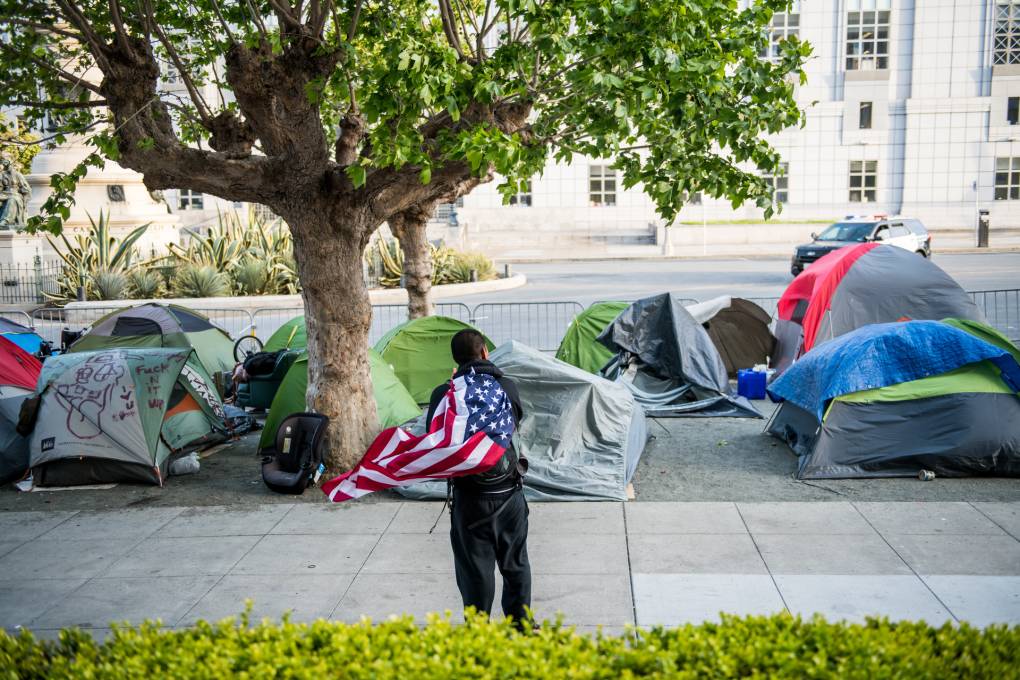
"caption": "Tents line Fulton Street near City Hall on May 5, 2020.",
"description": null,
"title": "Tents line Fulton Street near City Hall on May 5, 2020.",
"credit": "Beth LaBerge/KQED",
"status": "inherit",
"isLoading": false,
"fetchFailed": false
},
"news_11814413": {
"type": "attachments",
"id": "news_11814413",
"meta": {
"index": "attachments_1716263798",
"site": "news",
"id": "11814413",
"found": true
},
"parent": 11814411,
"imgSizes": {
"apple_news_ca_landscape_5_5": {
"file": "https://ww2.kqed.org/app/uploads/sites/10/2020/04/01_Feature_RS42828_005_KQED_SanFrancisco_HandSanitizer_04172020-qut-1044x783.jpg",
"width": 1044,
"mimeType": "image/jpeg",
"height": 783
},
"apple_news_ca_square_4_0": {
"file": "https://ww2.kqed.org/app/uploads/sites/10/2020/04/01_Feature_RS42828_005_KQED_SanFrancisco_HandSanitizer_04172020-qut-470x470.jpg",
"width": 470,
"mimeType": "image/jpeg",
"height": 470
},
"twentyfourteen-full-width": {
"file": "https://ww2.kqed.org/app/uploads/sites/10/2020/04/01_Feature_RS42828_005_KQED_SanFrancisco_HandSanitizer_04172020-qut-1038x576.jpg",
"width": 1038,
"mimeType": "image/jpeg",
"height": 576
},
"thumbnail": {
"file": "https://ww2.kqed.org/app/uploads/sites/10/2020/04/01_Feature_RS42828_005_KQED_SanFrancisco_HandSanitizer_04172020-qut-160x107.jpg",
"width": 160,
"mimeType": "image/jpeg",
"height": 107
},
"post-thumbnail": {
"file": "https://ww2.kqed.org/app/uploads/sites/10/2020/04/01_Feature_RS42828_005_KQED_SanFrancisco_HandSanitizer_04172020-qut-672x372.jpg",
"width": 672,
"mimeType": "image/jpeg",
"height": 372
},
"kqedFullSize": {
"file": "https://ww2.kqed.org/app/uploads/sites/10/2020/04/01_Feature_RS42828_005_KQED_SanFrancisco_HandSanitizer_04172020-qut.jpg",
"width": 1920,
"height": 1280
},
"apple_news_ca_landscape_4_7": {
"file": "https://ww2.kqed.org/app/uploads/sites/10/2020/04/01_Feature_RS42828_005_KQED_SanFrancisco_HandSanitizer_04172020-qut-632x474.jpg",
"width": 632,
"mimeType": "image/jpeg",
"height": 474
},
"large": {
"file": "https://ww2.kqed.org/app/uploads/sites/10/2020/04/01_Feature_RS42828_005_KQED_SanFrancisco_HandSanitizer_04172020-qut-1020x680.jpg",
"width": 1020,
"mimeType": "image/jpeg",
"height": 680
},
"apple_news_ca_landscape_4_0": {
"file": "https://ww2.kqed.org/app/uploads/sites/10/2020/04/01_Feature_RS42828_005_KQED_SanFrancisco_HandSanitizer_04172020-qut-536x402.jpg",
"width": 536,
"mimeType": "image/jpeg",
"height": 402
},
"apple_news_ca_portrait_12_9": {
"file": "https://ww2.kqed.org/app/uploads/sites/10/2020/04/01_Feature_RS42828_005_KQED_SanFrancisco_HandSanitizer_04172020-qut-1122x1280.jpg",
"width": 1122,
"mimeType": "image/jpeg",
"height": 1280
},
"medium": {
"file": "https://ww2.kqed.org/app/uploads/sites/10/2020/04/01_Feature_RS42828_005_KQED_SanFrancisco_HandSanitizer_04172020-qut-800x533.jpg",
"width": 800,
"mimeType": "image/jpeg",
"height": 533
},
"apple_news_ca_portrait_4_0": {
"file": "https://ww2.kqed.org/app/uploads/sites/10/2020/04/01_Feature_RS42828_005_KQED_SanFrancisco_HandSanitizer_04172020-qut-354x472.jpg",
"width": 354,
"mimeType": "image/jpeg",
"height": 472
},
"apple_news_ca_portrait_9_7": {
"file": "https://ww2.kqed.org/app/uploads/sites/10/2020/04/01_Feature_RS42828_005_KQED_SanFrancisco_HandSanitizer_04172020-qut-840x1120.jpg",
"width": 840,
"mimeType": "image/jpeg",
"height": 1120
},
"apple_news_ca_landscape_12_9": {
"file": "https://ww2.kqed.org/app/uploads/sites/10/2020/04/01_Feature_RS42828_005_KQED_SanFrancisco_HandSanitizer_04172020-qut-1832x1280.jpg",
"width": 1832,
"mimeType": "image/jpeg",
"height": 1280
},
"apple_news_ca_square_9_7": {
"file": "https://ww2.kqed.org/app/uploads/sites/10/2020/04/01_Feature_RS42828_005_KQED_SanFrancisco_HandSanitizer_04172020-qut-1104x1104.jpg",
"width": 1104,
"mimeType": "image/jpeg",
"height": 1104
},
"apple_news_ca_portrait_4_7": {
"file": "https://ww2.kqed.org/app/uploads/sites/10/2020/04/01_Feature_RS42828_005_KQED_SanFrancisco_HandSanitizer_04172020-qut-414x552.jpg",
"width": 414,
"mimeType": "image/jpeg",
"height": 552
},
"apple_news_ca_square_12_9": {
"file": "https://ww2.kqed.org/app/uploads/sites/10/2020/04/01_Feature_RS42828_005_KQED_SanFrancisco_HandSanitizer_04172020-qut-1472x1280.jpg",
"width": 1472,
"mimeType": "image/jpeg",
"height": 1280
},
"apple_news_ca_portrait_5_5": {
"file": "https://ww2.kqed.org/app/uploads/sites/10/2020/04/01_Feature_RS42828_005_KQED_SanFrancisco_HandSanitizer_04172020-qut-687x916.jpg",
"width": 687,
"mimeType": "image/jpeg",
"height": 916
},
"full-width": {
"file": "https://ww2.kqed.org/app/uploads/sites/10/2020/04/01_Feature_RS42828_005_KQED_SanFrancisco_HandSanitizer_04172020-qut-1920x1280.jpg",
"width": 1920,
"mimeType": "image/jpeg",
"height": 1280
},
"apple_news_ca_square_4_7": {
"file": "https://ww2.kqed.org/app/uploads/sites/10/2020/04/01_Feature_RS42828_005_KQED_SanFrancisco_HandSanitizer_04172020-qut-550x550.jpg",
"width": 550,
"mimeType": "image/jpeg",
"height": 550
},
"apple_news_ca_landscape_9_7": {
"file": "https://ww2.kqed.org/app/uploads/sites/10/2020/04/01_Feature_RS42828_005_KQED_SanFrancisco_HandSanitizer_04172020-qut-1376x1032.jpg",
"width": 1376,
"mimeType": "image/jpeg",
"height": 1032
},
"apple_news_ca_square_5_5": {
"file": "https://ww2.kqed.org/app/uploads/sites/10/2020/04/01_Feature_RS42828_005_KQED_SanFrancisco_HandSanitizer_04172020-qut-912x912.jpg",
"width": 912,
"mimeType": "image/jpeg",
"height": 912
}
},
"publishDate": 1587929885,
"modified": 1588009171,
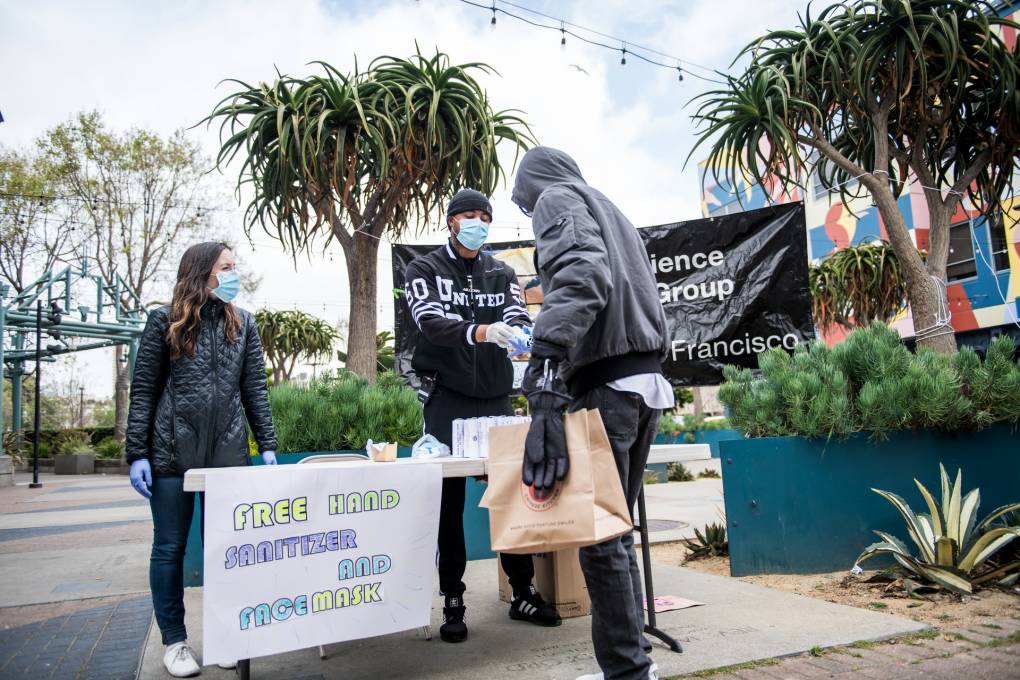
"caption": "Actor and activist Jamal Trulove and UCSF Ph.D. student Elina Kostyanovskaya give out hand sanitizer and face masks on Fillmore Street on April 17, 2020. Elina works with The Science Policy Group at UCSF to manufacture and distribute the sanitizer to incarcerated people, as well as those in transitional housing, public housing, shelters and underserved communities. ",
"description": null,
"title": "01_Feature_RS42828_005_KQED_SanFrancisco_HandSanitizer_04172020-qut",
"credit": "Beth LaBerge/KQED",
"status": "inherit",
"isLoading": false,
"fetchFailed": false
},
"news_11813060": {
"type": "attachments",
"id": "news_11813060",
"meta": {
"index": "attachments_1716263798",
"site": "news",
"id": "11813060",
"found": true
},
"parent": 11813046,
"imgSizes": {
"apple_news_ca_landscape_5_5": {
"file": "https://ww2.kqed.org/app/uploads/sites/10/2020/04/Collage-1044x783.jpg",
"width": 1044,
"mimeType": "image/jpeg",
"height": 783
},
"apple_news_ca_square_4_0": {
"file": "https://ww2.kqed.org/app/uploads/sites/10/2020/04/Collage-470x470.jpg",
"width": 470,
"mimeType": "image/jpeg",
"height": 470
},
"twentyfourteen-full-width": {
"file": "https://ww2.kqed.org/app/uploads/sites/10/2020/04/Collage-1038x576.jpg",
"width": 1038,
"mimeType": "image/jpeg",
"height": 576
},
"thumbnail": {
"file": "https://ww2.kqed.org/app/uploads/sites/10/2020/04/Collage-160x107.jpg",
"width": 160,
"mimeType": "image/jpeg",
"height": 107
},
"post-thumbnail": {
"file": "https://ww2.kqed.org/app/uploads/sites/10/2020/04/Collage-672x372.jpg",
"width": 672,
"mimeType": "image/jpeg",
"height": 372
},
"kqedFullSize": {
"file": "https://ww2.kqed.org/app/uploads/sites/10/2020/04/Collage.jpg",
"width": 1920,
"height": 1280
},
"apple_news_ca_landscape_4_7": {
"file": "https://ww2.kqed.org/app/uploads/sites/10/2020/04/Collage-632x474.jpg",
"width": 632,
"mimeType": "image/jpeg",
"height": 474
},
"large": {
"file": "https://ww2.kqed.org/app/uploads/sites/10/2020/04/Collage-1020x680.jpg",
"width": 1020,
"mimeType": "image/jpeg",
"height": 680
},
"apple_news_ca_landscape_4_0": {
"file": "https://ww2.kqed.org/app/uploads/sites/10/2020/04/Collage-536x402.jpg",
"width": 536,
"mimeType": "image/jpeg",
"height": 402
},
"apple_news_ca_portrait_12_9": {
"file": "https://ww2.kqed.org/app/uploads/sites/10/2020/04/Collage-1122x1280.jpg",
"width": 1122,
"mimeType": "image/jpeg",
"height": 1280
},
"medium": {
"file": "https://ww2.kqed.org/app/uploads/sites/10/2020/04/Collage-800x533.jpg",
"width": 800,
"mimeType": "image/jpeg",
"height": 533
},
"apple_news_ca_portrait_4_0": {
"file": "https://ww2.kqed.org/app/uploads/sites/10/2020/04/Collage-354x472.jpg",
"width": 354,
"mimeType": "image/jpeg",
"height": 472
},
"apple_news_ca_portrait_9_7": {
"file": "https://ww2.kqed.org/app/uploads/sites/10/2020/04/Collage-840x1120.jpg",
"width": 840,
"mimeType": "image/jpeg",
"height": 1120
},
"apple_news_ca_landscape_12_9": {
"file": "https://ww2.kqed.org/app/uploads/sites/10/2020/04/Collage-1832x1280.jpg",
"width": 1832,
"mimeType": "image/jpeg",
"height": 1280
},
"apple_news_ca_square_9_7": {
"file": "https://ww2.kqed.org/app/uploads/sites/10/2020/04/Collage-1104x1104.jpg",
"width": 1104,
"mimeType": "image/jpeg",
"height": 1104
},
"apple_news_ca_portrait_4_7": {
"file": "https://ww2.kqed.org/app/uploads/sites/10/2020/04/Collage-414x552.jpg",
"width": 414,
"mimeType": "image/jpeg",
"height": 552
},
"apple_news_ca_square_12_9": {
"file": "https://ww2.kqed.org/app/uploads/sites/10/2020/04/Collage-1472x1280.jpg",
"width": 1472,
"mimeType": "image/jpeg",
"height": 1280
},
"apple_news_ca_portrait_5_5": {
"file": "https://ww2.kqed.org/app/uploads/sites/10/2020/04/Collage-687x916.jpg",
"width": 687,
"mimeType": "image/jpeg",
"height": 916
},
"full-width": {
"file": "https://ww2.kqed.org/app/uploads/sites/10/2020/04/Collage-1920x1280.jpg",
"width": 1920,
"mimeType": "image/jpeg",
"height": 1280
},
"apple_news_ca_square_4_7": {
"file": "https://ww2.kqed.org/app/uploads/sites/10/2020/04/Collage-550x550.jpg",
"width": 550,
"mimeType": "image/jpeg",
"height": 550
},
"apple_news_ca_landscape_9_7": {
"file": "https://ww2.kqed.org/app/uploads/sites/10/2020/04/Collage-1376x1032.jpg",
"width": 1376,
"mimeType": "image/jpeg",
"height": 1032
},
"apple_news_ca_square_5_5": {
"file": "https://ww2.kqed.org/app/uploads/sites/10/2020/04/Collage-912x912.jpg",
"width": 912,
"mimeType": "image/jpeg",
"height": 912
}
},
"publishDate": 1587327642,
"modified": 1587330466,
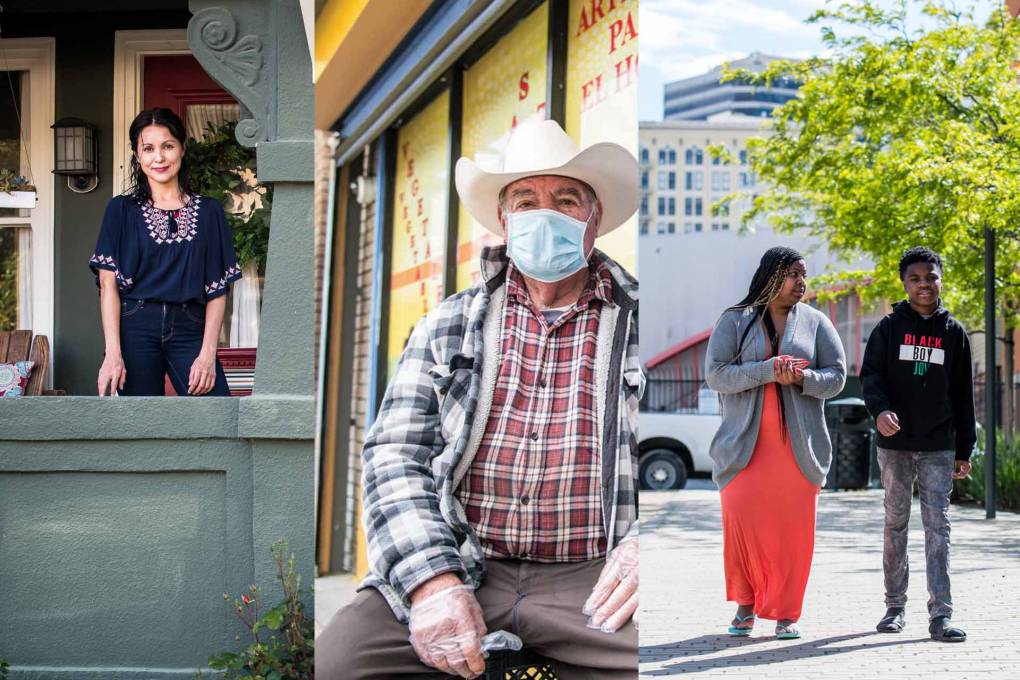
"caption": "Photos from across the Bay Area during the COVID-19 pandemic.",
"description": null,
"title": "Collage",
"credit": "Beth LaBerge/KQED",
"status": "inherit",
"isLoading": false,
"fetchFailed": false
},
"news_11812495": {
"type": "attachments",
"id": "news_11812495",
"meta": {
"index": "attachments_1716263798",
"site": "news",
"id": "11812495",
"found": true
},
"parent": 11812293,
"imgSizes": {
"apple_news_ca_landscape_5_5": {
"file": "https://ww2.kqed.org/app/uploads/sites/10/2021/04/Brian-Watt-At-Home-1044x783.jpg",
"width": 1044,
"mimeType": "image/jpeg",
"height": 783
},
"apple_news_ca_square_4_0": {
"file": "https://ww2.kqed.org/app/uploads/sites/10/2021/04/Brian-Watt-At-Home-470x470.jpg",
"width": 470,
"mimeType": "image/jpeg",
"height": 470
},
"twentyfourteen-full-width": {
"file": "https://ww2.kqed.org/app/uploads/sites/10/2021/04/Brian-Watt-At-Home-1038x576.jpg",
"width": 1038,
"mimeType": "image/jpeg",
"height": 576
},
"thumbnail": {
"file": "https://ww2.kqed.org/app/uploads/sites/10/2021/04/Brian-Watt-At-Home-160x116.jpg",
"width": 160,
"mimeType": "image/jpeg",
"height": 116
},
"post-thumbnail": {
"file": "https://ww2.kqed.org/app/uploads/sites/10/2021/04/Brian-Watt-At-Home-672x372.jpg",
"width": 672,
"mimeType": "image/jpeg",
"height": 372
},
"kqedFullSize": {
"file": "https://ww2.kqed.org/app/uploads/sites/10/2021/04/Brian-Watt-At-Home.jpg",
"width": 1200,
"height": 871
},
"apple_news_ca_landscape_4_7": {
"file": "https://ww2.kqed.org/app/uploads/sites/10/2021/04/Brian-Watt-At-Home-632x474.jpg",
"width": 632,
"mimeType": "image/jpeg",
"height": 474
},
"large": {
"file": "https://ww2.kqed.org/app/uploads/sites/10/2021/04/Brian-Watt-At-Home-1020x740.jpg",
"width": 1020,
"mimeType": "image/jpeg",
"height": 740
},
"apple_news_ca_landscape_4_0": {
"file": "https://ww2.kqed.org/app/uploads/sites/10/2021/04/Brian-Watt-At-Home-536x402.jpg",
"width": 536,
"mimeType": "image/jpeg",
"height": 402
},
"apple_news_ca_portrait_12_9": {
"file": "https://ww2.kqed.org/app/uploads/sites/10/2021/04/Brian-Watt-At-Home-1122x871.jpg",
"width": 1122,
"mimeType": "image/jpeg",
"height": 871
},
"medium": {
"file": "https://ww2.kqed.org/app/uploads/sites/10/2021/04/Brian-Watt-At-Home-800x581.jpg",
"width": 800,
"mimeType": "image/jpeg",
"height": 581
},
"apple_news_ca_portrait_4_0": {
"file": "https://ww2.kqed.org/app/uploads/sites/10/2021/04/Brian-Watt-At-Home-354x472.jpg",
"width": 354,
"mimeType": "image/jpeg",
"height": 472
},
"apple_news_ca_portrait_9_7": {
"file": "https://ww2.kqed.org/app/uploads/sites/10/2021/04/Brian-Watt-At-Home-840x871.jpg",
"width": 840,
"mimeType": "image/jpeg",
"height": 871
},
"apple_news_ca_square_9_7": {
"file": "https://ww2.kqed.org/app/uploads/sites/10/2021/04/Brian-Watt-At-Home-1104x871.jpg",
"width": 1104,
"mimeType": "image/jpeg",
"height": 871
},
"apple_news_ca_portrait_4_7": {
"file": "https://ww2.kqed.org/app/uploads/sites/10/2021/04/Brian-Watt-At-Home-414x552.jpg",
"width": 414,
"mimeType": "image/jpeg",
"height": 552
},
"apple_news_ca_portrait_5_5": {
"file": "https://ww2.kqed.org/app/uploads/sites/10/2021/04/Brian-Watt-At-Home-687x871.jpg",
"width": 687,
"mimeType": "image/jpeg",
"height": 871
},
"apple_news_ca_square_4_7": {
"file": "https://ww2.kqed.org/app/uploads/sites/10/2021/04/Brian-Watt-At-Home-550x550.jpg",
"width": 550,
"mimeType": "image/jpeg",
"height": 550
},
"apple_news_ca_square_5_5": {
"file": "https://ww2.kqed.org/app/uploads/sites/10/2021/04/Brian-Watt-At-Home-912x871.jpg",
"width": 912,
"mimeType": "image/jpeg",
"height": 871
}
},
"publishDate": 1586987285,
"modified": 1586987423,
"caption": "KQED's morning news anchor Brian Watt, working in his home studio (aka basement/garage).",
"description": "KQED's morning news anchor Brian Watt, working in his home studio (aka basement/garage).",
"title": "Brian-Watt-At-Home",
"credit": "Brian Watt/KQED",
"status": "inherit",
"isLoading": false,
"fetchFailed": false
},
"news_11810626": {
"type": "attachments",
"id": "news_11810626",
"meta": {
"index": "attachments_1716263798",
"site": "news",
"id": "11810626",
"found": true
},
"parent": 11810561,
"imgSizes": {
"apple_news_ca_square_4_0": {
"file": "https://ww2.kqed.org/app/uploads/sites/10/2020/04/KQED-WFH2-470x470.png",
"width": 470,
"mimeType": "image/png",
"height": 470
},
"twentyfourteen-full-width": {
"file": "https://ww2.kqed.org/app/uploads/sites/10/2020/04/KQED-WFH2-1024x576.png",
"width": 1024,
"mimeType": "image/png",
"height": 576
},
"thumbnail": {
"file": "https://ww2.kqed.org/app/uploads/sites/10/2020/04/KQED-WFH2-160x120.png",
"width": 160,
"mimeType": "image/png",
"height": 120
},
"post-thumbnail": {
"file": "https://ww2.kqed.org/app/uploads/sites/10/2020/04/KQED-WFH2-672x372.png",
"width": 672,
"mimeType": "image/png",
"height": 372
},
"kqedFullSize": {
"file": "https://ww2.kqed.org/app/uploads/sites/10/2020/04/KQED-WFH2.png",
"width": 1024,
"height": 767
},
"apple_news_ca_landscape_4_7": {
"file": "https://ww2.kqed.org/app/uploads/sites/10/2020/04/KQED-WFH2-632x474.png",
"width": 632,
"mimeType": "image/png",
"height": 474
},
"large": {
"file": "https://ww2.kqed.org/app/uploads/sites/10/2020/04/KQED-WFH2-1020x764.png",
"width": 1020,
"mimeType": "image/png",
"height": 764
},
"apple_news_ca_landscape_4_0": {
"file": "https://ww2.kqed.org/app/uploads/sites/10/2020/04/KQED-WFH2-536x402.png",
"width": 536,
"mimeType": "image/png",
"height": 402
},
"medium": {
"file": "https://ww2.kqed.org/app/uploads/sites/10/2020/04/KQED-WFH2-800x599.png",
"width": 800,
"mimeType": "image/png",
"height": 599
},
"apple_news_ca_portrait_4_0": {
"file": "https://ww2.kqed.org/app/uploads/sites/10/2020/04/KQED-WFH2-354x472.png",
"width": 354,
"mimeType": "image/png",
"height": 472
},
"apple_news_ca_portrait_9_7": {
"file": "https://ww2.kqed.org/app/uploads/sites/10/2020/04/KQED-WFH2-840x767.png",
"width": 840,
"mimeType": "image/png",
"height": 767
},
"apple_news_ca_portrait_4_7": {
"file": "https://ww2.kqed.org/app/uploads/sites/10/2020/04/KQED-WFH2-414x552.png",
"width": 414,
"mimeType": "image/png",
"height": 552
},
"apple_news_ca_portrait_5_5": {
"file": "https://ww2.kqed.org/app/uploads/sites/10/2020/04/KQED-WFH2-687x767.png",
"width": 687,
"mimeType": "image/png",
"height": 767
},
"apple_news_ca_square_4_7": {
"file": "https://ww2.kqed.org/app/uploads/sites/10/2020/04/KQED-WFH2-550x550.png",
"width": 550,
"mimeType": "image/png",
"height": 550
},
"apple_news_ca_square_5_5": {
"file": "https://ww2.kqed.org/app/uploads/sites/10/2020/04/KQED-WFH2-912x767.png",
"width": 912,
"mimeType": "image/png",
"height": 767
}
},
"publishDate": 1585955818,
"modified": 1586194667,
"caption": "Top row: California Report Magazine host Sasha Khokha, producer Asal Ehsanipour, Forum host Mina Kim. Bottom row: California Report host Saul Gonzalez, politics editor Scott Shafer and Morning Edition host Brian Watt.",
"description": "Top row: California Report Magazine Host Sasha Khokha, producer Asal Ehsanipour, Forum host Mina Kim. Bottom row: California Report Host Saul Gonzalez, Politics Editor Scott Schafer and Morning Edition Host Brian Watt.",
"title": "KQED WFH2",
"credit": "Courtesy of KQED Employees",
"status": "inherit",
"isLoading": false,
"fetchFailed": false
},
"news_11807398": {
"type": "attachments",
"id": "news_11807398",
"meta": {
"index": "attachments_1716263798",
"site": "news",
"id": "11807398",
"found": true
},
"parent": 11806856,
"imgSizes": {
"apple_news_ca_landscape_5_5": {
"file": "https://ww2.kqed.org/app/uploads/sites/10/2020/03/EmptyNewsroom-1044x783.jpg",
"width": 1044,
"mimeType": "image/jpeg",
"height": 783
},
"apple_news_ca_square_4_0": {
"file": "https://ww2.kqed.org/app/uploads/sites/10/2020/03/EmptyNewsroom-470x470.jpg",
"width": 470,
"mimeType": "image/jpeg",
"height": 470
},
"twentyfourteen-full-width": {
"file": "https://ww2.kqed.org/app/uploads/sites/10/2020/03/EmptyNewsroom-1038x576.jpg",
"width": 1038,
"mimeType": "image/jpeg",
"height": 576
},
"thumbnail": {
"file": "https://ww2.kqed.org/app/uploads/sites/10/2020/03/EmptyNewsroom-160x108.jpg",
"width": 160,
"mimeType": "image/jpeg",
"height": 108
},
"post-thumbnail": {
"file": "https://ww2.kqed.org/app/uploads/sites/10/2020/03/EmptyNewsroom-672x372.jpg",
"width": 672,
"mimeType": "image/jpeg",
"height": 372
},
"kqedFullSize": {
"file": "https://ww2.kqed.org/app/uploads/sites/10/2020/03/EmptyNewsroom.jpg",
"width": 1920,
"height": 1301
},
"apple_news_ca_landscape_4_7": {
"file": "https://ww2.kqed.org/app/uploads/sites/10/2020/03/EmptyNewsroom-632x474.jpg",
"width": 632,
"mimeType": "image/jpeg",
"height": 474
},
"large": {
"file": "https://ww2.kqed.org/app/uploads/sites/10/2020/03/EmptyNewsroom-1020x691.jpg",
"width": 1020,
"mimeType": "image/jpeg",
"height": 691
},
"apple_news_ca_landscape_4_0": {
"file": "https://ww2.kqed.org/app/uploads/sites/10/2020/03/EmptyNewsroom-536x402.jpg",
"width": 536,
"mimeType": "image/jpeg",
"height": 402
},
"apple_news_ca_portrait_12_9": {
"file": "https://ww2.kqed.org/app/uploads/sites/10/2020/03/EmptyNewsroom-1122x1301.jpg",
"width": 1122,
"mimeType": "image/jpeg",
"height": 1301
},
"medium": {
"file": "https://ww2.kqed.org/app/uploads/sites/10/2020/03/EmptyNewsroom-800x542.jpg",
"width": 800,
"mimeType": "image/jpeg",
"height": 542
},
"apple_news_ca_portrait_4_0": {
"file": "https://ww2.kqed.org/app/uploads/sites/10/2020/03/EmptyNewsroom-354x472.jpg",
"width": 354,
"mimeType": "image/jpeg",
"height": 472
},
"apple_news_ca_portrait_9_7": {
"file": "https://ww2.kqed.org/app/uploads/sites/10/2020/03/EmptyNewsroom-840x1120.jpg",
"width": 840,
"mimeType": "image/jpeg",
"height": 1120
},
"apple_news_ca_landscape_12_9": {
"file": "https://ww2.kqed.org/app/uploads/sites/10/2020/03/EmptyNewsroom-1832x1301.jpg",
"width": 1832,
"mimeType": "image/jpeg",
"height": 1301
},
"apple_news_ca_square_9_7": {
"file": "https://ww2.kqed.org/app/uploads/sites/10/2020/03/EmptyNewsroom-1104x1104.jpg",
"width": 1104,
"mimeType": "image/jpeg",
"height": 1104
},
"apple_news_ca_portrait_4_7": {
"file": "https://ww2.kqed.org/app/uploads/sites/10/2020/03/EmptyNewsroom-414x552.jpg",
"width": 414,
"mimeType": "image/jpeg",
"height": 552
},
"apple_news_ca_square_12_9": {
"file": "https://ww2.kqed.org/app/uploads/sites/10/2020/03/EmptyNewsroom-1472x1301.jpg",
"width": 1472,
"mimeType": "image/jpeg",
"height": 1301
},
"apple_news_ca_portrait_5_5": {
"file": "https://ww2.kqed.org/app/uploads/sites/10/2020/03/EmptyNewsroom-687x916.jpg",
"width": 687,
"mimeType": "image/jpeg",
"height": 916
},
"full-width": {
"file": "https://ww2.kqed.org/app/uploads/sites/10/2020/03/EmptyNewsroom-1920x1301.jpg",
"width": 1920,
"mimeType": "image/jpeg",
"height": 1301
},
"apple_news_ca_square_4_7": {
"file": "https://ww2.kqed.org/app/uploads/sites/10/2020/03/EmptyNewsroom-550x550.jpg",
"width": 550,
"mimeType": "image/jpeg",
"height": 550
},
"apple_news_ca_landscape_9_7": {
"file": "https://ww2.kqed.org/app/uploads/sites/10/2020/03/EmptyNewsroom-1376x1032.jpg",
"width": 1376,
"mimeType": "image/jpeg",
"height": 1032
},
"apple_news_ca_square_5_5": {
"file": "https://ww2.kqed.org/app/uploads/sites/10/2020/03/EmptyNewsroom-912x912.jpg",
"width": 912,
"mimeType": "image/jpeg",
"height": 912
}
},
"publishDate": 1584580487,
"modified": 1584580676,
"caption": "Most of us at KQED have been working from home, but a small team of journalists continues to work from our San Francisco studios to make sure our audio and video content is available 24/7 in this critical time.",
"description": "Most of us at KQED have been working from home, but a small team of journalists continues to work from our San Francisco studios to make sure our audio and video content is available 24/7 in this critical time.",
"title": "EmptyNewsroom",
"credit": "Chloe Morizono/KQED",
"status": "inherit",
"isLoading": false,
"fetchFailed": false
},
"news_11804289": {
"type": "attachments",
"id": "news_11804289",
"meta": {
"index": "attachments_1716263798",
"site": "news",
"id": "11804289",
"found": true
},
"parent": 11804286,
"imgSizes": {
"apple_news_ca_landscape_5_5": {
"file": "https://ww2.kqed.org/app/uploads/sites/10/2020/02/patyollin-1044x783.jpg",
"width": 1044,
"mimeType": "image/jpeg",
"height": 783
},
"apple_news_ca_square_4_0": {
"file": "https://ww2.kqed.org/app/uploads/sites/10/2020/02/patyollin-470x470.jpg",
"width": 470,
"mimeType": "image/jpeg",
"height": 470
},
"twentyfourteen-full-width": {
"file": "https://ww2.kqed.org/app/uploads/sites/10/2020/02/patyollin-1038x576.jpg",
"width": 1038,
"mimeType": "image/jpeg",
"height": 576
},
"thumbnail": {
"file": "https://ww2.kqed.org/app/uploads/sites/10/2020/02/patyollin-160x128.jpg",
"width": 160,
"mimeType": "image/jpeg",
"height": 128
},
"post-thumbnail": {
"file": "https://ww2.kqed.org/app/uploads/sites/10/2020/02/patyollin-672x372.jpg",
"width": 672,
"mimeType": "image/jpeg",
"height": 372
},
"kqedFullSize": {
"file": "https://ww2.kqed.org/app/uploads/sites/10/2020/02/patyollin.jpg",
"width": 1920,
"height": 1535
},
"apple_news_ca_landscape_4_7": {
"file": "https://ww2.kqed.org/app/uploads/sites/10/2020/02/patyollin-632x474.jpg",
"width": 632,
"mimeType": "image/jpeg",
"height": 474
},
"large": {
"file": "https://ww2.kqed.org/app/uploads/sites/10/2020/02/patyollin-1020x815.jpg",
"width": 1020,
"mimeType": "image/jpeg",
"height": 815
},
"apple_news_ca_landscape_4_0": {
"file": "https://ww2.kqed.org/app/uploads/sites/10/2020/02/patyollin-536x402.jpg",
"width": 536,
"mimeType": "image/jpeg",
"height": 402
},
"apple_news_ca_portrait_12_9": {
"file": "https://ww2.kqed.org/app/uploads/sites/10/2020/02/patyollin-1122x1496.jpg",
"width": 1122,
"mimeType": "image/jpeg",
"height": 1496
},
"medium": {
"file": "https://ww2.kqed.org/app/uploads/sites/10/2020/02/patyollin-800x640.jpg",
"width": 800,
"mimeType": "image/jpeg",
"height": 640
},
"apple_news_ca_portrait_4_0": {
"file": "https://ww2.kqed.org/app/uploads/sites/10/2020/02/patyollin-354x472.jpg",
"width": 354,
"mimeType": "image/jpeg",
"height": 472
},
"apple_news_ca_portrait_9_7": {
"file": "https://ww2.kqed.org/app/uploads/sites/10/2020/02/patyollin-840x1120.jpg",
"width": 840,
"mimeType": "image/jpeg",
"height": 1120
},
"apple_news_ca_landscape_12_9": {
"file": "https://ww2.kqed.org/app/uploads/sites/10/2020/02/patyollin-1832x1374.jpg",
"width": 1832,
"mimeType": "image/jpeg",
"height": 1374
},
"apple_news_ca_square_9_7": {
"file": "https://ww2.kqed.org/app/uploads/sites/10/2020/02/patyollin-1104x1104.jpg",
"width": 1104,
"mimeType": "image/jpeg",
"height": 1104
},
"apple_news_ca_portrait_4_7": {
"file": "https://ww2.kqed.org/app/uploads/sites/10/2020/02/patyollin-414x552.jpg",
"width": 414,
"mimeType": "image/jpeg",
"height": 552
},
"apple_news_ca_square_12_9": {
"file": "https://ww2.kqed.org/app/uploads/sites/10/2020/02/patyollin-1472x1472.jpg",
"width": 1472,
"mimeType": "image/jpeg",
"height": 1472
},
"apple_news_ca_portrait_5_5": {
"file": "https://ww2.kqed.org/app/uploads/sites/10/2020/02/patyollin-687x916.jpg",
"width": 687,
"mimeType": "image/jpeg",
"height": 916
},
"full-width": {
"file": "https://ww2.kqed.org/app/uploads/sites/10/2020/02/patyollin-1920x1535.jpg",
"width": 1920,
"mimeType": "image/jpeg",
"height": 1535
},
"apple_news_ca_square_4_7": {
"file": "https://ww2.kqed.org/app/uploads/sites/10/2020/02/patyollin-550x550.jpg",
"width": 550,
"mimeType": "image/jpeg",
"height": 550
},
"apple_news_ca_landscape_9_7": {
"file": "https://ww2.kqed.org/app/uploads/sites/10/2020/02/patyollin-1376x1032.jpg",
"width": 1376,
"mimeType": "image/jpeg",
"height": 1032
},
"apple_news_ca_square_5_5": {
"file": "https://ww2.kqed.org/app/uploads/sites/10/2020/02/patyollin-912x912.jpg",
"width": 912,
"mimeType": "image/jpeg",
"height": 912
}
},
"publishDate": 1582936519,
"modified": 1582950455,
"caption": "Patricia Yollin, pictured in April 2019, died Feb. 22, 2020, in Berkeley.",
"description": "Patricia Yollin, pictured in April 2019, died Feb. 22, 2020, in Berkeley.",
"title": "Patricia Yollin",
"credit": "Stephanie Lister/KQED",
"status": "inherit",
"isLoading": false,
"fetchFailed": false
},
"news_11763544": {
"type": "attachments",
"id": "news_11763544",
"meta": {
"index": "attachments_1716263798",
"site": "news",
"id": "11763544",
"found": true
},
"parent": 11763468,
"imgSizes": {
"apple_news_ca_landscape_5_5": {
"file": "https://ww2.kqed.org/app/uploads/sites/10/2019/07/apple-class-conference-7102-2-1044x783.jpg",
"width": 1044,
"mimeType": "image/jpeg",
"height": 783
},
"apple_news_ca_square_4_0": {
"file": "https://ww2.kqed.org/app/uploads/sites/10/2019/07/apple-class-conference-7102-2-470x470.jpg",
"width": 470,
"mimeType": "image/jpeg",
"height": 470
},
"twentyfourteen-full-width": {
"file": "https://ww2.kqed.org/app/uploads/sites/10/2019/07/apple-class-conference-7102-2-1038x576.jpg",
"width": 1038,
"mimeType": "image/jpeg",
"height": 576
},
"thumbnail": {
"file": "https://ww2.kqed.org/app/uploads/sites/10/2019/07/apple-class-conference-7102-2-160x107.jpg",
"width": 160,
"mimeType": "image/jpeg",
"height": 107
},
"post-thumbnail": {
"file": "https://ww2.kqed.org/app/uploads/sites/10/2019/07/apple-class-conference-7102-2-672x372.jpg",
"width": 672,
"mimeType": "image/jpeg",
"height": 372
},
"kqedFullSize": {
"file": "https://ww2.kqed.org/app/uploads/sites/10/2019/07/apple-class-conference-7102-2.jpg",
"width": 1920,
"height": 1280
},
"apple_news_ca_landscape_4_7": {
"file": "https://ww2.kqed.org/app/uploads/sites/10/2019/07/apple-class-conference-7102-2-632x474.jpg",
"width": 632,
"mimeType": "image/jpeg",
"height": 474
},
"large": {
"file": "https://ww2.kqed.org/app/uploads/sites/10/2019/07/apple-class-conference-7102-2-1020x680.jpg",
"width": 1020,
"mimeType": "image/jpeg",
"height": 680
},
"complete_open_graph": {
"file": "https://ww2.kqed.org/app/uploads/sites/10/2019/07/apple-class-conference-7102-2-1200x800.jpg",
"width": 1200,
"mimeType": "image/jpeg",
"height": 800
},
"apple_news_ca_landscape_4_0": {
"file": "https://ww2.kqed.org/app/uploads/sites/10/2019/07/apple-class-conference-7102-2-536x402.jpg",
"width": 536,
"mimeType": "image/jpeg",
"height": 402
},
"apple_news_ca_portrait_12_9": {
"file": "https://ww2.kqed.org/app/uploads/sites/10/2019/07/apple-class-conference-7102-2-1122x1280.jpg",
"width": 1122,
"mimeType": "image/jpeg",
"height": 1280
},
"medium": {
"file": "https://ww2.kqed.org/app/uploads/sites/10/2019/07/apple-class-conference-7102-2-800x533.jpg",
"width": 800,
"mimeType": "image/jpeg",
"height": 533
},
"apple_news_ca_portrait_4_0": {
"file": "https://ww2.kqed.org/app/uploads/sites/10/2019/07/apple-class-conference-7102-2-354x472.jpg",
"width": 354,
"mimeType": "image/jpeg",
"height": 472
},
"apple_news_ca_portrait_9_7": {
"file": "https://ww2.kqed.org/app/uploads/sites/10/2019/07/apple-class-conference-7102-2-840x1120.jpg",
"width": 840,
"mimeType": "image/jpeg",
"height": 1120
},
"apple_news_ca_landscape_12_9": {
"file": "https://ww2.kqed.org/app/uploads/sites/10/2019/07/apple-class-conference-7102-2-1832x1280.jpg",
"width": 1832,
"mimeType": "image/jpeg",
"height": 1280
},
"apple_news_ca_square_9_7": {
"file": "https://ww2.kqed.org/app/uploads/sites/10/2019/07/apple-class-conference-7102-2-1104x1104.jpg",
"width": 1104,
"mimeType": "image/jpeg",
"height": 1104
},
"apple_news_ca_portrait_4_7": {
"file": "https://ww2.kqed.org/app/uploads/sites/10/2019/07/apple-class-conference-7102-2-414x552.jpg",
"width": 414,
"mimeType": "image/jpeg",
"height": 552
},
"apple_news_ca_square_12_9": {
"file": "https://ww2.kqed.org/app/uploads/sites/10/2019/07/apple-class-conference-7102-2-1472x1280.jpg",
"width": 1472,
"mimeType": "image/jpeg",
"height": 1280
},
"apple_news_ca_portrait_5_5": {
"file": "https://ww2.kqed.org/app/uploads/sites/10/2019/07/apple-class-conference-7102-2-687x916.jpg",
"width": 687,
"mimeType": "image/jpeg",
"height": 916
},
"full-width": {
"file": "https://ww2.kqed.org/app/uploads/sites/10/2019/07/apple-class-conference-7102-2-1920x1280.jpg",
"width": 1920,
"mimeType": "image/jpeg",
"height": 1280
},
"apple_news_ca_square_4_7": {
"file": "https://ww2.kqed.org/app/uploads/sites/10/2019/07/apple-class-conference-7102-2-550x550.jpg",
"width": 550,
"mimeType": "image/jpeg",
"height": 550
},
"apple_news_ca_landscape_9_7": {
"file": "https://ww2.kqed.org/app/uploads/sites/10/2019/07/apple-class-conference-7102-2-1376x1032.jpg",
"width": 1376,
"mimeType": "image/jpeg",
"height": 1032
},
"apple_news_ca_square_5_5": {
"file": "https://ww2.kqed.org/app/uploads/sites/10/2019/07/apple-class-conference-7102-2-912x912.jpg",
"width": 912,
"mimeType": "image/jpeg",
"height": 912
}
},
"publishDate": 1564095129,
"modified": 1564096629,
"caption": "KQED offers internship opportunities in a wide variety of different departments, ranging from News to Science, from TV, Education, Marketing, Design and Arts to Corporate Sponsorship.",
"description": null,
"title": "apple-class-conference-7102-2",
"credit": "Courtesy of Pexels",
"status": "inherit",
"isLoading": false,
"fetchFailed": false
},
"news_11699517": {
"type": "attachments",
"id": "news_11699517",
"meta": {
"index": "attachments_1716263798",
"site": "news",
"id": "11699517",
"found": true
},
"parent": 11699350,
"imgSizes": {
"small": {
"file": "https://ww2.kqed.org/app/uploads/sites/10/2018/10/johnboland-headshot-520x455.jpg",
"width": 520,
"mimeType": "image/jpeg",
"height": 455
},
"twentyfourteen-full-width": {
"file": "https://ww2.kqed.org/app/uploads/sites/10/2018/10/johnboland-headshot-1038x576.jpg",
"width": 1038,
"mimeType": "image/jpeg",
"height": 576
},
"thumbnail": {
"file": "https://ww2.kqed.org/app/uploads/sites/10/2018/10/johnboland-headshot-160x140.jpg",
"width": 160,
"mimeType": "image/jpeg",
"height": 140
},
"fd-sm": {
"file": "https://ww2.kqed.org/app/uploads/sites/10/2018/10/johnboland-headshot-960x840.jpg",
"width": 960,
"mimeType": "image/jpeg",
"height": 840
},
"post-thumbnail": {
"file": "https://ww2.kqed.org/app/uploads/sites/10/2018/10/johnboland-headshot-672x372.jpg",
"width": 672,
"mimeType": "image/jpeg",
"height": 372
},
"xsmall": {
"file": "https://ww2.kqed.org/app/uploads/sites/10/2018/10/johnboland-headshot-375x328.jpg",
"width": 375,
"mimeType": "image/jpeg",
"height": 328
},
"kqedFullSize": {
"file": "https://ww2.kqed.org/app/uploads/sites/10/2018/10/johnboland-headshot.jpg",
"width": 1180,
"height": 1033
},
"large": {
"file": "https://ww2.kqed.org/app/uploads/sites/10/2018/10/johnboland-headshot-1020x893.jpg",
"width": 1020,
"mimeType": "image/jpeg",
"height": 893
},
"xlarge": {
"file": "https://ww2.kqed.org/app/uploads/sites/10/2018/10/johnboland-headshot-1180x1033.jpg",
"width": 1180,
"mimeType": "image/jpeg",
"height": 1033
},
"guest-author-50": {
"file": "https://ww2.kqed.org/app/uploads/sites/10/2018/10/johnboland-headshot-50x50.jpg",
"width": 50,
"mimeType": "image/jpeg",
"height": 50
},
"guest-author-96": {
"file": "https://ww2.kqed.org/app/uploads/sites/10/2018/10/johnboland-headshot-96x96.jpg",
"width": 96,
"mimeType": "image/jpeg",
"height": 96
},
"medium": {
"file": "https://ww2.kqed.org/app/uploads/sites/10/2018/10/johnboland-headshot-800x700.jpg",
"width": 800,
"mimeType": "image/jpeg",
"height": 700
},
"guest-author-64": {
"file": "https://ww2.kqed.org/app/uploads/sites/10/2018/10/johnboland-headshot-64x64.jpg",
"width": 64,
"mimeType": "image/jpeg",
"height": 64
},
"guest-author-32": {
"file": "https://ww2.kqed.org/app/uploads/sites/10/2018/10/johnboland-headshot-32x32.jpg",
"width": 32,
"mimeType": "image/jpeg",
"height": 32
},
"fd-med": {
"file": "https://ww2.kqed.org/app/uploads/sites/10/2018/10/johnboland-headshot-1180x1033.jpg",
"width": 1180,
"mimeType": "image/jpeg",
"height": 1033
},
"detail": {
"file": "https://ww2.kqed.org/app/uploads/sites/10/2018/10/johnboland-headshot-150x150.jpg",
"width": 150,
"mimeType": "image/jpeg",
"height": 150
},
"guest-author-128": {
"file": "https://ww2.kqed.org/app/uploads/sites/10/2018/10/johnboland-headshot-128x128.jpg",
"width": 128,
"mimeType": "image/jpeg",
"height": 128
},
"xxsmall": {
"file": "https://ww2.kqed.org/app/uploads/sites/10/2018/10/johnboland-headshot-240x210.jpg",
"width": 240,
"mimeType": "image/jpeg",
"height": 210
}
},
"publishDate": 1539800380,
"modified": 1539800403,
"caption": "KQED President and CEO John Boland",
"description": null,
"title": "johnboland-headshot",
"credit": "KQED",
"status": "inherit",
"isLoading": false,
"fetchFailed": false
},
"news_10345171": {
"type": "attachments",
"id": "news_10345171",
"meta": {
"index": "attachments_1716263798",
"site": "news",
"id": "10345171",
"found": true
},
"parent": 10345115,
"imgSizes": {
"twentyfourteen-full-width": {
"file": "https://ww2.kqed.org/app/uploads/sites/10/2014/10/bernardmayes141024-1-of-1-1038x576.jpg",
"width": 1038,
"mimeType": "image/jpeg",
"height": 576
},
"thumbnail": {
"file": "https://ww2.kqed.org/app/uploads/sites/10/2014/10/bernardmayes141024-1-of-1-400x234.jpg",
"width": 400,
"mimeType": "image/jpeg",
"height": 234
},
"post-thumbnail": {
"file": "https://ww2.kqed.org/app/uploads/sites/10/2014/10/bernardmayes141024-1-of-1-672x372.jpg",
"width": 672,
"mimeType": "image/jpeg",
"height": 372
},
"kqedFullSize": {
"file": "https://ww2.kqed.org/app/uploads/sites/10/2014/10/bernardmayes141024-1-of-1.jpg",
"width": 1439,
"height": 844
},
"guest-author-96": {
"file": "https://ww2.kqed.org/app/uploads/sites/10/2014/10/bernardmayes141024-1-of-1-96x96.jpg",
"width": 96,
"mimeType": "image/jpeg",
"height": 96
},
"medium": {
"file": "https://ww2.kqed.org/app/uploads/sites/10/2014/10/bernardmayes141024-1-of-1-800x469.jpg",
"width": 800,
"mimeType": "image/jpeg",
"height": 469
},
"guest-author-64": {
"file": "https://ww2.kqed.org/app/uploads/sites/10/2014/10/bernardmayes141024-1-of-1-64x64.jpg",
"width": 64,
"mimeType": "image/jpeg",
"height": 64
},
"detail": {
"file": "https://ww2.kqed.org/app/uploads/sites/10/2014/10/bernardmayes141024-1-of-1-75x75.jpg",
"width": 75,
"mimeType": "image/jpeg",
"height": 75
},
"guest-author-32": {
"file": "https://ww2.kqed.org/app/uploads/sites/10/2014/10/bernardmayes141024-1-of-1-32x32.jpg",
"width": 32,
"mimeType": "image/jpeg",
"height": 32
},
"guest-author-128": {
"file": "https://ww2.kqed.org/app/uploads/sites/10/2014/10/bernardmayes141024-1-of-1-128x128.jpg",
"width": 128,
"mimeType": "image/jpeg",
"height": 128
}
},
"publishDate": 1414186985,
"modified": 1414186985,
"caption": "Bernard Mayes: Anglican priest, suicide prevention pioneer, gay rights campaigner -- and KQED's first general manager. (\u003ca href=\"http://en.wikipedia.org/wiki/Bernard_Mayes#mediaviewer/File:Bernard_D._Mayes_(2006).jpg\" target=\"_blank\">Wikimedia Commons\u003c/a>)",
"description": null,
"title": "Bernard Mayes",
"credit": null,
"status": "inherit",
"isLoading": false,
"fetchFailed": false
},
"news_121805": {
"type": "attachments",
"id": "news_121805",
"meta": {
"index": "attachments_1716263798",
"site": "news",
"id": "121805",
"found": true
},
"parent": 121744,
"imgSizes": {
"kqedFullSize": {
"file": "https://ww2.kqed.org/app/uploads/sites/10/2013/12/killerwhale-e1387844849589.jpg",
"width": 640,
"height": 396
}
},
"publishDate": 1387840636,
"modified": 1387840636,
"caption": "A killer whale. (Chase Dekker/Flickr) ",
"description": "A killer whale. (Chase Dekker/Flickr) http://www.flickr.com/photos/chasewaynedekker/9316712757/",
"title": "killerwhale",
"credit": null,
"status": "inherit",
"isLoading": false,
"fetchFailed": false
},
"news_116549": {
"type": "attachments",
"id": "news_116549",
"meta": {
"index": "attachments_1716263798",
"site": "news",
"id": "116549",
"found": true
},
"parent": 116192,
"imgSizes": {
"kqedFullSize": {
"file": "https://ww2.kqed.org/app/uploads/sites/10/2013/10/RaulHonduras_newsfix.jpg",
"width": 640,
"height": 360
}
},
"publishDate": 1383173906,
"modified": 1383173906,
"caption": "The photo was taken in a Honduran refugee camp in 1984 (we think). The children had fled a Salvadoran village where mass murders were being committed. Raul was not only writing their stories, he was part of an effort to get them safely home by accompanying them back to their village. Eventually he was able to do that. (Photo courtesy Adam Kufeld)",
"description": "The photo was taken in a Honduran refugee camp in 1984 (we think). The children had fled a Salvadoran village where mass murders were being committed. Raul was not only writing their stories, he was part of an effort to get them safely home by accompanying them back to their village. Eventually he was able to do that. (Photo courtesy Adam Kufeld)",
"title": "RaulHonduras_newsfix",
"credit": null,
"status": "inherit",
"isLoading": false,
"fetchFailed": false
}
},
"audioPlayerReducer": {
"postId": "stream_live",
"isPaused": true,
"isPlaying": false,
"pfsActive": false,
"pledgeModalIsOpen": true,
"playerDrawerIsOpen": false,
"liveAudioPlayStartedAt": 0,
"liveAudioPlayContext": ""
},
"authorsReducer": {
"mollysamuel": {
"type": "authors",
"id": "200",
"meta": {
"index": "authors_1716337520",
"id": "200",
"found": true
},
"name": "Molly Samuel",
"firstName": "Molly",
"lastName": "Samuel",
"slug": "mollysamuel",
"email": "msamuel@kqed.org",
"display_author_email": false,
"staff_mastheads": [],
"title": null,
"bio": "Molly Samuel joined KQED as an intern in 2007, and since then has worked here as a reporter, producer, director and blogger. Before becoming KQED Science’s Multimedia Producer, she was a producer for Climate Watch. Molly has also reported for NPR, KALW and High Country News, and has produced audio stories for The Encyclopedia of Life and the Oakland Museum of California. She was a fellow with the Middlebury Fellowships in Environmental Journalism and a journalist-in-residence at the National Evolutionary Synthesis Center. Molly has a degree in Ancient Greek from Oberlin College and is a co-founder of the record label True Panther Sounds.",
"avatar": "https://secure.gravatar.com/avatar/a6abd3b949a89fe5109fa9917631d0b6?s=600&d=blank&r=g",
"twitter": null,
"facebook": null,
"instagram": null,
"linkedin": null,
"sites": [
{
"site": "news",
"roles": [
"subscriber"
]
},
{
"site": "stateofhealth",
"roles": [
"subscriber"
]
},
{
"site": "science",
"roles": [
"subscriber"
]
},
{
"site": "quest",
"roles": [
"edit_users",
"subscriber"
]
}
],
"headData": {
"title": "Molly Samuel | KQED",
"description": null,
"ogImgSrc": "https://secure.gravatar.com/avatar/a6abd3b949a89fe5109fa9917631d0b6?s=600&d=blank&r=g",
"twImgSrc": "https://secure.gravatar.com/avatar/a6abd3b949a89fe5109fa9917631d0b6?s=600&d=blank&r=g"
},
"isLoading": false,
"link": "/author/mollysamuel"
},
"danbrekke": {
"type": "authors",
"id": "222",
"meta": {
"index": "authors_1716337520",
"id": "222",
"found": true
},
"name": "Dan Brekke",
"firstName": "Dan",
"lastName": "Brekke",
"slug": "danbrekke",
"email": "dbrekke@kqed.org",
"display_author_email": true,
"staff_mastheads": [
"news",
"science"
],
"title": "KQED Editor and Reporter",
"bio": "Dan Brekke is a reporter and editor for KQED News, responsible for coverage of topics ranging from California water issues to the Bay Area's transportation challenges. In a newsroom career that began in Chicago in 1972, Dan has worked for \u003cem>The San Francisco Examiner,\u003c/em> Wired and TechTV and has been published in The New York Times, The New York Times Magazine, Business 2.0, Salon and elsewhere.\r\n\r\nSince joining KQED in 2007, Dan has reported, edited and produced both radio and online features and breaking news pieces. He has shared as both editor and reporter in four Society of Professional Journalists Norcal Excellence in Journalism awards and one Edward R. Murrow regional award. He was chosen for a spring 2017 residency at the Mesa Refuge to advance his research on California salmon.\r\n\r\nEmail Dan at: \u003ca href=\"mailto:dbrekke@kqed.org\">dbrekke@kqed.org\u003c/a>\r\n\r\n\u003cstrong>Twitter:\u003c/strong> \u003ca href=\"https://twitter.com/danbrekke\" rel=\"noopener noreferrer\">twitter.com/danbrekke\u003c/a>\r\n\u003cstrong>Facebook:\u003c/strong> \u003ca href=\"https://www.facebook.com/danbrekke\" rel=\"noopener noreferrer\">www.facebook.com/danbrekke\u003c/a>\r\n\u003cstrong>LinkedIn:\u003c/strong> \u003ca href=\"https://www.linkedin.com/in/danbrekke\" rel=\"noopener noreferrer\">www.linkedin.com/in/danbrekke\u003c/a>",
"avatar": "https://secure.gravatar.com/avatar/8f1f0d2a978fb3b23426c922c7e2af558fa36905b49c4ce76a97dc3c72d27226?s=600&d=mm&r=g",
"twitter": "danbrekke",
"bluesky": null,
"facebook": null,
"instagram": "https://www.instagram.com/dan.brekke/",
"linkedin": "https://www.linkedin.com/in/danbrekke/",
"sites": [
{
"site": "news",
"roles": [
"administrator",
"create_posts"
]
},
{
"site": "stateofhealth",
"roles": [
"editor"
]
},
{
"site": "science",
"roles": [
"editor"
]
},
{
"site": "quest",
"roles": [
"contributor"
]
},
{
"site": "food",
"roles": [
"contributor"
]
},
{
"site": "forum",
"roles": [
"contributor"
]
},
{
"site": "elections",
"roles": [
"editor"
]
},
{
"site": "liveblog",
"roles": [
"editor"
]
}
],
"headData": {
"title": "Dan Brekke | KQED",
"description": "KQED Editor and Reporter",
"ogImgSrc": "https://secure.gravatar.com/avatar/8f1f0d2a978fb3b23426c922c7e2af558fa36905b49c4ce76a97dc3c72d27226?s=600&d=mm&r=g",
"twImgSrc": "https://secure.gravatar.com/avatar/8f1f0d2a978fb3b23426c922c7e2af558fa36905b49c4ce76a97dc3c72d27226?s=600&d=mm&r=g"
},
"isLoading": false,
"link": "/author/danbrekke"
},
"kqed": {
"type": "authors",
"id": "236",
"meta": {
"index": "authors_1716337520",
"id": "236",
"found": true
},
"name": "KQED News Staff",
"firstName": "KQED News Staff",
"lastName": null,
"slug": "kqed",
"email": "faq@kqed.org",
"display_author_email": false,
"staff_mastheads": [],
"title": null,
"bio": null,
"avatar": "https://secure.gravatar.com/avatar/ef0e801a68c4c54afa9180db14084167?s=600&d=blank&r=g",
"twitter": null,
"facebook": null,
"instagram": null,
"linkedin": null,
"sites": [
{
"site": "arts",
"roles": [
"contributor"
]
},
{
"site": "news",
"roles": [
"editor"
]
},
{
"site": "futureofyou",
"roles": [
"author"
]
}
],
"headData": {
"title": "KQED News Staff | KQED",
"description": null,
"ogImgSrc": "https://secure.gravatar.com/avatar/ef0e801a68c4c54afa9180db14084167?s=600&d=blank&r=g",
"twImgSrc": "https://secure.gravatar.com/avatar/ef0e801a68c4c54afa9180db14084167?s=600&d=blank&r=g"
},
"isLoading": false,
"link": "/author/kqed"
},
"vinneetong": {
"type": "authors",
"id": "260",
"meta": {
"index": "authors_1716337520",
"id": "260",
"found": true
},
"name": "Vinnee Tong",
"firstName": "Vinnee",
"lastName": "Tong",
"slug": "vinneetong",
"email": "vtong@kqed.org",
"display_author_email": false,
"staff_mastheads": [
"news"
],
"title": "KQED Contributor",
"bio": "\u003cspan style=\"font-weight: 400;\">Vinnee Tong is the managing editor of news at KQED. She oversees editorial standards \u003cspan class=\"s2\">and works to highlight underrepresented voices and perspectives\u003c/span>\u003cspan class=\"s3\">.\u003c/span>\u003cspan class=\"s2\"> She was founding editor\u003c/span>\u003c/span>\u003cspan style=\"font-weight: 400;\"> of \u003ca href=\"http://bit.ly/thebaykqed\">\u003cem>The Bay,\u003c/em>\u003c/a> a storytelling news podcast from KQED\u003c/span>\u003cspan style=\"font-weight: 400;\">. Previously, she was a producer on the \u003ca href=\"http://baycurious.org\">\u003cem>Bay Curious\u003c/em> podcast\u003c/a> and the lead producer of \u003c/span>\u003cspan style=\"font-weight: 400;\">\u003cem>Truth Be Told,\u003c/em> an award-winning KQED series on race and identity distributed nationally by Public Radio International. \u003c/span>\u003cspan style=\"font-weight: 400;\">Before KQED, Vinnee was a print reporter at the Associated Press and newspapers. \u003cspan class=\"s4\">She covered local news from city hall and planning commission hearings as well as business news from New York, like the financial meltdown of 2008. \u003c/span>She has won a\u003c/span>\u003cspan style=\"font-weight: 400;\">wards for her reporting including an RTNDA Edward R. Murrow Award, as well as awards from the New York Press Club and the Society of American Business Editors and Writers. She is a graduate of the Columbia University Graduate School of Journalism and the University of California at Berkeley, \u003cspan class=\"s4\">where she was editor-in-chief of \u003ci>The Daily Californian\u003c/i>.\u003c/span>\u003c/span>",
"avatar": "https://secure.gravatar.com/avatar/02245596ef0333bf29265e2fd547f108?s=600&d=blank&r=g",
"twitter": "vinneetong",
"facebook": null,
"instagram": null,
"linkedin": null,
"sites": [
{
"site": "news",
"roles": [
"editor",
"edit_others_pages",
"edit_others_posts"
]
},
{
"site": "stateofhealth",
"roles": [
"author"
]
}
],
"headData": {
"title": "Vinnee Tong | KQED",
"description": "KQED Contributor",
"ogImgSrc": "https://secure.gravatar.com/avatar/02245596ef0333bf29265e2fd547f108?s=600&d=blank&r=g",
"twImgSrc": "https://secure.gravatar.com/avatar/02245596ef0333bf29265e2fd547f108?s=600&d=blank&r=g"
},
"isLoading": false,
"link": "/author/vinneetong"
},
"carlysevern": {
"type": "authors",
"id": "3243",
"meta": {
"index": "authors_1716337520",
"id": "3243",
"found": true
},
"name": "Carly Severn",
"firstName": "Carly",
"lastName": "Severn",
"slug": "carlysevern",
"email": "csevern@kqed.org",
"display_author_email": false,
"staff_mastheads": [
"news"
],
"title": "Senior Editor, Audience News ",
"bio": "Carly is KQED's Senior Editor of Audience News on the Digital News team, and has reported for the California Report Magazine, Bay Curious and KQED Arts. She's formerly the host of \u003ca href=\"http://ww2.kqed.org/pop/category/the-cooler/\" rel=\"noopener noreferrer\">The Cooler\u003c/a> podcast.",
"avatar": "https://secure.gravatar.com/avatar/54037bf5c128fe678f0ef26cec97a93f2e7f220a22d7285703328f12c42c1b1d?s=600&d=blank&r=g",
"twitter": "teacupinthebay",
"bluesky": null,
"facebook": null,
"instagram": null,
"linkedin": null,
"sites": [
{
"site": "",
"roles": [
"editor"
]
},
{
"site": "arts",
"roles": [
"editor"
]
},
{
"site": "news",
"roles": [
"administrator"
]
},
{
"site": "pop",
"roles": [
"editor"
]
},
{
"site": "futureofyou",
"roles": [
"editor"
]
},
{
"site": "about",
"roles": [
"administrator"
]
},
{
"site": "mindshift",
"roles": [
"editor"
]
},
{
"site": "bayareabites",
"roles": [
"editor"
]
},
{
"site": "stateofhealth",
"roles": [
"editor"
]
},
{
"site": "science",
"roles": [
"editor"
]
},
{
"site": "food",
"roles": [
"contributor"
]
},
{
"site": "forum",
"roles": [
"editor"
]
},
{
"site": "perspectives",
"roles": [
"administrator"
]
},
{
"site": "liveblog",
"roles": [
"editor"
]
}
],
"headData": {
"title": "Carly Severn | KQED",
"description": "Senior Editor, Audience News ",
"ogImgSrc": "https://secure.gravatar.com/avatar/54037bf5c128fe678f0ef26cec97a93f2e7f220a22d7285703328f12c42c1b1d?s=600&d=blank&r=g",
"twImgSrc": "https://secure.gravatar.com/avatar/54037bf5c128fe678f0ef26cec97a93f2e7f220a22d7285703328f12c42c1b1d?s=600&d=blank&r=g"
},
"isLoading": false,
"link": "/author/carlysevern"
},
"dkatayama": {
"type": "authors",
"id": "7240",
"meta": {
"index": "authors_1716337520",
"id": "7240",
"found": true
},
"name": "Devin Katayama",
"firstName": "Devin",
"lastName": "Katayama",
"slug": "dkatayama",
"email": "dkatayama@kqed.org",
"display_author_email": true,
"staff_mastheads": [
"news"
],
"title": "Editor of Talent and Development",
"bio": "Devin Katayama is former Editor of Talent and Development for KQED. He supported our internship program and on-call staff by looking for equitable opportunities to improve the newsroom.\r\n\r\nHe previously hosted The Bay and American Suburb podcasts from KQED News. Prior to returning to the Bay Area in 2015, Devin was the education reporter for WFPL in Louisville and worked as a producer with radio stations in Chicago and Portland, OR. His work has appeared on NPR’s \u003cem>Morning Edition, All Things Considered, The Takeaway\u003c/em> and \u003cem>Here and Now.\u003c/em>\r\n\r\nDevin earned his MA in Journalism from Columbia College Chicago, where he was a Follett Fellow and the recipient of the 2011 Studs Terkel Community Media Workshop Scholarship for his story on Chicago's homeless youth. He won WBUR's 2014 Daniel Schorr award and a regional RTNDA Edward R. Murrow Award for his documentary \"At Risk\" that looked at issues facing some of Louisville's students. Devin has also received numerous local awards from the Associated Press and the Society of Professional Journalists.",
"avatar": "https://secure.gravatar.com/avatar/d0d2978a31002fb2de107921a8e18405?s=600&d=blank&r=g",
"twitter": "RadioDevin",
"facebook": null,
"instagram": null,
"linkedin": null,
"sites": [
{
"site": "arts",
"roles": []
},
{
"site": "news",
"roles": [
"author"
]
},
{
"site": "stateofhealth",
"roles": [
"author"
]
},
{
"site": "forum",
"roles": [
"editor"
]
},
{
"site": "perspectives",
"roles": [
"editor"
]
}
],
"headData": {
"title": "Devin Katayama | KQED",
"description": "Editor of Talent and Development",
"ogImgSrc": "https://secure.gravatar.com/avatar/d0d2978a31002fb2de107921a8e18405?s=600&d=blank&r=g",
"twImgSrc": "https://secure.gravatar.com/avatar/d0d2978a31002fb2de107921a8e18405?s=600&d=blank&r=g"
},
"isLoading": false,
"link": "/author/dkatayama"
},
"ecruzguevarra": {
"type": "authors",
"id": "8654",
"meta": {
"index": "authors_1716337520",
"id": "8654",
"found": true
},
"name": "Ericka Cruz Guevarra",
"firstName": "Ericka",
"lastName": "Cruz Guevarra",
"slug": "ecruzguevarra",
"email": "ecruzguevarra@kqed.org",
"display_author_email": true,
"staff_mastheads": [
"news"
],
"title": "Producer, The Bay Podcast",
"bio": "Ericka Cruz Guevarra is host of \u003ca href=\"https://www.kqed.org/podcasts/thebay\">\u003cem>The Bay\u003c/em>\u003c/a> podcast at KQED. Before host, she was the show’s producer. Her work in that capacity includes a three-part reported series on policing in Vallejo, which won a 2020 excellence in journalism award from the Society of Professional Journalists. Ericka has worked as a breaking news reporter at Oregon Public Broadcasting, helped produce the Code Switch podcast, and was KQED’s inaugural Raul Ramirez Diversity Fund intern. She’s also an alumna of NPR’s Next Generation Radio program. Send her an email if you have strong feelings about whether Fairfield and Suisun City are the Bay. Ericka is represented by SAG-AFTRA.",
"avatar": "https://secure.gravatar.com/avatar/accefc1de4bafc7e234b69bcb9b6f6536c130fd84709bc3069ef11a78787e1bb?s=600&d=blank&r=g",
"twitter": "NotoriousECG",
"bluesky": null,
"facebook": null,
"instagram": null,
"linkedin": null,
"sites": [
{
"site": "arts",
"roles": [
"subscriber"
]
},
{
"site": "news",
"roles": [
"editor",
"manage_categories"
]
},
{
"site": "futureofyou",
"roles": [
"subscriber"
]
},
{
"site": "stateofhealth",
"roles": [
"subscriber"
]
},
{
"site": "science",
"roles": [
"editor"
]
},
{
"site": "forum",
"roles": [
"subscriber"
]
}
],
"headData": {
"title": "Ericka Cruz Guevarra | KQED",
"description": "Producer, The Bay Podcast",
"ogImgSrc": "https://secure.gravatar.com/avatar/accefc1de4bafc7e234b69bcb9b6f6536c130fd84709bc3069ef11a78787e1bb?s=600&d=blank&r=g",
"twImgSrc": "https://secure.gravatar.com/avatar/accefc1de4bafc7e234b69bcb9b6f6536c130fd84709bc3069ef11a78787e1bb?s=600&d=blank&r=g"
},
"isLoading": false,
"link": "/author/ecruzguevarra"
},
"bwatt": {
"type": "authors",
"id": "11238",
"meta": {
"index": "authors_1716337520",
"id": "11238",
"found": true
},
"name": "Brian Watt",
"firstName": "Brian",
"lastName": "Watt",
"slug": "bwatt",
"email": "bwatt@KQED.org",
"display_author_email": false,
"staff_mastheads": [
"news"
],
"title": "Morning News Anchor",
"bio": "Brian Watt is KQED's morning radio news anchor. He joined the KQED News team in April of 2016. Prior to that, he worked as a Reporter for KPCC in Los Angeles and a producer at \u003cem>Marketplace.\u003c/em>\r\n\r\nDuring eight years at KPCC, Brian covered business and economics, and his work won several awards. In 2008, he won the Los Angeles Press Club’s first-place award for Business and Financial Reporting, Broadcast. He’s also received honorable mention and been first runner up for the Press Club’s Radio Journalist of the Year. He won two Golden Mike awards from the Radio and TV News Association of Southern California.\r\n\r\nBrian holds degrees in theater from Yale University and the Sorbonne, and has worked as an actor in France, Italy, Brazil, Hungary and . . . Hollywood. He appeared in a few television shows, including \u003cem>The West Wing, Judging Amy\u003c/em> and \u003cem>The District.\u003c/em>\r\n\r\nEmail: bwatt@KQED.org Twitter: @RadioBWatt",
"avatar": "https://secure.gravatar.com/avatar/55393ff57ed34e2be773ba4789dd6a19?s=600&d=blank&r=g",
"twitter": "@RadioBWatt",
"facebook": null,
"instagram": null,
"linkedin": null,
"sites": [
{
"site": "arts",
"roles": [
"contributor"
]
},
{
"site": "news",
"roles": [
"editor"
]
}
],
"headData": {
"title": "Brian Watt | KQED",
"description": "Morning News Anchor",
"ogImgSrc": "https://secure.gravatar.com/avatar/55393ff57ed34e2be773ba4789dd6a19?s=600&d=blank&r=g",
"twImgSrc": "https://secure.gravatar.com/avatar/55393ff57ed34e2be773ba4789dd6a19?s=600&d=blank&r=g"
},
"isLoading": false,
"link": "/author/bwatt"
},
"elindsey": {
"type": "authors",
"id": "11271",
"meta": {
"index": "authors_1716337520",
"id": "11271",
"found": true
},
"name": "Ethan Toven-Lindsey",
"firstName": "Ethan",
"lastName": "Toven-Lindsey",
"slug": "elindsey",
"email": "elindsey@KQED.org",
"display_author_email": true,
"staff_mastheads": [
"news"
],
"title": "VP, News",
"bio": "Ethan Toven-Lindsey is the VP of news for KQED. Before he came to KQED, he worked at WBUR and NPR on the midday newsmagazine Here & Now, in Boston, where he was the show’s senior managing editor.\r\n\r\nIn 2009, Ethan won a Peabody Award for his work as a correspondent for Oregon Public Broadcasting, on a year-long project called Hard Times, documenting how people were responding to the financial crisis. Ethan received his bachelor’s degree from UC Berkeley in 2000, with a major in English literature.",
"avatar": "https://secure.gravatar.com/avatar/adb858b1283eb07d3722bbc65618aaf3de8aeab63d642230145b1ee17e17615b?s=600&d=blank&r=g",
"twitter": "ethan_lindsey",
"bluesky": null,
"facebook": null,
"instagram": null,
"linkedin": null,
"sites": [
{
"site": "",
"roles": [
"administrator"
]
},
{
"site": "news",
"roles": [
"administrator"
]
},
{
"site": "about",
"roles": [
"editor"
]
},
{
"site": "stateofhealth",
"roles": [
"administrator"
]
},
{
"site": "forum",
"roles": [
"editor"
]
}
],
"headData": {
"title": "Ethan Toven-Lindsey | KQED",
"description": "VP, News",
"ogImgSrc": "https://secure.gravatar.com/avatar/adb858b1283eb07d3722bbc65618aaf3de8aeab63d642230145b1ee17e17615b?s=600&d=blank&r=g",
"twImgSrc": "https://secure.gravatar.com/avatar/adb858b1283eb07d3722bbc65618aaf3de8aeab63d642230145b1ee17e17615b?s=600&d=blank&r=g"
},
"isLoading": false,
"link": "/author/elindsey"
},
"lsarah": {
"type": "authors",
"id": "11626",
"meta": {
"index": "authors_1716337520",
"id": "11626",
"found": true
},
"name": "Lakshmi Sarah",
"firstName": "Lakshmi",
"lastName": "Sarah",
"slug": "lsarah",
"email": "lsarah@kqed.org",
"display_author_email": false,
"staff_mastheads": [],
"title": "Digital Producer",
"bio": "Lakshmi Sarah is an educator, author and journalist with a focus on innovative storytelling. She has worked with newspapers, radio and magazines from Ahmedabad, India to Los Angeles, California. She has written and produced for Die Zeit, Global Voices, AJ+, KQED, Fusion Media Group and the New York Times.",
"avatar": "https://secure.gravatar.com/avatar/652dcaecd8b28826fc17a8b2d6bb4e93?s=600&d=blank&r=g",
"twitter": "lakitalki",
"facebook": null,
"instagram": "https://www.instagram.com/laki.talki/",
"linkedin": "https://www.linkedin.com/in/lakisarah/",
"sites": [
{
"site": "arts",
"roles": []
},
{
"site": "news",
"roles": []
},
{
"site": "bayareabites",
"roles": []
},
{
"site": "science",
"roles": []
}
],
"headData": {
"title": "Lakshmi Sarah | KQED",
"description": "Digital Producer",
"ogImgSrc": "https://secure.gravatar.com/avatar/652dcaecd8b28826fc17a8b2d6bb4e93?s=600&d=blank&r=g",
"twImgSrc": "https://secure.gravatar.com/avatar/652dcaecd8b28826fc17a8b2d6bb4e93?s=600&d=blank&r=g"
},
"isLoading": false,
"link": "/author/lsarah"
},
"amontecillo": {
"type": "authors",
"id": "11649",
"meta": {
"index": "authors_1716337520",
"id": "11649",
"found": true
},
"name": "Alan Montecillo",
"firstName": "Alan",
"lastName": "Montecillo",
"slug": "amontecillo",
"email": "amontecillo@kqed.org",
"display_author_email": false,
"staff_mastheads": [
"news"
],
"title": "KQED Contributor",
"bio": "Alan Montecillo is the senior editor of \u003cem>\u003ca href=\"http://kqed.org/thebay\">The Bay\u003c/a>, \u003c/em> KQED's local news podcast. Before moving to the Bay Area, he worked as a senior talk show producer for WILL in Champaign-Urbana, Illinois and at Oregon Public Broadcasting in Portland, Oregon. He has won journalism awards from the Society of Professional Journalists Northern California, the Public Media Journalists Association, The Signal Awards, and has also received a regional Edward R. Murrow award. Alan is a Filipino American from Hong Kong and a graduate of Reed College.",
"avatar": "https://secure.gravatar.com/avatar/268f53a2066899ea9efdd8a5900218b17c822d9862cbc9326cccec53ef41d349?s=600&d=blank&r=g",
"twitter": "alanmontecillo",
"bluesky": null,
"facebook": null,
"instagram": null,
"linkedin": null,
"sites": [
{
"site": "",
"roles": [
"editor"
]
},
{
"site": "news",
"roles": [
"editor",
"manage_categories"
]
}
],
"headData": {
"title": "Alan Montecillo | KQED",
"description": "KQED Contributor",
"ogImgSrc": "https://secure.gravatar.com/avatar/268f53a2066899ea9efdd8a5900218b17c822d9862cbc9326cccec53ef41d349?s=600&d=blank&r=g",
"twImgSrc": "https://secure.gravatar.com/avatar/268f53a2066899ea9efdd8a5900218b17c822d9862cbc9326cccec53ef41d349?s=600&d=blank&r=g"
},
"isLoading": false,
"link": "/author/amontecillo"
},
"blaberge": {
"type": "authors",
"id": "11667",
"meta": {
"index": "authors_1716337520",
"id": "11667",
"found": true
},
"name": "Beth LaBerge",
"firstName": "Beth",
"lastName": "LaBerge",
"slug": "blaberge",
"email": "blaberge@KQED.org",
"display_author_email": true,
"staff_mastheads": [
"news"
],
"title": "Photographer, News",
"bio": "Beth LaBerge is a visual journalist for \u003ca href=\"https://www.kqed.org/news\">KQED News\u003c/a>.",
"avatar": "https://secure.gravatar.com/avatar/ce49ecd7a1306685637b45a1f6f5dedfc4ae9481966eb596fea5160466dd6319?s=600&d=blank&r=g",
"twitter": null,
"bluesky": null,
"facebook": null,
"instagram": "https://www.instagram.com/bethlaberge/",
"linkedin": null,
"sites": [
{
"site": "arts",
"roles": [
"editor",
"manage_categories"
]
},
{
"site": "news",
"roles": [
"editor",
"edit_plugins",
"manage_categories"
]
},
{
"site": "science",
"roles": [
"editor",
"contributor",
"author",
"manage_categories"
]
},
{
"site": "perspectives",
"roles": [
"editor"
]
},
{
"site": "liveblog",
"roles": [
"editor"
]
}
],
"headData": {
"title": "Beth LaBerge | KQED",
"description": "Photographer, News",
"ogImgSrc": "https://secure.gravatar.com/avatar/ce49ecd7a1306685637b45a1f6f5dedfc4ae9481966eb596fea5160466dd6319?s=600&d=blank&r=g",
"twImgSrc": "https://secure.gravatar.com/avatar/ce49ecd7a1306685637b45a1f6f5dedfc4ae9481966eb596fea5160466dd6319?s=600&d=blank&r=g"
},
"isLoading": false,
"link": "/author/blaberge"
}
},
"pagesReducer": {
"news_tag_kqed": {
"type": "terms",
"id": "news_9",
"meta": {
"index": "terms_1716263798",
"site": "news",
"id": "9",
"score": 8.13849
},
"featImg": null,
"name": "KQED",
"description": null,
"taxonomy": "tag",
"headData": {
"twImgId": null,
"twTitle": null,
"ogTitle": null,
"ogImgId": null,
"twDescription": null,
"description": null,
"title": "KQED Archives | KQED News",
"ogDescription": null
},
"ttid": 150,
"slug": "kqed",
"isLoading": false,
"title": "KQED",
"pageMeta": {
"site": "news",
"WpPageTemplate": "page-topic-editorial",
"currentPage": 4
},
"blocks": [
{
"blockName": "kqed/post-list",
"attrs": {
"layout": "cardArticle2",
"query": "posts/news?tag=kqed",
"seeMore": false,
"paginated": true,
"page": 4
}
},
{
"blockName": "kqed/ad"
}
]
}
},
"pfsSessionReducer": {},
"postsReducer": {
"stream_live": {
"type": "live",
"id": "stream_live",
"audioUrl": "https://hls.kqed.org/hls/kqed_app/playlist.m3u8",
"title": "Live Stream",
"excerpt": "Live Stream information currently unavailable.",
"link": "/radio",
"featImg": "",
"label": {
"name": "KQED Live",
"link": "/"
}
},
"stream_kqedNewscast": {
"type": "posts",
"id": "stream_kqedNewscast",
"audioUrl": "https://www.kqed.org/.stream/anon/radio/RDnews/newscast.mp3?_=1",
"title": "KQED Newscast",
"featImg": "",
"label": {
"name": "88.5 FM",
"link": "/"
}
},
"news_11817437": {
"type": "posts",
"id": "news_11817437",
"meta": {
"index": "posts_1716263798",
"site": "news",
"id": "11817437",
"score": null,
"sort": [
1589157603000
]
},
"parent": 0,
"labelTerm": {},
"blocks": [],
"publishDate": 1589157603,
"format": "standard",
"disqusTitle": "The Week in Photos: From SRO Tenants to Shelter-in-Place Restrictions",
"title": "The Week in Photos: From SRO Tenants to Shelter-in-Place Restrictions",
"headTitle": "KQED News",
"content": "\u003ch3>\u003ca href=\"https://www.kqed.org/news/11816648/sf-used-to-trash-homeless-tents-now-the-city-will-sanction-these-safe-sleeping-sites\" target=\"_blank\" rel=\"noopener noreferrer\">SF Used to Trash Homeless Tents – Now the City Will Sanction These 'Safe Sleeping Sites'\u003c/a>\u003cbr>\n\u003cem>(May 6)\u003c/em>\u003c/h3>\n\u003cfigure id=\"attachment_11817439\" class=\"wp-caption alignnone\" style=\"max-width: 800px\">\u003cimg class=\"size-medium wp-image-11817439\" src=\"https://ww2.kqed.org/app/uploads/sites/10/2020/05/01_RS43049_022_KQED_SanFrancisco_TentEncampments_05052020-qut-800x533.jpg\" alt=\"\" width=\"800\" height=\"533\" srcset=\"https://ww2.kqed.org/app/uploads/sites/10/2020/05/01_RS43049_022_KQED_SanFrancisco_TentEncampments_05052020-qut-800x533.jpg 800w, https://ww2.kqed.org/app/uploads/sites/10/2020/05/01_RS43049_022_KQED_SanFrancisco_TentEncampments_05052020-qut-160x107.jpg 160w, https://ww2.kqed.org/app/uploads/sites/10/2020/05/01_RS43049_022_KQED_SanFrancisco_TentEncampments_05052020-qut-1020x680.jpg 1020w, https://ww2.kqed.org/app/uploads/sites/10/2020/05/01_RS43049_022_KQED_SanFrancisco_TentEncampments_05052020-qut.jpg 1920w\" sizes=\"(max-width: 800px) 100vw, 800px\">\u003cfigcaption class=\"wp-caption-text\">Larry Gaspard near tent encampments in the Civic Center on April 5, 2020. Gaspard doesn't own a tent, so he sleeps near the manhole for heat during the night. \u003ccite>(Beth LaBerge/KQED)\u003c/cite>\u003c/figcaption>\u003c/figure>\n\u003cp>For years, San Francisco police have ordered tents removed from city streets, even at times \u003ca href=\"https://www.sfexaminer.com/news/shotwell-tents-destroyed-as-friends-mourn-homeless-man-shot-by-sfpd/\">slashing them with knives themselves\u003c/a>. Public Works employees have tossed the ever-ubiquitous nylon homes of desperate people into dump trucks on a weekly basis.\u003c/p>\n\u003cp>This week, however, San Francisco will launch the first of five planned “Safe Sleeping Sites,” KQED News has confirmed, with the hope that unhoused people will be kept socially distant amid the COVID-19 pandemic in a controlled location, replete with services like showers and food.\u003c/p>\n\u003cp>Tents, once an ultimate bogeyman of San Francisco's government, will be revered as lifesaving.\u003c/p>\n\u003cfigure id=\"attachment_11817440\" class=\"wp-caption alignnone\" style=\"max-width: 800px\">\u003cimg class=\"size-medium wp-image-11817440\" src=\"https://ww2.kqed.org/app/uploads/sites/10/2020/05/02_RS43047_019_KQED_SanFrancisco_TentEncampments_05052020-qut-800x533.jpg\" alt=\"\" width=\"800\" height=\"533\" srcset=\"https://ww2.kqed.org/app/uploads/sites/10/2020/05/02_RS43047_019_KQED_SanFrancisco_TentEncampments_05052020-qut-800x533.jpg 800w, https://ww2.kqed.org/app/uploads/sites/10/2020/05/02_RS43047_019_KQED_SanFrancisco_TentEncampments_05052020-qut-160x107.jpg 160w, https://ww2.kqed.org/app/uploads/sites/10/2020/05/02_RS43047_019_KQED_SanFrancisco_TentEncampments_05052020-qut-1020x680.jpg 1020w, https://ww2.kqed.org/app/uploads/sites/10/2020/05/02_RS43047_019_KQED_SanFrancisco_TentEncampments_05052020-qut.jpg 1920w\" sizes=\"(max-width: 800px) 100vw, 800px\">\u003cfigcaption class=\"wp-caption-text\">Tents line Fulton Street near City Hall on April 5, 2020. \u003ccite>(Beth LaBerge/KQED)\u003c/cite>\u003c/figcaption>\u003c/figure>\n\u003ch3>\u003ca href=\"https://www.kqed.org/news/11816116/chinatown-housing-group-feeds-vulnerable-sro-tenants-by-reviving-legacy-restaurants\" target=\"_blank\" rel=\"noopener noreferrer\">Chinatown Housing Group Feeds Vulnerable SRO Tenants – by Reviving Legacy Restaurants\u003c/a>\u003cbr>\n\u003cem>(May 6)\u003c/em>\u003c/h3>\n\u003cfigure id=\"attachment_11817442\" class=\"wp-caption alignnone\" style=\"max-width: 800px\">\u003cimg class=\"size-medium wp-image-11817442\" src=\"https://ww2.kqed.org/app/uploads/sites/10/2020/05/RS43008_023_KQED_SanFrancisco_ChinatownMeals_05052020-qut-800x533.jpg\" alt=\"\" width=\"800\" height=\"533\" srcset=\"https://ww2.kqed.org/app/uploads/sites/10/2020/05/RS43008_023_KQED_SanFrancisco_ChinatownMeals_05052020-qut-800x533.jpg 800w, https://ww2.kqed.org/app/uploads/sites/10/2020/05/RS43008_023_KQED_SanFrancisco_ChinatownMeals_05052020-qut-160x107.jpg 160w, https://ww2.kqed.org/app/uploads/sites/10/2020/05/RS43008_023_KQED_SanFrancisco_ChinatownMeals_05052020-qut-1020x679.jpg 1020w, https://ww2.kqed.org/app/uploads/sites/10/2020/05/RS43008_023_KQED_SanFrancisco_ChinatownMeals_05052020-qut.jpg 1920w\" sizes=\"(max-width: 800px) 100vw, 800px\">\u003cfigcaption class=\"wp-caption-text\">Meals are distributed at New Asia restaurant in Chinatown on April 5, 2020. The Chinatown Community Development Center partnered with New Asia to form the Community Kitchen Meal Takeout Program, which provides 700 takeout meals to SRO families, five days a week. \u003ccite>(Beth LaBerge/KQED)\u003c/cite>\u003c/figcaption>\u003c/figure>\n\u003cp>Tina Yu, who shares a single-room occupancy unit with her husband and two young daughters, is one of roughly 13,000 residents in Chinatown who live in SROs. The one-room housing units are typically 80 square feet and make up about half of the neighborhood's entire housing stock.\u003c/p>\n\u003cp>As one of the last remaining affordable housing options in San Francisco, they are largely occupied by many senior residents and new Chinese immigrant families. There are no private kitchens or bathrooms. Despite being one of the densest residential neighborhoods in the nation, San Francisco Chinatown has been \u003ca href=\"https://www.kqed.org/news/11814026/how-san-franciscos-chinatown-avoided-covid-19-panic\">largely successful\u003c/a> in managing the coronavirus outbreak – but residents say cooking and eating at home often still feels like a daily gamble.\u003c/p>\n\u003cfigure id=\"attachment_11817443\" class=\"wp-caption alignnone\" style=\"max-width: 800px\">\u003cimg class=\"size-medium wp-image-11817443\" src=\"https://ww2.kqed.org/app/uploads/sites/10/2020/05/RS43009_024_KQED_SanFrancisco_ChinatownMeals_05052020-qut-800x533.jpg\" alt=\"\" width=\"800\" height=\"533\" srcset=\"https://ww2.kqed.org/app/uploads/sites/10/2020/05/RS43009_024_KQED_SanFrancisco_ChinatownMeals_05052020-qut-800x533.jpg 800w, https://ww2.kqed.org/app/uploads/sites/10/2020/05/RS43009_024_KQED_SanFrancisco_ChinatownMeals_05052020-qut-160x107.jpg 160w, https://ww2.kqed.org/app/uploads/sites/10/2020/05/RS43009_024_KQED_SanFrancisco_ChinatownMeals_05052020-qut-1020x679.jpg 1020w, https://ww2.kqed.org/app/uploads/sites/10/2020/05/RS43009_024_KQED_SanFrancisco_ChinatownMeals_05052020-qut.jpg 1920w\" sizes=\"(max-width: 800px) 100vw, 800px\">\u003cfigcaption class=\"wp-caption-text\">A woman picks up a meal at New Asia restaurant in Chinatown on April 5, 2020. CCDC partnered with New Asia to form the Community Kitchen Meal Take-out Program which provides 700 takeout meals to SRO families, five days a week. \u003ccite>(Beth LaBerge/KQED)\u003c/cite>\u003c/figcaption>\u003c/figure>\n\u003cfigure id=\"attachment_11817444\" class=\"wp-caption alignnone\" style=\"max-width: 800px\">\u003cimg class=\"size-medium wp-image-11817444\" src=\"https://ww2.kqed.org/app/uploads/sites/10/2020/05/RS43024_042_KQED_SanFrancisco_ChinatownMeals_05052020-qut-1-800x533.jpg\" alt=\"\" width=\"800\" height=\"533\" srcset=\"https://ww2.kqed.org/app/uploads/sites/10/2020/05/RS43024_042_KQED_SanFrancisco_ChinatownMeals_05052020-qut-1-800x533.jpg 800w, https://ww2.kqed.org/app/uploads/sites/10/2020/05/RS43024_042_KQED_SanFrancisco_ChinatownMeals_05052020-qut-1-160x107.jpg 160w, https://ww2.kqed.org/app/uploads/sites/10/2020/05/RS43024_042_KQED_SanFrancisco_ChinatownMeals_05052020-qut-1-1020x679.jpg 1020w, https://ww2.kqed.org/app/uploads/sites/10/2020/05/RS43024_042_KQED_SanFrancisco_ChinatownMeals_05052020-qut-1.jpg 1920w\" sizes=\"(max-width: 800px) 100vw, 800px\">\u003cfigcaption class=\"wp-caption-text\">Ruqiong Fang delivers meals to residents at Ping Yuen, a public housing building in Chinatown, on April 5, 2020. Fang volunteers five days a week to help deliver meals. \u003ccite>(Beth LaBerge/KQED)\u003c/cite>\u003c/figcaption>\u003c/figure>\n\u003cp>One form of relief has come in the form of \u003ca href=\"https://www.chinatowncdc.org/feed-fuel-chinatown\">Feed + Fuel Chinatown\u003c/a>, a free cooked-meal program organized by the \u003ca href=\"https://www.chinatowncdc.org/\">Chinatown Community Development Center (CCDC)\u003c/a>, a nonprofit affordable housing organization. CCDC owns about 465 SRO units in the neighborhood, and its leaders realized early on that food security was a key vulnerability that needed to be addressed immediately.\u003c/p>\n\u003ch3>\u003ca href=\"https://www.kqed.org/news/11816571/prom-canceled-graduation-canceled-high-schoolers-share-their-worlds-with-us\" target=\"_blank\" rel=\"noopener noreferrer\">Prom? Canceled. Graduation? Canceled. High Schoolers Share Their Worlds With Us\u003c/a> \u003cem>(May 7)\u003c/em>\u003c/h3>\n\u003cfigure id=\"attachment_11817447\" class=\"wp-caption alignnone\" style=\"max-width: 800px\">\u003cimg class=\"size-medium wp-image-11817447\" src=\"https://ww2.kqed.org/app/uploads/sites/10/2020/05/RS43082_007_KQED_BayCurious_GenevieveSchweitzer_05062020-qut-800x533.jpg\" alt=\"\" width=\"800\" height=\"533\" srcset=\"https://ww2.kqed.org/app/uploads/sites/10/2020/05/RS43082_007_KQED_BayCurious_GenevieveSchweitzer_05062020-qut-800x533.jpg 800w, https://ww2.kqed.org/app/uploads/sites/10/2020/05/RS43082_007_KQED_BayCurious_GenevieveSchweitzer_05062020-qut-160x107.jpg 160w, https://ww2.kqed.org/app/uploads/sites/10/2020/05/RS43082_007_KQED_BayCurious_GenevieveSchweitzer_05062020-qut-1020x680.jpg 1020w, https://ww2.kqed.org/app/uploads/sites/10/2020/05/RS43082_007_KQED_BayCurious_GenevieveSchweitzer_05062020-qut.jpg 1920w\" sizes=\"(max-width: 800px) 100vw, 800px\">\u003cfigcaption class=\"wp-caption-text\">Genevieve Schweitzer (right), a junior in high school, and her sister Julia, study Spanish in their backyard on April 6, 2020. \u003ccite>(Beth LaBerge/KQED)\u003c/cite>\u003c/figcaption>\u003c/figure>\n\u003cp>The coronavirus has made it a weird spring for everyone, but \u003ca href=\"https://www.kqed.org/youthtakeover\" target=\"_blank\" rel=\"noopener noreferrer\">young people may be feeling it more strongly\u003c/a>. Bay Area schools won’t be holding in-person classes for the rest of the school year, which means lots of seniors are finishing out their high school careers online. They aren’t going to prom, signing yearbooks, sharing the news of college acceptances with friends and teachers in person, or even walking across the graduation stage in front of their family and friends.\u003c/p>\n\u003cfigure id=\"attachment_11817448\" class=\"wp-caption alignnone\" style=\"max-width: 800px\">\u003cimg class=\"size-medium wp-image-11817448\" src=\"https://ww2.kqed.org/app/uploads/sites/10/2020/05/RS43097_004_KQED_BayCurious_Julisa_05062020-qut-800x533.jpg\" alt=\"\" width=\"800\" height=\"533\" srcset=\"https://ww2.kqed.org/app/uploads/sites/10/2020/05/RS43097_004_KQED_BayCurious_Julisa_05062020-qut-800x533.jpg 800w, https://ww2.kqed.org/app/uploads/sites/10/2020/05/RS43097_004_KQED_BayCurious_Julisa_05062020-qut-160x107.jpg 160w, https://ww2.kqed.org/app/uploads/sites/10/2020/05/RS43097_004_KQED_BayCurious_Julisa_05062020-qut-1020x680.jpg 1020w, https://ww2.kqed.org/app/uploads/sites/10/2020/05/RS43097_004_KQED_BayCurious_Julisa_05062020-qut.jpg 1920w\" sizes=\"(max-width: 800px) 100vw, 800px\">\u003cfigcaption class=\"wp-caption-text\">Julisa Gomez Reyes, a high school junior, holds a poster from a protest in her backyard on April 6, 2020. \u003ccite>(Beth LaBerge/KQED)\u003c/cite>\u003c/figcaption>\u003c/figure>\n\u003cp>“My name is Julisa Reyes Gomez. I'm a junior at Independence High School in San Jose. I miss school. I miss my friends. I miss my teachers. I miss the classroom. And this is something that I never thought I would be saying.\"\u003c/p>\n\u003cp>[ad fullwidth]\u003c/p>\n\u003cp>“My sleep schedule is really bad right now. The nights are where I’m awake and during the day I’m asleep. And I’m trying to fix that, especially with my family, we’re all doing it. My mom’s out of a job and we just don’t want to do anything because, I don’t know, we can’t go out and we’re usually a quiet family so it’s very difficult to get anything done.”\u003c/p>\n\u003cfigure id=\"attachment_11817449\" class=\"wp-caption alignnone\" style=\"max-width: 800px\">\u003cimg class=\"size-medium wp-image-11817449\" src=\"https://ww2.kqed.org/app/uploads/sites/10/2020/05/RS43090_007_KQED_BayCurious_QadirScott_05062020-qut-800x533.jpg\" alt=\"\" width=\"800\" height=\"533\" srcset=\"https://ww2.kqed.org/app/uploads/sites/10/2020/05/RS43090_007_KQED_BayCurious_QadirScott_05062020-qut-800x533.jpg 800w, https://ww2.kqed.org/app/uploads/sites/10/2020/05/RS43090_007_KQED_BayCurious_QadirScott_05062020-qut-160x107.jpg 160w, https://ww2.kqed.org/app/uploads/sites/10/2020/05/RS43090_007_KQED_BayCurious_QadirScott_05062020-qut-1020x680.jpg 1020w, https://ww2.kqed.org/app/uploads/sites/10/2020/05/RS43090_007_KQED_BayCurious_QadirScott_05062020-qut.jpg 1920w\" sizes=\"(max-width: 800px) 100vw, 800px\">\u003cfigcaption class=\"wp-caption-text\">Qadir Scott, a senior at Oakland Tech, skateboards in Alameda on April 6, 2020. \u003ccite>(Beth LaBerge/KQED)\u003c/cite>\u003c/figcaption>\u003c/figure>\n\u003cp>“This is Qadir Scott. I’m a senior at Oakland Tech. A big thing with me, I listen to this band called Bad Brains. Something they talk about is keeping that PMA. That’s positive mind and attitude. PMA. Control everything that you can control, you know. Everything else will kind of play out, but if you keep that positive attitude and mindset, you can achieve anything.\"\u003c/p>\n\u003cfigure id=\"attachment_11817450\" class=\"wp-caption alignnone\" style=\"max-width: 800px\">\u003cimg class=\"size-medium wp-image-11817450\" src=\"https://ww2.kqed.org/app/uploads/sites/10/2020/05/RS43071_005_KQED_BayCurious_TailaLee_05042020-qut-800x533.jpg\" alt=\"\" width=\"800\" height=\"533\" srcset=\"https://ww2.kqed.org/app/uploads/sites/10/2020/05/RS43071_005_KQED_BayCurious_TailaLee_05042020-qut-800x533.jpg 800w, https://ww2.kqed.org/app/uploads/sites/10/2020/05/RS43071_005_KQED_BayCurious_TailaLee_05042020-qut-160x107.jpg 160w, https://ww2.kqed.org/app/uploads/sites/10/2020/05/RS43071_005_KQED_BayCurious_TailaLee_05042020-qut-1020x679.jpg 1020w, https://ww2.kqed.org/app/uploads/sites/10/2020/05/RS43071_005_KQED_BayCurious_TailaLee_05042020-qut.jpg 1920w\" sizes=\"(max-width: 800px) 100vw, 800px\">\u003cfigcaption class=\"wp-caption-text\">Taila Lee (right), a senior at Woodside High School, walks with her sister Keira around their neighborhood in San Carlos on April 4, 2020. \u003ccite>(Beth LaBerge/KQED)\u003c/cite>\u003c/figcaption>\u003c/figure>\n\u003cp>“I’m Taila Lee. I’m a senior at Woodside High School. I’m still taking a lot of time to adjust to online learning. This is only day 3 and I already feel a little bit behind. I think I’m really missing the structure of the school day. I’m also really missing face-to-face instruction and that social interaction with teachers and classmates.”\u003c/p>\n\u003ch3>\u003ca href=\"https://www.kqed.org/news/11816925/bay-area-florists-wilting-under-shelter-in-place-restrictions\" target=\"_blank\" rel=\"noopener noreferrer\">Bay Area Florists Wilting Under Shelter-In-Place Restrictions\u003c/a> \u003cem>(May 8)\u003c/em>\u003c/h3>\n\u003cfigure id=\"attachment_11817445\" class=\"wp-caption alignnone\" style=\"max-width: 800px\">\u003cimg class=\"size-medium wp-image-11817445\" src=\"https://ww2.kqed.org/app/uploads/sites/10/2020/05/01_RS43061_017_KQED_SanFrancisco_FlowerMart_05062020-qut-800x533.jpg\" alt=\"\" width=\"800\" height=\"533\" srcset=\"https://ww2.kqed.org/app/uploads/sites/10/2020/05/01_RS43061_017_KQED_SanFrancisco_FlowerMart_05062020-qut-800x533.jpg 800w, https://ww2.kqed.org/app/uploads/sites/10/2020/05/01_RS43061_017_KQED_SanFrancisco_FlowerMart_05062020-qut-160x107.jpg 160w, https://ww2.kqed.org/app/uploads/sites/10/2020/05/01_RS43061_017_KQED_SanFrancisco_FlowerMart_05062020-qut-1020x680.jpg 1020w, https://ww2.kqed.org/app/uploads/sites/10/2020/05/01_RS43061_017_KQED_SanFrancisco_FlowerMart_05062020-qut.jpg 1920w\" sizes=\"(max-width: 800px) 100vw, 800px\">\u003cfigcaption class=\"wp-caption-text\">Darrell Torchio packages flowers for a customer at his nursery in the San Francisco Flower Mart on April 5, 2020. Torchio started the nursery in 1985 and said that during the past two months they've been doing 10% - 15% of the business that they would normally do this time of year. \u003ccite>(Beth LaBerge/KQED)\u003c/cite>\u003c/figcaption>\u003c/figure>\n\u003cp>Mother's Day is the biggest day for flower shop sales — bigger than Valentine's Day. But the sales bump may not come soon enough to save smaller stores already floundering because of the economic slump caused by COVID-19 shelter-in-place orders.\u003c/p>\n\u003cp>Yuri Kim runs \u003ca href=\"https://fractalflora.myshopify.com/\" target=\"_blank\" rel=\"noopener noreferrer\">Fractal Flora\u003c/a>, a local flower shop based in downtown San Jose's San Pedro Square neighborhood. The shop is so small, it's housed in a converted garage parking space. In early March, Fractal Flora closed off its retail area but allowed people to walk up to the storefront and point out what they wanted from inside.\u003c/p>\n\u003cfigure id=\"attachment_11817446\" class=\"wp-caption alignnone\" style=\"max-width: 800px\">\u003cimg class=\"size-medium wp-image-11817446\" src=\"https://ww2.kqed.org/app/uploads/sites/10/2020/05/02_RS43056_007_KQED_SanFrancisco_FlowerMart_05062020-qut-800x533.jpg\" alt=\"\" width=\"800\" height=\"533\" srcset=\"https://ww2.kqed.org/app/uploads/sites/10/2020/05/02_RS43056_007_KQED_SanFrancisco_FlowerMart_05062020-qut-800x533.jpg 800w, https://ww2.kqed.org/app/uploads/sites/10/2020/05/02_RS43056_007_KQED_SanFrancisco_FlowerMart_05062020-qut-160x107.jpg 160w, https://ww2.kqed.org/app/uploads/sites/10/2020/05/02_RS43056_007_KQED_SanFrancisco_FlowerMart_05062020-qut-1020x680.jpg 1020w, https://ww2.kqed.org/app/uploads/sites/10/2020/05/02_RS43056_007_KQED_SanFrancisco_FlowerMart_05062020-qut.jpg 1920w\" sizes=\"(max-width: 800px) 100vw, 800px\">\u003cfigcaption class=\"wp-caption-text\">Ieshia Edgerton (left) and her daughter Teyana Backey pick out flowers for Mother's Day bouquets for their Bay Area online shop Rooted Floral. The Mother's Day pre-sale event that they held did well which brightened their spirits after weeks with low sales. \u003ccite>(Beth LaBerge/KQED)\u003c/cite>\u003c/figcaption>\u003c/figure>\n\u003cp>\"And then when shelter-in-place came into effect [in \u003ca href=\"https://www.sccgov.org/sites/covid19/Pages/public-health-orders.aspx\" target=\"_blank\" rel=\"noopener noreferrer\">Santa Clara County\u003c/a>], we decided to close down the retail side completely,\" Kim said.\u003c/p>\n\u003cp>[ad floatright]\u003c/p>\n\u003cp>As weddings across the region were canceled or postponed, their flower orders dried up as well. Kim and co-founder Sarah Lim had to lay off Fractal Flora's six part-time employees.\u003c/p>\n\n",
"disqusIdentifier": "11817437 https://ww2.kqed.org/news/?p=11817437",
"disqusUrl": "https://ww2.kqed.org/news/2020/05/10/the-week-in-photos-from-sro-tenants-to-shelter-in-place-restrictions/",
"stats": {
"hasVideo": false,
"hasChartOrMap": false,
"hasAudio": false,
"hasPolis": false,
"wordCount": 1241,
"hasGoogleForm": false,
"hasGallery": false,
"hasHearkenModule": false,
"iframeSrcs": [],
"paragraphCount": 17
},
"modified": 1589220858,
"excerpt": "From 'safe sleeping sites' to prom, florists and SRO tenants. Your week in review, seen through the lens of KQED photos.",
"headData": {
"twImgId": "",
"twTitle": "",
"ogTitle": "",
"ogImgId": "",
"twDescription": "",
"description": "From 'safe sleeping sites' to prom, florists and SRO tenants. Your week in review, seen through the lens of KQED photos.",
"title": "The Week in Photos: From SRO Tenants to Shelter-in-Place Restrictions | KQED",
"ogDescription": "",
"schema": {
"@context": "https://schema.org",
"@type": "NewsArticle",
"headline": "The Week in Photos: From SRO Tenants to Shelter-in-Place Restrictions",
"datePublished": "2020-05-10T17:40:03-07:00",
"dateModified": "2020-05-11T11:14:18-07:00",
"image": "https://cdn.kqed.org/wp-content/uploads/2020/02/KQED-OG-Image@1x.png",
"isAccessibleForFree": "True",
"publisher": {
"@type": "NewsMediaOrganization",
"@id": "https://www.kqed.org/#organization",
"name": "KQED",
"logo": "https://cdn.kqed.org/wp-content/uploads/2020/02/KQED-OG-Image@1x.png",
"url": "https://www.kqed.org",
"sameAs": [
"https://www.facebook.com/KQED",
"https://twitter.com/KQED",
"https://www.instagram.com/kqed/",
"https://www.tiktok.com/@kqedofficial",
"https://www.linkedin.com/company/kqed",
"https://www.youtube.com/channel/UCeC0IOo7i1P_61zVUWbJ4nw"
]
}
}
},
"guestAuthors": [],
"slug": "the-week-in-photos-from-sro-tenants-to-shelter-in-place-restrictions",
"status": "publish",
"sourceUrl": "https://www.kqed.org/news",
"source": "News",
"path": "/news/11817437/the-week-in-photos-from-sro-tenants-to-shelter-in-place-restrictions",
"audioTrackLength": null,
"parsedContent": [
{
"type": "contentString",
"content": "\u003cdiv class=\"post-body\">\u003cp>\u003ch3>\u003ca href=\"https://www.kqed.org/news/11816648/sf-used-to-trash-homeless-tents-now-the-city-will-sanction-these-safe-sleeping-sites\" target=\"_blank\" rel=\"noopener noreferrer\">SF Used to Trash Homeless Tents – Now the City Will Sanction These 'Safe Sleeping Sites'\u003c/a>\u003cbr>\n\u003cem>(May 6)\u003c/em>\u003c/h3>\n\u003cfigure id=\"attachment_11817439\" class=\"wp-caption alignnone\" style=\"max-width: 800px\">\u003cimg class=\"size-medium wp-image-11817439\" src=\"https://ww2.kqed.org/app/uploads/sites/10/2020/05/01_RS43049_022_KQED_SanFrancisco_TentEncampments_05052020-qut-800x533.jpg\" alt=\"\" width=\"800\" height=\"533\" srcset=\"https://ww2.kqed.org/app/uploads/sites/10/2020/05/01_RS43049_022_KQED_SanFrancisco_TentEncampments_05052020-qut-800x533.jpg 800w, https://ww2.kqed.org/app/uploads/sites/10/2020/05/01_RS43049_022_KQED_SanFrancisco_TentEncampments_05052020-qut-160x107.jpg 160w, https://ww2.kqed.org/app/uploads/sites/10/2020/05/01_RS43049_022_KQED_SanFrancisco_TentEncampments_05052020-qut-1020x680.jpg 1020w, https://ww2.kqed.org/app/uploads/sites/10/2020/05/01_RS43049_022_KQED_SanFrancisco_TentEncampments_05052020-qut.jpg 1920w\" sizes=\"(max-width: 800px) 100vw, 800px\">\u003cfigcaption class=\"wp-caption-text\">Larry Gaspard near tent encampments in the Civic Center on April 5, 2020. Gaspard doesn't own a tent, so he sleeps near the manhole for heat during the night. \u003ccite>(Beth LaBerge/KQED)\u003c/cite>\u003c/figcaption>\u003c/figure>\n\u003cp>For years, San Francisco police have ordered tents removed from city streets, even at times \u003ca href=\"https://www.sfexaminer.com/news/shotwell-tents-destroyed-as-friends-mourn-homeless-man-shot-by-sfpd/\">slashing them with knives themselves\u003c/a>. Public Works employees have tossed the ever-ubiquitous nylon homes of desperate people into dump trucks on a weekly basis.\u003c/p>\n\u003cp>This week, however, San Francisco will launch the first of five planned “Safe Sleeping Sites,” KQED News has confirmed, with the hope that unhoused people will be kept socially distant amid the COVID-19 pandemic in a controlled location, replete with services like showers and food.\u003c/p>\n\u003cp>Tents, once an ultimate bogeyman of San Francisco's government, will be revered as lifesaving.\u003c/p>\n\u003cfigure id=\"attachment_11817440\" class=\"wp-caption alignnone\" style=\"max-width: 800px\">\u003cimg class=\"size-medium wp-image-11817440\" src=\"https://ww2.kqed.org/app/uploads/sites/10/2020/05/02_RS43047_019_KQED_SanFrancisco_TentEncampments_05052020-qut-800x533.jpg\" alt=\"\" width=\"800\" height=\"533\" srcset=\"https://ww2.kqed.org/app/uploads/sites/10/2020/05/02_RS43047_019_KQED_SanFrancisco_TentEncampments_05052020-qut-800x533.jpg 800w, https://ww2.kqed.org/app/uploads/sites/10/2020/05/02_RS43047_019_KQED_SanFrancisco_TentEncampments_05052020-qut-160x107.jpg 160w, https://ww2.kqed.org/app/uploads/sites/10/2020/05/02_RS43047_019_KQED_SanFrancisco_TentEncampments_05052020-qut-1020x680.jpg 1020w, https://ww2.kqed.org/app/uploads/sites/10/2020/05/02_RS43047_019_KQED_SanFrancisco_TentEncampments_05052020-qut.jpg 1920w\" sizes=\"(max-width: 800px) 100vw, 800px\">\u003cfigcaption class=\"wp-caption-text\">Tents line Fulton Street near City Hall on April 5, 2020. \u003ccite>(Beth LaBerge/KQED)\u003c/cite>\u003c/figcaption>\u003c/figure>\n\u003ch3>\u003ca href=\"https://www.kqed.org/news/11816116/chinatown-housing-group-feeds-vulnerable-sro-tenants-by-reviving-legacy-restaurants\" target=\"_blank\" rel=\"noopener noreferrer\">Chinatown Housing Group Feeds Vulnerable SRO Tenants – by Reviving Legacy Restaurants\u003c/a>\u003cbr>\n\u003cem>(May 6)\u003c/em>\u003c/h3>\n\u003cfigure id=\"attachment_11817442\" class=\"wp-caption alignnone\" style=\"max-width: 800px\">\u003cimg class=\"size-medium wp-image-11817442\" src=\"https://ww2.kqed.org/app/uploads/sites/10/2020/05/RS43008_023_KQED_SanFrancisco_ChinatownMeals_05052020-qut-800x533.jpg\" alt=\"\" width=\"800\" height=\"533\" srcset=\"https://ww2.kqed.org/app/uploads/sites/10/2020/05/RS43008_023_KQED_SanFrancisco_ChinatownMeals_05052020-qut-800x533.jpg 800w, https://ww2.kqed.org/app/uploads/sites/10/2020/05/RS43008_023_KQED_SanFrancisco_ChinatownMeals_05052020-qut-160x107.jpg 160w, https://ww2.kqed.org/app/uploads/sites/10/2020/05/RS43008_023_KQED_SanFrancisco_ChinatownMeals_05052020-qut-1020x679.jpg 1020w, https://ww2.kqed.org/app/uploads/sites/10/2020/05/RS43008_023_KQED_SanFrancisco_ChinatownMeals_05052020-qut.jpg 1920w\" sizes=\"(max-width: 800px) 100vw, 800px\">\u003cfigcaption class=\"wp-caption-text\">Meals are distributed at New Asia restaurant in Chinatown on April 5, 2020. The Chinatown Community Development Center partnered with New Asia to form the Community Kitchen Meal Takeout Program, which provides 700 takeout meals to SRO families, five days a week. \u003ccite>(Beth LaBerge/KQED)\u003c/cite>\u003c/figcaption>\u003c/figure>\n\u003cp>Tina Yu, who shares a single-room occupancy unit with her husband and two young daughters, is one of roughly 13,000 residents in Chinatown who live in SROs. The one-room housing units are typically 80 square feet and make up about half of the neighborhood's entire housing stock.\u003c/p>\n\u003cp>As one of the last remaining affordable housing options in San Francisco, they are largely occupied by many senior residents and new Chinese immigrant families. There are no private kitchens or bathrooms. Despite being one of the densest residential neighborhoods in the nation, San Francisco Chinatown has been \u003ca href=\"https://www.kqed.org/news/11814026/how-san-franciscos-chinatown-avoided-covid-19-panic\">largely successful\u003c/a> in managing the coronavirus outbreak – but residents say cooking and eating at home often still feels like a daily gamble.\u003c/p>\n\u003cfigure id=\"attachment_11817443\" class=\"wp-caption alignnone\" style=\"max-width: 800px\">\u003cimg class=\"size-medium wp-image-11817443\" src=\"https://ww2.kqed.org/app/uploads/sites/10/2020/05/RS43009_024_KQED_SanFrancisco_ChinatownMeals_05052020-qut-800x533.jpg\" alt=\"\" width=\"800\" height=\"533\" srcset=\"https://ww2.kqed.org/app/uploads/sites/10/2020/05/RS43009_024_KQED_SanFrancisco_ChinatownMeals_05052020-qut-800x533.jpg 800w, https://ww2.kqed.org/app/uploads/sites/10/2020/05/RS43009_024_KQED_SanFrancisco_ChinatownMeals_05052020-qut-160x107.jpg 160w, https://ww2.kqed.org/app/uploads/sites/10/2020/05/RS43009_024_KQED_SanFrancisco_ChinatownMeals_05052020-qut-1020x679.jpg 1020w, https://ww2.kqed.org/app/uploads/sites/10/2020/05/RS43009_024_KQED_SanFrancisco_ChinatownMeals_05052020-qut.jpg 1920w\" sizes=\"(max-width: 800px) 100vw, 800px\">\u003cfigcaption class=\"wp-caption-text\">A woman picks up a meal at New Asia restaurant in Chinatown on April 5, 2020. CCDC partnered with New Asia to form the Community Kitchen Meal Take-out Program which provides 700 takeout meals to SRO families, five days a week. \u003ccite>(Beth LaBerge/KQED)\u003c/cite>\u003c/figcaption>\u003c/figure>\n\u003cfigure id=\"attachment_11817444\" class=\"wp-caption alignnone\" style=\"max-width: 800px\">\u003cimg class=\"size-medium wp-image-11817444\" src=\"https://ww2.kqed.org/app/uploads/sites/10/2020/05/RS43024_042_KQED_SanFrancisco_ChinatownMeals_05052020-qut-1-800x533.jpg\" alt=\"\" width=\"800\" height=\"533\" srcset=\"https://ww2.kqed.org/app/uploads/sites/10/2020/05/RS43024_042_KQED_SanFrancisco_ChinatownMeals_05052020-qut-1-800x533.jpg 800w, https://ww2.kqed.org/app/uploads/sites/10/2020/05/RS43024_042_KQED_SanFrancisco_ChinatownMeals_05052020-qut-1-160x107.jpg 160w, https://ww2.kqed.org/app/uploads/sites/10/2020/05/RS43024_042_KQED_SanFrancisco_ChinatownMeals_05052020-qut-1-1020x679.jpg 1020w, https://ww2.kqed.org/app/uploads/sites/10/2020/05/RS43024_042_KQED_SanFrancisco_ChinatownMeals_05052020-qut-1.jpg 1920w\" sizes=\"(max-width: 800px) 100vw, 800px\">\u003cfigcaption class=\"wp-caption-text\">Ruqiong Fang delivers meals to residents at Ping Yuen, a public housing building in Chinatown, on April 5, 2020. Fang volunteers five days a week to help deliver meals. \u003ccite>(Beth LaBerge/KQED)\u003c/cite>\u003c/figcaption>\u003c/figure>\n\u003cp>One form of relief has come in the form of \u003ca href=\"https://www.chinatowncdc.org/feed-fuel-chinatown\">Feed + Fuel Chinatown\u003c/a>, a free cooked-meal program organized by the \u003ca href=\"https://www.chinatowncdc.org/\">Chinatown Community Development Center (CCDC)\u003c/a>, a nonprofit affordable housing organization. CCDC owns about 465 SRO units in the neighborhood, and its leaders realized early on that food security was a key vulnerability that needed to be addressed immediately.\u003c/p>\n\u003ch3>\u003ca href=\"https://www.kqed.org/news/11816571/prom-canceled-graduation-canceled-high-schoolers-share-their-worlds-with-us\" target=\"_blank\" rel=\"noopener noreferrer\">Prom? Canceled. Graduation? Canceled. High Schoolers Share Their Worlds With Us\u003c/a> \u003cem>(May 7)\u003c/em>\u003c/h3>\n\u003cfigure id=\"attachment_11817447\" class=\"wp-caption alignnone\" style=\"max-width: 800px\">\u003cimg class=\"size-medium wp-image-11817447\" src=\"https://ww2.kqed.org/app/uploads/sites/10/2020/05/RS43082_007_KQED_BayCurious_GenevieveSchweitzer_05062020-qut-800x533.jpg\" alt=\"\" width=\"800\" height=\"533\" srcset=\"https://ww2.kqed.org/app/uploads/sites/10/2020/05/RS43082_007_KQED_BayCurious_GenevieveSchweitzer_05062020-qut-800x533.jpg 800w, https://ww2.kqed.org/app/uploads/sites/10/2020/05/RS43082_007_KQED_BayCurious_GenevieveSchweitzer_05062020-qut-160x107.jpg 160w, https://ww2.kqed.org/app/uploads/sites/10/2020/05/RS43082_007_KQED_BayCurious_GenevieveSchweitzer_05062020-qut-1020x680.jpg 1020w, https://ww2.kqed.org/app/uploads/sites/10/2020/05/RS43082_007_KQED_BayCurious_GenevieveSchweitzer_05062020-qut.jpg 1920w\" sizes=\"(max-width: 800px) 100vw, 800px\">\u003cfigcaption class=\"wp-caption-text\">Genevieve Schweitzer (right), a junior in high school, and her sister Julia, study Spanish in their backyard on April 6, 2020. \u003ccite>(Beth LaBerge/KQED)\u003c/cite>\u003c/figcaption>\u003c/figure>\n\u003cp>The coronavirus has made it a weird spring for everyone, but \u003ca href=\"https://www.kqed.org/youthtakeover\" target=\"_blank\" rel=\"noopener noreferrer\">young people may be feeling it more strongly\u003c/a>. Bay Area schools won’t be holding in-person classes for the rest of the school year, which means lots of seniors are finishing out their high school careers online. They aren’t going to prom, signing yearbooks, sharing the news of college acceptances with friends and teachers in person, or even walking across the graduation stage in front of their family and friends.\u003c/p>\n\u003cfigure id=\"attachment_11817448\" class=\"wp-caption alignnone\" style=\"max-width: 800px\">\u003cimg class=\"size-medium wp-image-11817448\" src=\"https://ww2.kqed.org/app/uploads/sites/10/2020/05/RS43097_004_KQED_BayCurious_Julisa_05062020-qut-800x533.jpg\" alt=\"\" width=\"800\" height=\"533\" srcset=\"https://ww2.kqed.org/app/uploads/sites/10/2020/05/RS43097_004_KQED_BayCurious_Julisa_05062020-qut-800x533.jpg 800w, https://ww2.kqed.org/app/uploads/sites/10/2020/05/RS43097_004_KQED_BayCurious_Julisa_05062020-qut-160x107.jpg 160w, https://ww2.kqed.org/app/uploads/sites/10/2020/05/RS43097_004_KQED_BayCurious_Julisa_05062020-qut-1020x680.jpg 1020w, https://ww2.kqed.org/app/uploads/sites/10/2020/05/RS43097_004_KQED_BayCurious_Julisa_05062020-qut.jpg 1920w\" sizes=\"(max-width: 800px) 100vw, 800px\">\u003cfigcaption class=\"wp-caption-text\">Julisa Gomez Reyes, a high school junior, holds a poster from a protest in her backyard on April 6, 2020. \u003ccite>(Beth LaBerge/KQED)\u003c/cite>\u003c/figcaption>\u003c/figure>\n\u003cp>“My name is Julisa Reyes Gomez. I'm a junior at Independence High School in San Jose. I miss school. I miss my friends. I miss my teachers. I miss the classroom. And this is something that I never thought I would be saying.\"\u003c/p>\n\u003cp>\u003c/p>\u003c/div>",
"attributes": {
"named": {},
"numeric": []
}
},
{
"type": "component",
"content": "",
"name": "ad",
"attributes": {
"named": {
"label": "fullwidth"
},
"numeric": [
"fullwidth"
]
}
},
{
"type": "contentString",
"content": "\u003cdiv class=\"post-body\">\u003cp>\u003c/p>\n\u003cp>“My sleep schedule is really bad right now. The nights are where I’m awake and during the day I’m asleep. And I’m trying to fix that, especially with my family, we’re all doing it. My mom’s out of a job and we just don’t want to do anything because, I don’t know, we can’t go out and we’re usually a quiet family so it’s very difficult to get anything done.”\u003c/p>\n\u003cfigure id=\"attachment_11817449\" class=\"wp-caption alignnone\" style=\"max-width: 800px\">\u003cimg class=\"size-medium wp-image-11817449\" src=\"https://ww2.kqed.org/app/uploads/sites/10/2020/05/RS43090_007_KQED_BayCurious_QadirScott_05062020-qut-800x533.jpg\" alt=\"\" width=\"800\" height=\"533\" srcset=\"https://ww2.kqed.org/app/uploads/sites/10/2020/05/RS43090_007_KQED_BayCurious_QadirScott_05062020-qut-800x533.jpg 800w, https://ww2.kqed.org/app/uploads/sites/10/2020/05/RS43090_007_KQED_BayCurious_QadirScott_05062020-qut-160x107.jpg 160w, https://ww2.kqed.org/app/uploads/sites/10/2020/05/RS43090_007_KQED_BayCurious_QadirScott_05062020-qut-1020x680.jpg 1020w, https://ww2.kqed.org/app/uploads/sites/10/2020/05/RS43090_007_KQED_BayCurious_QadirScott_05062020-qut.jpg 1920w\" sizes=\"(max-width: 800px) 100vw, 800px\">\u003cfigcaption class=\"wp-caption-text\">Qadir Scott, a senior at Oakland Tech, skateboards in Alameda on April 6, 2020. \u003ccite>(Beth LaBerge/KQED)\u003c/cite>\u003c/figcaption>\u003c/figure>\n\u003cp>“This is Qadir Scott. I’m a senior at Oakland Tech. A big thing with me, I listen to this band called Bad Brains. Something they talk about is keeping that PMA. That’s positive mind and attitude. PMA. Control everything that you can control, you know. Everything else will kind of play out, but if you keep that positive attitude and mindset, you can achieve anything.\"\u003c/p>\n\u003cfigure id=\"attachment_11817450\" class=\"wp-caption alignnone\" style=\"max-width: 800px\">\u003cimg class=\"size-medium wp-image-11817450\" src=\"https://ww2.kqed.org/app/uploads/sites/10/2020/05/RS43071_005_KQED_BayCurious_TailaLee_05042020-qut-800x533.jpg\" alt=\"\" width=\"800\" height=\"533\" srcset=\"https://ww2.kqed.org/app/uploads/sites/10/2020/05/RS43071_005_KQED_BayCurious_TailaLee_05042020-qut-800x533.jpg 800w, https://ww2.kqed.org/app/uploads/sites/10/2020/05/RS43071_005_KQED_BayCurious_TailaLee_05042020-qut-160x107.jpg 160w, https://ww2.kqed.org/app/uploads/sites/10/2020/05/RS43071_005_KQED_BayCurious_TailaLee_05042020-qut-1020x679.jpg 1020w, https://ww2.kqed.org/app/uploads/sites/10/2020/05/RS43071_005_KQED_BayCurious_TailaLee_05042020-qut.jpg 1920w\" sizes=\"(max-width: 800px) 100vw, 800px\">\u003cfigcaption class=\"wp-caption-text\">Taila Lee (right), a senior at Woodside High School, walks with her sister Keira around their neighborhood in San Carlos on April 4, 2020. \u003ccite>(Beth LaBerge/KQED)\u003c/cite>\u003c/figcaption>\u003c/figure>\n\u003cp>“I’m Taila Lee. I’m a senior at Woodside High School. I’m still taking a lot of time to adjust to online learning. This is only day 3 and I already feel a little bit behind. I think I’m really missing the structure of the school day. I’m also really missing face-to-face instruction and that social interaction with teachers and classmates.”\u003c/p>\n\u003ch3>\u003ca href=\"https://www.kqed.org/news/11816925/bay-area-florists-wilting-under-shelter-in-place-restrictions\" target=\"_blank\" rel=\"noopener noreferrer\">Bay Area Florists Wilting Under Shelter-In-Place Restrictions\u003c/a> \u003cem>(May 8)\u003c/em>\u003c/h3>\n\u003cfigure id=\"attachment_11817445\" class=\"wp-caption alignnone\" style=\"max-width: 800px\">\u003cimg class=\"size-medium wp-image-11817445\" src=\"https://ww2.kqed.org/app/uploads/sites/10/2020/05/01_RS43061_017_KQED_SanFrancisco_FlowerMart_05062020-qut-800x533.jpg\" alt=\"\" width=\"800\" height=\"533\" srcset=\"https://ww2.kqed.org/app/uploads/sites/10/2020/05/01_RS43061_017_KQED_SanFrancisco_FlowerMart_05062020-qut-800x533.jpg 800w, https://ww2.kqed.org/app/uploads/sites/10/2020/05/01_RS43061_017_KQED_SanFrancisco_FlowerMart_05062020-qut-160x107.jpg 160w, https://ww2.kqed.org/app/uploads/sites/10/2020/05/01_RS43061_017_KQED_SanFrancisco_FlowerMart_05062020-qut-1020x680.jpg 1020w, https://ww2.kqed.org/app/uploads/sites/10/2020/05/01_RS43061_017_KQED_SanFrancisco_FlowerMart_05062020-qut.jpg 1920w\" sizes=\"(max-width: 800px) 100vw, 800px\">\u003cfigcaption class=\"wp-caption-text\">Darrell Torchio packages flowers for a customer at his nursery in the San Francisco Flower Mart on April 5, 2020. Torchio started the nursery in 1985 and said that during the past two months they've been doing 10% - 15% of the business that they would normally do this time of year. \u003ccite>(Beth LaBerge/KQED)\u003c/cite>\u003c/figcaption>\u003c/figure>\n\u003cp>Mother's Day is the biggest day for flower shop sales — bigger than Valentine's Day. But the sales bump may not come soon enough to save smaller stores already floundering because of the economic slump caused by COVID-19 shelter-in-place orders.\u003c/p>\n\u003cp>Yuri Kim runs \u003ca href=\"https://fractalflora.myshopify.com/\" target=\"_blank\" rel=\"noopener noreferrer\">Fractal Flora\u003c/a>, a local flower shop based in downtown San Jose's San Pedro Square neighborhood. The shop is so small, it's housed in a converted garage parking space. In early March, Fractal Flora closed off its retail area but allowed people to walk up to the storefront and point out what they wanted from inside.\u003c/p>\n\u003cfigure id=\"attachment_11817446\" class=\"wp-caption alignnone\" style=\"max-width: 800px\">\u003cimg class=\"size-medium wp-image-11817446\" src=\"https://ww2.kqed.org/app/uploads/sites/10/2020/05/02_RS43056_007_KQED_SanFrancisco_FlowerMart_05062020-qut-800x533.jpg\" alt=\"\" width=\"800\" height=\"533\" srcset=\"https://ww2.kqed.org/app/uploads/sites/10/2020/05/02_RS43056_007_KQED_SanFrancisco_FlowerMart_05062020-qut-800x533.jpg 800w, https://ww2.kqed.org/app/uploads/sites/10/2020/05/02_RS43056_007_KQED_SanFrancisco_FlowerMart_05062020-qut-160x107.jpg 160w, https://ww2.kqed.org/app/uploads/sites/10/2020/05/02_RS43056_007_KQED_SanFrancisco_FlowerMart_05062020-qut-1020x680.jpg 1020w, https://ww2.kqed.org/app/uploads/sites/10/2020/05/02_RS43056_007_KQED_SanFrancisco_FlowerMart_05062020-qut.jpg 1920w\" sizes=\"(max-width: 800px) 100vw, 800px\">\u003cfigcaption class=\"wp-caption-text\">Ieshia Edgerton (left) and her daughter Teyana Backey pick out flowers for Mother's Day bouquets for their Bay Area online shop Rooted Floral. The Mother's Day pre-sale event that they held did well which brightened their spirits after weeks with low sales. \u003ccite>(Beth LaBerge/KQED)\u003c/cite>\u003c/figcaption>\u003c/figure>\n\u003cp>\"And then when shelter-in-place came into effect [in \u003ca href=\"https://www.sccgov.org/sites/covid19/Pages/public-health-orders.aspx\" target=\"_blank\" rel=\"noopener noreferrer\">Santa Clara County\u003c/a>], we decided to close down the retail side completely,\" Kim said.\u003c/p>\n\u003cp>\u003c/p>\u003c/div>",
"attributes": {
"named": {},
"numeric": []
}
},
{
"type": "component",
"content": "",
"name": "ad",
"attributes": {
"named": {
"label": "floatright"
},
"numeric": [
"floatright"
]
}
},
{
"type": "contentString",
"content": "\u003cdiv class=\"post-body\">\u003cp>\u003c/p>\n\u003cp>As weddings across the region were canceled or postponed, their flower orders dried up as well. Kim and co-founder Sarah Lim had to lay off Fractal Flora's six part-time employees.\u003c/p>\n\n\u003c/div>\u003c/p>",
"attributes": {
"named": {},
"numeric": []
}
}
],
"link": "/news/11817437/the-week-in-photos-from-sro-tenants-to-shelter-in-place-restrictions",
"authors": [
"11667",
"11626"
],
"categories": [
"news_8"
],
"tags": [
"news_27350",
"news_27504",
"news_27626",
"news_2908",
"news_9",
"news_17996",
"news_130"
],
"featImg": "news_11817441",
"label": "source_news_11817437"
},
"news_11814411": {
"type": "posts",
"id": "news_11814411",
"meta": {
"index": "posts_1716263798",
"site": "news",
"id": "11814411",
"score": null,
"sort": [
1587934608000
]
},
"parent": 0,
"labelTerm": {},
"blocks": [],
"publishDate": 1587934608,
"format": "standard",
"disqusTitle": "The Week in Photos: From Hand Sanitizer and COVID-19 Testing to 'Slow Streets'",
"title": "The Week in Photos: From Hand Sanitizer and COVID-19 Testing to 'Slow Streets'",
"headTitle": "KQED News",
"content": "\u003ch3>\u003ca href=\"https://www.kqed.org/news/11813091/hand-sanitizer-for-the-people-the-allyship-of-an-actor-and-phd-student\" target=\"_blank\" rel=\"noopener noreferrer\">Hand Sanitizer for the People: The Allyship of an Actor and PhD Student\u003c/a>\u003cbr>\n\u003cem>(April 19)\u003c/em>\u003c/h3>\n\u003cfigure id=\"attachment_11814414\" class=\"wp-caption alignnone\" style=\"max-width: 800px\">\u003cimg class=\"size-medium wp-image-11814414\" src=\"https://ww2.kqed.org/app/uploads/sites/10/2020/04/02_RS42829_006_KQED_SanFrancisco_HandSanitizer_04172020-qut-800x533.jpg\" alt=\"\" width=\"800\" height=\"533\" srcset=\"https://ww2.kqed.org/app/uploads/sites/10/2020/04/02_RS42829_006_KQED_SanFrancisco_HandSanitizer_04172020-qut-800x533.jpg 800w, https://ww2.kqed.org/app/uploads/sites/10/2020/04/02_RS42829_006_KQED_SanFrancisco_HandSanitizer_04172020-qut-160x107.jpg 160w, https://ww2.kqed.org/app/uploads/sites/10/2020/04/02_RS42829_006_KQED_SanFrancisco_HandSanitizer_04172020-qut-1020x680.jpg 1020w, https://ww2.kqed.org/app/uploads/sites/10/2020/04/02_RS42829_006_KQED_SanFrancisco_HandSanitizer_04172020-qut.jpg 1920w\" sizes=\"(max-width: 800px) 100vw, 800px\">\u003cfigcaption class=\"wp-caption-text\">Jamal Trulove (left) poses with Frank Lucas on Fillmore Street after Lucas received free hand sanitizer and a mask from Trulove on April 17, 2020. The sanitizer is manufactured by The UCSF Science Policy Group. \u003ccite>(Beth LaBerge/KQED)\u003c/cite>\u003c/figcaption>\u003c/figure>\n\u003cfigure id=\"attachment_11814415\" class=\"wp-caption alignnone\" style=\"max-width: 800px\">\u003cimg class=\"size-medium wp-image-11814415\" src=\"https://ww2.kqed.org/app/uploads/sites/10/2020/04/04_RS42837_019_KQED_SanFrancisco_HandSanitizer_04172020-qut-800x533.jpg\" alt=\"\" width=\"800\" height=\"533\" srcset=\"https://ww2.kqed.org/app/uploads/sites/10/2020/04/04_RS42837_019_KQED_SanFrancisco_HandSanitizer_04172020-qut-800x533.jpg 800w, https://ww2.kqed.org/app/uploads/sites/10/2020/04/04_RS42837_019_KQED_SanFrancisco_HandSanitizer_04172020-qut-160x107.jpg 160w, https://ww2.kqed.org/app/uploads/sites/10/2020/04/04_RS42837_019_KQED_SanFrancisco_HandSanitizer_04172020-qut-1020x680.jpg 1020w, https://ww2.kqed.org/app/uploads/sites/10/2020/04/04_RS42837_019_KQED_SanFrancisco_HandSanitizer_04172020-qut.jpg 1920w\" sizes=\"(max-width: 800px) 100vw, 800px\">\u003cfigcaption class=\"wp-caption-text\">Jamal Trulove calls out to people passing by on Fillmore Street to let them know that they are giving away free hand sanitizer and a face mask. The sanitizer is manufactured by the UCSF Science Policy Group and distributed to underserved communities. \u003ccite>(Beth LaBerge/KQED)\u003c/cite>\u003c/figcaption>\u003c/figure>\n\u003cp>“People are worried about food, people are worried about rent ... And a lot of these families, they're living five to six people in a two bedroom, it's tough,” Jamal Trulove said. “If there's not attention being shown in our communities,” in regards to prevention and testing, “we won’t find out the cases, we’ll only find out about the deaths.\"\u003c/p>\n\u003cfigure id=\"attachment_11814416\" class=\"wp-caption alignnone\" style=\"max-width: 800px\">\u003cimg class=\"size-medium wp-image-11814416\" src=\"https://ww2.kqed.org/app/uploads/sites/10/2020/04/03_RS42833_013_KQED_SanFrancisco_HandSanitizer_04172020-qut-800x533.jpg\" alt=\"\" width=\"800\" height=\"533\" srcset=\"https://ww2.kqed.org/app/uploads/sites/10/2020/04/03_RS42833_013_KQED_SanFrancisco_HandSanitizer_04172020-qut-800x533.jpg 800w, https://ww2.kqed.org/app/uploads/sites/10/2020/04/03_RS42833_013_KQED_SanFrancisco_HandSanitizer_04172020-qut-160x107.jpg 160w, https://ww2.kqed.org/app/uploads/sites/10/2020/04/03_RS42833_013_KQED_SanFrancisco_HandSanitizer_04172020-qut-1020x680.jpg 1020w, https://ww2.kqed.org/app/uploads/sites/10/2020/04/03_RS42833_013_KQED_SanFrancisco_HandSanitizer_04172020-qut.jpg 1920w\" sizes=\"(max-width: 800px) 100vw, 800px\">\u003cfigcaption class=\"wp-caption-text\">UCSF Ph.D. student Elina Kostyanovskaya speaks with a women about hand sanitizer during an outreach event on Fillmore Street. \u003ccite>(Beth LaBerge/KQED)\u003c/cite>\u003c/figcaption>\u003c/figure>\n\u003cp>“This is one thing I know how to do. I can make hand sanitizer, I can make it in a lab,” Elina Kostyanovskaya said. After some initial funding from the San Francisco Democratic Socialists of America and the California Wellness Foundation, lab space from a fellow UCSF student and a materials order — they began.\u003c/p>\n\u003ch3>\u003ca href=\"https://www.kqed.org/news/11813353/sf-supervisor-wants-all-citys-homeless-tested-for-covid-19-after-shelter-outbreak\" target=\"_blank\" rel=\"noopener noreferrer\">SF Supervisor Wants All City's Homeless Tested for COVID-19 After Shelter Outbreak\u003c/a>\u003cbr>\n\u003cem>(April 21)\u003c/em>\u003c/h3>\n\u003cfigure id=\"attachment_11814417\" class=\"wp-caption alignnone\" style=\"max-width: 800px\">\u003cimg class=\"size-medium wp-image-11814417\" src=\"https://ww2.kqed.org/app/uploads/sites/10/2020/04/05_RS42869_003_KQED_SanFrancisco_HomelessShelter_04212020-qut-800x533.jpg\" alt=\"\" width=\"800\" height=\"533\" srcset=\"https://ww2.kqed.org/app/uploads/sites/10/2020/04/05_RS42869_003_KQED_SanFrancisco_HomelessShelter_04212020-qut-800x533.jpg 800w, https://ww2.kqed.org/app/uploads/sites/10/2020/04/05_RS42869_003_KQED_SanFrancisco_HomelessShelter_04212020-qut-160x107.jpg 160w, https://ww2.kqed.org/app/uploads/sites/10/2020/04/05_RS42869_003_KQED_SanFrancisco_HomelessShelter_04212020-qut-1020x680.jpg 1020w, https://ww2.kqed.org/app/uploads/sites/10/2020/04/05_RS42869_003_KQED_SanFrancisco_HomelessShelter_04212020-qut.jpg 1920w\" sizes=\"(max-width: 800px) 100vw, 800px\">\u003cfigcaption class=\"wp-caption-text\">Currently unhoused, Sue Ranek sits outside of the Multi-Service Center Homeless Shelter in San Francisco on April 21, 2020. \u003ccite>(Beth LaBerge/KQED)\u003c/cite>\u003c/figcaption>\u003c/figure>\n\u003cp>Supervisor Matt Haney, whose district includes SoMa and the Tenderloin, introduced a resolution on April 20 urging the city’s public health department to provide free, universal testing at city shelters and single room occupancy hotels.\u003c/p>\n\u003cp>“Thousands of workers every day continue to go into work and serve some of the most vulnerable people in San Francisco,” Haney said in a virtual press conference. “And thousands of San Franciscans continue to live in crowded shelters and congregate living sites like SROs. All of them lack something that should be easily available, which is testing.”\u003c/p>\n\u003ch3>\u003ca href=\"https://www.kqed.org/news/11813410/car-free-slow-streets-coming-to-san-francisco-this-week\" target=\"_blank\" rel=\"noopener noreferrer\">Car-Free 'Slow Streets' Coming to San Francisco This Week\u003c/a>\u003cbr>\n\u003cem>(April 22)\u003c/em>\u003c/h3>\n\u003cfigure id=\"attachment_11814418\" class=\"wp-caption alignnone\" style=\"max-width: 800px\">\u003cimg class=\"size-medium wp-image-11814418\" src=\"https://ww2.kqed.org/app/uploads/sites/10/2020/04/06_RS42876_001_KQED_SanFrancisco_ClosedStreets_04212020-qut-800x533.jpg\" alt=\"\" width=\"800\" height=\"533\" srcset=\"https://ww2.kqed.org/app/uploads/sites/10/2020/04/06_RS42876_001_KQED_SanFrancisco_ClosedStreets_04212020-qut-800x533.jpg 800w, https://ww2.kqed.org/app/uploads/sites/10/2020/04/06_RS42876_001_KQED_SanFrancisco_ClosedStreets_04212020-qut-160x107.jpg 160w, https://ww2.kqed.org/app/uploads/sites/10/2020/04/06_RS42876_001_KQED_SanFrancisco_ClosedStreets_04212020-qut-1020x680.jpg 1020w, https://ww2.kqed.org/app/uploads/sites/10/2020/04/06_RS42876_001_KQED_SanFrancisco_ClosedStreets_04212020-qut.jpg 1920w\" sizes=\"(max-width: 800px) 100vw, 800px\">\u003cfigcaption class=\"wp-caption-text\">San Francisco on April 17, 2020. \u003ccite>(Beth LaBerge/KQED)\u003c/cite>\u003c/figcaption>\u003c/figure>\n\u003cp>The \"\u003ca href=\"https://www.sfmta.com/blog/slow-streets-program-help-social-distancing\">Slow Streets\u003c/a>\" program will be rolled out incrementally, with up to three, roughly eight-block corridors per week closed off to through traffic, the San Francisco Municipal Transportation Agency announced on April 21. In all, the agency identified 12 different corridors throughout the city — from Bayview-Hunters Point to the Sunset District — to make largely traffic-free.\u003c/p>\n\u003ch3>\u003ca href=\"https://www.kqed.org/news/11813696/latinos-around-the-bay-area-are-disproportionately-affected-by-covid-19\" target=\"_blank\" rel=\"noopener noreferrer\">Latinos Around the Bay Area Are Disproportionately Affected by COVID-19\u003c/a>\u003cbr>\n\u003cem>(April 23)\u003c/em>\u003c/h3>\n\u003cfigure id=\"attachment_11814419\" class=\"wp-caption alignnone\" style=\"max-width: 800px\">\u003cimg class=\"size-medium wp-image-11814419\" src=\"https://ww2.kqed.org/app/uploads/sites/10/2020/04/07_RS42898_009_KQED_SanFrancisco_Mission_04232020-qut-800x533.jpg\" alt=\"\" width=\"800\" height=\"533\" srcset=\"https://ww2.kqed.org/app/uploads/sites/10/2020/04/07_RS42898_009_KQED_SanFrancisco_Mission_04232020-qut-800x533.jpg 800w, https://ww2.kqed.org/app/uploads/sites/10/2020/04/07_RS42898_009_KQED_SanFrancisco_Mission_04232020-qut-160x107.jpg 160w, https://ww2.kqed.org/app/uploads/sites/10/2020/04/07_RS42898_009_KQED_SanFrancisco_Mission_04232020-qut-1020x680.jpg 1020w, https://ww2.kqed.org/app/uploads/sites/10/2020/04/07_RS42898_009_KQED_SanFrancisco_Mission_04232020-qut.jpg 1920w\" sizes=\"(max-width: 800px) 100vw, 800px\">\u003cfigcaption class=\"wp-caption-text\">Aliza Zenilman (left) and Alfonso Buenas, volunteers with United in Health, speak with Mission residents about getting tested for COVID-19 during a community testing study taking place April 25 - 28 supported by UCSF Labs. Through a partnership between UCSF infectious disease researchers, the Latino Task Force for COVID-19 and the San Francisco Department of Public Health, the testing will take place for as many residents as possible within the testing area. \u003ccite>(Beth LaBerge/KQED)\u003c/cite>\u003c/figcaption>\u003c/figure>\n\u003cp>Local data from public health departments reveal that Latinos are disproportionately affected by the coronavirus in the Bay Area, mirroring initial nationwide findings that the virus is hitting different racial groups unequally.\u003c/p>\n\u003cp>[ad fullwidth]\u003c/p>\n\u003cp>\u003c/p>\n\u003cp>For instance, in San Francisco, Latinos account for 15% of the population, according to \u003ca href=\"https://data.census.gov/cedsci/table?q=San%20Francisco%20County%20%20DP05&g=0500000US06085,06075&tid=ACSDP5Y2018.DP05\">data from the U.S. Census Bureau\u003c/a>, but comprise 25% of confirmed COVID-19 cases, according to \u003ca href=\"https://data.sfgov.org/stories/s/fjki-2fab\">data accessed from the health department\u003c/a> on April 22.\u003c/p>\n\u003cfigure id=\"attachment_11814420\" class=\"wp-caption alignnone\" style=\"max-width: 800px\">\u003cimg class=\"size-medium wp-image-11814420\" src=\"https://ww2.kqed.org/app/uploads/sites/10/2020/04/08_RS42895_004_KQED_SanFrancisco_Mission_04232020-qut-800x533.jpg\" alt=\"\" width=\"800\" height=\"533\" srcset=\"https://ww2.kqed.org/app/uploads/sites/10/2020/04/08_RS42895_004_KQED_SanFrancisco_Mission_04232020-qut-800x533.jpg 800w, https://ww2.kqed.org/app/uploads/sites/10/2020/04/08_RS42895_004_KQED_SanFrancisco_Mission_04232020-qut-160x107.jpg 160w, https://ww2.kqed.org/app/uploads/sites/10/2020/04/08_RS42895_004_KQED_SanFrancisco_Mission_04232020-qut-1020x680.jpg 1020w, https://ww2.kqed.org/app/uploads/sites/10/2020/04/08_RS42895_004_KQED_SanFrancisco_Mission_04232020-qut.jpg 1920w\" sizes=\"(max-width: 800px) 100vw, 800px\">\u003cfigcaption class=\"wp-caption-text\">Pedestrians walk in San Francisco's Mission District on April 23, 2020. \u003ccite>(Beth LaBerge/KQED)\u003c/cite>\u003c/figcaption>\u003c/figure>\n\u003ch3>\u003ca href=\"https://www.kqed.org/news/11806938/how-to-file-for-unemployment-in-california-during-the-coronavirus-pandemic\" target=\"_blank\" rel=\"noopener noreferrer\">How to File for Unemployment in California During the Coronavirus Pandemic\u003c/a>\u003cbr>\n\u003cem>(Translated April 22, \u003ca href=\"https://www.kqed.org/news/11813594/como-solicitar-el-seguro-del-desempleo-en-california-durante-la-pandemia-del-coronavirus\" target=\"_blank\" rel=\"noopener noreferrer\">Leer en español\u003c/a>)\u003c/em>\u003c/h3>\n\u003cfigure id=\"attachment_11814421\" class=\"wp-caption alignnone\" style=\"max-width: 800px\">\u003cimg class=\"size-medium wp-image-11814421\" src=\"https://ww2.kqed.org/app/uploads/sites/10/2020/04/RS42104_006_KQED_EDD_UnemploymentApplication_03162020_8404-qut-1-800x533.jpg\" alt=\"\" width=\"800\" height=\"533\" srcset=\"https://ww2.kqed.org/app/uploads/sites/10/2020/04/RS42104_006_KQED_EDD_UnemploymentApplication_03162020_8404-qut-1-800x533.jpg 800w, https://ww2.kqed.org/app/uploads/sites/10/2020/04/RS42104_006_KQED_EDD_UnemploymentApplication_03162020_8404-qut-1-160x107.jpg 160w, https://ww2.kqed.org/app/uploads/sites/10/2020/04/RS42104_006_KQED_EDD_UnemploymentApplication_03162020_8404-qut-1-1020x680.jpg 1020w, https://ww2.kqed.org/app/uploads/sites/10/2020/04/RS42104_006_KQED_EDD_UnemploymentApplication_03162020_8404-qut-1.jpg 1920w\" sizes=\"(max-width: 800px) 100vw, 800px\">\u003cfigcaption class=\"wp-caption-text\">A woman looks at the Employment Development Department (EDD) website, where California residents can file for unemployment. \u003ccite>(Beth LaBerge/KQED)\u003c/cite>\u003c/figcaption>\u003c/figure>\n\n",
"disqusIdentifier": "11814411 https://ww2.kqed.org/news/?p=11814411",
"disqusUrl": "https://ww2.kqed.org/news/2020/04/26/the-week-in-photos-from-hand-sanitizer-and-covid-19-testing-to-slow-streets/",
"stats": {
"hasVideo": false,
"hasChartOrMap": false,
"hasAudio": false,
"hasPolis": false,
"wordCount": 688,
"hasGoogleForm": false,
"hasGallery": false,
"hasHearkenModule": false,
"iframeSrcs": [],
"paragraphCount": 9
},
"modified": 1588009174,
"excerpt": "COVID-19 testing for homeless, car-free streets in San Francisco and the impact of coronavirus on local Latino populations.",
"headData": {
"twImgId": "",
"twTitle": "",
"ogTitle": "",
"ogImgId": "",
"twDescription": "",
"description": "COVID-19 testing for homeless, car-free streets in San Francisco and the impact of coronavirus on local Latino populations.",
"title": "The Week in Photos: From Hand Sanitizer and COVID-19 Testing to 'Slow Streets' | KQED",
"ogDescription": "",
"schema": {
"@context": "https://schema.org",
"@type": "NewsArticle",
"headline": "The Week in Photos: From Hand Sanitizer and COVID-19 Testing to 'Slow Streets'",
"datePublished": "2020-04-26T13:56:48-07:00",
"dateModified": "2020-04-27T10:39:34-07:00",
"image": "https://cdn.kqed.org/wp-content/uploads/2020/02/KQED-OG-Image@1x.png",
"isAccessibleForFree": "True",
"publisher": {
"@type": "NewsMediaOrganization",
"@id": "https://www.kqed.org/#organization",
"name": "KQED",
"logo": "https://cdn.kqed.org/wp-content/uploads/2020/02/KQED-OG-Image@1x.png",
"url": "https://www.kqed.org",
"sameAs": [
"https://www.facebook.com/KQED",
"https://twitter.com/KQED",
"https://www.instagram.com/kqed/",
"https://www.tiktok.com/@kqedofficial",
"https://www.linkedin.com/company/kqed",
"https://www.youtube.com/channel/UCeC0IOo7i1P_61zVUWbJ4nw"
]
}
}
},
"guestAuthors": [],
"slug": "the-week-in-photos-from-hand-sanitizer-and-covid-19-testing-to-slow-streets",
"status": "publish",
"sourceUrl": "https://www.kqed.org/coronavirus",
"source": "Coronavirus",
"path": "/news/11814411/the-week-in-photos-from-hand-sanitizer-and-covid-19-testing-to-slow-streets",
"audioTrackLength": null,
"parsedContent": [
{
"type": "contentString",
"content": "\u003cdiv class=\"post-body\">\u003cp>\u003ch3>\u003ca href=\"https://www.kqed.org/news/11813091/hand-sanitizer-for-the-people-the-allyship-of-an-actor-and-phd-student\" target=\"_blank\" rel=\"noopener noreferrer\">Hand Sanitizer for the People: The Allyship of an Actor and PhD Student\u003c/a>\u003cbr>\n\u003cem>(April 19)\u003c/em>\u003c/h3>\n\u003cfigure id=\"attachment_11814414\" class=\"wp-caption alignnone\" style=\"max-width: 800px\">\u003cimg class=\"size-medium wp-image-11814414\" src=\"https://ww2.kqed.org/app/uploads/sites/10/2020/04/02_RS42829_006_KQED_SanFrancisco_HandSanitizer_04172020-qut-800x533.jpg\" alt=\"\" width=\"800\" height=\"533\" srcset=\"https://ww2.kqed.org/app/uploads/sites/10/2020/04/02_RS42829_006_KQED_SanFrancisco_HandSanitizer_04172020-qut-800x533.jpg 800w, https://ww2.kqed.org/app/uploads/sites/10/2020/04/02_RS42829_006_KQED_SanFrancisco_HandSanitizer_04172020-qut-160x107.jpg 160w, https://ww2.kqed.org/app/uploads/sites/10/2020/04/02_RS42829_006_KQED_SanFrancisco_HandSanitizer_04172020-qut-1020x680.jpg 1020w, https://ww2.kqed.org/app/uploads/sites/10/2020/04/02_RS42829_006_KQED_SanFrancisco_HandSanitizer_04172020-qut.jpg 1920w\" sizes=\"(max-width: 800px) 100vw, 800px\">\u003cfigcaption class=\"wp-caption-text\">Jamal Trulove (left) poses with Frank Lucas on Fillmore Street after Lucas received free hand sanitizer and a mask from Trulove on April 17, 2020. The sanitizer is manufactured by The UCSF Science Policy Group. \u003ccite>(Beth LaBerge/KQED)\u003c/cite>\u003c/figcaption>\u003c/figure>\n\u003cfigure id=\"attachment_11814415\" class=\"wp-caption alignnone\" style=\"max-width: 800px\">\u003cimg class=\"size-medium wp-image-11814415\" src=\"https://ww2.kqed.org/app/uploads/sites/10/2020/04/04_RS42837_019_KQED_SanFrancisco_HandSanitizer_04172020-qut-800x533.jpg\" alt=\"\" width=\"800\" height=\"533\" srcset=\"https://ww2.kqed.org/app/uploads/sites/10/2020/04/04_RS42837_019_KQED_SanFrancisco_HandSanitizer_04172020-qut-800x533.jpg 800w, https://ww2.kqed.org/app/uploads/sites/10/2020/04/04_RS42837_019_KQED_SanFrancisco_HandSanitizer_04172020-qut-160x107.jpg 160w, https://ww2.kqed.org/app/uploads/sites/10/2020/04/04_RS42837_019_KQED_SanFrancisco_HandSanitizer_04172020-qut-1020x680.jpg 1020w, https://ww2.kqed.org/app/uploads/sites/10/2020/04/04_RS42837_019_KQED_SanFrancisco_HandSanitizer_04172020-qut.jpg 1920w\" sizes=\"(max-width: 800px) 100vw, 800px\">\u003cfigcaption class=\"wp-caption-text\">Jamal Trulove calls out to people passing by on Fillmore Street to let them know that they are giving away free hand sanitizer and a face mask. The sanitizer is manufactured by the UCSF Science Policy Group and distributed to underserved communities. \u003ccite>(Beth LaBerge/KQED)\u003c/cite>\u003c/figcaption>\u003c/figure>\n\u003cp>“People are worried about food, people are worried about rent ... And a lot of these families, they're living five to six people in a two bedroom, it's tough,” Jamal Trulove said. “If there's not attention being shown in our communities,” in regards to prevention and testing, “we won’t find out the cases, we’ll only find out about the deaths.\"\u003c/p>\n\u003cfigure id=\"attachment_11814416\" class=\"wp-caption alignnone\" style=\"max-width: 800px\">\u003cimg class=\"size-medium wp-image-11814416\" src=\"https://ww2.kqed.org/app/uploads/sites/10/2020/04/03_RS42833_013_KQED_SanFrancisco_HandSanitizer_04172020-qut-800x533.jpg\" alt=\"\" width=\"800\" height=\"533\" srcset=\"https://ww2.kqed.org/app/uploads/sites/10/2020/04/03_RS42833_013_KQED_SanFrancisco_HandSanitizer_04172020-qut-800x533.jpg 800w, https://ww2.kqed.org/app/uploads/sites/10/2020/04/03_RS42833_013_KQED_SanFrancisco_HandSanitizer_04172020-qut-160x107.jpg 160w, https://ww2.kqed.org/app/uploads/sites/10/2020/04/03_RS42833_013_KQED_SanFrancisco_HandSanitizer_04172020-qut-1020x680.jpg 1020w, https://ww2.kqed.org/app/uploads/sites/10/2020/04/03_RS42833_013_KQED_SanFrancisco_HandSanitizer_04172020-qut.jpg 1920w\" sizes=\"(max-width: 800px) 100vw, 800px\">\u003cfigcaption class=\"wp-caption-text\">UCSF Ph.D. student Elina Kostyanovskaya speaks with a women about hand sanitizer during an outreach event on Fillmore Street. \u003ccite>(Beth LaBerge/KQED)\u003c/cite>\u003c/figcaption>\u003c/figure>\n\u003cp>“This is one thing I know how to do. I can make hand sanitizer, I can make it in a lab,” Elina Kostyanovskaya said. After some initial funding from the San Francisco Democratic Socialists of America and the California Wellness Foundation, lab space from a fellow UCSF student and a materials order — they began.\u003c/p>\n\u003ch3>\u003ca href=\"https://www.kqed.org/news/11813353/sf-supervisor-wants-all-citys-homeless-tested-for-covid-19-after-shelter-outbreak\" target=\"_blank\" rel=\"noopener noreferrer\">SF Supervisor Wants All City's Homeless Tested for COVID-19 After Shelter Outbreak\u003c/a>\u003cbr>\n\u003cem>(April 21)\u003c/em>\u003c/h3>\n\u003cfigure id=\"attachment_11814417\" class=\"wp-caption alignnone\" style=\"max-width: 800px\">\u003cimg class=\"size-medium wp-image-11814417\" src=\"https://ww2.kqed.org/app/uploads/sites/10/2020/04/05_RS42869_003_KQED_SanFrancisco_HomelessShelter_04212020-qut-800x533.jpg\" alt=\"\" width=\"800\" height=\"533\" srcset=\"https://ww2.kqed.org/app/uploads/sites/10/2020/04/05_RS42869_003_KQED_SanFrancisco_HomelessShelter_04212020-qut-800x533.jpg 800w, https://ww2.kqed.org/app/uploads/sites/10/2020/04/05_RS42869_003_KQED_SanFrancisco_HomelessShelter_04212020-qut-160x107.jpg 160w, https://ww2.kqed.org/app/uploads/sites/10/2020/04/05_RS42869_003_KQED_SanFrancisco_HomelessShelter_04212020-qut-1020x680.jpg 1020w, https://ww2.kqed.org/app/uploads/sites/10/2020/04/05_RS42869_003_KQED_SanFrancisco_HomelessShelter_04212020-qut.jpg 1920w\" sizes=\"(max-width: 800px) 100vw, 800px\">\u003cfigcaption class=\"wp-caption-text\">Currently unhoused, Sue Ranek sits outside of the Multi-Service Center Homeless Shelter in San Francisco on April 21, 2020. \u003ccite>(Beth LaBerge/KQED)\u003c/cite>\u003c/figcaption>\u003c/figure>\n\u003cp>Supervisor Matt Haney, whose district includes SoMa and the Tenderloin, introduced a resolution on April 20 urging the city’s public health department to provide free, universal testing at city shelters and single room occupancy hotels.\u003c/p>\n\u003cp>“Thousands of workers every day continue to go into work and serve some of the most vulnerable people in San Francisco,” Haney said in a virtual press conference. “And thousands of San Franciscans continue to live in crowded shelters and congregate living sites like SROs. All of them lack something that should be easily available, which is testing.”\u003c/p>\n\u003ch3>\u003ca href=\"https://www.kqed.org/news/11813410/car-free-slow-streets-coming-to-san-francisco-this-week\" target=\"_blank\" rel=\"noopener noreferrer\">Car-Free 'Slow Streets' Coming to San Francisco This Week\u003c/a>\u003cbr>\n\u003cem>(April 22)\u003c/em>\u003c/h3>\n\u003cfigure id=\"attachment_11814418\" class=\"wp-caption alignnone\" style=\"max-width: 800px\">\u003cimg class=\"size-medium wp-image-11814418\" src=\"https://ww2.kqed.org/app/uploads/sites/10/2020/04/06_RS42876_001_KQED_SanFrancisco_ClosedStreets_04212020-qut-800x533.jpg\" alt=\"\" width=\"800\" height=\"533\" srcset=\"https://ww2.kqed.org/app/uploads/sites/10/2020/04/06_RS42876_001_KQED_SanFrancisco_ClosedStreets_04212020-qut-800x533.jpg 800w, https://ww2.kqed.org/app/uploads/sites/10/2020/04/06_RS42876_001_KQED_SanFrancisco_ClosedStreets_04212020-qut-160x107.jpg 160w, https://ww2.kqed.org/app/uploads/sites/10/2020/04/06_RS42876_001_KQED_SanFrancisco_ClosedStreets_04212020-qut-1020x680.jpg 1020w, https://ww2.kqed.org/app/uploads/sites/10/2020/04/06_RS42876_001_KQED_SanFrancisco_ClosedStreets_04212020-qut.jpg 1920w\" sizes=\"(max-width: 800px) 100vw, 800px\">\u003cfigcaption class=\"wp-caption-text\">San Francisco on April 17, 2020. \u003ccite>(Beth LaBerge/KQED)\u003c/cite>\u003c/figcaption>\u003c/figure>\n\u003cp>The \"\u003ca href=\"https://www.sfmta.com/blog/slow-streets-program-help-social-distancing\">Slow Streets\u003c/a>\" program will be rolled out incrementally, with up to three, roughly eight-block corridors per week closed off to through traffic, the San Francisco Municipal Transportation Agency announced on April 21. In all, the agency identified 12 different corridors throughout the city — from Bayview-Hunters Point to the Sunset District — to make largely traffic-free.\u003c/p>\n\u003ch3>\u003ca href=\"https://www.kqed.org/news/11813696/latinos-around-the-bay-area-are-disproportionately-affected-by-covid-19\" target=\"_blank\" rel=\"noopener noreferrer\">Latinos Around the Bay Area Are Disproportionately Affected by COVID-19\u003c/a>\u003cbr>\n\u003cem>(April 23)\u003c/em>\u003c/h3>\n\u003cfigure id=\"attachment_11814419\" class=\"wp-caption alignnone\" style=\"max-width: 800px\">\u003cimg class=\"size-medium wp-image-11814419\" src=\"https://ww2.kqed.org/app/uploads/sites/10/2020/04/07_RS42898_009_KQED_SanFrancisco_Mission_04232020-qut-800x533.jpg\" alt=\"\" width=\"800\" height=\"533\" srcset=\"https://ww2.kqed.org/app/uploads/sites/10/2020/04/07_RS42898_009_KQED_SanFrancisco_Mission_04232020-qut-800x533.jpg 800w, https://ww2.kqed.org/app/uploads/sites/10/2020/04/07_RS42898_009_KQED_SanFrancisco_Mission_04232020-qut-160x107.jpg 160w, https://ww2.kqed.org/app/uploads/sites/10/2020/04/07_RS42898_009_KQED_SanFrancisco_Mission_04232020-qut-1020x680.jpg 1020w, https://ww2.kqed.org/app/uploads/sites/10/2020/04/07_RS42898_009_KQED_SanFrancisco_Mission_04232020-qut.jpg 1920w\" sizes=\"(max-width: 800px) 100vw, 800px\">\u003cfigcaption class=\"wp-caption-text\">Aliza Zenilman (left) and Alfonso Buenas, volunteers with United in Health, speak with Mission residents about getting tested for COVID-19 during a community testing study taking place April 25 - 28 supported by UCSF Labs. Through a partnership between UCSF infectious disease researchers, the Latino Task Force for COVID-19 and the San Francisco Department of Public Health, the testing will take place for as many residents as possible within the testing area. \u003ccite>(Beth LaBerge/KQED)\u003c/cite>\u003c/figcaption>\u003c/figure>\n\u003cp>Local data from public health departments reveal that Latinos are disproportionately affected by the coronavirus in the Bay Area, mirroring initial nationwide findings that the virus is hitting different racial groups unequally.\u003c/p>\n\u003cp>\u003c/p>\u003c/div>",
"attributes": {
"named": {},
"numeric": []
}
},
{
"type": "component",
"content": "",
"name": "ad",
"attributes": {
"named": {
"label": "fullwidth"
},
"numeric": [
"fullwidth"
]
}
},
{
"type": "contentString",
"content": "\u003cdiv class=\"post-body\">\u003cp>\u003c/p>\n\u003cp>\u003c/p>\n\u003cp>For instance, in San Francisco, Latinos account for 15% of the population, according to \u003ca href=\"https://data.census.gov/cedsci/table?q=San%20Francisco%20County%20%20DP05&g=0500000US06085,06075&tid=ACSDP5Y2018.DP05\">data from the U.S. Census Bureau\u003c/a>, but comprise 25% of confirmed COVID-19 cases, according to \u003ca href=\"https://data.sfgov.org/stories/s/fjki-2fab\">data accessed from the health department\u003c/a> on April 22.\u003c/p>\n\u003cfigure id=\"attachment_11814420\" class=\"wp-caption alignnone\" style=\"max-width: 800px\">\u003cimg class=\"size-medium wp-image-11814420\" src=\"https://ww2.kqed.org/app/uploads/sites/10/2020/04/08_RS42895_004_KQED_SanFrancisco_Mission_04232020-qut-800x533.jpg\" alt=\"\" width=\"800\" height=\"533\" srcset=\"https://ww2.kqed.org/app/uploads/sites/10/2020/04/08_RS42895_004_KQED_SanFrancisco_Mission_04232020-qut-800x533.jpg 800w, https://ww2.kqed.org/app/uploads/sites/10/2020/04/08_RS42895_004_KQED_SanFrancisco_Mission_04232020-qut-160x107.jpg 160w, https://ww2.kqed.org/app/uploads/sites/10/2020/04/08_RS42895_004_KQED_SanFrancisco_Mission_04232020-qut-1020x680.jpg 1020w, https://ww2.kqed.org/app/uploads/sites/10/2020/04/08_RS42895_004_KQED_SanFrancisco_Mission_04232020-qut.jpg 1920w\" sizes=\"(max-width: 800px) 100vw, 800px\">\u003cfigcaption class=\"wp-caption-text\">Pedestrians walk in San Francisco's Mission District on April 23, 2020. \u003ccite>(Beth LaBerge/KQED)\u003c/cite>\u003c/figcaption>\u003c/figure>\n\u003ch3>\u003ca href=\"https://www.kqed.org/news/11806938/how-to-file-for-unemployment-in-california-during-the-coronavirus-pandemic\" target=\"_blank\" rel=\"noopener noreferrer\">How to File for Unemployment in California During the Coronavirus Pandemic\u003c/a>\u003cbr>\n\u003cem>(Translated April 22, \u003ca href=\"https://www.kqed.org/news/11813594/como-solicitar-el-seguro-del-desempleo-en-california-durante-la-pandemia-del-coronavirus\" target=\"_blank\" rel=\"noopener noreferrer\">Leer en español\u003c/a>)\u003c/em>\u003c/h3>\n\u003cfigure id=\"attachment_11814421\" class=\"wp-caption alignnone\" style=\"max-width: 800px\">\u003cimg class=\"size-medium wp-image-11814421\" src=\"https://ww2.kqed.org/app/uploads/sites/10/2020/04/RS42104_006_KQED_EDD_UnemploymentApplication_03162020_8404-qut-1-800x533.jpg\" alt=\"\" width=\"800\" height=\"533\" srcset=\"https://ww2.kqed.org/app/uploads/sites/10/2020/04/RS42104_006_KQED_EDD_UnemploymentApplication_03162020_8404-qut-1-800x533.jpg 800w, https://ww2.kqed.org/app/uploads/sites/10/2020/04/RS42104_006_KQED_EDD_UnemploymentApplication_03162020_8404-qut-1-160x107.jpg 160w, https://ww2.kqed.org/app/uploads/sites/10/2020/04/RS42104_006_KQED_EDD_UnemploymentApplication_03162020_8404-qut-1-1020x680.jpg 1020w, https://ww2.kqed.org/app/uploads/sites/10/2020/04/RS42104_006_KQED_EDD_UnemploymentApplication_03162020_8404-qut-1.jpg 1920w\" sizes=\"(max-width: 800px) 100vw, 800px\">\u003cfigcaption class=\"wp-caption-text\">A woman looks at the Employment Development Department (EDD) website, where California residents can file for unemployment. \u003ccite>(Beth LaBerge/KQED)\u003c/cite>\u003c/figcaption>\u003c/figure>\n\n\u003c/div>\u003c/p>",
"attributes": {
"named": {},
"numeric": []
}
}
],
"link": "/news/11814411/the-week-in-photos-from-hand-sanitizer-and-covid-19-testing-to-slow-streets",
"authors": [
"11667"
],
"categories": [
"news_8"
],
"tags": [
"news_27350",
"news_27504",
"news_2908",
"news_9",
"news_17996",
"news_130"
],
"featImg": "news_11814413",
"label": "source_news_11814411"
},
"news_11813046": {
"type": "posts",
"id": "news_11813046",
"meta": {
"index": "posts_1716263798",
"site": "news",
"id": "11813046",
"score": null,
"sort": [
1587332053000
]
},
"guestAuthors": [],
"slug": "the-week-in-photos-from-recycling-to-face-masks",
"title": "The Week in Photos: From Recycling to Face Masks",
"publishDate": 1587332053,
"format": "standard",
"headTitle": "The Week in Photos: From Recycling to Face Masks | KQED",
"labelTerm": {},
"content": "\u003ch3>\u003ca href=\"https://www.kqed.org/news/11812863/san-francisco-to-enforce-face-mask-requirement-as-bay-area-strengthens-mandates\" target=\"_blank\" rel=\"noopener noreferrer\">San Francisco to Enforce Face Mask Requirement as Bay Area Strengthens Mandates\u003c/a>\u003cbr>\n\u003cem>(April 17)\u003c/em>\u003c/h3>\n\u003cfigure id=\"attachment_11813057\" class=\"wp-caption alignnone\" style=\"max-width: 800px\">\u003cimg loading=\"lazy\" decoding=\"async\" class=\"size-medium wp-image-11813057\" src=\"https://ww2.kqed.org/app/uploads/sites/10/2020/04/RS42579_004_KQED_SanFrancisco_Masks_04072020-qut-800x533.jpg\" alt=\"\" width=\"800\" height=\"533\" srcset=\"https://cdn.kqed.org/wp-content/uploads/sites/10/2020/04/RS42579_004_KQED_SanFrancisco_Masks_04072020-qut-800x533.jpg 800w, https://cdn.kqed.org/wp-content/uploads/sites/10/2020/04/RS42579_004_KQED_SanFrancisco_Masks_04072020-qut-160x107.jpg 160w, https://cdn.kqed.org/wp-content/uploads/sites/10/2020/04/RS42579_004_KQED_SanFrancisco_Masks_04072020-qut-1020x680.jpg 1020w, https://cdn.kqed.org/wp-content/uploads/sites/10/2020/04/RS42579_004_KQED_SanFrancisco_Masks_04072020-qut.jpg 1920w\" sizes=\"(max-width: 800px) 100vw, 800px\">\u003cfigcaption class=\"wp-caption-text\">Alicia and Mai Gonzalez wear masks on 24th Street in San Francisco. All San Francisco residents and workers will soon be required to wear face coverings at grocery stores, medical offices and other essential businesses and on public transit as part of the city’s increasingly aggressive efforts to stem the spread of the coronavirus. \u003ccite>(Beth LaBerge/KQED)\u003c/cite>\u003c/figcaption>\u003c/figure>\n\u003cp>“Any time you’re indoors or within close proximity of others within an essential business or at work … you will be required to wear a mask,” San Francisco Mayor London Breed said during a Friday afternoon briefing.\u003c/p>\n\u003ch3>\u003ca href=\"https://www.kqed.org/news/11812706/technology-trust-and-a-lot-of-patience-single-working-moms-juggle-during-coronavirus\" target=\"_blank\" rel=\"noopener noreferrer\">Technology, Trust and a Lot of Patience: Single Working Moms Juggle During Coronavirus\u003c/a>\u003cbr>\n\u003cem>(April 17)\u003c/em>\u003c/h3>\n\u003cfigure id=\"attachment_11813050\" class=\"wp-caption alignnone\" style=\"max-width: 800px\">\u003cimg loading=\"lazy\" decoding=\"async\" class=\"size-medium wp-image-11813050\" src=\"https://ww2.kqed.org/app/uploads/sites/10/2020/04/1.RS42344_009_KQED_Oakland_SingleParent_Carolyn_03262020-qut-800x533.jpg\" alt=\"\" width=\"800\" height=\"533\" srcset=\"https://cdn.kqed.org/wp-content/uploads/sites/10/2020/04/1.RS42344_009_KQED_Oakland_SingleParent_Carolyn_03262020-qut-800x533.jpg 800w, https://cdn.kqed.org/wp-content/uploads/sites/10/2020/04/1.RS42344_009_KQED_Oakland_SingleParent_Carolyn_03262020-qut-160x107.jpg 160w, https://cdn.kqed.org/wp-content/uploads/sites/10/2020/04/1.RS42344_009_KQED_Oakland_SingleParent_Carolyn_03262020-qut-1020x680.jpg 1020w, https://cdn.kqed.org/wp-content/uploads/sites/10/2020/04/1.RS42344_009_KQED_Oakland_SingleParent_Carolyn_03262020-qut.jpg 1920w\" sizes=\"(max-width: 800px) 100vw, 800px\">\u003cfigcaption class=\"wp-caption-text\">Carolyn Bims-Payne and her two sons hold hands while on their daily walk around their neighborhood in Oakland. \u003ccite>(Bath LaBerge/KQED)\u003c/cite>\u003c/figcaption>\u003c/figure>\n\u003cfigure id=\"attachment_11813051\" class=\"wp-caption alignnone\" style=\"max-width: 800px\">\u003cimg loading=\"lazy\" decoding=\"async\" class=\"size-medium wp-image-11813051\" src=\"https://ww2.kqed.org/app/uploads/sites/10/2020/04/2.RS42345_010_KQED_Oakland_SingleParent_Carolyn_03262020-qut-800x533.jpg\" alt=\"\" width=\"800\" height=\"533\" srcset=\"https://cdn.kqed.org/wp-content/uploads/sites/10/2020/04/2.RS42345_010_KQED_Oakland_SingleParent_Carolyn_03262020-qut-800x533.jpg 800w, https://cdn.kqed.org/wp-content/uploads/sites/10/2020/04/2.RS42345_010_KQED_Oakland_SingleParent_Carolyn_03262020-qut-160x107.jpg 160w, https://cdn.kqed.org/wp-content/uploads/sites/10/2020/04/2.RS42345_010_KQED_Oakland_SingleParent_Carolyn_03262020-qut-1020x680.jpg 1020w, https://cdn.kqed.org/wp-content/uploads/sites/10/2020/04/2.RS42345_010_KQED_Oakland_SingleParent_Carolyn_03262020-qut.jpg 1920w\" sizes=\"(max-width: 800px) 100vw, 800px\">\u003cfigcaption class=\"wp-caption-text\">By 7 a.m. each weekday, Carolyn Bims-Payne is set up on her laptop in bed, trying to check in with her supervisor and clear emails before she gets her two boys up around 9 a.m. for breakfast. The three of them combine work with chores and play, trying to end each day with a walk. \u003ccite>(Beth LaBerge/KQED)\u003c/cite>\u003c/figcaption>\u003c/figure>\n\u003cp>“We’re like two peas in a pod, so this is nothing new for us,” Miesha Henderson said about her son Gregory.\u003c/p>\n\u003ch3>\u003ca href=\"https://www.kqed.org/news/11812519/even-garbage-is-under-threat-from-the-coronavirus-impact-on-the-economy\" target=\"_blank\" rel=\"noopener noreferrer\">Even Garbage Is Under Threat From the Coronavirus’ Impact on the Economy\u003c/a> \u003cem>(April 16)\u003c/em>\u003c/h3>\n\u003cfigure id=\"attachment_11813052\" class=\"wp-caption alignnone\" style=\"max-width: 800px\">\u003cimg loading=\"lazy\" decoding=\"async\" class=\"size-medium wp-image-11813052\" src=\"https://ww2.kqed.org/app/uploads/sites/10/2020/04/RS42746_054_KQED_SanFrancisco_Recology_04092020-qut-1-800x533.jpg\" alt=\"\" width=\"800\" height=\"533\" srcset=\"https://cdn.kqed.org/wp-content/uploads/sites/10/2020/04/RS42746_054_KQED_SanFrancisco_Recology_04092020-qut-1-800x533.jpg 800w, https://cdn.kqed.org/wp-content/uploads/sites/10/2020/04/RS42746_054_KQED_SanFrancisco_Recology_04092020-qut-1-160x107.jpg 160w, https://cdn.kqed.org/wp-content/uploads/sites/10/2020/04/RS42746_054_KQED_SanFrancisco_Recology_04092020-qut-1-1020x679.jpg 1020w, https://cdn.kqed.org/wp-content/uploads/sites/10/2020/04/RS42746_054_KQED_SanFrancisco_Recology_04092020-qut-1.jpg 1920w\" sizes=\"(max-width: 800px) 100vw, 800px\">\u003cfigcaption class=\"wp-caption-text\">A Recology employee at the company’s Recycle Central at Pier 96 in San Francisco. The center focuses on recovering and extracting recyclables from the waste stream. \u003ccite>(Beth LaBerge/KQED)\u003c/cite>\u003c/figcaption>\u003c/figure>\n\u003cfigure id=\"attachment_11813053\" class=\"wp-caption alignnone\" style=\"max-width: 800px\">\u003cimg loading=\"lazy\" decoding=\"async\" class=\"size-medium wp-image-11813053\" src=\"https://ww2.kqed.org/app/uploads/sites/10/2020/04/RS42708_016_KQED_SanFrancisco_Recology_04092020-qut-800x533.jpg\" alt=\"\" width=\"800\" height=\"533\" srcset=\"https://cdn.kqed.org/wp-content/uploads/sites/10/2020/04/RS42708_016_KQED_SanFrancisco_Recology_04092020-qut-800x533.jpg 800w, https://cdn.kqed.org/wp-content/uploads/sites/10/2020/04/RS42708_016_KQED_SanFrancisco_Recology_04092020-qut-160x107.jpg 160w, https://cdn.kqed.org/wp-content/uploads/sites/10/2020/04/RS42708_016_KQED_SanFrancisco_Recology_04092020-qut-1020x679.jpg 1020w, https://cdn.kqed.org/wp-content/uploads/sites/10/2020/04/RS42708_016_KQED_SanFrancisco_Recology_04092020-qut.jpg 1920w\" sizes=\"(max-width: 800px) 100vw, 800px\">\u003cfigcaption class=\"wp-caption-text\">\u003cspan style=\"font-weight: 400\">“We’re out here making sure that the city of San Francisco, everything, is going as normal, even in this crisis right now,” one employee said. “We play a big role in the economy and in the atmosphere and the Earth.”\u003c/span>\u003c/figcaption>\u003c/figure>\n\u003cp>In a \u003ca href=\"https://d12v9rtnomnebu.cloudfront.net/diveimages/2020.04.03_CA_SOLID_WASTE_AND_RECYCLING_INDUSTRY_LETTER-FINAL.pdf\">letter\u003c/a> sent to Gov. Gavin Newsom in early April, 40 industry stakeholders, including large waste haulers and the Teamsters union, warned that they will soon need support from the state to continue providing solid waste collection services.\u003c/p>\n\u003cp>“Basically, everybody still needs their waste and recycling service, whether or not they can pay the bill,” said Eric Potashner, vice president at Recology.\u003c/p>\n\u003ch3>\u003ca href=\"https://www.kqed.org/news/11812716/a-renters-market-power-shifts-from-landlords-to-tenants-with-evictions-off-the-table-in-california\" target=\"_blank\" rel=\"noopener noreferrer\">‘A Renters’ Market:’ Power Shifts From Landlords to Tenants With Evictions Off the Table in California\u003c/a>\u003cbr>\n\u003cem>(April 17)\u003c/em>\u003c/h3>\n\u003cfigure id=\"attachment_11813054\" class=\"wp-caption alignnone\" style=\"max-width: 800px\">\u003cimg loading=\"lazy\" decoding=\"async\" class=\"size-medium wp-image-11813054\" src=\"https://ww2.kqed.org/app/uploads/sites/10/2020/04/RS42805_003_KQED_Oakland_Rent_JamieBagley_04162020-qut-800x533.jpg\" alt=\"\" width=\"800\" height=\"533\" srcset=\"https://cdn.kqed.org/wp-content/uploads/sites/10/2020/04/RS42805_003_KQED_Oakland_Rent_JamieBagley_04162020-qut-800x533.jpg 800w, https://cdn.kqed.org/wp-content/uploads/sites/10/2020/04/RS42805_003_KQED_Oakland_Rent_JamieBagley_04162020-qut-160x107.jpg 160w, https://cdn.kqed.org/wp-content/uploads/sites/10/2020/04/RS42805_003_KQED_Oakland_Rent_JamieBagley_04162020-qut-1020x680.jpg 1020w, https://cdn.kqed.org/wp-content/uploads/sites/10/2020/04/RS42805_003_KQED_Oakland_Rent_JamieBagley_04162020-qut.jpg 1920w\" sizes=\"(max-width: 800px) 100vw, 800px\">\u003cfigcaption class=\"wp-caption-text\">Jamie Bagley at her apartment in Oakland on April 16, 2020. Bagley is one of \u003ca href=\"https://www.kqed.org/news/11809833/stressed-about-paying-your-april-rent-check-here-first\">thousands of Californians who didn’t pay rent this month\u003c/a> — a number that’s only expected to grow the longer workers are ordered to stay home. She and fellow renters are safe for now: On April 6, \u003ca href=\"https://www.kqed.org/news/11811012/california-court-leaders-suspend-evictions-amid-pandemic\" target=\"_blank\" rel=\"noopener noreferrer\">the state Judicial Council suspended new eviction filings\u003c/a> for 90 days after the state of emergency is lifted. \u003ccite>(Beth LaBerge/KQED)\u003c/cite>\u003c/figcaption>\u003c/figure>\n\u003cp>It was Jamie Bagley’s first apartment without roommates: a newly refurbished one-bedroom in downtown Oakland with sunlight streaming into the living room and a patio for her collection of outdoor plants.\u003c/p>\n\u003cp>[ad fullwidth]\u003c/p>\n\u003cp>“It seemed like I had just landed, that I finally had just come to this point in life where I was starting to get ahead,” Bagley said. “Now when I look into the future, it looks like I might have some hard decisions to make.”\u003c/p>\n\u003ch3>\u003ca href=\"https://www.kqed.org/news/11812389/havent-hugged-my-mom-in-a-month-kids-of-health-care-workers-feel-the-strain\" target=\"_blank\" rel=\"noopener noreferrer\">‘Haven’t Hugged My Mom in a Month:’ Kids of Health Care Workers Feel the Strain\u003c/a>\u003cbr>\n\u003cem>(April 17)\u003c/em>\u003c/h3>\n\u003cfigure id=\"attachment_11813055\" class=\"wp-caption alignnone\" style=\"max-width: 800px\">\u003cimg loading=\"lazy\" decoding=\"async\" class=\"size-medium wp-image-11813055\" src=\"https://ww2.kqed.org/app/uploads/sites/10/2020/04/001_KQED_SanLeandro_OliviaBye_04132020-800x533.jpg\" alt=\"\" width=\"800\" height=\"533\" srcset=\"https://cdn.kqed.org/wp-content/uploads/sites/10/2020/04/001_KQED_SanLeandro_OliviaBye_04132020-800x533.jpg 800w, https://cdn.kqed.org/wp-content/uploads/sites/10/2020/04/001_KQED_SanLeandro_OliviaBye_04132020-160x107.jpg 160w, https://cdn.kqed.org/wp-content/uploads/sites/10/2020/04/001_KQED_SanLeandro_OliviaBye_04132020-1020x680.jpg 1020w, https://cdn.kqed.org/wp-content/uploads/sites/10/2020/04/001_KQED_SanLeandro_OliviaBye_04132020.jpg 1920w\" sizes=\"(max-width: 800px) 100vw, 800px\">\u003cfigcaption class=\"wp-caption-text\">Olivia Bye and her family in San Leandro on April 13, 2020. The house number has been removed to protect the family’s privacy. As front-line health care workers dedicate long hours to caring for patients during the COVID-19 crisis, life has changed for their own families — especially their children. \u003ccite>(Beth LaBerge/KQED)\u003c/cite>\u003c/figcaption>\u003c/figure>\n\u003cp>As front-line health care workers dedicate long hours to caring for patients during the COVID-19 crisis, life has changed for their own families — especially their children.\u003c/p>\n\u003cp>“Obviously we can’t touch each other,” said high school sophomore Marshall Bustos about his mother Tamu, who works as an ER nurse at Highland Hospital in Oakland. “I’d love to give her a hug, and make sure she’s fine because I’m a mama’s boy. I love my mom. She’s really sweet, kind and amazing. I really don’t know what I would do if she got hurt or sick.”\u003c/p>\n\u003ch3>\u003ca href=\"https://www.kqed.org/news/11805625/coronavirus-in-the-bay-area-your-questions-answered\" target=\"_blank\" rel=\"noopener noreferrer\">Coronavirus in the Bay Area: Your Questions Answered\u003c/a>\u003cbr>\n\u003cem>(Updated April 17)\u003c/em>\u003c/h3>\n\u003cfigure id=\"attachment_11813056\" class=\"wp-caption alignnone\" style=\"max-width: 800px\">\u003cimg loading=\"lazy\" decoding=\"async\" class=\"size-medium wp-image-11813056\" src=\"https://ww2.kqed.org/app/uploads/sites/10/2020/04/RS42601_005_KQED_Oakland_CoronavirusCoverage_03172020-qut-800x533.jpg\" alt=\"\" width=\"800\" height=\"533\" srcset=\"https://cdn.kqed.org/wp-content/uploads/sites/10/2020/04/RS42601_005_KQED_Oakland_CoronavirusCoverage_03172020-qut-800x533.jpg 800w, https://cdn.kqed.org/wp-content/uploads/sites/10/2020/04/RS42601_005_KQED_Oakland_CoronavirusCoverage_03172020-qut-160x107.jpg 160w, https://cdn.kqed.org/wp-content/uploads/sites/10/2020/04/RS42601_005_KQED_Oakland_CoronavirusCoverage_03172020-qut-1020x680.jpg 1020w, https://cdn.kqed.org/wp-content/uploads/sites/10/2020/04/RS42601_005_KQED_Oakland_CoronavirusCoverage_03172020-qut.jpg 1920w\" sizes=\"(max-width: 800px) 100vw, 800px\">\u003cfigcaption class=\"wp-caption-text\">Santiago Briseño ensures that all customers wear gloves and that the gloves are sanitized when they enter Mi Ranchito Market on Foothill Blvd in Oakland. \u003ccite>(Beth LaBerge/KQED)\u003c/cite>\u003c/figcaption>\u003c/figure>\n\u003cp>For the past several weeks, the current outbreak of novel coronavirus has dominated the news cycle and caused panic across the globe. Many are working to \u003ca href=\"https://www.kqed.org/science/1958635/coronavirus-californias-best-response-may-be-to-flatten-the-curve-heres-what-that-means\" target=\"_blank\" rel=\"noopener noreferrer\">flatten the curve\u003c/a>, that is, helping to prevent the rapid escalation of cases.\u003c/p>\n\u003cp>\u003c/p>\n\u003cp>As we’ve been reporting on this, we’ve come across a lot of \u003ca href=\"https://www.kqed.org/news/11798751/coronavirus-from-symptoms-to-beer-know-your-facts-from-fiction\" target=\"_blank\" rel=\"noopener noreferrer\">myths\u003c/a>, \u003ca href=\"https://www.kqed.org/science/1957469/what-californians-need-to-know-about-the-coronavirus\" target=\"_blank\" rel=\"noopener noreferrer\">questions\u003c/a> and \u003ca href=\"https://www.kqed.org/science/1957767/im-sick-how-do-i-know-if-its-the-coronavirus\" target=\"_blank\" rel=\"noopener noreferrer\">worries\u003c/a> from our audience about how this outbreak might impact our lives. We’ve tried to answer a few questions and want to continue to take on your specific concerns.\u003c/p>\n\n",
"blocks": [],
"excerpt": "Face mask requirements, tenant's rights, recycling and more. ",
"status": "publish",
"parent": 0,
"modified": 1718399601,
"stats": {
"hasAudio": false,
"hasVideo": false,
"hasChartOrMap": false,
"iframeSrcs": [],
"hasGoogleForm": false,
"hasGallery": false,
"hasHearkenModule": false,
"hasPolis": false,
"paragraphCount": 12,
"wordCount": 905
},
"headData": {
"title": "The Week in Photos: From Recycling to Face Masks | KQED",
"description": "Face mask requirements, tenant's rights, recycling and more. ",
"ogTitle": "",
"ogDescription": "",
"ogImgId": "",
"twTitle": "",
"twDescription": "",
"twImgId": "",
"schema": {
"@context": "https://schema.org",
"@type": "NewsArticle",
"headline": "The Week in Photos: From Recycling to Face Masks",
"datePublished": "2020-04-19T14:34:13-07:00",
"dateModified": "2024-06-14T14:13:21-07:00",
"image": "https://cdn.kqed.org/wp-content/uploads/2020/02/KQED-OG-Image@1x.png",
"isAccessibleForFree": "True",
"publisher": {
"@type": "NewsMediaOrganization",
"@id": "https://www.kqed.org/#organization",
"name": "KQED",
"logo": "https://cdn.kqed.org/wp-content/uploads/2020/02/KQED-OG-Image@1x.png",
"url": "https://www.kqed.org",
"sameAs": [
"https://www.facebook.com/KQED",
"https://twitter.com/KQED",
"https://www.instagram.com/kqed/",
"https://www.tiktok.com/@kqedofficial",
"https://www.linkedin.com/company/kqed",
"https://www.youtube.com/channel/UCeC0IOo7i1P_61zVUWbJ4nw"
]
}
}
},
"source": "Coronavirus",
"sourceUrl": "https://www.kqed.org/coronavirus",
"sticky": false,
"excludeFromSiteSearch": "Include",
"articleAge": "0",
"path": "/news/11813046/the-week-in-photos-from-recycling-to-face-masks",
"audioTrackLength": null,
"parsedContent": [
{
"type": "contentString",
"content": "\u003cdiv class=\"post-body\">\u003cp>\u003ch3>\u003ca href=\"https://www.kqed.org/news/11812863/san-francisco-to-enforce-face-mask-requirement-as-bay-area-strengthens-mandates\" target=\"_blank\" rel=\"noopener noreferrer\">San Francisco to Enforce Face Mask Requirement as Bay Area Strengthens Mandates\u003c/a>\u003cbr>\n\u003cem>(April 17)\u003c/em>\u003c/h3>\n\u003cfigure id=\"attachment_11813057\" class=\"wp-caption alignnone\" style=\"max-width: 800px\">\u003cimg loading=\"lazy\" decoding=\"async\" class=\"size-medium wp-image-11813057\" src=\"https://ww2.kqed.org/app/uploads/sites/10/2020/04/RS42579_004_KQED_SanFrancisco_Masks_04072020-qut-800x533.jpg\" alt=\"\" width=\"800\" height=\"533\" srcset=\"https://cdn.kqed.org/wp-content/uploads/sites/10/2020/04/RS42579_004_KQED_SanFrancisco_Masks_04072020-qut-800x533.jpg 800w, https://cdn.kqed.org/wp-content/uploads/sites/10/2020/04/RS42579_004_KQED_SanFrancisco_Masks_04072020-qut-160x107.jpg 160w, https://cdn.kqed.org/wp-content/uploads/sites/10/2020/04/RS42579_004_KQED_SanFrancisco_Masks_04072020-qut-1020x680.jpg 1020w, https://cdn.kqed.org/wp-content/uploads/sites/10/2020/04/RS42579_004_KQED_SanFrancisco_Masks_04072020-qut.jpg 1920w\" sizes=\"(max-width: 800px) 100vw, 800px\">\u003cfigcaption class=\"wp-caption-text\">Alicia and Mai Gonzalez wear masks on 24th Street in San Francisco. All San Francisco residents and workers will soon be required to wear face coverings at grocery stores, medical offices and other essential businesses and on public transit as part of the city’s increasingly aggressive efforts to stem the spread of the coronavirus. \u003ccite>(Beth LaBerge/KQED)\u003c/cite>\u003c/figcaption>\u003c/figure>\n\u003cp>“Any time you’re indoors or within close proximity of others within an essential business or at work … you will be required to wear a mask,” San Francisco Mayor London Breed said during a Friday afternoon briefing.\u003c/p>\n\u003ch3>\u003ca href=\"https://www.kqed.org/news/11812706/technology-trust-and-a-lot-of-patience-single-working-moms-juggle-during-coronavirus\" target=\"_blank\" rel=\"noopener noreferrer\">Technology, Trust and a Lot of Patience: Single Working Moms Juggle During Coronavirus\u003c/a>\u003cbr>\n\u003cem>(April 17)\u003c/em>\u003c/h3>\n\u003cfigure id=\"attachment_11813050\" class=\"wp-caption alignnone\" style=\"max-width: 800px\">\u003cimg loading=\"lazy\" decoding=\"async\" class=\"size-medium wp-image-11813050\" src=\"https://ww2.kqed.org/app/uploads/sites/10/2020/04/1.RS42344_009_KQED_Oakland_SingleParent_Carolyn_03262020-qut-800x533.jpg\" alt=\"\" width=\"800\" height=\"533\" srcset=\"https://cdn.kqed.org/wp-content/uploads/sites/10/2020/04/1.RS42344_009_KQED_Oakland_SingleParent_Carolyn_03262020-qut-800x533.jpg 800w, https://cdn.kqed.org/wp-content/uploads/sites/10/2020/04/1.RS42344_009_KQED_Oakland_SingleParent_Carolyn_03262020-qut-160x107.jpg 160w, https://cdn.kqed.org/wp-content/uploads/sites/10/2020/04/1.RS42344_009_KQED_Oakland_SingleParent_Carolyn_03262020-qut-1020x680.jpg 1020w, https://cdn.kqed.org/wp-content/uploads/sites/10/2020/04/1.RS42344_009_KQED_Oakland_SingleParent_Carolyn_03262020-qut.jpg 1920w\" sizes=\"(max-width: 800px) 100vw, 800px\">\u003cfigcaption class=\"wp-caption-text\">Carolyn Bims-Payne and her two sons hold hands while on their daily walk around their neighborhood in Oakland. \u003ccite>(Bath LaBerge/KQED)\u003c/cite>\u003c/figcaption>\u003c/figure>\n\u003cfigure id=\"attachment_11813051\" class=\"wp-caption alignnone\" style=\"max-width: 800px\">\u003cimg loading=\"lazy\" decoding=\"async\" class=\"size-medium wp-image-11813051\" src=\"https://ww2.kqed.org/app/uploads/sites/10/2020/04/2.RS42345_010_KQED_Oakland_SingleParent_Carolyn_03262020-qut-800x533.jpg\" alt=\"\" width=\"800\" height=\"533\" srcset=\"https://cdn.kqed.org/wp-content/uploads/sites/10/2020/04/2.RS42345_010_KQED_Oakland_SingleParent_Carolyn_03262020-qut-800x533.jpg 800w, https://cdn.kqed.org/wp-content/uploads/sites/10/2020/04/2.RS42345_010_KQED_Oakland_SingleParent_Carolyn_03262020-qut-160x107.jpg 160w, https://cdn.kqed.org/wp-content/uploads/sites/10/2020/04/2.RS42345_010_KQED_Oakland_SingleParent_Carolyn_03262020-qut-1020x680.jpg 1020w, https://cdn.kqed.org/wp-content/uploads/sites/10/2020/04/2.RS42345_010_KQED_Oakland_SingleParent_Carolyn_03262020-qut.jpg 1920w\" sizes=\"(max-width: 800px) 100vw, 800px\">\u003cfigcaption class=\"wp-caption-text\">By 7 a.m. each weekday, Carolyn Bims-Payne is set up on her laptop in bed, trying to check in with her supervisor and clear emails before she gets her two boys up around 9 a.m. for breakfast. The three of them combine work with chores and play, trying to end each day with a walk. \u003ccite>(Beth LaBerge/KQED)\u003c/cite>\u003c/figcaption>\u003c/figure>\n\u003cp>“We’re like two peas in a pod, so this is nothing new for us,” Miesha Henderson said about her son Gregory.\u003c/p>\n\u003ch3>\u003ca href=\"https://www.kqed.org/news/11812519/even-garbage-is-under-threat-from-the-coronavirus-impact-on-the-economy\" target=\"_blank\" rel=\"noopener noreferrer\">Even Garbage Is Under Threat From the Coronavirus’ Impact on the Economy\u003c/a> \u003cem>(April 16)\u003c/em>\u003c/h3>\n\u003cfigure id=\"attachment_11813052\" class=\"wp-caption alignnone\" style=\"max-width: 800px\">\u003cimg loading=\"lazy\" decoding=\"async\" class=\"size-medium wp-image-11813052\" src=\"https://ww2.kqed.org/app/uploads/sites/10/2020/04/RS42746_054_KQED_SanFrancisco_Recology_04092020-qut-1-800x533.jpg\" alt=\"\" width=\"800\" height=\"533\" srcset=\"https://cdn.kqed.org/wp-content/uploads/sites/10/2020/04/RS42746_054_KQED_SanFrancisco_Recology_04092020-qut-1-800x533.jpg 800w, https://cdn.kqed.org/wp-content/uploads/sites/10/2020/04/RS42746_054_KQED_SanFrancisco_Recology_04092020-qut-1-160x107.jpg 160w, https://cdn.kqed.org/wp-content/uploads/sites/10/2020/04/RS42746_054_KQED_SanFrancisco_Recology_04092020-qut-1-1020x679.jpg 1020w, https://cdn.kqed.org/wp-content/uploads/sites/10/2020/04/RS42746_054_KQED_SanFrancisco_Recology_04092020-qut-1.jpg 1920w\" sizes=\"(max-width: 800px) 100vw, 800px\">\u003cfigcaption class=\"wp-caption-text\">A Recology employee at the company’s Recycle Central at Pier 96 in San Francisco. The center focuses on recovering and extracting recyclables from the waste stream. \u003ccite>(Beth LaBerge/KQED)\u003c/cite>\u003c/figcaption>\u003c/figure>\n\u003cfigure id=\"attachment_11813053\" class=\"wp-caption alignnone\" style=\"max-width: 800px\">\u003cimg loading=\"lazy\" decoding=\"async\" class=\"size-medium wp-image-11813053\" src=\"https://ww2.kqed.org/app/uploads/sites/10/2020/04/RS42708_016_KQED_SanFrancisco_Recology_04092020-qut-800x533.jpg\" alt=\"\" width=\"800\" height=\"533\" srcset=\"https://cdn.kqed.org/wp-content/uploads/sites/10/2020/04/RS42708_016_KQED_SanFrancisco_Recology_04092020-qut-800x533.jpg 800w, https://cdn.kqed.org/wp-content/uploads/sites/10/2020/04/RS42708_016_KQED_SanFrancisco_Recology_04092020-qut-160x107.jpg 160w, https://cdn.kqed.org/wp-content/uploads/sites/10/2020/04/RS42708_016_KQED_SanFrancisco_Recology_04092020-qut-1020x679.jpg 1020w, https://cdn.kqed.org/wp-content/uploads/sites/10/2020/04/RS42708_016_KQED_SanFrancisco_Recology_04092020-qut.jpg 1920w\" sizes=\"(max-width: 800px) 100vw, 800px\">\u003cfigcaption class=\"wp-caption-text\">\u003cspan style=\"font-weight: 400\">“We’re out here making sure that the city of San Francisco, everything, is going as normal, even in this crisis right now,” one employee said. “We play a big role in the economy and in the atmosphere and the Earth.”\u003c/span>\u003c/figcaption>\u003c/figure>\n\u003cp>In a \u003ca href=\"https://d12v9rtnomnebu.cloudfront.net/diveimages/2020.04.03_CA_SOLID_WASTE_AND_RECYCLING_INDUSTRY_LETTER-FINAL.pdf\">letter\u003c/a> sent to Gov. Gavin Newsom in early April, 40 industry stakeholders, including large waste haulers and the Teamsters union, warned that they will soon need support from the state to continue providing solid waste collection services.\u003c/p>\n\u003cp>“Basically, everybody still needs their waste and recycling service, whether or not they can pay the bill,” said Eric Potashner, vice president at Recology.\u003c/p>\n\u003ch3>\u003ca href=\"https://www.kqed.org/news/11812716/a-renters-market-power-shifts-from-landlords-to-tenants-with-evictions-off-the-table-in-california\" target=\"_blank\" rel=\"noopener noreferrer\">‘A Renters’ Market:’ Power Shifts From Landlords to Tenants With Evictions Off the Table in California\u003c/a>\u003cbr>\n\u003cem>(April 17)\u003c/em>\u003c/h3>\n\u003cfigure id=\"attachment_11813054\" class=\"wp-caption alignnone\" style=\"max-width: 800px\">\u003cimg loading=\"lazy\" decoding=\"async\" class=\"size-medium wp-image-11813054\" src=\"https://ww2.kqed.org/app/uploads/sites/10/2020/04/RS42805_003_KQED_Oakland_Rent_JamieBagley_04162020-qut-800x533.jpg\" alt=\"\" width=\"800\" height=\"533\" srcset=\"https://cdn.kqed.org/wp-content/uploads/sites/10/2020/04/RS42805_003_KQED_Oakland_Rent_JamieBagley_04162020-qut-800x533.jpg 800w, https://cdn.kqed.org/wp-content/uploads/sites/10/2020/04/RS42805_003_KQED_Oakland_Rent_JamieBagley_04162020-qut-160x107.jpg 160w, https://cdn.kqed.org/wp-content/uploads/sites/10/2020/04/RS42805_003_KQED_Oakland_Rent_JamieBagley_04162020-qut-1020x680.jpg 1020w, https://cdn.kqed.org/wp-content/uploads/sites/10/2020/04/RS42805_003_KQED_Oakland_Rent_JamieBagley_04162020-qut.jpg 1920w\" sizes=\"(max-width: 800px) 100vw, 800px\">\u003cfigcaption class=\"wp-caption-text\">Jamie Bagley at her apartment in Oakland on April 16, 2020. Bagley is one of \u003ca href=\"https://www.kqed.org/news/11809833/stressed-about-paying-your-april-rent-check-here-first\">thousands of Californians who didn’t pay rent this month\u003c/a> — a number that’s only expected to grow the longer workers are ordered to stay home. She and fellow renters are safe for now: On April 6, \u003ca href=\"https://www.kqed.org/news/11811012/california-court-leaders-suspend-evictions-amid-pandemic\" target=\"_blank\" rel=\"noopener noreferrer\">the state Judicial Council suspended new eviction filings\u003c/a> for 90 days after the state of emergency is lifted. \u003ccite>(Beth LaBerge/KQED)\u003c/cite>\u003c/figcaption>\u003c/figure>\n\u003cp>It was Jamie Bagley’s first apartment without roommates: a newly refurbished one-bedroom in downtown Oakland with sunlight streaming into the living room and a patio for her collection of outdoor plants.\u003c/p>\n\u003cp>\u003c/p>\u003c/div>",
"attributes": {
"named": {},
"numeric": []
}
},
{
"type": "component",
"content": "",
"name": "ad",
"attributes": {
"named": {
"label": "fullwidth"
},
"numeric": [
"fullwidth"
]
}
},
{
"type": "contentString",
"content": "\u003cdiv class=\"post-body\">\u003cp>\u003c/p>\n\u003cp>“It seemed like I had just landed, that I finally had just come to this point in life where I was starting to get ahead,” Bagley said. “Now when I look into the future, it looks like I might have some hard decisions to make.”\u003c/p>\n\u003ch3>\u003ca href=\"https://www.kqed.org/news/11812389/havent-hugged-my-mom-in-a-month-kids-of-health-care-workers-feel-the-strain\" target=\"_blank\" rel=\"noopener noreferrer\">‘Haven’t Hugged My Mom in a Month:’ Kids of Health Care Workers Feel the Strain\u003c/a>\u003cbr>\n\u003cem>(April 17)\u003c/em>\u003c/h3>\n\u003cfigure id=\"attachment_11813055\" class=\"wp-caption alignnone\" style=\"max-width: 800px\">\u003cimg loading=\"lazy\" decoding=\"async\" class=\"size-medium wp-image-11813055\" src=\"https://ww2.kqed.org/app/uploads/sites/10/2020/04/001_KQED_SanLeandro_OliviaBye_04132020-800x533.jpg\" alt=\"\" width=\"800\" height=\"533\" srcset=\"https://cdn.kqed.org/wp-content/uploads/sites/10/2020/04/001_KQED_SanLeandro_OliviaBye_04132020-800x533.jpg 800w, https://cdn.kqed.org/wp-content/uploads/sites/10/2020/04/001_KQED_SanLeandro_OliviaBye_04132020-160x107.jpg 160w, https://cdn.kqed.org/wp-content/uploads/sites/10/2020/04/001_KQED_SanLeandro_OliviaBye_04132020-1020x680.jpg 1020w, https://cdn.kqed.org/wp-content/uploads/sites/10/2020/04/001_KQED_SanLeandro_OliviaBye_04132020.jpg 1920w\" sizes=\"(max-width: 800px) 100vw, 800px\">\u003cfigcaption class=\"wp-caption-text\">Olivia Bye and her family in San Leandro on April 13, 2020. The house number has been removed to protect the family’s privacy. As front-line health care workers dedicate long hours to caring for patients during the COVID-19 crisis, life has changed for their own families — especially their children. \u003ccite>(Beth LaBerge/KQED)\u003c/cite>\u003c/figcaption>\u003c/figure>\n\u003cp>As front-line health care workers dedicate long hours to caring for patients during the COVID-19 crisis, life has changed for their own families — especially their children.\u003c/p>\n\u003cp>“Obviously we can’t touch each other,” said high school sophomore Marshall Bustos about his mother Tamu, who works as an ER nurse at Highland Hospital in Oakland. “I’d love to give her a hug, and make sure she’s fine because I’m a mama’s boy. I love my mom. She’s really sweet, kind and amazing. I really don’t know what I would do if she got hurt or sick.”\u003c/p>\n\u003ch3>\u003ca href=\"https://www.kqed.org/news/11805625/coronavirus-in-the-bay-area-your-questions-answered\" target=\"_blank\" rel=\"noopener noreferrer\">Coronavirus in the Bay Area: Your Questions Answered\u003c/a>\u003cbr>\n\u003cem>(Updated April 17)\u003c/em>\u003c/h3>\n\u003cfigure id=\"attachment_11813056\" class=\"wp-caption alignnone\" style=\"max-width: 800px\">\u003cimg loading=\"lazy\" decoding=\"async\" class=\"size-medium wp-image-11813056\" src=\"https://ww2.kqed.org/app/uploads/sites/10/2020/04/RS42601_005_KQED_Oakland_CoronavirusCoverage_03172020-qut-800x533.jpg\" alt=\"\" width=\"800\" height=\"533\" srcset=\"https://cdn.kqed.org/wp-content/uploads/sites/10/2020/04/RS42601_005_KQED_Oakland_CoronavirusCoverage_03172020-qut-800x533.jpg 800w, https://cdn.kqed.org/wp-content/uploads/sites/10/2020/04/RS42601_005_KQED_Oakland_CoronavirusCoverage_03172020-qut-160x107.jpg 160w, https://cdn.kqed.org/wp-content/uploads/sites/10/2020/04/RS42601_005_KQED_Oakland_CoronavirusCoverage_03172020-qut-1020x680.jpg 1020w, https://cdn.kqed.org/wp-content/uploads/sites/10/2020/04/RS42601_005_KQED_Oakland_CoronavirusCoverage_03172020-qut.jpg 1920w\" sizes=\"(max-width: 800px) 100vw, 800px\">\u003cfigcaption class=\"wp-caption-text\">Santiago Briseño ensures that all customers wear gloves and that the gloves are sanitized when they enter Mi Ranchito Market on Foothill Blvd in Oakland. \u003ccite>(Beth LaBerge/KQED)\u003c/cite>\u003c/figcaption>\u003c/figure>\n\u003cp>For the past several weeks, the current outbreak of novel coronavirus has dominated the news cycle and caused panic across the globe. Many are working to \u003ca href=\"https://www.kqed.org/science/1958635/coronavirus-californias-best-response-may-be-to-flatten-the-curve-heres-what-that-means\" target=\"_blank\" rel=\"noopener noreferrer\">flatten the curve\u003c/a>, that is, helping to prevent the rapid escalation of cases.\u003c/p>\n\u003cp>\u003c/p>\n\u003cp>As we’ve been reporting on this, we’ve come across a lot of \u003ca href=\"https://www.kqed.org/news/11798751/coronavirus-from-symptoms-to-beer-know-your-facts-from-fiction\" target=\"_blank\" rel=\"noopener noreferrer\">myths\u003c/a>, \u003ca href=\"https://www.kqed.org/science/1957469/what-californians-need-to-know-about-the-coronavirus\" target=\"_blank\" rel=\"noopener noreferrer\">questions\u003c/a> and \u003ca href=\"https://www.kqed.org/science/1957767/im-sick-how-do-i-know-if-its-the-coronavirus\" target=\"_blank\" rel=\"noopener noreferrer\">worries\u003c/a> from our audience about how this outbreak might impact our lives. We’ve tried to answer a few questions and want to continue to take on your specific concerns.\u003c/p>\n\n\u003c/div>\u003c/p>",
"attributes": {
"named": {},
"numeric": []
}
}
],
"link": "/news/11813046/the-week-in-photos-from-recycling-to-face-masks",
"authors": [
"11667",
"11626"
],
"categories": [
"news_8"
],
"tags": [
"news_27350",
"news_27504",
"news_27626",
"news_2908",
"news_9",
"news_17996",
"news_2672"
],
"featImg": "news_11813060",
"label": "source_news_11813046"
},
"news_11812293": {
"type": "posts",
"id": "news_11812293",
"meta": {
"index": "posts_1716263798",
"site": "news",
"id": "11812293",
"score": null,
"sort": [
1586996110000
]
},
"parent": 0,
"labelTerm": {},
"blocks": [],
"publishDate": 1586996110,
"format": "standard",
"disqusTitle": "Making the News When You Can't Leave the House: How KQED Is Reporting During COVID-19",
"title": "Making the News When You Can't Leave the House: How KQED Is Reporting During COVID-19",
"headTitle": "KQED News",
"content": "\u003cp>Now that Gov. Gavin Newsom has \u003ca href=\"https://www.kqed.org/news/11812296/newsoms-roadmap-to-guide-california-out-of-isolation\">released a roadmap\u003c/a> on how he plans to eventually unwind the restrictions California has enacted to slow the spread of the coronavirus, here at KQED we’re thinking about what that means for our journalism.\u003c/p>\n\u003cp>As we start to consider loosening up some of our reporting and travel restrictions for the newsroom, we wanted to explain what our thinking and guidelines have been during this critical time. To do that, we put some questions to KQED News Executive Editor Ethan Toven-Lindsey.\u003c/p>\n\u003cp>\u003cb>Q: We’ve been sheltering in place for about a month now. Thinking back to before we realized just how infectious this virus is, when do you feel things shifted to this level of worry?\u003c/b>\u003c/p>\n\u003cp>A: I feel like some of the folks in the KQED newsroom, and in the larger local and national media, knew what was really happening for weeks and months. Alexis Madrigal, an Oakland resident who works for The Atlantic and has been heading \u003ca href=\"https://covidtracking.com/\">the COVID Tracking Project\u003c/a>, was talking about how bad things were going to get relatively early on, and the rest of us kept getting signals, but couldn’t separate them from the noise. Looking back now, I feel like some of our KQED Science colleagues, such as science reporter Lesley McClurg, were sounding key warning bells, but none of us were ready for the massive mental and logistical shift we were about to encounter. Still, at KQED we’d started planning remote production work shifts and essential staff rotations in early March, but with the thinking that those efforts were worst-case scenario planning.\u003c/p>\n\u003cp>So, trying to think back, it feels like it was Wednesday, March 11 when the rest of us became believers. It was that day, with the stock market reacting the way it did, combined with the president’s Oval Office address, that confirmed our fears. The next day, we held a KQED editorial meeting and decided we needed to reframe how we were covering the crisis, and how we were staffing it. That Wednesday was probably the day when everyone in the newsroom became a coronavirus reporter.\u003c/p>\n\u003cp>[ad fullwidth]\u003c/p>\n\u003cp>\u003cb>Q: Some people are saying this is going to change everything, or accelerate what already exists in the world. How do you and your newsroom think about that possibility and all that uncertainty? How do you do journalism in a moment when everything is different?\u003c/b>\u003c/p>\n\u003cp>A: It does feel like everything is changing so fast, doesn’t it? But I think the news industry has been preparing for this moment for a generation. Our reporters and editors have been covering the shifting landscape of the Bay Area, and beyond, for years ... I do think that we had to challenge our assumptions and training and muscle memory during and after the 2016 election. We’ve also had to refocus our work and mindset as we’ve covered climate change and the state’s horrific wildfires.\u003c/p>\n\u003cp>In some sense, KQED journalists are well-suited for this moment. After our wildfire reporting, we worked with several organizations to explore and rethink how we cover trauma and traumatic events. And according to some research we’ve heard, journalists are actually people who are more able to process and deal with traumatic events. I think that’s true at KQED especially.\u003c/p>\n\u003cp>Finally, I think because of our public media mission, and our knowledge that our business is built on a nonprofit membership model, our reporters and editors have always seen themselves as advocates for and members of the broader community. Our journalism has always been centered with people — our region, our community — in mind, and so being willing and able to change the way we do things when our community demands it, is simply part of our DNA.\u003c/p>\n\u003cp>https://www.youtube.com/watch?v=ItvSVQ6A9zE\u003c/p>\n\u003cp>\u003cb>Q: How do you guide editors and reporters on how to avoid exposure while also getting their stories done? Will that change going forward?\u003c/b>\u003c/p>\n\u003cp>A: The safety and security of everyone at KQED is always central in our minds. Radio reporters, for eons — well, at least since I started cutting tape in the late 1990s with razor blades — have despised \"phone tape.\" That is an interview with someone recorded over a telephone line, as opposed to in person. For one thing, it reveals that the reporter didn’t sit down and look the interviewee in their eyes when asking the questions. But it also sounds weaker and less clear than in-person audio recordings. And because of that, editors and radio newsroom leaders have always preached that reporters don’t just get phone tape\u003c/p>\n\u003cp>Today, our reporters are expected to get phone tape. I do not believe our reporters should be going out into the field for interviews that they could be recording over a phone ... for their safety, for the safety of the person they are interviewing ... and for our collective public health. They could be the vector that spreads this thing, and so relying on phone tape is now a good thing. Plus, there is now technology that can allow an interview via phone to be recorded in better quality audio, and then uploaded to KQED.\u003c/p>\n\u003cp>Those technological changes are also allowing our hosts and anchors to produce and broadcast the news, and Forum and our other shows from their own homes. Most of the hosts and anchors you hear now on KQED are broadcasting from home. There is a “last mile” of audio production that needs to occur in our offices, but we are making every attempt to keep that staffing to a bare minimum.\u003c/p>\n\u003cp>https://twitter.com/mlagos/status/1240799803841241088\u003c/p>\n\u003cp>Finally, we will be trying to follow any governmental and medical advice as we change our reporting advice and guidelines in the future. You may start to hear and see our reporters in the field again, but when you do, know that we’ll only have made those decisions with the sober reality of the best standards from medical and public health professionals.\u003c/p>\n\u003cp>\u003cstrong>Q: What about photos and television? Are things any different for photographers and video producers?\u003c/strong>\u003c/p>\n\u003cp>A: As we've reported on, regional and state authorities deemed media and KQED as an \"essential service.\" As a mission-driven news team, we are deeply committed to serving our community and providing the Bay Area with information and inspiration.\u003c/p>\n\u003cp>What that means is while we have to make difficult decisions to limit the ability of reporters to go out into the field, we are also making difficult decisions to identify ways to produce and capture visuals and video.\u003c/p>\n\u003cp>For instance, the producers, journalists and staff of our weekly TV show \"KQED Newsroom\" have restructured the format and logistics of the production of the show, but the technical challenges of a studio show do require some sort of physical presence. Because of that, we have reduced but not eliminated the number of folks reporting on set on Friday, but are following social distancing and PPE (personal protective equipment) guidelines. Our producers are also going out into the field to collect and record footage for the show, but doing it in a safe and healthy way.\u003c/p>\n\u003cp>And finally, our photo intern \u003ca href=\"https://www.kqed.org/author/blaberge\">Beth LaBerge\u003c/a>, who shoots many of the photographs in our digital and written stories, is a critical member of the news team. We've worked closely with her to do it in a safe fashion, but she continues to photograph from the field for important stories on a case-by-case basis.\u003c/p>\n\u003cp>[aside postID=news_11808986 hero='https://ww2.kqed.org/app/uploads/sites/10/2020/03/RS42279_010_KQED_Oakland_CoronavirusHomelessRelief_03252020_0033-qut-1020x680.jpg']\u003c/p>\n\u003cp>During the crisis, she has photographed \u003ca href=\"https://www.kqed.org/news/11810376/nurses-at-daly-city-coronavirus-hospital-sound-alarm-over-shortage-of-n95-masks-medical-supplies\">nurses\u003c/a>, \u003ca href=\"https://www.kqed.org/news/11809643/the-many-challenges-of-being-an-essential-service-worker-in-a-pandemic\">gig workers\u003c/a> and \u003ca href=\"https://www.kqed.org/news/11809502/photos-gov-newsom-and-san-jose-mayor-sam-liccardo-tour-ventilator-refurbishing-site\">Gov. Gavin Newsom\u003c/a>. In fact, as an indication of how essential Beth has become, she was selected to be the only photographer let into the governor's \u003ca href=\"https://www.kqed.org/news/11809502/photos-gov-newsom-and-san-jose-mayor-sam-liccardo-tour-ventilator-refurbishing-site\">tour of the Bloom Energy factory\u003c/a> in Sunnyvale during his visit in March, and her photos were used by the New York Times for their coverage of the event.\u003c/p>\n\u003cp>\u003cb>Q: Is there a layer of social emotional scaffolding that you’ve felt has been needed in this new normal? What’s different this time?\u003c/b>\u003c/p>\n\u003cp>A: Reporters are now working from home with their kids and their partners. Editors are now being asked to assign and work on stories about how their own lives will be forever altered. And producers and audio engineers and announcers are working from an office that is designed for 400 people and is staffed, in person, by 5.\u003c/p>\n\u003cp>In the past 10 years, KQED’s reporters have covered wildfires, earthquakes, global financial collapse, political upheaval, immigration and asylum, climate change and so much more, but the story of a global pandemic and its impact on our lives and our local community call us to a different kind of work.\u003c/p>\n\u003cp>With all the previous work, even in catastrophic wildfires or political change, there was the knowledge — or at least hope — that when the reporting was done, and the story was told, that life would get back to normal. There is an understanding, already at this point in this crisis, that will be nearly impossible.\u003c/p>\n\u003cp>\u003cb>Q: What lessons from this pandemic do you think your newsroom will be able to apply in future disasters?\u003c/b>\u003c/p>\n\u003cp>A: Honestly, it is too early to consider that question. The work and the response to this pandemic may not apply to any future disasters. And the lessons we are learning right now still feel too new and fresh to even put into words. I guess the only lesson that comes to mind is simply be prepared to think about covering the unthinkable.\u003c/p>\n\u003cp>But how do you do that?\u003c/p>\n\u003cp>[ad floatright]\u003c/p>\n",
"disqusIdentifier": "11812293 https://ww2.kqed.org/news/?p=11812293",
"disqusUrl": "https://ww2.kqed.org/news/2020/04/15/making-the-news-when-you-cant-leave-the-house-how-kqed-is-reporting-during-covid-19/",
"stats": {
"hasVideo": true,
"hasChartOrMap": false,
"hasAudio": false,
"hasPolis": false,
"wordCount": 1641,
"hasGoogleForm": false,
"hasGallery": false,
"hasHearkenModule": false,
"iframeSrcs": [],
"paragraphCount": 30
},
"modified": 1587069715,
"excerpt": "As KQED weighs loosening some of our reporting and travel restrictions for the newsroom, we wanted to explain what our thinking and guidelines have been during this critical time.",
"headData": {
"twImgId": "",
"twTitle": "",
"ogTitle": "",
"ogImgId": "",
"twDescription": "",
"description": "As KQED weighs loosening some of our reporting and travel restrictions for the newsroom, we wanted to explain what our thinking and guidelines have been during this critical time.",
"title": "Making the News When You Can't Leave the House: How KQED Is Reporting During COVID-19 | KQED",
"ogDescription": "",
"schema": {
"@context": "https://schema.org",
"@type": "NewsArticle",
"headline": "Making the News When You Can't Leave the House: How KQED Is Reporting During COVID-19",
"datePublished": "2020-04-15T17:15:10-07:00",
"dateModified": "2020-04-16T13:41:55-07:00",
"image": "https://cdn.kqed.org/wp-content/uploads/2020/02/KQED-OG-Image@1x.png",
"isAccessibleForFree": "True",
"publisher": {
"@type": "NewsMediaOrganization",
"@id": "https://www.kqed.org/#organization",
"name": "KQED",
"logo": "https://cdn.kqed.org/wp-content/uploads/2020/02/KQED-OG-Image@1x.png",
"url": "https://www.kqed.org",
"sameAs": [
"https://www.facebook.com/KQED",
"https://twitter.com/KQED",
"https://www.instagram.com/kqed/",
"https://www.tiktok.com/@kqedofficial",
"https://www.linkedin.com/company/kqed",
"https://www.youtube.com/channel/UCeC0IOo7i1P_61zVUWbJ4nw"
]
}
}
},
"guestAuthors": [],
"slug": "making-the-news-when-you-cant-leave-the-house-how-kqed-is-reporting-during-covid-19",
"status": "publish",
"sourceUrl": "https://www.kqed.org/coronavirus",
"source": "Coronavirus",
"path": "/news/11812293/making-the-news-when-you-cant-leave-the-house-how-kqed-is-reporting-during-covid-19",
"audioTrackLength": null,
"parsedContent": [
{
"type": "contentString",
"content": "\u003cdiv class=\"post-body\">\u003cp>\u003cp>Now that Gov. Gavin Newsom has \u003ca href=\"https://www.kqed.org/news/11812296/newsoms-roadmap-to-guide-california-out-of-isolation\">released a roadmap\u003c/a> on how he plans to eventually unwind the restrictions California has enacted to slow the spread of the coronavirus, here at KQED we’re thinking about what that means for our journalism.\u003c/p>\n\u003cp>As we start to consider loosening up some of our reporting and travel restrictions for the newsroom, we wanted to explain what our thinking and guidelines have been during this critical time. To do that, we put some questions to KQED News Executive Editor Ethan Toven-Lindsey.\u003c/p>\n\u003cp>\u003cb>Q: We’ve been sheltering in place for about a month now. Thinking back to before we realized just how infectious this virus is, when do you feel things shifted to this level of worry?\u003c/b>\u003c/p>\n\u003cp>A: I feel like some of the folks in the KQED newsroom, and in the larger local and national media, knew what was really happening for weeks and months. Alexis Madrigal, an Oakland resident who works for The Atlantic and has been heading \u003ca href=\"https://covidtracking.com/\">the COVID Tracking Project\u003c/a>, was talking about how bad things were going to get relatively early on, and the rest of us kept getting signals, but couldn’t separate them from the noise. Looking back now, I feel like some of our KQED Science colleagues, such as science reporter Lesley McClurg, were sounding key warning bells, but none of us were ready for the massive mental and logistical shift we were about to encounter. Still, at KQED we’d started planning remote production work shifts and essential staff rotations in early March, but with the thinking that those efforts were worst-case scenario planning.\u003c/p>\n\u003cp>So, trying to think back, it feels like it was Wednesday, March 11 when the rest of us became believers. It was that day, with the stock market reacting the way it did, combined with the president’s Oval Office address, that confirmed our fears. The next day, we held a KQED editorial meeting and decided we needed to reframe how we were covering the crisis, and how we were staffing it. That Wednesday was probably the day when everyone in the newsroom became a coronavirus reporter.\u003c/p>\n\u003cp>\u003c/p>\u003c/div>",
"attributes": {
"named": {},
"numeric": []
}
},
{
"type": "component",
"content": "",
"name": "ad",
"attributes": {
"named": {
"label": "fullwidth"
},
"numeric": [
"fullwidth"
]
}
},
{
"type": "contentString",
"content": "\u003cdiv class=\"post-body\">\u003cp>\u003c/p>\n\u003cp>\u003cb>Q: Some people are saying this is going to change everything, or accelerate what already exists in the world. How do you and your newsroom think about that possibility and all that uncertainty? How do you do journalism in a moment when everything is different?\u003c/b>\u003c/p>\n\u003cp>A: It does feel like everything is changing so fast, doesn’t it? But I think the news industry has been preparing for this moment for a generation. Our reporters and editors have been covering the shifting landscape of the Bay Area, and beyond, for years ... I do think that we had to challenge our assumptions and training and muscle memory during and after the 2016 election. We’ve also had to refocus our work and mindset as we’ve covered climate change and the state’s horrific wildfires.\u003c/p>\n\u003cp>In some sense, KQED journalists are well-suited for this moment. After our wildfire reporting, we worked with several organizations to explore and rethink how we cover trauma and traumatic events. And according to some research we’ve heard, journalists are actually people who are more able to process and deal with traumatic events. I think that’s true at KQED especially.\u003c/p>\n\u003cp>Finally, I think because of our public media mission, and our knowledge that our business is built on a nonprofit membership model, our reporters and editors have always seen themselves as advocates for and members of the broader community. Our journalism has always been centered with people — our region, our community — in mind, and so being willing and able to change the way we do things when our community demands it, is simply part of our DNA.\u003c/p>\u003c/p>\u003cp>\u003cspan class='utils-parseShortcode-shortcodes-__youtubeShortcode__embedYoutube'>\n \u003cspan class='utils-parseShortcode-shortcodes-__youtubeShortcode__embedYoutubeInside'>\n \u003ciframe\n loading='lazy'\n class='utils-parseShortcode-shortcodes-__youtubeShortcode__youtubePlayer'\n type='text/html'\n src='//www.youtube.com/embed/ItvSVQ6A9zE'\n title='//www.youtube.com/embed/ItvSVQ6A9zE'\n allowfullscreen='true'\n style='border:0;'>\u003c/iframe>\n \u003c/span>\n \u003c/span>\u003c/p>\u003cp>\u003cp>\u003cb>Q: How do you guide editors and reporters on how to avoid exposure while also getting their stories done? Will that change going forward?\u003c/b>\u003c/p>\n\u003cp>A: The safety and security of everyone at KQED is always central in our minds. Radio reporters, for eons — well, at least since I started cutting tape in the late 1990s with razor blades — have despised \"phone tape.\" That is an interview with someone recorded over a telephone line, as opposed to in person. For one thing, it reveals that the reporter didn’t sit down and look the interviewee in their eyes when asking the questions. But it also sounds weaker and less clear than in-person audio recordings. And because of that, editors and radio newsroom leaders have always preached that reporters don’t just get phone tape\u003c/p>\n\u003cp>Today, our reporters are expected to get phone tape. I do not believe our reporters should be going out into the field for interviews that they could be recording over a phone ... for their safety, for the safety of the person they are interviewing ... and for our collective public health. They could be the vector that spreads this thing, and so relying on phone tape is now a good thing. Plus, there is now technology that can allow an interview via phone to be recorded in better quality audio, and then uploaded to KQED.\u003c/p>\n\u003cp>Those technological changes are also allowing our hosts and anchors to produce and broadcast the news, and Forum and our other shows from their own homes. Most of the hosts and anchors you hear now on KQED are broadcasting from home. There is a “last mile” of audio production that needs to occur in our offices, but we are making every attempt to keep that staffing to a bare minimum.\u003c/p>\u003c/p>\u003c/div>",
"attributes": {
"named": {},
"numeric": []
}
},
{
"type": "component",
"content": "",
"name": "singleTwitterStatus",
"attributes": {
"named": {
"id": "1240799803841241088"
},
"numeric": []
}
},
{
"type": "contentString",
"content": "\u003cdiv class=\"post-body\">\u003cp>\n\u003cp>Finally, we will be trying to follow any governmental and medical advice as we change our reporting advice and guidelines in the future. You may start to hear and see our reporters in the field again, but when you do, know that we’ll only have made those decisions with the sober reality of the best standards from medical and public health professionals.\u003c/p>\n\u003cp>\u003cstrong>Q: What about photos and television? Are things any different for photographers and video producers?\u003c/strong>\u003c/p>\n\u003cp>A: As we've reported on, regional and state authorities deemed media and KQED as an \"essential service.\" As a mission-driven news team, we are deeply committed to serving our community and providing the Bay Area with information and inspiration.\u003c/p>\n\u003cp>What that means is while we have to make difficult decisions to limit the ability of reporters to go out into the field, we are also making difficult decisions to identify ways to produce and capture visuals and video.\u003c/p>\n\u003cp>For instance, the producers, journalists and staff of our weekly TV show \"KQED Newsroom\" have restructured the format and logistics of the production of the show, but the technical challenges of a studio show do require some sort of physical presence. Because of that, we have reduced but not eliminated the number of folks reporting on set on Friday, but are following social distancing and PPE (personal protective equipment) guidelines. Our producers are also going out into the field to collect and record footage for the show, but doing it in a safe and healthy way.\u003c/p>\n\u003cp>And finally, our photo intern \u003ca href=\"https://www.kqed.org/author/blaberge\">Beth LaBerge\u003c/a>, who shoots many of the photographs in our digital and written stories, is a critical member of the news team. We've worked closely with her to do it in a safe fashion, but she continues to photograph from the field for important stories on a case-by-case basis.\u003c/p>\n\u003cp>\u003c/p>\u003c/div>",
"attributes": {
"named": {},
"numeric": []
}
},
{
"type": "component",
"content": "",
"name": "aside",
"attributes": {
"named": {
"postid": "news_11808986",
"hero": "https://ww2.kqed.org/app/uploads/sites/10/2020/03/RS42279_010_KQED_Oakland_CoronavirusHomelessRelief_03252020_0033-qut-1020x680.jpg",
"label": ""
},
"numeric": []
}
},
{
"type": "contentString",
"content": "\u003cdiv class=\"post-body\">\u003cp>\u003c/p>\n\u003cp>During the crisis, she has photographed \u003ca href=\"https://www.kqed.org/news/11810376/nurses-at-daly-city-coronavirus-hospital-sound-alarm-over-shortage-of-n95-masks-medical-supplies\">nurses\u003c/a>, \u003ca href=\"https://www.kqed.org/news/11809643/the-many-challenges-of-being-an-essential-service-worker-in-a-pandemic\">gig workers\u003c/a> and \u003ca href=\"https://www.kqed.org/news/11809502/photos-gov-newsom-and-san-jose-mayor-sam-liccardo-tour-ventilator-refurbishing-site\">Gov. Gavin Newsom\u003c/a>. In fact, as an indication of how essential Beth has become, she was selected to be the only photographer let into the governor's \u003ca href=\"https://www.kqed.org/news/11809502/photos-gov-newsom-and-san-jose-mayor-sam-liccardo-tour-ventilator-refurbishing-site\">tour of the Bloom Energy factory\u003c/a> in Sunnyvale during his visit in March, and her photos were used by the New York Times for their coverage of the event.\u003c/p>\n\u003cp>\u003cb>Q: Is there a layer of social emotional scaffolding that you’ve felt has been needed in this new normal? What’s different this time?\u003c/b>\u003c/p>\n\u003cp>A: Reporters are now working from home with their kids and their partners. Editors are now being asked to assign and work on stories about how their own lives will be forever altered. And producers and audio engineers and announcers are working from an office that is designed for 400 people and is staffed, in person, by 5.\u003c/p>\n\u003cp>In the past 10 years, KQED’s reporters have covered wildfires, earthquakes, global financial collapse, political upheaval, immigration and asylum, climate change and so much more, but the story of a global pandemic and its impact on our lives and our local community call us to a different kind of work.\u003c/p>\n\u003cp>With all the previous work, even in catastrophic wildfires or political change, there was the knowledge — or at least hope — that when the reporting was done, and the story was told, that life would get back to normal. There is an understanding, already at this point in this crisis, that will be nearly impossible.\u003c/p>\n\u003cp>\u003cb>Q: What lessons from this pandemic do you think your newsroom will be able to apply in future disasters?\u003c/b>\u003c/p>\n\u003cp>A: Honestly, it is too early to consider that question. The work and the response to this pandemic may not apply to any future disasters. And the lessons we are learning right now still feel too new and fresh to even put into words. I guess the only lesson that comes to mind is simply be prepared to think about covering the unthinkable.\u003c/p>\n\u003cp>But how do you do that?\u003c/p>\n\u003cp>\u003c/p>\u003c/div>",
"attributes": {
"named": {},
"numeric": []
}
},
{
"type": "component",
"content": "",
"name": "ad",
"attributes": {
"named": {
"label": "floatright"
},
"numeric": [
"floatright"
]
}
},
{
"type": "contentString",
"content": "\u003cdiv class=\"post-body\">\u003cp>\u003c/p>\n\u003c/div>\u003c/p>",
"attributes": {
"named": {},
"numeric": []
}
}
],
"link": "/news/11812293/making-the-news-when-you-cant-leave-the-house-how-kqed-is-reporting-during-covid-19",
"authors": [
"236"
],
"categories": [
"news_457",
"news_8"
],
"tags": [
"news_27350",
"news_27504",
"news_2670",
"news_9",
"news_205"
],
"featImg": "news_11812495",
"label": "source_news_11812293"
},
"news_11810561": {
"type": "posts",
"id": "news_11810561",
"meta": {
"index": "posts_1716263798",
"site": "news",
"id": "11810561",
"score": null,
"sort": [
1586167216000
]
},
"parent": 0,
"labelTerm": {},
"blocks": [],
"publishDate": 1586167216,
"format": "audio",
"title": "How KQED Is Making Radio During the Coronavirus Pandemic",
"headTitle": "How KQED Is Making Radio During the Coronavirus Pandemic | KQED",
"content": "\u003cp>Most KQED employees have left our headquarters at 50 Beale St. in downtown San Francisco to figure out how to bring you the news from our homes. But some people who are crucial to keeping us on the air still go to the studios every day.\u003c/p>\n\u003cp>https://www.youtube.com/watch?v=ItvSVQ6A9zE\u003c/p>\n\u003cp>Radio and media are considered essential businesses under shelter-in-place orders. Here’s how we’re (still) bringing you the news.\u003c/p>\n\u003cp>\u003cstrong>Guests:\u003c/strong> Voices from the KQED Newsroom\u003cbr>\nBrian Watt, KQED Morning Edition host\u003cbr>\nVinnee Tong, managing editor of News\u003c/p>\n\u003cp>[ad fullwidth]\u003c/p>\u003cp>\u003c/p>\n",
"stats": {
"hasVideo": true,
"hasChartOrMap": false,
"hasAudio": false,
"hasPolis": false,
"wordCount": 97,
"hasGoogleForm": false,
"hasGallery": false,
"hasHearkenModule": false,
"iframeSrcs": [],
"paragraphCount": 5
},
"modified": 1700694316,
"excerpt": "News outlets are considered 'essential' businesses. Here's how we're (still) bringing you stories.",
"headData": {
"twImgId": "",
"twTitle": "",
"ogTitle": "",
"ogImgId": "",
"twDescription": "",
"description": "News outlets are considered 'essential' businesses. Here's how we're (still) bringing you stories.",
"title": "How KQED Is Making Radio During the Coronavirus Pandemic | KQED",
"ogDescription": "",
"schema": {
"@context": "https://schema.org",
"@type": "NewsArticle",
"headline": "How KQED Is Making Radio During the Coronavirus Pandemic",
"datePublished": "2020-04-06T03:00:16-07:00",
"dateModified": "2023-11-22T15:05:16-08:00",
"image": "https://cdn.kqed.org/wp-content/uploads/2020/02/KQED-OG-Image@1x.png",
"isAccessibleForFree": "True",
"publisher": {
"@type": "NewsMediaOrganization",
"@id": "https://www.kqed.org/#organization",
"name": "KQED",
"logo": "https://cdn.kqed.org/wp-content/uploads/2020/02/KQED-OG-Image@1x.png",
"url": "https://www.kqed.org",
"sameAs": [
"https://www.facebook.com/KQED",
"https://twitter.com/KQED",
"https://www.instagram.com/kqed/",
"https://www.tiktok.com/@kqedofficial",
"https://www.linkedin.com/company/kqed",
"https://www.youtube.com/channel/UCeC0IOo7i1P_61zVUWbJ4nw"
]
}
}
},
"guestAuthors": [],
"slug": "how-kqed-is-making-radio-during-the-coronavirus-pandemic",
"status": "publish",
"sourceUrl": "https://www.kqed.org/podcasts/thebay",
"audioUrl": "https://www.kqed.org/.stream/anon/radio/thebay/2020/04/COMBINEDEDIT3mixdown.mp3",
"source": "The Bay",
"path": "/news/11810561/how-kqed-is-making-radio-during-the-coronavirus-pandemic",
"audioDuration": 867000,
"audioTrackLength": null,
"parsedContent": [
{
"type": "contentString",
"content": "\u003cdiv class=\"post-body\">\u003cp>\u003cp>Most KQED employees have left our headquarters at 50 Beale St. in downtown San Francisco to figure out how to bring you the news from our homes. But some people who are crucial to keeping us on the air still go to the studios every day.\u003c/p>\u003c/p>\u003cp>\u003cspan class='utils-parseShortcode-shortcodes-__youtubeShortcode__embedYoutube'>\n \u003cspan class='utils-parseShortcode-shortcodes-__youtubeShortcode__embedYoutubeInside'>\n \u003ciframe\n loading='lazy'\n class='utils-parseShortcode-shortcodes-__youtubeShortcode__youtubePlayer'\n type='text/html'\n src='//www.youtube.com/embed/ItvSVQ6A9zE'\n title='//www.youtube.com/embed/ItvSVQ6A9zE'\n allowfullscreen='true'\n style='border:0;'>\u003c/iframe>\n \u003c/span>\n \u003c/span>\u003c/p>\u003cp>\u003cp>Radio and media are considered essential businesses under shelter-in-place orders. Here’s how we’re (still) bringing you the news.\u003c/p>\n\u003cp>\u003cstrong>Guests:\u003c/strong> Voices from the KQED Newsroom\u003cbr>\nBrian Watt, KQED Morning Edition host\u003cbr>\nVinnee Tong, managing editor of News\u003c/p>\n\u003cp>\u003c/p>\u003c/div>",
"attributes": {
"named": {},
"numeric": []
}
},
{
"type": "component",
"content": "",
"name": "ad",
"attributes": {
"named": {
"label": "fullwidth"
},
"numeric": [
"fullwidth"
]
}
},
{
"type": "contentString",
"content": "\u003cdiv class=\"post-body\">\u003cp>\u003c/p>\u003cp>\u003c/p>\n\u003c/div>\u003c/p>",
"attributes": {
"named": {},
"numeric": []
}
}
],
"link": "/news/11810561/how-kqed-is-making-radio-during-the-coronavirus-pandemic",
"authors": [
"7240",
"8654",
"11238",
"260",
"11649"
],
"programs": [
"news_28779"
],
"categories": [
"news_8",
"news_33520"
],
"tags": [
"news_27350",
"news_9",
"news_17996",
"news_21795",
"news_22598"
],
"featImg": "news_11810626",
"label": "source_news_11810561"
},
"news_11806856": {
"type": "posts",
"id": "news_11806856",
"meta": {
"index": "posts_1716263798",
"site": "news",
"id": "11806856",
"score": null,
"sort": [
1584576114000
]
},
"parent": 0,
"labelTerm": {},
"blocks": [],
"publishDate": 1584576114,
"format": "standard",
"disqusTitle": "As the Bay Area Responds to the Coronavirus, a Look Inside the KQED Newsroom",
"title": "As the Bay Area Responds to the Coronavirus, a Look Inside the KQED Newsroom",
"headTitle": "KQED News",
"content": "\u003cp>Dear Bay Area and KQED audience,\u003c/p>\n\u003cp>Empty BART cars, traffic on the Bay Bridge backed up ONLY to the overpass, daily lines to get into Costco and Berkeley Bowl, and neighbors stepping up to provide support for the less fortunate in our community.\u003c/p>\n\u003cp>The Bay Area is in the midst of an unprecedented shift in life cycle right now, where we will have to come together as a community and prepare ourselves for a different world. This moment is incredibly challenging and distressing.\u003c/p>\n\u003cp>But, already, it has been inspiring.\u003c/p>\n\u003cp>My church, while shifting to streaming worship on Facebook, has also started reaching out to homeless and outreach groups to see how we can help. A neighborhood near mine has organized a co-op home-schooling program. And I see folks down the street dropping off groceries to an elderly couple down the block.\u003c/p>\n\u003cp>I believe the change in life we are experiencing will change us for the better, if we as a community choose to rise to this moment.\u003c/p>\n\u003cp>At KQED, we’ve been changing everything, too. Most of us have been working from home ... but, honest to goodness, we've been \u003cstrong>\u003cem>working\u003c/em>\u003c/strong>. Additionally, a small team of KQED journalists is continuing to work from our San Francisco studios to make sure our audio and video content is available 24/7 in this critical time. That team deserves all our credit, and our real acknowledgement that the work they are doing is the definition of an \u003cstrong>\u003cem>essential service.\u003c/em>\u003c/strong>\u003c/p>\n\u003cp>Our \u003ca href=\"https://www.kqed.org/science/1957877/live-updates-coronavirus-in-the-san-francisco-bay-area\">constantly updated live blog\u003c/a> from the News and Science teams has become a key source of the most relevant news to our community.\u003c/p>\n\u003cp>As so many kids are now home from school and stuck at home, KQED Education \u003ca href=\"https://www.kqed.org/education/533204/how-teachers-can-navigate-school-closures-due-to-the-coronavirus\">has an important role to play in supporting equitable access to education in the Bay Area during this crisis\u003c/a>. In collaboration with PBS and PBS SoCal/KCET in Los Angeles, the Education and TV teams are developing a rapid response plan to support teachers, students and parents experiencing school closures.\u003c/p>\n\u003cp>If you didn’t hear it, the California Report Magazine team \u003ca href=\"https://revealnews.org/\">combined forces with Reveal\u003c/a> from the Center for Investigative Reporting and CapRadio in Sacramento to help produce their latest show, taking a look at \u003ca href=\"https://www.kqed.org/news/11806687/when-covid-19-came-to-california\">what went right and what went wrong\u003c/a> in the first weeks after COVID-19 arrived in California, along with a moving, emotional profile \u003ca href=\"https://www.kqed.org/news/11806175/coronavirus-poses-heightened-hardship-for-workers-who-cant-take-sick-leave-or-work-from-home\">of a Lyft/Uber driver taking \"whatever she can get\" amid this crisis\u003c/a>.\u003c/p>\n\u003cp>Producers and journalists from KQED and CapRadio, with a huge assist from the California Collaborative Newsroom, \u003ca href=\"http://www.capradio.org/news/insight/2020/03/13/california-coronavirus-special/\">aired a statewide radio special\u003c/a> right after the president's press conference last week that got callers and commenters from across the state, including from San Diego, Oakland, Citrus Heights and even farther afield.\u003c/p>\n\u003cp>The digital team and our \u003ca href=\"https://twitter.com/oallenprice/status/1238623834502098945\">Bay Curious podcast team\u003c/a> have been using this moment to \u003ca href=\"https://www.kqed.org/news/11805625/coronavirus-in-the-bay-area-your-questions-answered\">answer questions from our community and neighbors\u003c/a> during the crisis. At last count, we had received over 1,500 questions that we are trying to figure out how best to answer. That reporting and engagement will keep driving a lot of our coverage during the coming weeks.\u003c/p>\n\u003cp>And we haven't even talked about the folks covering the news in \u003ca href=\"https://itunes.apple.com/WebObjects/MZStore.woa/wa/viewPodcast?id=1474287154\">our newscasts\u003c/a> unit (including a whole lot of expanded newscasts and the special coverage produced by our weekend news team), the work by our segmented audio and voice team to get our critical reporting into more platforms and in front of more audiences, the \u003ca href=\"https://www.kqed.org/forum\">amazing multitude of angles and shows that the Forum crew has managed to cover in just one week\u003c/a>, the special episode produced by the \u003ca href=\"https://www.kqed.org/news/11806626/coronavirus-special-containment-economy-seniors\">KQED Newsroom\u003c/a> team with a last-minute guest host, our \u003ca href=\"https://www.kqed.org/forum/2010101876415/bay-area-school-closures-raise-questions-of-home-schooling-childcare\">deeply reported and up-to-the-minute schools coverage\u003c/a> by our education reporting team, the incredible way our arts team has been keeping tabs on \u003ca href=\"https://www.kqed.org/arts/13876160/canceled-by-coronavirus-a-list-of-bay-area-concerts-cultural-events-museums-more\">all the cancellations and closures of the arts amid the crisis\u003c/a>, not to mention \u003ca href=\"https://www.kqed.org/arts/13876622/what-we-lose-when-we-lose-the-arts-coronavirus\">this incredible meditation on the power of the arts\u003c/a>.\u003c/p>\n\u003cp>And there is just \u003ca href=\"https://www.kqed.org/coronavirus\">so much more we've been doing that has been as critically important as everything mentioned here.\u003c/a>\u003c/p>\n\u003cp>Oh ... and if you need a break from the coronavirus stress ... but still want to grapple with the big issues, download the first episode of season 2 of Truth Be Told, which asks, \u003ca href=\"https://www.kqed.org/podcasts/356/healing-for-black-america\">\"How are black Americans expected to overcome and thrive in this country without the necessary mechanisms of healing?\"\u003c/a>\u003c/p>\n\u003cp style=\"text-align: left\">There are tough times ahead, but together we can help each other face the future,\u003c/p>\n\u003cp style=\"text-align: right\">\u003cstrong>Ethan Toven-Lindsey\u003c/strong>\u003cbr>\n\u003cem>Executive Editor, News\u003c/em>\u003cbr>\nPronouns: He/Him\u003c/p>\n\u003cp>[ad fullwidth]\u003c/p>\n\u003cp>\u003c/p>\n",
"disqusIdentifier": "11806856 https://ww2.kqed.org/news/?p=11806856",
"disqusUrl": "https://ww2.kqed.org/news/2020/03/18/as-the-bay-area-responds-to-the-coronavirus-a-look-inside-the-kqed-newsroom/",
"stats": {
"hasVideo": false,
"hasChartOrMap": false,
"hasAudio": false,
"hasPolis": false,
"wordCount": 762,
"hasGoogleForm": false,
"hasGallery": false,
"hasHearkenModule": false,
"iframeSrcs": [],
"paragraphCount": 17
},
"modified": 1584580705,
"excerpt": "The Bay Area is in the midst of a massive change right now, where we will have to come together as a community and prepare ourselves for different world. KQED is grappling with these challenges, too.",
"headData": {
"twImgId": "",
"twTitle": "",
"ogTitle": "",
"ogImgId": "",
"twDescription": "",
"description": "The Bay Area is in the midst of a massive change right now, where we will have to come together as a community and prepare ourselves for different world. KQED is grappling with these challenges, too.",
"title": "As the Bay Area Responds to the Coronavirus, a Look Inside the KQED Newsroom | KQED",
"ogDescription": "",
"schema": {
"@context": "https://schema.org",
"@type": "NewsArticle",
"headline": "As the Bay Area Responds to the Coronavirus, a Look Inside the KQED Newsroom",
"datePublished": "2020-03-18T17:01:54-07:00",
"dateModified": "2020-03-18T18:18:25-07:00",
"image": "https://cdn.kqed.org/wp-content/uploads/2020/02/KQED-OG-Image@1x.png",
"isAccessibleForFree": "True",
"publisher": {
"@type": "NewsMediaOrganization",
"@id": "https://www.kqed.org/#organization",
"name": "KQED",
"logo": "https://cdn.kqed.org/wp-content/uploads/2020/02/KQED-OG-Image@1x.png",
"url": "https://www.kqed.org",
"sameAs": [
"https://www.facebook.com/KQED",
"https://twitter.com/KQED",
"https://www.instagram.com/kqed/",
"https://www.tiktok.com/@kqedofficial",
"https://www.linkedin.com/company/kqed",
"https://www.youtube.com/channel/UCeC0IOo7i1P_61zVUWbJ4nw"
]
}
}
},
"guestAuthors": [],
"slug": "as-the-bay-area-responds-to-the-coronavirus-a-look-inside-the-kqed-newsroom",
"status": "publish",
"sourceUrl": "https://www.kqed.org/coronavirus",
"source": "Coronavirus",
"path": "/news/11806856/as-the-bay-area-responds-to-the-coronavirus-a-look-inside-the-kqed-newsroom",
"audioTrackLength": null,
"parsedContent": [
{
"type": "contentString",
"content": "\u003cdiv class=\"post-body\">\u003cp>\u003cp>Dear Bay Area and KQED audience,\u003c/p>\n\u003cp>Empty BART cars, traffic on the Bay Bridge backed up ONLY to the overpass, daily lines to get into Costco and Berkeley Bowl, and neighbors stepping up to provide support for the less fortunate in our community.\u003c/p>\n\u003cp>The Bay Area is in the midst of an unprecedented shift in life cycle right now, where we will have to come together as a community and prepare ourselves for a different world. This moment is incredibly challenging and distressing.\u003c/p>\n\u003cp>But, already, it has been inspiring.\u003c/p>\n\u003cp>My church, while shifting to streaming worship on Facebook, has also started reaching out to homeless and outreach groups to see how we can help. A neighborhood near mine has organized a co-op home-schooling program. And I see folks down the street dropping off groceries to an elderly couple down the block.\u003c/p>\n\u003cp>I believe the change in life we are experiencing will change us for the better, if we as a community choose to rise to this moment.\u003c/p>\n\u003cp>At KQED, we’ve been changing everything, too. Most of us have been working from home ... but, honest to goodness, we've been \u003cstrong>\u003cem>working\u003c/em>\u003c/strong>. Additionally, a small team of KQED journalists is continuing to work from our San Francisco studios to make sure our audio and video content is available 24/7 in this critical time. That team deserves all our credit, and our real acknowledgement that the work they are doing is the definition of an \u003cstrong>\u003cem>essential service.\u003c/em>\u003c/strong>\u003c/p>\n\u003cp>Our \u003ca href=\"https://www.kqed.org/science/1957877/live-updates-coronavirus-in-the-san-francisco-bay-area\">constantly updated live blog\u003c/a> from the News and Science teams has become a key source of the most relevant news to our community.\u003c/p>\n\u003cp>As so many kids are now home from school and stuck at home, KQED Education \u003ca href=\"https://www.kqed.org/education/533204/how-teachers-can-navigate-school-closures-due-to-the-coronavirus\">has an important role to play in supporting equitable access to education in the Bay Area during this crisis\u003c/a>. In collaboration with PBS and PBS SoCal/KCET in Los Angeles, the Education and TV teams are developing a rapid response plan to support teachers, students and parents experiencing school closures.\u003c/p>\n\u003cp>If you didn’t hear it, the California Report Magazine team \u003ca href=\"https://revealnews.org/\">combined forces with Reveal\u003c/a> from the Center for Investigative Reporting and CapRadio in Sacramento to help produce their latest show, taking a look at \u003ca href=\"https://www.kqed.org/news/11806687/when-covid-19-came-to-california\">what went right and what went wrong\u003c/a> in the first weeks after COVID-19 arrived in California, along with a moving, emotional profile \u003ca href=\"https://www.kqed.org/news/11806175/coronavirus-poses-heightened-hardship-for-workers-who-cant-take-sick-leave-or-work-from-home\">of a Lyft/Uber driver taking \"whatever she can get\" amid this crisis\u003c/a>.\u003c/p>\n\u003cp>Producers and journalists from KQED and CapRadio, with a huge assist from the California Collaborative Newsroom, \u003ca href=\"http://www.capradio.org/news/insight/2020/03/13/california-coronavirus-special/\">aired a statewide radio special\u003c/a> right after the president's press conference last week that got callers and commenters from across the state, including from San Diego, Oakland, Citrus Heights and even farther afield.\u003c/p>\n\u003cp>The digital team and our \u003ca href=\"https://twitter.com/oallenprice/status/1238623834502098945\">Bay Curious podcast team\u003c/a> have been using this moment to \u003ca href=\"https://www.kqed.org/news/11805625/coronavirus-in-the-bay-area-your-questions-answered\">answer questions from our community and neighbors\u003c/a> during the crisis. At last count, we had received over 1,500 questions that we are trying to figure out how best to answer. That reporting and engagement will keep driving a lot of our coverage during the coming weeks.\u003c/p>\n\u003cp>And we haven't even talked about the folks covering the news in \u003ca href=\"https://itunes.apple.com/WebObjects/MZStore.woa/wa/viewPodcast?id=1474287154\">our newscasts\u003c/a> unit (including a whole lot of expanded newscasts and the special coverage produced by our weekend news team), the work by our segmented audio and voice team to get our critical reporting into more platforms and in front of more audiences, the \u003ca href=\"https://www.kqed.org/forum\">amazing multitude of angles and shows that the Forum crew has managed to cover in just one week\u003c/a>, the special episode produced by the \u003ca href=\"https://www.kqed.org/news/11806626/coronavirus-special-containment-economy-seniors\">KQED Newsroom\u003c/a> team with a last-minute guest host, our \u003ca href=\"https://www.kqed.org/forum/2010101876415/bay-area-school-closures-raise-questions-of-home-schooling-childcare\">deeply reported and up-to-the-minute schools coverage\u003c/a> by our education reporting team, the incredible way our arts team has been keeping tabs on \u003ca href=\"https://www.kqed.org/arts/13876160/canceled-by-coronavirus-a-list-of-bay-area-concerts-cultural-events-museums-more\">all the cancellations and closures of the arts amid the crisis\u003c/a>, not to mention \u003ca href=\"https://www.kqed.org/arts/13876622/what-we-lose-when-we-lose-the-arts-coronavirus\">this incredible meditation on the power of the arts\u003c/a>.\u003c/p>\n\u003cp>And there is just \u003ca href=\"https://www.kqed.org/coronavirus\">so much more we've been doing that has been as critically important as everything mentioned here.\u003c/a>\u003c/p>\n\u003cp>Oh ... and if you need a break from the coronavirus stress ... but still want to grapple with the big issues, download the first episode of season 2 of Truth Be Told, which asks, \u003ca href=\"https://www.kqed.org/podcasts/356/healing-for-black-america\">\"How are black Americans expected to overcome and thrive in this country without the necessary mechanisms of healing?\"\u003c/a>\u003c/p>\n\u003cp style=\"text-align: left\">There are tough times ahead, but together we can help each other face the future,\u003c/p>\n\u003cp style=\"text-align: right\">\u003cstrong>Ethan Toven-Lindsey\u003c/strong>\u003cbr>\n\u003cem>Executive Editor, News\u003c/em>\u003cbr>\nPronouns: He/Him\u003c/p>\n\u003cp>\u003c/p>\u003c/div>",
"attributes": {
"named": {},
"numeric": []
}
},
{
"type": "component",
"content": "",
"name": "ad",
"attributes": {
"named": {
"label": "fullwidth"
},
"numeric": [
"fullwidth"
]
}
},
{
"type": "contentString",
"content": "\u003cdiv class=\"post-body\">\u003cp>\u003c/p>\n\u003cp>\u003c/p>\n\u003c/div>\u003c/p>",
"attributes": {
"named": {},
"numeric": []
}
}
],
"link": "/news/11806856/as-the-bay-area-responds-to-the-coronavirus-a-look-inside-the-kqed-newsroom",
"authors": [
"11271"
],
"categories": [
"news_457",
"news_8"
],
"tags": [
"news_27350",
"news_27504",
"news_9"
],
"featImg": "news_11807398",
"label": "source_news_11806856"
},
"news_11804286": {
"type": "posts",
"id": "news_11804286",
"meta": {
"index": "posts_1716263798",
"site": "news",
"id": "11804286",
"score": null,
"sort": [
1582992093000
]
},
"parent": 0,
"labelTerm": {
"site": "news"
},
"blocks": [],
"publishDate": 1582992093,
"format": "standard",
"disqusTitle": "An Eye for the Strange and Wonderful: Remembering KQED’s Patricia Yollin",
"title": "An Eye for the Strange and Wonderful: Remembering KQED’s Patricia Yollin",
"headTitle": "KQED News",
"content": "\u003cp>[dropcap]O[/dropcap]ften when Pat Yollin had to break bad news about a piece I had written — as when she had encountered a typo or missing word or some other gibberish in my copy — she’d preface it with a tongue-in-cheek apology.\u003c/p>\n\u003cp>“Not to be galling and nettlesome,” she’d say, “but there seems to be a word left out here.”\u003c/p>\n\u003cp>Her notes stopped just before Christmas, when doctors told Pat — a KQED News online editor for the past seven years — that she was suffering from an incurable cancer that had already reached an advanced stage. The cancer, complicated by infections and a stroke, rapidly overwhelmed her, and she died last Saturday in Berkeley. She was 69.\u003c/p>\n\u003cp>[aside postID=\"news_11759599,news_11765805,news_11680221,news_11629475,news_11632348\" label=\"Stories From KQED's Patricia Yollin\"]Pat’s illness also ended a 45-year career as a reporter, editor and mentor who was unendingly curious and eager to explore the world with all its quirks, oddities and wonders.\u003c/p>\n\u003cp>Pat told her longtime partner, San Francisco Chronicle photographer Paul Chinn, that she wanted no formal memorial or tributes after she died. She probably would have insisted that she didn’t want a formal obituary, either.\u003c/p>\n\u003cp>So now, it’s my turn to apologize to her for something she might well find galling and nettlesome: a look at her life and work.\u003c/p>\n\u003cp>[dropcap]A[/dropcap]mong the many things Pat was known for — the precision and clarity in her writing and editing, her eye for detail, her empathy for the people she wrote about — was her sense of fun and love of the oddball story. So in her time editing for KQED, she’d sometimes make time to do pieces like one on \u003ca href=\"//www.kqed.org/news/11513197/its-really-big-and-really-stinks-but-people-cant-wait-to-see-s-f-s-corpse-flower%E2%80%9D\" target=\"”_blank”\" rel=\"noopener noreferrer\">the blooming of a corpse flower\u003c/a> at the San Francisco Conservatory of Flowers or on the challenges a group of local entrepreneurs faced \u003ca href=\"//www.kqed.org/news/11680221/the-female-orgasm-comes-quietly-to-the-streets-of-san-francisco%E2%80%9D\" target=\"”_blank”\" rel=\"noopener noreferrer\">marketing a smart vibrator\u003c/a>.\u003c/p>\n\u003cp>“There is no prouder parent than Sidney Price,” the corpse flower story began. “On Monday morning, he savored a private visit with his ‘baby’ at the San Francisco Conservatory of Flowers.\u003c/p>\n\u003cp>“ ‘I always thought she'd be an early bloomer,’ said Price, as he gazed at Terra the Titan, a 9-year-old corpse flower poised to unleash an overpowering stench that has been compared to decaying animal flesh, filthy socks, rotting garbage and human feces.”\u003c/p>\n\u003cp>But even knowing how enthusiastically she embraced the unusual, it’s surprising to dig through Pat’s earliest stories.\u003c/p>\n\u003cp>The very first piece I can find carrying her byline is from the summer of 1975 for the San Francisco Examiner’s old Sunday magazine, California Living.\u003c/p>\n\u003cp>The story tells the tale of a young woman named Magi (pronounced Maggie), recently hired as a barker for one of the North Beach strip clubs. Pat hung out for an afternoon with the new barker, whose job was to entice (or badger) male passersby to come see the show inside. Business was depressingly slow: The few people strolling down Broadway weren’t interested in Magi’s spiel. And then this happened:\u003c/p>\n\u003cblockquote>\u003cp>“A short bespectacled white-haired man is approaching at a brisk pace, puffing on a cigar. He breezes past Magi’s pitch, and has almost reached the end of the block when Magi, still persevering, shouts, “Let me show you something really disgusting.” It works. His head whirls around. “Disgusting!” he yelps hopefully in a heavy German accent, and marches back to investigate. He’s on his way once again within a few minutes, but the encounter has revived Magi’s good humor.”\u003c/p>\u003c/blockquote>\n\u003cp>I laughed out loud at the line, “Let me show you something really disgusting.” It’s so unexpected, so funny and so Pat. And it’s a little astounding to me to see her, at age 24, showing such a refined eye for the detail that would make the story.\u003c/p>\n\u003cp>Where did she pick up the affinity for the strange and the knack for conveying it to readers? Pat didn’t talk much about her formative years — spent in and around Philadelphia. After she fell ill, I told her once I’d like to ask her about her family.\u003c/p>\n\u003cp>“Why?” she demanded, as if she knew what I might be up to. I let it drop. But maybe her past holds a few clues to her fundamental enthusiasm for life and her willingness to embrace and learn from whoever and whatever she encountered.\u003c/p>\n\u003cp>[dropcap]P[/dropcap]atricia Leah Yollin was born Aug. 17, 1950, in Abington, Pennsylvania, just outside Philadelphia, the only child of Charles Yollin and Veronica Rita Dugan.\u003c/p>\n\u003cp>Pat’s father was Jewish, a native of Kiev, Ukraine, whose family emigrated to Pennsylvania during the last years of Czar Nicholas II’s reign. Charlie Yollin left high school after one year and worked as a salesman and electrician.\u003c/p>\n\u003cp>Her mother, the daughter of Irish Catholic immigrants, was born at home in the town of Bristol, just up the Delaware River from Philadelphia. If census records are to be believed, she also dropped out of high school and worked for years as a stenographer at a local Elks Club.\u003c/p>\n\u003cp>None of that sounds way out there, but of course there’s a lot more to the story.\u003c/p>\n\u003cp>Charlie Yollin was 46 and had two sons from his previous marriage — they were already in their 20s — when Pat came along. Veronica had apparently lived at home into her 30s before marrying Charles. She was 42 when Pat was born.\u003c/p>\n\u003cp>Friends say Pat spoke seldom about her upbringing, but a couple of details stick out. Pat described her mother poring over the Daily Racing Form, the horse players’ bible, as she sipped Schmidt's beer. Veronica, whom Pat described to some as “a hard-drinking, hard-smoking, hard-gambling woman,” would sometimes take her daughter along on her outings to the track.\u003c/p>\n\u003cp>Her father? My eye is drawn to one particular about him. In the early ‘50s, soon after Pat was born, Charles advertised for a business he had started — raising minks — at the family’s home in the outlying Philadelphia suburb of Ambler.\u003c/p>\n\u003cp>“Attention Mink Rancher,” the ads were headlined. “We are looking for live stock. If you have 300 minks or less and would like to sell out before pelting season, call or write. …”\u003c/p>\n\u003cp>[ad fullwidth]\u003c/p>\n\u003cp>Charlie turned the family’s backyard into a mink farm. Pat said the animals were remarkable for their viciousness and stink.\u003c/p>\n\u003cp>Outside Pat’s household, there was serious trouble in the extended Yollin family. One of her much older half-brothers, Louis Yollin, had been placed in a Philadelphia psychiatric hospital after committing a series of crimes in the late 1940s. In one case, he had stolen a collection of replica diamonds and other gems from a museum in the city and been arrested after trying to sell them to tourists on the Atlantic City boardwalk.\u003c/p>\n\u003cp>Louis went on to a more sensational crime in 1952, when he was 28. Allowed to leave the psychiatric facility to visit his mother, he got his hands on a .25-caliber pistol and 50 rounds of ammunition and made his way back to Atlantic City. He held up a cab driver, who took him on a long drive to another town. There, Louis opened fire on random strangers, wounding three.\u003c/p>\n\u003cp>An Associated Press story carried by papers across the country the next day quoted Louis as telling arresting officers that he simply had “an urge to kill.” He was committed to a facility for the criminally insane, where he spent the next 16 years.\u003c/p>\n\u003cp>Did the case’s notoriety and the fate of Pat’s half-brother affect life in the Yollin household? I don’t know. But one other traumatic episode did.\u003c/p>\n\u003cp>One evening when she was six, Pat was eating nuts. One got stuck in her throat. She told her parents, who didn’t believe her and sent her to bed. The next morning, the pain was worse and Pat complained again. This time, her parents took her to a doctor, who told them Pat needed an emergency tracheotomy.\u003c/p>\n\u003cp>She remembered the date of that operation, Oct. 21, for the rest of her life. And after she fell ill last fall, she said she experienced the first symptoms of her cancer on Oct. 21, 2019.\u003c/p>\n\u003cp>[dropcap]P[/dropcap]at went on to be the woman and journalist she became because of her own innate intelligence and curiosity. But she also got a hand from her Aunt Katie, Veronica Dugan’s older sister.\u003c/p>\n\u003cp>Catherine Dugan, who was unmarried and had no children, paid for Pat to attend Catholic schools from the first grade on.\u003c/p>\n\u003cp>Pat said later her aunt’s generosity was not entirely selfless. Katie, a Catholic, also wanted to “counteract” the influence of Charles Yollin, who was Jewish.\u003c/p>\n\u003cp>Pat finished her schooling at Gwynedd Mercy High School, a highly regarded all-girls school in the Philadelphia suburbs. From there, Pat went on to Northwestern University, graduating with a bachelor’s in politics and government in 1972. She attended UC Berkeley’s Graduate School of Journalism and earned her master’s in 1976.\u003c/p>\n\u003cp>She worked for the Hayward Daily Review from 1978 through early 1983. With a bent for feature reporting, she also proved adept at breaking news coverage. Among the stories she reported was the 1982 retrial of Sacramento Valley serial killer Juan Corona.\u003c/p>\n\u003cp>That coverage brought her to the attention of Jim Wood, a reporter at the San Francisco Examiner also assigned to the retrial. Wood persuaded his editors to hire Pat, and she joined the Examiner in 1983.\u003c/p>\n\u003cfigure id=\"attachment_11804304\" class=\"wp-caption aligncenter\" style=\"max-width: 800px\">\u003cimg class=\"size-medium wp-image-11804304\" src=\"https://ww2.kqed.org/app/uploads/sites/10/2020/02/patyollin2-800x601.jpg\" alt=\"Hippos had a special place in Patricia Yollin's heart. The late KQED editor, who died Feb. 22 in Berkeley, had a collection of 200 hippopotamus figures, statuettes and stuffed animals.\" width=\"800\" height=\"601\" srcset=\"https://ww2.kqed.org/app/uploads/sites/10/2020/02/patyollin2-800x601.jpg 800w, https://ww2.kqed.org/app/uploads/sites/10/2020/02/patyollin2-160x120.jpg 160w, https://ww2.kqed.org/app/uploads/sites/10/2020/02/patyollin2-1020x767.jpg 1020w, https://ww2.kqed.org/app/uploads/sites/10/2020/02/patyollin2.jpg 1920w, https://ww2.kqed.org/app/uploads/sites/10/2020/02/patyollin2-1832x1374.jpg 1832w, https://ww2.kqed.org/app/uploads/sites/10/2020/02/patyollin2-1376x1032.jpg 1376w, https://ww2.kqed.org/app/uploads/sites/10/2020/02/patyollin2-1044x783.jpg 1044w, https://ww2.kqed.org/app/uploads/sites/10/2020/02/patyollin2-632x474.jpg 632w, https://ww2.kqed.org/app/uploads/sites/10/2020/02/patyollin2-536x402.jpg 536w\" sizes=\"(max-width: 800px) 100vw, 800px\">\u003cfigcaption class=\"wp-caption-text\">Hippos had a special place in Patricia Yollin's heart. The late KQED editor, who died Feb. 22 in Berkeley, had a collection of 200 hippopotamus figures, statuettes and stuffed animals. \u003ccite>(Courtesy of Paul Chinn)\u003c/cite>\u003c/figcaption>\u003c/figure>\n\u003cp>In the next 26 years — first for the Ex and later for the San Francisco Chronicle — Pat covered an extraordinary variety of stories and filled many different newsroom roles.\u003c/p>\n\u003cp>From 1983 through 1987, she covered transportation issues for the Examiner and took over writing the paper’s “Phantom Commuter” column.\u003c/p>\n\u003cp>In Pat's hands, the Phantom was a feature that combined her sense of fun with her interest in providing a useful reader service. She would ride transit in the Bay Area and well beyond and report the good, the bad and the ugly she encountered.\u003c/p>\n\u003cp>Every bus and train ride she wrote about was memorable. Here’s her impression of one Muni line, the 27-Bryant, that readers had told her was beset by interminable delays.\u003c/p>\n\u003cblockquote>\u003cp>“The caped commuter finished her round trip an hour and 35 minutes later, struck by two things: The 27-Bryant makes more turns than bumper cars manned by hyperactive children, and the rather nondescript route provides one of the most spectacular views in the city when it reaches 30th and Castro Street at the end of the line.”\u003c/p>\u003c/blockquote>\n\u003cp>Later, she wrote a two-part report on how the region’s transit services were serving people with disabilities. The story featured a Berkeley woman who struggled to ride transit in her wheelchair. The twist: In doing the piece, Pat rode in a wheelchair, too. Her description of boarding one bus:\u003c/p>\n\u003cblockquote>\u003cp>\"The Phantom enjoyed a flawless lift ride, but then struggled to negotiate a tight right turn past the driver. She had never given much thought to the considerable difficulties of backing down the narrow front of a crowded bus while attempting to slalom between old people’s feet.\"\u003c/p>\u003c/blockquote>\n\u003cp>Her coverage made enough of an impression that Pat was invited in July 1984 to participate in a KQED-TV show, “Damn This Traffic Jam,” that focused on the Bay Area’s seemingly intractable transportation problems. (Sound familiar?). Here’s the segment, in which Pat appeared in full Phantom disguise: a cape, a floppy hat and a mask that left only her eyes uncovered.\u003c/p>\n\u003cp>https://www.youtube.com/watch?v=tagSlECrhKs\u003c/p>\n\u003cp>Later in her career, Pat was part of an Examiner team that produced a wide-ranging, 16-day series on the lives of gay and lesbian people in the United States. For the Chronicle, she produced a series on the many issues facing organ transplant recipients.\u003c/p>\n\u003cp>Among topics she returned to repeatedly: zoos. She loved the animals, was concerned about their welfare and was fascinated by how people interact with them.\u003c/p>\n\u003cp>In \u003ca href=\"//www.sfchronicle.com/bayarea/article/Penguin-frenzy-over-Birds-back-where-they-2665415.php%E2%80%9D\" target=\"”_blank”\" rel=\"noopener noreferrer\">a 2003 piece\u003c/a> detailing boisterous mating behavior among Magellanic penguins at the San Francisco Zoo, she quoted the birds’ keeper, Jane Tollini: “For me, it's heaven. It's a pleasant time right now. A whole month of foreplay — what's more pleasant than that?\"\u003c/p>\n\u003cp>After a Siberian tiger fatally mauled a visitor to the zoo and injured two others on Christmas Day 2007, Pat and colleagues at the Chronicle \u003ca href=\"//www.sfgate.com/news/article/S-F-Zoo-visitor-saw-2-victims-of-tiger-attack-3233323.php%E2%80%9D\" target=\"”_blank”\" rel=\"noopener noreferrer\">broke the story\u003c/a> revealing the victims had taunted the animal before it escaped its enclosure and attacked.\u003c/p>\n\u003cp>[dropcap]O[/dropcap]ne last chapter.\u003c/p>\n\u003cp>Pat took a buyout from the Chronicle in 2009. She had little trouble finding freelance work, and did stories for UC Berkeley’s California Magazine and UCSF. She began work as a part-time editor for KQED in 2013, an arrangement that quickly became permanent. Her major contribution to the organization, to her coworkers and to our readers was to improve everything she laid her hands on.\u003c/p>\n\u003cp>Among her colleagues, Pat was known as a very clear-headed and constructive editor who treated reporters with respect and criticized their work with a level of tact that was well-beyond the abilities of most of us in the news business. Put another way, she could point out your shortcomings — even mistakes that were galling and nettlesome — in a way that made the point but didn’t make people feel stupid.\u003c/p>\n\u003cp>Beyond all that, Pat was generous with her coaching and encouragement. She was instrumental in setting up and continuing San Francisco State's Raul Ramirez Diversity in Journalism Fund, a scholarship created in honor of KQED's late executive director of news and public affairs. Advocating for the fund was a reflection of her commitment to opening our profession to voices that have been shut out in the past. Pat also took a personal interest in the success of the students who have come to work at KQED as part of the scholarship.\u003c/p>\n\u003cp>Tyche Hendricks, a colleague at KQED who was among the hundreds of people who responded to \u003ca href=\"https://www.facebook.com/pfc1960/posts/10218472000665805\" target=\"_blank\" rel=\"noopener noreferrer\">a Facebook post\u003c/a> announcing Pat’s passing this past week, summed her up this way: “Her intelligence, curiosity, beautiful prose, journalistic instincts and ethics, her amazing ability to tell a story, her humor and pithy insights, her sense of justice, her quiet leadership … are irreplaceable and will be terribly missed.”\u003c/p>\n\u003cp>Besides her husband and partner Paul Chinn, Patricia Yollin is survived by two nieces — Jennifer Yollin of San Francisco and Julie Yollin Berk of London — and a nephew, Guy Yollin of Seattle.\u003c/p>\n\u003cp>[ad floatright]\u003c/p>\n",
"disqusIdentifier": "11804286 https://ww2.kqed.org/news/?p=11804286",
"disqusUrl": "https://ww2.kqed.org/news/2020/02/29/an-eye-for-the-strange-and-wonderful-remembering-kqeds-patricia-yollin/",
"stats": {
"hasVideo": true,
"hasChartOrMap": false,
"hasAudio": false,
"hasPolis": false,
"wordCount": 2594,
"hasGoogleForm": false,
"hasGallery": false,
"hasHearkenModule": false,
"iframeSrcs": [],
"paragraphCount": 57
},
"modified": 1583010145,
"excerpt": "A reporter, editor and mentor for news organizations including the San Francisco Examiner, Chronicle and KQED, Pat Yollin spent 45 years in journalism. She died last week in Berkeley at age 69.",
"headData": {
"twImgId": "",
"twTitle": "",
"ogTitle": "",
"ogImgId": "",
"twDescription": "",
"description": "A reporter, editor and mentor for news organizations including the San Francisco Examiner, Chronicle and KQED, Pat Yollin spent 45 years in journalism. She died last week in Berkeley at age 69.",
"title": "An Eye for the Strange and Wonderful: Remembering KQED’s Patricia Yollin | KQED",
"ogDescription": "",
"schema": {
"@context": "https://schema.org",
"@type": "NewsArticle",
"headline": "An Eye for the Strange and Wonderful: Remembering KQED’s Patricia Yollin",
"datePublished": "2020-02-29T08:01:33-08:00",
"dateModified": "2020-02-29T13:02:25-08:00",
"image": "https://cdn.kqed.org/wp-content/uploads/2020/02/KQED-OG-Image@1x.png",
"isAccessibleForFree": "True",
"publisher": {
"@type": "NewsMediaOrganization",
"@id": "https://www.kqed.org/#organization",
"name": "KQED",
"logo": "https://cdn.kqed.org/wp-content/uploads/2020/02/KQED-OG-Image@1x.png",
"url": "https://www.kqed.org",
"sameAs": [
"https://www.facebook.com/KQED",
"https://twitter.com/KQED",
"https://www.instagram.com/kqed/",
"https://www.tiktok.com/@kqedofficial",
"https://www.linkedin.com/company/kqed",
"https://www.youtube.com/channel/UCeC0IOo7i1P_61zVUWbJ4nw"
]
}
}
},
"guestAuthors": [],
"slug": "an-eye-for-the-strange-and-wonderful-remembering-kqeds-patricia-yollin",
"status": "publish",
"path": "/news/11804286/an-eye-for-the-strange-and-wonderful-remembering-kqeds-patricia-yollin",
"audioTrackLength": null,
"parsedContent": [
{
"type": "contentString",
"content": "\u003cdiv class=\"post-body\">\u003cp>\u003cp>\u003c/p>\u003cp>\u003cspan class=\"utils-parseShortcode-shortcodes-__dropcapShortcode__dropcap\">O\u003c/span>\u003c/p>\u003cp>ften when Pat Yollin had to break bad news about a piece I had written — as when she had encountered a typo or missing word or some other gibberish in my copy — she’d preface it with a tongue-in-cheek apology.\u003c/p>\n\u003cp>“Not to be galling and nettlesome,” she’d say, “but there seems to be a word left out here.”\u003c/p>\n\u003cp>Her notes stopped just before Christmas, when doctors told Pat — a KQED News online editor for the past seven years — that she was suffering from an incurable cancer that had already reached an advanced stage. The cancer, complicated by infections and a stroke, rapidly overwhelmed her, and she died last Saturday in Berkeley. She was 69.\u003c/p>\n\u003cp>\u003c/p>\u003c/div>",
"attributes": {
"named": {},
"numeric": []
}
},
{
"type": "component",
"content": "",
"name": "aside",
"attributes": {
"named": {
"postid": "news_11759599,news_11765805,news_11680221,news_11629475,news_11632348",
"label": "Stories From KQED's Patricia Yollin "
},
"numeric": []
}
},
{
"type": "contentString",
"content": "\u003cdiv class=\"post-body\">\u003cp>Pat’s illness also ended a 45-year career as a reporter, editor and mentor who was unendingly curious and eager to explore the world with all its quirks, oddities and wonders.\u003c/p>\n\u003cp>Pat told her longtime partner, San Francisco Chronicle photographer Paul Chinn, that she wanted no formal memorial or tributes after she died. She probably would have insisted that she didn’t want a formal obituary, either.\u003c/p>\n\u003cp>So now, it’s my turn to apologize to her for something she might well find galling and nettlesome: a look at her life and work.\u003c/p>\n\u003cp>\u003c/p>\u003cp>\u003cspan class=\"utils-parseShortcode-shortcodes-__dropcapShortcode__dropcap\">A\u003c/span>\u003c/p>\u003cp>mong the many things Pat was known for — the precision and clarity in her writing and editing, her eye for detail, her empathy for the people she wrote about — was her sense of fun and love of the oddball story. So in her time editing for KQED, she’d sometimes make time to do pieces like one on \u003ca href=\"//www.kqed.org/news/11513197/its-really-big-and-really-stinks-but-people-cant-wait-to-see-s-f-s-corpse-flower%E2%80%9D\" target=\"”_blank”\" rel=\"noopener noreferrer\">the blooming of a corpse flower\u003c/a> at the San Francisco Conservatory of Flowers or on the challenges a group of local entrepreneurs faced \u003ca href=\"//www.kqed.org/news/11680221/the-female-orgasm-comes-quietly-to-the-streets-of-san-francisco%E2%80%9D\" target=\"”_blank”\" rel=\"noopener noreferrer\">marketing a smart vibrator\u003c/a>.\u003c/p>\n\u003cp>“There is no prouder parent than Sidney Price,” the corpse flower story began. “On Monday morning, he savored a private visit with his ‘baby’ at the San Francisco Conservatory of Flowers.\u003c/p>\n\u003cp>“ ‘I always thought she'd be an early bloomer,’ said Price, as he gazed at Terra the Titan, a 9-year-old corpse flower poised to unleash an overpowering stench that has been compared to decaying animal flesh, filthy socks, rotting garbage and human feces.”\u003c/p>\n\u003cp>But even knowing how enthusiastically she embraced the unusual, it’s surprising to dig through Pat’s earliest stories.\u003c/p>\n\u003cp>The very first piece I can find carrying her byline is from the summer of 1975 for the San Francisco Examiner’s old Sunday magazine, California Living.\u003c/p>\n\u003cp>The story tells the tale of a young woman named Magi (pronounced Maggie), recently hired as a barker for one of the North Beach strip clubs. Pat hung out for an afternoon with the new barker, whose job was to entice (or badger) male passersby to come see the show inside. Business was depressingly slow: The few people strolling down Broadway weren’t interested in Magi’s spiel. And then this happened:\u003c/p>\n\u003cblockquote>\u003cp>“A short bespectacled white-haired man is approaching at a brisk pace, puffing on a cigar. He breezes past Magi’s pitch, and has almost reached the end of the block when Magi, still persevering, shouts, “Let me show you something really disgusting.” It works. His head whirls around. “Disgusting!” he yelps hopefully in a heavy German accent, and marches back to investigate. He’s on his way once again within a few minutes, but the encounter has revived Magi’s good humor.”\u003c/p>\u003c/blockquote>\n\u003cp>I laughed out loud at the line, “Let me show you something really disgusting.” It’s so unexpected, so funny and so Pat. And it’s a little astounding to me to see her, at age 24, showing such a refined eye for the detail that would make the story.\u003c/p>\n\u003cp>Where did she pick up the affinity for the strange and the knack for conveying it to readers? Pat didn’t talk much about her formative years — spent in and around Philadelphia. After she fell ill, I told her once I’d like to ask her about her family.\u003c/p>\n\u003cp>“Why?” she demanded, as if she knew what I might be up to. I let it drop. But maybe her past holds a few clues to her fundamental enthusiasm for life and her willingness to embrace and learn from whoever and whatever she encountered.\u003c/p>\n\u003cp>\u003c/p>\u003cp>\u003cspan class=\"utils-parseShortcode-shortcodes-__dropcapShortcode__dropcap\">P\u003c/span>\u003c/p>\u003cp>atricia Leah Yollin was born Aug. 17, 1950, in Abington, Pennsylvania, just outside Philadelphia, the only child of Charles Yollin and Veronica Rita Dugan.\u003c/p>\n\u003cp>Pat’s father was Jewish, a native of Kiev, Ukraine, whose family emigrated to Pennsylvania during the last years of Czar Nicholas II’s reign. Charlie Yollin left high school after one year and worked as a salesman and electrician.\u003c/p>\n\u003cp>Her mother, the daughter of Irish Catholic immigrants, was born at home in the town of Bristol, just up the Delaware River from Philadelphia. If census records are to be believed, she also dropped out of high school and worked for years as a stenographer at a local Elks Club.\u003c/p>\n\u003cp>None of that sounds way out there, but of course there’s a lot more to the story.\u003c/p>\n\u003cp>Charlie Yollin was 46 and had two sons from his previous marriage — they were already in their 20s — when Pat came along. Veronica had apparently lived at home into her 30s before marrying Charles. She was 42 when Pat was born.\u003c/p>\n\u003cp>Friends say Pat spoke seldom about her upbringing, but a couple of details stick out. Pat described her mother poring over the Daily Racing Form, the horse players’ bible, as she sipped Schmidt's beer. Veronica, whom Pat described to some as “a hard-drinking, hard-smoking, hard-gambling woman,” would sometimes take her daughter along on her outings to the track.\u003c/p>\n\u003cp>Her father? My eye is drawn to one particular about him. In the early ‘50s, soon after Pat was born, Charles advertised for a business he had started — raising minks — at the family’s home in the outlying Philadelphia suburb of Ambler.\u003c/p>\n\u003cp>“Attention Mink Rancher,” the ads were headlined. “We are looking for live stock. If you have 300 minks or less and would like to sell out before pelting season, call or write. …”\u003c/p>\n\u003cp>\u003c/p>\u003c/div>",
"attributes": {
"named": {},
"numeric": []
}
},
{
"type": "component",
"content": "",
"name": "ad",
"attributes": {
"named": {
"label": "fullwidth"
},
"numeric": [
"fullwidth"
]
}
},
{
"type": "contentString",
"content": "\u003cdiv class=\"post-body\">\u003cp>\u003c/p>\n\u003cp>Charlie turned the family’s backyard into a mink farm. Pat said the animals were remarkable for their viciousness and stink.\u003c/p>\n\u003cp>Outside Pat’s household, there was serious trouble in the extended Yollin family. One of her much older half-brothers, Louis Yollin, had been placed in a Philadelphia psychiatric hospital after committing a series of crimes in the late 1940s. In one case, he had stolen a collection of replica diamonds and other gems from a museum in the city and been arrested after trying to sell them to tourists on the Atlantic City boardwalk.\u003c/p>\n\u003cp>Louis went on to a more sensational crime in 1952, when he was 28. Allowed to leave the psychiatric facility to visit his mother, he got his hands on a .25-caliber pistol and 50 rounds of ammunition and made his way back to Atlantic City. He held up a cab driver, who took him on a long drive to another town. There, Louis opened fire on random strangers, wounding three.\u003c/p>\n\u003cp>An Associated Press story carried by papers across the country the next day quoted Louis as telling arresting officers that he simply had “an urge to kill.” He was committed to a facility for the criminally insane, where he spent the next 16 years.\u003c/p>\n\u003cp>Did the case’s notoriety and the fate of Pat’s half-brother affect life in the Yollin household? I don’t know. But one other traumatic episode did.\u003c/p>\n\u003cp>One evening when she was six, Pat was eating nuts. One got stuck in her throat. She told her parents, who didn’t believe her and sent her to bed. The next morning, the pain was worse and Pat complained again. This time, her parents took her to a doctor, who told them Pat needed an emergency tracheotomy.\u003c/p>\n\u003cp>She remembered the date of that operation, Oct. 21, for the rest of her life. And after she fell ill last fall, she said she experienced the first symptoms of her cancer on Oct. 21, 2019.\u003c/p>\n\u003cp>\u003c/p>\u003cp>\u003cspan class=\"utils-parseShortcode-shortcodes-__dropcapShortcode__dropcap\">P\u003c/span>\u003c/p>\u003cp>at went on to be the woman and journalist she became because of her own innate intelligence and curiosity. But she also got a hand from her Aunt Katie, Veronica Dugan’s older sister.\u003c/p>\n\u003cp>Catherine Dugan, who was unmarried and had no children, paid for Pat to attend Catholic schools from the first grade on.\u003c/p>\n\u003cp>Pat said later her aunt’s generosity was not entirely selfless. Katie, a Catholic, also wanted to “counteract” the influence of Charles Yollin, who was Jewish.\u003c/p>\n\u003cp>Pat finished her schooling at Gwynedd Mercy High School, a highly regarded all-girls school in the Philadelphia suburbs. From there, Pat went on to Northwestern University, graduating with a bachelor’s in politics and government in 1972. She attended UC Berkeley’s Graduate School of Journalism and earned her master’s in 1976.\u003c/p>\n\u003cp>She worked for the Hayward Daily Review from 1978 through early 1983. With a bent for feature reporting, she also proved adept at breaking news coverage. Among the stories she reported was the 1982 retrial of Sacramento Valley serial killer Juan Corona.\u003c/p>\n\u003cp>That coverage brought her to the attention of Jim Wood, a reporter at the San Francisco Examiner also assigned to the retrial. Wood persuaded his editors to hire Pat, and she joined the Examiner in 1983.\u003c/p>\n\u003cfigure id=\"attachment_11804304\" class=\"wp-caption aligncenter\" style=\"max-width: 800px\">\u003cimg class=\"size-medium wp-image-11804304\" src=\"https://ww2.kqed.org/app/uploads/sites/10/2020/02/patyollin2-800x601.jpg\" alt=\"Hippos had a special place in Patricia Yollin's heart. The late KQED editor, who died Feb. 22 in Berkeley, had a collection of 200 hippopotamus figures, statuettes and stuffed animals.\" width=\"800\" height=\"601\" srcset=\"https://ww2.kqed.org/app/uploads/sites/10/2020/02/patyollin2-800x601.jpg 800w, https://ww2.kqed.org/app/uploads/sites/10/2020/02/patyollin2-160x120.jpg 160w, https://ww2.kqed.org/app/uploads/sites/10/2020/02/patyollin2-1020x767.jpg 1020w, https://ww2.kqed.org/app/uploads/sites/10/2020/02/patyollin2.jpg 1920w, https://ww2.kqed.org/app/uploads/sites/10/2020/02/patyollin2-1832x1374.jpg 1832w, https://ww2.kqed.org/app/uploads/sites/10/2020/02/patyollin2-1376x1032.jpg 1376w, https://ww2.kqed.org/app/uploads/sites/10/2020/02/patyollin2-1044x783.jpg 1044w, https://ww2.kqed.org/app/uploads/sites/10/2020/02/patyollin2-632x474.jpg 632w, https://ww2.kqed.org/app/uploads/sites/10/2020/02/patyollin2-536x402.jpg 536w\" sizes=\"(max-width: 800px) 100vw, 800px\">\u003cfigcaption class=\"wp-caption-text\">Hippos had a special place in Patricia Yollin's heart. The late KQED editor, who died Feb. 22 in Berkeley, had a collection of 200 hippopotamus figures, statuettes and stuffed animals. \u003ccite>(Courtesy of Paul Chinn)\u003c/cite>\u003c/figcaption>\u003c/figure>\n\u003cp>In the next 26 years — first for the Ex and later for the San Francisco Chronicle — Pat covered an extraordinary variety of stories and filled many different newsroom roles.\u003c/p>\n\u003cp>From 1983 through 1987, she covered transportation issues for the Examiner and took over writing the paper’s “Phantom Commuter” column.\u003c/p>\n\u003cp>In Pat's hands, the Phantom was a feature that combined her sense of fun with her interest in providing a useful reader service. She would ride transit in the Bay Area and well beyond and report the good, the bad and the ugly she encountered.\u003c/p>\n\u003cp>Every bus and train ride she wrote about was memorable. Here’s her impression of one Muni line, the 27-Bryant, that readers had told her was beset by interminable delays.\u003c/p>\n\u003cblockquote>\u003cp>“The caped commuter finished her round trip an hour and 35 minutes later, struck by two things: The 27-Bryant makes more turns than bumper cars manned by hyperactive children, and the rather nondescript route provides one of the most spectacular views in the city when it reaches 30th and Castro Street at the end of the line.”\u003c/p>\u003c/blockquote>\n\u003cp>Later, she wrote a two-part report on how the region’s transit services were serving people with disabilities. The story featured a Berkeley woman who struggled to ride transit in her wheelchair. The twist: In doing the piece, Pat rode in a wheelchair, too. Her description of boarding one bus:\u003c/p>\n\u003cblockquote>\u003cp>\"The Phantom enjoyed a flawless lift ride, but then struggled to negotiate a tight right turn past the driver. She had never given much thought to the considerable difficulties of backing down the narrow front of a crowded bus while attempting to slalom between old people’s feet.\"\u003c/p>\u003c/blockquote>\n\u003cp>Her coverage made enough of an impression that Pat was invited in July 1984 to participate in a KQED-TV show, “Damn This Traffic Jam,” that focused on the Bay Area’s seemingly intractable transportation problems. (Sound familiar?). Here’s the segment, in which Pat appeared in full Phantom disguise: a cape, a floppy hat and a mask that left only her eyes uncovered.\u003c/p>\u003c/p>\u003cp>\u003cspan class='utils-parseShortcode-shortcodes-__youtubeShortcode__embedYoutube'>\n \u003cspan class='utils-parseShortcode-shortcodes-__youtubeShortcode__embedYoutubeInside'>\n \u003ciframe\n loading='lazy'\n class='utils-parseShortcode-shortcodes-__youtubeShortcode__youtubePlayer'\n type='text/html'\n src='//www.youtube.com/embed/tagSlECrhKs'\n title='//www.youtube.com/embed/tagSlECrhKs'\n allowfullscreen='true'\n style='border:0;'>\u003c/iframe>\n \u003c/span>\n \u003c/span>\u003c/p>\u003cp>\u003cp>Later in her career, Pat was part of an Examiner team that produced a wide-ranging, 16-day series on the lives of gay and lesbian people in the United States. For the Chronicle, she produced a series on the many issues facing organ transplant recipients.\u003c/p>\n\u003cp>Among topics she returned to repeatedly: zoos. She loved the animals, was concerned about their welfare and was fascinated by how people interact with them.\u003c/p>\n\u003cp>In \u003ca href=\"//www.sfchronicle.com/bayarea/article/Penguin-frenzy-over-Birds-back-where-they-2665415.php%E2%80%9D\" target=\"”_blank”\" rel=\"noopener noreferrer\">a 2003 piece\u003c/a> detailing boisterous mating behavior among Magellanic penguins at the San Francisco Zoo, she quoted the birds’ keeper, Jane Tollini: “For me, it's heaven. It's a pleasant time right now. A whole month of foreplay — what's more pleasant than that?\"\u003c/p>\n\u003cp>After a Siberian tiger fatally mauled a visitor to the zoo and injured two others on Christmas Day 2007, Pat and colleagues at the Chronicle \u003ca href=\"//www.sfgate.com/news/article/S-F-Zoo-visitor-saw-2-victims-of-tiger-attack-3233323.php%E2%80%9D\" target=\"”_blank”\" rel=\"noopener noreferrer\">broke the story\u003c/a> revealing the victims had taunted the animal before it escaped its enclosure and attacked.\u003c/p>\n\u003cp>\u003c/p>\u003cp>\u003cspan class=\"utils-parseShortcode-shortcodes-__dropcapShortcode__dropcap\">O\u003c/span>\u003c/p>\u003cp>ne last chapter.\u003c/p>\n\u003cp>Pat took a buyout from the Chronicle in 2009. She had little trouble finding freelance work, and did stories for UC Berkeley’s California Magazine and UCSF. She began work as a part-time editor for KQED in 2013, an arrangement that quickly became permanent. Her major contribution to the organization, to her coworkers and to our readers was to improve everything she laid her hands on.\u003c/p>\n\u003cp>Among her colleagues, Pat was known as a very clear-headed and constructive editor who treated reporters with respect and criticized their work with a level of tact that was well-beyond the abilities of most of us in the news business. Put another way, she could point out your shortcomings — even mistakes that were galling and nettlesome — in a way that made the point but didn’t make people feel stupid.\u003c/p>\n\u003cp>Beyond all that, Pat was generous with her coaching and encouragement. She was instrumental in setting up and continuing San Francisco State's Raul Ramirez Diversity in Journalism Fund, a scholarship created in honor of KQED's late executive director of news and public affairs. Advocating for the fund was a reflection of her commitment to opening our profession to voices that have been shut out in the past. Pat also took a personal interest in the success of the students who have come to work at KQED as part of the scholarship.\u003c/p>\n\u003cp>Tyche Hendricks, a colleague at KQED who was among the hundreds of people who responded to \u003ca href=\"https://www.facebook.com/pfc1960/posts/10218472000665805\" target=\"_blank\" rel=\"noopener noreferrer\">a Facebook post\u003c/a> announcing Pat’s passing this past week, summed her up this way: “Her intelligence, curiosity, beautiful prose, journalistic instincts and ethics, her amazing ability to tell a story, her humor and pithy insights, her sense of justice, her quiet leadership … are irreplaceable and will be terribly missed.”\u003c/p>\n\u003cp>Besides her husband and partner Paul Chinn, Patricia Yollin is survived by two nieces — Jennifer Yollin of San Francisco and Julie Yollin Berk of London — and a nephew, Guy Yollin of Seattle.\u003c/p>\n\u003cp>\u003c/p>\u003c/div>",
"attributes": {
"named": {},
"numeric": []
}
},
{
"type": "component",
"content": "",
"name": "ad",
"attributes": {
"named": {
"label": "floatright"
},
"numeric": [
"floatright"
]
}
},
{
"type": "contentString",
"content": "\u003cdiv class=\"post-body\">\u003cp>\u003c/p>\n\u003c/div>\u003c/p>",
"attributes": {
"named": {},
"numeric": []
}
}
],
"link": "/news/11804286/an-eye-for-the-strange-and-wonderful-remembering-kqeds-patricia-yollin",
"authors": [
"222"
],
"categories": [
"news_223",
"news_8"
],
"tags": [
"news_2670",
"news_9"
],
"featImg": "news_11804289",
"label": "news"
},
"news_11763468": {
"type": "posts",
"id": "news_11763468",
"meta": {
"index": "posts_1716263798",
"site": "news",
"id": "11763468",
"score": null,
"sort": [
1564097063000
]
},
"guestAuthors": [],
"slug": "how-to-make-the-most-of-an-internship-from-those-whove-been-there",
"title": "How to Make the Most of an Internship (From Those Who've Been There)",
"publishDate": 1564097063,
"format": "standard",
"headTitle": "How to Make the Most of an Internship (From Those Who’ve Been There) | KQED",
"labelTerm": {
"site": "news"
},
"content": "\u003cp>Here at KQED, we’re big believers in the value of internships. \u003ca href=\"https://www.marketplace.org/\">\u003cem>Marketplace\u003c/em>‘\u003c/a>s Kai Ryssdal got his start in public radio with a KQED News internship. Holly Kernan, KQED’s own head of content, started as an intern on our daily \u003cem>Forum\u003c/em> show.\u003c/p>\n\u003cp>To mark \u003ca href=\"https://www.nationalinternday.com/\">National Intern Day\u003c/a> (which, we should note, was created in 2017 by recruiting company \u003ca href=\"https://www.wayup.com\" target=\"_blank\" rel=\"noopener\">WayUp\u003c/a>), we asked current KQED interns and staff who got their start here for tips on truly making the most of an internship — or any new professional opportunity, for that matter.\u003c/p>\n\u003cp>\u003cstrong>Nia Patrick, current KQED Arts intern\u003c/strong>\u003c/p>\n\u003cfigure id=\"attachment_11763506\" class=\"wp-caption alignnone\" style=\"max-width: 1900px\">\u003cimg loading=\"lazy\" decoding=\"async\" class=\"size-full wp-image-11763506\" src=\"https://ww2.kqed.org/news/wp-content/uploads/sites/10/2019/07/Nia.jpg\" alt=\"\" width=\"1900\" height=\"1340\" srcset=\"https://cdn.kqed.org/wp-content/uploads/sites/10/2019/07/Nia.jpg 1900w, https://cdn.kqed.org/wp-content/uploads/sites/10/2019/07/Nia-160x113.jpg 160w, https://cdn.kqed.org/wp-content/uploads/sites/10/2019/07/Nia-800x564.jpg 800w, https://cdn.kqed.org/wp-content/uploads/sites/10/2019/07/Nia-1020x719.jpg 1020w, https://cdn.kqed.org/wp-content/uploads/sites/10/2019/07/Nia-1200x846.jpg 1200w\" sizes=\"(max-width: 1900px) 100vw, 1900px\">\u003cfigcaption class=\"wp-caption-text\">KQED Arts intern Nia Patrick\u003c/figcaption>\u003c/figure>\n\u003cp>Tip: “Try to challenge yourself by taking on tasks you’ve never done before. Get out of your comfort zone!”\u003c/p>\n\u003cp>\u003cstrong>\u003ca href=\"https://www.kqed.org/author/aehsanipour\">Asal Ehsanipour\u003c/a>, current California Report Magazine intern\u003c/strong>\u003c/p>\n\u003cfigure id=\"attachment_11763525\" class=\"wp-caption alignnone\" style=\"max-width: 1900px\">\u003cimg loading=\"lazy\" decoding=\"async\" class=\"size-full wp-image-11763525\" src=\"https://ww2.kqed.org/news/wp-content/uploads/sites/10/2019/07/Asal.jpg\" alt=\"\" width=\"1900\" height=\"1425\" srcset=\"https://cdn.kqed.org/wp-content/uploads/sites/10/2019/07/Asal.jpg 1900w, https://cdn.kqed.org/wp-content/uploads/sites/10/2019/07/Asal-160x120.jpg 160w, https://cdn.kqed.org/wp-content/uploads/sites/10/2019/07/Asal-800x600.jpg 800w, https://cdn.kqed.org/wp-content/uploads/sites/10/2019/07/Asal-1020x765.jpg 1020w, https://cdn.kqed.org/wp-content/uploads/sites/10/2019/07/Asal-1200x900.jpg 1200w, https://cdn.kqed.org/wp-content/uploads/sites/10/2019/07/Asal-1832x1374.jpg 1832w, https://cdn.kqed.org/wp-content/uploads/sites/10/2019/07/Asal-1376x1032.jpg 1376w, https://cdn.kqed.org/wp-content/uploads/sites/10/2019/07/Asal-1044x783.jpg 1044w, https://cdn.kqed.org/wp-content/uploads/sites/10/2019/07/Asal-632x474.jpg 632w, https://cdn.kqed.org/wp-content/uploads/sites/10/2019/07/Asal-536x402.jpg 536w\" sizes=\"(max-width: 1900px) 100vw, 1900px\">\u003cfigcaption class=\"wp-caption-text\">Asal Ehsanipour, The California Report Magazine intern\u003c/figcaption>\u003c/figure>\n\u003cp>“Bring ideas to the table with confidence! You’re here to learn, but you were also hired for your relevant experience, story ideas, and, other contributions that’ll enhance the work.”\u003c/p>\n\u003cp>[ad fullwidth]\u003c/p>\n\u003cp>\u003cstrong>\u003ca href=\"https://www.kqed.org/author/dkatayama\">Devin Katayama\u003c/a>, host of KQED News’s podcast \u003cem>\u003ca href=\"https://www.kqed.org/news/tag/the-bay\">The Bay\u003c/a>\u003c/em> (interned here in 2010), pictured here with The Bay’s Erika Aguilar and Ericka Cruz Guevarra (interned here in 2015), and their intern, Theresa Wu\u003c/strong>\u003c/p>\n\u003cfigure id=\"attachment_11763507\" class=\"wp-caption alignnone\" style=\"max-width: 1920px\">\u003cimg loading=\"lazy\" decoding=\"async\" class=\"size-full wp-image-11763507\" src=\"https://ww2.kqed.org/news/wp-content/uploads/sites/10/2019/07/Bay.png\" alt=\"\" width=\"1920\" height=\"1585\" srcset=\"https://cdn.kqed.org/wp-content/uploads/sites/10/2019/07/Bay.png 1920w, https://cdn.kqed.org/wp-content/uploads/sites/10/2019/07/Bay-160x132.png 160w, https://cdn.kqed.org/wp-content/uploads/sites/10/2019/07/Bay-800x660.png 800w, https://cdn.kqed.org/wp-content/uploads/sites/10/2019/07/Bay-1020x842.png 1020w, https://cdn.kqed.org/wp-content/uploads/sites/10/2019/07/Bay-1200x991.png 1200w\" sizes=\"(max-width: 1920px) 100vw, 1920px\">\u003cfigcaption class=\"wp-caption-text\">The Bay’s Devin Katayama with Erika Aguilar, Ericka Cruz Guevarra and Theresa Wu\u003c/figcaption>\u003c/figure>\n\u003cp>Tip: “Assert yourself and go get what you want!”\u003c/p>\n\u003cp>\u003cstrong>\u003ca href=\"https://www.kqed.org/author/gmarzorati\">Guy Marzorati\u003c/a>, Politics and Government reporter/producer with KQED News (interned here in 2013)\u003c/strong>\u003c/p>\n\u003cfigure id=\"attachment_11763509\" class=\"wp-caption alignnone\" style=\"max-width: 1920px\">\u003cimg loading=\"lazy\" decoding=\"async\" class=\"size-full wp-image-11763509\" src=\"https://ww2.kqed.org/news/wp-content/uploads/sites/10/2019/07/Guy.png\" alt=\"\" width=\"1920\" height=\"1294\" srcset=\"https://cdn.kqed.org/wp-content/uploads/sites/10/2019/07/Guy.png 1920w, https://cdn.kqed.org/wp-content/uploads/sites/10/2019/07/Guy-160x108.png 160w, https://cdn.kqed.org/wp-content/uploads/sites/10/2019/07/Guy-800x539.png 800w, https://cdn.kqed.org/wp-content/uploads/sites/10/2019/07/Guy-1020x687.png 1020w, https://cdn.kqed.org/wp-content/uploads/sites/10/2019/07/Guy-1200x809.png 1200w\" sizes=\"(max-width: 1920px) 100vw, 1920px\">\u003cfigcaption class=\"wp-caption-text\">Guy Marzorati of KQED News\u003c/figcaption>\u003c/figure>\n\u003cp>Tip: “Become a go-to person for something — even something small.”\u003c/p>\n\u003cp>\u003cstrong>Oscar Tejada, current \u003ca href=\"https://ww2.kqed.org/education/\">KQED Education\u003c/a> intern\u003c/strong>\u003c/p>\n\u003cfigure id=\"attachment_11763516\" class=\"wp-caption alignnone\" style=\"max-width: 1900px\">\u003cimg loading=\"lazy\" decoding=\"async\" class=\"wp-image-11763516 size-full\" src=\"https://ww2.kqed.org/news/wp-content/uploads/sites/10/2019/07/Oscar.png\" alt=\"\" width=\"1900\" height=\"1242\" srcset=\"https://cdn.kqed.org/wp-content/uploads/sites/10/2019/07/Oscar.png 1900w, https://cdn.kqed.org/wp-content/uploads/sites/10/2019/07/Oscar-160x105.png 160w, https://cdn.kqed.org/wp-content/uploads/sites/10/2019/07/Oscar-800x523.png 800w, https://cdn.kqed.org/wp-content/uploads/sites/10/2019/07/Oscar-1020x667.png 1020w, https://cdn.kqed.org/wp-content/uploads/sites/10/2019/07/Oscar-1200x784.png 1200w\" sizes=\"(max-width: 1900px) 100vw, 1900px\">\u003cfigcaption class=\"wp-caption-text\">Oscar Tejada, KQED Education intern\u003c/figcaption>\u003c/figure>\n\u003cp>Tip: “Find a mentor and develop meaningful relationships with your coworkers. This will make a huge difference in the future! Also, try to take on projects that will challenge you. Even if they seem scary at first.”\u003c/p>\n\u003cp>\u003cstrong>\u003ca href=\"https://www.kqed.org/author/shutson\">Sonja Hutson\u003c/a>, reporter, producer and editor for KQED News and The California Report (interned here in 2016)\u003c/strong>\u003c/p>\n\u003cfigure id=\"attachment_11763513\" class=\"wp-caption alignnone\" style=\"max-width: 1900px\">\u003cimg loading=\"lazy\" decoding=\"async\" class=\"size-full wp-image-11763513\" src=\"https://ww2.kqed.org/news/wp-content/uploads/sites/10/2019/07/Sonja.jpg\" alt=\"\" width=\"1900\" height=\"1450\" srcset=\"https://cdn.kqed.org/wp-content/uploads/sites/10/2019/07/Sonja.jpg 1900w, https://cdn.kqed.org/wp-content/uploads/sites/10/2019/07/Sonja-160x122.jpg 160w, https://cdn.kqed.org/wp-content/uploads/sites/10/2019/07/Sonja-800x611.jpg 800w, https://cdn.kqed.org/wp-content/uploads/sites/10/2019/07/Sonja-1020x778.jpg 1020w, https://cdn.kqed.org/wp-content/uploads/sites/10/2019/07/Sonja-1200x916.jpg 1200w\" sizes=\"(max-width: 1900px) 100vw, 1900px\">\u003cfigcaption class=\"wp-caption-text\">Sonja Hutson of KQED News\u003c/figcaption>\u003c/figure>\n\u003cp>Tip: “Ask for work. You’ll be surprised what people will let you do!”\u003c/p>\n\u003cp>\u003cstrong>Olivia Won, current KQED Food intern\u003c/strong>\u003c/p>\n\u003cfigure id=\"attachment_11763515\" class=\"wp-caption alignnone\" style=\"max-width: 1900px\">\u003cimg loading=\"lazy\" decoding=\"async\" class=\"size-full wp-image-11763515\" src=\"https://ww2.kqed.org/news/wp-content/uploads/sites/10/2019/07/Olivia.jpg\" alt=\"\" width=\"1900\" height=\"1385\" srcset=\"https://cdn.kqed.org/wp-content/uploads/sites/10/2019/07/Olivia.jpg 1900w, https://cdn.kqed.org/wp-content/uploads/sites/10/2019/07/Olivia-160x117.jpg 160w, https://cdn.kqed.org/wp-content/uploads/sites/10/2019/07/Olivia-800x583.jpg 800w, https://cdn.kqed.org/wp-content/uploads/sites/10/2019/07/Olivia-1020x744.jpg 1020w, https://cdn.kqed.org/wp-content/uploads/sites/10/2019/07/Olivia-1200x875.jpg 1200w\" sizes=\"(max-width: 1900px) 100vw, 1900px\">\u003cfigcaption class=\"wp-caption-text\">Olivia Won, KQED Food intern\u003c/figcaption>\u003c/figure>\n\u003cp>Tip: “Bring your full, authentic self to the work that you do! Your story and experience matter and even as an intern, you deserve to be a part of the conversation.”\u003c/p>\n\u003cp>\u003cstrong>\u003ca href=\"https://www.kqed.org/author/jeremysiegel\">Jeremy Siegel\u003c/a>, weekend afternoon news anchor for KQED (interned here in 2015)\u003c/strong>\u003c/p>\n\u003cfigure id=\"attachment_11763526\" class=\"wp-caption alignnone\" style=\"max-width: 1900px\">\u003cimg loading=\"lazy\" decoding=\"async\" class=\"size-full wp-image-11763526\" src=\"https://ww2.kqed.org/news/wp-content/uploads/sites/10/2019/07/Jermey.jpg\" alt=\"\" width=\"1900\" height=\"1276\" srcset=\"https://cdn.kqed.org/wp-content/uploads/sites/10/2019/07/Jermey.jpg 1900w, https://cdn.kqed.org/wp-content/uploads/sites/10/2019/07/Jermey-160x107.jpg 160w, https://cdn.kqed.org/wp-content/uploads/sites/10/2019/07/Jermey-800x537.jpg 800w, https://cdn.kqed.org/wp-content/uploads/sites/10/2019/07/Jermey-1020x685.jpg 1020w, https://cdn.kqed.org/wp-content/uploads/sites/10/2019/07/Jermey-1200x806.jpg 1200w\" sizes=\"(max-width: 1900px) 100vw, 1900px\">\u003cfigcaption class=\"wp-caption-text\">Weekend news anchor Jeremy Siegel\u003c/figcaption>\u003c/figure>\n\u003cp>Tip: “Keep an open mind about what you’re interested in. I wanted to be a film critic — now I’m covering wildfires. You never know what you’re going to end up loving doing.”\u003c/p>\n\u003cp>\u003c/p>\n\u003cp>\u003cem>Interested in a paid internship at KQED? We offer intern opportunities twice a year for a period of about six months each in a wide variety of different departments, ranging from News to Science, from TV, Education, Marketing, Design and Arts to Corporate Sponsorship. Learn more \u003ca href=\"https://ww2.kqed.org/about/internships/\">here\u003c/a>.\u003c/em>\u003c/p>\n\n",
"blocks": [],
"excerpt": "To mark National Intern Day, we asked current KQED interns and staff who got their start here for tips on truly making the most of an internship — or any new professional opportunity, for that matter.",
"status": "publish",
"parent": 0,
"modified": 1721148857,
"stats": {
"hasAudio": false,
"hasVideo": false,
"hasChartOrMap": false,
"iframeSrcs": [],
"hasGoogleForm": false,
"hasGallery": false,
"hasHearkenModule": false,
"hasPolis": false,
"paragraphCount": 21,
"wordCount": 518
},
"headData": {
"title": "How to Make the Most of an Internship (From Those Who've Been There) | KQED",
"description": "To mark National Intern Day, we asked current KQED interns and staff who got their start here for tips on truly making the most of an internship — or any new professional opportunity, for that matter.",
"ogTitle": "",
"ogDescription": "",
"ogImgId": "",
"twTitle": "",
"twDescription": "",
"twImgId": "",
"schema": {
"@context": "https://schema.org",
"@type": "NewsArticle",
"headline": "How to Make the Most of an Internship (From Those Who've Been There)",
"datePublished": "2019-07-25T16:24:23-07:00",
"dateModified": "2024-07-16T09:54:17-07:00",
"image": "https://cdn.kqed.org/wp-content/uploads/2020/02/KQED-OG-Image@1x.png",
"isAccessibleForFree": "True",
"publisher": {
"@type": "NewsMediaOrganization",
"@id": "https://www.kqed.org/#organization",
"name": "KQED",
"logo": "https://cdn.kqed.org/wp-content/uploads/2020/02/KQED-OG-Image@1x.png",
"url": "https://www.kqed.org",
"sameAs": [
"https://www.facebook.com/KQED",
"https://twitter.com/KQED",
"https://www.instagram.com/kqed/",
"https://www.tiktok.com/@kqedofficial",
"https://www.linkedin.com/company/kqed",
"https://www.youtube.com/channel/UCeC0IOo7i1P_61zVUWbJ4nw"
]
}
}
},
"sticky": false,
"path": "/news/11763468/how-to-make-the-most-of-an-internship-from-those-whove-been-there",
"audioTrackLength": null,
"parsedContent": [
{
"type": "contentString",
"content": "\u003cdiv class=\"post-body\">\u003cp>\u003cp>Here at KQED, we’re big believers in the value of internships. \u003ca href=\"https://www.marketplace.org/\">\u003cem>Marketplace\u003c/em>‘\u003c/a>s Kai Ryssdal got his start in public radio with a KQED News internship. Holly Kernan, KQED’s own head of content, started as an intern on our daily \u003cem>Forum\u003c/em> show.\u003c/p>\n\u003cp>To mark \u003ca href=\"https://www.nationalinternday.com/\">National Intern Day\u003c/a> (which, we should note, was created in 2017 by recruiting company \u003ca href=\"https://www.wayup.com\" target=\"_blank\" rel=\"noopener\">WayUp\u003c/a>), we asked current KQED interns and staff who got their start here for tips on truly making the most of an internship — or any new professional opportunity, for that matter.\u003c/p>\n\u003cp>\u003cstrong>Nia Patrick, current KQED Arts intern\u003c/strong>\u003c/p>\n\u003cfigure id=\"attachment_11763506\" class=\"wp-caption alignnone\" style=\"max-width: 1900px\">\u003cimg loading=\"lazy\" decoding=\"async\" class=\"size-full wp-image-11763506\" src=\"https://ww2.kqed.org/news/wp-content/uploads/sites/10/2019/07/Nia.jpg\" alt=\"\" width=\"1900\" height=\"1340\" srcset=\"https://cdn.kqed.org/wp-content/uploads/sites/10/2019/07/Nia.jpg 1900w, https://cdn.kqed.org/wp-content/uploads/sites/10/2019/07/Nia-160x113.jpg 160w, https://cdn.kqed.org/wp-content/uploads/sites/10/2019/07/Nia-800x564.jpg 800w, https://cdn.kqed.org/wp-content/uploads/sites/10/2019/07/Nia-1020x719.jpg 1020w, https://cdn.kqed.org/wp-content/uploads/sites/10/2019/07/Nia-1200x846.jpg 1200w\" sizes=\"(max-width: 1900px) 100vw, 1900px\">\u003cfigcaption class=\"wp-caption-text\">KQED Arts intern Nia Patrick\u003c/figcaption>\u003c/figure>\n\u003cp>Tip: “Try to challenge yourself by taking on tasks you’ve never done before. Get out of your comfort zone!”\u003c/p>\n\u003cp>\u003cstrong>\u003ca href=\"https://www.kqed.org/author/aehsanipour\">Asal Ehsanipour\u003c/a>, current California Report Magazine intern\u003c/strong>\u003c/p>\n\u003cfigure id=\"attachment_11763525\" class=\"wp-caption alignnone\" style=\"max-width: 1900px\">\u003cimg loading=\"lazy\" decoding=\"async\" class=\"size-full wp-image-11763525\" src=\"https://ww2.kqed.org/news/wp-content/uploads/sites/10/2019/07/Asal.jpg\" alt=\"\" width=\"1900\" height=\"1425\" srcset=\"https://cdn.kqed.org/wp-content/uploads/sites/10/2019/07/Asal.jpg 1900w, https://cdn.kqed.org/wp-content/uploads/sites/10/2019/07/Asal-160x120.jpg 160w, https://cdn.kqed.org/wp-content/uploads/sites/10/2019/07/Asal-800x600.jpg 800w, https://cdn.kqed.org/wp-content/uploads/sites/10/2019/07/Asal-1020x765.jpg 1020w, https://cdn.kqed.org/wp-content/uploads/sites/10/2019/07/Asal-1200x900.jpg 1200w, https://cdn.kqed.org/wp-content/uploads/sites/10/2019/07/Asal-1832x1374.jpg 1832w, https://cdn.kqed.org/wp-content/uploads/sites/10/2019/07/Asal-1376x1032.jpg 1376w, https://cdn.kqed.org/wp-content/uploads/sites/10/2019/07/Asal-1044x783.jpg 1044w, https://cdn.kqed.org/wp-content/uploads/sites/10/2019/07/Asal-632x474.jpg 632w, https://cdn.kqed.org/wp-content/uploads/sites/10/2019/07/Asal-536x402.jpg 536w\" sizes=\"(max-width: 1900px) 100vw, 1900px\">\u003cfigcaption class=\"wp-caption-text\">Asal Ehsanipour, The California Report Magazine intern\u003c/figcaption>\u003c/figure>\n\u003cp>“Bring ideas to the table with confidence! You’re here to learn, but you were also hired for your relevant experience, story ideas, and, other contributions that’ll enhance the work.”\u003c/p>\n\u003cp>\u003c/p>\u003c/div>",
"attributes": {
"named": {},
"numeric": []
}
},
{
"type": "component",
"content": "",
"name": "ad",
"attributes": {
"named": {
"label": "fullwidth"
},
"numeric": [
"fullwidth"
]
}
},
{
"type": "contentString",
"content": "\u003cdiv class=\"post-body\">\u003cp>\u003c/p>\n\u003cp>\u003cstrong>\u003ca href=\"https://www.kqed.org/author/dkatayama\">Devin Katayama\u003c/a>, host of KQED News’s podcast \u003cem>\u003ca href=\"https://www.kqed.org/news/tag/the-bay\">The Bay\u003c/a>\u003c/em> (interned here in 2010), pictured here with The Bay’s Erika Aguilar and Ericka Cruz Guevarra (interned here in 2015), and their intern, Theresa Wu\u003c/strong>\u003c/p>\n\u003cfigure id=\"attachment_11763507\" class=\"wp-caption alignnone\" style=\"max-width: 1920px\">\u003cimg loading=\"lazy\" decoding=\"async\" class=\"size-full wp-image-11763507\" src=\"https://ww2.kqed.org/news/wp-content/uploads/sites/10/2019/07/Bay.png\" alt=\"\" width=\"1920\" height=\"1585\" srcset=\"https://cdn.kqed.org/wp-content/uploads/sites/10/2019/07/Bay.png 1920w, https://cdn.kqed.org/wp-content/uploads/sites/10/2019/07/Bay-160x132.png 160w, https://cdn.kqed.org/wp-content/uploads/sites/10/2019/07/Bay-800x660.png 800w, https://cdn.kqed.org/wp-content/uploads/sites/10/2019/07/Bay-1020x842.png 1020w, https://cdn.kqed.org/wp-content/uploads/sites/10/2019/07/Bay-1200x991.png 1200w\" sizes=\"(max-width: 1920px) 100vw, 1920px\">\u003cfigcaption class=\"wp-caption-text\">The Bay’s Devin Katayama with Erika Aguilar, Ericka Cruz Guevarra and Theresa Wu\u003c/figcaption>\u003c/figure>\n\u003cp>Tip: “Assert yourself and go get what you want!”\u003c/p>\n\u003cp>\u003cstrong>\u003ca href=\"https://www.kqed.org/author/gmarzorati\">Guy Marzorati\u003c/a>, Politics and Government reporter/producer with KQED News (interned here in 2013)\u003c/strong>\u003c/p>\n\u003cfigure id=\"attachment_11763509\" class=\"wp-caption alignnone\" style=\"max-width: 1920px\">\u003cimg loading=\"lazy\" decoding=\"async\" class=\"size-full wp-image-11763509\" src=\"https://ww2.kqed.org/news/wp-content/uploads/sites/10/2019/07/Guy.png\" alt=\"\" width=\"1920\" height=\"1294\" srcset=\"https://cdn.kqed.org/wp-content/uploads/sites/10/2019/07/Guy.png 1920w, https://cdn.kqed.org/wp-content/uploads/sites/10/2019/07/Guy-160x108.png 160w, https://cdn.kqed.org/wp-content/uploads/sites/10/2019/07/Guy-800x539.png 800w, https://cdn.kqed.org/wp-content/uploads/sites/10/2019/07/Guy-1020x687.png 1020w, https://cdn.kqed.org/wp-content/uploads/sites/10/2019/07/Guy-1200x809.png 1200w\" sizes=\"(max-width: 1920px) 100vw, 1920px\">\u003cfigcaption class=\"wp-caption-text\">Guy Marzorati of KQED News\u003c/figcaption>\u003c/figure>\n\u003cp>Tip: “Become a go-to person for something — even something small.”\u003c/p>\n\u003cp>\u003cstrong>Oscar Tejada, current \u003ca href=\"https://ww2.kqed.org/education/\">KQED Education\u003c/a> intern\u003c/strong>\u003c/p>\n\u003cfigure id=\"attachment_11763516\" class=\"wp-caption alignnone\" style=\"max-width: 1900px\">\u003cimg loading=\"lazy\" decoding=\"async\" class=\"wp-image-11763516 size-full\" src=\"https://ww2.kqed.org/news/wp-content/uploads/sites/10/2019/07/Oscar.png\" alt=\"\" width=\"1900\" height=\"1242\" srcset=\"https://cdn.kqed.org/wp-content/uploads/sites/10/2019/07/Oscar.png 1900w, https://cdn.kqed.org/wp-content/uploads/sites/10/2019/07/Oscar-160x105.png 160w, https://cdn.kqed.org/wp-content/uploads/sites/10/2019/07/Oscar-800x523.png 800w, https://cdn.kqed.org/wp-content/uploads/sites/10/2019/07/Oscar-1020x667.png 1020w, https://cdn.kqed.org/wp-content/uploads/sites/10/2019/07/Oscar-1200x784.png 1200w\" sizes=\"(max-width: 1900px) 100vw, 1900px\">\u003cfigcaption class=\"wp-caption-text\">Oscar Tejada, KQED Education intern\u003c/figcaption>\u003c/figure>\n\u003cp>Tip: “Find a mentor and develop meaningful relationships with your coworkers. This will make a huge difference in the future! Also, try to take on projects that will challenge you. Even if they seem scary at first.”\u003c/p>\n\u003cp>\u003cstrong>\u003ca href=\"https://www.kqed.org/author/shutson\">Sonja Hutson\u003c/a>, reporter, producer and editor for KQED News and The California Report (interned here in 2016)\u003c/strong>\u003c/p>\n\u003cfigure id=\"attachment_11763513\" class=\"wp-caption alignnone\" style=\"max-width: 1900px\">\u003cimg loading=\"lazy\" decoding=\"async\" class=\"size-full wp-image-11763513\" src=\"https://ww2.kqed.org/news/wp-content/uploads/sites/10/2019/07/Sonja.jpg\" alt=\"\" width=\"1900\" height=\"1450\" srcset=\"https://cdn.kqed.org/wp-content/uploads/sites/10/2019/07/Sonja.jpg 1900w, https://cdn.kqed.org/wp-content/uploads/sites/10/2019/07/Sonja-160x122.jpg 160w, https://cdn.kqed.org/wp-content/uploads/sites/10/2019/07/Sonja-800x611.jpg 800w, https://cdn.kqed.org/wp-content/uploads/sites/10/2019/07/Sonja-1020x778.jpg 1020w, https://cdn.kqed.org/wp-content/uploads/sites/10/2019/07/Sonja-1200x916.jpg 1200w\" sizes=\"(max-width: 1900px) 100vw, 1900px\">\u003cfigcaption class=\"wp-caption-text\">Sonja Hutson of KQED News\u003c/figcaption>\u003c/figure>\n\u003cp>Tip: “Ask for work. You’ll be surprised what people will let you do!”\u003c/p>\n\u003cp>\u003cstrong>Olivia Won, current KQED Food intern\u003c/strong>\u003c/p>\n\u003cfigure id=\"attachment_11763515\" class=\"wp-caption alignnone\" style=\"max-width: 1900px\">\u003cimg loading=\"lazy\" decoding=\"async\" class=\"size-full wp-image-11763515\" src=\"https://ww2.kqed.org/news/wp-content/uploads/sites/10/2019/07/Olivia.jpg\" alt=\"\" width=\"1900\" height=\"1385\" srcset=\"https://cdn.kqed.org/wp-content/uploads/sites/10/2019/07/Olivia.jpg 1900w, https://cdn.kqed.org/wp-content/uploads/sites/10/2019/07/Olivia-160x117.jpg 160w, https://cdn.kqed.org/wp-content/uploads/sites/10/2019/07/Olivia-800x583.jpg 800w, https://cdn.kqed.org/wp-content/uploads/sites/10/2019/07/Olivia-1020x744.jpg 1020w, https://cdn.kqed.org/wp-content/uploads/sites/10/2019/07/Olivia-1200x875.jpg 1200w\" sizes=\"(max-width: 1900px) 100vw, 1900px\">\u003cfigcaption class=\"wp-caption-text\">Olivia Won, KQED Food intern\u003c/figcaption>\u003c/figure>\n\u003cp>Tip: “Bring your full, authentic self to the work that you do! Your story and experience matter and even as an intern, you deserve to be a part of the conversation.”\u003c/p>\n\u003cp>\u003cstrong>\u003ca href=\"https://www.kqed.org/author/jeremysiegel\">Jeremy Siegel\u003c/a>, weekend afternoon news anchor for KQED (interned here in 2015)\u003c/strong>\u003c/p>\n\u003cfigure id=\"attachment_11763526\" class=\"wp-caption alignnone\" style=\"max-width: 1900px\">\u003cimg loading=\"lazy\" decoding=\"async\" class=\"size-full wp-image-11763526\" src=\"https://ww2.kqed.org/news/wp-content/uploads/sites/10/2019/07/Jermey.jpg\" alt=\"\" width=\"1900\" height=\"1276\" srcset=\"https://cdn.kqed.org/wp-content/uploads/sites/10/2019/07/Jermey.jpg 1900w, https://cdn.kqed.org/wp-content/uploads/sites/10/2019/07/Jermey-160x107.jpg 160w, https://cdn.kqed.org/wp-content/uploads/sites/10/2019/07/Jermey-800x537.jpg 800w, https://cdn.kqed.org/wp-content/uploads/sites/10/2019/07/Jermey-1020x685.jpg 1020w, https://cdn.kqed.org/wp-content/uploads/sites/10/2019/07/Jermey-1200x806.jpg 1200w\" sizes=\"(max-width: 1900px) 100vw, 1900px\">\u003cfigcaption class=\"wp-caption-text\">Weekend news anchor Jeremy Siegel\u003c/figcaption>\u003c/figure>\n\u003cp>Tip: “Keep an open mind about what you’re interested in. I wanted to be a film critic — now I’m covering wildfires. You never know what you’re going to end up loving doing.”\u003c/p>\n\u003cp>\u003c/p>\n\u003cp>\u003cem>Interested in a paid internship at KQED? We offer intern opportunities twice a year for a period of about six months each in a wide variety of different departments, ranging from News to Science, from TV, Education, Marketing, Design and Arts to Corporate Sponsorship. Learn more \u003ca href=\"https://ww2.kqed.org/about/internships/\">here\u003c/a>.\u003c/em>\u003c/p>\n\n\u003c/div>\u003c/p>",
"attributes": {
"named": {},
"numeric": []
}
}
],
"link": "/news/11763468/how-to-make-the-most-of-an-internship-from-those-whove-been-there",
"authors": [
"3243"
],
"categories": [
"news_223",
"news_18540",
"news_8"
],
"tags": [
"news_9"
],
"featImg": "news_11763544",
"label": "news"
},
"news_11699350": {
"type": "posts",
"id": "news_11699350",
"meta": {
"index": "posts_1716263798",
"site": "news",
"id": "11699350",
"score": null,
"sort": [
1539800122000
]
},
"parent": 0,
"labelTerm": {
"site": "news",
"term": 72
},
"blocks": [],
"publishDate": 1539800122,
"format": "aside",
"disqusTitle": "KQED President John Boland to Step Down in September 2019",
"title": "KQED President John Boland to Step Down in September 2019",
"headTitle": "The California Report | KQED News",
"content": "\u003cfigure id=\"attachment_11699501\" class=\"wp-caption aligncenter\" style=\"max-width: 800px\">\u003cimg src=\"https://ww2.kqed.org/news/wp-content/uploads/sites/10/2018/10/boland_Isip_headshot4-800x365.jpg\" alt=\"\" width=\"800\" height=\"365\" class=\"size-medium wp-image-11699501\" srcset=\"https://ww2.kqed.org/app/uploads/sites/10/2018/10/boland_Isip_headshot4-800x365.jpg 800w, https://ww2.kqed.org/app/uploads/sites/10/2018/10/boland_Isip_headshot4-160x73.jpg 160w, https://ww2.kqed.org/app/uploads/sites/10/2018/10/boland_Isip_headshot4-1020x465.jpg 1020w, https://ww2.kqed.org/app/uploads/sites/10/2018/10/boland_Isip_headshot4-960x438.jpg 960w, https://ww2.kqed.org/app/uploads/sites/10/2018/10/boland_Isip_headshot4-240x109.jpg 240w, https://ww2.kqed.org/app/uploads/sites/10/2018/10/boland_Isip_headshot4-375x171.jpg 375w, https://ww2.kqed.org/app/uploads/sites/10/2018/10/boland_Isip_headshot4-520x237.jpg 520w, https://ww2.kqed.org/app/uploads/sites/10/2018/10/boland_Isip_headshot4.jpg 1152w\" sizes=\"(max-width: 800px) 100vw, 800px\">\u003cfigcaption class=\"wp-caption-text\">John Boland (left) and Michael Isip \u003ccite>(KQED)\u003c/cite>\u003c/figcaption>\u003c/figure>\n\u003cp>KQED announced Wednesday that President and CEO John Boland will retire in September 2019.\u003c/p>\n\u003cp>The KQED Board of Directors has selected Executive Vice President and Chief Operating Officer (COO) Michael Isip to succeed Boland and has appointed him to the position of president elect.\u003c/p>\n\u003cp>Boland has held the position of president and CEO since March 2010. Prior to his tenure as KQED president, Boland served for four years as the first chief content officer of the Public Broadcasting Service (PBS). Previously he served in several executive positions at KQED for more than a decade.\u003c/p>\n\u003cp>Boland began his career as a daily newspaper reporter and has worked as a newspaper and magazine editor and publisher.\u003c/p>\n\u003cp>Isip will serve as president elect and chief operating officer until he takes over for Boland next year. Isip was selected following a national search with the help of an executive recruiting firm.\u003c/p>\n\u003cp>[ad fullwidth]\u003c/p>\n\u003cp>Isip joined KQED in June 2001 as executive producer in TV productions and was promoted to a number of senior-level titles before being named senior vice president and chief content officer in 2014 and then executive vice president and chief operating officer in 2017.\u003c/p>\n\u003cp>Overall, Isip has more than 20 years of media experience, with a decade in senior management. Prior to coming to KQED, Isip led local production as an executive producer at KVIE Public Television in Sacramento. He started his career at WLS-TV, the ABC affiliate in Chicago.\u003c/p>\n\u003cp>\u003c/p>\n\u003cp>Read the \u003ca href=\"https://ww2.kqed.org/pressroom/2018/10/17/succession/\" rel=\"noopener\" target=\"_blank\">press release\u003c/a>.\u003c/p>\n\n",
"disqusIdentifier": "11699350 https://ww2.kqed.org/news/?p=11699350",
"disqusUrl": "https://ww2.kqed.org/news/2018/10/17/kqed-president-john-boland-to-step-down-in-september-2019/",
"stats": {
"hasVideo": false,
"hasChartOrMap": false,
"hasAudio": false,
"hasPolis": false,
"wordCount": 252,
"hasGoogleForm": false,
"hasGallery": false,
"hasHearkenModule": false,
"iframeSrcs": [],
"paragraphCount": 10
},
"modified": 1539800571,
"excerpt": "The KQED Board of Directors has selected Executive Vice President and Chief Operating Officer Michael Isip to succeed Boland and has appointed him to the position of president elect.",
"headData": {
"twImgId": "",
"twTitle": "",
"ogTitle": "",
"ogImgId": "",
"twDescription": "",
"description": "The KQED Board of Directors has selected Executive Vice President and Chief Operating Officer Michael Isip to succeed Boland and has appointed him to the position of president elect.",
"title": "KQED President John Boland to Step Down in September 2019 | KQED",
"ogDescription": "",
"schema": {
"@context": "https://schema.org",
"@type": "NewsArticle",
"headline": "KQED President John Boland to Step Down in September 2019",
"datePublished": "2018-10-17T11:15:22-07:00",
"dateModified": "2018-10-17T11:22:51-07:00",
"image": "https://cdn.kqed.org/wp-content/uploads/2020/02/KQED-OG-Image@1x.png",
"isAccessibleForFree": "True",
"publisher": {
"@type": "NewsMediaOrganization",
"@id": "https://www.kqed.org/#organization",
"name": "KQED",
"logo": "https://cdn.kqed.org/wp-content/uploads/2020/02/KQED-OG-Image@1x.png",
"url": "https://www.kqed.org",
"sameAs": [
"https://www.facebook.com/KQED",
"https://twitter.com/KQED",
"https://www.instagram.com/kqed/",
"https://www.tiktok.com/@kqedofficial",
"https://www.linkedin.com/company/kqed",
"https://www.youtube.com/channel/UCeC0IOo7i1P_61zVUWbJ4nw"
]
}
}
},
"guestAuthors": [],
"slug": "kqed-president-john-boland-to-step-down-in-september-2019",
"status": "publish",
"path": "/news/11699350/kqed-president-john-boland-to-step-down-in-september-2019",
"audioTrackLength": null,
"parsedContent": [
{
"type": "contentString",
"content": "\u003cdiv class=\"post-body\">\u003cp>\u003cfigure id=\"attachment_11699501\" class=\"wp-caption aligncenter\" style=\"max-width: 800px\">\u003cimg src=\"https://ww2.kqed.org/news/wp-content/uploads/sites/10/2018/10/boland_Isip_headshot4-800x365.jpg\" alt=\"\" width=\"800\" height=\"365\" class=\"size-medium wp-image-11699501\" srcset=\"https://ww2.kqed.org/app/uploads/sites/10/2018/10/boland_Isip_headshot4-800x365.jpg 800w, https://ww2.kqed.org/app/uploads/sites/10/2018/10/boland_Isip_headshot4-160x73.jpg 160w, https://ww2.kqed.org/app/uploads/sites/10/2018/10/boland_Isip_headshot4-1020x465.jpg 1020w, https://ww2.kqed.org/app/uploads/sites/10/2018/10/boland_Isip_headshot4-960x438.jpg 960w, https://ww2.kqed.org/app/uploads/sites/10/2018/10/boland_Isip_headshot4-240x109.jpg 240w, https://ww2.kqed.org/app/uploads/sites/10/2018/10/boland_Isip_headshot4-375x171.jpg 375w, https://ww2.kqed.org/app/uploads/sites/10/2018/10/boland_Isip_headshot4-520x237.jpg 520w, https://ww2.kqed.org/app/uploads/sites/10/2018/10/boland_Isip_headshot4.jpg 1152w\" sizes=\"(max-width: 800px) 100vw, 800px\">\u003cfigcaption class=\"wp-caption-text\">John Boland (left) and Michael Isip \u003ccite>(KQED)\u003c/cite>\u003c/figcaption>\u003c/figure>\n\u003cp>KQED announced Wednesday that President and CEO John Boland will retire in September 2019.\u003c/p>\n\u003cp>The KQED Board of Directors has selected Executive Vice President and Chief Operating Officer (COO) Michael Isip to succeed Boland and has appointed him to the position of president elect.\u003c/p>\n\u003cp>Boland has held the position of president and CEO since March 2010. Prior to his tenure as KQED president, Boland served for four years as the first chief content officer of the Public Broadcasting Service (PBS). Previously he served in several executive positions at KQED for more than a decade.\u003c/p>\n\u003cp>Boland began his career as a daily newspaper reporter and has worked as a newspaper and magazine editor and publisher.\u003c/p>\n\u003cp>Isip will serve as president elect and chief operating officer until he takes over for Boland next year. Isip was selected following a national search with the help of an executive recruiting firm.\u003c/p>\n\u003cp>\u003c/p>\u003c/div>",
"attributes": {
"named": {},
"numeric": []
}
},
{
"type": "component",
"content": "",
"name": "ad",
"attributes": {
"named": {
"label": "fullwidth"
},
"numeric": [
"fullwidth"
]
}
},
{
"type": "contentString",
"content": "\u003cdiv class=\"post-body\">\u003cp>\u003c/p>\n\u003cp>Isip joined KQED in June 2001 as executive producer in TV productions and was promoted to a number of senior-level titles before being named senior vice president and chief content officer in 2014 and then executive vice president and chief operating officer in 2017.\u003c/p>\n\u003cp>Overall, Isip has more than 20 years of media experience, with a decade in senior management. Prior to coming to KQED, Isip led local production as an executive producer at KVIE Public Television in Sacramento. He started his career at WLS-TV, the ABC affiliate in Chicago.\u003c/p>\n\u003cp>\u003c/p>\n\u003cp>Read the \u003ca href=\"https://ww2.kqed.org/pressroom/2018/10/17/succession/\" rel=\"noopener\" target=\"_blank\">press release\u003c/a>.\u003c/p>\n\n\u003c/div>\u003c/p>",
"attributes": {
"named": {},
"numeric": []
}
}
],
"link": "/news/11699350/kqed-president-john-boland-to-step-down-in-september-2019",
"authors": [
"236"
],
"programs": [
"news_72"
],
"categories": [
"news_8"
],
"tags": [
"news_9"
],
"featImg": "news_11699517",
"label": "news_72"
},
"news_10345115": {
"type": "posts",
"id": "news_10345115",
"meta": {
"index": "posts_1716263798",
"site": "news",
"id": "10345115",
"score": null,
"sort": [
1414187664000
]
},
"parent": 0,
"labelTerm": {
"site": "news",
"term": 6944
},
"blocks": [],
"publishDate": 1414187664,
"format": "standard",
"disqusTitle": "Bernard Mayes, KQED-FM's First General Manager, Dies at 85",
"title": "Bernard Mayes, KQED-FM's First General Manager, Dies at 85",
"headTitle": "News Fix | KQED News",
"content": "\u003cp>Bernard Mayes, KQED-FM's first general manager and an early executive with the fledgling National Public Radio, has died at the age of 85. Friends said he died peacefully Thursday at UCSF's Parnassus Campus. He had suffered from Parkinson's disease.\u003c/p>\n\u003cp>Mayes is remembered for \u003ca href=\"http://people.virginia.edu/~bdm3g/history.html\" target=\"_blank\">a varied and remarkable career\u003c/a> in which he served not only as a broadcaster and radio executive but also as an Anglican priest, chair of the University of Virginia's Department of Rhetoric and Communications Studies, and founder of the first suicide prevention center in the United States.\u003c/p>\n\u003cp>As recounted in his 2001 autobiography, \"\u003ca href=\"http://books.google.com/books?id=AULAxT92cDIC\">Escaping God's Closet: The Revelations of a Queer Priest\u003c/a>,\" he was also active in gay rights causes and was one of the founders of t\u003ca href=\"http://aig.alumni.virginia.edu/serpentine/\" target=\"_blank\">he Serpentine Society\u003c/a>, the University of Virginia's LGBTQ alumni association.\u003c/p>\n\u003cp>Mayes was born Oct. 10, 1929, in London. In his autobiography, he describes his mother as a telephone operator who lost her true love in World War I and his father as \"a crippled artist with a shortened leg.\" Mayes writes that \"for gay people like myself the search for meaning has been a never-ending task.\" He says that search \"took me to several different professions to find clues to a possible answer.\"\u003c/p>\n\u003cp>Mayes attended England's Cambridge University, from which he graduated with honors in ancient languages and history. He taught those subjects in high school, was ordained as an Anglican priest and went to work for the BBC -- all while he was still in his 20s.\u003c/p>\n\u003cp>[ad fullwidth]\u003c/p>\n\u003cp>He came to the United States in 1959, serving first in an Episcopal parish in New York City before moving to the Bay Area in 1961. He started his pioneering suicide hotline in the early 1960s and reportedly served in a Fairfax parish around the same time before his path led to full-time involvement in broadcasting. He worked as an announcer at Berkeley's KPFA and at \u003ca href=\"http://bayarearadio.org/kxkx/\" target=\"_blank\">KXKX\u003c/a>, a station owned by the San Francisco Theological Seminary. The station began broadcasting as KQED-FM in 1969 with Mayes as its general manager.\u003c/p>\n\u003cp>Over the next decade, he was involved as an executive, board member, consultant or reporter for NPR, PBS, the Corporation for Public Broadcasting, the BBC, Radio New Zealand, the Australian and Canadian broadcasting corporations and public radio stations across the United States. He lectured at Stanford's Institute for Mass Media from 1972-84 and joined the University of Virginia in 1991.\u003c/p>\n\u003cp>KQED's Joshua Johnson \u003ca href=\"http://ww2.kqed.org/news/2011/05/04/kqed-fms-first-manager-launching-npr-took-a-lot-of-doing\" target=\"_blank\">interviewed Mayes in 2011\u003c/a>, on the occasion of NPR's 40th anniversary, and he talked about the challenges of creating the radio network:\u003c/p>\n\u003cfigure id=\"attachment_10345175\" class=\"wp-caption alignright\" style=\"max-width: 400px\">\u003ca href=\"http://ww2.kqed.org/news/wp-content/uploads/sites/10/2014/10/kqed1969-1-of-1.jpg\">\u003cimg class=\"size-thumbnail wp-image-10345175\" src=\"http://ww2.kqed.org/news/wp-content/uploads/sites/10/2014/10/kqed1969-1-of-1-400x589.jpg\" alt=\"Bernard Mayes, the sixth figure from the right, with early KQED-FM staffers in 1969. \" width=\"400\" height=\"589\" srcset=\"https://ww2.kqed.org/app/uploads/sites/10/2014/10/kqed1969-1-of-1-400x589.jpg 400w, https://ww2.kqed.org/app/uploads/sites/10/2014/10/kqed1969-1-of-1.jpg 702w\" sizes=\"(max-width: 400px) 100vw, 400px\">\u003c/a>\u003cfigcaption class=\"wp-caption-text\">Bernard Mayes, the sixth figure from the right, with early KQED-FM staffers in 1969.\u003c/figcaption>\u003c/figure>\n\u003cblockquote>\u003cp>“It took a lot of doing to get the stations to improve … their quality of their studios and their signal and their staff and their training,” Mayes says. “All that had to be done before we could say this is a whole system that’s working well. ...\u003c/p>\n\u003cp>“People were not used to having noncommercial anything. To persuade people to listen to (NPR) was to change their habits. And this was not easily done, because there were not skillful broadcasters available to do it until we had managed to gather them all together in one roof.”\u003c/p>\n\u003cp>Mayes recalls that a number of the stations were skeptical, too. Many did not like sharing their local audience with a new cousin way off in Washington, D.C. Some wanted these shows branded as their own.\u003c/p>\n\u003cp>“The stations were very jealous of NPR. The station managers of educational broadcasting were almost unified against NPR, because they wanted to have their own stations on the air. They didn’t want NPR to take– ‘This is NPR broadcasting’. [They wanted,] ‘This is K-whatever-it-is’ or “W-whatever-it-is’. … And for some time, NPR was not popular with the local stations.”\u003c/p>\u003c/blockquote>\n\u003cp>Prior to his KQED career, Mayes undertook his pioneering work in suicide prevention. A couple years ago, \u003ca href=\"http://www.sfgate.com/living/article/Bernard-Mayes-to-be-honored-as-lifeline-to-3516576.php\" target=\"_blank\">the San Francisco Chronicle recounted\u003c/a> the genesis of Mayes' \u003ca href=\"http://www.sfsuicide.org/\" target=\"_blank\">San Francisco Suicide Prevention\u003c/a>:\u003c/p>\n\u003cblockquote>\u003cp>The first suicide hotline in the United States consisted of one man with one phone in one room in San Francisco.\u003c/p>\n\u003cp>The man was Bernard Mayes, and he'd placed cardboard ads on Muni buses: \"Thinking of ending it all? Call Bruce, PR1-0450, San Francisco Suicide Prevention.\" Then Mayes, working under a pseudonym, curled up on the one couch wondering whether the phone would ring.\u003c/p>\n\u003cp>It did ring once that first night. By the end of the week, there were 10 callers, and that phone hasn't stopped ringing for 50 years now. The one line in a basement room is now five lines in a downtown high-rise. Two hundred calls a month have become 200 calls a day to (415) 781-0500, handled by 100 volunteers and 10 paid staff. They all undergo weeks of intensive training to do what Mayes himself learned to do on that first call, with no training whatsoever: listen.\u003c/p>\u003c/blockquote>\n\u003caside class=\"pullquote alignright\">'To persuade people to listen to [NPR] was to change their habits. And this was not easily done, because there were not skillful broadcasters available to do it.'\u003ccite>Bernard Mayes\u003c/cite>\u003c/aside>\n\u003cp>Mayes was the subject of \u003ca href=\"http://newamericamedia.org/2014/04/as-health-falters-lgbt-seniors-face-stark-housing-choices.php\" target=\"_blank\">a recent New American Media profile\u003c/a> on the challenges facing LGBT seniors forced by failing health to move into assisted-living facilities. Here's one excerpt from the piece, which illustrates Mayes' remarkable forthrightness about his situation:\u003c/p>\n\u003cblockquote>\u003cp>Having been diagnosed with Parkinson's disease, Bernard Mayes was confronted with a stark choice. Should the fiercely independent gay man move into a senior assisted living facility?\u003c/p>\n\u003cp>Or was it feasible to hire caregivers so he could remain in his home in San Francisco's Bernal Heights neighborhood? Mayes, 84, like many elders of any sexual orientation, preferred to live out his life in his own home.\u003c/p>\n\u003cp>Eventually, though, said Mayes, \"You deteriorate until you become incompetent. My friends and I decided I should be in permanent care. I couldn't go it alone.\"\u003c/p>\u003c/blockquote>\n\u003cp>Celebrations of Mayes' life are being planned on both coasts. Donations in his honor should be made to \u003ca href=\"http://www.sfsuicide.org/\" target=\"_blank\">San Francisco Suicide Prevention\u003c/a>, t\u003ca href=\"http://aig.alumni.virginia.edu/serpentine/\" target=\"_blank\">he Serpentine Society\u003c/a> or to KQED.\u003c/p>\n\u003cp>\u003cem>\u003cstrong>Below: \u003c/strong>Video of Bernard Mayes talking about his involvement in the gay rights movement. \u003c/em>\u003c/p>\n\u003cp>\u003c/p>\n\u003cp>\u003c!-- iframe plugin v.4.3 wordpress.org/plugins/iframe/ -->\u003cbr>\n\u003ciframe width=\"640\" height=\"480\" src=\"//www.youtube.com/embed/hKFIZos_oMI?rel=0\" frameborder=\"0\" scrolling=\"yes\" class=\"iframe-class\">\u003c/iframe>\u003c/p>\n\n",
"disqusIdentifier": "10345115 http://ww2.kqed.org/news/?p=10345115",
"disqusUrl": "https://ww2.kqed.org/news/2014/10/24/bernard-mayes-kqed-fms-first-general-manager-dies-at-85/",
"stats": {
"hasVideo": true,
"hasChartOrMap": false,
"hasAudio": false,
"hasPolis": false,
"wordCount": 1067,
"hasGoogleForm": false,
"hasGallery": false,
"hasHearkenModule": false,
"iframeSrcs": [],
"paragraphCount": 25
},
"modified": 1414197378,
"excerpt": "A man with an astonishingly varied career as minister, broadcaster, academic and champion of gay rights.",
"headData": {
"twImgId": "",
"twTitle": "",
"ogTitle": "",
"ogImgId": "",
"twDescription": "",
"description": "A man with an astonishingly varied career as minister, broadcaster, academic and champion of gay rights.",
"title": "Bernard Mayes, KQED-FM's First General Manager, Dies at 85 | KQED",
"ogDescription": "",
"schema": {
"@context": "https://schema.org",
"@type": "NewsArticle",
"headline": "Bernard Mayes, KQED-FM's First General Manager, Dies at 85",
"datePublished": "2014-10-24T14:54:24-07:00",
"dateModified": "2014-10-24T17:36:18-07:00",
"image": "https://cdn.kqed.org/wp-content/uploads/2020/02/KQED-OG-Image@1x.png",
"isAccessibleForFree": "True",
"publisher": {
"@type": "NewsMediaOrganization",
"@id": "https://www.kqed.org/#organization",
"name": "KQED",
"logo": "https://cdn.kqed.org/wp-content/uploads/2020/02/KQED-OG-Image@1x.png",
"url": "https://www.kqed.org",
"sameAs": [
"https://www.facebook.com/KQED",
"https://twitter.com/KQED",
"https://www.instagram.com/kqed/",
"https://www.tiktok.com/@kqedofficial",
"https://www.linkedin.com/company/kqed",
"https://www.youtube.com/channel/UCeC0IOo7i1P_61zVUWbJ4nw"
]
}
}
},
"guestAuthors": [],
"slug": "bernard-mayes-kqed-fms-first-general-manager-dies-at-85",
"status": "publish",
"path": "/news/10345115/bernard-mayes-kqed-fms-first-general-manager-dies-at-85",
"audioTrackLength": null,
"parsedContent": [
{
"type": "contentString",
"content": "\u003cdiv class=\"post-body\">\u003cp>\u003cp>Bernard Mayes, KQED-FM's first general manager and an early executive with the fledgling National Public Radio, has died at the age of 85. Friends said he died peacefully Thursday at UCSF's Parnassus Campus. He had suffered from Parkinson's disease.\u003c/p>\n\u003cp>Mayes is remembered for \u003ca href=\"http://people.virginia.edu/~bdm3g/history.html\" target=\"_blank\">a varied and remarkable career\u003c/a> in which he served not only as a broadcaster and radio executive but also as an Anglican priest, chair of the University of Virginia's Department of Rhetoric and Communications Studies, and founder of the first suicide prevention center in the United States.\u003c/p>\n\u003cp>As recounted in his 2001 autobiography, \"\u003ca href=\"http://books.google.com/books?id=AULAxT92cDIC\">Escaping God's Closet: The Revelations of a Queer Priest\u003c/a>,\" he was also active in gay rights causes and was one of the founders of t\u003ca href=\"http://aig.alumni.virginia.edu/serpentine/\" target=\"_blank\">he Serpentine Society\u003c/a>, the University of Virginia's LGBTQ alumni association.\u003c/p>\n\u003cp>Mayes was born Oct. 10, 1929, in London. In his autobiography, he describes his mother as a telephone operator who lost her true love in World War I and his father as \"a crippled artist with a shortened leg.\" Mayes writes that \"for gay people like myself the search for meaning has been a never-ending task.\" He says that search \"took me to several different professions to find clues to a possible answer.\"\u003c/p>\n\u003cp>Mayes attended England's Cambridge University, from which he graduated with honors in ancient languages and history. He taught those subjects in high school, was ordained as an Anglican priest and went to work for the BBC -- all while he was still in his 20s.\u003c/p>\n\u003cp>\u003c/p>\u003c/div>",
"attributes": {
"named": {},
"numeric": []
}
},
{
"type": "component",
"content": "",
"name": "ad",
"attributes": {
"named": {
"label": "fullwidth"
},
"numeric": [
"fullwidth"
]
}
},
{
"type": "contentString",
"content": "\u003cdiv class=\"post-body\">\u003cp>\u003c/p>\n\u003cp>He came to the United States in 1959, serving first in an Episcopal parish in New York City before moving to the Bay Area in 1961. He started his pioneering suicide hotline in the early 1960s and reportedly served in a Fairfax parish around the same time before his path led to full-time involvement in broadcasting. He worked as an announcer at Berkeley's KPFA and at \u003ca href=\"http://bayarearadio.org/kxkx/\" target=\"_blank\">KXKX\u003c/a>, a station owned by the San Francisco Theological Seminary. The station began broadcasting as KQED-FM in 1969 with Mayes as its general manager.\u003c/p>\n\u003cp>Over the next decade, he was involved as an executive, board member, consultant or reporter for NPR, PBS, the Corporation for Public Broadcasting, the BBC, Radio New Zealand, the Australian and Canadian broadcasting corporations and public radio stations across the United States. He lectured at Stanford's Institute for Mass Media from 1972-84 and joined the University of Virginia in 1991.\u003c/p>\n\u003cp>KQED's Joshua Johnson \u003ca href=\"http://ww2.kqed.org/news/2011/05/04/kqed-fms-first-manager-launching-npr-took-a-lot-of-doing\" target=\"_blank\">interviewed Mayes in 2011\u003c/a>, on the occasion of NPR's 40th anniversary, and he talked about the challenges of creating the radio network:\u003c/p>\n\u003cfigure id=\"attachment_10345175\" class=\"wp-caption alignright\" style=\"max-width: 400px\">\u003ca href=\"http://ww2.kqed.org/news/wp-content/uploads/sites/10/2014/10/kqed1969-1-of-1.jpg\">\u003cimg class=\"size-thumbnail wp-image-10345175\" src=\"http://ww2.kqed.org/news/wp-content/uploads/sites/10/2014/10/kqed1969-1-of-1-400x589.jpg\" alt=\"Bernard Mayes, the sixth figure from the right, with early KQED-FM staffers in 1969. \" width=\"400\" height=\"589\" srcset=\"https://ww2.kqed.org/app/uploads/sites/10/2014/10/kqed1969-1-of-1-400x589.jpg 400w, https://ww2.kqed.org/app/uploads/sites/10/2014/10/kqed1969-1-of-1.jpg 702w\" sizes=\"(max-width: 400px) 100vw, 400px\">\u003c/a>\u003cfigcaption class=\"wp-caption-text\">Bernard Mayes, the sixth figure from the right, with early KQED-FM staffers in 1969.\u003c/figcaption>\u003c/figure>\n\u003cblockquote>\u003cp>“It took a lot of doing to get the stations to improve … their quality of their studios and their signal and their staff and their training,” Mayes says. “All that had to be done before we could say this is a whole system that’s working well. ...\u003c/p>\n\u003cp>“People were not used to having noncommercial anything. To persuade people to listen to (NPR) was to change their habits. And this was not easily done, because there were not skillful broadcasters available to do it until we had managed to gather them all together in one roof.”\u003c/p>\n\u003cp>Mayes recalls that a number of the stations were skeptical, too. Many did not like sharing their local audience with a new cousin way off in Washington, D.C. Some wanted these shows branded as their own.\u003c/p>\n\u003cp>“The stations were very jealous of NPR. The station managers of educational broadcasting were almost unified against NPR, because they wanted to have their own stations on the air. They didn’t want NPR to take– ‘This is NPR broadcasting’. [They wanted,] ‘This is K-whatever-it-is’ or “W-whatever-it-is’. … And for some time, NPR was not popular with the local stations.”\u003c/p>\u003c/blockquote>\n\u003cp>Prior to his KQED career, Mayes undertook his pioneering work in suicide prevention. A couple years ago, \u003ca href=\"http://www.sfgate.com/living/article/Bernard-Mayes-to-be-honored-as-lifeline-to-3516576.php\" target=\"_blank\">the San Francisco Chronicle recounted\u003c/a> the genesis of Mayes' \u003ca href=\"http://www.sfsuicide.org/\" target=\"_blank\">San Francisco Suicide Prevention\u003c/a>:\u003c/p>\n\u003cblockquote>\u003cp>The first suicide hotline in the United States consisted of one man with one phone in one room in San Francisco.\u003c/p>\n\u003cp>The man was Bernard Mayes, and he'd placed cardboard ads on Muni buses: \"Thinking of ending it all? Call Bruce, PR1-0450, San Francisco Suicide Prevention.\" Then Mayes, working under a pseudonym, curled up on the one couch wondering whether the phone would ring.\u003c/p>\n\u003cp>It did ring once that first night. By the end of the week, there were 10 callers, and that phone hasn't stopped ringing for 50 years now. The one line in a basement room is now five lines in a downtown high-rise. Two hundred calls a month have become 200 calls a day to (415) 781-0500, handled by 100 volunteers and 10 paid staff. They all undergo weeks of intensive training to do what Mayes himself learned to do on that first call, with no training whatsoever: listen.\u003c/p>\u003c/blockquote>\n\u003caside class=\"pullquote alignright\">'To persuade people to listen to [NPR] was to change their habits. And this was not easily done, because there were not skillful broadcasters available to do it.'\u003ccite>Bernard Mayes\u003c/cite>\u003c/aside>\n\u003cp>Mayes was the subject of \u003ca href=\"http://newamericamedia.org/2014/04/as-health-falters-lgbt-seniors-face-stark-housing-choices.php\" target=\"_blank\">a recent New American Media profile\u003c/a> on the challenges facing LGBT seniors forced by failing health to move into assisted-living facilities. Here's one excerpt from the piece, which illustrates Mayes' remarkable forthrightness about his situation:\u003c/p>\n\u003cblockquote>\u003cp>Having been diagnosed with Parkinson's disease, Bernard Mayes was confronted with a stark choice. Should the fiercely independent gay man move into a senior assisted living facility?\u003c/p>\n\u003cp>Or was it feasible to hire caregivers so he could remain in his home in San Francisco's Bernal Heights neighborhood? Mayes, 84, like many elders of any sexual orientation, preferred to live out his life in his own home.\u003c/p>\n\u003cp>Eventually, though, said Mayes, \"You deteriorate until you become incompetent. My friends and I decided I should be in permanent care. I couldn't go it alone.\"\u003c/p>\u003c/blockquote>\n\u003cp>Celebrations of Mayes' life are being planned on both coasts. Donations in his honor should be made to \u003ca href=\"http://www.sfsuicide.org/\" target=\"_blank\">San Francisco Suicide Prevention\u003c/a>, t\u003ca href=\"http://aig.alumni.virginia.edu/serpentine/\" target=\"_blank\">he Serpentine Society\u003c/a> or to KQED.\u003c/p>\n\u003cp>\u003cem>\u003cstrong>Below: \u003c/strong>Video of Bernard Mayes talking about his involvement in the gay rights movement. \u003c/em>\u003c/p>\n\u003cp>\u003c/p>\n\u003cp>\u003c!-- iframe plugin v.4.3 wordpress.org/plugins/iframe/ -->\u003cbr>\n\u003ciframe width=\"640\" height=\"480\" src=\"//www.youtube.com/embed/hKFIZos_oMI?rel=0\" frameborder=\"0\" scrolling=\"yes\" class=\"iframe-class\">\u003c/iframe>\u003c/p>\n\n\u003c/div>\u003c/p>",
"attributes": {
"named": {},
"numeric": []
}
}
],
"link": "/news/10345115/bernard-mayes-kqed-fms-first-general-manager-dies-at-85",
"authors": [
"222"
],
"programs": [
"news_6944"
],
"categories": [
"news_8"
],
"tags": [
"news_9"
],
"featImg": "news_10345171",
"label": "news_6944"
},
"news_121744": {
"type": "posts",
"id": "news_121744",
"meta": {
"index": "posts_1716263798",
"site": "news",
"id": "121744",
"score": null,
"sort": [
1388073645000
]
},
"guestAuthors": [],
"slug": "the-kqed-blog-posts-that-just-wont-go-away",
"title": "The KQED Blog Posts That Just Won't Go Away",
"publishDate": 1388073645,
"format": "aside",
"headTitle": "The KQED Blog Posts That Just Won’t Go Away | KQED",
"labelTerm": {
"term": 6944,
"site": "news"
},
"content": "\u003cp>Pardon us, please, while we engage in some end of the year navel-gazing. It’s the season of the list, when we reflect on the Top 10 whatevers and the year’s most interesting something-or-others. These articles are great, because hey, it \u003cem>is\u003c/em> nice to pause and look back at the year and also because we are in the midst of some typically dreadfully slow news weeks, and we have to get something new up on the site.\u003c/p>\n\u003cp>So, to get in the spirit of things, here are the top six articles posted on KQED.org that won’t go away. The stories that, despite all the new and exciting things we’re writing, still draw more traffic than just about anything else we post.\u003c/p>\n\u003cp>Why do people keep visiting them? We don’t always know exactly. But here, I’ll drive some more traffic to them now.\u003c/p>\n\u003cp>\u003cstrong>1. \u003ca href=\"http://blogs.kqed.org/mindshift/2011/03/21-things-that-will-be-obsolete-by-2020/\">21 Things That Will Be Obsolete by 2020\u003c/a>\u003c/strong>\u003c/p>\n\u003cp style=\"padding-left: 30px\">We might as well start this list with a list. This article was published in 2011 on \u003ca href=\"http://blogs.kqed.org/mindshift/\">Mindshift\u003c/a>, KQED’s blog about the future of education. It got picked up by \u003ca href=\"http://www.stumbleupon.com/\">StumbleUpon\u003c/a>, and from there, Mindshift editor Tina Barseghian said, “It went nuts.”\u003c/p>\n\u003cfigure id=\"attachment_121787\" class=\"wp-caption alignright\" style=\"max-width: 294px\">\u003ca href=\"http://ww2.kqed.org/news/wp-content/uploads/sites/10/2013/12/desk.jpg\">\u003cimg loading=\"lazy\" decoding=\"async\" class=\" wp-image-121787 \" src=\"http://ww2.kqed.org/news/wp-content/uploads/sites/10/2013/12/desk.jpg\" alt=\"(Corey Leopold/Flickr) http://www.flickr.com/photos/cleopold73/2906486794/\" width=\"294\" height=\"198\">\u003c/a>\u003cfigcaption class=\"wp-caption-text\">(\u003ca href=\"http://www.flickr.com/photos/cleopold73/2906486794/\">Corey Leopold/Flickr\u003c/a>)\u003c/figcaption>\u003c/figure>\n\u003cp style=\"padding-left: 30px\">Why such lasting popularity? Tina thinks it taps into people’s fascination with the future. “Will desks really be obsolete in just six years? Computers and homework? Some of this seems unlikely,” she told me.\u003c/p>\n\u003cp>[ad fullwidth]\u003c/p>\n\u003cp style=\"padding-left: 30px\">But on the other hand, who doesn’t want to imagine a world in which rote busywork and standardized tests are things of the past?\u003c/p>\n\u003cp style=\"padding-left: 30px\">When I mentioned this article to a colleague, another online producer, she said she imagined the post itself would eventually become obsolete — in 2021.\u003c/p>\n\u003cp>\u003cstrong>2.\u003c/strong> \u003cstrong>\u003ca href=\"http://ww2.kqed.org/news/2011/09/28/art-howe-rip-moneyball-and-billy-beane-listen-to-knbr-appearance/\">Art Howe Rips ‘Moneyball’ and Billy Beane; Listen to KNBR Appearance \u003c/a>\u003c/strong>\u003c/p>\n\u003cp style=\"padding-left: 30px\">“It shows a real person criticizing his portrayal in a major Hollywood film. That’s somewhat unusual, especially for a relatively unknown person like Art Howe,” Jon Brooks, the article’s author, told me in an email.\u003c/p>\n\u003cp style=\"padding-left: 30px\">Brooks said this article, posted here on News Fix in 2011, benefited from good old search results. He said Google ranked it very high on searches for “Billy Beane;” it got traffic surges when Moneyball was released in theaters and again when it came out on DVD. In fact, it still gets small traffic surges when Beane is in the news, for instance this past fall when the A’s headed for the post-season.\u003c/p>\n\u003cp>\u003cstrong>3. \u003c/strong>and \u003cstrong>4. \u003ca href=\"http://blogs.kqed.org/bayareabites/2010/01/28/creamy-chicken-and-rice-casserole/\">Creamy Chicken and Rice Casserole\u003c/a>\u003c/strong> and \u003ca href=\"http://blogs.kqed.org/bayareabites/2011/04/28/vegan-almond-milk-ice-cream-3-recipes/\">\u003cstrong>Vegan Almond Milk Ice Cream: 3 Recipes\u003c/strong>\u003c/a>\u003c/p>\n\u003cfigure id=\"attachment_121794\" class=\"wp-caption alignright\" style=\"max-width: 270px\">\u003ca href=\"http://ww2.kqed.org/news/wp-content/uploads/sites/10/2013/12/lick-smacking-almond-milk-ice-cream.jpg\">\u003cimg loading=\"lazy\" decoding=\"async\" class=\" wp-image-121794 \" src=\"http://ww2.kqed.org/news/wp-content/uploads/sites/10/2013/12/lick-smacking-almond-milk-ice-cream.jpg\" alt=\"(Denise Santoro Lincoln/KQED)\" width=\"270\" height=\"203\">\u003c/a>\u003cfigcaption class=\"wp-caption-text\">(Denise Santoro Lincoln/KQED)\u003c/figcaption>\u003c/figure>\n\u003cp style=\"padding-left: 30px\">Wendy Goodfriend, editor of \u003ca href=\"http://blogs.kqed.org/bayareabites/\">Bay Area Bites\u003c/a>, said certain food articles get seasonal bumps; \u003ca title=\"Permanent Link to Cranberry & Rosemary White “Christmas” Sangria\" href=\"http://blogs.kqed.org/bayareabites/2012/12/21/cranberry-rosemary-white-christmas-sangria/\" rel=\"bookmark\">Cranberry & Rosemary White “Christmas” Sangria\u003c/a>, published last year, has recently revived itself. But these two, published in 2010 and 2011, respectively, really seem to transcend any kind of seasonality. Vegan almond milk is in BAB’s top 10 this week, in the middle of winter.\u003c/p>\n\u003cp style=\"padding-left: 30px\">Wendy said the long tail is pretty much how food blogging works. “I write posts that try to be local. But the reality is, people in Oklahoma are looking for creamy chicken and rice casserole.” No matter what food policy topics or new recipes or interesting restaurants she’s featuring on the blog, there are creamy chicken and vegan almond milk, dominating the field. “I’m never going to be able to live up to this again,” she told me. (“This” being creamy chicken.)\u003c/p>\n\u003cp>\u003cstrong>5 \u003c/strong>and\u003cstrong> 6. \u003ca href=\"http://science.kqed.org/quest/2010/11/02/5-diy-tricks-to-squash-bed-bugs/\">\u003cstrong> 5 DIY Tricks to Squash Bed Bugs\u003c/strong>\u003c/a> \u003c/strong>and\u003cstrong> \u003ca href=\"http://science.kqed.org/quest/2011/07/20/why-killer-whales-don%E2%80%99t-eat-people-where-science-and-legend-meet/\">Why Killer Whales Don’t Eat People: Where Science and Legend Meet\u003c/a>\u003c/strong>\u003c/p>\n\u003cfigure id=\"attachment_121805\" class=\"wp-caption alignright\" style=\"max-width: 310px\">\u003ca href=\"http://ww2.kqed.org/news/wp-content/uploads/sites/10/2013/12/killerwhale.jpg\">\u003cimg loading=\"lazy\" decoding=\"async\" class=\" wp-image-121805 \" src=\"http://ww2.kqed.org/news/wp-content/uploads/sites/10/2013/12/killerwhale.jpg\" alt=\"(Chase Dekker/Flickr) http://www.flickr.com/photos/chasewaynedekker/9316712757/\" width=\"310\" height=\"192\">\u003c/a>\u003cfigcaption class=\"wp-caption-text\">(\u003ca href=\"http://www.flickr.com/photos/chasewaynedekker/9316712757/\">Chase Dekker/Flickr\u003c/a>)\u003c/figcaption>\u003c/figure>\n\u003cp style=\"padding-left: 30px\">These two both appear on the \u003ca href=\"http://science.kqed.org/quest/\">Quest site\u003c/a>, a project of KQED Science, where I work. Published in 2010 and 2011, respectively, one or the other is almost always up there on our list of most-viewed stories. And what I love about that, is that they get to the heart of a universal concern: “Where do I fall on the food chain?”\u003c/p>\n\u003cp style=\"padding-left: 30px\">It’s nice to know why a killer whale probably isn’t going to eat me, but how do I get rid of the bed bugs that are looking for a few chomps?\u003c/p>\n\u003cp>\u003c/p>\n\u003cp>I’d like to draw a lesson from these, KQED’s most successful posts. Here it is: people like to read about food, the future and whether or not we’ll be eaten. You’ll probably notice that there is something missing from this list of interests. And you’re right, but KQED just doesn’t produce that many stories about sex.\u003c/p>\n\n",
"blocks": [],
"excerpt": "As we cover BART strikes, Google bus protests and big fires, here's what people really want to read. ",
"status": "publish",
"parent": 0,
"modified": 1721101550,
"stats": {
"hasAudio": false,
"hasVideo": false,
"hasChartOrMap": false,
"iframeSrcs": [],
"hasGoogleForm": false,
"hasGallery": false,
"hasHearkenModule": false,
"hasPolis": false,
"paragraphCount": 10,
"wordCount": 812
},
"headData": {
"title": "The KQED Blog Posts That Just Won't Go Away | KQED",
"description": "As we cover BART strikes, Google bus protests and big fires, here's what people really want to read. ",
"ogTitle": "",
"ogDescription": "",
"ogImgId": "",
"twTitle": "",
"twDescription": "",
"twImgId": "",
"schema": {
"@context": "https://schema.org",
"@type": "NewsArticle",
"headline": "The KQED Blog Posts That Just Won't Go Away",
"datePublished": "2013-12-26T08:00:45-08:00",
"dateModified": "2024-07-15T20:45:50-07:00",
"image": "https://cdn.kqed.org/wp-content/uploads/2020/02/KQED-OG-Image@1x.png",
"isAccessibleForFree": "True",
"publisher": {
"@type": "NewsMediaOrganization",
"@id": "https://www.kqed.org/#organization",
"name": "KQED",
"logo": "https://cdn.kqed.org/wp-content/uploads/2020/02/KQED-OG-Image@1x.png",
"url": "https://www.kqed.org",
"sameAs": [
"https://www.facebook.com/KQED",
"https://twitter.com/KQED",
"https://www.instagram.com/kqed/",
"https://www.tiktok.com/@kqedofficial",
"https://www.linkedin.com/company/kqed",
"https://www.youtube.com/channel/UCeC0IOo7i1P_61zVUWbJ4nw"
]
}
}
},
"sticky": false,
"customPermalink": "2013/12/23/kqed-posts-that-just-wont-go-away/",
"path": "/news/121744/the-kqed-blog-posts-that-just-wont-go-away",
"audioTrackLength": null,
"parsedContent": [
{
"type": "contentString",
"content": "\u003cdiv class=\"post-body\">\u003cp>\u003cp>Pardon us, please, while we engage in some end of the year navel-gazing. It’s the season of the list, when we reflect on the Top 10 whatevers and the year’s most interesting something-or-others. These articles are great, because hey, it \u003cem>is\u003c/em> nice to pause and look back at the year and also because we are in the midst of some typically dreadfully slow news weeks, and we have to get something new up on the site.\u003c/p>\n\u003cp>So, to get in the spirit of things, here are the top six articles posted on KQED.org that won’t go away. The stories that, despite all the new and exciting things we’re writing, still draw more traffic than just about anything else we post.\u003c/p>\n\u003cp>Why do people keep visiting them? We don’t always know exactly. But here, I’ll drive some more traffic to them now.\u003c/p>\n\u003cp>\u003cstrong>1. \u003ca href=\"http://blogs.kqed.org/mindshift/2011/03/21-things-that-will-be-obsolete-by-2020/\">21 Things That Will Be Obsolete by 2020\u003c/a>\u003c/strong>\u003c/p>\n\u003cp style=\"padding-left: 30px\">We might as well start this list with a list. This article was published in 2011 on \u003ca href=\"http://blogs.kqed.org/mindshift/\">Mindshift\u003c/a>, KQED’s blog about the future of education. It got picked up by \u003ca href=\"http://www.stumbleupon.com/\">StumbleUpon\u003c/a>, and from there, Mindshift editor Tina Barseghian said, “It went nuts.”\u003c/p>\n\u003cfigure id=\"attachment_121787\" class=\"wp-caption alignright\" style=\"max-width: 294px\">\u003ca href=\"http://ww2.kqed.org/news/wp-content/uploads/sites/10/2013/12/desk.jpg\">\u003cimg loading=\"lazy\" decoding=\"async\" class=\" wp-image-121787 \" src=\"http://ww2.kqed.org/news/wp-content/uploads/sites/10/2013/12/desk.jpg\" alt=\"(Corey Leopold/Flickr) http://www.flickr.com/photos/cleopold73/2906486794/\" width=\"294\" height=\"198\">\u003c/a>\u003cfigcaption class=\"wp-caption-text\">(\u003ca href=\"http://www.flickr.com/photos/cleopold73/2906486794/\">Corey Leopold/Flickr\u003c/a>)\u003c/figcaption>\u003c/figure>\n\u003cp style=\"padding-left: 30px\">Why such lasting popularity? Tina thinks it taps into people’s fascination with the future. “Will desks really be obsolete in just six years? Computers and homework? Some of this seems unlikely,” she told me.\u003c/p>\n\u003cp>\u003c/p>\u003c/div>",
"attributes": {
"named": {},
"numeric": []
}
},
{
"type": "component",
"content": "",
"name": "ad",
"attributes": {
"named": {
"label": "fullwidth"
},
"numeric": [
"fullwidth"
]
}
},
{
"type": "contentString",
"content": "\u003cdiv class=\"post-body\">\u003cp>\u003c/p>\n\u003cp style=\"padding-left: 30px\">But on the other hand, who doesn’t want to imagine a world in which rote busywork and standardized tests are things of the past?\u003c/p>\n\u003cp style=\"padding-left: 30px\">When I mentioned this article to a colleague, another online producer, she said she imagined the post itself would eventually become obsolete — in 2021.\u003c/p>\n\u003cp>\u003cstrong>2.\u003c/strong> \u003cstrong>\u003ca href=\"http://ww2.kqed.org/news/2011/09/28/art-howe-rip-moneyball-and-billy-beane-listen-to-knbr-appearance/\">Art Howe Rips ‘Moneyball’ and Billy Beane; Listen to KNBR Appearance \u003c/a>\u003c/strong>\u003c/p>\n\u003cp style=\"padding-left: 30px\">“It shows a real person criticizing his portrayal in a major Hollywood film. That’s somewhat unusual, especially for a relatively unknown person like Art Howe,” Jon Brooks, the article’s author, told me in an email.\u003c/p>\n\u003cp style=\"padding-left: 30px\">Brooks said this article, posted here on News Fix in 2011, benefited from good old search results. He said Google ranked it very high on searches for “Billy Beane;” it got traffic surges when Moneyball was released in theaters and again when it came out on DVD. In fact, it still gets small traffic surges when Beane is in the news, for instance this past fall when the A’s headed for the post-season.\u003c/p>\n\u003cp>\u003cstrong>3. \u003c/strong>and \u003cstrong>4. \u003ca href=\"http://blogs.kqed.org/bayareabites/2010/01/28/creamy-chicken-and-rice-casserole/\">Creamy Chicken and Rice Casserole\u003c/a>\u003c/strong> and \u003ca href=\"http://blogs.kqed.org/bayareabites/2011/04/28/vegan-almond-milk-ice-cream-3-recipes/\">\u003cstrong>Vegan Almond Milk Ice Cream: 3 Recipes\u003c/strong>\u003c/a>\u003c/p>\n\u003cfigure id=\"attachment_121794\" class=\"wp-caption alignright\" style=\"max-width: 270px\">\u003ca href=\"http://ww2.kqed.org/news/wp-content/uploads/sites/10/2013/12/lick-smacking-almond-milk-ice-cream.jpg\">\u003cimg loading=\"lazy\" decoding=\"async\" class=\" wp-image-121794 \" src=\"http://ww2.kqed.org/news/wp-content/uploads/sites/10/2013/12/lick-smacking-almond-milk-ice-cream.jpg\" alt=\"(Denise Santoro Lincoln/KQED)\" width=\"270\" height=\"203\">\u003c/a>\u003cfigcaption class=\"wp-caption-text\">(Denise Santoro Lincoln/KQED)\u003c/figcaption>\u003c/figure>\n\u003cp style=\"padding-left: 30px\">Wendy Goodfriend, editor of \u003ca href=\"http://blogs.kqed.org/bayareabites/\">Bay Area Bites\u003c/a>, said certain food articles get seasonal bumps; \u003ca title=\"Permanent Link to Cranberry & Rosemary White “Christmas” Sangria\" href=\"http://blogs.kqed.org/bayareabites/2012/12/21/cranberry-rosemary-white-christmas-sangria/\" rel=\"bookmark\">Cranberry & Rosemary White “Christmas” Sangria\u003c/a>, published last year, has recently revived itself. But these two, published in 2010 and 2011, respectively, really seem to transcend any kind of seasonality. Vegan almond milk is in BAB’s top 10 this week, in the middle of winter.\u003c/p>\n\u003cp style=\"padding-left: 30px\">Wendy said the long tail is pretty much how food blogging works. “I write posts that try to be local. But the reality is, people in Oklahoma are looking for creamy chicken and rice casserole.” No matter what food policy topics or new recipes or interesting restaurants she’s featuring on the blog, there are creamy chicken and vegan almond milk, dominating the field. “I’m never going to be able to live up to this again,” she told me. (“This” being creamy chicken.)\u003c/p>\n\u003cp>\u003cstrong>5 \u003c/strong>and\u003cstrong> 6. \u003ca href=\"http://science.kqed.org/quest/2010/11/02/5-diy-tricks-to-squash-bed-bugs/\">\u003cstrong> 5 DIY Tricks to Squash Bed Bugs\u003c/strong>\u003c/a> \u003c/strong>and\u003cstrong> \u003ca href=\"http://science.kqed.org/quest/2011/07/20/why-killer-whales-don%E2%80%99t-eat-people-where-science-and-legend-meet/\">Why Killer Whales Don’t Eat People: Where Science and Legend Meet\u003c/a>\u003c/strong>\u003c/p>\n\u003cfigure id=\"attachment_121805\" class=\"wp-caption alignright\" style=\"max-width: 310px\">\u003ca href=\"http://ww2.kqed.org/news/wp-content/uploads/sites/10/2013/12/killerwhale.jpg\">\u003cimg loading=\"lazy\" decoding=\"async\" class=\" wp-image-121805 \" src=\"http://ww2.kqed.org/news/wp-content/uploads/sites/10/2013/12/killerwhale.jpg\" alt=\"(Chase Dekker/Flickr) http://www.flickr.com/photos/chasewaynedekker/9316712757/\" width=\"310\" height=\"192\">\u003c/a>\u003cfigcaption class=\"wp-caption-text\">(\u003ca href=\"http://www.flickr.com/photos/chasewaynedekker/9316712757/\">Chase Dekker/Flickr\u003c/a>)\u003c/figcaption>\u003c/figure>\n\u003cp style=\"padding-left: 30px\">These two both appear on the \u003ca href=\"http://science.kqed.org/quest/\">Quest site\u003c/a>, a project of KQED Science, where I work. Published in 2010 and 2011, respectively, one or the other is almost always up there on our list of most-viewed stories. And what I love about that, is that they get to the heart of a universal concern: “Where do I fall on the food chain?”\u003c/p>\n\u003cp style=\"padding-left: 30px\">It’s nice to know why a killer whale probably isn’t going to eat me, but how do I get rid of the bed bugs that are looking for a few chomps?\u003c/p>\n\u003cp>\u003c/p>\n\u003cp>I’d like to draw a lesson from these, KQED’s most successful posts. Here it is: people like to read about food, the future and whether or not we’ll be eaten. You’ll probably notice that there is something missing from this list of interests. And you’re right, but KQED just doesn’t produce that many stories about sex.\u003c/p>\n\n\u003c/div>\u003c/p>",
"attributes": {
"named": {},
"numeric": []
}
}
],
"link": "/news/121744/the-kqed-blog-posts-that-just-wont-go-away",
"authors": [
"200"
],
"programs": [
"news_6944"
],
"categories": [
"news_8"
],
"tags": [
"news_1545",
"news_9",
"news_205",
"news_1544",
"news_3187",
"news_841"
],
"featImg": "news_121805",
"label": "news_6944"
},
"news_116192": {
"type": "posts",
"id": "news_116192",
"meta": {
"index": "posts_1716263798",
"site": "news",
"id": "116192",
"score": null,
"sort": [
1384586427000
]
},
"parent": 0,
"labelTerm": {
"site": "news",
"term": 6944
},
"blocks": [],
"publishDate": 1384586427,
"format": "aside",
"disqusTitle": "Raul Ramirez, 1946-2013",
"title": "Raul Ramirez, 1946-2013",
"headTitle": "News Fix | KQED News",
"content": "\u003cfigure id=\"attachment_118516\" class=\"wp-caption aligncenter\" style=\"max-width: 640px\">\u003ca href=\"http://ww2.kqed.org/news/wp-content/uploads/sites/10/2013/11/raul-honduras.jpg\">\u003cimg class=\"size-medium wp-image-118516\" src=\"http://ww2.kqed.org/news/wp-content/uploads/sites/10/2013/11/raul-honduras-640x443.jpg\" alt=\"Raul Ramirez, reporting from a Honduran refugee camp, circa 1984. The children had fled mass murders in a Salvadoran village. Raul not only wrote their stories, he helped guarantee their safety by helping them return home. (Photo courtesy Adam Kufeld)\" width=\"640\" height=\"443\">\u003c/a>\u003cfigcaption class=\"wp-caption-text\">Raul Ramirez, reporting from a Honduran refugee camp, circa 1984. The children had fled mass murders in a Salvadoran village. Raul not only wrote their stories, he helped guarantee their safety by helping them return home. (Photo courtesy Adam Kufeld)\u003c/figcaption>\u003c/figure>\n\u003cp>\u003cstrong>By David Weir and Patricia Yollin\u003c/strong>\u003c/p>\n\u003cp>\u003cspan style=\"font-size: 4.6875em; float: left; line-height: 0.733em; padding: 0.05em 0.1em 0 0; font-family: times, serif, georgia;\">R\u003c/span>aul Ramirez, executive director of news and public affairs at KQED Public Radio and a remarkable journalist, teacher and mentor known throughout the Bay Area journalism community and beyond, has died.\u003c/p>\n\u003cp>Ramirez had been diagnosed with esophageal cancer in late July and died this morning at age 67 at his home in Berkeley. He was born in 1946 in Havana. In April 1962, more than three years after the Cuban revolution overthrew the dictatorship of Fulgencio Batista, Ramirez’s parents — disillusioned by what they perceived as Fidel Castro’s failed promises — sent him and his sister to live with relatives in South Florida. He first started to explore journalism as a student at the University of Florida in Gainesville; he once told a colleague that he had studied it to improve his English. In the process, he discovered his calling.\u003c/p>\n\u003cp>Ramirez’s newspaper days began in the tumultuous 1960s and '70s, when he reported for the Miami Herald, the Washington Post, the Wall Street Journal, the Oakland Tribune and the San Francisco Examiner. He gained a reputation for immersing himself in the subjects that he covered, always seeking to gain in-depth understanding before publishing. In 1970, he wrote a prize-winning series for the Wall Street Journal about farmworkers in Michigan after working in the fields alongside them. At the Miami Herald, he accompanied undercover agents on raids of suspected heroin dealers. And for a San Francisco Examiner article on jail conditions, he worked several days as a deputy sheriff.\u003c/p>\n\u003cp>In May 1976, after months of investigation, Ramirez and freelance journalist Lowell Bergman broke a story for the Examiner about a Chinatown gang murder case titled “How Lies Sent Youth to Prison for Murder.” The article detailed how an assistant district attorney and two police inspectors had pressured witnesses into lying, resulting in the conviction of Richard Lee. The three law enforcement officers sued the Examiner, Bergman and Ramirez for libel, seeking $30 million in damages.\u003c/p>\n\u003cp>[ad fullwidth]\u003c/p>\n\u003cp>When the Examiner, then owned by the Hearst Corp., refused to provide counsel for the freelancer Bergman, leaving him without representation, Ramirez as a matter of principle and conscience refused to be represented by the Examiner’s lawyer and joined with Bergman to seek outside counsel. A group of journalists and lawyers rallied around the two reporters and raised enough money to hire a lawyer and fight the case. Though they initially lost in Superior Court and were ordered to pay $4.56 million in damages, Bergman and Ramirez spent the next decade fighting the verdict. Ultimately, the libel ruling was overturned by the California Supreme Court in 1986. The following year, the U.S. Supreme Court refused to hear an appeal of that decision, ending the matter once and for all.\u003c/p>\n\u003cfigure id=\"attachment_116552\" class=\"wp-caption aligncenter\" style=\"max-width: 640px\">\u003ca href=\"http://ww2.kqed.org/news/wp-content/uploads/sites/10/2013/10/Raul-Office.jpg\">\u003cimg class=\"size-large wp-image-116552\" src=\"http://ww2.kqed.org/news/wp-content/uploads/sites/10/2013/10/Raul-Office-1024x733.jpg\" alt=\"Ramirez in his office at KQED.\" width=\"640\" height=\"458\">\u003c/a>\u003cfigcaption class=\"wp-caption-text\">Ramirez in his office at KQED. (Ian Hill/KQED)\u003c/figcaption>\u003c/figure>\n\u003cp>\u003cspan style=\"font-size: 4.6875em; float: left; line-height: 0.733em; padding: 0.05em 0.1em 0 0; font-family: times, serif, georgia;\">R\u003c/span>amirez has long been a central figure in many Bay Area journalism institutions. For many years he served as president of the board of directors of the Center for Investigative Reporting during a difficult period in the 1990s, when the organization had to rebuild after losing staff and funding. He was also a fellow at Harvard University's Shorenstein Barone Center on the Press, Politics and Public Policy, as well as at the University of Hawaii's School of Pacific and Asian Studies.\u003c/p>\n\u003cp>He taught for many years at San Francisco State University and UC Berkeley, where he inspired students with his classes in introductory journalism and investigative reporting. Many have gone on to successful reporting careers at KQED, NPR and other media outlets. He also led investigative reporting and civic journalism training workshops in the Netherlands as well as training workshops in several Ukrainian locations.\u003c/p>\n\u003cp>Ramirez ventured into broadcast journalism for the first time in 1991 when he was hired as news director for KQED Public Radio. He was later promoted to executive director of news and public affairs. In his 22 years at KQED, he was instrumental in building it into a top-rated public radio station and leading its award-winning state and regional news service. Today, KQED's broadcast and online coverage includes KQED News, KQEDnews.org, \"Forum\" and \"The California Report.\" Its statewide service operates news bureaus in Sacramento, Fresno and Los Angeles.\u003c/p>\n\u003cp>He also was executive producer of \"Pacific Time,\" a program that explored the ideas, trends and cultural patterns flowing between Asia and North America. \"Pacific Time\" aired for seven years before ending in 2007.\u003c/p>\n\u003cp>During his career, Ramirez received many honors and recognitions, including a Lifetime Achievement Award from the Society of Professional Journalists, Northern California chapter, and most recently from the same organization the 2013 Distinguished Service to Journalism Award. He was deeply committed to preserving the high standards of journalistic integrity, public service and investigative reporting, and diversity in journalism. Recently, dozens of KQED colleagues sent Ramirez a tribute honoring his great breadth of ideas, his commitment to journalism ethics and his kindness as a colleague, supervisor and friend.\u003c/p>\n\u003cp>Raul Ramirez is survived by his husband, Tony Wu; the couple married on Oct.18, 2013, in San Leandro. He is also survived by his sister, Miriam Gargiulo of West Palm Beach, Fla.; two brothers, Michael Greenhill of Wellington, Fla., and Eduardo Ramirez of Reddick, Fla.; three nephews and three nieces.\u003c/p>\n\u003cp>As one of his final acts, Ramirez established the \u003ca href=\"https://www.applyweb.com/public/contribute?s=sfudonat\">Raul Ramirez Diversity in Journalism Fund\u003c/a> at San Francisco State University. The fund will be administered by the Journalism Department, where Ramirez taught for 30 years. Ramirez told department leaders that he wanted the money to be used to honor a journalism student whose work demonstrated the importance of promoting diversity in journalism.\u003c/p>\n\u003cp>In lieu of flowers or other tributes, Ramirez hoped that those who wish to honor his memory will contribute to the \u003ca href=\"https://www.applyweb.com/public/contribute?s=sfudonat\">fund\u003c/a>. (Select \"Other\" from the drop-down menu of \"I Would Like to Support\" and type into the text box. Enter Designation: \"The Raul Ramirez Diversity in Journalism Fund.\") Plans for a memorial service are underway and will be announced at a later date.\u003c/p>\n\u003cp style=\"font-size: 2em; line-height: 1em; font-family: times, serif, georgia;\">Remembering Raul\u003c/p>\n\u003cp>\u003ciframe src=\"https://w.soundcloud.com/player/?url=https%3A//api.soundcloud.com/playlists/14730463\" frameborder=\"no\" scrolling=\"no\" width=\"100%\" height=\"325\">\u003c/iframe>\u003c/p>\n\u003cp>\u003cem>Since he joined KQED in 1991, Raul has played a central role in expanding and shaping KQED news and public affairs. Raul’s commitment to journalism ethics was a major influence on all of the work we’ve done at KQED. He insisted on fact-based, accurate reporting that avoided the sensational and, instead, told meaningful stories about the impact of news and issues on the lives of ordinary people. \u003c/em> \u003cem>Raul was a man of ideas, and he had a huge heart. He cared deeply about colleagues and friends he worked with. Our reporters and producers, hosts and news anchors loved talking with him about stories, ideas and coverage they wanted to do in the future. He directed the newsroom day to day, and he mentored and taught his staff to become better journalists. He will be missed extraordinarily by all of us at KQED.\u003c/em>\u003c/p>\n\u003cp style=\"text-align: right;\">— Jo Anne Wallace, VP and General Manager KQED Public Radio\u003c/p>\n\u003cp>\u003cem>We at KQED Radio have lost our leader, our guide, our moral compass. For those of us who knew him and had the privilege of working with him, the loss is profound.\u003c/em> \u003cem>Raul was also one of the finest human beings I have ever had the good fortune to know. Raul had more integrity, humanity, decency, strength of character and goodness in him than nearly anyone I have ever known. He was beloved by many of us who worked with him, and if you are fortunate enough to meet someone in your lifetime who even comes close to having the qualities Raul had, then you, too, will remain filled with reverent memories of that person to your dying day. Many of us will always remember Raul for his inimitable spirit, and the passion and excellence he brought to his work and to our lives. We admired him for his wisdom and compassion, high-minded principles and grace. We have learned from him – for, of his many gifts, perhaps the most precious was his ability to live an exemplary, inspirational and honorable life.\u003c/em> \u003cem>We will miss him far more than words can ever say.\u003c/em>\u003c/p>\n\u003cp style=\"text-align: right;\">— Michael Krasny, Host of \"Forum\"\u003c/p>\n\u003cp>\u003cem>Raul Ramirez had a terrific mix of characteristics that added up to one amazing talent. He had an unwavering sense of outrage over people who had been wronged, along with a healthy skepticism of those with power and influence. He had all the skills of a sensational reporter: a tremendous curiosity about everyone and every place, the ability to listen, and the tremendous talent as a writer.\u003c/em> \u003cem>He had friends all over the world. He was living proof that it was a profession with a higher calling, but one that you could fall in love with while at the same time making a difference in the lives of everyone you touched. Because that's what he did. Despite having the skepticism of a great journalist, he somehow managed to be an eternal optimist. He loved life and worked hard to enjoy it to the fullest.\u003c/em>\u003c/p>\n\u003cp style=\"text-align: right;\">— Larry Kramer, President and Publisher of USA Today\u003c/p>\n\u003cp>\u003cem>(In 1975) in the stark fluorescent-lit newsroom of the old San Francisco Examiner, Raul turned to me and reported: “I have been told not to talk to you anymore.” But (he) refused to abandon our story. ... Raul threw his own job to the wind and refused to accept the company decision ... to abandon me. He joined me in defending our story.\u003c/em> \u003cem>Raul’s willingness to stand up not only led to a lifelong friendship; it provides an example of selfless dedication to principle that never ceases to inspire me. Whenever I waver, whenever I need to stiffen my backbone about whether to do what’s right, I say to myself, “I am Raul Ramirez!”\u003c/em>\u003c/p>\n\u003cp style=\"text-align: right;\">— Lowell Bergman, Graduate School of Journalism UC Berkeley.\u003c/p>\n\u003cp>\u003cem>A conversation with Raul Ramirez was the equivalent of reading a great book. His passion for and knowledge about societal issues, journalism, ethics, cultures — really about all things important in life — amazed me every time. Raul's voice was steady and strong, helping make the rest of us smarter and better.\u003c/em>\u003c/p>\n\u003cp style=\"text-align: right;\">-- Robert M. Steele, DePauw University\u003c/p>\n\u003cp>\u003cem>Raul was on the forefront of the movement to promote diversity in journalism. He insisted that journalism students think about the people and communities who were most often left out of news stories. In 1994, Raul was part of a team of journalists who helped me conduct a national study into how news media coverage of communities of color was flawed by stereotypes and other problems. The San Francisco State University study was released at the historic Unity '94 joint conference of African-American, Asian-American, Latino and Native-American journalists. Raul’s thoughtful analysis contributed to the success and credibility of the study. Because of his stellar reputation, Raul was often asked to review journalism schools seeking accreditation, and he used that position as another way to stress the importance of diversity in journalism. We have lost a powerful and important voice in journalism, but I believe that Raul has left an important legacy by developing and shaping young new journalists.\u003c/em>\u003c/p>\n\u003cp style=\"text-align: right;\">— Jon Funabiki, San Francisco State University\u003c/p>\n\u003cp style=\"text-align: left;\">\u003cem>Raul knows Asia and Asian-American affairs. He gets it. It was reassuring to work with such an editor. At a cafe, on a ride in his car, at a small restaurant, on the phone at 2 a.m., as well as in the office, Raul always made you feel like you were doing something right. Without Raul, no \"Pacific Time.\" We all worked at it, and many made it possible. But \"Pacific Time\" was what it was because Raul was firmly behind it. \"Pacific Time\" is grateful to Raul.\u003c/em>\u003c/p>\n\u003cp style=\"text-align: right;\">— Nguyen Qui Duc, Host \"Pacific Time\"\u003c/p>\n\u003cp>\u003cem>Raul was a natural teacher. He loved journalism and was eager to share his experiences and his skills with his students. His classes were an exchange more than a lecture. An atmosphere of respect permeated his teaching — respect for what journalism could be when practiced at its best, respect for the students’ insights and for their potential. He set high standards and gave critiques that helped them achieve high levels many didn’t think they could reach.\u003c/em>\u003c/p>\n\u003cp>\u003cem>As with his colleagues in all the places where he worked, Raul’s students came to know and like him. Inevitably, they learned from him not only the basics of journalism, or the skills of investigative reporting, but also from observation of him as teacher and journalist many of them learned what it is to be a good person, a person of integrity.\u003c/em>\u003c/p>\n\u003cp style=\"text-align: right;\">-- Betty Medsger, journalist and educator, former chair of SFSU's Department of Journalism\u003c/p>\n\u003cp>\u003ciframe src=\"//www.youtube.com/embed/qYJsejcyZRs?list=UU0FISFbEaHFc5ccrIgkZ3mg\" frameborder=\"0\" width=\"640\" height=\"360\">\u003c/iframe>\u003c/p>\n\u003cp>[ad floatright]\u003c/p>\n\u003cp>Please feel free to share your memories in \"comments\" below.\u003c/p>\n\u003cstyle> div.yarpp-related {display:none} \u003c/style>\n\n",
"disqusIdentifier": "116192 http://ww2.kqed.org/news/?p=116192",
"disqusUrl": "https://ww2.kqed.org/news/2013/11/15/raul-ramirez-1946-2013/",
"stats": {
"hasVideo": true,
"hasChartOrMap": false,
"hasAudio": true,
"hasPolis": false,
"wordCount": 2210,
"hasGoogleForm": false,
"hasGallery": false,
"hasHearkenModule": false,
"iframeSrcs": [],
"paragraphCount": 27
},
"modified": 1384906173,
"excerpt": "A man well-known for his commitment to the highest journalistic principles and ethics, and diversity.",
"headData": {
"twImgId": "",
"twTitle": "",
"ogTitle": "",
"ogImgId": "",
"twDescription": "",
"description": "A man well-known for his commitment to the highest journalistic principles and ethics, and diversity.",
"title": "Raul Ramirez, 1946-2013 | KQED",
"ogDescription": "",
"schema": {
"@context": "https://schema.org",
"@type": "NewsArticle",
"headline": "Raul Ramirez, 1946-2013",
"datePublished": "2013-11-15T23:20:27-08:00",
"dateModified": "2013-11-19T16:09:33-08:00",
"image": "https://cdn.kqed.org/wp-content/uploads/2020/02/KQED-OG-Image@1x.png",
"isAccessibleForFree": "True",
"publisher": {
"@type": "NewsMediaOrganization",
"@id": "https://www.kqed.org/#organization",
"name": "KQED",
"logo": "https://cdn.kqed.org/wp-content/uploads/2020/02/KQED-OG-Image@1x.png",
"url": "https://www.kqed.org",
"sameAs": [
"https://www.facebook.com/KQED",
"https://twitter.com/KQED",
"https://www.instagram.com/kqed/",
"https://www.tiktok.com/@kqedofficial",
"https://www.linkedin.com/company/kqed",
"https://www.youtube.com/channel/UCeC0IOo7i1P_61zVUWbJ4nw"
]
}
}
},
"guestAuthors": [],
"slug": "raul-ramirez-1946-2013",
"status": "publish",
"customPermalink": "2013/10/28/116192/raul-ramirez-obituary/",
"path": "/news/116192/raul-ramirez-1946-2013",
"audioTrackLength": null,
"parsedContent": [
{
"type": "contentString",
"content": "\u003cdiv class=\"post-body\">\u003cp>\u003cfigure id=\"attachment_118516\" class=\"wp-caption aligncenter\" style=\"max-width: 640px\">\u003ca href=\"http://ww2.kqed.org/news/wp-content/uploads/sites/10/2013/11/raul-honduras.jpg\">\u003cimg class=\"size-medium wp-image-118516\" src=\"http://ww2.kqed.org/news/wp-content/uploads/sites/10/2013/11/raul-honduras-640x443.jpg\" alt=\"Raul Ramirez, reporting from a Honduran refugee camp, circa 1984. The children had fled mass murders in a Salvadoran village. Raul not only wrote their stories, he helped guarantee their safety by helping them return home. (Photo courtesy Adam Kufeld)\" width=\"640\" height=\"443\">\u003c/a>\u003cfigcaption class=\"wp-caption-text\">Raul Ramirez, reporting from a Honduran refugee camp, circa 1984. The children had fled mass murders in a Salvadoran village. Raul not only wrote their stories, he helped guarantee their safety by helping them return home. (Photo courtesy Adam Kufeld)\u003c/figcaption>\u003c/figure>\n\u003cp>\u003cstrong>By David Weir and Patricia Yollin\u003c/strong>\u003c/p>\n\u003cp>\u003cspan style=\"font-size: 4.6875em; float: left; line-height: 0.733em; padding: 0.05em 0.1em 0 0; font-family: times, serif, georgia;\">R\u003c/span>aul Ramirez, executive director of news and public affairs at KQED Public Radio and a remarkable journalist, teacher and mentor known throughout the Bay Area journalism community and beyond, has died.\u003c/p>\n\u003cp>Ramirez had been diagnosed with esophageal cancer in late July and died this morning at age 67 at his home in Berkeley. He was born in 1946 in Havana. In April 1962, more than three years after the Cuban revolution overthrew the dictatorship of Fulgencio Batista, Ramirez’s parents — disillusioned by what they perceived as Fidel Castro’s failed promises — sent him and his sister to live with relatives in South Florida. He first started to explore journalism as a student at the University of Florida in Gainesville; he once told a colleague that he had studied it to improve his English. In the process, he discovered his calling.\u003c/p>\n\u003cp>Ramirez’s newspaper days began in the tumultuous 1960s and '70s, when he reported for the Miami Herald, the Washington Post, the Wall Street Journal, the Oakland Tribune and the San Francisco Examiner. He gained a reputation for immersing himself in the subjects that he covered, always seeking to gain in-depth understanding before publishing. In 1970, he wrote a prize-winning series for the Wall Street Journal about farmworkers in Michigan after working in the fields alongside them. At the Miami Herald, he accompanied undercover agents on raids of suspected heroin dealers. And for a San Francisco Examiner article on jail conditions, he worked several days as a deputy sheriff.\u003c/p>\n\u003cp>In May 1976, after months of investigation, Ramirez and freelance journalist Lowell Bergman broke a story for the Examiner about a Chinatown gang murder case titled “How Lies Sent Youth to Prison for Murder.” The article detailed how an assistant district attorney and two police inspectors had pressured witnesses into lying, resulting in the conviction of Richard Lee. The three law enforcement officers sued the Examiner, Bergman and Ramirez for libel, seeking $30 million in damages.\u003c/p>\n\u003cp>\u003c/p>\u003c/div>",
"attributes": {
"named": {},
"numeric": []
}
},
{
"type": "component",
"content": "",
"name": "ad",
"attributes": {
"named": {
"label": "fullwidth"
},
"numeric": [
"fullwidth"
]
}
},
{
"type": "contentString",
"content": "\u003cdiv class=\"post-body\">\u003cp>\u003c/p>\n\u003cp>When the Examiner, then owned by the Hearst Corp., refused to provide counsel for the freelancer Bergman, leaving him without representation, Ramirez as a matter of principle and conscience refused to be represented by the Examiner’s lawyer and joined with Bergman to seek outside counsel. A group of journalists and lawyers rallied around the two reporters and raised enough money to hire a lawyer and fight the case. Though they initially lost in Superior Court and were ordered to pay $4.56 million in damages, Bergman and Ramirez spent the next decade fighting the verdict. Ultimately, the libel ruling was overturned by the California Supreme Court in 1986. The following year, the U.S. Supreme Court refused to hear an appeal of that decision, ending the matter once and for all.\u003c/p>\n\u003cfigure id=\"attachment_116552\" class=\"wp-caption aligncenter\" style=\"max-width: 640px\">\u003ca href=\"http://ww2.kqed.org/news/wp-content/uploads/sites/10/2013/10/Raul-Office.jpg\">\u003cimg class=\"size-large wp-image-116552\" src=\"http://ww2.kqed.org/news/wp-content/uploads/sites/10/2013/10/Raul-Office-1024x733.jpg\" alt=\"Ramirez in his office at KQED.\" width=\"640\" height=\"458\">\u003c/a>\u003cfigcaption class=\"wp-caption-text\">Ramirez in his office at KQED. (Ian Hill/KQED)\u003c/figcaption>\u003c/figure>\n\u003cp>\u003cspan style=\"font-size: 4.6875em; float: left; line-height: 0.733em; padding: 0.05em 0.1em 0 0; font-family: times, serif, georgia;\">R\u003c/span>amirez has long been a central figure in many Bay Area journalism institutions. For many years he served as president of the board of directors of the Center for Investigative Reporting during a difficult period in the 1990s, when the organization had to rebuild after losing staff and funding. He was also a fellow at Harvard University's Shorenstein Barone Center on the Press, Politics and Public Policy, as well as at the University of Hawaii's School of Pacific and Asian Studies.\u003c/p>\n\u003cp>He taught for many years at San Francisco State University and UC Berkeley, where he inspired students with his classes in introductory journalism and investigative reporting. Many have gone on to successful reporting careers at KQED, NPR and other media outlets. He also led investigative reporting and civic journalism training workshops in the Netherlands as well as training workshops in several Ukrainian locations.\u003c/p>\n\u003cp>Ramirez ventured into broadcast journalism for the first time in 1991 when he was hired as news director for KQED Public Radio. He was later promoted to executive director of news and public affairs. In his 22 years at KQED, he was instrumental in building it into a top-rated public radio station and leading its award-winning state and regional news service. Today, KQED's broadcast and online coverage includes KQED News, KQEDnews.org, \"Forum\" and \"The California Report.\" Its statewide service operates news bureaus in Sacramento, Fresno and Los Angeles.\u003c/p>\n\u003cp>He also was executive producer of \"Pacific Time,\" a program that explored the ideas, trends and cultural patterns flowing between Asia and North America. \"Pacific Time\" aired for seven years before ending in 2007.\u003c/p>\n\u003cp>During his career, Ramirez received many honors and recognitions, including a Lifetime Achievement Award from the Society of Professional Journalists, Northern California chapter, and most recently from the same organization the 2013 Distinguished Service to Journalism Award. He was deeply committed to preserving the high standards of journalistic integrity, public service and investigative reporting, and diversity in journalism. Recently, dozens of KQED colleagues sent Ramirez a tribute honoring his great breadth of ideas, his commitment to journalism ethics and his kindness as a colleague, supervisor and friend.\u003c/p>\n\u003cp>Raul Ramirez is survived by his husband, Tony Wu; the couple married on Oct.18, 2013, in San Leandro. He is also survived by his sister, Miriam Gargiulo of West Palm Beach, Fla.; two brothers, Michael Greenhill of Wellington, Fla., and Eduardo Ramirez of Reddick, Fla.; three nephews and three nieces.\u003c/p>\n\u003cp>As one of his final acts, Ramirez established the \u003ca href=\"https://www.applyweb.com/public/contribute?s=sfudonat\">Raul Ramirez Diversity in Journalism Fund\u003c/a> at San Francisco State University. The fund will be administered by the Journalism Department, where Ramirez taught for 30 years. Ramirez told department leaders that he wanted the money to be used to honor a journalism student whose work demonstrated the importance of promoting diversity in journalism.\u003c/p>\n\u003cp>In lieu of flowers or other tributes, Ramirez hoped that those who wish to honor his memory will contribute to the \u003ca href=\"https://www.applyweb.com/public/contribute?s=sfudonat\">fund\u003c/a>. (Select \"Other\" from the drop-down menu of \"I Would Like to Support\" and type into the text box. Enter Designation: \"The Raul Ramirez Diversity in Journalism Fund.\") Plans for a memorial service are underway and will be announced at a later date.\u003c/p>\n\u003cp style=\"font-size: 2em; line-height: 1em; font-family: times, serif, georgia;\">Remembering Raul\u003c/p>\n\u003cp>\u003ciframe src=\"https://w.soundcloud.com/player/?url=https%3A//api.soundcloud.com/playlists/14730463\" frameborder=\"no\" scrolling=\"no\" width=\"100%\" height=\"325\">\u003c/iframe>\u003c/p>\n\u003cp>\u003cem>Since he joined KQED in 1991, Raul has played a central role in expanding and shaping KQED news and public affairs. Raul’s commitment to journalism ethics was a major influence on all of the work we’ve done at KQED. He insisted on fact-based, accurate reporting that avoided the sensational and, instead, told meaningful stories about the impact of news and issues on the lives of ordinary people. \u003c/em> \u003cem>Raul was a man of ideas, and he had a huge heart. He cared deeply about colleagues and friends he worked with. Our reporters and producers, hosts and news anchors loved talking with him about stories, ideas and coverage they wanted to do in the future. He directed the newsroom day to day, and he mentored and taught his staff to become better journalists. He will be missed extraordinarily by all of us at KQED.\u003c/em>\u003c/p>\n\u003cp style=\"text-align: right;\">— Jo Anne Wallace, VP and General Manager KQED Public Radio\u003c/p>\n\u003cp>\u003cem>We at KQED Radio have lost our leader, our guide, our moral compass. For those of us who knew him and had the privilege of working with him, the loss is profound.\u003c/em> \u003cem>Raul was also one of the finest human beings I have ever had the good fortune to know. Raul had more integrity, humanity, decency, strength of character and goodness in him than nearly anyone I have ever known. He was beloved by many of us who worked with him, and if you are fortunate enough to meet someone in your lifetime who even comes close to having the qualities Raul had, then you, too, will remain filled with reverent memories of that person to your dying day. Many of us will always remember Raul for his inimitable spirit, and the passion and excellence he brought to his work and to our lives. We admired him for his wisdom and compassion, high-minded principles and grace. We have learned from him – for, of his many gifts, perhaps the most precious was his ability to live an exemplary, inspirational and honorable life.\u003c/em> \u003cem>We will miss him far more than words can ever say.\u003c/em>\u003c/p>\n\u003cp style=\"text-align: right;\">— Michael Krasny, Host of \"Forum\"\u003c/p>\n\u003cp>\u003cem>Raul Ramirez had a terrific mix of characteristics that added up to one amazing talent. He had an unwavering sense of outrage over people who had been wronged, along with a healthy skepticism of those with power and influence. He had all the skills of a sensational reporter: a tremendous curiosity about everyone and every place, the ability to listen, and the tremendous talent as a writer.\u003c/em> \u003cem>He had friends all over the world. He was living proof that it was a profession with a higher calling, but one that you could fall in love with while at the same time making a difference in the lives of everyone you touched. Because that's what he did. Despite having the skepticism of a great journalist, he somehow managed to be an eternal optimist. He loved life and worked hard to enjoy it to the fullest.\u003c/em>\u003c/p>\n\u003cp style=\"text-align: right;\">— Larry Kramer, President and Publisher of USA Today\u003c/p>\n\u003cp>\u003cem>(In 1975) in the stark fluorescent-lit newsroom of the old San Francisco Examiner, Raul turned to me and reported: “I have been told not to talk to you anymore.” But (he) refused to abandon our story. ... Raul threw his own job to the wind and refused to accept the company decision ... to abandon me. He joined me in defending our story.\u003c/em> \u003cem>Raul’s willingness to stand up not only led to a lifelong friendship; it provides an example of selfless dedication to principle that never ceases to inspire me. Whenever I waver, whenever I need to stiffen my backbone about whether to do what’s right, I say to myself, “I am Raul Ramirez!”\u003c/em>\u003c/p>\n\u003cp style=\"text-align: right;\">— Lowell Bergman, Graduate School of Journalism UC Berkeley.\u003c/p>\n\u003cp>\u003cem>A conversation with Raul Ramirez was the equivalent of reading a great book. His passion for and knowledge about societal issues, journalism, ethics, cultures — really about all things important in life — amazed me every time. Raul's voice was steady and strong, helping make the rest of us smarter and better.\u003c/em>\u003c/p>\n\u003cp style=\"text-align: right;\">-- Robert M. Steele, DePauw University\u003c/p>\n\u003cp>\u003cem>Raul was on the forefront of the movement to promote diversity in journalism. He insisted that journalism students think about the people and communities who were most often left out of news stories. In 1994, Raul was part of a team of journalists who helped me conduct a national study into how news media coverage of communities of color was flawed by stereotypes and other problems. The San Francisco State University study was released at the historic Unity '94 joint conference of African-American, Asian-American, Latino and Native-American journalists. Raul’s thoughtful analysis contributed to the success and credibility of the study. Because of his stellar reputation, Raul was often asked to review journalism schools seeking accreditation, and he used that position as another way to stress the importance of diversity in journalism. We have lost a powerful and important voice in journalism, but I believe that Raul has left an important legacy by developing and shaping young new journalists.\u003c/em>\u003c/p>\n\u003cp style=\"text-align: right;\">— Jon Funabiki, San Francisco State University\u003c/p>\n\u003cp style=\"text-align: left;\">\u003cem>Raul knows Asia and Asian-American affairs. He gets it. It was reassuring to work with such an editor. At a cafe, on a ride in his car, at a small restaurant, on the phone at 2 a.m., as well as in the office, Raul always made you feel like you were doing something right. Without Raul, no \"Pacific Time.\" We all worked at it, and many made it possible. But \"Pacific Time\" was what it was because Raul was firmly behind it. \"Pacific Time\" is grateful to Raul.\u003c/em>\u003c/p>\n\u003cp style=\"text-align: right;\">— Nguyen Qui Duc, Host \"Pacific Time\"\u003c/p>\n\u003cp>\u003cem>Raul was a natural teacher. He loved journalism and was eager to share his experiences and his skills with his students. His classes were an exchange more than a lecture. An atmosphere of respect permeated his teaching — respect for what journalism could be when practiced at its best, respect for the students’ insights and for their potential. He set high standards and gave critiques that helped them achieve high levels many didn’t think they could reach.\u003c/em>\u003c/p>\n\u003cp>\u003cem>As with his colleagues in all the places where he worked, Raul’s students came to know and like him. Inevitably, they learned from him not only the basics of journalism, or the skills of investigative reporting, but also from observation of him as teacher and journalist many of them learned what it is to be a good person, a person of integrity.\u003c/em>\u003c/p>\n\u003cp style=\"text-align: right;\">-- Betty Medsger, journalist and educator, former chair of SFSU's Department of Journalism\u003c/p>\n\u003cp>\u003ciframe src=\"//www.youtube.com/embed/qYJsejcyZRs?list=UU0FISFbEaHFc5ccrIgkZ3mg\" frameborder=\"0\" width=\"640\" height=\"360\">\u003c/iframe>\u003c/p>\n\u003cp>\u003c/p>\u003c/div>",
"attributes": {
"named": {},
"numeric": []
}
},
{
"type": "component",
"content": "",
"name": "ad",
"attributes": {
"named": {
"label": "floatright"
},
"numeric": [
"floatright"
]
}
},
{
"type": "contentString",
"content": "\u003cdiv class=\"post-body\">\u003cp>\u003c/p>\n\u003cp>Please feel free to share your memories in \"comments\" below.\u003c/p>\n\u003cstyle> div.yarpp-related {display:none} \u003c/style>\n\n\u003c/div>\u003c/p>",
"attributes": {
"named": {},
"numeric": []
}
}
],
"link": "/news/116192/raul-ramirez-1946-2013",
"authors": [
"236"
],
"programs": [
"news_6944"
],
"categories": [
"news_18540",
"news_8"
],
"tags": [
"news_5105",
"news_2670",
"news_9",
"news_205",
"news_1773",
"news_5103",
"news_1260"
],
"featImg": "news_116549",
"label": "news_6944"
}
},
"podcastsReducer": {
"isFetching": false,
"fetchFailed": false,
"hasFetched": false,
"podcasts": {}
},
"radioProgramsReducer": {
"isFetching": false,
"fetchFailed": false,
"hasFetched": false,
"radioPrograms": {}
},
"radioSearchSegmentsReducer": {},
"programsReducer": {
"all-things-considered": {
"id": "all-things-considered",
"title": "All Things Considered",
"info": "Every weekday, \u003cem>All Things Considered\u003c/em> hosts Robert Siegel, Audie Cornish, Ari Shapiro, and Kelly McEvers present the program's trademark mix of news, interviews, commentaries, reviews, and offbeat features. Michel Martin hosts on the weekends.",
"airtime": "MON-FRI 1pm-2pm, 4:30pm-6:30pm\u003cbr />SAT-SUN 5pm-6pm",
"imageSrc": "https://cdn.kqed.org/wp-content/uploads/2024/04/All-Things-Considered-Podcast-Tile-360x360-1.jpg",
"officialWebsiteLink": "https://www.npr.org/programs/all-things-considered/",
"meta": {
"site": "news",
"source": "npr"
},
"link": "/radio/program/all-things-considered"
},
"american-suburb-podcast": {
"id": "american-suburb-podcast",
"title": "American Suburb: The Podcast",
"tagline": "The flip side of gentrification, told through one town",
"info": "Gentrification is changing cities across America, forcing people from neighborhoods they have long called home. Call them the displaced. Now those priced out of the Bay Area are looking for a better life in an unlikely place. American Suburb follows this migration to one California town along the Delta, 45 miles from San Francisco. But is this once sleepy suburb ready for them?",
"imageSrc": "https://cdn.kqed.org/wp-content/uploads/2024/04/American-Suburb-Podcast-Tile-703x703-1.jpg",
"officialWebsiteLink": "/news/series/american-suburb-podcast",
"meta": {
"site": "news",
"source": "kqed",
"order": 19
},
"link": "/news/series/american-suburb-podcast/",
"subscribe": {
"npr": "https://rpb3r.app.goo.gl/RBrW",
"apple": "https://itunes.apple.com/WebObjects/MZStore.woa/wa/viewPodcast?mt=2&id=1287748328",
"tuneIn": "https://tunein.com/radio/American-Suburb-p1086805/",
"rss": "https://ww2.kqed.org/news/series/american-suburb-podcast/feed/podcast",
"google": "https://podcasts.google.com/feed/aHR0cHM6Ly9mZWVkcy5tZWdhcGhvbmUuZm0vS1FJTkMzMDExODgxNjA5"
}
},
"baycurious": {
"id": "baycurious",
"title": "Bay Curious",
"tagline": "Exploring the Bay Area, one question at a time",
"info": "KQED’s new podcast, Bay Curious, gets to the bottom of the mysteries — both profound and peculiar — that give the Bay Area its unique identity. And we’ll do it with your help! You ask the questions. You decide what Bay Curious investigates. And you join us on the journey to find the answers.",
"imageSrc": "https://cdn.kqed.org/wp-content/uploads/2024/04/Bay-Curious-Podcast-Tile-703x703-1.jpg",
"imageAlt": "KQED Bay Curious",
"officialWebsiteLink": "/news/series/baycurious",
"meta": {
"site": "news",
"source": "kqed",
"order": 3
},
"link": "/podcasts/baycurious",
"subscribe": {
"apple": "https://podcasts.apple.com/us/podcast/bay-curious/id1172473406",
"npr": "https://www.npr.org/podcasts/500557090/bay-curious",
"rss": "https://ww2.kqed.org/news/category/bay-curious-podcast/feed/podcast",
"amazon": "https://music.amazon.com/podcasts/9a90d476-aa04-455d-9a4c-0871ed6216d4/bay-curious",
"stitcher": "https://www.stitcher.com/podcast/kqed/bay-curious",
"spotify": "https://open.spotify.com/show/6O76IdmhixfijmhTZLIJ8k"
}
},
"bbc-world-service": {
"id": "bbc-world-service",
"title": "BBC World Service",
"info": "The day's top stories from BBC News compiled twice daily in the week, once at weekends.",
"airtime": "MON-FRI 9pm-10pm, TUE-FRI 1am-2am",
"imageSrc": "https://cdn.kqed.org/wp-content/uploads/2024/04/BBC-World-Service-Podcast-Tile-360x360-1.jpg",
"officialWebsiteLink": "https://www.bbc.co.uk/sounds/play/live:bbc_world_service",
"meta": {
"site": "news",
"source": "BBC World Service"
},
"link": "/radio/program/bbc-world-service",
"subscribe": {
"apple": "https://itunes.apple.com/us/podcast/global-news-podcast/id135067274?mt=2",
"tuneIn": "https://tunein.com/radio/BBC-World-Service-p455581/",
"rss": "https://podcasts.files.bbci.co.uk/p02nq0gn.rss"
}
},
"californiareport": {
"id": "californiareport",
"title": "The California Report",
"tagline": "California, day by day",
"info": "KQED’s statewide radio news program providing daily coverage of issues, trends and public policy decisions.",
"imageSrc": "https://cdn.kqed.org/wp-content/uploads/2024/04/The-California-Report-Podcast-Tile-703x703-1.jpg",
"imageAlt": "KQED The California Report",
"officialWebsiteLink": "/californiareport",
"meta": {
"site": "news",
"source": "kqed",
"order": 8
},
"link": "/californiareport",
"subscribe": {
"apple": "https://podcasts.apple.com/us/podcast/kqeds-the-california-report/id79681292",
"amazon": "https://music.amazon.com/podcasts/26099305-72af-4542-9dde-ac1807fe36d5/kqed-s-the-california-report",
"npr": "https://www.npr.org/podcasts/432285393/the-california-report",
"stitcher": "https://www.stitcher.com/podcast/kqedfm-kqeds-the-california-report-podcast-8838",
"rss": "https://ww2.kqed.org/news/tag/tcram/feed/podcast"
}
},
"californiareportmagazine": {
"id": "californiareportmagazine",
"title": "The California Report Magazine",
"tagline": "Your state, your stories",
"info": "Every week, The California Report Magazine takes you on a road trip for the ears: to visit the places and meet the people who make California unique. The in-depth storytelling podcast from the California Report.",
"airtime": "FRI 4:30pm-5pm, 6:30pm-7pm, 11pm-11:30pm",
"imageSrc": "https://cdn.kqed.org/wp-content/uploads/2024/04/The-California-Report-Magazine-Podcast-Tile-703x703-1.jpg",
"imageAlt": "KQED The California Report Magazine",
"officialWebsiteLink": "/californiareportmagazine",
"meta": {
"site": "news",
"source": "kqed",
"order": 10
},
"link": "/californiareportmagazine",
"subscribe": {
"apple": "https://podcasts.apple.com/us/podcast/the-california-report-magazine/id1314750545",
"google": "https://podcasts.google.com/feed/aHR0cHM6Ly9mZWVkcy5tZWdhcGhvbmUuZm0vS1FJTkM3NjkwNjk1OTAz",
"npr": "https://www.npr.org/podcasts/564733126/the-california-report-magazine",
"stitcher": "https://www.stitcher.com/podcast/kqed/the-california-report-magazine",
"rss": "https://ww2.kqed.org/news/tag/tcrmag/feed/podcast"
}
},
"city-arts": {
"id": "city-arts",
"title": "City Arts & Lectures",
"info": "A one-hour radio program to hear celebrated writers, artists and thinkers address contemporary ideas and values, often discussing the creative process. Please note: tapes or transcripts are not available",
"imageSrc": "https://ww2.kqed.org/radio/wp-content/uploads/sites/50/2018/05/cityartsandlecture-300x300.jpg",
"officialWebsiteLink": "https://www.cityarts.net/",
"airtime": "SUN 1pm-2pm, TUE 10pm, WED 1am",
"meta": {
"site": "news",
"source": "City Arts & Lectures"
},
"link": "https://www.cityarts.net",
"subscribe": {
"tuneIn": "https://tunein.com/radio/City-Arts-and-Lectures-p692/",
"rss": "https://www.cityarts.net/feed/"
}
},
"closealltabs": {
"id": "closealltabs",
"title": "Close All Tabs",
"tagline": "Your irreverent guide to the trends redefining our world",
"info": "Close All Tabs breaks down how digital culture shapes our world through thoughtful insights and irreverent humor.",
"imageSrc": "https://cdn.kqed.org/wp-content/uploads/2025/02/CAT_2_Tile-scaled.jpg",
"imageAlt": "KQED Close All Tabs",
"officialWebsiteLink": "/podcasts/closealltabs",
"meta": {
"site": "news",
"source": "kqed",
"order": 1
},
"link": "/podcasts/closealltabs",
"subscribe": {
"apple": "https://podcasts.apple.com/us/podcast/close-all-tabs/id214663465",
"rss": "https://feeds.megaphone.fm/KQINC6993880386",
"amazon": "https://music.amazon.com/podcasts/92d9d4ac-67a3-4eed-b10a-fb45d45b1ef2/close-all-tabs",
"spotify": "https://open.spotify.com/show/6LAJFHnGK1pYXYzv6SIol6?si=deb0cae19813417c"
}
},
"code-switch-life-kit": {
"id": "code-switch-life-kit",
"title": "Code Switch / Life Kit",
"info": "\u003cem>Code Switch\u003c/em>, which listeners will hear in the first part of the hour, has fearless and much-needed conversations about race. Hosted by journalists of color, the show tackles the subject of race head-on, exploring how it impacts every part of society — from politics and pop culture to history, sports and more.\u003cbr />\u003cbr />\u003cem>Life Kit\u003c/em>, which will be in the second part of the hour, guides you through spaces and feelings no one prepares you for — from finances to mental health, from workplace microaggressions to imposter syndrome, from relationships to parenting. The show features experts with real world experience and shares their knowledge. Because everyone needs a little help being human.\u003cbr />\u003cbr />\u003ca href=\"https://www.npr.org/podcasts/510312/codeswitch\">\u003cem>Code Switch\u003c/em> offical site and podcast\u003c/a>\u003cbr />\u003ca href=\"https://www.npr.org/lifekit\">\u003cem>Life Kit\u003c/em> offical site and podcast\u003c/a>\u003cbr />",
"airtime": "SUN 9pm-10pm",
"imageSrc": "https://cdn.kqed.org/wp-content/uploads/2024/04/Code-Switch-Life-Kit-Podcast-Tile-360x360-1.jpg",
"meta": {
"site": "radio",
"source": "npr"
},
"link": "/radio/program/code-switch-life-kit",
"subscribe": {
"apple": "https://podcasts.apple.com/podcast/1112190608?mt=2&at=11l79Y&ct=nprdirectory",
"google": "https://podcasts.google.com/feed/aHR0cHM6Ly93d3cubnByLm9yZy9yc3MvcG9kY2FzdC5waHA_aWQ9NTEwMzEy",
"spotify": "https://open.spotify.com/show/3bExJ9JQpkwNhoHvaIIuyV",
"rss": "https://feeds.npr.org/510312/podcast.xml"
}
},
"commonwealth-club": {
"id": "commonwealth-club",
"title": "Commonwealth Club of California Podcast",
"info": "The Commonwealth Club of California is the nation's oldest and largest public affairs forum. As a non-partisan forum, The Club brings to the public airwaves diverse viewpoints on important topics. The Club's weekly radio broadcast - the oldest in the U.S., dating back to 1924 - is carried across the nation on public radio stations and is now podcasting. Our website archive features audio of our recent programs, as well as selected speeches from our long and distinguished history. This podcast feed is usually updated twice a week and is always un-edited.",
"airtime": "THU 10pm, FRI 1am",
"imageSrc": "https://cdn.kqed.org/wp-content/uploads/2024/04/Commonwealth-Club-Podcast-Tile-360x360-1.jpg",
"officialWebsiteLink": "https://www.commonwealthclub.org/podcasts",
"meta": {
"site": "news",
"source": "Commonwealth Club of California"
},
"link": "/radio/program/commonwealth-club",
"subscribe": {
"apple": "https://itunes.apple.com/us/podcast/commonwealth-club-of-california-podcast/id976334034?mt=2",
"google": "https://podcasts.google.com/feed/aHR0cDovL3d3dy5jb21tb253ZWFsdGhjbHViLm9yZy9hdWRpby9wb2RjYXN0L3dlZWtseS54bWw",
"tuneIn": "https://tunein.com/radio/Commonwealth-Club-of-California-p1060/"
}
},
"forum": {
"id": "forum",
"title": "Forum",
"tagline": "The conversation starts here",
"info": "KQED’s live call-in program discussing local, state, national and international issues, as well as in-depth interviews.",
"airtime": "MON-FRI 9am-11am, 10pm-11pm",
"imageSrc": "https://cdn.kqed.org/wp-content/uploads/2024/04/Forum-Podcast-Tile-703x703-1.jpg",
"imageAlt": "KQED Forum with Mina Kim and Alexis Madrigal",
"officialWebsiteLink": "/forum",
"meta": {
"site": "news",
"source": "kqed",
"order": 9
},
"link": "/forum",
"subscribe": {
"apple": "https://podcasts.apple.com/us/podcast/kqeds-forum/id73329719",
"google": "https://podcasts.google.com/feed/aHR0cHM6Ly9mZWVkcy5tZWdhcGhvbmUuZm0vS1FJTkM5NTU3MzgxNjMz",
"npr": "https://www.npr.org/podcasts/432307980/forum",
"stitcher": "https://www.stitcher.com/podcast/kqedfm-kqeds-forum-podcast",
"rss": "https://feeds.megaphone.fm/KQINC9557381633"
}
},
"freakonomics-radio": {
"id": "freakonomics-radio",
"title": "Freakonomics Radio",
"info": "Freakonomics Radio is a one-hour award-winning podcast and public-radio project hosted by Stephen Dubner, with co-author Steve Levitt as a regular guest. It is produced in partnership with WNYC.",
"imageSrc": "https://ww2.kqed.org/news/wp-content/uploads/sites/10/2018/05/freakonomicsRadio.png",
"officialWebsiteLink": "http://freakonomics.com/",
"airtime": "SUN 1am-2am, SAT 3pm-4pm",
"meta": {
"site": "radio",
"source": "WNYC"
},
"link": "/radio/program/freakonomics-radio",
"subscribe": {
"npr": "https://rpb3r.app.goo.gl/4s8b",
"apple": "https://itunes.apple.com/us/podcast/freakonomics-radio/id354668519",
"tuneIn": "https://tunein.com/podcasts/WNYC-Podcasts/Freakonomics-Radio-p272293/",
"rss": "https://feeds.feedburner.com/freakonomicsradio"
}
},
"fresh-air": {
"id": "fresh-air",
"title": "Fresh Air",
"info": "Hosted by Terry Gross, \u003cem>Fresh Air from WHYY\u003c/em> is the Peabody Award-winning weekday magazine of contemporary arts and issues. One of public radio's most popular programs, Fresh Air features intimate conversations with today's biggest luminaries.",
"airtime": "MON-FRI 7pm-8pm",
"imageSrc": "https://cdn.kqed.org/wp-content/uploads/2024/04/Fresh-Air-Podcast-Tile-360x360-1.jpg",
"officialWebsiteLink": "https://www.npr.org/programs/fresh-air/",
"meta": {
"site": "radio",
"source": "npr"
},
"link": "/radio/program/fresh-air",
"subscribe": {
"npr": "https://rpb3r.app.goo.gl/4s8b",
"apple": "https://itunes.apple.com/WebObjects/MZStore.woa/wa/viewPodcast?s=143441&mt=2&id=214089682&at=11l79Y&ct=nprdirectory",
"tuneIn": "https://tunein.com/radio/Fresh-Air-p17/",
"rss": "https://feeds.npr.org/381444908/podcast.xml"
}
},
"here-and-now": {
"id": "here-and-now",
"title": "Here & Now",
"info": "A live production of NPR and WBUR Boston, in collaboration with stations across the country, Here & Now reflects the fluid world of news as it's happening in the middle of the day, with timely, in-depth news, interviews and conversation. Hosted by Robin Young, Jeremy Hobson and Tonya Mosley.",
"airtime": "MON-THU 11am-12pm",
"imageSrc": "https://cdn.kqed.org/wp-content/uploads/2024/04/Here-And-Now-Podcast-Tile-360x360-1.jpg",
"officialWebsiteLink": "http://www.wbur.org/hereandnow",
"meta": {
"site": "news",
"source": "npr"
},
"link": "/radio/program/here-and-now",
"subsdcribe": {
"apple": "https://itunes.apple.com/WebObjects/MZStore.woa/wa/viewPodcast?mt=2&id=426698661",
"tuneIn": "https://tunein.com/radio/Here--Now-p211/",
"rss": "https://feeds.npr.org/510051/podcast.xml"
}
},
"hidden-brain": {
"id": "hidden-brain",
"title": "Hidden Brain",
"info": "Shankar Vedantam uses science and storytelling to reveal the unconscious patterns that drive human behavior, shape our choices and direct our relationships.",
"imageSrc": "https://ww2.kqed.org/radio/wp-content/uploads/sites/50/2018/05/hiddenbrain.jpg",
"officialWebsiteLink": "https://www.npr.org/series/423302056/hidden-brain",
"airtime": "SUN 7pm-8pm",
"meta": {
"site": "news",
"source": "NPR"
},
"link": "/radio/program/hidden-brain",
"subscribe": {
"apple": "https://itunes.apple.com/us/podcast/hidden-brain/id1028908750?mt=2",
"tuneIn": "https://tunein.com/podcasts/Science-Podcasts/Hidden-Brain-p787503/",
"rss": "https://feeds.npr.org/510308/podcast.xml"
}
},
"how-i-built-this": {
"id": "how-i-built-this",
"title": "How I Built This with Guy Raz",
"info": "Guy Raz dives into the stories behind some of the world's best known companies. How I Built This weaves a narrative journey about innovators, entrepreneurs and idealists—and the movements they built.",
"imageSrc": "https://ww2.kqed.org/news/wp-content/uploads/sites/10/2018/05/howIBuiltThis.png",
"officialWebsiteLink": "https://www.npr.org/podcasts/510313/how-i-built-this",
"airtime": "SUN 7:30pm-8pm",
"meta": {
"site": "news",
"source": "npr"
},
"link": "/radio/program/how-i-built-this",
"subscribe": {
"npr": "https://rpb3r.app.goo.gl/3zxy",
"apple": "https://itunes.apple.com/us/podcast/how-i-built-this-with-guy-raz/id1150510297?mt=2",
"tuneIn": "https://tunein.com/podcasts/Arts--Culture-Podcasts/How-I-Built-This-p910896/",
"rss": "https://feeds.npr.org/510313/podcast.xml"
}
},
"hyphenacion": {
"id": "hyphenacion",
"title": "Hyphenación",
"tagline": "Where conversation and cultura meet",
"info": "What kind of no sabo word is Hyphenación? For us, it’s about living within a hyphenation. Like being a third-gen Mexican-American from the Texas border now living that Bay Area Chicano life. Like Xorje! Each week we bring together a couple of hyphenated Latinos to talk all about personal life choices: family, careers, relationships, belonging … everything is on the table. ",
"imageSrc": "https://cdn.kqed.org/wp-content/uploads/2025/03/Hyphenacion_FinalAssets_PodcastTile.png",
"imageAlt": "KQED Hyphenación",
"officialWebsiteLink": "/podcasts/hyphenacion",
"meta": {
"site": "news",
"source": "kqed",
"order": 15
},
"link": "/podcasts/hyphenacion",
"subscribe": {
"apple": "https://podcasts.apple.com/us/podcast/hyphenaci%C3%B3n/id1191591838",
"spotify": "https://open.spotify.com/show/2p3Fifq96nw9BPcmFdIq0o?si=39209f7b25774f38",
"youtube": "https://www.youtube.com/c/kqedarts",
"amazon": "https://music.amazon.com/podcasts/6c3dd23c-93fb-4aab-97ba-1725fa6315f1/hyphenaci%C3%B3n",
"rss": "https://feeds.megaphone.fm/KQINC2275451163"
}
},
"jerrybrown": {
"id": "jerrybrown",
"title": "The Political Mind of Jerry Brown",
"tagline": "Lessons from a lifetime in politics",
"info": "The Political Mind of Jerry Brown brings listeners the wisdom of the former Governor, Mayor, and presidential candidate. Scott Shafer interviewed Brown for more than 40 hours, covering the former governor's life and half-century in the political game – and Brown has some lessons he'd like to share. ",
"imageSrc": "https://cdn.kqed.org/wp-content/uploads/2024/04/The-Political-Mind-of-Jerry-Brown-Podcast-Tile-703x703-1.jpg",
"imageAlt": "KQED The Political Mind of Jerry Brown",
"officialWebsiteLink": "/podcasts/jerrybrown",
"meta": {
"site": "news",
"source": "kqed",
"order": 18
},
"link": "/podcasts/jerrybrown",
"subscribe": {
"npr": "https://www.npr.org/podcasts/790253322/the-political-mind-of-jerry-brown",
"apple": "https://itunes.apple.com/us/podcast/id1492194549",
"rss": "https://ww2.kqed.org/news/series/jerrybrown/feed/podcast/",
"tuneIn": "http://tun.in/pjGcK",
"stitcher": "https://www.stitcher.com/podcast/kqed/the-political-mind-of-jerry-brown",
"spotify": "https://open.spotify.com/show/54C1dmuyFyKMFttY6X2j6r?si=K8SgRCoISNK6ZbjpXrX5-w",
"amazon": "https://music.amazon.com/podcasts/44420f75-3b0e-4301-ab3b-16da6b09e543/the-political-mind-of-jerry-brown"
}
},
"latino-usa": {
"id": "latino-usa",
"title": "Latino USA",
"airtime": "MON 1am-2am, SUN 6pm-7pm",
"info": "Latino USA, the radio journal of news and culture, is the only national, English-language radio program produced from a Latino perspective.",
"imageSrc": "https://ww2.kqed.org/radio/wp-content/uploads/sites/50/2018/04/latinoUsa.jpg",
"officialWebsiteLink": "http://latinousa.org/",
"meta": {
"site": "news",
"source": "npr"
},
"link": "/radio/program/latino-usa",
"subscribe": {
"npr": "https://rpb3r.app.goo.gl/xtTd",
"apple": "https://itunes.apple.com/WebObjects/MZStore.woa/wa/viewPodcast?s=143441&mt=2&id=79681317&at=11l79Y&ct=nprdirectory",
"tuneIn": "https://tunein.com/radio/Latino-USA-p621/",
"rss": "https://feeds.npr.org/510016/podcast.xml"
}
},
"marketplace": {
"id": "marketplace",
"title": "Marketplace",
"info": "Our flagship program, helmed by Kai Ryssdal, examines what the day in money delivered, through stories, conversations, newsworthy numbers and more. Updated Monday through Friday at about 3:30 p.m. PT.",
"airtime": "MON-FRI 4pm-4:30pm, MON-WED 6:30pm-7pm",
"imageSrc": "https://cdn.kqed.org/wp-content/uploads/2024/04/Marketplace-Podcast-Tile-360x360-1.jpg",
"officialWebsiteLink": "https://www.marketplace.org/",
"meta": {
"site": "news",
"source": "American Public Media"
},
"link": "/radio/program/marketplace",
"subscribe": {
"apple": "https://itunes.apple.com/WebObjects/MZStore.woa/wa/viewPodcast?s=143441&mt=2&id=201853034&at=11l79Y&ct=nprdirectory",
"tuneIn": "https://tunein.com/radio/APM-Marketplace-p88/",
"rss": "https://feeds.publicradio.org/public_feeds/marketplace-pm/rss/rss"
}
},
"masters-of-scale": {
"id": "masters-of-scale",
"title": "Masters of Scale",
"info": "Masters of Scale is an original podcast in which LinkedIn co-founder and Greylock Partner Reid Hoffman sets out to describe and prove theories that explain how great entrepreneurs take their companies from zero to a gazillion in ingenious fashion.",
"airtime": "Every other Wednesday June 12 through October 16 at 8pm (repeats Thursdays at 2am)",
"imageSrc": "https://cdn.kqed.org/wp-content/uploads/2024/04/Masters-of-Scale-Podcast-Tile-360x360-1.jpg",
"officialWebsiteLink": "https://mastersofscale.com/",
"meta": {
"site": "radio",
"source": "WaitWhat"
},
"link": "/radio/program/masters-of-scale",
"subscribe": {
"apple": "http://mastersofscale.app.link/",
"rss": "https://rss.art19.com/masters-of-scale"
}
},
"mindshift": {
"id": "mindshift",
"title": "MindShift",
"tagline": "A podcast about the future of learning and how we raise our kids",
"info": "The MindShift podcast explores the innovations in education that are shaping how kids learn. Hosts Ki Sung and Katrina Schwartz introduce listeners to educators, researchers, parents and students who are developing effective ways to improve how kids learn. We cover topics like how fed-up administrators are developing surprising tactics to deal with classroom disruptions; how listening to podcasts are helping kids develop reading skills; the consequences of overparenting; and why interdisciplinary learning can engage students on all ends of the traditional achievement spectrum. This podcast is part of the MindShift education site, a division of KQED News. KQED is an NPR/PBS member station based in San Francisco. You can also visit the MindShift website for episodes and supplemental blog posts or tweet us \u003ca href=\"https://twitter.com/MindShiftKQED\">@MindShiftKQED\u003c/a> or visit us at \u003ca href=\"/mindshift\">MindShift.KQED.org\u003c/a>",
"imageSrc": "https://cdn.kqed.org/wp-content/uploads/2024/04/Mindshift-Podcast-Tile-703x703-1.jpg",
"imageAlt": "KQED MindShift: How We Will Learn",
"officialWebsiteLink": "/mindshift/",
"meta": {
"site": "news",
"source": "kqed",
"order": 12
},
"link": "/podcasts/mindshift",
"subscribe": {
"apple": "https://podcasts.apple.com/us/podcast/mindshift-podcast/id1078765985",
"google": "https://podcasts.google.com/feed/aHR0cHM6Ly9mZWVkcy5tZWdhcGhvbmUuZm0vS1FJTkM1NzY0NjAwNDI5",
"npr": "https://www.npr.org/podcasts/464615685/mind-shift-podcast",
"stitcher": "https://www.stitcher.com/podcast/kqed/stories-teachers-share",
"spotify": "https://open.spotify.com/show/0MxSpNYZKNprFLCl7eEtyx"
}
},
"morning-edition": {
"id": "morning-edition",
"title": "Morning Edition",
"info": "\u003cem>Morning Edition\u003c/em> takes listeners around the country and the world with multi-faceted stories and commentaries every weekday. Hosts Steve Inskeep, David Greene and Rachel Martin bring you the latest breaking news and features to prepare you for the day.",
"airtime": "MON-FRI 3am-9am",
"imageSrc": "https://cdn.kqed.org/wp-content/uploads/2024/04/Morning-Edition-Podcast-Tile-360x360-1.jpg",
"officialWebsiteLink": "https://www.npr.org/programs/morning-edition/",
"meta": {
"site": "news",
"source": "npr"
},
"link": "/radio/program/morning-edition"
},
"onourwatch": {
"id": "onourwatch",
"title": "On Our Watch",
"tagline": "Deeply-reported investigative journalism",
"info": "For decades, the process for how police police themselves has been inconsistent – if not opaque. In some states, like California, these proceedings were completely hidden. After a new police transparency law unsealed scores of internal affairs files, our reporters set out to examine these cases and the shadow world of police discipline. On Our Watch brings listeners into the rooms where officers are questioned and witnesses are interrogated to find out who this system is really protecting. Is it the officers, or the public they've sworn to serve?",
"imageSrc": "https://cdn.kqed.org/wp-content/uploads/2024/04/On-Our-Watch-Podcast-Tile-703x703-1.jpg",
"imageAlt": "On Our Watch from NPR and KQED",
"officialWebsiteLink": "/podcasts/onourwatch",
"meta": {
"site": "news",
"source": "kqed",
"order": 11
},
"link": "/podcasts/onourwatch",
"subscribe": {
"apple": "https://podcasts.apple.com/podcast/id1567098962",
"google": "https://podcasts.google.com/feed/aHR0cHM6Ly9mZWVkcy5ucHIub3JnLzUxMDM2MC9wb2RjYXN0LnhtbD9zYz1nb29nbGVwb2RjYXN0cw",
"npr": "https://rpb3r.app.goo.gl/onourwatch",
"spotify": "https://open.spotify.com/show/0OLWoyizopu6tY1XiuX70x",
"tuneIn": "https://tunein.com/radio/On-Our-Watch-p1436229/",
"stitcher": "https://www.stitcher.com/show/on-our-watch",
"rss": "https://feeds.npr.org/510360/podcast.xml"
}
},
"on-the-media": {
"id": "on-the-media",
"title": "On The Media",
"info": "Our weekly podcast explores how the media 'sausage' is made, casts an incisive eye on fluctuations in the marketplace of ideas, and examines threats to the freedom of information and expression in America and abroad. For one hour a week, the show tries to lift the veil from the process of \"making media,\" especially news media, because it's through that lens that we see the world and the world sees us",
"airtime": "SUN 2pm-3pm, MON 12am-1am",
"imageSrc": "https://ww2.kqed.org/radio/wp-content/uploads/sites/50/2018/04/onTheMedia.png",
"officialWebsiteLink": "https://www.wnycstudios.org/shows/otm",
"meta": {
"site": "news",
"source": "wnyc"
},
"link": "/radio/program/on-the-media",
"subscribe": {
"apple": "https://itunes.apple.com/us/podcast/on-the-media/id73330715?mt=2",
"tuneIn": "https://tunein.com/radio/On-the-Media-p69/",
"rss": "http://feeds.wnyc.org/onthemedia"
}
},
"pbs-newshour": {
"id": "pbs-newshour",
"title": "PBS NewsHour",
"info": "Analysis, background reports and updates from the PBS NewsHour putting today's news in context.",
"airtime": "MON-FRI 3pm-4pm",
"imageSrc": "https://cdn.kqed.org/wp-content/uploads/2024/04/PBS-News-Hour-Podcast-Tile-360x360-1.jpg",
"officialWebsiteLink": "https://www.pbs.org/newshour/",
"meta": {
"site": "news",
"source": "pbs"
},
"link": "/radio/program/pbs-newshour",
"subscribe": {
"apple": "https://itunes.apple.com/us/podcast/pbs-newshour-full-show/id394432287?mt=2",
"tuneIn": "https://tunein.com/radio/PBS-NewsHour---Full-Show-p425698/",
"rss": "https://www.pbs.org/newshour/feeds/rss/podcasts/show"
}
},
"perspectives": {
"id": "perspectives",
"title": "Perspectives",
"tagline": "KQED's series of daily listener commentaries since 1991",
"info": "KQED's series of daily listener commentaries since 1991.",
"imageSrc": "https://cdn.kqed.org/wp-content/uploads/2025/01/Perspectives_Tile_Final.jpg",
"imageAlt": "KQED Perspectives",
"officialWebsiteLink": "/perspectives/",
"meta": {
"site": "radio",
"source": "kqed",
"order": 14
},
"link": "/perspectives",
"subscribe": {
"apple": "https://podcasts.apple.com/us/podcast/id73801135",
"npr": "https://www.npr.org/podcasts/432309616/perspectives",
"rss": "https://ww2.kqed.org/perspectives/category/perspectives/feed/",
"google": "https://podcasts.google.com/feed/aHR0cHM6Ly93dzIua3FlZC5vcmcvcGVyc3BlY3RpdmVzL2NhdGVnb3J5L3BlcnNwZWN0aXZlcy9mZWVkLw"
}
},
"planet-money": {
"id": "planet-money",
"title": "Planet Money",
"info": "The economy explained. Imagine you could call up a friend and say, Meet me at the bar and tell me what's going on with the economy. Now imagine that's actually a fun evening.",
"airtime": "SUN 3pm-4pm",
"imageSrc": "https://ww2.kqed.org/radio/wp-content/uploads/sites/50/2018/04/planetmoney.jpg",
"officialWebsiteLink": "https://www.npr.org/sections/money/",
"meta": {
"site": "news",
"source": "npr"
},
"link": "/radio/program/planet-money",
"subscribe": {
"npr": "https://rpb3r.app.goo.gl/M4f5",
"apple": "https://itunes.apple.com/us/podcast/planet-money/id290783428?mt=2",
"tuneIn": "https://tunein.com/podcasts/Business--Economics-Podcasts/Planet-Money-p164680/",
"rss": "https://feeds.npr.org/510289/podcast.xml"
}
},
"politicalbreakdown": {
"id": "politicalbreakdown",
"title": "Political Breakdown",
"tagline": "Politics from a personal perspective",
"info": "Political Breakdown is a new series that explores the political intersection of California and the nation. Each week hosts Scott Shafer and Marisa Lagos are joined with a new special guest to unpack politics -- with personality — and offer an insider’s glimpse at how politics happens.",
"airtime": "THU 6:30pm-7pm",
"imageSrc": "https://cdn.kqed.org/wp-content/uploads/2024/04/Political-Breakdown-2024-Podcast-Tile-703x703-1.jpg",
"imageAlt": "KQED Political Breakdown",
"officialWebsiteLink": "/podcasts/politicalbreakdown",
"meta": {
"site": "radio",
"source": "kqed",
"order": 5
},
"link": "/podcasts/politicalbreakdown",
"subscribe": {
"apple": "https://podcasts.apple.com/us/podcast/political-breakdown/id1327641087",
"amazon": "https://music.amazon.com/podcasts/e0c2d153-ad36-4c8d-901d-f1da6a724824/political-breakdown",
"npr": "https://www.npr.org/podcasts/572155894/political-breakdown",
"stitcher": "https://www.stitcher.com/podcast/kqed/political-breakdown",
"spotify": "https://open.spotify.com/show/07RVyIjIdk2WDuVehvBMoN",
"rss": "https://ww2.kqed.org/news/tag/political-breakdown/feed/podcast"
}
},
"possible": {
"id": "possible",
"title": "Possible",
"info": "Possible is hosted by entrepreneur Reid Hoffman and writer Aria Finger. Together in Possible, Hoffman and Finger lead enlightening discussions about building a brighter collective future. The show features interviews with visionary guests like Trevor Noah, Sam Altman and Janette Sadik-Khan. Possible paints an optimistic portrait of the world we can create through science, policy, business, art and our shared humanity. It asks: What if everything goes right for once? How can we get there? Each episode also includes a short fiction story generated by advanced AI GPT-4, serving as a thought-provoking springboard to speculate how humanity could leverage technology for good.",
"airtime": "SUN 2pm",
"imageSrc": "https://cdn.kqed.org/wp-content/uploads/2024/04/Possible-Podcast-Tile-360x360-1.jpg",
"officialWebsiteLink": "https://www.possible.fm/",
"meta": {
"site": "news",
"source": "Possible"
},
"link": "/radio/program/possible",
"subscribe": {
"apple": "https://podcasts.apple.com/us/podcast/possible/id1677184070",
"spotify": "https://open.spotify.com/show/730YpdUSNlMyPQwNnyjp4k"
}
},
"pri-the-world": {
"id": "pri-the-world",
"title": "PRI's The World: Latest Edition",
"info": "Each weekday, host Marco Werman and his team of producers bring you the world's most interesting stories in an hour of radio that reminds us just how small our planet really is.",
"airtime": "MON-FRI 2pm-3pm",
"imageSrc": "https://cdn.kqed.org/wp-content/uploads/2024/04/The-World-Podcast-Tile-360x360-1.jpg",
"officialWebsiteLink": "https://www.pri.org/programs/the-world",
"meta": {
"site": "news",
"source": "PRI"
},
"link": "/radio/program/pri-the-world",
"subscribe": {
"apple": "https://itunes.apple.com/us/podcast/pris-the-world-latest-edition/id278196007?mt=2",
"tuneIn": "https://tunein.com/podcasts/News--Politics-Podcasts/PRIs-The-World-p24/",
"rss": "http://feeds.feedburner.com/pri/theworld"
}
},
"radiolab": {
"id": "radiolab",
"title": "Radiolab",
"info": "A two-time Peabody Award-winner, Radiolab is an investigation told through sounds and stories, and centered around one big idea. In the Radiolab world, information sounds like music and science and culture collide. Hosted by Jad Abumrad and Robert Krulwich, the show is designed for listeners who demand skepticism, but appreciate wonder. WNYC Studios is the producer of other leading podcasts including Freakonomics Radio, Death, Sex & Money, On the Media and many more.",
"airtime": "SUN 12am-1am, SAT 2pm-3pm",
"imageSrc": "https://ww2.kqed.org/radio/wp-content/uploads/sites/50/2018/04/radiolab1400.png",
"officialWebsiteLink": "https://www.wnycstudios.org/shows/radiolab/",
"meta": {
"site": "science",
"source": "WNYC"
},
"link": "/radio/program/radiolab",
"subscribe": {
"apple": "https://itunes.apple.com/us/podcast/radiolab/id152249110?mt=2",
"tuneIn": "https://tunein.com/radio/RadioLab-p68032/",
"rss": "https://feeds.wnyc.org/radiolab"
}
},
"reveal": {
"id": "reveal",
"title": "Reveal",
"info": "Created by The Center for Investigative Reporting and PRX, Reveal is public radios first one-hour weekly radio show and podcast dedicated to investigative reporting. Credible, fact based and without a partisan agenda, Reveal combines the power and artistry of driveway moment storytelling with data-rich reporting on critically important issues. The result is stories that inform and inspire, arming our listeners with information to right injustices, hold the powerful accountable and improve lives.Reveal is hosted by Al Letson and showcases the award-winning work of CIR and newsrooms large and small across the nation. In a radio and podcast market crowded with choices, Reveal focuses on important and often surprising stories that illuminate the world for our listeners.",
"airtime": "SAT 4pm-5pm",
"imageSrc": "https://ww2.kqed.org/radio/wp-content/uploads/sites/50/2018/04/reveal300px.png",
"officialWebsiteLink": "https://www.revealnews.org/episodes/",
"meta": {
"site": "news",
"source": "npr"
},
"link": "/radio/program/reveal",
"subscribe": {
"apple": "https://itunes.apple.com/us/podcast/reveal/id886009669",
"tuneIn": "https://tunein.com/radio/Reveal-p679597/",
"rss": "http://feeds.revealradio.org/revealpodcast"
}
},
"rightnowish": {
"id": "rightnowish",
"title": "Rightnowish",
"tagline": "Art is where you find it",
"info": "Rightnowish digs into life in the Bay Area right now… ish. Journalist Pendarvis Harshaw takes us to galleries painted on the sides of liquor stores in West Oakland. We'll dance in warehouses in the Bayview, make smoothies with kids in South Berkeley, and listen to classical music in a 1984 Cutlass Supreme in Richmond. Every week, Pen talks to movers and shakers about how the Bay Area shapes what they create, and how they shape the place we call home.",
"imageSrc": "https://cdn.kqed.org/wp-content/uploads/2024/04/Rightnowish-Podcast-Tile-500x500-1.jpg",
"imageAlt": "KQED Rightnowish with Pendarvis Harshaw",
"officialWebsiteLink": "/podcasts/rightnowish",
"meta": {
"site": "arts",
"source": "kqed",
"order": 16
},
"link": "/podcasts/rightnowish",
"subscribe": {
"npr": "https://www.npr.org/podcasts/721590300/rightnowish",
"rss": "https://ww2.kqed.org/arts/programs/rightnowish/feed/podcast",
"apple": "https://podcasts.apple.com/us/podcast/rightnowish/id1482187648",
"stitcher": "https://www.stitcher.com/podcast/kqed/rightnowish",
"google": "https://podcasts.google.com/feed/aHR0cHM6Ly9mZWVkcy5tZWdhcGhvbmUuZm0vS1FJTkMxMjU5MTY3NDc4",
"spotify": "https://open.spotify.com/show/7kEJuafTzTVan7B78ttz1I"
}
},
"science-friday": {
"id": "science-friday",
"title": "Science Friday",
"info": "Science Friday is a weekly science talk show, broadcast live over public radio stations nationwide. Each week, the show focuses on science topics that are in the news and tries to bring an educated, balanced discussion to bear on the scientific issues at hand. Panels of expert guests join host Ira Flatow, a veteran science journalist, to discuss science and to take questions from listeners during the call-in portion of the program.",
"airtime": "FRI 11am-1pm",
"imageSrc": "https://cdn.kqed.org/wp-content/uploads/2024/04/Science-Friday-Podcast-Tile-360x360-1.jpg",
"officialWebsiteLink": "https://www.wnycstudios.org/shows/science-friday",
"meta": {
"site": "news",
"source": "npr"
},
"link": "/radio/program/science-friday",
"subscribe": {
"apple": "https://itunes.apple.com/WebObjects/MZStore.woa/wa/viewPodcast?s=143441&mt=2&id=73329284&at=11l79Y&ct=nprdirectory",
"tuneIn": "https://tunein.com/radio/Science-Friday-p394/",
"rss": "http://feeds.wnyc.org/science-friday"
}
},
"snap-judgment": {
"id": "snap-judgment",
"title": "Snap Judgment",
"tagline": "Real stories with killer beats",
"info": "The Snap Judgment radio show and podcast mixes real stories with killer beats to produce cinematic, dramatic radio. Snap's musical brand of storytelling dares listeners to see the world through the eyes of another. This is storytelling... with a BEAT!! Snap first aired on public radio stations nationwide in July 2010. Today, Snap Judgment airs on over 450 public radio stations and is brought to the airwaves by KQED & PRX.",
"airtime": "SAT 1pm-2pm, 9pm-10pm",
"imageSrc": "https://cdn.kqed.org/wp-content/uploads/2024/05/Snap-Judgment-Podcast-Tile-703x703-1.jpg",
"imageAlt": "KQED Snap Judgment",
"officialWebsiteLink": "https://snapjudgment.org",
"meta": {
"site": "arts",
"source": "kqed",
"order": 4
},
"link": "https://snapjudgment.org",
"subscribe": {
"apple": "https://podcasts.apple.com/us/podcast/snap-judgment/id283657561",
"npr": "https://www.npr.org/podcasts/449018144/snap-judgment",
"stitcher": "https://www.pandora.com/podcast/snap-judgment/PC:241?source=stitcher-sunset",
"spotify": "https://open.spotify.com/show/3Cct7ZWmxHNAtLgBTqjC5v",
"rss": "https://snap.feed.snapjudgment.org/"
}
},
"soldout": {
"id": "soldout",
"title": "SOLD OUT: Rethinking Housing in America",
"tagline": "A new future for housing",
"info": "Sold Out: Rethinking Housing in America",
"imageSrc": "https://cdn.kqed.org/wp-content/uploads/2024/04/Sold-Out-Podcast-Tile-703x703-1.jpg",
"imageAlt": "KQED Sold Out: Rethinking Housing in America",
"officialWebsiteLink": "/podcasts/soldout",
"meta": {
"site": "news",
"source": "kqed",
"order": 13
},
"link": "/podcasts/soldout",
"subscribe": {
"npr": "https://www.npr.org/podcasts/911586047/s-o-l-d-o-u-t-a-new-future-for-housing",
"apple": "https://podcasts.apple.com/us/podcast/introducing-sold-out-rethinking-housing-in-america/id1531354937",
"rss": "https://feeds.megaphone.fm/soldout",
"spotify": "https://open.spotify.com/show/38dTBSk2ISFoPiyYNoKn1X",
"stitcher": "https://www.stitcher.com/podcast/kqed/sold-out-rethinking-housing-in-america",
"tunein": "https://tunein.com/radio/SOLD-OUT-Rethinking-Housing-in-America-p1365871/"
}
},
"spooked": {
"id": "spooked",
"title": "Spooked",
"tagline": "True-life supernatural stories",
"info": "",
"imageSrc": "https://cdn.kqed.org/wp-content/uploads/2024/10/Spooked-Podcast-Tile-703x703-1.jpg",
"imageAlt": "KQED Spooked",
"officialWebsiteLink": "https://spookedpodcast.org/",
"meta": {
"site": "news",
"source": "kqed",
"order": 7
},
"link": "https://spookedpodcast.org/",
"subscribe": {
"apple": "https://podcasts.apple.com/us/podcast/spooked/id1279361017",
"npr": "https://www.npr.org/podcasts/549547848/snap-judgment-presents-spooked",
"spotify": "https://open.spotify.com/show/76571Rfl3m7PLJQZKQIGCT",
"rss": "https://feeds.simplecast.com/TBotaapn"
}
},
"tech-nation": {
"id": "tech-nation",
"title": "Tech Nation Radio Podcast",
"info": "Tech Nation is a weekly public radio program, hosted by Dr. Moira Gunn. Founded in 1993, it has grown from a simple interview show to a multi-faceted production, featuring conversations with noted technology and science leaders, and a weekly science and technology-related commentary.",
"airtime": "FRI 10pm",
"imageSrc": "https://cdn.kqed.org/wp-content/uploads/2024/04/Tech-Nation-Radio-Podcast-Tile-360x360-1.jpg",
"officialWebsiteLink": "http://technation.podomatic.com/",
"meta": {
"site": "science",
"source": "Tech Nation Media"
},
"link": "/radio/program/tech-nation",
"subscribe": {
"rss": "https://technation.podomatic.com/rss2.xml"
}
},
"ted-radio-hour": {
"id": "ted-radio-hour",
"title": "TED Radio Hour",
"info": "The TED Radio Hour is a journey through fascinating ideas, astonishing inventions, fresh approaches to old problems, and new ways to think and create.",
"airtime": "SUN 3pm-4pm, SAT 10pm-11pm",
"imageSrc": "https://ww2.kqed.org/radio/wp-content/uploads/sites/50/2018/04/tedRadioHour.jpg",
"officialWebsiteLink": "https://www.npr.org/programs/ted-radio-hour/?showDate=2018-06-22",
"meta": {
"site": "news",
"source": "npr"
},
"link": "/radio/program/ted-radio-hour",
"subscribe": {
"npr": "https://rpb3r.app.goo.gl/8vsS",
"apple": "https://itunes.apple.com/WebObjects/MZStore.woa/wa/viewPodcast?s=143441&mt=2&id=523121474&at=11l79Y&ct=nprdirectory",
"tuneIn": "https://tunein.com/radio/TED-Radio-Hour-p418021/",
"rss": "https://feeds.npr.org/510298/podcast.xml"
}
},
"thebay": {
"id": "thebay",
"title": "The Bay",
"tagline": "Local news to keep you rooted",
"info": "Host Devin Katayama walks you through the biggest story of the day with reporters and newsmakers.",
"imageSrc": "https://cdn.kqed.org/wp-content/uploads/2024/04/The-Bay-Podcast-Tile-703x703-1.jpg",
"imageAlt": "KQED The Bay",
"officialWebsiteLink": "/podcasts/thebay",
"meta": {
"site": "radio",
"source": "kqed",
"order": 2
},
"link": "/podcasts/thebay",
"subscribe": {
"apple": "https://podcasts.apple.com/us/podcast/the-bay/id1350043452",
"amazon": "https://music.amazon.com/podcasts/d800ea4c-7a2c-42f2-b861-edaf78a5db0b/the-bay",
"npr": "https://www.npr.org/podcasts/586725995/the-bay",
"stitcher": "https://www.stitcher.com/podcast/kqed/the-bay",
"spotify": "https://open.spotify.com/show/4BIKBKIujizLHlIlBNaAqQ",
"rss": "https://feeds.megaphone.fm/KQINC8259786327"
}
},
"thelatest": {
"id": "thelatest",
"title": "The Latest",
"tagline": "Trusted local news in real time",
"info": "",
"imageSrc": "https://cdn.kqed.org/wp-content/uploads/2025/05/The-Latest-2025-Podcast-Tile-703x703-1.jpg",
"imageAlt": "KQED The Latest",
"officialWebsiteLink": "/thelatest",
"meta": {
"site": "news",
"source": "kqed",
"order": 6
},
"link": "/thelatest",
"subscribe": {
"apple": "https://podcasts.apple.com/us/podcast/the-latest-from-kqed/id1197721799",
"npr": "https://www.npr.org/podcasts/1257949365/the-latest-from-k-q-e-d",
"spotify": "https://open.spotify.com/show/5KIIXMgM9GTi5AepwOYvIZ?si=bd3053fec7244dba",
"rss": "https://feeds.megaphone.fm/KQINC9137121918"
}
},
"theleap": {
"id": "theleap",
"title": "The Leap",
"tagline": "What if you closed your eyes, and jumped?",
"info": "Stories about people making dramatic, risky changes, told by award-winning public radio reporter Judy Campbell.",
"imageSrc": "https://cdn.kqed.org/wp-content/uploads/2024/04/The-Leap-Podcast-Tile-703x703-1.jpg",
"imageAlt": "KQED The Leap",
"officialWebsiteLink": "/podcasts/theleap",
"meta": {
"site": "news",
"source": "kqed",
"order": 17
},
"link": "/podcasts/theleap",
"subscribe": {
"apple": "https://podcasts.apple.com/us/podcast/the-leap/id1046668171",
"npr": "https://www.npr.org/podcasts/447248267/the-leap",
"stitcher": "https://www.stitcher.com/podcast/kqed/the-leap",
"spotify": "https://open.spotify.com/show/3sSlVHHzU0ytLwuGs1SD1U",
"rss": "https://ww2.kqed.org/news/programs/the-leap/feed/podcast"
}
},
"the-moth-radio-hour": {
"id": "the-moth-radio-hour",
"title": "The Moth Radio Hour",
"info": "Since its launch in 1997, The Moth has presented thousands of true stories, told live and without notes, to standing-room-only crowds worldwide. Moth storytellers stand alone, under a spotlight, with only a microphone and a roomful of strangers. The storyteller and the audience embark on a high-wire act of shared experience which is both terrifying and exhilarating. Since 2008, The Moth podcast has featured many of our favorite stories told live on Moth stages around the country. For information on all of our programs and live events, visit themoth.org.",
"airtime": "SAT 8pm-9pm and SUN 11am-12pm",
"imageSrc": "https://ww2.kqed.org/radio/wp-content/uploads/sites/50/2018/04/theMoth.jpg",
"officialWebsiteLink": "https://themoth.org/",
"meta": {
"site": "arts",
"source": "prx"
},
"link": "/radio/program/the-moth-radio-hour",
"subscribe": {
"apple": "https://itunes.apple.com/us/podcast/the-moth-podcast/id275699983?mt=2",
"tuneIn": "https://tunein.com/radio/The-Moth-p273888/",
"rss": "http://feeds.themoth.org/themothpodcast"
}
},
"the-new-yorker-radio-hour": {
"id": "the-new-yorker-radio-hour",
"title": "The New Yorker Radio Hour",
"info": "The New Yorker Radio Hour is a weekly program presented by the magazine's editor, David Remnick, and produced by WNYC Studios and The New Yorker. Each episode features a diverse mix of interviews, profiles, storytelling, and an occasional burst of humor inspired by the magazine, and shaped by its writers, artists, and editors. This isn't a radio version of a magazine, but something all its own, reflecting the rich possibilities of audio storytelling and conversation. Theme music for the show was composed and performed by Merrill Garbus of tUnE-YArDs.",
"airtime": "SAT 10am-11am",
"imageSrc": "https://cdn.kqed.org/wp-content/uploads/2024/04/The-New-Yorker-Podcast-Tile-360x360-1.jpg",
"officialWebsiteLink": "https://www.wnycstudios.org/shows/tnyradiohour",
"meta": {
"site": "arts",
"source": "WNYC"
},
"link": "/radio/program/the-new-yorker-radio-hour",
"subscribe": {
"apple": "https://itunes.apple.com/us/podcast/id1050430296",
"tuneIn": "https://tunein.com/podcasts/WNYC-Podcasts/New-Yorker-Radio-Hour-p803804/",
"rss": "https://feeds.feedburner.com/newyorkerradiohour"
}
},
"the-sam-sanders-show": {
"id": "the-sam-sanders-show",
"title": "The Sam Sanders Show",
"info": "One of public radio's most dynamic voices, Sam Sanders helped launch The NPR Politics Podcast and hosted NPR's hit show It's Been A Minute. Now, the award-winning host returns with something brand new, The Sam Sanders Show. Every week, Sam Sanders and friends dig into the culture that shapes our lives: what's driving the biggest trends, how artists really think, and even the memes you can't stop scrolling past. Sam is beloved for his way of unpacking the world and bringing you up close to fresh currents and engaging conversations. The Sam Sanders Show is smart, funny and always a good time.",
"airtime": "FRI 12-1pm AND SAT 11am-12pm",
"imageSrc": "https://cdn.kqed.org/wp-content/uploads/2025/11/The-Sam-Sanders-Show-Podcast-Tile-400x400-1.jpg",
"officialWebsiteLink": "https://www.kcrw.com/shows/the-sam-sanders-show/latest",
"meta": {
"site": "arts",
"source": "KCRW"
},
"link": "https://www.kcrw.com/shows/the-sam-sanders-show/latest",
"subscribe": {
"rss": "https://feed.cdnstream1.com/zjb/feed/download/ac/28/59/ac28594c-e1d0-4231-8728-61865cdc80e8.xml"
}
},
"the-splendid-table": {
"id": "the-splendid-table",
"title": "The Splendid Table",
"info": "\u003cem>The Splendid Table\u003c/em> hosts our nation's conversations about cooking, sustainability and food culture.",
"imageSrc": "https://cdn.kqed.org/wp-content/uploads/2024/04/The-Splendid-Table-Podcast-Tile-360x360-1.jpg",
"officialWebsiteLink": "https://www.splendidtable.org/",
"airtime": "SUN 10-11 pm",
"meta": {
"site": "radio",
"source": "npr"
},
"link": "/radio/program/the-splendid-table"
},
"this-american-life": {
"id": "this-american-life",
"title": "This American Life",
"info": "This American Life is a weekly public radio show, heard by 2.2 million people on more than 500 stations. Another 2.5 million people download the weekly podcast. It is hosted by Ira Glass, produced in collaboration with Chicago Public Media, delivered to stations by PRX The Public Radio Exchange, and has won all of the major broadcasting awards.",
"airtime": "SAT 12pm-1pm, 7pm-8pm",
"imageSrc": "https://ww2.kqed.org/radio/wp-content/uploads/sites/50/2018/04/thisAmericanLife.png",
"officialWebsiteLink": "https://www.thisamericanlife.org/",
"meta": {
"site": "news",
"source": "wbez"
},
"link": "/radio/program/this-american-life",
"subscribe": {
"apple": "https://itunes.apple.com/WebObjects/MZStore.woa/wa/viewPodcast?s=143441&mt=2&id=201671138&at=11l79Y&ct=nprdirectory",
"rss": "https://www.thisamericanlife.org/podcast/rss.xml"
}
},
"tinydeskradio": {
"id": "tinydeskradio",
"title": "Tiny Desk Radio",
"info": "We're bringing the best of Tiny Desk to the airwaves, only on public radio.",
"airtime": "SUN 8pm and SAT 9pm",
"imageSrc": "https://cdn.kqed.org/wp-content/uploads/2025/04/300x300-For-Member-Station-Logo-Tiny-Desk-Radio-@2x.png",
"officialWebsiteLink": "https://www.npr.org/series/g-s1-52030/tiny-desk-radio",
"meta": {
"site": "news",
"source": "npr"
},
"link": "/radio/program/tinydeskradio",
"subscribe": {
"rss": "https://feeds.npr.org/g-s1-52030/rss.xml"
}
},
"wait-wait-dont-tell-me": {
"id": "wait-wait-dont-tell-me",
"title": "Wait Wait... Don't Tell Me!",
"info": "Peter Sagal and Bill Kurtis host the weekly NPR News quiz show alongside some of the best and brightest news and entertainment personalities.",
"airtime": "SUN 10am-11am, SAT 11am-12pm, SAT 6pm-7pm",
"imageSrc": "https://cdn.kqed.org/wp-content/uploads/2024/04/Wait-Wait-Podcast-Tile-300x300-1.jpg",
"officialWebsiteLink": "https://www.npr.org/programs/wait-wait-dont-tell-me/",
"meta": {
"site": "news",
"source": "npr"
},
"link": "/radio/program/wait-wait-dont-tell-me",
"subscribe": {
"npr": "https://rpb3r.app.goo.gl/Xogv",
"apple": "https://itunes.apple.com/WebObjects/MZStore.woa/wa/viewPodcast?s=143441&mt=2&id=121493804&at=11l79Y&ct=nprdirectory",
"tuneIn": "https://tunein.com/radio/Wait-Wait-Dont-Tell-Me-p46/",
"rss": "https://feeds.npr.org/344098539/podcast.xml"
}
},
"weekend-edition-saturday": {
"id": "weekend-edition-saturday",
"title": "Weekend Edition Saturday",
"info": "Weekend Edition Saturday wraps up the week's news and offers a mix of analysis and features on a wide range of topics, including arts, sports, entertainment, and human interest stories. The two-hour program is hosted by NPR's Peabody Award-winning Scott Simon.",
"airtime": "SAT 5am-10am",
"imageSrc": "https://cdn.kqed.org/wp-content/uploads/2024/04/Weekend-Edition-Podcast-Tile-360x360-1.jpg",
"officialWebsiteLink": "https://www.npr.org/programs/weekend-edition-saturday/",
"meta": {
"site": "news",
"source": "npr"
},
"link": "/radio/program/weekend-edition-saturday"
},
"weekend-edition-sunday": {
"id": "weekend-edition-sunday",
"title": "Weekend Edition Sunday",
"info": "Weekend Edition Sunday features interviews with newsmakers, artists, scientists, politicians, musicians, writers, theologians and historians. The program has covered news events from Nelson Mandela's 1990 release from a South African prison to the capture of Saddam Hussein.",
"airtime": "SUN 5am-10am",
"imageSrc": "https://cdn.kqed.org/wp-content/uploads/2024/04/Weekend-Edition-Podcast-Tile-360x360-1.jpg",
"officialWebsiteLink": "https://www.npr.org/programs/weekend-edition-sunday/",
"meta": {
"site": "news",
"source": "npr"
},
"link": "/radio/program/weekend-edition-sunday"
}
},
"racesReducer": {},
"racesGenElectionReducer": {},
"racesGenElection2026Reducer": {},
"racesGeneralEl2026Reducer": {},
"radioSchedulesReducer": {},
"listsReducer": {
"posts/news?tag=kqed": {
"isFetching": false,
"latestQuery": {
"from": 36,
"size": 12
},
"vitalsOnly": false,
"totalRequested": 12,
"isLoading": false,
"isLoadingMore": true,
"total": {
"value": 201,
"relation": "eq"
},
"items": [
"news_11817437",
"news_11814411",
"news_11813046",
"news_11812293",
"news_11810561",
"news_11806856",
"news_11804286",
"news_11763468",
"news_11699350",
"news_10345115",
"news_121744",
"news_116192"
],
"complete": true
}
},
"recallGuideReducer": {
"intros": {},
"policy": {},
"candidates": {}
},
"savedArticleReducer": {
"articles": [],
"status": {}
},
"newslettersReducer": {
"isFetching": false,
"fetchFailed": false,
"hasFetched": false,
"newsletters": {},
"isSubscribing": false,
"isUnsubscribing": false,
"subscribedNewsletters": {}
},
"termsReducer": {
"about": {
"name": "About",
"type": "terms",
"id": "about",
"slug": "about",
"link": "/about",
"taxonomy": "site"
},
"arts": {
"name": "Arts & Culture",
"grouping": [
"arts",
"pop",
"trulyca"
],
"description": "KQED Arts provides daily in-depth coverage of the Bay Area's music, art, film, performing arts, literature and arts news, as well as cultural commentary and criticism.",
"type": "terms",
"id": "arts",
"slug": "arts",
"link": "/arts",
"taxonomy": "site"
},
"artschool": {
"name": "Art School",
"parent": "arts",
"type": "terms",
"id": "artschool",
"slug": "artschool",
"link": "/artschool",
"taxonomy": "site"
},
"bayareabites": {
"name": "KQED food",
"grouping": [
"food",
"bayareabites",
"checkplease"
],
"parent": "food",
"type": "terms",
"id": "bayareabites",
"slug": "bayareabites",
"link": "/food",
"taxonomy": "site"
},
"bayareahiphop": {
"name": "Bay Area Hiphop",
"type": "terms",
"id": "bayareahiphop",
"slug": "bayareahiphop",
"link": "/bayareahiphop",
"taxonomy": "site"
},
"campaign21": {
"name": "Campaign 21",
"type": "terms",
"id": "campaign21",
"slug": "campaign21",
"link": "/campaign21",
"taxonomy": "site"
},
"careers": {
"name": "Careers",
"type": "terms",
"id": "careers",
"slug": "careers",
"link": "/careers",
"taxonomy": "site"
},
"checkplease": {
"name": "KQED food",
"grouping": [
"food",
"bayareabites",
"checkplease"
],
"parent": "food",
"type": "terms",
"id": "checkplease",
"slug": "checkplease",
"link": "/food",
"taxonomy": "site"
},
"education": {
"name": "Education",
"grouping": [
"education"
],
"type": "terms",
"id": "education",
"slug": "education",
"link": "/education",
"taxonomy": "site"
},
"elections": {
"name": "Elections",
"type": "terms",
"id": "elections",
"slug": "elections",
"link": "/elections",
"taxonomy": "site"
},
"events": {
"name": "Events",
"type": "terms",
"id": "events",
"slug": "events",
"link": "/events",
"taxonomy": "site"
},
"event": {
"name": "Event",
"alias": "events",
"type": "terms",
"id": "event",
"slug": "event",
"link": "/event",
"taxonomy": "site"
},
"filmschoolshorts": {
"name": "Film School Shorts",
"type": "terms",
"id": "filmschoolshorts",
"slug": "filmschoolshorts",
"link": "/filmschoolshorts",
"taxonomy": "site"
},
"food": {
"name": "KQED food",
"grouping": [
"food",
"bayareabites",
"checkplease"
],
"type": "terms",
"id": "food",
"slug": "food",
"link": "/food",
"taxonomy": "site"
},
"forum": {
"name": "Forum",
"relatedContentQuery": "posts/forum?",
"parent": "news",
"type": "terms",
"id": "forum",
"slug": "forum",
"link": "/forum",
"taxonomy": "site"
},
"futureofyou": {
"name": "Future of You",
"grouping": [
"science",
"futureofyou"
],
"parent": "science",
"type": "terms",
"id": "futureofyou",
"slug": "futureofyou",
"link": "/futureofyou",
"taxonomy": "site"
},
"jpepinheart": {
"name": "KQED food",
"relatedContentQuery": "posts/food,bayareabites,checkplease",
"parent": "food",
"type": "terms",
"id": "jpepinheart",
"slug": "jpepinheart",
"link": "/food",
"taxonomy": "site"
},
"liveblog": {
"name": "Live Blog",
"type": "terms",
"id": "liveblog",
"slug": "liveblog",
"link": "/liveblog",
"taxonomy": "site"
},
"livetv": {
"name": "Live TV",
"parent": "tv",
"type": "terms",
"id": "livetv",
"slug": "livetv",
"link": "/livetv",
"taxonomy": "site"
},
"lowdown": {
"name": "The Lowdown",
"relatedContentQuery": "posts/lowdown?",
"parent": "news",
"type": "terms",
"id": "lowdown",
"slug": "lowdown",
"link": "/lowdown",
"taxonomy": "site"
},
"mindshift": {
"name": "Mindshift",
"parent": "news",
"description": "MindShift explores the future of education by highlighting the innovative – and sometimes counterintuitive – ways educators and parents are helping all children succeed.",
"type": "terms",
"id": "mindshift",
"slug": "mindshift",
"link": "/mindshift",
"taxonomy": "site"
},
"news": {
"name": "News",
"grouping": [
"news",
"forum"
],
"type": "terms",
"id": "news",
"slug": "news",
"link": "/news",
"taxonomy": "site"
},
"newsletters": {
"name": "newsletters",
"type": "terms",
"id": "newsletters",
"slug": "newsletters",
"link": "/newsletters",
"taxonomy": "site"
},
"perspectives": {
"name": "Perspectives",
"parent": "radio",
"type": "terms",
"id": "perspectives",
"slug": "perspectives",
"link": "/perspectives",
"taxonomy": "site"
},
"podcasts": {
"name": "Podcasts",
"type": "terms",
"id": "podcasts",
"slug": "podcasts",
"link": "/podcasts",
"taxonomy": "site"
},
"pop": {
"name": "Pop",
"parent": "arts",
"type": "terms",
"id": "pop",
"slug": "pop",
"link": "/pop",
"taxonomy": "site"
},
"pressroom": {
"name": "Pressroom",
"type": "terms",
"id": "pressroom",
"slug": "pressroom",
"link": "/pressroom",
"taxonomy": "site"
},
"quest": {
"name": "Quest",
"parent": "science",
"type": "terms",
"id": "quest",
"slug": "quest",
"link": "/quest",
"taxonomy": "site"
},
"radio": {
"name": "Radio",
"grouping": [
"forum",
"perspectives"
],
"description": "Listen to KQED Public Radio – home of Forum and The California Report – on 88.5 FM in San Francisco, 89.3 FM in Sacramento, 88.3 FM in Santa Rosa and 88.1 FM in Martinez.",
"type": "terms",
"id": "radio",
"slug": "radio",
"link": "/radio",
"taxonomy": "site"
},
"root": {
"name": "KQED",
"image": "https://ww2.kqed.org/app/uploads/2020/02/KQED-OG-Image@1x.png",
"imageWidth": 1200,
"imageHeight": 630,
"headData": {
"title": "KQED | News, Radio, Podcasts, TV | Public Media for Northern California",
"description": "KQED provides public radio, television, and independent reporting on issues that matter to the Bay Area. We’re the NPR and PBS member station for Northern California."
},
"type": "terms",
"id": "root",
"slug": "root",
"link": "/root",
"taxonomy": "site"
},
"science": {
"name": "Science",
"grouping": [
"science",
"futureofyou"
],
"description": "KQED Science brings you award-winning science and environment coverage from the Bay Area and beyond.",
"type": "terms",
"id": "science",
"slug": "science",
"link": "/science",
"taxonomy": "site"
},
"stateofhealth": {
"name": "State of Health",
"parent": "science",
"type": "terms",
"id": "stateofhealth",
"slug": "stateofhealth",
"link": "/stateofhealth",
"taxonomy": "site"
},
"support": {
"name": "Support",
"type": "terms",
"id": "support",
"slug": "support",
"link": "/support",
"taxonomy": "site"
},
"thedolist": {
"name": "The Do List",
"parent": "arts",
"type": "terms",
"id": "thedolist",
"slug": "thedolist",
"link": "/thedolist",
"taxonomy": "site"
},
"trulyca": {
"name": "Truly CA",
"grouping": [
"arts",
"pop",
"trulyca"
],
"parent": "arts",
"type": "terms",
"id": "trulyca",
"slug": "trulyca",
"link": "/trulyca",
"taxonomy": "site"
},
"tv": {
"name": "TV",
"type": "terms",
"id": "tv",
"slug": "tv",
"link": "/tv",
"taxonomy": "site"
},
"voterguide": {
"name": "Voter Guide",
"parent": "elections",
"alias": "elections",
"type": "terms",
"id": "voterguide",
"slug": "voterguide",
"link": "/voterguide",
"taxonomy": "site"
},
"guiaelectoral": {
"name": "Guia Electoral",
"parent": "elections",
"alias": "elections",
"type": "terms",
"id": "guiaelectoral",
"slug": "guiaelectoral",
"link": "/guiaelectoral",
"taxonomy": "site"
},
"news_tag_kqed": {
"isLoading": true
},
"news_9": {
"type": "terms",
"id": "news_9",
"meta": {
"index": "terms_1716263798",
"site": "news",
"id": "9",
"found": true
},
"relationships": {},
"featImg": null,
"name": "KQED",
"description": null,
"taxonomy": "tag",
"headData": {
"twImgId": null,
"twTitle": null,
"ogTitle": null,
"ogImgId": null,
"twDescription": null,
"description": null,
"title": "KQED Archives | KQED News",
"ogDescription": null
},
"ttid": 150,
"slug": "kqed",
"isLoading": false,
"link": "/news/tag/kqed"
},
"source_news_11817437": {
"type": "terms",
"id": "source_news_11817437",
"meta": {
"override": true
},
"name": "News",
"link": "https://www.kqed.org/news",
"isLoading": false
},
"source_news_11814411": {
"type": "terms",
"id": "source_news_11814411",
"meta": {
"override": true
},
"name": "Coronavirus",
"link": "https://www.kqed.org/coronavirus",
"isLoading": false
},
"source_news_11813046": {
"type": "terms",
"id": "source_news_11813046",
"meta": {
"override": true
},
"name": "Coronavirus",
"link": "https://www.kqed.org/coronavirus",
"isLoading": false
},
"source_news_11812293": {
"type": "terms",
"id": "source_news_11812293",
"meta": {
"override": true
},
"name": "Coronavirus",
"link": "https://www.kqed.org/coronavirus",
"isLoading": false
},
"source_news_11810561": {
"type": "terms",
"id": "source_news_11810561",
"meta": {
"override": true
},
"name": "The Bay",
"link": "https://www.kqed.org/podcasts/thebay",
"isLoading": false
},
"source_news_11806856": {
"type": "terms",
"id": "source_news_11806856",
"meta": {
"override": true
},
"name": "Coronavirus",
"link": "https://www.kqed.org/coronavirus",
"isLoading": false
},
"news_8": {
"type": "terms",
"id": "news_8",
"meta": {
"index": "terms_1716263798",
"site": "news",
"id": "8",
"found": true
},
"relationships": {},
"featImg": null,
"name": "News",
"description": null,
"taxonomy": "category",
"headData": {
"twImgId": null,
"twTitle": null,
"ogTitle": null,
"ogImgId": null,
"twDescription": null,
"description": null,
"title": "News Archives | KQED News",
"ogDescription": null
},
"ttid": 8,
"slug": "news",
"isLoading": false,
"link": "/news/category/news"
},
"news_27350": {
"type": "terms",
"id": "news_27350",
"meta": {
"index": "terms_1716263798",
"site": "news",
"id": "27350",
"found": true
},
"relationships": {},
"featImg": null,
"name": "coronavirus",
"description": null,
"taxonomy": "tag",
"headData": {
"twImgId": null,
"twTitle": null,
"ogTitle": null,
"ogImgId": null,
"twDescription": null,
"description": null,
"title": "coronavirus Archives | KQED News",
"ogDescription": null
},
"ttid": 27367,
"slug": "coronavirus",
"isLoading": false,
"link": "/news/tag/coronavirus"
},
"news_27504": {
"type": "terms",
"id": "news_27504",
"meta": {
"index": "terms_1716263798",
"site": "news",
"id": "27504",
"found": true
},
"relationships": {},
"featImg": null,
"name": "covid-19",
"description": null,
"taxonomy": "tag",
"headData": {
"twImgId": null,
"twTitle": null,
"ogTitle": null,
"ogImgId": null,
"twDescription": null,
"description": null,
"title": "covid-19 Archives | KQED News",
"ogDescription": null
},
"ttid": 27521,
"slug": "covid-19",
"isLoading": false,
"link": "/news/tag/covid-19"
},
"news_27626": {
"type": "terms",
"id": "news_27626",
"meta": {
"index": "terms_1716263798",
"site": "news",
"id": "27626",
"found": true
},
"relationships": {},
"featImg": null,
"name": "featured-news",
"description": null,
"taxonomy": "tag",
"headData": {
"twImgId": null,
"twTitle": null,
"ogTitle": null,
"ogImgId": null,
"twDescription": null,
"description": null,
"title": "featured-news Archives | KQED News",
"ogDescription": null
},
"ttid": 27643,
"slug": "featured-news",
"isLoading": false,
"link": "/news/tag/featured-news"
},
"news_2908": {
"type": "terms",
"id": "news_2908",
"meta": {
"index": "terms_1716263798",
"site": "news",
"id": "2908",
"found": true
},
"relationships": {},
"featImg": null,
"name": "images",
"description": null,
"taxonomy": "tag",
"headData": {
"twImgId": null,
"twTitle": null,
"ogTitle": null,
"ogImgId": null,
"twDescription": null,
"description": null,
"title": "images Archives | KQED News",
"ogDescription": null
},
"ttid": 2926,
"slug": "images",
"isLoading": false,
"link": "/news/tag/images"
},
"news_17996": {
"type": "terms",
"id": "news_17996",
"meta": {
"index": "terms_1716263798",
"site": "news",
"id": "17996",
"found": true
},
"relationships": {},
"featImg": null,
"name": "News",
"description": null,
"taxonomy": "tag",
"headData": {
"twImgId": null,
"twTitle": null,
"ogTitle": null,
"ogImgId": null,
"twDescription": null,
"description": null,
"title": "News Archives | KQED News",
"ogDescription": null
},
"ttid": 18030,
"slug": "news",
"isLoading": false,
"link": "/news/tag/news"
},
"news_2672": {
"type": "terms",
"id": "news_2672",
"meta": {
"index": "terms_1716263798",
"site": "news",
"id": "2672",
"found": true
},
"relationships": {},
"featImg": null,
"name": "Photography",
"description": "Witness the Bay Area through captivating images and compelling narratives. Explore the latest visually-driven storytelling by KQED and immerse yourself in the heart of our community.",
"taxonomy": "tag",
"headData": {
"twImgId": null,
"twTitle": null,
"ogTitle": null,
"ogImgId": null,
"twDescription": null,
"description": "Witness the Bay Area through captivating images and compelling narratives. Explore the latest visually-driven storytelling by KQED and immerse yourself in the heart of our community.",
"title": "Photography Archives | KQED News",
"ogDescription": null
},
"ttid": 2689,
"slug": "photography",
"isLoading": false,
"link": "/news/tag/photography"
},
"news_457": {
"type": "terms",
"id": "news_457",
"meta": {
"index": "terms_1716263798",
"site": "news",
"id": "457",
"found": true
},
"relationships": {},
"featImg": null,
"name": "Health",
"description": null,
"taxonomy": "category",
"headData": {
"twImgId": null,
"twTitle": null,
"ogTitle": null,
"ogImgId": null,
"twDescription": null,
"description": null,
"title": "Health Archives | KQED News",
"ogDescription": null
},
"ttid": 16998,
"slug": "health",
"isLoading": false,
"link": "/news/category/health"
},
"news_2670": {
"type": "terms",
"id": "news_2670",
"meta": {
"index": "terms_1716263798",
"site": "news",
"id": "2670",
"found": true
},
"relationships": {},
"featImg": null,
"name": "journalism",
"description": null,
"taxonomy": "tag",
"headData": {
"twImgId": null,
"twTitle": null,
"ogTitle": null,
"ogImgId": null,
"twDescription": null,
"description": null,
"title": "journalism Archives | KQED News",
"ogDescription": null
},
"ttid": 2687,
"slug": "journalism",
"isLoading": false,
"link": "/news/tag/journalism"
},
"news_205": {
"type": "terms",
"id": "news_205",
"meta": {
"index": "terms_1716263798",
"site": "news",
"id": "205",
"found": true
},
"relationships": {},
"featImg": null,
"name": "Media",
"description": null,
"taxonomy": "tag",
"headData": {
"twImgId": null,
"twTitle": null,
"ogTitle": null,
"ogImgId": null,
"twDescription": null,
"description": null,
"title": "Media Archives | KQED News",
"ogDescription": null
},
"ttid": 213,
"slug": "media",
"isLoading": false,
"link": "/news/tag/media"
},
"news_28779": {
"type": "terms",
"id": "news_28779",
"meta": {
"index": "terms_1716263798",
"site": "news",
"id": "28779",
"found": true
},
"relationships": {},
"featImg": null,
"name": "The Bay",
"description": null,
"taxonomy": "program",
"headData": {
"twImgId": null,
"twTitle": null,
"ogTitle": null,
"ogImgId": null,
"twDescription": null,
"description": "The Bay is a daily news and culture program from KQED that covers the latest headlines, trends, and stories that matter to the Bay Area.",
"title": "The Bay Area Archives | KQED",
"ogDescription": null
},
"ttid": 28796,
"slug": "the-bay",
"isLoading": false,
"link": "/news/program/the-bay"
},
"news_33520": {
"type": "terms",
"id": "news_33520",
"meta": {
"index": "terms_1716263798",
"site": "news",
"id": "33520",
"found": true
},
"relationships": {},
"featImg": null,
"name": "Podcast",
"description": null,
"taxonomy": "category",
"headData": {
"twImgId": null,
"twTitle": null,
"ogTitle": null,
"ogImgId": null,
"twDescription": null,
"description": null,
"title": "Podcast Archives | KQED News",
"ogDescription": null
},
"ttid": 33537,
"slug": "podcast",
"isLoading": false,
"link": "/news/category/podcast"
},
"news_21795": {
"type": "terms",
"id": "news_21795",
"meta": {
"index": "terms_1716263798",
"site": "news",
"id": "21795",
"found": true
},
"relationships": {},
"featImg": null,
"name": "Radio",
"description": null,
"taxonomy": "tag",
"headData": {
"twImgId": null,
"twTitle": null,
"ogTitle": null,
"ogImgId": null,
"twDescription": null,
"description": null,
"title": "Radio Archives | KQED News",
"ogDescription": null
},
"ttid": 21812,
"slug": "radio",
"isLoading": false,
"link": "/news/tag/radio"
},
"news_22598": {
"type": "terms",
"id": "news_22598",
"meta": {
"index": "terms_1716263798",
"site": "news",
"id": "22598",
"found": true
},
"relationships": {},
"featImg": null,
"name": "The Bay",
"description": "\u003cimg class=\"alignnone size-medium wp-image-11638190\" src=\"https://ww2.kqed.org/news/wp-content/uploads/sites/10/2018/02/TheBay_1200x6301.png\" alt=\"\" />\r\n\u003cbr/>\r\n\r\nEvery good story starts local. So that’s where we start. \u003ci>The Bay\u003c/i> is storytelling for daily news. KQED host Devin Katayama talks with reporters to help us make sense of what’s happening in the Bay Area. One story. One conversation. One idea.\r\n\r\n\u003cstrong>Subscribe to The Bay:\u003c/strong>\r\n\r\n\u003ca href=\"https://itunes.apple.com/us/podcast/the-bay/id1350043452?mt=2\">\u003cimg src=\"https://ww2.kqed.org/news/wp-content/uploads/sites/10/2018/01/Listen_on_Apple_Podcasts_sRGB_US-e1515635079510.png\" />\u003c/a>",
"taxonomy": "tag",
"headData": {
"twImgId": null,
"twTitle": null,
"ogTitle": null,
"ogImgId": null,
"twDescription": null,
"description": "Every good story starts local. So that’s where we start. The Bay is storytelling for daily news. KQED host Devin Katayama talks with reporters to help us make sense of what’s happening in the Bay Area. One story. One conversation. One idea. Subscribe to The Bay:",
"title": "The Bay Archives | KQED News",
"ogDescription": null
},
"ttid": 22615,
"slug": "the-bay",
"isLoading": false,
"link": "/news/tag/the-bay"
},
"news_223": {
"type": "terms",
"id": "news_223",
"meta": {
"index": "terms_1716263798",
"site": "news",
"id": "223",
"found": true
},
"relationships": {},
"featImg": null,
"name": "Arts and Culture",
"description": null,
"taxonomy": "category",
"headData": {
"twImgId": null,
"twTitle": null,
"ogTitle": null,
"ogImgId": null,
"twDescription": null,
"description": null,
"title": "Arts and Culture Archives | KQED News",
"ogDescription": null
},
"ttid": 231,
"slug": "arts-and-culture",
"isLoading": false,
"link": "/news/category/arts-and-culture"
},
"news_18540": {
"type": "terms",
"id": "news_18540",
"meta": {
"index": "terms_1716263798",
"site": "news",
"id": "18540",
"found": true
},
"relationships": {},
"featImg": null,
"name": "Education",
"description": null,
"taxonomy": "category",
"headData": {
"twImgId": null,
"twTitle": null,
"ogTitle": null,
"ogImgId": null,
"twDescription": null,
"description": null,
"title": "Education Archives | KQED News",
"ogDescription": null
},
"ttid": 2595,
"slug": "education",
"isLoading": false,
"link": "/news/category/education"
},
"news_72": {
"type": "terms",
"id": "news_72",
"meta": {
"index": "terms_1716263798",
"site": "news",
"id": "72",
"found": true
},
"relationships": {},
"featImg": "https://ww2.kqed.org/app/uploads/sites/10/2014/10/TCR-2-Logo-Web-Banners-03.png",
"name": "The California Report",
"description": null,
"taxonomy": "program",
"headData": {
"twImgId": null,
"twTitle": null,
"ogTitle": null,
"ogImgId": null,
"twDescription": null,
"description": null,
"title": "The California Report Archives | KQED News",
"ogDescription": null
},
"ttid": 6969,
"slug": "the-california-report",
"isLoading": false,
"link": "/news/program/the-california-report"
},
"news_6944": {
"type": "terms",
"id": "news_6944",
"meta": {
"index": "terms_1716263798",
"site": "news",
"id": "6944",
"found": true
},
"relationships": {},
"featImg": "https://ww2.kqed.org/app/uploads/sites/10/2014/10/News-Fix-Logo-Web-Banners-04.png",
"name": "News Fix",
"description": null,
"taxonomy": "program",
"headData": {
"twImgId": null,
"twTitle": null,
"ogTitle": null,
"ogImgId": null,
"twDescription": null,
"description": "The News Fix is a daily news podcast from KQED that breaks down the latest headlines and provides in-depth analysis of the stories that matter to the Bay Area.",
"title": "News Fix - Daily Dose of Bay Area News | KQED",
"ogDescription": null
},
"ttid": 6968,
"slug": "news-fix",
"isLoading": false,
"link": "/news/program/news-fix"
},
"news_1545": {
"type": "terms",
"id": "news_1545",
"meta": {
"index": "terms_1716263798",
"site": "news",
"id": "1545",
"found": true
},
"relationships": {},
"featImg": null,
"name": "Billy Beane",
"description": null,
"taxonomy": "tag",
"headData": {
"twImgId": null,
"twTitle": null,
"ogTitle": null,
"ogImgId": null,
"twDescription": null,
"description": null,
"title": "Billy Beane Archives | KQED News",
"ogDescription": null
},
"ttid": 1557,
"slug": "billy-beane",
"isLoading": false,
"link": "/news/tag/billy-beane"
},
"news_1544": {
"type": "terms",
"id": "news_1544",
"meta": {
"index": "terms_1716263798",
"site": "news",
"id": "1544",
"found": true
},
"relationships": {},
"featImg": null,
"name": "Moneyball",
"description": null,
"taxonomy": "tag",
"headData": {
"twImgId": null,
"twTitle": null,
"ogTitle": null,
"ogImgId": null,
"twDescription": null,
"description": null,
"title": "Moneyball Archives | KQED News",
"ogDescription": null
},
"ttid": 1556,
"slug": "moneyball",
"isLoading": false,
"link": "/news/tag/moneyball"
},
"news_3187": {
"type": "terms",
"id": "news_3187",
"meta": {
"index": "terms_1716263798",
"site": "news",
"id": "3187",
"found": true
},
"relationships": {},
"featImg": null,
"name": "science",
"description": null,
"taxonomy": "tag",
"headData": {
"twImgId": null,
"twTitle": null,
"ogTitle": null,
"ogImgId": null,
"twDescription": null,
"description": null,
"title": "science Archives | KQED News",
"ogDescription": null
},
"ttid": 3205,
"slug": "science-2",
"isLoading": false,
"link": "/news/tag/science-2"
},
"news_841": {
"type": "terms",
"id": "news_841",
"meta": {
"index": "terms_1716263798",
"site": "news",
"id": "841",
"found": true
},
"relationships": {},
"featImg": null,
"name": "whales",
"description": null,
"taxonomy": "tag",
"headData": {
"twImgId": null,
"twTitle": null,
"ogTitle": null,
"ogImgId": null,
"twDescription": null,
"description": null,
"title": "whales Archives | KQED News",
"ogDescription": null
},
"ttid": 851,
"slug": "whales",
"isLoading": false,
"link": "/news/tag/whales"
},
"news_5105": {
"type": "terms",
"id": "news_5105",
"meta": {
"index": "terms_1716263798",
"site": "news",
"id": "5105",
"found": true
},
"relationships": {},
"featImg": null,
"name": "investigative reporter",
"description": null,
"taxonomy": "tag",
"headData": {
"twImgId": null,
"twTitle": null,
"ogTitle": null,
"ogImgId": null,
"twDescription": null,
"description": null,
"title": "investigative reporter Archives | KQED News",
"ogDescription": null
},
"ttid": 5126,
"slug": "investigative-reporter",
"isLoading": false,
"link": "/news/tag/investigative-reporter"
},
"news_1773": {
"type": "terms",
"id": "news_1773",
"meta": {
"index": "terms_1716263798",
"site": "news",
"id": "1773",
"found": true
},
"relationships": {},
"featImg": null,
"name": "obituary",
"description": null,
"taxonomy": "tag",
"headData": {
"twImgId": null,
"twTitle": null,
"ogTitle": null,
"ogImgId": null,
"twDescription": null,
"description": null,
"title": "obituary Archives | KQED News",
"ogDescription": null
},
"ttid": 1788,
"slug": "obituary",
"isLoading": false,
"link": "/news/tag/obituary"
},
"news_5103": {
"type": "terms",
"id": "news_5103",
"meta": {
"index": "terms_1716263798",
"site": "news",
"id": "5103",
"found": true
},
"relationships": {},
"featImg": null,
"name": "Raul Ramirez",
"description": null,
"taxonomy": "tag",
"headData": {
"twImgId": null,
"twTitle": null,
"ogTitle": null,
"ogImgId": null,
"twDescription": null,
"description": null,
"title": "Raul Ramirez Archives | KQED News",
"ogDescription": null
},
"ttid": 5124,
"slug": "raul-ramirez",
"isLoading": false,
"link": "/news/tag/raul-ramirez"
},
"news_1260": {
"type": "terms",
"id": "news_1260",
"meta": {
"index": "terms_1716263798",
"site": "news",
"id": "1260",
"found": true
},
"relationships": {},
"featImg": null,
"name": "San Francisco State",
"description": null,
"taxonomy": "tag",
"headData": {
"twImgId": null,
"twTitle": null,
"ogTitle": null,
"ogImgId": null,
"twDescription": null,
"description": null,
"title": "San Francisco State Archives | KQED News",
"ogDescription": null
},
"ttid": 1272,
"slug": "san-francisco-state",
"isLoading": false,
"link": "/news/tag/san-francisco-state"
}
},
"userPermissionsReducer": {
"wpLoggedIn": false
},
"eventsReducer": {},
"fssReducer": {},
"tvDailyScheduleReducer": {},
"tvWeeklyScheduleReducer": {},
"tvPrimetimeScheduleReducer": {},
"tvMonthlyScheduleReducer": {},
"userAccountReducer": {
"user": {
"email": null,
"emailStatus": "EMAIL_UNVALIDATED",
"loggedStatus": "LOGGED_OUT",
"loggingChecked": false,
"articles": [],
"firstName": null,
"lastName": null,
"phoneNumber": null,
"fetchingMembership": false,
"membershipError": false,
"memberships": [
{
"id": null,
"startDate": null,
"firstName": null,
"lastName": null,
"familyNumber": null,
"memberNumber": null,
"memberSince": null,
"expirationDate": null,
"pfsEligible": false,
"isSustaining": false,
"membershipLevel": "Prospect",
"membershipStatus": "Non Member",
"lastGiftDate": null,
"renewalDate": null,
"lastDonationAmount": null
}
]
},
"authModal": {
"isOpen": false,
"view": "LANDING_VIEW"
},
"error": null
},
"youthMediaReducer": {},
"checkPleaseReducer": {
"filterData": {
"region": {
"key": "Restaurant Region",
"filters": [
"Any Region"
]
},
"cuisine": {
"key": "Restaurant Cuisine",
"filters": [
"Any Cuisine"
]
}
},
"restaurantDataById": {},
"restaurantIdsSorted": [],
"error": null
},
"userAgentReducer": {
"userAgent": "Mozilla/5.0 AppleWebKit/537.36 (KHTML, like Gecko; compatible; ClaudeBot/1.0; +claudebot@anthropic.com)",
"isBot": true
},
"requestOutcomesReducer": {
"notFound": []
},
"navPromosReducer": {
"isFetching": false,
"fetchFailed": false,
"hasFetched": true,
"promos": {
"news": {
"name": "2026 Voter Guide",
"link": "/voterguide",
"imageURL": "https://cdn.kqed.org/wp-content/uploads/2026/10/Nav-News-Nov2026ElectionCoverage@2x-7bd4aad4.png",
"description": "Get informed in minutes with our Voter Guide for California’s November 3 election."
},
"podcasts-radio": {},
"video-tv": {},
"events": {},
"support": {}
}
}
}