window.__IS_SSR__=true
window.__INITIAL_STATE__={
"attachmentsReducer": {
"audio_0": {
"type": "attachments",
"id": "audio_0",
"imgSizes": {
"kqedFullSize": {
"file": "https://ww2.kqed.org/news/wp-content/themes/KQED-unified/img/audio_bgs/background0.jpg"
}
}
},
"audio_1": {
"type": "attachments",
"id": "audio_1",
"imgSizes": {
"kqedFullSize": {
"file": "https://ww2.kqed.org/news/wp-content/themes/KQED-unified/img/audio_bgs/background1.jpg"
}
}
},
"audio_2": {
"type": "attachments",
"id": "audio_2",
"imgSizes": {
"kqedFullSize": {
"file": "https://ww2.kqed.org/news/wp-content/themes/KQED-unified/img/audio_bgs/background2.jpg"
}
}
},
"audio_3": {
"type": "attachments",
"id": "audio_3",
"imgSizes": {
"kqedFullSize": {
"file": "https://ww2.kqed.org/news/wp-content/themes/KQED-unified/img/audio_bgs/background3.jpg"
}
}
},
"audio_4": {
"type": "attachments",
"id": "audio_4",
"imgSizes": {
"kqedFullSize": {
"file": "https://ww2.kqed.org/news/wp-content/themes/KQED-unified/img/audio_bgs/background4.jpg"
}
}
},
"placeholder": {
"type": "attachments",
"id": "placeholder",
"imgSizes": {
"thumbnail": {
"file": "https://cdn.kqed.org/wp-content/uploads/2024/12/KQED-Default-Image-816638274-2000x1333-1-160x107.jpg",
"width": 160,
"height": 107,
"mimeType": "image/jpeg"
},
"medium": {
"file": "https://cdn.kqed.org/wp-content/uploads/2024/12/KQED-Default-Image-816638274-2000x1333-1-800x533.jpg",
"width": 800,
"height": 533,
"mimeType": "image/jpeg"
},
"medium_large": {
"file": "https://cdn.kqed.org/wp-content/uploads/2024/12/KQED-Default-Image-816638274-2000x1333-1-768x512.jpg",
"width": 768,
"height": 512,
"mimeType": "image/jpeg"
},
"large": {
"file": "https://cdn.kqed.org/wp-content/uploads/2024/12/KQED-Default-Image-816638274-2000x1333-1-1020x680.jpg",
"width": 1020,
"height": 680,
"mimeType": "image/jpeg"
},
"1536x1536": {
"file": "https://cdn.kqed.org/wp-content/uploads/2024/12/KQED-Default-Image-816638274-2000x1333-1-1536x1024.jpg",
"width": 1536,
"height": 1024,
"mimeType": "image/jpeg"
},
"fd-lrg": {
"file": "https://cdn.kqed.org/wp-content/uploads/2024/12/KQED-Default-Image-816638274-2000x1333-1-1536x1024.jpg",
"width": 1536,
"height": 1024,
"mimeType": "image/jpeg"
},
"fd-med": {
"file": "https://cdn.kqed.org/wp-content/uploads/2024/12/KQED-Default-Image-816638274-2000x1333-1-1020x680.jpg",
"width": 1020,
"height": 680,
"mimeType": "image/jpeg"
},
"fd-sm": {
"file": "https://cdn.kqed.org/wp-content/uploads/2024/12/KQED-Default-Image-816638274-2000x1333-1-800x533.jpg",
"width": 800,
"height": 533,
"mimeType": "image/jpeg"
},
"post-thumbnail": {
"file": "https://cdn.kqed.org/wp-content/uploads/2024/12/KQED-Default-Image-816638274-2000x1333-1-672x372.jpg",
"width": 672,
"height": 372,
"mimeType": "image/jpeg"
},
"twentyfourteen-full-width": {
"file": "https://cdn.kqed.org/wp-content/uploads/2024/12/KQED-Default-Image-816638274-2000x1333-1-1038x576.jpg",
"width": 1038,
"height": 576,
"mimeType": "image/jpeg"
},
"xxsmall": {
"file": "https://cdn.kqed.org/wp-content/uploads/2024/12/KQED-Default-Image-816638274-2000x1333-1-160x107.jpg",
"width": 160,
"height": 107,
"mimeType": "image/jpeg"
},
"xsmall": {
"file": "https://cdn.kqed.org/wp-content/uploads/2024/12/KQED-Default-Image-816638274-2000x1333-1-672x372.jpg",
"width": 672,
"height": 372,
"mimeType": "image/jpeg"
},
"small": {
"file": "https://cdn.kqed.org/wp-content/uploads/2024/12/KQED-Default-Image-816638274-2000x1333-1-672x372.jpg",
"width": 672,
"height": 372,
"mimeType": "image/jpeg"
},
"xlarge": {
"file": "https://cdn.kqed.org/wp-content/uploads/2024/12/KQED-Default-Image-816638274-2000x1333-1-1020x680.jpg",
"width": 1020,
"height": 680,
"mimeType": "image/jpeg"
},
"full-width": {
"file": "https://cdn.kqed.org/wp-content/uploads/2024/12/KQED-Default-Image-816638274-2000x1333-1-1920x1280.jpg",
"width": 1920,
"height": 1280,
"mimeType": "image/jpeg"
},
"guest-author-32": {
"file": "https://cdn.kqed.org/wp-content/uploads/2025/01/KQED-Default-Image-816638274-1333x1333-1-160x160.jpg",
"width": 32,
"height": 32,
"mimeType": "image/jpeg"
},
"guest-author-50": {
"file": "https://cdn.kqed.org/wp-content/uploads/2025/01/KQED-Default-Image-816638274-1333x1333-1-160x160.jpg",
"width": 50,
"height": 50,
"mimeType": "image/jpeg"
},
"guest-author-64": {
"file": "https://cdn.kqed.org/wp-content/uploads/2025/01/KQED-Default-Image-816638274-1333x1333-1-160x160.jpg",
"width": 64,
"height": 64,
"mimeType": "image/jpeg"
},
"guest-author-96": {
"file": "https://cdn.kqed.org/wp-content/uploads/2025/01/KQED-Default-Image-816638274-1333x1333-1-160x160.jpg",
"width": 96,
"height": 96,
"mimeType": "image/jpeg"
},
"guest-author-128": {
"file": "https://cdn.kqed.org/wp-content/uploads/2025/01/KQED-Default-Image-816638274-1333x1333-1-160x160.jpg",
"width": 128,
"height": 128,
"mimeType": "image/jpeg"
},
"detail": {
"file": "https://cdn.kqed.org/wp-content/uploads/2025/01/KQED-Default-Image-816638274-1333x1333-1-160x160.jpg",
"width": 160,
"height": 160,
"mimeType": "image/jpeg"
},
"kqedFullSize": {
"file": "https://cdn.kqed.org/wp-content/uploads/2024/12/KQED-Default-Image-816638274-2000x1333-1.jpg",
"width": 2000,
"height": 1333
}
}
},
"news_11793765": {
"type": "attachments",
"id": "news_11793765",
"meta": {
"index": "attachments_1716263798",
"site": "news",
"id": "11793765",
"found": true
},
"parent": 11793743,
"imgSizes": {
"apple_news_ca_landscape_5_5": {
"file": "https://ww2.kqed.org/app/uploads/sites/10/2020/01/geostatue_010220_final-1044x783.jpg",
"width": 1044,
"mimeType": "image/jpeg",
"height": 783
},
"apple_news_ca_square_4_0": {
"file": "https://ww2.kqed.org/app/uploads/sites/10/2020/01/geostatue_010220_final-470x470.jpg",
"width": 470,
"mimeType": "image/jpeg",
"height": 470
},
"twentyfourteen-full-width": {
"file": "https://ww2.kqed.org/app/uploads/sites/10/2020/01/geostatue_010220_final-1038x576.jpg",
"width": 1038,
"mimeType": "image/jpeg",
"height": 576
},
"thumbnail": {
"file": "https://ww2.kqed.org/app/uploads/sites/10/2020/01/geostatue_010220_final-160x118.jpg",
"width": 160,
"mimeType": "image/jpeg",
"height": 118
},
"post-thumbnail": {
"file": "https://ww2.kqed.org/app/uploads/sites/10/2020/01/geostatue_010220_final-672x372.jpg",
"width": 672,
"mimeType": "image/jpeg",
"height": 372
},
"kqedFullSize": {
"file": "https://ww2.kqed.org/app/uploads/sites/10/2020/01/geostatue_010220_final.jpg",
"width": 1920,
"height": 1416
},
"apple_news_ca_landscape_4_7": {
"file": "https://ww2.kqed.org/app/uploads/sites/10/2020/01/geostatue_010220_final-632x474.jpg",
"width": 632,
"mimeType": "image/jpeg",
"height": 474
},
"large": {
"file": "https://ww2.kqed.org/app/uploads/sites/10/2020/01/geostatue_010220_final-1020x752.jpg",
"width": 1020,
"mimeType": "image/jpeg",
"height": 752
},
"complete_open_graph": {
"file": "https://ww2.kqed.org/app/uploads/sites/10/2020/01/geostatue_010220_final-1200x885.jpg",
"width": 1200,
"mimeType": "image/jpeg",
"height": 885
},
"apple_news_ca_landscape_4_0": {
"file": "https://ww2.kqed.org/app/uploads/sites/10/2020/01/geostatue_010220_final-536x402.jpg",
"width": 536,
"mimeType": "image/jpeg",
"height": 402
},
"apple_news_ca_portrait_12_9": {
"file": "https://ww2.kqed.org/app/uploads/sites/10/2020/01/geostatue_010220_final-1122x1416.jpg",
"width": 1122,
"mimeType": "image/jpeg",
"height": 1416
},
"medium": {
"file": "https://ww2.kqed.org/app/uploads/sites/10/2020/01/geostatue_010220_final-800x590.jpg",
"width": 800,
"mimeType": "image/jpeg",
"height": 590
},
"apple_news_ca_portrait_4_0": {
"file": "https://ww2.kqed.org/app/uploads/sites/10/2020/01/geostatue_010220_final-354x472.jpg",
"width": 354,
"mimeType": "image/jpeg",
"height": 472
},
"apple_news_ca_portrait_9_7": {
"file": "https://ww2.kqed.org/app/uploads/sites/10/2020/01/geostatue_010220_final-840x1120.jpg",
"width": 840,
"mimeType": "image/jpeg",
"height": 1120
},
"apple_news_ca_landscape_12_9": {
"file": "https://ww2.kqed.org/app/uploads/sites/10/2020/01/geostatue_010220_final-1832x1374.jpg",
"width": 1832,
"mimeType": "image/jpeg",
"height": 1374
},
"apple_news_ca_square_9_7": {
"file": "https://ww2.kqed.org/app/uploads/sites/10/2020/01/geostatue_010220_final-1104x1104.jpg",
"width": 1104,
"mimeType": "image/jpeg",
"height": 1104
},
"apple_news_ca_portrait_4_7": {
"file": "https://ww2.kqed.org/app/uploads/sites/10/2020/01/geostatue_010220_final-414x552.jpg",
"width": 414,
"mimeType": "image/jpeg",
"height": 552
},
"apple_news_ca_square_12_9": {
"file": "https://ww2.kqed.org/app/uploads/sites/10/2020/01/geostatue_010220_final-1472x1416.jpg",
"width": 1472,
"mimeType": "image/jpeg",
"height": 1416
},
"apple_news_ca_portrait_5_5": {
"file": "https://ww2.kqed.org/app/uploads/sites/10/2020/01/geostatue_010220_final-687x916.jpg",
"width": 687,
"mimeType": "image/jpeg",
"height": 916
},
"full-width": {
"file": "https://ww2.kqed.org/app/uploads/sites/10/2020/01/geostatue_010220_final-1920x1416.jpg",
"width": 1920,
"mimeType": "image/jpeg",
"height": 1416
},
"apple_news_ca_square_4_7": {
"file": "https://ww2.kqed.org/app/uploads/sites/10/2020/01/geostatue_010220_final-550x550.jpg",
"width": 550,
"mimeType": "image/jpeg",
"height": 550
},
"apple_news_ca_landscape_9_7": {
"file": "https://ww2.kqed.org/app/uploads/sites/10/2020/01/geostatue_010220_final-1376x1032.jpg",
"width": 1376,
"mimeType": "image/jpeg",
"height": 1032
},
"apple_news_ca_square_5_5": {
"file": "https://ww2.kqed.org/app/uploads/sites/10/2020/01/geostatue_010220_final-912x912.jpg",
"width": 912,
"mimeType": "image/jpeg",
"height": 912
}
},
"publishDate": 1578012540,
"modified": 1578012576,
"caption": null,
"description": null,
"title": "geostatue_010220_final",
"credit": null,
"status": "inherit",
"isLoading": false,
"fetchFailed": false
},
"news_11793569": {
"type": "attachments",
"id": "news_11793569",
"meta": {
"index": "attachments_1716263798",
"site": "news",
"id": "11793569",
"found": true
},
"parent": 11793562,
"imgSizes": {
"apple_news_ca_landscape_5_5": {
"file": "https://ww2.kqed.org/app/uploads/sites/10/2020/01/RS40620_GettyImages-1173897180-qut-1044x783.jpg",
"width": 1044,
"mimeType": "image/jpeg",
"height": 783
},
"apple_news_ca_square_4_0": {
"file": "https://ww2.kqed.org/app/uploads/sites/10/2020/01/RS40620_GettyImages-1173897180-qut-470x470.jpg",
"width": 470,
"mimeType": "image/jpeg",
"height": 470
},
"twentyfourteen-full-width": {
"file": "https://ww2.kqed.org/app/uploads/sites/10/2020/01/RS40620_GettyImages-1173897180-qut-1038x576.jpg",
"width": 1038,
"mimeType": "image/jpeg",
"height": 576
},
"thumbnail": {
"file": "https://ww2.kqed.org/app/uploads/sites/10/2020/01/RS40620_GettyImages-1173897180-qut-160x107.jpg",
"width": 160,
"mimeType": "image/jpeg",
"height": 107
},
"post-thumbnail": {
"file": "https://ww2.kqed.org/app/uploads/sites/10/2020/01/RS40620_GettyImages-1173897180-qut-672x372.jpg",
"width": 672,
"mimeType": "image/jpeg",
"height": 372
},
"kqedFullSize": {
"file": "https://ww2.kqed.org/app/uploads/sites/10/2020/01/RS40620_GettyImages-1173897180-qut.jpg",
"width": 1920,
"height": 1280
},
"apple_news_ca_landscape_4_7": {
"file": "https://ww2.kqed.org/app/uploads/sites/10/2020/01/RS40620_GettyImages-1173897180-qut-632x474.jpg",
"width": 632,
"mimeType": "image/jpeg",
"height": 474
},
"large": {
"file": "https://ww2.kqed.org/app/uploads/sites/10/2020/01/RS40620_GettyImages-1173897180-qut-1020x680.jpg",
"width": 1020,
"mimeType": "image/jpeg",
"height": 680
},
"complete_open_graph": {
"file": "https://ww2.kqed.org/app/uploads/sites/10/2020/01/RS40620_GettyImages-1173897180-qut-1200x800.jpg",
"width": 1200,
"mimeType": "image/jpeg",
"height": 800
},
"apple_news_ca_landscape_4_0": {
"file": "https://ww2.kqed.org/app/uploads/sites/10/2020/01/RS40620_GettyImages-1173897180-qut-536x402.jpg",
"width": 536,
"mimeType": "image/jpeg",
"height": 402
},
"apple_news_ca_portrait_12_9": {
"file": "https://ww2.kqed.org/app/uploads/sites/10/2020/01/RS40620_GettyImages-1173897180-qut-1122x1280.jpg",
"width": 1122,
"mimeType": "image/jpeg",
"height": 1280
},
"medium": {
"file": "https://ww2.kqed.org/app/uploads/sites/10/2020/01/RS40620_GettyImages-1173897180-qut-800x533.jpg",
"width": 800,
"mimeType": "image/jpeg",
"height": 533
},
"apple_news_ca_portrait_4_0": {
"file": "https://ww2.kqed.org/app/uploads/sites/10/2020/01/RS40620_GettyImages-1173897180-qut-354x472.jpg",
"width": 354,
"mimeType": "image/jpeg",
"height": 472
},
"apple_news_ca_portrait_9_7": {
"file": "https://ww2.kqed.org/app/uploads/sites/10/2020/01/RS40620_GettyImages-1173897180-qut-840x1120.jpg",
"width": 840,
"mimeType": "image/jpeg",
"height": 1120
},
"apple_news_ca_landscape_12_9": {
"file": "https://ww2.kqed.org/app/uploads/sites/10/2020/01/RS40620_GettyImages-1173897180-qut-1832x1280.jpg",
"width": 1832,
"mimeType": "image/jpeg",
"height": 1280
},
"apple_news_ca_square_9_7": {
"file": "https://ww2.kqed.org/app/uploads/sites/10/2020/01/RS40620_GettyImages-1173897180-qut-1104x1104.jpg",
"width": 1104,
"mimeType": "image/jpeg",
"height": 1104
},
"apple_news_ca_portrait_4_7": {
"file": "https://ww2.kqed.org/app/uploads/sites/10/2020/01/RS40620_GettyImages-1173897180-qut-414x552.jpg",
"width": 414,
"mimeType": "image/jpeg",
"height": 552
},
"apple_news_ca_square_12_9": {
"file": "https://ww2.kqed.org/app/uploads/sites/10/2020/01/RS40620_GettyImages-1173897180-qut-1472x1280.jpg",
"width": 1472,
"mimeType": "image/jpeg",
"height": 1280
},
"apple_news_ca_portrait_5_5": {
"file": "https://ww2.kqed.org/app/uploads/sites/10/2020/01/RS40620_GettyImages-1173897180-qut-687x916.jpg",
"width": 687,
"mimeType": "image/jpeg",
"height": 916
},
"full-width": {
"file": "https://ww2.kqed.org/app/uploads/sites/10/2020/01/RS40620_GettyImages-1173897180-qut-1920x1280.jpg",
"width": 1920,
"mimeType": "image/jpeg",
"height": 1280
},
"apple_news_ca_square_4_7": {
"file": "https://ww2.kqed.org/app/uploads/sites/10/2020/01/RS40620_GettyImages-1173897180-qut-550x550.jpg",
"width": 550,
"mimeType": "image/jpeg",
"height": 550
},
"apple_news_ca_landscape_9_7": {
"file": "https://ww2.kqed.org/app/uploads/sites/10/2020/01/RS40620_GettyImages-1173897180-qut-1376x1032.jpg",
"width": 1376,
"mimeType": "image/jpeg",
"height": 1032
},
"apple_news_ca_square_5_5": {
"file": "https://ww2.kqed.org/app/uploads/sites/10/2020/01/RS40620_GettyImages-1173897180-qut-912x912.jpg",
"width": 912,
"mimeType": "image/jpeg",
"height": 912
}
},
"publishDate": 1577918205,
"modified": 1577918335,
"caption": "At the height of the crisis, tens of thousands of migrant families crossed into the U.S. and were held in cramped, overcrowded conditions. Crossings have declined steeply since a peak in May, due in part to a policy that has forced more than 50,000 asylum-seekers back over the border to wait out their claims in Mexico, where dozens have been sickened and subjected to violence in some parts.",
"description": "At the height of the crisis, tens of thousands of migrant families crossed into the U.S. and were held in cramped, overcrowded conditions. Crossings have declined steeply since a peak in May, due in part to a policy that has forced more than 50,000 asylum-seekers back over the border to wait out their claims in Mexico, where dozens have been sickened and subjected to violence in some parts.",
"title": "U.S. Border Agents Patrol The Rio Grande Valley In Texas",
"credit": "John Moore/Getty Images",
"status": "inherit",
"isLoading": false,
"fetchFailed": false
},
"news_11793554": {
"type": "attachments",
"id": "news_11793554",
"meta": {
"index": "attachments_1716263798",
"site": "news",
"id": "11793554",
"found": true
},
"parent": 11793521,
"imgSizes": {
"apple_news_ca_landscape_5_5": {
"file": "https://ww2.kqed.org/app/uploads/sites/10/2019/12/RS25061_GettyImages-450371267-qut-1044x783.jpg",
"width": 1044,
"mimeType": "image/jpeg",
"height": 783
},
"apple_news_ca_square_4_0": {
"file": "https://ww2.kqed.org/app/uploads/sites/10/2019/12/RS25061_GettyImages-450371267-qut-470x470.jpg",
"width": 470,
"mimeType": "image/jpeg",
"height": 470
},
"twentyfourteen-full-width": {
"file": "https://ww2.kqed.org/app/uploads/sites/10/2019/12/RS25061_GettyImages-450371267-qut-1038x576.jpg",
"width": 1038,
"mimeType": "image/jpeg",
"height": 576
},
"thumbnail": {
"file": "https://ww2.kqed.org/app/uploads/sites/10/2019/12/RS25061_GettyImages-450371267-qut-160x107.jpg",
"width": 160,
"mimeType": "image/jpeg",
"height": 107
},
"post-thumbnail": {
"file": "https://ww2.kqed.org/app/uploads/sites/10/2019/12/RS25061_GettyImages-450371267-qut-672x372.jpg",
"width": 672,
"mimeType": "image/jpeg",
"height": 372
},
"kqedFullSize": {
"file": "https://ww2.kqed.org/app/uploads/sites/10/2019/12/RS25061_GettyImages-450371267-qut.jpg",
"width": 1920,
"height": 1280
},
"apple_news_ca_landscape_4_7": {
"file": "https://ww2.kqed.org/app/uploads/sites/10/2019/12/RS25061_GettyImages-450371267-qut-632x474.jpg",
"width": 632,
"mimeType": "image/jpeg",
"height": 474
},
"large": {
"file": "https://ww2.kqed.org/app/uploads/sites/10/2019/12/RS25061_GettyImages-450371267-qut-1020x680.jpg",
"width": 1020,
"mimeType": "image/jpeg",
"height": 680
},
"complete_open_graph": {
"file": "https://ww2.kqed.org/app/uploads/sites/10/2019/12/RS25061_GettyImages-450371267-qut-1200x800.jpg",
"width": 1200,
"mimeType": "image/jpeg",
"height": 800
},
"apple_news_ca_landscape_4_0": {
"file": "https://ww2.kqed.org/app/uploads/sites/10/2019/12/RS25061_GettyImages-450371267-qut-536x402.jpg",
"width": 536,
"mimeType": "image/jpeg",
"height": 402
},
"apple_news_ca_portrait_12_9": {
"file": "https://ww2.kqed.org/app/uploads/sites/10/2019/12/RS25061_GettyImages-450371267-qut-1122x1280.jpg",
"width": 1122,
"mimeType": "image/jpeg",
"height": 1280
},
"medium": {
"file": "https://ww2.kqed.org/app/uploads/sites/10/2019/12/RS25061_GettyImages-450371267-qut-800x533.jpg",
"width": 800,
"mimeType": "image/jpeg",
"height": 533
},
"apple_news_ca_portrait_4_0": {
"file": "https://ww2.kqed.org/app/uploads/sites/10/2019/12/RS25061_GettyImages-450371267-qut-354x472.jpg",
"width": 354,
"mimeType": "image/jpeg",
"height": 472
},
"apple_news_ca_portrait_9_7": {
"file": "https://ww2.kqed.org/app/uploads/sites/10/2019/12/RS25061_GettyImages-450371267-qut-840x1120.jpg",
"width": 840,
"mimeType": "image/jpeg",
"height": 1120
},
"apple_news_ca_landscape_12_9": {
"file": "https://ww2.kqed.org/app/uploads/sites/10/2019/12/RS25061_GettyImages-450371267-qut-1832x1280.jpg",
"width": 1832,
"mimeType": "image/jpeg",
"height": 1280
},
"apple_news_ca_square_9_7": {
"file": "https://ww2.kqed.org/app/uploads/sites/10/2019/12/RS25061_GettyImages-450371267-qut-1104x1104.jpg",
"width": 1104,
"mimeType": "image/jpeg",
"height": 1104
},
"apple_news_ca_portrait_4_7": {
"file": "https://ww2.kqed.org/app/uploads/sites/10/2019/12/RS25061_GettyImages-450371267-qut-414x552.jpg",
"width": 414,
"mimeType": "image/jpeg",
"height": 552
},
"apple_news_ca_square_12_9": {
"file": "https://ww2.kqed.org/app/uploads/sites/10/2019/12/RS25061_GettyImages-450371267-qut-1472x1280.jpg",
"width": 1472,
"mimeType": "image/jpeg",
"height": 1280
},
"apple_news_ca_portrait_5_5": {
"file": "https://ww2.kqed.org/app/uploads/sites/10/2019/12/RS25061_GettyImages-450371267-qut-687x916.jpg",
"width": 687,
"mimeType": "image/jpeg",
"height": 916
},
"full-width": {
"file": "https://ww2.kqed.org/app/uploads/sites/10/2019/12/RS25061_GettyImages-450371267-qut-1920x1280.jpg",
"width": 1920,
"mimeType": "image/jpeg",
"height": 1280
},
"apple_news_ca_square_4_7": {
"file": "https://ww2.kqed.org/app/uploads/sites/10/2019/12/RS25061_GettyImages-450371267-qut-550x550.jpg",
"width": 550,
"mimeType": "image/jpeg",
"height": 550
},
"apple_news_ca_landscape_9_7": {
"file": "https://ww2.kqed.org/app/uploads/sites/10/2019/12/RS25061_GettyImages-450371267-qut-1376x1032.jpg",
"width": 1376,
"mimeType": "image/jpeg",
"height": 1032
},
"apple_news_ca_square_5_5": {
"file": "https://ww2.kqed.org/app/uploads/sites/10/2019/12/RS25061_GettyImages-450371267-qut-912x912.jpg",
"width": 912,
"mimeType": "image/jpeg",
"height": 912
}
},
"publishDate": 1577912297,
"modified": 1577912632,
"caption": "GEO Group Inc. is suing to block AB 32 — a new law aimed at phasing out for-profit prisons and detention centers. ",
"description": "GEO Group Inc. is suing to block AB 32 — a new law aimed at phasing out for-profit prisons and detention centers. ",
"title": "GEO Group Inc. is suing to block AB 32 — a new law aimed at phasing out for-profit prisons and detention centers.",
"credit": "John Moore/Getty Images",
"status": "inherit",
"isLoading": false,
"fetchFailed": false
},
"news_11793382": {
"type": "attachments",
"id": "news_11793382",
"meta": {
"index": "attachments_1716263798",
"site": "news",
"id": "11793382",
"found": true
},
"parent": 11793365,
"imgSizes": {
"apple_news_ca_landscape_5_5": {
"file": "https://ww2.kqed.org/app/uploads/sites/10/2019/12/RS40610_GettyImages-531379236-qut-1044x783.jpg",
"width": 1044,
"mimeType": "image/jpeg",
"height": 783
},
"apple_news_ca_square_4_0": {
"file": "https://ww2.kqed.org/app/uploads/sites/10/2019/12/RS40610_GettyImages-531379236-qut-470x470.jpg",
"width": 470,
"mimeType": "image/jpeg",
"height": 470
},
"twentyfourteen-full-width": {
"file": "https://ww2.kqed.org/app/uploads/sites/10/2019/12/RS40610_GettyImages-531379236-qut-1038x576.jpg",
"width": 1038,
"mimeType": "image/jpeg",
"height": 576
},
"thumbnail": {
"file": "https://ww2.kqed.org/app/uploads/sites/10/2019/12/RS40610_GettyImages-531379236-qut-160x107.jpg",
"width": 160,
"mimeType": "image/jpeg",
"height": 107
},
"post-thumbnail": {
"file": "https://ww2.kqed.org/app/uploads/sites/10/2019/12/RS40610_GettyImages-531379236-qut-672x372.jpg",
"width": 672,
"mimeType": "image/jpeg",
"height": 372
},
"kqedFullSize": {
"file": "https://ww2.kqed.org/app/uploads/sites/10/2019/12/RS40610_GettyImages-531379236-qut.jpg",
"width": 1920,
"height": 1280
},
"apple_news_ca_landscape_4_7": {
"file": "https://ww2.kqed.org/app/uploads/sites/10/2019/12/RS40610_GettyImages-531379236-qut-632x474.jpg",
"width": 632,
"mimeType": "image/jpeg",
"height": 474
},
"large": {
"file": "https://ww2.kqed.org/app/uploads/sites/10/2019/12/RS40610_GettyImages-531379236-qut-1020x680.jpg",
"width": 1020,
"mimeType": "image/jpeg",
"height": 680
},
"complete_open_graph": {
"file": "https://ww2.kqed.org/app/uploads/sites/10/2019/12/RS40610_GettyImages-531379236-qut-1200x800.jpg",
"width": 1200,
"mimeType": "image/jpeg",
"height": 800
},
"apple_news_ca_landscape_4_0": {
"file": "https://ww2.kqed.org/app/uploads/sites/10/2019/12/RS40610_GettyImages-531379236-qut-536x402.jpg",
"width": 536,
"mimeType": "image/jpeg",
"height": 402
},
"apple_news_ca_portrait_12_9": {
"file": "https://ww2.kqed.org/app/uploads/sites/10/2019/12/RS40610_GettyImages-531379236-qut-1122x1280.jpg",
"width": 1122,
"mimeType": "image/jpeg",
"height": 1280
},
"medium": {
"file": "https://ww2.kqed.org/app/uploads/sites/10/2019/12/RS40610_GettyImages-531379236-qut-800x533.jpg",
"width": 800,
"mimeType": "image/jpeg",
"height": 533
},
"apple_news_ca_portrait_4_0": {
"file": "https://ww2.kqed.org/app/uploads/sites/10/2019/12/RS40610_GettyImages-531379236-qut-354x472.jpg",
"width": 354,
"mimeType": "image/jpeg",
"height": 472
},
"apple_news_ca_portrait_9_7": {
"file": "https://ww2.kqed.org/app/uploads/sites/10/2019/12/RS40610_GettyImages-531379236-qut-840x1120.jpg",
"width": 840,
"mimeType": "image/jpeg",
"height": 1120
},
"apple_news_ca_landscape_12_9": {
"file": "https://ww2.kqed.org/app/uploads/sites/10/2019/12/RS40610_GettyImages-531379236-qut-1832x1280.jpg",
"width": 1832,
"mimeType": "image/jpeg",
"height": 1280
},
"apple_news_ca_square_9_7": {
"file": "https://ww2.kqed.org/app/uploads/sites/10/2019/12/RS40610_GettyImages-531379236-qut-1104x1104.jpg",
"width": 1104,
"mimeType": "image/jpeg",
"height": 1104
},
"apple_news_ca_portrait_4_7": {
"file": "https://ww2.kqed.org/app/uploads/sites/10/2019/12/RS40610_GettyImages-531379236-qut-414x552.jpg",
"width": 414,
"mimeType": "image/jpeg",
"height": 552
},
"apple_news_ca_square_12_9": {
"file": "https://ww2.kqed.org/app/uploads/sites/10/2019/12/RS40610_GettyImages-531379236-qut-1472x1280.jpg",
"width": 1472,
"mimeType": "image/jpeg",
"height": 1280
},
"apple_news_ca_portrait_5_5": {
"file": "https://ww2.kqed.org/app/uploads/sites/10/2019/12/RS40610_GettyImages-531379236-qut-687x916.jpg",
"width": 687,
"mimeType": "image/jpeg",
"height": 916
},
"full-width": {
"file": "https://ww2.kqed.org/app/uploads/sites/10/2019/12/RS40610_GettyImages-531379236-qut-1920x1280.jpg",
"width": 1920,
"mimeType": "image/jpeg",
"height": 1280
},
"apple_news_ca_square_4_7": {
"file": "https://ww2.kqed.org/app/uploads/sites/10/2019/12/RS40610_GettyImages-531379236-qut-550x550.jpg",
"width": 550,
"mimeType": "image/jpeg",
"height": 550
},
"apple_news_ca_landscape_9_7": {
"file": "https://ww2.kqed.org/app/uploads/sites/10/2019/12/RS40610_GettyImages-531379236-qut-1376x1032.jpg",
"width": 1376,
"mimeType": "image/jpeg",
"height": 1032
},
"apple_news_ca_square_5_5": {
"file": "https://ww2.kqed.org/app/uploads/sites/10/2019/12/RS40610_GettyImages-531379236-qut-912x912.jpg",
"width": 912,
"mimeType": "image/jpeg",
"height": 912
}
},
"publishDate": 1577807479,
"modified": 1577835221,
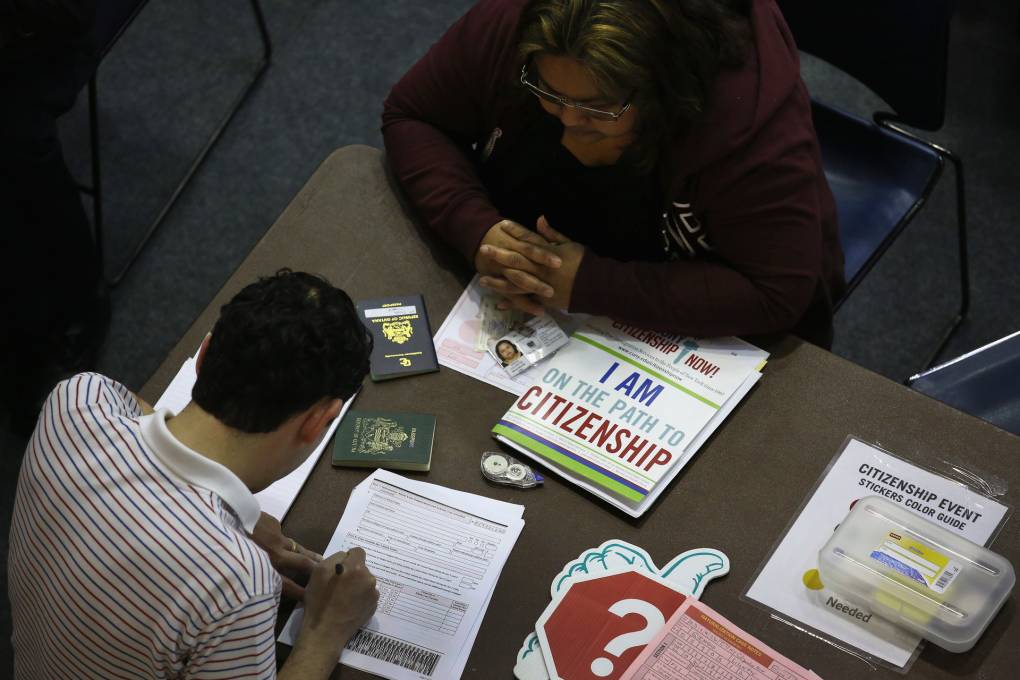
"caption": "An immigrant (R), gets help with her U.S. citizenship application at a Citizenship Now! event held by City University of New York on May 14, 2016, in New York City.",
"description": "An immigrant (R), gets help with her U.S. citizenship application at a Citizenship Now! event held by City University of New York on May 14, 2016, in New York City.",
"title": "Immigrants Apply For Citizenship Ahead Of US Election",
"credit": "John Moore/Getty Images",
"status": "inherit",
"isLoading": false,
"fetchFailed": false
},
"news_11792546": {
"type": "attachments",
"id": "news_11792546",
"meta": {
"index": "attachments_1716263798",
"site": "news",
"id": "11792546",
"found": true
},
"parent": 11792535,
"imgSizes": {
"apple_news_ca_landscape_5_5": {
"file": "https://ww2.kqed.org/app/uploads/sites/10/2019/12/shoppingdays03_122019_final-1044x783.jpg",
"width": 1044,
"mimeType": "image/jpeg",
"height": 783
},
"apple_news_ca_square_4_0": {
"file": "https://ww2.kqed.org/app/uploads/sites/10/2019/12/shoppingdays03_122019_final-470x470.jpg",
"width": 470,
"mimeType": "image/jpeg",
"height": 470
},
"twentyfourteen-full-width": {
"file": "https://ww2.kqed.org/app/uploads/sites/10/2019/12/shoppingdays03_122019_final-1038x576.jpg",
"width": 1038,
"mimeType": "image/jpeg",
"height": 576
},
"thumbnail": {
"file": "https://ww2.kqed.org/app/uploads/sites/10/2019/12/shoppingdays03_122019_final-160x117.jpg",
"width": 160,
"mimeType": "image/jpeg",
"height": 117
},
"post-thumbnail": {
"file": "https://ww2.kqed.org/app/uploads/sites/10/2019/12/shoppingdays03_122019_final-672x372.jpg",
"width": 672,
"mimeType": "image/jpeg",
"height": 372
},
"kqedFullSize": {
"file": "https://ww2.kqed.org/app/uploads/sites/10/2019/12/shoppingdays03_122019_final.jpg",
"width": 1920,
"height": 1404
},
"apple_news_ca_landscape_4_7": {
"file": "https://ww2.kqed.org/app/uploads/sites/10/2019/12/shoppingdays03_122019_final-632x474.jpg",
"width": 632,
"mimeType": "image/jpeg",
"height": 474
},
"large": {
"file": "https://ww2.kqed.org/app/uploads/sites/10/2019/12/shoppingdays03_122019_final-1020x746.jpg",
"width": 1020,
"mimeType": "image/jpeg",
"height": 746
},
"complete_open_graph": {
"file": "https://ww2.kqed.org/app/uploads/sites/10/2019/12/shoppingdays03_122019_final-1200x878.jpg",
"width": 1200,
"mimeType": "image/jpeg",
"height": 878
},
"apple_news_ca_landscape_4_0": {
"file": "https://ww2.kqed.org/app/uploads/sites/10/2019/12/shoppingdays03_122019_final-536x402.jpg",
"width": 536,
"mimeType": "image/jpeg",
"height": 402
},
"apple_news_ca_portrait_12_9": {
"file": "https://ww2.kqed.org/app/uploads/sites/10/2019/12/shoppingdays03_122019_final-1122x1404.jpg",
"width": 1122,
"mimeType": "image/jpeg",
"height": 1404
},
"medium": {
"file": "https://ww2.kqed.org/app/uploads/sites/10/2019/12/shoppingdays03_122019_final-800x585.jpg",
"width": 800,
"mimeType": "image/jpeg",
"height": 585
},
"apple_news_ca_portrait_4_0": {
"file": "https://ww2.kqed.org/app/uploads/sites/10/2019/12/shoppingdays03_122019_final-354x472.jpg",
"width": 354,
"mimeType": "image/jpeg",
"height": 472
},
"apple_news_ca_portrait_9_7": {
"file": "https://ww2.kqed.org/app/uploads/sites/10/2019/12/shoppingdays03_122019_final-840x1120.jpg",
"width": 840,
"mimeType": "image/jpeg",
"height": 1120
},
"apple_news_ca_landscape_12_9": {
"file": "https://ww2.kqed.org/app/uploads/sites/10/2019/12/shoppingdays03_122019_final-1832x1374.jpg",
"width": 1832,
"mimeType": "image/jpeg",
"height": 1374
},
"apple_news_ca_square_9_7": {
"file": "https://ww2.kqed.org/app/uploads/sites/10/2019/12/shoppingdays03_122019_final-1104x1104.jpg",
"width": 1104,
"mimeType": "image/jpeg",
"height": 1104
},
"apple_news_ca_portrait_4_7": {
"file": "https://ww2.kqed.org/app/uploads/sites/10/2019/12/shoppingdays03_122019_final-414x552.jpg",
"width": 414,
"mimeType": "image/jpeg",
"height": 552
},
"apple_news_ca_square_12_9": {
"file": "https://ww2.kqed.org/app/uploads/sites/10/2019/12/shoppingdays03_122019_final-1472x1404.jpg",
"width": 1472,
"mimeType": "image/jpeg",
"height": 1404
},
"apple_news_ca_portrait_5_5": {
"file": "https://ww2.kqed.org/app/uploads/sites/10/2019/12/shoppingdays03_122019_final-687x916.jpg",
"width": 687,
"mimeType": "image/jpeg",
"height": 916
},
"full-width": {
"file": "https://ww2.kqed.org/app/uploads/sites/10/2019/12/shoppingdays03_122019_final-1920x1404.jpg",
"width": 1920,
"mimeType": "image/jpeg",
"height": 1404
},
"apple_news_ca_square_4_7": {
"file": "https://ww2.kqed.org/app/uploads/sites/10/2019/12/shoppingdays03_122019_final-550x550.jpg",
"width": 550,
"mimeType": "image/jpeg",
"height": 550
},
"apple_news_ca_landscape_9_7": {
"file": "https://ww2.kqed.org/app/uploads/sites/10/2019/12/shoppingdays03_122019_final-1376x1032.jpg",
"width": 1376,
"mimeType": "image/jpeg",
"height": 1032
},
"apple_news_ca_square_5_5": {
"file": "https://ww2.kqed.org/app/uploads/sites/10/2019/12/shoppingdays03_122019_final-912x912.jpg",
"width": 912,
"mimeType": "image/jpeg",
"height": 912
}
},
"publishDate": 1576884907,
"modified": 1576884959,
"caption": null,
"description": null,
"title": "shoppingdays03_122019_final",
"credit": null,
"status": "inherit",
"isLoading": false,
"fetchFailed": false
},
"news_11792354": {
"type": "attachments",
"id": "news_11792354",
"meta": {
"index": "attachments_1716263798",
"site": "news",
"id": "11792354",
"found": true
},
"parent": 11792302,
"imgSizes": {
"apple_news_ca_landscape_5_5": {
"file": "https://ww2.kqed.org/app/uploads/sites/10/2019/12/Adelanto-Immigration-Detention-ICE-1044x783.jpg",
"width": 1044,
"mimeType": "image/jpeg",
"height": 783
},
"apple_news_ca_square_4_0": {
"file": "https://ww2.kqed.org/app/uploads/sites/10/2019/12/Adelanto-Immigration-Detention-ICE-470x470.jpg",
"width": 470,
"mimeType": "image/jpeg",
"height": 470
},
"twentyfourteen-full-width": {
"file": "https://ww2.kqed.org/app/uploads/sites/10/2019/12/Adelanto-Immigration-Detention-ICE-1038x576.jpg",
"width": 1038,
"mimeType": "image/jpeg",
"height": 576
},
"thumbnail": {
"file": "https://ww2.kqed.org/app/uploads/sites/10/2019/12/Adelanto-Immigration-Detention-ICE-160x106.jpg",
"width": 160,
"mimeType": "image/jpeg",
"height": 106
},
"post-thumbnail": {
"file": "https://ww2.kqed.org/app/uploads/sites/10/2019/12/Adelanto-Immigration-Detention-ICE-672x372.jpg",
"width": 672,
"mimeType": "image/jpeg",
"height": 372
},
"kqedFullSize": {
"file": "https://ww2.kqed.org/app/uploads/sites/10/2019/12/Adelanto-Immigration-Detention-ICE.jpg",
"width": 1920,
"height": 1276
},
"apple_news_ca_landscape_4_7": {
"file": "https://ww2.kqed.org/app/uploads/sites/10/2019/12/Adelanto-Immigration-Detention-ICE-632x474.jpg",
"width": 632,
"mimeType": "image/jpeg",
"height": 474
},
"large": {
"file": "https://ww2.kqed.org/app/uploads/sites/10/2019/12/Adelanto-Immigration-Detention-ICE-1020x678.jpg",
"width": 1020,
"mimeType": "image/jpeg",
"height": 678
},
"complete_open_graph": {
"file": "https://ww2.kqed.org/app/uploads/sites/10/2019/12/Adelanto-Immigration-Detention-ICE-1200x798.jpg",
"width": 1200,
"mimeType": "image/jpeg",
"height": 798
},
"apple_news_ca_landscape_4_0": {
"file": "https://ww2.kqed.org/app/uploads/sites/10/2019/12/Adelanto-Immigration-Detention-ICE-536x402.jpg",
"width": 536,
"mimeType": "image/jpeg",
"height": 402
},
"apple_news_ca_portrait_12_9": {
"file": "https://ww2.kqed.org/app/uploads/sites/10/2019/12/Adelanto-Immigration-Detention-ICE-1122x1276.jpg",
"width": 1122,
"mimeType": "image/jpeg",
"height": 1276
},
"medium": {
"file": "https://ww2.kqed.org/app/uploads/sites/10/2019/12/Adelanto-Immigration-Detention-ICE-800x532.jpg",
"width": 800,
"mimeType": "image/jpeg",
"height": 532
},
"apple_news_ca_portrait_4_0": {
"file": "https://ww2.kqed.org/app/uploads/sites/10/2019/12/Adelanto-Immigration-Detention-ICE-354x472.jpg",
"width": 354,
"mimeType": "image/jpeg",
"height": 472
},
"apple_news_ca_portrait_9_7": {
"file": "https://ww2.kqed.org/app/uploads/sites/10/2019/12/Adelanto-Immigration-Detention-ICE-840x1120.jpg",
"width": 840,
"mimeType": "image/jpeg",
"height": 1120
},
"apple_news_ca_landscape_12_9": {
"file": "https://ww2.kqed.org/app/uploads/sites/10/2019/12/Adelanto-Immigration-Detention-ICE-1832x1276.jpg",
"width": 1832,
"mimeType": "image/jpeg",
"height": 1276
},
"apple_news_ca_square_9_7": {
"file": "https://ww2.kqed.org/app/uploads/sites/10/2019/12/Adelanto-Immigration-Detention-ICE-1104x1104.jpg",
"width": 1104,
"mimeType": "image/jpeg",
"height": 1104
},
"apple_news_ca_portrait_4_7": {
"file": "https://ww2.kqed.org/app/uploads/sites/10/2019/12/Adelanto-Immigration-Detention-ICE-414x552.jpg",
"width": 414,
"mimeType": "image/jpeg",
"height": 552
},
"apple_news_ca_square_12_9": {
"file": "https://ww2.kqed.org/app/uploads/sites/10/2019/12/Adelanto-Immigration-Detention-ICE-1472x1276.jpg",
"width": 1472,
"mimeType": "image/jpeg",
"height": 1276
},
"apple_news_ca_portrait_5_5": {
"file": "https://ww2.kqed.org/app/uploads/sites/10/2019/12/Adelanto-Immigration-Detention-ICE-687x916.jpg",
"width": 687,
"mimeType": "image/jpeg",
"height": 916
},
"full-width": {
"file": "https://ww2.kqed.org/app/uploads/sites/10/2019/12/Adelanto-Immigration-Detention-ICE-1920x1276.jpg",
"width": 1920,
"mimeType": "image/jpeg",
"height": 1276
},
"apple_news_ca_square_4_7": {
"file": "https://ww2.kqed.org/app/uploads/sites/10/2019/12/Adelanto-Immigration-Detention-ICE-550x550.jpg",
"width": 550,
"mimeType": "image/jpeg",
"height": 550
},
"apple_news_ca_landscape_9_7": {
"file": "https://ww2.kqed.org/app/uploads/sites/10/2019/12/Adelanto-Immigration-Detention-ICE-1376x1032.jpg",
"width": 1376,
"mimeType": "image/jpeg",
"height": 1032
},
"apple_news_ca_square_5_5": {
"file": "https://ww2.kqed.org/app/uploads/sites/10/2019/12/Adelanto-Immigration-Detention-ICE-912x912.jpg",
"width": 912,
"mimeType": "image/jpeg",
"height": 912
}
},
"publishDate": 1576803284,
"modified": 1576803372,
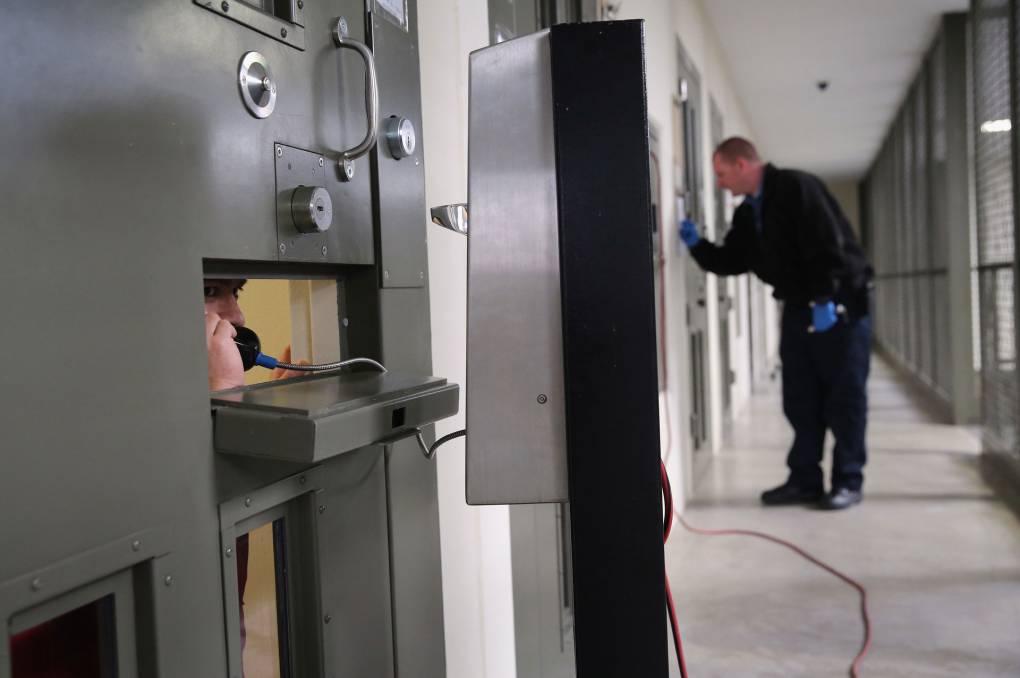
"caption": "An immigrant detainee makes a call from his 'segregation cell' at the Adelanto Detention Facility on Nov. 15, 2013. The facility is managed by the private GEO Group.",
"description": "An immigrant detainee makes a call from his 'segregation cell' at the Adelanto Detention Facility on Nov. 15, 2013. The facility is managed by the private GEO Group.",
"title": "Adelanto-Immigration-Detention-ICE",
"credit": "John Moore/Getty Images",
"status": "inherit",
"isLoading": false,
"fetchFailed": false
},
"news_11654315": {
"type": "attachments",
"id": "news_11654315",
"meta": {
"index": "attachments_1716263798",
"site": "news",
"id": "11654315",
"found": true
},
"parent": 11654314,
"imgSizes": {
"small": {
"file": "https://ww2.kqed.org/app/uploads/sites/10/2018/03/ap_18059616584671ice_wide-b940691039250606c1eb200482846792b2028a35-520x292.jpg",
"width": 520,
"mimeType": "image/jpeg",
"height": 292
},
"twentyfourteen-full-width": {
"file": "https://ww2.kqed.org/app/uploads/sites/10/2018/03/ap_18059616584671ice_wide-b940691039250606c1eb200482846792b2028a35-1038x576.jpg",
"width": 1038,
"mimeType": "image/jpeg",
"height": 576
},
"thumbnail": {
"file": "https://ww2.kqed.org/app/uploads/sites/10/2018/03/ap_18059616584671ice_wide-b940691039250606c1eb200482846792b2028a35-160x90.jpg",
"width": 160,
"mimeType": "image/jpeg",
"height": 90
},
"fd-sm": {
"file": "https://ww2.kqed.org/app/uploads/sites/10/2018/03/ap_18059616584671ice_wide-b940691039250606c1eb200482846792b2028a35-960x540.jpg",
"width": 960,
"mimeType": "image/jpeg",
"height": 540
},
"post-thumbnail": {
"file": "https://ww2.kqed.org/app/uploads/sites/10/2018/03/ap_18059616584671ice_wide-b940691039250606c1eb200482846792b2028a35-672x372.jpg",
"width": 672,
"mimeType": "image/jpeg",
"height": 372
},
"xsmall": {
"file": "https://ww2.kqed.org/app/uploads/sites/10/2018/03/ap_18059616584671ice_wide-b940691039250606c1eb200482846792b2028a35-375x211.jpg",
"width": 375,
"mimeType": "image/jpeg",
"height": 211
},
"kqedFullSize": {
"file": "https://ww2.kqed.org/app/uploads/sites/10/2018/03/ap_18059616584671ice_wide-b940691039250606c1eb200482846792b2028a35-e1576287288399.jpg",
"width": 1920,
"height": 1080
},
"large": {
"file": "https://ww2.kqed.org/app/uploads/sites/10/2018/03/ap_18059616584671ice_wide-b940691039250606c1eb200482846792b2028a35-1020x574.jpg",
"width": 1020,
"mimeType": "image/jpeg",
"height": 574
},
"xlarge": {
"file": "https://ww2.kqed.org/app/uploads/sites/10/2018/03/ap_18059616584671ice_wide-b940691039250606c1eb200482846792b2028a35-1180x664.jpg",
"width": 1180,
"mimeType": "image/jpeg",
"height": 664
},
"guest-author-50": {
"file": "https://ww2.kqed.org/app/uploads/sites/10/2018/03/ap_18059616584671ice_wide-b940691039250606c1eb200482846792b2028a35-50x50.jpg",
"width": 50,
"mimeType": "image/jpeg",
"height": 50
},
"guest-author-96": {
"file": "https://ww2.kqed.org/app/uploads/sites/10/2018/03/ap_18059616584671ice_wide-b940691039250606c1eb200482846792b2028a35-96x96.jpg",
"width": 96,
"mimeType": "image/jpeg",
"height": 96
},
"medium": {
"file": "https://ww2.kqed.org/app/uploads/sites/10/2018/03/ap_18059616584671ice_wide-b940691039250606c1eb200482846792b2028a35-800x450.jpg",
"width": 800,
"mimeType": "image/jpeg",
"height": 450
},
"guest-author-64": {
"file": "https://ww2.kqed.org/app/uploads/sites/10/2018/03/ap_18059616584671ice_wide-b940691039250606c1eb200482846792b2028a35-64x64.jpg",
"width": 64,
"mimeType": "image/jpeg",
"height": 64
},
"guest-author-32": {
"file": "https://ww2.kqed.org/app/uploads/sites/10/2018/03/ap_18059616584671ice_wide-b940691039250606c1eb200482846792b2028a35-32x32.jpg",
"width": 32,
"mimeType": "image/jpeg",
"height": 32
},
"fd-lrg": {
"file": "https://ww2.kqed.org/app/uploads/sites/10/2018/03/ap_18059616584671ice_wide-b940691039250606c1eb200482846792b2028a35-1920x1080.jpg",
"width": 1920,
"mimeType": "image/jpeg",
"height": 1080
},
"fd-med": {
"file": "https://ww2.kqed.org/app/uploads/sites/10/2018/03/ap_18059616584671ice_wide-b940691039250606c1eb200482846792b2028a35-1180x664.jpg",
"width": 1180,
"mimeType": "image/jpeg",
"height": 664
},
"full-width": {
"file": "https://ww2.kqed.org/app/uploads/sites/10/2018/03/ap_18059616584671ice_wide-b940691039250606c1eb200482846792b2028a35-1920x1080.jpg",
"width": 1920,
"mimeType": "image/jpeg",
"height": 1080
},
"detail": {
"file": "https://ww2.kqed.org/app/uploads/sites/10/2018/03/ap_18059616584671ice_wide-b940691039250606c1eb200482846792b2028a35-150x150.jpg",
"width": 150,
"mimeType": "image/jpeg",
"height": 150
},
"guest-author-128": {
"file": "https://ww2.kqed.org/app/uploads/sites/10/2018/03/ap_18059616584671ice_wide-b940691039250606c1eb200482846792b2028a35-128x128.jpg",
"width": 128,
"mimeType": "image/jpeg",
"height": 128
},
"xxsmall": {
"file": "https://ww2.kqed.org/app/uploads/sites/10/2018/03/ap_18059616584671ice_wide-b940691039250606c1eb200482846792b2028a35-240x135.jpg",
"width": 240,
"mimeType": "image/jpeg",
"height": 135
}
},
"publishDate": 1520388551,
"modified": 1576288095,
"caption": "U.S. Immigration and Customs Enforcement (ICE) agents arrest an undocumented immigrant during a targeted operation in Los Angeles on Feb. 7, 2017.",
"description": null,
"title": "Foreign nationals are arrested during a targeted enforcement operation conducted by U.S. Immigration and Customs Enforcement aimed at immigration fugitives, re-entrants and at-large criminal aliens in Los Angeles on Feb. 7, 2017.",
"credit": "Courtesy of U.S. Immigration and Customs Enforcement",
"status": "inherit",
"isLoading": false,
"fetchFailed": false
},
"news_11772870": {
"type": "attachments",
"id": "news_11772870",
"meta": {
"index": "attachments_1716263798",
"site": "news",
"id": "11772870",
"found": true
},
"parent": 11772816,
"imgSizes": {
"apple_news_ca_landscape_5_5": {
"file": "https://ww2.kqed.org/app/uploads/sites/10/2019/09/medical_090619_final_revised-1044x783.jpg",
"width": 1044,
"mimeType": "image/jpeg",
"height": 783
},
"apple_news_ca_square_4_0": {
"file": "https://ww2.kqed.org/app/uploads/sites/10/2019/09/medical_090619_final_revised-470x470.jpg",
"width": 470,
"mimeType": "image/jpeg",
"height": 470
},
"twentyfourteen-full-width": {
"file": "https://ww2.kqed.org/app/uploads/sites/10/2019/09/medical_090619_final_revised-1038x576.jpg",
"width": 1038,
"mimeType": "image/jpeg",
"height": 576
},
"thumbnail": {
"file": "https://ww2.kqed.org/app/uploads/sites/10/2019/09/medical_090619_final_revised-160x122.jpg",
"width": 160,
"mimeType": "image/jpeg",
"height": 122
},
"post-thumbnail": {
"file": "https://ww2.kqed.org/app/uploads/sites/10/2019/09/medical_090619_final_revised-672x372.jpg",
"width": 672,
"mimeType": "image/jpeg",
"height": 372
},
"kqedFullSize": {
"file": "https://ww2.kqed.org/app/uploads/sites/10/2019/09/medical_090619_final_revised.jpg",
"width": 1920,
"height": 1462
},
"apple_news_ca_landscape_4_7": {
"file": "https://ww2.kqed.org/app/uploads/sites/10/2019/09/medical_090619_final_revised-632x474.jpg",
"width": 632,
"mimeType": "image/jpeg",
"height": 474
},
"large": {
"file": "https://ww2.kqed.org/app/uploads/sites/10/2019/09/medical_090619_final_revised-1020x777.jpg",
"width": 1020,
"mimeType": "image/jpeg",
"height": 777
},
"complete_open_graph": {
"file": "https://ww2.kqed.org/app/uploads/sites/10/2019/09/medical_090619_final_revised-1200x914.jpg",
"width": 1200,
"mimeType": "image/jpeg",
"height": 914
},
"apple_news_ca_landscape_4_0": {
"file": "https://ww2.kqed.org/app/uploads/sites/10/2019/09/medical_090619_final_revised-536x402.jpg",
"width": 536,
"mimeType": "image/jpeg",
"height": 402
},
"apple_news_ca_portrait_12_9": {
"file": "https://ww2.kqed.org/app/uploads/sites/10/2019/09/medical_090619_final_revised-1122x1462.jpg",
"width": 1122,
"mimeType": "image/jpeg",
"height": 1462
},
"medium": {
"file": "https://ww2.kqed.org/app/uploads/sites/10/2019/09/medical_090619_final_revised-800x609.jpg",
"width": 800,
"mimeType": "image/jpeg",
"height": 609
},
"apple_news_ca_portrait_4_0": {
"file": "https://ww2.kqed.org/app/uploads/sites/10/2019/09/medical_090619_final_revised-354x472.jpg",
"width": 354,
"mimeType": "image/jpeg",
"height": 472
},
"apple_news_ca_portrait_9_7": {
"file": "https://ww2.kqed.org/app/uploads/sites/10/2019/09/medical_090619_final_revised-840x1120.jpg",
"width": 840,
"mimeType": "image/jpeg",
"height": 1120
},
"apple_news_ca_landscape_12_9": {
"file": "https://ww2.kqed.org/app/uploads/sites/10/2019/09/medical_090619_final_revised-1832x1374.jpg",
"width": 1832,
"mimeType": "image/jpeg",
"height": 1374
},
"apple_news_ca_square_9_7": {
"file": "https://ww2.kqed.org/app/uploads/sites/10/2019/09/medical_090619_final_revised-1104x1104.jpg",
"width": 1104,
"mimeType": "image/jpeg",
"height": 1104
},
"apple_news_ca_portrait_4_7": {
"file": "https://ww2.kqed.org/app/uploads/sites/10/2019/09/medical_090619_final_revised-414x552.jpg",
"width": 414,
"mimeType": "image/jpeg",
"height": 552
},
"apple_news_ca_square_12_9": {
"file": "https://ww2.kqed.org/app/uploads/sites/10/2019/09/medical_090619_final_revised-1472x1462.jpg",
"width": 1472,
"mimeType": "image/jpeg",
"height": 1462
},
"apple_news_ca_portrait_5_5": {
"file": "https://ww2.kqed.org/app/uploads/sites/10/2019/09/medical_090619_final_revised-687x916.jpg",
"width": 687,
"mimeType": "image/jpeg",
"height": 916
},
"full-width": {
"file": "https://ww2.kqed.org/app/uploads/sites/10/2019/09/medical_090619_final_revised-1920x1462.jpg",
"width": 1920,
"mimeType": "image/jpeg",
"height": 1462
},
"apple_news_ca_square_4_7": {
"file": "https://ww2.kqed.org/app/uploads/sites/10/2019/09/medical_090619_final_revised-550x550.jpg",
"width": 550,
"mimeType": "image/jpeg",
"height": 550
},
"apple_news_ca_landscape_9_7": {
"file": "https://ww2.kqed.org/app/uploads/sites/10/2019/09/medical_090619_final_revised-1376x1032.jpg",
"width": 1376,
"mimeType": "image/jpeg",
"height": 1032
},
"apple_news_ca_square_5_5": {
"file": "https://ww2.kqed.org/app/uploads/sites/10/2019/09/medical_090619_final_revised-912x912.jpg",
"width": 912,
"mimeType": "image/jpeg",
"height": 912
}
},
"publishDate": 1567813053,
"modified": 1567813077,
"caption": null,
"description": null,
"title": "medical_090619_final_revised",
"credit": null,
"status": "inherit",
"isLoading": false,
"fetchFailed": false
},
"news_11782098": {
"type": "attachments",
"id": "news_11782098",
"meta": {
"index": "attachments_1716263798",
"site": "news",
"id": "11782098",
"found": true
},
"parent": 11775521,
"imgSizes": {
"apple_news_ca_square_4_0": {
"file": "https://ww2.kqed.org/app/uploads/sites/10/2019/09/RS38884_IMG_9818-qut-470x470.jpg",
"width": 470,
"mimeType": "image/jpeg",
"height": 470
},
"twentyfourteen-full-width": {
"file": "https://ww2.kqed.org/app/uploads/sites/10/2019/09/RS38884_IMG_9818-qut-609x576.jpg",
"width": 609,
"mimeType": "image/jpeg",
"height": 576
},
"thumbnail": {
"file": "https://ww2.kqed.org/app/uploads/sites/10/2019/09/RS38884_IMG_9818-qut-160x168.jpg",
"width": 160,
"mimeType": "image/jpeg",
"height": 168
},
"post-thumbnail": {
"file": "https://ww2.kqed.org/app/uploads/sites/10/2019/09/RS38884_IMG_9818-qut-609x372.jpg",
"width": 609,
"mimeType": "image/jpeg",
"height": 372
},
"kqedFullSize": {
"file": "https://ww2.kqed.org/app/uploads/sites/10/2019/09/RS38884_IMG_9818-qut.jpg",
"width": 609,
"height": 640
},
"apple_news_ca_landscape_4_7": {
"file": "https://ww2.kqed.org/app/uploads/sites/10/2019/09/RS38884_IMG_9818-qut-609x474.jpg",
"width": 609,
"mimeType": "image/jpeg",
"height": 474
},
"apple_news_ca_portrait_4_7": {
"file": "https://ww2.kqed.org/app/uploads/sites/10/2019/09/RS38884_IMG_9818-qut-414x552.jpg",
"width": 414,
"mimeType": "image/jpeg",
"height": 552
},
"apple_news_ca_square_4_7": {
"file": "https://ww2.kqed.org/app/uploads/sites/10/2019/09/RS38884_IMG_9818-qut-550x550.jpg",
"width": 550,
"mimeType": "image/jpeg",
"height": 550
},
"apple_news_ca_landscape_4_0": {
"file": "https://ww2.kqed.org/app/uploads/sites/10/2019/09/RS38884_IMG_9818-qut-536x402.jpg",
"width": 536,
"mimeType": "image/jpeg",
"height": 402
},
"apple_news_ca_portrait_4_0": {
"file": "https://ww2.kqed.org/app/uploads/sites/10/2019/09/RS38884_IMG_9818-qut-354x472.jpg",
"width": 354,
"mimeType": "image/jpeg",
"height": 472
}
},
"publishDate": 1571864212,
"modified": 1571864546,
"caption": "Maria Isabel Bueso has lived in the Bay Area since 2003, when doctors invited her to participate in a clinical trial at the UCSF Benioff Children's Hospital in Oakland.",
"description": "Maria Isabel Bueso has lived in the Bay Area since 2003, when doctors invited her to participate in a clinical trial at the UCSF Benioff Children's Hospital in Oakland.",
"title": "RS38884_IMG_9818-qut",
"credit": "Photo provided by the Bueso family",
"status": "inherit",
"isLoading": false,
"fetchFailed": false
},
"news_11772069": {
"type": "attachments",
"id": "news_11772069",
"meta": {
"index": "attachments_1716263798",
"site": "news",
"id": "11772069",
"found": true
},
"parent": 11772008,
"imgSizes": {
"apple_news_ca_landscape_5_5": {
"file": "https://ww2.kqed.org/app/uploads/sites/10/2019/09/bueso-1044x783.jpg",
"width": 1044,
"mimeType": "image/jpeg",
"height": 783
},
"apple_news_ca_square_4_0": {
"file": "https://ww2.kqed.org/app/uploads/sites/10/2019/09/bueso-470x470.jpg",
"width": 470,
"mimeType": "image/jpeg",
"height": 470
},
"twentyfourteen-full-width": {
"file": "https://ww2.kqed.org/app/uploads/sites/10/2019/09/bueso-1038x576.jpg",
"width": 1038,
"mimeType": "image/jpeg",
"height": 576
},
"thumbnail": {
"file": "https://ww2.kqed.org/app/uploads/sites/10/2019/09/bueso-160x120.jpg",
"width": 160,
"mimeType": "image/jpeg",
"height": 120
},
"post-thumbnail": {
"file": "https://ww2.kqed.org/app/uploads/sites/10/2019/09/bueso-672x372.jpg",
"width": 672,
"mimeType": "image/jpeg",
"height": 372
},
"kqedFullSize": {
"file": "https://ww2.kqed.org/app/uploads/sites/10/2019/09/bueso.jpg",
"width": 1920,
"height": 1440
},
"apple_news_ca_landscape_4_7": {
"file": "https://ww2.kqed.org/app/uploads/sites/10/2019/09/bueso-632x474.jpg",
"width": 632,
"mimeType": "image/jpeg",
"height": 474
},
"large": {
"file": "https://ww2.kqed.org/app/uploads/sites/10/2019/09/bueso-1020x765.jpg",
"width": 1020,
"mimeType": "image/jpeg",
"height": 765
},
"complete_open_graph": {
"file": "https://ww2.kqed.org/app/uploads/sites/10/2019/09/bueso-1200x900.jpg",
"width": 1200,
"mimeType": "image/jpeg",
"height": 900
},
"apple_news_ca_landscape_4_0": {
"file": "https://ww2.kqed.org/app/uploads/sites/10/2019/09/bueso-536x402.jpg",
"width": 536,
"mimeType": "image/jpeg",
"height": 402
},
"apple_news_ca_portrait_12_9": {
"file": "https://ww2.kqed.org/app/uploads/sites/10/2019/09/bueso-1122x1440.jpg",
"width": 1122,
"mimeType": "image/jpeg",
"height": 1440
},
"medium": {
"file": "https://ww2.kqed.org/app/uploads/sites/10/2019/09/bueso-800x600.jpg",
"width": 800,
"mimeType": "image/jpeg",
"height": 600
},
"apple_news_ca_portrait_4_0": {
"file": "https://ww2.kqed.org/app/uploads/sites/10/2019/09/bueso-354x472.jpg",
"width": 354,
"mimeType": "image/jpeg",
"height": 472
},
"apple_news_ca_portrait_9_7": {
"file": "https://ww2.kqed.org/app/uploads/sites/10/2019/09/bueso-840x1120.jpg",
"width": 840,
"mimeType": "image/jpeg",
"height": 1120
},
"apple_news_ca_landscape_12_9": {
"file": "https://ww2.kqed.org/app/uploads/sites/10/2019/09/bueso-1832x1374.jpg",
"width": 1832,
"mimeType": "image/jpeg",
"height": 1374
},
"apple_news_ca_square_9_7": {
"file": "https://ww2.kqed.org/app/uploads/sites/10/2019/09/bueso-1104x1104.jpg",
"width": 1104,
"mimeType": "image/jpeg",
"height": 1104
},
"apple_news_ca_portrait_4_7": {
"file": "https://ww2.kqed.org/app/uploads/sites/10/2019/09/bueso-414x552.jpg",
"width": 414,
"mimeType": "image/jpeg",
"height": 552
},
"apple_news_ca_square_12_9": {
"file": "https://ww2.kqed.org/app/uploads/sites/10/2019/09/bueso-1472x1440.jpg",
"width": 1472,
"mimeType": "image/jpeg",
"height": 1440
},
"apple_news_ca_portrait_5_5": {
"file": "https://ww2.kqed.org/app/uploads/sites/10/2019/09/bueso-687x916.jpg",
"width": 687,
"mimeType": "image/jpeg",
"height": 916
},
"full-width": {
"file": "https://ww2.kqed.org/app/uploads/sites/10/2019/09/bueso-1920x1440.jpg",
"width": 1920,
"mimeType": "image/jpeg",
"height": 1440
},
"apple_news_ca_square_4_7": {
"file": "https://ww2.kqed.org/app/uploads/sites/10/2019/09/bueso-550x550.jpg",
"width": 550,
"mimeType": "image/jpeg",
"height": 550
},
"apple_news_ca_landscape_9_7": {
"file": "https://ww2.kqed.org/app/uploads/sites/10/2019/09/bueso-1376x1032.jpg",
"width": 1376,
"mimeType": "image/jpeg",
"height": 1032
},
"apple_news_ca_square_5_5": {
"file": "https://ww2.kqed.org/app/uploads/sites/10/2019/09/bueso-912x912.jpg",
"width": 912,
"mimeType": "image/jpeg",
"height": 912
}
},
"publishDate": 1567607956,
"modified": 1567816634,
"caption": "Karla Bueso (left) and her daughter Maria Isabel, 24, at their attorney's offices in San Francisco on Aug. 29, 2019.",
"description": "Karla Bueso (left) and her daughter Maria Isabel, 24, at their attorney's offices in San Francisco on Aug. 29, 2019.",
"title": "bueso",
"credit": "Courtesy of the Bueso family",
"status": "inherit",
"isLoading": false,
"fetchFailed": false
},
"news_11768402": {
"type": "attachments",
"id": "news_11768402",
"meta": {
"index": "attachments_1716263798",
"site": "news",
"id": "11768402",
"found": true
},
"parent": 11768398,
"imgSizes": {
"apple_news_ca_landscape_5_5": {
"file": "https://ww2.kqed.org/app/uploads/sites/10/2019/08/08192019_Adelanto_ICE_immigrants_disabled-immigrants_medical-care_lawsuit-qut-1044x783.jpg",
"width": 1044,
"mimeType": "image/jpeg",
"height": 783
},
"apple_news_ca_square_4_0": {
"file": "https://ww2.kqed.org/app/uploads/sites/10/2019/08/08192019_Adelanto_ICE_immigrants_disabled-immigrants_medical-care_lawsuit-qut-470x470.jpg",
"width": 470,
"mimeType": "image/jpeg",
"height": 470
},
"twentyfourteen-full-width": {
"file": "https://ww2.kqed.org/app/uploads/sites/10/2019/08/08192019_Adelanto_ICE_immigrants_disabled-immigrants_medical-care_lawsuit-qut-1038x576.jpg",
"width": 1038,
"mimeType": "image/jpeg",
"height": 576
},
"thumbnail": {
"file": "https://ww2.kqed.org/app/uploads/sites/10/2019/08/08192019_Adelanto_ICE_immigrants_disabled-immigrants_medical-care_lawsuit-qut-160x107.jpg",
"width": 160,
"mimeType": "image/jpeg",
"height": 107
},
"post-thumbnail": {
"file": "https://ww2.kqed.org/app/uploads/sites/10/2019/08/08192019_Adelanto_ICE_immigrants_disabled-immigrants_medical-care_lawsuit-qut-672x372.jpg",
"width": 672,
"mimeType": "image/jpeg",
"height": 372
},
"kqedFullSize": {
"file": "https://ww2.kqed.org/app/uploads/sites/10/2019/08/08192019_Adelanto_ICE_immigrants_disabled-immigrants_medical-care_lawsuit-qut.jpg",
"width": 1920,
"height": 1280
},
"apple_news_ca_landscape_4_7": {
"file": "https://ww2.kqed.org/app/uploads/sites/10/2019/08/08192019_Adelanto_ICE_immigrants_disabled-immigrants_medical-care_lawsuit-qut-632x474.jpg",
"width": 632,
"mimeType": "image/jpeg",
"height": 474
},
"large": {
"file": "https://ww2.kqed.org/app/uploads/sites/10/2019/08/08192019_Adelanto_ICE_immigrants_disabled-immigrants_medical-care_lawsuit-qut-1020x680.jpg",
"width": 1020,
"mimeType": "image/jpeg",
"height": 680
},
"complete_open_graph": {
"file": "https://ww2.kqed.org/app/uploads/sites/10/2019/08/08192019_Adelanto_ICE_immigrants_disabled-immigrants_medical-care_lawsuit-qut-1200x800.jpg",
"width": 1200,
"mimeType": "image/jpeg",
"height": 800
},
"apple_news_ca_landscape_4_0": {
"file": "https://ww2.kqed.org/app/uploads/sites/10/2019/08/08192019_Adelanto_ICE_immigrants_disabled-immigrants_medical-care_lawsuit-qut-536x402.jpg",
"width": 536,
"mimeType": "image/jpeg",
"height": 402
},
"apple_news_ca_portrait_12_9": {
"file": "https://ww2.kqed.org/app/uploads/sites/10/2019/08/08192019_Adelanto_ICE_immigrants_disabled-immigrants_medical-care_lawsuit-qut-1122x1280.jpg",
"width": 1122,
"mimeType": "image/jpeg",
"height": 1280
},
"medium": {
"file": "https://ww2.kqed.org/app/uploads/sites/10/2019/08/08192019_Adelanto_ICE_immigrants_disabled-immigrants_medical-care_lawsuit-qut-800x533.jpg",
"width": 800,
"mimeType": "image/jpeg",
"height": 533
},
"apple_news_ca_portrait_4_0": {
"file": "https://ww2.kqed.org/app/uploads/sites/10/2019/08/08192019_Adelanto_ICE_immigrants_disabled-immigrants_medical-care_lawsuit-qut-354x472.jpg",
"width": 354,
"mimeType": "image/jpeg",
"height": 472
},
"apple_news_ca_portrait_9_7": {
"file": "https://ww2.kqed.org/app/uploads/sites/10/2019/08/08192019_Adelanto_ICE_immigrants_disabled-immigrants_medical-care_lawsuit-qut-840x1120.jpg",
"width": 840,
"mimeType": "image/jpeg",
"height": 1120
},
"apple_news_ca_landscape_12_9": {
"file": "https://ww2.kqed.org/app/uploads/sites/10/2019/08/08192019_Adelanto_ICE_immigrants_disabled-immigrants_medical-care_lawsuit-qut-1832x1280.jpg",
"width": 1832,
"mimeType": "image/jpeg",
"height": 1280
},
"apple_news_ca_square_9_7": {
"file": "https://ww2.kqed.org/app/uploads/sites/10/2019/08/08192019_Adelanto_ICE_immigrants_disabled-immigrants_medical-care_lawsuit-qut-1104x1104.jpg",
"width": 1104,
"mimeType": "image/jpeg",
"height": 1104
},
"apple_news_ca_portrait_4_7": {
"file": "https://ww2.kqed.org/app/uploads/sites/10/2019/08/08192019_Adelanto_ICE_immigrants_disabled-immigrants_medical-care_lawsuit-qut-414x552.jpg",
"width": 414,
"mimeType": "image/jpeg",
"height": 552
},
"apple_news_ca_square_12_9": {
"file": "https://ww2.kqed.org/app/uploads/sites/10/2019/08/08192019_Adelanto_ICE_immigrants_disabled-immigrants_medical-care_lawsuit-qut-1472x1280.jpg",
"width": 1472,
"mimeType": "image/jpeg",
"height": 1280
},
"apple_news_ca_portrait_5_5": {
"file": "https://ww2.kqed.org/app/uploads/sites/10/2019/08/08192019_Adelanto_ICE_immigrants_disabled-immigrants_medical-care_lawsuit-qut-687x916.jpg",
"width": 687,
"mimeType": "image/jpeg",
"height": 916
},
"full-width": {
"file": "https://ww2.kqed.org/app/uploads/sites/10/2019/08/08192019_Adelanto_ICE_immigrants_disabled-immigrants_medical-care_lawsuit-qut-1920x1280.jpg",
"width": 1920,
"mimeType": "image/jpeg",
"height": 1280
},
"apple_news_ca_square_4_7": {
"file": "https://ww2.kqed.org/app/uploads/sites/10/2019/08/08192019_Adelanto_ICE_immigrants_disabled-immigrants_medical-care_lawsuit-qut-550x550.jpg",
"width": 550,
"mimeType": "image/jpeg",
"height": 550
},
"apple_news_ca_landscape_9_7": {
"file": "https://ww2.kqed.org/app/uploads/sites/10/2019/08/08192019_Adelanto_ICE_immigrants_disabled-immigrants_medical-care_lawsuit-qut-1376x1032.jpg",
"width": 1376,
"mimeType": "image/jpeg",
"height": 1032
},
"apple_news_ca_square_5_5": {
"file": "https://ww2.kqed.org/app/uploads/sites/10/2019/08/08192019_Adelanto_ICE_immigrants_disabled-immigrants_medical-care_lawsuit-qut-912x912.jpg",
"width": 912,
"mimeType": "image/jpeg",
"height": 912
}
},
"publishDate": 1566240509,
"modified": 1566240585,
"caption": "Immigrants prepare to be unshackled and set free from the Adelanto Detention Facility on November 15, 2013, in Adelanto. ",
"description": "Immigrants prepare to be unshackled and set free from the Adelanto Detention Facility on November 15, 2013, in Adelanto. ",
"title": "08192019_Adelanto_ICE_immigrants_disabled immigrants_medical care_lawsuit-qut",
"credit": "John Moore/Getty Images",
"status": "inherit",
"isLoading": false,
"fetchFailed": false
}
},
"audioPlayerReducer": {
"postId": "stream_live",
"isPaused": true,
"isPlaying": false,
"pfsActive": false,
"pledgeModalIsOpen": true,
"playerDrawerIsOpen": false,
"liveAudioPlayStartedAt": 0,
"liveAudioPlayContext": ""
},
"authorsReducer": {
"byline_news_11793562": {
"type": "authors",
"id": "byline_news_11793562",
"meta": {
"override": true
},
"slug": "byline_news_11793562",
"name": "\u003cstrong>Colleen Long\u003cbr />Associated Press\u003c/strong>",
"isLoading": false
},
"byline_news_11790498": {
"type": "authors",
"id": "byline_news_11790498",
"meta": {
"override": true
},
"slug": "byline_news_11790498",
"name": "Associated Press",
"isLoading": false
},
"byline_news_11768398": {
"type": "authors",
"id": "byline_news_11768398",
"meta": {
"override": true
},
"slug": "byline_news_11768398",
"name": "Amy Taxin \u003cbr> The Associated Press",
"isLoading": false
},
"markfiore": {
"type": "authors",
"id": "3236",
"meta": {
"index": "authors_1716337520",
"id": "3236",
"found": true
},
"name": "Mark Fiore",
"firstName": "Mark",
"lastName": "Fiore",
"slug": "markfiore",
"email": "mark@markfiore.com",
"display_author_email": false,
"staff_mastheads": [
"news"
],
"title": "KQED News Cartoonist",
"bio": "\u003ca href=\"http://www.MarkFiore.com\">MarkFiore.com\u003c/a> | \u003ca href=\"https://twitter.com/markfiore\">Follow on Twitter\u003c/a> | \u003ca href=\"https://www.facebook.com/pages/Mark-Fiore-Animated-Political-Cartoons/94451707396?ref=bookmarks\">Facebook\u003c/a> | \u003ca href=\"mailto:mark@markfiore.com\">email\u003c/a>\r\n\r\nPulitzer Prize-winner, Mark Fiore, who the Wall Street Journal has called “the undisputed guru of the form,” creates animated political cartoons in San Francisco, where his work has been featured regularly on the San Francisco Chronicle’s web site, SFGate.com. His work has appeared on Newsweek.com, Slate.com, CBSNews.com, MotherJones.com, DailyKos.com and NPR’s web site. Fiore’s political animation has appeared on CNN, Frontline, Bill Moyers Journal, Salon.com and cable and broadcast outlets across the globe.\r\n\r\nBeginning his professional life by drawing traditional political cartoons for newspapers, Fiore’s work appeared in publications ranging from the Washington Post to the Los Angeles Times. In the late 1990s, he began to experiment with animating political cartoons and, after a short stint at the San Jose Mercury News as their staff cartoonist, Fiore devoted all his energies to animation.\r\nGrowing up in California, Fiore also spent a good portion of his life in the backwoods of Idaho. It was this combination that shaped him politically. Mark majored in political science at Colorado College, where, in a perfect send-off for a cartoonist, he received his diploma in 1991 as commencement speaker Dick Cheney smiled approvingly.\r\nMark Fiore was awarded the Pulitzer Prize for political cartooning in 2010, a Robert F. Kennedy Journalism Award in 2004 and has twice received an Online Journalism Award for commentary from the Online News Association (2002, 2008). Fiore has received two awards for his work in new media from the National Cartoonists Society (2001, 2002), and in 2006 received The James Madison Freedom of Information Award from The Society of Professional Journalists.",
"avatar": "https://secure.gravatar.com/avatar/fc4e2a612b15b67bad0c6f0e1db4ca9b?s=600&d=blank&r=g",
"twitter": "MarkFiore",
"facebook": null,
"instagram": "https://www.instagram.com/markfiore/?hl=en",
"linkedin": null,
"sites": [
{
"site": "arts",
"roles": [
"contributor"
]
},
{
"site": "news",
"roles": [
"editor"
]
},
{
"site": "futureofyou",
"roles": [
"editor"
]
},
{
"site": "science",
"roles": [
"editor"
]
}
],
"headData": {
"title": "Mark Fiore | KQED",
"description": "KQED News Cartoonist",
"ogImgSrc": "https://secure.gravatar.com/avatar/fc4e2a612b15b67bad0c6f0e1db4ca9b?s=600&d=blank&r=g",
"twImgSrc": "https://secure.gravatar.com/avatar/fc4e2a612b15b67bad0c6f0e1db4ca9b?s=600&d=blank&r=g"
},
"isLoading": false,
"link": "/author/markfiore"
},
"fjhabvala": {
"type": "authors",
"id": "8659",
"meta": {
"index": "authors_1716337520",
"id": "8659",
"found": true
},
"name": "Farida Jhabvala Romero",
"firstName": "Farida",
"lastName": "Jhabvala Romero",
"slug": "fjhabvala",
"email": "fjhabvala@kqed.org",
"display_author_email": true,
"staff_mastheads": [
"news"
],
"title": "KQED Contributor",
"bio": "Farida Jhabvala Romero is a Labor Correspondent for KQED. She previously covered immigration. Farida was \u003ca href=\"https://www.ccnma.org/2022-most-influential-latina-journalists\">named\u003c/a> one of the 10 Most Influential Latina Journalists in California in 2022 by the California Chicano News Media Association. Her work has won awards from the Society of Professional Journalists (Northern California), as well as a national and regional Edward M. Murrow Award for the collaborative reporting projects “Dangerous Air” and “Graying California.” Before joining KQED, Farida worked as a producer at Radio Bilingüe, a national public radio network. Farida earned her master’s degree in journalism from Stanford University.",
"avatar": "https://secure.gravatar.com/avatar/f9f022d4e2609741874222a1e9d41f48fea74011aa7c615eef91d9a50c944ebe?s=600&d=blank&r=g",
"twitter": "FaridaJhabvala",
"bluesky": null,
"facebook": null,
"instagram": null,
"linkedin": "https://www.linkedin.com/in/faridajhabvala/",
"sites": [
{
"site": "news",
"roles": [
"editor"
]
},
{
"site": "stateofhealth",
"roles": [
"author"
]
},
{
"site": "liveblog",
"roles": [
"author"
]
}
],
"headData": {
"title": "Farida Jhabvala Romero | KQED",
"description": "KQED Contributor",
"ogImgSrc": "https://secure.gravatar.com/avatar/f9f022d4e2609741874222a1e9d41f48fea74011aa7c615eef91d9a50c944ebe?s=600&d=blank&r=g",
"twImgSrc": "https://secure.gravatar.com/avatar/f9f022d4e2609741874222a1e9d41f48fea74011aa7c615eef91d9a50c944ebe?s=600&d=blank&r=g"
},
"isLoading": false,
"link": "/author/fjhabvala"
}
},
"pagesReducer": {
"news_tag_ice": {
"type": "terms",
"id": "news_21027",
"meta": {
"index": "terms_1716263798",
"site": "news",
"id": "21027",
"score": 8.937623
},
"featImg": null,
"name": "ICE",
"description": null,
"taxonomy": "tag",
"headData": {
"twImgId": null,
"twTitle": null,
"ogTitle": null,
"ogImgId": null,
"twDescription": null,
"description": null,
"title": "ICE Archives | KQED News",
"ogDescription": null
},
"ttid": 21044,
"slug": "ice",
"isLoading": false,
"title": "ICE",
"pageMeta": {
"site": "news",
"WpPageTemplate": "page-topic-editorial",
"currentPage": 12
},
"blocks": [
{
"blockName": "kqed/post-list",
"attrs": {
"layout": "cardArticle2",
"query": "posts/news?tag=ice",
"seeMore": false,
"paginated": true,
"page": 12
}
},
{
"blockName": "kqed/ad"
}
]
}
},
"pfsSessionReducer": {},
"postsReducer": {
"stream_live": {
"type": "live",
"id": "stream_live",
"audioUrl": "https://streams.kqed.org/kqedradio",
"title": "Live Stream",
"excerpt": "Live Stream information currently unavailable.",
"link": "/radio",
"featImg": "",
"label": {
"name": "KQED Live",
"link": "/"
}
},
"stream_kqedNewscast": {
"type": "posts",
"id": "stream_kqedNewscast",
"audioUrl": "https://www.kqed.org/.stream/anon/radio/RDnews/newscast.mp3?_=1",
"title": "KQED Newscast",
"featImg": "",
"label": {
"name": "88.5 FM",
"link": "/"
}
},
"news_11793743": {
"type": "posts",
"id": "news_11793743",
"meta": {
"index": "posts_1716263798",
"site": "news",
"id": "11793743",
"score": null,
"sort": [
1578014796000
]
},
"parent": 0,
"labelTerm": {
"site": "news",
"term": 18515
},
"blocks": [],
"publishDate": 1578014796,
"format": "standard",
"disqusTitle": "Suing to Keep the 'Profit' in 'For-Profit Prison'",
"title": "Suing to Keep the 'Profit' in 'For-Profit Prison'",
"headTitle": "Mark Fiore: Drawn to the Bay | KQED News",
"content": "\u003cp>For-profit prison company \u003ca href=\"http://bit.ly/fioregeogroup\" target=\"_blank\" rel=\"noopener noreferrer\">GEO Group Inc. sued California\u003c/a> over the state's new ban on private detention.\u003c/p>\n\u003cp>\u003ca href=\"https://leginfo.legislature.ca.gov/faces/billTextClient.xhtml?bill_id=201920200AB32\" target=\"_blank\" rel=\"noopener noreferrer\">AB 32\u003c/a>, which went into effect Jan. 1, phases out for-profit immigration detention centers and prisons.\u003c/p>\n\u003cp>Boca Raton-based GEO Group was singled out in a 2018 U.S. Department of Homeland Security \u003ca href=\"https://www.kqed.org/news/11696870/scathing-report-on-california-immigration-jail-comes-amid-growing-calls-to-improve-conditions\" target=\"_blank\" rel=\"noopener noreferrer\">inspector general report\u003c/a> for serious violations at the company's Adelanto facility.\u003c/p>\n\u003cp>GEO Group also \u003ca href=\"https://www.kqed.org/news/11792302/ice-poised-to-sign-new-for-profit-detention-contracts-before-californias-ban-begins\" target=\"_blank\" rel=\"noopener noreferrer\">recently inked\u003c/a> several 15-year contracts with U.S. Immigration and Customs Enforcement worth billions of dollars, locking in revenue before the new law took effect.\u003c/p>\n\u003cp>[ad fullwidth]\u003c/p>\u003cp>\u003c/p>\n",
"disqusIdentifier": "11793743 https://ww2.kqed.org/news/?p=11793743",
"disqusUrl": "https://ww2.kqed.org/news/2020/01/02/suing-to-keep-the-profit-in-for-profit-prison/",
"stats": {
"hasVideo": false,
"hasChartOrMap": false,
"hasAudio": false,
"hasPolis": false,
"wordCount": 96,
"hasGoogleForm": false,
"hasGallery": false,
"hasHearkenModule": false,
"iframeSrcs": [],
"paragraphCount": 6
},
"modified": 1578014796,
"excerpt": "For-profit prison company GEO Group Inc. sued California over the state's new ban on private detention. ",
"headData": {
"twImgId": "",
"twTitle": "",
"ogTitle": "",
"ogImgId": "",
"twDescription": "",
"description": "For-profit prison company GEO Group Inc. sued California over the state's new ban on private detention. ",
"title": "Suing to Keep the 'Profit' in 'For-Profit Prison' | KQED",
"ogDescription": "",
"schema": {
"@context": "https://schema.org",
"@type": "NewsArticle",
"headline": "Suing to Keep the 'Profit' in 'For-Profit Prison'",
"datePublished": "2020-01-02T17:26:36-08:00",
"dateModified": "2020-01-02T17:26:36-08:00",
"image": "https://cdn.kqed.org/wp-content/uploads/2020/02/KQED-OG-Image@1x.png",
"isAccessibleForFree": "True",
"publisher": {
"@type": "NewsMediaOrganization",
"@id": "https://www.kqed.org/#organization",
"name": "KQED",
"logo": "https://cdn.kqed.org/wp-content/uploads/2020/02/KQED-OG-Image@1x.png",
"url": "https://www.kqed.org",
"sameAs": [
"https://www.facebook.com/KQED",
"https://twitter.com/KQED",
"https://www.instagram.com/kqed/",
"https://www.tiktok.com/@kqedofficial",
"https://www.linkedin.com/company/kqed",
"https://www.youtube.com/channel/UCeC0IOo7i1P_61zVUWbJ4nw"
]
}
}
},
"guestAuthors": [],
"slug": "suing-to-keep-the-profit-in-for-profit-prison",
"status": "publish",
"path": "/news/11793743/suing-to-keep-the-profit-in-for-profit-prison",
"audioTrackLength": null,
"parsedContent": [
{
"type": "contentString",
"content": "\u003cdiv class=\"post-body\">\u003cp>\u003cp>For-profit prison company \u003ca href=\"http://bit.ly/fioregeogroup\" target=\"_blank\" rel=\"noopener noreferrer\">GEO Group Inc. sued California\u003c/a> over the state's new ban on private detention.\u003c/p>\n\u003cp>\u003ca href=\"https://leginfo.legislature.ca.gov/faces/billTextClient.xhtml?bill_id=201920200AB32\" target=\"_blank\" rel=\"noopener noreferrer\">AB 32\u003c/a>, which went into effect Jan. 1, phases out for-profit immigration detention centers and prisons.\u003c/p>\n\u003cp>Boca Raton-based GEO Group was singled out in a 2018 U.S. Department of Homeland Security \u003ca href=\"https://www.kqed.org/news/11696870/scathing-report-on-california-immigration-jail-comes-amid-growing-calls-to-improve-conditions\" target=\"_blank\" rel=\"noopener noreferrer\">inspector general report\u003c/a> for serious violations at the company's Adelanto facility.\u003c/p>\n\u003cp>GEO Group also \u003ca href=\"https://www.kqed.org/news/11792302/ice-poised-to-sign-new-for-profit-detention-contracts-before-californias-ban-begins\" target=\"_blank\" rel=\"noopener noreferrer\">recently inked\u003c/a> several 15-year contracts with U.S. Immigration and Customs Enforcement worth billions of dollars, locking in revenue before the new law took effect.\u003c/p>\n\u003cp>\u003c/p>\u003c/div>",
"attributes": {
"named": {},
"numeric": []
}
},
{
"type": "component",
"content": "",
"name": "ad",
"attributes": {
"named": {
"label": "fullwidth"
},
"numeric": [
"fullwidth"
]
}
},
{
"type": "contentString",
"content": "\u003cdiv class=\"post-body\">\u003cp>\u003c/p>\u003cp>\u003c/p>\n\u003c/div>\u003c/p>",
"attributes": {
"named": {},
"numeric": []
}
}
],
"link": "/news/11793743/suing-to-keep-the-profit-in-for-profit-prison",
"authors": [
"3236"
],
"series": [
"news_18515"
],
"categories": [
"news_1169",
"news_6188",
"news_8",
"news_13"
],
"tags": [
"news_245",
"news_20901",
"news_26724",
"news_24238",
"news_21027",
"news_20949",
"news_2728",
"news_20529"
],
"featImg": "news_11793765",
"label": "news_18515"
},
"news_11793562": {
"type": "posts",
"id": "news_11793562",
"meta": {
"index": "posts_1716263798",
"site": "news",
"id": "11793562",
"score": null,
"sort": [
1577918408000
]
},
"guestAuthors": [],
"slug": "u-s-agency-formalizes-border-medical-plan-after-migrants-die",
"title": "U.S. Agency Formalizes Border Medical Plan After Migrants Die",
"publishDate": 1577918408,
"format": "standard",
"headTitle": "U.S. Agency Formalizes Border Medical Plan After Migrants Die | KQED",
"labelTerm": {},
"content": "\u003cp>U.S. Customs and Border Protection on Tuesday formalized a medical plan formed in the wake of a massive surge of migrant families to the U.S.-Mexico border and a series of deaths in immigration custody.\u003c/p>\n\u003cp>The goal was to increase medical care and efficiency. According to the directive, the codified plan includes a sustainable proposal for triage, plus screenings for respiratory systems, instructions to isolate sick migrants to prevent the spread of disease, vaccines for staff and a supply of face masks and hand sanitizer. More than 500 medical professionals are on contract to help administer care.\u003c/p>\n\u003cp>The \u003ca href=\"https://apnews.com/5e470e143dcc47bface2354d1a2e4719\" target=\"_blank\" rel=\"noopener noreferrer\">outcry over medical care\u003c/a> began when two children died in Border Patrol custody in December 2018, followed by the deaths of others this year. A year later, \u003ca href=\"https://apnews.com/f66701c00438b5cdfa78bd9b15f77e19\" target=\"_blank\" rel=\"noopener noreferrer\">Homeland Security’s watchdog\u003c/a> found no misconduct or wrongdoing in the deaths of the two Guatemalan children, a 7-year-old girl and an 8-year-old boy.\u003c/p>\n\u003cp>[aside tag='immigration' label='More Coverage.']At the height of the crisis, tens of thousands of migrant families crossed into the U.S. and were held in cramped, overcrowded conditions. \u003ca href=\"https://apnews.com/70685d23da774abea1a78561757e4dfd\" target=\"_blank\" rel=\"noopener noreferrer\">A flu outbreak in May\u003c/a> sickened more than 30 migrants. A 16-year-old boy died from the illness, and \u003ca href=\"https://apnews.com/7f6b350a313d6071634c33684fcd3eb9\" target=\"_blank\" rel=\"noopener noreferrer\">video later obtained by ProPublica\u003c/a> showed the teen collapsed on the floor for hours, alone, before he died. The video threw into question Border Patrol’s version of the teen’s death. An investigation is ongoing.\u003c/p>\n\u003cp>\u003ca href=\"https://apnews.com/b923da1cb2254ad59846a033dd670be7\" target=\"_blank\" rel=\"noopener noreferrer\">Over the budget year that ended Sept. 30\u003c/a>, there were 859,510 apprehensions by Border Patrol, plus an additional 110,000 encounters of people who tried to enter legally but were deemed inadmissible. There were nearly 1 million crossings from the early 2000s, but those were mostly single men from Mexico who were easily returned, not families from Central America who require much more care.\u003c/p>\n\u003cp>Immigration officials were involved in more than 20,000 hospital visits this year.\u003c/p>\n\u003cp>Homeland Security worked with the Centers for Disease Control and Prevention on creating and implementing recommendations. The department set a goal of formalizing the policies by the end of the year.\u003c/p>\n\u003cp>“We continue to look at new ways to improve care for those in our temporary custody,” a CBP spokesman said.\u003c/p>\n\u003cp>\u003ca href=\"https://apnews.com/e8f6a91850434b0e8c15124324bae2c8\" target=\"_blank\" rel=\"noopener noreferrer\">Crossings have declined steeply since a peak in May\u003c/a>, due in part to a policy that has forced more than 50,000 asylum-seekers back over the border to wait out their claims in Mexico, where dozens have been sickened and subjected to violence in some parts. And agreements with Central American nations are leading to migrants being sent back to Guatemala and eventually Honduras and El Salvador.\u003c/p>\n\u003cp>[ad fullwidth]\u003c/p>\n\u003cp>\u003c/p>\n",
"blocks": [],
"excerpt": "The plan comes after a public outcry over the medical care of migrants in border custody, and the deaths of children.",
"status": "publish",
"parent": 0,
"modified": 1726007440,
"stats": {
"hasAudio": false,
"hasVideo": false,
"hasChartOrMap": false,
"iframeSrcs": [],
"hasGoogleForm": false,
"hasGallery": false,
"hasHearkenModule": false,
"hasPolis": false,
"paragraphCount": 11,
"wordCount": 445
},
"headData": {
"title": "U.S. Agency Formalizes Border Medical Plan After Migrants Die | KQED",
"description": "The plan comes after a public outcry over the medical care of migrants in border custody, and the deaths of children.",
"ogTitle": "",
"ogDescription": "",
"ogImgId": "",
"twTitle": "",
"twDescription": "",
"twImgId": "",
"schema": {
"@context": "https://schema.org",
"@type": "NewsArticle",
"headline": "U.S. Agency Formalizes Border Medical Plan After Migrants Die",
"datePublished": "2020-01-01T14:40:08-08:00",
"dateModified": "2024-09-10T15:30:40-07:00",
"image": "https://cdn.kqed.org/wp-content/uploads/2020/02/KQED-OG-Image@1x.png",
"isAccessibleForFree": "True",
"publisher": {
"@type": "NewsMediaOrganization",
"@id": "https://www.kqed.org/#organization",
"name": "KQED",
"logo": "https://cdn.kqed.org/wp-content/uploads/2020/02/KQED-OG-Image@1x.png",
"url": "https://www.kqed.org",
"sameAs": [
"https://www.facebook.com/KQED",
"https://twitter.com/KQED",
"https://www.instagram.com/kqed/",
"https://www.tiktok.com/@kqedofficial",
"https://www.linkedin.com/company/kqed",
"https://www.youtube.com/channel/UCeC0IOo7i1P_61zVUWbJ4nw"
]
}
}
},
"source": "Associated Press",
"sourceUrl": "https://apnews.com",
"sticky": false,
"nprByline": "\u003cstrong>Colleen Long\u003cbr />Associated Press\u003c/strong>",
"path": "/news/11793562/u-s-agency-formalizes-border-medical-plan-after-migrants-die",
"audioTrackLength": null,
"parsedContent": [
{
"type": "contentString",
"content": "\u003cdiv class=\"post-body\">\u003cp>\u003cp>U.S. Customs and Border Protection on Tuesday formalized a medical plan formed in the wake of a massive surge of migrant families to the U.S.-Mexico border and a series of deaths in immigration custody.\u003c/p>\n\u003cp>The goal was to increase medical care and efficiency. According to the directive, the codified plan includes a sustainable proposal for triage, plus screenings for respiratory systems, instructions to isolate sick migrants to prevent the spread of disease, vaccines for staff and a supply of face masks and hand sanitizer. More than 500 medical professionals are on contract to help administer care.\u003c/p>\n\u003cp>The \u003ca href=\"https://apnews.com/5e470e143dcc47bface2354d1a2e4719\" target=\"_blank\" rel=\"noopener noreferrer\">outcry over medical care\u003c/a> began when two children died in Border Patrol custody in December 2018, followed by the deaths of others this year. A year later, \u003ca href=\"https://apnews.com/f66701c00438b5cdfa78bd9b15f77e19\" target=\"_blank\" rel=\"noopener noreferrer\">Homeland Security’s watchdog\u003c/a> found no misconduct or wrongdoing in the deaths of the two Guatemalan children, a 7-year-old girl and an 8-year-old boy.\u003c/p>\n\u003cp>\u003c/p>\u003c/div>",
"attributes": {
"named": {},
"numeric": []
}
},
{
"type": "component",
"content": "",
"name": "aside",
"attributes": {
"named": {
"tag": "immigration",
"label": "More Coverage. "
},
"numeric": []
}
},
{
"type": "contentString",
"content": "\u003cdiv class=\"post-body\">\u003cp>At the height of the crisis, tens of thousands of migrant families crossed into the U.S. and were held in cramped, overcrowded conditions. \u003ca href=\"https://apnews.com/70685d23da774abea1a78561757e4dfd\" target=\"_blank\" rel=\"noopener noreferrer\">A flu outbreak in May\u003c/a> sickened more than 30 migrants. A 16-year-old boy died from the illness, and \u003ca href=\"https://apnews.com/7f6b350a313d6071634c33684fcd3eb9\" target=\"_blank\" rel=\"noopener noreferrer\">video later obtained by ProPublica\u003c/a> showed the teen collapsed on the floor for hours, alone, before he died. The video threw into question Border Patrol’s version of the teen’s death. An investigation is ongoing.\u003c/p>\n\u003cp>\u003ca href=\"https://apnews.com/b923da1cb2254ad59846a033dd670be7\" target=\"_blank\" rel=\"noopener noreferrer\">Over the budget year that ended Sept. 30\u003c/a>, there were 859,510 apprehensions by Border Patrol, plus an additional 110,000 encounters of people who tried to enter legally but were deemed inadmissible. There were nearly 1 million crossings from the early 2000s, but those were mostly single men from Mexico who were easily returned, not families from Central America who require much more care.\u003c/p>\n\u003cp>Immigration officials were involved in more than 20,000 hospital visits this year.\u003c/p>\n\u003cp>Homeland Security worked with the Centers for Disease Control and Prevention on creating and implementing recommendations. The department set a goal of formalizing the policies by the end of the year.\u003c/p>\n\u003cp>“We continue to look at new ways to improve care for those in our temporary custody,” a CBP spokesman said.\u003c/p>\n\u003cp>\u003ca href=\"https://apnews.com/e8f6a91850434b0e8c15124324bae2c8\" target=\"_blank\" rel=\"noopener noreferrer\">Crossings have declined steeply since a peak in May\u003c/a>, due in part to a policy that has forced more than 50,000 asylum-seekers back over the border to wait out their claims in Mexico, where dozens have been sickened and subjected to violence in some parts. And agreements with Central American nations are leading to migrants being sent back to Guatemala and eventually Honduras and El Salvador.\u003c/p>\n\u003cp>\u003c/p>\u003c/div>",
"attributes": {
"named": {},
"numeric": []
}
},
{
"type": "component",
"content": "",
"name": "ad",
"attributes": {
"named": {
"label": "fullwidth"
},
"numeric": [
"fullwidth"
]
}
},
{
"type": "contentString",
"content": "\u003cdiv class=\"post-body\">\u003cp>\u003c/p>\n\u003cp>\u003c/p>\n\u003c/div>\u003c/p>",
"attributes": {
"named": {},
"numeric": []
}
}
],
"link": "/news/11793562/u-s-agency-formalizes-border-medical-plan-after-migrants-die",
"authors": [
"byline_news_11793562"
],
"programs": [
"news_72"
],
"categories": [
"news_457",
"news_1169",
"news_6188",
"news_8",
"news_13"
],
"tags": [
"news_21200",
"news_27240",
"news_18543",
"news_21027",
"news_20202"
],
"featImg": "news_11793569",
"label": "source_news_11793562"
},
"news_11793521": {
"type": "posts",
"id": "news_11793521",
"meta": {
"index": "posts_1716263798",
"site": "news",
"id": "11793521",
"score": null,
"sort": [
1577913096000
]
},
"guestAuthors": [],
"slug": "large-prison-company-sues-california-over-ban-on-private-detention",
"title": "Large Prison Company Sues California Over Ban on Private Detention",
"publishDate": 1577913096,
"format": "audio",
"headTitle": "Large Prison Company Sues California Over Ban on Private Detention | KQED",
"labelTerm": {
"term": 72,
"site": "news"
},
"content": "\u003cp>One of the nation’s largest private prison companies is suing to block a new state law that aims to phase out for-profit immigration detention centers and prisons in California.\u003c/p>\n\u003cp>The GEO Group Inc. argues that \u003ca href=\"https://leginfo.legislature.ca.gov/faces/billTextClient.xhtml?bill_id=201920200AB32\" target=\"_blank\" rel=\"noopener noreferrer\">AB 32\u003c/a>, which went into effect Jan. 1, interferes with federal government operations including immigration enforcement. The company maintains that, as a federal contractor, it has immunity from from state control.\u003c/p>\n\u003cp>“The unlawful effect of AB 32 is to undermine and eliminate the congressionally funded and approved enforcement of federal criminal and immigration laws,” according to the complaint, filed on Monday in federal court in San Diego.\u003c/p>\n\u003cp>The Florida-based corporation estimates it will lose $250 million per year in revenue if it’s forced to close its seven facilities in the state as their contracts expire.\u003c/p>\n\u003cp>[aside tag='geo-group,detention' label='Related Coverage']\u003c/p>\n\u003cp>State Assemblyman Rob Bonta (D-Alameda), who authored the bill, said California will prevail because states have the authority to regulate industries within its borders. He pointed to longstanding reports, including by\u003ca href=\"https://www.kqed.org/news/11696870/scathing-report-on-california-immigration-jail-comes-amid-growing-calls-to-improve-conditions\" target=\"_blank\" rel=\"noopener noreferrer\"> government watchdogs\u003c/a>, about substandard conditions, abuses and deaths at privately-run facilities.\u003c/p>\n\u003cp>“I put my money on California here. We have a constitution on our side,” said Bonta. “States clearly have the ability and the right to stand up for and defend and protect their people and ensure their health, safety and welfare.”\u003c/p>\n\u003cp>A spokesperson with GEO Group defended the company’s operations, saying its facilities “comply with performance-based standards.”\u003c/p>\n\u003cp>“As a service provider to the government, our only mission is to deliver top-rated services to those entrusted to our care as they go through their immigration proceedings,” said the GEO Group spokesperson in a statement.\u003c/p>\n\u003cp>The legal challenge comes just days after U.S. Immigration and Customs Enforcement (ICE) entered into multibillion-dollar \u003ca href=\"https://www.kqed.org/news/11792302/ice-poised-to-sign-new-for-profit-detention-contracts-before-californias-ban-begins\" target=\"_blank\" rel=\"noopener noreferrer\">contracts\u003c/a> with GEO Group and two other private prison companies to keep running detention centers for as long as 15 years, with a combined total of 5,200 beds in the state.\u003c/p>\n\u003cp>GEO Group currently operates two immigration detention centers in Adelanto (San Bernardino county) and Bakersfield. Under the new agreement with ICE, the company plans to add an additional 2,150 beds by using three other California prisons it owns in the Central Valley town of MacFarland and another in Adelanto, according to a company \u003ca href=\"https://www.businesswire.com/news/home/20191223005099/en/\" target=\"_blank\" rel=\"noopener noreferrer\">press release\u003c/a>.\u003c/p>\n\u003cp>[pullquote size='medium' align='right' citation='State Assemblyman Rob Bonta']‘States clearly have the ability and the right to stand up for and defend and protect their people and ensure their health, safety and welfare.’[/pullquote]\u003c/p>\n\u003cp>Immigration advocates lambasted the deals, signed just days before the new law went into effect, as an attempt to circumvent AB 32. Both California U.S. Senators and 19 other democratic members of Congress also raised their \u003ca href=\"https://www.harris.senate.gov/imo/media/doc/11.14.19%20Bicameral%20Letter%20on%20ICE%20Procurement%20of%20CA%20Detention%20Centers%20FINAL%5b2%5d.pdf\" target=\"_blank\" rel=\"noopener noreferrer\">own concerns\u003c/a> that ICE “streamlined” its solicitation process and gave unfair advantage to the companies already running immigration facilities in the state.\u003c/p>\n\u003cp>GEO Group’s lawsuit, which names Gov. Gavin Newsom and State Attorney General Xavier Becerra as defendants, petitions the court to declare AB 32 as unconstitutional and to stop the state from enforcing it against the company. In addition, GEO Group seeks court validation of its immigration detention and prison contracts with the federal government.\u003c/p>\n\u003cp>Attorney General Xavier Becerra’s office did not comment.\u003c/p>\n\u003cp>Vicky Waters, a spokeswoman in Gov. Newsom’s office, said they will review the complaint.\u003c/p>\n\u003cp>“As our office has previously stated, for-profit prisons, including ICE-contracted facilities, run contrary to our values and have no place in California,” said Waters. “Governor Newsom signed AB 32 earlier this year to phase them out.”\u003c/p>\n\u003cp>With AB 32, California becomes the first state in the nation to ban both privately-run prisons and immigration detention centers.\u003c/p>\n\u003cp>The law prohibits companies from operating immigration detention facilities after their current contracts with ICE expire. AB 32 also bars the California Department of Corrections and Rehabilitation from entering into or renewing contracts with private corporations to run prisons, with some exceptions.\u003c/p>\n\u003cp>[ad fullwidth]\u003c/p>\n\u003cp>\u003c/p>\n",
"blocks": [],
"excerpt": "The Florida based corporation GEO Group Inc. argues that a new state law banning for-profit immigration detention centers and prisons interferes with federal government operations.",
"status": "publish",
"parent": 0,
"modified": 1738715852,
"stats": {
"hasAudio": false,
"hasVideo": false,
"hasChartOrMap": false,
"iframeSrcs": [],
"hasGoogleForm": false,
"hasGallery": false,
"hasHearkenModule": false,
"hasPolis": false,
"paragraphCount": 21,
"wordCount": 689
},
"headData": {
"title": "Large Prison Company Sues California Over Ban on Private Detention | KQED",
"description": "The Florida based corporation GEO Group Inc. argues that a new state law banning for-profit immigration detention centers and prisons interferes with federal government operations.",
"ogTitle": "",
"ogDescription": "",
"ogImgId": "",
"twTitle": "",
"twDescription": "",
"twImgId": "",
"schema": {
"@context": "https://schema.org",
"@type": "NewsArticle",
"headline": "Large Prison Company Sues California Over Ban on Private Detention",
"datePublished": "2020-01-01T13:11:36-08:00",
"dateModified": "2025-02-04T16:37:32-08:00",
"image": "https://cdn.kqed.org/wp-content/uploads/2020/02/KQED-OG-Image@1x.png",
"isAccessibleForFree": "True",
"publisher": {
"@type": "NewsMediaOrganization",
"@id": "https://www.kqed.org/#organization",
"name": "KQED",
"logo": "https://cdn.kqed.org/wp-content/uploads/2020/02/KQED-OG-Image@1x.png",
"url": "https://www.kqed.org",
"sameAs": [
"https://www.facebook.com/KQED",
"https://twitter.com/KQED",
"https://www.instagram.com/kqed/",
"https://www.tiktok.com/@kqedofficial",
"https://www.linkedin.com/company/kqed",
"https://www.youtube.com/channel/UCeC0IOo7i1P_61zVUWbJ4nw"
]
}
}
},
"audioUrl": "https://www.kqed.org/.stream/anon/radio/RDnews/2019/12/Romero5302way.mp3",
"sticky": false,
"audioTrackLength": 175,
"path": "/news/11793521/large-prison-company-sues-california-over-ban-on-private-detention",
"audioDuration": 171000,
"parsedContent": [
{
"type": "contentString",
"content": "\u003cdiv class=\"post-body\">\u003cp>\u003cp>One of the nation’s largest private prison companies is suing to block a new state law that aims to phase out for-profit immigration detention centers and prisons in California.\u003c/p>\n\u003cp>The GEO Group Inc. argues that \u003ca href=\"https://leginfo.legislature.ca.gov/faces/billTextClient.xhtml?bill_id=201920200AB32\" target=\"_blank\" rel=\"noopener noreferrer\">AB 32\u003c/a>, which went into effect Jan. 1, interferes with federal government operations including immigration enforcement. The company maintains that, as a federal contractor, it has immunity from from state control.\u003c/p>\n\u003cp>“The unlawful effect of AB 32 is to undermine and eliminate the congressionally funded and approved enforcement of federal criminal and immigration laws,” according to the complaint, filed on Monday in federal court in San Diego.\u003c/p>\n\u003cp>The Florida-based corporation estimates it will lose $250 million per year in revenue if it’s forced to close its seven facilities in the state as their contracts expire.\u003c/p>\n\u003cp>\u003c/p>\u003c/div>",
"attributes": {
"named": {},
"numeric": []
}
},
{
"type": "component",
"content": "",
"name": "aside",
"attributes": {
"named": {
"tag": "geo-group,detention",
"label": "Related Coverage "
},
"numeric": []
}
},
{
"type": "contentString",
"content": "\u003cdiv class=\"post-body\">\u003cp>\u003c/p>\n\u003cp>State Assemblyman Rob Bonta (D-Alameda), who authored the bill, said California will prevail because states have the authority to regulate industries within its borders. He pointed to longstanding reports, including by\u003ca href=\"https://www.kqed.org/news/11696870/scathing-report-on-california-immigration-jail-comes-amid-growing-calls-to-improve-conditions\" target=\"_blank\" rel=\"noopener noreferrer\"> government watchdogs\u003c/a>, about substandard conditions, abuses and deaths at privately-run facilities.\u003c/p>\n\u003cp>“I put my money on California here. We have a constitution on our side,” said Bonta. “States clearly have the ability and the right to stand up for and defend and protect their people and ensure their health, safety and welfare.”\u003c/p>\n\u003cp>A spokesperson with GEO Group defended the company’s operations, saying its facilities “comply with performance-based standards.”\u003c/p>\n\u003cp>“As a service provider to the government, our only mission is to deliver top-rated services to those entrusted to our care as they go through their immigration proceedings,” said the GEO Group spokesperson in a statement.\u003c/p>\n\u003cp>The legal challenge comes just days after U.S. Immigration and Customs Enforcement (ICE) entered into multibillion-dollar \u003ca href=\"https://www.kqed.org/news/11792302/ice-poised-to-sign-new-for-profit-detention-contracts-before-californias-ban-begins\" target=\"_blank\" rel=\"noopener noreferrer\">contracts\u003c/a> with GEO Group and two other private prison companies to keep running detention centers for as long as 15 years, with a combined total of 5,200 beds in the state.\u003c/p>\n\u003cp>GEO Group currently operates two immigration detention centers in Adelanto (San Bernardino county) and Bakersfield. Under the new agreement with ICE, the company plans to add an additional 2,150 beds by using three other California prisons it owns in the Central Valley town of MacFarland and another in Adelanto, according to a company \u003ca href=\"https://www.businesswire.com/news/home/20191223005099/en/\" target=\"_blank\" rel=\"noopener noreferrer\">press release\u003c/a>.\u003c/p>\n\u003cp>\u003c/p>\u003c/div>",
"attributes": {
"named": {},
"numeric": []
}
},
{
"type": "component",
"content": "‘States clearly have the ability and the right to stand up for and defend and protect their people and ensure their health, safety and welfare.’",
"name": "pullquote",
"attributes": {
"named": {
"size": "medium",
"align": "right",
"citation": "State Assemblyman Rob Bonta",
"label": ""
},
"numeric": []
}
},
{
"type": "contentString",
"content": "\u003cdiv class=\"post-body\">\u003cp>\u003c/p>\n\u003cp>Immigration advocates lambasted the deals, signed just days before the new law went into effect, as an attempt to circumvent AB 32. Both California U.S. Senators and 19 other democratic members of Congress also raised their \u003ca href=\"https://www.harris.senate.gov/imo/media/doc/11.14.19%20Bicameral%20Letter%20on%20ICE%20Procurement%20of%20CA%20Detention%20Centers%20FINAL%5b2%5d.pdf\" target=\"_blank\" rel=\"noopener noreferrer\">own concerns\u003c/a> that ICE “streamlined” its solicitation process and gave unfair advantage to the companies already running immigration facilities in the state.\u003c/p>\n\u003cp>GEO Group’s lawsuit, which names Gov. Gavin Newsom and State Attorney General Xavier Becerra as defendants, petitions the court to declare AB 32 as unconstitutional and to stop the state from enforcing it against the company. In addition, GEO Group seeks court validation of its immigration detention and prison contracts with the federal government.\u003c/p>\n\u003cp>Attorney General Xavier Becerra’s office did not comment.\u003c/p>\n\u003cp>Vicky Waters, a spokeswoman in Gov. Newsom’s office, said they will review the complaint.\u003c/p>\n\u003cp>“As our office has previously stated, for-profit prisons, including ICE-contracted facilities, run contrary to our values and have no place in California,” said Waters. “Governor Newsom signed AB 32 earlier this year to phase them out.”\u003c/p>\n\u003cp>With AB 32, California becomes the first state in the nation to ban both privately-run prisons and immigration detention centers.\u003c/p>\n\u003cp>The law prohibits companies from operating immigration detention facilities after their current contracts with ICE expire. AB 32 also bars the California Department of Corrections and Rehabilitation from entering into or renewing contracts with private corporations to run prisons, with some exceptions.\u003c/p>\n\u003cp>\u003c/p>\u003c/div>",
"attributes": {
"named": {},
"numeric": []
}
},
{
"type": "component",
"content": "",
"name": "ad",
"attributes": {
"named": {
"label": "fullwidth"
},
"numeric": [
"fullwidth"
]
}
},
{
"type": "contentString",
"content": "\u003cdiv class=\"post-body\">\u003cp>\u003c/p>\n\u003cp>\u003c/p>\n\u003c/div>\u003c/p>",
"attributes": {
"named": {},
"numeric": []
}
}
],
"link": "/news/11793521/large-prison-company-sues-california-over-ban-on-private-detention",
"authors": [
"8659"
],
"programs": [
"news_72"
],
"categories": [
"news_8",
"news_33520"
],
"tags": [
"news_18538",
"news_24253",
"news_19542",
"news_24238",
"news_21027"
],
"featImg": "news_11793554",
"label": "news_72"
},
"news_11793365": {
"type": "posts",
"id": "news_11793365",
"meta": {
"index": "posts_1716263798",
"site": "news",
"id": "11793365",
"score": null,
"sort": [
1577838571000
]
},
"guestAuthors": [],
"slug": "california-officials-reject-proposal-to-hike-u-s-citizenship-fees",
"title": "California Officials Denounce Proposal to Hike U.S. Citizenship Fees",
"publishDate": 1577838571,
"format": "audio",
"headTitle": "California Officials Denounce Proposal to Hike U.S. Citizenship Fees | KQED",
"labelTerm": {
"term": 72,
"site": "news"
},
"content": "\u003cp>California elected officials and immigration advocates are denouncing \u003ca href=\"https://www.kqed.org/news/11789044/cost-of-citizenship-would-rise-60-under-trump-plan\" target=\"_blank\" rel=\"noopener noreferrer\">a Trump administration proposal\u003c/a> that would hike the application fees to become a U.S. citizen by 83%, while also eliminating many fee waivers that low-income immigrants rely on.\u003c/p>\n\u003cp>Under the \u003ca href=\"https://www.regulations.gov/document?D=USCIS-2019-0010-0001\" target=\"_blank\" rel=\"noopener noreferrer\">proposed rule\u003c/a> by U.S. Citizenship and Immigration Services, the total cost of renewing Deferred Action for Childhood Arrivals would increase from $495 to $765, while naturalization application fees would rise from $640 to $1,170.\u003c/p>\n\u003cp>During the agency’s \u003ca href=\"https://www.uscis.gov/archive/archive-news/uscis-announces-final-rule-adjusting-immigration-benefit-application-and-petition-fees\" target=\"_blank\" rel=\"noopener noreferrer\">last price hike\u003c/a> in 2016, under the Obama administration, the naturalization fee increased by $45.\u003c/p>\n\u003cp>“Citizenship and the ability to obtain the immigration status for which you are eligible should not depend on the size of your bank account,” Los Angeles Mayor Eric Garcetti and other mayors \u003ca href=\"https://protect-us.mimecast.com/s/8nTiCrkYKnfA6jzrSLljXj?domain=communicationsshop.us18.list-manage.com\" target=\"_blank\" rel=\"noopener noreferrer\">wrote\u003c/a> in a Dec. 18 letter to the agency urging the agency to withdraw the proposal.\u003c/p>\n\u003cp>Under the current proposal, USCIS would no longer offer fee waivers for people applying for naturalization, work employment authorization, permanent residency and other benefits. The agency would also get rid of the discounted rate for people petitioning to become U.S. citizens.\u003c/p>\n\u003cp>In an unprecedented move, USCIS would also charge some asylum-seekers $50 to request the protections, and $490 to apply for a first-time work permit while their cases are pending. The only three other countries that charge asylum-seekers a fee to consider their applications are Iran, Fiji and Australia.\u003c/p>\n\u003cp>[pullquote size=\"medium\" align=\"right\" citation=\"USCIS spokesperson\"]‘This proposed adjustment in fees ensures more applicants cover the true cost of their applications and minimizes subsidies from an already over-extended system.’[/pullquote]\u003c/p>\n\u003cp>USCIS said the changes were necessary to recover full operating costs. The agency estimates current fees would leave it underfunded by $1.3 billion per year.\u003c/p>\n\u003cp>Unlike most federal agencies that are funded through taxpayer money, USCIS relies on immigrant application fees to pay for most of its operations and services.\u003c/p>\n\u003cp>“This proposed adjustment in fees ensures more applicants cover the true cost of their applications and minimizes subsidies from an already over-extended system,” a USCIS spokesperson said in a statement.\u003c/p>\n\u003cp>Currently, USCIS offers to \u003ca href=\"https://www.uscis.gov/feewaiver\" target=\"_blank\" rel=\"noopener noreferrer\">waive the citizenship application fee\u003c/a> for extremely low-income immigrants. In 2016, the agency began cutting the naturalization fee in half for immigrants with slightly higher incomes.\u003c/p>\n\u003cp>USCIS issued a \u003ca href=\"https://www.kqed.org/news/11782917/fee-waivers-for-citizenship-applications-harder-to-get-under-new-rule\" target=\"_blank\" rel=\"noopener noreferrer\">separate rule\u003c/a> in October that made it harder for low-income immigrants to qualify for fee waivers. This would have prevented about 200,000 people in California from becoming citizens, critics say.\u003c/p>\n\u003cp>On Dec. 13, a federal judge in San Francisco \u003ca href=\"https://www.cnn.com/2019/12/10/politics/federal-court-halts-changes-fee-waiver-for-naturalization/index.html\" target=\"_blank\" rel=\"noopener noreferrer\">blocked\u003c/a> the administration from continuing to implement the changes, which stopped allowing immigrants to use means-tested benefits like Medi-Cal as a way to qualify for the fee waiver.\u003c/p>\n\u003cp>Opponents say the proposed rule is another attempt by the Trump administration to restrict legal immigration, with potentially lasting consequences for future U.S. elections since naturalization enables immigrants to vote.\u003c/p>\n\u003cp>[pullquote size=\"medium\" align=\"right\" citation=\"Catherine Seitz, legal director at the Immigration Institute of the Bay Area\"]‘I think it’ll make it so that so many people won’t be able to apply for naturalization, they’ll have to put it off because they have to pay their rent first or feed their family first.’[/pullquote]\u003c/p>\n\u003cp>The impact could be huge in California, which has more than\u003ca href=\"http://data.cmsny.org/\" target=\"_blank\" rel=\"noopener noreferrer\"> 2 million adults\u003c/a> eligible to naturalize — about a quarter of the total population nationwide eligible to become citizens.\u003c/p>\n\u003cp>The proposed fee hikes combined with further restrictions to fee exemptions would negatively impact most of the people served by the \u003ca href=\"https://iibayarea.org/\" target=\"_blank\" rel=\"noopener noreferrer\">Immigration Institute of the Bay Area\u003c/a>, said Catherine Seitz, the. nonprofit’s legal director. The group helped more than 1,800 immigrants naturalize over the last year through citizenship workshops and legal aid.\u003c/p>\n\u003cp>“Many people won’t be able to apply for naturalization. They’ll have to put it off because they have to pay their rent first or feed their family first,” said Seitz. “It’s “frustrating they are going to raise fees at a time when they are just not providing the services that they should be providing.”\u003c/p>\n\u003cp>A big complaint is the growing wait times for all kinds of immigration applications nationwide. Applicants for naturalization must now wait an average of \u003ca href=\"https://egov.uscis.gov/processing-times/historic-pt\" target=\"_blank\" rel=\"noopener noreferrer\">10 months\u003c/a> for USCIS to process their petitions, compared to six months in 2015.\u003c/p>\n\u003cp>The agency has hired additional staff and expanded its facilities to keep up with an “extraordinary demand” for services, said USCIS spokeswoman Jessica Collins. In 2019, the agency naturalized about \u003ca href=\"https://www.uscis.gov/tools/resources-congress/testimonies-and-speeches/hearing-unprecedented-migration-us-southern-borderthe-year-review-senate-committee-homeland-security-and-government-affairs-november-13-2019-acting-director-kenneth-cuccinelli\" target=\"_blank\" rel=\"noopener noreferrer\">833,000 new citizens\u003c/a>, the most in more than a decade.\u003c/p>\n\u003cp>But in recent years, the agency has also increased security screenings and other bureaucratic hurdles for applicants, said Diego Iniguez-Lopez, policy and campaigns manager for the \u003ca href=\"https://partnershipfornewamericans.org/\" target=\"_blank\" rel=\"noopener noreferrer\">National Partnership for New Americans\u003c/a>, which opposes the proposed rule. Those changes — such as increasing the length of the naturalization form to 20 pages — have added work for agency staffers and contributed to a backlog of more than 700,000 naturalization applications, he said.\u003c/p>\n\u003cp>“All of these policies are slowing down the process for USCIS to do its mission, which is adjudicate immigration applications,” said Iniguez-Lopez. Now, they’re trying to put the new expenditures “on the backs of low-income immigrants, which we think is fundamentally unfair and getting away from what USCIS should be doing.”[aside tag=\"citizenship\" label=\"Related coverage\"]\u003c/p>\n\u003cp>People who become U.S. citizens are more likely to have higher incomes and own their homes, compared to immigrants who don’t get citizenship, \u003ca href=\"https://www.kqed.org/news/11660853/immigrants-seek-stability-of-u-s-citizenship-but-cost-is-often-a-barrier\" target=\"_blank\" rel=\"noopener noreferrer\">according to\u003c/a> researchers.\u003c/p>\n\u003cp>The public comment period on USCIS’s proposal ended Dec. 30. Advocates don’t expect a final rule until April or May because the federal government must review more than 29,000 comments submitted.\u003c/p>\n\u003cp>Seitz believes any changes would not significantly impact the next presidential election because of its timing and the extended processing times for naturalization applications. But she said the Trump administration’s proposal could reduce the number of naturalized voters in future elections.\u003c/p>\n\u003cp>The letter from California mayors to the agency isn’t the only time elected officials have spoken out against the proposal.\u003c/p>\n\u003cp>In November, a group of nearly 50 mayors and several members of Congress from California and other states \u003ca href=\"https://meng.house.gov/sites/meng.house.gov/files/Letter.pdf\" target=\"_blank\" rel=\"noopener noreferrer\">urged\u003c/a> USCIS to withdraw its proposal.\u003c/p>\n\u003cp>U.S. Senator Kamala Harris and five other democratic senators also raised their own concerns in December about some of the proposal’s provisions, such as the transfer of more than $112 million from USCIS fees to Immigration and Customs Enforcement.\u003c/p>\n\u003cp>Under U.S. immigration law, funds from USCIS fees are exclusively for processing immigration applications and naturalization services, not immigration enforcement, the senators wrote in a \u003ca href=\"https://www.harris.senate.gov/imo/media/doc/Comment%20Letter%20re%20USCIS%20Fee%20Rule%20FINAL.pdf\" target=\"_blank\" rel=\"noopener noreferrer\">letter\u003c/a> rebuking the agency.\u003c/p>\n\u003cp>[ad fullwidth]\u003c/p>\n\u003cp>[ad floatright]\u003c/p>\n",
"blocks": [],
"excerpt": "A Trump administration proposal would increase naturalization application fees by 83%, while fee waivers would no longer be available to low-income immigrants seeking to become citizens.",
"status": "publish",
"parent": 0,
"modified": 1738715859,
"stats": {
"hasAudio": false,
"hasVideo": false,
"hasChartOrMap": false,
"iframeSrcs": [],
"hasGoogleForm": false,
"hasGallery": false,
"hasHearkenModule": false,
"hasPolis": false,
"paragraphCount": 31,
"wordCount": 1158
},
"headData": {
"title": "California Officials Denounce Proposal to Hike U.S. Citizenship Fees | KQED",
"description": "A Trump administration proposal would increase naturalization application fees by 83%, while fee waivers would no longer be available to low-income immigrants seeking to become citizens.",
"ogTitle": "",
"ogDescription": "",
"ogImgId": "",
"twTitle": "",
"twDescription": "",
"twImgId": "",
"schema": {
"@context": "https://schema.org",
"@type": "NewsArticle",
"headline": "California Officials Denounce Proposal to Hike U.S. Citizenship Fees",
"datePublished": "2019-12-31T16:29:31-08:00",
"dateModified": "2025-02-04T16:37:39-08:00",
"image": "https://cdn.kqed.org/wp-content/uploads/2020/02/KQED-OG-Image@1x.png",
"isAccessibleForFree": "True",
"publisher": {
"@type": "NewsMediaOrganization",
"@id": "https://www.kqed.org/#organization",
"name": "KQED",
"logo": "https://cdn.kqed.org/wp-content/uploads/2020/02/KQED-OG-Image@1x.png",
"url": "https://www.kqed.org",
"sameAs": [
"https://www.facebook.com/KQED",
"https://twitter.com/KQED",
"https://www.instagram.com/kqed/",
"https://www.tiktok.com/@kqedofficial",
"https://www.linkedin.com/company/kqed",
"https://www.youtube.com/channel/UCeC0IOo7i1P_61zVUWbJ4nw"
]
}
}
},
"audioUrl": "https://www.kqed.org/.stream/anon/radio/RDnews/2019/12/RomeroCitizenshipFees.mp3",
"sticky": false,
"audioTrackLength": 61,
"path": "/news/11793365/california-officials-reject-proposal-to-hike-u-s-citizenship-fees",
"audioDuration": 80000,
"parsedContent": [
{
"type": "contentString",
"content": "\u003cdiv class=\"post-body\">\u003cp>\u003cp>California elected officials and immigration advocates are denouncing \u003ca href=\"https://www.kqed.org/news/11789044/cost-of-citizenship-would-rise-60-under-trump-plan\" target=\"_blank\" rel=\"noopener noreferrer\">a Trump administration proposal\u003c/a> that would hike the application fees to become a U.S. citizen by 83%, while also eliminating many fee waivers that low-income immigrants rely on.\u003c/p>\n\u003cp>Under the \u003ca href=\"https://www.regulations.gov/document?D=USCIS-2019-0010-0001\" target=\"_blank\" rel=\"noopener noreferrer\">proposed rule\u003c/a> by U.S. Citizenship and Immigration Services, the total cost of renewing Deferred Action for Childhood Arrivals would increase from $495 to $765, while naturalization application fees would rise from $640 to $1,170.\u003c/p>\n\u003cp>During the agency’s \u003ca href=\"https://www.uscis.gov/archive/archive-news/uscis-announces-final-rule-adjusting-immigration-benefit-application-and-petition-fees\" target=\"_blank\" rel=\"noopener noreferrer\">last price hike\u003c/a> in 2016, under the Obama administration, the naturalization fee increased by $45.\u003c/p>\n\u003cp>“Citizenship and the ability to obtain the immigration status for which you are eligible should not depend on the size of your bank account,” Los Angeles Mayor Eric Garcetti and other mayors \u003ca href=\"https://protect-us.mimecast.com/s/8nTiCrkYKnfA6jzrSLljXj?domain=communicationsshop.us18.list-manage.com\" target=\"_blank\" rel=\"noopener noreferrer\">wrote\u003c/a> in a Dec. 18 letter to the agency urging the agency to withdraw the proposal.\u003c/p>\n\u003cp>Under the current proposal, USCIS would no longer offer fee waivers for people applying for naturalization, work employment authorization, permanent residency and other benefits. The agency would also get rid of the discounted rate for people petitioning to become U.S. citizens.\u003c/p>\n\u003cp>In an unprecedented move, USCIS would also charge some asylum-seekers $50 to request the protections, and $490 to apply for a first-time work permit while their cases are pending. The only three other countries that charge asylum-seekers a fee to consider their applications are Iran, Fiji and Australia.\u003c/p>\n\u003cp>\u003c/p>\u003c/div>",
"attributes": {
"named": {},
"numeric": []
}
},
{
"type": "component",
"content": "‘This proposed adjustment in fees ensures more applicants cover the true cost of their applications and minimizes subsidies from an already over-extended system.’",
"name": "pullquote",
"attributes": {
"named": {
"size": "medium",
"align": "right",
"citation": "USCIS spokesperson",
"label": ""
},
"numeric": []
}
},
{
"type": "contentString",
"content": "\u003cdiv class=\"post-body\">\u003cp>\u003c/p>\n\u003cp>USCIS said the changes were necessary to recover full operating costs. The agency estimates current fees would leave it underfunded by $1.3 billion per year.\u003c/p>\n\u003cp>Unlike most federal agencies that are funded through taxpayer money, USCIS relies on immigrant application fees to pay for most of its operations and services.\u003c/p>\n\u003cp>“This proposed adjustment in fees ensures more applicants cover the true cost of their applications and minimizes subsidies from an already over-extended system,” a USCIS spokesperson said in a statement.\u003c/p>\n\u003cp>Currently, USCIS offers to \u003ca href=\"https://www.uscis.gov/feewaiver\" target=\"_blank\" rel=\"noopener noreferrer\">waive the citizenship application fee\u003c/a> for extremely low-income immigrants. In 2016, the agency began cutting the naturalization fee in half for immigrants with slightly higher incomes.\u003c/p>\n\u003cp>USCIS issued a \u003ca href=\"https://www.kqed.org/news/11782917/fee-waivers-for-citizenship-applications-harder-to-get-under-new-rule\" target=\"_blank\" rel=\"noopener noreferrer\">separate rule\u003c/a> in October that made it harder for low-income immigrants to qualify for fee waivers. This would have prevented about 200,000 people in California from becoming citizens, critics say.\u003c/p>\n\u003cp>On Dec. 13, a federal judge in San Francisco \u003ca href=\"https://www.cnn.com/2019/12/10/politics/federal-court-halts-changes-fee-waiver-for-naturalization/index.html\" target=\"_blank\" rel=\"noopener noreferrer\">blocked\u003c/a> the administration from continuing to implement the changes, which stopped allowing immigrants to use means-tested benefits like Medi-Cal as a way to qualify for the fee waiver.\u003c/p>\n\u003cp>Opponents say the proposed rule is another attempt by the Trump administration to restrict legal immigration, with potentially lasting consequences for future U.S. elections since naturalization enables immigrants to vote.\u003c/p>\n\u003cp>\u003c/p>\u003c/div>",
"attributes": {
"named": {},
"numeric": []
}
},
{
"type": "component",
"content": "‘I think it’ll make it so that so many people won’t be able to apply for naturalization, they’ll have to put it off because they have to pay their rent first or feed their family first.’",
"name": "pullquote",
"attributes": {
"named": {
"size": "medium",
"align": "right",
"citation": "Catherine Seitz, legal director at the Immigration Institute of the Bay Area",
"label": ""
},
"numeric": []
}
},
{
"type": "contentString",
"content": "\u003cdiv class=\"post-body\">\u003cp>\u003c/p>\n\u003cp>The impact could be huge in California, which has more than\u003ca href=\"http://data.cmsny.org/\" target=\"_blank\" rel=\"noopener noreferrer\"> 2 million adults\u003c/a> eligible to naturalize — about a quarter of the total population nationwide eligible to become citizens.\u003c/p>\n\u003cp>The proposed fee hikes combined with further restrictions to fee exemptions would negatively impact most of the people served by the \u003ca href=\"https://iibayarea.org/\" target=\"_blank\" rel=\"noopener noreferrer\">Immigration Institute of the Bay Area\u003c/a>, said Catherine Seitz, the. nonprofit’s legal director. The group helped more than 1,800 immigrants naturalize over the last year through citizenship workshops and legal aid.\u003c/p>\n\u003cp>“Many people won’t be able to apply for naturalization. They’ll have to put it off because they have to pay their rent first or feed their family first,” said Seitz. “It’s “frustrating they are going to raise fees at a time when they are just not providing the services that they should be providing.”\u003c/p>\n\u003cp>A big complaint is the growing wait times for all kinds of immigration applications nationwide. Applicants for naturalization must now wait an average of \u003ca href=\"https://egov.uscis.gov/processing-times/historic-pt\" target=\"_blank\" rel=\"noopener noreferrer\">10 months\u003c/a> for USCIS to process their petitions, compared to six months in 2015.\u003c/p>\n\u003cp>The agency has hired additional staff and expanded its facilities to keep up with an “extraordinary demand” for services, said USCIS spokeswoman Jessica Collins. In 2019, the agency naturalized about \u003ca href=\"https://www.uscis.gov/tools/resources-congress/testimonies-and-speeches/hearing-unprecedented-migration-us-southern-borderthe-year-review-senate-committee-homeland-security-and-government-affairs-november-13-2019-acting-director-kenneth-cuccinelli\" target=\"_blank\" rel=\"noopener noreferrer\">833,000 new citizens\u003c/a>, the most in more than a decade.\u003c/p>\n\u003cp>But in recent years, the agency has also increased security screenings and other bureaucratic hurdles for applicants, said Diego Iniguez-Lopez, policy and campaigns manager for the \u003ca href=\"https://partnershipfornewamericans.org/\" target=\"_blank\" rel=\"noopener noreferrer\">National Partnership for New Americans\u003c/a>, which opposes the proposed rule. Those changes — such as increasing the length of the naturalization form to 20 pages — have added work for agency staffers and contributed to a backlog of more than 700,000 naturalization applications, he said.\u003c/p>\n\u003cp>“All of these policies are slowing down the process for USCIS to do its mission, which is adjudicate immigration applications,” said Iniguez-Lopez. Now, they’re trying to put the new expenditures “on the backs of low-income immigrants, which we think is fundamentally unfair and getting away from what USCIS should be doing.”\u003c/p>\u003c/div>",
"attributes": {
"named": {},
"numeric": []
}
},
{
"type": "component",
"content": "",
"name": "aside",
"attributes": {
"named": {
"tag": "citizenship",
"label": "Related coverage "
},
"numeric": []
}
},
{
"type": "contentString",
"content": "\u003cdiv class=\"post-body\">\u003cp>\u003c/p>\n\u003cp>People who become U.S. citizens are more likely to have higher incomes and own their homes, compared to immigrants who don’t get citizenship, \u003ca href=\"https://www.kqed.org/news/11660853/immigrants-seek-stability-of-u-s-citizenship-but-cost-is-often-a-barrier\" target=\"_blank\" rel=\"noopener noreferrer\">according to\u003c/a> researchers.\u003c/p>\n\u003cp>The public comment period on USCIS’s proposal ended Dec. 30. Advocates don’t expect a final rule until April or May because the federal government must review more than 29,000 comments submitted.\u003c/p>\n\u003cp>Seitz believes any changes would not significantly impact the next presidential election because of its timing and the extended processing times for naturalization applications. But she said the Trump administration’s proposal could reduce the number of naturalized voters in future elections.\u003c/p>\n\u003cp>The letter from California mayors to the agency isn’t the only time elected officials have spoken out against the proposal.\u003c/p>\n\u003cp>In November, a group of nearly 50 mayors and several members of Congress from California and other states \u003ca href=\"https://meng.house.gov/sites/meng.house.gov/files/Letter.pdf\" target=\"_blank\" rel=\"noopener noreferrer\">urged\u003c/a> USCIS to withdraw its proposal.\u003c/p>\n\u003cp>U.S. Senator Kamala Harris and five other democratic senators also raised their own concerns in December about some of the proposal’s provisions, such as the transfer of more than $112 million from USCIS fees to Immigration and Customs Enforcement.\u003c/p>\n\u003cp>Under U.S. immigration law, funds from USCIS fees are exclusively for processing immigration applications and naturalization services, not immigration enforcement, the senators wrote in a \u003ca href=\"https://www.harris.senate.gov/imo/media/doc/Comment%20Letter%20re%20USCIS%20Fee%20Rule%20FINAL.pdf\" target=\"_blank\" rel=\"noopener noreferrer\">letter\u003c/a> rebuking the agency.\u003c/p>\n\u003cp>\u003c/p>\u003c/div>",
"attributes": {
"named": {},
"numeric": []
}
},
{
"type": "component",
"content": "",
"name": "ad",
"attributes": {
"named": {
"label": "fullwidth"
},
"numeric": [
"fullwidth"
]
}
},
{
"type": "contentString",
"content": "\u003cdiv class=\"post-body\">\u003cp>\u003c/p>\n\u003cp>\u003c/p>\u003c/div>",
"attributes": {
"named": {},
"numeric": []
}
},
{
"type": "component",
"content": "",
"name": "ad",
"attributes": {
"named": {
"label": "floatright"
},
"numeric": [
"floatright"
]
}
},
{
"type": "contentString",
"content": "\u003cdiv class=\"post-body\">\u003cp>\u003c/p>\n\u003c/div>\u003c/p>",
"attributes": {
"named": {},
"numeric": []
}
}
],
"link": "/news/11793365/california-officials-reject-proposal-to-hike-u-s-citizenship-fees",
"authors": [
"8659"
],
"programs": [
"news_72"
],
"categories": [
"news_1169",
"news_6188",
"news_8",
"news_33520",
"news_13"
],
"tags": [
"news_22883",
"news_21021",
"news_21027",
"news_26537"
],
"featImg": "news_11793382",
"label": "news_72"
},
"news_11792535": {
"type": "posts",
"id": "news_11792535",
"meta": {
"index": "posts_1716263798",
"site": "news",
"id": "11792535",
"score": null,
"sort": [
1576886315000
]
},
"parent": 0,
"labelTerm": {
"site": "news",
"term": 18515
},
"blocks": [],
"publishDate": 1576886315,
"format": "standard",
"disqusTitle": "Just in Time for the Holidays . . .",
"title": "Just in Time for the Holidays . . .",
"headTitle": "Mark Fiore: Drawn to the Bay | KQED News",
"content": "\u003cp>Immigration advocates say U.S. Immigration and Customs Enforcement is\u003ca href=\"http://bit.ly/fioreicecontracts\" target=\"_blank\" rel=\"noopener noreferrer\"> rushing to lock in long-term contracts\u003c/a> with for-profit prison companies before a state law banning for-profit immigration facilities goes into effect Jan. 1.\u003c/p>\n\u003cp>From the look of things, ICE \u003ca href=\"https://www.desertsun.com/story/news/2019/12/20/ice-signs-long-term-contracts-private-detention-centers-two-weeks-ahead-state-law/2713910001/\" target=\"_blank\" rel=\"noopener noreferrer\">took care of its last-minute contract shopping\u003c/a> with plenty of time to spare. Multiple contracts worth billions of dollars were awarded Friday with terms ranging from five to fifteen years.\u003c/p>\n\u003cp>Apparently those immigration advocates were right.\u003c/p>\n\u003cp> \u003c/p>\n\u003cp>[ad fullwidth]\u003c/p>\u003cp>\u003c/p>\n",
"disqusIdentifier": "11792535 https://ww2.kqed.org/news/?p=11792535",
"disqusUrl": "https://ww2.kqed.org/news/2019/12/20/just-in-time-for-the-holidays/",
"stats": {
"hasVideo": false,
"hasChartOrMap": false,
"hasAudio": false,
"hasPolis": false,
"wordCount": 82,
"hasGoogleForm": false,
"hasGallery": false,
"hasHearkenModule": false,
"iframeSrcs": [],
"paragraphCount": 5
},
"modified": 1576886315,
"excerpt": "Immigration advocates say U.S. Immigration and Customs Enforcement is rushing to lock in long-term contracts with for-profit prison companies before a state law that bans for-profit immigration facilities goes into effect Jan. 1. ",
"headData": {
"twImgId": "",
"twTitle": "",
"ogTitle": "",
"ogImgId": "",
"twDescription": "",
"description": "Immigration advocates say U.S. Immigration and Customs Enforcement is rushing to lock in long-term contracts with for-profit prison companies before a state law that bans for-profit immigration facilities goes into effect Jan. 1. ",
"title": "Just in Time for the Holidays . . . | KQED",
"ogDescription": "",
"schema": {
"@context": "https://schema.org",
"@type": "NewsArticle",
"headline": "Just in Time for the Holidays . . .",
"datePublished": "2019-12-20T15:58:35-08:00",
"dateModified": "2019-12-20T15:58:35-08:00",
"image": "https://cdn.kqed.org/wp-content/uploads/2020/02/KQED-OG-Image@1x.png",
"isAccessibleForFree": "True",
"publisher": {
"@type": "NewsMediaOrganization",
"@id": "https://www.kqed.org/#organization",
"name": "KQED",
"logo": "https://cdn.kqed.org/wp-content/uploads/2020/02/KQED-OG-Image@1x.png",
"url": "https://www.kqed.org",
"sameAs": [
"https://www.facebook.com/KQED",
"https://twitter.com/KQED",
"https://www.instagram.com/kqed/",
"https://www.tiktok.com/@kqedofficial",
"https://www.linkedin.com/company/kqed",
"https://www.youtube.com/channel/UCeC0IOo7i1P_61zVUWbJ4nw"
]
}
}
},
"guestAuthors": [],
"slug": "just-in-time-for-the-holidays",
"status": "publish",
"path": "/news/11792535/just-in-time-for-the-holidays",
"audioTrackLength": null,
"parsedContent": [
{
"type": "contentString",
"content": "\u003cdiv class=\"post-body\">\u003cp>\u003cp>Immigration advocates say U.S. Immigration and Customs Enforcement is\u003ca href=\"http://bit.ly/fioreicecontracts\" target=\"_blank\" rel=\"noopener noreferrer\"> rushing to lock in long-term contracts\u003c/a> with for-profit prison companies before a state law banning for-profit immigration facilities goes into effect Jan. 1.\u003c/p>\n\u003cp>From the look of things, ICE \u003ca href=\"https://www.desertsun.com/story/news/2019/12/20/ice-signs-long-term-contracts-private-detention-centers-two-weeks-ahead-state-law/2713910001/\" target=\"_blank\" rel=\"noopener noreferrer\">took care of its last-minute contract shopping\u003c/a> with plenty of time to spare. Multiple contracts worth billions of dollars were awarded Friday with terms ranging from five to fifteen years.\u003c/p>\n\u003cp>Apparently those immigration advocates were right.\u003c/p>\n\u003cp> \u003c/p>\n\u003cp>\u003c/p>\u003c/div>",
"attributes": {
"named": {},
"numeric": []
}
},
{
"type": "component",
"content": "",
"name": "ad",
"attributes": {
"named": {
"label": "fullwidth"
},
"numeric": [
"fullwidth"
]
}
},
{
"type": "contentString",
"content": "\u003cdiv class=\"post-body\">\u003cp>\u003c/p>\u003cp>\u003c/p>\n\u003c/div>\u003c/p>",
"attributes": {
"named": {},
"numeric": []
}
}
],
"link": "/news/11792535/just-in-time-for-the-holidays",
"authors": [
"3236"
],
"series": [
"news_18515"
],
"categories": [
"news_1169",
"news_6188",
"news_8",
"news_13"
],
"tags": [
"news_26724",
"news_24238",
"news_21027",
"news_20949",
"news_20529"
],
"featImg": "news_11792546",
"label": "news_18515"
},
"news_11792302": {
"type": "posts",
"id": "news_11792302",
"meta": {
"index": "posts_1716263798",
"site": "news",
"id": "11792302",
"score": null,
"sort": [
1576804748000
]
},
"guestAuthors": [],
"slug": "ice-poised-to-sign-new-for-profit-detention-contracts-before-californias-ban-begins",
"title": "ICE Signs New For-Profit Detention Contracts Days Before California's Ban Begins",
"publishDate": 1576804748,
"format": "standard",
"headTitle": "ICE Signs New For-Profit Detention Contracts Days Before California’s Ban Begins | KQED",
"labelTerm": {
"term": 72,
"site": "news"
},
"content": "\u003cp>\u003cem>Updated 6:30 p.m. Monday, Dec. 23\u003c/em>\u003c/p>\n\u003cp>U.S. Immigration and Customs Enforcement has signed new long-term contracts with three private prison companies to operate — and expand — immigration detention in California. The deals, which were published on a federal procurement website late Friday evening, come just days before a new state law takes effect, outlawing for-profit prisons and immigration detention facilities.\u003c/p>\n\u003cp>The ICE \u003ca href=\"https://www.fpds.gov/ezsearch/fpdsportal?s=FPDS.GOV&templateName=1.5.1&indexName=awardfull&q=70CDCR20R00000002\">contracts\u003c/a> total $6.5 billion and extend for as long as 15 years, much longer than typical immigration detention agreements. The three companies currently run four California detention centers for ICE, with a combined total of roughly 5,200 beds.\u003c/p>\n\u003cp>The full text of the new contracts was not publicly accessible, but here’s what we know. ICE entered into deals for “security guards and patrol services” as follows:\u003c/p>\n\u003cul>\n\u003cli>$679 million with Management & Training Corp., for a facility in Calexico, where the company currently operates the Imperial Regional Detention Center;\u003c/li>\n\u003cli>$2.1 billion with Core Civic, Inc., for a facility in San Diego, where the company currently operates the Otay Mesa Detention Center;\u003c/li>\n\u003cli>$2.1 billion with GEO Group, Inc., for a facility in Adelanto (San Bernardino County), where the company currently operates the Adelanto ICE Processing Center;\u003c/li>\n\u003cli>$1.6 billion with GEO Group, Inc., for a facility in Bakersfield, where the company currently operates the Mesa Verde ICE Processing Center.\u003c/li>\n\u003c/ul>\n\u003cp>In addition, GEO Group’s contracts incorporate the use of three other California prisons it owns, according to a \u003ca href=\"https://www.businesswire.com/news/home/20191223005099/en/\">press release\u003c/a> the company issued Monday announcing its contracts. Those facilities — two in the Central Valley town of McFarland and another in Adelanto — will add an additional 2,150 beds “as facility annexes,” the statement said.\u003c/p>\n\u003cp>“We’re pleased to have been able to build on our long-standing partnership with ICE to help the agency meet its need for processing center beds in California, which comply with the Federal government’s performance-based national detention standards,” said George C. Zoley, GEO’s chairman and CEO, according to the press statement.\u003c/p>\n\u003cp>The company said it expects the contracts to generate more than $200 million a year in revenue and support more than 1,200 jobs.\u003c/p>\n\u003cp>News of the contracts come just days before a new state law takes effect, aimed at phasing out for-profit prisons and detention centers, federal authorities could enter into multi-million dollar contracts with private companies to continue jailing thousands of immigrants in California.\u003c/p>\n\u003cp>The new California law, AB 32, is set to take effect Jan. 1.\u003c/p>\n\u003cp>California immigrant advocates said ICE is violating the spirit of that law and called on state officials to take action to block the deals.\u003c/p>\n\u003cp>“These multi-billion dollar contracts represent the corrupt and illicit partnership between ICE, a rogue agency that feels it is above the law, and private corporations with a business model centered on locking up immigrants and people of color,” said Jackie Gonzalez, policy director for Immigrant Defense Advocates. “They have no place in California.”\u003c/p>\n\u003cp>California Attorney General Xavier Becerra’s office declined to comment on whether the attorney general was considering taking action.\u003c/p>\n\u003cp>[ad fullwidth]\u003c/p>\n\u003cp>In a separate critique, California’s two U.S. senators and 19 Democratic members of Congress raised their own concerns about ICE’s process to enter into detention contracts.\u003c/p>\n\u003cp>In a Nov. 14 \u003ca href=\"https://www.harris.senate.gov/news/press-releases/harris-lofgren-nadler-lead-letter-questioning-ices-move-to-circumvent-ca-law-banning-private-detention-facilities-\" target=\"_blank\" rel=\"noopener noreferrer\">letter\u003c/a> to ICE, they wrote that the agency’s Oct. 16 “streamlined” solicitation and 15-year contract term could violate federal procurement laws, which are designed to protect taxpayer dollars by promoting competition among potential vendors, except under narrowly defined circumstances.\u003c/p>\n\u003cp>“ICE has a history of consistently relying on the exceptions to full and open competition, raising concerns as to whether such contracts have been awarded in a proper manner,” wrote the lawmakers.\u003c/p>\n\u003cp>Asked about its latest solicitation for detention services in California, ICE spokeswoman Paige Hughes said the agency had followed the law.\u003c/p>\n\u003cp>ICE “remains compliant with federal contract and acquisition regulations as we advertise opportunity notices and subsequently implement the decision process,” said Hughes.\u003c/p>\n\u003cp>[aside label=\"Related Coverage\" tag=\"immigration-detention\"]The lawmakers also requested that, within 30 days, ICE provide them with documents related to the solicitation and any communications on AB 32, including messages between federal officials and the companies running ICE detention centers in California: GEO Group Inc; CoreCivic and Management & Training Corporation.\u003c/p>\n\u003cp>As of this week, U.S. Sen. Kamala Harris (D-CA) and Rep. Zoe Lofgren (D-San Jose) had not yet received such information.\u003c/p>\n\u003cp>“Senator Harris will continue to monitor developments and determine potential next steps involving oversight work in the state,” said Meaghan Lynch, a spokeswoman for Harris.\u003c/p>\n\u003cp>AB 32 bars for-profit companies from operating immigration detention facilities after their current contracts with ICE expire. The law also prohibits the California Department of Corrections and Rehabilitation from entering or renewing contracts with private corporations to run prisons.\u003c/p>\n\u003cp>Three for-profit immigration detention centers impacted by AB 32 — Adelanto, in the San Bernardino County town of Adelanto; Imperial Regional, in Calexico; and Mesa Verde, in Bakersfield — have contracts with ICE that end in 2020. The contract of a fourth facility, Otay Mesa, near San Diego, expires in 2023.\u003c/p>\n\u003cp>The GEO Group and MTC did not immediately return requests for comment. A spokeswoman for CoreCivic said questions about contracts should be directed to ICE.\u003c/p>\n\u003cp>Local communities in California, such as Adelanto, have \u003ca href=\"https://www.kqed.org/news/11440627/could-congress-and-california-thwart-trumps-mass-immigration-detention-plans\" target=\"_blank\" rel=\"noopener noreferrer\">long depended\u003c/a> on the tax revenue and hundreds of jobs generated by detention facilities. State lawmakers whose districts include the Adelanto ICE Processing Center and the Mesa Verde ICE Processing Facility did not return requests for comment about the new state law.\u003c/p>\n\u003cfigure id=\"attachment_11752856\" class=\"wp-caption aligncenter\" style=\"max-width: 800px\">\u003cimg loading=\"lazy\" decoding=\"async\" class=\"size-medium wp-image-11752856\" src=\"https://ww2.kqed.org/app/uploads/sites/10/2019/06/RS22944_GettyImages-450371255-qut-800x539.jpg\" alt=\"A guard escorts an immigrant detainee from his 'segregation cell' back into the general population at the Adelanto Detention Facility on Nov. 15, 2013 in Adelanto, California.\" width=\"800\" height=\"539\" srcset=\"https://cdn.kqed.org/wp-content/uploads/sites/10/2019/06/RS22944_GettyImages-450371255-qut-800x539.jpg 800w, https://cdn.kqed.org/wp-content/uploads/sites/10/2019/06/RS22944_GettyImages-450371255-qut-160x108.jpg 160w, https://cdn.kqed.org/wp-content/uploads/sites/10/2019/06/RS22944_GettyImages-450371255-qut-1020x687.jpg 1020w, https://cdn.kqed.org/wp-content/uploads/sites/10/2019/06/RS22944_GettyImages-450371255-qut-1200x809.jpg 1200w, https://cdn.kqed.org/wp-content/uploads/sites/10/2019/06/RS22944_GettyImages-450371255-qut.jpg 1920w\" sizes=\"auto, (max-width: 800px) 100vw, 800px\">\u003cfigcaption class=\"wp-caption-text\">A guard escorts an immigrant detainee from his ‘segregation cell’ back into the general population at the Adelanto Detention Facility on Nov. 15, 2013 in Adelanto, California. \u003ccite>(John Moore/Getty Images)\u003c/cite>\u003c/figcaption>\u003c/figure>\n\u003cp>As in previous statements by ICE officials, Hughes warned that AB 32 would likely result in the agency detaining California-based immigrants in other states, further away from their families and loved ones, and questioned the intent of the law.\u003c/p>\n\u003cp>“The idea that a state law can bind the hands of a federal law enforcement agency managing a national network of detention facilities is wrong,” said Hughes. “Policy makers who strive to make it more difficult to remove dangerous criminal aliens and aim to stop the cooperation of local officials and business partners, harm the very communities whose welfare they have sworn to protect.”\u003c/p>\n\u003cp>But Jackie Gonzalez, co-founder of Immigrant Defense Advocates, said the law’s restriction on immigration detention could lead ICE to exercise its discretion and release more immigrants, such as those without criminal records, to await their court hearings at home.\u003c/p>\n\u003cp>Non-criminals accounted for the majority of ICE detentions between 2015 and 2018, according to a \u003ca href=\"https://www.gao.gov/products/GAO-20-36?utm_source=onepager&utm_medium=email&utm_campaign=email_hsj\" target=\"_blank\" rel=\"noopener noreferrer\">new report\u003c/a> by the U.S. Government Accountability Office.\u003c/p>\n\u003cp>[pullquote size=\"medium\" align=\"right\" citation=\"Rev. Deborah Lee, director of the Interfaith Movement for Human Integrity\"]‘The law to prohibit private prisons and detention centers is a critical step in our state to end the immoral profit-making off of human suffering.’[/pullquote]Gonzalez, who was involved in crafting AB 32, said the new law does not regulate ICE, and the federal government could still take over private detention facilities in the state and run them itself.\u003c/p>\n\u003cp>“It bans all for-profit detention in the state of California in part because of the inhumane and dangerous conditions which permeate those facilities,” said Gonzalez. “The state has the right to regulate an industry particularly when it does so to protect the health, safety, and welfare of its residents.”\u003c/p>\n\u003cp>Between Oct. 2015 and June 2018, ICE inspectors found thousands of violations of the agency’s own detention standards at facilities throughout the country, including those run by private companies, according to \u003ca href=\"https://www.oig.dhs.gov/sites/default/files/assets/2019-02/OIG-19-18-Jan19.pdf\" target=\"_blank\" rel=\"noopener noreferrer\">a report\u003c/a> earlier this year by the Office of the Inspector General at the U.S. Department of Homeland Security.\u003c/p>\n\u003cp>“Instead of holding facilities accountable through financial penalties, ICE issued waivers to facilities with deficient conditions, seeking to exempt them from having to comply with certain detention standards,” reads the OIG report.\u003c/p>\n\u003cp>Last Friday, faith leaders, legal service providers and former immigration detainees with the Dignity Not Detention coalition held candles and signs before ICE’s offices in San Francisco, calling for Gov. Newsom and Attorney General Becerra to defend AB 32.\u003c/p>\n\u003cp>“The law to prohibit private prisons and detention centers is a critical step in our state to end the immoral profit-making off of human suffering,” said Rev. Deborah Lee, who directs the Interfaith Movement for Human Integrity.\u003c/p>\n\u003cp>\u003cem>KQED Immigration Editor Tyche Hendricks contributed to this report.\u003c/em>\u003c/p>\n\u003cp>[ad floatright]\u003c/p>\n",
"blocks": [],
"excerpt": "A statewide coalition of immigrant advocates is calling on Attorney General Xavier Becerra to sue ICE over what they see as an effort to circumvent a new state law aiming to phase-out privately run detention centers.",
"status": "publish",
"parent": 0,
"modified": 1738715866,
"stats": {
"hasAudio": false,
"hasVideo": false,
"hasChartOrMap": false,
"iframeSrcs": [],
"hasGoogleForm": false,
"hasGallery": false,
"hasHearkenModule": false,
"hasPolis": false,
"paragraphCount": 37,
"wordCount": 1488
},
"headData": {
"title": "ICE Signs New For-Profit Detention Contracts Days Before California's Ban Begins | KQED",
"description": "A statewide coalition of immigrant advocates is calling on Attorney General Xavier Becerra to sue ICE over what they see as an effort to circumvent a new state law aiming to phase-out privately run detention centers.",
"ogTitle": "",
"ogDescription": "",
"ogImgId": "",
"twTitle": "",
"twDescription": "",
"twImgId": "",
"schema": {
"@context": "https://schema.org",
"@type": "NewsArticle",
"headline": "ICE Signs New For-Profit Detention Contracts Days Before California's Ban Begins",
"datePublished": "2019-12-19T17:19:08-08:00",
"dateModified": "2025-02-04T16:37:46-08:00",
"image": "https://cdn.kqed.org/wp-content/uploads/2020/02/KQED-OG-Image@1x.png",
"isAccessibleForFree": "True",
"publisher": {
"@type": "NewsMediaOrganization",
"@id": "https://www.kqed.org/#organization",
"name": "KQED",
"logo": "https://cdn.kqed.org/wp-content/uploads/2020/02/KQED-OG-Image@1x.png",
"url": "https://www.kqed.org",
"sameAs": [
"https://www.facebook.com/KQED",
"https://twitter.com/KQED",
"https://www.instagram.com/kqed/",
"https://www.tiktok.com/@kqedofficial",
"https://www.linkedin.com/company/kqed",
"https://www.youtube.com/channel/UCeC0IOo7i1P_61zVUWbJ4nw"
]
}
}
},
"audioUrl": "https://www.kqed.org/.stream/anon/radio/tcr/2019/12/RomeroPrivatePrisons.mp3",
"sticky": false,
"audioTrackLength": 92,
"path": "/news/11792302/ice-poised-to-sign-new-for-profit-detention-contracts-before-californias-ban-begins",
"audioDuration": 92000,
"parsedContent": [
{
"type": "contentString",
"content": "\u003cdiv class=\"post-body\">\u003cp>\u003cp>\u003cem>Updated 6:30 p.m. Monday, Dec. 23\u003c/em>\u003c/p>\n\u003cp>U.S. Immigration and Customs Enforcement has signed new long-term contracts with three private prison companies to operate — and expand — immigration detention in California. The deals, which were published on a federal procurement website late Friday evening, come just days before a new state law takes effect, outlawing for-profit prisons and immigration detention facilities.\u003c/p>\n\u003cp>The ICE \u003ca href=\"https://www.fpds.gov/ezsearch/fpdsportal?s=FPDS.GOV&templateName=1.5.1&indexName=awardfull&q=70CDCR20R00000002\">contracts\u003c/a> total $6.5 billion and extend for as long as 15 years, much longer than typical immigration detention agreements. The three companies currently run four California detention centers for ICE, with a combined total of roughly 5,200 beds.\u003c/p>\n\u003cp>The full text of the new contracts was not publicly accessible, but here’s what we know. ICE entered into deals for “security guards and patrol services” as follows:\u003c/p>\n\u003cul>\n\u003cli>$679 million with Management & Training Corp., for a facility in Calexico, where the company currently operates the Imperial Regional Detention Center;\u003c/li>\n\u003cli>$2.1 billion with Core Civic, Inc., for a facility in San Diego, where the company currently operates the Otay Mesa Detention Center;\u003c/li>\n\u003cli>$2.1 billion with GEO Group, Inc., for a facility in Adelanto (San Bernardino County), where the company currently operates the Adelanto ICE Processing Center;\u003c/li>\n\u003cli>$1.6 billion with GEO Group, Inc., for a facility in Bakersfield, where the company currently operates the Mesa Verde ICE Processing Center.\u003c/li>\n\u003c/ul>\n\u003cp>In addition, GEO Group’s contracts incorporate the use of three other California prisons it owns, according to a \u003ca href=\"https://www.businesswire.com/news/home/20191223005099/en/\">press release\u003c/a> the company issued Monday announcing its contracts. Those facilities — two in the Central Valley town of McFarland and another in Adelanto — will add an additional 2,150 beds “as facility annexes,” the statement said.\u003c/p>\n\u003cp>“We’re pleased to have been able to build on our long-standing partnership with ICE to help the agency meet its need for processing center beds in California, which comply with the Federal government’s performance-based national detention standards,” said George C. Zoley, GEO’s chairman and CEO, according to the press statement.\u003c/p>\n\u003cp>The company said it expects the contracts to generate more than $200 million a year in revenue and support more than 1,200 jobs.\u003c/p>\n\u003cp>News of the contracts come just days before a new state law takes effect, aimed at phasing out for-profit prisons and detention centers, federal authorities could enter into multi-million dollar contracts with private companies to continue jailing thousands of immigrants in California.\u003c/p>\n\u003cp>The new California law, AB 32, is set to take effect Jan. 1.\u003c/p>\n\u003cp>California immigrant advocates said ICE is violating the spirit of that law and called on state officials to take action to block the deals.\u003c/p>\n\u003cp>“These multi-billion dollar contracts represent the corrupt and illicit partnership between ICE, a rogue agency that feels it is above the law, and private corporations with a business model centered on locking up immigrants and people of color,” said Jackie Gonzalez, policy director for Immigrant Defense Advocates. “They have no place in California.”\u003c/p>\n\u003cp>California Attorney General Xavier Becerra’s office declined to comment on whether the attorney general was considering taking action.\u003c/p>\n\u003cp>\u003c/p>\u003c/div>",
"attributes": {
"named": {},
"numeric": []
}
},
{
"type": "component",
"content": "",
"name": "ad",
"attributes": {
"named": {
"label": "fullwidth"
},
"numeric": [
"fullwidth"
]
}
},
{
"type": "contentString",
"content": "\u003cdiv class=\"post-body\">\u003cp>\u003c/p>\n\u003cp>In a separate critique, California’s two U.S. senators and 19 Democratic members of Congress raised their own concerns about ICE’s process to enter into detention contracts.\u003c/p>\n\u003cp>In a Nov. 14 \u003ca href=\"https://www.harris.senate.gov/news/press-releases/harris-lofgren-nadler-lead-letter-questioning-ices-move-to-circumvent-ca-law-banning-private-detention-facilities-\" target=\"_blank\" rel=\"noopener noreferrer\">letter\u003c/a> to ICE, they wrote that the agency’s Oct. 16 “streamlined” solicitation and 15-year contract term could violate federal procurement laws, which are designed to protect taxpayer dollars by promoting competition among potential vendors, except under narrowly defined circumstances.\u003c/p>\n\u003cp>“ICE has a history of consistently relying on the exceptions to full and open competition, raising concerns as to whether such contracts have been awarded in a proper manner,” wrote the lawmakers.\u003c/p>\n\u003cp>Asked about its latest solicitation for detention services in California, ICE spokeswoman Paige Hughes said the agency had followed the law.\u003c/p>\n\u003cp>ICE “remains compliant with federal contract and acquisition regulations as we advertise opportunity notices and subsequently implement the decision process,” said Hughes.\u003c/p>\n\u003cp>\u003c/p>\u003c/div>",
"attributes": {
"named": {},
"numeric": []
}
},
{
"type": "component",
"content": "",
"name": "aside",
"attributes": {
"named": {
"label": "Related Coverage ",
"tag": "immigration-detention"
},
"numeric": []
}
},
{
"type": "contentString",
"content": "\u003cdiv class=\"post-body\">\u003cp>The lawmakers also requested that, within 30 days, ICE provide them with documents related to the solicitation and any communications on AB 32, including messages between federal officials and the companies running ICE detention centers in California: GEO Group Inc; CoreCivic and Management & Training Corporation.\u003c/p>\n\u003cp>As of this week, U.S. Sen. Kamala Harris (D-CA) and Rep. Zoe Lofgren (D-San Jose) had not yet received such information.\u003c/p>\n\u003cp>“Senator Harris will continue to monitor developments and determine potential next steps involving oversight work in the state,” said Meaghan Lynch, a spokeswoman for Harris.\u003c/p>\n\u003cp>AB 32 bars for-profit companies from operating immigration detention facilities after their current contracts with ICE expire. The law also prohibits the California Department of Corrections and Rehabilitation from entering or renewing contracts with private corporations to run prisons.\u003c/p>\n\u003cp>Three for-profit immigration detention centers impacted by AB 32 — Adelanto, in the San Bernardino County town of Adelanto; Imperial Regional, in Calexico; and Mesa Verde, in Bakersfield — have contracts with ICE that end in 2020. The contract of a fourth facility, Otay Mesa, near San Diego, expires in 2023.\u003c/p>\n\u003cp>The GEO Group and MTC did not immediately return requests for comment. A spokeswoman for CoreCivic said questions about contracts should be directed to ICE.\u003c/p>\n\u003cp>Local communities in California, such as Adelanto, have \u003ca href=\"https://www.kqed.org/news/11440627/could-congress-and-california-thwart-trumps-mass-immigration-detention-plans\" target=\"_blank\" rel=\"noopener noreferrer\">long depended\u003c/a> on the tax revenue and hundreds of jobs generated by detention facilities. State lawmakers whose districts include the Adelanto ICE Processing Center and the Mesa Verde ICE Processing Facility did not return requests for comment about the new state law.\u003c/p>\n\u003cfigure id=\"attachment_11752856\" class=\"wp-caption aligncenter\" style=\"max-width: 800px\">\u003cimg loading=\"lazy\" decoding=\"async\" class=\"size-medium wp-image-11752856\" src=\"https://ww2.kqed.org/app/uploads/sites/10/2019/06/RS22944_GettyImages-450371255-qut-800x539.jpg\" alt=\"A guard escorts an immigrant detainee from his 'segregation cell' back into the general population at the Adelanto Detention Facility on Nov. 15, 2013 in Adelanto, California.\" width=\"800\" height=\"539\" srcset=\"https://cdn.kqed.org/wp-content/uploads/sites/10/2019/06/RS22944_GettyImages-450371255-qut-800x539.jpg 800w, https://cdn.kqed.org/wp-content/uploads/sites/10/2019/06/RS22944_GettyImages-450371255-qut-160x108.jpg 160w, https://cdn.kqed.org/wp-content/uploads/sites/10/2019/06/RS22944_GettyImages-450371255-qut-1020x687.jpg 1020w, https://cdn.kqed.org/wp-content/uploads/sites/10/2019/06/RS22944_GettyImages-450371255-qut-1200x809.jpg 1200w, https://cdn.kqed.org/wp-content/uploads/sites/10/2019/06/RS22944_GettyImages-450371255-qut.jpg 1920w\" sizes=\"auto, (max-width: 800px) 100vw, 800px\">\u003cfigcaption class=\"wp-caption-text\">A guard escorts an immigrant detainee from his ‘segregation cell’ back into the general population at the Adelanto Detention Facility on Nov. 15, 2013 in Adelanto, California. \u003ccite>(John Moore/Getty Images)\u003c/cite>\u003c/figcaption>\u003c/figure>\n\u003cp>As in previous statements by ICE officials, Hughes warned that AB 32 would likely result in the agency detaining California-based immigrants in other states, further away from their families and loved ones, and questioned the intent of the law.\u003c/p>\n\u003cp>“The idea that a state law can bind the hands of a federal law enforcement agency managing a national network of detention facilities is wrong,” said Hughes. “Policy makers who strive to make it more difficult to remove dangerous criminal aliens and aim to stop the cooperation of local officials and business partners, harm the very communities whose welfare they have sworn to protect.”\u003c/p>\n\u003cp>But Jackie Gonzalez, co-founder of Immigrant Defense Advocates, said the law’s restriction on immigration detention could lead ICE to exercise its discretion and release more immigrants, such as those without criminal records, to await their court hearings at home.\u003c/p>\n\u003cp>Non-criminals accounted for the majority of ICE detentions between 2015 and 2018, according to a \u003ca href=\"https://www.gao.gov/products/GAO-20-36?utm_source=onepager&utm_medium=email&utm_campaign=email_hsj\" target=\"_blank\" rel=\"noopener noreferrer\">new report\u003c/a> by the U.S. Government Accountability Office.\u003c/p>\n\u003cp>\u003c/p>\u003c/div>",
"attributes": {
"named": {},
"numeric": []
}
},
{
"type": "component",
"content": "‘The law to prohibit private prisons and detention centers is a critical step in our state to end the immoral profit-making off of human suffering.’",
"name": "pullquote",
"attributes": {
"named": {
"size": "medium",
"align": "right",
"citation": "Rev. Deborah Lee, director of the Interfaith Movement for Human Integrity",
"label": ""
},
"numeric": []
}
},
{
"type": "contentString",
"content": "\u003cdiv class=\"post-body\">\u003cp>Gonzalez, who was involved in crafting AB 32, said the new law does not regulate ICE, and the federal government could still take over private detention facilities in the state and run them itself.\u003c/p>\n\u003cp>“It bans all for-profit detention in the state of California in part because of the inhumane and dangerous conditions which permeate those facilities,” said Gonzalez. “The state has the right to regulate an industry particularly when it does so to protect the health, safety, and welfare of its residents.”\u003c/p>\n\u003cp>Between Oct. 2015 and June 2018, ICE inspectors found thousands of violations of the agency’s own detention standards at facilities throughout the country, including those run by private companies, according to \u003ca href=\"https://www.oig.dhs.gov/sites/default/files/assets/2019-02/OIG-19-18-Jan19.pdf\" target=\"_blank\" rel=\"noopener noreferrer\">a report\u003c/a> earlier this year by the Office of the Inspector General at the U.S. Department of Homeland Security.\u003c/p>\n\u003cp>“Instead of holding facilities accountable through financial penalties, ICE issued waivers to facilities with deficient conditions, seeking to exempt them from having to comply with certain detention standards,” reads the OIG report.\u003c/p>\n\u003cp>Last Friday, faith leaders, legal service providers and former immigration detainees with the Dignity Not Detention coalition held candles and signs before ICE’s offices in San Francisco, calling for Gov. Newsom and Attorney General Becerra to defend AB 32.\u003c/p>\n\u003cp>“The law to prohibit private prisons and detention centers is a critical step in our state to end the immoral profit-making off of human suffering,” said Rev. Deborah Lee, who directs the Interfaith Movement for Human Integrity.\u003c/p>\n\u003cp>\u003cem>KQED Immigration Editor Tyche Hendricks contributed to this report.\u003c/em>\u003c/p>\n\u003cp>\u003c/p>\u003c/div>",
"attributes": {
"named": {},
"numeric": []
}
},
{
"type": "component",
"content": "",
"name": "ad",
"attributes": {
"named": {
"label": "floatright"
},
"numeric": [
"floatright"
]
}
},
{
"type": "contentString",
"content": "\u003cdiv class=\"post-body\">\u003cp>\u003c/p>\n\u003c/div>\u003c/p>",
"attributes": {
"named": {},
"numeric": []
}
}
],
"link": "/news/11792302/ice-poised-to-sign-new-for-profit-detention-contracts-before-californias-ban-begins",
"authors": [
"8659"
],
"programs": [
"news_72"
],
"categories": [
"news_1169",
"news_6188",
"news_8",
"news_33520",
"news_13"
],
"tags": [
"news_20901",
"news_21027",
"news_20202",
"news_20584",
"news_17041",
"news_20529",
"news_20378"
],
"featImg": "news_11792354",
"label": "news_72"
},
"news_11791167": {
"type": "posts",
"id": "news_11791167",
"meta": {
"index": "posts_1716263798",
"site": "news",
"id": "11791167",
"score": null,
"sort": [
1576508493000
]
},
"guestAuthors": [],
"slug": "government-watchdog-ice-isnt-tracking-all-the-parents-it-detains",
"title": "Government Watchdog: ICE Isn't Tracking All the Parents It Detains",
"publishDate": 1576508493,
"format": "standard",
"headTitle": "Government Watchdog: ICE Isn’t Tracking All the Parents It Detains | KQED",
"labelTerm": {
"term": 72,
"site": "news"
},
"content": "\u003cp>Federal immigration authorities detain hundreds of thousands of people every year, but officials are unaware of how many of those individuals are parents, in violation of their agency’s own policy, according to a \u003ca href=\"https://www.gao.gov/products/GAO-20-36?utm_source=onepager&utm_medium=email&utm_campaign=email_hsj\" target=\"_blank\" rel=\"noopener noreferrer\">new report\u003c/a> by a government watchdog.\u003c/p>\n\u003cp>Immigration and Customs Enforcement officials could not readily search or aggregate data to identify all detained parents or legal guardians, including those with U.S.-born children, the report found.\u003c/p>\n\u003cp>[pullquote size='medium' align='right' citation=\"Gretta Goodwin, U.S. Government Accountability Office\"]‘ICE is not able to account for the overall impact of its enforcement actions on U.S. citizen or legal permanent resident minors whose parents or legal guardians have been detained.’[/pullquote]\u003c/p>\n\u003cp>“ICE is not able to account for the overall impact of its enforcement actions on U.S. citizen or legal permanent resident minors whose parents or legal guardians have been detained,” said Gretta Goodwin, who directs the U.S. Government Accountability Office’s Homeland Security and Justice team, and led the report.\u003c/p>\n\u003cp>ICE’s own \u003ca href=\"https://www.ice.gov/doclib/detention-reform/pdf/directiveDetainedParents.pdf\" target=\"_blank\" rel=\"noopener noreferrer\">guidelines\u003c/a>, adopted in the summer of 2017, spell out that its staff must be aware of the potential impact that arresting, detaining and deporting immigrants could have on children who are U.S. citizens or green card holders.\u003c/p>\n\u003cp>Detentions by ICE totaled nearly 440,000 nationwide in 2018, about 30% higher than in 2015, according to the report. The watchdog agency also found that the number of detainees who have disabilities, are transgender individuals or are nursing and pregnant women also increased during that period.\u003c/p>\n\u003cp>The GAO review, published on Dec. 5, was requested by Rep. Zoe Lofgren, a San Jose Democrat, who chairs the House Judiciary’s Subcommittee on Immigration and Citizenship.\u003c/p>\n\u003cp>Although ICE collects information on some parents and legal guardians, it does so only for individual cases that require accommodations, such as child visits to detention centers or transportation for parents to attend child welfare hearings, said Britney Walker, an agency spokeswoman.\u003c/p>\n\u003cp>Those cases represent only a small proportion of all parents in ICE custody, according to officials quoted in the GAO report.\u003c/p>\n\u003cp>“ICE does not have any requirement or need to aggregate or instantaneously pull data on the parent or legal guardian population, and doing so would not better inform ICE’s decision-making processes,” said Walker.\u003c/p>\n\u003cp>In California, about 750,000 students in grades K-12 have undocumented immigrant parents who are at risk of arrest by ICE, according to \u003ca href=\"https://29v0kg31gs803wndhe1sj1hd-wpengine.netdna-ssl.com/wp-content/uploads/sites/3/2015/11/ETW_CA-Undocumented-Students-What-You-Need-to-Know-FINAL-April-2017.pdf\" target=\"_blank\" rel=\"noopener noreferrer\">an analysis\u003c/a> by The Education Trust—West, an Oakland-based think tank focused on academic equity.\u003c/p>\n\u003cp>Knowing the total number of detained immigrant parents could help shape policies to address the needs of families in California and the rest of the country, said Bill Hing, a professor at the University of San Francisco School of Law.\u003c/p>\n\u003cp>[aside label=\"related coverage\" tag=\"family-separation\"]\u003cbr>\n“Without that information, we don’t know the extent of family separations that result from ICE enforcement policies,” said Hing. “It’s very important to inform ICE’s decision-making process, to know the data and to be able to have that information quickly.”\u003c/p>\n\u003cp>Finding out if arrested immigrants have children could lead ICE to detain parents closer to home or allow them to remain free while their cases are decided in immigration court, said Abigail Trillin, who directs Legal Services for Children in San Francisco.\u003c/p>\n\u003cp>But Trillin said she also feared that such questioning could lead to immigration enforcement against more children\u003c/p>\n\u003cp>“We have to be cautious about any line of inquiry that gets into the immigration status of anyone, especially children,” said Trillin. “Because in our current immigration climate we don’t want any inquiry that could lead to more detentions, more deportations and ultimately family separations.”\u003c/p>\n\u003cp>During the final years of President Obama’s administration, immigration enforcement was focused on arresting and deporting convicted criminals and people considered threats to national security. But in the first week of his term, President Trump greatly expanded those targets to include any noncitizen who is charged with a crime, or did something that could be charged as a crime.\u003c/p>\n\u003cp>ICE produces semi-annual reports to Congress on the total number of \u003ca href=\"https://www.dhs.gov/sites/default/files/publications/ICE%20-%20Deportation%20of%20Aliens%20Claiming%20U.S.%20-Born%20Children%20-%20Second%20Half%2C%20CY%202017.pdf\" target=\"_blank\" rel=\"noopener noreferrer\">deported parents\u003c/a> of children who are U.S. citizens by manually reviewing its records. But those statistics miss many arrested parents who are still in custody or who opted to leave the country without formal deportation proceedings, said Hing.\u003c/p>\n\u003cp>[ad fullwidth]\u003c/p>\n\u003cp>When a parent is detained or deported, a child is much more likely to suffer anxiety and depression, as well as economic instability, \u003ca href=\"https://americanimmigrationcouncil.org/research/us-citizen-children-impacted-immigration-enforcement\" target=\"_blank\" rel=\"noopener noreferrer\">according to\u003c/a> the American Immigration Council.\u003c/p>\n\u003cp>ICE’s guidelines direct officers who encounter children while making an arrest to try to allow the parent to arrange for someone else to care for their kids before agents call a child welfare agency.\u003c/p>\n\u003cp>About 5,000 U.S. citizen children with parents who were deported or detained lived in foster care in 2011, \u003ca href=\"https://www.urban.org/sites/default/files/alfresco/publication-exhibits/2000405/2000405-Implications-of-Immigration-Enforcement-Activities-for-the-Well-Being-of-Children-in-Immigrant-Families.pdf\" target=\"_blank\" rel=\"noopener noreferrer\">according to\u003c/a> a national study by the Urban Institute and the Migration Policy Institute.\u003c/p>\n\u003cp>\u003c/p>\n",
"blocks": [],
"excerpt": "The U.S. Government Accountability Office found that immigration officials cannot readily search or aggregate data to identify all detained parents or legal guardians, including those with U.S.-born children.",
"status": "publish",
"parent": 0,
"modified": 1738715873,
"stats": {
"hasAudio": false,
"hasVideo": false,
"hasChartOrMap": false,
"iframeSrcs": [],
"hasGoogleForm": false,
"hasGallery": false,
"hasHearkenModule": false,
"hasPolis": false,
"paragraphCount": 23,
"wordCount": 855
},
"headData": {
"title": "Government Watchdog: ICE Isn't Tracking All the Parents It Detains | KQED",
"description": "The U.S. Government Accountability Office found that immigration officials cannot readily search or aggregate data to identify all detained parents or legal guardians, including those with U.S.-born children.",
"ogTitle": "",
"ogDescription": "",
"ogImgId": "",
"twTitle": "",
"twDescription": "",
"twImgId": "",
"schema": {
"@context": "https://schema.org",
"@type": "NewsArticle",
"headline": "Government Watchdog: ICE Isn't Tracking All the Parents It Detains",
"datePublished": "2019-12-16T07:01:33-08:00",
"dateModified": "2025-02-04T16:37:53-08:00",
"image": "https://cdn.kqed.org/wp-content/uploads/2020/02/KQED-OG-Image@1x.png",
"isAccessibleForFree": "True",
"publisher": {
"@type": "NewsMediaOrganization",
"@id": "https://www.kqed.org/#organization",
"name": "KQED",
"logo": "https://cdn.kqed.org/wp-content/uploads/2020/02/KQED-OG-Image@1x.png",
"url": "https://www.kqed.org",
"sameAs": [
"https://www.facebook.com/KQED",
"https://twitter.com/KQED",
"https://www.instagram.com/kqed/",
"https://www.tiktok.com/@kqedofficial",
"https://www.linkedin.com/company/kqed",
"https://www.youtube.com/channel/UCeC0IOo7i1P_61zVUWbJ4nw"
]
}
}
},
"sticky": false,
"audioTrackLength": 89,
"path": "/news/11791167/government-watchdog-ice-isnt-tracking-all-the-parents-it-detains",
"audioUrl": "https://www.kqed.org/.stream/anon/radio/tcr/2019/12/RomeroICEparents.mp3",
"audioDuration": 89000,
"parsedContent": [
{
"type": "contentString",
"content": "\u003cdiv class=\"post-body\">\u003cp>\u003cp>Federal immigration authorities detain hundreds of thousands of people every year, but officials are unaware of how many of those individuals are parents, in violation of their agency’s own policy, according to a \u003ca href=\"https://www.gao.gov/products/GAO-20-36?utm_source=onepager&utm_medium=email&utm_campaign=email_hsj\" target=\"_blank\" rel=\"noopener noreferrer\">new report\u003c/a> by a government watchdog.\u003c/p>\n\u003cp>Immigration and Customs Enforcement officials could not readily search or aggregate data to identify all detained parents or legal guardians, including those with U.S.-born children, the report found.\u003c/p>\n\u003cp>\u003c/p>\u003c/div>",
"attributes": {
"named": {},
"numeric": []
}
},
{
"type": "component",
"content": "‘ICE is not able to account for the overall impact of its enforcement actions on U.S. citizen or legal permanent resident minors whose parents or legal guardians have been detained.’",
"name": "pullquote",
"attributes": {
"named": {
"size": "medium",
"align": "right",
"citation": "Gretta Goodwin, U.S. Government Accountability Office",
"label": ""
},
"numeric": []
}
},
{
"type": "contentString",
"content": "\u003cdiv class=\"post-body\">\u003cp>\u003c/p>\n\u003cp>“ICE is not able to account for the overall impact of its enforcement actions on U.S. citizen or legal permanent resident minors whose parents or legal guardians have been detained,” said Gretta Goodwin, who directs the U.S. Government Accountability Office’s Homeland Security and Justice team, and led the report.\u003c/p>\n\u003cp>ICE’s own \u003ca href=\"https://www.ice.gov/doclib/detention-reform/pdf/directiveDetainedParents.pdf\" target=\"_blank\" rel=\"noopener noreferrer\">guidelines\u003c/a>, adopted in the summer of 2017, spell out that its staff must be aware of the potential impact that arresting, detaining and deporting immigrants could have on children who are U.S. citizens or green card holders.\u003c/p>\n\u003cp>Detentions by ICE totaled nearly 440,000 nationwide in 2018, about 30% higher than in 2015, according to the report. The watchdog agency also found that the number of detainees who have disabilities, are transgender individuals or are nursing and pregnant women also increased during that period.\u003c/p>\n\u003cp>The GAO review, published on Dec. 5, was requested by Rep. Zoe Lofgren, a San Jose Democrat, who chairs the House Judiciary’s Subcommittee on Immigration and Citizenship.\u003c/p>\n\u003cp>Although ICE collects information on some parents and legal guardians, it does so only for individual cases that require accommodations, such as child visits to detention centers or transportation for parents to attend child welfare hearings, said Britney Walker, an agency spokeswoman.\u003c/p>\n\u003cp>Those cases represent only a small proportion of all parents in ICE custody, according to officials quoted in the GAO report.\u003c/p>\n\u003cp>“ICE does not have any requirement or need to aggregate or instantaneously pull data on the parent or legal guardian population, and doing so would not better inform ICE’s decision-making processes,” said Walker.\u003c/p>\n\u003cp>In California, about 750,000 students in grades K-12 have undocumented immigrant parents who are at risk of arrest by ICE, according to \u003ca href=\"https://29v0kg31gs803wndhe1sj1hd-wpengine.netdna-ssl.com/wp-content/uploads/sites/3/2015/11/ETW_CA-Undocumented-Students-What-You-Need-to-Know-FINAL-April-2017.pdf\" target=\"_blank\" rel=\"noopener noreferrer\">an analysis\u003c/a> by The Education Trust—West, an Oakland-based think tank focused on academic equity.\u003c/p>\n\u003cp>Knowing the total number of detained immigrant parents could help shape policies to address the needs of families in California and the rest of the country, said Bill Hing, a professor at the University of San Francisco School of Law.\u003c/p>\n\u003cp>\u003c/p>\u003c/div>",
"attributes": {
"named": {},
"numeric": []
}
},
{
"type": "component",
"content": "",
"name": "aside",
"attributes": {
"named": {
"label": "related coverage ",
"tag": "family-separation"
},
"numeric": []
}
},
{
"type": "contentString",
"content": "\u003cdiv class=\"post-body\">\u003cp>\u003cbr>\n“Without that information, we don’t know the extent of family separations that result from ICE enforcement policies,” said Hing. “It’s very important to inform ICE’s decision-making process, to know the data and to be able to have that information quickly.”\u003c/p>\n\u003cp>Finding out if arrested immigrants have children could lead ICE to detain parents closer to home or allow them to remain free while their cases are decided in immigration court, said Abigail Trillin, who directs Legal Services for Children in San Francisco.\u003c/p>\n\u003cp>But Trillin said she also feared that such questioning could lead to immigration enforcement against more children\u003c/p>\n\u003cp>“We have to be cautious about any line of inquiry that gets into the immigration status of anyone, especially children,” said Trillin. “Because in our current immigration climate we don’t want any inquiry that could lead to more detentions, more deportations and ultimately family separations.”\u003c/p>\n\u003cp>During the final years of President Obama’s administration, immigration enforcement was focused on arresting and deporting convicted criminals and people considered threats to national security. But in the first week of his term, President Trump greatly expanded those targets to include any noncitizen who is charged with a crime, or did something that could be charged as a crime.\u003c/p>\n\u003cp>ICE produces semi-annual reports to Congress on the total number of \u003ca href=\"https://www.dhs.gov/sites/default/files/publications/ICE%20-%20Deportation%20of%20Aliens%20Claiming%20U.S.%20-Born%20Children%20-%20Second%20Half%2C%20CY%202017.pdf\" target=\"_blank\" rel=\"noopener noreferrer\">deported parents\u003c/a> of children who are U.S. citizens by manually reviewing its records. But those statistics miss many arrested parents who are still in custody or who opted to leave the country without formal deportation proceedings, said Hing.\u003c/p>\n\u003cp>\u003c/p>\u003c/div>",
"attributes": {
"named": {},
"numeric": []
}
},
{
"type": "component",
"content": "",
"name": "ad",
"attributes": {
"named": {
"label": "fullwidth"
},
"numeric": [
"fullwidth"
]
}
},
{
"type": "contentString",
"content": "\u003cdiv class=\"post-body\">\u003cp>\u003c/p>\n\u003cp>When a parent is detained or deported, a child is much more likely to suffer anxiety and depression, as well as economic instability, \u003ca href=\"https://americanimmigrationcouncil.org/research/us-citizen-children-impacted-immigration-enforcement\" target=\"_blank\" rel=\"noopener noreferrer\">according to\u003c/a> the American Immigration Council.\u003c/p>\n\u003cp>ICE’s guidelines direct officers who encounter children while making an arrest to try to allow the parent to arrange for someone else to care for their kids before agents call a child welfare agency.\u003c/p>\n\u003cp>About 5,000 U.S. citizen children with parents who were deported or detained lived in foster care in 2011, \u003ca href=\"https://www.urban.org/sites/default/files/alfresco/publication-exhibits/2000405/2000405-Implications-of-Immigration-Enforcement-Activities-for-the-Well-Being-of-Children-in-Immigrant-Families.pdf\" target=\"_blank\" rel=\"noopener noreferrer\">according to\u003c/a> a national study by the Urban Institute and the Migration Policy Institute.\u003c/p>\n\u003cp>\u003c/p>\n\u003c/div>\u003c/p>",
"attributes": {
"named": {},
"numeric": []
}
}
],
"link": "/news/11791167/government-watchdog-ice-isnt-tracking-all-the-parents-it-detains",
"authors": [
"8659"
],
"programs": [
"news_72"
],
"categories": [
"news_1169",
"news_6188",
"news_8",
"news_33520",
"news_13"
],
"tags": [
"news_1323",
"news_23456",
"news_21027",
"news_23687",
"news_26775",
"news_20529"
],
"featImg": "news_11654315",
"label": "news_72"
},
"news_11790498": {
"type": "posts",
"id": "news_11790498",
"meta": {
"index": "posts_1716263798",
"site": "news",
"id": "11790498",
"score": null,
"sort": [
1576010679000
]
},
"guestAuthors": [],
"slug": "immigrant-advocates-sue-trump-administration-over-yanked-detention-hotline",
"title": "Immigrant Advocates Sue Trump Administration Over Yanked Detention Hotline",
"publishDate": 1576010679,
"format": "standard",
"headTitle": "Immigrant Advocates Sue Trump Administration Over Yanked Detention Hotline | KQED",
"labelTerm": {},
"content": "\u003cp>Immigrant advocates sued the Trump administration Tuesday for ending a free hotline that allowed detained immigrants to report concerns about custody conditions after it was featured on the show “Orange Is the New Black.”\u003c/p>\n\u003cp>The nonprofit group \u003ca href=\"https://www.freedomforimmigrants.org\" target=\"_blank\" rel=\"noopener noreferrer\">Freedom for Immigrants\u003c/a>, which has run the hotline since 2013 with a free phone line provided by U.S. Immigration and Customs Enforcement, sued in federal court in Los Angeles.\u003c/p>\n\u003cp>The lawsuit alleged that the administration yanked the hotline in August after it was featured on the Netflix show, which drew attention to the group’s criticism of detention conditions for immigrants.\u003c/p>\n\u003cp>“They cannot shut down this hotline in retaliation for the fact they don’t like what Freedom for Immigrants is saying,” said Moez Kaba, a partner at Hueston Hennigan, which is representing the group. “And they can’t shut down the hotline because they want to prevent Freedom for Immigrants from saying it.”\u003c/p>\n\u003cp>[ad fullwidth]\u003c/p>\n\u003cp>Immigration and Customs Enforcement declined to comment on the lawsuit but said the hotline was removed last year from a list of pro bono legal service providers that immigrants can call for free.\u003c/p>\n\u003cp>[aside tag=\"immigrant-detention-centers\" label=\"Related coverage\"]At the time, the agency notified the group that it had been misusing the hotline, said Bryan Cox, an ICE spokesman.\u003c/p>\n\u003cp>The line was not monitored or recorded so immigrants could find and speak with lawyers, but the group was using it for three-way calling to connect detainees to family, Cox said.\u003c/p>\n\u003cp>The agency had provided the hotline after a request from the nonprofit and a group of volunteers in Florida who had visited detained immigrants.\u003c/p>\n\u003cp>Immigrants in detention centers were then allowed to call for free, enabling the group — which also runs visitation programs at facilities across the country — to monitor custody conditions and help reconnect detainees with loved ones separated at the border, the lawsuit said.\u003c/p>\n\u003cp>It was also helpful for immigrants to remain in contact with hotline operators as the immigrants were transferred across multiple facilities, especially if they didn’t have family or friends nearby, the suit said.\u003c/p>\n\u003cp>The hotline received between 600 and 14,500 calls per month, according to the lawsuit. It was limited to use at detention facilities in Florida in 2018 and was shut down entirely in August 2019, the group said.\u003c/p>\n\u003cp>\u003c/p>\n",
"blocks": [],
"excerpt": "Suit by nonprofit alleges that free service, which allowed detainees to report concerns about custody conditions, was terminated after it was featured on Netflix show 'Orange Is the New Black.'",
"status": "publish",
"parent": 0,
"modified": 1738715879,
"stats": {
"hasAudio": false,
"hasVideo": false,
"hasChartOrMap": false,
"iframeSrcs": [],
"hasGoogleForm": false,
"hasGallery": false,
"hasHearkenModule": false,
"hasPolis": false,
"paragraphCount": 13,
"wordCount": 398
},
"headData": {
"title": "Immigrant Advocates Sue Trump Administration Over Yanked Detention Hotline | KQED",
"description": "Suit by nonprofit alleges that free service, which allowed detainees to report concerns about custody conditions, was terminated after it was featured on Netflix show 'Orange Is the New Black.'",
"ogTitle": "",
"ogDescription": "",
"ogImgId": "",
"twTitle": "",
"twDescription": "",
"twImgId": "",
"schema": {
"@context": "https://schema.org",
"@type": "NewsArticle",
"headline": "Immigrant Advocates Sue Trump Administration Over Yanked Detention Hotline",
"datePublished": "2019-12-10T12:44:39-08:00",
"dateModified": "2025-02-04T16:37:59-08:00",
"image": "https://cdn.kqed.org/wp-content/uploads/2020/02/KQED-OG-Image@1x.png",
"isAccessibleForFree": "True",
"publisher": {
"@type": "NewsMediaOrganization",
"@id": "https://www.kqed.org/#organization",
"name": "KQED",
"logo": "https://cdn.kqed.org/wp-content/uploads/2020/02/KQED-OG-Image@1x.png",
"url": "https://www.kqed.org",
"sameAs": [
"https://www.facebook.com/KQED",
"https://twitter.com/KQED",
"https://www.instagram.com/kqed/",
"https://www.tiktok.com/@kqedofficial",
"https://www.linkedin.com/company/kqed",
"https://www.youtube.com/channel/UCeC0IOo7i1P_61zVUWbJ4nw"
]
}
}
},
"source": "News",
"sourceUrl": "http://www.kqed.org/news/",
"sticky": false,
"nprByline": "Associated Press",
"path": "/news/11790498/immigrant-advocates-sue-trump-administration-over-yanked-detention-hotline",
"audioTrackLength": null,
"parsedContent": [
{
"type": "contentString",
"content": "\u003cdiv class=\"post-body\">\u003cp>\u003cp>Immigrant advocates sued the Trump administration Tuesday for ending a free hotline that allowed detained immigrants to report concerns about custody conditions after it was featured on the show “Orange Is the New Black.”\u003c/p>\n\u003cp>The nonprofit group \u003ca href=\"https://www.freedomforimmigrants.org\" target=\"_blank\" rel=\"noopener noreferrer\">Freedom for Immigrants\u003c/a>, which has run the hotline since 2013 with a free phone line provided by U.S. Immigration and Customs Enforcement, sued in federal court in Los Angeles.\u003c/p>\n\u003cp>The lawsuit alleged that the administration yanked the hotline in August after it was featured on the Netflix show, which drew attention to the group’s criticism of detention conditions for immigrants.\u003c/p>\n\u003cp>“They cannot shut down this hotline in retaliation for the fact they don’t like what Freedom for Immigrants is saying,” said Moez Kaba, a partner at Hueston Hennigan, which is representing the group. “And they can’t shut down the hotline because they want to prevent Freedom for Immigrants from saying it.”\u003c/p>\n\u003cp>\u003c/p>\u003c/div>",
"attributes": {
"named": {},
"numeric": []
}
},
{
"type": "component",
"content": "",
"name": "ad",
"attributes": {
"named": {
"label": "fullwidth"
},
"numeric": [
"fullwidth"
]
}
},
{
"type": "contentString",
"content": "\u003cdiv class=\"post-body\">\u003cp>\u003c/p>\n\u003cp>Immigration and Customs Enforcement declined to comment on the lawsuit but said the hotline was removed last year from a list of pro bono legal service providers that immigrants can call for free.\u003c/p>\n\u003cp>\u003c/p>\u003c/div>",
"attributes": {
"named": {},
"numeric": []
}
},
{
"type": "component",
"content": "",
"name": "aside",
"attributes": {
"named": {
"tag": "immigrant-detention-centers",
"label": "Related coverage "
},
"numeric": []
}
},
{
"type": "contentString",
"content": "\u003cdiv class=\"post-body\">\u003cp>At the time, the agency notified the group that it had been misusing the hotline, said Bryan Cox, an ICE spokesman.\u003c/p>\n\u003cp>The line was not monitored or recorded so immigrants could find and speak with lawyers, but the group was using it for three-way calling to connect detainees to family, Cox said.\u003c/p>\n\u003cp>The agency had provided the hotline after a request from the nonprofit and a group of volunteers in Florida who had visited detained immigrants.\u003c/p>\n\u003cp>Immigrants in detention centers were then allowed to call for free, enabling the group — which also runs visitation programs at facilities across the country — to monitor custody conditions and help reconnect detainees with loved ones separated at the border, the lawsuit said.\u003c/p>\n\u003cp>It was also helpful for immigrants to remain in contact with hotline operators as the immigrants were transferred across multiple facilities, especially if they didn’t have family or friends nearby, the suit said.\u003c/p>\n\u003cp>The hotline received between 600 and 14,500 calls per month, according to the lawsuit. It was limited to use at detention facilities in Florida in 2018 and was shut down entirely in August 2019, the group said.\u003c/p>\n\u003cp>\u003c/p>\n\u003c/div>\u003c/p>",
"attributes": {
"named": {},
"numeric": []
}
}
],
"link": "/news/11790498/immigrant-advocates-sue-trump-administration-over-yanked-detention-hotline",
"authors": [
"byline_news_11790498"
],
"programs": [
"news_72"
],
"categories": [
"news_1169",
"news_6188",
"news_8",
"news_33520"
],
"tags": [
"news_24253",
"news_21027",
"news_20606",
"news_23687",
"news_22215",
"news_20202",
"news_20529"
],
"featImg": "news_11790515",
"label": "source_news_11790498"
},
"news_11772816": {
"type": "posts",
"id": "news_11772816",
"meta": {
"index": "posts_1716263798",
"site": "news",
"id": "11772816",
"score": null,
"sort": [
1567815401000
]
},
"guestAuthors": [],
"slug": "a-life-or-death-deportation",
"title": "A Life or Death Deportation",
"publishDate": 1567815401,
"format": "standard",
"headTitle": "A Life or Death Deportation | KQED",
"labelTerm": {
"term": 18515,
"site": "news"
},
"content": "\u003cp>Bay Area nurses \u003ca href=\"https://www.kqed.org/news/11772813/bay-area-nurses-protest-potential-deportation-of-patient-receiving-lifesaving-treatment\" target=\"_blank\" rel=\"noopener\">held a rally on Friday\u003c/a> to protest the potential deportation of a patient \u003ca href=\"https://www.kqed.org/news/11772008/congressional-hearing-to-review-end-of-humanitarian-protections-for-sick-immigrants\" target=\"_blank\" rel=\"noopener\">who could die\u003c/a> if she is deported.\u003c/p>\n\u003cp>Maria Isabel Bueso, 24, came to the United States from Guatemala at the age of 7 after Bay Area doctors invited her to participate in a clinical trial to treat her rare medical condition.\u003c/p>\n\u003cp>She has been allowed to stay in the U.S. under “medical deferred action” as she receives ongoing treatment. But Bueso recently received notice from immigration authorities, giving her and her family 33 days to leave the country or face deportation.\u003c/p>\n\u003cp>The Trump administration recently announced an end to humanitarian exceptions for immigrants in need of medical treatment, but \u003ca href=\"https://www.kqed.org/news/11772008/congressional-hearing-to-review-end-of-humanitarian-protections-for-sick-immigrants\" target=\"_blank\" rel=\"noopener\">backpedaled\u003c/a> after public outcry.\u003c/p>\n\u003cp>Even though the administration made a \u003ca href=\"https://www.vanityfair.com/news/2019/09/trump-administration-medical-deferred-action-backtracks\" target=\"_blank\" rel=\"noopener\">muddled attempt\u003c/a> to hide the public face of their new policy, the future of the medical deferred action program is now very much in doubt.\u003c/p>\n\u003cp>[ad fullwidth]\u003c/p>\n\u003cp>\u003c/p>\n",
"blocks": [],
"excerpt": "Bay Area nurses held a rally on Friday to protest the potential deportation of a patient who could die if she is deported. ",
"status": "publish",
"parent": 0,
"modified": 1721122951,
"stats": {
"hasAudio": false,
"hasVideo": false,
"hasChartOrMap": false,
"iframeSrcs": [],
"hasGoogleForm": false,
"hasGallery": false,
"hasHearkenModule": false,
"hasPolis": false,
"paragraphCount": 7,
"wordCount": 155
},
"headData": {
"title": "A Life or Death Deportation | KQED",
"description": "Bay Area nurses held a rally on Friday to protest the potential deportation of a patient who could die if she is deported. ",
"ogTitle": "",
"ogDescription": "",
"ogImgId": "",
"twTitle": "",
"twDescription": "",
"twImgId": "",
"schema": {
"@context": "https://schema.org",
"@type": "NewsArticle",
"headline": "A Life or Death Deportation",
"datePublished": "2019-09-06T17:16:41-07:00",
"dateModified": "2024-07-16T02:42:31-07:00",
"image": "https://cdn.kqed.org/wp-content/uploads/2020/02/KQED-OG-Image@1x.png",
"isAccessibleForFree": "True",
"publisher": {
"@type": "NewsMediaOrganization",
"@id": "https://www.kqed.org/#organization",
"name": "KQED",
"logo": "https://cdn.kqed.org/wp-content/uploads/2020/02/KQED-OG-Image@1x.png",
"url": "https://www.kqed.org",
"sameAs": [
"https://www.facebook.com/KQED",
"https://twitter.com/KQED",
"https://www.instagram.com/kqed/",
"https://www.tiktok.com/@kqedofficial",
"https://www.linkedin.com/company/kqed",
"https://www.youtube.com/channel/UCeC0IOo7i1P_61zVUWbJ4nw"
]
}
}
},
"sticky": false,
"path": "/news/11772816/a-life-or-death-deportation",
"audioTrackLength": null,
"parsedContent": [
{
"type": "contentString",
"content": "\u003cdiv class=\"post-body\">\u003cp>\u003cp>Bay Area nurses \u003ca href=\"https://www.kqed.org/news/11772813/bay-area-nurses-protest-potential-deportation-of-patient-receiving-lifesaving-treatment\" target=\"_blank\" rel=\"noopener\">held a rally on Friday\u003c/a> to protest the potential deportation of a patient \u003ca href=\"https://www.kqed.org/news/11772008/congressional-hearing-to-review-end-of-humanitarian-protections-for-sick-immigrants\" target=\"_blank\" rel=\"noopener\">who could die\u003c/a> if she is deported.\u003c/p>\n\u003cp>Maria Isabel Bueso, 24, came to the United States from Guatemala at the age of 7 after Bay Area doctors invited her to participate in a clinical trial to treat her rare medical condition.\u003c/p>\n\u003cp>She has been allowed to stay in the U.S. under “medical deferred action” as she receives ongoing treatment. But Bueso recently received notice from immigration authorities, giving her and her family 33 days to leave the country or face deportation.\u003c/p>\n\u003cp>The Trump administration recently announced an end to humanitarian exceptions for immigrants in need of medical treatment, but \u003ca href=\"https://www.kqed.org/news/11772008/congressional-hearing-to-review-end-of-humanitarian-protections-for-sick-immigrants\" target=\"_blank\" rel=\"noopener\">backpedaled\u003c/a> after public outcry.\u003c/p>\n\u003cp>Even though the administration made a \u003ca href=\"https://www.vanityfair.com/news/2019/09/trump-administration-medical-deferred-action-backtracks\" target=\"_blank\" rel=\"noopener\">muddled attempt\u003c/a> to hide the public face of their new policy, the future of the medical deferred action program is now very much in doubt.\u003c/p>\n\u003cp>\u003c/p>\u003c/div>",
"attributes": {
"named": {},
"numeric": []
}
},
{
"type": "component",
"content": "",
"name": "ad",
"attributes": {
"named": {
"label": "fullwidth"
},
"numeric": [
"fullwidth"
]
}
},
{
"type": "contentString",
"content": "\u003cdiv class=\"post-body\">\u003cp>\u003c/p>\n\u003cp>\u003c/p>\n\u003c/div>\u003c/p>",
"attributes": {
"named": {},
"numeric": []
}
}
],
"link": "/news/11772816/a-life-or-death-deportation",
"authors": [
"3236"
],
"series": [
"news_18515"
],
"categories": [
"news_457",
"news_1169",
"news_6188",
"news_8",
"news_13"
],
"tags": [
"news_1323",
"news_21027",
"news_20202",
"news_26596",
"news_20949",
"news_17968",
"news_20529",
"news_22530",
"news_26537"
],
"featImg": "news_11772870",
"label": "news_18515"
},
"news_11772008": {
"type": "posts",
"id": "news_11772008",
"meta": {
"index": "posts_1716263798",
"site": "news",
"id": "11772008",
"score": null,
"sort": [
1567616300000
]
},
"guestAuthors": [],
"slug": "congressional-hearing-to-review-end-of-humanitarian-protections-for-sick-immigrants",
"title": "Congressional Hearing to Review Agency's End of Humanitarian Protections for Sick Immigrants",
"publishDate": 1567616300,
"format": "audio",
"headTitle": "Congressional Hearing to Review Agency’s End of Humanitarian Protections for Sick Immigrants | KQED",
"labelTerm": {
"term": 72,
"site": "news"
},
"content": "\u003cp>A Guatemalan woman in the Bay Area who depends on weekly treatment at an Oakland hospital and could die if she’s deported, is planning to speak at an upcoming congressional hearing on the Trump administration’s apparent termination of humanitarian protections for immigrants in need of medical treatment in the U.S.\u003c/p>\n\u003cp>[aside postID=\"news_11771386\" label=\"Related Coverage\"]\u003c/p>\n\u003cp>The House Committee on Oversight and Reform aims to uncover why U.S. Citizenship and Immigration Services told Concord resident \u003ca href=\"https://www.kqed.org/news/11771386/advocating-for-my-own-life-bay-area-woman-getting-lifesaving-care-faces-deportation\" target=\"_blank\" rel=\"noopener\">Maria Isabel Bueso\u003c/a>, 24, and other people requesting an extension of the relief, known as medical deferred action, to leave the U.S. or face deportation.\u003c/p>\n\u003cp>The agency has since backtracked somewhat after public outcry and intense criticism, including a\u003ca href=\"https://desaulnier.house.gov/sites/desaulnier.house.gov/files/2019-08-30%20Congressional%20Letter%20to%20USCIS%20Regarding%20Medical%20Deferred%20Action.pdf\" target=\"_blank\" rel=\"noopener\"> letter\u003c/a> by 100 members of Congress pressing the agency to reverse its policy change.\u003c/p>\n\u003cp>On Monday, USCIS announced it will reopen cases that were pending as of Aug. 7, when it abruptly stopped granting deferred action requests, except for military families.\u003c/p>\n\u003cp>[ad fullwidth]\u003c/p>\n\u003cp>Congressman Mark DeSaulnier, D-Concord, a member of the oversight committee who requested the hearing, said USCIS officials “should be held accountable” for terminating without public notice their review of roughly 1,000 deferred action requests per year.\u003c/p>\n\u003cp>“I mean, they [USCIS] should be punished for this,” DeSaulnier said.\u003c/p>\n\u003cp>He and Rep. Ayanna Pressley, D-Mass., are drafting a bill that would protect immigrants in a similar situation to Bueso, DeSaulnier said.\u003c/p>\n\u003cp>The congressman has also introduced a private bill that would grant permanent resident status, or a green card, to Bueso, her parents and sister.\u003c/p>\n\u003cp>[pullquote size=\"medium\" align=\"right\" citation=\"Congressman Mark DeSaulnier, D-Concord\"]“She played by all the rules, she’s been here legally, her treatment is actually paid for by private medical insurance.”[/pullquote]\u003c/p>\n\u003cp>“She played by all the rules, she’s been here legally, her treatment is actually paid for by private medical insurance,” DeSaulnier said. “As an American it just makes me so angry that any American would do this to another human being.”\u003c/p>\n\u003cp>Bueso was born with a rare genetic disease that has left her confined to a wheelchair and breathing through a throat device. Doctors in her native Guatemala told Bueso’s parents that she wouldn’t survive past age 10.\u003c/p>\n\u003cp>Bueso came to the U.S. at the age of 7 with her family after doctors in the Bay Area invited her to participate in a clinical trial that eventually led to federal approval of a drug to treat her condition — mucopolysaccharidosis type VI.\u003c/p>\n\u003cp>Bueso, who has since graduated from college at the top of her class and become an advocate for other people with her condition, receives a weekly intravenous infusion of medicine at UCSF Benioff Children’s Hospital. The drug is not available in Guatemala, and her doctor, Paul Harmatz, said Bueso would die if forced to leave the U.S.\u003c/p>\n\u003cp>“It would be literally pulling the plug on a respirator,” Harmatz said.\u003c/p>\n\u003cp>Last month, USCIS denied requests by Bueso and her family to extend deferred action, something that had been granted repeatedly during their 16 years in the U.S. The agency told them to leave the country in 33 days or face removal proceedings.\u003c/p>\n\u003cfigure id=\"attachment_11772069\" class=\"wp-caption aligncenter\" style=\"max-width: 800px\">\u003cimg loading=\"lazy\" decoding=\"async\" class=\"size-medium wp-image-11772069\" src=\"https://ww2.kqed.org/news/wp-content/uploads/sites/10/2019/09/bueso-800x600.jpg\" alt=\"Karla Bueso (left) and her daughter Maria Isabel, 24, at their attorney's offices in San Francisco on Aug. 29, 2019.\" width=\"800\" height=\"600\" srcset=\"https://cdn.kqed.org/wp-content/uploads/sites/10/2019/09/bueso-800x600.jpg 800w, https://cdn.kqed.org/wp-content/uploads/sites/10/2019/09/bueso-160x120.jpg 160w, https://cdn.kqed.org/wp-content/uploads/sites/10/2019/09/bueso-1020x765.jpg 1020w, https://cdn.kqed.org/wp-content/uploads/sites/10/2019/09/bueso-1200x900.jpg 1200w, https://cdn.kqed.org/wp-content/uploads/sites/10/2019/09/bueso.jpg 1920w, https://cdn.kqed.org/wp-content/uploads/sites/10/2019/09/bueso-1832x1374.jpg 1832w, https://cdn.kqed.org/wp-content/uploads/sites/10/2019/09/bueso-1376x1032.jpg 1376w, https://cdn.kqed.org/wp-content/uploads/sites/10/2019/09/bueso-1044x783.jpg 1044w, https://cdn.kqed.org/wp-content/uploads/sites/10/2019/09/bueso-632x474.jpg 632w, https://cdn.kqed.org/wp-content/uploads/sites/10/2019/09/bueso-536x402.jpg 536w\" sizes=\"(max-width: 800px) 100vw, 800px\">\u003cfigcaption class=\"wp-caption-text\">Karla Bueso (left) and her daughter Maria Isabel, 24, at their attorney’s offices in San Francisco on Aug. 29, 2019. \u003ccite>(Courtesy of the Bueso family)\u003c/cite>\u003c/figcaption>\u003c/figure>\n\u003cp>“You are not authorized to remain in the United States,” said USCIS Field Office Director Richard Valeika in an Aug. 13 letter to Bueso.\u003c/p>\n\u003cp>But the agency now says that it will reopen deferred action cases that were pending when it ended the program.\u003c/p>\n\u003cp>“While limiting USCIS’ role in deferred action is appropriate, USCIS will complete the caseload that was pending on Aug. 7,” said an agency \u003ca href=\"https://www.uscis.gov/news/alerts/uscis-re-opens-previously-pending-deferral-requests\" target=\"_blank\" rel=\"noopener\">statement\u003c/a>.\u003c/p>\n\u003cp>USCIS has not returned requests for comment on how many cases the agency expects to reopen, or whether it might consider any new requests.\u003c/p>\n\u003cp>[pullquote size=\"medium\" align=\"right\" citation=\"Paul Harmatz, doctor at UCSF Benioff Children’s Hospital, regarding the possible deportation of Maria Isabel Bueso\"]“It would be literally pulling the plug on a respirator.”[/pullquote]\u003c/p>\n\u003cp>Last week, a USCIS spokeswoman disputed the notion that the program was ending because she said U.S. Immigration and Customs Enforcement — the agency in charge of deportations — would be handling those requests instead.\u003c/p>\n\u003cp>But ICE did not return requests for comment on what procedure, if any, has been put in place for deferred action applications, and on Tuesday, an ICE spokesman referred all questions about the program to USCIS.\u003c/p>\n\u003cp>DeSaulnier said that when his staff initially reached out to ICE with similar questions, agency officials said they were “unaware” USCIS had changed its policy.\u003c/p>\n\u003cp>However, ICE can process deferred action requests, according to an immigration attorney and a former employee at the Department of Homeland Security.\u003c/p>\n\u003cp>In a statement, the Bueso family called the news of USCIS reopening cases “encouraging.”\u003c/p>\n\u003cp>\u003c/p>\n\u003cp>“We see this as a first step in revisiting our status as U.S. residents and will be working with our local representatives to find a more permanent solution that guarantees Isabel’s life is never put at risk again,” they said in the statement.\u003c/p>\n\n",
"blocks": [],
"excerpt": "A Bay Area woman who may die if she’s deported is planning to speak at the upcoming hearing by the House Committee on Oversight and Reform.",
"status": "publish",
"parent": 0,
"modified": 1721122742,
"stats": {
"hasAudio": false,
"hasVideo": false,
"hasChartOrMap": false,
"iframeSrcs": [],
"hasGoogleForm": false,
"hasGallery": false,
"hasHearkenModule": false,
"hasPolis": false,
"paragraphCount": 29,
"wordCount": 897
},
"headData": {
"title": "Congressional Hearing to Review Agency's End of Humanitarian Protections for Sick Immigrants | KQED",
"description": "A Bay Area woman who may die if she’s deported is planning to speak at the upcoming hearing by the House Committee on Oversight and Reform.",
"ogTitle": "",
"ogDescription": "",
"ogImgId": "",
"twTitle": "",
"twDescription": "",
"twImgId": "",
"schema": {
"@context": "https://schema.org",
"@type": "NewsArticle",
"headline": "Congressional Hearing to Review Agency's End of Humanitarian Protections for Sick Immigrants",
"datePublished": "2019-09-04T09:58:20-07:00",
"dateModified": "2024-07-16T02:39:02-07:00",
"image": "https://cdn.kqed.org/wp-content/uploads/2020/02/KQED-OG-Image@1x.png",
"isAccessibleForFree": "True",
"publisher": {
"@type": "NewsMediaOrganization",
"@id": "https://www.kqed.org/#organization",
"name": "KQED",
"logo": "https://cdn.kqed.org/wp-content/uploads/2020/02/KQED-OG-Image@1x.png",
"url": "https://www.kqed.org",
"sameAs": [
"https://www.facebook.com/KQED",
"https://twitter.com/KQED",
"https://www.instagram.com/kqed/",
"https://www.tiktok.com/@kqedofficial",
"https://www.linkedin.com/company/kqed",
"https://www.youtube.com/channel/UCeC0IOo7i1P_61zVUWbJ4nw"
]
}
}
},
"audioUrl": "https://www.kqed.org/.stream/anon/radio/tcr/2019/09/297860RomeroDeportation.mp3",
"sticky": false,
"audioTrackLength": 87,
"path": "/news/11772008/congressional-hearing-to-review-end-of-humanitarian-protections-for-sick-immigrants",
"audioDuration": 87000,
"parsedContent": [
{
"type": "contentString",
"content": "\u003cdiv class=\"post-body\">\u003cp>\u003cp>A Guatemalan woman in the Bay Area who depends on weekly treatment at an Oakland hospital and could die if she’s deported, is planning to speak at an upcoming congressional hearing on the Trump administration’s apparent termination of humanitarian protections for immigrants in need of medical treatment in the U.S.\u003c/p>\n\u003cp>\u003c/p>\u003c/div>",
"attributes": {
"named": {},
"numeric": []
}
},
{
"type": "component",
"content": "",
"name": "aside",
"attributes": {
"named": {
"postid": "news_11771386",
"label": "Related Coverage "
},
"numeric": []
}
},
{
"type": "contentString",
"content": "\u003cdiv class=\"post-body\">\u003cp>\u003c/p>\n\u003cp>The House Committee on Oversight and Reform aims to uncover why U.S. Citizenship and Immigration Services told Concord resident \u003ca href=\"https://www.kqed.org/news/11771386/advocating-for-my-own-life-bay-area-woman-getting-lifesaving-care-faces-deportation\" target=\"_blank\" rel=\"noopener\">Maria Isabel Bueso\u003c/a>, 24, and other people requesting an extension of the relief, known as medical deferred action, to leave the U.S. or face deportation.\u003c/p>\n\u003cp>The agency has since backtracked somewhat after public outcry and intense criticism, including a\u003ca href=\"https://desaulnier.house.gov/sites/desaulnier.house.gov/files/2019-08-30%20Congressional%20Letter%20to%20USCIS%20Regarding%20Medical%20Deferred%20Action.pdf\" target=\"_blank\" rel=\"noopener\"> letter\u003c/a> by 100 members of Congress pressing the agency to reverse its policy change.\u003c/p>\n\u003cp>On Monday, USCIS announced it will reopen cases that were pending as of Aug. 7, when it abruptly stopped granting deferred action requests, except for military families.\u003c/p>\n\u003cp>\u003c/p>\u003c/div>",
"attributes": {
"named": {},
"numeric": []
}
},
{
"type": "component",
"content": "",
"name": "ad",
"attributes": {
"named": {
"label": "fullwidth"
},
"numeric": [
"fullwidth"
]
}
},
{
"type": "contentString",
"content": "\u003cdiv class=\"post-body\">\u003cp>\u003c/p>\n\u003cp>Congressman Mark DeSaulnier, D-Concord, a member of the oversight committee who requested the hearing, said USCIS officials “should be held accountable” for terminating without public notice their review of roughly 1,000 deferred action requests per year.\u003c/p>\n\u003cp>“I mean, they [USCIS] should be punished for this,” DeSaulnier said.\u003c/p>\n\u003cp>He and Rep. Ayanna Pressley, D-Mass., are drafting a bill that would protect immigrants in a similar situation to Bueso, DeSaulnier said.\u003c/p>\n\u003cp>The congressman has also introduced a private bill that would grant permanent resident status, or a green card, to Bueso, her parents and sister.\u003c/p>\n\u003cp>\u003c/p>\u003c/div>",
"attributes": {
"named": {},
"numeric": []
}
},
{
"type": "component",
"content": "“She played by all the rules, she’s been here legally, her treatment is actually paid for by private medical insurance.”",
"name": "pullquote",
"attributes": {
"named": {
"size": "medium",
"align": "right",
"citation": "Congressman Mark DeSaulnier, D-Concord",
"label": ""
},
"numeric": []
}
},
{
"type": "contentString",
"content": "\u003cdiv class=\"post-body\">\u003cp>\u003c/p>\n\u003cp>“She played by all the rules, she’s been here legally, her treatment is actually paid for by private medical insurance,” DeSaulnier said. “As an American it just makes me so angry that any American would do this to another human being.”\u003c/p>\n\u003cp>Bueso was born with a rare genetic disease that has left her confined to a wheelchair and breathing through a throat device. Doctors in her native Guatemala told Bueso’s parents that she wouldn’t survive past age 10.\u003c/p>\n\u003cp>Bueso came to the U.S. at the age of 7 with her family after doctors in the Bay Area invited her to participate in a clinical trial that eventually led to federal approval of a drug to treat her condition — mucopolysaccharidosis type VI.\u003c/p>\n\u003cp>Bueso, who has since graduated from college at the top of her class and become an advocate for other people with her condition, receives a weekly intravenous infusion of medicine at UCSF Benioff Children’s Hospital. The drug is not available in Guatemala, and her doctor, Paul Harmatz, said Bueso would die if forced to leave the U.S.\u003c/p>\n\u003cp>“It would be literally pulling the plug on a respirator,” Harmatz said.\u003c/p>\n\u003cp>Last month, USCIS denied requests by Bueso and her family to extend deferred action, something that had been granted repeatedly during their 16 years in the U.S. The agency told them to leave the country in 33 days or face removal proceedings.\u003c/p>\n\u003cfigure id=\"attachment_11772069\" class=\"wp-caption aligncenter\" style=\"max-width: 800px\">\u003cimg loading=\"lazy\" decoding=\"async\" class=\"size-medium wp-image-11772069\" src=\"https://ww2.kqed.org/news/wp-content/uploads/sites/10/2019/09/bueso-800x600.jpg\" alt=\"Karla Bueso (left) and her daughter Maria Isabel, 24, at their attorney's offices in San Francisco on Aug. 29, 2019.\" width=\"800\" height=\"600\" srcset=\"https://cdn.kqed.org/wp-content/uploads/sites/10/2019/09/bueso-800x600.jpg 800w, https://cdn.kqed.org/wp-content/uploads/sites/10/2019/09/bueso-160x120.jpg 160w, https://cdn.kqed.org/wp-content/uploads/sites/10/2019/09/bueso-1020x765.jpg 1020w, https://cdn.kqed.org/wp-content/uploads/sites/10/2019/09/bueso-1200x900.jpg 1200w, https://cdn.kqed.org/wp-content/uploads/sites/10/2019/09/bueso.jpg 1920w, https://cdn.kqed.org/wp-content/uploads/sites/10/2019/09/bueso-1832x1374.jpg 1832w, https://cdn.kqed.org/wp-content/uploads/sites/10/2019/09/bueso-1376x1032.jpg 1376w, https://cdn.kqed.org/wp-content/uploads/sites/10/2019/09/bueso-1044x783.jpg 1044w, https://cdn.kqed.org/wp-content/uploads/sites/10/2019/09/bueso-632x474.jpg 632w, https://cdn.kqed.org/wp-content/uploads/sites/10/2019/09/bueso-536x402.jpg 536w\" sizes=\"(max-width: 800px) 100vw, 800px\">\u003cfigcaption class=\"wp-caption-text\">Karla Bueso (left) and her daughter Maria Isabel, 24, at their attorney’s offices in San Francisco on Aug. 29, 2019. \u003ccite>(Courtesy of the Bueso family)\u003c/cite>\u003c/figcaption>\u003c/figure>\n\u003cp>“You are not authorized to remain in the United States,” said USCIS Field Office Director Richard Valeika in an Aug. 13 letter to Bueso.\u003c/p>\n\u003cp>But the agency now says that it will reopen deferred action cases that were pending when it ended the program.\u003c/p>\n\u003cp>“While limiting USCIS’ role in deferred action is appropriate, USCIS will complete the caseload that was pending on Aug. 7,” said an agency \u003ca href=\"https://www.uscis.gov/news/alerts/uscis-re-opens-previously-pending-deferral-requests\" target=\"_blank\" rel=\"noopener\">statement\u003c/a>.\u003c/p>\n\u003cp>USCIS has not returned requests for comment on how many cases the agency expects to reopen, or whether it might consider any new requests.\u003c/p>\n\u003cp>\u003c/p>\u003c/div>",
"attributes": {
"named": {},
"numeric": []
}
},
{
"type": "component",
"content": "“It would be literally pulling the plug on a respirator.”",
"name": "pullquote",
"attributes": {
"named": {
"size": "medium",
"align": "right",
"citation": "Paul Harmatz, doctor at UCSF Benioff Children’s Hospital, regarding the possible deportation of Maria Isabel Bueso",
"label": ""
},
"numeric": []
}
},
{
"type": "contentString",
"content": "\u003cdiv class=\"post-body\">\u003cp>\u003c/p>\n\u003cp>Last week, a USCIS spokeswoman disputed the notion that the program was ending because she said U.S. Immigration and Customs Enforcement — the agency in charge of deportations — would be handling those requests instead.\u003c/p>\n\u003cp>But ICE did not return requests for comment on what procedure, if any, has been put in place for deferred action applications, and on Tuesday, an ICE spokesman referred all questions about the program to USCIS.\u003c/p>\n\u003cp>DeSaulnier said that when his staff initially reached out to ICE with similar questions, agency officials said they were “unaware” USCIS had changed its policy.\u003c/p>\n\u003cp>However, ICE can process deferred action requests, according to an immigration attorney and a former employee at the Department of Homeland Security.\u003c/p>\n\u003cp>In a statement, the Bueso family called the news of USCIS reopening cases “encouraging.”\u003c/p>\n\u003cp>\u003c/p>\n\u003cp>“We see this as a first step in revisiting our status as U.S. residents and will be working with our local representatives to find a more permanent solution that guarantees Isabel’s life is never put at risk again,” they said in the statement.\u003c/p>\n\n\u003c/div>\u003c/p>",
"attributes": {
"named": {},
"numeric": []
}
}
],
"link": "/news/11772008/congressional-hearing-to-review-end-of-humanitarian-protections-for-sick-immigrants",
"authors": [
"8659"
],
"programs": [
"news_72"
],
"categories": [
"news_1169",
"news_6188",
"news_8"
],
"tags": [
"news_21027",
"news_20202",
"news_17041",
"news_20529",
"news_22530",
"news_26537"
],
"featImg": "news_11782098",
"label": "news_72"
},
"news_11771386": {
"type": "posts",
"id": "news_11771386",
"meta": {
"index": "posts_1716263798",
"site": "news",
"id": "11771386",
"score": null,
"sort": [
1567205186000
]
},
"guestAuthors": [],
"slug": "advocating-for-my-own-life-bay-area-woman-getting-lifesaving-care-faces-deportation",
"title": "Feds to Reconsider Case of Bay Area Woman Getting Lifesaving Treatment Who Faces Deportation",
"publishDate": 1567205186,
"format": "audio",
"headTitle": "Feds to Reconsider Case of Bay Area Woman Getting Lifesaving Treatment Who Faces Deportation | KQED",
"labelTerm": {
"term": 72,
"site": "news"
},
"content": "\u003cp>\u003cem>Updated Tuesday at 10:35 a.m.\u003c/em>\u003c/p>\n\u003cp>Maria Isabel Bueso has overcome many challenges as a result of the debilitating genetic disease she was born with that eventually left her confined to a wheelchair, breathing through a device and reliant upon weekly treatments to survive.\u003c/p>\n\u003cp>She trained to become a dance teacher and now is an instructor, and she graduated summa cum laude from California State University, East Bay — where she set up a scholarship fund for students with disabilities. She also advocates for people with her disease and other rare illnesses, traveling to Washington, D.C., to lobby for medical research.\u003c/p>\n\u003cp>Now, Bueso is fighting for her life once more.\u003c/p>\n\u003cp>Immigration authorities previously told her and her family to leave the U.S. by mid-September — or face deportation to her home country of Guatemala.\u003c/p>\n\u003cp>On Monday, USCIS \u003ca href=\"https://www.uscis.gov/news/alerts/uscis-re-opens-previously-pending-deferral-requests\" target=\"_blank\" rel=\"noopener\">announced\u003c/a> the agency will reopen the pending cases of immigrants, often with severe medical conditions who were denied humanitarian relief to stay in the country.\u003c/p>\n\u003cp>In a statement, the Bueso family called the news of USCIS reconsidering cases, “encouraging.”\u003c/p>\n\u003cp>“We see this as a first step in revisiting our status as U.S. residents and will be working with out local representatives to find a more permanent solution that guarantees Isabel’s life is never put at risk again,” according to the statement.\u003c/p>\n\u003cp>USCIS’ announcement comes as KQED and other media outlets reported her case. Members of Congress from the Bay Area also joined roughly 100 colleagues demanding answers about the agency’s decision.\u003c/p>\n\u003cp>But it is still unclear what will happen to the future of the medical deferred action program, which allowed Bueso and her family to stay in the U.S.\u003c/p>\n\u003cp>“I feel like I’m advocating for my own life,” Bueso, 24, of Concord, said last week.\u003c/p>\n\u003cp>\u003cstrong>‘Pulling the Plug on a Respirator’\u003c/strong>\u003c/p>\n\u003cp>Bueso and her family have lived in the U.S. under “deferred action,” a form of temporary humanitarian relief that they renewed every few years.\u003c/p>\n\u003cp>[pullquote size='small' align='right' citation='Maria Isabel Bueso, 24, of Concord']‘My mom and I, we started crying together. I started shaking. … It was just a shock for me because I depend on that treatment.’[/pullquote]When she was 7, doctors in the Bay Area invited Bueso to participate in a clinical trial for a new drug to treat her condition — mucopolysaccharidosis type VI. In 2003, her family moved to California from Guatemala. The clinical trial eventually led to federal approval for the treatment.\u003c/p>\n\u003cp>People with Bueso’s disease lack an enzyme that allows the body to break down certain sugars. The genetic mutation leads to very short stature, because the skeletal system cannot develop normally, as well as pulmonary, heart and other problems.\u003c/p>\n\u003cp>Every week, Bueso receives an intravenous infusion of medicine at a hospital in Oakland. Her doctor said the treatments have extended her life many years beyond what Guatemalan physicians had predicted when Bueso was a child.\u003c/p>\n\u003cp>Without the weekly treatment replenishing the missing enzyme, Bueso would die in six to 12 months, said Dr. Paul Harmatz, a pediatrician at UCSF Benioff Children’s Hospital and Bueso’s physician.\u003c/p>\n\u003cp>It seemed Bueso had finally reached a sense of stability until mid-August, when she got a letter from U.S. Citizenship and Immigration Services (USCIS) informing her she was no longer authorized to stay in the country and had 33 days to leave or face deportation. The medicine she needs to survive is not available in Guatemala.\u003c/p>\n\u003cp>“It’s devastating,” said Harmatz, who led the clinical trial Bueso entered 16 years ago. “I would never even contemplate stopping enzyme therapy on a patient with this type of disease. It would be literally pulling the plug on a respirator.”\u003c/p>\n\u003cp>Bueso was getting her weekly IV infusion at UCSF when she learned of the initial news.\u003c/p>\n\u003cp>“My mom and I, we started crying together. I started shaking. I was pale,” said Bueso. “It was just a shock for me because I depend on that treatment.”\u003c/p>\n\u003cp>\u003cstrong>‘A Hunt to Restrict Immigration’\u003c/strong>\u003c/p>\n\u003cp>In early August, USCIS stopped considering requests for medical deferred action. The only exceptions will be for military families, said an agency spokeswoman who declined to be identified.\u003c/p>\n\u003cp>[pullquote size='small' align='right' citation='Dr. Paul Harmatz, a UCSF pediatrician who led the trial in which Maria Isabel Bueso participated']‘I would never even contemplate stopping enzyme therapy on a patient with this type of disease. It would be literally pulling the plug on a respirator.’[/pullquote]\u003c/p>\n\u003cp>The spokeswoman previously disputed that the program was ending altogether, saying that U.S. Immigration and Customs Enforcement (ICE) — the agency in charge of deportations — would now be handling medical deferred action requests instead.\u003c/p>\n\u003cp>Bueso’s attorney, Martin Lawler, said ICE had not yet provided a way to apply for protection from deportation, and USCIS had not provided the family any more information as of last week.\u003c/p>\n\u003cp>“There’s no reason not to extend the status of people who are here who will basically die without the medicines that we provide them,” Lawler said about the initial notice Bueso and her family received from immigration. “They have private medical insurance, they are no burden to the taxpayer. Isabel’s father works and supports the family.”\u003c/p>\n\u003cp>The policy changes come as part of a series of new rules and interpretations of regulations by the Trump administration that are aimed at restricting new immigration and denying protections to immigrants already in the country, advocates say.\u003c/p>\n\u003cp>Such recent policies include penalizing green card applicants who use certain public benefits, and making it much harder for thousands of migrants at the U.S.-Mexico border to gain asylum protections. Many of these executive actions are being challenged in the courts.\u003c/p>\n\u003cp>[aside tag='migrants' label='Related Coverage']“This latest decision is yet another indication that the Trump administration is seeking to close off all avenues of relief for people here in the United States,” said Aaron Reichlin-Melnick, a policy analyst with the American Immigration Council. “There seems to be no guiding principle behind all of this except for a hunt to restrict immigration in as many ways as possible.”\u003c/p>\n\u003cp>Rep. Judy Chu (D-Monterey Park) denounced the Trump administration’s policy change.\u003c/p>\n\u003cp>“It’s clear that this administration will not stop looking for any opportunity to wage war on immigrants,” said Chu. “These families deserve the certainty of knowing that they can stay together and in one place while seeking treatment for diseases like cancer, HIV and cerebral palsy.”\u003c/p>\n\u003cp>ICE did not return requests for comment on how people can apply for medical deferred action, or why Bueso’s denial letter failed to mention she could seek a review of her case with the agency.\u003c/p>\n\u003cp>“ICE reviews each case on its own merits and exercises appropriate discretion after reviewing all the facts involved,” said Paul Prince, an agency spokesman.\u003c/p>\n\u003cp>Officials with USCIS say they receive about 1,000 non-military requests a year for deferred action on humanitarian grounds. Many are related to family support or medical issues, and most are denied, according to USCIS.\u003c/p>\n\u003cp>It is unclear how many immigrants have received denial notices like Bueso’s. But attorneys in multiple states reported getting similar rejection letters from USCIS for pending applications, some of which were submitted months before the initial policy change, according to the American Immigration Lawyers Association.\u003c/p>\n\u003cp>Sen. Kamala Harris and Rep. Mark DeSaulnier, whose district includes Concord, where the Bueso family has lived for six years, urged the Department of Homeland Security to grant an extension of the medical deferred action protections (Homeland Security is the parent agency that includes USCIS and ICE).\u003c/p>\n\u003cfigure id=\"attachment_11771439\" class=\"wp-caption aligncenter\" style=\"max-width: 1920px\">\u003cimg loading=\"lazy\" decoding=\"async\" class=\"size-full wp-image-11771439\" src=\"https://ww2.kqed.org/news/wp-content/uploads/sites/10/2019/08/RS38885_IMG_1325-qut.jpg\" alt=\"\" width=\"1920\" height=\"1440\">\u003cfigcaption class=\"wp-caption-text\">Karla Barrera and her daughter, Maria Isabel Bueso, at their attorney’s offices in San Francisco on Aug. 29, 2019. “I haven’t slept for days,” said Barrera, 50, who fears her daughter could lose vital medical treatment in the U.S.\u003c/figcaption>\u003c/figure>\n\u003cp>\u003cstrong>‘We Made a Life Here’\u003c/strong>\u003c/p>\n\u003cp>[aside tag='immigration' label='More Coverage']USCIS also told Bueso’s mother, father and older sister to leave the U.S. Bueso’s father, Alberto, works in sales at an import-export company, while her sister, Ana Lucia, is a preschool teacher.\u003c/p>\n\u003cp>“We made a life here. We left family, careers, friends behind in Guatemala for Maria Isabel,” said Bueso’s mother Karla Barrera, 50. “Getting a letter telling us that we have to leave the country in 33 days from the date of the letter is shocking. I’m still processing it.”\u003c/p>\n\u003cp>Bueso’s participation in the years-long clinical trial was important in getting the drug, called Naglazyme, approved by the U.S. Food and Drug Administration, said Harmatz, who led the trial.\u003c/p>\n\u003cp>“There will be a devastating loss to our community,” said Harmatz. “It will be a tragic outcome for Isabel, after all she’s gone through, taking care of her disease.”\u003c/p>\n\u003cp>Bueso remembers watching as babies with her condition, also known as MPS VI, were given Naglazyme to help stop the disease’s progression early on and avoid some of the health issues she struggles with daily.\u003c/p>\n\u003cp>“I felt really proud that I could help other people,” said Bueso.\u003c/p>\n\u003cp>Bueso and her family say if they are placed in deportation proceedings, they will fight their case as best they can. But they have not given up hope that the government will reconsider.\u003c/p>\n\u003cp>“I have just been praying a lot and telling people to pray for me,” she said.\u003c/p>\n\u003cp>[ad fullwidth]\u003c/p>\n\u003cp>[ad floatright]\u003c/p>\n",
"blocks": [],
"excerpt": "\"It would be literally pulling the plug on a respirator,” said Oakland physician Dr. Paul Harmatz, who has treated the Guatemalan woman since she was a child.",
"status": "publish",
"parent": 0,
"modified": 1726008530,
"stats": {
"hasAudio": false,
"hasVideo": false,
"hasChartOrMap": false,
"iframeSrcs": [],
"hasGoogleForm": false,
"hasGallery": false,
"hasHearkenModule": false,
"hasPolis": false,
"paragraphCount": 48,
"wordCount": 1674
},
"headData": {
"title": "Feds to Reconsider Case of Bay Area Woman Getting Lifesaving Treatment Who Faces Deportation | KQED",
"description": ""It would be literally pulling the plug on a respirator,” said Oakland physician Dr. Paul Harmatz, who has treated the Guatemalan woman since she was a child.",
"ogTitle": "",
"ogDescription": "",
"ogImgId": "",
"twTitle": "",
"twDescription": "",
"twImgId": "",
"schema": {
"@context": "https://schema.org",
"@type": "NewsArticle",
"headline": "Feds to Reconsider Case of Bay Area Woman Getting Lifesaving Treatment Who Faces Deportation",
"datePublished": "2019-08-30T15:46:26-07:00",
"dateModified": "2024-09-10T15:48:50-07:00",
"image": "https://cdn.kqed.org/wp-content/uploads/2020/02/KQED-OG-Image@1x.png",
"isAccessibleForFree": "True",
"publisher": {
"@type": "NewsMediaOrganization",
"@id": "https://www.kqed.org/#organization",
"name": "KQED",
"logo": "https://cdn.kqed.org/wp-content/uploads/2020/02/KQED-OG-Image@1x.png",
"url": "https://www.kqed.org",
"sameAs": [
"https://www.facebook.com/KQED",
"https://twitter.com/KQED",
"https://www.instagram.com/kqed/",
"https://www.tiktok.com/@kqedofficial",
"https://www.linkedin.com/company/kqed",
"https://www.youtube.com/channel/UCeC0IOo7i1P_61zVUWbJ4nw"
]
}
}
},
"audioUrl": "https://www.kqed.org/.stream/anon/radio/tcr/2019/08/RomeroSickImmigrantDeportation.mp3",
"sticky": false,
"audioTrackLength": 122,
"path": "/news/11771386/advocating-for-my-own-life-bay-area-woman-getting-lifesaving-care-faces-deportation",
"parsedContent": [
{
"type": "contentString",
"content": "\u003cdiv class=\"post-body\">\u003cp>\u003cp>\u003cem>Updated Tuesday at 10:35 a.m.\u003c/em>\u003c/p>\n\u003cp>Maria Isabel Bueso has overcome many challenges as a result of the debilitating genetic disease she was born with that eventually left her confined to a wheelchair, breathing through a device and reliant upon weekly treatments to survive.\u003c/p>\n\u003cp>She trained to become a dance teacher and now is an instructor, and she graduated summa cum laude from California State University, East Bay — where she set up a scholarship fund for students with disabilities. She also advocates for people with her disease and other rare illnesses, traveling to Washington, D.C., to lobby for medical research.\u003c/p>\n\u003cp>Now, Bueso is fighting for her life once more.\u003c/p>\n\u003cp>Immigration authorities previously told her and her family to leave the U.S. by mid-September — or face deportation to her home country of Guatemala.\u003c/p>\n\u003cp>On Monday, USCIS \u003ca href=\"https://www.uscis.gov/news/alerts/uscis-re-opens-previously-pending-deferral-requests\" target=\"_blank\" rel=\"noopener\">announced\u003c/a> the agency will reopen the pending cases of immigrants, often with severe medical conditions who were denied humanitarian relief to stay in the country.\u003c/p>\n\u003cp>In a statement, the Bueso family called the news of USCIS reconsidering cases, “encouraging.”\u003c/p>\n\u003cp>“We see this as a first step in revisiting our status as U.S. residents and will be working with out local representatives to find a more permanent solution that guarantees Isabel’s life is never put at risk again,” according to the statement.\u003c/p>\n\u003cp>USCIS’ announcement comes as KQED and other media outlets reported her case. Members of Congress from the Bay Area also joined roughly 100 colleagues demanding answers about the agency’s decision.\u003c/p>\n\u003cp>But it is still unclear what will happen to the future of the medical deferred action program, which allowed Bueso and her family to stay in the U.S.\u003c/p>\n\u003cp>“I feel like I’m advocating for my own life,” Bueso, 24, of Concord, said last week.\u003c/p>\n\u003cp>\u003cstrong>‘Pulling the Plug on a Respirator’\u003c/strong>\u003c/p>\n\u003cp>Bueso and her family have lived in the U.S. under “deferred action,” a form of temporary humanitarian relief that they renewed every few years.\u003c/p>\n\u003cp>\u003c/p>\u003c/div>",
"attributes": {
"named": {},
"numeric": []
}
},
{
"type": "component",
"content": "‘My mom and I, we started crying together. I started shaking. … It was just a shock for me because I depend on that treatment.’",
"name": "pullquote",
"attributes": {
"named": {
"size": "small",
"align": "right",
"citation": "Maria Isabel Bueso, 24, of Concord",
"label": ""
},
"numeric": []
}
},
{
"type": "contentString",
"content": "\u003cdiv class=\"post-body\">\u003cp>When she was 7, doctors in the Bay Area invited Bueso to participate in a clinical trial for a new drug to treat her condition — mucopolysaccharidosis type VI. In 2003, her family moved to California from Guatemala. The clinical trial eventually led to federal approval for the treatment.\u003c/p>\n\u003cp>People with Bueso’s disease lack an enzyme that allows the body to break down certain sugars. The genetic mutation leads to very short stature, because the skeletal system cannot develop normally, as well as pulmonary, heart and other problems.\u003c/p>\n\u003cp>Every week, Bueso receives an intravenous infusion of medicine at a hospital in Oakland. Her doctor said the treatments have extended her life many years beyond what Guatemalan physicians had predicted when Bueso was a child.\u003c/p>\n\u003cp>Without the weekly treatment replenishing the missing enzyme, Bueso would die in six to 12 months, said Dr. Paul Harmatz, a pediatrician at UCSF Benioff Children’s Hospital and Bueso’s physician.\u003c/p>\n\u003cp>It seemed Bueso had finally reached a sense of stability until mid-August, when she got a letter from U.S. Citizenship and Immigration Services (USCIS) informing her she was no longer authorized to stay in the country and had 33 days to leave or face deportation. The medicine she needs to survive is not available in Guatemala.\u003c/p>\n\u003cp>“It’s devastating,” said Harmatz, who led the clinical trial Bueso entered 16 years ago. “I would never even contemplate stopping enzyme therapy on a patient with this type of disease. It would be literally pulling the plug on a respirator.”\u003c/p>\n\u003cp>Bueso was getting her weekly IV infusion at UCSF when she learned of the initial news.\u003c/p>\n\u003cp>“My mom and I, we started crying together. I started shaking. I was pale,” said Bueso. “It was just a shock for me because I depend on that treatment.”\u003c/p>\n\u003cp>\u003cstrong>‘A Hunt to Restrict Immigration’\u003c/strong>\u003c/p>\n\u003cp>In early August, USCIS stopped considering requests for medical deferred action. The only exceptions will be for military families, said an agency spokeswoman who declined to be identified.\u003c/p>\n\u003cp>\u003c/p>\u003c/div>",
"attributes": {
"named": {},
"numeric": []
}
},
{
"type": "component",
"content": "‘I would never even contemplate stopping enzyme therapy on a patient with this type of disease. It would be literally pulling the plug on a respirator.’",
"name": "pullquote",
"attributes": {
"named": {
"size": "small",
"align": "right",
"citation": "Dr. Paul Harmatz, a UCSF pediatrician who led the trial in which Maria Isabel Bueso participated",
"label": ""
},
"numeric": []
}
},
{
"type": "contentString",
"content": "\u003cdiv class=\"post-body\">\u003cp>\u003c/p>\n\u003cp>The spokeswoman previously disputed that the program was ending altogether, saying that U.S. Immigration and Customs Enforcement (ICE) — the agency in charge of deportations — would now be handling medical deferred action requests instead.\u003c/p>\n\u003cp>Bueso’s attorney, Martin Lawler, said ICE had not yet provided a way to apply for protection from deportation, and USCIS had not provided the family any more information as of last week.\u003c/p>\n\u003cp>“There’s no reason not to extend the status of people who are here who will basically die without the medicines that we provide them,” Lawler said about the initial notice Bueso and her family received from immigration. “They have private medical insurance, they are no burden to the taxpayer. Isabel’s father works and supports the family.”\u003c/p>\n\u003cp>The policy changes come as part of a series of new rules and interpretations of regulations by the Trump administration that are aimed at restricting new immigration and denying protections to immigrants already in the country, advocates say.\u003c/p>\n\u003cp>Such recent policies include penalizing green card applicants who use certain public benefits, and making it much harder for thousands of migrants at the U.S.-Mexico border to gain asylum protections. Many of these executive actions are being challenged in the courts.\u003c/p>\n\u003cp>\u003c/p>\u003c/div>",
"attributes": {
"named": {},
"numeric": []
}
},
{
"type": "component",
"content": "",
"name": "aside",
"attributes": {
"named": {
"tag": "migrants",
"label": "Related Coverage "
},
"numeric": []
}
},
{
"type": "contentString",
"content": "\u003cdiv class=\"post-body\">\u003cp>“This latest decision is yet another indication that the Trump administration is seeking to close off all avenues of relief for people here in the United States,” said Aaron Reichlin-Melnick, a policy analyst with the American Immigration Council. “There seems to be no guiding principle behind all of this except for a hunt to restrict immigration in as many ways as possible.”\u003c/p>\n\u003cp>Rep. Judy Chu (D-Monterey Park) denounced the Trump administration’s policy change.\u003c/p>\n\u003cp>“It’s clear that this administration will not stop looking for any opportunity to wage war on immigrants,” said Chu. “These families deserve the certainty of knowing that they can stay together and in one place while seeking treatment for diseases like cancer, HIV and cerebral palsy.”\u003c/p>\n\u003cp>ICE did not return requests for comment on how people can apply for medical deferred action, or why Bueso’s denial letter failed to mention she could seek a review of her case with the agency.\u003c/p>\n\u003cp>“ICE reviews each case on its own merits and exercises appropriate discretion after reviewing all the facts involved,” said Paul Prince, an agency spokesman.\u003c/p>\n\u003cp>Officials with USCIS say they receive about 1,000 non-military requests a year for deferred action on humanitarian grounds. Many are related to family support or medical issues, and most are denied, according to USCIS.\u003c/p>\n\u003cp>It is unclear how many immigrants have received denial notices like Bueso’s. But attorneys in multiple states reported getting similar rejection letters from USCIS for pending applications, some of which were submitted months before the initial policy change, according to the American Immigration Lawyers Association.\u003c/p>\n\u003cp>Sen. Kamala Harris and Rep. Mark DeSaulnier, whose district includes Concord, where the Bueso family has lived for six years, urged the Department of Homeland Security to grant an extension of the medical deferred action protections (Homeland Security is the parent agency that includes USCIS and ICE).\u003c/p>\n\u003cfigure id=\"attachment_11771439\" class=\"wp-caption aligncenter\" style=\"max-width: 1920px\">\u003cimg loading=\"lazy\" decoding=\"async\" class=\"size-full wp-image-11771439\" src=\"https://ww2.kqed.org/news/wp-content/uploads/sites/10/2019/08/RS38885_IMG_1325-qut.jpg\" alt=\"\" width=\"1920\" height=\"1440\">\u003cfigcaption class=\"wp-caption-text\">Karla Barrera and her daughter, Maria Isabel Bueso, at their attorney’s offices in San Francisco on Aug. 29, 2019. “I haven’t slept for days,” said Barrera, 50, who fears her daughter could lose vital medical treatment in the U.S.\u003c/figcaption>\u003c/figure>\n\u003cp>\u003cstrong>‘We Made a Life Here’\u003c/strong>\u003c/p>\n\u003cp>\u003c/p>\u003c/div>",
"attributes": {
"named": {},
"numeric": []
}
},
{
"type": "component",
"content": "",
"name": "aside",
"attributes": {
"named": {
"tag": "immigration",
"label": "More Coverage "
},
"numeric": []
}
},
{
"type": "contentString",
"content": "\u003cdiv class=\"post-body\">\u003cp>USCIS also told Bueso’s mother, father and older sister to leave the U.S. Bueso’s father, Alberto, works in sales at an import-export company, while her sister, Ana Lucia, is a preschool teacher.\u003c/p>\n\u003cp>“We made a life here. We left family, careers, friends behind in Guatemala for Maria Isabel,” said Bueso’s mother Karla Barrera, 50. “Getting a letter telling us that we have to leave the country in 33 days from the date of the letter is shocking. I’m still processing it.”\u003c/p>\n\u003cp>Bueso’s participation in the years-long clinical trial was important in getting the drug, called Naglazyme, approved by the U.S. Food and Drug Administration, said Harmatz, who led the trial.\u003c/p>\n\u003cp>“There will be a devastating loss to our community,” said Harmatz. “It will be a tragic outcome for Isabel, after all she’s gone through, taking care of her disease.”\u003c/p>\n\u003cp>Bueso remembers watching as babies with her condition, also known as MPS VI, were given Naglazyme to help stop the disease’s progression early on and avoid some of the health issues she struggles with daily.\u003c/p>\n\u003cp>“I felt really proud that I could help other people,” said Bueso.\u003c/p>\n\u003cp>Bueso and her family say if they are placed in deportation proceedings, they will fight their case as best they can. But they have not given up hope that the government will reconsider.\u003c/p>\n\u003cp>“I have just been praying a lot and telling people to pray for me,” she said.\u003c/p>\n\u003cp>\u003c/p>\u003c/div>",
"attributes": {
"named": {},
"numeric": []
}
},
{
"type": "component",
"content": "",
"name": "ad",
"attributes": {
"named": {
"label": "fullwidth"
},
"numeric": [
"fullwidth"
]
}
},
{
"type": "contentString",
"content": "\u003cdiv class=\"post-body\">\u003cp>\u003c/p>\n\u003cp>\u003c/p>\u003c/div>",
"attributes": {
"named": {},
"numeric": []
}
},
{
"type": "component",
"content": "",
"name": "ad",
"attributes": {
"named": {
"label": "floatright"
},
"numeric": [
"floatright"
]
}
},
{
"type": "contentString",
"content": "\u003cdiv class=\"post-body\">\u003cp>\u003c/p>\n\u003c/div>\u003c/p>",
"attributes": {
"named": {},
"numeric": []
}
}
],
"link": "/news/11771386/advocating-for-my-own-life-bay-area-woman-getting-lifesaving-care-faces-deportation",
"authors": [
"8659"
],
"programs": [
"news_72"
],
"categories": [
"news_457",
"news_1169",
"news_8"
],
"tags": [
"news_19542",
"news_18543",
"news_21027",
"news_20202",
"news_26537"
],
"featImg": "news_11772069",
"label": "news_72"
},
"news_11768398": {
"type": "posts",
"id": "news_11768398",
"meta": {
"index": "posts_1716263798",
"site": "news",
"id": "11768398",
"score": null,
"sort": [
1566242889000
]
},
"guestAuthors": [],
"slug": "we-just-want-him-to-be-safe-detained-immigrants-sue-ice-over-medical-care",
"title": "'We Just Want Him to Be Safe': Detained Immigrants Sue ICE Over Medical Care",
"publishDate": 1566242889,
"format": "standard",
"headTitle": "‘We Just Want Him to Be Safe’: Detained Immigrants Sue ICE Over Medical Care | KQED",
"labelTerm": {
"term": 72,
"site": "news"
},
"content": "\u003cp>Immigrants held in U.S. detention facilities sued Immigration and Customs Enforcement (ICE) on Monday, decrying what they called shoddy medical care and a failure by authorities to provide accommodations for disabled people.\u003c/p>\n\u003cp>[pullquote]ICE said comprehensive medical care is provided to all detainees including dental and 24-hour emergency care.[/pullquote]In the \u003ca href=\"https://protect-us.mimecast.com/s/hFcdCxklQwf139JoigWum5?domain=icm-tracking.meltwater.com\" target=\"_blank\" rel=\"noopener\">suit\u003c/a> filed by disability and civil rights advocates in U.S. District Court, immigrants said they’re placed in isolation as punishment and denied recommended medical treatment and surgery. Some said they’ve been denied wheelchairs, and a deaf detainee who communicates in American Sign Language said he has not been provided an interpreter.\u003c/p>\n\u003cp>The problems harm disabled immigrants and threaten anyone in one of ICE’s more than 50,000 detention beds who winds up getting sick or isolated from other detainees, said Monica Porter, staff attorney at Disability Rights Advocates, one of the organizations that filed the suit.\u003c/p>\n\u003cp>“ICE cannot simply contract with third parties to operate its detention centers and then wash its hands of the deplorable, unlawful conditions in those detention centers,” said Tim Fox, co-executive director of the Civil Rights Education and Enforcement Center.\u003c/p>\n\u003cp>[pullquote size='small' align='right' citation='Patricia Delgadillo said of her son, Luis Manuel Delgadillo, a detainee at Adelanto']‘My husband and I suffer with him, and we just want him to be safe.’[/pullquote]ICE, which largely contracts with private companies and law enforcement agencies for detention space, declined to comment about the lawsuit.\u003c/p>\n\u003cp>An agency official said comprehensive medical care is provided to all detainees including dental and 24-hour emergency care, and studies have shown about 1% of detainees are held in segregated housing at a given time.\u003c/p>\n\u003cp>[ad fullwidth]\u003c/p>\n\u003cp>The lawsuit, filed on behalf of nonprofits and 15 immigrants from countries including Sudan and Mexico, seeks to represent immigrant detainees across the country. The suit cites problems at eight facilities including a privately-run center in Adelanto, California, and Teller County Jail in Colorado.The Department of Homeland, which is also being sued, didn’t immediately respond to a request for comment.\u003c/p>\n\u003cp>Advocates said they want to see changes in medical treatment and policies for the immigrants, who are fighting deportation, and the release of immigrants under alternative programs.\u003c/p>\n\u003cp>The number of immigrants in detention has grown in recent years. There are currently about 55,500 immigrants in detention on any given day, according to ICE. That’s a 20% increase from June 2018.\u003c/p>\n\u003cp>[aside tag='adelanto' label='Related Coverage']\u003c/p>\n\u003cp>One of the plaintiffs, Faour Abdullah Fraihat, has been detained in Adelanto for more than two years and lost vision in his left eye. While an off-site doctor recommended surgery in April, immigration authorities didn’t provide it and he was told last month his vision couldn’t be restored, according to the lawsuit.\u003c/p>\n\u003cp>Fraihat, 57, who has back and knee pain, said he was given a wheelchair but it was taken away after a month. For more than a year, he relied on officers to bring him food, the suit said.\u003c/p>\n\u003cp>He said he fears returning to Jordan because he was threatened after converting to Christianity.\u003c/p>\n\u003cp>Another detainee at the facility about 60 miles northeast of Los Angeles said he was placed in segregation for a week after filing a grievance against an officer, the suit said.\u003c/p>\n\u003cp>Luis Manuel Delgadillo, a 29-year-old who has lived most of his life in the United States, was on medication for schizophrenia and bipolar disorder but his treatment shifted after he was detained in May. Since then, his mental health has suffered, prompting him to miss two court dates, according to the lawsuit.\u003c/p>\n\u003cp>“Like any parents, my husband and I suffer with him, and we just want him to be safe,” his mother, Patricia Delgadillo, said in a statement.\u003cbr>\n\u003cem>\u003cbr>\nKQED’s Farida Jhabvala Romero contributed to this report.\u003c/em>\u003c/p>\n\u003cp>\u003c/p>\n",
"blocks": [],
"excerpt": "In the lawsuit, immigrants said they're placed in isolation as punishment and denied recommended medical treatment and surgery.",
"status": "publish",
"parent": 0,
"modified": 1738715884,
"stats": {
"hasAudio": false,
"hasVideo": false,
"hasChartOrMap": false,
"iframeSrcs": [],
"hasGoogleForm": false,
"hasGallery": false,
"hasHearkenModule": false,
"hasPolis": false,
"paragraphCount": 18,
"wordCount": 660
},
"headData": {
"title": "'We Just Want Him to Be Safe': Detained Immigrants Sue ICE Over Medical Care | KQED",
"description": "In the lawsuit, immigrants said they're placed in isolation as punishment and denied recommended medical treatment and surgery.",
"ogTitle": "",
"ogDescription": "",
"ogImgId": "",
"twTitle": "",
"twDescription": "",
"twImgId": "",
"schema": {
"@context": "https://schema.org",
"@type": "NewsArticle",
"headline": "'We Just Want Him to Be Safe': Detained Immigrants Sue ICE Over Medical Care",
"datePublished": "2019-08-19T12:28:09-07:00",
"dateModified": "2025-02-04T16:38:04-08:00",
"image": "https://cdn.kqed.org/wp-content/uploads/2020/02/KQED-OG-Image@1x.png",
"isAccessibleForFree": "True",
"publisher": {
"@type": "NewsMediaOrganization",
"@id": "https://www.kqed.org/#organization",
"name": "KQED",
"logo": "https://cdn.kqed.org/wp-content/uploads/2020/02/KQED-OG-Image@1x.png",
"url": "https://www.kqed.org",
"sameAs": [
"https://www.facebook.com/KQED",
"https://twitter.com/KQED",
"https://www.instagram.com/kqed/",
"https://www.tiktok.com/@kqedofficial",
"https://www.linkedin.com/company/kqed",
"https://www.youtube.com/channel/UCeC0IOo7i1P_61zVUWbJ4nw"
]
}
}
},
"audioUrl": "https://www.kqed.org/.stream/anon/radio/tcr/2019/08/288328RomeroSuingICE.mp3",
"sticky": false,
"nprByline": "Amy Taxin \u003cbr> The Associated Press",
"audioTrackLength": 94,
"path": "/news/11768398/we-just-want-him-to-be-safe-detained-immigrants-sue-ice-over-medical-care",
"audioDuration": 94000,
"parsedContent": [
{
"type": "contentString",
"content": "\u003cdiv class=\"post-body\">\u003cp>\u003cp>Immigrants held in U.S. detention facilities sued Immigration and Customs Enforcement (ICE) on Monday, decrying what they called shoddy medical care and a failure by authorities to provide accommodations for disabled people.\u003c/p>\n\u003cp>\u003c/p>\u003c/div>",
"attributes": {
"named": {},
"numeric": []
}
},
{
"type": "component",
"content": "ICE said comprehensive medical care is provided to all detainees including dental and 24-hour emergency care.",
"name": "pullquote",
"attributes": {
"named": {
"label": ""
},
"numeric": []
}
},
{
"type": "contentString",
"content": "\u003cdiv class=\"post-body\">\u003cp>In the \u003ca href=\"https://protect-us.mimecast.com/s/hFcdCxklQwf139JoigWum5?domain=icm-tracking.meltwater.com\" target=\"_blank\" rel=\"noopener\">suit\u003c/a> filed by disability and civil rights advocates in U.S. District Court, immigrants said they’re placed in isolation as punishment and denied recommended medical treatment and surgery. Some said they’ve been denied wheelchairs, and a deaf detainee who communicates in American Sign Language said he has not been provided an interpreter.\u003c/p>\n\u003cp>The problems harm disabled immigrants and threaten anyone in one of ICE’s more than 50,000 detention beds who winds up getting sick or isolated from other detainees, said Monica Porter, staff attorney at Disability Rights Advocates, one of the organizations that filed the suit.\u003c/p>\n\u003cp>“ICE cannot simply contract with third parties to operate its detention centers and then wash its hands of the deplorable, unlawful conditions in those detention centers,” said Tim Fox, co-executive director of the Civil Rights Education and Enforcement Center.\u003c/p>\n\u003cp>\u003c/p>\u003c/div>",
"attributes": {
"named": {},
"numeric": []
}
},
{
"type": "component",
"content": "‘My husband and I suffer with him, and we just want him to be safe.’",
"name": "pullquote",
"attributes": {
"named": {
"size": "small",
"align": "right",
"citation": "Patricia Delgadillo said of her son, Luis Manuel Delgadillo, a detainee at Adelanto",
"label": ""
},
"numeric": []
}
},
{
"type": "contentString",
"content": "\u003cdiv class=\"post-body\">\u003cp>ICE, which largely contracts with private companies and law enforcement agencies for detention space, declined to comment about the lawsuit.\u003c/p>\n\u003cp>An agency official said comprehensive medical care is provided to all detainees including dental and 24-hour emergency care, and studies have shown about 1% of detainees are held in segregated housing at a given time.\u003c/p>\n\u003cp>\u003c/p>\u003c/div>",
"attributes": {
"named": {},
"numeric": []
}
},
{
"type": "component",
"content": "",
"name": "ad",
"attributes": {
"named": {
"label": "fullwidth"
},
"numeric": [
"fullwidth"
]
}
},
{
"type": "contentString",
"content": "\u003cdiv class=\"post-body\">\u003cp>\u003c/p>\n\u003cp>The lawsuit, filed on behalf of nonprofits and 15 immigrants from countries including Sudan and Mexico, seeks to represent immigrant detainees across the country. The suit cites problems at eight facilities including a privately-run center in Adelanto, California, and Teller County Jail in Colorado.The Department of Homeland, which is also being sued, didn’t immediately respond to a request for comment.\u003c/p>\n\u003cp>Advocates said they want to see changes in medical treatment and policies for the immigrants, who are fighting deportation, and the release of immigrants under alternative programs.\u003c/p>\n\u003cp>The number of immigrants in detention has grown in recent years. There are currently about 55,500 immigrants in detention on any given day, according to ICE. That’s a 20% increase from June 2018.\u003c/p>\n\u003cp>\u003c/p>\u003c/div>",
"attributes": {
"named": {},
"numeric": []
}
},
{
"type": "component",
"content": "",
"name": "aside",
"attributes": {
"named": {
"tag": "adelanto",
"label": "Related Coverage "
},
"numeric": []
}
},
{
"type": "contentString",
"content": "\u003cdiv class=\"post-body\">\u003cp>\u003c/p>\n\u003cp>One of the plaintiffs, Faour Abdullah Fraihat, has been detained in Adelanto for more than two years and lost vision in his left eye. While an off-site doctor recommended surgery in April, immigration authorities didn’t provide it and he was told last month his vision couldn’t be restored, according to the lawsuit.\u003c/p>\n\u003cp>Fraihat, 57, who has back and knee pain, said he was given a wheelchair but it was taken away after a month. For more than a year, he relied on officers to bring him food, the suit said.\u003c/p>\n\u003cp>He said he fears returning to Jordan because he was threatened after converting to Christianity.\u003c/p>\n\u003cp>Another detainee at the facility about 60 miles northeast of Los Angeles said he was placed in segregation for a week after filing a grievance against an officer, the suit said.\u003c/p>\n\u003cp>Luis Manuel Delgadillo, a 29-year-old who has lived most of his life in the United States, was on medication for schizophrenia and bipolar disorder but his treatment shifted after he was detained in May. Since then, his mental health has suffered, prompting him to miss two court dates, according to the lawsuit.\u003c/p>\n\u003cp>“Like any parents, my husband and I suffer with him, and we just want him to be safe,” his mother, Patricia Delgadillo, said in a statement.\u003cbr>\n\u003cem>\u003cbr>\nKQED’s Farida Jhabvala Romero contributed to this report.\u003c/em>\u003c/p>\n\u003cp>\u003c/p>\n\u003c/div>\u003c/p>",
"attributes": {
"named": {},
"numeric": []
}
}
],
"link": "/news/11768398/we-just-want-him-to-be-safe-detained-immigrants-sue-ice-over-medical-care",
"authors": [
"byline_news_11768398"
],
"programs": [
"news_72"
],
"categories": [
"news_457",
"news_1169",
"news_6188",
"news_8",
"news_33520",
"news_13"
],
"tags": [
"news_20901",
"news_1323",
"news_21027",
"news_17708",
"news_20202",
"news_23978",
"news_17041",
"news_20529"
],
"featImg": "news_11768402",
"label": "news_72"
}
},
"podcastsReducer": {
"isFetching": false,
"fetchFailed": false,
"hasFetched": false,
"podcasts": {}
},
"radioProgramsReducer": {
"isFetching": false,
"fetchFailed": false,
"hasFetched": false,
"radioPrograms": {}
},
"radioSearchSegmentsReducer": {},
"programsReducer": {
"all-things-considered": {
"id": "all-things-considered",
"title": "All Things Considered",
"info": "Every weekday, \u003cem>All Things Considered\u003c/em> hosts Robert Siegel, Audie Cornish, Ari Shapiro, and Kelly McEvers present the program's trademark mix of news, interviews, commentaries, reviews, and offbeat features. Michel Martin hosts on the weekends.",
"airtime": "MON-FRI 1pm-2pm, 4:30pm-6:30pm\u003cbr />SAT-SUN 5pm-6pm",
"imageSrc": "https://cdn.kqed.org/wp-content/uploads/2024/04/All-Things-Considered-Podcast-Tile-360x360-1.jpg",
"officialWebsiteLink": "https://www.npr.org/programs/all-things-considered/",
"meta": {
"site": "news",
"source": "npr"
},
"link": "/radio/program/all-things-considered"
},
"american-suburb-podcast": {
"id": "american-suburb-podcast",
"title": "American Suburb: The Podcast",
"tagline": "The flip side of gentrification, told through one town",
"info": "Gentrification is changing cities across America, forcing people from neighborhoods they have long called home. Call them the displaced. Now those priced out of the Bay Area are looking for a better life in an unlikely place. American Suburb follows this migration to one California town along the Delta, 45 miles from San Francisco. But is this once sleepy suburb ready for them?",
"imageSrc": "https://cdn.kqed.org/wp-content/uploads/2024/04/American-Suburb-Podcast-Tile-703x703-1.jpg",
"officialWebsiteLink": "/news/series/american-suburb-podcast",
"meta": {
"site": "news",
"source": "kqed",
"order": 19
},
"link": "/news/series/american-suburb-podcast/",
"subscribe": {
"npr": "https://rpb3r.app.goo.gl/RBrW",
"apple": "https://itunes.apple.com/WebObjects/MZStore.woa/wa/viewPodcast?mt=2&id=1287748328",
"tuneIn": "https://tunein.com/radio/American-Suburb-p1086805/",
"rss": "https://ww2.kqed.org/news/series/american-suburb-podcast/feed/podcast",
"google": "https://podcasts.google.com/feed/aHR0cHM6Ly9mZWVkcy5tZWdhcGhvbmUuZm0vS1FJTkMzMDExODgxNjA5"
}
},
"baycurious": {
"id": "baycurious",
"title": "Bay Curious",
"tagline": "Exploring the Bay Area, one question at a time",
"info": "KQED’s new podcast, Bay Curious, gets to the bottom of the mysteries — both profound and peculiar — that give the Bay Area its unique identity. And we’ll do it with your help! You ask the questions. You decide what Bay Curious investigates. And you join us on the journey to find the answers.",
"imageSrc": "https://cdn.kqed.org/wp-content/uploads/2024/04/Bay-Curious-Podcast-Tile-703x703-1.jpg",
"imageAlt": "KQED Bay Curious",
"officialWebsiteLink": "/news/series/baycurious",
"meta": {
"site": "news",
"source": "kqed",
"order": 3
},
"link": "/podcasts/baycurious",
"subscribe": {
"apple": "https://podcasts.apple.com/us/podcast/bay-curious/id1172473406",
"npr": "https://www.npr.org/podcasts/500557090/bay-curious",
"rss": "https://ww2.kqed.org/news/category/bay-curious-podcast/feed/podcast",
"amazon": "https://music.amazon.com/podcasts/9a90d476-aa04-455d-9a4c-0871ed6216d4/bay-curious",
"stitcher": "https://www.stitcher.com/podcast/kqed/bay-curious",
"spotify": "https://open.spotify.com/show/6O76IdmhixfijmhTZLIJ8k"
}
},
"bbc-world-service": {
"id": "bbc-world-service",
"title": "BBC World Service",
"info": "The day's top stories from BBC News compiled twice daily in the week, once at weekends.",
"airtime": "MON-FRI 9pm-10pm, TUE-FRI 1am-2am",
"imageSrc": "https://cdn.kqed.org/wp-content/uploads/2024/04/BBC-World-Service-Podcast-Tile-360x360-1.jpg",
"officialWebsiteLink": "https://www.bbc.co.uk/sounds/play/live:bbc_world_service",
"meta": {
"site": "news",
"source": "BBC World Service"
},
"link": "/radio/program/bbc-world-service",
"subscribe": {
"apple": "https://itunes.apple.com/us/podcast/global-news-podcast/id135067274?mt=2",
"tuneIn": "https://tunein.com/radio/BBC-World-Service-p455581/",
"rss": "https://podcasts.files.bbci.co.uk/p02nq0gn.rss"
}
},
"californiareport": {
"id": "californiareport",
"title": "The California Report",
"tagline": "California, day by day",
"info": "KQED’s statewide radio news program providing daily coverage of issues, trends and public policy decisions.",
"imageSrc": "https://cdn.kqed.org/wp-content/uploads/2024/04/The-California-Report-Podcast-Tile-703x703-1.jpg",
"imageAlt": "KQED The California Report",
"officialWebsiteLink": "/californiareport",
"meta": {
"site": "news",
"source": "kqed",
"order": 8
},
"link": "/californiareport",
"subscribe": {
"apple": "https://podcasts.apple.com/us/podcast/kqeds-the-california-report/id79681292",
"amazon": "https://music.amazon.com/podcasts/26099305-72af-4542-9dde-ac1807fe36d5/kqed-s-the-california-report",
"npr": "https://www.npr.org/podcasts/432285393/the-california-report",
"stitcher": "https://www.stitcher.com/podcast/kqedfm-kqeds-the-california-report-podcast-8838",
"rss": "https://ww2.kqed.org/news/tag/tcram/feed/podcast"
}
},
"californiareportmagazine": {
"id": "californiareportmagazine",
"title": "The California Report Magazine",
"tagline": "Your state, your stories",
"info": "Every week, The California Report Magazine takes you on a road trip for the ears: to visit the places and meet the people who make California unique. The in-depth storytelling podcast from the California Report.",
"airtime": "FRI 4:30pm-5pm, 6:30pm-7pm, 11pm-11:30pm",
"imageSrc": "https://cdn.kqed.org/wp-content/uploads/2024/04/The-California-Report-Magazine-Podcast-Tile-703x703-1.jpg",
"imageAlt": "KQED The California Report Magazine",
"officialWebsiteLink": "/californiareportmagazine",
"meta": {
"site": "news",
"source": "kqed",
"order": 10
},
"link": "/californiareportmagazine",
"subscribe": {
"apple": "https://podcasts.apple.com/us/podcast/the-california-report-magazine/id1314750545",
"google": "https://podcasts.google.com/feed/aHR0cHM6Ly9mZWVkcy5tZWdhcGhvbmUuZm0vS1FJTkM3NjkwNjk1OTAz",
"npr": "https://www.npr.org/podcasts/564733126/the-california-report-magazine",
"stitcher": "https://www.stitcher.com/podcast/kqed/the-california-report-magazine",
"rss": "https://ww2.kqed.org/news/tag/tcrmag/feed/podcast"
}
},
"city-arts": {
"id": "city-arts",
"title": "City Arts & Lectures",
"info": "A one-hour radio program to hear celebrated writers, artists and thinkers address contemporary ideas and values, often discussing the creative process. Please note: tapes or transcripts are not available",
"imageSrc": "https://ww2.kqed.org/radio/wp-content/uploads/sites/50/2018/05/cityartsandlecture-300x300.jpg",
"officialWebsiteLink": "https://www.cityarts.net/",
"airtime": "SUN 1pm-2pm, TUE 10pm, WED 1am",
"meta": {
"site": "news",
"source": "City Arts & Lectures"
},
"link": "https://www.cityarts.net",
"subscribe": {
"tuneIn": "https://tunein.com/radio/City-Arts-and-Lectures-p692/",
"rss": "https://www.cityarts.net/feed/"
}
},
"closealltabs": {
"id": "closealltabs",
"title": "Close All Tabs",
"tagline": "Your irreverent guide to the trends redefining our world",
"info": "Close All Tabs breaks down how digital culture shapes our world through thoughtful insights and irreverent humor.",
"imageSrc": "https://cdn.kqed.org/wp-content/uploads/2025/02/CAT_2_Tile-scaled.jpg",
"imageAlt": "KQED Close All Tabs",
"officialWebsiteLink": "/podcasts/closealltabs",
"meta": {
"site": "news",
"source": "kqed",
"order": 1
},
"link": "/podcasts/closealltabs",
"subscribe": {
"apple": "https://podcasts.apple.com/us/podcast/close-all-tabs/id214663465",
"rss": "https://feeds.megaphone.fm/KQINC6993880386",
"amazon": "https://music.amazon.com/podcasts/92d9d4ac-67a3-4eed-b10a-fb45d45b1ef2/close-all-tabs",
"spotify": "https://open.spotify.com/show/6LAJFHnGK1pYXYzv6SIol6?si=deb0cae19813417c"
}
},
"code-switch-life-kit": {
"id": "code-switch-life-kit",
"title": "Code Switch / Life Kit",
"info": "\u003cem>Code Switch\u003c/em>, which listeners will hear in the first part of the hour, has fearless and much-needed conversations about race. Hosted by journalists of color, the show tackles the subject of race head-on, exploring how it impacts every part of society — from politics and pop culture to history, sports and more.\u003cbr />\u003cbr />\u003cem>Life Kit\u003c/em>, which will be in the second part of the hour, guides you through spaces and feelings no one prepares you for — from finances to mental health, from workplace microaggressions to imposter syndrome, from relationships to parenting. The show features experts with real world experience and shares their knowledge. Because everyone needs a little help being human.\u003cbr />\u003cbr />\u003ca href=\"https://www.npr.org/podcasts/510312/codeswitch\">\u003cem>Code Switch\u003c/em> offical site and podcast\u003c/a>\u003cbr />\u003ca href=\"https://www.npr.org/lifekit\">\u003cem>Life Kit\u003c/em> offical site and podcast\u003c/a>\u003cbr />",
"airtime": "SUN 9pm-10pm",
"imageSrc": "https://cdn.kqed.org/wp-content/uploads/2024/04/Code-Switch-Life-Kit-Podcast-Tile-360x360-1.jpg",
"meta": {
"site": "radio",
"source": "npr"
},
"link": "/radio/program/code-switch-life-kit",
"subscribe": {
"apple": "https://podcasts.apple.com/podcast/1112190608?mt=2&at=11l79Y&ct=nprdirectory",
"google": "https://podcasts.google.com/feed/aHR0cHM6Ly93d3cubnByLm9yZy9yc3MvcG9kY2FzdC5waHA_aWQ9NTEwMzEy",
"spotify": "https://open.spotify.com/show/3bExJ9JQpkwNhoHvaIIuyV",
"rss": "https://feeds.npr.org/510312/podcast.xml"
}
},
"commonwealth-club": {
"id": "commonwealth-club",
"title": "Commonwealth Club of California Podcast",
"info": "The Commonwealth Club of California is the nation's oldest and largest public affairs forum. As a non-partisan forum, The Club brings to the public airwaves diverse viewpoints on important topics. The Club's weekly radio broadcast - the oldest in the U.S., dating back to 1924 - is carried across the nation on public radio stations and is now podcasting. Our website archive features audio of our recent programs, as well as selected speeches from our long and distinguished history. This podcast feed is usually updated twice a week and is always un-edited.",
"airtime": "THU 10pm, FRI 1am",
"imageSrc": "https://cdn.kqed.org/wp-content/uploads/2024/04/Commonwealth-Club-Podcast-Tile-360x360-1.jpg",
"officialWebsiteLink": "https://www.commonwealthclub.org/podcasts",
"meta": {
"site": "news",
"source": "Commonwealth Club of California"
},
"link": "/radio/program/commonwealth-club",
"subscribe": {
"apple": "https://itunes.apple.com/us/podcast/commonwealth-club-of-california-podcast/id976334034?mt=2",
"google": "https://podcasts.google.com/feed/aHR0cDovL3d3dy5jb21tb253ZWFsdGhjbHViLm9yZy9hdWRpby9wb2RjYXN0L3dlZWtseS54bWw",
"tuneIn": "https://tunein.com/radio/Commonwealth-Club-of-California-p1060/"
}
},
"forum": {
"id": "forum",
"title": "Forum",
"tagline": "The conversation starts here",
"info": "KQED’s live call-in program discussing local, state, national and international issues, as well as in-depth interviews.",
"airtime": "MON-FRI 9am-11am, 10pm-11pm",
"imageSrc": "https://cdn.kqed.org/wp-content/uploads/2024/04/Forum-Podcast-Tile-703x703-1.jpg",
"imageAlt": "KQED Forum with Mina Kim and Alexis Madrigal",
"officialWebsiteLink": "/forum",
"meta": {
"site": "news",
"source": "kqed",
"order": 9
},
"link": "/forum",
"subscribe": {
"apple": "https://podcasts.apple.com/us/podcast/kqeds-forum/id73329719",
"google": "https://podcasts.google.com/feed/aHR0cHM6Ly9mZWVkcy5tZWdhcGhvbmUuZm0vS1FJTkM5NTU3MzgxNjMz",
"npr": "https://www.npr.org/podcasts/432307980/forum",
"stitcher": "https://www.stitcher.com/podcast/kqedfm-kqeds-forum-podcast",
"rss": "https://feeds.megaphone.fm/KQINC9557381633"
}
},
"freakonomics-radio": {
"id": "freakonomics-radio",
"title": "Freakonomics Radio",
"info": "Freakonomics Radio is a one-hour award-winning podcast and public-radio project hosted by Stephen Dubner, with co-author Steve Levitt as a regular guest. It is produced in partnership with WNYC.",
"imageSrc": "https://ww2.kqed.org/news/wp-content/uploads/sites/10/2018/05/freakonomicsRadio.png",
"officialWebsiteLink": "http://freakonomics.com/",
"airtime": "SUN 1am-2am, SAT 3pm-4pm",
"meta": {
"site": "radio",
"source": "WNYC"
},
"link": "/radio/program/freakonomics-radio",
"subscribe": {
"npr": "https://rpb3r.app.goo.gl/4s8b",
"apple": "https://itunes.apple.com/us/podcast/freakonomics-radio/id354668519",
"tuneIn": "https://tunein.com/podcasts/WNYC-Podcasts/Freakonomics-Radio-p272293/",
"rss": "https://feeds.feedburner.com/freakonomicsradio"
}
},
"fresh-air": {
"id": "fresh-air",
"title": "Fresh Air",
"info": "Hosted by Terry Gross, \u003cem>Fresh Air from WHYY\u003c/em> is the Peabody Award-winning weekday magazine of contemporary arts and issues. One of public radio's most popular programs, Fresh Air features intimate conversations with today's biggest luminaries.",
"airtime": "MON-FRI 7pm-8pm",
"imageSrc": "https://cdn.kqed.org/wp-content/uploads/2024/04/Fresh-Air-Podcast-Tile-360x360-1.jpg",
"officialWebsiteLink": "https://www.npr.org/programs/fresh-air/",
"meta": {
"site": "radio",
"source": "npr"
},
"link": "/radio/program/fresh-air",
"subscribe": {
"npr": "https://rpb3r.app.goo.gl/4s8b",
"apple": "https://itunes.apple.com/WebObjects/MZStore.woa/wa/viewPodcast?s=143441&mt=2&id=214089682&at=11l79Y&ct=nprdirectory",
"tuneIn": "https://tunein.com/radio/Fresh-Air-p17/",
"rss": "https://feeds.npr.org/381444908/podcast.xml"
}
},
"here-and-now": {
"id": "here-and-now",
"title": "Here & Now",
"info": "A live production of NPR and WBUR Boston, in collaboration with stations across the country, Here & Now reflects the fluid world of news as it's happening in the middle of the day, with timely, in-depth news, interviews and conversation. Hosted by Robin Young, Jeremy Hobson and Tonya Mosley.",
"airtime": "MON-THU 11am-12pm",
"imageSrc": "https://cdn.kqed.org/wp-content/uploads/2024/04/Here-And-Now-Podcast-Tile-360x360-1.jpg",
"officialWebsiteLink": "http://www.wbur.org/hereandnow",
"meta": {
"site": "news",
"source": "npr"
},
"link": "/radio/program/here-and-now",
"subsdcribe": {
"apple": "https://itunes.apple.com/WebObjects/MZStore.woa/wa/viewPodcast?mt=2&id=426698661",
"tuneIn": "https://tunein.com/radio/Here--Now-p211/",
"rss": "https://feeds.npr.org/510051/podcast.xml"
}
},
"hidden-brain": {
"id": "hidden-brain",
"title": "Hidden Brain",
"info": "Shankar Vedantam uses science and storytelling to reveal the unconscious patterns that drive human behavior, shape our choices and direct our relationships.",
"imageSrc": "https://ww2.kqed.org/radio/wp-content/uploads/sites/50/2018/05/hiddenbrain.jpg",
"officialWebsiteLink": "https://www.npr.org/series/423302056/hidden-brain",
"airtime": "SUN 7pm-8pm",
"meta": {
"site": "news",
"source": "NPR"
},
"link": "/radio/program/hidden-brain",
"subscribe": {
"apple": "https://itunes.apple.com/us/podcast/hidden-brain/id1028908750?mt=2",
"tuneIn": "https://tunein.com/podcasts/Science-Podcasts/Hidden-Brain-p787503/",
"rss": "https://feeds.npr.org/510308/podcast.xml"
}
},
"how-i-built-this": {
"id": "how-i-built-this",
"title": "How I Built This with Guy Raz",
"info": "Guy Raz dives into the stories behind some of the world's best known companies. How I Built This weaves a narrative journey about innovators, entrepreneurs and idealists—and the movements they built.",
"imageSrc": "https://ww2.kqed.org/news/wp-content/uploads/sites/10/2018/05/howIBuiltThis.png",
"officialWebsiteLink": "https://www.npr.org/podcasts/510313/how-i-built-this",
"airtime": "SUN 7:30pm-8pm",
"meta": {
"site": "news",
"source": "npr"
},
"link": "/radio/program/how-i-built-this",
"subscribe": {
"npr": "https://rpb3r.app.goo.gl/3zxy",
"apple": "https://itunes.apple.com/us/podcast/how-i-built-this-with-guy-raz/id1150510297?mt=2",
"tuneIn": "https://tunein.com/podcasts/Arts--Culture-Podcasts/How-I-Built-This-p910896/",
"rss": "https://feeds.npr.org/510313/podcast.xml"
}
},
"hyphenacion": {
"id": "hyphenacion",
"title": "Hyphenación",
"tagline": "Where conversation and cultura meet",
"info": "What kind of no sabo word is Hyphenación? For us, it’s about living within a hyphenation. Like being a third-gen Mexican-American from the Texas border now living that Bay Area Chicano life. Like Xorje! Each week we bring together a couple of hyphenated Latinos to talk all about personal life choices: family, careers, relationships, belonging … everything is on the table. ",
"imageSrc": "https://cdn.kqed.org/wp-content/uploads/2025/03/Hyphenacion_FinalAssets_PodcastTile.png",
"imageAlt": "KQED Hyphenación",
"officialWebsiteLink": "/podcasts/hyphenacion",
"meta": {
"site": "news",
"source": "kqed",
"order": 15
},
"link": "/podcasts/hyphenacion",
"subscribe": {
"apple": "https://podcasts.apple.com/us/podcast/hyphenaci%C3%B3n/id1191591838",
"spotify": "https://open.spotify.com/show/2p3Fifq96nw9BPcmFdIq0o?si=39209f7b25774f38",
"youtube": "https://www.youtube.com/c/kqedarts",
"amazon": "https://music.amazon.com/podcasts/6c3dd23c-93fb-4aab-97ba-1725fa6315f1/hyphenaci%C3%B3n",
"rss": "https://feeds.megaphone.fm/KQINC2275451163"
}
},
"jerrybrown": {
"id": "jerrybrown",
"title": "The Political Mind of Jerry Brown",
"tagline": "Lessons from a lifetime in politics",
"info": "The Political Mind of Jerry Brown brings listeners the wisdom of the former Governor, Mayor, and presidential candidate. Scott Shafer interviewed Brown for more than 40 hours, covering the former governor's life and half-century in the political game – and Brown has some lessons he'd like to share. ",
"imageSrc": "https://cdn.kqed.org/wp-content/uploads/2024/04/The-Political-Mind-of-Jerry-Brown-Podcast-Tile-703x703-1.jpg",
"imageAlt": "KQED The Political Mind of Jerry Brown",
"officialWebsiteLink": "/podcasts/jerrybrown",
"meta": {
"site": "news",
"source": "kqed",
"order": 18
},
"link": "/podcasts/jerrybrown",
"subscribe": {
"npr": "https://www.npr.org/podcasts/790253322/the-political-mind-of-jerry-brown",
"apple": "https://itunes.apple.com/us/podcast/id1492194549",
"rss": "https://ww2.kqed.org/news/series/jerrybrown/feed/podcast/",
"tuneIn": "http://tun.in/pjGcK",
"stitcher": "https://www.stitcher.com/podcast/kqed/the-political-mind-of-jerry-brown",
"spotify": "https://open.spotify.com/show/54C1dmuyFyKMFttY6X2j6r?si=K8SgRCoISNK6ZbjpXrX5-w",
"amazon": "https://music.amazon.com/podcasts/44420f75-3b0e-4301-ab3b-16da6b09e543/the-political-mind-of-jerry-brown"
}
},
"latino-usa": {
"id": "latino-usa",
"title": "Latino USA",
"airtime": "MON 1am-2am, SUN 6pm-7pm",
"info": "Latino USA, the radio journal of news and culture, is the only national, English-language radio program produced from a Latino perspective.",
"imageSrc": "https://ww2.kqed.org/radio/wp-content/uploads/sites/50/2018/04/latinoUsa.jpg",
"officialWebsiteLink": "http://latinousa.org/",
"meta": {
"site": "news",
"source": "npr"
},
"link": "/radio/program/latino-usa",
"subscribe": {
"npr": "https://rpb3r.app.goo.gl/xtTd",
"apple": "https://itunes.apple.com/WebObjects/MZStore.woa/wa/viewPodcast?s=143441&mt=2&id=79681317&at=11l79Y&ct=nprdirectory",
"tuneIn": "https://tunein.com/radio/Latino-USA-p621/",
"rss": "https://feeds.npr.org/510016/podcast.xml"
}
},
"marketplace": {
"id": "marketplace",
"title": "Marketplace",
"info": "Our flagship program, helmed by Kai Ryssdal, examines what the day in money delivered, through stories, conversations, newsworthy numbers and more. Updated Monday through Friday at about 3:30 p.m. PT.",
"airtime": "MON-FRI 4pm-4:30pm, MON-WED 6:30pm-7pm",
"imageSrc": "https://cdn.kqed.org/wp-content/uploads/2024/04/Marketplace-Podcast-Tile-360x360-1.jpg",
"officialWebsiteLink": "https://www.marketplace.org/",
"meta": {
"site": "news",
"source": "American Public Media"
},
"link": "/radio/program/marketplace",
"subscribe": {
"apple": "https://itunes.apple.com/WebObjects/MZStore.woa/wa/viewPodcast?s=143441&mt=2&id=201853034&at=11l79Y&ct=nprdirectory",
"tuneIn": "https://tunein.com/radio/APM-Marketplace-p88/",
"rss": "https://feeds.publicradio.org/public_feeds/marketplace-pm/rss/rss"
}
},
"masters-of-scale": {
"id": "masters-of-scale",
"title": "Masters of Scale",
"info": "Masters of Scale is an original podcast in which LinkedIn co-founder and Greylock Partner Reid Hoffman sets out to describe and prove theories that explain how great entrepreneurs take their companies from zero to a gazillion in ingenious fashion.",
"airtime": "Every other Wednesday June 12 through October 16 at 8pm (repeats Thursdays at 2am)",
"imageSrc": "https://cdn.kqed.org/wp-content/uploads/2024/04/Masters-of-Scale-Podcast-Tile-360x360-1.jpg",
"officialWebsiteLink": "https://mastersofscale.com/",
"meta": {
"site": "radio",
"source": "WaitWhat"
},
"link": "/radio/program/masters-of-scale",
"subscribe": {
"apple": "http://mastersofscale.app.link/",
"rss": "https://rss.art19.com/masters-of-scale"
}
},
"mindshift": {
"id": "mindshift",
"title": "MindShift",
"tagline": "A podcast about the future of learning and how we raise our kids",
"info": "The MindShift podcast explores the innovations in education that are shaping how kids learn. Hosts Ki Sung and Katrina Schwartz introduce listeners to educators, researchers, parents and students who are developing effective ways to improve how kids learn. We cover topics like how fed-up administrators are developing surprising tactics to deal with classroom disruptions; how listening to podcasts are helping kids develop reading skills; the consequences of overparenting; and why interdisciplinary learning can engage students on all ends of the traditional achievement spectrum. This podcast is part of the MindShift education site, a division of KQED News. KQED is an NPR/PBS member station based in San Francisco. You can also visit the MindShift website for episodes and supplemental blog posts or tweet us \u003ca href=\"https://twitter.com/MindShiftKQED\">@MindShiftKQED\u003c/a> or visit us at \u003ca href=\"/mindshift\">MindShift.KQED.org\u003c/a>",
"imageSrc": "https://cdn.kqed.org/wp-content/uploads/2024/04/Mindshift-Podcast-Tile-703x703-1.jpg",
"imageAlt": "KQED MindShift: How We Will Learn",
"officialWebsiteLink": "/mindshift/",
"meta": {
"site": "news",
"source": "kqed",
"order": 12
},
"link": "/podcasts/mindshift",
"subscribe": {
"apple": "https://podcasts.apple.com/us/podcast/mindshift-podcast/id1078765985",
"google": "https://podcasts.google.com/feed/aHR0cHM6Ly9mZWVkcy5tZWdhcGhvbmUuZm0vS1FJTkM1NzY0NjAwNDI5",
"npr": "https://www.npr.org/podcasts/464615685/mind-shift-podcast",
"stitcher": "https://www.stitcher.com/podcast/kqed/stories-teachers-share",
"spotify": "https://open.spotify.com/show/0MxSpNYZKNprFLCl7eEtyx"
}
},
"morning-edition": {
"id": "morning-edition",
"title": "Morning Edition",
"info": "\u003cem>Morning Edition\u003c/em> takes listeners around the country and the world with multi-faceted stories and commentaries every weekday. Hosts Steve Inskeep, David Greene and Rachel Martin bring you the latest breaking news and features to prepare you for the day.",
"airtime": "MON-FRI 3am-9am",
"imageSrc": "https://cdn.kqed.org/wp-content/uploads/2024/04/Morning-Edition-Podcast-Tile-360x360-1.jpg",
"officialWebsiteLink": "https://www.npr.org/programs/morning-edition/",
"meta": {
"site": "news",
"source": "npr"
},
"link": "/radio/program/morning-edition"
},
"onourwatch": {
"id": "onourwatch",
"title": "On Our Watch",
"tagline": "Deeply-reported investigative journalism",
"info": "For decades, the process for how police police themselves has been inconsistent – if not opaque. In some states, like California, these proceedings were completely hidden. After a new police transparency law unsealed scores of internal affairs files, our reporters set out to examine these cases and the shadow world of police discipline. On Our Watch brings listeners into the rooms where officers are questioned and witnesses are interrogated to find out who this system is really protecting. Is it the officers, or the public they've sworn to serve?",
"imageSrc": "https://cdn.kqed.org/wp-content/uploads/2024/04/On-Our-Watch-Podcast-Tile-703x703-1.jpg",
"imageAlt": "On Our Watch from NPR and KQED",
"officialWebsiteLink": "/podcasts/onourwatch",
"meta": {
"site": "news",
"source": "kqed",
"order": 11
},
"link": "/podcasts/onourwatch",
"subscribe": {
"apple": "https://podcasts.apple.com/podcast/id1567098962",
"google": "https://podcasts.google.com/feed/aHR0cHM6Ly9mZWVkcy5ucHIub3JnLzUxMDM2MC9wb2RjYXN0LnhtbD9zYz1nb29nbGVwb2RjYXN0cw",
"npr": "https://rpb3r.app.goo.gl/onourwatch",
"spotify": "https://open.spotify.com/show/0OLWoyizopu6tY1XiuX70x",
"tuneIn": "https://tunein.com/radio/On-Our-Watch-p1436229/",
"stitcher": "https://www.stitcher.com/show/on-our-watch",
"rss": "https://feeds.npr.org/510360/podcast.xml"
}
},
"on-the-media": {
"id": "on-the-media",
"title": "On The Media",
"info": "Our weekly podcast explores how the media 'sausage' is made, casts an incisive eye on fluctuations in the marketplace of ideas, and examines threats to the freedom of information and expression in America and abroad. For one hour a week, the show tries to lift the veil from the process of \"making media,\" especially news media, because it's through that lens that we see the world and the world sees us",
"airtime": "SUN 2pm-3pm, MON 12am-1am",
"imageSrc": "https://ww2.kqed.org/radio/wp-content/uploads/sites/50/2018/04/onTheMedia.png",
"officialWebsiteLink": "https://www.wnycstudios.org/shows/otm",
"meta": {
"site": "news",
"source": "wnyc"
},
"link": "/radio/program/on-the-media",
"subscribe": {
"apple": "https://itunes.apple.com/us/podcast/on-the-media/id73330715?mt=2",
"tuneIn": "https://tunein.com/radio/On-the-Media-p69/",
"rss": "http://feeds.wnyc.org/onthemedia"
}
},
"pbs-newshour": {
"id": "pbs-newshour",
"title": "PBS NewsHour",
"info": "Analysis, background reports and updates from the PBS NewsHour putting today's news in context.",
"airtime": "MON-FRI 3pm-4pm",
"imageSrc": "https://cdn.kqed.org/wp-content/uploads/2024/04/PBS-News-Hour-Podcast-Tile-360x360-1.jpg",
"officialWebsiteLink": "https://www.pbs.org/newshour/",
"meta": {
"site": "news",
"source": "pbs"
},
"link": "/radio/program/pbs-newshour",
"subscribe": {
"apple": "https://itunes.apple.com/us/podcast/pbs-newshour-full-show/id394432287?mt=2",
"tuneIn": "https://tunein.com/radio/PBS-NewsHour---Full-Show-p425698/",
"rss": "https://www.pbs.org/newshour/feeds/rss/podcasts/show"
}
},
"perspectives": {
"id": "perspectives",
"title": "Perspectives",
"tagline": "KQED's series of daily listener commentaries since 1991",
"info": "KQED's series of daily listener commentaries since 1991.",
"imageSrc": "https://cdn.kqed.org/wp-content/uploads/2025/01/Perspectives_Tile_Final.jpg",
"imageAlt": "KQED Perspectives",
"officialWebsiteLink": "/perspectives/",
"meta": {
"site": "radio",
"source": "kqed",
"order": 14
},
"link": "/perspectives",
"subscribe": {
"apple": "https://podcasts.apple.com/us/podcast/id73801135",
"npr": "https://www.npr.org/podcasts/432309616/perspectives",
"rss": "https://ww2.kqed.org/perspectives/category/perspectives/feed/",
"google": "https://podcasts.google.com/feed/aHR0cHM6Ly93dzIua3FlZC5vcmcvcGVyc3BlY3RpdmVzL2NhdGVnb3J5L3BlcnNwZWN0aXZlcy9mZWVkLw"
}
},
"planet-money": {
"id": "planet-money",
"title": "Planet Money",
"info": "The economy explained. Imagine you could call up a friend and say, Meet me at the bar and tell me what's going on with the economy. Now imagine that's actually a fun evening.",
"airtime": "SUN 3pm-4pm",
"imageSrc": "https://ww2.kqed.org/radio/wp-content/uploads/sites/50/2018/04/planetmoney.jpg",
"officialWebsiteLink": "https://www.npr.org/sections/money/",
"meta": {
"site": "news",
"source": "npr"
},
"link": "/radio/program/planet-money",
"subscribe": {
"npr": "https://rpb3r.app.goo.gl/M4f5",
"apple": "https://itunes.apple.com/us/podcast/planet-money/id290783428?mt=2",
"tuneIn": "https://tunein.com/podcasts/Business--Economics-Podcasts/Planet-Money-p164680/",
"rss": "https://feeds.npr.org/510289/podcast.xml"
}
},
"politicalbreakdown": {
"id": "politicalbreakdown",
"title": "Political Breakdown",
"tagline": "Politics from a personal perspective",
"info": "Political Breakdown is a new series that explores the political intersection of California and the nation. Each week hosts Scott Shafer and Marisa Lagos are joined with a new special guest to unpack politics -- with personality — and offer an insider’s glimpse at how politics happens.",
"airtime": "THU 6:30pm-7pm",
"imageSrc": "https://cdn.kqed.org/wp-content/uploads/2024/04/Political-Breakdown-2024-Podcast-Tile-703x703-1.jpg",
"imageAlt": "KQED Political Breakdown",
"officialWebsiteLink": "/podcasts/politicalbreakdown",
"meta": {
"site": "radio",
"source": "kqed",
"order": 5
},
"link": "/podcasts/politicalbreakdown",
"subscribe": {
"apple": "https://podcasts.apple.com/us/podcast/political-breakdown/id1327641087",
"amazon": "https://music.amazon.com/podcasts/e0c2d153-ad36-4c8d-901d-f1da6a724824/political-breakdown",
"npr": "https://www.npr.org/podcasts/572155894/political-breakdown",
"stitcher": "https://www.stitcher.com/podcast/kqed/political-breakdown",
"spotify": "https://open.spotify.com/show/07RVyIjIdk2WDuVehvBMoN",
"rss": "https://ww2.kqed.org/news/tag/political-breakdown/feed/podcast"
}
},
"possible": {
"id": "possible",
"title": "Possible",
"info": "Possible is hosted by entrepreneur Reid Hoffman and writer Aria Finger. Together in Possible, Hoffman and Finger lead enlightening discussions about building a brighter collective future. The show features interviews with visionary guests like Trevor Noah, Sam Altman and Janette Sadik-Khan. Possible paints an optimistic portrait of the world we can create through science, policy, business, art and our shared humanity. It asks: What if everything goes right for once? How can we get there? Each episode also includes a short fiction story generated by advanced AI GPT-4, serving as a thought-provoking springboard to speculate how humanity could leverage technology for good.",
"airtime": "SUN 2pm",
"imageSrc": "https://cdn.kqed.org/wp-content/uploads/2024/04/Possible-Podcast-Tile-360x360-1.jpg",
"officialWebsiteLink": "https://www.possible.fm/",
"meta": {
"site": "news",
"source": "Possible"
},
"link": "/radio/program/possible",
"subscribe": {
"apple": "https://podcasts.apple.com/us/podcast/possible/id1677184070",
"spotify": "https://open.spotify.com/show/730YpdUSNlMyPQwNnyjp4k"
}
},
"pri-the-world": {
"id": "pri-the-world",
"title": "PRI's The World: Latest Edition",
"info": "Each weekday, host Marco Werman and his team of producers bring you the world's most interesting stories in an hour of radio that reminds us just how small our planet really is.",
"airtime": "MON-FRI 2pm-3pm",
"imageSrc": "https://cdn.kqed.org/wp-content/uploads/2024/04/The-World-Podcast-Tile-360x360-1.jpg",
"officialWebsiteLink": "https://www.pri.org/programs/the-world",
"meta": {
"site": "news",
"source": "PRI"
},
"link": "/radio/program/pri-the-world",
"subscribe": {
"apple": "https://itunes.apple.com/us/podcast/pris-the-world-latest-edition/id278196007?mt=2",
"tuneIn": "https://tunein.com/podcasts/News--Politics-Podcasts/PRIs-The-World-p24/",
"rss": "http://feeds.feedburner.com/pri/theworld"
}
},
"radiolab": {
"id": "radiolab",
"title": "Radiolab",
"info": "A two-time Peabody Award-winner, Radiolab is an investigation told through sounds and stories, and centered around one big idea. In the Radiolab world, information sounds like music and science and culture collide. Hosted by Jad Abumrad and Robert Krulwich, the show is designed for listeners who demand skepticism, but appreciate wonder. WNYC Studios is the producer of other leading podcasts including Freakonomics Radio, Death, Sex & Money, On the Media and many more.",
"airtime": "SUN 12am-1am, SAT 2pm-3pm",
"imageSrc": "https://ww2.kqed.org/radio/wp-content/uploads/sites/50/2018/04/radiolab1400.png",
"officialWebsiteLink": "https://www.wnycstudios.org/shows/radiolab/",
"meta": {
"site": "science",
"source": "WNYC"
},
"link": "/radio/program/radiolab",
"subscribe": {
"apple": "https://itunes.apple.com/us/podcast/radiolab/id152249110?mt=2",
"tuneIn": "https://tunein.com/radio/RadioLab-p68032/",
"rss": "https://feeds.wnyc.org/radiolab"
}
},
"reveal": {
"id": "reveal",
"title": "Reveal",
"info": "Created by The Center for Investigative Reporting and PRX, Reveal is public radios first one-hour weekly radio show and podcast dedicated to investigative reporting. Credible, fact based and without a partisan agenda, Reveal combines the power and artistry of driveway moment storytelling with data-rich reporting on critically important issues. The result is stories that inform and inspire, arming our listeners with information to right injustices, hold the powerful accountable and improve lives.Reveal is hosted by Al Letson and showcases the award-winning work of CIR and newsrooms large and small across the nation. In a radio and podcast market crowded with choices, Reveal focuses on important and often surprising stories that illuminate the world for our listeners.",
"airtime": "SAT 4pm-5pm",
"imageSrc": "https://ww2.kqed.org/radio/wp-content/uploads/sites/50/2018/04/reveal300px.png",
"officialWebsiteLink": "https://www.revealnews.org/episodes/",
"meta": {
"site": "news",
"source": "npr"
},
"link": "/radio/program/reveal",
"subscribe": {
"apple": "https://itunes.apple.com/us/podcast/reveal/id886009669",
"tuneIn": "https://tunein.com/radio/Reveal-p679597/",
"rss": "http://feeds.revealradio.org/revealpodcast"
}
},
"rightnowish": {
"id": "rightnowish",
"title": "Rightnowish",
"tagline": "Art is where you find it",
"info": "Rightnowish digs into life in the Bay Area right now… ish. Journalist Pendarvis Harshaw takes us to galleries painted on the sides of liquor stores in West Oakland. We'll dance in warehouses in the Bayview, make smoothies with kids in South Berkeley, and listen to classical music in a 1984 Cutlass Supreme in Richmond. Every week, Pen talks to movers and shakers about how the Bay Area shapes what they create, and how they shape the place we call home.",
"imageSrc": "https://cdn.kqed.org/wp-content/uploads/2024/04/Rightnowish-Podcast-Tile-500x500-1.jpg",
"imageAlt": "KQED Rightnowish with Pendarvis Harshaw",
"officialWebsiteLink": "/podcasts/rightnowish",
"meta": {
"site": "arts",
"source": "kqed",
"order": 16
},
"link": "/podcasts/rightnowish",
"subscribe": {
"npr": "https://www.npr.org/podcasts/721590300/rightnowish",
"rss": "https://ww2.kqed.org/arts/programs/rightnowish/feed/podcast",
"apple": "https://podcasts.apple.com/us/podcast/rightnowish/id1482187648",
"stitcher": "https://www.stitcher.com/podcast/kqed/rightnowish",
"google": "https://podcasts.google.com/feed/aHR0cHM6Ly9mZWVkcy5tZWdhcGhvbmUuZm0vS1FJTkMxMjU5MTY3NDc4",
"spotify": "https://open.spotify.com/show/7kEJuafTzTVan7B78ttz1I"
}
},
"science-friday": {
"id": "science-friday",
"title": "Science Friday",
"info": "Science Friday is a weekly science talk show, broadcast live over public radio stations nationwide. Each week, the show focuses on science topics that are in the news and tries to bring an educated, balanced discussion to bear on the scientific issues at hand. Panels of expert guests join host Ira Flatow, a veteran science journalist, to discuss science and to take questions from listeners during the call-in portion of the program.",
"airtime": "FRI 11am-1pm",
"imageSrc": "https://cdn.kqed.org/wp-content/uploads/2024/04/Science-Friday-Podcast-Tile-360x360-1.jpg",
"officialWebsiteLink": "https://www.wnycstudios.org/shows/science-friday",
"meta": {
"site": "news",
"source": "npr"
},
"link": "/radio/program/science-friday",
"subscribe": {
"apple": "https://itunes.apple.com/WebObjects/MZStore.woa/wa/viewPodcast?s=143441&mt=2&id=73329284&at=11l79Y&ct=nprdirectory",
"tuneIn": "https://tunein.com/radio/Science-Friday-p394/",
"rss": "http://feeds.wnyc.org/science-friday"
}
},
"snap-judgment": {
"id": "snap-judgment",
"title": "Snap Judgment",
"tagline": "Real stories with killer beats",
"info": "The Snap Judgment radio show and podcast mixes real stories with killer beats to produce cinematic, dramatic radio. Snap's musical brand of storytelling dares listeners to see the world through the eyes of another. This is storytelling... with a BEAT!! Snap first aired on public radio stations nationwide in July 2010. Today, Snap Judgment airs on over 450 public radio stations and is brought to the airwaves by KQED & PRX.",
"airtime": "SAT 1pm-2pm, 9pm-10pm",
"imageSrc": "https://cdn.kqed.org/wp-content/uploads/2024/05/Snap-Judgment-Podcast-Tile-703x703-1.jpg",
"imageAlt": "KQED Snap Judgment",
"officialWebsiteLink": "https://snapjudgment.org",
"meta": {
"site": "arts",
"source": "kqed",
"order": 4
},
"link": "https://snapjudgment.org",
"subscribe": {
"apple": "https://podcasts.apple.com/us/podcast/snap-judgment/id283657561",
"npr": "https://www.npr.org/podcasts/449018144/snap-judgment",
"stitcher": "https://www.pandora.com/podcast/snap-judgment/PC:241?source=stitcher-sunset",
"spotify": "https://open.spotify.com/show/3Cct7ZWmxHNAtLgBTqjC5v",
"rss": "https://snap.feed.snapjudgment.org/"
}
},
"soldout": {
"id": "soldout",
"title": "SOLD OUT: Rethinking Housing in America",
"tagline": "A new future for housing",
"info": "Sold Out: Rethinking Housing in America",
"imageSrc": "https://cdn.kqed.org/wp-content/uploads/2024/04/Sold-Out-Podcast-Tile-703x703-1.jpg",
"imageAlt": "KQED Sold Out: Rethinking Housing in America",
"officialWebsiteLink": "/podcasts/soldout",
"meta": {
"site": "news",
"source": "kqed",
"order": 13
},
"link": "/podcasts/soldout",
"subscribe": {
"npr": "https://www.npr.org/podcasts/911586047/s-o-l-d-o-u-t-a-new-future-for-housing",
"apple": "https://podcasts.apple.com/us/podcast/introducing-sold-out-rethinking-housing-in-america/id1531354937",
"rss": "https://feeds.megaphone.fm/soldout",
"spotify": "https://open.spotify.com/show/38dTBSk2ISFoPiyYNoKn1X",
"stitcher": "https://www.stitcher.com/podcast/kqed/sold-out-rethinking-housing-in-america",
"tunein": "https://tunein.com/radio/SOLD-OUT-Rethinking-Housing-in-America-p1365871/"
}
},
"spooked": {
"id": "spooked",
"title": "Spooked",
"tagline": "True-life supernatural stories",
"info": "",
"imageSrc": "https://cdn.kqed.org/wp-content/uploads/2024/10/Spooked-Podcast-Tile-703x703-1.jpg",
"imageAlt": "KQED Spooked",
"officialWebsiteLink": "https://spookedpodcast.org/",
"meta": {
"site": "news",
"source": "kqed",
"order": 7
},
"link": "https://spookedpodcast.org/",
"subscribe": {
"apple": "https://podcasts.apple.com/us/podcast/spooked/id1279361017",
"npr": "https://www.npr.org/podcasts/549547848/snap-judgment-presents-spooked",
"spotify": "https://open.spotify.com/show/76571Rfl3m7PLJQZKQIGCT",
"rss": "https://feeds.simplecast.com/TBotaapn"
}
},
"tech-nation": {
"id": "tech-nation",
"title": "Tech Nation Radio Podcast",
"info": "Tech Nation is a weekly public radio program, hosted by Dr. Moira Gunn. Founded in 1993, it has grown from a simple interview show to a multi-faceted production, featuring conversations with noted technology and science leaders, and a weekly science and technology-related commentary.",
"airtime": "FRI 10pm",
"imageSrc": "https://cdn.kqed.org/wp-content/uploads/2024/04/Tech-Nation-Radio-Podcast-Tile-360x360-1.jpg",
"officialWebsiteLink": "http://technation.podomatic.com/",
"meta": {
"site": "science",
"source": "Tech Nation Media"
},
"link": "/radio/program/tech-nation",
"subscribe": {
"rss": "https://technation.podomatic.com/rss2.xml"
}
},
"ted-radio-hour": {
"id": "ted-radio-hour",
"title": "TED Radio Hour",
"info": "The TED Radio Hour is a journey through fascinating ideas, astonishing inventions, fresh approaches to old problems, and new ways to think and create.",
"airtime": "SUN 3pm-4pm, SAT 10pm-11pm",
"imageSrc": "https://ww2.kqed.org/radio/wp-content/uploads/sites/50/2018/04/tedRadioHour.jpg",
"officialWebsiteLink": "https://www.npr.org/programs/ted-radio-hour/?showDate=2018-06-22",
"meta": {
"site": "news",
"source": "npr"
},
"link": "/radio/program/ted-radio-hour",
"subscribe": {
"npr": "https://rpb3r.app.goo.gl/8vsS",
"apple": "https://itunes.apple.com/WebObjects/MZStore.woa/wa/viewPodcast?s=143441&mt=2&id=523121474&at=11l79Y&ct=nprdirectory",
"tuneIn": "https://tunein.com/radio/TED-Radio-Hour-p418021/",
"rss": "https://feeds.npr.org/510298/podcast.xml"
}
},
"thebay": {
"id": "thebay",
"title": "The Bay",
"tagline": "Local news to keep you rooted",
"info": "Host Devin Katayama walks you through the biggest story of the day with reporters and newsmakers.",
"imageSrc": "https://cdn.kqed.org/wp-content/uploads/2024/04/The-Bay-Podcast-Tile-703x703-1.jpg",
"imageAlt": "KQED The Bay",
"officialWebsiteLink": "/podcasts/thebay",
"meta": {
"site": "radio",
"source": "kqed",
"order": 2
},
"link": "/podcasts/thebay",
"subscribe": {
"apple": "https://podcasts.apple.com/us/podcast/the-bay/id1350043452",
"amazon": "https://music.amazon.com/podcasts/d800ea4c-7a2c-42f2-b861-edaf78a5db0b/the-bay",
"npr": "https://www.npr.org/podcasts/586725995/the-bay",
"stitcher": "https://www.stitcher.com/podcast/kqed/the-bay",
"spotify": "https://open.spotify.com/show/4BIKBKIujizLHlIlBNaAqQ",
"rss": "https://feeds.megaphone.fm/KQINC8259786327"
}
},
"thelatest": {
"id": "thelatest",
"title": "The Latest",
"tagline": "Trusted local news in real time",
"info": "",
"imageSrc": "https://cdn.kqed.org/wp-content/uploads/2025/05/The-Latest-2025-Podcast-Tile-703x703-1.jpg",
"imageAlt": "KQED The Latest",
"officialWebsiteLink": "/thelatest",
"meta": {
"site": "news",
"source": "kqed",
"order": 6
},
"link": "/thelatest",
"subscribe": {
"apple": "https://podcasts.apple.com/us/podcast/the-latest-from-kqed/id1197721799",
"npr": "https://www.npr.org/podcasts/1257949365/the-latest-from-k-q-e-d",
"spotify": "https://open.spotify.com/show/5KIIXMgM9GTi5AepwOYvIZ?si=bd3053fec7244dba",
"rss": "https://feeds.megaphone.fm/KQINC9137121918"
}
},
"theleap": {
"id": "theleap",
"title": "The Leap",
"tagline": "What if you closed your eyes, and jumped?",
"info": "Stories about people making dramatic, risky changes, told by award-winning public radio reporter Judy Campbell.",
"imageSrc": "https://cdn.kqed.org/wp-content/uploads/2024/04/The-Leap-Podcast-Tile-703x703-1.jpg",
"imageAlt": "KQED The Leap",
"officialWebsiteLink": "/podcasts/theleap",
"meta": {
"site": "news",
"source": "kqed",
"order": 17
},
"link": "/podcasts/theleap",
"subscribe": {
"apple": "https://podcasts.apple.com/us/podcast/the-leap/id1046668171",
"npr": "https://www.npr.org/podcasts/447248267/the-leap",
"stitcher": "https://www.stitcher.com/podcast/kqed/the-leap",
"spotify": "https://open.spotify.com/show/3sSlVHHzU0ytLwuGs1SD1U",
"rss": "https://ww2.kqed.org/news/programs/the-leap/feed/podcast"
}
},
"the-moth-radio-hour": {
"id": "the-moth-radio-hour",
"title": "The Moth Radio Hour",
"info": "Since its launch in 1997, The Moth has presented thousands of true stories, told live and without notes, to standing-room-only crowds worldwide. Moth storytellers stand alone, under a spotlight, with only a microphone and a roomful of strangers. The storyteller and the audience embark on a high-wire act of shared experience which is both terrifying and exhilarating. Since 2008, The Moth podcast has featured many of our favorite stories told live on Moth stages around the country. For information on all of our programs and live events, visit themoth.org.",
"airtime": "SAT 8pm-9pm and SUN 11am-12pm",
"imageSrc": "https://ww2.kqed.org/radio/wp-content/uploads/sites/50/2018/04/theMoth.jpg",
"officialWebsiteLink": "https://themoth.org/",
"meta": {
"site": "arts",
"source": "prx"
},
"link": "/radio/program/the-moth-radio-hour",
"subscribe": {
"apple": "https://itunes.apple.com/us/podcast/the-moth-podcast/id275699983?mt=2",
"tuneIn": "https://tunein.com/radio/The-Moth-p273888/",
"rss": "http://feeds.themoth.org/themothpodcast"
}
},
"the-new-yorker-radio-hour": {
"id": "the-new-yorker-radio-hour",
"title": "The New Yorker Radio Hour",
"info": "The New Yorker Radio Hour is a weekly program presented by the magazine's editor, David Remnick, and produced by WNYC Studios and The New Yorker. Each episode features a diverse mix of interviews, profiles, storytelling, and an occasional burst of humor inspired by the magazine, and shaped by its writers, artists, and editors. This isn't a radio version of a magazine, but something all its own, reflecting the rich possibilities of audio storytelling and conversation. Theme music for the show was composed and performed by Merrill Garbus of tUnE-YArDs.",
"airtime": "SAT 10am-11am",
"imageSrc": "https://cdn.kqed.org/wp-content/uploads/2024/04/The-New-Yorker-Podcast-Tile-360x360-1.jpg",
"officialWebsiteLink": "https://www.wnycstudios.org/shows/tnyradiohour",
"meta": {
"site": "arts",
"source": "WNYC"
},
"link": "/radio/program/the-new-yorker-radio-hour",
"subscribe": {
"apple": "https://itunes.apple.com/us/podcast/id1050430296",
"tuneIn": "https://tunein.com/podcasts/WNYC-Podcasts/New-Yorker-Radio-Hour-p803804/",
"rss": "https://feeds.feedburner.com/newyorkerradiohour"
}
},
"the-sam-sanders-show": {
"id": "the-sam-sanders-show",
"title": "The Sam Sanders Show",
"info": "One of public radio's most dynamic voices, Sam Sanders helped launch The NPR Politics Podcast and hosted NPR's hit show It's Been A Minute. Now, the award-winning host returns with something brand new, The Sam Sanders Show. Every week, Sam Sanders and friends dig into the culture that shapes our lives: what's driving the biggest trends, how artists really think, and even the memes you can't stop scrolling past. Sam is beloved for his way of unpacking the world and bringing you up close to fresh currents and engaging conversations. The Sam Sanders Show is smart, funny and always a good time.",
"airtime": "FRI 12-1pm AND SAT 11am-12pm",
"imageSrc": "https://cdn.kqed.org/wp-content/uploads/2025/11/The-Sam-Sanders-Show-Podcast-Tile-400x400-1.jpg",
"officialWebsiteLink": "https://www.kcrw.com/shows/the-sam-sanders-show/latest",
"meta": {
"site": "arts",
"source": "KCRW"
},
"link": "https://www.kcrw.com/shows/the-sam-sanders-show/latest",
"subscribe": {
"rss": "https://feed.cdnstream1.com/zjb/feed/download/ac/28/59/ac28594c-e1d0-4231-8728-61865cdc80e8.xml"
}
},
"the-splendid-table": {
"id": "the-splendid-table",
"title": "The Splendid Table",
"info": "\u003cem>The Splendid Table\u003c/em> hosts our nation's conversations about cooking, sustainability and food culture.",
"imageSrc": "https://cdn.kqed.org/wp-content/uploads/2024/04/The-Splendid-Table-Podcast-Tile-360x360-1.jpg",
"officialWebsiteLink": "https://www.splendidtable.org/",
"airtime": "SUN 10-11 pm",
"meta": {
"site": "radio",
"source": "npr"
},
"link": "/radio/program/the-splendid-table"
},
"this-american-life": {
"id": "this-american-life",
"title": "This American Life",
"info": "This American Life is a weekly public radio show, heard by 2.2 million people on more than 500 stations. Another 2.5 million people download the weekly podcast. It is hosted by Ira Glass, produced in collaboration with Chicago Public Media, delivered to stations by PRX The Public Radio Exchange, and has won all of the major broadcasting awards.",
"airtime": "SAT 12pm-1pm, 7pm-8pm",
"imageSrc": "https://ww2.kqed.org/radio/wp-content/uploads/sites/50/2018/04/thisAmericanLife.png",
"officialWebsiteLink": "https://www.thisamericanlife.org/",
"meta": {
"site": "news",
"source": "wbez"
},
"link": "/radio/program/this-american-life",
"subscribe": {
"apple": "https://itunes.apple.com/WebObjects/MZStore.woa/wa/viewPodcast?s=143441&mt=2&id=201671138&at=11l79Y&ct=nprdirectory",
"rss": "https://www.thisamericanlife.org/podcast/rss.xml"
}
},
"tinydeskradio": {
"id": "tinydeskradio",
"title": "Tiny Desk Radio",
"info": "We're bringing the best of Tiny Desk to the airwaves, only on public radio.",
"airtime": "SUN 8pm and SAT 9pm",
"imageSrc": "https://cdn.kqed.org/wp-content/uploads/2025/04/300x300-For-Member-Station-Logo-Tiny-Desk-Radio-@2x.png",
"officialWebsiteLink": "https://www.npr.org/series/g-s1-52030/tiny-desk-radio",
"meta": {
"site": "news",
"source": "npr"
},
"link": "/radio/program/tinydeskradio",
"subscribe": {
"rss": "https://feeds.npr.org/g-s1-52030/rss.xml"
}
},
"wait-wait-dont-tell-me": {
"id": "wait-wait-dont-tell-me",
"title": "Wait Wait... Don't Tell Me!",
"info": "Peter Sagal and Bill Kurtis host the weekly NPR News quiz show alongside some of the best and brightest news and entertainment personalities.",
"airtime": "SUN 10am-11am, SAT 11am-12pm, SAT 6pm-7pm",
"imageSrc": "https://cdn.kqed.org/wp-content/uploads/2024/04/Wait-Wait-Podcast-Tile-300x300-1.jpg",
"officialWebsiteLink": "https://www.npr.org/programs/wait-wait-dont-tell-me/",
"meta": {
"site": "news",
"source": "npr"
},
"link": "/radio/program/wait-wait-dont-tell-me",
"subscribe": {
"npr": "https://rpb3r.app.goo.gl/Xogv",
"apple": "https://itunes.apple.com/WebObjects/MZStore.woa/wa/viewPodcast?s=143441&mt=2&id=121493804&at=11l79Y&ct=nprdirectory",
"tuneIn": "https://tunein.com/radio/Wait-Wait-Dont-Tell-Me-p46/",
"rss": "https://feeds.npr.org/344098539/podcast.xml"
}
},
"weekend-edition-saturday": {
"id": "weekend-edition-saturday",
"title": "Weekend Edition Saturday",
"info": "Weekend Edition Saturday wraps up the week's news and offers a mix of analysis and features on a wide range of topics, including arts, sports, entertainment, and human interest stories. The two-hour program is hosted by NPR's Peabody Award-winning Scott Simon.",
"airtime": "SAT 5am-10am",
"imageSrc": "https://cdn.kqed.org/wp-content/uploads/2024/04/Weekend-Edition-Podcast-Tile-360x360-1.jpg",
"officialWebsiteLink": "https://www.npr.org/programs/weekend-edition-saturday/",
"meta": {
"site": "news",
"source": "npr"
},
"link": "/radio/program/weekend-edition-saturday"
},
"weekend-edition-sunday": {
"id": "weekend-edition-sunday",
"title": "Weekend Edition Sunday",
"info": "Weekend Edition Sunday features interviews with newsmakers, artists, scientists, politicians, musicians, writers, theologians and historians. The program has covered news events from Nelson Mandela's 1990 release from a South African prison to the capture of Saddam Hussein.",
"airtime": "SUN 5am-10am",
"imageSrc": "https://cdn.kqed.org/wp-content/uploads/2024/04/Weekend-Edition-Podcast-Tile-360x360-1.jpg",
"officialWebsiteLink": "https://www.npr.org/programs/weekend-edition-sunday/",
"meta": {
"site": "news",
"source": "npr"
},
"link": "/radio/program/weekend-edition-sunday"
}
},
"racesReducer": {},
"racesGenElectionReducer": {},
"racesGenElection2026Reducer": {},
"radioSchedulesReducer": {},
"listsReducer": {
"posts/news?tag=ice": {
"isFetching": false,
"latestQuery": {
"from": 132,
"size": 12
},
"vitalsOnly": false,
"totalRequested": 12,
"isLoading": false,
"isLoadingMore": true,
"total": {
"value": 232,
"relation": "eq"
},
"items": [
"news_11793743",
"news_11793562",
"news_11793521",
"news_11793365",
"news_11792535",
"news_11792302",
"news_11791167",
"news_11790498",
"news_11772816",
"news_11772008",
"news_11771386",
"news_11768398"
],
"complete": true
}
},
"recallGuideReducer": {
"intros": {},
"policy": {},
"candidates": {}
},
"savedArticleReducer": {
"articles": [],
"status": {}
},
"newslettersReducer": {
"isFetching": false,
"fetchFailed": false,
"hasFetched": false,
"newsletters": {},
"isSubscribing": false,
"isUnsubscribing": false,
"subscribedNewsletters": {}
},
"termsReducer": {
"about": {
"name": "About",
"type": "terms",
"id": "about",
"slug": "about",
"link": "/about",
"taxonomy": "site"
},
"arts": {
"name": "Arts & Culture",
"grouping": [
"arts",
"pop",
"trulyca"
],
"description": "KQED Arts provides daily in-depth coverage of the Bay Area's music, art, film, performing arts, literature and arts news, as well as cultural commentary and criticism.",
"type": "terms",
"id": "arts",
"slug": "arts",
"link": "/arts",
"taxonomy": "site"
},
"artschool": {
"name": "Art School",
"parent": "arts",
"type": "terms",
"id": "artschool",
"slug": "artschool",
"link": "/artschool",
"taxonomy": "site"
},
"bayareabites": {
"name": "KQED food",
"grouping": [
"food",
"bayareabites",
"checkplease"
],
"parent": "food",
"type": "terms",
"id": "bayareabites",
"slug": "bayareabites",
"link": "/food",
"taxonomy": "site"
},
"bayareahiphop": {
"name": "Bay Area Hiphop",
"type": "terms",
"id": "bayareahiphop",
"slug": "bayareahiphop",
"link": "/bayareahiphop",
"taxonomy": "site"
},
"campaign21": {
"name": "Campaign 21",
"type": "terms",
"id": "campaign21",
"slug": "campaign21",
"link": "/campaign21",
"taxonomy": "site"
},
"careers": {
"name": "Careers",
"type": "terms",
"id": "careers",
"slug": "careers",
"link": "/careers",
"taxonomy": "site"
},
"checkplease": {
"name": "KQED food",
"grouping": [
"food",
"bayareabites",
"checkplease"
],
"parent": "food",
"type": "terms",
"id": "checkplease",
"slug": "checkplease",
"link": "/food",
"taxonomy": "site"
},
"education": {
"name": "Education",
"grouping": [
"education"
],
"type": "terms",
"id": "education",
"slug": "education",
"link": "/education",
"taxonomy": "site"
},
"elections": {
"name": "Elections",
"type": "terms",
"id": "elections",
"slug": "elections",
"link": "/elections",
"taxonomy": "site"
},
"events": {
"name": "Events",
"type": "terms",
"id": "events",
"slug": "events",
"link": "/events",
"taxonomy": "site"
},
"event": {
"name": "Event",
"alias": "events",
"type": "terms",
"id": "event",
"slug": "event",
"link": "/event",
"taxonomy": "site"
},
"filmschoolshorts": {
"name": "Film School Shorts",
"type": "terms",
"id": "filmschoolshorts",
"slug": "filmschoolshorts",
"link": "/filmschoolshorts",
"taxonomy": "site"
},
"food": {
"name": "KQED food",
"grouping": [
"food",
"bayareabites",
"checkplease"
],
"type": "terms",
"id": "food",
"slug": "food",
"link": "/food",
"taxonomy": "site"
},
"forum": {
"name": "Forum",
"relatedContentQuery": "posts/forum?",
"parent": "news",
"type": "terms",
"id": "forum",
"slug": "forum",
"link": "/forum",
"taxonomy": "site"
},
"futureofyou": {
"name": "Future of You",
"grouping": [
"science",
"futureofyou"
],
"parent": "science",
"type": "terms",
"id": "futureofyou",
"slug": "futureofyou",
"link": "/futureofyou",
"taxonomy": "site"
},
"jpepinheart": {
"name": "KQED food",
"relatedContentQuery": "posts/food,bayareabites,checkplease",
"parent": "food",
"type": "terms",
"id": "jpepinheart",
"slug": "jpepinheart",
"link": "/food",
"taxonomy": "site"
},
"liveblog": {
"name": "Live Blog",
"type": "terms",
"id": "liveblog",
"slug": "liveblog",
"link": "/liveblog",
"taxonomy": "site"
},
"livetv": {
"name": "Live TV",
"parent": "tv",
"type": "terms",
"id": "livetv",
"slug": "livetv",
"link": "/livetv",
"taxonomy": "site"
},
"lowdown": {
"name": "The Lowdown",
"relatedContentQuery": "posts/lowdown?",
"parent": "news",
"type": "terms",
"id": "lowdown",
"slug": "lowdown",
"link": "/lowdown",
"taxonomy": "site"
},
"mindshift": {
"name": "Mindshift",
"parent": "news",
"description": "MindShift explores the future of education by highlighting the innovative – and sometimes counterintuitive – ways educators and parents are helping all children succeed.",
"type": "terms",
"id": "mindshift",
"slug": "mindshift",
"link": "/mindshift",
"taxonomy": "site"
},
"news": {
"name": "News",
"grouping": [
"news",
"forum"
],
"type": "terms",
"id": "news",
"slug": "news",
"link": "/news",
"taxonomy": "site"
},
"newsletters": {
"name": "newsletters",
"type": "terms",
"id": "newsletters",
"slug": "newsletters",
"link": "/newsletters",
"taxonomy": "site"
},
"perspectives": {
"name": "Perspectives",
"parent": "radio",
"type": "terms",
"id": "perspectives",
"slug": "perspectives",
"link": "/perspectives",
"taxonomy": "site"
},
"podcasts": {
"name": "Podcasts",
"type": "terms",
"id": "podcasts",
"slug": "podcasts",
"link": "/podcasts",
"taxonomy": "site"
},
"pop": {
"name": "Pop",
"parent": "arts",
"type": "terms",
"id": "pop",
"slug": "pop",
"link": "/pop",
"taxonomy": "site"
},
"pressroom": {
"name": "Pressroom",
"type": "terms",
"id": "pressroom",
"slug": "pressroom",
"link": "/pressroom",
"taxonomy": "site"
},
"quest": {
"name": "Quest",
"parent": "science",
"type": "terms",
"id": "quest",
"slug": "quest",
"link": "/quest",
"taxonomy": "site"
},
"radio": {
"name": "Radio",
"grouping": [
"forum",
"perspectives"
],
"description": "Listen to KQED Public Radio – home of Forum and The California Report – on 88.5 FM in San Francisco, 89.3 FM in Sacramento, 88.3 FM in Santa Rosa and 88.1 FM in Martinez.",
"type": "terms",
"id": "radio",
"slug": "radio",
"link": "/radio",
"taxonomy": "site"
},
"root": {
"name": "KQED",
"image": "https://ww2.kqed.org/app/uploads/2020/02/KQED-OG-Image@1x.png",
"imageWidth": 1200,
"imageHeight": 630,
"headData": {
"title": "KQED | News, Radio, Podcasts, TV | Public Media for Northern California",
"description": "KQED provides public radio, television, and independent reporting on issues that matter to the Bay Area. We’re the NPR and PBS member station for Northern California."
},
"type": "terms",
"id": "root",
"slug": "root",
"link": "/root",
"taxonomy": "site"
},
"science": {
"name": "Science",
"grouping": [
"science",
"futureofyou"
],
"description": "KQED Science brings you award-winning science and environment coverage from the Bay Area and beyond.",
"type": "terms",
"id": "science",
"slug": "science",
"link": "/science",
"taxonomy": "site"
},
"stateofhealth": {
"name": "State of Health",
"parent": "science",
"type": "terms",
"id": "stateofhealth",
"slug": "stateofhealth",
"link": "/stateofhealth",
"taxonomy": "site"
},
"support": {
"name": "Support",
"type": "terms",
"id": "support",
"slug": "support",
"link": "/support",
"taxonomy": "site"
},
"thedolist": {
"name": "The Do List",
"parent": "arts",
"type": "terms",
"id": "thedolist",
"slug": "thedolist",
"link": "/thedolist",
"taxonomy": "site"
},
"trulyca": {
"name": "Truly CA",
"grouping": [
"arts",
"pop",
"trulyca"
],
"parent": "arts",
"type": "terms",
"id": "trulyca",
"slug": "trulyca",
"link": "/trulyca",
"taxonomy": "site"
},
"tv": {
"name": "TV",
"type": "terms",
"id": "tv",
"slug": "tv",
"link": "/tv",
"taxonomy": "site"
},
"voterguide": {
"name": "Voter Guide",
"parent": "elections",
"alias": "elections",
"type": "terms",
"id": "voterguide",
"slug": "voterguide",
"link": "/voterguide",
"taxonomy": "site"
},
"guiaelectoral": {
"name": "Guia Electoral",
"parent": "elections",
"alias": "elections",
"type": "terms",
"id": "guiaelectoral",
"slug": "guiaelectoral",
"link": "/guiaelectoral",
"taxonomy": "site"
},
"news_tag_ice": {
"isLoading": true
},
"news_21027": {
"type": "terms",
"id": "news_21027",
"meta": {
"index": "terms_1716263798",
"site": "news",
"id": "21027",
"found": true
},
"relationships": {},
"featImg": null,
"name": "ICE",
"description": null,
"taxonomy": "tag",
"headData": {
"twImgId": null,
"twTitle": null,
"ogTitle": null,
"ogImgId": null,
"twDescription": null,
"description": null,
"title": "ICE Archives | KQED News",
"ogDescription": null
},
"ttid": 21044,
"slug": "ice",
"isLoading": false,
"link": "/news/tag/ice"
},
"source_news_11793562": {
"type": "terms",
"id": "source_news_11793562",
"meta": {
"override": true
},
"name": "Associated Press",
"link": "https://apnews.com",
"isLoading": false
},
"source_news_11790498": {
"type": "terms",
"id": "source_news_11790498",
"meta": {
"override": true
},
"name": "News",
"link": "http://www.kqed.org/news/",
"isLoading": false
},
"news_18515": {
"type": "terms",
"id": "news_18515",
"meta": {
"index": "terms_1716263798",
"site": "news",
"id": "18515",
"found": true
},
"relationships": {},
"featImg": "https://ww2.kqed.org/app/uploads/sites/10/2015/09/DrawnBayHeader.jpg",
"name": "Mark Fiore: Drawn to the Bay",
"description": "\"Mark Fiore: Drawn to the Bay\" is a look at the Bay Area through the eyes of a longtime local cartoonist. Sometimes current, sometimes quirky, always interesting and engaging, you can find Drawn to the Bay here and on KQED’s Facebook, Twitter and Instagram feeds Monday through Friday. Mark Fiore is a Pulitzer Prize-winning political animator and cartoonist who hatched in California before the Intertubes were even invented.\r\n",
"taxonomy": "series",
"headData": {
"twImgId": null,
"twTitle": null,
"ogTitle": null,
"ogImgId": null,
"twDescription": null,
"description": "\"Mark Fiore: Drawn to the Bay\" is a look at the Bay Area through the eyes of a longtime local cartoonist. Sometimes current, sometimes quirky, always interesting and engaging, you can find Drawn to the Bay here and on KQED’s Facebook, Twitter and Instagram feeds Monday through Friday. Mark Fiore is a Pulitzer Prize-winning political animator and cartoonist who hatched in California before the Intertubes were even invented.",
"title": "Mark Fiore: Drawn to the Bay Archives | KQED News",
"ogDescription": null
},
"ttid": 18549,
"slug": "mark-fiore-drawn-to-the-bay",
"isLoading": false,
"link": "/news/series/mark-fiore-drawn-to-the-bay"
},
"news_1169": {
"type": "terms",
"id": "news_1169",
"meta": {
"index": "terms_1716263798",
"site": "news",
"id": "1169",
"found": true
},
"relationships": {},
"featImg": null,
"name": "Immigration",
"description": null,
"taxonomy": "category",
"headData": {
"twImgId": null,
"twTitle": null,
"ogTitle": null,
"ogImgId": null,
"twDescription": null,
"description": null,
"title": "Immigration Archives | KQED News",
"ogDescription": null
},
"ttid": 1180,
"slug": "immigration",
"isLoading": false,
"link": "/news/category/immigration"
},
"news_6188": {
"type": "terms",
"id": "news_6188",
"meta": {
"index": "terms_1716263798",
"site": "news",
"id": "6188",
"found": true
},
"relationships": {},
"featImg": null,
"name": "Law and Justice",
"description": null,
"taxonomy": "category",
"headData": {
"twImgId": null,
"twTitle": null,
"ogTitle": null,
"ogImgId": null,
"twDescription": null,
"description": null,
"title": "Law and Justice Archives | KQED News",
"ogDescription": null
},
"ttid": 6212,
"slug": "law-and-justice",
"isLoading": false,
"link": "/news/category/law-and-justice"
},
"news_8": {
"type": "terms",
"id": "news_8",
"meta": {
"index": "terms_1716263798",
"site": "news",
"id": "8",
"found": true
},
"relationships": {},
"featImg": null,
"name": "News",
"description": null,
"taxonomy": "category",
"headData": {
"twImgId": null,
"twTitle": null,
"ogTitle": null,
"ogImgId": null,
"twDescription": null,
"description": null,
"title": "News Archives | KQED News",
"ogDescription": null
},
"ttid": 8,
"slug": "news",
"isLoading": false,
"link": "/news/category/news"
},
"news_13": {
"type": "terms",
"id": "news_13",
"meta": {
"index": "terms_1716263798",
"site": "news",
"id": "13",
"found": true
},
"relationships": {},
"name": "Politics",
"slug": "politics",
"taxonomy": "category",
"description": null,
"featImg": null,
"headData": {
"title": "Politics | KQED News",
"description": null,
"ogTitle": null,
"ogDescription": null,
"ogImgId": null,
"twTitle": null,
"twDescription": null,
"twImgId": null
},
"ttid": 13,
"isLoading": false,
"link": "/news/category/politics"
},
"news_245": {
"type": "terms",
"id": "news_245",
"meta": {
"index": "terms_1716263798",
"site": "news",
"id": "245",
"found": true
},
"relationships": {},
"name": "AB 32",
"slug": "ab-32",
"taxonomy": "tag",
"description": null,
"featImg": null,
"headData": {
"title": "AB 32 | KQED News",
"description": null,
"ogTitle": null,
"ogDescription": null,
"ogImgId": null,
"twTitle": null,
"twDescription": null,
"twImgId": null,
"metaRobotsNoIndex": "noindex"
},
"ttid": 253,
"isLoading": false,
"link": "/news/tag/ab-32"
},
"news_20901": {
"type": "terms",
"id": "news_20901",
"meta": {
"index": "terms_1716263798",
"site": "news",
"id": "20901",
"found": true
},
"relationships": {},
"name": "Adelanto",
"slug": "adelanto",
"taxonomy": "tag",
"description": null,
"featImg": null,
"headData": {
"title": "Adelanto | KQED News",
"description": null,
"ogTitle": null,
"ogDescription": null,
"ogImgId": null,
"twTitle": null,
"twDescription": null,
"twImgId": null,
"metaRobotsNoIndex": "noindex"
},
"ttid": 20918,
"isLoading": false,
"link": "/news/tag/adelanto"
},
"news_26724": {
"type": "terms",
"id": "news_26724",
"meta": {
"index": "terms_1716263798",
"site": "news",
"id": "26724",
"found": true
},
"relationships": {},
"featImg": null,
"name": "for-profit prisons",
"description": null,
"taxonomy": "tag",
"headData": {
"twImgId": null,
"twTitle": null,
"ogTitle": null,
"ogImgId": null,
"twDescription": null,
"description": null,
"title": "for-profit prisons Archives | KQED News",
"ogDescription": null
},
"ttid": 26741,
"slug": "for-profit-prisons",
"isLoading": false,
"link": "/news/tag/for-profit-prisons"
},
"news_24238": {
"type": "terms",
"id": "news_24238",
"meta": {
"index": "terms_1716263798",
"site": "news",
"id": "24238",
"found": true
},
"relationships": {},
"featImg": null,
"name": "GEO Group",
"description": null,
"taxonomy": "tag",
"headData": {
"twImgId": null,
"twTitle": null,
"ogTitle": null,
"ogImgId": null,
"twDescription": null,
"description": null,
"title": "GEO Group Archives | KQED News",
"ogDescription": null
},
"ttid": 24255,
"slug": "geo-group",
"isLoading": false,
"link": "/news/tag/geo-group"
},
"news_20949": {
"type": "terms",
"id": "news_20949",
"meta": {
"index": "terms_1716263798",
"site": "news",
"id": "20949",
"found": true
},
"relationships": {},
"featImg": null,
"name": "mark-fiore-drawn-to-the-bay-featured",
"description": null,
"taxonomy": "tag",
"headData": {
"twImgId": null,
"twTitle": null,
"ogTitle": null,
"ogImgId": null,
"twDescription": null,
"description": null,
"title": "mark-fiore-drawn-to-the-bay-featured Archives | KQED News",
"ogDescription": null
},
"ttid": 20966,
"slug": "mark-fiore-drawn-to-the-bay-featured",
"isLoading": false,
"link": "/news/tag/mark-fiore-drawn-to-the-bay-featured"
},
"news_2728": {
"type": "terms",
"id": "news_2728",
"meta": {
"index": "terms_1716263798",
"site": "news",
"id": "2728",
"found": true
},
"relationships": {},
"featImg": null,
"name": "private prisons",
"description": null,
"taxonomy": "tag",
"headData": {
"twImgId": null,
"twTitle": null,
"ogTitle": null,
"ogImgId": null,
"twDescription": null,
"description": null,
"title": "private prisons Archives | KQED News",
"ogDescription": null
},
"ttid": 2746,
"slug": "private-prisons",
"isLoading": false,
"link": "/news/tag/private-prisons"
},
"news_20529": {
"type": "terms",
"id": "news_20529",
"meta": {
"index": "terms_1716263798",
"site": "news",
"id": "20529",
"found": true
},
"relationships": {},
"featImg": null,
"name": "U.S. Immigration and Customs Enforcement",
"description": null,
"taxonomy": "tag",
"headData": {
"twImgId": null,
"twTitle": null,
"ogTitle": null,
"ogImgId": null,
"twDescription": null,
"description": null,
"title": "U.S. Immigration and Customs Enforcement Archives | KQED News",
"ogDescription": null
},
"ttid": 20546,
"slug": "u-s-immigration-and-customs-enforcement",
"isLoading": false,
"link": "/news/tag/u-s-immigration-and-customs-enforcement"
},
"news_72": {
"type": "terms",
"id": "news_72",
"meta": {
"index": "terms_1716263798",
"site": "news",
"id": "72",
"found": true
},
"relationships": {},
"featImg": "https://ww2.kqed.org/app/uploads/sites/10/2014/10/TCR-2-Logo-Web-Banners-03.png",
"name": "The California Report",
"description": null,
"taxonomy": "program",
"headData": {
"twImgId": null,
"twTitle": null,
"ogTitle": null,
"ogImgId": null,
"twDescription": null,
"description": null,
"title": "The California Report Archives | KQED News",
"ogDescription": null
},
"ttid": 6969,
"slug": "the-california-report",
"isLoading": false,
"link": "/news/program/the-california-report"
},
"news_457": {
"type": "terms",
"id": "news_457",
"meta": {
"index": "terms_1716263798",
"site": "news",
"id": "457",
"found": true
},
"relationships": {},
"featImg": null,
"name": "Health",
"description": null,
"taxonomy": "category",
"headData": {
"twImgId": null,
"twTitle": null,
"ogTitle": null,
"ogImgId": null,
"twDescription": null,
"description": null,
"title": "Health Archives | KQED News",
"ogDescription": null
},
"ttid": 16998,
"slug": "health",
"isLoading": false,
"link": "/news/category/health"
},
"news_21200": {
"type": "terms",
"id": "news_21200",
"meta": {
"index": "terms_1716263798",
"site": "news",
"id": "21200",
"found": true
},
"relationships": {},
"featImg": null,
"name": "Customs and Border Protection",
"description": null,
"taxonomy": "tag",
"headData": {
"twImgId": null,
"twTitle": null,
"ogTitle": null,
"ogImgId": null,
"twDescription": null,
"description": null,
"title": "Customs and Border Protection Archives | KQED News",
"ogDescription": null
},
"ttid": 21217,
"slug": "customs-and-border-protection",
"isLoading": false,
"link": "/news/tag/customs-and-border-protection"
},
"news_27240": {
"type": "terms",
"id": "news_27240",
"meta": {
"index": "terms_1716263798",
"site": "news",
"id": "27240",
"found": true
},
"relationships": {},
"featImg": null,
"name": "detention centers",
"description": null,
"taxonomy": "tag",
"headData": {
"twImgId": null,
"twTitle": null,
"ogTitle": null,
"ogImgId": null,
"twDescription": null,
"description": null,
"title": "detention centers Archives | KQED News",
"ogDescription": null
},
"ttid": 27257,
"slug": "detention-centers",
"isLoading": false,
"link": "/news/tag/detention-centers"
},
"news_18543": {
"type": "terms",
"id": "news_18543",
"meta": {
"index": "terms_1716263798",
"site": "news",
"id": "18543",
"found": true
},
"relationships": {},
"featImg": null,
"name": "Health",
"description": null,
"taxonomy": "tag",
"headData": {
"twImgId": null,
"twTitle": null,
"ogTitle": null,
"ogImgId": null,
"twDescription": null,
"description": null,
"title": "Health Archives | KQED News",
"ogDescription": null
},
"ttid": 466,
"slug": "health",
"isLoading": false,
"link": "/news/tag/health"
},
"news_20202": {
"type": "terms",
"id": "news_20202",
"meta": {
"index": "terms_1716263798",
"site": "news",
"id": "20202",
"found": true
},
"relationships": {},
"featImg": null,
"name": "immigration",
"description": null,
"taxonomy": "tag",
"headData": {
"twImgId": null,
"twTitle": null,
"ogTitle": null,
"ogImgId": null,
"twDescription": null,
"description": null,
"title": "immigration Archives | KQED News",
"ogDescription": null
},
"ttid": 20219,
"slug": "immigration",
"isLoading": false,
"link": "/news/tag/immigration"
},
"news_33520": {
"type": "terms",
"id": "news_33520",
"meta": {
"index": "terms_1716263798",
"site": "news",
"id": "33520",
"found": true
},
"relationships": {},
"featImg": null,
"name": "Podcast",
"description": null,
"taxonomy": "category",
"headData": {
"twImgId": null,
"twTitle": null,
"ogTitle": null,
"ogImgId": null,
"twDescription": null,
"description": null,
"title": "Podcast Archives | KQED News",
"ogDescription": null
},
"ttid": 33537,
"slug": "podcast",
"isLoading": false,
"link": "/news/category/podcast"
},
"news_18538": {
"type": "terms",
"id": "news_18538",
"meta": {
"index": "terms_1716263798",
"site": "news",
"id": "18538",
"found": true
},
"relationships": {},
"featImg": null,
"name": "California",
"description": null,
"taxonomy": "tag",
"headData": {
"twImgId": null,
"twTitle": null,
"ogTitle": null,
"ogImgId": null,
"twDescription": null,
"description": null,
"title": "California Archives | KQED News",
"ogDescription": null
},
"ttid": 31,
"slug": "california",
"isLoading": false,
"link": "/news/tag/california"
},
"news_24253": {
"type": "terms",
"id": "news_24253",
"meta": {
"index": "terms_1716263798",
"site": "news",
"id": "24253",
"found": true
},
"relationships": {},
"featImg": null,
"name": "detention",
"description": null,
"taxonomy": "tag",
"headData": {
"twImgId": null,
"twTitle": null,
"ogTitle": null,
"ogImgId": null,
"twDescription": null,
"description": null,
"title": "detention Archives | KQED News",
"ogDescription": null
},
"ttid": 24270,
"slug": "detention",
"isLoading": false,
"link": "/news/tag/detention"
},
"news_19542": {
"type": "terms",
"id": "news_19542",
"meta": {
"index": "terms_1716263798",
"site": "news",
"id": "19542",
"found": true
},
"relationships": {},
"featImg": null,
"name": "featured",
"description": null,
"taxonomy": "tag",
"headData": {
"twImgId": null,
"twTitle": null,
"ogTitle": null,
"ogImgId": null,
"twDescription": null,
"description": null,
"title": "featured Archives | KQED News",
"ogDescription": null
},
"ttid": 19559,
"slug": "featured",
"isLoading": false,
"link": "/news/tag/featured"
},
"news_22883": {
"type": "terms",
"id": "news_22883",
"meta": {
"index": "terms_1716263798",
"site": "news",
"id": "22883",
"found": true
},
"relationships": {},
"featImg": null,
"name": "citizenship",
"description": null,
"taxonomy": "tag",
"headData": {
"twImgId": null,
"twTitle": null,
"ogTitle": null,
"ogImgId": null,
"twDescription": null,
"description": null,
"title": "citizenship Archives | KQED News",
"ogDescription": null
},
"ttid": 22900,
"slug": "citizenship",
"isLoading": false,
"link": "/news/tag/citizenship"
},
"news_21021": {
"type": "terms",
"id": "news_21021",
"meta": {
"index": "terms_1716263798",
"site": "news",
"id": "21021",
"found": true
},
"relationships": {},
"featImg": null,
"name": "Deferred Action for Childhood Arrivals",
"description": null,
"taxonomy": "tag",
"headData": {
"twImgId": null,
"twTitle": null,
"ogTitle": null,
"ogImgId": null,
"twDescription": null,
"description": null,
"title": "Deferred Action for Childhood Arrivals Archives | KQED News",
"ogDescription": null
},
"ttid": 21038,
"slug": "deferred-action-for-childhood-arrivals",
"isLoading": false,
"link": "/news/tag/deferred-action-for-childhood-arrivals"
},
"news_26537": {
"type": "terms",
"id": "news_26537",
"meta": {
"index": "terms_1716263798",
"site": "news",
"id": "26537",
"found": true
},
"relationships": {},
"featImg": null,
"name": "USCIS",
"description": null,
"taxonomy": "tag",
"headData": {
"twImgId": null,
"twTitle": null,
"ogTitle": null,
"ogImgId": null,
"twDescription": null,
"description": null,
"title": "USCIS Archives | KQED News",
"ogDescription": null
},
"ttid": 26554,
"slug": "uscis",
"isLoading": false,
"link": "/news/tag/uscis"
},
"news_20584": {
"type": "terms",
"id": "news_20584",
"meta": {
"index": "terms_1716263798",
"site": "news",
"id": "20584",
"found": true
},
"relationships": {},
"featImg": null,
"name": "immigration detention",
"description": null,
"taxonomy": "tag",
"headData": {
"twImgId": null,
"twTitle": null,
"ogTitle": null,
"ogImgId": null,
"twDescription": null,
"description": null,
"title": "immigration detention Archives | KQED News",
"ogDescription": null
},
"ttid": 20601,
"slug": "immigration-detention",
"isLoading": false,
"link": "/news/tag/immigration-detention"
},
"news_17041": {
"type": "terms",
"id": "news_17041",
"meta": {
"index": "terms_1716263798",
"site": "news",
"id": "17041",
"found": true
},
"relationships": {},
"featImg": null,
"name": "the-california-report-featured",
"description": null,
"taxonomy": "tag",
"headData": {
"twImgId": null,
"twTitle": null,
"ogTitle": null,
"ogImgId": null,
"twDescription": null,
"description": null,
"title": "the-california-report-featured Archives | KQED News",
"ogDescription": null
},
"ttid": 17067,
"slug": "the-california-report-featured",
"isLoading": false,
"link": "/news/tag/the-california-report-featured"
},
"news_20378": {
"type": "terms",
"id": "news_20378",
"meta": {
"index": "terms_1716263798",
"site": "news",
"id": "20378",
"found": true
},
"relationships": {},
"featImg": null,
"name": "Xavier Becerra",
"description": null,
"taxonomy": "tag",
"headData": {
"twImgId": null,
"twTitle": null,
"ogTitle": null,
"ogImgId": null,
"twDescription": null,
"description": null,
"title": "Xavier Becerra Archives | KQED News",
"ogDescription": null
},
"ttid": 20395,
"slug": "xavier-becerra",
"isLoading": false,
"link": "/news/tag/xavier-becerra"
},
"news_1323": {
"type": "terms",
"id": "news_1323",
"meta": {
"index": "terms_1716263798",
"site": "news",
"id": "1323",
"found": true
},
"relationships": {},
"featImg": null,
"name": "Donald Trump",
"description": null,
"taxonomy": "tag",
"headData": {
"twImgId": null,
"twTitle": null,
"ogTitle": null,
"ogImgId": null,
"twDescription": null,
"description": null,
"title": "Donald Trump Archives | KQED News",
"ogDescription": null
},
"ttid": 1335,
"slug": "donald-trump",
"isLoading": false,
"link": "/news/tag/donald-trump"
},
"news_23456": {
"type": "terms",
"id": "news_23456",
"meta": {
"index": "terms_1716263798",
"site": "news",
"id": "23456",
"found": true
},
"relationships": {},
"featImg": null,
"name": "family separation",
"description": null,
"taxonomy": "tag",
"headData": {
"twImgId": null,
"twTitle": null,
"ogTitle": null,
"ogImgId": null,
"twDescription": null,
"description": null,
"title": "family separation Archives | KQED News",
"ogDescription": null
},
"ttid": 23473,
"slug": "family-separation",
"isLoading": false,
"link": "/news/tag/family-separation"
},
"news_23687": {
"type": "terms",
"id": "news_23687",
"meta": {
"index": "terms_1716263798",
"site": "news",
"id": "23687",
"found": true
},
"relationships": {},
"featImg": null,
"name": "immigrant detention",
"description": null,
"taxonomy": "tag",
"headData": {
"twImgId": null,
"twTitle": null,
"ogTitle": null,
"ogImgId": null,
"twDescription": null,
"description": null,
"title": "immigrant detention Archives | KQED News",
"ogDescription": null
},
"ttid": 23704,
"slug": "immigrant-detention",
"isLoading": false,
"link": "/news/tag/immigrant-detention"
},
"news_26775": {
"type": "terms",
"id": "news_26775",
"meta": {
"index": "terms_1716263798",
"site": "news",
"id": "26775",
"found": true
},
"relationships": {},
"featImg": null,
"name": "SEG_TS",
"description": null,
"taxonomy": "tag",
"headData": {
"twImgId": null,
"twTitle": null,
"ogTitle": null,
"ogImgId": null,
"twDescription": null,
"description": null,
"title": "SEG_TS Archives | KQED News",
"ogDescription": null
},
"ttid": 26792,
"slug": "seg_ts",
"isLoading": false,
"link": "/news/tag/seg_ts"
},
"news_20606": {
"type": "terms",
"id": "news_20606",
"meta": {
"index": "terms_1716263798",
"site": "news",
"id": "20606",
"found": true
},
"relationships": {},
"featImg": null,
"name": "immigrant detainees",
"description": null,
"taxonomy": "tag",
"headData": {
"twImgId": null,
"twTitle": null,
"ogTitle": null,
"ogImgId": null,
"twDescription": null,
"description": null,
"title": "immigrant detainees Archives | KQED News",
"ogDescription": null
},
"ttid": 20623,
"slug": "immigrant-detainees",
"isLoading": false,
"link": "/news/tag/immigrant-detainees"
},
"news_22215": {
"type": "terms",
"id": "news_22215",
"meta": {
"index": "terms_1716263798",
"site": "news",
"id": "22215",
"found": true
},
"relationships": {},
"featImg": null,
"name": "immigrant detention centers",
"description": null,
"taxonomy": "tag",
"headData": {
"twImgId": null,
"twTitle": null,
"ogTitle": null,
"ogImgId": null,
"twDescription": null,
"description": null,
"title": "immigrant detention centers Archives | KQED News",
"ogDescription": null
},
"ttid": 22232,
"slug": "immigrant-detention-centers",
"isLoading": false,
"link": "/news/tag/immigrant-detention-centers"
},
"news_26596": {
"type": "terms",
"id": "news_26596",
"meta": {
"index": "terms_1716263798",
"site": "news",
"id": "26596",
"found": true
},
"relationships": {},
"name": "Maria Isabel Bueso",
"slug": "maria-isabel-bueso",
"taxonomy": "tag",
"description": null,
"featImg": null,
"headData": {
"title": "Maria Isabel Bueso | KQED News",
"description": null,
"ogTitle": null,
"ogDescription": null,
"ogImgId": null,
"twTitle": null,
"twDescription": null,
"twImgId": null,
"metaRobotsNoIndex": "noindex"
},
"ttid": 26613,
"isLoading": false,
"link": "/news/tag/maria-isabel-bueso"
},
"news_17968": {
"type": "terms",
"id": "news_17968",
"meta": {
"index": "terms_1716263798",
"site": "news",
"id": "17968",
"found": true
},
"relationships": {},
"name": "Politics",
"slug": "politics",
"taxonomy": "tag",
"description": null,
"featImg": null,
"headData": {
"title": "Politics | KQED News",
"description": null,
"ogTitle": null,
"ogDescription": null,
"ogImgId": null,
"twTitle": null,
"twDescription": null,
"twImgId": null
},
"ttid": 18002,
"isLoading": false,
"link": "/news/tag/politics"
},
"news_22530": {
"type": "terms",
"id": "news_22530",
"meta": {
"index": "terms_1716263798",
"site": "news",
"id": "22530",
"found": true
},
"relationships": {},
"featImg": null,
"name": "U.S.Citizenship and Immigration Services",
"description": null,
"taxonomy": "tag",
"headData": {
"twImgId": null,
"twTitle": null,
"ogTitle": null,
"ogImgId": null,
"twDescription": null,
"description": null,
"title": "U.S.Citizenship and Immigration Services Archives | KQED News",
"ogDescription": null
},
"ttid": 22547,
"slug": "u-s-citizenship-and-immigration-services",
"isLoading": false,
"link": "/news/tag/u-s-citizenship-and-immigration-services"
},
"news_17708": {
"type": "terms",
"id": "news_17708",
"meta": {
"index": "terms_1716263798",
"site": "news",
"id": "17708",
"found": true
},
"relationships": {},
"featImg": null,
"name": "immigrants",
"description": null,
"taxonomy": "tag",
"headData": {
"twImgId": null,
"twTitle": null,
"ogTitle": null,
"ogImgId": null,
"twDescription": null,
"description": null,
"title": "immigrants Archives | KQED News",
"ogDescription": null
},
"ttid": 17742,
"slug": "immigrants",
"isLoading": false,
"link": "/news/tag/immigrants"
},
"news_23978": {
"type": "terms",
"id": "news_23978",
"meta": {
"index": "terms_1716263798",
"site": "news",
"id": "23978",
"found": true
},
"relationships": {},
"featImg": null,
"name": "migrants",
"description": null,
"taxonomy": "tag",
"headData": {
"twImgId": null,
"twTitle": null,
"ogTitle": null,
"ogImgId": null,
"twDescription": null,
"description": null,
"title": "migrants Archives | KQED News",
"ogDescription": null
},
"ttid": 23995,
"slug": "migrants",
"isLoading": false,
"link": "/news/tag/migrants"
}
},
"userPermissionsReducer": {
"wpLoggedIn": false
},
"eventsReducer": {},
"fssReducer": {},
"tvDailyScheduleReducer": {},
"tvWeeklyScheduleReducer": {},
"tvPrimetimeScheduleReducer": {},
"tvMonthlyScheduleReducer": {},
"userAccountReducer": {
"user": {
"email": null,
"emailStatus": "EMAIL_UNVALIDATED",
"loggedStatus": "LOGGED_OUT",
"loggingChecked": false,
"articles": [],
"firstName": null,
"lastName": null,
"phoneNumber": null,
"fetchingMembership": false,
"membershipError": false,
"memberships": [
{
"id": null,
"startDate": null,
"firstName": null,
"lastName": null,
"familyNumber": null,
"memberNumber": null,
"memberSince": null,
"expirationDate": null,
"pfsEligible": false,
"isSustaining": false,
"membershipLevel": "Prospect",
"membershipStatus": "Non Member",
"lastGiftDate": null,
"renewalDate": null,
"lastDonationAmount": null
}
]
},
"authModal": {
"isOpen": false,
"view": "LANDING_VIEW"
},
"error": null
},
"youthMediaReducer": {},
"checkPleaseReducer": {
"filterData": {
"region": {
"key": "Restaurant Region",
"filters": [
"Any Region"
]
},
"cuisine": {
"key": "Restaurant Cuisine",
"filters": [
"Any Cuisine"
]
}
},
"restaurantDataById": {},
"restaurantIdsSorted": [],
"error": null
},
"userAgentReducer": {
"userAgent": "Mozilla/5.0 AppleWebKit/537.36 (KHTML, like Gecko; compatible; ClaudeBot/1.0; +claudebot@anthropic.com)",
"isBot": true
},
"requestOutcomesReducer": {
"notFound": []
}
}