window.__IS_SSR__=true
window.__INITIAL_STATE__={
"attachmentsReducer": {
"audio_0": {
"type": "attachments",
"id": "audio_0",
"imgSizes": {
"kqedFullSize": {
"file": "https://ww2.kqed.org/news/wp-content/themes/KQED-unified/img/audio_bgs/background0.jpg"
}
}
},
"audio_1": {
"type": "attachments",
"id": "audio_1",
"imgSizes": {
"kqedFullSize": {
"file": "https://ww2.kqed.org/news/wp-content/themes/KQED-unified/img/audio_bgs/background1.jpg"
}
}
},
"audio_2": {
"type": "attachments",
"id": "audio_2",
"imgSizes": {
"kqedFullSize": {
"file": "https://ww2.kqed.org/news/wp-content/themes/KQED-unified/img/audio_bgs/background2.jpg"
}
}
},
"audio_3": {
"type": "attachments",
"id": "audio_3",
"imgSizes": {
"kqedFullSize": {
"file": "https://ww2.kqed.org/news/wp-content/themes/KQED-unified/img/audio_bgs/background3.jpg"
}
}
},
"audio_4": {
"type": "attachments",
"id": "audio_4",
"imgSizes": {
"kqedFullSize": {
"file": "https://ww2.kqed.org/news/wp-content/themes/KQED-unified/img/audio_bgs/background4.jpg"
}
}
},
"placeholder": {
"type": "attachments",
"id": "placeholder",
"imgSizes": {
"thumbnail": {
"file": "https://cdn.kqed.org/wp-content/uploads/2024/12/KQED-Default-Image-816638274-2000x1333-1-160x107.jpg",
"width": 160,
"height": 107,
"mimeType": "image/jpeg"
},
"medium": {
"file": "https://cdn.kqed.org/wp-content/uploads/2024/12/KQED-Default-Image-816638274-2000x1333-1-800x533.jpg",
"width": 800,
"height": 533,
"mimeType": "image/jpeg"
},
"medium_large": {
"file": "https://cdn.kqed.org/wp-content/uploads/2024/12/KQED-Default-Image-816638274-2000x1333-1-768x512.jpg",
"width": 768,
"height": 512,
"mimeType": "image/jpeg"
},
"large": {
"file": "https://cdn.kqed.org/wp-content/uploads/2024/12/KQED-Default-Image-816638274-2000x1333-1-1020x680.jpg",
"width": 1020,
"height": 680,
"mimeType": "image/jpeg"
},
"1536x1536": {
"file": "https://cdn.kqed.org/wp-content/uploads/2024/12/KQED-Default-Image-816638274-2000x1333-1-1536x1024.jpg",
"width": 1536,
"height": 1024,
"mimeType": "image/jpeg"
},
"fd-lrg": {
"file": "https://cdn.kqed.org/wp-content/uploads/2024/12/KQED-Default-Image-816638274-2000x1333-1-1536x1024.jpg",
"width": 1536,
"height": 1024,
"mimeType": "image/jpeg"
},
"fd-med": {
"file": "https://cdn.kqed.org/wp-content/uploads/2024/12/KQED-Default-Image-816638274-2000x1333-1-1020x680.jpg",
"width": 1020,
"height": 680,
"mimeType": "image/jpeg"
},
"fd-sm": {
"file": "https://cdn.kqed.org/wp-content/uploads/2024/12/KQED-Default-Image-816638274-2000x1333-1-800x533.jpg",
"width": 800,
"height": 533,
"mimeType": "image/jpeg"
},
"post-thumbnail": {
"file": "https://cdn.kqed.org/wp-content/uploads/2024/12/KQED-Default-Image-816638274-2000x1333-1-672x372.jpg",
"width": 672,
"height": 372,
"mimeType": "image/jpeg"
},
"twentyfourteen-full-width": {
"file": "https://cdn.kqed.org/wp-content/uploads/2024/12/KQED-Default-Image-816638274-2000x1333-1-1038x576.jpg",
"width": 1038,
"height": 576,
"mimeType": "image/jpeg"
},
"xxsmall": {
"file": "https://cdn.kqed.org/wp-content/uploads/2024/12/KQED-Default-Image-816638274-2000x1333-1-160x107.jpg",
"width": 160,
"height": 107,
"mimeType": "image/jpeg"
},
"xsmall": {
"file": "https://cdn.kqed.org/wp-content/uploads/2024/12/KQED-Default-Image-816638274-2000x1333-1-672x372.jpg",
"width": 672,
"height": 372,
"mimeType": "image/jpeg"
},
"small": {
"file": "https://cdn.kqed.org/wp-content/uploads/2024/12/KQED-Default-Image-816638274-2000x1333-1-672x372.jpg",
"width": 672,
"height": 372,
"mimeType": "image/jpeg"
},
"xlarge": {
"file": "https://cdn.kqed.org/wp-content/uploads/2024/12/KQED-Default-Image-816638274-2000x1333-1-1020x680.jpg",
"width": 1020,
"height": 680,
"mimeType": "image/jpeg"
},
"full-width": {
"file": "https://cdn.kqed.org/wp-content/uploads/2024/12/KQED-Default-Image-816638274-2000x1333-1-1920x1280.jpg",
"width": 1920,
"height": 1280,
"mimeType": "image/jpeg"
},
"guest-author-32": {
"file": "https://cdn.kqed.org/wp-content/uploads/2025/01/KQED-Default-Image-816638274-1333x1333-1-160x160.jpg",
"width": 32,
"height": 32,
"mimeType": "image/jpeg"
},
"guest-author-50": {
"file": "https://cdn.kqed.org/wp-content/uploads/2025/01/KQED-Default-Image-816638274-1333x1333-1-160x160.jpg",
"width": 50,
"height": 50,
"mimeType": "image/jpeg"
},
"guest-author-64": {
"file": "https://cdn.kqed.org/wp-content/uploads/2025/01/KQED-Default-Image-816638274-1333x1333-1-160x160.jpg",
"width": 64,
"height": 64,
"mimeType": "image/jpeg"
},
"guest-author-96": {
"file": "https://cdn.kqed.org/wp-content/uploads/2025/01/KQED-Default-Image-816638274-1333x1333-1-160x160.jpg",
"width": 96,
"height": 96,
"mimeType": "image/jpeg"
},
"guest-author-128": {
"file": "https://cdn.kqed.org/wp-content/uploads/2025/01/KQED-Default-Image-816638274-1333x1333-1-160x160.jpg",
"width": 128,
"height": 128,
"mimeType": "image/jpeg"
},
"detail": {
"file": "https://cdn.kqed.org/wp-content/uploads/2025/01/KQED-Default-Image-816638274-1333x1333-1-160x160.jpg",
"width": 160,
"height": 160,
"mimeType": "image/jpeg"
},
"kqedFullSize": {
"file": "https://cdn.kqed.org/wp-content/uploads/2024/12/KQED-Default-Image-816638274-2000x1333-1.jpg",
"width": 2000,
"height": 1333
}
}
},
"news_11888568": {
"type": "attachments",
"id": "news_11888568",
"meta": {
"index": "attachments_1716263798",
"site": "news",
"id": "11888568",
"found": true
},
"parent": 11888259,
"imgSizes": {
"twentyfourteen-full-width": {
"file": "https://ww2.kqed.org/app/uploads/sites/10/2021/09/021_SanFrancisco_NewsomRecallEvent_09142021-1038x576.jpg",
"width": 1038,
"mimeType": "image/jpeg",
"height": 576
},
"thumbnail": {
"file": "https://ww2.kqed.org/app/uploads/sites/10/2021/09/021_SanFrancisco_NewsomRecallEvent_09142021-160x107.jpg",
"width": 160,
"mimeType": "image/jpeg",
"height": 107
},
"post-thumbnail": {
"file": "https://ww2.kqed.org/app/uploads/sites/10/2021/09/021_SanFrancisco_NewsomRecallEvent_09142021-672x372.jpg",
"width": 672,
"mimeType": "image/jpeg",
"height": 372
},
"kqedFullSize": {
"file": "https://ww2.kqed.org/app/uploads/sites/10/2021/09/021_SanFrancisco_NewsomRecallEvent_09142021.jpg",
"width": 1920,
"height": 1280
},
"large": {
"file": "https://ww2.kqed.org/app/uploads/sites/10/2021/09/021_SanFrancisco_NewsomRecallEvent_09142021-1020x680.jpg",
"width": 1020,
"mimeType": "image/jpeg",
"height": 680
},
"1536x1536": {
"file": "https://ww2.kqed.org/app/uploads/sites/10/2021/09/021_SanFrancisco_NewsomRecallEvent_09142021-1536x1024.jpg",
"width": 1536,
"mimeType": "image/jpeg",
"height": 1024
},
"medium": {
"file": "https://ww2.kqed.org/app/uploads/sites/10/2021/09/021_SanFrancisco_NewsomRecallEvent_09142021-800x533.jpg",
"width": 800,
"mimeType": "image/jpeg",
"height": 533
}
},
"publishDate": 1631661700,
"modified": 1631726554,
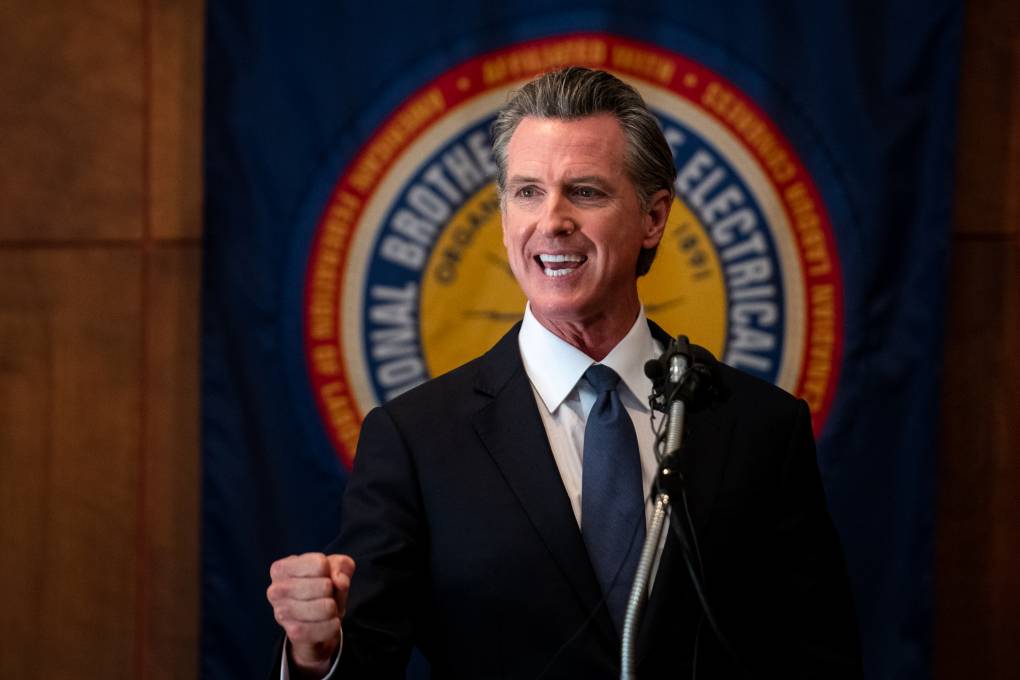
"caption": "Gov. Gavin Newsom speaks with union members and volunteers at the International Brotherhood of Electrical Workers Local 6 union hall in San Francisco on Sept. 14, 2021, just hours before polls closed in the state's second-ever gubernatorial recall election.",
"description": null,
"title": "021_SanFrancisco_NewsomRecallEvent_09142021",
"credit": "Beth LaBerge/KQED",
"status": "inherit",
"altTag": "Gov. Newsom speaks flexing his right fist in front of an IBEW union symbol.",
"isLoading": false,
"fetchFailed": false
},
"news_11830964": {
"type": "attachments",
"id": "news_11830964",
"meta": {
"index": "attachments_1716263798",
"site": "news",
"id": "11830964",
"found": true
},
"parent": 11830944,
"imgSizes": {
"apple_news_ca_landscape_5_5": {
"file": "https://ww2.kqed.org/app/uploads/sites/10/2020/07/1920_1080_RS42413_058_KQED_BethLaBerge_BloomEnergy_Newsom_03282020-qut-1044x783.jpg",
"width": 1044,
"mimeType": "image/jpeg",
"height": 783
},
"apple_news_ca_square_4_0": {
"file": "https://ww2.kqed.org/app/uploads/sites/10/2020/07/1920_1080_RS42413_058_KQED_BethLaBerge_BloomEnergy_Newsom_03282020-qut-470x470.jpg",
"width": 470,
"mimeType": "image/jpeg",
"height": 470
},
"twentyfourteen-full-width": {
"file": "https://ww2.kqed.org/app/uploads/sites/10/2020/07/1920_1080_RS42413_058_KQED_BethLaBerge_BloomEnergy_Newsom_03282020-qut-1038x576.jpg",
"width": 1038,
"mimeType": "image/jpeg",
"height": 576
},
"thumbnail": {
"file": "https://ww2.kqed.org/app/uploads/sites/10/2020/07/1920_1080_RS42413_058_KQED_BethLaBerge_BloomEnergy_Newsom_03282020-qut-160x90.jpg",
"width": 160,
"mimeType": "image/jpeg",
"height": 90
},
"post-thumbnail": {
"file": "https://ww2.kqed.org/app/uploads/sites/10/2020/07/1920_1080_RS42413_058_KQED_BethLaBerge_BloomEnergy_Newsom_03282020-qut-672x372.jpg",
"width": 672,
"mimeType": "image/jpeg",
"height": 372
},
"kqedFullSize": {
"file": "https://ww2.kqed.org/app/uploads/sites/10/2020/07/1920_1080_RS42413_058_KQED_BethLaBerge_BloomEnergy_Newsom_03282020-qut.jpg",
"width": 1848,
"height": 1040
},
"apple_news_ca_landscape_4_7": {
"file": "https://ww2.kqed.org/app/uploads/sites/10/2020/07/1920_1080_RS42413_058_KQED_BethLaBerge_BloomEnergy_Newsom_03282020-qut-632x474.jpg",
"width": 632,
"mimeType": "image/jpeg",
"height": 474
},
"large": {
"file": "https://ww2.kqed.org/app/uploads/sites/10/2020/07/1920_1080_RS42413_058_KQED_BethLaBerge_BloomEnergy_Newsom_03282020-qut-1020x574.jpg",
"width": 1020,
"mimeType": "image/jpeg",
"height": 574
},
"apple_news_ca_landscape_4_0": {
"file": "https://ww2.kqed.org/app/uploads/sites/10/2020/07/1920_1080_RS42413_058_KQED_BethLaBerge_BloomEnergy_Newsom_03282020-qut-536x402.jpg",
"width": 536,
"mimeType": "image/jpeg",
"height": 402
},
"apple_news_ca_portrait_12_9": {
"file": "https://ww2.kqed.org/app/uploads/sites/10/2020/07/1920_1080_RS42413_058_KQED_BethLaBerge_BloomEnergy_Newsom_03282020-qut-1122x1040.jpg",
"width": 1122,
"mimeType": "image/jpeg",
"height": 1040
},
"medium": {
"file": "https://ww2.kqed.org/app/uploads/sites/10/2020/07/1920_1080_RS42413_058_KQED_BethLaBerge_BloomEnergy_Newsom_03282020-qut-800x450.jpg",
"width": 800,
"mimeType": "image/jpeg",
"height": 450
},
"apple_news_ca_portrait_4_0": {
"file": "https://ww2.kqed.org/app/uploads/sites/10/2020/07/1920_1080_RS42413_058_KQED_BethLaBerge_BloomEnergy_Newsom_03282020-qut-354x472.jpg",
"width": 354,
"mimeType": "image/jpeg",
"height": 472
},
"apple_news_ca_portrait_9_7": {
"file": "https://ww2.kqed.org/app/uploads/sites/10/2020/07/1920_1080_RS42413_058_KQED_BethLaBerge_BloomEnergy_Newsom_03282020-qut-840x1040.jpg",
"width": 840,
"mimeType": "image/jpeg",
"height": 1040
},
"apple_news_ca_landscape_12_9": {
"file": "https://ww2.kqed.org/app/uploads/sites/10/2020/07/1920_1080_RS42413_058_KQED_BethLaBerge_BloomEnergy_Newsom_03282020-qut-1832x1040.jpg",
"width": 1832,
"mimeType": "image/jpeg",
"height": 1040
},
"apple_news_ca_square_9_7": {
"file": "https://ww2.kqed.org/app/uploads/sites/10/2020/07/1920_1080_RS42413_058_KQED_BethLaBerge_BloomEnergy_Newsom_03282020-qut-1104x1040.jpg",
"width": 1104,
"mimeType": "image/jpeg",
"height": 1040
},
"1536x1536": {
"file": "https://ww2.kqed.org/app/uploads/sites/10/2020/07/1920_1080_RS42413_058_KQED_BethLaBerge_BloomEnergy_Newsom_03282020-qut-1536x864.jpg",
"width": 1536,
"mimeType": "image/jpeg",
"height": 864
},
"apple_news_ca_portrait_4_7": {
"file": "https://ww2.kqed.org/app/uploads/sites/10/2020/07/1920_1080_RS42413_058_KQED_BethLaBerge_BloomEnergy_Newsom_03282020-qut-414x552.jpg",
"width": 414,
"mimeType": "image/jpeg",
"height": 552
},
"apple_news_ca_square_12_9": {
"file": "https://ww2.kqed.org/app/uploads/sites/10/2020/07/1920_1080_RS42413_058_KQED_BethLaBerge_BloomEnergy_Newsom_03282020-qut-1472x1040.jpg",
"width": 1472,
"mimeType": "image/jpeg",
"height": 1040
},
"apple_news_ca_portrait_5_5": {
"file": "https://ww2.kqed.org/app/uploads/sites/10/2020/07/1920_1080_RS42413_058_KQED_BethLaBerge_BloomEnergy_Newsom_03282020-qut-687x916.jpg",
"width": 687,
"mimeType": "image/jpeg",
"height": 916
},
"apple_news_ca_square_4_7": {
"file": "https://ww2.kqed.org/app/uploads/sites/10/2020/07/1920_1080_RS42413_058_KQED_BethLaBerge_BloomEnergy_Newsom_03282020-qut-550x550.jpg",
"width": 550,
"mimeType": "image/jpeg",
"height": 550
},
"apple_news_ca_landscape_9_7": {
"file": "https://ww2.kqed.org/app/uploads/sites/10/2020/07/1920_1080_RS42413_058_KQED_BethLaBerge_BloomEnergy_Newsom_03282020-qut-1376x1032.jpg",
"width": 1376,
"mimeType": "image/jpeg",
"height": 1032
},
"apple_news_ca_square_5_5": {
"file": "https://ww2.kqed.org/app/uploads/sites/10/2020/07/1920_1080_RS42413_058_KQED_BethLaBerge_BloomEnergy_Newsom_03282020-qut-912x912.jpg",
"width": 912,
"mimeType": "image/jpeg",
"height": 912
}
},
"publishDate": 1596040674,
"modified": 1641854637,
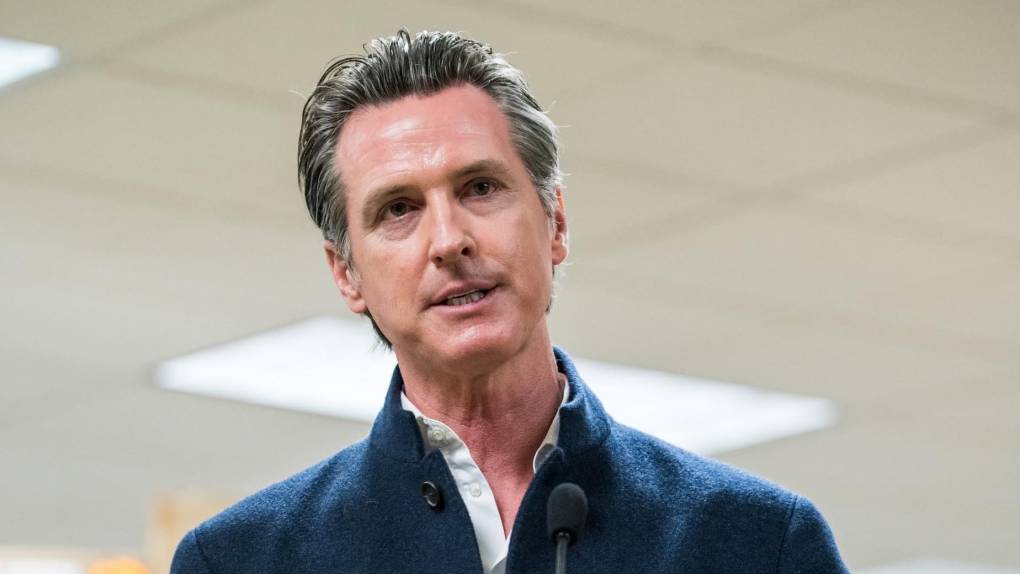
"caption": "California Gov. Gavin Newsom speaks during a press conference at the Bloom Energy Sunnyvale campus on March 28, 2020. ",
"description": null,
"title": "1920_1080_RS42413_058_KQED_BethLaBerge_BloomEnergy_Newsom_03282020-qut",
"credit": "Beth LaBerge/KQED",
"status": "inherit",
"altTag": "A close up of Gavin Newsom.",
"isLoading": false,
"fetchFailed": false
},
"news_11900358": {
"type": "attachments",
"id": "news_11900358",
"meta": {
"index": "attachments_1716263798",
"site": "news",
"id": "11900358",
"found": true
},
"parent": 11900316,
"imgSizes": {
"twentyfourteen-full-width": {
"file": "https://ww2.kqed.org/app/uploads/sites/10/2021/12/RS52976_GettyImages-1237388046-qut-1038x576.jpg",
"width": 1038,
"mimeType": "image/jpeg",
"height": 576
},
"thumbnail": {
"file": "https://ww2.kqed.org/app/uploads/sites/10/2021/12/RS52976_GettyImages-1237388046-qut-160x94.jpg",
"width": 160,
"mimeType": "image/jpeg",
"height": 94
},
"post-thumbnail": {
"file": "https://ww2.kqed.org/app/uploads/sites/10/2021/12/RS52976_GettyImages-1237388046-qut-672x372.jpg",
"width": 672,
"mimeType": "image/jpeg",
"height": 372
},
"kqedFullSize": {
"file": "https://ww2.kqed.org/app/uploads/sites/10/2021/12/RS52976_GettyImages-1237388046-qut.jpg",
"width": 1920,
"height": 1122
},
"large": {
"file": "https://ww2.kqed.org/app/uploads/sites/10/2021/12/RS52976_GettyImages-1237388046-qut-1020x596.jpg",
"width": 1020,
"mimeType": "image/jpeg",
"height": 596
},
"1536x1536": {
"file": "https://ww2.kqed.org/app/uploads/sites/10/2021/12/RS52976_GettyImages-1237388046-qut-1536x898.jpg",
"width": 1536,
"mimeType": "image/jpeg",
"height": 898
},
"medium": {
"file": "https://ww2.kqed.org/app/uploads/sites/10/2021/12/RS52976_GettyImages-1237388046-qut-800x468.jpg",
"width": 800,
"mimeType": "image/jpeg",
"height": 468
}
},
"publishDate": 1640728258,
"modified": 1640733589,
"caption": "A pharmacist loads a syringe with a COVID-19 vaccine at a California pop-up clinic offering free vaccinations and booster shots. Santa Clara County on Tuesday announced it would require workers in high-risk settings to get booster shots by Jan. 24.",
"description": "A pharmacist loads a syringe with a COVID-19 vaccine at a California pop-up clinic offering free vaccinations and booster shots. Santa Clara County on Tuesday announced it would require workers in high-risk settings to get booster shots by Jan. 24.",
"title": "US-HEALTH-VIRUS-VACCINE",
"credit": "Frederic J. Brown/AFP via Getty Images",
"status": "inherit",
"altTag": "masked nurse with purple gloves loads syringe",
"isLoading": false,
"fetchFailed": false
},
"news_11900019": {
"type": "attachments",
"id": "news_11900019",
"meta": {
"index": "attachments_1716263798",
"site": "news",
"id": "11900019",
"found": true
},
"parent": 11900014,
"imgSizes": {
"twentyfourteen-full-width": {
"file": "https://ww2.kqed.org/app/uploads/sites/10/2021/12/GettyImages-1236892674-1024x576.jpg",
"width": 1024,
"mimeType": "image/jpeg",
"height": 576
},
"thumbnail": {
"file": "https://ww2.kqed.org/app/uploads/sites/10/2021/12/GettyImages-1236892674-160x94.jpg",
"width": 160,
"mimeType": "image/jpeg",
"height": 94
},
"post-thumbnail": {
"file": "https://ww2.kqed.org/app/uploads/sites/10/2021/12/GettyImages-1236892674-672x372.jpg",
"width": 672,
"mimeType": "image/jpeg",
"height": 372
},
"kqedFullSize": {
"file": "https://ww2.kqed.org/app/uploads/sites/10/2021/12/GettyImages-1236892674.jpg",
"width": 1024,
"height": 603
},
"large": {
"file": "https://ww2.kqed.org/app/uploads/sites/10/2021/12/GettyImages-1236892674-1020x601.jpg",
"width": 1020,
"mimeType": "image/jpeg",
"height": 601
},
"medium": {
"file": "https://ww2.kqed.org/app/uploads/sites/10/2021/12/GettyImages-1236892674-800x471.jpg",
"width": 800,
"mimeType": "image/jpeg",
"height": 471
}
},
"publishDate": 1640198091,
"modified": 1640199273,
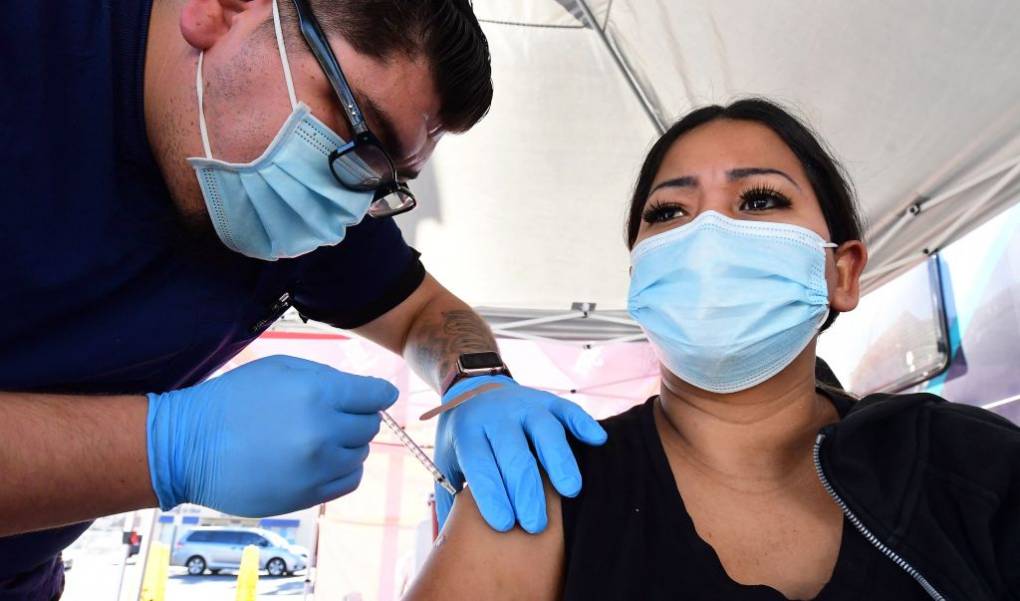
"caption": "Carmen Penaloza receives her first dose of the Pfizer COVID-19 vaccine at a pop-up clinic in Rosemead, California on Nov. 29, 2021.",
"description": null,
"title": "US-HEALTH-VIRUS-VARIANT",
"credit": "Frederic J. Brown/ AFP via Getty Images",
"status": "inherit",
"altTag": "A man wearing glasses, a surgical mask and gloves injects a syringe into the arm of a woman wearing a black shirt and surgical mask.",
"isLoading": false,
"fetchFailed": false
},
"news_11899932": {
"type": "attachments",
"id": "news_11899932",
"meta": {
"index": "attachments_1716263798",
"site": "news",
"id": "11899932",
"found": true
},
"parent": 11899900,
"imgSizes": {
"twentyfourteen-full-width": {
"file": "https://ww2.kqed.org/app/uploads/sites/10/2021/12/GettyImages-1340334325-1024x576.jpg",
"width": 1024,
"mimeType": "image/jpeg",
"height": 576
},
"thumbnail": {
"file": "https://ww2.kqed.org/app/uploads/sites/10/2021/12/GettyImages-1340334325-160x110.jpg",
"width": 160,
"mimeType": "image/jpeg",
"height": 110
},
"post-thumbnail": {
"file": "https://ww2.kqed.org/app/uploads/sites/10/2021/12/GettyImages-1340334325-672x372.jpg",
"width": 672,
"mimeType": "image/jpeg",
"height": 372
},
"kqedFullSize": {
"file": "https://ww2.kqed.org/app/uploads/sites/10/2021/12/GettyImages-1340334325.jpg",
"width": 1024,
"height": 703
},
"large": {
"file": "https://ww2.kqed.org/app/uploads/sites/10/2021/12/GettyImages-1340334325-1020x700.jpg",
"width": 1020,
"mimeType": "image/jpeg",
"height": 700
},
"medium": {
"file": "https://ww2.kqed.org/app/uploads/sites/10/2021/12/GettyImages-1340334325-800x549.jpg",
"width": 800,
"mimeType": "image/jpeg",
"height": 549
}
},
"publishDate": 1640116928,
"modified": 1640116999,
"caption": "Gov. Gavin Newsom speaks to union workers and volunteers on election day at the IBEW Local 6 union hall on Sept. 14, 2021 in San Francisco. ",
"description": null,
"title": "California Governor Gavin Newsom Meets With Campaign Staff And Volunteer On Day Of Recall Election Vote",
"credit": "Justin Sullivan/Getty Images",
"status": "inherit",
"altTag": "A man stands at a podium wearing a business suit with his right hand raised.",
"isLoading": false,
"fetchFailed": false
},
"news_11899700": {
"type": "attachments",
"id": "news_11899700",
"meta": {
"index": "attachments_1716263798",
"site": "news",
"id": "11899700",
"found": true
},
"parent": 11899691,
"imgSizes": {
"twentyfourteen-full-width": {
"file": "https://ww2.kqed.org/app/uploads/sites/10/2021/12/GettyImages-1236483623-1038x576.jpg",
"width": 1038,
"mimeType": "image/jpeg",
"height": 576
},
"thumbnail": {
"file": "https://ww2.kqed.org/app/uploads/sites/10/2021/12/GettyImages-1236483623-160x107.jpg",
"width": 160,
"mimeType": "image/jpeg",
"height": 107
},
"post-thumbnail": {
"file": "https://ww2.kqed.org/app/uploads/sites/10/2021/12/GettyImages-1236483623-672x372.jpg",
"width": 672,
"mimeType": "image/jpeg",
"height": 372
},
"kqedFullSize": {
"file": "https://ww2.kqed.org/app/uploads/sites/10/2021/12/GettyImages-1236483623-scaled.jpg",
"width": 2560,
"height": 1707
},
"2048x2048": {
"file": "https://ww2.kqed.org/app/uploads/sites/10/2021/12/GettyImages-1236483623-2048x1365.jpg",
"width": 2048,
"mimeType": "image/jpeg",
"height": 1365
},
"large": {
"file": "https://ww2.kqed.org/app/uploads/sites/10/2021/12/GettyImages-1236483623-1020x680.jpg",
"width": 1020,
"mimeType": "image/jpeg",
"height": 680
},
"1536x1536": {
"file": "https://ww2.kqed.org/app/uploads/sites/10/2021/12/GettyImages-1236483623-1536x1024.jpg",
"width": 1536,
"mimeType": "image/jpeg",
"height": 1024
},
"full-width": {
"file": "https://ww2.kqed.org/app/uploads/sites/10/2021/12/GettyImages-1236483623-1920x1280.jpg",
"width": 1920,
"mimeType": "image/jpeg",
"height": 1280
},
"medium": {
"file": "https://ww2.kqed.org/app/uploads/sites/10/2021/12/GettyImages-1236483623-800x533.jpg",
"width": 800,
"mimeType": "image/jpeg",
"height": 533
}
},
"publishDate": 1639787635,
"modified": 1645148639,
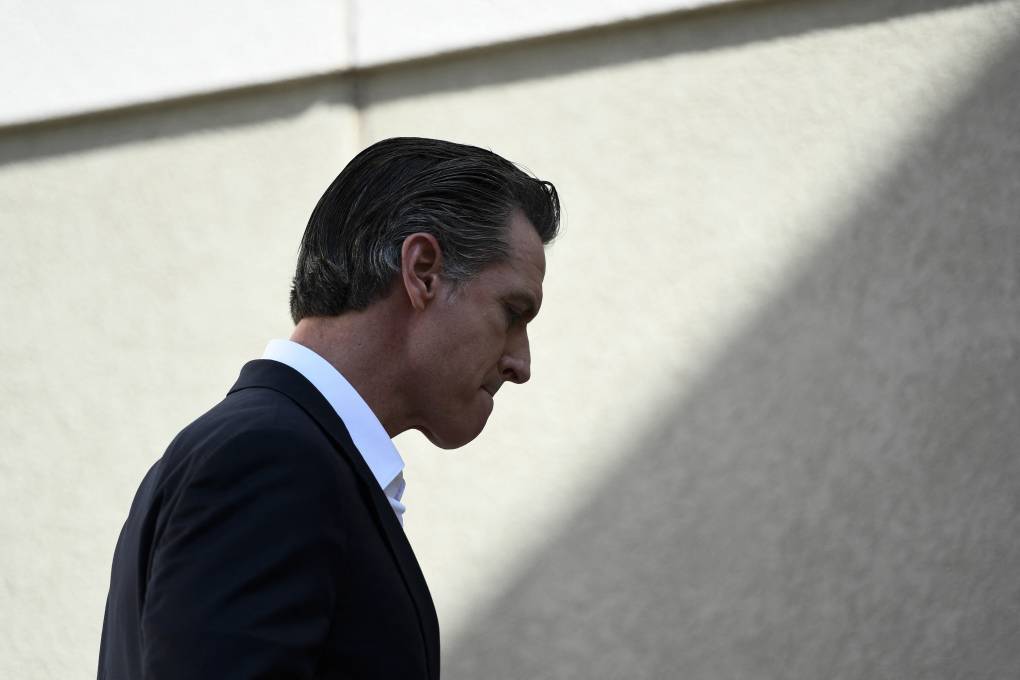
"caption": "Gov. Gavin Newsom prepares to speak during a press conference about COVID-19 vaccinations and housing for unhoused veterans on Nov. 10, 2021, in Los Angeles.",
"description": "Gov. Gavin Newsom prepares to speak during a press conference about COVID-19 vaccinations and housing for homeless veterans on November 10, 2021 in Los Angeles.",
"title": "US-HEALTH-VIRUS-VACCINES",
"credit": "Patrick T. Fallon/AFP via Getty Images",
"status": "inherit",
"altTag": "A profile view of Gavin Newsom standing outside looking away at the camera. There is nobody near him.",
"isLoading": false,
"fetchFailed": false
},
"news_11899594": {
"type": "attachments",
"id": "news_11899594",
"meta": {
"index": "attachments_1716263798",
"site": "news",
"id": "11899594",
"found": true
},
"parent": 11899593,
"imgSizes": {
"twentyfourteen-full-width": {
"file": "https://ww2.kqed.org/app/uploads/sites/10/2021/12/KNR_2021-_b-1038x576.png",
"width": 1038,
"mimeType": "image/png",
"height": 576
},
"thumbnail": {
"file": "https://ww2.kqed.org/app/uploads/sites/10/2021/12/KNR_2021-_b-160x90.png",
"width": 160,
"mimeType": "image/png",
"height": 90
},
"post-thumbnail": {
"file": "https://ww2.kqed.org/app/uploads/sites/10/2021/12/KNR_2021-_b-672x372.png",
"width": 672,
"mimeType": "image/png",
"height": 372
},
"kqedFullSize": {
"file": "https://ww2.kqed.org/app/uploads/sites/10/2021/12/KNR_2021-_b.png",
"width": 1920,
"height": 1080
},
"large": {
"file": "https://ww2.kqed.org/app/uploads/sites/10/2021/12/KNR_2021-_b-1020x574.png",
"width": 1020,
"mimeType": "image/png",
"height": 574
},
"1536x1536": {
"file": "https://ww2.kqed.org/app/uploads/sites/10/2021/12/KNR_2021-_b-1536x864.png",
"width": 1536,
"mimeType": "image/png",
"height": 864
},
"medium": {
"file": "https://ww2.kqed.org/app/uploads/sites/10/2021/12/KNR_2021-_b-800x450.png",
"width": 800,
"mimeType": "image/png",
"height": 450
}
},
"publishDate": 1639773438,
"modified": 1639773438,
"caption": null,
"description": null,
"title": "KNR_2021 _b",
"credit": null,
"status": "inherit",
"altTag": null,
"isLoading": false,
"fetchFailed": false
},
"news_11899606": {
"type": "attachments",
"id": "news_11899606",
"meta": {
"index": "attachments_1716263798",
"site": "news",
"id": "11899606",
"found": true
},
"parent": 11899604,
"imgSizes": {
"twentyfourteen-full-width": {
"file": "https://ww2.kqed.org/app/uploads/sites/10/2021/12/RS42783_003_KQED_SanFrancisco_DPW_04152020-qut-1038x576.jpg",
"width": 1038,
"mimeType": "image/jpeg",
"height": 576
},
"thumbnail": {
"file": "https://ww2.kqed.org/app/uploads/sites/10/2021/12/RS42783_003_KQED_SanFrancisco_DPW_04152020-qut-160x107.jpg",
"width": 160,
"mimeType": "image/jpeg",
"height": 107
},
"post-thumbnail": {
"file": "https://ww2.kqed.org/app/uploads/sites/10/2021/12/RS42783_003_KQED_SanFrancisco_DPW_04152020-qut-672x372.jpg",
"width": 672,
"mimeType": "image/jpeg",
"height": 372
},
"kqedFullSize": {
"file": "https://ww2.kqed.org/app/uploads/sites/10/2021/12/RS42783_003_KQED_SanFrancisco_DPW_04152020-qut.jpg",
"width": 1920,
"height": 1280
},
"large": {
"file": "https://ww2.kqed.org/app/uploads/sites/10/2021/12/RS42783_003_KQED_SanFrancisco_DPW_04152020-qut-1020x680.jpg",
"width": 1020,
"mimeType": "image/jpeg",
"height": 680
},
"1536x1536": {
"file": "https://ww2.kqed.org/app/uploads/sites/10/2021/12/RS42783_003_KQED_SanFrancisco_DPW_04152020-qut-1536x1024.jpg",
"width": 1536,
"mimeType": "image/jpeg",
"height": 1024
},
"medium": {
"file": "https://ww2.kqed.org/app/uploads/sites/10/2021/12/RS42783_003_KQED_SanFrancisco_DPW_04152020-qut-800x533.jpg",
"width": 800,
"mimeType": "image/jpeg",
"height": 533
}
},
"publishDate": 1639775194,
"modified": 1639782945,
"caption": "Department of Public Works employees fill potholes on Junipero Serra Boulevard in San Francisco on April 15, 2020.",
"description": "Department of Public Works employees work to fill potholes on Junipero Serra Boulevard in San Francisco on April 15, 2020.",
"title": "RS42783_003_KQED_SanFrancisco_DPW_04152020-qut",
"credit": "Beth LaBerge/KQED",
"status": "inherit",
"altTag": "Two people wear neon vests, face masks and a helmet as they move asphalt from a truck to the street.",
"isLoading": false,
"fetchFailed": false
},
"news_11899168": {
"type": "attachments",
"id": "news_11899168",
"meta": {
"index": "attachments_1716263798",
"site": "news",
"id": "11899168",
"found": true
},
"parent": 11899150,
"imgSizes": {
"twentyfourteen-full-width": {
"file": "https://ww2.kqed.org/app/uploads/sites/10/2021/12/GettyImages-1346760464-1038x576.jpg",
"width": 1038,
"mimeType": "image/jpeg",
"height": 576
},
"thumbnail": {
"file": "https://ww2.kqed.org/app/uploads/sites/10/2021/12/GettyImages-1346760464-160x107.jpg",
"width": 160,
"mimeType": "image/jpeg",
"height": 107
},
"post-thumbnail": {
"file": "https://ww2.kqed.org/app/uploads/sites/10/2021/12/GettyImages-1346760464-672x372.jpg",
"width": 672,
"mimeType": "image/jpeg",
"height": 372
},
"kqedFullSize": {
"file": "https://ww2.kqed.org/app/uploads/sites/10/2021/12/GettyImages-1346760464-scaled.jpg",
"width": 2560,
"height": 1707
},
"2048x2048": {
"file": "https://ww2.kqed.org/app/uploads/sites/10/2021/12/GettyImages-1346760464-2048x1365.jpg",
"width": 2048,
"mimeType": "image/jpeg",
"height": 1365
},
"large": {
"file": "https://ww2.kqed.org/app/uploads/sites/10/2021/12/GettyImages-1346760464-1020x680.jpg",
"width": 1020,
"mimeType": "image/jpeg",
"height": 680
},
"1536x1536": {
"file": "https://ww2.kqed.org/app/uploads/sites/10/2021/12/GettyImages-1346760464-1536x1024.jpg",
"width": 1536,
"mimeType": "image/jpeg",
"height": 1024
},
"full-width": {
"file": "https://ww2.kqed.org/app/uploads/sites/10/2021/12/GettyImages-1346760464-1920x1280.jpg",
"width": 1920,
"mimeType": "image/jpeg",
"height": 1280
},
"medium": {
"file": "https://ww2.kqed.org/app/uploads/sites/10/2021/12/GettyImages-1346760464-800x533.jpg",
"width": 800,
"mimeType": "image/jpeg",
"height": 533
}
},
"publishDate": 1639598883,
"modified": 1639623967,
"caption": "A man without a face mask rides a stationary bike in a Fitness SF gym on Oct. 15, 2021. San Francisco is among a handful of Bay Area counties — including Marin and Contra Costa — made exempt from some of the new statewide indoor mask-mandate requirements that go into effect today.",
"description": "A person rides a stationary bike without a face mask in a Fitness SF gym on October 15, 2021, in San Francisco.",
"title": "San Francisco Eases Indoor Mask Requirements",
"credit": "Justin Sullivan/Getty Images",
"status": "inherit",
"altTag": "A man rides a stationary bike in a gym.",
"isLoading": false,
"fetchFailed": false
},
"news_11898965": {
"type": "attachments",
"id": "news_11898965",
"meta": {
"index": "attachments_1716263798",
"site": "news",
"id": "11898965",
"found": true
},
"parent": 11898949,
"imgSizes": {
"twentyfourteen-full-width": {
"file": "https://ww2.kqed.org/app/uploads/sites/10/2021/12/RS50542_010_SanFrancisco_IndoorMasks_07302021-qut-1038x576.jpg",
"width": 1038,
"mimeType": "image/jpeg",
"height": 576
},
"thumbnail": {
"file": "https://ww2.kqed.org/app/uploads/sites/10/2021/12/RS50542_010_SanFrancisco_IndoorMasks_07302021-qut-160x107.jpg",
"width": 160,
"mimeType": "image/jpeg",
"height": 107
},
"post-thumbnail": {
"file": "https://ww2.kqed.org/app/uploads/sites/10/2021/12/RS50542_010_SanFrancisco_IndoorMasks_07302021-qut-672x372.jpg",
"width": 672,
"mimeType": "image/jpeg",
"height": 372
},
"kqedFullSize": {
"file": "https://ww2.kqed.org/app/uploads/sites/10/2021/12/RS50542_010_SanFrancisco_IndoorMasks_07302021-qut.jpg",
"width": 1920,
"height": 1280
},
"large": {
"file": "https://ww2.kqed.org/app/uploads/sites/10/2021/12/RS50542_010_SanFrancisco_IndoorMasks_07302021-qut-1020x680.jpg",
"width": 1020,
"mimeType": "image/jpeg",
"height": 680
},
"1536x1536": {
"file": "https://ww2.kqed.org/app/uploads/sites/10/2021/12/RS50542_010_SanFrancisco_IndoorMasks_07302021-qut-1536x1024.jpg",
"width": 1536,
"mimeType": "image/jpeg",
"height": 1024
},
"medium": {
"file": "https://ww2.kqed.org/app/uploads/sites/10/2021/12/RS50542_010_SanFrancisco_IndoorMasks_07302021-qut-800x533.jpg",
"width": 800,
"mimeType": "image/jpeg",
"height": 533
}
},
"publishDate": 1639443598,
"modified": 1639517027,
"caption": "An employee at La Copa Loca Gelato helps customers in San Francisco on July 30, 2021.",
"description": null,
"title": "RS50542_010_SanFrancisco_IndoorMasks_07302021-qut",
"credit": "Beth LaBerge/KQED",
"status": "inherit",
"altTag": "Six people are in a store wearing masks.",
"isLoading": false,
"fetchFailed": false
},
"news_11898937": {
"type": "attachments",
"id": "news_11898937",
"meta": {
"index": "attachments_1716263798",
"site": "news",
"id": "11898937",
"found": true
},
"parent": 11898922,
"imgSizes": {
"twentyfourteen-full-width": {
"file": "https://ww2.kqed.org/app/uploads/sites/10/2021/12/vigilantism_121321_final-1038x576.png",
"width": 1038,
"mimeType": "image/png",
"height": 576
},
"thumbnail": {
"file": "https://ww2.kqed.org/app/uploads/sites/10/2021/12/vigilantism_121321_final-160x105.png",
"width": 160,
"mimeType": "image/png",
"height": 105
},
"post-thumbnail": {
"file": "https://ww2.kqed.org/app/uploads/sites/10/2021/12/vigilantism_121321_final-672x372.png",
"width": 672,
"mimeType": "image/png",
"height": 372
},
"kqedFullSize": {
"file": "https://ww2.kqed.org/app/uploads/sites/10/2021/12/vigilantism_121321_final.png",
"width": 1920,
"height": 1263
},
"large": {
"file": "https://ww2.kqed.org/app/uploads/sites/10/2021/12/vigilantism_121321_final-1020x671.png",
"width": 1020,
"mimeType": "image/png",
"height": 671
},
"1536x1536": {
"file": "https://ww2.kqed.org/app/uploads/sites/10/2021/12/vigilantism_121321_final-1536x1010.png",
"width": 1536,
"mimeType": "image/png",
"height": 1010
},
"medium": {
"file": "https://ww2.kqed.org/app/uploads/sites/10/2021/12/vigilantism_121321_final-800x526.png",
"width": 800,
"mimeType": "image/png",
"height": 526
}
},
"publishDate": 1639434288,
"modified": 1639434729,
"caption": null,
"description": null,
"title": "vigilantism_121321_final",
"credit": null,
"status": "inherit",
"altTag": "Cartoon: Two wanted posters are side by side, one reads, \"wanted: anyone who commits, aids or abets a vile abortion, $10,000 lawsuit reward, by Texas sheriff Abbott.\" The other sign reads, \"wanted: any purveyor or smithy of evil assault weapons, $10,000 lawsuit reward, by California sheriff Newsom.\"",
"isLoading": false,
"fetchFailed": false
},
"news_11888654": {
"type": "attachments",
"id": "news_11888654",
"meta": {
"index": "attachments_1716263798",
"site": "news",
"id": "11888654",
"found": true
},
"parent": 11888634,
"imgSizes": {
"twentyfourteen-full-width": {
"file": "https://ww2.kqed.org/app/uploads/sites/10/2021/09/GettyImages-1340327673-1024x576.jpg",
"width": 1024,
"mimeType": "image/jpeg",
"height": 576
},
"thumbnail": {
"file": "https://ww2.kqed.org/app/uploads/sites/10/2021/09/GettyImages-1340327673-160x108.jpg",
"width": 160,
"mimeType": "image/jpeg",
"height": 108
},
"post-thumbnail": {
"file": "https://ww2.kqed.org/app/uploads/sites/10/2021/09/GettyImages-1340327673-672x372.jpg",
"width": 672,
"mimeType": "image/jpeg",
"height": 372
},
"kqedFullSize": {
"file": "https://ww2.kqed.org/app/uploads/sites/10/2021/09/GettyImages-1340327673.jpg",
"width": 1024,
"height": 688
},
"large": {
"file": "https://ww2.kqed.org/app/uploads/sites/10/2021/09/GettyImages-1340327673-1020x685.jpg",
"width": 1020,
"mimeType": "image/jpeg",
"height": 685
},
"medium": {
"file": "https://ww2.kqed.org/app/uploads/sites/10/2021/09/GettyImages-1340327673-800x538.jpg",
"width": 800,
"mimeType": "image/jpeg",
"height": 538
}
},
"publishDate": 1631684738,
"modified": 1657139508,
"caption": "California Gov. Gavin Newsom speaks to union workers and volunteers on Election Day at the IBEW Local 6 union hall on Sept. 14, 2021, in San Francisco.",
"description": null,
"title": "California Governor Gavin Newsom Meets With Campaign Staff And Volunteer On Day Of Recall Election Vote",
"credit": "Justin Sullivan/Getty Images",
"status": "inherit",
"altTag": "Gavin Newsom points to his left as he speaks.",
"isLoading": false,
"fetchFailed": false
}
},
"audioPlayerReducer": {
"postId": "stream_live",
"isPaused": true,
"isPlaying": false,
"pfsActive": false,
"pledgeModalIsOpen": true,
"playerDrawerIsOpen": false,
"liveAudioPlayStartedAt": 0,
"liveAudioPlayContext": ""
},
"authorsReducer": {
"byline_news_11901210": {
"type": "authors",
"id": "byline_news_11901210",
"meta": {
"override": true
},
"slug": "byline_news_11901210",
"name": "Adam Beam",
"isLoading": false
},
"byline_news_11899691": {
"type": "authors",
"id": "byline_news_11899691",
"meta": {
"override": true
},
"slug": "byline_news_11899691",
"name": "Don Thompson\u003cbr>Associated Press",
"isLoading": false
},
"byline_news_11899604": {
"type": "authors",
"id": "byline_news_11899604",
"meta": {
"override": true
},
"slug": "byline_news_11899604",
"name": "Adam Beam\u003cbr>The Associated Press",
"isLoading": false
},
"byline_news_11898949": {
"type": "authors",
"id": "byline_news_11898949",
"meta": {
"override": true
},
"slug": "byline_news_11898949",
"name": "Adam Beam\u003cbr>Associated Press",
"isLoading": false
},
"kqed": {
"type": "authors",
"id": "236",
"meta": {
"index": "authors_1716337520",
"id": "236",
"found": true
},
"name": "KQED News Staff",
"firstName": "KQED News Staff",
"lastName": null,
"slug": "kqed",
"email": "faq@kqed.org",
"display_author_email": false,
"staff_mastheads": [],
"title": null,
"bio": null,
"avatar": "https://secure.gravatar.com/avatar/ef0e801a68c4c54afa9180db14084167?s=600&d=blank&r=g",
"twitter": null,
"facebook": null,
"instagram": null,
"linkedin": null,
"sites": [
{
"site": "arts",
"roles": [
"contributor"
]
},
{
"site": "news",
"roles": [
"editor"
]
},
{
"site": "futureofyou",
"roles": [
"author"
]
}
],
"headData": {
"title": "KQED News Staff | KQED",
"description": null,
"ogImgSrc": "https://secure.gravatar.com/avatar/ef0e801a68c4c54afa9180db14084167?s=600&d=blank&r=g",
"twImgSrc": "https://secure.gravatar.com/avatar/ef0e801a68c4c54afa9180db14084167?s=600&d=blank&r=g"
},
"isLoading": false,
"link": "/author/kqed"
},
"kqednewsstaffandwires": {
"type": "authors",
"id": "237",
"meta": {
"index": "authors_1716337520",
"id": "237",
"found": true
},
"name": "KQED News Staff and Wires",
"firstName": "KQED News Staff and Wires",
"lastName": null,
"slug": "kqednewsstaffandwires",
"email": "onlinenewsstaff@kqed.org",
"display_author_email": false,
"staff_mastheads": [],
"title": null,
"bio": null,
"avatar": "https://secure.gravatar.com/avatar/72295af8ebbfbd19a4948f5271285664?s=600&d=blank&r=g",
"twitter": null,
"facebook": null,
"instagram": null,
"linkedin": null,
"sites": [
{
"site": "arts",
"roles": [
"contributor"
]
},
{
"site": "news",
"roles": [
"contributor"
]
},
{
"site": "lowdown",
"roles": [
"author"
]
},
{
"site": "stateofhealth",
"roles": [
"contributor"
]
},
{
"site": "food",
"roles": [
"author"
]
}
],
"headData": {
"title": "KQED News Staff and Wires | KQED",
"description": null,
"ogImgSrc": "https://secure.gravatar.com/avatar/72295af8ebbfbd19a4948f5271285664?s=600&d=blank&r=g",
"twImgSrc": "https://secure.gravatar.com/avatar/72295af8ebbfbd19a4948f5271285664?s=600&d=blank&r=g"
},
"isLoading": false,
"link": "/author/kqednewsstaffandwires"
},
"scottshafer": {
"type": "authors",
"id": "255",
"meta": {
"index": "authors_1716337520",
"id": "255",
"found": true
},
"name": "Scott Shafer",
"firstName": "Scott",
"lastName": "Shafer",
"slug": "scottshafer",
"email": "sshafer@kqed.org",
"display_author_email": false,
"staff_mastheads": [
"news"
],
"title": "KQED Contributor",
"bio": "Scott Shafer is a senior editor with the KQED Politics and Government desk. He is co-host of Political Breakdown, the award-winning radio show and podcast with a personal take on the world of politics. Scott came to KQED in 1998 to host the statewide\u003cem> California Report\u003c/em>. Prior to that he had extended stints in politics and government\u003cem>.\u003c/em> He uses that inside experience at KQED in his, reporting, hosting and analysis for the politics desk. Scott collaborated \u003cem>Political Breakdown a\u003c/em>nd on \u003cem>The Political Mind of Jerry Brown, \u003c/em>an eight-part series about the life and extraordinary political career of the former governor. For fun, he plays water polo with the San Francisco Tsunami.",
"avatar": "https://secure.gravatar.com/avatar/a62ebae45b79d7aed1a39a0e3bf68104?s=600&d=blank&r=g",
"twitter": "scottshafer",
"bluesky": null,
"facebook": null,
"instagram": null,
"linkedin": null,
"sites": [
{
"site": "news",
"roles": [
"editor"
]
},
{
"site": "stateofhealth",
"roles": [
"author"
]
},
{
"site": "science",
"roles": [
"author"
]
},
{
"site": "forum",
"roles": [
"subscriber"
]
},
{
"site": "liveblog",
"roles": [
"author"
]
}
],
"headData": {
"title": "Scott Shafer | KQED",
"description": "KQED Contributor",
"ogImgSrc": "https://secure.gravatar.com/avatar/a62ebae45b79d7aed1a39a0e3bf68104?s=600&d=blank&r=g",
"twImgSrc": "https://secure.gravatar.com/avatar/a62ebae45b79d7aed1a39a0e3bf68104?s=600&d=blank&r=g"
},
"isLoading": false,
"link": "/author/scottshafer"
},
"markfiore": {
"type": "authors",
"id": "3236",
"meta": {
"index": "authors_1716337520",
"id": "3236",
"found": true
},
"name": "Mark Fiore",
"firstName": "Mark",
"lastName": "Fiore",
"slug": "markfiore",
"email": "mark@markfiore.com",
"display_author_email": false,
"staff_mastheads": [
"news"
],
"title": "KQED News Cartoonist",
"bio": "\u003ca href=\"http://www.MarkFiore.com\">MarkFiore.com\u003c/a> | \u003ca href=\"https://twitter.com/markfiore\">Follow on Twitter\u003c/a> | \u003ca href=\"https://www.facebook.com/pages/Mark-Fiore-Animated-Political-Cartoons/94451707396?ref=bookmarks\">Facebook\u003c/a> | \u003ca href=\"mailto:mark@markfiore.com\">email\u003c/a>\r\n\r\nPulitzer Prize-winner, Mark Fiore, who the Wall Street Journal has called “the undisputed guru of the form,” creates animated political cartoons in San Francisco, where his work has been featured regularly on the San Francisco Chronicle’s web site, SFGate.com. His work has appeared on Newsweek.com, Slate.com, CBSNews.com, MotherJones.com, DailyKos.com and NPR’s web site. Fiore’s political animation has appeared on CNN, Frontline, Bill Moyers Journal, Salon.com and cable and broadcast outlets across the globe.\r\n\r\nBeginning his professional life by drawing traditional political cartoons for newspapers, Fiore’s work appeared in publications ranging from the Washington Post to the Los Angeles Times. In the late 1990s, he began to experiment with animating political cartoons and, after a short stint at the San Jose Mercury News as their staff cartoonist, Fiore devoted all his energies to animation.\r\nGrowing up in California, Fiore also spent a good portion of his life in the backwoods of Idaho. It was this combination that shaped him politically. Mark majored in political science at Colorado College, where, in a perfect send-off for a cartoonist, he received his diploma in 1991 as commencement speaker Dick Cheney smiled approvingly.\r\nMark Fiore was awarded the Pulitzer Prize for political cartooning in 2010, a Robert F. Kennedy Journalism Award in 2004 and has twice received an Online Journalism Award for commentary from the Online News Association (2002, 2008). Fiore has received two awards for his work in new media from the National Cartoonists Society (2001, 2002), and in 2006 received The James Madison Freedom of Information Award from The Society of Professional Journalists.",
"avatar": "https://secure.gravatar.com/avatar/fc4e2a612b15b67bad0c6f0e1db4ca9b?s=600&d=blank&r=g",
"twitter": "MarkFiore",
"facebook": null,
"instagram": "https://www.instagram.com/markfiore/?hl=en",
"linkedin": null,
"sites": [
{
"site": "arts",
"roles": [
"contributor"
]
},
{
"site": "news",
"roles": [
"editor"
]
},
{
"site": "futureofyou",
"roles": [
"editor"
]
},
{
"site": "science",
"roles": [
"editor"
]
}
],
"headData": {
"title": "Mark Fiore | KQED",
"description": "KQED News Cartoonist",
"ogImgSrc": "https://secure.gravatar.com/avatar/fc4e2a612b15b67bad0c6f0e1db4ca9b?s=600&d=blank&r=g",
"twImgSrc": "https://secure.gravatar.com/avatar/fc4e2a612b15b67bad0c6f0e1db4ca9b?s=600&d=blank&r=g"
},
"isLoading": false,
"link": "/author/markfiore"
},
"mlagos": {
"type": "authors",
"id": "3239",
"meta": {
"index": "authors_1716337520",
"id": "3239",
"found": true
},
"name": "Marisa Lagos",
"firstName": "Marisa",
"lastName": "Lagos",
"slug": "mlagos",
"email": "mlagos@kqed.org",
"display_author_email": false,
"staff_mastheads": [
"news"
],
"title": "KQED Contributor",
"bio": "Marisa Lagos is a correspondent for KQED’s California Politics and Government Desk and co-hosts the award-winning show and podcast, Political Breakdown. At KQED, Lagos also conducts reporting, analysis and investigations into state, local and national politics for radio, TV, online and onstage. In 2022, she and co-host, Scott Shafer, moderated the only gubernatorial debate in California. In 2020, the \u003ci>Washington Post\u003c/i> named her one of the top political journalists in California; she was nominated for a Peabody and won several other awards for her work investigating the 2017 California wildfires. She has worked at the \u003ci>San Francisco Chronicle\u003c/i>, \u003ci>San Francisco Examiner\u003c/i> and \u003ci>Los Angeles Times\u003c/i>. A UC Santa Barbara graduate, she lives in San Francisco with her two sons and husband.",
"avatar": "https://secure.gravatar.com/avatar/a261a0d3696fc066871ef96b85b5e7d2?s=600&d=blank&r=g",
"twitter": "@mlagos",
"facebook": null,
"instagram": null,
"linkedin": null,
"sites": [
{
"site": "arts",
"roles": [
"author"
]
},
{
"site": "news",
"roles": [
"editor"
]
},
{
"site": "science",
"roles": [
"editor"
]
},
{
"site": "forum",
"roles": [
"author"
]
},
{
"site": "liveblog",
"roles": [
"author"
]
}
],
"headData": {
"title": "Marisa Lagos | KQED",
"description": "KQED Contributor",
"ogImgSrc": "https://secure.gravatar.com/avatar/a261a0d3696fc066871ef96b85b5e7d2?s=600&d=blank&r=g",
"twImgSrc": "https://secure.gravatar.com/avatar/a261a0d3696fc066871ef96b85b5e7d2?s=600&d=blank&r=g"
},
"isLoading": false,
"link": "/author/mlagos"
},
"jrodriguez": {
"type": "authors",
"id": "11690",
"meta": {
"index": "authors_1716337520",
"id": "11690",
"found": true
},
"name": "Joe Fitzgerald Rodriguez",
"firstName": "Joe",
"lastName": "Fitzgerald Rodriguez",
"slug": "jrodriguez",
"email": "jrodriguez@kqed.org",
"display_author_email": true,
"staff_mastheads": [
"news"
],
"title": "Reporter and Producer",
"bio": "Joe Fitzgerald Rodriguez is a reporter and digital producer for KQED covering politics. Joe most recently wrote for the \u003cem>San Francisco Examiner\u003c/em> as a political columnist covering The City. He was raised in San Francisco and has spent his reporting career in his beloved, foggy, city by the bay. Joe was 12-years-old when he conducted his first interview in journalism, grilling former San Francisco Mayor Willie Brown for the Marina Middle School newspaper, \u003cem>The Penguin Press, \u003c/em>and he continues to report on the San Francisco Bay Area to this day.",
"avatar": "https://secure.gravatar.com/avatar/2247beb0564c1e9c62228d5649d2edac?s=600&d=blank&r=g",
"twitter": "FitztheReporter",
"facebook": null,
"instagram": "https://www.instagram.com/fitzthereporter/",
"linkedin": null,
"sites": [
{
"site": "",
"roles": [
"editor"
]
},
{
"site": "arts",
"roles": [
"editor"
]
},
{
"site": "news",
"roles": [
"editor"
]
},
{
"site": "science",
"roles": [
"editor"
]
},
{
"site": "elections",
"roles": [
"editor"
]
},
{
"site": "liveblog",
"roles": [
"editor"
]
}
],
"headData": {
"title": "Joe Fitzgerald Rodriguez | KQED",
"description": "Reporter and Producer",
"ogImgSrc": "https://secure.gravatar.com/avatar/2247beb0564c1e9c62228d5649d2edac?s=600&d=blank&r=g",
"twImgSrc": "https://secure.gravatar.com/avatar/2247beb0564c1e9c62228d5649d2edac?s=600&d=blank&r=g"
},
"isLoading": false,
"link": "/author/jrodriguez"
}
},
"pagesReducer": {
"news_tag_gavin-newsom": {
"type": "terms",
"id": "news_16",
"meta": {
"index": "terms_1716263798",
"site": "news",
"id": "16",
"score": 8.936995
},
"featImg": null,
"name": "Gavin Newsom",
"description": null,
"taxonomy": "tag",
"headData": {
"twImgId": null,
"twTitle": null,
"ogTitle": null,
"ogImgId": null,
"twDescription": null,
"description": null,
"title": "Gavin Newsom Archives | KQED News",
"ogDescription": null
},
"ttid": 16,
"slug": "gavin-newsom",
"isLoading": false,
"title": "Gavin Newsom",
"pageMeta": {
"site": "news",
"WpPageTemplate": "page-topic-editorial",
"currentPage": 51
},
"blocks": [
{
"blockName": "kqed/post-list",
"attrs": {
"layout": "cardArticle2",
"query": "posts/news?tag=gavin-newsom",
"seeMore": false,
"paginated": true,
"page": 51
}
},
{
"blockName": "kqed/ad"
}
]
}
},
"pfsSessionReducer": {},
"postsReducer": {
"stream_live": {
"type": "live",
"id": "stream_live",
"audioUrl": "https://streams.kqed.org/kqedradio",
"title": "Live Stream",
"excerpt": "Live Stream information currently unavailable.",
"link": "/radio",
"featImg": "",
"label": {
"name": "KQED Live",
"link": "/"
}
},
"stream_kqedNewscast": {
"type": "posts",
"id": "stream_kqedNewscast",
"audioUrl": "https://www.kqed.org/.stream/anon/radio/RDnews/newscast.mp3?_=1",
"title": "KQED Newscast",
"featImg": "",
"label": {
"name": "88.5 FM",
"link": "/"
}
},
"news_11901253": {
"type": "posts",
"id": "news_11901253",
"meta": {
"index": "posts_1716263798",
"site": "news",
"id": "11901253",
"score": null,
"sort": [
1641848596000
]
},
"guestAuthors": [],
"slug": "flush-with-cash-governor-newsom-wants-to-invest-in-pandemic-response-universal-health-access-fighting-inequality",
"title": "Flush With Cash, Governor Newsom Wants to Invest in Pandemic Response, Universal Health Access, Fighting Inequality",
"publishDate": 1641848596,
"format": "standard",
"headTitle": "Flush With Cash, Governor Newsom Wants to Invest in Pandemic Response, Universal Health Access, Fighting Inequality | KQED",
"labelTerm": {
"site": "news"
},
"content": "\u003cp>With California expecting another year of record state revenues, Gov. Gavin Newsom on Monday unveiled a spending plan that would make deep investments into containing the current COVID-19 surge, expanding health care access, shoring up drought response and \u003ca href=\"https://www.kqed.org/news/11899691/gov-newsom-boosts-efforts-to-combat-organized-retail-theft-in-california\">fighting organized retail crime\u003c/a>.\u003c/p>\n\u003cp>The $286.4 billion proposal is aimed at tackling what Newsom’s administration deems California’s “most existential threats”: COVID-19, climate change, homelessness, inequality and public safety. With midterm elections and the governor’s reelection campaign looming this fall, however, those challenges also pose clear political threats to the national Democratic establishment.\u003c/p>\n\u003cp>[pullquote align=\"right\" size=\"medium\" citation=\"Gov. Gavin Newsom\"]‘[We] continue to do what we can to fight this latest surge.’[/pullquote]His budget seems aimed at getting ahead of some of that. Newsom is asking lawmakers to spend an extra $1.4 billion immediately on pandemic response measures — a proposal that comes as the state faces down its third year of addressing the pandemic even as COVID-19 cases surge to record levels, causing major disruptions in schools and hospitals.\u003c/p>\n\u003cp>The governor wants the state to earmark $2.7 billion in additional money over the next 18 months \u003ca href=\"https://www.gov.ca.gov/2022/01/08/governor-newsom-announces-new-2-7-billion-covid-19-emergency-response-package/\">for increased testing, vaccination campaigns and support for hospitals and health care workers\u003c/a>.\u003c/p>\n\u003cp>“The goal this year is to do more in testing and those vaccine boosters,” he said. “[We] continue to do what we can to fight this latest surge, in issues related to staffing of frontline workers in our hospitals, and dealing with this incredible stress and strain that so many in our system are facing.”\u003c/p>\n\u003cp>Newsom also praised “the individuals that show up every single day for work against just extraordinary, extraordinary circumstances.”\u003c/p>\n\u003cp>With at least $45 billion more in expected revenue than had been forecast by state officials last year — a number that could climb even higher over the coming months — Newsom also wants to expand health care access to all Californians, regardless of immigration status. If his proposal to make Medi-Cal available to all undocumented immigrants is approved, California would become the first state in the nation to do so.\u003c/p>\n\u003cp>[aside postID=\"news_11879724\" hero=\"https://ww2.kqed.org/app/uploads/sites/10/2021/06/RS50190_GettyImages-1310021506-qut-1020x668.jpg\"]Not all of that $45 billion in extra money is unspoken for. Newsom noted that $16 billion of it will automatically go to schools, and $9 billion will be put in state reserves or used to pay down debt.\u003c/p>\n\u003cp>In all, California leaders will have about $20 billion extra to spend — cash Newsom said he wants to spend largely on one-time investments. It’s still unclear, the governor said, whether the state will have to refund any money to taxpayers under a 1979 law that places limits on state spending.\u003cbr>\n[ad fullwidth]\u003c/p>\n\u003ch3>\u003cstrong>Schools and COVID-19\u003c/strong>\u003c/h3>\n\u003cp>With the pandemic still top of mind for many Californians, Newsom is including a proposed $1.2 billion to help expand hours and capacity at testing sites as well as distribute millions of antigen tests to schools, local governments and clinics. The lack of access to testing has become a huge problem for schools in particular as the omicron variant drives cases to unprecedented levels, prompting staffing shortages and posing political challenges for Newsom and other state leaders.\u003c/p>\n\u003cp>In addition to testing, the governor wants to pump another $583 million into efforts to get more Californians vaccinated and boosted. That money would fund not only in-home vaccination and testing programs and free transportation to vaccine appointments, but also a public education campaign aimed at combating vaccine misinformation.\u003c/p>\n\u003cp>The governor also wants to invest billions more into behavioral health services — including for young people who have been hit hard by mental health issues during the pandemic. And, he’s proposing to continue offering two free meals a day to all public schoolchildren, not just those from families with incomes deemed low enough to qualify.\u003c/p>\n\u003cp>And, to address concerns about how declining public school enrollment could hurt schools already struggling to survive the pandemic, Newsom is proposing a new way to calculate how much money school districts receive. Instead of basing budget figures on a district’s average daily attendance over one school year, the budget proposes allowing them to consider an average of three years of attendance figures.\u003c/p>\n\u003ch3>\u003cstrong>Climate investments\u003c/strong>\u003c/h3>\n\u003cp>Despite wet weather in recent weeks, California is still facing a historic drought. Last year, lawmakers and the governor approved a $5.2 billion water package that will fund infrastructure projects around the state to make water more reliable and safer. In this year’s plan, Newsom proposes spending an additional $750 million to help residents, farmers and wildlife.\u003c/p>\n\u003cp>“We are mindful of our need to do better to prepare not only for short-term, medium- and long-term realities of a world that’s being replumbed both literally and figuratively as it comes to weather,” Newsom said, adding that in addition to investments in storage and infrastructure, “we have got to do more, all of us including my family, on water conservation.”\u003c/p>\n\u003cp>[aside postID=\"news_11900750\" hero=\"https://ww2.kqed.org/app/uploads/sites/10/2022/01/GettyImages-1323577332-1-1020x676.jpg\"]The governor is also including $1.2 billion in new spending on initiatives like forest thinning, prescribed burns, grazing, reforestation, fuel breaks and new technology to detect wildfires early. And he wants to direct nearly $650 million in new funds to support firefighting efforts — including $400 million for CalFire firefighters directly.\u003c/p>\n\u003cp>“They are overwhelmed, they are stressed,” Newsom said of the CalFire workforce. “We have gotten staffing up [in recent years] but the workload is still profound.”\u003c/p>\n\u003cp>Newsom wants to reduce the state’s reliance on fossil fuels in part by investing a total of $10 billion to encourage the switch to electric vehicles, including nearly $4 billion for trucks, buses and heavy-duty vehicles. And he’s proposing over $1 billion over the next three years in new tax credits for businesses that create “cutting-edge climate solutions” and “develop green energy technologies and agree to share profits.”\u003c/p>\n\u003ch3>\u003cstrong>Targeting inequality\u003c/strong>\u003c/h3>\n\u003cp>The governor also is prioritizing the state’s high cost of living, saying he wants to help blunt the rising costs of health care, housing and child care — and help small businesses stay open.\u003c/p>\n\u003cp>Among his initiatives:\u003c/p>\n\u003cul>\n\u003cli>Expanding Medi-Cal health coverage to undocumented immigrants who are between age 26 and 50. In recent years, the state has slowly increased access to the health care insurance program for Californians with lower incomes — first by expanding it to young people up to age 26 in 2019, \u003ca href=\"https://www.kqed.org/news//so-thankful-california-to-offer-medi-cal-to-235000-undocumented-californians\">and then last year by including an estimated 235,000 undocumented people over the age of 50\u003c/a>. Under this year’s proposal — which is likely to be embraced by the Democrat-led Legislature, another 764,000 people would be covered by January of 2024.\u003c/li>\n\u003cli>Investing in child care and education programs by adding thousands of new child care slots for lower-income families and increasing access to before-, after- and summer-school programs. He’s also proposing $4 billion in spending over the next several years to create universal preschool in California.\u003c/li>\n\u003cli>Earmarking $2 billion for grants and tax credits aimed at increasing housing production in California.\u003c/li>\n\u003cli>Providing hundreds of millions of dollars in grants and tax breaks to small businesses as well as waiving fees. Newsom, a business owner himself, noted the challenges small businesses have faced during this pandemic.\u003c/li>\n\u003cli>$182 million to fight the opioid epidemic, particularly the fentanyl crisis, including for overdose prevention and medication-assisted treatment.\u003c/li>\n\u003c/ul>\n\u003cp>And, the governor said the state will be experimenting with a way to bring down the cost of prescription drugs by entering into agreements to produce its own insulin.\u003c/p>\n\u003cp>“Insulin epitomizes the failures in the pharmaceutical industry,” he said, adding that more details will be released in the coming months but that he hopes the pilot program could be a model for other pharmaceutical products.\u003c/p>\n\u003ch3>\u003cstrong>Reducing homelessness\u003c/strong>\u003c/h3>\n\u003cp>In addition to $12 billion authorized last year, Newsom is proposing another $2 billion in spending this year aimed at getting people off the street and into shelters that have behavioral health support. He noted that the state has housed more than 50,000 people since the pandemic began, through its Project Roomkey program, but said more needs to be done.\u003c/p>\n\u003cp>Most strikingly, the governor indicated he intends to double down on one of the state’s most controversial strategies for getting people into housing: conservatorship laws, which allow counties to force residents deemed mentally incompetent by a court into treatment.\u003c/p>\n\u003cp>[aside postID=\"news_11887815\" hero=\"https://ww2.kqed.org/app/uploads/sites/10/2021/09/GettyImages-1233456190-1020x680.jpg\"]Conservatorship laws have been vociferously opposed by some advocates for unhoused people and by civil libertarians, but the governor promised to overhaul the state’s laws this year, with more details in the coming weeks for what is sure to be a controversial proposal.\u003c/p>\n\u003cp>“Look, we recognize our responsibility to do more and better,” he said.\u003c/p>\n\u003cp>Among his budget proposals: $1.4 billion for mobile crisis services, so that Medi-Cal providers can provide behavioral health care to unhoused residents where they are.\u003c/p>\n\u003ch3>\u003cstrong>Public safety\u003c/strong>\u003c/h3>\n\u003cp>Newsom also is trying to get ahead of concerns about public safety. His proposal includes $255 million in grants to help local law enforcement combat organized retail crime — including by increasing police presence at stores. He’s piloting a new grant program to help small businesses that have been the victims of smash-and-grab theft.\u003c/p>\n\u003cp>Newsom also wants to make permanent a “smash and grab” division at the California Highway Patrol dedicated to assisting police agencies in the Bay Area, Sacramento, San Joaquin Valley, Los Angeles and San Diego regions combat retail, auto and rail theft.\u003c/p>\n\u003cp>[aside label ='Related Coverage' tag='politics']The budget also calls for nearly $50 million to help both state and local prosecutors in theft-related cases — including to prosecute large retail theft rings.\u003c/p>\n\u003cp>Newsom said he understands that mayors and local police and prosecutors need support to tackle, in particular, organized theft.\u003c/p>\n\u003cp>“It’s wrong and you have to be held to account,” he said, noting that those crimes threaten “our sense of safety,” which he called “foundational to any thriving society.”\u003cbr>\n[ad fullwidth]\u003c/p>\n\u003cp>[ad floatright]\u003c/p>\n",
"blocks": [],
"excerpt": "Governor Gavin Newsom's $286 billion spending plan would invest in testing and vaccines, expand health care access to undocumented immigrants and provide law enforcement with money to fight organized retail theft. ",
"status": "publish",
"parent": 0,
"modified": 1740615340,
"stats": {
"hasAudio": false,
"hasVideo": false,
"hasChartOrMap": false,
"iframeSrcs": [],
"hasGoogleForm": false,
"hasGallery": false,
"hasHearkenModule": false,
"hasPolis": false,
"paragraphCount": 33,
"wordCount": 1770
},
"headData": {
"title": "Flush With Cash, Governor Newsom Wants to Invest in Pandemic Response, Universal Health Access, Fighting Inequality | KQED",
"description": "Governor Gavin Newsom's $286 billion spending plan would invest in testing and vaccines, expand health care access to undocumented immigrants and provide law enforcement with money to fight organized retail theft. ",
"ogTitle": "",
"ogDescription": "",
"ogImgId": "",
"twTitle": "",
"twDescription": "",
"twImgId": "",
"schema": {
"@context": "https://schema.org",
"@type": "NewsArticle",
"headline": "Flush With Cash, Governor Newsom Wants to Invest in Pandemic Response, Universal Health Access, Fighting Inequality",
"datePublished": "2022-01-10T13:03:16-08:00",
"dateModified": "2025-02-26T16:15:40-08:00",
"image": "https://cdn.kqed.org/wp-content/uploads/2020/02/KQED-OG-Image@1x.png",
"isAccessibleForFree": "True",
"publisher": {
"@type": "NewsMediaOrganization",
"@id": "https://www.kqed.org/#organization",
"name": "KQED",
"logo": "https://cdn.kqed.org/wp-content/uploads/2020/02/KQED-OG-Image@1x.png",
"url": "https://www.kqed.org",
"sameAs": [
"https://www.facebook.com/KQED",
"https://twitter.com/KQED",
"https://www.instagram.com/kqed/",
"https://www.tiktok.com/@kqedofficial",
"https://www.linkedin.com/company/kqed",
"https://www.youtube.com/channel/UCeC0IOo7i1P_61zVUWbJ4nw"
]
}
}
},
"sticky": false,
"excludeFromSiteSearch": "Include",
"path": "/news/11901253/flush-with-cash-governor-newsom-wants-to-invest-in-pandemic-response-universal-health-access-fighting-inequality",
"audioTrackLength": null,
"parsedContent": [
{
"type": "contentString",
"content": "\u003cdiv class=\"post-body\">\u003cp>\u003cp>With California expecting another year of record state revenues, Gov. Gavin Newsom on Monday unveiled a spending plan that would make deep investments into containing the current COVID-19 surge, expanding health care access, shoring up drought response and \u003ca href=\"https://www.kqed.org/news/11899691/gov-newsom-boosts-efforts-to-combat-organized-retail-theft-in-california\">fighting organized retail crime\u003c/a>.\u003c/p>\n\u003cp>The $286.4 billion proposal is aimed at tackling what Newsom’s administration deems California’s “most existential threats”: COVID-19, climate change, homelessness, inequality and public safety. With midterm elections and the governor’s reelection campaign looming this fall, however, those challenges also pose clear political threats to the national Democratic establishment.\u003c/p>\n\u003cp>\u003c/p>\u003c/div>",
"attributes": {
"named": {},
"numeric": []
}
},
{
"type": "component",
"content": "‘[We] continue to do what we can to fight this latest surge.’",
"name": "pullquote",
"attributes": {
"named": {
"align": "right",
"size": "medium",
"citation": "Gov. Gavin Newsom",
"label": ""
},
"numeric": []
}
},
{
"type": "contentString",
"content": "\u003cdiv class=\"post-body\">\u003cp>His budget seems aimed at getting ahead of some of that. Newsom is asking lawmakers to spend an extra $1.4 billion immediately on pandemic response measures — a proposal that comes as the state faces down its third year of addressing the pandemic even as COVID-19 cases surge to record levels, causing major disruptions in schools and hospitals.\u003c/p>\n\u003cp>The governor wants the state to earmark $2.7 billion in additional money over the next 18 months \u003ca href=\"https://www.gov.ca.gov/2022/01/08/governor-newsom-announces-new-2-7-billion-covid-19-emergency-response-package/\">for increased testing, vaccination campaigns and support for hospitals and health care workers\u003c/a>.\u003c/p>\n\u003cp>“The goal this year is to do more in testing and those vaccine boosters,” he said. “[We] continue to do what we can to fight this latest surge, in issues related to staffing of frontline workers in our hospitals, and dealing with this incredible stress and strain that so many in our system are facing.”\u003c/p>\n\u003cp>Newsom also praised “the individuals that show up every single day for work against just extraordinary, extraordinary circumstances.”\u003c/p>\n\u003cp>With at least $45 billion more in expected revenue than had been forecast by state officials last year — a number that could climb even higher over the coming months — Newsom also wants to expand health care access to all Californians, regardless of immigration status. If his proposal to make Medi-Cal available to all undocumented immigrants is approved, California would become the first state in the nation to do so.\u003c/p>\n\u003cp>\u003c/p>\u003c/div>",
"attributes": {
"named": {},
"numeric": []
}
},
{
"type": "component",
"content": "",
"name": "aside",
"attributes": {
"named": {
"postid": "news_11879724",
"hero": "https://ww2.kqed.org/app/uploads/sites/10/2021/06/RS50190_GettyImages-1310021506-qut-1020x668.jpg",
"label": ""
},
"numeric": []
}
},
{
"type": "contentString",
"content": "\u003cdiv class=\"post-body\">\u003cp>Not all of that $45 billion in extra money is unspoken for. Newsom noted that $16 billion of it will automatically go to schools, and $9 billion will be put in state reserves or used to pay down debt.\u003c/p>\n\u003cp>In all, California leaders will have about $20 billion extra to spend — cash Newsom said he wants to spend largely on one-time investments. It’s still unclear, the governor said, whether the state will have to refund any money to taxpayers under a 1979 law that places limits on state spending.\u003cbr>\n\u003c/p>\u003c/div>",
"attributes": {
"named": {},
"numeric": []
}
},
{
"type": "component",
"content": "",
"name": "ad",
"attributes": {
"named": {
"label": "fullwidth"
},
"numeric": [
"fullwidth"
]
}
},
{
"type": "contentString",
"content": "\u003cdiv class=\"post-body\">\u003cp>\u003c/p>\n\u003ch3>\u003cstrong>Schools and COVID-19\u003c/strong>\u003c/h3>\n\u003cp>With the pandemic still top of mind for many Californians, Newsom is including a proposed $1.2 billion to help expand hours and capacity at testing sites as well as distribute millions of antigen tests to schools, local governments and clinics. The lack of access to testing has become a huge problem for schools in particular as the omicron variant drives cases to unprecedented levels, prompting staffing shortages and posing political challenges for Newsom and other state leaders.\u003c/p>\n\u003cp>In addition to testing, the governor wants to pump another $583 million into efforts to get more Californians vaccinated and boosted. That money would fund not only in-home vaccination and testing programs and free transportation to vaccine appointments, but also a public education campaign aimed at combating vaccine misinformation.\u003c/p>\n\u003cp>The governor also wants to invest billions more into behavioral health services — including for young people who have been hit hard by mental health issues during the pandemic. And, he’s proposing to continue offering two free meals a day to all public schoolchildren, not just those from families with incomes deemed low enough to qualify.\u003c/p>\n\u003cp>And, to address concerns about how declining public school enrollment could hurt schools already struggling to survive the pandemic, Newsom is proposing a new way to calculate how much money school districts receive. Instead of basing budget figures on a district’s average daily attendance over one school year, the budget proposes allowing them to consider an average of three years of attendance figures.\u003c/p>\n\u003ch3>\u003cstrong>Climate investments\u003c/strong>\u003c/h3>\n\u003cp>Despite wet weather in recent weeks, California is still facing a historic drought. Last year, lawmakers and the governor approved a $5.2 billion water package that will fund infrastructure projects around the state to make water more reliable and safer. In this year’s plan, Newsom proposes spending an additional $750 million to help residents, farmers and wildlife.\u003c/p>\n\u003cp>“We are mindful of our need to do better to prepare not only for short-term, medium- and long-term realities of a world that’s being replumbed both literally and figuratively as it comes to weather,” Newsom said, adding that in addition to investments in storage and infrastructure, “we have got to do more, all of us including my family, on water conservation.”\u003c/p>\n\u003cp>\u003c/p>\u003c/div>",
"attributes": {
"named": {},
"numeric": []
}
},
{
"type": "component",
"content": "",
"name": "aside",
"attributes": {
"named": {
"postid": "news_11900750",
"hero": "https://ww2.kqed.org/app/uploads/sites/10/2022/01/GettyImages-1323577332-1-1020x676.jpg",
"label": ""
},
"numeric": []
}
},
{
"type": "contentString",
"content": "\u003cdiv class=\"post-body\">\u003cp>The governor is also including $1.2 billion in new spending on initiatives like forest thinning, prescribed burns, grazing, reforestation, fuel breaks and new technology to detect wildfires early. And he wants to direct nearly $650 million in new funds to support firefighting efforts — including $400 million for CalFire firefighters directly.\u003c/p>\n\u003cp>“They are overwhelmed, they are stressed,” Newsom said of the CalFire workforce. “We have gotten staffing up [in recent years] but the workload is still profound.”\u003c/p>\n\u003cp>Newsom wants to reduce the state’s reliance on fossil fuels in part by investing a total of $10 billion to encourage the switch to electric vehicles, including nearly $4 billion for trucks, buses and heavy-duty vehicles. And he’s proposing over $1 billion over the next three years in new tax credits for businesses that create “cutting-edge climate solutions” and “develop green energy technologies and agree to share profits.”\u003c/p>\n\u003ch3>\u003cstrong>Targeting inequality\u003c/strong>\u003c/h3>\n\u003cp>The governor also is prioritizing the state’s high cost of living, saying he wants to help blunt the rising costs of health care, housing and child care — and help small businesses stay open.\u003c/p>\n\u003cp>Among his initiatives:\u003c/p>\n\u003cul>\n\u003cli>Expanding Medi-Cal health coverage to undocumented immigrants who are between age 26 and 50. In recent years, the state has slowly increased access to the health care insurance program for Californians with lower incomes — first by expanding it to young people up to age 26 in 2019, \u003ca href=\"https://www.kqed.org/news//so-thankful-california-to-offer-medi-cal-to-235000-undocumented-californians\">and then last year by including an estimated 235,000 undocumented people over the age of 50\u003c/a>. Under this year’s proposal — which is likely to be embraced by the Democrat-led Legislature, another 764,000 people would be covered by January of 2024.\u003c/li>\n\u003cli>Investing in child care and education programs by adding thousands of new child care slots for lower-income families and increasing access to before-, after- and summer-school programs. He’s also proposing $4 billion in spending over the next several years to create universal preschool in California.\u003c/li>\n\u003cli>Earmarking $2 billion for grants and tax credits aimed at increasing housing production in California.\u003c/li>\n\u003cli>Providing hundreds of millions of dollars in grants and tax breaks to small businesses as well as waiving fees. Newsom, a business owner himself, noted the challenges small businesses have faced during this pandemic.\u003c/li>\n\u003cli>$182 million to fight the opioid epidemic, particularly the fentanyl crisis, including for overdose prevention and medication-assisted treatment.\u003c/li>\n\u003c/ul>\n\u003cp>And, the governor said the state will be experimenting with a way to bring down the cost of prescription drugs by entering into agreements to produce its own insulin.\u003c/p>\n\u003cp>“Insulin epitomizes the failures in the pharmaceutical industry,” he said, adding that more details will be released in the coming months but that he hopes the pilot program could be a model for other pharmaceutical products.\u003c/p>\n\u003ch3>\u003cstrong>Reducing homelessness\u003c/strong>\u003c/h3>\n\u003cp>In addition to $12 billion authorized last year, Newsom is proposing another $2 billion in spending this year aimed at getting people off the street and into shelters that have behavioral health support. He noted that the state has housed more than 50,000 people since the pandemic began, through its Project Roomkey program, but said more needs to be done.\u003c/p>\n\u003cp>Most strikingly, the governor indicated he intends to double down on one of the state’s most controversial strategies for getting people into housing: conservatorship laws, which allow counties to force residents deemed mentally incompetent by a court into treatment.\u003c/p>\n\u003cp>\u003c/p>\u003c/div>",
"attributes": {
"named": {},
"numeric": []
}
},
{
"type": "component",
"content": "",
"name": "aside",
"attributes": {
"named": {
"postid": "news_11887815",
"hero": "https://ww2.kqed.org/app/uploads/sites/10/2021/09/GettyImages-1233456190-1020x680.jpg",
"label": ""
},
"numeric": []
}
},
{
"type": "contentString",
"content": "\u003cdiv class=\"post-body\">\u003cp>Conservatorship laws have been vociferously opposed by some advocates for unhoused people and by civil libertarians, but the governor promised to overhaul the state’s laws this year, with more details in the coming weeks for what is sure to be a controversial proposal.\u003c/p>\n\u003cp>“Look, we recognize our responsibility to do more and better,” he said.\u003c/p>\n\u003cp>Among his budget proposals: $1.4 billion for mobile crisis services, so that Medi-Cal providers can provide behavioral health care to unhoused residents where they are.\u003c/p>\n\u003ch3>\u003cstrong>Public safety\u003c/strong>\u003c/h3>\n\u003cp>Newsom also is trying to get ahead of concerns about public safety. His proposal includes $255 million in grants to help local law enforcement combat organized retail crime — including by increasing police presence at stores. He’s piloting a new grant program to help small businesses that have been the victims of smash-and-grab theft.\u003c/p>\n\u003cp>Newsom also wants to make permanent a “smash and grab” division at the California Highway Patrol dedicated to assisting police agencies in the Bay Area, Sacramento, San Joaquin Valley, Los Angeles and San Diego regions combat retail, auto and rail theft.\u003c/p>\n\u003cp>\u003c/p>\u003c/div>",
"attributes": {
"named": {},
"numeric": []
}
},
{
"type": "component",
"content": "",
"name": "aside",
"attributes": {
"named": {
"label": "Related Coverage ",
"tag": "politics"
},
"numeric": []
}
},
{
"type": "contentString",
"content": "\u003cdiv class=\"post-body\">\u003cp>The budget also calls for nearly $50 million to help both state and local prosecutors in theft-related cases — including to prosecute large retail theft rings.\u003c/p>\n\u003cp>Newsom said he understands that mayors and local police and prosecutors need support to tackle, in particular, organized theft.\u003c/p>\n\u003cp>“It’s wrong and you have to be held to account,” he said, noting that those crimes threaten “our sense of safety,” which he called “foundational to any thriving society.”\u003cbr>\n\u003c/p>\u003c/div>",
"attributes": {
"named": {},
"numeric": []
}
},
{
"type": "component",
"content": "",
"name": "ad",
"attributes": {
"named": {
"label": "fullwidth"
},
"numeric": [
"fullwidth"
]
}
},
{
"type": "contentString",
"content": "\u003cdiv class=\"post-body\">\u003cp>\u003c/p>\n\u003cp>\u003c/p>\u003c/div>",
"attributes": {
"named": {},
"numeric": []
}
},
{
"type": "component",
"content": "",
"name": "ad",
"attributes": {
"named": {
"label": "floatright"
},
"numeric": [
"floatright"
]
}
},
{
"type": "contentString",
"content": "\u003cdiv class=\"post-body\">\u003cp>\u003c/p>\n\u003c/div>\u003c/p>",
"attributes": {
"named": {},
"numeric": []
}
}
],
"link": "/news/11901253/flush-with-cash-governor-newsom-wants-to-invest-in-pandemic-response-universal-health-access-fighting-inequality",
"authors": [
"3239"
],
"categories": [
"news_1758",
"news_18540",
"news_6266",
"news_8",
"news_13",
"news_356",
"news_1397"
],
"tags": [
"news_402",
"news_28801",
"news_27626",
"news_16",
"news_4020",
"news_27660",
"news_17968",
"news_20516"
],
"featImg": "news_11888568",
"label": "news"
},
"news_11901210": {
"type": "posts",
"id": "news_11901210",
"meta": {
"index": "posts_1716263798",
"site": "news",
"id": "11901210",
"score": null,
"sort": [
1641758753000
]
},
"parent": 0,
"labelTerm": {},
"blocks": [],
"publishDate": 1641758753,
"format": "standard",
"disqusTitle": "Newsom Calls for $2.7 Billion to Increase Hospital Staff, Testing and Vaccines",
"title": "Newsom Calls for $2.7 Billion to Increase Hospital Staff, Testing and Vaccines",
"headTitle": "KQED News",
"content": "\u003cp class=\"Component-root-0-2-245 Component-p-0-2-236\">With new coronavirus cases surging across the state, Gov. Gavin Newsom’s administration on Saturday proposed spending another $2.7 billion to expand testing and boost hospital staffing, while calling for a new law to give workers more paid time off if they get sick.\u003c/p>\n\u003cp class=\"Component-root-0-2-245 Component-p-0-2-236\">California had more than 10,100 people hospitalized with the coronavirus on Friday, or about half the peak reached during last winter’s surge. \u003ca class=\"\" href=\"https://apnews.com/article/coronavirus-pandemic-health-business-california-pandemics-b6738f7feda2aa4f28d1a4ad72ca6c6b\">Demand for coronavirus testing\u003c/a> has soared along with the state’s case rates, making it difficult for many to get tested in many parts of the state.\u003c/p>\n\u003cp>Newsom's announcement comes on the heels of another effort to increase access to testing statewide, as the governor announced Friday that he would deploy \u003ca href=\"https://www.gov.ca.gov/2022/01/07/governor-newsom-activates-national-guard-to-bolster-states-covid-19-testing-capacity/\">more than 200 California National Guard members\u003c/a> to help testing sites stay open longer.\u003c/p>\n\u003cp>California has experienced a lag in obtaining test results. Kirsten Bibbins-Domingo, an epidemiology professor at the University of California San Francisco, a medical school, said she heard one lab was taking nine days to return results — longer than someone exposed to COVID-19 may have to quarantine.\u003c/p>\n\u003cp class=\"Component-root-0-2-245 Component-p-0-2-236\">“If you are trying to do the right thing, and you decided to wait in line to get a test, having a long time to get actionable information is not helpful,” she said. “It’s sort of absurd.”\u003c/p>\n\u003cp>[ad fullwidth]\u003c/p>\n\u003cp class=\"Component-root-0-2-245 Component-p-0-2-236\">Some people have resorted to paying $100 or more for a rapid result — something many can’t afford.\u003c/p>\n\u003cp>https://twitter.com/GavinNewsom/status/1479659888200413184\u003c/p>\n\u003cp class=\"Component-root-0-2-245 Component-p-0-2-236\">Of the $2.7 billion in newly announced spending, about $1.2 billion would be for testing, including money to pay for extending the hours and capacity at state-run testing sites, while also sending millions of tests to local health departments, community clinics and schools.\u003c/p>\n\u003cp class=\"Component-root-0-2-245 Component-p-0-2-236\">Newsom wants the Democrat-dominated state Legislature to approve $1.4 billion of the money right away so he can spend it now instead of waiting for the start of the new fiscal year on July 1.\u003c/p>\n\u003cp class=\"Component-root-0-2-245 Component-p-0-2-236\">The state already has $1.7 billion to fight the pandemic, money the state Legislature approved last summer. But the Newsom administration says they need more money to continue spending at the same level.\u003c/p>\n\u003cp class=\"Component-root-0-2-245 Component-p-0-2-236\">The omicron variant spreads even more easily than other coronavirus strains, and has already become dominant in many countries. It also more easily infects those who have been vaccinated or had previously been infected by prior versions of the virus.\u003c/p>\n\u003cp class=\"Component-root-0-2-245 Component-p-0-2-236\">However, early studies show omicron is less likely to cause severe illness than the previous delta variant, and vaccination and a booster still offer strong protection from serious illness, hospitalization and death.\u003c/p>\n\u003cp class=\"Component-root-0-2-245 Component-p-0-2-236\">“From day one, California has taken swift and direct action to battle COVID-19 with policies that have saved tens of thousands of lives, but there’s more work to be done,” Newsom said in a news release.\u003c/p>\n\u003cp>Newsom's spending proposal is lumped into a few categories:\u003c/p>\n\u003cul>\n\u003cli>\u003cstrong>Expanding testing site hours, distributing millions of antigen tests\u003c/strong>: $1.2 billion, which would also fund expansion of the state's ability to collect testing specimens to deliver to labs, which is the main bottleneck in speedy testing, officials said.\u003c/li>\n\u003cli class=\"Component-root-0-2-245 Component-p-0-2-236\">\u003cstrong>Hospital staffing and health care systems\u003c/strong>: $614 million to help staffing shortages in hospitals and vaccination sites, among other patient care efforts.\u003c/li>\n\u003cli>\u003cstrong>Vaccination efforts\u003c/strong>: $583 million to continue the \"Vaccinate All 58\" public education campaign, conducting community outreach door to door to get more people vaccinated, providing in-home vaccination and testing and providing free transportation throughout the state for vaccinations.\u003c/li>\n\u003cli>\u003cstrong>Supporting contact tracing\u003c/strong>: $110 million, which would support what the governor's office called \"increased public health and humanitarian efforts\" at the Mexico border, including vaccinations, testing and quarantine services.\u003c/li>\n\u003cli>\u003cstrong>Other state operations\u003c/strong>: $200 million would go toward staffing and IT support at the California Department of Public Health, Office of Emergency Services, and Emergency Medical Services Authority.\u003c/li>\n\u003c/ul>\n\u003cp class=\"Component-root-0-2-245 Component-p-0-2-236\">It’s unclear whether lawmakers would agree to spend the money early. Last month, Assembly Budget Committee Chair Phil Ting, a Democrat from San Francisco, said he did not think there was any need to \u003ca class=\"\" href=\"https://apnews.com/article/climate-business-health-elections-california-97563046f44e0255d7ae2d4f5d43c735\">rush to approve new spending\u003c/a>. But at the time, Ting said things could change.\u003c/p>\n\u003cp class=\"Component-root-0-2-245 Component-p-0-2-236\">One thing that has changed since last month is that more people are testing positive for the virus. Over the past seven days, 21.7% of those tested for the virus have tested positive. That’s the highest rate ever for California.\u003c/p>\n\u003cp>Hospitalizations are on the rise, too.\u003c/p>\n\u003cp>\u003cspan style=\"font-weight: 400\">On Friday, state hospitals admitted almost 2,800 people for COVID-19 treatment. Statewide, more than 10,000 people are hospitalized for COVID. There are 52,000 people hospitalized in general statewide, the governor’s office said, just shy of the winter hospitalization peak last year when 53,000 were hospitalized statewide.\u003c/span>\u003c/p>\n\u003cp class=\"Component-root-0-2-245 Component-p-0-2-236\">With more people testing positive, Newsom is asking the state Legislature for a new law requiring companies to give workers more paid time off if they get sick. Last year, California had \u003ca href=\"https://apnews.com/article/legislature-gavin-newsom-bills-california-coronavirus-pandemic-6d6b07a66d098236d01b3affbd9ccdc0\">a law that required companies with 26 employees or more to give their workers\u003c/a> up to an additional 80 hours of paid sick leave for things like having coronavirus symptoms, scheduling a vaccine or caring for a child who is doing school at home.\u003c/p>\n\u003cp class=\"Component-root-0-2-245 Component-p-0-2-236\">That law expired in September and state lawmakers did not extend it. Now, Newsom wants to bring some form of it back. It’s unclear what he’s asking for, however. A news release from his office called for “new legislation to implement supplemental paid sick leave policies given the current situation being driven by the Omicron variant to better protect our frontline workers.” It did not provide more details.\u003c/p>\n\u003cp>Statewide shortages have led to people paying out of pocket to access COVID tests.\u003c/p>\n\u003cp class=\"Component-root-0-2-245 Component-p-0-2-236\">Shane Hirschman, a 36-year-old from San Clemente, said he ordered a mail-in test kit from the Orange County health agency last week but never received one. When he started feeling sick this week, he said he couldn’t find an at-home kit in stores and testing appointments at nearby pharmacies were booked. He wound up paying nearly $100 for a rapid test to confirm he didn’t have the variant.\u003c/p>\n\u003cp class=\"Component-root-0-2-245 Component-p-0-2-236\">“They’ve had a year and a half to sort this out and it shouldn’t be like this,” he said. “I don’t feel like I can pay 100 bucks every day.”\u003c/p>\n\u003cp class=\"Component-root-0-2-245 Component-p-0-2-236\">In Los Angeles County, where a quarter of the state’s nearly 40 million people live, overwhelming demand prompted a temporary halt to a program that allowed people to test at home and mail back their sample. Public Health Director Barbara Ferrer said she hopes the testing crunch will ease in coming days. In the meantime, she urged restraint.\u003c/p>\n\u003cp class=\"Component-root-0-2-245 Component-p-0-2-236\">“Please don’t decide that because you didn’t get tested, you don’t have COVID and you don’t have to stay home if you’ve got symptoms,” she said. “We do ask while we’re trying to increase testing capacity and make it much easier for everyone who [needs] to test to get a test that you please stay home while you’re symptomatic.”\u003c/p>\n\u003cp>[ad floatright]\u003c/p>\n\u003cp>\u003cem>KQED's Joe Fitzgerald Rodriguez and Kate Wolffe and The Associated Press's Amy Taxin and Christopher Weber contributed to this report. \u003c/em>\u003c/p>\n\n",
"disqusIdentifier": "11901210 https://ww2.kqed.org/news/?p=11901210",
"disqusUrl": "https://ww2.kqed.org/news/2022/01/09/newsom-asks-for-2-7-billion-to-increase-access-to-testing-vaccines/",
"stats": {
"hasVideo": false,
"hasChartOrMap": false,
"hasAudio": false,
"hasPolis": false,
"wordCount": 1254,
"hasGoogleForm": false,
"hasGallery": false,
"hasHearkenModule": false,
"iframeSrcs": [],
"paragraphCount": 9
},
"modified": 1641854959,
"excerpt": "The governor's effort to increase access to COVID testing comes after he announced the deployment of the California National Guard to extend testing hours. ",
"headData": {
"twImgId": "",
"twTitle": "",
"ogTitle": "",
"ogImgId": "",
"twDescription": "",
"description": "The governor's effort to increase access to COVID testing comes after he announced the deployment of the California National Guard to extend testing hours. ",
"title": "Newsom Calls for $2.7 Billion to Increase Hospital Staff, Testing and Vaccines | KQED",
"ogDescription": "",
"schema": {
"@context": "https://schema.org",
"@type": "NewsArticle",
"headline": "Newsom Calls for $2.7 Billion to Increase Hospital Staff, Testing and Vaccines",
"datePublished": "2022-01-09T12:05:53-08:00",
"dateModified": "2022-01-10T14:49:19-08:00",
"image": "https://cdn.kqed.org/wp-content/uploads/2020/02/KQED-OG-Image@1x.png",
"isAccessibleForFree": "True",
"publisher": {
"@type": "NewsMediaOrganization",
"@id": "https://www.kqed.org/#organization",
"name": "KQED",
"logo": "https://cdn.kqed.org/wp-content/uploads/2020/02/KQED-OG-Image@1x.png",
"url": "https://www.kqed.org",
"sameAs": [
"https://www.facebook.com/KQED",
"https://twitter.com/KQED",
"https://www.instagram.com/kqed/",
"https://www.tiktok.com/@kqedofficial",
"https://www.linkedin.com/company/kqed",
"https://www.youtube.com/channel/UCeC0IOo7i1P_61zVUWbJ4nw"
]
}
}
},
"guestAuthors": [],
"slug": "newsom-asks-for-2-7-billion-to-increase-access-to-testing-vaccines",
"status": "publish",
"sourceUrl": "apnews.com",
"nprByline": "Adam Beam",
"excludeFromSiteSearch": "Include",
"source": "The Associated Press",
"showOnAuthorArchivePages": "No",
"path": "/news/11901210/newsom-asks-for-2-7-billion-to-increase-access-to-testing-vaccines",
"audioTrackLength": null,
"parsedContent": [
{
"type": "contentString",
"content": "\u003cdiv class=\"post-body\">\u003cp>\u003cp class=\"Component-root-0-2-245 Component-p-0-2-236\">With new coronavirus cases surging across the state, Gov. Gavin Newsom’s administration on Saturday proposed spending another $2.7 billion to expand testing and boost hospital staffing, while calling for a new law to give workers more paid time off if they get sick.\u003c/p>\n\u003cp class=\"Component-root-0-2-245 Component-p-0-2-236\">California had more than 10,100 people hospitalized with the coronavirus on Friday, or about half the peak reached during last winter’s surge. \u003ca class=\"\" href=\"https://apnews.com/article/coronavirus-pandemic-health-business-california-pandemics-b6738f7feda2aa4f28d1a4ad72ca6c6b\">Demand for coronavirus testing\u003c/a> has soared along with the state’s case rates, making it difficult for many to get tested in many parts of the state.\u003c/p>\n\u003cp>Newsom's announcement comes on the heels of another effort to increase access to testing statewide, as the governor announced Friday that he would deploy \u003ca href=\"https://www.gov.ca.gov/2022/01/07/governor-newsom-activates-national-guard-to-bolster-states-covid-19-testing-capacity/\">more than 200 California National Guard members\u003c/a> to help testing sites stay open longer.\u003c/p>\n\u003cp>California has experienced a lag in obtaining test results. Kirsten Bibbins-Domingo, an epidemiology professor at the University of California San Francisco, a medical school, said she heard one lab was taking nine days to return results — longer than someone exposed to COVID-19 may have to quarantine.\u003c/p>\n\u003cp class=\"Component-root-0-2-245 Component-p-0-2-236\">“If you are trying to do the right thing, and you decided to wait in line to get a test, having a long time to get actionable information is not helpful,” she said. “It’s sort of absurd.”\u003c/p>\n\u003cp>\u003c/p>\u003c/div>",
"attributes": {
"named": {},
"numeric": []
}
},
{
"type": "component",
"content": "",
"name": "ad",
"attributes": {
"named": {
"label": "fullwidth"
},
"numeric": [
"fullwidth"
]
}
},
{
"type": "contentString",
"content": "\u003cdiv class=\"post-body\">\u003cp>\u003c/p>\n\u003cp class=\"Component-root-0-2-245 Component-p-0-2-236\">Some people have resorted to paying $100 or more for a rapid result — something many can’t afford.\u003c/p>\u003c/p>\u003c/div>",
"attributes": {
"named": {},
"numeric": []
}
},
{
"type": "component",
"content": "",
"name": "singleTwitterStatus",
"attributes": {
"named": {
"id": "1479659888200413184"
},
"numeric": []
}
},
{
"type": "contentString",
"content": "\u003cdiv class=\"post-body\">\u003cp>\n\u003cp class=\"Component-root-0-2-245 Component-p-0-2-236\">Of the $2.7 billion in newly announced spending, about $1.2 billion would be for testing, including money to pay for extending the hours and capacity at state-run testing sites, while also sending millions of tests to local health departments, community clinics and schools.\u003c/p>\n\u003cp class=\"Component-root-0-2-245 Component-p-0-2-236\">Newsom wants the Democrat-dominated state Legislature to approve $1.4 billion of the money right away so he can spend it now instead of waiting for the start of the new fiscal year on July 1.\u003c/p>\n\u003cp class=\"Component-root-0-2-245 Component-p-0-2-236\">The state already has $1.7 billion to fight the pandemic, money the state Legislature approved last summer. But the Newsom administration says they need more money to continue spending at the same level.\u003c/p>\n\u003cp class=\"Component-root-0-2-245 Component-p-0-2-236\">The omicron variant spreads even more easily than other coronavirus strains, and has already become dominant in many countries. It also more easily infects those who have been vaccinated or had previously been infected by prior versions of the virus.\u003c/p>\n\u003cp class=\"Component-root-0-2-245 Component-p-0-2-236\">However, early studies show omicron is less likely to cause severe illness than the previous delta variant, and vaccination and a booster still offer strong protection from serious illness, hospitalization and death.\u003c/p>\n\u003cp class=\"Component-root-0-2-245 Component-p-0-2-236\">“From day one, California has taken swift and direct action to battle COVID-19 with policies that have saved tens of thousands of lives, but there’s more work to be done,” Newsom said in a news release.\u003c/p>\n\u003cp>Newsom's spending proposal is lumped into a few categories:\u003c/p>\n\u003cul>\n\u003cli>\u003cstrong>Expanding testing site hours, distributing millions of antigen tests\u003c/strong>: $1.2 billion, which would also fund expansion of the state's ability to collect testing specimens to deliver to labs, which is the main bottleneck in speedy testing, officials said.\u003c/li>\n\u003cli class=\"Component-root-0-2-245 Component-p-0-2-236\">\u003cstrong>Hospital staffing and health care systems\u003c/strong>: $614 million to help staffing shortages in hospitals and vaccination sites, among other patient care efforts.\u003c/li>\n\u003cli>\u003cstrong>Vaccination efforts\u003c/strong>: $583 million to continue the \"Vaccinate All 58\" public education campaign, conducting community outreach door to door to get more people vaccinated, providing in-home vaccination and testing and providing free transportation throughout the state for vaccinations.\u003c/li>\n\u003cli>\u003cstrong>Supporting contact tracing\u003c/strong>: $110 million, which would support what the governor's office called \"increased public health and humanitarian efforts\" at the Mexico border, including vaccinations, testing and quarantine services.\u003c/li>\n\u003cli>\u003cstrong>Other state operations\u003c/strong>: $200 million would go toward staffing and IT support at the California Department of Public Health, Office of Emergency Services, and Emergency Medical Services Authority.\u003c/li>\n\u003c/ul>\n\u003cp class=\"Component-root-0-2-245 Component-p-0-2-236\">It’s unclear whether lawmakers would agree to spend the money early. Last month, Assembly Budget Committee Chair Phil Ting, a Democrat from San Francisco, said he did not think there was any need to \u003ca class=\"\" href=\"https://apnews.com/article/climate-business-health-elections-california-97563046f44e0255d7ae2d4f5d43c735\">rush to approve new spending\u003c/a>. But at the time, Ting said things could change.\u003c/p>\n\u003cp class=\"Component-root-0-2-245 Component-p-0-2-236\">One thing that has changed since last month is that more people are testing positive for the virus. Over the past seven days, 21.7% of those tested for the virus have tested positive. That’s the highest rate ever for California.\u003c/p>\n\u003cp>Hospitalizations are on the rise, too.\u003c/p>\n\u003cp>\u003cspan style=\"font-weight: 400\">On Friday, state hospitals admitted almost 2,800 people for COVID-19 treatment. Statewide, more than 10,000 people are hospitalized for COVID. There are 52,000 people hospitalized in general statewide, the governor’s office said, just shy of the winter hospitalization peak last year when 53,000 were hospitalized statewide.\u003c/span>\u003c/p>\n\u003cp class=\"Component-root-0-2-245 Component-p-0-2-236\">With more people testing positive, Newsom is asking the state Legislature for a new law requiring companies to give workers more paid time off if they get sick. Last year, California had \u003ca href=\"https://apnews.com/article/legislature-gavin-newsom-bills-california-coronavirus-pandemic-6d6b07a66d098236d01b3affbd9ccdc0\">a law that required companies with 26 employees or more to give their workers\u003c/a> up to an additional 80 hours of paid sick leave for things like having coronavirus symptoms, scheduling a vaccine or caring for a child who is doing school at home.\u003c/p>\n\u003cp class=\"Component-root-0-2-245 Component-p-0-2-236\">That law expired in September and state lawmakers did not extend it. Now, Newsom wants to bring some form of it back. It’s unclear what he’s asking for, however. A news release from his office called for “new legislation to implement supplemental paid sick leave policies given the current situation being driven by the Omicron variant to better protect our frontline workers.” It did not provide more details.\u003c/p>\n\u003cp>Statewide shortages have led to people paying out of pocket to access COVID tests.\u003c/p>\n\u003cp class=\"Component-root-0-2-245 Component-p-0-2-236\">Shane Hirschman, a 36-year-old from San Clemente, said he ordered a mail-in test kit from the Orange County health agency last week but never received one. When he started feeling sick this week, he said he couldn’t find an at-home kit in stores and testing appointments at nearby pharmacies were booked. He wound up paying nearly $100 for a rapid test to confirm he didn’t have the variant.\u003c/p>\n\u003cp class=\"Component-root-0-2-245 Component-p-0-2-236\">“They’ve had a year and a half to sort this out and it shouldn’t be like this,” he said. “I don’t feel like I can pay 100 bucks every day.”\u003c/p>\n\u003cp class=\"Component-root-0-2-245 Component-p-0-2-236\">In Los Angeles County, where a quarter of the state’s nearly 40 million people live, overwhelming demand prompted a temporary halt to a program that allowed people to test at home and mail back their sample. Public Health Director Barbara Ferrer said she hopes the testing crunch will ease in coming days. In the meantime, she urged restraint.\u003c/p>\n\u003cp class=\"Component-root-0-2-245 Component-p-0-2-236\">“Please don’t decide that because you didn’t get tested, you don’t have COVID and you don’t have to stay home if you’ve got symptoms,” she said. “We do ask while we’re trying to increase testing capacity and make it much easier for everyone who [needs] to test to get a test that you please stay home while you’re symptomatic.”\u003c/p>\n\u003cp>\u003c/p>\u003c/div>",
"attributes": {
"named": {},
"numeric": []
}
},
{
"type": "component",
"content": "",
"name": "ad",
"attributes": {
"named": {
"label": "floatright"
},
"numeric": [
"floatright"
]
}
},
{
"type": "contentString",
"content": "\u003cdiv class=\"post-body\">\u003cp>\u003c/p>\n\u003cp>\u003cem>KQED's Joe Fitzgerald Rodriguez and Kate Wolffe and The Associated Press's Amy Taxin and Christopher Weber contributed to this report. \u003c/em>\u003c/p>\n\n\u003c/div>\u003c/p>",
"attributes": {
"named": {},
"numeric": []
}
}
],
"link": "/news/11901210/newsom-asks-for-2-7-billion-to-increase-access-to-testing-vaccines",
"authors": [
"byline_news_11901210"
],
"categories": [
"news_8"
],
"tags": [
"news_27350",
"news_29123",
"news_27626",
"news_16",
"news_79",
"news_23596",
"news_24721"
],
"featImg": "news_11830964",
"label": "source_news_11901210"
},
"news_11900316": {
"type": "posts",
"id": "news_11900316",
"meta": {
"index": "posts_1716263798",
"site": "news",
"id": "11900316",
"score": null,
"sort": [
1640729545000
]
},
"guestAuthors": [],
"slug": "santa-clara-county-to-require-covid-boosters-for-health-care-workers-sooner-than-state",
"title": "Santa Clara County to Require COVID Boosters for Health Care Workers, Sooner Than State",
"publishDate": 1640729545,
"format": "standard",
"headTitle": "Santa Clara County to Require COVID Boosters for Health Care Workers, Sooner Than State | KQED",
"labelTerm": {
"site": "news"
},
"content": "\u003cp>Santa Clara County will require health care workers in high-risk settings to get COVID-19 boosters, and to get them sooner than a statewide mandate issued by Gov. Gavin Newsom last week, officials announced Tuesday.\u003c/p>\n\u003cp>Last week, Newsom announced that nearly all of California’s roughly 2.5 million frontline health care workers \u003ca href=\"https://www.kqed.org/news/11900014/california-to-require-booster-shots-for-health-care-workers\">must receive a COVID-19 booster shot by Feb. 1\u003c/a>. Santa Clara County’s order goes into effect on Jan. 24, and will apply to more workers than the state’s.\u003c/p>\n\u003cp>At the Tuesday press conference, Santa Clara County Public Health Officer Sara Cody said a surge in omicron variant infections drove the decision to order the mandate.\u003c/p>\n\u003cp>“Since the last time we spoke, which was just less than two weeks ago, I warned of a deluge of omicron,” Cody said. “Today, unfortunately, that deluge is here.”\u003c/p>\n\u003cp>COVID-19 cases among the unvaccinated \u003ca href=\"https://covid19.sccgov.org/dashboard-case-rates-vaccination-status\">are higher now in Santa Clara County than last August’s surge\u003c/a>. While 81% of county residents are vaccinated, and 52% have gotten a booster dose, Cody said the high spread of omicron meant a possibility for hospitals here to become overwhelmed soon — making even the “breakthrough” cases in vaccinated people a problem for hospitals.\u003c/p>\n\u003cp>“Even if a small portion ends up needing a hospital bed, it could still end up being a lot of people, because the portion of cases is quite large,” Cody said.\u003c/p>\n\u003cp>The order, she added, is “to protect our health care system.”\u003c/p>\n\u003cp>[aside postID=news_11900014 hero='https://ww2.kqed.org/app/uploads/sites/10/2021/12/GettyImages-1236892674-1020x601.jpg']Both the state’s and the county’s orders apply to workers at hospitals and doctor’s offices, home health workers and those working in high-risk congregate settings including nursing facilities, hospice centers and dialysis centers.\u003c/p>\n\u003cp>But Santa Clara County’s order “applies to a slightly broader set of workers,” said County Counsel for Santa Clara County James Williams, “namely medical first responders, such as paramedics and EMTs, those working in shelters, and non-health care staff in jails and correctional settings.” It also will not allow unvaccinated or unboosted people to get tested as a way to satisfy the requirement.\u003c/p>\n\u003cp>Instead, those workers without a booster, including medical and correctional first responders, will be reassigned to jobs within their organizations that the county doesn’t consider having high-risk settings, such as where air is shared with high-risk clients, and jails, said Williams.\u003c/p>\n\u003cp>“Boosters are absolutely critical, given what we’re facing right now,” he said.\u003c/p>\n\u003cp>[ad fullwidth]\u003c/p>\n\u003cp>The mandate came alongside recommendations Cody announced for Santa Clara County, including that businesses and other governmental entities implement vaccine and booster requirements for their workers. She also strongly recommended restaurants and bars require booster shots for workers and patrons.\u003c/p>\n\u003cp>When asked why the recommendation for restaurants and bars was not a mandate, Cody said, “Our feeling is that it’s extremely important, but we’re not taking that final step of mandating it. Our businesses have been incredibly responsible, responsive and safe with their patrons.”\u003c/p>\n\u003cp>She did, however, say the best way to patronize your favorite restaurants now is by ordering takeout or delivery and “tipping a lot, to support them,” but that gathering indoors without a mask is “not the safest way to be right now, with omicron spiking as it is.”\u003c/p>\n\u003cp>In Oakland last week, at the announcement of the statewide booster mandate for health care workers, Newsom said the mandate was imperative to preventing further health care staffing shortages due to illness.\u003c/p>\n\u003cp>“We recognize now just being fully vaccinated is not enough with this new variant,” Newsom said, noting that “well north of 50%” of new cases in California are the omicron variant — now the dominant variant in the country. “We believe it’s important to extend this requirement to getting that third dose, to getting boosted,” he added. “I think it is a smart move, a wise move in this context that we need to make sure we don’t have staffing shortages.”\u003c/p>\n\u003cp>[aside label='Related Coverage' tag='booster-shot']California already requires health care workers to be vaccinated against the coronavirus, a directive that took effect in September, and one that most workers have complied with. Thousands of people who have not complied, though, have either lost their jobs or been suspended, sparking concerns that the newest rule could further exacerbate staffing shortages.\u003c/p>\n\u003cp>The California Hospital Association was quick to back the order, with California Hospital Association President and CEO Carmela Coyle saying, in a statement, that boosters are “vital to ensuring care for all in need as California and the nation as a whole continue to face a persistent shortage of health care workers.”\u003c/p>\n\u003cp>Coronavirus-related hospitalizations have been rising slowly in California. As of Tuesday, there were 4,747 coronavirus patients hospitalized across the state, indicating an increase since Dec. 1. But that’s far less than the peak of last winter’s surge, when the state had nearly 22,000 coronavirus patients before vaccines were widely available. Now, more than 70% of the state’s nearly 40 million residents have been fully vaccinated.\u003c/p>\n\u003cp>But while hospitals overall have fewer patients than last winter, many have fewer workers to treat the patients they do have. The staffing shortage comes as businesses, including hospitals, are having trouble finding workers. A recent UCSF study estimated \u003ca href=\"https://www.ucsf.edu/news/2021/09/421366/california-faces-short-term-nursing-shortage-covid-19-retirements\">the state’s nursing shortage could persist until 2026\u003c/a>.\u003c/p>\n\u003cp>Kiyomi Burchill, group vice president for policy for the California Hospital Association, said in an interview Tuesday before Newsom made his announcement, “The staffing shortages we are experiencing are worse than ever.”\u003c/p>\n\u003cp>\u003cem>This post includes reporting from KQED’s Spencer Whitney and Matthew Green, as well as Adam Beam of The Associated Press.\u003c/em>\u003c/p>\n\u003cp>\u003c/p>\n",
"blocks": [],
"excerpt": "The county's order expands on the state's booster mandate, moving up the deadline to Jan. 24 from Feb. 1 and eliminating an option to test instead of getting a booster shot.",
"status": "publish",
"parent": 0,
"modified": 1726005854,
"stats": {
"hasAudio": false,
"hasVideo": false,
"hasChartOrMap": false,
"iframeSrcs": [],
"hasGoogleForm": false,
"hasGallery": false,
"hasHearkenModule": false,
"hasPolis": false,
"paragraphCount": 24,
"wordCount": 1013
},
"headData": {
"title": "Santa Clara County to Require COVID Boosters for Health Care Workers, Sooner Than State | KQED",
"description": "The county's order expands on the state's booster mandate, moving up the deadline to Jan. 24 from Feb. 1 and eliminating an option to test instead of getting a booster shot.",
"ogTitle": "",
"ogDescription": "",
"ogImgId": "",
"twTitle": "",
"twDescription": "",
"twImgId": "",
"schema": {
"@context": "https://schema.org",
"@type": "NewsArticle",
"headline": "Santa Clara County to Require COVID Boosters for Health Care Workers, Sooner Than State",
"datePublished": "2021-12-28T14:12:25-08:00",
"dateModified": "2024-09-10T15:04:14-07:00",
"image": "https://cdn.kqed.org/wp-content/uploads/2020/02/KQED-OG-Image@1x.png",
"isAccessibleForFree": "True",
"publisher": {
"@type": "NewsMediaOrganization",
"@id": "https://www.kqed.org/#organization",
"name": "KQED",
"logo": "https://cdn.kqed.org/wp-content/uploads/2020/02/KQED-OG-Image@1x.png",
"url": "https://www.kqed.org",
"sameAs": [
"https://www.facebook.com/KQED",
"https://twitter.com/KQED",
"https://www.instagram.com/kqed/",
"https://www.tiktok.com/@kqedofficial",
"https://www.linkedin.com/company/kqed",
"https://www.youtube.com/channel/UCeC0IOo7i1P_61zVUWbJ4nw"
]
}
}
},
"sticky": false,
"excludeFromSiteSearch": "Include",
"path": "/news/11900316/santa-clara-county-to-require-covid-boosters-for-health-care-workers-sooner-than-state",
"audioTrackLength": null,
"parsedContent": [
{
"type": "contentString",
"content": "\u003cdiv class=\"post-body\">\u003cp>\u003cp>Santa Clara County will require health care workers in high-risk settings to get COVID-19 boosters, and to get them sooner than a statewide mandate issued by Gov. Gavin Newsom last week, officials announced Tuesday.\u003c/p>\n\u003cp>Last week, Newsom announced that nearly all of California’s roughly 2.5 million frontline health care workers \u003ca href=\"https://www.kqed.org/news/11900014/california-to-require-booster-shots-for-health-care-workers\">must receive a COVID-19 booster shot by Feb. 1\u003c/a>. Santa Clara County’s order goes into effect on Jan. 24, and will apply to more workers than the state’s.\u003c/p>\n\u003cp>At the Tuesday press conference, Santa Clara County Public Health Officer Sara Cody said a surge in omicron variant infections drove the decision to order the mandate.\u003c/p>\n\u003cp>“Since the last time we spoke, which was just less than two weeks ago, I warned of a deluge of omicron,” Cody said. “Today, unfortunately, that deluge is here.”\u003c/p>\n\u003cp>COVID-19 cases among the unvaccinated \u003ca href=\"https://covid19.sccgov.org/dashboard-case-rates-vaccination-status\">are higher now in Santa Clara County than last August’s surge\u003c/a>. While 81% of county residents are vaccinated, and 52% have gotten a booster dose, Cody said the high spread of omicron meant a possibility for hospitals here to become overwhelmed soon — making even the “breakthrough” cases in vaccinated people a problem for hospitals.\u003c/p>\n\u003cp>“Even if a small portion ends up needing a hospital bed, it could still end up being a lot of people, because the portion of cases is quite large,” Cody said.\u003c/p>\n\u003cp>The order, she added, is “to protect our health care system.”\u003c/p>\n\u003cp>\u003c/p>\u003c/div>",
"attributes": {
"named": {},
"numeric": []
}
},
{
"type": "component",
"content": "",
"name": "aside",
"attributes": {
"named": {
"postid": "news_11900014",
"hero": "https://ww2.kqed.org/app/uploads/sites/10/2021/12/GettyImages-1236892674-1020x601.jpg",
"label": ""
},
"numeric": []
}
},
{
"type": "contentString",
"content": "\u003cdiv class=\"post-body\">\u003cp>Both the state’s and the county’s orders apply to workers at hospitals and doctor’s offices, home health workers and those working in high-risk congregate settings including nursing facilities, hospice centers and dialysis centers.\u003c/p>\n\u003cp>But Santa Clara County’s order “applies to a slightly broader set of workers,” said County Counsel for Santa Clara County James Williams, “namely medical first responders, such as paramedics and EMTs, those working in shelters, and non-health care staff in jails and correctional settings.” It also will not allow unvaccinated or unboosted people to get tested as a way to satisfy the requirement.\u003c/p>\n\u003cp>Instead, those workers without a booster, including medical and correctional first responders, will be reassigned to jobs within their organizations that the county doesn’t consider having high-risk settings, such as where air is shared with high-risk clients, and jails, said Williams.\u003c/p>\n\u003cp>“Boosters are absolutely critical, given what we’re facing right now,” he said.\u003c/p>\n\u003cp>\u003c/p>\u003c/div>",
"attributes": {
"named": {},
"numeric": []
}
},
{
"type": "component",
"content": "",
"name": "ad",
"attributes": {
"named": {
"label": "fullwidth"
},
"numeric": [
"fullwidth"
]
}
},
{
"type": "contentString",
"content": "\u003cdiv class=\"post-body\">\u003cp>\u003c/p>\n\u003cp>The mandate came alongside recommendations Cody announced for Santa Clara County, including that businesses and other governmental entities implement vaccine and booster requirements for their workers. She also strongly recommended restaurants and bars require booster shots for workers and patrons.\u003c/p>\n\u003cp>When asked why the recommendation for restaurants and bars was not a mandate, Cody said, “Our feeling is that it’s extremely important, but we’re not taking that final step of mandating it. Our businesses have been incredibly responsible, responsive and safe with their patrons.”\u003c/p>\n\u003cp>She did, however, say the best way to patronize your favorite restaurants now is by ordering takeout or delivery and “tipping a lot, to support them,” but that gathering indoors without a mask is “not the safest way to be right now, with omicron spiking as it is.”\u003c/p>\n\u003cp>In Oakland last week, at the announcement of the statewide booster mandate for health care workers, Newsom said the mandate was imperative to preventing further health care staffing shortages due to illness.\u003c/p>\n\u003cp>“We recognize now just being fully vaccinated is not enough with this new variant,” Newsom said, noting that “well north of 50%” of new cases in California are the omicron variant — now the dominant variant in the country. “We believe it’s important to extend this requirement to getting that third dose, to getting boosted,” he added. “I think it is a smart move, a wise move in this context that we need to make sure we don’t have staffing shortages.”\u003c/p>\n\u003cp>\u003c/p>\u003c/div>",
"attributes": {
"named": {},
"numeric": []
}
},
{
"type": "component",
"content": "",
"name": "aside",
"attributes": {
"named": {
"label": "Related Coverage ",
"tag": "booster-shot"
},
"numeric": []
}
},
{
"type": "contentString",
"content": "\u003cdiv class=\"post-body\">\u003cp>California already requires health care workers to be vaccinated against the coronavirus, a directive that took effect in September, and one that most workers have complied with. Thousands of people who have not complied, though, have either lost their jobs or been suspended, sparking concerns that the newest rule could further exacerbate staffing shortages.\u003c/p>\n\u003cp>The California Hospital Association was quick to back the order, with California Hospital Association President and CEO Carmela Coyle saying, in a statement, that boosters are “vital to ensuring care for all in need as California and the nation as a whole continue to face a persistent shortage of health care workers.”\u003c/p>\n\u003cp>Coronavirus-related hospitalizations have been rising slowly in California. As of Tuesday, there were 4,747 coronavirus patients hospitalized across the state, indicating an increase since Dec. 1. But that’s far less than the peak of last winter’s surge, when the state had nearly 22,000 coronavirus patients before vaccines were widely available. Now, more than 70% of the state’s nearly 40 million residents have been fully vaccinated.\u003c/p>\n\u003cp>But while hospitals overall have fewer patients than last winter, many have fewer workers to treat the patients they do have. The staffing shortage comes as businesses, including hospitals, are having trouble finding workers. A recent UCSF study estimated \u003ca href=\"https://www.ucsf.edu/news/2021/09/421366/california-faces-short-term-nursing-shortage-covid-19-retirements\">the state’s nursing shortage could persist until 2026\u003c/a>.\u003c/p>\n\u003cp>Kiyomi Burchill, group vice president for policy for the California Hospital Association, said in an interview Tuesday before Newsom made his announcement, “The staffing shortages we are experiencing are worse than ever.”\u003c/p>\n\u003cp>\u003cem>This post includes reporting from KQED’s Spencer Whitney and Matthew Green, as well as Adam Beam of The Associated Press.\u003c/em>\u003c/p>\n\u003cp>\u003c/p>\n\u003c/div>\u003c/p>",
"attributes": {
"named": {},
"numeric": []
}
}
],
"link": "/news/11900316/santa-clara-county-to-require-covid-boosters-for-health-care-workers-sooner-than-state",
"authors": [
"11690"
],
"categories": [
"news_457",
"news_8"
],
"tags": [
"news_29759",
"news_30445",
"news_27350",
"news_27989",
"news_27626",
"news_16",
"news_18543",
"news_30305",
"news_30306"
],
"featImg": "news_11900358",
"label": "news"
},
"news_11900014": {
"type": "posts",
"id": "news_11900014",
"meta": {
"index": "posts_1716263798",
"site": "news",
"id": "11900014",
"score": null,
"sort": [
1640201103000
]
},
"parent": 0,
"labelTerm": {
"site": "news"
},
"blocks": [],
"publishDate": 1640201103,
"format": "standard",
"disqusTitle": "California to Require Booster Shots for Health Care Workers Amid Omicron Spread",
"title": "California to Require Booster Shots for Health Care Workers Amid Omicron Spread",
"headTitle": "KQED News",
"content": "\u003cp>Nearly all of California's roughly 2.5 million frontline health care workers must receive a COVID-19 booster shot by Feb. 1, Gov. Gavin Newsom announced Wednesday, a measure he said would help prepare hospitals across the state for a surge in new cases brought on by the omicron variant.\u003c/p>\n\u003cp>During a press briefing at the Native American Health Center in Oakland, Newsom said it was imperative for health care workers to be fully protected against the new highly infectious variant and prevent further staffing shortages due to illness.\u003c/p>\n\u003cp>“We recognize now just being fully vaccinated is not enough with this new variant,” Newsom said, noting that “well north of 50%” of new cases in California are the omicron variant — now the dominant variant in the country.\u003c/p>\n\u003cp>“We believe it’s important to extend this requirement to getting that third dose, to getting boosted,” he added. “I think it is a smart move, a wise move in this context that we need to make sure we don’t have staffing shortages.”\u003c/p>\n\u003cp>Like the previous vaccine mandate, \u003ca href=\"https://www.gov.ca.gov/wp-content/uploads/2021/12/Governor-Newsom-Announces-New-Actions-to-Protect-Californians-from-COVID-19.pdf\">the new requirement\u003c/a> applies to health care workers at hospitals and doctor’s offices, home health workers, and those working in skilled nursing facilities and other congregate care settings, hospice centers and dialysis centers. Those who are not boosted will have to get tested twice weekly until they receive the third jab.\u003c/p>\n\u003cp>Also this week, two of the nation's largest public university systems — \u003ca href=\"https://www.latimes.com/california/story/2021-12-22/cal-state-mandates-covid-19-boosters-amid-worsening-omicron\">California State University and the University of California\u003c/a> — announced students on campus must have a booster shot for the spring semester.[aside label=\"related coverage\" tag=\"booster-shots\"]Additionally, the governor said California would provide up to two free rapid COVID-19 tests for each of the state's more than 6.1 million public K-12 students to take before returning to school in January. Hours will also be extended at the state's nearly 6,300 state-run testing centers.\u003c/p>\n\u003cp>Newsom said booster shots provide more protection against omicron, and was encouraged that more than 8.8 million Californians had gotten one so far.\u003c/p>\n\u003cp>“We need to increase that number if we're going to hold the line and decrease the growth for hospitals,” he said\u003c/p>\n\u003cp>California, Newsom said, is doing a lot better than most states in terms of the virus' spread, with a 3.3% positivity rate — the lowest in the country — and 13.6 new cases for every 100,000 people over the last seven days, the sixth-lowest rate in the country. It also has one of the lowest death rates per capita.\u003c/p>\n\u003cp>But, he cautioned, with cases again on the rise again, albeit at a rate much slower than last winter, “we can’t take anything for granted.”\u003c/p>\n\u003cp>California also requires other groups to either be vaccinated or submit to weekly testing, including state workers and, eventually, teachers and students. But Newsom said Wednesday there is no plan to require those other groups to get a booster shot — although he urged everyone eligible who hasn’t gotten one yet to schedule an appointment on the state’s \u003ca href=\"https://myturn.ca.gov\">My Turn\u003c/a> site.\u003c/p>\n\u003cp>Newsom, however, said rules about booster shots could change.\u003c/p>\n\u003cp>“Hopefully we won't have to consider that if all of our interventions are successful,” he said.\u003c/p>\n\u003cp>California already requires health care workers to be vaccinated against the coronavirus, a directive that took effect in September, and one that most workers have complied with. Thousands of holdouts, though, have either lost their jobs or been suspended, sparking concerns that the newest rule could further exacerbate staffing shortages.\u003c/p>\n\u003cp>The California Hospital Association, however, was quick to back the order.\u003c/p>\n\u003cp>“While we don't yet know enough about omicron to determine its precise impact on the need for hospital care, we do know that booster shots offer an additional layer of protection — something that will be vital to ensuring care for all in need as California and the nation as a whole continue to face a persistent shortage of health care workers,” California Hospital Association President and CEO Carmela Coyle said in a statement.\u003c/p>\n\u003cp>Newsom, who in March 2020 imposed the nation’s first statewide shutdown order, initially announced this latest mandate — among the first of its kind in the country — \u003ca href=\"https://twitter.com/GavinNewsom/status/1473471786423504898\">on his personal Twitter account on Tuesday evening\u003c/a>.\u003c/p>\n\u003cp>It comes as coronavirus-related hospitalizations have been rising slowly in California. As of Tuesday, there were 3,589 coronavirus patients hospitalized across the state, a 12% increase since Dec. 1. But that's far less than the peak of last winter's surge, when the state had nearly 22,000 coronavirus patients before vaccines were widely available. Now, more than 70% of the state's nearly 40 million residents have been fully vaccinated.\u003c/p>\n\u003cp>But while hospitals overall have fewer patients than last winter, many have fewer workers to treat the patients they do have. The staffing shortage comes as businesses, including hospitals, are having trouble finding workers. \u003ca href=\"https://www.ucsf.edu/news/2021/09/421366/california-faces-short-term-nursing-shortage-covid-19-retirements\">A recent UCSF study\u003c/a> estimated the state’s nursing shortage could persist until 2026.\u003c/p>\n\u003cp>“The staffing shortages we are experiencing are worse than ever,” Kiyomi Burchill, group vice president for policy for the California Hospital Association, said in an interview Tuesday before Newsom made his announcement about booster shots.\u003c/p>\n\u003cp>California is poised for a surge in new infections amid holiday parties and family gatherings forced indoors by a series of winter storms.\u003c/p>\n\u003cp>But experts say the nation's most populous state is likely to avoid the worst scenario — spikes in hospitalizations and deaths — because most Californians have either been vaccinated or already been infected. That gives a higher level of protection against the omicron variant that, while not guaranteeing people won't get sick, means they are less likely to need to go to the hospital.\u003c/p>\n\u003cp>“It's a highly transmissible respiratory virus and people are going to get it. And they are going to get it every winter,” said Dr. Monica Gandhi, a professor of infectious diseases at UCSF. “We have to go toward measuring our true success with a disease, which is how we're doing with hospitalizations.”\u003c/p>\n\u003cp>Much about omicron remains unknown. Scientists say it spreads more easily than other coronavirus strains, including delta, and, in initial studies, appears to generally cause less severe illness. Early research suggests those who are fully vaccinated will need a booster shot for the best chance at preventing infection, but even without the extra dose, vaccination should still offer strong protection against severe illness and death.\u003c/p>\n\u003cp>\u003ca href=\"https://calcat.covid19.ca.gov/cacovidmodels/\">Computer models\u003c/a> used by state officials to forecast the virus say hospitalizations will stay steady through the holidays and dip slightly in mid-January.\u003c/p>\n\u003cp>“I'm on the fence a little bit about how horrible this is,” said Dr. Brad Pollock, associate dean for public health sciences at UC Davis School of Medicine. “We’re going to have more people infected because of the more transmissible variant. It may be a little less virulent, which means it causes less symptoms.”\u003c/p>\n\u003cp>[ad fullwidth]Last week, Newsom, warning that cases would likely rise, \u003ca href=\"https://www.kqed.org/news/11898949/california-brings-back-temporary-statewide-indoor-mask-mandate-as-omicron-cases-rise\">reimposed a rule\u003c/a> requiring residents in most counties to wear masks at public indoor gatherings.\u003c/p>\n\u003cp>The California Department of Public Health says people who are not vaccinated are seven times more likely to get infected, nearly 13 times more likely to be hospitalized and nearly 16 times more likely to die from the coronavirus.\u003c/p>\n\u003cp>Places in California with lower vaccination rates, including \u003ca href=\"https://www.pe.com/2021/12/20/covid-19-hospitalizations-rise-30-in-two-weeks-in-riverside-county-hitting-317/\">Riverside\u003c/a> and \u003ca href=\"https://www.sbsun.com/2021/12/20/covid-19-hospitalizations-top-400-in-san-bernardino-county-most-since-late-september/\">San Bernardino\u003c/a> counties, have seen recent jumps in hospitalizations.\u003c/p>\n\u003cp>“The problem is there are counties in California, particularly in central California and eastern California, where they have had neither high vaccination coverage or a lot of prior infections,” said Dr. Jeffrey Klausner, a professor of infectious diseases at the University of Southern California's Keck School of Medicine. “We can expect in those communities that there may be an increase in hospitalizations for people at high risk for severe consequences.”\u003c/p>\n\u003cp>\u003cem>This post includes reporting from KQED's Spencer Whitney and Matthew Green, as well as Adam Beam of The Associated Press.\u003c/em>\u003c/p>\n\u003cp>[ad floatright]\u003c/p>\n",
"disqusIdentifier": "11900014 https://ww2.kqed.org/news/?p=11900014",
"disqusUrl": "https://ww2.kqed.org/news/2021/12/22/california-to-require-booster-shots-for-health-care-workers/",
"stats": {
"hasVideo": false,
"hasChartOrMap": false,
"hasAudio": false,
"hasPolis": false,
"wordCount": 1390,
"hasGoogleForm": false,
"hasGallery": false,
"hasHearkenModule": false,
"iframeSrcs": [],
"paragraphCount": 32
},
"modified": 1640722767,
"excerpt": "Gov. Gavin Newsom announced the Feb. 1 deadline as part of an effort to make sure hospitals are prepared for a surge in new infections from the omicron variant of the coronavirus.",
"headData": {
"twImgId": "",
"twTitle": "",
"ogTitle": "",
"ogImgId": "",
"twDescription": "",
"description": "Gov. Gavin Newsom announced the Feb. 1 deadline as part of an effort to make sure hospitals are prepared for a surge in new infections from the omicron variant of the coronavirus.",
"title": "California to Require Booster Shots for Health Care Workers Amid Omicron Spread | KQED",
"ogDescription": "",
"schema": {
"@context": "https://schema.org",
"@type": "NewsArticle",
"headline": "California to Require Booster Shots for Health Care Workers Amid Omicron Spread",
"datePublished": "2021-12-22T11:25:03-08:00",
"dateModified": "2021-12-28T12:19:27-08:00",
"image": "https://cdn.kqed.org/wp-content/uploads/2020/02/KQED-OG-Image@1x.png",
"isAccessibleForFree": "True",
"publisher": {
"@type": "NewsMediaOrganization",
"@id": "https://www.kqed.org/#organization",
"name": "KQED",
"logo": "https://cdn.kqed.org/wp-content/uploads/2020/02/KQED-OG-Image@1x.png",
"url": "https://www.kqed.org",
"sameAs": [
"https://www.facebook.com/KQED",
"https://twitter.com/KQED",
"https://www.instagram.com/kqed/",
"https://www.tiktok.com/@kqedofficial",
"https://www.linkedin.com/company/kqed",
"https://www.youtube.com/channel/UCeC0IOo7i1P_61zVUWbJ4nw"
]
}
}
},
"guestAuthors": [],
"slug": "california-to-require-booster-shots-for-health-care-workers",
"status": "publish",
"excludeFromSiteSearch": "Include",
"showOnAuthorArchivePages": "No",
"path": "/news/11900014/california-to-require-booster-shots-for-health-care-workers",
"audioTrackLength": null,
"parsedContent": [
{
"type": "contentString",
"content": "\u003cdiv class=\"post-body\">\u003cp>\u003cp>Nearly all of California's roughly 2.5 million frontline health care workers must receive a COVID-19 booster shot by Feb. 1, Gov. Gavin Newsom announced Wednesday, a measure he said would help prepare hospitals across the state for a surge in new cases brought on by the omicron variant.\u003c/p>\n\u003cp>During a press briefing at the Native American Health Center in Oakland, Newsom said it was imperative for health care workers to be fully protected against the new highly infectious variant and prevent further staffing shortages due to illness.\u003c/p>\n\u003cp>“We recognize now just being fully vaccinated is not enough with this new variant,” Newsom said, noting that “well north of 50%” of new cases in California are the omicron variant — now the dominant variant in the country.\u003c/p>\n\u003cp>“We believe it’s important to extend this requirement to getting that third dose, to getting boosted,” he added. “I think it is a smart move, a wise move in this context that we need to make sure we don’t have staffing shortages.”\u003c/p>\n\u003cp>Like the previous vaccine mandate, \u003ca href=\"https://www.gov.ca.gov/wp-content/uploads/2021/12/Governor-Newsom-Announces-New-Actions-to-Protect-Californians-from-COVID-19.pdf\">the new requirement\u003c/a> applies to health care workers at hospitals and doctor’s offices, home health workers, and those working in skilled nursing facilities and other congregate care settings, hospice centers and dialysis centers. Those who are not boosted will have to get tested twice weekly until they receive the third jab.\u003c/p>\n\u003cp>Also this week, two of the nation's largest public university systems — \u003ca href=\"https://www.latimes.com/california/story/2021-12-22/cal-state-mandates-covid-19-boosters-amid-worsening-omicron\">California State University and the University of California\u003c/a> — announced students on campus must have a booster shot for the spring semester.\u003c/p>\u003c/div>",
"attributes": {
"named": {},
"numeric": []
}
},
{
"type": "component",
"content": "",
"name": "aside",
"attributes": {
"named": {
"label": "related coverage ",
"tag": "booster-shots"
},
"numeric": []
}
},
{
"type": "contentString",
"content": "\u003cdiv class=\"post-body\">\u003cp>Additionally, the governor said California would provide up to two free rapid COVID-19 tests for each of the state's more than 6.1 million public K-12 students to take before returning to school in January. Hours will also be extended at the state's nearly 6,300 state-run testing centers.\u003c/p>\n\u003cp>Newsom said booster shots provide more protection against omicron, and was encouraged that more than 8.8 million Californians had gotten one so far.\u003c/p>\n\u003cp>“We need to increase that number if we're going to hold the line and decrease the growth for hospitals,” he said\u003c/p>\n\u003cp>California, Newsom said, is doing a lot better than most states in terms of the virus' spread, with a 3.3% positivity rate — the lowest in the country — and 13.6 new cases for every 100,000 people over the last seven days, the sixth-lowest rate in the country. It also has one of the lowest death rates per capita.\u003c/p>\n\u003cp>But, he cautioned, with cases again on the rise again, albeit at a rate much slower than last winter, “we can’t take anything for granted.”\u003c/p>\n\u003cp>California also requires other groups to either be vaccinated or submit to weekly testing, including state workers and, eventually, teachers and students. But Newsom said Wednesday there is no plan to require those other groups to get a booster shot — although he urged everyone eligible who hasn’t gotten one yet to schedule an appointment on the state’s \u003ca href=\"https://myturn.ca.gov\">My Turn\u003c/a> site.\u003c/p>\n\u003cp>Newsom, however, said rules about booster shots could change.\u003c/p>\n\u003cp>“Hopefully we won't have to consider that if all of our interventions are successful,” he said.\u003c/p>\n\u003cp>California already requires health care workers to be vaccinated against the coronavirus, a directive that took effect in September, and one that most workers have complied with. Thousands of holdouts, though, have either lost their jobs or been suspended, sparking concerns that the newest rule could further exacerbate staffing shortages.\u003c/p>\n\u003cp>The California Hospital Association, however, was quick to back the order.\u003c/p>\n\u003cp>“While we don't yet know enough about omicron to determine its precise impact on the need for hospital care, we do know that booster shots offer an additional layer of protection — something that will be vital to ensuring care for all in need as California and the nation as a whole continue to face a persistent shortage of health care workers,” California Hospital Association President and CEO Carmela Coyle said in a statement.\u003c/p>\n\u003cp>Newsom, who in March 2020 imposed the nation’s first statewide shutdown order, initially announced this latest mandate — among the first of its kind in the country — \u003ca href=\"https://twitter.com/GavinNewsom/status/1473471786423504898\">on his personal Twitter account on Tuesday evening\u003c/a>.\u003c/p>\n\u003cp>It comes as coronavirus-related hospitalizations have been rising slowly in California. As of Tuesday, there were 3,589 coronavirus patients hospitalized across the state, a 12% increase since Dec. 1. But that's far less than the peak of last winter's surge, when the state had nearly 22,000 coronavirus patients before vaccines were widely available. Now, more than 70% of the state's nearly 40 million residents have been fully vaccinated.\u003c/p>\n\u003cp>But while hospitals overall have fewer patients than last winter, many have fewer workers to treat the patients they do have. The staffing shortage comes as businesses, including hospitals, are having trouble finding workers. \u003ca href=\"https://www.ucsf.edu/news/2021/09/421366/california-faces-short-term-nursing-shortage-covid-19-retirements\">A recent UCSF study\u003c/a> estimated the state’s nursing shortage could persist until 2026.\u003c/p>\n\u003cp>“The staffing shortages we are experiencing are worse than ever,” Kiyomi Burchill, group vice president for policy for the California Hospital Association, said in an interview Tuesday before Newsom made his announcement about booster shots.\u003c/p>\n\u003cp>California is poised for a surge in new infections amid holiday parties and family gatherings forced indoors by a series of winter storms.\u003c/p>\n\u003cp>But experts say the nation's most populous state is likely to avoid the worst scenario — spikes in hospitalizations and deaths — because most Californians have either been vaccinated or already been infected. That gives a higher level of protection against the omicron variant that, while not guaranteeing people won't get sick, means they are less likely to need to go to the hospital.\u003c/p>\n\u003cp>“It's a highly transmissible respiratory virus and people are going to get it. And they are going to get it every winter,” said Dr. Monica Gandhi, a professor of infectious diseases at UCSF. “We have to go toward measuring our true success with a disease, which is how we're doing with hospitalizations.”\u003c/p>\n\u003cp>Much about omicron remains unknown. Scientists say it spreads more easily than other coronavirus strains, including delta, and, in initial studies, appears to generally cause less severe illness. Early research suggests those who are fully vaccinated will need a booster shot for the best chance at preventing infection, but even without the extra dose, vaccination should still offer strong protection against severe illness and death.\u003c/p>\n\u003cp>\u003ca href=\"https://calcat.covid19.ca.gov/cacovidmodels/\">Computer models\u003c/a> used by state officials to forecast the virus say hospitalizations will stay steady through the holidays and dip slightly in mid-January.\u003c/p>\n\u003cp>“I'm on the fence a little bit about how horrible this is,” said Dr. Brad Pollock, associate dean for public health sciences at UC Davis School of Medicine. “We’re going to have more people infected because of the more transmissible variant. It may be a little less virulent, which means it causes less symptoms.”\u003c/p>\n\u003cp>\u003c/p>\u003c/div>",
"attributes": {
"named": {},
"numeric": []
}
},
{
"type": "component",
"content": "",
"name": "ad",
"attributes": {
"named": {
"label": "fullwidth"
},
"numeric": [
"fullwidth"
]
}
},
{
"type": "contentString",
"content": "\u003cdiv class=\"post-body\">\u003cp>Last week, Newsom, warning that cases would likely rise, \u003ca href=\"https://www.kqed.org/news/11898949/california-brings-back-temporary-statewide-indoor-mask-mandate-as-omicron-cases-rise\">reimposed a rule\u003c/a> requiring residents in most counties to wear masks at public indoor gatherings.\u003c/p>\n\u003cp>The California Department of Public Health says people who are not vaccinated are seven times more likely to get infected, nearly 13 times more likely to be hospitalized and nearly 16 times more likely to die from the coronavirus.\u003c/p>\n\u003cp>Places in California with lower vaccination rates, including \u003ca href=\"https://www.pe.com/2021/12/20/covid-19-hospitalizations-rise-30-in-two-weeks-in-riverside-county-hitting-317/\">Riverside\u003c/a> and \u003ca href=\"https://www.sbsun.com/2021/12/20/covid-19-hospitalizations-top-400-in-san-bernardino-county-most-since-late-september/\">San Bernardino\u003c/a> counties, have seen recent jumps in hospitalizations.\u003c/p>\n\u003cp>“The problem is there are counties in California, particularly in central California and eastern California, where they have had neither high vaccination coverage or a lot of prior infections,” said Dr. Jeffrey Klausner, a professor of infectious diseases at the University of Southern California's Keck School of Medicine. “We can expect in those communities that there may be an increase in hospitalizations for people at high risk for severe consequences.”\u003c/p>\n\u003cp>\u003cem>This post includes reporting from KQED's Spencer Whitney and Matthew Green, as well as Adam Beam of The Associated Press.\u003c/em>\u003c/p>\n\u003cp>\u003c/p>\u003c/div>",
"attributes": {
"named": {},
"numeric": []
}
},
{
"type": "component",
"content": "",
"name": "ad",
"attributes": {
"named": {
"label": "floatright"
},
"numeric": [
"floatright"
]
}
},
{
"type": "contentString",
"content": "\u003cdiv class=\"post-body\">\u003cp>\u003c/p>\n\u003c/div>\u003c/p>",
"attributes": {
"named": {},
"numeric": []
}
}
],
"link": "/news/11900014/california-to-require-booster-shots-for-health-care-workers",
"authors": [
"237"
],
"categories": [
"news_457",
"news_8"
],
"tags": [
"news_29914",
"news_27504",
"news_27626",
"news_16",
"news_24939",
"news_30305"
],
"featImg": "news_11900019",
"label": "news"
},
"news_11899900": {
"type": "posts",
"id": "news_11899900",
"meta": {
"index": "posts_1716263798",
"site": "news",
"id": "11899900",
"score": null,
"sort": [
1640122242000
]
},
"guestAuthors": [],
"slug": "why-newsom-thinks-texas-offers-a-roadmap-for-california-gun-control",
"title": "Why Newsom Thinks Texas Offers a Road Map for California Gun Control",
"publishDate": 1640122242,
"format": "standard",
"headTitle": "Why Newsom Thinks Texas Offers a Road Map for California Gun Control | KQED",
"labelTerm": {
"site": "news"
},
"content": "\u003cp>Gov. Gavin Newsom often seems to itch for a fight with Texas, frequently saying California’s record on job creation, budget surpluses, environmental protection and crime outshine the Lone Star State’s.\u003c/p>\n\u003cp>Now Newsom wants to emulate the cynical legal approach Texas takes to restricting abortions and apply it to enhancing gun control in California.\u003c/p>\n\u003cp>Texas essentially outsources enforcement of its strict anti-abortion law to private individuals who can file lawsuits. The U.S. Supreme Court recently allowed that law to stand, at least for now, while also shielding government officials, like the Texas attorney general, from being sued.[pullquote size=\"medium\" align=\"right\" citation=\"Gov. Gavin Newsom\"]‘To the extent this decision is used to put women’s lives at risk, we’re going to use this decision to save people’s lives by addressing the issue of gun violence here in the state of California.’[/pullquote]\u003c/p>\n\u003cp>Gov. Newsom didn’t mince words about the high court’s recent ruling. “I think it was a terrible decision by the United States Supreme Court,” he said last week.\u003c/p>\n\u003cp>But Newsom, a staunch supporter of abortion rights, sees an opportunity for California.\u003c/p>\n\u003cp>“To the extent this decision is used to put women’s lives at risk, we’re going to use this decision to save people’s lives by addressing the issue of gun violence here in the state of California,” he added.\u003c/p>\n\u003cp>Newsom’s idea was hatched on a Saturday night the day after the Supreme Court’s controversial decision on the Texas abortion law.\u003c/p>\n\u003cp>Newsom is proposing a new law to allow private individuals to sue people who make, sell or distribute weapons banned in the state, including assault weapons and so-called ghost guns.[aside postID=\"news_11899691,news_11898857,forum_2010101886912\" label=\"Related Posts\"]\u003c/p>\n\u003cp>“I have directed my staff to work with the Legislature and the Attorney General on a bill that would create a right of action allowing private citizens to seek injunctive relief, and statutory damages of at least $10,000 per violation plus costs and attorney’s fees, against anyone who manufactures, distributes, or sells an assault weapon or ghost gun kit or parts in the State of California,” Newsom said in a statement. “If the most efficient way to keep these devastating weapons off our streets is to add the threat of private lawsuits, we should do just that.”\u003c/p>\n\u003cp>“He’s basically saying, ‘OK, I’ll see your opinion in the Texas abortion case, and I’ll raise you a new gun control law,'” said Loyola Law School professor Jessica Levinson.\u003c/p>\n\u003cp>“I think that it was really just a matter of moments until there was some blue state governor that was going to say, OK, the Supreme Court’s told us exactly how we can pass laws, try and evade judicial review. So I’m going to go ahead and pass a law that protects X, Y or Z,” Levinson added.\u003c/p>\n\u003cp>Even Newsom’s staff seemed caught off guard by the Saturday night policy pronouncement. There was no evidence of the kind of staff work and research that often goes into a major new policy before it’s released.\u003c/p>\n\u003cp>Although California has some of the toughest gun laws on the books, the state has had more than its share of mass shootings in recent years. There have been shooting sprees at a synagogue in Poway, near the UC Santa Barbara campus, at the Garlic Festival in Gilroy and most recently at the Santa Clara Valley Transit Authority where a disgruntled employee \u003ca href=\"https://www.kqed.org/news/11875404/official-multiple-people-killed-in-shooting-at-san-jose-vta-railyard\" target=\"_blank\" rel=\"noopener noreferrer\">shot and killed nine people\u003c/a> before turning the gun on himself.\u003c/p>\n\u003cp>Crimes like those and gun violence in general are often carried out with weapons banned in California. One of the people working to create the legislation Gov. Newsom wants is California Attorney General Rob Bonta. His legal strategy is based on the anti-abortion law in Texas that allows lawsuits against anyone who provides or aids in an abortion.\u003c/p>\n\u003cp>“Generally private individuals could provide a force multiplier to support our common sense gun safety laws to make more people safe and save more lives,” Bonta said.\u003c/p>\n\u003cp>Bay Area attorney Travis Silva, who is working with the office of San Francisco District Attorney Chesa Boudin to sue makers of ghost guns, thinks Newsom’s idea is spot on. He says ghost guns are quickly proliferating and make up a large portion of guns recovered by law enforcement.\u003c/p>\n\u003cp>“They don’t conduct background checks. They don’t ensure that there’s a serial number on the firearm, and they don’t verify that the person who is purchasing the ghost gun is eligible to obtain a firearm,” Silva said.\u003c/p>\n\u003cp>“These companies are circumventing those requirements and they’re doing it openly, and notoriously. Targeting these companies and their practices is appropriate. It’s appropriate to have a legislative response to that kind of business practice.”\u003c/p>\n\u003cp>Even some supporters of the Texas law worried in briefs filed with the Supreme Court that this legal framework could backfire, said Sarah Parshall Perry with the Heritage Foundation in Washington.\u003c/p>\n\u003cp>“I think there are conservatives who are concerned that there is going to be sort of a copycat effort,” Perry said.\u003c/p>\n\u003cp>She says the Supreme Court is giving a road map to challenge all kinds of rights by blocking off federal courts as a way to challenge state officials who implement the laws.\u003c/p>\n\u003cp>“Particularly disfavored constitutional rights, whether that’s freedom of speech, freedom of religion or the Second Amendment,” she said.\u003c/p>\n\u003cp>Others would add the right of same sex couples to marry.\u003c/p>\n\u003cp>California Assemblyman Mike Gipson, a former cop from Los Angeles, has authored legislation against ghost guns. He’s eager to carry Gov. Newsom’s latest gun control idea.\u003c/p>\n\u003cp>“California is unique and other states follow California, and we hope that they will follow this lead, once it gets on the governor’s desk and signed into law,” Gipson said.\u003c/p>\n\u003cp>Of course, there’s a long way between an idea and a law, especially a controversial one like this that challenges a right enshrined in the Second Amendment. That said, it seems to be a fight Governor Newsom would relish.\u003c/p>\n\u003cp>[ad fullwidth]\u003c/p>\n\u003cp>[ad floatright]\u003c/p>\n",
"blocks": [],
"excerpt": "Gov. Gavin Newsom is proposing a controversial new law to allow private individuals to sue people who make, sell or distribute weapons banned in the state, including assault weapons and so-called ghost guns.",
"status": "publish",
"parent": 0,
"modified": 1721753465,
"stats": {
"hasAudio": false,
"hasVideo": false,
"hasChartOrMap": false,
"iframeSrcs": [],
"hasGoogleForm": false,
"hasGallery": false,
"hasHearkenModule": false,
"hasPolis": false,
"paragraphCount": 28,
"wordCount": 1087
},
"headData": {
"title": "Why Newsom Thinks Texas Offers a Road Map for California Gun Control | KQED",
"description": "Gov. Gavin Newsom is proposing a controversial new law to allow private individuals to sue people who make, sell or distribute weapons banned in the state, including assault weapons and so-called ghost guns.",
"ogTitle": "",
"ogDescription": "",
"ogImgId": "",
"twTitle": "",
"twDescription": "",
"twImgId": "",
"schema": {
"@context": "https://schema.org",
"@type": "NewsArticle",
"headline": "Why Newsom Thinks Texas Offers a Road Map for California Gun Control",
"datePublished": "2021-12-21T13:30:42-08:00",
"dateModified": "2024-07-23T09:51:05-07:00",
"image": "https://cdn.kqed.org/wp-content/uploads/2020/02/KQED-OG-Image@1x.png",
"isAccessibleForFree": "True",
"publisher": {
"@type": "NewsMediaOrganization",
"@id": "https://www.kqed.org/#organization",
"name": "KQED",
"logo": "https://cdn.kqed.org/wp-content/uploads/2020/02/KQED-OG-Image@1x.png",
"url": "https://www.kqed.org",
"sameAs": [
"https://www.facebook.com/KQED",
"https://twitter.com/KQED",
"https://www.instagram.com/kqed/",
"https://www.tiktok.com/@kqedofficial",
"https://www.linkedin.com/company/kqed",
"https://www.youtube.com/channel/UCeC0IOo7i1P_61zVUWbJ4nw"
]
}
}
},
"audioUrl": "https://traffic.omny.fm/d/clips/0af137ef-751e-4b19-a055-aaef00d2d578/ffca7e9f-6831-4[…]f-aaef00f5a073/dda63d73-4f1e-467a-aa10-ae05010a42fe/audio.mp3",
"sticky": false,
"excludeFromSiteSearch": "Include",
"articleAge": "0",
"path": "/news/11899900/why-newsom-thinks-texas-offers-a-roadmap-for-california-gun-control",
"audioTrackLength": null,
"parsedContent": [
{
"type": "contentString",
"content": "\u003cdiv class=\"post-body\">\u003cp>\u003cp>Gov. Gavin Newsom often seems to itch for a fight with Texas, frequently saying California’s record on job creation, budget surpluses, environmental protection and crime outshine the Lone Star State’s.\u003c/p>\n\u003cp>Now Newsom wants to emulate the cynical legal approach Texas takes to restricting abortions and apply it to enhancing gun control in California.\u003c/p>\n\u003cp>Texas essentially outsources enforcement of its strict anti-abortion law to private individuals who can file lawsuits. The U.S. Supreme Court recently allowed that law to stand, at least for now, while also shielding government officials, like the Texas attorney general, from being sued.\u003c/p>\u003c/div>",
"attributes": {
"named": {},
"numeric": []
}
},
{
"type": "component",
"content": "‘To the extent this decision is used to put women’s lives at risk, we’re going to use this decision to save people’s lives by addressing the issue of gun violence here in the state of California.’",
"name": "pullquote",
"attributes": {
"named": {
"size": "medium",
"align": "right",
"citation": "Gov. Gavin Newsom",
"label": ""
},
"numeric": []
}
},
{
"type": "contentString",
"content": "\u003cdiv class=\"post-body\">\u003cp>\u003c/p>\n\u003cp>Gov. Newsom didn’t mince words about the high court’s recent ruling. “I think it was a terrible decision by the United States Supreme Court,” he said last week.\u003c/p>\n\u003cp>But Newsom, a staunch supporter of abortion rights, sees an opportunity for California.\u003c/p>\n\u003cp>“To the extent this decision is used to put women’s lives at risk, we’re going to use this decision to save people’s lives by addressing the issue of gun violence here in the state of California,” he added.\u003c/p>\n\u003cp>Newsom’s idea was hatched on a Saturday night the day after the Supreme Court’s controversial decision on the Texas abortion law.\u003c/p>\n\u003cp>Newsom is proposing a new law to allow private individuals to sue people who make, sell or distribute weapons banned in the state, including assault weapons and so-called ghost guns.\u003c/p>\u003c/div>",
"attributes": {
"named": {},
"numeric": []
}
},
{
"type": "component",
"content": "",
"name": "aside",
"attributes": {
"named": {
"postid": "news_11899691,news_11898857,forum_2010101886912",
"label": "Related Posts "
},
"numeric": []
}
},
{
"type": "contentString",
"content": "\u003cdiv class=\"post-body\">\u003cp>\u003c/p>\n\u003cp>“I have directed my staff to work with the Legislature and the Attorney General on a bill that would create a right of action allowing private citizens to seek injunctive relief, and statutory damages of at least $10,000 per violation plus costs and attorney’s fees, against anyone who manufactures, distributes, or sells an assault weapon or ghost gun kit or parts in the State of California,” Newsom said in a statement. “If the most efficient way to keep these devastating weapons off our streets is to add the threat of private lawsuits, we should do just that.”\u003c/p>\n\u003cp>“He’s basically saying, ‘OK, I’ll see your opinion in the Texas abortion case, and I’ll raise you a new gun control law,'” said Loyola Law School professor Jessica Levinson.\u003c/p>\n\u003cp>“I think that it was really just a matter of moments until there was some blue state governor that was going to say, OK, the Supreme Court’s told us exactly how we can pass laws, try and evade judicial review. So I’m going to go ahead and pass a law that protects X, Y or Z,” Levinson added.\u003c/p>\n\u003cp>Even Newsom’s staff seemed caught off guard by the Saturday night policy pronouncement. There was no evidence of the kind of staff work and research that often goes into a major new policy before it’s released.\u003c/p>\n\u003cp>Although California has some of the toughest gun laws on the books, the state has had more than its share of mass shootings in recent years. There have been shooting sprees at a synagogue in Poway, near the UC Santa Barbara campus, at the Garlic Festival in Gilroy and most recently at the Santa Clara Valley Transit Authority where a disgruntled employee \u003ca href=\"https://www.kqed.org/news/11875404/official-multiple-people-killed-in-shooting-at-san-jose-vta-railyard\" target=\"_blank\" rel=\"noopener noreferrer\">shot and killed nine people\u003c/a> before turning the gun on himself.\u003c/p>\n\u003cp>Crimes like those and gun violence in general are often carried out with weapons banned in California. One of the people working to create the legislation Gov. Newsom wants is California Attorney General Rob Bonta. His legal strategy is based on the anti-abortion law in Texas that allows lawsuits against anyone who provides or aids in an abortion.\u003c/p>\n\u003cp>“Generally private individuals could provide a force multiplier to support our common sense gun safety laws to make more people safe and save more lives,” Bonta said.\u003c/p>\n\u003cp>Bay Area attorney Travis Silva, who is working with the office of San Francisco District Attorney Chesa Boudin to sue makers of ghost guns, thinks Newsom’s idea is spot on. He says ghost guns are quickly proliferating and make up a large portion of guns recovered by law enforcement.\u003c/p>\n\u003cp>“They don’t conduct background checks. They don’t ensure that there’s a serial number on the firearm, and they don’t verify that the person who is purchasing the ghost gun is eligible to obtain a firearm,” Silva said.\u003c/p>\n\u003cp>“These companies are circumventing those requirements and they’re doing it openly, and notoriously. Targeting these companies and their practices is appropriate. It’s appropriate to have a legislative response to that kind of business practice.”\u003c/p>\n\u003cp>Even some supporters of the Texas law worried in briefs filed with the Supreme Court that this legal framework could backfire, said Sarah Parshall Perry with the Heritage Foundation in Washington.\u003c/p>\n\u003cp>“I think there are conservatives who are concerned that there is going to be sort of a copycat effort,” Perry said.\u003c/p>\n\u003cp>She says the Supreme Court is giving a road map to challenge all kinds of rights by blocking off federal courts as a way to challenge state officials who implement the laws.\u003c/p>\n\u003cp>“Particularly disfavored constitutional rights, whether that’s freedom of speech, freedom of religion or the Second Amendment,” she said.\u003c/p>\n\u003cp>Others would add the right of same sex couples to marry.\u003c/p>\n\u003cp>California Assemblyman Mike Gipson, a former cop from Los Angeles, has authored legislation against ghost guns. He’s eager to carry Gov. Newsom’s latest gun control idea.\u003c/p>\n\u003cp>“California is unique and other states follow California, and we hope that they will follow this lead, once it gets on the governor’s desk and signed into law,” Gipson said.\u003c/p>\n\u003cp>Of course, there’s a long way between an idea and a law, especially a controversial one like this that challenges a right enshrined in the Second Amendment. That said, it seems to be a fight Governor Newsom would relish.\u003c/p>\n\u003cp>\u003c/p>\u003c/div>",
"attributes": {
"named": {},
"numeric": []
}
},
{
"type": "component",
"content": "",
"name": "ad",
"attributes": {
"named": {
"label": "fullwidth"
},
"numeric": [
"fullwidth"
]
}
},
{
"type": "contentString",
"content": "\u003cdiv class=\"post-body\">\u003cp>\u003c/p>\n\u003cp>\u003c/p>\u003c/div>",
"attributes": {
"named": {},
"numeric": []
}
},
{
"type": "component",
"content": "",
"name": "ad",
"attributes": {
"named": {
"label": "floatright"
},
"numeric": [
"floatright"
]
}
},
{
"type": "contentString",
"content": "\u003cdiv class=\"post-body\">\u003cp>\u003c/p>\n\u003c/div>\u003c/p>",
"attributes": {
"named": {},
"numeric": []
}
}
],
"link": "/news/11899900/why-newsom-thinks-texas-offers-a-roadmap-for-california-gun-control",
"authors": [
"255"
],
"categories": [
"news_8",
"news_13"
],
"tags": [
"news_866",
"news_17725",
"news_16",
"news_2795"
],
"featImg": "news_11899932",
"label": "news"
},
"news_11899691": {
"type": "posts",
"id": "news_11899691",
"meta": {
"index": "posts_1716263798",
"site": "news",
"id": "11899691",
"score": null,
"sort": [
1639789213000
]
},
"guestAuthors": [],
"slug": "gov-newsom-boosts-efforts-to-combat-organized-retail-theft-in-california",
"title": "Gov. Newsom Boosts Efforts to Combat Organized Retail Theft in California",
"publishDate": 1639789213,
"format": "standard",
"headTitle": "Gov. Newsom Boosts Efforts to Combat Organized Retail Theft in California | KQED",
"labelTerm": {
"site": "news"
},
"content": "\u003cp>In response to recent headline-grabbing smash-and-grab robberies, Gov. Gavin Newsom on Friday said he will seek more than $300 million in state funding over three years to boost law enforcement efforts to combat retail theft.\u003c/p>\n\u003cp>“The issue of crime and violence is top of mind all throughout not only the state of California but across the United States, highlighted recently by some high-profile retail theft operations,” Newsom said.\u003c/p>\n\u003cp>He added that “these organized retail mobs … [have] a profound impact on our feelings of safety here in this state, this region and, as I note, this country.”\u003c/p>\n\u003cp>Newsom proposed giving $255 million in grants to local law enforcement agencies to put more police at stores to deter organized retail crime over the next three years.\u003c/p>\n\u003cp>[aside postID=\"news_11899060\" hero=\"https://ww2.kqed.org/app/uploads/sites/10/2021/12/20211214_115252-1020x771.jpg\"]An additional $30 million over three years in the proposed budget he sends to lawmakers next month would go to county district attorneys to support prosecutions of retail and auto-theft-related crimes.\u003c/p>\n\u003cp>Another $18 million over three years would go to create a new “organized theft special unit” under the state attorney general, with investigators and prosecutors dedicated to pursuing organized crime ringleaders.\u003c/p>\n\u003cp>Retailers in California and cities elsewhere around the U.S., including Chicago and Minneapolis, \u003ca href=\"https://www.kqed.org/news/11897148/rash-of-organized-weekend-robberies-target-luxury-stores-across-the-bay-area\">recently \u003c/a>\u003ca href=\"https://www.kqed.org/news/11897148/rash-of-organized-weekend-robberies-target-luxury-stores-across-the-bay-area\">have \u003c/a>\u003ca href=\"https://www.kqed.org/news/11897148/rash-of-organized-weekend-robberies-target-luxury-stores-across-the-bay-area\">been the targets of large-scale thefts\u003c/a> wherein groups of people show up for mass shoplifting events or to enter stores and smash and grab from display cases.\u003c/p>\n\u003cp>Solo shoplifters and retail thieves also have been a growing problem for California retailers, who have said people face little if any consequences after they are caught.\u003cbr>\n[ad fullwidth]\u003cbr>\nEarlier this month, Newsom criticized local prosecutors for not doing enough to crack down on people by using existing state laws.\u003c/p>\n\u003cp>He defended a voter-approved 2014 initiative that reduced certain thefts from felonies to misdemeanors, though prosecutors said it left them without enough legal tools.\u003c/p>\n\u003cp>Newsom on Friday proposed another $20 million to aid small businesses victimized by smash-and-grab robberies.\u003c/p>\n\u003cp>He also plans to turn an existing retail theft task force into a permanent “smash-and-grab enforcement unit.”\u003c/p>\n\u003cp>Working under the task force, California Highway Patrol “enforcement fleets” would coordinate with local law enforcement departments to target organized retail and auto burglaries in the Bay Area, Sacramento, San Joaquin Valley, Los Angeles and San Diego regions.\u003c/p>\n\u003cp>[aside postID=\"news_11899157\" hero=\"https://ww2.kqed.org/app/uploads/sites/10/2021/12/chpstockimage-1020x706.jpeg\"]Auto burglaries had become a particularly perplexing problem in the Bay Area, driving tourists away from some high-crime areas.\u003c/p>\n\u003cp>Newsom said he will also work with state lawmakers to improve highway camera technology to help solve crimes, and correspondingly boost highway patrols “based on real-time data.”\u003c/p>\n\u003cp>He emphasized that long-term crime rates in California have come down, but said California and other U.S. states have experienced a recent upswing in organized retail theft and violent crimes, including those involving firearms.\u003c/p>\n\u003cp>Homicides in California jumped 31% last year, while politically progressive Oakland recently reversed course on police defunding due to a surge in homicides and gun violence. And on Friday, San Francisco Mayor London Breed \u003ca href=\"https://www.kqed.org/news/11899060/vowing-to-end-reign-of-criminals-destroying-our-city-sf-mayor-breed-announces-latest-tenderloin-crackdown\">declared a state of emergency to confront crime in the Tenderloin\u003c/a>.\u003c/p>\n\u003cp>The proposal to combat retail theft was hailed by the leaders of the California Retailers Association and California Chamber of Commerce.\u003c/p>\n\u003cp>“Californians have had enough,” said Jennifer Barrera, chamber president and CEO.\u003c/p>\n\u003cp>Newsom was joined by Alameda County District Attorney Nancy O’Malley — who warned that retail thieves “are terrorizing our communities” — and by Attorney General Rob Bonta, who was appointed by Newsom to the post to fill a vacancy.\u003c/p>\n\u003cp>Both Newsom and Bonta are Democrats seeking reelection next year and Republicans already are making crime a campaign issue.\u003c/p>\n\u003cp>Newsom earlier this week pledged that his January budget will propose at least $100 million in local grants to remove garbage and beautify public spaces associated with homelessness, another important campaign theme.\u003c/p>\n\u003cp>[aside label ='Related Coverage' tag='policing']The proposed spending to combat crime and clean up neighborhoods represent fractions of the state’s annual operating budget, which this year exceeds $260 billion and is projected to have an at least $31 billion surplus next year.\u003c/p>\n\u003cp>State Senate Republican Leader Scott Wilk said Democrats “are finally waking up” to “soft-on-crime policies” that he said have “turned this once-majestic state into a sanctuary for criminals.”\u003c/p>\n\u003cp>While opponents believe Democrats are vulnerable on these issues, Newsom in September \u003ca href=\"https://www.kqed.org/news/11888736/newsom-crushed-the-recall-now-democrats-want-to-change-the-system\">easily prevailed over an effort to recall him in midterm\u003c/a>.\u003c/p>\n\u003cp>Rescue California, one of the groups that promoted the failed recall, on Thursday called on Newsom to call a special legislative session to target smash-and-grab thefts that the group said are “plaguing California.” Members also urged Newsom to support rescinding the 2014 ballot measure that eased criminal penalties for theft and drug crimes.\u003c/p>\n\u003cp>Former Governor Jerry Brown, a fellow Democrat who championed easing lengthy criminal punishments, said in a television interview that there needs to be a carrot-and-stick approach that includes some punishment for lower-level crimes.\u003c/p>\n\u003cp>Newsom proposed what he called the “largest gun buyback program in America” — $25 million for matching grants to local law enforcement agencies to collect guns and increase awareness of gun violence.\u003c/p>\n\u003cp>[pullquote align=\"right\" size=\"medium\" citation=\"Gov. Gavin Newsom\"]‘I want folks to know that the solution to all these problems is not just a law-enforcement-only approach, but we would be naive to suggest it excludes law enforcement.’[/pullquote]He also promised more but unspecified additional funding for California’s Violence Prevention Research Program at the University of California, Davis.\u003c/p>\n\u003cp>He reiterated the plan he announced last weekend \u003ca href=\"https://www.kqed.org/news/11898857/gov-newsom-wants-texas-like-law-to-ban-assault-guns\">to allow private citizens to sue those who make, sell or distribute illegal assault weapons\u003c/a> and untraceable “ghost guns,” ghost gun kits or parts. Texas uses a similar method to try to restrict abortions.\u003c/p>\n\u003cp>“If a law [in Texas] is going to be used to put women’s lives at risk, we will use that law to protect people’s lives,” Newsom said.\u003c/p>\n\u003cp>Finally, Newsom proposed $20 million to support efforts by the California National Guard to fight the importation of illegal drugs — particularly fentanyl flowing into the state from Mexico — by targeting transnational criminal organizations.\u003c/p>\n\u003cp>Newsom acknowledged that law enforcement was only part of the solution.\u003c/p>\n\u003cp>“I want folks to know that the solution to all these problems is not just a law-enforcement-only approach, but we would be naive to suggest it excludes law enforcement.” Newsom said.\u003c/p>\n\u003cp>Newsom will submit his proposal to the Legislature next month.\u003c/p>\n\u003cp>\u003cem>KQED’s Azul Dahlstrom-Eckman contributed reporting to this post.\u003c/em>\u003cbr>\n[ad fullwidth]\u003c/p>\n\u003cp>[ad floatright]\u003c/p>\n",
"blocks": [],
"excerpt": "\"The issue of crime and violence is top of mind,\" Gov. Gavin Newsom said on Friday and proposed giving $255 million in grants to local law enforcement agencies to put more police at stores.",
"status": "publish",
"parent": 0,
"modified": 1721155746,
"stats": {
"hasAudio": false,
"hasVideo": false,
"hasChartOrMap": false,
"iframeSrcs": [],
"hasGoogleForm": false,
"hasGallery": false,
"hasHearkenModule": false,
"hasPolis": false,
"paragraphCount": 36,
"wordCount": 1168
},
"headData": {
"title": "Gov. Newsom Boosts Efforts to Combat Organized Retail Theft in California | KQED",
"description": ""The issue of crime and violence is top of mind," Gov. Gavin Newsom said on Friday and proposed giving $255 million in grants to local law enforcement agencies to put more police at stores.",
"ogTitle": "",
"ogDescription": "",
"ogImgId": "",
"twTitle": "",
"twDescription": "",
"twImgId": "",
"schema": {
"@context": "https://schema.org",
"@type": "NewsArticle",
"headline": "Gov. Newsom Boosts Efforts to Combat Organized Retail Theft in California",
"datePublished": "2021-12-17T17:00:13-08:00",
"dateModified": "2024-07-16T11:49:06-07:00",
"image": "https://cdn.kqed.org/wp-content/uploads/2020/02/KQED-OG-Image@1x.png",
"isAccessibleForFree": "True",
"publisher": {
"@type": "NewsMediaOrganization",
"@id": "https://www.kqed.org/#organization",
"name": "KQED",
"logo": "https://cdn.kqed.org/wp-content/uploads/2020/02/KQED-OG-Image@1x.png",
"url": "https://www.kqed.org",
"sameAs": [
"https://www.facebook.com/KQED",
"https://twitter.com/KQED",
"https://www.instagram.com/kqed/",
"https://www.tiktok.com/@kqedofficial",
"https://www.linkedin.com/company/kqed",
"https://www.youtube.com/channel/UCeC0IOo7i1P_61zVUWbJ4nw"
]
}
}
},
"sticky": false,
"nprByline": "Don Thompson\u003cbr>Associated Press",
"excludeFromSiteSearch": "Include",
"showOnAuthorArchivePages": "No",
"path": "/news/11899691/gov-newsom-boosts-efforts-to-combat-organized-retail-theft-in-california",
"audioTrackLength": null,
"parsedContent": [
{
"type": "contentString",
"content": "\u003cdiv class=\"post-body\">\u003cp>\u003cp>In response to recent headline-grabbing smash-and-grab robberies, Gov. Gavin Newsom on Friday said he will seek more than $300 million in state funding over three years to boost law enforcement efforts to combat retail theft.\u003c/p>\n\u003cp>“The issue of crime and violence is top of mind all throughout not only the state of California but across the United States, highlighted recently by some high-profile retail theft operations,” Newsom said.\u003c/p>\n\u003cp>He added that “these organized retail mobs … [have] a profound impact on our feelings of safety here in this state, this region and, as I note, this country.”\u003c/p>\n\u003cp>Newsom proposed giving $255 million in grants to local law enforcement agencies to put more police at stores to deter organized retail crime over the next three years.\u003c/p>\n\u003cp>\u003c/p>\u003c/div>",
"attributes": {
"named": {},
"numeric": []
}
},
{
"type": "component",
"content": "",
"name": "aside",
"attributes": {
"named": {
"postid": "news_11899060",
"hero": "https://ww2.kqed.org/app/uploads/sites/10/2021/12/20211214_115252-1020x771.jpg",
"label": ""
},
"numeric": []
}
},
{
"type": "contentString",
"content": "\u003cdiv class=\"post-body\">\u003cp>An additional $30 million over three years in the proposed budget he sends to lawmakers next month would go to county district attorneys to support prosecutions of retail and auto-theft-related crimes.\u003c/p>\n\u003cp>Another $18 million over three years would go to create a new “organized theft special unit” under the state attorney general, with investigators and prosecutors dedicated to pursuing organized crime ringleaders.\u003c/p>\n\u003cp>Retailers in California and cities elsewhere around the U.S., including Chicago and Minneapolis, \u003ca href=\"https://www.kqed.org/news/11897148/rash-of-organized-weekend-robberies-target-luxury-stores-across-the-bay-area\">recently \u003c/a>\u003ca href=\"https://www.kqed.org/news/11897148/rash-of-organized-weekend-robberies-target-luxury-stores-across-the-bay-area\">have \u003c/a>\u003ca href=\"https://www.kqed.org/news/11897148/rash-of-organized-weekend-robberies-target-luxury-stores-across-the-bay-area\">been the targets of large-scale thefts\u003c/a> wherein groups of people show up for mass shoplifting events or to enter stores and smash and grab from display cases.\u003c/p>\n\u003cp>Solo shoplifters and retail thieves also have been a growing problem for California retailers, who have said people face little if any consequences after they are caught.\u003cbr>\n\u003c/p>\u003c/div>",
"attributes": {
"named": {},
"numeric": []
}
},
{
"type": "component",
"content": "",
"name": "ad",
"attributes": {
"named": {
"label": "fullwidth"
},
"numeric": [
"fullwidth"
]
}
},
{
"type": "contentString",
"content": "\u003cdiv class=\"post-body\">\u003cp>\u003cbr>\nEarlier this month, Newsom criticized local prosecutors for not doing enough to crack down on people by using existing state laws.\u003c/p>\n\u003cp>He defended a voter-approved 2014 initiative that reduced certain thefts from felonies to misdemeanors, though prosecutors said it left them without enough legal tools.\u003c/p>\n\u003cp>Newsom on Friday proposed another $20 million to aid small businesses victimized by smash-and-grab robberies.\u003c/p>\n\u003cp>He also plans to turn an existing retail theft task force into a permanent “smash-and-grab enforcement unit.”\u003c/p>\n\u003cp>Working under the task force, California Highway Patrol “enforcement fleets” would coordinate with local law enforcement departments to target organized retail and auto burglaries in the Bay Area, Sacramento, San Joaquin Valley, Los Angeles and San Diego regions.\u003c/p>\n\u003cp>\u003c/p>\u003c/div>",
"attributes": {
"named": {},
"numeric": []
}
},
{
"type": "component",
"content": "",
"name": "aside",
"attributes": {
"named": {
"postid": "news_11899157",
"hero": "https://ww2.kqed.org/app/uploads/sites/10/2021/12/chpstockimage-1020x706.jpeg",
"label": ""
},
"numeric": []
}
},
{
"type": "contentString",
"content": "\u003cdiv class=\"post-body\">\u003cp>Auto burglaries had become a particularly perplexing problem in the Bay Area, driving tourists away from some high-crime areas.\u003c/p>\n\u003cp>Newsom said he will also work with state lawmakers to improve highway camera technology to help solve crimes, and correspondingly boost highway patrols “based on real-time data.”\u003c/p>\n\u003cp>He emphasized that long-term crime rates in California have come down, but said California and other U.S. states have experienced a recent upswing in organized retail theft and violent crimes, including those involving firearms.\u003c/p>\n\u003cp>Homicides in California jumped 31% last year, while politically progressive Oakland recently reversed course on police defunding due to a surge in homicides and gun violence. And on Friday, San Francisco Mayor London Breed \u003ca href=\"https://www.kqed.org/news/11899060/vowing-to-end-reign-of-criminals-destroying-our-city-sf-mayor-breed-announces-latest-tenderloin-crackdown\">declared a state of emergency to confront crime in the Tenderloin\u003c/a>.\u003c/p>\n\u003cp>The proposal to combat retail theft was hailed by the leaders of the California Retailers Association and California Chamber of Commerce.\u003c/p>\n\u003cp>“Californians have had enough,” said Jennifer Barrera, chamber president and CEO.\u003c/p>\n\u003cp>Newsom was joined by Alameda County District Attorney Nancy O’Malley — who warned that retail thieves “are terrorizing our communities” — and by Attorney General Rob Bonta, who was appointed by Newsom to the post to fill a vacancy.\u003c/p>\n\u003cp>Both Newsom and Bonta are Democrats seeking reelection next year and Republicans already are making crime a campaign issue.\u003c/p>\n\u003cp>Newsom earlier this week pledged that his January budget will propose at least $100 million in local grants to remove garbage and beautify public spaces associated with homelessness, another important campaign theme.\u003c/p>\n\u003cp>\u003c/p>\u003c/div>",
"attributes": {
"named": {},
"numeric": []
}
},
{
"type": "component",
"content": "",
"name": "aside",
"attributes": {
"named": {
"label": "Related Coverage ",
"tag": "policing"
},
"numeric": []
}
},
{
"type": "contentString",
"content": "\u003cdiv class=\"post-body\">\u003cp>The proposed spending to combat crime and clean up neighborhoods represent fractions of the state’s annual operating budget, which this year exceeds $260 billion and is projected to have an at least $31 billion surplus next year.\u003c/p>\n\u003cp>State Senate Republican Leader Scott Wilk said Democrats “are finally waking up” to “soft-on-crime policies” that he said have “turned this once-majestic state into a sanctuary for criminals.”\u003c/p>\n\u003cp>While opponents believe Democrats are vulnerable on these issues, Newsom in September \u003ca href=\"https://www.kqed.org/news/11888736/newsom-crushed-the-recall-now-democrats-want-to-change-the-system\">easily prevailed over an effort to recall him in midterm\u003c/a>.\u003c/p>\n\u003cp>Rescue California, one of the groups that promoted the failed recall, on Thursday called on Newsom to call a special legislative session to target smash-and-grab thefts that the group said are “plaguing California.” Members also urged Newsom to support rescinding the 2014 ballot measure that eased criminal penalties for theft and drug crimes.\u003c/p>\n\u003cp>Former Governor Jerry Brown, a fellow Democrat who championed easing lengthy criminal punishments, said in a television interview that there needs to be a carrot-and-stick approach that includes some punishment for lower-level crimes.\u003c/p>\n\u003cp>Newsom proposed what he called the “largest gun buyback program in America” — $25 million for matching grants to local law enforcement agencies to collect guns and increase awareness of gun violence.\u003c/p>\n\u003cp>\u003c/p>\u003c/div>",
"attributes": {
"named": {},
"numeric": []
}
},
{
"type": "component",
"content": "‘I want folks to know that the solution to all these problems is not just a law-enforcement-only approach, but we would be naive to suggest it excludes law enforcement.’",
"name": "pullquote",
"attributes": {
"named": {
"align": "right",
"size": "medium",
"citation": "Gov. Gavin Newsom",
"label": ""
},
"numeric": []
}
},
{
"type": "contentString",
"content": "\u003cdiv class=\"post-body\">\u003cp>He also promised more but unspecified additional funding for California’s Violence Prevention Research Program at the University of California, Davis.\u003c/p>\n\u003cp>He reiterated the plan he announced last weekend \u003ca href=\"https://www.kqed.org/news/11898857/gov-newsom-wants-texas-like-law-to-ban-assault-guns\">to allow private citizens to sue those who make, sell or distribute illegal assault weapons\u003c/a> and untraceable “ghost guns,” ghost gun kits or parts. Texas uses a similar method to try to restrict abortions.\u003c/p>\n\u003cp>“If a law [in Texas] is going to be used to put women’s lives at risk, we will use that law to protect people’s lives,” Newsom said.\u003c/p>\n\u003cp>Finally, Newsom proposed $20 million to support efforts by the California National Guard to fight the importation of illegal drugs — particularly fentanyl flowing into the state from Mexico — by targeting transnational criminal organizations.\u003c/p>\n\u003cp>Newsom acknowledged that law enforcement was only part of the solution.\u003c/p>\n\u003cp>“I want folks to know that the solution to all these problems is not just a law-enforcement-only approach, but we would be naive to suggest it excludes law enforcement.” Newsom said.\u003c/p>\n\u003cp>Newsom will submit his proposal to the Legislature next month.\u003c/p>\n\u003cp>\u003cem>KQED’s Azul Dahlstrom-Eckman contributed reporting to this post.\u003c/em>\u003cbr>\n\u003c/p>\u003c/div>",
"attributes": {
"named": {},
"numeric": []
}
},
{
"type": "component",
"content": "",
"name": "ad",
"attributes": {
"named": {
"label": "fullwidth"
},
"numeric": [
"fullwidth"
]
}
},
{
"type": "contentString",
"content": "\u003cdiv class=\"post-body\">\u003cp>\u003c/p>\n\u003cp>\u003c/p>\u003c/div>",
"attributes": {
"named": {},
"numeric": []
}
},
{
"type": "component",
"content": "",
"name": "ad",
"attributes": {
"named": {
"label": "floatright"
},
"numeric": [
"floatright"
]
}
},
{
"type": "contentString",
"content": "\u003cdiv class=\"post-body\">\u003cp>\u003c/p>\n\u003c/div>\u003c/p>",
"attributes": {
"named": {},
"numeric": []
}
}
],
"link": "/news/11899691/gov-newsom-boosts-efforts-to-combat-organized-retail-theft-in-california",
"authors": [
"byline_news_11899691"
],
"categories": [
"news_6188",
"news_8",
"news_13"
],
"tags": [
"news_18538",
"news_17725",
"news_16",
"news_20625"
],
"featImg": "news_11899700",
"label": "news"
},
"news_11899593": {
"type": "posts",
"id": "news_11899593",
"meta": {
"index": "posts_1716263798",
"site": "news",
"id": "11899593",
"score": null,
"sort": [
1639786883000
]
},
"guestAuthors": [],
"slug": "james-webb-space-telescope-showgirl-magic-museum",
"title": "James Webb Space Telescope | Showgirl Magic Museum",
"publishDate": 1639786883,
"format": "video",
"headTitle": "James Webb Space Telescope | Showgirl Magic Museum | KQED",
"labelTerm": {
"term": 7052,
"site": "news"
},
"content": "\u003cp>\u003cb>James Webb Space Telescope: Exploring the Origins of the Universe\u003cbr>\n\u003c/b>\u003cspan style=\"font-weight: 400\">Over two decades, thousands of people across 14 countries have been working to build a massive new telescope. The James Webb Space Telescope will be the largest of its kind and will be put into space to explore distant parts of the universe that formed almost 14 billion years ago. The Webb is set to launch Dec. 22 from the Guiana Space Center in Kourou, French Guiana.\u003c/span>\u003c/p>\n\u003cp>\u003cspan style=\"font-weight: 400\">Guest:\u003c/span>\u003c/p>\n\u003cul>\n\u003cli style=\"font-weight: 400\">\u003cspan style=\"font-weight: 400\">Amy Lo, Northrop Grumman deputy space vehicle director\u003c/span>\u003c/li>\n\u003c/ul>\n\u003cp>\u003cb>This Year in California Politics\u003cbr>\n\u003c/b>\u003cspan style=\"font-weight: 400\">California’s political scene has been a wild ride this year, with one of the biggest stories the recall election of Gov. Gavin Newsom. While he remains in office, others are leaving the limelight, such as Congressmember Jackie Speier, who announced her retirement last month.\u003c/span>\u003c/p>\n\u003cp>\u003cspan style=\"font-weight: 400\">Guests:\u003c/span>\u003c/p>\n\u003cul>\n\u003cli style=\"font-weight: 400\">\u003cspan style=\"font-weight: 400\">Scott Shafer, KQED politics and government senior editor\u003c/span>\u003c/li>\n\u003cli style=\"font-weight: 400\">\u003cspan style=\"font-weight: 400\">Marisa Lagos, KQED politics and government correspondent\u003c/span>\u003c/li>\n\u003c/ul>\n\u003cp>\u003cb>SF Chinatown’s Showgirl Magic Museum\u003cbr>\n\u003c/b>\u003cspan style=\"font-weight: 400\">San Francisco’s Chinatown has long been a popular tourist destination, but back in the 1950s, it had a very different feel, with sidewalks bustling late into the night and an array of elegant supper clubs where celebrities rubbed shoulders with entertainers. KQED’s Chloe Veltman takes us back to that time with her visit to the Showgirl Magic Museum.\u003c/span>\u003c/p>\n\u003cp>[ad fullwidth]\u003c/p>\n\u003cp>\u003c/p>\n\u003cp>\u003cb>Something Beautiful: A Year in Photos by Beth LaBerge\u003cbr>\n\u003c/b>\u003cspan style=\"font-weight: 400\">We look back at 2021 through the lens of KQED photographer Beth LaBerge.\u003c/span>\u003c/p>\n\n",
"blocks": [],
"excerpt": null,
"status": "publish",
"parent": 0,
"modified": 1722644415,
"stats": {
"hasAudio": false,
"hasVideo": false,
"hasChartOrMap": false,
"iframeSrcs": [],
"hasGoogleForm": false,
"hasGallery": false,
"hasHearkenModule": false,
"hasPolis": false,
"paragraphCount": 8,
"wordCount": 246
},
"headData": {
"title": "James Webb Space Telescope | Showgirl Magic Museum | KQED",
"description": "California’s political scene has been a wild ride this year, with one of the biggest stories the recall election of Gov. Gavin Newsom.",
"ogTitle": "",
"ogDescription": "",
"ogImgId": "",
"twTitle": "",
"twDescription": "",
"twImgId": "",
"socialDescription": "California’s political scene has been a wild ride this year, with one of the biggest stories the recall election of Gov. Gavin Newsom.",
"schema": {
"@context": "https://schema.org",
"@type": "NewsArticle",
"headline": "James Webb Space Telescope | Showgirl Magic Museum",
"datePublished": "2021-12-17T16:21:23-08:00",
"dateModified": "2024-08-02T17:20:15-07:00",
"image": "https://cdn.kqed.org/wp-content/uploads/2020/02/KQED-OG-Image@1x.png",
"isAccessibleForFree": "True",
"publisher": {
"@type": "NewsMediaOrganization",
"@id": "https://www.kqed.org/#organization",
"name": "KQED",
"logo": "https://cdn.kqed.org/wp-content/uploads/2020/02/KQED-OG-Image@1x.png",
"url": "https://www.kqed.org",
"sameAs": [
"https://www.facebook.com/KQED",
"https://twitter.com/KQED",
"https://www.instagram.com/kqed/",
"https://www.tiktok.com/@kqedofficial",
"https://www.linkedin.com/company/kqed",
"https://www.youtube.com/channel/UCeC0IOo7i1P_61zVUWbJ4nw"
]
}
}
},
"videoEmbed": "https://youtu.be/gikOBz-DqQ4",
"sticky": false,
"excludeFromSiteSearch": "Include",
"path": "/news/11899593/james-webb-space-telescope-showgirl-magic-museum",
"audioTrackLength": null,
"parsedContent": [
{
"type": "contentString",
"content": "\u003cdiv class=\"post-body\">\u003cp>\u003cp>\u003cb>James Webb Space Telescope: Exploring the Origins of the Universe\u003cbr>\n\u003c/b>\u003cspan style=\"font-weight: 400\">Over two decades, thousands of people across 14 countries have been working to build a massive new telescope. The James Webb Space Telescope will be the largest of its kind and will be put into space to explore distant parts of the universe that formed almost 14 billion years ago. The Webb is set to launch Dec. 22 from the Guiana Space Center in Kourou, French Guiana.\u003c/span>\u003c/p>\n\u003cp>\u003cspan style=\"font-weight: 400\">Guest:\u003c/span>\u003c/p>\n\u003cul>\n\u003cli style=\"font-weight: 400\">\u003cspan style=\"font-weight: 400\">Amy Lo, Northrop Grumman deputy space vehicle director\u003c/span>\u003c/li>\n\u003c/ul>\n\u003cp>\u003cb>This Year in California Politics\u003cbr>\n\u003c/b>\u003cspan style=\"font-weight: 400\">California’s political scene has been a wild ride this year, with one of the biggest stories the recall election of Gov. Gavin Newsom. While he remains in office, others are leaving the limelight, such as Congressmember Jackie Speier, who announced her retirement last month.\u003c/span>\u003c/p>\n\u003cp>\u003cspan style=\"font-weight: 400\">Guests:\u003c/span>\u003c/p>\n\u003cul>\n\u003cli style=\"font-weight: 400\">\u003cspan style=\"font-weight: 400\">Scott Shafer, KQED politics and government senior editor\u003c/span>\u003c/li>\n\u003cli style=\"font-weight: 400\">\u003cspan style=\"font-weight: 400\">Marisa Lagos, KQED politics and government correspondent\u003c/span>\u003c/li>\n\u003c/ul>\n\u003cp>\u003cb>SF Chinatown’s Showgirl Magic Museum\u003cbr>\n\u003c/b>\u003cspan style=\"font-weight: 400\">San Francisco’s Chinatown has long been a popular tourist destination, but back in the 1950s, it had a very different feel, with sidewalks bustling late into the night and an array of elegant supper clubs where celebrities rubbed shoulders with entertainers. KQED’s Chloe Veltman takes us back to that time with her visit to the Showgirl Magic Museum.\u003c/span>\u003c/p>\n\u003cp>\u003c/p>\u003c/div>",
"attributes": {
"named": {},
"numeric": []
}
},
{
"type": "component",
"content": "",
"name": "ad",
"attributes": {
"named": {
"label": "fullwidth"
},
"numeric": [
"fullwidth"
]
}
},
{
"type": "contentString",
"content": "\u003cdiv class=\"post-body\">\u003cp>\u003c/p>\n\u003cp>\u003c/p>\n\u003cp>\u003cb>Something Beautiful: A Year in Photos by Beth LaBerge\u003cbr>\n\u003c/b>\u003cspan style=\"font-weight: 400\">We look back at 2021 through the lens of KQED photographer Beth LaBerge.\u003c/span>\u003c/p>\n\n\u003c/div>\u003c/p>",
"attributes": {
"named": {},
"numeric": []
}
}
],
"link": "/news/11899593/james-webb-space-telescope-showgirl-magic-museum",
"authors": [
"236"
],
"programs": [
"news_7052"
],
"categories": [
"news_223",
"news_8",
"news_13",
"news_356",
"news_248"
],
"tags": [
"news_16",
"news_602",
"news_20562",
"news_30076",
"news_163",
"news_1770"
],
"featImg": "news_11899594",
"label": "news_7052"
},
"news_11899604": {
"type": "posts",
"id": "news_11899604",
"meta": {
"index": "posts_1716263798",
"site": "news",
"id": "11899604",
"score": null,
"sort": [
1639776616000
]
},
"guestAuthors": [],
"slug": "californias-unemployment-rate-falls-to-pre-pandemic-levels-but-still-lags-behind-other-states",
"title": "California's Jobless Rate Falls to Pre-Pandemic Levels, But Still Remains Highest in the Nation",
"publishDate": 1639776616,
"format": "standard",
"headTitle": "California’s Jobless Rate Falls to Pre-Pandemic Levels, But Still Remains Highest in the Nation | KQED",
"labelTerm": {
"site": "news"
},
"content": "\u003cp>Hiring in California slowed significantly in November even as the state’s unemployment rate dipped below 7% for the first time since the start of the pandemic in March 2020, according to new data released Friday.\u003c/p>\n\u003cp>Even though California’s unemployment rate fell to 6.9% in November from 7.3% in October, the state still has the highest jobless rate of all U.S. states, according to data from the U.S. Bureau of Labor Statistics.\u003c/p>\n\u003cp>The data showed that California employers filled 45,700 new jobs last month. That’s less than half of the jobs the state gained in October, but it was still enough to account for nearly 22% of all U.S. job growth in November.\u003c/p>\n\u003cp>[aside postID=\"news_11888843\" hero=\"https://ww2.kqed.org/app/uploads/sites/10/2021/09/EDD-UNEMPLOYMENT-1020x680.jpg\"]California has added 977,200 new jobs since February, a feat Gov. Gavin Newsom called “an unprecedented achievement.”\u003c/p>\n\u003cp>But the state lost 2.7 million jobs in March and April of 2020, back when Newsom issued the nation’s first statewide stay-at-home order that forced many businesses to close.\u003c/p>\n\u003cp>Nineteen months later, California has regained nearly 70% of those jobs. That’s compared to 82% of jobs recovered nationwide since the start of the pandemic, according to Sung Won Sohn, professor of finance and economics at Loyola Marymount University.\u003c/p>\n\u003cp>While California “continues to see a robust recovery, creating nearly 22% of the nation’s jobs in November and the largest unemployment rate decrease since February, there’s still more work to be done getting folks back to work and supporting those hardest hit by the pandemic,” said Newsom.\u003c/p>\n\u003cp>White-collar office jobs accounted for more than 41% of California’s job gains in November, followed by gains in the sectors of education, health services, and leisure and hospitality, which includes restaurants and hotels. Construction jobs declined by 1,700, mostly because of employment losses for specialty trade contractors.\u003c/p>\n\u003cp>Counties in the Bay Area, which have some of the state’s wealthiest residents, registered the lowest unemployment rates. Marin County had 2.9% unemployment, followed by Santa Clara County at 3.2% and San Francisco at 3.3%.\u003c/p>\n\u003cp>[pullquote align=\"right\" size=\"medium\" citation=\"Sung Won Sohn, professor at Loyola Marymount University\"]‘I don’t think workers are in any hurry to go back to work … the longer they wait, the higher wage they are going to get.’[/pullquote]Los Angeles County, the nation’s most populous county with nearly 10 million residents, had a 7.1% unemployment rate. The county has a disproportionate number of service industry jobs, including in restaurants and hotels, that employers have had trouble finding workers for.\u003c/p>\n\u003cp>Imperial County, which borders Arizona and Mexico, had the state’s highest unemployment rate at 15.5%, which is typical for that county’s rural economy that relies mostly on agriculture.\u003c/p>\n\u003cp>But other sparsely populated Central Valley counties with traditionally high unemployment rates posted numbers below the statewide average — including Shasta, Butte and Madera counties.\u003c/p>\n\u003cp>That shows the state’s job growth is not limited to the state’s population centers along the coast, said Michael Bernick, a former director of the Employment Development Department and a lawyer at the Duane Morris law firm.\u003c/p>\n\u003cp>“Other parts of the state are gaining and in fact doing better than they did throughout much of the pre-pandemic times,” he said.\u003c/p>\n\u003cp>[aside label ='Related Coverage' tag='economy']The new unemployment data is based on surveys taken the week of Nov. 12. That survey showed that California’s workforce — defined as the number of people who are either working or looking for work — increased by 17,900 people in November.\u003c/p>\n\u003cp>Still, the percentage of people in California’s workforce compared to the overall population remains below the U.S. level.\u003c/p>\n\u003cp>While California has averaged more than 97,000 new jobs per month since February, the state still had 1.1 million job openings at the end of October, according to the new data. That number has persisted since August as employers have struggled to find workers.\u003c/p>\n\u003cp>“I don’t think workers are in any hurry to go back to work,” Sohn said. “The longer they wait, the higher wage they are going to get. And there are lots of jobs to choose from.”\u003cbr>\n[ad fullwidth]\u003c/p>\n\u003cp>\u003c/p>\n",
"blocks": [],
"excerpt": "Even though California has added almost 1 million new jobs since February, the state still has the highest jobless rate of all U.S. states.",
"status": "publish",
"parent": 0,
"modified": 1721125117,
"stats": {
"hasAudio": false,
"hasVideo": false,
"hasChartOrMap": false,
"iframeSrcs": [],
"hasGoogleForm": false,
"hasGallery": false,
"hasHearkenModule": false,
"hasPolis": false,
"paragraphCount": 19,
"wordCount": 757
},
"headData": {
"title": "California's Jobless Rate Falls to Pre-Pandemic Levels, But Still Remains Highest in the Nation | KQED",
"description": "Even though California has added almost 1 million new jobs since February, the state still has the highest jobless rate of all U.S. states.",
"ogTitle": "California's Jobless Rate Falls to Pre-Pandemic Levels, But Still Remains Highest in the Nation",
"ogDescription": "",
"ogImgId": "",
"twTitle": "California's Jobless Rate Falls to Pre-Pandemic Levels, But Still Remains Highest in the Nation",
"twDescription": "",
"twImgId": "",
"schema": {
"@context": "https://schema.org",
"@type": "NewsArticle",
"headline": "California's Jobless Rate Falls to Pre-Pandemic Levels, But Still Remains Highest in the Nation",
"datePublished": "2021-12-17T13:30:16-08:00",
"dateModified": "2024-07-16T03:18:37-07:00",
"image": "https://cdn.kqed.org/wp-content/uploads/2020/02/KQED-OG-Image@1x.png",
"isAccessibleForFree": "True",
"publisher": {
"@type": "NewsMediaOrganization",
"@id": "https://www.kqed.org/#organization",
"name": "KQED",
"logo": "https://cdn.kqed.org/wp-content/uploads/2020/02/KQED-OG-Image@1x.png",
"url": "https://www.kqed.org",
"sameAs": [
"https://www.facebook.com/KQED",
"https://twitter.com/KQED",
"https://www.instagram.com/kqed/",
"https://www.tiktok.com/@kqedofficial",
"https://www.linkedin.com/company/kqed",
"https://www.youtube.com/channel/UCeC0IOo7i1P_61zVUWbJ4nw"
]
}
}
},
"sticky": false,
"nprByline": "Adam Beam\u003cbr>The Associated Press",
"excludeFromSiteSearch": "Include",
"showOnAuthorArchivePages": "No",
"path": "/news/11899604/californias-unemployment-rate-falls-to-pre-pandemic-levels-but-still-lags-behind-other-states",
"audioTrackLength": null,
"parsedContent": [
{
"type": "contentString",
"content": "\u003cdiv class=\"post-body\">\u003cp>\u003cp>Hiring in California slowed significantly in November even as the state’s unemployment rate dipped below 7% for the first time since the start of the pandemic in March 2020, according to new data released Friday.\u003c/p>\n\u003cp>Even though California’s unemployment rate fell to 6.9% in November from 7.3% in October, the state still has the highest jobless rate of all U.S. states, according to data from the U.S. Bureau of Labor Statistics.\u003c/p>\n\u003cp>The data showed that California employers filled 45,700 new jobs last month. That’s less than half of the jobs the state gained in October, but it was still enough to account for nearly 22% of all U.S. job growth in November.\u003c/p>\n\u003cp>\u003c/p>\u003c/div>",
"attributes": {
"named": {},
"numeric": []
}
},
{
"type": "component",
"content": "",
"name": "aside",
"attributes": {
"named": {
"postid": "news_11888843",
"hero": "https://ww2.kqed.org/app/uploads/sites/10/2021/09/EDD-UNEMPLOYMENT-1020x680.jpg",
"label": ""
},
"numeric": []
}
},
{
"type": "contentString",
"content": "\u003cdiv class=\"post-body\">\u003cp>California has added 977,200 new jobs since February, a feat Gov. Gavin Newsom called “an unprecedented achievement.”\u003c/p>\n\u003cp>But the state lost 2.7 million jobs in March and April of 2020, back when Newsom issued the nation’s first statewide stay-at-home order that forced many businesses to close.\u003c/p>\n\u003cp>Nineteen months later, California has regained nearly 70% of those jobs. That’s compared to 82% of jobs recovered nationwide since the start of the pandemic, according to Sung Won Sohn, professor of finance and economics at Loyola Marymount University.\u003c/p>\n\u003cp>While California “continues to see a robust recovery, creating nearly 22% of the nation’s jobs in November and the largest unemployment rate decrease since February, there’s still more work to be done getting folks back to work and supporting those hardest hit by the pandemic,” said Newsom.\u003c/p>\n\u003cp>White-collar office jobs accounted for more than 41% of California’s job gains in November, followed by gains in the sectors of education, health services, and leisure and hospitality, which includes restaurants and hotels. Construction jobs declined by 1,700, mostly because of employment losses for specialty trade contractors.\u003c/p>\n\u003cp>Counties in the Bay Area, which have some of the state’s wealthiest residents, registered the lowest unemployment rates. Marin County had 2.9% unemployment, followed by Santa Clara County at 3.2% and San Francisco at 3.3%.\u003c/p>\n\u003cp>\u003c/p>\u003c/div>",
"attributes": {
"named": {},
"numeric": []
}
},
{
"type": "component",
"content": "‘I don’t think workers are in any hurry to go back to work … the longer they wait, the higher wage they are going to get.’",
"name": "pullquote",
"attributes": {
"named": {
"align": "right",
"size": "medium",
"citation": "Sung Won Sohn, professor at Loyola Marymount University",
"label": ""
},
"numeric": []
}
},
{
"type": "contentString",
"content": "\u003cdiv class=\"post-body\">\u003cp>Los Angeles County, the nation’s most populous county with nearly 10 million residents, had a 7.1% unemployment rate. The county has a disproportionate number of service industry jobs, including in restaurants and hotels, that employers have had trouble finding workers for.\u003c/p>\n\u003cp>Imperial County, which borders Arizona and Mexico, had the state’s highest unemployment rate at 15.5%, which is typical for that county’s rural economy that relies mostly on agriculture.\u003c/p>\n\u003cp>But other sparsely populated Central Valley counties with traditionally high unemployment rates posted numbers below the statewide average — including Shasta, Butte and Madera counties.\u003c/p>\n\u003cp>That shows the state’s job growth is not limited to the state’s population centers along the coast, said Michael Bernick, a former director of the Employment Development Department and a lawyer at the Duane Morris law firm.\u003c/p>\n\u003cp>“Other parts of the state are gaining and in fact doing better than they did throughout much of the pre-pandemic times,” he said.\u003c/p>\n\u003cp>\u003c/p>\u003c/div>",
"attributes": {
"named": {},
"numeric": []
}
},
{
"type": "component",
"content": "",
"name": "aside",
"attributes": {
"named": {
"label": "Related Coverage ",
"tag": "economy"
},
"numeric": []
}
},
{
"type": "contentString",
"content": "\u003cdiv class=\"post-body\">\u003cp>The new unemployment data is based on surveys taken the week of Nov. 12. That survey showed that California’s workforce — defined as the number of people who are either working or looking for work — increased by 17,900 people in November.\u003c/p>\n\u003cp>Still, the percentage of people in California’s workforce compared to the overall population remains below the U.S. level.\u003c/p>\n\u003cp>While California has averaged more than 97,000 new jobs per month since February, the state still had 1.1 million job openings at the end of October, according to the new data. That number has persisted since August as employers have struggled to find workers.\u003c/p>\n\u003cp>“I don’t think workers are in any hurry to go back to work,” Sohn said. “The longer they wait, the higher wage they are going to get. And there are lots of jobs to choose from.”\u003cbr>\n\u003c/p>\u003c/div>",
"attributes": {
"named": {},
"numeric": []
}
},
{
"type": "component",
"content": "",
"name": "ad",
"attributes": {
"named": {
"label": "fullwidth"
},
"numeric": [
"fullwidth"
]
}
},
{
"type": "contentString",
"content": "\u003cdiv class=\"post-body\">\u003cp>\u003c/p>\n\u003cp>\u003c/p>\n\u003c/div>\u003c/p>",
"attributes": {
"named": {},
"numeric": []
}
}
],
"link": "/news/11899604/californias-unemployment-rate-falls-to-pre-pandemic-levels-but-still-lags-behind-other-states",
"authors": [
"byline_news_11899604"
],
"categories": [
"news_1758",
"news_8"
],
"tags": [
"news_3651",
"news_21749",
"news_21405",
"news_27698",
"news_16",
"news_17994",
"news_1760",
"news_29865",
"news_631",
"news_6387"
],
"featImg": "news_11899606",
"label": "news"
},
"news_11899150": {
"type": "posts",
"id": "news_11899150",
"meta": {
"index": "posts_1716263798",
"site": "news",
"id": "11899150",
"score": null,
"sort": [
1639599590000
]
},
"parent": 0,
"labelTerm": {
"site": "news"
},
"blocks": [],
"publishDate": 1639599590,
"format": "standard",
"disqusTitle": "These Bay Area Counties Are Exempt From Some of California's New Indoor Mask Mandate Rules",
"title": "These Bay Area Counties Are Exempt From Some of California's New Indoor Mask Mandate Rules",
"headTitle": "KQED News",
"content": "\u003cp>Confused? You're not alone!\u003c/p>\n\u003cp>In a sudden, surprise move that's left thousands of residents uncertain of how to show their faces, California is now exempting San Francisco and a handful of other Bay Area counties from having to follow several requirements of its new statewide indoor mask mandate that started Wednesday.\u003c/p>\n\u003cp>San Francisco residents can still remove their masks in gyms, workplaces and classes and at religious gatherings if everyone in those settings is vaccinated, the city's Department of Public Health announced just hours before the mandate took effect.\u003c/p>\n\u003cp>In many instances, office workers spent the morning with masks on — unaware of the exemption — only to show their faces in the afternoon, once the news had circulated. \u003c/p>\n\u003cp>Similar exemptions also apply to Alameda, Contra Costa, Sonoma and Marin counties — all of which have their own mask mandates.\u003c/p>\n\u003cp>“It’s a recognition of all of the thought and care that San Francisco residents have been putting into staying as safe as possible,” said Dr. Susan Philip, San Francisco’s health officer.\u003c/p>\n\u003cp>About 86% of eligible San Francisco residents have received at least one vaccine dose, according to the city's public health department.\u003c/p>\n\u003cp>In Contra Costa County, 81.1% of eligible residents are fully vaccinated. County health officials pointed out Wednesday morning that these numbers are higher than the state's average and that the county would keep in place its own mask mandate, which allows for some exceptions.\u003c/p>\n\u003cp>“The limited exceptions we made are for very low-risk scenarios where everyone is vaccinated,” said county health officer Dr. Chris Farnitano in a statement. “Our community already understands and is following these rules and it would be confusing to change them for just one month.”\u003c/p>\n\u003cp>Gym owners in the five select counties were relieved that fully vaccinated customers can continue going maskless in select indoor locations.\u003c/p>\n\u003cp>\"Everybody was very upset because we have worked so hard in San Francisco to knock this thing down. And to have the state come back and say, 'You know what, because of San Joaquin Valley and because of Orange County, we're going to penalize you,'\" said Dave Karraker, co-owner of MX3 Fitness gym.\u003c/p>\n\u003cp>Requiring patrons to wear masks at the gym through the start of January could make it harder to encourage potential customers to fulfill a New Year's fitness resolution.\u003c/p>\n\u003cp>\"That can be up to 25% of the gym's annual revenue that shows up in the first two months of the year,\" he said. \"It was just one more punch in the gut after two really, really hard years for any small business.\"\u003c/p>\n\u003cp>California lifted its statewide mask mandate on June 15 for people who were vaccinated, a date that Gov. Gavin Newsom heralded as the state’s grand reopening.\u003c/p>\n\u003cp>[aside label=\"related stories\" tag=\"mask-mandate\"]But the spread of the new omicron variant has worried health officials, who believe that this strain can spread more easily than the delta variant, particularly among those who are unvaccinated.\u003c/p>\n\u003cp>Officials have yet to specify how the mask rule will be enforced and acknowledged that much will depend on voluntary public compliance.\u003c/p>\n\u003cp>After California lifted its statewide indoor mask mandate this summer, county governments covering about half of the state’s population imposed their own mandates as case rates surged with new variants.\u003c/p>\n\u003cp>The new order comes as the statewide seven-day average rate of new coronavirus cases has jumped 47% since Thanksgiving and hospitalizations have risen by 14%, according to the state Department of Public Health.\u003c/p>\n\u003cp>That’s still far below last winter's surge — before vaccines were available — when the state averaged more than 100 cases per 100,000 people, and nearly 20,000 people died during an eight-week period.\u003c/p>\n\u003cp>Although more than 70% of eligible Californians are fully vaccinated, state public health officials are concerned about a large swath of the state where those rates remain strikingly low, putting millions of residents at greater risk of contracting the virus and suffering more severe health effects from it.\u003c/p>\n\u003cp>“Given the current hospital census, which is at or over capacity, even a moderate surge in cases and hospitalizations could materially impact California’s health care delivery system within certain regions of the state,” CDPH said in a statement.\u003c/p>\n\u003cp>California also is tightening existing testing requirements by ordering unvaccinated people attending indoor events of 1,000 people or more to have a negative test within the last one or two days, depending on the type of test. The state also is recommending travelers who visit or return to California to get tested within five days of their arrival.\u003c/p>\n\u003cp>California joins other left-leaning states that currently have similar indoor mask mandates in place, including Washington, Oregon, Illinois, New Mexico, Nevada, Hawaii and New York.\u003c/p>\n\u003cp>\u003cem>This post includes reporting from The Associated Press, Bay City News and KQED's April Dembosky, Carlos Cabrera-Lomelí and Matthew Green.\u003c/em>\u003c/p>\n\u003cp>[ad fullwidth]\u003c/p>\n\u003cp>\u003c/p>\n",
"disqusIdentifier": "11899150 https://ww2.kqed.org/news/?p=11899150",
"disqusUrl": "https://ww2.kqed.org/news/2021/12/15/california-mask-mandate-update-these-bay-area-counties-are-exempt-state-now-says/",
"stats": {
"hasVideo": false,
"hasChartOrMap": false,
"hasAudio": false,
"hasPolis": false,
"wordCount": 842,
"hasGoogleForm": false,
"hasGallery": false,
"hasHearkenModule": false,
"iframeSrcs": [],
"paragraphCount": 26
},
"modified": 1639682911,
"excerpt": "Just hours before a statewide temporary mask mandate for indoor public settings went into effect, San Francisco, Alameda, Sonoma, Marin and Contra Costa counties announced they were exempt from following certain requirements.",
"headData": {
"twImgId": "",
"twTitle": "",
"ogTitle": "",
"ogImgId": "",
"twDescription": "",
"description": "Just hours before a statewide temporary mask mandate for indoor public settings went into effect, San Francisco, Alameda, Sonoma, Marin and Contra Costa counties announced they were exempt from following certain requirements.",
"title": "These Bay Area Counties Are Exempt From Some of California's New Indoor Mask Mandate Rules | KQED",
"ogDescription": "",
"schema": {
"@context": "https://schema.org",
"@type": "NewsArticle",
"headline": "These Bay Area Counties Are Exempt From Some of California's New Indoor Mask Mandate Rules",
"datePublished": "2021-12-15T12:19:50-08:00",
"dateModified": "2021-12-16T11:28:31-08:00",
"image": "https://cdn.kqed.org/wp-content/uploads/2020/02/KQED-OG-Image@1x.png",
"isAccessibleForFree": "True",
"publisher": {
"@type": "NewsMediaOrganization",
"@id": "https://www.kqed.org/#organization",
"name": "KQED",
"logo": "https://cdn.kqed.org/wp-content/uploads/2020/02/KQED-OG-Image@1x.png",
"url": "https://www.kqed.org",
"sameAs": [
"https://www.facebook.com/KQED",
"https://twitter.com/KQED",
"https://www.instagram.com/kqed/",
"https://www.tiktok.com/@kqedofficial",
"https://www.linkedin.com/company/kqed",
"https://www.youtube.com/channel/UCeC0IOo7i1P_61zVUWbJ4nw"
]
}
}
},
"guestAuthors": [],
"slug": "california-mask-mandate-update-these-bay-area-counties-are-exempt-state-now-says",
"status": "publish",
"excludeFromSiteSearch": "Include",
"path": "/news/11899150/california-mask-mandate-update-these-bay-area-counties-are-exempt-state-now-says",
"audioTrackLength": null,
"parsedContent": [
{
"type": "contentString",
"content": "\u003cdiv class=\"post-body\">\u003cp>\u003cp>Confused? You're not alone!\u003c/p>\n\u003cp>In a sudden, surprise move that's left thousands of residents uncertain of how to show their faces, California is now exempting San Francisco and a handful of other Bay Area counties from having to follow several requirements of its new statewide indoor mask mandate that started Wednesday.\u003c/p>\n\u003cp>San Francisco residents can still remove their masks in gyms, workplaces and classes and at religious gatherings if everyone in those settings is vaccinated, the city's Department of Public Health announced just hours before the mandate took effect.\u003c/p>\n\u003cp>In many instances, office workers spent the morning with masks on — unaware of the exemption — only to show their faces in the afternoon, once the news had circulated. \u003c/p>\n\u003cp>Similar exemptions also apply to Alameda, Contra Costa, Sonoma and Marin counties — all of which have their own mask mandates.\u003c/p>\n\u003cp>“It’s a recognition of all of the thought and care that San Francisco residents have been putting into staying as safe as possible,” said Dr. Susan Philip, San Francisco’s health officer.\u003c/p>\n\u003cp>About 86% of eligible San Francisco residents have received at least one vaccine dose, according to the city's public health department.\u003c/p>\n\u003cp>In Contra Costa County, 81.1% of eligible residents are fully vaccinated. County health officials pointed out Wednesday morning that these numbers are higher than the state's average and that the county would keep in place its own mask mandate, which allows for some exceptions.\u003c/p>\n\u003cp>“The limited exceptions we made are for very low-risk scenarios where everyone is vaccinated,” said county health officer Dr. Chris Farnitano in a statement. “Our community already understands and is following these rules and it would be confusing to change them for just one month.”\u003c/p>\n\u003cp>Gym owners in the five select counties were relieved that fully vaccinated customers can continue going maskless in select indoor locations.\u003c/p>\n\u003cp>\"Everybody was very upset because we have worked so hard in San Francisco to knock this thing down. And to have the state come back and say, 'You know what, because of San Joaquin Valley and because of Orange County, we're going to penalize you,'\" said Dave Karraker, co-owner of MX3 Fitness gym.\u003c/p>\n\u003cp>Requiring patrons to wear masks at the gym through the start of January could make it harder to encourage potential customers to fulfill a New Year's fitness resolution.\u003c/p>\n\u003cp>\"That can be up to 25% of the gym's annual revenue that shows up in the first two months of the year,\" he said. \"It was just one more punch in the gut after two really, really hard years for any small business.\"\u003c/p>\n\u003cp>California lifted its statewide mask mandate on June 15 for people who were vaccinated, a date that Gov. Gavin Newsom heralded as the state’s grand reopening.\u003c/p>\n\u003cp>\u003c/p>\u003c/div>",
"attributes": {
"named": {},
"numeric": []
}
},
{
"type": "component",
"content": "",
"name": "aside",
"attributes": {
"named": {
"label": "related stories ",
"tag": "mask-mandate"
},
"numeric": []
}
},
{
"type": "contentString",
"content": "\u003cdiv class=\"post-body\">\u003cp>But the spread of the new omicron variant has worried health officials, who believe that this strain can spread more easily than the delta variant, particularly among those who are unvaccinated.\u003c/p>\n\u003cp>Officials have yet to specify how the mask rule will be enforced and acknowledged that much will depend on voluntary public compliance.\u003c/p>\n\u003cp>After California lifted its statewide indoor mask mandate this summer, county governments covering about half of the state’s population imposed their own mandates as case rates surged with new variants.\u003c/p>\n\u003cp>The new order comes as the statewide seven-day average rate of new coronavirus cases has jumped 47% since Thanksgiving and hospitalizations have risen by 14%, according to the state Department of Public Health.\u003c/p>\n\u003cp>That’s still far below last winter's surge — before vaccines were available — when the state averaged more than 100 cases per 100,000 people, and nearly 20,000 people died during an eight-week period.\u003c/p>\n\u003cp>Although more than 70% of eligible Californians are fully vaccinated, state public health officials are concerned about a large swath of the state where those rates remain strikingly low, putting millions of residents at greater risk of contracting the virus and suffering more severe health effects from it.\u003c/p>\n\u003cp>“Given the current hospital census, which is at or over capacity, even a moderate surge in cases and hospitalizations could materially impact California’s health care delivery system within certain regions of the state,” CDPH said in a statement.\u003c/p>\n\u003cp>California also is tightening existing testing requirements by ordering unvaccinated people attending indoor events of 1,000 people or more to have a negative test within the last one or two days, depending on the type of test. The state also is recommending travelers who visit or return to California to get tested within five days of their arrival.\u003c/p>\n\u003cp>California joins other left-leaning states that currently have similar indoor mask mandates in place, including Washington, Oregon, Illinois, New Mexico, Nevada, Hawaii and New York.\u003c/p>\n\u003cp>\u003cem>This post includes reporting from The Associated Press, Bay City News and KQED's April Dembosky, Carlos Cabrera-Lomelí and Matthew Green.\u003c/em>\u003c/p>\n\u003cp>\u003c/p>\u003c/div>",
"attributes": {
"named": {},
"numeric": []
}
},
{
"type": "component",
"content": "",
"name": "ad",
"attributes": {
"named": {
"label": "fullwidth"
},
"numeric": [
"fullwidth"
]
}
},
{
"type": "contentString",
"content": "\u003cdiv class=\"post-body\">\u003cp>\u003c/p>\n\u003cp>\u003c/p>\n\u003c/div>\u003c/p>",
"attributes": {
"named": {},
"numeric": []
}
}
],
"link": "/news/11899150/california-mask-mandate-update-these-bay-area-counties-are-exempt-state-now-says",
"authors": [
"237"
],
"categories": [
"news_457",
"news_8"
],
"tags": [
"news_18538",
"news_1467",
"news_27718",
"news_29660",
"news_27626",
"news_16",
"news_3729",
"news_29535",
"news_29575",
"news_38"
],
"featImg": "news_11899168",
"label": "news"
},
"news_11898949": {
"type": "posts",
"id": "news_11898949",
"meta": {
"index": "posts_1716263798",
"site": "news",
"id": "11898949",
"score": null,
"sort": [
1639446646000
]
},
"parent": 0,
"labelTerm": {
"site": "news"
},
"blocks": [],
"publishDate": 1639446646,
"format": "standard",
"disqusTitle": "California Brings Back Temporary Statewide Indoor Mask Mandate as Omicron Cases Rise",
"title": "California Brings Back Temporary Statewide Indoor Mask Mandate as Omicron Cases Rise",
"headTitle": "KQED News",
"content": "\u003cp>Starting Wednesday, California is bringing back a rule requiring everyone — vaccinated or unvaccinated — to wear a mask indoors, a move aimed at containing the new highly infectious omicron variant of the coronavirus as people gather with family and friends during the holidays.\u003c/p>\n\u003cp>The new mandate will last until Jan. 15, Gov. Gavin Newsom’s administration announced Monday. The order comes as the per capita rate of new COVID-19 cases in California \u003ca href=\"https://covid19.ca.gov/state-dashboard/#todays-update\">has jumped 47% in the past two weeks\u003c/a>.\u003c/p>\n\u003cp>“We know people are tired and hungry for normalcy. Frankly, I am, too,” California Health and Human Services Secretary Dr. Mark Ghaly said Monday. “That said, this is a critical time where we have a tool that we know has worked and can work.\"\u003c/p>\n\u003cp>Ghaly noted that \u003cspan data-pm-slice='1 1 [\"paragraph-wrapper\",{},\"paragraph\",{\"id\":\"p0-0\"}]'>even a 10% increase in indoor masking can reduce case transmission significantly and encouraged better ventilation indoors.\u003c/span>\u003c/p>\n\u003cp>California lifted its statewide mask mandate for vaccinated people on June 15, a date Newsom heralded as the state's grand reopening. But since then, a number of county governments representing about half the state's population — including most of the Bay Area — have imposed their own indoor mask mandates as case rates surged with new variants.\u003c/p>\n\u003cp>But even in a number those counties, the new state mandate will temporarily roll back rules in certain settings where mask requirements have largely been lifted, including most offices where everyone is vaccinated in San Francisco, Alameda and Contra Costa counties, and most public settings in Marin County, where vaccination rates are among the highest in the country.\u003c/p>\n\u003cp>The new mask mandate will cover people everywhere else in the state, but state officials on Monday were unclear about how it would be enforced. Ghaly said enforcement would likely be stronger in some places than others, but he urged Californians to heed the warnings and wear masks.\u003c/p>\n\u003cp>“We know that there's going to be people who don't necessarily agree with this, who are tired, who aren't going to mask,” Ghaly said. “We hope that those are few and far between, that most people see the purpose of doing this over the next month as something to protect them and their communities during a very tough time.”[aside label=\"related coverage\" tag=\"covid-19\"]California also is tightening existing testing requirements by ordering unvaccinated people attending indoor events of 1,000 people or more to have a negative test taken within the past one or two days, depending on the type of test. Additionally, the state is recommending travelers who visit or return to California to get tested within five days of their arrival.\u003c/p>\n\u003cp>Since the start of the pandemic some 20 months ago, the governor has issued a slew of coronavirus-related mandates, including requiring \u003ca href=\"https://apnews.com/article/government-and-politics-health-california-coronavirus-pandemic-c2c3dbfcf66e41ef77f3f0dbb15ca12f\">state employees\u003c/a>, \u003ca href=\"https://apnews.com/article/business-health-california-coronavirus-pandemic-cf83723c62ef658c9f5837beb9f85910\">health care workers\u003c/a> and now \u003ca href=\"https://apnews.com/article/coronavirus-pandemic-health-education-california-gavin-newsom-575ef3be2c5c2600664fa48c08041abd\">public school students and teachers\u003c/a> to be vaccinated. Newsom's authority to do so exists under the emergency declaration he issued at the beginning of the pandemic, one that will remain in place until either he lifts it or the state Legislature votes to end it.\u003c/p>\n\u003cp>State Assemblymember Kevin Kiley, a Republican representing the Sacramento suburbs who ran against Newsom for governor during an unsuccessful recall election earlier this year, has routinely tried and failed to get the Democratic-dominated Legislature to end the state’s emergency declaration.\u003c/p>\n\u003cp>“I think that people are incredibly frustrated with this notion that these choices should be made by one person rather than in the way that our country and state are supposed to work, which is all of us together having a say and having the freedom to make choices for ourselves,” Kiley said. “Gavin Newsom is taking actions that go far beyond what any other governor or any other state has done.”\u003c/p>\n\u003cp>California joins other states with similar indoor mask mandates, including Washington, Oregon, Illinois, New Mexico, Nevada, Hawaii and New York. But other Democratic governors have resisted new restrictions, including Gov. Jared Polis of Colorado, who told \u003ca href=\"https://www.cpr.org/2021/12/10/interview-gov-jared-polis-mask-mandates-covid/\">Colorado Public Radio\u003c/a> last week that “the emergency is over” and “public health [officials] don’t get to tell people what to wear.”\u003c/p>\n\u003cp>State officials are afraid of a repeat of last winter, when the state averaged more than 100 cases per 100,000 people during a monster winter surge of the virus, and nearly 20,000 people died over eight weeks.\u003c/p>\n\u003cp>But that surge was before vaccines were available. Today, more than 70% of California's residents who are eligible have been fully vaccinated against the coronavirus. Even with the recent increase in cases, the state is averaging a little more than 14 cases per day per 100,000 people.\u003c/p>\n\u003cp>Even so, Ghaly said hospitals in several counties with low vaccination rates are still struggling with lots of patients; those counties include Riverside, San Bernardino, Mono and Inyo. And, he warned, coronavirus hospitalizations often increase in the weeks following a jump in new cases.\u003c/p>\n\u003cp>“We are proactively putting this tool of universal indoor masking in public settings in place to ensure we get through a time of joy and hope without a darker cloud of concern and despair,” Ghaly said. “Californians have done this before, and we of course believe we can do it again.”\u003c/p>\n\u003cp>[ad fullwidth]\u003c/p>\n\u003cp>\u003c/p>\n",
"disqusIdentifier": "11898949 https://ww2.kqed.org/news/?p=11898949",
"disqusUrl": "https://ww2.kqed.org/news/2021/12/13/california-brings-back-temporary-statewide-indoor-mask-mandate-as-omicron-cases-rise/",
"stats": {
"hasVideo": false,
"hasChartOrMap": false,
"hasAudio": false,
"hasPolis": false,
"wordCount": 897,
"hasGoogleForm": false,
"hasGallery": false,
"hasHearkenModule": false,
"iframeSrcs": [],
"paragraphCount": 18
},
"modified": 1639518840,
"excerpt": "The indoor mask mandate will resume on Wednesday and last until Jan. 15. The order comes as the per capita rate of new coronavirus cases in California has jumped 47% in the past two weeks. ",
"headData": {
"twImgId": "",
"twTitle": "",
"ogTitle": "",
"ogImgId": "",
"twDescription": "",
"description": "The indoor mask mandate will resume on Wednesday and last until Jan. 15. The order comes as the per capita rate of new coronavirus cases in California has jumped 47% in the past two weeks. ",
"title": "California Brings Back Temporary Statewide Indoor Mask Mandate as Omicron Cases Rise | KQED",
"ogDescription": "",
"schema": {
"@context": "https://schema.org",
"@type": "NewsArticle",
"headline": "California Brings Back Temporary Statewide Indoor Mask Mandate as Omicron Cases Rise",
"datePublished": "2021-12-13T17:50:46-08:00",
"dateModified": "2021-12-14T13:54:00-08:00",
"image": "https://cdn.kqed.org/wp-content/uploads/2020/02/KQED-OG-Image@1x.png",
"isAccessibleForFree": "True",
"publisher": {
"@type": "NewsMediaOrganization",
"@id": "https://www.kqed.org/#organization",
"name": "KQED",
"logo": "https://cdn.kqed.org/wp-content/uploads/2020/02/KQED-OG-Image@1x.png",
"url": "https://www.kqed.org",
"sameAs": [
"https://www.facebook.com/KQED",
"https://twitter.com/KQED",
"https://www.instagram.com/kqed/",
"https://www.tiktok.com/@kqedofficial",
"https://www.linkedin.com/company/kqed",
"https://www.youtube.com/channel/UCeC0IOo7i1P_61zVUWbJ4nw"
]
}
}
},
"guestAuthors": [],
"slug": "california-brings-back-temporary-statewide-indoor-mask-mandate-as-omicron-cases-rise",
"status": "publish",
"nprByline": "Adam Beam\u003cbr>Associated Press",
"excludeFromSiteSearch": "Include",
"showOnAuthorArchivePages": "No",
"path": "/news/11898949/california-brings-back-temporary-statewide-indoor-mask-mandate-as-omicron-cases-rise",
"audioTrackLength": null,
"parsedContent": [
{
"type": "contentString",
"content": "\u003cdiv class=\"post-body\">\u003cp>\u003cp>Starting Wednesday, California is bringing back a rule requiring everyone — vaccinated or unvaccinated — to wear a mask indoors, a move aimed at containing the new highly infectious omicron variant of the coronavirus as people gather with family and friends during the holidays.\u003c/p>\n\u003cp>The new mandate will last until Jan. 15, Gov. Gavin Newsom’s administration announced Monday. The order comes as the per capita rate of new COVID-19 cases in California \u003ca href=\"https://covid19.ca.gov/state-dashboard/#todays-update\">has jumped 47% in the past two weeks\u003c/a>.\u003c/p>\n\u003cp>“We know people are tired and hungry for normalcy. Frankly, I am, too,” California Health and Human Services Secretary Dr. Mark Ghaly said Monday. “That said, this is a critical time where we have a tool that we know has worked and can work.\"\u003c/p>\n\u003cp>Ghaly noted that \u003cspan data-pm-slice='1 1 [\"paragraph-wrapper\",{},\"paragraph\",{\"id\":\"p0-0\"}]'>even a 10% increase in indoor masking can reduce case transmission significantly and encouraged better ventilation indoors.\u003c/span>\u003c/p>\n\u003cp>California lifted its statewide mask mandate for vaccinated people on June 15, a date Newsom heralded as the state's grand reopening. But since then, a number of county governments representing about half the state's population — including most of the Bay Area — have imposed their own indoor mask mandates as case rates surged with new variants.\u003c/p>\n\u003cp>But even in a number those counties, the new state mandate will temporarily roll back rules in certain settings where mask requirements have largely been lifted, including most offices where everyone is vaccinated in San Francisco, Alameda and Contra Costa counties, and most public settings in Marin County, where vaccination rates are among the highest in the country.\u003c/p>\n\u003cp>The new mask mandate will cover people everywhere else in the state, but state officials on Monday were unclear about how it would be enforced. Ghaly said enforcement would likely be stronger in some places than others, but he urged Californians to heed the warnings and wear masks.\u003c/p>\n\u003cp>“We know that there's going to be people who don't necessarily agree with this, who are tired, who aren't going to mask,” Ghaly said. “We hope that those are few and far between, that most people see the purpose of doing this over the next month as something to protect them and their communities during a very tough time.”\u003c/p>\u003c/div>",
"attributes": {
"named": {},
"numeric": []
}
},
{
"type": "component",
"content": "",
"name": "aside",
"attributes": {
"named": {
"label": "related coverage ",
"tag": "covid-19"
},
"numeric": []
}
},
{
"type": "contentString",
"content": "\u003cdiv class=\"post-body\">\u003cp>California also is tightening existing testing requirements by ordering unvaccinated people attending indoor events of 1,000 people or more to have a negative test taken within the past one or two days, depending on the type of test. Additionally, the state is recommending travelers who visit or return to California to get tested within five days of their arrival.\u003c/p>\n\u003cp>Since the start of the pandemic some 20 months ago, the governor has issued a slew of coronavirus-related mandates, including requiring \u003ca href=\"https://apnews.com/article/government-and-politics-health-california-coronavirus-pandemic-c2c3dbfcf66e41ef77f3f0dbb15ca12f\">state employees\u003c/a>, \u003ca href=\"https://apnews.com/article/business-health-california-coronavirus-pandemic-cf83723c62ef658c9f5837beb9f85910\">health care workers\u003c/a> and now \u003ca href=\"https://apnews.com/article/coronavirus-pandemic-health-education-california-gavin-newsom-575ef3be2c5c2600664fa48c08041abd\">public school students and teachers\u003c/a> to be vaccinated. Newsom's authority to do so exists under the emergency declaration he issued at the beginning of the pandemic, one that will remain in place until either he lifts it or the state Legislature votes to end it.\u003c/p>\n\u003cp>State Assemblymember Kevin Kiley, a Republican representing the Sacramento suburbs who ran against Newsom for governor during an unsuccessful recall election earlier this year, has routinely tried and failed to get the Democratic-dominated Legislature to end the state’s emergency declaration.\u003c/p>\n\u003cp>“I think that people are incredibly frustrated with this notion that these choices should be made by one person rather than in the way that our country and state are supposed to work, which is all of us together having a say and having the freedom to make choices for ourselves,” Kiley said. “Gavin Newsom is taking actions that go far beyond what any other governor or any other state has done.”\u003c/p>\n\u003cp>California joins other states with similar indoor mask mandates, including Washington, Oregon, Illinois, New Mexico, Nevada, Hawaii and New York. But other Democratic governors have resisted new restrictions, including Gov. Jared Polis of Colorado, who told \u003ca href=\"https://www.cpr.org/2021/12/10/interview-gov-jared-polis-mask-mandates-covid/\">Colorado Public Radio\u003c/a> last week that “the emergency is over” and “public health [officials] don’t get to tell people what to wear.”\u003c/p>\n\u003cp>State officials are afraid of a repeat of last winter, when the state averaged more than 100 cases per 100,000 people during a monster winter surge of the virus, and nearly 20,000 people died over eight weeks.\u003c/p>\n\u003cp>But that surge was before vaccines were available. Today, more than 70% of California's residents who are eligible have been fully vaccinated against the coronavirus. Even with the recent increase in cases, the state is averaging a little more than 14 cases per day per 100,000 people.\u003c/p>\n\u003cp>Even so, Ghaly said hospitals in several counties with low vaccination rates are still struggling with lots of patients; those counties include Riverside, San Bernardino, Mono and Inyo. And, he warned, coronavirus hospitalizations often increase in the weeks following a jump in new cases.\u003c/p>\n\u003cp>“We are proactively putting this tool of universal indoor masking in public settings in place to ensure we get through a time of joy and hope without a darker cloud of concern and despair,” Ghaly said. “Californians have done this before, and we of course believe we can do it again.”\u003c/p>\n\u003cp>\u003c/p>\u003c/div>",
"attributes": {
"named": {},
"numeric": []
}
},
{
"type": "component",
"content": "",
"name": "ad",
"attributes": {
"named": {
"label": "fullwidth"
},
"numeric": [
"fullwidth"
]
}
},
{
"type": "contentString",
"content": "\u003cdiv class=\"post-body\">\u003cp>\u003c/p>\n\u003cp>\u003c/p>\n\u003c/div>\u003c/p>",
"attributes": {
"named": {},
"numeric": []
}
}
],
"link": "/news/11898949/california-brings-back-temporary-statewide-indoor-mask-mandate-as-omicron-cases-rise",
"authors": [
"byline_news_11898949"
],
"categories": [
"news_457",
"news_8"
],
"tags": [
"news_27504",
"news_27626",
"news_16",
"news_28352",
"news_29535",
"news_29575",
"news_30305"
],
"featImg": "news_11898965",
"label": "news"
},
"news_11898922": {
"type": "posts",
"id": "news_11898922",
"meta": {
"index": "posts_1716263798",
"site": "news",
"id": "11898922",
"score": null,
"sort": [
1639440588000
]
},
"guestAuthors": [],
"slug": "another-sheriff-in-town",
"title": "Another Sheriff in Town ...",
"publishDate": 1639440588,
"format": "aside",
"headTitle": "Another Sheriff in Town … | KQED",
"labelTerm": {
"term": 18515,
"site": "news"
},
"content": "\u003cp>\u003ca href=\"https://ww2.kqed.org/app/uploads/sites/10/2021/12/vigilantism_121321_final.png\">\u003cimg loading=\"lazy\" decoding=\"async\" class=\"alignnone size-full wp-image-11898937\" src=\"https://ww2.kqed.org/app/uploads/sites/10/2021/12/vigilantism_121321_final.png\" alt='Cartoon: Two wanted posters are side by side, one reads, \"wanted: anyone who commits, aids or abets a vile abortion, $10,000 lawsuit reward, by Texas sheriff Abbott.\" The other sign reads, \"wanted: any purveyor or smithy of evil assault weapons, $10,000 lawsuit reward, by California sheriff Newsom.\"' width=\"1920\" height=\"1263\" srcset=\"https://cdn.kqed.org/wp-content/uploads/sites/10/2021/12/vigilantism_121321_final.png 1920w, https://cdn.kqed.org/wp-content/uploads/sites/10/2021/12/vigilantism_121321_final-800x526.png 800w, https://cdn.kqed.org/wp-content/uploads/sites/10/2021/12/vigilantism_121321_final-1020x671.png 1020w, https://cdn.kqed.org/wp-content/uploads/sites/10/2021/12/vigilantism_121321_final-160x105.png 160w, https://cdn.kqed.org/wp-content/uploads/sites/10/2021/12/vigilantism_121321_final-1536x1010.png 1536w\" sizes=\"(max-width: 1920px) 100vw, 1920px\">\u003c/a>\u003c/p>\n\u003cp>\u003ca href=\"https://bit.ly/fiorenewsomtexaslaw\">Gov. Gavin Newsom issued a statement on Saturday saying that California would let private citizens sue “those who put ghost guns and assault weapons on our streets,”\u003c/a> employing the same legal tactic Texas is using to enforce the ban on most abortions.\u003c/p>\n\u003cp>Texas Gov. Greg Abbott signed a law last May that would essentially pass off the enforcement of new abortion restrictions to private citizens, who could be awarded $10,000 for suing abortion providers and others who “\u003ca href=\"https://www.npr.org/2021/09/01/1033202132/texas-abortion-ban-what-happens-next\">aid and abet\u003c/a>” the procedures.\u003c/p>\n\u003cp>After the U.S. Supreme Court on Friday permitted the Texas law to remain in effect, an incensed Newsom vowed to follow suit … but for assault weapons and ghost guns.\u003c/p>\n\u003cp>No matter which side of the culture war you’re on, deputizing private citizens so a law can withstand judicial review \u003ca href=\"http://www.markfiore.com/july-sept-2021/2021/9/9/lawsuit-vigilantes-not-just-for-texas-anymore\">sure doesn’t seem like the best way to run a country\u003c/a>.\u003c/p>\n\u003cp>[ad fullwidth]\u003c/p>\n\u003cp>\u003c/p>\n",
"blocks": [],
"excerpt": "Gov. Gavin Newsom issued a statement on Saturday saying that California would let private citizens sue \"those who put ghost guns and assault weapons on our streets,\" using the same legal tactic Texas uses to outlaw most abortions.",
"status": "publish",
"parent": 0,
"modified": 1721157686,
"stats": {
"hasAudio": false,
"hasVideo": false,
"hasChartOrMap": false,
"iframeSrcs": [],
"hasGoogleForm": false,
"hasGallery": false,
"hasHearkenModule": false,
"hasPolis": false,
"paragraphCount": 7,
"wordCount": 155
},
"headData": {
"title": "Another Sheriff in Town ... | KQED",
"description": "Gov. Gavin Newsom issued a statement on Saturday saying that California would let private citizens sue "those who put ghost guns and assault weapons on our streets," using the same legal tactic Texas uses to outlaw most abortions.",
"ogTitle": "",
"ogDescription": "",
"ogImgId": "",
"twTitle": "",
"twDescription": "",
"twImgId": "",
"schema": {
"@context": "https://schema.org",
"@type": "NewsArticle",
"headline": "Another Sheriff in Town ...",
"datePublished": "2021-12-13T16:09:48-08:00",
"dateModified": "2024-07-16T12:21:26-07:00",
"image": "https://cdn.kqed.org/wp-content/uploads/2020/02/KQED-OG-Image@1x.png",
"isAccessibleForFree": "True",
"publisher": {
"@type": "NewsMediaOrganization",
"@id": "https://www.kqed.org/#organization",
"name": "KQED",
"logo": "https://cdn.kqed.org/wp-content/uploads/2020/02/KQED-OG-Image@1x.png",
"url": "https://www.kqed.org",
"sameAs": [
"https://www.facebook.com/KQED",
"https://twitter.com/KQED",
"https://www.instagram.com/kqed/",
"https://www.tiktok.com/@kqedofficial",
"https://www.linkedin.com/company/kqed",
"https://www.youtube.com/channel/UCeC0IOo7i1P_61zVUWbJ4nw"
]
}
}
},
"sticky": false,
"excludeFromSiteSearch": "Include",
"path": "/news/11898922/another-sheriff-in-town",
"audioTrackLength": null,
"parsedContent": [
{
"type": "contentString",
"content": "\u003cdiv class=\"post-body\">\u003cp>\u003cp>\u003ca href=\"https://ww2.kqed.org/app/uploads/sites/10/2021/12/vigilantism_121321_final.png\">\u003cimg loading=\"lazy\" decoding=\"async\" class=\"alignnone size-full wp-image-11898937\" src=\"https://ww2.kqed.org/app/uploads/sites/10/2021/12/vigilantism_121321_final.png\" alt='Cartoon: Two wanted posters are side by side, one reads, \"wanted: anyone who commits, aids or abets a vile abortion, $10,000 lawsuit reward, by Texas sheriff Abbott.\" The other sign reads, \"wanted: any purveyor or smithy of evil assault weapons, $10,000 lawsuit reward, by California sheriff Newsom.\"' width=\"1920\" height=\"1263\" srcset=\"https://cdn.kqed.org/wp-content/uploads/sites/10/2021/12/vigilantism_121321_final.png 1920w, https://cdn.kqed.org/wp-content/uploads/sites/10/2021/12/vigilantism_121321_final-800x526.png 800w, https://cdn.kqed.org/wp-content/uploads/sites/10/2021/12/vigilantism_121321_final-1020x671.png 1020w, https://cdn.kqed.org/wp-content/uploads/sites/10/2021/12/vigilantism_121321_final-160x105.png 160w, https://cdn.kqed.org/wp-content/uploads/sites/10/2021/12/vigilantism_121321_final-1536x1010.png 1536w\" sizes=\"(max-width: 1920px) 100vw, 1920px\">\u003c/a>\u003c/p>\n\u003cp>\u003ca href=\"https://bit.ly/fiorenewsomtexaslaw\">Gov. Gavin Newsom issued a statement on Saturday saying that California would let private citizens sue “those who put ghost guns and assault weapons on our streets,”\u003c/a> employing the same legal tactic Texas is using to enforce the ban on most abortions.\u003c/p>\n\u003cp>Texas Gov. Greg Abbott signed a law last May that would essentially pass off the enforcement of new abortion restrictions to private citizens, who could be awarded $10,000 for suing abortion providers and others who “\u003ca href=\"https://www.npr.org/2021/09/01/1033202132/texas-abortion-ban-what-happens-next\">aid and abet\u003c/a>” the procedures.\u003c/p>\n\u003cp>After the U.S. Supreme Court on Friday permitted the Texas law to remain in effect, an incensed Newsom vowed to follow suit … but for assault weapons and ghost guns.\u003c/p>\n\u003cp>No matter which side of the culture war you’re on, deputizing private citizens so a law can withstand judicial review \u003ca href=\"http://www.markfiore.com/july-sept-2021/2021/9/9/lawsuit-vigilantes-not-just-for-texas-anymore\">sure doesn’t seem like the best way to run a country\u003c/a>.\u003c/p>\n\u003cp>\u003c/p>\u003c/div>",
"attributes": {
"named": {},
"numeric": []
}
},
{
"type": "component",
"content": "",
"name": "ad",
"attributes": {
"named": {
"label": "fullwidth"
},
"numeric": [
"fullwidth"
]
}
},
{
"type": "contentString",
"content": "\u003cdiv class=\"post-body\">\u003cp>\u003c/p>\n\u003cp>\u003c/p>\n\u003c/div>\u003c/p>",
"attributes": {
"named": {},
"numeric": []
}
}
],
"link": "/news/11898922/another-sheriff-in-town",
"authors": [
"3236"
],
"series": [
"news_18515"
],
"categories": [
"news_6188",
"news_8",
"news_13"
],
"tags": [
"news_866",
"news_30251",
"news_22880",
"news_3606",
"news_3607",
"news_16",
"news_2795",
"news_20949"
],
"featImg": "news_11898937",
"label": "news_18515"
},
"news_11898857": {
"type": "posts",
"id": "news_11898857",
"meta": {
"index": "posts_1716263798",
"site": "news",
"id": "11898857",
"score": null,
"sort": [
1639419056000
]
},
"parent": 0,
"labelTerm": {
"site": "news"
},
"blocks": [],
"publishDate": 1639419056,
"format": "standard",
"disqusTitle": "Newsom Wants Texas-Like Law to Help Enforce California's Assault Weapons Ban",
"title": "Newsom Wants Texas-Like Law to Help Enforce California's Assault Weapons Ban",
"headTitle": "KQED News",
"content": "\u003cp>Gov. Gavin Newsom on Saturday pledged to empower private citizens to enforce a ban on the manufacture and sale of assault weapons in the state, citing the same authority claimed by conservative lawmakers in Texas to outlaw most abortions once a heartbeat is detected.\u003c/p>\n\u003cp>California had banned the manufacture and sale of many assault-style weapons for decades. But in June a federal district judge overturned that ban, ruling it unconstitutional and drawing the ire of the state’s Democratic leaders by comparing the popular AR-15 rifle to a Swiss Army knife as “good for both home and battle.” The ban remained in place while the state appealed, and in November, \u003ca href=\"https://www.latimes.com/california/story/2021-11-30/9th-circuit-upholds-key-california-gun-control-law\">a federal appeals court upheld California’s restrictions\u003c/a>, scrapping the lower court’s ruling.\u003c/p>\n\u003cp>Meanwhile, Republican lawmakers in Texas this year passed a law banning abortions after a fetal heartbeat is detected, which normally occurs at about six weeks into pregnancy. The Texas law allows private citizens to enforce the ban, empowering them to sue abortion clinics and anyone else who “aids and abets” with the procedure.\u003c/p>\n\u003cp>On Friday, the U.S. Supreme Court allowed the Texas law to remain in effect while abortion clinics sue to block it. That decision incensed Newsom, a Democrat who supports abortion rights.[pullquote size=\"medium\" align=\"right\" citation=\"Gov. Gavin Newsom\"]'If the most efficient way to keep these devastating weapons off our streets is to add the threat of private lawsuits, we should do just that.'[/pullquote]\u003c/p>\n\u003cp>“If states can now shield their laws from review by the federal courts that compare assault weapons to Swiss Army knives, then California will use that authority to protect people’s lives, where Texas used it to put women in harm’s way,” Newsom said in a statement released by his office on Saturday evening.\u003c/p>\n\u003cp>Newsom said he has directed his staff to work with the state’s Legislature and its Democratic attorney general to pass a law that would let private citizens sue to enforce California’s ban on assault weapons. Newsom said people who sue could win up to $10,000 per violation plus other costs and attorneys fees against “anyone who manufactures, distributes, or sells an assault weapon” in California.\u003c/p>\n\u003cp>“If the most efficient way to keep these devastating weapons off our streets is to add the threat of private lawsuits, we should do just that,” he said.\u003c/p>\n\u003cp>https://twitter.com/GavinNewsom/status/1469865185493983234\u003c/p>\n\u003cp>Law professors speaking with KQED said Newsom's gambit is risky, and cautioned that the Supreme Court, with its conservative bent, may not be as receptive to California's approach as they were to the one implemented in Texas.\u003c/p>\n\u003cp>\"They are different because the Supreme Court's going to view them as different,\" said Jessica Levinson, a law professor and director of Loyola Law School's Public Service Institute in Los Angeles. \"They'll find some way to distinguish the two.\"\u003c/p>\n\u003cp>Rory Little, a professor at UC Hastings Law in San Francisco, said the Supreme Court's decision to not strike down the Texas statute was an \"outrageous\" move that may ultimately encourage other states to similarly pass laws allowing citizens to sue to stop other practices they might politically disagree with.\u003c/p>\n\u003cp>Newsom's strategy, while \"understandable,\" Little said, may be the beginning of something bigger and, perhaps, chaotic.\u003c/p>\n\u003cp>\"When Pandora opened the box, all these terrible diseases poured out and infected the world,\" Little said. \"I don't think any of us want to see a world where every state can arm all of its citizens with private lawsuits to enforce whatever right the state feels like should be enforced. I mean, first, it'll flood the courts with lawsuits, presumably. And second, it's not the way we have traditionally tried to enforce the law in this country. Traditionally, we have relied on the government to enforce the law.\"\u003c/p>\n\u003cp>Newsom's proposal is already winning approval among some California Democrats. Oakland Mayor Libby Schaaf, \u003ca href=\"https://www.kqed.org/news/11898323/wheres-the-anger-oakland-family-reels-from-death-of-beloved-teen-amid-rise-in-gun-violence\">whose city is seeing a surge in homicides this year\u003c/a>, voiced her support Sunday.\u003c/p>\n\u003cp>“I applaud Gov. Newsom for adding the threat of private lawsuits to help take illegal assault weapons and ghost guns off our streets,\" Schaaf said, in a statement. \"We must continue to do all we can to prevent the devastating loss and trauma of gun violence in our beloved communities.”\u003c/p>\n\u003cp>The legal fight over the Texas abortion law has focused on its unusual structure and whether it improperly limits how the law can be challenged in court. Texas lawmakers handed responsibility for enforcing the law to private citizens, rather than to state officials.[aside postID=\"news_11897702,news_11876940,news_11898640\" label=\"Related Posts\"]The case raised a complex set of issues about who, if anyone, can sue over the law in federal court, the typical route for challenges to abortion restrictions.\u003c/p>\n\u003cp>Newsom’s gun proposal would first have to pass California’s Legislature before it could become law. The Legislature is not in session now and is scheduled to reconvene in January. It usually takes about eight months for new bills to pass, barring special circumstances.\u003c/p>\n\u003cp>State Sen. Brian Dahle, a Republican from Bieber, would oppose the plan but predicted it would probably pass California’s Democratic-dominated Legislature. He said the proposal was most likely a stunt for Newsom to win favor with his progressive base of voters ahead of a possible run for president in the future.\u003c/p>\n\u003cp>“The right to bear arms is different than the right to have an abortion,\" said Dahle. \"The right to have an abortion is not a constitutional amendment. So I think he’s way off base. I think he’s just using it as an opportunity to grandstand.”\u003c/p>\n\u003cp>But Newsom’s Saturday night declaration is a fulfilled prophecy for some gun rights groups who had predicted progressive states would attempt to use Texas's abortion law to restrict access to guns. That’s why the Firearms Policy Coalition, a nonprofit group that advocates for gun rights, filed a brief with the U.S. Supreme Court opposing the Texas law.\u003c/p>\n\u003cp>“If Texas succeeds in its gambit here, New York, California, New Jersey, and others will not be far behind in adopting equally aggressive gambits to not merely chill but to freeze the right to keep and bear arms,” attorney Erik Jaffe wrote on behalf of the coalition.\u003c/p>\n\u003cp>While state Sen. Scott Wiener, a Democrat representing San Francisco and parts of San Mateo County, would not say whether he supported Newsom's proposed law, he did note it would prompt a much-needed national debate.\u003c/p>\n\u003cp>\"The Texas law is horrific, and it was just reprehensible that the U.S. Supreme Court has allowed this law to remain in effect. So I want to see the Texas law and anything like it just disappear. But it's happening, unfortunately,\" Wiener said. \"Gov. Newsom is calling [into] question the slippery slope Texas and the Supreme Court have created by moving in this direction. And so it's a really important conversation.\"\u003c/p>\n\u003cp>\u003cem>KQED's Azul Dahlstrom-Eckman contributed to this report, as did Associated Press reporter Adam Beam.\u003c/em>\u003c/p>\n\u003cp>[ad fullwidth]\u003c/p>\n\u003cp>[ad floatright]\u003c/p>\n",
"disqusIdentifier": "11898857 https://ww2.kqed.org/news/?p=11898857",
"disqusUrl": "https://ww2.kqed.org/news/2021/12/13/gov-newsom-wants-texas-like-law-to-ban-assault-guns/",
"stats": {
"hasVideo": false,
"hasChartOrMap": false,
"hasAudio": false,
"hasPolis": false,
"wordCount": 1217,
"hasGoogleForm": false,
"hasGallery": false,
"hasHearkenModule": false,
"iframeSrcs": [],
"paragraphCount": 25
},
"modified": 1639428026,
"excerpt": "Gov. Gavin Newsom pledged over the weekend to empower private citizens to enforce a ban on the manufacture and sale of assault weapons in the state. His proposal is already earning some support among California Democrats.",
"headData": {
"twImgId": "",
"twTitle": "",
"ogTitle": "",
"ogImgId": "",
"twDescription": "",
"description": "Gov. Gavin Newsom pledged over the weekend to empower private citizens to enforce a ban on the manufacture and sale of assault weapons in the state. His proposal is already earning some support among California Democrats.",
"title": "Newsom Wants Texas-Like Law to Help Enforce California's Assault Weapons Ban | KQED",
"ogDescription": "",
"schema": {
"@context": "https://schema.org",
"@type": "NewsArticle",
"headline": "Newsom Wants Texas-Like Law to Help Enforce California's Assault Weapons Ban",
"datePublished": "2021-12-13T10:10:56-08:00",
"dateModified": "2021-12-13T12:40:26-08:00",
"image": "https://cdn.kqed.org/wp-content/uploads/2020/02/KQED-OG-Image@1x.png",
"isAccessibleForFree": "True",
"publisher": {
"@type": "NewsMediaOrganization",
"@id": "https://www.kqed.org/#organization",
"name": "KQED",
"logo": "https://cdn.kqed.org/wp-content/uploads/2020/02/KQED-OG-Image@1x.png",
"url": "https://www.kqed.org",
"sameAs": [
"https://www.facebook.com/KQED",
"https://twitter.com/KQED",
"https://www.instagram.com/kqed/",
"https://www.tiktok.com/@kqedofficial",
"https://www.linkedin.com/company/kqed",
"https://www.youtube.com/channel/UCeC0IOo7i1P_61zVUWbJ4nw"
]
}
}
},
"guestAuthors": [],
"slug": "gov-newsom-wants-texas-like-law-to-ban-assault-guns",
"status": "publish",
"excludeFromSiteSearch": "Include",
"path": "/news/11898857/gov-newsom-wants-texas-like-law-to-ban-assault-guns",
"audioTrackLength": null,
"parsedContent": [
{
"type": "contentString",
"content": "\u003cdiv class=\"post-body\">\u003cp>\u003cp>Gov. Gavin Newsom on Saturday pledged to empower private citizens to enforce a ban on the manufacture and sale of assault weapons in the state, citing the same authority claimed by conservative lawmakers in Texas to outlaw most abortions once a heartbeat is detected.\u003c/p>\n\u003cp>California had banned the manufacture and sale of many assault-style weapons for decades. But in June a federal district judge overturned that ban, ruling it unconstitutional and drawing the ire of the state’s Democratic leaders by comparing the popular AR-15 rifle to a Swiss Army knife as “good for both home and battle.” The ban remained in place while the state appealed, and in November, \u003ca href=\"https://www.latimes.com/california/story/2021-11-30/9th-circuit-upholds-key-california-gun-control-law\">a federal appeals court upheld California’s restrictions\u003c/a>, scrapping the lower court’s ruling.\u003c/p>\n\u003cp>Meanwhile, Republican lawmakers in Texas this year passed a law banning abortions after a fetal heartbeat is detected, which normally occurs at about six weeks into pregnancy. The Texas law allows private citizens to enforce the ban, empowering them to sue abortion clinics and anyone else who “aids and abets” with the procedure.\u003c/p>\n\u003cp>On Friday, the U.S. Supreme Court allowed the Texas law to remain in effect while abortion clinics sue to block it. That decision incensed Newsom, a Democrat who supports abortion rights.\u003c/p>\u003c/div>",
"attributes": {
"named": {},
"numeric": []
}
},
{
"type": "component",
"content": "'If the most efficient way to keep these devastating weapons off our streets is to add the threat of private lawsuits, we should do just that.'",
"name": "pullquote",
"attributes": {
"named": {
"size": "medium",
"align": "right",
"citation": "Gov. Gavin Newsom",
"label": ""
},
"numeric": []
}
},
{
"type": "contentString",
"content": "\u003cdiv class=\"post-body\">\u003cp>\u003c/p>\n\u003cp>“If states can now shield their laws from review by the federal courts that compare assault weapons to Swiss Army knives, then California will use that authority to protect people’s lives, where Texas used it to put women in harm’s way,” Newsom said in a statement released by his office on Saturday evening.\u003c/p>\n\u003cp>Newsom said he has directed his staff to work with the state’s Legislature and its Democratic attorney general to pass a law that would let private citizens sue to enforce California’s ban on assault weapons. Newsom said people who sue could win up to $10,000 per violation plus other costs and attorneys fees against “anyone who manufactures, distributes, or sells an assault weapon” in California.\u003c/p>\n\u003cp>“If the most efficient way to keep these devastating weapons off our streets is to add the threat of private lawsuits, we should do just that,” he said.\u003c/p>\u003c/p>\u003c/div>",
"attributes": {
"named": {},
"numeric": []
}
},
{
"type": "component",
"content": "",
"name": "singleTwitterStatus",
"attributes": {
"named": {
"id": "1469865185493983234"
},
"numeric": []
}
},
{
"type": "contentString",
"content": "\u003cdiv class=\"post-body\">\u003cp>\n\u003cp>Law professors speaking with KQED said Newsom's gambit is risky, and cautioned that the Supreme Court, with its conservative bent, may not be as receptive to California's approach as they were to the one implemented in Texas.\u003c/p>\n\u003cp>\"They are different because the Supreme Court's going to view them as different,\" said Jessica Levinson, a law professor and director of Loyola Law School's Public Service Institute in Los Angeles. \"They'll find some way to distinguish the two.\"\u003c/p>\n\u003cp>Rory Little, a professor at UC Hastings Law in San Francisco, said the Supreme Court's decision to not strike down the Texas statute was an \"outrageous\" move that may ultimately encourage other states to similarly pass laws allowing citizens to sue to stop other practices they might politically disagree with.\u003c/p>\n\u003cp>Newsom's strategy, while \"understandable,\" Little said, may be the beginning of something bigger and, perhaps, chaotic.\u003c/p>\n\u003cp>\"When Pandora opened the box, all these terrible diseases poured out and infected the world,\" Little said. \"I don't think any of us want to see a world where every state can arm all of its citizens with private lawsuits to enforce whatever right the state feels like should be enforced. I mean, first, it'll flood the courts with lawsuits, presumably. And second, it's not the way we have traditionally tried to enforce the law in this country. Traditionally, we have relied on the government to enforce the law.\"\u003c/p>\n\u003cp>Newsom's proposal is already winning approval among some California Democrats. Oakland Mayor Libby Schaaf, \u003ca href=\"https://www.kqed.org/news/11898323/wheres-the-anger-oakland-family-reels-from-death-of-beloved-teen-amid-rise-in-gun-violence\">whose city is seeing a surge in homicides this year\u003c/a>, voiced her support Sunday.\u003c/p>\n\u003cp>“I applaud Gov. Newsom for adding the threat of private lawsuits to help take illegal assault weapons and ghost guns off our streets,\" Schaaf said, in a statement. \"We must continue to do all we can to prevent the devastating loss and trauma of gun violence in our beloved communities.”\u003c/p>\n\u003cp>The legal fight over the Texas abortion law has focused on its unusual structure and whether it improperly limits how the law can be challenged in court. Texas lawmakers handed responsibility for enforcing the law to private citizens, rather than to state officials.\u003c/p>\u003c/div>",
"attributes": {
"named": {},
"numeric": []
}
},
{
"type": "component",
"content": "",
"name": "aside",
"attributes": {
"named": {
"postid": "news_11897702,news_11876940,news_11898640",
"label": "Related Posts "
},
"numeric": []
}
},
{
"type": "contentString",
"content": "\u003cdiv class=\"post-body\">\u003cp>The case raised a complex set of issues about who, if anyone, can sue over the law in federal court, the typical route for challenges to abortion restrictions.\u003c/p>\n\u003cp>Newsom’s gun proposal would first have to pass California’s Legislature before it could become law. The Legislature is not in session now and is scheduled to reconvene in January. It usually takes about eight months for new bills to pass, barring special circumstances.\u003c/p>\n\u003cp>State Sen. Brian Dahle, a Republican from Bieber, would oppose the plan but predicted it would probably pass California’s Democratic-dominated Legislature. He said the proposal was most likely a stunt for Newsom to win favor with his progressive base of voters ahead of a possible run for president in the future.\u003c/p>\n\u003cp>“The right to bear arms is different than the right to have an abortion,\" said Dahle. \"The right to have an abortion is not a constitutional amendment. So I think he’s way off base. I think he’s just using it as an opportunity to grandstand.”\u003c/p>\n\u003cp>But Newsom’s Saturday night declaration is a fulfilled prophecy for some gun rights groups who had predicted progressive states would attempt to use Texas's abortion law to restrict access to guns. That’s why the Firearms Policy Coalition, a nonprofit group that advocates for gun rights, filed a brief with the U.S. Supreme Court opposing the Texas law.\u003c/p>\n\u003cp>“If Texas succeeds in its gambit here, New York, California, New Jersey, and others will not be far behind in adopting equally aggressive gambits to not merely chill but to freeze the right to keep and bear arms,” attorney Erik Jaffe wrote on behalf of the coalition.\u003c/p>\n\u003cp>While state Sen. Scott Wiener, a Democrat representing San Francisco and parts of San Mateo County, would not say whether he supported Newsom's proposed law, he did note it would prompt a much-needed national debate.\u003c/p>\n\u003cp>\"The Texas law is horrific, and it was just reprehensible that the U.S. Supreme Court has allowed this law to remain in effect. So I want to see the Texas law and anything like it just disappear. But it's happening, unfortunately,\" Wiener said. \"Gov. Newsom is calling [into] question the slippery slope Texas and the Supreme Court have created by moving in this direction. And so it's a really important conversation.\"\u003c/p>\n\u003cp>\u003cem>KQED's Azul Dahlstrom-Eckman contributed to this report, as did Associated Press reporter Adam Beam.\u003c/em>\u003c/p>\n\u003cp>\u003c/p>\u003c/div>",
"attributes": {
"named": {},
"numeric": []
}
},
{
"type": "component",
"content": "",
"name": "ad",
"attributes": {
"named": {
"label": "fullwidth"
},
"numeric": [
"fullwidth"
]
}
},
{
"type": "contentString",
"content": "\u003cdiv class=\"post-body\">\u003cp>\u003c/p>\n\u003cp>\u003c/p>\u003c/div>",
"attributes": {
"named": {},
"numeric": []
}
},
{
"type": "component",
"content": "",
"name": "ad",
"attributes": {
"named": {
"label": "floatright"
},
"numeric": [
"floatright"
]
}
},
{
"type": "contentString",
"content": "\u003cdiv class=\"post-body\">\u003cp>\u003c/p>\n\u003c/div>\u003c/p>",
"attributes": {
"named": {},
"numeric": []
}
}
],
"link": "/news/11898857/gov-newsom-wants-texas-like-law-to-ban-assault-guns",
"authors": [
"237"
],
"categories": [
"news_8",
"news_13"
],
"tags": [
"news_866",
"news_22880",
"news_3607",
"news_27626",
"news_30374",
"news_16"
],
"featImg": "news_11888654",
"label": "news"
}
},
"podcastsReducer": {
"isFetching": false,
"fetchFailed": false,
"hasFetched": false,
"podcasts": {}
},
"radioProgramsReducer": {
"isFetching": false,
"fetchFailed": false,
"hasFetched": false,
"radioPrograms": {}
},
"radioSearchSegmentsReducer": {},
"programsReducer": {
"all-things-considered": {
"id": "all-things-considered",
"title": "All Things Considered",
"info": "Every weekday, \u003cem>All Things Considered\u003c/em> hosts Robert Siegel, Audie Cornish, Ari Shapiro, and Kelly McEvers present the program's trademark mix of news, interviews, commentaries, reviews, and offbeat features. Michel Martin hosts on the weekends.",
"airtime": "MON-FRI 1pm-2pm, 4:30pm-6:30pm\u003cbr />SAT-SUN 5pm-6pm",
"imageSrc": "https://cdn.kqed.org/wp-content/uploads/2024/04/All-Things-Considered-Podcast-Tile-360x360-1.jpg",
"officialWebsiteLink": "https://www.npr.org/programs/all-things-considered/",
"meta": {
"site": "news",
"source": "npr"
},
"link": "/radio/program/all-things-considered"
},
"american-suburb-podcast": {
"id": "american-suburb-podcast",
"title": "American Suburb: The Podcast",
"tagline": "The flip side of gentrification, told through one town",
"info": "Gentrification is changing cities across America, forcing people from neighborhoods they have long called home. Call them the displaced. Now those priced out of the Bay Area are looking for a better life in an unlikely place. American Suburb follows this migration to one California town along the Delta, 45 miles from San Francisco. But is this once sleepy suburb ready for them?",
"imageSrc": "https://cdn.kqed.org/wp-content/uploads/2024/04/American-Suburb-Podcast-Tile-703x703-1.jpg",
"officialWebsiteLink": "/news/series/american-suburb-podcast",
"meta": {
"site": "news",
"source": "kqed",
"order": 19
},
"link": "/news/series/american-suburb-podcast/",
"subscribe": {
"npr": "https://rpb3r.app.goo.gl/RBrW",
"apple": "https://itunes.apple.com/WebObjects/MZStore.woa/wa/viewPodcast?mt=2&id=1287748328",
"tuneIn": "https://tunein.com/radio/American-Suburb-p1086805/",
"rss": "https://ww2.kqed.org/news/series/american-suburb-podcast/feed/podcast",
"google": "https://podcasts.google.com/feed/aHR0cHM6Ly9mZWVkcy5tZWdhcGhvbmUuZm0vS1FJTkMzMDExODgxNjA5"
}
},
"baycurious": {
"id": "baycurious",
"title": "Bay Curious",
"tagline": "Exploring the Bay Area, one question at a time",
"info": "KQED’s new podcast, Bay Curious, gets to the bottom of the mysteries — both profound and peculiar — that give the Bay Area its unique identity. And we’ll do it with your help! You ask the questions. You decide what Bay Curious investigates. And you join us on the journey to find the answers.",
"imageSrc": "https://cdn.kqed.org/wp-content/uploads/2024/04/Bay-Curious-Podcast-Tile-703x703-1.jpg",
"imageAlt": "KQED Bay Curious",
"officialWebsiteLink": "/news/series/baycurious",
"meta": {
"site": "news",
"source": "kqed",
"order": 3
},
"link": "/podcasts/baycurious",
"subscribe": {
"apple": "https://podcasts.apple.com/us/podcast/bay-curious/id1172473406",
"npr": "https://www.npr.org/podcasts/500557090/bay-curious",
"rss": "https://ww2.kqed.org/news/category/bay-curious-podcast/feed/podcast",
"amazon": "https://music.amazon.com/podcasts/9a90d476-aa04-455d-9a4c-0871ed6216d4/bay-curious",
"stitcher": "https://www.stitcher.com/podcast/kqed/bay-curious",
"spotify": "https://open.spotify.com/show/6O76IdmhixfijmhTZLIJ8k"
}
},
"bbc-world-service": {
"id": "bbc-world-service",
"title": "BBC World Service",
"info": "The day's top stories from BBC News compiled twice daily in the week, once at weekends.",
"airtime": "MON-FRI 9pm-10pm, TUE-FRI 1am-2am",
"imageSrc": "https://cdn.kqed.org/wp-content/uploads/2024/04/BBC-World-Service-Podcast-Tile-360x360-1.jpg",
"officialWebsiteLink": "https://www.bbc.co.uk/sounds/play/live:bbc_world_service",
"meta": {
"site": "news",
"source": "BBC World Service"
},
"link": "/radio/program/bbc-world-service",
"subscribe": {
"apple": "https://itunes.apple.com/us/podcast/global-news-podcast/id135067274?mt=2",
"tuneIn": "https://tunein.com/radio/BBC-World-Service-p455581/",
"rss": "https://podcasts.files.bbci.co.uk/p02nq0gn.rss"
}
},
"californiareport": {
"id": "californiareport",
"title": "The California Report",
"tagline": "California, day by day",
"info": "KQED’s statewide radio news program providing daily coverage of issues, trends and public policy decisions.",
"imageSrc": "https://cdn.kqed.org/wp-content/uploads/2024/04/The-California-Report-Podcast-Tile-703x703-1.jpg",
"imageAlt": "KQED The California Report",
"officialWebsiteLink": "/californiareport",
"meta": {
"site": "news",
"source": "kqed",
"order": 8
},
"link": "/californiareport",
"subscribe": {
"apple": "https://podcasts.apple.com/us/podcast/kqeds-the-california-report/id79681292",
"amazon": "https://music.amazon.com/podcasts/26099305-72af-4542-9dde-ac1807fe36d5/kqed-s-the-california-report",
"npr": "https://www.npr.org/podcasts/432285393/the-california-report",
"stitcher": "https://www.stitcher.com/podcast/kqedfm-kqeds-the-california-report-podcast-8838",
"rss": "https://ww2.kqed.org/news/tag/tcram/feed/podcast"
}
},
"californiareportmagazine": {
"id": "californiareportmagazine",
"title": "The California Report Magazine",
"tagline": "Your state, your stories",
"info": "Every week, The California Report Magazine takes you on a road trip for the ears: to visit the places and meet the people who make California unique. The in-depth storytelling podcast from the California Report.",
"airtime": "FRI 4:30pm-5pm, 6:30pm-7pm, 11pm-11:30pm",
"imageSrc": "https://cdn.kqed.org/wp-content/uploads/2024/04/The-California-Report-Magazine-Podcast-Tile-703x703-1.jpg",
"imageAlt": "KQED The California Report Magazine",
"officialWebsiteLink": "/californiareportmagazine",
"meta": {
"site": "news",
"source": "kqed",
"order": 10
},
"link": "/californiareportmagazine",
"subscribe": {
"apple": "https://podcasts.apple.com/us/podcast/the-california-report-magazine/id1314750545",
"google": "https://podcasts.google.com/feed/aHR0cHM6Ly9mZWVkcy5tZWdhcGhvbmUuZm0vS1FJTkM3NjkwNjk1OTAz",
"npr": "https://www.npr.org/podcasts/564733126/the-california-report-magazine",
"stitcher": "https://www.stitcher.com/podcast/kqed/the-california-report-magazine",
"rss": "https://ww2.kqed.org/news/tag/tcrmag/feed/podcast"
}
},
"city-arts": {
"id": "city-arts",
"title": "City Arts & Lectures",
"info": "A one-hour radio program to hear celebrated writers, artists and thinkers address contemporary ideas and values, often discussing the creative process. Please note: tapes or transcripts are not available",
"imageSrc": "https://ww2.kqed.org/radio/wp-content/uploads/sites/50/2018/05/cityartsandlecture-300x300.jpg",
"officialWebsiteLink": "https://www.cityarts.net/",
"airtime": "SUN 1pm-2pm, TUE 10pm, WED 1am",
"meta": {
"site": "news",
"source": "City Arts & Lectures"
},
"link": "https://www.cityarts.net",
"subscribe": {
"tuneIn": "https://tunein.com/radio/City-Arts-and-Lectures-p692/",
"rss": "https://www.cityarts.net/feed/"
}
},
"closealltabs": {
"id": "closealltabs",
"title": "Close All Tabs",
"tagline": "Your irreverent guide to the trends redefining our world",
"info": "Close All Tabs breaks down how digital culture shapes our world through thoughtful insights and irreverent humor.",
"imageSrc": "https://cdn.kqed.org/wp-content/uploads/2025/02/CAT_2_Tile-scaled.jpg",
"imageAlt": "KQED Close All Tabs",
"officialWebsiteLink": "/podcasts/closealltabs",
"meta": {
"site": "news",
"source": "kqed",
"order": 1
},
"link": "/podcasts/closealltabs",
"subscribe": {
"apple": "https://podcasts.apple.com/us/podcast/close-all-tabs/id214663465",
"rss": "https://feeds.megaphone.fm/KQINC6993880386",
"amazon": "https://music.amazon.com/podcasts/92d9d4ac-67a3-4eed-b10a-fb45d45b1ef2/close-all-tabs",
"spotify": "https://open.spotify.com/show/6LAJFHnGK1pYXYzv6SIol6?si=deb0cae19813417c"
}
},
"code-switch-life-kit": {
"id": "code-switch-life-kit",
"title": "Code Switch / Life Kit",
"info": "\u003cem>Code Switch\u003c/em>, which listeners will hear in the first part of the hour, has fearless and much-needed conversations about race. Hosted by journalists of color, the show tackles the subject of race head-on, exploring how it impacts every part of society — from politics and pop culture to history, sports and more.\u003cbr />\u003cbr />\u003cem>Life Kit\u003c/em>, which will be in the second part of the hour, guides you through spaces and feelings no one prepares you for — from finances to mental health, from workplace microaggressions to imposter syndrome, from relationships to parenting. The show features experts with real world experience and shares their knowledge. Because everyone needs a little help being human.\u003cbr />\u003cbr />\u003ca href=\"https://www.npr.org/podcasts/510312/codeswitch\">\u003cem>Code Switch\u003c/em> offical site and podcast\u003c/a>\u003cbr />\u003ca href=\"https://www.npr.org/lifekit\">\u003cem>Life Kit\u003c/em> offical site and podcast\u003c/a>\u003cbr />",
"airtime": "SUN 9pm-10pm",
"imageSrc": "https://cdn.kqed.org/wp-content/uploads/2024/04/Code-Switch-Life-Kit-Podcast-Tile-360x360-1.jpg",
"meta": {
"site": "radio",
"source": "npr"
},
"link": "/radio/program/code-switch-life-kit",
"subscribe": {
"apple": "https://podcasts.apple.com/podcast/1112190608?mt=2&at=11l79Y&ct=nprdirectory",
"google": "https://podcasts.google.com/feed/aHR0cHM6Ly93d3cubnByLm9yZy9yc3MvcG9kY2FzdC5waHA_aWQ9NTEwMzEy",
"spotify": "https://open.spotify.com/show/3bExJ9JQpkwNhoHvaIIuyV",
"rss": "https://feeds.npr.org/510312/podcast.xml"
}
},
"commonwealth-club": {
"id": "commonwealth-club",
"title": "Commonwealth Club of California Podcast",
"info": "The Commonwealth Club of California is the nation's oldest and largest public affairs forum. As a non-partisan forum, The Club brings to the public airwaves diverse viewpoints on important topics. The Club's weekly radio broadcast - the oldest in the U.S., dating back to 1924 - is carried across the nation on public radio stations and is now podcasting. Our website archive features audio of our recent programs, as well as selected speeches from our long and distinguished history. This podcast feed is usually updated twice a week and is always un-edited.",
"airtime": "THU 10pm, FRI 1am",
"imageSrc": "https://cdn.kqed.org/wp-content/uploads/2024/04/Commonwealth-Club-Podcast-Tile-360x360-1.jpg",
"officialWebsiteLink": "https://www.commonwealthclub.org/podcasts",
"meta": {
"site": "news",
"source": "Commonwealth Club of California"
},
"link": "/radio/program/commonwealth-club",
"subscribe": {
"apple": "https://itunes.apple.com/us/podcast/commonwealth-club-of-california-podcast/id976334034?mt=2",
"google": "https://podcasts.google.com/feed/aHR0cDovL3d3dy5jb21tb253ZWFsdGhjbHViLm9yZy9hdWRpby9wb2RjYXN0L3dlZWtseS54bWw",
"tuneIn": "https://tunein.com/radio/Commonwealth-Club-of-California-p1060/"
}
},
"forum": {
"id": "forum",
"title": "Forum",
"tagline": "The conversation starts here",
"info": "KQED’s live call-in program discussing local, state, national and international issues, as well as in-depth interviews.",
"airtime": "MON-FRI 9am-11am, 10pm-11pm",
"imageSrc": "https://cdn.kqed.org/wp-content/uploads/2024/04/Forum-Podcast-Tile-703x703-1.jpg",
"imageAlt": "KQED Forum with Mina Kim and Alexis Madrigal",
"officialWebsiteLink": "/forum",
"meta": {
"site": "news",
"source": "kqed",
"order": 9
},
"link": "/forum",
"subscribe": {
"apple": "https://podcasts.apple.com/us/podcast/kqeds-forum/id73329719",
"google": "https://podcasts.google.com/feed/aHR0cHM6Ly9mZWVkcy5tZWdhcGhvbmUuZm0vS1FJTkM5NTU3MzgxNjMz",
"npr": "https://www.npr.org/podcasts/432307980/forum",
"stitcher": "https://www.stitcher.com/podcast/kqedfm-kqeds-forum-podcast",
"rss": "https://feeds.megaphone.fm/KQINC9557381633"
}
},
"freakonomics-radio": {
"id": "freakonomics-radio",
"title": "Freakonomics Radio",
"info": "Freakonomics Radio is a one-hour award-winning podcast and public-radio project hosted by Stephen Dubner, with co-author Steve Levitt as a regular guest. It is produced in partnership with WNYC.",
"imageSrc": "https://ww2.kqed.org/news/wp-content/uploads/sites/10/2018/05/freakonomicsRadio.png",
"officialWebsiteLink": "http://freakonomics.com/",
"airtime": "SUN 1am-2am, SAT 3pm-4pm",
"meta": {
"site": "radio",
"source": "WNYC"
},
"link": "/radio/program/freakonomics-radio",
"subscribe": {
"npr": "https://rpb3r.app.goo.gl/4s8b",
"apple": "https://itunes.apple.com/us/podcast/freakonomics-radio/id354668519",
"tuneIn": "https://tunein.com/podcasts/WNYC-Podcasts/Freakonomics-Radio-p272293/",
"rss": "https://feeds.feedburner.com/freakonomicsradio"
}
},
"fresh-air": {
"id": "fresh-air",
"title": "Fresh Air",
"info": "Hosted by Terry Gross, \u003cem>Fresh Air from WHYY\u003c/em> is the Peabody Award-winning weekday magazine of contemporary arts and issues. One of public radio's most popular programs, Fresh Air features intimate conversations with today's biggest luminaries.",
"airtime": "MON-FRI 7pm-8pm",
"imageSrc": "https://cdn.kqed.org/wp-content/uploads/2024/04/Fresh-Air-Podcast-Tile-360x360-1.jpg",
"officialWebsiteLink": "https://www.npr.org/programs/fresh-air/",
"meta": {
"site": "radio",
"source": "npr"
},
"link": "/radio/program/fresh-air",
"subscribe": {
"npr": "https://rpb3r.app.goo.gl/4s8b",
"apple": "https://itunes.apple.com/WebObjects/MZStore.woa/wa/viewPodcast?s=143441&mt=2&id=214089682&at=11l79Y&ct=nprdirectory",
"tuneIn": "https://tunein.com/radio/Fresh-Air-p17/",
"rss": "https://feeds.npr.org/381444908/podcast.xml"
}
},
"here-and-now": {
"id": "here-and-now",
"title": "Here & Now",
"info": "A live production of NPR and WBUR Boston, in collaboration with stations across the country, Here & Now reflects the fluid world of news as it's happening in the middle of the day, with timely, in-depth news, interviews and conversation. Hosted by Robin Young, Jeremy Hobson and Tonya Mosley.",
"airtime": "MON-THU 11am-12pm",
"imageSrc": "https://cdn.kqed.org/wp-content/uploads/2024/04/Here-And-Now-Podcast-Tile-360x360-1.jpg",
"officialWebsiteLink": "http://www.wbur.org/hereandnow",
"meta": {
"site": "news",
"source": "npr"
},
"link": "/radio/program/here-and-now",
"subsdcribe": {
"apple": "https://itunes.apple.com/WebObjects/MZStore.woa/wa/viewPodcast?mt=2&id=426698661",
"tuneIn": "https://tunein.com/radio/Here--Now-p211/",
"rss": "https://feeds.npr.org/510051/podcast.xml"
}
},
"hidden-brain": {
"id": "hidden-brain",
"title": "Hidden Brain",
"info": "Shankar Vedantam uses science and storytelling to reveal the unconscious patterns that drive human behavior, shape our choices and direct our relationships.",
"imageSrc": "https://ww2.kqed.org/radio/wp-content/uploads/sites/50/2018/05/hiddenbrain.jpg",
"officialWebsiteLink": "https://www.npr.org/series/423302056/hidden-brain",
"airtime": "SUN 7pm-8pm",
"meta": {
"site": "news",
"source": "NPR"
},
"link": "/radio/program/hidden-brain",
"subscribe": {
"apple": "https://itunes.apple.com/us/podcast/hidden-brain/id1028908750?mt=2",
"tuneIn": "https://tunein.com/podcasts/Science-Podcasts/Hidden-Brain-p787503/",
"rss": "https://feeds.npr.org/510308/podcast.xml"
}
},
"how-i-built-this": {
"id": "how-i-built-this",
"title": "How I Built This with Guy Raz",
"info": "Guy Raz dives into the stories behind some of the world's best known companies. How I Built This weaves a narrative journey about innovators, entrepreneurs and idealists—and the movements they built.",
"imageSrc": "https://ww2.kqed.org/news/wp-content/uploads/sites/10/2018/05/howIBuiltThis.png",
"officialWebsiteLink": "https://www.npr.org/podcasts/510313/how-i-built-this",
"airtime": "SUN 7:30pm-8pm",
"meta": {
"site": "news",
"source": "npr"
},
"link": "/radio/program/how-i-built-this",
"subscribe": {
"npr": "https://rpb3r.app.goo.gl/3zxy",
"apple": "https://itunes.apple.com/us/podcast/how-i-built-this-with-guy-raz/id1150510297?mt=2",
"tuneIn": "https://tunein.com/podcasts/Arts--Culture-Podcasts/How-I-Built-This-p910896/",
"rss": "https://feeds.npr.org/510313/podcast.xml"
}
},
"hyphenacion": {
"id": "hyphenacion",
"title": "Hyphenación",
"tagline": "Where conversation and cultura meet",
"info": "What kind of no sabo word is Hyphenación? For us, it’s about living within a hyphenation. Like being a third-gen Mexican-American from the Texas border now living that Bay Area Chicano life. Like Xorje! Each week we bring together a couple of hyphenated Latinos to talk all about personal life choices: family, careers, relationships, belonging … everything is on the table. ",
"imageSrc": "https://cdn.kqed.org/wp-content/uploads/2025/03/Hyphenacion_FinalAssets_PodcastTile.png",
"imageAlt": "KQED Hyphenación",
"officialWebsiteLink": "/podcasts/hyphenacion",
"meta": {
"site": "news",
"source": "kqed",
"order": 15
},
"link": "/podcasts/hyphenacion",
"subscribe": {
"apple": "https://podcasts.apple.com/us/podcast/hyphenaci%C3%B3n/id1191591838",
"spotify": "https://open.spotify.com/show/2p3Fifq96nw9BPcmFdIq0o?si=39209f7b25774f38",
"youtube": "https://www.youtube.com/c/kqedarts",
"amazon": "https://music.amazon.com/podcasts/6c3dd23c-93fb-4aab-97ba-1725fa6315f1/hyphenaci%C3%B3n",
"rss": "https://feeds.megaphone.fm/KQINC2275451163"
}
},
"jerrybrown": {
"id": "jerrybrown",
"title": "The Political Mind of Jerry Brown",
"tagline": "Lessons from a lifetime in politics",
"info": "The Political Mind of Jerry Brown brings listeners the wisdom of the former Governor, Mayor, and presidential candidate. Scott Shafer interviewed Brown for more than 40 hours, covering the former governor's life and half-century in the political game – and Brown has some lessons he'd like to share. ",
"imageSrc": "https://cdn.kqed.org/wp-content/uploads/2024/04/The-Political-Mind-of-Jerry-Brown-Podcast-Tile-703x703-1.jpg",
"imageAlt": "KQED The Political Mind of Jerry Brown",
"officialWebsiteLink": "/podcasts/jerrybrown",
"meta": {
"site": "news",
"source": "kqed",
"order": 18
},
"link": "/podcasts/jerrybrown",
"subscribe": {
"npr": "https://www.npr.org/podcasts/790253322/the-political-mind-of-jerry-brown",
"apple": "https://itunes.apple.com/us/podcast/id1492194549",
"rss": "https://ww2.kqed.org/news/series/jerrybrown/feed/podcast/",
"tuneIn": "http://tun.in/pjGcK",
"stitcher": "https://www.stitcher.com/podcast/kqed/the-political-mind-of-jerry-brown",
"spotify": "https://open.spotify.com/show/54C1dmuyFyKMFttY6X2j6r?si=K8SgRCoISNK6ZbjpXrX5-w",
"amazon": "https://music.amazon.com/podcasts/44420f75-3b0e-4301-ab3b-16da6b09e543/the-political-mind-of-jerry-brown"
}
},
"latino-usa": {
"id": "latino-usa",
"title": "Latino USA",
"airtime": "MON 1am-2am, SUN 6pm-7pm",
"info": "Latino USA, the radio journal of news and culture, is the only national, English-language radio program produced from a Latino perspective.",
"imageSrc": "https://ww2.kqed.org/radio/wp-content/uploads/sites/50/2018/04/latinoUsa.jpg",
"officialWebsiteLink": "http://latinousa.org/",
"meta": {
"site": "news",
"source": "npr"
},
"link": "/radio/program/latino-usa",
"subscribe": {
"npr": "https://rpb3r.app.goo.gl/xtTd",
"apple": "https://itunes.apple.com/WebObjects/MZStore.woa/wa/viewPodcast?s=143441&mt=2&id=79681317&at=11l79Y&ct=nprdirectory",
"tuneIn": "https://tunein.com/radio/Latino-USA-p621/",
"rss": "https://feeds.npr.org/510016/podcast.xml"
}
},
"marketplace": {
"id": "marketplace",
"title": "Marketplace",
"info": "Our flagship program, helmed by Kai Ryssdal, examines what the day in money delivered, through stories, conversations, newsworthy numbers and more. Updated Monday through Friday at about 3:30 p.m. PT.",
"airtime": "MON-FRI 4pm-4:30pm, MON-WED 6:30pm-7pm",
"imageSrc": "https://cdn.kqed.org/wp-content/uploads/2024/04/Marketplace-Podcast-Tile-360x360-1.jpg",
"officialWebsiteLink": "https://www.marketplace.org/",
"meta": {
"site": "news",
"source": "American Public Media"
},
"link": "/radio/program/marketplace",
"subscribe": {
"apple": "https://itunes.apple.com/WebObjects/MZStore.woa/wa/viewPodcast?s=143441&mt=2&id=201853034&at=11l79Y&ct=nprdirectory",
"tuneIn": "https://tunein.com/radio/APM-Marketplace-p88/",
"rss": "https://feeds.publicradio.org/public_feeds/marketplace-pm/rss/rss"
}
},
"masters-of-scale": {
"id": "masters-of-scale",
"title": "Masters of Scale",
"info": "Masters of Scale is an original podcast in which LinkedIn co-founder and Greylock Partner Reid Hoffman sets out to describe and prove theories that explain how great entrepreneurs take their companies from zero to a gazillion in ingenious fashion.",
"airtime": "Every other Wednesday June 12 through October 16 at 8pm (repeats Thursdays at 2am)",
"imageSrc": "https://cdn.kqed.org/wp-content/uploads/2024/04/Masters-of-Scale-Podcast-Tile-360x360-1.jpg",
"officialWebsiteLink": "https://mastersofscale.com/",
"meta": {
"site": "radio",
"source": "WaitWhat"
},
"link": "/radio/program/masters-of-scale",
"subscribe": {
"apple": "http://mastersofscale.app.link/",
"rss": "https://rss.art19.com/masters-of-scale"
}
},
"mindshift": {
"id": "mindshift",
"title": "MindShift",
"tagline": "A podcast about the future of learning and how we raise our kids",
"info": "The MindShift podcast explores the innovations in education that are shaping how kids learn. Hosts Ki Sung and Katrina Schwartz introduce listeners to educators, researchers, parents and students who are developing effective ways to improve how kids learn. We cover topics like how fed-up administrators are developing surprising tactics to deal with classroom disruptions; how listening to podcasts are helping kids develop reading skills; the consequences of overparenting; and why interdisciplinary learning can engage students on all ends of the traditional achievement spectrum. This podcast is part of the MindShift education site, a division of KQED News. KQED is an NPR/PBS member station based in San Francisco. You can also visit the MindShift website for episodes and supplemental blog posts or tweet us \u003ca href=\"https://twitter.com/MindShiftKQED\">@MindShiftKQED\u003c/a> or visit us at \u003ca href=\"/mindshift\">MindShift.KQED.org\u003c/a>",
"imageSrc": "https://cdn.kqed.org/wp-content/uploads/2024/04/Mindshift-Podcast-Tile-703x703-1.jpg",
"imageAlt": "KQED MindShift: How We Will Learn",
"officialWebsiteLink": "/mindshift/",
"meta": {
"site": "news",
"source": "kqed",
"order": 12
},
"link": "/podcasts/mindshift",
"subscribe": {
"apple": "https://podcasts.apple.com/us/podcast/mindshift-podcast/id1078765985",
"google": "https://podcasts.google.com/feed/aHR0cHM6Ly9mZWVkcy5tZWdhcGhvbmUuZm0vS1FJTkM1NzY0NjAwNDI5",
"npr": "https://www.npr.org/podcasts/464615685/mind-shift-podcast",
"stitcher": "https://www.stitcher.com/podcast/kqed/stories-teachers-share",
"spotify": "https://open.spotify.com/show/0MxSpNYZKNprFLCl7eEtyx"
}
},
"morning-edition": {
"id": "morning-edition",
"title": "Morning Edition",
"info": "\u003cem>Morning Edition\u003c/em> takes listeners around the country and the world with multi-faceted stories and commentaries every weekday. Hosts Steve Inskeep, David Greene and Rachel Martin bring you the latest breaking news and features to prepare you for the day.",
"airtime": "MON-FRI 3am-9am",
"imageSrc": "https://cdn.kqed.org/wp-content/uploads/2024/04/Morning-Edition-Podcast-Tile-360x360-1.jpg",
"officialWebsiteLink": "https://www.npr.org/programs/morning-edition/",
"meta": {
"site": "news",
"source": "npr"
},
"link": "/radio/program/morning-edition"
},
"onourwatch": {
"id": "onourwatch",
"title": "On Our Watch",
"tagline": "Deeply-reported investigative journalism",
"info": "For decades, the process for how police police themselves has been inconsistent – if not opaque. In some states, like California, these proceedings were completely hidden. After a new police transparency law unsealed scores of internal affairs files, our reporters set out to examine these cases and the shadow world of police discipline. On Our Watch brings listeners into the rooms where officers are questioned and witnesses are interrogated to find out who this system is really protecting. Is it the officers, or the public they've sworn to serve?",
"imageSrc": "https://cdn.kqed.org/wp-content/uploads/2024/04/On-Our-Watch-Podcast-Tile-703x703-1.jpg",
"imageAlt": "On Our Watch from NPR and KQED",
"officialWebsiteLink": "/podcasts/onourwatch",
"meta": {
"site": "news",
"source": "kqed",
"order": 11
},
"link": "/podcasts/onourwatch",
"subscribe": {
"apple": "https://podcasts.apple.com/podcast/id1567098962",
"google": "https://podcasts.google.com/feed/aHR0cHM6Ly9mZWVkcy5ucHIub3JnLzUxMDM2MC9wb2RjYXN0LnhtbD9zYz1nb29nbGVwb2RjYXN0cw",
"npr": "https://rpb3r.app.goo.gl/onourwatch",
"spotify": "https://open.spotify.com/show/0OLWoyizopu6tY1XiuX70x",
"tuneIn": "https://tunein.com/radio/On-Our-Watch-p1436229/",
"stitcher": "https://www.stitcher.com/show/on-our-watch",
"rss": "https://feeds.npr.org/510360/podcast.xml"
}
},
"on-the-media": {
"id": "on-the-media",
"title": "On The Media",
"info": "Our weekly podcast explores how the media 'sausage' is made, casts an incisive eye on fluctuations in the marketplace of ideas, and examines threats to the freedom of information and expression in America and abroad. For one hour a week, the show tries to lift the veil from the process of \"making media,\" especially news media, because it's through that lens that we see the world and the world sees us",
"airtime": "SUN 2pm-3pm, MON 12am-1am",
"imageSrc": "https://ww2.kqed.org/radio/wp-content/uploads/sites/50/2018/04/onTheMedia.png",
"officialWebsiteLink": "https://www.wnycstudios.org/shows/otm",
"meta": {
"site": "news",
"source": "wnyc"
},
"link": "/radio/program/on-the-media",
"subscribe": {
"apple": "https://itunes.apple.com/us/podcast/on-the-media/id73330715?mt=2",
"tuneIn": "https://tunein.com/radio/On-the-Media-p69/",
"rss": "http://feeds.wnyc.org/onthemedia"
}
},
"pbs-newshour": {
"id": "pbs-newshour",
"title": "PBS NewsHour",
"info": "Analysis, background reports and updates from the PBS NewsHour putting today's news in context.",
"airtime": "MON-FRI 3pm-4pm",
"imageSrc": "https://cdn.kqed.org/wp-content/uploads/2024/04/PBS-News-Hour-Podcast-Tile-360x360-1.jpg",
"officialWebsiteLink": "https://www.pbs.org/newshour/",
"meta": {
"site": "news",
"source": "pbs"
},
"link": "/radio/program/pbs-newshour",
"subscribe": {
"apple": "https://itunes.apple.com/us/podcast/pbs-newshour-full-show/id394432287?mt=2",
"tuneIn": "https://tunein.com/radio/PBS-NewsHour---Full-Show-p425698/",
"rss": "https://www.pbs.org/newshour/feeds/rss/podcasts/show"
}
},
"perspectives": {
"id": "perspectives",
"title": "Perspectives",
"tagline": "KQED's series of daily listener commentaries since 1991",
"info": "KQED's series of daily listener commentaries since 1991.",
"imageSrc": "https://cdn.kqed.org/wp-content/uploads/2025/01/Perspectives_Tile_Final.jpg",
"imageAlt": "KQED Perspectives",
"officialWebsiteLink": "/perspectives/",
"meta": {
"site": "radio",
"source": "kqed",
"order": 14
},
"link": "/perspectives",
"subscribe": {
"apple": "https://podcasts.apple.com/us/podcast/id73801135",
"npr": "https://www.npr.org/podcasts/432309616/perspectives",
"rss": "https://ww2.kqed.org/perspectives/category/perspectives/feed/",
"google": "https://podcasts.google.com/feed/aHR0cHM6Ly93dzIua3FlZC5vcmcvcGVyc3BlY3RpdmVzL2NhdGVnb3J5L3BlcnNwZWN0aXZlcy9mZWVkLw"
}
},
"planet-money": {
"id": "planet-money",
"title": "Planet Money",
"info": "The economy explained. Imagine you could call up a friend and say, Meet me at the bar and tell me what's going on with the economy. Now imagine that's actually a fun evening.",
"airtime": "SUN 3pm-4pm",
"imageSrc": "https://ww2.kqed.org/radio/wp-content/uploads/sites/50/2018/04/planetmoney.jpg",
"officialWebsiteLink": "https://www.npr.org/sections/money/",
"meta": {
"site": "news",
"source": "npr"
},
"link": "/radio/program/planet-money",
"subscribe": {
"npr": "https://rpb3r.app.goo.gl/M4f5",
"apple": "https://itunes.apple.com/us/podcast/planet-money/id290783428?mt=2",
"tuneIn": "https://tunein.com/podcasts/Business--Economics-Podcasts/Planet-Money-p164680/",
"rss": "https://feeds.npr.org/510289/podcast.xml"
}
},
"politicalbreakdown": {
"id": "politicalbreakdown",
"title": "Political Breakdown",
"tagline": "Politics from a personal perspective",
"info": "Political Breakdown is a new series that explores the political intersection of California and the nation. Each week hosts Scott Shafer and Marisa Lagos are joined with a new special guest to unpack politics -- with personality — and offer an insider’s glimpse at how politics happens.",
"airtime": "THU 6:30pm-7pm",
"imageSrc": "https://cdn.kqed.org/wp-content/uploads/2024/04/Political-Breakdown-2024-Podcast-Tile-703x703-1.jpg",
"imageAlt": "KQED Political Breakdown",
"officialWebsiteLink": "/podcasts/politicalbreakdown",
"meta": {
"site": "radio",
"source": "kqed",
"order": 5
},
"link": "/podcasts/politicalbreakdown",
"subscribe": {
"apple": "https://podcasts.apple.com/us/podcast/political-breakdown/id1327641087",
"amazon": "https://music.amazon.com/podcasts/e0c2d153-ad36-4c8d-901d-f1da6a724824/political-breakdown",
"npr": "https://www.npr.org/podcasts/572155894/political-breakdown",
"stitcher": "https://www.stitcher.com/podcast/kqed/political-breakdown",
"spotify": "https://open.spotify.com/show/07RVyIjIdk2WDuVehvBMoN",
"rss": "https://ww2.kqed.org/news/tag/political-breakdown/feed/podcast"
}
},
"possible": {
"id": "possible",
"title": "Possible",
"info": "Possible is hosted by entrepreneur Reid Hoffman and writer Aria Finger. Together in Possible, Hoffman and Finger lead enlightening discussions about building a brighter collective future. The show features interviews with visionary guests like Trevor Noah, Sam Altman and Janette Sadik-Khan. Possible paints an optimistic portrait of the world we can create through science, policy, business, art and our shared humanity. It asks: What if everything goes right for once? How can we get there? Each episode also includes a short fiction story generated by advanced AI GPT-4, serving as a thought-provoking springboard to speculate how humanity could leverage technology for good.",
"airtime": "SUN 2pm",
"imageSrc": "https://cdn.kqed.org/wp-content/uploads/2024/04/Possible-Podcast-Tile-360x360-1.jpg",
"officialWebsiteLink": "https://www.possible.fm/",
"meta": {
"site": "news",
"source": "Possible"
},
"link": "/radio/program/possible",
"subscribe": {
"apple": "https://podcasts.apple.com/us/podcast/possible/id1677184070",
"spotify": "https://open.spotify.com/show/730YpdUSNlMyPQwNnyjp4k"
}
},
"pri-the-world": {
"id": "pri-the-world",
"title": "PRI's The World: Latest Edition",
"info": "Each weekday, host Marco Werman and his team of producers bring you the world's most interesting stories in an hour of radio that reminds us just how small our planet really is.",
"airtime": "MON-FRI 2pm-3pm",
"imageSrc": "https://cdn.kqed.org/wp-content/uploads/2024/04/The-World-Podcast-Tile-360x360-1.jpg",
"officialWebsiteLink": "https://www.pri.org/programs/the-world",
"meta": {
"site": "news",
"source": "PRI"
},
"link": "/radio/program/pri-the-world",
"subscribe": {
"apple": "https://itunes.apple.com/us/podcast/pris-the-world-latest-edition/id278196007?mt=2",
"tuneIn": "https://tunein.com/podcasts/News--Politics-Podcasts/PRIs-The-World-p24/",
"rss": "http://feeds.feedburner.com/pri/theworld"
}
},
"radiolab": {
"id": "radiolab",
"title": "Radiolab",
"info": "A two-time Peabody Award-winner, Radiolab is an investigation told through sounds and stories, and centered around one big idea. In the Radiolab world, information sounds like music and science and culture collide. Hosted by Jad Abumrad and Robert Krulwich, the show is designed for listeners who demand skepticism, but appreciate wonder. WNYC Studios is the producer of other leading podcasts including Freakonomics Radio, Death, Sex & Money, On the Media and many more.",
"airtime": "SUN 12am-1am, SAT 2pm-3pm",
"imageSrc": "https://ww2.kqed.org/radio/wp-content/uploads/sites/50/2018/04/radiolab1400.png",
"officialWebsiteLink": "https://www.wnycstudios.org/shows/radiolab/",
"meta": {
"site": "science",
"source": "WNYC"
},
"link": "/radio/program/radiolab",
"subscribe": {
"apple": "https://itunes.apple.com/us/podcast/radiolab/id152249110?mt=2",
"tuneIn": "https://tunein.com/radio/RadioLab-p68032/",
"rss": "https://feeds.wnyc.org/radiolab"
}
},
"reveal": {
"id": "reveal",
"title": "Reveal",
"info": "Created by The Center for Investigative Reporting and PRX, Reveal is public radios first one-hour weekly radio show and podcast dedicated to investigative reporting. Credible, fact based and without a partisan agenda, Reveal combines the power and artistry of driveway moment storytelling with data-rich reporting on critically important issues. The result is stories that inform and inspire, arming our listeners with information to right injustices, hold the powerful accountable and improve lives.Reveal is hosted by Al Letson and showcases the award-winning work of CIR and newsrooms large and small across the nation. In a radio and podcast market crowded with choices, Reveal focuses on important and often surprising stories that illuminate the world for our listeners.",
"airtime": "SAT 4pm-5pm",
"imageSrc": "https://ww2.kqed.org/radio/wp-content/uploads/sites/50/2018/04/reveal300px.png",
"officialWebsiteLink": "https://www.revealnews.org/episodes/",
"meta": {
"site": "news",
"source": "npr"
},
"link": "/radio/program/reveal",
"subscribe": {
"apple": "https://itunes.apple.com/us/podcast/reveal/id886009669",
"tuneIn": "https://tunein.com/radio/Reveal-p679597/",
"rss": "http://feeds.revealradio.org/revealpodcast"
}
},
"rightnowish": {
"id": "rightnowish",
"title": "Rightnowish",
"tagline": "Art is where you find it",
"info": "Rightnowish digs into life in the Bay Area right now… ish. Journalist Pendarvis Harshaw takes us to galleries painted on the sides of liquor stores in West Oakland. We'll dance in warehouses in the Bayview, make smoothies with kids in South Berkeley, and listen to classical music in a 1984 Cutlass Supreme in Richmond. Every week, Pen talks to movers and shakers about how the Bay Area shapes what they create, and how they shape the place we call home.",
"imageSrc": "https://cdn.kqed.org/wp-content/uploads/2024/04/Rightnowish-Podcast-Tile-500x500-1.jpg",
"imageAlt": "KQED Rightnowish with Pendarvis Harshaw",
"officialWebsiteLink": "/podcasts/rightnowish",
"meta": {
"site": "arts",
"source": "kqed",
"order": 16
},
"link": "/podcasts/rightnowish",
"subscribe": {
"npr": "https://www.npr.org/podcasts/721590300/rightnowish",
"rss": "https://ww2.kqed.org/arts/programs/rightnowish/feed/podcast",
"apple": "https://podcasts.apple.com/us/podcast/rightnowish/id1482187648",
"stitcher": "https://www.stitcher.com/podcast/kqed/rightnowish",
"google": "https://podcasts.google.com/feed/aHR0cHM6Ly9mZWVkcy5tZWdhcGhvbmUuZm0vS1FJTkMxMjU5MTY3NDc4",
"spotify": "https://open.spotify.com/show/7kEJuafTzTVan7B78ttz1I"
}
},
"science-friday": {
"id": "science-friday",
"title": "Science Friday",
"info": "Science Friday is a weekly science talk show, broadcast live over public radio stations nationwide. Each week, the show focuses on science topics that are in the news and tries to bring an educated, balanced discussion to bear on the scientific issues at hand. Panels of expert guests join host Ira Flatow, a veteran science journalist, to discuss science and to take questions from listeners during the call-in portion of the program.",
"airtime": "FRI 11am-1pm",
"imageSrc": "https://cdn.kqed.org/wp-content/uploads/2024/04/Science-Friday-Podcast-Tile-360x360-1.jpg",
"officialWebsiteLink": "https://www.wnycstudios.org/shows/science-friday",
"meta": {
"site": "news",
"source": "npr"
},
"link": "/radio/program/science-friday",
"subscribe": {
"apple": "https://itunes.apple.com/WebObjects/MZStore.woa/wa/viewPodcast?s=143441&mt=2&id=73329284&at=11l79Y&ct=nprdirectory",
"tuneIn": "https://tunein.com/radio/Science-Friday-p394/",
"rss": "http://feeds.wnyc.org/science-friday"
}
},
"snap-judgment": {
"id": "snap-judgment",
"title": "Snap Judgment",
"tagline": "Real stories with killer beats",
"info": "The Snap Judgment radio show and podcast mixes real stories with killer beats to produce cinematic, dramatic radio. Snap's musical brand of storytelling dares listeners to see the world through the eyes of another. This is storytelling... with a BEAT!! Snap first aired on public radio stations nationwide in July 2010. Today, Snap Judgment airs on over 450 public radio stations and is brought to the airwaves by KQED & PRX.",
"airtime": "SAT 1pm-2pm, 9pm-10pm",
"imageSrc": "https://cdn.kqed.org/wp-content/uploads/2024/05/Snap-Judgment-Podcast-Tile-703x703-1.jpg",
"imageAlt": "KQED Snap Judgment",
"officialWebsiteLink": "https://snapjudgment.org",
"meta": {
"site": "arts",
"source": "kqed",
"order": 4
},
"link": "https://snapjudgment.org",
"subscribe": {
"apple": "https://podcasts.apple.com/us/podcast/snap-judgment/id283657561",
"npr": "https://www.npr.org/podcasts/449018144/snap-judgment",
"stitcher": "https://www.pandora.com/podcast/snap-judgment/PC:241?source=stitcher-sunset",
"spotify": "https://open.spotify.com/show/3Cct7ZWmxHNAtLgBTqjC5v",
"rss": "https://snap.feed.snapjudgment.org/"
}
},
"soldout": {
"id": "soldout",
"title": "SOLD OUT: Rethinking Housing in America",
"tagline": "A new future for housing",
"info": "Sold Out: Rethinking Housing in America",
"imageSrc": "https://cdn.kqed.org/wp-content/uploads/2024/04/Sold-Out-Podcast-Tile-703x703-1.jpg",
"imageAlt": "KQED Sold Out: Rethinking Housing in America",
"officialWebsiteLink": "/podcasts/soldout",
"meta": {
"site": "news",
"source": "kqed",
"order": 13
},
"link": "/podcasts/soldout",
"subscribe": {
"npr": "https://www.npr.org/podcasts/911586047/s-o-l-d-o-u-t-a-new-future-for-housing",
"apple": "https://podcasts.apple.com/us/podcast/introducing-sold-out-rethinking-housing-in-america/id1531354937",
"rss": "https://feeds.megaphone.fm/soldout",
"spotify": "https://open.spotify.com/show/38dTBSk2ISFoPiyYNoKn1X",
"stitcher": "https://www.stitcher.com/podcast/kqed/sold-out-rethinking-housing-in-america",
"tunein": "https://tunein.com/radio/SOLD-OUT-Rethinking-Housing-in-America-p1365871/"
}
},
"spooked": {
"id": "spooked",
"title": "Spooked",
"tagline": "True-life supernatural stories",
"info": "",
"imageSrc": "https://cdn.kqed.org/wp-content/uploads/2024/10/Spooked-Podcast-Tile-703x703-1.jpg",
"imageAlt": "KQED Spooked",
"officialWebsiteLink": "https://spookedpodcast.org/",
"meta": {
"site": "news",
"source": "kqed",
"order": 7
},
"link": "https://spookedpodcast.org/",
"subscribe": {
"apple": "https://podcasts.apple.com/us/podcast/spooked/id1279361017",
"npr": "https://www.npr.org/podcasts/549547848/snap-judgment-presents-spooked",
"spotify": "https://open.spotify.com/show/76571Rfl3m7PLJQZKQIGCT",
"rss": "https://feeds.simplecast.com/TBotaapn"
}
},
"tech-nation": {
"id": "tech-nation",
"title": "Tech Nation Radio Podcast",
"info": "Tech Nation is a weekly public radio program, hosted by Dr. Moira Gunn. Founded in 1993, it has grown from a simple interview show to a multi-faceted production, featuring conversations with noted technology and science leaders, and a weekly science and technology-related commentary.",
"airtime": "FRI 10pm",
"imageSrc": "https://cdn.kqed.org/wp-content/uploads/2024/04/Tech-Nation-Radio-Podcast-Tile-360x360-1.jpg",
"officialWebsiteLink": "http://technation.podomatic.com/",
"meta": {
"site": "science",
"source": "Tech Nation Media"
},
"link": "/radio/program/tech-nation",
"subscribe": {
"rss": "https://technation.podomatic.com/rss2.xml"
}
},
"ted-radio-hour": {
"id": "ted-radio-hour",
"title": "TED Radio Hour",
"info": "The TED Radio Hour is a journey through fascinating ideas, astonishing inventions, fresh approaches to old problems, and new ways to think and create.",
"airtime": "SUN 3pm-4pm, SAT 10pm-11pm",
"imageSrc": "https://ww2.kqed.org/radio/wp-content/uploads/sites/50/2018/04/tedRadioHour.jpg",
"officialWebsiteLink": "https://www.npr.org/programs/ted-radio-hour/?showDate=2018-06-22",
"meta": {
"site": "news",
"source": "npr"
},
"link": "/radio/program/ted-radio-hour",
"subscribe": {
"npr": "https://rpb3r.app.goo.gl/8vsS",
"apple": "https://itunes.apple.com/WebObjects/MZStore.woa/wa/viewPodcast?s=143441&mt=2&id=523121474&at=11l79Y&ct=nprdirectory",
"tuneIn": "https://tunein.com/radio/TED-Radio-Hour-p418021/",
"rss": "https://feeds.npr.org/510298/podcast.xml"
}
},
"thebay": {
"id": "thebay",
"title": "The Bay",
"tagline": "Local news to keep you rooted",
"info": "Host Devin Katayama walks you through the biggest story of the day with reporters and newsmakers.",
"imageSrc": "https://cdn.kqed.org/wp-content/uploads/2024/04/The-Bay-Podcast-Tile-703x703-1.jpg",
"imageAlt": "KQED The Bay",
"officialWebsiteLink": "/podcasts/thebay",
"meta": {
"site": "radio",
"source": "kqed",
"order": 2
},
"link": "/podcasts/thebay",
"subscribe": {
"apple": "https://podcasts.apple.com/us/podcast/the-bay/id1350043452",
"amazon": "https://music.amazon.com/podcasts/d800ea4c-7a2c-42f2-b861-edaf78a5db0b/the-bay",
"npr": "https://www.npr.org/podcasts/586725995/the-bay",
"stitcher": "https://www.stitcher.com/podcast/kqed/the-bay",
"spotify": "https://open.spotify.com/show/4BIKBKIujizLHlIlBNaAqQ",
"rss": "https://feeds.megaphone.fm/KQINC8259786327"
}
},
"thelatest": {
"id": "thelatest",
"title": "The Latest",
"tagline": "Trusted local news in real time",
"info": "",
"imageSrc": "https://cdn.kqed.org/wp-content/uploads/2025/05/The-Latest-2025-Podcast-Tile-703x703-1.jpg",
"imageAlt": "KQED The Latest",
"officialWebsiteLink": "/thelatest",
"meta": {
"site": "news",
"source": "kqed",
"order": 6
},
"link": "/thelatest",
"subscribe": {
"apple": "https://podcasts.apple.com/us/podcast/the-latest-from-kqed/id1197721799",
"npr": "https://www.npr.org/podcasts/1257949365/the-latest-from-k-q-e-d",
"spotify": "https://open.spotify.com/show/5KIIXMgM9GTi5AepwOYvIZ?si=bd3053fec7244dba",
"rss": "https://feeds.megaphone.fm/KQINC9137121918"
}
},
"theleap": {
"id": "theleap",
"title": "The Leap",
"tagline": "What if you closed your eyes, and jumped?",
"info": "Stories about people making dramatic, risky changes, told by award-winning public radio reporter Judy Campbell.",
"imageSrc": "https://cdn.kqed.org/wp-content/uploads/2024/04/The-Leap-Podcast-Tile-703x703-1.jpg",
"imageAlt": "KQED The Leap",
"officialWebsiteLink": "/podcasts/theleap",
"meta": {
"site": "news",
"source": "kqed",
"order": 17
},
"link": "/podcasts/theleap",
"subscribe": {
"apple": "https://podcasts.apple.com/us/podcast/the-leap/id1046668171",
"npr": "https://www.npr.org/podcasts/447248267/the-leap",
"stitcher": "https://www.stitcher.com/podcast/kqed/the-leap",
"spotify": "https://open.spotify.com/show/3sSlVHHzU0ytLwuGs1SD1U",
"rss": "https://ww2.kqed.org/news/programs/the-leap/feed/podcast"
}
},
"the-moth-radio-hour": {
"id": "the-moth-radio-hour",
"title": "The Moth Radio Hour",
"info": "Since its launch in 1997, The Moth has presented thousands of true stories, told live and without notes, to standing-room-only crowds worldwide. Moth storytellers stand alone, under a spotlight, with only a microphone and a roomful of strangers. The storyteller and the audience embark on a high-wire act of shared experience which is both terrifying and exhilarating. Since 2008, The Moth podcast has featured many of our favorite stories told live on Moth stages around the country. For information on all of our programs and live events, visit themoth.org.",
"airtime": "SAT 8pm-9pm and SUN 11am-12pm",
"imageSrc": "https://ww2.kqed.org/radio/wp-content/uploads/sites/50/2018/04/theMoth.jpg",
"officialWebsiteLink": "https://themoth.org/",
"meta": {
"site": "arts",
"source": "prx"
},
"link": "/radio/program/the-moth-radio-hour",
"subscribe": {
"apple": "https://itunes.apple.com/us/podcast/the-moth-podcast/id275699983?mt=2",
"tuneIn": "https://tunein.com/radio/The-Moth-p273888/",
"rss": "http://feeds.themoth.org/themothpodcast"
}
},
"the-new-yorker-radio-hour": {
"id": "the-new-yorker-radio-hour",
"title": "The New Yorker Radio Hour",
"info": "The New Yorker Radio Hour is a weekly program presented by the magazine's editor, David Remnick, and produced by WNYC Studios and The New Yorker. Each episode features a diverse mix of interviews, profiles, storytelling, and an occasional burst of humor inspired by the magazine, and shaped by its writers, artists, and editors. This isn't a radio version of a magazine, but something all its own, reflecting the rich possibilities of audio storytelling and conversation. Theme music for the show was composed and performed by Merrill Garbus of tUnE-YArDs.",
"airtime": "SAT 10am-11am",
"imageSrc": "https://cdn.kqed.org/wp-content/uploads/2024/04/The-New-Yorker-Podcast-Tile-360x360-1.jpg",
"officialWebsiteLink": "https://www.wnycstudios.org/shows/tnyradiohour",
"meta": {
"site": "arts",
"source": "WNYC"
},
"link": "/radio/program/the-new-yorker-radio-hour",
"subscribe": {
"apple": "https://itunes.apple.com/us/podcast/id1050430296",
"tuneIn": "https://tunein.com/podcasts/WNYC-Podcasts/New-Yorker-Radio-Hour-p803804/",
"rss": "https://feeds.feedburner.com/newyorkerradiohour"
}
},
"the-sam-sanders-show": {
"id": "the-sam-sanders-show",
"title": "The Sam Sanders Show",
"info": "One of public radio's most dynamic voices, Sam Sanders helped launch The NPR Politics Podcast and hosted NPR's hit show It's Been A Minute. Now, the award-winning host returns with something brand new, The Sam Sanders Show. Every week, Sam Sanders and friends dig into the culture that shapes our lives: what's driving the biggest trends, how artists really think, and even the memes you can't stop scrolling past. Sam is beloved for his way of unpacking the world and bringing you up close to fresh currents and engaging conversations. The Sam Sanders Show is smart, funny and always a good time.",
"airtime": "FRI 12-1pm AND SAT 11am-12pm",
"imageSrc": "https://cdn.kqed.org/wp-content/uploads/2025/11/The-Sam-Sanders-Show-Podcast-Tile-400x400-1.jpg",
"officialWebsiteLink": "https://www.kcrw.com/shows/the-sam-sanders-show/latest",
"meta": {
"site": "arts",
"source": "KCRW"
},
"link": "https://www.kcrw.com/shows/the-sam-sanders-show/latest",
"subscribe": {
"rss": "https://feed.cdnstream1.com/zjb/feed/download/ac/28/59/ac28594c-e1d0-4231-8728-61865cdc80e8.xml"
}
},
"the-splendid-table": {
"id": "the-splendid-table",
"title": "The Splendid Table",
"info": "\u003cem>The Splendid Table\u003c/em> hosts our nation's conversations about cooking, sustainability and food culture.",
"imageSrc": "https://cdn.kqed.org/wp-content/uploads/2024/04/The-Splendid-Table-Podcast-Tile-360x360-1.jpg",
"officialWebsiteLink": "https://www.splendidtable.org/",
"airtime": "SUN 10-11 pm",
"meta": {
"site": "radio",
"source": "npr"
},
"link": "/radio/program/the-splendid-table"
},
"this-american-life": {
"id": "this-american-life",
"title": "This American Life",
"info": "This American Life is a weekly public radio show, heard by 2.2 million people on more than 500 stations. Another 2.5 million people download the weekly podcast. It is hosted by Ira Glass, produced in collaboration with Chicago Public Media, delivered to stations by PRX The Public Radio Exchange, and has won all of the major broadcasting awards.",
"airtime": "SAT 12pm-1pm, 7pm-8pm",
"imageSrc": "https://ww2.kqed.org/radio/wp-content/uploads/sites/50/2018/04/thisAmericanLife.png",
"officialWebsiteLink": "https://www.thisamericanlife.org/",
"meta": {
"site": "news",
"source": "wbez"
},
"link": "/radio/program/this-american-life",
"subscribe": {
"apple": "https://itunes.apple.com/WebObjects/MZStore.woa/wa/viewPodcast?s=143441&mt=2&id=201671138&at=11l79Y&ct=nprdirectory",
"rss": "https://www.thisamericanlife.org/podcast/rss.xml"
}
},
"tinydeskradio": {
"id": "tinydeskradio",
"title": "Tiny Desk Radio",
"info": "We're bringing the best of Tiny Desk to the airwaves, only on public radio.",
"airtime": "SUN 8pm and SAT 9pm",
"imageSrc": "https://cdn.kqed.org/wp-content/uploads/2025/04/300x300-For-Member-Station-Logo-Tiny-Desk-Radio-@2x.png",
"officialWebsiteLink": "https://www.npr.org/series/g-s1-52030/tiny-desk-radio",
"meta": {
"site": "news",
"source": "npr"
},
"link": "/radio/program/tinydeskradio",
"subscribe": {
"rss": "https://feeds.npr.org/g-s1-52030/rss.xml"
}
},
"wait-wait-dont-tell-me": {
"id": "wait-wait-dont-tell-me",
"title": "Wait Wait... Don't Tell Me!",
"info": "Peter Sagal and Bill Kurtis host the weekly NPR News quiz show alongside some of the best and brightest news and entertainment personalities.",
"airtime": "SUN 10am-11am, SAT 11am-12pm, SAT 6pm-7pm",
"imageSrc": "https://cdn.kqed.org/wp-content/uploads/2024/04/Wait-Wait-Podcast-Tile-300x300-1.jpg",
"officialWebsiteLink": "https://www.npr.org/programs/wait-wait-dont-tell-me/",
"meta": {
"site": "news",
"source": "npr"
},
"link": "/radio/program/wait-wait-dont-tell-me",
"subscribe": {
"npr": "https://rpb3r.app.goo.gl/Xogv",
"apple": "https://itunes.apple.com/WebObjects/MZStore.woa/wa/viewPodcast?s=143441&mt=2&id=121493804&at=11l79Y&ct=nprdirectory",
"tuneIn": "https://tunein.com/radio/Wait-Wait-Dont-Tell-Me-p46/",
"rss": "https://feeds.npr.org/344098539/podcast.xml"
}
},
"weekend-edition-saturday": {
"id": "weekend-edition-saturday",
"title": "Weekend Edition Saturday",
"info": "Weekend Edition Saturday wraps up the week's news and offers a mix of analysis and features on a wide range of topics, including arts, sports, entertainment, and human interest stories. The two-hour program is hosted by NPR's Peabody Award-winning Scott Simon.",
"airtime": "SAT 5am-10am",
"imageSrc": "https://cdn.kqed.org/wp-content/uploads/2024/04/Weekend-Edition-Podcast-Tile-360x360-1.jpg",
"officialWebsiteLink": "https://www.npr.org/programs/weekend-edition-saturday/",
"meta": {
"site": "news",
"source": "npr"
},
"link": "/radio/program/weekend-edition-saturday"
},
"weekend-edition-sunday": {
"id": "weekend-edition-sunday",
"title": "Weekend Edition Sunday",
"info": "Weekend Edition Sunday features interviews with newsmakers, artists, scientists, politicians, musicians, writers, theologians and historians. The program has covered news events from Nelson Mandela's 1990 release from a South African prison to the capture of Saddam Hussein.",
"airtime": "SUN 5am-10am",
"imageSrc": "https://cdn.kqed.org/wp-content/uploads/2024/04/Weekend-Edition-Podcast-Tile-360x360-1.jpg",
"officialWebsiteLink": "https://www.npr.org/programs/weekend-edition-sunday/",
"meta": {
"site": "news",
"source": "npr"
},
"link": "/radio/program/weekend-edition-sunday"
}
},
"racesReducer": {},
"racesGenElectionReducer": {},
"racesGenElection2026Reducer": {},
"radioSchedulesReducer": {},
"listsReducer": {
"posts/news?tag=gavin-newsom": {
"isFetching": false,
"latestQuery": {
"from": 600,
"size": 12
},
"vitalsOnly": false,
"totalRequested": 12,
"isLoading": false,
"isLoadingMore": true,
"total": {
"value": 1221,
"relation": "eq"
},
"items": [
"news_11901253",
"news_11901210",
"news_11900316",
"news_11900014",
"news_11899900",
"news_11899691",
"news_11899593",
"news_11899604",
"news_11899150",
"news_11898949",
"news_11898922",
"news_11898857"
],
"complete": true
}
},
"recallGuideReducer": {
"intros": {},
"policy": {},
"candidates": {}
},
"savedArticleReducer": {
"articles": [],
"status": {}
},
"newslettersReducer": {
"isFetching": false,
"fetchFailed": false,
"hasFetched": false,
"newsletters": {},
"isSubscribing": false,
"isUnsubscribing": false,
"subscribedNewsletters": {}
},
"termsReducer": {
"about": {
"name": "About",
"type": "terms",
"id": "about",
"slug": "about",
"link": "/about",
"taxonomy": "site"
},
"arts": {
"name": "Arts & Culture",
"grouping": [
"arts",
"pop",
"trulyca"
],
"description": "KQED Arts provides daily in-depth coverage of the Bay Area's music, art, film, performing arts, literature and arts news, as well as cultural commentary and criticism.",
"type": "terms",
"id": "arts",
"slug": "arts",
"link": "/arts",
"taxonomy": "site"
},
"artschool": {
"name": "Art School",
"parent": "arts",
"type": "terms",
"id": "artschool",
"slug": "artschool",
"link": "/artschool",
"taxonomy": "site"
},
"bayareabites": {
"name": "KQED food",
"grouping": [
"food",
"bayareabites",
"checkplease"
],
"parent": "food",
"type": "terms",
"id": "bayareabites",
"slug": "bayareabites",
"link": "/food",
"taxonomy": "site"
},
"bayareahiphop": {
"name": "Bay Area Hiphop",
"type": "terms",
"id": "bayareahiphop",
"slug": "bayareahiphop",
"link": "/bayareahiphop",
"taxonomy": "site"
},
"campaign21": {
"name": "Campaign 21",
"type": "terms",
"id": "campaign21",
"slug": "campaign21",
"link": "/campaign21",
"taxonomy": "site"
},
"careers": {
"name": "Careers",
"type": "terms",
"id": "careers",
"slug": "careers",
"link": "/careers",
"taxonomy": "site"
},
"checkplease": {
"name": "KQED food",
"grouping": [
"food",
"bayareabites",
"checkplease"
],
"parent": "food",
"type": "terms",
"id": "checkplease",
"slug": "checkplease",
"link": "/food",
"taxonomy": "site"
},
"education": {
"name": "Education",
"grouping": [
"education"
],
"type": "terms",
"id": "education",
"slug": "education",
"link": "/education",
"taxonomy": "site"
},
"elections": {
"name": "Elections",
"type": "terms",
"id": "elections",
"slug": "elections",
"link": "/elections",
"taxonomy": "site"
},
"events": {
"name": "Events",
"type": "terms",
"id": "events",
"slug": "events",
"link": "/events",
"taxonomy": "site"
},
"event": {
"name": "Event",
"alias": "events",
"type": "terms",
"id": "event",
"slug": "event",
"link": "/event",
"taxonomy": "site"
},
"filmschoolshorts": {
"name": "Film School Shorts",
"type": "terms",
"id": "filmschoolshorts",
"slug": "filmschoolshorts",
"link": "/filmschoolshorts",
"taxonomy": "site"
},
"food": {
"name": "KQED food",
"grouping": [
"food",
"bayareabites",
"checkplease"
],
"type": "terms",
"id": "food",
"slug": "food",
"link": "/food",
"taxonomy": "site"
},
"forum": {
"name": "Forum",
"relatedContentQuery": "posts/forum?",
"parent": "news",
"type": "terms",
"id": "forum",
"slug": "forum",
"link": "/forum",
"taxonomy": "site"
},
"futureofyou": {
"name": "Future of You",
"grouping": [
"science",
"futureofyou"
],
"parent": "science",
"type": "terms",
"id": "futureofyou",
"slug": "futureofyou",
"link": "/futureofyou",
"taxonomy": "site"
},
"jpepinheart": {
"name": "KQED food",
"relatedContentQuery": "posts/food,bayareabites,checkplease",
"parent": "food",
"type": "terms",
"id": "jpepinheart",
"slug": "jpepinheart",
"link": "/food",
"taxonomy": "site"
},
"liveblog": {
"name": "Live Blog",
"type": "terms",
"id": "liveblog",
"slug": "liveblog",
"link": "/liveblog",
"taxonomy": "site"
},
"livetv": {
"name": "Live TV",
"parent": "tv",
"type": "terms",
"id": "livetv",
"slug": "livetv",
"link": "/livetv",
"taxonomy": "site"
},
"lowdown": {
"name": "The Lowdown",
"relatedContentQuery": "posts/lowdown?",
"parent": "news",
"type": "terms",
"id": "lowdown",
"slug": "lowdown",
"link": "/lowdown",
"taxonomy": "site"
},
"mindshift": {
"name": "Mindshift",
"parent": "news",
"description": "MindShift explores the future of education by highlighting the innovative – and sometimes counterintuitive – ways educators and parents are helping all children succeed.",
"type": "terms",
"id": "mindshift",
"slug": "mindshift",
"link": "/mindshift",
"taxonomy": "site"
},
"news": {
"name": "News",
"grouping": [
"news",
"forum"
],
"type": "terms",
"id": "news",
"slug": "news",
"link": "/news",
"taxonomy": "site"
},
"newsletters": {
"name": "newsletters",
"type": "terms",
"id": "newsletters",
"slug": "newsletters",
"link": "/newsletters",
"taxonomy": "site"
},
"perspectives": {
"name": "Perspectives",
"parent": "radio",
"type": "terms",
"id": "perspectives",
"slug": "perspectives",
"link": "/perspectives",
"taxonomy": "site"
},
"podcasts": {
"name": "Podcasts",
"type": "terms",
"id": "podcasts",
"slug": "podcasts",
"link": "/podcasts",
"taxonomy": "site"
},
"pop": {
"name": "Pop",
"parent": "arts",
"type": "terms",
"id": "pop",
"slug": "pop",
"link": "/pop",
"taxonomy": "site"
},
"pressroom": {
"name": "Pressroom",
"type": "terms",
"id": "pressroom",
"slug": "pressroom",
"link": "/pressroom",
"taxonomy": "site"
},
"quest": {
"name": "Quest",
"parent": "science",
"type": "terms",
"id": "quest",
"slug": "quest",
"link": "/quest",
"taxonomy": "site"
},
"radio": {
"name": "Radio",
"grouping": [
"forum",
"perspectives"
],
"description": "Listen to KQED Public Radio – home of Forum and The California Report – on 88.5 FM in San Francisco, 89.3 FM in Sacramento, 88.3 FM in Santa Rosa and 88.1 FM in Martinez.",
"type": "terms",
"id": "radio",
"slug": "radio",
"link": "/radio",
"taxonomy": "site"
},
"root": {
"name": "KQED",
"image": "https://ww2.kqed.org/app/uploads/2020/02/KQED-OG-Image@1x.png",
"imageWidth": 1200,
"imageHeight": 630,
"headData": {
"title": "KQED | News, Radio, Podcasts, TV | Public Media for Northern California",
"description": "KQED provides public radio, television, and independent reporting on issues that matter to the Bay Area. We’re the NPR and PBS member station for Northern California."
},
"type": "terms",
"id": "root",
"slug": "root",
"link": "/root",
"taxonomy": "site"
},
"science": {
"name": "Science",
"grouping": [
"science",
"futureofyou"
],
"description": "KQED Science brings you award-winning science and environment coverage from the Bay Area and beyond.",
"type": "terms",
"id": "science",
"slug": "science",
"link": "/science",
"taxonomy": "site"
},
"stateofhealth": {
"name": "State of Health",
"parent": "science",
"type": "terms",
"id": "stateofhealth",
"slug": "stateofhealth",
"link": "/stateofhealth",
"taxonomy": "site"
},
"support": {
"name": "Support",
"type": "terms",
"id": "support",
"slug": "support",
"link": "/support",
"taxonomy": "site"
},
"thedolist": {
"name": "The Do List",
"parent": "arts",
"type": "terms",
"id": "thedolist",
"slug": "thedolist",
"link": "/thedolist",
"taxonomy": "site"
},
"trulyca": {
"name": "Truly CA",
"grouping": [
"arts",
"pop",
"trulyca"
],
"parent": "arts",
"type": "terms",
"id": "trulyca",
"slug": "trulyca",
"link": "/trulyca",
"taxonomy": "site"
},
"tv": {
"name": "TV",
"type": "terms",
"id": "tv",
"slug": "tv",
"link": "/tv",
"taxonomy": "site"
},
"voterguide": {
"name": "Voter Guide",
"parent": "elections",
"alias": "elections",
"type": "terms",
"id": "voterguide",
"slug": "voterguide",
"link": "/voterguide",
"taxonomy": "site"
},
"guiaelectoral": {
"name": "Guia Electoral",
"parent": "elections",
"alias": "elections",
"type": "terms",
"id": "guiaelectoral",
"slug": "guiaelectoral",
"link": "/guiaelectoral",
"taxonomy": "site"
},
"news_tag_gavin-newsom": {
"isLoading": true
},
"news_16": {
"type": "terms",
"id": "news_16",
"meta": {
"index": "terms_1716263798",
"site": "news",
"id": "16",
"found": true
},
"relationships": {},
"featImg": null,
"name": "Gavin Newsom",
"description": null,
"taxonomy": "tag",
"headData": {
"twImgId": null,
"twTitle": null,
"ogTitle": null,
"ogImgId": null,
"twDescription": null,
"description": null,
"title": "Gavin Newsom Archives | KQED News",
"ogDescription": null
},
"ttid": 16,
"slug": "gavin-newsom",
"isLoading": false,
"link": "/news/tag/gavin-newsom"
},
"source_news_11901210": {
"type": "terms",
"id": "source_news_11901210",
"meta": {
"override": true
},
"name": "The Associated Press",
"link": "apnews.com",
"isLoading": false
},
"news_1758": {
"type": "terms",
"id": "news_1758",
"meta": {
"index": "terms_1716263798",
"site": "news",
"id": "1758",
"found": true
},
"relationships": {},
"featImg": null,
"name": "Economy",
"description": null,
"taxonomy": "category",
"headData": {
"twImgId": null,
"twTitle": null,
"ogTitle": null,
"ogImgId": null,
"twDescription": null,
"description": "Full coverage of the economy",
"title": "Economy Archives | KQED News",
"ogDescription": null
},
"ttid": 2648,
"slug": "economy",
"isLoading": false,
"link": "/news/category/economy"
},
"news_18540": {
"type": "terms",
"id": "news_18540",
"meta": {
"index": "terms_1716263798",
"site": "news",
"id": "18540",
"found": true
},
"relationships": {},
"featImg": null,
"name": "Education",
"description": null,
"taxonomy": "category",
"headData": {
"twImgId": null,
"twTitle": null,
"ogTitle": null,
"ogImgId": null,
"twDescription": null,
"description": null,
"title": "Education Archives | KQED News",
"ogDescription": null
},
"ttid": 2595,
"slug": "education",
"isLoading": false,
"link": "/news/category/education"
},
"news_6266": {
"type": "terms",
"id": "news_6266",
"meta": {
"index": "terms_1716263798",
"site": "news",
"id": "6266",
"found": true
},
"relationships": {},
"featImg": null,
"name": "Housing",
"description": null,
"taxonomy": "category",
"headData": {
"twImgId": null,
"twTitle": null,
"ogTitle": null,
"ogImgId": null,
"twDescription": null,
"description": null,
"title": "Housing Archives | KQED News",
"ogDescription": null
},
"ttid": 6290,
"slug": "housing",
"isLoading": false,
"link": "/news/category/housing"
},
"news_8": {
"type": "terms",
"id": "news_8",
"meta": {
"index": "terms_1716263798",
"site": "news",
"id": "8",
"found": true
},
"relationships": {},
"featImg": null,
"name": "News",
"description": null,
"taxonomy": "category",
"headData": {
"twImgId": null,
"twTitle": null,
"ogTitle": null,
"ogImgId": null,
"twDescription": null,
"description": null,
"title": "News Archives | KQED News",
"ogDescription": null
},
"ttid": 8,
"slug": "news",
"isLoading": false,
"link": "/news/category/news"
},
"news_13": {
"type": "terms",
"id": "news_13",
"meta": {
"index": "terms_1716263798",
"site": "news",
"id": "13",
"found": true
},
"relationships": {},
"name": "Politics",
"slug": "politics",
"taxonomy": "category",
"description": null,
"featImg": null,
"headData": {
"title": "Politics | KQED News",
"description": null,
"ogTitle": null,
"ogDescription": null,
"ogImgId": null,
"twTitle": null,
"twDescription": null,
"twImgId": null
},
"ttid": 13,
"isLoading": false,
"link": "/news/category/politics"
},
"news_356": {
"type": "terms",
"id": "news_356",
"meta": {
"index": "terms_1716263798",
"site": "news",
"id": "356",
"found": true
},
"relationships": {},
"featImg": null,
"name": "Science",
"description": null,
"taxonomy": "category",
"headData": {
"twImgId": null,
"twTitle": null,
"ogTitle": null,
"ogImgId": null,
"twDescription": null,
"description": null,
"title": "Science Archives | KQED News",
"ogDescription": null
},
"ttid": 364,
"slug": "science",
"isLoading": false,
"link": "/news/category/science"
},
"news_1397": {
"type": "terms",
"id": "news_1397",
"meta": {
"index": "terms_1716263798",
"site": "news",
"id": "1397",
"found": true
},
"relationships": {},
"featImg": null,
"name": "Transportation",
"description": null,
"taxonomy": "category",
"headData": {
"twImgId": null,
"twTitle": null,
"ogTitle": null,
"ogImgId": null,
"twDescription": null,
"description": null,
"title": "Transportation Archives | KQED News",
"ogDescription": null
},
"ttid": 1409,
"slug": "transportation",
"isLoading": false,
"link": "/news/category/transportation"
},
"news_402": {
"type": "terms",
"id": "news_402",
"meta": {
"index": "terms_1716263798",
"site": "news",
"id": "402",
"found": true
},
"relationships": {},
"featImg": null,
"name": "California budget",
"description": null,
"taxonomy": "tag",
"headData": {
"twImgId": null,
"twTitle": null,
"ogTitle": null,
"ogImgId": null,
"twDescription": null,
"description": null,
"title": "California budget Archives | KQED News",
"ogDescription": null
},
"ttid": 410,
"slug": "california-budget",
"isLoading": false,
"link": "/news/tag/california-budget"
},
"news_28801": {
"type": "terms",
"id": "news_28801",
"meta": {
"index": "terms_1716263798",
"site": "news",
"id": "28801",
"found": true
},
"relationships": {},
"name": "COVID vaccines",
"slug": "covid-vaccines",
"taxonomy": "tag",
"description": null,
"featImg": null,
"headData": {
"title": "COVID vaccines | KQED News",
"description": null,
"ogTitle": null,
"ogDescription": null,
"ogImgId": null,
"twTitle": null,
"twDescription": null,
"twImgId": null
},
"ttid": 28818,
"isLoading": false,
"link": "/news/tag/covid-vaccines"
},
"news_27626": {
"type": "terms",
"id": "news_27626",
"meta": {
"index": "terms_1716263798",
"site": "news",
"id": "27626",
"found": true
},
"relationships": {},
"featImg": null,
"name": "featured-news",
"description": null,
"taxonomy": "tag",
"headData": {
"twImgId": null,
"twTitle": null,
"ogTitle": null,
"ogImgId": null,
"twDescription": null,
"description": null,
"title": "featured-news Archives | KQED News",
"ogDescription": null
},
"ttid": 27643,
"slug": "featured-news",
"isLoading": false,
"link": "/news/tag/featured-news"
},
"news_4020": {
"type": "terms",
"id": "news_4020",
"meta": {
"index": "terms_1716263798",
"site": "news",
"id": "4020",
"found": true
},
"relationships": {},
"name": "Homelessness",
"slug": "homelessness",
"taxonomy": "tag",
"description": null,
"featImg": null,
"headData": {
"title": "Homelessness | KQED News",
"description": null,
"ogTitle": null,
"ogDescription": null,
"ogImgId": null,
"twTitle": null,
"twDescription": null,
"twImgId": null,
"metaRobotsNoIndex": "index"
},
"ttid": 4039,
"isLoading": false,
"link": "/news/tag/homelessness"
},
"news_27660": {
"type": "terms",
"id": "news_27660",
"meta": {
"index": "terms_1716263798",
"site": "news",
"id": "27660",
"found": true
},
"relationships": {},
"featImg": null,
"name": "pandemic",
"description": null,
"taxonomy": "tag",
"headData": {
"twImgId": null,
"twTitle": null,
"ogTitle": null,
"ogImgId": null,
"twDescription": null,
"description": null,
"title": "pandemic Archives | KQED News",
"ogDescription": null
},
"ttid": 27677,
"slug": "pandemic",
"isLoading": false,
"link": "/news/tag/pandemic"
},
"news_17968": {
"type": "terms",
"id": "news_17968",
"meta": {
"index": "terms_1716263798",
"site": "news",
"id": "17968",
"found": true
},
"relationships": {},
"name": "Politics",
"slug": "politics",
"taxonomy": "tag",
"description": null,
"featImg": null,
"headData": {
"title": "Politics | KQED News",
"description": null,
"ogTitle": null,
"ogDescription": null,
"ogImgId": null,
"twTitle": null,
"twDescription": null,
"twImgId": null
},
"ttid": 18002,
"isLoading": false,
"link": "/news/tag/politics"
},
"news_20516": {
"type": "terms",
"id": "news_20516",
"meta": {
"index": "terms_1716263798",
"site": "news",
"id": "20516",
"found": true
},
"relationships": {},
"featImg": null,
"name": "public schools",
"description": null,
"taxonomy": "tag",
"headData": {
"twImgId": null,
"twTitle": null,
"ogTitle": null,
"ogImgId": null,
"twDescription": null,
"description": null,
"title": "public schools Archives | KQED News",
"ogDescription": null
},
"ttid": 20533,
"slug": "public-schools",
"isLoading": false,
"link": "/news/tag/public-schools"
},
"news_27350": {
"type": "terms",
"id": "news_27350",
"meta": {
"index": "terms_1716263798",
"site": "news",
"id": "27350",
"found": true
},
"relationships": {},
"featImg": null,
"name": "coronavirus",
"description": null,
"taxonomy": "tag",
"headData": {
"twImgId": null,
"twTitle": null,
"ogTitle": null,
"ogImgId": null,
"twDescription": null,
"description": null,
"title": "coronavirus Archives | KQED News",
"ogDescription": null
},
"ttid": 27367,
"slug": "coronavirus",
"isLoading": false,
"link": "/news/tag/coronavirus"
},
"news_29123": {
"type": "terms",
"id": "news_29123",
"meta": {
"index": "terms_1716263798",
"site": "news",
"id": "29123",
"found": true
},
"relationships": {},
"featImg": null,
"name": "covid testing",
"description": null,
"taxonomy": "tag",
"headData": {
"twImgId": null,
"twTitle": null,
"ogTitle": null,
"ogImgId": null,
"twDescription": null,
"description": null,
"title": "covid testing Archives | KQED News",
"ogDescription": null
},
"ttid": 29140,
"slug": "covid-testing",
"isLoading": false,
"link": "/news/tag/covid-testing"
},
"news_79": {
"type": "terms",
"id": "news_79",
"meta": {
"index": "terms_1716263798",
"site": "news",
"id": "79",
"found": true
},
"relationships": {},
"featImg": null,
"name": "National Guard",
"description": null,
"taxonomy": "tag",
"headData": {
"twImgId": null,
"twTitle": null,
"ogTitle": null,
"ogImgId": null,
"twDescription": null,
"description": null,
"title": "National Guard Archives | KQED News",
"ogDescription": null
},
"ttid": 80,
"slug": "national-guard",
"isLoading": false,
"link": "/news/tag/national-guard"
},
"news_23596": {
"type": "terms",
"id": "news_23596",
"meta": {
"index": "terms_1716263798",
"site": "news",
"id": "23596",
"found": true
},
"relationships": {},
"featImg": null,
"name": "State Legislature",
"description": null,
"taxonomy": "tag",
"headData": {
"twImgId": null,
"twTitle": null,
"ogTitle": null,
"ogImgId": null,
"twDescription": null,
"description": null,
"title": "State Legislature Archives | KQED News",
"ogDescription": null
},
"ttid": 23613,
"slug": "state-legislature",
"isLoading": false,
"link": "/news/tag/state-legislature"
},
"news_24721": {
"type": "terms",
"id": "news_24721",
"meta": {
"index": "terms_1716263798",
"site": "news",
"id": "24721",
"found": true
},
"relationships": {},
"featImg": null,
"name": "testing",
"description": null,
"taxonomy": "tag",
"headData": {
"twImgId": null,
"twTitle": null,
"ogTitle": null,
"ogImgId": null,
"twDescription": null,
"description": null,
"title": "testing Archives | KQED News",
"ogDescription": null
},
"ttid": 24738,
"slug": "testing",
"isLoading": false,
"link": "/news/tag/testing"
},
"news_457": {
"type": "terms",
"id": "news_457",
"meta": {
"index": "terms_1716263798",
"site": "news",
"id": "457",
"found": true
},
"relationships": {},
"featImg": null,
"name": "Health",
"description": null,
"taxonomy": "category",
"headData": {
"twImgId": null,
"twTitle": null,
"ogTitle": null,
"ogImgId": null,
"twDescription": null,
"description": null,
"title": "Health Archives | KQED News",
"ogDescription": null
},
"ttid": 16998,
"slug": "health",
"isLoading": false,
"link": "/news/category/health"
},
"news_29759": {
"type": "terms",
"id": "news_29759",
"meta": {
"index": "terms_1716263798",
"site": "news",
"id": "29759",
"found": true
},
"relationships": {},
"featImg": null,
"name": "booster shot",
"description": null,
"taxonomy": "tag",
"headData": {
"twImgId": null,
"twTitle": null,
"ogTitle": null,
"ogImgId": null,
"twDescription": null,
"description": null,
"title": "booster shot Archives | KQED News",
"ogDescription": null
},
"ttid": 29776,
"slug": "booster-shot",
"isLoading": false,
"link": "/news/tag/booster-shot"
},
"news_30445": {
"type": "terms",
"id": "news_30445",
"meta": {
"index": "terms_1716263798",
"site": "news",
"id": "30445",
"found": true
},
"relationships": {},
"featImg": null,
"name": "boosters",
"description": null,
"taxonomy": "tag",
"headData": {
"twImgId": null,
"twTitle": null,
"ogTitle": null,
"ogImgId": null,
"twDescription": null,
"description": null,
"title": "boosters Archives | KQED News",
"ogDescription": null
},
"ttid": 30462,
"slug": "boosters",
"isLoading": false,
"link": "/news/tag/boosters"
},
"news_27989": {
"type": "terms",
"id": "news_27989",
"meta": {
"index": "terms_1716263798",
"site": "news",
"id": "27989",
"found": true
},
"relationships": {},
"featImg": null,
"name": "covid",
"description": null,
"taxonomy": "tag",
"headData": {
"twImgId": null,
"twTitle": null,
"ogTitle": null,
"ogImgId": null,
"twDescription": null,
"description": null,
"title": "covid Archives | KQED News",
"ogDescription": null
},
"ttid": 28006,
"slug": "covid",
"isLoading": false,
"link": "/news/tag/covid"
},
"news_18543": {
"type": "terms",
"id": "news_18543",
"meta": {
"index": "terms_1716263798",
"site": "news",
"id": "18543",
"found": true
},
"relationships": {},
"featImg": null,
"name": "Health",
"description": null,
"taxonomy": "tag",
"headData": {
"twImgId": null,
"twTitle": null,
"ogTitle": null,
"ogImgId": null,
"twDescription": null,
"description": null,
"title": "Health Archives | KQED News",
"ogDescription": null
},
"ttid": 466,
"slug": "health",
"isLoading": false,
"link": "/news/tag/health"
},
"news_30305": {
"type": "terms",
"id": "news_30305",
"meta": {
"index": "terms_1716263798",
"site": "news",
"id": "30305",
"found": true
},
"relationships": {},
"featImg": null,
"name": "omicron",
"description": null,
"taxonomy": "tag",
"headData": {
"twImgId": null,
"twTitle": null,
"ogTitle": null,
"ogImgId": null,
"twDescription": null,
"description": null,
"title": "omicron Archives | KQED News",
"ogDescription": null
},
"ttid": 30322,
"slug": "omicron",
"isLoading": false,
"link": "/news/tag/omicron"
},
"news_30306": {
"type": "terms",
"id": "news_30306",
"meta": {
"index": "terms_1716263798",
"site": "news",
"id": "30306",
"found": true
},
"relationships": {},
"featImg": null,
"name": "omicron variant",
"description": null,
"taxonomy": "tag",
"headData": {
"twImgId": null,
"twTitle": null,
"ogTitle": null,
"ogImgId": null,
"twDescription": null,
"description": null,
"title": "omicron variant Archives | KQED News",
"ogDescription": null
},
"ttid": 30323,
"slug": "omicron-variant",
"isLoading": false,
"link": "/news/tag/omicron-variant"
},
"news_29914": {
"type": "terms",
"id": "news_29914",
"meta": {
"index": "terms_1716263798",
"site": "news",
"id": "29914",
"found": true
},
"relationships": {},
"featImg": null,
"name": "booster shots",
"description": null,
"taxonomy": "tag",
"headData": {
"twImgId": null,
"twTitle": null,
"ogTitle": null,
"ogImgId": null,
"twDescription": null,
"description": null,
"title": "booster shots Archives | KQED News",
"ogDescription": null
},
"ttid": 29931,
"slug": "booster-shots",
"isLoading": false,
"link": "/news/tag/booster-shots"
},
"news_27504": {
"type": "terms",
"id": "news_27504",
"meta": {
"index": "terms_1716263798",
"site": "news",
"id": "27504",
"found": true
},
"relationships": {},
"featImg": null,
"name": "covid-19",
"description": null,
"taxonomy": "tag",
"headData": {
"twImgId": null,
"twTitle": null,
"ogTitle": null,
"ogImgId": null,
"twDescription": null,
"description": null,
"title": "covid-19 Archives | KQED News",
"ogDescription": null
},
"ttid": 27521,
"slug": "covid-19",
"isLoading": false,
"link": "/news/tag/covid-19"
},
"news_24939": {
"type": "terms",
"id": "news_24939",
"meta": {
"index": "terms_1716263798",
"site": "news",
"id": "24939",
"found": true
},
"relationships": {},
"featImg": null,
"name": "health care workers",
"description": null,
"taxonomy": "tag",
"headData": {
"twImgId": null,
"twTitle": null,
"ogTitle": null,
"ogImgId": null,
"twDescription": null,
"description": null,
"title": "health care workers Archives | KQED News",
"ogDescription": null
},
"ttid": 24956,
"slug": "health-care-workers",
"isLoading": false,
"link": "/news/tag/health-care-workers"
},
"news_866": {
"type": "terms",
"id": "news_866",
"meta": {
"index": "terms_1716263798",
"site": "news",
"id": "866",
"found": true
},
"relationships": {},
"featImg": null,
"name": "abortion",
"description": null,
"taxonomy": "tag",
"headData": {
"twImgId": null,
"twTitle": null,
"ogTitle": null,
"ogImgId": null,
"twDescription": null,
"description": null,
"title": "abortion Archives | KQED News",
"ogDescription": null
},
"ttid": 876,
"slug": "abortion",
"isLoading": false,
"link": "/news/tag/abortion"
},
"news_17725": {
"type": "terms",
"id": "news_17725",
"meta": {
"index": "terms_1716263798",
"site": "news",
"id": "17725",
"found": true
},
"relationships": {},
"featImg": null,
"name": "criminal justice",
"description": null,
"taxonomy": "tag",
"headData": {
"twImgId": null,
"twTitle": null,
"ogTitle": null,
"ogImgId": null,
"twDescription": null,
"description": null,
"title": "criminal justice Archives | KQED News",
"ogDescription": null
},
"ttid": 17759,
"slug": "criminal-justice",
"isLoading": false,
"link": "/news/tag/criminal-justice"
},
"news_2795": {
"type": "terms",
"id": "news_2795",
"meta": {
"index": "terms_1716263798",
"site": "news",
"id": "2795",
"found": true
},
"relationships": {},
"featImg": null,
"name": "gun control",
"description": null,
"taxonomy": "tag",
"headData": {
"twImgId": null,
"twTitle": null,
"ogTitle": null,
"ogImgId": null,
"twDescription": null,
"description": null,
"title": "gun control Archives | KQED News",
"ogDescription": null
},
"ttid": 2813,
"slug": "gun-control",
"isLoading": false,
"link": "/news/tag/gun-control"
},
"news_6188": {
"type": "terms",
"id": "news_6188",
"meta": {
"index": "terms_1716263798",
"site": "news",
"id": "6188",
"found": true
},
"relationships": {},
"featImg": null,
"name": "Law and Justice",
"description": null,
"taxonomy": "category",
"headData": {
"twImgId": null,
"twTitle": null,
"ogTitle": null,
"ogImgId": null,
"twDescription": null,
"description": null,
"title": "Law and Justice Archives | KQED News",
"ogDescription": null
},
"ttid": 6212,
"slug": "law-and-justice",
"isLoading": false,
"link": "/news/category/law-and-justice"
},
"news_18538": {
"type": "terms",
"id": "news_18538",
"meta": {
"index": "terms_1716263798",
"site": "news",
"id": "18538",
"found": true
},
"relationships": {},
"featImg": null,
"name": "California",
"description": null,
"taxonomy": "tag",
"headData": {
"twImgId": null,
"twTitle": null,
"ogTitle": null,
"ogImgId": null,
"twDescription": null,
"description": null,
"title": "California Archives | KQED News",
"ogDescription": null
},
"ttid": 31,
"slug": "california",
"isLoading": false,
"link": "/news/tag/california"
},
"news_20625": {
"type": "terms",
"id": "news_20625",
"meta": {
"index": "terms_1716263798",
"site": "news",
"id": "20625",
"found": true
},
"relationships": {},
"featImg": null,
"name": "policing",
"description": null,
"taxonomy": "tag",
"headData": {
"twImgId": null,
"twTitle": null,
"ogTitle": null,
"ogImgId": null,
"twDescription": null,
"description": null,
"title": "policing Archives | KQED News",
"ogDescription": null
},
"ttid": 20642,
"slug": "policing",
"isLoading": false,
"link": "/news/tag/policing"
},
"news_7052": {
"type": "terms",
"id": "news_7052",
"meta": {
"index": "terms_1716263798",
"site": "news",
"id": "7052",
"found": true
},
"relationships": {
"ogImgId": {
"data": {
"type": "attachments",
"id": "news_117396"
}
}
},
"featImg": "https://ww2.kqed.org/app/uploads/sites/10/2014/10/KQED-Newsroom-Logo-Web-Banners-051.png",
"name": "KQED Newsroom",
"description": null,
"taxonomy": "program",
"headData": {
"twImgId": null,
"twTitle": null,
"ogTitle": "KQED Newsroom",
"ogImgId": "news_117396",
"twDescription": null,
"description": "KQED Newsroom airs every Friday on KQED-9",
"title": "KQED Newsroom | KQED Arts",
"ogDescription": "KQED Newsroom is our weekly show highlighting the issues that matter most to the people of Northern California."
},
"ttid": 7078,
"slug": "kqed-newsroom",
"isLoading": false,
"link": "/news/program/kqed-newsroom"
},
"news_223": {
"type": "terms",
"id": "news_223",
"meta": {
"index": "terms_1716263798",
"site": "news",
"id": "223",
"found": true
},
"relationships": {},
"featImg": null,
"name": "Arts and Culture",
"description": null,
"taxonomy": "category",
"headData": {
"twImgId": null,
"twTitle": null,
"ogTitle": null,
"ogImgId": null,
"twDescription": null,
"description": null,
"title": "Arts and Culture Archives | KQED News",
"ogDescription": null
},
"ttid": 231,
"slug": "arts-and-culture",
"isLoading": false,
"link": "/news/category/arts-and-culture"
},
"news_248": {
"type": "terms",
"id": "news_248",
"meta": {
"index": "terms_1716263798",
"site": "news",
"id": "248",
"found": true
},
"relationships": {},
"featImg": null,
"name": "Technology",
"description": null,
"taxonomy": "category",
"headData": {
"twImgId": null,
"twTitle": null,
"ogTitle": null,
"ogImgId": null,
"twDescription": null,
"description": null,
"title": "Technology Archives | KQED News",
"ogDescription": null
},
"ttid": 256,
"slug": "technology",
"isLoading": false,
"link": "/news/category/technology"
},
"news_602": {
"type": "terms",
"id": "news_602",
"meta": {
"index": "terms_1716263798",
"site": "news",
"id": "602",
"found": true
},
"relationships": {},
"featImg": null,
"name": "Jackie Speier",
"description": null,
"taxonomy": "tag",
"headData": {
"twImgId": null,
"twTitle": null,
"ogTitle": null,
"ogImgId": null,
"twDescription": null,
"description": null,
"title": "Jackie Speier Archives | KQED News",
"ogDescription": null
},
"ttid": 611,
"slug": "jackie-speier",
"isLoading": false,
"link": "/news/tag/jackie-speier"
},
"news_20562": {
"type": "terms",
"id": "news_20562",
"meta": {
"index": "terms_1716263798",
"site": "news",
"id": "20562",
"found": true
},
"relationships": {},
"featImg": null,
"name": "Marisa Lagos",
"description": null,
"taxonomy": "tag",
"headData": {
"twImgId": null,
"twTitle": null,
"ogTitle": null,
"ogImgId": null,
"twDescription": null,
"description": null,
"title": "Marisa Lagos Archives | KQED News",
"ogDescription": null
},
"ttid": 20579,
"slug": "marisa-lagos",
"isLoading": false,
"link": "/news/tag/marisa-lagos"
},
"news_30076": {
"type": "terms",
"id": "news_30076",
"meta": {
"index": "terms_1716263798",
"site": "news",
"id": "30076",
"found": true
},
"relationships": {},
"featImg": null,
"name": "San Francisco Chinatown",
"description": null,
"taxonomy": "tag",
"headData": {
"twImgId": null,
"twTitle": null,
"ogTitle": null,
"ogImgId": null,
"twDescription": null,
"description": null,
"title": "San Francisco Chinatown Archives | KQED News",
"ogDescription": null
},
"ttid": 30093,
"slug": "san-francisco-chinatown",
"isLoading": false,
"link": "/news/tag/san-francisco-chinatown"
},
"news_163": {
"type": "terms",
"id": "news_163",
"meta": {
"index": "terms_1716263798",
"site": "news",
"id": "163",
"found": true
},
"relationships": {},
"featImg": null,
"name": "Scott Shafer",
"description": null,
"taxonomy": "tag",
"headData": {
"twImgId": null,
"twTitle": null,
"ogTitle": null,
"ogImgId": null,
"twDescription": null,
"description": null,
"title": "Scott Shafer Archives | KQED News",
"ogDescription": null
},
"ttid": 170,
"slug": "scott-shafer",
"isLoading": false,
"link": "/news/tag/scott-shafer"
},
"news_1770": {
"type": "terms",
"id": "news_1770",
"meta": {
"index": "terms_1716263798",
"site": "news",
"id": "1770",
"found": true
},
"relationships": {},
"featImg": null,
"name": "space",
"description": null,
"taxonomy": "tag",
"headData": {
"twImgId": null,
"twTitle": null,
"ogTitle": null,
"ogImgId": null,
"twDescription": null,
"description": null,
"title": "space Archives | KQED News",
"ogDescription": null
},
"ttid": 1785,
"slug": "space",
"isLoading": false,
"link": "/news/tag/space"
},
"news_3651": {
"type": "terms",
"id": "news_3651",
"meta": {
"index": "terms_1716263798",
"site": "news",
"id": "3651",
"found": true
},
"relationships": {},
"featImg": null,
"name": "California economy",
"description": null,
"taxonomy": "tag",
"headData": {
"twImgId": null,
"twTitle": null,
"ogTitle": null,
"ogImgId": null,
"twDescription": null,
"description": null,
"title": "California economy Archives | KQED News",
"ogDescription": null
},
"ttid": 3669,
"slug": "california-economy",
"isLoading": false,
"link": "/news/tag/california-economy"
},
"news_21749": {
"type": "terms",
"id": "news_21749",
"meta": {
"index": "terms_1716263798",
"site": "news",
"id": "21749",
"found": true
},
"relationships": {},
"featImg": null,
"name": "employment",
"description": null,
"taxonomy": "tag",
"headData": {
"twImgId": null,
"twTitle": null,
"ogTitle": null,
"ogImgId": null,
"twDescription": null,
"description": null,
"title": "employment Archives | KQED News",
"ogDescription": null
},
"ttid": 21766,
"slug": "employment",
"isLoading": false,
"link": "/news/tag/employment"
},
"news_21405": {
"type": "terms",
"id": "news_21405",
"meta": {
"index": "terms_1716263798",
"site": "news",
"id": "21405",
"found": true
},
"relationships": {},
"featImg": null,
"name": "equity",
"description": null,
"taxonomy": "tag",
"headData": {
"twImgId": null,
"twTitle": null,
"ogTitle": null,
"ogImgId": null,
"twDescription": null,
"description": null,
"title": "equity Archives | KQED News",
"ogDescription": null
},
"ttid": 21422,
"slug": "equity",
"isLoading": false,
"link": "/news/tag/equity"
},
"news_27698": {
"type": "terms",
"id": "news_27698",
"meta": {
"index": "terms_1716263798",
"site": "news",
"id": "27698",
"found": true
},
"relationships": {},
"featImg": null,
"name": "essential workers",
"description": null,
"taxonomy": "tag",
"headData": {
"twImgId": null,
"twTitle": null,
"ogTitle": null,
"ogImgId": null,
"twDescription": null,
"description": null,
"title": "essential workers Archives | KQED News",
"ogDescription": null
},
"ttid": 27715,
"slug": "essential-workers",
"isLoading": false,
"link": "/news/tag/essential-workers"
},
"news_17994": {
"type": "terms",
"id": "news_17994",
"meta": {
"index": "terms_1716263798",
"site": "news",
"id": "17994",
"found": true
},
"relationships": {},
"featImg": null,
"name": "gig economy",
"description": null,
"taxonomy": "tag",
"headData": {
"twImgId": null,
"twTitle": null,
"ogTitle": null,
"ogImgId": null,
"twDescription": null,
"description": null,
"title": "gig economy Archives | KQED News",
"ogDescription": null
},
"ttid": 18028,
"slug": "gig-economy",
"isLoading": false,
"link": "/news/tag/gig-economy"
},
"news_1760": {
"type": "terms",
"id": "news_1760",
"meta": {
"index": "terms_1716263798",
"site": "news",
"id": "1760",
"found": true
},
"relationships": {},
"featImg": null,
"name": "Jobs",
"description": null,
"taxonomy": "tag",
"headData": {
"twImgId": null,
"twTitle": null,
"ogTitle": null,
"ogImgId": null,
"twDescription": null,
"description": null,
"title": "Jobs Archives | KQED News",
"ogDescription": null
},
"ttid": 1773,
"slug": "jobs",
"isLoading": false,
"link": "/news/tag/jobs"
},
"news_29865": {
"type": "terms",
"id": "news_29865",
"meta": {
"index": "terms_1716263798",
"site": "news",
"id": "29865",
"found": true
},
"relationships": {},
"featImg": null,
"name": "labor rights",
"description": null,
"taxonomy": "tag",
"headData": {
"twImgId": null,
"twTitle": null,
"ogTitle": null,
"ogImgId": null,
"twDescription": null,
"description": null,
"title": "labor rights Archives | KQED News",
"ogDescription": null
},
"ttid": 29882,
"slug": "labor-rights",
"isLoading": false,
"link": "/news/tag/labor-rights"
},
"news_631": {
"type": "terms",
"id": "news_631",
"meta": {
"index": "terms_1716263798",
"site": "news",
"id": "631",
"found": true
},
"relationships": {},
"featImg": null,
"name": "unemployment",
"description": null,
"taxonomy": "tag",
"headData": {
"twImgId": null,
"twTitle": null,
"ogTitle": null,
"ogImgId": null,
"twDescription": null,
"description": null,
"title": "unemployment Archives | KQED News",
"ogDescription": null
},
"ttid": 640,
"slug": "unemployment",
"isLoading": false,
"link": "/news/tag/unemployment"
},
"news_6387": {
"type": "terms",
"id": "news_6387",
"meta": {
"index": "terms_1716263798",
"site": "news",
"id": "6387",
"found": true
},
"relationships": {},
"featImg": null,
"name": "work",
"description": null,
"taxonomy": "tag",
"headData": {
"twImgId": null,
"twTitle": null,
"ogTitle": null,
"ogImgId": null,
"twDescription": null,
"description": null,
"title": "work Archives | KQED News",
"ogDescription": null
},
"ttid": 6411,
"slug": "work",
"isLoading": false,
"link": "/news/tag/work"
},
"news_1467": {
"type": "terms",
"id": "news_1467",
"meta": {
"index": "terms_1716263798",
"site": "news",
"id": "1467",
"found": true
},
"relationships": {},
"featImg": null,
"name": "Contra Costa County",
"description": null,
"taxonomy": "tag",
"headData": {
"twImgId": null,
"twTitle": null,
"ogTitle": null,
"ogImgId": null,
"twDescription": null,
"description": null,
"title": "Contra Costa County Archives | KQED News",
"ogDescription": null
},
"ttid": 1479,
"slug": "contra-costa-county",
"isLoading": false,
"link": "/news/tag/contra-costa-county"
},
"news_27718": {
"type": "terms",
"id": "news_27718",
"meta": {
"index": "terms_1716263798",
"site": "news",
"id": "27718",
"found": true
},
"relationships": {},
"featImg": null,
"name": "face covering",
"description": null,
"taxonomy": "tag",
"headData": {
"twImgId": null,
"twTitle": null,
"ogTitle": null,
"ogImgId": null,
"twDescription": null,
"description": null,
"title": "face covering Archives | KQED News",
"ogDescription": null
},
"ttid": 27735,
"slug": "face-covering",
"isLoading": false,
"link": "/news/tag/face-covering"
},
"news_29660": {
"type": "terms",
"id": "news_29660",
"meta": {
"index": "terms_1716263798",
"site": "news",
"id": "29660",
"found": true
},
"relationships": {},
"featImg": null,
"name": "face mask",
"description": null,
"taxonomy": "tag",
"headData": {
"twImgId": null,
"twTitle": null,
"ogTitle": null,
"ogImgId": null,
"twDescription": null,
"description": null,
"title": "face mask Archives | KQED News",
"ogDescription": null
},
"ttid": 29677,
"slug": "face-mask",
"isLoading": false,
"link": "/news/tag/face-mask"
},
"news_3729": {
"type": "terms",
"id": "news_3729",
"meta": {
"index": "terms_1716263798",
"site": "news",
"id": "3729",
"found": true
},
"relationships": {},
"featImg": null,
"name": "Marin County",
"description": null,
"taxonomy": "tag",
"headData": {
"twImgId": null,
"twTitle": null,
"ogTitle": null,
"ogImgId": null,
"twDescription": null,
"description": null,
"title": "Marin County Archives | KQED News",
"ogDescription": null
},
"ttid": 3747,
"slug": "marin-county",
"isLoading": false,
"link": "/news/tag/marin-county"
},
"news_29535": {
"type": "terms",
"id": "news_29535",
"meta": {
"index": "terms_1716263798",
"site": "news",
"id": "29535",
"found": true
},
"relationships": {},
"featImg": null,
"name": "mask mandate",
"description": null,
"taxonomy": "tag",
"headData": {
"twImgId": null,
"twTitle": null,
"ogTitle": null,
"ogImgId": null,
"twDescription": null,
"description": null,
"title": "mask mandate Archives | KQED News",
"ogDescription": null
},
"ttid": 29552,
"slug": "mask-mandate",
"isLoading": false,
"link": "/news/tag/mask-mandate"
},
"news_29575": {
"type": "terms",
"id": "news_29575",
"meta": {
"index": "terms_1716263798",
"site": "news",
"id": "29575",
"found": true
},
"relationships": {},
"featImg": null,
"name": "mask mandates",
"description": null,
"taxonomy": "tag",
"headData": {
"twImgId": null,
"twTitle": null,
"ogTitle": null,
"ogImgId": null,
"twDescription": null,
"description": null,
"title": "mask mandates Archives | KQED News",
"ogDescription": null
},
"ttid": 29592,
"slug": "mask-mandates",
"isLoading": false,
"link": "/news/tag/mask-mandates"
},
"news_38": {
"type": "terms",
"id": "news_38",
"meta": {
"index": "terms_1716263798",
"site": "news",
"id": "38",
"found": true
},
"relationships": {},
"featImg": null,
"name": "San Francisco",
"description": null,
"taxonomy": "tag",
"headData": {
"twImgId": null,
"twTitle": null,
"ogTitle": null,
"ogImgId": null,
"twDescription": null,
"description": null,
"title": "San Francisco Archives | KQED News",
"ogDescription": null
},
"ttid": 58,
"slug": "san-francisco",
"isLoading": false,
"link": "/news/tag/san-francisco"
},
"news_28352": {
"type": "terms",
"id": "news_28352",
"meta": {
"index": "terms_1716263798",
"site": "news",
"id": "28352",
"found": true
},
"relationships": {},
"featImg": null,
"name": "mark ghaly",
"description": null,
"taxonomy": "tag",
"headData": {
"twImgId": null,
"twTitle": null,
"ogTitle": null,
"ogImgId": null,
"twDescription": null,
"description": null,
"title": "mark ghaly Archives | KQED News",
"ogDescription": null
},
"ttid": 28369,
"slug": "mark-ghaly",
"isLoading": false,
"link": "/news/tag/mark-ghaly"
},
"news_18515": {
"type": "terms",
"id": "news_18515",
"meta": {
"index": "terms_1716263798",
"site": "news",
"id": "18515",
"found": true
},
"relationships": {},
"featImg": "https://ww2.kqed.org/app/uploads/sites/10/2015/09/DrawnBayHeader.jpg",
"name": "Mark Fiore: Drawn to the Bay",
"description": "\"Mark Fiore: Drawn to the Bay\" is a look at the Bay Area through the eyes of a longtime local cartoonist. Sometimes current, sometimes quirky, always interesting and engaging, you can find Drawn to the Bay here and on KQED’s Facebook, Twitter and Instagram feeds Monday through Friday. Mark Fiore is a Pulitzer Prize-winning political animator and cartoonist who hatched in California before the Intertubes were even invented.\r\n",
"taxonomy": "series",
"headData": {
"twImgId": null,
"twTitle": null,
"ogTitle": null,
"ogImgId": null,
"twDescription": null,
"description": "\"Mark Fiore: Drawn to the Bay\" is a look at the Bay Area through the eyes of a longtime local cartoonist. Sometimes current, sometimes quirky, always interesting and engaging, you can find Drawn to the Bay here and on KQED’s Facebook, Twitter and Instagram feeds Monday through Friday. Mark Fiore is a Pulitzer Prize-winning political animator and cartoonist who hatched in California before the Intertubes were even invented.",
"title": "Mark Fiore: Drawn to the Bay Archives | KQED News",
"ogDescription": null
},
"ttid": 18549,
"slug": "mark-fiore-drawn-to-the-bay",
"isLoading": false,
"link": "/news/series/mark-fiore-drawn-to-the-bay"
},
"news_30251": {
"type": "terms",
"id": "news_30251",
"meta": {
"index": "terms_1716263798",
"site": "news",
"id": "30251",
"found": true
},
"relationships": {},
"featImg": null,
"name": "abortion access",
"description": null,
"taxonomy": "tag",
"headData": {
"twImgId": null,
"twTitle": null,
"ogTitle": null,
"ogImgId": null,
"twDescription": null,
"description": null,
"title": "abortion access Archives | KQED News",
"ogDescription": null
},
"ttid": 30268,
"slug": "abortion-access",
"isLoading": false,
"link": "/news/tag/abortion-access"
},
"news_22880": {
"type": "terms",
"id": "news_22880",
"meta": {
"index": "terms_1716263798",
"site": "news",
"id": "22880",
"found": true
},
"relationships": {},
"featImg": null,
"name": "abortion rights",
"description": null,
"taxonomy": "tag",
"headData": {
"twImgId": null,
"twTitle": null,
"ogTitle": null,
"ogImgId": null,
"twDescription": null,
"description": null,
"title": "abortion rights Archives | KQED News",
"ogDescription": null
},
"ttid": 22897,
"slug": "abortion-rights",
"isLoading": false,
"link": "/news/tag/abortion-rights"
},
"news_3606": {
"type": "terms",
"id": "news_3606",
"meta": {
"index": "terms_1716263798",
"site": "news",
"id": "3606",
"found": true
},
"relationships": {},
"featImg": null,
"name": "assault weapons",
"description": null,
"taxonomy": "tag",
"headData": {
"twImgId": null,
"twTitle": null,
"ogTitle": null,
"ogImgId": null,
"twDescription": null,
"description": null,
"title": "assault weapons Archives | KQED News",
"ogDescription": null
},
"ttid": 3624,
"slug": "assault-weapons",
"isLoading": false,
"link": "/news/tag/assault-weapons"
},
"news_3607": {
"type": "terms",
"id": "news_3607",
"meta": {
"index": "terms_1716263798",
"site": "news",
"id": "3607",
"found": true
},
"relationships": {},
"featImg": null,
"name": "assault weapons ban",
"description": null,
"taxonomy": "tag",
"headData": {
"twImgId": null,
"twTitle": null,
"ogTitle": null,
"ogImgId": null,
"twDescription": null,
"description": null,
"title": "assault weapons ban Archives | KQED News",
"ogDescription": null
},
"ttid": 3625,
"slug": "assault-weapons-ban",
"isLoading": false,
"link": "/news/tag/assault-weapons-ban"
},
"news_20949": {
"type": "terms",
"id": "news_20949",
"meta": {
"index": "terms_1716263798",
"site": "news",
"id": "20949",
"found": true
},
"relationships": {},
"featImg": null,
"name": "mark-fiore-drawn-to-the-bay-featured",
"description": null,
"taxonomy": "tag",
"headData": {
"twImgId": null,
"twTitle": null,
"ogTitle": null,
"ogImgId": null,
"twDescription": null,
"description": null,
"title": "mark-fiore-drawn-to-the-bay-featured Archives | KQED News",
"ogDescription": null
},
"ttid": 20966,
"slug": "mark-fiore-drawn-to-the-bay-featured",
"isLoading": false,
"link": "/news/tag/mark-fiore-drawn-to-the-bay-featured"
}
},
"userPermissionsReducer": {
"wpLoggedIn": false
},
"eventsReducer": {},
"fssReducer": {},
"tvDailyScheduleReducer": {},
"tvWeeklyScheduleReducer": {},
"tvPrimetimeScheduleReducer": {},
"tvMonthlyScheduleReducer": {},
"userAccountReducer": {
"user": {
"email": null,
"emailStatus": "EMAIL_UNVALIDATED",
"loggedStatus": "LOGGED_OUT",
"loggingChecked": false,
"articles": [],
"firstName": null,
"lastName": null,
"phoneNumber": null,
"fetchingMembership": false,
"membershipError": false,
"memberships": [
{
"id": null,
"startDate": null,
"firstName": null,
"lastName": null,
"familyNumber": null,
"memberNumber": null,
"memberSince": null,
"expirationDate": null,
"pfsEligible": false,
"isSustaining": false,
"membershipLevel": "Prospect",
"membershipStatus": "Non Member",
"lastGiftDate": null,
"renewalDate": null,
"lastDonationAmount": null
}
]
},
"authModal": {
"isOpen": false,
"view": "LANDING_VIEW"
},
"error": null
},
"youthMediaReducer": {},
"checkPleaseReducer": {
"filterData": {
"region": {
"key": "Restaurant Region",
"filters": [
"Any Region"
]
},
"cuisine": {
"key": "Restaurant Cuisine",
"filters": [
"Any Cuisine"
]
}
},
"restaurantDataById": {},
"restaurantIdsSorted": [],
"error": null
},
"userAgentReducer": {
"userAgent": "Mozilla/5.0 AppleWebKit/537.36 (KHTML, like Gecko; compatible; ClaudeBot/1.0; +claudebot@anthropic.com)",
"isBot": true
},
"requestOutcomesReducer": {
"notFound": []
}
}