window.__IS_SSR__=true
window.__INITIAL_STATE__={
"attachmentsReducer": {
"audio_0": {
"type": "attachments",
"id": "audio_0",
"imgSizes": {
"kqedFullSize": {
"file": "https://ww2.kqed.org/news/wp-content/themes/KQED-unified/img/audio_bgs/background0.jpg"
}
}
},
"audio_1": {
"type": "attachments",
"id": "audio_1",
"imgSizes": {
"kqedFullSize": {
"file": "https://ww2.kqed.org/news/wp-content/themes/KQED-unified/img/audio_bgs/background1.jpg"
}
}
},
"audio_2": {
"type": "attachments",
"id": "audio_2",
"imgSizes": {
"kqedFullSize": {
"file": "https://ww2.kqed.org/news/wp-content/themes/KQED-unified/img/audio_bgs/background2.jpg"
}
}
},
"audio_3": {
"type": "attachments",
"id": "audio_3",
"imgSizes": {
"kqedFullSize": {
"file": "https://ww2.kqed.org/news/wp-content/themes/KQED-unified/img/audio_bgs/background3.jpg"
}
}
},
"audio_4": {
"type": "attachments",
"id": "audio_4",
"imgSizes": {
"kqedFullSize": {
"file": "https://ww2.kqed.org/news/wp-content/themes/KQED-unified/img/audio_bgs/background4.jpg"
}
}
},
"placeholder": {
"type": "attachments",
"id": "placeholder",
"imgSizes": {
"thumbnail": {
"file": "https://cdn.kqed.org/wp-content/uploads/2024/12/KQED-Default-Image-816638274-2000x1333-1-160x107.jpg",
"width": 160,
"height": 107,
"mimeType": "image/jpeg"
},
"medium": {
"file": "https://cdn.kqed.org/wp-content/uploads/2024/12/KQED-Default-Image-816638274-2000x1333-1-800x533.jpg",
"width": 800,
"height": 533,
"mimeType": "image/jpeg"
},
"medium_large": {
"file": "https://cdn.kqed.org/wp-content/uploads/2024/12/KQED-Default-Image-816638274-2000x1333-1-768x512.jpg",
"width": 768,
"height": 512,
"mimeType": "image/jpeg"
},
"large": {
"file": "https://cdn.kqed.org/wp-content/uploads/2024/12/KQED-Default-Image-816638274-2000x1333-1-1020x680.jpg",
"width": 1020,
"height": 680,
"mimeType": "image/jpeg"
},
"1536x1536": {
"file": "https://cdn.kqed.org/wp-content/uploads/2024/12/KQED-Default-Image-816638274-2000x1333-1-1536x1024.jpg",
"width": 1536,
"height": 1024,
"mimeType": "image/jpeg"
},
"fd-lrg": {
"file": "https://cdn.kqed.org/wp-content/uploads/2024/12/KQED-Default-Image-816638274-2000x1333-1-1536x1024.jpg",
"width": 1536,
"height": 1024,
"mimeType": "image/jpeg"
},
"fd-med": {
"file": "https://cdn.kqed.org/wp-content/uploads/2024/12/KQED-Default-Image-816638274-2000x1333-1-1020x680.jpg",
"width": 1020,
"height": 680,
"mimeType": "image/jpeg"
},
"fd-sm": {
"file": "https://cdn.kqed.org/wp-content/uploads/2024/12/KQED-Default-Image-816638274-2000x1333-1-800x533.jpg",
"width": 800,
"height": 533,
"mimeType": "image/jpeg"
},
"post-thumbnail": {
"file": "https://cdn.kqed.org/wp-content/uploads/2024/12/KQED-Default-Image-816638274-2000x1333-1-672x372.jpg",
"width": 672,
"height": 372,
"mimeType": "image/jpeg"
},
"twentyfourteen-full-width": {
"file": "https://cdn.kqed.org/wp-content/uploads/2024/12/KQED-Default-Image-816638274-2000x1333-1-1038x576.jpg",
"width": 1038,
"height": 576,
"mimeType": "image/jpeg"
},
"xxsmall": {
"file": "https://cdn.kqed.org/wp-content/uploads/2024/12/KQED-Default-Image-816638274-2000x1333-1-160x107.jpg",
"width": 160,
"height": 107,
"mimeType": "image/jpeg"
},
"xsmall": {
"file": "https://cdn.kqed.org/wp-content/uploads/2024/12/KQED-Default-Image-816638274-2000x1333-1-672x372.jpg",
"width": 672,
"height": 372,
"mimeType": "image/jpeg"
},
"small": {
"file": "https://cdn.kqed.org/wp-content/uploads/2024/12/KQED-Default-Image-816638274-2000x1333-1-672x372.jpg",
"width": 672,
"height": 372,
"mimeType": "image/jpeg"
},
"xlarge": {
"file": "https://cdn.kqed.org/wp-content/uploads/2024/12/KQED-Default-Image-816638274-2000x1333-1-1020x680.jpg",
"width": 1020,
"height": 680,
"mimeType": "image/jpeg"
},
"full-width": {
"file": "https://cdn.kqed.org/wp-content/uploads/2024/12/KQED-Default-Image-816638274-2000x1333-1-1920x1280.jpg",
"width": 1920,
"height": 1280,
"mimeType": "image/jpeg"
},
"guest-author-32": {
"file": "https://cdn.kqed.org/wp-content/uploads/2025/01/KQED-Default-Image-816638274-1333x1333-1-160x160.jpg",
"width": 32,
"height": 32,
"mimeType": "image/jpeg"
},
"guest-author-50": {
"file": "https://cdn.kqed.org/wp-content/uploads/2025/01/KQED-Default-Image-816638274-1333x1333-1-160x160.jpg",
"width": 50,
"height": 50,
"mimeType": "image/jpeg"
},
"guest-author-64": {
"file": "https://cdn.kqed.org/wp-content/uploads/2025/01/KQED-Default-Image-816638274-1333x1333-1-160x160.jpg",
"width": 64,
"height": 64,
"mimeType": "image/jpeg"
},
"guest-author-96": {
"file": "https://cdn.kqed.org/wp-content/uploads/2025/01/KQED-Default-Image-816638274-1333x1333-1-160x160.jpg",
"width": 96,
"height": 96,
"mimeType": "image/jpeg"
},
"guest-author-128": {
"file": "https://cdn.kqed.org/wp-content/uploads/2025/01/KQED-Default-Image-816638274-1333x1333-1-160x160.jpg",
"width": 128,
"height": 128,
"mimeType": "image/jpeg"
},
"detail": {
"file": "https://cdn.kqed.org/wp-content/uploads/2025/01/KQED-Default-Image-816638274-1333x1333-1-160x160.jpg",
"width": 160,
"height": 160,
"mimeType": "image/jpeg"
},
"kqedFullSize": {
"file": "https://cdn.kqed.org/wp-content/uploads/2024/12/KQED-Default-Image-816638274-2000x1333-1.jpg",
"width": 2000,
"height": 1333
}
}
},
"news_11838919": {
"type": "attachments",
"id": "news_11838919",
"meta": {
"index": "attachments_1716263798",
"site": "news",
"id": "11838919",
"found": true
},
"parent": 11831289,
"imgSizes": {
"apple_news_ca_landscape_5_5": {
"file": "https://ww2.kqed.org/app/uploads/sites/10/2020/09/child-separations4-1044x783.jpg",
"width": 1044,
"mimeType": "image/jpeg",
"height": 783
},
"apple_news_ca_square_4_0": {
"file": "https://ww2.kqed.org/app/uploads/sites/10/2020/09/child-separations4-470x470.jpg",
"width": 470,
"mimeType": "image/jpeg",
"height": 470
},
"twentyfourteen-full-width": {
"file": "https://ww2.kqed.org/app/uploads/sites/10/2020/09/child-separations4-1038x576.jpg",
"width": 1038,
"mimeType": "image/jpeg",
"height": 576
},
"thumbnail": {
"file": "https://ww2.kqed.org/app/uploads/sites/10/2020/09/child-separations4-160x120.jpg",
"width": 160,
"mimeType": "image/jpeg",
"height": 120
},
"post-thumbnail": {
"file": "https://ww2.kqed.org/app/uploads/sites/10/2020/09/child-separations4-672x372.jpg",
"width": 672,
"mimeType": "image/jpeg",
"height": 372
},
"kqedFullSize": {
"file": "https://ww2.kqed.org/app/uploads/sites/10/2020/09/child-separations4-e1600638428840.jpg",
"width": 1920,
"height": 1440
},
"apple_news_ca_landscape_4_7": {
"file": "https://ww2.kqed.org/app/uploads/sites/10/2020/09/child-separations4-632x474.jpg",
"width": 632,
"mimeType": "image/jpeg",
"height": 474
},
"large": {
"file": "https://ww2.kqed.org/app/uploads/sites/10/2020/09/child-separations4-1020x765.jpg",
"width": 1020,
"mimeType": "image/jpeg",
"height": 765
},
"apple_news_ca_landscape_4_0": {
"file": "https://ww2.kqed.org/app/uploads/sites/10/2020/09/child-separations4-536x402.jpg",
"width": 536,
"mimeType": "image/jpeg",
"height": 402
},
"apple_news_ca_portrait_12_9": {
"file": "https://ww2.kqed.org/app/uploads/sites/10/2020/09/child-separations4-1122x1496.jpg",
"width": 1122,
"mimeType": "image/jpeg",
"height": 1496
},
"medium": {
"file": "https://ww2.kqed.org/app/uploads/sites/10/2020/09/child-separations4-800x600.jpg",
"width": 800,
"mimeType": "image/jpeg",
"height": 600
},
"apple_news_ca_portrait_4_0": {
"file": "https://ww2.kqed.org/app/uploads/sites/10/2020/09/child-separations4-354x472.jpg",
"width": 354,
"mimeType": "image/jpeg",
"height": 472
},
"apple_news_ca_portrait_9_7": {
"file": "https://ww2.kqed.org/app/uploads/sites/10/2020/09/child-separations4-840x1120.jpg",
"width": 840,
"mimeType": "image/jpeg",
"height": 1120
},
"apple_news_ca_landscape_12_9": {
"file": "https://ww2.kqed.org/app/uploads/sites/10/2020/09/child-separations4-1832x1374.jpg",
"width": 1832,
"mimeType": "image/jpeg",
"height": 1374
},
"apple_news_ca_square_9_7": {
"file": "https://ww2.kqed.org/app/uploads/sites/10/2020/09/child-separations4-1104x1104.jpg",
"width": 1104,
"mimeType": "image/jpeg",
"height": 1104
},
"1536x1536": {
"file": "https://ww2.kqed.org/app/uploads/sites/10/2020/09/child-separations4-1536x1152.jpg",
"width": 1536,
"mimeType": "image/jpeg",
"height": 1152
},
"apple_news_ca_portrait_4_7": {
"file": "https://ww2.kqed.org/app/uploads/sites/10/2020/09/child-separations4-414x552.jpg",
"width": 414,
"mimeType": "image/jpeg",
"height": 552
},
"apple_news_ca_square_12_9": {
"file": "https://ww2.kqed.org/app/uploads/sites/10/2020/09/child-separations4-1472x1472.jpg",
"width": 1472,
"mimeType": "image/jpeg",
"height": 1472
},
"apple_news_ca_portrait_5_5": {
"file": "https://ww2.kqed.org/app/uploads/sites/10/2020/09/child-separations4-687x916.jpg",
"width": 687,
"mimeType": "image/jpeg",
"height": 916
},
"full-width": {
"file": "https://ww2.kqed.org/app/uploads/sites/10/2020/09/child-separations4-1920x1440.jpg",
"width": 1920,
"mimeType": "image/jpeg",
"height": 1440
},
"apple_news_ca_square_4_7": {
"file": "https://ww2.kqed.org/app/uploads/sites/10/2020/09/child-separations4-550x550.jpg",
"width": 550,
"mimeType": "image/jpeg",
"height": 550
},
"apple_news_ca_landscape_9_7": {
"file": "https://ww2.kqed.org/app/uploads/sites/10/2020/09/child-separations4-1376x1032.jpg",
"width": 1376,
"mimeType": "image/jpeg",
"height": 1032
},
"apple_news_ca_square_5_5": {
"file": "https://ww2.kqed.org/app/uploads/sites/10/2020/09/child-separations4-912x912.jpg",
"width": 912,
"mimeType": "image/jpeg",
"height": 912
}
},
"publishDate": 1600638314,
"modified": 1600638976,
"caption": "While some searches have restarted, advocates say this already challenging process has become even more difficult with the coronavirus pandemic. And every minute counts.",
"description": "While some searches have restarted, advocates say this already challenging process has become even more difficult with the coronavirus pandemic. And every minute counts.",
"title": "child separations4",
"credit": "Anna Vignet/KQED",
"status": "inherit",
"isLoading": false,
"fetchFailed": false
},
"news_11801880": {
"type": "attachments",
"id": "news_11801880",
"meta": {
"index": "attachments_1716263798",
"site": "news",
"id": "11801880",
"found": true
},
"parent": 11801856,
"imgSizes": {
"apple_news_ca_landscape_5_5": {
"file": "https://ww2.kqed.org/app/uploads/sites/10/2020/02/02142020_immigration_girl-qut-1044x783.jpg",
"width": 1044,
"mimeType": "image/jpeg",
"height": 783
},
"apple_news_ca_square_4_0": {
"file": "https://ww2.kqed.org/app/uploads/sites/10/2020/02/02142020_immigration_girl-qut-470x470.jpg",
"width": 470,
"mimeType": "image/jpeg",
"height": 470
},
"twentyfourteen-full-width": {
"file": "https://ww2.kqed.org/app/uploads/sites/10/2020/02/02142020_immigration_girl-qut-1038x576.jpg",
"width": 1038,
"mimeType": "image/jpeg",
"height": 576
},
"thumbnail": {
"file": "https://ww2.kqed.org/app/uploads/sites/10/2020/02/02142020_immigration_girl-qut-160x101.jpg",
"width": 160,
"mimeType": "image/jpeg",
"height": 101
},
"post-thumbnail": {
"file": "https://ww2.kqed.org/app/uploads/sites/10/2020/02/02142020_immigration_girl-qut-672x372.jpg",
"width": 672,
"mimeType": "image/jpeg",
"height": 372
},
"kqedFullSize": {
"file": "https://ww2.kqed.org/app/uploads/sites/10/2020/02/02142020_immigration_girl-qut.jpg",
"width": 1920,
"height": 1209
},
"apple_news_ca_landscape_4_7": {
"file": "https://ww2.kqed.org/app/uploads/sites/10/2020/02/02142020_immigration_girl-qut-632x474.jpg",
"width": 632,
"mimeType": "image/jpeg",
"height": 474
},
"large": {
"file": "https://ww2.kqed.org/app/uploads/sites/10/2020/02/02142020_immigration_girl-qut-1020x642.jpg",
"width": 1020,
"mimeType": "image/jpeg",
"height": 642
},
"apple_news_ca_landscape_4_0": {
"file": "https://ww2.kqed.org/app/uploads/sites/10/2020/02/02142020_immigration_girl-qut-536x402.jpg",
"width": 536,
"mimeType": "image/jpeg",
"height": 402
},
"apple_news_ca_portrait_12_9": {
"file": "https://ww2.kqed.org/app/uploads/sites/10/2020/02/02142020_immigration_girl-qut-1122x1209.jpg",
"width": 1122,
"mimeType": "image/jpeg",
"height": 1209
},
"medium": {
"file": "https://ww2.kqed.org/app/uploads/sites/10/2020/02/02142020_immigration_girl-qut-800x504.jpg",
"width": 800,
"mimeType": "image/jpeg",
"height": 504
},
"apple_news_ca_portrait_4_0": {
"file": "https://ww2.kqed.org/app/uploads/sites/10/2020/02/02142020_immigration_girl-qut-354x472.jpg",
"width": 354,
"mimeType": "image/jpeg",
"height": 472
},
"apple_news_ca_portrait_9_7": {
"file": "https://ww2.kqed.org/app/uploads/sites/10/2020/02/02142020_immigration_girl-qut-840x1120.jpg",
"width": 840,
"mimeType": "image/jpeg",
"height": 1120
},
"apple_news_ca_landscape_12_9": {
"file": "https://ww2.kqed.org/app/uploads/sites/10/2020/02/02142020_immigration_girl-qut-1832x1209.jpg",
"width": 1832,
"mimeType": "image/jpeg",
"height": 1209
},
"apple_news_ca_square_9_7": {
"file": "https://ww2.kqed.org/app/uploads/sites/10/2020/02/02142020_immigration_girl-qut-1104x1104.jpg",
"width": 1104,
"mimeType": "image/jpeg",
"height": 1104
},
"apple_news_ca_portrait_4_7": {
"file": "https://ww2.kqed.org/app/uploads/sites/10/2020/02/02142020_immigration_girl-qut-414x552.jpg",
"width": 414,
"mimeType": "image/jpeg",
"height": 552
},
"apple_news_ca_square_12_9": {
"file": "https://ww2.kqed.org/app/uploads/sites/10/2020/02/02142020_immigration_girl-qut-1472x1209.jpg",
"width": 1472,
"mimeType": "image/jpeg",
"height": 1209
},
"apple_news_ca_portrait_5_5": {
"file": "https://ww2.kqed.org/app/uploads/sites/10/2020/02/02142020_immigration_girl-qut-687x916.jpg",
"width": 687,
"mimeType": "image/jpeg",
"height": 916
},
"full-width": {
"file": "https://ww2.kqed.org/app/uploads/sites/10/2020/02/02142020_immigration_girl-qut-1920x1209.jpg",
"width": 1920,
"mimeType": "image/jpeg",
"height": 1209
},
"apple_news_ca_square_4_7": {
"file": "https://ww2.kqed.org/app/uploads/sites/10/2020/02/02142020_immigration_girl-qut-550x550.jpg",
"width": 550,
"mimeType": "image/jpeg",
"height": 550
},
"apple_news_ca_landscape_9_7": {
"file": "https://ww2.kqed.org/app/uploads/sites/10/2020/02/02142020_immigration_girl-qut-1376x1032.jpg",
"width": 1376,
"mimeType": "image/jpeg",
"height": 1032
},
"apple_news_ca_square_5_5": {
"file": "https://ww2.kqed.org/app/uploads/sites/10/2020/02/02142020_immigration_girl-qut-912x912.jpg",
"width": 912,
"mimeType": "image/jpeg",
"height": 912
}
},
"publishDate": 1581726371,
"modified": 1581726465,
"caption": "Central American migrants traveling in the \"Migrant Via Crucis\" caravan sleep outside \"El Chaparral\" port of entry to the U.S. while waiting to be received by U.S. authorities in Tijuana, Mexico on April 30, 2018.",
"description": "Central American migrants traveling in the \"Migrant Via Crucis\" caravan sleep outside \"El Chaparral\" port of entry to the U.S. while waiting to be received by U.S. authorities in Tijuana, Mexico on April 30, 2018.",
"title": "MEXICO-US-MIGRANTS-CARAVAN",
"credit": "GUILLERMO ARIAS / AFP",
"status": "inherit",
"isLoading": false,
"fetchFailed": false
},
"news_11801748": {
"type": "attachments",
"id": "news_11801748",
"meta": {
"index": "attachments_1716263798",
"site": "news",
"id": "11801748",
"found": true
},
"parent": 11801732,
"imgSizes": {
"apple_news_ca_landscape_5_5": {
"file": "https://ww2.kqed.org/app/uploads/sites/10/2020/02/02142020_immigration_chaparral-FINAL-08-qut-1044x783.jpg",
"width": 1044,
"mimeType": "image/jpeg",
"height": 783
},
"apple_news_ca_square_4_0": {
"file": "https://ww2.kqed.org/app/uploads/sites/10/2020/02/02142020_immigration_chaparral-FINAL-08-qut-470x470.jpg",
"width": 470,
"mimeType": "image/jpeg",
"height": 470
},
"twentyfourteen-full-width": {
"file": "https://ww2.kqed.org/app/uploads/sites/10/2020/02/02142020_immigration_chaparral-FINAL-08-qut-1038x576.jpg",
"width": 1038,
"mimeType": "image/jpeg",
"height": 576
},
"thumbnail": {
"file": "https://ww2.kqed.org/app/uploads/sites/10/2020/02/02142020_immigration_chaparral-FINAL-08-qut-160x106.jpg",
"width": 160,
"mimeType": "image/jpeg",
"height": 106
},
"post-thumbnail": {
"file": "https://ww2.kqed.org/app/uploads/sites/10/2020/02/02142020_immigration_chaparral-FINAL-08-qut-672x372.jpg",
"width": 672,
"mimeType": "image/jpeg",
"height": 372
},
"kqedFullSize": {
"file": "https://ww2.kqed.org/app/uploads/sites/10/2020/02/02142020_immigration_chaparral-FINAL-08-qut.jpg",
"width": 1800,
"height": 1196
},
"apple_news_ca_landscape_4_7": {
"file": "https://ww2.kqed.org/app/uploads/sites/10/2020/02/02142020_immigration_chaparral-FINAL-08-qut-632x474.jpg",
"width": 632,
"mimeType": "image/jpeg",
"height": 474
},
"large": {
"file": "https://ww2.kqed.org/app/uploads/sites/10/2020/02/02142020_immigration_chaparral-FINAL-08-qut-1020x678.jpg",
"width": 1020,
"mimeType": "image/jpeg",
"height": 678
},
"apple_news_ca_landscape_4_0": {
"file": "https://ww2.kqed.org/app/uploads/sites/10/2020/02/02142020_immigration_chaparral-FINAL-08-qut-536x402.jpg",
"width": 536,
"mimeType": "image/jpeg",
"height": 402
},
"apple_news_ca_portrait_12_9": {
"file": "https://ww2.kqed.org/app/uploads/sites/10/2020/02/02142020_immigration_chaparral-FINAL-08-qut-1122x1196.jpg",
"width": 1122,
"mimeType": "image/jpeg",
"height": 1196
},
"medium": {
"file": "https://ww2.kqed.org/app/uploads/sites/10/2020/02/02142020_immigration_chaparral-FINAL-08-qut-800x532.jpg",
"width": 800,
"mimeType": "image/jpeg",
"height": 532
},
"apple_news_ca_portrait_4_0": {
"file": "https://ww2.kqed.org/app/uploads/sites/10/2020/02/02142020_immigration_chaparral-FINAL-08-qut-354x472.jpg",
"width": 354,
"mimeType": "image/jpeg",
"height": 472
},
"apple_news_ca_portrait_9_7": {
"file": "https://ww2.kqed.org/app/uploads/sites/10/2020/02/02142020_immigration_chaparral-FINAL-08-qut-840x1120.jpg",
"width": 840,
"mimeType": "image/jpeg",
"height": 1120
},
"apple_news_ca_square_9_7": {
"file": "https://ww2.kqed.org/app/uploads/sites/10/2020/02/02142020_immigration_chaparral-FINAL-08-qut-1104x1104.jpg",
"width": 1104,
"mimeType": "image/jpeg",
"height": 1104
},
"apple_news_ca_portrait_4_7": {
"file": "https://ww2.kqed.org/app/uploads/sites/10/2020/02/02142020_immigration_chaparral-FINAL-08-qut-414x552.jpg",
"width": 414,
"mimeType": "image/jpeg",
"height": 552
},
"apple_news_ca_square_12_9": {
"file": "https://ww2.kqed.org/app/uploads/sites/10/2020/02/02142020_immigration_chaparral-FINAL-08-qut-1472x1196.jpg",
"width": 1472,
"mimeType": "image/jpeg",
"height": 1196
},
"apple_news_ca_portrait_5_5": {
"file": "https://ww2.kqed.org/app/uploads/sites/10/2020/02/02142020_immigration_chaparral-FINAL-08-qut-687x916.jpg",
"width": 687,
"mimeType": "image/jpeg",
"height": 916
},
"apple_news_ca_square_4_7": {
"file": "https://ww2.kqed.org/app/uploads/sites/10/2020/02/02142020_immigration_chaparral-FINAL-08-qut-550x550.jpg",
"width": 550,
"mimeType": "image/jpeg",
"height": 550
},
"apple_news_ca_landscape_9_7": {
"file": "https://ww2.kqed.org/app/uploads/sites/10/2020/02/02142020_immigration_chaparral-FINAL-08-qut-1376x1032.jpg",
"width": 1376,
"mimeType": "image/jpeg",
"height": 1032
},
"apple_news_ca_square_5_5": {
"file": "https://ww2.kqed.org/app/uploads/sites/10/2020/02/02142020_immigration_chaparral-FINAL-08-qut-912x912.jpg",
"width": 912,
"mimeType": "image/jpeg",
"height": 912
}
},
"publishDate": 1581715470,
"modified": 1581715570,
"caption": "A woman holds a child as they wait to hear their position on a list of people waiting at the U.S.-Mexico border to seek asylum in the U.S. on Nov. 21, 2018, in Tijuana, Mexico.",
"description": "A woman holds a child as they wait to hear their position on a list of people waiting at the U.S.-Mexico border to seek asylum in the U.S. on Nov. 21, 2018, in Tijuana, Mexico.",
"title": "02142020_immigration_chaparral FINAL 08-qut",
"credit": "David Maung for KQED",
"status": "inherit",
"isLoading": false,
"fetchFailed": false
},
"news_11799087": {
"type": "attachments",
"id": "news_11799087",
"meta": {
"index": "attachments_1716263798",
"site": "news",
"id": "11799087",
"found": true
},
"parent": 11799060,
"imgSizes": {
"apple_news_ca_landscape_5_5": {
"file": "https://ww2.kqed.org/app/uploads/sites/10/2020/01/familysep_013020_final-1044x783.jpg",
"width": 1044,
"mimeType": "image/jpeg",
"height": 783
},
"apple_news_ca_square_4_0": {
"file": "https://ww2.kqed.org/app/uploads/sites/10/2020/01/familysep_013020_final-470x470.jpg",
"width": 470,
"mimeType": "image/jpeg",
"height": 470
},
"twentyfourteen-full-width": {
"file": "https://ww2.kqed.org/app/uploads/sites/10/2020/01/familysep_013020_final-1038x576.jpg",
"width": 1038,
"mimeType": "image/jpeg",
"height": 576
},
"thumbnail": {
"file": "https://ww2.kqed.org/app/uploads/sites/10/2020/01/familysep_013020_final-160x94.jpg",
"width": 160,
"mimeType": "image/jpeg",
"height": 94
},
"post-thumbnail": {
"file": "https://ww2.kqed.org/app/uploads/sites/10/2020/01/familysep_013020_final-672x372.jpg",
"width": 672,
"mimeType": "image/jpeg",
"height": 372
},
"kqedFullSize": {
"file": "https://ww2.kqed.org/app/uploads/sites/10/2020/01/familysep_013020_final.jpg",
"width": 1920,
"height": 1133
},
"apple_news_ca_landscape_4_7": {
"file": "https://ww2.kqed.org/app/uploads/sites/10/2020/01/familysep_013020_final-632x474.jpg",
"width": 632,
"mimeType": "image/jpeg",
"height": 474
},
"large": {
"file": "https://ww2.kqed.org/app/uploads/sites/10/2020/01/familysep_013020_final-1020x602.jpg",
"width": 1020,
"mimeType": "image/jpeg",
"height": 602
},
"apple_news_ca_landscape_4_0": {
"file": "https://ww2.kqed.org/app/uploads/sites/10/2020/01/familysep_013020_final-536x402.jpg",
"width": 536,
"mimeType": "image/jpeg",
"height": 402
},
"apple_news_ca_portrait_12_9": {
"file": "https://ww2.kqed.org/app/uploads/sites/10/2020/01/familysep_013020_final-1122x1133.jpg",
"width": 1122,
"mimeType": "image/jpeg",
"height": 1133
},
"medium": {
"file": "https://ww2.kqed.org/app/uploads/sites/10/2020/01/familysep_013020_final-800x472.jpg",
"width": 800,
"mimeType": "image/jpeg",
"height": 472
},
"apple_news_ca_portrait_4_0": {
"file": "https://ww2.kqed.org/app/uploads/sites/10/2020/01/familysep_013020_final-354x472.jpg",
"width": 354,
"mimeType": "image/jpeg",
"height": 472
},
"apple_news_ca_portrait_9_7": {
"file": "https://ww2.kqed.org/app/uploads/sites/10/2020/01/familysep_013020_final-840x1120.jpg",
"width": 840,
"mimeType": "image/jpeg",
"height": 1120
},
"apple_news_ca_landscape_12_9": {
"file": "https://ww2.kqed.org/app/uploads/sites/10/2020/01/familysep_013020_final-1832x1133.jpg",
"width": 1832,
"mimeType": "image/jpeg",
"height": 1133
},
"apple_news_ca_square_9_7": {
"file": "https://ww2.kqed.org/app/uploads/sites/10/2020/01/familysep_013020_final-1104x1104.jpg",
"width": 1104,
"mimeType": "image/jpeg",
"height": 1104
},
"apple_news_ca_portrait_4_7": {
"file": "https://ww2.kqed.org/app/uploads/sites/10/2020/01/familysep_013020_final-414x552.jpg",
"width": 414,
"mimeType": "image/jpeg",
"height": 552
},
"apple_news_ca_square_12_9": {
"file": "https://ww2.kqed.org/app/uploads/sites/10/2020/01/familysep_013020_final-1472x1133.jpg",
"width": 1472,
"mimeType": "image/jpeg",
"height": 1133
},
"apple_news_ca_portrait_5_5": {
"file": "https://ww2.kqed.org/app/uploads/sites/10/2020/01/familysep_013020_final-687x916.jpg",
"width": 687,
"mimeType": "image/jpeg",
"height": 916
},
"full-width": {
"file": "https://ww2.kqed.org/app/uploads/sites/10/2020/01/familysep_013020_final-1920x1133.jpg",
"width": 1920,
"mimeType": "image/jpeg",
"height": 1133
},
"apple_news_ca_square_4_7": {
"file": "https://ww2.kqed.org/app/uploads/sites/10/2020/01/familysep_013020_final-550x550.jpg",
"width": 550,
"mimeType": "image/jpeg",
"height": 550
},
"apple_news_ca_landscape_9_7": {
"file": "https://ww2.kqed.org/app/uploads/sites/10/2020/01/familysep_013020_final-1376x1032.jpg",
"width": 1376,
"mimeType": "image/jpeg",
"height": 1032
},
"apple_news_ca_square_5_5": {
"file": "https://ww2.kqed.org/app/uploads/sites/10/2020/01/familysep_013020_final-912x912.jpg",
"width": 912,
"mimeType": "image/jpeg",
"height": 912
}
},
"publishDate": 1580416398,
"modified": 1580416440,
"caption": null,
"description": null,
"title": "familysep_013020_final",
"credit": null,
"status": "inherit",
"isLoading": false,
"fetchFailed": false
},
"news_11798867": {
"type": "attachments",
"id": "news_11798867",
"meta": {
"index": "attachments_1716263798",
"site": "news",
"id": "11798867",
"found": true
},
"parent": 11797878,
"imgSizes": {
"apple_news_ca_landscape_5_5": {
"file": "https://ww2.kqed.org/app/uploads/sites/10/2020/01/GettyImages-973077552-1044x783.jpg",
"width": 1044,
"mimeType": "image/jpeg",
"height": 783
},
"apple_news_ca_square_4_0": {
"file": "https://ww2.kqed.org/app/uploads/sites/10/2020/01/GettyImages-973077552-470x470.jpg",
"width": 470,
"mimeType": "image/jpeg",
"height": 470
},
"twentyfourteen-full-width": {
"file": "https://ww2.kqed.org/app/uploads/sites/10/2020/01/GettyImages-973077552-1038x576.jpg",
"width": 1038,
"mimeType": "image/jpeg",
"height": 576
},
"thumbnail": {
"file": "https://ww2.kqed.org/app/uploads/sites/10/2020/01/GettyImages-973077552-160x110.jpg",
"width": 160,
"mimeType": "image/jpeg",
"height": 110
},
"post-thumbnail": {
"file": "https://ww2.kqed.org/app/uploads/sites/10/2020/01/GettyImages-973077552-672x372.jpg",
"width": 672,
"mimeType": "image/jpeg",
"height": 372
},
"kqedFullSize": {
"file": "https://ww2.kqed.org/app/uploads/sites/10/2020/01/GettyImages-973077552.jpg",
"width": 1920,
"height": 1315
},
"apple_news_ca_landscape_4_7": {
"file": "https://ww2.kqed.org/app/uploads/sites/10/2020/01/GettyImages-973077552-632x474.jpg",
"width": 632,
"mimeType": "image/jpeg",
"height": 474
},
"large": {
"file": "https://ww2.kqed.org/app/uploads/sites/10/2020/01/GettyImages-973077552-1020x699.jpg",
"width": 1020,
"mimeType": "image/jpeg",
"height": 699
},
"apple_news_ca_landscape_4_0": {
"file": "https://ww2.kqed.org/app/uploads/sites/10/2020/01/GettyImages-973077552-536x402.jpg",
"width": 536,
"mimeType": "image/jpeg",
"height": 402
},
"apple_news_ca_portrait_12_9": {
"file": "https://ww2.kqed.org/app/uploads/sites/10/2020/01/GettyImages-973077552-1122x1315.jpg",
"width": 1122,
"mimeType": "image/jpeg",
"height": 1315
},
"medium": {
"file": "https://ww2.kqed.org/app/uploads/sites/10/2020/01/GettyImages-973077552-800x548.jpg",
"width": 800,
"mimeType": "image/jpeg",
"height": 548
},
"apple_news_ca_portrait_4_0": {
"file": "https://ww2.kqed.org/app/uploads/sites/10/2020/01/GettyImages-973077552-354x472.jpg",
"width": 354,
"mimeType": "image/jpeg",
"height": 472
},
"apple_news_ca_portrait_9_7": {
"file": "https://ww2.kqed.org/app/uploads/sites/10/2020/01/GettyImages-973077552-840x1120.jpg",
"width": 840,
"mimeType": "image/jpeg",
"height": 1120
},
"apple_news_ca_landscape_12_9": {
"file": "https://ww2.kqed.org/app/uploads/sites/10/2020/01/GettyImages-973077552-1832x1315.jpg",
"width": 1832,
"mimeType": "image/jpeg",
"height": 1315
},
"apple_news_ca_square_9_7": {
"file": "https://ww2.kqed.org/app/uploads/sites/10/2020/01/GettyImages-973077552-1104x1104.jpg",
"width": 1104,
"mimeType": "image/jpeg",
"height": 1104
},
"apple_news_ca_portrait_4_7": {
"file": "https://ww2.kqed.org/app/uploads/sites/10/2020/01/GettyImages-973077552-414x552.jpg",
"width": 414,
"mimeType": "image/jpeg",
"height": 552
},
"apple_news_ca_square_12_9": {
"file": "https://ww2.kqed.org/app/uploads/sites/10/2020/01/GettyImages-973077552-1472x1315.jpg",
"width": 1472,
"mimeType": "image/jpeg",
"height": 1315
},
"apple_news_ca_portrait_5_5": {
"file": "https://ww2.kqed.org/app/uploads/sites/10/2020/01/GettyImages-973077552-687x916.jpg",
"width": 687,
"mimeType": "image/jpeg",
"height": 916
},
"full-width": {
"file": "https://ww2.kqed.org/app/uploads/sites/10/2020/01/GettyImages-973077552-1920x1315.jpg",
"width": 1920,
"mimeType": "image/jpeg",
"height": 1315
},
"apple_news_ca_square_4_7": {
"file": "https://ww2.kqed.org/app/uploads/sites/10/2020/01/GettyImages-973077552-550x550.jpg",
"width": 550,
"mimeType": "image/jpeg",
"height": 550
},
"apple_news_ca_landscape_9_7": {
"file": "https://ww2.kqed.org/app/uploads/sites/10/2020/01/GettyImages-973077552-1376x1032.jpg",
"width": 1376,
"mimeType": "image/jpeg",
"height": 1032
},
"apple_news_ca_square_5_5": {
"file": "https://ww2.kqed.org/app/uploads/sites/10/2020/01/GettyImages-973077552-912x912.jpg",
"width": 912,
"mimeType": "image/jpeg",
"height": 912
}
},
"publishDate": 1580342501,
"modified": 1580425058,
"caption": "A 2-year-old Honduran asylum-seeker cries as her mother is searched and detained near the U.S.-Mexico border on June 12, 2018, in McAllen, Texas. The asylum-seekers had rafted across the Rio Grande from Mexico and were detained by U.S. Border Patrol agents before being sent to a processing center for possible separation.",
"description": null,
"title": "Border Patrol Agents Detain Migrants Near US-Mexico Border",
"credit": "John Moore/Getty Images",
"status": "inherit",
"isLoading": false,
"fetchFailed": false
},
"news_11797588": {
"type": "attachments",
"id": "news_11797588",
"meta": {
"index": "attachments_1716263798",
"site": "news",
"id": "11797588",
"found": true
},
"parent": 11797579,
"imgSizes": {
"apple_news_ca_landscape_5_5": {
"file": "https://ww2.kqed.org/app/uploads/sites/10/2020/01/RS40888_IMG_1720-1-qut-1044x783.jpg",
"width": 1044,
"mimeType": "image/jpeg",
"height": 783
},
"apple_news_ca_square_4_0": {
"file": "https://ww2.kqed.org/app/uploads/sites/10/2020/01/RS40888_IMG_1720-1-qut-470x470.jpg",
"width": 470,
"mimeType": "image/jpeg",
"height": 470
},
"twentyfourteen-full-width": {
"file": "https://ww2.kqed.org/app/uploads/sites/10/2020/01/RS40888_IMG_1720-1-qut-1038x576.jpg",
"width": 1038,
"mimeType": "image/jpeg",
"height": 576
},
"thumbnail": {
"file": "https://ww2.kqed.org/app/uploads/sites/10/2020/01/RS40888_IMG_1720-1-qut-160x122.jpg",
"width": 160,
"mimeType": "image/jpeg",
"height": 122
},
"post-thumbnail": {
"file": "https://ww2.kqed.org/app/uploads/sites/10/2020/01/RS40888_IMG_1720-1-qut-672x372.jpg",
"width": 672,
"mimeType": "image/jpeg",
"height": 372
},
"kqedFullSize": {
"file": "https://ww2.kqed.org/app/uploads/sites/10/2020/01/RS40888_IMG_1720-1-qut.jpg",
"width": 1920,
"height": 1464
},
"apple_news_ca_landscape_4_7": {
"file": "https://ww2.kqed.org/app/uploads/sites/10/2020/01/RS40888_IMG_1720-1-qut-632x474.jpg",
"width": 632,
"mimeType": "image/jpeg",
"height": 474
},
"large": {
"file": "https://ww2.kqed.org/app/uploads/sites/10/2020/01/RS40888_IMG_1720-1-qut-1020x778.jpg",
"width": 1020,
"mimeType": "image/jpeg",
"height": 778
},
"apple_news_ca_landscape_4_0": {
"file": "https://ww2.kqed.org/app/uploads/sites/10/2020/01/RS40888_IMG_1720-1-qut-536x402.jpg",
"width": 536,
"mimeType": "image/jpeg",
"height": 402
},
"apple_news_ca_portrait_12_9": {
"file": "https://ww2.kqed.org/app/uploads/sites/10/2020/01/RS40888_IMG_1720-1-qut-1122x1464.jpg",
"width": 1122,
"mimeType": "image/jpeg",
"height": 1464
},
"medium": {
"file": "https://ww2.kqed.org/app/uploads/sites/10/2020/01/RS40888_IMG_1720-1-qut-800x610.jpg",
"width": 800,
"mimeType": "image/jpeg",
"height": 610
},
"apple_news_ca_portrait_4_0": {
"file": "https://ww2.kqed.org/app/uploads/sites/10/2020/01/RS40888_IMG_1720-1-qut-354x472.jpg",
"width": 354,
"mimeType": "image/jpeg",
"height": 472
},
"apple_news_ca_portrait_9_7": {
"file": "https://ww2.kqed.org/app/uploads/sites/10/2020/01/RS40888_IMG_1720-1-qut-840x1120.jpg",
"width": 840,
"mimeType": "image/jpeg",
"height": 1120
},
"apple_news_ca_landscape_12_9": {
"file": "https://ww2.kqed.org/app/uploads/sites/10/2020/01/RS40888_IMG_1720-1-qut-1832x1374.jpg",
"width": 1832,
"mimeType": "image/jpeg",
"height": 1374
},
"apple_news_ca_square_9_7": {
"file": "https://ww2.kqed.org/app/uploads/sites/10/2020/01/RS40888_IMG_1720-1-qut-1104x1104.jpg",
"width": 1104,
"mimeType": "image/jpeg",
"height": 1104
},
"apple_news_ca_portrait_4_7": {
"file": "https://ww2.kqed.org/app/uploads/sites/10/2020/01/RS40888_IMG_1720-1-qut-414x552.jpg",
"width": 414,
"mimeType": "image/jpeg",
"height": 552
},
"apple_news_ca_square_12_9": {
"file": "https://ww2.kqed.org/app/uploads/sites/10/2020/01/RS40888_IMG_1720-1-qut-1472x1464.jpg",
"width": 1472,
"mimeType": "image/jpeg",
"height": 1464
},
"apple_news_ca_portrait_5_5": {
"file": "https://ww2.kqed.org/app/uploads/sites/10/2020/01/RS40888_IMG_1720-1-qut-687x916.jpg",
"width": 687,
"mimeType": "image/jpeg",
"height": 916
},
"full-width": {
"file": "https://ww2.kqed.org/app/uploads/sites/10/2020/01/RS40888_IMG_1720-1-qut-1920x1464.jpg",
"width": 1920,
"mimeType": "image/jpeg",
"height": 1464
},
"apple_news_ca_square_4_7": {
"file": "https://ww2.kqed.org/app/uploads/sites/10/2020/01/RS40888_IMG_1720-1-qut-550x550.jpg",
"width": 550,
"mimeType": "image/jpeg",
"height": 550
},
"apple_news_ca_landscape_9_7": {
"file": "https://ww2.kqed.org/app/uploads/sites/10/2020/01/RS40888_IMG_1720-1-qut-1376x1032.jpg",
"width": 1376,
"mimeType": "image/jpeg",
"height": 1032
},
"apple_news_ca_square_5_5": {
"file": "https://ww2.kqed.org/app/uploads/sites/10/2020/01/RS40888_IMG_1720-1-qut-912x912.jpg",
"width": 912,
"mimeType": "image/jpeg",
"height": 912
}
},
"publishDate": 1579818373,
"modified": 1579831157,
"caption": "Esvin Fernando Arredondo hugs his youngest daughter Alison, 7, at Los Angeles International Airport as his wife Cleivi Jerez stands next to him on Jan. 22, 2020. Arredondo, an asylum-seeker from Guatemala, had not seen his three daughters or wife in nearly two years.",
"description": "Esvin Fernando Arredondo hugs his youngest daughter Alison, 7, at Los Angeles International Airport as his wife Cleivi Jerez stands next to him on Jan. 22, 2020. Arredondo, an asylum seeker from Guatemala, had not seen his three daughters or wife in nearly two years.",
"title": "RS40888_IMG_1720 (1)-qut",
"credit": "Xavier Rosas/Kids in Need of Defense",
"status": "inherit",
"isLoading": false,
"fetchFailed": false
},
"news_11654315": {
"type": "attachments",
"id": "news_11654315",
"meta": {
"index": "attachments_1716263798",
"site": "news",
"id": "11654315",
"found": true
},
"parent": 11654314,
"imgSizes": {
"small": {
"file": "https://ww2.kqed.org/app/uploads/sites/10/2018/03/ap_18059616584671ice_wide-b940691039250606c1eb200482846792b2028a35-520x292.jpg",
"width": 520,
"mimeType": "image/jpeg",
"height": 292
},
"twentyfourteen-full-width": {
"file": "https://ww2.kqed.org/app/uploads/sites/10/2018/03/ap_18059616584671ice_wide-b940691039250606c1eb200482846792b2028a35-1038x576.jpg",
"width": 1038,
"mimeType": "image/jpeg",
"height": 576
},
"thumbnail": {
"file": "https://ww2.kqed.org/app/uploads/sites/10/2018/03/ap_18059616584671ice_wide-b940691039250606c1eb200482846792b2028a35-160x90.jpg",
"width": 160,
"mimeType": "image/jpeg",
"height": 90
},
"fd-sm": {
"file": "https://ww2.kqed.org/app/uploads/sites/10/2018/03/ap_18059616584671ice_wide-b940691039250606c1eb200482846792b2028a35-960x540.jpg",
"width": 960,
"mimeType": "image/jpeg",
"height": 540
},
"post-thumbnail": {
"file": "https://ww2.kqed.org/app/uploads/sites/10/2018/03/ap_18059616584671ice_wide-b940691039250606c1eb200482846792b2028a35-672x372.jpg",
"width": 672,
"mimeType": "image/jpeg",
"height": 372
},
"xsmall": {
"file": "https://ww2.kqed.org/app/uploads/sites/10/2018/03/ap_18059616584671ice_wide-b940691039250606c1eb200482846792b2028a35-375x211.jpg",
"width": 375,
"mimeType": "image/jpeg",
"height": 211
},
"kqedFullSize": {
"file": "https://ww2.kqed.org/app/uploads/sites/10/2018/03/ap_18059616584671ice_wide-b940691039250606c1eb200482846792b2028a35-e1576287288399.jpg",
"width": 1920,
"height": 1080
},
"large": {
"file": "https://ww2.kqed.org/app/uploads/sites/10/2018/03/ap_18059616584671ice_wide-b940691039250606c1eb200482846792b2028a35-1020x574.jpg",
"width": 1020,
"mimeType": "image/jpeg",
"height": 574
},
"xlarge": {
"file": "https://ww2.kqed.org/app/uploads/sites/10/2018/03/ap_18059616584671ice_wide-b940691039250606c1eb200482846792b2028a35-1180x664.jpg",
"width": 1180,
"mimeType": "image/jpeg",
"height": 664
},
"guest-author-50": {
"file": "https://ww2.kqed.org/app/uploads/sites/10/2018/03/ap_18059616584671ice_wide-b940691039250606c1eb200482846792b2028a35-50x50.jpg",
"width": 50,
"mimeType": "image/jpeg",
"height": 50
},
"guest-author-96": {
"file": "https://ww2.kqed.org/app/uploads/sites/10/2018/03/ap_18059616584671ice_wide-b940691039250606c1eb200482846792b2028a35-96x96.jpg",
"width": 96,
"mimeType": "image/jpeg",
"height": 96
},
"medium": {
"file": "https://ww2.kqed.org/app/uploads/sites/10/2018/03/ap_18059616584671ice_wide-b940691039250606c1eb200482846792b2028a35-800x450.jpg",
"width": 800,
"mimeType": "image/jpeg",
"height": 450
},
"guest-author-64": {
"file": "https://ww2.kqed.org/app/uploads/sites/10/2018/03/ap_18059616584671ice_wide-b940691039250606c1eb200482846792b2028a35-64x64.jpg",
"width": 64,
"mimeType": "image/jpeg",
"height": 64
},
"guest-author-32": {
"file": "https://ww2.kqed.org/app/uploads/sites/10/2018/03/ap_18059616584671ice_wide-b940691039250606c1eb200482846792b2028a35-32x32.jpg",
"width": 32,
"mimeType": "image/jpeg",
"height": 32
},
"fd-lrg": {
"file": "https://ww2.kqed.org/app/uploads/sites/10/2018/03/ap_18059616584671ice_wide-b940691039250606c1eb200482846792b2028a35-1920x1080.jpg",
"width": 1920,
"mimeType": "image/jpeg",
"height": 1080
},
"fd-med": {
"file": "https://ww2.kqed.org/app/uploads/sites/10/2018/03/ap_18059616584671ice_wide-b940691039250606c1eb200482846792b2028a35-1180x664.jpg",
"width": 1180,
"mimeType": "image/jpeg",
"height": 664
},
"full-width": {
"file": "https://ww2.kqed.org/app/uploads/sites/10/2018/03/ap_18059616584671ice_wide-b940691039250606c1eb200482846792b2028a35-1920x1080.jpg",
"width": 1920,
"mimeType": "image/jpeg",
"height": 1080
},
"detail": {
"file": "https://ww2.kqed.org/app/uploads/sites/10/2018/03/ap_18059616584671ice_wide-b940691039250606c1eb200482846792b2028a35-150x150.jpg",
"width": 150,
"mimeType": "image/jpeg",
"height": 150
},
"guest-author-128": {
"file": "https://ww2.kqed.org/app/uploads/sites/10/2018/03/ap_18059616584671ice_wide-b940691039250606c1eb200482846792b2028a35-128x128.jpg",
"width": 128,
"mimeType": "image/jpeg",
"height": 128
},
"xxsmall": {
"file": "https://ww2.kqed.org/app/uploads/sites/10/2018/03/ap_18059616584671ice_wide-b940691039250606c1eb200482846792b2028a35-240x135.jpg",
"width": 240,
"mimeType": "image/jpeg",
"height": 135
}
},
"publishDate": 1520388551,
"modified": 1576288095,
"caption": "U.S. Immigration and Customs Enforcement (ICE) agents arrest an undocumented immigrant during a targeted operation in Los Angeles on Feb. 7, 2017.",
"description": null,
"title": "Foreign nationals are arrested during a targeted enforcement operation conducted by U.S. Immigration and Customs Enforcement aimed at immigration fugitives, re-entrants and at-large criminal aliens in Los Angeles on Feb. 7, 2017.",
"credit": "Courtesy of U.S. Immigration and Customs Enforcement",
"status": "inherit",
"isLoading": false,
"fetchFailed": false
},
"news_11785865": {
"type": "attachments",
"id": "news_11785865",
"meta": {
"index": "attachments_1716263798",
"site": "news",
"id": "11785865",
"found": true
},
"parent": 11785848,
"imgSizes": {
"apple_news_ca_landscape_5_5": {
"file": "https://ww2.kqed.org/app/uploads/sites/10/2019/11/reunification_110819_final-1044x783.jpg",
"width": 1044,
"mimeType": "image/jpeg",
"height": 783
},
"apple_news_ca_square_4_0": {
"file": "https://ww2.kqed.org/app/uploads/sites/10/2019/11/reunification_110819_final-470x470.jpg",
"width": 470,
"mimeType": "image/jpeg",
"height": 470
},
"twentyfourteen-full-width": {
"file": "https://ww2.kqed.org/app/uploads/sites/10/2019/11/reunification_110819_final-1038x576.jpg",
"width": 1038,
"mimeType": "image/jpeg",
"height": 576
},
"thumbnail": {
"file": "https://ww2.kqed.org/app/uploads/sites/10/2019/11/reunification_110819_final-160x114.jpg",
"width": 160,
"mimeType": "image/jpeg",
"height": 114
},
"post-thumbnail": {
"file": "https://ww2.kqed.org/app/uploads/sites/10/2019/11/reunification_110819_final-672x372.jpg",
"width": 672,
"mimeType": "image/jpeg",
"height": 372
},
"kqedFullSize": {
"file": "https://ww2.kqed.org/app/uploads/sites/10/2019/11/reunification_110819_final.jpg",
"width": 1920,
"height": 1365
},
"apple_news_ca_landscape_4_7": {
"file": "https://ww2.kqed.org/app/uploads/sites/10/2019/11/reunification_110819_final-632x474.jpg",
"width": 632,
"mimeType": "image/jpeg",
"height": 474
},
"large": {
"file": "https://ww2.kqed.org/app/uploads/sites/10/2019/11/reunification_110819_final-1020x725.jpg",
"width": 1020,
"mimeType": "image/jpeg",
"height": 725
},
"complete_open_graph": {
"file": "https://ww2.kqed.org/app/uploads/sites/10/2019/11/reunification_110819_final-1200x853.jpg",
"width": 1200,
"mimeType": "image/jpeg",
"height": 853
},
"apple_news_ca_landscape_4_0": {
"file": "https://ww2.kqed.org/app/uploads/sites/10/2019/11/reunification_110819_final-536x402.jpg",
"width": 536,
"mimeType": "image/jpeg",
"height": 402
},
"apple_news_ca_portrait_12_9": {
"file": "https://ww2.kqed.org/app/uploads/sites/10/2019/11/reunification_110819_final-1122x1365.jpg",
"width": 1122,
"mimeType": "image/jpeg",
"height": 1365
},
"medium": {
"file": "https://ww2.kqed.org/app/uploads/sites/10/2019/11/reunification_110819_final-800x569.jpg",
"width": 800,
"mimeType": "image/jpeg",
"height": 569
},
"apple_news_ca_portrait_4_0": {
"file": "https://ww2.kqed.org/app/uploads/sites/10/2019/11/reunification_110819_final-354x472.jpg",
"width": 354,
"mimeType": "image/jpeg",
"height": 472
},
"apple_news_ca_portrait_9_7": {
"file": "https://ww2.kqed.org/app/uploads/sites/10/2019/11/reunification_110819_final-840x1120.jpg",
"width": 840,
"mimeType": "image/jpeg",
"height": 1120
},
"apple_news_ca_landscape_12_9": {
"file": "https://ww2.kqed.org/app/uploads/sites/10/2019/11/reunification_110819_final-1832x1365.jpg",
"width": 1832,
"mimeType": "image/jpeg",
"height": 1365
},
"apple_news_ca_square_9_7": {
"file": "https://ww2.kqed.org/app/uploads/sites/10/2019/11/reunification_110819_final-1104x1104.jpg",
"width": 1104,
"mimeType": "image/jpeg",
"height": 1104
},
"apple_news_ca_portrait_4_7": {
"file": "https://ww2.kqed.org/app/uploads/sites/10/2019/11/reunification_110819_final-414x552.jpg",
"width": 414,
"mimeType": "image/jpeg",
"height": 552
},
"apple_news_ca_square_12_9": {
"file": "https://ww2.kqed.org/app/uploads/sites/10/2019/11/reunification_110819_final-1472x1365.jpg",
"width": 1472,
"mimeType": "image/jpeg",
"height": 1365
},
"apple_news_ca_portrait_5_5": {
"file": "https://ww2.kqed.org/app/uploads/sites/10/2019/11/reunification_110819_final-687x916.jpg",
"width": 687,
"mimeType": "image/jpeg",
"height": 916
},
"full-width": {
"file": "https://ww2.kqed.org/app/uploads/sites/10/2019/11/reunification_110819_final-1920x1365.jpg",
"width": 1920,
"mimeType": "image/jpeg",
"height": 1365
},
"apple_news_ca_square_4_7": {
"file": "https://ww2.kqed.org/app/uploads/sites/10/2019/11/reunification_110819_final-550x550.jpg",
"width": 550,
"mimeType": "image/jpeg",
"height": 550
},
"apple_news_ca_landscape_9_7": {
"file": "https://ww2.kqed.org/app/uploads/sites/10/2019/11/reunification_110819_final-1376x1032.jpg",
"width": 1376,
"mimeType": "image/jpeg",
"height": 1032
},
"apple_news_ca_square_5_5": {
"file": "https://ww2.kqed.org/app/uploads/sites/10/2019/11/reunification_110819_final-912x912.jpg",
"width": 912,
"mimeType": "image/jpeg",
"height": 912
}
},
"publishDate": 1573250688,
"modified": 1573250717,
"caption": null,
"description": null,
"title": "reunification_110819_final",
"credit": null,
"status": "inherit",
"isLoading": false,
"fetchFailed": false
},
"news_11785733": {
"type": "attachments",
"id": "news_11785733",
"meta": {
"index": "attachments_1716263798",
"site": "news",
"id": "11785733",
"found": true
},
"parent": 11785409,
"imgSizes": {
"apple_news_ca_landscape_5_5": {
"file": "https://ww2.kqed.org/app/uploads/sites/10/2019/11/border-patrol-1920-1044x783.jpg",
"width": 1044,
"mimeType": "image/jpeg",
"height": 783
},
"apple_news_ca_square_4_0": {
"file": "https://ww2.kqed.org/app/uploads/sites/10/2019/11/border-patrol-1920-470x470.jpg",
"width": 470,
"mimeType": "image/jpeg",
"height": 470
},
"twentyfourteen-full-width": {
"file": "https://ww2.kqed.org/app/uploads/sites/10/2019/11/border-patrol-1920-1038x576.jpg",
"width": 1038,
"mimeType": "image/jpeg",
"height": 576
},
"thumbnail": {
"file": "https://ww2.kqed.org/app/uploads/sites/10/2019/11/border-patrol-1920-160x100.jpg",
"width": 160,
"mimeType": "image/jpeg",
"height": 100
},
"post-thumbnail": {
"file": "https://ww2.kqed.org/app/uploads/sites/10/2019/11/border-patrol-1920-672x372.jpg",
"width": 672,
"mimeType": "image/jpeg",
"height": 372
},
"kqedFullSize": {
"file": "https://ww2.kqed.org/app/uploads/sites/10/2019/11/border-patrol-1920.jpg",
"width": 1920,
"height": 1195
},
"apple_news_ca_landscape_4_7": {
"file": "https://ww2.kqed.org/app/uploads/sites/10/2019/11/border-patrol-1920-632x474.jpg",
"width": 632,
"mimeType": "image/jpeg",
"height": 474
},
"large": {
"file": "https://ww2.kqed.org/app/uploads/sites/10/2019/11/border-patrol-1920-1020x635.jpg",
"width": 1020,
"mimeType": "image/jpeg",
"height": 635
},
"complete_open_graph": {
"file": "https://ww2.kqed.org/app/uploads/sites/10/2019/11/border-patrol-1920-1200x747.jpg",
"width": 1200,
"mimeType": "image/jpeg",
"height": 747
},
"apple_news_ca_landscape_4_0": {
"file": "https://ww2.kqed.org/app/uploads/sites/10/2019/11/border-patrol-1920-536x402.jpg",
"width": 536,
"mimeType": "image/jpeg",
"height": 402
},
"apple_news_ca_portrait_12_9": {
"file": "https://ww2.kqed.org/app/uploads/sites/10/2019/11/border-patrol-1920-1122x1195.jpg",
"width": 1122,
"mimeType": "image/jpeg",
"height": 1195
},
"medium": {
"file": "https://ww2.kqed.org/app/uploads/sites/10/2019/11/border-patrol-1920-800x498.jpg",
"width": 800,
"mimeType": "image/jpeg",
"height": 498
},
"apple_news_ca_portrait_4_0": {
"file": "https://ww2.kqed.org/app/uploads/sites/10/2019/11/border-patrol-1920-354x472.jpg",
"width": 354,
"mimeType": "image/jpeg",
"height": 472
},
"apple_news_ca_portrait_9_7": {
"file": "https://ww2.kqed.org/app/uploads/sites/10/2019/11/border-patrol-1920-840x1120.jpg",
"width": 840,
"mimeType": "image/jpeg",
"height": 1120
},
"apple_news_ca_landscape_12_9": {
"file": "https://ww2.kqed.org/app/uploads/sites/10/2019/11/border-patrol-1920-1832x1195.jpg",
"width": 1832,
"mimeType": "image/jpeg",
"height": 1195
},
"apple_news_ca_square_9_7": {
"file": "https://ww2.kqed.org/app/uploads/sites/10/2019/11/border-patrol-1920-1104x1104.jpg",
"width": 1104,
"mimeType": "image/jpeg",
"height": 1104
},
"apple_news_ca_portrait_4_7": {
"file": "https://ww2.kqed.org/app/uploads/sites/10/2019/11/border-patrol-1920-414x552.jpg",
"width": 414,
"mimeType": "image/jpeg",
"height": 552
},
"apple_news_ca_square_12_9": {
"file": "https://ww2.kqed.org/app/uploads/sites/10/2019/11/border-patrol-1920-1472x1195.jpg",
"width": 1472,
"mimeType": "image/jpeg",
"height": 1195
},
"apple_news_ca_portrait_5_5": {
"file": "https://ww2.kqed.org/app/uploads/sites/10/2019/11/border-patrol-1920-687x916.jpg",
"width": 687,
"mimeType": "image/jpeg",
"height": 916
},
"full-width": {
"file": "https://ww2.kqed.org/app/uploads/sites/10/2019/11/border-patrol-1920-1920x1195.jpg",
"width": 1920,
"mimeType": "image/jpeg",
"height": 1195
},
"apple_news_ca_square_4_7": {
"file": "https://ww2.kqed.org/app/uploads/sites/10/2019/11/border-patrol-1920-550x550.jpg",
"width": 550,
"mimeType": "image/jpeg",
"height": 550
},
"apple_news_ca_landscape_9_7": {
"file": "https://ww2.kqed.org/app/uploads/sites/10/2019/11/border-patrol-1920-1376x1032.jpg",
"width": 1376,
"mimeType": "image/jpeg",
"height": 1032
},
"apple_news_ca_square_5_5": {
"file": "https://ww2.kqed.org/app/uploads/sites/10/2019/11/border-patrol-1920-912x912.jpg",
"width": 912,
"mimeType": "image/jpeg",
"height": 912
}
},
"publishDate": 1573229293,
"modified": 1573229357,
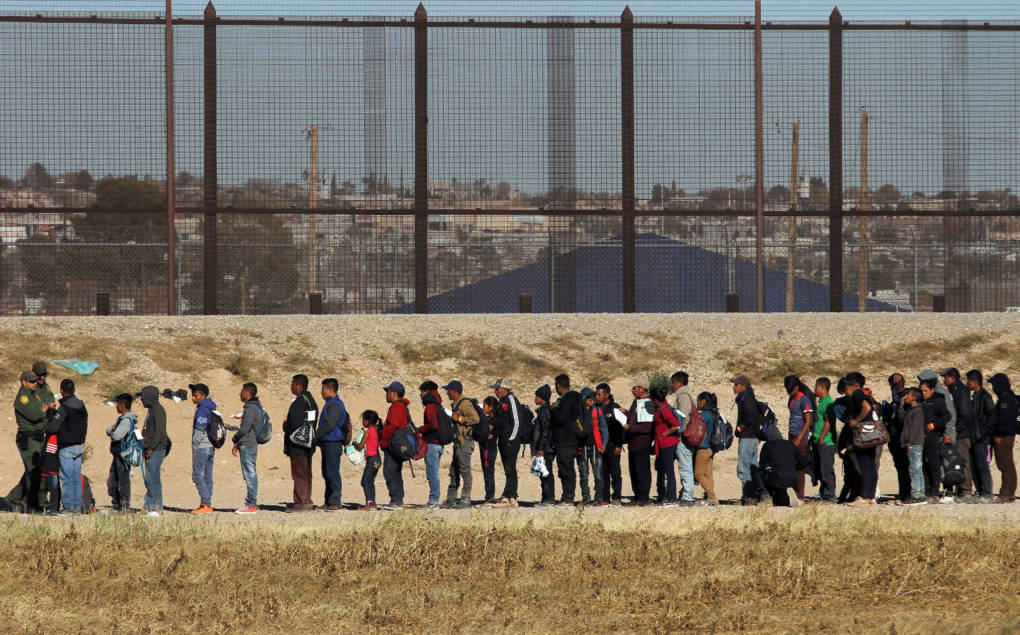
"caption": "Nearly 150 Central American migrants seeking political asylum in the United States are detained by the Border Patrol, after entering the U.S. through the Rio Grande, along the border with Ciudad Juarez, Chihuahua state, Mexico, on Dec. 3, 2018. ",
"description": null,
"title": "border-patrol-1920",
"credit": "Herika Martinez/AFP via Getty Images",
"status": "inherit",
"isLoading": false,
"fetchFailed": false
},
"news_11782817": {
"type": "attachments",
"id": "news_11782817",
"meta": {
"index": "attachments_1716263798",
"site": "news",
"id": "11782817",
"found": true
},
"parent": 11782685,
"imgSizes": {
"apple_news_ca_landscape_5_5": {
"file": "https://ww2.kqed.org/app/uploads/sites/10/2019/10/RS35002_Sindy_Ortiz_Flores_reunion_013019-qut-1044x783.jpg",
"width": 1044,
"mimeType": "image/jpeg",
"height": 783
},
"apple_news_ca_square_4_0": {
"file": "https://ww2.kqed.org/app/uploads/sites/10/2019/10/RS35002_Sindy_Ortiz_Flores_reunion_013019-qut-470x470.jpg",
"width": 470,
"mimeType": "image/jpeg",
"height": 470
},
"twentyfourteen-full-width": {
"file": "https://ww2.kqed.org/app/uploads/sites/10/2019/10/RS35002_Sindy_Ortiz_Flores_reunion_013019-qut-1038x576.jpg",
"width": 1038,
"mimeType": "image/jpeg",
"height": 576
},
"thumbnail": {
"file": "https://ww2.kqed.org/app/uploads/sites/10/2019/10/RS35002_Sindy_Ortiz_Flores_reunion_013019-qut-160x120.jpg",
"width": 160,
"mimeType": "image/jpeg",
"height": 120
},
"post-thumbnail": {
"file": "https://ww2.kqed.org/app/uploads/sites/10/2019/10/RS35002_Sindy_Ortiz_Flores_reunion_013019-qut-672x372.jpg",
"width": 672,
"mimeType": "image/jpeg",
"height": 372
},
"kqedFullSize": {
"file": "https://ww2.kqed.org/app/uploads/sites/10/2019/10/RS35002_Sindy_Ortiz_Flores_reunion_013019-qut.jpg",
"width": 1290,
"height": 968
},
"apple_news_ca_landscape_4_7": {
"file": "https://ww2.kqed.org/app/uploads/sites/10/2019/10/RS35002_Sindy_Ortiz_Flores_reunion_013019-qut-632x474.jpg",
"width": 632,
"mimeType": "image/jpeg",
"height": 474
},
"large": {
"file": "https://ww2.kqed.org/app/uploads/sites/10/2019/10/RS35002_Sindy_Ortiz_Flores_reunion_013019-qut-1020x765.jpg",
"width": 1020,
"mimeType": "image/jpeg",
"height": 765
},
"complete_open_graph": {
"file": "https://ww2.kqed.org/app/uploads/sites/10/2019/10/RS35002_Sindy_Ortiz_Flores_reunion_013019-qut-1200x900.jpg",
"width": 1200,
"mimeType": "image/jpeg",
"height": 900
},
"apple_news_ca_landscape_4_0": {
"file": "https://ww2.kqed.org/app/uploads/sites/10/2019/10/RS35002_Sindy_Ortiz_Flores_reunion_013019-qut-536x402.jpg",
"width": 536,
"mimeType": "image/jpeg",
"height": 402
},
"apple_news_ca_portrait_12_9": {
"file": "https://ww2.kqed.org/app/uploads/sites/10/2019/10/RS35002_Sindy_Ortiz_Flores_reunion_013019-qut-1122x968.jpg",
"width": 1122,
"mimeType": "image/jpeg",
"height": 968
},
"medium": {
"file": "https://ww2.kqed.org/app/uploads/sites/10/2019/10/RS35002_Sindy_Ortiz_Flores_reunion_013019-qut-800x600.jpg",
"width": 800,
"mimeType": "image/jpeg",
"height": 600
},
"apple_news_ca_portrait_4_0": {
"file": "https://ww2.kqed.org/app/uploads/sites/10/2019/10/RS35002_Sindy_Ortiz_Flores_reunion_013019-qut-354x472.jpg",
"width": 354,
"mimeType": "image/jpeg",
"height": 472
},
"apple_news_ca_portrait_9_7": {
"file": "https://ww2.kqed.org/app/uploads/sites/10/2019/10/RS35002_Sindy_Ortiz_Flores_reunion_013019-qut-840x968.jpg",
"width": 840,
"mimeType": "image/jpeg",
"height": 968
},
"apple_news_ca_square_9_7": {
"file": "https://ww2.kqed.org/app/uploads/sites/10/2019/10/RS35002_Sindy_Ortiz_Flores_reunion_013019-qut-1104x968.jpg",
"width": 1104,
"mimeType": "image/jpeg",
"height": 968
},
"apple_news_ca_portrait_4_7": {
"file": "https://ww2.kqed.org/app/uploads/sites/10/2019/10/RS35002_Sindy_Ortiz_Flores_reunion_013019-qut-414x552.jpg",
"width": 414,
"mimeType": "image/jpeg",
"height": 552
},
"apple_news_ca_portrait_5_5": {
"file": "https://ww2.kqed.org/app/uploads/sites/10/2019/10/RS35002_Sindy_Ortiz_Flores_reunion_013019-qut-687x916.jpg",
"width": 687,
"mimeType": "image/jpeg",
"height": 916
},
"apple_news_ca_square_4_7": {
"file": "https://ww2.kqed.org/app/uploads/sites/10/2019/10/RS35002_Sindy_Ortiz_Flores_reunion_013019-qut-550x550.jpg",
"width": 550,
"mimeType": "image/jpeg",
"height": 550
},
"apple_news_ca_square_5_5": {
"file": "https://ww2.kqed.org/app/uploads/sites/10/2019/10/RS35002_Sindy_Ortiz_Flores_reunion_013019-qut-912x912.jpg",
"width": 912,
"mimeType": "image/jpeg",
"height": 912
}
},
"publishDate": 1572030901,
"modified": 1572039870,
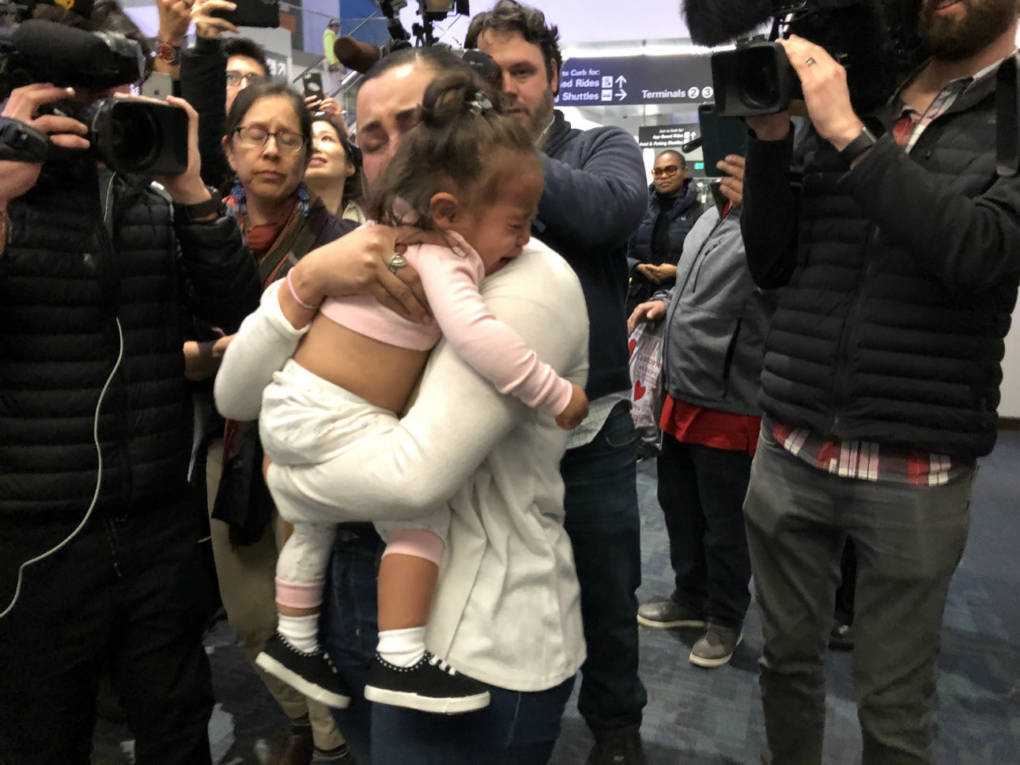
"caption": "Sindy Ortiz Flores hugs her toddler for the first time in more than a month at San Francisco International Airport on Jan. 29, 2019, as cameras surround them. The baby, Grethshell Juliet, spent a month under government custody, after immigration authorities separated her from her father at the border.",
"description": null,
"title": "RS35002_Sindy_Ortiz_Flores_reunion_013019-qut",
"credit": "Farida Jhabvala Romero/KQED",
"status": "inherit",
"isLoading": false,
"fetchFailed": false
},
"news_11782181": {
"type": "attachments",
"id": "news_11782181",
"meta": {
"index": "attachments_1716263798",
"site": "news",
"id": "11782181",
"found": true
},
"parent": 11782027,
"imgSizes": {
"apple_news_ca_landscape_5_5": {
"file": "https://ww2.kqed.org/app/uploads/sites/10/2019/10/RS18298_GettyImages-500476646-qut-1044x783.jpg",
"width": 1044,
"mimeType": "image/jpeg",
"height": 783
},
"apple_news_ca_square_4_0": {
"file": "https://ww2.kqed.org/app/uploads/sites/10/2019/10/RS18298_GettyImages-500476646-qut-470x470.jpg",
"width": 470,
"mimeType": "image/jpeg",
"height": 470
},
"twentyfourteen-full-width": {
"file": "https://ww2.kqed.org/app/uploads/sites/10/2019/10/RS18298_GettyImages-500476646-qut-1038x576.jpg",
"width": 1038,
"mimeType": "image/jpeg",
"height": 576
},
"thumbnail": {
"file": "https://ww2.kqed.org/app/uploads/sites/10/2019/10/RS18298_GettyImages-500476646-qut-160x107.jpg",
"width": 160,
"mimeType": "image/jpeg",
"height": 107
},
"post-thumbnail": {
"file": "https://ww2.kqed.org/app/uploads/sites/10/2019/10/RS18298_GettyImages-500476646-qut-672x372.jpg",
"width": 672,
"mimeType": "image/jpeg",
"height": 372
},
"kqedFullSize": {
"file": "https://ww2.kqed.org/app/uploads/sites/10/2019/10/RS18298_GettyImages-500476646-qut.jpg",
"width": 1920,
"height": 1280
},
"apple_news_ca_landscape_4_7": {
"file": "https://ww2.kqed.org/app/uploads/sites/10/2019/10/RS18298_GettyImages-500476646-qut-632x474.jpg",
"width": 632,
"mimeType": "image/jpeg",
"height": 474
},
"large": {
"file": "https://ww2.kqed.org/app/uploads/sites/10/2019/10/RS18298_GettyImages-500476646-qut-1020x680.jpg",
"width": 1020,
"mimeType": "image/jpeg",
"height": 680
},
"complete_open_graph": {
"file": "https://ww2.kqed.org/app/uploads/sites/10/2019/10/RS18298_GettyImages-500476646-qut-1200x800.jpg",
"width": 1200,
"mimeType": "image/jpeg",
"height": 800
},
"apple_news_ca_landscape_4_0": {
"file": "https://ww2.kqed.org/app/uploads/sites/10/2019/10/RS18298_GettyImages-500476646-qut-536x402.jpg",
"width": 536,
"mimeType": "image/jpeg",
"height": 402
},
"apple_news_ca_portrait_12_9": {
"file": "https://ww2.kqed.org/app/uploads/sites/10/2019/10/RS18298_GettyImages-500476646-qut-1122x1280.jpg",
"width": 1122,
"mimeType": "image/jpeg",
"height": 1280
},
"medium": {
"file": "https://ww2.kqed.org/app/uploads/sites/10/2019/10/RS18298_GettyImages-500476646-qut-800x533.jpg",
"width": 800,
"mimeType": "image/jpeg",
"height": 533
},
"apple_news_ca_portrait_4_0": {
"file": "https://ww2.kqed.org/app/uploads/sites/10/2019/10/RS18298_GettyImages-500476646-qut-354x472.jpg",
"width": 354,
"mimeType": "image/jpeg",
"height": 472
},
"apple_news_ca_portrait_9_7": {
"file": "https://ww2.kqed.org/app/uploads/sites/10/2019/10/RS18298_GettyImages-500476646-qut-840x1120.jpg",
"width": 840,
"mimeType": "image/jpeg",
"height": 1120
},
"apple_news_ca_landscape_12_9": {
"file": "https://ww2.kqed.org/app/uploads/sites/10/2019/10/RS18298_GettyImages-500476646-qut-1832x1280.jpg",
"width": 1832,
"mimeType": "image/jpeg",
"height": 1280
},
"apple_news_ca_square_9_7": {
"file": "https://ww2.kqed.org/app/uploads/sites/10/2019/10/RS18298_GettyImages-500476646-qut-1104x1104.jpg",
"width": 1104,
"mimeType": "image/jpeg",
"height": 1104
},
"apple_news_ca_portrait_4_7": {
"file": "https://ww2.kqed.org/app/uploads/sites/10/2019/10/RS18298_GettyImages-500476646-qut-414x552.jpg",
"width": 414,
"mimeType": "image/jpeg",
"height": 552
},
"apple_news_ca_square_12_9": {
"file": "https://ww2.kqed.org/app/uploads/sites/10/2019/10/RS18298_GettyImages-500476646-qut-1472x1280.jpg",
"width": 1472,
"mimeType": "image/jpeg",
"height": 1280
},
"apple_news_ca_portrait_5_5": {
"file": "https://ww2.kqed.org/app/uploads/sites/10/2019/10/RS18298_GettyImages-500476646-qut-687x916.jpg",
"width": 687,
"mimeType": "image/jpeg",
"height": 916
},
"full-width": {
"file": "https://ww2.kqed.org/app/uploads/sites/10/2019/10/RS18298_GettyImages-500476646-qut-1920x1280.jpg",
"width": 1920,
"mimeType": "image/jpeg",
"height": 1280
},
"apple_news_ca_square_4_7": {
"file": "https://ww2.kqed.org/app/uploads/sites/10/2019/10/RS18298_GettyImages-500476646-qut-550x550.jpg",
"width": 550,
"mimeType": "image/jpeg",
"height": 550
},
"apple_news_ca_landscape_9_7": {
"file": "https://ww2.kqed.org/app/uploads/sites/10/2019/10/RS18298_GettyImages-500476646-qut-1376x1032.jpg",
"width": 1376,
"mimeType": "image/jpeg",
"height": 1032
},
"apple_news_ca_square_5_5": {
"file": "https://ww2.kqed.org/app/uploads/sites/10/2019/10/RS18298_GettyImages-500476646-qut-912x912.jpg",
"width": 912,
"mimeType": "image/jpeg",
"height": 912
}
},
"publishDate": 1571872348,
"modified": 1571874887,
"caption": "Central American migrants wait to be transported after turning themselves in to U.S. Border Patrol agents.",
"description": "Central American migrants wait to be transported after turning themselves into U.S. Border Patrol agents.",
"title": "RS18298_GettyImages-500476646-qut",
"credit": "John Moore/Getty Images",
"status": "inherit",
"isLoading": false,
"fetchFailed": false
},
"news_11777061": {
"type": "attachments",
"id": "news_11777061",
"meta": {
"index": "attachments_1716263798",
"site": "news",
"id": "11777061",
"found": true
},
"parent": 11777020,
"imgSizes": {
"apple_news_ca_landscape_5_5": {
"file": "https://ww2.kqed.org/app/uploads/sites/10/2019/09/GettyImages-1156154749-1-1044x783.jpg",
"width": 1044,
"mimeType": "image/jpeg",
"height": 783
},
"apple_news_ca_square_4_0": {
"file": "https://ww2.kqed.org/app/uploads/sites/10/2019/09/GettyImages-1156154749-1-470x470.jpg",
"width": 470,
"mimeType": "image/jpeg",
"height": 470
},
"twentyfourteen-full-width": {
"file": "https://ww2.kqed.org/app/uploads/sites/10/2019/09/GettyImages-1156154749-1-1038x576.jpg",
"width": 1038,
"mimeType": "image/jpeg",
"height": 576
},
"thumbnail": {
"file": "https://ww2.kqed.org/app/uploads/sites/10/2019/09/GettyImages-1156154749-1-160x109.jpg",
"width": 160,
"mimeType": "image/jpeg",
"height": 109
},
"post-thumbnail": {
"file": "https://ww2.kqed.org/app/uploads/sites/10/2019/09/GettyImages-1156154749-1-672x372.jpg",
"width": 672,
"mimeType": "image/jpeg",
"height": 372
},
"kqedFullSize": {
"file": "https://ww2.kqed.org/app/uploads/sites/10/2019/09/GettyImages-1156154749-1-e1569619174925.jpg",
"width": 1920,
"height": 1304
},
"apple_news_ca_landscape_4_7": {
"file": "https://ww2.kqed.org/app/uploads/sites/10/2019/09/GettyImages-1156154749-1-632x474.jpg",
"width": 632,
"mimeType": "image/jpeg",
"height": 474
},
"large": {
"file": "https://ww2.kqed.org/app/uploads/sites/10/2019/09/GettyImages-1156154749-1-1020x693.jpg",
"width": 1020,
"mimeType": "image/jpeg",
"height": 693
},
"complete_open_graph": {
"file": "https://ww2.kqed.org/app/uploads/sites/10/2019/09/GettyImages-1156154749-1-1200x815.jpg",
"width": 1200,
"mimeType": "image/jpeg",
"height": 815
},
"apple_news_ca_landscape_4_0": {
"file": "https://ww2.kqed.org/app/uploads/sites/10/2019/09/GettyImages-1156154749-1-536x402.jpg",
"width": 536,
"mimeType": "image/jpeg",
"height": 402
},
"apple_news_ca_portrait_12_9": {
"file": "https://ww2.kqed.org/app/uploads/sites/10/2019/09/GettyImages-1156154749-1-1122x1496.jpg",
"width": 1122,
"mimeType": "image/jpeg",
"height": 1496
},
"medium": {
"file": "https://ww2.kqed.org/app/uploads/sites/10/2019/09/GettyImages-1156154749-1-800x543.jpg",
"width": 800,
"mimeType": "image/jpeg",
"height": 543
},
"apple_news_ca_portrait_4_0": {
"file": "https://ww2.kqed.org/app/uploads/sites/10/2019/09/GettyImages-1156154749-1-354x472.jpg",
"width": 354,
"mimeType": "image/jpeg",
"height": 472
},
"apple_news_ca_portrait_9_7": {
"file": "https://ww2.kqed.org/app/uploads/sites/10/2019/09/GettyImages-1156154749-1-840x1120.jpg",
"width": 840,
"mimeType": "image/jpeg",
"height": 1120
},
"apple_news_ca_landscape_12_9": {
"file": "https://ww2.kqed.org/app/uploads/sites/10/2019/09/GettyImages-1156154749-1-1832x1374.jpg",
"width": 1832,
"mimeType": "image/jpeg",
"height": 1374
},
"apple_news_ca_square_9_7": {
"file": "https://ww2.kqed.org/app/uploads/sites/10/2019/09/GettyImages-1156154749-1-1104x1104.jpg",
"width": 1104,
"mimeType": "image/jpeg",
"height": 1104
},
"apple_news_ca_portrait_4_7": {
"file": "https://ww2.kqed.org/app/uploads/sites/10/2019/09/GettyImages-1156154749-1-414x552.jpg",
"width": 414,
"mimeType": "image/jpeg",
"height": 552
},
"apple_news_ca_square_12_9": {
"file": "https://ww2.kqed.org/app/uploads/sites/10/2019/09/GettyImages-1156154749-1-1472x1472.jpg",
"width": 1472,
"mimeType": "image/jpeg",
"height": 1472
},
"apple_news_ca_portrait_5_5": {
"file": "https://ww2.kqed.org/app/uploads/sites/10/2019/09/GettyImages-1156154749-1-687x916.jpg",
"width": 687,
"mimeType": "image/jpeg",
"height": 916
},
"full-width": {
"file": "https://ww2.kqed.org/app/uploads/sites/10/2019/09/GettyImages-1156154749-1-1920x1304.jpg",
"width": 1920,
"mimeType": "image/jpeg",
"height": 1304
},
"apple_news_ca_square_4_7": {
"file": "https://ww2.kqed.org/app/uploads/sites/10/2019/09/GettyImages-1156154749-1-550x550.jpg",
"width": 550,
"mimeType": "image/jpeg",
"height": 550
},
"apple_news_ca_landscape_9_7": {
"file": "https://ww2.kqed.org/app/uploads/sites/10/2019/09/GettyImages-1156154749-1-1376x1032.jpg",
"width": 1376,
"mimeType": "image/jpeg",
"height": 1032
},
"apple_news_ca_square_5_5": {
"file": "https://ww2.kqed.org/app/uploads/sites/10/2019/09/GettyImages-1156154749-1-912x912.jpg",
"width": 912,
"mimeType": "image/jpeg",
"height": 912
}
},
"publishDate": 1569619106,
"modified": 1569619844,
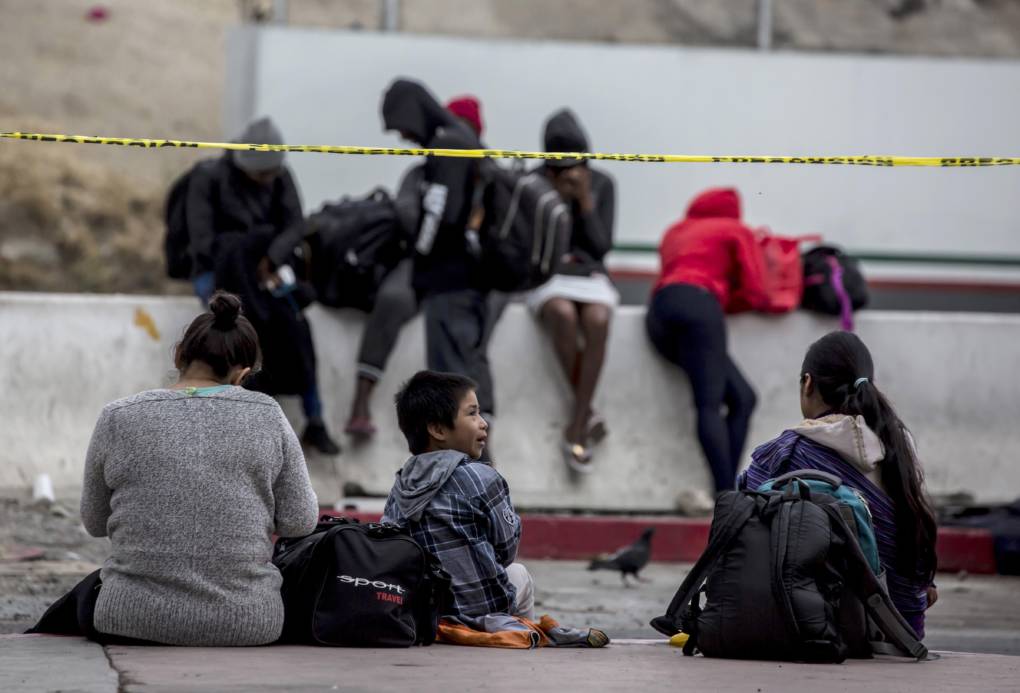
"caption": "A group of migrants, mostly from African countries, wait to request an appointment with U.S. migration authorities outside El Chaparral port of entry, in Tijuana, Baja California state, Mexico, on July 17, 2019. ",
"description": "A group of migrants, mostly from African countries, wait to request an appointment with US migration authorities outside El Chaparral port of entry, in Tijuana, Baja California state, Mexico, on July 17, 2019. ",
"title": "MEXICO-US-BORDER",
"credit": "Omar Martinez/AFP/Getty Images",
"status": "inherit",
"isLoading": false,
"fetchFailed": false
}
},
"audioPlayerReducer": {
"postId": "stream_live",
"isPaused": true,
"isPlaying": false,
"pfsActive": false,
"pledgeModalIsOpen": true,
"playerDrawerIsOpen": false,
"liveAudioPlayStartedAt": 0,
"liveAudioPlayContext": ""
},
"authorsReducer": {
"tychehendricks": {
"type": "authors",
"id": "259",
"meta": {
"index": "authors_1716337520",
"id": "259",
"found": true
},
"name": "Tyche Hendricks",
"firstName": "Tyche",
"lastName": "Hendricks",
"slug": "tychehendricks",
"email": "thendricks@kqed.org",
"display_author_email": true,
"staff_mastheads": [
"news"
],
"title": "KQED Senior Editor, Immigration",
"bio": "\u003cspan style=\"font-weight: 400;\">Tyche Hendricks is KQED’s senior editor for immigration, leading coverage of the policy and politics that affect California’s immigrant communities. Her work for KQED’s radio and online audiences is also carried on NPR and other national outlets. She has been recognized with awards from the Radio and Television News Directors Association, the Society for Professional Journalists; the Education Writers Association; the Best of the West and the National Federation of Community Broadcasters. Before joining KQED in 2010, Tyche spent more than a dozen years as a newspaper reporter, notably at the \u003c/span>\u003ci>\u003cspan style=\"font-weight: 400;\">San Francisco Chronicle\u003c/span>\u003c/i>\u003cspan style=\"font-weight: 400;\">. At different times she has covered criminal justice, government and politics and urban planning. Tyche has taught in the MFA Creative Writing program at the University of San Francisco and at UC Berkeley’s Graduate School of Journalism, where she was co-director of a national immigration symposium for professional journalists. She is the author of \u003c/span>\u003ci>\u003cspan style=\"font-weight: 400;\">The Wind Doesn't Need a Passport: Stories from the U.S.-Mexico Borderlands\u003c/span>\u003c/i>\u003cspan style=\"font-weight: 400;\"> (University of California Press). \u003c/span>",
"avatar": "https://secure.gravatar.com/avatar/b8ee458e2731c2d43df86882ce17267e?s=600&d=blank&r=g",
"twitter": "tychehendricks",
"facebook": null,
"instagram": null,
"linkedin": null,
"sites": [
{
"site": "news",
"roles": [
"editor"
]
},
{
"site": "stateofhealth",
"roles": [
"editor"
]
}
],
"headData": {
"title": "Tyche Hendricks | KQED",
"description": "KQED Senior Editor, Immigration",
"ogImgSrc": "https://secure.gravatar.com/avatar/b8ee458e2731c2d43df86882ce17267e?s=600&d=blank&r=g",
"twImgSrc": "https://secure.gravatar.com/avatar/b8ee458e2731c2d43df86882ce17267e?s=600&d=blank&r=g"
},
"isLoading": false,
"link": "/author/tychehendricks"
},
"markfiore": {
"type": "authors",
"id": "3236",
"meta": {
"index": "authors_1716337520",
"id": "3236",
"found": true
},
"name": "Mark Fiore",
"firstName": "Mark",
"lastName": "Fiore",
"slug": "markfiore",
"email": "mark@markfiore.com",
"display_author_email": false,
"staff_mastheads": [
"news"
],
"title": "KQED News Cartoonist",
"bio": "\u003ca href=\"http://www.MarkFiore.com\">MarkFiore.com\u003c/a> | \u003ca href=\"https://twitter.com/markfiore\">Follow on Twitter\u003c/a> | \u003ca href=\"https://www.facebook.com/pages/Mark-Fiore-Animated-Political-Cartoons/94451707396?ref=bookmarks\">Facebook\u003c/a> | \u003ca href=\"mailto:mark@markfiore.com\">email\u003c/a>\r\n\r\nPulitzer Prize-winner, Mark Fiore, who the Wall Street Journal has called “the undisputed guru of the form,” creates animated political cartoons in San Francisco, where his work has been featured regularly on the San Francisco Chronicle’s web site, SFGate.com. His work has appeared on Newsweek.com, Slate.com, CBSNews.com, MotherJones.com, DailyKos.com and NPR’s web site. Fiore’s political animation has appeared on CNN, Frontline, Bill Moyers Journal, Salon.com and cable and broadcast outlets across the globe.\r\n\r\nBeginning his professional life by drawing traditional political cartoons for newspapers, Fiore’s work appeared in publications ranging from the Washington Post to the Los Angeles Times. In the late 1990s, he began to experiment with animating political cartoons and, after a short stint at the San Jose Mercury News as their staff cartoonist, Fiore devoted all his energies to animation.\r\nGrowing up in California, Fiore also spent a good portion of his life in the backwoods of Idaho. It was this combination that shaped him politically. Mark majored in political science at Colorado College, where, in a perfect send-off for a cartoonist, he received his diploma in 1991 as commencement speaker Dick Cheney smiled approvingly.\r\nMark Fiore was awarded the Pulitzer Prize for political cartooning in 2010, a Robert F. Kennedy Journalism Award in 2004 and has twice received an Online Journalism Award for commentary from the Online News Association (2002, 2008). Fiore has received two awards for his work in new media from the National Cartoonists Society (2001, 2002), and in 2006 received The James Madison Freedom of Information Award from The Society of Professional Journalists.",
"avatar": "https://secure.gravatar.com/avatar/fc4e2a612b15b67bad0c6f0e1db4ca9b?s=600&d=blank&r=g",
"twitter": "MarkFiore",
"facebook": null,
"instagram": "https://www.instagram.com/markfiore/?hl=en",
"linkedin": null,
"sites": [
{
"site": "arts",
"roles": [
"contributor"
]
},
{
"site": "news",
"roles": [
"editor"
]
},
{
"site": "futureofyou",
"roles": [
"editor"
]
},
{
"site": "science",
"roles": [
"editor"
]
}
],
"headData": {
"title": "Mark Fiore | KQED",
"description": "KQED News Cartoonist",
"ogImgSrc": "https://secure.gravatar.com/avatar/fc4e2a612b15b67bad0c6f0e1db4ca9b?s=600&d=blank&r=g",
"twImgSrc": "https://secure.gravatar.com/avatar/fc4e2a612b15b67bad0c6f0e1db4ca9b?s=600&d=blank&r=g"
},
"isLoading": false,
"link": "/author/markfiore"
},
"fjhabvala": {
"type": "authors",
"id": "8659",
"meta": {
"index": "authors_1716337520",
"id": "8659",
"found": true
},
"name": "Farida Jhabvala Romero",
"firstName": "Farida",
"lastName": "Jhabvala Romero",
"slug": "fjhabvala",
"email": "fjhabvala@kqed.org",
"display_author_email": true,
"staff_mastheads": [
"news"
],
"title": "KQED Contributor",
"bio": "Farida Jhabvala Romero is a Labor Correspondent for KQED. She previously covered immigration. Farida was \u003ca href=\"https://www.ccnma.org/2022-most-influential-latina-journalists\">named\u003c/a> one of the 10 Most Influential Latina Journalists in California in 2022 by the California Chicano News Media Association. Her work has won awards from the Society of Professional Journalists (Northern California), as well as a national and regional Edward M. Murrow Award for the collaborative reporting projects “Dangerous Air” and “Graying California.” Before joining KQED, Farida worked as a producer at Radio Bilingüe, a national public radio network. Farida earned her master’s degree in journalism from Stanford University.",
"avatar": "https://secure.gravatar.com/avatar/f9f022d4e2609741874222a1e9d41f48fea74011aa7c615eef91d9a50c944ebe?s=600&d=blank&r=g",
"twitter": "FaridaJhabvala",
"bluesky": null,
"facebook": null,
"instagram": null,
"linkedin": "https://www.linkedin.com/in/faridajhabvala/",
"sites": [
{
"site": "news",
"roles": [
"editor"
]
},
{
"site": "stateofhealth",
"roles": [
"author"
]
},
{
"site": "liveblog",
"roles": [
"author"
]
}
],
"headData": {
"title": "Farida Jhabvala Romero | KQED",
"description": "KQED Contributor",
"ogImgSrc": "https://secure.gravatar.com/avatar/f9f022d4e2609741874222a1e9d41f48fea74011aa7c615eef91d9a50c944ebe?s=600&d=blank&r=g",
"twImgSrc": "https://secure.gravatar.com/avatar/f9f022d4e2609741874222a1e9d41f48fea74011aa7c615eef91d9a50c944ebe?s=600&d=blank&r=g"
},
"isLoading": false,
"link": "/author/fjhabvala"
},
"mwiley": {
"type": "authors",
"id": "11526",
"meta": {
"index": "authors_1716337520",
"id": "11526",
"found": true
},
"name": "Michelle Wiley",
"firstName": "Michelle",
"lastName": "Wiley",
"slug": "mwiley",
"email": "mwiley@KQED.org",
"display_author_email": true,
"staff_mastheads": [],
"title": null,
"bio": "Michelle Wiley was the senior editor of weekends.",
"avatar": "https://secure.gravatar.com/avatar/3b897d82a09e8587e8e73fa69fbcc635?s=600&d=blank&r=g",
"twitter": "michelleewiley",
"facebook": null,
"instagram": null,
"linkedin": null,
"sites": [
{
"site": "",
"roles": [
"editor"
]
},
{
"site": "arts",
"roles": [
"editor"
]
},
{
"site": "news",
"roles": [
"subscriber"
]
},
{
"site": "lowdown",
"roles": [
"editor"
]
},
{
"site": "science",
"roles": [
"editor"
]
},
{
"site": "podcasts",
"roles": [
"editor"
]
}
],
"headData": {
"title": "Michelle Wiley | KQED",
"description": null,
"ogImgSrc": "https://secure.gravatar.com/avatar/3b897d82a09e8587e8e73fa69fbcc635?s=600&d=blank&r=g",
"twImgSrc": "https://secure.gravatar.com/avatar/3b897d82a09e8587e8e73fa69fbcc635?s=600&d=blank&r=g"
},
"isLoading": false,
"link": "/author/mwiley"
},
"amorga": {
"type": "authors",
"id": "11629",
"meta": {
"index": "authors_1716337520",
"id": "11629",
"found": true
},
"name": "Adriana Morga",
"firstName": "Adriana",
"lastName": "Morga",
"slug": "amorga",
"email": "amorga@kqed.org",
"display_author_email": false,
"staff_mastheads": [],
"title": "KQED Contributor",
"bio": "Adriana Morga is an on-call Digital Producer for KQED en Español. She is also completing her journalism degree at San Francisco State University. She has experience working in print and radio. Morga, who was born in Tijuana, Mexico, has spent her developing career covering the Latino community for English and Spanish-language publications including KALW and El Tecolote.",
"avatar": "https://secure.gravatar.com/avatar/9ef1c5a7ff2f2ae1ab05809325f43d03?s=600&d=blank&r=g",
"twitter": null,
"facebook": null,
"instagram": null,
"linkedin": null,
"sites": [
{
"site": "arts",
"roles": []
},
{
"site": "news",
"roles": [
"author"
]
},
{
"site": "science",
"roles": [
"editor"
]
}
],
"headData": {
"title": "Adriana Morga | KQED",
"description": "KQED Contributor",
"ogImgSrc": "https://secure.gravatar.com/avatar/9ef1c5a7ff2f2ae1ab05809325f43d03?s=600&d=blank&r=g",
"twImgSrc": "https://secure.gravatar.com/avatar/9ef1c5a7ff2f2ae1ab05809325f43d03?s=600&d=blank&r=g"
},
"isLoading": false,
"link": "/author/amorga"
}
},
"pagesReducer": {
"news_tag_family-separation": {
"type": "terms",
"id": "news_23456",
"meta": {
"index": "terms_1716263798",
"site": "news",
"id": "23456",
"score": 9.305124
},
"featImg": null,
"name": "family separation",
"description": null,
"taxonomy": "tag",
"headData": {
"twImgId": null,
"twTitle": null,
"ogTitle": null,
"ogImgId": null,
"twDescription": null,
"description": null,
"title": "family separation Archives | KQED News",
"ogDescription": null
},
"ttid": 23473,
"slug": "family-separation",
"isLoading": false,
"title": "family separation",
"pageMeta": {
"site": "news",
"WpPageTemplate": "page-topic-editorial",
"currentPage": 4
},
"blocks": [
{
"blockName": "kqed/post-list",
"attrs": {
"layout": "cardArticle2",
"query": "posts/news?tag=family-separation",
"seeMore": false,
"paginated": true,
"page": 4
}
},
{
"blockName": "kqed/ad"
}
]
}
},
"pfsSessionReducer": {},
"postsReducer": {
"stream_live": {
"type": "live",
"id": "stream_live",
"audioUrl": "https://streams.kqed.org/kqedradio",
"title": "Live Stream",
"excerpt": "Live Stream information currently unavailable.",
"link": "/radio",
"featImg": "",
"label": {
"name": "KQED Live",
"link": "/"
}
},
"stream_kqedNewscast": {
"type": "posts",
"id": "stream_kqedNewscast",
"audioUrl": "https://www.kqed.org/.stream/anon/radio/RDnews/newscast.mp3?_=1",
"title": "KQED Newscast",
"featImg": "",
"label": {
"name": "88.5 FM",
"link": "/"
}
},
"news_11831289": {
"type": "posts",
"id": "news_11831289",
"meta": {
"index": "posts_1716263798",
"site": "news",
"id": "11831289",
"score": null,
"sort": [
1600696893000
]
},
"parent": 0,
"labelTerm": {
"site": "news"
},
"blocks": [],
"publishDate": 1600696893,
"format": "image",
"disqusTitle": "How COVID-19 Has Impacted the Search for Separated Families",
"title": "How COVID-19 Has Impacted the Search for Separated Families",
"headTitle": "KQED News",
"content": "\u003cp>\u003ca href=\"https://www.kqed.org/news/11839182/covid-19-hace-mas-dificil-encontrar-y-reunir-a-familias-migrantes-separadas\">\u003cem>Leer en español\u003c/em>\u003c/a>\u003c/p>\n\u003cp>Dora Melara, 42, has been searching for people she doesn’t know if she’ll find.\u003c/p>\n\u003cp>She walks through cities and towns in Honduras, sometimes with only a name and a last-known location, searching for parents whose children were taken from them by authorities at the U.S.-Mexico border — and who were returned to their homeland without their kids.\u003c/p>\n\u003cp>Melara is an attorney working with Justice in Motion — a U.S.-based migrant rights organization — to locate deported parents. With little information to go on, the search is tough. And if she finds the families, sometimes it’s difficult to get them to trust her.\u003c/p>\n\u003cp>[pullquote size='medium' align='right' citation='Dora Melara, migrant rights attorney']'They think it is impossible to find people who are interested in their story.'[/pullquote]\u003c/p>\n\u003cp>“They think it is impossible to find people who are interested in their story,” she said through a translator. “But our work is to explain to them, and make them understand, that we are here to help them. We are here to help them be in communication with their family.”\u003c/p>\n\u003cp>Hundreds of Mexican and Central American families remain separated as a result of a Trump administration policy of taking migrant children from their parents that began in the spring of 2017. Advocates say most of these parents came to the U.S. seeking asylum but were denied protection and deprived of their children. Melara is part of an effort that spans the U.S., Mexico and Central America, to locate and reunite these families, many of whom have lost hope of seeing each other again.\u003c/p>\n\u003cp>With the spread of the pandemic, however, the effort was put on hold for months due to travel restrictions in Central America.\u003c/p>\n\u003cp>Now, while Justice in Motion has restarted some searches on a case-by-case basis, advocates say this already challenging process has become even more difficult.\u003c/p>\n\u003ch3>The Ongoing Search\u003c/h3>\n\u003cp>In June 2018, when the Trump administration's \"zero tolerance\" policy came to light, a federal judge in San Diego ordered a halt to the U.S. Customs and Border Protection practice of separating kids from parents at the border and sending them to shelters for \"unaccompanied children\" or to foster families.\u003c/p>\n\u003cp>U.S. District Judge Dana Sabraw ordered the federal government to report how many children had been separated beginning in \u003ca href=\"https://www.justice.gov/opa/press-release/file/1049751/download\">April 2018\u003c/a>, as part of a lawsuit filed by the ACLU on behalf of the parents. After a month-long tally, the government counted 2,654 children. And, after further revisions in early 2019, that number increased to 2,814.\u003c/p>\n\u003cp>[aside postID=\"news_11797878\" hero=\"https://ww2.kqed.org/app/uploads/sites/10/2020/01/GettyImages-973077552-1020x699.jpg\" label=\"More on Family Separations\"]\u003c/p>\n\u003cp>However, in January 2019, the U.S. Department of Health and Human Services Office of Inspector General issued a report charging that the separations had begun earlier, and the government had not kept good track of where the children and parents ended up.\u003c/p>\n\u003cp>Sabraw then ordered the government officials to research further, and in October 2019, they reported that an \u003ca href=\"https://www.kqed.org/news/11782685/new-tally-totals-over-5500-kids-taken-from-parents-at-the-border\">additional 1,556 children had been separated\u003c/a> between July 1, 2017 — when separations reportedly began in El Paso — and June 25, 2018, the day before the judge’s original injunction.\u003c/p>\n\u003cp>The Trump administration kept few records of where these families went and how to get ahold of them. And advocates say the last known contact information for many is outdated or inaccurate. Nearly all of the 2,814 children from the original 2018 tally have been reunited with their parents. But as for the search for the other 1,556 children, advocates had reached the parents of 438 kids by phone or mail as of mid-August, and more than 100 others were located through outreach in Central America.\u003c/p>\n\u003cp>On October 20, a joint status report filed in court said the steering committee still cannot find the separated parents of 545 children.\u003c/p>\n\u003cp>https://twitter.com/leegelernt/status/1318712777272418304?s=20\u003c/p>\n\u003cp>\"When the administration started separating families at the southern U.S. border ... there was no plan to track the families or even reunite them, even though their own experts warned these separations were causing harm,\" said Nan Schivone, the legal director for Justice in Motion. \"And here we are three years later, still dealing with the fallout.\"[pullquote size='medium' align='right' citation='Nan Schivone, legal director for Justice in Motion']'When the administration started separating families at the southern U.S. border ... there was no plan to track the families or even reunite them, even though their own experts warned these separations were causing harm.'[/pullquote]The court authorized a committee of lawyers and advocates, overseen by plaintiffs’ attorneys, to track down current addresses and phone numbers for the parents in order to arrange to reunite them with their children.\u003c/p>\n\u003cp>When all other efforts fail, it's up to a network of “defenders” — including local human rights lawyers and the staff of nonprofit organizations coordinated by Justice in Motion — to physically search on the ground in Honduras, Guatemala, El Salvador and Mexico.\u003c/p>\n\u003cp>The defenders, including Dora Melara, walk through towns seeking out families. They talk to neighbors and relatives, trying to track down a solid lead on where a person, or family, went.\u003c/p>\n\u003cp>“What we're talking about are hundreds of children (whose) families still haven't been found,” said ACLU attorney Lee Gelernt, who is lead counsel representing separated parents in the ongoing lawsuit against the Trump administration. “We don't know whether they are reunited. We don't know their situation. We're now in 2020 and this is still going on.”\u003c/p>\n\u003ch3>The Pandemic\u003c/h3>\n\u003cp>Before the coronavirus pandemic began, Justice in Motion's defenders were making slow but steady progress in the search. They’d been able to locate the parents of 135 children. In January, nine parents who had been deported were able to return to the U.S. to reunite with their children and pursue their asylum claims.\u003c/p>\n\u003cp>\"That was such a hard-fought step toward justice, made possible only because of a massive and complicated cross-border effort,\" Schivone said.\u003c/p>\n\u003cp>But in March, when the pandemic hit, all on-the-ground operations in Central America stopped.\u003c/p>\n\u003cp>“We had to completely stop because of the pandemic,” Melara said. “The government started the rules, and we can no longer go out. There was a strict curfew.”\u003c/p>\n\u003cp>While defenders were able to connect with some people online, Melara said it’s much harder to build trust with traumatized parents digitally than it is in person.\u003c/p>\n\u003cp>[aside tag=\"family-separation\" label=\"more coverage\"]“We do not use the online research method as much because people do not trust us when we first meet,” she said. “They can't believe there are organizations like ours. So, in person is better, because we introduce ourselves and they can see us eye to eye.”\u003c/p>\n\u003cp>In August, Honduras lifted some travel restrictions, Schivone said, and searches resumed. But the new rules have also created new challenges.\u003c/p>\n\u003cp>For example, people in Honduras can go out for shopping and essential activities based on \u003ca href=\"https://hn.usembassy.gov/covid-19-information/\">how the last digit of their personal ID number\u003c/a> corresponds to a government chart. So, when Melara’s number comes up, she can travel to where the families might be. But the window is short — just 14 hours. And she can’t stay anywhere overnight.\u003c/p>\n\u003cp>“We are limited by the time we have to do our searches, we can't stay late, we cannot stay in a hotel. Because the next day, your ID is not valid to be out anymore,” she explained. “It has been very limiting.”\u003c/p>\n\u003cp>And in these searches, time is everything, because every day that parents and children are separated from each other contributes to immense, and potentially irreparable harm, mental health experts say.\u003c/p>\n\u003cp>[ad fullwidth]\u003c/p>\n\u003ch3>Every Minute Counts\u003c/h3>\n\u003cp>The American Academy of Pediatrics \u003ca href=\"https://www.aappublications.org/news/2019/01/18/immigration011819\">reported in 2019 that family separation can cause\u003c/a> toxic stress in children and can damage their developing brains.\u003c/p>\n\u003cp>\"Every minute that they are not with their parents, thinking about their parents and dealing with that anxiety compounds the trauma that those children are suffering,\" said the ACLU's Gelernt. \"For all those reasons, this is a very unfortunate situation. We obviously should never have been in this situation. Now we are, and COVID is making things worse for everyone.\"\u003c/p>\n\u003cfigure id=\"attachment_11831995\" class=\"wp-caption alignright\" style=\"max-width: 1022px\">\u003cimg class=\"size-full wp-image-11831995\" src=\"https://ww2.kqed.org/app/uploads/sites/10/2020/08/Screen-Shot-2020-08-05-at-1.57.56-PM.png\" alt=\"\" width=\"1022\" height=\"1324\" srcset=\"https://ww2.kqed.org/app/uploads/sites/10/2020/08/Screen-Shot-2020-08-05-at-1.57.56-PM.png 1022w, https://ww2.kqed.org/app/uploads/sites/10/2020/08/Screen-Shot-2020-08-05-at-1.57.56-PM-800x1036.png 800w, https://ww2.kqed.org/app/uploads/sites/10/2020/08/Screen-Shot-2020-08-05-at-1.57.56-PM-1020x1321.png 1020w, https://ww2.kqed.org/app/uploads/sites/10/2020/08/Screen-Shot-2020-08-05-at-1.57.56-PM-160x207.png 160w\" sizes=\"(max-width: 1022px) 100vw, 1022px\">\u003cfigcaption class=\"wp-caption-text\">Phone numbers have been set up for separated parents, or their relatives, to be connected to lawyers and advocates. \u003ccite>(Courtesy of KIND)\u003c/cite>\u003c/figcaption>\u003c/figure>\n\u003cp>In February 2020, the nonprofit Physicians for Human Rights \u003ca href=\"https://phr.org/wp-content/uploads/2020/02/PHR-Report-2020-Family-Separation-Full-Report.pdf\">published a study\u003c/a> on parents who’d been separated from their children by the Trump administration. They found that parents often experienced “pervasive symptoms and behaviors consistent with trauma,” and that most people in their study met the conditions for “at least one mental health condition,” such as post-traumatic stress disorder (PTSD) or major depression.\u003c/p>\n\u003cp>In an attempt to speed up the process of reuniting families, the plaintiffs’ committee has set up toll-free numbers for separated parents or their relatives to be connected with lawyers and advocates. The phone numbers work in the U.S., Mexico, Guatemala, El Salvador and Honduras.\u003c/p>\n\u003cp>In addition to reunification, some families may also be eligible to apply for asylum in another country, or reapply in the U.S., according to officials with the nonprofit Kids in Need of Defense, which is part of the search effort.\u003c/p>\n\u003cp>But it’s hard for some parents, who have lived for months or years without their children, to believe there could be any resolution.\u003c/p>\n\u003cp>\"As more time goes on, parents ... have to suspend belief and really have a lot of faith that our defender is actually connected to a process in the U.S. that might provide them some relief,\" Schivone said.\u003c/p>\n\u003ch3>‘It Is Our Job’\u003c/h3>\n\u003cp>The last parent that Melara was able to find told her he hadn’t talked to his daughter in six months. He was excited and happy to finally be able to see her over video chat, a call that Melara helped facilitate.\u003c/p>\n\u003cp>“His first reaction was to say ‘Oh you've grown!’ ” she remembered. “It was very touching.”[pullquote size='medium' align='right' citation='Dora Melara']'(These) parents and children are going to live with that trauma all of their lives.'[/pullquote]Another parent she located said he was just happy that someone was interested in what he’d been through.\u003c/p>\n\u003cp>“Many times, all they want is to be heard,” Melara said, “and they felt grateful that there are people who are willing to listen and to learn what they lived through when they had lost all hope.”\u003c/p>\n\u003cp>Despite the difficulties of the search, Melara said she feels a responsibility to keep going.\u003c/p>\n\u003cp>“It is our job to find a communication channel from parents to their children and for them to have the opportunity to reunite one day,” she said. “(These) parents and children are going to live with that trauma all of their lives.”\u003c/p>\n\u003cp>[ad floatright]\u003c/p>\n",
"disqusIdentifier": "11831289 https://ww2.kqed.org/news/?p=11831289",
"disqusUrl": "https://ww2.kqed.org/news/2020/09/21/how-covid-19-has-impacted-the-search-for-separated-families/",
"stats": {
"hasVideo": false,
"hasChartOrMap": false,
"hasAudio": false,
"hasPolis": false,
"wordCount": 1899,
"hasGoogleForm": false,
"hasGallery": false,
"hasHearkenModule": false,
"iframeSrcs": [],
"paragraphCount": 44
},
"modified": 1603331720,
"excerpt": "The search for parents separated from their children at the U.S.-Mexico border is still ongoing. But because of the spread of the pandemic, the effort was put on hold for months.",
"headData": {
"twImgId": "",
"twTitle": "",
"ogTitle": "",
"ogImgId": "",
"twDescription": "",
"description": "The search for parents separated from their children at the U.S.-Mexico border is still ongoing. But because of the spread of the pandemic, the effort was put on hold for months.",
"title": "How COVID-19 Has Impacted the Search for Separated Families | KQED",
"ogDescription": "",
"schema": {
"@context": "https://schema.org",
"@type": "NewsArticle",
"headline": "How COVID-19 Has Impacted the Search for Separated Families",
"datePublished": "2020-09-21T07:01:33-07:00",
"dateModified": "2020-10-21T18:55:20-07:00",
"image": "https://cdn.kqed.org/wp-content/uploads/2020/02/KQED-OG-Image@1x.png",
"isAccessibleForFree": "True",
"publisher": {
"@type": "NewsMediaOrganization",
"@id": "https://www.kqed.org/#organization",
"name": "KQED",
"logo": "https://cdn.kqed.org/wp-content/uploads/2020/02/KQED-OG-Image@1x.png",
"url": "https://www.kqed.org",
"sameAs": [
"https://www.facebook.com/KQED",
"https://twitter.com/KQED",
"https://www.instagram.com/kqed/",
"https://www.tiktok.com/@kqedofficial",
"https://www.linkedin.com/company/kqed",
"https://www.youtube.com/channel/UCeC0IOo7i1P_61zVUWbJ4nw"
]
}
}
},
"guestAuthors": [],
"slug": "how-covid-19-has-impacted-the-search-for-separated-families",
"status": "publish",
"path": "/news/11831289/how-covid-19-has-impacted-the-search-for-separated-families",
"audioTrackLength": null,
"parsedContent": [
{
"type": "contentString",
"content": "\u003cdiv class=\"post-body\">\u003cp>\u003cp>\u003ca href=\"https://www.kqed.org/news/11839182/covid-19-hace-mas-dificil-encontrar-y-reunir-a-familias-migrantes-separadas\">\u003cem>Leer en español\u003c/em>\u003c/a>\u003c/p>\n\u003cp>Dora Melara, 42, has been searching for people she doesn’t know if she’ll find.\u003c/p>\n\u003cp>She walks through cities and towns in Honduras, sometimes with only a name and a last-known location, searching for parents whose children were taken from them by authorities at the U.S.-Mexico border — and who were returned to their homeland without their kids.\u003c/p>\n\u003cp>Melara is an attorney working with Justice in Motion — a U.S.-based migrant rights organization — to locate deported parents. With little information to go on, the search is tough. And if she finds the families, sometimes it’s difficult to get them to trust her.\u003c/p>\n\u003cp>\u003c/p>\u003c/div>",
"attributes": {
"named": {},
"numeric": []
}
},
{
"type": "component",
"content": "'They think it is impossible to find people who are interested in their story.'",
"name": "pullquote",
"attributes": {
"named": {
"size": "medium",
"align": "right",
"citation": "Dora Melara, migrant rights attorney",
"label": ""
},
"numeric": []
}
},
{
"type": "contentString",
"content": "\u003cdiv class=\"post-body\">\u003cp>\u003c/p>\n\u003cp>“They think it is impossible to find people who are interested in their story,” she said through a translator. “But our work is to explain to them, and make them understand, that we are here to help them. We are here to help them be in communication with their family.”\u003c/p>\n\u003cp>Hundreds of Mexican and Central American families remain separated as a result of a Trump administration policy of taking migrant children from their parents that began in the spring of 2017. Advocates say most of these parents came to the U.S. seeking asylum but were denied protection and deprived of their children. Melara is part of an effort that spans the U.S., Mexico and Central America, to locate and reunite these families, many of whom have lost hope of seeing each other again.\u003c/p>\n\u003cp>With the spread of the pandemic, however, the effort was put on hold for months due to travel restrictions in Central America.\u003c/p>\n\u003cp>Now, while Justice in Motion has restarted some searches on a case-by-case basis, advocates say this already challenging process has become even more difficult.\u003c/p>\n\u003ch3>The Ongoing Search\u003c/h3>\n\u003cp>In June 2018, when the Trump administration's \"zero tolerance\" policy came to light, a federal judge in San Diego ordered a halt to the U.S. Customs and Border Protection practice of separating kids from parents at the border and sending them to shelters for \"unaccompanied children\" or to foster families.\u003c/p>\n\u003cp>U.S. District Judge Dana Sabraw ordered the federal government to report how many children had been separated beginning in \u003ca href=\"https://www.justice.gov/opa/press-release/file/1049751/download\">April 2018\u003c/a>, as part of a lawsuit filed by the ACLU on behalf of the parents. After a month-long tally, the government counted 2,654 children. And, after further revisions in early 2019, that number increased to 2,814.\u003c/p>\n\u003cp>\u003c/p>\u003c/div>",
"attributes": {
"named": {},
"numeric": []
}
},
{
"type": "component",
"content": "",
"name": "aside",
"attributes": {
"named": {
"postid": "news_11797878",
"hero": "https://ww2.kqed.org/app/uploads/sites/10/2020/01/GettyImages-973077552-1020x699.jpg",
"label": "More on Family Separations "
},
"numeric": []
}
},
{
"type": "contentString",
"content": "\u003cdiv class=\"post-body\">\u003cp>\u003c/p>\n\u003cp>However, in January 2019, the U.S. Department of Health and Human Services Office of Inspector General issued a report charging that the separations had begun earlier, and the government had not kept good track of where the children and parents ended up.\u003c/p>\n\u003cp>Sabraw then ordered the government officials to research further, and in October 2019, they reported that an \u003ca href=\"https://www.kqed.org/news/11782685/new-tally-totals-over-5500-kids-taken-from-parents-at-the-border\">additional 1,556 children had been separated\u003c/a> between July 1, 2017 — when separations reportedly began in El Paso — and June 25, 2018, the day before the judge’s original injunction.\u003c/p>\n\u003cp>The Trump administration kept few records of where these families went and how to get ahold of them. And advocates say the last known contact information for many is outdated or inaccurate. Nearly all of the 2,814 children from the original 2018 tally have been reunited with their parents. But as for the search for the other 1,556 children, advocates had reached the parents of 438 kids by phone or mail as of mid-August, and more than 100 others were located through outreach in Central America.\u003c/p>\n\u003cp>On October 20, a joint status report filed in court said the steering committee still cannot find the separated parents of 545 children.\u003c/p>\u003c/p>\u003c/div>",
"attributes": {
"named": {},
"numeric": []
}
},
{
"type": "component",
"content": "",
"name": "singleTwitterStatus",
"attributes": {
"named": {
"id": "1318712777272418304"
},
"numeric": []
}
},
{
"type": "contentString",
"content": "\u003cdiv class=\"post-body\">\u003cp>\n\u003cp>\"When the administration started separating families at the southern U.S. border ... there was no plan to track the families or even reunite them, even though their own experts warned these separations were causing harm,\" said Nan Schivone, the legal director for Justice in Motion. \"And here we are three years later, still dealing with the fallout.\"\u003c/p>\u003c/div>",
"attributes": {
"named": {},
"numeric": []
}
},
{
"type": "component",
"content": "'When the administration started separating families at the southern U.S. border ... there was no plan to track the families or even reunite them, even though their own experts warned these separations were causing harm.'",
"name": "pullquote",
"attributes": {
"named": {
"size": "medium",
"align": "right",
"citation": "Nan Schivone, legal director for Justice in Motion",
"label": ""
},
"numeric": []
}
},
{
"type": "contentString",
"content": "\u003cdiv class=\"post-body\">\u003cp>The court authorized a committee of lawyers and advocates, overseen by plaintiffs’ attorneys, to track down current addresses and phone numbers for the parents in order to arrange to reunite them with their children.\u003c/p>\n\u003cp>When all other efforts fail, it's up to a network of “defenders” — including local human rights lawyers and the staff of nonprofit organizations coordinated by Justice in Motion — to physically search on the ground in Honduras, Guatemala, El Salvador and Mexico.\u003c/p>\n\u003cp>The defenders, including Dora Melara, walk through towns seeking out families. They talk to neighbors and relatives, trying to track down a solid lead on where a person, or family, went.\u003c/p>\n\u003cp>“What we're talking about are hundreds of children (whose) families still haven't been found,” said ACLU attorney Lee Gelernt, who is lead counsel representing separated parents in the ongoing lawsuit against the Trump administration. “We don't know whether they are reunited. We don't know their situation. We're now in 2020 and this is still going on.”\u003c/p>\n\u003ch3>The Pandemic\u003c/h3>\n\u003cp>Before the coronavirus pandemic began, Justice in Motion's defenders were making slow but steady progress in the search. They’d been able to locate the parents of 135 children. In January, nine parents who had been deported were able to return to the U.S. to reunite with their children and pursue their asylum claims.\u003c/p>\n\u003cp>\"That was such a hard-fought step toward justice, made possible only because of a massive and complicated cross-border effort,\" Schivone said.\u003c/p>\n\u003cp>But in March, when the pandemic hit, all on-the-ground operations in Central America stopped.\u003c/p>\n\u003cp>“We had to completely stop because of the pandemic,” Melara said. “The government started the rules, and we can no longer go out. There was a strict curfew.”\u003c/p>\n\u003cp>While defenders were able to connect with some people online, Melara said it’s much harder to build trust with traumatized parents digitally than it is in person.\u003c/p>\n\u003cp>\u003c/p>\u003c/div>",
"attributes": {
"named": {},
"numeric": []
}
},
{
"type": "component",
"content": "",
"name": "aside",
"attributes": {
"named": {
"tag": "family-separation",
"label": "more coverage "
},
"numeric": []
}
},
{
"type": "contentString",
"content": "\u003cdiv class=\"post-body\">\u003cp>“We do not use the online research method as much because people do not trust us when we first meet,” she said. “They can't believe there are organizations like ours. So, in person is better, because we introduce ourselves and they can see us eye to eye.”\u003c/p>\n\u003cp>In August, Honduras lifted some travel restrictions, Schivone said, and searches resumed. But the new rules have also created new challenges.\u003c/p>\n\u003cp>For example, people in Honduras can go out for shopping and essential activities based on \u003ca href=\"https://hn.usembassy.gov/covid-19-information/\">how the last digit of their personal ID number\u003c/a> corresponds to a government chart. So, when Melara’s number comes up, she can travel to where the families might be. But the window is short — just 14 hours. And she can’t stay anywhere overnight.\u003c/p>\n\u003cp>“We are limited by the time we have to do our searches, we can't stay late, we cannot stay in a hotel. Because the next day, your ID is not valid to be out anymore,” she explained. “It has been very limiting.”\u003c/p>\n\u003cp>And in these searches, time is everything, because every day that parents and children are separated from each other contributes to immense, and potentially irreparable harm, mental health experts say.\u003c/p>\n\u003cp>\u003c/p>\u003c/div>",
"attributes": {
"named": {},
"numeric": []
}
},
{
"type": "component",
"content": "",
"name": "ad",
"attributes": {
"named": {
"label": "fullwidth"
},
"numeric": [
"fullwidth"
]
}
},
{
"type": "contentString",
"content": "\u003cdiv class=\"post-body\">\u003cp>\u003c/p>\n\u003ch3>Every Minute Counts\u003c/h3>\n\u003cp>The American Academy of Pediatrics \u003ca href=\"https://www.aappublications.org/news/2019/01/18/immigration011819\">reported in 2019 that family separation can cause\u003c/a> toxic stress in children and can damage their developing brains.\u003c/p>\n\u003cp>\"Every minute that they are not with their parents, thinking about their parents and dealing with that anxiety compounds the trauma that those children are suffering,\" said the ACLU's Gelernt. \"For all those reasons, this is a very unfortunate situation. We obviously should never have been in this situation. Now we are, and COVID is making things worse for everyone.\"\u003c/p>\n\u003cfigure id=\"attachment_11831995\" class=\"wp-caption alignright\" style=\"max-width: 1022px\">\u003cimg class=\"size-full wp-image-11831995\" src=\"https://ww2.kqed.org/app/uploads/sites/10/2020/08/Screen-Shot-2020-08-05-at-1.57.56-PM.png\" alt=\"\" width=\"1022\" height=\"1324\" srcset=\"https://ww2.kqed.org/app/uploads/sites/10/2020/08/Screen-Shot-2020-08-05-at-1.57.56-PM.png 1022w, https://ww2.kqed.org/app/uploads/sites/10/2020/08/Screen-Shot-2020-08-05-at-1.57.56-PM-800x1036.png 800w, https://ww2.kqed.org/app/uploads/sites/10/2020/08/Screen-Shot-2020-08-05-at-1.57.56-PM-1020x1321.png 1020w, https://ww2.kqed.org/app/uploads/sites/10/2020/08/Screen-Shot-2020-08-05-at-1.57.56-PM-160x207.png 160w\" sizes=\"(max-width: 1022px) 100vw, 1022px\">\u003cfigcaption class=\"wp-caption-text\">Phone numbers have been set up for separated parents, or their relatives, to be connected to lawyers and advocates. \u003ccite>(Courtesy of KIND)\u003c/cite>\u003c/figcaption>\u003c/figure>\n\u003cp>In February 2020, the nonprofit Physicians for Human Rights \u003ca href=\"https://phr.org/wp-content/uploads/2020/02/PHR-Report-2020-Family-Separation-Full-Report.pdf\">published a study\u003c/a> on parents who’d been separated from their children by the Trump administration. They found that parents often experienced “pervasive symptoms and behaviors consistent with trauma,” and that most people in their study met the conditions for “at least one mental health condition,” such as post-traumatic stress disorder (PTSD) or major depression.\u003c/p>\n\u003cp>In an attempt to speed up the process of reuniting families, the plaintiffs’ committee has set up toll-free numbers for separated parents or their relatives to be connected with lawyers and advocates. The phone numbers work in the U.S., Mexico, Guatemala, El Salvador and Honduras.\u003c/p>\n\u003cp>In addition to reunification, some families may also be eligible to apply for asylum in another country, or reapply in the U.S., according to officials with the nonprofit Kids in Need of Defense, which is part of the search effort.\u003c/p>\n\u003cp>But it’s hard for some parents, who have lived for months or years without their children, to believe there could be any resolution.\u003c/p>\n\u003cp>\"As more time goes on, parents ... have to suspend belief and really have a lot of faith that our defender is actually connected to a process in the U.S. that might provide them some relief,\" Schivone said.\u003c/p>\n\u003ch3>‘It Is Our Job’\u003c/h3>\n\u003cp>The last parent that Melara was able to find told her he hadn’t talked to his daughter in six months. He was excited and happy to finally be able to see her over video chat, a call that Melara helped facilitate.\u003c/p>\n\u003cp>“His first reaction was to say ‘Oh you've grown!’ ” she remembered. “It was very touching.”\u003c/p>\u003c/div>",
"attributes": {
"named": {},
"numeric": []
}
},
{
"type": "component",
"content": "'(These) parents and children are going to live with that trauma all of their lives.'",
"name": "pullquote",
"attributes": {
"named": {
"size": "medium",
"align": "right",
"citation": "Dora Melara",
"label": ""
},
"numeric": []
}
},
{
"type": "contentString",
"content": "\u003cdiv class=\"post-body\">\u003cp>Another parent she located said he was just happy that someone was interested in what he’d been through.\u003c/p>\n\u003cp>“Many times, all they want is to be heard,” Melara said, “and they felt grateful that there are people who are willing to listen and to learn what they lived through when they had lost all hope.”\u003c/p>\n\u003cp>Despite the difficulties of the search, Melara said she feels a responsibility to keep going.\u003c/p>\n\u003cp>“It is our job to find a communication channel from parents to their children and for them to have the opportunity to reunite one day,” she said. “(These) parents and children are going to live with that trauma all of their lives.”\u003c/p>\n\u003cp>\u003c/p>\u003c/div>",
"attributes": {
"named": {},
"numeric": []
}
},
{
"type": "component",
"content": "",
"name": "ad",
"attributes": {
"named": {
"label": "floatright"
},
"numeric": [
"floatright"
]
}
},
{
"type": "contentString",
"content": "\u003cdiv class=\"post-body\">\u003cp>\u003c/p>\n\u003c/div>\u003c/p>",
"attributes": {
"named": {},
"numeric": []
}
}
],
"link": "/news/11831289/how-covid-19-has-impacted-the-search-for-separated-families",
"authors": [
"11526",
"11629"
],
"categories": [
"news_1169",
"news_8"
],
"tags": [
"news_27350",
"news_27504",
"news_23456",
"news_27626",
"news_20202"
],
"featImg": "news_11838919",
"label": "news"
},
"news_11801856": {
"type": "posts",
"id": "news_11801856",
"meta": {
"index": "posts_1716263798",
"site": "news",
"id": "11801856",
"score": null,
"sort": [
1582045592000
]
},
"parent": 0,
"labelTerm": {
"site": "news",
"term": 72
},
"blocks": [],
"publishDate": 1582045592,
"format": "standard",
"disqusTitle": "9 Ways Trump Has Overhauled Immigration to the US",
"title": "9 Ways Trump Has Overhauled Immigration to the US",
"headTitle": "The California Report | KQED News",
"content": "\u003cp>During President Trump's first term, the transformation of federal immigration policy has been far-reaching and so broad that experts say the effects could last for years — even if he isn't reelected. Here are nine ways he has overhauled immigration in the U.S.:\u003c/p>\n\u003cp>\u003cstrong>1. Trying to build a border wall\u003c/strong>\u003c/p>\n\u003cp>Trump’s pledge that he would build a wall on the Mexican border (and making Mexico pay for it) galvanized enthusiasm among his supporters, but it has proven difficult — and costly.\u003c/p>\n\u003cp>Congress approved much less money than Trump requested — $1.3 billion in the 2020 spending bill, rather than $8.6 billion. The president declared a state of emergency and channeled billions more from the Defense Department to Homeland Security. Advocates and a group of states led by California sued, and federal judges in California and Texas ruled that Trump was wrong to flout the will of Congress. But conservative court majorities have recently allowed construction to move ahead.\u003c/p>\n\u003cp>As of January, the government had built one mile of new barrier and 100 miles of replacement or secondary fencing — at a cost of almost $20 million per mile, NPR reported.\u003c/p>\n\u003cfigure id=\"attachment_11729585\" class=\"wp-caption alignnone\" style=\"max-width: 800px\">\u003cimg class=\"size-medium wp-image-11729585\" src=\"https://ww2.kqed.org/app/uploads/sites/10/2019/02/WallsDestroyed-800x533.jpg\" alt=\"A border wall prototype is torn down at the U.S.-Mexico border, as seen from Tijuana, Mexico, on Feb. 27, 2019.\" width=\"800\" height=\"533\" srcset=\"https://ww2.kqed.org/app/uploads/sites/10/2019/02/WallsDestroyed-800x533.jpg 800w, https://ww2.kqed.org/app/uploads/sites/10/2019/02/WallsDestroyed-160x107.jpg 160w, https://ww2.kqed.org/app/uploads/sites/10/2019/02/WallsDestroyed-1020x680.jpg 1020w, https://ww2.kqed.org/app/uploads/sites/10/2019/02/WallsDestroyed-1200x800.jpg 1200w, https://ww2.kqed.org/app/uploads/sites/10/2019/02/WallsDestroyed.jpg 1920w\" sizes=\"(max-width: 800px) 100vw, 800px\">\u003cfigcaption class=\"wp-caption-text\">A border wall prototype is torn down at the U.S.-Mexico border, as seen from Tijuana, Mexico, on Feb. 27, 2019. \u003ccite>(GUILLERMO ARIAS/AFP/Getty Images)\u003c/cite>\u003c/figcaption>\u003c/figure>\n\u003cp>\u003cstrong>2. Restricting access to asylum\u003c/strong>\u003cbr>\nThe administration may not have gotten far with a physical wall, but it has succeeded in erecting a virtual wall of regulations blocking tens of thousands of migrants from requesting asylum at the U.S.-Mexico border.\u003c/p>\n\u003cp>The law says that people who reach the U.S., regardless of how they get here, can be granted asylum if they can prove a well-founded fear of persecution.\u003c/p>\n\u003cp>In November 2018, Trump issued a federal rule barring people from applying for asylum if they didn’t enter the country at an official port of entry. Federal courts have blocked the rule and the case is currently before the 9th Circuit Court of Appeals.\u003c/p>\n\u003cfigure id=\"attachment_11773820\" class=\"wp-caption alignnone\" style=\"max-width: 800px\">\u003cimg class=\"size-medium wp-image-11773820\" src=\"https://ww2.kqed.org/app/uploads/sites/10/2019/09/RS34163_chaparral-FINAL-01-qut-800x532.jpg\" alt=\"People listen as a man calls out the names on a waiting list whose turn it is to walk to the U.S. border crossing in Tijuana where they will then ask for asylum.\" width=\"800\" height=\"532\" srcset=\"https://ww2.kqed.org/app/uploads/sites/10/2019/09/RS34163_chaparral-FINAL-01-qut-800x532.jpg 800w, https://ww2.kqed.org/app/uploads/sites/10/2019/09/RS34163_chaparral-FINAL-01-qut-160x106.jpg 160w, https://ww2.kqed.org/app/uploads/sites/10/2019/09/RS34163_chaparral-FINAL-01-qut-1020x679.jpg 1020w, https://ww2.kqed.org/app/uploads/sites/10/2019/09/RS34163_chaparral-FINAL-01-qut-1200x799.jpg 1200w, https://ww2.kqed.org/app/uploads/sites/10/2019/09/RS34163_chaparral-FINAL-01-qut.jpg 1800w\" sizes=\"(max-width: 800px) 100vw, 800px\">\u003cfigcaption class=\"wp-caption-text\">People listen as a man calls out the names on a waiting list whose turn it is to walk to the U.S. border crossing in Tijuana where they will then ask for asylum. \u003ccite>(David Maung/KQED)\u003c/cite>\u003c/figcaption>\u003c/figure>\n\u003cp>Another rule, issued last July, made people ineligible for asylum if they crossed a “third country” on the way to the U.S. but didn’t apply for protection there. The U.S. Supreme Court allowed that policy to take effect while a lower court in California hears a legal challenge. Few migrants from Central America and beyond have pursued asylum claims in Mexico, so they are virtually shut out at the southern border of the U.S.\u003c/p>\n\u003cp>In 2019, Guatemala, Honduras and El Salvador signed agreements to receive and consider asylum-seekers that the U.S. sends them. So far, the Trump administration has flown scores of Hondurans and Salvadorans to Guatemala — despite the fact that 200,000 Guatemalans fled insecurity in their country last year.\u003c/p>\n\u003cp>Over the past year, Homeland Security officials also sent about 60,000 non-Mexicans back to Mexico to wait while their asylum cases are decided in U.S. immigration courts. People in the so-called Remain in Mexico program have found it next to impossible to obtain U.S. immigration lawyers. Only 187 people in the program — or 0.3% — have won their cases, compared to 30% of all asylum seekers last year, according to researchers at Syracuse University. Currently an estimated 20,000 people are camped in Mexico’s most violent cities, awaiting their day in court.\u003c/p>\n\u003cfigure id=\"attachment_11798867\" class=\"wp-caption alignnone\" style=\"max-width: 800px\">\u003cimg class=\"size-medium wp-image-11798867\" src=\"https://ww2.kqed.org/app/uploads/sites/10/2020/01/GettyImages-973077552-800x548.jpg\" alt=\"\" width=\"800\" height=\"548\" srcset=\"https://ww2.kqed.org/app/uploads/sites/10/2020/01/GettyImages-973077552-800x548.jpg 800w, https://ww2.kqed.org/app/uploads/sites/10/2020/01/GettyImages-973077552-160x110.jpg 160w, https://ww2.kqed.org/app/uploads/sites/10/2020/01/GettyImages-973077552-1020x699.jpg 1020w, https://ww2.kqed.org/app/uploads/sites/10/2020/01/GettyImages-973077552.jpg 1920w\" sizes=\"(max-width: 800px) 100vw, 800px\">\u003cfigcaption class=\"wp-caption-text\">A 2-year-old Honduran asylum-seeker cries as her mother is searched and detained near the U.S.-Mexico border on June 12, 2018, in McAllen, Texas. The asylum-seekers had rafted across the Rio Grande from Mexico and were detained by U.S. Border Patrol agents before being sent to a processing center for possible separation. \u003ccite>(John Moore/Getty Images)\u003c/cite>\u003c/figcaption>\u003c/figure>\n\u003cp>\u003cstrong>3. Separating families and zero tolerance\u003c/strong>\u003c/p>\n\u003cp>Removing migrant children from their parents at the U.S.-Mexico border was one of the Trump administration’s most controversial steps. Americans reacted to the sight of sobbing children with a broad, bipartisan backlash in 2018 that led President Trump to reverse the policy.\u003c/p>\n\u003cp>The separations began quietly in 2017 and increased in April 2018, after then-Attorney General Jeff Sessions announced a “zero tolerance” policy aimed at criminally prosecuting all adults — including parents — who crossed the border without authorization.\u003cbr>\nIn 2018, a federal judge in San Diego ordered a halt to the separations and the reunification of families. More than 18 months later, perhaps as many as 2,000 of the more than 5,500 separated children still have not been reunited with their parents.\u003c/p>\n\u003cp>[aside postID=news_11801732 label='the lasting impact of trump' hero=\"https://cdn.kqed.org/wp-content/uploads/sites/10/2020/02/02142020_immigration_chaparral-FINAL-08-qut-1020x678.jpg\"]\u003c/p>\n\u003cp>The government never got near its stated goal of “zero tolerance.” At its highest point, in June 2018, Customs and Border Protection referred 33% of unlawful border crossers to the Department of Justice, according to the Migration Policy Institute’s Sarah Pierce.\u003c/p>\n\u003cp>\u003cstrong>4. Pushing to end DACA \u003c/strong>\u003c/p>\n\u003cp>Since 2012, Deferred Action for Childhood Arrivals has granted temporary protection from deportation — and permission to work legally — to more than 800,000 young undocumented immigrants who were brought to the U.S. as children.\u003c/p>\n\u003cp>In 2017, the Trump administration moved to end the program, calling it an overreach of President Barack Obama’s executive power. The University of California, DACA recipients and others sued, and federal judges have kept the program in place for current recipients while the case is appealed. The U.S. Supreme Court is expected to rule this spring on whether the government followed administrative procedures when it tried to end DACA.\u003c/p>\n\u003cp>Last fall, U.S. Immigration and Customs Enforcement began reopening deportation cases against DACA recipients, according to a CNN investigation. In January, acting ICE director Matthew Albence confirmed the strategy.\u003c/p>\n\u003cp>There are currently about 650,000 DACA recipients and nearly 200,000 of them live in California, many with children of their own.\u003c/p>\n\u003cfigure id=\"attachment_11782817\" class=\"wp-caption alignnone\" style=\"max-width: 800px\">\u003cimg class=\"size-medium wp-image-11782817\" src=\"https://ww2.kqed.org/app/uploads/sites/10/2019/10/RS35002_Sindy_Ortiz_Flores_reunion_013019-qut-800x600.jpg\" alt=\"\" width=\"800\" height=\"600\" srcset=\"https://ww2.kqed.org/app/uploads/sites/10/2019/10/RS35002_Sindy_Ortiz_Flores_reunion_013019-qut-800x600.jpg 800w, https://ww2.kqed.org/app/uploads/sites/10/2019/10/RS35002_Sindy_Ortiz_Flores_reunion_013019-qut-160x120.jpg 160w, https://ww2.kqed.org/app/uploads/sites/10/2019/10/RS35002_Sindy_Ortiz_Flores_reunion_013019-qut-1020x765.jpg 1020w, https://ww2.kqed.org/app/uploads/sites/10/2019/10/RS35002_Sindy_Ortiz_Flores_reunion_013019-qut-1200x900.jpg 1200w, https://ww2.kqed.org/app/uploads/sites/10/2019/10/RS35002_Sindy_Ortiz_Flores_reunion_013019-qut-1044x783.jpg 1044w, https://ww2.kqed.org/app/uploads/sites/10/2019/10/RS35002_Sindy_Ortiz_Flores_reunion_013019-qut-632x474.jpg 632w, https://ww2.kqed.org/app/uploads/sites/10/2019/10/RS35002_Sindy_Ortiz_Flores_reunion_013019-qut-536x402.jpg 536w, https://ww2.kqed.org/app/uploads/sites/10/2019/10/RS35002_Sindy_Ortiz_Flores_reunion_013019-qut.jpg 1290w\" sizes=\"(max-width: 800px) 100vw, 800px\">\u003cfigcaption class=\"wp-caption-text\">Sindy Ortiz Flores hugs her toddler for the first time in more than a month at San Francisco International Airport on Jan. 29, 2019, as cameras surround them. The baby, Grethshell Juliet, spent a month under government custody, after immigration authorities separated her from her father at the border. \u003ccite>(Farida Jhabvala Romero/KQED)\u003c/cite>\u003c/figcaption>\u003c/figure>\n\u003cp>\u003cstrong>5. Broadening immigration enforcement\u003c/strong>\u003c/p>\n\u003cp>With an executive order in his first days in office, Trump wiped away the immigration enforcement priorities of Obama’s later years, which had focused narrowly on deporting violent criminals and recent border crossers. Instead, Trump made just about any “removable alien” a priority.\u003c/p>\n\u003cp>As a result, the share of immigrants arrested by ICE who had no criminal record increased — from 14% in 2016 to 36% last year, according to the Migration Policy Institute’s Pierce.\u003c/p>\n\u003cp>[ad fullwidth]\u003c/p>\n\u003cp>Deportations of people arrested in the interior of the country have not reached Obama’s 2013 peak of more than 133,000. But nearly 86,000 people were deported last year, well above the 65,000 deportations in the last year of Obama’s presidency.\u003c/p>\n\u003cp>Trump has also tried to withhold funding from so called “sanctuary cities” that limit law enforcement cooperation with ICE. The courts rejected that, but earlier in February the administration sued New Jersey and a county in Washington over sanctuary policies.\u003c/p>\n\u003cfigure id=\"attachment_11772090\" class=\"wp-caption alignnone\" style=\"max-width: 800px\">\u003cimg class=\"size-medium wp-image-11772090\" src=\"https://ww2.kqed.org/app/uploads/sites/10/2019/09/ap_18344131910992_custom-f83e75e7ac1321965d24d2dc7e03407867be6324-800x492.jpg\" alt=\"\" width=\"800\" height=\"492\">\u003cfigcaption class=\"wp-caption-text\">U.S. Border Patrol agents stand in front of a secondary fence in San Diego, Calif., looking across the border wall toward Mexico.\u003c/figcaption>\u003c/figure>\n\u003cp>\u003cstrong>6. Restricting legal immigration \u003c/strong>\u003c/p>\n\u003cp>In January, the U.S. Supreme Court ruled that the administration may expand the so-called “public charge” rule, even as the expansion is being challenged in court. The rule is a sweeping effort to restrict lower-income immigrants from becoming permanent U.S. residents.\u003c/p>\n\u003cp>The government has long denied green cards to people who used substantial cash assistance from the government. Now the rule applies to immigrants who have used, or might use, a broad range of non-cash benefits, including food stamps and MediCal — even for short periods. San Francisco and Santa Clara counties filed the first challenge to the rule, which some call a “wealth test,” saying it could hurt the U.S. citizen children of immigrants if their parents are afraid to apply for nutrition assistance and health care they need.\u003c/p>\n\u003cp>U.S. Citizenship and Immigration Services has also proposed almost doubling the fee to apply for citizenship, to $1170, while at the same time eliminating most fee waivers for low-income applicants. In December, a federal judge in San Francisco blocked the fee waiver rule.\u003c/p>\n\u003cp>Meanwhile, the processing time for green cards and for citizenship has almost doubled between 2015 and 2019.\u003c/p>\n\u003cp>\u003cstrong>7. Refugee and humanitarian restrictions\u003c/strong>\u003c/p>\n\u003cp>President Trump has slashed the number of refugees the U.S. will admit annually — from 85,000 when he was elected to 18,000 in 2020. That’s by far the lowest level since the Refugee Act was passed in 1980.\u003c/p>\n\u003cp>The administration has also tried to terminate Temporary Protected Status for citizens of six countries allowed to stay in the U.S. following war or natural disaster. Roughly 400,000 TPS holders could face deportation.\u003c/p>\n\u003cp>A federal judge in San Francisco has temporarily blocked the administration from ending TPS for people from El Salvador, Haiti, Nicaragua, Sudan, Honduras and Nepal. The Ninth Circuit Court of Appeals is deciding whether to allow that injunction to stand.\u003c/p>\n\u003cfigure id=\"attachment_11738686\" class=\"wp-caption alignnone\" style=\"max-width: 800px\">\u003cimg class=\"size-medium wp-image-11738686\" src=\"https://ww2.kqed.org/app/uploads/sites/10/2019/04/Asylum-Seeker-Mother-Waits-in-Mexico-800x511.jpg\" alt=\"A Honduran mother stands with her daughters in the migrant shelter where they are currently living near the U.S.-Mexico border on April 4, 2019 in Tijuana. She said they are on the waiting list to apply for asylum in the U.S. and must wait at the shelter for now.\" width=\"800\" height=\"511\" srcset=\"https://ww2.kqed.org/app/uploads/sites/10/2019/04/Asylum-Seeker-Mother-Waits-in-Mexico-800x511.jpg 800w, https://ww2.kqed.org/app/uploads/sites/10/2019/04/Asylum-Seeker-Mother-Waits-in-Mexico-160x102.jpg 160w, https://ww2.kqed.org/app/uploads/sites/10/2019/04/Asylum-Seeker-Mother-Waits-in-Mexico-1020x652.jpg 1020w, https://ww2.kqed.org/app/uploads/sites/10/2019/04/Asylum-Seeker-Mother-Waits-in-Mexico-1200x767.jpg 1200w, https://ww2.kqed.org/app/uploads/sites/10/2019/04/Asylum-Seeker-Mother-Waits-in-Mexico.jpg 1920w\" sizes=\"(max-width: 800px) 100vw, 800px\">\u003cfigcaption class=\"wp-caption-text\">A Honduran mother stands with her daughters in the migrant shelter near the U.S.-Mexico border on April 4, 2019 in Tijuana. \u003ccite>(Mario Tama/Getty Images)\u003c/cite>\u003c/figcaption>\u003c/figure>\n\u003cp>\u003cstrong>8. Aiming to expand detention of children\u003c/strong>\u003c/p>\n\u003cp>Children in immigration custody — whether they are alone or accompanied by a parent — are protected by a two-decades-old legal settlement, known as the Flores agreement. It says children should be released to an adult sponsor — but if they remain in custody, it must be in a licensed child-care facility, not a jail-like setting.\u003c/p>\n\u003cp>In 2015, a federal judge in Los Angeles ruled that kids must be released promptly from ICE family detention centers, generally within 20 days. Last year, the Trump administration published federal rules aimed at replacing Flores, in order to allow long-term family detention — something the L.A. judge blocked.\u003c/p>\n\u003cp>Courts also ruled that the government must provide children with soap and water, adequate food and a place to sleep, regardless of crowding in border facilities.\u003c/p>\n\u003cp>Meanwhile, six migrant children died of illness in federal custody between September 2018 and May 2019.\u003c/p>\n\u003cp>\u003cstrong>9. Tightening pressure on immigration courts\u003c/strong>\u003c/p>\n\u003cp>[aside postID=news_11797878,news_11796825,news_11785839]The Trump administration has increasingly used the immigration courts — which are part of the Justice Department — to speed up deportations. In 2018, then-Attorney general Jeff Sessions stripped authority from immigration judges, barring them from dismissing or suspending low-priority cases, and setting a quota requiring every judge to complete 700 cases a year.\u003c/p>\n\u003cp>Stepped-up immigration enforcement beginning under President George W. Bush has contributed to a historic backlog of more than 1 million cases — and Sessions’ order for judges to re-open administratively closed cases adds another 300,000 cases.\u003c/p>\n\u003cp>Immigration judges say their limited discretion and the pressure to close cases faster is creating an unbearable work environment and threatening due process for immigrants whose lives are in the balance. Dana Marks, former head of the National Association of Immigration Judges, said that she and her colleagues are asked to decide the equivalent of “death penalty cases in a traffic court setting.”\u003c/p>\n\u003cp>[ad floatright]\u003c/p>\n",
"disqusIdentifier": "11801856 https://ww2.kqed.org/news/?p=11801856",
"disqusUrl": "https://ww2.kqed.org/news/2020/02/18/9-ways-trump-has-overhauled-immigration-to-the-us/",
"stats": {
"hasVideo": false,
"hasChartOrMap": false,
"hasAudio": false,
"hasPolis": false,
"wordCount": 1994,
"hasGoogleForm": false,
"hasGallery": false,
"hasHearkenModule": false,
"iframeSrcs": [],
"paragraphCount": 46
},
"modified": 1584742773,
"excerpt": "From separating families, pushing to end DACA and limiting access to asylum, President Trump's reshaping of federal immigration policy has been vast.",
"headData": {
"twImgId": "",
"twTitle": "",
"ogTitle": "",
"ogImgId": "",
"twDescription": "",
"description": "From separating families, pushing to end DACA and limiting access to asylum, President Trump's reshaping of federal immigration policy has been vast.",
"title": "9 Ways Trump Has Overhauled Immigration to the US | KQED",
"ogDescription": "",
"schema": {
"@context": "https://schema.org",
"@type": "NewsArticle",
"headline": "9 Ways Trump Has Overhauled Immigration to the US",
"datePublished": "2020-02-18T09:06:32-08:00",
"dateModified": "2020-03-20T15:19:33-07:00",
"image": "https://cdn.kqed.org/wp-content/uploads/2020/02/KQED-OG-Image@1x.png",
"isAccessibleForFree": "True",
"publisher": {
"@type": "NewsMediaOrganization",
"@id": "https://www.kqed.org/#organization",
"name": "KQED",
"logo": "https://cdn.kqed.org/wp-content/uploads/2020/02/KQED-OG-Image@1x.png",
"url": "https://www.kqed.org",
"sameAs": [
"https://www.facebook.com/KQED",
"https://twitter.com/KQED",
"https://www.instagram.com/kqed/",
"https://www.tiktok.com/@kqedofficial",
"https://www.linkedin.com/company/kqed",
"https://www.youtube.com/channel/UCeC0IOo7i1P_61zVUWbJ4nw"
]
}
}
},
"guestAuthors": [],
"slug": "9-ways-trump-has-overhauled-immigration-to-the-us",
"status": "publish",
"path": "/news/11801856/9-ways-trump-has-overhauled-immigration-to-the-us",
"audioTrackLength": null,
"parsedContent": [
{
"type": "contentString",
"content": "\u003cdiv class=\"post-body\">\u003cp>\u003cp>During President Trump's first term, the transformation of federal immigration policy has been far-reaching and so broad that experts say the effects could last for years — even if he isn't reelected. Here are nine ways he has overhauled immigration in the U.S.:\u003c/p>\n\u003cp>\u003cstrong>1. Trying to build a border wall\u003c/strong>\u003c/p>\n\u003cp>Trump’s pledge that he would build a wall on the Mexican border (and making Mexico pay for it) galvanized enthusiasm among his supporters, but it has proven difficult — and costly.\u003c/p>\n\u003cp>Congress approved much less money than Trump requested — $1.3 billion in the 2020 spending bill, rather than $8.6 billion. The president declared a state of emergency and channeled billions more from the Defense Department to Homeland Security. Advocates and a group of states led by California sued, and federal judges in California and Texas ruled that Trump was wrong to flout the will of Congress. But conservative court majorities have recently allowed construction to move ahead.\u003c/p>\n\u003cp>As of January, the government had built one mile of new barrier and 100 miles of replacement or secondary fencing — at a cost of almost $20 million per mile, NPR reported.\u003c/p>\n\u003cfigure id=\"attachment_11729585\" class=\"wp-caption alignnone\" style=\"max-width: 800px\">\u003cimg class=\"size-medium wp-image-11729585\" src=\"https://ww2.kqed.org/app/uploads/sites/10/2019/02/WallsDestroyed-800x533.jpg\" alt=\"A border wall prototype is torn down at the U.S.-Mexico border, as seen from Tijuana, Mexico, on Feb. 27, 2019.\" width=\"800\" height=\"533\" srcset=\"https://ww2.kqed.org/app/uploads/sites/10/2019/02/WallsDestroyed-800x533.jpg 800w, https://ww2.kqed.org/app/uploads/sites/10/2019/02/WallsDestroyed-160x107.jpg 160w, https://ww2.kqed.org/app/uploads/sites/10/2019/02/WallsDestroyed-1020x680.jpg 1020w, https://ww2.kqed.org/app/uploads/sites/10/2019/02/WallsDestroyed-1200x800.jpg 1200w, https://ww2.kqed.org/app/uploads/sites/10/2019/02/WallsDestroyed.jpg 1920w\" sizes=\"(max-width: 800px) 100vw, 800px\">\u003cfigcaption class=\"wp-caption-text\">A border wall prototype is torn down at the U.S.-Mexico border, as seen from Tijuana, Mexico, on Feb. 27, 2019. \u003ccite>(GUILLERMO ARIAS/AFP/Getty Images)\u003c/cite>\u003c/figcaption>\u003c/figure>\n\u003cp>\u003cstrong>2. Restricting access to asylum\u003c/strong>\u003cbr>\nThe administration may not have gotten far with a physical wall, but it has succeeded in erecting a virtual wall of regulations blocking tens of thousands of migrants from requesting asylum at the U.S.-Mexico border.\u003c/p>\n\u003cp>The law says that people who reach the U.S., regardless of how they get here, can be granted asylum if they can prove a well-founded fear of persecution.\u003c/p>\n\u003cp>In November 2018, Trump issued a federal rule barring people from applying for asylum if they didn’t enter the country at an official port of entry. Federal courts have blocked the rule and the case is currently before the 9th Circuit Court of Appeals.\u003c/p>\n\u003cfigure id=\"attachment_11773820\" class=\"wp-caption alignnone\" style=\"max-width: 800px\">\u003cimg class=\"size-medium wp-image-11773820\" src=\"https://ww2.kqed.org/app/uploads/sites/10/2019/09/RS34163_chaparral-FINAL-01-qut-800x532.jpg\" alt=\"People listen as a man calls out the names on a waiting list whose turn it is to walk to the U.S. border crossing in Tijuana where they will then ask for asylum.\" width=\"800\" height=\"532\" srcset=\"https://ww2.kqed.org/app/uploads/sites/10/2019/09/RS34163_chaparral-FINAL-01-qut-800x532.jpg 800w, https://ww2.kqed.org/app/uploads/sites/10/2019/09/RS34163_chaparral-FINAL-01-qut-160x106.jpg 160w, https://ww2.kqed.org/app/uploads/sites/10/2019/09/RS34163_chaparral-FINAL-01-qut-1020x679.jpg 1020w, https://ww2.kqed.org/app/uploads/sites/10/2019/09/RS34163_chaparral-FINAL-01-qut-1200x799.jpg 1200w, https://ww2.kqed.org/app/uploads/sites/10/2019/09/RS34163_chaparral-FINAL-01-qut.jpg 1800w\" sizes=\"(max-width: 800px) 100vw, 800px\">\u003cfigcaption class=\"wp-caption-text\">People listen as a man calls out the names on a waiting list whose turn it is to walk to the U.S. border crossing in Tijuana where they will then ask for asylum. \u003ccite>(David Maung/KQED)\u003c/cite>\u003c/figcaption>\u003c/figure>\n\u003cp>Another rule, issued last July, made people ineligible for asylum if they crossed a “third country” on the way to the U.S. but didn’t apply for protection there. The U.S. Supreme Court allowed that policy to take effect while a lower court in California hears a legal challenge. Few migrants from Central America and beyond have pursued asylum claims in Mexico, so they are virtually shut out at the southern border of the U.S.\u003c/p>\n\u003cp>In 2019, Guatemala, Honduras and El Salvador signed agreements to receive and consider asylum-seekers that the U.S. sends them. So far, the Trump administration has flown scores of Hondurans and Salvadorans to Guatemala — despite the fact that 200,000 Guatemalans fled insecurity in their country last year.\u003c/p>\n\u003cp>Over the past year, Homeland Security officials also sent about 60,000 non-Mexicans back to Mexico to wait while their asylum cases are decided in U.S. immigration courts. People in the so-called Remain in Mexico program have found it next to impossible to obtain U.S. immigration lawyers. Only 187 people in the program — or 0.3% — have won their cases, compared to 30% of all asylum seekers last year, according to researchers at Syracuse University. Currently an estimated 20,000 people are camped in Mexico’s most violent cities, awaiting their day in court.\u003c/p>\n\u003cfigure id=\"attachment_11798867\" class=\"wp-caption alignnone\" style=\"max-width: 800px\">\u003cimg class=\"size-medium wp-image-11798867\" src=\"https://ww2.kqed.org/app/uploads/sites/10/2020/01/GettyImages-973077552-800x548.jpg\" alt=\"\" width=\"800\" height=\"548\" srcset=\"https://ww2.kqed.org/app/uploads/sites/10/2020/01/GettyImages-973077552-800x548.jpg 800w, https://ww2.kqed.org/app/uploads/sites/10/2020/01/GettyImages-973077552-160x110.jpg 160w, https://ww2.kqed.org/app/uploads/sites/10/2020/01/GettyImages-973077552-1020x699.jpg 1020w, https://ww2.kqed.org/app/uploads/sites/10/2020/01/GettyImages-973077552.jpg 1920w\" sizes=\"(max-width: 800px) 100vw, 800px\">\u003cfigcaption class=\"wp-caption-text\">A 2-year-old Honduran asylum-seeker cries as her mother is searched and detained near the U.S.-Mexico border on June 12, 2018, in McAllen, Texas. The asylum-seekers had rafted across the Rio Grande from Mexico and were detained by U.S. Border Patrol agents before being sent to a processing center for possible separation. \u003ccite>(John Moore/Getty Images)\u003c/cite>\u003c/figcaption>\u003c/figure>\n\u003cp>\u003cstrong>3. Separating families and zero tolerance\u003c/strong>\u003c/p>\n\u003cp>Removing migrant children from their parents at the U.S.-Mexico border was one of the Trump administration’s most controversial steps. Americans reacted to the sight of sobbing children with a broad, bipartisan backlash in 2018 that led President Trump to reverse the policy.\u003c/p>\n\u003cp>The separations began quietly in 2017 and increased in April 2018, after then-Attorney General Jeff Sessions announced a “zero tolerance” policy aimed at criminally prosecuting all adults — including parents — who crossed the border without authorization.\u003cbr>\nIn 2018, a federal judge in San Diego ordered a halt to the separations and the reunification of families. More than 18 months later, perhaps as many as 2,000 of the more than 5,500 separated children still have not been reunited with their parents.\u003c/p>\n\u003cp>\u003c/p>\u003c/div>",
"attributes": {
"named": {},
"numeric": []
}
},
{
"type": "component",
"content": "",
"name": "aside",
"attributes": {
"named": {
"postid": "news_11801732",
"label": "the lasting impact of trump ",
"hero": "https://cdn.kqed.org/wp-content/uploads/sites/10/2020/02/02142020_immigration_chaparral-FINAL-08-qut-1020x678.jpg"
},
"numeric": []
}
},
{
"type": "contentString",
"content": "\u003cdiv class=\"post-body\">\u003cp>\u003c/p>\n\u003cp>The government never got near its stated goal of “zero tolerance.” At its highest point, in June 2018, Customs and Border Protection referred 33% of unlawful border crossers to the Department of Justice, according to the Migration Policy Institute’s Sarah Pierce.\u003c/p>\n\u003cp>\u003cstrong>4. Pushing to end DACA \u003c/strong>\u003c/p>\n\u003cp>Since 2012, Deferred Action for Childhood Arrivals has granted temporary protection from deportation — and permission to work legally — to more than 800,000 young undocumented immigrants who were brought to the U.S. as children.\u003c/p>\n\u003cp>In 2017, the Trump administration moved to end the program, calling it an overreach of President Barack Obama’s executive power. The University of California, DACA recipients and others sued, and federal judges have kept the program in place for current recipients while the case is appealed. The U.S. Supreme Court is expected to rule this spring on whether the government followed administrative procedures when it tried to end DACA.\u003c/p>\n\u003cp>Last fall, U.S. Immigration and Customs Enforcement began reopening deportation cases against DACA recipients, according to a CNN investigation. In January, acting ICE director Matthew Albence confirmed the strategy.\u003c/p>\n\u003cp>There are currently about 650,000 DACA recipients and nearly 200,000 of them live in California, many with children of their own.\u003c/p>\n\u003cfigure id=\"attachment_11782817\" class=\"wp-caption alignnone\" style=\"max-width: 800px\">\u003cimg class=\"size-medium wp-image-11782817\" src=\"https://ww2.kqed.org/app/uploads/sites/10/2019/10/RS35002_Sindy_Ortiz_Flores_reunion_013019-qut-800x600.jpg\" alt=\"\" width=\"800\" height=\"600\" srcset=\"https://ww2.kqed.org/app/uploads/sites/10/2019/10/RS35002_Sindy_Ortiz_Flores_reunion_013019-qut-800x600.jpg 800w, https://ww2.kqed.org/app/uploads/sites/10/2019/10/RS35002_Sindy_Ortiz_Flores_reunion_013019-qut-160x120.jpg 160w, https://ww2.kqed.org/app/uploads/sites/10/2019/10/RS35002_Sindy_Ortiz_Flores_reunion_013019-qut-1020x765.jpg 1020w, https://ww2.kqed.org/app/uploads/sites/10/2019/10/RS35002_Sindy_Ortiz_Flores_reunion_013019-qut-1200x900.jpg 1200w, https://ww2.kqed.org/app/uploads/sites/10/2019/10/RS35002_Sindy_Ortiz_Flores_reunion_013019-qut-1044x783.jpg 1044w, https://ww2.kqed.org/app/uploads/sites/10/2019/10/RS35002_Sindy_Ortiz_Flores_reunion_013019-qut-632x474.jpg 632w, https://ww2.kqed.org/app/uploads/sites/10/2019/10/RS35002_Sindy_Ortiz_Flores_reunion_013019-qut-536x402.jpg 536w, https://ww2.kqed.org/app/uploads/sites/10/2019/10/RS35002_Sindy_Ortiz_Flores_reunion_013019-qut.jpg 1290w\" sizes=\"(max-width: 800px) 100vw, 800px\">\u003cfigcaption class=\"wp-caption-text\">Sindy Ortiz Flores hugs her toddler for the first time in more than a month at San Francisco International Airport on Jan. 29, 2019, as cameras surround them. The baby, Grethshell Juliet, spent a month under government custody, after immigration authorities separated her from her father at the border. \u003ccite>(Farida Jhabvala Romero/KQED)\u003c/cite>\u003c/figcaption>\u003c/figure>\n\u003cp>\u003cstrong>5. Broadening immigration enforcement\u003c/strong>\u003c/p>\n\u003cp>With an executive order in his first days in office, Trump wiped away the immigration enforcement priorities of Obama’s later years, which had focused narrowly on deporting violent criminals and recent border crossers. Instead, Trump made just about any “removable alien” a priority.\u003c/p>\n\u003cp>As a result, the share of immigrants arrested by ICE who had no criminal record increased — from 14% in 2016 to 36% last year, according to the Migration Policy Institute’s Pierce.\u003c/p>\n\u003cp>\u003c/p>\u003c/div>",
"attributes": {
"named": {},
"numeric": []
}
},
{
"type": "component",
"content": "",
"name": "ad",
"attributes": {
"named": {
"label": "fullwidth"
},
"numeric": [
"fullwidth"
]
}
},
{
"type": "contentString",
"content": "\u003cdiv class=\"post-body\">\u003cp>\u003c/p>\n\u003cp>Deportations of people arrested in the interior of the country have not reached Obama’s 2013 peak of more than 133,000. But nearly 86,000 people were deported last year, well above the 65,000 deportations in the last year of Obama’s presidency.\u003c/p>\n\u003cp>Trump has also tried to withhold funding from so called “sanctuary cities” that limit law enforcement cooperation with ICE. The courts rejected that, but earlier in February the administration sued New Jersey and a county in Washington over sanctuary policies.\u003c/p>\n\u003cfigure id=\"attachment_11772090\" class=\"wp-caption alignnone\" style=\"max-width: 800px\">\u003cimg class=\"size-medium wp-image-11772090\" src=\"https://ww2.kqed.org/app/uploads/sites/10/2019/09/ap_18344131910992_custom-f83e75e7ac1321965d24d2dc7e03407867be6324-800x492.jpg\" alt=\"\" width=\"800\" height=\"492\">\u003cfigcaption class=\"wp-caption-text\">U.S. Border Patrol agents stand in front of a secondary fence in San Diego, Calif., looking across the border wall toward Mexico.\u003c/figcaption>\u003c/figure>\n\u003cp>\u003cstrong>6. Restricting legal immigration \u003c/strong>\u003c/p>\n\u003cp>In January, the U.S. Supreme Court ruled that the administration may expand the so-called “public charge” rule, even as the expansion is being challenged in court. The rule is a sweeping effort to restrict lower-income immigrants from becoming permanent U.S. residents.\u003c/p>\n\u003cp>The government has long denied green cards to people who used substantial cash assistance from the government. Now the rule applies to immigrants who have used, or might use, a broad range of non-cash benefits, including food stamps and MediCal — even for short periods. San Francisco and Santa Clara counties filed the first challenge to the rule, which some call a “wealth test,” saying it could hurt the U.S. citizen children of immigrants if their parents are afraid to apply for nutrition assistance and health care they need.\u003c/p>\n\u003cp>U.S. Citizenship and Immigration Services has also proposed almost doubling the fee to apply for citizenship, to $1170, while at the same time eliminating most fee waivers for low-income applicants. In December, a federal judge in San Francisco blocked the fee waiver rule.\u003c/p>\n\u003cp>Meanwhile, the processing time for green cards and for citizenship has almost doubled between 2015 and 2019.\u003c/p>\n\u003cp>\u003cstrong>7. Refugee and humanitarian restrictions\u003c/strong>\u003c/p>\n\u003cp>President Trump has slashed the number of refugees the U.S. will admit annually — from 85,000 when he was elected to 18,000 in 2020. That’s by far the lowest level since the Refugee Act was passed in 1980.\u003c/p>\n\u003cp>The administration has also tried to terminate Temporary Protected Status for citizens of six countries allowed to stay in the U.S. following war or natural disaster. Roughly 400,000 TPS holders could face deportation.\u003c/p>\n\u003cp>A federal judge in San Francisco has temporarily blocked the administration from ending TPS for people from El Salvador, Haiti, Nicaragua, Sudan, Honduras and Nepal. The Ninth Circuit Court of Appeals is deciding whether to allow that injunction to stand.\u003c/p>\n\u003cfigure id=\"attachment_11738686\" class=\"wp-caption alignnone\" style=\"max-width: 800px\">\u003cimg class=\"size-medium wp-image-11738686\" src=\"https://ww2.kqed.org/app/uploads/sites/10/2019/04/Asylum-Seeker-Mother-Waits-in-Mexico-800x511.jpg\" alt=\"A Honduran mother stands with her daughters in the migrant shelter where they are currently living near the U.S.-Mexico border on April 4, 2019 in Tijuana. She said they are on the waiting list to apply for asylum in the U.S. and must wait at the shelter for now.\" width=\"800\" height=\"511\" srcset=\"https://ww2.kqed.org/app/uploads/sites/10/2019/04/Asylum-Seeker-Mother-Waits-in-Mexico-800x511.jpg 800w, https://ww2.kqed.org/app/uploads/sites/10/2019/04/Asylum-Seeker-Mother-Waits-in-Mexico-160x102.jpg 160w, https://ww2.kqed.org/app/uploads/sites/10/2019/04/Asylum-Seeker-Mother-Waits-in-Mexico-1020x652.jpg 1020w, https://ww2.kqed.org/app/uploads/sites/10/2019/04/Asylum-Seeker-Mother-Waits-in-Mexico-1200x767.jpg 1200w, https://ww2.kqed.org/app/uploads/sites/10/2019/04/Asylum-Seeker-Mother-Waits-in-Mexico.jpg 1920w\" sizes=\"(max-width: 800px) 100vw, 800px\">\u003cfigcaption class=\"wp-caption-text\">A Honduran mother stands with her daughters in the migrant shelter near the U.S.-Mexico border on April 4, 2019 in Tijuana. \u003ccite>(Mario Tama/Getty Images)\u003c/cite>\u003c/figcaption>\u003c/figure>\n\u003cp>\u003cstrong>8. Aiming to expand detention of children\u003c/strong>\u003c/p>\n\u003cp>Children in immigration custody — whether they are alone or accompanied by a parent — are protected by a two-decades-old legal settlement, known as the Flores agreement. It says children should be released to an adult sponsor — but if they remain in custody, it must be in a licensed child-care facility, not a jail-like setting.\u003c/p>\n\u003cp>In 2015, a federal judge in Los Angeles ruled that kids must be released promptly from ICE family detention centers, generally within 20 days. Last year, the Trump administration published federal rules aimed at replacing Flores, in order to allow long-term family detention — something the L.A. judge blocked.\u003c/p>\n\u003cp>Courts also ruled that the government must provide children with soap and water, adequate food and a place to sleep, regardless of crowding in border facilities.\u003c/p>\n\u003cp>Meanwhile, six migrant children died of illness in federal custody between September 2018 and May 2019.\u003c/p>\n\u003cp>\u003cstrong>9. Tightening pressure on immigration courts\u003c/strong>\u003c/p>\n\u003cp>\u003c/p>\u003c/div>",
"attributes": {
"named": {},
"numeric": []
}
},
{
"type": "component",
"content": "",
"name": "aside",
"attributes": {
"named": {
"postid": "news_11797878,news_11796825,news_11785839",
"label": ""
},
"numeric": []
}
},
{
"type": "contentString",
"content": "\u003cdiv class=\"post-body\">\u003cp>The Trump administration has increasingly used the immigration courts — which are part of the Justice Department — to speed up deportations. In 2018, then-Attorney general Jeff Sessions stripped authority from immigration judges, barring them from dismissing or suspending low-priority cases, and setting a quota requiring every judge to complete 700 cases a year.\u003c/p>\n\u003cp>Stepped-up immigration enforcement beginning under President George W. Bush has contributed to a historic backlog of more than 1 million cases — and Sessions’ order for judges to re-open administratively closed cases adds another 300,000 cases.\u003c/p>\n\u003cp>Immigration judges say their limited discretion and the pressure to close cases faster is creating an unbearable work environment and threatening due process for immigrants whose lives are in the balance. Dana Marks, former head of the National Association of Immigration Judges, said that she and her colleagues are asked to decide the equivalent of “death penalty cases in a traffic court setting.”\u003c/p>\n\u003cp>\u003c/p>\u003c/div>",
"attributes": {
"named": {},
"numeric": []
}
},
{
"type": "component",
"content": "",
"name": "ad",
"attributes": {
"named": {
"label": "floatright"
},
"numeric": [
"floatright"
]
}
},
{
"type": "contentString",
"content": "\u003cdiv class=\"post-body\">\u003cp>\u003c/p>\n\u003c/div>\u003c/p>",
"attributes": {
"named": {},
"numeric": []
}
}
],
"link": "/news/11801856/9-ways-trump-has-overhauled-immigration-to-the-us",
"authors": [
"259"
],
"programs": [
"news_72"
],
"categories": [
"news_1169",
"news_6188",
"news_8",
"news_13"
],
"tags": [
"news_23653",
"news_20226",
"news_1323",
"news_20415",
"news_23456",
"news_20202",
"news_17968",
"news_17041"
],
"featImg": "news_11801880",
"label": "news_72"
},
"news_11801732": {
"type": "posts",
"id": "news_11801732",
"meta": {
"index": "posts_1716263798",
"site": "news",
"id": "11801732",
"score": null,
"sort": [
1582045282000
]
},
"guestAuthors": [],
"slug": "trumps-changes-to-immigration-could-take-years-to-undo-experts-say",
"title": "Trump's Changes to Immigration Could Take Years to Undo — Even With a New President",
"publishDate": 1582045282,
"format": "standard",
"headTitle": "Trump’s Changes to Immigration Could Take Years to Undo — Even With a New President | KQED",
"labelTerm": {
"term": 72,
"site": "news"
},
"content": "\u003cp>As the 2020 presidential contest ramps up, President Trump is doubling down on restricting immigration to the U.S. — a key campaign pledge he made during his first run for the White House and one that he is hoping will earn him a second term. For many voters, immigration could be a defining issue in November — whether they support or oppose his policies.\u003c/p>\n\u003cp>In his first week in office in January 2017, Trump issued a series of directives to dramatically increase border enforcement, expand detention and deportation of immigrants and halt refugee resettlement. The president often speaks of immigrants as “dangerous” and a threat to Americans, using words like “criminals” and calling a migrant caravan an “invasion.”\u003c/p>\n\u003cp>Now, three years on, the transformation of federal immigration policy has been far-reaching, touching legal immigrants and asylum-seekers as well as immigrants in the country without authorization.\u003c/p>\n\u003cp>Trump’s antagonists, including California political leaders, have filed \u003ca href=\"https://www.forbes.com/sites/stuartanderson/2019/11/05/all-the-presidents-immigration-lawsuits/#68e55c6a7d8e\" target=\"_blank\" rel=\"noopener noreferrer\">scores of lawsuits\u003c/a> blocking many of the administration’s immigration moves — at least temporarily. But judges have \u003ca href=\"https://www.npr.org/2019/09/11/759981451/supreme-court-allows-government-to-curtail-asylum-requests-during-legal-fight\" target=\"_blank\" rel=\"noopener noreferrer\">allowed\u003c/a> other policies to take effect, even as legal challenges work their way through federal courts.\u003c/p>\n\u003cfigure id=\"attachment_11801948\" class=\"wp-caption alignnone\" style=\"max-width: 800px\">\u003cimg loading=\"lazy\" decoding=\"async\" class=\"wp-image-11801948 size-medium\" src=\"https://ww2.kqed.org/app/uploads/sites/10/2020/02/02142020_ICE-qut-800x533.jpg\" alt=\"\" width=\"800\" height=\"533\" srcset=\"https://cdn.kqed.org/wp-content/uploads/sites/10/2020/02/02142020_ICE-qut-800x533.jpg 800w, https://cdn.kqed.org/wp-content/uploads/sites/10/2020/02/02142020_ICE-qut-160x107.jpg 160w, https://cdn.kqed.org/wp-content/uploads/sites/10/2020/02/02142020_ICE-qut-1020x680.jpg 1020w, https://cdn.kqed.org/wp-content/uploads/sites/10/2020/02/02142020_ICE-qut.jpg 1920w\" sizes=\"auto, (max-width: 800px) 100vw, 800px\">\u003cfigcaption class=\"wp-caption-text\">U.S. Immigration and Customs Enforcement provided this handout of an ICE enforcement operation it said was targeting immigration fugitives and re-entrants, among others, on Feb. 9, 2017, in Atlanta, Georgia. (Photo by Bryan Cox/U.S. Immigration and Customs Enforcement via Getty Images)\u003c/figcaption>\u003c/figure>\n\u003cp>Trump’s harsh rhetoric and restrictive policies present a stark contrast with the Democratic field of presidential candidates. But analysts say the scope of the changes made by the Trump administration is so broad that the effects are likely to endure for years, even if the president is not reelected.\u003c/p>\n\u003cp>[ad fullwidth]\u003c/p>\n\u003cp>The administration’s enforcement push comes at a time when illegal immigration at the U.S.-Mexico border is \u003ca href=\"https://www.cbp.gov/sites/default/files/assets/documents/2020-Jan/U.S.%20Border%20Patrol%20Total%20Apprehensions%20%28FY%201925%20-%20FY%202019%29.pdf\" target=\"_blank\" rel=\"noopener noreferrer\">far lower\u003c/a> than it was 20 years ago. And most undocumented immigrants have lived in the U.S. for a decade or more.\u003c/p>\n\u003cp>Meanwhile, just 577,000 immigrants were granted lawful permanent residence last year, far fewer than any time in the past two decades, when the U.S. issued roughly 1 million \u003ca href=\"https://www.dhs.gov/immigration-statistics/yearbook/2018/table1\" target=\"_blank\" rel=\"noopener noreferrer\">green cards\u003c/a> annually.\u003c/p>\n\u003ch2>‘One of the Major Eras of Xenophobia?’\u003c/h2>\n\u003cp>Some immigration scholars say this presidency is more hostile to immigrants than any in modern history, while advocates who favor tougher immigration policies applaud Trump’s approach.\u003c/p>\n\u003cp>UC Davis School of Law Dean Kevin R. Johnson contrasted the current era with the 1950s, when more than 1 million Mexicans were rounded up in a mass deportation campaign.\u003c/p>\n\u003cp>“Even when he put in place Operation Wetback, President Eisenhower didn’t talk about immigrants the way this president does,” Johnson said. “The talk about race, and the fear created in immigrant communities, are what differentiates this president.”\u003c/p>\n\u003cp>[pullquote size='medium' align='right' citation='Jessica Vaughan, the Center for Immigration Studies']‘Almost every part of our immigration system has been touched.’[/pullquote]“In a historical sense, it represents one of the major eras of xenophobia,” said University of San Francisco law professor Bill Ong Hing, comparing this period to the 1920s.\u003c/p>\n\u003cp>Jessica Vaughan, director of policy studies at the Center for Immigration Studies, said that while Trump’s language is “coarse,” she gives him high marks for clamping down “to de-incentivize people streaming up to the border, thinking they’d be released into the interior.”\u003c/p>\n\u003cp>“Almost every part of our immigration system has been touched,” added Vaughn, whose center favors reducing immigration.\u003c/p>\n\u003cp>Meanwhile, \u003ca href=\"https://news.gallup.com/poll/1660/immigration.aspx\" target=\"_blank\" rel=\"noopener noreferrer\">public\u003c/a> \u003ca href=\"https://www.pewresearch.org/fact-tank/2019/11/12/americans-immigration-policy-priorities-divisions-between-and-within-the-two-parties/\" target=\"_blank\" rel=\"noopener noreferrer\">opinion\u003c/a> polls show that most Americans \u003ca href=\"https://www.pewresearch.org/fact-tank/2019/11/12/americans-immigration-policy-priorities-divisions-between-and-within-the-two-parties/\" target=\"_blank\" rel=\"noopener noreferrer\">support\u003c/a> border security as well as a path to citizenship for undocumented immigrants, and they favor taking in refugees of war and violence.\u003c/p>\n\u003cfigure id=\"attachment_11757637\" class=\"wp-caption alignnone\" style=\"max-width: 800px\">\u003cimg loading=\"lazy\" decoding=\"async\" class=\"size-medium wp-image-11757637\" src=\"https://ww2.kqed.org/app/uploads/sites/10/2019/06/ap_19126782050207_wide-926c85f779a71eddf5da6a166e583dd036c4cd76-800x450.jpg\" alt='Cuban migrants cross a bridge in Mexico to be processed as asylum-seekers in the U.S. The labor union representing asylum officers claims the policy formally known as the Migrant Protection Protocols is a \"widespread violation\" of international and domestic la' width=\"800\" height=\"450\">\u003cfigcaption class=\"wp-caption-text\">Cuban migrants cross a bridge in Mexico to be processed as asylum-seekers in the U.S. \u003ccite>(Christian Torres/AP )\u003c/cite>\u003c/figcaption>\u003c/figure>\n\u003ch2>Little Tweaks, Huge Policy Implications\u003c/h2>\n\u003cp>So far, immigration changes under Trump have not been enshrined in new laws.\u003c/p>\n\u003cp>Instead, he has used his executive authority, like other presidents before him, to accomplish his goals.\u003c/p>\n\u003cp>[aside postID=news_11801856 label='the lasting impact of trump' hero=\"https://cdn.kqed.org/wp-content/uploads/sites/10/2020/02/02142020_immigration_girl-qut-1020x642.jpg\"]\u003c/p>\n\u003cp>“Little tweaks have huge policy implications,” said Sarah Pierce, an immigration policy analyst at the nonpartisan Migration Policy Institute in Washington, D.C. “So any future administration that’s more friendly to immigration is going to require decades to reverse this.”\u003c/p>\n\u003cp>Here’s a look at what those changes add up to:\u003c/p>\n\u003cp>\u003cstrong>— Trying to build a border wall\u003c/strong>\u003c/p>\n\u003cp>President Trump’s pledge to build a wall on the Mexican border galvanized enthusiasm among his supporters, but it has proven difficult — and costly.\u003c/p>\n\u003cp>Congress approved much less money than Trump requested — $1.3 billion in the 2020 spending bill, rather than $8.6 billion. Despite legal challenges, conservative court majorities have recently \u003ca href=\"https://www.npr.org/2020/01/09/794969121/appeals-court-allows-trump-to-divert-3-6-billion-in-military-funds-for-border-wa\" target=\"_blank\" rel=\"noopener noreferrer\">allowed construction\u003c/a> to move ahead.\u003c/p>\n\u003cp>As of January, the government had built one mile of new barrier and 100 miles of replacement or secondary fencing — at a cost of almost $20 million per mile, \u003ca href=\"https://www.npr.org/2020/01/17/797410228/at-11-billion-and-counting-trumps-border-wall-would-be-the-worlds-most-expensive\" target=\"_blank\" rel=\"noopener noreferrer\">NPR reported\u003c/a>.\u003c/p>\n\u003cp>\u003cstrong>— Restricting access to asylum\u003c/strong>\u003c/p>\n\u003cp>The administration may not have gotten far with a physical wall, but it has succeeded in erecting a virtual wall of regulations, blocking tens of thousands of migrants from being considered for asylum at the U.S.-Mexico border.\u003c/p>\n\u003cp>For example: Over the past year, border officials sent about 60,000 non-Mexicans back to Mexico to wait while their asylum cases are decided in U.S. immigration courts. It’s next to impossible for migrants in the so-called Remain in Mexico program to find U.S. immigration lawyers, and fewer than 200 have won their cases.\u003c/p>\n\u003cp>And last year, a \u003ca href=\"https://www.federalregister.gov/documents/2019/07/16/2019-15246/asylum-eligibility-and-procedural-modifications\" target=\"_blank\" rel=\"noopener noreferrer\">new rule\u003c/a> shut out all asylum-seekers who crossed a “third country” en route to the U.S. but didn’t ask for protection there.\u003c/p>\n\u003cp>Federal courts have \u003ca href=\"https://www.npr.org/2019/09/11/759981451/supreme-court-allows-government-to-curtail-asylum-requests-during-legal-fight\" target=\"_blank\" rel=\"noopener noreferrer\">allowed both policies\u003c/a> to take effect while lower courts hear legal challenges.\u003c/p>\n\u003cp>\u003cstrong>— Separating families and zero tolerance\u003c/strong>\u003c/p>\n\u003cp>Removing migrant children from their parents at the U.S.-Mexico border was one of the Trump administration’s most controversial steps — and prompted a broad, bipartisan backlash.\u003c/p>\n\u003cp>The separations began after then-Attorney General Jeff Sessions announced a “zero tolerance” policy aimed at criminally prosecuting all adults — including parents — who cross the border illegally.\u003c/p>\n\u003cp>In 2018, a federal judge in San Diego halted the separations and ordered the reunification of families. More than 18 months later, perhaps as many as 2,000 of the more than 5,500 separated children still have not been reunited with their parents.\u003c/p>\n\u003cfigure id=\"attachment_11798878\" class=\"wp-caption alignnone\" style=\"max-width: 800px\">\u003cimg loading=\"lazy\" decoding=\"async\" class=\"size-medium wp-image-11798878\" src=\"https://ww2.kqed.org/app/uploads/sites/10/2020/01/GettyImages-986359448-800x533.jpg\" alt=\"\" width=\"800\" height=\"533\" srcset=\"https://cdn.kqed.org/wp-content/uploads/sites/10/2020/01/GettyImages-986359448-800x533.jpg 800w, https://cdn.kqed.org/wp-content/uploads/sites/10/2020/01/GettyImages-986359448-160x107.jpg 160w, https://cdn.kqed.org/wp-content/uploads/sites/10/2020/01/GettyImages-986359448-1020x679.jpg 1020w, https://cdn.kqed.org/wp-content/uploads/sites/10/2020/01/GettyImages-986359448.jpg 1920w\" sizes=\"auto, (max-width: 800px) 100vw, 800px\">\u003cfigcaption class=\"wp-caption-text\">People demonstrate in Washington, DC, on June 28, 2018, demanding an end to the separation of migrant children from their parents. (Photo credit should read NICHOLAS KAMM/AFP via Getty Images)\u003c/figcaption>\u003c/figure>\n\u003cp>\u003cstrong>— Pushing to end DACA \u003c/strong>\u003c/p>\n\u003cp>Since 2012, Deferred Action for Childhood Arrivals has granted temporary protection from deportation — and permission to work — to \u003ca href=\"https://www.uscis.gov/tools/reports-studies/immigration-forms-data\" target=\"_blank\" rel=\"noopener noreferrer\">more than 800,000\u003c/a> young undocumented immigrants brought to the U.S. as children.\u003c/p>\n\u003cp>In 2017, the Trump administration moved to end DACA, calling it an \u003ca href=\"https://www.justice.gov/opa/speech/attorney-general-sessions-delivers-remarks-daca\" target=\"_blank\" rel=\"noopener noreferrer\">overreach\u003c/a> of President Barack Obama’s executive power. The University of California and others sued, and federal judges have kept the program in place while the case is appealed. The U.S. Supreme Court is \u003ca href=\"https://www.kqed.org/news/11785839/u-s-supreme-court-takes-on-daca-and-the-fate-of-nearly-200000-california-dreamers\" target=\"_blank\" rel=\"noopener noreferrer\">expected\u003c/a> to rule this spring.\u003c/p>\n\u003cp>There are currently about 650,000 DACA recipients and nearly 200,000 of them live in California.\u003c/p>\n\u003cp>\u003cstrong>— Broadening immigration enforcement\u003c/strong>\u003c/p>\n\u003cp>With an \u003ca href=\"https://www.whitehouse.gov/presidential-actions/executive-order-enhancing-public-safety-interior-united-states/\" target=\"_blank\" rel=\"noopener noreferrer\">executive order\u003c/a> in his first days in office, Trump wiped away Obama’s deportation priorities, which had focused on violent criminals and recent border crossers. Instead, Trump made just about any “removable alien” a priority.\u003c/p>\n\u003cp>As a result, the share of immigrants arrested by U.S. Immigration and Customs Enforcement who had no criminal record grew — from 14% in 2016 to 36% last year, according to Pierce of the Migration Policy Institute.\u003c/p>\n\u003cp>\u003cstrong>— Restricting legal immigration \u003c/strong>\u003c/p>\n\u003cp>In January, the U.S. Supreme Court ruled that the administration may expand the so-called “public charge” rule, even as that’s being challenged in court. The rule is a sweeping effort to restrict lower-income immigrants from becoming permanent U.S. residents.\u003c/p>\n\u003cp>The government has long denied green cards to people who used substantial cash assistance from the government. Now the rule applies to immigrants who have used, or might use, many more non-cash benefits, including food stamps and MediCal — even for short periods. San Francisco and Santa Clara counties filed the first challenge to the rule, saying it could hurt the U.S. citizen children of immigrants.\u003c/p>\n\u003cp>\u003cstrong>— Refugee and humanitarian restrictions\u003c/strong>\u003c/p>\n\u003cp>President Trump has \u003ca href=\"https://www.migrationpolicy.org/programs/data-hub/charts/us-annual-refugee-resettlement-ceilings-and-number-refugees-admitted-united\" target=\"_blank\" rel=\"noopener noreferrer\">slashed\u003c/a> the number of refugees the U.S. will admit annually — from 85,000 when he was elected, to a historic low of 18,000 for 2020.\u003c/p>\n\u003cp>[pullquote size='medium' align='right' citation='Sarah Pierce, Migration Policy Institute']‘Little tweaks have huge policy implications. So any future administration that’s more friendly to immigration is going to require decades to reverse this.’[/pullquote]The administration has also tried to terminate Temporary Protected Status for citizens of six countries allowed to stay in the U.S. following war or natural disaster. Roughly \u003ca href=\"https://www.everycrsreport.com/files/20190329_RS20844_40bba737bf5e4440ac7bebb19757db87fe994fa4.pdf\" target=\"_blank\" rel=\"noopener noreferrer\">400,000 TPS holders\u003c/a> could face deportation.\u003c/p>\n\u003cp>A federal judge in San Francisco has \u003ca href=\"https://www.kqed.org/news/11783511/trump-administration-extends-protections-for-many-salvadorans-living-in-u-s\" target=\"_blank\" rel=\"noopener noreferrer\">temporarily blocked\u003c/a> the administration from ending TPS for people from El Salvador, Haiti, Nicaragua, Sudan, Honduras and Nepal. The 9th U.S. Circuit Court of Appeals is deciding whether to allow that injunction to stand.\u003c/p>\n\u003cp>\u003cstrong>— Aiming to expand detention of children\u003c/strong>\u003c/p>\n\u003cp>Children in immigration custody are protected by the \u003ca href=\"https://www.aila.org/infonet/flores-v-reno-settlement-agreement\" target=\"_blank\" rel=\"noopener noreferrer\">Flores settlement agreement\u003c/a>. It says children should be released to an adult sponsor — but if they remain in custody, it must be in a licensed child care facility, not a jail-like setting.\u003c/p>\n\u003cp>In 2015, a federal judge in Los Angeles ruled that kids must be released promptly from ICE family detention centers, generally within 20 days. Last year, the Trump administration published \u003ca href=\"https://www.kqed.org/news/11769437/whats-in-new-trump-immigration-rule-overriding-flores-agreement-3-key-changes\" target=\"_blank\" rel=\"noopener noreferrer\">federal rules aimed\u003c/a> at replacing Flores and permitting long-term family detention, which the L.A. judge blocked.\u003c/p>\n\u003cp>Meanwhile, six migrant children \u003ca href=\"https://www.propublica.org/article/six-children-died-in-border-patrol-care-democrats-in-congress-want-to-know-why\" target=\"_blank\" rel=\"noopener noreferrer\">died\u003c/a> of illness in federal custody between September 2018 and May 2019.\u003c/p>\n\u003cp>\u003cstrong>— Tightening pressure on immigration courts\u003c/strong>\u003c/p>\n\u003cp>The Justice Department, which oversees immigration courts, has tried to speed up deportations by setting a quota requiring judges to complete 700 cases a year.\u003c/p>\n\u003cp>Then-Attorney General Sessions also stripped authority from immigration judges, barring them from dismissing or suspending low-priority cases. Sessions also ordered judges to reopen more than 300,000 cases that had been administratively closed. That’s on top of a historic backlog of more than 1 million cases.\u003c/p>\n\u003cp>Immigration judges say their limited discretion and the pressure to close cases faster is creating an “\u003ca href=\"https://thehill.com/changing-america/well-being/mental-health/480165-immigration-judges-are-retiring-and-quitting-early\" target=\"_blank\" rel=\"noopener noreferrer\">unbearable\u003c/a>” work environment and threatening due process for immigrants.\u003c/p>\n\u003cfigure id=\"attachment_11796924\" class=\"wp-caption alignnone\" style=\"max-width: 800px\">\u003cimg loading=\"lazy\" decoding=\"async\" class=\"size-medium wp-image-11796924\" src=\"https://ww2.kqed.org/app/uploads/sites/10/2020/01/01172020_asylum-seeker_mexico-qut-800x532.jpg\" alt=\"A woman waits to hear her place on a list of people waiting in Tijuana, Mexico, on Nov. 18, 2018, to seek asylum in the U.S.\" width=\"800\" height=\"532\" srcset=\"https://cdn.kqed.org/wp-content/uploads/sites/10/2020/01/01172020_asylum-seeker_mexico-qut-800x532.jpg 800w, https://cdn.kqed.org/wp-content/uploads/sites/10/2020/01/01172020_asylum-seeker_mexico-qut-160x106.jpg 160w, https://cdn.kqed.org/wp-content/uploads/sites/10/2020/01/01172020_asylum-seeker_mexico-qut-1020x679.jpg 1020w, https://cdn.kqed.org/wp-content/uploads/sites/10/2020/01/01172020_asylum-seeker_mexico-qut.jpg 1800w\" sizes=\"auto, (max-width: 800px) 100vw, 800px\">\u003cfigcaption class=\"wp-caption-text\">A woman waits to hear her place on a list of people waiting in Tijuana, Mexico, on Nov. 18, 2018, to seek asylum in the U.S. \u003ccite>(David Maung/KQED)\u003c/cite>\u003c/figcaption>\u003c/figure>\n\u003cp>\u003cstrong>Political Implications\u003c/strong>\u003c/p>\n\u003cp>How lasting President Trump’s immigration restrictions prove will largely depend on the 2020 election, and who wins not just the presidency but also control of Congress.\u003c/p>\n\u003cp>In his State of the Union speech in early February, Trump emphasized his push to build a border wall, his opposition to sanctuary cities and his agreements that turn back asylum-seekers at the border.\u003c/p>\n\u003cp>It’s a strategy that Jessica Vaughan, with the conservative Center for Immigration Studies, believes will be popular.\u003c/p>\n\u003cp>“People are insistent that the laws be enforced. That’s a strength for him going into this election and he knows it,” she said. “We’re going to see him keep doing things he thinks are going to play well with voters.”\u003c/p>\n\u003cp>[aside postID=news_11797878,news_11796825,news_11785839]But others believe Trump’s tough-on-immigrants approach could backfire this year, even though it worked for him in 2016.\u003c/p>\n\u003cp>Matt Barreto, a professor of political science at UCLA and co-founder of the Latino Decisions polling firm, said \u003ca href=\"http://publications.unidosus.org/bitstream/handle/123456789/1996/TheStateoftheLatinoVote.pdf?sequence=1&isAllowed=y\" target=\"_blank\" rel=\"noopener noreferrer\">polls show Latino\u003c/a> and immigrant voters are angry over the president’s racially polarizing language, family separations and the deaths of migrant children in federal custody.\u003c/p>\n\u003cp>“No one’s in favor of putting kids in cages and giving them space blankets,” Barreto said. “It’s a hard thing to sell.”\u003c/p>\n\u003cp>Robust Latino turnout in 2018 helped flip at least a dozen congressional seats from Republican to Democrat, according to Barreto’s research, and it could play a big role in this year’s general election.\u003c/p>\n\u003cp>“I think on Super Tuesday we’ll get a really big clue,” he said. “We’ll have [primaries in] Texas and California both. If the turnout is really robust we’ll see that people are amped up and ready to participate.”\u003c/p>\n\u003cp>If Trump is reelected, Vaughan and others expect him to put forward a major immigration bill crafted by presidential adviser and son-in-law Jared Kushner. The proposal codifies many restrictive enforcement measures and favors high-skilled immigrants over family-based immigration.\u003c/p>\n\u003cp>For advocates and politicians, immigration is intensely polarizing, said Theresa Cardinal Brown, director of immigration policy at the centrist Bipartisan Policy Center in Washington, D.C.\u003c/p>\n\u003cp>“Immigration is now ranking up amongst those insoluble, intractable issues like abortion and gun control,” she said. “There’s no middle ground that people will admit to … And that’s highly problematic for an issue like immigration that has to be legislated.”\u003c/p>\n\u003cp>But she believes that public opinion is more nuanced.\u003c/p>\n\u003cp>[ad floatright]\u003c/p>\n\u003cp>“People believe in a middle ground,” she said. “They say, ‘Sure we can secure our borders, but we can also have compassion for immigrants. Sure we can tighten our legal immigration system, but that doesn’t mean we have to break up families.’ ”\u003c/p>\n\n",
"blocks": [],
"excerpt": "The transformation of federal immigration policy has been far-reaching — so broad that the effects are likely to endure for years, even if the president is not reelected, experts say.",
"status": "publish",
"parent": 0,
"modified": 1738715836,
"stats": {
"hasAudio": false,
"hasVideo": false,
"hasChartOrMap": false,
"iframeSrcs": [],
"hasGoogleForm": false,
"hasGallery": false,
"hasHearkenModule": false,
"hasPolis": false,
"paragraphCount": 71,
"wordCount": 2386
},
"headData": {
"title": "Trump's Changes to Immigration Could Take Years to Undo — Even With a New President | KQED",
"description": "The transformation of federal immigration policy has been far-reaching — so broad that the effects are likely to endure for years, even if the president is not reelected, experts say.",
"ogTitle": "",
"ogDescription": "",
"ogImgId": "",
"twTitle": "",
"twDescription": "",
"twImgId": "",
"schema": {
"@context": "https://schema.org",
"@type": "NewsArticle",
"headline": "Trump's Changes to Immigration Could Take Years to Undo — Even With a New President",
"datePublished": "2020-02-18T09:01:22-08:00",
"dateModified": "2025-02-04T16:37:16-08:00",
"image": "https://cdn.kqed.org/wp-content/uploads/2020/02/KQED-OG-Image@1x.png",
"isAccessibleForFree": "True",
"publisher": {
"@type": "NewsMediaOrganization",
"@id": "https://www.kqed.org/#organization",
"name": "KQED",
"logo": "https://cdn.kqed.org/wp-content/uploads/2020/02/KQED-OG-Image@1x.png",
"url": "https://www.kqed.org",
"sameAs": [
"https://www.facebook.com/KQED",
"https://twitter.com/KQED",
"https://www.instagram.com/kqed/",
"https://www.tiktok.com/@kqedofficial",
"https://www.linkedin.com/company/kqed",
"https://www.youtube.com/channel/UCeC0IOo7i1P_61zVUWbJ4nw"
]
}
}
},
"sticky": false,
"path": "/news/11801732/trumps-changes-to-immigration-could-take-years-to-undo-experts-say",
"audioTrackLength": null,
"parsedContent": [
{
"type": "contentString",
"content": "\u003cdiv class=\"post-body\">\u003cp>\u003cp>As the 2020 presidential contest ramps up, President Trump is doubling down on restricting immigration to the U.S. — a key campaign pledge he made during his first run for the White House and one that he is hoping will earn him a second term. For many voters, immigration could be a defining issue in November — whether they support or oppose his policies.\u003c/p>\n\u003cp>In his first week in office in January 2017, Trump issued a series of directives to dramatically increase border enforcement, expand detention and deportation of immigrants and halt refugee resettlement. The president often speaks of immigrants as “dangerous” and a threat to Americans, using words like “criminals” and calling a migrant caravan an “invasion.”\u003c/p>\n\u003cp>Now, three years on, the transformation of federal immigration policy has been far-reaching, touching legal immigrants and asylum-seekers as well as immigrants in the country without authorization.\u003c/p>\n\u003cp>Trump’s antagonists, including California political leaders, have filed \u003ca href=\"https://www.forbes.com/sites/stuartanderson/2019/11/05/all-the-presidents-immigration-lawsuits/#68e55c6a7d8e\" target=\"_blank\" rel=\"noopener noreferrer\">scores of lawsuits\u003c/a> blocking many of the administration’s immigration moves — at least temporarily. But judges have \u003ca href=\"https://www.npr.org/2019/09/11/759981451/supreme-court-allows-government-to-curtail-asylum-requests-during-legal-fight\" target=\"_blank\" rel=\"noopener noreferrer\">allowed\u003c/a> other policies to take effect, even as legal challenges work their way through federal courts.\u003c/p>\n\u003cfigure id=\"attachment_11801948\" class=\"wp-caption alignnone\" style=\"max-width: 800px\">\u003cimg loading=\"lazy\" decoding=\"async\" class=\"wp-image-11801948 size-medium\" src=\"https://ww2.kqed.org/app/uploads/sites/10/2020/02/02142020_ICE-qut-800x533.jpg\" alt=\"\" width=\"800\" height=\"533\" srcset=\"https://cdn.kqed.org/wp-content/uploads/sites/10/2020/02/02142020_ICE-qut-800x533.jpg 800w, https://cdn.kqed.org/wp-content/uploads/sites/10/2020/02/02142020_ICE-qut-160x107.jpg 160w, https://cdn.kqed.org/wp-content/uploads/sites/10/2020/02/02142020_ICE-qut-1020x680.jpg 1020w, https://cdn.kqed.org/wp-content/uploads/sites/10/2020/02/02142020_ICE-qut.jpg 1920w\" sizes=\"auto, (max-width: 800px) 100vw, 800px\">\u003cfigcaption class=\"wp-caption-text\">U.S. Immigration and Customs Enforcement provided this handout of an ICE enforcement operation it said was targeting immigration fugitives and re-entrants, among others, on Feb. 9, 2017, in Atlanta, Georgia. (Photo by Bryan Cox/U.S. Immigration and Customs Enforcement via Getty Images)\u003c/figcaption>\u003c/figure>\n\u003cp>Trump’s harsh rhetoric and restrictive policies present a stark contrast with the Democratic field of presidential candidates. But analysts say the scope of the changes made by the Trump administration is so broad that the effects are likely to endure for years, even if the president is not reelected.\u003c/p>\n\u003cp>\u003c/p>\u003c/div>",
"attributes": {
"named": {},
"numeric": []
}
},
{
"type": "component",
"content": "",
"name": "ad",
"attributes": {
"named": {
"label": "fullwidth"
},
"numeric": [
"fullwidth"
]
}
},
{
"type": "contentString",
"content": "\u003cdiv class=\"post-body\">\u003cp>\u003c/p>\n\u003cp>The administration’s enforcement push comes at a time when illegal immigration at the U.S.-Mexico border is \u003ca href=\"https://www.cbp.gov/sites/default/files/assets/documents/2020-Jan/U.S.%20Border%20Patrol%20Total%20Apprehensions%20%28FY%201925%20-%20FY%202019%29.pdf\" target=\"_blank\" rel=\"noopener noreferrer\">far lower\u003c/a> than it was 20 years ago. And most undocumented immigrants have lived in the U.S. for a decade or more.\u003c/p>\n\u003cp>Meanwhile, just 577,000 immigrants were granted lawful permanent residence last year, far fewer than any time in the past two decades, when the U.S. issued roughly 1 million \u003ca href=\"https://www.dhs.gov/immigration-statistics/yearbook/2018/table1\" target=\"_blank\" rel=\"noopener noreferrer\">green cards\u003c/a> annually.\u003c/p>\n\u003ch2>‘One of the Major Eras of Xenophobia?’\u003c/h2>\n\u003cp>Some immigration scholars say this presidency is more hostile to immigrants than any in modern history, while advocates who favor tougher immigration policies applaud Trump’s approach.\u003c/p>\n\u003cp>UC Davis School of Law Dean Kevin R. Johnson contrasted the current era with the 1950s, when more than 1 million Mexicans were rounded up in a mass deportation campaign.\u003c/p>\n\u003cp>“Even when he put in place Operation Wetback, President Eisenhower didn’t talk about immigrants the way this president does,” Johnson said. “The talk about race, and the fear created in immigrant communities, are what differentiates this president.”\u003c/p>\n\u003cp>\u003c/p>\u003c/div>",
"attributes": {
"named": {},
"numeric": []
}
},
{
"type": "component",
"content": "‘Almost every part of our immigration system has been touched.’",
"name": "pullquote",
"attributes": {
"named": {
"size": "medium",
"align": "right",
"citation": "Jessica Vaughan, the Center for Immigration Studies",
"label": ""
},
"numeric": []
}
},
{
"type": "contentString",
"content": "\u003cdiv class=\"post-body\">\u003cp>“In a historical sense, it represents one of the major eras of xenophobia,” said University of San Francisco law professor Bill Ong Hing, comparing this period to the 1920s.\u003c/p>\n\u003cp>Jessica Vaughan, director of policy studies at the Center for Immigration Studies, said that while Trump’s language is “coarse,” she gives him high marks for clamping down “to de-incentivize people streaming up to the border, thinking they’d be released into the interior.”\u003c/p>\n\u003cp>“Almost every part of our immigration system has been touched,” added Vaughn, whose center favors reducing immigration.\u003c/p>\n\u003cp>Meanwhile, \u003ca href=\"https://news.gallup.com/poll/1660/immigration.aspx\" target=\"_blank\" rel=\"noopener noreferrer\">public\u003c/a> \u003ca href=\"https://www.pewresearch.org/fact-tank/2019/11/12/americans-immigration-policy-priorities-divisions-between-and-within-the-two-parties/\" target=\"_blank\" rel=\"noopener noreferrer\">opinion\u003c/a> polls show that most Americans \u003ca href=\"https://www.pewresearch.org/fact-tank/2019/11/12/americans-immigration-policy-priorities-divisions-between-and-within-the-two-parties/\" target=\"_blank\" rel=\"noopener noreferrer\">support\u003c/a> border security as well as a path to citizenship for undocumented immigrants, and they favor taking in refugees of war and violence.\u003c/p>\n\u003cfigure id=\"attachment_11757637\" class=\"wp-caption alignnone\" style=\"max-width: 800px\">\u003cimg loading=\"lazy\" decoding=\"async\" class=\"size-medium wp-image-11757637\" src=\"https://ww2.kqed.org/app/uploads/sites/10/2019/06/ap_19126782050207_wide-926c85f779a71eddf5da6a166e583dd036c4cd76-800x450.jpg\" alt='Cuban migrants cross a bridge in Mexico to be processed as asylum-seekers in the U.S. The labor union representing asylum officers claims the policy formally known as the Migrant Protection Protocols is a \"widespread violation\" of international and domestic la' width=\"800\" height=\"450\">\u003cfigcaption class=\"wp-caption-text\">Cuban migrants cross a bridge in Mexico to be processed as asylum-seekers in the U.S. \u003ccite>(Christian Torres/AP )\u003c/cite>\u003c/figcaption>\u003c/figure>\n\u003ch2>Little Tweaks, Huge Policy Implications\u003c/h2>\n\u003cp>So far, immigration changes under Trump have not been enshrined in new laws.\u003c/p>\n\u003cp>Instead, he has used his executive authority, like other presidents before him, to accomplish his goals.\u003c/p>\n\u003cp>\u003c/p>\u003c/div>",
"attributes": {
"named": {},
"numeric": []
}
},
{
"type": "component",
"content": "",
"name": "aside",
"attributes": {
"named": {
"postid": "news_11801856",
"label": "the lasting impact of trump ",
"hero": "https://cdn.kqed.org/wp-content/uploads/sites/10/2020/02/02142020_immigration_girl-qut-1020x642.jpg"
},
"numeric": []
}
},
{
"type": "contentString",
"content": "\u003cdiv class=\"post-body\">\u003cp>\u003c/p>\n\u003cp>“Little tweaks have huge policy implications,” said Sarah Pierce, an immigration policy analyst at the nonpartisan Migration Policy Institute in Washington, D.C. “So any future administration that’s more friendly to immigration is going to require decades to reverse this.”\u003c/p>\n\u003cp>Here’s a look at what those changes add up to:\u003c/p>\n\u003cp>\u003cstrong>— Trying to build a border wall\u003c/strong>\u003c/p>\n\u003cp>President Trump’s pledge to build a wall on the Mexican border galvanized enthusiasm among his supporters, but it has proven difficult — and costly.\u003c/p>\n\u003cp>Congress approved much less money than Trump requested — $1.3 billion in the 2020 spending bill, rather than $8.6 billion. Despite legal challenges, conservative court majorities have recently \u003ca href=\"https://www.npr.org/2020/01/09/794969121/appeals-court-allows-trump-to-divert-3-6-billion-in-military-funds-for-border-wa\" target=\"_blank\" rel=\"noopener noreferrer\">allowed construction\u003c/a> to move ahead.\u003c/p>\n\u003cp>As of January, the government had built one mile of new barrier and 100 miles of replacement or secondary fencing — at a cost of almost $20 million per mile, \u003ca href=\"https://www.npr.org/2020/01/17/797410228/at-11-billion-and-counting-trumps-border-wall-would-be-the-worlds-most-expensive\" target=\"_blank\" rel=\"noopener noreferrer\">NPR reported\u003c/a>.\u003c/p>\n\u003cp>\u003cstrong>— Restricting access to asylum\u003c/strong>\u003c/p>\n\u003cp>The administration may not have gotten far with a physical wall, but it has succeeded in erecting a virtual wall of regulations, blocking tens of thousands of migrants from being considered for asylum at the U.S.-Mexico border.\u003c/p>\n\u003cp>For example: Over the past year, border officials sent about 60,000 non-Mexicans back to Mexico to wait while their asylum cases are decided in U.S. immigration courts. It’s next to impossible for migrants in the so-called Remain in Mexico program to find U.S. immigration lawyers, and fewer than 200 have won their cases.\u003c/p>\n\u003cp>And last year, a \u003ca href=\"https://www.federalregister.gov/documents/2019/07/16/2019-15246/asylum-eligibility-and-procedural-modifications\" target=\"_blank\" rel=\"noopener noreferrer\">new rule\u003c/a> shut out all asylum-seekers who crossed a “third country” en route to the U.S. but didn’t ask for protection there.\u003c/p>\n\u003cp>Federal courts have \u003ca href=\"https://www.npr.org/2019/09/11/759981451/supreme-court-allows-government-to-curtail-asylum-requests-during-legal-fight\" target=\"_blank\" rel=\"noopener noreferrer\">allowed both policies\u003c/a> to take effect while lower courts hear legal challenges.\u003c/p>\n\u003cp>\u003cstrong>— Separating families and zero tolerance\u003c/strong>\u003c/p>\n\u003cp>Removing migrant children from their parents at the U.S.-Mexico border was one of the Trump administration’s most controversial steps — and prompted a broad, bipartisan backlash.\u003c/p>\n\u003cp>The separations began after then-Attorney General Jeff Sessions announced a “zero tolerance” policy aimed at criminally prosecuting all adults — including parents — who cross the border illegally.\u003c/p>\n\u003cp>In 2018, a federal judge in San Diego halted the separations and ordered the reunification of families. More than 18 months later, perhaps as many as 2,000 of the more than 5,500 separated children still have not been reunited with their parents.\u003c/p>\n\u003cfigure id=\"attachment_11798878\" class=\"wp-caption alignnone\" style=\"max-width: 800px\">\u003cimg loading=\"lazy\" decoding=\"async\" class=\"size-medium wp-image-11798878\" src=\"https://ww2.kqed.org/app/uploads/sites/10/2020/01/GettyImages-986359448-800x533.jpg\" alt=\"\" width=\"800\" height=\"533\" srcset=\"https://cdn.kqed.org/wp-content/uploads/sites/10/2020/01/GettyImages-986359448-800x533.jpg 800w, https://cdn.kqed.org/wp-content/uploads/sites/10/2020/01/GettyImages-986359448-160x107.jpg 160w, https://cdn.kqed.org/wp-content/uploads/sites/10/2020/01/GettyImages-986359448-1020x679.jpg 1020w, https://cdn.kqed.org/wp-content/uploads/sites/10/2020/01/GettyImages-986359448.jpg 1920w\" sizes=\"auto, (max-width: 800px) 100vw, 800px\">\u003cfigcaption class=\"wp-caption-text\">People demonstrate in Washington, DC, on June 28, 2018, demanding an end to the separation of migrant children from their parents. (Photo credit should read NICHOLAS KAMM/AFP via Getty Images)\u003c/figcaption>\u003c/figure>\n\u003cp>\u003cstrong>— Pushing to end DACA \u003c/strong>\u003c/p>\n\u003cp>Since 2012, Deferred Action for Childhood Arrivals has granted temporary protection from deportation — and permission to work — to \u003ca href=\"https://www.uscis.gov/tools/reports-studies/immigration-forms-data\" target=\"_blank\" rel=\"noopener noreferrer\">more than 800,000\u003c/a> young undocumented immigrants brought to the U.S. as children.\u003c/p>\n\u003cp>In 2017, the Trump administration moved to end DACA, calling it an \u003ca href=\"https://www.justice.gov/opa/speech/attorney-general-sessions-delivers-remarks-daca\" target=\"_blank\" rel=\"noopener noreferrer\">overreach\u003c/a> of President Barack Obama’s executive power. The University of California and others sued, and federal judges have kept the program in place while the case is appealed. The U.S. Supreme Court is \u003ca href=\"https://www.kqed.org/news/11785839/u-s-supreme-court-takes-on-daca-and-the-fate-of-nearly-200000-california-dreamers\" target=\"_blank\" rel=\"noopener noreferrer\">expected\u003c/a> to rule this spring.\u003c/p>\n\u003cp>There are currently about 650,000 DACA recipients and nearly 200,000 of them live in California.\u003c/p>\n\u003cp>\u003cstrong>— Broadening immigration enforcement\u003c/strong>\u003c/p>\n\u003cp>With an \u003ca href=\"https://www.whitehouse.gov/presidential-actions/executive-order-enhancing-public-safety-interior-united-states/\" target=\"_blank\" rel=\"noopener noreferrer\">executive order\u003c/a> in his first days in office, Trump wiped away Obama’s deportation priorities, which had focused on violent criminals and recent border crossers. Instead, Trump made just about any “removable alien” a priority.\u003c/p>\n\u003cp>As a result, the share of immigrants arrested by U.S. Immigration and Customs Enforcement who had no criminal record grew — from 14% in 2016 to 36% last year, according to Pierce of the Migration Policy Institute.\u003c/p>\n\u003cp>\u003cstrong>— Restricting legal immigration \u003c/strong>\u003c/p>\n\u003cp>In January, the U.S. Supreme Court ruled that the administration may expand the so-called “public charge” rule, even as that’s being challenged in court. The rule is a sweeping effort to restrict lower-income immigrants from becoming permanent U.S. residents.\u003c/p>\n\u003cp>The government has long denied green cards to people who used substantial cash assistance from the government. Now the rule applies to immigrants who have used, or might use, many more non-cash benefits, including food stamps and MediCal — even for short periods. San Francisco and Santa Clara counties filed the first challenge to the rule, saying it could hurt the U.S. citizen children of immigrants.\u003c/p>\n\u003cp>\u003cstrong>— Refugee and humanitarian restrictions\u003c/strong>\u003c/p>\n\u003cp>President Trump has \u003ca href=\"https://www.migrationpolicy.org/programs/data-hub/charts/us-annual-refugee-resettlement-ceilings-and-number-refugees-admitted-united\" target=\"_blank\" rel=\"noopener noreferrer\">slashed\u003c/a> the number of refugees the U.S. will admit annually — from 85,000 when he was elected, to a historic low of 18,000 for 2020.\u003c/p>\n\u003cp>\u003c/p>\u003c/div>",
"attributes": {
"named": {},
"numeric": []
}
},
{
"type": "component",
"content": "‘Little tweaks have huge policy implications. So any future administration that’s more friendly to immigration is going to require decades to reverse this.’",
"name": "pullquote",
"attributes": {
"named": {
"size": "medium",
"align": "right",
"citation": "Sarah Pierce, Migration Policy Institute",
"label": ""
},
"numeric": []
}
},
{
"type": "contentString",
"content": "\u003cdiv class=\"post-body\">\u003cp>The administration has also tried to terminate Temporary Protected Status for citizens of six countries allowed to stay in the U.S. following war or natural disaster. Roughly \u003ca href=\"https://www.everycrsreport.com/files/20190329_RS20844_40bba737bf5e4440ac7bebb19757db87fe994fa4.pdf\" target=\"_blank\" rel=\"noopener noreferrer\">400,000 TPS holders\u003c/a> could face deportation.\u003c/p>\n\u003cp>A federal judge in San Francisco has \u003ca href=\"https://www.kqed.org/news/11783511/trump-administration-extends-protections-for-many-salvadorans-living-in-u-s\" target=\"_blank\" rel=\"noopener noreferrer\">temporarily blocked\u003c/a> the administration from ending TPS for people from El Salvador, Haiti, Nicaragua, Sudan, Honduras and Nepal. The 9th U.S. Circuit Court of Appeals is deciding whether to allow that injunction to stand.\u003c/p>\n\u003cp>\u003cstrong>— Aiming to expand detention of children\u003c/strong>\u003c/p>\n\u003cp>Children in immigration custody are protected by the \u003ca href=\"https://www.aila.org/infonet/flores-v-reno-settlement-agreement\" target=\"_blank\" rel=\"noopener noreferrer\">Flores settlement agreement\u003c/a>. It says children should be released to an adult sponsor — but if they remain in custody, it must be in a licensed child care facility, not a jail-like setting.\u003c/p>\n\u003cp>In 2015, a federal judge in Los Angeles ruled that kids must be released promptly from ICE family detention centers, generally within 20 days. Last year, the Trump administration published \u003ca href=\"https://www.kqed.org/news/11769437/whats-in-new-trump-immigration-rule-overriding-flores-agreement-3-key-changes\" target=\"_blank\" rel=\"noopener noreferrer\">federal rules aimed\u003c/a> at replacing Flores and permitting long-term family detention, which the L.A. judge blocked.\u003c/p>\n\u003cp>Meanwhile, six migrant children \u003ca href=\"https://www.propublica.org/article/six-children-died-in-border-patrol-care-democrats-in-congress-want-to-know-why\" target=\"_blank\" rel=\"noopener noreferrer\">died\u003c/a> of illness in federal custody between September 2018 and May 2019.\u003c/p>\n\u003cp>\u003cstrong>— Tightening pressure on immigration courts\u003c/strong>\u003c/p>\n\u003cp>The Justice Department, which oversees immigration courts, has tried to speed up deportations by setting a quota requiring judges to complete 700 cases a year.\u003c/p>\n\u003cp>Then-Attorney General Sessions also stripped authority from immigration judges, barring them from dismissing or suspending low-priority cases. Sessions also ordered judges to reopen more than 300,000 cases that had been administratively closed. That’s on top of a historic backlog of more than 1 million cases.\u003c/p>\n\u003cp>Immigration judges say their limited discretion and the pressure to close cases faster is creating an “\u003ca href=\"https://thehill.com/changing-america/well-being/mental-health/480165-immigration-judges-are-retiring-and-quitting-early\" target=\"_blank\" rel=\"noopener noreferrer\">unbearable\u003c/a>” work environment and threatening due process for immigrants.\u003c/p>\n\u003cfigure id=\"attachment_11796924\" class=\"wp-caption alignnone\" style=\"max-width: 800px\">\u003cimg loading=\"lazy\" decoding=\"async\" class=\"size-medium wp-image-11796924\" src=\"https://ww2.kqed.org/app/uploads/sites/10/2020/01/01172020_asylum-seeker_mexico-qut-800x532.jpg\" alt=\"A woman waits to hear her place on a list of people waiting in Tijuana, Mexico, on Nov. 18, 2018, to seek asylum in the U.S.\" width=\"800\" height=\"532\" srcset=\"https://cdn.kqed.org/wp-content/uploads/sites/10/2020/01/01172020_asylum-seeker_mexico-qut-800x532.jpg 800w, https://cdn.kqed.org/wp-content/uploads/sites/10/2020/01/01172020_asylum-seeker_mexico-qut-160x106.jpg 160w, https://cdn.kqed.org/wp-content/uploads/sites/10/2020/01/01172020_asylum-seeker_mexico-qut-1020x679.jpg 1020w, https://cdn.kqed.org/wp-content/uploads/sites/10/2020/01/01172020_asylum-seeker_mexico-qut.jpg 1800w\" sizes=\"auto, (max-width: 800px) 100vw, 800px\">\u003cfigcaption class=\"wp-caption-text\">A woman waits to hear her place on a list of people waiting in Tijuana, Mexico, on Nov. 18, 2018, to seek asylum in the U.S. \u003ccite>(David Maung/KQED)\u003c/cite>\u003c/figcaption>\u003c/figure>\n\u003cp>\u003cstrong>Political Implications\u003c/strong>\u003c/p>\n\u003cp>How lasting President Trump’s immigration restrictions prove will largely depend on the 2020 election, and who wins not just the presidency but also control of Congress.\u003c/p>\n\u003cp>In his State of the Union speech in early February, Trump emphasized his push to build a border wall, his opposition to sanctuary cities and his agreements that turn back asylum-seekers at the border.\u003c/p>\n\u003cp>It’s a strategy that Jessica Vaughan, with the conservative Center for Immigration Studies, believes will be popular.\u003c/p>\n\u003cp>“People are insistent that the laws be enforced. That’s a strength for him going into this election and he knows it,” she said. “We’re going to see him keep doing things he thinks are going to play well with voters.”\u003c/p>\n\u003cp>\u003c/p>\u003c/div>",
"attributes": {
"named": {},
"numeric": []
}
},
{
"type": "component",
"content": "",
"name": "aside",
"attributes": {
"named": {
"postid": "news_11797878,news_11796825,news_11785839",
"label": ""
},
"numeric": []
}
},
{
"type": "contentString",
"content": "\u003cdiv class=\"post-body\">\u003cp>But others believe Trump’s tough-on-immigrants approach could backfire this year, even though it worked for him in 2016.\u003c/p>\n\u003cp>Matt Barreto, a professor of political science at UCLA and co-founder of the Latino Decisions polling firm, said \u003ca href=\"http://publications.unidosus.org/bitstream/handle/123456789/1996/TheStateoftheLatinoVote.pdf?sequence=1&isAllowed=y\" target=\"_blank\" rel=\"noopener noreferrer\">polls show Latino\u003c/a> and immigrant voters are angry over the president’s racially polarizing language, family separations and the deaths of migrant children in federal custody.\u003c/p>\n\u003cp>“No one’s in favor of putting kids in cages and giving them space blankets,” Barreto said. “It’s a hard thing to sell.”\u003c/p>\n\u003cp>Robust Latino turnout in 2018 helped flip at least a dozen congressional seats from Republican to Democrat, according to Barreto’s research, and it could play a big role in this year’s general election.\u003c/p>\n\u003cp>“I think on Super Tuesday we’ll get a really big clue,” he said. “We’ll have [primaries in] Texas and California both. If the turnout is really robust we’ll see that people are amped up and ready to participate.”\u003c/p>\n\u003cp>If Trump is reelected, Vaughan and others expect him to put forward a major immigration bill crafted by presidential adviser and son-in-law Jared Kushner. The proposal codifies many restrictive enforcement measures and favors high-skilled immigrants over family-based immigration.\u003c/p>\n\u003cp>For advocates and politicians, immigration is intensely polarizing, said Theresa Cardinal Brown, director of immigration policy at the centrist Bipartisan Policy Center in Washington, D.C.\u003c/p>\n\u003cp>“Immigration is now ranking up amongst those insoluble, intractable issues like abortion and gun control,” she said. “There’s no middle ground that people will admit to … And that’s highly problematic for an issue like immigration that has to be legislated.”\u003c/p>\n\u003cp>But she believes that public opinion is more nuanced.\u003c/p>\n\u003cp>\u003c/p>\u003c/div>",
"attributes": {
"named": {},
"numeric": []
}
},
{
"type": "component",
"content": "",
"name": "ad",
"attributes": {
"named": {
"label": "floatright"
},
"numeric": [
"floatright"
]
}
},
{
"type": "contentString",
"content": "\u003cdiv class=\"post-body\">\u003cp>\u003c/p>\n\u003cp>“People believe in a middle ground,” she said. “They say, ‘Sure we can secure our borders, but we can also have compassion for immigrants. Sure we can tighten our legal immigration system, but that doesn’t mean we have to break up families.’ ”\u003c/p>\n\n\u003c/div>\u003c/p>",
"attributes": {
"named": {},
"numeric": []
}
}
],
"link": "/news/11801732/trumps-changes-to-immigration-could-take-years-to-undo-experts-say",
"authors": [
"259"
],
"programs": [
"news_72"
],
"categories": [
"news_1169",
"news_6188",
"news_8",
"news_33520",
"news_13"
],
"tags": [
"news_23653",
"news_335",
"news_20226",
"news_1323",
"news_20415",
"news_23456",
"news_19542",
"news_21027",
"news_17708",
"news_20202",
"news_20377",
"news_17968",
"news_26537"
],
"featImg": "news_11801748",
"label": "news_72"
},
"news_11799060": {
"type": "posts",
"id": "news_11799060",
"meta": {
"index": "posts_1716263798",
"site": "news",
"id": "11799060",
"score": null,
"sort": [
1580426834000
]
},
"guestAuthors": [],
"slug": "a-collection-of-family-separation-cartoons-on-fred-korematsu-day",
"title": "A Collection of Family Separation Cartoons on Fred Korematsu Day",
"publishDate": 1580426834,
"format": "standard",
"headTitle": "A Collection of Family Separation Cartoons on Fred Korematsu Day | KQED",
"labelTerm": {
"term": 18515,
"site": "news"
},
"content": "\u003cp>Thursday is “\u003ca href=\"https://twitter.com/kqed/status/1222916181910282241?s=21\" target=\"_blank\" rel=\"noopener noreferrer\">Fred Korematsu Day\u003c/a>,” a day set aside to commemorate Oakland-born Fred Korematsu, who resisted the internment of Japanese Americans all the way to the U.S. Supreme Court.\u003c/p>\n\u003cp>It is also the day KQED’s Michelle Wiley and Tyche Hendricks published an \u003ca href=\"http://bit.ly/fiorefamilyseparationongoing\" target=\"_blank\" rel=\"noopener noreferrer\">extensive account\u003c/a> of the Trump administration’s family separation policy.\u003c/p>\n\u003cp>I wish I could say this is a cartoon wrap-up of the cruel policy that tore migrant families apart, but the ripple effects are far from wrapped-up.\u003c/p>\n\u003cp>There will be more cartoons.\u003c/p>\n\u003cp>Like the internment of Japanese Americans during World War II, recent family separations at the U.S.-Mexico border are a stain on the ongoing history of the United States.\u003c/p>\n\u003cp>\u003cstrong>\u003ca href=\"https://www.kqed.org/news/11785848/still-searching-for-missing-family-pieces\">Still Searching for Missing Family Pieces\u003c/a>\u003c/strong>\u003cbr>\n\u003cimg loading=\"lazy\" decoding=\"async\" class=\"aligncenter size-medium wp-image-11799091\" src=\"https://ww2.kqed.org/app/uploads/sites/10/2020/01/reunification_110819_final-800x569.jpg\" alt=\"Reunification by Mark Fiore\" width=\"800\" height=\"569\" srcset=\"https://cdn.kqed.org/wp-content/uploads/sites/10/2020/01/reunification_110819_final-800x569.jpg 800w, https://cdn.kqed.org/wp-content/uploads/sites/10/2020/01/reunification_110819_final-160x114.jpg 160w, https://cdn.kqed.org/wp-content/uploads/sites/10/2020/01/reunification_110819_final-1020x725.jpg 1020w, https://cdn.kqed.org/wp-content/uploads/sites/10/2020/01/reunification_110819_final.jpg 1920w\" sizes=\"auto, (max-width: 800px) 100vw, 800px\">\u003c/p>\n\u003cp> \u003c/p>\n\u003cp>\u003cstrong>\u003ca href=\"https://www.kqed.org/news/11769046/new-policy-would-allow-u-s-to-lock-up-kids-indefinitely-no-really\">New Policy Would Allow U.S. to Lock Up Kids Indefinitely. No, Really\u003c/a>\u003c/strong>\u003cbr>\n\u003cimg loading=\"lazy\" decoding=\"async\" class=\"aligncenter size-medium wp-image-11769054\" src=\"https://ww2.kqed.org/app/uploads/sites/10/2019/08/preventing_082119_final-800x581.jpg\" alt=\"Preventing Abuse by Mark Fiore\" width=\"800\" height=\"581\" srcset=\"https://cdn.kqed.org/wp-content/uploads/sites/10/2019/08/preventing_082119_final-800x581.jpg 800w, https://cdn.kqed.org/wp-content/uploads/sites/10/2019/08/preventing_082119_final-160x116.jpg 160w, https://cdn.kqed.org/wp-content/uploads/sites/10/2019/08/preventing_082119_final-1020x741.jpg 1020w, https://cdn.kqed.org/wp-content/uploads/sites/10/2019/08/preventing_082119_final-1200x872.jpg 1200w, https://cdn.kqed.org/wp-content/uploads/sites/10/2019/08/preventing_082119_final.jpg 1920w\" sizes=\"auto, (max-width: 800px) 100vw, 800px\">\u003c/p>\n\u003cp> \u003c/p>\n\u003cp>\u003cstrong>\u003ca href=\"https://www.kqed.org/news/11738609/sec-kirstjen-nielsens-inescapable-legacy\">Sec. Kirstjen Nielsen’s Inescapable Legacy\u003c/a>\u003c/strong>\u003cbr>\n\u003cimg loading=\"lazy\" decoding=\"async\" class=\"aligncenter size-medium wp-image-11738639\" src=\"https://ww2.kqed.org/app/uploads/sites/10/2019/04/legacy_040819_final-800x527.jpg\" alt=\"Proud Legacy by Mark Fiore\" width=\"800\" height=\"527\" srcset=\"https://cdn.kqed.org/wp-content/uploads/sites/10/2019/04/legacy_040819_final-800x527.jpg 800w, https://cdn.kqed.org/wp-content/uploads/sites/10/2019/04/legacy_040819_final-160x105.jpg 160w, https://cdn.kqed.org/wp-content/uploads/sites/10/2019/04/legacy_040819_final-1020x672.jpg 1020w, https://cdn.kqed.org/wp-content/uploads/sites/10/2019/04/legacy_040819_final-1200x791.jpg 1200w, https://cdn.kqed.org/wp-content/uploads/sites/10/2019/04/legacy_040819_final.jpg 1920w\" sizes=\"auto, (max-width: 800px) 100vw, 800px\">\u003c/p>\n\u003cp> \u003c/p>\n\u003cp>\u003cstrong>\u003ca href=\"https://www.kqed.org/news/11776071/migrant-children-still-being-separated-from-their-parents\">Migrant Children Still Being Separated From Their Parents\u003c/a>\u003c/strong>\u003cbr>\n\u003cimg loading=\"lazy\" decoding=\"async\" class=\"aligncenter size-medium wp-image-11776079\" src=\"https://ww2.kqed.org/app/uploads/sites/10/2019/09/still_092319_final-800x555.jpg\" alt=\"Still Separating by Mark Fiore\" width=\"800\" height=\"555\" srcset=\"https://cdn.kqed.org/wp-content/uploads/sites/10/2019/09/still_092319_final-800x555.jpg 800w, https://cdn.kqed.org/wp-content/uploads/sites/10/2019/09/still_092319_final-160x111.jpg 160w, https://cdn.kqed.org/wp-content/uploads/sites/10/2019/09/still_092319_final-1020x708.jpg 1020w, https://cdn.kqed.org/wp-content/uploads/sites/10/2019/09/still_092319_final-1200x833.jpg 1200w, https://cdn.kqed.org/wp-content/uploads/sites/10/2019/09/still_092319_final.jpg 1920w\" sizes=\"auto, (max-width: 800px) 100vw, 800px\">\u003c/p>\n\u003cp> \u003c/p>\n\u003cp>\u003cstrong>\u003ca href=\"https://www.kqed.org/news/11714145/migrant-children-across-the-u-s\">Migrant Children Across the U.S.\u003c/a>\u003c/strong>\u003cbr>\n\u003cimg loading=\"lazy\" decoding=\"async\" class=\"aligncenter size-medium wp-image-11714162\" src=\"https://ww2.kqed.org/app/uploads/sites/10/2018/12/trauma_122018_final-800x518.jpg\" alt=\"Childhood Trauma by Mark Fiore\" width=\"800\" height=\"518\" srcset=\"https://cdn.kqed.org/wp-content/uploads/sites/10/2018/12/trauma_122018_final-800x518.jpg 800w, https://cdn.kqed.org/wp-content/uploads/sites/10/2018/12/trauma_122018_final-160x104.jpg 160w, https://cdn.kqed.org/wp-content/uploads/sites/10/2018/12/trauma_122018_final-1020x660.jpg 1020w, https://cdn.kqed.org/wp-content/uploads/sites/10/2018/12/trauma_122018_final-1200x777.jpg 1200w, https://cdn.kqed.org/wp-content/uploads/sites/10/2018/12/trauma_122018_final.jpg 1920w, https://cdn.kqed.org/wp-content/uploads/sites/10/2018/12/trauma_122018_final-1180x764.jpg 1180w, https://cdn.kqed.org/wp-content/uploads/sites/10/2018/12/trauma_122018_final-960x622.jpg 960w, https://cdn.kqed.org/wp-content/uploads/sites/10/2018/12/trauma_122018_final-240x155.jpg 240w, https://cdn.kqed.org/wp-content/uploads/sites/10/2018/12/trauma_122018_final-375x243.jpg 375w, https://cdn.kqed.org/wp-content/uploads/sites/10/2018/12/trauma_122018_final-520x337.jpg 520w\" sizes=\"auto, (max-width: 800px) 100vw, 800px\">\u003c/p>\n\u003cp> \u003c/p>\n\u003cp>\u003cstrong>\u003ca href=\"https://www.kqed.org/news/11710928/still-separating-families\">Still Separating Families\u003c/a>\u003c/strong>\u003cbr>\n\u003cimg loading=\"lazy\" decoding=\"async\" class=\"aligncenter size-medium wp-image-11710936\" src=\"https://ww2.kqed.org/app/uploads/sites/10/2018/12/maintain_120718_final-800x509.jpg\" alt=\"Still Separating by Mark Fiore\" width=\"800\" height=\"509\" srcset=\"https://cdn.kqed.org/wp-content/uploads/sites/10/2018/12/maintain_120718_final-800x509.jpg 800w, https://cdn.kqed.org/wp-content/uploads/sites/10/2018/12/maintain_120718_final-160x102.jpg 160w, https://cdn.kqed.org/wp-content/uploads/sites/10/2018/12/maintain_120718_final-1020x649.jpg 1020w, https://cdn.kqed.org/wp-content/uploads/sites/10/2018/12/maintain_120718_final-1200x763.jpg 1200w, https://cdn.kqed.org/wp-content/uploads/sites/10/2018/12/maintain_120718_final.jpg 1920w\" sizes=\"auto, (max-width: 800px) 100vw, 800px\">\u003c/p>\n\u003cp> \u003c/p>\n\u003cp>\u003cstrong>\u003ca href=\"https://www.kqed.org/news/11667159/zero-tolerance-at-the-border\">‘Zero-tolerance’ at the Border\u003c/a>\u003c/strong>\u003cbr>\n\u003cimg loading=\"lazy\" decoding=\"async\" class=\"aligncenter size-medium wp-image-11667168\" src=\"https://ww2.kqed.org/app/uploads/sites/10/2018/05/sessionsborder_050818_final-800x521.jpg\" alt=\"Child-smugglers by Mark Fiore\" width=\"800\" height=\"521\" srcset=\"https://cdn.kqed.org/wp-content/uploads/sites/10/2018/05/sessionsborder_050818_final-800x521.jpg 800w, https://cdn.kqed.org/wp-content/uploads/sites/10/2018/05/sessionsborder_050818_final-160x104.jpg 160w, https://cdn.kqed.org/wp-content/uploads/sites/10/2018/05/sessionsborder_050818_final-1020x664.jpg 1020w, https://cdn.kqed.org/wp-content/uploads/sites/10/2018/05/sessionsborder_050818_final-1200x781.jpg 1200w, https://cdn.kqed.org/wp-content/uploads/sites/10/2018/05/sessionsborder_050818_final.jpg 1920w, https://cdn.kqed.org/wp-content/uploads/sites/10/2018/05/sessionsborder_050818_final-1180x768.jpg 1180w, https://cdn.kqed.org/wp-content/uploads/sites/10/2018/05/sessionsborder_050818_final-960x625.jpg 960w, https://cdn.kqed.org/wp-content/uploads/sites/10/2018/05/sessionsborder_050818_final-240x156.jpg 240w, https://cdn.kqed.org/wp-content/uploads/sites/10/2018/05/sessionsborder_050818_final-375x244.jpg 375w, https://cdn.kqed.org/wp-content/uploads/sites/10/2018/05/sessionsborder_050818_final-520x339.jpg 520w\" sizes=\"auto, (max-width: 800px) 100vw, 800px\">\u003c/p>\n\u003cp>[ad fullwidth]\u003c/p>\n\u003cp>\u003c/p>\n",
"blocks": [],
"excerpt": "Thursday is Fred Korematsu Day, a day set aside to commemorate Oakland-born Fred Korematsu, who resisted the internment of Japanese Americans all the way to the U.S. Supreme Court.",
"status": "publish",
"parent": 0,
"modified": 1738180037,
"stats": {
"hasAudio": false,
"hasVideo": false,
"hasChartOrMap": false,
"iframeSrcs": [],
"hasGoogleForm": false,
"hasGallery": false,
"hasHearkenModule": false,
"hasPolis": false,
"paragraphCount": 14,
"wordCount": 181
},
"headData": {
"title": "A Collection of Family Separation Cartoons on Fred Korematsu Day | KQED",
"description": "Thursday is Fred Korematsu Day, a day set aside to commemorate Oakland-born Fred Korematsu, who resisted the internment of Japanese Americans all the way to the U.S. Supreme Court.",
"ogTitle": "",
"ogDescription": "",
"ogImgId": "",
"twTitle": "",
"twDescription": "",
"twImgId": "",
"socialDescription": "Thursday is Fred Korematsu Day, a day set aside to commemorate Oakland-born Fred Korematsu, who resisted the internment of Japanese Americans all the way to the U.S. Supreme Court.",
"schema": {
"@context": "https://schema.org",
"@type": "NewsArticle",
"headline": "A Collection of Family Separation Cartoons on Fred Korematsu Day",
"datePublished": "2020-01-30T15:27:14-08:00",
"dateModified": "2025-01-29T11:47:17-08:00",
"image": "https://cdn.kqed.org/wp-content/uploads/2020/02/KQED-OG-Image@1x.png",
"isAccessibleForFree": "True",
"publisher": {
"@type": "NewsMediaOrganization",
"@id": "https://www.kqed.org/#organization",
"name": "KQED",
"logo": "https://cdn.kqed.org/wp-content/uploads/2020/02/KQED-OG-Image@1x.png",
"url": "https://www.kqed.org",
"sameAs": [
"https://www.facebook.com/KQED",
"https://twitter.com/KQED",
"https://www.instagram.com/kqed/",
"https://www.tiktok.com/@kqedofficial",
"https://www.linkedin.com/company/kqed",
"https://www.youtube.com/channel/UCeC0IOo7i1P_61zVUWbJ4nw"
]
}
}
},
"sticky": false,
"path": "/news/11799060/a-collection-of-family-separation-cartoons-on-fred-korematsu-day",
"audioTrackLength": null,
"parsedContent": [
{
"type": "contentString",
"content": "\u003cdiv class=\"post-body\">\u003cp>\u003cp>Thursday is “\u003ca href=\"https://twitter.com/kqed/status/1222916181910282241?s=21\" target=\"_blank\" rel=\"noopener noreferrer\">Fred Korematsu Day\u003c/a>,” a day set aside to commemorate Oakland-born Fred Korematsu, who resisted the internment of Japanese Americans all the way to the U.S. Supreme Court.\u003c/p>\n\u003cp>It is also the day KQED’s Michelle Wiley and Tyche Hendricks published an \u003ca href=\"http://bit.ly/fiorefamilyseparationongoing\" target=\"_blank\" rel=\"noopener noreferrer\">extensive account\u003c/a> of the Trump administration’s family separation policy.\u003c/p>\n\u003cp>I wish I could say this is a cartoon wrap-up of the cruel policy that tore migrant families apart, but the ripple effects are far from wrapped-up.\u003c/p>\n\u003cp>There will be more cartoons.\u003c/p>\n\u003cp>Like the internment of Japanese Americans during World War II, recent family separations at the U.S.-Mexico border are a stain on the ongoing history of the United States.\u003c/p>\n\u003cp>\u003cstrong>\u003ca href=\"https://www.kqed.org/news/11785848/still-searching-for-missing-family-pieces\">Still Searching for Missing Family Pieces\u003c/a>\u003c/strong>\u003cbr>\n\u003cimg loading=\"lazy\" decoding=\"async\" class=\"aligncenter size-medium wp-image-11799091\" src=\"https://ww2.kqed.org/app/uploads/sites/10/2020/01/reunification_110819_final-800x569.jpg\" alt=\"Reunification by Mark Fiore\" width=\"800\" height=\"569\" srcset=\"https://cdn.kqed.org/wp-content/uploads/sites/10/2020/01/reunification_110819_final-800x569.jpg 800w, https://cdn.kqed.org/wp-content/uploads/sites/10/2020/01/reunification_110819_final-160x114.jpg 160w, https://cdn.kqed.org/wp-content/uploads/sites/10/2020/01/reunification_110819_final-1020x725.jpg 1020w, https://cdn.kqed.org/wp-content/uploads/sites/10/2020/01/reunification_110819_final.jpg 1920w\" sizes=\"auto, (max-width: 800px) 100vw, 800px\">\u003c/p>\n\u003cp> \u003c/p>\n\u003cp>\u003cstrong>\u003ca href=\"https://www.kqed.org/news/11769046/new-policy-would-allow-u-s-to-lock-up-kids-indefinitely-no-really\">New Policy Would Allow U.S. to Lock Up Kids Indefinitely. No, Really\u003c/a>\u003c/strong>\u003cbr>\n\u003cimg loading=\"lazy\" decoding=\"async\" class=\"aligncenter size-medium wp-image-11769054\" src=\"https://ww2.kqed.org/app/uploads/sites/10/2019/08/preventing_082119_final-800x581.jpg\" alt=\"Preventing Abuse by Mark Fiore\" width=\"800\" height=\"581\" srcset=\"https://cdn.kqed.org/wp-content/uploads/sites/10/2019/08/preventing_082119_final-800x581.jpg 800w, https://cdn.kqed.org/wp-content/uploads/sites/10/2019/08/preventing_082119_final-160x116.jpg 160w, https://cdn.kqed.org/wp-content/uploads/sites/10/2019/08/preventing_082119_final-1020x741.jpg 1020w, https://cdn.kqed.org/wp-content/uploads/sites/10/2019/08/preventing_082119_final-1200x872.jpg 1200w, https://cdn.kqed.org/wp-content/uploads/sites/10/2019/08/preventing_082119_final.jpg 1920w\" sizes=\"auto, (max-width: 800px) 100vw, 800px\">\u003c/p>\n\u003cp> \u003c/p>\n\u003cp>\u003cstrong>\u003ca href=\"https://www.kqed.org/news/11738609/sec-kirstjen-nielsens-inescapable-legacy\">Sec. Kirstjen Nielsen’s Inescapable Legacy\u003c/a>\u003c/strong>\u003cbr>\n\u003cimg loading=\"lazy\" decoding=\"async\" class=\"aligncenter size-medium wp-image-11738639\" src=\"https://ww2.kqed.org/app/uploads/sites/10/2019/04/legacy_040819_final-800x527.jpg\" alt=\"Proud Legacy by Mark Fiore\" width=\"800\" height=\"527\" srcset=\"https://cdn.kqed.org/wp-content/uploads/sites/10/2019/04/legacy_040819_final-800x527.jpg 800w, https://cdn.kqed.org/wp-content/uploads/sites/10/2019/04/legacy_040819_final-160x105.jpg 160w, https://cdn.kqed.org/wp-content/uploads/sites/10/2019/04/legacy_040819_final-1020x672.jpg 1020w, https://cdn.kqed.org/wp-content/uploads/sites/10/2019/04/legacy_040819_final-1200x791.jpg 1200w, https://cdn.kqed.org/wp-content/uploads/sites/10/2019/04/legacy_040819_final.jpg 1920w\" sizes=\"auto, (max-width: 800px) 100vw, 800px\">\u003c/p>\n\u003cp> \u003c/p>\n\u003cp>\u003cstrong>\u003ca href=\"https://www.kqed.org/news/11776071/migrant-children-still-being-separated-from-their-parents\">Migrant Children Still Being Separated From Their Parents\u003c/a>\u003c/strong>\u003cbr>\n\u003cimg loading=\"lazy\" decoding=\"async\" class=\"aligncenter size-medium wp-image-11776079\" src=\"https://ww2.kqed.org/app/uploads/sites/10/2019/09/still_092319_final-800x555.jpg\" alt=\"Still Separating by Mark Fiore\" width=\"800\" height=\"555\" srcset=\"https://cdn.kqed.org/wp-content/uploads/sites/10/2019/09/still_092319_final-800x555.jpg 800w, https://cdn.kqed.org/wp-content/uploads/sites/10/2019/09/still_092319_final-160x111.jpg 160w, https://cdn.kqed.org/wp-content/uploads/sites/10/2019/09/still_092319_final-1020x708.jpg 1020w, https://cdn.kqed.org/wp-content/uploads/sites/10/2019/09/still_092319_final-1200x833.jpg 1200w, https://cdn.kqed.org/wp-content/uploads/sites/10/2019/09/still_092319_final.jpg 1920w\" sizes=\"auto, (max-width: 800px) 100vw, 800px\">\u003c/p>\n\u003cp> \u003c/p>\n\u003cp>\u003cstrong>\u003ca href=\"https://www.kqed.org/news/11714145/migrant-children-across-the-u-s\">Migrant Children Across the U.S.\u003c/a>\u003c/strong>\u003cbr>\n\u003cimg loading=\"lazy\" decoding=\"async\" class=\"aligncenter size-medium wp-image-11714162\" src=\"https://ww2.kqed.org/app/uploads/sites/10/2018/12/trauma_122018_final-800x518.jpg\" alt=\"Childhood Trauma by Mark Fiore\" width=\"800\" height=\"518\" srcset=\"https://cdn.kqed.org/wp-content/uploads/sites/10/2018/12/trauma_122018_final-800x518.jpg 800w, https://cdn.kqed.org/wp-content/uploads/sites/10/2018/12/trauma_122018_final-160x104.jpg 160w, https://cdn.kqed.org/wp-content/uploads/sites/10/2018/12/trauma_122018_final-1020x660.jpg 1020w, https://cdn.kqed.org/wp-content/uploads/sites/10/2018/12/trauma_122018_final-1200x777.jpg 1200w, https://cdn.kqed.org/wp-content/uploads/sites/10/2018/12/trauma_122018_final.jpg 1920w, https://cdn.kqed.org/wp-content/uploads/sites/10/2018/12/trauma_122018_final-1180x764.jpg 1180w, https://cdn.kqed.org/wp-content/uploads/sites/10/2018/12/trauma_122018_final-960x622.jpg 960w, https://cdn.kqed.org/wp-content/uploads/sites/10/2018/12/trauma_122018_final-240x155.jpg 240w, https://cdn.kqed.org/wp-content/uploads/sites/10/2018/12/trauma_122018_final-375x243.jpg 375w, https://cdn.kqed.org/wp-content/uploads/sites/10/2018/12/trauma_122018_final-520x337.jpg 520w\" sizes=\"auto, (max-width: 800px) 100vw, 800px\">\u003c/p>\n\u003cp> \u003c/p>\n\u003cp>\u003cstrong>\u003ca href=\"https://www.kqed.org/news/11710928/still-separating-families\">Still Separating Families\u003c/a>\u003c/strong>\u003cbr>\n\u003cimg loading=\"lazy\" decoding=\"async\" class=\"aligncenter size-medium wp-image-11710936\" src=\"https://ww2.kqed.org/app/uploads/sites/10/2018/12/maintain_120718_final-800x509.jpg\" alt=\"Still Separating by Mark Fiore\" width=\"800\" height=\"509\" srcset=\"https://cdn.kqed.org/wp-content/uploads/sites/10/2018/12/maintain_120718_final-800x509.jpg 800w, https://cdn.kqed.org/wp-content/uploads/sites/10/2018/12/maintain_120718_final-160x102.jpg 160w, https://cdn.kqed.org/wp-content/uploads/sites/10/2018/12/maintain_120718_final-1020x649.jpg 1020w, https://cdn.kqed.org/wp-content/uploads/sites/10/2018/12/maintain_120718_final-1200x763.jpg 1200w, https://cdn.kqed.org/wp-content/uploads/sites/10/2018/12/maintain_120718_final.jpg 1920w\" sizes=\"auto, (max-width: 800px) 100vw, 800px\">\u003c/p>\n\u003cp> \u003c/p>\n\u003cp>\u003cstrong>\u003ca href=\"https://www.kqed.org/news/11667159/zero-tolerance-at-the-border\">‘Zero-tolerance’ at the Border\u003c/a>\u003c/strong>\u003cbr>\n\u003cimg loading=\"lazy\" decoding=\"async\" class=\"aligncenter size-medium wp-image-11667168\" src=\"https://ww2.kqed.org/app/uploads/sites/10/2018/05/sessionsborder_050818_final-800x521.jpg\" alt=\"Child-smugglers by Mark Fiore\" width=\"800\" height=\"521\" srcset=\"https://cdn.kqed.org/wp-content/uploads/sites/10/2018/05/sessionsborder_050818_final-800x521.jpg 800w, https://cdn.kqed.org/wp-content/uploads/sites/10/2018/05/sessionsborder_050818_final-160x104.jpg 160w, https://cdn.kqed.org/wp-content/uploads/sites/10/2018/05/sessionsborder_050818_final-1020x664.jpg 1020w, https://cdn.kqed.org/wp-content/uploads/sites/10/2018/05/sessionsborder_050818_final-1200x781.jpg 1200w, https://cdn.kqed.org/wp-content/uploads/sites/10/2018/05/sessionsborder_050818_final.jpg 1920w, https://cdn.kqed.org/wp-content/uploads/sites/10/2018/05/sessionsborder_050818_final-1180x768.jpg 1180w, https://cdn.kqed.org/wp-content/uploads/sites/10/2018/05/sessionsborder_050818_final-960x625.jpg 960w, https://cdn.kqed.org/wp-content/uploads/sites/10/2018/05/sessionsborder_050818_final-240x156.jpg 240w, https://cdn.kqed.org/wp-content/uploads/sites/10/2018/05/sessionsborder_050818_final-375x244.jpg 375w, https://cdn.kqed.org/wp-content/uploads/sites/10/2018/05/sessionsborder_050818_final-520x339.jpg 520w\" sizes=\"auto, (max-width: 800px) 100vw, 800px\">\u003c/p>\n\u003cp>\u003c/p>\u003c/div>",
"attributes": {
"named": {},
"numeric": []
}
},
{
"type": "component",
"content": "",
"name": "ad",
"attributes": {
"named": {
"label": "fullwidth"
},
"numeric": [
"fullwidth"
]
}
},
{
"type": "contentString",
"content": "\u003cdiv class=\"post-body\">\u003cp>\u003c/p>\n\u003cp>\u003c/p>\n\u003c/div>\u003c/p>",
"attributes": {
"named": {},
"numeric": []
}
}
],
"link": "/news/11799060/a-collection-of-family-separation-cartoons-on-fred-korematsu-day",
"authors": [
"3236"
],
"series": [
"news_18515"
],
"categories": [
"news_1169",
"news_6188",
"news_8",
"news_13"
],
"tags": [
"news_1323",
"news_23456",
"news_2264",
"news_20377",
"news_20949",
"news_23792",
"news_17968",
"news_23457"
],
"featImg": "news_11799087",
"label": "news_18515"
},
"news_11797878": {
"type": "posts",
"id": "news_11797878",
"meta": {
"index": "posts_1716263798",
"site": "news",
"id": "11797878",
"score": null,
"sort": [
1580392857000
]
},
"guestAuthors": [],
"slug": "zero-tolerance-an-ongoing-history-of-family-separations-at-the-u-s-mexico-border",
"title": "Zero Tolerance: An Ongoing History of Family Separations at the US-Mexico Border",
"publishDate": 1580392857,
"format": "standard",
"headTitle": "Zero Tolerance: An Ongoing History of Family Separations at the US-Mexico Border | KQED",
"labelTerm": {
"term": 72,
"site": "news"
},
"content": "\u003cp>Immigration enforcement has been one of President Trump’s central issues. Immediately after taking office three years ago, his administration announced a series of policies designed to limit both legal and illegal immigration, and restrict access to asylum in the United States. Among the most controversial is the practice of migrant family separation, in which border agents have forcibly taken thousands of children away from their parents at the U.S.-Mexico border, ostensibly to facilitate the prosecution of adults for crossing the border without authorization.\u003c/p>\n\u003cp>[pullquote size='medium' align='right' citation=\"2018 statement from U.N. human rights experts\"]‘We are deeply concerned at the long-term impact and trauma, including irreparable harm that these forcible separations will have on the children.’[/pullquote]\u003c/p>\n\u003cp>The practice was widely condemned by human rights activists and community leaders in the U.S. and abroad. “Detention of children is punitive, severely hampers their development, and in some cases may amount to torture,” \u003ca href=\"https://www.ohchr.org/EN/NewsEvents/Pages/DisplayNews.aspx?NewsID=23245&LangID=E\" target=\"_blank\" rel=\"noopener noreferrer\">United Nations human rights experts\u003c/a> said in a 2018 statement. “We are deeply concerned at the long-term impact and trauma, including irreparable harm that these forcible separations will have on the children.”\u003c/p>\n\u003cp>In June 2018, a federal judge in San Diego ordered a stop to the practice and mandated that the government reunite the separated families.\u003c/p>\n\u003cp>Since then, under the judge’s orders, federal officials have been working to identify all of the separated parents and children. And the advocates who sued to halt the family separations have used that information to locate parents, many of whom were deported to Central America, and to make arrangements to reconnect them with their children.\u003c/p>\n\u003cp>The family separation story is now seldom in the headlines, but many children still have not been reunited with their parents, and new families continue to be separated at the border, albeit in smaller numbers. A recent inspector general’s \u003ca href=\"https://www.oig.dhs.gov/sites/default/files/assets/2019-11/OIG-20-06-Nov19.pdf\">report\u003c/a> from the U.S. Department of Health and Human Services (HHS), the agency responsible for unaccompanied migrant children, suggests that it may be impossible to ever know the complete number of families who have been affected.\u003c/p>\n\u003cp>As the president enters his fourth year in office, KQED looks back at some key moments in the saga of this contentious government initiative and the many legal challenges to stop it.\u003c/p>\n\u003ch3>April 11, 2017: The First Enforcement Memo\u003c/h3>\n\u003cfigure id=\"attachment_11798889\" class=\"wp-caption alignnone\" style=\"max-width: 1024px\">\u003ca href=\"https://ww2.kqed.org/app/uploads/sites/10/2020/01/GettyImages-1126810041.jpg\">\u003cimg loading=\"lazy\" decoding=\"async\" class=\"size-full wp-image-11798889\" src=\"https://ww2.kqed.org/app/uploads/sites/10/2020/01/GettyImages-1126810041.jpg\" alt=\"\" width=\"1024\" height=\"683\" srcset=\"https://cdn.kqed.org/wp-content/uploads/sites/10/2020/01/GettyImages-1126810041.jpg 1024w, https://cdn.kqed.org/wp-content/uploads/sites/10/2020/01/GettyImages-1126810041-160x107.jpg 160w, https://cdn.kqed.org/wp-content/uploads/sites/10/2020/01/GettyImages-1126810041-800x534.jpg 800w, https://cdn.kqed.org/wp-content/uploads/sites/10/2020/01/GettyImages-1126810041-1020x680.jpg 1020w\" sizes=\"auto, (max-width: 1024px) 100vw, 1024px\">\u003c/a>\u003cfigcaption class=\"wp-caption-text\">A U.S. Border Patrol agent speaks with Central American migrants at the U.S.-Mexico border fence on Feb. 1, 2019, in El Paso, Texas. The migrants were taken into custody, seeking political asylum in the United States. \u003ccite>(John Moore/Getty Images)\u003c/cite>\u003c/figcaption>\u003c/figure>\n\u003cp>When Trump took office in 2017, the rate of illegal immigration into the U.S. was at one of its lowest points in the past three decades. However, the number of families with children arriving at the U.S. —Mexico border in search of asylum was rapidly increasing — particularly Central Americans fleeing violent conditions back home.\u003c/p>\n\u003cp>In an effort to halt the flow of those families, then-Attorney General Jeff Sessions in April 2017 issued a \u003ca href=\"https://www.justice.gov/opa/press-release/file/956841/download\">memorandum\u003c/a> asking federal prosecutors to prioritize the prosecution of certain immigration offenses, including “improper entry by an alien” to the United States.\u003c/p>\n\u003cp>A \u003ca href=\"https://www.gao.gov/reports/GAO-19-163/#TOC_Letter_Findings\" target=\"_blank\" rel=\"noopener noreferrer\">federal report\u003c/a> later identified that memo, along with a separate enforcement initiative, as the directive that led the U.S. Department of Homeland Security to separate an increasing number of children from their parents along the El Paso, Texas, section of the border starting in July.\u003c/p>\n\u003cp>Some government officials \u003ca href=\"https://www.nbcnews.com/storyline/immigration-border-crisis/trump-admin-ran-pilot-program-separating-migrant-families-2017-n887616\">have characterized\u003c/a> what happened in \u003ca href=\"https://oig.hhs.gov/oei/reports/oei-BL-18-00511.pdf\">El Paso\u003c/a> as a kind of “pilot program” for the vast increase in family separations that would soon follow.\u003c/p>\n\u003ch3>Feb. 26, 2018: The Family Separation Lawsuit\u003c/h3>\n\u003cfigure id=\"attachment_11798862\" class=\"wp-caption alignnone\" style=\"max-width: 1160px\">\u003ca href=\"https://ww2.kqed.org/app/uploads/sites/10/2020/01/aclu-1.jpg\">\u003cimg loading=\"lazy\" decoding=\"async\" class=\"wp-image-11798862 size-full\" src=\"https://ww2.kqed.org/app/uploads/sites/10/2020/01/aclu-1.jpg\" alt=\"\" width=\"1160\" height=\"864\" srcset=\"https://cdn.kqed.org/wp-content/uploads/sites/10/2020/01/aclu-1.jpg 1160w, https://cdn.kqed.org/wp-content/uploads/sites/10/2020/01/aclu-1-160x119.jpg 160w, https://cdn.kqed.org/wp-content/uploads/sites/10/2020/01/aclu-1-800x596.jpg 800w, https://cdn.kqed.org/wp-content/uploads/sites/10/2020/01/aclu-1-1020x760.jpg 1020w\" sizes=\"auto, (max-width: 1160px) 100vw, 1160px\">\u003c/a>\u003cfigcaption class=\"wp-caption-text\">Ms. L., a Congolese mother escaping persecution in her homeland, was separated from her daughter after trying to seek refuge in the United States. \u003ccite>(Hope Hall/Courtesy of ACLU)\u003c/cite>\u003c/figcaption>\u003c/figure>\n\u003cp>The American Civil Liberties Union filed a lawsuit against the federal government — \u003cem>\u003ca href=\"https://www.aclu.org/legal-document/ms-l-v-ice-complaint\" target=\"_blank\" rel=\"noopener noreferrer\">Ms. L. v. ICE\u003c/a> —\u003c/em> on behalf of a Congolese mother who said she and her daughter had fled their home, “fearing certain death,” and were separated at the San Ysidro Port of Entry in San Diego. One month later, Ms. L.’s case became a class-action lawsuit representing all parents whose children were taken away from them at the border.\u003c/p>\n\u003ch3>April 6, 2018: ‘Zero Tolerance’ Policy\u003c/h3>\n\u003cfigure id=\"attachment_11798864\" class=\"wp-caption alignnone\" style=\"max-width: 1024px\">\u003ca href=\"https://ww2.kqed.org/app/uploads/sites/10/2020/01/GettyImages-955742134-1.jpg\">\u003cimg loading=\"lazy\" decoding=\"async\" class=\"size-full wp-image-11798864\" src=\"https://ww2.kqed.org/app/uploads/sites/10/2020/01/GettyImages-955742134-1.jpg\" alt=\"\" width=\"1024\" height=\"683\" srcset=\"https://cdn.kqed.org/wp-content/uploads/sites/10/2020/01/GettyImages-955742134-1.jpg 1024w, https://cdn.kqed.org/wp-content/uploads/sites/10/2020/01/GettyImages-955742134-1-160x107.jpg 160w, https://cdn.kqed.org/wp-content/uploads/sites/10/2020/01/GettyImages-955742134-1-800x534.jpg 800w, https://cdn.kqed.org/wp-content/uploads/sites/10/2020/01/GettyImages-955742134-1-1020x680.jpg 1020w\" sizes=\"auto, (max-width: 1024px) 100vw, 1024px\">\u003c/a>\u003cfigcaption class=\"wp-caption-text\">Then-Attorney General Jeff Sessions addresses the media during a press conference at Border Field State Park on May 7, 2018 in San Ysidro, California. Sessions was on a visit to the border along with ICE Deputy Director Thomas D. Homan to discuss the immigration enforcement actions of the Trump administration. \u003ccite>(Sandy Huffaker/Getty Images)\u003c/cite>\u003c/figcaption>\u003c/figure>\n\u003cp>Attorney General Sessions released another \u003ca href=\"https://www.justice.gov/opa/press-release/file/1049751/download\" target=\"_blank\" rel=\"noopener noreferrer\">memo \u003c/a>establishing the Trump administration’s so-called “zero tolerance” policy, with the goal of criminally prosecuting all adults entering the country without authorization.\u003c/p>\n\u003cp>“If you’re smuggling a child, then we’re going to prosecute you, and that child will be separated from you, probably,” Sessions said at a May 2018 \u003ca href=\"https://www.youtube.com/watch?v=o0OvFlS9rQ0\">law enforcement conference\u003c/a> in Arizona. “If you don’t want your child to be separated, then don’t bring them across the border illegally.”[pullquote size='medium' align='right' citation=\"Then-U.S. Attorney General Jeff Sessions in May 2018\"]‘If you’re smuggling a child, then we’re going to prosecute you, and that child will be separated from you, probably’[/pullquote]\u003c/p>\n\u003cp>That hard-line policy gave immigration enforcement officials the green light to place thousands of undocumented parents in federal jails. And because minors aren’t allowed to be jailed with adults, their children were treated as “unaccompanied minors.” Children and infants were turned over to the Office of Refugee Resettlement, part of the HHS, which housed most of them in shelters or with foster families.\u003c/p>\n\u003cp>The outcry against the policy was swift. Lawmakers, \u003ca href=\"https://www.kqed.org/news/11680446/faith-leaders-weigh-how-to-address-immigration-with-their-congregations\" target=\"_blank\" rel=\"noopener noreferrer\">religious leaders\u003c/a> and medical professionals condemned it, while \u003ca href=\"https://www.kqed.org/news/11678957/from-texas-to-california-older-women-take-to-streets-to-protest-u-s-immigration-policies\" target=\"_blank\" rel=\"noopener noreferrer\">citizen activists\u003c/a> took to the \u003ca href=\"https://www.kqed.org/news/11678414/photos-bay-area-cities-join-nationwide-families-belong-together-marches\" target=\"_blank\" rel=\"noopener noreferrer\">streets\u003c/a> in protest. And at least 10 states, including California, \u003ca href=\"https://www.kqed.org/news/11676317/california-nine-other-states-say-theyll-sue-trump-over-family-separations\" target=\"_blank\" rel=\"noopener noreferrer\">threatened legal action\u003c/a>.\u003c/p>\n\u003cp>In May 2018, the American Academy of Pediatrics \u003ca href=\"https://www.aap.org/en-us/about-the-aap/aap-press-room/Pages/StatementOpposingSeparationofChildrenandParents.aspx\" target=\"_blank\" rel=\"noopener noreferrer\">issued a statement\u003c/a> forcefully opposing the practice. “Separating children from their parents contradicts everything we stand for as pediatricians — protecting and promoting children’s health,” wrote Colleen Kraft, the academy’s president at the time. “In fact, highly stressful experiences, like family separation, can cause irreparable harm, disrupting a child’s brain architecture and affecting his or her short- and long-term health.”\u003c/p>\n\u003ch3>June 20, 2018: Trump’s Executive Order\u003c/h3>\n\u003cfigure id=\"attachment_11798877\" class=\"wp-caption alignnone\" style=\"max-width: 1920px\">\u003ca href=\"https://ww2.kqed.org/app/uploads/sites/10/2020/01/GettyImages-982247184-1.jpg\">\u003cimg loading=\"lazy\" decoding=\"async\" class=\"size-full wp-image-11798877\" src=\"https://ww2.kqed.org/app/uploads/sites/10/2020/01/GettyImages-982247184-1.jpg\" alt=\"\" width=\"1920\" height=\"1280\" srcset=\"https://cdn.kqed.org/wp-content/uploads/sites/10/2020/01/GettyImages-982247184-1.jpg 1920w, https://cdn.kqed.org/wp-content/uploads/sites/10/2020/01/GettyImages-982247184-1-160x107.jpg 160w, https://cdn.kqed.org/wp-content/uploads/sites/10/2020/01/GettyImages-982247184-1-800x533.jpg 800w, https://cdn.kqed.org/wp-content/uploads/sites/10/2020/01/GettyImages-982247184-1-1020x680.jpg 1020w\" sizes=\"auto, (max-width: 1920px) 100vw, 1920px\">\u003c/a>\u003cfigcaption class=\"wp-caption-text\">Protesters rally near a federal building in San Diego on June 23, 2018, demanding the reunification of thousands of children who were separated from their immigrant parents by border officials under the Trump administration’s controversial zero tolerance policy. \u003ccite>(David McNew/AFP via Getty Images)\u003c/cite>\u003c/figcaption>\u003c/figure>\n\u003cp>In response to the overwhelming backlash, President Trump \u003ca href=\"https://www.whitehouse.gov/presidential-actions/affording-congress-opportunity-address-family-separation/\">signed an executive order\u003c/a> on June 20, 2018, affirming that the government planned to continue prosecuting people for “improper entry,” but added that, “It is also the policy of this Administration to maintain family unity, including by detaining alien families together where appropriate and consistent with law and available resources. It is unfortunate that Congress’s failure to act and court orders have put the Administration in the position of separating alien families to effectively enforce the law.”\u003c/p>\n\u003ch3>June 26, 2018: Judge Orders Stop to Separations\u003c/h3>\n\u003cfigure id=\"attachment_11798871\" class=\"wp-caption alignnone\" style=\"max-width: 1920px\">\u003ca href=\"https://ww2.kqed.org/app/uploads/sites/10/2020/01/GettyImages-975078458.jpg\">\u003cimg loading=\"lazy\" decoding=\"async\" class=\"size-full wp-image-11798871\" src=\"https://ww2.kqed.org/app/uploads/sites/10/2020/01/GettyImages-975078458.jpg\" alt=\"\" width=\"1920\" height=\"1280\" srcset=\"https://cdn.kqed.org/wp-content/uploads/sites/10/2020/01/GettyImages-975078458.jpg 1920w, https://cdn.kqed.org/wp-content/uploads/sites/10/2020/01/GettyImages-975078458-160x107.jpg 160w, https://cdn.kqed.org/wp-content/uploads/sites/10/2020/01/GettyImages-975078458-800x533.jpg 800w, https://cdn.kqed.org/wp-content/uploads/sites/10/2020/01/GettyImages-975078458-1020x680.jpg 1020w\" sizes=\"auto, (max-width: 1920px) 100vw, 1920px\">\u003c/a>\u003cfigcaption class=\"wp-caption-text\">A boy and father from Honduras are taken into custody by U.S. Border Patrol agents near the U.S.-Mexico Border near Mission, Texas, on June 12, 2018. \u003ccite>(John Moore/Getty Images)\u003c/cite>\u003c/figcaption>\u003c/figure>\n\u003cp>Less than a week later, U.S. District Court Judge Dana Sabraw, based in San Diego and presiding over the \u003cem>Ms. L. v. ICE\u003c/em> case, ordered the government to stop the separations and swiftly reunify families.\u003c/p>\n\u003cp>[aside postID=\"news_11677196\" label=\"Filomena's Story\"]“The facts set forth before the Court portray reactive governance — responses to address a chaotic circumstance of the Government’s own making,” Sabraw wrote in his decision.\u003c/p>\n\u003cp>Under Sabraw’s supervision, federal officials began working to identify all the separated children in government custody at the time of the judge’s order. It took months, but eventually they tallied 2,815 children.\u003c/p>\n\u003cp>\u003ca href=\"https://ww2.kqed.org/app/uploads/sites/10/2020/01/copy-copy-family-separations-e1580370383776.png\">\u003cimg loading=\"lazy\" decoding=\"async\" class=\"alignnone size-full wp-image-11798996\" src=\"https://ww2.kqed.org/app/uploads/sites/10/2020/01/copy-copy-family-separations-e1580370383776.png\" alt=\"\" width=\"800\" height=\"420\" srcset=\"https://cdn.kqed.org/wp-content/uploads/sites/10/2020/01/copy-copy-family-separations-e1580370383776.png 800w, https://cdn.kqed.org/wp-content/uploads/sites/10/2020/01/copy-copy-family-separations-e1580370383776-160x84.png 160w\" sizes=\"auto, (max-width: 800px) 100vw, 800px\">\u003c/a>\u003c/p>\n\u003cp>With the judge’s blessing, the ACLU formed a committee to track down the parents and find out how they wanted to proceed. Hundreds of parents had given up their asylum claims with the promise of having their children returned, only to be deported without them. Some of these parents decided their kids should stay in the U.S. with a relative to continue seeking asylum on their own. Others asked for their children to be returned to them in their home country. And a smaller number sought permission to return to the U.S. and resume their own petitions for protection.\u003c/p>\n\u003ch3>March 8, 2019: Judge Orders Search for More Separated Families\u003c/h3>\n\u003cfigure id=\"attachment_11798988\" class=\"wp-caption alignnone\" style=\"max-width: 1024px\">\u003ca href=\"https://ww2.kqed.org/app/uploads/sites/10/2020/01/GettyImages-1153241615.jpg\">\u003cimg loading=\"lazy\" decoding=\"async\" class=\"size-full wp-image-11798988\" src=\"https://ww2.kqed.org/app/uploads/sites/10/2020/01/GettyImages-1153241615.jpg\" alt=\"\" width=\"1024\" height=\"668\" srcset=\"https://cdn.kqed.org/wp-content/uploads/sites/10/2020/01/GettyImages-1153241615.jpg 1024w, https://cdn.kqed.org/wp-content/uploads/sites/10/2020/01/GettyImages-1153241615-160x104.jpg 160w, https://cdn.kqed.org/wp-content/uploads/sites/10/2020/01/GettyImages-1153241615-800x522.jpg 800w, https://cdn.kqed.org/wp-content/uploads/sites/10/2020/01/GettyImages-1153241615-1020x665.jpg 1020w\" sizes=\"auto, (max-width: 1024px) 100vw, 1024px\">\u003c/a>\u003cfigcaption class=\"wp-caption-text\">A young child is processed by border patrol agents after crossing into the United States from Mexico on June 02, 2019, in Sunland Park, New Mexico. \u003ccite>(Joe Raedle/Getty Images)\u003c/cite>\u003c/figcaption>\u003c/figure>\n\u003cp>In early 2019, the inspector general for HHS released a \u003ca href=\"https://oig.hhs.gov/oei/reports/oei-BL-18-00511.pdf\" target=\"_blank\" rel=\"noopener noreferrer\">review\u003c/a> of the agency’s internal data on separated children. The report found that staff members had identified many more children who had been taken from their parents but were no longer in the agency’s custody and so were not covered by “the accounting required by the court.” The report concluded that thousands of additional families had potentially been separated without an order to reunite them.\u003c/p>\n\u003cp>[pullquote size='medium' align='right' citation=\"U.S. District Court Judge Dana Sabraw\"]‘They were not reunited with their children despite the absence of any finding they were unfit parents or presented a danger to their children.’[/pullquote]\u003c/p>\n\u003cp>As a result, Sabraw \u003ca href=\"https://www.kqed.org/news/11731845/judge-immigration-must-identify-thousands-more-migrant-kids-separated-from-parents\" target=\"_blank\" rel=\"noopener noreferrer\">in March 2019 expanded the class\u003c/a> of parents covered by the \u003cem>Ms. L.\u003c/em> lawsuit to include those who were separated between July 1, 2017 — when separations reportedly began in El Paso — and June 25, 2018, the day before his original injunction.\u003c/p>\n\u003cp>“Like the current class members, they too were separated from their children,” Sabraw wrote in the decision. “They were not reunited with their children despite the absence of any finding they were unfit parents or presented a danger to their children.”\u003c/p>\n\u003cp>This group of families was particularly difficult to identify because the children were no longer in the custody of the Refugee Resettlement Office, and Homeland Security officials had not told the agency that those children had been taken from their parents.\u003c/p>\n\u003cp>After months of investigating, government officials delivered their findings to the court on Oct. 25, 2019 — 1,556 additional children had been separated.\u003c/p>\n\u003cp>\u003ca href=\"https://ww2.kqed.org/app/uploads/sites/10/2020/01/copy-family-separations-e1580370503471.png\">\u003cimg loading=\"lazy\" decoding=\"async\" class=\"alignnone size-full wp-image-11798997\" src=\"https://ww2.kqed.org/app/uploads/sites/10/2020/01/copy-family-separations-e1580370503471.png\" alt=\"\" width=\"800\" height=\"470\" srcset=\"https://cdn.kqed.org/wp-content/uploads/sites/10/2020/01/copy-family-separations-e1580370503471.png 800w, https://cdn.kqed.org/wp-content/uploads/sites/10/2020/01/copy-family-separations-e1580370503471-160x94.png 160w\" sizes=\"auto, (max-width: 800px) 100vw, 800px\">\u003c/a>\u003c/p>\n\u003cp>The ACLU’s steering committee set out to locate those parents and has since \u003ca href=\"https://www.kqed.org/news/11785409/new-search-begins-for-deported-parents-of-separated-migrant-children\" target=\"_blank\" rel=\"noopener noreferrer\">engaged community groups in Central America\u003c/a> to assist. Some participants in the effort have described spending 12 hours walking around remote villages in search of a single parent. The effort is still being conducted.\u003c/p>\n\u003ch3>July 30, 2019: ACLU Condemns Ongoing Separations\u003c/h3>\n\u003cfigure id=\"attachment_11798875\" class=\"wp-caption alignnone\" style=\"max-width: 1920px\">\u003ca href=\"https://ww2.kqed.org/app/uploads/sites/10/2020/01/GettyImages-980530210.jpg\">\u003cimg loading=\"lazy\" decoding=\"async\" class=\"size-full wp-image-11798875\" src=\"https://ww2.kqed.org/app/uploads/sites/10/2020/01/GettyImages-980530210.jpg\" alt=\"\" width=\"1920\" height=\"1280\" srcset=\"https://cdn.kqed.org/wp-content/uploads/sites/10/2020/01/GettyImages-980530210.jpg 1920w, https://cdn.kqed.org/wp-content/uploads/sites/10/2020/01/GettyImages-980530210-160x107.jpg 160w, https://cdn.kqed.org/wp-content/uploads/sites/10/2020/01/GettyImages-980530210-800x533.jpg 800w, https://cdn.kqed.org/wp-content/uploads/sites/10/2020/01/GettyImages-980530210-1020x680.jpg 1020w\" sizes=\"auto, (max-width: 1920px) 100vw, 1920px\">\u003c/a>\u003cfigcaption class=\"wp-caption-text\">A Honduran child plays at the Catholic Charities Humanitarian Respite Center in McAllen, Texas, on June 21, 2018, after recently crossing the U.S.-Mexico border with his father. \u003ccite>(Spencer Platt/Getty Images)\u003c/cite>\u003c/figcaption>\u003c/figure>\n\u003cp>In Sabraw’s original injunction barring the separation of families at the border, he included an exemption for cases where authorities had deemed the parent unfit or a danger to the child.[pullquote size='medium' align='right' citation=\"ACLU lawyer Lee Gelernt\"]‘It is beyond shocking that the Trump administration continues to take babies from their parents. The administration cannot simply ignore the nationwide injunction over minor infractions.’[/pullquote]\u003c/p>\n\u003cp>Homeland Security officials have said they only rarely take such a step and only for the safety of children. But ACLU lawyers said the government had reported hundreds of ongoing separations after Sabraw halted the practice, including for minor criminal infractions, like petty theft or traffic violations.\u003c/p>\n\u003cp>In July, the ACLU asked the judge to \u003ca href=\"https://www.courtlistener.com/recap/gov.uscourts.casd.564097/gov.uscourts.casd.564097.439.0_3.pdf\" target=\"_blank\" rel=\"noopener noreferrer\">clarify the standard\u003c/a> for when the government is allowed to separate families in order “to ensure that children are not taken away from their parents absent an objective reason to believe that the parent is unfit or a danger to their child.”\u003c/p>\n\u003cp>According to the ACLU, government numbers show that, as of Dec. 21, 2019, 1,142 children had been separated due to this exception, bringing the total of all separated families to at least 5,513, with the government reporting a handful of additional separations each month.\u003c/p>\n\u003cp>“It is beyond shocking that the Trump administration continues to take babies from their parents,” ACLU lawyer Lee Gelernt said. “The administration cannot simply ignore the nationwide injunction over minor infractions.”\u003c/p>\n\u003cp>\u003ca href=\"https://ww2.kqed.org/app/uploads/sites/10/2020/01/family-separations-2-e1580371295398.png\">\u003cimg loading=\"lazy\" decoding=\"async\" class=\"alignnone size-full wp-image-11799002\" src=\"https://ww2.kqed.org/app/uploads/sites/10/2020/01/family-separations-2-e1580371295398.png\" alt=\"\" width=\"800\" height=\"470\" srcset=\"https://cdn.kqed.org/wp-content/uploads/sites/10/2020/01/family-separations-2-e1580371295398.png 800w, https://cdn.kqed.org/wp-content/uploads/sites/10/2020/01/family-separations-2-e1580371295398-160x94.png 160w\" sizes=\"auto, (max-width: 800px) 100vw, 800px\">\u003c/a>\u003c/p>\n\u003ch3>\u003cstrong>Jan. 13, 2020: Judge Approves Most Ongoing Family Separations\u003c/strong>\u003c/h3>\n\u003cfigure id=\"attachment_11798873\" class=\"wp-caption alignnone\" style=\"max-width: 1920px\">\u003ca href=\"https://ww2.kqed.org/app/uploads/sites/10/2020/01/GettyImages-977061392.jpg\">\u003cimg loading=\"lazy\" decoding=\"async\" class=\"size-full wp-image-11798873\" src=\"https://ww2.kqed.org/app/uploads/sites/10/2020/01/GettyImages-977061392.jpg\" alt=\"\" width=\"1920\" height=\"1280\" srcset=\"https://cdn.kqed.org/wp-content/uploads/sites/10/2020/01/GettyImages-977061392.jpg 1920w, https://cdn.kqed.org/wp-content/uploads/sites/10/2020/01/GettyImages-977061392-160x107.jpg 160w, https://cdn.kqed.org/wp-content/uploads/sites/10/2020/01/GettyImages-977061392-800x533.jpg 800w, https://cdn.kqed.org/wp-content/uploads/sites/10/2020/01/GettyImages-977061392-1020x680.jpg 1020w\" sizes=\"auto, (max-width: 1920px) 100vw, 1920px\">\u003c/a>\u003cfigcaption class=\"wp-caption-text\">A Honduran mother holds her 2-year-old daughter while being detained by U.S. Border Patrol agents in McAllen, Texas, near the U.S.-Mexico border. \u003ccite>(John Moore/Getty Images)\u003c/cite>\u003c/figcaption>\u003c/figure>\n\u003cp>In January, Sabraw responded to the ACLU’s request for clarification as to when family separations at the border are acceptable.\u003c/p>\n\u003cp>In the \u003ca href=\"https://ecf.casd.uscourts.gov/doc1/037115434524\" target=\"_blank\" rel=\"noopener noreferrer\">ruling\u003c/a>, he largely sided with the federal government, writing that child welfare standards are not the only consideration (as the ACLU had argued) — national security concerns are also a factor. “In this context, the government interests go well beyond just the fitness and danger that a parent may present to his or her own child,” Sabraw wrote. “Rather, the government interests extend to securing the Nation’s borders and enforcing the Nation’s criminal and immigration laws.”\u003c/p>\n\u003cp>[aside postID=\"news_11711704\" label=\"Yvette's Story\"]He added that the government is entitled to separate children from their parents “based on any criminal history, not just criminal history that bears on a parent’s fitness or danger.”\u003c/p>\n\u003cp>Sabraw also asserted that the court should not “engage in prospective oversight” of family separation decisions, because the executive branch of government has the right to control security at the border. He also pointed out that separations at the border have declined dramatically.\u003c/p>\n\u003ch3>\u003cstrong>Looking Ahead\u003c/strong>\u003c/h3>\n\u003cfigure id=\"attachment_11798987\" class=\"wp-caption alignnone\" style=\"max-width: 1024px\">\u003ca href=\"https://ww2.kqed.org/app/uploads/sites/10/2020/01/GettyImages-1004299906.jpg\">\u003cimg loading=\"lazy\" decoding=\"async\" class=\"size-full wp-image-11798987\" src=\"https://ww2.kqed.org/app/uploads/sites/10/2020/01/GettyImages-1004299906.jpg\" alt=\"\" width=\"1024\" height=\"691\" srcset=\"https://cdn.kqed.org/wp-content/uploads/sites/10/2020/01/GettyImages-1004299906.jpg 1024w, https://cdn.kqed.org/wp-content/uploads/sites/10/2020/01/GettyImages-1004299906-160x108.jpg 160w, https://cdn.kqed.org/wp-content/uploads/sites/10/2020/01/GettyImages-1004299906-800x540.jpg 800w, https://cdn.kqed.org/wp-content/uploads/sites/10/2020/01/GettyImages-1004299906-1020x688.jpg 1020w\" sizes=\"auto, (max-width: 1024px) 100vw, 1024px\">\u003c/a>\u003cfigcaption class=\"wp-caption-text\">Seven-year-old Andy is reunited with his mother, Arely, at Baltimore-Washington International Airport on July 23, 2018. Originally from El Salvador, the mother and son were separated upon entering the United States on June 13. Arely was detained at the Port Isabel Detention Center in Texas while Andy was detained in New York. \u003ccite>(Win McNamee/Getty Images)\u003c/cite>\u003c/figcaption>\u003c/figure>\n\u003cp>In late 2019, HHS’ inspector general issued a \u003ca href=\"https://www.oig.dhs.gov/sites/default/files/assets/2019-11/OIG-20-06-Nov19.pdf\" target=\"_blank\" rel=\"noopener noreferrer\">new report\u003c/a> about family separations that was made public in January. It stated that when the government began its zero tolerance policy of prosecuting all adult border crossers, including parents, Homeland Security officials lacked the technology to keep track of the thousands of parents and children they separated.\u003c/p>\n\u003cp>As of January 2020, hundreds — and possibly thousands — of families are still not reunited.\u003c/p>\n\u003cp>Out of the first group of 2,815 children identified, 18 separated children are still in the custody of the Office of Refugee Resettlement — more than a year and a half after Sabraw ordered them returned to their parents.\u003c/p>\n\u003cp>[pullquote size='medium' align='right' citation=\"U.S. District Court Judge Dana Sabraw\"]‘The unfortunate reality will be that we will never be able to accurately identify the number of children’[/pullquote]\u003c/p>\n\u003cp>And the the 1,556 additional families who the government determined had been separated under the zero tolerance policy as far back as July 2017, are still in the early stages. The ACLU’s steering committee has so far made contact with just 364 of those parents — by phone or by tracking them down in person on the ground in Central America. But advocates say those parents are so traumatized from losing their children that it’s hard to build enough trust to begin reuniting them.\u003c/p>\n\u003cp>“It can be a real struggle to ensure that the families believe that there can still be a path forward where reunification is even an option,” said Nan Schivone, legal director for the advocacy group Justice in Motion, and a member of the steering committee. “Our defenders are reporting that many deported parents are stuck in an emotional limbo, and it’s kind of hard for them to even process that they’ve been contacted and found.”\u003c/p>\n\u003cp>Then there are the 1,142 or more children taken from their parents after the judge halted family separations. So far, neither the government nor the ACLU has estimated how many of them have been returned to their parents.\u003c/p>\n\u003cp>In a recent legal filing, government officials expressed confidence that they’ve identified “substantially all the possible children” separated at the border. But during a December settlement conference, Sabraw voiced concern. “The unfortunate reality,” he said, “will be that we will never be able to accurately identify the number of children.”\u003cbr>\n[ad fullwidth]\u003c/p>\n\u003cp>[ad floatright]\u003c/p>\n",
"blocks": [],
"excerpt": "In 2017, the Trump administration introduced its 'zero tolerance' policy to separate migrant parents seeking asylum from their children, part of an effort to deter the number of immigrants trying to enter the United States. ",
"status": "publish",
"parent": 0,
"modified": 1738715849,
"stats": {
"hasAudio": false,
"hasVideo": false,
"hasChartOrMap": false,
"iframeSrcs": [],
"hasGoogleForm": false,
"hasGallery": false,
"hasHearkenModule": false,
"hasPolis": false,
"paragraphCount": 50,
"wordCount": 2885
},
"headData": {
"title": "Zero Tolerance: An Ongoing History of Family Separations at the US-Mexico Border | KQED",
"description": "In 2017, the Trump administration introduced its 'zero tolerance' policy to separate migrant parents seeking asylum from their children, part of an effort to deter the number of immigrants trying to enter the United States. ",
"ogTitle": "",
"ogDescription": "",
"ogImgId": "",
"twTitle": "",
"twDescription": "",
"twImgId": "",
"schema": {
"@context": "https://schema.org",
"@type": "NewsArticle",
"headline": "Zero Tolerance: An Ongoing History of Family Separations at the US-Mexico Border",
"datePublished": "2020-01-30T06:00:57-08:00",
"dateModified": "2025-02-04T16:37:29-08:00",
"image": "https://cdn.kqed.org/wp-content/uploads/2020/02/KQED-OG-Image@1x.png",
"isAccessibleForFree": "True",
"publisher": {
"@type": "NewsMediaOrganization",
"@id": "https://www.kqed.org/#organization",
"name": "KQED",
"logo": "https://cdn.kqed.org/wp-content/uploads/2020/02/KQED-OG-Image@1x.png",
"url": "https://www.kqed.org",
"sameAs": [
"https://www.facebook.com/KQED",
"https://twitter.com/KQED",
"https://www.instagram.com/kqed/",
"https://www.tiktok.com/@kqedofficial",
"https://www.linkedin.com/company/kqed",
"https://www.youtube.com/channel/UCeC0IOo7i1P_61zVUWbJ4nw"
]
}
}
},
"sticky": false,
"path": "/news/11797878/zero-tolerance-an-ongoing-history-of-family-separations-at-the-u-s-mexico-border",
"audioTrackLength": null,
"parsedContent": [
{
"type": "contentString",
"content": "\u003cdiv class=\"post-body\">\u003cp>\u003cp>Immigration enforcement has been one of President Trump’s central issues. Immediately after taking office three years ago, his administration announced a series of policies designed to limit both legal and illegal immigration, and restrict access to asylum in the United States. Among the most controversial is the practice of migrant family separation, in which border agents have forcibly taken thousands of children away from their parents at the U.S.-Mexico border, ostensibly to facilitate the prosecution of adults for crossing the border without authorization.\u003c/p>\n\u003cp>\u003c/p>\u003c/div>",
"attributes": {
"named": {},
"numeric": []
}
},
{
"type": "component",
"content": "‘We are deeply concerned at the long-term impact and trauma, including irreparable harm that these forcible separations will have on the children.’",
"name": "pullquote",
"attributes": {
"named": {
"size": "medium",
"align": "right",
"citation": "2018 statement from U.N. human rights experts",
"label": ""
},
"numeric": []
}
},
{
"type": "contentString",
"content": "\u003cdiv class=\"post-body\">\u003cp>\u003c/p>\n\u003cp>The practice was widely condemned by human rights activists and community leaders in the U.S. and abroad. “Detention of children is punitive, severely hampers their development, and in some cases may amount to torture,” \u003ca href=\"https://www.ohchr.org/EN/NewsEvents/Pages/DisplayNews.aspx?NewsID=23245&LangID=E\" target=\"_blank\" rel=\"noopener noreferrer\">United Nations human rights experts\u003c/a> said in a 2018 statement. “We are deeply concerned at the long-term impact and trauma, including irreparable harm that these forcible separations will have on the children.”\u003c/p>\n\u003cp>In June 2018, a federal judge in San Diego ordered a stop to the practice and mandated that the government reunite the separated families.\u003c/p>\n\u003cp>Since then, under the judge’s orders, federal officials have been working to identify all of the separated parents and children. And the advocates who sued to halt the family separations have used that information to locate parents, many of whom were deported to Central America, and to make arrangements to reconnect them with their children.\u003c/p>\n\u003cp>The family separation story is now seldom in the headlines, but many children still have not been reunited with their parents, and new families continue to be separated at the border, albeit in smaller numbers. A recent inspector general’s \u003ca href=\"https://www.oig.dhs.gov/sites/default/files/assets/2019-11/OIG-20-06-Nov19.pdf\">report\u003c/a> from the U.S. Department of Health and Human Services (HHS), the agency responsible for unaccompanied migrant children, suggests that it may be impossible to ever know the complete number of families who have been affected.\u003c/p>\n\u003cp>As the president enters his fourth year in office, KQED looks back at some key moments in the saga of this contentious government initiative and the many legal challenges to stop it.\u003c/p>\n\u003ch3>April 11, 2017: The First Enforcement Memo\u003c/h3>\n\u003cfigure id=\"attachment_11798889\" class=\"wp-caption alignnone\" style=\"max-width: 1024px\">\u003ca href=\"https://ww2.kqed.org/app/uploads/sites/10/2020/01/GettyImages-1126810041.jpg\">\u003cimg loading=\"lazy\" decoding=\"async\" class=\"size-full wp-image-11798889\" src=\"https://ww2.kqed.org/app/uploads/sites/10/2020/01/GettyImages-1126810041.jpg\" alt=\"\" width=\"1024\" height=\"683\" srcset=\"https://cdn.kqed.org/wp-content/uploads/sites/10/2020/01/GettyImages-1126810041.jpg 1024w, https://cdn.kqed.org/wp-content/uploads/sites/10/2020/01/GettyImages-1126810041-160x107.jpg 160w, https://cdn.kqed.org/wp-content/uploads/sites/10/2020/01/GettyImages-1126810041-800x534.jpg 800w, https://cdn.kqed.org/wp-content/uploads/sites/10/2020/01/GettyImages-1126810041-1020x680.jpg 1020w\" sizes=\"auto, (max-width: 1024px) 100vw, 1024px\">\u003c/a>\u003cfigcaption class=\"wp-caption-text\">A U.S. Border Patrol agent speaks with Central American migrants at the U.S.-Mexico border fence on Feb. 1, 2019, in El Paso, Texas. The migrants were taken into custody, seeking political asylum in the United States. \u003ccite>(John Moore/Getty Images)\u003c/cite>\u003c/figcaption>\u003c/figure>\n\u003cp>When Trump took office in 2017, the rate of illegal immigration into the U.S. was at one of its lowest points in the past three decades. However, the number of families with children arriving at the U.S. —Mexico border in search of asylum was rapidly increasing — particularly Central Americans fleeing violent conditions back home.\u003c/p>\n\u003cp>In an effort to halt the flow of those families, then-Attorney General Jeff Sessions in April 2017 issued a \u003ca href=\"https://www.justice.gov/opa/press-release/file/956841/download\">memorandum\u003c/a> asking federal prosecutors to prioritize the prosecution of certain immigration offenses, including “improper entry by an alien” to the United States.\u003c/p>\n\u003cp>A \u003ca href=\"https://www.gao.gov/reports/GAO-19-163/#TOC_Letter_Findings\" target=\"_blank\" rel=\"noopener noreferrer\">federal report\u003c/a> later identified that memo, along with a separate enforcement initiative, as the directive that led the U.S. Department of Homeland Security to separate an increasing number of children from their parents along the El Paso, Texas, section of the border starting in July.\u003c/p>\n\u003cp>Some government officials \u003ca href=\"https://www.nbcnews.com/storyline/immigration-border-crisis/trump-admin-ran-pilot-program-separating-migrant-families-2017-n887616\">have characterized\u003c/a> what happened in \u003ca href=\"https://oig.hhs.gov/oei/reports/oei-BL-18-00511.pdf\">El Paso\u003c/a> as a kind of “pilot program” for the vast increase in family separations that would soon follow.\u003c/p>\n\u003ch3>Feb. 26, 2018: The Family Separation Lawsuit\u003c/h3>\n\u003cfigure id=\"attachment_11798862\" class=\"wp-caption alignnone\" style=\"max-width: 1160px\">\u003ca href=\"https://ww2.kqed.org/app/uploads/sites/10/2020/01/aclu-1.jpg\">\u003cimg loading=\"lazy\" decoding=\"async\" class=\"wp-image-11798862 size-full\" src=\"https://ww2.kqed.org/app/uploads/sites/10/2020/01/aclu-1.jpg\" alt=\"\" width=\"1160\" height=\"864\" srcset=\"https://cdn.kqed.org/wp-content/uploads/sites/10/2020/01/aclu-1.jpg 1160w, https://cdn.kqed.org/wp-content/uploads/sites/10/2020/01/aclu-1-160x119.jpg 160w, https://cdn.kqed.org/wp-content/uploads/sites/10/2020/01/aclu-1-800x596.jpg 800w, https://cdn.kqed.org/wp-content/uploads/sites/10/2020/01/aclu-1-1020x760.jpg 1020w\" sizes=\"auto, (max-width: 1160px) 100vw, 1160px\">\u003c/a>\u003cfigcaption class=\"wp-caption-text\">Ms. L., a Congolese mother escaping persecution in her homeland, was separated from her daughter after trying to seek refuge in the United States. \u003ccite>(Hope Hall/Courtesy of ACLU)\u003c/cite>\u003c/figcaption>\u003c/figure>\n\u003cp>The American Civil Liberties Union filed a lawsuit against the federal government — \u003cem>\u003ca href=\"https://www.aclu.org/legal-document/ms-l-v-ice-complaint\" target=\"_blank\" rel=\"noopener noreferrer\">Ms. L. v. ICE\u003c/a> —\u003c/em> on behalf of a Congolese mother who said she and her daughter had fled their home, “fearing certain death,” and were separated at the San Ysidro Port of Entry in San Diego. One month later, Ms. L.’s case became a class-action lawsuit representing all parents whose children were taken away from them at the border.\u003c/p>\n\u003ch3>April 6, 2018: ‘Zero Tolerance’ Policy\u003c/h3>\n\u003cfigure id=\"attachment_11798864\" class=\"wp-caption alignnone\" style=\"max-width: 1024px\">\u003ca href=\"https://ww2.kqed.org/app/uploads/sites/10/2020/01/GettyImages-955742134-1.jpg\">\u003cimg loading=\"lazy\" decoding=\"async\" class=\"size-full wp-image-11798864\" src=\"https://ww2.kqed.org/app/uploads/sites/10/2020/01/GettyImages-955742134-1.jpg\" alt=\"\" width=\"1024\" height=\"683\" srcset=\"https://cdn.kqed.org/wp-content/uploads/sites/10/2020/01/GettyImages-955742134-1.jpg 1024w, https://cdn.kqed.org/wp-content/uploads/sites/10/2020/01/GettyImages-955742134-1-160x107.jpg 160w, https://cdn.kqed.org/wp-content/uploads/sites/10/2020/01/GettyImages-955742134-1-800x534.jpg 800w, https://cdn.kqed.org/wp-content/uploads/sites/10/2020/01/GettyImages-955742134-1-1020x680.jpg 1020w\" sizes=\"auto, (max-width: 1024px) 100vw, 1024px\">\u003c/a>\u003cfigcaption class=\"wp-caption-text\">Then-Attorney General Jeff Sessions addresses the media during a press conference at Border Field State Park on May 7, 2018 in San Ysidro, California. Sessions was on a visit to the border along with ICE Deputy Director Thomas D. Homan to discuss the immigration enforcement actions of the Trump administration. \u003ccite>(Sandy Huffaker/Getty Images)\u003c/cite>\u003c/figcaption>\u003c/figure>\n\u003cp>Attorney General Sessions released another \u003ca href=\"https://www.justice.gov/opa/press-release/file/1049751/download\" target=\"_blank\" rel=\"noopener noreferrer\">memo \u003c/a>establishing the Trump administration’s so-called “zero tolerance” policy, with the goal of criminally prosecuting all adults entering the country without authorization.\u003c/p>\n\u003cp>“If you’re smuggling a child, then we’re going to prosecute you, and that child will be separated from you, probably,” Sessions said at a May 2018 \u003ca href=\"https://www.youtube.com/watch?v=o0OvFlS9rQ0\">law enforcement conference\u003c/a> in Arizona. “If you don’t want your child to be separated, then don’t bring them across the border illegally.”\u003c/p>\u003c/div>",
"attributes": {
"named": {},
"numeric": []
}
},
{
"type": "component",
"content": "‘If you’re smuggling a child, then we’re going to prosecute you, and that child will be separated from you, probably’",
"name": "pullquote",
"attributes": {
"named": {
"size": "medium",
"align": "right",
"citation": "Then-U.S. Attorney General Jeff Sessions in May 2018",
"label": ""
},
"numeric": []
}
},
{
"type": "contentString",
"content": "\u003cdiv class=\"post-body\">\u003cp>\u003c/p>\n\u003cp>That hard-line policy gave immigration enforcement officials the green light to place thousands of undocumented parents in federal jails. And because minors aren’t allowed to be jailed with adults, their children were treated as “unaccompanied minors.” Children and infants were turned over to the Office of Refugee Resettlement, part of the HHS, which housed most of them in shelters or with foster families.\u003c/p>\n\u003cp>The outcry against the policy was swift. Lawmakers, \u003ca href=\"https://www.kqed.org/news/11680446/faith-leaders-weigh-how-to-address-immigration-with-their-congregations\" target=\"_blank\" rel=\"noopener noreferrer\">religious leaders\u003c/a> and medical professionals condemned it, while \u003ca href=\"https://www.kqed.org/news/11678957/from-texas-to-california-older-women-take-to-streets-to-protest-u-s-immigration-policies\" target=\"_blank\" rel=\"noopener noreferrer\">citizen activists\u003c/a> took to the \u003ca href=\"https://www.kqed.org/news/11678414/photos-bay-area-cities-join-nationwide-families-belong-together-marches\" target=\"_blank\" rel=\"noopener noreferrer\">streets\u003c/a> in protest. And at least 10 states, including California, \u003ca href=\"https://www.kqed.org/news/11676317/california-nine-other-states-say-theyll-sue-trump-over-family-separations\" target=\"_blank\" rel=\"noopener noreferrer\">threatened legal action\u003c/a>.\u003c/p>\n\u003cp>In May 2018, the American Academy of Pediatrics \u003ca href=\"https://www.aap.org/en-us/about-the-aap/aap-press-room/Pages/StatementOpposingSeparationofChildrenandParents.aspx\" target=\"_blank\" rel=\"noopener noreferrer\">issued a statement\u003c/a> forcefully opposing the practice. “Separating children from their parents contradicts everything we stand for as pediatricians — protecting and promoting children’s health,” wrote Colleen Kraft, the academy’s president at the time. “In fact, highly stressful experiences, like family separation, can cause irreparable harm, disrupting a child’s brain architecture and affecting his or her short- and long-term health.”\u003c/p>\n\u003ch3>June 20, 2018: Trump’s Executive Order\u003c/h3>\n\u003cfigure id=\"attachment_11798877\" class=\"wp-caption alignnone\" style=\"max-width: 1920px\">\u003ca href=\"https://ww2.kqed.org/app/uploads/sites/10/2020/01/GettyImages-982247184-1.jpg\">\u003cimg loading=\"lazy\" decoding=\"async\" class=\"size-full wp-image-11798877\" src=\"https://ww2.kqed.org/app/uploads/sites/10/2020/01/GettyImages-982247184-1.jpg\" alt=\"\" width=\"1920\" height=\"1280\" srcset=\"https://cdn.kqed.org/wp-content/uploads/sites/10/2020/01/GettyImages-982247184-1.jpg 1920w, https://cdn.kqed.org/wp-content/uploads/sites/10/2020/01/GettyImages-982247184-1-160x107.jpg 160w, https://cdn.kqed.org/wp-content/uploads/sites/10/2020/01/GettyImages-982247184-1-800x533.jpg 800w, https://cdn.kqed.org/wp-content/uploads/sites/10/2020/01/GettyImages-982247184-1-1020x680.jpg 1020w\" sizes=\"auto, (max-width: 1920px) 100vw, 1920px\">\u003c/a>\u003cfigcaption class=\"wp-caption-text\">Protesters rally near a federal building in San Diego on June 23, 2018, demanding the reunification of thousands of children who were separated from their immigrant parents by border officials under the Trump administration’s controversial zero tolerance policy. \u003ccite>(David McNew/AFP via Getty Images)\u003c/cite>\u003c/figcaption>\u003c/figure>\n\u003cp>In response to the overwhelming backlash, President Trump \u003ca href=\"https://www.whitehouse.gov/presidential-actions/affording-congress-opportunity-address-family-separation/\">signed an executive order\u003c/a> on June 20, 2018, affirming that the government planned to continue prosecuting people for “improper entry,” but added that, “It is also the policy of this Administration to maintain family unity, including by detaining alien families together where appropriate and consistent with law and available resources. It is unfortunate that Congress’s failure to act and court orders have put the Administration in the position of separating alien families to effectively enforce the law.”\u003c/p>\n\u003ch3>June 26, 2018: Judge Orders Stop to Separations\u003c/h3>\n\u003cfigure id=\"attachment_11798871\" class=\"wp-caption alignnone\" style=\"max-width: 1920px\">\u003ca href=\"https://ww2.kqed.org/app/uploads/sites/10/2020/01/GettyImages-975078458.jpg\">\u003cimg loading=\"lazy\" decoding=\"async\" class=\"size-full wp-image-11798871\" src=\"https://ww2.kqed.org/app/uploads/sites/10/2020/01/GettyImages-975078458.jpg\" alt=\"\" width=\"1920\" height=\"1280\" srcset=\"https://cdn.kqed.org/wp-content/uploads/sites/10/2020/01/GettyImages-975078458.jpg 1920w, https://cdn.kqed.org/wp-content/uploads/sites/10/2020/01/GettyImages-975078458-160x107.jpg 160w, https://cdn.kqed.org/wp-content/uploads/sites/10/2020/01/GettyImages-975078458-800x533.jpg 800w, https://cdn.kqed.org/wp-content/uploads/sites/10/2020/01/GettyImages-975078458-1020x680.jpg 1020w\" sizes=\"auto, (max-width: 1920px) 100vw, 1920px\">\u003c/a>\u003cfigcaption class=\"wp-caption-text\">A boy and father from Honduras are taken into custody by U.S. Border Patrol agents near the U.S.-Mexico Border near Mission, Texas, on June 12, 2018. \u003ccite>(John Moore/Getty Images)\u003c/cite>\u003c/figcaption>\u003c/figure>\n\u003cp>Less than a week later, U.S. District Court Judge Dana Sabraw, based in San Diego and presiding over the \u003cem>Ms. L. v. ICE\u003c/em> case, ordered the government to stop the separations and swiftly reunify families.\u003c/p>\n\u003cp>\u003c/p>\u003c/div>",
"attributes": {
"named": {},
"numeric": []
}
},
{
"type": "component",
"content": "",
"name": "aside",
"attributes": {
"named": {
"postid": "news_11677196",
"label": "Filomena's Story "
},
"numeric": []
}
},
{
"type": "contentString",
"content": "\u003cdiv class=\"post-body\">\u003cp>“The facts set forth before the Court portray reactive governance — responses to address a chaotic circumstance of the Government’s own making,” Sabraw wrote in his decision.\u003c/p>\n\u003cp>Under Sabraw’s supervision, federal officials began working to identify all the separated children in government custody at the time of the judge’s order. It took months, but eventually they tallied 2,815 children.\u003c/p>\n\u003cp>\u003ca href=\"https://ww2.kqed.org/app/uploads/sites/10/2020/01/copy-copy-family-separations-e1580370383776.png\">\u003cimg loading=\"lazy\" decoding=\"async\" class=\"alignnone size-full wp-image-11798996\" src=\"https://ww2.kqed.org/app/uploads/sites/10/2020/01/copy-copy-family-separations-e1580370383776.png\" alt=\"\" width=\"800\" height=\"420\" srcset=\"https://cdn.kqed.org/wp-content/uploads/sites/10/2020/01/copy-copy-family-separations-e1580370383776.png 800w, https://cdn.kqed.org/wp-content/uploads/sites/10/2020/01/copy-copy-family-separations-e1580370383776-160x84.png 160w\" sizes=\"auto, (max-width: 800px) 100vw, 800px\">\u003c/a>\u003c/p>\n\u003cp>With the judge’s blessing, the ACLU formed a committee to track down the parents and find out how they wanted to proceed. Hundreds of parents had given up their asylum claims with the promise of having their children returned, only to be deported without them. Some of these parents decided their kids should stay in the U.S. with a relative to continue seeking asylum on their own. Others asked for their children to be returned to them in their home country. And a smaller number sought permission to return to the U.S. and resume their own petitions for protection.\u003c/p>\n\u003ch3>March 8, 2019: Judge Orders Search for More Separated Families\u003c/h3>\n\u003cfigure id=\"attachment_11798988\" class=\"wp-caption alignnone\" style=\"max-width: 1024px\">\u003ca href=\"https://ww2.kqed.org/app/uploads/sites/10/2020/01/GettyImages-1153241615.jpg\">\u003cimg loading=\"lazy\" decoding=\"async\" class=\"size-full wp-image-11798988\" src=\"https://ww2.kqed.org/app/uploads/sites/10/2020/01/GettyImages-1153241615.jpg\" alt=\"\" width=\"1024\" height=\"668\" srcset=\"https://cdn.kqed.org/wp-content/uploads/sites/10/2020/01/GettyImages-1153241615.jpg 1024w, https://cdn.kqed.org/wp-content/uploads/sites/10/2020/01/GettyImages-1153241615-160x104.jpg 160w, https://cdn.kqed.org/wp-content/uploads/sites/10/2020/01/GettyImages-1153241615-800x522.jpg 800w, https://cdn.kqed.org/wp-content/uploads/sites/10/2020/01/GettyImages-1153241615-1020x665.jpg 1020w\" sizes=\"auto, (max-width: 1024px) 100vw, 1024px\">\u003c/a>\u003cfigcaption class=\"wp-caption-text\">A young child is processed by border patrol agents after crossing into the United States from Mexico on June 02, 2019, in Sunland Park, New Mexico. \u003ccite>(Joe Raedle/Getty Images)\u003c/cite>\u003c/figcaption>\u003c/figure>\n\u003cp>In early 2019, the inspector general for HHS released a \u003ca href=\"https://oig.hhs.gov/oei/reports/oei-BL-18-00511.pdf\" target=\"_blank\" rel=\"noopener noreferrer\">review\u003c/a> of the agency’s internal data on separated children. The report found that staff members had identified many more children who had been taken from their parents but were no longer in the agency’s custody and so were not covered by “the accounting required by the court.” The report concluded that thousands of additional families had potentially been separated without an order to reunite them.\u003c/p>\n\u003cp>\u003c/p>\u003c/div>",
"attributes": {
"named": {},
"numeric": []
}
},
{
"type": "component",
"content": "‘They were not reunited with their children despite the absence of any finding they were unfit parents or presented a danger to their children.’",
"name": "pullquote",
"attributes": {
"named": {
"size": "medium",
"align": "right",
"citation": "U.S. District Court Judge Dana Sabraw",
"label": ""
},
"numeric": []
}
},
{
"type": "contentString",
"content": "\u003cdiv class=\"post-body\">\u003cp>\u003c/p>\n\u003cp>As a result, Sabraw \u003ca href=\"https://www.kqed.org/news/11731845/judge-immigration-must-identify-thousands-more-migrant-kids-separated-from-parents\" target=\"_blank\" rel=\"noopener noreferrer\">in March 2019 expanded the class\u003c/a> of parents covered by the \u003cem>Ms. L.\u003c/em> lawsuit to include those who were separated between July 1, 2017 — when separations reportedly began in El Paso — and June 25, 2018, the day before his original injunction.\u003c/p>\n\u003cp>“Like the current class members, they too were separated from their children,” Sabraw wrote in the decision. “They were not reunited with their children despite the absence of any finding they were unfit parents or presented a danger to their children.”\u003c/p>\n\u003cp>This group of families was particularly difficult to identify because the children were no longer in the custody of the Refugee Resettlement Office, and Homeland Security officials had not told the agency that those children had been taken from their parents.\u003c/p>\n\u003cp>After months of investigating, government officials delivered their findings to the court on Oct. 25, 2019 — 1,556 additional children had been separated.\u003c/p>\n\u003cp>\u003ca href=\"https://ww2.kqed.org/app/uploads/sites/10/2020/01/copy-family-separations-e1580370503471.png\">\u003cimg loading=\"lazy\" decoding=\"async\" class=\"alignnone size-full wp-image-11798997\" src=\"https://ww2.kqed.org/app/uploads/sites/10/2020/01/copy-family-separations-e1580370503471.png\" alt=\"\" width=\"800\" height=\"470\" srcset=\"https://cdn.kqed.org/wp-content/uploads/sites/10/2020/01/copy-family-separations-e1580370503471.png 800w, https://cdn.kqed.org/wp-content/uploads/sites/10/2020/01/copy-family-separations-e1580370503471-160x94.png 160w\" sizes=\"auto, (max-width: 800px) 100vw, 800px\">\u003c/a>\u003c/p>\n\u003cp>The ACLU’s steering committee set out to locate those parents and has since \u003ca href=\"https://www.kqed.org/news/11785409/new-search-begins-for-deported-parents-of-separated-migrant-children\" target=\"_blank\" rel=\"noopener noreferrer\">engaged community groups in Central America\u003c/a> to assist. Some participants in the effort have described spending 12 hours walking around remote villages in search of a single parent. The effort is still being conducted.\u003c/p>\n\u003ch3>July 30, 2019: ACLU Condemns Ongoing Separations\u003c/h3>\n\u003cfigure id=\"attachment_11798875\" class=\"wp-caption alignnone\" style=\"max-width: 1920px\">\u003ca href=\"https://ww2.kqed.org/app/uploads/sites/10/2020/01/GettyImages-980530210.jpg\">\u003cimg loading=\"lazy\" decoding=\"async\" class=\"size-full wp-image-11798875\" src=\"https://ww2.kqed.org/app/uploads/sites/10/2020/01/GettyImages-980530210.jpg\" alt=\"\" width=\"1920\" height=\"1280\" srcset=\"https://cdn.kqed.org/wp-content/uploads/sites/10/2020/01/GettyImages-980530210.jpg 1920w, https://cdn.kqed.org/wp-content/uploads/sites/10/2020/01/GettyImages-980530210-160x107.jpg 160w, https://cdn.kqed.org/wp-content/uploads/sites/10/2020/01/GettyImages-980530210-800x533.jpg 800w, https://cdn.kqed.org/wp-content/uploads/sites/10/2020/01/GettyImages-980530210-1020x680.jpg 1020w\" sizes=\"auto, (max-width: 1920px) 100vw, 1920px\">\u003c/a>\u003cfigcaption class=\"wp-caption-text\">A Honduran child plays at the Catholic Charities Humanitarian Respite Center in McAllen, Texas, on June 21, 2018, after recently crossing the U.S.-Mexico border with his father. \u003ccite>(Spencer Platt/Getty Images)\u003c/cite>\u003c/figcaption>\u003c/figure>\n\u003cp>In Sabraw’s original injunction barring the separation of families at the border, he included an exemption for cases where authorities had deemed the parent unfit or a danger to the child.\u003c/p>\u003c/div>",
"attributes": {
"named": {},
"numeric": []
}
},
{
"type": "component",
"content": "‘It is beyond shocking that the Trump administration continues to take babies from their parents. The administration cannot simply ignore the nationwide injunction over minor infractions.’",
"name": "pullquote",
"attributes": {
"named": {
"size": "medium",
"align": "right",
"citation": "ACLU lawyer Lee Gelernt",
"label": ""
},
"numeric": []
}
},
{
"type": "contentString",
"content": "\u003cdiv class=\"post-body\">\u003cp>\u003c/p>\n\u003cp>Homeland Security officials have said they only rarely take such a step and only for the safety of children. But ACLU lawyers said the government had reported hundreds of ongoing separations after Sabraw halted the practice, including for minor criminal infractions, like petty theft or traffic violations.\u003c/p>\n\u003cp>In July, the ACLU asked the judge to \u003ca href=\"https://www.courtlistener.com/recap/gov.uscourts.casd.564097/gov.uscourts.casd.564097.439.0_3.pdf\" target=\"_blank\" rel=\"noopener noreferrer\">clarify the standard\u003c/a> for when the government is allowed to separate families in order “to ensure that children are not taken away from their parents absent an objective reason to believe that the parent is unfit or a danger to their child.”\u003c/p>\n\u003cp>According to the ACLU, government numbers show that, as of Dec. 21, 2019, 1,142 children had been separated due to this exception, bringing the total of all separated families to at least 5,513, with the government reporting a handful of additional separations each month.\u003c/p>\n\u003cp>“It is beyond shocking that the Trump administration continues to take babies from their parents,” ACLU lawyer Lee Gelernt said. “The administration cannot simply ignore the nationwide injunction over minor infractions.”\u003c/p>\n\u003cp>\u003ca href=\"https://ww2.kqed.org/app/uploads/sites/10/2020/01/family-separations-2-e1580371295398.png\">\u003cimg loading=\"lazy\" decoding=\"async\" class=\"alignnone size-full wp-image-11799002\" src=\"https://ww2.kqed.org/app/uploads/sites/10/2020/01/family-separations-2-e1580371295398.png\" alt=\"\" width=\"800\" height=\"470\" srcset=\"https://cdn.kqed.org/wp-content/uploads/sites/10/2020/01/family-separations-2-e1580371295398.png 800w, https://cdn.kqed.org/wp-content/uploads/sites/10/2020/01/family-separations-2-e1580371295398-160x94.png 160w\" sizes=\"auto, (max-width: 800px) 100vw, 800px\">\u003c/a>\u003c/p>\n\u003ch3>\u003cstrong>Jan. 13, 2020: Judge Approves Most Ongoing Family Separations\u003c/strong>\u003c/h3>\n\u003cfigure id=\"attachment_11798873\" class=\"wp-caption alignnone\" style=\"max-width: 1920px\">\u003ca href=\"https://ww2.kqed.org/app/uploads/sites/10/2020/01/GettyImages-977061392.jpg\">\u003cimg loading=\"lazy\" decoding=\"async\" class=\"size-full wp-image-11798873\" src=\"https://ww2.kqed.org/app/uploads/sites/10/2020/01/GettyImages-977061392.jpg\" alt=\"\" width=\"1920\" height=\"1280\" srcset=\"https://cdn.kqed.org/wp-content/uploads/sites/10/2020/01/GettyImages-977061392.jpg 1920w, https://cdn.kqed.org/wp-content/uploads/sites/10/2020/01/GettyImages-977061392-160x107.jpg 160w, https://cdn.kqed.org/wp-content/uploads/sites/10/2020/01/GettyImages-977061392-800x533.jpg 800w, https://cdn.kqed.org/wp-content/uploads/sites/10/2020/01/GettyImages-977061392-1020x680.jpg 1020w\" sizes=\"auto, (max-width: 1920px) 100vw, 1920px\">\u003c/a>\u003cfigcaption class=\"wp-caption-text\">A Honduran mother holds her 2-year-old daughter while being detained by U.S. Border Patrol agents in McAllen, Texas, near the U.S.-Mexico border. \u003ccite>(John Moore/Getty Images)\u003c/cite>\u003c/figcaption>\u003c/figure>\n\u003cp>In January, Sabraw responded to the ACLU’s request for clarification as to when family separations at the border are acceptable.\u003c/p>\n\u003cp>In the \u003ca href=\"https://ecf.casd.uscourts.gov/doc1/037115434524\" target=\"_blank\" rel=\"noopener noreferrer\">ruling\u003c/a>, he largely sided with the federal government, writing that child welfare standards are not the only consideration (as the ACLU had argued) — national security concerns are also a factor. “In this context, the government interests go well beyond just the fitness and danger that a parent may present to his or her own child,” Sabraw wrote. “Rather, the government interests extend to securing the Nation’s borders and enforcing the Nation’s criminal and immigration laws.”\u003c/p>\n\u003cp>\u003c/p>\u003c/div>",
"attributes": {
"named": {},
"numeric": []
}
},
{
"type": "component",
"content": "",
"name": "aside",
"attributes": {
"named": {
"postid": "news_11711704",
"label": "Yvette's Story "
},
"numeric": []
}
},
{
"type": "contentString",
"content": "\u003cdiv class=\"post-body\">\u003cp>He added that the government is entitled to separate children from their parents “based on any criminal history, not just criminal history that bears on a parent’s fitness or danger.”\u003c/p>\n\u003cp>Sabraw also asserted that the court should not “engage in prospective oversight” of family separation decisions, because the executive branch of government has the right to control security at the border. He also pointed out that separations at the border have declined dramatically.\u003c/p>\n\u003ch3>\u003cstrong>Looking Ahead\u003c/strong>\u003c/h3>\n\u003cfigure id=\"attachment_11798987\" class=\"wp-caption alignnone\" style=\"max-width: 1024px\">\u003ca href=\"https://ww2.kqed.org/app/uploads/sites/10/2020/01/GettyImages-1004299906.jpg\">\u003cimg loading=\"lazy\" decoding=\"async\" class=\"size-full wp-image-11798987\" src=\"https://ww2.kqed.org/app/uploads/sites/10/2020/01/GettyImages-1004299906.jpg\" alt=\"\" width=\"1024\" height=\"691\" srcset=\"https://cdn.kqed.org/wp-content/uploads/sites/10/2020/01/GettyImages-1004299906.jpg 1024w, https://cdn.kqed.org/wp-content/uploads/sites/10/2020/01/GettyImages-1004299906-160x108.jpg 160w, https://cdn.kqed.org/wp-content/uploads/sites/10/2020/01/GettyImages-1004299906-800x540.jpg 800w, https://cdn.kqed.org/wp-content/uploads/sites/10/2020/01/GettyImages-1004299906-1020x688.jpg 1020w\" sizes=\"auto, (max-width: 1024px) 100vw, 1024px\">\u003c/a>\u003cfigcaption class=\"wp-caption-text\">Seven-year-old Andy is reunited with his mother, Arely, at Baltimore-Washington International Airport on July 23, 2018. Originally from El Salvador, the mother and son were separated upon entering the United States on June 13. Arely was detained at the Port Isabel Detention Center in Texas while Andy was detained in New York. \u003ccite>(Win McNamee/Getty Images)\u003c/cite>\u003c/figcaption>\u003c/figure>\n\u003cp>In late 2019, HHS’ inspector general issued a \u003ca href=\"https://www.oig.dhs.gov/sites/default/files/assets/2019-11/OIG-20-06-Nov19.pdf\" target=\"_blank\" rel=\"noopener noreferrer\">new report\u003c/a> about family separations that was made public in January. It stated that when the government began its zero tolerance policy of prosecuting all adult border crossers, including parents, Homeland Security officials lacked the technology to keep track of the thousands of parents and children they separated.\u003c/p>\n\u003cp>As of January 2020, hundreds — and possibly thousands — of families are still not reunited.\u003c/p>\n\u003cp>Out of the first group of 2,815 children identified, 18 separated children are still in the custody of the Office of Refugee Resettlement — more than a year and a half after Sabraw ordered them returned to their parents.\u003c/p>\n\u003cp>\u003c/p>\u003c/div>",
"attributes": {
"named": {},
"numeric": []
}
},
{
"type": "component",
"content": "‘The unfortunate reality will be that we will never be able to accurately identify the number of children’",
"name": "pullquote",
"attributes": {
"named": {
"size": "medium",
"align": "right",
"citation": "U.S. District Court Judge Dana Sabraw",
"label": ""
},
"numeric": []
}
},
{
"type": "contentString",
"content": "\u003cdiv class=\"post-body\">\u003cp>\u003c/p>\n\u003cp>And the the 1,556 additional families who the government determined had been separated under the zero tolerance policy as far back as July 2017, are still in the early stages. The ACLU’s steering committee has so far made contact with just 364 of those parents — by phone or by tracking them down in person on the ground in Central America. But advocates say those parents are so traumatized from losing their children that it’s hard to build enough trust to begin reuniting them.\u003c/p>\n\u003cp>“It can be a real struggle to ensure that the families believe that there can still be a path forward where reunification is even an option,” said Nan Schivone, legal director for the advocacy group Justice in Motion, and a member of the steering committee. “Our defenders are reporting that many deported parents are stuck in an emotional limbo, and it’s kind of hard for them to even process that they’ve been contacted and found.”\u003c/p>\n\u003cp>Then there are the 1,142 or more children taken from their parents after the judge halted family separations. So far, neither the government nor the ACLU has estimated how many of them have been returned to their parents.\u003c/p>\n\u003cp>In a recent legal filing, government officials expressed confidence that they’ve identified “substantially all the possible children” separated at the border. But during a December settlement conference, Sabraw voiced concern. “The unfortunate reality,” he said, “will be that we will never be able to accurately identify the number of children.”\u003cbr>\n\u003c/p>\u003c/div>",
"attributes": {
"named": {},
"numeric": []
}
},
{
"type": "component",
"content": "",
"name": "ad",
"attributes": {
"named": {
"label": "fullwidth"
},
"numeric": [
"fullwidth"
]
}
},
{
"type": "contentString",
"content": "\u003cdiv class=\"post-body\">\u003cp>\u003c/p>\n\u003cp>\u003c/p>\u003c/div>",
"attributes": {
"named": {},
"numeric": []
}
},
{
"type": "component",
"content": "",
"name": "ad",
"attributes": {
"named": {
"label": "floatright"
},
"numeric": [
"floatright"
]
}
},
{
"type": "contentString",
"content": "\u003cdiv class=\"post-body\">\u003cp>\u003c/p>\n\u003c/div>\u003c/p>",
"attributes": {
"named": {},
"numeric": []
}
}
],
"link": "/news/11797878/zero-tolerance-an-ongoing-history-of-family-separations-at-the-u-s-mexico-border",
"authors": [
"11526",
"259"
],
"programs": [
"news_72"
],
"categories": [
"news_1169",
"news_6188",
"news_8",
"news_33520"
],
"tags": [
"news_350",
"news_1323",
"news_23456",
"news_21027",
"news_20202",
"news_20377",
"news_17041",
"news_21038",
"news_23457"
],
"featImg": "news_11798867",
"label": "news_72"
},
"news_11797579": {
"type": "posts",
"id": "news_11797579",
"meta": {
"index": "posts_1716263798",
"site": "news",
"id": "11797579",
"score": null,
"sort": [
1579830028000
]
},
"guestAuthors": [],
"slug": "9-separated-migrant-parents-return-to-reunite-with-kids",
"title": "9 Separated Migrant Parents Return to Reunite With Kids",
"publishDate": 1579830028,
"format": "audio",
"headTitle": "9 Separated Migrant Parents Return to Reunite With Kids | KQED",
"labelTerm": {
"term": 72,
"site": "news"
},
"content": "\u003cp>Nine Central American parents who were forcibly separated from their children at the southern border under the Trump administration’s “zero tolerance” policy, and then deported without their kids, landed Wednesday night at Los Angeles International Airport to reunite with them.\u003c/p>\n\u003cp>The asylum-seekers had permission to be admitted to the United States as a result of a federal court order. While some in the group continued their journey to different U.S. cities, others, like Esvin Fernando Arredondo, passed through the arrival gate at LAX to find their families waiting for them with open arms.\u003c/p>\n\u003cp>Arredondo, all smiles, embraced his three daughters and wife, who he hadn’t seen for nearly two years. It was a moment he said he had prayed for during many sleepless nights after U.S. authorities sent him back to Guatemala in August 2018.\u003c/p>\n\u003cp>On Wednesday afternoon, as he waited to board his U.S.-bound flight at the airport in Guatemala City, he said the prospect of reuniting with his daughters felt “like a miracle.”\u003c/p>\n\u003cp>[ad fullwidth]\u003c/p>\n\u003cp>“I feel completely happy,” said Arredondo, 44. “I want to recover some of the time I lost with my daughters, with my family. All I want to do is be with them, hug them and kiss them.”\u003c/p>\n\u003cp>Arredondo is one of 11 parents who will also have a chance to pursue their asylum claims in the U.S. after a federal judge in San Diego ordered the government to allow them to return. Two of those parents were not part of the group that arrived together from Guatemala.\u003c/p>\n\u003cp>https://twitter.com/supportKIND/status/1220367702667251713?s=20\u003c/p>\n\u003cp>In September, U.S. District Judge Dana Sabraw ruled that U.S. authorities had unlawfully removed these parents. He cited evidence that immigration officers had misled or coerced them into signing deportation orders, and that some parents had agreed to abandon their asylum claims believing it would allow them to get their kids back.\u003c/p>\n\u003cp>More than \u003ca href=\"https://www.kqed.org/news/11782685/new-tally-totals-over-5500-kids-taken-from-parents-at-the-border\">5,500 children were forcibly separated from their parents\u003c/a> at the U.S.-Mexico border before and after the official start of “zero tolerance” in the spring of 2018. At least 471 parents were then deported to Central America without their kids.\u003c/p>\n\u003cp>In a lawsuit seeking to reunite the families, ACLU attorneys for the separated parents said it was unlikely that many more of the deported parents would be allowed by Sabraw to return to the U.S. But Linda Dakin-Grimm, Arredondo’s attorney, said the arriving parents were still making history.\u003c/p>\n\u003cp>“There’s only nine of them, but they are, I hope, a beacon of hope for many, many other people who haven’t had any kind of remedy for what happened to them,” said Dakin-Grimm, a pro bono lawyer with the nonprofit Kids in Need of Defense, who is also representing Arredondo’s wife and children in their asylum claims.\u003c/p>\n\u003cp>[aside label=\"Family Separations at the Border\" tag=\"family-separation\"]\u003c/p>\n\u003cp>According to his declaration to the court, Arredondo’s family fled Guatemala in February 2018 after his 17-year-old son, Marco, was murdered by alleged gang members. Arredondo and his wife feared they or their daughters would be next. Police would not protect them, he said.\u003c/p>\n\u003cp>The family sold their home and began the trek to the U.S., Arredondo said, but in Mexico, he and his 11-year-old daughter Andrea were stopped and questioned by authorities, and got separated from the rest of the family.\u003c/p>\n\u003cp>Arredondo’s wife, Cleivi Jerez, and daughters Keyli and Alison made it to the Texas border and passed an initial asylum screening, known as a “credible fear” interview. They were then allowed to join relatives in Los Angeles.\u003c/p>\n\u003cp>But when Arredondo and Andrea presented themselves to U.S. border officials in May 2018, he said, a crying Andrea was taken away while he protested. Arredondo was detained for three months, and did not pass his interview to establish a fear of returning to Guatemala, although his reasons were the same as his family’s. He was then deported.\u003c/p>\n\u003cp>Andrea spent about a month in a government-contracted shelter before she was released to her mother, according to Dakin-Grimm.\u003c/p>\n\u003cp>Back in Guatemala City, Arredondo said he was afraid the gang, known as Mara 18, would kill him. He said he couldn’t return to his old part of town, where he had worked as a taxi driver and participated in a neighborhood watch group of friends trying to protect their families. He said he believes that joining the group had made his family a target of the gang. On his return, Arredondo said, he survived on odd jobs, painting homes or doing construction work, while worrying about his family.\u003c/p>\n\u003cp>“It was very, very difficult,” he said. “After the deportation, I arrived in Guatemala with no money, no extra clothes, no home, and worst of all — no family. I spent entire nights unable to sleep, just thinking about them, hoping they were alright.”\u003c/p>\n\u003cp>While the Trump administration has stopped large-scale separations of migrant parents from their children, Department of Homeland Security officials are implementing new policies that have drastically reduced access to asylum for Central American migrants at the southern border.\u003c/p>\n\u003cp>One such policy, the Migrant Protection Protocols, has allowed authorities to return more than \u003ca href=\"https://www.kqed.org/news/11796825/one-year-into-trump-remain-in-mexico-policy-congress-increases-scrutiny\">57,000 non-Mexican asylum-seekers\u003c/a> to Mexico to wait while their claims are processed in the U.S. \u003c/p>\n\u003cp>Only about 0.2% of the people in the program have won asylum since it began a year ago, compared to 29% of all asylum-seekers last year.\u003c/p>\n\u003cp>\u003c/p>\n",
"blocks": [],
"excerpt": "Nine parents who'd been sent home to Central America without their children flew back to the U.S. to reclaim their kids and renew their asylum claims, after a judge said they'd been wrongly deported.",
"status": "publish",
"parent": 0,
"modified": 1721116994,
"stats": {
"hasAudio": false,
"hasVideo": false,
"hasChartOrMap": false,
"iframeSrcs": [],
"hasGoogleForm": false,
"hasGallery": false,
"hasHearkenModule": false,
"hasPolis": false,
"paragraphCount": 23,
"wordCount": 958
},
"headData": {
"title": "9 Separated Migrant Parents Return to Reunite With Kids | KQED",
"description": "Nine parents who'd been sent home to Central America without their children flew back to the U.S. to reclaim their kids and renew their asylum claims, after a judge said they'd been wrongly deported.",
"ogTitle": "",
"ogDescription": "",
"ogImgId": "",
"twTitle": "",
"twDescription": "",
"twImgId": "",
"schema": {
"@context": "https://schema.org",
"@type": "NewsArticle",
"headline": "9 Separated Migrant Parents Return to Reunite With Kids",
"datePublished": "2020-01-23T17:40:28-08:00",
"dateModified": "2024-07-16T01:03:14-07:00",
"image": "https://cdn.kqed.org/wp-content/uploads/2020/02/KQED-OG-Image@1x.png",
"isAccessibleForFree": "True",
"publisher": {
"@type": "NewsMediaOrganization",
"@id": "https://www.kqed.org/#organization",
"name": "KQED",
"logo": "https://cdn.kqed.org/wp-content/uploads/2020/02/KQED-OG-Image@1x.png",
"url": "https://www.kqed.org",
"sameAs": [
"https://www.facebook.com/KQED",
"https://twitter.com/KQED",
"https://www.instagram.com/kqed/",
"https://www.tiktok.com/@kqedofficial",
"https://www.linkedin.com/company/kqed",
"https://www.youtube.com/channel/UCeC0IOo7i1P_61zVUWbJ4nw"
]
}
}
},
"audioUrl": "https://www.kqed.org/.stream/anon/radio/tcr/2020/01/RomeroFamilySeparation.mp3",
"sticky": false,
"audioTrackLength": 106,
"path": "/news/11797579/9-separated-migrant-parents-return-to-reunite-with-kids",
"audioDuration": 102000,
"parsedContent": [
{
"type": "contentString",
"content": "\u003cdiv class=\"post-body\">\u003cp>\u003cp>Nine Central American parents who were forcibly separated from their children at the southern border under the Trump administration’s “zero tolerance” policy, and then deported without their kids, landed Wednesday night at Los Angeles International Airport to reunite with them.\u003c/p>\n\u003cp>The asylum-seekers had permission to be admitted to the United States as a result of a federal court order. While some in the group continued their journey to different U.S. cities, others, like Esvin Fernando Arredondo, passed through the arrival gate at LAX to find their families waiting for them with open arms.\u003c/p>\n\u003cp>Arredondo, all smiles, embraced his three daughters and wife, who he hadn’t seen for nearly two years. It was a moment he said he had prayed for during many sleepless nights after U.S. authorities sent him back to Guatemala in August 2018.\u003c/p>\n\u003cp>On Wednesday afternoon, as he waited to board his U.S.-bound flight at the airport in Guatemala City, he said the prospect of reuniting with his daughters felt “like a miracle.”\u003c/p>\n\u003cp>\u003c/p>\u003c/div>",
"attributes": {
"named": {},
"numeric": []
}
},
{
"type": "component",
"content": "",
"name": "ad",
"attributes": {
"named": {
"label": "fullwidth"
},
"numeric": [
"fullwidth"
]
}
},
{
"type": "contentString",
"content": "\u003cdiv class=\"post-body\">\u003cp>\u003c/p>\n\u003cp>“I feel completely happy,” said Arredondo, 44. “I want to recover some of the time I lost with my daughters, with my family. All I want to do is be with them, hug them and kiss them.”\u003c/p>\n\u003cp>Arredondo is one of 11 parents who will also have a chance to pursue their asylum claims in the U.S. after a federal judge in San Diego ordered the government to allow them to return. Two of those parents were not part of the group that arrived together from Guatemala.\u003c/p>\u003c/p>\u003c/div>",
"attributes": {
"named": {},
"numeric": []
}
},
{
"type": "component",
"content": "",
"name": "singleTwitterStatus",
"attributes": {
"named": {
"id": "1220367702667251713"
},
"numeric": []
}
},
{
"type": "contentString",
"content": "\u003cdiv class=\"post-body\">\u003cp>\n\u003cp>In September, U.S. District Judge Dana Sabraw ruled that U.S. authorities had unlawfully removed these parents. He cited evidence that immigration officers had misled or coerced them into signing deportation orders, and that some parents had agreed to abandon their asylum claims believing it would allow them to get their kids back.\u003c/p>\n\u003cp>More than \u003ca href=\"https://www.kqed.org/news/11782685/new-tally-totals-over-5500-kids-taken-from-parents-at-the-border\">5,500 children were forcibly separated from their parents\u003c/a> at the U.S.-Mexico border before and after the official start of “zero tolerance” in the spring of 2018. At least 471 parents were then deported to Central America without their kids.\u003c/p>\n\u003cp>In a lawsuit seeking to reunite the families, ACLU attorneys for the separated parents said it was unlikely that many more of the deported parents would be allowed by Sabraw to return to the U.S. But Linda Dakin-Grimm, Arredondo’s attorney, said the arriving parents were still making history.\u003c/p>\n\u003cp>“There’s only nine of them, but they are, I hope, a beacon of hope for many, many other people who haven’t had any kind of remedy for what happened to them,” said Dakin-Grimm, a pro bono lawyer with the nonprofit Kids in Need of Defense, who is also representing Arredondo’s wife and children in their asylum claims.\u003c/p>\n\u003cp>\u003c/p>\u003c/div>",
"attributes": {
"named": {},
"numeric": []
}
},
{
"type": "component",
"content": "",
"name": "aside",
"attributes": {
"named": {
"label": "Family Separations at the Border ",
"tag": "family-separation"
},
"numeric": []
}
},
{
"type": "contentString",
"content": "\u003cdiv class=\"post-body\">\u003cp>\u003c/p>\n\u003cp>According to his declaration to the court, Arredondo’s family fled Guatemala in February 2018 after his 17-year-old son, Marco, was murdered by alleged gang members. Arredondo and his wife feared they or their daughters would be next. Police would not protect them, he said.\u003c/p>\n\u003cp>The family sold their home and began the trek to the U.S., Arredondo said, but in Mexico, he and his 11-year-old daughter Andrea were stopped and questioned by authorities, and got separated from the rest of the family.\u003c/p>\n\u003cp>Arredondo’s wife, Cleivi Jerez, and daughters Keyli and Alison made it to the Texas border and passed an initial asylum screening, known as a “credible fear” interview. They were then allowed to join relatives in Los Angeles.\u003c/p>\n\u003cp>But when Arredondo and Andrea presented themselves to U.S. border officials in May 2018, he said, a crying Andrea was taken away while he protested. Arredondo was detained for three months, and did not pass his interview to establish a fear of returning to Guatemala, although his reasons were the same as his family’s. He was then deported.\u003c/p>\n\u003cp>Andrea spent about a month in a government-contracted shelter before she was released to her mother, according to Dakin-Grimm.\u003c/p>\n\u003cp>Back in Guatemala City, Arredondo said he was afraid the gang, known as Mara 18, would kill him. He said he couldn’t return to his old part of town, where he had worked as a taxi driver and participated in a neighborhood watch group of friends trying to protect their families. He said he believes that joining the group had made his family a target of the gang. On his return, Arredondo said, he survived on odd jobs, painting homes or doing construction work, while worrying about his family.\u003c/p>\n\u003cp>“It was very, very difficult,” he said. “After the deportation, I arrived in Guatemala with no money, no extra clothes, no home, and worst of all — no family. I spent entire nights unable to sleep, just thinking about them, hoping they were alright.”\u003c/p>\n\u003cp>While the Trump administration has stopped large-scale separations of migrant parents from their children, Department of Homeland Security officials are implementing new policies that have drastically reduced access to asylum for Central American migrants at the southern border.\u003c/p>\n\u003cp>One such policy, the Migrant Protection Protocols, has allowed authorities to return more than \u003ca href=\"https://www.kqed.org/news/11796825/one-year-into-trump-remain-in-mexico-policy-congress-increases-scrutiny\">57,000 non-Mexican asylum-seekers\u003c/a> to Mexico to wait while their claims are processed in the U.S. \u003c/p>\n\u003cp>Only about 0.2% of the people in the program have won asylum since it began a year ago, compared to 29% of all asylum-seekers last year.\u003c/p>\n\u003cp>\u003c/p>\n\u003c/div>\u003c/p>",
"attributes": {
"named": {},
"numeric": []
}
}
],
"link": "/news/11797579/9-separated-migrant-parents-return-to-reunite-with-kids",
"authors": [
"8659"
],
"programs": [
"news_72"
],
"categories": [
"news_1169",
"news_6188",
"news_8"
],
"tags": [
"news_23087",
"news_26233",
"news_23653",
"news_1323",
"news_23456",
"news_21691",
"news_20202",
"news_23524",
"news_17041"
],
"featImg": "news_11797588",
"label": "news_72"
},
"news_11791167": {
"type": "posts",
"id": "news_11791167",
"meta": {
"index": "posts_1716263798",
"site": "news",
"id": "11791167",
"score": null,
"sort": [
1576508493000
]
},
"guestAuthors": [],
"slug": "government-watchdog-ice-isnt-tracking-all-the-parents-it-detains",
"title": "Government Watchdog: ICE Isn't Tracking All the Parents It Detains",
"publishDate": 1576508493,
"format": "standard",
"headTitle": "Government Watchdog: ICE Isn’t Tracking All the Parents It Detains | KQED",
"labelTerm": {
"term": 72,
"site": "news"
},
"content": "\u003cp>Federal immigration authorities detain hundreds of thousands of people every year, but officials are unaware of how many of those individuals are parents, in violation of their agency’s own policy, according to a \u003ca href=\"https://www.gao.gov/products/GAO-20-36?utm_source=onepager&utm_medium=email&utm_campaign=email_hsj\" target=\"_blank\" rel=\"noopener noreferrer\">new report\u003c/a> by a government watchdog.\u003c/p>\n\u003cp>Immigration and Customs Enforcement officials could not readily search or aggregate data to identify all detained parents or legal guardians, including those with U.S.-born children, the report found.\u003c/p>\n\u003cp>[pullquote size='medium' align='right' citation=\"Gretta Goodwin, U.S. Government Accountability Office\"]‘ICE is not able to account for the overall impact of its enforcement actions on U.S. citizen or legal permanent resident minors whose parents or legal guardians have been detained.’[/pullquote]\u003c/p>\n\u003cp>“ICE is not able to account for the overall impact of its enforcement actions on U.S. citizen or legal permanent resident minors whose parents or legal guardians have been detained,” said Gretta Goodwin, who directs the U.S. Government Accountability Office’s Homeland Security and Justice team, and led the report.\u003c/p>\n\u003cp>ICE’s own \u003ca href=\"https://www.ice.gov/doclib/detention-reform/pdf/directiveDetainedParents.pdf\" target=\"_blank\" rel=\"noopener noreferrer\">guidelines\u003c/a>, adopted in the summer of 2017, spell out that its staff must be aware of the potential impact that arresting, detaining and deporting immigrants could have on children who are U.S. citizens or green card holders.\u003c/p>\n\u003cp>Detentions by ICE totaled nearly 440,000 nationwide in 2018, about 30% higher than in 2015, according to the report. The watchdog agency also found that the number of detainees who have disabilities, are transgender individuals or are nursing and pregnant women also increased during that period.\u003c/p>\n\u003cp>The GAO review, published on Dec. 5, was requested by Rep. Zoe Lofgren, a San Jose Democrat, who chairs the House Judiciary’s Subcommittee on Immigration and Citizenship.\u003c/p>\n\u003cp>Although ICE collects information on some parents and legal guardians, it does so only for individual cases that require accommodations, such as child visits to detention centers or transportation for parents to attend child welfare hearings, said Britney Walker, an agency spokeswoman.\u003c/p>\n\u003cp>Those cases represent only a small proportion of all parents in ICE custody, according to officials quoted in the GAO report.\u003c/p>\n\u003cp>“ICE does not have any requirement or need to aggregate or instantaneously pull data on the parent or legal guardian population, and doing so would not better inform ICE’s decision-making processes,” said Walker.\u003c/p>\n\u003cp>In California, about 750,000 students in grades K-12 have undocumented immigrant parents who are at risk of arrest by ICE, according to \u003ca href=\"https://29v0kg31gs803wndhe1sj1hd-wpengine.netdna-ssl.com/wp-content/uploads/sites/3/2015/11/ETW_CA-Undocumented-Students-What-You-Need-to-Know-FINAL-April-2017.pdf\" target=\"_blank\" rel=\"noopener noreferrer\">an analysis\u003c/a> by The Education Trust—West, an Oakland-based think tank focused on academic equity.\u003c/p>\n\u003cp>Knowing the total number of detained immigrant parents could help shape policies to address the needs of families in California and the rest of the country, said Bill Hing, a professor at the University of San Francisco School of Law.\u003c/p>\n\u003cp>[aside label=\"related coverage\" tag=\"family-separation\"]\u003cbr>\n“Without that information, we don’t know the extent of family separations that result from ICE enforcement policies,” said Hing. “It’s very important to inform ICE’s decision-making process, to know the data and to be able to have that information quickly.”\u003c/p>\n\u003cp>Finding out if arrested immigrants have children could lead ICE to detain parents closer to home or allow them to remain free while their cases are decided in immigration court, said Abigail Trillin, who directs Legal Services for Children in San Francisco.\u003c/p>\n\u003cp>But Trillin said she also feared that such questioning could lead to immigration enforcement against more children\u003c/p>\n\u003cp>“We have to be cautious about any line of inquiry that gets into the immigration status of anyone, especially children,” said Trillin. “Because in our current immigration climate we don’t want any inquiry that could lead to more detentions, more deportations and ultimately family separations.”\u003c/p>\n\u003cp>During the final years of President Obama’s administration, immigration enforcement was focused on arresting and deporting convicted criminals and people considered threats to national security. But in the first week of his term, President Trump greatly expanded those targets to include any noncitizen who is charged with a crime, or did something that could be charged as a crime.\u003c/p>\n\u003cp>ICE produces semi-annual reports to Congress on the total number of \u003ca href=\"https://www.dhs.gov/sites/default/files/publications/ICE%20-%20Deportation%20of%20Aliens%20Claiming%20U.S.%20-Born%20Children%20-%20Second%20Half%2C%20CY%202017.pdf\" target=\"_blank\" rel=\"noopener noreferrer\">deported parents\u003c/a> of children who are U.S. citizens by manually reviewing its records. But those statistics miss many arrested parents who are still in custody or who opted to leave the country without formal deportation proceedings, said Hing.\u003c/p>\n\u003cp>[ad fullwidth]\u003c/p>\n\u003cp>When a parent is detained or deported, a child is much more likely to suffer anxiety and depression, as well as economic instability, \u003ca href=\"https://americanimmigrationcouncil.org/research/us-citizen-children-impacted-immigration-enforcement\" target=\"_blank\" rel=\"noopener noreferrer\">according to\u003c/a> the American Immigration Council.\u003c/p>\n\u003cp>ICE’s guidelines direct officers who encounter children while making an arrest to try to allow the parent to arrange for someone else to care for their kids before agents call a child welfare agency.\u003c/p>\n\u003cp>About 5,000 U.S. citizen children with parents who were deported or detained lived in foster care in 2011, \u003ca href=\"https://www.urban.org/sites/default/files/alfresco/publication-exhibits/2000405/2000405-Implications-of-Immigration-Enforcement-Activities-for-the-Well-Being-of-Children-in-Immigrant-Families.pdf\" target=\"_blank\" rel=\"noopener noreferrer\">according to\u003c/a> a national study by the Urban Institute and the Migration Policy Institute.\u003c/p>\n\u003cp>\u003c/p>\n",
"blocks": [],
"excerpt": "The U.S. Government Accountability Office found that immigration officials cannot readily search or aggregate data to identify all detained parents or legal guardians, including those with U.S.-born children.",
"status": "publish",
"parent": 0,
"modified": 1738715873,
"stats": {
"hasAudio": false,
"hasVideo": false,
"hasChartOrMap": false,
"iframeSrcs": [],
"hasGoogleForm": false,
"hasGallery": false,
"hasHearkenModule": false,
"hasPolis": false,
"paragraphCount": 23,
"wordCount": 855
},
"headData": {
"title": "Government Watchdog: ICE Isn't Tracking All the Parents It Detains | KQED",
"description": "The U.S. Government Accountability Office found that immigration officials cannot readily search or aggregate data to identify all detained parents or legal guardians, including those with U.S.-born children.",
"ogTitle": "",
"ogDescription": "",
"ogImgId": "",
"twTitle": "",
"twDescription": "",
"twImgId": "",
"schema": {
"@context": "https://schema.org",
"@type": "NewsArticle",
"headline": "Government Watchdog: ICE Isn't Tracking All the Parents It Detains",
"datePublished": "2019-12-16T07:01:33-08:00",
"dateModified": "2025-02-04T16:37:53-08:00",
"image": "https://cdn.kqed.org/wp-content/uploads/2020/02/KQED-OG-Image@1x.png",
"isAccessibleForFree": "True",
"publisher": {
"@type": "NewsMediaOrganization",
"@id": "https://www.kqed.org/#organization",
"name": "KQED",
"logo": "https://cdn.kqed.org/wp-content/uploads/2020/02/KQED-OG-Image@1x.png",
"url": "https://www.kqed.org",
"sameAs": [
"https://www.facebook.com/KQED",
"https://twitter.com/KQED",
"https://www.instagram.com/kqed/",
"https://www.tiktok.com/@kqedofficial",
"https://www.linkedin.com/company/kqed",
"https://www.youtube.com/channel/UCeC0IOo7i1P_61zVUWbJ4nw"
]
}
}
},
"sticky": false,
"audioTrackLength": 89,
"path": "/news/11791167/government-watchdog-ice-isnt-tracking-all-the-parents-it-detains",
"audioUrl": "https://www.kqed.org/.stream/anon/radio/tcr/2019/12/RomeroICEparents.mp3",
"audioDuration": 89000,
"parsedContent": [
{
"type": "contentString",
"content": "\u003cdiv class=\"post-body\">\u003cp>\u003cp>Federal immigration authorities detain hundreds of thousands of people every year, but officials are unaware of how many of those individuals are parents, in violation of their agency’s own policy, according to a \u003ca href=\"https://www.gao.gov/products/GAO-20-36?utm_source=onepager&utm_medium=email&utm_campaign=email_hsj\" target=\"_blank\" rel=\"noopener noreferrer\">new report\u003c/a> by a government watchdog.\u003c/p>\n\u003cp>Immigration and Customs Enforcement officials could not readily search or aggregate data to identify all detained parents or legal guardians, including those with U.S.-born children, the report found.\u003c/p>\n\u003cp>\u003c/p>\u003c/div>",
"attributes": {
"named": {},
"numeric": []
}
},
{
"type": "component",
"content": "‘ICE is not able to account for the overall impact of its enforcement actions on U.S. citizen or legal permanent resident minors whose parents or legal guardians have been detained.’",
"name": "pullquote",
"attributes": {
"named": {
"size": "medium",
"align": "right",
"citation": "Gretta Goodwin, U.S. Government Accountability Office",
"label": ""
},
"numeric": []
}
},
{
"type": "contentString",
"content": "\u003cdiv class=\"post-body\">\u003cp>\u003c/p>\n\u003cp>“ICE is not able to account for the overall impact of its enforcement actions on U.S. citizen or legal permanent resident minors whose parents or legal guardians have been detained,” said Gretta Goodwin, who directs the U.S. Government Accountability Office’s Homeland Security and Justice team, and led the report.\u003c/p>\n\u003cp>ICE’s own \u003ca href=\"https://www.ice.gov/doclib/detention-reform/pdf/directiveDetainedParents.pdf\" target=\"_blank\" rel=\"noopener noreferrer\">guidelines\u003c/a>, adopted in the summer of 2017, spell out that its staff must be aware of the potential impact that arresting, detaining and deporting immigrants could have on children who are U.S. citizens or green card holders.\u003c/p>\n\u003cp>Detentions by ICE totaled nearly 440,000 nationwide in 2018, about 30% higher than in 2015, according to the report. The watchdog agency also found that the number of detainees who have disabilities, are transgender individuals or are nursing and pregnant women also increased during that period.\u003c/p>\n\u003cp>The GAO review, published on Dec. 5, was requested by Rep. Zoe Lofgren, a San Jose Democrat, who chairs the House Judiciary’s Subcommittee on Immigration and Citizenship.\u003c/p>\n\u003cp>Although ICE collects information on some parents and legal guardians, it does so only for individual cases that require accommodations, such as child visits to detention centers or transportation for parents to attend child welfare hearings, said Britney Walker, an agency spokeswoman.\u003c/p>\n\u003cp>Those cases represent only a small proportion of all parents in ICE custody, according to officials quoted in the GAO report.\u003c/p>\n\u003cp>“ICE does not have any requirement or need to aggregate or instantaneously pull data on the parent or legal guardian population, and doing so would not better inform ICE’s decision-making processes,” said Walker.\u003c/p>\n\u003cp>In California, about 750,000 students in grades K-12 have undocumented immigrant parents who are at risk of arrest by ICE, according to \u003ca href=\"https://29v0kg31gs803wndhe1sj1hd-wpengine.netdna-ssl.com/wp-content/uploads/sites/3/2015/11/ETW_CA-Undocumented-Students-What-You-Need-to-Know-FINAL-April-2017.pdf\" target=\"_blank\" rel=\"noopener noreferrer\">an analysis\u003c/a> by The Education Trust—West, an Oakland-based think tank focused on academic equity.\u003c/p>\n\u003cp>Knowing the total number of detained immigrant parents could help shape policies to address the needs of families in California and the rest of the country, said Bill Hing, a professor at the University of San Francisco School of Law.\u003c/p>\n\u003cp>\u003c/p>\u003c/div>",
"attributes": {
"named": {},
"numeric": []
}
},
{
"type": "component",
"content": "",
"name": "aside",
"attributes": {
"named": {
"label": "related coverage ",
"tag": "family-separation"
},
"numeric": []
}
},
{
"type": "contentString",
"content": "\u003cdiv class=\"post-body\">\u003cp>\u003cbr>\n“Without that information, we don’t know the extent of family separations that result from ICE enforcement policies,” said Hing. “It’s very important to inform ICE’s decision-making process, to know the data and to be able to have that information quickly.”\u003c/p>\n\u003cp>Finding out if arrested immigrants have children could lead ICE to detain parents closer to home or allow them to remain free while their cases are decided in immigration court, said Abigail Trillin, who directs Legal Services for Children in San Francisco.\u003c/p>\n\u003cp>But Trillin said she also feared that such questioning could lead to immigration enforcement against more children\u003c/p>\n\u003cp>“We have to be cautious about any line of inquiry that gets into the immigration status of anyone, especially children,” said Trillin. “Because in our current immigration climate we don’t want any inquiry that could lead to more detentions, more deportations and ultimately family separations.”\u003c/p>\n\u003cp>During the final years of President Obama’s administration, immigration enforcement was focused on arresting and deporting convicted criminals and people considered threats to national security. But in the first week of his term, President Trump greatly expanded those targets to include any noncitizen who is charged with a crime, or did something that could be charged as a crime.\u003c/p>\n\u003cp>ICE produces semi-annual reports to Congress on the total number of \u003ca href=\"https://www.dhs.gov/sites/default/files/publications/ICE%20-%20Deportation%20of%20Aliens%20Claiming%20U.S.%20-Born%20Children%20-%20Second%20Half%2C%20CY%202017.pdf\" target=\"_blank\" rel=\"noopener noreferrer\">deported parents\u003c/a> of children who are U.S. citizens by manually reviewing its records. But those statistics miss many arrested parents who are still in custody or who opted to leave the country without formal deportation proceedings, said Hing.\u003c/p>\n\u003cp>\u003c/p>\u003c/div>",
"attributes": {
"named": {},
"numeric": []
}
},
{
"type": "component",
"content": "",
"name": "ad",
"attributes": {
"named": {
"label": "fullwidth"
},
"numeric": [
"fullwidth"
]
}
},
{
"type": "contentString",
"content": "\u003cdiv class=\"post-body\">\u003cp>\u003c/p>\n\u003cp>When a parent is detained or deported, a child is much more likely to suffer anxiety and depression, as well as economic instability, \u003ca href=\"https://americanimmigrationcouncil.org/research/us-citizen-children-impacted-immigration-enforcement\" target=\"_blank\" rel=\"noopener noreferrer\">according to\u003c/a> the American Immigration Council.\u003c/p>\n\u003cp>ICE’s guidelines direct officers who encounter children while making an arrest to try to allow the parent to arrange for someone else to care for their kids before agents call a child welfare agency.\u003c/p>\n\u003cp>About 5,000 U.S. citizen children with parents who were deported or detained lived in foster care in 2011, \u003ca href=\"https://www.urban.org/sites/default/files/alfresco/publication-exhibits/2000405/2000405-Implications-of-Immigration-Enforcement-Activities-for-the-Well-Being-of-Children-in-Immigrant-Families.pdf\" target=\"_blank\" rel=\"noopener noreferrer\">according to\u003c/a> a national study by the Urban Institute and the Migration Policy Institute.\u003c/p>\n\u003cp>\u003c/p>\n\u003c/div>\u003c/p>",
"attributes": {
"named": {},
"numeric": []
}
}
],
"link": "/news/11791167/government-watchdog-ice-isnt-tracking-all-the-parents-it-detains",
"authors": [
"8659"
],
"programs": [
"news_72"
],
"categories": [
"news_1169",
"news_6188",
"news_8",
"news_33520",
"news_13"
],
"tags": [
"news_1323",
"news_23456",
"news_21027",
"news_23687",
"news_26775",
"news_20529"
],
"featImg": "news_11654315",
"label": "news_72"
},
"news_11785848": {
"type": "posts",
"id": "news_11785848",
"meta": {
"index": "posts_1716263798",
"site": "news",
"id": "11785848",
"score": null,
"sort": [
1573251778000
]
},
"parent": 0,
"labelTerm": {
"site": "news",
"term": 18515
},
"blocks": [],
"publishDate": 1573251778,
"format": "standard",
"disqusTitle": "Still Searching for Missing Family Pieces",
"title": "Still Searching for Missing Family Pieces",
"headTitle": "Mark Fiore: Drawn to the Bay | KQED News",
"content": "\u003cp>Advocates for migrant families are continuing their efforts to \u003ca href=\"http://bit.ly/fioreseparationpuzzle\" target=\"_blank\" rel=\"noopener\">reunify parents and children\u003c/a> who were forcibly separated by the Trump administration.\u003c/p>\n\u003cp>Family separation is a human rights abuse that is much harder to undo than it was to enact.\u003c/p>\n\u003cp>Under court order, the government released a new, higher tally of \u003ca href=\"https://www.kqed.org/news/11782685/new-tally-totals-over-5500-kids-taken-from-parents-at-the-border\" target=\"_blank\" rel=\"noopener\">nearly 5,500 children\u003c/a> who were separated from their parents at the border.\u003c/p>\n\u003cp>Meanwhile, the top architect and chief enforcer of this cruel policy, Jeff Sessions, just announced he's \u003ca href=\"https://www.npr.org/2019/11/07/777430100/jeff-sessions-says-he-will-run-to-regain-his-old-senate-seat-from-alabama\" target=\"_blank\" rel=\"noopener\">running for his old Senate seat\u003c/a>.\u003c/p>\n\u003cp>[ad fullwidth]\u003c/p>\n\u003cp>\u003c/p>\n",
"disqusIdentifier": "11785848 https://ww2.kqed.org/news/?p=11785848",
"disqusUrl": "https://ww2.kqed.org/news/2019/11/08/still-searching-for-missing-family-pieces/",
"stats": {
"hasVideo": false,
"hasChartOrMap": false,
"hasAudio": false,
"hasPolis": false,
"wordCount": 88,
"hasGoogleForm": false,
"hasGallery": false,
"hasHearkenModule": false,
"iframeSrcs": [],
"paragraphCount": 6
},
"modified": 1573251778,
"excerpt": "Advocates for migrant families are continuing their efforts to reunify parents and children who were forcibly separated by the Trump administration.",
"headData": {
"twImgId": "",
"twTitle": "",
"ogTitle": "",
"ogImgId": "",
"twDescription": "",
"description": "Advocates for migrant families are continuing their efforts to reunify parents and children who were forcibly separated by the Trump administration.",
"title": "Still Searching for Missing Family Pieces | KQED",
"ogDescription": "",
"schema": {
"@context": "https://schema.org",
"@type": "NewsArticle",
"headline": "Still Searching for Missing Family Pieces",
"datePublished": "2019-11-08T14:22:58-08:00",
"dateModified": "2019-11-08T14:22:58-08:00",
"image": "https://cdn.kqed.org/wp-content/uploads/2020/02/KQED-OG-Image@1x.png",
"isAccessibleForFree": "True",
"publisher": {
"@type": "NewsMediaOrganization",
"@id": "https://www.kqed.org/#organization",
"name": "KQED",
"logo": "https://cdn.kqed.org/wp-content/uploads/2020/02/KQED-OG-Image@1x.png",
"url": "https://www.kqed.org",
"sameAs": [
"https://www.facebook.com/KQED",
"https://twitter.com/KQED",
"https://www.instagram.com/kqed/",
"https://www.tiktok.com/@kqedofficial",
"https://www.linkedin.com/company/kqed",
"https://www.youtube.com/channel/UCeC0IOo7i1P_61zVUWbJ4nw"
]
}
}
},
"guestAuthors": [],
"slug": "still-searching-for-missing-family-pieces",
"status": "publish",
"path": "/news/11785848/still-searching-for-missing-family-pieces",
"audioTrackLength": null,
"parsedContent": [
{
"type": "contentString",
"content": "\u003cdiv class=\"post-body\">\u003cp>\u003cp>Advocates for migrant families are continuing their efforts to \u003ca href=\"http://bit.ly/fioreseparationpuzzle\" target=\"_blank\" rel=\"noopener\">reunify parents and children\u003c/a> who were forcibly separated by the Trump administration.\u003c/p>\n\u003cp>Family separation is a human rights abuse that is much harder to undo than it was to enact.\u003c/p>\n\u003cp>Under court order, the government released a new, higher tally of \u003ca href=\"https://www.kqed.org/news/11782685/new-tally-totals-over-5500-kids-taken-from-parents-at-the-border\" target=\"_blank\" rel=\"noopener\">nearly 5,500 children\u003c/a> who were separated from their parents at the border.\u003c/p>\n\u003cp>Meanwhile, the top architect and chief enforcer of this cruel policy, Jeff Sessions, just announced he's \u003ca href=\"https://www.npr.org/2019/11/07/777430100/jeff-sessions-says-he-will-run-to-regain-his-old-senate-seat-from-alabama\" target=\"_blank\" rel=\"noopener\">running for his old Senate seat\u003c/a>.\u003c/p>\n\u003cp>\u003c/p>\u003c/div>",
"attributes": {
"named": {},
"numeric": []
}
},
{
"type": "component",
"content": "",
"name": "ad",
"attributes": {
"named": {
"label": "fullwidth"
},
"numeric": [
"fullwidth"
]
}
},
{
"type": "contentString",
"content": "\u003cdiv class=\"post-body\">\u003cp>\u003c/p>\n\u003cp>\u003c/p>\n\u003c/div>\u003c/p>",
"attributes": {
"named": {},
"numeric": []
}
}
],
"link": "/news/11785848/still-searching-for-missing-family-pieces",
"authors": [
"3236"
],
"series": [
"news_18515"
],
"categories": [
"news_1169",
"news_6188",
"news_8",
"news_13"
],
"tags": [
"news_350",
"news_1323",
"news_23720",
"news_23456",
"news_686",
"news_20377",
"news_20949"
],
"featImg": "news_11785865",
"label": "news_18515"
},
"news_11785409": {
"type": "posts",
"id": "news_11785409",
"meta": {
"index": "posts_1716263798",
"site": "news",
"id": "11785409",
"score": null,
"sort": [
1573228982000
]
},
"guestAuthors": [],
"slug": "new-search-begins-for-deported-parents-of-separated-migrant-children",
"title": "New Search Begins for Deported Parents of Separated Migrant Children",
"publishDate": 1573228982,
"format": "audio",
"headTitle": "New Search Begins for Deported Parents of Separated Migrant Children | KQED",
"labelTerm": {
"term": 72,
"site": "news"
},
"content": "\u003cp>Advocates for migrant families who were forcibly separated by the Trump administration in 2017 and 2018 are embarking on a new effort to locate and reunite parents and children after the federal government revealed last month that it had separated \u003ca href=\"https://www.kqed.org/news/11782685/new-tally-totals-over-5500-kids-taken-from-parents-at-the-border\" target=\"_blank\" rel=\"noopener\">1,556 more children\u003c/a> than previously reported.\u003c/p>\n\u003cp>The search follows a painstaking process, begun in the summer of 2018 and still not complete, to reunify more than 2,800 families that the government initially identified, under orders from a federal judge in San Diego. Locating the new group could be harder, advocates say, because most of the parents have been deported to Central America and the children have been placed with U.S. foster families or other sponsors.\u003c/p>\n\u003cp>“We may be looking at a months- or years-long process,” said Lee Gelernt, a lawyer with the American Civil Liberties Union, which represents parents in a lawsuit challenging the government’s family separation policy. “But, as we told the court, we will not stop until we find every one of these families.”\u003c/p>\n\u003cp>Public outcry swelled after then-Attorney General Jeff Sessions announced in April of 2018 that children would be taken away from their parents as part of a “zero tolerance” policy to criminally prosecute all adults who cross the border without authorization.\u003c/p>\n\u003cp>Two months later, President Trump ordered an end to the practice, and on June 26, 2018, U.S. District Judge Dana Sabraw issued \u003ca href=\"https://www.aclu.org/legal-document/ms-l-v-ice-order-granting-plaintiffs-motion-classwide-preliminary-injunction\" target=\"_blank\" rel=\"noopener\">an injunction\u003c/a> barring border officials from taking kids from their parents, except in rare circumstances. Sabraw ordered the families reunified and the government identified 2,814 affected children. The ACLU then set up a “steering committee” of lawyers and advocates to track down the parents and reconnect them with their kids.\u003c/p>\n\u003cp>As that process was underway, the inspector general of the Department of Health and Human Services, the agency that took custody of the children, issued a report in January saying hundreds or thousands more separated kids might have passed through HHS shelters, as much as a year before the controversial practice came to light. Sabraw then ordered the government to review the records of 47,000 unaccompanied minors in HHS custody since July 1, 2017.\u003c/p>\n\u003cp>[aside tag=\"family-separation\" label=\"Related Coverage\"]\u003c/p>\n\u003cp>Based on that review, government lawyers began providing the ACLU with lists of names of children who were indeed separated after July 1, 2017, but were no longer in government custody on June 26, 2018, when Sabraw issued his injunction.\u003c/p>\n\u003cp>Those lists, which the ACLU says total 1,556 children, have now been turned over to the plaintiffs’ steering committee, which has 120 lawyers working on the reunification effort. Each lawyer is responsible for tracking down a set of families. But contact information provided by the government may be out-of-date, wrong or incomplete, said Steven Herzog, with the law firm \u003ca href=\"https://www.paulweiss.com\" target=\"_blank\" rel=\"noopener\">Paul, Weiss,\u003c/a> which is leading the endeavor.\u003c/p>\n\u003cp>“That information dates from when the parents first entered, which means that the information is often two years old,” Herzog said. “We are provided with phone numbers for less than 20% of the parents, but for a majority of the children’s sponsors, the adults with whom the child is currently living. Those numbers also are dated, and sometimes are incorrect or do not work.”\u003c/p>\n\u003cp>Sometimes a child’s sponsor can provide a working phone number for a parent, he said. Once the lawyers do make contact with parents, they often need hard-to-find translators who speak indigenous languages, including Mayan languages \u003ca href=\"https://apnews.com/ff140d3396e64a9ba83485ddeaa776be\" target=\"_blank\" rel=\"noopener\">like Mam and K’iche’,\u003c/a> which are spoken in parts of Guatemala.\u003c/p>\n\u003cp>But even with scores of U.S. lawyers on the case, it can be difficult to reach parents. So Herzog and the steering committee have formed a partnership with a network of community-based organizations in Central America. Their outreach workers, known as defenders, are working on the ground to track down families who may have moved to evade the threats that pushed them to try migrating to the U.S. in the first place.\u003c/p>\n\u003cp>“The work of the defender is to gain the confidence of maybe a neighbor, or a friend, a trusted teacher or a pastor, to get updated contact information and then a lead on where the parent may currently be,” explained Nan Schivone, legal director at \u003ca href=\"https://www.justiceinmotion.org\" target=\"_blank\" rel=\"noopener\">Justice in Motion\u003c/a>, which helps search for families in Guatemala and Honduras.\u003c/p>\n\u003cp>[pullquote size=\"medium\" align=\"right\" citation=\"Nan Schivone, legal director at Justice in Motion\"]“The work of the defender is to gain the confidence of maybe a neighbor, or a friend, a trusted teacher or a pastor, to get updated contact information and then a lead on where the parent may currently be.”[/pullquote]\u003c/p>\n\u003cp>That process can be arduous, according to Schivone, who said her advocates have described spending 12 hours walking around villages in search of contact information for a single parent.\u003c/p>\n\u003cp>The next step, she said, is to build trust with traumatized families, who may not believe they will ever see their children again.\u003c/p>\n\u003cp>“It can be a real struggle to ensure that the families believe that there can still be a path forward where reunification is even an option,” said Schivone. “Our defenders are reporting that many deported parents are stuck in an emotional limbo, and it’s kind of hard for them to even process that they’ve been contacted and found.”\u003c/p>\n\u003cp>Despite the challenge, Schivone said she’s still hopeful that advocates in the U.S. and Central America will be able to find every parent separated from a child.\u003c/p>\n\u003cp>“We’re very much in the thick of the very hard work, and so it’s hard to predict how long it will take,” Schivone said. “It is clear that the role that human rights defenders — who are members of the Justice in Motion network — are playing is really critical.”\u003c/p>\n\u003cp>[ad fullwidth]\u003c/p>\n\u003cp>\u003c/p>\n",
"blocks": [],
"excerpt": "ACLU says it could take years to find parents and reunite them with 1,556 children, recently identified by the federal government.",
"status": "publish",
"parent": 0,
"modified": 1721123287,
"stats": {
"hasAudio": false,
"hasVideo": false,
"hasChartOrMap": false,
"iframeSrcs": [],
"hasGoogleForm": false,
"hasGallery": false,
"hasHearkenModule": false,
"hasPolis": false,
"paragraphCount": 21,
"wordCount": 1016
},
"headData": {
"title": "New Search Begins for Deported Parents of Separated Migrant Children | KQED",
"description": "ACLU says it could take years to find parents and reunite them with 1,556 children, recently identified by the federal government.",
"ogTitle": "",
"ogDescription": "",
"ogImgId": "",
"twTitle": "",
"twDescription": "",
"twImgId": "",
"schema": {
"@context": "https://schema.org",
"@type": "NewsArticle",
"headline": "New Search Begins for Deported Parents of Separated Migrant Children",
"datePublished": "2019-11-08T08:03:02-08:00",
"dateModified": "2024-07-16T02:48:07-07:00",
"image": "https://cdn.kqed.org/wp-content/uploads/2020/02/KQED-OG-Image@1x.png",
"isAccessibleForFree": "True",
"publisher": {
"@type": "NewsMediaOrganization",
"@id": "https://www.kqed.org/#organization",
"name": "KQED",
"logo": "https://cdn.kqed.org/wp-content/uploads/2020/02/KQED-OG-Image@1x.png",
"url": "https://www.kqed.org",
"sameAs": [
"https://www.facebook.com/KQED",
"https://twitter.com/KQED",
"https://www.instagram.com/kqed/",
"https://www.tiktok.com/@kqedofficial",
"https://www.linkedin.com/company/kqed",
"https://www.youtube.com/channel/UCeC0IOo7i1P_61zVUWbJ4nw"
]
}
}
},
"audioUrl": "https://www.kqed.org/.stream/anon/radio/tcr/2019/11/WileyFamilySeparation.mp3",
"sticky": false,
"path": "/news/11785409/new-search-begins-for-deported-parents-of-separated-migrant-children",
"audioTrackLength": null,
"parsedContent": [
{
"type": "contentString",
"content": "\u003cdiv class=\"post-body\">\u003cp>\u003cp>Advocates for migrant families who were forcibly separated by the Trump administration in 2017 and 2018 are embarking on a new effort to locate and reunite parents and children after the federal government revealed last month that it had separated \u003ca href=\"https://www.kqed.org/news/11782685/new-tally-totals-over-5500-kids-taken-from-parents-at-the-border\" target=\"_blank\" rel=\"noopener\">1,556 more children\u003c/a> than previously reported.\u003c/p>\n\u003cp>The search follows a painstaking process, begun in the summer of 2018 and still not complete, to reunify more than 2,800 families that the government initially identified, under orders from a federal judge in San Diego. Locating the new group could be harder, advocates say, because most of the parents have been deported to Central America and the children have been placed with U.S. foster families or other sponsors.\u003c/p>\n\u003cp>“We may be looking at a months- or years-long process,” said Lee Gelernt, a lawyer with the American Civil Liberties Union, which represents parents in a lawsuit challenging the government’s family separation policy. “But, as we told the court, we will not stop until we find every one of these families.”\u003c/p>\n\u003cp>Public outcry swelled after then-Attorney General Jeff Sessions announced in April of 2018 that children would be taken away from their parents as part of a “zero tolerance” policy to criminally prosecute all adults who cross the border without authorization.\u003c/p>\n\u003cp>Two months later, President Trump ordered an end to the practice, and on June 26, 2018, U.S. District Judge Dana Sabraw issued \u003ca href=\"https://www.aclu.org/legal-document/ms-l-v-ice-order-granting-plaintiffs-motion-classwide-preliminary-injunction\" target=\"_blank\" rel=\"noopener\">an injunction\u003c/a> barring border officials from taking kids from their parents, except in rare circumstances. Sabraw ordered the families reunified and the government identified 2,814 affected children. The ACLU then set up a “steering committee” of lawyers and advocates to track down the parents and reconnect them with their kids.\u003c/p>\n\u003cp>As that process was underway, the inspector general of the Department of Health and Human Services, the agency that took custody of the children, issued a report in January saying hundreds or thousands more separated kids might have passed through HHS shelters, as much as a year before the controversial practice came to light. Sabraw then ordered the government to review the records of 47,000 unaccompanied minors in HHS custody since July 1, 2017.\u003c/p>\n\u003cp>\u003c/p>\u003c/div>",
"attributes": {
"named": {},
"numeric": []
}
},
{
"type": "component",
"content": "",
"name": "aside",
"attributes": {
"named": {
"tag": "family-separation",
"label": "Related Coverage "
},
"numeric": []
}
},
{
"type": "contentString",
"content": "\u003cdiv class=\"post-body\">\u003cp>\u003c/p>\n\u003cp>Based on that review, government lawyers began providing the ACLU with lists of names of children who were indeed separated after July 1, 2017, but were no longer in government custody on June 26, 2018, when Sabraw issued his injunction.\u003c/p>\n\u003cp>Those lists, which the ACLU says total 1,556 children, have now been turned over to the plaintiffs’ steering committee, which has 120 lawyers working on the reunification effort. Each lawyer is responsible for tracking down a set of families. But contact information provided by the government may be out-of-date, wrong or incomplete, said Steven Herzog, with the law firm \u003ca href=\"https://www.paulweiss.com\" target=\"_blank\" rel=\"noopener\">Paul, Weiss,\u003c/a> which is leading the endeavor.\u003c/p>\n\u003cp>“That information dates from when the parents first entered, which means that the information is often two years old,” Herzog said. “We are provided with phone numbers for less than 20% of the parents, but for a majority of the children’s sponsors, the adults with whom the child is currently living. Those numbers also are dated, and sometimes are incorrect or do not work.”\u003c/p>\n\u003cp>Sometimes a child’s sponsor can provide a working phone number for a parent, he said. Once the lawyers do make contact with parents, they often need hard-to-find translators who speak indigenous languages, including Mayan languages \u003ca href=\"https://apnews.com/ff140d3396e64a9ba83485ddeaa776be\" target=\"_blank\" rel=\"noopener\">like Mam and K’iche’,\u003c/a> which are spoken in parts of Guatemala.\u003c/p>\n\u003cp>But even with scores of U.S. lawyers on the case, it can be difficult to reach parents. So Herzog and the steering committee have formed a partnership with a network of community-based organizations in Central America. Their outreach workers, known as defenders, are working on the ground to track down families who may have moved to evade the threats that pushed them to try migrating to the U.S. in the first place.\u003c/p>\n\u003cp>“The work of the defender is to gain the confidence of maybe a neighbor, or a friend, a trusted teacher or a pastor, to get updated contact information and then a lead on where the parent may currently be,” explained Nan Schivone, legal director at \u003ca href=\"https://www.justiceinmotion.org\" target=\"_blank\" rel=\"noopener\">Justice in Motion\u003c/a>, which helps search for families in Guatemala and Honduras.\u003c/p>\n\u003cp>\u003c/p>\u003c/div>",
"attributes": {
"named": {},
"numeric": []
}
},
{
"type": "component",
"content": "“The work of the defender is to gain the confidence of maybe a neighbor, or a friend, a trusted teacher or a pastor, to get updated contact information and then a lead on where the parent may currently be.”",
"name": "pullquote",
"attributes": {
"named": {
"size": "medium",
"align": "right",
"citation": "Nan Schivone, legal director at Justice in Motion",
"label": ""
},
"numeric": []
}
},
{
"type": "contentString",
"content": "\u003cdiv class=\"post-body\">\u003cp>\u003c/p>\n\u003cp>That process can be arduous, according to Schivone, who said her advocates have described spending 12 hours walking around villages in search of contact information for a single parent.\u003c/p>\n\u003cp>The next step, she said, is to build trust with traumatized families, who may not believe they will ever see their children again.\u003c/p>\n\u003cp>“It can be a real struggle to ensure that the families believe that there can still be a path forward where reunification is even an option,” said Schivone. “Our defenders are reporting that many deported parents are stuck in an emotional limbo, and it’s kind of hard for them to even process that they’ve been contacted and found.”\u003c/p>\n\u003cp>Despite the challenge, Schivone said she’s still hopeful that advocates in the U.S. and Central America will be able to find every parent separated from a child.\u003c/p>\n\u003cp>“We’re very much in the thick of the very hard work, and so it’s hard to predict how long it will take,” Schivone said. “It is clear that the role that human rights defenders — who are members of the Justice in Motion network — are playing is really critical.”\u003c/p>\n\u003cp>\u003c/p>\u003c/div>",
"attributes": {
"named": {},
"numeric": []
}
},
{
"type": "component",
"content": "",
"name": "ad",
"attributes": {
"named": {
"label": "fullwidth"
},
"numeric": [
"fullwidth"
]
}
},
{
"type": "contentString",
"content": "\u003cdiv class=\"post-body\">\u003cp>\u003c/p>\n\u003cp>\u003c/p>\n\u003c/div>\u003c/p>",
"attributes": {
"named": {},
"numeric": []
}
}
],
"link": "/news/11785409/new-search-begins-for-deported-parents-of-separated-migrant-children",
"authors": [
"11526"
],
"programs": [
"news_72"
],
"categories": [
"news_1169",
"news_6188",
"news_8"
],
"tags": [
"news_350",
"news_26287",
"news_24082",
"news_23456",
"news_21691",
"news_20202",
"news_20377",
"news_23867",
"news_24935"
],
"featImg": "news_11785733",
"label": "news_72"
},
"news_11782685": {
"type": "posts",
"id": "news_11782685",
"meta": {
"index": "posts_1716263798",
"site": "news",
"id": "11782685",
"score": null,
"sort": [
1572037515000
]
},
"guestAuthors": [],
"slug": "new-tally-totals-over-5500-kids-taken-from-parents-at-the-border",
"title": "New Tally Totals Almost 5,500 Kids Taken From Parents at the Border",
"publishDate": 1572037515,
"format": "standard",
"headTitle": "New Tally Totals Almost 5,500 Kids Taken From Parents at the Border | KQED",
"labelTerm": {
"term": 72,
"site": "news"
},
"content": "\u003cp>More than 1,500 migrant families were forcibly separated at the U.S.-Mexico border in the year before a federal judge ordered a halt to the practice, according to a government tally released Thursday by the American Civil Liberties Union, which sued to end family separations. \u003c/p>\n\u003cp>The new numbers brings the total to almost 5,500 immigrant children who were taken from their parents since July 2017, when the Trump administration began ramping up prosecutions of parents who entered the United States unlawfully. \u003c/p>\n\u003cp>The prosecutions and family separations were part of the administration’s push to deter families — most of them Central American — from seeking refuge in this country.\u003c/p>\n\u003cp>[pullquote size='medium' align='right' citation=\"Lee Gelernt, ACLU attorney\"]‘[The hundreds of kids] we’ve just learned about … are not only very young children, but they’ve been separated for possibly two or more years. We are desperate to find these children and parents.’[/pullquote]\u003c/p>\n\u003cp>“When we launched the lawsuit we thought there were maybe a few hundred families that were separated and we were shocked,” said Lee Gelernt, the lead ACLU attorney on the case.\u003c/p>\n\u003cp>“We had no idea that there would be thousands, that there would be babies and toddlers separated, or that we’d be looking all over the world for these families. This has been far worse than I think anybody could have anticipated,” Lee said.\u003c/p>\n\u003cp>Under court order, the federal government released a final list Thursday to the ACLU, naming 1,556 additional migrant parents whose children were \u003ca href=\"https://www.kqed.org/news/11731845/judge-immigration-must-identify-thousands-more-migrant-kids-separated-from-parents\">taken away starting July 1, 2017\u003c/a>, but were no longer in government custody on June 26, 2018, when U.S. District Judge Dana Sabraw issued an \u003ca href=\"https://www.aclu.org/legal-document/ms-l-v-ice-order-granting-plaintiffs-motion-classwide-preliminary-injunction\">injunction\u003c/a> ending most separations, and ordering families to be reunited.\u003c/p>\n\u003cp>Gelernt said this included more than 200 children under the age of 5 — including 71 babies and toddlers, ages 2 or younger — when border agents took them from their mothers or fathers.\u003c/p>\n\u003cp>“These we’ve just learned about … are not only very young children but they’ve been separated for possibly two or more years,” he said. “We are desperate to find these children and parents.”\u003c/p>\n\u003cp>[ad fullwidth]\u003c/p>\n\u003cp>A committee of immigrant and child welfare advocates is working to find the parents, and has already made more than 4,000 phone calls to track down them down. Some committee members are in Central America attempting to locate parents in person. That effort is likely to ramp up now that the ACLU has a full list of names.\u003c/p>\n\u003cp>[aside tag=\"immigration,migration\" label=\"Related Stories\"]“We think many if not most [of the children] are still without their parents,” said Gelernt. “We suspect, from what we’ve learned so far, that the majority of parents were deported without their children.”\u003c/p>\n\u003cp>This group of 1,556 is in addition to 2,814 separated children who were in federal custody at the time of Sabraw’s June 2018 injunction and were previously identified in the ACLU’s class action lawsuit, \u003ca href=\"https://www.aclu.org/cases/ms-l-v-ice\" target=\"_blank\" rel=\"noopener noreferrer\">Ms. L. v. U.S. Immigration and Customs Enforcement\u003c/a>.\u003c/p>\n\u003cp>As a result of the judge’s order, the majority of those children were reunited with their parents. However, more than 600 were released to other relatives or sponsors. Two dozen children still remain in government-run shelters.\u003c/p>\n\u003cp>A \u003ca href=\"https://www.kqed.org/news/11775527/more-than-1000-families-have-been-separated-at-the-border-despite-court-order\">third group of children,\u003c/a> identified earlier this year, had been taken from their parents after Judge Sabraw blocked family separations. His injunction included a provision that allows Homeland Security officials to separate parents from their children if the parents are considered “unfit” or “a danger to child.”\u003c/p>\n\u003cp>Officials say they do that only rarely. As of this week, Gelernt said they had removed 1,090 children from their parents for such reasons, and every month the government reports additional separations from “unfit” parents.\u003c/p>\n\u003cp>ACLU attorneys say the government has taken children from their parents based on minor criminal convictions and unsubstantiated allegations of wrongdoing. They have asked the judge to reassess the original injunction and provide tighter guidelines for when children can be taken away from parents with a criminal history. Sabraw is considering that motion, and has ordered both parties to return to court on Nov. 8.\u003c/p>\n\u003cp>\u003c/p>\n",
"blocks": [],
"excerpt": "The Trump administration has separated almost 5,500 children from their parents since July 2017. '[The hundreds of very young kids] we’ve just learned about ... have been separated for possibly two or more years,' said an ACLU attorney.",
"status": "publish",
"parent": 0,
"modified": 1721123291,
"stats": {
"hasAudio": false,
"hasVideo": false,
"hasChartOrMap": false,
"iframeSrcs": [],
"hasGoogleForm": false,
"hasGallery": false,
"hasHearkenModule": false,
"hasPolis": false,
"paragraphCount": 18,
"wordCount": 732
},
"headData": {
"title": "New Tally Totals Almost 5,500 Kids Taken From Parents at the Border | KQED",
"description": "The Trump administration has separated almost 5,500 children from their parents since July 2017. ' we’ve just learned about ... have been separated for possibly two or more years,' said an ACLU attorney.",
"ogTitle": "",
"ogDescription": "",
"ogImgId": "",
"twTitle": "",
"twDescription": "",
"twImgId": "",
"schema": {
"@context": "https://schema.org",
"@type": "NewsArticle",
"headline": "New Tally Totals Almost 5,500 Kids Taken From Parents at the Border",
"datePublished": "2019-10-25T14:05:15-07:00",
"dateModified": "2024-07-16T02:48:11-07:00",
"image": "https://cdn.kqed.org/wp-content/uploads/2020/02/KQED-OG-Image@1x.png",
"isAccessibleForFree": "True",
"publisher": {
"@type": "NewsMediaOrganization",
"@id": "https://www.kqed.org/#organization",
"name": "KQED",
"logo": "https://cdn.kqed.org/wp-content/uploads/2020/02/KQED-OG-Image@1x.png",
"url": "https://www.kqed.org",
"sameAs": [
"https://www.facebook.com/KQED",
"https://twitter.com/KQED",
"https://www.instagram.com/kqed/",
"https://www.tiktok.com/@kqedofficial",
"https://www.linkedin.com/company/kqed",
"https://www.youtube.com/channel/UCeC0IOo7i1P_61zVUWbJ4nw"
]
}
}
},
"sticky": false,
"path": "/news/11782685/new-tally-totals-over-5500-kids-taken-from-parents-at-the-border",
"audioTrackLength": null,
"parsedContent": [
{
"type": "contentString",
"content": "\u003cdiv class=\"post-body\">\u003cp>\u003cp>More than 1,500 migrant families were forcibly separated at the U.S.-Mexico border in the year before a federal judge ordered a halt to the practice, according to a government tally released Thursday by the American Civil Liberties Union, which sued to end family separations. \u003c/p>\n\u003cp>The new numbers brings the total to almost 5,500 immigrant children who were taken from their parents since July 2017, when the Trump administration began ramping up prosecutions of parents who entered the United States unlawfully. \u003c/p>\n\u003cp>The prosecutions and family separations were part of the administration’s push to deter families — most of them Central American — from seeking refuge in this country.\u003c/p>\n\u003cp>\u003c/p>\u003c/div>",
"attributes": {
"named": {},
"numeric": []
}
},
{
"type": "component",
"content": "‘[The hundreds of kids] we’ve just learned about … are not only very young children, but they’ve been separated for possibly two or more years. We are desperate to find these children and parents.’",
"name": "pullquote",
"attributes": {
"named": {
"size": "medium",
"align": "right",
"citation": "Lee Gelernt, ACLU attorney",
"label": ""
},
"numeric": []
}
},
{
"type": "contentString",
"content": "\u003cdiv class=\"post-body\">\u003cp>\u003c/p>\n\u003cp>“When we launched the lawsuit we thought there were maybe a few hundred families that were separated and we were shocked,” said Lee Gelernt, the lead ACLU attorney on the case.\u003c/p>\n\u003cp>“We had no idea that there would be thousands, that there would be babies and toddlers separated, or that we’d be looking all over the world for these families. This has been far worse than I think anybody could have anticipated,” Lee said.\u003c/p>\n\u003cp>Under court order, the federal government released a final list Thursday to the ACLU, naming 1,556 additional migrant parents whose children were \u003ca href=\"https://www.kqed.org/news/11731845/judge-immigration-must-identify-thousands-more-migrant-kids-separated-from-parents\">taken away starting July 1, 2017\u003c/a>, but were no longer in government custody on June 26, 2018, when U.S. District Judge Dana Sabraw issued an \u003ca href=\"https://www.aclu.org/legal-document/ms-l-v-ice-order-granting-plaintiffs-motion-classwide-preliminary-injunction\">injunction\u003c/a> ending most separations, and ordering families to be reunited.\u003c/p>\n\u003cp>Gelernt said this included more than 200 children under the age of 5 — including 71 babies and toddlers, ages 2 or younger — when border agents took them from their mothers or fathers.\u003c/p>\n\u003cp>“These we’ve just learned about … are not only very young children but they’ve been separated for possibly two or more years,” he said. “We are desperate to find these children and parents.”\u003c/p>\n\u003cp>\u003c/p>\u003c/div>",
"attributes": {
"named": {},
"numeric": []
}
},
{
"type": "component",
"content": "",
"name": "ad",
"attributes": {
"named": {
"label": "fullwidth"
},
"numeric": [
"fullwidth"
]
}
},
{
"type": "contentString",
"content": "\u003cdiv class=\"post-body\">\u003cp>\u003c/p>\n\u003cp>A committee of immigrant and child welfare advocates is working to find the parents, and has already made more than 4,000 phone calls to track down them down. Some committee members are in Central America attempting to locate parents in person. That effort is likely to ramp up now that the ACLU has a full list of names.\u003c/p>\n\u003cp>\u003c/p>\u003c/div>",
"attributes": {
"named": {},
"numeric": []
}
},
{
"type": "component",
"content": "",
"name": "aside",
"attributes": {
"named": {
"tag": "immigration,migration",
"label": "Related Stories "
},
"numeric": []
}
},
{
"type": "contentString",
"content": "\u003cdiv class=\"post-body\">\u003cp>“We think many if not most [of the children] are still without their parents,” said Gelernt. “We suspect, from what we’ve learned so far, that the majority of parents were deported without their children.”\u003c/p>\n\u003cp>This group of 1,556 is in addition to 2,814 separated children who were in federal custody at the time of Sabraw’s June 2018 injunction and were previously identified in the ACLU’s class action lawsuit, \u003ca href=\"https://www.aclu.org/cases/ms-l-v-ice\" target=\"_blank\" rel=\"noopener noreferrer\">Ms. L. v. U.S. Immigration and Customs Enforcement\u003c/a>.\u003c/p>\n\u003cp>As a result of the judge’s order, the majority of those children were reunited with their parents. However, more than 600 were released to other relatives or sponsors. Two dozen children still remain in government-run shelters.\u003c/p>\n\u003cp>A \u003ca href=\"https://www.kqed.org/news/11775527/more-than-1000-families-have-been-separated-at-the-border-despite-court-order\">third group of children,\u003c/a> identified earlier this year, had been taken from their parents after Judge Sabraw blocked family separations. His injunction included a provision that allows Homeland Security officials to separate parents from their children if the parents are considered “unfit” or “a danger to child.”\u003c/p>\n\u003cp>Officials say they do that only rarely. As of this week, Gelernt said they had removed 1,090 children from their parents for such reasons, and every month the government reports additional separations from “unfit” parents.\u003c/p>\n\u003cp>ACLU attorneys say the government has taken children from their parents based on minor criminal convictions and unsubstantiated allegations of wrongdoing. They have asked the judge to reassess the original injunction and provide tighter guidelines for when children can be taken away from parents with a criminal history. Sabraw is considering that motion, and has ordered both parties to return to court on Nov. 8.\u003c/p>\n\u003cp>\u003c/p>\n\u003c/div>\u003c/p>",
"attributes": {
"named": {},
"numeric": []
}
}
],
"link": "/news/11782685/new-tally-totals-over-5500-kids-taken-from-parents-at-the-border",
"authors": [
"259"
],
"programs": [
"news_72"
],
"categories": [
"news_1169",
"news_6188",
"news_8",
"news_13"
],
"tags": [
"news_350",
"news_3716",
"news_1323",
"news_23456",
"news_20202",
"news_23867",
"news_23524",
"news_21038"
],
"featImg": "news_11782817",
"label": "news_72"
},
"news_11782027": {
"type": "posts",
"id": "news_11782027",
"meta": {
"index": "posts_1716263798",
"site": "news",
"id": "11782027",
"score": null,
"sort": [
1571922930000
]
},
"parent": 0,
"labelTerm": {
"site": "news",
"term": 72
},
"blocks": [],
"publishDate": 1571922930,
"format": "standard",
"disqusTitle": "Feds Scrap Plan for Massive Shelter for Immigrant Kids in Inland Empire",
"title": "Feds Scrap Plan for Massive Shelter for Immigrant Kids in Inland Empire",
"headTitle": "The California Report | KQED News",
"content": "\u003cp>The federal government has canceled plans to build a shelter to house more than 400 unaccompanied immigrant children in California's Inland Empire.\u003c/p>\n\u003cp>In a statement on the \u003ca href=\"https://www.fbo.gov/index?s=opportunity&mode=form&tab=core&id=4c2bd020d21a3709c38e6a6d46904de7&_cview=0\" target=\"_blank\" rel=\"noopener\">Federal Business Opportunities website\u003c/a>, where the proposal was first posted, the U.S. Department of Health and Human Services (HHS) said it had \"determined it is in the best interest of the Government to cancel this project.\"\u003c/p>\n\u003cp>[pullquote size=\"small\" align=\"right\" citation=\"Rep. Raul Ruiz, a Democrat who represents parts of the Inland Empire\"]'A facility that's bad for the children in the Inland Empire is going to be bad for children anywhere else in the United States.'[/pullquote]\u003c/p>\n\u003cp>The \u003ca href=\"https://www.kqed.org/news/11768396/feds-eye-inland-empire-for-major-new-site-to-house-unaccompanied-migrant-children\" target=\"_blank\" rel=\"noopener\">original proposal\u003c/a> from HHS's Office of Refugee Resettlement (ORR) sought to lease a 74,000-square-foot facility for 17 years. The proposed shelter was intended to house up to 430 children and 143 staff, with a projected opening date of December 2020.\u003c/p>\n\u003cp>Officials with HHS would not provide more details on why the project was canceled. But U.S. Rep. Raul Ruiz, a Democrat who represents parts of the Inland Empire and sits on the House subcommittee that oversees HHS, said he thinks the disintegration of the plan is a direct result of the pressure that he and other California lawmakers and activists put on the government.\u003c/p>\n\u003cp>\"I think the administration was reluctant to pursue a warehouse-type facility for young children because we would demand transparency,\" Ruiz said.\u003c/p>\n\u003cp>Ruiz and several Congressional colleagues from the area sent a letter to ORR in August, asking that the federal government provide more information about the proposed facility.\u003c/p>\n\u003cp>[documentcloud url=\"httsp://www.documentcloud.org/documents/6306685-03-081919-Aguilar-ORR-Facility.html\" responsive=true height=800]\u003c/p>\n\u003cp>The decision to cancel the facility comes as more than 72,000 unaccompanied children and teens have been apprehended at the U.S.-Mexico border in the last 11 months, nearly 30,000 more than during the same period the previous year, according to U.S. Customs and Border Protection.\u003c/p>\n\u003cp>[aside label=\"Related Stories\" postID=news_11768396,news_11768396,news_11758308]Despite that significant increase, Ruiz said housing children in large facilities like this is not the best path forward.\u003c/p>\n\u003cp>\"A facility that's bad for the children in the Inland Empire is going to be bad for children anywhere else in the United States,\" said Ruiz, who is a physician. \"These types of facilities should be blocked in all locations. Instead, resources should be spent toward smaller group care for children to meet their emotional and humanitarian needs.\"\u003c/p>\n\u003cp>California currently has at least nine other facilities that house unaccompanied minors, which are run by nonprofits under contract with ORR, and licensed by the state Department of Social Services.\u003c/p>\n",
"disqusIdentifier": "11782027 https://ww2.kqed.org/news/?p=11782027",
"disqusUrl": "https://ww2.kqed.org/news/2019/10/24/feds-scrap-plan-for-massive-shelter-for-immigrant-kids-in-inland-empire/",
"stats": {
"hasVideo": false,
"hasChartOrMap": false,
"hasAudio": false,
"hasPolis": false,
"wordCount": 452,
"hasGoogleForm": false,
"hasGallery": false,
"hasHearkenModule": false,
"iframeSrcs": [],
"paragraphCount": 12
},
"modified": 1571877522,
"excerpt": "Cancellation of the proposal for a 430-bed facility comes after scrutiny by the region's U.S. congressmembers.",
"headData": {
"twImgId": "",
"twTitle": "",
"ogTitle": "",
"ogImgId": "",
"twDescription": "",
"description": "Cancellation of the proposal for a 430-bed facility comes after scrutiny by the region's U.S. congressmembers.",
"title": "Feds Scrap Plan for Massive Shelter for Immigrant Kids in Inland Empire | KQED",
"ogDescription": "",
"schema": {
"@context": "https://schema.org",
"@type": "NewsArticle",
"headline": "Feds Scrap Plan for Massive Shelter for Immigrant Kids in Inland Empire",
"datePublished": "2019-10-24T06:15:30-07:00",
"dateModified": "2019-10-23T17:38:42-07:00",
"image": "https://cdn.kqed.org/wp-content/uploads/2020/02/KQED-OG-Image@1x.png",
"isAccessibleForFree": "True",
"publisher": {
"@type": "NewsMediaOrganization",
"@id": "https://www.kqed.org/#organization",
"name": "KQED",
"logo": "https://cdn.kqed.org/wp-content/uploads/2020/02/KQED-OG-Image@1x.png",
"url": "https://www.kqed.org",
"sameAs": [
"https://www.facebook.com/KQED",
"https://twitter.com/KQED",
"https://www.instagram.com/kqed/",
"https://www.tiktok.com/@kqedofficial",
"https://www.linkedin.com/company/kqed",
"https://www.youtube.com/channel/UCeC0IOo7i1P_61zVUWbJ4nw"
]
}
}
},
"guestAuthors": [],
"slug": "feds-scrap-plan-for-massive-shelter-for-immigrant-kids-in-inland-empire",
"status": "publish",
"path": "/news/11782027/feds-scrap-plan-for-massive-shelter-for-immigrant-kids-in-inland-empire",
"audioTrackLength": null,
"parsedContent": [
{
"type": "contentString",
"content": "\u003cdiv class=\"post-body\">\u003cp>\u003cp>The federal government has canceled plans to build a shelter to house more than 400 unaccompanied immigrant children in California's Inland Empire.\u003c/p>\n\u003cp>In a statement on the \u003ca href=\"https://www.fbo.gov/index?s=opportunity&mode=form&tab=core&id=4c2bd020d21a3709c38e6a6d46904de7&_cview=0\" target=\"_blank\" rel=\"noopener\">Federal Business Opportunities website\u003c/a>, where the proposal was first posted, the U.S. Department of Health and Human Services (HHS) said it had \"determined it is in the best interest of the Government to cancel this project.\"\u003c/p>\n\u003cp>\u003c/p>\u003c/div>",
"attributes": {
"named": {},
"numeric": []
}
},
{
"type": "component",
"content": "'A facility that's bad for the children in the Inland Empire is going to be bad for children anywhere else in the United States.'",
"name": "pullquote",
"attributes": {
"named": {
"size": "small",
"align": "right",
"citation": "Rep. Raul Ruiz, a Democrat who represents parts of the Inland Empire",
"label": ""
},
"numeric": []
}
},
{
"type": "contentString",
"content": "\u003cdiv class=\"post-body\">\u003cp>\u003c/p>\n\u003cp>The \u003ca href=\"https://www.kqed.org/news/11768396/feds-eye-inland-empire-for-major-new-site-to-house-unaccompanied-migrant-children\" target=\"_blank\" rel=\"noopener\">original proposal\u003c/a> from HHS's Office of Refugee Resettlement (ORR) sought to lease a 74,000-square-foot facility for 17 years. The proposed shelter was intended to house up to 430 children and 143 staff, with a projected opening date of December 2020.\u003c/p>\n\u003cp>Officials with HHS would not provide more details on why the project was canceled. But U.S. Rep. Raul Ruiz, a Democrat who represents parts of the Inland Empire and sits on the House subcommittee that oversees HHS, said he thinks the disintegration of the plan is a direct result of the pressure that he and other California lawmakers and activists put on the government.\u003c/p>\n\u003cp>\"I think the administration was reluctant to pursue a warehouse-type facility for young children because we would demand transparency,\" Ruiz said.\u003c/p>\n\u003cp>Ruiz and several Congressional colleagues from the area sent a letter to ORR in August, asking that the federal government provide more information about the proposed facility.\u003c/p>\n\u003cp>\u003c/p>\u003c/div>",
"attributes": {
"named": {},
"numeric": []
}
},
{
"type": "component",
"content": "",
"name": "documentcloud",
"attributes": {
"named": {
"url": "httsp://www.documentcloud.org/documents/6306685-03-081919-Aguilar-ORR-Facility.html",
"responsive": "true",
"height": "800",
"label": ""
},
"numeric": []
}
},
{
"type": "contentString",
"content": "\u003cdiv class=\"post-body\">\u003cp>\u003c/p>\n\u003cp>The decision to cancel the facility comes as more than 72,000 unaccompanied children and teens have been apprehended at the U.S.-Mexico border in the last 11 months, nearly 30,000 more than during the same period the previous year, according to U.S. Customs and Border Protection.\u003c/p>\n\u003cp>\u003c/p>\u003c/div>",
"attributes": {
"named": {},
"numeric": []
}
},
{
"type": "component",
"content": "",
"name": "aside",
"attributes": {
"named": {
"label": "Related Stories ",
"postid": "news_11768396,news_11768396,news_11758308"
},
"numeric": []
}
},
{
"type": "contentString",
"content": "\u003cdiv class=\"post-body\">\u003cp>Despite that significant increase, Ruiz said housing children in large facilities like this is not the best path forward.\u003c/p>\n\u003cp>\"A facility that's bad for the children in the Inland Empire is going to be bad for children anywhere else in the United States,\" said Ruiz, who is a physician. \"These types of facilities should be blocked in all locations. Instead, resources should be spent toward smaller group care for children to meet their emotional and humanitarian needs.\"\u003c/p>\n\u003cp>California currently has at least nine other facilities that house unaccompanied minors, which are run by nonprofits under contract with ORR, and licensed by the state Department of Social Services.\u003c/p>\n\u003c/div>\u003c/p>",
"attributes": {
"named": {},
"numeric": []
}
}
],
"link": "/news/11782027/feds-scrap-plan-for-massive-shelter-for-immigrant-kids-in-inland-empire",
"authors": [
"11526"
],
"programs": [
"news_72"
],
"categories": [
"news_1169",
"news_8",
"news_13"
],
"tags": [
"news_1323",
"news_23456",
"news_20202",
"news_24712",
"news_6886"
],
"featImg": "news_11782181",
"label": "news_72"
},
"news_11777020": {
"type": "posts",
"id": "news_11777020",
"meta": {
"index": "posts_1716263798",
"site": "news",
"id": "11777020",
"score": null,
"sort": [
1569621188000
]
},
"guestAuthors": [],
"slug": "judge-rules-against-feds-on-regulations-that-would-detain-migrant-families-indefinitely",
"title": "Judge Rules Against Feds on Regulations That Would Detain Migrant Families Indefinitely",
"publishDate": 1569621188,
"format": "standard",
"headTitle": "Judge Rules Against Feds on Regulations That Would Detain Migrant Families Indefinitely | KQED",
"labelTerm": {
"term": 72,
"site": "news"
},
"content": "\u003cp>A federal judge in Los Angeles ruled on Friday against the Trump administration’s attempt to override a long-standing legal agreement protecting children in federal immigration custody.\u003c/p>\n\u003cp>Before the hearing even began, a lawyer for the plaintiffs gave supporters in the audience a thumbs-up sign. That’s because U.S. District Judge Dolly Gee issued the preliminary ruling just beforehand — stating that the federal government’s new regulations would trample the basic tenets of the original settlement.\u003c/p>\n\u003cp>Gee’s ruling means that federal immigration authorities may not indefinitely hold children with parents in locked detention facilities, as the Trump administration has proposed.\u003c/p>\n\u003cp>In her argument, Gee focused on the fact that the 1997 \u003ca href=\"https://www.aclu.org/legal-document/flores-v-meese-stipulated-settlement-agreement-plus-extension-settlement\">Flores settlement agreement\u003c/a> is a binding contract. And, she said, the federal government can’t break that contract, even if it doesn’t agree with it.\u003c/p>\n\u003cp>“The blessing or the curse — depending on one’s vantage point — of a binding contract is its certitude. The Flores Agreement is a binding contract and a consent decree. It is a final, binding judgment that was never appealed,” Gee said in her \u003ca href=\"https://www.docdroid.net/12qSC5e/ruling-is-final.pdf#page=24\" target=\"_blank\" rel=\"noopener\">final decision\u003c/a>. “Defendants cannot simply ignore the dictates of the consent decree merely because they no longer agree with its approach as a matter of policy.”\u003c/p>\n\u003cp>[aside tag='flores-settlement' label='Related Coverage']\u003c/p>\n\u003cp>Gee also noted the agreement cannot be changed unless the federal government can prove “that a change in law or facts renders compliance either illegal, impossible or inequitable.”\u003c/p>\n\u003cp>While attorneys for the federal government have argued that the facts of the case have changed due to the vastly increased number of migrant families seeking asylum at the U.S.-Mexico border since the Flores settlement was established, Gee remained unconvinced.\u003c/p>\n\u003cp>The Trump administration also argued that the Flores settlement doesn’t adequately address the treatment of children who are accompanied by their parents — and the primary changes in the government’s new regulation mainly apply to families.\u003c/p>\n\u003cp>But Gee was unimpressed, pointing out that regardless of whether or not children are with their families, they are still children and still fall under the protections of the agreement.\u003c/p>\n\u003cp>“You can’t tell me it’s night, when it’s clearly day,” Gee said.\u003c/p>\n\u003cp>For more than 20 years, the Flores agreement has bound federal immigration authorities to certain standards of care for minors in their legal custody. The agreement requires the government to treat them “with dignity, respect and special concern for their particular vulnerability as minors.”\u003c/p>\n\u003cp>The agreement favors the release of children to family members or sponsors “without unnecessary delay,” and requires placement in “the least restrictive setting” appropriate for the child’s needs, provided the child will appear in immigration court and isn’t a danger to anyone.\u003c/p>\n\u003cp>The Flores settlement also requires that, when children are in government custody, they be placed in facilities that are licensed by a state agency for the residential care of minors. After the Obama administration began holding thousands of parents and children in locked family detention centers run by U.S. Immigration and Customs Enforcement, federal courts interpreted the settlement to say that kids had to be released promptly from such unlicensed facilities, generally within 20 days.\u003c/p>\n\u003cp>In August, the Trump administration published regulations intended to supersede the Flores agreement. Those \u003ca href=\"https://www.kqed.org/news/11769437/whats-in-new-trump-immigration-rule-overriding-flores-agreement-3-key-changes\" target=\"_blank\" rel=\"noopener\">new regulations\u003c/a> would allow the federal government to hold families in ICE detention indefinitely, create a new federal licensing system for ICE Family Residential Centers and end legal oversight by children’s advocates.\u003c/p>\n\u003cp>[youtube https://www.youtube.com/watch?v=zDphxLi2Xnk]\u003c/p>\n\u003cp>During a press conference announcing the new regulations, acting Secretary of Homeland Security Kevin McAleenan argued that the Flores settlement encourages families from Central America to come to the U.S. border with their children because the government must release them from detention promptly.\u003c/p>\n\u003cp>California and 18 other states (plus the District of Columbia) have separately filed a lawsuit against the Trump administration over the new regulations, asking for an injunction to prevent them from going into effect. In light of today’s order, Judge Gee has ordered both sides in that case to prove by next week why she shouldn’t dismiss this separate lawsuit as moot.\u003c/p>\n\u003cp>\u003cem>KPBS reporter Max Rivlin-Nadler contributed to this report.\u003c/em>\u003c/p>\n\u003cp>[ad fullwidth]\u003c/p>\n\u003cp>\u003c/p>\n",
"blocks": [],
"excerpt": "“You can’t tell me it’s night, when it’s clearly day,” said Judge Dolly Gee, who ordered a permanent injunction against the government's new regulations concerning the care of children in immigration custody. ",
"status": "publish",
"parent": 0,
"modified": 1721122628,
"stats": {
"hasAudio": false,
"hasVideo": true,
"hasChartOrMap": false,
"iframeSrcs": [],
"hasGoogleForm": false,
"hasGallery": false,
"hasHearkenModule": false,
"hasPolis": false,
"paragraphCount": 21,
"wordCount": 747
},
"headData": {
"title": "Judge Rules Against Feds on Regulations That Would Detain Migrant Families Indefinitely | KQED",
"description": "“You can’t tell me it’s night, when it’s clearly day,” said Judge Dolly Gee, who ordered a permanent injunction against the government's new regulations concerning the care of children in immigration custody. ",
"ogTitle": "",
"ogDescription": "",
"ogImgId": "",
"twTitle": "",
"twDescription": "",
"twImgId": "",
"schema": {
"@context": "https://schema.org",
"@type": "NewsArticle",
"headline": "Judge Rules Against Feds on Regulations That Would Detain Migrant Families Indefinitely",
"datePublished": "2019-09-27T14:53:08-07:00",
"dateModified": "2024-07-16T02:37:08-07:00",
"image": "https://cdn.kqed.org/wp-content/uploads/2020/02/KQED-OG-Image@1x.png",
"isAccessibleForFree": "True",
"publisher": {
"@type": "NewsMediaOrganization",
"@id": "https://www.kqed.org/#organization",
"name": "KQED",
"logo": "https://cdn.kqed.org/wp-content/uploads/2020/02/KQED-OG-Image@1x.png",
"url": "https://www.kqed.org",
"sameAs": [
"https://www.facebook.com/KQED",
"https://twitter.com/KQED",
"https://www.instagram.com/kqed/",
"https://www.tiktok.com/@kqedofficial",
"https://www.linkedin.com/company/kqed",
"https://www.youtube.com/channel/UCeC0IOo7i1P_61zVUWbJ4nw"
]
}
}
},
"audioUrl": "https://www.kqed.org/.stream/anon/radio/tcr/2019/09/314147RivlinNadlerFLores.mp3",
"sticky": false,
"audioTrackLength": 97,
"path": "/news/11777020/judge-rules-against-feds-on-regulations-that-would-detain-migrant-families-indefinitely",
"audioDuration": 97000,
"parsedContent": [
{
"type": "contentString",
"content": "\u003cdiv class=\"post-body\">\u003cp>\u003cp>A federal judge in Los Angeles ruled on Friday against the Trump administration’s attempt to override a long-standing legal agreement protecting children in federal immigration custody.\u003c/p>\n\u003cp>Before the hearing even began, a lawyer for the plaintiffs gave supporters in the audience a thumbs-up sign. That’s because U.S. District Judge Dolly Gee issued the preliminary ruling just beforehand — stating that the federal government’s new regulations would trample the basic tenets of the original settlement.\u003c/p>\n\u003cp>Gee’s ruling means that federal immigration authorities may not indefinitely hold children with parents in locked detention facilities, as the Trump administration has proposed.\u003c/p>\n\u003cp>In her argument, Gee focused on the fact that the 1997 \u003ca href=\"https://www.aclu.org/legal-document/flores-v-meese-stipulated-settlement-agreement-plus-extension-settlement\">Flores settlement agreement\u003c/a> is a binding contract. And, she said, the federal government can’t break that contract, even if it doesn’t agree with it.\u003c/p>\n\u003cp>“The blessing or the curse — depending on one’s vantage point — of a binding contract is its certitude. The Flores Agreement is a binding contract and a consent decree. It is a final, binding judgment that was never appealed,” Gee said in her \u003ca href=\"https://www.docdroid.net/12qSC5e/ruling-is-final.pdf#page=24\" target=\"_blank\" rel=\"noopener\">final decision\u003c/a>. “Defendants cannot simply ignore the dictates of the consent decree merely because they no longer agree with its approach as a matter of policy.”\u003c/p>\n\u003cp>\u003c/p>\u003c/div>",
"attributes": {
"named": {},
"numeric": []
}
},
{
"type": "component",
"content": "",
"name": "aside",
"attributes": {
"named": {
"tag": "flores-settlement",
"label": "Related Coverage "
},
"numeric": []
}
},
{
"type": "contentString",
"content": "\u003cdiv class=\"post-body\">\u003cp>\u003c/p>\n\u003cp>Gee also noted the agreement cannot be changed unless the federal government can prove “that a change in law or facts renders compliance either illegal, impossible or inequitable.”\u003c/p>\n\u003cp>While attorneys for the federal government have argued that the facts of the case have changed due to the vastly increased number of migrant families seeking asylum at the U.S.-Mexico border since the Flores settlement was established, Gee remained unconvinced.\u003c/p>\n\u003cp>The Trump administration also argued that the Flores settlement doesn’t adequately address the treatment of children who are accompanied by their parents — and the primary changes in the government’s new regulation mainly apply to families.\u003c/p>\n\u003cp>But Gee was unimpressed, pointing out that regardless of whether or not children are with their families, they are still children and still fall under the protections of the agreement.\u003c/p>\n\u003cp>“You can’t tell me it’s night, when it’s clearly day,” Gee said.\u003c/p>\n\u003cp>For more than 20 years, the Flores agreement has bound federal immigration authorities to certain standards of care for minors in their legal custody. The agreement requires the government to treat them “with dignity, respect and special concern for their particular vulnerability as minors.”\u003c/p>\n\u003cp>The agreement favors the release of children to family members or sponsors “without unnecessary delay,” and requires placement in “the least restrictive setting” appropriate for the child’s needs, provided the child will appear in immigration court and isn’t a danger to anyone.\u003c/p>\n\u003cp>The Flores settlement also requires that, when children are in government custody, they be placed in facilities that are licensed by a state agency for the residential care of minors. After the Obama administration began holding thousands of parents and children in locked family detention centers run by U.S. Immigration and Customs Enforcement, federal courts interpreted the settlement to say that kids had to be released promptly from such unlicensed facilities, generally within 20 days.\u003c/p>\n\u003cp>In August, the Trump administration published regulations intended to supersede the Flores agreement. Those \u003ca href=\"https://www.kqed.org/news/11769437/whats-in-new-trump-immigration-rule-overriding-flores-agreement-3-key-changes\" target=\"_blank\" rel=\"noopener\">new regulations\u003c/a> would allow the federal government to hold families in ICE detention indefinitely, create a new federal licensing system for ICE Family Residential Centers and end legal oversight by children’s advocates.\u003c/p>\n\u003cp>\u003c/p>\u003cp>\u003cspan class='utils-parseShortcode-shortcodes-__youtubeShortcode__embedYoutube'>\n \u003cspan class='utils-parseShortcode-shortcodes-__youtubeShortcode__embedYoutubeInside'>\n \u003ciframe\n loading='lazy'\n class='utils-parseShortcode-shortcodes-__youtubeShortcode__youtubePlayer'\n type='text/html'\n src='//www.youtube.com/embed/zDphxLi2Xnk'\n title='//www.youtube.com/embed/zDphxLi2Xnk'\n allowfullscreen='true'\n style='border:0;'>\u003c/iframe>\n \u003c/span>\n \u003c/span>\u003c/p>\u003cp>\u003c/p>\n\u003cp>During a press conference announcing the new regulations, acting Secretary of Homeland Security Kevin McAleenan argued that the Flores settlement encourages families from Central America to come to the U.S. border with their children because the government must release them from detention promptly.\u003c/p>\n\u003cp>California and 18 other states (plus the District of Columbia) have separately filed a lawsuit against the Trump administration over the new regulations, asking for an injunction to prevent them from going into effect. In light of today’s order, Judge Gee has ordered both sides in that case to prove by next week why she shouldn’t dismiss this separate lawsuit as moot.\u003c/p>\n\u003cp>\u003cem>KPBS reporter Max Rivlin-Nadler contributed to this report.\u003c/em>\u003c/p>\n\u003cp>\u003c/p>\u003c/div>",
"attributes": {
"named": {},
"numeric": []
}
},
{
"type": "component",
"content": "",
"name": "ad",
"attributes": {
"named": {
"label": "fullwidth"
},
"numeric": [
"fullwidth"
]
}
},
{
"type": "contentString",
"content": "\u003cdiv class=\"post-body\">\u003cp>\u003c/p>\n\u003cp>\u003c/p>\n\u003c/div>\u003c/p>",
"attributes": {
"named": {},
"numeric": []
}
}
],
"link": "/news/11777020/judge-rules-against-feds-on-regulations-that-would-detain-migrant-families-indefinitely",
"authors": [
"11526"
],
"programs": [
"news_72"
],
"categories": [
"news_1169",
"news_6188",
"news_8"
],
"tags": [
"news_23456",
"news_24254",
"news_20202",
"news_6886"
],
"featImg": "news_11777061",
"label": "news_72"
}
},
"podcastsReducer": {
"isFetching": false,
"fetchFailed": false,
"hasFetched": false,
"podcasts": {}
},
"radioProgramsReducer": {
"isFetching": false,
"fetchFailed": false,
"hasFetched": false,
"radioPrograms": {}
},
"radioSearchSegmentsReducer": {},
"programsReducer": {
"all-things-considered": {
"id": "all-things-considered",
"title": "All Things Considered",
"info": "Every weekday, \u003cem>All Things Considered\u003c/em> hosts Robert Siegel, Audie Cornish, Ari Shapiro, and Kelly McEvers present the program's trademark mix of news, interviews, commentaries, reviews, and offbeat features. Michel Martin hosts on the weekends.",
"airtime": "MON-FRI 1pm-2pm, 4:30pm-6:30pm\u003cbr />SAT-SUN 5pm-6pm",
"imageSrc": "https://cdn.kqed.org/wp-content/uploads/2024/04/All-Things-Considered-Podcast-Tile-360x360-1.jpg",
"officialWebsiteLink": "https://www.npr.org/programs/all-things-considered/",
"meta": {
"site": "news",
"source": "npr"
},
"link": "/radio/program/all-things-considered"
},
"american-suburb-podcast": {
"id": "american-suburb-podcast",
"title": "American Suburb: The Podcast",
"tagline": "The flip side of gentrification, told through one town",
"info": "Gentrification is changing cities across America, forcing people from neighborhoods they have long called home. Call them the displaced. Now those priced out of the Bay Area are looking for a better life in an unlikely place. American Suburb follows this migration to one California town along the Delta, 45 miles from San Francisco. But is this once sleepy suburb ready for them?",
"imageSrc": "https://cdn.kqed.org/wp-content/uploads/2024/04/American-Suburb-Podcast-Tile-703x703-1.jpg",
"officialWebsiteLink": "/news/series/american-suburb-podcast",
"meta": {
"site": "news",
"source": "kqed",
"order": 19
},
"link": "/news/series/american-suburb-podcast/",
"subscribe": {
"npr": "https://rpb3r.app.goo.gl/RBrW",
"apple": "https://itunes.apple.com/WebObjects/MZStore.woa/wa/viewPodcast?mt=2&id=1287748328",
"tuneIn": "https://tunein.com/radio/American-Suburb-p1086805/",
"rss": "https://ww2.kqed.org/news/series/american-suburb-podcast/feed/podcast",
"google": "https://podcasts.google.com/feed/aHR0cHM6Ly9mZWVkcy5tZWdhcGhvbmUuZm0vS1FJTkMzMDExODgxNjA5"
}
},
"baycurious": {
"id": "baycurious",
"title": "Bay Curious",
"tagline": "Exploring the Bay Area, one question at a time",
"info": "KQED’s new podcast, Bay Curious, gets to the bottom of the mysteries — both profound and peculiar — that give the Bay Area its unique identity. And we’ll do it with your help! You ask the questions. You decide what Bay Curious investigates. And you join us on the journey to find the answers.",
"imageSrc": "https://cdn.kqed.org/wp-content/uploads/2024/04/Bay-Curious-Podcast-Tile-703x703-1.jpg",
"imageAlt": "KQED Bay Curious",
"officialWebsiteLink": "/news/series/baycurious",
"meta": {
"site": "news",
"source": "kqed",
"order": 3
},
"link": "/podcasts/baycurious",
"subscribe": {
"apple": "https://podcasts.apple.com/us/podcast/bay-curious/id1172473406",
"npr": "https://www.npr.org/podcasts/500557090/bay-curious",
"rss": "https://ww2.kqed.org/news/category/bay-curious-podcast/feed/podcast",
"amazon": "https://music.amazon.com/podcasts/9a90d476-aa04-455d-9a4c-0871ed6216d4/bay-curious",
"stitcher": "https://www.stitcher.com/podcast/kqed/bay-curious",
"spotify": "https://open.spotify.com/show/6O76IdmhixfijmhTZLIJ8k"
}
},
"bbc-world-service": {
"id": "bbc-world-service",
"title": "BBC World Service",
"info": "The day's top stories from BBC News compiled twice daily in the week, once at weekends.",
"airtime": "MON-FRI 9pm-10pm, TUE-FRI 1am-2am",
"imageSrc": "https://cdn.kqed.org/wp-content/uploads/2024/04/BBC-World-Service-Podcast-Tile-360x360-1.jpg",
"officialWebsiteLink": "https://www.bbc.co.uk/sounds/play/live:bbc_world_service",
"meta": {
"site": "news",
"source": "BBC World Service"
},
"link": "/radio/program/bbc-world-service",
"subscribe": {
"apple": "https://itunes.apple.com/us/podcast/global-news-podcast/id135067274?mt=2",
"tuneIn": "https://tunein.com/radio/BBC-World-Service-p455581/",
"rss": "https://podcasts.files.bbci.co.uk/p02nq0gn.rss"
}
},
"californiareport": {
"id": "californiareport",
"title": "The California Report",
"tagline": "California, day by day",
"info": "KQED’s statewide radio news program providing daily coverage of issues, trends and public policy decisions.",
"imageSrc": "https://cdn.kqed.org/wp-content/uploads/2024/04/The-California-Report-Podcast-Tile-703x703-1.jpg",
"imageAlt": "KQED The California Report",
"officialWebsiteLink": "/californiareport",
"meta": {
"site": "news",
"source": "kqed",
"order": 8
},
"link": "/californiareport",
"subscribe": {
"apple": "https://podcasts.apple.com/us/podcast/kqeds-the-california-report/id79681292",
"amazon": "https://music.amazon.com/podcasts/26099305-72af-4542-9dde-ac1807fe36d5/kqed-s-the-california-report",
"npr": "https://www.npr.org/podcasts/432285393/the-california-report",
"stitcher": "https://www.stitcher.com/podcast/kqedfm-kqeds-the-california-report-podcast-8838",
"rss": "https://ww2.kqed.org/news/tag/tcram/feed/podcast"
}
},
"californiareportmagazine": {
"id": "californiareportmagazine",
"title": "The California Report Magazine",
"tagline": "Your state, your stories",
"info": "Every week, The California Report Magazine takes you on a road trip for the ears: to visit the places and meet the people who make California unique. The in-depth storytelling podcast from the California Report.",
"airtime": "FRI 4:30pm-5pm, 6:30pm-7pm, 11pm-11:30pm",
"imageSrc": "https://cdn.kqed.org/wp-content/uploads/2024/04/The-California-Report-Magazine-Podcast-Tile-703x703-1.jpg",
"imageAlt": "KQED The California Report Magazine",
"officialWebsiteLink": "/californiareportmagazine",
"meta": {
"site": "news",
"source": "kqed",
"order": 10
},
"link": "/californiareportmagazine",
"subscribe": {
"apple": "https://podcasts.apple.com/us/podcast/the-california-report-magazine/id1314750545",
"google": "https://podcasts.google.com/feed/aHR0cHM6Ly9mZWVkcy5tZWdhcGhvbmUuZm0vS1FJTkM3NjkwNjk1OTAz",
"npr": "https://www.npr.org/podcasts/564733126/the-california-report-magazine",
"stitcher": "https://www.stitcher.com/podcast/kqed/the-california-report-magazine",
"rss": "https://ww2.kqed.org/news/tag/tcrmag/feed/podcast"
}
},
"city-arts": {
"id": "city-arts",
"title": "City Arts & Lectures",
"info": "A one-hour radio program to hear celebrated writers, artists and thinkers address contemporary ideas and values, often discussing the creative process. Please note: tapes or transcripts are not available",
"imageSrc": "https://ww2.kqed.org/radio/wp-content/uploads/sites/50/2018/05/cityartsandlecture-300x300.jpg",
"officialWebsiteLink": "https://www.cityarts.net/",
"airtime": "SUN 1pm-2pm, TUE 10pm, WED 1am",
"meta": {
"site": "news",
"source": "City Arts & Lectures"
},
"link": "https://www.cityarts.net",
"subscribe": {
"tuneIn": "https://tunein.com/radio/City-Arts-and-Lectures-p692/",
"rss": "https://www.cityarts.net/feed/"
}
},
"closealltabs": {
"id": "closealltabs",
"title": "Close All Tabs",
"tagline": "Your irreverent guide to the trends redefining our world",
"info": "Close All Tabs breaks down how digital culture shapes our world through thoughtful insights and irreverent humor.",
"imageSrc": "https://cdn.kqed.org/wp-content/uploads/2025/02/CAT_2_Tile-scaled.jpg",
"imageAlt": "KQED Close All Tabs",
"officialWebsiteLink": "/podcasts/closealltabs",
"meta": {
"site": "news",
"source": "kqed",
"order": 1
},
"link": "/podcasts/closealltabs",
"subscribe": {
"apple": "https://podcasts.apple.com/us/podcast/close-all-tabs/id214663465",
"rss": "https://feeds.megaphone.fm/KQINC6993880386",
"amazon": "https://music.amazon.com/podcasts/92d9d4ac-67a3-4eed-b10a-fb45d45b1ef2/close-all-tabs",
"spotify": "https://open.spotify.com/show/6LAJFHnGK1pYXYzv6SIol6?si=deb0cae19813417c"
}
},
"code-switch-life-kit": {
"id": "code-switch-life-kit",
"title": "Code Switch / Life Kit",
"info": "\u003cem>Code Switch\u003c/em>, which listeners will hear in the first part of the hour, has fearless and much-needed conversations about race. Hosted by journalists of color, the show tackles the subject of race head-on, exploring how it impacts every part of society — from politics and pop culture to history, sports and more.\u003cbr />\u003cbr />\u003cem>Life Kit\u003c/em>, which will be in the second part of the hour, guides you through spaces and feelings no one prepares you for — from finances to mental health, from workplace microaggressions to imposter syndrome, from relationships to parenting. The show features experts with real world experience and shares their knowledge. Because everyone needs a little help being human.\u003cbr />\u003cbr />\u003ca href=\"https://www.npr.org/podcasts/510312/codeswitch\">\u003cem>Code Switch\u003c/em> offical site and podcast\u003c/a>\u003cbr />\u003ca href=\"https://www.npr.org/lifekit\">\u003cem>Life Kit\u003c/em> offical site and podcast\u003c/a>\u003cbr />",
"airtime": "SUN 9pm-10pm",
"imageSrc": "https://cdn.kqed.org/wp-content/uploads/2024/04/Code-Switch-Life-Kit-Podcast-Tile-360x360-1.jpg",
"meta": {
"site": "radio",
"source": "npr"
},
"link": "/radio/program/code-switch-life-kit",
"subscribe": {
"apple": "https://podcasts.apple.com/podcast/1112190608?mt=2&at=11l79Y&ct=nprdirectory",
"google": "https://podcasts.google.com/feed/aHR0cHM6Ly93d3cubnByLm9yZy9yc3MvcG9kY2FzdC5waHA_aWQ9NTEwMzEy",
"spotify": "https://open.spotify.com/show/3bExJ9JQpkwNhoHvaIIuyV",
"rss": "https://feeds.npr.org/510312/podcast.xml"
}
},
"commonwealth-club": {
"id": "commonwealth-club",
"title": "Commonwealth Club of California Podcast",
"info": "The Commonwealth Club of California is the nation's oldest and largest public affairs forum. As a non-partisan forum, The Club brings to the public airwaves diverse viewpoints on important topics. The Club's weekly radio broadcast - the oldest in the U.S., dating back to 1924 - is carried across the nation on public radio stations and is now podcasting. Our website archive features audio of our recent programs, as well as selected speeches from our long and distinguished history. This podcast feed is usually updated twice a week and is always un-edited.",
"airtime": "THU 10pm, FRI 1am",
"imageSrc": "https://cdn.kqed.org/wp-content/uploads/2024/04/Commonwealth-Club-Podcast-Tile-360x360-1.jpg",
"officialWebsiteLink": "https://www.commonwealthclub.org/podcasts",
"meta": {
"site": "news",
"source": "Commonwealth Club of California"
},
"link": "/radio/program/commonwealth-club",
"subscribe": {
"apple": "https://itunes.apple.com/us/podcast/commonwealth-club-of-california-podcast/id976334034?mt=2",
"google": "https://podcasts.google.com/feed/aHR0cDovL3d3dy5jb21tb253ZWFsdGhjbHViLm9yZy9hdWRpby9wb2RjYXN0L3dlZWtseS54bWw",
"tuneIn": "https://tunein.com/radio/Commonwealth-Club-of-California-p1060/"
}
},
"forum": {
"id": "forum",
"title": "Forum",
"tagline": "The conversation starts here",
"info": "KQED’s live call-in program discussing local, state, national and international issues, as well as in-depth interviews.",
"airtime": "MON-FRI 9am-11am, 10pm-11pm",
"imageSrc": "https://cdn.kqed.org/wp-content/uploads/2024/04/Forum-Podcast-Tile-703x703-1.jpg",
"imageAlt": "KQED Forum with Mina Kim and Alexis Madrigal",
"officialWebsiteLink": "/forum",
"meta": {
"site": "news",
"source": "kqed",
"order": 9
},
"link": "/forum",
"subscribe": {
"apple": "https://podcasts.apple.com/us/podcast/kqeds-forum/id73329719",
"google": "https://podcasts.google.com/feed/aHR0cHM6Ly9mZWVkcy5tZWdhcGhvbmUuZm0vS1FJTkM5NTU3MzgxNjMz",
"npr": "https://www.npr.org/podcasts/432307980/forum",
"stitcher": "https://www.stitcher.com/podcast/kqedfm-kqeds-forum-podcast",
"rss": "https://feeds.megaphone.fm/KQINC9557381633"
}
},
"freakonomics-radio": {
"id": "freakonomics-radio",
"title": "Freakonomics Radio",
"info": "Freakonomics Radio is a one-hour award-winning podcast and public-radio project hosted by Stephen Dubner, with co-author Steve Levitt as a regular guest. It is produced in partnership with WNYC.",
"imageSrc": "https://ww2.kqed.org/news/wp-content/uploads/sites/10/2018/05/freakonomicsRadio.png",
"officialWebsiteLink": "http://freakonomics.com/",
"airtime": "SUN 1am-2am, SAT 3pm-4pm",
"meta": {
"site": "radio",
"source": "WNYC"
},
"link": "/radio/program/freakonomics-radio",
"subscribe": {
"npr": "https://rpb3r.app.goo.gl/4s8b",
"apple": "https://itunes.apple.com/us/podcast/freakonomics-radio/id354668519",
"tuneIn": "https://tunein.com/podcasts/WNYC-Podcasts/Freakonomics-Radio-p272293/",
"rss": "https://feeds.feedburner.com/freakonomicsradio"
}
},
"fresh-air": {
"id": "fresh-air",
"title": "Fresh Air",
"info": "Hosted by Terry Gross, \u003cem>Fresh Air from WHYY\u003c/em> is the Peabody Award-winning weekday magazine of contemporary arts and issues. One of public radio's most popular programs, Fresh Air features intimate conversations with today's biggest luminaries.",
"airtime": "MON-FRI 7pm-8pm",
"imageSrc": "https://cdn.kqed.org/wp-content/uploads/2024/04/Fresh-Air-Podcast-Tile-360x360-1.jpg",
"officialWebsiteLink": "https://www.npr.org/programs/fresh-air/",
"meta": {
"site": "radio",
"source": "npr"
},
"link": "/radio/program/fresh-air",
"subscribe": {
"npr": "https://rpb3r.app.goo.gl/4s8b",
"apple": "https://itunes.apple.com/WebObjects/MZStore.woa/wa/viewPodcast?s=143441&mt=2&id=214089682&at=11l79Y&ct=nprdirectory",
"tuneIn": "https://tunein.com/radio/Fresh-Air-p17/",
"rss": "https://feeds.npr.org/381444908/podcast.xml"
}
},
"here-and-now": {
"id": "here-and-now",
"title": "Here & Now",
"info": "A live production of NPR and WBUR Boston, in collaboration with stations across the country, Here & Now reflects the fluid world of news as it's happening in the middle of the day, with timely, in-depth news, interviews and conversation. Hosted by Robin Young, Jeremy Hobson and Tonya Mosley.",
"airtime": "MON-THU 11am-12pm",
"imageSrc": "https://cdn.kqed.org/wp-content/uploads/2024/04/Here-And-Now-Podcast-Tile-360x360-1.jpg",
"officialWebsiteLink": "http://www.wbur.org/hereandnow",
"meta": {
"site": "news",
"source": "npr"
},
"link": "/radio/program/here-and-now",
"subsdcribe": {
"apple": "https://itunes.apple.com/WebObjects/MZStore.woa/wa/viewPodcast?mt=2&id=426698661",
"tuneIn": "https://tunein.com/radio/Here--Now-p211/",
"rss": "https://feeds.npr.org/510051/podcast.xml"
}
},
"hidden-brain": {
"id": "hidden-brain",
"title": "Hidden Brain",
"info": "Shankar Vedantam uses science and storytelling to reveal the unconscious patterns that drive human behavior, shape our choices and direct our relationships.",
"imageSrc": "https://ww2.kqed.org/radio/wp-content/uploads/sites/50/2018/05/hiddenbrain.jpg",
"officialWebsiteLink": "https://www.npr.org/series/423302056/hidden-brain",
"airtime": "SUN 7pm-8pm",
"meta": {
"site": "news",
"source": "NPR"
},
"link": "/radio/program/hidden-brain",
"subscribe": {
"apple": "https://itunes.apple.com/us/podcast/hidden-brain/id1028908750?mt=2",
"tuneIn": "https://tunein.com/podcasts/Science-Podcasts/Hidden-Brain-p787503/",
"rss": "https://feeds.npr.org/510308/podcast.xml"
}
},
"how-i-built-this": {
"id": "how-i-built-this",
"title": "How I Built This with Guy Raz",
"info": "Guy Raz dives into the stories behind some of the world's best known companies. How I Built This weaves a narrative journey about innovators, entrepreneurs and idealists—and the movements they built.",
"imageSrc": "https://ww2.kqed.org/news/wp-content/uploads/sites/10/2018/05/howIBuiltThis.png",
"officialWebsiteLink": "https://www.npr.org/podcasts/510313/how-i-built-this",
"airtime": "SUN 7:30pm-8pm",
"meta": {
"site": "news",
"source": "npr"
},
"link": "/radio/program/how-i-built-this",
"subscribe": {
"npr": "https://rpb3r.app.goo.gl/3zxy",
"apple": "https://itunes.apple.com/us/podcast/how-i-built-this-with-guy-raz/id1150510297?mt=2",
"tuneIn": "https://tunein.com/podcasts/Arts--Culture-Podcasts/How-I-Built-This-p910896/",
"rss": "https://feeds.npr.org/510313/podcast.xml"
}
},
"hyphenacion": {
"id": "hyphenacion",
"title": "Hyphenación",
"tagline": "Where conversation and cultura meet",
"info": "What kind of no sabo word is Hyphenación? For us, it’s about living within a hyphenation. Like being a third-gen Mexican-American from the Texas border now living that Bay Area Chicano life. Like Xorje! Each week we bring together a couple of hyphenated Latinos to talk all about personal life choices: family, careers, relationships, belonging … everything is on the table. ",
"imageSrc": "https://cdn.kqed.org/wp-content/uploads/2025/03/Hyphenacion_FinalAssets_PodcastTile.png",
"imageAlt": "KQED Hyphenación",
"officialWebsiteLink": "/podcasts/hyphenacion",
"meta": {
"site": "news",
"source": "kqed",
"order": 15
},
"link": "/podcasts/hyphenacion",
"subscribe": {
"apple": "https://podcasts.apple.com/us/podcast/hyphenaci%C3%B3n/id1191591838",
"spotify": "https://open.spotify.com/show/2p3Fifq96nw9BPcmFdIq0o?si=39209f7b25774f38",
"youtube": "https://www.youtube.com/c/kqedarts",
"amazon": "https://music.amazon.com/podcasts/6c3dd23c-93fb-4aab-97ba-1725fa6315f1/hyphenaci%C3%B3n",
"rss": "https://feeds.megaphone.fm/KQINC2275451163"
}
},
"jerrybrown": {
"id": "jerrybrown",
"title": "The Political Mind of Jerry Brown",
"tagline": "Lessons from a lifetime in politics",
"info": "The Political Mind of Jerry Brown brings listeners the wisdom of the former Governor, Mayor, and presidential candidate. Scott Shafer interviewed Brown for more than 40 hours, covering the former governor's life and half-century in the political game – and Brown has some lessons he'd like to share. ",
"imageSrc": "https://cdn.kqed.org/wp-content/uploads/2024/04/The-Political-Mind-of-Jerry-Brown-Podcast-Tile-703x703-1.jpg",
"imageAlt": "KQED The Political Mind of Jerry Brown",
"officialWebsiteLink": "/podcasts/jerrybrown",
"meta": {
"site": "news",
"source": "kqed",
"order": 18
},
"link": "/podcasts/jerrybrown",
"subscribe": {
"npr": "https://www.npr.org/podcasts/790253322/the-political-mind-of-jerry-brown",
"apple": "https://itunes.apple.com/us/podcast/id1492194549",
"rss": "https://ww2.kqed.org/news/series/jerrybrown/feed/podcast/",
"tuneIn": "http://tun.in/pjGcK",
"stitcher": "https://www.stitcher.com/podcast/kqed/the-political-mind-of-jerry-brown",
"spotify": "https://open.spotify.com/show/54C1dmuyFyKMFttY6X2j6r?si=K8SgRCoISNK6ZbjpXrX5-w",
"amazon": "https://music.amazon.com/podcasts/44420f75-3b0e-4301-ab3b-16da6b09e543/the-political-mind-of-jerry-brown"
}
},
"latino-usa": {
"id": "latino-usa",
"title": "Latino USA",
"airtime": "MON 1am-2am, SUN 6pm-7pm",
"info": "Latino USA, the radio journal of news and culture, is the only national, English-language radio program produced from a Latino perspective.",
"imageSrc": "https://ww2.kqed.org/radio/wp-content/uploads/sites/50/2018/04/latinoUsa.jpg",
"officialWebsiteLink": "http://latinousa.org/",
"meta": {
"site": "news",
"source": "npr"
},
"link": "/radio/program/latino-usa",
"subscribe": {
"npr": "https://rpb3r.app.goo.gl/xtTd",
"apple": "https://itunes.apple.com/WebObjects/MZStore.woa/wa/viewPodcast?s=143441&mt=2&id=79681317&at=11l79Y&ct=nprdirectory",
"tuneIn": "https://tunein.com/radio/Latino-USA-p621/",
"rss": "https://feeds.npr.org/510016/podcast.xml"
}
},
"marketplace": {
"id": "marketplace",
"title": "Marketplace",
"info": "Our flagship program, helmed by Kai Ryssdal, examines what the day in money delivered, through stories, conversations, newsworthy numbers and more. Updated Monday through Friday at about 3:30 p.m. PT.",
"airtime": "MON-FRI 4pm-4:30pm, MON-WED 6:30pm-7pm",
"imageSrc": "https://cdn.kqed.org/wp-content/uploads/2024/04/Marketplace-Podcast-Tile-360x360-1.jpg",
"officialWebsiteLink": "https://www.marketplace.org/",
"meta": {
"site": "news",
"source": "American Public Media"
},
"link": "/radio/program/marketplace",
"subscribe": {
"apple": "https://itunes.apple.com/WebObjects/MZStore.woa/wa/viewPodcast?s=143441&mt=2&id=201853034&at=11l79Y&ct=nprdirectory",
"tuneIn": "https://tunein.com/radio/APM-Marketplace-p88/",
"rss": "https://feeds.publicradio.org/public_feeds/marketplace-pm/rss/rss"
}
},
"masters-of-scale": {
"id": "masters-of-scale",
"title": "Masters of Scale",
"info": "Masters of Scale is an original podcast in which LinkedIn co-founder and Greylock Partner Reid Hoffman sets out to describe and prove theories that explain how great entrepreneurs take their companies from zero to a gazillion in ingenious fashion.",
"airtime": "Every other Wednesday June 12 through October 16 at 8pm (repeats Thursdays at 2am)",
"imageSrc": "https://cdn.kqed.org/wp-content/uploads/2024/04/Masters-of-Scale-Podcast-Tile-360x360-1.jpg",
"officialWebsiteLink": "https://mastersofscale.com/",
"meta": {
"site": "radio",
"source": "WaitWhat"
},
"link": "/radio/program/masters-of-scale",
"subscribe": {
"apple": "http://mastersofscale.app.link/",
"rss": "https://rss.art19.com/masters-of-scale"
}
},
"mindshift": {
"id": "mindshift",
"title": "MindShift",
"tagline": "A podcast about the future of learning and how we raise our kids",
"info": "The MindShift podcast explores the innovations in education that are shaping how kids learn. Hosts Ki Sung and Katrina Schwartz introduce listeners to educators, researchers, parents and students who are developing effective ways to improve how kids learn. We cover topics like how fed-up administrators are developing surprising tactics to deal with classroom disruptions; how listening to podcasts are helping kids develop reading skills; the consequences of overparenting; and why interdisciplinary learning can engage students on all ends of the traditional achievement spectrum. This podcast is part of the MindShift education site, a division of KQED News. KQED is an NPR/PBS member station based in San Francisco. You can also visit the MindShift website for episodes and supplemental blog posts or tweet us \u003ca href=\"https://twitter.com/MindShiftKQED\">@MindShiftKQED\u003c/a> or visit us at \u003ca href=\"/mindshift\">MindShift.KQED.org\u003c/a>",
"imageSrc": "https://cdn.kqed.org/wp-content/uploads/2024/04/Mindshift-Podcast-Tile-703x703-1.jpg",
"imageAlt": "KQED MindShift: How We Will Learn",
"officialWebsiteLink": "/mindshift/",
"meta": {
"site": "news",
"source": "kqed",
"order": 12
},
"link": "/podcasts/mindshift",
"subscribe": {
"apple": "https://podcasts.apple.com/us/podcast/mindshift-podcast/id1078765985",
"google": "https://podcasts.google.com/feed/aHR0cHM6Ly9mZWVkcy5tZWdhcGhvbmUuZm0vS1FJTkM1NzY0NjAwNDI5",
"npr": "https://www.npr.org/podcasts/464615685/mind-shift-podcast",
"stitcher": "https://www.stitcher.com/podcast/kqed/stories-teachers-share",
"spotify": "https://open.spotify.com/show/0MxSpNYZKNprFLCl7eEtyx"
}
},
"morning-edition": {
"id": "morning-edition",
"title": "Morning Edition",
"info": "\u003cem>Morning Edition\u003c/em> takes listeners around the country and the world with multi-faceted stories and commentaries every weekday. Hosts Steve Inskeep, David Greene and Rachel Martin bring you the latest breaking news and features to prepare you for the day.",
"airtime": "MON-FRI 3am-9am",
"imageSrc": "https://cdn.kqed.org/wp-content/uploads/2024/04/Morning-Edition-Podcast-Tile-360x360-1.jpg",
"officialWebsiteLink": "https://www.npr.org/programs/morning-edition/",
"meta": {
"site": "news",
"source": "npr"
},
"link": "/radio/program/morning-edition"
},
"onourwatch": {
"id": "onourwatch",
"title": "On Our Watch",
"tagline": "Deeply-reported investigative journalism",
"info": "For decades, the process for how police police themselves has been inconsistent – if not opaque. In some states, like California, these proceedings were completely hidden. After a new police transparency law unsealed scores of internal affairs files, our reporters set out to examine these cases and the shadow world of police discipline. On Our Watch brings listeners into the rooms where officers are questioned and witnesses are interrogated to find out who this system is really protecting. Is it the officers, or the public they've sworn to serve?",
"imageSrc": "https://cdn.kqed.org/wp-content/uploads/2024/04/On-Our-Watch-Podcast-Tile-703x703-1.jpg",
"imageAlt": "On Our Watch from NPR and KQED",
"officialWebsiteLink": "/podcasts/onourwatch",
"meta": {
"site": "news",
"source": "kqed",
"order": 11
},
"link": "/podcasts/onourwatch",
"subscribe": {
"apple": "https://podcasts.apple.com/podcast/id1567098962",
"google": "https://podcasts.google.com/feed/aHR0cHM6Ly9mZWVkcy5ucHIub3JnLzUxMDM2MC9wb2RjYXN0LnhtbD9zYz1nb29nbGVwb2RjYXN0cw",
"npr": "https://rpb3r.app.goo.gl/onourwatch",
"spotify": "https://open.spotify.com/show/0OLWoyizopu6tY1XiuX70x",
"tuneIn": "https://tunein.com/radio/On-Our-Watch-p1436229/",
"stitcher": "https://www.stitcher.com/show/on-our-watch",
"rss": "https://feeds.npr.org/510360/podcast.xml"
}
},
"on-the-media": {
"id": "on-the-media",
"title": "On The Media",
"info": "Our weekly podcast explores how the media 'sausage' is made, casts an incisive eye on fluctuations in the marketplace of ideas, and examines threats to the freedom of information and expression in America and abroad. For one hour a week, the show tries to lift the veil from the process of \"making media,\" especially news media, because it's through that lens that we see the world and the world sees us",
"airtime": "SUN 2pm-3pm, MON 12am-1am",
"imageSrc": "https://ww2.kqed.org/radio/wp-content/uploads/sites/50/2018/04/onTheMedia.png",
"officialWebsiteLink": "https://www.wnycstudios.org/shows/otm",
"meta": {
"site": "news",
"source": "wnyc"
},
"link": "/radio/program/on-the-media",
"subscribe": {
"apple": "https://itunes.apple.com/us/podcast/on-the-media/id73330715?mt=2",
"tuneIn": "https://tunein.com/radio/On-the-Media-p69/",
"rss": "http://feeds.wnyc.org/onthemedia"
}
},
"pbs-newshour": {
"id": "pbs-newshour",
"title": "PBS NewsHour",
"info": "Analysis, background reports and updates from the PBS NewsHour putting today's news in context.",
"airtime": "MON-FRI 3pm-4pm",
"imageSrc": "https://cdn.kqed.org/wp-content/uploads/2024/04/PBS-News-Hour-Podcast-Tile-360x360-1.jpg",
"officialWebsiteLink": "https://www.pbs.org/newshour/",
"meta": {
"site": "news",
"source": "pbs"
},
"link": "/radio/program/pbs-newshour",
"subscribe": {
"apple": "https://itunes.apple.com/us/podcast/pbs-newshour-full-show/id394432287?mt=2",
"tuneIn": "https://tunein.com/radio/PBS-NewsHour---Full-Show-p425698/",
"rss": "https://www.pbs.org/newshour/feeds/rss/podcasts/show"
}
},
"perspectives": {
"id": "perspectives",
"title": "Perspectives",
"tagline": "KQED's series of daily listener commentaries since 1991",
"info": "KQED's series of daily listener commentaries since 1991.",
"imageSrc": "https://cdn.kqed.org/wp-content/uploads/2025/01/Perspectives_Tile_Final.jpg",
"imageAlt": "KQED Perspectives",
"officialWebsiteLink": "/perspectives/",
"meta": {
"site": "radio",
"source": "kqed",
"order": 14
},
"link": "/perspectives",
"subscribe": {
"apple": "https://podcasts.apple.com/us/podcast/id73801135",
"npr": "https://www.npr.org/podcasts/432309616/perspectives",
"rss": "https://ww2.kqed.org/perspectives/category/perspectives/feed/",
"google": "https://podcasts.google.com/feed/aHR0cHM6Ly93dzIua3FlZC5vcmcvcGVyc3BlY3RpdmVzL2NhdGVnb3J5L3BlcnNwZWN0aXZlcy9mZWVkLw"
}
},
"planet-money": {
"id": "planet-money",
"title": "Planet Money",
"info": "The economy explained. Imagine you could call up a friend and say, Meet me at the bar and tell me what's going on with the economy. Now imagine that's actually a fun evening.",
"airtime": "SUN 3pm-4pm",
"imageSrc": "https://ww2.kqed.org/radio/wp-content/uploads/sites/50/2018/04/planetmoney.jpg",
"officialWebsiteLink": "https://www.npr.org/sections/money/",
"meta": {
"site": "news",
"source": "npr"
},
"link": "/radio/program/planet-money",
"subscribe": {
"npr": "https://rpb3r.app.goo.gl/M4f5",
"apple": "https://itunes.apple.com/us/podcast/planet-money/id290783428?mt=2",
"tuneIn": "https://tunein.com/podcasts/Business--Economics-Podcasts/Planet-Money-p164680/",
"rss": "https://feeds.npr.org/510289/podcast.xml"
}
},
"politicalbreakdown": {
"id": "politicalbreakdown",
"title": "Political Breakdown",
"tagline": "Politics from a personal perspective",
"info": "Political Breakdown is a new series that explores the political intersection of California and the nation. Each week hosts Scott Shafer and Marisa Lagos are joined with a new special guest to unpack politics -- with personality — and offer an insider’s glimpse at how politics happens.",
"airtime": "THU 6:30pm-7pm",
"imageSrc": "https://cdn.kqed.org/wp-content/uploads/2024/04/Political-Breakdown-2024-Podcast-Tile-703x703-1.jpg",
"imageAlt": "KQED Political Breakdown",
"officialWebsiteLink": "/podcasts/politicalbreakdown",
"meta": {
"site": "radio",
"source": "kqed",
"order": 5
},
"link": "/podcasts/politicalbreakdown",
"subscribe": {
"apple": "https://podcasts.apple.com/us/podcast/political-breakdown/id1327641087",
"amazon": "https://music.amazon.com/podcasts/e0c2d153-ad36-4c8d-901d-f1da6a724824/political-breakdown",
"npr": "https://www.npr.org/podcasts/572155894/political-breakdown",
"stitcher": "https://www.stitcher.com/podcast/kqed/political-breakdown",
"spotify": "https://open.spotify.com/show/07RVyIjIdk2WDuVehvBMoN",
"rss": "https://ww2.kqed.org/news/tag/political-breakdown/feed/podcast"
}
},
"possible": {
"id": "possible",
"title": "Possible",
"info": "Possible is hosted by entrepreneur Reid Hoffman and writer Aria Finger. Together in Possible, Hoffman and Finger lead enlightening discussions about building a brighter collective future. The show features interviews with visionary guests like Trevor Noah, Sam Altman and Janette Sadik-Khan. Possible paints an optimistic portrait of the world we can create through science, policy, business, art and our shared humanity. It asks: What if everything goes right for once? How can we get there? Each episode also includes a short fiction story generated by advanced AI GPT-4, serving as a thought-provoking springboard to speculate how humanity could leverage technology for good.",
"airtime": "SUN 2pm",
"imageSrc": "https://cdn.kqed.org/wp-content/uploads/2024/04/Possible-Podcast-Tile-360x360-1.jpg",
"officialWebsiteLink": "https://www.possible.fm/",
"meta": {
"site": "news",
"source": "Possible"
},
"link": "/radio/program/possible",
"subscribe": {
"apple": "https://podcasts.apple.com/us/podcast/possible/id1677184070",
"spotify": "https://open.spotify.com/show/730YpdUSNlMyPQwNnyjp4k"
}
},
"pri-the-world": {
"id": "pri-the-world",
"title": "PRI's The World: Latest Edition",
"info": "Each weekday, host Marco Werman and his team of producers bring you the world's most interesting stories in an hour of radio that reminds us just how small our planet really is.",
"airtime": "MON-FRI 2pm-3pm",
"imageSrc": "https://cdn.kqed.org/wp-content/uploads/2024/04/The-World-Podcast-Tile-360x360-1.jpg",
"officialWebsiteLink": "https://www.pri.org/programs/the-world",
"meta": {
"site": "news",
"source": "PRI"
},
"link": "/radio/program/pri-the-world",
"subscribe": {
"apple": "https://itunes.apple.com/us/podcast/pris-the-world-latest-edition/id278196007?mt=2",
"tuneIn": "https://tunein.com/podcasts/News--Politics-Podcasts/PRIs-The-World-p24/",
"rss": "http://feeds.feedburner.com/pri/theworld"
}
},
"radiolab": {
"id": "radiolab",
"title": "Radiolab",
"info": "A two-time Peabody Award-winner, Radiolab is an investigation told through sounds and stories, and centered around one big idea. In the Radiolab world, information sounds like music and science and culture collide. Hosted by Jad Abumrad and Robert Krulwich, the show is designed for listeners who demand skepticism, but appreciate wonder. WNYC Studios is the producer of other leading podcasts including Freakonomics Radio, Death, Sex & Money, On the Media and many more.",
"airtime": "SUN 12am-1am, SAT 2pm-3pm",
"imageSrc": "https://ww2.kqed.org/radio/wp-content/uploads/sites/50/2018/04/radiolab1400.png",
"officialWebsiteLink": "https://www.wnycstudios.org/shows/radiolab/",
"meta": {
"site": "science",
"source": "WNYC"
},
"link": "/radio/program/radiolab",
"subscribe": {
"apple": "https://itunes.apple.com/us/podcast/radiolab/id152249110?mt=2",
"tuneIn": "https://tunein.com/radio/RadioLab-p68032/",
"rss": "https://feeds.wnyc.org/radiolab"
}
},
"reveal": {
"id": "reveal",
"title": "Reveal",
"info": "Created by The Center for Investigative Reporting and PRX, Reveal is public radios first one-hour weekly radio show and podcast dedicated to investigative reporting. Credible, fact based and without a partisan agenda, Reveal combines the power and artistry of driveway moment storytelling with data-rich reporting on critically important issues. The result is stories that inform and inspire, arming our listeners with information to right injustices, hold the powerful accountable and improve lives.Reveal is hosted by Al Letson and showcases the award-winning work of CIR and newsrooms large and small across the nation. In a radio and podcast market crowded with choices, Reveal focuses on important and often surprising stories that illuminate the world for our listeners.",
"airtime": "SAT 4pm-5pm",
"imageSrc": "https://ww2.kqed.org/radio/wp-content/uploads/sites/50/2018/04/reveal300px.png",
"officialWebsiteLink": "https://www.revealnews.org/episodes/",
"meta": {
"site": "news",
"source": "npr"
},
"link": "/radio/program/reveal",
"subscribe": {
"apple": "https://itunes.apple.com/us/podcast/reveal/id886009669",
"tuneIn": "https://tunein.com/radio/Reveal-p679597/",
"rss": "http://feeds.revealradio.org/revealpodcast"
}
},
"rightnowish": {
"id": "rightnowish",
"title": "Rightnowish",
"tagline": "Art is where you find it",
"info": "Rightnowish digs into life in the Bay Area right now… ish. Journalist Pendarvis Harshaw takes us to galleries painted on the sides of liquor stores in West Oakland. We'll dance in warehouses in the Bayview, make smoothies with kids in South Berkeley, and listen to classical music in a 1984 Cutlass Supreme in Richmond. Every week, Pen talks to movers and shakers about how the Bay Area shapes what they create, and how they shape the place we call home.",
"imageSrc": "https://cdn.kqed.org/wp-content/uploads/2024/04/Rightnowish-Podcast-Tile-500x500-1.jpg",
"imageAlt": "KQED Rightnowish with Pendarvis Harshaw",
"officialWebsiteLink": "/podcasts/rightnowish",
"meta": {
"site": "arts",
"source": "kqed",
"order": 16
},
"link": "/podcasts/rightnowish",
"subscribe": {
"npr": "https://www.npr.org/podcasts/721590300/rightnowish",
"rss": "https://ww2.kqed.org/arts/programs/rightnowish/feed/podcast",
"apple": "https://podcasts.apple.com/us/podcast/rightnowish/id1482187648",
"stitcher": "https://www.stitcher.com/podcast/kqed/rightnowish",
"google": "https://podcasts.google.com/feed/aHR0cHM6Ly9mZWVkcy5tZWdhcGhvbmUuZm0vS1FJTkMxMjU5MTY3NDc4",
"spotify": "https://open.spotify.com/show/7kEJuafTzTVan7B78ttz1I"
}
},
"science-friday": {
"id": "science-friday",
"title": "Science Friday",
"info": "Science Friday is a weekly science talk show, broadcast live over public radio stations nationwide. Each week, the show focuses on science topics that are in the news and tries to bring an educated, balanced discussion to bear on the scientific issues at hand. Panels of expert guests join host Ira Flatow, a veteran science journalist, to discuss science and to take questions from listeners during the call-in portion of the program.",
"airtime": "FRI 11am-1pm",
"imageSrc": "https://cdn.kqed.org/wp-content/uploads/2024/04/Science-Friday-Podcast-Tile-360x360-1.jpg",
"officialWebsiteLink": "https://www.wnycstudios.org/shows/science-friday",
"meta": {
"site": "news",
"source": "npr"
},
"link": "/radio/program/science-friday",
"subscribe": {
"apple": "https://itunes.apple.com/WebObjects/MZStore.woa/wa/viewPodcast?s=143441&mt=2&id=73329284&at=11l79Y&ct=nprdirectory",
"tuneIn": "https://tunein.com/radio/Science-Friday-p394/",
"rss": "http://feeds.wnyc.org/science-friday"
}
},
"snap-judgment": {
"id": "snap-judgment",
"title": "Snap Judgment",
"tagline": "Real stories with killer beats",
"info": "The Snap Judgment radio show and podcast mixes real stories with killer beats to produce cinematic, dramatic radio. Snap's musical brand of storytelling dares listeners to see the world through the eyes of another. This is storytelling... with a BEAT!! Snap first aired on public radio stations nationwide in July 2010. Today, Snap Judgment airs on over 450 public radio stations and is brought to the airwaves by KQED & PRX.",
"airtime": "SAT 1pm-2pm, 9pm-10pm",
"imageSrc": "https://cdn.kqed.org/wp-content/uploads/2024/05/Snap-Judgment-Podcast-Tile-703x703-1.jpg",
"imageAlt": "KQED Snap Judgment",
"officialWebsiteLink": "https://snapjudgment.org",
"meta": {
"site": "arts",
"source": "kqed",
"order": 4
},
"link": "https://snapjudgment.org",
"subscribe": {
"apple": "https://podcasts.apple.com/us/podcast/snap-judgment/id283657561",
"npr": "https://www.npr.org/podcasts/449018144/snap-judgment",
"stitcher": "https://www.pandora.com/podcast/snap-judgment/PC:241?source=stitcher-sunset",
"spotify": "https://open.spotify.com/show/3Cct7ZWmxHNAtLgBTqjC5v",
"rss": "https://snap.feed.snapjudgment.org/"
}
},
"soldout": {
"id": "soldout",
"title": "SOLD OUT: Rethinking Housing in America",
"tagline": "A new future for housing",
"info": "Sold Out: Rethinking Housing in America",
"imageSrc": "https://cdn.kqed.org/wp-content/uploads/2024/04/Sold-Out-Podcast-Tile-703x703-1.jpg",
"imageAlt": "KQED Sold Out: Rethinking Housing in America",
"officialWebsiteLink": "/podcasts/soldout",
"meta": {
"site": "news",
"source": "kqed",
"order": 13
},
"link": "/podcasts/soldout",
"subscribe": {
"npr": "https://www.npr.org/podcasts/911586047/s-o-l-d-o-u-t-a-new-future-for-housing",
"apple": "https://podcasts.apple.com/us/podcast/introducing-sold-out-rethinking-housing-in-america/id1531354937",
"rss": "https://feeds.megaphone.fm/soldout",
"spotify": "https://open.spotify.com/show/38dTBSk2ISFoPiyYNoKn1X",
"stitcher": "https://www.stitcher.com/podcast/kqed/sold-out-rethinking-housing-in-america",
"tunein": "https://tunein.com/radio/SOLD-OUT-Rethinking-Housing-in-America-p1365871/"
}
},
"spooked": {
"id": "spooked",
"title": "Spooked",
"tagline": "True-life supernatural stories",
"info": "",
"imageSrc": "https://cdn.kqed.org/wp-content/uploads/2024/10/Spooked-Podcast-Tile-703x703-1.jpg",
"imageAlt": "KQED Spooked",
"officialWebsiteLink": "https://spookedpodcast.org/",
"meta": {
"site": "news",
"source": "kqed",
"order": 7
},
"link": "https://spookedpodcast.org/",
"subscribe": {
"apple": "https://podcasts.apple.com/us/podcast/spooked/id1279361017",
"npr": "https://www.npr.org/podcasts/549547848/snap-judgment-presents-spooked",
"spotify": "https://open.spotify.com/show/76571Rfl3m7PLJQZKQIGCT",
"rss": "https://feeds.simplecast.com/TBotaapn"
}
},
"tech-nation": {
"id": "tech-nation",
"title": "Tech Nation Radio Podcast",
"info": "Tech Nation is a weekly public radio program, hosted by Dr. Moira Gunn. Founded in 1993, it has grown from a simple interview show to a multi-faceted production, featuring conversations with noted technology and science leaders, and a weekly science and technology-related commentary.",
"airtime": "FRI 10pm",
"imageSrc": "https://cdn.kqed.org/wp-content/uploads/2024/04/Tech-Nation-Radio-Podcast-Tile-360x360-1.jpg",
"officialWebsiteLink": "http://technation.podomatic.com/",
"meta": {
"site": "science",
"source": "Tech Nation Media"
},
"link": "/radio/program/tech-nation",
"subscribe": {
"rss": "https://technation.podomatic.com/rss2.xml"
}
},
"ted-radio-hour": {
"id": "ted-radio-hour",
"title": "TED Radio Hour",
"info": "The TED Radio Hour is a journey through fascinating ideas, astonishing inventions, fresh approaches to old problems, and new ways to think and create.",
"airtime": "SUN 3pm-4pm, SAT 10pm-11pm",
"imageSrc": "https://ww2.kqed.org/radio/wp-content/uploads/sites/50/2018/04/tedRadioHour.jpg",
"officialWebsiteLink": "https://www.npr.org/programs/ted-radio-hour/?showDate=2018-06-22",
"meta": {
"site": "news",
"source": "npr"
},
"link": "/radio/program/ted-radio-hour",
"subscribe": {
"npr": "https://rpb3r.app.goo.gl/8vsS",
"apple": "https://itunes.apple.com/WebObjects/MZStore.woa/wa/viewPodcast?s=143441&mt=2&id=523121474&at=11l79Y&ct=nprdirectory",
"tuneIn": "https://tunein.com/radio/TED-Radio-Hour-p418021/",
"rss": "https://feeds.npr.org/510298/podcast.xml"
}
},
"thebay": {
"id": "thebay",
"title": "The Bay",
"tagline": "Local news to keep you rooted",
"info": "Host Devin Katayama walks you through the biggest story of the day with reporters and newsmakers.",
"imageSrc": "https://cdn.kqed.org/wp-content/uploads/2024/04/The-Bay-Podcast-Tile-703x703-1.jpg",
"imageAlt": "KQED The Bay",
"officialWebsiteLink": "/podcasts/thebay",
"meta": {
"site": "radio",
"source": "kqed",
"order": 2
},
"link": "/podcasts/thebay",
"subscribe": {
"apple": "https://podcasts.apple.com/us/podcast/the-bay/id1350043452",
"amazon": "https://music.amazon.com/podcasts/d800ea4c-7a2c-42f2-b861-edaf78a5db0b/the-bay",
"npr": "https://www.npr.org/podcasts/586725995/the-bay",
"stitcher": "https://www.stitcher.com/podcast/kqed/the-bay",
"spotify": "https://open.spotify.com/show/4BIKBKIujizLHlIlBNaAqQ",
"rss": "https://feeds.megaphone.fm/KQINC8259786327"
}
},
"thelatest": {
"id": "thelatest",
"title": "The Latest",
"tagline": "Trusted local news in real time",
"info": "",
"imageSrc": "https://cdn.kqed.org/wp-content/uploads/2025/05/The-Latest-2025-Podcast-Tile-703x703-1.jpg",
"imageAlt": "KQED The Latest",
"officialWebsiteLink": "/thelatest",
"meta": {
"site": "news",
"source": "kqed",
"order": 6
},
"link": "/thelatest",
"subscribe": {
"apple": "https://podcasts.apple.com/us/podcast/the-latest-from-kqed/id1197721799",
"npr": "https://www.npr.org/podcasts/1257949365/the-latest-from-k-q-e-d",
"spotify": "https://open.spotify.com/show/5KIIXMgM9GTi5AepwOYvIZ?si=bd3053fec7244dba",
"rss": "https://feeds.megaphone.fm/KQINC9137121918"
}
},
"theleap": {
"id": "theleap",
"title": "The Leap",
"tagline": "What if you closed your eyes, and jumped?",
"info": "Stories about people making dramatic, risky changes, told by award-winning public radio reporter Judy Campbell.",
"imageSrc": "https://cdn.kqed.org/wp-content/uploads/2024/04/The-Leap-Podcast-Tile-703x703-1.jpg",
"imageAlt": "KQED The Leap",
"officialWebsiteLink": "/podcasts/theleap",
"meta": {
"site": "news",
"source": "kqed",
"order": 17
},
"link": "/podcasts/theleap",
"subscribe": {
"apple": "https://podcasts.apple.com/us/podcast/the-leap/id1046668171",
"npr": "https://www.npr.org/podcasts/447248267/the-leap",
"stitcher": "https://www.stitcher.com/podcast/kqed/the-leap",
"spotify": "https://open.spotify.com/show/3sSlVHHzU0ytLwuGs1SD1U",
"rss": "https://ww2.kqed.org/news/programs/the-leap/feed/podcast"
}
},
"the-moth-radio-hour": {
"id": "the-moth-radio-hour",
"title": "The Moth Radio Hour",
"info": "Since its launch in 1997, The Moth has presented thousands of true stories, told live and without notes, to standing-room-only crowds worldwide. Moth storytellers stand alone, under a spotlight, with only a microphone and a roomful of strangers. The storyteller and the audience embark on a high-wire act of shared experience which is both terrifying and exhilarating. Since 2008, The Moth podcast has featured many of our favorite stories told live on Moth stages around the country. For information on all of our programs and live events, visit themoth.org.",
"airtime": "SAT 8pm-9pm and SUN 11am-12pm",
"imageSrc": "https://ww2.kqed.org/radio/wp-content/uploads/sites/50/2018/04/theMoth.jpg",
"officialWebsiteLink": "https://themoth.org/",
"meta": {
"site": "arts",
"source": "prx"
},
"link": "/radio/program/the-moth-radio-hour",
"subscribe": {
"apple": "https://itunes.apple.com/us/podcast/the-moth-podcast/id275699983?mt=2",
"tuneIn": "https://tunein.com/radio/The-Moth-p273888/",
"rss": "http://feeds.themoth.org/themothpodcast"
}
},
"the-new-yorker-radio-hour": {
"id": "the-new-yorker-radio-hour",
"title": "The New Yorker Radio Hour",
"info": "The New Yorker Radio Hour is a weekly program presented by the magazine's editor, David Remnick, and produced by WNYC Studios and The New Yorker. Each episode features a diverse mix of interviews, profiles, storytelling, and an occasional burst of humor inspired by the magazine, and shaped by its writers, artists, and editors. This isn't a radio version of a magazine, but something all its own, reflecting the rich possibilities of audio storytelling and conversation. Theme music for the show was composed and performed by Merrill Garbus of tUnE-YArDs.",
"airtime": "SAT 10am-11am",
"imageSrc": "https://cdn.kqed.org/wp-content/uploads/2024/04/The-New-Yorker-Podcast-Tile-360x360-1.jpg",
"officialWebsiteLink": "https://www.wnycstudios.org/shows/tnyradiohour",
"meta": {
"site": "arts",
"source": "WNYC"
},
"link": "/radio/program/the-new-yorker-radio-hour",
"subscribe": {
"apple": "https://itunes.apple.com/us/podcast/id1050430296",
"tuneIn": "https://tunein.com/podcasts/WNYC-Podcasts/New-Yorker-Radio-Hour-p803804/",
"rss": "https://feeds.feedburner.com/newyorkerradiohour"
}
},
"the-sam-sanders-show": {
"id": "the-sam-sanders-show",
"title": "The Sam Sanders Show",
"info": "One of public radio's most dynamic voices, Sam Sanders helped launch The NPR Politics Podcast and hosted NPR's hit show It's Been A Minute. Now, the award-winning host returns with something brand new, The Sam Sanders Show. Every week, Sam Sanders and friends dig into the culture that shapes our lives: what's driving the biggest trends, how artists really think, and even the memes you can't stop scrolling past. Sam is beloved for his way of unpacking the world and bringing you up close to fresh currents and engaging conversations. The Sam Sanders Show is smart, funny and always a good time.",
"airtime": "FRI 12-1pm AND SAT 11am-12pm",
"imageSrc": "https://cdn.kqed.org/wp-content/uploads/2025/11/The-Sam-Sanders-Show-Podcast-Tile-400x400-1.jpg",
"officialWebsiteLink": "https://www.kcrw.com/shows/the-sam-sanders-show/latest",
"meta": {
"site": "arts",
"source": "KCRW"
},
"link": "https://www.kcrw.com/shows/the-sam-sanders-show/latest",
"subscribe": {
"rss": "https://feed.cdnstream1.com/zjb/feed/download/ac/28/59/ac28594c-e1d0-4231-8728-61865cdc80e8.xml"
}
},
"the-splendid-table": {
"id": "the-splendid-table",
"title": "The Splendid Table",
"info": "\u003cem>The Splendid Table\u003c/em> hosts our nation's conversations about cooking, sustainability and food culture.",
"imageSrc": "https://cdn.kqed.org/wp-content/uploads/2024/04/The-Splendid-Table-Podcast-Tile-360x360-1.jpg",
"officialWebsiteLink": "https://www.splendidtable.org/",
"airtime": "SUN 10-11 pm",
"meta": {
"site": "radio",
"source": "npr"
},
"link": "/radio/program/the-splendid-table"
},
"this-american-life": {
"id": "this-american-life",
"title": "This American Life",
"info": "This American Life is a weekly public radio show, heard by 2.2 million people on more than 500 stations. Another 2.5 million people download the weekly podcast. It is hosted by Ira Glass, produced in collaboration with Chicago Public Media, delivered to stations by PRX The Public Radio Exchange, and has won all of the major broadcasting awards.",
"airtime": "SAT 12pm-1pm, 7pm-8pm",
"imageSrc": "https://ww2.kqed.org/radio/wp-content/uploads/sites/50/2018/04/thisAmericanLife.png",
"officialWebsiteLink": "https://www.thisamericanlife.org/",
"meta": {
"site": "news",
"source": "wbez"
},
"link": "/radio/program/this-american-life",
"subscribe": {
"apple": "https://itunes.apple.com/WebObjects/MZStore.woa/wa/viewPodcast?s=143441&mt=2&id=201671138&at=11l79Y&ct=nprdirectory",
"rss": "https://www.thisamericanlife.org/podcast/rss.xml"
}
},
"tinydeskradio": {
"id": "tinydeskradio",
"title": "Tiny Desk Radio",
"info": "We're bringing the best of Tiny Desk to the airwaves, only on public radio.",
"airtime": "SUN 8pm and SAT 9pm",
"imageSrc": "https://cdn.kqed.org/wp-content/uploads/2025/04/300x300-For-Member-Station-Logo-Tiny-Desk-Radio-@2x.png",
"officialWebsiteLink": "https://www.npr.org/series/g-s1-52030/tiny-desk-radio",
"meta": {
"site": "news",
"source": "npr"
},
"link": "/radio/program/tinydeskradio",
"subscribe": {
"rss": "https://feeds.npr.org/g-s1-52030/rss.xml"
}
},
"wait-wait-dont-tell-me": {
"id": "wait-wait-dont-tell-me",
"title": "Wait Wait... Don't Tell Me!",
"info": "Peter Sagal and Bill Kurtis host the weekly NPR News quiz show alongside some of the best and brightest news and entertainment personalities.",
"airtime": "SUN 10am-11am, SAT 11am-12pm, SAT 6pm-7pm",
"imageSrc": "https://cdn.kqed.org/wp-content/uploads/2024/04/Wait-Wait-Podcast-Tile-300x300-1.jpg",
"officialWebsiteLink": "https://www.npr.org/programs/wait-wait-dont-tell-me/",
"meta": {
"site": "news",
"source": "npr"
},
"link": "/radio/program/wait-wait-dont-tell-me",
"subscribe": {
"npr": "https://rpb3r.app.goo.gl/Xogv",
"apple": "https://itunes.apple.com/WebObjects/MZStore.woa/wa/viewPodcast?s=143441&mt=2&id=121493804&at=11l79Y&ct=nprdirectory",
"tuneIn": "https://tunein.com/radio/Wait-Wait-Dont-Tell-Me-p46/",
"rss": "https://feeds.npr.org/344098539/podcast.xml"
}
},
"weekend-edition-saturday": {
"id": "weekend-edition-saturday",
"title": "Weekend Edition Saturday",
"info": "Weekend Edition Saturday wraps up the week's news and offers a mix of analysis and features on a wide range of topics, including arts, sports, entertainment, and human interest stories. The two-hour program is hosted by NPR's Peabody Award-winning Scott Simon.",
"airtime": "SAT 5am-10am",
"imageSrc": "https://cdn.kqed.org/wp-content/uploads/2024/04/Weekend-Edition-Podcast-Tile-360x360-1.jpg",
"officialWebsiteLink": "https://www.npr.org/programs/weekend-edition-saturday/",
"meta": {
"site": "news",
"source": "npr"
},
"link": "/radio/program/weekend-edition-saturday"
},
"weekend-edition-sunday": {
"id": "weekend-edition-sunday",
"title": "Weekend Edition Sunday",
"info": "Weekend Edition Sunday features interviews with newsmakers, artists, scientists, politicians, musicians, writers, theologians and historians. The program has covered news events from Nelson Mandela's 1990 release from a South African prison to the capture of Saddam Hussein.",
"airtime": "SUN 5am-10am",
"imageSrc": "https://cdn.kqed.org/wp-content/uploads/2024/04/Weekend-Edition-Podcast-Tile-360x360-1.jpg",
"officialWebsiteLink": "https://www.npr.org/programs/weekend-edition-sunday/",
"meta": {
"site": "news",
"source": "npr"
},
"link": "/radio/program/weekend-edition-sunday"
}
},
"racesReducer": {},
"racesGenElectionReducer": {},
"racesGenElection2026Reducer": {},
"radioSchedulesReducer": {},
"listsReducer": {
"posts/news?tag=family-separation": {
"isFetching": false,
"latestQuery": {
"from": 36,
"size": 12
},
"vitalsOnly": false,
"totalRequested": 12,
"isLoading": false,
"isLoadingMore": true,
"total": {
"value": 160,
"relation": "eq"
},
"items": [
"news_11831289",
"news_11801856",
"news_11801732",
"news_11799060",
"news_11797878",
"news_11797579",
"news_11791167",
"news_11785848",
"news_11785409",
"news_11782685",
"news_11782027",
"news_11777020"
],
"complete": true
}
},
"recallGuideReducer": {
"intros": {},
"policy": {},
"candidates": {}
},
"savedArticleReducer": {
"articles": [],
"status": {}
},
"newslettersReducer": {
"isFetching": false,
"fetchFailed": false,
"hasFetched": false,
"newsletters": {},
"isSubscribing": false,
"isUnsubscribing": false,
"subscribedNewsletters": {}
},
"termsReducer": {
"about": {
"name": "About",
"type": "terms",
"id": "about",
"slug": "about",
"link": "/about",
"taxonomy": "site"
},
"arts": {
"name": "Arts & Culture",
"grouping": [
"arts",
"pop",
"trulyca"
],
"description": "KQED Arts provides daily in-depth coverage of the Bay Area's music, art, film, performing arts, literature and arts news, as well as cultural commentary and criticism.",
"type": "terms",
"id": "arts",
"slug": "arts",
"link": "/arts",
"taxonomy": "site"
},
"artschool": {
"name": "Art School",
"parent": "arts",
"type": "terms",
"id": "artschool",
"slug": "artschool",
"link": "/artschool",
"taxonomy": "site"
},
"bayareabites": {
"name": "KQED food",
"grouping": [
"food",
"bayareabites",
"checkplease"
],
"parent": "food",
"type": "terms",
"id": "bayareabites",
"slug": "bayareabites",
"link": "/food",
"taxonomy": "site"
},
"bayareahiphop": {
"name": "Bay Area Hiphop",
"type": "terms",
"id": "bayareahiphop",
"slug": "bayareahiphop",
"link": "/bayareahiphop",
"taxonomy": "site"
},
"campaign21": {
"name": "Campaign 21",
"type": "terms",
"id": "campaign21",
"slug": "campaign21",
"link": "/campaign21",
"taxonomy": "site"
},
"careers": {
"name": "Careers",
"type": "terms",
"id": "careers",
"slug": "careers",
"link": "/careers",
"taxonomy": "site"
},
"checkplease": {
"name": "KQED food",
"grouping": [
"food",
"bayareabites",
"checkplease"
],
"parent": "food",
"type": "terms",
"id": "checkplease",
"slug": "checkplease",
"link": "/food",
"taxonomy": "site"
},
"education": {
"name": "Education",
"grouping": [
"education"
],
"type": "terms",
"id": "education",
"slug": "education",
"link": "/education",
"taxonomy": "site"
},
"elections": {
"name": "Elections",
"type": "terms",
"id": "elections",
"slug": "elections",
"link": "/elections",
"taxonomy": "site"
},
"events": {
"name": "Events",
"type": "terms",
"id": "events",
"slug": "events",
"link": "/events",
"taxonomy": "site"
},
"event": {
"name": "Event",
"alias": "events",
"type": "terms",
"id": "event",
"slug": "event",
"link": "/event",
"taxonomy": "site"
},
"filmschoolshorts": {
"name": "Film School Shorts",
"type": "terms",
"id": "filmschoolshorts",
"slug": "filmschoolshorts",
"link": "/filmschoolshorts",
"taxonomy": "site"
},
"food": {
"name": "KQED food",
"grouping": [
"food",
"bayareabites",
"checkplease"
],
"type": "terms",
"id": "food",
"slug": "food",
"link": "/food",
"taxonomy": "site"
},
"forum": {
"name": "Forum",
"relatedContentQuery": "posts/forum?",
"parent": "news",
"type": "terms",
"id": "forum",
"slug": "forum",
"link": "/forum",
"taxonomy": "site"
},
"futureofyou": {
"name": "Future of You",
"grouping": [
"science",
"futureofyou"
],
"parent": "science",
"type": "terms",
"id": "futureofyou",
"slug": "futureofyou",
"link": "/futureofyou",
"taxonomy": "site"
},
"jpepinheart": {
"name": "KQED food",
"relatedContentQuery": "posts/food,bayareabites,checkplease",
"parent": "food",
"type": "terms",
"id": "jpepinheart",
"slug": "jpepinheart",
"link": "/food",
"taxonomy": "site"
},
"liveblog": {
"name": "Live Blog",
"type": "terms",
"id": "liveblog",
"slug": "liveblog",
"link": "/liveblog",
"taxonomy": "site"
},
"livetv": {
"name": "Live TV",
"parent": "tv",
"type": "terms",
"id": "livetv",
"slug": "livetv",
"link": "/livetv",
"taxonomy": "site"
},
"lowdown": {
"name": "The Lowdown",
"relatedContentQuery": "posts/lowdown?",
"parent": "news",
"type": "terms",
"id": "lowdown",
"slug": "lowdown",
"link": "/lowdown",
"taxonomy": "site"
},
"mindshift": {
"name": "Mindshift",
"parent": "news",
"description": "MindShift explores the future of education by highlighting the innovative – and sometimes counterintuitive – ways educators and parents are helping all children succeed.",
"type": "terms",
"id": "mindshift",
"slug": "mindshift",
"link": "/mindshift",
"taxonomy": "site"
},
"news": {
"name": "News",
"grouping": [
"news",
"forum"
],
"type": "terms",
"id": "news",
"slug": "news",
"link": "/news",
"taxonomy": "site"
},
"newsletters": {
"name": "newsletters",
"type": "terms",
"id": "newsletters",
"slug": "newsletters",
"link": "/newsletters",
"taxonomy": "site"
},
"perspectives": {
"name": "Perspectives",
"parent": "radio",
"type": "terms",
"id": "perspectives",
"slug": "perspectives",
"link": "/perspectives",
"taxonomy": "site"
},
"podcasts": {
"name": "Podcasts",
"type": "terms",
"id": "podcasts",
"slug": "podcasts",
"link": "/podcasts",
"taxonomy": "site"
},
"pop": {
"name": "Pop",
"parent": "arts",
"type": "terms",
"id": "pop",
"slug": "pop",
"link": "/pop",
"taxonomy": "site"
},
"pressroom": {
"name": "Pressroom",
"type": "terms",
"id": "pressroom",
"slug": "pressroom",
"link": "/pressroom",
"taxonomy": "site"
},
"quest": {
"name": "Quest",
"parent": "science",
"type": "terms",
"id": "quest",
"slug": "quest",
"link": "/quest",
"taxonomy": "site"
},
"radio": {
"name": "Radio",
"grouping": [
"forum",
"perspectives"
],
"description": "Listen to KQED Public Radio – home of Forum and The California Report – on 88.5 FM in San Francisco, 89.3 FM in Sacramento, 88.3 FM in Santa Rosa and 88.1 FM in Martinez.",
"type": "terms",
"id": "radio",
"slug": "radio",
"link": "/radio",
"taxonomy": "site"
},
"root": {
"name": "KQED",
"image": "https://ww2.kqed.org/app/uploads/2020/02/KQED-OG-Image@1x.png",
"imageWidth": 1200,
"imageHeight": 630,
"headData": {
"title": "KQED | News, Radio, Podcasts, TV | Public Media for Northern California",
"description": "KQED provides public radio, television, and independent reporting on issues that matter to the Bay Area. We’re the NPR and PBS member station for Northern California."
},
"type": "terms",
"id": "root",
"slug": "root",
"link": "/root",
"taxonomy": "site"
},
"science": {
"name": "Science",
"grouping": [
"science",
"futureofyou"
],
"description": "KQED Science brings you award-winning science and environment coverage from the Bay Area and beyond.",
"type": "terms",
"id": "science",
"slug": "science",
"link": "/science",
"taxonomy": "site"
},
"stateofhealth": {
"name": "State of Health",
"parent": "science",
"type": "terms",
"id": "stateofhealth",
"slug": "stateofhealth",
"link": "/stateofhealth",
"taxonomy": "site"
},
"support": {
"name": "Support",
"type": "terms",
"id": "support",
"slug": "support",
"link": "/support",
"taxonomy": "site"
},
"thedolist": {
"name": "The Do List",
"parent": "arts",
"type": "terms",
"id": "thedolist",
"slug": "thedolist",
"link": "/thedolist",
"taxonomy": "site"
},
"trulyca": {
"name": "Truly CA",
"grouping": [
"arts",
"pop",
"trulyca"
],
"parent": "arts",
"type": "terms",
"id": "trulyca",
"slug": "trulyca",
"link": "/trulyca",
"taxonomy": "site"
},
"tv": {
"name": "TV",
"type": "terms",
"id": "tv",
"slug": "tv",
"link": "/tv",
"taxonomy": "site"
},
"voterguide": {
"name": "Voter Guide",
"parent": "elections",
"alias": "elections",
"type": "terms",
"id": "voterguide",
"slug": "voterguide",
"link": "/voterguide",
"taxonomy": "site"
},
"guiaelectoral": {
"name": "Guia Electoral",
"parent": "elections",
"alias": "elections",
"type": "terms",
"id": "guiaelectoral",
"slug": "guiaelectoral",
"link": "/guiaelectoral",
"taxonomy": "site"
},
"news_tag_family-separation": {
"isLoading": true
},
"news_23456": {
"type": "terms",
"id": "news_23456",
"meta": {
"index": "terms_1716263798",
"site": "news",
"id": "23456",
"found": true
},
"relationships": {},
"featImg": null,
"name": "family separation",
"description": null,
"taxonomy": "tag",
"headData": {
"twImgId": null,
"twTitle": null,
"ogTitle": null,
"ogImgId": null,
"twDescription": null,
"description": null,
"title": "family separation Archives | KQED News",
"ogDescription": null
},
"ttid": 23473,
"slug": "family-separation",
"isLoading": false,
"link": "/news/tag/family-separation"
},
"news_1169": {
"type": "terms",
"id": "news_1169",
"meta": {
"index": "terms_1716263798",
"site": "news",
"id": "1169",
"found": true
},
"relationships": {},
"featImg": null,
"name": "Immigration",
"description": null,
"taxonomy": "category",
"headData": {
"twImgId": null,
"twTitle": null,
"ogTitle": null,
"ogImgId": null,
"twDescription": null,
"description": null,
"title": "Immigration Archives | KQED News",
"ogDescription": null
},
"ttid": 1180,
"slug": "immigration",
"isLoading": false,
"link": "/news/category/immigration"
},
"news_8": {
"type": "terms",
"id": "news_8",
"meta": {
"index": "terms_1716263798",
"site": "news",
"id": "8",
"found": true
},
"relationships": {},
"featImg": null,
"name": "News",
"description": null,
"taxonomy": "category",
"headData": {
"twImgId": null,
"twTitle": null,
"ogTitle": null,
"ogImgId": null,
"twDescription": null,
"description": null,
"title": "News Archives | KQED News",
"ogDescription": null
},
"ttid": 8,
"slug": "news",
"isLoading": false,
"link": "/news/category/news"
},
"news_27350": {
"type": "terms",
"id": "news_27350",
"meta": {
"index": "terms_1716263798",
"site": "news",
"id": "27350",
"found": true
},
"relationships": {},
"featImg": null,
"name": "coronavirus",
"description": null,
"taxonomy": "tag",
"headData": {
"twImgId": null,
"twTitle": null,
"ogTitle": null,
"ogImgId": null,
"twDescription": null,
"description": null,
"title": "coronavirus Archives | KQED News",
"ogDescription": null
},
"ttid": 27367,
"slug": "coronavirus",
"isLoading": false,
"link": "/news/tag/coronavirus"
},
"news_27504": {
"type": "terms",
"id": "news_27504",
"meta": {
"index": "terms_1716263798",
"site": "news",
"id": "27504",
"found": true
},
"relationships": {},
"featImg": null,
"name": "covid-19",
"description": null,
"taxonomy": "tag",
"headData": {
"twImgId": null,
"twTitle": null,
"ogTitle": null,
"ogImgId": null,
"twDescription": null,
"description": null,
"title": "covid-19 Archives | KQED News",
"ogDescription": null
},
"ttid": 27521,
"slug": "covid-19",
"isLoading": false,
"link": "/news/tag/covid-19"
},
"news_27626": {
"type": "terms",
"id": "news_27626",
"meta": {
"index": "terms_1716263798",
"site": "news",
"id": "27626",
"found": true
},
"relationships": {},
"featImg": null,
"name": "featured-news",
"description": null,
"taxonomy": "tag",
"headData": {
"twImgId": null,
"twTitle": null,
"ogTitle": null,
"ogImgId": null,
"twDescription": null,
"description": null,
"title": "featured-news Archives | KQED News",
"ogDescription": null
},
"ttid": 27643,
"slug": "featured-news",
"isLoading": false,
"link": "/news/tag/featured-news"
},
"news_20202": {
"type": "terms",
"id": "news_20202",
"meta": {
"index": "terms_1716263798",
"site": "news",
"id": "20202",
"found": true
},
"relationships": {},
"featImg": null,
"name": "immigration",
"description": null,
"taxonomy": "tag",
"headData": {
"twImgId": null,
"twTitle": null,
"ogTitle": null,
"ogImgId": null,
"twDescription": null,
"description": null,
"title": "immigration Archives | KQED News",
"ogDescription": null
},
"ttid": 20219,
"slug": "immigration",
"isLoading": false,
"link": "/news/tag/immigration"
},
"news_72": {
"type": "terms",
"id": "news_72",
"meta": {
"index": "terms_1716263798",
"site": "news",
"id": "72",
"found": true
},
"relationships": {},
"featImg": "https://ww2.kqed.org/app/uploads/sites/10/2014/10/TCR-2-Logo-Web-Banners-03.png",
"name": "The California Report",
"description": null,
"taxonomy": "program",
"headData": {
"twImgId": null,
"twTitle": null,
"ogTitle": null,
"ogImgId": null,
"twDescription": null,
"description": null,
"title": "The California Report Archives | KQED News",
"ogDescription": null
},
"ttid": 6969,
"slug": "the-california-report",
"isLoading": false,
"link": "/news/program/the-california-report"
},
"news_6188": {
"type": "terms",
"id": "news_6188",
"meta": {
"index": "terms_1716263798",
"site": "news",
"id": "6188",
"found": true
},
"relationships": {},
"featImg": null,
"name": "Law and Justice",
"description": null,
"taxonomy": "category",
"headData": {
"twImgId": null,
"twTitle": null,
"ogTitle": null,
"ogImgId": null,
"twDescription": null,
"description": null,
"title": "Law and Justice Archives | KQED News",
"ogDescription": null
},
"ttid": 6212,
"slug": "law-and-justice",
"isLoading": false,
"link": "/news/category/law-and-justice"
},
"news_13": {
"type": "terms",
"id": "news_13",
"meta": {
"index": "terms_1716263798",
"site": "news",
"id": "13",
"found": true
},
"relationships": {},
"name": "Politics",
"slug": "politics",
"taxonomy": "category",
"description": null,
"featImg": null,
"headData": {
"title": "Politics | KQED News",
"description": null,
"ogTitle": null,
"ogDescription": null,
"ogImgId": null,
"twTitle": null,
"twDescription": null,
"twImgId": null
},
"ttid": 13,
"isLoading": false,
"link": "/news/category/politics"
},
"news_23653": {
"type": "terms",
"id": "news_23653",
"meta": {
"index": "terms_1716263798",
"site": "news",
"id": "23653",
"found": true
},
"relationships": {},
"featImg": null,
"name": "Asylum-seekers",
"description": null,
"taxonomy": "tag",
"headData": {
"twImgId": null,
"twTitle": null,
"ogTitle": null,
"ogImgId": null,
"twDescription": null,
"description": null,
"title": "Asylum-seekers Archives | KQED News",
"ogDescription": null
},
"ttid": 23670,
"slug": "asylum-seekers",
"isLoading": false,
"link": "/news/tag/asylum-seekers"
},
"news_20226": {
"type": "terms",
"id": "news_20226",
"meta": {
"index": "terms_1716263798",
"site": "news",
"id": "20226",
"found": true
},
"relationships": {},
"featImg": null,
"name": "DACA",
"description": null,
"taxonomy": "tag",
"headData": {
"twImgId": null,
"twTitle": null,
"ogTitle": null,
"ogImgId": null,
"twDescription": null,
"description": null,
"title": "DACA Archives | KQED News",
"ogDescription": null
},
"ttid": 20243,
"slug": "daca",
"isLoading": false,
"link": "/news/tag/daca"
},
"news_1323": {
"type": "terms",
"id": "news_1323",
"meta": {
"index": "terms_1716263798",
"site": "news",
"id": "1323",
"found": true
},
"relationships": {},
"featImg": null,
"name": "Donald Trump",
"description": null,
"taxonomy": "tag",
"headData": {
"twImgId": null,
"twTitle": null,
"ogTitle": null,
"ogImgId": null,
"twDescription": null,
"description": null,
"title": "Donald Trump Archives | KQED News",
"ogDescription": null
},
"ttid": 1335,
"slug": "donald-trump",
"isLoading": false,
"link": "/news/tag/donald-trump"
},
"news_20415": {
"type": "terms",
"id": "news_20415",
"meta": {
"index": "terms_1716263798",
"site": "news",
"id": "20415",
"found": true
},
"relationships": {},
"featImg": null,
"name": "dreamers",
"description": null,
"taxonomy": "tag",
"headData": {
"twImgId": null,
"twTitle": null,
"ogTitle": null,
"ogImgId": null,
"twDescription": null,
"description": null,
"title": "dreamers Archives | KQED News",
"ogDescription": null
},
"ttid": 20432,
"slug": "dreamers",
"isLoading": false,
"link": "/news/tag/dreamers"
},
"news_17968": {
"type": "terms",
"id": "news_17968",
"meta": {
"index": "terms_1716263798",
"site": "news",
"id": "17968",
"found": true
},
"relationships": {},
"name": "Politics",
"slug": "politics",
"taxonomy": "tag",
"description": null,
"featImg": null,
"headData": {
"title": "Politics | KQED News",
"description": null,
"ogTitle": null,
"ogDescription": null,
"ogImgId": null,
"twTitle": null,
"twDescription": null,
"twImgId": null
},
"ttid": 18002,
"isLoading": false,
"link": "/news/tag/politics"
},
"news_17041": {
"type": "terms",
"id": "news_17041",
"meta": {
"index": "terms_1716263798",
"site": "news",
"id": "17041",
"found": true
},
"relationships": {},
"featImg": null,
"name": "the-california-report-featured",
"description": null,
"taxonomy": "tag",
"headData": {
"twImgId": null,
"twTitle": null,
"ogTitle": null,
"ogImgId": null,
"twDescription": null,
"description": null,
"title": "the-california-report-featured Archives | KQED News",
"ogDescription": null
},
"ttid": 17067,
"slug": "the-california-report-featured",
"isLoading": false,
"link": "/news/tag/the-california-report-featured"
},
"news_33520": {
"type": "terms",
"id": "news_33520",
"meta": {
"index": "terms_1716263798",
"site": "news",
"id": "33520",
"found": true
},
"relationships": {},
"featImg": null,
"name": "Podcast",
"description": null,
"taxonomy": "category",
"headData": {
"twImgId": null,
"twTitle": null,
"ogTitle": null,
"ogImgId": null,
"twDescription": null,
"description": null,
"title": "Podcast Archives | KQED News",
"ogDescription": null
},
"ttid": 33537,
"slug": "podcast",
"isLoading": false,
"link": "/news/category/podcast"
},
"news_335": {
"type": "terms",
"id": "news_335",
"meta": {
"index": "terms_1716263798",
"site": "news",
"id": "335",
"found": true
},
"relationships": {},
"featImg": null,
"name": "Barack Obama",
"description": null,
"taxonomy": "tag",
"headData": {
"twImgId": null,
"twTitle": null,
"ogTitle": null,
"ogImgId": null,
"twDescription": null,
"description": null,
"title": "Barack Obama Archives | KQED News",
"ogDescription": null
},
"ttid": 343,
"slug": "barack-obama",
"isLoading": false,
"link": "/news/tag/barack-obama"
},
"news_19542": {
"type": "terms",
"id": "news_19542",
"meta": {
"index": "terms_1716263798",
"site": "news",
"id": "19542",
"found": true
},
"relationships": {},
"featImg": null,
"name": "featured",
"description": null,
"taxonomy": "tag",
"headData": {
"twImgId": null,
"twTitle": null,
"ogTitle": null,
"ogImgId": null,
"twDescription": null,
"description": null,
"title": "featured Archives | KQED News",
"ogDescription": null
},
"ttid": 19559,
"slug": "featured",
"isLoading": false,
"link": "/news/tag/featured"
},
"news_21027": {
"type": "terms",
"id": "news_21027",
"meta": {
"index": "terms_1716263798",
"site": "news",
"id": "21027",
"found": true
},
"relationships": {},
"featImg": null,
"name": "ICE",
"description": null,
"taxonomy": "tag",
"headData": {
"twImgId": null,
"twTitle": null,
"ogTitle": null,
"ogImgId": null,
"twDescription": null,
"description": null,
"title": "ICE Archives | KQED News",
"ogDescription": null
},
"ttid": 21044,
"slug": "ice",
"isLoading": false,
"link": "/news/tag/ice"
},
"news_17708": {
"type": "terms",
"id": "news_17708",
"meta": {
"index": "terms_1716263798",
"site": "news",
"id": "17708",
"found": true
},
"relationships": {},
"featImg": null,
"name": "immigrants",
"description": null,
"taxonomy": "tag",
"headData": {
"twImgId": null,
"twTitle": null,
"ogTitle": null,
"ogImgId": null,
"twDescription": null,
"description": null,
"title": "immigrants Archives | KQED News",
"ogDescription": null
},
"ttid": 17742,
"slug": "immigrants",
"isLoading": false,
"link": "/news/tag/immigrants"
},
"news_20377": {
"type": "terms",
"id": "news_20377",
"meta": {
"index": "terms_1716263798",
"site": "news",
"id": "20377",
"found": true
},
"relationships": {},
"featImg": null,
"name": "jeff sessions",
"description": null,
"taxonomy": "tag",
"headData": {
"twImgId": null,
"twTitle": null,
"ogTitle": null,
"ogImgId": null,
"twDescription": null,
"description": null,
"title": "jeff sessions Archives | KQED News",
"ogDescription": null
},
"ttid": 20394,
"slug": "jeff-sessions",
"isLoading": false,
"link": "/news/tag/jeff-sessions"
},
"news_26537": {
"type": "terms",
"id": "news_26537",
"meta": {
"index": "terms_1716263798",
"site": "news",
"id": "26537",
"found": true
},
"relationships": {},
"featImg": null,
"name": "USCIS",
"description": null,
"taxonomy": "tag",
"headData": {
"twImgId": null,
"twTitle": null,
"ogTitle": null,
"ogImgId": null,
"twDescription": null,
"description": null,
"title": "USCIS Archives | KQED News",
"ogDescription": null
},
"ttid": 26554,
"slug": "uscis",
"isLoading": false,
"link": "/news/tag/uscis"
},
"news_18515": {
"type": "terms",
"id": "news_18515",
"meta": {
"index": "terms_1716263798",
"site": "news",
"id": "18515",
"found": true
},
"relationships": {},
"featImg": "https://ww2.kqed.org/app/uploads/sites/10/2015/09/DrawnBayHeader.jpg",
"name": "Mark Fiore: Drawn to the Bay",
"description": "\"Mark Fiore: Drawn to the Bay\" is a look at the Bay Area through the eyes of a longtime local cartoonist. Sometimes current, sometimes quirky, always interesting and engaging, you can find Drawn to the Bay here and on KQED’s Facebook, Twitter and Instagram feeds Monday through Friday. Mark Fiore is a Pulitzer Prize-winning political animator and cartoonist who hatched in California before the Intertubes were even invented.\r\n",
"taxonomy": "series",
"headData": {
"twImgId": null,
"twTitle": null,
"ogTitle": null,
"ogImgId": null,
"twDescription": null,
"description": "\"Mark Fiore: Drawn to the Bay\" is a look at the Bay Area through the eyes of a longtime local cartoonist. Sometimes current, sometimes quirky, always interesting and engaging, you can find Drawn to the Bay here and on KQED’s Facebook, Twitter and Instagram feeds Monday through Friday. Mark Fiore is a Pulitzer Prize-winning political animator and cartoonist who hatched in California before the Intertubes were even invented.",
"title": "Mark Fiore: Drawn to the Bay Archives | KQED News",
"ogDescription": null
},
"ttid": 18549,
"slug": "mark-fiore-drawn-to-the-bay",
"isLoading": false,
"link": "/news/series/mark-fiore-drawn-to-the-bay"
},
"news_2264": {
"type": "terms",
"id": "news_2264",
"meta": {
"index": "terms_1716263798",
"site": "news",
"id": "2264",
"found": true
},
"relationships": {},
"name": "Fred Korematsu",
"slug": "fred-korematsu",
"taxonomy": "tag",
"description": null,
"featImg": null,
"headData": {
"title": "Fred Korematsu | KQED News",
"description": null,
"ogTitle": null,
"ogDescription": null,
"ogImgId": null,
"twTitle": null,
"twDescription": null,
"twImgId": null,
"metaRobotsNoIndex": "noindex"
},
"ttid": 2279,
"isLoading": false,
"link": "/news/tag/fred-korematsu"
},
"news_20949": {
"type": "terms",
"id": "news_20949",
"meta": {
"index": "terms_1716263798",
"site": "news",
"id": "20949",
"found": true
},
"relationships": {},
"featImg": null,
"name": "mark-fiore-drawn-to-the-bay-featured",
"description": null,
"taxonomy": "tag",
"headData": {
"twImgId": null,
"twTitle": null,
"ogTitle": null,
"ogImgId": null,
"twDescription": null,
"description": null,
"title": "mark-fiore-drawn-to-the-bay-featured Archives | KQED News",
"ogDescription": null
},
"ttid": 20966,
"slug": "mark-fiore-drawn-to-the-bay-featured",
"isLoading": false,
"link": "/news/tag/mark-fiore-drawn-to-the-bay-featured"
},
"news_23792": {
"type": "terms",
"id": "news_23792",
"meta": {
"index": "terms_1716263798",
"site": "news",
"id": "23792",
"found": true
},
"relationships": {},
"featImg": null,
"name": "migrant families",
"description": null,
"taxonomy": "tag",
"headData": {
"twImgId": null,
"twTitle": null,
"ogTitle": null,
"ogImgId": null,
"twDescription": null,
"description": null,
"title": "migrant families Archives | KQED News",
"ogDescription": null
},
"ttid": 23809,
"slug": "migrant-families",
"isLoading": false,
"link": "/news/tag/migrant-families"
},
"news_23457": {
"type": "terms",
"id": "news_23457",
"meta": {
"index": "terms_1716263798",
"site": "news",
"id": "23457",
"found": true
},
"relationships": {},
"featImg": null,
"name": "zero tolerance",
"description": null,
"taxonomy": "tag",
"headData": {
"twImgId": null,
"twTitle": null,
"ogTitle": null,
"ogImgId": null,
"twDescription": null,
"description": null,
"title": "zero tolerance Archives | KQED News",
"ogDescription": null
},
"ttid": 23474,
"slug": "zero-tolerance",
"isLoading": false,
"link": "/news/tag/zero-tolerance"
},
"news_350": {
"type": "terms",
"id": "news_350",
"meta": {
"index": "terms_1716263798",
"site": "news",
"id": "350",
"found": true
},
"relationships": {},
"featImg": null,
"name": "ACLU",
"description": null,
"taxonomy": "tag",
"headData": {
"twImgId": null,
"twTitle": null,
"ogTitle": null,
"ogImgId": null,
"twDescription": null,
"description": null,
"title": "ACLU Archives | KQED News",
"ogDescription": null
},
"ttid": 358,
"slug": "aclu",
"isLoading": false,
"link": "/news/tag/aclu"
},
"news_21038": {
"type": "terms",
"id": "news_21038",
"meta": {
"index": "terms_1716263798",
"site": "news",
"id": "21038",
"found": true
},
"relationships": {},
"featImg": null,
"name": "U.S. Mexico border",
"description": null,
"taxonomy": "tag",
"headData": {
"twImgId": null,
"twTitle": null,
"ogTitle": null,
"ogImgId": null,
"twDescription": null,
"description": null,
"title": "U.S. Mexico border Archives | KQED News",
"ogDescription": null
},
"ttid": 21055,
"slug": "u-s-mexico-border",
"isLoading": false,
"link": "/news/tag/u-s-mexico-border"
},
"news_23087": {
"type": "terms",
"id": "news_23087",
"meta": {
"index": "terms_1716263798",
"site": "news",
"id": "23087",
"found": true
},
"relationships": {},
"featImg": null,
"name": "Asylum",
"description": null,
"taxonomy": "tag",
"headData": {
"twImgId": null,
"twTitle": null,
"ogTitle": null,
"ogImgId": null,
"twDescription": null,
"description": null,
"title": "Asylum Archives | KQED News",
"ogDescription": null
},
"ttid": 23104,
"slug": "asylum",
"isLoading": false,
"link": "/news/tag/asylum"
},
"news_26233": {
"type": "terms",
"id": "news_26233",
"meta": {
"index": "terms_1716263798",
"site": "news",
"id": "26233",
"found": true
},
"relationships": {},
"featImg": null,
"name": "asylum seeker",
"description": null,
"taxonomy": "tag",
"headData": {
"twImgId": null,
"twTitle": null,
"ogTitle": null,
"ogImgId": null,
"twDescription": null,
"description": null,
"title": "asylum seeker Archives | KQED News",
"ogDescription": null
},
"ttid": 26250,
"slug": "asylum-seeker",
"isLoading": false,
"link": "/news/tag/asylum-seeker"
},
"news_21691": {
"type": "terms",
"id": "news_21691",
"meta": {
"index": "terms_1716263798",
"site": "news",
"id": "21691",
"found": true
},
"relationships": {},
"featImg": null,
"name": "Guatemala",
"description": null,
"taxonomy": "tag",
"headData": {
"twImgId": null,
"twTitle": null,
"ogTitle": null,
"ogImgId": null,
"twDescription": null,
"description": null,
"title": "Guatemala Archives | KQED News",
"ogDescription": null
},
"ttid": 21708,
"slug": "guatemala",
"isLoading": false,
"link": "/news/tag/guatemala"
},
"news_23524": {
"type": "terms",
"id": "news_23524",
"meta": {
"index": "terms_1716263798",
"site": "news",
"id": "23524",
"found": true
},
"relationships": {},
"featImg": null,
"name": "migrant children",
"description": null,
"taxonomy": "tag",
"headData": {
"twImgId": null,
"twTitle": null,
"ogTitle": null,
"ogImgId": null,
"twDescription": null,
"description": null,
"title": "migrant children Archives | KQED News",
"ogDescription": null
},
"ttid": 23541,
"slug": "migrant-children",
"isLoading": false,
"link": "/news/tag/migrant-children"
},
"news_23687": {
"type": "terms",
"id": "news_23687",
"meta": {
"index": "terms_1716263798",
"site": "news",
"id": "23687",
"found": true
},
"relationships": {},
"featImg": null,
"name": "immigrant detention",
"description": null,
"taxonomy": "tag",
"headData": {
"twImgId": null,
"twTitle": null,
"ogTitle": null,
"ogImgId": null,
"twDescription": null,
"description": null,
"title": "immigrant detention Archives | KQED News",
"ogDescription": null
},
"ttid": 23704,
"slug": "immigrant-detention",
"isLoading": false,
"link": "/news/tag/immigrant-detention"
},
"news_26775": {
"type": "terms",
"id": "news_26775",
"meta": {
"index": "terms_1716263798",
"site": "news",
"id": "26775",
"found": true
},
"relationships": {},
"featImg": null,
"name": "SEG_TS",
"description": null,
"taxonomy": "tag",
"headData": {
"twImgId": null,
"twTitle": null,
"ogTitle": null,
"ogImgId": null,
"twDescription": null,
"description": null,
"title": "SEG_TS Archives | KQED News",
"ogDescription": null
},
"ttid": 26792,
"slug": "seg_ts",
"isLoading": false,
"link": "/news/tag/seg_ts"
},
"news_20529": {
"type": "terms",
"id": "news_20529",
"meta": {
"index": "terms_1716263798",
"site": "news",
"id": "20529",
"found": true
},
"relationships": {},
"featImg": null,
"name": "U.S. Immigration and Customs Enforcement",
"description": null,
"taxonomy": "tag",
"headData": {
"twImgId": null,
"twTitle": null,
"ogTitle": null,
"ogImgId": null,
"twDescription": null,
"description": null,
"title": "U.S. Immigration and Customs Enforcement Archives | KQED News",
"ogDescription": null
},
"ttid": 20546,
"slug": "u-s-immigration-and-customs-enforcement",
"isLoading": false,
"link": "/news/tag/u-s-immigration-and-customs-enforcement"
},
"news_23720": {
"type": "terms",
"id": "news_23720",
"meta": {
"index": "terms_1716263798",
"site": "news",
"id": "23720",
"found": true
},
"relationships": {},
"featImg": null,
"name": "family reunification",
"description": null,
"taxonomy": "tag",
"headData": {
"twImgId": null,
"twTitle": null,
"ogTitle": null,
"ogImgId": null,
"twDescription": null,
"description": null,
"title": "family reunification Archives | KQED News",
"ogDescription": null
},
"ttid": 23737,
"slug": "family-reunification",
"isLoading": false,
"link": "/news/tag/family-reunification"
},
"news_686": {
"type": "terms",
"id": "news_686",
"meta": {
"index": "terms_1716263798",
"site": "news",
"id": "686",
"found": true
},
"relationships": {},
"featImg": null,
"name": "Human Rights",
"description": null,
"taxonomy": "tag",
"headData": {
"twImgId": null,
"twTitle": null,
"ogTitle": null,
"ogImgId": null,
"twDescription": null,
"description": null,
"title": "Human Rights Archives | KQED News",
"ogDescription": null
},
"ttid": 695,
"slug": "human-rights",
"isLoading": false,
"link": "/news/tag/human-rights"
},
"news_26287": {
"type": "terms",
"id": "news_26287",
"meta": {
"index": "terms_1716263798",
"site": "news",
"id": "26287",
"found": true
},
"relationships": {},
"featImg": null,
"name": "Central American migrants",
"description": null,
"taxonomy": "tag",
"headData": {
"twImgId": null,
"twTitle": null,
"ogTitle": null,
"ogImgId": null,
"twDescription": null,
"description": null,
"title": "Central American migrants Archives | KQED News",
"ogDescription": null
},
"ttid": 26304,
"slug": "central-american-migrants",
"isLoading": false,
"link": "/news/tag/central-american-migrants"
},
"news_24082": {
"type": "terms",
"id": "news_24082",
"meta": {
"index": "terms_1716263798",
"site": "news",
"id": "24082",
"found": true
},
"relationships": {},
"featImg": null,
"name": "child migrants",
"description": null,
"taxonomy": "tag",
"headData": {
"twImgId": null,
"twTitle": null,
"ogTitle": null,
"ogImgId": null,
"twDescription": null,
"description": null,
"title": "child migrants Archives | KQED News",
"ogDescription": null
},
"ttid": 24099,
"slug": "child-migrants",
"isLoading": false,
"link": "/news/tag/child-migrants"
},
"news_23867": {
"type": "terms",
"id": "news_23867",
"meta": {
"index": "terms_1716263798",
"site": "news",
"id": "23867",
"found": true
},
"relationships": {},
"featImg": null,
"name": "Judge Dana M. Sabraw",
"description": null,
"taxonomy": "tag",
"headData": {
"twImgId": null,
"twTitle": null,
"ogTitle": null,
"ogImgId": null,
"twDescription": null,
"description": null,
"title": "Judge Dana M. Sabraw Archives | KQED News",
"ogDescription": null
},
"ttid": 23884,
"slug": "judge-dana-m-sabraw",
"isLoading": false,
"link": "/news/tag/judge-dana-m-sabraw"
},
"news_24935": {
"type": "terms",
"id": "news_24935",
"meta": {
"index": "terms_1716263798",
"site": "news",
"id": "24935",
"found": true
},
"relationships": {},
"featImg": null,
"name": "U.S. Department of Health and Human Services",
"description": null,
"taxonomy": "tag",
"headData": {
"twImgId": null,
"twTitle": null,
"ogTitle": null,
"ogImgId": null,
"twDescription": null,
"description": null,
"title": "U.S. Department of Health and Human Services Archives | KQED News",
"ogDescription": null
},
"ttid": 24952,
"slug": "u-s-department-of-health-and-human-services",
"isLoading": false,
"link": "/news/tag/u-s-department-of-health-and-human-services"
},
"news_3716": {
"type": "terms",
"id": "news_3716",
"meta": {
"index": "terms_1716263798",
"site": "news",
"id": "3716",
"found": true
},
"relationships": {},
"featImg": null,
"name": "Department of Homeland Security",
"description": null,
"taxonomy": "tag",
"headData": {
"twImgId": null,
"twTitle": null,
"ogTitle": null,
"ogImgId": null,
"twDescription": null,
"description": null,
"title": "Department of Homeland Security Archives | KQED News",
"ogDescription": null
},
"ttid": 3734,
"slug": "department-of-homeland-security",
"isLoading": false,
"link": "/news/tag/department-of-homeland-security"
},
"news_24712": {
"type": "terms",
"id": "news_24712",
"meta": {
"index": "terms_1716263798",
"site": "news",
"id": "24712",
"found": true
},
"relationships": {},
"featImg": null,
"name": "Office of Refugee Resettlement",
"description": null,
"taxonomy": "tag",
"headData": {
"twImgId": null,
"twTitle": null,
"ogTitle": null,
"ogImgId": null,
"twDescription": null,
"description": null,
"title": "Office of Refugee Resettlement Archives | KQED News",
"ogDescription": null
},
"ttid": 24729,
"slug": "office-of-refugee-resettlement",
"isLoading": false,
"link": "/news/tag/office-of-refugee-resettlement"
},
"news_6886": {
"type": "terms",
"id": "news_6886",
"meta": {
"index": "terms_1716263798",
"site": "news",
"id": "6886",
"found": true
},
"relationships": {},
"featImg": null,
"name": "unaccompanied minors",
"description": null,
"taxonomy": "tag",
"headData": {
"twImgId": null,
"twTitle": null,
"ogTitle": null,
"ogImgId": null,
"twDescription": null,
"description": null,
"title": "unaccompanied minors Archives | KQED News",
"ogDescription": null
},
"ttid": 6910,
"slug": "unaccompanied-minors",
"isLoading": false,
"link": "/news/tag/unaccompanied-minors"
},
"news_24254": {
"type": "terms",
"id": "news_24254",
"meta": {
"index": "terms_1716263798",
"site": "news",
"id": "24254",
"found": true
},
"relationships": {},
"featImg": null,
"name": "Flores Settlement",
"description": null,
"taxonomy": "tag",
"headData": {
"twImgId": null,
"twTitle": null,
"ogTitle": null,
"ogImgId": null,
"twDescription": null,
"description": null,
"title": "Flores Settlement Archives | KQED News",
"ogDescription": null
},
"ttid": 24271,
"slug": "flores-settlement",
"isLoading": false,
"link": "/news/tag/flores-settlement"
}
},
"userPermissionsReducer": {
"wpLoggedIn": false
},
"eventsReducer": {},
"fssReducer": {},
"tvDailyScheduleReducer": {},
"tvWeeklyScheduleReducer": {},
"tvPrimetimeScheduleReducer": {},
"tvMonthlyScheduleReducer": {},
"userAccountReducer": {
"user": {
"email": null,
"emailStatus": "EMAIL_UNVALIDATED",
"loggedStatus": "LOGGED_OUT",
"loggingChecked": false,
"articles": [],
"firstName": null,
"lastName": null,
"phoneNumber": null,
"fetchingMembership": false,
"membershipError": false,
"memberships": [
{
"id": null,
"startDate": null,
"firstName": null,
"lastName": null,
"familyNumber": null,
"memberNumber": null,
"memberSince": null,
"expirationDate": null,
"pfsEligible": false,
"isSustaining": false,
"membershipLevel": "Prospect",
"membershipStatus": "Non Member",
"lastGiftDate": null,
"renewalDate": null,
"lastDonationAmount": null
}
]
},
"authModal": {
"isOpen": false,
"view": "LANDING_VIEW"
},
"error": null
},
"youthMediaReducer": {},
"checkPleaseReducer": {
"filterData": {
"region": {
"key": "Restaurant Region",
"filters": [
"Any Region"
]
},
"cuisine": {
"key": "Restaurant Cuisine",
"filters": [
"Any Cuisine"
]
}
},
"restaurantDataById": {},
"restaurantIdsSorted": [],
"error": null
},
"userAgentReducer": {
"userAgent": "Mozilla/5.0 AppleWebKit/537.36 (KHTML, like Gecko; compatible; ClaudeBot/1.0; +claudebot@anthropic.com)",
"isBot": true
},
"requestOutcomesReducer": {
"notFound": []
}
}