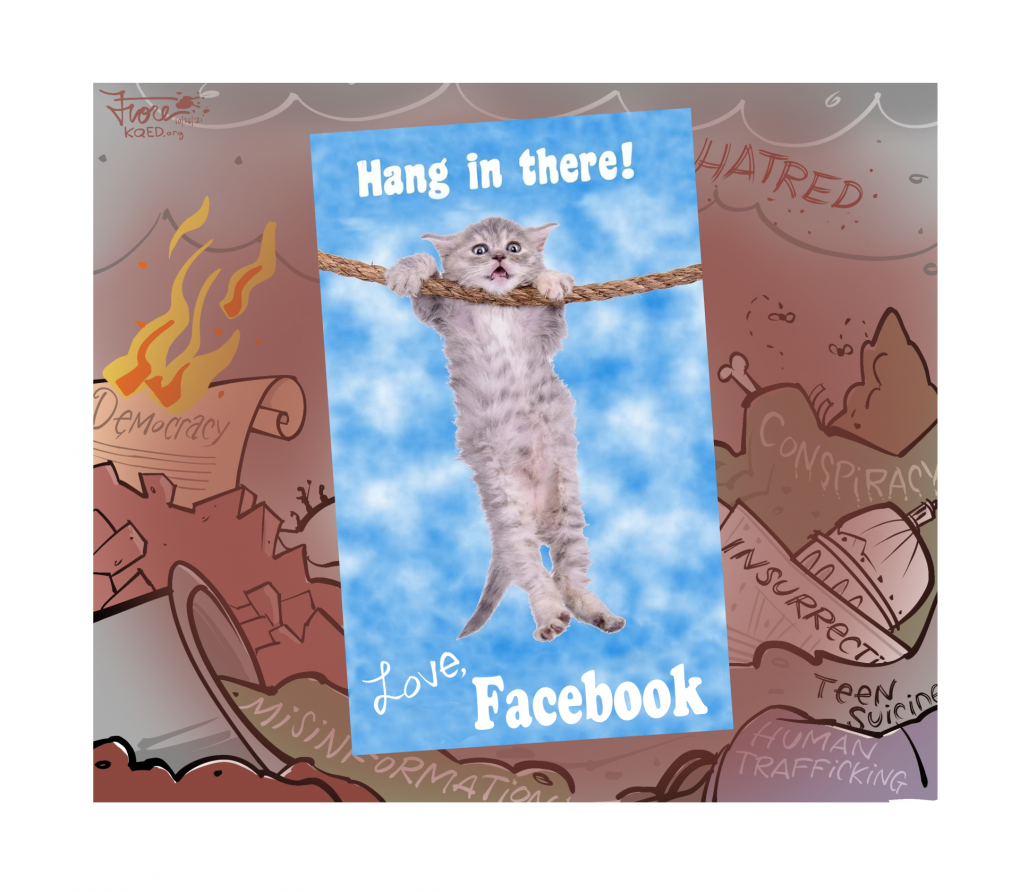
window.__IS_SSR__=true
window.__INITIAL_STATE__={
"attachmentsReducer": {
"audio_0": {
"type": "attachments",
"id": "audio_0",
"imgSizes": {
"kqedFullSize": {
"file": "https://ww2.kqed.org/news/wp-content/themes/KQED-unified/img/audio_bgs/background0.jpg"
}
}
},
"audio_1": {
"type": "attachments",
"id": "audio_1",
"imgSizes": {
"kqedFullSize": {
"file": "https://ww2.kqed.org/news/wp-content/themes/KQED-unified/img/audio_bgs/background1.jpg"
}
}
},
"audio_2": {
"type": "attachments",
"id": "audio_2",
"imgSizes": {
"kqedFullSize": {
"file": "https://ww2.kqed.org/news/wp-content/themes/KQED-unified/img/audio_bgs/background2.jpg"
}
}
},
"audio_3": {
"type": "attachments",
"id": "audio_3",
"imgSizes": {
"kqedFullSize": {
"file": "https://ww2.kqed.org/news/wp-content/themes/KQED-unified/img/audio_bgs/background3.jpg"
}
}
},
"audio_4": {
"type": "attachments",
"id": "audio_4",
"imgSizes": {
"kqedFullSize": {
"file": "https://ww2.kqed.org/news/wp-content/themes/KQED-unified/img/audio_bgs/background4.jpg"
}
}
},
"placeholder": {
"type": "attachments",
"id": "placeholder",
"imgSizes": {
"thumbnail": {
"file": "https://cdn.kqed.org/wp-content/uploads/2024/12/KQED-Default-Image-816638274-2000x1333-1-160x107.jpg",
"width": 160,
"height": 107,
"mimeType": "image/jpeg"
},
"medium": {
"file": "https://cdn.kqed.org/wp-content/uploads/2024/12/KQED-Default-Image-816638274-2000x1333-1-800x533.jpg",
"width": 800,
"height": 533,
"mimeType": "image/jpeg"
},
"medium_large": {
"file": "https://cdn.kqed.org/wp-content/uploads/2024/12/KQED-Default-Image-816638274-2000x1333-1-768x512.jpg",
"width": 768,
"height": 512,
"mimeType": "image/jpeg"
},
"large": {
"file": "https://cdn.kqed.org/wp-content/uploads/2024/12/KQED-Default-Image-816638274-2000x1333-1-1020x680.jpg",
"width": 1020,
"height": 680,
"mimeType": "image/jpeg"
},
"1536x1536": {
"file": "https://cdn.kqed.org/wp-content/uploads/2024/12/KQED-Default-Image-816638274-2000x1333-1-1536x1024.jpg",
"width": 1536,
"height": 1024,
"mimeType": "image/jpeg"
},
"fd-lrg": {
"file": "https://cdn.kqed.org/wp-content/uploads/2024/12/KQED-Default-Image-816638274-2000x1333-1-1536x1024.jpg",
"width": 1536,
"height": 1024,
"mimeType": "image/jpeg"
},
"fd-med": {
"file": "https://cdn.kqed.org/wp-content/uploads/2024/12/KQED-Default-Image-816638274-2000x1333-1-1020x680.jpg",
"width": 1020,
"height": 680,
"mimeType": "image/jpeg"
},
"fd-sm": {
"file": "https://cdn.kqed.org/wp-content/uploads/2024/12/KQED-Default-Image-816638274-2000x1333-1-800x533.jpg",
"width": 800,
"height": 533,
"mimeType": "image/jpeg"
},
"post-thumbnail": {
"file": "https://cdn.kqed.org/wp-content/uploads/2024/12/KQED-Default-Image-816638274-2000x1333-1-672x372.jpg",
"width": 672,
"height": 372,
"mimeType": "image/jpeg"
},
"twentyfourteen-full-width": {
"file": "https://cdn.kqed.org/wp-content/uploads/2024/12/KQED-Default-Image-816638274-2000x1333-1-1038x576.jpg",
"width": 1038,
"height": 576,
"mimeType": "image/jpeg"
},
"xxsmall": {
"file": "https://cdn.kqed.org/wp-content/uploads/2024/12/KQED-Default-Image-816638274-2000x1333-1-160x107.jpg",
"width": 160,
"height": 107,
"mimeType": "image/jpeg"
},
"xsmall": {
"file": "https://cdn.kqed.org/wp-content/uploads/2024/12/KQED-Default-Image-816638274-2000x1333-1-672x372.jpg",
"width": 672,
"height": 372,
"mimeType": "image/jpeg"
},
"small": {
"file": "https://cdn.kqed.org/wp-content/uploads/2024/12/KQED-Default-Image-816638274-2000x1333-1-672x372.jpg",
"width": 672,
"height": 372,
"mimeType": "image/jpeg"
},
"xlarge": {
"file": "https://cdn.kqed.org/wp-content/uploads/2024/12/KQED-Default-Image-816638274-2000x1333-1-1020x680.jpg",
"width": 1020,
"height": 680,
"mimeType": "image/jpeg"
},
"full-width": {
"file": "https://cdn.kqed.org/wp-content/uploads/2024/12/KQED-Default-Image-816638274-2000x1333-1-1920x1280.jpg",
"width": 1920,
"height": 1280,
"mimeType": "image/jpeg"
},
"guest-author-32": {
"file": "https://cdn.kqed.org/wp-content/uploads/2025/01/KQED-Default-Image-816638274-1333x1333-1-160x160.jpg",
"width": 32,
"height": 32,
"mimeType": "image/jpeg"
},
"guest-author-50": {
"file": "https://cdn.kqed.org/wp-content/uploads/2025/01/KQED-Default-Image-816638274-1333x1333-1-160x160.jpg",
"width": 50,
"height": 50,
"mimeType": "image/jpeg"
},
"guest-author-64": {
"file": "https://cdn.kqed.org/wp-content/uploads/2025/01/KQED-Default-Image-816638274-1333x1333-1-160x160.jpg",
"width": 64,
"height": 64,
"mimeType": "image/jpeg"
},
"guest-author-96": {
"file": "https://cdn.kqed.org/wp-content/uploads/2025/01/KQED-Default-Image-816638274-1333x1333-1-160x160.jpg",
"width": 96,
"height": 96,
"mimeType": "image/jpeg"
},
"guest-author-128": {
"file": "https://cdn.kqed.org/wp-content/uploads/2025/01/KQED-Default-Image-816638274-1333x1333-1-160x160.jpg",
"width": 128,
"height": 128,
"mimeType": "image/jpeg"
},
"detail": {
"file": "https://cdn.kqed.org/wp-content/uploads/2025/01/KQED-Default-Image-816638274-1333x1333-1-160x160.jpg",
"width": 160,
"height": 160,
"mimeType": "image/jpeg"
},
"kqedFullSize": {
"file": "https://cdn.kqed.org/wp-content/uploads/2024/12/KQED-Default-Image-816638274-2000x1333-1.jpg",
"width": 2000,
"height": 1333
}
}
},
"news_11966838": {
"type": "attachments",
"id": "news_11966838",
"meta": {
"index": "attachments_1716263798",
"site": "news",
"id": "11966838",
"found": true
},
"parent": 11966824,
"imgSizes": {
"twentyfourteen-full-width": {
"file": "https://ww2.kqed.org/app/uploads/sites/10/2023/11/DeepFakeVid-1038x576.jpg",
"width": 1038,
"mimeType": "image/jpeg",
"height": 576
},
"thumbnail": {
"file": "https://ww2.kqed.org/app/uploads/sites/10/2023/11/DeepFakeVid-160x106.jpg",
"width": 160,
"mimeType": "image/jpeg",
"height": 106
},
"post-thumbnail": {
"file": "https://ww2.kqed.org/app/uploads/sites/10/2023/11/DeepFakeVid-672x372.jpg",
"width": 672,
"mimeType": "image/jpeg",
"height": 372
},
"kqedFullSize": {
"file": "https://ww2.kqed.org/app/uploads/sites/10/2023/11/DeepFakeVid.jpg",
"width": 1920,
"height": 1273
},
"large": {
"file": "https://ww2.kqed.org/app/uploads/sites/10/2023/11/DeepFakeVid-1020x676.jpg",
"width": 1020,
"mimeType": "image/jpeg",
"height": 676
},
"1536x1536": {
"file": "https://ww2.kqed.org/app/uploads/sites/10/2023/11/DeepFakeVid-1536x1018.jpg",
"width": 1536,
"mimeType": "image/jpeg",
"height": 1018
},
"medium": {
"file": "https://ww2.kqed.org/app/uploads/sites/10/2023/11/DeepFakeVid-800x530.jpg",
"width": 800,
"mimeType": "image/jpeg",
"height": 530
}
},
"publishDate": 1699488674,
"modified": 1699491136,
"caption": "A 2018 image from a deepfake video featuring former President Barack Obama shows elements of facial mapping used in creating deepfakes. Launched this week, the California Institute for Technology and Democracy will provide lawmakers with recommendations on countering the impacts of AI, deepfakes and disinformation on the 2024 election.",
"description": null,
"title": "DeepFakeVid",
"credit": "AP Photo",
"status": "inherit",
"altTag": "A video screencap showing Barack Obama with pixellated multi-colors on his face.",
"isLoading": false,
"fetchFailed": false
},
"news_11965462": {
"type": "attachments",
"id": "news_11965462",
"meta": {
"index": "attachments_1716263798",
"site": "news",
"id": "11965462",
"found": true
},
"parent": 11965403,
"imgSizes": {
"twentyfourteen-full-width": {
"file": "https://ww2.kqed.org/app/uploads/sites/10/2023/10/231019-GazaRally-011-BL-qut-1038x576.jpg",
"width": 1038,
"mimeType": "image/jpeg",
"height": 576
},
"thumbnail": {
"file": "https://ww2.kqed.org/app/uploads/sites/10/2023/10/231019-GazaRally-011-BL-qut-160x107.jpg",
"width": 160,
"mimeType": "image/jpeg",
"height": 107
},
"post-thumbnail": {
"file": "https://ww2.kqed.org/app/uploads/sites/10/2023/10/231019-GazaRally-011-BL-qut-672x372.jpg",
"width": 672,
"mimeType": "image/jpeg",
"height": 372
},
"kqedFullSize": {
"file": "https://ww2.kqed.org/app/uploads/sites/10/2023/10/231019-GazaRally-011-BL-qut.jpg",
"width": 1920,
"height": 1280
},
"large": {
"file": "https://ww2.kqed.org/app/uploads/sites/10/2023/10/231019-GazaRally-011-BL-qut-1020x680.jpg",
"width": 1020,
"mimeType": "image/jpeg",
"height": 680
},
"1536x1536": {
"file": "https://ww2.kqed.org/app/uploads/sites/10/2023/10/231019-GazaRally-011-BL-qut-1536x1024.jpg",
"width": 1536,
"mimeType": "image/jpeg",
"height": 1024
},
"medium": {
"file": "https://ww2.kqed.org/app/uploads/sites/10/2023/10/231019-GazaRally-011-BL-qut-800x533.jpg",
"width": 800,
"mimeType": "image/jpeg",
"height": 533
}
},
"publishDate": 1698184300,
"modified": 1698184421,
"caption": "Foaz Kayed (left) and Laila Al rally alongside hundreds of demonstrators outside the Federal Building in San Francisco on Oct. 19, 2023, calling for the end of United States military aid to Israel.",
"description": null,
"title": "231019-GazaRally-011-BL-qut",
"credit": "Beth LaBerge/KQED",
"status": "inherit",
"altTag": "Two women wearing headscarves hold 'Free Palestine' and 'No justice, no peace' signs during a large outdoor rally.",
"isLoading": false,
"fetchFailed": false
},
"news_11960658": {
"type": "attachments",
"id": "news_11960658",
"meta": {
"index": "attachments_1716263798",
"site": "news",
"id": "11960658",
"found": true
},
"parent": 0,
"imgSizes": {
"twentyfourteen-full-width": {
"file": "https://ww2.kqed.org/app/uploads/sites/10/2023/09/091123-PHOTO-AI-RM-01-KQED-1038x576.jpg",
"width": 1038,
"mimeType": "image/jpeg",
"height": 576
},
"thumbnail": {
"file": "https://ww2.kqed.org/app/uploads/sites/10/2023/09/091123-PHOTO-AI-RM-01-KQED-160x106.jpg",
"width": 160,
"mimeType": "image/jpeg",
"height": 106
},
"post-thumbnail": {
"file": "https://ww2.kqed.org/app/uploads/sites/10/2023/09/091123-PHOTO-AI-RM-01-KQED-672x372.jpg",
"width": 672,
"mimeType": "image/jpeg",
"height": 372
},
"kqedFullSize": {
"file": "https://ww2.kqed.org/app/uploads/sites/10/2023/09/091123-PHOTO-AI-RM-01-KQED.jpg",
"width": 2000,
"height": 1319
},
"large": {
"file": "https://ww2.kqed.org/app/uploads/sites/10/2023/09/091123-PHOTO-AI-RM-01-KQED-1020x673.jpg",
"width": 1020,
"mimeType": "image/jpeg",
"height": 673
},
"1536x1536": {
"file": "https://ww2.kqed.org/app/uploads/sites/10/2023/09/091123-PHOTO-AI-RM-01-KQED-1536x1013.jpg",
"width": 1536,
"mimeType": "image/jpeg",
"height": 1013
},
"full-width": {
"file": "https://ww2.kqed.org/app/uploads/sites/10/2023/09/091123-PHOTO-AI-RM-01-KQED-1920x1266.jpg",
"width": 1920,
"mimeType": "image/jpeg",
"height": 1266
},
"medium": {
"file": "https://ww2.kqed.org/app/uploads/sites/10/2023/09/091123-PHOTO-AI-RM-01-KQED-800x528.jpg",
"width": 800,
"mimeType": "image/jpeg",
"height": 528
}
},
"publishDate": 1694465224,
"modified": 1694552085,
"caption": "Taken for Rolling Stone magazine. 'Homegirls' or 'cholas' associated with the Venice 13 (also V13), a Mexican American street gang.",
"description": "DO NOT REPUBLISH",
"title": "091123-PHOTO AI-RM-01-KQED",
"credit": "Courtesy of Merrick Morton",
"status": "inherit",
"altTag": "Three women look at the camera and make signs with their hands.",
"isLoading": false,
"fetchFailed": false
},
"news_11951943": {
"type": "attachments",
"id": "news_11951943",
"meta": {
"index": "attachments_1716263798",
"site": "news",
"id": "11951943",
"found": true
},
"title": null,
"publishDate": 1685645830,
"status": "inherit",
"parent": 12035855,
"modified": 1744662450,
"caption": "Despite heavy lobbying by Mark Zuckerberg to avoid a trial, the Federal Trade Commission’s case against Meta began Monday, alleging the company violated competition laws with its acquisitions of Instagram and WhatsApp.",
"credit": "Jeff Chiu/AP Photo",
"altTag": "The Meta booth at the Game Developers Conference 2023 in San Francisco.",
"description": null,
"imgSizes": {
"medium": {
"file": "https://cdn.kqed.org/wp-content/uploads/sites/10/2023/06/060123-Meta-Facebook-Instagram-AP-JC-KQED-800x533.jpg",
"width": 800,
"height": 533,
"mimeType": "image/jpeg"
},
"large": {
"file": "https://cdn.kqed.org/wp-content/uploads/sites/10/2023/06/060123-Meta-Facebook-Instagram-AP-JC-KQED-1020x680.jpg",
"width": 1020,
"height": 680,
"mimeType": "image/jpeg"
},
"thumbnail": {
"file": "https://cdn.kqed.org/wp-content/uploads/sites/10/2023/06/060123-Meta-Facebook-Instagram-AP-JC-KQED-160x107.jpg",
"width": 160,
"height": 107,
"mimeType": "image/jpeg"
},
"1536x1536": {
"file": "https://cdn.kqed.org/wp-content/uploads/sites/10/2023/06/060123-Meta-Facebook-Instagram-AP-JC-KQED-1536x1024.jpg",
"width": 1536,
"height": 1024,
"mimeType": "image/jpeg"
},
"post-thumbnail": {
"file": "https://cdn.kqed.org/wp-content/uploads/sites/10/2023/06/060123-Meta-Facebook-Instagram-AP-JC-KQED-672x372.jpg",
"width": 672,
"height": 372,
"mimeType": "image/jpeg"
},
"twentyfourteen-full-width": {
"file": "https://cdn.kqed.org/wp-content/uploads/sites/10/2023/06/060123-Meta-Facebook-Instagram-AP-JC-KQED-1038x576.jpg",
"width": 1038,
"height": 576,
"mimeType": "image/jpeg"
},
"kqedFullSize": {
"file": "https://cdn.kqed.org/wp-content/uploads/sites/10/2023/06/060123-Meta-Facebook-Instagram-AP-JC-KQED.jpg",
"width": 1920,
"height": 1280
}
},
"isLoading": false,
"fetchFailed": false
},
"news_11822188": {
"type": "attachments",
"id": "news_11822188",
"meta": {
"index": "attachments_1716263798",
"site": "news",
"id": "11822188",
"found": true
},
"parent": 11822178,
"imgSizes": {
"apple_news_ca_landscape_5_5": {
"file": "https://ww2.kqed.org/app/uploads/sites/10/2020/06/RS43524_GettyImages-1178141588-qut-1044x783.jpg",
"width": 1044,
"mimeType": "image/jpeg",
"height": 783
},
"apple_news_ca_square_4_0": {
"file": "https://ww2.kqed.org/app/uploads/sites/10/2020/06/RS43524_GettyImages-1178141588-qut-470x470.jpg",
"width": 470,
"mimeType": "image/jpeg",
"height": 470
},
"twentyfourteen-full-width": {
"file": "https://ww2.kqed.org/app/uploads/sites/10/2020/06/RS43524_GettyImages-1178141588-qut-1038x576.jpg",
"width": 1038,
"mimeType": "image/jpeg",
"height": 576
},
"thumbnail": {
"file": "https://ww2.kqed.org/app/uploads/sites/10/2020/06/RS43524_GettyImages-1178141588-qut-160x107.jpg",
"width": 160,
"mimeType": "image/jpeg",
"height": 107
},
"post-thumbnail": {
"file": "https://ww2.kqed.org/app/uploads/sites/10/2020/06/RS43524_GettyImages-1178141588-qut-672x372.jpg",
"width": 672,
"mimeType": "image/jpeg",
"height": 372
},
"kqedFullSize": {
"file": "https://ww2.kqed.org/app/uploads/sites/10/2020/06/RS43524_GettyImages-1178141588-qut.jpg",
"width": 1920,
"height": 1280
},
"apple_news_ca_landscape_4_7": {
"file": "https://ww2.kqed.org/app/uploads/sites/10/2020/06/RS43524_GettyImages-1178141588-qut-632x474.jpg",
"width": 632,
"mimeType": "image/jpeg",
"height": 474
},
"large": {
"file": "https://ww2.kqed.org/app/uploads/sites/10/2020/06/RS43524_GettyImages-1178141588-qut-1020x680.jpg",
"width": 1020,
"mimeType": "image/jpeg",
"height": 680
},
"apple_news_ca_landscape_4_0": {
"file": "https://ww2.kqed.org/app/uploads/sites/10/2020/06/RS43524_GettyImages-1178141588-qut-536x402.jpg",
"width": 536,
"mimeType": "image/jpeg",
"height": 402
},
"apple_news_ca_portrait_12_9": {
"file": "https://ww2.kqed.org/app/uploads/sites/10/2020/06/RS43524_GettyImages-1178141588-qut-1122x1280.jpg",
"width": 1122,
"mimeType": "image/jpeg",
"height": 1280
},
"medium": {
"file": "https://ww2.kqed.org/app/uploads/sites/10/2020/06/RS43524_GettyImages-1178141588-qut-800x533.jpg",
"width": 800,
"mimeType": "image/jpeg",
"height": 533
},
"apple_news_ca_portrait_4_0": {
"file": "https://ww2.kqed.org/app/uploads/sites/10/2020/06/RS43524_GettyImages-1178141588-qut-354x472.jpg",
"width": 354,
"mimeType": "image/jpeg",
"height": 472
},
"apple_news_ca_portrait_9_7": {
"file": "https://ww2.kqed.org/app/uploads/sites/10/2020/06/RS43524_GettyImages-1178141588-qut-840x1120.jpg",
"width": 840,
"mimeType": "image/jpeg",
"height": 1120
},
"apple_news_ca_landscape_12_9": {
"file": "https://ww2.kqed.org/app/uploads/sites/10/2020/06/RS43524_GettyImages-1178141588-qut-1832x1280.jpg",
"width": 1832,
"mimeType": "image/jpeg",
"height": 1280
},
"apple_news_ca_square_9_7": {
"file": "https://ww2.kqed.org/app/uploads/sites/10/2020/06/RS43524_GettyImages-1178141588-qut-1104x1104.jpg",
"width": 1104,
"mimeType": "image/jpeg",
"height": 1104
},
"apple_news_ca_portrait_4_7": {
"file": "https://ww2.kqed.org/app/uploads/sites/10/2020/06/RS43524_GettyImages-1178141588-qut-414x552.jpg",
"width": 414,
"mimeType": "image/jpeg",
"height": 552
},
"apple_news_ca_square_12_9": {
"file": "https://ww2.kqed.org/app/uploads/sites/10/2020/06/RS43524_GettyImages-1178141588-qut-1472x1280.jpg",
"width": 1472,
"mimeType": "image/jpeg",
"height": 1280
},
"apple_news_ca_portrait_5_5": {
"file": "https://ww2.kqed.org/app/uploads/sites/10/2020/06/RS43524_GettyImages-1178141588-qut-687x916.jpg",
"width": 687,
"mimeType": "image/jpeg",
"height": 916
},
"full-width": {
"file": "https://ww2.kqed.org/app/uploads/sites/10/2020/06/RS43524_GettyImages-1178141588-qut-1920x1280.jpg",
"width": 1920,
"mimeType": "image/jpeg",
"height": 1280
},
"apple_news_ca_square_4_7": {
"file": "https://ww2.kqed.org/app/uploads/sites/10/2020/06/RS43524_GettyImages-1178141588-qut-550x550.jpg",
"width": 550,
"mimeType": "image/jpeg",
"height": 550
},
"apple_news_ca_landscape_9_7": {
"file": "https://ww2.kqed.org/app/uploads/sites/10/2020/06/RS43524_GettyImages-1178141588-qut-1376x1032.jpg",
"width": 1376,
"mimeType": "image/jpeg",
"height": 1032
},
"apple_news_ca_square_5_5": {
"file": "https://ww2.kqed.org/app/uploads/sites/10/2020/06/RS43524_GettyImages-1178141588-qut-912x912.jpg",
"width": 912,
"mimeType": "image/jpeg",
"height": 912
}
},
"publishDate": 1591042696,
"modified": 1668019143,
"caption": "Facebook CEO Mark Zuckerberg, pictured in 2019.",
"description": "Facebook CEO Mark Zuckerberg, pictured in 2019.",
"title": "Facebook CEO Mark Zuckerberg And News Corp CEO Robert Thomson Debut Facebook News",
"credit": "Drew Angerer/Getty Images",
"status": "inherit",
"altTag": "White man in light gray sweater speaks with both arms raised in open gesture",
"isLoading": false,
"fetchFailed": false
},
"news_11928189": {
"type": "attachments",
"id": "news_11928189",
"meta": {
"index": "attachments_1716263798",
"site": "news",
"id": "11928189",
"found": true
},
"parent": 11928188,
"imgSizes": {
"twentyfourteen-full-width": {
"file": "https://ww2.kqed.org/app/uploads/sites/10/2022/10/RS59113_DSC08232-qut-1038x576.jpg",
"width": 1038,
"mimeType": "image/jpeg",
"height": 576
},
"thumbnail": {
"file": "https://ww2.kqed.org/app/uploads/sites/10/2022/10/RS59113_DSC08232-qut-160x107.jpg",
"width": 160,
"mimeType": "image/jpeg",
"height": 107
},
"post-thumbnail": {
"file": "https://ww2.kqed.org/app/uploads/sites/10/2022/10/RS59113_DSC08232-qut-672x372.jpg",
"width": 672,
"mimeType": "image/jpeg",
"height": 372
},
"kqedFullSize": {
"file": "https://ww2.kqed.org/app/uploads/sites/10/2022/10/RS59113_DSC08232-qut.jpg",
"width": 1920,
"height": 1280
},
"large": {
"file": "https://ww2.kqed.org/app/uploads/sites/10/2022/10/RS59113_DSC08232-qut-1020x680.jpg",
"width": 1020,
"mimeType": "image/jpeg",
"height": 680
},
"1536x1536": {
"file": "https://ww2.kqed.org/app/uploads/sites/10/2022/10/RS59113_DSC08232-qut-1536x1024.jpg",
"width": 1536,
"mimeType": "image/jpeg",
"height": 1024
},
"medium": {
"file": "https://ww2.kqed.org/app/uploads/sites/10/2022/10/RS59113_DSC08232-qut-800x533.jpg",
"width": 800,
"mimeType": "image/jpeg",
"height": 533
}
},
"publishDate": 1665344409,
"modified": 1665431104,
"caption": "Janitorial staff go on strike after mass layoffs, at Meta's offices in Burlingame on Oct. 7, 2022.",
"description": null,
"title": "RS59113_DSC08232-qut",
"credit": "Aryk Copley/KQED",
"status": "inherit",
"altTag": "A person shouts into a megaphone with a small crowd of around of around 10 standing behind them.",
"isLoading": false,
"fetchFailed": false
},
"news_11925527": {
"type": "attachments",
"id": "news_11925527",
"meta": {
"index": "attachments_1716263798",
"site": "news",
"id": "11925527",
"found": true
},
"parent": 11925476,
"imgSizes": {
"thumbnail": {
"file": "https://ww2.kqed.org/app/uploads/sites/10/2022/09/image-160x78.png",
"width": 160,
"mimeType": "image/png",
"height": 78
},
"post-thumbnail": {
"file": "https://ww2.kqed.org/app/uploads/sites/10/2022/09/image-672x372.png",
"width": 672,
"mimeType": "image/png",
"height": 372
},
"kqedFullSize": {
"file": "https://ww2.kqed.org/app/uploads/sites/10/2022/09/image.png",
"width": 800,
"height": 389
}
},
"publishDate": 1663110363,
"modified": 1663176180,
"caption": "A screenshot from a Facebook account message.",
"description": null,
"title": "image",
"credit": "Courtesy of Nick Wright/Image from Facebook",
"status": "inherit",
"altTag": "A screenshot from a Facebook account message, with an image of a lock and the text, 'Nick, your account has been locked.'",
"isLoading": false,
"fetchFailed": false
},
"news_11900965": {
"type": "attachments",
"id": "news_11900965",
"meta": {
"index": "attachments_1716263798",
"site": "news",
"id": "11900965",
"found": true
},
"parent": 11900964,
"imgSizes": {
"twentyfourteen-full-width": {
"file": "https://ww2.kqed.org/app/uploads/sites/10/2022/01/ap20171734384751_custom-492f064d88a92197e72ae78a3b25f13553c07c96-1038x576.jpg",
"width": 1038,
"mimeType": "image/jpeg",
"height": 576
},
"thumbnail": {
"file": "https://ww2.kqed.org/app/uploads/sites/10/2022/01/ap20171734384751_custom-492f064d88a92197e72ae78a3b25f13553c07c96-160x107.jpg",
"width": 160,
"mimeType": "image/jpeg",
"height": 107
},
"post-thumbnail": {
"file": "https://ww2.kqed.org/app/uploads/sites/10/2022/01/ap20171734384751_custom-492f064d88a92197e72ae78a3b25f13553c07c96-672x372.jpg",
"width": 672,
"mimeType": "image/jpeg",
"height": 372
},
"kqedFullSize": {
"file": "https://ww2.kqed.org/app/uploads/sites/10/2022/01/ap20171734384751_custom-492f064d88a92197e72ae78a3b25f13553c07c96-scaled-e1641496915898.jpg",
"width": 1920,
"height": 1281
},
"2048x2048": {
"file": "https://ww2.kqed.org/app/uploads/sites/10/2022/01/ap20171734384751_custom-492f064d88a92197e72ae78a3b25f13553c07c96-2048x1367.jpg",
"width": 2048,
"mimeType": "image/jpeg",
"height": 1367
},
"large": {
"file": "https://ww2.kqed.org/app/uploads/sites/10/2022/01/ap20171734384751_custom-492f064d88a92197e72ae78a3b25f13553c07c96-1020x681.jpg",
"width": 1020,
"mimeType": "image/jpeg",
"height": 681
},
"1536x1536": {
"file": "https://ww2.kqed.org/app/uploads/sites/10/2022/01/ap20171734384751_custom-492f064d88a92197e72ae78a3b25f13553c07c96-1536x1025.jpg",
"width": 1536,
"mimeType": "image/jpeg",
"height": 1025
},
"full-width": {
"file": "https://ww2.kqed.org/app/uploads/sites/10/2022/01/ap20171734384751_custom-492f064d88a92197e72ae78a3b25f13553c07c96-1920x1281.jpg",
"width": 1920,
"mimeType": "image/jpeg",
"height": 1281
},
"medium": {
"file": "https://ww2.kqed.org/app/uploads/sites/10/2022/01/ap20171734384751_custom-492f064d88a92197e72ae78a3b25f13553c07c96-800x534.jpg",
"width": 800,
"mimeType": "image/jpeg",
"height": 534
}
},
"publishDate": 1641496259,
"modified": 1641509247,
"caption": "Mourners view the body of federal protective services officer Dave Patrick Underwood after a memorial service on Friday, June 19, 2020, in Pinole. Underwood was fatally shot by a suspect investigators say had ties to right-wing extremists as he was guarding the Ronald V. Dellums Federal Building in Oakland, amid protests on May 29, 2020.",
"description": "Mourners view the body of Federal Protective Services Officer Dave Patrick Underwood after a memorial service on Friday, June 19, 2020, in Pinole. Underwood was fatally shot by a suspect investigators say had ties to right-wing extremists as he was guarding the Ronald V. Dellums Federal Building in Oakland, amid protests on May 29, 2020.",
"title": "Mourners view the body of Federal Protective Services Officer Dave Patrick Underwood after a memorial service in June 2020. Underwood was fatally shot as he was guarding a federal building in Oakland, Calif., amid George Floyd-related protests.",
"credit": "Ben Margot/AP",
"status": "inherit",
"altTag": "mourners file past an open casket funeral, a large photo of the deceased as a young man playing basketball appears in background",
"isLoading": false,
"fetchFailed": false
},
"news_11895919": {
"type": "attachments",
"id": "news_11895919",
"meta": {
"index": "attachments_1716263798",
"site": "news",
"id": "11895919",
"found": true
},
"parent": 11895742,
"imgSizes": {
"thumbnail": {
"file": "https://ww2.kqed.org/app/uploads/sites/10/2021/11/GettyImages-1236188328-1-160x89.jpg",
"width": 160,
"mimeType": "image/jpeg",
"height": 89
},
"post-thumbnail": {
"file": "https://ww2.kqed.org/app/uploads/sites/10/2021/11/GettyImages-1236188328-1-672x372.jpg",
"width": 672,
"mimeType": "image/jpeg",
"height": 372
},
"kqedFullSize": {
"file": "https://ww2.kqed.org/app/uploads/sites/10/2021/11/GettyImages-1236188328-1.jpg",
"width": 1024,
"height": 570
},
"large": {
"file": "https://ww2.kqed.org/app/uploads/sites/10/2021/11/GettyImages-1236188328-1-1020x568.jpg",
"width": 1020,
"mimeType": "image/jpeg",
"height": 568
},
"medium": {
"file": "https://ww2.kqed.org/app/uploads/sites/10/2021/11/GettyImages-1236188328-1-800x445.jpg",
"width": 800,
"mimeType": "image/jpeg",
"height": 445
}
},
"publishDate": 1636591110,
"modified": 1636591314,
"caption": "Thousands of Facebook and Instagram users on Wednesday began a boycott — or 'logout' — of the two platforms, owned by parent company Meta.",
"description": null,
"title": "US-FACEBOOK-MEDIA-INTERNET-COMPUTERS-WIRELESS",
"credit": "Chris Delmas/AFP via Getty Images",
"status": "inherit",
"altTag": "The Facebook \"thumb's up\" logo on a smartphone, with the \"Meta\" logo in the background.",
"isLoading": false,
"fetchFailed": false
},
"news_11894407": {
"type": "attachments",
"id": "news_11894407",
"meta": {
"index": "attachments_1716263798",
"site": "news",
"id": "11894407",
"found": true
},
"parent": 11894371,
"imgSizes": {
"twentyfourteen-full-width": {
"file": "https://ww2.kqed.org/app/uploads/sites/10/2021/10/KNR908-Marquee-1038x576.jpeg",
"width": 1038,
"mimeType": "image/jpeg",
"height": 576
},
"thumbnail": {
"file": "https://ww2.kqed.org/app/uploads/sites/10/2021/10/KNR908-Marquee-160x108.jpeg",
"width": 160,
"mimeType": "image/jpeg",
"height": 108
},
"post-thumbnail": {
"file": "https://ww2.kqed.org/app/uploads/sites/10/2021/10/KNR908-Marquee-672x372.jpeg",
"width": 672,
"mimeType": "image/jpeg",
"height": 372
},
"kqedFullSize": {
"file": "https://ww2.kqed.org/app/uploads/sites/10/2021/10/KNR908-Marquee.jpeg",
"width": 1594,
"height": 1079
},
"large": {
"file": "https://ww2.kqed.org/app/uploads/sites/10/2021/10/KNR908-Marquee-1020x690.jpeg",
"width": 1020,
"mimeType": "image/jpeg",
"height": 690
},
"1536x1536": {
"file": "https://ww2.kqed.org/app/uploads/sites/10/2021/10/KNR908-Marquee-1536x1040.jpeg",
"width": 1536,
"mimeType": "image/jpeg",
"height": 1040
},
"medium": {
"file": "https://ww2.kqed.org/app/uploads/sites/10/2021/10/KNR908-Marquee-800x542.jpeg",
"width": 800,
"mimeType": "image/jpeg",
"height": 542
}
},
"publishDate": 1635544370,
"modified": 1635544394,
"caption": null,
"description": null,
"title": "KNR908 Marquee",
"credit": null,
"status": "inherit",
"altTag": "Dr. Monica Gandhi headshot",
"isLoading": false,
"fetchFailed": false
},
"news_11894190": {
"type": "attachments",
"id": "news_11894190",
"meta": {
"index": "attachments_1716263798",
"site": "news",
"id": "11894190",
"found": true
},
"parent": 11894189,
"imgSizes": {
"twentyfourteen-full-width": {
"file": "https://ww2.kqed.org/app/uploads/sites/10/2021/10/ap21301666442868-e9d5e86edbc5705ee47eff8b77bb563a6867e737-1038x576.jpg",
"width": 1038,
"mimeType": "image/jpeg",
"height": 576
},
"thumbnail": {
"file": "https://ww2.kqed.org/app/uploads/sites/10/2021/10/ap21301666442868-e9d5e86edbc5705ee47eff8b77bb563a6867e737-160x120.jpg",
"width": 160,
"mimeType": "image/jpeg",
"height": 120
},
"post-thumbnail": {
"file": "https://ww2.kqed.org/app/uploads/sites/10/2021/10/ap21301666442868-e9d5e86edbc5705ee47eff8b77bb563a6867e737-672x372.jpg",
"width": 672,
"mimeType": "image/jpeg",
"height": 372
},
"kqedFullSize": {
"file": "https://ww2.kqed.org/app/uploads/sites/10/2021/10/ap21301666442868-e9d5e86edbc5705ee47eff8b77bb563a6867e737-scaled-e1635450321890.jpg",
"width": 1920,
"height": 1440
},
"2048x2048": {
"file": "https://ww2.kqed.org/app/uploads/sites/10/2021/10/ap21301666442868-e9d5e86edbc5705ee47eff8b77bb563a6867e737-2048x1536.jpg",
"width": 2048,
"mimeType": "image/jpeg",
"height": 1536
},
"large": {
"file": "https://ww2.kqed.org/app/uploads/sites/10/2021/10/ap21301666442868-e9d5e86edbc5705ee47eff8b77bb563a6867e737-1020x765.jpg",
"width": 1020,
"mimeType": "image/jpeg",
"height": 765
},
"1536x1536": {
"file": "https://ww2.kqed.org/app/uploads/sites/10/2021/10/ap21301666442868-e9d5e86edbc5705ee47eff8b77bb563a6867e737-1536x1152.jpg",
"width": 1536,
"mimeType": "image/jpeg",
"height": 1152
},
"full-width": {
"file": "https://ww2.kqed.org/app/uploads/sites/10/2021/10/ap21301666442868-e9d5e86edbc5705ee47eff8b77bb563a6867e737-1920x1440.jpg",
"width": 1920,
"mimeType": "image/jpeg",
"height": 1440
},
"medium": {
"file": "https://ww2.kqed.org/app/uploads/sites/10/2021/10/ap21301666442868-e9d5e86edbc5705ee47eff8b77bb563a6867e737-800x600.jpg",
"width": 800,
"mimeType": "image/jpeg",
"height": 600
}
},
"publishDate": 1635449971,
"modified": 1635451522,
"caption": "A screenshot of Facebook CEO Mark Zuckerberg announcing the company's new name, Meta, during a virtual event on Oct. 28, 2021. ",
"description": null,
"title": "Facebook CEO Mark Zuckerberg delivers the keynote address during a virtual event on Thursday, Oct. 28, 2021. Zuckerberg announced that Facebook will rebrand itself under a new name: Meta.",
"credit": "Eric Risberg/AP",
"status": "inherit",
"altTag": "A screenshot of a man next to a 'Meta' label",
"isLoading": false,
"fetchFailed": false
},
"news_11893919": {
"type": "attachments",
"id": "news_11893919",
"meta": {
"index": "attachments_1716263798",
"site": "news",
"id": "11893919",
"found": true
},
"parent": 11893901,
"imgSizes": {
"twentyfourteen-full-width": {
"file": "https://ww2.kqed.org/app/uploads/sites/10/2021/10/hanginthere_102621_final-1038x576.png",
"width": 1038,
"mimeType": "image/png",
"height": 576
},
"thumbnail": {
"file": "https://ww2.kqed.org/app/uploads/sites/10/2021/10/hanginthere_102621_final-160x140.png",
"width": 160,
"mimeType": "image/png",
"height": 140
},
"post-thumbnail": {
"file": "https://ww2.kqed.org/app/uploads/sites/10/2021/10/hanginthere_102621_final-672x372.png",
"width": 672,
"mimeType": "image/png",
"height": 372
},
"kqedFullSize": {
"file": "https://ww2.kqed.org/app/uploads/sites/10/2021/10/hanginthere_102621_final.png",
"width": 1920,
"height": 1679
},
"large": {
"file": "https://ww2.kqed.org/app/uploads/sites/10/2021/10/hanginthere_102621_final-1020x892.png",
"width": 1020,
"mimeType": "image/png",
"height": 892
},
"1536x1536": {
"file": "https://ww2.kqed.org/app/uploads/sites/10/2021/10/hanginthere_102621_final-1536x1343.png",
"width": 1536,
"mimeType": "image/png",
"height": 1343
},
"medium": {
"file": "https://ww2.kqed.org/app/uploads/sites/10/2021/10/hanginthere_102621_final-800x700.png",
"width": 800,
"mimeType": "image/png",
"height": 700
}
},
"publishDate": 1635289038,
"modified": 1635296324,
"caption": null,
"description": null,
"title": "hanginthere_102621_final",
"credit": null,
"status": "inherit",
"altTag": "Cartoon: A poster of a cat that reads, \"hang in there, love, Facebook\" while behind the poster we see Democracy burning, misinformation, hate, insurrection and human trafficking in a large dump pile.",
"isLoading": false,
"fetchFailed": false
}
},
"audioPlayerReducer": {
"postId": "stream_live",
"isPaused": true,
"isPlaying": false,
"pfsActive": false,
"pledgeModalIsOpen": true,
"playerDrawerIsOpen": false,
"liveAudioPlayStartedAt": 0,
"liveAudioPlayContext": ""
},
"authorsReducer": {
"byline_news_11960814": {
"type": "authors",
"id": "byline_news_11960814",
"meta": {
"override": true
},
"slug": "byline_news_11960814",
"name": "\u003ca href=\"https://www.kqed.org/\">Beth Tribolet\u003c/a>",
"isLoading": false
},
"byline_news_11951924": {
"type": "authors",
"id": "byline_news_11951924",
"meta": {
"override": true
},
"slug": "byline_news_11951924",
"name": "\u003ca href=\"https://www.npr.org/people/638550790/bobby-allyn\">Bobby Allyn\u003c/a>\u003cbr>NPR",
"isLoading": false
},
"byline_news_11931727": {
"type": "authors",
"id": "byline_news_11931727",
"meta": {
"override": true
},
"slug": "byline_news_11931727",
"name": "Barbara Ortutay\u003cbr>The Associated Press",
"isLoading": false
},
"byline_news_11928188": {
"type": "authors",
"id": "byline_news_11928188",
"meta": {
"override": true
},
"slug": "byline_news_11928188",
"name": "Shreeya Aranake",
"isLoading": false
},
"byline_news_11900964": {
"type": "authors",
"id": "byline_news_11900964",
"meta": {
"override": true
},
"slug": "byline_news_11900964",
"name": "\u003ca href=\"https://www.npr.org/people/638550790/bobby-allyn\">Bobby Allyn\u003c/a>",
"isLoading": false
},
"byline_news_11894189": {
"type": "authors",
"id": "byline_news_11894189",
"meta": {
"override": true
},
"slug": "byline_news_11894189",
"name": "Shannon Bond",
"isLoading": false
},
"kqed": {
"type": "authors",
"id": "236",
"meta": {
"index": "authors_1716337520",
"id": "236",
"found": true
},
"name": "KQED News Staff",
"firstName": "KQED News Staff",
"lastName": null,
"slug": "kqed",
"email": "faq@kqed.org",
"display_author_email": false,
"staff_mastheads": [],
"title": null,
"bio": null,
"avatar": "https://secure.gravatar.com/avatar/ef0e801a68c4c54afa9180db14084167?s=600&d=blank&r=g",
"twitter": null,
"facebook": null,
"instagram": null,
"linkedin": null,
"sites": [
{
"site": "arts",
"roles": [
"contributor"
]
},
{
"site": "news",
"roles": [
"editor"
]
},
{
"site": "futureofyou",
"roles": [
"author"
]
}
],
"headData": {
"title": "KQED News Staff | KQED",
"description": null,
"ogImgSrc": "https://secure.gravatar.com/avatar/ef0e801a68c4c54afa9180db14084167?s=600&d=blank&r=g",
"twImgSrc": "https://secure.gravatar.com/avatar/ef0e801a68c4c54afa9180db14084167?s=600&d=blank&r=g"
},
"isLoading": false,
"link": "/author/kqed"
},
"rachael-myrow": {
"type": "authors",
"id": "251",
"meta": {
"index": "authors_1716337520",
"id": "251",
"found": true
},
"name": "Rachael Myrow",
"firstName": "Rachael",
"lastName": "Myrow",
"slug": "rachael-myrow",
"email": "rmyrow@kqed.org",
"display_author_email": true,
"staff_mastheads": [
"news"
],
"title": "Senior Editor of KQED's Silicon Valley News Desk",
"bio": "• I write and edit stories about how Silicon Valley power and policies shape everyday life in California. I’m also passionate about making Bay Area history and culture more accessible to a broad public. • I’ve been a journalist for most of my life, starting in high school with The Franklin Press in Los Angeles, where I grew up. While earning my first degree in English at UC Berkeley, I got my start in public radio at KALX-FM. After completing a second degree in journalism at Cal, I landed my first professional job at Marketplace, then moved on to KPCC (now LAist), and then KQED, where I hosted The California Report for more than seven years. • My reporting has appeared on NPR, The World, WBUR’s \u003ci>Here & Now\u003c/i>, and the BBC. I also guest host for KQED’s \u003ci>Forum\u003c/i>, as well as the Commonwealth Club in San Francisco. • I speak periodically on media, democracy and technology issues, and do voiceover work for documentaries and educational video projects. • Outside of the studio, you'll find me hiking Bay Area trails and whipping up Insta-ready meals in my kitchen. • I do not accept gifts, money, or favors from anyone connected to my reporting, I don't pay people for information, and I do not support or donate to political causes. • I strive to treat the people I report on with fairness, honesty, and respect. I also recognize there are often multiple sides to a story and work to verify information through multiple sources and documentation. If I get something wrong, I correct it.",
"avatar": "https://secure.gravatar.com/avatar/3ed8a3c5f26025e4a805ba634cda8cd764906b97438a6d9ce216b044e340da4e?s=600&d=blank&r=g",
"twitter": "rachaelmyrow",
"bluesky": null,
"facebook": null,
"instagram": null,
"linkedin": "https://www.linkedin.com/in/rachaelmyrow/",
"sites": [
{
"site": "arts",
"roles": [
"administrator"
]
},
{
"site": "news",
"roles": [
"edit_others_posts",
"editor"
]
},
{
"site": "futureofyou",
"roles": [
"editor"
]
},
{
"site": "bayareabites",
"roles": [
"editor"
]
},
{
"site": "stateofhealth",
"roles": [
"editor"
]
},
{
"site": "science",
"roles": [
"editor"
]
},
{
"site": "food",
"roles": [
"editor"
]
},
{
"site": "forum",
"roles": [
"editor"
]
},
{
"site": "liveblog",
"roles": [
"author"
]
}
],
"headData": {
"title": "Rachael Myrow | KQED",
"description": "Senior Editor of KQED's Silicon Valley News Desk",
"ogImgSrc": "https://secure.gravatar.com/avatar/3ed8a3c5f26025e4a805ba634cda8cd764906b97438a6d9ce216b044e340da4e?s=600&d=blank&r=g",
"twImgSrc": "https://secure.gravatar.com/avatar/3ed8a3c5f26025e4a805ba634cda8cd764906b97438a6d9ce216b044e340da4e?s=600&d=blank&r=g"
},
"isLoading": false,
"link": "/author/rachael-myrow"
},
"markfiore": {
"type": "authors",
"id": "3236",
"meta": {
"index": "authors_1716337520",
"id": "3236",
"found": true
},
"name": "Mark Fiore",
"firstName": "Mark",
"lastName": "Fiore",
"slug": "markfiore",
"email": "mark@markfiore.com",
"display_author_email": false,
"staff_mastheads": [
"news"
],
"title": "KQED News Cartoonist",
"bio": "\u003ca href=\"http://www.MarkFiore.com\">MarkFiore.com\u003c/a> | \u003ca href=\"https://twitter.com/markfiore\">Follow on Twitter\u003c/a> | \u003ca href=\"https://www.facebook.com/pages/Mark-Fiore-Animated-Political-Cartoons/94451707396?ref=bookmarks\">Facebook\u003c/a> | \u003ca href=\"mailto:mark@markfiore.com\">email\u003c/a>\r\n\r\nPulitzer Prize-winner, Mark Fiore, who the Wall Street Journal has called “the undisputed guru of the form,” creates animated political cartoons in San Francisco, where his work has been featured regularly on the San Francisco Chronicle’s web site, SFGate.com. His work has appeared on Newsweek.com, Slate.com, CBSNews.com, MotherJones.com, DailyKos.com and NPR’s web site. Fiore’s political animation has appeared on CNN, Frontline, Bill Moyers Journal, Salon.com and cable and broadcast outlets across the globe.\r\n\r\nBeginning his professional life by drawing traditional political cartoons for newspapers, Fiore’s work appeared in publications ranging from the Washington Post to the Los Angeles Times. In the late 1990s, he began to experiment with animating political cartoons and, after a short stint at the San Jose Mercury News as their staff cartoonist, Fiore devoted all his energies to animation.\r\nGrowing up in California, Fiore also spent a good portion of his life in the backwoods of Idaho. It was this combination that shaped him politically. Mark majored in political science at Colorado College, where, in a perfect send-off for a cartoonist, he received his diploma in 1991 as commencement speaker Dick Cheney smiled approvingly.\r\nMark Fiore was awarded the Pulitzer Prize for political cartooning in 2010, a Robert F. Kennedy Journalism Award in 2004 and has twice received an Online Journalism Award for commentary from the Online News Association (2002, 2008). Fiore has received two awards for his work in new media from the National Cartoonists Society (2001, 2002), and in 2006 received The James Madison Freedom of Information Award from The Society of Professional Journalists.",
"avatar": "https://secure.gravatar.com/avatar/fc4e2a612b15b67bad0c6f0e1db4ca9b?s=600&d=blank&r=g",
"twitter": "MarkFiore",
"facebook": null,
"instagram": "https://www.instagram.com/markfiore/?hl=en",
"linkedin": null,
"sites": [
{
"site": "arts",
"roles": [
"contributor"
]
},
{
"site": "news",
"roles": [
"editor"
]
},
{
"site": "futureofyou",
"roles": [
"editor"
]
},
{
"site": "science",
"roles": [
"editor"
]
}
],
"headData": {
"title": "Mark Fiore | KQED",
"description": "KQED News Cartoonist",
"ogImgSrc": "https://secure.gravatar.com/avatar/fc4e2a612b15b67bad0c6f0e1db4ca9b?s=600&d=blank&r=g",
"twImgSrc": "https://secure.gravatar.com/avatar/fc4e2a612b15b67bad0c6f0e1db4ca9b?s=600&d=blank&r=g"
},
"isLoading": false,
"link": "/author/markfiore"
}
},
"pagesReducer": {
"news_tag_facebook": {
"type": "terms",
"id": "news_249",
"meta": {
"index": "terms_1716263798",
"site": "news",
"id": "249",
"score": 8.457276
},
"featImg": null,
"name": "Facebook",
"description": null,
"taxonomy": "tag",
"headData": {
"twImgId": null,
"twTitle": null,
"ogTitle": null,
"ogImgId": null,
"twDescription": null,
"description": null,
"title": "Facebook Archives | KQED News",
"ogDescription": null
},
"ttid": 257,
"slug": "facebook",
"isLoading": false,
"title": "Facebook",
"pageMeta": {
"site": "news",
"WpPageTemplate": "page-topic-editorial",
"currentPage": 2
},
"blocks": [
{
"blockName": "kqed/post-list",
"attrs": {
"layout": "cardArticle2",
"query": "posts/news?tag=facebook",
"seeMore": false,
"paginated": true,
"page": 2
}
},
{
"blockName": "kqed/ad"
}
]
}
},
"pfsSessionReducer": {},
"postsReducer": {
"stream_live": {
"type": "live",
"id": "stream_live",
"audioUrl": "https://streams.kqed.org/kqedradio",
"title": "Live Stream",
"excerpt": "Live Stream information currently unavailable.",
"link": "/radio",
"featImg": "",
"label": {
"name": "KQED Live",
"link": "/"
}
},
"stream_kqedNewscast": {
"type": "posts",
"id": "stream_kqedNewscast",
"audioUrl": "https://www.kqed.org/.stream/anon/radio/RDnews/newscast.mp3?_=1",
"title": "KQED Newscast",
"featImg": "",
"label": {
"name": "88.5 FM",
"link": "/"
}
},
"news_11966824": {
"type": "posts",
"id": "news_11966824",
"meta": {
"index": "posts_1716263798",
"site": "news",
"id": "11966824",
"score": null,
"sort": [
1699543837000
]
},
"guestAuthors": [],
"slug": "ahead-of-2024-election-this-new-california-institute-wants-to-fight-ai-disinformation",
"title": "Ahead of 2024 Election, This New California Institute Wants to Fight AI Disinformation",
"publishDate": 1699543837,
"format": "standard",
"headTitle": "Ahead of 2024 Election, This New California Institute Wants to Fight AI Disinformation | KQED",
"labelTerm": {
"site": "news"
},
"content": "\u003cp>One year ahead of the 2024 presidential election, \u003ca href=\"https://www.commoncause.org/california/our-work/\">California Common Cause\u003c/a>, a nonprofit, nonpartisan good government advocacy group, has launched the California Institute for Technology and Democracy (\u003ca href=\"https://cited.tech/\">CITED\u003c/a>), to counter the impacts of AI, deepfakes and disinformation.\u003c/p>\n\u003cp>“It makes sense that the first such effort is in California, a state that is home to the largest technology companies in the world, but also a state that has a track record of leading the nation in technology policy regulation,” said Ishan Mehta, media and democracy program director at the national branch of Common Cause in Washington D.C., during a Tuesday news conference.\u003c/p>\n\u003cp>CITED, which claims to be the first organization of its kind at the state level, wants to serve as an information hub, recommending policies to state and congressional lawmakers and highlighting what online tools could be used to spread disinformation, especially during election seasons.\u003c/p>\n\u003cp>“Much of the recent policy focus has been on the concerns of the use of AI tools for national security and law enforcement purposes, and I think rightly so. But I think now it’s also time for us to focus on how these same tools can be misused to improperly influence and manipulate our democratic processes. Whether real or not, they can pose a threat to the integrity of elections,” said Angélica Salceda, director of the ACLU of Northern California’s Democracy and Civic Engagement Program.\u003c/p>\n\u003cp>[ad fullwidth]\u003c/p>\n\u003cp>In the run-up to the 2020 election,\u003ca href=\"https://apnews.com/article/elections-voting-misinformation-race-immigration-712a5c5a9b72c1668b8c9b1eb6e0038a\"> disinformation ran riot on social media platforms\u003c/a>. Facebook ads targeting Latino and Asian American voters described Joe Biden as a communist. \u003ca href=\"https://www.snopes.com/fact-check/dog-peeing-trump-sign/\">Doctored images\u003c/a> showed dogs urinating on Donald Trump campaign posters.\u003c/p>\n\u003cp>But over the last year, \u003ca href=\"https://www.kqed.org/news/11932611/with-mass-social-media-layoffs-researchers-warn-of-rise-in-hate-speech\">major platforms have gutted their content moderation teams\u003c/a>, a shift many civil society advocates decry, especially ahead of what’s expected to be a contentious presidential election.\u003c/p>\n\u003cp>“We can all imagine a scenario where AI is used to target limited English-speaking voters and spread false information about polling locations or voting opportunities. Even without the use of AI, we’ve seen some campaigns use these tactics,” Salceda said. “Now imagine these same tactics super-charged.”\u003c/p>\n\u003cp>The disinformation landscape includes altered videos and generative AI, which has streamlined the creation of deep fakes – like \u003ca href=\"https://www.youtube.com/watch?v=oxXpB9pSETo\">this one featuring the actor Morgan Freeman\u003c/a>. Or \u003ca href=\"https://www.snopes.com/fact-check/ron-desantis-trump-gop-candidate/\">this one featuring Florida Gov. Ron DeSantis\u003c/a>.\u003c/p>\n\u003cp>“What we will see in the next year ranges from the silly stuff that’s not that silly — maybe Joe Biden falling down the stairs of AirForce One — to deeply pernicious, perhaps audio of an elections official ‘caught on tape’ saying that vote by mail ballots aren’t secure,” said Jonathan Mehta Stein, executive director of California Common Cause and a CITED board member.\u003c/p>\n\u003cp>[aside label='More Silicon Valley Coverage' tag='silicon-valley']Last month, Meta’s oversight board announced it would review whether the Menlo Park-based social media giant chose poorly when it left up an altered video that suggested Biden is a “sick pedophile.” The video appeared to show the president repeatedly touching the chest of his adult granddaughter and kissing her on the cheek.\u003c/p>\n\u003cp>In response, \u003ca href=\"https://transparency.fb.com/oversight/oversight-board-cases/president-biden-altered-video\">the company wrote in a blog post\u003c/a>: “Meta determined that the content did not violate our policies on \u003ca href=\"https://transparency.fb.com/policies/community-standards/hate-speech/\">Hate Speech\u003c/a>, \u003ca href=\"https://transparency.fb.com/policies/community-standards/bullying-harassment/\">Bullying and Harassment\u003c/a>, or \u003ca href=\"https://transparency.fb.com/policies/community-standards/misinformation/\">Manipulated Media\u003c/a>, as laid out in our Facebook Community Standards, and left the content up.”\u003c/p>\n\u003cp>“Personally, when I find myself listening to a campaign video or a TV ad, I wonder whether any aspect of those videos, including voiceovers, are AI-generated,” Salceda said. “I don’t have a trained eye or ear to know the difference right now, and I wouldn’t be surprised if my experience was reflective of the average voter.”\u003c/p>\n\u003cp>CITED Director Drew Liebert, who served as chief of staff for former Senate Majority Leader Bob Hertzberg, noted the new institute doesn’t intend to exclude Silicon Valley from the policy discussion around AI. “We also very much intend to work, as best we can, with the tech platforms, to see what we can potentially do collaboratively,” Liebert said.\u003c/p>\n\u003cp>\u003c/p>\n",
"blocks": [],
"excerpt": "Launched this week, the California Institute for Technology and Democracy will provide lawmakers with recommendations on countering the impacts of AI, deepfakes and disinformation on the 2024 election.",
"status": "publish",
"parent": 0,
"modified": 1729027316,
"stats": {
"hasAudio": false,
"hasVideo": false,
"hasChartOrMap": false,
"iframeSrcs": [],
"hasGoogleForm": false,
"hasGallery": false,
"hasHearkenModule": false,
"hasPolis": false,
"paragraphCount": 15,
"wordCount": 712
},
"headData": {
"title": "Ahead of 2024 Election, This New California Institute Wants to Fight AI Disinformation | KQED",
"description": "Launched this week, the California Institute for Technology and Democracy will provide lawmakers with recommendations on countering the impacts of AI, deepfakes and disinformation on the 2024 election.",
"ogTitle": "",
"ogDescription": "",
"ogImgId": "",
"twTitle": "",
"twDescription": "",
"twImgId": "",
"schema": {
"@context": "https://schema.org",
"@type": "NewsArticle",
"headline": "Ahead of 2024 Election, This New California Institute Wants to Fight AI Disinformation",
"datePublished": "2023-11-09T07:30:37-08:00",
"dateModified": "2024-10-15T14:21:56-07:00",
"image": "https://cdn.kqed.org/wp-content/uploads/2020/02/KQED-OG-Image@1x.png",
"isAccessibleForFree": "True",
"publisher": {
"@type": "NewsMediaOrganization",
"@id": "https://www.kqed.org/#organization",
"name": "KQED",
"logo": "https://cdn.kqed.org/wp-content/uploads/2020/02/KQED-OG-Image@1x.png",
"url": "https://www.kqed.org",
"sameAs": [
"https://www.facebook.com/KQED",
"https://twitter.com/KQED",
"https://www.instagram.com/kqed/",
"https://www.tiktok.com/@kqedofficial",
"https://www.linkedin.com/company/kqed",
"https://www.youtube.com/channel/UCeC0IOo7i1P_61zVUWbJ4nw"
]
}
}
},
"sticky": false,
"excludeFromSiteSearch": "Include",
"articleAge": "0",
"path": "/news/11966824/ahead-of-2024-election-this-new-california-institute-wants-to-fight-ai-disinformation",
"audioTrackLength": null,
"parsedContent": [
{
"type": "contentString",
"content": "\u003cdiv class=\"post-body\">\u003cp>\u003cp>One year ahead of the 2024 presidential election, \u003ca href=\"https://www.commoncause.org/california/our-work/\">California Common Cause\u003c/a>, a nonprofit, nonpartisan good government advocacy group, has launched the California Institute for Technology and Democracy (\u003ca href=\"https://cited.tech/\">CITED\u003c/a>), to counter the impacts of AI, deepfakes and disinformation.\u003c/p>\n\u003cp>“It makes sense that the first such effort is in California, a state that is home to the largest technology companies in the world, but also a state that has a track record of leading the nation in technology policy regulation,” said Ishan Mehta, media and democracy program director at the national branch of Common Cause in Washington D.C., during a Tuesday news conference.\u003c/p>\n\u003cp>CITED, which claims to be the first organization of its kind at the state level, wants to serve as an information hub, recommending policies to state and congressional lawmakers and highlighting what online tools could be used to spread disinformation, especially during election seasons.\u003c/p>\n\u003cp>“Much of the recent policy focus has been on the concerns of the use of AI tools for national security and law enforcement purposes, and I think rightly so. But I think now it’s also time for us to focus on how these same tools can be misused to improperly influence and manipulate our democratic processes. Whether real or not, they can pose a threat to the integrity of elections,” said Angélica Salceda, director of the ACLU of Northern California’s Democracy and Civic Engagement Program.\u003c/p>\n\u003cp>\u003c/p>\u003c/div>",
"attributes": {
"named": {},
"numeric": []
}
},
{
"type": "component",
"content": "",
"name": "ad",
"attributes": {
"named": {
"label": "fullwidth"
},
"numeric": [
"fullwidth"
]
}
},
{
"type": "contentString",
"content": "\u003cdiv class=\"post-body\">\u003cp>\u003c/p>\n\u003cp>In the run-up to the 2020 election,\u003ca href=\"https://apnews.com/article/elections-voting-misinformation-race-immigration-712a5c5a9b72c1668b8c9b1eb6e0038a\"> disinformation ran riot on social media platforms\u003c/a>. Facebook ads targeting Latino and Asian American voters described Joe Biden as a communist. \u003ca href=\"https://www.snopes.com/fact-check/dog-peeing-trump-sign/\">Doctored images\u003c/a> showed dogs urinating on Donald Trump campaign posters.\u003c/p>\n\u003cp>But over the last year, \u003ca href=\"https://www.kqed.org/news/11932611/with-mass-social-media-layoffs-researchers-warn-of-rise-in-hate-speech\">major platforms have gutted their content moderation teams\u003c/a>, a shift many civil society advocates decry, especially ahead of what’s expected to be a contentious presidential election.\u003c/p>\n\u003cp>“We can all imagine a scenario where AI is used to target limited English-speaking voters and spread false information about polling locations or voting opportunities. Even without the use of AI, we’ve seen some campaigns use these tactics,” Salceda said. “Now imagine these same tactics super-charged.”\u003c/p>\n\u003cp>The disinformation landscape includes altered videos and generative AI, which has streamlined the creation of deep fakes – like \u003ca href=\"https://www.youtube.com/watch?v=oxXpB9pSETo\">this one featuring the actor Morgan Freeman\u003c/a>. Or \u003ca href=\"https://www.snopes.com/fact-check/ron-desantis-trump-gop-candidate/\">this one featuring Florida Gov. Ron DeSantis\u003c/a>.\u003c/p>\n\u003cp>“What we will see in the next year ranges from the silly stuff that’s not that silly — maybe Joe Biden falling down the stairs of AirForce One — to deeply pernicious, perhaps audio of an elections official ‘caught on tape’ saying that vote by mail ballots aren’t secure,” said Jonathan Mehta Stein, executive director of California Common Cause and a CITED board member.\u003c/p>\n\u003cp>\u003c/p>\u003c/div>",
"attributes": {
"named": {},
"numeric": []
}
},
{
"type": "component",
"content": "",
"name": "aside",
"attributes": {
"named": {
"label": "More Silicon Valley Coverage ",
"tag": "silicon-valley"
},
"numeric": []
}
},
{
"type": "contentString",
"content": "\u003cdiv class=\"post-body\">\u003cp>Last month, Meta’s oversight board announced it would review whether the Menlo Park-based social media giant chose poorly when it left up an altered video that suggested Biden is a “sick pedophile.” The video appeared to show the president repeatedly touching the chest of his adult granddaughter and kissing her on the cheek.\u003c/p>\n\u003cp>In response, \u003ca href=\"https://transparency.fb.com/oversight/oversight-board-cases/president-biden-altered-video\">the company wrote in a blog post\u003c/a>: “Meta determined that the content did not violate our policies on \u003ca href=\"https://transparency.fb.com/policies/community-standards/hate-speech/\">Hate Speech\u003c/a>, \u003ca href=\"https://transparency.fb.com/policies/community-standards/bullying-harassment/\">Bullying and Harassment\u003c/a>, or \u003ca href=\"https://transparency.fb.com/policies/community-standards/misinformation/\">Manipulated Media\u003c/a>, as laid out in our Facebook Community Standards, and left the content up.”\u003c/p>\n\u003cp>“Personally, when I find myself listening to a campaign video or a TV ad, I wonder whether any aspect of those videos, including voiceovers, are AI-generated,” Salceda said. “I don’t have a trained eye or ear to know the difference right now, and I wouldn’t be surprised if my experience was reflective of the average voter.”\u003c/p>\n\u003cp>CITED Director Drew Liebert, who served as chief of staff for former Senate Majority Leader Bob Hertzberg, noted the new institute doesn’t intend to exclude Silicon Valley from the policy discussion around AI. “We also very much intend to work, as best we can, with the tech platforms, to see what we can potentially do collaboratively,” Liebert said.\u003c/p>\n\u003cp>\u003c/p>\n\u003c/div>\u003c/p>",
"attributes": {
"named": {},
"numeric": []
}
}
],
"link": "/news/11966824/ahead-of-2024-election-this-new-california-institute-wants-to-fight-ai-disinformation",
"authors": [
"251"
],
"categories": [
"news_8",
"news_248"
],
"tags": [
"news_25184",
"news_26706",
"news_32839",
"news_249",
"news_27626",
"news_30214",
"news_1631"
],
"featImg": "news_11966838",
"label": "news"
},
"news_11965403": {
"type": "posts",
"id": "news_11965403",
"meta": {
"index": "posts_1716263798",
"site": "news",
"id": "11965403",
"score": null,
"sort": [
1698189470000
]
},
"guestAuthors": [],
"slug": "social-media-companies-get-big-fat-f-in-moderating-israel-hamas-war-content-say-hate-speech-watchers",
"title": "Social Media Companies Get 'Big Fat F' in Moderating Israel-Hamas War Content, Say Hate-Speech Watchers",
"publishDate": 1698189470,
"format": "standard",
"headTitle": "Social Media Companies Get ‘Big Fat F’ in Moderating Israel-Hamas War Content, Say Hate-Speech Watchers | KQED",
"labelTerm": {
"site": "news"
},
"content": "\u003cp>A growing group of academics and civil discourse advocates are \u003ca href=\"https://dfrlab.org/2023/10/12/in-israel-hamas-conflict-social-media-become-tools-of-propaganda-and-disinformation/\">sounding the alarm\u003c/a> over a surge in hate speech and disinformation on all major social media platforms as the Israel-Hamas war escalates.\u003c/p>\n\u003cp>Consider the most recent dramatic example, in the hours following the \u003ca href=\"https://www.nytimes.com/2023/10/18/world/middleeast/gaza-hospital-israel-hamas-explained.html\">Oct. 17 air strike of a hospital in Gaza\u003c/a> that killed scores of civilians. As journalists and respected investigative groups tried to make sense of the incident, social media exploded with unfounded accusations from Hamas and its supporters that the missile had been fired by Israel and had killed close to 500 people. They then cast doubt on subsequent evidence suggesting that the hospital was most likely hit by an errant rocket fired by Palestinian militants and that the death toll — while still strikingly high — was significantly lower than initially reported.\u003c/p>\n\u003cp>While incontrovertible confirmation of who perpetrated this particular tragedy may not come for some time — if ever — it’s clear that the chaotic online discourse around it further inflamed tensions.\u003c/p>\n\u003ch2>Eroding trust\u003c/h2>\n\u003cp>“It’s not just that there are fraudulent pieces of information out there. When the \u003cem>authentic\u003c/em> pieces of information come out, we don’t know if we should trust it,” said Hany Farid, a UC Berkeley School of Information professor specializing in detecting manipulated media and deep fakes. “And that makes reasoning about what is happening really difficult. Nobody fundamentally knows what’s going on anymore, and that’s insane.”\u003c/p>\n\u003cp>Over the last year, major social media platforms have \u003ca href=\"https://www.kqed.org/news/11932611/with-mass-social-media-layoffs-researchers-warn-of-rise-in-hate-speech\">gutted their content moderation teams, a shift that many say is in part responsible for the proliferation of \u003c/a>\u003ca href=\"https://www.npr.org/2023/10/19/1207173798/fake-accounts-old-videos-and-rumors-fuel-chaos-around-gaza-hospital-explosion\">photos and videos\u003c/a> of this war that turn out to be recycled from other conflicts — or are sometimes even clipped from video games.[pullquote align =\"right\" size=\"medium\" citation=\"Hany Farid, UC Berkeley School of Information\"]‘People should be angry that when they go online, they are being lied to. They are being manipulated by other people, by state-sponsored actors, and by the very platforms, and we are no longer informed citizens.’[/pullquote]“Let’s start with Twitter. (I refuse to call it X.) They just get a big fat F,” Farid said. “It is clear that Twitter has become more of a hellhole than it was pre-Musk, and it continues to decline.”\u003c/p>\n\u003cp>Since Elon Musk \u003ca href=\"https://www.nytimes.com/2022/10/27/technology/elon-musk-twitter-deal-complete.html\">bought Twitter last year\u003c/a> — and then changed its name to “X “— many observers say the social media platform, long influential among journalists, has increasingly become a \u003ca href=\"https://www.washingtonpost.com/technology/2023/10/18/hamas-social-media-terror/\">de facto rebroadcaster \u003c/a>of \u003ca href=\"https://www.washingtonpost.com/technology/2023/10/11/tiktok-youtube-israel-hamas-content-moderation/\">unfiltered war propaganda \u003c/a>posted on even more loosely moderated, conspiracy-prone platforms like Telegram.\u003c/p>\n\u003cp>But if X gets an “F” from hate-speech watchers during this latest conflict, Meta, which owns Facebook, Instagram and WhatsApp and has considerably greater reach, gets something just north of F, said Callum Hood, head of research for the Center for Countering Digital Hate.\u003c/p>\n\u003cp>“If I know that one of the most popular posts on Facebook — according to data that I know they have access to, as well — is footage of an execution, with no warnings on it, at all, I have very serious concerns about what they’re doing,” he said.\u003c/p>\n\u003cp>In a statement to KQED, a Meta spokesperson pointed to a company blog post about its \u003ca href=\"https://about.fb.com/news/2023/10/metas-efforts-regarding-israel-hamas-war/\">special operations center\u003c/a> staffed with experts, including fluent Hebrew and Arabic speakers, “working around the clock to monitor our platforms while protecting people’s ability to use our apps to shed light on important developments happening on the ground.”\u003c/p>\n\u003ch2>‘These are not new problems’\u003c/h2>\n\u003cp>Content moderation is no easy task, especially when individuals with strong opinions post or repost factually inaccurate material, said Jillian York, director for international freedom of expression with the San Francisco-based Electronic Frontier Foundation. Last week, her group \u003ca href=\"https://www.eff.org/deeplinks/2023/10/social-media-platforms-must-do-better-when-handling-misinformation-especially\">posted an open letter\u003c/a> calling on social media companies to better handle misinformation, particularly during major international conflicts.\u003c/p>\n\u003cp>[ad fullwidth]\u003c/p>\n\u003cp>“These are not new problems,” York said. “We want platforms to ensure that their content moderation practices are transparent and consistent. We want them to sufficiently resource in every location in which they operate.”\u003c/p>\n\u003cp>Every researcher KQED spoke to also lamented the \u003ca href=\"https://www.kqed.org/news/11905230/do-federal-lawmakers-have-the-stomach-to-rein-in-big-tech\">lack of federal regulation\u003c/a> of social media platforms. They noted how, in contrast, the European Union’s Digital Services Act went into effect a couple of months ago, requiring large platforms to \u003ca href=\"https://www.theverge.com/23845672/eu-digital-services-act-explained\">employ robust procedures\u003c/a> to tackle systemic risks and abuse.\u003c/p>\n\u003cp>In a blog post, Meta acknowledged growing concerns among users that Facebook and Instagram appeared to be algorithmically curtailing the reach of certain posts, a technique known as “shadow banning.” The company characterized those incidents as “bugs,” which it says have since been fixed.\u003c/p>\n\u003cp>“This bug affected accounts equally around the globe – not only people trying to post about what’s happening in Israel and Gaza – and it had nothing to do with the subject matter of the content,” Meta said in its blog post.[aside label=\"related coverage\" tag=\"disinformation\"]But researchers say their ability to monitor what’s actually gaining traction on Meta’s platforms through the company’s application programming interfaces, or APIs, has been limited. Crowdtangle is another analytics tool researchers have found useful in monitoring content — one they say Meta bought but has failed to maintain.\u003c/p>\n\u003cp>“Facebook and Instagram is harder to study than ever. The truth is, I don’t think any organization has a very good grip on how disinformational hate is spreading on Facebook or Instagram right now because every possible tool that we once had for investigating it, they’re unusable,” Hood said. “Overall, maybe there’s less on these platforms, but we can’t actually say.”\u003c/p>\n\u003cp>According to Hood and other researchers, a similar lack of transparency makes it impossible to independently assess the efforts of Tiktok, which\u003ca href=\"https://newsroom.tiktok.com/en-us/our-continued-actions-to-protect-the-tiktok-community-during-the-israelhamas-war\"> recently announced \u003c/a>it launched a command center that brings together “key members” of its “40,000-strong global team of safety professionals,” and was working to remove posts that support or incite violence.\u003c/p>\n\u003cp>Hood and Farid, among many other observers, say these recent efforts are largely ineffective because they are overlaid on top of an ad-based business model designed to keep users on the platforms by promoting engaging content, regardless of its veracity.\u003c/p>\n\u003ch2>‘Stop getting your information from social media’\u003c/h2>\n\u003cp>“People should be angry that when they go online, they are being lied to. They are being manipulated by other people, by state-sponsored actors, and by the very platforms, and we are no longer informed citizens,” Farid said. “We’re not arguing about how to do something or if to do something. We’re arguing about 1 + 1 = 2.”\u003c/p>\n\u003cp>In contrast, Farid adds, most news organizations have structural incentives to try to get the facts right, even though \u003ca href=\"https://news.gallup.com/poll/512861/media-confidence-matches-2016-record-low.aspx?utm_source=substack&utm_medium=email\">a large proportion of Americans\u003c/a> don’t trust them either. That is to say, journalists are concerned about maintaining their own credibility with news consumers and competitively assessing rivals’ news coverage to probe for weaknesses.\u003c/p>\n\u003cp>“When things are unfolding as fast as they are, stop getting your information from social media,” he said. “I’m not saying that \u003cem>The Washington Post\u003c/em> and \u003cem>The New York Times\u003c/em> and the \u003cem>San Francisco Chronicle\u003c/em> always get it right. But at least they’re trying to get it right. And you can’t say that about social media.”\u003c/p>\n\u003cp>Farid says he finds hope for the future in emerging content authentication protocols and technologies. He points to new efforts like the Coalition for Content Provenance and Authenticity (\u003ca href=\"https://c2pa.org\">C2PA\u003c/a>), an alliance between Adobe, Intel, Microsoft and other major tech companies to develop technical standards for certifying the provenance of media content.\u003c/p>\n\u003cp>“So if I am in Gaza, and I film the bombing of a hospital, I can now verify when that was taken, who took it, where it was taken, and what was recorded,” Farid said. “That technology, we know how to do it. It just has to get deployed.”\u003c/p>\n\u003cp>[ad floatright]\u003c/p>\n",
"blocks": [],
"excerpt": "Many civil discourse advocates and scholars say all the major social media platforms are failing to tackle the surge of hate speech and disinformation around the Israel-Gaza conflict.",
"status": "publish",
"parent": 0,
"modified": 1729027322,
"stats": {
"hasAudio": false,
"hasVideo": false,
"hasChartOrMap": false,
"iframeSrcs": [],
"hasGoogleForm": false,
"hasGallery": false,
"hasHearkenModule": false,
"hasPolis": false,
"paragraphCount": 24,
"wordCount": 1394
},
"headData": {
"title": "Social Media Companies Get 'Big Fat F' in Moderating Israel-Hamas War Content, Say Hate-Speech Watchers | KQED",
"description": "Many civil discourse advocates and scholars say all the major social media platforms are failing to tackle the surge of hate speech and disinformation around the Israel-Gaza conflict.",
"ogTitle": "",
"ogDescription": "",
"ogImgId": "",
"twTitle": "",
"twDescription": "",
"twImgId": "",
"schema": {
"@context": "https://schema.org",
"@type": "NewsArticle",
"headline": "Social Media Companies Get 'Big Fat F' in Moderating Israel-Hamas War Content, Say Hate-Speech Watchers",
"datePublished": "2023-10-24T16:17:50-07:00",
"dateModified": "2024-10-15T14:22:02-07:00",
"image": "https://cdn.kqed.org/wp-content/uploads/2020/02/KQED-OG-Image@1x.png",
"isAccessibleForFree": "True",
"publisher": {
"@type": "NewsMediaOrganization",
"@id": "https://www.kqed.org/#organization",
"name": "KQED",
"logo": "https://cdn.kqed.org/wp-content/uploads/2020/02/KQED-OG-Image@1x.png",
"url": "https://www.kqed.org",
"sameAs": [
"https://www.facebook.com/KQED",
"https://twitter.com/KQED",
"https://www.instagram.com/kqed/",
"https://www.tiktok.com/@kqedofficial",
"https://www.linkedin.com/company/kqed",
"https://www.youtube.com/channel/UCeC0IOo7i1P_61zVUWbJ4nw"
]
}
}
},
"audioUrl": "https://traffic.omny.fm/d/clips/0af137ef-751e-4b19-a055-aaef00d2d578/ffca7e9f-6831-41c5-bcaf-aaef00f5a073/c9a709b6-6e84-47d0-863c-b0a500f5d176/audio.mp3?download=true",
"sticky": false,
"excludeFromSiteSearch": "Include",
"articleAge": "0",
"path": "/news/11965403/social-media-companies-get-big-fat-f-in-moderating-israel-hamas-war-content-say-hate-speech-watchers",
"audioTrackLength": null,
"parsedContent": [
{
"type": "contentString",
"content": "\u003cdiv class=\"post-body\">\u003cp>\u003cp>A growing group of academics and civil discourse advocates are \u003ca href=\"https://dfrlab.org/2023/10/12/in-israel-hamas-conflict-social-media-become-tools-of-propaganda-and-disinformation/\">sounding the alarm\u003c/a> over a surge in hate speech and disinformation on all major social media platforms as the Israel-Hamas war escalates.\u003c/p>\n\u003cp>Consider the most recent dramatic example, in the hours following the \u003ca href=\"https://www.nytimes.com/2023/10/18/world/middleeast/gaza-hospital-israel-hamas-explained.html\">Oct. 17 air strike of a hospital in Gaza\u003c/a> that killed scores of civilians. As journalists and respected investigative groups tried to make sense of the incident, social media exploded with unfounded accusations from Hamas and its supporters that the missile had been fired by Israel and had killed close to 500 people. They then cast doubt on subsequent evidence suggesting that the hospital was most likely hit by an errant rocket fired by Palestinian militants and that the death toll — while still strikingly high — was significantly lower than initially reported.\u003c/p>\n\u003cp>While incontrovertible confirmation of who perpetrated this particular tragedy may not come for some time — if ever — it’s clear that the chaotic online discourse around it further inflamed tensions.\u003c/p>\n\u003ch2>Eroding trust\u003c/h2>\n\u003cp>“It’s not just that there are fraudulent pieces of information out there. When the \u003cem>authentic\u003c/em> pieces of information come out, we don’t know if we should trust it,” said Hany Farid, a UC Berkeley School of Information professor specializing in detecting manipulated media and deep fakes. “And that makes reasoning about what is happening really difficult. Nobody fundamentally knows what’s going on anymore, and that’s insane.”\u003c/p>\n\u003cp>Over the last year, major social media platforms have \u003ca href=\"https://www.kqed.org/news/11932611/with-mass-social-media-layoffs-researchers-warn-of-rise-in-hate-speech\">gutted their content moderation teams, a shift that many say is in part responsible for the proliferation of \u003c/a>\u003ca href=\"https://www.npr.org/2023/10/19/1207173798/fake-accounts-old-videos-and-rumors-fuel-chaos-around-gaza-hospital-explosion\">photos and videos\u003c/a> of this war that turn out to be recycled from other conflicts — or are sometimes even clipped from video games.\u003c/p>\u003c/div>",
"attributes": {
"named": {},
"numeric": []
}
},
{
"type": "component",
"content": "‘People should be angry that when they go online, they are being lied to. They are being manipulated by other people, by state-sponsored actors, and by the very platforms, and we are no longer informed citizens.’",
"name": "pullquote",
"attributes": {
"named": {
"align": "right",
"size": "medium",
"citation": "Hany Farid, UC Berkeley School of Information",
"label": ""
},
"numeric": []
}
},
{
"type": "contentString",
"content": "\u003cdiv class=\"post-body\">\u003cp>“Let’s start with Twitter. (I refuse to call it X.) They just get a big fat F,” Farid said. “It is clear that Twitter has become more of a hellhole than it was pre-Musk, and it continues to decline.”\u003c/p>\n\u003cp>Since Elon Musk \u003ca href=\"https://www.nytimes.com/2022/10/27/technology/elon-musk-twitter-deal-complete.html\">bought Twitter last year\u003c/a> — and then changed its name to “X “— many observers say the social media platform, long influential among journalists, has increasingly become a \u003ca href=\"https://www.washingtonpost.com/technology/2023/10/18/hamas-social-media-terror/\">de facto rebroadcaster \u003c/a>of \u003ca href=\"https://www.washingtonpost.com/technology/2023/10/11/tiktok-youtube-israel-hamas-content-moderation/\">unfiltered war propaganda \u003c/a>posted on even more loosely moderated, conspiracy-prone platforms like Telegram.\u003c/p>\n\u003cp>But if X gets an “F” from hate-speech watchers during this latest conflict, Meta, which owns Facebook, Instagram and WhatsApp and has considerably greater reach, gets something just north of F, said Callum Hood, head of research for the Center for Countering Digital Hate.\u003c/p>\n\u003cp>“If I know that one of the most popular posts on Facebook — according to data that I know they have access to, as well — is footage of an execution, with no warnings on it, at all, I have very serious concerns about what they’re doing,” he said.\u003c/p>\n\u003cp>In a statement to KQED, a Meta spokesperson pointed to a company blog post about its \u003ca href=\"https://about.fb.com/news/2023/10/metas-efforts-regarding-israel-hamas-war/\">special operations center\u003c/a> staffed with experts, including fluent Hebrew and Arabic speakers, “working around the clock to monitor our platforms while protecting people’s ability to use our apps to shed light on important developments happening on the ground.”\u003c/p>\n\u003ch2>‘These are not new problems’\u003c/h2>\n\u003cp>Content moderation is no easy task, especially when individuals with strong opinions post or repost factually inaccurate material, said Jillian York, director for international freedom of expression with the San Francisco-based Electronic Frontier Foundation. Last week, her group \u003ca href=\"https://www.eff.org/deeplinks/2023/10/social-media-platforms-must-do-better-when-handling-misinformation-especially\">posted an open letter\u003c/a> calling on social media companies to better handle misinformation, particularly during major international conflicts.\u003c/p>\n\u003cp>\u003c/p>\u003c/div>",
"attributes": {
"named": {},
"numeric": []
}
},
{
"type": "component",
"content": "",
"name": "ad",
"attributes": {
"named": {
"label": "fullwidth"
},
"numeric": [
"fullwidth"
]
}
},
{
"type": "contentString",
"content": "\u003cdiv class=\"post-body\">\u003cp>\u003c/p>\n\u003cp>“These are not new problems,” York said. “We want platforms to ensure that their content moderation practices are transparent and consistent. We want them to sufficiently resource in every location in which they operate.”\u003c/p>\n\u003cp>Every researcher KQED spoke to also lamented the \u003ca href=\"https://www.kqed.org/news/11905230/do-federal-lawmakers-have-the-stomach-to-rein-in-big-tech\">lack of federal regulation\u003c/a> of social media platforms. They noted how, in contrast, the European Union’s Digital Services Act went into effect a couple of months ago, requiring large platforms to \u003ca href=\"https://www.theverge.com/23845672/eu-digital-services-act-explained\">employ robust procedures\u003c/a> to tackle systemic risks and abuse.\u003c/p>\n\u003cp>In a blog post, Meta acknowledged growing concerns among users that Facebook and Instagram appeared to be algorithmically curtailing the reach of certain posts, a technique known as “shadow banning.” The company characterized those incidents as “bugs,” which it says have since been fixed.\u003c/p>\n\u003cp>“This bug affected accounts equally around the globe – not only people trying to post about what’s happening in Israel and Gaza – and it had nothing to do with the subject matter of the content,” Meta said in its blog post.\u003c/p>\u003c/div>",
"attributes": {
"named": {},
"numeric": []
}
},
{
"type": "component",
"content": "",
"name": "aside",
"attributes": {
"named": {
"label": "related coverage ",
"tag": "disinformation"
},
"numeric": []
}
},
{
"type": "contentString",
"content": "\u003cdiv class=\"post-body\">\u003cp>But researchers say their ability to monitor what’s actually gaining traction on Meta’s platforms through the company’s application programming interfaces, or APIs, has been limited. Crowdtangle is another analytics tool researchers have found useful in monitoring content — one they say Meta bought but has failed to maintain.\u003c/p>\n\u003cp>“Facebook and Instagram is harder to study than ever. The truth is, I don’t think any organization has a very good grip on how disinformational hate is spreading on Facebook or Instagram right now because every possible tool that we once had for investigating it, they’re unusable,” Hood said. “Overall, maybe there’s less on these platforms, but we can’t actually say.”\u003c/p>\n\u003cp>According to Hood and other researchers, a similar lack of transparency makes it impossible to independently assess the efforts of Tiktok, which\u003ca href=\"https://newsroom.tiktok.com/en-us/our-continued-actions-to-protect-the-tiktok-community-during-the-israelhamas-war\"> recently announced \u003c/a>it launched a command center that brings together “key members” of its “40,000-strong global team of safety professionals,” and was working to remove posts that support or incite violence.\u003c/p>\n\u003cp>Hood and Farid, among many other observers, say these recent efforts are largely ineffective because they are overlaid on top of an ad-based business model designed to keep users on the platforms by promoting engaging content, regardless of its veracity.\u003c/p>\n\u003ch2>‘Stop getting your information from social media’\u003c/h2>\n\u003cp>“People should be angry that when they go online, they are being lied to. They are being manipulated by other people, by state-sponsored actors, and by the very platforms, and we are no longer informed citizens,” Farid said. “We’re not arguing about how to do something or if to do something. We’re arguing about 1 + 1 = 2.”\u003c/p>\n\u003cp>In contrast, Farid adds, most news organizations have structural incentives to try to get the facts right, even though \u003ca href=\"https://news.gallup.com/poll/512861/media-confidence-matches-2016-record-low.aspx?utm_source=substack&utm_medium=email\">a large proportion of Americans\u003c/a> don’t trust them either. That is to say, journalists are concerned about maintaining their own credibility with news consumers and competitively assessing rivals’ news coverage to probe for weaknesses.\u003c/p>\n\u003cp>“When things are unfolding as fast as they are, stop getting your information from social media,” he said. “I’m not saying that \u003cem>The Washington Post\u003c/em> and \u003cem>The New York Times\u003c/em> and the \u003cem>San Francisco Chronicle\u003c/em> always get it right. But at least they’re trying to get it right. And you can’t say that about social media.”\u003c/p>\n\u003cp>Farid says he finds hope for the future in emerging content authentication protocols and technologies. He points to new efforts like the Coalition for Content Provenance and Authenticity (\u003ca href=\"https://c2pa.org\">C2PA\u003c/a>), an alliance between Adobe, Intel, Microsoft and other major tech companies to develop technical standards for certifying the provenance of media content.\u003c/p>\n\u003cp>“So if I am in Gaza, and I film the bombing of a hospital, I can now verify when that was taken, who took it, where it was taken, and what was recorded,” Farid said. “That technology, we know how to do it. It just has to get deployed.”\u003c/p>\n\u003cp>\u003c/p>\u003c/div>",
"attributes": {
"named": {},
"numeric": []
}
},
{
"type": "component",
"content": "",
"name": "ad",
"attributes": {
"named": {
"label": "floatright"
},
"numeric": [
"floatright"
]
}
},
{
"type": "contentString",
"content": "\u003cdiv class=\"post-body\">\u003cp>\u003c/p>\n\u003c/div>\u003c/p>",
"attributes": {
"named": {},
"numeric": []
}
}
],
"link": "/news/11965403/social-media-companies-get-big-fat-f-in-moderating-israel-hamas-war-content-say-hate-speech-watchers",
"authors": [
"251"
],
"categories": [
"news_8",
"news_248"
],
"tags": [
"news_29718",
"news_26706",
"news_249",
"news_6631",
"news_21319",
"news_33333",
"news_30214",
"news_26264",
"news_17968",
"news_1089",
"news_1631",
"news_346"
],
"featImg": "news_11965462",
"label": "news"
},
"news_11960814": {
"type": "posts",
"id": "news_11960814",
"meta": {
"index": "posts_1716263798",
"site": "news",
"id": "11960814",
"score": null,
"sort": [
1694553010000
]
},
"guestAuthors": [],
"slug": "i-lost-everything-california-photographer-blames-ai-bias-for-instagram-ban",
"title": "'I Lost Everything': California Photographer Blames AI Bias for Instagram Ban",
"publishDate": 1694553010,
"format": "standard",
"headTitle": "‘I Lost Everything’: California Photographer Blames AI Bias for Instagram Ban | KQED",
"labelTerm": {
"site": "news"
},
"content": "\u003cp>For months, photographer Merrick Morton seemed like he was playing whack-a-mole as he tried to get a hold of someone at Meta’s Instagram.\u003c/p>\n\u003cp>The social media platform repeatedly took down his photo archive depicting the lives of cholo and African American street culture in Los Angeles during the 1980s.\u003c/p>\n\u003cp>This experience, once again, left him trying to navigate the best way to get his photography restored on the site, mainly with help from his contacts.\u003c/p>\n\u003cp>Morton said his account, @MerrickMortonPhoto, has been taken down three times by Instagram moderators. That is, until last week when it was permanently disabled.\u003c/p>\n\u003cp>[ad fullwidth]\u003c/p>\n\u003cp>That time, he was notified via email that his account would no longer be active, and with that, he lost more than 60,000 followers that he had cultivated for over five years.\u003c/p>\n\u003cp>“All of a sudden, one day, I lost everything,” Morton said.\u003c/p>\n\u003cp>His archive had more than 500 historic photographs, mostly in black and white, that captured images of cholo and African American street culture in Los Angeles.\u003c/p>\n\u003cfigure id=\"attachment_11960659\" class=\"wp-caption alignright\" style=\"max-width: 800px\">\u003cimg loading=\"lazy\" decoding=\"async\" class=\"wp-image-11960659 size-medium\" src=\"https://ww2.kqed.org/app/uploads/sites/10/2023/09/091123-PHOTO-AI-RM-02-KQED-800x911.jpg\" alt=\"A person wearing sunglasses stands with his hands in his pockets\" width=\"800\" height=\"911\" srcset=\"https://cdn.kqed.org/wp-content/uploads/sites/10/2023/09/091123-PHOTO-AI-RM-02-KQED-800x911.jpg 800w, https://cdn.kqed.org/wp-content/uploads/sites/10/2023/09/091123-PHOTO-AI-RM-02-KQED-160x182.jpg 160w, https://cdn.kqed.org/wp-content/uploads/sites/10/2023/09/091123-PHOTO-AI-RM-02-KQED.jpg 878w\" sizes=\"(max-width: 800px) 100vw, 800px\">\u003cfigcaption class=\"wp-caption-text\">‘Wolfe’ from El Hoyo Maravilla, a Mexican American street gang, in East Los Angeles, 1980. \u003ccite>(Courtesy of Merrick Morton)\u003c/cite>\u003c/figcaption>\u003c/figure>\n\u003cp>Among the notices Morton received from Instagram, one stated that his photos violated its community guidelines on violence or dangerous organizations. Those guidelines state that Instagram is “… not a place to support or praise, terrorism, organized crime, or hate groups.”\u003c/p>\n\u003cp>KQED reached out to Meta’s press office multiple times through email to request comment. Meta did not respond in time for publication.\u003c/p>\n\u003cp>Morton bristles at the idea that his photography belongs in the same category as terrorist organizations and hate groups like white supremacists. He defines his work as “fine art” and says his images have been displayed in many art galleries.\u003c/p>\n\u003cp>He said it’s also journalism. His work on street gangs has been published internationally. Morton’s goal is that he wants his photographs available to archivists, students, activists and historians. It captures a unique time and place in Southern California that the mainstream media has mostly ignored.\u003c/p>\n\u003cp>“I think I’m the only photographer in the ’80s who had the cholo culture, who also captured the Black culture and also captured the interactions with the police and these communities,” Morton said.\u003c/p>\n\u003cp>He’s seen how his photographs provoke discussions about ending the deadly warfare between rival street gangs in Los Angeles. His photos also raise questions about the fraught relationship between the police and the communities they patrol.\u003c/p>\n\u003cp>But someone — or some machine — has decided these historic snapshots needed to come down, and Morton can’t get an explanation from Meta, Instagram’s parent company. These experiences have left Morton to wonder if the problem stems from the skin tone of the people he features.\u003c/p>\n\u003ch2>Making community and connections\u003c/h2>\n\u003cp>Before Instagram took down his photos, Morton was building relationships with the friends and families of his subjects.\u003c/p>\n\u003cp>“I had people communicating with me through Instagram. Family members, I was getting back to them,” he said.\u003c/p>\n\u003cp>A few years ago, he reconnected with Charles “Bear” Spratley whom he met on the set of the 1988 movie \u003cem>Colors.\u003c/em> Directed by Dennis Hopper, the film starred Robert Duvall as a Los Angeles Police Department veteran at odds with his rookie partner, Sean Penn, over how to manage their relationships with the Black and cholo street gangs whose territory they patrolled.\u003c/p>\n\u003cfigure id=\"attachment_11960664\" class=\"wp-caption alignleft\" style=\"max-width: 800px\">\u003cimg loading=\"lazy\" decoding=\"async\" class=\"size-medium wp-image-11960664\" src=\"https://ww2.kqed.org/app/uploads/sites/10/2023/09/091123-PHOTO-AI-RM-07-KQED-800x1384.jpg\" alt=\"A screen shot of a photo of a man wearing sunglasses surrounded by other people making signs with their hands.\" width=\"800\" height=\"1384\" srcset=\"https://cdn.kqed.org/wp-content/uploads/sites/10/2023/09/091123-PHOTO-AI-RM-07-KQED-800x1384.jpg 800w, https://cdn.kqed.org/wp-content/uploads/sites/10/2023/09/091123-PHOTO-AI-RM-07-KQED-160x277.jpg 160w, https://cdn.kqed.org/wp-content/uploads/sites/10/2023/09/091123-PHOTO-AI-RM-07-KQED.jpg 816w\" sizes=\"(max-width: 800px) 100vw, 800px\">\u003cfigcaption class=\"wp-caption-text\">Director Dennis Hopper surrounded by East Coast Crips\u003cbr>on the set of his film ‘Colors.’ This photograph was taken down by Instagram. \u003ccite>(Courtesy of Merrick Morton)\u003c/cite>\u003c/figcaption>\u003c/figure>\n\u003cp>Spratley was an active member of the 89 East Coast Crips during filming. Through Morton, he was hired as an extra and received on-screen credit for working in the art department.\u003c/p>\n\u003cp>A few years ago, Spratley found Morton on Instagram.\u003c/p>\n\u003cp>“I had been looking for a way to get in touch with whoever was involved in those pictures for years. They were memories for us, you know,” Spratley said.\u003c/p>\n\u003cp>Once reunited, Morton learned that many of Spratley’s friends, whom Morton had met and photographed for \u003cem>Colors,\u003c/em> had died on the streets. According to Spratley, the ones who are still alive have left gang life.\u003c/p>\n\u003cp>“A lot of these guys, if they made it through living, they are changed. They have changed their lives,” Spratley said.\u003c/p>\n\u003cp>After attending hundreds of funerals for young men from his community, Spratley founded an organization called \u003ca href=\"https://www.babyla.org/\">B.A.B.Y.\u003c/a>, or Brothers Against Banging Youth, that works to prevent young people from joining gangs.\u003c/p>\n\u003cp>Morton, who currently earns a living as a set photographer for film and television, has helped Spratley find union entertainment jobs for young men who have gone through B.A.B.Y.’s programs.\u003c/p>\n\u003ch2>Algorithmic bias in content moderation\u003c/h2>\n\u003cp>For Morton, Instagram at its best connects people, challenges systems and creates opportunities. But at its worst, it perpetuates social biases against people of color. He suspects his photographs were swept up by artificial intelligence applications because of the skin color of his subjects.\u003c/p>\n\u003cp>To prove his point, Morton cites this side-by-side comparison: On the left, is a photograph he took that was removed by Instagram. On the right, is a photograph of the Hells Angels, a group that federal law enforcement calls “a criminal threat on six different continents.” The Anti-Defamation League has linked them to white supremacists.\u003c/p>\n\u003cfigure id=\"attachment_11960666\" class=\"wp-caption aligncenter\" style=\"max-width: 2000px\">\u003cimg loading=\"lazy\" decoding=\"async\" class=\"size-full wp-image-11960666\" src=\"https://ww2.kqed.org/app/uploads/sites/10/2023/09/091123-PHOTO-AI-RM-09-KQED.jpg\" alt=\"Screen shots from two different Instagram accounts: outlawarchive of the left and marrickmortonphoto on the right.\" width=\"2000\" height=\"1055\" srcset=\"https://cdn.kqed.org/wp-content/uploads/sites/10/2023/09/091123-PHOTO-AI-RM-09-KQED.jpg 2000w, https://cdn.kqed.org/wp-content/uploads/sites/10/2023/09/091123-PHOTO-AI-RM-09-KQED-800x422.jpg 800w, https://cdn.kqed.org/wp-content/uploads/sites/10/2023/09/091123-PHOTO-AI-RM-09-KQED-1020x538.jpg 1020w, https://cdn.kqed.org/wp-content/uploads/sites/10/2023/09/091123-PHOTO-AI-RM-09-KQED-160x84.jpg 160w, https://cdn.kqed.org/wp-content/uploads/sites/10/2023/09/091123-PHOTO-AI-RM-09-KQED-1536x810.jpg 1536w, https://cdn.kqed.org/wp-content/uploads/sites/10/2023/09/091123-PHOTO-AI-RM-09-KQED-1920x1013.jpg 1920w\" sizes=\"(max-width: 2000px) 100vw, 2000px\">\u003cfigcaption class=\"wp-caption-text\">OutlawArchive (right) is currently up on Instagram. \u003ccite>(Courtesy of Merrick Morton)\u003c/cite>\u003c/figcaption>\u003c/figure>\n\u003cp>When a machine moderates content, it evaluates text and images as data using an algorithm that has been trained on existing data sets. The process for selecting training data has come under fire as it’s been shown to have racial, gender and other biases.\u003c/p>\n\u003cp>Joy Buolamwini, a digital activist at the MIT Media Lab, has written that facial analysis software was unable to recognize her until she put on a white mask. She further demonstrated how artificial intelligence had trouble identifying three famous Black women: Oprah Winfrey, Serena Williams and Michelle Obama. Obama, for instance, was identified by artificial intelligence as a young man with a toupee in this \u003ca href=\"https://time.com/5520558/artificial-intelligence-racial-gender-bias/\">video\u003c/a>.\u003c/p>\n\u003cp>Buolamwini argued that “when technology denigrates even these iconic women, it is time to re-examine how these systems are built and who they truly serve.”\u003c/p>\n\u003ch2>The pitfalls of content moderation\u003c/h2>\n\u003cp>Despite his account being permanently banned, Morton believes that if he could get in touch with an actual human being at Instagram, he could explain why his archive should remain accessible to the public.\u003c/p>\n\u003cp>He did, however, manage to locate someone through his network who knew someone who worked at Instagram, and his original account was restored then. Once his images were back, Morton received a brief apology email from the Facebook Team on behalf of Instagram. (Meta owns and operates Facebook, Instagram, WhatsApp and more.) [aside label='More on Artificial Intelligence' tag='artificial-intelligence'] But, since the latest ban on his account in March, Morton has been unable to get through to someone at Instagram to plead his case once again. Since then, he filed an appeal but hasn’t received a response.\u003c/p>\n\u003cp>Attorney Jessica González of the nonprofit Freepress.net, is a watchdog for Meta’s content moderation practices. She said she has observed differential treatment across the social media platform, depending on the race of the subject in the image in question or who posted it.\u003c/p>\n\u003cp>“We’ve seen this time and again, Meta taking down content by and about people of color,” she said. “While similar content by and about white people remains up.”\u003c/p>\n\u003cp>During recent national elections, González noted that neither Instagram nor Facebook managed to keep hate speech and violent organizing off of their platforms.\u003c/p>\n\u003cp>“We’ve raised this with Meta many times leading up to the 2020 election and the 2022 midterms,” González said. “We had militia groups not just posting pictures with guns, or that seemed to be promoting violence, but actually organizing violent rallies, calling for people to bring guns.”\u003c/p>\n\u003cp>With an estimated 2.3 billion worldwide users, Instagram cannot sift through its sheer volume of content using human moderators. Artificial intelligence can be used to make the “first cut” before actual human beings take a second look. Human reviewers, however, have their own biases, and some may struggle with prolonged exposure to harsh images. [pullquote size=\"medium\" align=\"right\" citation=\"Jessica González, attorney, nonprofit Freepress.net\"]‘We’ve seen this time and again, Meta taking down content by and about people of color. While similar content by and about white people remains up.’[/pullquote] Brian Fishman led the team at Facebook that removed hate organizations and terrorist groups from its platform. He now runs Cinder, a trust and safety company that builds custom content moderation tools. He said he believes that making the internet safe requires nuanced thinking.\u003c/p>\n\u003cp>“There are circumstances where AI is actually more accurate in some circumstances than human reviewers, but there’s also plenty of examples where that’s not the case,” he said. “We know that AI misses things, and calculating that risk and understanding what that risk may be is really difficult.”\u003c/p>\n\u003cp>He went on to acknowledge that many AI scientists are just beginning to understand how to manage this powerful new technology.\u003c/p>\n\u003cp>“They don’t necessarily just want to suck up everything, they want to be able to understand whether they are inadvertently introducing bias into their models based on the training data that they have selected originally,” Fishman said.\u003c/p>\n\u003cp>Morton, in the meantime, created an alternate Instagram account, but has only gained about half of his original followers back. He said he hopes to keep the new archive up and fly under the content-moderation radar for as long as possible.\u003c/p>\n\u003cp>“I feel it’s important because the public has the right to know. People in these communities have the right to see these images,” Morton said. “Educators have the right to see these images. Curators and fine artists have the right to see these images.”\u003c/p>\n\u003cp>[ad floatright]\u003c/p>\n",
"blocks": [],
"excerpt": "An LA-based photographer says his Instagram account that documents 1980s cholo and African American street culture has been banned repeatedly due to racial bias.",
"status": "publish",
"parent": 0,
"modified": 1721121701,
"stats": {
"hasAudio": false,
"hasVideo": false,
"hasChartOrMap": false,
"iframeSrcs": [],
"hasGoogleForm": false,
"hasGallery": false,
"hasHearkenModule": false,
"hasPolis": false,
"paragraphCount": 43,
"wordCount": 1742
},
"headData": {
"title": "'I Lost Everything': California Photographer Blames AI Bias for Instagram Ban | KQED",
"description": "An LA-based photographer says his Instagram account that documents 1980s cholo and African American street culture has been banned repeatedly due to racial bias.",
"ogTitle": "",
"ogDescription": "",
"ogImgId": "",
"twTitle": "",
"twDescription": "",
"twImgId": "",
"schema": {
"@context": "https://schema.org",
"@type": "NewsArticle",
"headline": "'I Lost Everything': California Photographer Blames AI Bias for Instagram Ban",
"datePublished": "2023-09-12T14:10:10-07:00",
"dateModified": "2024-07-16T02:21:41-07:00",
"image": "https://cdn.kqed.org/wp-content/uploads/2020/02/KQED-OG-Image@1x.png",
"isAccessibleForFree": "True",
"publisher": {
"@type": "NewsMediaOrganization",
"@id": "https://www.kqed.org/#organization",
"name": "KQED",
"logo": "https://cdn.kqed.org/wp-content/uploads/2020/02/KQED-OG-Image@1x.png",
"url": "https://www.kqed.org",
"sameAs": [
"https://www.facebook.com/KQED",
"https://twitter.com/KQED",
"https://www.instagram.com/kqed/",
"https://www.tiktok.com/@kqedofficial",
"https://www.linkedin.com/company/kqed",
"https://www.youtube.com/channel/UCeC0IOo7i1P_61zVUWbJ4nw"
]
}
}
},
"audioUrl": "https://traffic.omny.fm/d/clips/0af137ef-751e-4b19-a055-aaef00d2d578/ffca7e9f-6831-41c5-bcaf-aaef00f5a073/a346cf1e-4a87-4ecd-9476-b07a010b2b30/audio.mp3",
"sticky": false,
"nprByline": "\u003ca href=\"https://www.kqed.org/\">Beth Tribolet\u003c/a>",
"excludeFromSiteSearch": "Include",
"showOnAuthorArchivePages": "No",
"articleAge": "0",
"path": "/news/11960814/i-lost-everything-california-photographer-blames-ai-bias-for-instagram-ban",
"audioTrackLength": null,
"parsedContent": [
{
"type": "contentString",
"content": "\u003cdiv class=\"post-body\">\u003cp>\u003cp>For months, photographer Merrick Morton seemed like he was playing whack-a-mole as he tried to get a hold of someone at Meta’s Instagram.\u003c/p>\n\u003cp>The social media platform repeatedly took down his photo archive depicting the lives of cholo and African American street culture in Los Angeles during the 1980s.\u003c/p>\n\u003cp>This experience, once again, left him trying to navigate the best way to get his photography restored on the site, mainly with help from his contacts.\u003c/p>\n\u003cp>Morton said his account, @MerrickMortonPhoto, has been taken down three times by Instagram moderators. That is, until last week when it was permanently disabled.\u003c/p>\n\u003cp>\u003c/p>\u003c/div>",
"attributes": {
"named": {},
"numeric": []
}
},
{
"type": "component",
"content": "",
"name": "ad",
"attributes": {
"named": {
"label": "fullwidth"
},
"numeric": [
"fullwidth"
]
}
},
{
"type": "contentString",
"content": "\u003cdiv class=\"post-body\">\u003cp>\u003c/p>\n\u003cp>That time, he was notified via email that his account would no longer be active, and with that, he lost more than 60,000 followers that he had cultivated for over five years.\u003c/p>\n\u003cp>“All of a sudden, one day, I lost everything,” Morton said.\u003c/p>\n\u003cp>His archive had more than 500 historic photographs, mostly in black and white, that captured images of cholo and African American street culture in Los Angeles.\u003c/p>\n\u003cfigure id=\"attachment_11960659\" class=\"wp-caption alignright\" style=\"max-width: 800px\">\u003cimg loading=\"lazy\" decoding=\"async\" class=\"wp-image-11960659 size-medium\" src=\"https://ww2.kqed.org/app/uploads/sites/10/2023/09/091123-PHOTO-AI-RM-02-KQED-800x911.jpg\" alt=\"A person wearing sunglasses stands with his hands in his pockets\" width=\"800\" height=\"911\" srcset=\"https://cdn.kqed.org/wp-content/uploads/sites/10/2023/09/091123-PHOTO-AI-RM-02-KQED-800x911.jpg 800w, https://cdn.kqed.org/wp-content/uploads/sites/10/2023/09/091123-PHOTO-AI-RM-02-KQED-160x182.jpg 160w, https://cdn.kqed.org/wp-content/uploads/sites/10/2023/09/091123-PHOTO-AI-RM-02-KQED.jpg 878w\" sizes=\"(max-width: 800px) 100vw, 800px\">\u003cfigcaption class=\"wp-caption-text\">‘Wolfe’ from El Hoyo Maravilla, a Mexican American street gang, in East Los Angeles, 1980. \u003ccite>(Courtesy of Merrick Morton)\u003c/cite>\u003c/figcaption>\u003c/figure>\n\u003cp>Among the notices Morton received from Instagram, one stated that his photos violated its community guidelines on violence or dangerous organizations. Those guidelines state that Instagram is “… not a place to support or praise, terrorism, organized crime, or hate groups.”\u003c/p>\n\u003cp>KQED reached out to Meta’s press office multiple times through email to request comment. Meta did not respond in time for publication.\u003c/p>\n\u003cp>Morton bristles at the idea that his photography belongs in the same category as terrorist organizations and hate groups like white supremacists. He defines his work as “fine art” and says his images have been displayed in many art galleries.\u003c/p>\n\u003cp>He said it’s also journalism. His work on street gangs has been published internationally. Morton’s goal is that he wants his photographs available to archivists, students, activists and historians. It captures a unique time and place in Southern California that the mainstream media has mostly ignored.\u003c/p>\n\u003cp>“I think I’m the only photographer in the ’80s who had the cholo culture, who also captured the Black culture and also captured the interactions with the police and these communities,” Morton said.\u003c/p>\n\u003cp>He’s seen how his photographs provoke discussions about ending the deadly warfare between rival street gangs in Los Angeles. His photos also raise questions about the fraught relationship between the police and the communities they patrol.\u003c/p>\n\u003cp>But someone — or some machine — has decided these historic snapshots needed to come down, and Morton can’t get an explanation from Meta, Instagram’s parent company. These experiences have left Morton to wonder if the problem stems from the skin tone of the people he features.\u003c/p>\n\u003ch2>Making community and connections\u003c/h2>\n\u003cp>Before Instagram took down his photos, Morton was building relationships with the friends and families of his subjects.\u003c/p>\n\u003cp>“I had people communicating with me through Instagram. Family members, I was getting back to them,” he said.\u003c/p>\n\u003cp>A few years ago, he reconnected with Charles “Bear” Spratley whom he met on the set of the 1988 movie \u003cem>Colors.\u003c/em> Directed by Dennis Hopper, the film starred Robert Duvall as a Los Angeles Police Department veteran at odds with his rookie partner, Sean Penn, over how to manage their relationships with the Black and cholo street gangs whose territory they patrolled.\u003c/p>\n\u003cfigure id=\"attachment_11960664\" class=\"wp-caption alignleft\" style=\"max-width: 800px\">\u003cimg loading=\"lazy\" decoding=\"async\" class=\"size-medium wp-image-11960664\" src=\"https://ww2.kqed.org/app/uploads/sites/10/2023/09/091123-PHOTO-AI-RM-07-KQED-800x1384.jpg\" alt=\"A screen shot of a photo of a man wearing sunglasses surrounded by other people making signs with their hands.\" width=\"800\" height=\"1384\" srcset=\"https://cdn.kqed.org/wp-content/uploads/sites/10/2023/09/091123-PHOTO-AI-RM-07-KQED-800x1384.jpg 800w, https://cdn.kqed.org/wp-content/uploads/sites/10/2023/09/091123-PHOTO-AI-RM-07-KQED-160x277.jpg 160w, https://cdn.kqed.org/wp-content/uploads/sites/10/2023/09/091123-PHOTO-AI-RM-07-KQED.jpg 816w\" sizes=\"(max-width: 800px) 100vw, 800px\">\u003cfigcaption class=\"wp-caption-text\">Director Dennis Hopper surrounded by East Coast Crips\u003cbr>on the set of his film ‘Colors.’ This photograph was taken down by Instagram. \u003ccite>(Courtesy of Merrick Morton)\u003c/cite>\u003c/figcaption>\u003c/figure>\n\u003cp>Spratley was an active member of the 89 East Coast Crips during filming. Through Morton, he was hired as an extra and received on-screen credit for working in the art department.\u003c/p>\n\u003cp>A few years ago, Spratley found Morton on Instagram.\u003c/p>\n\u003cp>“I had been looking for a way to get in touch with whoever was involved in those pictures for years. They were memories for us, you know,” Spratley said.\u003c/p>\n\u003cp>Once reunited, Morton learned that many of Spratley’s friends, whom Morton had met and photographed for \u003cem>Colors,\u003c/em> had died on the streets. According to Spratley, the ones who are still alive have left gang life.\u003c/p>\n\u003cp>“A lot of these guys, if they made it through living, they are changed. They have changed their lives,” Spratley said.\u003c/p>\n\u003cp>After attending hundreds of funerals for young men from his community, Spratley founded an organization called \u003ca href=\"https://www.babyla.org/\">B.A.B.Y.\u003c/a>, or Brothers Against Banging Youth, that works to prevent young people from joining gangs.\u003c/p>\n\u003cp>Morton, who currently earns a living as a set photographer for film and television, has helped Spratley find union entertainment jobs for young men who have gone through B.A.B.Y.’s programs.\u003c/p>\n\u003ch2>Algorithmic bias in content moderation\u003c/h2>\n\u003cp>For Morton, Instagram at its best connects people, challenges systems and creates opportunities. But at its worst, it perpetuates social biases against people of color. He suspects his photographs were swept up by artificial intelligence applications because of the skin color of his subjects.\u003c/p>\n\u003cp>To prove his point, Morton cites this side-by-side comparison: On the left, is a photograph he took that was removed by Instagram. On the right, is a photograph of the Hells Angels, a group that federal law enforcement calls “a criminal threat on six different continents.” The Anti-Defamation League has linked them to white supremacists.\u003c/p>\n\u003cfigure id=\"attachment_11960666\" class=\"wp-caption aligncenter\" style=\"max-width: 2000px\">\u003cimg loading=\"lazy\" decoding=\"async\" class=\"size-full wp-image-11960666\" src=\"https://ww2.kqed.org/app/uploads/sites/10/2023/09/091123-PHOTO-AI-RM-09-KQED.jpg\" alt=\"Screen shots from two different Instagram accounts: outlawarchive of the left and marrickmortonphoto on the right.\" width=\"2000\" height=\"1055\" srcset=\"https://cdn.kqed.org/wp-content/uploads/sites/10/2023/09/091123-PHOTO-AI-RM-09-KQED.jpg 2000w, https://cdn.kqed.org/wp-content/uploads/sites/10/2023/09/091123-PHOTO-AI-RM-09-KQED-800x422.jpg 800w, https://cdn.kqed.org/wp-content/uploads/sites/10/2023/09/091123-PHOTO-AI-RM-09-KQED-1020x538.jpg 1020w, https://cdn.kqed.org/wp-content/uploads/sites/10/2023/09/091123-PHOTO-AI-RM-09-KQED-160x84.jpg 160w, https://cdn.kqed.org/wp-content/uploads/sites/10/2023/09/091123-PHOTO-AI-RM-09-KQED-1536x810.jpg 1536w, https://cdn.kqed.org/wp-content/uploads/sites/10/2023/09/091123-PHOTO-AI-RM-09-KQED-1920x1013.jpg 1920w\" sizes=\"(max-width: 2000px) 100vw, 2000px\">\u003cfigcaption class=\"wp-caption-text\">OutlawArchive (right) is currently up on Instagram. \u003ccite>(Courtesy of Merrick Morton)\u003c/cite>\u003c/figcaption>\u003c/figure>\n\u003cp>When a machine moderates content, it evaluates text and images as data using an algorithm that has been trained on existing data sets. The process for selecting training data has come under fire as it’s been shown to have racial, gender and other biases.\u003c/p>\n\u003cp>Joy Buolamwini, a digital activist at the MIT Media Lab, has written that facial analysis software was unable to recognize her until she put on a white mask. She further demonstrated how artificial intelligence had trouble identifying three famous Black women: Oprah Winfrey, Serena Williams and Michelle Obama. Obama, for instance, was identified by artificial intelligence as a young man with a toupee in this \u003ca href=\"https://time.com/5520558/artificial-intelligence-racial-gender-bias/\">video\u003c/a>.\u003c/p>\n\u003cp>Buolamwini argued that “when technology denigrates even these iconic women, it is time to re-examine how these systems are built and who they truly serve.”\u003c/p>\n\u003ch2>The pitfalls of content moderation\u003c/h2>\n\u003cp>Despite his account being permanently banned, Morton believes that if he could get in touch with an actual human being at Instagram, he could explain why his archive should remain accessible to the public.\u003c/p>\n\u003cp>He did, however, manage to locate someone through his network who knew someone who worked at Instagram, and his original account was restored then. Once his images were back, Morton received a brief apology email from the Facebook Team on behalf of Instagram. (Meta owns and operates Facebook, Instagram, WhatsApp and more.) \u003c/p>\u003c/div>",
"attributes": {
"named": {},
"numeric": []
}
},
{
"type": "component",
"content": "",
"name": "aside",
"attributes": {
"named": {
"label": "More on Artificial Intelligence ",
"tag": "artificial-intelligence"
},
"numeric": []
}
},
{
"type": "contentString",
"content": "\u003cdiv class=\"post-body\">\u003cp> But, since the latest ban on his account in March, Morton has been unable to get through to someone at Instagram to plead his case once again. Since then, he filed an appeal but hasn’t received a response.\u003c/p>\n\u003cp>Attorney Jessica González of the nonprofit Freepress.net, is a watchdog for Meta’s content moderation practices. She said she has observed differential treatment across the social media platform, depending on the race of the subject in the image in question or who posted it.\u003c/p>\n\u003cp>“We’ve seen this time and again, Meta taking down content by and about people of color,” she said. “While similar content by and about white people remains up.”\u003c/p>\n\u003cp>During recent national elections, González noted that neither Instagram nor Facebook managed to keep hate speech and violent organizing off of their platforms.\u003c/p>\n\u003cp>“We’ve raised this with Meta many times leading up to the 2020 election and the 2022 midterms,” González said. “We had militia groups not just posting pictures with guns, or that seemed to be promoting violence, but actually organizing violent rallies, calling for people to bring guns.”\u003c/p>\n\u003cp>With an estimated 2.3 billion worldwide users, Instagram cannot sift through its sheer volume of content using human moderators. Artificial intelligence can be used to make the “first cut” before actual human beings take a second look. Human reviewers, however, have their own biases, and some may struggle with prolonged exposure to harsh images. \u003c/p>\u003c/div>",
"attributes": {
"named": {},
"numeric": []
}
},
{
"type": "component",
"content": "‘We’ve seen this time and again, Meta taking down content by and about people of color. While similar content by and about white people remains up.’",
"name": "pullquote",
"attributes": {
"named": {
"size": "medium",
"align": "right",
"citation": "Jessica González, attorney, nonprofit Freepress.net",
"label": ""
},
"numeric": []
}
},
{
"type": "contentString",
"content": "\u003cdiv class=\"post-body\">\u003cp> Brian Fishman led the team at Facebook that removed hate organizations and terrorist groups from its platform. He now runs Cinder, a trust and safety company that builds custom content moderation tools. He said he believes that making the internet safe requires nuanced thinking.\u003c/p>\n\u003cp>“There are circumstances where AI is actually more accurate in some circumstances than human reviewers, but there’s also plenty of examples where that’s not the case,” he said. “We know that AI misses things, and calculating that risk and understanding what that risk may be is really difficult.”\u003c/p>\n\u003cp>He went on to acknowledge that many AI scientists are just beginning to understand how to manage this powerful new technology.\u003c/p>\n\u003cp>“They don’t necessarily just want to suck up everything, they want to be able to understand whether they are inadvertently introducing bias into their models based on the training data that they have selected originally,” Fishman said.\u003c/p>\n\u003cp>Morton, in the meantime, created an alternate Instagram account, but has only gained about half of his original followers back. He said he hopes to keep the new archive up and fly under the content-moderation radar for as long as possible.\u003c/p>\n\u003cp>“I feel it’s important because the public has the right to know. People in these communities have the right to see these images,” Morton said. “Educators have the right to see these images. Curators and fine artists have the right to see these images.”\u003c/p>\n\u003cp>\u003c/p>\u003c/div>",
"attributes": {
"named": {},
"numeric": []
}
},
{
"type": "component",
"content": "",
"name": "ad",
"attributes": {
"named": {
"label": "floatright"
},
"numeric": [
"floatright"
]
}
},
{
"type": "contentString",
"content": "\u003cdiv class=\"post-body\">\u003cp>\u003c/p>\n\u003c/div>\u003c/p>",
"attributes": {
"named": {},
"numeric": []
}
}
],
"link": "/news/11960814/i-lost-everything-california-photographer-blames-ai-bias-for-instagram-ban",
"authors": [
"byline_news_11960814"
],
"categories": [
"news_8"
],
"tags": [
"news_21126",
"news_25184",
"news_19133",
"news_18538",
"news_22973",
"news_249",
"news_86",
"news_2451",
"news_4",
"news_30214",
"news_19216",
"news_5022"
],
"featImg": "news_11960658",
"label": "news"
},
"news_11951924": {
"type": "posts",
"id": "news_11951924",
"meta": {
"index": "posts_1716263798",
"site": "news",
"id": "11951924",
"score": null,
"sort": [
1685648214000
]
},
"guestAuthors": [],
"slug": "facebook-instagram-threaten-to-block-news-stories-in-california",
"title": "Facebook, Instagram Threaten to Block News Stories in California if Bill Passes",
"publishDate": 1685648214,
"format": "standard",
"headTitle": "Facebook, Instagram Threaten to Block News Stories in California if Bill Passes | KQED",
"labelTerm": {},
"content": "\u003cp>Facebook and Instagram will block all news articles in California if state lawmakers pass a bill meant to funnel money from the tech platforms to media organizations, a Meta spokesman threatened on Wednesday.\u003c/p>\n\u003cp>The \u003ca href=\"https://leginfo.legislature.ca.gov/faces/billTextClient.xhtml?bill_id=202320240AB886\">California Journalism Preservation Act\u003c/a> would essentially tax the advertising profits platforms make from distributing news articles. Under the measure, some 70% of the money collected from the so-called “usage fee” would support newsrooms throughout the state.\u003c/p>\n\u003cp>The bill’s sponsor, Assemblywoman Buffy Wicks, a Democrat who represents Oakland, argues the measure could provide a “lifeline” to local news organizations that have seen advertising revenue plunge.\u003c/p>\n\u003cp>“As news consumption has moved online, community news outlets have been downsized and closing at an alarming rate,” Wicks said at a hearing on the bill earlier this month, pointing out that more than 100 California news organizations have gone under in the past decade.\u003c/p>\n\u003cp>[ad fullwidth]\u003c/p>\n\u003cp>But now, Meta warns the legislation would make the company block the sharing of news articles in California on Facebook and Instagram.\u003c/p>\n\u003cp>The bill, the company argued, would mostly assist out-of-state sites “under the guise” of helping news publishers in California.\u003c/p>\n\u003cp>“If the Journalism Preservation Act passes, we will be forced to remove news from Facebook and Instagram, rather than pay into a slush fund that primarily benefits big, out-of-state media companies under the guise of aiding California publishers,” Andy Stone, a spokesman for Meta, \u003ca href=\"https://twitter.com/andymstone/status/1663951770052067338?s=20\">said\u003c/a> on Wednesday.\u003c/p>\n\u003cp>When asked how exactly the act would force Meta to stop distributing news articles, Stone said: “It’s pay or remove the news. Our hand is being forced.”\u003c/p>\n\u003cp>Danielle Coffey, executive vice president of the News Media Alliance trade group, criticized Meta for threatening to block articles in the state, saying the ailing news industry would benefit from having tech platforms pay their fair share.\u003c/p>\n\u003cp>“Meta’s threat to take down news is undemocratic and unbecoming. We have seen [this] in their playbook before,” Coffey said in a statement.\u003c/p>\n\u003ch2>\u003cstrong>Threats in California echo Big Tech’s warnings in Washington and overseas\u003c/strong>\u003c/h2>\n\u003cp>Facebook and Google have developed something of a predictable response to efforts attempting to make them pay the media industry for articles: Threatening to stop carrying news in protest.\u003c/p>\n\u003cfigure id=\"attachment_11951940\" class=\"wp-caption aligncenter\" style=\"max-width: 1920px\">\u003cimg loading=\"lazy\" decoding=\"async\" class=\"size-full wp-image-11951940\" src=\"https://ww2.kqed.org/app/uploads/sites/10/2023/06/RS26525_GettyImages-486234008-qut.jpg\" alt='A building with glass windows and a huge multicolored logo reads, \"Google.\"' width=\"1920\" height=\"1281\" srcset=\"https://cdn.kqed.org/wp-content/uploads/sites/10/2023/06/RS26525_GettyImages-486234008-qut.jpg 1920w, https://cdn.kqed.org/wp-content/uploads/sites/10/2023/06/RS26525_GettyImages-486234008-qut-800x534.jpg 800w, https://cdn.kqed.org/wp-content/uploads/sites/10/2023/06/RS26525_GettyImages-486234008-qut-1020x681.jpg 1020w, https://cdn.kqed.org/wp-content/uploads/sites/10/2023/06/RS26525_GettyImages-486234008-qut-160x107.jpg 160w, https://cdn.kqed.org/wp-content/uploads/sites/10/2023/06/RS26525_GettyImages-486234008-qut-1536x1025.jpg 1536w\" sizes=\"auto, (max-width: 1920px) 100vw, 1920px\">\u003cfigcaption class=\"wp-caption-text\">Google headquarters on Sept. 2, 2015, in Mountain View. According to figures provided to NPR by Insider Intelligence, services owned by Meta or Google have collected nearly 70% of digital advertising revenue made in 2023. \u003ccite>(Justin Sullivan/Getty Images)\u003c/cite>\u003c/figcaption>\u003c/figure>\n\u003cp>They aren’t empty threats; Facebook \u003ca href=\"https://www.npr.org/2021/02/18/968921926/facebook-takes-a-hard-line-against-proposed-australian-law\">briefly blocked\u003c/a> news articles in Australia over a similar measure that required tech companies to pay publishers for news content. Google said it would pull its search engine from the country before a compromise was struck.\u003c/p>\n\u003cp>Lawmakers in Washington floated a plan last year with the goal of helping news outlets negotiate with tech companies, and \u003ca href=\"https://www.reuters.com/technology/facebook-owner-meta-remove-news-its-platform-if-congress-passes-media-bill-2022-12-05/#:~:text=WASHINGTON%2C%20Dec%205%20(Reuters),O)%20Google%20and%20Facebook.\">Facebook said\u003c/a> it would yank news from the platform nationwide.\u003c/p>\n\u003cp>[pullquote size=\"medium\" align=\"right\" citation=\"Danielle Coffey, executive vice president, News Media Alliance\"]‘Meta’s threat to take down news is undemocratic and unbecoming. We have seen [this] in their playbook before.’[/pullquote]\u003c/p>\n\u003cp>Canada is getting a taste of it, too. There, the tech giants \u003ca href=\"https://www.thestar.com/politics/federal/2023/05/30/business-would-be-over-canadas-news-publishers-say-ban-by-google-and-facebook-would-devastate-them.html\">say\u003c/a> they’re ready to pull the plug on news content if a similar measure is enacted. As a test, Google has \u003ca href=\"https://www.wsj.com/articles/google-blocks-news-results-in-some-canadian-searches-a0577c75\">even blocked news articles\u003c/a> from searches for some users.\u003c/p>\n\u003cp>A spokeswoman for Google declined to comment on the California bill.\u003c/p>\n\u003cp>While tech companies and publishers squabble over legislation, many news publishers \u003ca href=\"https://www.npr.org/2023/04/28/1172599212/web-buzzfeed-vice-gawker-facebook-twitter-media-news\">have started pivoting away\u003c/a> from social media altogether and placing the focus on newsletters, podcasts and subscription-driven models.\u003c/p>\n\u003ch2>40,000 newsroom jobs lost, as ad revenue nosedives\u003c/h2>\n\u003cp>The media industry has been hemorrhaging jobs for years. Some 40,000 newsroom jobs disappeared between 2008 and 2020, \u003ca href=\"https://www.pewresearch.org/short-reads/2021/07/13/u-s-newsroom-employment-has-fallen-26-since-2008/\">the Pew Research Center has found\u003c/a>.\u003c/p>\n\u003cp>And while many factors have contributed to the news industry’s woes, a significant blow has been delivered by the tech industry’s dominance over online advertising.\u003c/p>\n\u003cp>According to figures provided to NPR by Insider Intelligence, services owned by Meta or Google have collected nearly 70% of digital advertising revenue made in 2023.\u003c/p>\n\u003cp>In Australia, Facebook and Google eventually buckled and reached deals with news publishers. Bill Grueskin, a professor at the Columbia University School of Journalism who has studied the Australian law, \u003ca href=\"https://www.cjr.org/business_of_news/australia-pressured-google-and-facebook-to-pay-for-journalism-is-america-next.php\">found that\u003c/a> it generated nearly $150 million for news organizations.\u003c/p>\n\u003cfigure id=\"attachment_11951941\" class=\"wp-caption aligncenter\" style=\"max-width: 1920px\">\u003cimg loading=\"lazy\" decoding=\"async\" class=\"size-full wp-image-11951941\" src=\"https://ww2.kqed.org/app/uploads/sites/10/2023/06/RS2274_facebook20120517.jpg\" alt=\"A computer tablet screen glows with a blue and white social media logo for the company Facebook. People are blurred in the background at a cafe setting.\" width=\"1920\" height=\"1277\" srcset=\"https://cdn.kqed.org/wp-content/uploads/sites/10/2023/06/RS2274_facebook20120517.jpg 1920w, https://cdn.kqed.org/wp-content/uploads/sites/10/2023/06/RS2274_facebook20120517-800x532.jpg 800w, https://cdn.kqed.org/wp-content/uploads/sites/10/2023/06/RS2274_facebook20120517-1020x678.jpg 1020w, https://cdn.kqed.org/wp-content/uploads/sites/10/2023/06/RS2274_facebook20120517-160x106.jpg 160w, https://cdn.kqed.org/wp-content/uploads/sites/10/2023/06/RS2274_facebook20120517-1536x1022.jpg 1536w\" sizes=\"auto, (max-width: 1920px) 100vw, 1920px\">\u003cfigcaption class=\"wp-caption-text\">The California Journalism Preservation Act would essentially tax the advertising profits that platforms like Facebook and Instagram make from distributing news articles. Under the measure, some 70% of the money collected from the so-called ‘usage fee’ would support newsrooms throughout the state. Facebook has threatened to pull news stories from its platform altogether should the bill succeed. \u003ccite>(Ted Aljibe/AFP/Getty Images)\u003c/cite>\u003c/figcaption>\u003c/figure>\n\u003cp>The Australian Broadcasting Corporation \u003ca href=\"https://www.abc.net.au/news/2021-12-03/abc-to-add-more-than-50-journalists-in-regional-australia/100673862\">was able to hire\u003c/a> 50 new journalist in underserved parts of the country as a result of the law.\u003c/p>\n\u003cp>California is the first state to attempt to replicate the Australian model.\u003c/p>\n\u003cp>Experts who study the news industry say while the Australian news landscape is distinct from the U.S., given how concentrated it is — Rupert Murdoch’s News Corp. controls more than half of the market — many other states will be watching how the showdown in Sacramento plays out.\u003c/p>\n\u003cp>“We are now in a no-holds-barred battle for revenue, with many news companies, emboldened by the settlement in Australia, becoming quite vocal and aggressive in arguing this case,” said John Wihbey, journalism professor at Northeastern University.\u003c/p>\n\u003cp>The California bill is set to receive a vote on the California assembly floor on Thursday. It is expected to pass and move to the state Senate.\u003c/p>\n\u003ch2>Critics worry the bill will hurt, not help news outlets\u003c/h2>\n\u003cp>In California, struggling publishers have come out strongly in favor of the bill.\u003c/p>\n\u003cp>“Put plainly, Big Tech is bleeding publishers dry without contributing any resources to creating high-quality content,” Troy Masters, the publisher of Los Angeles Blade, \u003ca href=\"https://www.sacbee.com/opinion/article275859591.html\">wrote on Tuesday\u003c/a> in the Sacramento Bee. “This is not a theoretical problem. News deserts are a reality across California at a time when misinformation is at an all-time high, causing Americans’ trust in democracy and our institutions to erode at alarming rates.”\u003c/p>\n\u003cp>Yet others fear the California legislation could have unintended consequences that end up hurting the news outlets it aims to help.\u003c/p>\n\u003cp>For instance, media analyst and publisher Ken Doctor has argued that bad actors with sites peddling misinformation could game the system and end up getting funding. Other worries: The bill would supercharge lurid, clickbait-y headlines from sites angling to get a slice of the new pot of money, or channel money to hedge-fund owners that have cut newsrooms in pursuit of profits.[aside postID=news_11931727 hero='https://ww2.kqed.org/app/uploads/sites/10/2020/06/RS43524_GettyImages-1178141588-qut-1020x680.jpg']“I applaud [that] the legislators’ want to help the local news business,” Doctor \u003ca href=\"https://www.latimes.com/california/newsletter/2023-05-11/could-charging-big-tech-a-journalism-usage-fee-help-save-local-news-essential-california\">told\u003c/a> The Los Angeles Times. “But I think what they really need is a much deeper and wider understanding of the mechanics and nuances of how that business works.”\u003c/p>\n\u003cp>Media scholar Amanda Lotz, who teaches at the Queensland University of Technology, told NPR that “the business model for journalism is collapsing broadly,” but she said it’s not fair to only blame Big Tech companies for the media industry’s struggles.\u003c/p>\n\u003cp>Wihbey at Northeastern University agrees, but he said if California can force Big Tech to the bargaining table with news publishers, it could — even in a small way — prop up a local news market under siege.\u003c/p>\n\u003cp>“Such deals will not ‘save the news’ industry, but they could contribute a new, reliable stream to support news,” he said. “I hope that social platform companies can see it in their interest to support the underlying democratic societies that, after all, are the bedrock of their commercial markets.”\u003c/p>\n\u003cp>[ad floatright]\u003c/p>\n",
"blocks": [],
"excerpt": "Facebook and Instagram have responded to efforts to make them pay the media industry for articles by threatening to stop carrying news stories altogether.",
"status": "publish",
"parent": 0,
"modified": 1740178497,
"stats": {
"hasAudio": false,
"hasVideo": false,
"hasChartOrMap": false,
"iframeSrcs": [],
"hasGoogleForm": false,
"hasGallery": false,
"hasHearkenModule": false,
"hasPolis": false,
"paragraphCount": 35,
"wordCount": 1381
},
"headData": {
"title": "Facebook, Instagram to Block News Stories from California | KQED",
"description": "Facebook, Instagram's response to efforts attempting to make them pay the media industry for content is to threaten to pull news stories altogether.",
"ogTitle": "",
"ogDescription": "",
"ogImgId": "",
"twTitle": "",
"twDescription": "",
"twImgId": "",
"socialTitle": "Facebook, Instagram to Block News Stories from California%%page%% %%sep%% KQED",
"socialDescription": "Facebook, Instagram's response to efforts attempting to make them pay the media industry for content is to threaten to pull news stories altogether.",
"schema": {
"@context": "https://schema.org",
"@type": "NewsArticle",
"headline": "Facebook, Instagram Threaten to Block News Stories in California if Bill Passes",
"datePublished": "2023-06-01T12:36:54-07:00",
"dateModified": "2025-02-21T14:54:57-08:00",
"image": "https://cdn.kqed.org/wp-content/uploads/2020/02/KQED-OG-Image@1x.png",
"isAccessibleForFree": "True",
"publisher": {
"@type": "NewsMediaOrganization",
"@id": "https://www.kqed.org/#organization",
"name": "KQED",
"logo": "https://cdn.kqed.org/wp-content/uploads/2020/02/KQED-OG-Image@1x.png",
"url": "https://www.kqed.org",
"sameAs": [
"https://www.facebook.com/KQED",
"https://twitter.com/KQED",
"https://www.instagram.com/kqed/",
"https://www.tiktok.com/@kqedofficial",
"https://www.linkedin.com/company/kqed",
"https://www.youtube.com/channel/UCeC0IOo7i1P_61zVUWbJ4nw"
]
}
}
},
"source": "NPR",
"sourceUrl": "https://www.npr.org/",
"sticky": false,
"nprByline": "\u003ca href=\"https://www.npr.org/people/638550790/bobby-allyn\">Bobby Allyn\u003c/a>\u003cbr>NPR",
"excludeFromSiteSearch": "Include",
"showOnAuthorArchivePages": "No",
"articleAge": "0",
"path": "/news/11951924/facebook-instagram-threaten-to-block-news-stories-in-california",
"audioTrackLength": null,
"parsedContent": [
{
"type": "contentString",
"content": "\u003cdiv class=\"post-body\">\u003cp>\u003cp>Facebook and Instagram will block all news articles in California if state lawmakers pass a bill meant to funnel money from the tech platforms to media organizations, a Meta spokesman threatened on Wednesday.\u003c/p>\n\u003cp>The \u003ca href=\"https://leginfo.legislature.ca.gov/faces/billTextClient.xhtml?bill_id=202320240AB886\">California Journalism Preservation Act\u003c/a> would essentially tax the advertising profits platforms make from distributing news articles. Under the measure, some 70% of the money collected from the so-called “usage fee” would support newsrooms throughout the state.\u003c/p>\n\u003cp>The bill’s sponsor, Assemblywoman Buffy Wicks, a Democrat who represents Oakland, argues the measure could provide a “lifeline” to local news organizations that have seen advertising revenue plunge.\u003c/p>\n\u003cp>“As news consumption has moved online, community news outlets have been downsized and closing at an alarming rate,” Wicks said at a hearing on the bill earlier this month, pointing out that more than 100 California news organizations have gone under in the past decade.\u003c/p>\n\u003cp>\u003c/p>\u003c/div>",
"attributes": {
"named": {},
"numeric": []
}
},
{
"type": "component",
"content": "",
"name": "ad",
"attributes": {
"named": {
"label": "fullwidth"
},
"numeric": [
"fullwidth"
]
}
},
{
"type": "contentString",
"content": "\u003cdiv class=\"post-body\">\u003cp>\u003c/p>\n\u003cp>But now, Meta warns the legislation would make the company block the sharing of news articles in California on Facebook and Instagram.\u003c/p>\n\u003cp>The bill, the company argued, would mostly assist out-of-state sites “under the guise” of helping news publishers in California.\u003c/p>\n\u003cp>“If the Journalism Preservation Act passes, we will be forced to remove news from Facebook and Instagram, rather than pay into a slush fund that primarily benefits big, out-of-state media companies under the guise of aiding California publishers,” Andy Stone, a spokesman for Meta, \u003ca href=\"https://twitter.com/andymstone/status/1663951770052067338?s=20\">said\u003c/a> on Wednesday.\u003c/p>\n\u003cp>When asked how exactly the act would force Meta to stop distributing news articles, Stone said: “It’s pay or remove the news. Our hand is being forced.”\u003c/p>\n\u003cp>Danielle Coffey, executive vice president of the News Media Alliance trade group, criticized Meta for threatening to block articles in the state, saying the ailing news industry would benefit from having tech platforms pay their fair share.\u003c/p>\n\u003cp>“Meta’s threat to take down news is undemocratic and unbecoming. We have seen [this] in their playbook before,” Coffey said in a statement.\u003c/p>\n\u003ch2>\u003cstrong>Threats in California echo Big Tech’s warnings in Washington and overseas\u003c/strong>\u003c/h2>\n\u003cp>Facebook and Google have developed something of a predictable response to efforts attempting to make them pay the media industry for articles: Threatening to stop carrying news in protest.\u003c/p>\n\u003cfigure id=\"attachment_11951940\" class=\"wp-caption aligncenter\" style=\"max-width: 1920px\">\u003cimg loading=\"lazy\" decoding=\"async\" class=\"size-full wp-image-11951940\" src=\"https://ww2.kqed.org/app/uploads/sites/10/2023/06/RS26525_GettyImages-486234008-qut.jpg\" alt='A building with glass windows and a huge multicolored logo reads, \"Google.\"' width=\"1920\" height=\"1281\" srcset=\"https://cdn.kqed.org/wp-content/uploads/sites/10/2023/06/RS26525_GettyImages-486234008-qut.jpg 1920w, https://cdn.kqed.org/wp-content/uploads/sites/10/2023/06/RS26525_GettyImages-486234008-qut-800x534.jpg 800w, https://cdn.kqed.org/wp-content/uploads/sites/10/2023/06/RS26525_GettyImages-486234008-qut-1020x681.jpg 1020w, https://cdn.kqed.org/wp-content/uploads/sites/10/2023/06/RS26525_GettyImages-486234008-qut-160x107.jpg 160w, https://cdn.kqed.org/wp-content/uploads/sites/10/2023/06/RS26525_GettyImages-486234008-qut-1536x1025.jpg 1536w\" sizes=\"auto, (max-width: 1920px) 100vw, 1920px\">\u003cfigcaption class=\"wp-caption-text\">Google headquarters on Sept. 2, 2015, in Mountain View. According to figures provided to NPR by Insider Intelligence, services owned by Meta or Google have collected nearly 70% of digital advertising revenue made in 2023. \u003ccite>(Justin Sullivan/Getty Images)\u003c/cite>\u003c/figcaption>\u003c/figure>\n\u003cp>They aren’t empty threats; Facebook \u003ca href=\"https://www.npr.org/2021/02/18/968921926/facebook-takes-a-hard-line-against-proposed-australian-law\">briefly blocked\u003c/a> news articles in Australia over a similar measure that required tech companies to pay publishers for news content. Google said it would pull its search engine from the country before a compromise was struck.\u003c/p>\n\u003cp>Lawmakers in Washington floated a plan last year with the goal of helping news outlets negotiate with tech companies, and \u003ca href=\"https://www.reuters.com/technology/facebook-owner-meta-remove-news-its-platform-if-congress-passes-media-bill-2022-12-05/#:~:text=WASHINGTON%2C%20Dec%205%20(Reuters),O)%20Google%20and%20Facebook.\">Facebook said\u003c/a> it would yank news from the platform nationwide.\u003c/p>\n\u003cp>\u003c/p>\u003c/div>",
"attributes": {
"named": {},
"numeric": []
}
},
{
"type": "component",
"content": "‘Meta’s threat to take down news is undemocratic and unbecoming. We have seen [this] in their playbook before.’",
"name": "pullquote",
"attributes": {
"named": {
"size": "medium",
"align": "right",
"citation": "Danielle Coffey, executive vice president, News Media Alliance",
"label": ""
},
"numeric": []
}
},
{
"type": "contentString",
"content": "\u003cdiv class=\"post-body\">\u003cp>\u003c/p>\n\u003cp>Canada is getting a taste of it, too. There, the tech giants \u003ca href=\"https://www.thestar.com/politics/federal/2023/05/30/business-would-be-over-canadas-news-publishers-say-ban-by-google-and-facebook-would-devastate-them.html\">say\u003c/a> they’re ready to pull the plug on news content if a similar measure is enacted. As a test, Google has \u003ca href=\"https://www.wsj.com/articles/google-blocks-news-results-in-some-canadian-searches-a0577c75\">even blocked news articles\u003c/a> from searches for some users.\u003c/p>\n\u003cp>A spokeswoman for Google declined to comment on the California bill.\u003c/p>\n\u003cp>While tech companies and publishers squabble over legislation, many news publishers \u003ca href=\"https://www.npr.org/2023/04/28/1172599212/web-buzzfeed-vice-gawker-facebook-twitter-media-news\">have started pivoting away\u003c/a> from social media altogether and placing the focus on newsletters, podcasts and subscription-driven models.\u003c/p>\n\u003ch2>40,000 newsroom jobs lost, as ad revenue nosedives\u003c/h2>\n\u003cp>The media industry has been hemorrhaging jobs for years. Some 40,000 newsroom jobs disappeared between 2008 and 2020, \u003ca href=\"https://www.pewresearch.org/short-reads/2021/07/13/u-s-newsroom-employment-has-fallen-26-since-2008/\">the Pew Research Center has found\u003c/a>.\u003c/p>\n\u003cp>And while many factors have contributed to the news industry’s woes, a significant blow has been delivered by the tech industry’s dominance over online advertising.\u003c/p>\n\u003cp>According to figures provided to NPR by Insider Intelligence, services owned by Meta or Google have collected nearly 70% of digital advertising revenue made in 2023.\u003c/p>\n\u003cp>In Australia, Facebook and Google eventually buckled and reached deals with news publishers. Bill Grueskin, a professor at the Columbia University School of Journalism who has studied the Australian law, \u003ca href=\"https://www.cjr.org/business_of_news/australia-pressured-google-and-facebook-to-pay-for-journalism-is-america-next.php\">found that\u003c/a> it generated nearly $150 million for news organizations.\u003c/p>\n\u003cfigure id=\"attachment_11951941\" class=\"wp-caption aligncenter\" style=\"max-width: 1920px\">\u003cimg loading=\"lazy\" decoding=\"async\" class=\"size-full wp-image-11951941\" src=\"https://ww2.kqed.org/app/uploads/sites/10/2023/06/RS2274_facebook20120517.jpg\" alt=\"A computer tablet screen glows with a blue and white social media logo for the company Facebook. People are blurred in the background at a cafe setting.\" width=\"1920\" height=\"1277\" srcset=\"https://cdn.kqed.org/wp-content/uploads/sites/10/2023/06/RS2274_facebook20120517.jpg 1920w, https://cdn.kqed.org/wp-content/uploads/sites/10/2023/06/RS2274_facebook20120517-800x532.jpg 800w, https://cdn.kqed.org/wp-content/uploads/sites/10/2023/06/RS2274_facebook20120517-1020x678.jpg 1020w, https://cdn.kqed.org/wp-content/uploads/sites/10/2023/06/RS2274_facebook20120517-160x106.jpg 160w, https://cdn.kqed.org/wp-content/uploads/sites/10/2023/06/RS2274_facebook20120517-1536x1022.jpg 1536w\" sizes=\"auto, (max-width: 1920px) 100vw, 1920px\">\u003cfigcaption class=\"wp-caption-text\">The California Journalism Preservation Act would essentially tax the advertising profits that platforms like Facebook and Instagram make from distributing news articles. Under the measure, some 70% of the money collected from the so-called ‘usage fee’ would support newsrooms throughout the state. Facebook has threatened to pull news stories from its platform altogether should the bill succeed. \u003ccite>(Ted Aljibe/AFP/Getty Images)\u003c/cite>\u003c/figcaption>\u003c/figure>\n\u003cp>The Australian Broadcasting Corporation \u003ca href=\"https://www.abc.net.au/news/2021-12-03/abc-to-add-more-than-50-journalists-in-regional-australia/100673862\">was able to hire\u003c/a> 50 new journalist in underserved parts of the country as a result of the law.\u003c/p>\n\u003cp>California is the first state to attempt to replicate the Australian model.\u003c/p>\n\u003cp>Experts who study the news industry say while the Australian news landscape is distinct from the U.S., given how concentrated it is — Rupert Murdoch’s News Corp. controls more than half of the market — many other states will be watching how the showdown in Sacramento plays out.\u003c/p>\n\u003cp>“We are now in a no-holds-barred battle for revenue, with many news companies, emboldened by the settlement in Australia, becoming quite vocal and aggressive in arguing this case,” said John Wihbey, journalism professor at Northeastern University.\u003c/p>\n\u003cp>The California bill is set to receive a vote on the California assembly floor on Thursday. It is expected to pass and move to the state Senate.\u003c/p>\n\u003ch2>Critics worry the bill will hurt, not help news outlets\u003c/h2>\n\u003cp>In California, struggling publishers have come out strongly in favor of the bill.\u003c/p>\n\u003cp>“Put plainly, Big Tech is bleeding publishers dry without contributing any resources to creating high-quality content,” Troy Masters, the publisher of Los Angeles Blade, \u003ca href=\"https://www.sacbee.com/opinion/article275859591.html\">wrote on Tuesday\u003c/a> in the Sacramento Bee. “This is not a theoretical problem. News deserts are a reality across California at a time when misinformation is at an all-time high, causing Americans’ trust in democracy and our institutions to erode at alarming rates.”\u003c/p>\n\u003cp>Yet others fear the California legislation could have unintended consequences that end up hurting the news outlets it aims to help.\u003c/p>\n\u003cp>For instance, media analyst and publisher Ken Doctor has argued that bad actors with sites peddling misinformation could game the system and end up getting funding. Other worries: The bill would supercharge lurid, clickbait-y headlines from sites angling to get a slice of the new pot of money, or channel money to hedge-fund owners that have cut newsrooms in pursuit of profits.\u003c/p>\u003c/div>",
"attributes": {
"named": {},
"numeric": []
}
},
{
"type": "component",
"content": "",
"name": "aside",
"attributes": {
"named": {
"postid": "news_11931727",
"hero": "https://ww2.kqed.org/app/uploads/sites/10/2020/06/RS43524_GettyImages-1178141588-qut-1020x680.jpg",
"label": ""
},
"numeric": []
}
},
{
"type": "contentString",
"content": "\u003cdiv class=\"post-body\">\u003cp>“I applaud [that] the legislators’ want to help the local news business,” Doctor \u003ca href=\"https://www.latimes.com/california/newsletter/2023-05-11/could-charging-big-tech-a-journalism-usage-fee-help-save-local-news-essential-california\">told\u003c/a> The Los Angeles Times. “But I think what they really need is a much deeper and wider understanding of the mechanics and nuances of how that business works.”\u003c/p>\n\u003cp>Media scholar Amanda Lotz, who teaches at the Queensland University of Technology, told NPR that “the business model for journalism is collapsing broadly,” but she said it’s not fair to only blame Big Tech companies for the media industry’s struggles.\u003c/p>\n\u003cp>Wihbey at Northeastern University agrees, but he said if California can force Big Tech to the bargaining table with news publishers, it could — even in a small way — prop up a local news market under siege.\u003c/p>\n\u003cp>“Such deals will not ‘save the news’ industry, but they could contribute a new, reliable stream to support news,” he said. “I hope that social platform companies can see it in their interest to support the underlying democratic societies that, after all, are the bedrock of their commercial markets.”\u003c/p>\n\u003cp>\u003c/p>\u003c/div>",
"attributes": {
"named": {},
"numeric": []
}
},
{
"type": "component",
"content": "",
"name": "ad",
"attributes": {
"named": {
"label": "floatright"
},
"numeric": [
"floatright"
]
}
},
{
"type": "contentString",
"content": "\u003cdiv class=\"post-body\">\u003cp>\u003c/p>\n\u003c/div>\u003c/p>",
"attributes": {
"named": {},
"numeric": []
}
}
],
"link": "/news/11951924/facebook-instagram-threaten-to-block-news-stories-in-california",
"authors": [
"byline_news_11951924"
],
"categories": [
"news_8",
"news_248"
],
"tags": [
"news_18538",
"news_249",
"news_2451",
"news_30214",
"news_1631"
],
"featImg": "news_11951943",
"label": "source_news_11951924"
},
"news_11931727": {
"type": "posts",
"id": "news_11931727",
"meta": {
"index": "posts_1716263798",
"site": "news",
"id": "11931727",
"score": null,
"sort": [
1668023159000
]
},
"guestAuthors": [],
"slug": "meta-layoffs-11000-jobs-mark-zuckerberg-responsibility",
"title": "Meta Layoffs: Facebook Parent Company Cuts 11,000 Jobs, Zuckerberg Says 'I Got This Wrong'",
"publishDate": 1668023159,
"format": "standard",
"headTitle": "Meta Layoffs: Facebook Parent Company Cuts 11,000 Jobs, Zuckerberg Says ‘I Got This Wrong’ | KQED",
"labelTerm": {
"site": "news"
},
"content": "\u003cp>Facebook parent Meta is laying off 11,000 people, about 13% of its workforce, as it contends with faltering revenue and broader tech industry woes, CEO Mark Zuckerberg said in a letter to employees Wednesday.\u003c/p>\n\u003cp>The job cuts come just a week after \u003ca href=\"https://www.kqed.org/news/11931134/twitter-begins-mass-layoffs-one-week-after-musk-takeover\">widespread layoffs at Twitter\u003c/a> under its new owner, billionaire Elon Musk. There have been \u003ca href=\"https://www.kqed.org/forum/2010101891200/bay-area-tech-layoffs-stoke-fears-of-impending-recession\">numerous job cuts at other tech companies\u003c/a> that hired rapidly during the pandemic.\u003c/p>\n\u003cp>[aside postID='forum_2010101891200,news_11931134' label='Related Coverage']Zuckerberg also said that he had made the decision to hire aggressively, anticipating rapid growth even after the pandemic ended.\u003c/p>\n\u003cp>“Unfortunately, this did not play out the way I expected,” Zuckerberg said in a prepared statement. “Not only has online commerce returned to prior trends, but the macroeconomic downturn, increased competition, and ads signal loss have caused our revenue to be much lower than I’d expected. I got this wrong, and I take responsibility for that.”\u003c/p>\n\u003cp>Meta, like other social media companies, enjoyed a financial boost during the pandemic lockdown era because more people stayed home and scrolled on their phones and computers. But as the lockdowns ended and people started going outside again, revenue growth began to falter.\u003c/p>\n\u003cp>[ad fullwidth]\u003c/p>\n\u003cp>Of particular concern to investors, Meta poured over $10 billion a year into the “metaverse” as it shifts its focus away from social media. Zuckerberg predicts the metaverse, an immersive digital universe, will eventually replace smartphones as the primary way people use technology.\u003c/p>\n\u003cp>Spooked investors have sent company shares tumbling more than 71% since the beginning of the year and the stock now trades at levels last seen in 2015.\u003c/p>\n\u003cp>An economic slowdown and a grim outlook for online advertising — by far Meta’s biggest revenue source — have contributed to Meta’s woes as well. This summer, Meta posted its first quarterly revenue decline in history, followed by another, bigger decline in the fall.\u003c/p>\n\u003cp>Some of the pain is company-specific, while some is tied to broader economic and technological forces.\u003c/p>\n\u003cp>Last week, Twitter laid off about half of its 7,500 employees, part of a chaotic overhaul as Musk took the helm. He tweeted that there was no choice but to cut the jobs “\u003ca href=\"https://twitter.com/elonmusk/status/1588671155766194176\">when the company is losing over $4M/day\u003c/a>,” though he did not provide details about the losses.\u003c/p>\n\u003cfigure id=\"attachment_11931737\" class=\"wp-caption aligncenter\" style=\"max-width: 1200px\">\u003cimg loading=\"lazy\" decoding=\"async\" class=\"size-full wp-image-11931737\" src=\"https://ww2.kqed.org/app/uploads/sites/10/2022/11/MetaSign_1200.jpg\" alt=\"Blue infinity symbol on white sign with car zooming by\" width=\"1200\" height=\"793\" srcset=\"https://cdn.kqed.org/wp-content/uploads/sites/10/2022/11/MetaSign_1200.jpg 1200w, https://cdn.kqed.org/wp-content/uploads/sites/10/2022/11/MetaSign_1200-800x529.jpg 800w, https://cdn.kqed.org/wp-content/uploads/sites/10/2022/11/MetaSign_1200-1020x674.jpg 1020w, https://cdn.kqed.org/wp-content/uploads/sites/10/2022/11/MetaSign_1200-160x106.jpg 160w\" sizes=\"auto, (max-width: 1200px) 100vw, 1200px\">\u003cfigcaption class=\"wp-caption-text\">The sign in front of Meta headquarters in Menlo Park. \u003ccite>(Justin Sullivan/Getty Images)\u003c/cite>\u003c/figcaption>\u003c/figure>\n\u003cp>Meta and its advertisers are bracing for a potential recession. There’s also the challenge of Apple’s privacy tools, which make it more difficult for social media platforms like Facebook, Instagram and Snap to track people without their consent and target ads to them.\u003c/p>\n\u003cp>Competition from TikTok is also a growing threat as younger people flock to the video-sharing app over Instagram, which Meta also owns.\u003c/p>\n\u003cp>“We’ve cut costs across our business, including scaling back budgets, reducing perks and shrinking our real estate footprint,” Zuckerberg said. “We’re restructuring teams to increase our efficiency. But these measures alone won’t bring our expenses in line with our revenue growth, so I’ve also made the hard decision to let people go.”\u003c/p>\n\u003cp>A hiring freeze at the company will be extended through the first quarter of 2023, Zuckerberg said. The company has also slashed its real estate footprint and said that with so many employees working outside of the office, the company will transition to desk sharing for those that remain.\u003c/p>\n\u003cp>More cost cuts at Meta will be rolled out in coming months, Zuckerberg said.\u003c/p>\n\u003cp>Zuckerberg told employees Wednesday that they will receive an email letting them know if they are among those being let go. Access to most company systems will be cut off for people losing their jobs, he said, due to the sensitive nature of that information.\u003c/p>\n\u003cp>“We’re keeping email addresses active throughout the day so everyone can say farewell,” Zuckerberg said.\u003c/p>\n\u003cp>Former employees will receive 16 weeks of base pay, plus two additional weeks for every year with the company, Zuckerberg said. Health insurance for those employees and their families will continue for six months.\u003c/p>\n\u003cp>\u003c/p>\n\u003cp>Shares of Meta Platforms Inc. jumped almost 5% before the opening bell Wednesday.\u003c/p>\n\n",
"blocks": [],
"excerpt": "Meta joins other tech companies in layoffs after pandemic growth. CEO Mark Zuckerberg says he is accountable for misjudging economic trends.",
"status": "publish",
"parent": 0,
"modified": 1740180616,
"stats": {
"hasAudio": false,
"hasVideo": false,
"hasChartOrMap": false,
"iframeSrcs": [],
"hasGoogleForm": false,
"hasGallery": false,
"hasHearkenModule": false,
"hasPolis": false,
"paragraphCount": 21,
"wordCount": 716
},
"headData": {
"title": "Meta Cuts 11,000 Jobs, Zuckerberg Takes Responsibility | KQED",
"description": "Meta joins other tech companies in layoffs after pandemic growth. CEO Mark Zuckerberg says he is accountable for misjudging economic trends.",
"ogTitle": "Meta Layoffs: Facebook Parent Company Cuts 11,000 Jobs, Zuckerberg Says ‘I Got This Wrong’",
"ogDescription": "",
"ogImgId": "",
"twTitle": "Meta Layoffs: Facebook Parent Company Cuts 11,000 Jobs, Zuckerberg Says ‘I Got This Wrong’",
"twDescription": "",
"twImgId": "",
"socialTitle": "Meta Cuts 11,000 Jobs, Zuckerberg Takes Responsibility %%page%% %%sep%% KQED",
"schema": {
"@context": "https://schema.org",
"@type": "NewsArticle",
"headline": "Meta Layoffs: Facebook Parent Company Cuts 11,000 Jobs, Zuckerberg Says 'I Got This Wrong'",
"datePublished": "2022-11-09T11:45:59-08:00",
"dateModified": "2025-02-21T15:30:16-08:00",
"image": "https://cdn.kqed.org/wp-content/uploads/2020/02/KQED-OG-Image@1x.png",
"isAccessibleForFree": "True",
"publisher": {
"@type": "NewsMediaOrganization",
"@id": "https://www.kqed.org/#organization",
"name": "KQED",
"logo": "https://cdn.kqed.org/wp-content/uploads/2020/02/KQED-OG-Image@1x.png",
"url": "https://www.kqed.org",
"sameAs": [
"https://www.facebook.com/KQED",
"https://twitter.com/KQED",
"https://www.instagram.com/kqed/",
"https://www.tiktok.com/@kqedofficial",
"https://www.linkedin.com/company/kqed",
"https://www.youtube.com/channel/UCeC0IOo7i1P_61zVUWbJ4nw"
]
}
}
},
"sticky": false,
"nprByline": "Barbara Ortutay\u003cbr>The Associated Press",
"templateType": "standard",
"featuredImageType": "standard",
"excludeFromSiteSearch": "Include",
"showOnAuthorArchivePages": "No",
"path": "/news/11931727/meta-layoffs-11000-jobs-mark-zuckerberg-responsibility",
"audioTrackLength": null,
"parsedContent": [
{
"type": "contentString",
"content": "\u003cdiv class=\"post-body\">\u003cp>\u003cp>Facebook parent Meta is laying off 11,000 people, about 13% of its workforce, as it contends with faltering revenue and broader tech industry woes, CEO Mark Zuckerberg said in a letter to employees Wednesday.\u003c/p>\n\u003cp>The job cuts come just a week after \u003ca href=\"https://www.kqed.org/news/11931134/twitter-begins-mass-layoffs-one-week-after-musk-takeover\">widespread layoffs at Twitter\u003c/a> under its new owner, billionaire Elon Musk. There have been \u003ca href=\"https://www.kqed.org/forum/2010101891200/bay-area-tech-layoffs-stoke-fears-of-impending-recession\">numerous job cuts at other tech companies\u003c/a> that hired rapidly during the pandemic.\u003c/p>\n\u003cp>\u003c/p>\u003c/div>",
"attributes": {
"named": {},
"numeric": []
}
},
{
"type": "component",
"content": "",
"name": "aside",
"attributes": {
"named": {
"postid": "forum_2010101891200,news_11931134",
"label": "Related Coverage "
},
"numeric": []
}
},
{
"type": "contentString",
"content": "\u003cdiv class=\"post-body\">\u003cp>Zuckerberg also said that he had made the decision to hire aggressively, anticipating rapid growth even after the pandemic ended.\u003c/p>\n\u003cp>“Unfortunately, this did not play out the way I expected,” Zuckerberg said in a prepared statement. “Not only has online commerce returned to prior trends, but the macroeconomic downturn, increased competition, and ads signal loss have caused our revenue to be much lower than I’d expected. I got this wrong, and I take responsibility for that.”\u003c/p>\n\u003cp>Meta, like other social media companies, enjoyed a financial boost during the pandemic lockdown era because more people stayed home and scrolled on their phones and computers. But as the lockdowns ended and people started going outside again, revenue growth began to falter.\u003c/p>\n\u003cp>\u003c/p>\u003c/div>",
"attributes": {
"named": {},
"numeric": []
}
},
{
"type": "component",
"content": "",
"name": "ad",
"attributes": {
"named": {
"label": "fullwidth"
},
"numeric": [
"fullwidth"
]
}
},
{
"type": "contentString",
"content": "\u003cdiv class=\"post-body\">\u003cp>\u003c/p>\n\u003cp>Of particular concern to investors, Meta poured over $10 billion a year into the “metaverse” as it shifts its focus away from social media. Zuckerberg predicts the metaverse, an immersive digital universe, will eventually replace smartphones as the primary way people use technology.\u003c/p>\n\u003cp>Spooked investors have sent company shares tumbling more than 71% since the beginning of the year and the stock now trades at levels last seen in 2015.\u003c/p>\n\u003cp>An economic slowdown and a grim outlook for online advertising — by far Meta’s biggest revenue source — have contributed to Meta’s woes as well. This summer, Meta posted its first quarterly revenue decline in history, followed by another, bigger decline in the fall.\u003c/p>\n\u003cp>Some of the pain is company-specific, while some is tied to broader economic and technological forces.\u003c/p>\n\u003cp>Last week, Twitter laid off about half of its 7,500 employees, part of a chaotic overhaul as Musk took the helm. He tweeted that there was no choice but to cut the jobs “\u003ca href=\"https://twitter.com/elonmusk/status/1588671155766194176\">when the company is losing over $4M/day\u003c/a>,” though he did not provide details about the losses.\u003c/p>\n\u003cfigure id=\"attachment_11931737\" class=\"wp-caption aligncenter\" style=\"max-width: 1200px\">\u003cimg loading=\"lazy\" decoding=\"async\" class=\"size-full wp-image-11931737\" src=\"https://ww2.kqed.org/app/uploads/sites/10/2022/11/MetaSign_1200.jpg\" alt=\"Blue infinity symbol on white sign with car zooming by\" width=\"1200\" height=\"793\" srcset=\"https://cdn.kqed.org/wp-content/uploads/sites/10/2022/11/MetaSign_1200.jpg 1200w, https://cdn.kqed.org/wp-content/uploads/sites/10/2022/11/MetaSign_1200-800x529.jpg 800w, https://cdn.kqed.org/wp-content/uploads/sites/10/2022/11/MetaSign_1200-1020x674.jpg 1020w, https://cdn.kqed.org/wp-content/uploads/sites/10/2022/11/MetaSign_1200-160x106.jpg 160w\" sizes=\"auto, (max-width: 1200px) 100vw, 1200px\">\u003cfigcaption class=\"wp-caption-text\">The sign in front of Meta headquarters in Menlo Park. \u003ccite>(Justin Sullivan/Getty Images)\u003c/cite>\u003c/figcaption>\u003c/figure>\n\u003cp>Meta and its advertisers are bracing for a potential recession. There’s also the challenge of Apple’s privacy tools, which make it more difficult for social media platforms like Facebook, Instagram and Snap to track people without their consent and target ads to them.\u003c/p>\n\u003cp>Competition from TikTok is also a growing threat as younger people flock to the video-sharing app over Instagram, which Meta also owns.\u003c/p>\n\u003cp>“We’ve cut costs across our business, including scaling back budgets, reducing perks and shrinking our real estate footprint,” Zuckerberg said. “We’re restructuring teams to increase our efficiency. But these measures alone won’t bring our expenses in line with our revenue growth, so I’ve also made the hard decision to let people go.”\u003c/p>\n\u003cp>A hiring freeze at the company will be extended through the first quarter of 2023, Zuckerberg said. The company has also slashed its real estate footprint and said that with so many employees working outside of the office, the company will transition to desk sharing for those that remain.\u003c/p>\n\u003cp>More cost cuts at Meta will be rolled out in coming months, Zuckerberg said.\u003c/p>\n\u003cp>Zuckerberg told employees Wednesday that they will receive an email letting them know if they are among those being let go. Access to most company systems will be cut off for people losing their jobs, he said, due to the sensitive nature of that information.\u003c/p>\n\u003cp>“We’re keeping email addresses active throughout the day so everyone can say farewell,” Zuckerberg said.\u003c/p>\n\u003cp>Former employees will receive 16 weeks of base pay, plus two additional weeks for every year with the company, Zuckerberg said. Health insurance for those employees and their families will continue for six months.\u003c/p>\n\u003cp>\u003c/p>\n\u003cp>Shares of Meta Platforms Inc. jumped almost 5% before the opening bell Wednesday.\u003c/p>\n\n\u003c/div>\u003c/p>",
"attributes": {
"named": {},
"numeric": []
}
}
],
"link": "/news/11931727/meta-layoffs-11000-jobs-mark-zuckerberg-responsibility",
"authors": [
"byline_news_11931727"
],
"categories": [
"news_8",
"news_248"
],
"tags": [
"news_249",
"news_27626",
"news_352",
"news_250",
"news_30214",
"news_1631"
],
"featImg": "news_11822188",
"label": "news"
},
"news_11928188": {
"type": "posts",
"id": "news_11928188",
"meta": {
"index": "posts_1716263798",
"site": "news",
"id": "11928188",
"score": null,
"sort": [
1665417646000
]
},
"parent": 0,
"labelTerm": {
"site": "news"
},
"blocks": [],
"publishDate": 1665417646,
"format": "standard",
"disqusTitle": "Agreement Reached With Striking Janitors at Meta Offices",
"title": "Agreement Reached With Striking Janitors at Meta Offices",
"headTitle": "KQED News",
"content": "\u003cp style=\"text-align: left;\">\u003ci>Updated Tuesday, 11 a.m.\u003c/i>\u003c/p>\n\u003cp>Janitors who clean Meta’s offices reached an agreement with the contracting firm that hires them, ending a strike that started last week in response to mass layoffs.\u003c/p>\n\u003cp>\"From the negotiations that happened over the weekend, we were able to reduce the amount of layoffs and increase sustainability of the workforce that is still there,\" said Sebastian Silva, communications coordinator for Service Employees International Union-United Service Workers West, the union representing many janitors in Silicon Valley. [pullquote size=\"medium\" align=\"right\" citation=\"David Huerta, president, SEIU-USWW\"]'It is critical they remember that USWW members' work has always been — and will continue to be — essential and that workers deserve jobs with dignity.'[/pullquote]The agreement that was reached on Sunday night with SBM Management, the contractor that handles Meta’s janitorial services, includes severance pay and health care for impacted workers, Silva said.\u003c/p>\n\u003cp>\"We also wanted to make sure the workload for the remaining workers is sustainable,\" he added.\u003c/p>\n\u003cp>Workers went on strike last week after more than 120 janitors were laid off by SBM.\u003c/p>\n\u003cp>The downsizing effort resulted in increased and excessive workloads for remaining employees, and fewer unionized workers, SEIU-USWW said in a statement.\u003c/p>\n\u003cp>\"We thank Meta for listening to workers' demands for safer working conditions and covering wages and benefits for workers during the pandemic,\" David Huerta, president of SEIU-USWW, said in a statement. \"We also thank them for intervening and working towards a resolution with the site contractor, SBM. As employers, like Meta and SBM look ahead, it is critical they remember that USWW members' work has always been — and will continue to be — essential and that workers deserve jobs with dignity.\"\u003c/p>\n\u003cp>“For us it’s a victory when you can tell workers that they can go back to their jobs, and that's a big win for us,” said Olga Miranda, president of SEIU Local 87.\u003c/p>\n\u003cp>Miranda also said that despite the win at Meta, similar efforts to reduce janitorial staff are still happening at other tech companies, where her union is working to organize more workers.\u003c/p>\n\u003cfigure id=\"attachment_11928190\" class=\"wp-caption alignnone\" style=\"max-width: 800px\">\u003cimg class=\"size-medium wp-image-11928190\" src=\"https://ww2.kqed.org/app/uploads/sites/10/2022/10/RS59142_DSC09718-qut-800x533.jpg\" alt=\"A person stands center frame shouting into a megaphone with another person standing just behind them and to the side clapping excitedly. \" width=\"800\" height=\"533\" srcset=\"https://ww2.kqed.org/app/uploads/sites/10/2022/10/RS59142_DSC09718-qut-800x533.jpg 800w, https://ww2.kqed.org/app/uploads/sites/10/2022/10/RS59142_DSC09718-qut-1020x680.jpg 1020w, https://ww2.kqed.org/app/uploads/sites/10/2022/10/RS59142_DSC09718-qut-160x107.jpg 160w, https://ww2.kqed.org/app/uploads/sites/10/2022/10/RS59142_DSC09718-qut-1536x1024.jpg 1536w, https://ww2.kqed.org/app/uploads/sites/10/2022/10/RS59142_DSC09718-qut.jpg 1920w\" sizes=\"(max-width: 800px) 100vw, 800px\">\u003cfigcaption class=\"wp-caption-text\">David Huerta, SEIU-USWW president, addresses the crowd outside a Meta store in Burlingame, on Oct. 7, 2022. \u003ccite>(Aryk Copley/KQED)\u003c/cite>\u003c/figcaption>\u003c/figure>\n\u003cp>\"We will stand up to each and every form of corporate harassment and continue to intensify the fight for safe working conditions, as well as dignity and respect for Meta’s cleaning workers,” Huerta told striking workers at a rally on Friday outside Meta’s Burlingame offices.[aside postID=\"news_11928247\" label=\"Related Post\"]The crowd of largely Latinx workers shouted labor chants like, \"Arriba la union, abajo la explotación\" (which in English means, \"Up with the union, down with exploitation\") and \"SBM, escucha, estamos en la lucha\" (\"SBM, listen, we are in the fight\").\u003c/p>\n\u003cfigure id=\"attachment_11928191\" class=\"wp-caption alignnone\" style=\"max-width: 800px\">\u003cimg class=\"wp-image-11928191 size-medium\" src=\"https://ww2.kqed.org/app/uploads/sites/10/2022/10/RS59110_DSC08166-qut-800x533.jpg\" alt=\"An upward-angled picture of several people in a crowd clapping\" width=\"800\" height=\"533\" srcset=\"https://ww2.kqed.org/app/uploads/sites/10/2022/10/RS59110_DSC08166-qut-800x533.jpg 800w, https://ww2.kqed.org/app/uploads/sites/10/2022/10/RS59110_DSC08166-qut-1020x680.jpg 1020w, https://ww2.kqed.org/app/uploads/sites/10/2022/10/RS59110_DSC08166-qut-160x107.jpg 160w, https://ww2.kqed.org/app/uploads/sites/10/2022/10/RS59110_DSC08166-qut-1536x1024.jpg 1536w, https://ww2.kqed.org/app/uploads/sites/10/2022/10/RS59110_DSC08166-qut.jpg 1920w\" sizes=\"(max-width: 800px) 100vw, 800px\">\u003cfigcaption class=\"wp-caption-text\">Janitorial workers from two SEIU chapters, SEIU-USWW and SEIU Local 87, are striking in solidarity with each other. \u003ccite>(Aryk Copley/KQED)\u003c/cite>\u003c/figcaption>\u003c/figure>\n\u003cp>Janitor Maria Garcia said her duties more than doubled after SBM began laying off employees, and as a single mother she struggles to be apart from her children for so long. Garcia said she also misses her co-workers who were let go.\u003c/p>\n\u003cp>\"I keep my fingers crossed to see my brothers and sisters come back. I want that,\" said Garcia. \"I don’t ask for money. I want to see my people come back. And more respect. I want respect because when you have respect and love, everything goes more smooth.\"\u003c/p>\n\u003cfigure id=\"attachment_11928192\" class=\"wp-caption alignnone\" style=\"max-width: 800px\">\u003cimg class=\"wp-image-11928192 size-medium\" src=\"https://ww2.kqed.org/app/uploads/sites/10/2022/10/RS59127_DSC09516-qut-800x533.jpg\" alt='A picket sign that reads \"Justice for Janitors\"' width=\"800\" height=\"533\" srcset=\"https://ww2.kqed.org/app/uploads/sites/10/2022/10/RS59127_DSC09516-qut-800x533.jpg 800w, https://ww2.kqed.org/app/uploads/sites/10/2022/10/RS59127_DSC09516-qut-1020x680.jpg 1020w, https://ww2.kqed.org/app/uploads/sites/10/2022/10/RS59127_DSC09516-qut-160x107.jpg 160w, https://ww2.kqed.org/app/uploads/sites/10/2022/10/RS59127_DSC09516-qut-1536x1024.jpg 1536w, https://ww2.kqed.org/app/uploads/sites/10/2022/10/RS59127_DSC09516-qut.jpg 1920w\" sizes=\"(max-width: 800px) 100vw, 800px\">\u003cfigcaption class=\"wp-caption-text\">As part of their negotiations, striking janitors are calling for their former co-workers who were laid off to be rehired. \u003ccite>(Aryk Copley/KQED)\u003c/cite>\u003c/figcaption>\u003c/figure>\n\u003cp>Meta pointed out in a statement that they worked to ensure workers were paid throughout the pandemic, even when offices were shut down. While workers don’t contest that, they argue the recent layoffs with no advance warning fly in the face of Meta’s rhetoric during that time, when the Facebook parent company regarded its janitorial staff as essential and valued workers.\u003c/p>\n\u003cfigure id=\"attachment_11928193\" class=\"wp-caption alignnone\" style=\"max-width: 800px\">\u003cimg class=\"wp-image-11928193 size-medium\" src=\"https://ww2.kqed.org/app/uploads/sites/10/2022/10/RS59160_DSC09864-qut-800x533.jpg\" alt=\"A person wearing a grey wide-brimmed hat and purple shirt reading justice for janitors faces the camera while holding a picket sign.\" width=\"800\" height=\"533\" srcset=\"https://ww2.kqed.org/app/uploads/sites/10/2022/10/RS59160_DSC09864-qut-800x533.jpg 800w, https://ww2.kqed.org/app/uploads/sites/10/2022/10/RS59160_DSC09864-qut-1020x680.jpg 1020w, https://ww2.kqed.org/app/uploads/sites/10/2022/10/RS59160_DSC09864-qut-160x107.jpg 160w, https://ww2.kqed.org/app/uploads/sites/10/2022/10/RS59160_DSC09864-qut-1536x1024.jpg 1536w, https://ww2.kqed.org/app/uploads/sites/10/2022/10/RS59160_DSC09864-qut.jpg 1920w\" sizes=\"(max-width: 800px) 100vw, 800px\">\u003cfigcaption class=\"wp-caption-text\">Workers say the layoffs have resulted in increased and excessive workloads for those who remain. \u003ccite>(Aryk Copley/KQED)\u003c/cite>\u003c/figcaption>\u003c/figure>\n\u003cp>\u003cem>KQED's Juan Carlos Lara and Spencer Whitney contributed reporting to this story.\u003c/em>\u003c/p>\n\u003cp>[ad fullwidth]\u003c/p>\n\u003cp>\u003c/p>\n",
"disqusIdentifier": "11928188 https://ww2.kqed.org/news/?p=11928188",
"disqusUrl": "https://ww2.kqed.org/news/2022/10/10/mass-janitor-layoffs-at-meta-offices-trigger-open-ended-strike/",
"stats": {
"hasVideo": false,
"hasChartOrMap": false,
"hasAudio": false,
"hasPolis": false,
"wordCount": 720,
"hasGoogleForm": false,
"hasGallery": false,
"hasHearkenModule": false,
"iframeSrcs": [],
"paragraphCount": 15
},
"modified": 1665552623,
"excerpt": "Janitors reached an agreement with Meta on Sunday night, ending the strike that started last week in response to mass layoffs.",
"headData": {
"twImgId": "",
"twTitle": "",
"ogTitle": "",
"ogImgId": "",
"twDescription": "",
"description": "Janitors reached an agreement with Meta on Sunday night, ending the strike that started last week in response to mass layoffs.",
"title": "Agreement Reached With Striking Janitors at Meta Offices | KQED",
"ogDescription": "",
"schema": {
"@context": "https://schema.org",
"@type": "NewsArticle",
"headline": "Agreement Reached With Striking Janitors at Meta Offices",
"datePublished": "2022-10-10T09:00:46-07:00",
"dateModified": "2022-10-11T22:30:23-07:00",
"image": "https://cdn.kqed.org/wp-content/uploads/2020/02/KQED-OG-Image@1x.png",
"isAccessibleForFree": "True",
"publisher": {
"@type": "NewsMediaOrganization",
"@id": "https://www.kqed.org/#organization",
"name": "KQED",
"logo": "https://cdn.kqed.org/wp-content/uploads/2020/02/KQED-OG-Image@1x.png",
"url": "https://www.kqed.org",
"sameAs": [
"https://www.facebook.com/KQED",
"https://twitter.com/KQED",
"https://www.instagram.com/kqed/",
"https://www.tiktok.com/@kqedofficial",
"https://www.linkedin.com/company/kqed",
"https://www.youtube.com/channel/UCeC0IOo7i1P_61zVUWbJ4nw"
]
}
}
},
"guestAuthors": [],
"slug": "mass-janitor-layoffs-at-meta-offices-trigger-open-ended-strike",
"status": "publish",
"audioUrl": "https://traffic.omny.fm/d/clips/0af137ef-751e-4b19-a055-aaef00d2d578/ffca7e9f-6831-4[…]f-aaef00f5a073/b83800ae-9f19-41b0-8c17-af2a00faca50/audio.mp3",
"nprByline": "Shreeya Aranake",
"excludeFromSiteSearch": "Include",
"showOnAuthorArchivePages": "No",
"path": "/news/11928188/mass-janitor-layoffs-at-meta-offices-trigger-open-ended-strike",
"audioTrackLength": null,
"parsedContent": [
{
"type": "contentString",
"content": "\u003cdiv class=\"post-body\">\u003cp>\u003cp style=\"text-align: left;\">\u003ci>Updated Tuesday, 11 a.m.\u003c/i>\u003c/p>\n\u003cp>Janitors who clean Meta’s offices reached an agreement with the contracting firm that hires them, ending a strike that started last week in response to mass layoffs.\u003c/p>\n\u003cp>\"From the negotiations that happened over the weekend, we were able to reduce the amount of layoffs and increase sustainability of the workforce that is still there,\" said Sebastian Silva, communications coordinator for Service Employees International Union-United Service Workers West, the union representing many janitors in Silicon Valley. \u003c/p>\u003c/div>",
"attributes": {
"named": {},
"numeric": []
}
},
{
"type": "component",
"content": "'It is critical they remember that USWW members' work has always been — and will continue to be — essential and that workers deserve jobs with dignity.'",
"name": "pullquote",
"attributes": {
"named": {
"size": "medium",
"align": "right",
"citation": "David Huerta, president, SEIU-USWW",
"label": ""
},
"numeric": []
}
},
{
"type": "contentString",
"content": "\u003cdiv class=\"post-body\">\u003cp>The agreement that was reached on Sunday night with SBM Management, the contractor that handles Meta’s janitorial services, includes severance pay and health care for impacted workers, Silva said.\u003c/p>\n\u003cp>\"We also wanted to make sure the workload for the remaining workers is sustainable,\" he added.\u003c/p>\n\u003cp>Workers went on strike last week after more than 120 janitors were laid off by SBM.\u003c/p>\n\u003cp>The downsizing effort resulted in increased and excessive workloads for remaining employees, and fewer unionized workers, SEIU-USWW said in a statement.\u003c/p>\n\u003cp>\"We thank Meta for listening to workers' demands for safer working conditions and covering wages and benefits for workers during the pandemic,\" David Huerta, president of SEIU-USWW, said in a statement. \"We also thank them for intervening and working towards a resolution with the site contractor, SBM. As employers, like Meta and SBM look ahead, it is critical they remember that USWW members' work has always been — and will continue to be — essential and that workers deserve jobs with dignity.\"\u003c/p>\n\u003cp>“For us it’s a victory when you can tell workers that they can go back to their jobs, and that's a big win for us,” said Olga Miranda, president of SEIU Local 87.\u003c/p>\n\u003cp>Miranda also said that despite the win at Meta, similar efforts to reduce janitorial staff are still happening at other tech companies, where her union is working to organize more workers.\u003c/p>\n\u003cfigure id=\"attachment_11928190\" class=\"wp-caption alignnone\" style=\"max-width: 800px\">\u003cimg class=\"size-medium wp-image-11928190\" src=\"https://ww2.kqed.org/app/uploads/sites/10/2022/10/RS59142_DSC09718-qut-800x533.jpg\" alt=\"A person stands center frame shouting into a megaphone with another person standing just behind them and to the side clapping excitedly. \" width=\"800\" height=\"533\" srcset=\"https://ww2.kqed.org/app/uploads/sites/10/2022/10/RS59142_DSC09718-qut-800x533.jpg 800w, https://ww2.kqed.org/app/uploads/sites/10/2022/10/RS59142_DSC09718-qut-1020x680.jpg 1020w, https://ww2.kqed.org/app/uploads/sites/10/2022/10/RS59142_DSC09718-qut-160x107.jpg 160w, https://ww2.kqed.org/app/uploads/sites/10/2022/10/RS59142_DSC09718-qut-1536x1024.jpg 1536w, https://ww2.kqed.org/app/uploads/sites/10/2022/10/RS59142_DSC09718-qut.jpg 1920w\" sizes=\"(max-width: 800px) 100vw, 800px\">\u003cfigcaption class=\"wp-caption-text\">David Huerta, SEIU-USWW president, addresses the crowd outside a Meta store in Burlingame, on Oct. 7, 2022. \u003ccite>(Aryk Copley/KQED)\u003c/cite>\u003c/figcaption>\u003c/figure>\n\u003cp>\"We will stand up to each and every form of corporate harassment and continue to intensify the fight for safe working conditions, as well as dignity and respect for Meta’s cleaning workers,” Huerta told striking workers at a rally on Friday outside Meta’s Burlingame offices.\u003c/p>\u003c/div>",
"attributes": {
"named": {},
"numeric": []
}
},
{
"type": "component",
"content": "",
"name": "aside",
"attributes": {
"named": {
"postid": "news_11928247",
"label": "Related Post "
},
"numeric": []
}
},
{
"type": "contentString",
"content": "\u003cdiv class=\"post-body\">\u003cp>The crowd of largely Latinx workers shouted labor chants like, \"Arriba la union, abajo la explotación\" (which in English means, \"Up with the union, down with exploitation\") and \"SBM, escucha, estamos en la lucha\" (\"SBM, listen, we are in the fight\").\u003c/p>\n\u003cfigure id=\"attachment_11928191\" class=\"wp-caption alignnone\" style=\"max-width: 800px\">\u003cimg class=\"wp-image-11928191 size-medium\" src=\"https://ww2.kqed.org/app/uploads/sites/10/2022/10/RS59110_DSC08166-qut-800x533.jpg\" alt=\"An upward-angled picture of several people in a crowd clapping\" width=\"800\" height=\"533\" srcset=\"https://ww2.kqed.org/app/uploads/sites/10/2022/10/RS59110_DSC08166-qut-800x533.jpg 800w, https://ww2.kqed.org/app/uploads/sites/10/2022/10/RS59110_DSC08166-qut-1020x680.jpg 1020w, https://ww2.kqed.org/app/uploads/sites/10/2022/10/RS59110_DSC08166-qut-160x107.jpg 160w, https://ww2.kqed.org/app/uploads/sites/10/2022/10/RS59110_DSC08166-qut-1536x1024.jpg 1536w, https://ww2.kqed.org/app/uploads/sites/10/2022/10/RS59110_DSC08166-qut.jpg 1920w\" sizes=\"(max-width: 800px) 100vw, 800px\">\u003cfigcaption class=\"wp-caption-text\">Janitorial workers from two SEIU chapters, SEIU-USWW and SEIU Local 87, are striking in solidarity with each other. \u003ccite>(Aryk Copley/KQED)\u003c/cite>\u003c/figcaption>\u003c/figure>\n\u003cp>Janitor Maria Garcia said her duties more than doubled after SBM began laying off employees, and as a single mother she struggles to be apart from her children for so long. Garcia said she also misses her co-workers who were let go.\u003c/p>\n\u003cp>\"I keep my fingers crossed to see my brothers and sisters come back. I want that,\" said Garcia. \"I don’t ask for money. I want to see my people come back. And more respect. I want respect because when you have respect and love, everything goes more smooth.\"\u003c/p>\n\u003cfigure id=\"attachment_11928192\" class=\"wp-caption alignnone\" style=\"max-width: 800px\">\u003cimg class=\"wp-image-11928192 size-medium\" src=\"https://ww2.kqed.org/app/uploads/sites/10/2022/10/RS59127_DSC09516-qut-800x533.jpg\" alt='A picket sign that reads \"Justice for Janitors\"' width=\"800\" height=\"533\" srcset=\"https://ww2.kqed.org/app/uploads/sites/10/2022/10/RS59127_DSC09516-qut-800x533.jpg 800w, https://ww2.kqed.org/app/uploads/sites/10/2022/10/RS59127_DSC09516-qut-1020x680.jpg 1020w, https://ww2.kqed.org/app/uploads/sites/10/2022/10/RS59127_DSC09516-qut-160x107.jpg 160w, https://ww2.kqed.org/app/uploads/sites/10/2022/10/RS59127_DSC09516-qut-1536x1024.jpg 1536w, https://ww2.kqed.org/app/uploads/sites/10/2022/10/RS59127_DSC09516-qut.jpg 1920w\" sizes=\"(max-width: 800px) 100vw, 800px\">\u003cfigcaption class=\"wp-caption-text\">As part of their negotiations, striking janitors are calling for their former co-workers who were laid off to be rehired. \u003ccite>(Aryk Copley/KQED)\u003c/cite>\u003c/figcaption>\u003c/figure>\n\u003cp>Meta pointed out in a statement that they worked to ensure workers were paid throughout the pandemic, even when offices were shut down. While workers don’t contest that, they argue the recent layoffs with no advance warning fly in the face of Meta’s rhetoric during that time, when the Facebook parent company regarded its janitorial staff as essential and valued workers.\u003c/p>\n\u003cfigure id=\"attachment_11928193\" class=\"wp-caption alignnone\" style=\"max-width: 800px\">\u003cimg class=\"wp-image-11928193 size-medium\" src=\"https://ww2.kqed.org/app/uploads/sites/10/2022/10/RS59160_DSC09864-qut-800x533.jpg\" alt=\"A person wearing a grey wide-brimmed hat and purple shirt reading justice for janitors faces the camera while holding a picket sign.\" width=\"800\" height=\"533\" srcset=\"https://ww2.kqed.org/app/uploads/sites/10/2022/10/RS59160_DSC09864-qut-800x533.jpg 800w, https://ww2.kqed.org/app/uploads/sites/10/2022/10/RS59160_DSC09864-qut-1020x680.jpg 1020w, https://ww2.kqed.org/app/uploads/sites/10/2022/10/RS59160_DSC09864-qut-160x107.jpg 160w, https://ww2.kqed.org/app/uploads/sites/10/2022/10/RS59160_DSC09864-qut-1536x1024.jpg 1536w, https://ww2.kqed.org/app/uploads/sites/10/2022/10/RS59160_DSC09864-qut.jpg 1920w\" sizes=\"(max-width: 800px) 100vw, 800px\">\u003cfigcaption class=\"wp-caption-text\">Workers say the layoffs have resulted in increased and excessive workloads for those who remain. \u003ccite>(Aryk Copley/KQED)\u003c/cite>\u003c/figcaption>\u003c/figure>\n\u003cp>\u003cem>KQED's Juan Carlos Lara and Spencer Whitney contributed reporting to this story.\u003c/em>\u003c/p>\n\u003cp>\u003c/p>\u003c/div>",
"attributes": {
"named": {},
"numeric": []
}
},
{
"type": "component",
"content": "",
"name": "ad",
"attributes": {
"named": {
"label": "fullwidth"
},
"numeric": [
"fullwidth"
]
}
},
{
"type": "contentString",
"content": "\u003cdiv class=\"post-body\">\u003cp>\u003c/p>\n\u003cp>\u003c/p>\n\u003c/div>\u003c/p>",
"attributes": {
"named": {},
"numeric": []
}
}
],
"link": "/news/11928188/mass-janitor-layoffs-at-meta-offices-trigger-open-ended-strike",
"authors": [
"byline_news_11928188"
],
"categories": [
"news_1758",
"news_28250",
"news_8"
],
"tags": [
"news_249",
"news_19948",
"news_19904",
"news_24590",
"news_20482",
"news_352",
"news_30214",
"news_214"
],
"featImg": "news_11928189",
"label": "news"
},
"news_11925476": {
"type": "posts",
"id": "news_11925476",
"meta": {
"index": "posts_1716263798",
"site": "news",
"id": "11925476",
"score": null,
"sort": [
1663182350000
]
},
"guestAuthors": [],
"slug": "facebooks-group-admins-at-their-wits-end-over-content-moderation",
"title": "Popular Facebook Group Admin Pulls Plug on Groups Over Content Moderation",
"publishDate": 1663182350,
"format": "audio",
"headTitle": "Popular Facebook Group Admin Pulls Plug on Groups Over Content Moderation | KQED",
"labelTerm": {
"site": "news"
},
"content": "\u003cp>History fans who frequent Facebook’s popular history Groups are in for a shock when they next log in. Nick Wright, founder of \u003ca class=\"c-link\" href=\"https://www.facebook.com/HistoryAlliance\" target=\"_blank\" rel=\"noopener noreferrer\" data-stringify-link=\"https://www.facebook.com/HistoryAlliance\" data-sk=\"tooltip_parent\" data-remove-tab-index=\"true\">History Alliance\u003c/a> — an umbrella group that, until recently, boasted more than two dozen history groups and 1.3 million members — shut down a host of Groups Tuesday night.\u003c/p>\n\u003cp>The Groups closed include SF Photography (with 141,500 members), World History (104,000), Yosemite Photo (35,500), San Francisco Current Events (20,500) and California History (120,000).\u003c/p>\n\u003cp>“That is a good start,” Wright wrote to KQED. Already, in mid-August, he shut down WWII (85,000 members), and then, just a few days ago, Oakland History (61,400). “I think I need to shut all these 1.3 million member groups down. There is just no end game that ends well in this.”\u003c/p>\n\u003cp>Wright, who lives in San José, says he and more than 30 fellow volunteer group administrators have been engaged in a war of attrition with Facebook because of the platform’s AI-led content moderation.\u003c/p>\n\u003cp>\u003cspan style=\"font-weight: 400\">Facebook’s users are not really customers in the traditional sense. They don’t pay to be on the platform, which boasts close to 3 billion users. \u003c/span>\u003cspan style=\"font-weight: 400\">\u003ca href=\"https://www.theverge.com/2021/12/10/22827708/meta-facebook-instagram-account-lockout-support-tools\">Facebook has been criticized for years for its limited human customer support\u003c/a>, and \u003c/span>\u003cspan style=\"font-weight: 400\">even the power users who run Facebook Groups sometimes struggle to get help.\u003c/span>\u003c/p>\n\u003cfigure id=\"attachment_11925514\" class=\"wp-caption aligncenter\" style=\"max-width: 800px\">\u003ca href=\"https://ww2.kqed.org/app/uploads/sites/10/2022/09/Screen-Shot-2022-09-13-at-3.30.05-PM.png\">\u003cimg loading=\"lazy\" decoding=\"async\" class=\"size-medium wp-image-11925514\" src=\"https://ww2.kqed.org/app/uploads/sites/10/2022/09/Screen-Shot-2022-09-13-at-3.30.05-PM-800x524.png\" alt=\"A screenshot of a post on a Facebook page.\" width=\"800\" height=\"524\" srcset=\"https://cdn.kqed.org/wp-content/uploads/sites/10/2022/09/Screen-Shot-2022-09-13-at-3.30.05-PM-800x524.png 800w, https://cdn.kqed.org/wp-content/uploads/sites/10/2022/09/Screen-Shot-2022-09-13-at-3.30.05-PM-1020x667.png 1020w, https://cdn.kqed.org/wp-content/uploads/sites/10/2022/09/Screen-Shot-2022-09-13-at-3.30.05-PM-160x105.png 160w, https://cdn.kqed.org/wp-content/uploads/sites/10/2022/09/Screen-Shot-2022-09-13-at-3.30.05-PM.png 1250w\" sizes=\"(max-width: 800px) 100vw, 800px\">\u003c/a>\u003cfigcaption class=\"wp-caption-text\">Facebook history Group fans may have noticed recently that their Groups have been paused. The administrators claim the platform’s content-moderation software is driving them to distraction. \u003ccite>(Courtesy of Nick Wright/Image from Facebook)\u003c/cite>\u003c/figcaption>\u003c/figure>\n\u003cp>\u003cspan style=\"font-weight: 400\">In a lot of ways, Facebook Groups would seem to be the best example of organic user engagement on the platform: real people talking to each other about common interests. It’s Facebook as the company wants to be seen, judging from its “More Together” ad campaign.\u003c/span>\u003c/p>\n\u003cp>https://www.youtube.com/watch?v=PgGAZOIHxTs\u003c/p>\n\u003cp>In this ad, young hipsters support each other in the search for mental health. But running a bunch of groups has not been good for Nick Wright’s mental health the last couple of years.\u003c/p>\n\u003cp>“They should be encouraging and mentoring us, not putting their foot on our necks,” Wright said. “You would think they were doing us a favor. Somehow they lost sight that we are doing them a favor.”\u003c/p>\n\u003ch2>A failure to communicate\u003c/h2>\n\u003cp>For example, Wright said, a photo with something flesh-colored in it can sometimes “read” as porn to the software. Or let’s say Wright, a \u003ca href=\"https://www.nbcbayarea.com/news/local/san-jose-man-uses-old-pictures-to-create-new-views-of-early-san-francisco/202451/\" target=\"_blank\" rel=\"noopener noreferrer\">self-taught digital stitcher of historic photographs\u003c/a>, writes a mini-essay on a photo of San Francisco long out of copyright protection he’s unearthed. Then he posts that in SF Photography, SF History, California History and other groups in the History Alliance that seem a likely fit.\u003c/p>\n\u003cp>The software may well read these repeat posts as spam, and take action against his account if he keeps doing this kind of thing.\u003c/p>\n\u003cp>A Facebook spokesperson said this would be a “correct” determination on the part of the software, even though Wright is a). an administrator, and b). posting about history in c). history groups.\u003c/p>\n\u003cfigure id=\"attachment_11925516\" class=\"wp-caption aligncenter\" style=\"max-width: 800px\">\u003ca href=\"https://ww2.kqed.org/app/uploads/sites/10/2022/09/Screen-Shot-2022-09-13-at-3.39.09-PM.png\">\u003cimg loading=\"lazy\" decoding=\"async\" class=\"size-medium wp-image-11925516\" src=\"https://ww2.kqed.org/app/uploads/sites/10/2022/09/Screen-Shot-2022-09-13-at-3.39.09-PM-800x1099.png\" alt=\"A screenshot from a Facebook message to another user.\" width=\"800\" height=\"1099\" srcset=\"https://cdn.kqed.org/wp-content/uploads/sites/10/2022/09/Screen-Shot-2022-09-13-at-3.39.09-PM-800x1099.png 800w, https://cdn.kqed.org/wp-content/uploads/sites/10/2022/09/Screen-Shot-2022-09-13-at-3.39.09-PM-160x220.png 160w, https://cdn.kqed.org/wp-content/uploads/sites/10/2022/09/Screen-Shot-2022-09-13-at-3.39.09-PM.png 830w\" sizes=\"(max-width: 800px) 100vw, 800px\">\u003c/a>\u003cfigcaption class=\"wp-caption-text\">A Facebook Messenger exchange between Nick Wright and fellow Facebook user Mark Reed: ‘He did a nice post of an 1860s house that I saw and right while we were talking, FB removed it for Spam. Completely unwarranted,’ Wright wrote. ‘This is a great way to kill a group and stop people from posting and interacting.’ \u003ccite>(Courtesy of Nick Wright/Image from Facebook)\u003c/cite>\u003c/figcaption>\u003c/figure>\n\u003cp>\u003cspan style=\"font-weight: 400\">The flesh-colored photo reading as porn, though, would be an example of a “\u003c/span>\u003ca href=\"https://transparency.fb.com/data/community-standards-enforcement/spam/facebook/#restored-content\">\u003cspan style=\"font-weight: 400\">false positive\u003c/span>\u003c/a>\u003cspan style=\"font-weight: 400\">,” a legitimate post the software incorrectly flags as suspicious. \u003ca href=\"https://www.kqed.org/arts/13907310/facebook-account-deletion-ai-content-moderation-failure\">\u003cspan style=\"font-weight: 400\">It happens.\u003c/span>\u003c/a>\u003cspan style=\"font-weight: 400\"> The rules that govern Facebook content moderation are also notoriously \u003ca href=\"https://www.washingtonpost.com/technology/2022/08/25/facebook-newsworthiness-politicians-exemption-cross-check/\" target=\"_blank\" rel=\"noopener noreferrer\">inconsistently applied\u003c/a>. Wright also has a host of screenshots to back up his claims that Facebook’s software sometimes temporarily restricts moderators’ personal accounts for failing to stop false positives, or even restricts offending groups. \u003c/span>\u003c/span>\u003c/p>\n\u003cp>\u003cspan style=\"font-weight: 400\">“We have spent tens of thousands of hours to create these groups without any pay or reward from Facebook,” Wright wrote KQED. “We are now being penalized by Facebook for running these groups, as they hold us accountable for applying their community standards to user posts and regularly victimize us with their erroneous and anemic AI, yet give us no recourse. Now they are stopping new members from joining our groups and threatening to close our groups.”\u003c/span>\u003c/p>\n\u003cp>\u003cspan style=\"font-weight: 400\">A Facebook spokesperson who dug into his claims rejects Wright’s characterization of what’s happening. The spokesperson wrote that the company recognizes there’s no one-size-fits-all approach to being a group administrator, and that Facebook has a number of resources available to help them run the groups and get help when problems arise — but, no, hands-on human tech support is not often available, even to power users like those in History Alliance.\u003c/span>\u003c/p>\n\u003cfigure id=\"attachment_11925558\" class=\"wp-caption aligncenter\" style=\"max-width: 800px\">\u003ca href=\"https://ww2.kqed.org/app/uploads/sites/10/2023/09/Screen-Shot-2022-09-13-at-4.32.45-PM.jpeg\">\u003cimg loading=\"lazy\" decoding=\"async\" class=\"size-medium wp-image-11925558\" src=\"https://ww2.kqed.org/app/uploads/sites/10/2023/09/Screen-Shot-2022-09-13-at-4.32.45-PM-800x1160.jpeg\" alt='An alert from Facebook reads \"A group participant shared a comment that goes against our Community Standards on violence and incitement.\"' width=\"800\" height=\"1160\" srcset=\"https://cdn.kqed.org/wp-content/uploads/sites/10/2023/09/Screen-Shot-2022-09-13-at-4.32.45-PM-800x1160.jpeg 800w, https://cdn.kqed.org/wp-content/uploads/sites/10/2023/09/Screen-Shot-2022-09-13-at-4.32.45-PM-160x232.jpeg 160w, https://cdn.kqed.org/wp-content/uploads/sites/10/2023/09/Screen-Shot-2022-09-13-at-4.32.45-PM.jpeg 888w\" sizes=\"(max-width: 800px) 100vw, 800px\">\u003c/a>\u003cfigcaption class=\"wp-caption-text\">A screenshot of a flagged Facebook post in the San Francisco Current Events group. \u003ccite>(Courtesy of Nick Wright/Image from Facebook)\u003c/cite>\u003c/figcaption>\u003c/figure>\n\u003cp>The Facebook spokesperson also argued that the history moderators are bringing trouble on themselves in a variety of ways: using more than one personal Facebook account, a violation of \u003ca href=\"https://transparency.fb.com/policies/community-standards/account-integrity-and-authentic-identity/\">Facebook terms\u003c/a>; uploading the same posts in multiple groups at “high frequency,” which qualifies as \u003ca href=\"https://transparency.fb.com/policies/community-standards/spam/\">\u003cspan style=\"font-weight: 400\">spam\u003c/span>\u003c/a>\u003cspan style=\"font-weight: 400\">; and repeatedly posting material that Facebook AI believes they don’t have the copyright to.\u003c/span>\u003c/p>\n\u003cp>\u003cspan style=\"font-weight: 400\">Here’s an example of the kind of alert Wright’s administrators receive when a post is deleted by the content-moderation software:\u003c/span>\u003c/p>\n\u003cp>\u003ci>\u003cspan style=\"font-weight: 400\">Hello,\u003c/span>\u003c/i>\u003c/p>\n\u003cp>\u003ci>\u003cspan style=\"font-weight: 400\">We’ve removed content posted on your Facebook group San Francisco Music because we received a report that it infringes someone else’s intellectual property rights. Please ensure content posted on your group does not infringe someone else’s intellectual property rights. If additional content is posted to this group that infringes or violates someone else’s rights or otherwise violates the law, Facebook may be required to remove the group entirely.\u003c/span>\u003c/i>\u003c/p>\n\u003cp>\u003ci>\u003cspan style=\"font-weight: 400\">The content was posted by ________. The responsible party who posted the content also has been notified about this report.\u003c/span>\u003c/i>\u003c/p>\n\u003cp>\u003ci>\u003cspan style=\"font-weight: 400\">Thanks,\u003c/span>\u003c/i>\u003c/p>\n\u003cp>\u003ci>\u003cspan style=\"font-weight: 400\">The Facebook Team\u003c/span>\u003c/i>\u003c/p>\n\u003cp>\u003cspan style=\"font-weight: 400\">Wright started moderating in 2013, and claims Facebook used to provide a number of tools to help him manage groups that are no longer available to him. These days, for example, he uses his own Excel spreadsheet to track membership in the various groups. \u003c/span>\u003c/p>\n\u003cp>\u003ca href=\"https://www.kqed.org/news/11855408/social-media-giants-banned-trump-but-they-still-have-lots-of-problems\">\u003cspan style=\"font-weight: 400\">All social platforms face immense pressure\u003c/span>\u003c/a>\u003cspan style=\"font-weight: 400\"> — from politicians, human rights advocates and, even, \u003c/span>\u003ca href=\"https://www.kqed.org/news/11746028/as-facebook-pivots-to-private-platforms-how-will-we-monitor-fake-news-and-hate-speech\">\u003cspan style=\"font-weight: 400\">journalists like myself\u003c/span>\u003c/a>\u003cspan style=\"font-weight: 400\"> — to weed out all sorts of \u003c/span>\u003ca href=\"https://www.kqed.org/news/11702239/why-its-so-hard-to-scrub-hate-speech-off-social-media\">\u003cspan style=\"font-weight: 400\">toxic things\u003c/span>\u003c/a>\u003cspan style=\"font-weight: 400\">: porn, spam, \u003c/span>\u003ca href=\"https://www.kqed.org/news/11919374/report-anti-hindu-hate-speech-surges-on-social-media\">\u003cspan style=\"font-weight: 400\">hate speech\u003c/span>\u003c/a>\u003cspan style=\"font-weight: 400\">, \u003c/span>\u003ca href=\"https://www.kqed.org/news/11806039/coronavirus-conspiracies-and-misinformation-what-social-media-companies-are-doing-about-it\">\u003cspan style=\"font-weight: 400\">health-related misinformation\u003c/span>\u003c/a>\u003cspan style=\"font-weight: 400\"> and political disinformation. Major platforms all at least attempt to moderate content to ensure civil discourse. In some cases, laws require them to.[pullquote size=\"medium\" align=\"right\" citation=\"Nick Wright, founder, History Alliance Groups on Facebook\"]‘We are now being penalized by Facebook for running these groups as they hold us accountable for applying their community standards to user posts and regularly victimize us with their erroneous and anemic AI, yet give us no recourse.’[/pullquote]\u003c/span>\u003cspan style=\"font-weight: 400\">So, it bears acknowledging that real violations will happen in Facebook Groups, and happen all the time. But the automatic flagging is incessant, according to Wright, leading to something akin to alert fatigue — but also fatigue with the automated relationship he has with the platform’s software.\u003c/span>\u003cspan style=\"font-weight: 400\"> \u003c/span>\u003c/p>\n\u003cp>\u003cspan style=\"font-weight: 400\">“It’s a judgment call, right and wrong half the time. Then they’re, like, you know, ‘You made a bad call. You approved this thing. And we’re going to hold it against you for the next three months.’ Every time you log on, it shows that you’ve got demerits against the group. It’s just annoying, right?” Wright said.\u003c/span>\u003c/p>\n\u003cp>\u003cspan style=\"font-weight: 400\">He first decided to take down a history group in mid-August, and shared a screenshot of his announcement to his secret group for fellow history administrators. \u003c/span>\u003cspan style=\"font-weight: 400\">Everything shared in a secret group is visible only to its members — and, it turns out, the content-moderation software\u003c/span>\u003cspan style=\"font-weight: 400\">:\u003c/span>\u003c/p>\n\u003cfigure id=\"attachment_11925518\" class=\"wp-caption aligncenter\" style=\"max-width: 800px\">\u003ca href=\"https://ww2.kqed.org/app/uploads/sites/10/2022/09/Screen-Shot-2022-09-13-at-3.42.09-PM.png\">\u003cimg loading=\"lazy\" decoding=\"async\" class=\"wp-image-11925518 size-medium\" src=\"https://ww2.kqed.org/app/uploads/sites/10/2022/09/Screen-Shot-2022-09-13-at-3.42.09-PM-800x948.png\" alt='A screenshot from Facebook that reads \"This post goes against our Community Standards on spam\" at the top.' width=\"800\" height=\"948\" srcset=\"https://cdn.kqed.org/wp-content/uploads/sites/10/2022/09/Screen-Shot-2022-09-13-at-3.42.09-PM-800x948.png 800w, https://cdn.kqed.org/wp-content/uploads/sites/10/2022/09/Screen-Shot-2022-09-13-at-3.42.09-PM-1020x1208.png 1020w, https://cdn.kqed.org/wp-content/uploads/sites/10/2022/09/Screen-Shot-2022-09-13-at-3.42.09-PM-160x190.png 160w, https://cdn.kqed.org/wp-content/uploads/sites/10/2022/09/Screen-Shot-2022-09-13-at-3.42.09-PM.png 1258w\" sizes=\"(max-width: 800px) 100vw, 800px\">\u003c/a>\u003cfigcaption class=\"wp-caption-text\">A screenshot of a message to Nick Wright alerting him that his post had been flagged as spam. \u003ccite>(Courtesy of Nick Wright/Image from Facebook)\u003c/cite>\u003c/figcaption>\u003c/figure>\n\u003cp>\u003cspan style=\"font-weight: 400\">The Facebook spokesperson wrote that it’s up to Wright and his colleagues to take better advantage of \u003ca href=\"https://www.facebook.com/community/whats-new/new-tools-features-nurture-community/\">an ever-growing host of software tools\u003c/a>\u003c/span>\u003cspan style=\"font-weight: 400\"> like “\u003c/span>\u003ca href=\"https://www.facebook.com/community/using-key-groups-tools/using-facebook-admin-support/\">\u003cspan style=\"font-weight: 400\">Admin Support\u003c/span>\u003c/a>\u003cspan style=\"font-weight: 400\">,” to educate themselves as to why they and their groups are getting repeatedly dinged by the software. \u003c/span>\u003c/p>\n\u003cp>Occasionally, a rank-and-file Facebook user becomes so upset with the lack of human customer support, \u003ca href=\"https://www.kron4.com/news/bay-area/enraged-facebook-user-convicted-of-threatening-menlo-park-campus/\">they show up at headquarters making physical threats (and get arrested)\u003c/a>. Meta’s independent \u003ca href=\"https://www.bloomberg.com/news/articles/2022-08-25/facebook-meta-is-building-a-customer-service-group-for-content-complaints\">Oversight Board has reportedly received more than a million appeals from users\u003c/a>, many of them related to account support.\u003c/p>\n\u003cp>\u003cspan style=\"font-weight: 400\">Facebook did offer this comment from the company’s Vice President of Governance Brent Harris: “Meta is investing into improving customer support for our platforms. This is something the board has asked for briefings on and continues to advocate for. The sheer volume of appeals to the board shows that the public sees them as a voice for users on this issue.”\u003c/span>\u003c/p>\n\u003ch2>If users aren’t Meta’s customers, who are?\u003c/h2>\n\u003cp>\u003cspan style=\"font-weight: 400\">However, users aren’t Meta’s customers — advertisers are. During \u003c/span>\u003ca href=\"https://investor.fb.com/investor-events/default.aspx\">\u003cspan style=\"font-weight: 400\">Meta Platforms’ second-quarter 2022 earnings conference call\u003c/span>\u003c/a>\u003cspan style=\"font-weight: 400\">, CEO Mark Zuckerberg said he was pleased with how the company’s content-moderation efforts are coming along. \u003c/span>\u003c/p>\n\u003cp>\u003cspan style=\"font-weight: 400\">“Every quarter, we release a \u003c/span>\u003ca href=\"https://about.fb.com/news/2022/08/community-standards-enforcement-report-q2-2022/\">\u003cspan style=\"font-weight: 400\">community standards enforcement report\u003c/span>\u003c/a>\u003cspan style=\"font-weight: 400\"> where, basically, the main metric is identifying what percent of the harmful content do our systems identify and take action on before someone has to report it to us?” said Zuckerberg. “And those metrics are generally moving in the right direction.” \u003c/span>\u003c/p>\n\u003cp>\u003cspan style=\"font-weight: 400\">Subbu Vincent, director of the Journalism and Media Ethics program at the Markkula Center for Applied Ethics at Santa Clara University, suggests a different set of metrics. \u003c/span>\u003c/p>\n\u003cp>\u003cspan style=\"font-weight: 400\">“It would be good for the Oversight Board to ask them to disclose every quarter how many users complained, what were the types of complaints, how many did they process humanly, how many did they process by machine, how many resulted in a reversal of the initial decision because it was a mistake by the company,” Vincent said.\u003c/span>\u003c/p>\n\u003cp>[ad fullwidth]\u003c/p>\n\u003cp>[ad floatright]\u003c/p>\n",
"blocks": [],
"excerpt": "Facebook's been criticized for years for its limited human customer support, but even the power users who run Facebook Groups sometimes struggle to get help.",
"status": "publish",
"parent": 0,
"modified": 1729027642,
"stats": {
"hasAudio": false,
"hasVideo": true,
"hasChartOrMap": false,
"iframeSrcs": [],
"hasGoogleForm": false,
"hasGallery": false,
"hasHearkenModule": false,
"hasPolis": false,
"paragraphCount": 34,
"wordCount": 1782
},
"headData": {
"title": "Popular Facebook Group Admin Pulls Plug on Groups Over Content Moderation | KQED",
"description": "Facebook's been criticized for years for its limited human customer support, but even the power users who run Facebook Groups sometimes struggle to get help.",
"ogTitle": "",
"ogDescription": "",
"ogImgId": "",
"twTitle": "",
"twDescription": "",
"twImgId": "",
"schema": {
"@context": "https://schema.org",
"@type": "NewsArticle",
"headline": "Popular Facebook Group Admin Pulls Plug on Groups Over Content Moderation",
"datePublished": "2022-09-14T12:05:50-07:00",
"dateModified": "2024-10-15T14:27:22-07:00",
"image": "https://cdn.kqed.org/wp-content/uploads/2020/02/KQED-OG-Image@1x.png",
"isAccessibleForFree": "True",
"publisher": {
"@type": "NewsMediaOrganization",
"@id": "https://www.kqed.org/#organization",
"name": "KQED",
"logo": "https://cdn.kqed.org/wp-content/uploads/2020/02/KQED-OG-Image@1x.png",
"url": "https://www.kqed.org",
"sameAs": [
"https://www.facebook.com/KQED",
"https://twitter.com/KQED",
"https://www.instagram.com/kqed/",
"https://www.tiktok.com/@kqedofficial",
"https://www.linkedin.com/company/kqed",
"https://www.youtube.com/channel/UCeC0IOo7i1P_61zVUWbJ4nw"
]
}
}
},
"audioUrl": "https://traffic.omny.fm/d/clips/0af137ef-751e-4b19-a055-aaef00d2d578/ffca7e9f-6831-4[…]f-aaef00f5a073/1d654e1e-a935-4528-aa13-af160126aff8/audio.mp3",
"sticky": false,
"excludeFromSiteSearch": "Include",
"path": "/news/11925476/facebooks-group-admins-at-their-wits-end-over-content-moderation",
"audioTrackLength": null,
"parsedContent": [
{
"type": "contentString",
"content": "\u003cdiv class=\"post-body\">\u003cp>\u003cp>History fans who frequent Facebook’s popular history Groups are in for a shock when they next log in. Nick Wright, founder of \u003ca class=\"c-link\" href=\"https://www.facebook.com/HistoryAlliance\" target=\"_blank\" rel=\"noopener noreferrer\" data-stringify-link=\"https://www.facebook.com/HistoryAlliance\" data-sk=\"tooltip_parent\" data-remove-tab-index=\"true\">History Alliance\u003c/a> — an umbrella group that, until recently, boasted more than two dozen history groups and 1.3 million members — shut down a host of Groups Tuesday night.\u003c/p>\n\u003cp>The Groups closed include SF Photography (with 141,500 members), World History (104,000), Yosemite Photo (35,500), San Francisco Current Events (20,500) and California History (120,000).\u003c/p>\n\u003cp>“That is a good start,” Wright wrote to KQED. Already, in mid-August, he shut down WWII (85,000 members), and then, just a few days ago, Oakland History (61,400). “I think I need to shut all these 1.3 million member groups down. There is just no end game that ends well in this.”\u003c/p>\n\u003cp>Wright, who lives in San José, says he and more than 30 fellow volunteer group administrators have been engaged in a war of attrition with Facebook because of the platform’s AI-led content moderation.\u003c/p>\n\u003cp>\u003cspan style=\"font-weight: 400\">Facebook’s users are not really customers in the traditional sense. They don’t pay to be on the platform, which boasts close to 3 billion users. \u003c/span>\u003cspan style=\"font-weight: 400\">\u003ca href=\"https://www.theverge.com/2021/12/10/22827708/meta-facebook-instagram-account-lockout-support-tools\">Facebook has been criticized for years for its limited human customer support\u003c/a>, and \u003c/span>\u003cspan style=\"font-weight: 400\">even the power users who run Facebook Groups sometimes struggle to get help.\u003c/span>\u003c/p>\n\u003cfigure id=\"attachment_11925514\" class=\"wp-caption aligncenter\" style=\"max-width: 800px\">\u003ca href=\"https://ww2.kqed.org/app/uploads/sites/10/2022/09/Screen-Shot-2022-09-13-at-3.30.05-PM.png\">\u003cimg loading=\"lazy\" decoding=\"async\" class=\"size-medium wp-image-11925514\" src=\"https://ww2.kqed.org/app/uploads/sites/10/2022/09/Screen-Shot-2022-09-13-at-3.30.05-PM-800x524.png\" alt=\"A screenshot of a post on a Facebook page.\" width=\"800\" height=\"524\" srcset=\"https://cdn.kqed.org/wp-content/uploads/sites/10/2022/09/Screen-Shot-2022-09-13-at-3.30.05-PM-800x524.png 800w, https://cdn.kqed.org/wp-content/uploads/sites/10/2022/09/Screen-Shot-2022-09-13-at-3.30.05-PM-1020x667.png 1020w, https://cdn.kqed.org/wp-content/uploads/sites/10/2022/09/Screen-Shot-2022-09-13-at-3.30.05-PM-160x105.png 160w, https://cdn.kqed.org/wp-content/uploads/sites/10/2022/09/Screen-Shot-2022-09-13-at-3.30.05-PM.png 1250w\" sizes=\"(max-width: 800px) 100vw, 800px\">\u003c/a>\u003cfigcaption class=\"wp-caption-text\">Facebook history Group fans may have noticed recently that their Groups have been paused. The administrators claim the platform’s content-moderation software is driving them to distraction. \u003ccite>(Courtesy of Nick Wright/Image from Facebook)\u003c/cite>\u003c/figcaption>\u003c/figure>\n\u003cp>\u003cspan style=\"font-weight: 400\">In a lot of ways, Facebook Groups would seem to be the best example of organic user engagement on the platform: real people talking to each other about common interests. It’s Facebook as the company wants to be seen, judging from its “More Together” ad campaign.\u003c/span>\u003c/p>\u003c/p>\u003cp>\u003cspan class='utils-parseShortcode-shortcodes-__youtubeShortcode__embedYoutube'>\n \u003cspan class='utils-parseShortcode-shortcodes-__youtubeShortcode__embedYoutubeInside'>\n \u003ciframe\n loading='lazy'\n class='utils-parseShortcode-shortcodes-__youtubeShortcode__youtubePlayer'\n type='text/html'\n src='//www.youtube.com/embed/PgGAZOIHxTs'\n title='//www.youtube.com/embed/PgGAZOIHxTs'\n allowfullscreen='true'\n style='border:0;'>\u003c/iframe>\n \u003c/span>\n \u003c/span>\u003c/p>\u003cp>\u003cp>In this ad, young hipsters support each other in the search for mental health. But running a bunch of groups has not been good for Nick Wright’s mental health the last couple of years.\u003c/p>\n\u003cp>“They should be encouraging and mentoring us, not putting their foot on our necks,” Wright said. “You would think they were doing us a favor. Somehow they lost sight that we are doing them a favor.”\u003c/p>\n\u003ch2>A failure to communicate\u003c/h2>\n\u003cp>For example, Wright said, a photo with something flesh-colored in it can sometimes “read” as porn to the software. Or let’s say Wright, a \u003ca href=\"https://www.nbcbayarea.com/news/local/san-jose-man-uses-old-pictures-to-create-new-views-of-early-san-francisco/202451/\" target=\"_blank\" rel=\"noopener noreferrer\">self-taught digital stitcher of historic photographs\u003c/a>, writes a mini-essay on a photo of San Francisco long out of copyright protection he’s unearthed. Then he posts that in SF Photography, SF History, California History and other groups in the History Alliance that seem a likely fit.\u003c/p>\n\u003cp>The software may well read these repeat posts as spam, and take action against his account if he keeps doing this kind of thing.\u003c/p>\n\u003cp>A Facebook spokesperson said this would be a “correct” determination on the part of the software, even though Wright is a). an administrator, and b). posting about history in c). history groups.\u003c/p>\n\u003cfigure id=\"attachment_11925516\" class=\"wp-caption aligncenter\" style=\"max-width: 800px\">\u003ca href=\"https://ww2.kqed.org/app/uploads/sites/10/2022/09/Screen-Shot-2022-09-13-at-3.39.09-PM.png\">\u003cimg loading=\"lazy\" decoding=\"async\" class=\"size-medium wp-image-11925516\" src=\"https://ww2.kqed.org/app/uploads/sites/10/2022/09/Screen-Shot-2022-09-13-at-3.39.09-PM-800x1099.png\" alt=\"A screenshot from a Facebook message to another user.\" width=\"800\" height=\"1099\" srcset=\"https://cdn.kqed.org/wp-content/uploads/sites/10/2022/09/Screen-Shot-2022-09-13-at-3.39.09-PM-800x1099.png 800w, https://cdn.kqed.org/wp-content/uploads/sites/10/2022/09/Screen-Shot-2022-09-13-at-3.39.09-PM-160x220.png 160w, https://cdn.kqed.org/wp-content/uploads/sites/10/2022/09/Screen-Shot-2022-09-13-at-3.39.09-PM.png 830w\" sizes=\"(max-width: 800px) 100vw, 800px\">\u003c/a>\u003cfigcaption class=\"wp-caption-text\">A Facebook Messenger exchange between Nick Wright and fellow Facebook user Mark Reed: ‘He did a nice post of an 1860s house that I saw and right while we were talking, FB removed it for Spam. Completely unwarranted,’ Wright wrote. ‘This is a great way to kill a group and stop people from posting and interacting.’ \u003ccite>(Courtesy of Nick Wright/Image from Facebook)\u003c/cite>\u003c/figcaption>\u003c/figure>\n\u003cp>\u003cspan style=\"font-weight: 400\">The flesh-colored photo reading as porn, though, would be an example of a “\u003c/span>\u003ca href=\"https://transparency.fb.com/data/community-standards-enforcement/spam/facebook/#restored-content\">\u003cspan style=\"font-weight: 400\">false positive\u003c/span>\u003c/a>\u003cspan style=\"font-weight: 400\">,” a legitimate post the software incorrectly flags as suspicious. \u003ca href=\"https://www.kqed.org/arts/13907310/facebook-account-deletion-ai-content-moderation-failure\">\u003cspan style=\"font-weight: 400\">It happens.\u003c/span>\u003c/a>\u003cspan style=\"font-weight: 400\"> The rules that govern Facebook content moderation are also notoriously \u003ca href=\"https://www.washingtonpost.com/technology/2022/08/25/facebook-newsworthiness-politicians-exemption-cross-check/\" target=\"_blank\" rel=\"noopener noreferrer\">inconsistently applied\u003c/a>. Wright also has a host of screenshots to back up his claims that Facebook’s software sometimes temporarily restricts moderators’ personal accounts for failing to stop false positives, or even restricts offending groups. \u003c/span>\u003c/span>\u003c/p>\n\u003cp>\u003cspan style=\"font-weight: 400\">“We have spent tens of thousands of hours to create these groups without any pay or reward from Facebook,” Wright wrote KQED. “We are now being penalized by Facebook for running these groups, as they hold us accountable for applying their community standards to user posts and regularly victimize us with their erroneous and anemic AI, yet give us no recourse. Now they are stopping new members from joining our groups and threatening to close our groups.”\u003c/span>\u003c/p>\n\u003cp>\u003cspan style=\"font-weight: 400\">A Facebook spokesperson who dug into his claims rejects Wright’s characterization of what’s happening. The spokesperson wrote that the company recognizes there’s no one-size-fits-all approach to being a group administrator, and that Facebook has a number of resources available to help them run the groups and get help when problems arise — but, no, hands-on human tech support is not often available, even to power users like those in History Alliance.\u003c/span>\u003c/p>\n\u003cfigure id=\"attachment_11925558\" class=\"wp-caption aligncenter\" style=\"max-width: 800px\">\u003ca href=\"https://ww2.kqed.org/app/uploads/sites/10/2023/09/Screen-Shot-2022-09-13-at-4.32.45-PM.jpeg\">\u003cimg loading=\"lazy\" decoding=\"async\" class=\"size-medium wp-image-11925558\" src=\"https://ww2.kqed.org/app/uploads/sites/10/2023/09/Screen-Shot-2022-09-13-at-4.32.45-PM-800x1160.jpeg\" alt='An alert from Facebook reads \"A group participant shared a comment that goes against our Community Standards on violence and incitement.\"' width=\"800\" height=\"1160\" srcset=\"https://cdn.kqed.org/wp-content/uploads/sites/10/2023/09/Screen-Shot-2022-09-13-at-4.32.45-PM-800x1160.jpeg 800w, https://cdn.kqed.org/wp-content/uploads/sites/10/2023/09/Screen-Shot-2022-09-13-at-4.32.45-PM-160x232.jpeg 160w, https://cdn.kqed.org/wp-content/uploads/sites/10/2023/09/Screen-Shot-2022-09-13-at-4.32.45-PM.jpeg 888w\" sizes=\"(max-width: 800px) 100vw, 800px\">\u003c/a>\u003cfigcaption class=\"wp-caption-text\">A screenshot of a flagged Facebook post in the San Francisco Current Events group. \u003ccite>(Courtesy of Nick Wright/Image from Facebook)\u003c/cite>\u003c/figcaption>\u003c/figure>\n\u003cp>The Facebook spokesperson also argued that the history moderators are bringing trouble on themselves in a variety of ways: using more than one personal Facebook account, a violation of \u003ca href=\"https://transparency.fb.com/policies/community-standards/account-integrity-and-authentic-identity/\">Facebook terms\u003c/a>; uploading the same posts in multiple groups at “high frequency,” which qualifies as \u003ca href=\"https://transparency.fb.com/policies/community-standards/spam/\">\u003cspan style=\"font-weight: 400\">spam\u003c/span>\u003c/a>\u003cspan style=\"font-weight: 400\">; and repeatedly posting material that Facebook AI believes they don’t have the copyright to.\u003c/span>\u003c/p>\n\u003cp>\u003cspan style=\"font-weight: 400\">Here’s an example of the kind of alert Wright’s administrators receive when a post is deleted by the content-moderation software:\u003c/span>\u003c/p>\n\u003cp>\u003ci>\u003cspan style=\"font-weight: 400\">Hello,\u003c/span>\u003c/i>\u003c/p>\n\u003cp>\u003ci>\u003cspan style=\"font-weight: 400\">We’ve removed content posted on your Facebook group San Francisco Music because we received a report that it infringes someone else’s intellectual property rights. Please ensure content posted on your group does not infringe someone else’s intellectual property rights. If additional content is posted to this group that infringes or violates someone else’s rights or otherwise violates the law, Facebook may be required to remove the group entirely.\u003c/span>\u003c/i>\u003c/p>\n\u003cp>\u003ci>\u003cspan style=\"font-weight: 400\">The content was posted by ________. The responsible party who posted the content also has been notified about this report.\u003c/span>\u003c/i>\u003c/p>\n\u003cp>\u003ci>\u003cspan style=\"font-weight: 400\">Thanks,\u003c/span>\u003c/i>\u003c/p>\n\u003cp>\u003ci>\u003cspan style=\"font-weight: 400\">The Facebook Team\u003c/span>\u003c/i>\u003c/p>\n\u003cp>\u003cspan style=\"font-weight: 400\">Wright started moderating in 2013, and claims Facebook used to provide a number of tools to help him manage groups that are no longer available to him. These days, for example, he uses his own Excel spreadsheet to track membership in the various groups. \u003c/span>\u003c/p>\n\u003cp>\u003ca href=\"https://www.kqed.org/news/11855408/social-media-giants-banned-trump-but-they-still-have-lots-of-problems\">\u003cspan style=\"font-weight: 400\">All social platforms face immense pressure\u003c/span>\u003c/a>\u003cspan style=\"font-weight: 400\"> — from politicians, human rights advocates and, even, \u003c/span>\u003ca href=\"https://www.kqed.org/news/11746028/as-facebook-pivots-to-private-platforms-how-will-we-monitor-fake-news-and-hate-speech\">\u003cspan style=\"font-weight: 400\">journalists like myself\u003c/span>\u003c/a>\u003cspan style=\"font-weight: 400\"> — to weed out all sorts of \u003c/span>\u003ca href=\"https://www.kqed.org/news/11702239/why-its-so-hard-to-scrub-hate-speech-off-social-media\">\u003cspan style=\"font-weight: 400\">toxic things\u003c/span>\u003c/a>\u003cspan style=\"font-weight: 400\">: porn, spam, \u003c/span>\u003ca href=\"https://www.kqed.org/news/11919374/report-anti-hindu-hate-speech-surges-on-social-media\">\u003cspan style=\"font-weight: 400\">hate speech\u003c/span>\u003c/a>\u003cspan style=\"font-weight: 400\">, \u003c/span>\u003ca href=\"https://www.kqed.org/news/11806039/coronavirus-conspiracies-and-misinformation-what-social-media-companies-are-doing-about-it\">\u003cspan style=\"font-weight: 400\">health-related misinformation\u003c/span>\u003c/a>\u003cspan style=\"font-weight: 400\"> and political disinformation. Major platforms all at least attempt to moderate content to ensure civil discourse. In some cases, laws require them to.\u003c/p>\u003c/div>",
"attributes": {
"named": {},
"numeric": []
}
},
{
"type": "component",
"content": "‘We are now being penalized by Facebook for running these groups as they hold us accountable for applying their community standards to user posts and regularly victimize us with their erroneous and anemic AI, yet give us no recourse.’",
"name": "pullquote",
"attributes": {
"named": {
"size": "medium",
"align": "right",
"citation": "Nick Wright, founder, History Alliance Groups on Facebook",
"label": ""
},
"numeric": []
}
},
{
"type": "contentString",
"content": "\u003cdiv class=\"post-body\">\u003cp>\u003c/span>\u003cspan style=\"font-weight: 400\">So, it bears acknowledging that real violations will happen in Facebook Groups, and happen all the time. But the automatic flagging is incessant, according to Wright, leading to something akin to alert fatigue — but also fatigue with the automated relationship he has with the platform’s software.\u003c/span>\u003cspan style=\"font-weight: 400\"> \u003c/span>\u003c/p>\n\u003cp>\u003cspan style=\"font-weight: 400\">“It’s a judgment call, right and wrong half the time. Then they’re, like, you know, ‘You made a bad call. You approved this thing. And we’re going to hold it against you for the next three months.’ Every time you log on, it shows that you’ve got demerits against the group. It’s just annoying, right?” Wright said.\u003c/span>\u003c/p>\n\u003cp>\u003cspan style=\"font-weight: 400\">He first decided to take down a history group in mid-August, and shared a screenshot of his announcement to his secret group for fellow history administrators. \u003c/span>\u003cspan style=\"font-weight: 400\">Everything shared in a secret group is visible only to its members — and, it turns out, the content-moderation software\u003c/span>\u003cspan style=\"font-weight: 400\">:\u003c/span>\u003c/p>\n\u003cfigure id=\"attachment_11925518\" class=\"wp-caption aligncenter\" style=\"max-width: 800px\">\u003ca href=\"https://ww2.kqed.org/app/uploads/sites/10/2022/09/Screen-Shot-2022-09-13-at-3.42.09-PM.png\">\u003cimg loading=\"lazy\" decoding=\"async\" class=\"wp-image-11925518 size-medium\" src=\"https://ww2.kqed.org/app/uploads/sites/10/2022/09/Screen-Shot-2022-09-13-at-3.42.09-PM-800x948.png\" alt='A screenshot from Facebook that reads \"This post goes against our Community Standards on spam\" at the top.' width=\"800\" height=\"948\" srcset=\"https://cdn.kqed.org/wp-content/uploads/sites/10/2022/09/Screen-Shot-2022-09-13-at-3.42.09-PM-800x948.png 800w, https://cdn.kqed.org/wp-content/uploads/sites/10/2022/09/Screen-Shot-2022-09-13-at-3.42.09-PM-1020x1208.png 1020w, https://cdn.kqed.org/wp-content/uploads/sites/10/2022/09/Screen-Shot-2022-09-13-at-3.42.09-PM-160x190.png 160w, https://cdn.kqed.org/wp-content/uploads/sites/10/2022/09/Screen-Shot-2022-09-13-at-3.42.09-PM.png 1258w\" sizes=\"(max-width: 800px) 100vw, 800px\">\u003c/a>\u003cfigcaption class=\"wp-caption-text\">A screenshot of a message to Nick Wright alerting him that his post had been flagged as spam. \u003ccite>(Courtesy of Nick Wright/Image from Facebook)\u003c/cite>\u003c/figcaption>\u003c/figure>\n\u003cp>\u003cspan style=\"font-weight: 400\">The Facebook spokesperson wrote that it’s up to Wright and his colleagues to take better advantage of \u003ca href=\"https://www.facebook.com/community/whats-new/new-tools-features-nurture-community/\">an ever-growing host of software tools\u003c/a>\u003c/span>\u003cspan style=\"font-weight: 400\"> like “\u003c/span>\u003ca href=\"https://www.facebook.com/community/using-key-groups-tools/using-facebook-admin-support/\">\u003cspan style=\"font-weight: 400\">Admin Support\u003c/span>\u003c/a>\u003cspan style=\"font-weight: 400\">,” to educate themselves as to why they and their groups are getting repeatedly dinged by the software. \u003c/span>\u003c/p>\n\u003cp>Occasionally, a rank-and-file Facebook user becomes so upset with the lack of human customer support, \u003ca href=\"https://www.kron4.com/news/bay-area/enraged-facebook-user-convicted-of-threatening-menlo-park-campus/\">they show up at headquarters making physical threats (and get arrested)\u003c/a>. Meta’s independent \u003ca href=\"https://www.bloomberg.com/news/articles/2022-08-25/facebook-meta-is-building-a-customer-service-group-for-content-complaints\">Oversight Board has reportedly received more than a million appeals from users\u003c/a>, many of them related to account support.\u003c/p>\n\u003cp>\u003cspan style=\"font-weight: 400\">Facebook did offer this comment from the company’s Vice President of Governance Brent Harris: “Meta is investing into improving customer support for our platforms. This is something the board has asked for briefings on and continues to advocate for. The sheer volume of appeals to the board shows that the public sees them as a voice for users on this issue.”\u003c/span>\u003c/p>\n\u003ch2>If users aren’t Meta’s customers, who are?\u003c/h2>\n\u003cp>\u003cspan style=\"font-weight: 400\">However, users aren’t Meta’s customers — advertisers are. During \u003c/span>\u003ca href=\"https://investor.fb.com/investor-events/default.aspx\">\u003cspan style=\"font-weight: 400\">Meta Platforms’ second-quarter 2022 earnings conference call\u003c/span>\u003c/a>\u003cspan style=\"font-weight: 400\">, CEO Mark Zuckerberg said he was pleased with how the company’s content-moderation efforts are coming along. \u003c/span>\u003c/p>\n\u003cp>\u003cspan style=\"font-weight: 400\">“Every quarter, we release a \u003c/span>\u003ca href=\"https://about.fb.com/news/2022/08/community-standards-enforcement-report-q2-2022/\">\u003cspan style=\"font-weight: 400\">community standards enforcement report\u003c/span>\u003c/a>\u003cspan style=\"font-weight: 400\"> where, basically, the main metric is identifying what percent of the harmful content do our systems identify and take action on before someone has to report it to us?” said Zuckerberg. “And those metrics are generally moving in the right direction.” \u003c/span>\u003c/p>\n\u003cp>\u003cspan style=\"font-weight: 400\">Subbu Vincent, director of the Journalism and Media Ethics program at the Markkula Center for Applied Ethics at Santa Clara University, suggests a different set of metrics. \u003c/span>\u003c/p>\n\u003cp>\u003cspan style=\"font-weight: 400\">“It would be good for the Oversight Board to ask them to disclose every quarter how many users complained, what were the types of complaints, how many did they process humanly, how many did they process by machine, how many resulted in a reversal of the initial decision because it was a mistake by the company,” Vincent said.\u003c/span>\u003c/p>\n\u003cp>\u003c/p>\u003c/div>",
"attributes": {
"named": {},
"numeric": []
}
},
{
"type": "component",
"content": "",
"name": "ad",
"attributes": {
"named": {
"label": "fullwidth"
},
"numeric": [
"fullwidth"
]
}
},
{
"type": "contentString",
"content": "\u003cdiv class=\"post-body\">\u003cp>\u003c/p>\n\u003cp>\u003c/p>\u003c/div>",
"attributes": {
"named": {},
"numeric": []
}
},
{
"type": "component",
"content": "",
"name": "ad",
"attributes": {
"named": {
"label": "floatright"
},
"numeric": [
"floatright"
]
}
},
{
"type": "contentString",
"content": "\u003cdiv class=\"post-body\">\u003cp>\u003c/p>\n\u003c/div>\u003c/p>",
"attributes": {
"named": {},
"numeric": []
}
}
],
"link": "/news/11925476/facebooks-group-admins-at-their-wits-end-over-content-moderation",
"authors": [
"251"
],
"categories": [
"news_8",
"news_248"
],
"tags": [
"news_25184",
"news_249",
"news_30214",
"news_2011",
"news_1631"
],
"featImg": "news_11925527",
"label": "news"
},
"news_11900964": {
"type": "posts",
"id": "news_11900964",
"meta": {
"index": "posts_1716263798",
"site": "news",
"id": "11900964",
"score": null,
"sort": [
1641510045000
]
},
"guestAuthors": [],
"slug": "sister-of-slain-oakland-security-officer-sues-facebook-over-killing-tied-to-right-wing-extremists",
"title": "Sister of Slain Oakland Security Officer Sues Facebook Over Killing Tied to Right-Wing Extremists",
"publishDate": 1641510045,
"format": "standard",
"headTitle": "Sister of Slain Oakland Security Officer Sues Facebook Over Killing Tied to Right-Wing Extremists | KQED",
"labelTerm": {},
"content": "\u003cp>The sister of a federal security officer who was fatally shot while guarding a courthouse during George Floyd-related protests \u003ca href=\"https://www.documentcloud.org/documents/21174499-underwood-v-meta-complaint\">has sued Facebook\u003c/a>, accusing the tech giant of playing a role in radicalizing the alleged shooter.\u003c/p>\n\u003cp>Dave Patrick Underwood, 53, was shot and killed on May 29, 2020, in Oakland. Authorities have charged suspected gunman Steven Carrillo with murder. Investigators say \u003ca href=\"https://www.kqed.org/news/11824604/man-charged-in-killings-of-oakland-federal-officer-santa-cruz-deputy-linked-to-right-wing-extremist-group\">Carrillo had ties to the far-right, anti-government boogaloo movement\u003c/a> and that he organized with other boogaloo supporters on Facebook, including his alleged getaway driver, Robert A. Justus Jr., of Millbrae. Carrillo also faces murder charges in the June 5, 2020, \u003ca href=\"https://www.kqed.org/news/11823427/hundreds-mourn-santa-clara-county-sheriffs-deputy-killed-over-the-weekend\">ambush killing\u003c/a> of a Santa Cruz County sheriff’s deputy.\u003c/p>\n\u003cp>In a suit filed Thursday in California state court against Meta, Facebook’s parent company, Angela Underwood Jacobs accused Facebook officials of being aware that the social network was being used as a recruitment tool for boogaloo adherents, yet did not take steps to stop recommending boogaloo-related pages until after Underwood’s death. The suit called the deadly shooting “the culmination of an extremist plot hatched and planned on Facebook by two men who Meta connected through Facebook’s groups infrastructure and its use of algorithms designed and intended to increase user engagement and, correspondingly, Meta’s profits.”\u003c/p>\n\u003cp>The boogaloo movement is a collection of far-right extremists who claim to want to overthrow the U.S. government through a second civil war. Sometimes clad in Hawaiian-print T-shirts, the group is known to be heavily armed and is highly active online.\u003c/p>\n\u003cp>[aside postID=news_11824604 hero='https://ww2.kqed.org/app/uploads/sites/10/2020/06/Carrillo-van-oakland-1020x631.jpg']Lawyers for Underwood Jacobs claim Facebook was negligent in designing a product “to promote and engage its users in extremist content” despite knowing that it could lead to potential violence.\u003c/p>\n\u003cp>“Facebook Inc. knew or could have reasonably foreseen that one or more individuals would be likely to become radicalized upon joining boogaloo-related groups on Facebook,” the suit states.\u003c/p>\n\u003cp>Federal investigators have said Carrillo, a staff sergeant at Fairfield’s Travis Air Force Base at the time of the shooting, used Facebook to communicate with other boogaloo supporters. On the same day Underwood was killed, Carrillo allegedly posted to a Facebook group that he planned to go to the George Floyd protests in Oakland to “show them the real targets. Use their anger to fuel our fire,” he allegedly wrote. “We have mobs of angry people to use to our advantage,” he wrote, according to federal prosecutors.\u003c/p>\n\u003cp>Authorities say Carrillo wrote that the protest was “a group opportunity to target the specialty soup bois,” a phrase boogaloo adherents use to refer to law enforcement officials because of the “alphabet soup” of federal law enforcement acronyms.\u003c/p>\n\u003cp>Underwood Jacobs’s suit contends that if Facebook had altered its algorithm so it was not recommending and promoting boogaloo groups, Carrillo may never have connected online with others in the extremist movement.\u003c/p>\n\u003cp>“Facebook bears responsibility for the murder of my brother,” Underwood Jacobs said.\u003c/p>\n\u003cp>Facebook did not have an immediate response to the suit.\u003c/p>\n\u003cfigure id=\"attachment_11901003\" class=\"wp-caption aligncenter\" style=\"max-width: 1920px\">\u003cimg loading=\"lazy\" decoding=\"async\" class=\"wp-image-11901003 size-full\" src=\"https://ww2.kqed.org/app/uploads/sites/10/2022/01/AngelaUnderwoodJacobs.jpg\" alt='A Black woman with long, straight hair sits beneath a bright light at a large wooden desk with two plastic water bottles and a pump bottle of hand sanitizer, a white placard in front of her saying in all-capital letters, \"MS. ANGELA UNDERWOOD JACOBS.\" She looks to her direct left, as if someone out of the frame is speaking. Behind her sits a bald White man wearing a gray suit, a yellow tie, and a black facemask.' width=\"1920\" height=\"1200\" srcset=\"https://cdn.kqed.org/wp-content/uploads/sites/10/2022/01/AngelaUnderwoodJacobs.jpg 1920w, https://cdn.kqed.org/wp-content/uploads/sites/10/2022/01/AngelaUnderwoodJacobs-800x500.jpg 800w, https://cdn.kqed.org/wp-content/uploads/sites/10/2022/01/AngelaUnderwoodJacobs-1020x638.jpg 1020w, https://cdn.kqed.org/wp-content/uploads/sites/10/2022/01/AngelaUnderwoodJacobs-160x100.jpg 160w, https://cdn.kqed.org/wp-content/uploads/sites/10/2022/01/AngelaUnderwoodJacobs-1536x960.jpg 1536w\" sizes=\"(max-width: 1920px) 100vw, 1920px\">\u003cfigcaption class=\"wp-caption-text\">Angela Underwood Jacobs, whose brother David Underwood was shot and killed in 2020 by a suspect investigators say had right-wing extremist ties while working as a federal security officer in Oakland, attends a June 10, 2020, hearing on Capitol Hill about policing practices and law enforcement accountability prompted by the police murder of George Floyd. \u003ccite>(Brendan Smialowski/Pool/AFP via Getty Images)\u003c/cite>\u003c/figcaption>\u003c/figure>\n\u003cp>The lawsuit is the latest attempt to hold a Big Tech company accountable for real-world harm.\u003c/p>\n\u003cp>Social media companies largely escape legal responsibility in such cases thanks to a law known as Section 230, which prevents online platforms from being held liable for what users post.\u003c/p>\n\u003cp>There have been rare exceptions in attempts to advance lawsuits against tech companies, like when an appeals court \u003ca href=\"https://www.npr.org/2021/05/04/993579600/snapchat-can-be-sued-for-role-in-fatal-car-crash-court-rules\">found that Snapchat could be sued\u003c/a> for a feature that allegedly encouraged reckless driving.\u003c/p>\n\u003cp>Eric Goldman, a professor at Santa Clara University School of Law who studies Section 230, said Facebook likely will invoke the legal shield in this case, but he said the suit faces other hurdles, as well.\u003c/p>\n\u003cp>“There have been a number of lawsuits trying to establish that Facebook is liable for how violent groups and terrorists used their services,” Goldman said. “And courts have consistently rejected those claims because services like Facebook aren’t responsible for harms caused by people using the service.”\u003c/p>\n\u003cp>[ad fullwidth]\u003c/p>\n\u003cp>The lawsuit leans heavily on the \u003ca href=\"https://www.wsj.com/articles/the-facebook-files-11631713039\">Facebook Files\u003c/a>, a cache of internal company documents exposed in a series of stories by The Wall Street Journal. Among the allegations is that Facebook’s algorithm promotes extremism through inflammatory and divisive content in order to keep users engaged and advertising dollars rolling in. Facebook researchers have estimated that the social network only catches between 3% and 5% of hate speech on the platform.\u003c/p>\n\u003cp>In a statement, lawyers for Underwood Jacobs said the Facebook Files revealed “Facebook’s active role in shaping the content on its website as well as creating and building groups on the platform – activities that fall outside of the conduct protected by Section 230.”\u003c/p>\n\u003cp>Facebook has reportedly \u003ca href=\"https://www.theverge.com/2021/10/12/22722885/facebook-militarized-social-movements-banned-internal-list-leak\">banned nearly 1,000 private groups\u003c/a> focused on “militarized social movements” like boogaloo.\u003c/p>\n\u003cp>Facebook has previously acknowledged its role in militia-fueled violence. In August 2020, Facebook CEO Mark Zuckerberg said it made an “operational mistake” in failing to remove a page for a militia group that called for armed citizens to enter Kenosha, Wisconsin. Two protesters were shot and killed there during demonstrations over the police shooting of Jacob Blake.\u003c/p>\n\u003cp>The same month, \u003ca href=\"https://about.fb.com/news/2020/08/addressing-movements-and-organizations-tied-to-violence/\">Facebook said it took down 2,400 pages\u003c/a> and more than 14,000 groups on the site started by militia groups.\u003c/p>\n\u003cdiv class=\"fullattribution\">Copyright 2022 NPR. To see more, visit \u003ca href=\"https://www.npr.org/\">npr.org\u003c/a>.\u003cimg decoding=\"async\" src=\"https://www.google-analytics.com/__utm.gif?utmac=UA-5828686-4&utmdt=Sister+of+slain+security+officer+sues+Facebook+over+killing+tied+to+Boogaloo+movement&utme=8(APIKey)9(MDAxOTAwOTE4MDEyMTkxMDAzNjczZDljZA004)\">\u003c/div>\n\u003cp>\u003c/p>\n",
"blocks": [],
"excerpt": "Angela Underwood Jacobs' lawsuit is the latest attempt to hold a Big Tech company responsible for harm caused in the real world that allegedly was fueled by a social media platform.",
"status": "publish",
"parent": 0,
"modified": 1721125318,
"stats": {
"hasAudio": false,
"hasVideo": false,
"hasChartOrMap": false,
"iframeSrcs": [],
"hasGoogleForm": false,
"hasGallery": false,
"hasHearkenModule": false,
"hasPolis": false,
"paragraphCount": 23,
"wordCount": 1002
},
"headData": {
"title": "Sister of Slain Oakland Security Officer Sues Facebook Over Killing Tied to Right-Wing Extremists | KQED",
"description": "Angela Underwood Jacobs' lawsuit is the latest attempt to hold a Big Tech company responsible for harm caused in the real world that allegedly was fueled by a social media platform.",
"ogTitle": "",
"ogDescription": "",
"ogImgId": "",
"twTitle": "",
"twDescription": "",
"twImgId": "",
"schema": {
"@context": "https://schema.org",
"@type": "NewsArticle",
"headline": "Sister of Slain Oakland Security Officer Sues Facebook Over Killing Tied to Right-Wing Extremists",
"datePublished": "2022-01-06T15:00:45-08:00",
"dateModified": "2024-07-16T03:21:58-07:00",
"image": "https://cdn.kqed.org/wp-content/uploads/2020/02/KQED-OG-Image@1x.png",
"isAccessibleForFree": "True",
"publisher": {
"@type": "NewsMediaOrganization",
"@id": "https://www.kqed.org/#organization",
"name": "KQED",
"logo": "https://cdn.kqed.org/wp-content/uploads/2020/02/KQED-OG-Image@1x.png",
"url": "https://www.kqed.org",
"sameAs": [
"https://www.facebook.com/KQED",
"https://twitter.com/KQED",
"https://www.instagram.com/kqed/",
"https://www.tiktok.com/@kqedofficial",
"https://www.linkedin.com/company/kqed",
"https://www.youtube.com/channel/UCeC0IOo7i1P_61zVUWbJ4nw"
]
}
}
},
"source": "NPR",
"sourceUrl": "https://www.npr.org/",
"sticky": false,
"nprImageCredit": "Ben Margot",
"nprByline": "\u003ca href=\"https://www.npr.org/people/638550790/bobby-allyn\">Bobby Allyn\u003c/a>",
"nprImageAgency": "AP",
"nprStoryId": "1047326228",
"nprApiLink": "http://api.npr.org/query?id=1047326228&apiKey=MDAxOTAwOTE4MDEyMTkxMDAzNjczZDljZA004",
"nprHtmlLink": "https://www.npr.org/2022/01/06/1047326228/sister-of-slain-security-officer-sues-facebook-over-killing-tied-to-boogaloo-mov?ft=nprml&f=1047326228",
"nprRetrievedStory": "1",
"nprPubDate": "Thu, 06 Jan 2022 13:03:00 -0500",
"nprStoryDate": "Thu, 06 Jan 2022 11:03:00 -0500",
"nprLastModifiedDate": "Thu, 06 Jan 2022 13:03:33 -0500",
"excludeFromSiteSearch": "Include",
"showOnAuthorArchivePages": "No",
"path": "/news/11900964/sister-of-slain-oakland-security-officer-sues-facebook-over-killing-tied-to-right-wing-extremists",
"audioTrackLength": null,
"parsedContent": [
{
"type": "contentString",
"content": "\u003cdiv class=\"post-body\">\u003cp>\u003cp>The sister of a federal security officer who was fatally shot while guarding a courthouse during George Floyd-related protests \u003ca href=\"https://www.documentcloud.org/documents/21174499-underwood-v-meta-complaint\">has sued Facebook\u003c/a>, accusing the tech giant of playing a role in radicalizing the alleged shooter.\u003c/p>\n\u003cp>Dave Patrick Underwood, 53, was shot and killed on May 29, 2020, in Oakland. Authorities have charged suspected gunman Steven Carrillo with murder. Investigators say \u003ca href=\"https://www.kqed.org/news/11824604/man-charged-in-killings-of-oakland-federal-officer-santa-cruz-deputy-linked-to-right-wing-extremist-group\">Carrillo had ties to the far-right, anti-government boogaloo movement\u003c/a> and that he organized with other boogaloo supporters on Facebook, including his alleged getaway driver, Robert A. Justus Jr., of Millbrae. Carrillo also faces murder charges in the June 5, 2020, \u003ca href=\"https://www.kqed.org/news/11823427/hundreds-mourn-santa-clara-county-sheriffs-deputy-killed-over-the-weekend\">ambush killing\u003c/a> of a Santa Cruz County sheriff’s deputy.\u003c/p>\n\u003cp>In a suit filed Thursday in California state court against Meta, Facebook’s parent company, Angela Underwood Jacobs accused Facebook officials of being aware that the social network was being used as a recruitment tool for boogaloo adherents, yet did not take steps to stop recommending boogaloo-related pages until after Underwood’s death. The suit called the deadly shooting “the culmination of an extremist plot hatched and planned on Facebook by two men who Meta connected through Facebook’s groups infrastructure and its use of algorithms designed and intended to increase user engagement and, correspondingly, Meta’s profits.”\u003c/p>\n\u003cp>The boogaloo movement is a collection of far-right extremists who claim to want to overthrow the U.S. government through a second civil war. Sometimes clad in Hawaiian-print T-shirts, the group is known to be heavily armed and is highly active online.\u003c/p>\n\u003cp>\u003c/p>\u003c/div>",
"attributes": {
"named": {},
"numeric": []
}
},
{
"type": "component",
"content": "",
"name": "aside",
"attributes": {
"named": {
"postid": "news_11824604",
"hero": "https://ww2.kqed.org/app/uploads/sites/10/2020/06/Carrillo-van-oakland-1020x631.jpg",
"label": ""
},
"numeric": []
}
},
{
"type": "contentString",
"content": "\u003cdiv class=\"post-body\">\u003cp>Lawyers for Underwood Jacobs claim Facebook was negligent in designing a product “to promote and engage its users in extremist content” despite knowing that it could lead to potential violence.\u003c/p>\n\u003cp>“Facebook Inc. knew or could have reasonably foreseen that one or more individuals would be likely to become radicalized upon joining boogaloo-related groups on Facebook,” the suit states.\u003c/p>\n\u003cp>Federal investigators have said Carrillo, a staff sergeant at Fairfield’s Travis Air Force Base at the time of the shooting, used Facebook to communicate with other boogaloo supporters. On the same day Underwood was killed, Carrillo allegedly posted to a Facebook group that he planned to go to the George Floyd protests in Oakland to “show them the real targets. Use their anger to fuel our fire,” he allegedly wrote. “We have mobs of angry people to use to our advantage,” he wrote, according to federal prosecutors.\u003c/p>\n\u003cp>Authorities say Carrillo wrote that the protest was “a group opportunity to target the specialty soup bois,” a phrase boogaloo adherents use to refer to law enforcement officials because of the “alphabet soup” of federal law enforcement acronyms.\u003c/p>\n\u003cp>Underwood Jacobs’s suit contends that if Facebook had altered its algorithm so it was not recommending and promoting boogaloo groups, Carrillo may never have connected online with others in the extremist movement.\u003c/p>\n\u003cp>“Facebook bears responsibility for the murder of my brother,” Underwood Jacobs said.\u003c/p>\n\u003cp>Facebook did not have an immediate response to the suit.\u003c/p>\n\u003cfigure id=\"attachment_11901003\" class=\"wp-caption aligncenter\" style=\"max-width: 1920px\">\u003cimg loading=\"lazy\" decoding=\"async\" class=\"wp-image-11901003 size-full\" src=\"https://ww2.kqed.org/app/uploads/sites/10/2022/01/AngelaUnderwoodJacobs.jpg\" alt='A Black woman with long, straight hair sits beneath a bright light at a large wooden desk with two plastic water bottles and a pump bottle of hand sanitizer, a white placard in front of her saying in all-capital letters, \"MS. ANGELA UNDERWOOD JACOBS.\" She looks to her direct left, as if someone out of the frame is speaking. Behind her sits a bald White man wearing a gray suit, a yellow tie, and a black facemask.' width=\"1920\" height=\"1200\" srcset=\"https://cdn.kqed.org/wp-content/uploads/sites/10/2022/01/AngelaUnderwoodJacobs.jpg 1920w, https://cdn.kqed.org/wp-content/uploads/sites/10/2022/01/AngelaUnderwoodJacobs-800x500.jpg 800w, https://cdn.kqed.org/wp-content/uploads/sites/10/2022/01/AngelaUnderwoodJacobs-1020x638.jpg 1020w, https://cdn.kqed.org/wp-content/uploads/sites/10/2022/01/AngelaUnderwoodJacobs-160x100.jpg 160w, https://cdn.kqed.org/wp-content/uploads/sites/10/2022/01/AngelaUnderwoodJacobs-1536x960.jpg 1536w\" sizes=\"(max-width: 1920px) 100vw, 1920px\">\u003cfigcaption class=\"wp-caption-text\">Angela Underwood Jacobs, whose brother David Underwood was shot and killed in 2020 by a suspect investigators say had right-wing extremist ties while working as a federal security officer in Oakland, attends a June 10, 2020, hearing on Capitol Hill about policing practices and law enforcement accountability prompted by the police murder of George Floyd. \u003ccite>(Brendan Smialowski/Pool/AFP via Getty Images)\u003c/cite>\u003c/figcaption>\u003c/figure>\n\u003cp>The lawsuit is the latest attempt to hold a Big Tech company accountable for real-world harm.\u003c/p>\n\u003cp>Social media companies largely escape legal responsibility in such cases thanks to a law known as Section 230, which prevents online platforms from being held liable for what users post.\u003c/p>\n\u003cp>There have been rare exceptions in attempts to advance lawsuits against tech companies, like when an appeals court \u003ca href=\"https://www.npr.org/2021/05/04/993579600/snapchat-can-be-sued-for-role-in-fatal-car-crash-court-rules\">found that Snapchat could be sued\u003c/a> for a feature that allegedly encouraged reckless driving.\u003c/p>\n\u003cp>Eric Goldman, a professor at Santa Clara University School of Law who studies Section 230, said Facebook likely will invoke the legal shield in this case, but he said the suit faces other hurdles, as well.\u003c/p>\n\u003cp>“There have been a number of lawsuits trying to establish that Facebook is liable for how violent groups and terrorists used their services,” Goldman said. “And courts have consistently rejected those claims because services like Facebook aren’t responsible for harms caused by people using the service.”\u003c/p>\n\u003cp>\u003c/p>\u003c/div>",
"attributes": {
"named": {},
"numeric": []
}
},
{
"type": "component",
"content": "",
"name": "ad",
"attributes": {
"named": {
"label": "fullwidth"
},
"numeric": [
"fullwidth"
]
}
},
{
"type": "contentString",
"content": "\u003cdiv class=\"post-body\">\u003cp>\u003c/p>\n\u003cp>The lawsuit leans heavily on the \u003ca href=\"https://www.wsj.com/articles/the-facebook-files-11631713039\">Facebook Files\u003c/a>, a cache of internal company documents exposed in a series of stories by The Wall Street Journal. Among the allegations is that Facebook’s algorithm promotes extremism through inflammatory and divisive content in order to keep users engaged and advertising dollars rolling in. Facebook researchers have estimated that the social network only catches between 3% and 5% of hate speech on the platform.\u003c/p>\n\u003cp>In a statement, lawyers for Underwood Jacobs said the Facebook Files revealed “Facebook’s active role in shaping the content on its website as well as creating and building groups on the platform – activities that fall outside of the conduct protected by Section 230.”\u003c/p>\n\u003cp>Facebook has reportedly \u003ca href=\"https://www.theverge.com/2021/10/12/22722885/facebook-militarized-social-movements-banned-internal-list-leak\">banned nearly 1,000 private groups\u003c/a> focused on “militarized social movements” like boogaloo.\u003c/p>\n\u003cp>Facebook has previously acknowledged its role in militia-fueled violence. In August 2020, Facebook CEO Mark Zuckerberg said it made an “operational mistake” in failing to remove a page for a militia group that called for armed citizens to enter Kenosha, Wisconsin. Two protesters were shot and killed there during demonstrations over the police shooting of Jacob Blake.\u003c/p>\n\u003cp>The same month, \u003ca href=\"https://about.fb.com/news/2020/08/addressing-movements-and-organizations-tied-to-violence/\">Facebook said it took down 2,400 pages\u003c/a> and more than 14,000 groups on the site started by militia groups.\u003c/p>\n\u003cdiv class=\"fullattribution\">Copyright 2022 NPR. To see more, visit \u003ca href=\"https://www.npr.org/\">npr.org\u003c/a>.\u003cimg decoding=\"async\" src=\"https://www.google-analytics.com/__utm.gif?utmac=UA-5828686-4&utmdt=Sister+of+slain+security+officer+sues+Facebook+over+killing+tied+to+Boogaloo+movement&utme=8(APIKey)9(MDAxOTAwOTE4MDEyMTkxMDAzNjczZDljZA004)\">\u003c/div>\n\u003cp>\u003c/p>\n\u003c/div>\u003c/p>",
"attributes": {
"named": {},
"numeric": []
}
}
],
"link": "/news/11900964/sister-of-slain-oakland-security-officer-sues-facebook-over-killing-tied-to-right-wing-extremists",
"authors": [
"byline_news_11900964"
],
"categories": [
"news_6188",
"news_8",
"news_248"
],
"tags": [
"news_28182",
"news_17725",
"news_20013",
"news_29026",
"news_249",
"news_30202",
"news_30214",
"news_29025",
"news_28118"
],
"featImg": "news_11900965",
"label": "source_news_11900964"
},
"news_11895742": {
"type": "posts",
"id": "news_11895742",
"meta": {
"index": "posts_1716263798",
"site": "news",
"id": "11895742",
"score": null,
"sort": [
1636592996000
]
},
"guestAuthors": [],
"slug": "accountability-groups-stage-4-day-facebook-logout-over-networks-content-moderation-practices",
"title": "Accountability Groups Stage 4-Day Facebook 'Logout' Over Network's Content-Moderation Practices",
"publishDate": 1636592996,
"format": "standard",
"headTitle": "Accountability Groups Stage 4-Day Facebook ‘Logout’ Over Network’s Content-Moderation Practices | KQED",
"labelTerm": {
"site": "news"
},
"content": "\u003cp>A coalition of more than 30 tech accountability groups and national political organizations, upset with what they say has been Facebook’s ham-handed approach to content moderation, has organized a four-day \u003ca href=\"https://thefacebooklogout.com/demands/\" target=\"_blank\" rel=\"noopener noreferrer\">boycott of the social media behemoth\u003c/a> (now known as Meta), beginning Wednesday.\u003c/p>\n\u003cp>“Facebook spends more energy trying to mend their broken public image than fixing what’s happening on their platform and at the company,” the Kairos Fellowship, a nonprofit focused on advancing racial and economic justice through tech accountability, said in a statement.\u003c/p>\n\u003cp>The group, which organized the boycott in partnership with a wide swath of mostly progressive organizations — including NARAL Pro-Choice America and MoveOn — is urging users to stay away from Facebook and Instagram through Saturday.\u003c/p>\n\u003cp>More than 51,000 people have pledged to log out, “amplifying our demands for Facebook to curb disinformation, increase transparency on content moderation decisions and halt surveillance advertising,” Kairos’s executive director, Mariana Ruiz Firmat, said.\u003c/p>\n\u003cp>Last year, following George Floyd’s murder by a Minneapolis police offer, a number of big tech and communications companies, including Microsoft, Verizon and HP, stopped advertising on Facebook and Instagram, in some cases for a month, in an effort to show solidarity with protesters who said Facebook wasn’t doing enough to counter hate speech on its platform.\u003c/p>\n\u003cp>But there’s been no significant repeat pullout, even as Facebook has recently come under fire for a spate of potentially major transgressions — from allegations of “\u003ca href=\"https://www.nbcnews.com/pop-culture/pop-culture-news/months-after-tiktok-apologized-black-creators-many-say-little-has-n1256726\" target=\"_blank\" rel=\"noopener noreferrer\">shadow-banning\u003c/a>” of BIPOC activists, to evidence the company knowingly promoted platforms that harm children and incite political violence, to reports detailing the \u003ca href=\"https://www.wsj.com/articles/facebook-files-xcheck-zuckerberg-elite-rules-11631541353\">more lenient approach it has taken to misinformation and disinformation disseminated by its “VIP” users\u003c/a>.\u003c/p>\n\u003cfigure id=\"attachment_11895723\" class=\"wp-caption aligncenter\" style=\"max-width: 1620px\">\u003ca href=\"https://ww2.kqed.org/app/uploads/sites/10/2021/11/1.jpg\">\u003cimg loading=\"lazy\" decoding=\"async\" class=\"wp-image-11895723 size-full\" src=\"https://ww2.kqed.org/app/uploads/sites/10/2021/11/1.jpg\" alt=\"A coalition of more than 30 national organizations like The Women’s March, MoveOn, NARAL Pro-Choice America, United We Dream and more have endorsed the campaign to log off Facebook and Instagram temporarily in a bid to pressure Meta to reform its economic model built on attracting advertisers by algorithmically encouraging users to spend more time on the sites viewing politically and culturally divisive content.\" width=\"1620\" height=\"911\" srcset=\"https://cdn.kqed.org/wp-content/uploads/sites/10/2021/11/1.jpg 1620w, https://cdn.kqed.org/wp-content/uploads/sites/10/2021/11/1-800x450.jpg 800w, https://cdn.kqed.org/wp-content/uploads/sites/10/2021/11/1-1020x574.jpg 1020w, https://cdn.kqed.org/wp-content/uploads/sites/10/2021/11/1-160x90.jpg 160w, https://cdn.kqed.org/wp-content/uploads/sites/10/2021/11/1-1536x864.jpg 1536w\" sizes=\"(max-width: 1620px) 100vw, 1620px\">\u003c/a>\u003cfigcaption class=\"wp-caption-text\">A coalition of more than 30 national organizations, including The Women’s March, MoveOn, NARAL Pro-Choice America and United We Dream, has endorsed the campaign to log off Facebook and Instagram temporarily in a bid to pressure its parent company, Meta, to reform its economic model, which is built on attracting advertisers by algorithmically encouraging users to spend more time viewing politically and culturally divisive content on its sites. \u003ccite>(Courtesy of Kairos)\u003c/cite>\u003c/figcaption>\u003c/figure>\n\u003cp>A number of users taking part in the boycott, however, say they are doing so out of frustration, after their groups on the platform were removed, with no explanation or recourse from the company. The company, they insist, needs to start treating its nonpaying users like valued customers.\u003c/p>\n\u003cp>Algorithms paired with virtually no human customer service have made life difficult for people like Nick Wright of San José. An engineer by day, at night he runs \u003ca href=\"https://www.facebook.com/HistoryAlliance/\" target=\"_blank\" rel=\"noopener noreferrer\">History Alliance\u003c/a>, a collection of roughly 30 Facebook history groups that collectively have more than 1 million members.\u003c/p>\n\u003cp>Wright says he understands why Facebook uses artificial intelligence to screen for an onslaught of offensive content like racist slurs or calls to violence, material CEO Mark Zuckerberg has repeatedly pledged to control over the years. But Wright says the software often functions like a “sledgehammer.”\u003c/p>\n\u003cp>“They start deleting your member comments. They start deleting threads. We’ve even had our groups deleted by Facebook without comment, without notice,” he said.\u003c/p>\n\u003cp>Wright says Facebook deleted his alliance’s \u003ca href=\"https://www.facebook.com/groups/WWIIHistory/\" target=\"_blank\" rel=\"noopener noreferrer\">WWII & Military History\u003c/a> group. In retrospect, he says, he presumes there were too many instances when a post or comment included a slur that was common in the 1930s and 1940s.\u003c/p>\n\u003cp>[aside postID=\"news_11813372,news_11827831,news_11866331\" label=\"Related Coverage\"]But there was no communication or warning from the company before the group was deleted, he said. Other groups he’s been involved in have also been suspended because, he thinks, its members have posted or shared too frequently, leading Facebook bots to identify them as spammers.\u003c/p>\n\u003cp>“They wouldn’t tell us why, and there was no escalation path to recovery. We had 50,000 members and we had no way to engage,” Wright said.\u003c/p>\n\u003cp>Wright ended up posting a notice to another group in his alliance focused on San Francisco history. He hoped one of the group’s 130,000 members might be a Facebook employee.\u003c/p>\n\u003cp>Sure enough, he said, a Facebook engineer in the group, based in Greece, responded and advocated for his WWII group to be restored.\u003c/p>\n\u003cp>“It’s U.S. history, right?” Wright said. “It’s not, you know, some right-edge, you know, cis-theory group. It’s simply things that happened.”\u003c/p>\n\u003cp>He later learned Facebook’s AI triggered on a swastika on a German uniform.\u003c/p>\n\u003cp>Without finding an advocate on the inside, Wright said, there’s no recourse for exasperated group administrators who feel they’ve been unfairly targeted — unless, however, that person or organization is an advertiser, and has a direct line to customer service.\u003c/p>\n\u003cp>This week, Meta published \u003ca href=\"https://transparency.fb.com/data/community-standards-enforcement\" target=\"_blank\" rel=\"noopener noreferrer\">yet another report\u003c/a> celebrating the recent strides it’s made to counter hate speech and other violations of its community standards. The company, for instance, claims that “prevalence of hate speech content was about 0.03% in the third 2021, which was a decrease from Q2 2021.”\u003c/p>\n\u003cp>“We want Facebook and Instagram to be places where people have a voice,” the company said in the report. “To create conditions where everyone feels comfortable expressing themselves, we must also protect their safety, privacy, dignity and authenticity.”\u003c/p>\n\u003cp>Meta did not respond to a request for comment on the boycott, and Kairos on Wednesday said it had still not received a response from the company either.\u003c/p>\n\u003cp>“Our campaign demonstrates the urgency for the company to take accountability for the real world dangers it poses to our communities not just in the United States, but globally,” the group said in its statement. “Users are taking back their power by coming together, and we will keep speaking out until Facebook implements the sweeping changes we’re demanding.”\u003cbr>\n[ad fullwidth]\u003c/p>\n\u003cp>\u003c/p>\n",
"blocks": [],
"excerpt": "Meta, the social media network formerly known as Facebook, faces a boycott from a coalition of tech accountability groups upset with the platform's approach to content moderation.",
"status": "publish",
"parent": 0,
"modified": 1729027795,
"stats": {
"hasAudio": false,
"hasVideo": false,
"hasChartOrMap": false,
"iframeSrcs": [],
"hasGoogleForm": false,
"hasGallery": false,
"hasHearkenModule": false,
"hasPolis": false,
"paragraphCount": 23,
"wordCount": 1008
},
"headData": {
"title": "Accountability Groups Stage 4-Day Facebook 'Logout' Over Network's Content-Moderation Practices | KQED",
"description": "Meta, the social media network formerly known as Facebook, faces a boycott from a coalition of tech accountability groups upset with the platform's approach to content moderation.",
"ogTitle": "",
"ogDescription": "",
"ogImgId": "",
"twTitle": "",
"twDescription": "",
"twImgId": "",
"schema": {
"@context": "https://schema.org",
"@type": "NewsArticle",
"headline": "Accountability Groups Stage 4-Day Facebook 'Logout' Over Network's Content-Moderation Practices",
"datePublished": "2021-11-10T17:09:56-08:00",
"dateModified": "2024-10-15T14:29:55-07:00",
"image": "https://cdn.kqed.org/wp-content/uploads/2020/02/KQED-OG-Image@1x.png",
"isAccessibleForFree": "True",
"publisher": {
"@type": "NewsMediaOrganization",
"@id": "https://www.kqed.org/#organization",
"name": "KQED",
"logo": "https://cdn.kqed.org/wp-content/uploads/2020/02/KQED-OG-Image@1x.png",
"url": "https://www.kqed.org",
"sameAs": [
"https://www.facebook.com/KQED",
"https://twitter.com/KQED",
"https://www.instagram.com/kqed/",
"https://www.tiktok.com/@kqedofficial",
"https://www.linkedin.com/company/kqed",
"https://www.youtube.com/channel/UCeC0IOo7i1P_61zVUWbJ4nw"
]
}
}
},
"audioUrl": "https://www.kqed.org/.stream/anon/radio/RDnews/2021/11/MyrowFacebookBoycott20211110.mp3",
"sticky": false,
"excludeFromSiteSearch": "Include",
"path": "/news/11895742/accountability-groups-stage-4-day-facebook-logout-over-networks-content-moderation-practices",
"audioTrackLength": null,
"parsedContent": [
{
"type": "contentString",
"content": "\u003cdiv class=\"post-body\">\u003cp>\u003cp>A coalition of more than 30 tech accountability groups and national political organizations, upset with what they say has been Facebook’s ham-handed approach to content moderation, has organized a four-day \u003ca href=\"https://thefacebooklogout.com/demands/\" target=\"_blank\" rel=\"noopener noreferrer\">boycott of the social media behemoth\u003c/a> (now known as Meta), beginning Wednesday.\u003c/p>\n\u003cp>“Facebook spends more energy trying to mend their broken public image than fixing what’s happening on their platform and at the company,” the Kairos Fellowship, a nonprofit focused on advancing racial and economic justice through tech accountability, said in a statement.\u003c/p>\n\u003cp>The group, which organized the boycott in partnership with a wide swath of mostly progressive organizations — including NARAL Pro-Choice America and MoveOn — is urging users to stay away from Facebook and Instagram through Saturday.\u003c/p>\n\u003cp>More than 51,000 people have pledged to log out, “amplifying our demands for Facebook to curb disinformation, increase transparency on content moderation decisions and halt surveillance advertising,” Kairos’s executive director, Mariana Ruiz Firmat, said.\u003c/p>\n\u003cp>Last year, following George Floyd’s murder by a Minneapolis police offer, a number of big tech and communications companies, including Microsoft, Verizon and HP, stopped advertising on Facebook and Instagram, in some cases for a month, in an effort to show solidarity with protesters who said Facebook wasn’t doing enough to counter hate speech on its platform.\u003c/p>\n\u003cp>But there’s been no significant repeat pullout, even as Facebook has recently come under fire for a spate of potentially major transgressions — from allegations of “\u003ca href=\"https://www.nbcnews.com/pop-culture/pop-culture-news/months-after-tiktok-apologized-black-creators-many-say-little-has-n1256726\" target=\"_blank\" rel=\"noopener noreferrer\">shadow-banning\u003c/a>” of BIPOC activists, to evidence the company knowingly promoted platforms that harm children and incite political violence, to reports detailing the \u003ca href=\"https://www.wsj.com/articles/facebook-files-xcheck-zuckerberg-elite-rules-11631541353\">more lenient approach it has taken to misinformation and disinformation disseminated by its “VIP” users\u003c/a>.\u003c/p>\n\u003cfigure id=\"attachment_11895723\" class=\"wp-caption aligncenter\" style=\"max-width: 1620px\">\u003ca href=\"https://ww2.kqed.org/app/uploads/sites/10/2021/11/1.jpg\">\u003cimg loading=\"lazy\" decoding=\"async\" class=\"wp-image-11895723 size-full\" src=\"https://ww2.kqed.org/app/uploads/sites/10/2021/11/1.jpg\" alt=\"A coalition of more than 30 national organizations like The Women’s March, MoveOn, NARAL Pro-Choice America, United We Dream and more have endorsed the campaign to log off Facebook and Instagram temporarily in a bid to pressure Meta to reform its economic model built on attracting advertisers by algorithmically encouraging users to spend more time on the sites viewing politically and culturally divisive content.\" width=\"1620\" height=\"911\" srcset=\"https://cdn.kqed.org/wp-content/uploads/sites/10/2021/11/1.jpg 1620w, https://cdn.kqed.org/wp-content/uploads/sites/10/2021/11/1-800x450.jpg 800w, https://cdn.kqed.org/wp-content/uploads/sites/10/2021/11/1-1020x574.jpg 1020w, https://cdn.kqed.org/wp-content/uploads/sites/10/2021/11/1-160x90.jpg 160w, https://cdn.kqed.org/wp-content/uploads/sites/10/2021/11/1-1536x864.jpg 1536w\" sizes=\"(max-width: 1620px) 100vw, 1620px\">\u003c/a>\u003cfigcaption class=\"wp-caption-text\">A coalition of more than 30 national organizations, including The Women’s March, MoveOn, NARAL Pro-Choice America and United We Dream, has endorsed the campaign to log off Facebook and Instagram temporarily in a bid to pressure its parent company, Meta, to reform its economic model, which is built on attracting advertisers by algorithmically encouraging users to spend more time viewing politically and culturally divisive content on its sites. \u003ccite>(Courtesy of Kairos)\u003c/cite>\u003c/figcaption>\u003c/figure>\n\u003cp>A number of users taking part in the boycott, however, say they are doing so out of frustration, after their groups on the platform were removed, with no explanation or recourse from the company. The company, they insist, needs to start treating its nonpaying users like valued customers.\u003c/p>\n\u003cp>Algorithms paired with virtually no human customer service have made life difficult for people like Nick Wright of San José. An engineer by day, at night he runs \u003ca href=\"https://www.facebook.com/HistoryAlliance/\" target=\"_blank\" rel=\"noopener noreferrer\">History Alliance\u003c/a>, a collection of roughly 30 Facebook history groups that collectively have more than 1 million members.\u003c/p>\n\u003cp>Wright says he understands why Facebook uses artificial intelligence to screen for an onslaught of offensive content like racist slurs or calls to violence, material CEO Mark Zuckerberg has repeatedly pledged to control over the years. But Wright says the software often functions like a “sledgehammer.”\u003c/p>\n\u003cp>“They start deleting your member comments. They start deleting threads. We’ve even had our groups deleted by Facebook without comment, without notice,” he said.\u003c/p>\n\u003cp>Wright says Facebook deleted his alliance’s \u003ca href=\"https://www.facebook.com/groups/WWIIHistory/\" target=\"_blank\" rel=\"noopener noreferrer\">WWII & Military History\u003c/a> group. In retrospect, he says, he presumes there were too many instances when a post or comment included a slur that was common in the 1930s and 1940s.\u003c/p>\n\u003cp>\u003c/p>\u003c/div>",
"attributes": {
"named": {},
"numeric": []
}
},
{
"type": "component",
"content": "",
"name": "aside",
"attributes": {
"named": {
"postid": "news_11813372,news_11827831,news_11866331",
"label": "Related Coverage "
},
"numeric": []
}
},
{
"type": "contentString",
"content": "\u003cdiv class=\"post-body\">\u003cp>But there was no communication or warning from the company before the group was deleted, he said. Other groups he’s been involved in have also been suspended because, he thinks, its members have posted or shared too frequently, leading Facebook bots to identify them as spammers.\u003c/p>\n\u003cp>“They wouldn’t tell us why, and there was no escalation path to recovery. We had 50,000 members and we had no way to engage,” Wright said.\u003c/p>\n\u003cp>Wright ended up posting a notice to another group in his alliance focused on San Francisco history. He hoped one of the group’s 130,000 members might be a Facebook employee.\u003c/p>\n\u003cp>Sure enough, he said, a Facebook engineer in the group, based in Greece, responded and advocated for his WWII group to be restored.\u003c/p>\n\u003cp>“It’s U.S. history, right?” Wright said. “It’s not, you know, some right-edge, you know, cis-theory group. It’s simply things that happened.”\u003c/p>\n\u003cp>He later learned Facebook’s AI triggered on a swastika on a German uniform.\u003c/p>\n\u003cp>Without finding an advocate on the inside, Wright said, there’s no recourse for exasperated group administrators who feel they’ve been unfairly targeted — unless, however, that person or organization is an advertiser, and has a direct line to customer service.\u003c/p>\n\u003cp>This week, Meta published \u003ca href=\"https://transparency.fb.com/data/community-standards-enforcement\" target=\"_blank\" rel=\"noopener noreferrer\">yet another report\u003c/a> celebrating the recent strides it’s made to counter hate speech and other violations of its community standards. The company, for instance, claims that “prevalence of hate speech content was about 0.03% in the third 2021, which was a decrease from Q2 2021.”\u003c/p>\n\u003cp>“We want Facebook and Instagram to be places where people have a voice,” the company said in the report. “To create conditions where everyone feels comfortable expressing themselves, we must also protect their safety, privacy, dignity and authenticity.”\u003c/p>\n\u003cp>Meta did not respond to a request for comment on the boycott, and Kairos on Wednesday said it had still not received a response from the company either.\u003c/p>\n\u003cp>“Our campaign demonstrates the urgency for the company to take accountability for the real world dangers it poses to our communities not just in the United States, but globally,” the group said in its statement. “Users are taking back their power by coming together, and we will keep speaking out until Facebook implements the sweeping changes we’re demanding.”\u003cbr>\n\u003c/p>\u003c/div>",
"attributes": {
"named": {},
"numeric": []
}
},
{
"type": "component",
"content": "",
"name": "ad",
"attributes": {
"named": {
"label": "fullwidth"
},
"numeric": [
"fullwidth"
]
}
},
{
"type": "contentString",
"content": "\u003cdiv class=\"post-body\">\u003cp>\u003c/p>\n\u003cp>\u003c/p>\n\u003c/div>\u003c/p>",
"attributes": {
"named": {},
"numeric": []
}
}
],
"link": "/news/11895742/accountability-groups-stage-4-day-facebook-logout-over-networks-content-moderation-practices",
"authors": [
"251"
],
"categories": [
"news_223",
"news_1758",
"news_8",
"news_248"
],
"tags": [
"news_249",
"news_21319",
"news_2451",
"news_30214",
"news_2011",
"news_1631"
],
"featImg": "news_11895919",
"label": "news"
},
"news_11894371": {
"type": "posts",
"id": "news_11894371",
"meta": {
"index": "posts_1716263798",
"site": "news",
"id": "11894371",
"score": null,
"sort": [
1635554600000
]
},
"parent": 0,
"labelTerm": {
"site": "news",
"term": 7052
},
"blocks": [],
"publishDate": 1635554600,
"format": "video",
"disqusTitle": "Dr. Monica Gandhi | This Week in California Politics",
"title": "Dr. Monica Gandhi | This Week in California Politics",
"headTitle": "KQED Newsroom | KQED News",
"content": "\u003cp>\u003cb>Dr. Monica Gandhi: COVID-19 Update\u003cbr>\n\u003c/b>\u003cspan style=\"font-weight: 400\">Should kids go trick-or-treating this Halloween? And should children aged 5 to 11 be required to get the COVID-19 vaccine, now that it’s been approved for that age group? UCSF Dr. Monica Gandhi weighs in on the latest public health guidance — and why she’s received death threats from publicly posting her views on social media.\u003c/span>\u003c/p>\n\u003cp>\u003cspan style=\"font-weight: 400\">Guest:\u003c/span>\u003c/p>\n\u003cul>\n\u003cli style=\"font-weight: 400\">\u003cspan style=\"font-weight: 400\">Dr. Monica Gandhi, UCSF infectious disease\u003c/span>\u003c/li>\n\u003c/ul>\n\u003cp>\u003cb>This Week in California Politics\u003cbr>\n\u003c/b>\u003cspan style=\"font-weight: 400\">It’s been a week for accountability hearings. In Sacramento, the state’s unemployment agency, the Employment Development Department, faced questions over how poorly they handled the flood of unemployment claims triggered by the pandemic. And on Capitol Hill in Washington, D.C., California lawmakers led a Congressional hearing to investigate the role of oil companies in spreading disinformation about climate change. We also chat through the latest in local politics, including San Francisco’s proposal to create a sick leave program for domestic workers like nannies and housecleaners.\u003c/span>\u003c/p>\n\u003cp>\u003cspan style=\"font-weight: 400\">Guests:\u003c/span>\u003c/p>\n\u003cul>\n\u003cli style=\"font-weight: 400\">\u003cspan style=\"font-weight: 400\">Guy Marzorati, KQED politics and government reporter\u003c/span>\u003c/li>\n\u003cli style=\"font-weight: 400\">\u003cspan style=\"font-weight: 400\">Seema Mehta, Los Angeles Times political writer\u003c/span>\u003c/li>\n\u003c/ul>\n\u003cp>\u003cb>Something Beautiful: Pronzini Pumpkin Patch\u003cbr>\n\u003c/b>\u003cspan style=\"font-weight: 400\">For this week’s look at Something Beautiful, we indulge in fall festivities at Pronzini’s Pumpkin Patch in Petaluma.\u003c/span>\u003c/p>\n\u003cp>[ad fullwidth]\u003c/p>\u003cp>\u003c/p>\n",
"disqusIdentifier": "11894371 https://ww2.kqed.org/news/?p=11894371",
"disqusUrl": "https://ww2.kqed.org/news/2021/10/29/dr-monica-gandhi-this-week-in-california-politics/",
"stats": {
"hasVideo": false,
"hasChartOrMap": false,
"hasAudio": false,
"hasPolis": false,
"wordCount": 217,
"hasGoogleForm": false,
"hasGallery": false,
"hasHearkenModule": false,
"iframeSrcs": [],
"paragraphCount": 7
},
"modified": 1635554600,
"excerpt": null,
"headData": {
"twImgId": "",
"twTitle": "",
"ogTitle": "",
"ogImgId": "",
"twDescription": "",
"description": "Dr. Monica Gandhi: COVID-19 Update Should kids go trick-or-treating this Halloween? And should children aged 5 to 11 be required to get the COVID-19 vaccine, now that it’s been approved for that age group? UCSF Dr. Monica Gandhi weighs in on the latest public health guidance — and why she’s received death threats from publicly",
"title": "Dr. Monica Gandhi | This Week in California Politics | KQED",
"ogDescription": "",
"schema": {
"@context": "https://schema.org",
"@type": "NewsArticle",
"headline": "Dr. Monica Gandhi | This Week in California Politics",
"datePublished": "2021-10-29T17:43:20-07:00",
"dateModified": "2021-10-29T17:43:20-07:00",
"image": "https://cdn.kqed.org/wp-content/uploads/2020/02/KQED-OG-Image@1x.png",
"isAccessibleForFree": "True",
"publisher": {
"@type": "NewsMediaOrganization",
"@id": "https://www.kqed.org/#organization",
"name": "KQED",
"logo": "https://cdn.kqed.org/wp-content/uploads/2020/02/KQED-OG-Image@1x.png",
"url": "https://www.kqed.org",
"sameAs": [
"https://www.facebook.com/KQED",
"https://twitter.com/KQED",
"https://www.instagram.com/kqed/",
"https://www.tiktok.com/@kqedofficial",
"https://www.linkedin.com/company/kqed",
"https://www.youtube.com/channel/UCeC0IOo7i1P_61zVUWbJ4nw"
]
}
}
},
"guestAuthors": [],
"slug": "dr-monica-gandhi-this-week-in-california-politics",
"status": "publish",
"videoEmbed": "https://youtu.be/ByPcyYhzTko",
"excludeFromSiteSearch": "Include",
"path": "/news/11894371/dr-monica-gandhi-this-week-in-california-politics",
"audioTrackLength": null,
"parsedContent": [
{
"type": "contentString",
"content": "\u003cdiv class=\"post-body\">\u003cp>\u003cp>\u003cb>Dr. Monica Gandhi: COVID-19 Update\u003cbr>\n\u003c/b>\u003cspan style=\"font-weight: 400\">Should kids go trick-or-treating this Halloween? And should children aged 5 to 11 be required to get the COVID-19 vaccine, now that it’s been approved for that age group? UCSF Dr. Monica Gandhi weighs in on the latest public health guidance — and why she’s received death threats from publicly posting her views on social media.\u003c/span>\u003c/p>\n\u003cp>\u003cspan style=\"font-weight: 400\">Guest:\u003c/span>\u003c/p>\n\u003cul>\n\u003cli style=\"font-weight: 400\">\u003cspan style=\"font-weight: 400\">Dr. Monica Gandhi, UCSF infectious disease\u003c/span>\u003c/li>\n\u003c/ul>\n\u003cp>\u003cb>This Week in California Politics\u003cbr>\n\u003c/b>\u003cspan style=\"font-weight: 400\">It’s been a week for accountability hearings. In Sacramento, the state’s unemployment agency, the Employment Development Department, faced questions over how poorly they handled the flood of unemployment claims triggered by the pandemic. And on Capitol Hill in Washington, D.C., California lawmakers led a Congressional hearing to investigate the role of oil companies in spreading disinformation about climate change. We also chat through the latest in local politics, including San Francisco’s proposal to create a sick leave program for domestic workers like nannies and housecleaners.\u003c/span>\u003c/p>\n\u003cp>\u003cspan style=\"font-weight: 400\">Guests:\u003c/span>\u003c/p>\n\u003cul>\n\u003cli style=\"font-weight: 400\">\u003cspan style=\"font-weight: 400\">Guy Marzorati, KQED politics and government reporter\u003c/span>\u003c/li>\n\u003cli style=\"font-weight: 400\">\u003cspan style=\"font-weight: 400\">Seema Mehta, Los Angeles Times political writer\u003c/span>\u003c/li>\n\u003c/ul>\n\u003cp>\u003cb>Something Beautiful: Pronzini Pumpkin Patch\u003cbr>\n\u003c/b>\u003cspan style=\"font-weight: 400\">For this week’s look at Something Beautiful, we indulge in fall festivities at Pronzini’s Pumpkin Patch in Petaluma.\u003c/span>\u003c/p>\n\u003cp>\u003c/p>\u003c/div>",
"attributes": {
"named": {},
"numeric": []
}
},
{
"type": "component",
"content": "",
"name": "ad",
"attributes": {
"named": {
"label": "fullwidth"
},
"numeric": [
"fullwidth"
]
}
},
{
"type": "contentString",
"content": "\u003cdiv class=\"post-body\">\u003cp>\u003c/p>\u003cp>\u003c/p>\n\u003c/div>\u003c/p>",
"attributes": {
"named": {},
"numeric": []
}
}
],
"link": "/news/11894371/dr-monica-gandhi-this-week-in-california-politics",
"authors": [
"236"
],
"programs": [
"news_7052"
],
"categories": [
"news_1758",
"news_19906",
"news_457",
"news_28250",
"news_8",
"news_13",
"news_248"
],
"tags": [
"news_27504",
"news_20132",
"news_30153",
"news_28340",
"news_249",
"news_23289",
"news_18816",
"news_20297",
"news_19177",
"news_4052",
"news_2509",
"news_30154",
"news_26089",
"news_922"
],
"featImg": "news_11894407",
"label": "news_7052"
},
"news_11894189": {
"type": "posts",
"id": "news_11894189",
"meta": {
"index": "posts_1716263798",
"site": "news",
"id": "11894189",
"score": null,
"sort": [
1635451361000
]
},
"guestAuthors": [],
"slug": "facebook-is-rebranding-as-meta-but-the-app-you-use-will-keep-its-old-name",
"title": "Facebook Is Rebranding as 'Meta' — But the App You Use Will Keep Its Old Name",
"publishDate": 1635451361,
"format": "standard",
"headTitle": "Facebook Is Rebranding as ‘Meta’ — But the App You Use Will Keep Its Old Name | KQED",
"labelTerm": {},
"content": "\u003cp>Facebook’s new corporate name is Meta, CEO Mark Zuckerberg announced on Thursday, in an apparent effort to recast the company’s public image from battered social network to tech innovator focused on building the next generation of online interaction known as the “metaverse.”\u003c/p>\n\u003cp>The Facebook app used by almost 3 billion people around the world every month will keep its name. But speaking at the company’s Connect virtual reality conference, Zuckerberg said the time had come to overhaul Facebook’s identity to reflect its broader ambitions.\u003c/p>\n\u003cp>“It is time for us to adopt a new company brand to encompass everything that we do,” he said. “From now on we’re going to be metaverse first, not Facebook first.”\u003c/p>\n\u003cp>Seventeen years after Zuckerberg founded Facebook in his Harvard dorm room, the company’s brand has been badly dented by a succession of crises, from \u003ca href=\"https://www.npr.org/2018/02/17/586690342/mueller-indictment-of-russian-operatives-details-playbook-of-information-warfare\">Russian interference\u003c/a> in the 2016 election to the \u003ca href=\"https://www.npr.org/2019/07/24/741282397/facebook-to-pay-5-billion-to-settle-ftc-privacy-case\">Cambridge Analytica data privacy scandal\u003c/a>, which became public in 2018, to last month’s damaging \u003ca href=\"https://www.npr.org/2021/10/25/1049015366/the-facebook-papers-what-you-need-to-know\">revelations\u003c/a> from a former employee turned \u003ca href=\"https://www.wsj.com/articles/the-facebook-files-11631713039\">whistleblower\u003c/a>.\u003c/p>\n\u003cp>But even as the company has been pummeled by a wave of critical news coverage about the harms the platform has perpetuated, based on the recently released trove of internal documents, Zuckerberg has unapologetically kept his focus on the metaverse, describing it on Thursday as the company’s new “North Star.”\u003c/p>\n\u003cp>[ad fullwidth]\u003c/p>\n\u003cp>He says the metaverse is the next big computing platform to which people’s attention, and dollars, will shift in the coming years. And he wants the newly christened Meta to play a prime role in creating it, and turning it into big business.\u003c/p>\n\u003cp>“Building our social media apps will always be an important focus for us. But right now, our brand is so tightly linked to one product that it can’t possibly represent everything that we’re doing today, let alone in the future,” Zuckerberg said.\u003c/p>\n\u003ch3>So just what is the metaverse anyway?\u003c/h3>\n\u003cp>Zuckerberg announced the new name in a glitzy video presentation that served as an explainer about the metaverse, a futuristic and vaguely defined concept that’s become a Silicon Valley buzzword in recent years.\u003c/p>\n\u003cp>The term metaverse was coined by science fiction writer \u003ca href=\"https://www.vanityfair.com/news/2017/06/neal-stephenson-metaverse-snow-crash-silicon-valley-virtual-reality\">Neal Stephenson\u003c/a> in his 1992 novel “Snow Crash\u003cem>.” \u003c/em>Enthusiasts use it to refer to immersive virtual spaces where people can \u003ca href=\"https://www.wbur.org/hereandnow/2020/05/13/video-games-isolation\">play games\u003c/a>, \u003ca href=\"https://www.npr.org/sections/coronavirus-live-updates/2020/04/24/843631981/travis-scotts-fortnite-event-draws-record-audience\">attend concerts\u003c/a>, \u003ca href=\"https://www.cbsnews.com/news/facebook-launches-horizon-workrooms-virtual-reality-app/\">meet with colleagues\u003c/a> and buy various \u003ca href=\"https://www.bloomberg.com/news/features/2021-06-16/non-fungible-tokens-and-the-metaverse-are-digital-fashion-s-next-frontiers\">digital goods\u003c/a> and services.\u003c/p>\n\u003cp>[aside label=\"related coverage\" tag=\"facebook\"]Facebook demonstrated many of those experiences on Thursday: showing Zuckerberg riding a virtual reality electric hydrofoil (in a nod to his \u003ca href=\"https://www.cnbc.com/2021/07/11/mark-zuckerberg-hydrofoil-photos-what-is-hydrofoiling.html\">real-life hobby\u003c/a>), fencing with a hologram, and walking through a 3D rendering of his “home space.”\u003c/p>\n\u003cp>Earlier this week, Facebook told investors its spending on virtual reality and other next-generation products and services will take a $10 billion bite out of its overall operating profit this year. It also announced \u003ca href=\"https://www.npr.org/2021/10/18/1047033994/facebook-metaverse-10-000-workers-europe-virtual-reality\">plans to hire 10,000 workers in Europe\u003c/a> over the next five years to build the metaverse.\u003c/p>\n\u003cp>On Thursday, Zuckerberg said he expects to invest “many billions of dollars for years to come,” painting a vision of the future where a billion people will use the metaverse and it will generate hundreds of billions of dollars in digital commerce — while acknowledging that goal remains “a long way off.”\u003c/p>\n\u003cp>“We are fully committed to this,” Zuckerberg said. “It is the next chapter of our work and, we believe, for the internet overall.”\u003c/p>\n\u003cp>In a nod to Facebook’s long run of crises, Zuckerberg devoted part of the presentation to emphasizing that the company will prioritize privacy and safety as it builds its new virtual services and hardware.\u003c/p>\n\u003cp>“Privacy standards will be built into the metaverse from Day One,” he said. “One of the lessons I’ve internalized from the last five years is we need to emphasize these principles from the start.”\u003c/p>\n\u003ch3>Potential key to the company’s existence\u003c/h3>\n\u003cp>Staying on top of the next big thing in tech is about more than just Zuckerberg’s interest in Silicon Valley’s latest fad: It’s about his company’s continued existence, which depends on attracting younger users.\u003c/p>\n\u003cp>The leaked internal documents show Facebook is worried about \u003ca href=\"http://d/\">losing relevance\u003c/a> as its user base grows older. \u003ca href=\"https://www.bloomberg.com/news/articles/2021-10-25/facebook-files-show-growth-struggles-as-young-users-in-u-s-decline\">People under 30 are spending less time on the platform\u003c/a>, posting less and sending fewer messages, according to an internal report prepared in March and reported on by Bloomberg.\u003c/p>\n\u003cp>Meanwhile, Instagram, which the company views as a pipeline for younger users who will eventually age into its other apps, is losing teenagers to other social media platforms — \u003ca href=\"https://www.nytimes.com/2021/10/16/technology/instagram-teens.html\">a phenomenon the company identified as an “existential threat,”\u003c/a> The New York Times reported.\u003c/p>\n\u003cp>Zuckerberg told investors on Monday he’s reorienting the company around appealing to young adults age 18 to 29, rather than the older crowd that has become its core. He cited threats including short-video app TikTok, which he said is “one of the most effective competitors that we have ever faced.”\u003c/p>\n\u003cp>The company’s big corporate overhaul comes as Congress threatens to pass tougher regulations on the tech industry, with some lawmakers saying it has grown so big and powerful that it’s like Big Tobacco was in its heyday.\u003c/p>\n\u003cp>“Facebook is going through so much turmoil, so much negativity” that the name change risks looking like “you are trying to hide something,” said Prashant Malaviya, a marketing professor at Georgetown University’s McDonough School of Business.\u003c/p>\n\u003ch3>Changing names often yields mixed results\u003c/h3>\n\u003cp>Other companies have changed their names in times of crisis with mixed results. In 2001, when Marlboro cigarette maker Philip Morris announced plans to rename itself Altria, a former Food and Drug Administration commissioner accused the company of \u003ca href=\"https://www.nytimes.com/2001/11/16/business/philip-morris-to-change-name-to-altria.html\">“running away from tobacco.”\u003c/a>\u003c/p>\n\u003cp>Malaviya says the Altria rebranding worked at the corporate level — but he points out the company never attempted to change the name of the product itself.\u003c/p>\n\u003cp>Similarly, the Facebook social network, known internally as the “big blue app,” isn’t going anywhere.\u003c/p>\n\u003cp>“The Facebook brand is going to continue to exist. The app will be there. Instagram is still going to be there,” Malaviya said. “And that’s where we have the problems with what the company is doing.”\u003c/p>\n\u003cp>In 2015, \u003ca href=\"https://www.npr.org/sections/thetwo-way/2015/08/10/431388769/google-creates-new-parent-company-called-alphabet\">Google reorganized under a new parent company called Alphabet\u003c/a>, and its founders handed over the day-to-day running of its lucrative search engine — although the company is still widely referred to as “Google.”\u003c/p>\n\u003cp>If that history is any guide, Malaviya says, don’t expect the name “Facebook” to disappear from conversation or headlines.\u003c/p>\n\u003cp>“Even if they’re talking about this new company, the people on Wall Street and Main Street might still continue to say, ‘Well, yeah, that’s still just Facebook,” he said.\u003c/p>\n\u003cp>[ad floatright]\u003c/p>\n\u003cp>\u003cem>\u003cstrong>Editor’s note\u003c/strong>:\u003c/em>\u003cem> Facebook is among NPR’s recent financial supporters.\u003c/em>\u003c/p>\n\u003cdiv class=\"fullattribution\">Copyright 2021 NPR. To see more, visit npr.org.\u003cimg decoding=\"async\" src=\"https://www.google-analytics.com/__utm.gif?utmac=UA-5828686-4&utmdt=Facebook+is+rebranding+as+Meta+%E2%80%94+but+the+app+you+use+will+still+be+called+Facebook&utme=8(APIKey)9(MDAxOTAwOTE4MDEyMTkxMDAzNjczZDljZA004)\">\u003c/div>\n\n",
"blocks": [],
"excerpt": "The change comes as Facebook looks to recast its public image from battered social network to tech innovator focused on building the next generation of online interaction, known as the \"metaverse.\"",
"status": "publish",
"parent": 0,
"modified": 1729027802,
"stats": {
"hasAudio": false,
"hasVideo": false,
"hasChartOrMap": false,
"iframeSrcs": [],
"hasGoogleForm": false,
"hasGallery": false,
"hasHearkenModule": false,
"hasPolis": false,
"paragraphCount": 31,
"wordCount": 1221
},
"headData": {
"title": "Facebook Is Rebranding as 'Meta' — But the App You Use Will Keep Its Old Name | KQED",
"description": "The change comes as Facebook looks to recast its public image from battered social network to tech innovator focused on building the next generation of online interaction, known as the "metaverse."",
"ogTitle": "",
"ogDescription": "",
"ogImgId": "",
"twTitle": "",
"twDescription": "",
"twImgId": "",
"schema": {
"@context": "https://schema.org",
"@type": "NewsArticle",
"headline": "Facebook Is Rebranding as 'Meta' — But the App You Use Will Keep Its Old Name",
"datePublished": "2021-10-28T13:02:41-07:00",
"dateModified": "2024-10-15T14:30:02-07:00",
"image": "https://cdn.kqed.org/wp-content/uploads/2020/02/KQED-OG-Image@1x.png",
"isAccessibleForFree": "True",
"publisher": {
"@type": "NewsMediaOrganization",
"@id": "https://www.kqed.org/#organization",
"name": "KQED",
"logo": "https://cdn.kqed.org/wp-content/uploads/2020/02/KQED-OG-Image@1x.png",
"url": "https://www.kqed.org",
"sameAs": [
"https://www.facebook.com/KQED",
"https://twitter.com/KQED",
"https://www.instagram.com/kqed/",
"https://www.tiktok.com/@kqedofficial",
"https://www.linkedin.com/company/kqed",
"https://www.youtube.com/channel/UCeC0IOo7i1P_61zVUWbJ4nw"
]
}
}
},
"source": "NPR",
"sourceUrl": "https://www.npr.org",
"sticky": false,
"nprImageCredit": "Eric Risberg",
"nprByline": "Shannon Bond",
"nprImageAgency": "AP",
"nprStoryId": "1049813246",
"nprApiLink": "http://api.npr.org/query?id=1049813246&apiKey=MDAxOTAwOTE4MDEyMTkxMDAzNjczZDljZA004",
"nprHtmlLink": "https://www.npr.org/2021/10/28/1049813246/facebook-new-name-meta-mark-zuckerberg?ft=nprml&f=1049813246",
"nprRetrievedStory": "1",
"nprPubDate": "Thu, 28 Oct 2021 15:30:00 -0400",
"nprStoryDate": "Thu, 28 Oct 2021 14:33:40 -0400",
"nprLastModifiedDate": "Thu, 28 Oct 2021 15:30:30 -0400",
"excludeFromSiteSearch": "Include",
"path": "/news/11894189/facebook-is-rebranding-as-meta-but-the-app-you-use-will-keep-its-old-name",
"audioTrackLength": null,
"parsedContent": [
{
"type": "contentString",
"content": "\u003cdiv class=\"post-body\">\u003cp>\u003cp>Facebook’s new corporate name is Meta, CEO Mark Zuckerberg announced on Thursday, in an apparent effort to recast the company’s public image from battered social network to tech innovator focused on building the next generation of online interaction known as the “metaverse.”\u003c/p>\n\u003cp>The Facebook app used by almost 3 billion people around the world every month will keep its name. But speaking at the company’s Connect virtual reality conference, Zuckerberg said the time had come to overhaul Facebook’s identity to reflect its broader ambitions.\u003c/p>\n\u003cp>“It is time for us to adopt a new company brand to encompass everything that we do,” he said. “From now on we’re going to be metaverse first, not Facebook first.”\u003c/p>\n\u003cp>Seventeen years after Zuckerberg founded Facebook in his Harvard dorm room, the company’s brand has been badly dented by a succession of crises, from \u003ca href=\"https://www.npr.org/2018/02/17/586690342/mueller-indictment-of-russian-operatives-details-playbook-of-information-warfare\">Russian interference\u003c/a> in the 2016 election to the \u003ca href=\"https://www.npr.org/2019/07/24/741282397/facebook-to-pay-5-billion-to-settle-ftc-privacy-case\">Cambridge Analytica data privacy scandal\u003c/a>, which became public in 2018, to last month’s damaging \u003ca href=\"https://www.npr.org/2021/10/25/1049015366/the-facebook-papers-what-you-need-to-know\">revelations\u003c/a> from a former employee turned \u003ca href=\"https://www.wsj.com/articles/the-facebook-files-11631713039\">whistleblower\u003c/a>.\u003c/p>\n\u003cp>But even as the company has been pummeled by a wave of critical news coverage about the harms the platform has perpetuated, based on the recently released trove of internal documents, Zuckerberg has unapologetically kept his focus on the metaverse, describing it on Thursday as the company’s new “North Star.”\u003c/p>\n\u003cp>\u003c/p>\u003c/div>",
"attributes": {
"named": {},
"numeric": []
}
},
{
"type": "component",
"content": "",
"name": "ad",
"attributes": {
"named": {
"label": "fullwidth"
},
"numeric": [
"fullwidth"
]
}
},
{
"type": "contentString",
"content": "\u003cdiv class=\"post-body\">\u003cp>\u003c/p>\n\u003cp>He says the metaverse is the next big computing platform to which people’s attention, and dollars, will shift in the coming years. And he wants the newly christened Meta to play a prime role in creating it, and turning it into big business.\u003c/p>\n\u003cp>“Building our social media apps will always be an important focus for us. But right now, our brand is so tightly linked to one product that it can’t possibly represent everything that we’re doing today, let alone in the future,” Zuckerberg said.\u003c/p>\n\u003ch3>So just what is the metaverse anyway?\u003c/h3>\n\u003cp>Zuckerberg announced the new name in a glitzy video presentation that served as an explainer about the metaverse, a futuristic and vaguely defined concept that’s become a Silicon Valley buzzword in recent years.\u003c/p>\n\u003cp>The term metaverse was coined by science fiction writer \u003ca href=\"https://www.vanityfair.com/news/2017/06/neal-stephenson-metaverse-snow-crash-silicon-valley-virtual-reality\">Neal Stephenson\u003c/a> in his 1992 novel “Snow Crash\u003cem>.” \u003c/em>Enthusiasts use it to refer to immersive virtual spaces where people can \u003ca href=\"https://www.wbur.org/hereandnow/2020/05/13/video-games-isolation\">play games\u003c/a>, \u003ca href=\"https://www.npr.org/sections/coronavirus-live-updates/2020/04/24/843631981/travis-scotts-fortnite-event-draws-record-audience\">attend concerts\u003c/a>, \u003ca href=\"https://www.cbsnews.com/news/facebook-launches-horizon-workrooms-virtual-reality-app/\">meet with colleagues\u003c/a> and buy various \u003ca href=\"https://www.bloomberg.com/news/features/2021-06-16/non-fungible-tokens-and-the-metaverse-are-digital-fashion-s-next-frontiers\">digital goods\u003c/a> and services.\u003c/p>\n\u003cp>\u003c/p>\u003c/div>",
"attributes": {
"named": {},
"numeric": []
}
},
{
"type": "component",
"content": "",
"name": "aside",
"attributes": {
"named": {
"label": "related coverage ",
"tag": "facebook"
},
"numeric": []
}
},
{
"type": "contentString",
"content": "\u003cdiv class=\"post-body\">\u003cp>Facebook demonstrated many of those experiences on Thursday: showing Zuckerberg riding a virtual reality electric hydrofoil (in a nod to his \u003ca href=\"https://www.cnbc.com/2021/07/11/mark-zuckerberg-hydrofoil-photos-what-is-hydrofoiling.html\">real-life hobby\u003c/a>), fencing with a hologram, and walking through a 3D rendering of his “home space.”\u003c/p>\n\u003cp>Earlier this week, Facebook told investors its spending on virtual reality and other next-generation products and services will take a $10 billion bite out of its overall operating profit this year. It also announced \u003ca href=\"https://www.npr.org/2021/10/18/1047033994/facebook-metaverse-10-000-workers-europe-virtual-reality\">plans to hire 10,000 workers in Europe\u003c/a> over the next five years to build the metaverse.\u003c/p>\n\u003cp>On Thursday, Zuckerberg said he expects to invest “many billions of dollars for years to come,” painting a vision of the future where a billion people will use the metaverse and it will generate hundreds of billions of dollars in digital commerce — while acknowledging that goal remains “a long way off.”\u003c/p>\n\u003cp>“We are fully committed to this,” Zuckerberg said. “It is the next chapter of our work and, we believe, for the internet overall.”\u003c/p>\n\u003cp>In a nod to Facebook’s long run of crises, Zuckerberg devoted part of the presentation to emphasizing that the company will prioritize privacy and safety as it builds its new virtual services and hardware.\u003c/p>\n\u003cp>“Privacy standards will be built into the metaverse from Day One,” he said. “One of the lessons I’ve internalized from the last five years is we need to emphasize these principles from the start.”\u003c/p>\n\u003ch3>Potential key to the company’s existence\u003c/h3>\n\u003cp>Staying on top of the next big thing in tech is about more than just Zuckerberg’s interest in Silicon Valley’s latest fad: It’s about his company’s continued existence, which depends on attracting younger users.\u003c/p>\n\u003cp>The leaked internal documents show Facebook is worried about \u003ca href=\"http://d/\">losing relevance\u003c/a> as its user base grows older. \u003ca href=\"https://www.bloomberg.com/news/articles/2021-10-25/facebook-files-show-growth-struggles-as-young-users-in-u-s-decline\">People under 30 are spending less time on the platform\u003c/a>, posting less and sending fewer messages, according to an internal report prepared in March and reported on by Bloomberg.\u003c/p>\n\u003cp>Meanwhile, Instagram, which the company views as a pipeline for younger users who will eventually age into its other apps, is losing teenagers to other social media platforms — \u003ca href=\"https://www.nytimes.com/2021/10/16/technology/instagram-teens.html\">a phenomenon the company identified as an “existential threat,”\u003c/a> The New York Times reported.\u003c/p>\n\u003cp>Zuckerberg told investors on Monday he’s reorienting the company around appealing to young adults age 18 to 29, rather than the older crowd that has become its core. He cited threats including short-video app TikTok, which he said is “one of the most effective competitors that we have ever faced.”\u003c/p>\n\u003cp>The company’s big corporate overhaul comes as Congress threatens to pass tougher regulations on the tech industry, with some lawmakers saying it has grown so big and powerful that it’s like Big Tobacco was in its heyday.\u003c/p>\n\u003cp>“Facebook is going through so much turmoil, so much negativity” that the name change risks looking like “you are trying to hide something,” said Prashant Malaviya, a marketing professor at Georgetown University’s McDonough School of Business.\u003c/p>\n\u003ch3>Changing names often yields mixed results\u003c/h3>\n\u003cp>Other companies have changed their names in times of crisis with mixed results. In 2001, when Marlboro cigarette maker Philip Morris announced plans to rename itself Altria, a former Food and Drug Administration commissioner accused the company of \u003ca href=\"https://www.nytimes.com/2001/11/16/business/philip-morris-to-change-name-to-altria.html\">“running away from tobacco.”\u003c/a>\u003c/p>\n\u003cp>Malaviya says the Altria rebranding worked at the corporate level — but he points out the company never attempted to change the name of the product itself.\u003c/p>\n\u003cp>Similarly, the Facebook social network, known internally as the “big blue app,” isn’t going anywhere.\u003c/p>\n\u003cp>“The Facebook brand is going to continue to exist. The app will be there. Instagram is still going to be there,” Malaviya said. “And that’s where we have the problems with what the company is doing.”\u003c/p>\n\u003cp>In 2015, \u003ca href=\"https://www.npr.org/sections/thetwo-way/2015/08/10/431388769/google-creates-new-parent-company-called-alphabet\">Google reorganized under a new parent company called Alphabet\u003c/a>, and its founders handed over the day-to-day running of its lucrative search engine — although the company is still widely referred to as “Google.”\u003c/p>\n\u003cp>If that history is any guide, Malaviya says, don’t expect the name “Facebook” to disappear from conversation or headlines.\u003c/p>\n\u003cp>“Even if they’re talking about this new company, the people on Wall Street and Main Street might still continue to say, ‘Well, yeah, that’s still just Facebook,” he said.\u003c/p>\n\u003cp>\u003c/p>\u003c/div>",
"attributes": {
"named": {},
"numeric": []
}
},
{
"type": "component",
"content": "",
"name": "ad",
"attributes": {
"named": {
"label": "floatright"
},
"numeric": [
"floatright"
]
}
},
{
"type": "contentString",
"content": "\u003cdiv class=\"post-body\">\u003cp>\u003c/p>\n\u003cp>\u003cem>\u003cstrong>Editor’s note\u003c/strong>:\u003c/em>\u003cem> Facebook is among NPR’s recent financial supporters.\u003c/em>\u003c/p>\n\u003cdiv class=\"fullattribution\">Copyright 2021 NPR. To see more, visit npr.org.\u003cimg decoding=\"async\" src=\"https://www.google-analytics.com/__utm.gif?utmac=UA-5828686-4&utmdt=Facebook+is+rebranding+as+Meta+%E2%80%94+but+the+app+you+use+will+still+be+called+Facebook&utme=8(APIKey)9(MDAxOTAwOTE4MDEyMTkxMDAzNjczZDljZA004)\">\u003c/div>\n\n\u003c/div>\u003c/p>",
"attributes": {
"named": {},
"numeric": []
}
}
],
"link": "/news/11894189/facebook-is-rebranding-as-meta-but-the-app-you-use-will-keep-its-old-name",
"authors": [
"byline_news_11894189"
],
"categories": [
"news_29992",
"news_8",
"news_248"
],
"tags": [
"news_19133",
"news_249",
"news_1089",
"news_1631"
],
"featImg": "news_11894190",
"label": "source_news_11894189"
},
"news_11893901": {
"type": "posts",
"id": "news_11893901",
"meta": {
"index": "posts_1716263798",
"site": "news",
"id": "11893901",
"score": null,
"sort": [
1635293116000
]
},
"guestAuthors": [],
"slug": "move-faster-break-even-more-things",
"title": "Move Faster, Break Even More Things",
"publishDate": 1635293116,
"format": "aside",
"headTitle": "Move Faster, Break Even More Things | KQED",
"labelTerm": {
"term": 18515,
"site": "news"
},
"content": "\u003cp>\u003ca href=\"https://ww2.kqed.org/app/uploads/sites/10/2021/10/hanginthere_102621_final.png\">\u003cimg loading=\"lazy\" decoding=\"async\" class=\"alignnone size-full wp-image-11893919\" src=\"https://ww2.kqed.org/app/uploads/sites/10/2021/10/hanginthere_102621_final.png\" alt='Cartoon: we see a poster of a cat that reads, \"hang in there, love, Facebook\" while behind the poster we see Democracy burning, misinformation, hate, insurrection and human trafficking in a large dump pile.' width=\"1920\" height=\"1679\" srcset=\"https://cdn.kqed.org/wp-content/uploads/sites/10/2021/10/hanginthere_102621_final.png 1920w, https://cdn.kqed.org/wp-content/uploads/sites/10/2021/10/hanginthere_102621_final-800x700.png 800w, https://cdn.kqed.org/wp-content/uploads/sites/10/2021/10/hanginthere_102621_final-1020x892.png 1020w, https://cdn.kqed.org/wp-content/uploads/sites/10/2021/10/hanginthere_102621_final-160x140.png 160w, https://cdn.kqed.org/wp-content/uploads/sites/10/2021/10/hanginthere_102621_final-1536x1343.png 1536w\" sizes=\"(max-width: 1920px) 100vw, 1920px\">\u003c/a>As employees aired their concerns about Facebook’s complicity in the Jan. 6 insurrection, \u003ca href=\"https://bit.ly/fiorefacebookpapers\">a top executive urged them\u003c/a> to “hang in there.”\u003c/p>\n\u003cp>The Facebook Papers offer a look inside the Pandora’s box that the $1 trillion social networking company has become.\u003c/p>\n\u003cp>From sparking an increase in suicidal thoughts among teens to stoking political division to inciting people to violence, the tech giant headquartered in the Bay Area — it has become increasingly apparent — has created something it can’t control.\u003c/p>\n\u003cp>But never mind.\u003c/p>\n\u003cp>Even as the company is under fire from lawmakers and activists across the globe, \u003ca href=\"https://www.npr.org/2021/10/18/1047033994/facebook-metaverse-10-000-workers-europe-virtual-reality\">Mark Zuckerberg and crew are doubling down\u003c/a> on building their immersive virtual reality-based social environment.\u003c/p>\n\u003cp>What could possibly go wrong?\u003c/p>\n\u003cp>[ad fullwidth]\u003c/p>\n\u003cp>\u003c/p>\n",
"blocks": [],
"excerpt": "As employees aired their concerns about Facebook's complicity in the Jan. 6 insurrection, a top executive urged them to \"hang in there.\" ",
"status": "publish",
"parent": 0,
"modified": 1729027809,
"stats": {
"hasAudio": false,
"hasVideo": false,
"hasChartOrMap": false,
"iframeSrcs": [],
"hasGoogleForm": false,
"hasGallery": false,
"hasHearkenModule": false,
"hasPolis": false,
"paragraphCount": 8,
"wordCount": 128
},
"headData": {
"title": "Move Faster, Break Even More Things | KQED",
"description": "As employees aired their concerns about Facebook's complicity in the Jan. 6 insurrection, a top executive urged them to "hang in there." ",
"ogTitle": "",
"ogDescription": "",
"ogImgId": "",
"twTitle": "",
"twDescription": "",
"twImgId": "",
"schema": {
"@context": "https://schema.org",
"@type": "NewsArticle",
"headline": "Move Faster, Break Even More Things",
"datePublished": "2021-10-26T17:05:16-07:00",
"dateModified": "2024-10-15T14:30:09-07:00",
"image": "https://cdn.kqed.org/wp-content/uploads/2020/02/KQED-OG-Image@1x.png",
"isAccessibleForFree": "True",
"publisher": {
"@type": "NewsMediaOrganization",
"@id": "https://www.kqed.org/#organization",
"name": "KQED",
"logo": "https://cdn.kqed.org/wp-content/uploads/2020/02/KQED-OG-Image@1x.png",
"url": "https://www.kqed.org",
"sameAs": [
"https://www.facebook.com/KQED",
"https://twitter.com/KQED",
"https://www.instagram.com/kqed/",
"https://www.tiktok.com/@kqedofficial",
"https://www.linkedin.com/company/kqed",
"https://www.youtube.com/channel/UCeC0IOo7i1P_61zVUWbJ4nw"
]
}
}
},
"sticky": false,
"path": "/news/11893901/move-faster-break-even-more-things",
"audioTrackLength": null,
"parsedContent": [
{
"type": "contentString",
"content": "\u003cdiv class=\"post-body\">\u003cp>\u003cp>\u003ca href=\"https://ww2.kqed.org/app/uploads/sites/10/2021/10/hanginthere_102621_final.png\">\u003cimg loading=\"lazy\" decoding=\"async\" class=\"alignnone size-full wp-image-11893919\" src=\"https://ww2.kqed.org/app/uploads/sites/10/2021/10/hanginthere_102621_final.png\" alt='Cartoon: we see a poster of a cat that reads, \"hang in there, love, Facebook\" while behind the poster we see Democracy burning, misinformation, hate, insurrection and human trafficking in a large dump pile.' width=\"1920\" height=\"1679\" srcset=\"https://cdn.kqed.org/wp-content/uploads/sites/10/2021/10/hanginthere_102621_final.png 1920w, https://cdn.kqed.org/wp-content/uploads/sites/10/2021/10/hanginthere_102621_final-800x700.png 800w, https://cdn.kqed.org/wp-content/uploads/sites/10/2021/10/hanginthere_102621_final-1020x892.png 1020w, https://cdn.kqed.org/wp-content/uploads/sites/10/2021/10/hanginthere_102621_final-160x140.png 160w, https://cdn.kqed.org/wp-content/uploads/sites/10/2021/10/hanginthere_102621_final-1536x1343.png 1536w\" sizes=\"(max-width: 1920px) 100vw, 1920px\">\u003c/a>As employees aired their concerns about Facebook’s complicity in the Jan. 6 insurrection, \u003ca href=\"https://bit.ly/fiorefacebookpapers\">a top executive urged them\u003c/a> to “hang in there.”\u003c/p>\n\u003cp>The Facebook Papers offer a look inside the Pandora’s box that the $1 trillion social networking company has become.\u003c/p>\n\u003cp>From sparking an increase in suicidal thoughts among teens to stoking political division to inciting people to violence, the tech giant headquartered in the Bay Area — it has become increasingly apparent — has created something it can’t control.\u003c/p>\n\u003cp>But never mind.\u003c/p>\n\u003cp>Even as the company is under fire from lawmakers and activists across the globe, \u003ca href=\"https://www.npr.org/2021/10/18/1047033994/facebook-metaverse-10-000-workers-europe-virtual-reality\">Mark Zuckerberg and crew are doubling down\u003c/a> on building their immersive virtual reality-based social environment.\u003c/p>\n\u003cp>What could possibly go wrong?\u003c/p>\n\u003cp>\u003c/p>\u003c/div>",
"attributes": {
"named": {},
"numeric": []
}
},
{
"type": "component",
"content": "",
"name": "ad",
"attributes": {
"named": {
"label": "fullwidth"
},
"numeric": [
"fullwidth"
]
}
},
{
"type": "contentString",
"content": "\u003cdiv class=\"post-body\">\u003cp>\u003c/p>\n\u003cp>\u003c/p>\n\u003c/div>\u003c/p>",
"attributes": {
"named": {},
"numeric": []
}
}
],
"link": "/news/11893901/move-faster-break-even-more-things",
"authors": [
"3236"
],
"series": [
"news_18515"
],
"categories": [
"news_6188",
"news_8",
"news_13",
"news_248"
],
"tags": [
"news_249",
"news_250",
"news_20949",
"news_1089",
"news_1631"
],
"featImg": "news_11893919",
"label": "news_18515"
}
},
"podcastsReducer": {
"isFetching": false,
"fetchFailed": false,
"hasFetched": false,
"podcasts": {}
},
"radioProgramsReducer": {
"isFetching": false,
"fetchFailed": false,
"hasFetched": false,
"radioPrograms": {}
},
"radioSearchSegmentsReducer": {},
"programsReducer": {
"all-things-considered": {
"id": "all-things-considered",
"title": "All Things Considered",
"info": "Every weekday, \u003cem>All Things Considered\u003c/em> hosts Robert Siegel, Audie Cornish, Ari Shapiro, and Kelly McEvers present the program's trademark mix of news, interviews, commentaries, reviews, and offbeat features. Michel Martin hosts on the weekends.",
"airtime": "MON-FRI 1pm-2pm, 4:30pm-6:30pm\u003cbr />SAT-SUN 5pm-6pm",
"imageSrc": "https://cdn.kqed.org/wp-content/uploads/2024/04/All-Things-Considered-Podcast-Tile-360x360-1.jpg",
"officialWebsiteLink": "https://www.npr.org/programs/all-things-considered/",
"meta": {
"site": "news",
"source": "npr"
},
"link": "/radio/program/all-things-considered"
},
"american-suburb-podcast": {
"id": "american-suburb-podcast",
"title": "American Suburb: The Podcast",
"tagline": "The flip side of gentrification, told through one town",
"info": "Gentrification is changing cities across America, forcing people from neighborhoods they have long called home. Call them the displaced. Now those priced out of the Bay Area are looking for a better life in an unlikely place. American Suburb follows this migration to one California town along the Delta, 45 miles from San Francisco. But is this once sleepy suburb ready for them?",
"imageSrc": "https://cdn.kqed.org/wp-content/uploads/2024/04/American-Suburb-Podcast-Tile-703x703-1.jpg",
"officialWebsiteLink": "/news/series/american-suburb-podcast",
"meta": {
"site": "news",
"source": "kqed",
"order": 19
},
"link": "/news/series/american-suburb-podcast/",
"subscribe": {
"npr": "https://rpb3r.app.goo.gl/RBrW",
"apple": "https://itunes.apple.com/WebObjects/MZStore.woa/wa/viewPodcast?mt=2&id=1287748328",
"tuneIn": "https://tunein.com/radio/American-Suburb-p1086805/",
"rss": "https://ww2.kqed.org/news/series/american-suburb-podcast/feed/podcast",
"google": "https://podcasts.google.com/feed/aHR0cHM6Ly9mZWVkcy5tZWdhcGhvbmUuZm0vS1FJTkMzMDExODgxNjA5"
}
},
"baycurious": {
"id": "baycurious",
"title": "Bay Curious",
"tagline": "Exploring the Bay Area, one question at a time",
"info": "KQED’s new podcast, Bay Curious, gets to the bottom of the mysteries — both profound and peculiar — that give the Bay Area its unique identity. And we’ll do it with your help! You ask the questions. You decide what Bay Curious investigates. And you join us on the journey to find the answers.",
"imageSrc": "https://cdn.kqed.org/wp-content/uploads/2024/04/Bay-Curious-Podcast-Tile-703x703-1.jpg",
"imageAlt": "KQED Bay Curious",
"officialWebsiteLink": "/news/series/baycurious",
"meta": {
"site": "news",
"source": "kqed",
"order": 3
},
"link": "/podcasts/baycurious",
"subscribe": {
"apple": "https://podcasts.apple.com/us/podcast/bay-curious/id1172473406",
"npr": "https://www.npr.org/podcasts/500557090/bay-curious",
"rss": "https://ww2.kqed.org/news/category/bay-curious-podcast/feed/podcast",
"amazon": "https://music.amazon.com/podcasts/9a90d476-aa04-455d-9a4c-0871ed6216d4/bay-curious",
"stitcher": "https://www.stitcher.com/podcast/kqed/bay-curious",
"spotify": "https://open.spotify.com/show/6O76IdmhixfijmhTZLIJ8k"
}
},
"bbc-world-service": {
"id": "bbc-world-service",
"title": "BBC World Service",
"info": "The day's top stories from BBC News compiled twice daily in the week, once at weekends.",
"airtime": "MON-FRI 9pm-10pm, TUE-FRI 1am-2am",
"imageSrc": "https://cdn.kqed.org/wp-content/uploads/2024/04/BBC-World-Service-Podcast-Tile-360x360-1.jpg",
"officialWebsiteLink": "https://www.bbc.co.uk/sounds/play/live:bbc_world_service",
"meta": {
"site": "news",
"source": "BBC World Service"
},
"link": "/radio/program/bbc-world-service",
"subscribe": {
"apple": "https://itunes.apple.com/us/podcast/global-news-podcast/id135067274?mt=2",
"tuneIn": "https://tunein.com/radio/BBC-World-Service-p455581/",
"rss": "https://podcasts.files.bbci.co.uk/p02nq0gn.rss"
}
},
"californiareport": {
"id": "californiareport",
"title": "The California Report",
"tagline": "California, day by day",
"info": "KQED’s statewide radio news program providing daily coverage of issues, trends and public policy decisions.",
"imageSrc": "https://cdn.kqed.org/wp-content/uploads/2024/04/The-California-Report-Podcast-Tile-703x703-1.jpg",
"imageAlt": "KQED The California Report",
"officialWebsiteLink": "/californiareport",
"meta": {
"site": "news",
"source": "kqed",
"order": 8
},
"link": "/californiareport",
"subscribe": {
"apple": "https://podcasts.apple.com/us/podcast/kqeds-the-california-report/id79681292",
"amazon": "https://music.amazon.com/podcasts/26099305-72af-4542-9dde-ac1807fe36d5/kqed-s-the-california-report",
"npr": "https://www.npr.org/podcasts/432285393/the-california-report",
"stitcher": "https://www.stitcher.com/podcast/kqedfm-kqeds-the-california-report-podcast-8838",
"rss": "https://ww2.kqed.org/news/tag/tcram/feed/podcast"
}
},
"californiareportmagazine": {
"id": "californiareportmagazine",
"title": "The California Report Magazine",
"tagline": "Your state, your stories",
"info": "Every week, The California Report Magazine takes you on a road trip for the ears: to visit the places and meet the people who make California unique. The in-depth storytelling podcast from the California Report.",
"airtime": "FRI 4:30pm-5pm, 6:30pm-7pm, 11pm-11:30pm",
"imageSrc": "https://cdn.kqed.org/wp-content/uploads/2024/04/The-California-Report-Magazine-Podcast-Tile-703x703-1.jpg",
"imageAlt": "KQED The California Report Magazine",
"officialWebsiteLink": "/californiareportmagazine",
"meta": {
"site": "news",
"source": "kqed",
"order": 10
},
"link": "/californiareportmagazine",
"subscribe": {
"apple": "https://podcasts.apple.com/us/podcast/the-california-report-magazine/id1314750545",
"google": "https://podcasts.google.com/feed/aHR0cHM6Ly9mZWVkcy5tZWdhcGhvbmUuZm0vS1FJTkM3NjkwNjk1OTAz",
"npr": "https://www.npr.org/podcasts/564733126/the-california-report-magazine",
"stitcher": "https://www.stitcher.com/podcast/kqed/the-california-report-magazine",
"rss": "https://ww2.kqed.org/news/tag/tcrmag/feed/podcast"
}
},
"city-arts": {
"id": "city-arts",
"title": "City Arts & Lectures",
"info": "A one-hour radio program to hear celebrated writers, artists and thinkers address contemporary ideas and values, often discussing the creative process. Please note: tapes or transcripts are not available",
"imageSrc": "https://ww2.kqed.org/radio/wp-content/uploads/sites/50/2018/05/cityartsandlecture-300x300.jpg",
"officialWebsiteLink": "https://www.cityarts.net/",
"airtime": "SUN 1pm-2pm, TUE 10pm, WED 1am",
"meta": {
"site": "news",
"source": "City Arts & Lectures"
},
"link": "https://www.cityarts.net",
"subscribe": {
"tuneIn": "https://tunein.com/radio/City-Arts-and-Lectures-p692/",
"rss": "https://www.cityarts.net/feed/"
}
},
"closealltabs": {
"id": "closealltabs",
"title": "Close All Tabs",
"tagline": "Your irreverent guide to the trends redefining our world",
"info": "Close All Tabs breaks down how digital culture shapes our world through thoughtful insights and irreverent humor.",
"imageSrc": "https://cdn.kqed.org/wp-content/uploads/2025/02/CAT_2_Tile-scaled.jpg",
"imageAlt": "KQED Close All Tabs",
"officialWebsiteLink": "/podcasts/closealltabs",
"meta": {
"site": "news",
"source": "kqed",
"order": 1
},
"link": "/podcasts/closealltabs",
"subscribe": {
"apple": "https://podcasts.apple.com/us/podcast/close-all-tabs/id214663465",
"rss": "https://feeds.megaphone.fm/KQINC6993880386",
"amazon": "https://music.amazon.com/podcasts/92d9d4ac-67a3-4eed-b10a-fb45d45b1ef2/close-all-tabs",
"spotify": "https://open.spotify.com/show/6LAJFHnGK1pYXYzv6SIol6?si=deb0cae19813417c"
}
},
"code-switch-life-kit": {
"id": "code-switch-life-kit",
"title": "Code Switch / Life Kit",
"info": "\u003cem>Code Switch\u003c/em>, which listeners will hear in the first part of the hour, has fearless and much-needed conversations about race. Hosted by journalists of color, the show tackles the subject of race head-on, exploring how it impacts every part of society — from politics and pop culture to history, sports and more.\u003cbr />\u003cbr />\u003cem>Life Kit\u003c/em>, which will be in the second part of the hour, guides you through spaces and feelings no one prepares you for — from finances to mental health, from workplace microaggressions to imposter syndrome, from relationships to parenting. The show features experts with real world experience and shares their knowledge. Because everyone needs a little help being human.\u003cbr />\u003cbr />\u003ca href=\"https://www.npr.org/podcasts/510312/codeswitch\">\u003cem>Code Switch\u003c/em> offical site and podcast\u003c/a>\u003cbr />\u003ca href=\"https://www.npr.org/lifekit\">\u003cem>Life Kit\u003c/em> offical site and podcast\u003c/a>\u003cbr />",
"airtime": "SUN 9pm-10pm",
"imageSrc": "https://cdn.kqed.org/wp-content/uploads/2024/04/Code-Switch-Life-Kit-Podcast-Tile-360x360-1.jpg",
"meta": {
"site": "radio",
"source": "npr"
},
"link": "/radio/program/code-switch-life-kit",
"subscribe": {
"apple": "https://podcasts.apple.com/podcast/1112190608?mt=2&at=11l79Y&ct=nprdirectory",
"google": "https://podcasts.google.com/feed/aHR0cHM6Ly93d3cubnByLm9yZy9yc3MvcG9kY2FzdC5waHA_aWQ9NTEwMzEy",
"spotify": "https://open.spotify.com/show/3bExJ9JQpkwNhoHvaIIuyV",
"rss": "https://feeds.npr.org/510312/podcast.xml"
}
},
"commonwealth-club": {
"id": "commonwealth-club",
"title": "Commonwealth Club of California Podcast",
"info": "The Commonwealth Club of California is the nation's oldest and largest public affairs forum. As a non-partisan forum, The Club brings to the public airwaves diverse viewpoints on important topics. The Club's weekly radio broadcast - the oldest in the U.S., dating back to 1924 - is carried across the nation on public radio stations and is now podcasting. Our website archive features audio of our recent programs, as well as selected speeches from our long and distinguished history. This podcast feed is usually updated twice a week and is always un-edited.",
"airtime": "THU 10pm, FRI 1am",
"imageSrc": "https://cdn.kqed.org/wp-content/uploads/2024/04/Commonwealth-Club-Podcast-Tile-360x360-1.jpg",
"officialWebsiteLink": "https://www.commonwealthclub.org/podcasts",
"meta": {
"site": "news",
"source": "Commonwealth Club of California"
},
"link": "/radio/program/commonwealth-club",
"subscribe": {
"apple": "https://itunes.apple.com/us/podcast/commonwealth-club-of-california-podcast/id976334034?mt=2",
"google": "https://podcasts.google.com/feed/aHR0cDovL3d3dy5jb21tb253ZWFsdGhjbHViLm9yZy9hdWRpby9wb2RjYXN0L3dlZWtseS54bWw",
"tuneIn": "https://tunein.com/radio/Commonwealth-Club-of-California-p1060/"
}
},
"forum": {
"id": "forum",
"title": "Forum",
"tagline": "The conversation starts here",
"info": "KQED’s live call-in program discussing local, state, national and international issues, as well as in-depth interviews.",
"airtime": "MON-FRI 9am-11am, 10pm-11pm",
"imageSrc": "https://cdn.kqed.org/wp-content/uploads/2024/04/Forum-Podcast-Tile-703x703-1.jpg",
"imageAlt": "KQED Forum with Mina Kim and Alexis Madrigal",
"officialWebsiteLink": "/forum",
"meta": {
"site": "news",
"source": "kqed",
"order": 9
},
"link": "/forum",
"subscribe": {
"apple": "https://podcasts.apple.com/us/podcast/kqeds-forum/id73329719",
"google": "https://podcasts.google.com/feed/aHR0cHM6Ly9mZWVkcy5tZWdhcGhvbmUuZm0vS1FJTkM5NTU3MzgxNjMz",
"npr": "https://www.npr.org/podcasts/432307980/forum",
"stitcher": "https://www.stitcher.com/podcast/kqedfm-kqeds-forum-podcast",
"rss": "https://feeds.megaphone.fm/KQINC9557381633"
}
},
"freakonomics-radio": {
"id": "freakonomics-radio",
"title": "Freakonomics Radio",
"info": "Freakonomics Radio is a one-hour award-winning podcast and public-radio project hosted by Stephen Dubner, with co-author Steve Levitt as a regular guest. It is produced in partnership with WNYC.",
"imageSrc": "https://ww2.kqed.org/news/wp-content/uploads/sites/10/2018/05/freakonomicsRadio.png",
"officialWebsiteLink": "http://freakonomics.com/",
"airtime": "SUN 1am-2am, SAT 3pm-4pm",
"meta": {
"site": "radio",
"source": "WNYC"
},
"link": "/radio/program/freakonomics-radio",
"subscribe": {
"npr": "https://rpb3r.app.goo.gl/4s8b",
"apple": "https://itunes.apple.com/us/podcast/freakonomics-radio/id354668519",
"tuneIn": "https://tunein.com/podcasts/WNYC-Podcasts/Freakonomics-Radio-p272293/",
"rss": "https://feeds.feedburner.com/freakonomicsradio"
}
},
"fresh-air": {
"id": "fresh-air",
"title": "Fresh Air",
"info": "Hosted by Terry Gross, \u003cem>Fresh Air from WHYY\u003c/em> is the Peabody Award-winning weekday magazine of contemporary arts and issues. One of public radio's most popular programs, Fresh Air features intimate conversations with today's biggest luminaries.",
"airtime": "MON-FRI 7pm-8pm",
"imageSrc": "https://cdn.kqed.org/wp-content/uploads/2024/04/Fresh-Air-Podcast-Tile-360x360-1.jpg",
"officialWebsiteLink": "https://www.npr.org/programs/fresh-air/",
"meta": {
"site": "radio",
"source": "npr"
},
"link": "/radio/program/fresh-air",
"subscribe": {
"npr": "https://rpb3r.app.goo.gl/4s8b",
"apple": "https://itunes.apple.com/WebObjects/MZStore.woa/wa/viewPodcast?s=143441&mt=2&id=214089682&at=11l79Y&ct=nprdirectory",
"tuneIn": "https://tunein.com/radio/Fresh-Air-p17/",
"rss": "https://feeds.npr.org/381444908/podcast.xml"
}
},
"here-and-now": {
"id": "here-and-now",
"title": "Here & Now",
"info": "A live production of NPR and WBUR Boston, in collaboration with stations across the country, Here & Now reflects the fluid world of news as it's happening in the middle of the day, with timely, in-depth news, interviews and conversation. Hosted by Robin Young, Jeremy Hobson and Tonya Mosley.",
"airtime": "MON-THU 11am-12pm",
"imageSrc": "https://cdn.kqed.org/wp-content/uploads/2024/04/Here-And-Now-Podcast-Tile-360x360-1.jpg",
"officialWebsiteLink": "http://www.wbur.org/hereandnow",
"meta": {
"site": "news",
"source": "npr"
},
"link": "/radio/program/here-and-now",
"subsdcribe": {
"apple": "https://itunes.apple.com/WebObjects/MZStore.woa/wa/viewPodcast?mt=2&id=426698661",
"tuneIn": "https://tunein.com/radio/Here--Now-p211/",
"rss": "https://feeds.npr.org/510051/podcast.xml"
}
},
"hidden-brain": {
"id": "hidden-brain",
"title": "Hidden Brain",
"info": "Shankar Vedantam uses science and storytelling to reveal the unconscious patterns that drive human behavior, shape our choices and direct our relationships.",
"imageSrc": "https://ww2.kqed.org/radio/wp-content/uploads/sites/50/2018/05/hiddenbrain.jpg",
"officialWebsiteLink": "https://www.npr.org/series/423302056/hidden-brain",
"airtime": "SUN 7pm-8pm",
"meta": {
"site": "news",
"source": "NPR"
},
"link": "/radio/program/hidden-brain",
"subscribe": {
"apple": "https://itunes.apple.com/us/podcast/hidden-brain/id1028908750?mt=2",
"tuneIn": "https://tunein.com/podcasts/Science-Podcasts/Hidden-Brain-p787503/",
"rss": "https://feeds.npr.org/510308/podcast.xml"
}
},
"how-i-built-this": {
"id": "how-i-built-this",
"title": "How I Built This with Guy Raz",
"info": "Guy Raz dives into the stories behind some of the world's best known companies. How I Built This weaves a narrative journey about innovators, entrepreneurs and idealists—and the movements they built.",
"imageSrc": "https://ww2.kqed.org/news/wp-content/uploads/sites/10/2018/05/howIBuiltThis.png",
"officialWebsiteLink": "https://www.npr.org/podcasts/510313/how-i-built-this",
"airtime": "SUN 7:30pm-8pm",
"meta": {
"site": "news",
"source": "npr"
},
"link": "/radio/program/how-i-built-this",
"subscribe": {
"npr": "https://rpb3r.app.goo.gl/3zxy",
"apple": "https://itunes.apple.com/us/podcast/how-i-built-this-with-guy-raz/id1150510297?mt=2",
"tuneIn": "https://tunein.com/podcasts/Arts--Culture-Podcasts/How-I-Built-This-p910896/",
"rss": "https://feeds.npr.org/510313/podcast.xml"
}
},
"hyphenacion": {
"id": "hyphenacion",
"title": "Hyphenación",
"tagline": "Where conversation and cultura meet",
"info": "What kind of no sabo word is Hyphenación? For us, it’s about living within a hyphenation. Like being a third-gen Mexican-American from the Texas border now living that Bay Area Chicano life. Like Xorje! Each week we bring together a couple of hyphenated Latinos to talk all about personal life choices: family, careers, relationships, belonging … everything is on the table. ",
"imageSrc": "https://cdn.kqed.org/wp-content/uploads/2025/03/Hyphenacion_FinalAssets_PodcastTile.png",
"imageAlt": "KQED Hyphenación",
"officialWebsiteLink": "/podcasts/hyphenacion",
"meta": {
"site": "news",
"source": "kqed",
"order": 15
},
"link": "/podcasts/hyphenacion",
"subscribe": {
"apple": "https://podcasts.apple.com/us/podcast/hyphenaci%C3%B3n/id1191591838",
"spotify": "https://open.spotify.com/show/2p3Fifq96nw9BPcmFdIq0o?si=39209f7b25774f38",
"youtube": "https://www.youtube.com/c/kqedarts",
"amazon": "https://music.amazon.com/podcasts/6c3dd23c-93fb-4aab-97ba-1725fa6315f1/hyphenaci%C3%B3n",
"rss": "https://feeds.megaphone.fm/KQINC2275451163"
}
},
"jerrybrown": {
"id": "jerrybrown",
"title": "The Political Mind of Jerry Brown",
"tagline": "Lessons from a lifetime in politics",
"info": "The Political Mind of Jerry Brown brings listeners the wisdom of the former Governor, Mayor, and presidential candidate. Scott Shafer interviewed Brown for more than 40 hours, covering the former governor's life and half-century in the political game – and Brown has some lessons he'd like to share. ",
"imageSrc": "https://cdn.kqed.org/wp-content/uploads/2024/04/The-Political-Mind-of-Jerry-Brown-Podcast-Tile-703x703-1.jpg",
"imageAlt": "KQED The Political Mind of Jerry Brown",
"officialWebsiteLink": "/podcasts/jerrybrown",
"meta": {
"site": "news",
"source": "kqed",
"order": 18
},
"link": "/podcasts/jerrybrown",
"subscribe": {
"npr": "https://www.npr.org/podcasts/790253322/the-political-mind-of-jerry-brown",
"apple": "https://itunes.apple.com/us/podcast/id1492194549",
"rss": "https://ww2.kqed.org/news/series/jerrybrown/feed/podcast/",
"tuneIn": "http://tun.in/pjGcK",
"stitcher": "https://www.stitcher.com/podcast/kqed/the-political-mind-of-jerry-brown",
"spotify": "https://open.spotify.com/show/54C1dmuyFyKMFttY6X2j6r?si=K8SgRCoISNK6ZbjpXrX5-w",
"amazon": "https://music.amazon.com/podcasts/44420f75-3b0e-4301-ab3b-16da6b09e543/the-political-mind-of-jerry-brown"
}
},
"latino-usa": {
"id": "latino-usa",
"title": "Latino USA",
"airtime": "MON 1am-2am, SUN 6pm-7pm",
"info": "Latino USA, the radio journal of news and culture, is the only national, English-language radio program produced from a Latino perspective.",
"imageSrc": "https://ww2.kqed.org/radio/wp-content/uploads/sites/50/2018/04/latinoUsa.jpg",
"officialWebsiteLink": "http://latinousa.org/",
"meta": {
"site": "news",
"source": "npr"
},
"link": "/radio/program/latino-usa",
"subscribe": {
"npr": "https://rpb3r.app.goo.gl/xtTd",
"apple": "https://itunes.apple.com/WebObjects/MZStore.woa/wa/viewPodcast?s=143441&mt=2&id=79681317&at=11l79Y&ct=nprdirectory",
"tuneIn": "https://tunein.com/radio/Latino-USA-p621/",
"rss": "https://feeds.npr.org/510016/podcast.xml"
}
},
"marketplace": {
"id": "marketplace",
"title": "Marketplace",
"info": "Our flagship program, helmed by Kai Ryssdal, examines what the day in money delivered, through stories, conversations, newsworthy numbers and more. Updated Monday through Friday at about 3:30 p.m. PT.",
"airtime": "MON-FRI 4pm-4:30pm, MON-WED 6:30pm-7pm",
"imageSrc": "https://cdn.kqed.org/wp-content/uploads/2024/04/Marketplace-Podcast-Tile-360x360-1.jpg",
"officialWebsiteLink": "https://www.marketplace.org/",
"meta": {
"site": "news",
"source": "American Public Media"
},
"link": "/radio/program/marketplace",
"subscribe": {
"apple": "https://itunes.apple.com/WebObjects/MZStore.woa/wa/viewPodcast?s=143441&mt=2&id=201853034&at=11l79Y&ct=nprdirectory",
"tuneIn": "https://tunein.com/radio/APM-Marketplace-p88/",
"rss": "https://feeds.publicradio.org/public_feeds/marketplace-pm/rss/rss"
}
},
"masters-of-scale": {
"id": "masters-of-scale",
"title": "Masters of Scale",
"info": "Masters of Scale is an original podcast in which LinkedIn co-founder and Greylock Partner Reid Hoffman sets out to describe and prove theories that explain how great entrepreneurs take their companies from zero to a gazillion in ingenious fashion.",
"airtime": "Every other Wednesday June 12 through October 16 at 8pm (repeats Thursdays at 2am)",
"imageSrc": "https://cdn.kqed.org/wp-content/uploads/2024/04/Masters-of-Scale-Podcast-Tile-360x360-1.jpg",
"officialWebsiteLink": "https://mastersofscale.com/",
"meta": {
"site": "radio",
"source": "WaitWhat"
},
"link": "/radio/program/masters-of-scale",
"subscribe": {
"apple": "http://mastersofscale.app.link/",
"rss": "https://rss.art19.com/masters-of-scale"
}
},
"mindshift": {
"id": "mindshift",
"title": "MindShift",
"tagline": "A podcast about the future of learning and how we raise our kids",
"info": "The MindShift podcast explores the innovations in education that are shaping how kids learn. Hosts Ki Sung and Katrina Schwartz introduce listeners to educators, researchers, parents and students who are developing effective ways to improve how kids learn. We cover topics like how fed-up administrators are developing surprising tactics to deal with classroom disruptions; how listening to podcasts are helping kids develop reading skills; the consequences of overparenting; and why interdisciplinary learning can engage students on all ends of the traditional achievement spectrum. This podcast is part of the MindShift education site, a division of KQED News. KQED is an NPR/PBS member station based in San Francisco. You can also visit the MindShift website for episodes and supplemental blog posts or tweet us \u003ca href=\"https://twitter.com/MindShiftKQED\">@MindShiftKQED\u003c/a> or visit us at \u003ca href=\"/mindshift\">MindShift.KQED.org\u003c/a>",
"imageSrc": "https://cdn.kqed.org/wp-content/uploads/2024/04/Mindshift-Podcast-Tile-703x703-1.jpg",
"imageAlt": "KQED MindShift: How We Will Learn",
"officialWebsiteLink": "/mindshift/",
"meta": {
"site": "news",
"source": "kqed",
"order": 12
},
"link": "/podcasts/mindshift",
"subscribe": {
"apple": "https://podcasts.apple.com/us/podcast/mindshift-podcast/id1078765985",
"google": "https://podcasts.google.com/feed/aHR0cHM6Ly9mZWVkcy5tZWdhcGhvbmUuZm0vS1FJTkM1NzY0NjAwNDI5",
"npr": "https://www.npr.org/podcasts/464615685/mind-shift-podcast",
"stitcher": "https://www.stitcher.com/podcast/kqed/stories-teachers-share",
"spotify": "https://open.spotify.com/show/0MxSpNYZKNprFLCl7eEtyx"
}
},
"morning-edition": {
"id": "morning-edition",
"title": "Morning Edition",
"info": "\u003cem>Morning Edition\u003c/em> takes listeners around the country and the world with multi-faceted stories and commentaries every weekday. Hosts Steve Inskeep, David Greene and Rachel Martin bring you the latest breaking news and features to prepare you for the day.",
"airtime": "MON-FRI 3am-9am",
"imageSrc": "https://cdn.kqed.org/wp-content/uploads/2024/04/Morning-Edition-Podcast-Tile-360x360-1.jpg",
"officialWebsiteLink": "https://www.npr.org/programs/morning-edition/",
"meta": {
"site": "news",
"source": "npr"
},
"link": "/radio/program/morning-edition"
},
"onourwatch": {
"id": "onourwatch",
"title": "On Our Watch",
"tagline": "Deeply-reported investigative journalism",
"info": "For decades, the process for how police police themselves has been inconsistent – if not opaque. In some states, like California, these proceedings were completely hidden. After a new police transparency law unsealed scores of internal affairs files, our reporters set out to examine these cases and the shadow world of police discipline. On Our Watch brings listeners into the rooms where officers are questioned and witnesses are interrogated to find out who this system is really protecting. Is it the officers, or the public they've sworn to serve?",
"imageSrc": "https://cdn.kqed.org/wp-content/uploads/2024/04/On-Our-Watch-Podcast-Tile-703x703-1.jpg",
"imageAlt": "On Our Watch from NPR and KQED",
"officialWebsiteLink": "/podcasts/onourwatch",
"meta": {
"site": "news",
"source": "kqed",
"order": 11
},
"link": "/podcasts/onourwatch",
"subscribe": {
"apple": "https://podcasts.apple.com/podcast/id1567098962",
"google": "https://podcasts.google.com/feed/aHR0cHM6Ly9mZWVkcy5ucHIub3JnLzUxMDM2MC9wb2RjYXN0LnhtbD9zYz1nb29nbGVwb2RjYXN0cw",
"npr": "https://rpb3r.app.goo.gl/onourwatch",
"spotify": "https://open.spotify.com/show/0OLWoyizopu6tY1XiuX70x",
"tuneIn": "https://tunein.com/radio/On-Our-Watch-p1436229/",
"stitcher": "https://www.stitcher.com/show/on-our-watch",
"rss": "https://feeds.npr.org/510360/podcast.xml"
}
},
"on-the-media": {
"id": "on-the-media",
"title": "On The Media",
"info": "Our weekly podcast explores how the media 'sausage' is made, casts an incisive eye on fluctuations in the marketplace of ideas, and examines threats to the freedom of information and expression in America and abroad. For one hour a week, the show tries to lift the veil from the process of \"making media,\" especially news media, because it's through that lens that we see the world and the world sees us",
"airtime": "SUN 2pm-3pm, MON 12am-1am",
"imageSrc": "https://ww2.kqed.org/radio/wp-content/uploads/sites/50/2018/04/onTheMedia.png",
"officialWebsiteLink": "https://www.wnycstudios.org/shows/otm",
"meta": {
"site": "news",
"source": "wnyc"
},
"link": "/radio/program/on-the-media",
"subscribe": {
"apple": "https://itunes.apple.com/us/podcast/on-the-media/id73330715?mt=2",
"tuneIn": "https://tunein.com/radio/On-the-Media-p69/",
"rss": "http://feeds.wnyc.org/onthemedia"
}
},
"pbs-newshour": {
"id": "pbs-newshour",
"title": "PBS NewsHour",
"info": "Analysis, background reports and updates from the PBS NewsHour putting today's news in context.",
"airtime": "MON-FRI 3pm-4pm",
"imageSrc": "https://cdn.kqed.org/wp-content/uploads/2024/04/PBS-News-Hour-Podcast-Tile-360x360-1.jpg",
"officialWebsiteLink": "https://www.pbs.org/newshour/",
"meta": {
"site": "news",
"source": "pbs"
},
"link": "/radio/program/pbs-newshour",
"subscribe": {
"apple": "https://itunes.apple.com/us/podcast/pbs-newshour-full-show/id394432287?mt=2",
"tuneIn": "https://tunein.com/radio/PBS-NewsHour---Full-Show-p425698/",
"rss": "https://www.pbs.org/newshour/feeds/rss/podcasts/show"
}
},
"perspectives": {
"id": "perspectives",
"title": "Perspectives",
"tagline": "KQED's series of daily listener commentaries since 1991",
"info": "KQED's series of daily listener commentaries since 1991.",
"imageSrc": "https://cdn.kqed.org/wp-content/uploads/2025/01/Perspectives_Tile_Final.jpg",
"imageAlt": "KQED Perspectives",
"officialWebsiteLink": "/perspectives/",
"meta": {
"site": "radio",
"source": "kqed",
"order": 14
},
"link": "/perspectives",
"subscribe": {
"apple": "https://podcasts.apple.com/us/podcast/id73801135",
"npr": "https://www.npr.org/podcasts/432309616/perspectives",
"rss": "https://ww2.kqed.org/perspectives/category/perspectives/feed/",
"google": "https://podcasts.google.com/feed/aHR0cHM6Ly93dzIua3FlZC5vcmcvcGVyc3BlY3RpdmVzL2NhdGVnb3J5L3BlcnNwZWN0aXZlcy9mZWVkLw"
}
},
"planet-money": {
"id": "planet-money",
"title": "Planet Money",
"info": "The economy explained. Imagine you could call up a friend and say, Meet me at the bar and tell me what's going on with the economy. Now imagine that's actually a fun evening.",
"airtime": "SUN 3pm-4pm",
"imageSrc": "https://ww2.kqed.org/radio/wp-content/uploads/sites/50/2018/04/planetmoney.jpg",
"officialWebsiteLink": "https://www.npr.org/sections/money/",
"meta": {
"site": "news",
"source": "npr"
},
"link": "/radio/program/planet-money",
"subscribe": {
"npr": "https://rpb3r.app.goo.gl/M4f5",
"apple": "https://itunes.apple.com/us/podcast/planet-money/id290783428?mt=2",
"tuneIn": "https://tunein.com/podcasts/Business--Economics-Podcasts/Planet-Money-p164680/",
"rss": "https://feeds.npr.org/510289/podcast.xml"
}
},
"politicalbreakdown": {
"id": "politicalbreakdown",
"title": "Political Breakdown",
"tagline": "Politics from a personal perspective",
"info": "Political Breakdown is a new series that explores the political intersection of California and the nation. Each week hosts Scott Shafer and Marisa Lagos are joined with a new special guest to unpack politics -- with personality — and offer an insider’s glimpse at how politics happens.",
"airtime": "THU 6:30pm-7pm",
"imageSrc": "https://cdn.kqed.org/wp-content/uploads/2024/04/Political-Breakdown-2024-Podcast-Tile-703x703-1.jpg",
"imageAlt": "KQED Political Breakdown",
"officialWebsiteLink": "/podcasts/politicalbreakdown",
"meta": {
"site": "radio",
"source": "kqed",
"order": 5
},
"link": "/podcasts/politicalbreakdown",
"subscribe": {
"apple": "https://podcasts.apple.com/us/podcast/political-breakdown/id1327641087",
"amazon": "https://music.amazon.com/podcasts/e0c2d153-ad36-4c8d-901d-f1da6a724824/political-breakdown",
"npr": "https://www.npr.org/podcasts/572155894/political-breakdown",
"stitcher": "https://www.stitcher.com/podcast/kqed/political-breakdown",
"spotify": "https://open.spotify.com/show/07RVyIjIdk2WDuVehvBMoN",
"rss": "https://ww2.kqed.org/news/tag/political-breakdown/feed/podcast"
}
},
"possible": {
"id": "possible",
"title": "Possible",
"info": "Possible is hosted by entrepreneur Reid Hoffman and writer Aria Finger. Together in Possible, Hoffman and Finger lead enlightening discussions about building a brighter collective future. The show features interviews with visionary guests like Trevor Noah, Sam Altman and Janette Sadik-Khan. Possible paints an optimistic portrait of the world we can create through science, policy, business, art and our shared humanity. It asks: What if everything goes right for once? How can we get there? Each episode also includes a short fiction story generated by advanced AI GPT-4, serving as a thought-provoking springboard to speculate how humanity could leverage technology for good.",
"airtime": "SUN 2pm",
"imageSrc": "https://cdn.kqed.org/wp-content/uploads/2024/04/Possible-Podcast-Tile-360x360-1.jpg",
"officialWebsiteLink": "https://www.possible.fm/",
"meta": {
"site": "news",
"source": "Possible"
},
"link": "/radio/program/possible",
"subscribe": {
"apple": "https://podcasts.apple.com/us/podcast/possible/id1677184070",
"spotify": "https://open.spotify.com/show/730YpdUSNlMyPQwNnyjp4k"
}
},
"pri-the-world": {
"id": "pri-the-world",
"title": "PRI's The World: Latest Edition",
"info": "Each weekday, host Marco Werman and his team of producers bring you the world's most interesting stories in an hour of radio that reminds us just how small our planet really is.",
"airtime": "MON-FRI 2pm-3pm",
"imageSrc": "https://cdn.kqed.org/wp-content/uploads/2024/04/The-World-Podcast-Tile-360x360-1.jpg",
"officialWebsiteLink": "https://www.pri.org/programs/the-world",
"meta": {
"site": "news",
"source": "PRI"
},
"link": "/radio/program/pri-the-world",
"subscribe": {
"apple": "https://itunes.apple.com/us/podcast/pris-the-world-latest-edition/id278196007?mt=2",
"tuneIn": "https://tunein.com/podcasts/News--Politics-Podcasts/PRIs-The-World-p24/",
"rss": "http://feeds.feedburner.com/pri/theworld"
}
},
"radiolab": {
"id": "radiolab",
"title": "Radiolab",
"info": "A two-time Peabody Award-winner, Radiolab is an investigation told through sounds and stories, and centered around one big idea. In the Radiolab world, information sounds like music and science and culture collide. Hosted by Jad Abumrad and Robert Krulwich, the show is designed for listeners who demand skepticism, but appreciate wonder. WNYC Studios is the producer of other leading podcasts including Freakonomics Radio, Death, Sex & Money, On the Media and many more.",
"airtime": "SUN 12am-1am, SAT 2pm-3pm",
"imageSrc": "https://ww2.kqed.org/radio/wp-content/uploads/sites/50/2018/04/radiolab1400.png",
"officialWebsiteLink": "https://www.wnycstudios.org/shows/radiolab/",
"meta": {
"site": "science",
"source": "WNYC"
},
"link": "/radio/program/radiolab",
"subscribe": {
"apple": "https://itunes.apple.com/us/podcast/radiolab/id152249110?mt=2",
"tuneIn": "https://tunein.com/radio/RadioLab-p68032/",
"rss": "https://feeds.wnyc.org/radiolab"
}
},
"reveal": {
"id": "reveal",
"title": "Reveal",
"info": "Created by The Center for Investigative Reporting and PRX, Reveal is public radios first one-hour weekly radio show and podcast dedicated to investigative reporting. Credible, fact based and without a partisan agenda, Reveal combines the power and artistry of driveway moment storytelling with data-rich reporting on critically important issues. The result is stories that inform and inspire, arming our listeners with information to right injustices, hold the powerful accountable and improve lives.Reveal is hosted by Al Letson and showcases the award-winning work of CIR and newsrooms large and small across the nation. In a radio and podcast market crowded with choices, Reveal focuses on important and often surprising stories that illuminate the world for our listeners.",
"airtime": "SAT 4pm-5pm",
"imageSrc": "https://ww2.kqed.org/radio/wp-content/uploads/sites/50/2018/04/reveal300px.png",
"officialWebsiteLink": "https://www.revealnews.org/episodes/",
"meta": {
"site": "news",
"source": "npr"
},
"link": "/radio/program/reveal",
"subscribe": {
"apple": "https://itunes.apple.com/us/podcast/reveal/id886009669",
"tuneIn": "https://tunein.com/radio/Reveal-p679597/",
"rss": "http://feeds.revealradio.org/revealpodcast"
}
},
"rightnowish": {
"id": "rightnowish",
"title": "Rightnowish",
"tagline": "Art is where you find it",
"info": "Rightnowish digs into life in the Bay Area right now… ish. Journalist Pendarvis Harshaw takes us to galleries painted on the sides of liquor stores in West Oakland. We'll dance in warehouses in the Bayview, make smoothies with kids in South Berkeley, and listen to classical music in a 1984 Cutlass Supreme in Richmond. Every week, Pen talks to movers and shakers about how the Bay Area shapes what they create, and how they shape the place we call home.",
"imageSrc": "https://cdn.kqed.org/wp-content/uploads/2024/04/Rightnowish-Podcast-Tile-500x500-1.jpg",
"imageAlt": "KQED Rightnowish with Pendarvis Harshaw",
"officialWebsiteLink": "/podcasts/rightnowish",
"meta": {
"site": "arts",
"source": "kqed",
"order": 16
},
"link": "/podcasts/rightnowish",
"subscribe": {
"npr": "https://www.npr.org/podcasts/721590300/rightnowish",
"rss": "https://ww2.kqed.org/arts/programs/rightnowish/feed/podcast",
"apple": "https://podcasts.apple.com/us/podcast/rightnowish/id1482187648",
"stitcher": "https://www.stitcher.com/podcast/kqed/rightnowish",
"google": "https://podcasts.google.com/feed/aHR0cHM6Ly9mZWVkcy5tZWdhcGhvbmUuZm0vS1FJTkMxMjU5MTY3NDc4",
"spotify": "https://open.spotify.com/show/7kEJuafTzTVan7B78ttz1I"
}
},
"science-friday": {
"id": "science-friday",
"title": "Science Friday",
"info": "Science Friday is a weekly science talk show, broadcast live over public radio stations nationwide. Each week, the show focuses on science topics that are in the news and tries to bring an educated, balanced discussion to bear on the scientific issues at hand. Panels of expert guests join host Ira Flatow, a veteran science journalist, to discuss science and to take questions from listeners during the call-in portion of the program.",
"airtime": "FRI 11am-1pm",
"imageSrc": "https://cdn.kqed.org/wp-content/uploads/2024/04/Science-Friday-Podcast-Tile-360x360-1.jpg",
"officialWebsiteLink": "https://www.wnycstudios.org/shows/science-friday",
"meta": {
"site": "news",
"source": "npr"
},
"link": "/radio/program/science-friday",
"subscribe": {
"apple": "https://itunes.apple.com/WebObjects/MZStore.woa/wa/viewPodcast?s=143441&mt=2&id=73329284&at=11l79Y&ct=nprdirectory",
"tuneIn": "https://tunein.com/radio/Science-Friday-p394/",
"rss": "http://feeds.wnyc.org/science-friday"
}
},
"snap-judgment": {
"id": "snap-judgment",
"title": "Snap Judgment",
"tagline": "Real stories with killer beats",
"info": "The Snap Judgment radio show and podcast mixes real stories with killer beats to produce cinematic, dramatic radio. Snap's musical brand of storytelling dares listeners to see the world through the eyes of another. This is storytelling... with a BEAT!! Snap first aired on public radio stations nationwide in July 2010. Today, Snap Judgment airs on over 450 public radio stations and is brought to the airwaves by KQED & PRX.",
"airtime": "SAT 1pm-2pm, 9pm-10pm",
"imageSrc": "https://cdn.kqed.org/wp-content/uploads/2024/05/Snap-Judgment-Podcast-Tile-703x703-1.jpg",
"imageAlt": "KQED Snap Judgment",
"officialWebsiteLink": "https://snapjudgment.org",
"meta": {
"site": "arts",
"source": "kqed",
"order": 4
},
"link": "https://snapjudgment.org",
"subscribe": {
"apple": "https://podcasts.apple.com/us/podcast/snap-judgment/id283657561",
"npr": "https://www.npr.org/podcasts/449018144/snap-judgment",
"stitcher": "https://www.pandora.com/podcast/snap-judgment/PC:241?source=stitcher-sunset",
"spotify": "https://open.spotify.com/show/3Cct7ZWmxHNAtLgBTqjC5v",
"rss": "https://snap.feed.snapjudgment.org/"
}
},
"soldout": {
"id": "soldout",
"title": "SOLD OUT: Rethinking Housing in America",
"tagline": "A new future for housing",
"info": "Sold Out: Rethinking Housing in America",
"imageSrc": "https://cdn.kqed.org/wp-content/uploads/2024/04/Sold-Out-Podcast-Tile-703x703-1.jpg",
"imageAlt": "KQED Sold Out: Rethinking Housing in America",
"officialWebsiteLink": "/podcasts/soldout",
"meta": {
"site": "news",
"source": "kqed",
"order": 13
},
"link": "/podcasts/soldout",
"subscribe": {
"npr": "https://www.npr.org/podcasts/911586047/s-o-l-d-o-u-t-a-new-future-for-housing",
"apple": "https://podcasts.apple.com/us/podcast/introducing-sold-out-rethinking-housing-in-america/id1531354937",
"rss": "https://feeds.megaphone.fm/soldout",
"spotify": "https://open.spotify.com/show/38dTBSk2ISFoPiyYNoKn1X",
"stitcher": "https://www.stitcher.com/podcast/kqed/sold-out-rethinking-housing-in-america",
"tunein": "https://tunein.com/radio/SOLD-OUT-Rethinking-Housing-in-America-p1365871/"
}
},
"spooked": {
"id": "spooked",
"title": "Spooked",
"tagline": "True-life supernatural stories",
"info": "",
"imageSrc": "https://cdn.kqed.org/wp-content/uploads/2024/10/Spooked-Podcast-Tile-703x703-1.jpg",
"imageAlt": "KQED Spooked",
"officialWebsiteLink": "https://spookedpodcast.org/",
"meta": {
"site": "news",
"source": "kqed",
"order": 7
},
"link": "https://spookedpodcast.org/",
"subscribe": {
"apple": "https://podcasts.apple.com/us/podcast/spooked/id1279361017",
"npr": "https://www.npr.org/podcasts/549547848/snap-judgment-presents-spooked",
"spotify": "https://open.spotify.com/show/76571Rfl3m7PLJQZKQIGCT",
"rss": "https://feeds.simplecast.com/TBotaapn"
}
},
"tech-nation": {
"id": "tech-nation",
"title": "Tech Nation Radio Podcast",
"info": "Tech Nation is a weekly public radio program, hosted by Dr. Moira Gunn. Founded in 1993, it has grown from a simple interview show to a multi-faceted production, featuring conversations with noted technology and science leaders, and a weekly science and technology-related commentary.",
"airtime": "FRI 10pm",
"imageSrc": "https://cdn.kqed.org/wp-content/uploads/2024/04/Tech-Nation-Radio-Podcast-Tile-360x360-1.jpg",
"officialWebsiteLink": "http://technation.podomatic.com/",
"meta": {
"site": "science",
"source": "Tech Nation Media"
},
"link": "/radio/program/tech-nation",
"subscribe": {
"rss": "https://technation.podomatic.com/rss2.xml"
}
},
"ted-radio-hour": {
"id": "ted-radio-hour",
"title": "TED Radio Hour",
"info": "The TED Radio Hour is a journey through fascinating ideas, astonishing inventions, fresh approaches to old problems, and new ways to think and create.",
"airtime": "SUN 3pm-4pm, SAT 10pm-11pm",
"imageSrc": "https://ww2.kqed.org/radio/wp-content/uploads/sites/50/2018/04/tedRadioHour.jpg",
"officialWebsiteLink": "https://www.npr.org/programs/ted-radio-hour/?showDate=2018-06-22",
"meta": {
"site": "news",
"source": "npr"
},
"link": "/radio/program/ted-radio-hour",
"subscribe": {
"npr": "https://rpb3r.app.goo.gl/8vsS",
"apple": "https://itunes.apple.com/WebObjects/MZStore.woa/wa/viewPodcast?s=143441&mt=2&id=523121474&at=11l79Y&ct=nprdirectory",
"tuneIn": "https://tunein.com/radio/TED-Radio-Hour-p418021/",
"rss": "https://feeds.npr.org/510298/podcast.xml"
}
},
"thebay": {
"id": "thebay",
"title": "The Bay",
"tagline": "Local news to keep you rooted",
"info": "Host Devin Katayama walks you through the biggest story of the day with reporters and newsmakers.",
"imageSrc": "https://cdn.kqed.org/wp-content/uploads/2024/04/The-Bay-Podcast-Tile-703x703-1.jpg",
"imageAlt": "KQED The Bay",
"officialWebsiteLink": "/podcasts/thebay",
"meta": {
"site": "radio",
"source": "kqed",
"order": 2
},
"link": "/podcasts/thebay",
"subscribe": {
"apple": "https://podcasts.apple.com/us/podcast/the-bay/id1350043452",
"amazon": "https://music.amazon.com/podcasts/d800ea4c-7a2c-42f2-b861-edaf78a5db0b/the-bay",
"npr": "https://www.npr.org/podcasts/586725995/the-bay",
"stitcher": "https://www.stitcher.com/podcast/kqed/the-bay",
"spotify": "https://open.spotify.com/show/4BIKBKIujizLHlIlBNaAqQ",
"rss": "https://feeds.megaphone.fm/KQINC8259786327"
}
},
"thelatest": {
"id": "thelatest",
"title": "The Latest",
"tagline": "Trusted local news in real time",
"info": "",
"imageSrc": "https://cdn.kqed.org/wp-content/uploads/2025/05/The-Latest-2025-Podcast-Tile-703x703-1.jpg",
"imageAlt": "KQED The Latest",
"officialWebsiteLink": "/thelatest",
"meta": {
"site": "news",
"source": "kqed",
"order": 6
},
"link": "/thelatest",
"subscribe": {
"apple": "https://podcasts.apple.com/us/podcast/the-latest-from-kqed/id1197721799",
"npr": "https://www.npr.org/podcasts/1257949365/the-latest-from-k-q-e-d",
"spotify": "https://open.spotify.com/show/5KIIXMgM9GTi5AepwOYvIZ?si=bd3053fec7244dba",
"rss": "https://feeds.megaphone.fm/KQINC9137121918"
}
},
"theleap": {
"id": "theleap",
"title": "The Leap",
"tagline": "What if you closed your eyes, and jumped?",
"info": "Stories about people making dramatic, risky changes, told by award-winning public radio reporter Judy Campbell.",
"imageSrc": "https://cdn.kqed.org/wp-content/uploads/2024/04/The-Leap-Podcast-Tile-703x703-1.jpg",
"imageAlt": "KQED The Leap",
"officialWebsiteLink": "/podcasts/theleap",
"meta": {
"site": "news",
"source": "kqed",
"order": 17
},
"link": "/podcasts/theleap",
"subscribe": {
"apple": "https://podcasts.apple.com/us/podcast/the-leap/id1046668171",
"npr": "https://www.npr.org/podcasts/447248267/the-leap",
"stitcher": "https://www.stitcher.com/podcast/kqed/the-leap",
"spotify": "https://open.spotify.com/show/3sSlVHHzU0ytLwuGs1SD1U",
"rss": "https://ww2.kqed.org/news/programs/the-leap/feed/podcast"
}
},
"the-moth-radio-hour": {
"id": "the-moth-radio-hour",
"title": "The Moth Radio Hour",
"info": "Since its launch in 1997, The Moth has presented thousands of true stories, told live and without notes, to standing-room-only crowds worldwide. Moth storytellers stand alone, under a spotlight, with only a microphone and a roomful of strangers. The storyteller and the audience embark on a high-wire act of shared experience which is both terrifying and exhilarating. Since 2008, The Moth podcast has featured many of our favorite stories told live on Moth stages around the country. For information on all of our programs and live events, visit themoth.org.",
"airtime": "SAT 8pm-9pm and SUN 11am-12pm",
"imageSrc": "https://ww2.kqed.org/radio/wp-content/uploads/sites/50/2018/04/theMoth.jpg",
"officialWebsiteLink": "https://themoth.org/",
"meta": {
"site": "arts",
"source": "prx"
},
"link": "/radio/program/the-moth-radio-hour",
"subscribe": {
"apple": "https://itunes.apple.com/us/podcast/the-moth-podcast/id275699983?mt=2",
"tuneIn": "https://tunein.com/radio/The-Moth-p273888/",
"rss": "http://feeds.themoth.org/themothpodcast"
}
},
"the-new-yorker-radio-hour": {
"id": "the-new-yorker-radio-hour",
"title": "The New Yorker Radio Hour",
"info": "The New Yorker Radio Hour is a weekly program presented by the magazine's editor, David Remnick, and produced by WNYC Studios and The New Yorker. Each episode features a diverse mix of interviews, profiles, storytelling, and an occasional burst of humor inspired by the magazine, and shaped by its writers, artists, and editors. This isn't a radio version of a magazine, but something all its own, reflecting the rich possibilities of audio storytelling and conversation. Theme music for the show was composed and performed by Merrill Garbus of tUnE-YArDs.",
"airtime": "SAT 10am-11am",
"imageSrc": "https://cdn.kqed.org/wp-content/uploads/2024/04/The-New-Yorker-Podcast-Tile-360x360-1.jpg",
"officialWebsiteLink": "https://www.wnycstudios.org/shows/tnyradiohour",
"meta": {
"site": "arts",
"source": "WNYC"
},
"link": "/radio/program/the-new-yorker-radio-hour",
"subscribe": {
"apple": "https://itunes.apple.com/us/podcast/id1050430296",
"tuneIn": "https://tunein.com/podcasts/WNYC-Podcasts/New-Yorker-Radio-Hour-p803804/",
"rss": "https://feeds.feedburner.com/newyorkerradiohour"
}
},
"the-sam-sanders-show": {
"id": "the-sam-sanders-show",
"title": "The Sam Sanders Show",
"info": "One of public radio's most dynamic voices, Sam Sanders helped launch The NPR Politics Podcast and hosted NPR's hit show It's Been A Minute. Now, the award-winning host returns with something brand new, The Sam Sanders Show. Every week, Sam Sanders and friends dig into the culture that shapes our lives: what's driving the biggest trends, how artists really think, and even the memes you can't stop scrolling past. Sam is beloved for his way of unpacking the world and bringing you up close to fresh currents and engaging conversations. The Sam Sanders Show is smart, funny and always a good time.",
"airtime": "FRI 12-1pm AND SAT 11am-12pm",
"imageSrc": "https://cdn.kqed.org/wp-content/uploads/2025/11/The-Sam-Sanders-Show-Podcast-Tile-400x400-1.jpg",
"officialWebsiteLink": "https://www.kcrw.com/shows/the-sam-sanders-show/latest",
"meta": {
"site": "arts",
"source": "KCRW"
},
"link": "https://www.kcrw.com/shows/the-sam-sanders-show/latest",
"subscribe": {
"rss": "https://feed.cdnstream1.com/zjb/feed/download/ac/28/59/ac28594c-e1d0-4231-8728-61865cdc80e8.xml"
}
},
"the-splendid-table": {
"id": "the-splendid-table",
"title": "The Splendid Table",
"info": "\u003cem>The Splendid Table\u003c/em> hosts our nation's conversations about cooking, sustainability and food culture.",
"imageSrc": "https://cdn.kqed.org/wp-content/uploads/2024/04/The-Splendid-Table-Podcast-Tile-360x360-1.jpg",
"officialWebsiteLink": "https://www.splendidtable.org/",
"airtime": "SUN 10-11 pm",
"meta": {
"site": "radio",
"source": "npr"
},
"link": "/radio/program/the-splendid-table"
},
"this-american-life": {
"id": "this-american-life",
"title": "This American Life",
"info": "This American Life is a weekly public radio show, heard by 2.2 million people on more than 500 stations. Another 2.5 million people download the weekly podcast. It is hosted by Ira Glass, produced in collaboration with Chicago Public Media, delivered to stations by PRX The Public Radio Exchange, and has won all of the major broadcasting awards.",
"airtime": "SAT 12pm-1pm, 7pm-8pm",
"imageSrc": "https://ww2.kqed.org/radio/wp-content/uploads/sites/50/2018/04/thisAmericanLife.png",
"officialWebsiteLink": "https://www.thisamericanlife.org/",
"meta": {
"site": "news",
"source": "wbez"
},
"link": "/radio/program/this-american-life",
"subscribe": {
"apple": "https://itunes.apple.com/WebObjects/MZStore.woa/wa/viewPodcast?s=143441&mt=2&id=201671138&at=11l79Y&ct=nprdirectory",
"rss": "https://www.thisamericanlife.org/podcast/rss.xml"
}
},
"tinydeskradio": {
"id": "tinydeskradio",
"title": "Tiny Desk Radio",
"info": "We're bringing the best of Tiny Desk to the airwaves, only on public radio.",
"airtime": "SUN 8pm and SAT 9pm",
"imageSrc": "https://cdn.kqed.org/wp-content/uploads/2025/04/300x300-For-Member-Station-Logo-Tiny-Desk-Radio-@2x.png",
"officialWebsiteLink": "https://www.npr.org/series/g-s1-52030/tiny-desk-radio",
"meta": {
"site": "news",
"source": "npr"
},
"link": "/radio/program/tinydeskradio",
"subscribe": {
"rss": "https://feeds.npr.org/g-s1-52030/rss.xml"
}
},
"wait-wait-dont-tell-me": {
"id": "wait-wait-dont-tell-me",
"title": "Wait Wait... Don't Tell Me!",
"info": "Peter Sagal and Bill Kurtis host the weekly NPR News quiz show alongside some of the best and brightest news and entertainment personalities.",
"airtime": "SUN 10am-11am, SAT 11am-12pm, SAT 6pm-7pm",
"imageSrc": "https://cdn.kqed.org/wp-content/uploads/2024/04/Wait-Wait-Podcast-Tile-300x300-1.jpg",
"officialWebsiteLink": "https://www.npr.org/programs/wait-wait-dont-tell-me/",
"meta": {
"site": "news",
"source": "npr"
},
"link": "/radio/program/wait-wait-dont-tell-me",
"subscribe": {
"npr": "https://rpb3r.app.goo.gl/Xogv",
"apple": "https://itunes.apple.com/WebObjects/MZStore.woa/wa/viewPodcast?s=143441&mt=2&id=121493804&at=11l79Y&ct=nprdirectory",
"tuneIn": "https://tunein.com/radio/Wait-Wait-Dont-Tell-Me-p46/",
"rss": "https://feeds.npr.org/344098539/podcast.xml"
}
},
"weekend-edition-saturday": {
"id": "weekend-edition-saturday",
"title": "Weekend Edition Saturday",
"info": "Weekend Edition Saturday wraps up the week's news and offers a mix of analysis and features on a wide range of topics, including arts, sports, entertainment, and human interest stories. The two-hour program is hosted by NPR's Peabody Award-winning Scott Simon.",
"airtime": "SAT 5am-10am",
"imageSrc": "https://cdn.kqed.org/wp-content/uploads/2024/04/Weekend-Edition-Podcast-Tile-360x360-1.jpg",
"officialWebsiteLink": "https://www.npr.org/programs/weekend-edition-saturday/",
"meta": {
"site": "news",
"source": "npr"
},
"link": "/radio/program/weekend-edition-saturday"
},
"weekend-edition-sunday": {
"id": "weekend-edition-sunday",
"title": "Weekend Edition Sunday",
"info": "Weekend Edition Sunday features interviews with newsmakers, artists, scientists, politicians, musicians, writers, theologians and historians. The program has covered news events from Nelson Mandela's 1990 release from a South African prison to the capture of Saddam Hussein.",
"airtime": "SUN 5am-10am",
"imageSrc": "https://cdn.kqed.org/wp-content/uploads/2024/04/Weekend-Edition-Podcast-Tile-360x360-1.jpg",
"officialWebsiteLink": "https://www.npr.org/programs/weekend-edition-sunday/",
"meta": {
"site": "news",
"source": "npr"
},
"link": "/radio/program/weekend-edition-sunday"
}
},
"racesReducer": {},
"racesGenElectionReducer": {},
"racesGenElection2026Reducer": {},
"radioSchedulesReducer": {},
"listsReducer": {
"posts/news?tag=facebook": {
"isFetching": false,
"latestQuery": {
"from": 12,
"size": 12
},
"vitalsOnly": false,
"totalRequested": 12,
"isLoading": false,
"isLoadingMore": true,
"total": {
"value": 358,
"relation": "eq"
},
"items": [
"news_11966824",
"news_11965403",
"news_11960814",
"news_11951924",
"news_11931727",
"news_11928188",
"news_11925476",
"news_11900964",
"news_11895742",
"news_11894371",
"news_11894189",
"news_11893901"
],
"complete": true
}
},
"recallGuideReducer": {
"intros": {},
"policy": {},
"candidates": {}
},
"savedArticleReducer": {
"articles": [],
"status": {}
},
"newslettersReducer": {
"isFetching": false,
"fetchFailed": false,
"hasFetched": false,
"newsletters": {},
"isSubscribing": false,
"isUnsubscribing": false,
"subscribedNewsletters": {}
},
"termsReducer": {
"about": {
"name": "About",
"type": "terms",
"id": "about",
"slug": "about",
"link": "/about",
"taxonomy": "site"
},
"arts": {
"name": "Arts & Culture",
"grouping": [
"arts",
"pop",
"trulyca"
],
"description": "KQED Arts provides daily in-depth coverage of the Bay Area's music, art, film, performing arts, literature and arts news, as well as cultural commentary and criticism.",
"type": "terms",
"id": "arts",
"slug": "arts",
"link": "/arts",
"taxonomy": "site"
},
"artschool": {
"name": "Art School",
"parent": "arts",
"type": "terms",
"id": "artschool",
"slug": "artschool",
"link": "/artschool",
"taxonomy": "site"
},
"bayareabites": {
"name": "KQED food",
"grouping": [
"food",
"bayareabites",
"checkplease"
],
"parent": "food",
"type": "terms",
"id": "bayareabites",
"slug": "bayareabites",
"link": "/food",
"taxonomy": "site"
},
"bayareahiphop": {
"name": "Bay Area Hiphop",
"type": "terms",
"id": "bayareahiphop",
"slug": "bayareahiphop",
"link": "/bayareahiphop",
"taxonomy": "site"
},
"campaign21": {
"name": "Campaign 21",
"type": "terms",
"id": "campaign21",
"slug": "campaign21",
"link": "/campaign21",
"taxonomy": "site"
},
"careers": {
"name": "Careers",
"type": "terms",
"id": "careers",
"slug": "careers",
"link": "/careers",
"taxonomy": "site"
},
"checkplease": {
"name": "KQED food",
"grouping": [
"food",
"bayareabites",
"checkplease"
],
"parent": "food",
"type": "terms",
"id": "checkplease",
"slug": "checkplease",
"link": "/food",
"taxonomy": "site"
},
"education": {
"name": "Education",
"grouping": [
"education"
],
"type": "terms",
"id": "education",
"slug": "education",
"link": "/education",
"taxonomy": "site"
},
"elections": {
"name": "Elections",
"type": "terms",
"id": "elections",
"slug": "elections",
"link": "/elections",
"taxonomy": "site"
},
"events": {
"name": "Events",
"type": "terms",
"id": "events",
"slug": "events",
"link": "/events",
"taxonomy": "site"
},
"event": {
"name": "Event",
"alias": "events",
"type": "terms",
"id": "event",
"slug": "event",
"link": "/event",
"taxonomy": "site"
},
"filmschoolshorts": {
"name": "Film School Shorts",
"type": "terms",
"id": "filmschoolshorts",
"slug": "filmschoolshorts",
"link": "/filmschoolshorts",
"taxonomy": "site"
},
"food": {
"name": "KQED food",
"grouping": [
"food",
"bayareabites",
"checkplease"
],
"type": "terms",
"id": "food",
"slug": "food",
"link": "/food",
"taxonomy": "site"
},
"forum": {
"name": "Forum",
"relatedContentQuery": "posts/forum?",
"parent": "news",
"type": "terms",
"id": "forum",
"slug": "forum",
"link": "/forum",
"taxonomy": "site"
},
"futureofyou": {
"name": "Future of You",
"grouping": [
"science",
"futureofyou"
],
"parent": "science",
"type": "terms",
"id": "futureofyou",
"slug": "futureofyou",
"link": "/futureofyou",
"taxonomy": "site"
},
"jpepinheart": {
"name": "KQED food",
"relatedContentQuery": "posts/food,bayareabites,checkplease",
"parent": "food",
"type": "terms",
"id": "jpepinheart",
"slug": "jpepinheart",
"link": "/food",
"taxonomy": "site"
},
"liveblog": {
"name": "Live Blog",
"type": "terms",
"id": "liveblog",
"slug": "liveblog",
"link": "/liveblog",
"taxonomy": "site"
},
"livetv": {
"name": "Live TV",
"parent": "tv",
"type": "terms",
"id": "livetv",
"slug": "livetv",
"link": "/livetv",
"taxonomy": "site"
},
"lowdown": {
"name": "The Lowdown",
"relatedContentQuery": "posts/lowdown?",
"parent": "news",
"type": "terms",
"id": "lowdown",
"slug": "lowdown",
"link": "/lowdown",
"taxonomy": "site"
},
"mindshift": {
"name": "Mindshift",
"parent": "news",
"description": "MindShift explores the future of education by highlighting the innovative – and sometimes counterintuitive – ways educators and parents are helping all children succeed.",
"type": "terms",
"id": "mindshift",
"slug": "mindshift",
"link": "/mindshift",
"taxonomy": "site"
},
"news": {
"name": "News",
"grouping": [
"news",
"forum"
],
"type": "terms",
"id": "news",
"slug": "news",
"link": "/news",
"taxonomy": "site"
},
"newsletters": {
"name": "newsletters",
"type": "terms",
"id": "newsletters",
"slug": "newsletters",
"link": "/newsletters",
"taxonomy": "site"
},
"perspectives": {
"name": "Perspectives",
"parent": "radio",
"type": "terms",
"id": "perspectives",
"slug": "perspectives",
"link": "/perspectives",
"taxonomy": "site"
},
"podcasts": {
"name": "Podcasts",
"type": "terms",
"id": "podcasts",
"slug": "podcasts",
"link": "/podcasts",
"taxonomy": "site"
},
"pop": {
"name": "Pop",
"parent": "arts",
"type": "terms",
"id": "pop",
"slug": "pop",
"link": "/pop",
"taxonomy": "site"
},
"pressroom": {
"name": "Pressroom",
"type": "terms",
"id": "pressroom",
"slug": "pressroom",
"link": "/pressroom",
"taxonomy": "site"
},
"quest": {
"name": "Quest",
"parent": "science",
"type": "terms",
"id": "quest",
"slug": "quest",
"link": "/quest",
"taxonomy": "site"
},
"radio": {
"name": "Radio",
"grouping": [
"forum",
"perspectives"
],
"description": "Listen to KQED Public Radio – home of Forum and The California Report – on 88.5 FM in San Francisco, 89.3 FM in Sacramento, 88.3 FM in Santa Rosa and 88.1 FM in Martinez.",
"type": "terms",
"id": "radio",
"slug": "radio",
"link": "/radio",
"taxonomy": "site"
},
"root": {
"name": "KQED",
"image": "https://ww2.kqed.org/app/uploads/2020/02/KQED-OG-Image@1x.png",
"imageWidth": 1200,
"imageHeight": 630,
"headData": {
"title": "KQED | News, Radio, Podcasts, TV | Public Media for Northern California",
"description": "KQED provides public radio, television, and independent reporting on issues that matter to the Bay Area. We’re the NPR and PBS member station for Northern California."
},
"type": "terms",
"id": "root",
"slug": "root",
"link": "/root",
"taxonomy": "site"
},
"science": {
"name": "Science",
"grouping": [
"science",
"futureofyou"
],
"description": "KQED Science brings you award-winning science and environment coverage from the Bay Area and beyond.",
"type": "terms",
"id": "science",
"slug": "science",
"link": "/science",
"taxonomy": "site"
},
"stateofhealth": {
"name": "State of Health",
"parent": "science",
"type": "terms",
"id": "stateofhealth",
"slug": "stateofhealth",
"link": "/stateofhealth",
"taxonomy": "site"
},
"support": {
"name": "Support",
"type": "terms",
"id": "support",
"slug": "support",
"link": "/support",
"taxonomy": "site"
},
"thedolist": {
"name": "The Do List",
"parent": "arts",
"type": "terms",
"id": "thedolist",
"slug": "thedolist",
"link": "/thedolist",
"taxonomy": "site"
},
"trulyca": {
"name": "Truly CA",
"grouping": [
"arts",
"pop",
"trulyca"
],
"parent": "arts",
"type": "terms",
"id": "trulyca",
"slug": "trulyca",
"link": "/trulyca",
"taxonomy": "site"
},
"tv": {
"name": "TV",
"type": "terms",
"id": "tv",
"slug": "tv",
"link": "/tv",
"taxonomy": "site"
},
"voterguide": {
"name": "Voter Guide",
"parent": "elections",
"alias": "elections",
"type": "terms",
"id": "voterguide",
"slug": "voterguide",
"link": "/voterguide",
"taxonomy": "site"
},
"guiaelectoral": {
"name": "Guia Electoral",
"parent": "elections",
"alias": "elections",
"type": "terms",
"id": "guiaelectoral",
"slug": "guiaelectoral",
"link": "/guiaelectoral",
"taxonomy": "site"
},
"news_tag_facebook": {
"isLoading": true
},
"news_249": {
"type": "terms",
"id": "news_249",
"meta": {
"index": "terms_1716263798",
"site": "news",
"id": "249",
"found": true
},
"relationships": {},
"featImg": null,
"name": "Facebook",
"description": null,
"taxonomy": "tag",
"headData": {
"twImgId": null,
"twTitle": null,
"ogTitle": null,
"ogImgId": null,
"twDescription": null,
"description": null,
"title": "Facebook Archives | KQED News",
"ogDescription": null
},
"ttid": 257,
"slug": "facebook",
"isLoading": false,
"link": "/news/tag/facebook"
},
"source_news_11951924": {
"type": "terms",
"id": "source_news_11951924",
"meta": {
"override": true
},
"name": "NPR",
"link": "https://www.npr.org/",
"isLoading": false
},
"source_news_11900964": {
"type": "terms",
"id": "source_news_11900964",
"meta": {
"override": true
},
"name": "NPR",
"link": "https://www.npr.org/",
"isLoading": false
},
"source_news_11894189": {
"type": "terms",
"id": "source_news_11894189",
"meta": {
"override": true
},
"name": "NPR",
"link": "https://www.npr.org",
"isLoading": false
},
"news_8": {
"type": "terms",
"id": "news_8",
"meta": {
"index": "terms_1716263798",
"site": "news",
"id": "8",
"found": true
},
"relationships": {},
"featImg": null,
"name": "News",
"description": null,
"taxonomy": "category",
"headData": {
"twImgId": null,
"twTitle": null,
"ogTitle": null,
"ogImgId": null,
"twDescription": null,
"description": null,
"title": "News Archives | KQED News",
"ogDescription": null
},
"ttid": 8,
"slug": "news",
"isLoading": false,
"link": "/news/category/news"
},
"news_248": {
"type": "terms",
"id": "news_248",
"meta": {
"index": "terms_1716263798",
"site": "news",
"id": "248",
"found": true
},
"relationships": {},
"featImg": null,
"name": "Technology",
"description": null,
"taxonomy": "category",
"headData": {
"twImgId": null,
"twTitle": null,
"ogTitle": null,
"ogImgId": null,
"twDescription": null,
"description": null,
"title": "Technology Archives | KQED News",
"ogDescription": null
},
"ttid": 256,
"slug": "technology",
"isLoading": false,
"link": "/news/category/technology"
},
"news_25184": {
"type": "terms",
"id": "news_25184",
"meta": {
"index": "terms_1716263798",
"site": "news",
"id": "25184",
"found": true
},
"relationships": {},
"featImg": null,
"name": "AI",
"description": null,
"taxonomy": "tag",
"headData": {
"twImgId": null,
"twTitle": null,
"ogTitle": null,
"ogImgId": null,
"twDescription": null,
"description": null,
"title": "AI Archives | KQED News",
"ogDescription": null
},
"ttid": 25201,
"slug": "ai",
"isLoading": false,
"link": "/news/tag/ai"
},
"news_26706": {
"type": "terms",
"id": "news_26706",
"meta": {
"index": "terms_1716263798",
"site": "news",
"id": "26706",
"found": true
},
"relationships": {},
"featImg": null,
"name": "disinformation",
"description": null,
"taxonomy": "tag",
"headData": {
"twImgId": null,
"twTitle": null,
"ogTitle": null,
"ogImgId": null,
"twDescription": null,
"description": null,
"title": "disinformation Archives | KQED News",
"ogDescription": null
},
"ttid": 26723,
"slug": "disinformation",
"isLoading": false,
"link": "/news/tag/disinformation"
},
"news_32839": {
"type": "terms",
"id": "news_32839",
"meta": {
"index": "terms_1716263798",
"site": "news",
"id": "32839",
"found": true
},
"relationships": {},
"featImg": null,
"name": "Election 2024",
"description": null,
"taxonomy": "tag",
"headData": {
"twImgId": null,
"twTitle": null,
"ogTitle": null,
"ogImgId": null,
"twDescription": null,
"description": null,
"title": "Election 2024 Archives | KQED News",
"ogDescription": null
},
"ttid": 32856,
"slug": "election-2024",
"isLoading": false,
"link": "/news/tag/election-2024"
},
"news_27626": {
"type": "terms",
"id": "news_27626",
"meta": {
"index": "terms_1716263798",
"site": "news",
"id": "27626",
"found": true
},
"relationships": {},
"featImg": null,
"name": "featured-news",
"description": null,
"taxonomy": "tag",
"headData": {
"twImgId": null,
"twTitle": null,
"ogTitle": null,
"ogImgId": null,
"twDescription": null,
"description": null,
"title": "featured-news Archives | KQED News",
"ogDescription": null
},
"ttid": 27643,
"slug": "featured-news",
"isLoading": false,
"link": "/news/tag/featured-news"
},
"news_30214": {
"type": "terms",
"id": "news_30214",
"meta": {
"index": "terms_1716263798",
"site": "news",
"id": "30214",
"found": true
},
"relationships": {},
"featImg": null,
"name": "Meta",
"description": null,
"taxonomy": "tag",
"headData": {
"twImgId": null,
"twTitle": null,
"ogTitle": null,
"ogImgId": null,
"twDescription": null,
"description": null,
"title": "Meta Archives | KQED News",
"ogDescription": null
},
"ttid": 30231,
"slug": "meta",
"isLoading": false,
"link": "/news/tag/meta"
},
"news_1631": {
"type": "terms",
"id": "news_1631",
"meta": {
"index": "terms_1716263798",
"site": "news",
"id": "1631",
"found": true
},
"relationships": {},
"name": "Technology",
"slug": "technology",
"taxonomy": "tag",
"description": null,
"featImg": null,
"headData": {
"title": "Technology | KQED News",
"description": null,
"ogTitle": null,
"ogDescription": null,
"ogImgId": null,
"twTitle": null,
"twDescription": null,
"twImgId": null
},
"ttid": 1643,
"isLoading": false,
"link": "/news/tag/technology"
},
"news_29718": {
"type": "terms",
"id": "news_29718",
"meta": {
"index": "terms_1716263798",
"site": "news",
"id": "29718",
"found": true
},
"relationships": {},
"name": "abuso sexual",
"slug": "abuso-sexual",
"taxonomy": "tag",
"description": null,
"featImg": null,
"headData": {
"title": "abuso sexual | KQED News",
"description": null,
"ogTitle": null,
"ogDescription": null,
"ogImgId": null,
"twTitle": null,
"twDescription": null,
"twImgId": null,
"metaRobotsNoIndex": "noindex"
},
"ttid": 29735,
"isLoading": false,
"link": "/news/tag/abuso-sexual"
},
"news_6631": {
"type": "terms",
"id": "news_6631",
"meta": {
"index": "terms_1716263798",
"site": "news",
"id": "6631",
"found": true
},
"relationships": {},
"featImg": null,
"name": "Gaza",
"description": null,
"taxonomy": "tag",
"headData": {
"twImgId": null,
"twTitle": null,
"ogTitle": null,
"ogImgId": null,
"twDescription": null,
"description": null,
"title": "Gaza Archives | KQED News",
"ogDescription": null
},
"ttid": 6655,
"slug": "gaza",
"isLoading": false,
"link": "/news/tag/gaza"
},
"news_21319": {
"type": "terms",
"id": "news_21319",
"meta": {
"index": "terms_1716263798",
"site": "news",
"id": "21319",
"found": true
},
"relationships": {},
"featImg": null,
"name": "hate speech",
"description": null,
"taxonomy": "tag",
"headData": {
"twImgId": null,
"twTitle": null,
"ogTitle": null,
"ogImgId": null,
"twDescription": null,
"description": null,
"title": "hate speech Archives | KQED News",
"ogDescription": null
},
"ttid": 21336,
"slug": "hate-speech",
"isLoading": false,
"link": "/news/tag/hate-speech"
},
"news_33333": {
"type": "terms",
"id": "news_33333",
"meta": {
"index": "terms_1716263798",
"site": "news",
"id": "33333",
"found": true
},
"relationships": {},
"featImg": null,
"name": "Israel-Hamas War",
"description": null,
"taxonomy": "tag",
"headData": {
"twImgId": null,
"twTitle": null,
"ogTitle": null,
"ogImgId": null,
"twDescription": null,
"description": null,
"title": "Israel-Hamas War Archives | KQED News",
"ogDescription": null
},
"ttid": 33350,
"slug": "israel-hamas-war",
"isLoading": false,
"link": "/news/tag/israel-hamas-war"
},
"news_26264": {
"type": "terms",
"id": "news_26264",
"meta": {
"index": "terms_1716263798",
"site": "news",
"id": "26264",
"found": true
},
"relationships": {},
"featImg": null,
"name": "misinformation",
"description": null,
"taxonomy": "tag",
"headData": {
"twImgId": null,
"twTitle": null,
"ogTitle": null,
"ogImgId": null,
"twDescription": null,
"description": null,
"title": "misinformation Archives | KQED News",
"ogDescription": null
},
"ttid": 26281,
"slug": "misinformation",
"isLoading": false,
"link": "/news/tag/misinformation"
},
"news_17968": {
"type": "terms",
"id": "news_17968",
"meta": {
"index": "terms_1716263798",
"site": "news",
"id": "17968",
"found": true
},
"relationships": {},
"name": "Politics",
"slug": "politics",
"taxonomy": "tag",
"description": null,
"featImg": null,
"headData": {
"title": "Politics | KQED News",
"description": null,
"ogTitle": null,
"ogDescription": null,
"ogImgId": null,
"twTitle": null,
"twDescription": null,
"twImgId": null
},
"ttid": 18002,
"isLoading": false,
"link": "/news/tag/politics"
},
"news_1089": {
"type": "terms",
"id": "news_1089",
"meta": {
"index": "terms_1716263798",
"site": "news",
"id": "1089",
"found": true
},
"relationships": {},
"featImg": null,
"name": "social media",
"description": null,
"taxonomy": "tag",
"headData": {
"twImgId": null,
"twTitle": null,
"ogTitle": null,
"ogImgId": null,
"twDescription": null,
"description": null,
"title": "social media Archives | KQED News",
"ogDescription": null
},
"ttid": 1100,
"slug": "social-media",
"isLoading": false,
"link": "/news/tag/social-media"
},
"news_346": {
"type": "terms",
"id": "news_346",
"meta": {
"index": "terms_1716263798",
"site": "news",
"id": "346",
"found": true
},
"relationships": {},
"featImg": null,
"name": "Twitter",
"description": null,
"taxonomy": "tag",
"headData": {
"twImgId": null,
"twTitle": null,
"ogTitle": null,
"ogImgId": null,
"twDescription": null,
"description": null,
"title": "Twitter Archives | KQED News",
"ogDescription": null
},
"ttid": 354,
"slug": "twitter",
"isLoading": false,
"link": "/news/tag/twitter"
},
"news_21126": {
"type": "terms",
"id": "news_21126",
"meta": {
"index": "terms_1716263798",
"site": "news",
"id": "21126",
"found": true
},
"relationships": {},
"featImg": null,
"name": "African American",
"description": null,
"taxonomy": "tag",
"headData": {
"twImgId": null,
"twTitle": null,
"ogTitle": null,
"ogImgId": null,
"twDescription": null,
"description": null,
"title": "African American Archives | KQED News",
"ogDescription": null
},
"ttid": 21143,
"slug": "african-american",
"isLoading": false,
"link": "/news/tag/african-american"
},
"news_19133": {
"type": "terms",
"id": "news_19133",
"meta": {
"index": "terms_1716263798",
"site": "news",
"id": "19133",
"found": true
},
"relationships": {},
"featImg": null,
"name": "Arts",
"description": null,
"taxonomy": "tag",
"headData": {
"twImgId": null,
"twTitle": null,
"ogTitle": null,
"ogImgId": null,
"twDescription": null,
"description": null,
"title": "Arts Archives | KQED News",
"ogDescription": null
},
"ttid": 19150,
"slug": "arts",
"isLoading": false,
"link": "/news/tag/arts"
},
"news_18538": {
"type": "terms",
"id": "news_18538",
"meta": {
"index": "terms_1716263798",
"site": "news",
"id": "18538",
"found": true
},
"relationships": {},
"featImg": null,
"name": "California",
"description": null,
"taxonomy": "tag",
"headData": {
"twImgId": null,
"twTitle": null,
"ogTitle": null,
"ogImgId": null,
"twDescription": null,
"description": null,
"title": "California Archives | KQED News",
"ogDescription": null
},
"ttid": 31,
"slug": "california",
"isLoading": false,
"link": "/news/tag/california"
},
"news_22973": {
"type": "terms",
"id": "news_22973",
"meta": {
"index": "terms_1716263798",
"site": "news",
"id": "22973",
"found": true
},
"relationships": {},
"featImg": null,
"name": "culture",
"description": null,
"taxonomy": "tag",
"headData": {
"twImgId": null,
"twTitle": null,
"ogTitle": null,
"ogImgId": null,
"twDescription": null,
"description": null,
"title": "culture Archives | KQED News",
"ogDescription": null
},
"ttid": 22990,
"slug": "culture",
"isLoading": false,
"link": "/news/tag/culture"
},
"news_86": {
"type": "terms",
"id": "news_86",
"meta": {
"index": "terms_1716263798",
"site": "news",
"id": "86",
"found": true
},
"relationships": {},
"featImg": null,
"name": "gangs",
"description": null,
"taxonomy": "tag",
"headData": {
"twImgId": null,
"twTitle": null,
"ogTitle": null,
"ogImgId": null,
"twDescription": null,
"description": null,
"title": "gangs Archives | KQED News",
"ogDescription": null
},
"ttid": 88,
"slug": "gangs",
"isLoading": false,
"link": "/news/tag/gangs"
},
"news_2451": {
"type": "terms",
"id": "news_2451",
"meta": {
"index": "terms_1716263798",
"site": "news",
"id": "2451",
"found": true
},
"relationships": {},
"featImg": null,
"name": "Instagram",
"description": null,
"taxonomy": "tag",
"headData": {
"twImgId": null,
"twTitle": null,
"ogTitle": null,
"ogImgId": null,
"twDescription": null,
"description": null,
"title": "Instagram Archives | KQED News",
"ogDescription": null
},
"ttid": 2466,
"slug": "instagram",
"isLoading": false,
"link": "/news/tag/instagram"
},
"news_4": {
"type": "terms",
"id": "news_4",
"meta": {
"index": "terms_1716263798",
"site": "news",
"id": "4",
"found": true
},
"relationships": {},
"featImg": null,
"name": "los angeles",
"description": null,
"taxonomy": "tag",
"headData": {
"twImgId": null,
"twTitle": null,
"ogTitle": null,
"ogImgId": null,
"twDescription": null,
"description": null,
"title": "los angeles Archives | KQED News",
"ogDescription": null
},
"ttid": 4,
"slug": "los-angeles",
"isLoading": false,
"link": "/news/tag/los-angeles"
},
"news_19216": {
"type": "terms",
"id": "news_19216",
"meta": {
"index": "terms_1716263798",
"site": "news",
"id": "19216",
"found": true
},
"relationships": {},
"featImg": null,
"name": "racism",
"description": null,
"taxonomy": "tag",
"headData": {
"twImgId": null,
"twTitle": null,
"ogTitle": null,
"ogImgId": null,
"twDescription": null,
"description": null,
"title": "racism Archives | KQED News",
"ogDescription": null
},
"ttid": 19233,
"slug": "racism",
"isLoading": false,
"link": "/news/tag/racism"
},
"news_5022": {
"type": "terms",
"id": "news_5022",
"meta": {
"index": "terms_1716263798",
"site": "news",
"id": "5022",
"found": true
},
"relationships": {},
"name": "street culture",
"slug": "street-culture",
"taxonomy": "tag",
"description": null,
"featImg": null,
"headData": {
"title": "street culture | KQED News",
"description": null,
"ogTitle": null,
"ogDescription": null,
"ogImgId": null,
"twTitle": null,
"twDescription": null,
"twImgId": null,
"metaRobotsNoIndex": "noindex"
},
"ttid": 5041,
"isLoading": false,
"link": "/news/tag/street-culture"
},
"news_352": {
"type": "terms",
"id": "news_352",
"meta": {
"index": "terms_1716263798",
"site": "news",
"id": "352",
"found": true
},
"relationships": {},
"featImg": null,
"name": "layoffs",
"description": null,
"taxonomy": "tag",
"headData": {
"twImgId": null,
"twTitle": null,
"ogTitle": null,
"ogImgId": null,
"twDescription": null,
"description": null,
"title": "layoffs Archives | KQED News",
"ogDescription": null
},
"ttid": 360,
"slug": "layoffs",
"isLoading": false,
"link": "/news/tag/layoffs"
},
"news_250": {
"type": "terms",
"id": "news_250",
"meta": {
"index": "terms_1716263798",
"site": "news",
"id": "250",
"found": true
},
"relationships": {},
"featImg": null,
"name": "Mark Zuckerberg",
"description": null,
"taxonomy": "tag",
"headData": {
"twImgId": null,
"twTitle": null,
"ogTitle": null,
"ogImgId": null,
"twDescription": null,
"description": null,
"title": "Mark Zuckerberg Archives | KQED News",
"ogDescription": null
},
"ttid": 258,
"slug": "mark-zuckerberg",
"isLoading": false,
"link": "/news/tag/mark-zuckerberg"
},
"news_1758": {
"type": "terms",
"id": "news_1758",
"meta": {
"index": "terms_1716263798",
"site": "news",
"id": "1758",
"found": true
},
"relationships": {},
"featImg": null,
"name": "Economy",
"description": null,
"taxonomy": "category",
"headData": {
"twImgId": null,
"twTitle": null,
"ogTitle": null,
"ogImgId": null,
"twDescription": null,
"description": "Full coverage of the economy",
"title": "Economy Archives | KQED News",
"ogDescription": null
},
"ttid": 2648,
"slug": "economy",
"isLoading": false,
"link": "/news/category/economy"
},
"news_28250": {
"type": "terms",
"id": "news_28250",
"meta": {
"index": "terms_1716263798",
"site": "news",
"id": "28250",
"found": true
},
"relationships": {},
"featImg": null,
"name": "Local",
"description": null,
"taxonomy": "category",
"headData": {
"twImgId": null,
"twTitle": null,
"ogTitle": null,
"ogImgId": null,
"twDescription": null,
"description": null,
"title": "Local Archives | KQED News",
"ogDescription": null
},
"ttid": 28267,
"slug": "local",
"isLoading": false,
"link": "/news/category/local"
},
"news_19948": {
"type": "terms",
"id": "news_19948",
"meta": {
"index": "terms_1716263798",
"site": "news",
"id": "19948",
"found": true
},
"relationships": {},
"featImg": null,
"name": "Janitors",
"description": null,
"taxonomy": "tag",
"headData": {
"twImgId": null,
"twTitle": null,
"ogTitle": null,
"ogImgId": null,
"twDescription": null,
"description": null,
"title": "Janitors Archives | KQED News",
"ogDescription": null
},
"ttid": 19965,
"slug": "janitors",
"isLoading": false,
"link": "/news/tag/janitors"
},
"news_19904": {
"type": "terms",
"id": "news_19904",
"meta": {
"index": "terms_1716263798",
"site": "news",
"id": "19904",
"found": true
},
"relationships": {},
"name": "Labor",
"slug": "labor",
"taxonomy": "tag",
"description": null,
"featImg": null,
"headData": {
"title": "Labor | KQED News",
"description": null,
"ogTitle": null,
"ogDescription": null,
"ogImgId": null,
"twTitle": null,
"twDescription": null,
"twImgId": null
},
"ttid": 19921,
"isLoading": false,
"link": "/news/tag/labor"
},
"news_24590": {
"type": "terms",
"id": "news_24590",
"meta": {
"index": "terms_1716263798",
"site": "news",
"id": "24590",
"found": true
},
"relationships": {},
"featImg": null,
"name": "labor strikes",
"description": null,
"taxonomy": "tag",
"headData": {
"twImgId": null,
"twTitle": null,
"ogTitle": null,
"ogImgId": null,
"twDescription": null,
"description": null,
"title": "labor strikes Archives | KQED News",
"ogDescription": null
},
"ttid": 24607,
"slug": "labor-strikes",
"isLoading": false,
"link": "/news/tag/labor-strikes"
},
"news_20482": {
"type": "terms",
"id": "news_20482",
"meta": {
"index": "terms_1716263798",
"site": "news",
"id": "20482",
"found": true
},
"relationships": {},
"featImg": null,
"name": "labor unions",
"description": null,
"taxonomy": "tag",
"headData": {
"twImgId": null,
"twTitle": null,
"ogTitle": null,
"ogImgId": null,
"twDescription": null,
"description": null,
"title": "labor unions Archives | KQED News",
"ogDescription": null
},
"ttid": 20499,
"slug": "labor-unions",
"isLoading": false,
"link": "/news/tag/labor-unions"
},
"news_214": {
"type": "terms",
"id": "news_214",
"meta": {
"index": "terms_1716263798",
"site": "news",
"id": "214",
"found": true
},
"relationships": {},
"featImg": null,
"name": "SEIU",
"description": null,
"taxonomy": "tag",
"headData": {
"twImgId": null,
"twTitle": null,
"ogTitle": null,
"ogImgId": null,
"twDescription": null,
"description": null,
"title": "SEIU Archives | KQED News",
"ogDescription": null
},
"ttid": 222,
"slug": "seiu",
"isLoading": false,
"link": "/news/tag/seiu"
},
"news_2011": {
"type": "terms",
"id": "news_2011",
"meta": {
"index": "terms_1716263798",
"site": "news",
"id": "2011",
"found": true
},
"relationships": {},
"featImg": null,
"name": "Rachael Myrow",
"description": null,
"taxonomy": "tag",
"headData": {
"twImgId": null,
"twTitle": null,
"ogTitle": null,
"ogImgId": null,
"twDescription": null,
"description": null,
"title": "Rachael Myrow Archives | KQED News",
"ogDescription": null
},
"ttid": 2026,
"slug": "rachael-myrow-2",
"isLoading": false,
"link": "/news/tag/rachael-myrow-2"
},
"news_6188": {
"type": "terms",
"id": "news_6188",
"meta": {
"index": "terms_1716263798",
"site": "news",
"id": "6188",
"found": true
},
"relationships": {},
"featImg": null,
"name": "Law and Justice",
"description": null,
"taxonomy": "category",
"headData": {
"twImgId": null,
"twTitle": null,
"ogTitle": null,
"ogImgId": null,
"twDescription": null,
"description": null,
"title": "Law and Justice Archives | KQED News",
"ogDescription": null
},
"ttid": 6212,
"slug": "law-and-justice",
"isLoading": false,
"link": "/news/category/law-and-justice"
},
"news_28182": {
"type": "terms",
"id": "news_28182",
"meta": {
"index": "terms_1716263798",
"site": "news",
"id": "28182",
"found": true
},
"relationships": {},
"featImg": null,
"name": "boogaloo",
"description": null,
"taxonomy": "tag",
"headData": {
"twImgId": null,
"twTitle": null,
"ogTitle": null,
"ogImgId": null,
"twDescription": null,
"description": null,
"title": "boogaloo Archives | KQED News",
"ogDescription": null
},
"ttid": 28199,
"slug": "boogaloo",
"isLoading": false,
"link": "/news/tag/boogaloo"
},
"news_17725": {
"type": "terms",
"id": "news_17725",
"meta": {
"index": "terms_1716263798",
"site": "news",
"id": "17725",
"found": true
},
"relationships": {},
"featImg": null,
"name": "criminal justice",
"description": null,
"taxonomy": "tag",
"headData": {
"twImgId": null,
"twTitle": null,
"ogTitle": null,
"ogImgId": null,
"twDescription": null,
"description": null,
"title": "criminal justice Archives | KQED News",
"ogDescription": null
},
"ttid": 17759,
"slug": "criminal-justice",
"isLoading": false,
"link": "/news/tag/criminal-justice"
},
"news_20013": {
"type": "terms",
"id": "news_20013",
"meta": {
"index": "terms_1716263798",
"site": "news",
"id": "20013",
"found": true
},
"relationships": {},
"featImg": null,
"name": "education",
"description": null,
"taxonomy": "tag",
"headData": {
"twImgId": null,
"twTitle": null,
"ogTitle": null,
"ogImgId": null,
"twDescription": null,
"description": null,
"title": "education Archives | KQED News",
"ogDescription": null
},
"ttid": 20030,
"slug": "education",
"isLoading": false,
"link": "/news/tag/education"
},
"news_29026": {
"type": "terms",
"id": "news_29026",
"meta": {
"index": "terms_1716263798",
"site": "news",
"id": "29026",
"found": true
},
"relationships": {},
"featImg": null,
"name": "extremism",
"description": null,
"taxonomy": "tag",
"headData": {
"twImgId": null,
"twTitle": null,
"ogTitle": null,
"ogImgId": null,
"twDescription": null,
"description": null,
"title": "extremism Archives | KQED News",
"ogDescription": null
},
"ttid": 29043,
"slug": "extremism",
"isLoading": false,
"link": "/news/tag/extremism"
},
"news_30202": {
"type": "terms",
"id": "news_30202",
"meta": {
"index": "terms_1716263798",
"site": "news",
"id": "30202",
"found": true
},
"relationships": {},
"featImg": null,
"name": "Far right extremism",
"description": null,
"taxonomy": "tag",
"headData": {
"twImgId": null,
"twTitle": null,
"ogTitle": null,
"ogImgId": null,
"twDescription": null,
"description": null,
"title": "Far right extremism Archives | KQED News",
"ogDescription": null
},
"ttid": 30219,
"slug": "far-right-extremism",
"isLoading": false,
"link": "/news/tag/far-right-extremism"
},
"news_29025": {
"type": "terms",
"id": "news_29025",
"meta": {
"index": "terms_1716263798",
"site": "news",
"id": "29025",
"found": true
},
"relationships": {},
"featImg": null,
"name": "right-wing extremism",
"description": null,
"taxonomy": "tag",
"headData": {
"twImgId": null,
"twTitle": null,
"ogTitle": null,
"ogImgId": null,
"twDescription": null,
"description": null,
"title": "right-wing extremism Archives | KQED News",
"ogDescription": null
},
"ttid": 29042,
"slug": "right-wing-extremism",
"isLoading": false,
"link": "/news/tag/right-wing-extremism"
},
"news_28118": {
"type": "terms",
"id": "news_28118",
"meta": {
"index": "terms_1716263798",
"site": "news",
"id": "28118",
"found": true
},
"relationships": {},
"featImg": null,
"name": "steven carrillo",
"description": null,
"taxonomy": "tag",
"headData": {
"twImgId": null,
"twTitle": null,
"ogTitle": null,
"ogImgId": null,
"twDescription": null,
"description": null,
"title": "steven carrillo Archives | KQED News",
"ogDescription": null
},
"ttid": 28135,
"slug": "steven-carrillo",
"isLoading": false,
"link": "/news/tag/steven-carrillo"
},
"news_223": {
"type": "terms",
"id": "news_223",
"meta": {
"index": "terms_1716263798",
"site": "news",
"id": "223",
"found": true
},
"relationships": {},
"featImg": null,
"name": "Arts and Culture",
"description": null,
"taxonomy": "category",
"headData": {
"twImgId": null,
"twTitle": null,
"ogTitle": null,
"ogImgId": null,
"twDescription": null,
"description": null,
"title": "Arts and Culture Archives | KQED News",
"ogDescription": null
},
"ttid": 231,
"slug": "arts-and-culture",
"isLoading": false,
"link": "/news/category/arts-and-culture"
},
"news_7052": {
"type": "terms",
"id": "news_7052",
"meta": {
"index": "terms_1716263798",
"site": "news",
"id": "7052",
"found": true
},
"relationships": {
"ogImgId": {
"data": {
"type": "attachments",
"id": "news_117396"
}
}
},
"featImg": "https://ww2.kqed.org/app/uploads/sites/10/2014/10/KQED-Newsroom-Logo-Web-Banners-051.png",
"name": "KQED Newsroom",
"description": null,
"taxonomy": "program",
"headData": {
"twImgId": null,
"twTitle": null,
"ogTitle": "KQED Newsroom",
"ogImgId": "news_117396",
"twDescription": null,
"description": "KQED Newsroom airs every Friday on KQED-9",
"title": "KQED Newsroom | KQED Arts",
"ogDescription": "KQED Newsroom is our weekly show highlighting the issues that matter most to the people of Northern California."
},
"ttid": 7078,
"slug": "kqed-newsroom",
"isLoading": false,
"link": "/news/program/kqed-newsroom"
},
"news_19906": {
"type": "terms",
"id": "news_19906",
"meta": {
"index": "terms_1716263798",
"site": "news",
"id": "19906",
"found": true
},
"relationships": {},
"featImg": null,
"name": "Environment",
"description": null,
"taxonomy": "category",
"headData": {
"twImgId": null,
"twTitle": null,
"ogTitle": null,
"ogImgId": null,
"twDescription": null,
"description": null,
"title": "Environment Archives | KQED News",
"ogDescription": null
},
"ttid": 19923,
"slug": "environment",
"isLoading": false,
"link": "/news/category/environment"
},
"news_457": {
"type": "terms",
"id": "news_457",
"meta": {
"index": "terms_1716263798",
"site": "news",
"id": "457",
"found": true
},
"relationships": {},
"featImg": null,
"name": "Health",
"description": null,
"taxonomy": "category",
"headData": {
"twImgId": null,
"twTitle": null,
"ogTitle": null,
"ogImgId": null,
"twDescription": null,
"description": null,
"title": "Health Archives | KQED News",
"ogDescription": null
},
"ttid": 16998,
"slug": "health",
"isLoading": false,
"link": "/news/category/health"
},
"news_13": {
"type": "terms",
"id": "news_13",
"meta": {
"index": "terms_1716263798",
"site": "news",
"id": "13",
"found": true
},
"relationships": {},
"name": "Politics",
"slug": "politics",
"taxonomy": "category",
"description": null,
"featImg": null,
"headData": {
"title": "Politics | KQED News",
"description": null,
"ogTitle": null,
"ogDescription": null,
"ogImgId": null,
"twTitle": null,
"twDescription": null,
"twImgId": null
},
"ttid": 13,
"isLoading": false,
"link": "/news/category/politics"
},
"news_27504": {
"type": "terms",
"id": "news_27504",
"meta": {
"index": "terms_1716263798",
"site": "news",
"id": "27504",
"found": true
},
"relationships": {},
"featImg": null,
"name": "covid-19",
"description": null,
"taxonomy": "tag",
"headData": {
"twImgId": null,
"twTitle": null,
"ogTitle": null,
"ogImgId": null,
"twDescription": null,
"description": null,
"title": "covid-19 Archives | KQED News",
"ogDescription": null
},
"ttid": 27521,
"slug": "covid-19",
"isLoading": false,
"link": "/news/tag/covid-19"
},
"news_20132": {
"type": "terms",
"id": "news_20132",
"meta": {
"index": "terms_1716263798",
"site": "news",
"id": "20132",
"found": true
},
"relationships": {},
"featImg": null,
"name": "Dia de Los Muertos",
"description": null,
"taxonomy": "tag",
"headData": {
"twImgId": null,
"twTitle": null,
"ogTitle": null,
"ogImgId": null,
"twDescription": null,
"description": null,
"title": "Dia de Los Muertos Archives | KQED News",
"ogDescription": null
},
"ttid": 20149,
"slug": "dia-de-los-muertos",
"isLoading": false,
"link": "/news/tag/dia-de-los-muertos"
},
"news_28340": {
"type": "terms",
"id": "news_28340",
"meta": {
"index": "terms_1716263798",
"site": "news",
"id": "28340",
"found": true
},
"relationships": {},
"featImg": null,
"name": "Employment Development Department",
"description": null,
"taxonomy": "tag",
"headData": {
"twImgId": null,
"twTitle": null,
"ogTitle": null,
"ogImgId": null,
"twDescription": null,
"description": null,
"title": "Employment Development Department Archives | KQED News",
"ogDescription": null
},
"ttid": 28357,
"slug": "employment-development-department",
"isLoading": false,
"link": "/news/tag/employment-development-department"
},
"news_23289": {
"type": "terms",
"id": "news_23289",
"meta": {
"index": "terms_1716263798",
"site": "news",
"id": "23289",
"found": true
},
"relationships": {},
"featImg": null,
"name": "Guy Marzorati",
"description": null,
"taxonomy": "tag",
"headData": {
"twImgId": null,
"twTitle": null,
"ogTitle": null,
"ogImgId": null,
"twDescription": null,
"description": null,
"title": "Guy Marzorati Archives | KQED News",
"ogDescription": null
},
"ttid": 23306,
"slug": "guy-marzorati",
"isLoading": false,
"link": "/news/tag/guy-marzorati"
},
"news_18816": {
"type": "terms",
"id": "news_18816",
"meta": {
"index": "terms_1716263798",
"site": "news",
"id": "18816",
"found": true
},
"relationships": {},
"featImg": null,
"name": "Halloween",
"description": null,
"taxonomy": "tag",
"headData": {
"twImgId": null,
"twTitle": null,
"ogTitle": null,
"ogImgId": null,
"twDescription": null,
"description": null,
"title": "Halloween Archives | KQED News",
"ogDescription": null
},
"ttid": 18833,
"slug": "halloween",
"isLoading": false,
"link": "/news/tag/halloween"
},
"news_20297": {
"type": "terms",
"id": "news_20297",
"meta": {
"index": "terms_1716263798",
"site": "news",
"id": "20297",
"found": true
},
"relationships": {},
"featImg": "https://ww2.kqed.org/app/uploads/sites/10/2014/10/KQED-Newsroom-Logo-Web-Banners-051.png",
"name": "KQED Newsroom Full Episodes",
"description": null,
"taxonomy": "tag",
"headData": {
"twImgId": null,
"twTitle": null,
"ogTitle": null,
"ogImgId": null,
"twDescription": null,
"description": null,
"title": "KQED Newsroom Full Episodes Archives | KQED News",
"ogDescription": null
},
"ttid": 20314,
"slug": "kqed-newsroom-episode",
"isLoading": false,
"link": "/news/tag/kqed-newsroom-episode"
},
"news_19177": {
"type": "terms",
"id": "news_19177",
"meta": {
"index": "terms_1716263798",
"site": "news",
"id": "19177",
"found": true
},
"relationships": {},
"featImg": null,
"name": "kqed-newsroom-featured",
"description": null,
"taxonomy": "tag",
"headData": {
"twImgId": null,
"twTitle": null,
"ogTitle": null,
"ogImgId": null,
"twDescription": null,
"description": null,
"title": "kqed-newsroom-featured Archives | KQED News",
"ogDescription": null
},
"ttid": 19194,
"slug": "kqed-newsroom-featured",
"isLoading": false,
"link": "/news/tag/kqed-newsroom-featured"
},
"news_4052": {
"type": "terms",
"id": "news_4052",
"meta": {
"index": "terms_1716263798",
"site": "news",
"id": "4052",
"found": true
},
"relationships": {},
"featImg": null,
"name": "Los Angeles Times",
"description": null,
"taxonomy": "tag",
"headData": {
"twImgId": null,
"twTitle": null,
"ogTitle": null,
"ogImgId": null,
"twDescription": null,
"description": null,
"title": "Los Angeles Times Archives | KQED News",
"ogDescription": null
},
"ttid": 4071,
"slug": "los-angeles-times",
"isLoading": false,
"link": "/news/tag/los-angeles-times"
},
"news_2509": {
"type": "terms",
"id": "news_2509",
"meta": {
"index": "terms_1716263798",
"site": "news",
"id": "2509",
"found": true
},
"relationships": {},
"featImg": null,
"name": "Petaluma",
"description": null,
"taxonomy": "tag",
"headData": {
"twImgId": null,
"twTitle": null,
"ogTitle": null,
"ogImgId": null,
"twDescription": null,
"description": null,
"title": "Petaluma Archives | KQED News",
"ogDescription": null
},
"ttid": 2524,
"slug": "petaluma",
"isLoading": false,
"link": "/news/tag/petaluma"
},
"news_26089": {
"type": "terms",
"id": "news_26089",
"meta": {
"index": "terms_1716263798",
"site": "news",
"id": "26089",
"found": true
},
"relationships": {},
"name": "seema mehta",
"slug": "seema-mehta",
"taxonomy": "tag",
"description": null,
"featImg": null,
"headData": {
"title": "seema mehta | KQED News",
"description": null,
"ogTitle": null,
"ogDescription": null,
"ogImgId": null,
"twTitle": null,
"twDescription": null,
"twImgId": null,
"metaRobotsNoIndex": "noindex"
},
"ttid": 26106,
"isLoading": false,
"link": "/news/tag/seema-mehta"
},
"news_922": {
"type": "terms",
"id": "news_922",
"meta": {
"index": "terms_1716263798",
"site": "news",
"id": "922",
"found": true
},
"relationships": {},
"featImg": null,
"name": "ucsf",
"description": null,
"taxonomy": "tag",
"headData": {
"twImgId": null,
"twTitle": null,
"ogTitle": null,
"ogImgId": null,
"twDescription": null,
"description": null,
"title": "ucsf Archives | KQED News",
"ogDescription": null
},
"ttid": 932,
"slug": "ucsf",
"isLoading": false,
"link": "/news/tag/ucsf"
},
"news_29992": {
"type": "terms",
"id": "news_29992",
"meta": {
"index": "terms_1716263798",
"site": "news",
"id": "29992",
"found": true
},
"relationships": {},
"featImg": null,
"name": "Arts",
"description": null,
"taxonomy": "category",
"headData": {
"twImgId": null,
"twTitle": null,
"ogTitle": null,
"ogImgId": null,
"twDescription": null,
"description": null,
"title": "Arts Archives | KQED News",
"ogDescription": null
},
"ttid": 30009,
"slug": "arts",
"isLoading": false,
"link": "/news/category/arts"
},
"news_18515": {
"type": "terms",
"id": "news_18515",
"meta": {
"index": "terms_1716263798",
"site": "news",
"id": "18515",
"found": true
},
"relationships": {},
"featImg": "https://ww2.kqed.org/app/uploads/sites/10/2015/09/DrawnBayHeader.jpg",
"name": "Mark Fiore: Drawn to the Bay",
"description": "\"Mark Fiore: Drawn to the Bay\" is a look at the Bay Area through the eyes of a longtime local cartoonist. Sometimes current, sometimes quirky, always interesting and engaging, you can find Drawn to the Bay here and on KQED’s Facebook, Twitter and Instagram feeds Monday through Friday. Mark Fiore is a Pulitzer Prize-winning political animator and cartoonist who hatched in California before the Intertubes were even invented.\r\n",
"taxonomy": "series",
"headData": {
"twImgId": null,
"twTitle": null,
"ogTitle": null,
"ogImgId": null,
"twDescription": null,
"description": "\"Mark Fiore: Drawn to the Bay\" is a look at the Bay Area through the eyes of a longtime local cartoonist. Sometimes current, sometimes quirky, always interesting and engaging, you can find Drawn to the Bay here and on KQED’s Facebook, Twitter and Instagram feeds Monday through Friday. Mark Fiore is a Pulitzer Prize-winning political animator and cartoonist who hatched in California before the Intertubes were even invented.",
"title": "Mark Fiore: Drawn to the Bay Archives | KQED News",
"ogDescription": null
},
"ttid": 18549,
"slug": "mark-fiore-drawn-to-the-bay",
"isLoading": false,
"link": "/news/series/mark-fiore-drawn-to-the-bay"
},
"news_20949": {
"type": "terms",
"id": "news_20949",
"meta": {
"index": "terms_1716263798",
"site": "news",
"id": "20949",
"found": true
},
"relationships": {},
"featImg": null,
"name": "mark-fiore-drawn-to-the-bay-featured",
"description": null,
"taxonomy": "tag",
"headData": {
"twImgId": null,
"twTitle": null,
"ogTitle": null,
"ogImgId": null,
"twDescription": null,
"description": null,
"title": "mark-fiore-drawn-to-the-bay-featured Archives | KQED News",
"ogDescription": null
},
"ttid": 20966,
"slug": "mark-fiore-drawn-to-the-bay-featured",
"isLoading": false,
"link": "/news/tag/mark-fiore-drawn-to-the-bay-featured"
}
},
"userPermissionsReducer": {
"wpLoggedIn": false
},
"eventsReducer": {},
"fssReducer": {},
"tvDailyScheduleReducer": {},
"tvWeeklyScheduleReducer": {},
"tvPrimetimeScheduleReducer": {},
"tvMonthlyScheduleReducer": {},
"userAccountReducer": {
"user": {
"email": null,
"emailStatus": "EMAIL_UNVALIDATED",
"loggedStatus": "LOGGED_OUT",
"loggingChecked": false,
"articles": [],
"firstName": null,
"lastName": null,
"phoneNumber": null,
"fetchingMembership": false,
"membershipError": false,
"memberships": [
{
"id": null,
"startDate": null,
"firstName": null,
"lastName": null,
"familyNumber": null,
"memberNumber": null,
"memberSince": null,
"expirationDate": null,
"pfsEligible": false,
"isSustaining": false,
"membershipLevel": "Prospect",
"membershipStatus": "Non Member",
"lastGiftDate": null,
"renewalDate": null,
"lastDonationAmount": null
}
]
},
"authModal": {
"isOpen": false,
"view": "LANDING_VIEW"
},
"error": null
},
"youthMediaReducer": {},
"checkPleaseReducer": {
"filterData": {
"region": {
"key": "Restaurant Region",
"filters": [
"Any Region"
]
},
"cuisine": {
"key": "Restaurant Cuisine",
"filters": [
"Any Cuisine"
]
}
},
"restaurantDataById": {},
"restaurantIdsSorted": [],
"error": null
},
"userAgentReducer": {
"userAgent": "Mozilla/5.0 AppleWebKit/537.36 (KHTML, like Gecko; compatible; ClaudeBot/1.0; +claudebot@anthropic.com)",
"isBot": true
},
"requestOutcomesReducer": {
"notFound": []
}
}