window.__IS_SSR__=true
window.__INITIAL_STATE__={
"attachmentsReducer": {
"audio_0": {
"type": "attachments",
"id": "audio_0",
"imgSizes": {
"kqedFullSize": {
"file": "https://ww2.kqed.org/news/wp-content/themes/KQED-unified/img/audio_bgs/background0.jpg"
}
}
},
"audio_1": {
"type": "attachments",
"id": "audio_1",
"imgSizes": {
"kqedFullSize": {
"file": "https://ww2.kqed.org/news/wp-content/themes/KQED-unified/img/audio_bgs/background1.jpg"
}
}
},
"audio_2": {
"type": "attachments",
"id": "audio_2",
"imgSizes": {
"kqedFullSize": {
"file": "https://ww2.kqed.org/news/wp-content/themes/KQED-unified/img/audio_bgs/background2.jpg"
}
}
},
"audio_3": {
"type": "attachments",
"id": "audio_3",
"imgSizes": {
"kqedFullSize": {
"file": "https://ww2.kqed.org/news/wp-content/themes/KQED-unified/img/audio_bgs/background3.jpg"
}
}
},
"audio_4": {
"type": "attachments",
"id": "audio_4",
"imgSizes": {
"kqedFullSize": {
"file": "https://ww2.kqed.org/news/wp-content/themes/KQED-unified/img/audio_bgs/background4.jpg"
}
}
},
"placeholder": {
"type": "attachments",
"id": "placeholder",
"imgSizes": {
"thumbnail": {
"file": "https://cdn.kqed.org/wp-content/uploads/2024/12/KQED-Default-Image-816638274-2000x1333-1-160x107.jpg",
"width": 160,
"height": 107,
"mimeType": "image/jpeg"
},
"medium": {
"file": "https://cdn.kqed.org/wp-content/uploads/2024/12/KQED-Default-Image-816638274-2000x1333-1-800x533.jpg",
"width": 800,
"height": 533,
"mimeType": "image/jpeg"
},
"medium_large": {
"file": "https://cdn.kqed.org/wp-content/uploads/2024/12/KQED-Default-Image-816638274-2000x1333-1-768x512.jpg",
"width": 768,
"height": 512,
"mimeType": "image/jpeg"
},
"large": {
"file": "https://cdn.kqed.org/wp-content/uploads/2024/12/KQED-Default-Image-816638274-2000x1333-1-1020x680.jpg",
"width": 1020,
"height": 680,
"mimeType": "image/jpeg"
},
"1536x1536": {
"file": "https://cdn.kqed.org/wp-content/uploads/2024/12/KQED-Default-Image-816638274-2000x1333-1-1536x1024.jpg",
"width": 1536,
"height": 1024,
"mimeType": "image/jpeg"
},
"fd-lrg": {
"file": "https://cdn.kqed.org/wp-content/uploads/2024/12/KQED-Default-Image-816638274-2000x1333-1-1536x1024.jpg",
"width": 1536,
"height": 1024,
"mimeType": "image/jpeg"
},
"fd-med": {
"file": "https://cdn.kqed.org/wp-content/uploads/2024/12/KQED-Default-Image-816638274-2000x1333-1-1020x680.jpg",
"width": 1020,
"height": 680,
"mimeType": "image/jpeg"
},
"fd-sm": {
"file": "https://cdn.kqed.org/wp-content/uploads/2024/12/KQED-Default-Image-816638274-2000x1333-1-800x533.jpg",
"width": 800,
"height": 533,
"mimeType": "image/jpeg"
},
"post-thumbnail": {
"file": "https://cdn.kqed.org/wp-content/uploads/2024/12/KQED-Default-Image-816638274-2000x1333-1-672x372.jpg",
"width": 672,
"height": 372,
"mimeType": "image/jpeg"
},
"twentyfourteen-full-width": {
"file": "https://cdn.kqed.org/wp-content/uploads/2024/12/KQED-Default-Image-816638274-2000x1333-1-1038x576.jpg",
"width": 1038,
"height": 576,
"mimeType": "image/jpeg"
},
"xxsmall": {
"file": "https://cdn.kqed.org/wp-content/uploads/2024/12/KQED-Default-Image-816638274-2000x1333-1-160x107.jpg",
"width": 160,
"height": 107,
"mimeType": "image/jpeg"
},
"xsmall": {
"file": "https://cdn.kqed.org/wp-content/uploads/2024/12/KQED-Default-Image-816638274-2000x1333-1-672x372.jpg",
"width": 672,
"height": 372,
"mimeType": "image/jpeg"
},
"small": {
"file": "https://cdn.kqed.org/wp-content/uploads/2024/12/KQED-Default-Image-816638274-2000x1333-1-672x372.jpg",
"width": 672,
"height": 372,
"mimeType": "image/jpeg"
},
"xlarge": {
"file": "https://cdn.kqed.org/wp-content/uploads/2024/12/KQED-Default-Image-816638274-2000x1333-1-1020x680.jpg",
"width": 1020,
"height": 680,
"mimeType": "image/jpeg"
},
"full-width": {
"file": "https://cdn.kqed.org/wp-content/uploads/2024/12/KQED-Default-Image-816638274-2000x1333-1-1920x1280.jpg",
"width": 1920,
"height": 1280,
"mimeType": "image/jpeg"
},
"guest-author-32": {
"file": "https://cdn.kqed.org/wp-content/uploads/2025/01/KQED-Default-Image-816638274-1333x1333-1-160x160.jpg",
"width": 32,
"height": 32,
"mimeType": "image/jpeg"
},
"guest-author-50": {
"file": "https://cdn.kqed.org/wp-content/uploads/2025/01/KQED-Default-Image-816638274-1333x1333-1-160x160.jpg",
"width": 50,
"height": 50,
"mimeType": "image/jpeg"
},
"guest-author-64": {
"file": "https://cdn.kqed.org/wp-content/uploads/2025/01/KQED-Default-Image-816638274-1333x1333-1-160x160.jpg",
"width": 64,
"height": 64,
"mimeType": "image/jpeg"
},
"guest-author-96": {
"file": "https://cdn.kqed.org/wp-content/uploads/2025/01/KQED-Default-Image-816638274-1333x1333-1-160x160.jpg",
"width": 96,
"height": 96,
"mimeType": "image/jpeg"
},
"guest-author-128": {
"file": "https://cdn.kqed.org/wp-content/uploads/2025/01/KQED-Default-Image-816638274-1333x1333-1-160x160.jpg",
"width": 128,
"height": 128,
"mimeType": "image/jpeg"
},
"detail": {
"file": "https://cdn.kqed.org/wp-content/uploads/2025/01/KQED-Default-Image-816638274-1333x1333-1-160x160.jpg",
"width": 160,
"height": 160,
"mimeType": "image/jpeg"
},
"kqedFullSize": {
"file": "https://cdn.kqed.org/wp-content/uploads/2024/12/KQED-Default-Image-816638274-2000x1333-1.jpg",
"width": 2000,
"height": 1333
}
}
},
"news_12095855": {
"type": "attachments",
"id": "news_12095855",
"meta": {
"index": "attachments_1716263798",
"site": "news",
"id": "12095855",
"found": true
},
"title": "MetaTrialSketch3_VB-KQED",
"publishDate": 1787088784,
"status": "inherit",
"parent": 0,
"modified": 1787093120,
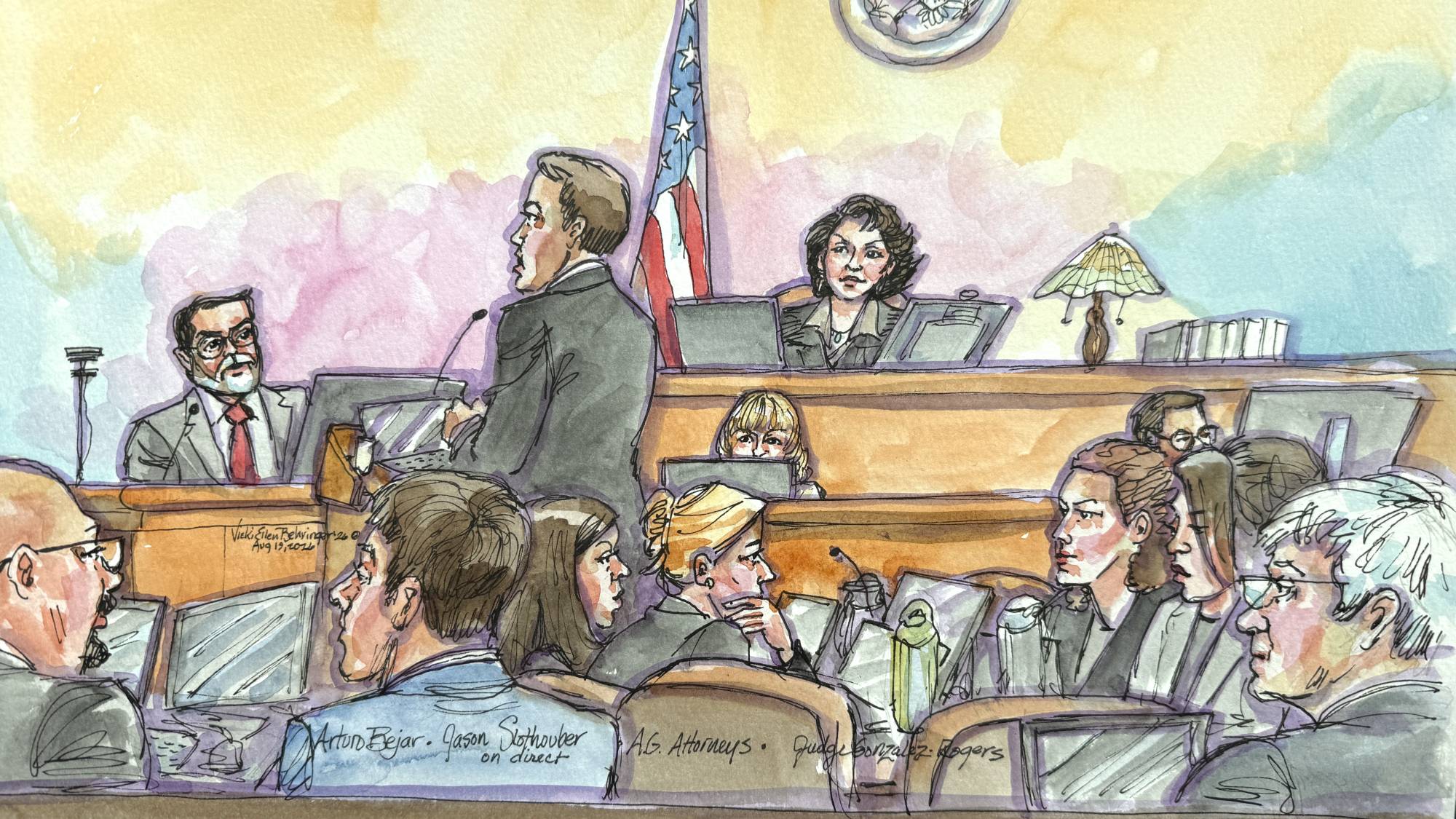
"caption": "Arturo Béjar, a security consultant who formerly worked for Meta, testified on Aug. 18, 2026, in a federal courthouse in Oakland. Bejar testified before the Senate in 2023 that the company knew about harms its platforms caused to children and teens, but failed to act.",
"credit": "Vicki Behringer for KQED",
"altTag": null,
"description": null,
"imgSizes": {
"thumbnail": {
"file": "https://cdn.kqed.org/wp-content/uploads/sites/10/2026/08/MetaTrialSketch3_VB-KQED-160x90.jpg",
"width": 160,
"height": 90,
"mimeType": "image/jpeg"
},
"1536x1536": {
"file": "https://cdn.kqed.org/wp-content/uploads/sites/10/2026/08/MetaTrialSketch3_VB-KQED-1536x864.jpg",
"width": 1536,
"height": 864,
"mimeType": "image/jpeg"
},
"post-thumbnail": {
"file": "https://cdn.kqed.org/wp-content/uploads/sites/10/2026/08/MetaTrialSketch3_VB-KQED-672x372.jpg",
"width": 672,
"height": 372,
"mimeType": "image/jpeg"
},
"twentyfourteen-full-width": {
"file": "https://cdn.kqed.org/wp-content/uploads/sites/10/2026/08/MetaTrialSketch3_VB-KQED-1038x576.jpg",
"width": 1038,
"height": 576,
"mimeType": "image/jpeg"
},
"npr-cds-wide": {
"file": "https://cdn.kqed.org/wp-content/uploads/sites/10/2026/08/MetaTrialSketch3_VB-KQED-1200x675.jpg",
"width": 1200,
"height": 675,
"mimeType": "image/jpeg"
},
"npr-cds-square": {
"file": "https://cdn.kqed.org/wp-content/uploads/sites/10/2026/08/MetaTrialSketch3_VB-KQED-600x600.jpg",
"width": 600,
"height": 600,
"mimeType": "image/jpeg"
},
"kqedFullSize": {
"file": "https://cdn.kqed.org/wp-content/uploads/sites/10/2026/08/MetaTrialSketch3_VB-KQED.jpg",
"width": 2000,
"height": 1125
}
},
"isLoading": false,
"fetchFailed": false
},
"news_12095995": {
"type": "attachments",
"id": "news_12095995",
"meta": {
"index": "attachments_1716263798",
"site": "news",
"id": "12095995",
"found": true
},
"title": "260819-MetaTrialSketch1_VB",
"publishDate": 1787162895,
"status": "inherit",
"parent": 0,
"modified": 1787179672,
"caption": "Arturo Béjar, a former Meta staffer and whistleblower, testified in court in Oakland, California, on Wednesday, Aug. 19, 2026.",
"credit": "Vicki Behringer for KQED",
"altTag": null,
"description": null,
"imgSizes": {
"medium": {
"file": "https://cdn.kqed.org/wp-content/uploads/sites/10/2026/08/260819-MetaTrialSketch1_VB-2000x1125.jpg",
"width": 2000,
"height": 1125,
"mimeType": "image/jpeg"
},
"large": {
"file": "https://cdn.kqed.org/wp-content/uploads/sites/10/2026/08/260819-MetaTrialSketch1_VB-2000x1125.jpg",
"width": 2000,
"height": 1125,
"mimeType": "image/jpeg"
},
"thumbnail": {
"file": "https://cdn.kqed.org/wp-content/uploads/sites/10/2026/08/260819-MetaTrialSketch1_VB-160x90.jpg",
"width": 160,
"height": 90,
"mimeType": "image/jpeg"
},
"1536x1536": {
"file": "https://cdn.kqed.org/wp-content/uploads/sites/10/2026/08/260819-MetaTrialSketch1_VB-1536x864.jpg",
"width": 1536,
"height": 864,
"mimeType": "image/jpeg"
},
"2048x2048": {
"file": "https://cdn.kqed.org/wp-content/uploads/sites/10/2026/08/260819-MetaTrialSketch1_VB-2048x1152.jpg",
"width": 2048,
"height": 1152,
"mimeType": "image/jpeg"
},
"post-thumbnail": {
"file": "https://cdn.kqed.org/wp-content/uploads/sites/10/2026/08/260819-MetaTrialSketch1_VB-672x372.jpg",
"width": 672,
"height": 372,
"mimeType": "image/jpeg"
},
"twentyfourteen-full-width": {
"file": "https://cdn.kqed.org/wp-content/uploads/sites/10/2026/08/260819-MetaTrialSketch1_VB-1038x576.jpg",
"width": 1038,
"height": 576,
"mimeType": "image/jpeg"
},
"full-width": {
"file": "https://cdn.kqed.org/wp-content/uploads/sites/10/2026/08/260819-MetaTrialSketch1_VB-2000x1125.jpg",
"width": 2000,
"height": 1125,
"mimeType": "image/jpeg"
},
"npr-cds-wide": {
"file": "https://cdn.kqed.org/wp-content/uploads/sites/10/2026/08/260819-MetaTrialSketch1_VB-1200x675.jpg",
"width": 1200,
"height": 675,
"mimeType": "image/jpeg"
},
"npr-cds-square": {
"file": "https://cdn.kqed.org/wp-content/uploads/sites/10/2026/08/260819-MetaTrialSketch1_VB-600x600.jpg",
"width": 600,
"height": 600,
"mimeType": "image/jpeg"
},
"kqedFullSize": {
"file": "https://cdn.kqed.org/wp-content/uploads/sites/10/2026/08/260819-MetaTrialSketch1_VB-scaled.jpg",
"width": 2560,
"height": 1440
}
},
"isLoading": false,
"fetchFailed": false
},
"news_12095836": {
"type": "attachments",
"id": "news_12095836",
"meta": {
"index": "attachments_1716263798",
"site": "news",
"id": "12095836",
"found": true
},
"title": "MetaTrialSketch2_VB-KQED",
"publishDate": 1787084065,
"status": "inherit",
"parent": 0,
"modified": 1787094453,
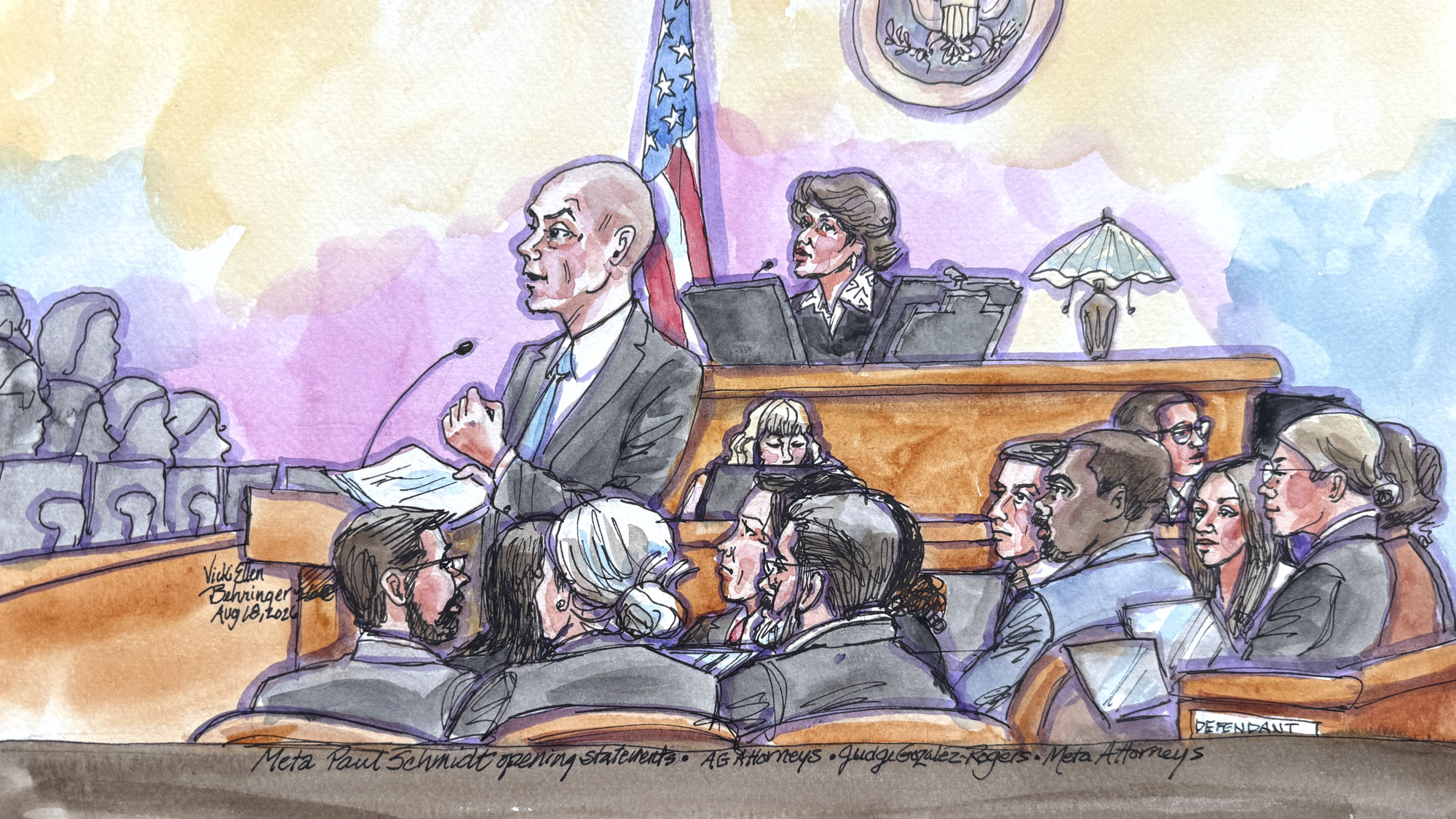
"caption": "Meta's lead attorney Paul Schmidt delivers his opening statements for Meta on Aug. 18, 2026, in Oakland. Schmidt told the court that the company doesn’t deny that “some teens struggle to manage their time on social media,\" and some people “post negative things.”",
"credit": "Vicki Behringer for KQED",
"altTag": null,
"description": null,
"imgSizes": {
"thumbnail": {
"file": "https://cdn.kqed.org/wp-content/uploads/sites/10/2026/08/MetaTrialSketch2_VB-KQED-160x90.jpg",
"width": 160,
"height": 90,
"mimeType": "image/jpeg"
},
"1536x1536": {
"file": "https://cdn.kqed.org/wp-content/uploads/sites/10/2026/08/MetaTrialSketch2_VB-KQED-1536x864.jpg",
"width": 1536,
"height": 864,
"mimeType": "image/jpeg"
},
"post-thumbnail": {
"file": "https://cdn.kqed.org/wp-content/uploads/sites/10/2026/08/MetaTrialSketch2_VB-KQED-672x372.jpg",
"width": 672,
"height": 372,
"mimeType": "image/jpeg"
},
"twentyfourteen-full-width": {
"file": "https://cdn.kqed.org/wp-content/uploads/sites/10/2026/08/MetaTrialSketch2_VB-KQED-1038x576.jpg",
"width": 1038,
"height": 576,
"mimeType": "image/jpeg"
},
"npr-cds-wide": {
"file": "https://cdn.kqed.org/wp-content/uploads/sites/10/2026/08/MetaTrialSketch2_VB-KQED-1200x675.jpg",
"width": 1200,
"height": 675,
"mimeType": "image/jpeg"
},
"npr-cds-square": {
"file": "https://cdn.kqed.org/wp-content/uploads/sites/10/2026/08/MetaTrialSketch2_VB-KQED-600x600.jpg",
"width": 600,
"height": 600,
"mimeType": "image/jpeg"
},
"kqedFullSize": {
"file": "https://cdn.kqed.org/wp-content/uploads/sites/10/2026/08/MetaTrialSketch2_VB-KQED.jpg",
"width": 2000,
"height": 1125
}
},
"isLoading": false,
"fetchFailed": false
},
"news_12084574": {
"type": "attachments",
"id": "news_12084574",
"meta": {
"index": "attachments_1716263798",
"site": "news",
"id": "12084574",
"found": true
},
"title": "Under-16s Ban On Social Media Backed By The House of Lords",
"publishDate": 1779315192,
"status": "inherit",
"parent": 12084499,
"modified": 1779319300,
"caption": "A 14-year-old boy holds an iPhone with various social media and messaging apps on Feb. 23, 2026. ",
"credit": "Anna Barclay/Getty Images",
"altTag": null,
"description": null,
"imgSizes": {
"thumbnail": {
"file": "https://cdn.kqed.org/wp-content/uploads/sites/10/2026/05/TeenagersMetaSocialMediaGetty-160x107.jpg",
"width": 160,
"height": 107,
"mimeType": "image/jpeg"
},
"1536x1536": {
"file": "https://cdn.kqed.org/wp-content/uploads/sites/10/2026/05/TeenagersMetaSocialMediaGetty-1536x1024.jpg",
"width": 1536,
"height": 1024,
"mimeType": "image/jpeg"
},
"post-thumbnail": {
"file": "https://cdn.kqed.org/wp-content/uploads/sites/10/2026/05/TeenagersMetaSocialMediaGetty-672x372.jpg",
"width": 672,
"height": 372,
"mimeType": "image/jpeg"
},
"twentyfourteen-full-width": {
"file": "https://cdn.kqed.org/wp-content/uploads/sites/10/2026/05/TeenagersMetaSocialMediaGetty-1038x576.jpg",
"width": 1038,
"height": 576,
"mimeType": "image/jpeg"
},
"npr-cds-wide": {
"file": "https://cdn.kqed.org/wp-content/uploads/sites/10/2026/05/TeenagersMetaSocialMediaGetty-1200x675.jpg",
"width": 1200,
"height": 675,
"mimeType": "image/jpeg"
},
"npr-cds-square": {
"file": "https://cdn.kqed.org/wp-content/uploads/sites/10/2026/05/TeenagersMetaSocialMediaGetty-600x600.jpg",
"width": 600,
"height": 600,
"mimeType": "image/jpeg"
},
"kqedFullSize": {
"file": "https://cdn.kqed.org/wp-content/uploads/sites/10/2026/05/TeenagersMetaSocialMediaGetty.jpg",
"width": 2000,
"height": 1333
}
},
"isLoading": false,
"fetchFailed": false
},
"news_12085691": {
"type": "attachments",
"id": "news_12085691",
"meta": {
"index": "attachments_1716263798",
"site": "news",
"id": "12085691",
"found": true
},
"title": "Former Facebook Employee Testifies Against Meta In Senate Judiciary Hearing",
"publishDate": 1780333024,
"status": "inherit",
"parent": 12085677,
"modified": 1780333111,
"caption": "Sarah Wynn-Williams, former Director of Global Public Policy at Facebook, prepares to testify during a Senate Judiciary Committee hearing in the Dirksen Senate Office Building on Capitol Hill on April 9, 2025, in Washington, D.C. In a memoir published last month, Wynn-Williams detailed allegations of misconduct and sexual harassment at Facebook and claimed the company undermined U.S. national security in dealings with the Chinese government. ",
"credit": "Win McNamee/Getty Images",
"altTag": null,
"description": null,
"imgSizes": {
"thumbnail": {
"file": "https://cdn.kqed.org/wp-content/uploads/sites/10/2026/06/Sarah-Wynn-Williams-Getty-160x107.jpg",
"width": 160,
"height": 107,
"mimeType": "image/jpeg"
},
"1536x1536": {
"file": "https://cdn.kqed.org/wp-content/uploads/sites/10/2026/06/Sarah-Wynn-Williams-Getty-1536x1024.jpg",
"width": 1536,
"height": 1024,
"mimeType": "image/jpeg"
},
"post-thumbnail": {
"file": "https://cdn.kqed.org/wp-content/uploads/sites/10/2026/06/Sarah-Wynn-Williams-Getty-672x372.jpg",
"width": 672,
"height": 372,
"mimeType": "image/jpeg"
},
"twentyfourteen-full-width": {
"file": "https://cdn.kqed.org/wp-content/uploads/sites/10/2026/06/Sarah-Wynn-Williams-Getty-1038x576.jpg",
"width": 1038,
"height": 576,
"mimeType": "image/jpeg"
},
"npr-cds-wide": {
"file": "https://cdn.kqed.org/wp-content/uploads/sites/10/2026/06/Sarah-Wynn-Williams-Getty-1200x675.jpg",
"width": 1200,
"height": 675,
"mimeType": "image/jpeg"
},
"npr-cds-square": {
"file": "https://cdn.kqed.org/wp-content/uploads/sites/10/2026/06/Sarah-Wynn-Williams-Getty-600x600.jpg",
"width": 600,
"height": 600,
"mimeType": "image/jpeg"
},
"kqedFullSize": {
"file": "https://cdn.kqed.org/wp-content/uploads/sites/10/2026/06/Sarah-Wynn-Williams-Getty.jpg",
"width": 2000,
"height": 1333
}
},
"isLoading": false,
"fetchFailed": false
},
"news_12085366": {
"type": "attachments",
"id": "news_12085366",
"meta": {
"index": "attachments_1716263798",
"site": "news",
"id": "12085366",
"found": true
},
"title": "260528-Dog Search-02-KQED",
"publishDate": 1779986785,
"status": "inherit",
"parent": 0,
"modified": 1779986881,
"caption": "The vandalized front entrance to Miranda’s Rescue Thrift Store in Fortuna, California. Many Bay Area animal shelters have severed ties with the Humboldt County rescue amid an investigation into allegations that dogs transferred there were improperly killed.",
"credit": "Sukey Lewis/KQED",
"altTag": null,
"description": null,
"imgSizes": {
"thumbnail": {
"file": "https://cdn.kqed.org/wp-content/uploads/sites/10/2026/05/260528-Dog-Search-02-KQED-160x120.jpg",
"width": 160,
"height": 120,
"mimeType": "image/jpeg"
},
"1536x1536": {
"file": "https://cdn.kqed.org/wp-content/uploads/sites/10/2026/05/260528-Dog-Search-02-KQED-1536x1152.jpg",
"width": 1536,
"height": 1152,
"mimeType": "image/jpeg"
},
"post-thumbnail": {
"file": "https://cdn.kqed.org/wp-content/uploads/sites/10/2026/05/260528-Dog-Search-02-KQED-672x372.jpg",
"width": 672,
"height": 372,
"mimeType": "image/jpeg"
},
"twentyfourteen-full-width": {
"file": "https://cdn.kqed.org/wp-content/uploads/sites/10/2026/05/260528-Dog-Search-02-KQED-1038x576.jpg",
"width": 1038,
"height": 576,
"mimeType": "image/jpeg"
},
"npr-cds-wide": {
"file": "https://cdn.kqed.org/wp-content/uploads/sites/10/2026/05/260528-Dog-Search-02-KQED-1200x675.jpg",
"width": 1200,
"height": 675,
"mimeType": "image/jpeg"
},
"npr-cds-square": {
"file": "https://cdn.kqed.org/wp-content/uploads/sites/10/2026/05/260528-Dog-Search-02-KQED-600x600.jpg",
"width": 600,
"height": 600,
"mimeType": "image/jpeg"
},
"kqedFullSize": {
"file": "https://cdn.kqed.org/wp-content/uploads/sites/10/2026/05/260528-Dog-Search-02-KQED.jpg",
"width": 2000,
"height": 1500
}
},
"isLoading": false,
"fetchFailed": false
},
"news_12083176": {
"type": "attachments",
"id": "news_12083176",
"meta": {
"index": "attachments_1716263798",
"site": "news",
"id": "12083176",
"found": true
},
"title": "260511-SCCMETA-KQED-1-KQED",
"publishDate": 1778532794,
"status": "inherit",
"parent": 0,
"modified": 1778539963,
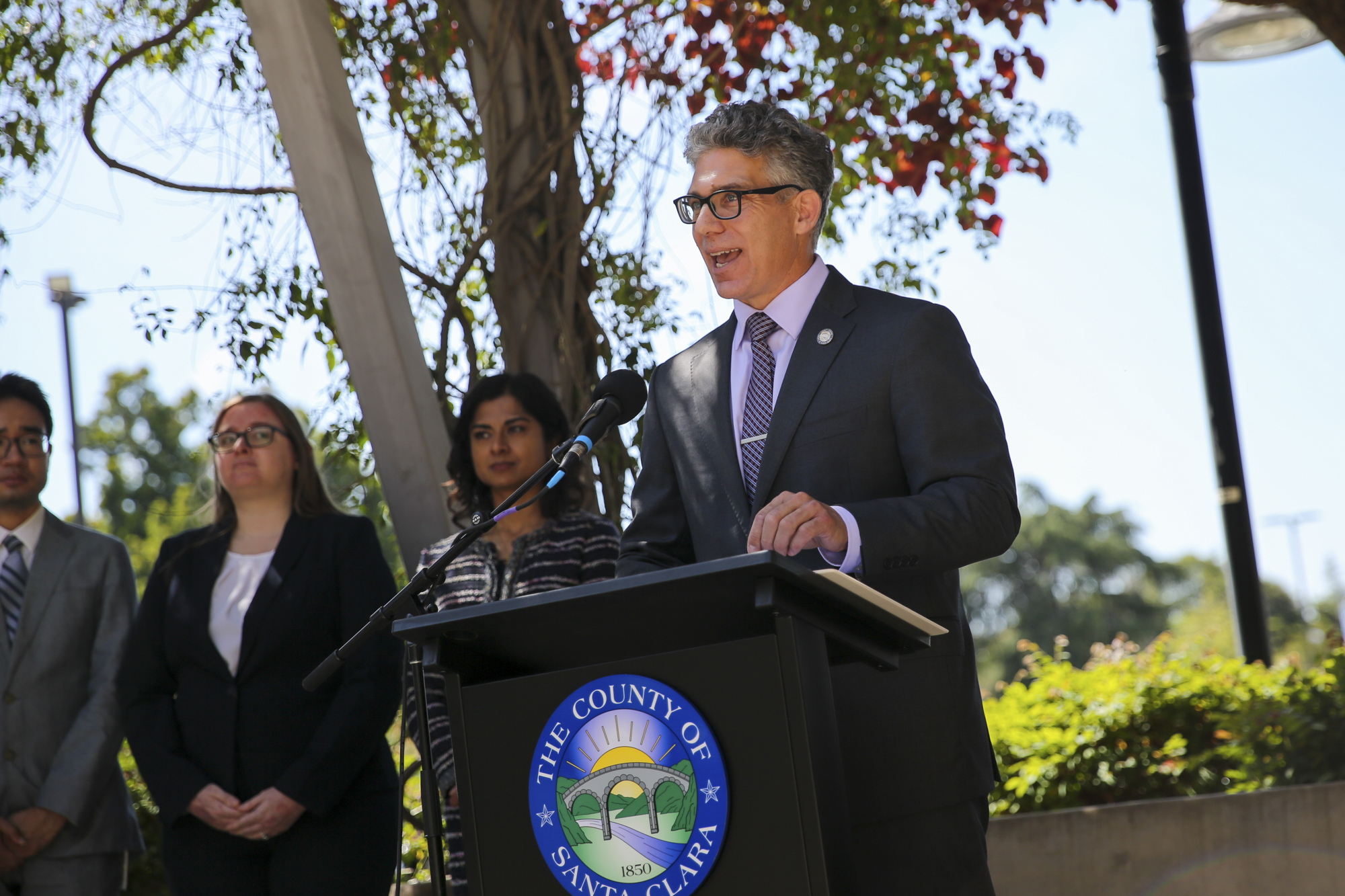
"caption": "Santa Clara County’s lead attorney, Tony LoPresti, shares details about a civil lawsuit the county filed against Meta over scam ads on Monday, May 11, 2026, during a press conference in San José.",
"credit": "Joseph Geha/KQED",
"altTag": null,
"description": null,
"imgSizes": {
"thumbnail": {
"file": "https://cdn.kqed.org/wp-content/uploads/sites/10/2026/05/260511-SCCMETA-KQED-1-KQED-160x107.jpg",
"width": 160,
"height": 107,
"mimeType": "image/jpeg"
},
"1536x1536": {
"file": "https://cdn.kqed.org/wp-content/uploads/sites/10/2026/05/260511-SCCMETA-KQED-1-KQED-1536x1024.jpg",
"width": 1536,
"height": 1024,
"mimeType": "image/jpeg"
},
"post-thumbnail": {
"file": "https://cdn.kqed.org/wp-content/uploads/sites/10/2026/05/260511-SCCMETA-KQED-1-KQED-672x372.jpg",
"width": 672,
"height": 372,
"mimeType": "image/jpeg"
},
"twentyfourteen-full-width": {
"file": "https://cdn.kqed.org/wp-content/uploads/sites/10/2026/05/260511-SCCMETA-KQED-1-KQED-1038x576.jpg",
"width": 1038,
"height": 576,
"mimeType": "image/jpeg"
},
"npr-cds-wide": {
"file": "https://cdn.kqed.org/wp-content/uploads/sites/10/2026/05/260511-SCCMETA-KQED-1-KQED-1200x675.jpg",
"width": 1200,
"height": 675,
"mimeType": "image/jpeg"
},
"npr-cds-square": {
"file": "https://cdn.kqed.org/wp-content/uploads/sites/10/2026/05/260511-SCCMETA-KQED-1-KQED-600x600.jpg",
"width": 600,
"height": 600,
"mimeType": "image/jpeg"
},
"kqedFullSize": {
"file": "https://cdn.kqed.org/wp-content/uploads/sites/10/2026/05/260511-SCCMETA-KQED-1-KQED.jpg",
"width": 2000,
"height": 1333
}
},
"isLoading": false,
"fetchFailed": false
},
"news_12031295": {
"type": "attachments",
"id": "news_12031295",
"meta": {
"index": "attachments_1716263798",
"site": "news",
"id": "12031295",
"found": true
},
"title": "Allen And Company Annual Meeting Brings Business Executives, Media Moguls, And Politicians To Sun Valley, Idaho",
"publishDate": 1741905416,
"status": "inherit",
"parent": 12031294,
"modified": 1741907474,
"caption": "CEO of Facebook Mark Zuckerberg walks with COO of Facebook Sheryl Sandberg after a session at the Allen & Company Sun Valley Conference on July 8, 2021, in Sun Valley, Idaho. After a year hiatus due to the COVID-19 pandemic, the world’s most wealthy and powerful businesspeople from the media, finance, and technology worlds will converge at the Sun Valley Resort for the exclusive weeklong conference. ",
"credit": "Kevin Dietsch/Getty Images",
"altTag": null,
"description": null,
"imgSizes": {
"medium": {
"file": "https://cdn.kqed.org/wp-content/uploads/sites/10/2025/03/GettyImages-1327685501-800x565.jpg",
"width": 800,
"height": 565,
"mimeType": "image/jpeg"
},
"large": {
"file": "https://cdn.kqed.org/wp-content/uploads/sites/10/2025/03/GettyImages-1327685501-1020x720.jpg",
"width": 1020,
"height": 720,
"mimeType": "image/jpeg"
},
"thumbnail": {
"file": "https://cdn.kqed.org/wp-content/uploads/sites/10/2025/03/GettyImages-1327685501-160x113.jpg",
"width": 160,
"height": 113,
"mimeType": "image/jpeg"
},
"1536x1536": {
"file": "https://cdn.kqed.org/wp-content/uploads/sites/10/2025/03/GettyImages-1327685501-1536x1085.jpg",
"width": 1536,
"height": 1085,
"mimeType": "image/jpeg"
},
"2048x2048": {
"file": "https://cdn.kqed.org/wp-content/uploads/sites/10/2025/03/GettyImages-1327685501-2048x1446.jpg",
"width": 2048,
"height": 1446,
"mimeType": "image/jpeg"
},
"post-thumbnail": {
"file": "https://cdn.kqed.org/wp-content/uploads/sites/10/2025/03/GettyImages-1327685501-672x372.jpg",
"width": 672,
"height": 372,
"mimeType": "image/jpeg"
},
"twentyfourteen-full-width": {
"file": "https://cdn.kqed.org/wp-content/uploads/sites/10/2025/03/GettyImages-1327685501-1038x576.jpg",
"width": 1038,
"height": 576,
"mimeType": "image/jpeg"
},
"full-width": {
"file": "https://cdn.kqed.org/wp-content/uploads/sites/10/2025/03/GettyImages-1327685501-1920x1356.jpg",
"width": 1920,
"height": 1356,
"mimeType": "image/jpeg"
},
"kqedFullSize": {
"file": "https://cdn.kqed.org/wp-content/uploads/sites/10/2025/03/GettyImages-1327685501-scaled-e1741905750213.jpg",
"width": 2000,
"height": 1413
}
},
"isLoading": false,
"fetchFailed": false
},
"news_12023466": {
"type": "attachments",
"id": "news_12023466",
"meta": {
"index": "attachments_1716263798",
"site": "news",
"id": "12023466",
"found": true
},
"title": "US-POLITICS-TRUMP-INAUGURATION",
"publishDate": 1737572169,
"status": "inherit",
"parent": 12023459,
"modified": 1737572235,
"caption": "US Vice President JD Vance applauds US President Donald Trump after he was sworn in as the 47th US President in the US Capitol Rotunda in Washington, DC, on Jan. 20, 2025. ",
"credit": "Julia Demaree Nikhinson/POOL/AFP via Getty Images",
"altTag": null,
"description": null,
"imgSizes": {
"medium": {
"file": "https://cdn.kqed.org/wp-content/uploads/sites/10/2025/01/GettyImages-2194390313-800x534.jpg",
"width": 800,
"height": 534,
"mimeType": "image/jpeg"
},
"large": {
"file": "https://cdn.kqed.org/wp-content/uploads/sites/10/2025/01/GettyImages-2194390313-1020x681.jpg",
"width": 1020,
"height": 681,
"mimeType": "image/jpeg"
},
"thumbnail": {
"file": "https://cdn.kqed.org/wp-content/uploads/sites/10/2025/01/GettyImages-2194390313-160x107.jpg",
"width": 160,
"height": 107,
"mimeType": "image/jpeg"
},
"post-thumbnail": {
"file": "https://cdn.kqed.org/wp-content/uploads/sites/10/2025/01/GettyImages-2194390313-672x372.jpg",
"width": 672,
"height": 372,
"mimeType": "image/jpeg"
},
"twentyfourteen-full-width": {
"file": "https://cdn.kqed.org/wp-content/uploads/sites/10/2025/01/GettyImages-2194390313-1024x576.jpg",
"width": 1024,
"height": 576,
"mimeType": "image/jpeg"
},
"kqedFullSize": {
"file": "https://cdn.kqed.org/wp-content/uploads/sites/10/2025/01/GettyImages-2194390313.jpg",
"width": 1024,
"height": 684
}
},
"isLoading": false,
"fetchFailed": false
},
"news_12008144": {
"type": "attachments",
"id": "news_12008144",
"meta": {
"index": "attachments_1716263798",
"site": "news",
"id": "12008144",
"found": true
},
"title": "100224-TheMarkup-PoliticalViolence-Final_3000X2000_reduced copy",
"publishDate": 1728167789,
"status": "inherit",
"parent": 12008143,
"modified": 1728167804,
"caption": null,
"credit": "Illustration by Blake Cale for CalMatters",
"altTag": null,
"description": null,
"imgSizes": {
"medium": {
"file": "https://cdn.kqed.org/wp-content/uploads/sites/10/2024/10/100224-TheMarkup-PoliticalViolence-Final_3000X2000_reduced-copy-800x533.jpg",
"width": 800,
"height": 533,
"mimeType": "image/jpeg"
},
"large": {
"file": "https://cdn.kqed.org/wp-content/uploads/sites/10/2024/10/100224-TheMarkup-PoliticalViolence-Final_3000X2000_reduced-copy-1020x680.jpg",
"width": 1020,
"height": 680,
"mimeType": "image/jpeg"
},
"thumbnail": {
"file": "https://cdn.kqed.org/wp-content/uploads/sites/10/2024/10/100224-TheMarkup-PoliticalViolence-Final_3000X2000_reduced-copy-160x107.jpg",
"width": 160,
"height": 107,
"mimeType": "image/jpeg"
},
"1536x1536": {
"file": "https://cdn.kqed.org/wp-content/uploads/sites/10/2024/10/100224-TheMarkup-PoliticalViolence-Final_3000X2000_reduced-copy-1536x1024.jpg",
"width": 1536,
"height": 1024,
"mimeType": "image/jpeg"
},
"post-thumbnail": {
"file": "https://cdn.kqed.org/wp-content/uploads/sites/10/2024/10/100224-TheMarkup-PoliticalViolence-Final_3000X2000_reduced-copy-672x372.jpg",
"width": 672,
"height": 372,
"mimeType": "image/jpeg"
},
"twentyfourteen-full-width": {
"file": "https://cdn.kqed.org/wp-content/uploads/sites/10/2024/10/100224-TheMarkup-PoliticalViolence-Final_3000X2000_reduced-copy-1038x576.jpg",
"width": 1038,
"height": 576,
"mimeType": "image/jpeg"
},
"full-width": {
"file": "https://cdn.kqed.org/wp-content/uploads/sites/10/2024/10/100224-TheMarkup-PoliticalViolence-Final_3000X2000_reduced-copy-1920x1280.jpg",
"width": 1920,
"height": 1280,
"mimeType": "image/jpeg"
},
"kqedFullSize": {
"file": "https://cdn.kqed.org/wp-content/uploads/sites/10/2024/10/100224-TheMarkup-PoliticalViolence-Final_3000X2000_reduced-copy.jpg",
"width": 2000,
"height": 1333
}
},
"isLoading": false,
"fetchFailed": false
},
"news_11972314": {
"type": "attachments",
"id": "news_11972314",
"meta": {
"index": "attachments_1716263798",
"site": "news",
"id": "11972314",
"found": true
},
"parent": 11972309,
"imgSizes": {
"twentyfourteen-full-width": {
"file": "https://cdn.kqed.org/wp-content/uploads/sites/10/2024/01/CMTech01-1038x576.jpg",
"width": 1038,
"mimeType": "image/jpeg",
"height": 576
},
"thumbnail": {
"file": "https://cdn.kqed.org/wp-content/uploads/sites/10/2024/01/CMTech01-160x107.jpg",
"width": 160,
"mimeType": "image/jpeg",
"height": 107
},
"post-thumbnail": {
"file": "https://cdn.kqed.org/wp-content/uploads/sites/10/2024/01/CMTech01-672x372.jpg",
"width": 672,
"mimeType": "image/jpeg",
"height": 372
},
"kqedFullSize": {
"file": "https://cdn.kqed.org/wp-content/uploads/sites/10/2024/01/CMTech01.jpg",
"width": 2000,
"height": 1333
},
"large": {
"file": "https://cdn.kqed.org/wp-content/uploads/sites/10/2024/01/CMTech01-1020x680.jpg",
"width": 1020,
"mimeType": "image/jpeg",
"height": 680
},
"1536x1536": {
"file": "https://cdn.kqed.org/wp-content/uploads/sites/10/2024/01/CMTech01-1536x1024.jpg",
"width": 1536,
"mimeType": "image/jpeg",
"height": 1024
},
"full-width": {
"file": "https://cdn.kqed.org/wp-content/uploads/sites/10/2024/01/CMTech01-1920x1280.jpg",
"width": 1920,
"mimeType": "image/jpeg",
"height": 1280
},
"medium": {
"file": "https://cdn.kqed.org/wp-content/uploads/sites/10/2024/01/CMTech01-800x533.jpg",
"width": 800,
"mimeType": "image/jpeg",
"height": 533
}
},
"publishDate": 1704996061,
"modified": 1704996229,
"caption": null,
"description": null,
"title": "CMTech01",
"credit": "Miguel Gutierrez Jr./CalMatters/iStock",
"status": "inherit",
"altTag": "A graphic illustration of a capitol building with tech company logos floating around it.",
"isLoading": false,
"fetchFailed": false
},
"news_11968725": {
"type": "attachments",
"id": "news_11968725",
"meta": {
"index": "attachments_1716263798",
"site": "news",
"id": "11968725",
"found": true
},
"parent": 11968723,
"imgSizes": {
"twentyfourteen-full-width": {
"file": "https://ww2.kqed.org/app/uploads/sites/10/2023/11/GettyImages-1579888170-1024x576.jpg",
"width": 1024,
"mimeType": "image/jpeg",
"height": 576
},
"thumbnail": {
"file": "https://ww2.kqed.org/app/uploads/sites/10/2023/11/GettyImages-1579888170-160x107.jpg",
"width": 160,
"mimeType": "image/jpeg",
"height": 107
},
"post-thumbnail": {
"file": "https://ww2.kqed.org/app/uploads/sites/10/2023/11/GettyImages-1579888170-672x372.jpg",
"width": 672,
"mimeType": "image/jpeg",
"height": 372
},
"kqedFullSize": {
"file": "https://ww2.kqed.org/app/uploads/sites/10/2023/11/GettyImages-1579888170.jpg",
"width": 1024,
"height": 683
},
"large": {
"file": "https://ww2.kqed.org/app/uploads/sites/10/2023/11/GettyImages-1579888170-1020x680.jpg",
"width": 1020,
"mimeType": "image/jpeg",
"height": 680
},
"medium": {
"file": "https://ww2.kqed.org/app/uploads/sites/10/2023/11/GettyImages-1579888170-800x534.jpg",
"width": 800,
"mimeType": "image/jpeg",
"height": 534
}
},
"publishDate": 1701383582,
"modified": 1701383682,
"caption": "Visitors take photos in front of the Meta (Facebook) sign at its headquarters at Menlo Park on Aug. 5, 2023.",
"description": null,
"title": "Facebook - Meta Headquarters in California",
"credit": "Tayfun Coskun/Anadolu Agency via Getty Images",
"status": "inherit",
"altTag": "Two people stand in front of a big Meta sign as they pose for a photo.",
"isLoading": false,
"fetchFailed": false
}
},
"audioPlayerReducer": {
"postId": "stream_live",
"isPaused": true,
"isPlaying": false,
"pfsActive": false,
"pledgeModalIsOpen": true,
"playerDrawerIsOpen": false,
"liveAudioPlayStartedAt": 0,
"liveAudioPlayContext": ""
},
"authorsReducer": {
"byline_news_12085374": {
"type": "authors",
"id": "byline_news_12085374",
"meta": {
"override": true
},
"slug": "byline_news_12085374",
"name": "Zoë Ferrigno ",
"isLoading": false
},
"byline_news_12023459": {
"type": "authors",
"id": "byline_news_12023459",
"meta": {
"override": true
},
"slug": "byline_news_12023459",
"name": "The Associated Press",
"isLoading": false
},
"byline_news_12008143": {
"type": "authors",
"id": "byline_news_12008143",
"meta": {
"override": true
},
"slug": "byline_news_12008143",
"name": "\u003ca href=\"https://calmatters.org/author/colin-lecher/\">Colin Lecher\u003c/a> and \u003ca href=\"https://calmatters.org/author/tomas-apodaca/\">Tomas Apodaca\u003c/a>, CalMatters",
"isLoading": false
},
"byline_news_11972309": {
"type": "authors",
"id": "byline_news_11972309",
"meta": {
"override": true
},
"slug": "byline_news_11972309",
"name": "\u003ca href=\"https://calmatters.org/author/levi-sumagaysay/\">Levi Sumagaysay\u003c/a>",
"isLoading": false
},
"byline_news_11968723": {
"type": "authors",
"id": "byline_news_11968723",
"meta": {
"override": true
},
"slug": "byline_news_11968723",
"name": "The Associated Press",
"isLoading": false
},
"rachael-myrow": {
"type": "authors",
"id": "251",
"meta": {
"index": "authors_1716337520",
"id": "251",
"found": true
},
"name": "Rachael Myrow",
"firstName": "Rachael",
"lastName": "Myrow",
"slug": "rachael-myrow",
"email": "rmyrow@kqed.org",
"display_author_email": true,
"staff_mastheads": [
"news"
],
"title": "Senior Editor of KQED's Silicon Valley News Desk",
"bio": "• I write and edit stories about how Silicon Valley power and policies shape everyday life in California. I’m also passionate about making Bay Area history and culture more accessible to a broad public. • I’ve been a journalist for most of my life, starting in high school with The Franklin Press in Los Angeles, where I grew up. While earning my first degree in English at UC Berkeley, I got my start in public radio at KALX-FM. After completing a second degree in journalism at Cal, I landed my first professional job at Marketplace, then moved on to KPCC (now LAist), and then KQED, where I hosted The California Report for more than seven years. • My reporting has appeared on NPR, The World, WBUR’s \u003ci>Here & Now\u003c/i>, and the BBC. I also guest host for KQED’s \u003ci>Forum\u003c/i>, as well as the Commonwealth Club in San Francisco. • I speak periodically on media, democracy and technology issues, and do voiceover work for documentaries and educational video projects. • Outside of the studio, you'll find me hiking Bay Area trails and whipping up Insta-ready meals in my kitchen. • I do not accept gifts, money, or favors from anyone connected to my reporting, I don't pay people for information, and I do not support or donate to political causes. • I strive to treat the people I report on with fairness, honesty, and respect. I also recognize there are often multiple sides to a story and work to verify information through multiple sources and documentation. If I get something wrong, I correct it.",
"avatar": "https://secure.gravatar.com/avatar/3ed8a3c5f26025e4a805ba634cda8cd764906b97438a6d9ce216b044e340da4e?s=600&d=blank&r=g",
"twitter": "rachaelmyrow",
"bluesky": null,
"facebook": null,
"instagram": null,
"linkedin": "https://www.linkedin.com/in/rachaelmyrow/",
"sites": [
{
"site": "arts",
"roles": [
"administrator"
]
},
{
"site": "news",
"roles": [
"edit_others_posts",
"editor"
]
},
{
"site": "futureofyou",
"roles": [
"editor"
]
},
{
"site": "bayareabites",
"roles": [
"editor"
]
},
{
"site": "stateofhealth",
"roles": [
"editor"
]
},
{
"site": "science",
"roles": [
"editor"
]
},
{
"site": "food",
"roles": [
"editor"
]
},
{
"site": "forum",
"roles": [
"editor"
]
},
{
"site": "liveblog",
"roles": [
"author"
]
}
],
"headData": {
"title": "Rachael Myrow | KQED",
"description": "Senior Editor of KQED's Silicon Valley News Desk",
"ogImgSrc": "https://secure.gravatar.com/avatar/3ed8a3c5f26025e4a805ba634cda8cd764906b97438a6d9ce216b044e340da4e?s=600&d=blank&r=g",
"twImgSrc": "https://secure.gravatar.com/avatar/3ed8a3c5f26025e4a805ba634cda8cd764906b97438a6d9ce216b044e340da4e?s=600&d=blank&r=g"
},
"isLoading": false,
"link": "/author/rachael-myrow"
},
"ecruzguevarra": {
"type": "authors",
"id": "8654",
"meta": {
"index": "authors_1716337520",
"id": "8654",
"found": true
},
"name": "Ericka Cruz Guevarra",
"firstName": "Ericka",
"lastName": "Cruz Guevarra",
"slug": "ecruzguevarra",
"email": "ecruzguevarra@kqed.org",
"display_author_email": true,
"staff_mastheads": [
"news"
],
"title": "Producer, The Bay Podcast",
"bio": "Ericka Cruz Guevarra is host of \u003ca href=\"https://www.kqed.org/podcasts/thebay\">\u003cem>The Bay\u003c/em>\u003c/a> podcast at KQED. Before host, she was the show’s producer. Her work in that capacity includes a three-part reported series on policing in Vallejo, which won a 2020 excellence in journalism award from the Society of Professional Journalists. Ericka has worked as a breaking news reporter at Oregon Public Broadcasting, helped produce the Code Switch podcast, and was KQED’s inaugural Raul Ramirez Diversity Fund intern. She’s also an alumna of NPR’s Next Generation Radio program. Send her an email if you have strong feelings about whether Fairfield and Suisun City are the Bay. Ericka is represented by SAG-AFTRA.",
"avatar": "https://secure.gravatar.com/avatar/accefc1de4bafc7e234b69bcb9b6f6536c130fd84709bc3069ef11a78787e1bb?s=600&d=blank&r=g",
"twitter": "NotoriousECG",
"bluesky": null,
"facebook": null,
"instagram": null,
"linkedin": null,
"sites": [
{
"site": "arts",
"roles": [
"subscriber"
]
},
{
"site": "news",
"roles": [
"editor",
"manage_categories"
]
},
{
"site": "futureofyou",
"roles": [
"subscriber"
]
},
{
"site": "stateofhealth",
"roles": [
"subscriber"
]
},
{
"site": "science",
"roles": [
"editor"
]
},
{
"site": "forum",
"roles": [
"subscriber"
]
}
],
"headData": {
"title": "Ericka Cruz Guevarra | KQED",
"description": "Producer, The Bay Podcast",
"ogImgSrc": "https://secure.gravatar.com/avatar/accefc1de4bafc7e234b69bcb9b6f6536c130fd84709bc3069ef11a78787e1bb?s=600&d=blank&r=g",
"twImgSrc": "https://secure.gravatar.com/avatar/accefc1de4bafc7e234b69bcb9b6f6536c130fd84709bc3069ef11a78787e1bb?s=600&d=blank&r=g"
},
"isLoading": false,
"link": "/author/ecruzguevarra"
},
"amontecillo": {
"type": "authors",
"id": "11649",
"meta": {
"index": "authors_1716337520",
"id": "11649",
"found": true
},
"name": "Alan Montecillo",
"firstName": "Alan",
"lastName": "Montecillo",
"slug": "amontecillo",
"email": "amontecillo@kqed.org",
"display_author_email": false,
"staff_mastheads": [
"news"
],
"title": "KQED Contributor",
"bio": "Alan Montecillo is the senior editor of \u003cem>\u003ca href=\"http://kqed.org/thebay\">The Bay\u003c/a>, \u003c/em> KQED's local news podcast. Before moving to the Bay Area, he worked as a senior talk show producer for WILL in Champaign-Urbana, Illinois and at Oregon Public Broadcasting in Portland, Oregon. He has won journalism awards from the Society of Professional Journalists Northern California, the Public Media Journalists Association, The Signal Awards, and has also received a regional Edward R. Murrow award. Alan is a Filipino American from Hong Kong and a graduate of Reed College.",
"avatar": "https://secure.gravatar.com/avatar/268f53a2066899ea9efdd8a5900218b17c822d9862cbc9326cccec53ef41d349?s=600&d=blank&r=g",
"twitter": "alanmontecillo",
"bluesky": null,
"facebook": null,
"instagram": null,
"linkedin": null,
"sites": [
{
"site": "",
"roles": [
"editor"
]
},
{
"site": "news",
"roles": [
"editor",
"manage_categories"
]
}
],
"headData": {
"title": "Alan Montecillo | KQED",
"description": "KQED Contributor",
"ogImgSrc": "https://secure.gravatar.com/avatar/268f53a2066899ea9efdd8a5900218b17c822d9862cbc9326cccec53ef41d349?s=600&d=blank&r=g",
"twImgSrc": "https://secure.gravatar.com/avatar/268f53a2066899ea9efdd8a5900218b17c822d9862cbc9326cccec53ef41d349?s=600&d=blank&r=g"
},
"isLoading": false,
"link": "/author/amontecillo"
},
"kmizuguchi": {
"type": "authors",
"id": "11739",
"meta": {
"index": "authors_1716337520",
"id": "11739",
"found": true
},
"name": "Keith Mizuguchi",
"firstName": "Keith",
"lastName": "Mizuguchi",
"slug": "kmizuguchi",
"email": "kmizuguchi@kqed.org",
"display_author_email": false,
"staff_mastheads": [],
"title": "KQED Contributor",
"bio": null,
"avatar": "https://secure.gravatar.com/avatar/64d8a7de0723d4099b9fe4e915136103febcc20809abce228ee4415bcb237023?s=600&d=blank&r=g",
"twitter": null,
"bluesky": null,
"facebook": null,
"instagram": null,
"linkedin": null,
"sites": [
{
"site": "news",
"roles": [
"editor"
]
},
{
"site": "science",
"roles": [
"editor"
]
}
],
"headData": {
"title": "Keith Mizuguchi | KQED",
"description": "KQED Contributor",
"ogImgSrc": "https://secure.gravatar.com/avatar/64d8a7de0723d4099b9fe4e915136103febcc20809abce228ee4415bcb237023?s=600&d=blank&r=g",
"twImgSrc": "https://secure.gravatar.com/avatar/64d8a7de0723d4099b9fe4e915136103febcc20809abce228ee4415bcb237023?s=600&d=blank&r=g"
},
"isLoading": false,
"link": "/author/kmizuguchi"
},
"jgeha": {
"type": "authors",
"id": "11906",
"meta": {
"index": "authors_1716337520",
"id": "11906",
"found": true
},
"name": "Joseph Geha",
"firstName": "Joseph",
"lastName": "Geha",
"slug": "jgeha",
"email": "jgeha@kqed.org",
"display_author_email": false,
"staff_mastheads": [
"news",
"science"
],
"title": "KQED Contributor",
"bio": null,
"avatar": "https://secure.gravatar.com/avatar/ea84d2b6dd93d6369d453edf19dd583f117cd1759d2d9c9c92f9de77017354fe?s=600&d=blank&r=g",
"twitter": null,
"bluesky": null,
"facebook": null,
"instagram": null,
"linkedin": null,
"sites": [
{
"site": "news",
"roles": [
"editor"
]
},
{
"site": "liveblog",
"roles": [
"author"
]
}
],
"headData": {
"title": "Joseph Geha | KQED",
"description": "KQED Contributor",
"ogImgSrc": "https://secure.gravatar.com/avatar/ea84d2b6dd93d6369d453edf19dd583f117cd1759d2d9c9c92f9de77017354fe?s=600&d=blank&r=g",
"twImgSrc": "https://secure.gravatar.com/avatar/ea84d2b6dd93d6369d453edf19dd583f117cd1759d2d9c9c92f9de77017354fe?s=600&d=blank&r=g"
},
"isLoading": false,
"link": "/author/jgeha"
},
"kdebenedetti": {
"type": "authors",
"id": "11913",
"meta": {
"index": "authors_1716337520",
"id": "11913",
"found": true
},
"name": "Katie DeBenedetti",
"firstName": "Katie",
"lastName": "DeBenedetti",
"slug": "kdebenedetti",
"email": "kdebenedetti@kqed.org",
"display_author_email": false,
"staff_mastheads": [
"news",
"science"
],
"title": "KQED Contributor",
"bio": "Katie DeBenedetti is a digital reporter covering daily news for the Express Desk. Prior to joining KQED as a culture reporting intern in January 2024, she covered education and city government for the Napa Valley Register.",
"avatar": "https://secure.gravatar.com/avatar/6e31073cb8f7e4214ab03f42771d0f45?s=600&d=blank&r=g",
"twitter": null,
"facebook": null,
"instagram": null,
"linkedin": null,
"sites": [
{
"site": "news",
"roles": [
"author"
]
},
{
"site": "science",
"roles": [
"author"
]
},
{
"site": "liveblog",
"roles": [
"author"
]
}
],
"headData": {
"title": "Katie DeBenedetti | KQED",
"description": "KQED Contributor",
"ogImgSrc": "https://secure.gravatar.com/avatar/6e31073cb8f7e4214ab03f42771d0f45?s=600&d=blank&r=g",
"twImgSrc": "https://secure.gravatar.com/avatar/6e31073cb8f7e4214ab03f42771d0f45?s=600&d=blank&r=g"
},
"isLoading": false,
"link": "/author/kdebenedetti"
},
"gglueck": {
"type": "authors",
"id": "11946",
"meta": {
"index": "authors_1716337520",
"id": "11946",
"found": true
},
"name": "Gabriela Glueck",
"firstName": "Gabriela",
"lastName": "Glueck",
"slug": "gglueck",
"email": "gglueck@kqed.org",
"display_author_email": false,
"staff_mastheads": [
"news"
],
"title": "KQED Contributor",
"bio": null,
"avatar": "https://secure.gravatar.com/avatar/ec62b7e3f7727ce1070cc7046dde80271d1e63cf2178d6194f68bb8d1440f841?s=600&d=blank&r=g",
"twitter": null,
"bluesky": null,
"facebook": null,
"instagram": null,
"linkedin": null,
"sites": [
{
"site": "news",
"roles": [
"editor"
]
}
],
"headData": {
"title": "Gabriela Glueck | KQED",
"description": "KQED Contributor",
"ogImgSrc": "https://secure.gravatar.com/avatar/ec62b7e3f7727ce1070cc7046dde80271d1e63cf2178d6194f68bb8d1440f841?s=600&d=blank&r=g",
"twImgSrc": "https://secure.gravatar.com/avatar/ec62b7e3f7727ce1070cc7046dde80271d1e63cf2178d6194f68bb8d1440f841?s=600&d=blank&r=g"
},
"isLoading": false,
"link": "/author/gglueck"
}
},
"pagesReducer": {
"news_tag_facebook": {
"type": "terms",
"id": "news_249",
"meta": {
"index": "terms_1716263798",
"site": "news",
"id": "249",
"score": 8.458737
},
"featImg": null,
"name": "Facebook",
"description": null,
"taxonomy": "tag",
"headData": {
"twImgId": null,
"twTitle": null,
"ogTitle": null,
"ogImgId": null,
"twDescription": null,
"description": null,
"title": "Facebook Archives | KQED News",
"ogDescription": null
},
"ttid": 257,
"slug": "facebook",
"isLoading": false,
"title": "Facebook",
"pageMeta": {
"site": "news",
"WpPageTemplate": "page-topic-editorial",
"currentPage": 1
},
"blocks": [
{
"blockName": "kqed/post-list",
"attrs": {
"layout": "cardArticle2",
"query": "posts/news?tag=facebook",
"seeMore": false,
"paginated": true,
"page": 1
}
},
{
"blockName": "kqed/ad"
}
]
}
},
"pfsSessionReducer": {},
"postsReducer": {
"stream_live": {
"type": "live",
"id": "stream_live",
"audioUrl": "https://streams.kqed.org/kqedradio",
"title": "Live Stream",
"excerpt": "Live Stream information currently unavailable.",
"link": "/radio",
"featImg": "",
"label": {
"name": "KQED Live",
"link": "/"
}
},
"stream_kqedNewscast": {
"type": "posts",
"id": "stream_kqedNewscast",
"audioUrl": "https://www.kqed.org/.stream/anon/radio/RDnews/newscast.mp3?_=1",
"title": "KQED Newscast",
"featImg": "",
"label": {
"name": "88.5 FM",
"link": "/"
}
},
"news_12096121": {
"type": "posts",
"id": "news_12096121",
"meta": {
"index": "posts_1716263798",
"site": "news",
"id": "12096121",
"score": null,
"sort": [
1787306400000
]
},
"guestAuthors": [],
"slug": "she-died-by-design-meta-on-trial-over-child-safety",
"title": "‘She Died by Design’: Meta on Trial Over Child Safety",
"publishDate": 1787306400,
"format": "standard",
"headTitle": "‘She Died by Design’: Meta on Trial Over Child Safety | KQED",
"labelTerm": {},
"content": "\u003cp>This month, a federal trial against the world’s biggest social media kicked off in Oakland. California, Colorado, Kentucky, and New Jersey are leading a lawsuit that accuses Meta, the parent company of Facebook and Instagram, of knowingly creating products that put children and teenagers at risk. And as KQED’s Rachael Myrow explains, the outcome of this trial could force Meta to pay up and make big changes to its platforms.\u003c/p>\n\n\n\n\u003cp>\u003cem>This episode discusses suicide. If you are experiencing thoughts of suicide, call or text 988 to reach the National Suicide Prevention Lifeline.\u003c/em>\u003c/p>\n\n\n\n\u003cp>\u003cstrong>Links:\u003c/strong>\u003c/p>\n\n\n\n\u003cul class=\"wp-block-list\">\n\u003cli>\u003ca href=\"https://www.kqed.org/news/12095583/meta-hooked-kids-federal-trial-against-tech-giant-kicks-off-in-oakland\">‘Meta Hooked Kids’: Federal Trial Against Tech Giant Kicks Off in Oakland\u003c/a>\u003c/li>\n\u003c/ul>\n\n\n\n\u003cp>\u003c/p>\n\n\n\n\u003cfigure class=\"wp-block-embed is-type-wp-embed is-provider-megaphone wp-block-embed-megaphone\">\u003cdiv class=\"wp-block-embed__wrapper\">\nhttps://playlist.megaphone.fm/?e=KQINC5270418614\n\u003c/div>\u003c/figure>\n\n\n\n\u003ch2 class=\"wp-block-heading\">\u003cstrong>Episode transcript\u003c/strong>\u003c/h2>\n\n\n\n\u003cp>\u003cem>This transcript is computer-generated. While our team has reviewed it, there may be errors.\u003c/em>\u003c/p>\n\n\n\n\u003cp>[ad fullwidth]\u003c/p>\n\u003cp>\u003cstrong>Ericka Cruz Guevarra: \u003c/strong>Just a quick note before we get started here, this episode discusses suicide. If you or someone you know is experiencing thoughts of suicide, call or text 988 to reach the National Suicide Prevention Line. I’m Ericka Cruz Guevarra and welcome to The Bay, local news to keep you rooted.\u003c/p>\n\n\n\n\u003cp>\u003cstrong>Lori Schott: \u003c/strong>My name is Lori Schott and I am Annalee’s mom. I’m here today because my daughter should still be alive.\u003c/p>\n\n\n\n\u003cp>\u003cstrong>Ericka Cruz Guevarra: \u003c/strong>Outside the federal courthouse in Oakland on Tuesday, advocates and parents held a large white banner. On it were hundreds of names of children and teenagers written in black ink who have died. And these parents say that social media is to blame.\u003c/p>\n\n\n\n\u003cp>\u003cstrong>Lori Schott: \u003c/strong>Behind my daughter, we knew and loved she was fighting a battle we could not see. A battle within the world of social media.\u003c/p>\n\n\n\n\u003cp>\u003cstrong>Ericka Cruz Guevarra: \u003c/strong>These parents were there to support a landmark federal lawsuit, one that accuses Meta, the company behind Facebook and Instagram, of knowingly creating a product that harms children and puts them at risk.\u003c/p>\n\n\n\n\u003cp>\u003cstrong>Lori Schott: \u003c/strong>Annalee wrote, I look at other girls’ profiles and it makes me feel worse. Nobody will love somebody as ugly and broken as me. Advertisers were allegedly giving access to our children so beauty ads could be delivered at the very moments these girls were at their most vulnerable. Let that sink in. When my daughter was struggling, it became Meta’s bottom line.\u003c/p>\n\n\n\n\u003cp>\u003cstrong>Ericka Cruz Guevarra: \u003c/strong>California is leading a group of states in a lawsuit against the largest social media company in the world. And the case could reshape social media as we know it. Today, Meta goes on trial in Oakland.\u003c/p>\n\n\n\n\u003cp>\u003cstrong>Rachael Myrow: \u003c/strong>It’s basically, you know, a product liability case, if you will.\u003c/p>\n\n\n\n\u003cp>\u003cstrong>Ericka Cruz Guevarra: \u003c/strong>Rachael Myrow is senior editor of KQED’s Silicon Valley Desk. What is this case about exactly, and why is Meta on trial right now?\u003c/p>\n\n\n\n\u003cp>\u003cstrong>Rachael Myrow: \u003c/strong>A lot of this case focuses on internal documents, internal conversations about what Meta knew about these products, and yet they continue to put profits over safety, over the mental health of children and teenagers. And if that makes you think of the big tobacco cases of the 1990s, that’s exactly what this is. It’s an attempt to hold these companies liable for putting unsafe products in front of the American public.\u003c/p>\n\n\n\n\u003cp>\u003cstrong>Ericka Cruz Guevarra: \u003c/strong>Who exactly is suing who in this case, Rachael, and how did this all even start?\u003c/p>\n\n\n\n\u003cp>\u003cstrong>Rachael Myrow: \u003c/strong>There’s a coalition of 29 state attorneys general, but the case is being pursued by four states in particular, California, Colorado, Kentucky, and New Jersey. It’s one of thousands, thousands of lawsuits that are pending all over the country, and they’re brought by state attorneys, general, they’re bought by school districts, and they brought by individuals. Platform developers have argued successfully in court that federal law protects them from all sorts of claims made on free speech grounds. But here’s the thing. This case is not about free speech. It’s not about allowing bad people to post bad things on social media. This is about consumer product safety, which is something Attorney General Rob Bonta has talked about.\u003c/p>\n\n\n\n\u003cp>\u003cstrong>Rob Bonta: \u003c/strong>Meta’s conduct is deceptive, it is dangerous, and as we make clear in our lawsuit and is most important in a court of law, it illegal.\u003c/p>\n\n\n\n\u003cp>\u003cstrong>Rachael Myrow: \u003c/strong>It’s kind of like all of these different plaintiffs have found the soft underbelly of this giant, and they’re going right in there.\u003c/p>\n\n\n\n\u003cp>\u003cstrong>Rob Bonta: \u003c/strong>We laid out our case today, which is essentially this, that Meta has designed and deployed a dangerous product with dangerous features that they knew would create excessive use and compulsive use by children, and it would create mental health harms.\u003c/p>\n\n\n\n\u003cp>\u003cstrong>Ericka Cruz Guevarra: \u003c/strong>I mean, you were just talking a little bit about the stakes. What are the stakes of this trial?\u003c/p>\n\n\n\n\u003cp>\u003cstrong>Rachael Myrow: \u003c/strong>You know, there’s some disagreement as to how much money the states are asking for. Now the number you’re getting is about 200 billion dollars, which would definitely be a big pound of flesh out of Meta’s hide. But even more importantly, the states are also asking, in addition to some form of financial penalties, they’re asking for Meta to be forced to change up its products in a way that could make them a lot less profitable for Meta. So there’s a lot at stake here.\u003c/p>\n\n\n\n\u003cp>\u003cstrong>Ericka Cruz Guevarra: \u003c/strong>And I know that some parents of children who have died by suicide, not just in California, but elsewhere, have actually spoken out ahead of this trial, right?\u003c/p>\n\n\n\n\u003cp>\u003cstrong>Rachael Myrow: \u003c/strong>Absolutely. Even though they’re not plaintiffs in this particular case, they were outside the courthouse on day one of the trial.\u003c/p>\n\n\n\n\u003cp>\u003cstrong>Victoria Hinks: \u003c/strong>Good morning. My name is Victoria Hinks and we live in Marin County.\u003c/p>\n\n\n\n\u003cp>\u003cstrong>Rachael Myrow: \u003c/strong>Victoria wanted to make sure that people understand that the design of this platform, whether it’s Facebook or Instagram, has real-world consequences.\u003c/p>\n\n\n\n\u003cp>\u003cstrong>Victoria Hinks: \u003c/strong>We’re here on behalf of our daughter, Alexandra, lovingly known as Owl, forever 16, and taken from us too soon by Big Tech. Owl didn’t die by accident. She died by design. Meta’s own engineers built an algorithm that knew exactly what to show a struggling 16-year-old girl to keep her scrolling and what that content could do to her. They knew and they did it anyway. That’s why this trial matters.\u003c/p>\n\n\n\n\u003cp>\u003cstrong>Ericka Cruz Guevarra: \u003c/strong>And Rachael, haven’t there also been efforts to regulate social media companies around some of these things? I mean, why has this sort of risen to the level of a federal lawsuit?\u003c/p>\n\n\n\n\u003cp>\u003cstrong>Rachael Myrow: \u003c/strong>These social media companies, not just Meta, they have brought themselves to this awful-for-them moment because they have been spending millions, millions of dollars at the federal and the state level to either block legislation and regulation or neuter it. I mean, even in California, where you have, let’s say, a handful of earnest state lawmakers who want to try and get in there, especially to protect children, but all they can manage to do at the state level is nibble around the edges. There’s also no redress for the parents and children who have suffered up until now over the last couple of decades.\u003c/p>\n\n\n\n\u003cp>\u003cstrong>Ericka Cruz Guevarra: \u003c/strong>So you’re saying there’s just been a lot of lobbying and a lot money put into lobbying against regulation around these social media companies?\u003c/p>\n\n\n\n\u003cp>\u003cstrong>Rachael Myrow: \u003c/strong>And a lot of resistance, you know. You can imagine somebody on the corporate side saying, you know, let us regulate ourselves. And I think, yeah, at least in the beginning, when nobody really understood what was going on, there were a lot people out there that said, you know government is always, you now, leagues behind the cutting edge of technology. You remember when we used to see those congressional sessions where there’d be somebody old as the hills saying, what is this? The Facebook.\u003c/p>\n\n\n\n\u003cp>\u003cstrong>Orrin Hatch: \u003c/strong>If so, how do you sustain a business model in which users don’t pay for your service?\u003c/p>\n\n\n\n\u003cp>\u003cstrong>Mark Zuckerberg: \u003c/strong>Senator, we run ads.\u003c/p>\n\n\n\n\u003cp>\u003cstrong>Orrin Hatch: \u003c/strong>I see. That’s great.\u003c/p>\n\n\n\n\u003cp>\u003cstrong>Rachael Myrow: \u003c/strong>And we’d all laugh and we’d say, wow, they are really, they don’t know what’s going on. So maybe the companies are right. It’s better not to regulate this thing. But there are a lot of people who are angry and they want redress and they haven’t been able to get redress in Washington DC or Sacramento or any of the other state capitals. And what typically happens in that kind of a situation again, like the fight against big tobacco right like the fight against car makers who didn’t want to put seat belts in the cars. It ends up in the courts.\u003c/p>\n\n\n\n\u003cp>\u003cstrong>Ericka Cruz Guevarra: \u003c/strong>We’ll have more with KQED’s Rachael Myrow right after this break. By the way, if you appreciate the deep dives into local Bay Area news that we bring you here on The Bay, the best way that you can support the journalism that we do here is by becoming a sustaining KQED member. We can’t do this work without you. Just go to donate.kqed.org/podcasts. We’ll be right back.\u003c/p>\n\n\n\n\u003cp>\u003cstrong>Ericka Cruz Guevarra: \u003c/strong>What has Meta said so far about this trial?\u003c/p>\n\n\n\n\u003cp>\u003cstrong>Rachael Myrow: \u003c/strong>Meta has basically argued that they have been earnestly working to make their products better. Not just recently, but going back years, they do their own internal research, and they’re arguing actually that the state attorneys general, you know, waving around internal research and internal email conversations, has managed to sort of cherry-pick the bits that build its argument. That Meta knew what was happening and leadership decided not to make the changes that were necessary to make their products safer. They’ve been trying to do better, they continue to try to do better, and the kind of money that the state attorneys general are asking for is wildly out of proportion from their perspective. From Meta’s perspective, right, they have been working hard at things and their internal conversations are honest. You know, sometimes it’s not clear what the right step is.\u003c/p>\n\n\n\n\u003cp>\u003cstrong>Ericka Cruz Guevarra: \u003c/strong>Is Mark Zuckerberg himself expected to testify at this trial or has he talked about his company’s record on this and maybe other places?\u003c/p>\n\n\n\n\u003cp>\u003cstrong>Mark Zuckerberg: \u003c/strong>Chairman Durbin, ranking member Graham, and members of the committee.\u003c/p>\n\n\n\n\u003cp>\u003cstrong>Rachael Myrow: \u003c/strong>He has testified on Capitol Hill.\u003c/p>\n\n\n\n\u003cp>\u003cstrong>Mark Zuckerberg: \u003c/strong>Being a parent is one of the hardest jobs in the world. Technology gives us new ways to communicate with our kids and feel connected to their lives, but it can also make parenting more complicated.\u003c/p>\n\n\n\n\u003cp>\u003cstrong>Rachael Myrow: \u003c/strong>But certainly, he would be the big name to hear from. The state attorneys general have listed him in pre-trial filings. You’re supposed to say who you wanna talk to, who you want to bring into the courtroom. We’re gonna have to watch how this plays out because we’ve already heard Arturo Béjar, a former safety executive for Facebook and later consultant in the same field for Instagram, that internal staff in numerous instances would recommend either doing something or not doing something, and the final decision would go to Mark Zuckerberg’s desk, and Zuckerberg would say, no, I’m countermanding what staff had recommended.\u003c/p>\n\n\n\n\u003cp>\u003cstrong>Ericka Cruz Guevarra: \u003c/strong>Who else can we expect maybe to testify in this trial?\u003c/p>\n\n\n\n\u003cp>\u003cstrong>Rachael Myrow: \u003c/strong>We’re expecting to hear from whistleblowers, some better known than others. We’re expected to hear from academic researchers who can talk to the broader impact of Meta’s behavior over the years. And we’re also hoping to hear from CEO Mark Zuckerberg himself.\u003c/p>\n\n\n\n\u003cp>\u003cstrong>Ericka Cruz Guevarra: \u003c/strong>So what is the timeline from here, Rachael? What happens next?\u003c/p>\n\n\n\n\u003cp>\u003cstrong>Rachael Myrow: \u003c/strong>Well, so opening arguments concluded on the first day, and off we went to the races with the testimony. And there will be testimonies expected to go for, I don’t know, about six weeks. And so it won’t be until early October, probably, that we will see the jury consider what penalties might be and then advise the judge who will go from there to make her ruling.\u003c/p>\n\n\n\n\u003cp>\u003cstrong>Ericka Cruz Guevarra: \u003c/strong>And I mean, what are the potential outcomes of this trial? I mean is, does this trial have the potential to change social media or at least meta as we know it?\u003c/p>\n\n\n\n\u003cp>\u003cstrong>Rachael Myrow: \u003c/strong>Absolutely. Meta’s CFO, Chief Financial Officer, has said as much in recent shareholder meetings. She has said to the shareholders, yep, we’re keeping our eye on these lawsuits because they could have a big impact.\u003c/p>\n\n\n\n\u003cp>\u003cstrong>Ericka Cruz Guevarra: \u003c/strong>And that could look like forcing Meta to maybe place stronger restrictions somehow, ending infinite scroll, I imagine.\u003c/p>\n\n\n\n\u003cp>\u003cstrong>Rachael Myrow: \u003c/strong>Infinite scroll, right? We all know this because as adults we’re addicted, you know?\u003c/p>\n\n\n\n\u003cp>\u003cstrong>Ericka Cruz Guevarra: \u003c/strong>Oh yeah.\u003c/p>\n\n\n\n\u003cp>\u003cstrong>Rachael Myrow: \u003c/strong>Everything from that little red dot that tells you, ooh, is there something new? Yeah. We’re all vulnerable to this sort of form of manipulation through design. And just imagine, if you’re forced, there are a number of ways to do it, technically. One thing is for sure, it would have an impact on Meta’s bottom line. With this much on the line, you know that there’s going to be appeals. Whatever the story is with the judge’s ruling, that is just the beginning of the conversation.\u003c/p>\n\n\n\n\u003cp>\u003cstrong>Ericka Cruz Guevarra: \u003c/strong>Rachael, thank you so much as always. Thank you. That was Rachael Myrow, Senior Editor of KQED’s Silicon Valley Desk. This conversation was cut down and edited by Senior Editor Alan Montecillo. Gabriela Glueck is our producer, she scored this episode and added all the tape, music courtesy of APM. The Bay is made every week by me and… Alan Montecillo,\u003cstrong> \u003c/strong>Gabriella Glueck. With support from Jen Chien. Katie Springer. Maha Sanad. Ethan Toven-Lindsey.\u003c/p>\n\n\n\n\u003cp>\u003cstrong>Ericka Cruz Guevarra: \u003c/strong>If you want to get in touch with us here at The Bay, feel free to send us an email. We’re at thebay.kqed.org. Support for The Bay is provided in part by the Osher Production Fund. Some members of the KQED podcast team are represented by the Screen Actors Guild, American Federation of Television and Radio Artists, San Francisco, Northern California Local. And I’m Ericka Cruz Guevarra. Thanks so much for listening. Talk to you next time.\u003c/p>\n\n\n\n\u003cp>[ad floatright]\u003c/p>\n\u003cp>\u003cem>Some members of the KQED podcast team are represented by The Screen Actors Guild, American Federation of Television and Radio Artists, San Francisco-Northern California Local.\u003c/em>\u003c/p>\n\n",
"blocks": [
{
"blockName": "core/paragraph",
"attrs": {
"dropCap": false
},
"innerHTML": "\n\u003cp>This month, a federal trial against the world’s biggest social media kicked off in Oakland. California, Colorado, Kentucky, and New Jersey are leading a lawsuit that accuses Meta, the parent company of Facebook and Instagram, of knowingly creating products that put children and teenagers at risk. And as KQED’s Rachael Myrow explains, the outcome of this trial could force Meta to pay up and make big changes to its platforms.\u003c/p>\n",
"innerContent": [
"\n\u003cp>This month, a federal trial against the world’s biggest social media kicked off in Oakland. California, Colorado, Kentucky, and New Jersey are leading a lawsuit that accuses Meta, the parent company of Facebook and Instagram, of knowingly creating products that put children and teenagers at risk. And as KQED’s Rachael Myrow explains, the outcome of this trial could force Meta to pay up and make big changes to its platforms.\u003c/p>\n"
],
"innerBlocks": []
},
{
"blockName": "core/paragraph",
"attrs": {
"dropCap": false
},
"innerHTML": "\n\u003cp>\u003cem>This episode discusses suicide. If you are experiencing thoughts of suicide, call or text 988 to reach the National Suicide Prevention Lifeline.\u003c/em>\u003c/p>\n",
"innerContent": [
"\n\u003cp>\u003cem>This episode discusses suicide. If you are experiencing thoughts of suicide, call or text 988 to reach the National Suicide Prevention Lifeline.\u003c/em>\u003c/p>\n"
],
"innerBlocks": []
},
{
"blockName": "core/paragraph",
"attrs": {
"dropCap": false
},
"innerHTML": "\n\u003cp>\u003cstrong>Links:\u003c/strong>\u003c/p>\n",
"innerContent": [
"\n\u003cp>\u003cstrong>Links:\u003c/strong>\u003c/p>\n"
],
"innerBlocks": []
},
{
"blockName": "core/list",
"attrs": {
"items": [
"‘Meta Hooked Kids’: Federal Trial Against Tech Giant Kicks Off in Oakland"
],
"ordered": false,
"values": ""
},
"innerHTML": "\n\u003cul class=\"wp-block-list\">\u003c/ul>\n",
"innerContent": [
"\n\u003cul class=\"wp-block-list\">",
null,
"\u003c/ul>\n"
],
"innerBlocks": [
{
"blockName": "core/list-item",
"attrs": [],
"innerBlocks": [],
"innerHTML": "\n\u003cli>\u003ca href=\"https://www.kqed.org/news/12095583/meta-hooked-kids-federal-trial-against-tech-giant-kicks-off-in-oakland\">‘Meta Hooked Kids’: Federal Trial Against Tech Giant Kicks Off in Oakland\u003c/a>\u003c/li>\n",
"innerContent": [
"\n\u003cli>\u003ca href=\"https://www.kqed.org/news/12095583/meta-hooked-kids-federal-trial-against-tech-giant-kicks-off-in-oakland\">‘Meta Hooked Kids’: Federal Trial Against Tech Giant Kicks Off in Oakland\u003c/a>\u003c/li>\n"
]
}
]
},
{
"blockName": "core/paragraph",
"attrs": {
"dropCap": false
},
"innerHTML": "\n\u003cp>\u003c/p>\n",
"innerContent": [
"\n\u003cp>\u003c/p>\n"
],
"innerBlocks": []
},
{
"blockName": "core/embed",
"attrs": {
"url": "https://playlist.megaphone.fm/?e=KQINC5270418614",
"type": "wp-embed",
"providerNameSlug": "megaphone",
"allowResponsive": true,
"responsive": false,
"previewable": true
},
"innerHTML": "\n\u003cfigure class=\"wp-block-embed is-type-wp-embed is-provider-megaphone wp-block-embed-megaphone\">\u003cdiv class=\"wp-block-embed__wrapper\">\nhttps://playlist.megaphone.fm/?e=KQINC5270418614\n\u003c/div>\u003c/figure>\n",
"innerContent": [
"\n\u003cfigure class=\"wp-block-embed is-type-wp-embed is-provider-megaphone wp-block-embed-megaphone\">\u003cdiv class=\"wp-block-embed__wrapper\">\nhttps://playlist.megaphone.fm/?e=KQINC5270418614\n\u003c/div>\u003c/figure>\n"
],
"innerBlocks": []
},
{
"blockName": "core/heading",
"attrs": {
"text": "Episode transcript",
"level": 2
},
"innerHTML": "\n\u003ch2 class=\"wp-block-heading\">\u003cstrong>Episode transcript\u003c/strong>\u003c/h2>\n",
"innerContent": [
"\n\u003ch2 class=\"wp-block-heading\">\u003cstrong>Episode transcript\u003c/strong>\u003c/h2>\n"
],
"innerBlocks": []
},
{
"blockName": "core/paragraph",
"attrs": {
"dropCap": false
},
"innerHTML": "\n\u003cp>\u003cem>This transcript is computer-generated. While our team has reviewed it, there may be errors.\u003c/em>\u003c/p>\n",
"innerContent": [
"\n\u003cp>\u003cem>This transcript is computer-generated. While our team has reviewed it, there may be errors.\u003c/em>\u003c/p>\n"
],
"innerBlocks": []
},
{
"blockName": "kqed/ad",
"attrs": {
"format": "fullwidth"
},
"innerBlocks": [],
"innerHTML": "",
"innerContent": []
},
{
"blockName": "core/paragraph",
"attrs": {
"dropCap": false
},
"innerHTML": "\n\u003cp>\u003cstrong>Ericka Cruz Guevarra: \u003c/strong>Just a quick note before we get started here, this episode discusses suicide. If you or someone you know is experiencing thoughts of suicide, call or text 988 to reach the National Suicide Prevention Line. I’m Ericka Cruz Guevarra and welcome to The Bay, local news to keep you rooted.\u003c/p>\n",
"innerContent": [
"\n\u003cp>\u003cstrong>Ericka Cruz Guevarra: \u003c/strong>Just a quick note before we get started here, this episode discusses suicide. If you or someone you know is experiencing thoughts of suicide, call or text 988 to reach the National Suicide Prevention Line. I’m Ericka Cruz Guevarra and welcome to The Bay, local news to keep you rooted.\u003c/p>\n"
],
"innerBlocks": []
},
{
"blockName": "core/paragraph",
"attrs": {
"dropCap": false
},
"innerHTML": "\n\u003cp>\u003cstrong>Lori Schott: \u003c/strong>My name is Lori Schott and I am Annalee’s mom. I’m here today because my daughter should still be alive.\u003c/p>\n",
"innerContent": [
"\n\u003cp>\u003cstrong>Lori Schott: \u003c/strong>My name is Lori Schott and I am Annalee’s mom. I’m here today because my daughter should still be alive.\u003c/p>\n"
],
"innerBlocks": []
},
{
"blockName": "core/paragraph",
"attrs": {
"dropCap": false
},
"innerHTML": "\n\u003cp>\u003cstrong>Ericka Cruz Guevarra: \u003c/strong>Outside the federal courthouse in Oakland on Tuesday, advocates and parents held a large white banner. On it were hundreds of names of children and teenagers written in black ink who have died. And these parents say that social media is to blame.\u003c/p>\n",
"innerContent": [
"\n\u003cp>\u003cstrong>Ericka Cruz Guevarra: \u003c/strong>Outside the federal courthouse in Oakland on Tuesday, advocates and parents held a large white banner. On it were hundreds of names of children and teenagers written in black ink who have died. And these parents say that social media is to blame.\u003c/p>\n"
],
"innerBlocks": []
},
{
"blockName": "core/paragraph",
"attrs": {
"dropCap": false
},
"innerHTML": "\n\u003cp>\u003cstrong>Lori Schott: \u003c/strong>Behind my daughter, we knew and loved she was fighting a battle we could not see. A battle within the world of social media.\u003c/p>\n",
"innerContent": [
"\n\u003cp>\u003cstrong>Lori Schott: \u003c/strong>Behind my daughter, we knew and loved she was fighting a battle we could not see. A battle within the world of social media.\u003c/p>\n"
],
"innerBlocks": []
},
{
"blockName": "core/paragraph",
"attrs": {
"dropCap": false
},
"innerHTML": "\n\u003cp>\u003cstrong>Ericka Cruz Guevarra: \u003c/strong>These parents were there to support a landmark federal lawsuit, one that accuses Meta, the company behind Facebook and Instagram, of knowingly creating a product that harms children and puts them at risk.\u003c/p>\n",
"innerContent": [
"\n\u003cp>\u003cstrong>Ericka Cruz Guevarra: \u003c/strong>These parents were there to support a landmark federal lawsuit, one that accuses Meta, the company behind Facebook and Instagram, of knowingly creating a product that harms children and puts them at risk.\u003c/p>\n"
],
"innerBlocks": []
},
{
"blockName": "core/paragraph",
"attrs": {
"dropCap": false
},
"innerHTML": "\n\u003cp>\u003cstrong>Lori Schott: \u003c/strong>Annalee wrote, I look at other girls’ profiles and it makes me feel worse. Nobody will love somebody as ugly and broken as me. Advertisers were allegedly giving access to our children so beauty ads could be delivered at the very moments these girls were at their most vulnerable. Let that sink in. When my daughter was struggling, it became Meta’s bottom line.\u003c/p>\n",
"innerContent": [
"\n\u003cp>\u003cstrong>Lori Schott: \u003c/strong>Annalee wrote, I look at other girls’ profiles and it makes me feel worse. Nobody will love somebody as ugly and broken as me. Advertisers were allegedly giving access to our children so beauty ads could be delivered at the very moments these girls were at their most vulnerable. Let that sink in. When my daughter was struggling, it became Meta’s bottom line.\u003c/p>\n"
],
"innerBlocks": []
},
{
"blockName": "core/paragraph",
"attrs": {
"dropCap": false
},
"innerHTML": "\n\u003cp>\u003cstrong>Ericka Cruz Guevarra: \u003c/strong>California is leading a group of states in a lawsuit against the largest social media company in the world. And the case could reshape social media as we know it. Today, Meta goes on trial in Oakland.\u003c/p>\n",
"innerContent": [
"\n\u003cp>\u003cstrong>Ericka Cruz Guevarra: \u003c/strong>California is leading a group of states in a lawsuit against the largest social media company in the world. And the case could reshape social media as we know it. Today, Meta goes on trial in Oakland.\u003c/p>\n"
],
"innerBlocks": []
},
{
"blockName": "core/paragraph",
"attrs": {
"dropCap": false
},
"innerHTML": "\n\u003cp>\u003cstrong>Rachael Myrow: \u003c/strong>It’s basically, you know, a product liability case, if you will.\u003c/p>\n",
"innerContent": [
"\n\u003cp>\u003cstrong>Rachael Myrow: \u003c/strong>It’s basically, you know, a product liability case, if you will.\u003c/p>\n"
],
"innerBlocks": []
},
{
"blockName": "core/paragraph",
"attrs": {
"dropCap": false
},
"innerHTML": "\n\u003cp>\u003cstrong>Ericka Cruz Guevarra: \u003c/strong>Rachael Myrow is senior editor of KQED’s Silicon Valley Desk. What is this case about exactly, and why is Meta on trial right now?\u003c/p>\n",
"innerContent": [
"\n\u003cp>\u003cstrong>Ericka Cruz Guevarra: \u003c/strong>Rachael Myrow is senior editor of KQED’s Silicon Valley Desk. What is this case about exactly, and why is Meta on trial right now?\u003c/p>\n"
],
"innerBlocks": []
},
{
"blockName": "core/paragraph",
"attrs": {
"dropCap": false
},
"innerHTML": "\n\u003cp>\u003cstrong>Rachael Myrow: \u003c/strong>A lot of this case focuses on internal documents, internal conversations about what Meta knew about these products, and yet they continue to put profits over safety, over the mental health of children and teenagers. And if that makes you think of the big tobacco cases of the 1990s, that’s exactly what this is. It’s an attempt to hold these companies liable for putting unsafe products in front of the American public.\u003c/p>\n",
"innerContent": [
"\n\u003cp>\u003cstrong>Rachael Myrow: \u003c/strong>A lot of this case focuses on internal documents, internal conversations about what Meta knew about these products, and yet they continue to put profits over safety, over the mental health of children and teenagers. And if that makes you think of the big tobacco cases of the 1990s, that’s exactly what this is. It’s an attempt to hold these companies liable for putting unsafe products in front of the American public.\u003c/p>\n"
],
"innerBlocks": []
},
{
"blockName": "core/paragraph",
"attrs": {
"dropCap": false
},
"innerHTML": "\n\u003cp>\u003cstrong>Ericka Cruz Guevarra: \u003c/strong>Who exactly is suing who in this case, Rachael, and how did this all even start?\u003c/p>\n",
"innerContent": [
"\n\u003cp>\u003cstrong>Ericka Cruz Guevarra: \u003c/strong>Who exactly is suing who in this case, Rachael, and how did this all even start?\u003c/p>\n"
],
"innerBlocks": []
},
{
"blockName": "core/paragraph",
"attrs": {
"dropCap": false
},
"innerHTML": "\n\u003cp>\u003cstrong>Rachael Myrow: \u003c/strong>There’s a coalition of 29 state attorneys general, but the case is being pursued by four states in particular, California, Colorado, Kentucky, and New Jersey. It’s one of thousands, thousands of lawsuits that are pending all over the country, and they’re brought by state attorneys, general, they’re bought by school districts, and they brought by individuals. Platform developers have argued successfully in court that federal law protects them from all sorts of claims made on free speech grounds. But here’s the thing. This case is not about free speech. It’s not about allowing bad people to post bad things on social media. This is about consumer product safety, which is something Attorney General Rob Bonta has talked about.\u003c/p>\n",
"innerContent": [
"\n\u003cp>\u003cstrong>Rachael Myrow: \u003c/strong>There’s a coalition of 29 state attorneys general, but the case is being pursued by four states in particular, California, Colorado, Kentucky, and New Jersey. It’s one of thousands, thousands of lawsuits that are pending all over the country, and they’re brought by state attorneys, general, they’re bought by school districts, and they brought by individuals. Platform developers have argued successfully in court that federal law protects them from all sorts of claims made on free speech grounds. But here’s the thing. This case is not about free speech. It’s not about allowing bad people to post bad things on social media. This is about consumer product safety, which is something Attorney General Rob Bonta has talked about.\u003c/p>\n"
],
"innerBlocks": []
},
{
"blockName": "core/paragraph",
"attrs": {
"dropCap": false
},
"innerHTML": "\n\u003cp>\u003cstrong>Rob Bonta: \u003c/strong>Meta’s conduct is deceptive, it is dangerous, and as we make clear in our lawsuit and is most important in a court of law, it illegal.\u003c/p>\n",
"innerContent": [
"\n\u003cp>\u003cstrong>Rob Bonta: \u003c/strong>Meta’s conduct is deceptive, it is dangerous, and as we make clear in our lawsuit and is most important in a court of law, it illegal.\u003c/p>\n"
],
"innerBlocks": []
},
{
"blockName": "core/paragraph",
"attrs": {
"dropCap": false
},
"innerHTML": "\n\u003cp>\u003cstrong>Rachael Myrow: \u003c/strong>It’s kind of like all of these different plaintiffs have found the soft underbelly of this giant, and they’re going right in there.\u003c/p>\n",
"innerContent": [
"\n\u003cp>\u003cstrong>Rachael Myrow: \u003c/strong>It’s kind of like all of these different plaintiffs have found the soft underbelly of this giant, and they’re going right in there.\u003c/p>\n"
],
"innerBlocks": []
},
{
"blockName": "core/paragraph",
"attrs": {
"dropCap": false
},
"innerHTML": "\n\u003cp>\u003cstrong>Rob Bonta: \u003c/strong>We laid out our case today, which is essentially this, that Meta has designed and deployed a dangerous product with dangerous features that they knew would create excessive use and compulsive use by children, and it would create mental health harms.\u003c/p>\n",
"innerContent": [
"\n\u003cp>\u003cstrong>Rob Bonta: \u003c/strong>We laid out our case today, which is essentially this, that Meta has designed and deployed a dangerous product with dangerous features that they knew would create excessive use and compulsive use by children, and it would create mental health harms.\u003c/p>\n"
],
"innerBlocks": []
},
{
"blockName": "core/paragraph",
"attrs": {
"dropCap": false
},
"innerHTML": "\n\u003cp>\u003cstrong>Ericka Cruz Guevarra: \u003c/strong>I mean, you were just talking a little bit about the stakes. What are the stakes of this trial?\u003c/p>\n",
"innerContent": [
"\n\u003cp>\u003cstrong>Ericka Cruz Guevarra: \u003c/strong>I mean, you were just talking a little bit about the stakes. What are the stakes of this trial?\u003c/p>\n"
],
"innerBlocks": []
},
{
"blockName": "core/paragraph",
"attrs": {
"dropCap": false
},
"innerHTML": "\n\u003cp>\u003cstrong>Rachael Myrow: \u003c/strong>You know, there’s some disagreement as to how much money the states are asking for. Now the number you’re getting is about 200 billion dollars, which would definitely be a big pound of flesh out of Meta’s hide. But even more importantly, the states are also asking, in addition to some form of financial penalties, they’re asking for Meta to be forced to change up its products in a way that could make them a lot less profitable for Meta. So there’s a lot at stake here.\u003c/p>\n",
"innerContent": [
"\n\u003cp>\u003cstrong>Rachael Myrow: \u003c/strong>You know, there’s some disagreement as to how much money the states are asking for. Now the number you’re getting is about 200 billion dollars, which would definitely be a big pound of flesh out of Meta’s hide. But even more importantly, the states are also asking, in addition to some form of financial penalties, they’re asking for Meta to be forced to change up its products in a way that could make them a lot less profitable for Meta. So there’s a lot at stake here.\u003c/p>\n"
],
"innerBlocks": []
},
{
"blockName": "core/paragraph",
"attrs": {
"dropCap": false
},
"innerHTML": "\n\u003cp>\u003cstrong>Ericka Cruz Guevarra: \u003c/strong>And I know that some parents of children who have died by suicide, not just in California, but elsewhere, have actually spoken out ahead of this trial, right?\u003c/p>\n",
"innerContent": [
"\n\u003cp>\u003cstrong>Ericka Cruz Guevarra: \u003c/strong>And I know that some parents of children who have died by suicide, not just in California, but elsewhere, have actually spoken out ahead of this trial, right?\u003c/p>\n"
],
"innerBlocks": []
},
{
"blockName": "core/paragraph",
"attrs": {
"dropCap": false
},
"innerHTML": "\n\u003cp>\u003cstrong>Rachael Myrow: \u003c/strong>Absolutely. Even though they’re not plaintiffs in this particular case, they were outside the courthouse on day one of the trial.\u003c/p>\n",
"innerContent": [
"\n\u003cp>\u003cstrong>Rachael Myrow: \u003c/strong>Absolutely. Even though they’re not plaintiffs in this particular case, they were outside the courthouse on day one of the trial.\u003c/p>\n"
],
"innerBlocks": []
},
{
"blockName": "core/paragraph",
"attrs": {
"dropCap": false
},
"innerHTML": "\n\u003cp>\u003cstrong>Victoria Hinks: \u003c/strong>Good morning. My name is Victoria Hinks and we live in Marin County.\u003c/p>\n",
"innerContent": [
"\n\u003cp>\u003cstrong>Victoria Hinks: \u003c/strong>Good morning. My name is Victoria Hinks and we live in Marin County.\u003c/p>\n"
],
"innerBlocks": []
},
{
"blockName": "core/paragraph",
"attrs": {
"dropCap": false
},
"innerHTML": "\n\u003cp>\u003cstrong>Rachael Myrow: \u003c/strong>Victoria wanted to make sure that people understand that the design of this platform, whether it’s Facebook or Instagram, has real-world consequences.\u003c/p>\n",
"innerContent": [
"\n\u003cp>\u003cstrong>Rachael Myrow: \u003c/strong>Victoria wanted to make sure that people understand that the design of this platform, whether it’s Facebook or Instagram, has real-world consequences.\u003c/p>\n"
],
"innerBlocks": []
},
{
"blockName": "core/paragraph",
"attrs": {
"dropCap": false
},
"innerHTML": "\n\u003cp>\u003cstrong>Victoria Hinks: \u003c/strong>We’re here on behalf of our daughter, Alexandra, lovingly known as Owl, forever 16, and taken from us too soon by Big Tech. Owl didn’t die by accident. She died by design. Meta’s own engineers built an algorithm that knew exactly what to show a struggling 16-year-old girl to keep her scrolling and what that content could do to her. They knew and they did it anyway. That’s why this trial matters.\u003c/p>\n",
"innerContent": [
"\n\u003cp>\u003cstrong>Victoria Hinks: \u003c/strong>We’re here on behalf of our daughter, Alexandra, lovingly known as Owl, forever 16, and taken from us too soon by Big Tech. Owl didn’t die by accident. She died by design. Meta’s own engineers built an algorithm that knew exactly what to show a struggling 16-year-old girl to keep her scrolling and what that content could do to her. They knew and they did it anyway. That’s why this trial matters.\u003c/p>\n"
],
"innerBlocks": []
},
{
"blockName": "core/paragraph",
"attrs": {
"dropCap": false
},
"innerHTML": "\n\u003cp>\u003cstrong>Ericka Cruz Guevarra: \u003c/strong>And Rachael, haven’t there also been efforts to regulate social media companies around some of these things? I mean, why has this sort of risen to the level of a federal lawsuit?\u003c/p>\n",
"innerContent": [
"\n\u003cp>\u003cstrong>Ericka Cruz Guevarra: \u003c/strong>And Rachael, haven’t there also been efforts to regulate social media companies around some of these things? I mean, why has this sort of risen to the level of a federal lawsuit?\u003c/p>\n"
],
"innerBlocks": []
},
{
"blockName": "core/paragraph",
"attrs": {
"dropCap": false
},
"innerHTML": "\n\u003cp>\u003cstrong>Rachael Myrow: \u003c/strong>These social media companies, not just Meta, they have brought themselves to this awful-for-them moment because they have been spending millions, millions of dollars at the federal and the state level to either block legislation and regulation or neuter it. I mean, even in California, where you have, let’s say, a handful of earnest state lawmakers who want to try and get in there, especially to protect children, but all they can manage to do at the state level is nibble around the edges. There’s also no redress for the parents and children who have suffered up until now over the last couple of decades.\u003c/p>\n",
"innerContent": [
"\n\u003cp>\u003cstrong>Rachael Myrow: \u003c/strong>These social media companies, not just Meta, they have brought themselves to this awful-for-them moment because they have been spending millions, millions of dollars at the federal and the state level to either block legislation and regulation or neuter it. I mean, even in California, where you have, let’s say, a handful of earnest state lawmakers who want to try and get in there, especially to protect children, but all they can manage to do at the state level is nibble around the edges. There’s also no redress for the parents and children who have suffered up until now over the last couple of decades.\u003c/p>\n"
],
"innerBlocks": []
},
{
"blockName": "core/paragraph",
"attrs": {
"dropCap": false
},
"innerHTML": "\n\u003cp>\u003cstrong>Ericka Cruz Guevarra: \u003c/strong>So you’re saying there’s just been a lot of lobbying and a lot money put into lobbying against regulation around these social media companies?\u003c/p>\n",
"innerContent": [
"\n\u003cp>\u003cstrong>Ericka Cruz Guevarra: \u003c/strong>So you’re saying there’s just been a lot of lobbying and a lot money put into lobbying against regulation around these social media companies?\u003c/p>\n"
],
"innerBlocks": []
},
{
"blockName": "core/paragraph",
"attrs": {
"dropCap": false
},
"innerHTML": "\n\u003cp>\u003cstrong>Rachael Myrow: \u003c/strong>And a lot of resistance, you know. You can imagine somebody on the corporate side saying, you know, let us regulate ourselves. And I think, yeah, at least in the beginning, when nobody really understood what was going on, there were a lot people out there that said, you know government is always, you now, leagues behind the cutting edge of technology. You remember when we used to see those congressional sessions where there’d be somebody old as the hills saying, what is this? The Facebook.\u003c/p>\n",
"innerContent": [
"\n\u003cp>\u003cstrong>Rachael Myrow: \u003c/strong>And a lot of resistance, you know. You can imagine somebody on the corporate side saying, you know, let us regulate ourselves. And I think, yeah, at least in the beginning, when nobody really understood what was going on, there were a lot people out there that said, you know government is always, you now, leagues behind the cutting edge of technology. You remember when we used to see those congressional sessions where there’d be somebody old as the hills saying, what is this? The Facebook.\u003c/p>\n"
],
"innerBlocks": []
},
{
"blockName": "core/paragraph",
"attrs": {
"dropCap": false
},
"innerHTML": "\n\u003cp>\u003cstrong>Orrin Hatch: \u003c/strong>If so, how do you sustain a business model in which users don’t pay for your service?\u003c/p>\n",
"innerContent": [
"\n\u003cp>\u003cstrong>Orrin Hatch: \u003c/strong>If so, how do you sustain a business model in which users don’t pay for your service?\u003c/p>\n"
],
"innerBlocks": []
},
{
"blockName": "core/paragraph",
"attrs": {
"dropCap": false
},
"innerHTML": "\n\u003cp>\u003cstrong>Mark Zuckerberg: \u003c/strong>Senator, we run ads.\u003c/p>\n",
"innerContent": [
"\n\u003cp>\u003cstrong>Mark Zuckerberg: \u003c/strong>Senator, we run ads.\u003c/p>\n"
],
"innerBlocks": []
},
{
"blockName": "core/paragraph",
"attrs": {
"dropCap": false
},
"innerHTML": "\n\u003cp>\u003cstrong>Orrin Hatch: \u003c/strong>I see. That’s great.\u003c/p>\n",
"innerContent": [
"\n\u003cp>\u003cstrong>Orrin Hatch: \u003c/strong>I see. That’s great.\u003c/p>\n"
],
"innerBlocks": []
},
{
"blockName": "core/paragraph",
"attrs": {
"dropCap": false
},
"innerHTML": "\n\u003cp>\u003cstrong>Rachael Myrow: \u003c/strong>And we’d all laugh and we’d say, wow, they are really, they don’t know what’s going on. So maybe the companies are right. It’s better not to regulate this thing. But there are a lot of people who are angry and they want redress and they haven’t been able to get redress in Washington DC or Sacramento or any of the other state capitals. And what typically happens in that kind of a situation again, like the fight against big tobacco right like the fight against car makers who didn’t want to put seat belts in the cars. It ends up in the courts.\u003c/p>\n",
"innerContent": [
"\n\u003cp>\u003cstrong>Rachael Myrow: \u003c/strong>And we’d all laugh and we’d say, wow, they are really, they don’t know what’s going on. So maybe the companies are right. It’s better not to regulate this thing. But there are a lot of people who are angry and they want redress and they haven’t been able to get redress in Washington DC or Sacramento or any of the other state capitals. And what typically happens in that kind of a situation again, like the fight against big tobacco right like the fight against car makers who didn’t want to put seat belts in the cars. It ends up in the courts.\u003c/p>\n"
],
"innerBlocks": []
},
{
"blockName": "core/paragraph",
"attrs": {
"dropCap": false
},
"innerHTML": "\n\u003cp>\u003cstrong>Ericka Cruz Guevarra: \u003c/strong>We’ll have more with KQED’s Rachael Myrow right after this break. By the way, if you appreciate the deep dives into local Bay Area news that we bring you here on The Bay, the best way that you can support the journalism that we do here is by becoming a sustaining KQED member. We can’t do this work without you. Just go to donate.kqed.org/podcasts. We’ll be right back.\u003c/p>\n",
"innerContent": [
"\n\u003cp>\u003cstrong>Ericka Cruz Guevarra: \u003c/strong>We’ll have more with KQED’s Rachael Myrow right after this break. By the way, if you appreciate the deep dives into local Bay Area news that we bring you here on The Bay, the best way that you can support the journalism that we do here is by becoming a sustaining KQED member. We can’t do this work without you. Just go to donate.kqed.org/podcasts. We’ll be right back.\u003c/p>\n"
],
"innerBlocks": []
},
{
"blockName": "core/paragraph",
"attrs": {
"dropCap": false
},
"innerHTML": "\n\u003cp>\u003cstrong>Ericka Cruz Guevarra: \u003c/strong>What has Meta said so far about this trial?\u003c/p>\n",
"innerContent": [
"\n\u003cp>\u003cstrong>Ericka Cruz Guevarra: \u003c/strong>What has Meta said so far about this trial?\u003c/p>\n"
],
"innerBlocks": []
},
{
"blockName": "core/paragraph",
"attrs": {
"dropCap": false
},
"innerHTML": "\n\u003cp>\u003cstrong>Rachael Myrow: \u003c/strong>Meta has basically argued that they have been earnestly working to make their products better. Not just recently, but going back years, they do their own internal research, and they’re arguing actually that the state attorneys general, you know, waving around internal research and internal email conversations, has managed to sort of cherry-pick the bits that build its argument. That Meta knew what was happening and leadership decided not to make the changes that were necessary to make their products safer. They’ve been trying to do better, they continue to try to do better, and the kind of money that the state attorneys general are asking for is wildly out of proportion from their perspective. From Meta’s perspective, right, they have been working hard at things and their internal conversations are honest. You know, sometimes it’s not clear what the right step is.\u003c/p>\n",
"innerContent": [
"\n\u003cp>\u003cstrong>Rachael Myrow: \u003c/strong>Meta has basically argued that they have been earnestly working to make their products better. Not just recently, but going back years, they do their own internal research, and they’re arguing actually that the state attorneys general, you know, waving around internal research and internal email conversations, has managed to sort of cherry-pick the bits that build its argument. That Meta knew what was happening and leadership decided not to make the changes that were necessary to make their products safer. They’ve been trying to do better, they continue to try to do better, and the kind of money that the state attorneys general are asking for is wildly out of proportion from their perspective. From Meta’s perspective, right, they have been working hard at things and their internal conversations are honest. You know, sometimes it’s not clear what the right step is.\u003c/p>\n"
],
"innerBlocks": []
},
{
"blockName": "core/paragraph",
"attrs": {
"dropCap": false
},
"innerHTML": "\n\u003cp>\u003cstrong>Ericka Cruz Guevarra: \u003c/strong>Is Mark Zuckerberg himself expected to testify at this trial or has he talked about his company’s record on this and maybe other places?\u003c/p>\n",
"innerContent": [
"\n\u003cp>\u003cstrong>Ericka Cruz Guevarra: \u003c/strong>Is Mark Zuckerberg himself expected to testify at this trial or has he talked about his company’s record on this and maybe other places?\u003c/p>\n"
],
"innerBlocks": []
},
{
"blockName": "core/paragraph",
"attrs": {
"dropCap": false
},
"innerHTML": "\n\u003cp>\u003cstrong>Mark Zuckerberg: \u003c/strong>Chairman Durbin, ranking member Graham, and members of the committee.\u003c/p>\n",
"innerContent": [
"\n\u003cp>\u003cstrong>Mark Zuckerberg: \u003c/strong>Chairman Durbin, ranking member Graham, and members of the committee.\u003c/p>\n"
],
"innerBlocks": []
},
{
"blockName": "core/paragraph",
"attrs": {
"dropCap": false
},
"innerHTML": "\n\u003cp>\u003cstrong>Rachael Myrow: \u003c/strong>He has testified on Capitol Hill.\u003c/p>\n",
"innerContent": [
"\n\u003cp>\u003cstrong>Rachael Myrow: \u003c/strong>He has testified on Capitol Hill.\u003c/p>\n"
],
"innerBlocks": []
},
{
"blockName": "core/paragraph",
"attrs": {
"dropCap": false
},
"innerHTML": "\n\u003cp>\u003cstrong>Mark Zuckerberg: \u003c/strong>Being a parent is one of the hardest jobs in the world. Technology gives us new ways to communicate with our kids and feel connected to their lives, but it can also make parenting more complicated.\u003c/p>\n",
"innerContent": [
"\n\u003cp>\u003cstrong>Mark Zuckerberg: \u003c/strong>Being a parent is one of the hardest jobs in the world. Technology gives us new ways to communicate with our kids and feel connected to their lives, but it can also make parenting more complicated.\u003c/p>\n"
],
"innerBlocks": []
},
{
"blockName": "core/paragraph",
"attrs": {
"dropCap": false
},
"innerHTML": "\n\u003cp>\u003cstrong>Rachael Myrow: \u003c/strong>But certainly, he would be the big name to hear from. The state attorneys general have listed him in pre-trial filings. You’re supposed to say who you wanna talk to, who you want to bring into the courtroom. We’re gonna have to watch how this plays out because we’ve already heard Arturo Béjar, a former safety executive for Facebook and later consultant in the same field for Instagram, that internal staff in numerous instances would recommend either doing something or not doing something, and the final decision would go to Mark Zuckerberg’s desk, and Zuckerberg would say, no, I’m countermanding what staff had recommended.\u003c/p>\n",
"innerContent": [
"\n\u003cp>\u003cstrong>Rachael Myrow: \u003c/strong>But certainly, he would be the big name to hear from. The state attorneys general have listed him in pre-trial filings. You’re supposed to say who you wanna talk to, who you want to bring into the courtroom. We’re gonna have to watch how this plays out because we’ve already heard Arturo Béjar, a former safety executive for Facebook and later consultant in the same field for Instagram, that internal staff in numerous instances would recommend either doing something or not doing something, and the final decision would go to Mark Zuckerberg’s desk, and Zuckerberg would say, no, I’m countermanding what staff had recommended.\u003c/p>\n"
],
"innerBlocks": []
},
{
"blockName": "core/paragraph",
"attrs": {
"dropCap": false
},
"innerHTML": "\n\u003cp>\u003cstrong>Ericka Cruz Guevarra: \u003c/strong>Who else can we expect maybe to testify in this trial?\u003c/p>\n",
"innerContent": [
"\n\u003cp>\u003cstrong>Ericka Cruz Guevarra: \u003c/strong>Who else can we expect maybe to testify in this trial?\u003c/p>\n"
],
"innerBlocks": []
},
{
"blockName": "core/paragraph",
"attrs": {
"dropCap": false
},
"innerHTML": "\n\u003cp>\u003cstrong>Rachael Myrow: \u003c/strong>We’re expecting to hear from whistleblowers, some better known than others. We’re expected to hear from academic researchers who can talk to the broader impact of Meta’s behavior over the years. And we’re also hoping to hear from CEO Mark Zuckerberg himself.\u003c/p>\n",
"innerContent": [
"\n\u003cp>\u003cstrong>Rachael Myrow: \u003c/strong>We’re expecting to hear from whistleblowers, some better known than others. We’re expected to hear from academic researchers who can talk to the broader impact of Meta’s behavior over the years. And we’re also hoping to hear from CEO Mark Zuckerberg himself.\u003c/p>\n"
],
"innerBlocks": []
},
{
"blockName": "core/paragraph",
"attrs": {
"dropCap": false
},
"innerHTML": "\n\u003cp>\u003cstrong>Ericka Cruz Guevarra: \u003c/strong>So what is the timeline from here, Rachael? What happens next?\u003c/p>\n",
"innerContent": [
"\n\u003cp>\u003cstrong>Ericka Cruz Guevarra: \u003c/strong>So what is the timeline from here, Rachael? What happens next?\u003c/p>\n"
],
"innerBlocks": []
},
{
"blockName": "core/paragraph",
"attrs": {
"dropCap": false
},
"innerHTML": "\n\u003cp>\u003cstrong>Rachael Myrow: \u003c/strong>Well, so opening arguments concluded on the first day, and off we went to the races with the testimony. And there will be testimonies expected to go for, I don’t know, about six weeks. And so it won’t be until early October, probably, that we will see the jury consider what penalties might be and then advise the judge who will go from there to make her ruling.\u003c/p>\n",
"innerContent": [
"\n\u003cp>\u003cstrong>Rachael Myrow: \u003c/strong>Well, so opening arguments concluded on the first day, and off we went to the races with the testimony. And there will be testimonies expected to go for, I don’t know, about six weeks. And so it won’t be until early October, probably, that we will see the jury consider what penalties might be and then advise the judge who will go from there to make her ruling.\u003c/p>\n"
],
"innerBlocks": []
},
{
"blockName": "core/paragraph",
"attrs": {
"dropCap": false
},
"innerHTML": "\n\u003cp>\u003cstrong>Ericka Cruz Guevarra: \u003c/strong>And I mean, what are the potential outcomes of this trial? I mean is, does this trial have the potential to change social media or at least meta as we know it?\u003c/p>\n",
"innerContent": [
"\n\u003cp>\u003cstrong>Ericka Cruz Guevarra: \u003c/strong>And I mean, what are the potential outcomes of this trial? I mean is, does this trial have the potential to change social media or at least meta as we know it?\u003c/p>\n"
],
"innerBlocks": []
},
{
"blockName": "core/paragraph",
"attrs": {
"dropCap": false
},
"innerHTML": "\n\u003cp>\u003cstrong>Rachael Myrow: \u003c/strong>Absolutely. Meta’s CFO, Chief Financial Officer, has said as much in recent shareholder meetings. She has said to the shareholders, yep, we’re keeping our eye on these lawsuits because they could have a big impact.\u003c/p>\n",
"innerContent": [
"\n\u003cp>\u003cstrong>Rachael Myrow: \u003c/strong>Absolutely. Meta’s CFO, Chief Financial Officer, has said as much in recent shareholder meetings. She has said to the shareholders, yep, we’re keeping our eye on these lawsuits because they could have a big impact.\u003c/p>\n"
],
"innerBlocks": []
},
{
"blockName": "core/paragraph",
"attrs": {
"dropCap": false
},
"innerHTML": "\n\u003cp>\u003cstrong>Ericka Cruz Guevarra: \u003c/strong>And that could look like forcing Meta to maybe place stronger restrictions somehow, ending infinite scroll, I imagine.\u003c/p>\n",
"innerContent": [
"\n\u003cp>\u003cstrong>Ericka Cruz Guevarra: \u003c/strong>And that could look like forcing Meta to maybe place stronger restrictions somehow, ending infinite scroll, I imagine.\u003c/p>\n"
],
"innerBlocks": []
},
{
"blockName": "core/paragraph",
"attrs": {
"dropCap": false
},
"innerHTML": "\n\u003cp>\u003cstrong>Rachael Myrow: \u003c/strong>Infinite scroll, right? We all know this because as adults we’re addicted, you know?\u003c/p>\n",
"innerContent": [
"\n\u003cp>\u003cstrong>Rachael Myrow: \u003c/strong>Infinite scroll, right? We all know this because as adults we’re addicted, you know?\u003c/p>\n"
],
"innerBlocks": []
},
{
"blockName": "core/paragraph",
"attrs": {
"dropCap": false
},
"innerHTML": "\n\u003cp>\u003cstrong>Ericka Cruz Guevarra: \u003c/strong>Oh yeah.\u003c/p>\n",
"innerContent": [
"\n\u003cp>\u003cstrong>Ericka Cruz Guevarra: \u003c/strong>Oh yeah.\u003c/p>\n"
],
"innerBlocks": []
},
{
"blockName": "core/paragraph",
"attrs": {
"dropCap": false
},
"innerHTML": "\n\u003cp>\u003cstrong>Rachael Myrow: \u003c/strong>Everything from that little red dot that tells you, ooh, is there something new? Yeah. We’re all vulnerable to this sort of form of manipulation through design. And just imagine, if you’re forced, there are a number of ways to do it, technically. One thing is for sure, it would have an impact on Meta’s bottom line. With this much on the line, you know that there’s going to be appeals. Whatever the story is with the judge’s ruling, that is just the beginning of the conversation.\u003c/p>\n",
"innerContent": [
"\n\u003cp>\u003cstrong>Rachael Myrow: \u003c/strong>Everything from that little red dot that tells you, ooh, is there something new? Yeah. We’re all vulnerable to this sort of form of manipulation through design. And just imagine, if you’re forced, there are a number of ways to do it, technically. One thing is for sure, it would have an impact on Meta’s bottom line. With this much on the line, you know that there’s going to be appeals. Whatever the story is with the judge’s ruling, that is just the beginning of the conversation.\u003c/p>\n"
],
"innerBlocks": []
},
{
"blockName": "core/paragraph",
"attrs": {
"dropCap": false
},
"innerHTML": "\n\u003cp>\u003cstrong>Ericka Cruz Guevarra: \u003c/strong>Rachael, thank you so much as always. Thank you. That was Rachael Myrow, Senior Editor of KQED’s Silicon Valley Desk. This conversation was cut down and edited by Senior Editor Alan Montecillo. Gabriela Glueck is our producer, she scored this episode and added all the tape, music courtesy of APM. The Bay is made every week by me and… Alan Montecillo,\u003cstrong> \u003c/strong>Gabriella Glueck. With support from Jen Chien. Katie Springer. Maha Sanad. Ethan Toven-Lindsey.\u003c/p>\n",
"innerContent": [
"\n\u003cp>\u003cstrong>Ericka Cruz Guevarra: \u003c/strong>Rachael, thank you so much as always. Thank you. That was Rachael Myrow, Senior Editor of KQED’s Silicon Valley Desk. This conversation was cut down and edited by Senior Editor Alan Montecillo. Gabriela Glueck is our producer, she scored this episode and added all the tape, music courtesy of APM. The Bay is made every week by me and… Alan Montecillo,\u003cstrong> \u003c/strong>Gabriella Glueck. With support from Jen Chien. Katie Springer. Maha Sanad. Ethan Toven-Lindsey.\u003c/p>\n"
],
"innerBlocks": []
},
{
"blockName": "core/paragraph",
"attrs": {
"dropCap": false
},
"innerHTML": "\n\u003cp>\u003cstrong>Ericka Cruz Guevarra: \u003c/strong>If you want to get in touch with us here at The Bay, feel free to send us an email. We’re at thebay.kqed.org. Support for The Bay is provided in part by the Osher Production Fund. Some members of the KQED podcast team are represented by the Screen Actors Guild, American Federation of Television and Radio Artists, San Francisco, Northern California Local. And I’m Ericka Cruz Guevarra. Thanks so much for listening. Talk to you next time.\u003c/p>\n",
"innerContent": [
"\n\u003cp>\u003cstrong>Ericka Cruz Guevarra: \u003c/strong>If you want to get in touch with us here at The Bay, feel free to send us an email. We’re at thebay.kqed.org. Support for The Bay is provided in part by the Osher Production Fund. Some members of the KQED podcast team are represented by the Screen Actors Guild, American Federation of Television and Radio Artists, San Francisco, Northern California Local. And I’m Ericka Cruz Guevarra. Thanks so much for listening. Talk to you next time.\u003c/p>\n"
],
"innerBlocks": []
},
{
"blockName": "kqed/ad",
"attrs": {
"format": "floatright"
},
"innerBlocks": [],
"innerHTML": "",
"innerContent": []
},
{
"blockName": "core/paragraph",
"attrs": {
"dropCap": false
},
"innerHTML": "\n\u003cp>\u003cem>Some members of the KQED podcast team are represented by The Screen Actors Guild, American Federation of Television and Radio Artists, San Francisco-Northern California Local.\u003c/em>\u003c/p>\n",
"innerContent": [
"\n\u003cp>\u003cem>Some members of the KQED podcast team are represented by The Screen Actors Guild, American Federation of Television and Radio Artists, San Francisco-Northern California Local.\u003c/em>\u003c/p>\n"
],
"innerBlocks": []
}
],
"excerpt": "A federal trial against the world’s biggest social media has kicked off in Oakland. ",
"status": "publish",
"parent": 0,
"modified": 1787340837,
"stats": {
"hasAudio": false,
"hasVideo": false,
"hasChartOrMap": false,
"iframeSrcs": [],
"hasGoogleForm": false,
"hasGallery": false,
"hasHearkenModule": false,
"hasPolis": false,
"paragraphCount": 58,
"wordCount": 2559
},
"headData": {
"title": "‘She Died by Design’: Meta on Trial Over Child Safety | KQED",
"description": "California, Colorado, Kentucky, and New Jersey are leading a lawsuit that accuses the tech giant of knowingly creating products that put children and teenagers at risk.",
"ogTitle": "",
"ogDescription": "",
"ogImgId": "",
"twTitle": "",
"twDescription": "",
"twImgId": "",
"socialDescription": "California, Colorado, Kentucky, and New Jersey are leading a lawsuit that accuses the tech giant of knowingly creating products that put children and teenagers at risk.",
"schema": {
"@context": "https://schema.org",
"@type": "NewsArticle",
"headline": "‘She Died by Design’: Meta on Trial Over Child Safety",
"datePublished": "2026-08-21T03:00:00-07:00",
"dateModified": "2026-08-21T12:33:57-07:00",
"image": "https://cdn.kqed.org/wp-content/uploads/2020/02/KQED-OG-Image@1x.png",
"isAccessibleForFree": "True",
"publisher": {
"@type": "NewsMediaOrganization",
"@id": "https://www.kqed.org/#organization",
"name": "KQED",
"logo": "https://cdn.kqed.org/wp-content/uploads/2020/02/KQED-OG-Image@1x.png",
"url": "https://www.kqed.org",
"sameAs": [
"https://www.facebook.com/KQED",
"https://twitter.com/KQED",
"https://www.instagram.com/kqed/",
"https://www.tiktok.com/@kqedofficial",
"https://www.linkedin.com/company/kqed",
"https://www.youtube.com/channel/UCeC0IOo7i1P_61zVUWbJ4nw"
]
}
}
},
"primaryCategory": {
"termId": 8,
"slug": "news",
"name": "News"
},
"source": "The Bay",
"sourceUrl": "https://www.kqed.org/podcasts/thebay",
"audioUrl": "https://www.podtrac.com/pts/redirect.mp3/traffic.megaphone.fm/KQINC5270418614.mp3",
"sticky": false,
"nprStoryId": "kqed-12096121",
"templateType": "standard",
"featuredImageType": "standard",
"excludeFromSiteSearch": "Include",
"articleAge": "0",
"path": "/news/12096121/she-died-by-design-meta-on-trial-over-child-safety",
"audioTrackLength": null,
"parsedContent": [
{
"type": "contentString",
"content": "\u003cdiv class=\"post-body\">\u003cp>\u003cp>This month, a federal trial against the world’s biggest social media kicked off in Oakland. California, Colorado, Kentucky, and New Jersey are leading a lawsuit that accuses Meta, the parent company of Facebook and Instagram, of knowingly creating products that put children and teenagers at risk. And as KQED’s Rachael Myrow explains, the outcome of this trial could force Meta to pay up and make big changes to its platforms.\u003c/p>\n\n\n\n\u003cp>\u003cem>This episode discusses suicide. If you are experiencing thoughts of suicide, call or text 988 to reach the National Suicide Prevention Lifeline.\u003c/em>\u003c/p>\n\n\n\n\u003cp>\u003cstrong>Links:\u003c/strong>\u003c/p>\n\n\n\n\u003cul class=\"wp-block-list\">\n\u003cli>\u003ca href=\"https://www.kqed.org/news/12095583/meta-hooked-kids-federal-trial-against-tech-giant-kicks-off-in-oakland\">‘Meta Hooked Kids’: Federal Trial Against Tech Giant Kicks Off in Oakland\u003c/a>\u003c/li>\n\u003c/ul>\n\n\n\n\u003cp>\u003c/p>\n\n\n\n\u003cfigure class=\"wp-block-embed is-type-wp-embed is-provider-megaphone wp-block-embed-megaphone\">\u003cdiv class=\"wp-block-embed__wrapper\">\nhttps://playlist.megaphone.fm/?e=KQINC5270418614\n\u003c/div>\u003c/figure>\n\n\n\n\u003ch2 class=\"wp-block-heading\">\u003cstrong>Episode transcript\u003c/strong>\u003c/h2>\n\n\n\n\u003cp>\u003cem>This transcript is computer-generated. While our team has reviewed it, there may be errors.\u003c/em>\u003c/p>\n\n\n\n\u003cp>\u003c/p>\u003c/div>",
"attributes": {
"named": {},
"numeric": []
}
},
{
"type": "component",
"content": "",
"name": "ad",
"attributes": {
"named": {
"label": "fullwidth"
},
"numeric": [
"fullwidth"
]
}
},
{
"type": "contentString",
"content": "\u003cdiv class=\"post-body\">\u003cp>\u003c/p>\n\u003cp>\u003cstrong>Ericka Cruz Guevarra: \u003c/strong>Just a quick note before we get started here, this episode discusses suicide. If you or someone you know is experiencing thoughts of suicide, call or text 988 to reach the National Suicide Prevention Line. I’m Ericka Cruz Guevarra and welcome to The Bay, local news to keep you rooted.\u003c/p>\n\n\n\n\u003cp>\u003cstrong>Lori Schott: \u003c/strong>My name is Lori Schott and I am Annalee’s mom. I’m here today because my daughter should still be alive.\u003c/p>\n\n\n\n\u003cp>\u003cstrong>Ericka Cruz Guevarra: \u003c/strong>Outside the federal courthouse in Oakland on Tuesday, advocates and parents held a large white banner. On it were hundreds of names of children and teenagers written in black ink who have died. And these parents say that social media is to blame.\u003c/p>\n\n\n\n\u003cp>\u003cstrong>Lori Schott: \u003c/strong>Behind my daughter, we knew and loved she was fighting a battle we could not see. A battle within the world of social media.\u003c/p>\n\n\n\n\u003cp>\u003cstrong>Ericka Cruz Guevarra: \u003c/strong>These parents were there to support a landmark federal lawsuit, one that accuses Meta, the company behind Facebook and Instagram, of knowingly creating a product that harms children and puts them at risk.\u003c/p>\n\n\n\n\u003cp>\u003cstrong>Lori Schott: \u003c/strong>Annalee wrote, I look at other girls’ profiles and it makes me feel worse. Nobody will love somebody as ugly and broken as me. Advertisers were allegedly giving access to our children so beauty ads could be delivered at the very moments these girls were at their most vulnerable. Let that sink in. When my daughter was struggling, it became Meta’s bottom line.\u003c/p>\n\n\n\n\u003cp>\u003cstrong>Ericka Cruz Guevarra: \u003c/strong>California is leading a group of states in a lawsuit against the largest social media company in the world. And the case could reshape social media as we know it. Today, Meta goes on trial in Oakland.\u003c/p>\n\n\n\n\u003cp>\u003cstrong>Rachael Myrow: \u003c/strong>It’s basically, you know, a product liability case, if you will.\u003c/p>\n\n\n\n\u003cp>\u003cstrong>Ericka Cruz Guevarra: \u003c/strong>Rachael Myrow is senior editor of KQED’s Silicon Valley Desk. What is this case about exactly, and why is Meta on trial right now?\u003c/p>\n\n\n\n\u003cp>\u003cstrong>Rachael Myrow: \u003c/strong>A lot of this case focuses on internal documents, internal conversations about what Meta knew about these products, and yet they continue to put profits over safety, over the mental health of children and teenagers. And if that makes you think of the big tobacco cases of the 1990s, that’s exactly what this is. It’s an attempt to hold these companies liable for putting unsafe products in front of the American public.\u003c/p>\n\n\n\n\u003cp>\u003cstrong>Ericka Cruz Guevarra: \u003c/strong>Who exactly is suing who in this case, Rachael, and how did this all even start?\u003c/p>\n\n\n\n\u003cp>\u003cstrong>Rachael Myrow: \u003c/strong>There’s a coalition of 29 state attorneys general, but the case is being pursued by four states in particular, California, Colorado, Kentucky, and New Jersey. It’s one of thousands, thousands of lawsuits that are pending all over the country, and they’re brought by state attorneys, general, they’re bought by school districts, and they brought by individuals. Platform developers have argued successfully in court that federal law protects them from all sorts of claims made on free speech grounds. But here’s the thing. This case is not about free speech. It’s not about allowing bad people to post bad things on social media. This is about consumer product safety, which is something Attorney General Rob Bonta has talked about.\u003c/p>\n\n\n\n\u003cp>\u003cstrong>Rob Bonta: \u003c/strong>Meta’s conduct is deceptive, it is dangerous, and as we make clear in our lawsuit and is most important in a court of law, it illegal.\u003c/p>\n\n\n\n\u003cp>\u003cstrong>Rachael Myrow: \u003c/strong>It’s kind of like all of these different plaintiffs have found the soft underbelly of this giant, and they’re going right in there.\u003c/p>\n\n\n\n\u003cp>\u003cstrong>Rob Bonta: \u003c/strong>We laid out our case today, which is essentially this, that Meta has designed and deployed a dangerous product with dangerous features that they knew would create excessive use and compulsive use by children, and it would create mental health harms.\u003c/p>\n\n\n\n\u003cp>\u003cstrong>Ericka Cruz Guevarra: \u003c/strong>I mean, you were just talking a little bit about the stakes. What are the stakes of this trial?\u003c/p>\n\n\n\n\u003cp>\u003cstrong>Rachael Myrow: \u003c/strong>You know, there’s some disagreement as to how much money the states are asking for. Now the number you’re getting is about 200 billion dollars, which would definitely be a big pound of flesh out of Meta’s hide. But even more importantly, the states are also asking, in addition to some form of financial penalties, they’re asking for Meta to be forced to change up its products in a way that could make them a lot less profitable for Meta. So there’s a lot at stake here.\u003c/p>\n\n\n\n\u003cp>\u003cstrong>Ericka Cruz Guevarra: \u003c/strong>And I know that some parents of children who have died by suicide, not just in California, but elsewhere, have actually spoken out ahead of this trial, right?\u003c/p>\n\n\n\n\u003cp>\u003cstrong>Rachael Myrow: \u003c/strong>Absolutely. Even though they’re not plaintiffs in this particular case, they were outside the courthouse on day one of the trial.\u003c/p>\n\n\n\n\u003cp>\u003cstrong>Victoria Hinks: \u003c/strong>Good morning. My name is Victoria Hinks and we live in Marin County.\u003c/p>\n\n\n\n\u003cp>\u003cstrong>Rachael Myrow: \u003c/strong>Victoria wanted to make sure that people understand that the design of this platform, whether it’s Facebook or Instagram, has real-world consequences.\u003c/p>\n\n\n\n\u003cp>\u003cstrong>Victoria Hinks: \u003c/strong>We’re here on behalf of our daughter, Alexandra, lovingly known as Owl, forever 16, and taken from us too soon by Big Tech. Owl didn’t die by accident. She died by design. Meta’s own engineers built an algorithm that knew exactly what to show a struggling 16-year-old girl to keep her scrolling and what that content could do to her. They knew and they did it anyway. That’s why this trial matters.\u003c/p>\n\n\n\n\u003cp>\u003cstrong>Ericka Cruz Guevarra: \u003c/strong>And Rachael, haven’t there also been efforts to regulate social media companies around some of these things? I mean, why has this sort of risen to the level of a federal lawsuit?\u003c/p>\n\n\n\n\u003cp>\u003cstrong>Rachael Myrow: \u003c/strong>These social media companies, not just Meta, they have brought themselves to this awful-for-them moment because they have been spending millions, millions of dollars at the federal and the state level to either block legislation and regulation or neuter it. I mean, even in California, where you have, let’s say, a handful of earnest state lawmakers who want to try and get in there, especially to protect children, but all they can manage to do at the state level is nibble around the edges. There’s also no redress for the parents and children who have suffered up until now over the last couple of decades.\u003c/p>\n\n\n\n\u003cp>\u003cstrong>Ericka Cruz Guevarra: \u003c/strong>So you’re saying there’s just been a lot of lobbying and a lot money put into lobbying against regulation around these social media companies?\u003c/p>\n\n\n\n\u003cp>\u003cstrong>Rachael Myrow: \u003c/strong>And a lot of resistance, you know. You can imagine somebody on the corporate side saying, you know, let us regulate ourselves. And I think, yeah, at least in the beginning, when nobody really understood what was going on, there were a lot people out there that said, you know government is always, you now, leagues behind the cutting edge of technology. You remember when we used to see those congressional sessions where there’d be somebody old as the hills saying, what is this? The Facebook.\u003c/p>\n\n\n\n\u003cp>\u003cstrong>Orrin Hatch: \u003c/strong>If so, how do you sustain a business model in which users don’t pay for your service?\u003c/p>\n\n\n\n\u003cp>\u003cstrong>Mark Zuckerberg: \u003c/strong>Senator, we run ads.\u003c/p>\n\n\n\n\u003cp>\u003cstrong>Orrin Hatch: \u003c/strong>I see. That’s great.\u003c/p>\n\n\n\n\u003cp>\u003cstrong>Rachael Myrow: \u003c/strong>And we’d all laugh and we’d say, wow, they are really, they don’t know what’s going on. So maybe the companies are right. It’s better not to regulate this thing. But there are a lot of people who are angry and they want redress and they haven’t been able to get redress in Washington DC or Sacramento or any of the other state capitals. And what typically happens in that kind of a situation again, like the fight against big tobacco right like the fight against car makers who didn’t want to put seat belts in the cars. It ends up in the courts.\u003c/p>\n\n\n\n\u003cp>\u003cstrong>Ericka Cruz Guevarra: \u003c/strong>We’ll have more with KQED’s Rachael Myrow right after this break. By the way, if you appreciate the deep dives into local Bay Area news that we bring you here on The Bay, the best way that you can support the journalism that we do here is by becoming a sustaining KQED member. We can’t do this work without you. Just go to donate.kqed.org/podcasts. We’ll be right back.\u003c/p>\n\n\n\n\u003cp>\u003cstrong>Ericka Cruz Guevarra: \u003c/strong>What has Meta said so far about this trial?\u003c/p>\n\n\n\n\u003cp>\u003cstrong>Rachael Myrow: \u003c/strong>Meta has basically argued that they have been earnestly working to make their products better. Not just recently, but going back years, they do their own internal research, and they’re arguing actually that the state attorneys general, you know, waving around internal research and internal email conversations, has managed to sort of cherry-pick the bits that build its argument. That Meta knew what was happening and leadership decided not to make the changes that were necessary to make their products safer. They’ve been trying to do better, they continue to try to do better, and the kind of money that the state attorneys general are asking for is wildly out of proportion from their perspective. From Meta’s perspective, right, they have been working hard at things and their internal conversations are honest. You know, sometimes it’s not clear what the right step is.\u003c/p>\n\n\n\n\u003cp>\u003cstrong>Ericka Cruz Guevarra: \u003c/strong>Is Mark Zuckerberg himself expected to testify at this trial or has he talked about his company’s record on this and maybe other places?\u003c/p>\n\n\n\n\u003cp>\u003cstrong>Mark Zuckerberg: \u003c/strong>Chairman Durbin, ranking member Graham, and members of the committee.\u003c/p>\n\n\n\n\u003cp>\u003cstrong>Rachael Myrow: \u003c/strong>He has testified on Capitol Hill.\u003c/p>\n\n\n\n\u003cp>\u003cstrong>Mark Zuckerberg: \u003c/strong>Being a parent is one of the hardest jobs in the world. Technology gives us new ways to communicate with our kids and feel connected to their lives, but it can also make parenting more complicated.\u003c/p>\n\n\n\n\u003cp>\u003cstrong>Rachael Myrow: \u003c/strong>But certainly, he would be the big name to hear from. The state attorneys general have listed him in pre-trial filings. You’re supposed to say who you wanna talk to, who you want to bring into the courtroom. We’re gonna have to watch how this plays out because we’ve already heard Arturo Béjar, a former safety executive for Facebook and later consultant in the same field for Instagram, that internal staff in numerous instances would recommend either doing something or not doing something, and the final decision would go to Mark Zuckerberg’s desk, and Zuckerberg would say, no, I’m countermanding what staff had recommended.\u003c/p>\n\n\n\n\u003cp>\u003cstrong>Ericka Cruz Guevarra: \u003c/strong>Who else can we expect maybe to testify in this trial?\u003c/p>\n\n\n\n\u003cp>\u003cstrong>Rachael Myrow: \u003c/strong>We’re expecting to hear from whistleblowers, some better known than others. We’re expected to hear from academic researchers who can talk to the broader impact of Meta’s behavior over the years. And we’re also hoping to hear from CEO Mark Zuckerberg himself.\u003c/p>\n\n\n\n\u003cp>\u003cstrong>Ericka Cruz Guevarra: \u003c/strong>So what is the timeline from here, Rachael? What happens next?\u003c/p>\n\n\n\n\u003cp>\u003cstrong>Rachael Myrow: \u003c/strong>Well, so opening arguments concluded on the first day, and off we went to the races with the testimony. And there will be testimonies expected to go for, I don’t know, about six weeks. And so it won’t be until early October, probably, that we will see the jury consider what penalties might be and then advise the judge who will go from there to make her ruling.\u003c/p>\n\n\n\n\u003cp>\u003cstrong>Ericka Cruz Guevarra: \u003c/strong>And I mean, what are the potential outcomes of this trial? I mean is, does this trial have the potential to change social media or at least meta as we know it?\u003c/p>\n\n\n\n\u003cp>\u003cstrong>Rachael Myrow: \u003c/strong>Absolutely. Meta’s CFO, Chief Financial Officer, has said as much in recent shareholder meetings. She has said to the shareholders, yep, we’re keeping our eye on these lawsuits because they could have a big impact.\u003c/p>\n\n\n\n\u003cp>\u003cstrong>Ericka Cruz Guevarra: \u003c/strong>And that could look like forcing Meta to maybe place stronger restrictions somehow, ending infinite scroll, I imagine.\u003c/p>\n\n\n\n\u003cp>\u003cstrong>Rachael Myrow: \u003c/strong>Infinite scroll, right? We all know this because as adults we’re addicted, you know?\u003c/p>\n\n\n\n\u003cp>\u003cstrong>Ericka Cruz Guevarra: \u003c/strong>Oh yeah.\u003c/p>\n\n\n\n\u003cp>\u003cstrong>Rachael Myrow: \u003c/strong>Everything from that little red dot that tells you, ooh, is there something new? Yeah. We’re all vulnerable to this sort of form of manipulation through design. And just imagine, if you’re forced, there are a number of ways to do it, technically. One thing is for sure, it would have an impact on Meta’s bottom line. With this much on the line, you know that there’s going to be appeals. Whatever the story is with the judge’s ruling, that is just the beginning of the conversation.\u003c/p>\n\n\n\n\u003cp>\u003cstrong>Ericka Cruz Guevarra: \u003c/strong>Rachael, thank you so much as always. Thank you. That was Rachael Myrow, Senior Editor of KQED’s Silicon Valley Desk. This conversation was cut down and edited by Senior Editor Alan Montecillo. Gabriela Glueck is our producer, she scored this episode and added all the tape, music courtesy of APM. The Bay is made every week by me and… Alan Montecillo,\u003cstrong> \u003c/strong>Gabriella Glueck. With support from Jen Chien. Katie Springer. Maha Sanad. Ethan Toven-Lindsey.\u003c/p>\n\n\n\n\u003cp>\u003cstrong>Ericka Cruz Guevarra: \u003c/strong>If you want to get in touch with us here at The Bay, feel free to send us an email. We’re at thebay.kqed.org. Support for The Bay is provided in part by the Osher Production Fund. Some members of the KQED podcast team are represented by the Screen Actors Guild, American Federation of Television and Radio Artists, San Francisco, Northern California Local. And I’m Ericka Cruz Guevarra. Thanks so much for listening. Talk to you next time.\u003c/p>\n\n\n\n\u003cp>\u003c/p>\u003c/div>",
"attributes": {
"named": {},
"numeric": []
}
},
{
"type": "component",
"content": "",
"name": "ad",
"attributes": {
"named": {
"label": "floatright"
},
"numeric": [
"floatright"
]
}
},
{
"type": "contentString",
"content": "\u003cdiv class=\"post-body\">\u003cp>\u003c/p>\n\u003cp>\u003cem>Some members of the KQED podcast team are represented by The Screen Actors Guild, American Federation of Television and Radio Artists, San Francisco-Northern California Local.\u003c/em>\u003c/p>\n\n\u003c/div>\u003c/p>",
"attributes": {
"named": {},
"numeric": []
}
}
],
"link": "/news/12096121/she-died-by-design-meta-on-trial-over-child-safety",
"authors": [
"8654",
"251",
"11649",
"11946"
],
"categories": [
"news_8",
"news_248"
],
"tags": [
"news_36741",
"news_2043",
"news_249",
"news_2451",
"news_33812",
"news_30214",
"news_1631",
"news_22598"
],
"featImg": "news_12095855",
"label": "source_news_12096121"
},
"news_12095886": {
"type": "posts",
"id": "news_12095886",
"meta": {
"index": "posts_1716263798",
"site": "news",
"id": "12095886",
"score": null,
"sort": [
1787179186000
]
},
"guestAuthors": [],
"slug": "former-meta-engineer-arturo-bejar-testifies-mark-zuckerberg-put-profits-over-child-safety",
"title": "Former Meta Engineer Arturo Béjar Testifies Mark Zuckerberg Put Profits Over Child Safety",
"publishDate": 1787179186,
"format": "standard",
"headTitle": "Former Meta Engineer Arturo Béjar Testifies Mark Zuckerberg Put Profits Over Child Safety | KQED",
"labelTerm": {
"site": "news"
},
"content": "\u003cp>Mark Zuckerberg created a company culture that made it “practically impossible” to address safety and well-being issues in its products, Meta whistleblower Arturo Béjar said in a federal courtroom in Oakland on Wednesday during the \u003ca href=\"https://www.kqed.org/news/12095583/meta-hooked-kids-federal-trial-against-tech-giant-kicks-off-in-oakland\">landmark child safety trial\u003c/a> against the tech company. \u003c/p>\n\n\n\n\u003cp>The former Meta safety engineer said that features the company built to support mental health and counter social media addiction were “designed to fail.”\u003c/p>\n\n\n\n\u003cp>“It’s like [if] you have a car and they give you some brakes, but the brakes are in the trunk,” he said. “You have to go look for it and install it before you turn it on.” \u003c/p>\n\n\n\n\u003cfigure class=\"wp-block-image size-full\">\u003cimg loading=\"lazy\" decoding=\"async\" width=\"2560\" height=\"1440\" src=\"https://cdn.kqed.org/wp-content/uploads/sites/10/2026/08/260819-MetaTrialSketch3_VB-scaled.jpg\" alt=\"\" class=\"wp-image-12096038\" srcset=\"https://cdn.kqed.org/wp-content/uploads/sites/10/2026/08/260819-MetaTrialSketch3_VB-scaled.jpg 2560w, https://cdn.kqed.org/wp-content/uploads/sites/10/2026/08/260819-MetaTrialSketch3_VB-2000x1125.jpg 2000w, https://cdn.kqed.org/wp-content/uploads/sites/10/2026/08/260819-MetaTrialSketch3_VB-160x90.jpg 160w, https://cdn.kqed.org/wp-content/uploads/sites/10/2026/08/260819-MetaTrialSketch3_VB-1536x864.jpg 1536w, https://cdn.kqed.org/wp-content/uploads/sites/10/2026/08/260819-MetaTrialSketch3_VB-2048x1152.jpg 2048w, https://cdn.kqed.org/wp-content/uploads/sites/10/2026/08/260819-MetaTrialSketch3_VB-1200x675.jpg 1200w\" sizes=\"auto, (max-width: 2560px) 100vw, 2560px\">\u003cfigcaption class=\"wp-element-caption\">Chris Lewis, commissioner of consumer and senior protection of the Kentucky Attorney General’s Office, cross-examines psychology professor Jean Twenge on Aug. 19, 2026, in an Oakland courtroom. (Vicki Behringer for KQED)\u003c/figcaption>\u003c/figure>\n\n\n\n\u003cp>Béjar was the first witness called by the attorneys general of California, Colorado, Kentucky and New Jersey, who allege that the largest social media company in the world knowingly designed its products in ways that could harm children. \u003c/p>\n\n\n\n\u003cp>Meta, which owns Instagram, Facebook and WhatsApp, has denied the allegations.\u003c/p>\n\n\n\n\u003cp>[ad fullwidth]\u003c/p>\n\u003cp>The company has acknowledged that it has a role to play in addressing teen well-being, and that some teens struggle to manage their time on social media, but said that it acts on those issues. \u003c/p>\n\n\n\n\n\n\u003cp>Meta also said in a statement via email that it emphasized ongoing feedback, research and learning to improve safety features.\u003c/p>\n\n\n\n\u003cp>In his second day on the stand, Béjar said the company’s goal was to get products into users’ hands quickly. \u003c/p>\n\n\n\n\u003cp>While Béjar worked at Meta, leading Facebook’s Protect and Care team for six years in the 2010s, and as a consultant on Instagram’s well-being team from 2019 to 2021, he said office walls featured posters of Zuckerberg saying “Move Fast and Break Things.”\u003c/p>\n\n\n\n\u003cp>“Most of the time, safety and security was an afterthought,” Béjar said. \u003c/p>\n\n\n\n\u003cp>Béjar said during his first stint with the company, he felt that it cared about safety. When he returned between 2019 and 2021, though, he said he was not proud of the well-being products Instagram was sending. \u003c/p>\n\n\n\n\u003cp>Béjar said features that Instagram introduced over the years, advertised as helping users manage the amount of time they spent on the apps, were intentionally ineffective. \u003c/p>\n\n\n\n\u003cfigure class=\"wp-block-image size-full\">\u003cimg loading=\"lazy\" decoding=\"async\" width=\"2000\" height=\"1125\" src=\"https://cdn.kqed.org/wp-content/uploads/sites/10/2026/08/260819-MetaTrialSketch2_VB-KQED.jpg\" alt=\"\" class=\"wp-image-12096013\" srcset=\"https://cdn.kqed.org/wp-content/uploads/sites/10/2026/08/260819-MetaTrialSketch2_VB-KQED.jpg 2000w, https://cdn.kqed.org/wp-content/uploads/sites/10/2026/08/260819-MetaTrialSketch2_VB-KQED-160x90.jpg 160w, https://cdn.kqed.org/wp-content/uploads/sites/10/2026/08/260819-MetaTrialSketch2_VB-KQED-1536x864.jpg 1536w, https://cdn.kqed.org/wp-content/uploads/sites/10/2026/08/260819-MetaTrialSketch2_VB-KQED-1200x675.jpg 1200w\" sizes=\"auto, (max-width: 2000px) 100vw, 2000px\">\u003cfigcaption class=\"wp-element-caption\">Meta Attorney Brian Stekloff cross-examined Meta whistleblower Arturo Béjar on Aug. 19, 2026, in an Oakland courtroom. (Vicki Behringer for KQED)\u003c/figcaption>\u003c/figure>\n\n\n\n\u003cp>He pointed specifically to “Quiet Mode,” which pauses notifications and sets an account’s status as “away,” and a “Take a Break” button, a full-screen pop-up that gives users a nudge to close the app after a certain amount of continuous scrolling time. \u003c/p>\n\n\n\n\u003cp>Both are optional and user-initiated. They can also be ignored. \u003c/p>\n\n\n\n\u003cp>“If ‘Take a Break’ was designed to be effective, it would have been designed and measured by how effective it was to getting people to stop using the product,” Béjar said. \u003c/p>\n\n\n\n\u003cp>Under cross-examination, Meta attorney Brian Stekloff got Béjar to affirm his belief that there are benefits to social media, including for teens. \u003c/p>\n\n\n\n\u003cp>Béjar said that Meta hired highly educated and well-qualified people to work on safety, many of whom remained at the company after he left, and that during his first, full-time role, Zuckerberg and other executives would work to correct issues when they found them. Both times he departed the company were on good terms, Béjar said.\u003c/p>\n\n\n\n\u003cp>But the company hid evidence of the psychological harm it caused children behind euphemistic language and misleading metrics, Béjar said. \u003c/p>\n\n\n\n\u003cfigure class=\"wp-block-image size-full\">\u003cimg loading=\"lazy\" decoding=\"async\" width=\"2000\" height=\"1125\" src=\"https://cdn.kqed.org/wp-content/uploads/sites/10/2026/08/MetaTrialSketch1_VB-KQED-1.jpg\" alt=\"\" class=\"wp-image-12096040\" srcset=\"https://cdn.kqed.org/wp-content/uploads/sites/10/2026/08/MetaTrialSketch1_VB-KQED-1.jpg 2000w, https://cdn.kqed.org/wp-content/uploads/sites/10/2026/08/MetaTrialSketch1_VB-KQED-1-160x90.jpg 160w, https://cdn.kqed.org/wp-content/uploads/sites/10/2026/08/MetaTrialSketch1_VB-KQED-1-1536x864.jpg 1536w, https://cdn.kqed.org/wp-content/uploads/sites/10/2026/08/MetaTrialSketch1_VB-KQED-1-1200x675.jpg 1200w\" sizes=\"auto, (max-width: 2000px) 100vw, 2000px\">\u003cfigcaption class=\"wp-element-caption\">California Deputy Attorney General Megan O’Neill delivered her opening statement in the state’s case against Meta on Aug. 18, 2026, in Oakland. O’Neill accused Meta of hiding its own research that showed children were being harmed by its platforms. Opening arguments began Tuesday in the federal suit brought by four attorneys general against Meta. (Vicki Behringer for KQED)\u003c/figcaption>\u003c/figure>\n\n\n\n\u003cp>“It was the company culture that made it near impossible to deliver things that would have been invaluable to learn about harm so that you could reduce it,” Béjar said, adding that he “tried to do it the first year” he returned as a consultant. \u003c/p>\n\n\n\n\u003cp>He said that when Meta was accused of harming children, it responded with data showing that more kids benefited.\u003c/p>\n\n\n\n\u003cp>“If we make, out of 100 kids, 31 kids less anxious and 30 kids more anxious … [that to Meta is] more good than harm,” he said. “It’s like math with harm.\u003c/p>\n\n\n\n\u003cp>\u003c/p>\n\u003cp>“The work should be to protect the good … while bringing the harm as close to zero as possible,” Béjar said.\u003c/p>\n\n",
"blocks": [
{
"blockName": "core/paragraph",
"attrs": {
"dropCap": false
},
"innerHTML": "\n\u003cp>Mark Zuckerberg created a company culture that made it “practically impossible” to address safety and well-being issues in its products, Meta whistleblower Arturo Béjar said in a federal courtroom in Oakland on Wednesday during the \u003ca href=\"https://www.kqed.org/news/12095583/meta-hooked-kids-federal-trial-against-tech-giant-kicks-off-in-oakland\">landmark child safety trial\u003c/a> against the tech company. \u003c/p>\n",
"innerContent": [
"\n\u003cp>Mark Zuckerberg created a company culture that made it “practically impossible” to address safety and well-being issues in its products, Meta whistleblower Arturo Béjar said in a federal courtroom in Oakland on Wednesday during the \u003ca href=\"https://www.kqed.org/news/12095583/meta-hooked-kids-federal-trial-against-tech-giant-kicks-off-in-oakland\">landmark child safety trial\u003c/a> against the tech company. \u003c/p>\n"
],
"innerBlocks": []
},
{
"blockName": "core/paragraph",
"attrs": {
"dropCap": false
},
"innerHTML": "\n\u003cp>The former Meta safety engineer said that features the company built to support mental health and counter social media addiction were “designed to fail.”\u003c/p>\n",
"innerContent": [
"\n\u003cp>The former Meta safety engineer said that features the company built to support mental health and counter social media addiction were “designed to fail.”\u003c/p>\n"
],
"innerBlocks": []
},
{
"blockName": "core/paragraph",
"attrs": {
"dropCap": false
},
"innerHTML": "\n\u003cp>“It’s like [if] you have a car and they give you some brakes, but the brakes are in the trunk,” he said. “You have to go look for it and install it before you turn it on.” \u003c/p>\n",
"innerContent": [
"\n\u003cp>“It’s like [if] you have a car and they give you some brakes, but the brakes are in the trunk,” he said. “You have to go look for it and install it before you turn it on.” \u003c/p>\n"
],
"innerBlocks": []
},
{
"blockName": "core/image",
"attrs": {
"id": 12096038,
"sizeSlug": "full",
"linkDestination": "none",
"imageCredit": "Vicki Behringer for KQED",
"srcset": "https://cdn.kqed.org/wp-content/uploads/sites/10/2026/08/260819-MetaTrialSketch3_VB-scaled.jpg 2560w, https://cdn.kqed.org/wp-content/uploads/sites/10/2026/08/260819-MetaTrialSketch3_VB-2000x1125.jpg 2000w, https://cdn.kqed.org/wp-content/uploads/sites/10/2026/08/260819-MetaTrialSketch3_VB-160x90.jpg 160w, https://cdn.kqed.org/wp-content/uploads/sites/10/2026/08/260819-MetaTrialSketch3_VB-1536x864.jpg 1536w, https://cdn.kqed.org/wp-content/uploads/sites/10/2026/08/260819-MetaTrialSketch3_VB-2048x1152.jpg 2048w, https://cdn.kqed.org/wp-content/uploads/sites/10/2026/08/260819-MetaTrialSketch3_VB-1200x675.jpg 1200w",
"sizes": "(min-width: 992px) min(100vw, 1536px), (min-width: 768px) min(100vw, 1280px), min(100vw, 1020px)",
"alt": ""
},
"innerHTML": "\n\u003cfigure class=\"wp-block-image size-full\">\u003cimg src=\"https://cdn.kqed.org/wp-content/uploads/sites/10/2026/08/260819-MetaTrialSketch3_VB-scaled.jpg\" alt=\"\" class=\"wp-image-12096038\" srcset=\"https://cdn.kqed.org/wp-content/uploads/sites/10/2026/08/260819-MetaTrialSketch3_VB-scaled.jpg 2560w, https://cdn.kqed.org/wp-content/uploads/sites/10/2026/08/260819-MetaTrialSketch3_VB-2000x1125.jpg 2000w, https://cdn.kqed.org/wp-content/uploads/sites/10/2026/08/260819-MetaTrialSketch3_VB-160x90.jpg 160w, https://cdn.kqed.org/wp-content/uploads/sites/10/2026/08/260819-MetaTrialSketch3_VB-1536x864.jpg 1536w, https://cdn.kqed.org/wp-content/uploads/sites/10/2026/08/260819-MetaTrialSketch3_VB-2048x1152.jpg 2048w, https://cdn.kqed.org/wp-content/uploads/sites/10/2026/08/260819-MetaTrialSketch3_VB-1200x675.jpg 1200w\" sizes=\"(min-width: 992px) min(100vw, 1536px), (min-width: 768px) min(100vw, 1280px), min(100vw, 1020px)\" />\u003cfigcaption class=\"wp-element-caption\">Chris Lewis, commissioner of consumer and senior protection of the Kentucky Attorney General’s Office, cross-examines psychology professor Jean Twenge on Aug. 19, 2026, in an Oakland courtroom.\u003c/figcaption>\u003c/figure>\n",
"innerContent": [
"\n\u003cfigure class=\"wp-block-image size-full\">\u003cimg src=\"https://cdn.kqed.org/wp-content/uploads/sites/10/2026/08/260819-MetaTrialSketch3_VB-scaled.jpg\" alt=\"\" class=\"wp-image-12096038\" />\u003cfigcaption class=\"wp-element-caption\">Chris Lewis, commissioner of consumer and senior protection of the Kentucky Attorney General’s Office, cross-examines psychology professor Jean Twenge on Aug. 19, 2026, in an Oakland courtroom.\u003c/figcaption>\u003c/figure>\n"
],
"innerBlocks": []
},
{
"blockName": "core/paragraph",
"attrs": {
"dropCap": false
},
"innerHTML": "\n\u003cp>Béjar was the first witness called by the attorneys general of California, Colorado, Kentucky and New Jersey, who allege that the largest social media company in the world knowingly designed its products in ways that could harm children. \u003c/p>\n",
"innerContent": [
"\n\u003cp>Béjar was the first witness called by the attorneys general of California, Colorado, Kentucky and New Jersey, who allege that the largest social media company in the world knowingly designed its products in ways that could harm children. \u003c/p>\n"
],
"innerBlocks": []
},
{
"blockName": "core/paragraph",
"attrs": {
"dropCap": false
},
"innerHTML": "\n\u003cp>Meta, which owns Instagram, Facebook and WhatsApp, has denied the allegations.\u003c/p>\n",
"innerContent": [
"\n\u003cp>Meta, which owns Instagram, Facebook and WhatsApp, has denied the allegations.\u003c/p>\n"
],
"innerBlocks": []
},
{
"blockName": "kqed/ad",
"attrs": {
"format": "fullwidth"
},
"innerBlocks": [],
"innerHTML": "",
"innerContent": []
},
{
"blockName": "core/paragraph",
"attrs": {
"dropCap": false
},
"innerHTML": "\n\u003cp>The company has acknowledged that it has a role to play in addressing teen well-being, and that some teens struggle to manage their time on social media, but said that it acts on those issues. \u003c/p>\n",
"innerContent": [
"\n\u003cp>The company has acknowledged that it has a role to play in addressing teen well-being, and that some teens struggle to manage their time on social media, but said that it acts on those issues. \u003c/p>\n"
],
"innerBlocks": []
},
{
"blockName": "kqed-v2/related-articles",
"attrs": {
"postIds": [
"news_12095583"
],
"label": "Related Articles",
"maxPosts": 1,
"showImages": false,
"heroImage": "https://cdn.kqed.org/wp-content/uploads/sites/10/2026/08/MetaTrialSketch2_VB-KQED.jpg",
"query": "",
"labelWasCleared": false,
"heroImageAlt": "",
"heroImageLink": "",
"labelLink": "",
"alignment": "right",
"target": "_self",
"manualLinks": [],
"posts": []
},
"innerHTML": "",
"innerContent": [],
"innerBlocks": []
},
{
"blockName": "core/paragraph",
"attrs": {
"dropCap": false
},
"innerHTML": "\n\u003cp>Meta also said in a statement via email that it emphasized ongoing feedback, research and learning to improve safety features.\u003c/p>\n",
"innerContent": [
"\n\u003cp>Meta also said in a statement via email that it emphasized ongoing feedback, research and learning to improve safety features.\u003c/p>\n"
],
"innerBlocks": []
},
{
"blockName": "core/paragraph",
"attrs": {
"dropCap": false
},
"innerHTML": "\n\u003cp>In his second day on the stand, Béjar said the company’s goal was to get products into users’ hands quickly. \u003c/p>\n",
"innerContent": [
"\n\u003cp>In his second day on the stand, Béjar said the company’s goal was to get products into users’ hands quickly. \u003c/p>\n"
],
"innerBlocks": []
},
{
"blockName": "core/paragraph",
"attrs": {
"dropCap": false
},
"innerHTML": "\n\u003cp>While Béjar worked at Meta, leading Facebook’s Protect and Care team for six years in the 2010s, and as a consultant on Instagram’s well-being team from 2019 to 2021, he said office walls featured posters of Zuckerberg saying “Move Fast and Break Things.”\u003c/p>\n",
"innerContent": [
"\n\u003cp>While Béjar worked at Meta, leading Facebook’s Protect and Care team for six years in the 2010s, and as a consultant on Instagram’s well-being team from 2019 to 2021, he said office walls featured posters of Zuckerberg saying “Move Fast and Break Things.”\u003c/p>\n"
],
"innerBlocks": []
},
{
"blockName": "core/paragraph",
"attrs": {
"dropCap": false
},
"innerHTML": "\n\u003cp>“Most of the time, safety and security was an afterthought,” Béjar said. \u003c/p>\n",
"innerContent": [
"\n\u003cp>“Most of the time, safety and security was an afterthought,” Béjar said. \u003c/p>\n"
],
"innerBlocks": []
},
{
"blockName": "core/paragraph",
"attrs": {
"dropCap": false
},
"innerHTML": "\n\u003cp>Béjar said during his first stint with the company, he felt that it cared about safety. When he returned between 2019 and 2021, though, he said he was not proud of the well-being products Instagram was sending. \u003c/p>\n",
"innerContent": [
"\n\u003cp>Béjar said during his first stint with the company, he felt that it cared about safety. When he returned between 2019 and 2021, though, he said he was not proud of the well-being products Instagram was sending. \u003c/p>\n"
],
"innerBlocks": []
},
{
"blockName": "core/paragraph",
"attrs": {
"dropCap": false
},
"innerHTML": "\n\u003cp>Béjar said features that Instagram introduced over the years, advertised as helping users manage the amount of time they spent on the apps, were intentionally ineffective. \u003c/p>\n",
"innerContent": [
"\n\u003cp>Béjar said features that Instagram introduced over the years, advertised as helping users manage the amount of time they spent on the apps, were intentionally ineffective. \u003c/p>\n"
],
"innerBlocks": []
},
{
"blockName": "core/image",
"attrs": {
"id": 12096013,
"sizeSlug": "full",
"linkDestination": "none",
"imageCredit": "Vicki Behringer for KQED",
"srcset": "https://cdn.kqed.org/wp-content/uploads/sites/10/2026/08/260819-MetaTrialSketch2_VB-KQED.jpg 2000w, https://cdn.kqed.org/wp-content/uploads/sites/10/2026/08/260819-MetaTrialSketch2_VB-KQED-160x90.jpg 160w, https://cdn.kqed.org/wp-content/uploads/sites/10/2026/08/260819-MetaTrialSketch2_VB-KQED-1536x864.jpg 1536w, https://cdn.kqed.org/wp-content/uploads/sites/10/2026/08/260819-MetaTrialSketch2_VB-KQED-1200x675.jpg 1200w",
"sizes": "(min-width: 992px) min(100vw, 1536px), (min-width: 768px) min(100vw, 1280px), min(100vw, 1020px)",
"alt": ""
},
"innerHTML": "\n\u003cfigure class=\"wp-block-image size-full\">\u003cimg src=\"https://cdn.kqed.org/wp-content/uploads/sites/10/2026/08/260819-MetaTrialSketch2_VB-KQED.jpg\" alt=\"\" class=\"wp-image-12096013\" srcset=\"https://cdn.kqed.org/wp-content/uploads/sites/10/2026/08/260819-MetaTrialSketch2_VB-KQED.jpg 2000w, https://cdn.kqed.org/wp-content/uploads/sites/10/2026/08/260819-MetaTrialSketch2_VB-KQED-160x90.jpg 160w, https://cdn.kqed.org/wp-content/uploads/sites/10/2026/08/260819-MetaTrialSketch2_VB-KQED-1536x864.jpg 1536w, https://cdn.kqed.org/wp-content/uploads/sites/10/2026/08/260819-MetaTrialSketch2_VB-KQED-1200x675.jpg 1200w\" sizes=\"(min-width: 992px) min(100vw, 1536px), (min-width: 768px) min(100vw, 1280px), min(100vw, 1020px)\" />\u003cfigcaption class=\"wp-element-caption\">Meta Attorney Brian Stekloff cross-examined Meta whistleblower Arturo Béjar on Aug. 19, 2026, in an Oakland courtroom.\u003c/figcaption>\u003c/figure>\n",
"innerContent": [
"\n\u003cfigure class=\"wp-block-image size-full\">\u003cimg src=\"https://cdn.kqed.org/wp-content/uploads/sites/10/2026/08/260819-MetaTrialSketch2_VB-KQED.jpg\" alt=\"\" class=\"wp-image-12096013\" />\u003cfigcaption class=\"wp-element-caption\">Meta Attorney Brian Stekloff cross-examined Meta whistleblower Arturo Béjar on Aug. 19, 2026, in an Oakland courtroom.\u003c/figcaption>\u003c/figure>\n"
],
"innerBlocks": []
},
{
"blockName": "core/paragraph",
"attrs": {
"dropCap": false
},
"innerHTML": "\n\u003cp>He pointed specifically to “Quiet Mode,” which pauses notifications and sets an account’s status as “away,” and a “Take a Break” button, a full-screen pop-up that gives users a nudge to close the app after a certain amount of continuous scrolling time. \u003c/p>\n",
"innerContent": [
"\n\u003cp>He pointed specifically to “Quiet Mode,” which pauses notifications and sets an account’s status as “away,” and a “Take a Break” button, a full-screen pop-up that gives users a nudge to close the app after a certain amount of continuous scrolling time. \u003c/p>\n"
],
"innerBlocks": []
},
{
"blockName": "core/paragraph",
"attrs": {
"dropCap": false
},
"innerHTML": "\n\u003cp>Both are optional and user-initiated. They can also be ignored. \u003c/p>\n",
"innerContent": [
"\n\u003cp>Both are optional and user-initiated. They can also be ignored. \u003c/p>\n"
],
"innerBlocks": []
},
{
"blockName": "core/paragraph",
"attrs": {
"dropCap": false
},
"innerHTML": "\n\u003cp>“If ‘Take a Break’ was designed to be effective, it would have been designed and measured by how effective it was to getting people to stop using the product,” Béjar said. \u003c/p>\n",
"innerContent": [
"\n\u003cp>“If ‘Take a Break’ was designed to be effective, it would have been designed and measured by how effective it was to getting people to stop using the product,” Béjar said. \u003c/p>\n"
],
"innerBlocks": []
},
{
"blockName": "core/paragraph",
"attrs": {
"dropCap": false
},
"innerHTML": "\n\u003cp>Under cross-examination, Meta attorney Brian Stekloff got Béjar to affirm his belief that there are benefits to social media, including for teens. \u003c/p>\n",
"innerContent": [
"\n\u003cp>Under cross-examination, Meta attorney Brian Stekloff got Béjar to affirm his belief that there are benefits to social media, including for teens. \u003c/p>\n"
],
"innerBlocks": []
},
{
"blockName": "core/paragraph",
"attrs": {
"dropCap": false
},
"innerHTML": "\n\u003cp>Béjar said that Meta hired highly educated and well-qualified people to work on safety, many of whom remained at the company after he left, and that during his first, full-time role, Zuckerberg and other executives would work to correct issues when they found them. Both times he departed the company were on good terms, Béjar said.\u003c/p>\n",
"innerContent": [
"\n\u003cp>Béjar said that Meta hired highly educated and well-qualified people to work on safety, many of whom remained at the company after he left, and that during his first, full-time role, Zuckerberg and other executives would work to correct issues when they found them. Both times he departed the company were on good terms, Béjar said.\u003c/p>\n"
],
"innerBlocks": []
},
{
"blockName": "core/paragraph",
"attrs": {
"dropCap": false
},
"innerHTML": "\n\u003cp>But the company hid evidence of the psychological harm it caused children behind euphemistic language and misleading metrics, Béjar said. \u003c/p>\n",
"innerContent": [
"\n\u003cp>But the company hid evidence of the psychological harm it caused children behind euphemistic language and misleading metrics, Béjar said. \u003c/p>\n"
],
"innerBlocks": []
},
{
"blockName": "core/image",
"attrs": {
"id": 12096040,
"sizeSlug": "full",
"linkDestination": "none",
"imageCredit": "Vicki Behringer for KQED",
"srcset": "https://cdn.kqed.org/wp-content/uploads/sites/10/2026/08/MetaTrialSketch1_VB-KQED-1.jpg 2000w, https://cdn.kqed.org/wp-content/uploads/sites/10/2026/08/MetaTrialSketch1_VB-KQED-1-160x90.jpg 160w, https://cdn.kqed.org/wp-content/uploads/sites/10/2026/08/MetaTrialSketch1_VB-KQED-1-1536x864.jpg 1536w, https://cdn.kqed.org/wp-content/uploads/sites/10/2026/08/MetaTrialSketch1_VB-KQED-1-1200x675.jpg 1200w",
"sizes": "(min-width: 992px) min(100vw, 1536px), (min-width: 768px) min(100vw, 1280px), min(100vw, 1020px)",
"alt": ""
},
"innerHTML": "\n\u003cfigure class=\"wp-block-image size-full\">\u003cimg src=\"https://cdn.kqed.org/wp-content/uploads/sites/10/2026/08/MetaTrialSketch1_VB-KQED-1.jpg\" alt=\"\" class=\"wp-image-12096040\" srcset=\"https://cdn.kqed.org/wp-content/uploads/sites/10/2026/08/MetaTrialSketch1_VB-KQED-1.jpg 2000w, https://cdn.kqed.org/wp-content/uploads/sites/10/2026/08/MetaTrialSketch1_VB-KQED-1-160x90.jpg 160w, https://cdn.kqed.org/wp-content/uploads/sites/10/2026/08/MetaTrialSketch1_VB-KQED-1-1536x864.jpg 1536w, https://cdn.kqed.org/wp-content/uploads/sites/10/2026/08/MetaTrialSketch1_VB-KQED-1-1200x675.jpg 1200w\" sizes=\"(min-width: 992px) min(100vw, 1536px), (min-width: 768px) min(100vw, 1280px), min(100vw, 1020px)\" />\u003cfigcaption class=\"wp-element-caption\">California Deputy Attorney General Megan O’Neill delivered her opening statement in the state’s case against Meta on Aug. 18, 2026, in Oakland. O’Neill accused Meta of hiding its own research that showed children were being harmed by its platforms. Opening arguments began Tuesday in the federal suit brought by four attorneys general against Meta. \u003c/figcaption>\u003c/figure>\n",
"innerContent": [
"\n\u003cfigure class=\"wp-block-image size-full\">\u003cimg src=\"https://cdn.kqed.org/wp-content/uploads/sites/10/2026/08/MetaTrialSketch1_VB-KQED-1.jpg\" alt=\"\" class=\"wp-image-12096040\" />\u003cfigcaption class=\"wp-element-caption\">California Deputy Attorney General Megan O’Neill delivered her opening statement in the state’s case against Meta on Aug. 18, 2026, in Oakland. O’Neill accused Meta of hiding its own research that showed children were being harmed by its platforms. Opening arguments began Tuesday in the federal suit brought by four attorneys general against Meta. \u003c/figcaption>\u003c/figure>\n"
],
"innerBlocks": []
},
{
"blockName": "core/paragraph",
"attrs": {
"dropCap": false
},
"innerHTML": "\n\u003cp>“It was the company culture that made it near impossible to deliver things that would have been invaluable to learn about harm so that you could reduce it,” Béjar said, adding that he “tried to do it the first year” he returned as a consultant. \u003c/p>\n",
"innerContent": [
"\n\u003cp>“It was the company culture that made it near impossible to deliver things that would have been invaluable to learn about harm so that you could reduce it,” Béjar said, adding that he “tried to do it the first year” he returned as a consultant. \u003c/p>\n"
],
"innerBlocks": []
},
{
"blockName": "core/paragraph",
"attrs": {
"dropCap": false
},
"innerHTML": "\n\u003cp>He said that when Meta was accused of harming children, it responded with data showing that more kids benefited.\u003c/p>\n",
"innerContent": [
"\n\u003cp>He said that when Meta was accused of harming children, it responded with data showing that more kids benefited.\u003c/p>\n"
],
"innerBlocks": []
},
{
"blockName": "core/paragraph",
"attrs": {
"dropCap": false
},
"innerHTML": "\n\u003cp>“If we make, out of 100 kids, 31 kids less anxious and 30 kids more anxious … [that to Meta is] more good than harm,” he said. “It’s like math with harm.\u003c/p>\n",
"innerContent": [
"\n\u003cp>“If we make, out of 100 kids, 31 kids less anxious and 30 kids more anxious … [that to Meta is] more good than harm,” he said. “It’s like math with harm.\u003c/p>\n"
],
"innerBlocks": []
},
{
"blockName": "kqed/ad",
"attrs": {
"format": "floatright"
},
"innerBlocks": [],
"innerHTML": "",
"innerContent": []
},
{
"blockName": "core/paragraph",
"attrs": {
"dropCap": false
},
"innerHTML": "\n\u003cp>“The work should be to protect the good … while bringing the harm as close to zero as possible,” Béjar said.\u003c/p>\n",
"innerContent": [
"\n\u003cp>“The work should be to protect the good … while bringing the harm as close to zero as possible,” Béjar said.\u003c/p>\n"
],
"innerBlocks": []
}
],
"excerpt": "Meta has been sued by California and a coalition of states that accuse it of intentionally designing products to hook kids and teens.",
"status": "publish",
"parent": 0,
"modified": 1787180737,
"stats": {
"hasAudio": false,
"hasVideo": false,
"hasChartOrMap": false,
"iframeSrcs": [],
"hasGoogleForm": false,
"hasGallery": false,
"hasHearkenModule": false,
"hasPolis": false,
"paragraphCount": 24,
"wordCount": 864
},
"headData": {
"title": "Former Meta Engineer Arturo Béjar Testifies Mark Zuckerberg Put Profits Over Child Safety | KQED",
"description": "Meta has been sued by California and a coalition of states that accuse it of intentionally designing products to hook kids and teens.",
"ogTitle": "",
"ogDescription": "",
"ogImgId": "",
"twTitle": "",
"twDescription": "",
"twImgId": "",
"schema": {
"@context": "https://schema.org",
"@type": "NewsArticle",
"headline": "Former Meta Engineer Arturo Béjar Testifies Mark Zuckerberg Put Profits Over Child Safety",
"datePublished": "2026-08-19T15:39:46-07:00",
"dateModified": "2026-08-19T16:05:37-07:00",
"image": "https://cdn.kqed.org/wp-content/uploads/2020/02/KQED-OG-Image@1x.png",
"isAccessibleForFree": "True",
"publisher": {
"@type": "NewsMediaOrganization",
"@id": "https://www.kqed.org/#organization",
"name": "KQED",
"logo": "https://cdn.kqed.org/wp-content/uploads/2020/02/KQED-OG-Image@1x.png",
"url": "https://www.kqed.org",
"sameAs": [
"https://www.facebook.com/KQED",
"https://twitter.com/KQED",
"https://www.instagram.com/kqed/",
"https://www.tiktok.com/@kqedofficial",
"https://www.linkedin.com/company/kqed",
"https://www.youtube.com/channel/UCeC0IOo7i1P_61zVUWbJ4nw"
]
}
}
},
"primaryCategory": {
"termId": 248,
"slug": "technology",
"name": "Technology"
},
"sticky": false,
"nprStoryId": "kqed-12095886",
"templateType": "standard",
"featuredImageType": "standard",
"excludeFromSiteSearch": "Include",
"articleAge": "0",
"path": "/news/12095886/former-meta-engineer-arturo-bejar-testifies-mark-zuckerberg-put-profits-over-child-safety",
"audioTrackLength": null,
"parsedContent": [
{
"type": "contentString",
"content": "\u003cdiv class=\"post-body\">\u003cp>\u003cp>Mark Zuckerberg created a company culture that made it “practically impossible” to address safety and well-being issues in its products, Meta whistleblower Arturo Béjar said in a federal courtroom in Oakland on Wednesday during the \u003ca href=\"https://www.kqed.org/news/12095583/meta-hooked-kids-federal-trial-against-tech-giant-kicks-off-in-oakland\">landmark child safety trial\u003c/a> against the tech company. \u003c/p>\n\n\n\n\u003cp>The former Meta safety engineer said that features the company built to support mental health and counter social media addiction were “designed to fail.”\u003c/p>\n\n\n\n\u003cp>“It’s like [if] you have a car and they give you some brakes, but the brakes are in the trunk,” he said. “You have to go look for it and install it before you turn it on.” \u003c/p>\n\n\n\n\u003cfigure class=\"wp-block-image size-full\">\u003cimg loading=\"lazy\" decoding=\"async\" width=\"2560\" height=\"1440\" src=\"https://cdn.kqed.org/wp-content/uploads/sites/10/2026/08/260819-MetaTrialSketch3_VB-scaled.jpg\" alt=\"\" class=\"wp-image-12096038\" srcset=\"https://cdn.kqed.org/wp-content/uploads/sites/10/2026/08/260819-MetaTrialSketch3_VB-scaled.jpg 2560w, https://cdn.kqed.org/wp-content/uploads/sites/10/2026/08/260819-MetaTrialSketch3_VB-2000x1125.jpg 2000w, https://cdn.kqed.org/wp-content/uploads/sites/10/2026/08/260819-MetaTrialSketch3_VB-160x90.jpg 160w, https://cdn.kqed.org/wp-content/uploads/sites/10/2026/08/260819-MetaTrialSketch3_VB-1536x864.jpg 1536w, https://cdn.kqed.org/wp-content/uploads/sites/10/2026/08/260819-MetaTrialSketch3_VB-2048x1152.jpg 2048w, https://cdn.kqed.org/wp-content/uploads/sites/10/2026/08/260819-MetaTrialSketch3_VB-1200x675.jpg 1200w\" sizes=\"auto, (max-width: 2560px) 100vw, 2560px\">\u003cfigcaption class=\"wp-element-caption\">Chris Lewis, commissioner of consumer and senior protection of the Kentucky Attorney General’s Office, cross-examines psychology professor Jean Twenge on Aug. 19, 2026, in an Oakland courtroom. (Vicki Behringer for KQED)\u003c/figcaption>\u003c/figure>\n\n\n\n\u003cp>Béjar was the first witness called by the attorneys general of California, Colorado, Kentucky and New Jersey, who allege that the largest social media company in the world knowingly designed its products in ways that could harm children. \u003c/p>\n\n\n\n\u003cp>Meta, which owns Instagram, Facebook and WhatsApp, has denied the allegations.\u003c/p>\n\n\n\n\u003cp>\u003c/p>\u003c/div>",
"attributes": {
"named": {},
"numeric": []
}
},
{
"type": "component",
"content": "",
"name": "ad",
"attributes": {
"named": {
"label": "fullwidth"
},
"numeric": [
"fullwidth"
]
}
},
{
"type": "contentString",
"content": "\u003cdiv class=\"post-body\">\u003cp>\u003c/p>\n\u003cp>The company has acknowledged that it has a role to play in addressing teen well-being, and that some teens struggle to manage their time on social media, but said that it acts on those issues. \u003c/p>\n\n\n\n\n\n\u003cp>Meta also said in a statement via email that it emphasized ongoing feedback, research and learning to improve safety features.\u003c/p>\n\n\n\n\u003cp>In his second day on the stand, Béjar said the company’s goal was to get products into users’ hands quickly. \u003c/p>\n\n\n\n\u003cp>While Béjar worked at Meta, leading Facebook’s Protect and Care team for six years in the 2010s, and as a consultant on Instagram’s well-being team from 2019 to 2021, he said office walls featured posters of Zuckerberg saying “Move Fast and Break Things.”\u003c/p>\n\n\n\n\u003cp>“Most of the time, safety and security was an afterthought,” Béjar said. \u003c/p>\n\n\n\n\u003cp>Béjar said during his first stint with the company, he felt that it cared about safety. When he returned between 2019 and 2021, though, he said he was not proud of the well-being products Instagram was sending. \u003c/p>\n\n\n\n\u003cp>Béjar said features that Instagram introduced over the years, advertised as helping users manage the amount of time they spent on the apps, were intentionally ineffective. \u003c/p>\n\n\n\n\u003cfigure class=\"wp-block-image size-full\">\u003cimg loading=\"lazy\" decoding=\"async\" width=\"2000\" height=\"1125\" src=\"https://cdn.kqed.org/wp-content/uploads/sites/10/2026/08/260819-MetaTrialSketch2_VB-KQED.jpg\" alt=\"\" class=\"wp-image-12096013\" srcset=\"https://cdn.kqed.org/wp-content/uploads/sites/10/2026/08/260819-MetaTrialSketch2_VB-KQED.jpg 2000w, https://cdn.kqed.org/wp-content/uploads/sites/10/2026/08/260819-MetaTrialSketch2_VB-KQED-160x90.jpg 160w, https://cdn.kqed.org/wp-content/uploads/sites/10/2026/08/260819-MetaTrialSketch2_VB-KQED-1536x864.jpg 1536w, https://cdn.kqed.org/wp-content/uploads/sites/10/2026/08/260819-MetaTrialSketch2_VB-KQED-1200x675.jpg 1200w\" sizes=\"auto, (max-width: 2000px) 100vw, 2000px\">\u003cfigcaption class=\"wp-element-caption\">Meta Attorney Brian Stekloff cross-examined Meta whistleblower Arturo Béjar on Aug. 19, 2026, in an Oakland courtroom. (Vicki Behringer for KQED)\u003c/figcaption>\u003c/figure>\n\n\n\n\u003cp>He pointed specifically to “Quiet Mode,” which pauses notifications and sets an account’s status as “away,” and a “Take a Break” button, a full-screen pop-up that gives users a nudge to close the app after a certain amount of continuous scrolling time. \u003c/p>\n\n\n\n\u003cp>Both are optional and user-initiated. They can also be ignored. \u003c/p>\n\n\n\n\u003cp>“If ‘Take a Break’ was designed to be effective, it would have been designed and measured by how effective it was to getting people to stop using the product,” Béjar said. \u003c/p>\n\n\n\n\u003cp>Under cross-examination, Meta attorney Brian Stekloff got Béjar to affirm his belief that there are benefits to social media, including for teens. \u003c/p>\n\n\n\n\u003cp>Béjar said that Meta hired highly educated and well-qualified people to work on safety, many of whom remained at the company after he left, and that during his first, full-time role, Zuckerberg and other executives would work to correct issues when they found them. Both times he departed the company were on good terms, Béjar said.\u003c/p>\n\n\n\n\u003cp>But the company hid evidence of the psychological harm it caused children behind euphemistic language and misleading metrics, Béjar said. \u003c/p>\n\n\n\n\u003cfigure class=\"wp-block-image size-full\">\u003cimg loading=\"lazy\" decoding=\"async\" width=\"2000\" height=\"1125\" src=\"https://cdn.kqed.org/wp-content/uploads/sites/10/2026/08/MetaTrialSketch1_VB-KQED-1.jpg\" alt=\"\" class=\"wp-image-12096040\" srcset=\"https://cdn.kqed.org/wp-content/uploads/sites/10/2026/08/MetaTrialSketch1_VB-KQED-1.jpg 2000w, https://cdn.kqed.org/wp-content/uploads/sites/10/2026/08/MetaTrialSketch1_VB-KQED-1-160x90.jpg 160w, https://cdn.kqed.org/wp-content/uploads/sites/10/2026/08/MetaTrialSketch1_VB-KQED-1-1536x864.jpg 1536w, https://cdn.kqed.org/wp-content/uploads/sites/10/2026/08/MetaTrialSketch1_VB-KQED-1-1200x675.jpg 1200w\" sizes=\"auto, (max-width: 2000px) 100vw, 2000px\">\u003cfigcaption class=\"wp-element-caption\">California Deputy Attorney General Megan O’Neill delivered her opening statement in the state’s case against Meta on Aug. 18, 2026, in Oakland. O’Neill accused Meta of hiding its own research that showed children were being harmed by its platforms. Opening arguments began Tuesday in the federal suit brought by four attorneys general against Meta. (Vicki Behringer for KQED)\u003c/figcaption>\u003c/figure>\n\n\n\n\u003cp>“It was the company culture that made it near impossible to deliver things that would have been invaluable to learn about harm so that you could reduce it,” Béjar said, adding that he “tried to do it the first year” he returned as a consultant. \u003c/p>\n\n\n\n\u003cp>He said that when Meta was accused of harming children, it responded with data showing that more kids benefited.\u003c/p>\n\n\n\n\u003cp>“If we make, out of 100 kids, 31 kids less anxious and 30 kids more anxious … [that to Meta is] more good than harm,” he said. “It’s like math with harm.\u003c/p>\n\n\n\n\u003cp>\u003c/p>\n\u003cp>“The work should be to protect the good … while bringing the harm as close to zero as possible,” Béjar said.\u003c/p>\n\n\u003c/div>\u003c/p>",
"attributes": {
"named": {},
"numeric": []
}
}
],
"link": "/news/12095886/former-meta-engineer-arturo-bejar-testifies-mark-zuckerberg-put-profits-over-child-safety",
"authors": [
"11913",
"251"
],
"categories": [
"news_6188",
"news_28250",
"news_8",
"news_248"
],
"tags": [
"news_21434",
"news_2043",
"news_249",
"news_27626",
"news_2451",
"news_19954",
"news_250",
"news_2109",
"news_30214",
"news_34054",
"news_34586",
"news_1089",
"news_1631",
"news_20385"
],
"featImg": "news_12095995",
"label": "news"
},
"news_12095583": {
"type": "posts",
"id": "news_12095583",
"meta": {
"index": "posts_1716263798",
"site": "news",
"id": "12095583",
"score": null,
"sort": [
1787093808000
]
},
"guestAuthors": [],
"slug": "meta-hooked-kids-federal-trial-against-tech-giant-kicks-off-in-oakland",
"title": "‘Meta Hooked Kids’: Federal Trial Against Tech Giant Kicks Off in Oakland",
"publishDate": 1787093808,
"format": "standard",
"headTitle": "‘Meta Hooked Kids’: Federal Trial Against Tech Giant Kicks Off in Oakland | KQED",
"labelTerm": {
"site": "news"
},
"content": "\u003cp>A \u003ca href=\"https://www.kqed.org/news/12094595/meta-faces-up-to-1-4-trillion-reckoning-as-youth-addiction-trial-opens-in-oakland\">landmark trial against Meta\u003c/a> opened in Oakland on Tuesday, with California leading a coalition of states accusing the largest social media company in the world of knowingly designing its products in ways that could harm children.\u003c/p>\n\n\n\n\u003cp>“What you’re going to hear in this trial is how Meta hooked kids on its platforms. How it designed those platforms so that kids kept coming back,” Megan O’Neill, a deputy attorney general for California, told the court during her opening statement on Tuesday morning. \u003c/p>\n\n\n\n\u003cp>“Meta had its own research showing how kids had bad, even traumatic, experiences on its apps,” O’Neill said. \u003c/p>\n\n\n\n\u003cp>If the states succeed, Meta could be held liable for up to $1.4 trillion in damages — roughly what the company is worth on Wall Street — and required to make changes to how it runs Instagram and Facebook platforms.\u003c/p>\n\n\n\n\u003cfigure class=\"wp-block-image size-full\">\u003cimg loading=\"lazy\" decoding=\"async\" width=\"2000\" height=\"1125\" src=\"https://cdn.kqed.org/wp-content/uploads/sites/10/2026/08/MetaTrialSketch1_VB-KQED.jpg\" alt=\"\" class=\"wp-image-12095798\" srcset=\"https://cdn.kqed.org/wp-content/uploads/sites/10/2026/08/MetaTrialSketch1_VB-KQED.jpg 2000w, https://cdn.kqed.org/wp-content/uploads/sites/10/2026/08/MetaTrialSketch1_VB-KQED-160x90.jpg 160w, https://cdn.kqed.org/wp-content/uploads/sites/10/2026/08/MetaTrialSketch1_VB-KQED-1536x864.jpg 1536w, https://cdn.kqed.org/wp-content/uploads/sites/10/2026/08/MetaTrialSketch1_VB-KQED-1200x675.jpg 1200w\" sizes=\"auto, (max-width: 2000px) 100vw, 2000px\">\u003cfigcaption class=\"wp-element-caption\">California Deputy Attorney General Megan O’Neill delivered her opening statement in the state’s case against Meta on Aug. 18, 2026, in Oakland. O’Neill accused Meta of hiding its own research that showed children were being harmed by its platforms. Opening arguments began Tuesday in the federal suit brought by four attorneys general against Meta. (Vicki Behringer for KQED)\u003c/figcaption>\u003c/figure>\n\n\n\n\u003cp>In recent years, Meta and other social media companies have been slammed with thousands of lawsuits brought by families and school districts, claiming social media addiction has harmed children’s mental health.\u003c/p>\n\n\n\n\u003cp>[ad fullwidth]\u003c/p>\n\u003cp>Over several decades, the companies have been able to defeat many lawsuits, arguing federal law protects platforms from being held liable for the content users publish on their sites. \u003c/p>\n\n\n\n\u003cp>But states, school districts and individuals have begun employing a different strategy that led to Meta losses in district courts in Los Angeles and New Mexico in recent years: arguing that social media platforms like Meta have deliberately engineered products to be addictive, even or especially for children, and misled the public about their behavior and the risks in order to make money and increase its customer base. \u003c/p>\n\n\n\n\u003cp>Tens of millions of teens and children under 13 have Instagram and Facebook accounts, earning Meta ad revenue and allowing it to harvest emails, phone numbers, images of kids’ faces and other personal information.\u003c/p>\n\n\n\n\u003cp>“Time and time again, profits won,” O’Neill said. \u003c/p>\n\n\n\n\u003cp>The federal suit — brought by the attorneys general of California, Colorado, Kentucky and New Jersey and joined by 29 others, whose cases will go to trial at a later time — argues that Meta built features that it knew would hook young people and did little to remove children under 13 from its platforms, while telling parents and regulators otherwise. \u003c/p>\n\n\n\n\n\n\u003cp>“We are not here to hold Meta responsible for the fact that there are bad people out there who post bad things that may harm kids,” O’Neill said. “We are holding Meta responsible for its own conduct. What Meta said and didn’t say, what Meta did and didn’t do. The choices that Meta made.”\u003c/p>\n\n\n\n\u003cp>Internal company documents and whistleblowers, including Arturo Béjar, the former leader of Integrity and Care Facebook, have revealed that Instagram aimed to increase the minutes that teen users spent on their platform each year, and that the company hid its own research showing the negative impacts its apps had on teens. The company also knew, they allege, that millions of children under the age of 13, barred from Facebook and Instagram in the company’s terms and conditions, were users. \u003c/p>\n\n\n\n\u003cp>Béjar testified that the company “has taken a ‘Don’t ask, don’t tell’ approach” to children under 13 using its platforms.\u003c/p>\n\n\n\n\u003cp>“Coco was 12 when she opened Instagram for the first time in 2017, four years before the world learned what Meta already knew: Instagram was harming teenage girls,” mom Julianna Arnold said outside the Oakland courtroom. There, advocates gathered to pay tribute to nearly 400 deceased young people who were allegedly lured into sexual exploitation through Facebook, or served content that made them feel worse about themselves and their bodies.\u003c/p>\n\n\n\n\u003cp>“By her teens, [Coco] could not look away. Her scrolling became depression, then anxiety she couldn’t escape,” Arnold said.\u003c/p>\n\n\n\n\u003cp>She said her daughter was groomed by a man on Instagram, who sold her what she thought was Percocet, but turned out to be a fatal dose of fentanyl, when she was 17. \u003c/p>\n\n\n\n\u003cp>“Coco’s story was not an accident. We know it was the predictable outcome of a platform Meta knew harmed children,” Arnold said. \u003c/p>\n\n\n\n\u003cfigure class=\"wp-block-image size-full\">\u003cimg loading=\"lazy\" decoding=\"async\" width=\"2000\" height=\"1125\" src=\"https://cdn.kqed.org/wp-content/uploads/sites/10/2026/08/MetaTrialSketch3_VB-KQED.jpg\" alt=\"\" class=\"wp-image-12095855\" srcset=\"https://cdn.kqed.org/wp-content/uploads/sites/10/2026/08/MetaTrialSketch3_VB-KQED.jpg 2000w, https://cdn.kqed.org/wp-content/uploads/sites/10/2026/08/MetaTrialSketch3_VB-KQED-160x90.jpg 160w, https://cdn.kqed.org/wp-content/uploads/sites/10/2026/08/MetaTrialSketch3_VB-KQED-1536x864.jpg 1536w, https://cdn.kqed.org/wp-content/uploads/sites/10/2026/08/MetaTrialSketch3_VB-KQED-1200x675.jpg 1200w\" sizes=\"auto, (max-width: 2000px) 100vw, 2000px\">\u003cfigcaption class=\"wp-element-caption\">Arturo Béjar, a security consultant who formerly worked for Meta, testified on Aug. 18, 2026, in a federal courthouse in Oakland. Béjar testified before the Senate in 2023 that the company knew about harms its platforms caused to children and teens, but failed to act. (Vicki Behringer for KQED)\u003c/figcaption>\u003c/figure>\n\n\n\n\u003cp>Meta has repeatedly denied that its platforms are responsible for this harm. \u003c/p>\n\n\n\n\u003cp>The company’s lead attorney, Paul Schmidt, told the court during his opening statement that Meta doesn’t deny that “some teens struggle to manage their time on social media, and some people “post negative things.\u003c/p>\n\n\n\n\u003cp>“That’s something Meta takes seriously, and tries to act on,” he said. \u003c/p>\n\n\n\n\u003cp>He said the whistleblower accounts and data shared by the states lacked context and were needles picked out of the haystack of employee and user statements over many years. \u003c/p>\n\n\n\n\u003cp>According to one internal report, one in five teens said Instagram made them feel worse about themselves, a statistic O’Neill quoted in her opening statement before the advisory jury in Oakland. Schmidt said that the same report noted 40% of those surveyed said they felt better, and 41% felt no different. In other internal documents, employees discussed making a product that “intentionally promotes wellbeing.”\u003c/p>\n\n\n\n\n\n\u003cp>Schmidt also said there are “real challenges in verifying age,” but that Meta has always required users to be at least 13, and has more recently developed detection tools to identify accounts belonging to children. \u003c/p>\n\n\n\n\u003cp>Meta said in a statement that it was “confident the evidence will show our longstanding commitment to supporting young people,” but parents and advocates at the courthouse on Tuesday said they believe the company will be held accountable in the coming weeks. \u003c/p>\n\n\n\n\u003cp>“We’re going to make history here,” said Erin Popolo, whose daughter Emily died by suicide after being cyberbullied and harassed. “This is going to be a groundbreaking trial. They’re going to be found liable for what they are doing to people.”\u003c/p>\n\n\n\n\u003cp>The trial is expected to go on for weeks and feature testimony from high-level Meta executives, including founder Mark Zuckerberg, who wasn’t present in the courtroom on Tuesday, as well as state health and education officials.\u003c/p>\n\n\n\n\u003cp>The jury will provide an advisory verdict, but Judge Yvonne Gonzalez Rogers — who has a track record of presiding over blockbuster tech industry cases, including this spring’s trial between \u003ca href=\"https://www.kqed.org/news/12081290/how-to-unscramble-an-omelet-in-silicon-valley-the-musk-v-altman-trial-that-will-try\">Sam Altman and Elon Musk\u003c/a> — will decide the civil penalties and any changes Meta will be required to make, if it is found liable.\u003c/p>\n\n\n\n\u003cp>[ad floatright]\u003c/p>\n\u003cp>“Meta, one of the largest, most powerful companies in the world, carried out a campaign to deceive, to mislead its users, legislators, teachers and parents,” O’Neill said. “At the end of this trial, we’re going to ask you to hold Meta accountable.”\u003c/p>\n\n",
"blocks": [
{
"blockName": "core/paragraph",
"attrs": {
"dropCap": false
},
"innerHTML": "\n\u003cp>A \u003ca href=\"https://www.kqed.org/news/12094595/meta-faces-up-to-1-4-trillion-reckoning-as-youth-addiction-trial-opens-in-oakland\">landmark trial against Meta\u003c/a> opened in Oakland on Tuesday, with California leading a coalition of states accusing the largest social media company in the world of knowingly designing its products in ways that could harm children.\u003c/p>\n",
"innerContent": [
"\n\u003cp>A \u003ca href=\"https://www.kqed.org/news/12094595/meta-faces-up-to-1-4-trillion-reckoning-as-youth-addiction-trial-opens-in-oakland\">landmark trial against Meta\u003c/a> opened in Oakland on Tuesday, with California leading a coalition of states accusing the largest social media company in the world of knowingly designing its products in ways that could harm children.\u003c/p>\n"
],
"innerBlocks": []
},
{
"blockName": "core/paragraph",
"attrs": {
"dropCap": false
},
"innerHTML": "\n\u003cp>“What you’re going to hear in this trial is how Meta hooked kids on its platforms. How it designed those platforms so that kids kept coming back,” Megan O’Neill, a deputy attorney general for California, told the court during her opening statement on Tuesday morning. \u003c/p>\n",
"innerContent": [
"\n\u003cp>“What you’re going to hear in this trial is how Meta hooked kids on its platforms. How it designed those platforms so that kids kept coming back,” Megan O’Neill, a deputy attorney general for California, told the court during her opening statement on Tuesday morning. \u003c/p>\n"
],
"innerBlocks": []
},
{
"blockName": "core/paragraph",
"attrs": {
"dropCap": false
},
"innerHTML": "\n\u003cp>“Meta had its own research showing how kids had bad, even traumatic, experiences on its apps,” O’Neill said. \u003c/p>\n",
"innerContent": [
"\n\u003cp>“Meta had its own research showing how kids had bad, even traumatic, experiences on its apps,” O’Neill said. \u003c/p>\n"
],
"innerBlocks": []
},
{
"blockName": "core/paragraph",
"attrs": {
"dropCap": false
},
"innerHTML": "\n\u003cp>If the states succeed, Meta could be held liable for up to $1.4 trillion in damages — roughly what the company is worth on Wall Street — and required to make changes to how it runs Instagram and Facebook platforms.\u003c/p>\n",
"innerContent": [
"\n\u003cp>If the states succeed, Meta could be held liable for up to $1.4 trillion in damages — roughly what the company is worth on Wall Street — and required to make changes to how it runs Instagram and Facebook platforms.\u003c/p>\n"
],
"innerBlocks": []
},
{
"blockName": "core/image",
"attrs": {
"id": 12095798,
"sizeSlug": "full",
"linkDestination": "none",
"imageCredit": "Vicki Behringer for KQED",
"srcset": "https://cdn.kqed.org/wp-content/uploads/sites/10/2026/08/MetaTrialSketch1_VB-KQED.jpg 2000w, https://cdn.kqed.org/wp-content/uploads/sites/10/2026/08/MetaTrialSketch1_VB-KQED-160x90.jpg 160w, https://cdn.kqed.org/wp-content/uploads/sites/10/2026/08/MetaTrialSketch1_VB-KQED-1536x864.jpg 1536w, https://cdn.kqed.org/wp-content/uploads/sites/10/2026/08/MetaTrialSketch1_VB-KQED-1200x675.jpg 1200w",
"sizes": "(min-width: 992px) min(100vw, 1536px), (min-width: 768px) min(100vw, 1280px), min(100vw, 1020px)",
"alt": ""
},
"innerHTML": "\n\u003cfigure class=\"wp-block-image size-full\">\u003cimg src=\"https://cdn.kqed.org/wp-content/uploads/sites/10/2026/08/MetaTrialSketch1_VB-KQED.jpg\" alt=\"\" class=\"wp-image-12095798\" srcset=\"https://cdn.kqed.org/wp-content/uploads/sites/10/2026/08/MetaTrialSketch1_VB-KQED.jpg 2000w, https://cdn.kqed.org/wp-content/uploads/sites/10/2026/08/MetaTrialSketch1_VB-KQED-160x90.jpg 160w, https://cdn.kqed.org/wp-content/uploads/sites/10/2026/08/MetaTrialSketch1_VB-KQED-1536x864.jpg 1536w, https://cdn.kqed.org/wp-content/uploads/sites/10/2026/08/MetaTrialSketch1_VB-KQED-1200x675.jpg 1200w\" sizes=\"(min-width: 992px) min(100vw, 1536px), (min-width: 768px) min(100vw, 1280px), min(100vw, 1020px)\" />\u003cfigcaption class=\"wp-element-caption\">California Deputy Attorney General Megan O’Neill delivered her opening statement in the state’s case against Meta on Aug. 18, 2026, in Oakland. O’Neill accused Meta of hiding its own research that showed children were being harmed by its platforms. Opening arguments began Tuesday in the federal suit brought by four attorneys general against Meta.\u003c/figcaption>\u003c/figure>\n",
"innerContent": [
"\n\u003cfigure class=\"wp-block-image size-full\">\u003cimg src=\"https://cdn.kqed.org/wp-content/uploads/sites/10/2026/08/MetaTrialSketch1_VB-KQED.jpg\" alt=\"\" class=\"wp-image-12095798\" />\u003cfigcaption class=\"wp-element-caption\">California Deputy Attorney General Megan O’Neill delivered her opening statement in the state’s case against Meta on Aug. 18, 2026, in Oakland. O’Neill accused Meta of hiding its own research that showed children were being harmed by its platforms. Opening arguments began Tuesday in the federal suit brought by four attorneys general against Meta.\u003c/figcaption>\u003c/figure>\n"
],
"innerBlocks": []
},
{
"blockName": "core/paragraph",
"attrs": {
"dropCap": false
},
"innerHTML": "\n\u003cp>In recent years, Meta and other social media companies have been slammed with thousands of lawsuits brought by families and school districts, claiming social media addiction has harmed children’s mental health.\u003c/p>\n",
"innerContent": [
"\n\u003cp>In recent years, Meta and other social media companies have been slammed with thousands of lawsuits brought by families and school districts, claiming social media addiction has harmed children’s mental health.\u003c/p>\n"
],
"innerBlocks": []
},
{
"blockName": "kqed/ad",
"attrs": {
"format": "fullwidth"
},
"innerBlocks": [],
"innerHTML": "",
"innerContent": []
},
{
"blockName": "core/paragraph",
"attrs": {
"dropCap": false
},
"innerHTML": "\n\u003cp>Over several decades, the companies have been able to defeat many lawsuits, arguing federal law protects platforms from being held liable for the content users publish on their sites. \u003c/p>\n",
"innerContent": [
"\n\u003cp>Over several decades, the companies have been able to defeat many lawsuits, arguing federal law protects platforms from being held liable for the content users publish on their sites. \u003c/p>\n"
],
"innerBlocks": []
},
{
"blockName": "core/paragraph",
"attrs": {
"dropCap": false
},
"innerHTML": "\n\u003cp>But states, school districts and individuals have begun employing a different strategy that led to Meta losses in district courts in Los Angeles and New Mexico in recent years: arguing that social media platforms like Meta have deliberately engineered products to be addictive, even or especially for children, and misled the public about their behavior and the risks in order to make money and increase its customer base. \u003c/p>\n",
"innerContent": [
"\n\u003cp>But states, school districts and individuals have begun employing a different strategy that led to Meta losses in district courts in Los Angeles and New Mexico in recent years: arguing that social media platforms like Meta have deliberately engineered products to be addictive, even or especially for children, and misled the public about their behavior and the risks in order to make money and increase its customer base. \u003c/p>\n"
],
"innerBlocks": []
},
{
"blockName": "core/paragraph",
"attrs": {
"dropCap": false
},
"innerHTML": "\n\u003cp>Tens of millions of teens and children under 13 have Instagram and Facebook accounts, earning Meta ad revenue and allowing it to harvest emails, phone numbers, images of kids’ faces and other personal information.\u003c/p>\n",
"innerContent": [
"\n\u003cp>Tens of millions of teens and children under 13 have Instagram and Facebook accounts, earning Meta ad revenue and allowing it to harvest emails, phone numbers, images of kids’ faces and other personal information.\u003c/p>\n"
],
"innerBlocks": []
},
{
"blockName": "core/paragraph",
"attrs": {
"dropCap": false
},
"innerHTML": "\n\u003cp>“Time and time again, profits won,” O’Neill said. \u003c/p>\n",
"innerContent": [
"\n\u003cp>“Time and time again, profits won,” O’Neill said. \u003c/p>\n"
],
"innerBlocks": []
},
{
"blockName": "core/paragraph",
"attrs": {
"dropCap": false
},
"innerHTML": "\n\u003cp>The federal suit — brought by the attorneys general of California, Colorado, Kentucky and New Jersey and joined by 29 others, whose cases will go to trial at a later time — argues that Meta built features that it knew would hook young people and did little to remove children under 13 from its platforms, while telling parents and regulators otherwise. \u003c/p>\n",
"innerContent": [
"\n\u003cp>The federal suit — brought by the attorneys general of California, Colorado, Kentucky and New Jersey and joined by 29 others, whose cases will go to trial at a later time — argues that Meta built features that it knew would hook young people and did little to remove children under 13 from its platforms, while telling parents and regulators otherwise. \u003c/p>\n"
],
"innerBlocks": []
},
{
"blockName": "kqed-v2/related-articles",
"attrs": {
"postIds": [
"news_12094595"
],
"label": "Related Articles",
"maxPosts": 1,
"showImages": false,
"heroImage": "https://cdn.kqed.org/wp-content/uploads/sites/10/2026/08/MetaTeensGetty.jpg",
"query": "",
"labelWasCleared": false,
"heroImageAlt": "",
"heroImageLink": "",
"labelLink": "",
"alignment": "right",
"target": "_self",
"manualLinks": [],
"posts": []
},
"innerHTML": "",
"innerContent": [],
"innerBlocks": []
},
{
"blockName": "core/paragraph",
"attrs": {
"dropCap": false
},
"innerHTML": "\n\u003cp>“We are not here to hold Meta responsible for the fact that there are bad people out there who post bad things that may harm kids,” O’Neill said. “We are holding Meta responsible for its own conduct. What Meta said and didn’t say, what Meta did and didn’t do. The choices that Meta made.”\u003c/p>\n",
"innerContent": [
"\n\u003cp>“We are not here to hold Meta responsible for the fact that there are bad people out there who post bad things that may harm kids,” O’Neill said. “We are holding Meta responsible for its own conduct. What Meta said and didn’t say, what Meta did and didn’t do. The choices that Meta made.”\u003c/p>\n"
],
"innerBlocks": []
},
{
"blockName": "core/paragraph",
"attrs": {
"dropCap": false
},
"innerHTML": "\n\u003cp>Internal company documents and whistleblowers, including Arturo Béjar, the former leader of Integrity and Care Facebook, have revealed that Instagram aimed to increase the minutes that teen users spent on their platform each year, and that the company hid its own research showing the negative impacts its apps had on teens. The company also knew, they allege, that millions of children under the age of 13, barred from Facebook and Instagram in the company’s terms and conditions, were users. \u003c/p>\n",
"innerContent": [
"\n\u003cp>Internal company documents and whistleblowers, including Arturo Béjar, the former leader of Integrity and Care Facebook, have revealed that Instagram aimed to increase the minutes that teen users spent on their platform each year, and that the company hid its own research showing the negative impacts its apps had on teens. The company also knew, they allege, that millions of children under the age of 13, barred from Facebook and Instagram in the company’s terms and conditions, were users. \u003c/p>\n"
],
"innerBlocks": []
},
{
"blockName": "core/paragraph",
"attrs": {
"dropCap": false
},
"innerHTML": "\n\u003cp>Béjar testified that the company “has taken a ‘Don’t ask, don’t tell’ approach” to children under 13 using its platforms.\u003c/p>\n",
"innerContent": [
"\n\u003cp>Béjar testified that the company “has taken a ‘Don’t ask, don’t tell’ approach” to children under 13 using its platforms.\u003c/p>\n"
],
"innerBlocks": []
},
{
"blockName": "core/paragraph",
"attrs": {
"dropCap": false
},
"innerHTML": "\n\u003cp>“Coco was 12 when she opened Instagram for the first time in 2017, four years before the world learned what Meta already knew: Instagram was harming teenage girls,” mom Julianna Arnold said outside the Oakland courtroom. There, advocates gathered to pay tribute to nearly 400 deceased young people who were allegedly lured into sexual exploitation through Facebook, or served content that made them feel worse about themselves and their bodies.\u003c/p>\n",
"innerContent": [
"\n\u003cp>“Coco was 12 when she opened Instagram for the first time in 2017, four years before the world learned what Meta already knew: Instagram was harming teenage girls,” mom Julianna Arnold said outside the Oakland courtroom. There, advocates gathered to pay tribute to nearly 400 deceased young people who were allegedly lured into sexual exploitation through Facebook, or served content that made them feel worse about themselves and their bodies.\u003c/p>\n"
],
"innerBlocks": []
},
{
"blockName": "core/paragraph",
"attrs": {
"dropCap": false
},
"innerHTML": "\n\u003cp>“By her teens, [Coco] could not look away. Her scrolling became depression, then anxiety she couldn’t escape,” Arnold said.\u003c/p>\n",
"innerContent": [
"\n\u003cp>“By her teens, [Coco] could not look away. Her scrolling became depression, then anxiety she couldn’t escape,” Arnold said.\u003c/p>\n"
],
"innerBlocks": []
},
{
"blockName": "core/paragraph",
"attrs": {
"dropCap": false
},
"innerHTML": "\n\u003cp>She said her daughter was groomed by a man on Instagram, who sold her what she thought was Percocet, but turned out to be a fatal dose of fentanyl, when she was 17. \u003c/p>\n",
"innerContent": [
"\n\u003cp>She said her daughter was groomed by a man on Instagram, who sold her what she thought was Percocet, but turned out to be a fatal dose of fentanyl, when she was 17. \u003c/p>\n"
],
"innerBlocks": []
},
{
"blockName": "core/paragraph",
"attrs": {
"dropCap": false
},
"innerHTML": "\n\u003cp>“Coco’s story was not an accident. We know it was the predictable outcome of a platform Meta knew harmed children,” Arnold said. \u003c/p>\n",
"innerContent": [
"\n\u003cp>“Coco’s story was not an accident. We know it was the predictable outcome of a platform Meta knew harmed children,” Arnold said. \u003c/p>\n"
],
"innerBlocks": []
},
{
"blockName": "core/image",
"attrs": {
"id": 12095855,
"sizeSlug": "full",
"linkDestination": "none",
"imageCredit": "Vicki Behringer for KQED",
"srcset": "https://cdn.kqed.org/wp-content/uploads/sites/10/2026/08/MetaTrialSketch3_VB-KQED.jpg 2000w, https://cdn.kqed.org/wp-content/uploads/sites/10/2026/08/MetaTrialSketch3_VB-KQED-160x90.jpg 160w, https://cdn.kqed.org/wp-content/uploads/sites/10/2026/08/MetaTrialSketch3_VB-KQED-1536x864.jpg 1536w, https://cdn.kqed.org/wp-content/uploads/sites/10/2026/08/MetaTrialSketch3_VB-KQED-1200x675.jpg 1200w",
"sizes": "(min-width: 992px) min(100vw, 1536px), (min-width: 768px) min(100vw, 1280px), min(100vw, 1020px)",
"alt": ""
},
"innerHTML": "\n\u003cfigure class=\"wp-block-image size-full\">\u003cimg src=\"https://cdn.kqed.org/wp-content/uploads/sites/10/2026/08/MetaTrialSketch3_VB-KQED.jpg\" alt=\"\" class=\"wp-image-12095855\" srcset=\"https://cdn.kqed.org/wp-content/uploads/sites/10/2026/08/MetaTrialSketch3_VB-KQED.jpg 2000w, https://cdn.kqed.org/wp-content/uploads/sites/10/2026/08/MetaTrialSketch3_VB-KQED-160x90.jpg 160w, https://cdn.kqed.org/wp-content/uploads/sites/10/2026/08/MetaTrialSketch3_VB-KQED-1536x864.jpg 1536w, https://cdn.kqed.org/wp-content/uploads/sites/10/2026/08/MetaTrialSketch3_VB-KQED-1200x675.jpg 1200w\" sizes=\"(min-width: 992px) min(100vw, 1536px), (min-width: 768px) min(100vw, 1280px), min(100vw, 1020px)\" />\u003cfigcaption class=\"wp-element-caption\">Arturo Béjar, a security consultant who formerly worked for Meta, testified on Aug. 18, 2026, in a federal courthouse in Oakland. Béjar testified before the Senate in 2023 that the company knew about harms its platforms caused to children and teens, but failed to act.\u003c/figcaption>\u003c/figure>\n",
"innerContent": [
"\n\u003cfigure class=\"wp-block-image size-full\">\u003cimg src=\"https://cdn.kqed.org/wp-content/uploads/sites/10/2026/08/MetaTrialSketch3_VB-KQED.jpg\" alt=\"\" class=\"wp-image-12095855\" />\u003cfigcaption class=\"wp-element-caption\">Arturo Béjar, a security consultant who formerly worked for Meta, testified on Aug. 18, 2026, in a federal courthouse in Oakland. Béjar testified before the Senate in 2023 that the company knew about harms its platforms caused to children and teens, but failed to act.\u003c/figcaption>\u003c/figure>\n"
],
"innerBlocks": []
},
{
"blockName": "core/paragraph",
"attrs": {
"dropCap": false
},
"innerHTML": "\n\u003cp>Meta has repeatedly denied that its platforms are responsible for this harm. \u003c/p>\n",
"innerContent": [
"\n\u003cp>Meta has repeatedly denied that its platforms are responsible for this harm. \u003c/p>\n"
],
"innerBlocks": []
},
{
"blockName": "core/paragraph",
"attrs": {
"dropCap": false
},
"innerHTML": "\n\u003cp>The company’s lead attorney, Paul Schmidt, told the court during his opening statement that Meta doesn’t deny that “some teens struggle to manage their time on social media, and some people “post negative things.\u003c/p>\n",
"innerContent": [
"\n\u003cp>The company’s lead attorney, Paul Schmidt, told the court during his opening statement that Meta doesn’t deny that “some teens struggle to manage their time on social media, and some people “post negative things.\u003c/p>\n"
],
"innerBlocks": []
},
{
"blockName": "core/paragraph",
"attrs": {
"dropCap": false
},
"innerHTML": "\n\u003cp>“That’s something Meta takes seriously, and tries to act on,” he said. \u003c/p>\n",
"innerContent": [
"\n\u003cp>“That’s something Meta takes seriously, and tries to act on,” he said. \u003c/p>\n"
],
"innerBlocks": []
},
{
"blockName": "core/paragraph",
"attrs": {
"dropCap": false
},
"innerHTML": "\n\u003cp>He said the whistleblower accounts and data shared by the states lacked context and were needles picked out of the haystack of employee and user statements over many years. \u003c/p>\n",
"innerContent": [
"\n\u003cp>He said the whistleblower accounts and data shared by the states lacked context and were needles picked out of the haystack of employee and user statements over many years. \u003c/p>\n"
],
"innerBlocks": []
},
{
"blockName": "core/paragraph",
"attrs": {
"dropCap": false
},
"innerHTML": "\n\u003cp>According to one internal report, one in five teens said Instagram made them feel worse about themselves, a statistic O’Neill quoted in her opening statement before the advisory jury in Oakland. Schmidt said that the same report noted 40% of those surveyed said they felt better, and 41% felt no different. In other internal documents, employees discussed making a product that “intentionally promotes wellbeing.”\u003c/p>\n",
"innerContent": [
"\n\u003cp>According to one internal report, one in five teens said Instagram made them feel worse about themselves, a statistic O’Neill quoted in her opening statement before the advisory jury in Oakland. Schmidt said that the same report noted 40% of those surveyed said they felt better, and 41% felt no different. In other internal documents, employees discussed making a product that “intentionally promotes wellbeing.”\u003c/p>\n"
],
"innerBlocks": []
},
{
"blockName": "kqed-v2/related-articles",
"attrs": {
"postIds": [
"news_12084499"
],
"label": "Related Articles",
"maxPosts": 1,
"showImages": false,
"heroImage": "https://cdn.kqed.org/wp-content/uploads/sites/10/2026/05/TeenagersMetaSocialMediaGetty.jpg",
"query": "",
"labelWasCleared": false,
"heroImageAlt": "",
"heroImageLink": "",
"labelLink": "",
"alignment": "right",
"target": "_self",
"manualLinks": [],
"posts": []
},
"innerHTML": "",
"innerContent": [],
"innerBlocks": []
},
{
"blockName": "core/paragraph",
"attrs": {
"dropCap": false
},
"innerHTML": "\n\u003cp>Schmidt also said there are “real challenges in verifying age,” but that Meta has always required users to be at least 13, and has more recently developed detection tools to identify accounts belonging to children. \u003c/p>\n",
"innerContent": [
"\n\u003cp>Schmidt also said there are “real challenges in verifying age,” but that Meta has always required users to be at least 13, and has more recently developed detection tools to identify accounts belonging to children. \u003c/p>\n"
],
"innerBlocks": []
},
{
"blockName": "core/paragraph",
"attrs": {
"dropCap": false
},
"innerHTML": "\n\u003cp>Meta said in a statement that it was “confident the evidence will show our longstanding commitment to supporting young people,” but parents and advocates at the courthouse on Tuesday said they believe the company will be held accountable in the coming weeks. \u003c/p>\n",
"innerContent": [
"\n\u003cp>Meta said in a statement that it was “confident the evidence will show our longstanding commitment to supporting young people,” but parents and advocates at the courthouse on Tuesday said they believe the company will be held accountable in the coming weeks. \u003c/p>\n"
],
"innerBlocks": []
},
{
"blockName": "core/paragraph",
"attrs": {
"dropCap": false
},
"innerHTML": "\n\u003cp>“We’re going to make history here,” said Erin Popolo, whose daughter Emily died by suicide after being cyberbullied and harassed. “This is going to be a groundbreaking trial. They’re going to be found liable for what they are doing to people.”\u003c/p>\n",
"innerContent": [
"\n\u003cp>“We’re going to make history here,” said Erin Popolo, whose daughter Emily died by suicide after being cyberbullied and harassed. “This is going to be a groundbreaking trial. They’re going to be found liable for what they are doing to people.”\u003c/p>\n"
],
"innerBlocks": []
},
{
"blockName": "core/paragraph",
"attrs": {
"dropCap": false
},
"innerHTML": "\n\u003cp>The trial is expected to go on for weeks and feature testimony from high-level Meta executives, including founder Mark Zuckerberg, who wasn’t present in the courtroom on Tuesday, as well as state health and education officials.\u003c/p>\n",
"innerContent": [
"\n\u003cp>The trial is expected to go on for weeks and feature testimony from high-level Meta executives, including founder Mark Zuckerberg, who wasn’t present in the courtroom on Tuesday, as well as state health and education officials.\u003c/p>\n"
],
"innerBlocks": []
},
{
"blockName": "core/paragraph",
"attrs": {
"dropCap": false
},
"innerHTML": "\n\u003cp>The jury will provide an advisory verdict, but Judge Yvonne Gonzalez Rogers — who has a track record of presiding over blockbuster tech industry cases, including this spring’s trial between \u003ca href=\"https://www.kqed.org/news/12081290/how-to-unscramble-an-omelet-in-silicon-valley-the-musk-v-altman-trial-that-will-try\">Sam Altman and Elon Musk\u003c/a> — will decide the civil penalties and any changes Meta will be required to make, if it is found liable.\u003c/p>\n",
"innerContent": [
"\n\u003cp>The jury will provide an advisory verdict, but Judge Yvonne Gonzalez Rogers — who has a track record of presiding over blockbuster tech industry cases, including this spring’s trial between \u003ca href=\"https://www.kqed.org/news/12081290/how-to-unscramble-an-omelet-in-silicon-valley-the-musk-v-altman-trial-that-will-try\">Sam Altman and Elon Musk\u003c/a> — will decide the civil penalties and any changes Meta will be required to make, if it is found liable.\u003c/p>\n"
],
"innerBlocks": []
},
{
"blockName": "kqed/ad",
"attrs": {
"format": "floatright"
},
"innerBlocks": [],
"innerHTML": "",
"innerContent": []
},
{
"blockName": "core/paragraph",
"attrs": {
"dropCap": false
},
"innerHTML": "\n\u003cp>“Meta, one of the largest, most powerful companies in the world, carried out a campaign to deceive, to mislead its users, legislators, teachers and parents,” O’Neill said. “At the end of this trial, we’re going to ask you to hold Meta accountable.”\u003c/p>\n",
"innerContent": [
"\n\u003cp>“Meta, one of the largest, most powerful companies in the world, carried out a campaign to deceive, to mislead its users, legislators, teachers and parents,” O’Neill said. “At the end of this trial, we’re going to ask you to hold Meta accountable.”\u003c/p>\n"
],
"innerBlocks": []
}
],
"excerpt": "California and other states allege that the company hid its social media addiction research to protect its bottom line, which Meta disputes.",
"status": "publish",
"parent": 0,
"modified": 1787164752,
"stats": {
"hasAudio": false,
"hasVideo": false,
"hasChartOrMap": false,
"iframeSrcs": [],
"hasGoogleForm": false,
"hasGallery": false,
"hasHearkenModule": false,
"hasPolis": false,
"paragraphCount": 30,
"wordCount": 1296
},
"headData": {
"title": "‘Meta Hooked Kids’: Federal Trial Against Tech Giant Kicks Off in Oakland | KQED",
"description": "California and other states allege that the company hid its social media addiction research to protect its bottom line, which Meta disputes.",
"ogTitle": "",
"ogDescription": "",
"ogImgId": "",
"twTitle": "",
"twDescription": "",
"twImgId": "",
"schema": {
"@context": "https://schema.org",
"@type": "NewsArticle",
"headline": "‘Meta Hooked Kids’: Federal Trial Against Tech Giant Kicks Off in Oakland",
"datePublished": "2026-08-18T15:56:48-07:00",
"dateModified": "2026-08-19T11:39:12-07:00",
"image": "https://cdn.kqed.org/wp-content/uploads/2020/02/KQED-OG-Image@1x.png",
"isAccessibleForFree": "True",
"publisher": {
"@type": "NewsMediaOrganization",
"@id": "https://www.kqed.org/#organization",
"name": "KQED",
"logo": "https://cdn.kqed.org/wp-content/uploads/2020/02/KQED-OG-Image@1x.png",
"url": "https://www.kqed.org",
"sameAs": [
"https://www.facebook.com/KQED",
"https://twitter.com/KQED",
"https://www.instagram.com/kqed/",
"https://www.tiktok.com/@kqedofficial",
"https://www.linkedin.com/company/kqed",
"https://www.youtube.com/channel/UCeC0IOo7i1P_61zVUWbJ4nw"
]
}
}
},
"primaryCategory": {
"termId": 248,
"slug": "technology",
"name": "Technology"
},
"audioUrl": "https://traffic.omny.fm/d/clips/0af137ef-751e-4b19-a055-aaef00d2d578/ffca7e9f-6831-41c5-bcaf-aaef00f5a073/5068f27f-dfc4-4352-8384-b4ab0115a885/audio.mp3",
"sticky": false,
"nprStoryId": "kqed-12095583",
"templateType": "standard",
"featuredImageType": "standard",
"excludeFromSiteSearch": "Include",
"articleAge": "0",
"path": "/news/12095583/meta-hooked-kids-federal-trial-against-tech-giant-kicks-off-in-oakland",
"audioTrackLength": null,
"parsedContent": [
{
"type": "contentString",
"content": "\u003cdiv class=\"post-body\">\u003cp>\u003cp>A \u003ca href=\"https://www.kqed.org/news/12094595/meta-faces-up-to-1-4-trillion-reckoning-as-youth-addiction-trial-opens-in-oakland\">landmark trial against Meta\u003c/a> opened in Oakland on Tuesday, with California leading a coalition of states accusing the largest social media company in the world of knowingly designing its products in ways that could harm children.\u003c/p>\n\n\n\n\u003cp>“What you’re going to hear in this trial is how Meta hooked kids on its platforms. How it designed those platforms so that kids kept coming back,” Megan O’Neill, a deputy attorney general for California, told the court during her opening statement on Tuesday morning. \u003c/p>\n\n\n\n\u003cp>“Meta had its own research showing how kids had bad, even traumatic, experiences on its apps,” O’Neill said. \u003c/p>\n\n\n\n\u003cp>If the states succeed, Meta could be held liable for up to $1.4 trillion in damages — roughly what the company is worth on Wall Street — and required to make changes to how it runs Instagram and Facebook platforms.\u003c/p>\n\n\n\n\u003cfigure class=\"wp-block-image size-full\">\u003cimg loading=\"lazy\" decoding=\"async\" width=\"2000\" height=\"1125\" src=\"https://cdn.kqed.org/wp-content/uploads/sites/10/2026/08/MetaTrialSketch1_VB-KQED.jpg\" alt=\"\" class=\"wp-image-12095798\" srcset=\"https://cdn.kqed.org/wp-content/uploads/sites/10/2026/08/MetaTrialSketch1_VB-KQED.jpg 2000w, https://cdn.kqed.org/wp-content/uploads/sites/10/2026/08/MetaTrialSketch1_VB-KQED-160x90.jpg 160w, https://cdn.kqed.org/wp-content/uploads/sites/10/2026/08/MetaTrialSketch1_VB-KQED-1536x864.jpg 1536w, https://cdn.kqed.org/wp-content/uploads/sites/10/2026/08/MetaTrialSketch1_VB-KQED-1200x675.jpg 1200w\" sizes=\"auto, (max-width: 2000px) 100vw, 2000px\">\u003cfigcaption class=\"wp-element-caption\">California Deputy Attorney General Megan O’Neill delivered her opening statement in the state’s case against Meta on Aug. 18, 2026, in Oakland. O’Neill accused Meta of hiding its own research that showed children were being harmed by its platforms. Opening arguments began Tuesday in the federal suit brought by four attorneys general against Meta. (Vicki Behringer for KQED)\u003c/figcaption>\u003c/figure>\n\n\n\n\u003cp>In recent years, Meta and other social media companies have been slammed with thousands of lawsuits brought by families and school districts, claiming social media addiction has harmed children’s mental health.\u003c/p>\n\n\n\n\u003cp>\u003c/p>\u003c/div>",
"attributes": {
"named": {},
"numeric": []
}
},
{
"type": "component",
"content": "",
"name": "ad",
"attributes": {
"named": {
"label": "fullwidth"
},
"numeric": [
"fullwidth"
]
}
},
{
"type": "contentString",
"content": "\u003cdiv class=\"post-body\">\u003cp>\u003c/p>\n\u003cp>Over several decades, the companies have been able to defeat many lawsuits, arguing federal law protects platforms from being held liable for the content users publish on their sites. \u003c/p>\n\n\n\n\u003cp>But states, school districts and individuals have begun employing a different strategy that led to Meta losses in district courts in Los Angeles and New Mexico in recent years: arguing that social media platforms like Meta have deliberately engineered products to be addictive, even or especially for children, and misled the public about their behavior and the risks in order to make money and increase its customer base. \u003c/p>\n\n\n\n\u003cp>Tens of millions of teens and children under 13 have Instagram and Facebook accounts, earning Meta ad revenue and allowing it to harvest emails, phone numbers, images of kids’ faces and other personal information.\u003c/p>\n\n\n\n\u003cp>“Time and time again, profits won,” O’Neill said. \u003c/p>\n\n\n\n\u003cp>The federal suit — brought by the attorneys general of California, Colorado, Kentucky and New Jersey and joined by 29 others, whose cases will go to trial at a later time — argues that Meta built features that it knew would hook young people and did little to remove children under 13 from its platforms, while telling parents and regulators otherwise. \u003c/p>\n\n\n\n\n\n\u003cp>“We are not here to hold Meta responsible for the fact that there are bad people out there who post bad things that may harm kids,” O’Neill said. “We are holding Meta responsible for its own conduct. What Meta said and didn’t say, what Meta did and didn’t do. The choices that Meta made.”\u003c/p>\n\n\n\n\u003cp>Internal company documents and whistleblowers, including Arturo Béjar, the former leader of Integrity and Care Facebook, have revealed that Instagram aimed to increase the minutes that teen users spent on their platform each year, and that the company hid its own research showing the negative impacts its apps had on teens. The company also knew, they allege, that millions of children under the age of 13, barred from Facebook and Instagram in the company’s terms and conditions, were users. \u003c/p>\n\n\n\n\u003cp>Béjar testified that the company “has taken a ‘Don’t ask, don’t tell’ approach” to children under 13 using its platforms.\u003c/p>\n\n\n\n\u003cp>“Coco was 12 when she opened Instagram for the first time in 2017, four years before the world learned what Meta already knew: Instagram was harming teenage girls,” mom Julianna Arnold said outside the Oakland courtroom. There, advocates gathered to pay tribute to nearly 400 deceased young people who were allegedly lured into sexual exploitation through Facebook, or served content that made them feel worse about themselves and their bodies.\u003c/p>\n\n\n\n\u003cp>“By her teens, [Coco] could not look away. Her scrolling became depression, then anxiety she couldn’t escape,” Arnold said.\u003c/p>\n\n\n\n\u003cp>She said her daughter was groomed by a man on Instagram, who sold her what she thought was Percocet, but turned out to be a fatal dose of fentanyl, when she was 17. \u003c/p>\n\n\n\n\u003cp>“Coco’s story was not an accident. We know it was the predictable outcome of a platform Meta knew harmed children,” Arnold said. \u003c/p>\n\n\n\n\u003cfigure class=\"wp-block-image size-full\">\u003cimg loading=\"lazy\" decoding=\"async\" width=\"2000\" height=\"1125\" src=\"https://cdn.kqed.org/wp-content/uploads/sites/10/2026/08/MetaTrialSketch3_VB-KQED.jpg\" alt=\"\" class=\"wp-image-12095855\" srcset=\"https://cdn.kqed.org/wp-content/uploads/sites/10/2026/08/MetaTrialSketch3_VB-KQED.jpg 2000w, https://cdn.kqed.org/wp-content/uploads/sites/10/2026/08/MetaTrialSketch3_VB-KQED-160x90.jpg 160w, https://cdn.kqed.org/wp-content/uploads/sites/10/2026/08/MetaTrialSketch3_VB-KQED-1536x864.jpg 1536w, https://cdn.kqed.org/wp-content/uploads/sites/10/2026/08/MetaTrialSketch3_VB-KQED-1200x675.jpg 1200w\" sizes=\"auto, (max-width: 2000px) 100vw, 2000px\">\u003cfigcaption class=\"wp-element-caption\">Arturo Béjar, a security consultant who formerly worked for Meta, testified on Aug. 18, 2026, in a federal courthouse in Oakland. Béjar testified before the Senate in 2023 that the company knew about harms its platforms caused to children and teens, but failed to act. (Vicki Behringer for KQED)\u003c/figcaption>\u003c/figure>\n\n\n\n\u003cp>Meta has repeatedly denied that its platforms are responsible for this harm. \u003c/p>\n\n\n\n\u003cp>The company’s lead attorney, Paul Schmidt, told the court during his opening statement that Meta doesn’t deny that “some teens struggle to manage their time on social media, and some people “post negative things.\u003c/p>\n\n\n\n\u003cp>“That’s something Meta takes seriously, and tries to act on,” he said. \u003c/p>\n\n\n\n\u003cp>He said the whistleblower accounts and data shared by the states lacked context and were needles picked out of the haystack of employee and user statements over many years. \u003c/p>\n\n\n\n\u003cp>According to one internal report, one in five teens said Instagram made them feel worse about themselves, a statistic O’Neill quoted in her opening statement before the advisory jury in Oakland. Schmidt said that the same report noted 40% of those surveyed said they felt better, and 41% felt no different. In other internal documents, employees discussed making a product that “intentionally promotes wellbeing.”\u003c/p>\n\n\n\n\n\n\u003cp>Schmidt also said there are “real challenges in verifying age,” but that Meta has always required users to be at least 13, and has more recently developed detection tools to identify accounts belonging to children. \u003c/p>\n\n\n\n\u003cp>Meta said in a statement that it was “confident the evidence will show our longstanding commitment to supporting young people,” but parents and advocates at the courthouse on Tuesday said they believe the company will be held accountable in the coming weeks. \u003c/p>\n\n\n\n\u003cp>“We’re going to make history here,” said Erin Popolo, whose daughter Emily died by suicide after being cyberbullied and harassed. “This is going to be a groundbreaking trial. They’re going to be found liable for what they are doing to people.”\u003c/p>\n\n\n\n\u003cp>The trial is expected to go on for weeks and feature testimony from high-level Meta executives, including founder Mark Zuckerberg, who wasn’t present in the courtroom on Tuesday, as well as state health and education officials.\u003c/p>\n\n\n\n\u003cp>The jury will provide an advisory verdict, but Judge Yvonne Gonzalez Rogers — who has a track record of presiding over blockbuster tech industry cases, including this spring’s trial between \u003ca href=\"https://www.kqed.org/news/12081290/how-to-unscramble-an-omelet-in-silicon-valley-the-musk-v-altman-trial-that-will-try\">Sam Altman and Elon Musk\u003c/a> — will decide the civil penalties and any changes Meta will be required to make, if it is found liable.\u003c/p>\n\n\n\n\u003cp>\u003c/p>\u003c/div>",
"attributes": {
"named": {},
"numeric": []
}
},
{
"type": "component",
"content": "",
"name": "ad",
"attributes": {
"named": {
"label": "floatright"
},
"numeric": [
"floatright"
]
}
},
{
"type": "contentString",
"content": "\u003cdiv class=\"post-body\">\u003cp>\u003c/p>\n\u003cp>“Meta, one of the largest, most powerful companies in the world, carried out a campaign to deceive, to mislead its users, legislators, teachers and parents,” O’Neill said. “At the end of this trial, we’re going to ask you to hold Meta accountable.”\u003c/p>\n\n\u003c/div>\u003c/p>",
"attributes": {
"named": {},
"numeric": []
}
}
],
"link": "/news/12095583/meta-hooked-kids-federal-trial-against-tech-giant-kicks-off-in-oakland",
"authors": [
"11913",
"251"
],
"categories": [
"news_6188",
"news_28250",
"news_8",
"news_248"
],
"tags": [
"news_21434",
"news_18538",
"news_2043",
"news_249",
"news_27626",
"news_2451",
"news_19954",
"news_250",
"news_30214",
"news_34054",
"news_34586",
"news_1089",
"news_1631"
],
"featImg": "news_12095836",
"label": "news"
},
"news_12094501": {
"type": "posts",
"id": "news_12094501",
"meta": {
"index": "posts_1716263798",
"site": "news",
"id": "12094501",
"score": null,
"sort": [
1786387699000
]
},
"guestAuthors": [],
"slug": "meta-faces-another-trial-over-alleged-harms-of-social-media",
"title": "Meta Faces Another Trial Over Alleged Harms of Social Media",
"publishDate": 1786387699,
"format": "standard",
"headTitle": "Meta Faces Another Trial Over Alleged Harms of Social Media | KQED",
"labelTerm": {},
"content": "\u003cp>\u003cstrong>Here are the morning’s top stories on Monday, August 10, 2026\u003c/strong>\u003c/p>\n\n\n\n\u003cul class=\"wp-block-list\">\n\u003cli>Jury selection begins Wednesday in Oakland in a federal trial pitting four state attorneys general, including California’s, against Meta. The AGs argue the company deliberately engineered addiction into Facebook and Instagram, aimed them at children, and lied to the public about the risks. \u003c/li>\n\n\n\n\u003cli>Cases of the foodborne cyclospora parasite \u003ca href=\"https://www.kqed.org/news/12094247/cyclosporiasis-cyclospora-outbreak-rise-californaia-cases-symptoms-parasite-explosive-diarrhea-lettuce\">have risen sharply in California\u003c/a>. But officials say the rise is still not linked to the major national outbreak. The parasite has not been detected on produce grown in California. But local farmers here are still feeling the effects of the outbreak. \u003c/li>\n\n\n\n\u003cli>A Shasta County judge \u003ca href=\"https://www.ijpr.org/politics-government/2026-08-07/sweeping-shasta-county-election-changes-temporarily-blocked-in-court\">has blocked\u003c/a> a number of controversial changes to the elections system that voters approved earlier this year.\u003c/li>\n\u003c/ul>\n\n\n\n\u003ch2 class=\"wp-block-heading\">\u003cstrong>Jury selection begins this week in latest Meta trial\u003c/strong>\u003c/h2>\n\n\n\n\u003cp>On Wednesday in Oakland, the federal trial between four state attorneys general, including California AG Rob Bonta, and Meta begins with jury selection. The case is looking at whether the company deliberately engineered addiction into Facebook and Instagram, aimed them at children, and lied to the public about the risks.\u003c/p>\n\n\n\n\u003cp>“This is a consumer protection case, not a personal injury case or a free speech case,” said KQED Silicon Valley Senior Editor Rachael Myrow. “The attorneys general are asking for civil penalties and for Meta to hand over profits it made from underage users. In pre-trial filings, they’ve calculated those penalties could run as much as $1.4 trillion. That’s roughly what Meta is worth on Wall Street these days. But money isn’t the only ask. The states also want a court order forcing Meta to redesign its platforms to change the features that keep young people scrolling.”\u003c/p>\n\n\n\n\u003cp>Meta has argued that social media addiction isn’t a real diagnosis. The company also argued that Facebook and Instagram are not aimed at children particularly, although Meta recently developed a teen-specific version of Instagram. Judge Yvonne Gonzalez Rogers rejected both of those arguments before trial. \u003c/p>\n\n\n\n\u003cp>Opening arguments in the case are scheduled for August 18.\u003c/p>\n\n\n\n\u003ch2 class=\"wp-block-heading\"> \u003cstrong>\u003ca href=\"https://www.kqed.org/news/12094247/cyclosporiasis-cyclospora-outbreak-rise-californaia-cases-symptoms-parasite-explosive-diarrhea-lettuce\">Cyclosporiasis cases in California are way up\u003c/a>\u003c/strong>\u003c/h2>\n\n\n\n\u003cp>Amid the \u003ca href=\"https://www.kqed.org/news/12090791/cyclosporiasis-symptoms-california-parasite-explosive-diarrhea-foodborne-cyclospora-michigan-outbreak-fruits-vegetables-incubation-antibiotics#california-cases\">national outbreaks \u003c/a>of cyclospora — a foodborne parasite that causes explosive diarrhea, which has sickened tens of thousands of people nationally and led to \u003ca href=\"https://apnews.com/article/michigan-cyclospora-outbreak-deaths-cf058908cdfd1bfd405d15e7079bed14\" target=\"_blank\" rel=\"noreferrer noopener\">two reported deaths\u003c/a> — California health officials have reassured residents: The state remains one of the few unaffected by the outbreak.\u003c/p>\n\n\n\n\u003cp>[ad fullwidth]\u003c/p>\n\u003cp>But even as the California Department of Public Health confirmed that none of the iceberg lettuce being investigated as a source of the outbreak was distributed in the state, cases of cyclosporiasis in California have nonetheless jumped up in the last few months. After reporting only 41 cyclosporiasis cases from January to June this year, \u003ca href=\"https://www.cdph.ca.gov/Programs/CID/DCDC/Pages/Cyclosporiasis.aspx\" target=\"_blank\" rel=\"noreferrer noopener\">CDPH’s most recent data \u003c/a>shows that the 2026 number has now risen to 215 “confirmed and probable” cases as of July 15, including 13 hospitalizations. \u003c/p>\n\n\n\n\u003cp>For context, based on their 2015-2025 figures, CDPH’s annual average for cyclosporiasis cases is 106. \u003c/p>\n\n\n\n\u003cp>\u003ca href=\"https://www.cdph.ca.gov/Programs/OPA/Pages/NR26-024.aspx\" target=\"_blank\" rel=\"noreferrer noopener\">“Most cases”\u003c/a> of cyclospora in California tend to be linked to residents traveling to international destinations with cyclosporiasis outbreaks, CDPH said. But the agency also suspects that this year there have been “increased cases in travelers to areas with cyclosporiasis outbreaks, whether international or domestic.” \u003c/p>\n\n\n\n\u003cp>The outbreak is also impacting produce growers in California. The Central Coast and nearby valleys produce most of the United States’ leafy greens. But right now, Tony Alameda, an owner of Top Flavor Farms in San Juan Bautista, said people aren’t buying. “”It’s a shame because it has nothing to do with anything we’ve done in the region, and yet you’re just impacted,” Alameda said. \u003c/p>\n\n\n\n\u003cp>He said some growers aren’t harvesting 30% to 40% of their crop because of the reduced demand.\u003c/p>\n\n\n\n\u003ch2 class=\"wp-block-heading\">\u003cstrong>\u003ca href=\"https://www.ijpr.org/politics-government/2026-08-07/sweeping-shasta-county-election-changes-temporarily-blocked-in-court\">Sweeping Shasta County election changes temporarily blocked in court\u003c/a>\u003c/strong>\u003c/h2>\n\n\n\n\u003cp>A Shasta County judge has blocked a number of controversial changes to the elections system that voters approved earlier this year. Judge Benjamin Hanna granted a preliminary injunction Friday morning to stop Shasta County’s Measure B from moving forward.\u003c/p>\n\n\n\n\u003cp>The measure \u003ca href=\"https://www.ijpr.org/politics-government/2026-05-01/measure-b-could-reshape-shasta-county-elections-if-courts-allow-it\" target=\"_blank\" rel=\"noreferrer noopener\">\u003cu>would make a number of changes\u003c/u>\u003c/a> Hanna said were in direct violation of state law, like hand-counting ballots and severely restricting mail-in voting. \u003c/p>\n\n\n\n\u003cp>The California Attorney General sued the county shortly after the measure passed. The county board of supervisors voted to not defend the measure in court, so instead the proponents who got the measure on the ballot took the county’s place.\u003c/p>\n\n\n\n\u003cp>In his ruling, Judge Hanna said that while charter counties have additional powers, those can’t extend beyond the state constitution. He added that the California Supreme Court has said that the integrity of elections is a matter of statewide concern, and should be addressed by the legislature, not individual counties.\u003c/p>\n\n\n\n\u003cp>\u003c/p>\n\u003cp>He found that the four main provisions of the measure directly contradict state law. That includes voter ID requirements, restricting mail-in voting, hand-counting ballots and creating a new voter roll independent of the state.\u003c/p>\n\n",
"blocks": [
{
"blockName": "core/paragraph",
"attrs": [],
"innerHTML": "\n\u003cp>\u003cstrong>Here are the morning’s top stories on Monday, August 10, 2026\u003c/strong>\u003c/p>\n",
"innerContent": [
"\n\u003cp>\u003cstrong>Here are the morning’s top stories on Monday, August 10, 2026\u003c/strong>\u003c/p>\n"
],
"innerBlocks": []
},
{
"blockName": "core/list",
"attrs": {
"items": [
"Jury selection begins Wednesday in Oakland in a federal trial pitting four state attorneys general, including California’s, against Meta. The AGs argue the company deliberately engineered addiction into Facebook and Instagram, aimed them at children, and lied to the public about the risks. ",
"Cases of the foodborne cyclospora parasite have risen sharply in California. But officials say the rise is still not linked to the major national outbreak. The parasite has not been detected on produce grown in California. But local farmers here are still feeling the effects of the outbreak. ",
"A Shasta County judge has blocked a number of controversial changes to the elections system that voters approved earlier this year."
]
},
"innerHTML": "\n\u003cul class=\"wp-block-list\">\n\n\n\n\u003c/ul>\n",
"innerContent": [
"\n\u003cul class=\"wp-block-list\">",
null,
"\n\n",
null,
"\n\n",
null,
"\u003c/ul>\n"
],
"innerBlocks": [
{
"blockName": "core/list-item",
"attrs": [],
"innerBlocks": [],
"innerHTML": "\n\u003cli>Jury selection begins Wednesday in Oakland in a federal trial pitting four state attorneys general, including California’s, against Meta. The AGs argue the company deliberately engineered addiction into Facebook and Instagram, aimed them at children, and lied to the public about the risks. \u003c/li>\n",
"innerContent": [
"\n\u003cli>Jury selection begins Wednesday in Oakland in a federal trial pitting four state attorneys general, including California’s, against Meta. The AGs argue the company deliberately engineered addiction into Facebook and Instagram, aimed them at children, and lied to the public about the risks. \u003c/li>\n"
]
},
{
"blockName": "core/list-item",
"attrs": [],
"innerBlocks": [],
"innerHTML": "\n\u003cli>Cases of the foodborne cyclospora parasite \u003ca href=\"https://www.kqed.org/news/12094247/cyclosporiasis-cyclospora-outbreak-rise-californaia-cases-symptoms-parasite-explosive-diarrhea-lettuce\">have risen sharply in California\u003c/a>. But officials say the rise is still not linked to the major national outbreak. The parasite has not been detected on produce grown in California. But local farmers here are still feeling the effects of the outbreak. \u003c/li>\n",
"innerContent": [
"\n\u003cli>Cases of the foodborne cyclospora parasite \u003ca href=\"https://www.kqed.org/news/12094247/cyclosporiasis-cyclospora-outbreak-rise-californaia-cases-symptoms-parasite-explosive-diarrhea-lettuce\">have risen sharply in California\u003c/a>. But officials say the rise is still not linked to the major national outbreak. The parasite has not been detected on produce grown in California. But local farmers here are still feeling the effects of the outbreak. \u003c/li>\n"
]
},
{
"blockName": "core/list-item",
"attrs": [],
"innerBlocks": [],
"innerHTML": "\n\u003cli>A Shasta County judge \u003ca href=\"https://www.ijpr.org/politics-government/2026-08-07/sweeping-shasta-county-election-changes-temporarily-blocked-in-court\">has blocked\u003c/a> a number of controversial changes to the elections system that voters approved earlier this year.\u003c/li>\n",
"innerContent": [
"\n\u003cli>A Shasta County judge \u003ca href=\"https://www.ijpr.org/politics-government/2026-08-07/sweeping-shasta-county-election-changes-temporarily-blocked-in-court\">has blocked\u003c/a> a number of controversial changes to the elections system that voters approved earlier this year.\u003c/li>\n"
]
}
]
},
{
"blockName": "core/heading",
"attrs": {
"text": "Jury selection begins this week in latest Meta trial",
"level": 2
},
"innerHTML": "\n\u003ch2 class=\"wp-block-heading\">\u003cstrong>Jury selection begins this week in latest Meta trial\u003c/strong>\u003c/h2>\n",
"innerContent": [
"\n\u003ch2 class=\"wp-block-heading\">\u003cstrong>Jury selection begins this week in latest Meta trial\u003c/strong>\u003c/h2>\n"
],
"innerBlocks": []
},
{
"blockName": "core/paragraph",
"attrs": [],
"innerHTML": "\n\u003cp>On Wednesday in Oakland, the federal trial between four state attorneys general, including California AG Rob Bonta, and Meta begins with jury selection. The case is looking at whether the company deliberately engineered addiction into Facebook and Instagram, aimed them at children, and lied to the public about the risks.\u003c/p>\n",
"innerContent": [
"\n\u003cp>On Wednesday in Oakland, the federal trial between four state attorneys general, including California AG Rob Bonta, and Meta begins with jury selection. The case is looking at whether the company deliberately engineered addiction into Facebook and Instagram, aimed them at children, and lied to the public about the risks.\u003c/p>\n"
],
"innerBlocks": []
},
{
"blockName": "core/paragraph",
"attrs": [],
"innerHTML": "\n\u003cp>“This is a consumer protection case, not a personal injury case or a free speech case,” said KQED Silicon Valley Senior Editor Rachael Myrow. “The attorneys general are asking for civil penalties and for Meta to hand over profits it made from underage users. In pre-trial filings, they’ve calculated those penalties could run as much as $1.4 trillion. That’s roughly what Meta is worth on Wall Street these days. But money isn’t the only ask. The states also want a court order forcing Meta to redesign its platforms to change the features that keep young people scrolling.”\u003c/p>\n",
"innerContent": [
"\n\u003cp>“This is a consumer protection case, not a personal injury case or a free speech case,” said KQED Silicon Valley Senior Editor Rachael Myrow. “The attorneys general are asking for civil penalties and for Meta to hand over profits it made from underage users. In pre-trial filings, they’ve calculated those penalties could run as much as $1.4 trillion. That’s roughly what Meta is worth on Wall Street these days. But money isn’t the only ask. The states also want a court order forcing Meta to redesign its platforms to change the features that keep young people scrolling.”\u003c/p>\n"
],
"innerBlocks": []
},
{
"blockName": "core/paragraph",
"attrs": [],
"innerHTML": "\n\u003cp>Meta has argued that social media addiction isn’t a real diagnosis. The company also argued that Facebook and Instagram are not aimed at children particularly, although Meta recently developed a teen-specific version of Instagram. Judge Yvonne Gonzalez Rogers rejected both of those arguments before trial. \u003c/p>\n",
"innerContent": [
"\n\u003cp>Meta has argued that social media addiction isn’t a real diagnosis. The company also argued that Facebook and Instagram are not aimed at children particularly, although Meta recently developed a teen-specific version of Instagram. Judge Yvonne Gonzalez Rogers rejected both of those arguments before trial. \u003c/p>\n"
],
"innerBlocks": []
},
{
"blockName": "core/paragraph",
"attrs": [],
"innerHTML": "\n\u003cp>Opening arguments in the case are scheduled for August 18.\u003c/p>\n",
"innerContent": [
"\n\u003cp>Opening arguments in the case are scheduled for August 18.\u003c/p>\n"
],
"innerBlocks": []
},
{
"blockName": "core/heading",
"attrs": {
"text": "Cyclosporiasis cases in California are way up",
"level": 2
},
"innerHTML": "\n\u003ch2 class=\"wp-block-heading\"> \u003cstrong>\u003ca href=\"https://www.kqed.org/news/12094247/cyclosporiasis-cyclospora-outbreak-rise-californaia-cases-symptoms-parasite-explosive-diarrhea-lettuce\">Cyclosporiasis cases in California are way up\u003c/a>\u003c/strong>\u003c/h2>\n",
"innerContent": [
"\n\u003ch2 class=\"wp-block-heading\"> \u003cstrong>\u003ca href=\"https://www.kqed.org/news/12094247/cyclosporiasis-cyclospora-outbreak-rise-californaia-cases-symptoms-parasite-explosive-diarrhea-lettuce\">Cyclosporiasis cases in California are way up\u003c/a>\u003c/strong>\u003c/h2>\n"
],
"innerBlocks": []
},
{
"blockName": "core/paragraph",
"attrs": [],
"innerHTML": "\n\u003cp>Amid the \u003ca href=\"https://www.kqed.org/news/12090791/cyclosporiasis-symptoms-california-parasite-explosive-diarrhea-foodborne-cyclospora-michigan-outbreak-fruits-vegetables-incubation-antibiotics#california-cases\">national outbreaks \u003c/a>of cyclospora — a foodborne parasite that causes explosive diarrhea, which has sickened tens of thousands of people nationally and led to \u003ca href=\"https://apnews.com/article/michigan-cyclospora-outbreak-deaths-cf058908cdfd1bfd405d15e7079bed14\" target=\"_blank\" rel=\"noreferrer noopener\">two reported deaths\u003c/a> — California health officials have reassured residents: The state remains one of the few unaffected by the outbreak.\u003c/p>\n",
"innerContent": [
"\n\u003cp>Amid the \u003ca href=\"https://www.kqed.org/news/12090791/cyclosporiasis-symptoms-california-parasite-explosive-diarrhea-foodborne-cyclospora-michigan-outbreak-fruits-vegetables-incubation-antibiotics#california-cases\">national outbreaks \u003c/a>of cyclospora — a foodborne parasite that causes explosive diarrhea, which has sickened tens of thousands of people nationally and led to \u003ca href=\"https://apnews.com/article/michigan-cyclospora-outbreak-deaths-cf058908cdfd1bfd405d15e7079bed14\" target=\"_blank\" rel=\"noreferrer noopener\">two reported deaths\u003c/a> — California health officials have reassured residents: The state remains one of the few unaffected by the outbreak.\u003c/p>\n"
],
"innerBlocks": []
},
{
"blockName": "kqed/ad",
"attrs": {
"format": "fullwidth"
},
"innerBlocks": [],
"innerHTML": "",
"innerContent": []
},
{
"blockName": "core/paragraph",
"attrs": [],
"innerHTML": "\n\u003cp>But even as the California Department of Public Health confirmed that none of the iceberg lettuce being investigated as a source of the outbreak was distributed in the state, cases of cyclosporiasis in California have nonetheless jumped up in the last few months. After reporting only 41 cyclosporiasis cases from January to June this year, \u003ca href=\"https://www.cdph.ca.gov/Programs/CID/DCDC/Pages/Cyclosporiasis.aspx\" target=\"_blank\" rel=\"noreferrer noopener\">CDPH’s most recent data \u003c/a>shows that the 2026 number has now risen to 215 “confirmed and probable” cases as of July 15, including 13 hospitalizations. \u003c/p>\n",
"innerContent": [
"\n\u003cp>But even as the California Department of Public Health confirmed that none of the iceberg lettuce being investigated as a source of the outbreak was distributed in the state, cases of cyclosporiasis in California have nonetheless jumped up in the last few months. After reporting only 41 cyclosporiasis cases from January to June this year, \u003ca href=\"https://www.cdph.ca.gov/Programs/CID/DCDC/Pages/Cyclosporiasis.aspx\" target=\"_blank\" rel=\"noreferrer noopener\">CDPH’s most recent data \u003c/a>shows that the 2026 number has now risen to 215 “confirmed and probable” cases as of July 15, including 13 hospitalizations. \u003c/p>\n"
],
"innerBlocks": []
},
{
"blockName": "core/paragraph",
"attrs": [],
"innerHTML": "\n\u003cp>For context, based on their 2015-2025 figures, CDPH’s annual average for cyclosporiasis cases is 106. \u003c/p>\n",
"innerContent": [
"\n\u003cp>For context, based on their 2015-2025 figures, CDPH’s annual average for cyclosporiasis cases is 106. \u003c/p>\n"
],
"innerBlocks": []
},
{
"blockName": "core/paragraph",
"attrs": [],
"innerHTML": "\n\u003cp>\u003ca href=\"https://www.cdph.ca.gov/Programs/OPA/Pages/NR26-024.aspx\" target=\"_blank\" rel=\"noreferrer noopener\">“Most cases”\u003c/a> of cyclospora in California tend to be linked to residents traveling to international destinations with cyclosporiasis outbreaks, CDPH said. But the agency also suspects that this year there have been “increased cases in travelers to areas with cyclosporiasis outbreaks, whether international or domestic.” \u003c/p>\n",
"innerContent": [
"\n\u003cp>\u003ca href=\"https://www.cdph.ca.gov/Programs/OPA/Pages/NR26-024.aspx\" target=\"_blank\" rel=\"noreferrer noopener\">“Most cases”\u003c/a> of cyclospora in California tend to be linked to residents traveling to international destinations with cyclosporiasis outbreaks, CDPH said. But the agency also suspects that this year there have been “increased cases in travelers to areas with cyclosporiasis outbreaks, whether international or domestic.” \u003c/p>\n"
],
"innerBlocks": []
},
{
"blockName": "core/paragraph",
"attrs": [],
"innerHTML": "\n\u003cp>The outbreak is also impacting produce growers in California. The Central Coast and nearby valleys produce most of the United States’ leafy greens. But right now, Tony Alameda, an owner of Top Flavor Farms in San Juan Bautista, said people aren’t buying. “”It’s a shame because it has nothing to do with anything we’ve done in the region, and yet you’re just impacted,” Alameda said. \u003c/p>\n",
"innerContent": [
"\n\u003cp>The outbreak is also impacting produce growers in California. The Central Coast and nearby valleys produce most of the United States’ leafy greens. But right now, Tony Alameda, an owner of Top Flavor Farms in San Juan Bautista, said people aren’t buying. “”It’s a shame because it has nothing to do with anything we’ve done in the region, and yet you’re just impacted,” Alameda said. \u003c/p>\n"
],
"innerBlocks": []
},
{
"blockName": "core/paragraph",
"attrs": [],
"innerHTML": "\n\u003cp>He said some growers aren’t harvesting 30% to 40% of their crop because of the reduced demand.\u003c/p>\n",
"innerContent": [
"\n\u003cp>He said some growers aren’t harvesting 30% to 40% of their crop because of the reduced demand.\u003c/p>\n"
],
"innerBlocks": []
},
{
"blockName": "core/heading",
"attrs": {
"text": "Sweeping Shasta County election changes temporarily blocked in court",
"level": 2
},
"innerHTML": "\n\u003ch2 class=\"wp-block-heading\">\u003cstrong>\u003ca href=\"https://www.ijpr.org/politics-government/2026-08-07/sweeping-shasta-county-election-changes-temporarily-blocked-in-court\">Sweeping Shasta County election changes temporarily blocked in court\u003c/a>\u003c/strong>\u003c/h2>\n",
"innerContent": [
"\n\u003ch2 class=\"wp-block-heading\">\u003cstrong>\u003ca href=\"https://www.ijpr.org/politics-government/2026-08-07/sweeping-shasta-county-election-changes-temporarily-blocked-in-court\">Sweeping Shasta County election changes temporarily blocked in court\u003c/a>\u003c/strong>\u003c/h2>\n"
],
"innerBlocks": []
},
{
"blockName": "core/paragraph",
"attrs": [],
"innerHTML": "\n\u003cp>A Shasta County judge has blocked a number of controversial changes to the elections system that voters approved earlier this year. Judge Benjamin Hanna granted a preliminary injunction Friday morning to stop Shasta County’s Measure B from moving forward.\u003c/p>\n",
"innerContent": [
"\n\u003cp>A Shasta County judge has blocked a number of controversial changes to the elections system that voters approved earlier this year. Judge Benjamin Hanna granted a preliminary injunction Friday morning to stop Shasta County’s Measure B from moving forward.\u003c/p>\n"
],
"innerBlocks": []
},
{
"blockName": "core/paragraph",
"attrs": [],
"innerHTML": "\n\u003cp>The measure \u003ca href=\"https://www.ijpr.org/politics-government/2026-05-01/measure-b-could-reshape-shasta-county-elections-if-courts-allow-it\" target=\"_blank\" rel=\"noreferrer noopener\">\u003cu>would make a number of changes\u003c/u>\u003c/a> Hanna said were in direct violation of state law, like hand-counting ballots and severely restricting mail-in voting. \u003c/p>\n",
"innerContent": [
"\n\u003cp>The measure \u003ca href=\"https://www.ijpr.org/politics-government/2026-05-01/measure-b-could-reshape-shasta-county-elections-if-courts-allow-it\" target=\"_blank\" rel=\"noreferrer noopener\">\u003cu>would make a number of changes\u003c/u>\u003c/a> Hanna said were in direct violation of state law, like hand-counting ballots and severely restricting mail-in voting. \u003c/p>\n"
],
"innerBlocks": []
},
{
"blockName": "core/paragraph",
"attrs": [],
"innerHTML": "\n\u003cp>The California Attorney General sued the county shortly after the measure passed. The county board of supervisors voted to not defend the measure in court, so instead the proponents who got the measure on the ballot took the county’s place.\u003c/p>\n",
"innerContent": [
"\n\u003cp>The California Attorney General sued the county shortly after the measure passed. The county board of supervisors voted to not defend the measure in court, so instead the proponents who got the measure on the ballot took the county’s place.\u003c/p>\n"
],
"innerBlocks": []
},
{
"blockName": "core/paragraph",
"attrs": [],
"innerHTML": "\n\u003cp>In his ruling, Judge Hanna said that while charter counties have additional powers, those can’t extend beyond the state constitution. He added that the California Supreme Court has said that the integrity of elections is a matter of statewide concern, and should be addressed by the legislature, not individual counties.\u003c/p>\n",
"innerContent": [
"\n\u003cp>In his ruling, Judge Hanna said that while charter counties have additional powers, those can’t extend beyond the state constitution. He added that the California Supreme Court has said that the integrity of elections is a matter of statewide concern, and should be addressed by the legislature, not individual counties.\u003c/p>\n"
],
"innerBlocks": []
},
{
"blockName": "kqed/ad",
"attrs": {
"format": "floatright"
},
"innerBlocks": [],
"innerHTML": "",
"innerContent": []
},
{
"blockName": "core/paragraph",
"attrs": [],
"innerHTML": "\n\u003cp>He found that the four main provisions of the measure directly contradict state law. That includes voter ID requirements, restricting mail-in voting, hand-counting ballots and creating a new voter roll independent of the state.\u003c/p>\n",
"innerContent": [
"\n\u003cp>He found that the four main provisions of the measure directly contradict state law. That includes voter ID requirements, restricting mail-in voting, hand-counting ballots and creating a new voter roll independent of the state.\u003c/p>\n"
],
"innerBlocks": []
}
],
"excerpt": "Jury selection begins in Oakland on Wednesday.",
"status": "publish",
"parent": 0,
"modified": 1786387707,
"stats": {
"hasAudio": false,
"hasVideo": false,
"hasChartOrMap": false,
"iframeSrcs": [],
"hasGoogleForm": false,
"hasGallery": false,
"hasHearkenModule": false,
"hasPolis": false,
"paragraphCount": 18,
"wordCount": 875
},
"headData": {
"title": "Meta Faces Another Trial Over Alleged Harms of Social Media | KQED",
"description": "Jury selection begins in Oakland on Wednesday.",
"ogTitle": "",
"ogDescription": "",
"ogImgId": "",
"twTitle": "",
"twDescription": "",
"twImgId": "",
"schema": {
"@context": "https://schema.org",
"@type": "NewsArticle",
"headline": "Meta Faces Another Trial Over Alleged Harms of Social Media",
"datePublished": "2026-08-10T11:48:19-07:00",
"dateModified": "2026-08-10T11:48:27-07:00",
"image": "https://cdn.kqed.org/wp-content/uploads/2020/02/KQED-OG-Image@1x.png",
"isAccessibleForFree": "True",
"publisher": {
"@type": "NewsMediaOrganization",
"@id": "https://www.kqed.org/#organization",
"name": "KQED",
"logo": "https://cdn.kqed.org/wp-content/uploads/2020/02/KQED-OG-Image@1x.png",
"url": "https://www.kqed.org",
"sameAs": [
"https://www.facebook.com/KQED",
"https://twitter.com/KQED",
"https://www.instagram.com/kqed/",
"https://www.tiktok.com/@kqedofficial",
"https://www.linkedin.com/company/kqed",
"https://www.youtube.com/channel/UCeC0IOo7i1P_61zVUWbJ4nw"
]
}
}
},
"primaryCategory": {
"termId": 33520,
"slug": "podcast",
"name": "Podcast"
},
"source": "The California Report",
"sourceUrl": "https://www.kqed.org/news/tag/tcrarchive/",
"audioUrl": "https://www.podtrac.com/pts/redirect.mp3/traffic.megaphone.fm/KQINC5697246706.mp3",
"sticky": false,
"nprStoryId": "kqed-12094501",
"templateType": "standard",
"featuredImageType": "standard",
"excludeFromSiteSearch": "Include",
"articleAge": "0",
"path": "/news/12094501/meta-faces-another-trial-over-alleged-harms-of-social-media",
"audioTrackLength": null,
"parsedContent": [
{
"type": "contentString",
"content": "\u003cdiv class=\"post-body\">\u003cp>\u003cp>\u003cstrong>Here are the morning’s top stories on Monday, August 10, 2026\u003c/strong>\u003c/p>\n\n\n\n\u003cul class=\"wp-block-list\">\n\u003cli>Jury selection begins Wednesday in Oakland in a federal trial pitting four state attorneys general, including California’s, against Meta. The AGs argue the company deliberately engineered addiction into Facebook and Instagram, aimed them at children, and lied to the public about the risks. \u003c/li>\n\n\n\n\u003cli>Cases of the foodborne cyclospora parasite \u003ca href=\"https://www.kqed.org/news/12094247/cyclosporiasis-cyclospora-outbreak-rise-californaia-cases-symptoms-parasite-explosive-diarrhea-lettuce\">have risen sharply in California\u003c/a>. But officials say the rise is still not linked to the major national outbreak. The parasite has not been detected on produce grown in California. But local farmers here are still feeling the effects of the outbreak. \u003c/li>\n\n\n\n\u003cli>A Shasta County judge \u003ca href=\"https://www.ijpr.org/politics-government/2026-08-07/sweeping-shasta-county-election-changes-temporarily-blocked-in-court\">has blocked\u003c/a> a number of controversial changes to the elections system that voters approved earlier this year.\u003c/li>\n\u003c/ul>\n\n\n\n\u003ch2 class=\"wp-block-heading\">\u003cstrong>Jury selection begins this week in latest Meta trial\u003c/strong>\u003c/h2>\n\n\n\n\u003cp>On Wednesday in Oakland, the federal trial between four state attorneys general, including California AG Rob Bonta, and Meta begins with jury selection. The case is looking at whether the company deliberately engineered addiction into Facebook and Instagram, aimed them at children, and lied to the public about the risks.\u003c/p>\n\n\n\n\u003cp>“This is a consumer protection case, not a personal injury case or a free speech case,” said KQED Silicon Valley Senior Editor Rachael Myrow. “The attorneys general are asking for civil penalties and for Meta to hand over profits it made from underage users. In pre-trial filings, they’ve calculated those penalties could run as much as $1.4 trillion. That’s roughly what Meta is worth on Wall Street these days. But money isn’t the only ask. The states also want a court order forcing Meta to redesign its platforms to change the features that keep young people scrolling.”\u003c/p>\n\n\n\n\u003cp>Meta has argued that social media addiction isn’t a real diagnosis. The company also argued that Facebook and Instagram are not aimed at children particularly, although Meta recently developed a teen-specific version of Instagram. Judge Yvonne Gonzalez Rogers rejected both of those arguments before trial. \u003c/p>\n\n\n\n\u003cp>Opening arguments in the case are scheduled for August 18.\u003c/p>\n\n\n\n\u003ch2 class=\"wp-block-heading\"> \u003cstrong>\u003ca href=\"https://www.kqed.org/news/12094247/cyclosporiasis-cyclospora-outbreak-rise-californaia-cases-symptoms-parasite-explosive-diarrhea-lettuce\">Cyclosporiasis cases in California are way up\u003c/a>\u003c/strong>\u003c/h2>\n\n\n\n\u003cp>Amid the \u003ca href=\"https://www.kqed.org/news/12090791/cyclosporiasis-symptoms-california-parasite-explosive-diarrhea-foodborne-cyclospora-michigan-outbreak-fruits-vegetables-incubation-antibiotics#california-cases\">national outbreaks \u003c/a>of cyclospora — a foodborne parasite that causes explosive diarrhea, which has sickened tens of thousands of people nationally and led to \u003ca href=\"https://apnews.com/article/michigan-cyclospora-outbreak-deaths-cf058908cdfd1bfd405d15e7079bed14\" target=\"_blank\" rel=\"noreferrer noopener\">two reported deaths\u003c/a> — California health officials have reassured residents: The state remains one of the few unaffected by the outbreak.\u003c/p>\n\n\n\n\u003cp>\u003c/p>\u003c/div>",
"attributes": {
"named": {},
"numeric": []
}
},
{
"type": "component",
"content": "",
"name": "ad",
"attributes": {
"named": {
"label": "fullwidth"
},
"numeric": [
"fullwidth"
]
}
},
{
"type": "contentString",
"content": "\u003cdiv class=\"post-body\">\u003cp>\u003c/p>\n\u003cp>But even as the California Department of Public Health confirmed that none of the iceberg lettuce being investigated as a source of the outbreak was distributed in the state, cases of cyclosporiasis in California have nonetheless jumped up in the last few months. After reporting only 41 cyclosporiasis cases from January to June this year, \u003ca href=\"https://www.cdph.ca.gov/Programs/CID/DCDC/Pages/Cyclosporiasis.aspx\" target=\"_blank\" rel=\"noreferrer noopener\">CDPH’s most recent data \u003c/a>shows that the 2026 number has now risen to 215 “confirmed and probable” cases as of July 15, including 13 hospitalizations. \u003c/p>\n\n\n\n\u003cp>For context, based on their 2015-2025 figures, CDPH’s annual average for cyclosporiasis cases is 106. \u003c/p>\n\n\n\n\u003cp>\u003ca href=\"https://www.cdph.ca.gov/Programs/OPA/Pages/NR26-024.aspx\" target=\"_blank\" rel=\"noreferrer noopener\">“Most cases”\u003c/a> of cyclospora in California tend to be linked to residents traveling to international destinations with cyclosporiasis outbreaks, CDPH said. But the agency also suspects that this year there have been “increased cases in travelers to areas with cyclosporiasis outbreaks, whether international or domestic.” \u003c/p>\n\n\n\n\u003cp>The outbreak is also impacting produce growers in California. The Central Coast and nearby valleys produce most of the United States’ leafy greens. But right now, Tony Alameda, an owner of Top Flavor Farms in San Juan Bautista, said people aren’t buying. “”It’s a shame because it has nothing to do with anything we’ve done in the region, and yet you’re just impacted,” Alameda said. \u003c/p>\n\n\n\n\u003cp>He said some growers aren’t harvesting 30% to 40% of their crop because of the reduced demand.\u003c/p>\n\n\n\n\u003ch2 class=\"wp-block-heading\">\u003cstrong>\u003ca href=\"https://www.ijpr.org/politics-government/2026-08-07/sweeping-shasta-county-election-changes-temporarily-blocked-in-court\">Sweeping Shasta County election changes temporarily blocked in court\u003c/a>\u003c/strong>\u003c/h2>\n\n\n\n\u003cp>A Shasta County judge has blocked a number of controversial changes to the elections system that voters approved earlier this year. Judge Benjamin Hanna granted a preliminary injunction Friday morning to stop Shasta County’s Measure B from moving forward.\u003c/p>\n\n\n\n\u003cp>The measure \u003ca href=\"https://www.ijpr.org/politics-government/2026-05-01/measure-b-could-reshape-shasta-county-elections-if-courts-allow-it\" target=\"_blank\" rel=\"noreferrer noopener\">\u003cu>would make a number of changes\u003c/u>\u003c/a> Hanna said were in direct violation of state law, like hand-counting ballots and severely restricting mail-in voting. \u003c/p>\n\n\n\n\u003cp>The California Attorney General sued the county shortly after the measure passed. The county board of supervisors voted to not defend the measure in court, so instead the proponents who got the measure on the ballot took the county’s place.\u003c/p>\n\n\n\n\u003cp>In his ruling, Judge Hanna said that while charter counties have additional powers, those can’t extend beyond the state constitution. He added that the California Supreme Court has said that the integrity of elections is a matter of statewide concern, and should be addressed by the legislature, not individual counties.\u003c/p>\n\n\n\n\u003cp>\u003c/p>\n\u003cp>He found that the four main provisions of the measure directly contradict state law. That includes voter ID requirements, restricting mail-in voting, hand-counting ballots and creating a new voter roll independent of the state.\u003c/p>\n\n\u003c/div>\u003c/p>",
"attributes": {
"named": {},
"numeric": []
}
}
],
"link": "/news/12094501/meta-faces-another-trial-over-alleged-harms-of-social-media",
"authors": [
"11739"
],
"programs": [
"news_72"
],
"categories": [
"news_33520",
"news_34018"
],
"tags": [
"news_21434",
"news_37307",
"news_36046",
"news_249",
"news_37308",
"news_2451",
"news_37309",
"news_36801",
"news_30214",
"news_37310",
"news_22895",
"news_1089",
"news_21998",
"news_21268"
],
"featImg": "news_12084574",
"label": "source_news_12094501"
},
"news_12085677": {
"type": "posts",
"id": "news_12085677",
"meta": {
"index": "posts_1716263798",
"site": "news",
"id": "12085677",
"score": null,
"sort": [
1780355529000
]
},
"guestAuthors": [],
"slug": "metas-whistleblower-was-silent-onstage-but-her-tell-all-keeps-selling",
"title": "Meta’s Whistleblower Was Silent Onstage. But Her Tell-All Keeps Selling",
"publishDate": 1780355529,
"format": "standard",
"headTitle": "Meta’s Whistleblower Was Silent Onstage. But Her Tell-All Keeps Selling | KQED",
"labelTerm": {
"site": "news"
},
"content": "\u003cp>\u003ca href=\"https://www.kqed.org/news/tag/facebook\">Facebook\u003c/a> whistleblower Sarah Wynn-Williams sat in silence onstage at an event after lawyers advised her not to speak because of legal action brought by Meta.\u003c/p>\n\u003cp>At the Hay Festival, an annual literature and arts event in the United Kingdom, Wynn-Williams was silent for an hour as she sat between investigative journalist Carole Cadwalladr and Columbia University law professor Tim Wu, without even nodding or shaking her head.\u003c/p>\n\u003cp>Wynn-Williams wrote a bestselling memoir, \u003cem>Careless People: A Cautionary Tale of Power, Greed, and Lost Idealism\u003c/em>, detailing her six years at the social media giant Meta, which owns Facebook, Instagram and WhatsApp. It leveled\u003ca href=\"https://www.kqed.org/news/12031294/metas-efforts-to-block-explosive-expose-in-arbitration-likely-to-fail-labor-experts-say\"> incendiary allegations\u003c/a> of sexual harassment and other potentially illegal behavior by CEO Mark Zuckerberg and other top-level executives during her tenure.\u003c/p>\n\u003cp>[ad fullwidth]\u003c/p>\n\u003cp>She was paid an advance of more than $500,000 for the book, according to \u003cem>New York Magazine’s\u003c/em>\u003ca href=\"https://www.vulture.com/article/careless-people-sarah-wynn-williams-facebook-gag-order.html\"> Vulture\u003c/a>.\u003c/p>\n\u003cp>“Working on policy at Facebook was way less like enacting a chapter from Machiavelli and way more like watching a bunch of 14-year-olds who’ve been given superpowers and an ungodly amount of money, as they jet around the world to figure out what power has bought and brought them,” she wrote in the first chapter of the book.\u003c/p>\n\u003cp>A Meta spokesperson told KQED that when Wynn-Williams left the company in 2017, she signed a severance agreement that included a non-disparagement clause — which Meta is now enforcing — and received an undisclosed severance payment in exchange.\u003c/p>\n\u003cp>Wynn-Williams signed a \u003ca href=\"https://about.fb.com/wp-content/uploads/2025/03/Arbitration-Interim-Award.pdf\">binding arbitration agreement\u003c/a> in 2025 which explicitly prohibited her from promoting her book. She faces fines of $50,000 each time she breaches the order.\u003c/p>\n\u003cp>Shortly afterwards, in a\u003ca href=\"https://x.com/andymstone/status/1899938639540338759\"> post on the social media platform X\u003c/a> , Vice President of Communications Andy Stone wrote, “This ruling affirms that Sarah Wynn Williams’ false and defamatory book should never have been published.”\u003c/p>\n\u003cfigure id=\"attachment_11951941\" class=\"wp-caption aligncenter\" style=\"max-width: 1920px\">\u003cimg loading=\"lazy\" decoding=\"async\" class=\"wp-image-11951941 size-full\" src=\"https://cdn.kqed.org/wp-content/uploads/sites/10/2023/06/RS2274_facebook20120517.jpg\" alt=\"A computer tablet screen glows with a blue and white social media logo for the company Facebook. People are blurred in the background at a cafe setting.\" width=\"1920\" height=\"1277\" srcset=\"https://cdn.kqed.org/wp-content/uploads/sites/10/2023/06/RS2274_facebook20120517.jpg 1920w, https://cdn.kqed.org/wp-content/uploads/sites/10/2023/06/RS2274_facebook20120517-800x532.jpg 800w, https://cdn.kqed.org/wp-content/uploads/sites/10/2023/06/RS2274_facebook20120517-1020x678.jpg 1020w, https://cdn.kqed.org/wp-content/uploads/sites/10/2023/06/RS2274_facebook20120517-160x106.jpg 160w, https://cdn.kqed.org/wp-content/uploads/sites/10/2023/06/RS2274_facebook20120517-1536x1022.jpg 1536w\" sizes=\"auto, (max-width: 1920px) 100vw, 1920px\">\u003cfigcaption class=\"wp-caption-text\">Sarah Wynn-Williams faces fines of $50,000 each time she breaches Meta’s order — which bars the author from promoting her book. \u003ccite>(Ted Aljibe/AFP via Getty Images)\u003c/cite>\u003c/figcaption>\u003c/figure>\n\u003cp>The emergency arbitrator whom Meta appealed to ahead of the Hay Festival found that Meta had “established a likelihood of success on the merits of its contractual non-disparagement claim.” Meta’s motion argued that she violates that order “any time she appears in public in a place where she should know that her book is available for sale.”\u003c/p>\n\u003cp>The book, which appeared on numerous “Best Of” lists, including one published by\u003ca href=\"https://www.kqed.org/arts/13985169/best-2025-nonfiction-books-to-start-2026\"> NPR\u003c/a>, was on sale at the Hay Festival, although it was pulled from sale while she was there.[aside postID=news_12083109 hero='https://cdn.kqed.org/wp-content/uploads/sites/10/2026/05/260511-SCCMETA-KQED-1-KQED.jpg']Tim Wu, who served under former President Joe Biden as Special Assistant for Technology and Competition Policy, wrote an email to KQED condemning Meta’s actions. “How can we say we have freedom of speech and also accept such blatant private censorship?” He wrote.\u003c/p>\n\u003cp>Wu has\u003ca href=\"https://www.kqed.org/forum/2010101911952/click-scroll-surrender-tim-wu-warns-against-the-rise-of-big-data-in-the-age-of-extraction\"> criticized Big Tech\u003c/a> in his own book, \u003cem>The Age of Extraction: How Tech Platforms Conquered the Economy and Threaten Our Future Prosperity\u003c/em>. He added, “Is there any real difference between this [and] the authoritarian state that seeks to silence its critics?”\u003c/p>\n\u003cp>According to the\u003ca href=\"https://www.theguardian.com/technology/2026/may/31/meta-legal-action-forces-facebook-whistleblower-to-stay-silent-at-hay-festival\"> Guardian\u003c/a>, which first reported on the Hay Festival incident, Cadwalladr said onstage, “We have an author in a hostage situation. Blink once if you can hear us, Sarah, twice if Zuckerberg is an asshole.” At the end of the event, Wynn-Williams received a standing ovation from the audience.\u003c/p>\n\u003cp>Cadwalladr, famous for her role in breaking the\u003ca href=\"https://www.kqed.org/news/11713801/facebooks-terrible-horrible-no-good-very-bad-year\"> Facebook-Cambridge Analytica scandal in 2018\u003c/a>, mocked Meta at the event. “This is not how you conduct crisis comms,” she said. “Crisis comms would just be simply to ignore this and deprive it of oxygen.”\u003c/p>\n\u003cp>In 2023, the National Labor Relations Board ruled that it is generally illegal for companies to offer severance agreements that prohibit workers from making potentially disparaging statements about former employers, including discussing sexual harassment or sexual assault accusations.\u003c/p>\n\u003cp>But under the Trump administration’s NLRB, that ruling is effectively suspended.\u003c/p>\n\u003cp>\u003c/p>\n",
"blocks": [],
"excerpt": "Facebook whistleblower Sarah Wynn-Williams sat in silence at the Hay Festival after Meta obtained a legal order barring her from promoting her memoir.",
"status": "publish",
"parent": 0,
"modified": 1780433871,
"stats": {
"hasAudio": false,
"hasVideo": false,
"hasChartOrMap": false,
"iframeSrcs": [],
"hasGoogleForm": false,
"hasGallery": false,
"hasHearkenModule": false,
"hasPolis": false,
"paragraphCount": 17,
"wordCount": 712
},
"headData": {
"title": "Meta’s Whistleblower Was Silent Onstage. But Her Tell-All Keeps Selling | KQED",
"description": "Facebook whistleblower Sarah Wynn-Williams sat in silence at the Hay Festival after Meta obtained a legal order barring her from promoting her memoir.",
"ogTitle": "",
"ogDescription": "",
"ogImgId": "",
"twTitle": "",
"twDescription": "",
"twImgId": "",
"schema": {
"@context": "https://schema.org",
"@type": "NewsArticle",
"headline": "Meta’s Whistleblower Was Silent Onstage. But Her Tell-All Keeps Selling",
"datePublished": "2026-06-01T16:12:09-07:00",
"dateModified": "2026-06-02T13:57:51-07:00",
"image": "https://cdn.kqed.org/wp-content/uploads/2020/02/KQED-OG-Image@1x.png",
"isAccessibleForFree": "True",
"publisher": {
"@type": "NewsMediaOrganization",
"@id": "https://www.kqed.org/#organization",
"name": "KQED",
"logo": "https://cdn.kqed.org/wp-content/uploads/2020/02/KQED-OG-Image@1x.png",
"url": "https://www.kqed.org",
"sameAs": [
"https://www.facebook.com/KQED",
"https://twitter.com/KQED",
"https://www.instagram.com/kqed/",
"https://www.tiktok.com/@kqedofficial",
"https://www.linkedin.com/company/kqed",
"https://www.youtube.com/channel/UCeC0IOo7i1P_61zVUWbJ4nw"
]
}
}
},
"primaryCategory": {
"termId": 248,
"slug": "technology",
"name": "Technology"
},
"sticky": false,
"nprStoryId": "kqed-12085677",
"templateType": "standard",
"featuredImageType": "standard",
"excludeFromSiteSearch": "Include",
"articleAge": "0",
"path": "/news/12085677/metas-whistleblower-was-silent-onstage-but-her-tell-all-keeps-selling",
"audioTrackLength": null,
"parsedContent": [
{
"type": "contentString",
"content": "\u003cdiv class=\"post-body\">\u003cp>\u003cp>\u003ca href=\"https://www.kqed.org/news/tag/facebook\">Facebook\u003c/a> whistleblower Sarah Wynn-Williams sat in silence onstage at an event after lawyers advised her not to speak because of legal action brought by Meta.\u003c/p>\n\u003cp>At the Hay Festival, an annual literature and arts event in the United Kingdom, Wynn-Williams was silent for an hour as she sat between investigative journalist Carole Cadwalladr and Columbia University law professor Tim Wu, without even nodding or shaking her head.\u003c/p>\n\u003cp>Wynn-Williams wrote a bestselling memoir, \u003cem>Careless People: A Cautionary Tale of Power, Greed, and Lost Idealism\u003c/em>, detailing her six years at the social media giant Meta, which owns Facebook, Instagram and WhatsApp. It leveled\u003ca href=\"https://www.kqed.org/news/12031294/metas-efforts-to-block-explosive-expose-in-arbitration-likely-to-fail-labor-experts-say\"> incendiary allegations\u003c/a> of sexual harassment and other potentially illegal behavior by CEO Mark Zuckerberg and other top-level executives during her tenure.\u003c/p>\n\u003cp>\u003c/p>\u003c/div>",
"attributes": {
"named": {},
"numeric": []
}
},
{
"type": "component",
"content": "",
"name": "ad",
"attributes": {
"named": {
"label": "fullwidth"
},
"numeric": [
"fullwidth"
]
}
},
{
"type": "contentString",
"content": "\u003cdiv class=\"post-body\">\u003cp>\u003c/p>\n\u003cp>She was paid an advance of more than $500,000 for the book, according to \u003cem>New York Magazine’s\u003c/em>\u003ca href=\"https://www.vulture.com/article/careless-people-sarah-wynn-williams-facebook-gag-order.html\"> Vulture\u003c/a>.\u003c/p>\n\u003cp>“Working on policy at Facebook was way less like enacting a chapter from Machiavelli and way more like watching a bunch of 14-year-olds who’ve been given superpowers and an ungodly amount of money, as they jet around the world to figure out what power has bought and brought them,” she wrote in the first chapter of the book.\u003c/p>\n\u003cp>A Meta spokesperson told KQED that when Wynn-Williams left the company in 2017, she signed a severance agreement that included a non-disparagement clause — which Meta is now enforcing — and received an undisclosed severance payment in exchange.\u003c/p>\n\u003cp>Wynn-Williams signed a \u003ca href=\"https://about.fb.com/wp-content/uploads/2025/03/Arbitration-Interim-Award.pdf\">binding arbitration agreement\u003c/a> in 2025 which explicitly prohibited her from promoting her book. She faces fines of $50,000 each time she breaches the order.\u003c/p>\n\u003cp>Shortly afterwards, in a\u003ca href=\"https://x.com/andymstone/status/1899938639540338759\"> post on the social media platform X\u003c/a> , Vice President of Communications Andy Stone wrote, “This ruling affirms that Sarah Wynn Williams’ false and defamatory book should never have been published.”\u003c/p>\n\u003cfigure id=\"attachment_11951941\" class=\"wp-caption aligncenter\" style=\"max-width: 1920px\">\u003cimg loading=\"lazy\" decoding=\"async\" class=\"wp-image-11951941 size-full\" src=\"https://cdn.kqed.org/wp-content/uploads/sites/10/2023/06/RS2274_facebook20120517.jpg\" alt=\"A computer tablet screen glows with a blue and white social media logo for the company Facebook. People are blurred in the background at a cafe setting.\" width=\"1920\" height=\"1277\" srcset=\"https://cdn.kqed.org/wp-content/uploads/sites/10/2023/06/RS2274_facebook20120517.jpg 1920w, https://cdn.kqed.org/wp-content/uploads/sites/10/2023/06/RS2274_facebook20120517-800x532.jpg 800w, https://cdn.kqed.org/wp-content/uploads/sites/10/2023/06/RS2274_facebook20120517-1020x678.jpg 1020w, https://cdn.kqed.org/wp-content/uploads/sites/10/2023/06/RS2274_facebook20120517-160x106.jpg 160w, https://cdn.kqed.org/wp-content/uploads/sites/10/2023/06/RS2274_facebook20120517-1536x1022.jpg 1536w\" sizes=\"auto, (max-width: 1920px) 100vw, 1920px\">\u003cfigcaption class=\"wp-caption-text\">Sarah Wynn-Williams faces fines of $50,000 each time she breaches Meta’s order — which bars the author from promoting her book. \u003ccite>(Ted Aljibe/AFP via Getty Images)\u003c/cite>\u003c/figcaption>\u003c/figure>\n\u003cp>The emergency arbitrator whom Meta appealed to ahead of the Hay Festival found that Meta had “established a likelihood of success on the merits of its contractual non-disparagement claim.” Meta’s motion argued that she violates that order “any time she appears in public in a place where she should know that her book is available for sale.”\u003c/p>\n\u003cp>The book, which appeared on numerous “Best Of” lists, including one published by\u003ca href=\"https://www.kqed.org/arts/13985169/best-2025-nonfiction-books-to-start-2026\"> NPR\u003c/a>, was on sale at the Hay Festival, although it was pulled from sale while she was there.\u003c/p>\u003c/div>",
"attributes": {
"named": {},
"numeric": []
}
},
{
"type": "component",
"content": "",
"name": "aside",
"attributes": {
"named": {
"postid": "news_12083109",
"hero": "https://cdn.kqed.org/wp-content/uploads/sites/10/2026/05/260511-SCCMETA-KQED-1-KQED.jpg",
"label": ""
},
"numeric": []
}
},
{
"type": "contentString",
"content": "\u003cdiv class=\"post-body\">\u003cp>Tim Wu, who served under former President Joe Biden as Special Assistant for Technology and Competition Policy, wrote an email to KQED condemning Meta’s actions. “How can we say we have freedom of speech and also accept such blatant private censorship?” He wrote.\u003c/p>\n\u003cp>Wu has\u003ca href=\"https://www.kqed.org/forum/2010101911952/click-scroll-surrender-tim-wu-warns-against-the-rise-of-big-data-in-the-age-of-extraction\"> criticized Big Tech\u003c/a> in his own book, \u003cem>The Age of Extraction: How Tech Platforms Conquered the Economy and Threaten Our Future Prosperity\u003c/em>. He added, “Is there any real difference between this [and] the authoritarian state that seeks to silence its critics?”\u003c/p>\n\u003cp>According to the\u003ca href=\"https://www.theguardian.com/technology/2026/may/31/meta-legal-action-forces-facebook-whistleblower-to-stay-silent-at-hay-festival\"> Guardian\u003c/a>, which first reported on the Hay Festival incident, Cadwalladr said onstage, “We have an author in a hostage situation. Blink once if you can hear us, Sarah, twice if Zuckerberg is an asshole.” At the end of the event, Wynn-Williams received a standing ovation from the audience.\u003c/p>\n\u003cp>Cadwalladr, famous for her role in breaking the\u003ca href=\"https://www.kqed.org/news/11713801/facebooks-terrible-horrible-no-good-very-bad-year\"> Facebook-Cambridge Analytica scandal in 2018\u003c/a>, mocked Meta at the event. “This is not how you conduct crisis comms,” she said. “Crisis comms would just be simply to ignore this and deprive it of oxygen.”\u003c/p>\n\u003cp>In 2023, the National Labor Relations Board ruled that it is generally illegal for companies to offer severance agreements that prohibit workers from making potentially disparaging statements about former employers, including discussing sexual harassment or sexual assault accusations.\u003c/p>\n\u003cp>But under the Trump administration’s NLRB, that ruling is effectively suspended.\u003c/p>\n\u003cp>\u003c/p>\n\u003c/div>\u003c/p>",
"attributes": {
"named": {},
"numeric": []
}
}
],
"link": "/news/12085677/metas-whistleblower-was-silent-onstage-but-her-tell-all-keeps-selling",
"authors": [
"251"
],
"categories": [
"news_8",
"news_248"
],
"tags": [
"news_249",
"news_27626",
"news_250",
"news_30214",
"news_34586",
"news_1631"
],
"featImg": "news_12085691",
"label": "news"
},
"news_12085374": {
"type": "posts",
"id": "news_12085374",
"meta": {
"index": "posts_1716263798",
"site": "news",
"id": "12085374",
"score": null,
"sort": [
1780002018000
]
},
"guestAuthors": [],
"slug": "over-600-dogs-posted-as-possible-victims-of-alleged-humboldt-county-nightmare-shelter",
"title": "Over 600 Dogs Posted as Possible Victims of Alleged Humboldt County Nightmare Shelter",
"publishDate": 1780002018,
"format": "standard",
"headTitle": "Over 600 Dogs Posted as Possible Victims of Alleged Humboldt County Nightmare Shelter | KQED",
"labelTerm": {
"site": "news"
},
"content": "\u003cp>Amid an investigation into a \u003ca href=\"https://www.kqed.org/news/12084725/bay-area-dogs-found-dead-at-humboldt-county-no-kill-rescue\">Humboldt County animal rescue\u003c/a> accused of faking adoptions and killing dogs, people across the state are scrambling to track down the animals that they entrusted to its care.\u003c/p>\n\u003cp>Spread across 50 acres of rural farmland in Fortuna, Miranda’s Rescue touts itself on its website as a “no-kill” safe haven for animals. In 2007, the state Assembly named it “Best Sanctuary for Abused Animals in Northern California.”\u003c/p>\n\u003cp>But on May 1, the Humboldt County Sheriff announced that it launched an investigation into the rescue for “credible allegations of animal abuse, animal cruelty, fraud, and conspiracy.”\u003c/p>\n\u003cp>[ad fullwidth]\u003c/p>\n\u003cp>The investigation was triggered after two Fortuna residents, Jennifer Raymond and Jenna Moore, presented the sheriff with evidence they’d independently collected, showing that owner Shannon Miranda had killed eight dogs and buried them in a mass grave on his property. Raymond and Moore captured footage of Miranda dumping the bodies on a trail camera set up on Raymond’s property, which sits next to the rescue.\u003c/p>\n\u003cp>Raymond and Moore said that authorities didn’t act after they sent the footage, so the two women entered Miranda’s property at night and dug up the dogs’ bodies. They believe that there are many more buried on the land. They allege that Miranda — who charges $500 on average to take in a dog — killed the animals to make space for more.\u003c/p>\n\u003cp>Moore said that after news of the investigation began to spread, she was inundated with messages from people who wanted to locate dogs they’d brought to the rescue — and who weren’t hearing back from Miranda.\u003c/p>\n\u003cfigure id=\"attachment_12085367\" class=\"wp-caption aligncenter\" style=\"max-width: 2000px\">\u003cimg loading=\"lazy\" decoding=\"async\" class=\"size-full wp-image-12085367\" src=\"https://cdn.kqed.org/wp-content/uploads/sites/10/2026/05/260528-Dog-Search-03-KQED.jpg\" alt=\"\" width=\"2000\" height=\"1334\" srcset=\"https://cdn.kqed.org/wp-content/uploads/sites/10/2026/05/260528-Dog-Search-03-KQED.jpg 2000w, https://cdn.kqed.org/wp-content/uploads/sites/10/2026/05/260528-Dog-Search-03-KQED-160x107.jpg 160w, https://cdn.kqed.org/wp-content/uploads/sites/10/2026/05/260528-Dog-Search-03-KQED-1536x1025.jpg 1536w\" sizes=\"auto, (max-width: 2000px) 100vw, 2000px\">\u003cfigcaption class=\"wp-caption-text\">Lara McCaskill, foster coordinator at Love’s Legacy Rescue in Mill Valley, said Miranda’s Rescue notified her team in March that Blu had been adopted. McCaskill is searching for the Siberian husky after Humboldt County authorities began investigating allegations that Miranda’s Rescue improperly killed dogs in its care. \u003ccite>(Courtesy of Lara McCaskill)\u003c/cite>\u003c/figcaption>\u003c/figure>\n\u003cp>“I’m a doer, I’m a fixer,” Moore said. “And so I thought, you know what? If we can’t get the truth out of Miranda himself and his staff, let’s let the community help.”\u003c/p>\n\u003cp>She started the\u003ca href=\"https://www.facebook.com/profile.php?id=61589532659768\"> Facebook page\u003c/a> “Where are the Dogs Sent to Miranda’s Rescue in Fortuna CA?” and invited shelters to send photos and information about the dogs that had been transferred to the rescue. She soon began accepting requests from individuals as well. Since May 9, Moore has posted about over 600 dogs, and said her inbox contains messages describing hundreds more.\u003c/p>\n\u003cp>Many of the people messaging Moore said Miranda told them that the dogs they brought to the rescue had been adopted. But the allegations against Miranda have caused some to question his claims.\u003c/p>\n\u003cp>One of the eight dogs recovered from Miranda’s property was traced by microchip back to Oakland Animal Services. Director Joe DeVries said that Miranda had contacted him days before to say that the dog had been adopted. DeVries said that when he confronted Miranda about this in a phone call, Miranda admitted that he “put down” five dogs that had recently been transferred to the rescue. “And four of those five, he had told us… he had already adopted out,” DeVries said. “So we really caught him in the worst lie.”[aside postID=news_12084968 hero='https://cdn.kqed.org/wp-content/uploads/sites/10/2026/05/260522-JAILSEARCHSUIT-10-BL-KQED.jpg']Moore said that she’s received messages from people who say Miranda asked them to pose in the adoption photos featured on the Facebook page. On May 24, Moore posted two separate adoption photos that Miranda’s Rescue shared on its own page, which appear to feature the same dog, a white husky with gray markings on its head. Some commenters pointed out that huskies are high-energy dogs, and wondered if the dog was returned and then later re-adopted. Others see it as proof that Miranda was faking adoptions.\u003c/p>\n\u003cp>Lara McCaskill, the foster coordinator at Love’s Legacy Rescue in Mill Valley, said that in March, Miranda notified her team that a dog named Blu, who was transferred to his rescue in December, had been adopted. He sent a video of himself walking Blu, an all-white husky, around his property. “Just letting you guys know he’s off to his new forever home,” Miranda said in the video. “Plenty of room to run around.”\u003c/p>\n\u003cp>McCaskill said that Love’s Legacy had decided to send Blu to Miranda’s Rescue because “it had been sold as a sanctuary for dogs where they continue their training and rehabilitation and ultimately get them adopted.”\u003c/p>\n\u003cp>“It’s very remote up there,” McCaskill said, “it’s very rural.” She said that it seemed like “a safer place for a dog that has…tendencies to escape, which is the challenge with [Blu].”\u003c/p>\n\u003cp>According to McCaskill, Miranda told her that Blu’s adopters didn’t have social media and didn’t want to be contacted. She said he promised frequent updates—but those never came. After learning of the allegations against Miranda, “we’re really concerned about where this dog may have gone,” McCaskill said.\u003c/p>\n\u003cfigure id=\"attachment_12084788\" class=\"wp-caption aligncenter\" style=\"max-width: 2000px\">\u003cimg loading=\"lazy\" decoding=\"async\" class=\"size-full wp-image-12084788\" src=\"https://cdn.kqed.org/wp-content/uploads/sites/10/2026/05/260521-Dogs-Euthanized-02-KQED.jpg\" alt=\"\" width=\"2000\" height=\"1333\" srcset=\"https://cdn.kqed.org/wp-content/uploads/sites/10/2026/05/260521-Dogs-Euthanized-02-KQED.jpg 2000w, https://cdn.kqed.org/wp-content/uploads/sites/10/2026/05/260521-Dogs-Euthanized-02-KQED-160x107.jpg 160w, https://cdn.kqed.org/wp-content/uploads/sites/10/2026/05/260521-Dogs-Euthanized-02-KQED-1536x1024.jpg 1536w\" sizes=\"auto, (max-width: 2000px) 100vw, 2000px\">\u003cfigcaption class=\"wp-caption-text\">A dog sheltered at Miranda’s Rescue is seen struggling to get through the fence. \u003ccite>(Courtesy of Jennifer Raymond)\u003c/cite>\u003c/figcaption>\u003c/figure>\n\u003cp>McCaskill and Love’s Legacy founder Amanda Davis drove up to Fortuna on May 23 to look for Blu themselves. When they arrived, they were greeted by a volunteer and Miranda himself.\u003c/p>\n\u003cp>“We said, ‘We wanna come look at the dogs, is that okay?’” McCaskill said.\u003c/p>\n\u003cp>“And he was like, ‘Sure, come on in,’ she said. “It felt like he wanted to show it off, actually. Like, ‘Look, see how great everything is?’”\u003c/p>\n\u003cp>Inside the rescue, McCaskill and Davis counted around 60 dogs, and none of them were Blu. When they asked Miranda about the dog, he echoed the claim that Blu had been adopted, but said he wasn’t able to provide proof or get in touch with the adopters because the sheriff had taken his records.\u003c/p>\n\u003cp>“He kept saying as soon as he gets it back, he’ll reach out to the adopter,” McCaskill said.\u003c/p>\n\u003cp>Before heading back to Mill Valley, McCaskill and Davis stopped in the nearby town of Rio Dell to put up flyers for Blu. “We just want to know that Blu is safe,” McCaskill said.\u003c/p>\n\u003cp>Though they didn’t find Blu, they did identify a Staffordshire bull terrier named Third, who’d been brought to Miranda’s Rescue by Terry Gruwell and her partner on April 20. Gruwell’s partner had connected with McCaskill and Davis on Jenna Moore’s page.\u003c/p>\n\u003cp>Gruwell, who lives in a small town in the Mojave Desert in eastern Kern County, said she rescued Third from an abusive situation and rehabilitated him at her home. Gruwell calls Third “the friendliest dog ever,” but said he started jumping her fence when she brought home some other rescue dogs. Her local shelter was at capacity, so they suggested Gruwell bring Third to Miranda’s Rescue. They offered to help raise funds for the $500 intake fee if Gruwell would also bring another dog to the rescue.\u003c/p>\n\u003cp>When Gruwell had to reschedule the trip up to Humboldt County because of a personal emergency, she said that Miranda reached out through the local shelter to inform her that there would be no refund for the $1000 he’d already received for both dogs.\u003c/p>\n\u003cp>Gruwell said she was also asked to provide proof of sterilization and full vaccinations. Sabrina Woods, an animal-shelter volunteer in Solano County who assisted Raymond and Moore in identifying the eight dogs found on Miranda’s property, told KQED that it’s unusual for a rescue to charge a fee, other than to cover these procedures.\u003c/p>\n\u003cfigure id=\"attachment_12084787\" class=\"wp-caption aligncenter\" style=\"max-width: 2000px\">\u003cimg loading=\"lazy\" decoding=\"async\" class=\"size-full wp-image-12084787\" src=\"https://cdn.kqed.org/wp-content/uploads/sites/10/2026/05/260521-Dogs-Euthanized-01-KQED.jpg\" alt=\"\" width=\"2000\" height=\"1333\" srcset=\"https://cdn.kqed.org/wp-content/uploads/sites/10/2026/05/260521-Dogs-Euthanized-01-KQED.jpg 2000w, https://cdn.kqed.org/wp-content/uploads/sites/10/2026/05/260521-Dogs-Euthanized-01-KQED-160x107.jpg 160w, https://cdn.kqed.org/wp-content/uploads/sites/10/2026/05/260521-Dogs-Euthanized-01-KQED-1536x1024.jpg 1536w\" sizes=\"auto, (max-width: 2000px) 100vw, 2000px\">\u003cfigcaption class=\"wp-caption-text\">The front entrance to Miranda’s Rescue in Fortuna, California. Oakland and Berkeley animal shelters have severed ties with the Humboldt County rescue amid an investigation into allegations that dogs transferred there were improperly killed. \u003ccite>(Sukey Lewis/KQED)\u003c/cite>\u003c/figcaption>\u003c/figure>\n\u003cp>On April 20, Gruwell and her partner drove the ten hours to Fortuna to drop off Third. When they got there, she said Miranda seemed friendly and talkative. “And you know, the property looked really nice,” Gruwell said. “In my mind, there was no real red flags.”\u003c/p>\n\u003cp>But a week later, she learned about the investigation into Miranda’s Rescue. Gruwell feared the worst. “I felt sick,” she said.\u003c/p>\n\u003cp>Learning from Davis and McCaskill that Third was still alive at the rescue brought Gruwell enormous relief—but not closure. “Trying to find him a safe out as we speak,” she said.\u003c/p>\n\u003cp>Jenna Moore continues to update her Facebook page with information about dogs who were sent to Miranda’s Rescue. In order for an adoption to be confirmed on her page, she requires a current photo or video of the dog in its new home. So far, she’s only been able to confirm seven real adoptions.\u003c/p>\n\u003cp>She said that along with Jennifer Raymond, she’ll keep working to uncover what happened to other dogs brought to the rescue. “We are not stopping until this place is shut down and [Miranda] is behind bars.”\u003c/p>\n\u003cp>[ad floatright]\u003c/p>\n",
"blocks": [],
"excerpt": "Shelters in the Bay Area are reeling after footage emerged of an animal rescue owner dumping dogs’ bodies on his property.",
"status": "publish",
"parent": 0,
"modified": 1780943310,
"stats": {
"hasAudio": false,
"hasVideo": false,
"hasChartOrMap": false,
"iframeSrcs": [],
"hasGoogleForm": false,
"hasGallery": false,
"hasHearkenModule": false,
"hasPolis": false,
"paragraphCount": 31,
"wordCount": 1644
},
"headData": {
"title": "Over 600 Dogs Posted as Possible Victims of Alleged Humboldt County Nightmare Shelter | KQED",
"description": "Shelters in the Bay Area are reeling after footage emerged of an animal rescue owner dumping dogs’ bodies on his property.",
"ogTitle": "",
"ogDescription": "",
"ogImgId": "",
"twTitle": "",
"twDescription": "",
"twImgId": "",
"schema": {
"@context": "https://schema.org",
"@type": "NewsArticle",
"headline": "Over 600 Dogs Posted as Possible Victims of Alleged Humboldt County Nightmare Shelter",
"datePublished": "2026-05-28T14:00:18-07:00",
"dateModified": "2026-06-08T11:28:30-07:00",
"image": "https://cdn.kqed.org/wp-content/uploads/2020/02/KQED-OG-Image@1x.png",
"isAccessibleForFree": "True",
"publisher": {
"@type": "NewsMediaOrganization",
"@id": "https://www.kqed.org/#organization",
"name": "KQED",
"logo": "https://cdn.kqed.org/wp-content/uploads/2020/02/KQED-OG-Image@1x.png",
"url": "https://www.kqed.org",
"sameAs": [
"https://www.facebook.com/KQED",
"https://twitter.com/KQED",
"https://www.instagram.com/kqed/",
"https://www.tiktok.com/@kqedofficial",
"https://www.linkedin.com/company/kqed",
"https://www.youtube.com/channel/UCeC0IOo7i1P_61zVUWbJ4nw"
]
}
}
},
"primaryCategory": {
"termId": 31795,
"slug": "california",
"name": "California"
},
"sticky": false,
"nprByline": "Zoë Ferrigno ",
"nprStoryId": "kqed-12085374",
"templateType": "standard",
"featuredImageType": "standard",
"excludeFromSiteSearch": "Include",
"showOnAuthorArchivePages": "No",
"articleAge": "0",
"path": "/news/12085374/over-600-dogs-posted-as-possible-victims-of-alleged-humboldt-county-nightmare-shelter",
"audioTrackLength": null,
"parsedContent": [
{
"type": "contentString",
"content": "\u003cdiv class=\"post-body\">\u003cp>\u003cp>Amid an investigation into a \u003ca href=\"https://www.kqed.org/news/12084725/bay-area-dogs-found-dead-at-humboldt-county-no-kill-rescue\">Humboldt County animal rescue\u003c/a> accused of faking adoptions and killing dogs, people across the state are scrambling to track down the animals that they entrusted to its care.\u003c/p>\n\u003cp>Spread across 50 acres of rural farmland in Fortuna, Miranda’s Rescue touts itself on its website as a “no-kill” safe haven for animals. In 2007, the state Assembly named it “Best Sanctuary for Abused Animals in Northern California.”\u003c/p>\n\u003cp>But on May 1, the Humboldt County Sheriff announced that it launched an investigation into the rescue for “credible allegations of animal abuse, animal cruelty, fraud, and conspiracy.”\u003c/p>\n\u003cp>\u003c/p>\u003c/div>",
"attributes": {
"named": {},
"numeric": []
}
},
{
"type": "component",
"content": "",
"name": "ad",
"attributes": {
"named": {
"label": "fullwidth"
},
"numeric": [
"fullwidth"
]
}
},
{
"type": "contentString",
"content": "\u003cdiv class=\"post-body\">\u003cp>\u003c/p>\n\u003cp>The investigation was triggered after two Fortuna residents, Jennifer Raymond and Jenna Moore, presented the sheriff with evidence they’d independently collected, showing that owner Shannon Miranda had killed eight dogs and buried them in a mass grave on his property. Raymond and Moore captured footage of Miranda dumping the bodies on a trail camera set up on Raymond’s property, which sits next to the rescue.\u003c/p>\n\u003cp>Raymond and Moore said that authorities didn’t act after they sent the footage, so the two women entered Miranda’s property at night and dug up the dogs’ bodies. They believe that there are many more buried on the land. They allege that Miranda — who charges $500 on average to take in a dog — killed the animals to make space for more.\u003c/p>\n\u003cp>Moore said that after news of the investigation began to spread, she was inundated with messages from people who wanted to locate dogs they’d brought to the rescue — and who weren’t hearing back from Miranda.\u003c/p>\n\u003cfigure id=\"attachment_12085367\" class=\"wp-caption aligncenter\" style=\"max-width: 2000px\">\u003cimg loading=\"lazy\" decoding=\"async\" class=\"size-full wp-image-12085367\" src=\"https://cdn.kqed.org/wp-content/uploads/sites/10/2026/05/260528-Dog-Search-03-KQED.jpg\" alt=\"\" width=\"2000\" height=\"1334\" srcset=\"https://cdn.kqed.org/wp-content/uploads/sites/10/2026/05/260528-Dog-Search-03-KQED.jpg 2000w, https://cdn.kqed.org/wp-content/uploads/sites/10/2026/05/260528-Dog-Search-03-KQED-160x107.jpg 160w, https://cdn.kqed.org/wp-content/uploads/sites/10/2026/05/260528-Dog-Search-03-KQED-1536x1025.jpg 1536w\" sizes=\"auto, (max-width: 2000px) 100vw, 2000px\">\u003cfigcaption class=\"wp-caption-text\">Lara McCaskill, foster coordinator at Love’s Legacy Rescue in Mill Valley, said Miranda’s Rescue notified her team in March that Blu had been adopted. McCaskill is searching for the Siberian husky after Humboldt County authorities began investigating allegations that Miranda’s Rescue improperly killed dogs in its care. \u003ccite>(Courtesy of Lara McCaskill)\u003c/cite>\u003c/figcaption>\u003c/figure>\n\u003cp>“I’m a doer, I’m a fixer,” Moore said. “And so I thought, you know what? If we can’t get the truth out of Miranda himself and his staff, let’s let the community help.”\u003c/p>\n\u003cp>She started the\u003ca href=\"https://www.facebook.com/profile.php?id=61589532659768\"> Facebook page\u003c/a> “Where are the Dogs Sent to Miranda’s Rescue in Fortuna CA?” and invited shelters to send photos and information about the dogs that had been transferred to the rescue. She soon began accepting requests from individuals as well. Since May 9, Moore has posted about over 600 dogs, and said her inbox contains messages describing hundreds more.\u003c/p>\n\u003cp>Many of the people messaging Moore said Miranda told them that the dogs they brought to the rescue had been adopted. But the allegations against Miranda have caused some to question his claims.\u003c/p>\n\u003cp>One of the eight dogs recovered from Miranda’s property was traced by microchip back to Oakland Animal Services. Director Joe DeVries said that Miranda had contacted him days before to say that the dog had been adopted. DeVries said that when he confronted Miranda about this in a phone call, Miranda admitted that he “put down” five dogs that had recently been transferred to the rescue. “And four of those five, he had told us… he had already adopted out,” DeVries said. “So we really caught him in the worst lie.”\u003c/p>\u003c/div>",
"attributes": {
"named": {},
"numeric": []
}
},
{
"type": "component",
"content": "",
"name": "aside",
"attributes": {
"named": {
"postid": "news_12084968",
"hero": "https://cdn.kqed.org/wp-content/uploads/sites/10/2026/05/260522-JAILSEARCHSUIT-10-BL-KQED.jpg",
"label": ""
},
"numeric": []
}
},
{
"type": "contentString",
"content": "\u003cdiv class=\"post-body\">\u003cp>Moore said that she’s received messages from people who say Miranda asked them to pose in the adoption photos featured on the Facebook page. On May 24, Moore posted two separate adoption photos that Miranda’s Rescue shared on its own page, which appear to feature the same dog, a white husky with gray markings on its head. Some commenters pointed out that huskies are high-energy dogs, and wondered if the dog was returned and then later re-adopted. Others see it as proof that Miranda was faking adoptions.\u003c/p>\n\u003cp>Lara McCaskill, the foster coordinator at Love’s Legacy Rescue in Mill Valley, said that in March, Miranda notified her team that a dog named Blu, who was transferred to his rescue in December, had been adopted. He sent a video of himself walking Blu, an all-white husky, around his property. “Just letting you guys know he’s off to his new forever home,” Miranda said in the video. “Plenty of room to run around.”\u003c/p>\n\u003cp>McCaskill said that Love’s Legacy had decided to send Blu to Miranda’s Rescue because “it had been sold as a sanctuary for dogs where they continue their training and rehabilitation and ultimately get them adopted.”\u003c/p>\n\u003cp>“It’s very remote up there,” McCaskill said, “it’s very rural.” She said that it seemed like “a safer place for a dog that has…tendencies to escape, which is the challenge with [Blu].”\u003c/p>\n\u003cp>According to McCaskill, Miranda told her that Blu’s adopters didn’t have social media and didn’t want to be contacted. She said he promised frequent updates—but those never came. After learning of the allegations against Miranda, “we’re really concerned about where this dog may have gone,” McCaskill said.\u003c/p>\n\u003cfigure id=\"attachment_12084788\" class=\"wp-caption aligncenter\" style=\"max-width: 2000px\">\u003cimg loading=\"lazy\" decoding=\"async\" class=\"size-full wp-image-12084788\" src=\"https://cdn.kqed.org/wp-content/uploads/sites/10/2026/05/260521-Dogs-Euthanized-02-KQED.jpg\" alt=\"\" width=\"2000\" height=\"1333\" srcset=\"https://cdn.kqed.org/wp-content/uploads/sites/10/2026/05/260521-Dogs-Euthanized-02-KQED.jpg 2000w, https://cdn.kqed.org/wp-content/uploads/sites/10/2026/05/260521-Dogs-Euthanized-02-KQED-160x107.jpg 160w, https://cdn.kqed.org/wp-content/uploads/sites/10/2026/05/260521-Dogs-Euthanized-02-KQED-1536x1024.jpg 1536w\" sizes=\"auto, (max-width: 2000px) 100vw, 2000px\">\u003cfigcaption class=\"wp-caption-text\">A dog sheltered at Miranda’s Rescue is seen struggling to get through the fence. \u003ccite>(Courtesy of Jennifer Raymond)\u003c/cite>\u003c/figcaption>\u003c/figure>\n\u003cp>McCaskill and Love’s Legacy founder Amanda Davis drove up to Fortuna on May 23 to look for Blu themselves. When they arrived, they were greeted by a volunteer and Miranda himself.\u003c/p>\n\u003cp>“We said, ‘We wanna come look at the dogs, is that okay?’” McCaskill said.\u003c/p>\n\u003cp>“And he was like, ‘Sure, come on in,’ she said. “It felt like he wanted to show it off, actually. Like, ‘Look, see how great everything is?’”\u003c/p>\n\u003cp>Inside the rescue, McCaskill and Davis counted around 60 dogs, and none of them were Blu. When they asked Miranda about the dog, he echoed the claim that Blu had been adopted, but said he wasn’t able to provide proof or get in touch with the adopters because the sheriff had taken his records.\u003c/p>\n\u003cp>“He kept saying as soon as he gets it back, he’ll reach out to the adopter,” McCaskill said.\u003c/p>\n\u003cp>Before heading back to Mill Valley, McCaskill and Davis stopped in the nearby town of Rio Dell to put up flyers for Blu. “We just want to know that Blu is safe,” McCaskill said.\u003c/p>\n\u003cp>Though they didn’t find Blu, they did identify a Staffordshire bull terrier named Third, who’d been brought to Miranda’s Rescue by Terry Gruwell and her partner on April 20. Gruwell’s partner had connected with McCaskill and Davis on Jenna Moore’s page.\u003c/p>\n\u003cp>Gruwell, who lives in a small town in the Mojave Desert in eastern Kern County, said she rescued Third from an abusive situation and rehabilitated him at her home. Gruwell calls Third “the friendliest dog ever,” but said he started jumping her fence when she brought home some other rescue dogs. Her local shelter was at capacity, so they suggested Gruwell bring Third to Miranda’s Rescue. They offered to help raise funds for the $500 intake fee if Gruwell would also bring another dog to the rescue.\u003c/p>\n\u003cp>When Gruwell had to reschedule the trip up to Humboldt County because of a personal emergency, she said that Miranda reached out through the local shelter to inform her that there would be no refund for the $1000 he’d already received for both dogs.\u003c/p>\n\u003cp>Gruwell said she was also asked to provide proof of sterilization and full vaccinations. Sabrina Woods, an animal-shelter volunteer in Solano County who assisted Raymond and Moore in identifying the eight dogs found on Miranda’s property, told KQED that it’s unusual for a rescue to charge a fee, other than to cover these procedures.\u003c/p>\n\u003cfigure id=\"attachment_12084787\" class=\"wp-caption aligncenter\" style=\"max-width: 2000px\">\u003cimg loading=\"lazy\" decoding=\"async\" class=\"size-full wp-image-12084787\" src=\"https://cdn.kqed.org/wp-content/uploads/sites/10/2026/05/260521-Dogs-Euthanized-01-KQED.jpg\" alt=\"\" width=\"2000\" height=\"1333\" srcset=\"https://cdn.kqed.org/wp-content/uploads/sites/10/2026/05/260521-Dogs-Euthanized-01-KQED.jpg 2000w, https://cdn.kqed.org/wp-content/uploads/sites/10/2026/05/260521-Dogs-Euthanized-01-KQED-160x107.jpg 160w, https://cdn.kqed.org/wp-content/uploads/sites/10/2026/05/260521-Dogs-Euthanized-01-KQED-1536x1024.jpg 1536w\" sizes=\"auto, (max-width: 2000px) 100vw, 2000px\">\u003cfigcaption class=\"wp-caption-text\">The front entrance to Miranda’s Rescue in Fortuna, California. Oakland and Berkeley animal shelters have severed ties with the Humboldt County rescue amid an investigation into allegations that dogs transferred there were improperly killed. \u003ccite>(Sukey Lewis/KQED)\u003c/cite>\u003c/figcaption>\u003c/figure>\n\u003cp>On April 20, Gruwell and her partner drove the ten hours to Fortuna to drop off Third. When they got there, she said Miranda seemed friendly and talkative. “And you know, the property looked really nice,” Gruwell said. “In my mind, there was no real red flags.”\u003c/p>\n\u003cp>But a week later, she learned about the investigation into Miranda’s Rescue. Gruwell feared the worst. “I felt sick,” she said.\u003c/p>\n\u003cp>Learning from Davis and McCaskill that Third was still alive at the rescue brought Gruwell enormous relief—but not closure. “Trying to find him a safe out as we speak,” she said.\u003c/p>\n\u003cp>Jenna Moore continues to update her Facebook page with information about dogs who were sent to Miranda’s Rescue. In order for an adoption to be confirmed on her page, she requires a current photo or video of the dog in its new home. So far, she’s only been able to confirm seven real adoptions.\u003c/p>\n\u003cp>She said that along with Jennifer Raymond, she’ll keep working to uncover what happened to other dogs brought to the rescue. “We are not stopping until this place is shut down and [Miranda] is behind bars.”\u003c/p>\n\u003cp>\u003c/p>\u003c/div>",
"attributes": {
"named": {},
"numeric": []
}
},
{
"type": "component",
"content": "",
"name": "ad",
"attributes": {
"named": {
"label": "floatright"
},
"numeric": [
"floatright"
]
}
},
{
"type": "contentString",
"content": "\u003cdiv class=\"post-body\">\u003cp>\u003c/p>\n\u003c/div>\u003c/p>",
"attributes": {
"named": {},
"numeric": []
}
}
],
"link": "/news/12085374/over-600-dogs-posted-as-possible-victims-of-alleged-humboldt-county-nightmare-shelter",
"authors": [
"byline_news_12085374"
],
"categories": [
"news_31795",
"news_28250",
"news_8"
],
"tags": [
"news_18132",
"news_19201",
"news_249",
"news_34207",
"news_35354",
"news_23938"
],
"featImg": "news_12085366",
"label": "news"
},
"news_12083109": {
"type": "posts",
"id": "news_12083109",
"meta": {
"index": "posts_1716263798",
"site": "news",
"id": "12083109",
"score": null,
"sort": [
1778538436000
]
},
"guestAuthors": [],
"slug": "santa-clara-county-takes-on-meta-scam-ads-in-lawsuit",
"title": "Santa Clara County Takes on Meta Scam Ads in Lawsuit",
"publishDate": 1778538436,
"format": "standard",
"headTitle": "Santa Clara County Takes on Meta Scam Ads in Lawsuit | KQED",
"labelTerm": {
"site": "news"
},
"content": "\u003cp>\u003ca href=\"https://www.kqed.org/news/tag/santa-clara-county\">Santa Clara County\u003c/a> is suing Meta, the parent company of Facebook and Instagram, alleging the company is enabling and profiting from billions of scam advertisements circulating on its sites.\u003c/p>\n\u003cp>The civil lawsuit, filed Monday in Santa Clara County Superior Court, claims Menlo Park-based Meta’s social media platforms carry around 15 billion scam ads daily, hurting seniors, families and small businesses, among its 3.5 billion users.\u003c/p>\n\u003cp>County officials said the suit, filed on behalf of all California residents, is the first of its kind to be brought in the state and the first such action by any local civil prosecutor in the nation.\u003c/p>\n\u003cp>[ad fullwidth]\u003c/p>\n\u003cp>County Counsel Tony LoPresti said the company earns an estimated $7 billion in annual revenue from “fraudulent or otherwise prohibited advertisements” alone, in some cases by allegedly charging scammers a premium to post the ads.\u003c/p>\n\u003cp>“Meta might be a massive power broker in Silicon Valley and throughout the world, but Meta is not a company above the law,” LoPresti said during a press conference on Monday morning announcing the legal action.\u003c/p>\n\u003cp>He said with billions of scam ads on the platform, the types of scams run the gamut, including cryptocurrency scams, people impersonating celebrities or military personnel asking for money, or advertising “miracle cures to incurable diseases.”\u003c/p>\n\u003cfigure id=\"attachment_12036125\" class=\"wp-caption aligncenter\" style=\"max-width: 2000px\">\u003cimg loading=\"lazy\" decoding=\"async\" class=\"size-full wp-image-12036125\" src=\"https://cdn.kqed.org/wp-content/uploads/sites/10/2025/04/MetaGetty2.jpg\" alt=\"\" width=\"2000\" height=\"1333\" srcset=\"https://cdn.kqed.org/wp-content/uploads/sites/10/2025/04/MetaGetty2.jpg 2000w, https://cdn.kqed.org/wp-content/uploads/sites/10/2025/04/MetaGetty2-800x533.jpg 800w, https://cdn.kqed.org/wp-content/uploads/sites/10/2025/04/MetaGetty2-1020x680.jpg 1020w, https://cdn.kqed.org/wp-content/uploads/sites/10/2025/04/MetaGetty2-160x107.jpg 160w, https://cdn.kqed.org/wp-content/uploads/sites/10/2025/04/MetaGetty2-1536x1024.jpg 1536w, https://cdn.kqed.org/wp-content/uploads/sites/10/2025/04/MetaGetty2-1920x1280.jpg 1920w\" sizes=\"auto, (max-width: 2000px) 100vw, 2000px\">\u003cfigcaption class=\"wp-caption-text\">The Meta, Facebook, Instagram, WhatsApp, Messenger and Threads logos are screened on a mobile phone on Jan. 25, 2025. \u003ccite>(Beata Zawrzel/NurPhoto via Getty Images)\u003c/cite>\u003c/figcaption>\u003c/figure>\n\u003cp>“As civil prosecutors in Silicon Valley, we can’t allow a company as influential as Meta to continue perpetrating a scheme of this magnitude to deceive and victimize consumers,” he said.\u003c/p>\n\u003cp>The complaint claims Meta is violating false advertising and unfair competition laws, and asks a judge to order an injunction to stop the alleged practices. It also seeks monetary restitution and asks for civil penalties to be levied against Meta, some of which could be turned over to the county to be used for further consumer protection litigation.\u003c/p>\n\u003cp>The lawsuit rests heavily on internal leaked documents that were first reported by \u003ca href=\"https://www.reuters.com/investigations/meta-is-earning-fortune-deluge-fraudulent-ads-documents-show-2025-11-06/\">Reuters\u003c/a> last fall. A May 2025 company internal presentation estimated that “Meta was involved in one third of all successful Internet scams in the U.S.,” the lawsuit said.\u003c/p>\n\u003cp>The county said Meta has contributed to more than $2.5 billion in losses for Californians in 2024, with seniors hit hardest. “Californians over 60 lost more than $800 million, and nationwide, older adults reported losses more than four times the average,” the county said in a statement.[aside postID=news_12082693 hero='https://cdn.kqed.org/wp-content/uploads/sites/10/2026/05/CellebriteGetty.jpg']A Meta spokesperson, in an emailed statement on Monday, said the company will fight the lawsuit. The legal action and the reporting it is largely based on distorts the company’s motives and ignores the “full range” of work done to combat scams, the statement said.\u003c/p>\n\u003cp>“We aggressively fight scams on and off our platforms because they’re not good for us or the people and businesses that rely on our services. We removed over 159 million scam ads last year alone, launched new tools to protect people and partnered with law enforcement around the globe to disrupt these criminals,” the statement said.\u003c/p>\n\u003cp>LoPresti said in an interview that the company frequently touts the work it does against scams, while it is simultaneously “putting handcuffs on the fraud prevention teams” it employs.\u003c/p>\n\u003cp>“What our complaint alleges is that they have told those fraud prevention teams that they can’t do anything that actually impacts revenue by more than 0.15% of Meta’s total overall revenue,” LoPresti said. “So essentially what they’re saying is, ‘You can do your work, we want to brag about it, but we’re gonna make sure it doesn’t impact our bottom line too much.’”\u003c/p>\n\u003cp>The lawsuit alleges Meta also facilitates scam advertising “by promoting and providing special protections to supposedly ‘vetted’ business partners that make no secret of offering services to support scam advertisers.”\u003c/p>\n\u003cp>Meta’s own systems flag advertisements that are likely scams, but “instead of stopping those ads, the company charges scammers a premium price to run them, a practice that both facilitates and monetizes deception,” the county statement said.\u003c/p>\n\u003cfigure id=\"attachment_11951943\" class=\"wp-caption aligncenter\" style=\"max-width: 1920px\">\u003cimg loading=\"lazy\" decoding=\"async\" class=\"wp-image-11951943 size-full\" src=\"https://cdn.kqed.org/wp-content/uploads/sites/10/2023/06/060123-Meta-Facebook-Instagram-AP-JC-KQED.jpg\" alt=\"The Meta booth at the Game Developers Conference 2023 in San Francisco.\" width=\"1920\" height=\"1280\" srcset=\"https://cdn.kqed.org/wp-content/uploads/sites/10/2023/06/060123-Meta-Facebook-Instagram-AP-JC-KQED.jpg 1920w, https://cdn.kqed.org/wp-content/uploads/sites/10/2023/06/060123-Meta-Facebook-Instagram-AP-JC-KQED-800x533.jpg 800w, https://cdn.kqed.org/wp-content/uploads/sites/10/2023/06/060123-Meta-Facebook-Instagram-AP-JC-KQED-1020x680.jpg 1020w, https://cdn.kqed.org/wp-content/uploads/sites/10/2023/06/060123-Meta-Facebook-Instagram-AP-JC-KQED-160x107.jpg 160w, https://cdn.kqed.org/wp-content/uploads/sites/10/2023/06/060123-Meta-Facebook-Instagram-AP-JC-KQED-1536x1024.jpg 1536w\" sizes=\"auto, (max-width: 1920px) 100vw, 1920px\">\u003cfigcaption class=\"wp-caption-text\">Santa Clara County is suing Facebook’s parent company, Meta, on behalf of all California residents over harmful scam advertisements on the company’s social media platforms. \u003ccite>(Jeff Chiu/AP Photo)\u003c/cite>\u003c/figcaption>\u003c/figure>\n\u003cp>Meta deliberately targets the most vulnerable people with scam ads, the suit said, and those who have clicked on illegitimate ads before will be shown more of them.\u003c/p>\n\u003cp>“Essentially, it’s like a bully finding the weak kid on the playground and making sure that they’re getting all of the attention,” LoPresti said. “The elderly, folks of color, low-income folks are disproportionately impacted by this kind of conduct. And that’s something that we believe really has to stop.”\u003c/p>\n\u003cp>Meta has faced a wave of litigation in recent years, including for allegedly employing addictive features that lead to mental health challenges, for not protecting young people and for using copyrighted material to train artificial intelligence models without permission.\u003c/p>\n\u003cp>LoPresti said his office is “excited to litigate” the case and expects to be able to hold Meta accountable for its actions.\u003c/p>\n\u003cp>“We can’t sit idly by when we know good and well that a tech giant is swindling the public to hit a revenue target,” LoPresti said. “Tech might be the lifeblood of Silicon Valley. And we benefit from it, and we celebrate that. But we can’t allow poison into that bloodstream.”\u003c/p>\n\u003cp>\u003c/p>\n",
"blocks": [],
"excerpt": "Santa Clara County is suing Facebook's parent company, Meta, on behalf of all California residents over harmful scam advertisements on the company’s social media platforms. ",
"status": "publish",
"parent": 0,
"modified": 1778540778,
"stats": {
"hasAudio": false,
"hasVideo": false,
"hasChartOrMap": false,
"iframeSrcs": [],
"hasGoogleForm": false,
"hasGallery": false,
"hasHearkenModule": false,
"hasPolis": false,
"paragraphCount": 22,
"wordCount": 986
},
"headData": {
"title": "Santa Clara County Takes on Meta Scam Ads in Lawsuit | KQED",
"description": "Santa Clara County is suing Facebook's parent company, Meta, on behalf of all California residents over harmful scam advertisements on the company’s social media platforms. ",
"ogTitle": "",
"ogDescription": "",
"ogImgId": "",
"twTitle": "",
"twDescription": "",
"twImgId": "",
"schema": {
"@context": "https://schema.org",
"@type": "NewsArticle",
"headline": "Santa Clara County Takes on Meta Scam Ads in Lawsuit",
"datePublished": "2026-05-11T15:27:16-07:00",
"dateModified": "2026-05-11T16:06:18-07:00",
"image": "https://cdn.kqed.org/wp-content/uploads/2020/02/KQED-OG-Image@1x.png",
"isAccessibleForFree": "True",
"publisher": {
"@type": "NewsMediaOrganization",
"@id": "https://www.kqed.org/#organization",
"name": "KQED",
"logo": "https://cdn.kqed.org/wp-content/uploads/2020/02/KQED-OG-Image@1x.png",
"url": "https://www.kqed.org",
"sameAs": [
"https://www.facebook.com/KQED",
"https://twitter.com/KQED",
"https://www.instagram.com/kqed/",
"https://www.tiktok.com/@kqedofficial",
"https://www.linkedin.com/company/kqed",
"https://www.youtube.com/channel/UCeC0IOo7i1P_61zVUWbJ4nw"
]
}
}
},
"primaryCategory": {
"termId": 248,
"slug": "technology",
"name": "Technology"
},
"sticky": false,
"nprStoryId": "kqed-12083109",
"templateType": "standard",
"featuredImageType": "standard",
"excludeFromSiteSearch": "Include",
"articleAge": "0",
"path": "/news/12083109/santa-clara-county-takes-on-meta-scam-ads-in-lawsuit",
"audioTrackLength": null,
"parsedContent": [
{
"type": "contentString",
"content": "\u003cdiv class=\"post-body\">\u003cp>\u003cp>\u003ca href=\"https://www.kqed.org/news/tag/santa-clara-county\">Santa Clara County\u003c/a> is suing Meta, the parent company of Facebook and Instagram, alleging the company is enabling and profiting from billions of scam advertisements circulating on its sites.\u003c/p>\n\u003cp>The civil lawsuit, filed Monday in Santa Clara County Superior Court, claims Menlo Park-based Meta’s social media platforms carry around 15 billion scam ads daily, hurting seniors, families and small businesses, among its 3.5 billion users.\u003c/p>\n\u003cp>County officials said the suit, filed on behalf of all California residents, is the first of its kind to be brought in the state and the first such action by any local civil prosecutor in the nation.\u003c/p>\n\u003cp>\u003c/p>\u003c/div>",
"attributes": {
"named": {},
"numeric": []
}
},
{
"type": "component",
"content": "",
"name": "ad",
"attributes": {
"named": {
"label": "fullwidth"
},
"numeric": [
"fullwidth"
]
}
},
{
"type": "contentString",
"content": "\u003cdiv class=\"post-body\">\u003cp>\u003c/p>\n\u003cp>County Counsel Tony LoPresti said the company earns an estimated $7 billion in annual revenue from “fraudulent or otherwise prohibited advertisements” alone, in some cases by allegedly charging scammers a premium to post the ads.\u003c/p>\n\u003cp>“Meta might be a massive power broker in Silicon Valley and throughout the world, but Meta is not a company above the law,” LoPresti said during a press conference on Monday morning announcing the legal action.\u003c/p>\n\u003cp>He said with billions of scam ads on the platform, the types of scams run the gamut, including cryptocurrency scams, people impersonating celebrities or military personnel asking for money, or advertising “miracle cures to incurable diseases.”\u003c/p>\n\u003cfigure id=\"attachment_12036125\" class=\"wp-caption aligncenter\" style=\"max-width: 2000px\">\u003cimg loading=\"lazy\" decoding=\"async\" class=\"size-full wp-image-12036125\" src=\"https://cdn.kqed.org/wp-content/uploads/sites/10/2025/04/MetaGetty2.jpg\" alt=\"\" width=\"2000\" height=\"1333\" srcset=\"https://cdn.kqed.org/wp-content/uploads/sites/10/2025/04/MetaGetty2.jpg 2000w, https://cdn.kqed.org/wp-content/uploads/sites/10/2025/04/MetaGetty2-800x533.jpg 800w, https://cdn.kqed.org/wp-content/uploads/sites/10/2025/04/MetaGetty2-1020x680.jpg 1020w, https://cdn.kqed.org/wp-content/uploads/sites/10/2025/04/MetaGetty2-160x107.jpg 160w, https://cdn.kqed.org/wp-content/uploads/sites/10/2025/04/MetaGetty2-1536x1024.jpg 1536w, https://cdn.kqed.org/wp-content/uploads/sites/10/2025/04/MetaGetty2-1920x1280.jpg 1920w\" sizes=\"auto, (max-width: 2000px) 100vw, 2000px\">\u003cfigcaption class=\"wp-caption-text\">The Meta, Facebook, Instagram, WhatsApp, Messenger and Threads logos are screened on a mobile phone on Jan. 25, 2025. \u003ccite>(Beata Zawrzel/NurPhoto via Getty Images)\u003c/cite>\u003c/figcaption>\u003c/figure>\n\u003cp>“As civil prosecutors in Silicon Valley, we can’t allow a company as influential as Meta to continue perpetrating a scheme of this magnitude to deceive and victimize consumers,” he said.\u003c/p>\n\u003cp>The complaint claims Meta is violating false advertising and unfair competition laws, and asks a judge to order an injunction to stop the alleged practices. It also seeks monetary restitution and asks for civil penalties to be levied against Meta, some of which could be turned over to the county to be used for further consumer protection litigation.\u003c/p>\n\u003cp>The lawsuit rests heavily on internal leaked documents that were first reported by \u003ca href=\"https://www.reuters.com/investigations/meta-is-earning-fortune-deluge-fraudulent-ads-documents-show-2025-11-06/\">Reuters\u003c/a> last fall. A May 2025 company internal presentation estimated that “Meta was involved in one third of all successful Internet scams in the U.S.,” the lawsuit said.\u003c/p>\n\u003cp>The county said Meta has contributed to more than $2.5 billion in losses for Californians in 2024, with seniors hit hardest. “Californians over 60 lost more than $800 million, and nationwide, older adults reported losses more than four times the average,” the county said in a statement.\u003c/p>\u003c/div>",
"attributes": {
"named": {},
"numeric": []
}
},
{
"type": "component",
"content": "",
"name": "aside",
"attributes": {
"named": {
"postid": "news_12082693",
"hero": "https://cdn.kqed.org/wp-content/uploads/sites/10/2026/05/CellebriteGetty.jpg",
"label": ""
},
"numeric": []
}
},
{
"type": "contentString",
"content": "\u003cdiv class=\"post-body\">\u003cp>A Meta spokesperson, in an emailed statement on Monday, said the company will fight the lawsuit. The legal action and the reporting it is largely based on distorts the company’s motives and ignores the “full range” of work done to combat scams, the statement said.\u003c/p>\n\u003cp>“We aggressively fight scams on and off our platforms because they’re not good for us or the people and businesses that rely on our services. We removed over 159 million scam ads last year alone, launched new tools to protect people and partnered with law enforcement around the globe to disrupt these criminals,” the statement said.\u003c/p>\n\u003cp>LoPresti said in an interview that the company frequently touts the work it does against scams, while it is simultaneously “putting handcuffs on the fraud prevention teams” it employs.\u003c/p>\n\u003cp>“What our complaint alleges is that they have told those fraud prevention teams that they can’t do anything that actually impacts revenue by more than 0.15% of Meta’s total overall revenue,” LoPresti said. “So essentially what they’re saying is, ‘You can do your work, we want to brag about it, but we’re gonna make sure it doesn’t impact our bottom line too much.’”\u003c/p>\n\u003cp>The lawsuit alleges Meta also facilitates scam advertising “by promoting and providing special protections to supposedly ‘vetted’ business partners that make no secret of offering services to support scam advertisers.”\u003c/p>\n\u003cp>Meta’s own systems flag advertisements that are likely scams, but “instead of stopping those ads, the company charges scammers a premium price to run them, a practice that both facilitates and monetizes deception,” the county statement said.\u003c/p>\n\u003cfigure id=\"attachment_11951943\" class=\"wp-caption aligncenter\" style=\"max-width: 1920px\">\u003cimg loading=\"lazy\" decoding=\"async\" class=\"wp-image-11951943 size-full\" src=\"https://cdn.kqed.org/wp-content/uploads/sites/10/2023/06/060123-Meta-Facebook-Instagram-AP-JC-KQED.jpg\" alt=\"The Meta booth at the Game Developers Conference 2023 in San Francisco.\" width=\"1920\" height=\"1280\" srcset=\"https://cdn.kqed.org/wp-content/uploads/sites/10/2023/06/060123-Meta-Facebook-Instagram-AP-JC-KQED.jpg 1920w, https://cdn.kqed.org/wp-content/uploads/sites/10/2023/06/060123-Meta-Facebook-Instagram-AP-JC-KQED-800x533.jpg 800w, https://cdn.kqed.org/wp-content/uploads/sites/10/2023/06/060123-Meta-Facebook-Instagram-AP-JC-KQED-1020x680.jpg 1020w, https://cdn.kqed.org/wp-content/uploads/sites/10/2023/06/060123-Meta-Facebook-Instagram-AP-JC-KQED-160x107.jpg 160w, https://cdn.kqed.org/wp-content/uploads/sites/10/2023/06/060123-Meta-Facebook-Instagram-AP-JC-KQED-1536x1024.jpg 1536w\" sizes=\"auto, (max-width: 1920px) 100vw, 1920px\">\u003cfigcaption class=\"wp-caption-text\">Santa Clara County is suing Facebook’s parent company, Meta, on behalf of all California residents over harmful scam advertisements on the company’s social media platforms. \u003ccite>(Jeff Chiu/AP Photo)\u003c/cite>\u003c/figcaption>\u003c/figure>\n\u003cp>Meta deliberately targets the most vulnerable people with scam ads, the suit said, and those who have clicked on illegitimate ads before will be shown more of them.\u003c/p>\n\u003cp>“Essentially, it’s like a bully finding the weak kid on the playground and making sure that they’re getting all of the attention,” LoPresti said. “The elderly, folks of color, low-income folks are disproportionately impacted by this kind of conduct. And that’s something that we believe really has to stop.”\u003c/p>\n\u003cp>Meta has faced a wave of litigation in recent years, including for allegedly employing addictive features that lead to mental health challenges, for not protecting young people and for using copyrighted material to train artificial intelligence models without permission.\u003c/p>\n\u003cp>LoPresti said his office is “excited to litigate” the case and expects to be able to hold Meta accountable for its actions.\u003c/p>\n\u003cp>“We can’t sit idly by when we know good and well that a tech giant is swindling the public to hit a revenue target,” LoPresti said. “Tech might be the lifeblood of Silicon Valley. And we benefit from it, and we celebrate that. But we can’t allow poison into that bloodstream.”\u003c/p>\n\u003cp>\u003c/p>\n\u003c/div>\u003c/p>",
"attributes": {
"named": {},
"numeric": []
}
}
],
"link": "/news/12083109/santa-clara-county-takes-on-meta-scam-ads-in-lawsuit",
"authors": [
"11906"
],
"categories": [
"news_6188",
"news_8",
"news_248"
],
"tags": [
"news_21267",
"news_249",
"news_21719",
"news_21891",
"news_250",
"news_30214",
"news_18188",
"news_4308",
"news_34586",
"news_1089",
"news_1631"
],
"featImg": "news_12083176",
"label": "news"
},
"news_12031294": {
"type": "posts",
"id": "news_12031294",
"meta": {
"index": "posts_1716263798",
"site": "news",
"id": "12031294",
"score": null,
"sort": [
1741960814000
]
},
"guestAuthors": [],
"slug": "metas-efforts-to-block-explosive-expose-in-arbitration-likely-to-fail-labor-experts-say",
"title": "Meta’s Efforts to Block Explosive Expose in Arbitration Likely to Fail, Labor Experts Say",
"publishDate": 1741960814,
"format": "standard",
"headTitle": "Meta’s Efforts to Block Explosive Expose in Arbitration Likely to Fail, Labor Experts Say | KQED",
"labelTerm": {
"site": "news"
},
"content": "\u003cp>Federal labor law enforcement is up in the air these days, thanks to\u003ca href=\"https://www.kqed.org/news/tag/donald-trump\"> the Trump administration’s\u003c/a> effort to downsize the government. But experts say there are a host of laws — federal and state — that protect the just-released memoir \u003ca href=\"https://www.amazon.com/dp/1250391237\">\u003cem>Careless People\u003c/em>\u003c/a>\u003cem>: A Cautionary Tale of Power, Greed, and Lost Idealism\u003c/em>, written by a former director of global public policy at Meta.\u003c/p>\n\u003cp>The book by former Facebook employee Sarah Wynn-Williams makes \u003ca href=\"https://www.nytimes.com/2025/03/10/books/review/careless-people-sarah-wynn-williams.html\">incendiary allegations\u003c/a> of sexual harassment and other potentially illegal behavior by top-level executives during her seven years at the social media giant based in Menlo Park. In a blurb on Amazon, the book promises “shocking accounts of misogyny and double standards behind the scenes,” along with depictions of “unfettered power and a rotten company culture.”\u003c/p>\n\u003cp>Wynn-Williams also filed\u003ca href=\"https://www.washingtonpost.com/technology/2025/03/09/meta-china-censorship-facebook-mark-zuckerberg/\"> a whistle-blower complaint\u003c/a> to the Securities and Exchange Commission last week, claiming Meta was so desperate to operate in China and ingratiate itself with the Chinese Communist Party that it was willing to censor content and shut down political dissent.\u003c/p>\n\u003cp>[ad fullwidth]\u003c/p>\n\u003cp>This week, an arbitrator temporarily stopped Wynn-Williams from promoting the book, siding with Meta’s argument that she had violated the non-disparagement agreement or NDA she signed when she was an employee of the company. In the \u003ca href=\"https://about.fb.com/wp-content/uploads/2025/03/Arbitration-Interim-Award.pdf\">ruling\u003c/a>, emergency arbitrator Nicholas Gowen wrote that Meta “has established a likelihood of success on the merits of its contractual non-disparagement claim against Respondent Wynn-Williams and that immediate and irreparable loss will result in the absence of emergency relief.”\u003c/p>\n\u003cp>A Meta spokesperson wrote KQED, “We took immediate legal action due to the false and defamatory nature of the allegations.” They added, “This book is a mix of out-of-date and previously reported claims about the company and false accusations about our executives. Eight years ago, Sarah Wynn-Williams was fired for poor performance and toxic behavior, and an investigation at the time determined she made misleading and unfounded allegations of harassment.”\u003c/p>\n\u003cfigure id=\"attachment_12020607\" class=\"wp-caption aligncenter\" style=\"max-width: 1100px\">\u003ca href=\"https://cdn.kqed.org/wp-content/uploads/sites/10/2025/01/npr.brightspotcdn-copy.jpg\">\u003cimg loading=\"lazy\" decoding=\"async\" class=\"size-full wp-image-12020607\" src=\"https://cdn.kqed.org/wp-content/uploads/sites/10/2025/01/npr.brightspotcdn-copy.jpg\" alt=\"\" width=\"1100\" height=\"733\" srcset=\"https://cdn.kqed.org/wp-content/uploads/sites/10/2025/01/npr.brightspotcdn-copy.jpg 1100w, https://cdn.kqed.org/wp-content/uploads/sites/10/2025/01/npr.brightspotcdn-copy-800x533.jpg 800w, https://cdn.kqed.org/wp-content/uploads/sites/10/2025/01/npr.brightspotcdn-copy-1020x680.jpg 1020w, https://cdn.kqed.org/wp-content/uploads/sites/10/2025/01/npr.brightspotcdn-copy-160x107.jpg 160w\" sizes=\"auto, (max-width: 1100px) 100vw, 1100px\">\u003c/a>\u003cfigcaption class=\"wp-caption-text\">Mark Zuckerberg, CEO of Meta, testifies during the U.S. Senate Judiciary Committee hearing, ‘Big Tech and the Online Child Sexual Exploitation Crisis,’ in Washington, D.C., on Jan. 31, 2024. \u003ccite>(Brendan Smialowski/AFP)\u003c/cite>\u003c/figcaption>\u003c/figure>\n\u003cp>Some former Meta employees are coming forward to defend the company, including Mike Rognlien, who \u003ca href=\"https://www.threads.net/@badmikeyt/post/DHHfpWQykPC?xmt=AQGz0MND3an--2-q2sfIURuFSqWVXPJHKm2FCxNZRrV_lA\">wrote on Threads\u003c/a>, “People are so thirsty for anything disparaging to Meta. I sat next to Sarah for 18 months when we both worked in the New York office and we were both working closely with Sheryl Sandberg at the time. Never a word of this was mentioned, and we talked shit about loooooots of stuff. I have recently/publicly taken meta task for everything that they’re doing to dismantle dei, but I didn’t have to make up a thing to tell the story.”\u003c/p>\n\u003cp>Arbitration is commonly understood to favor employers over employees, but “an arbitrator cannot violate the law,” said Catherine Fisk of UC Berkeley’s Law School, where she teaches employment and labor law. She also works as an arbitrator in labor management matters.\u003c/p>\n\u003cp>“To the extent that [Wynn-Williams] is criticizing working conditions, employees have had a right to criticize working conditions under federal labor law for, lo, these 90 years. And unless — and until — Congress repeals that statute, or the [the National Labor Relations Board] overturns its decision, or the Supreme Court overturns that decision, it’s protected concerted activities,” Fisk told KQED.\u003c/p>\n\u003cp>[aside postID=news_11860458 hero='https://ww2.kqed.org/app/uploads/sites/10/2021/02/1369_transform-2-1020x680.jpg']\u003c/p>\n\u003cp>Stanford labor law professor William Gould, who served as chair of the NLRB from 1994 to 1998, wrote in an email, “The Biden National Labor Relations Board has held that an employer cannot lawfully condition a severance arrangement upon a non disclosure non disparagement promise agreement.” While Gould acknowledged the ruling is likely to be reversed by Trump appointees, the Biden ruling remains intact.\u003c/p>\n\u003cp>California law also makes it clear \u003ca href=\"https://www.npr.org/2021/03/06/973439404/it-really-is-a-gag-order-california-may-limit-nondisclosure-agreements\">workers can talk about sexual harassment\u003c/a> or gender-related misconduct without fear of reprisal from their employer.\u003c/p>\n\u003cp>Fisk added the arbitrator, Gowen, has no jurisdiction over the publishing company, although Meta could sue or threaten to sue the publisher for defamation. Macmillan Publishers, which published the book under its Flatiron Books imprint, posted on\u003ca href=\"https://www.facebook.com/photo/?fbid=1271075701251400&set=a.820130836345891\"> Facebook\u003c/a>, “We are appalled by Meta’s tactics to silence our author through the use of a non-disparagement clause in a severance agreement.”\u003c/p>\n\u003cp>In 2018, Meta said it would no longer force employees to\u003ca href=\"https://www.nytimes.com/2018/11/09/technology/facebook-arbitration-harassment.html\"> settle sexual harassment claims in private arbitration\u003c/a>. In 2022, Meta’s board of directors wrote in a \u003ca href=\"https://www.sec.gov/Archives/edgar/data/1326801/000132680122000043/meta2022definitiveproxysta.htm\">shareholder report\u003c/a>, “We do not require or encourage our personnel to remain silent about harassment or discrimination.”\u003c/p>\n\u003cp>In 2023, the NLRB ruled that it is generally illegal for companies to offer severance agreements that prohibit workers from making potentially disparaging statements about former employers, including discussing sexual harassment or sexual assault accusations.\u003c/p>\n\u003cp>\u003c/p>\n",
"blocks": [],
"excerpt": "Meta is battling to stop sales of an explosive memoir from a former employee in arbitration, but legal experts say federal and state labor laws in California protect the book and its author.",
"status": "publish",
"parent": 0,
"modified": 1741970626,
"stats": {
"hasAudio": false,
"hasVideo": false,
"hasChartOrMap": false,
"iframeSrcs": [],
"hasGoogleForm": false,
"hasGallery": false,
"hasHearkenModule": false,
"hasPolis": false,
"paragraphCount": 16,
"wordCount": 848
},
"headData": {
"title": "Meta’s Efforts to Block Explosive Expose in Arbitration Likely to Fail, Labor Experts Say | KQED",
"description": "Meta is battling to stop sales of an explosive memoir from a former employee in arbitration, but legal experts say federal and state labor laws in California protect the book and its author.",
"ogTitle": "",
"ogDescription": "",
"ogImgId": "",
"twTitle": "",
"twDescription": "",
"twImgId": "",
"schema": {
"@context": "https://schema.org",
"@type": "NewsArticle",
"headline": "Meta’s Efforts to Block Explosive Expose in Arbitration Likely to Fail, Labor Experts Say",
"datePublished": "2025-03-14T07:00:14-07:00",
"dateModified": "2025-03-14T09:43:46-07:00",
"image": "https://cdn.kqed.org/wp-content/uploads/2020/02/KQED-OG-Image@1x.png",
"isAccessibleForFree": "True",
"publisher": {
"@type": "NewsMediaOrganization",
"@id": "https://www.kqed.org/#organization",
"name": "KQED",
"logo": "https://cdn.kqed.org/wp-content/uploads/2020/02/KQED-OG-Image@1x.png",
"url": "https://www.kqed.org",
"sameAs": [
"https://www.facebook.com/KQED",
"https://twitter.com/KQED",
"https://www.instagram.com/kqed/",
"https://www.tiktok.com/@kqedofficial",
"https://www.linkedin.com/company/kqed",
"https://www.youtube.com/channel/UCeC0IOo7i1P_61zVUWbJ4nw"
]
}
}
},
"sticky": false,
"nprStoryId": "kqed-12031294",
"templateType": "standard",
"featuredImageType": "standard",
"excludeFromSiteSearch": "Include",
"articleAge": "0",
"path": "/news/12031294/metas-efforts-to-block-explosive-expose-in-arbitration-likely-to-fail-labor-experts-say",
"audioTrackLength": null,
"parsedContent": [
{
"type": "contentString",
"content": "\u003cdiv class=\"post-body\">\u003cp>\u003cp>Federal labor law enforcement is up in the air these days, thanks to\u003ca href=\"https://www.kqed.org/news/tag/donald-trump\"> the Trump administration’s\u003c/a> effort to downsize the government. But experts say there are a host of laws — federal and state — that protect the just-released memoir \u003ca href=\"https://www.amazon.com/dp/1250391237\">\u003cem>Careless People\u003c/em>\u003c/a>\u003cem>: A Cautionary Tale of Power, Greed, and Lost Idealism\u003c/em>, written by a former director of global public policy at Meta.\u003c/p>\n\u003cp>The book by former Facebook employee Sarah Wynn-Williams makes \u003ca href=\"https://www.nytimes.com/2025/03/10/books/review/careless-people-sarah-wynn-williams.html\">incendiary allegations\u003c/a> of sexual harassment and other potentially illegal behavior by top-level executives during her seven years at the social media giant based in Menlo Park. In a blurb on Amazon, the book promises “shocking accounts of misogyny and double standards behind the scenes,” along with depictions of “unfettered power and a rotten company culture.”\u003c/p>\n\u003cp>Wynn-Williams also filed\u003ca href=\"https://www.washingtonpost.com/technology/2025/03/09/meta-china-censorship-facebook-mark-zuckerberg/\"> a whistle-blower complaint\u003c/a> to the Securities and Exchange Commission last week, claiming Meta was so desperate to operate in China and ingratiate itself with the Chinese Communist Party that it was willing to censor content and shut down political dissent.\u003c/p>\n\u003cp>\u003c/p>\u003c/div>",
"attributes": {
"named": {},
"numeric": []
}
},
{
"type": "component",
"content": "",
"name": "ad",
"attributes": {
"named": {
"label": "fullwidth"
},
"numeric": [
"fullwidth"
]
}
},
{
"type": "contentString",
"content": "\u003cdiv class=\"post-body\">\u003cp>\u003c/p>\n\u003cp>This week, an arbitrator temporarily stopped Wynn-Williams from promoting the book, siding with Meta’s argument that she had violated the non-disparagement agreement or NDA she signed when she was an employee of the company. In the \u003ca href=\"https://about.fb.com/wp-content/uploads/2025/03/Arbitration-Interim-Award.pdf\">ruling\u003c/a>, emergency arbitrator Nicholas Gowen wrote that Meta “has established a likelihood of success on the merits of its contractual non-disparagement claim against Respondent Wynn-Williams and that immediate and irreparable loss will result in the absence of emergency relief.”\u003c/p>\n\u003cp>A Meta spokesperson wrote KQED, “We took immediate legal action due to the false and defamatory nature of the allegations.” They added, “This book is a mix of out-of-date and previously reported claims about the company and false accusations about our executives. Eight years ago, Sarah Wynn-Williams was fired for poor performance and toxic behavior, and an investigation at the time determined she made misleading and unfounded allegations of harassment.”\u003c/p>\n\u003cfigure id=\"attachment_12020607\" class=\"wp-caption aligncenter\" style=\"max-width: 1100px\">\u003ca href=\"https://cdn.kqed.org/wp-content/uploads/sites/10/2025/01/npr.brightspotcdn-copy.jpg\">\u003cimg loading=\"lazy\" decoding=\"async\" class=\"size-full wp-image-12020607\" src=\"https://cdn.kqed.org/wp-content/uploads/sites/10/2025/01/npr.brightspotcdn-copy.jpg\" alt=\"\" width=\"1100\" height=\"733\" srcset=\"https://cdn.kqed.org/wp-content/uploads/sites/10/2025/01/npr.brightspotcdn-copy.jpg 1100w, https://cdn.kqed.org/wp-content/uploads/sites/10/2025/01/npr.brightspotcdn-copy-800x533.jpg 800w, https://cdn.kqed.org/wp-content/uploads/sites/10/2025/01/npr.brightspotcdn-copy-1020x680.jpg 1020w, https://cdn.kqed.org/wp-content/uploads/sites/10/2025/01/npr.brightspotcdn-copy-160x107.jpg 160w\" sizes=\"auto, (max-width: 1100px) 100vw, 1100px\">\u003c/a>\u003cfigcaption class=\"wp-caption-text\">Mark Zuckerberg, CEO of Meta, testifies during the U.S. Senate Judiciary Committee hearing, ‘Big Tech and the Online Child Sexual Exploitation Crisis,’ in Washington, D.C., on Jan. 31, 2024. \u003ccite>(Brendan Smialowski/AFP)\u003c/cite>\u003c/figcaption>\u003c/figure>\n\u003cp>Some former Meta employees are coming forward to defend the company, including Mike Rognlien, who \u003ca href=\"https://www.threads.net/@badmikeyt/post/DHHfpWQykPC?xmt=AQGz0MND3an--2-q2sfIURuFSqWVXPJHKm2FCxNZRrV_lA\">wrote on Threads\u003c/a>, “People are so thirsty for anything disparaging to Meta. I sat next to Sarah for 18 months when we both worked in the New York office and we were both working closely with Sheryl Sandberg at the time. Never a word of this was mentioned, and we talked shit about loooooots of stuff. I have recently/publicly taken meta task for everything that they’re doing to dismantle dei, but I didn’t have to make up a thing to tell the story.”\u003c/p>\n\u003cp>Arbitration is commonly understood to favor employers over employees, but “an arbitrator cannot violate the law,” said Catherine Fisk of UC Berkeley’s Law School, where she teaches employment and labor law. She also works as an arbitrator in labor management matters.\u003c/p>\n\u003cp>“To the extent that [Wynn-Williams] is criticizing working conditions, employees have had a right to criticize working conditions under federal labor law for, lo, these 90 years. And unless — and until — Congress repeals that statute, or the [the National Labor Relations Board] overturns its decision, or the Supreme Court overturns that decision, it’s protected concerted activities,” Fisk told KQED.\u003c/p>\n\u003cp>\u003c/p>\u003c/div>",
"attributes": {
"named": {},
"numeric": []
}
},
{
"type": "component",
"content": "",
"name": "aside",
"attributes": {
"named": {
"postid": "news_11860458",
"hero": "https://ww2.kqed.org/app/uploads/sites/10/2021/02/1369_transform-2-1020x680.jpg",
"label": ""
},
"numeric": []
}
},
{
"type": "contentString",
"content": "\u003cdiv class=\"post-body\">\u003cp>\u003c/p>\n\u003cp>Stanford labor law professor William Gould, who served as chair of the NLRB from 1994 to 1998, wrote in an email, “The Biden National Labor Relations Board has held that an employer cannot lawfully condition a severance arrangement upon a non disclosure non disparagement promise agreement.” While Gould acknowledged the ruling is likely to be reversed by Trump appointees, the Biden ruling remains intact.\u003c/p>\n\u003cp>California law also makes it clear \u003ca href=\"https://www.npr.org/2021/03/06/973439404/it-really-is-a-gag-order-california-may-limit-nondisclosure-agreements\">workers can talk about sexual harassment\u003c/a> or gender-related misconduct without fear of reprisal from their employer.\u003c/p>\n\u003cp>Fisk added the arbitrator, Gowen, has no jurisdiction over the publishing company, although Meta could sue or threaten to sue the publisher for defamation. Macmillan Publishers, which published the book under its Flatiron Books imprint, posted on\u003ca href=\"https://www.facebook.com/photo/?fbid=1271075701251400&set=a.820130836345891\"> Facebook\u003c/a>, “We are appalled by Meta’s tactics to silence our author through the use of a non-disparagement clause in a severance agreement.”\u003c/p>\n\u003cp>In 2018, Meta said it would no longer force employees to\u003ca href=\"https://www.nytimes.com/2018/11/09/technology/facebook-arbitration-harassment.html\"> settle sexual harassment claims in private arbitration\u003c/a>. In 2022, Meta’s board of directors wrote in a \u003ca href=\"https://www.sec.gov/Archives/edgar/data/1326801/000132680122000043/meta2022definitiveproxysta.htm\">shareholder report\u003c/a>, “We do not require or encourage our personnel to remain silent about harassment or discrimination.”\u003c/p>\n\u003cp>In 2023, the NLRB ruled that it is generally illegal for companies to offer severance agreements that prohibit workers from making potentially disparaging statements about former employers, including discussing sexual harassment or sexual assault accusations.\u003c/p>\n\u003cp>\u003c/p>\n\u003c/div>\u003c/p>",
"attributes": {
"named": {},
"numeric": []
}
}
],
"link": "/news/12031294/metas-efforts-to-block-explosive-expose-in-arbitration-likely-to-fail-labor-experts-say",
"authors": [
"251"
],
"categories": [
"news_31795",
"news_8",
"news_248"
],
"tags": [
"news_35019",
"news_18538",
"news_249",
"news_19904",
"news_250",
"news_30214",
"news_17996",
"news_2838",
"news_34586",
"news_1631"
],
"featImg": "news_12031295",
"label": "news"
},
"news_12023459": {
"type": "posts",
"id": "news_12023459",
"meta": {
"index": "posts_1716263798",
"site": "news",
"id": "12023459",
"score": null,
"sort": [
1737588639000
]
},
"guestAuthors": [],
"slug": "suddenly-following-trump-or-vance-on-instagram-and-facebook-heres-why",
"title": "Suddenly Following Trump or Vance on Instagram and Facebook? Here's Why",
"publishDate": 1737588639,
"format": "standard",
"headTitle": "Suddenly Following Trump or Vance on Instagram and Facebook? Here’s Why | KQED",
"labelTerm": {
"site": "news"
},
"content": "\u003cp>Some Facebook and Instagram users were surprised to find themselves automatically following the accounts of President Donald Trump or Vice President JD Vance this week after the president was inaugurated — but that’s likely because they had previously followed official U.S. government accounts.\u003c/p>\n\u003cp>Meta spokesman Andy Stone said in a Threads post that the official POTUS and White House accounts are managed by the White House and “change when the occupant of the White House changes.”\u003c/p>\n\u003cp>The same goes for accounts for the U.S. vice president and first lady.\u003c/p>\n\u003cp>After the new president is sworn in, the Facebook and Instagram accounts of the previous administration are archived and the posts, as well as followers, are preserved. These followers are then transferred to the new official accounts.\u003c/p>\n\u003cp>As of Tuesday morning, Joe Biden’s archived POTUS account had 11 million followers on Facebook, as did Trump’s official POTUS account.\u003c/p>\n\u003cp>To unfollow an account you don’t want to follow, click the ellipsis on the profile page and click “unfollow” or “block.”\u003c/p>\n\u003cp>[ad fullwidth]\u003c/p>\n\u003cp>\u003c/p>\n",
"blocks": [],
"excerpt": "Meta spokesman Andy Stone said in a Threads post that the official POTUS and White House accounts are managed by the White House and 'change when the occupant of the White House changes.'",
"status": "publish",
"parent": 0,
"modified": 1738096037,
"stats": {
"hasAudio": false,
"hasVideo": false,
"hasChartOrMap": false,
"iframeSrcs": [],
"hasGoogleForm": false,
"hasGallery": false,
"hasHearkenModule": false,
"hasPolis": false,
"paragraphCount": 8,
"wordCount": 186
},
"headData": {
"title": "Suddenly Following Trump or Vance on Instagram and Facebook? Here's Why | KQED",
"description": "Meta spokesman Andy Stone said in a Threads post that the official POTUS and White House accounts are managed by the White House and 'change when the occupant of the White House changes.'",
"ogTitle": "",
"ogDescription": "",
"ogImgId": "",
"twTitle": "",
"twDescription": "",
"twImgId": "",
"schema": {
"@context": "https://schema.org",
"@type": "NewsArticle",
"headline": "Suddenly Following Trump or Vance on Instagram and Facebook? Here's Why",
"datePublished": "2025-01-22T15:30:39-08:00",
"dateModified": "2025-01-28T12:27:17-08:00",
"image": "https://cdn.kqed.org/wp-content/uploads/2020/02/KQED-OG-Image@1x.png",
"isAccessibleForFree": "True",
"publisher": {
"@type": "NewsMediaOrganization",
"@id": "https://www.kqed.org/#organization",
"name": "KQED",
"logo": "https://cdn.kqed.org/wp-content/uploads/2020/02/KQED-OG-Image@1x.png",
"url": "https://www.kqed.org",
"sameAs": [
"https://www.facebook.com/KQED",
"https://twitter.com/KQED",
"https://www.instagram.com/kqed/",
"https://www.tiktok.com/@kqedofficial",
"https://www.linkedin.com/company/kqed",
"https://www.youtube.com/channel/UCeC0IOo7i1P_61zVUWbJ4nw"
]
}
}
},
"sticky": false,
"nprByline": "The Associated Press",
"excludeFromSiteSearch": "Include",
"showOnAuthorArchivePages": "No",
"articleAge": "0",
"path": "/news/12023459/suddenly-following-trump-or-vance-on-instagram-and-facebook-heres-why",
"audioTrackLength": null,
"parsedContent": [
{
"type": "contentString",
"content": "\u003cdiv class=\"post-body\">\u003cp>\u003cp>Some Facebook and Instagram users were surprised to find themselves automatically following the accounts of President Donald Trump or Vice President JD Vance this week after the president was inaugurated — but that’s likely because they had previously followed official U.S. government accounts.\u003c/p>\n\u003cp>Meta spokesman Andy Stone said in a Threads post that the official POTUS and White House accounts are managed by the White House and “change when the occupant of the White House changes.”\u003c/p>\n\u003cp>The same goes for accounts for the U.S. vice president and first lady.\u003c/p>\n\u003cp>After the new president is sworn in, the Facebook and Instagram accounts of the previous administration are archived and the posts, as well as followers, are preserved. These followers are then transferred to the new official accounts.\u003c/p>\n\u003cp>As of Tuesday morning, Joe Biden’s archived POTUS account had 11 million followers on Facebook, as did Trump’s official POTUS account.\u003c/p>\n\u003cp>To unfollow an account you don’t want to follow, click the ellipsis on the profile page and click “unfollow” or “block.”\u003c/p>\n\u003cp>\u003c/p>\u003c/div>",
"attributes": {
"named": {},
"numeric": []
}
},
{
"type": "component",
"content": "",
"name": "ad",
"attributes": {
"named": {
"label": "fullwidth"
},
"numeric": [
"fullwidth"
]
}
},
{
"type": "contentString",
"content": "\u003cdiv class=\"post-body\">\u003cp>\u003c/p>\n\u003cp>\u003c/p>\n\u003c/div>\u003c/p>",
"attributes": {
"named": {},
"numeric": []
}
}
],
"link": "/news/12023459/suddenly-following-trump-or-vance-on-instagram-and-facebook-heres-why",
"authors": [
"byline_news_12023459"
],
"categories": [
"news_34168",
"news_8",
"news_13",
"news_248"
],
"tags": [
"news_32707",
"news_1323",
"news_249",
"news_34284",
"news_30214"
],
"featImg": "news_12023466",
"label": "news"
},
"news_12008143": {
"type": "posts",
"id": "news_12008143",
"meta": {
"index": "posts_1716263798",
"site": "news",
"id": "12008143",
"score": null,
"sort": [
1728241241000
]
},
"guestAuthors": [],
"slug": "how-meta-brings-in-millions-off-political-violence",
"title": "How Meta Brings in Millions Off Political Violence",
"publishDate": 1728241241,
"format": "standard",
"headTitle": "How Meta Brings in Millions Off Political Violence | KQED",
"labelTerm": {
"term": 18481,
"site": "news"
},
"content": "\u003cp>After the attempted assassination of Donald Trump in July, the merchandise started showing up on Facebook.\u003c/p>\n\u003cp>Trump, fist in the air, face bloodied from a bullet, appeared on everything. Coffee mugs. Hawaiian shirts. Trading cards. Commemorative coins. Heart ornaments. Ads for these products used images captured at the scene by \u003ca href=\"https://www.nytimes.com/2024/07/14/arts/design/trump-photo-raised-fist.html\">Doug Mills\u003c/a> for the New York Times and \u003ca href=\"https://www.theatlantic.com/politics/archive/2024/07/trump-assassination-attempt-evan-vucci/679011/\">Evan Vucci\u003c/a> for the Associated Press, showing Trump yelling “fight” after the shooting. The Trump campaign itself even \u003ca href=\"https://www.facebook.com/ads/library/?id=513229838128846\">offered some gear\u003c/a> commemorating his survival.\u003c/p>\n\u003cp>As the Secret Service drew scrutiny and law enforcement searched for a motive, online advertisers saw a business opportunity in the moment, pumping out Facebook ads to supporters hungry for merch.\u003c/p>\n\u003cfigure id=\"attachment_12008148\" class=\"wp-caption alignright\" style=\"max-width: 800px\">\u003cimg loading=\"lazy\" decoding=\"async\" class=\"size-medium wp-image-12008148\" src=\"https://cdn.kqed.org/wp-content/uploads/sites/10/2024/10/100324-FB-AD-CM-TM-SCREENSHOT-1-copy-800x1298.jpg\" alt=\"\" width=\"800\" height=\"1298\" srcset=\"https://cdn.kqed.org/wp-content/uploads/sites/10/2024/10/100324-FB-AD-CM-TM-SCREENSHOT-1-copy-800x1298.jpg 800w, https://cdn.kqed.org/wp-content/uploads/sites/10/2024/10/100324-FB-AD-CM-TM-SCREENSHOT-1-copy-160x260.jpg 160w, https://cdn.kqed.org/wp-content/uploads/sites/10/2024/10/100324-FB-AD-CM-TM-SCREENSHOT-1-copy.jpg 896w\" sizes=\"(max-width: 800px) 100vw, 800px\">\u003cfigcaption class=\"wp-caption-text\">CalMatters and The Markup ran a simple search of Meta’s Ad Library and found ads for merchandise related to Trump’s assassination attempt.\u003c/figcaption>\u003c/figure>\n\u003cp>In the 10 weeks after the shooting, advertisers paid Meta between $593,000 and $813,000 for political ads that explicitly mentioned the assassination attempt, according to The Markup’s analysis. (Meta provides only estimates of spending and reach for ads in its database.)\u003c/p>\n\u003cp>Even Facebook itself \u003ca href=\"https://www.nytimes.com/2018/11/06/technology/myanmar-facebook.html\">has acknowledged\u003c/a> that polarizing content and misinformation on its platform has incited real-life violence. An analysis by CalMatters and The Markup found that the reverse is also true: real-world violence can sometimes open new revenue opportunities for Meta.\u003c/p>\n\u003cp>While the spending on assassination ads represents a sliver of Meta’s $100 billion-plus ad revenue, the company also builds its bottom line when tragedies like war and mass shootings occur, in the United States and beyond. After the October 7th attack on Israel last year and the country’s response in Gaza, Meta saw a major increase in dollars spent related to the conflict, according to our review.\u003c/p>\n\u003cp>Tech advocacy groups and others question whether Facebook should even profit from violence and whether its ability to do so violates the company’s own principles of not calling for violence. The company said advertisers often respond to current events and that ads that run on its platform are reviewed and must meet the company’s standards.\u003c/p>\n\u003cp>If you count all of the political ads mentioning Israel since the attack through the last week of September, organizations and individuals paid Meta between $14.8 million and $22.1 million for ads seen between 1.5 billion and 1.7 billion times on Meta’s platforms. Meta made much less for ads mentioning Israel during the same period the year before: between $2.4 million and $4 million for ads that were seen between 373 million and 445 million times. At the high end of Meta’s estimates, this was a 450% increase in Israel-related ad dollars for the company. (In our analysis, we converted foreign currency purchases to current U.S. dollars.)\u003c/p>\n\u003cp>\u003cimg loading=\"lazy\" decoding=\"async\" class=\"aligncenter size-full wp-image-12008173\" src=\"https://cdn.kqed.org/wp-content/uploads/sites/10/2024/10/Image-10-5-24-at-4.28%E2%80%AFPM-scaled-e1728171034139.jpg\" alt=\"\" width=\"1331\" height=\"844\" srcset=\"https://cdn.kqed.org/wp-content/uploads/sites/10/2024/10/Image-10-5-24-at-4.28 PM-scaled-e1728171034139.jpg 1331w, https://cdn.kqed.org/wp-content/uploads/sites/10/2024/10/Image-10-5-24-at-4.28 PM-scaled-e1728171034139-800x507.jpg 800w, https://cdn.kqed.org/wp-content/uploads/sites/10/2024/10/Image-10-5-24-at-4.28 PM-scaled-e1728171034139-1020x647.jpg 1020w, https://cdn.kqed.org/wp-content/uploads/sites/10/2024/10/Image-10-5-24-at-4.28 PM-scaled-e1728171034139-160x101.jpg 160w\" sizes=\"(max-width: 1331px) 100vw, 1331px\">\u003c/p>\n\u003cp>The American Israel Public Affairs Committee, a lobbying group that promotes Israel, was the major spender on ads mentioning Israel. In the six months after October 7th, its spending increased more than 300% over the previous six months, to between $1.8 million and $2.7 million, as the organization peppered Facebook and Instagram with ads defending Israel’s actions in Gaza and pressuring politicians to support the country.\u003c/p>\n\u003cp>As the war has roiled the region, AIPAC paid Meta about as much for ads in the 15 weeks following October 7th as the entire year before.\u003c/p>\n\u003cp>“Our effort is directed to encouraging pro-Israel Americans to stand with our democratic ally as it battles Iranian proxies in the aftermath of the barbaric Hamas attack of October 7th,” Marshall Wittmann, a spokesperson for AIPAC, said in an emailed statement.\u003c/p>\n\u003cp>(See the data on our \u003ca href=\"https://github.com/the-markup/investigation-meta-political-violence-ads\">Github repo\u003c/a>).\u003c/p>\n\u003cfigure id=\"attachment_12008154\" class=\"wp-caption alignleft\" style=\"max-width: 800px\">\u003cimg loading=\"lazy\" decoding=\"async\" class=\"size-medium wp-image-12008154\" src=\"https://cdn.kqed.org/wp-content/uploads/sites/10/2024/10/100324-FB-AD-CM-TM-SCREENSHOT-2-copy-800x1298.jpg\" alt=\"\" width=\"800\" height=\"1298\" srcset=\"https://cdn.kqed.org/wp-content/uploads/sites/10/2024/10/100324-FB-AD-CM-TM-SCREENSHOT-2-copy-800x1298.jpg 800w, https://cdn.kqed.org/wp-content/uploads/sites/10/2024/10/100324-FB-AD-CM-TM-SCREENSHOT-2-copy-160x260.jpg 160w, https://cdn.kqed.org/wp-content/uploads/sites/10/2024/10/100324-FB-AD-CM-TM-SCREENSHOT-2-copy.jpg 896w\" sizes=\"(max-width: 800px) 100vw, 800px\">\u003cfigcaption class=\"wp-caption-text\">CalMatters and The Markup ran a simple search of Meta’s Ad Library and found ads for merchandise related to Trump’s assassination attempt.\u003c/figcaption>\u003c/figure>\n\u003cp>Other ad campaigns mentioning Israel supported different sides of the conflict. Doctors Without Borders, for example, used advertising to highlight the humanitarian crisis in Gaza. Other ads defended and promoted Israel. The Christian Broadcasting Network tied the October 7th attack to a claim in an ad that Iran’s “final, deadly goal” was “to establish a modern caliphate—an Islamic-founded, tyrannical government—across the world.”\u003c/p>\n\u003cp>Meta, the parent company of Facebook and Instagram, takes in the vast majority of its revenue \u003ca href=\"https://www.forbes.com/sites/dereksaul/2023/10/25/meta-earnings-record-profits-sales-as-ads-stay-robust-during-zuckerbergs-year-of-efficiency/\">from targeted advertising\u003c/a>. The company tracks users online to profile their habits and, when a business or organization wants to reach them, lets those businesses pay to send ads to people who might be interested. Those ads might be tied to something perfectly wholesome, like gardening. But the company’s algorithms don’t distinguish between simple hobbies and something darker.\u003c/p>\n\u003cp>Meta spokesperson Tracy Clayton said in an emailed statement that Meta did not ultimately profit from political violence, as advertisers broadly back away from advertising during times of strife for fear their ads will be promoted alongside news of the violence.\u003c/p>\n\u003cp>Clayton noted Meta’s chief financial officer recently said on an earnings call that it is “hard for us to attribute demand softness directly to any specific geopolitical event” but had seen lower ad spending “correlating with the start of the conflict” in the Middle East, and had seen similar at the start of the war in Ukraine.\u003c/p>\n\u003cp>“Advertisers responding to current events are nothing new, and it’s seen across the media landscape, including on television, radio, and online news outlets,” Clayton said. “All ads that run on our platform must go through a review process and adhere to our advertising and community standards, and Meta offers an extra layer of transparency by making them publicly available in our Ad Library.”\u003c/p>\n\u003cp>[ad fullwidth]\u003c/p>\n\u003cp>CalMatters and The Markup used Meta’s own tools to calculate how much Meta makes from spikes in advertising when instances of political violence happen, reviewing thousands of ads through both manual review and with the assistance of \u003ca href=\"https://www.llama.com/\">an AI model\u003c/a> offered by Meta itself. (We also made improvements to Meta Research’s scripts for accessing the Ad Library API, and \u003ca href=\"https://github.com/the-markup/Ad-Library-API-Script-Repository/\">we’re sharing our changes\u003c/a>.)\u003c/p>\n\u003cp>To examine the assassination attempt merchandise, we ran a simple search of \u003ca href=\"https://www.facebook.com/ads/library/\">Meta’s Ad Library\u003c/a> for ads that mentioned “assassination,” including any in our analysis that also mentioned “Trump” and hundreds of others that didn’t mention the former president by name but were clearly related to the shooting.\u003c/p>\n\u003cp>“First they jail him, now they try to end him,” one ad read. A conspiratorial ad for a commemorative two-dollar bill claimed “the assassination attempt was their Plan B,” while “Plan A was to make Biden abandon the presidential campaign.” Some ads used clips from the film JFK to suggest an unseen, malevolent force was at work in the shooting.\u003c/p>\n\u003cfigure id=\"attachment_12008157\" class=\"wp-caption alignright\" style=\"max-width: 800px\">\u003cimg loading=\"lazy\" decoding=\"async\" class=\"size-medium wp-image-12008157\" src=\"https://cdn.kqed.org/wp-content/uploads/sites/10/2024/10/100324-FB-AD-CM-TM-SCREENSHOT-3-copy-800x1576.jpg\" alt=\"\" width=\"800\" height=\"1576\" srcset=\"https://cdn.kqed.org/wp-content/uploads/sites/10/2024/10/100324-FB-AD-CM-TM-SCREENSHOT-3-copy-800x1576.jpg 800w, https://cdn.kqed.org/wp-content/uploads/sites/10/2024/10/100324-FB-AD-CM-TM-SCREENSHOT-3-copy-160x315.jpg 160w, https://cdn.kqed.org/wp-content/uploads/sites/10/2024/10/100324-FB-AD-CM-TM-SCREENSHOT-3-copy-780x1536.jpg 780w, https://cdn.kqed.org/wp-content/uploads/sites/10/2024/10/100324-FB-AD-CM-TM-SCREENSHOT-3-copy.jpg 896w\" sizes=\"(max-width: 800px) 100vw, 800px\">\u003cfigcaption class=\"wp-caption-text\">CalMatters and The Markup found that gun advocates used the presidential assassination attempt to promote products and services on Facebook, including this advertisement for a firearms safety course.\u003c/figcaption>\u003c/figure>\n\u003cp>Gun advocates paid for ads, using the assassination attempt as a foreboding call to action. One ad promoting a firearms safety course noted that “November is fast approaching.” A clothing business said in an ad that, since “the government can’t save you” from foreign enemies, Americans “need to be self-reliant, self-made, and self-sufficient.”\u003c/p>\n\u003cp>“Because when those bullets zip by, you are clearly on your own,” the ad read.\u003c/p>\n\u003cp>Most of those ads did not appear to violate Meta’s policies, although some may have broken its \u003ca href=\"https://transparency.meta.com/policies/community-standards/violence-incitement/\">ban against\u003c/a> showing weapons while alleging “election-related corruption.” But even the ones that didn’t clearly violate Meta’s rules still place the company in an uncomfortable position, as the business takes in advertising dollars from posts tied to grim news cycles.\u003c/p>\n\u003cp>CEO Mark Zuckerberg himself commented on the first Trump assassination attempt, saying \u003ca href=\"https://www.bloomberg.com/news/articles/2024-07-19/mark-zuckerberg-calls-donald-trump-badass-without-endorsing-for-president\">in an interview\u003c/a> that it was “one of the most badass things I’ve ever seen in my life.” Trump has now survived a second apparent assassination attempt, and Zuckerberg’s company has made millions of dollars through political advertising tied to these and other violent acts.\u003c/p>\n\u003cp>Katie Paul, director of the Tech Transparency Project, a nonprofit advocacy organization, said “it’s not a surprise” that ads around political violence would pop up after incidents “if Meta is not making any effort even on a good day to effectively enforce their policies.”\u003c/p>\n\u003cp>“There’s huge problems with their advertising broadly,” she said. “They’re profiting off of a lot of harmful things, really without any sort of repercussions.”\u003c/p>\n\u003ch2>A Trump-fueled business and cash from war\u003c/h2>\n\u003cp>Many businesses paying for the assassination ads sold pro-Trump gear before the shooting — and some might have spent a similar amount on ads if the shooting never happened.\u003c/p>\n\u003cp>But for some, the assassination attempt effectively became an entire business strategy, according to the review of Meta advertising data.\u003c/p>\n\u003cp>A clothing company called Red First, which offers everything from customized shirts for pet owners to flags saying “Hillary belongs in prison,” offered assassination-related merchandise through a network of pages with names like 50 Stars Nation and Red White and Blue Zone.\u003c/p>\n\u003cp>The company, which operates in California and Vietnam, according to Meta’s required disclosures, has spent more than $1.8 million since February 2023 to promote ads through its various pages. But in the wake of the shooting, the company pivoted to merchandise around the event.\u003c/p>\n\u003cfigure id=\"attachment_12008160\" class=\"wp-caption alignleft\" style=\"max-width: 800px\">\u003cimg loading=\"lazy\" decoding=\"async\" class=\"size-medium wp-image-12008160\" src=\"https://cdn.kqed.org/wp-content/uploads/sites/10/2024/10/100324-FB-AD-CM-TM-SCREENSHOT-4-copy-800x1571.jpg\" alt=\"\" width=\"800\" height=\"1571\" srcset=\"https://cdn.kqed.org/wp-content/uploads/sites/10/2024/10/100324-FB-AD-CM-TM-SCREENSHOT-4-copy-800x1571.jpg 800w, https://cdn.kqed.org/wp-content/uploads/sites/10/2024/10/100324-FB-AD-CM-TM-SCREENSHOT-4-copy-160x314.jpg 160w, https://cdn.kqed.org/wp-content/uploads/sites/10/2024/10/100324-FB-AD-CM-TM-SCREENSHOT-4-copy-782x1536.jpg 782w, https://cdn.kqed.org/wp-content/uploads/sites/10/2024/10/100324-FB-AD-CM-TM-SCREENSHOT-4-copy.jpg 896w\" sizes=\"(max-width: 800px) 100vw, 800px\">\u003cfigcaption class=\"wp-caption-text\">CalMatters and The Markup found that gun advocates used the presidential assassination attempt to promote products and services on Facebook, including this advertisement for a firearms safety course.\u003c/figcaption>\u003c/figure>\n\u003cp>Red First’s ads were relatively innocuous compared to some that sprang up after the shooting – they promoted Trump, not the shooting, and not the idea of retaliation for it. One shirt showed an illustration of Trump, middle fingers in the air, and the words “you missed bigly.” The company has also offered Kamala Harris merchandise, recently launching a page dedicated to it as well.\u003c/p>\n\u003cp>But the ads related to the shooting simultaneously sold products, promoted Trump, and let Meta reap advertising cash from the incident.\u003c/p>\n\u003cp>Many of the thousands of ads posted by the company didn’t explicitly use the word “assassination,” but clearly referenced the event in other ways, using slogans like “he will overcome,” “fight fight fight,” “legends never die,” and “shooting makes me stronger.”\u003c/p>\n\u003cp>To suss out which ads were related to the shooting, we reviewed more than 4,200 ads from the company’s different pages with the assistance of a large language model \u003ca href=\"https://www.llama.com/\">named Llama\u003c/a>, a Meta AI model.\u003c/p>\n\u003cp>We programmed the model to evaluate the text of each ad to determine whether it was related to the assassination attempt, then manually reviewed hundreds of its classifications to ensure it was working as expected.\u003c/p>\n\u003cp>After our review, we determined that more than 2,600 of those more than 4,200 ads were related to the assassination attempt. The total Red First paid to Meta in the 10 weeks after the shooting for those ads: between $473,000 and $798,000.\u003c/p>\n\u003cp>Red First lists a phone number and street address in Southern California, but didn’t respond to phone or email, and the listed address is for a mail-opening service.\u003c/p>\n\u003ch2>The NRA and violent ads around the globe\u003c/h2>\n\u003cp>The advocacy organization the Tech Transparency Project has charted how the National Rifle Association has \u003ca href=\"https://www.techtransparencyproject.org/articles/profiting-from-tragedy\">paid to promote pro-gun views\u003c/a> on Meta and Google’s ad platforms after mass shootings. Despite calls from tech company executives for gun control, those companies profit from NRA spending that spikes after shootings, the group has pointed out.\u003c/p>\n\u003cp>After the mass school shooting in Parkland, Fla., the NRA increased its spending on Google and Facebook ads, the Tech Transparency Project noted in one report. In 2018, the year of the shooting, Meta received “more than $2 million in advertising fees from the NRA starting in May of that year,” the report found, which also found that “NRA ad spending reached its highest levels on Google and soared on Facebook” following a week of mass shootings the following year that left dozens of people dead.\u003c/p>\n\u003cp>\u003ca href=\"https://www.techtransparencyproject.org/articles/how-facebook-profits-insurrection\">Just days\u003c/a> before the January 6th insurrection, the Tech Transparency Project found that Meta hosted ads offering gun holsters and rifle accessories in far-right Facebook groups.\u003c/p>\n\u003cp>Internationally, Meta has often lapsed in its pledge to keep violent content off its platforms.\u003c/p>\n\u003cp>Meta’s ad policies forbid calling for violence. But when faced with crucial tests of its content moderation practices, the company has repeatedly failed to detect and remove inflammatory ads. \u003ca href=\"https://www.nytimes.com/2018/11/06/technology/myanmar-facebook.html\">A 2018 report\u003c/a>, commissioned by Facebook itself, found that its platform had been used to incite violence in Myanmar, and that the company hadn’t done enough to prevent it.\u003c/p>\n\u003cp>Alia Al Ghussain, a researcher on technology issues at Amnesty International, said that as troubling as some ads might be in English, ads in other languages may be even more likely to pass Meta’s content moderation. “In most of the non-English-speaking world, Facebook doesn’t have the resources that it needs to moderate the content on the platform effectively and safely,” she said.\u003c/p>\n\u003cp>Despite later admitting responsibility for violence in Myanmar, the company continues to be faulted for gaps in its international moderation work. Another advocacy organization found in a test that the company approved calls for \u003ca href=\"https://www.theguardian.com/us-news/2022/jun/09/facebook-hate-speech-test-fail-meta\">the murder of ethnic groups in Ethiopia\u003c/a>. More recently, a similar test by \u003ca href=\"https://theintercept.com/2023/11/21/facebook-ad-israel-palestine-violence/\">an advocacy organization found\u003c/a> that ads explicitly calling for violence against Palestinians—a flagrant violation of Meta’s rules—were still approved to run by the company.\u003c/p>\n\u003cp>“If ads which are presenting a risk of stoking tension or spreading misinformation are being approved in the US, in English, it really makes me fearful for what is happening in other countries in non-English-speaking languages,” Al Ghussain said.\u003c/p>\n\u003cp>[ad floatright]\u003c/p>\n",
"blocks": [],
"excerpt": "Ads connected to the attempted assassination of Donald Trump and Israel’s war in Gaza brought Facebook millions.",
"status": "publish",
"parent": 0,
"modified": 1729026959,
"stats": {
"hasAudio": false,
"hasVideo": false,
"hasChartOrMap": false,
"iframeSrcs": [],
"hasGoogleForm": false,
"hasGallery": false,
"hasHearkenModule": false,
"hasPolis": false,
"paragraphCount": 48,
"wordCount": 2438
},
"headData": {
"title": "How Meta Brings in Millions Off Political Violence | KQED",
"description": "Ads connected to the attempted assassination of Donald Trump and Israel’s war in Gaza brought Facebook millions.",
"ogTitle": "",
"ogDescription": "",
"ogImgId": "",
"twTitle": "",
"twDescription": "",
"twImgId": "",
"schema": {
"@context": "https://schema.org",
"@type": "NewsArticle",
"headline": "How Meta Brings in Millions Off Political Violence",
"datePublished": "2024-10-06T12:00:41-07:00",
"dateModified": "2024-10-15T14:15:59-07:00",
"image": "https://cdn.kqed.org/wp-content/uploads/2020/02/KQED-OG-Image@1x.png",
"isAccessibleForFree": "True",
"publisher": {
"@type": "NewsMediaOrganization",
"@id": "https://www.kqed.org/#organization",
"name": "KQED",
"logo": "https://cdn.kqed.org/wp-content/uploads/2020/02/KQED-OG-Image@1x.png",
"url": "https://www.kqed.org",
"sameAs": [
"https://www.facebook.com/KQED",
"https://twitter.com/KQED",
"https://www.instagram.com/kqed/",
"https://www.tiktok.com/@kqedofficial",
"https://www.linkedin.com/company/kqed",
"https://www.youtube.com/channel/UCeC0IOo7i1P_61zVUWbJ4nw"
]
}
}
},
"sticky": false,
"nprByline": "\u003ca href=\"https://calmatters.org/author/colin-lecher/\">Colin Lecher\u003c/a> and \u003ca href=\"https://calmatters.org/author/tomas-apodaca/\">Tomas Apodaca\u003c/a>, CalMatters",
"nprStoryId": "kqed-12008143",
"excludeFromSiteSearch": "Include",
"showOnAuthorArchivePages": "No",
"articleAge": "0",
"path": "/news/12008143/how-meta-brings-in-millions-off-political-violence",
"audioTrackLength": null,
"parsedContent": [
{
"type": "contentString",
"content": "\u003cdiv class=\"post-body\">\u003cp>\u003cp>After the attempted assassination of Donald Trump in July, the merchandise started showing up on Facebook.\u003c/p>\n\u003cp>Trump, fist in the air, face bloodied from a bullet, appeared on everything. Coffee mugs. Hawaiian shirts. Trading cards. Commemorative coins. Heart ornaments. Ads for these products used images captured at the scene by \u003ca href=\"https://www.nytimes.com/2024/07/14/arts/design/trump-photo-raised-fist.html\">Doug Mills\u003c/a> for the New York Times and \u003ca href=\"https://www.theatlantic.com/politics/archive/2024/07/trump-assassination-attempt-evan-vucci/679011/\">Evan Vucci\u003c/a> for the Associated Press, showing Trump yelling “fight” after the shooting. The Trump campaign itself even \u003ca href=\"https://www.facebook.com/ads/library/?id=513229838128846\">offered some gear\u003c/a> commemorating his survival.\u003c/p>\n\u003cp>As the Secret Service drew scrutiny and law enforcement searched for a motive, online advertisers saw a business opportunity in the moment, pumping out Facebook ads to supporters hungry for merch.\u003c/p>\n\u003cfigure id=\"attachment_12008148\" class=\"wp-caption alignright\" style=\"max-width: 800px\">\u003cimg loading=\"lazy\" decoding=\"async\" class=\"size-medium wp-image-12008148\" src=\"https://cdn.kqed.org/wp-content/uploads/sites/10/2024/10/100324-FB-AD-CM-TM-SCREENSHOT-1-copy-800x1298.jpg\" alt=\"\" width=\"800\" height=\"1298\" srcset=\"https://cdn.kqed.org/wp-content/uploads/sites/10/2024/10/100324-FB-AD-CM-TM-SCREENSHOT-1-copy-800x1298.jpg 800w, https://cdn.kqed.org/wp-content/uploads/sites/10/2024/10/100324-FB-AD-CM-TM-SCREENSHOT-1-copy-160x260.jpg 160w, https://cdn.kqed.org/wp-content/uploads/sites/10/2024/10/100324-FB-AD-CM-TM-SCREENSHOT-1-copy.jpg 896w\" sizes=\"(max-width: 800px) 100vw, 800px\">\u003cfigcaption class=\"wp-caption-text\">CalMatters and The Markup ran a simple search of Meta’s Ad Library and found ads for merchandise related to Trump’s assassination attempt.\u003c/figcaption>\u003c/figure>\n\u003cp>In the 10 weeks after the shooting, advertisers paid Meta between $593,000 and $813,000 for political ads that explicitly mentioned the assassination attempt, according to The Markup’s analysis. (Meta provides only estimates of spending and reach for ads in its database.)\u003c/p>\n\u003cp>Even Facebook itself \u003ca href=\"https://www.nytimes.com/2018/11/06/technology/myanmar-facebook.html\">has acknowledged\u003c/a> that polarizing content and misinformation on its platform has incited real-life violence. An analysis by CalMatters and The Markup found that the reverse is also true: real-world violence can sometimes open new revenue opportunities for Meta.\u003c/p>\n\u003cp>While the spending on assassination ads represents a sliver of Meta’s $100 billion-plus ad revenue, the company also builds its bottom line when tragedies like war and mass shootings occur, in the United States and beyond. After the October 7th attack on Israel last year and the country’s response in Gaza, Meta saw a major increase in dollars spent related to the conflict, according to our review.\u003c/p>\n\u003cp>Tech advocacy groups and others question whether Facebook should even profit from violence and whether its ability to do so violates the company’s own principles of not calling for violence. The company said advertisers often respond to current events and that ads that run on its platform are reviewed and must meet the company’s standards.\u003c/p>\n\u003cp>If you count all of the political ads mentioning Israel since the attack through the last week of September, organizations and individuals paid Meta between $14.8 million and $22.1 million for ads seen between 1.5 billion and 1.7 billion times on Meta’s platforms. Meta made much less for ads mentioning Israel during the same period the year before: between $2.4 million and $4 million for ads that were seen between 373 million and 445 million times. At the high end of Meta’s estimates, this was a 450% increase in Israel-related ad dollars for the company. (In our analysis, we converted foreign currency purchases to current U.S. dollars.)\u003c/p>\n\u003cp>\u003cimg loading=\"lazy\" decoding=\"async\" class=\"aligncenter size-full wp-image-12008173\" src=\"https://cdn.kqed.org/wp-content/uploads/sites/10/2024/10/Image-10-5-24-at-4.28%E2%80%AFPM-scaled-e1728171034139.jpg\" alt=\"\" width=\"1331\" height=\"844\" srcset=\"https://cdn.kqed.org/wp-content/uploads/sites/10/2024/10/Image-10-5-24-at-4.28 PM-scaled-e1728171034139.jpg 1331w, https://cdn.kqed.org/wp-content/uploads/sites/10/2024/10/Image-10-5-24-at-4.28 PM-scaled-e1728171034139-800x507.jpg 800w, https://cdn.kqed.org/wp-content/uploads/sites/10/2024/10/Image-10-5-24-at-4.28 PM-scaled-e1728171034139-1020x647.jpg 1020w, https://cdn.kqed.org/wp-content/uploads/sites/10/2024/10/Image-10-5-24-at-4.28 PM-scaled-e1728171034139-160x101.jpg 160w\" sizes=\"(max-width: 1331px) 100vw, 1331px\">\u003c/p>\n\u003cp>The American Israel Public Affairs Committee, a lobbying group that promotes Israel, was the major spender on ads mentioning Israel. In the six months after October 7th, its spending increased more than 300% over the previous six months, to between $1.8 million and $2.7 million, as the organization peppered Facebook and Instagram with ads defending Israel’s actions in Gaza and pressuring politicians to support the country.\u003c/p>\n\u003cp>As the war has roiled the region, AIPAC paid Meta about as much for ads in the 15 weeks following October 7th as the entire year before.\u003c/p>\n\u003cp>“Our effort is directed to encouraging pro-Israel Americans to stand with our democratic ally as it battles Iranian proxies in the aftermath of the barbaric Hamas attack of October 7th,” Marshall Wittmann, a spokesperson for AIPAC, said in an emailed statement.\u003c/p>\n\u003cp>(See the data on our \u003ca href=\"https://github.com/the-markup/investigation-meta-political-violence-ads\">Github repo\u003c/a>).\u003c/p>\n\u003cfigure id=\"attachment_12008154\" class=\"wp-caption alignleft\" style=\"max-width: 800px\">\u003cimg loading=\"lazy\" decoding=\"async\" class=\"size-medium wp-image-12008154\" src=\"https://cdn.kqed.org/wp-content/uploads/sites/10/2024/10/100324-FB-AD-CM-TM-SCREENSHOT-2-copy-800x1298.jpg\" alt=\"\" width=\"800\" height=\"1298\" srcset=\"https://cdn.kqed.org/wp-content/uploads/sites/10/2024/10/100324-FB-AD-CM-TM-SCREENSHOT-2-copy-800x1298.jpg 800w, https://cdn.kqed.org/wp-content/uploads/sites/10/2024/10/100324-FB-AD-CM-TM-SCREENSHOT-2-copy-160x260.jpg 160w, https://cdn.kqed.org/wp-content/uploads/sites/10/2024/10/100324-FB-AD-CM-TM-SCREENSHOT-2-copy.jpg 896w\" sizes=\"(max-width: 800px) 100vw, 800px\">\u003cfigcaption class=\"wp-caption-text\">CalMatters and The Markup ran a simple search of Meta’s Ad Library and found ads for merchandise related to Trump’s assassination attempt.\u003c/figcaption>\u003c/figure>\n\u003cp>Other ad campaigns mentioning Israel supported different sides of the conflict. Doctors Without Borders, for example, used advertising to highlight the humanitarian crisis in Gaza. Other ads defended and promoted Israel. The Christian Broadcasting Network tied the October 7th attack to a claim in an ad that Iran’s “final, deadly goal” was “to establish a modern caliphate—an Islamic-founded, tyrannical government—across the world.”\u003c/p>\n\u003cp>Meta, the parent company of Facebook and Instagram, takes in the vast majority of its revenue \u003ca href=\"https://www.forbes.com/sites/dereksaul/2023/10/25/meta-earnings-record-profits-sales-as-ads-stay-robust-during-zuckerbergs-year-of-efficiency/\">from targeted advertising\u003c/a>. The company tracks users online to profile their habits and, when a business or organization wants to reach them, lets those businesses pay to send ads to people who might be interested. Those ads might be tied to something perfectly wholesome, like gardening. But the company’s algorithms don’t distinguish between simple hobbies and something darker.\u003c/p>\n\u003cp>Meta spokesperson Tracy Clayton said in an emailed statement that Meta did not ultimately profit from political violence, as advertisers broadly back away from advertising during times of strife for fear their ads will be promoted alongside news of the violence.\u003c/p>\n\u003cp>Clayton noted Meta’s chief financial officer recently said on an earnings call that it is “hard for us to attribute demand softness directly to any specific geopolitical event” but had seen lower ad spending “correlating with the start of the conflict” in the Middle East, and had seen similar at the start of the war in Ukraine.\u003c/p>\n\u003cp>“Advertisers responding to current events are nothing new, and it’s seen across the media landscape, including on television, radio, and online news outlets,” Clayton said. “All ads that run on our platform must go through a review process and adhere to our advertising and community standards, and Meta offers an extra layer of transparency by making them publicly available in our Ad Library.”\u003c/p>\n\u003cp>\u003c/p>\u003c/div>",
"attributes": {
"named": {},
"numeric": []
}
},
{
"type": "component",
"content": "",
"name": "ad",
"attributes": {
"named": {
"label": "fullwidth"
},
"numeric": [
"fullwidth"
]
}
},
{
"type": "contentString",
"content": "\u003cdiv class=\"post-body\">\u003cp>\u003c/p>\n\u003cp>CalMatters and The Markup used Meta’s own tools to calculate how much Meta makes from spikes in advertising when instances of political violence happen, reviewing thousands of ads through both manual review and with the assistance of \u003ca href=\"https://www.llama.com/\">an AI model\u003c/a> offered by Meta itself. (We also made improvements to Meta Research’s scripts for accessing the Ad Library API, and \u003ca href=\"https://github.com/the-markup/Ad-Library-API-Script-Repository/\">we’re sharing our changes\u003c/a>.)\u003c/p>\n\u003cp>To examine the assassination attempt merchandise, we ran a simple search of \u003ca href=\"https://www.facebook.com/ads/library/\">Meta’s Ad Library\u003c/a> for ads that mentioned “assassination,” including any in our analysis that also mentioned “Trump” and hundreds of others that didn’t mention the former president by name but were clearly related to the shooting.\u003c/p>\n\u003cp>“First they jail him, now they try to end him,” one ad read. A conspiratorial ad for a commemorative two-dollar bill claimed “the assassination attempt was their Plan B,” while “Plan A was to make Biden abandon the presidential campaign.” Some ads used clips from the film JFK to suggest an unseen, malevolent force was at work in the shooting.\u003c/p>\n\u003cfigure id=\"attachment_12008157\" class=\"wp-caption alignright\" style=\"max-width: 800px\">\u003cimg loading=\"lazy\" decoding=\"async\" class=\"size-medium wp-image-12008157\" src=\"https://cdn.kqed.org/wp-content/uploads/sites/10/2024/10/100324-FB-AD-CM-TM-SCREENSHOT-3-copy-800x1576.jpg\" alt=\"\" width=\"800\" height=\"1576\" srcset=\"https://cdn.kqed.org/wp-content/uploads/sites/10/2024/10/100324-FB-AD-CM-TM-SCREENSHOT-3-copy-800x1576.jpg 800w, https://cdn.kqed.org/wp-content/uploads/sites/10/2024/10/100324-FB-AD-CM-TM-SCREENSHOT-3-copy-160x315.jpg 160w, https://cdn.kqed.org/wp-content/uploads/sites/10/2024/10/100324-FB-AD-CM-TM-SCREENSHOT-3-copy-780x1536.jpg 780w, https://cdn.kqed.org/wp-content/uploads/sites/10/2024/10/100324-FB-AD-CM-TM-SCREENSHOT-3-copy.jpg 896w\" sizes=\"(max-width: 800px) 100vw, 800px\">\u003cfigcaption class=\"wp-caption-text\">CalMatters and The Markup found that gun advocates used the presidential assassination attempt to promote products and services on Facebook, including this advertisement for a firearms safety course.\u003c/figcaption>\u003c/figure>\n\u003cp>Gun advocates paid for ads, using the assassination attempt as a foreboding call to action. One ad promoting a firearms safety course noted that “November is fast approaching.” A clothing business said in an ad that, since “the government can’t save you” from foreign enemies, Americans “need to be self-reliant, self-made, and self-sufficient.”\u003c/p>\n\u003cp>“Because when those bullets zip by, you are clearly on your own,” the ad read.\u003c/p>\n\u003cp>Most of those ads did not appear to violate Meta’s policies, although some may have broken its \u003ca href=\"https://transparency.meta.com/policies/community-standards/violence-incitement/\">ban against\u003c/a> showing weapons while alleging “election-related corruption.” But even the ones that didn’t clearly violate Meta’s rules still place the company in an uncomfortable position, as the business takes in advertising dollars from posts tied to grim news cycles.\u003c/p>\n\u003cp>CEO Mark Zuckerberg himself commented on the first Trump assassination attempt, saying \u003ca href=\"https://www.bloomberg.com/news/articles/2024-07-19/mark-zuckerberg-calls-donald-trump-badass-without-endorsing-for-president\">in an interview\u003c/a> that it was “one of the most badass things I’ve ever seen in my life.” Trump has now survived a second apparent assassination attempt, and Zuckerberg’s company has made millions of dollars through political advertising tied to these and other violent acts.\u003c/p>\n\u003cp>Katie Paul, director of the Tech Transparency Project, a nonprofit advocacy organization, said “it’s not a surprise” that ads around political violence would pop up after incidents “if Meta is not making any effort even on a good day to effectively enforce their policies.”\u003c/p>\n\u003cp>“There’s huge problems with their advertising broadly,” she said. “They’re profiting off of a lot of harmful things, really without any sort of repercussions.”\u003c/p>\n\u003ch2>A Trump-fueled business and cash from war\u003c/h2>\n\u003cp>Many businesses paying for the assassination ads sold pro-Trump gear before the shooting — and some might have spent a similar amount on ads if the shooting never happened.\u003c/p>\n\u003cp>But for some, the assassination attempt effectively became an entire business strategy, according to the review of Meta advertising data.\u003c/p>\n\u003cp>A clothing company called Red First, which offers everything from customized shirts for pet owners to flags saying “Hillary belongs in prison,” offered assassination-related merchandise through a network of pages with names like 50 Stars Nation and Red White and Blue Zone.\u003c/p>\n\u003cp>The company, which operates in California and Vietnam, according to Meta’s required disclosures, has spent more than $1.8 million since February 2023 to promote ads through its various pages. But in the wake of the shooting, the company pivoted to merchandise around the event.\u003c/p>\n\u003cfigure id=\"attachment_12008160\" class=\"wp-caption alignleft\" style=\"max-width: 800px\">\u003cimg loading=\"lazy\" decoding=\"async\" class=\"size-medium wp-image-12008160\" src=\"https://cdn.kqed.org/wp-content/uploads/sites/10/2024/10/100324-FB-AD-CM-TM-SCREENSHOT-4-copy-800x1571.jpg\" alt=\"\" width=\"800\" height=\"1571\" srcset=\"https://cdn.kqed.org/wp-content/uploads/sites/10/2024/10/100324-FB-AD-CM-TM-SCREENSHOT-4-copy-800x1571.jpg 800w, https://cdn.kqed.org/wp-content/uploads/sites/10/2024/10/100324-FB-AD-CM-TM-SCREENSHOT-4-copy-160x314.jpg 160w, https://cdn.kqed.org/wp-content/uploads/sites/10/2024/10/100324-FB-AD-CM-TM-SCREENSHOT-4-copy-782x1536.jpg 782w, https://cdn.kqed.org/wp-content/uploads/sites/10/2024/10/100324-FB-AD-CM-TM-SCREENSHOT-4-copy.jpg 896w\" sizes=\"(max-width: 800px) 100vw, 800px\">\u003cfigcaption class=\"wp-caption-text\">CalMatters and The Markup found that gun advocates used the presidential assassination attempt to promote products and services on Facebook, including this advertisement for a firearms safety course.\u003c/figcaption>\u003c/figure>\n\u003cp>Red First’s ads were relatively innocuous compared to some that sprang up after the shooting – they promoted Trump, not the shooting, and not the idea of retaliation for it. One shirt showed an illustration of Trump, middle fingers in the air, and the words “you missed bigly.” The company has also offered Kamala Harris merchandise, recently launching a page dedicated to it as well.\u003c/p>\n\u003cp>But the ads related to the shooting simultaneously sold products, promoted Trump, and let Meta reap advertising cash from the incident.\u003c/p>\n\u003cp>Many of the thousands of ads posted by the company didn’t explicitly use the word “assassination,” but clearly referenced the event in other ways, using slogans like “he will overcome,” “fight fight fight,” “legends never die,” and “shooting makes me stronger.”\u003c/p>\n\u003cp>To suss out which ads were related to the shooting, we reviewed more than 4,200 ads from the company’s different pages with the assistance of a large language model \u003ca href=\"https://www.llama.com/\">named Llama\u003c/a>, a Meta AI model.\u003c/p>\n\u003cp>We programmed the model to evaluate the text of each ad to determine whether it was related to the assassination attempt, then manually reviewed hundreds of its classifications to ensure it was working as expected.\u003c/p>\n\u003cp>After our review, we determined that more than 2,600 of those more than 4,200 ads were related to the assassination attempt. The total Red First paid to Meta in the 10 weeks after the shooting for those ads: between $473,000 and $798,000.\u003c/p>\n\u003cp>Red First lists a phone number and street address in Southern California, but didn’t respond to phone or email, and the listed address is for a mail-opening service.\u003c/p>\n\u003ch2>The NRA and violent ads around the globe\u003c/h2>\n\u003cp>The advocacy organization the Tech Transparency Project has charted how the National Rifle Association has \u003ca href=\"https://www.techtransparencyproject.org/articles/profiting-from-tragedy\">paid to promote pro-gun views\u003c/a> on Meta and Google’s ad platforms after mass shootings. Despite calls from tech company executives for gun control, those companies profit from NRA spending that spikes after shootings, the group has pointed out.\u003c/p>\n\u003cp>After the mass school shooting in Parkland, Fla., the NRA increased its spending on Google and Facebook ads, the Tech Transparency Project noted in one report. In 2018, the year of the shooting, Meta received “more than $2 million in advertising fees from the NRA starting in May of that year,” the report found, which also found that “NRA ad spending reached its highest levels on Google and soared on Facebook” following a week of mass shootings the following year that left dozens of people dead.\u003c/p>\n\u003cp>\u003ca href=\"https://www.techtransparencyproject.org/articles/how-facebook-profits-insurrection\">Just days\u003c/a> before the January 6th insurrection, the Tech Transparency Project found that Meta hosted ads offering gun holsters and rifle accessories in far-right Facebook groups.\u003c/p>\n\u003cp>Internationally, Meta has often lapsed in its pledge to keep violent content off its platforms.\u003c/p>\n\u003cp>Meta’s ad policies forbid calling for violence. But when faced with crucial tests of its content moderation practices, the company has repeatedly failed to detect and remove inflammatory ads. \u003ca href=\"https://www.nytimes.com/2018/11/06/technology/myanmar-facebook.html\">A 2018 report\u003c/a>, commissioned by Facebook itself, found that its platform had been used to incite violence in Myanmar, and that the company hadn’t done enough to prevent it.\u003c/p>\n\u003cp>Alia Al Ghussain, a researcher on technology issues at Amnesty International, said that as troubling as some ads might be in English, ads in other languages may be even more likely to pass Meta’s content moderation. “In most of the non-English-speaking world, Facebook doesn’t have the resources that it needs to moderate the content on the platform effectively and safely,” she said.\u003c/p>\n\u003cp>Despite later admitting responsibility for violence in Myanmar, the company continues to be faulted for gaps in its international moderation work. Another advocacy organization found in a test that the company approved calls for \u003ca href=\"https://www.theguardian.com/us-news/2022/jun/09/facebook-hate-speech-test-fail-meta\">the murder of ethnic groups in Ethiopia\u003c/a>. More recently, a similar test by \u003ca href=\"https://theintercept.com/2023/11/21/facebook-ad-israel-palestine-violence/\">an advocacy organization found\u003c/a> that ads explicitly calling for violence against Palestinians—a flagrant violation of Meta’s rules—were still approved to run by the company.\u003c/p>\n\u003cp>“If ads which are presenting a risk of stoking tension or spreading misinformation are being approved in the US, in English, it really makes me fearful for what is happening in other countries in non-English-speaking languages,” Al Ghussain said.\u003c/p>\n\u003cp>\u003c/p>\u003c/div>",
"attributes": {
"named": {},
"numeric": []
}
},
{
"type": "component",
"content": "",
"name": "ad",
"attributes": {
"named": {
"label": "floatright"
},
"numeric": [
"floatright"
]
}
},
{
"type": "contentString",
"content": "\u003cdiv class=\"post-body\">\u003cp>\u003c/p>\n\u003c/div>\u003c/p>",
"attributes": {
"named": {},
"numeric": []
}
}
],
"link": "/news/12008143/how-meta-brings-in-millions-off-political-violence",
"authors": [
"byline_news_12008143"
],
"categories": [
"news_8",
"news_13",
"news_248"
],
"tags": [
"news_1323",
"news_249",
"news_250",
"news_30214",
"news_29111",
"news_34586"
],
"affiliates": [
"news_18481"
],
"featImg": "news_12008144",
"label": "news_18481"
},
"news_11972309": {
"type": "posts",
"id": "news_11972309",
"meta": {
"index": "posts_1716263798",
"site": "news",
"id": "11972309",
"score": null,
"sort": [
1705003460000
]
},
"guestAuthors": [],
"slug": "why-californias-tech-industry-tax-contributions-are-a-double-edged-sword",
"title": "Why California's Tech Industry Tax Contributions Are a Double-Edged Sword",
"publishDate": 1705003460,
"format": "standard",
"headTitle": "Why California’s Tech Industry Tax Contributions Are a Double-Edged Sword | KQED",
"labelTerm": {},
"content": "\u003cp>If you’re a California resident, you use tax-funded roads, schools and other services, so you’re on the Silicon Valley financial roller coaster whether you know it or not.\u003c/p>\n\u003cp>The tech industry has contributed an increasing amount to the state budget, and even the way tech companies pay their employees has become a growing source of the state’s income tax revenue, a new analysis shows.\u003c/p>\n\u003cp>Many tech companies pay their employees base wages as well as stock options. Vested stock options — options that have matured and are fully owned by employees who can choose to sell them — are treated like ordinary income for tax purposes. Companies must pay withholding taxes on part of that income to state and federal governments. Last year, those taxes paid by the four largest tech companies in the state — Apple, Google, Meta and Nvidia — grew to at least $5 billion, making up more than 6% of all of the state’s income-tax withholding, the Legislative Analyst’s Office \u003ca href=\"https://lao.ca.gov/LAOEconTax/Article/Detail/789\">estimated\u003c/a>.\u003c/p>\n\u003cp>[ad fullwidth]\u003c/p>\n\u003cp>That’s up from 4% to 5% pre-pandemic, has more than doubled since 2016 and quadrupled over the past decade. That increase has come as those companies have grown tremendously in market value — the four of them are now worth more than $7 trillion. Last year, the withholding taxes they paid helped offset the effects of fewer initial public offerings on the state’s revenue.\u003c/p>\n\u003cp>Chas Alamo, the principal fiscal and policy analyst for the office, did the analysis. He said that if he had the resources to do a deeper dive and had tallied the stock-equity withholding from all large tech companies in the state instead of just the biggest four, it might make up as much as 10% of all income-tax withholding. That’s on top of what the tech industry contributes to the state’s income-tax revenue, which makes it even more dependent on tech’s ups and downs.\u003c/p>\n\u003cp>Historically, “withholding has been a stable barometer of how the state’s economy is doing,” Alamo said. “It hasn’t been subject to the volatility of the stock market. But that has changed over the last several years.”\u003c/p>\n\u003cp>\u003c!-- iframe plugin v.4.3 wordpress.org/plugins/iframe/ -->\u003cbr>\n\u003ciframe loading=\"lazy\" title=\"Tax revenue from stock-options withholding at the biggest tech companies has quadrupled in the past decade\" aria-label=\"Column Chart\" id=\"datawrapper-chart-CZPfV\" src=\"https://datawrapper.dwcdn.net/CZPfV/3/\" scrolling=\"no\" frameborder=\"0\" style=\"width: 0; min-width: 100% !important; border: none;\" height=\"400\" data-external=\"1\" width=\"100%\" class=\"iframe-class\">\u003c/iframe>\u003c/p>\n\u003cp>All Californians have a stake in the health of the tech industry because the state relies so heavily on personal income taxes for revenue. In light of a \u003ca href=\"https://calmatters.org/politics/2024/01/newsom-budget-california/\">multibillion-dollar budget deficit\u003c/a> and mixed signals around tech — which, on the one hand, continues to lay off employees but, on the other hand, is seeing an artificial intelligence boom that has translated into gains on Wall Street — income-tax withholding from both tech employee wages, as well as the withholding from their stock options, matter more than ever.\u003c/p>\n\u003cp>Pinpointing exactly how much tech-industry employment contributes to the state’s coffers can be tricky because tech companies have many different types of employees, but consider this: Software developers in the state earned about $48.9 billion, based on average annual earnings of about $190,000, according to data from the Employment Development Department as of the first quarter of last year. That total from just one segment of the industry was more than what the state received in total income-tax revenue from all sectors of the labor force through November: $47.2 billion, according to the \u003ca href=\"https://www.sco.ca.gov/2023Nov_personal_income_tax_tracker.html\">State Controller’s tracker\u003c/a>.\u003c/p>\n\u003cp>As for the rise in stock-equity withholding, it was the result of a great 2023 for the large tech companies whose financial filings Alamo analyzed, especially Meta and Nvidia. Shares in chip company Nvidia, whose graphics processing units dominate the artificial intelligence market, ended last year up about 239% from the previous year. Facebook parent company Meta’s investments in artificial intelligence helped propel its stock 198% higher year over year. Meanwhile, the stocks of Apple and Google ended 2023 up 49% and 59% year over year, respectively. [pullquote size=\"medium\" align=\"right\" citation=\"Ahmad Thomas, chief executive, Silicon Valley Leadership Group\"]‘AI is going to power the next wave of economic growth in the state and nation.’[/pullquote]If artificial intelligence continues to lead to stock-market gains for tech companies, the state will keep reaping the rewards.\u003c/p>\n\u003cp>Some experts and economists are plenty optimistic about artificial intelligence.\u003c/p>\n\u003cp>“AI is going to power the next wave of economic growth in the state and nation,” said Ahmad Thomas, chief executive of Silicon Valley Leadership Group, a tech policy advocacy group whose hundreds of member companies include some of the biggest names in tech and business. Thomas called the Bay Area the “epicenter” of artificial intelligence because most hot startups in the space are based in San Francisco or elsewhere in the Bay Area.\u003c/p>\n\u003cp>Stephen Levy, a longtime economist and director of the Center for Continuing Study of the California Economy, an independent, private research organization, said that despite more than 260,000 layoffs in the tech industry worldwide last year, \u003ca href=\"https://layoffs.fyi/\">according to one count\u003c/a>, the number of tech jobs is now higher than what it was before the coronavirus pandemic.\u003c/p>\n\u003cp>The California Center echoes that for Jobs and the Economy, the information arm of the California Business Roundtable, an advocacy organization made up of top executives of the state’s major employers. The center said there were about 1.4 million jobs it considers part of the tech industry as of November 2023, about 76,000 more than the total tech jobs in the state in February 2020.\u003c/p>\n\u003cp>Levy said there is a “rebalancing” that’s going on in tech after all the hiring companies did during the pandemic, but that electric vehicles, cleantech infrastructure and artificial intelligence are “three areas [where he expects] massive amounts of money over the next five years.”\u003c/p>\n\u003cp>The budget Gov. Gavin Newsom proposed on Wednesday mentioned expectations for continued slower and more moderate job growth, which his staff also attributed to “reverting to historical trends as the labor market is now in the post-pandemic recovery period.”\u003c/p>\n\u003cp>In the past couple of years, fewer initial public offerings for companies in California — 195 in 2021 vs. 30 in 2023, according to \u003ca href=\"https://pitchbook.com/news/reports/q3-2023-pitchbook-nvca-venture-monitor\">data from PitchBook\u003c/a>, which keeps track of capital markets — have meant fewer newly minted multimillionaire tech employees and less state revenue from income-tax withholding and capital gains, which is the profit investors make when they sell stock. [aside label='More on Big Tech' tag='tech']PitchBook’s 2024 venture capital outlook, though, said that if inflation continues to ease and the Federal Reserve does not raise interest rates, IPOs could make a comeback.\u003c/p>\n\u003cp>Yet Alamo, of the Legislative Analyst’s Office, cautioned that just as companies’ stock-price surges can result in a bump in revenue from withholding, “the same could happen on the opposite side.”\u003c/p>\n\u003cp>That’s one reason the Center for Jobs and the Economy has warned against the state’s heavy dependence on one region and has said the state needs to regulate — and spend — less. The tech-heavy Bay Area contributes more than 40% of personal income-tax revenue to the state, according to U.S. Bureau of Economic Analysis figures cited by the group. And, as Newsom’s budget also pointed out this week, the top 1% earners in the state, most of whose income comes from stock-based compensation and capital gains, contributed half of all personal income taxes to the state in 2021.\u003c/p>\n\u003cp>“The problem is it really disguises the true economy of California,” said Brooke Armour, president of the California Center for Jobs and the Economy. “When you have one small part of the economy that carries the state, that papers over the affordability crisis.”\u003c/p>\n\u003cp>[ad floatright]\u003c/p>\n",
"blocks": [],
"excerpt": "California’s top tech companies, such as Apple, Google, Meta and Nvidia, paid at least $5 billion, making up more than 6% of the state’s income-tax withholding, the Legislative Analyst’s Office estimates.",
"status": "publish",
"parent": 0,
"modified": 1740178974,
"stats": {
"hasAudio": false,
"hasVideo": false,
"hasChartOrMap": true,
"iframeSrcs": [
"https://datawrapper.dwcdn.net/CZPfV/3/"
],
"hasGoogleForm": false,
"hasGallery": false,
"hasHearkenModule": false,
"hasPolis": false,
"paragraphCount": 22,
"wordCount": 1325
},
"headData": {
"title": "Why California's Tech Industry Tax Contributions Are a Double-Edged Sword | KQED",
"description": "California’s top tech companies, such as Apple, Google, Meta and Nvidia, paid at least $5 billion, making up more than 6% of the state’s income-tax withholding, the Legislative Analyst’s Office estimates.",
"ogTitle": "",
"ogDescription": "",
"ogImgId": "",
"twTitle": "",
"twDescription": "",
"twImgId": "",
"schema": {
"@context": "https://schema.org",
"@type": "NewsArticle",
"headline": "Why California's Tech Industry Tax Contributions Are a Double-Edged Sword",
"datePublished": "2024-01-11T12:04:20-08:00",
"dateModified": "2025-02-21T15:02:54-08:00",
"image": "https://cdn.kqed.org/wp-content/uploads/2020/02/KQED-OG-Image@1x.png",
"isAccessibleForFree": "True",
"publisher": {
"@type": "NewsMediaOrganization",
"@id": "https://www.kqed.org/#organization",
"name": "KQED",
"logo": "https://cdn.kqed.org/wp-content/uploads/2020/02/KQED-OG-Image@1x.png",
"url": "https://www.kqed.org",
"sameAs": [
"https://www.facebook.com/KQED",
"https://twitter.com/KQED",
"https://www.instagram.com/kqed/",
"https://www.tiktok.com/@kqedofficial",
"https://www.linkedin.com/company/kqed",
"https://www.youtube.com/channel/UCeC0IOo7i1P_61zVUWbJ4nw"
]
}
}
},
"source": "CalMatters",
"sourceUrl": "https://calmatters.org/",
"sticky": false,
"nprByline": "\u003ca href=\"https://calmatters.org/author/levi-sumagaysay/\">Levi Sumagaysay\u003c/a>",
"excludeFromSiteSearch": "Include",
"showOnAuthorArchivePages": "No",
"articleAge": "0",
"path": "/news/11972309/why-californias-tech-industry-tax-contributions-are-a-double-edged-sword",
"audioTrackLength": null,
"parsedContent": [
{
"type": "contentString",
"content": "\u003cdiv class=\"post-body\">\u003cp>\u003cp>If you’re a California resident, you use tax-funded roads, schools and other services, so you’re on the Silicon Valley financial roller coaster whether you know it or not.\u003c/p>\n\u003cp>The tech industry has contributed an increasing amount to the state budget, and even the way tech companies pay their employees has become a growing source of the state’s income tax revenue, a new analysis shows.\u003c/p>\n\u003cp>Many tech companies pay their employees base wages as well as stock options. Vested stock options — options that have matured and are fully owned by employees who can choose to sell them — are treated like ordinary income for tax purposes. Companies must pay withholding taxes on part of that income to state and federal governments. Last year, those taxes paid by the four largest tech companies in the state — Apple, Google, Meta and Nvidia — grew to at least $5 billion, making up more than 6% of all of the state’s income-tax withholding, the Legislative Analyst’s Office \u003ca href=\"https://lao.ca.gov/LAOEconTax/Article/Detail/789\">estimated\u003c/a>.\u003c/p>\n\u003cp>\u003c/p>\u003c/div>",
"attributes": {
"named": {},
"numeric": []
}
},
{
"type": "component",
"content": "",
"name": "ad",
"attributes": {
"named": {
"label": "fullwidth"
},
"numeric": [
"fullwidth"
]
}
},
{
"type": "contentString",
"content": "\u003cdiv class=\"post-body\">\u003cp>\u003c/p>\n\u003cp>That’s up from 4% to 5% pre-pandemic, has more than doubled since 2016 and quadrupled over the past decade. That increase has come as those companies have grown tremendously in market value — the four of them are now worth more than $7 trillion. Last year, the withholding taxes they paid helped offset the effects of fewer initial public offerings on the state’s revenue.\u003c/p>\n\u003cp>Chas Alamo, the principal fiscal and policy analyst for the office, did the analysis. He said that if he had the resources to do a deeper dive and had tallied the stock-equity withholding from all large tech companies in the state instead of just the biggest four, it might make up as much as 10% of all income-tax withholding. That’s on top of what the tech industry contributes to the state’s income-tax revenue, which makes it even more dependent on tech’s ups and downs.\u003c/p>\n\u003cp>Historically, “withholding has been a stable barometer of how the state’s economy is doing,” Alamo said. “It hasn’t been subject to the volatility of the stock market. But that has changed over the last several years.”\u003c/p>\n\u003cp>\u003c!-- iframe plugin v.4.3 wordpress.org/plugins/iframe/ -->\u003cbr>\n\u003ciframe loading=\"lazy\" title=\"Tax revenue from stock-options withholding at the biggest tech companies has quadrupled in the past decade\" aria-label=\"Column Chart\" id=\"datawrapper-chart-CZPfV\" src=\"https://datawrapper.dwcdn.net/CZPfV/3/\" scrolling=\"no\" frameborder=\"0\" style=\"width: 0; min-width: 100% !important; border: none;\" height=\"400\" data-external=\"1\" width=\"100%\" class=\"iframe-class\">\u003c/iframe>\u003c/p>\n\u003cp>All Californians have a stake in the health of the tech industry because the state relies so heavily on personal income taxes for revenue. In light of a \u003ca href=\"https://calmatters.org/politics/2024/01/newsom-budget-california/\">multibillion-dollar budget deficit\u003c/a> and mixed signals around tech — which, on the one hand, continues to lay off employees but, on the other hand, is seeing an artificial intelligence boom that has translated into gains on Wall Street — income-tax withholding from both tech employee wages, as well as the withholding from their stock options, matter more than ever.\u003c/p>\n\u003cp>Pinpointing exactly how much tech-industry employment contributes to the state’s coffers can be tricky because tech companies have many different types of employees, but consider this: Software developers in the state earned about $48.9 billion, based on average annual earnings of about $190,000, according to data from the Employment Development Department as of the first quarter of last year. That total from just one segment of the industry was more than what the state received in total income-tax revenue from all sectors of the labor force through November: $47.2 billion, according to the \u003ca href=\"https://www.sco.ca.gov/2023Nov_personal_income_tax_tracker.html\">State Controller’s tracker\u003c/a>.\u003c/p>\n\u003cp>As for the rise in stock-equity withholding, it was the result of a great 2023 for the large tech companies whose financial filings Alamo analyzed, especially Meta and Nvidia. Shares in chip company Nvidia, whose graphics processing units dominate the artificial intelligence market, ended last year up about 239% from the previous year. Facebook parent company Meta’s investments in artificial intelligence helped propel its stock 198% higher year over year. Meanwhile, the stocks of Apple and Google ended 2023 up 49% and 59% year over year, respectively. \u003c/p>\u003c/div>",
"attributes": {
"named": {},
"numeric": []
}
},
{
"type": "component",
"content": "‘AI is going to power the next wave of economic growth in the state and nation.’",
"name": "pullquote",
"attributes": {
"named": {
"size": "medium",
"align": "right",
"citation": "Ahmad Thomas, chief executive, Silicon Valley Leadership Group",
"label": ""
},
"numeric": []
}
},
{
"type": "contentString",
"content": "\u003cdiv class=\"post-body\">\u003cp>If artificial intelligence continues to lead to stock-market gains for tech companies, the state will keep reaping the rewards.\u003c/p>\n\u003cp>Some experts and economists are plenty optimistic about artificial intelligence.\u003c/p>\n\u003cp>“AI is going to power the next wave of economic growth in the state and nation,” said Ahmad Thomas, chief executive of Silicon Valley Leadership Group, a tech policy advocacy group whose hundreds of member companies include some of the biggest names in tech and business. Thomas called the Bay Area the “epicenter” of artificial intelligence because most hot startups in the space are based in San Francisco or elsewhere in the Bay Area.\u003c/p>\n\u003cp>Stephen Levy, a longtime economist and director of the Center for Continuing Study of the California Economy, an independent, private research organization, said that despite more than 260,000 layoffs in the tech industry worldwide last year, \u003ca href=\"https://layoffs.fyi/\">according to one count\u003c/a>, the number of tech jobs is now higher than what it was before the coronavirus pandemic.\u003c/p>\n\u003cp>The California Center echoes that for Jobs and the Economy, the information arm of the California Business Roundtable, an advocacy organization made up of top executives of the state’s major employers. The center said there were about 1.4 million jobs it considers part of the tech industry as of November 2023, about 76,000 more than the total tech jobs in the state in February 2020.\u003c/p>\n\u003cp>Levy said there is a “rebalancing” that’s going on in tech after all the hiring companies did during the pandemic, but that electric vehicles, cleantech infrastructure and artificial intelligence are “three areas [where he expects] massive amounts of money over the next five years.”\u003c/p>\n\u003cp>The budget Gov. Gavin Newsom proposed on Wednesday mentioned expectations for continued slower and more moderate job growth, which his staff also attributed to “reverting to historical trends as the labor market is now in the post-pandemic recovery period.”\u003c/p>\n\u003cp>In the past couple of years, fewer initial public offerings for companies in California — 195 in 2021 vs. 30 in 2023, according to \u003ca href=\"https://pitchbook.com/news/reports/q3-2023-pitchbook-nvca-venture-monitor\">data from PitchBook\u003c/a>, which keeps track of capital markets — have meant fewer newly minted multimillionaire tech employees and less state revenue from income-tax withholding and capital gains, which is the profit investors make when they sell stock. \u003c/p>\u003c/div>",
"attributes": {
"named": {},
"numeric": []
}
},
{
"type": "component",
"content": "",
"name": "aside",
"attributes": {
"named": {
"label": "More on Big Tech ",
"tag": "tech"
},
"numeric": []
}
},
{
"type": "contentString",
"content": "\u003cdiv class=\"post-body\">\u003cp>PitchBook’s 2024 venture capital outlook, though, said that if inflation continues to ease and the Federal Reserve does not raise interest rates, IPOs could make a comeback.\u003c/p>\n\u003cp>Yet Alamo, of the Legislative Analyst’s Office, cautioned that just as companies’ stock-price surges can result in a bump in revenue from withholding, “the same could happen on the opposite side.”\u003c/p>\n\u003cp>That’s one reason the Center for Jobs and the Economy has warned against the state’s heavy dependence on one region and has said the state needs to regulate — and spend — less. The tech-heavy Bay Area contributes more than 40% of personal income-tax revenue to the state, according to U.S. Bureau of Economic Analysis figures cited by the group. And, as Newsom’s budget also pointed out this week, the top 1% earners in the state, most of whose income comes from stock-based compensation and capital gains, contributed half of all personal income taxes to the state in 2021.\u003c/p>\n\u003cp>“The problem is it really disguises the true economy of California,” said Brooke Armour, president of the California Center for Jobs and the Economy. “When you have one small part of the economy that carries the state, that papers over the affordability crisis.”\u003c/p>\n\u003cp>\u003c/p>\u003c/div>",
"attributes": {
"named": {},
"numeric": []
}
},
{
"type": "component",
"content": "",
"name": "ad",
"attributes": {
"named": {
"label": "floatright"
},
"numeric": [
"floatright"
]
}
},
{
"type": "contentString",
"content": "\u003cdiv class=\"post-body\">\u003cp>\u003c/p>\n\u003c/div>\u003c/p>",
"attributes": {
"named": {},
"numeric": []
}
}
],
"link": "/news/11972309/why-californias-tech-industry-tax-contributions-are-a-double-edged-sword",
"authors": [
"byline_news_11972309"
],
"categories": [
"news_8",
"news_248"
],
"tags": [
"news_18538",
"news_3651",
"news_249",
"news_93",
"news_30214",
"news_423",
"news_1631"
],
"affiliates": [
"news_18481"
],
"featImg": "news_11972314",
"label": "source_news_11972309"
},
"news_11968723": {
"type": "posts",
"id": "news_11968723",
"meta": {
"index": "posts_1716263798",
"site": "news",
"id": "11968723",
"score": null,
"sort": [
1701468052000
]
},
"parent": 0,
"labelTerm": {
"site": "news"
},
"blocks": [],
"publishDate": 1701468052,
"format": "standard",
"title": "Meta Sues the FTC Over Privacy Settlement That Prohibits Profits From Child User Data",
"headTitle": "Meta Sues the FTC Over Privacy Settlement That Prohibits Profits From Child User Data | KQED",
"content": "\u003cp>The parent company of Instagram and Facebook has sued the Federal Trade Commission in an attempt to stop the agency from reopening a 2020 privacy settlement with the company that would prohibit it from profiting from data it collects on users under 18.\u003c/p>\n\u003cp>In a lawsuit filed late Wednesday in federal court in Washington, D.C., Meta Platforms Inc. said it is challenging “the structurally unconstitutional authority exercised by the FTC” in reopening the privacy agreement.\u003c/p>\n\u003cp>[pullquote align=\"right\" size=\"medium\" citation=\"U.S. Sen. Edward Markey (D-Mass.)\"]‘In the face of a potentially massive fine, Meta’s adoption of extreme, right-wing legal theories to challenge our country’s premier consumer protection agency reeks of desperation.’[/pullquote]“Meta respectfully requests that this Court declare that certain fundamental aspects of the Commission’s structure violate the U.S. Constitution, and that these violations render unlawful the FTC Proceeding against Meta,” the company says in its complaint.\u003c/p>\n\u003cp>The dispute stems from a \u003ca href=\"https://apnews.com/general-news-7fa2c8a26b34436d89a1c7aff9914f70\">2020 consent agreement\u003c/a> Meta made with the FTC that also had the social media giant pay a record $5 billion fine over privacy violations.\u003c/p>\n\u003cp>In May of this year, the FTC said Meta \u003ca href=\"https://apnews.com/article/facebook-kids-messenger-ftc-privacy-children-6158aa59dee25c473e49f7df16f502ec\">failed to fully comply with the 2020 settlement\u003c/a> and proposed sweeping changes to the agreement, including barring Meta from making money from data it collects on minors. This would include data collected through its virtual-reality products.\u003c/p>\n\u003cp>The FTC had no comment on the lawsuit.\u003c/p>\n\u003cp>[aside postID=news_11965392 hero='https://ww2.kqed.org/app/uploads/sites/10/2023/10/GettyImages-1440405373-1020x734.jpg']Meta’s complaint came after the U.S. Supreme Court’s conservative majority on Wednesday \u003ca href=\"https://apnews.com/article/supreme-court-regulatory-agencies-sec-enforcement-c3a3cae2f4bc5f53dd6a23e99d3a1fac\">seemed open to a challenge\u003c/a> to how the Securities and Exchange Commission fights fraud in a case that could have far-reaching effects on other regulatory agencies.\u003c/p>\n\u003cp>A majority of the nine-member court suggested that people accused of fraud by the SEC should have the right to have their cases decided by a jury in federal court, instead of by the SEC’s in-house administrative law judges, echoing elements of Meta’s lawsuit.\u003c/p>\n\u003cp>U.S. Sen. Edward Markey, a frequent critic of Meta and other Big Tech companies, called Meta’s lawsuit a “weak attempt to avoid accountability.”\u003c/p>\n\u003cp>“In the face of a potentially massive fine, Meta’s adoption of extreme, right-wing legal theories to challenge our country’s premier consumer protection agency reeks of desperation,” Markey, a Massachusetts Democrat, said in a statement.\u003c/p>\n\u003cp>[ad fullwidth]\u003c/p>\n\u003cp>\u003c/p>\n",
"stats": {
"hasVideo": false,
"hasChartOrMap": false,
"hasAudio": false,
"hasPolis": false,
"wordCount": 436,
"hasGoogleForm": false,
"hasGallery": false,
"hasHearkenModule": false,
"iframeSrcs": [],
"paragraphCount": 12
},
"modified": 1701395990,
"excerpt": "In a lawsuit filed late Wednesday, Meta Platform Inc. said it is challenging 'the structurally unconstitutional authority exercised by the FTC' in reopening the privacy agreement.",
"headData": {
"twImgId": "",
"twTitle": "",
"ogTitle": "",
"ogImgId": "",
"twDescription": "",
"description": "In a lawsuit filed late Wednesday, Meta Platform Inc. said it is challenging 'the structurally unconstitutional authority exercised by the FTC' in reopening the privacy agreement.",
"title": "Meta Sues the FTC Over Privacy Settlement That Prohibits Profits From Child User Data | KQED",
"ogDescription": "",
"schema": {
"@context": "https://schema.org",
"@type": "NewsArticle",
"headline": "Meta Sues the FTC Over Privacy Settlement That Prohibits Profits From Child User Data",
"datePublished": "2023-12-01T14:00:52-08:00",
"dateModified": "2023-11-30T17:59:50-08:00",
"image": "https://cdn.kqed.org/wp-content/uploads/2020/02/KQED-OG-Image@1x.png",
"isAccessibleForFree": "True",
"publisher": {
"@type": "NewsMediaOrganization",
"@id": "https://www.kqed.org/#organization",
"name": "KQED",
"logo": "https://cdn.kqed.org/wp-content/uploads/2020/02/KQED-OG-Image@1x.png",
"url": "https://www.kqed.org",
"sameAs": [
"https://www.facebook.com/KQED",
"https://twitter.com/KQED",
"https://www.instagram.com/kqed/",
"https://www.tiktok.com/@kqedofficial",
"https://www.linkedin.com/company/kqed",
"https://www.youtube.com/channel/UCeC0IOo7i1P_61zVUWbJ4nw"
]
}
}
},
"guestAuthors": [],
"slug": "facebook-parent-meta-sues-the-ftc-claiming-unconstitutional-authority-in-child-privacy-case",
"status": "publish",
"nprByline": "The Associated Press",
"excludeFromSiteSearch": "Include",
"showOnAuthorArchivePages": "No",
"articleAge": "0",
"path": "/news/11968723/facebook-parent-meta-sues-the-ftc-claiming-unconstitutional-authority-in-child-privacy-case",
"audioTrackLength": null,
"parsedContent": [
{
"type": "contentString",
"content": "\u003cdiv class=\"post-body\">\u003cp>\u003cp>The parent company of Instagram and Facebook has sued the Federal Trade Commission in an attempt to stop the agency from reopening a 2020 privacy settlement with the company that would prohibit it from profiting from data it collects on users under 18.\u003c/p>\n\u003cp>In a lawsuit filed late Wednesday in federal court in Washington, D.C., Meta Platforms Inc. said it is challenging “the structurally unconstitutional authority exercised by the FTC” in reopening the privacy agreement.\u003c/p>\n\u003cp>\u003c/p>\u003c/div>",
"attributes": {
"named": {},
"numeric": []
}
},
{
"type": "component",
"content": "‘In the face of a potentially massive fine, Meta’s adoption of extreme, right-wing legal theories to challenge our country’s premier consumer protection agency reeks of desperation.’",
"name": "pullquote",
"attributes": {
"named": {
"align": "right",
"size": "medium",
"citation": "U.S. Sen. Edward Markey (D-Mass.)",
"label": ""
},
"numeric": []
}
},
{
"type": "contentString",
"content": "\u003cdiv class=\"post-body\">\u003cp>“Meta respectfully requests that this Court declare that certain fundamental aspects of the Commission’s structure violate the U.S. Constitution, and that these violations render unlawful the FTC Proceeding against Meta,” the company says in its complaint.\u003c/p>\n\u003cp>The dispute stems from a \u003ca href=\"https://apnews.com/general-news-7fa2c8a26b34436d89a1c7aff9914f70\">2020 consent agreement\u003c/a> Meta made with the FTC that also had the social media giant pay a record $5 billion fine over privacy violations.\u003c/p>\n\u003cp>In May of this year, the FTC said Meta \u003ca href=\"https://apnews.com/article/facebook-kids-messenger-ftc-privacy-children-6158aa59dee25c473e49f7df16f502ec\">failed to fully comply with the 2020 settlement\u003c/a> and proposed sweeping changes to the agreement, including barring Meta from making money from data it collects on minors. This would include data collected through its virtual-reality products.\u003c/p>\n\u003cp>The FTC had no comment on the lawsuit.\u003c/p>\n\u003cp>\u003c/p>\u003c/div>",
"attributes": {
"named": {},
"numeric": []
}
},
{
"type": "component",
"content": "",
"name": "aside",
"attributes": {
"named": {
"postid": "news_11965392",
"hero": "https://ww2.kqed.org/app/uploads/sites/10/2023/10/GettyImages-1440405373-1020x734.jpg",
"label": ""
},
"numeric": []
}
},
{
"type": "contentString",
"content": "\u003cdiv class=\"post-body\">\u003cp>Meta’s complaint came after the U.S. Supreme Court’s conservative majority on Wednesday \u003ca href=\"https://apnews.com/article/supreme-court-regulatory-agencies-sec-enforcement-c3a3cae2f4bc5f53dd6a23e99d3a1fac\">seemed open to a challenge\u003c/a> to how the Securities and Exchange Commission fights fraud in a case that could have far-reaching effects on other regulatory agencies.\u003c/p>\n\u003cp>A majority of the nine-member court suggested that people accused of fraud by the SEC should have the right to have their cases decided by a jury in federal court, instead of by the SEC’s in-house administrative law judges, echoing elements of Meta’s lawsuit.\u003c/p>\n\u003cp>U.S. Sen. Edward Markey, a frequent critic of Meta and other Big Tech companies, called Meta’s lawsuit a “weak attempt to avoid accountability.”\u003c/p>\n\u003cp>“In the face of a potentially massive fine, Meta’s adoption of extreme, right-wing legal theories to challenge our country’s premier consumer protection agency reeks of desperation,” Markey, a Massachusetts Democrat, said in a statement.\u003c/p>\n\u003cp>\u003c/p>\u003c/div>",
"attributes": {
"named": {},
"numeric": []
}
},
{
"type": "component",
"content": "",
"name": "ad",
"attributes": {
"named": {
"label": "fullwidth"
},
"numeric": [
"fullwidth"
]
}
},
{
"type": "contentString",
"content": "\u003cdiv class=\"post-body\">\u003cp>\u003c/p>\n\u003cp>\u003c/p>\n\u003c/div>\u003c/p>",
"attributes": {
"named": {},
"numeric": []
}
}
],
"link": "/news/11968723/facebook-parent-meta-sues-the-ftc-claiming-unconstitutional-authority-in-child-privacy-case",
"authors": [
"byline_news_11968723"
],
"categories": [
"news_6188",
"news_8",
"news_248"
],
"tags": [
"news_249",
"news_3655",
"news_2451",
"news_30214",
"news_18037"
],
"featImg": "news_11968725",
"label": "news"
}
},
"podcastsReducer": {
"isFetching": false,
"fetchFailed": false,
"hasFetched": false,
"podcasts": {}
},
"radioProgramsReducer": {
"isFetching": false,
"fetchFailed": false,
"hasFetched": false,
"radioPrograms": {}
},
"radioSearchSegmentsReducer": {},
"programsReducer": {
"all-things-considered": {
"id": "all-things-considered",
"title": "All Things Considered",
"info": "Every weekday, \u003cem>All Things Considered\u003c/em> hosts Robert Siegel, Audie Cornish, Ari Shapiro, and Kelly McEvers present the program's trademark mix of news, interviews, commentaries, reviews, and offbeat features. Michel Martin hosts on the weekends.",
"airtime": "MON-FRI 1pm-2pm, 4:30pm-6:30pm\u003cbr />SAT-SUN 5pm-6pm",
"imageSrc": "https://cdn.kqed.org/wp-content/uploads/2024/04/All-Things-Considered-Podcast-Tile-360x360-1.jpg",
"officialWebsiteLink": "https://www.npr.org/programs/all-things-considered/",
"meta": {
"site": "news",
"source": "npr"
},
"link": "/radio/program/all-things-considered"
},
"american-suburb-podcast": {
"id": "american-suburb-podcast",
"title": "American Suburb: The Podcast",
"tagline": "The flip side of gentrification, told through one town",
"info": "Gentrification is changing cities across America, forcing people from neighborhoods they have long called home. Call them the displaced. Now those priced out of the Bay Area are looking for a better life in an unlikely place. American Suburb follows this migration to one California town along the Delta, 45 miles from San Francisco. But is this once sleepy suburb ready for them?",
"imageSrc": "https://cdn.kqed.org/wp-content/uploads/2024/04/American-Suburb-Podcast-Tile-703x703-1.jpg",
"officialWebsiteLink": "/news/series/american-suburb-podcast",
"meta": {
"site": "news",
"source": "kqed",
"order": 19
},
"link": "/news/series/american-suburb-podcast/",
"subscribe": {
"npr": "https://rpb3r.app.goo.gl/RBrW",
"apple": "https://itunes.apple.com/WebObjects/MZStore.woa/wa/viewPodcast?mt=2&id=1287748328",
"tuneIn": "https://tunein.com/radio/American-Suburb-p1086805/",
"rss": "https://ww2.kqed.org/news/series/american-suburb-podcast/feed/podcast",
"google": "https://podcasts.google.com/feed/aHR0cHM6Ly9mZWVkcy5tZWdhcGhvbmUuZm0vS1FJTkMzMDExODgxNjA5"
}
},
"baycurious": {
"id": "baycurious",
"title": "Bay Curious",
"tagline": "Exploring the Bay Area, one question at a time",
"info": "KQED’s new podcast, Bay Curious, gets to the bottom of the mysteries — both profound and peculiar — that give the Bay Area its unique identity. And we’ll do it with your help! You ask the questions. You decide what Bay Curious investigates. And you join us on the journey to find the answers.",
"imageSrc": "https://cdn.kqed.org/wp-content/uploads/2024/04/Bay-Curious-Podcast-Tile-703x703-1.jpg",
"imageAlt": "KQED Bay Curious",
"officialWebsiteLink": "/news/series/baycurious",
"meta": {
"site": "news",
"source": "kqed",
"order": 3
},
"link": "/podcasts/baycurious",
"subscribe": {
"apple": "https://podcasts.apple.com/us/podcast/bay-curious/id1172473406",
"npr": "https://www.npr.org/podcasts/500557090/bay-curious",
"rss": "https://ww2.kqed.org/news/category/bay-curious-podcast/feed/podcast",
"amazon": "https://music.amazon.com/podcasts/9a90d476-aa04-455d-9a4c-0871ed6216d4/bay-curious",
"stitcher": "https://www.stitcher.com/podcast/kqed/bay-curious",
"spotify": "https://open.spotify.com/show/6O76IdmhixfijmhTZLIJ8k"
}
},
"bbc-world-service": {
"id": "bbc-world-service",
"title": "BBC World Service",
"info": "The day's top stories from BBC News compiled twice daily in the week, once at weekends.",
"airtime": "MON-FRI 9pm-10pm, TUE-FRI 1am-2am",
"imageSrc": "https://cdn.kqed.org/wp-content/uploads/2024/04/BBC-World-Service-Podcast-Tile-360x360-1.jpg",
"officialWebsiteLink": "https://www.bbc.co.uk/sounds/play/live:bbc_world_service",
"meta": {
"site": "news",
"source": "BBC World Service"
},
"link": "/radio/program/bbc-world-service",
"subscribe": {
"apple": "https://itunes.apple.com/us/podcast/global-news-podcast/id135067274?mt=2",
"tuneIn": "https://tunein.com/radio/BBC-World-Service-p455581/",
"rss": "https://podcasts.files.bbci.co.uk/p02nq0gn.rss"
}
},
"californiareport": {
"id": "californiareport",
"title": "The California Report",
"tagline": "California, day by day",
"info": "KQED’s statewide radio news program providing daily coverage of issues, trends and public policy decisions.",
"imageSrc": "https://cdn.kqed.org/wp-content/uploads/2024/04/The-California-Report-Podcast-Tile-703x703-1.jpg",
"imageAlt": "KQED The California Report",
"officialWebsiteLink": "/californiareport",
"meta": {
"site": "news",
"source": "kqed",
"order": 8
},
"link": "/californiareport",
"subscribe": {
"apple": "https://podcasts.apple.com/us/podcast/kqeds-the-california-report/id79681292",
"amazon": "https://music.amazon.com/podcasts/26099305-72af-4542-9dde-ac1807fe36d5/kqed-s-the-california-report",
"npr": "https://www.npr.org/podcasts/432285393/the-california-report",
"stitcher": "https://www.stitcher.com/podcast/kqedfm-kqeds-the-california-report-podcast-8838",
"rss": "https://ww2.kqed.org/news/tag/tcram/feed/podcast"
}
},
"californiareportmagazine": {
"id": "californiareportmagazine",
"title": "The California Report Magazine",
"tagline": "Your state, your stories",
"info": "Every week, The California Report Magazine takes you on a road trip for the ears: to visit the places and meet the people who make California unique. The in-depth storytelling podcast from the California Report.",
"airtime": "FRI 4:30pm-5pm, 6:30pm-7pm, 11pm-11:30pm",
"imageSrc": "https://cdn.kqed.org/wp-content/uploads/2024/04/The-California-Report-Magazine-Podcast-Tile-703x703-1.jpg",
"imageAlt": "KQED The California Report Magazine",
"officialWebsiteLink": "/californiareportmagazine",
"meta": {
"site": "news",
"source": "kqed",
"order": 10
},
"link": "/californiareportmagazine",
"subscribe": {
"apple": "https://podcasts.apple.com/us/podcast/the-california-report-magazine/id1314750545",
"google": "https://podcasts.google.com/feed/aHR0cHM6Ly9mZWVkcy5tZWdhcGhvbmUuZm0vS1FJTkM3NjkwNjk1OTAz",
"npr": "https://www.npr.org/podcasts/564733126/the-california-report-magazine",
"stitcher": "https://www.stitcher.com/podcast/kqed/the-california-report-magazine",
"rss": "https://ww2.kqed.org/news/tag/tcrmag/feed/podcast"
}
},
"city-arts": {
"id": "city-arts",
"title": "City Arts & Lectures",
"info": "A one-hour radio program to hear celebrated writers, artists and thinkers address contemporary ideas and values, often discussing the creative process. Please note: tapes or transcripts are not available",
"imageSrc": "https://ww2.kqed.org/radio/wp-content/uploads/sites/50/2018/05/cityartsandlecture-300x300.jpg",
"officialWebsiteLink": "https://www.cityarts.net/",
"airtime": "SUN 1pm-2pm, TUE 10pm, WED 1am",
"meta": {
"site": "news",
"source": "City Arts & Lectures"
},
"link": "https://www.cityarts.net",
"subscribe": {
"tuneIn": "https://tunein.com/radio/City-Arts-and-Lectures-p692/",
"rss": "https://www.cityarts.net/feed/"
}
},
"closealltabs": {
"id": "closealltabs",
"title": "Close All Tabs",
"tagline": "Your irreverent guide to the trends redefining our world",
"info": "Close All Tabs breaks down how digital culture shapes our world through thoughtful insights and irreverent humor.",
"imageSrc": "https://cdn.kqed.org/wp-content/uploads/2025/02/CAT_2_Tile-scaled.jpg",
"imageAlt": "KQED Close All Tabs",
"officialWebsiteLink": "/podcasts/closealltabs",
"meta": {
"site": "news",
"source": "kqed",
"order": 1
},
"link": "/podcasts/closealltabs",
"subscribe": {
"apple": "https://podcasts.apple.com/us/podcast/close-all-tabs/id214663465",
"rss": "https://feeds.megaphone.fm/KQINC6993880386",
"amazon": "https://music.amazon.com/podcasts/92d9d4ac-67a3-4eed-b10a-fb45d45b1ef2/close-all-tabs",
"spotify": "https://open.spotify.com/show/6LAJFHnGK1pYXYzv6SIol6?si=deb0cae19813417c"
}
},
"code-switch-life-kit": {
"id": "code-switch-life-kit",
"title": "Code Switch / Life Kit",
"info": "\u003cem>Code Switch\u003c/em>, which listeners will hear in the first part of the hour, has fearless and much-needed conversations about race. Hosted by journalists of color, the show tackles the subject of race head-on, exploring how it impacts every part of society — from politics and pop culture to history, sports and more.\u003cbr />\u003cbr />\u003cem>Life Kit\u003c/em>, which will be in the second part of the hour, guides you through spaces and feelings no one prepares you for — from finances to mental health, from workplace microaggressions to imposter syndrome, from relationships to parenting. The show features experts with real world experience and shares their knowledge. Because everyone needs a little help being human.\u003cbr />\u003cbr />\u003ca href=\"https://www.npr.org/podcasts/510312/codeswitch\">\u003cem>Code Switch\u003c/em> offical site and podcast\u003c/a>\u003cbr />\u003ca href=\"https://www.npr.org/lifekit\">\u003cem>Life Kit\u003c/em> offical site and podcast\u003c/a>\u003cbr />",
"airtime": "SUN 9pm-10pm",
"imageSrc": "https://cdn.kqed.org/wp-content/uploads/2024/04/Code-Switch-Life-Kit-Podcast-Tile-360x360-1.jpg",
"meta": {
"site": "radio",
"source": "npr"
},
"link": "/radio/program/code-switch-life-kit",
"subscribe": {
"apple": "https://podcasts.apple.com/podcast/1112190608?mt=2&at=11l79Y&ct=nprdirectory",
"google": "https://podcasts.google.com/feed/aHR0cHM6Ly93d3cubnByLm9yZy9yc3MvcG9kY2FzdC5waHA_aWQ9NTEwMzEy",
"spotify": "https://open.spotify.com/show/3bExJ9JQpkwNhoHvaIIuyV",
"rss": "https://feeds.npr.org/510312/podcast.xml"
}
},
"commonwealth-club": {
"id": "commonwealth-club",
"title": "Commonwealth Club of California Podcast",
"info": "The Commonwealth Club of California is the nation's oldest and largest public affairs forum. As a non-partisan forum, The Club brings to the public airwaves diverse viewpoints on important topics. The Club's weekly radio broadcast - the oldest in the U.S., dating back to 1924 - is carried across the nation on public radio stations and is now podcasting. Our website archive features audio of our recent programs, as well as selected speeches from our long and distinguished history. This podcast feed is usually updated twice a week and is always un-edited.",
"airtime": "THU 10pm, FRI 1am",
"imageSrc": "https://cdn.kqed.org/wp-content/uploads/2024/04/Commonwealth-Club-Podcast-Tile-360x360-1.jpg",
"officialWebsiteLink": "https://www.commonwealthclub.org/podcasts",
"meta": {
"site": "news",
"source": "Commonwealth Club of California"
},
"link": "/radio/program/commonwealth-club",
"subscribe": {
"apple": "https://itunes.apple.com/us/podcast/commonwealth-club-of-california-podcast/id976334034?mt=2",
"google": "https://podcasts.google.com/feed/aHR0cDovL3d3dy5jb21tb253ZWFsdGhjbHViLm9yZy9hdWRpby9wb2RjYXN0L3dlZWtseS54bWw",
"tuneIn": "https://tunein.com/radio/Commonwealth-Club-of-California-p1060/"
}
},
"forum": {
"id": "forum",
"title": "Forum",
"tagline": "The conversation starts here",
"info": "KQED’s live call-in program discussing local, state, national and international issues, as well as in-depth interviews.",
"airtime": "MON-FRI 9am-11am, 10pm-11pm",
"imageSrc": "https://cdn.kqed.org/wp-content/uploads/2024/04/Forum-Podcast-Tile-703x703-1.jpg",
"imageAlt": "KQED Forum with Mina Kim and Alexis Madrigal",
"officialWebsiteLink": "/forum",
"meta": {
"site": "news",
"source": "kqed",
"order": 9
},
"link": "/forum",
"subscribe": {
"apple": "https://podcasts.apple.com/us/podcast/kqeds-forum/id73329719",
"google": "https://podcasts.google.com/feed/aHR0cHM6Ly9mZWVkcy5tZWdhcGhvbmUuZm0vS1FJTkM5NTU3MzgxNjMz",
"npr": "https://www.npr.org/podcasts/432307980/forum",
"stitcher": "https://www.stitcher.com/podcast/kqedfm-kqeds-forum-podcast",
"rss": "https://feeds.megaphone.fm/KQINC9557381633"
}
},
"freakonomics-radio": {
"id": "freakonomics-radio",
"title": "Freakonomics Radio",
"info": "Freakonomics Radio is a one-hour award-winning podcast and public-radio project hosted by Stephen Dubner, with co-author Steve Levitt as a regular guest. It is produced in partnership with WNYC.",
"imageSrc": "https://ww2.kqed.org/news/wp-content/uploads/sites/10/2018/05/freakonomicsRadio.png",
"officialWebsiteLink": "http://freakonomics.com/",
"airtime": "SUN 1am-2am, SAT 3pm-4pm",
"meta": {
"site": "radio",
"source": "WNYC"
},
"link": "/radio/program/freakonomics-radio",
"subscribe": {
"npr": "https://rpb3r.app.goo.gl/4s8b",
"apple": "https://itunes.apple.com/us/podcast/freakonomics-radio/id354668519",
"tuneIn": "https://tunein.com/podcasts/WNYC-Podcasts/Freakonomics-Radio-p272293/",
"rss": "https://feeds.feedburner.com/freakonomicsradio"
}
},
"fresh-air": {
"id": "fresh-air",
"title": "Fresh Air",
"info": "Hosted by Terry Gross, \u003cem>Fresh Air from WHYY\u003c/em> is the Peabody Award-winning weekday magazine of contemporary arts and issues. One of public radio's most popular programs, Fresh Air features intimate conversations with today's biggest luminaries.",
"airtime": "MON-FRI 7pm-8pm",
"imageSrc": "https://cdn.kqed.org/wp-content/uploads/2024/04/Fresh-Air-Podcast-Tile-360x360-1.jpg",
"officialWebsiteLink": "https://www.npr.org/programs/fresh-air/",
"meta": {
"site": "radio",
"source": "npr"
},
"link": "/radio/program/fresh-air",
"subscribe": {
"npr": "https://rpb3r.app.goo.gl/4s8b",
"apple": "https://itunes.apple.com/WebObjects/MZStore.woa/wa/viewPodcast?s=143441&mt=2&id=214089682&at=11l79Y&ct=nprdirectory",
"tuneIn": "https://tunein.com/radio/Fresh-Air-p17/",
"rss": "https://feeds.npr.org/381444908/podcast.xml"
}
},
"here-and-now": {
"id": "here-and-now",
"title": "Here & Now",
"info": "A live production of NPR and WBUR Boston, in collaboration with stations across the country, Here & Now reflects the fluid world of news as it's happening in the middle of the day, with timely, in-depth news, interviews and conversation. Hosted by Robin Young, Jeremy Hobson and Tonya Mosley.",
"airtime": "MON-THU 11am-12pm",
"imageSrc": "https://cdn.kqed.org/wp-content/uploads/2024/04/Here-And-Now-Podcast-Tile-360x360-1.jpg",
"officialWebsiteLink": "http://www.wbur.org/hereandnow",
"meta": {
"site": "news",
"source": "npr"
},
"link": "/radio/program/here-and-now",
"subsdcribe": {
"apple": "https://itunes.apple.com/WebObjects/MZStore.woa/wa/viewPodcast?mt=2&id=426698661",
"tuneIn": "https://tunein.com/radio/Here--Now-p211/",
"rss": "https://feeds.npr.org/510051/podcast.xml"
}
},
"hidden-brain": {
"id": "hidden-brain",
"title": "Hidden Brain",
"info": "Shankar Vedantam uses science and storytelling to reveal the unconscious patterns that drive human behavior, shape our choices and direct our relationships.",
"imageSrc": "https://ww2.kqed.org/radio/wp-content/uploads/sites/50/2018/05/hiddenbrain.jpg",
"officialWebsiteLink": "https://www.npr.org/series/423302056/hidden-brain",
"airtime": "SUN 7pm-8pm",
"meta": {
"site": "news",
"source": "NPR"
},
"link": "/radio/program/hidden-brain",
"subscribe": {
"apple": "https://itunes.apple.com/us/podcast/hidden-brain/id1028908750?mt=2",
"tuneIn": "https://tunein.com/podcasts/Science-Podcasts/Hidden-Brain-p787503/",
"rss": "https://feeds.npr.org/510308/podcast.xml"
}
},
"how-i-built-this": {
"id": "how-i-built-this",
"title": "How I Built This with Guy Raz",
"info": "Guy Raz dives into the stories behind some of the world's best known companies. How I Built This weaves a narrative journey about innovators, entrepreneurs and idealists—and the movements they built.",
"imageSrc": "https://ww2.kqed.org/news/wp-content/uploads/sites/10/2018/05/howIBuiltThis.png",
"officialWebsiteLink": "https://www.npr.org/podcasts/510313/how-i-built-this",
"airtime": "SUN 7:30pm-8pm",
"meta": {
"site": "news",
"source": "npr"
},
"link": "/radio/program/how-i-built-this",
"subscribe": {
"npr": "https://rpb3r.app.goo.gl/3zxy",
"apple": "https://itunes.apple.com/us/podcast/how-i-built-this-with-guy-raz/id1150510297?mt=2",
"tuneIn": "https://tunein.com/podcasts/Arts--Culture-Podcasts/How-I-Built-This-p910896/",
"rss": "https://feeds.npr.org/510313/podcast.xml"
}
},
"hyphenacion": {
"id": "hyphenacion",
"title": "Hyphenación",
"tagline": "Where conversation and cultura meet",
"info": "What kind of no sabo word is Hyphenación? For us, it’s about living within a hyphenation. Like being a third-gen Mexican-American from the Texas border now living that Bay Area Chicano life. Like Xorje! Each week we bring together a couple of hyphenated Latinos to talk all about personal life choices: family, careers, relationships, belonging … everything is on the table. ",
"imageSrc": "https://cdn.kqed.org/wp-content/uploads/2025/03/Hyphenacion_FinalAssets_PodcastTile.png",
"imageAlt": "KQED Hyphenación",
"officialWebsiteLink": "/podcasts/hyphenacion",
"meta": {
"site": "news",
"source": "kqed",
"order": 15
},
"link": "/podcasts/hyphenacion",
"subscribe": {
"apple": "https://podcasts.apple.com/us/podcast/hyphenaci%C3%B3n/id1191591838",
"spotify": "https://open.spotify.com/show/2p3Fifq96nw9BPcmFdIq0o?si=39209f7b25774f38",
"youtube": "https://www.youtube.com/c/kqedarts",
"amazon": "https://music.amazon.com/podcasts/6c3dd23c-93fb-4aab-97ba-1725fa6315f1/hyphenaci%C3%B3n",
"rss": "https://feeds.megaphone.fm/KQINC2275451163"
}
},
"jerrybrown": {
"id": "jerrybrown",
"title": "The Political Mind of Jerry Brown",
"tagline": "Lessons from a lifetime in politics",
"info": "The Political Mind of Jerry Brown brings listeners the wisdom of the former Governor, Mayor, and presidential candidate. Scott Shafer interviewed Brown for more than 40 hours, covering the former governor's life and half-century in the political game – and Brown has some lessons he'd like to share. ",
"imageSrc": "https://cdn.kqed.org/wp-content/uploads/2024/04/The-Political-Mind-of-Jerry-Brown-Podcast-Tile-703x703-1.jpg",
"imageAlt": "KQED The Political Mind of Jerry Brown",
"officialWebsiteLink": "/podcasts/jerrybrown",
"meta": {
"site": "news",
"source": "kqed",
"order": 18
},
"link": "/podcasts/jerrybrown",
"subscribe": {
"npr": "https://www.npr.org/podcasts/790253322/the-political-mind-of-jerry-brown",
"apple": "https://itunes.apple.com/us/podcast/id1492194549",
"rss": "https://ww2.kqed.org/news/series/jerrybrown/feed/podcast/",
"tuneIn": "http://tun.in/pjGcK",
"stitcher": "https://www.stitcher.com/podcast/kqed/the-political-mind-of-jerry-brown",
"spotify": "https://open.spotify.com/show/54C1dmuyFyKMFttY6X2j6r?si=K8SgRCoISNK6ZbjpXrX5-w",
"amazon": "https://music.amazon.com/podcasts/44420f75-3b0e-4301-ab3b-16da6b09e543/the-political-mind-of-jerry-brown"
}
},
"latino-usa": {
"id": "latino-usa",
"title": "Latino USA",
"airtime": "MON 1am-2am, SUN 6pm-7pm",
"info": "Latino USA, the radio journal of news and culture, is the only national, English-language radio program produced from a Latino perspective.",
"imageSrc": "https://ww2.kqed.org/radio/wp-content/uploads/sites/50/2018/04/latinoUsa.jpg",
"officialWebsiteLink": "http://latinousa.org/",
"meta": {
"site": "news",
"source": "npr"
},
"link": "/radio/program/latino-usa",
"subscribe": {
"npr": "https://rpb3r.app.goo.gl/xtTd",
"apple": "https://itunes.apple.com/WebObjects/MZStore.woa/wa/viewPodcast?s=143441&mt=2&id=79681317&at=11l79Y&ct=nprdirectory",
"tuneIn": "https://tunein.com/radio/Latino-USA-p621/",
"rss": "https://feeds.npr.org/510016/podcast.xml"
}
},
"marketplace": {
"id": "marketplace",
"title": "Marketplace",
"info": "Our flagship program, helmed by Kai Ryssdal, examines what the day in money delivered, through stories, conversations, newsworthy numbers and more. Updated Monday through Friday at about 3:30 p.m. PT.",
"airtime": "MON-FRI 4pm-4:30pm, MON-WED 6:30pm-7pm",
"imageSrc": "https://cdn.kqed.org/wp-content/uploads/2024/04/Marketplace-Podcast-Tile-360x360-1.jpg",
"officialWebsiteLink": "https://www.marketplace.org/",
"meta": {
"site": "news",
"source": "American Public Media"
},
"link": "/radio/program/marketplace",
"subscribe": {
"apple": "https://itunes.apple.com/WebObjects/MZStore.woa/wa/viewPodcast?s=143441&mt=2&id=201853034&at=11l79Y&ct=nprdirectory",
"tuneIn": "https://tunein.com/radio/APM-Marketplace-p88/",
"rss": "https://feeds.publicradio.org/public_feeds/marketplace-pm/rss/rss"
}
},
"masters-of-scale": {
"id": "masters-of-scale",
"title": "Masters of Scale",
"info": "Masters of Scale is an original podcast in which LinkedIn co-founder and Greylock Partner Reid Hoffman sets out to describe and prove theories that explain how great entrepreneurs take their companies from zero to a gazillion in ingenious fashion.",
"airtime": "Every other Wednesday June 12 through October 16 at 8pm (repeats Thursdays at 2am)",
"imageSrc": "https://cdn.kqed.org/wp-content/uploads/2024/04/Masters-of-Scale-Podcast-Tile-360x360-1.jpg",
"officialWebsiteLink": "https://mastersofscale.com/",
"meta": {
"site": "radio",
"source": "WaitWhat"
},
"link": "/radio/program/masters-of-scale",
"subscribe": {
"apple": "http://mastersofscale.app.link/",
"rss": "https://rss.art19.com/masters-of-scale"
}
},
"mindshift": {
"id": "mindshift",
"title": "MindShift",
"tagline": "A podcast about the future of learning and how we raise our kids",
"info": "The MindShift podcast explores the innovations in education that are shaping how kids learn. Hosts Ki Sung and Katrina Schwartz introduce listeners to educators, researchers, parents and students who are developing effective ways to improve how kids learn. We cover topics like how fed-up administrators are developing surprising tactics to deal with classroom disruptions; how listening to podcasts are helping kids develop reading skills; the consequences of overparenting; and why interdisciplinary learning can engage students on all ends of the traditional achievement spectrum. This podcast is part of the MindShift education site, a division of KQED News. KQED is an NPR/PBS member station based in San Francisco. You can also visit the MindShift website for episodes and supplemental blog posts or tweet us \u003ca href=\"https://twitter.com/MindShiftKQED\">@MindShiftKQED\u003c/a> or visit us at \u003ca href=\"/mindshift\">MindShift.KQED.org\u003c/a>",
"imageSrc": "https://cdn.kqed.org/wp-content/uploads/2024/04/Mindshift-Podcast-Tile-703x703-1.jpg",
"imageAlt": "KQED MindShift: How We Will Learn",
"officialWebsiteLink": "/mindshift/",
"meta": {
"site": "news",
"source": "kqed",
"order": 12
},
"link": "/podcasts/mindshift",
"subscribe": {
"apple": "https://podcasts.apple.com/us/podcast/mindshift-podcast/id1078765985",
"google": "https://podcasts.google.com/feed/aHR0cHM6Ly9mZWVkcy5tZWdhcGhvbmUuZm0vS1FJTkM1NzY0NjAwNDI5",
"npr": "https://www.npr.org/podcasts/464615685/mind-shift-podcast",
"stitcher": "https://www.stitcher.com/podcast/kqed/stories-teachers-share",
"spotify": "https://open.spotify.com/show/0MxSpNYZKNprFLCl7eEtyx"
}
},
"morning-edition": {
"id": "morning-edition",
"title": "Morning Edition",
"info": "\u003cem>Morning Edition\u003c/em> takes listeners around the country and the world with multi-faceted stories and commentaries every weekday. Hosts Steve Inskeep, David Greene and Rachel Martin bring you the latest breaking news and features to prepare you for the day.",
"airtime": "MON-FRI 3am-9am",
"imageSrc": "https://cdn.kqed.org/wp-content/uploads/2024/04/Morning-Edition-Podcast-Tile-360x360-1.jpg",
"officialWebsiteLink": "https://www.npr.org/programs/morning-edition/",
"meta": {
"site": "news",
"source": "npr"
},
"link": "/radio/program/morning-edition"
},
"onourwatch": {
"id": "onourwatch",
"title": "On Our Watch",
"tagline": "Deeply-reported investigative journalism",
"info": "For decades, the process for how police police themselves has been inconsistent – if not opaque. In some states, like California, these proceedings were completely hidden. After a new police transparency law unsealed scores of internal affairs files, our reporters set out to examine these cases and the shadow world of police discipline. On Our Watch brings listeners into the rooms where officers are questioned and witnesses are interrogated to find out who this system is really protecting. Is it the officers, or the public they've sworn to serve?",
"imageSrc": "https://cdn.kqed.org/wp-content/uploads/2024/04/On-Our-Watch-Podcast-Tile-703x703-1.jpg",
"imageAlt": "On Our Watch from NPR and KQED",
"officialWebsiteLink": "/podcasts/onourwatch",
"meta": {
"site": "news",
"source": "kqed",
"order": 11
},
"link": "/podcasts/onourwatch",
"subscribe": {
"apple": "https://podcasts.apple.com/podcast/id1567098962",
"google": "https://podcasts.google.com/feed/aHR0cHM6Ly9mZWVkcy5ucHIub3JnLzUxMDM2MC9wb2RjYXN0LnhtbD9zYz1nb29nbGVwb2RjYXN0cw",
"npr": "https://rpb3r.app.goo.gl/onourwatch",
"spotify": "https://open.spotify.com/show/0OLWoyizopu6tY1XiuX70x",
"tuneIn": "https://tunein.com/radio/On-Our-Watch-p1436229/",
"stitcher": "https://www.stitcher.com/show/on-our-watch",
"rss": "https://feeds.npr.org/510360/podcast.xml"
}
},
"on-the-media": {
"id": "on-the-media",
"title": "On The Media",
"info": "Our weekly podcast explores how the media 'sausage' is made, casts an incisive eye on fluctuations in the marketplace of ideas, and examines threats to the freedom of information and expression in America and abroad. For one hour a week, the show tries to lift the veil from the process of \"making media,\" especially news media, because it's through that lens that we see the world and the world sees us",
"airtime": "SUN 2pm-3pm, MON 12am-1am",
"imageSrc": "https://ww2.kqed.org/radio/wp-content/uploads/sites/50/2018/04/onTheMedia.png",
"officialWebsiteLink": "https://www.wnycstudios.org/shows/otm",
"meta": {
"site": "news",
"source": "wnyc"
},
"link": "/radio/program/on-the-media",
"subscribe": {
"apple": "https://itunes.apple.com/us/podcast/on-the-media/id73330715?mt=2",
"tuneIn": "https://tunein.com/radio/On-the-Media-p69/",
"rss": "http://feeds.wnyc.org/onthemedia"
}
},
"pbs-newshour": {
"id": "pbs-newshour",
"title": "PBS NewsHour",
"info": "Analysis, background reports and updates from the PBS NewsHour putting today's news in context.",
"airtime": "MON-FRI 3pm-4pm",
"imageSrc": "https://cdn.kqed.org/wp-content/uploads/2024/04/PBS-News-Hour-Podcast-Tile-360x360-1.jpg",
"officialWebsiteLink": "https://www.pbs.org/newshour/",
"meta": {
"site": "news",
"source": "pbs"
},
"link": "/radio/program/pbs-newshour",
"subscribe": {
"apple": "https://itunes.apple.com/us/podcast/pbs-newshour-full-show/id394432287?mt=2",
"tuneIn": "https://tunein.com/radio/PBS-NewsHour---Full-Show-p425698/",
"rss": "https://www.pbs.org/newshour/feeds/rss/podcasts/show"
}
},
"perspectives": {
"id": "perspectives",
"title": "Perspectives",
"tagline": "KQED's series of daily listener commentaries since 1991",
"info": "KQED's series of daily listener commentaries since 1991.",
"imageSrc": "https://cdn.kqed.org/wp-content/uploads/2025/01/Perspectives_Tile_Final.jpg",
"imageAlt": "KQED Perspectives",
"officialWebsiteLink": "/perspectives/",
"meta": {
"site": "radio",
"source": "kqed",
"order": 14
},
"link": "/perspectives",
"subscribe": {
"apple": "https://podcasts.apple.com/us/podcast/id73801135",
"npr": "https://www.npr.org/podcasts/432309616/perspectives",
"rss": "https://ww2.kqed.org/perspectives/category/perspectives/feed/",
"google": "https://podcasts.google.com/feed/aHR0cHM6Ly93dzIua3FlZC5vcmcvcGVyc3BlY3RpdmVzL2NhdGVnb3J5L3BlcnNwZWN0aXZlcy9mZWVkLw"
}
},
"planet-money": {
"id": "planet-money",
"title": "Planet Money",
"info": "The economy explained. Imagine you could call up a friend and say, Meet me at the bar and tell me what's going on with the economy. Now imagine that's actually a fun evening.",
"airtime": "SUN 3pm-4pm",
"imageSrc": "https://ww2.kqed.org/radio/wp-content/uploads/sites/50/2018/04/planetmoney.jpg",
"officialWebsiteLink": "https://www.npr.org/sections/money/",
"meta": {
"site": "news",
"source": "npr"
},
"link": "/radio/program/planet-money",
"subscribe": {
"npr": "https://rpb3r.app.goo.gl/M4f5",
"apple": "https://itunes.apple.com/us/podcast/planet-money/id290783428?mt=2",
"tuneIn": "https://tunein.com/podcasts/Business--Economics-Podcasts/Planet-Money-p164680/",
"rss": "https://feeds.npr.org/510289/podcast.xml"
}
},
"politicalbreakdown": {
"id": "politicalbreakdown",
"title": "Political Breakdown",
"tagline": "Politics from a personal perspective",
"info": "Political Breakdown is a new series that explores the political intersection of California and the nation. Each week hosts Scott Shafer and Marisa Lagos are joined with a new special guest to unpack politics -- with personality — and offer an insider’s glimpse at how politics happens.",
"airtime": "THU 6:30pm-7pm",
"imageSrc": "https://cdn.kqed.org/wp-content/uploads/2024/04/Political-Breakdown-2024-Podcast-Tile-703x703-1.jpg",
"imageAlt": "KQED Political Breakdown",
"officialWebsiteLink": "/podcasts/politicalbreakdown",
"meta": {
"site": "radio",
"source": "kqed",
"order": 5
},
"link": "/podcasts/politicalbreakdown",
"subscribe": {
"apple": "https://podcasts.apple.com/us/podcast/political-breakdown/id1327641087",
"amazon": "https://music.amazon.com/podcasts/e0c2d153-ad36-4c8d-901d-f1da6a724824/political-breakdown",
"npr": "https://www.npr.org/podcasts/572155894/political-breakdown",
"stitcher": "https://www.stitcher.com/podcast/kqed/political-breakdown",
"spotify": "https://open.spotify.com/show/07RVyIjIdk2WDuVehvBMoN",
"rss": "https://ww2.kqed.org/news/tag/political-breakdown/feed/podcast"
}
},
"possible": {
"id": "possible",
"title": "Possible",
"info": "Possible is hosted by entrepreneur Reid Hoffman and writer Aria Finger. Together in Possible, Hoffman and Finger lead enlightening discussions about building a brighter collective future. The show features interviews with visionary guests like Trevor Noah, Sam Altman and Janette Sadik-Khan. Possible paints an optimistic portrait of the world we can create through science, policy, business, art and our shared humanity. It asks: What if everything goes right for once? How can we get there? Each episode also includes a short fiction story generated by advanced AI GPT-4, serving as a thought-provoking springboard to speculate how humanity could leverage technology for good.",
"airtime": "SUN 2pm",
"imageSrc": "https://cdn.kqed.org/wp-content/uploads/2024/04/Possible-Podcast-Tile-360x360-1.jpg",
"officialWebsiteLink": "https://www.possible.fm/",
"meta": {
"site": "news",
"source": "Possible"
},
"link": "/radio/program/possible",
"subscribe": {
"apple": "https://podcasts.apple.com/us/podcast/possible/id1677184070",
"spotify": "https://open.spotify.com/show/730YpdUSNlMyPQwNnyjp4k"
}
},
"pri-the-world": {
"id": "pri-the-world",
"title": "PRI's The World: Latest Edition",
"info": "Each weekday, host Marco Werman and his team of producers bring you the world's most interesting stories in an hour of radio that reminds us just how small our planet really is.",
"airtime": "MON-FRI 2pm-3pm",
"imageSrc": "https://cdn.kqed.org/wp-content/uploads/2024/04/The-World-Podcast-Tile-360x360-1.jpg",
"officialWebsiteLink": "https://www.pri.org/programs/the-world",
"meta": {
"site": "news",
"source": "PRI"
},
"link": "/radio/program/pri-the-world",
"subscribe": {
"apple": "https://itunes.apple.com/us/podcast/pris-the-world-latest-edition/id278196007?mt=2",
"tuneIn": "https://tunein.com/podcasts/News--Politics-Podcasts/PRIs-The-World-p24/",
"rss": "http://feeds.feedburner.com/pri/theworld"
}
},
"radiolab": {
"id": "radiolab",
"title": "Radiolab",
"info": "A two-time Peabody Award-winner, Radiolab is an investigation told through sounds and stories, and centered around one big idea. In the Radiolab world, information sounds like music and science and culture collide. Hosted by Jad Abumrad and Robert Krulwich, the show is designed for listeners who demand skepticism, but appreciate wonder. WNYC Studios is the producer of other leading podcasts including Freakonomics Radio, Death, Sex & Money, On the Media and many more.",
"airtime": "SUN 12am-1am, SAT 2pm-3pm",
"imageSrc": "https://ww2.kqed.org/radio/wp-content/uploads/sites/50/2018/04/radiolab1400.png",
"officialWebsiteLink": "https://www.wnycstudios.org/shows/radiolab/",
"meta": {
"site": "science",
"source": "WNYC"
},
"link": "/radio/program/radiolab",
"subscribe": {
"apple": "https://itunes.apple.com/us/podcast/radiolab/id152249110?mt=2",
"tuneIn": "https://tunein.com/radio/RadioLab-p68032/",
"rss": "https://feeds.wnyc.org/radiolab"
}
},
"reveal": {
"id": "reveal",
"title": "Reveal",
"info": "Created by The Center for Investigative Reporting and PRX, Reveal is public radios first one-hour weekly radio show and podcast dedicated to investigative reporting. Credible, fact based and without a partisan agenda, Reveal combines the power and artistry of driveway moment storytelling with data-rich reporting on critically important issues. The result is stories that inform and inspire, arming our listeners with information to right injustices, hold the powerful accountable and improve lives.Reveal is hosted by Al Letson and showcases the award-winning work of CIR and newsrooms large and small across the nation. In a radio and podcast market crowded with choices, Reveal focuses on important and often surprising stories that illuminate the world for our listeners.",
"airtime": "SAT 4pm-5pm",
"imageSrc": "https://ww2.kqed.org/radio/wp-content/uploads/sites/50/2018/04/reveal300px.png",
"officialWebsiteLink": "https://www.revealnews.org/episodes/",
"meta": {
"site": "news",
"source": "npr"
},
"link": "/radio/program/reveal",
"subscribe": {
"apple": "https://itunes.apple.com/us/podcast/reveal/id886009669",
"tuneIn": "https://tunein.com/radio/Reveal-p679597/",
"rss": "http://feeds.revealradio.org/revealpodcast"
}
},
"rightnowish": {
"id": "rightnowish",
"title": "Rightnowish",
"tagline": "Art is where you find it",
"info": "Rightnowish digs into life in the Bay Area right now… ish. Journalist Pendarvis Harshaw takes us to galleries painted on the sides of liquor stores in West Oakland. We'll dance in warehouses in the Bayview, make smoothies with kids in South Berkeley, and listen to classical music in a 1984 Cutlass Supreme in Richmond. Every week, Pen talks to movers and shakers about how the Bay Area shapes what they create, and how they shape the place we call home.",
"imageSrc": "https://cdn.kqed.org/wp-content/uploads/2024/04/Rightnowish-Podcast-Tile-500x500-1.jpg",
"imageAlt": "KQED Rightnowish with Pendarvis Harshaw",
"officialWebsiteLink": "/podcasts/rightnowish",
"meta": {
"site": "arts",
"source": "kqed",
"order": 16
},
"link": "/podcasts/rightnowish",
"subscribe": {
"npr": "https://www.npr.org/podcasts/721590300/rightnowish",
"rss": "https://ww2.kqed.org/arts/programs/rightnowish/feed/podcast",
"apple": "https://podcasts.apple.com/us/podcast/rightnowish/id1482187648",
"stitcher": "https://www.stitcher.com/podcast/kqed/rightnowish",
"google": "https://podcasts.google.com/feed/aHR0cHM6Ly9mZWVkcy5tZWdhcGhvbmUuZm0vS1FJTkMxMjU5MTY3NDc4",
"spotify": "https://open.spotify.com/show/7kEJuafTzTVan7B78ttz1I"
}
},
"science-friday": {
"id": "science-friday",
"title": "Science Friday",
"info": "Science Friday is a weekly science talk show, broadcast live over public radio stations nationwide. Each week, the show focuses on science topics that are in the news and tries to bring an educated, balanced discussion to bear on the scientific issues at hand. Panels of expert guests join host Ira Flatow, a veteran science journalist, to discuss science and to take questions from listeners during the call-in portion of the program.",
"airtime": "FRI 11am-1pm",
"imageSrc": "https://cdn.kqed.org/wp-content/uploads/2024/04/Science-Friday-Podcast-Tile-360x360-1.jpg",
"officialWebsiteLink": "https://www.wnycstudios.org/shows/science-friday",
"meta": {
"site": "news",
"source": "npr"
},
"link": "/radio/program/science-friday",
"subscribe": {
"apple": "https://itunes.apple.com/WebObjects/MZStore.woa/wa/viewPodcast?s=143441&mt=2&id=73329284&at=11l79Y&ct=nprdirectory",
"tuneIn": "https://tunein.com/radio/Science-Friday-p394/",
"rss": "http://feeds.wnyc.org/science-friday"
}
},
"snap-judgment": {
"id": "snap-judgment",
"title": "Snap Judgment",
"tagline": "Real stories with killer beats",
"info": "The Snap Judgment radio show and podcast mixes real stories with killer beats to produce cinematic, dramatic radio. Snap's musical brand of storytelling dares listeners to see the world through the eyes of another. This is storytelling... with a BEAT!! Snap first aired on public radio stations nationwide in July 2010. Today, Snap Judgment airs on over 450 public radio stations and is brought to the airwaves by KQED & PRX.",
"airtime": "SAT 1pm-2pm, 9pm-10pm",
"imageSrc": "https://cdn.kqed.org/wp-content/uploads/2024/05/Snap-Judgment-Podcast-Tile-703x703-1.jpg",
"imageAlt": "KQED Snap Judgment",
"officialWebsiteLink": "https://snapjudgment.org",
"meta": {
"site": "arts",
"source": "kqed",
"order": 4
},
"link": "https://snapjudgment.org",
"subscribe": {
"apple": "https://podcasts.apple.com/us/podcast/snap-judgment/id283657561",
"npr": "https://www.npr.org/podcasts/449018144/snap-judgment",
"stitcher": "https://www.pandora.com/podcast/snap-judgment/PC:241?source=stitcher-sunset",
"spotify": "https://open.spotify.com/show/3Cct7ZWmxHNAtLgBTqjC5v",
"rss": "https://snap.feed.snapjudgment.org/"
}
},
"soldout": {
"id": "soldout",
"title": "SOLD OUT: Rethinking Housing in America",
"tagline": "A new future for housing",
"info": "Sold Out: Rethinking Housing in America",
"imageSrc": "https://cdn.kqed.org/wp-content/uploads/2024/04/Sold-Out-Podcast-Tile-703x703-1.jpg",
"imageAlt": "KQED Sold Out: Rethinking Housing in America",
"officialWebsiteLink": "/podcasts/soldout",
"meta": {
"site": "news",
"source": "kqed",
"order": 13
},
"link": "/podcasts/soldout",
"subscribe": {
"npr": "https://www.npr.org/podcasts/911586047/s-o-l-d-o-u-t-a-new-future-for-housing",
"apple": "https://podcasts.apple.com/us/podcast/introducing-sold-out-rethinking-housing-in-america/id1531354937",
"rss": "https://feeds.megaphone.fm/soldout",
"spotify": "https://open.spotify.com/show/38dTBSk2ISFoPiyYNoKn1X",
"stitcher": "https://www.stitcher.com/podcast/kqed/sold-out-rethinking-housing-in-america",
"tunein": "https://tunein.com/radio/SOLD-OUT-Rethinking-Housing-in-America-p1365871/"
}
},
"spooked": {
"id": "spooked",
"title": "Spooked",
"tagline": "True-life supernatural stories",
"info": "",
"imageSrc": "https://cdn.kqed.org/wp-content/uploads/2024/10/Spooked-Podcast-Tile-703x703-1.jpg",
"imageAlt": "KQED Spooked",
"officialWebsiteLink": "https://spookedpodcast.org/",
"meta": {
"site": "news",
"source": "kqed",
"order": 7
},
"link": "https://spookedpodcast.org/",
"subscribe": {
"apple": "https://podcasts.apple.com/us/podcast/spooked/id1279361017",
"npr": "https://www.npr.org/podcasts/549547848/snap-judgment-presents-spooked",
"spotify": "https://open.spotify.com/show/76571Rfl3m7PLJQZKQIGCT",
"rss": "https://feeds.simplecast.com/TBotaapn"
}
},
"tech-nation": {
"id": "tech-nation",
"title": "Tech Nation Radio Podcast",
"info": "Tech Nation is a weekly public radio program, hosted by Dr. Moira Gunn. Founded in 1993, it has grown from a simple interview show to a multi-faceted production, featuring conversations with noted technology and science leaders, and a weekly science and technology-related commentary.",
"airtime": "FRI 10pm",
"imageSrc": "https://cdn.kqed.org/wp-content/uploads/2024/04/Tech-Nation-Radio-Podcast-Tile-360x360-1.jpg",
"officialWebsiteLink": "http://technation.podomatic.com/",
"meta": {
"site": "science",
"source": "Tech Nation Media"
},
"link": "/radio/program/tech-nation",
"subscribe": {
"rss": "https://technation.podomatic.com/rss2.xml"
}
},
"ted-radio-hour": {
"id": "ted-radio-hour",
"title": "TED Radio Hour",
"info": "The TED Radio Hour is a journey through fascinating ideas, astonishing inventions, fresh approaches to old problems, and new ways to think and create.",
"airtime": "SUN 3pm-4pm, SAT 10pm-11pm",
"imageSrc": "https://ww2.kqed.org/radio/wp-content/uploads/sites/50/2018/04/tedRadioHour.jpg",
"officialWebsiteLink": "https://www.npr.org/programs/ted-radio-hour/?showDate=2018-06-22",
"meta": {
"site": "news",
"source": "npr"
},
"link": "/radio/program/ted-radio-hour",
"subscribe": {
"npr": "https://rpb3r.app.goo.gl/8vsS",
"apple": "https://itunes.apple.com/WebObjects/MZStore.woa/wa/viewPodcast?s=143441&mt=2&id=523121474&at=11l79Y&ct=nprdirectory",
"tuneIn": "https://tunein.com/radio/TED-Radio-Hour-p418021/",
"rss": "https://feeds.npr.org/510298/podcast.xml"
}
},
"thebay": {
"id": "thebay",
"title": "The Bay",
"tagline": "Local news to keep you rooted",
"info": "Host Devin Katayama walks you through the biggest story of the day with reporters and newsmakers.",
"imageSrc": "https://cdn.kqed.org/wp-content/uploads/2024/04/The-Bay-Podcast-Tile-703x703-1.jpg",
"imageAlt": "KQED The Bay",
"officialWebsiteLink": "/podcasts/thebay",
"meta": {
"site": "radio",
"source": "kqed",
"order": 2
},
"link": "/podcasts/thebay",
"subscribe": {
"apple": "https://podcasts.apple.com/us/podcast/the-bay/id1350043452",
"amazon": "https://music.amazon.com/podcasts/d800ea4c-7a2c-42f2-b861-edaf78a5db0b/the-bay",
"npr": "https://www.npr.org/podcasts/586725995/the-bay",
"stitcher": "https://www.stitcher.com/podcast/kqed/the-bay",
"spotify": "https://open.spotify.com/show/4BIKBKIujizLHlIlBNaAqQ",
"rss": "https://feeds.megaphone.fm/KQINC8259786327"
}
},
"thelatest": {
"id": "thelatest",
"title": "The Latest",
"tagline": "Trusted local news in real time",
"info": "",
"imageSrc": "https://cdn.kqed.org/wp-content/uploads/2025/05/The-Latest-2025-Podcast-Tile-703x703-1.jpg",
"imageAlt": "KQED The Latest",
"officialWebsiteLink": "/thelatest",
"meta": {
"site": "news",
"source": "kqed",
"order": 6
},
"link": "/thelatest",
"subscribe": {
"apple": "https://podcasts.apple.com/us/podcast/the-latest-from-kqed/id1197721799",
"npr": "https://www.npr.org/podcasts/1257949365/the-latest-from-k-q-e-d",
"spotify": "https://open.spotify.com/show/5KIIXMgM9GTi5AepwOYvIZ?si=bd3053fec7244dba",
"rss": "https://feeds.megaphone.fm/KQINC9137121918"
}
},
"theleap": {
"id": "theleap",
"title": "The Leap",
"tagline": "What if you closed your eyes, and jumped?",
"info": "Stories about people making dramatic, risky changes, told by award-winning public radio reporter Judy Campbell.",
"imageSrc": "https://cdn.kqed.org/wp-content/uploads/2024/04/The-Leap-Podcast-Tile-703x703-1.jpg",
"imageAlt": "KQED The Leap",
"officialWebsiteLink": "/podcasts/theleap",
"meta": {
"site": "news",
"source": "kqed",
"order": 17
},
"link": "/podcasts/theleap",
"subscribe": {
"apple": "https://podcasts.apple.com/us/podcast/the-leap/id1046668171",
"npr": "https://www.npr.org/podcasts/447248267/the-leap",
"stitcher": "https://www.stitcher.com/podcast/kqed/the-leap",
"spotify": "https://open.spotify.com/show/3sSlVHHzU0ytLwuGs1SD1U",
"rss": "https://ww2.kqed.org/news/programs/the-leap/feed/podcast"
}
},
"the-moth-radio-hour": {
"id": "the-moth-radio-hour",
"title": "The Moth Radio Hour",
"info": "Since its launch in 1997, The Moth has presented thousands of true stories, told live and without notes, to standing-room-only crowds worldwide. Moth storytellers stand alone, under a spotlight, with only a microphone and a roomful of strangers. The storyteller and the audience embark on a high-wire act of shared experience which is both terrifying and exhilarating. Since 2008, The Moth podcast has featured many of our favorite stories told live on Moth stages around the country. For information on all of our programs and live events, visit themoth.org.",
"airtime": "SAT 8pm-9pm and SUN 11am-12pm",
"imageSrc": "https://ww2.kqed.org/radio/wp-content/uploads/sites/50/2018/04/theMoth.jpg",
"officialWebsiteLink": "https://themoth.org/",
"meta": {
"site": "arts",
"source": "prx"
},
"link": "/radio/program/the-moth-radio-hour",
"subscribe": {
"apple": "https://itunes.apple.com/us/podcast/the-moth-podcast/id275699983?mt=2",
"tuneIn": "https://tunein.com/radio/The-Moth-p273888/",
"rss": "http://feeds.themoth.org/themothpodcast"
}
},
"the-new-yorker-radio-hour": {
"id": "the-new-yorker-radio-hour",
"title": "The New Yorker Radio Hour",
"info": "The New Yorker Radio Hour is a weekly program presented by the magazine's editor, David Remnick, and produced by WNYC Studios and The New Yorker. Each episode features a diverse mix of interviews, profiles, storytelling, and an occasional burst of humor inspired by the magazine, and shaped by its writers, artists, and editors. This isn't a radio version of a magazine, but something all its own, reflecting the rich possibilities of audio storytelling and conversation. Theme music for the show was composed and performed by Merrill Garbus of tUnE-YArDs.",
"airtime": "SAT 10am-11am",
"imageSrc": "https://cdn.kqed.org/wp-content/uploads/2024/04/The-New-Yorker-Podcast-Tile-360x360-1.jpg",
"officialWebsiteLink": "https://www.wnycstudios.org/shows/tnyradiohour",
"meta": {
"site": "arts",
"source": "WNYC"
},
"link": "/radio/program/the-new-yorker-radio-hour",
"subscribe": {
"apple": "https://itunes.apple.com/us/podcast/id1050430296",
"tuneIn": "https://tunein.com/podcasts/WNYC-Podcasts/New-Yorker-Radio-Hour-p803804/",
"rss": "https://feeds.feedburner.com/newyorkerradiohour"
}
},
"the-sam-sanders-show": {
"id": "the-sam-sanders-show",
"title": "The Sam Sanders Show",
"info": "One of public radio's most dynamic voices, Sam Sanders helped launch The NPR Politics Podcast and hosted NPR's hit show It's Been A Minute. Now, the award-winning host returns with something brand new, The Sam Sanders Show. Every week, Sam Sanders and friends dig into the culture that shapes our lives: what's driving the biggest trends, how artists really think, and even the memes you can't stop scrolling past. Sam is beloved for his way of unpacking the world and bringing you up close to fresh currents and engaging conversations. The Sam Sanders Show is smart, funny and always a good time.",
"airtime": "FRI 12-1pm AND SAT 11am-12pm",
"imageSrc": "https://cdn.kqed.org/wp-content/uploads/2025/11/The-Sam-Sanders-Show-Podcast-Tile-400x400-1.jpg",
"officialWebsiteLink": "https://www.kcrw.com/shows/the-sam-sanders-show/latest",
"meta": {
"site": "arts",
"source": "KCRW"
},
"link": "https://www.kcrw.com/shows/the-sam-sanders-show/latest",
"subscribe": {
"rss": "https://feed.cdnstream1.com/zjb/feed/download/ac/28/59/ac28594c-e1d0-4231-8728-61865cdc80e8.xml"
}
},
"the-splendid-table": {
"id": "the-splendid-table",
"title": "The Splendid Table",
"info": "\u003cem>The Splendid Table\u003c/em> hosts our nation's conversations about cooking, sustainability and food culture.",
"imageSrc": "https://cdn.kqed.org/wp-content/uploads/2024/04/The-Splendid-Table-Podcast-Tile-360x360-1.jpg",
"officialWebsiteLink": "https://www.splendidtable.org/",
"airtime": "SUN 10-11 pm",
"meta": {
"site": "radio",
"source": "npr"
},
"link": "/radio/program/the-splendid-table"
},
"this-american-life": {
"id": "this-american-life",
"title": "This American Life",
"info": "This American Life is a weekly public radio show, heard by 2.2 million people on more than 500 stations. Another 2.5 million people download the weekly podcast. It is hosted by Ira Glass, produced in collaboration with Chicago Public Media, delivered to stations by PRX The Public Radio Exchange, and has won all of the major broadcasting awards.",
"airtime": "SAT 12pm-1pm, 7pm-8pm",
"imageSrc": "https://ww2.kqed.org/radio/wp-content/uploads/sites/50/2018/04/thisAmericanLife.png",
"officialWebsiteLink": "https://www.thisamericanlife.org/",
"meta": {
"site": "news",
"source": "wbez"
},
"link": "/radio/program/this-american-life",
"subscribe": {
"apple": "https://itunes.apple.com/WebObjects/MZStore.woa/wa/viewPodcast?s=143441&mt=2&id=201671138&at=11l79Y&ct=nprdirectory",
"rss": "https://www.thisamericanlife.org/podcast/rss.xml"
}
},
"tinydeskradio": {
"id": "tinydeskradio",
"title": "Tiny Desk Radio",
"info": "We're bringing the best of Tiny Desk to the airwaves, only on public radio.",
"airtime": "SUN 8pm and SAT 9pm",
"imageSrc": "https://cdn.kqed.org/wp-content/uploads/2025/04/300x300-For-Member-Station-Logo-Tiny-Desk-Radio-@2x.png",
"officialWebsiteLink": "https://www.npr.org/series/g-s1-52030/tiny-desk-radio",
"meta": {
"site": "news",
"source": "npr"
},
"link": "/radio/program/tinydeskradio",
"subscribe": {
"rss": "https://feeds.npr.org/g-s1-52030/rss.xml"
}
},
"wait-wait-dont-tell-me": {
"id": "wait-wait-dont-tell-me",
"title": "Wait Wait... Don't Tell Me!",
"info": "Peter Sagal and Bill Kurtis host the weekly NPR News quiz show alongside some of the best and brightest news and entertainment personalities.",
"airtime": "SUN 10am-11am, SAT 11am-12pm, SAT 6pm-7pm",
"imageSrc": "https://cdn.kqed.org/wp-content/uploads/2024/04/Wait-Wait-Podcast-Tile-300x300-1.jpg",
"officialWebsiteLink": "https://www.npr.org/programs/wait-wait-dont-tell-me/",
"meta": {
"site": "news",
"source": "npr"
},
"link": "/radio/program/wait-wait-dont-tell-me",
"subscribe": {
"npr": "https://rpb3r.app.goo.gl/Xogv",
"apple": "https://itunes.apple.com/WebObjects/MZStore.woa/wa/viewPodcast?s=143441&mt=2&id=121493804&at=11l79Y&ct=nprdirectory",
"tuneIn": "https://tunein.com/radio/Wait-Wait-Dont-Tell-Me-p46/",
"rss": "https://feeds.npr.org/344098539/podcast.xml"
}
},
"weekend-edition-saturday": {
"id": "weekend-edition-saturday",
"title": "Weekend Edition Saturday",
"info": "Weekend Edition Saturday wraps up the week's news and offers a mix of analysis and features on a wide range of topics, including arts, sports, entertainment, and human interest stories. The two-hour program is hosted by NPR's Peabody Award-winning Scott Simon.",
"airtime": "SAT 5am-10am",
"imageSrc": "https://cdn.kqed.org/wp-content/uploads/2024/04/Weekend-Edition-Podcast-Tile-360x360-1.jpg",
"officialWebsiteLink": "https://www.npr.org/programs/weekend-edition-saturday/",
"meta": {
"site": "news",
"source": "npr"
},
"link": "/radio/program/weekend-edition-saturday"
},
"weekend-edition-sunday": {
"id": "weekend-edition-sunday",
"title": "Weekend Edition Sunday",
"info": "Weekend Edition Sunday features interviews with newsmakers, artists, scientists, politicians, musicians, writers, theologians and historians. The program has covered news events from Nelson Mandela's 1990 release from a South African prison to the capture of Saddam Hussein.",
"airtime": "SUN 5am-10am",
"imageSrc": "https://cdn.kqed.org/wp-content/uploads/2024/04/Weekend-Edition-Podcast-Tile-360x360-1.jpg",
"officialWebsiteLink": "https://www.npr.org/programs/weekend-edition-sunday/",
"meta": {
"site": "news",
"source": "npr"
},
"link": "/radio/program/weekend-edition-sunday"
}
},
"racesReducer": {},
"racesGenElectionReducer": {},
"racesGenElection2026Reducer": {},
"racesGenElection2026PresidentialReducer": {},
"radioSchedulesReducer": {},
"listsReducer": {
"posts/news?tag=facebook": {
"isFetching": false,
"latestQuery": {
"from": 0,
"size": 12
},
"vitalsOnly": false,
"totalRequested": 12,
"isLoading": false,
"isLoadingMore": true,
"total": {
"value": 358,
"relation": "eq"
},
"items": [
"news_12096121",
"news_12095886",
"news_12095583",
"news_12094501",
"news_12085677",
"news_12085374",
"news_12083109",
"news_12031294",
"news_12023459",
"news_12008143",
"news_11972309",
"news_11968723"
],
"complete": true
}
},
"recallGuideReducer": {
"intros": {},
"policy": {},
"candidates": {}
},
"savedArticleReducer": {
"articles": [],
"status": {}
},
"newslettersReducer": {
"isFetching": false,
"fetchFailed": false,
"hasFetched": false,
"newsletters": {},
"isSubscribing": false,
"isUnsubscribing": false,
"subscribedNewsletters": {}
},
"termsReducer": {
"about": {
"name": "About",
"type": "terms",
"id": "about",
"slug": "about",
"link": "/about",
"taxonomy": "site"
},
"arts": {
"name": "Arts & Culture",
"grouping": [
"arts",
"pop",
"trulyca"
],
"description": "KQED Arts provides daily in-depth coverage of the Bay Area's music, art, film, performing arts, literature and arts news, as well as cultural commentary and criticism.",
"type": "terms",
"id": "arts",
"slug": "arts",
"link": "/arts",
"taxonomy": "site"
},
"artschool": {
"name": "Art School",
"parent": "arts",
"type": "terms",
"id": "artschool",
"slug": "artschool",
"link": "/artschool",
"taxonomy": "site"
},
"bayareabites": {
"name": "KQED food",
"grouping": [
"food",
"bayareabites",
"checkplease"
],
"parent": "food",
"type": "terms",
"id": "bayareabites",
"slug": "bayareabites",
"link": "/food",
"taxonomy": "site"
},
"bayareahiphop": {
"name": "Bay Area Hiphop",
"type": "terms",
"id": "bayareahiphop",
"slug": "bayareahiphop",
"link": "/bayareahiphop",
"taxonomy": "site"
},
"campaign21": {
"name": "Campaign 21",
"type": "terms",
"id": "campaign21",
"slug": "campaign21",
"link": "/campaign21",
"taxonomy": "site"
},
"careers": {
"name": "Careers",
"type": "terms",
"id": "careers",
"slug": "careers",
"link": "/careers",
"taxonomy": "site"
},
"checkplease": {
"name": "KQED food",
"grouping": [
"food",
"bayareabites",
"checkplease"
],
"parent": "food",
"type": "terms",
"id": "checkplease",
"slug": "checkplease",
"link": "/food",
"taxonomy": "site"
},
"education": {
"name": "Education",
"grouping": [
"education"
],
"type": "terms",
"id": "education",
"slug": "education",
"link": "/education",
"taxonomy": "site"
},
"elections": {
"name": "Elections",
"type": "terms",
"id": "elections",
"slug": "elections",
"link": "/elections",
"taxonomy": "site"
},
"events": {
"name": "Events",
"type": "terms",
"id": "events",
"slug": "events",
"link": "/events",
"taxonomy": "site"
},
"event": {
"name": "Event",
"alias": "events",
"type": "terms",
"id": "event",
"slug": "event",
"link": "/event",
"taxonomy": "site"
},
"filmschoolshorts": {
"name": "Film School Shorts",
"type": "terms",
"id": "filmschoolshorts",
"slug": "filmschoolshorts",
"link": "/filmschoolshorts",
"taxonomy": "site"
},
"food": {
"name": "KQED food",
"grouping": [
"food",
"bayareabites",
"checkplease"
],
"type": "terms",
"id": "food",
"slug": "food",
"link": "/food",
"taxonomy": "site"
},
"forum": {
"name": "Forum",
"relatedContentQuery": "posts/forum?",
"parent": "news",
"type": "terms",
"id": "forum",
"slug": "forum",
"link": "/forum",
"taxonomy": "site"
},
"futureofyou": {
"name": "Future of You",
"grouping": [
"science",
"futureofyou"
],
"parent": "science",
"type": "terms",
"id": "futureofyou",
"slug": "futureofyou",
"link": "/futureofyou",
"taxonomy": "site"
},
"jpepinheart": {
"name": "KQED food",
"relatedContentQuery": "posts/food,bayareabites,checkplease",
"parent": "food",
"type": "terms",
"id": "jpepinheart",
"slug": "jpepinheart",
"link": "/food",
"taxonomy": "site"
},
"liveblog": {
"name": "Live Blog",
"type": "terms",
"id": "liveblog",
"slug": "liveblog",
"link": "/liveblog",
"taxonomy": "site"
},
"livetv": {
"name": "Live TV",
"parent": "tv",
"type": "terms",
"id": "livetv",
"slug": "livetv",
"link": "/livetv",
"taxonomy": "site"
},
"lowdown": {
"name": "The Lowdown",
"relatedContentQuery": "posts/lowdown?",
"parent": "news",
"type": "terms",
"id": "lowdown",
"slug": "lowdown",
"link": "/lowdown",
"taxonomy": "site"
},
"mindshift": {
"name": "Mindshift",
"parent": "news",
"description": "MindShift explores the future of education by highlighting the innovative – and sometimes counterintuitive – ways educators and parents are helping all children succeed.",
"type": "terms",
"id": "mindshift",
"slug": "mindshift",
"link": "/mindshift",
"taxonomy": "site"
},
"news": {
"name": "News",
"grouping": [
"news",
"forum"
],
"type": "terms",
"id": "news",
"slug": "news",
"link": "/news",
"taxonomy": "site"
},
"newsletters": {
"name": "newsletters",
"type": "terms",
"id": "newsletters",
"slug": "newsletters",
"link": "/newsletters",
"taxonomy": "site"
},
"perspectives": {
"name": "Perspectives",
"parent": "radio",
"type": "terms",
"id": "perspectives",
"slug": "perspectives",
"link": "/perspectives",
"taxonomy": "site"
},
"podcasts": {
"name": "Podcasts",
"type": "terms",
"id": "podcasts",
"slug": "podcasts",
"link": "/podcasts",
"taxonomy": "site"
},
"pop": {
"name": "Pop",
"parent": "arts",
"type": "terms",
"id": "pop",
"slug": "pop",
"link": "/pop",
"taxonomy": "site"
},
"pressroom": {
"name": "Pressroom",
"type": "terms",
"id": "pressroom",
"slug": "pressroom",
"link": "/pressroom",
"taxonomy": "site"
},
"quest": {
"name": "Quest",
"parent": "science",
"type": "terms",
"id": "quest",
"slug": "quest",
"link": "/quest",
"taxonomy": "site"
},
"radio": {
"name": "Radio",
"grouping": [
"forum",
"perspectives"
],
"description": "Listen to KQED Public Radio – home of Forum and The California Report – on 88.5 FM in San Francisco, 89.3 FM in Sacramento, 88.3 FM in Santa Rosa and 88.1 FM in Martinez.",
"type": "terms",
"id": "radio",
"slug": "radio",
"link": "/radio",
"taxonomy": "site"
},
"root": {
"name": "KQED",
"image": "https://ww2.kqed.org/app/uploads/2020/02/KQED-OG-Image@1x.png",
"imageWidth": 1200,
"imageHeight": 630,
"headData": {
"title": "KQED | News, Radio, Podcasts, TV | Public Media for Northern California",
"description": "KQED provides public radio, television, and independent reporting on issues that matter to the Bay Area. We’re the NPR and PBS member station for Northern California."
},
"type": "terms",
"id": "root",
"slug": "root",
"link": "/root",
"taxonomy": "site"
},
"science": {
"name": "Science",
"grouping": [
"science",
"futureofyou"
],
"description": "KQED Science brings you award-winning science and environment coverage from the Bay Area and beyond.",
"type": "terms",
"id": "science",
"slug": "science",
"link": "/science",
"taxonomy": "site"
},
"stateofhealth": {
"name": "State of Health",
"parent": "science",
"type": "terms",
"id": "stateofhealth",
"slug": "stateofhealth",
"link": "/stateofhealth",
"taxonomy": "site"
},
"support": {
"name": "Support",
"type": "terms",
"id": "support",
"slug": "support",
"link": "/support",
"taxonomy": "site"
},
"thedolist": {
"name": "The Do List",
"parent": "arts",
"type": "terms",
"id": "thedolist",
"slug": "thedolist",
"link": "/thedolist",
"taxonomy": "site"
},
"trulyca": {
"name": "Truly CA",
"grouping": [
"arts",
"pop",
"trulyca"
],
"parent": "arts",
"type": "terms",
"id": "trulyca",
"slug": "trulyca",
"link": "/trulyca",
"taxonomy": "site"
},
"tv": {
"name": "TV",
"type": "terms",
"id": "tv",
"slug": "tv",
"link": "/tv",
"taxonomy": "site"
},
"voterguide": {
"name": "Voter Guide",
"parent": "elections",
"alias": "elections",
"type": "terms",
"id": "voterguide",
"slug": "voterguide",
"link": "/voterguide",
"taxonomy": "site"
},
"guiaelectoral": {
"name": "Guia Electoral",
"parent": "elections",
"alias": "elections",
"type": "terms",
"id": "guiaelectoral",
"slug": "guiaelectoral",
"link": "/guiaelectoral",
"taxonomy": "site"
},
"news_tag_facebook": {
"isLoading": true
},
"news_249": {
"type": "terms",
"id": "news_249",
"meta": {
"index": "terms_1716263798",
"site": "news",
"id": "249",
"found": true
},
"relationships": {},
"featImg": null,
"name": "Facebook",
"description": null,
"taxonomy": "tag",
"headData": {
"twImgId": null,
"twTitle": null,
"ogTitle": null,
"ogImgId": null,
"twDescription": null,
"description": null,
"title": "Facebook Archives | KQED News",
"ogDescription": null
},
"ttid": 257,
"slug": "facebook",
"isLoading": false,
"link": "/news/tag/facebook"
},
"source_news_12096121": {
"type": "terms",
"id": "source_news_12096121",
"meta": {
"override": true
},
"name": "The Bay",
"link": "https://www.kqed.org/podcasts/thebay",
"isLoading": false
},
"source_news_12094501": {
"type": "terms",
"id": "source_news_12094501",
"meta": {
"override": true
},
"name": "The California Report",
"link": "https://www.kqed.org/news/tag/tcrarchive/",
"isLoading": false
},
"source_news_11972309": {
"type": "terms",
"id": "source_news_11972309",
"meta": {
"override": true
},
"name": "CalMatters",
"link": "https://calmatters.org/",
"isLoading": false
},
"news_8": {
"type": "terms",
"id": "news_8",
"meta": {
"index": "terms_1716263798",
"site": "news",
"id": "8",
"found": true
},
"relationships": {},
"featImg": null,
"name": "News",
"description": null,
"taxonomy": "category",
"headData": {
"twImgId": null,
"twTitle": null,
"ogTitle": null,
"ogImgId": null,
"twDescription": null,
"description": null,
"title": "News Archives | KQED News",
"ogDescription": null
},
"ttid": 8,
"slug": "news",
"isLoading": false,
"link": "/news/category/news"
},
"news_248": {
"type": "terms",
"id": "news_248",
"meta": {
"index": "terms_1716263798",
"site": "news",
"id": "248",
"found": true
},
"relationships": {},
"featImg": null,
"name": "Technology",
"description": null,
"taxonomy": "category",
"headData": {
"twImgId": null,
"twTitle": null,
"ogTitle": null,
"ogImgId": null,
"twDescription": null,
"description": null,
"title": "Technology Archives | KQED News",
"ogDescription": null
},
"ttid": 256,
"slug": "technology",
"isLoading": false,
"link": "/news/category/technology"
},
"news_36741": {
"type": "terms",
"id": "news_36741",
"meta": {
"index": "terms_1716263798",
"site": "news",
"id": "36741",
"found": true
},
"relationships": {},
"name": "Big Tech",
"slug": "big-tech",
"taxonomy": "tag",
"description": null,
"featImg": null,
"headData": {
"title": "Big Tech | KQED News",
"description": null,
"ogTitle": null,
"ogDescription": null,
"ogImgId": null,
"twTitle": null,
"twDescription": null,
"twImgId": null
},
"ttid": 36758,
"isLoading": false,
"link": "/news/tag/big-tech"
},
"news_2043": {
"type": "terms",
"id": "news_2043",
"meta": {
"index": "terms_1716263798",
"site": "news",
"id": "2043",
"found": true
},
"relationships": {},
"featImg": null,
"name": "children",
"description": null,
"taxonomy": "tag",
"headData": {
"twImgId": null,
"twTitle": null,
"ogTitle": null,
"ogImgId": null,
"twDescription": null,
"description": null,
"title": "children Archives | KQED News",
"ogDescription": null
},
"ttid": 2058,
"slug": "children",
"isLoading": false,
"link": "/news/tag/children"
},
"news_2451": {
"type": "terms",
"id": "news_2451",
"meta": {
"index": "terms_1716263798",
"site": "news",
"id": "2451",
"found": true
},
"relationships": {},
"featImg": null,
"name": "Instagram",
"description": null,
"taxonomy": "tag",
"headData": {
"twImgId": null,
"twTitle": null,
"ogTitle": null,
"ogImgId": null,
"twDescription": null,
"description": null,
"title": "Instagram Archives | KQED News",
"ogDescription": null
},
"ttid": 2466,
"slug": "instagram",
"isLoading": false,
"link": "/news/tag/instagram"
},
"news_33812": {
"type": "terms",
"id": "news_33812",
"meta": {
"index": "terms_1716263798",
"site": "news",
"id": "33812",
"found": true
},
"relationships": {},
"featImg": null,
"name": "Interests",
"description": null,
"taxonomy": "tag",
"headData": {
"twImgId": null,
"twTitle": null,
"ogTitle": null,
"ogImgId": null,
"twDescription": null,
"description": null,
"title": "Interests Archives | KQED News",
"ogDescription": null
},
"ttid": 33829,
"slug": "interests",
"isLoading": false,
"link": "/news/tag/interests"
},
"news_30214": {
"type": "terms",
"id": "news_30214",
"meta": {
"index": "terms_1716263798",
"site": "news",
"id": "30214",
"found": true
},
"relationships": {},
"featImg": null,
"name": "Meta",
"description": null,
"taxonomy": "tag",
"headData": {
"twImgId": null,
"twTitle": null,
"ogTitle": null,
"ogImgId": null,
"twDescription": null,
"description": null,
"title": "Meta Archives | KQED News",
"ogDescription": null
},
"ttid": 30231,
"slug": "meta",
"isLoading": false,
"link": "/news/tag/meta"
},
"news_1631": {
"type": "terms",
"id": "news_1631",
"meta": {
"index": "terms_1716263798",
"site": "news",
"id": "1631",
"found": true
},
"relationships": {},
"name": "Technology",
"slug": "technology",
"taxonomy": "tag",
"description": null,
"featImg": null,
"headData": {
"title": "Technology | KQED News",
"description": null,
"ogTitle": null,
"ogDescription": null,
"ogImgId": null,
"twTitle": null,
"twDescription": null,
"twImgId": null
},
"ttid": 1643,
"isLoading": false,
"link": "/news/tag/technology"
},
"news_22598": {
"type": "terms",
"id": "news_22598",
"meta": {
"index": "terms_1716263798",
"site": "news",
"id": "22598",
"found": true
},
"relationships": {},
"featImg": null,
"name": "The Bay",
"description": "\u003cimg class=\"alignnone size-medium wp-image-11638190\" src=\"https://ww2.kqed.org/news/wp-content/uploads/sites/10/2018/02/TheBay_1200x6301.png\" alt=\"\" />\r\n\u003cbr/>\r\n\r\nEvery good story starts local. So that’s where we start. \u003ci>The Bay\u003c/i> is storytelling for daily news. KQED host Devin Katayama talks with reporters to help us make sense of what’s happening in the Bay Area. One story. One conversation. One idea.\r\n\r\n\u003cstrong>Subscribe to The Bay:\u003c/strong>\r\n\r\n\u003ca href=\"https://itunes.apple.com/us/podcast/the-bay/id1350043452?mt=2\">\u003cimg src=\"https://ww2.kqed.org/news/wp-content/uploads/sites/10/2018/01/Listen_on_Apple_Podcasts_sRGB_US-e1515635079510.png\" />\u003c/a>",
"taxonomy": "tag",
"headData": {
"twImgId": null,
"twTitle": null,
"ogTitle": null,
"ogImgId": null,
"twDescription": null,
"description": "Every good story starts local. So that’s where we start. The Bay is storytelling for daily news. KQED host Devin Katayama talks with reporters to help us make sense of what’s happening in the Bay Area. One story. One conversation. One idea. Subscribe to The Bay:",
"title": "The Bay Archives | KQED News",
"ogDescription": null
},
"ttid": 22615,
"slug": "the-bay",
"isLoading": false,
"link": "/news/tag/the-bay"
},
"news_6188": {
"type": "terms",
"id": "news_6188",
"meta": {
"index": "terms_1716263798",
"site": "news",
"id": "6188",
"found": true
},
"relationships": {},
"featImg": null,
"name": "Law and Justice",
"description": null,
"taxonomy": "category",
"headData": {
"twImgId": null,
"twTitle": null,
"ogTitle": null,
"ogImgId": null,
"twDescription": null,
"description": null,
"title": "Law and Justice Archives | KQED News",
"ogDescription": null
},
"ttid": 6212,
"slug": "law-and-justice",
"isLoading": false,
"link": "/news/category/law-and-justice"
},
"news_28250": {
"type": "terms",
"id": "news_28250",
"meta": {
"index": "terms_1716263798",
"site": "news",
"id": "28250",
"found": true
},
"relationships": {},
"featImg": null,
"name": "Local",
"description": null,
"taxonomy": "category",
"headData": {
"twImgId": null,
"twTitle": null,
"ogTitle": null,
"ogImgId": null,
"twDescription": null,
"description": null,
"title": "Local Archives | KQED News",
"ogDescription": null
},
"ttid": 28267,
"slug": "local",
"isLoading": false,
"link": "/news/category/local"
},
"news_21434": {
"type": "terms",
"id": "news_21434",
"meta": {
"index": "terms_1716263798",
"site": "news",
"id": "21434",
"found": true
},
"relationships": {},
"featImg": null,
"name": "addiction",
"description": null,
"taxonomy": "tag",
"headData": {
"twImgId": null,
"twTitle": null,
"ogTitle": null,
"ogImgId": null,
"twDescription": null,
"description": null,
"title": "addiction Archives | KQED News",
"ogDescription": null
},
"ttid": 21451,
"slug": "addiction",
"isLoading": false,
"link": "/news/tag/addiction"
},
"news_27626": {
"type": "terms",
"id": "news_27626",
"meta": {
"index": "terms_1716263798",
"site": "news",
"id": "27626",
"found": true
},
"relationships": {},
"featImg": null,
"name": "featured-news",
"description": null,
"taxonomy": "tag",
"headData": {
"twImgId": null,
"twTitle": null,
"ogTitle": null,
"ogImgId": null,
"twDescription": null,
"description": null,
"title": "featured-news Archives | KQED News",
"ogDescription": null
},
"ttid": 27643,
"slug": "featured-news",
"isLoading": false,
"link": "/news/tag/featured-news"
},
"news_19954": {
"type": "terms",
"id": "news_19954",
"meta": {
"index": "terms_1716263798",
"site": "news",
"id": "19954",
"found": true
},
"relationships": {},
"featImg": null,
"name": "Law and Justice",
"description": null,
"taxonomy": "tag",
"headData": {
"twImgId": null,
"twTitle": null,
"ogTitle": null,
"ogImgId": null,
"twDescription": null,
"description": null,
"title": "Law and Justice Archives | KQED News",
"ogDescription": null
},
"ttid": 19971,
"slug": "law-and-justice",
"isLoading": false,
"link": "/news/tag/law-and-justice"
},
"news_250": {
"type": "terms",
"id": "news_250",
"meta": {
"index": "terms_1716263798",
"site": "news",
"id": "250",
"found": true
},
"relationships": {},
"featImg": null,
"name": "Mark Zuckerberg",
"description": null,
"taxonomy": "tag",
"headData": {
"twImgId": null,
"twTitle": null,
"ogTitle": null,
"ogImgId": null,
"twDescription": null,
"description": null,
"title": "Mark Zuckerberg Archives | KQED News",
"ogDescription": null
},
"ttid": 258,
"slug": "mark-zuckerberg",
"isLoading": false,
"link": "/news/tag/mark-zuckerberg"
},
"news_2109": {
"type": "terms",
"id": "news_2109",
"meta": {
"index": "terms_1716263798",
"site": "news",
"id": "2109",
"found": true
},
"relationships": {},
"featImg": null,
"name": "mental health",
"description": null,
"taxonomy": "tag",
"headData": {
"twImgId": null,
"twTitle": null,
"ogTitle": null,
"ogImgId": null,
"twDescription": null,
"description": null,
"title": "mental health Archives | KQED News",
"ogDescription": null
},
"ttid": 2124,
"slug": "mental-health",
"isLoading": false,
"link": "/news/tag/mental-health"
},
"news_34054": {
"type": "terms",
"id": "news_34054",
"meta": {
"index": "terms_1716263798",
"site": "news",
"id": "34054",
"found": true
},
"relationships": {},
"featImg": null,
"name": "oakland",
"description": null,
"taxonomy": "tag",
"headData": {
"twImgId": null,
"twTitle": null,
"ogTitle": null,
"ogImgId": null,
"twDescription": null,
"description": null,
"title": "oakland Archives | KQED News",
"ogDescription": null
},
"ttid": 34071,
"slug": "oakland",
"isLoading": false,
"link": "/news/tag/oakland"
},
"news_34586": {
"type": "terms",
"id": "news_34586",
"meta": {
"index": "terms_1716263798",
"site": "news",
"id": "34586",
"found": true
},
"relationships": {},
"name": "Silicon Valley",
"slug": "silicon-valley",
"taxonomy": "tag",
"description": null,
"featImg": null,
"headData": {
"title": "Silicon Valley | KQED News",
"description": null,
"ogTitle": null,
"ogDescription": null,
"ogImgId": null,
"twTitle": null,
"twDescription": null,
"twImgId": null
},
"ttid": 34603,
"isLoading": false,
"link": "/news/tag/silicon-valley"
},
"news_1089": {
"type": "terms",
"id": "news_1089",
"meta": {
"index": "terms_1716263798",
"site": "news",
"id": "1089",
"found": true
},
"relationships": {},
"featImg": null,
"name": "social media",
"description": null,
"taxonomy": "tag",
"headData": {
"twImgId": null,
"twTitle": null,
"ogTitle": null,
"ogImgId": null,
"twDescription": null,
"description": null,
"title": "social media Archives | KQED News",
"ogDescription": null
},
"ttid": 1100,
"slug": "social-media",
"isLoading": false,
"link": "/news/tag/social-media"
},
"news_20385": {
"type": "terms",
"id": "news_20385",
"meta": {
"index": "terms_1716263798",
"site": "news",
"id": "20385",
"found": true
},
"relationships": {},
"featImg": null,
"name": "teens",
"description": null,
"taxonomy": "tag",
"headData": {
"twImgId": null,
"twTitle": null,
"ogTitle": null,
"ogImgId": null,
"twDescription": null,
"description": null,
"title": "teens Archives | KQED News",
"ogDescription": null
},
"ttid": 20402,
"slug": "teens",
"isLoading": false,
"link": "/news/tag/teens"
},
"news_33733": {
"type": "terms",
"id": "news_33733",
"meta": {
"index": "terms_1716263798",
"site": "news",
"id": "33733",
"found": true
},
"relationships": {},
"featImg": null,
"name": "News",
"description": null,
"taxonomy": "interest",
"headData": {
"twImgId": null,
"twTitle": null,
"ogTitle": null,
"ogImgId": null,
"twDescription": null,
"description": null,
"title": "News Archives | KQED News",
"ogDescription": null
},
"ttid": 33750,
"slug": "news",
"isLoading": false,
"link": "/news/interest/news"
},
"news_33730": {
"type": "terms",
"id": "news_33730",
"meta": {
"index": "terms_1716263798",
"site": "news",
"id": "33730",
"found": true
},
"relationships": {},
"featImg": null,
"name": "Oakland",
"description": null,
"taxonomy": "interest",
"headData": {
"twImgId": null,
"twTitle": null,
"ogTitle": null,
"ogImgId": null,
"twDescription": null,
"description": null,
"title": "Oakland Archives | KQED News",
"ogDescription": null
},
"ttid": 33747,
"slug": "oakland",
"isLoading": false,
"link": "/news/interest/oakland"
},
"news_33732": {
"type": "terms",
"id": "news_33732",
"meta": {
"index": "terms_1716263798",
"site": "news",
"id": "33732",
"found": true
},
"relationships": {},
"featImg": null,
"name": "Technology",
"description": null,
"taxonomy": "interest",
"headData": {
"twImgId": null,
"twTitle": null,
"ogTitle": null,
"ogImgId": null,
"twDescription": null,
"description": null,
"title": "Technology Archives | KQED News",
"ogDescription": null
},
"ttid": 33749,
"slug": "technology",
"isLoading": false,
"link": "/news/interest/technology"
},
"news_18538": {
"type": "terms",
"id": "news_18538",
"meta": {
"index": "terms_1716263798",
"site": "news",
"id": "18538",
"found": true
},
"relationships": {},
"featImg": null,
"name": "California",
"description": null,
"taxonomy": "tag",
"headData": {
"twImgId": null,
"twTitle": null,
"ogTitle": null,
"ogImgId": null,
"twDescription": null,
"description": null,
"title": "California Archives | KQED News",
"ogDescription": null
},
"ttid": 31,
"slug": "california",
"isLoading": false,
"link": "/news/tag/california"
},
"news_72": {
"type": "terms",
"id": "news_72",
"meta": {
"index": "terms_1716263798",
"site": "news",
"id": "72",
"found": true
},
"relationships": {},
"featImg": "https://ww2.kqed.org/app/uploads/sites/10/2014/10/TCR-2-Logo-Web-Banners-03.png",
"name": "The California Report",
"description": null,
"taxonomy": "program",
"headData": {
"twImgId": null,
"twTitle": null,
"ogTitle": null,
"ogImgId": null,
"twDescription": null,
"description": null,
"title": "The California Report Archives | KQED News",
"ogDescription": null
},
"ttid": 6969,
"slug": "the-california-report",
"isLoading": false,
"link": "/news/program/the-california-report"
},
"news_33520": {
"type": "terms",
"id": "news_33520",
"meta": {
"index": "terms_1716263798",
"site": "news",
"id": "33520",
"found": true
},
"relationships": {},
"featImg": null,
"name": "Podcast",
"description": null,
"taxonomy": "category",
"headData": {
"twImgId": null,
"twTitle": null,
"ogTitle": null,
"ogImgId": null,
"twDescription": null,
"description": null,
"title": "Podcast Archives | KQED News",
"ogDescription": null
},
"ttid": 33537,
"slug": "podcast",
"isLoading": false,
"link": "/news/category/podcast"
},
"news_34018": {
"type": "terms",
"id": "news_34018",
"meta": {
"index": "terms_1716263798",
"site": "news",
"id": "34018",
"found": true
},
"relationships": {},
"featImg": null,
"name": "tcr",
"description": null,
"taxonomy": "category",
"headData": {
"twImgId": null,
"twTitle": null,
"ogTitle": null,
"ogImgId": null,
"twDescription": null,
"description": null,
"title": "tcr Archives | KQED News",
"ogDescription": null
},
"ttid": 34035,
"slug": "tcr",
"isLoading": false,
"link": "/news/category/tcr"
},
"news_37307": {
"type": "terms",
"id": "news_37307",
"meta": {
"index": "terms_1716263798",
"site": "news",
"id": "37307",
"found": true
},
"relationships": {},
"name": "cyclospora",
"slug": "cyclospora",
"taxonomy": "tag",
"description": null,
"featImg": null,
"headData": {
"title": "cyclospora | KQED News",
"description": null,
"ogTitle": null,
"ogDescription": null,
"ogImgId": null,
"twTitle": null,
"twDescription": null,
"twImgId": null
},
"ttid": 37324,
"isLoading": false,
"link": "/news/tag/cyclospora"
},
"news_36046": {
"type": "terms",
"id": "news_36046",
"meta": {
"index": "terms_1716263798",
"site": "news",
"id": "36046",
"found": true
},
"relationships": {},
"name": "election",
"slug": "election",
"taxonomy": "tag",
"description": null,
"featImg": null,
"headData": {
"title": "election | KQED News",
"description": null,
"ogTitle": null,
"ogDescription": null,
"ogImgId": null,
"twTitle": null,
"twDescription": null,
"twImgId": null
},
"ttid": 36063,
"isLoading": false,
"link": "/news/tag/election"
},
"news_37308": {
"type": "terms",
"id": "news_37308",
"meta": {
"index": "terms_1716263798",
"site": "news",
"id": "37308",
"found": true
},
"relationships": {},
"name": "foodborne illness",
"slug": "foodborne-illness",
"taxonomy": "tag",
"description": null,
"featImg": null,
"headData": {
"title": "foodborne illness | KQED News",
"description": null,
"ogTitle": null,
"ogDescription": null,
"ogImgId": null,
"twTitle": null,
"twDescription": null,
"twImgId": null
},
"ttid": 37325,
"isLoading": false,
"link": "/news/tag/foodborne-illness"
},
"news_37309": {
"type": "terms",
"id": "news_37309",
"meta": {
"index": "terms_1716263798",
"site": "news",
"id": "37309",
"found": true
},
"relationships": {},
"name": "lettuce",
"slug": "lettuce",
"taxonomy": "tag",
"description": null,
"featImg": null,
"headData": {
"title": "lettuce | KQED News",
"description": null,
"ogTitle": null,
"ogDescription": null,
"ogImgId": null,
"twTitle": null,
"twDescription": null,
"twImgId": null
},
"ttid": 37326,
"isLoading": false,
"link": "/news/tag/lettuce"
},
"news_36801": {
"type": "terms",
"id": "news_36801",
"meta": {
"index": "terms_1716263798",
"site": "news",
"id": "36801",
"found": true
},
"relationships": {},
"name": "Measure B",
"slug": "measure-b",
"taxonomy": "tag",
"description": null,
"featImg": null,
"headData": {
"title": "Measure B | KQED News",
"description": null,
"ogTitle": null,
"ogDescription": null,
"ogImgId": null,
"twTitle": null,
"twDescription": null,
"twImgId": null
},
"ttid": 36818,
"isLoading": false,
"link": "/news/tag/measure-b"
},
"news_37310": {
"type": "terms",
"id": "news_37310",
"meta": {
"index": "terms_1716263798",
"site": "news",
"id": "37310",
"found": true
},
"relationships": {},
"name": "produce",
"slug": "produce",
"taxonomy": "tag",
"description": null,
"featImg": null,
"headData": {
"title": "produce | KQED News",
"description": null,
"ogTitle": null,
"ogDescription": null,
"ogImgId": null,
"twTitle": null,
"twDescription": null,
"twImgId": null
},
"ttid": 37327,
"isLoading": false,
"link": "/news/tag/produce"
},
"news_22895": {
"type": "terms",
"id": "news_22895",
"meta": {
"index": "terms_1716263798",
"site": "news",
"id": "22895",
"found": true
},
"relationships": {},
"featImg": null,
"name": "Shasta County",
"description": null,
"taxonomy": "tag",
"headData": {
"twImgId": null,
"twTitle": null,
"ogTitle": null,
"ogImgId": null,
"twDescription": null,
"description": null,
"title": "Shasta County Archives | KQED News",
"ogDescription": null
},
"ttid": 22912,
"slug": "shasta-county",
"isLoading": false,
"link": "/news/tag/shasta-county"
},
"news_21998": {
"type": "terms",
"id": "news_21998",
"meta": {
"index": "terms_1716263798",
"site": "news",
"id": "21998",
"found": true
},
"relationships": {},
"featImg": null,
"name": "TCRAM",
"description": null,
"taxonomy": "tag",
"headData": {
"twImgId": null,
"twTitle": null,
"ogTitle": null,
"ogImgId": null,
"twDescription": null,
"description": null,
"title": "TCRAM Archives | KQED News",
"ogDescription": null
},
"ttid": 22015,
"slug": "tcram",
"isLoading": false,
"link": "/news/tag/tcram"
},
"news_21268": {
"type": "terms",
"id": "news_21268",
"meta": {
"index": "terms_1716263798",
"site": "news",
"id": "21268",
"found": true
},
"relationships": {},
"featImg": null,
"name": "tcrarchive",
"description": null,
"taxonomy": "tag",
"headData": {
"twImgId": null,
"twTitle": null,
"ogTitle": null,
"ogImgId": null,
"twDescription": null,
"description": null,
"title": "tcrarchive Archives | KQED News",
"ogDescription": null
},
"ttid": 21285,
"slug": "tcrarchive",
"isLoading": false,
"link": "/news/tag/tcrarchive"
},
"news_33731": {
"type": "terms",
"id": "news_33731",
"meta": {
"index": "terms_1716263798",
"site": "news",
"id": "33731",
"found": true
},
"relationships": {},
"featImg": null,
"name": "South Bay",
"description": null,
"taxonomy": "interest",
"headData": {
"twImgId": null,
"twTitle": null,
"ogTitle": null,
"ogImgId": null,
"twDescription": null,
"description": null,
"title": "South Bay Archives | KQED News",
"ogDescription": null
},
"ttid": 33748,
"slug": "south-bay",
"isLoading": false,
"link": "/news/interest/south-bay"
},
"news_31795": {
"type": "terms",
"id": "news_31795",
"meta": {
"index": "terms_1716263798",
"site": "news",
"id": "31795",
"found": true
},
"relationships": {},
"featImg": null,
"name": "California",
"description": null,
"taxonomy": "category",
"headData": {
"twImgId": null,
"twTitle": null,
"ogTitle": null,
"ogImgId": null,
"twDescription": null,
"description": null,
"title": "California Archives | KQED News",
"ogDescription": null
},
"ttid": 31812,
"slug": "california",
"isLoading": false,
"link": "/news/category/california"
},
"news_18132": {
"type": "terms",
"id": "news_18132",
"meta": {
"index": "terms_1716263798",
"site": "news",
"id": "18132",
"found": true
},
"relationships": {},
"featImg": null,
"name": "animals",
"description": null,
"taxonomy": "tag",
"headData": {
"twImgId": null,
"twTitle": null,
"ogTitle": null,
"ogImgId": null,
"twDescription": null,
"description": null,
"title": "animals Archives | KQED News",
"ogDescription": null
},
"ttid": 18166,
"slug": "animals",
"isLoading": false,
"link": "/news/tag/animals"
},
"news_19201": {
"type": "terms",
"id": "news_19201",
"meta": {
"index": "terms_1716263798",
"site": "news",
"id": "19201",
"found": true
},
"relationships": {},
"featImg": null,
"name": "Dogs",
"description": null,
"taxonomy": "tag",
"headData": {
"twImgId": null,
"twTitle": null,
"ogTitle": null,
"ogImgId": null,
"twDescription": null,
"description": null,
"title": "Dogs Archives | KQED News",
"ogDescription": null
},
"ttid": 19218,
"slug": "dogs",
"isLoading": false,
"link": "/news/tag/dogs"
},
"news_34207": {
"type": "terms",
"id": "news_34207",
"meta": {
"index": "terms_1716263798",
"site": "news",
"id": "34207",
"found": true
},
"relationships": {},
"name": "Humboldt",
"slug": "humboldt",
"taxonomy": "tag",
"description": null,
"featImg": null,
"headData": {
"title": "Humboldt Archives | KQED News",
"description": null,
"ogTitle": null,
"ogDescription": null,
"ogImgId": null,
"twTitle": null,
"twDescription": null,
"twImgId": null
},
"ttid": 34224,
"isLoading": false,
"link": "/news/tag/humboldt"
},
"news_35354": {
"type": "terms",
"id": "news_35354",
"meta": {
"index": "terms_1716263798",
"site": "news",
"id": "35354",
"found": true
},
"relationships": {},
"name": "investigation",
"slug": "investigation",
"taxonomy": "tag",
"description": null,
"featImg": null,
"headData": {
"title": "investigation | KQED News",
"description": null,
"ogTitle": null,
"ogDescription": null,
"ogImgId": null,
"twTitle": null,
"twDescription": null,
"twImgId": null
},
"ttid": 35371,
"isLoading": false,
"link": "/news/tag/investigation"
},
"news_23938": {
"type": "terms",
"id": "news_23938",
"meta": {
"index": "terms_1716263798",
"site": "news",
"id": "23938",
"found": true
},
"relationships": {},
"featImg": null,
"name": "Solano County",
"description": null,
"taxonomy": "tag",
"headData": {
"twImgId": null,
"twTitle": null,
"ogTitle": null,
"ogImgId": null,
"twDescription": null,
"description": null,
"title": "Solano County Archives | KQED News",
"ogDescription": null
},
"ttid": 23955,
"slug": "solano-county",
"isLoading": false,
"link": "/news/tag/solano-county"
},
"news_33738": {
"type": "terms",
"id": "news_33738",
"meta": {
"index": "terms_1716263798",
"site": "news",
"id": "33738",
"found": true
},
"relationships": {},
"featImg": null,
"name": "California",
"description": null,
"taxonomy": "interest",
"headData": {
"twImgId": null,
"twTitle": null,
"ogTitle": null,
"ogImgId": null,
"twDescription": null,
"description": null,
"title": "California Archives | KQED News",
"ogDescription": null
},
"ttid": 33755,
"slug": "california",
"isLoading": false,
"link": "/news/interest/california"
},
"news_33743": {
"type": "terms",
"id": "news_33743",
"meta": {
"index": "terms_1716263798",
"site": "news",
"id": "33743",
"found": true
},
"relationships": {},
"featImg": null,
"name": "North Bay",
"description": null,
"taxonomy": "interest",
"headData": {
"twImgId": null,
"twTitle": null,
"ogTitle": null,
"ogImgId": null,
"twDescription": null,
"description": null,
"title": "North Bay Archives | KQED News",
"ogDescription": null
},
"ttid": 33760,
"slug": "north-bay",
"isLoading": false,
"link": "/news/interest/north-bay"
},
"news_21267": {
"type": "terms",
"id": "news_21267",
"meta": {
"index": "terms_1716263798",
"site": "news",
"id": "21267",
"found": true
},
"relationships": {},
"featImg": null,
"name": "Advertising",
"description": null,
"taxonomy": "tag",
"headData": {
"twImgId": null,
"twTitle": null,
"ogTitle": null,
"ogImgId": null,
"twDescription": null,
"description": null,
"title": "Advertising Archives | KQED News",
"ogDescription": null
},
"ttid": 21284,
"slug": "advertising",
"isLoading": false,
"link": "/news/tag/advertising"
},
"news_21719": {
"type": "terms",
"id": "news_21719",
"meta": {
"index": "terms_1716263798",
"site": "news",
"id": "21719",
"found": true
},
"relationships": {},
"featImg": null,
"name": "Facebook ads",
"description": null,
"taxonomy": "tag",
"headData": {
"twImgId": null,
"twTitle": null,
"ogTitle": null,
"ogImgId": null,
"twDescription": null,
"description": null,
"title": "Facebook ads Archives | KQED News",
"ogDescription": null
},
"ttid": 21736,
"slug": "facebook-ads",
"isLoading": false,
"link": "/news/tag/facebook-ads"
},
"news_21891": {
"type": "terms",
"id": "news_21891",
"meta": {
"index": "terms_1716263798",
"site": "news",
"id": "21891",
"found": true
},
"relationships": {},
"featImg": null,
"name": "lawsuits",
"description": null,
"taxonomy": "tag",
"headData": {
"twImgId": null,
"twTitle": null,
"ogTitle": null,
"ogImgId": null,
"twDescription": null,
"description": null,
"title": "lawsuits Archives | KQED News",
"ogDescription": null
},
"ttid": 21908,
"slug": "lawsuits",
"isLoading": false,
"link": "/news/tag/lawsuits"
},
"news_18188": {
"type": "terms",
"id": "news_18188",
"meta": {
"index": "terms_1716263798",
"site": "news",
"id": "18188",
"found": true
},
"relationships": {},
"featImg": null,
"name": "Santa Clara County",
"description": null,
"taxonomy": "tag",
"headData": {
"twImgId": null,
"twTitle": null,
"ogTitle": null,
"ogImgId": null,
"twDescription": null,
"description": null,
"title": "Santa Clara County Archives | KQED News",
"ogDescription": null
},
"ttid": 18222,
"slug": "santa-clara-county",
"isLoading": false,
"link": "/news/tag/santa-clara-county"
},
"news_4308": {
"type": "terms",
"id": "news_4308",
"meta": {
"index": "terms_1716263798",
"site": "news",
"id": "4308",
"found": true
},
"relationships": {},
"featImg": null,
"name": "scam",
"description": null,
"taxonomy": "tag",
"headData": {
"twImgId": null,
"twTitle": null,
"ogTitle": null,
"ogImgId": null,
"twDescription": null,
"description": null,
"title": "scam Archives | KQED News",
"ogDescription": null
},
"ttid": 4327,
"slug": "scam",
"isLoading": false,
"link": "/news/tag/scam"
},
"news_35019": {
"type": "terms",
"id": "news_35019",
"meta": {
"index": "terms_1716263798",
"site": "news",
"id": "35019",
"found": true
},
"relationships": {},
"name": "Bay Area news",
"slug": "bay-area-news",
"taxonomy": "tag",
"description": null,
"featImg": null,
"headData": {
"title": "Bay Area news | KQED News",
"description": null,
"ogTitle": null,
"ogDescription": null,
"ogImgId": null,
"twTitle": null,
"twDescription": null,
"twImgId": null
},
"ttid": 35036,
"isLoading": false,
"link": "/news/tag/bay-area-news"
},
"news_19904": {
"type": "terms",
"id": "news_19904",
"meta": {
"index": "terms_1716263798",
"site": "news",
"id": "19904",
"found": true
},
"relationships": {},
"name": "Labor",
"slug": "labor",
"taxonomy": "tag",
"description": null,
"featImg": null,
"headData": {
"title": "Labor | KQED News",
"description": null,
"ogTitle": null,
"ogDescription": null,
"ogImgId": null,
"twTitle": null,
"twDescription": null,
"twImgId": null
},
"ttid": 19921,
"isLoading": false,
"link": "/news/tag/labor"
},
"news_17996": {
"type": "terms",
"id": "news_17996",
"meta": {
"index": "terms_1716263798",
"site": "news",
"id": "17996",
"found": true
},
"relationships": {},
"featImg": null,
"name": "News",
"description": null,
"taxonomy": "tag",
"headData": {
"twImgId": null,
"twTitle": null,
"ogTitle": null,
"ogImgId": null,
"twDescription": null,
"description": null,
"title": "News Archives | KQED News",
"ogDescription": null
},
"ttid": 18030,
"slug": "news",
"isLoading": false,
"link": "/news/tag/news"
},
"news_2838": {
"type": "terms",
"id": "news_2838",
"meta": {
"index": "terms_1716263798",
"site": "news",
"id": "2838",
"found": true
},
"relationships": {},
"featImg": null,
"name": "sexual harassment",
"description": null,
"taxonomy": "tag",
"headData": {
"twImgId": null,
"twTitle": null,
"ogTitle": null,
"ogImgId": null,
"twDescription": null,
"description": null,
"title": "sexual harassment Archives | KQED News",
"ogDescription": null
},
"ttid": 2856,
"slug": "sexual-harassment",
"isLoading": false,
"link": "/news/tag/sexual-harassment"
},
"news_33729": {
"type": "terms",
"id": "news_33729",
"meta": {
"index": "terms_1716263798",
"site": "news",
"id": "33729",
"found": true
},
"relationships": {},
"featImg": null,
"name": "San Francisco",
"description": null,
"taxonomy": "interest",
"headData": {
"twImgId": null,
"twTitle": null,
"ogTitle": null,
"ogImgId": null,
"twDescription": null,
"description": null,
"title": "San Francisco Archives | KQED News",
"ogDescription": null
},
"ttid": 33746,
"slug": "san-francisco",
"isLoading": false,
"link": "/news/interest/san-francisco"
},
"news_34168": {
"type": "terms",
"id": "news_34168",
"meta": {
"index": "terms_1716263798",
"site": "news",
"id": "34168",
"found": true
},
"relationships": {},
"name": "Guides and Explainers",
"slug": "guides-and-explainers",
"taxonomy": "category",
"description": null,
"featImg": null,
"headData": {
"title": "Guides and Explainers Archives | KQED News",
"description": null,
"ogTitle": null,
"ogDescription": null,
"ogImgId": null,
"twTitle": null,
"twDescription": null,
"twImgId": null
},
"ttid": 34185,
"isLoading": false,
"link": "/news/category/guides-and-explainers"
},
"news_13": {
"type": "terms",
"id": "news_13",
"meta": {
"index": "terms_1716263798",
"site": "news",
"id": "13",
"found": true
},
"relationships": {},
"name": "Politics",
"slug": "politics",
"taxonomy": "category",
"description": null,
"featImg": null,
"headData": {
"title": "Politics | KQED News",
"description": null,
"ogTitle": null,
"ogDescription": null,
"ogImgId": null,
"twTitle": null,
"twDescription": null,
"twImgId": null
},
"ttid": 13,
"isLoading": false,
"link": "/news/category/politics"
},
"news_32707": {
"type": "terms",
"id": "news_32707",
"meta": {
"index": "terms_1716263798",
"site": "news",
"id": "32707",
"found": true
},
"relationships": {},
"featImg": null,
"name": "audience-news",
"description": null,
"taxonomy": "tag",
"headData": {
"twImgId": null,
"twTitle": null,
"ogTitle": null,
"ogImgId": null,
"twDescription": null,
"description": null,
"title": "audience-news Archives | KQED News",
"ogDescription": null
},
"ttid": 32724,
"slug": "audience-news",
"isLoading": false,
"link": "/news/tag/audience-news"
},
"news_1323": {
"type": "terms",
"id": "news_1323",
"meta": {
"index": "terms_1716263798",
"site": "news",
"id": "1323",
"found": true
},
"relationships": {},
"featImg": null,
"name": "Donald Trump",
"description": null,
"taxonomy": "tag",
"headData": {
"twImgId": null,
"twTitle": null,
"ogTitle": null,
"ogImgId": null,
"twDescription": null,
"description": null,
"title": "Donald Trump Archives | KQED News",
"ogDescription": null
},
"ttid": 1335,
"slug": "donald-trump",
"isLoading": false,
"link": "/news/tag/donald-trump"
},
"news_34284": {
"type": "terms",
"id": "news_34284",
"meta": {
"index": "terms_1716263798",
"site": "news",
"id": "34284",
"found": true
},
"relationships": {},
"name": "JD Vance",
"slug": "jd-vance",
"taxonomy": "tag",
"description": null,
"featImg": null,
"headData": {
"title": "JD Vance Archives | KQED News",
"description": null,
"ogTitle": null,
"ogDescription": null,
"ogImgId": null,
"twTitle": null,
"twDescription": null,
"twImgId": null
},
"ttid": 34301,
"isLoading": false,
"link": "/news/tag/jd-vance"
},
"news_29111": {
"type": "terms",
"id": "news_29111",
"meta": {
"index": "terms_1716263798",
"site": "news",
"id": "29111",
"found": true
},
"relationships": {},
"name": "Presidential Election",
"slug": "presidential-election",
"taxonomy": "tag",
"description": null,
"featImg": null,
"headData": {
"title": "Presidential Election Archives | KQED News",
"description": null,
"ogTitle": null,
"ogDescription": null,
"ogImgId": null,
"twTitle": null,
"twDescription": null,
"twImgId": null
},
"ttid": 29128,
"isLoading": false,
"link": "/news/tag/presidential-election"
},
"news_18481": {
"type": "terms",
"id": "news_18481",
"meta": {
"index": "terms_1716263798",
"site": "news",
"id": "18481",
"found": true
},
"relationships": {},
"featImg": null,
"name": "CALmatters",
"description": null,
"taxonomy": "affiliate",
"headData": {
"twImgId": null,
"twTitle": null,
"ogTitle": null,
"ogImgId": null,
"twDescription": null,
"description": null,
"title": "CALmatters Archives | KQED Arts",
"ogDescription": null
},
"ttid": 18515,
"slug": "calmatters",
"isLoading": false,
"link": "/news/affiliate/calmatters"
},
"news_3651": {
"type": "terms",
"id": "news_3651",
"meta": {
"index": "terms_1716263798",
"site": "news",
"id": "3651",
"found": true
},
"relationships": {},
"featImg": null,
"name": "California economy",
"description": null,
"taxonomy": "tag",
"headData": {
"twImgId": null,
"twTitle": null,
"ogTitle": null,
"ogImgId": null,
"twDescription": null,
"description": null,
"title": "California economy Archives | KQED News",
"ogDescription": null
},
"ttid": 3669,
"slug": "california-economy",
"isLoading": false,
"link": "/news/tag/california-economy"
},
"news_93": {
"type": "terms",
"id": "news_93",
"meta": {
"index": "terms_1716263798",
"site": "news",
"id": "93",
"found": true
},
"relationships": {},
"featImg": null,
"name": "Google",
"description": null,
"taxonomy": "tag",
"headData": {
"twImgId": null,
"twTitle": null,
"ogTitle": null,
"ogImgId": null,
"twDescription": null,
"description": null,
"title": "Google Archives | KQED News",
"ogDescription": null
},
"ttid": 96,
"slug": "google",
"isLoading": false,
"link": "/news/tag/google"
},
"news_423": {
"type": "terms",
"id": "news_423",
"meta": {
"index": "terms_1716263798",
"site": "news",
"id": "423",
"found": true
},
"relationships": {},
"featImg": null,
"name": "taxes",
"description": null,
"taxonomy": "tag",
"headData": {
"twImgId": null,
"twTitle": null,
"ogTitle": null,
"ogImgId": null,
"twDescription": null,
"description": null,
"title": "taxes Archives | KQED News",
"ogDescription": null
},
"ttid": 432,
"slug": "taxes",
"isLoading": false,
"link": "/news/tag/taxes"
},
"news_3655": {
"type": "terms",
"id": "news_3655",
"meta": {
"index": "terms_1716263798",
"site": "news",
"id": "3655",
"found": true
},
"relationships": {},
"featImg": null,
"name": "FTC",
"description": null,
"taxonomy": "tag",
"headData": {
"twImgId": null,
"twTitle": null,
"ogTitle": null,
"ogImgId": null,
"twDescription": null,
"description": null,
"title": "FTC Archives | KQED News",
"ogDescription": null
},
"ttid": 3673,
"slug": "ftc",
"isLoading": false,
"link": "/news/tag/ftc"
},
"news_18037": {
"type": "terms",
"id": "news_18037",
"meta": {
"index": "terms_1716263798",
"site": "news",
"id": "18037",
"found": true
},
"relationships": {},
"featImg": null,
"name": "Supreme Court of the United States",
"description": null,
"taxonomy": "tag",
"headData": {
"twImgId": null,
"twTitle": null,
"ogTitle": null,
"ogImgId": null,
"twDescription": null,
"description": null,
"title": "Supreme Court of the United States Archives | KQED News",
"ogDescription": null
},
"ttid": 18071,
"slug": "supreme-court-of-the-united-states",
"isLoading": false,
"link": "/news/tag/supreme-court-of-the-united-states"
}
},
"userPermissionsReducer": {
"wpLoggedIn": false
},
"eventsReducer": {},
"fssReducer": {},
"tvDailyScheduleReducer": {},
"tvWeeklyScheduleReducer": {},
"tvPrimetimeScheduleReducer": {},
"tvMonthlyScheduleReducer": {},
"userAccountReducer": {
"user": {
"email": null,
"emailStatus": "EMAIL_UNVALIDATED",
"loggedStatus": "LOGGED_OUT",
"loggingChecked": false,
"articles": [],
"firstName": null,
"lastName": null,
"phoneNumber": null,
"fetchingMembership": false,
"membershipError": false,
"memberships": [
{
"id": null,
"startDate": null,
"firstName": null,
"lastName": null,
"familyNumber": null,
"memberNumber": null,
"memberSince": null,
"expirationDate": null,
"pfsEligible": false,
"isSustaining": false,
"membershipLevel": "Prospect",
"membershipStatus": "Non Member",
"lastGiftDate": null,
"renewalDate": null,
"lastDonationAmount": null
}
]
},
"authModal": {
"isOpen": false,
"view": "LANDING_VIEW"
},
"error": null
},
"youthMediaReducer": {},
"checkPleaseReducer": {
"filterData": {
"region": {
"key": "Restaurant Region",
"filters": [
"Any Region"
]
},
"cuisine": {
"key": "Restaurant Cuisine",
"filters": [
"Any Cuisine"
]
}
},
"restaurantDataById": {},
"restaurantIdsSorted": [],
"error": null
},
"userAgentReducer": {
"userAgent": "Mozilla/5.0 AppleWebKit/537.36 (KHTML, like Gecko; compatible; ClaudeBot/1.0; +claudebot@anthropic.com)",
"isBot": true
},
"requestOutcomesReducer": {
"notFound": []
}
}